window.__IS_SSR__=true
window.__INITIAL_STATE__={
"attachmentsReducer": {
"audio_0": {
"type": "attachments",
"id": "audio_0",
"imgSizes": {
"kqedFullSize": {
"file": "https://ww2.kqed.org/news/wp-content/themes/KQED-unified/img/audio_bgs/background0.jpg"
}
}
},
"audio_1": {
"type": "attachments",
"id": "audio_1",
"imgSizes": {
"kqedFullSize": {
"file": "https://ww2.kqed.org/news/wp-content/themes/KQED-unified/img/audio_bgs/background1.jpg"
}
}
},
"audio_2": {
"type": "attachments",
"id": "audio_2",
"imgSizes": {
"kqedFullSize": {
"file": "https://ww2.kqed.org/news/wp-content/themes/KQED-unified/img/audio_bgs/background2.jpg"
}
}
},
"audio_3": {
"type": "attachments",
"id": "audio_3",
"imgSizes": {
"kqedFullSize": {
"file": "https://ww2.kqed.org/news/wp-content/themes/KQED-unified/img/audio_bgs/background3.jpg"
}
}
},
"audio_4": {
"type": "attachments",
"id": "audio_4",
"imgSizes": {
"kqedFullSize": {
"file": "https://ww2.kqed.org/news/wp-content/themes/KQED-unified/img/audio_bgs/background4.jpg"
}
}
},
"placeholder": {
"type": "attachments",
"id": "placeholder",
"imgSizes": {
"thumbnail": {
"file": "https://cdn.kqed.org/wp-content/uploads/2024/12/KQED-Default-Image-816638274-2000x1333-1-160x107.jpg",
"width": 160,
"height": 107,
"mimeType": "image/jpeg"
},
"medium": {
"file": "https://cdn.kqed.org/wp-content/uploads/2024/12/KQED-Default-Image-816638274-2000x1333-1-800x533.jpg",
"width": 800,
"height": 533,
"mimeType": "image/jpeg"
},
"medium_large": {
"file": "https://cdn.kqed.org/wp-content/uploads/2024/12/KQED-Default-Image-816638274-2000x1333-1-768x512.jpg",
"width": 768,
"height": 512,
"mimeType": "image/jpeg"
},
"large": {
"file": "https://cdn.kqed.org/wp-content/uploads/2024/12/KQED-Default-Image-816638274-2000x1333-1-1020x680.jpg",
"width": 1020,
"height": 680,
"mimeType": "image/jpeg"
},
"1536x1536": {
"file": "https://cdn.kqed.org/wp-content/uploads/2024/12/KQED-Default-Image-816638274-2000x1333-1-1536x1024.jpg",
"width": 1536,
"height": 1024,
"mimeType": "image/jpeg"
},
"fd-lrg": {
"file": "https://cdn.kqed.org/wp-content/uploads/2024/12/KQED-Default-Image-816638274-2000x1333-1-1536x1024.jpg",
"width": 1536,
"height": 1024,
"mimeType": "image/jpeg"
},
"fd-med": {
"file": "https://cdn.kqed.org/wp-content/uploads/2024/12/KQED-Default-Image-816638274-2000x1333-1-1020x680.jpg",
"width": 1020,
"height": 680,
"mimeType": "image/jpeg"
},
"fd-sm": {
"file": "https://cdn.kqed.org/wp-content/uploads/2024/12/KQED-Default-Image-816638274-2000x1333-1-800x533.jpg",
"width": 800,
"height": 533,
"mimeType": "image/jpeg"
},
"post-thumbnail": {
"file": "https://cdn.kqed.org/wp-content/uploads/2024/12/KQED-Default-Image-816638274-2000x1333-1-672x372.jpg",
"width": 672,
"height": 372,
"mimeType": "image/jpeg"
},
"twentyfourteen-full-width": {
"file": "https://cdn.kqed.org/wp-content/uploads/2024/12/KQED-Default-Image-816638274-2000x1333-1-1038x576.jpg",
"width": 1038,
"height": 576,
"mimeType": "image/jpeg"
},
"xxsmall": {
"file": "https://cdn.kqed.org/wp-content/uploads/2024/12/KQED-Default-Image-816638274-2000x1333-1-160x107.jpg",
"width": 160,
"height": 107,
"mimeType": "image/jpeg"
},
"xsmall": {
"file": "https://cdn.kqed.org/wp-content/uploads/2024/12/KQED-Default-Image-816638274-2000x1333-1-672x372.jpg",
"width": 672,
"height": 372,
"mimeType": "image/jpeg"
},
"small": {
"file": "https://cdn.kqed.org/wp-content/uploads/2024/12/KQED-Default-Image-816638274-2000x1333-1-672x372.jpg",
"width": 672,
"height": 372,
"mimeType": "image/jpeg"
},
"xlarge": {
"file": "https://cdn.kqed.org/wp-content/uploads/2024/12/KQED-Default-Image-816638274-2000x1333-1-1020x680.jpg",
"width": 1020,
"height": 680,
"mimeType": "image/jpeg"
},
"full-width": {
"file": "https://cdn.kqed.org/wp-content/uploads/2024/12/KQED-Default-Image-816638274-2000x1333-1-1920x1280.jpg",
"width": 1920,
"height": 1280,
"mimeType": "image/jpeg"
},
"guest-author-32": {
"file": "https://cdn.kqed.org/wp-content/uploads/2025/01/KQED-Default-Image-816638274-1333x1333-1-160x160.jpg",
"width": 32,
"height": 32,
"mimeType": "image/jpeg"
},
"guest-author-50": {
"file": "https://cdn.kqed.org/wp-content/uploads/2025/01/KQED-Default-Image-816638274-1333x1333-1-160x160.jpg",
"width": 50,
"height": 50,
"mimeType": "image/jpeg"
},
"guest-author-64": {
"file": "https://cdn.kqed.org/wp-content/uploads/2025/01/KQED-Default-Image-816638274-1333x1333-1-160x160.jpg",
"width": 64,
"height": 64,
"mimeType": "image/jpeg"
},
"guest-author-96": {
"file": "https://cdn.kqed.org/wp-content/uploads/2025/01/KQED-Default-Image-816638274-1333x1333-1-160x160.jpg",
"width": 96,
"height": 96,
"mimeType": "image/jpeg"
},
"guest-author-128": {
"file": "https://cdn.kqed.org/wp-content/uploads/2025/01/KQED-Default-Image-816638274-1333x1333-1-160x160.jpg",
"width": 128,
"height": 128,
"mimeType": "image/jpeg"
},
"detail": {
"file": "https://cdn.kqed.org/wp-content/uploads/2025/01/KQED-Default-Image-816638274-1333x1333-1-160x160.jpg",
"width": 160,
"height": 160,
"mimeType": "image/jpeg"
},
"kqedFullSize": {
"file": "https://cdn.kqed.org/wp-content/uploads/2024/12/KQED-Default-Image-816638274-2000x1333-1.jpg",
"width": 2000,
"height": 1333
}
}
},
"news_12050011": {
"type": "attachments",
"id": "news_12050011",
"meta": {
"index": "attachments_1716263798",
"site": "news",
"id": "12050011",
"found": true
},
"title": "250721-AFGHANSINFREMONT-11-BL-KQED",
"publishDate": 1753726598,
"status": "inherit",
"parent": 0,
"modified": 1753921939,
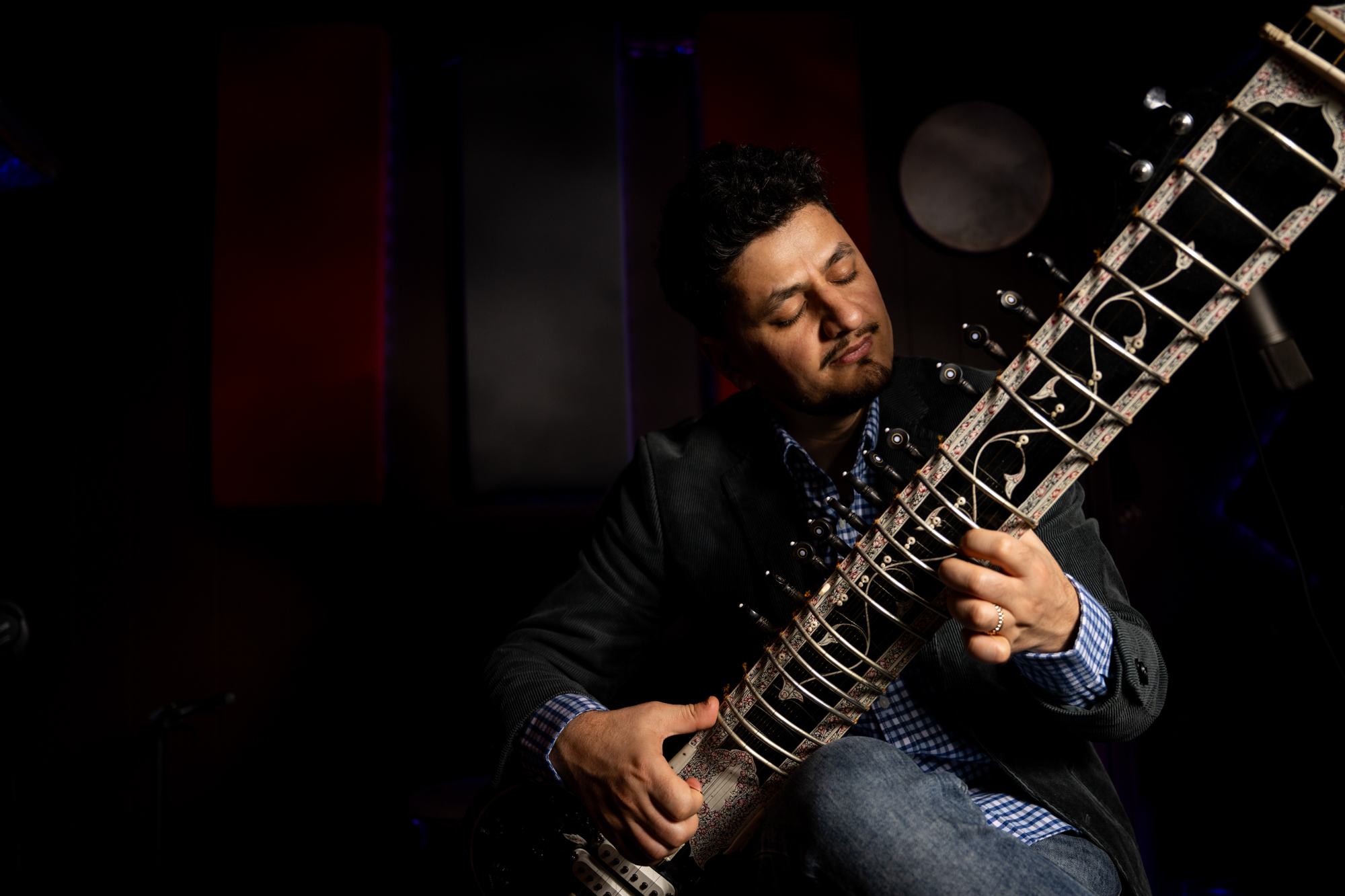
"caption": "Hasib Sepand plays the sitar at Sepand Studios in Fremont on July 21, 2025, where his music academy offers instruction in sitar, tabla, harmonium and other instruments, and he composes and produces music.",
"credit": "Beth LaBerge/KQED",
"altTag": null,
"description": null,
"imgSizes": {
"thumbnail": {
"file": "https://cdn.kqed.org/wp-content/uploads/sites/10/2025/07/250721-AFGHANSINFREMONT-11-BL-KQED-160x107.jpg",
"width": 160,
"height": 107,
"mimeType": "image/jpeg"
},
"1536x1536": {
"file": "https://cdn.kqed.org/wp-content/uploads/sites/10/2025/07/250721-AFGHANSINFREMONT-11-BL-KQED-1536x1024.jpg",
"width": 1536,
"height": 1024,
"mimeType": "image/jpeg"
},
"post-thumbnail": {
"file": "https://cdn.kqed.org/wp-content/uploads/sites/10/2025/07/250721-AFGHANSINFREMONT-11-BL-KQED-672x372.jpg",
"width": 672,
"height": 372,
"mimeType": "image/jpeg"
},
"twentyfourteen-full-width": {
"file": "https://cdn.kqed.org/wp-content/uploads/sites/10/2025/07/250721-AFGHANSINFREMONT-11-BL-KQED-1038x576.jpg",
"width": 1038,
"height": 576,
"mimeType": "image/jpeg"
},
"kqedFullSize": {
"file": "https://cdn.kqed.org/wp-content/uploads/sites/10/2025/07/250721-AFGHANSINFREMONT-11-BL-KQED.jpg",
"width": 2000,
"height": 1333
}
},
"isLoading": false,
"fetchFailed": false
},
"news_11883672": {
"type": "attachments",
"id": "news_11883672",
"meta": {
"index": "attachments_1716263798",
"site": "news",
"id": "11883672",
"found": true
},
"parent": 11883382,
"imgSizes": {
"twentyfourteen-full-width": {
"file": "https://ww2.kqed.org/app/uploads/sites/10/2021/08/Josie-Manalo-leaving-for-America-1920x1080-1-1038x576.jpg",
"width": 1038,
"mimeType": "image/jpeg",
"height": 576
},
"thumbnail": {
"file": "https://ww2.kqed.org/app/uploads/sites/10/2021/08/Josie-Manalo-leaving-for-America-1920x1080-1-160x90.jpg",
"width": 160,
"mimeType": "image/jpeg",
"height": 90
},
"post-thumbnail": {
"file": "https://ww2.kqed.org/app/uploads/sites/10/2021/08/Josie-Manalo-leaving-for-America-1920x1080-1-672x372.jpg",
"width": 672,
"mimeType": "image/jpeg",
"height": 372
},
"kqedFullSize": {
"file": "https://ww2.kqed.org/app/uploads/sites/10/2021/08/Josie-Manalo-leaving-for-America-1920x1080-1.jpg",
"width": 1920,
"height": 1080
},
"large": {
"file": "https://ww2.kqed.org/app/uploads/sites/10/2021/08/Josie-Manalo-leaving-for-America-1920x1080-1-1020x574.jpg",
"width": 1020,
"mimeType": "image/jpeg",
"height": 574
},
"1536x1536": {
"file": "https://ww2.kqed.org/app/uploads/sites/10/2021/08/Josie-Manalo-leaving-for-America-1920x1080-1-1536x864.jpg",
"width": 1536,
"mimeType": "image/jpeg",
"height": 864
},
"medium": {
"file": "https://ww2.kqed.org/app/uploads/sites/10/2021/08/Josie-Manalo-leaving-for-America-1920x1080-1-800x450.jpg",
"width": 800,
"mimeType": "image/jpeg",
"height": 450
}
},
"publishDate": 1628084533,
"modified": 1628176740,
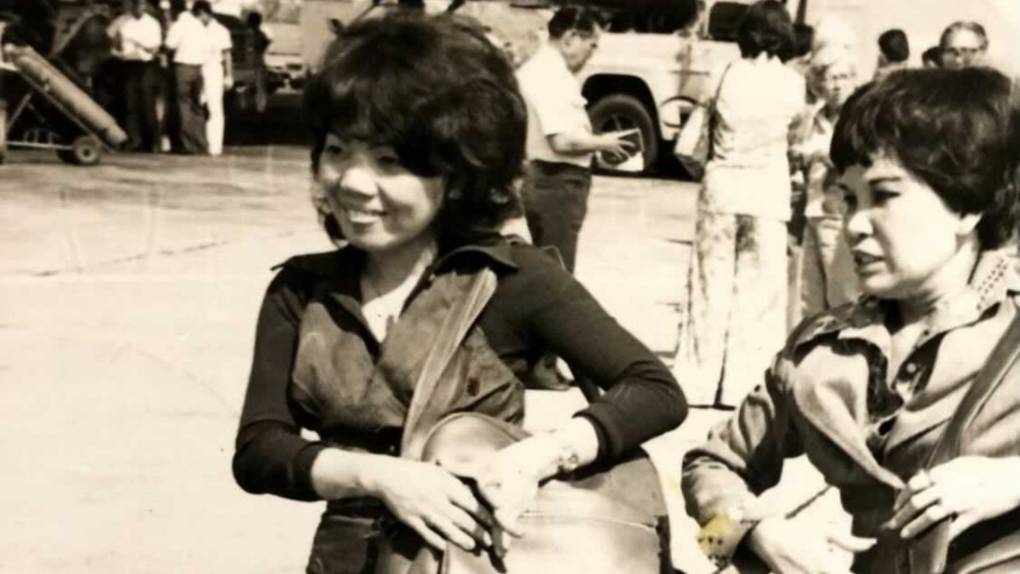
"caption": "Josie Manalo, the mother of Daly City Mayor Juslyn Manalo, getting ready to board her flight from the Philippines to the United States in 1973.",
"description": "A young woman smiles while carrying a large bag over her shoulder. She wears a collared top. There is an airplane in the background.",
"title": "Josie Manalo leaving for America 1920x1080",
"credit": "Courtesy of Juslyn Manalo",
"status": "inherit",
"altTag": "A young woman smiles while carrying a large bag over her shoulder. She wears a collared top. There is an airplane in the background.",
"isLoading": false,
"fetchFailed": false
},
"news_12045813": {
"type": "attachments",
"id": "news_12045813",
"meta": {
"index": "attachments_1716263798",
"site": "news",
"id": "12045813",
"found": true
},
"title": "ATK6-KQED",
"publishDate": 1750807427,
"status": "inherit",
"parent": 0,
"modified": 1750807504,
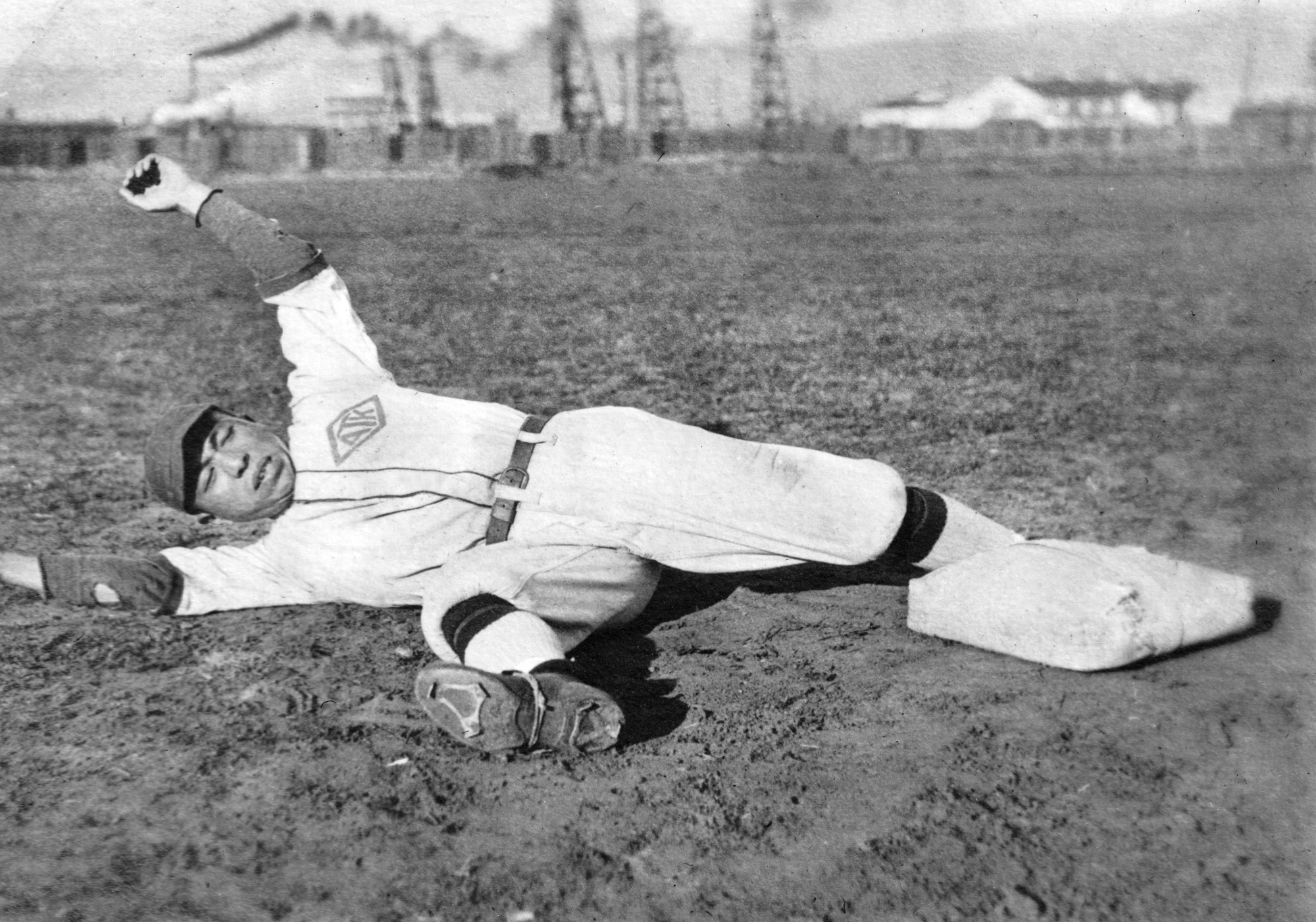
"caption": "An Alameda Taiiku Kai player slidies into base for this posed photograph.ATK field was on a lot adjacent to the northeast corner of McKinley Park at the end of Walnut St and Clement Ave, Alameda, CA. circa 1916-1920s",
"credit": "Courtesy of the Alameda Japanese American History Project",
"altTag": null,
"description": null,
"imgSizes": {
"thumbnail": {
"file": "https://cdn.kqed.org/wp-content/uploads/sites/10/2025/06/ATK6-KQED-160x112.jpg",
"width": 160,
"height": 112,
"mimeType": "image/jpeg"
},
"1536x1536": {
"file": "https://cdn.kqed.org/wp-content/uploads/sites/10/2025/06/ATK6-KQED-1536x1076.jpg",
"width": 1536,
"height": 1076,
"mimeType": "image/jpeg"
},
"post-thumbnail": {
"file": "https://cdn.kqed.org/wp-content/uploads/sites/10/2025/06/ATK6-KQED-672x372.jpg",
"width": 672,
"height": 372,
"mimeType": "image/jpeg"
},
"twentyfourteen-full-width": {
"file": "https://cdn.kqed.org/wp-content/uploads/sites/10/2025/06/ATK6-KQED-1038x576.jpg",
"width": 1038,
"height": 576,
"mimeType": "image/jpeg"
},
"kqedFullSize": {
"file": "https://cdn.kqed.org/wp-content/uploads/sites/10/2025/06/ATK6-KQED.jpg",
"width": 2000,
"height": 1401
}
},
"isLoading": false,
"fetchFailed": false
},
"news_11706591": {
"type": "attachments",
"id": "news_11706591",
"meta": {
"index": "attachments_1716263798",
"site": "news",
"id": "11706591",
"found": true
},
"parent": 11706248,
"imgSizes": {
"thumbnail": {
"file": "https://ww2.kqed.org/app/uploads/sites/10/2018/11/gwen-and-harvey-1-160x120.jpg",
"width": 160,
"mimeType": "image/jpeg",
"height": 120
},
"post-thumbnail": {
"file": "https://ww2.kqed.org/app/uploads/sites/10/2018/11/gwen-and-harvey-1-672x372.jpg",
"width": 672,
"mimeType": "image/jpeg",
"height": 372
},
"kqedFullSize": {
"file": "https://ww2.kqed.org/app/uploads/sites/10/2018/11/gwen-and-harvey-1.jpg",
"width": 720,
"height": 540
},
"guest-author-50": {
"file": "https://ww2.kqed.org/app/uploads/sites/10/2018/11/gwen-and-harvey-1-50x50.jpg",
"width": 50,
"mimeType": "image/jpeg",
"height": 50
},
"guest-author-96": {
"file": "https://ww2.kqed.org/app/uploads/sites/10/2018/11/gwen-and-harvey-1-96x96.jpg",
"width": 96,
"mimeType": "image/jpeg",
"height": 96
},
"guest-author-64": {
"file": "https://ww2.kqed.org/app/uploads/sites/10/2018/11/gwen-and-harvey-1-64x64.jpg",
"width": 64,
"mimeType": "image/jpeg",
"height": 64
},
"detail": {
"file": "https://ww2.kqed.org/app/uploads/sites/10/2018/11/gwen-and-harvey-1-150x150.jpg",
"width": 150,
"mimeType": "image/jpeg",
"height": 150
},
"guest-author-32": {
"file": "https://ww2.kqed.org/app/uploads/sites/10/2018/11/gwen-and-harvey-1-32x32.jpg",
"width": 32,
"mimeType": "image/jpeg",
"height": 32
},
"guest-author-128": {
"file": "https://ww2.kqed.org/app/uploads/sites/10/2018/11/gwen-and-harvey-1-128x128.jpg",
"width": 128,
"mimeType": "image/jpeg",
"height": 128
}
},
"publishDate": 1542322249,
"modified": 1543283553,
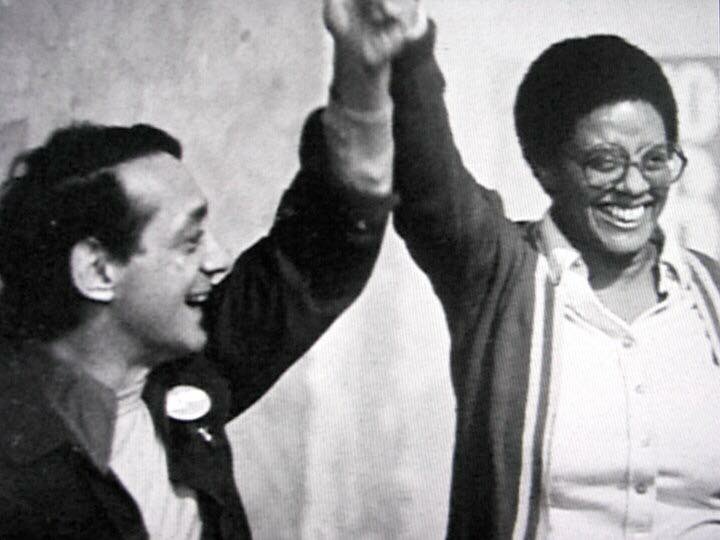
"caption": "As a young activist Gwenn Craig worked with Harvey Milk to defeat an anti-gay ballot measure in 1978.",
"description": "As a young activist Gwenn Craig worked with Harvey Milk to defeat an anti-gay ballot measure in 1978.",
"title": "gwen and harvey 1",
"credit": "Courtesy of Gwenn Craig",
"status": "inherit",
"isLoading": false,
"fetchFailed": false
},
"news_12044015": {
"type": "attachments",
"id": "news_12044015",
"meta": {
"index": "attachments_1716263798",
"site": "news",
"id": "12044015",
"found": true
},
"title": "IMG_0822_Original 2",
"publishDate": 1749759469,
"status": "inherit",
"parent": 12044013,
"modified": 1749843874,
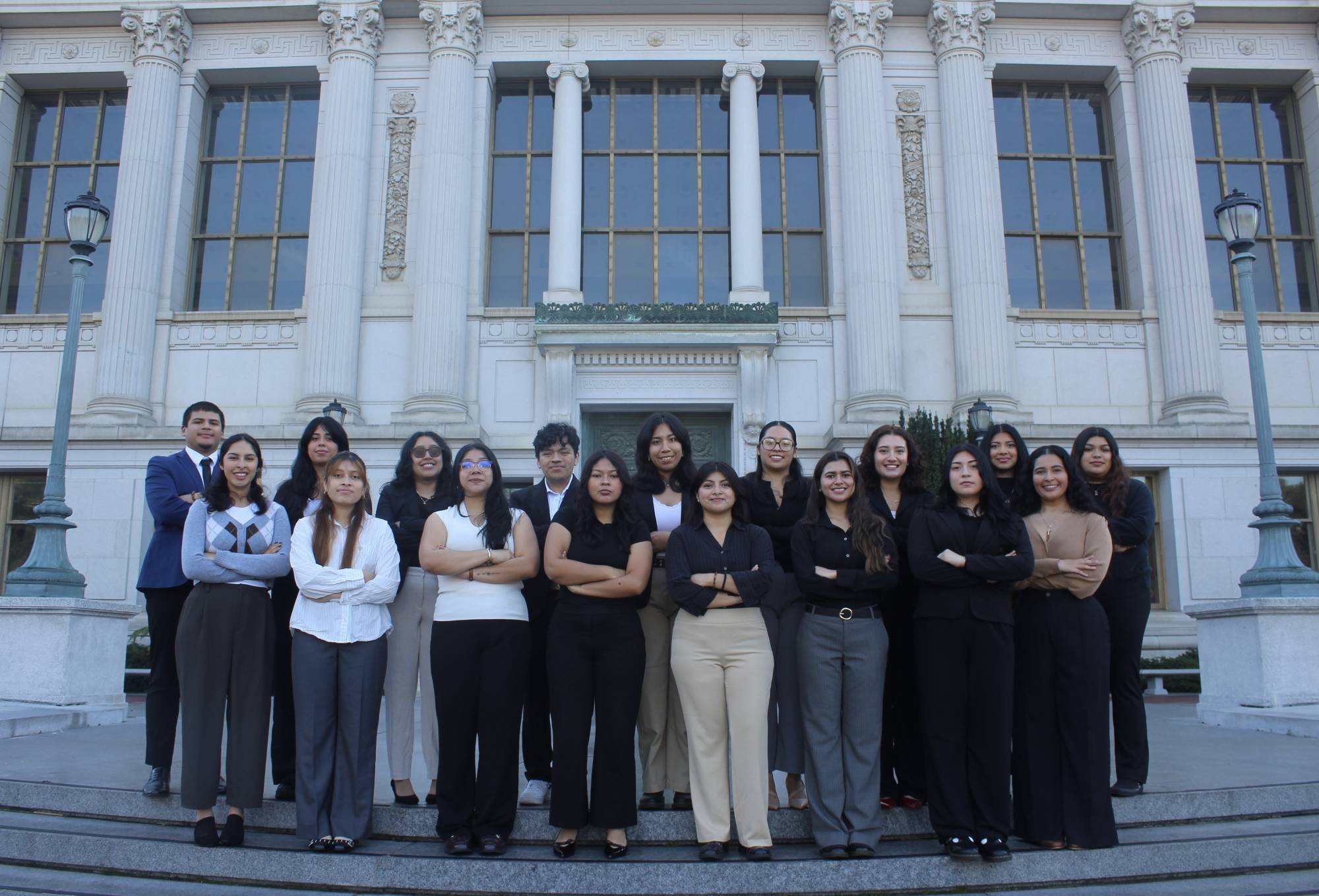
"caption": "UC Berkeley students from the organization, Central Americans for Empowerment (CAFE), pose in front of Doe Library.",
"credit": "Courtesy of Lesly Reyes Reyes",
"altTag": "Students from UC Berkeley in professional attire pose with their arms crossed in front of library with big white columns.",
"description": null,
"imgSizes": {
"medium": {
"file": "https://cdn.kqed.org/wp-content/uploads/sites/10/2025/06/IMG_0822_Original-2-2000x1359.jpg",
"width": 2000,
"height": 1359,
"mimeType": "image/jpeg"
},
"large": {
"file": "https://cdn.kqed.org/wp-content/uploads/sites/10/2025/06/IMG_0822_Original-2-2000x1359.jpg",
"width": 2000,
"height": 1359,
"mimeType": "image/jpeg"
},
"thumbnail": {
"file": "https://cdn.kqed.org/wp-content/uploads/sites/10/2025/06/IMG_0822_Original-2-160x109.jpg",
"width": 160,
"height": 109,
"mimeType": "image/jpeg"
},
"1536x1536": {
"file": "https://cdn.kqed.org/wp-content/uploads/sites/10/2025/06/IMG_0822_Original-2-1536x1044.jpg",
"width": 1536,
"height": 1044,
"mimeType": "image/jpeg"
},
"2048x2048": {
"file": "https://cdn.kqed.org/wp-content/uploads/sites/10/2025/06/IMG_0822_Original-2-2048x1392.jpg",
"width": 2048,
"height": 1392,
"mimeType": "image/jpeg"
},
"post-thumbnail": {
"file": "https://cdn.kqed.org/wp-content/uploads/sites/10/2025/06/IMG_0822_Original-2-672x372.jpg",
"width": 672,
"height": 372,
"mimeType": "image/jpeg"
},
"twentyfourteen-full-width": {
"file": "https://cdn.kqed.org/wp-content/uploads/sites/10/2025/06/IMG_0822_Original-2-1038x576.jpg",
"width": 1038,
"height": 576,
"mimeType": "image/jpeg"
},
"full-width": {
"file": "https://cdn.kqed.org/wp-content/uploads/sites/10/2025/06/IMG_0822_Original-2-2000x1359.jpg",
"width": 2000,
"height": 1359,
"mimeType": "image/jpeg"
},
"kqedFullSize": {
"file": "https://cdn.kqed.org/wp-content/uploads/sites/10/2025/06/IMG_0822_Original-2-scaled.jpg",
"width": 2560,
"height": 1740
}
},
"isLoading": false,
"fetchFailed": false
},
"news_11934147": {
"type": "attachments",
"id": "news_11934147",
"meta": {
"index": "attachments_1716263798",
"site": "news",
"id": "11934147",
"found": true
},
"parent": 11934056,
"imgSizes": {
"twentyfourteen-full-width": {
"file": "https://ww2.kqed.org/app/uploads/sites/10/2022/12/RS61490_022_KQED_TransamericaPyramid_11302022-qut-1038x576.jpg",
"width": 1038,
"mimeType": "image/jpeg",
"height": 576
},
"thumbnail": {
"file": "https://ww2.kqed.org/app/uploads/sites/10/2022/12/RS61490_022_KQED_TransamericaPyramid_11302022-qut-160x107.jpg",
"width": 160,
"mimeType": "image/jpeg",
"height": 107
},
"post-thumbnail": {
"file": "https://ww2.kqed.org/app/uploads/sites/10/2022/12/RS61490_022_KQED_TransamericaPyramid_11302022-qut-672x372.jpg",
"width": 672,
"mimeType": "image/jpeg",
"height": 372
},
"kqedFullSize": {
"file": "https://ww2.kqed.org/app/uploads/sites/10/2022/12/RS61490_022_KQED_TransamericaPyramid_11302022-qut.jpg",
"width": 1920,
"height": 1280
},
"large": {
"file": "https://ww2.kqed.org/app/uploads/sites/10/2022/12/RS61490_022_KQED_TransamericaPyramid_11302022-qut-1020x680.jpg",
"width": 1020,
"mimeType": "image/jpeg",
"height": 680
},
"1536x1536": {
"file": "https://ww2.kqed.org/app/uploads/sites/10/2022/12/RS61490_022_KQED_TransamericaPyramid_11302022-qut-1536x1024.jpg",
"width": 1536,
"mimeType": "image/jpeg",
"height": 1024
},
"medium": {
"file": "https://ww2.kqed.org/app/uploads/sites/10/2022/12/RS61490_022_KQED_TransamericaPyramid_11302022-qut-800x533.jpg",
"width": 800,
"mimeType": "image/jpeg",
"height": 533
}
},
"publishDate": 1670273356,
"modified": 1670521968,
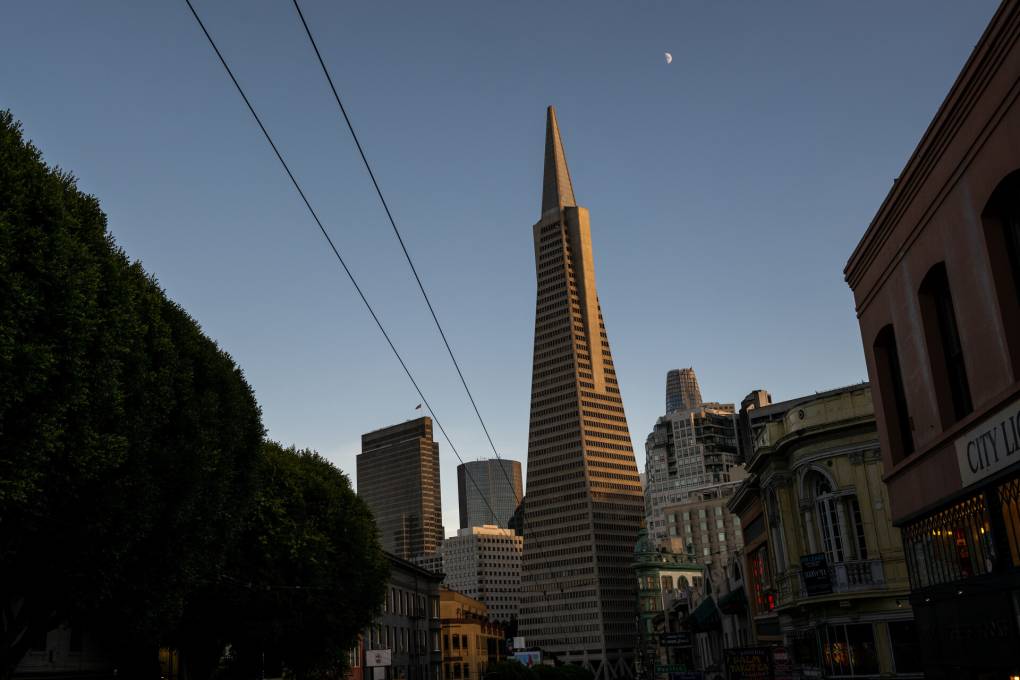
"caption": "The moon rises near the Transamerica Pyramid in San Francisco on Nov. 30, 2022.",
"description": null,
"title": "The moon rises near the Transamerica Pyramid in San Francisco on Nov. 30, 2022.",
"credit": "Beth LaBerge/KQED",
"status": "inherit",
"altTag": "An early-evening shot of a very tall, narrow pyramid-shaped building taken from a low angle, surrounded by other smaller buildings. The low light of a winter sunset is hitting the building from the right, making it a warm gold color.",
"isLoading": false,
"fetchFailed": false
},
"news_12037173": {
"type": "attachments",
"id": "news_12037173",
"meta": {
"index": "attachments_1716263798",
"site": "news",
"id": "12037173",
"found": true
},
"title": "teen-podcaster-illustration",
"publishDate": 1745360083,
"status": "inherit",
"parent": 12037170,
"modified": 1745360169,
"caption": "Four Bay Area teenagers have been sharing their thoughts on life with us for the past semester.",
"credit": "Nadya Ustyuzhantseva/iStock",
"altTag": "Graphic illustration of a young woman with curly hair sitting in front of a computer, with a microphone and headphones on.",
"description": null,
"imgSizes": {
"medium": {
"file": "https://cdn.kqed.org/wp-content/uploads/sites/10/2025/04/teen-podcaster-illustration-800x450.jpg",
"width": 800,
"height": 450,
"mimeType": "image/jpeg"
},
"large": {
"file": "https://cdn.kqed.org/wp-content/uploads/sites/10/2025/04/teen-podcaster-illustration-1020x574.jpg",
"width": 1020,
"height": 574,
"mimeType": "image/jpeg"
},
"thumbnail": {
"file": "https://cdn.kqed.org/wp-content/uploads/sites/10/2025/04/teen-podcaster-illustration-160x90.jpg",
"width": 160,
"height": 90,
"mimeType": "image/jpeg"
},
"1536x1536": {
"file": "https://cdn.kqed.org/wp-content/uploads/sites/10/2025/04/teen-podcaster-illustration-1536x864.jpg",
"width": 1536,
"height": 864,
"mimeType": "image/jpeg"
},
"post-thumbnail": {
"file": "https://cdn.kqed.org/wp-content/uploads/sites/10/2025/04/teen-podcaster-illustration-672x372.jpg",
"width": 672,
"height": 372,
"mimeType": "image/jpeg"
},
"twentyfourteen-full-width": {
"file": "https://cdn.kqed.org/wp-content/uploads/sites/10/2025/04/teen-podcaster-illustration-1038x576.jpg",
"width": 1038,
"height": 576,
"mimeType": "image/jpeg"
},
"kqedFullSize": {
"file": "https://cdn.kqed.org/wp-content/uploads/sites/10/2025/04/teen-podcaster-illustration.jpg",
"width": 1920,
"height": 1080
}
},
"isLoading": false,
"fetchFailed": false
},
"news_12030770": {
"type": "attachments",
"id": "news_12030770",
"meta": {
"index": "attachments_1716263798",
"site": "news",
"id": "12030770",
"found": true
},
"title": "20250311_VTASTRIKEDAY2_GC-2-KQED",
"publishDate": 1741719070,
"status": "inherit",
"parent": 12031632,
"modified": 1742241158,
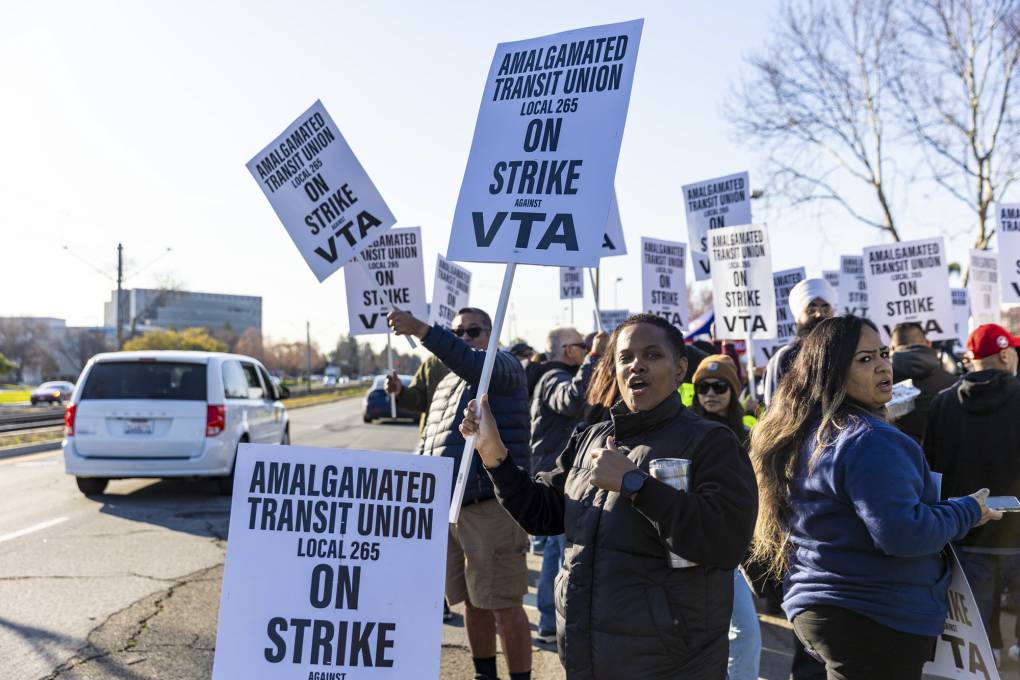
"caption": "Dafina Cozine, a bus operator, joins a strike with hundreds of Santa Clara Valley Transportation Authority workers, represented by the Amalgamated Transit Union Local 265, on N. First Street, in San José, demanding a better contract and an increase in wages, on March 11, 2025.",
"credit": "Gina Castro/KQED",
"altTag": null,
"description": null,
"imgSizes": {
"medium": {
"file": "https://cdn.kqed.org/wp-content/uploads/sites/10/2025/03/20250311_VTASTRIKEDAY2_GC-2-KQED-800x533.jpg",
"width": 800,
"height": 533,
"mimeType": "image/jpeg"
},
"large": {
"file": "https://cdn.kqed.org/wp-content/uploads/sites/10/2025/03/20250311_VTASTRIKEDAY2_GC-2-KQED-1020x680.jpg",
"width": 1020,
"height": 680,
"mimeType": "image/jpeg"
},
"thumbnail": {
"file": "https://cdn.kqed.org/wp-content/uploads/sites/10/2025/03/20250311_VTASTRIKEDAY2_GC-2-KQED-160x107.jpg",
"width": 160,
"height": 107,
"mimeType": "image/jpeg"
},
"1536x1536": {
"file": "https://cdn.kqed.org/wp-content/uploads/sites/10/2025/03/20250311_VTASTRIKEDAY2_GC-2-KQED-1536x1024.jpg",
"width": 1536,
"height": 1024,
"mimeType": "image/jpeg"
},
"post-thumbnail": {
"file": "https://cdn.kqed.org/wp-content/uploads/sites/10/2025/03/20250311_VTASTRIKEDAY2_GC-2-KQED-672x372.jpg",
"width": 672,
"height": 372,
"mimeType": "image/jpeg"
},
"twentyfourteen-full-width": {
"file": "https://cdn.kqed.org/wp-content/uploads/sites/10/2025/03/20250311_VTASTRIKEDAY2_GC-2-KQED-1038x576.jpg",
"width": 1038,
"height": 576,
"mimeType": "image/jpeg"
},
"full-width": {
"file": "https://cdn.kqed.org/wp-content/uploads/sites/10/2025/03/20250311_VTASTRIKEDAY2_GC-2-KQED-1920x1280.jpg",
"width": 1920,
"height": 1280,
"mimeType": "image/jpeg"
},
"kqedFullSize": {
"file": "https://cdn.kqed.org/wp-content/uploads/sites/10/2025/03/20250311_VTASTRIKEDAY2_GC-2-KQED.jpg",
"width": 2000,
"height": 1333
}
},
"isLoading": false,
"fetchFailed": false
},
"news_12029339": {
"type": "attachments",
"id": "news_12029339",
"meta": {
"index": "attachments_1716263798",
"site": "news",
"id": "12029339",
"found": true
},
"title": "20241211-OUSDMergerVote-JY-013_qed",
"publishDate": 1740786173,
"status": "inherit",
"parent": 12029333,
"modified": 1741115113,
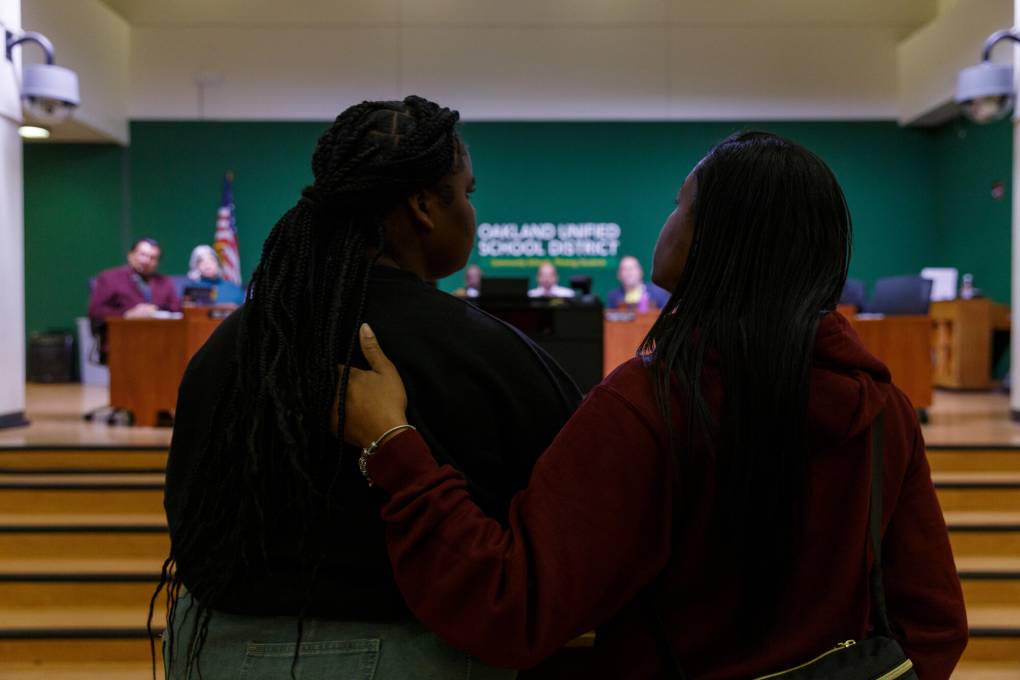
"caption": "Alexandria Poole, right, comforts Navie Davis, left, as she becomes emotional while making a public comment to the Oakland Unified School District Board about a proposed merger during a meeting at La Escuelita Elementary School in Oakland, California, on Dec. 11, 2024.",
"credit": "Juliana Yamada/KQED",
"altTag": null,
"description": null,
"imgSizes": {
"medium": {
"file": "https://cdn.kqed.org/wp-content/uploads/sites/10/2025/02/20241211-OUSDMergerVote-JY-013_qed-800x533.jpg",
"width": 800,
"height": 533,
"mimeType": "image/jpeg"
},
"large": {
"file": "https://cdn.kqed.org/wp-content/uploads/sites/10/2025/02/20241211-OUSDMergerVote-JY-013_qed-1020x680.jpg",
"width": 1020,
"height": 680,
"mimeType": "image/jpeg"
},
"thumbnail": {
"file": "https://cdn.kqed.org/wp-content/uploads/sites/10/2025/02/20241211-OUSDMergerVote-JY-013_qed-160x107.jpg",
"width": 160,
"height": 107,
"mimeType": "image/jpeg"
},
"1536x1536": {
"file": "https://cdn.kqed.org/wp-content/uploads/sites/10/2025/02/20241211-OUSDMergerVote-JY-013_qed-1536x1024.jpg",
"width": 1536,
"height": 1024,
"mimeType": "image/jpeg"
},
"post-thumbnail": {
"file": "https://cdn.kqed.org/wp-content/uploads/sites/10/2025/02/20241211-OUSDMergerVote-JY-013_qed-672x372.jpg",
"width": 672,
"height": 372,
"mimeType": "image/jpeg"
},
"twentyfourteen-full-width": {
"file": "https://cdn.kqed.org/wp-content/uploads/sites/10/2025/02/20241211-OUSDMergerVote-JY-013_qed-1038x576.jpg",
"width": 1038,
"height": 576,
"mimeType": "image/jpeg"
},
"full-width": {
"file": "https://cdn.kqed.org/wp-content/uploads/sites/10/2025/02/20241211-OUSDMergerVote-JY-013_qed-1920x1280.jpg",
"width": 1920,
"height": 1280,
"mimeType": "image/jpeg"
},
"kqedFullSize": {
"file": "https://cdn.kqed.org/wp-content/uploads/sites/10/2025/02/20241211-OUSDMergerVote-JY-013_qed.jpg",
"width": 2000,
"height": 1333
}
},
"isLoading": false,
"fetchFailed": false
},
"news_12028620": {
"type": "attachments",
"id": "news_12028620",
"meta": {
"index": "attachments_1716263798",
"site": "news",
"id": "12028620",
"found": true
},
"title": "man on bus",
"publishDate": 1740531404,
"status": "inherit",
"parent": 0,
"modified": 1740531472,
"caption": "A $200,000 pilot program, championed by San José Mayor Matt Mahan, will offer bus and train tickets to unhoused people who want to reconnect with family or friends.",
"credit": "Jason Yeomans/Getty Images",
"altTag": null,
"description": null,
"imgSizes": {
"medium": {
"file": "https://cdn.kqed.org/wp-content/uploads/sites/10/2025/02/GettyImages-1150473913-800x600.jpg",
"width": 800,
"height": 600,
"mimeType": "image/jpeg"
},
"large": {
"file": "https://cdn.kqed.org/wp-content/uploads/sites/10/2025/02/GettyImages-1150473913-1020x765.jpg",
"width": 1020,
"height": 765,
"mimeType": "image/jpeg"
},
"thumbnail": {
"file": "https://cdn.kqed.org/wp-content/uploads/sites/10/2025/02/GettyImages-1150473913-160x120.jpg",
"width": 160,
"height": 120,
"mimeType": "image/jpeg"
},
"1536x1536": {
"file": "https://cdn.kqed.org/wp-content/uploads/sites/10/2025/02/GettyImages-1150473913-1536x1152.jpg",
"width": 1536,
"height": 1152,
"mimeType": "image/jpeg"
},
"2048x2048": {
"file": "https://cdn.kqed.org/wp-content/uploads/sites/10/2025/02/GettyImages-1150473913-2048x1536.jpg",
"width": 2048,
"height": 1536,
"mimeType": "image/jpeg"
},
"post-thumbnail": {
"file": "https://cdn.kqed.org/wp-content/uploads/sites/10/2025/02/GettyImages-1150473913-672x372.jpg",
"width": 672,
"height": 372,
"mimeType": "image/jpeg"
},
"twentyfourteen-full-width": {
"file": "https://cdn.kqed.org/wp-content/uploads/sites/10/2025/02/GettyImages-1150473913-1038x576.jpg",
"width": 1038,
"height": 576,
"mimeType": "image/jpeg"
},
"full-width": {
"file": "https://cdn.kqed.org/wp-content/uploads/sites/10/2025/02/GettyImages-1150473913-1920x1440.jpg",
"width": 1920,
"height": 1440,
"mimeType": "image/jpeg"
},
"kqedFullSize": {
"file": "https://cdn.kqed.org/wp-content/uploads/sites/10/2025/02/GettyImages-1150473913-scaled.jpg",
"width": 2560,
"height": 1920
}
},
"isLoading": false,
"fetchFailed": false
},
"news_12002386": {
"type": "attachments",
"id": "news_12002386",
"meta": {
"index": "attachments_1716263798",
"site": "news",
"id": "12002386",
"found": true
},
"title": "LOGO_THEBAY",
"publishDate": 1724964767,
"status": "inherit",
"parent": 12002385,
"modified": 1724964767,
"caption": null,
"credit": null,
"altTag": null,
"description": null,
"imgSizes": {
"thumbnail": {
"file": "https://cdn.kqed.org/wp-content/uploads/sites/10/2024/08/LOGO_THEBAY-160x160.png",
"width": 160,
"height": 160,
"mimeType": "image/png"
},
"kqedFullSize": {
"file": "https://cdn.kqed.org/wp-content/uploads/sites/10/2024/08/LOGO_THEBAY.png",
"width": 300,
"height": 300
}
},
"isLoading": false,
"fetchFailed": false
},
"news_12024430": {
"type": "attachments",
"id": "news_12024430",
"meta": {
"index": "attachments_1716263798",
"site": "news",
"id": "12024430",
"found": true
},
"title": "250128-SFImmigration-08-BL",
"publishDate": 1738105102,
"status": "inherit",
"parent": 12024325,
"modified": 1742325555,
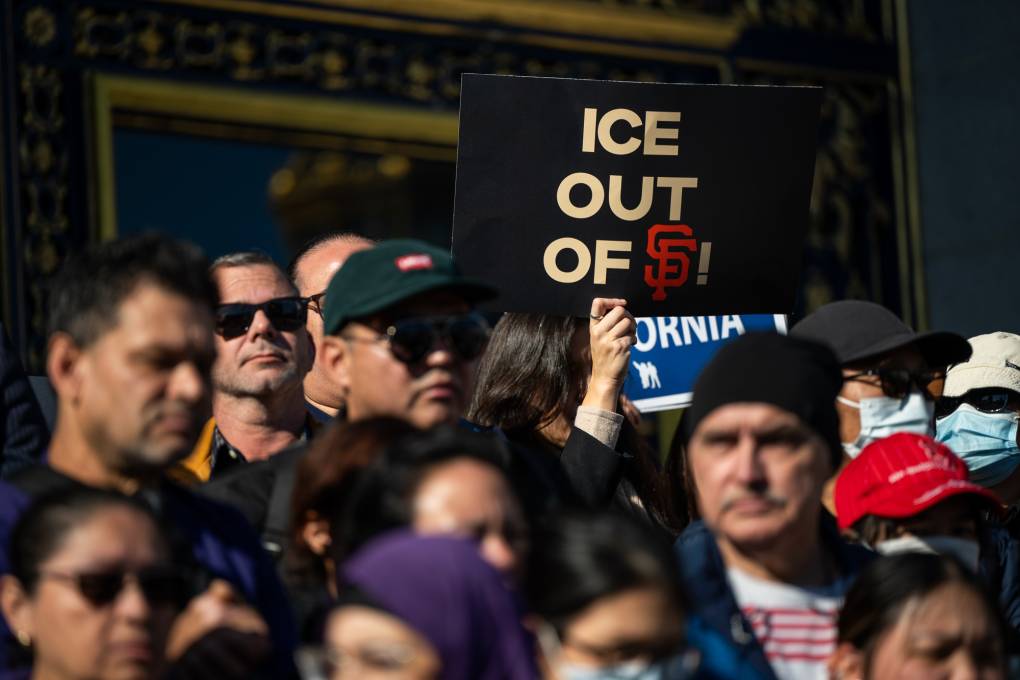
"caption": "A group of elected and public safety officials, labor leaders, and community members fill the steps in front of City Hall in San Francisco on Jan. 28, 2025, during a press conference to reaffirm San Francisco’s commitment to being a Sanctuary City.",
"credit": "Beth LaBerge/KQED",
"altTag": null,
"description": null,
"imgSizes": {
"medium": {
"file": "https://cdn.kqed.org/wp-content/uploads/sites/10/2025/01/250128-SFImmigration-08-BL-800x533.jpg",
"width": 800,
"height": 533,
"mimeType": "image/jpeg"
},
"large": {
"file": "https://cdn.kqed.org/wp-content/uploads/sites/10/2025/01/250128-SFImmigration-08-BL-1020x680.jpg",
"width": 1020,
"height": 680,
"mimeType": "image/jpeg"
},
"thumbnail": {
"file": "https://cdn.kqed.org/wp-content/uploads/sites/10/2025/01/250128-SFImmigration-08-BL-160x107.jpg",
"width": 160,
"height": 107,
"mimeType": "image/jpeg"
},
"1536x1536": {
"file": "https://cdn.kqed.org/wp-content/uploads/sites/10/2025/01/250128-SFImmigration-08-BL-1536x1024.jpg",
"width": 1536,
"height": 1024,
"mimeType": "image/jpeg"
},
"post-thumbnail": {
"file": "https://cdn.kqed.org/wp-content/uploads/sites/10/2025/01/250128-SFImmigration-08-BL-672x372.jpg",
"width": 672,
"height": 372,
"mimeType": "image/jpeg"
},
"twentyfourteen-full-width": {
"file": "https://cdn.kqed.org/wp-content/uploads/sites/10/2025/01/250128-SFImmigration-08-BL-1038x576.jpg",
"width": 1038,
"height": 576,
"mimeType": "image/jpeg"
},
"full-width": {
"file": "https://cdn.kqed.org/wp-content/uploads/sites/10/2025/01/250128-SFImmigration-08-BL-1920x1280.jpg",
"width": 1920,
"height": 1280,
"mimeType": "image/jpeg"
},
"kqedFullSize": {
"file": "https://cdn.kqed.org/wp-content/uploads/sites/10/2025/01/250128-SFImmigration-08-BL.jpg",
"width": 2000,
"height": 1333
}
},
"isLoading": false,
"fetchFailed": false
}
},
"audioPlayerReducer": {
"postId": "stream_live",
"isPaused": true,
"isPlaying": false,
"pfsActive": false,
"pledgeModalIsOpen": true,
"playerDrawerIsOpen": false,
"liveAudioPlayStartedAt": 0,
"liveAudioPlayContext": ""
},
"authorsReducer": {
"astupi": {
"type": "authors",
"id": "70",
"meta": {
"index": "authors_1716337520",
"id": "70",
"found": true
},
"name": "Amanda Stupi",
"firstName": "Amanda",
"lastName": "Stupi",
"slug": "astupi",
"email": "astupi@kqed.org",
"display_author_email": false,
"staff_mastheads": [],
"title": "Senior Engagement Producer",
"bio": "Amanda joined KQED Science’s engagement team as a Senior Audience Engagement Strategist in the spring of 2019. She has helped craft messaging around wildfires, the coronavirus pandemic, climate change and many other stories. She has also brought KQED Science to new platforms such as Reddit’s Ask Me Anything series. Prior to joining KQED Science, Amanda spent seven years as an engagement producer with Forum, KQED’s daily live call-in show. She got her start in radio at KALW's weekly call in show, City Visions, before going on to an internship and stint at NPR's Talk of the Nation.\r\n\r\nPrior to journalism, Amanda taught English at Lowell High School. She's a native of Petaluma and currently lives under the \"South San Francisco the Industrial City\" sign in South City. She believes that engagement is vital to news’s future and that good journalism listens as much as it asks questions.",
"avatar": "https://secure.gravatar.com/avatar/e981c503e5c162da701dcaccfbf87e35?s=600&d=blank&r=g",
"twitter": null,
"facebook": null,
"instagram": null,
"linkedin": null,
"sites": [
{
"site": "arts",
"roles": [
"Contributor"
]
},
{
"site": "news",
"roles": [
"editor"
]
},
{
"site": "pop",
"roles": [
"contributor"
]
},
{
"site": "stateofhealth",
"roles": [
"editor"
]
},
{
"site": "science",
"roles": []
},
{
"site": "perspectives",
"roles": [
"editor"
]
}
],
"headData": {
"title": "Amanda Stupi | KQED",
"description": "Senior Engagement Producer",
"ogImgSrc": "https://secure.gravatar.com/avatar/e981c503e5c162da701dcaccfbf87e35?s=600&d=blank&r=g",
"twImgSrc": "https://secure.gravatar.com/avatar/e981c503e5c162da701dcaccfbf87e35?s=600&d=blank&r=g"
},
"isLoading": false,
"link": "/author/astupi"
},
"ohubertallen": {
"type": "authors",
"id": "102",
"meta": {
"index": "authors_1716337520",
"id": "102",
"found": true
},
"name": "Olivia Allen-Price",
"firstName": "Olivia",
"lastName": "Allen-Price",
"slug": "ohubertallen",
"email": "oallenprice@kqed.org",
"display_author_email": false,
"staff_mastheads": [
"news"
],
"title": "Senior Editor",
"bio": "Olivia Allen-Price is senior editor and host of the award-winning Bay Curious podcast. Prior to joining KQED in 2013, Olivia worked at The Baltimore Sun and The Virginian-Pilot in Norfolk, Va. She holds degrees in journalism and political science from Elon University. Her work has earned awards from the Society of Professional Journalists, the Hearst Foundation and Hearken. She loves to talk about running and curly hair.\r\n\r\nFollow: \u003ca href=\"https://twitter.com/oallenprice\">@oallenprice\u003c/a>\r\nEmail: \u003ca href=\"mailto:oallenprice@kqed.org\">oallenprice@kqed.org\u003c/a>",
"avatar": "https://secure.gravatar.com/avatar/07f7803c1f6be56f3be58ef276dfa64dce898502e0554408ef4858451a8294f7?s=600&d=blank&r=g",
"twitter": "oallenprice",
"bluesky": null,
"facebook": null,
"instagram": null,
"linkedin": null,
"sites": [
{
"site": "",
"roles": [
"editor"
]
},
{
"site": "arts",
"roles": [
"subscriber"
]
},
{
"site": "news",
"roles": [
"administrator"
]
},
{
"site": "pop",
"roles": [
"administrator"
]
},
{
"site": "bayareabites",
"roles": [
"contributor"
]
},
{
"site": "stateofhealth",
"roles": [
"administrator"
]
},
{
"site": "science",
"roles": [
"editor"
]
}
],
"headData": {
"title": "Olivia Allen-Price | KQED",
"description": "Senior Editor",
"ogImgSrc": "https://secure.gravatar.com/avatar/07f7803c1f6be56f3be58ef276dfa64dce898502e0554408ef4858451a8294f7?s=600&d=blank&r=g",
"twImgSrc": "https://secure.gravatar.com/avatar/07f7803c1f6be56f3be58ef276dfa64dce898502e0554408ef4858451a8294f7?s=600&d=blank&r=g"
},
"isLoading": false,
"link": "/author/ohubertallen"
},
"katrinaschwartz": {
"type": "authors",
"id": "234",
"meta": {
"index": "authors_1716337520",
"id": "234",
"found": true
},
"name": "Katrina Schwartz",
"firstName": "Katrina",
"lastName": "Schwartz",
"slug": "katrinaschwartz",
"email": "kschwartz@kqed.org",
"display_author_email": false,
"staff_mastheads": [
"news"
],
"title": "Producer",
"bio": "Katrina Schwartz is a journalist based in San Francisco. She's worked at KPCC public radio in LA and has reported on air and online for KQED since 2010. She covered how teaching and learning is changing for MindShift between 2012 and 2020. She is the co-host of the MindShift podcast and now produces KQED's Bay Curious podcast.",
"avatar": "https://secure.gravatar.com/avatar/edb4ee79070447a018538c9aae6eeecf28786515b8a0c30e43b6b7dce5aa44c8?s=600&d=blank&r=g",
"twitter": "kschwart",
"bluesky": null,
"facebook": null,
"instagram": null,
"linkedin": null,
"sites": [
{
"site": "",
"roles": [
"editor"
]
},
{
"site": "news",
"roles": [
"editor"
]
},
{
"site": "mindshift",
"roles": [
"administrator"
]
},
{
"site": "stateofhealth",
"roles": [
"author"
]
},
{
"site": "science",
"roles": [
"editor"
]
}
],
"headData": {
"title": "Katrina Schwartz | KQED",
"description": "Producer",
"ogImgSrc": "https://secure.gravatar.com/avatar/edb4ee79070447a018538c9aae6eeecf28786515b8a0c30e43b6b7dce5aa44c8?s=600&d=blank&r=g",
"twImgSrc": "https://secure.gravatar.com/avatar/edb4ee79070447a018538c9aae6eeecf28786515b8a0c30e43b6b7dce5aa44c8?s=600&d=blank&r=g"
},
"isLoading": false,
"link": "/author/katrinaschwartz"
},
"mlagos": {
"type": "authors",
"id": "3239",
"meta": {
"index": "authors_1716337520",
"id": "3239",
"found": true
},
"name": "Marisa Lagos",
"firstName": "Marisa",
"lastName": "Lagos",
"slug": "mlagos",
"email": "mlagos@kqed.org",
"display_author_email": false,
"staff_mastheads": [
"news"
],
"title": "KQED Contributor",
"bio": "Marisa Lagos is a correspondent for KQED’s California Politics and Government Desk and co-hosts the award-winning show and podcast, Political Breakdown. At KQED, Lagos also conducts reporting, analysis and investigations into state, local and national politics for radio, TV, online and onstage. In 2022, she and co-host, Scott Shafer, moderated the only gubernatorial debate in California. In 2020, the \u003ci>Washington Post\u003c/i> named her one of the top political journalists in California; she was nominated for a Peabody and won several other awards for her work investigating the 2017 California wildfires. She has worked at the \u003ci>San Francisco Chronicle\u003c/i>, \u003ci>San Francisco Examiner\u003c/i> and \u003ci>Los Angeles Times\u003c/i>. A UC Santa Barbara graduate, she lives in San Francisco with her two sons and husband.",
"avatar": "https://secure.gravatar.com/avatar/a261a0d3696fc066871ef96b85b5e7d2?s=600&d=blank&r=g",
"twitter": "@mlagos",
"facebook": null,
"instagram": null,
"linkedin": null,
"sites": [
{
"site": "arts",
"roles": [
"author"
]
},
{
"site": "news",
"roles": [
"editor"
]
},
{
"site": "science",
"roles": [
"editor"
]
},
{
"site": "forum",
"roles": [
"author"
]
},
{
"site": "liveblog",
"roles": [
"author"
]
}
],
"headData": {
"title": "Marisa Lagos | KQED",
"description": "KQED Contributor",
"ogImgSrc": "https://secure.gravatar.com/avatar/a261a0d3696fc066871ef96b85b5e7d2?s=600&d=blank&r=g",
"twImgSrc": "https://secure.gravatar.com/avatar/a261a0d3696fc066871ef96b85b5e7d2?s=600&d=blank&r=g"
},
"isLoading": false,
"link": "/author/mlagos"
},
"carlysevern": {
"type": "authors",
"id": "3243",
"meta": {
"index": "authors_1716337520",
"id": "3243",
"found": true
},
"name": "Carly Severn",
"firstName": "Carly",
"lastName": "Severn",
"slug": "carlysevern",
"email": "csevern@kqed.org",
"display_author_email": false,
"staff_mastheads": [
"news"
],
"title": "Senior Editor, Audience News ",
"bio": "Carly is KQED's Senior Editor of Audience News on the Digital News team, and has reported for the California Report Magazine, Bay Curious and KQED Arts. She's formerly the host of \u003ca href=\"http://ww2.kqed.org/pop/category/the-cooler/\" rel=\"noopener noreferrer\">The Cooler\u003c/a> podcast.",
"avatar": "https://secure.gravatar.com/avatar/54037bf5c128fe678f0ef26cec97a93f2e7f220a22d7285703328f12c42c1b1d?s=600&d=blank&r=g",
"twitter": "teacupinthebay",
"bluesky": null,
"facebook": null,
"instagram": null,
"linkedin": null,
"sites": [
{
"site": "",
"roles": [
"editor"
]
},
{
"site": "arts",
"roles": [
"editor"
]
},
{
"site": "news",
"roles": [
"administrator"
]
},
{
"site": "pop",
"roles": [
"editor"
]
},
{
"site": "futureofyou",
"roles": [
"editor"
]
},
{
"site": "about",
"roles": [
"administrator"
]
},
{
"site": "mindshift",
"roles": [
"editor"
]
},
{
"site": "bayareabites",
"roles": [
"editor"
]
},
{
"site": "stateofhealth",
"roles": [
"editor"
]
},
{
"site": "science",
"roles": [
"editor"
]
},
{
"site": "food",
"roles": [
"contributor"
]
},
{
"site": "forum",
"roles": [
"editor"
]
},
{
"site": "perspectives",
"roles": [
"administrator"
]
},
{
"site": "liveblog",
"roles": [
"editor"
]
}
],
"headData": {
"title": "Carly Severn | KQED",
"description": "Senior Editor, Audience News ",
"ogImgSrc": "https://secure.gravatar.com/avatar/54037bf5c128fe678f0ef26cec97a93f2e7f220a22d7285703328f12c42c1b1d?s=600&d=blank&r=g",
"twImgSrc": "https://secure.gravatar.com/avatar/54037bf5c128fe678f0ef26cec97a93f2e7f220a22d7285703328f12c42c1b1d?s=600&d=blank&r=g"
},
"isLoading": false,
"link": "/author/carlysevern"
},
"ecruzguevarra": {
"type": "authors",
"id": "8654",
"meta": {
"index": "authors_1716337520",
"id": "8654",
"found": true
},
"name": "Ericka Cruz Guevarra",
"firstName": "Ericka",
"lastName": "Cruz Guevarra",
"slug": "ecruzguevarra",
"email": "ecruzguevarra@kqed.org",
"display_author_email": true,
"staff_mastheads": [
"news"
],
"title": "Producer, The Bay Podcast",
"bio": "Ericka Cruz Guevarra is host of \u003ca href=\"https://www.kqed.org/podcasts/thebay\">\u003cem>The Bay\u003c/em>\u003c/a> podcast at KQED. Before host, she was the show’s producer. Her work in that capacity includes a three-part reported series on policing in Vallejo, which won a 2020 excellence in journalism award from the Society of Professional Journalists. Ericka has worked as a breaking news reporter at Oregon Public Broadcasting, helped produce the Code Switch podcast, and was KQED’s inaugural Raul Ramirez Diversity Fund intern. She’s also an alumna of NPR’s Next Generation Radio program. Send her an email if you have strong feelings about whether Fairfield and Suisun City are the Bay. Ericka is represented by SAG-AFTRA.",
"avatar": "https://secure.gravatar.com/avatar/accefc1de4bafc7e234b69bcb9b6f6536c130fd84709bc3069ef11a78787e1bb?s=600&d=blank&r=g",
"twitter": "NotoriousECG",
"bluesky": null,
"facebook": null,
"instagram": null,
"linkedin": null,
"sites": [
{
"site": "arts",
"roles": [
"subscriber"
]
},
{
"site": "news",
"roles": [
"editor",
"manage_categories"
]
},
{
"site": "futureofyou",
"roles": [
"subscriber"
]
},
{
"site": "stateofhealth",
"roles": [
"subscriber"
]
},
{
"site": "science",
"roles": [
"editor"
]
},
{
"site": "forum",
"roles": [
"subscriber"
]
}
],
"headData": {
"title": "Ericka Cruz Guevarra | KQED",
"description": "Producer, The Bay Podcast",
"ogImgSrc": "https://secure.gravatar.com/avatar/accefc1de4bafc7e234b69bcb9b6f6536c130fd84709bc3069ef11a78787e1bb?s=600&d=blank&r=g",
"twImgSrc": "https://secure.gravatar.com/avatar/accefc1de4bafc7e234b69bcb9b6f6536c130fd84709bc3069ef11a78787e1bb?s=600&d=blank&r=g"
},
"isLoading": false,
"link": "/author/ecruzguevarra"
},
"bwatt": {
"type": "authors",
"id": "11238",
"meta": {
"index": "authors_1716337520",
"id": "11238",
"found": true
},
"name": "Brian Watt",
"firstName": "Brian",
"lastName": "Watt",
"slug": "bwatt",
"email": "bwatt@KQED.org",
"display_author_email": false,
"staff_mastheads": [
"news"
],
"title": "Morning News Anchor",
"bio": "Brian Watt is KQED's morning radio news anchor. He joined the KQED News team in April of 2016. Prior to that, he worked as a Reporter for KPCC in Los Angeles and a producer at \u003cem>Marketplace.\u003c/em>\r\n\r\nDuring eight years at KPCC, Brian covered business and economics, and his work won several awards. In 2008, he won the Los Angeles Press Club’s first-place award for Business and Financial Reporting, Broadcast. He’s also received honorable mention and been first runner up for the Press Club’s Radio Journalist of the Year. He won two Golden Mike awards from the Radio and TV News Association of Southern California.\r\n\r\nBrian holds degrees in theater from Yale University and the Sorbonne, and has worked as an actor in France, Italy, Brazil, Hungary and . . . Hollywood. He appeared in a few television shows, including \u003cem>The West Wing, Judging Amy\u003c/em> and \u003cem>The District.\u003c/em>\r\n\r\nEmail: bwatt@KQED.org Twitter: @RadioBWatt",
"avatar": "https://secure.gravatar.com/avatar/55393ff57ed34e2be773ba4789dd6a19?s=600&d=blank&r=g",
"twitter": "@RadioBWatt",
"facebook": null,
"instagram": null,
"linkedin": null,
"sites": [
{
"site": "arts",
"roles": [
"contributor"
]
},
{
"site": "news",
"roles": [
"editor"
]
}
],
"headData": {
"title": "Brian Watt | KQED",
"description": "Morning News Anchor",
"ogImgSrc": "https://secure.gravatar.com/avatar/55393ff57ed34e2be773ba4789dd6a19?s=600&d=blank&r=g",
"twImgSrc": "https://secure.gravatar.com/avatar/55393ff57ed34e2be773ba4789dd6a19?s=600&d=blank&r=g"
},
"isLoading": false,
"link": "/author/bwatt"
},
"aehsanipour": {
"type": "authors",
"id": "11580",
"meta": {
"index": "authors_1716337520",
"id": "11580",
"found": true
},
"name": "Asal Ehsanipour",
"firstName": "Asal",
"lastName": "Ehsanipour",
"slug": "aehsanipour",
"email": "aehsanipour@kqed.org",
"display_author_email": false,
"staff_mastheads": [],
"title": "Reporter and Producer",
"bio": "Asal Ehsanipour is a producer and reporter for Rightnowish, Bay Curious and The California Report Magazine. She is also a producer for \u003ca href=\"https://www.thedoubleshift.com/\">The Double Shift\u003c/a>, a podcast about a new generation of working mothers. In 2018, Asal was named an Emerging Journalist Fellow by the Journalism and Women’s Symposium. Her work has appeared on KQED, KALW, PRI’s The World, and in several food and travel publications.",
"avatar": "https://secure.gravatar.com/avatar/c0e210438f5dca1b76921ff9f0eada52?s=600&d=blank&r=g",
"twitter": null,
"facebook": null,
"instagram": null,
"linkedin": null,
"sites": [
{
"site": "arts",
"roles": []
},
{
"site": "news",
"roles": [
"author",
"edit_others_posts"
]
}
],
"headData": {
"title": "Asal Ehsanipour | KQED",
"description": "Reporter and Producer",
"ogImgSrc": "https://secure.gravatar.com/avatar/c0e210438f5dca1b76921ff9f0eada52?s=600&d=blank&r=g",
"twImgSrc": "https://secure.gravatar.com/avatar/c0e210438f5dca1b76921ff9f0eada52?s=600&d=blank&r=g"
},
"isLoading": false,
"link": "/author/aehsanipour"
},
"amontecillo": {
"type": "authors",
"id": "11649",
"meta": {
"index": "authors_1716337520",
"id": "11649",
"found": true
},
"name": "Alan Montecillo",
"firstName": "Alan",
"lastName": "Montecillo",
"slug": "amontecillo",
"email": "amontecillo@kqed.org",
"display_author_email": false,
"staff_mastheads": [
"news"
],
"title": "KQED Contributor",
"bio": "Alan Montecillo is the senior editor of \u003cem>\u003ca href=\"http://kqed.org/thebay\">The Bay\u003c/a>, \u003c/em> KQED's local news podcast. Before moving to the Bay Area, he worked as a senior talk show producer for WILL in Champaign-Urbana, Illinois and at Oregon Public Broadcasting in Portland, Oregon. He has won journalism awards from the Society of Professional Journalists Northern California, the Public Media Journalists Association, The Signal Awards, and has also received a regional Edward R. Murrow award. Alan is a Filipino American from Hong Kong and a graduate of Reed College.",
"avatar": "https://secure.gravatar.com/avatar/268f53a2066899ea9efdd8a5900218b17c822d9862cbc9326cccec53ef41d349?s=600&d=blank&r=g",
"twitter": "alanmontecillo",
"bluesky": null,
"facebook": null,
"instagram": null,
"linkedin": null,
"sites": [
{
"site": "",
"roles": [
"editor"
]
},
{
"site": "news",
"roles": [
"editor",
"manage_categories"
]
}
],
"headData": {
"title": "Alan Montecillo | KQED",
"description": "KQED Contributor",
"ogImgSrc": "https://secure.gravatar.com/avatar/268f53a2066899ea9efdd8a5900218b17c822d9862cbc9326cccec53ef41d349?s=600&d=blank&r=g",
"twImgSrc": "https://secure.gravatar.com/avatar/268f53a2066899ea9efdd8a5900218b17c822d9862cbc9326cccec53ef41d349?s=600&d=blank&r=g"
},
"isLoading": false,
"link": "/author/amontecillo"
},
"agonzalez": {
"type": "authors",
"id": "11724",
"meta": {
"index": "authors_1716337520",
"id": "11724",
"found": true
},
"name": "Alexander Gonzalez",
"firstName": "Alexander",
"lastName": "Gonzalez",
"slug": "agonzalez",
"email": "AlexanderGonzalez@KQED.org",
"display_author_email": false,
"staff_mastheads": [
"news"
],
"title": "KQED Contributor",
"bio": null,
"avatar": "https://secure.gravatar.com/avatar/9e291ed34e154df4c662edf858b641d70b4859939bfe40be478408f9dfd057d2?s=600&d=blank&r=g",
"twitter": null,
"bluesky": null,
"facebook": null,
"instagram": null,
"linkedin": null,
"sites": [
{
"site": "arts",
"roles": [
"editor"
]
},
{
"site": "news",
"roles": [
"editor"
]
},
{
"site": "science",
"roles": [
"editor"
]
}
],
"headData": {
"title": "Alexander Gonzalez | KQED",
"description": "KQED Contributor",
"ogImgSrc": "https://secure.gravatar.com/avatar/9e291ed34e154df4c662edf858b641d70b4859939bfe40be478408f9dfd057d2?s=600&d=blank&r=g",
"twImgSrc": "https://secure.gravatar.com/avatar/9e291ed34e154df4c662edf858b641d70b4859939bfe40be478408f9dfd057d2?s=600&d=blank&r=g"
},
"isLoading": false,
"link": "/author/agonzalez"
},
"jessicakariisa": {
"type": "authors",
"id": "11831",
"meta": {
"index": "authors_1716337520",
"id": "11831",
"found": true
},
"name": "Jessica Kariisa",
"firstName": "Jessica",
"lastName": "Kariisa",
"slug": "jessicakariisa",
"email": "jkariisa@kqed.org",
"display_author_email": false,
"staff_mastheads": [],
"title": "Producer, The Bay",
"bio": "Jessica Kariisa is the producer of The Bay. She first joined KQED as an intern for The California Report Magazine, after which she became an on-call producer. She reported a Bay Curious episode on the use of rap lyrics in criminal trials which won a Society of Professional Journalists award in 2023 for Excellence in Features Journalism and the 2023 Signal Award for Best Conversation Starter. She’s worked on podcasts for Snap Judgment and American Public Media. Before embarking on her audio career, she was a music journalist.\r\n\r\nJessica Kariisa is represented by SAG-AFTRA.",
"avatar": "https://secure.gravatar.com/avatar/522e97b28ac0b3d411621c0fde8f3419c7b71ea2c5c262c57c4bb600963f328c?s=600&d=blank&r=g",
"twitter": null,
"bluesky": null,
"facebook": null,
"instagram": null,
"linkedin": null,
"sites": [
{
"site": "arts",
"roles": [
"author"
]
},
{
"site": "news",
"roles": [
"editor",
"manage_categories"
]
}
],
"headData": {
"title": "Jessica Kariisa | KQED",
"description": "Producer, The Bay",
"ogImgSrc": "https://secure.gravatar.com/avatar/522e97b28ac0b3d411621c0fde8f3419c7b71ea2c5c262c57c4bb600963f328c?s=600&d=blank&r=g",
"twImgSrc": "https://secure.gravatar.com/avatar/522e97b28ac0b3d411621c0fde8f3419c7b71ea2c5c262c57c4bb600963f328c?s=600&d=blank&r=g"
},
"isLoading": false,
"link": "/author/jessicakariisa"
},
"jgeha": {
"type": "authors",
"id": "11906",
"meta": {
"index": "authors_1716337520",
"id": "11906",
"found": true
},
"name": "Joseph Geha",
"firstName": "Joseph",
"lastName": "Geha",
"slug": "jgeha",
"email": "jgeha@kqed.org",
"display_author_email": false,
"staff_mastheads": [
"news",
"science"
],
"title": "KQED Contributor",
"bio": null,
"avatar": "https://secure.gravatar.com/avatar/ea84d2b6dd93d6369d453edf19dd583f117cd1759d2d9c9c92f9de77017354fe?s=600&d=blank&r=g",
"twitter": null,
"bluesky": null,
"facebook": null,
"instagram": null,
"linkedin": null,
"sites": [
{
"site": "news",
"roles": [
"editor"
]
},
{
"site": "liveblog",
"roles": [
"author"
]
}
],
"headData": {
"title": "Joseph Geha | KQED",
"description": "KQED Contributor",
"ogImgSrc": "https://secure.gravatar.com/avatar/ea84d2b6dd93d6369d453edf19dd583f117cd1759d2d9c9c92f9de77017354fe?s=600&d=blank&r=g",
"twImgSrc": "https://secure.gravatar.com/avatar/ea84d2b6dd93d6369d453edf19dd583f117cd1759d2d9c9c92f9de77017354fe?s=600&d=blank&r=g"
},
"isLoading": false,
"link": "/author/jgeha"
},
"kdebenedetti": {
"type": "authors",
"id": "11913",
"meta": {
"index": "authors_1716337520",
"id": "11913",
"found": true
},
"name": "Katie DeBenedetti",
"firstName": "Katie",
"lastName": "DeBenedetti",
"slug": "kdebenedetti",
"email": "kdebenedetti@kqed.org",
"display_author_email": false,
"staff_mastheads": [
"news",
"science"
],
"title": "KQED Contributor",
"bio": "Katie DeBenedetti is a digital reporter covering daily news for the Express Desk. Prior to joining KQED as a culture reporting intern in January 2024, she covered education and city government for the Napa Valley Register.",
"avatar": "https://secure.gravatar.com/avatar/6e31073cb8f7e4214ab03f42771d0f45?s=600&d=blank&r=g",
"twitter": null,
"facebook": null,
"instagram": null,
"linkedin": null,
"sites": [
{
"site": "news",
"roles": [
"author"
]
},
{
"site": "science",
"roles": [
"author"
]
},
{
"site": "liveblog",
"roles": [
"author"
]
}
],
"headData": {
"title": "Katie DeBenedetti | KQED",
"description": "KQED Contributor",
"ogImgSrc": "https://secure.gravatar.com/avatar/6e31073cb8f7e4214ab03f42771d0f45?s=600&d=blank&r=g",
"twImgSrc": "https://secure.gravatar.com/avatar/6e31073cb8f7e4214ab03f42771d0f45?s=600&d=blank&r=g"
},
"isLoading": false,
"link": "/author/kdebenedetti"
},
"mvelasquez": {
"type": "authors",
"id": "11939",
"meta": {
"index": "authors_1716337520",
"id": "11939",
"found": true
},
"name": "Mel Velasquez",
"firstName": "Mel",
"lastName": "Velasquez",
"slug": "mvelasquez",
"email": "mvelasquez@kqed.org",
"display_author_email": false,
"staff_mastheads": [],
"title": "KQED Contributor",
"bio": null,
"avatar": "https://secure.gravatar.com/avatar/409094312d56fab09fef4251e949ffa6?s=600&d=blank&r=g",
"twitter": null,
"facebook": null,
"instagram": null,
"linkedin": "www.linkedin.com/in/melanievelasquezz",
"sites": [
{
"site": "news",
"roles": [
"editor"
]
}
],
"headData": {
"title": "Mel Velasquez | KQED",
"description": "KQED Contributor",
"ogImgSrc": "https://secure.gravatar.com/avatar/409094312d56fab09fef4251e949ffa6?s=600&d=blank&r=g",
"twImgSrc": "https://secure.gravatar.com/avatar/409094312d56fab09fef4251e949ffa6?s=600&d=blank&r=g"
},
"isLoading": false,
"link": "/author/mvelasquez"
},
"tpaoli": {
"type": "authors",
"id": "11945",
"meta": {
"index": "authors_1716337520",
"id": "11945",
"found": true
},
"name": "Tessa Paoli",
"firstName": "Tessa",
"lastName": "Paoli",
"slug": "tpaoli",
"email": "tpaoli@kqed.org",
"display_author_email": false,
"staff_mastheads": [],
"title": "KQED Contributor",
"bio": null,
"avatar": "https://secure.gravatar.com/avatar/cf3572a84291e4bdfdf32ea2d72a79f6?s=600&d=blank&r=g",
"twitter": null,
"facebook": null,
"instagram": null,
"linkedin": null,
"sites": [
{
"site": "news",
"roles": [
"author"
]
}
],
"headData": {
"title": "Tessa Paoli | KQED",
"description": "KQED Contributor",
"ogImgSrc": "https://secure.gravatar.com/avatar/cf3572a84291e4bdfdf32ea2d72a79f6?s=600&d=blank&r=g",
"twImgSrc": "https://secure.gravatar.com/avatar/cf3572a84291e4bdfdf32ea2d72a79f6?s=600&d=blank&r=g"
},
"isLoading": false,
"link": "/author/tpaoli"
}
},
"pagesReducer": {
"news_program_the-bay": {
"type": "terms",
"id": "news_28779",
"meta": {
"index": "terms_1716263798",
"site": "news",
"id": "28779",
"score": 15.530046
},
"featImg": null,
"name": "The Bay",
"description": null,
"taxonomy": "program",
"headData": {
"twImgId": null,
"twTitle": null,
"ogTitle": null,
"ogImgId": null,
"twDescription": null,
"description": "The Bay is a daily news and culture program from KQED that covers the latest headlines, trends, and stories that matter to the Bay Area.",
"title": "The Bay Area Archives | KQED",
"ogDescription": null
},
"ttid": 28796,
"slug": "the-bay",
"isLoading": false,
"title": "The Bay",
"pageMeta": {
"site": "news",
"WpPageTemplate": "page-topic-editorial",
"currentPage": 3
},
"blocks": [
{
"blockName": "kqed/post-list",
"attrs": {
"layout": "cardArticle2",
"query": "posts/news?program=the-bay",
"seeMore": false,
"paginated": true,
"page": 3
}
},
{
"blockName": "kqed/ad"
}
]
}
},
"pfsSessionReducer": {},
"postsReducer": {
"stream_live": {
"type": "live",
"id": "stream_live",
"audioUrl": "https://streams.kqed.org/kqedradio",
"title": "Live Stream",
"excerpt": "Live Stream information currently unavailable.",
"link": "/radio",
"featImg": "",
"label": {
"name": "KQED Live",
"link": "/"
}
},
"stream_kqedNewscast": {
"type": "posts",
"id": "stream_kqedNewscast",
"audioUrl": "https://www.kqed.org/.stream/anon/radio/RDnews/newscast.mp3?_=1",
"title": "KQED Newscast",
"featImg": "",
"label": {
"name": "88.5 FM",
"link": "/"
}
},
"news_12050357": {
"type": "posts",
"id": "news_12050357",
"meta": {
"index": "posts_1716263798",
"site": "news",
"id": "12050357",
"score": null,
"sort": [
1754560801000
]
},
"guestAuthors": [],
"slug": "how-did-fremont-come-to-be-known-as-little-kabul",
"title": "How Did Fremont Come to Be Known as ‘Little Kabul’?",
"publishDate": 1754560801,
"format": "standard",
"headTitle": "How Did Fremont Come to Be Known as ‘Little Kabul’? | KQED",
"labelTerm": {},
"content": "\u003cp>\u003cem>\u003ca href=\"#A\">View the full episode transcript.\u003c/a>\u003c/em>\u003c/p>\n\u003cp>On a typical afternoon, shoppers pour in and out of \u003ca href=\"https://www.maiwandmarket.com/\">Maiwand Market \u003c/a>in Fremont’s Centerville District, making a beeline for the bakery, where \u003ca href=\"https://www.kqed.org/bayareabites/2584/afghan-bread-in-fremonts-little-kabul\">traditional Afghan naan is made fresh each day\u003c/a>. Customers bag their loaves up themselves at a nearby table — some stocking up on a dozen at a time. A short walk in either direction leads to additional grocery stores and restaurants serving Afghan delicacies like beef kabobs, bolani kachaloo and qabilil pallow.\u003c/p>\n\u003cp>Fremont is home to one of the largest concentrations of Afghans in the United States. Over the past 40-some years, this community — often celebrated for its thriving tech industry and diverse population — has even become known as Little Kabul.[baycuriouspodcastinfo] It’s a fact that has made its way into pop culture, including the 2023 indie film \u003cem>Fremont\u003c/em> and Khaled Hosseini’s bestselling novel, \u003cem>The Kite Runner\u003c/em>.\u003c/p>\n\u003cp>[ad fullwidth]\u003c/p>\n\u003cp>The name Little Kabul, along with the frequent cultural references, got one Bay Curious listener wondering: How did Fremont become a cultural hub for so many Afghan Americans?\u003c/p>\n\u003cp>The answer goes back more than 45 years and can be broken down into four distinct waves of immigration, each based on a moment of conflict and political change in Afghanistan. But, it’s also a story of people fleeing their home country, a place they love, and looking for community and something familiar in their new home.\u003c/p>\n\u003cfigure id=\"attachment_12050024\" class=\"wp-caption aligncenter\" style=\"max-width: 2000px\">\u003ca href=\"https://cdn.kqed.org/wp-content/uploads/sites/10/2025/07/006_FREMONT_MAIWANDMARKET_08272021-KQED.jpg\">\u003cimg loading=\"lazy\" decoding=\"async\" class=\"size-full wp-image-12050024\" src=\"https://cdn.kqed.org/wp-content/uploads/sites/10/2025/07/006_FREMONT_MAIWANDMARKET_08272021-KQED.jpg\" alt=\"\" width=\"2000\" height=\"1333\" srcset=\"https://cdn.kqed.org/wp-content/uploads/sites/10/2025/07/006_FREMONT_MAIWANDMARKET_08272021-KQED.jpg 2000w, https://cdn.kqed.org/wp-content/uploads/sites/10/2025/07/006_FREMONT_MAIWANDMARKET_08272021-KQED-160x107.jpg 160w, https://cdn.kqed.org/wp-content/uploads/sites/10/2025/07/006_FREMONT_MAIWANDMARKET_08272021-KQED-1536x1024.jpg 1536w\" sizes=\"auto, (max-width: 2000px) 100vw, 2000px\">\u003c/a>\u003cfigcaption class=\"wp-caption-text\">A customer buys Afghan bread made at Maiwand Market in Fremont on Aug. 27, 2021. \u003ccite>(Beth LaBerge/KQED)\u003c/cite>\u003c/figcaption>\u003c/figure>\n\u003ch2>Soviets invade Afghanistan, spark first major exodus\u003c/h2>\n\u003cp>The first wave of Afghan immigrants left home during the \u003ca href=\"https://history.state.gov/milestones/1977-1980/soviet-invasion-afghanistan\">Soviet Union’s 1979 invasion of Afghanistan\u003c/a>. The USSR seized military control of Kabul and transformed the country into a war zone. Millions of Afghans were killed and millions more were forced to flee.\u003c/p>\n\u003cp>This wave of refugees included ordinary civilians and religious minorities, as well as those who had held government jobs under previous administrations. Many Afghans fled to neighboring countries like Iran and Pakistan. Others immigrated to the United States.\u003c/p>\n\u003cp>“We didn’t come by our choice; we were forced to leave the country,” said Hanifa Sai Tokhi, a volunteer who helps run the \u003ca href=\"https://www.afghanelderlyassociation.org/our-programs.html\">Afghan Elderly Association’s Healthy Aging Program\u003c/a> in Fremont. “I was crying for two and a half years.”\u003c/p>\n\u003cp>Tokhi vividly remembers leaving Afghanistan 47 years ago. Her husband was a government employee under \u003ca href=\"https://www.history.com/this-day-in-history/april-27/afghan-president-is-overthrown-and-murdered\">Afghan President Mohammad Daoud Khan\u003c/a>. After the Soviet invasion, their family received a notice that he would be arrested for his work under the country’s previous leadership.[aside postID=news_12040425 hero='https://cdn.kqed.org/wp-content/uploads/sites/10/2025/05/20250514_AFGHANREFUGEESTPS_GC-1-KQED-1020x680.jpg']With just $1,000 to their names, Tokhi, her husband and their two small children made their way to the Bay Area. By the time they joined their extended family in San Jose, Tokhi said they had just $22 left.\u003c/p>\n\u003cp>Tokhi, who had been an assistant professor of chemistry and biology back in Kabul, said that establishing herself in California was hard. She and her husband struggled to pay the mortgage and sometimes went without electricity. But eventually, they got political asylum and work permits. They were able to land jobs in the early days of Silicon Valley.\u003c/p>\n\u003cp>Like so many immigrant communities, Afghans like Tokhi came to Northern California because they knew someone in the area. When it was no longer safe to stay in Afghanistan, entire families relocated to where family members had come for work or school.\u003c/p>\n\u003cp>“Fremont was like a magnet for Afghans to come and join this beautiful city,” said Dr. Masoud Juya, the associate director of the \u003ca href=\"https://afghancoalition.org/\">Afghan Coalition\u003c/a>. “One reason that [is] a big attractive factor for Afghans is definitely this landscape, the beauty, the geography, and the weather.”\u003c/p>\n\u003cp>The East Bay hills reminded many Afghans of the mountainous terrain of their homeland. Entrepreneurial immigrants opened mosques, rug stores, and halal butcher shops. Specialty grocery stores like Maiwand Market soon opened their doors, offering fresh bread and other imported goods to local Afghans.\u003c/p>\n\u003cp>The city of Fremont supported these endeavors by offering grants to Afghan business owners.\u003c/p>\n\u003cp>Fremont was more affordable than bigger cities like San Francisco or Oakland, and California also had generous welfare benefits that helped people get resettled here.\u003c/p>\n\u003cp>“Slowly it started to get built until this city was called ‘Little Kabul,’ which is a very attractive name,” said Juya.\u003c/p>\n\u003ch2>A civil war prompts more people to leave Afghanistan\u003c/h2>\n\u003cp>The second wave of immigration took place in the 1990s during the Afghan Civil War, following the collapse of the Soviet-backed Afghan government. The war took place between different ethnic groups and eventually resulted in the Taliban’s rise to power.\u003c/p>\n\u003cp>Though Juya was in elementary school at the time, he still remembers how tumultuous and disruptive the civil war was. Tens of thousands of Afghans — mostly civilians — were killed throughout the conflict.\u003c/p>\n\u003cfigure id=\"attachment_12050014\" class=\"wp-caption aligncenter\" style=\"max-width: 2000px\">\u003ca href=\"https://cdn.kqed.org/wp-content/uploads/sites/10/2025/07/250723-AFGHANSINFREMONT-04-BL-KQED.jpg\">\u003cimg loading=\"lazy\" decoding=\"async\" class=\"size-full wp-image-12050014\" src=\"https://cdn.kqed.org/wp-content/uploads/sites/10/2025/07/250723-AFGHANSINFREMONT-04-BL-KQED.jpg\" alt=\"\" width=\"2000\" height=\"1333\" srcset=\"https://cdn.kqed.org/wp-content/uploads/sites/10/2025/07/250723-AFGHANSINFREMONT-04-BL-KQED.jpg 2000w, https://cdn.kqed.org/wp-content/uploads/sites/10/2025/07/250723-AFGHANSINFREMONT-04-BL-KQED-160x107.jpg 160w, https://cdn.kqed.org/wp-content/uploads/sites/10/2025/07/250723-AFGHANSINFREMONT-04-BL-KQED-1536x1024.jpg 1536w\" sizes=\"auto, (max-width: 2000px) 100vw, 2000px\">\u003c/a>\u003cfigcaption class=\"wp-caption-text\">Participants wave colorful scarves during an exercise segment at the Afghan Elderly Association’s weekly wellness gathering in Fremont on July 23, 2025. The event is part of the nonprofit’s Healthy Aging Program, supporting Afghan elders through social connection, movement, meals, and health education. \u003ccite>(Beth LaBerge/KQED)\u003c/cite>\u003c/figcaption>\u003c/figure>\n\u003cp>“A lot of homes were destroyed due to the civil war, and our home was no exception,” Juya recalled, adding that he had been buried under the rubble. His family was displaced to a new city, though many Afghans left Afghanistan altogether.\u003c/p>\n\u003cp>Again, many migrated to the United States.\u003c/p>\n\u003cp>“When they ended up here, then the first question they asked was like, ‘OK, which state has more Afghans? Let’s go and join our communities there,’” Juya said.\u003c/p>\n\u003cp>When the second wave of immigrants arrived in Northern California, the first wave was ready to help them get settled. The Afghan Coalition, was established in Fremont during this time. Since 1996, the mission of this international organization has been to offer social services to Afghan refugees, including assistance with housing, professional resources and mental health support.\u003c/p>\n\u003cp>The Afghan Elderly Association was founded a year earlier to provide Afghans with culturally appropriate health programs. The organization’s founders went door-to-door, individually recruiting each elder.[aside postID=news_11883382 hero='https://cdn.kqed.org/wp-content/uploads/sites/10/2021/08/Josie-Manalo-leaving-for-America-1920x1080-1.jpg']“We were going with these ladies to advocate to the doctors and translate,” said Tokhi, who worked with the group as a health promoter. “We were going to their homes. We were doing medication management. Sometimes they cannot read English, and we would ask, ‘What is this medicine for?’”\u003c/p>\n\u003cp>But the organization knew that healthy living wasn’t just about medication and doctor’s visits. There needed to be a social element, \u003ca href=\"https://www.afghanelderlyassociation.org/our-programs.html\">which they eventually offered through its Healthy Aging Program\u003c/a>. Each week, the program offers a hot meal, exercise classes and medical check-ups from Afghan nurses who speak Farsi.\u003c/p>\n\u003cp>“They brought these ladies out of isolation,” Tokhi said. She now helps run the program as a volunteer. “There is some gossip, too,” Tokhi said with a laugh. “I have to have gossip.”\u003c/p>\n\u003cp>Programs like this created more opportunities for immigrants to feel comfortable and connected when they got to Fremont. And the city supported them. For years, Fremont’s Human Services Department collaborated with the Afghan Elderly Association by providing staffing support, along with office and meeting spaces.\u003c/p>\n\u003ch2>9/11 upends the social order in Afghanistan\u003c/h2>\n\u003cp>The third wave of immigration to Fremont occurred after the terrorist attacks on Sept. 11, 2001. The United States sent troops into Afghanistan to oust the Taliban leaders, sparking an overseas conflict that continued for 20 years.\u003c/p>\n\u003cp>The toppling of the Taliban regime ushered in a new Afghan government and constitution. With the end of the Taliban’s religious extremism also came opportunities for women to work and girls to get an education.\u003c/p>\n\u003cfigure id=\"attachment_12050017\" class=\"wp-caption aligncenter\" style=\"max-width: 2000px\">\u003ca href=\"https://cdn.kqed.org/wp-content/uploads/sites/10/2025/07/250723-AFGHANSINFREMONT-12-BL-KQED.jpg\">\u003cimg loading=\"lazy\" decoding=\"async\" class=\"size-full wp-image-12050017\" src=\"https://cdn.kqed.org/wp-content/uploads/sites/10/2025/07/250723-AFGHANSINFREMONT-12-BL-KQED.jpg\" alt=\"\" width=\"2000\" height=\"1333\" srcset=\"https://cdn.kqed.org/wp-content/uploads/sites/10/2025/07/250723-AFGHANSINFREMONT-12-BL-KQED.jpg 2000w, https://cdn.kqed.org/wp-content/uploads/sites/10/2025/07/250723-AFGHANSINFREMONT-12-BL-KQED-160x107.jpg 160w, https://cdn.kqed.org/wp-content/uploads/sites/10/2025/07/250723-AFGHANSINFREMONT-12-BL-KQED-1536x1024.jpg 1536w\" sizes=\"auto, (max-width: 2000px) 100vw, 2000px\">\u003c/a>\u003cfigcaption class=\"wp-caption-text\">Volunteer Hanifa Tokhi speaks to the group at the Afghan Elderly Association’s weekly wellness gathering in Fremont on July 23, 2025. The event is part of the nonprofit’s Healthy Aging Program, supporting Afghan elders through social connection, movement, meals, and health education. \u003ccite>(Beth LaBerge/KQED)\u003c/cite>\u003c/figcaption>\u003c/figure>\n\u003cp>“This was the beginning of a big change for Afghanistan,” said Juya. “It was the first time after all those dark periods that Afghanistan was connected to the rest of the world.”\u003c/p>\n\u003cp>Rather than needing to flee as refugees as in the earlier immigration waves, Afghans could finally come to the U.S. on cultural exchange programs or to study.\u003c/p>\n\u003cp>“They freely moved out of Afghanistan because of the opportunities that were available,” Juya said.[aside postID=news_12048251 hero='https://cdn.kqed.org/wp-content/uploads/sites/10/2025/07/250716-CherrylandUnincorporated-11-BL_qed.jpg']Juya himself first came to the United States during the third wave, in 2009. He’d just graduated medical school and was pursuing a Fulbright scholarship. He later traveled back and forth to Afghanistan, where he opened a successful university and a health science institute inspired by his time in the U.S.\u003c/p>\n\u003cp>“We put into practice pretty much every bit of information we learned here,” said Dr. Juya. “We were really revolutionists in terms of helping Afghanistan develop.”\u003c/p>\n\u003cp>While he’s grateful for all he learned studying in the U.S., the experience wasn’t all positive. He, like other Afghan immigrants, faced discrimination as a Muslim.*\u003c/p>\n\u003cp>“There is an added layer of difficulty because of stigma, discrimination,” he said. “This in itself is also another factor that might motivate community members to come together so that they prevent themselves from additional threats or risks.”\u003c/p>\n\u003cp>Even Fremont experienced that stigma. In 2001, \u003ca href=\"https://www.sfgate.com/bayarea/article/a-worrisome-wake-fear-of-backlash-lurks-in-a-2878560.php\">local news outlets\u003c/a> reported on hate crimes directed at Afghans, including death threats and a smashed store window around Little Kabul. A few days later, the owner of the vandalized store put an American flag in those same windows to show his loyalty to the U.S.\u003c/p>\n\u003cp>Years later, Afghan Americans asked the City Council to formally recognize the area known as Little Kabul. However, \u003ca href=\"https://www.eastbaytimes.com/2004/09/27/fremont-wont-have-a-little-kabul/\">the initiative stalled after local businesses banded together to oppose the idea\u003c/a>.\u003c/p>\n\u003ch2>US troops withdraw from Afghanistan\u003c/h2>\n\u003cp>The fourth and largest wave of immigration started in 2021 with President Biden’s decision to withdraw U.S. troops from Afghanistan. Almost immediately, the Taliban returned to power and anyone who had participated in opening Afghanistan up, making it more liberal and democratic, was in danger. People like Juya.\u003c/p>\n\u003cp>“I was fighting hard as a member of my community against extremism,” Juya said. “I was really at high risk, and I had to leave as soon as I could.”\u003c/p>\n\u003cfigure id=\"attachment_12050012\" class=\"wp-caption aligncenter\" style=\"max-width: 2000px\">\u003ca href=\"https://cdn.kqed.org/wp-content/uploads/sites/10/2025/07/250721-AFGHANSINFREMONT-14-BL-KQED.jpg\">\u003cimg loading=\"lazy\" decoding=\"async\" class=\"size-full wp-image-12050012\" src=\"https://cdn.kqed.org/wp-content/uploads/sites/10/2025/07/250721-AFGHANSINFREMONT-14-BL-KQED.jpg\" alt=\"\" width=\"2000\" height=\"1333\" srcset=\"https://cdn.kqed.org/wp-content/uploads/sites/10/2025/07/250721-AFGHANSINFREMONT-14-BL-KQED.jpg 2000w, https://cdn.kqed.org/wp-content/uploads/sites/10/2025/07/250721-AFGHANSINFREMONT-14-BL-KQED-160x107.jpg 160w, https://cdn.kqed.org/wp-content/uploads/sites/10/2025/07/250721-AFGHANSINFREMONT-14-BL-KQED-1536x1024.jpg 1536w\" sizes=\"auto, (max-width: 2000px) 100vw, 2000px\">\u003c/a>\u003cfigcaption class=\"wp-caption-text\">Associate Director Masoud Juya sits in a conference room at the offices of the Afghan Coalition in Fremont on July 21, 2025. The organization provides health, education, and social services to support Afghan and other immigrant communities in the Bay Area. \u003ccite>(Beth LaBerge/KQED)\u003c/cite>\u003c/figcaption>\u003c/figure>\n\u003cp>Juya eventually left Afghanistan through an American Ph.D. program, after which he settled in Concord in search of a stable life.**\u003c/p>\n\u003cp>He is one of \u003ca href=\"https://www.fremont.gov/home/showpublisheddocument/12395/638119693632730000\">roughly 10,000 Afghans\u003c/a> who ended up in California after the 2021 withdrawal. The refugees during this fourth wave came from all parts of Afghan society, including academics, musicians, journalists, human rights advocates, and those who had worked with the U.S. military and allied forces.\u003c/p>\n\u003cp>So many people wanted to get out of Afghanistan during the hectic withdrawal that \u003ca href=\"https://www.youtube.com/watch?v=FiRJRjsLx-M&ab_channel=GuardianNews\">some people sprinted after U.S. military planes trying to get onboard\u003c/a> and others held onto the wings as the planes took off.[aside postID=news_11887630 hero='https://ww2.kqed.org/app/uploads/sites/10/2021/09/RS51406_021_Fremont_MaiwandMarket_08272021-qut-1020x680.jpg']As these horrific scenes unfolded, the City of Fremont again stepped up to support its local Afghan community. The Human Services Department raised $485,000 for an \u003ca href=\"https://www.fremont.gov/home/showpublisheddocument/12395/638119693632730000\">Afghan Refugee Help Fund\u003c/a>, which paid for necessities like filing immigration documents, temporary housing, new cell phones, mental health resources, and driving lessons for recent arrivals. The effort was coordinated in collaboration with Afghan organizations and businesses.\u003c/p>\n\u003cp>As ever, the Afghans who had already established themselves in the Bay Area mobilized to help newcomers.\u003c/p>\n\u003cp>Soon after Juya arrived in Fremont, his fellow Afghans hired him to help run the Afghan Coalition. But, he said, the volume of new Afghan arrivals has made a competitive job market even tougher. And many people don’t have the skills to fit into Silicon Valley’s high-tech, AI-driven economy.\u003c/p>\n\u003cp>“They were professionals back home,” he said. “They come here but they cannot find a professional job, so I see a lot of frustration for some of the young, talented Afghans.” Many are hustling as DoorDash or Uber drivers.\u003c/p>\n\u003ch2>Promoting ‘positive energy’\u003c/h2>\n\u003cp>The music composer and producer Hasib Sepand was lucky enough to arrive in Fremont before the U.S. military withdrew from Afghanistan. He opened a music school, called \u003ca href=\"https://www.sepandstudios.com/service/sepand-music-academy/\">The Sepand Music Academy\u003c/a>. Just six months later, the Taliban came back to power.\u003c/p>\n\u003cp>“Nobody was interested in music, even myself,” he said. “We were like mentally very depressed. I didn’t have that courage to play music because my family’s over there.”\u003c/p>\n\u003cfigure id=\"attachment_12050026\" class=\"wp-caption aligncenter\" style=\"max-width: 2000px\">\u003ca href=\"https://cdn.kqed.org/wp-content/uploads/sites/10/2025/07/250721-AfghansinFremont-04-BL_qed.jpg\">\u003cimg loading=\"lazy\" decoding=\"async\" class=\"size-full wp-image-12050026\" src=\"https://cdn.kqed.org/wp-content/uploads/sites/10/2025/07/250721-AfghansinFremont-04-BL_qed.jpg\" alt=\"\" width=\"2000\" height=\"1333\" srcset=\"https://cdn.kqed.org/wp-content/uploads/sites/10/2025/07/250721-AfghansinFremont-04-BL_qed.jpg 2000w, https://cdn.kqed.org/wp-content/uploads/sites/10/2025/07/250721-AfghansinFremont-04-BL_qed-160x107.jpg 160w, https://cdn.kqed.org/wp-content/uploads/sites/10/2025/07/250721-AfghansinFremont-04-BL_qed-1536x1024.jpg 1536w\" sizes=\"auto, (max-width: 2000px) 100vw, 2000px\">\u003c/a>\u003cfigcaption class=\"wp-caption-text\">Hasib Sepand plays the harmonium at Sepand Studios in Fremont on July 21, 2025, where his music academy offers instruction in sitar, tabla, harmonium, and other instruments, and he composes and produces music. \u003ccite>(Beth LaBerge/KQED)\u003c/cite>\u003c/figcaption>\u003c/figure>\n\u003cp>Sepand came from a family of well-known musicians in Afghanistan, who were forced to relocate to Pakistan after the Taliban’s first rise to power. During the U.S. war with Afghanistan, Sepand’s family had also worked with the American Army. They were able to qualify for Special Immigrant Visas.\u003c/p>\n\u003cp>“The last American plane that flew from Afghanistan included my family,” Sepand said. “It’s like a film.”[aside postID=news_12045917 hero='https://cdn.kqed.org/wp-content/uploads/sites/10/2025/06/ATK6-KQED.jpg']After he helped resettle his family in the Bay Area, Sepand reached out to the City of Fremont. They collaborated to offer three months of free music classes to new arrivals as a part of the Afghan Refugee Help Fund. Sepand taught students to sing traditional Afghan music and play instruments like the tabla and sitar.\u003c/p>\n\u003cp>“My class is not only a music class,” he said. “I tried to give a positive energy, especially for the newcomers, because they face a lot of problems. They face stress, depression, different culture, different language, sometimes no job.”\u003c/p>\n\u003cp>Sepand said that students would often tell him his music class was the highlight of their week.\u003c/p>\n\u003cp>Before he came to Fremont and learned the firsthand challenges of starting over in America, Sepand thought it would be a more glamorous place. But Fremont was not the America Hasib had pictured. Over time, as he has watched the community come together to support one another, he has come to love this place.\u003c/p>\n\u003cp>“Now, to me, it looks a hundred times better than every place in America because I live here and I have friends and I enjoy everything in Fremont,” Sepand said. “I love Fremont.”\u003c/p>\n\u003cp>\u003cem>*An earlier version of this story stated that Juya experienced discrimination for being Muslim and Arab. But Afghans are not Arab. We regret the error.\u003c/em>\u003c/p>\n\u003cp>\u003cem>**A previous version of this story stated that Juya settled in Fremont. In fact, he lives in Concord.\u003c/em>\u003c/p>\n\u003cp>[baycuriousquestion]\u003c/p>\n\u003ch2>\u003ca id=\"A\">\u003c/a>Episode Transcript\u003c/h2>\n\u003cp>\u003cem>This is a computer-generated transcript. While our team has reviewed it, there may be errors.\u003c/em>\u003c/p>\n\u003cp>\u003cstrong>Katrina Schwartz:\u003c/strong> Fremont is the fourth-largest town in the Bay Area, but it doesn’t always get the love it deserves. It’s a quiet place, but has a thriving tech industry, an incredibly diverse population and played an important role in the early silent film industry. It’s also home to one of the largest Afghan populations in the country…a fact that often shows up in pop culture.\u003c/p>\n\u003cp>\u003cstrong>Clip from \u003cem>Fremont\u003c/em>: \u003c/strong>Do you live in Fremont? Are you also from Afghanistan? Yes, I am. On the Special Immigration Visa? Yes. I was a translator in Afghanistan.\u003c/p>\n\u003cp>\u003cstrong>Katrina Schwartz: \u003c/strong>That’s a clip from the 2023 indie film “Fremont” about a military translator starting over in Fremont after being forced to leave Afghanistan.\u003c/p>\n\u003cp>It’s a premise rooted in reality. Over the past 40-some years, Fremont’s Afghans have slowly built a cultural hub here. There’s even a business district known as Little Kabul.\u003c/p>\n\u003cp>That name, Little Kabul, sparked the interest of one Bay Curious listener who wanted to know more about how Fremont became home to so many Afghans.\u003c/p>\n\u003cp>Today on Bay Curious, we’re tracing four distinct waves of Afghan immigration to the U.S. and illuminating how 40 years of U.S. foreign policy have led us to this point. We’ll meet Afghan refugees who’ve settled here, learn what makes this community unique and dig into some of the challenges they face.\u003c/p>\n\u003cp>I’m Katrina Schwartz, filling in for Olivia Allen-Price. Stay with us.\u003c/p>\n\u003cp>\u003cem>Sponsor message\u003c/em>\u003c/p>\n\u003cp>\u003cstrong>Katrina Schwartz:\u003c/strong> Northern California is home to the largest concentration of Afghans in the United States. And many have settled in the Bay Area city of Fremont. Reporter Asal Ehsanipour went to find out why so many folks have decided to make this East Bay town home.\u003c/p>\n\u003cp>\u003cstrong>Asal Ehsanipour:\u003c/strong> Recently, I went to an Eid dinner to celebrate the end of Ramadan.\u003c/p>\n\u003cp>\u003cstrong>Masoud Juya: \u003c/strong>We have, of course, the delicious kabuli pulao, which is a very common Afghan dish.\u003c/p>\n\u003cp>\u003cstrong>Asal Ehsanipour: \u003c/strong>Tables piled with plates of homemade rice and pastries made by local Afghans.\u003c/p>\n\u003cp>\u003cstrong>Masoud Juya:\u003c/strong> This is called simion. It’s a very popular dried fruit, usually during Eid, it is used in Afghanistan.\u003c/p>\n\u003cp>\u003cstrong>Asal Ehsanipour: \u003c/strong>Guiding me on this food tour is Dr. Masoud Juya, the associate director of a local nonprofit called the Afghan Coalition.\u003c/p>\n\u003cp>\u003cstrong>Masoud Juya: \u003c/strong>We have come here today to celebrate Eid and also to enjoy the Afghan culture, food, music. And to kind of enhance our collegiality, you know, over the joy and feast of Eid.\u003c/p>\n\u003cp>\u003cstrong>Asal Ehsanipour: \u003c/strong>Roughly 66,000 people of Afghan descent live in California, according to the 2019 Census. And historically, the highest concentration has been right here in Fremont. Making it one of the largest Afghan communities in the country.\u003c/p>\n\u003cp>\u003cstrong>Masoud Juya: \u003c/strong>Fremont was like a magnet for Afghans to come and join this beautiful city. And one reason that it’s a big attractive factor for Afghans is definitely this landscape, the beauty, the geography, and the weather.\u003c/p>\n\u003cp>\u003cstrong>Asal Ehsanipour: \u003c/strong>It doesn’t hurt that the East Bay has these majestic hills, which remind Afghans of home.\u003c/p>\n\u003cp>\u003cstrong>Masoud Juya: \u003c/strong>When you see these hills, it’s really reminiscent of those beautiful memories.\u003c/p>\n\u003cp>\u003cstrong>Asal Ehsanipour: \u003c/strong>Fremont’s Afghan community has been growing for decades. Masoud says you can break it down into four – distinct waves, each based on a moment of conflict and political change in Afghanistan.\u003c/p>\n\u003cp>The first wave of immigration began in the late 1970s when the USSR invaded Afghanistan and took control of Kabul.\u003c/p>\n\u003cp>\u003cstrong>News Clip: \u003c/strong>In 1979, the Soviet Union determined that Afghanistan would be a communist nation … forever.\u003c/p>\n\u003cp>\u003cstrong>Asal Ehsanipour: \u003c/strong>The Soviet invasion and the U.S. decision to arm rebel groups within Afghanistan as part of a proxy Cold War kicked off decades of instability for Afghanistan. Millions were killed. And millions more fled as refugees.\u003c/p>\n\u003cp>\u003cstrong>News Clip: \u003c/strong>In that decade of war, over 1,000 villages and towns have been destroyed by tanks and bombs.\u003c/p>\n\u003cp>\u003cstrong>Masoud Juya:\u003c/strong> The immigrants from that era were those who were persecuted by the communist regime.\u003c/p>\n\u003cp>\u003cstrong>Asal Ehsanipour: \u003c/strong>They included religious minorities and people who’d held government jobs.\u003c/p>\n\u003cp>\u003cstrong>Masoud Juya:\u003c/strong> As well as civilians, ordinary civilians who did not feel safe to stay in the country.\u003c/p>\n\u003cp>\u003cstrong>Asal Ehsanipour: \u003c/strong>Many Afghans fled to neighboring countries, like Iran and Pakistan. Others came to America.\u003c/p>\n\u003cp>\u003cstrong>Masoud Juya:\u003c/strong> Some of them ended up in Virginia first, and then they knew somebody who had recently come to this part of the country, and they were satisfied. So then they talked together and they decided to join each other here.\u003c/p>\n\u003cp>\u003cstrong>Asal Ehsanipour: \u003c/strong>Like so many immigrant communities, Afghans came to California because that’s where they knew people. If entire families were to uproot their lives and move across the world, they needed to stick together.\u003c/p>\n\u003cp>At a weekly health event put on by the Afghan Elderly Association, women I met said they’d followed family members who’d come to Fremont for work or school.\u003c/p>\n\u003cp>\u003cstrong>Woman 1: \u003c/strong>My daughter, she went to San José State.\u003c/p>\n\u003cp>\u003cstrong>Woman 2: \u003c/strong>Aunts and uncle.\u003cstrong> \u003c/strong>\u003c/p>\n\u003cp>\u003cstrong>Woman 3: \u003c/strong>My friend, my relative.\u003c/p>\n\u003cp>\u003cstrong>Woman 2: \u003c/strong>Everybody was here in Fremont, so I came to join them, join the group.\u003c/p>\n\u003cp>\u003cstrong>Asal Ehsanipour: \u003c/strong>Hanifa Sai Tokhi came to the Bay Area 47 years ago. But she still feels the pain of leaving Afghanistan.\u003c/p>\n\u003cp>\u003cstrong>Hanifa Sai Tokhi:\u003c/strong> I was crying for two and a half years. We didn’t come by our choice. We were forced to leave the country.\u003c/p>\n\u003cp>\u003cstrong>Asal Ehsanipour: \u003c/strong>Hanifa’s husband had worked for the Afghan government before the Soviet invasion. One day, they heard a knock at the door.\u003c/p>\n\u003cp>\u003cstrong>Hanifa Sai Tokhi:\u003c/strong> They sent the notices that they’re going to arrest him and put him in jail. And even they told him to be ready when the soldiers come, go with them.\u003c/p>\n\u003cp>\u003cstrong>Asal Ehsanipour: \u003c/strong>With just $1,000 to their names, Hanifa, her husband, and their two small children made their way to the Bay Area. Hanifa had a brother-in-law in San Jose.\u003c/p>\n\u003cp>\u003cstrong>Hanifa Sai Tokhi:\u003c/strong> By the time we came, we had $22 because most of the money was spent.\u003c/p>\n\u003cp>\u003cstrong>Asal Ehsanipour: \u003c/strong>Hanifa says life was hard. They struggled to pay the mortgage, sometimes went without electricity. Eventually, she and her husband got political asylum and work permits, applied for jobs in the early days of Silicon Valley.\u003c/p>\n\u003cp>\u003cstrong>Hanifa Sai Tokhi:\u003c/strong> But then, there is not a lot of people coming to San Jose, but mostly was coming to Fremont.\u003c/p>\n\u003cp>\u003cstrong>Asal Ehsanipour: \u003c/strong>Almost immediately, Fremont became the center of Afghan life. Grocery stores like Maiwand Market sold tastes of home. And immigrants opened mosques, rug stores, and Halal butcher shops. And the City of Fremont supported them. It offered grants to help Afghan business owners get started.\u003c/p>\n\u003cp>\u003cstrong>Masoud Juya:\u003c/strong> Slowly, it started to get built. Until this city was called Little Kabul, which is a very attractive name.\u003c/p>\n\u003cp>\u003cstrong>Asal Ehsanipour: \u003c/strong>Masoud Juya says Fremont was more affordable than bigger cities like San Francisco or Oakland. Plus, California had generous welfare benefits that helped people get resettled here.\u003c/p>\n\u003cp>So, Afghans trickled into Fremont throughout the 1980s until the next big wave of immigration a decade later.\u003c/p>\n\u003cp>\u003cstrong>Masoud Juya: \u003c/strong>The second wave actually was in the 1990s, when Afghanistan was experiencing a civil war.\u003c/p>\n\u003cp>\u003cstrong>News clip:\u003c/strong> The Shiite Southwest District of Kabul begin the latest battlefield in the fight to control Afghanistan’s capital.\u003c/p>\n\u003cp>\u003cstrong>Asal Ehsanipour: \u003c/strong>The civil war was between different ethnic groups in Afghanistan and resulted in the Taliban’s rise to power.\u003c/p>\n\u003cp>Masoud remembers how tumultuous and disruptive that time was.\u003c/p>\n\u003cp>\u003cstrong>Masoud Juya: \u003c/strong>I was actually in the primary school, and the war was terrible.\u003c/p>\n\u003cp>\u003cstrong>News clip: \u003c/strong>Rebels reportedly fired hundreds of rockets in the residential area.\u003c/p>\n\u003cp>\u003cstrong>Masoud Juya: \u003c/strong>A lot of homes were destroyed due to the civil war, and our home was no exception. So every Afghan was doing their best to get out of the country.\u003c/p>\n\u003cp>\u003cstrong>Asal Ehsanipour: \u003c/strong>Again, many Afghans came to the U.S.\u003c/p>\n\u003cp>\u003cstrong>Masoud Juya: \u003c/strong>When they ended up here, then the first question they asked was like, OK, which state has more Afghans? Let’s go and join our communities there.\u003c/p>\n\u003cp>\u003cstrong>Asal Ehsanipour: \u003c/strong>When the \u003cem>second\u003c/em> wave of immigrants got to Fremont, the \u003cem>first\u003c/em> wave was ready to help them get settled. That’s how Masoud’s organization, the Afghan Coalition, was founded in 1996. Since then, they’ve offered social services to Afghan refugees, helping them find housing, jobs, and mental health support.\u003c/p>\n\u003cp>And it was around the time the Afghan Elderly Association started its work. The founders went door to door individually recruiting each member.\u003c/p>\n\u003cp>\u003cstrong>Hanifa Sai Tokhi: \u003c/strong>I was working with this association for 16 years.\u003c/p>\n\u003cp>\u003cstrong>Asal Ehsanipour: \u003c/strong>Here’s Hanifa Sai Tokhi again. After leaving Afghanistan during the Soviet Invasion, she eventually became a \u003cem>health promoter\u003c/em> for the Afghan Elderly Association. Her job was to bring culturally appropriate health services to older community members.\u003c/p>\n\u003cp>\u003cstrong>Hanifa Sai Tokhi: \u003c/strong>We were going with these ladies to advocate to the doctors and translate. Like sometimes they cannot read English, and we would ask what is this medicine for?\u003c/p>\n\u003cp>\u003cstrong>Asal Ehsanipour: \u003c/strong>But the organization knew that healthy living wasn’t just about medication and doctor’s visits. There needed to be a social element. So, they created the Healthy Aging Program. And, it still exists!\u003c/p>\n\u003cp>\u003cstrong>Hanifa Sai Tokhi: \u003c/strong>They brought these ladies out of isolation.\u003c/p>\n\u003cp>\u003cstrong>Asal Ehsanipour: \u003c/strong>Here, each week, they offer a hot meal, exercise classes and medical check-ups from Afghan nurses who speak Farsi.\u003c/p>\n\u003cp>\u003cstrong>Hanifa Sai Tokhi: \u003c/strong>And also, there is some gossip, too. I have to have gossip.\u003c/p>\n\u003cp>\u003cstrong>Asal Ehsanipour: \u003c/strong>Programs like this created more opportunities for immigrants to feel comfortable and connected when they got to Fremont. And for years, the city of Fremont’s Human Services Department collaborated with the Afghan Elderly Association. They provided staffing support, along with office and meeting spaces.\u003c/p>\n\u003cp>And so with that second wave, the Afghan community was growing. Thriving in a Fremont bubble, until the 9/11 attacks put the international spotlight back on Afghanistan.\u003c/p>\n\u003cp>\u003cstrong>News clip: \u003c/strong>We have a very tragic alert for you right now. An incredible plane crash into the World Trade Center here at the lower tip of Manhattan.\u003c/p>\n\u003cp>\u003cstrong>George W. Bush: \u003c/strong>On my orders, the United States military has begun strikes against al-Qaeda terrorist training camps and military installations of the Taliban regime and Afghanistan.\u003c/p>\n\u003cp>\u003cstrong>Masoud Juya: \u003c/strong>The Taliban government was toppled post-9/11, and a new administration was built in Afghanistan.\u003c/p>\n\u003cp>\u003cstrong>Asal Ehsanipour: \u003c/strong>With the new government came a new constitution. It meant an end to the Taliban’s religious extremism, opportunities for women to work, and girls to get an education.\u003c/p>\n\u003cp>\u003cstrong>Masoud Juya: \u003c/strong>So this was the beginning of a big change for Afghanistan. It was the first time after all those dark periods that Afghanistan was connected to the rest of the world.\u003c/p>\n\u003cp>\u003cstrong>Asal Ehsanipour: \u003c/strong>Rather than needing to flee as refugees, people could finally come to the U.S. on cultural exchange programs or to study. But when they got here, they were faced with a very Islamophobic America.\u003c/p>\n\u003cp>\u003cstrong>Masoud Juya: \u003c/strong>When there is maybe an added layer of difficulty because of stigma, discrimination, or whatsoever, this in itself is also another factor that might motivate community members to come together so that they prevent themselves from additional threats or risks.\u003c/p>\n\u003cp>\u003cstrong>Asal Ehsanipour: \u003c/strong>Masoud first came to the U.S. during this third wave after the fall of the Taliban. He wanted to learn as much as he could and bring that knowledge back to Afghanistan.\u003c/p>\n\u003cp>\u003cstrong>Masoud Juya:\u003c/strong> We put into practice pretty much every bit of information we learned here. And we were really, in our own sense, we were really revolutionists in terms of helping Afghanistan develop.\u003c/p>\n\u003cp>\u003cstrong>Asal Ehsanipour: \u003c/strong>Inspired by his time in the States, he opened a successful university and a health science institute.\u003c/p>\n\u003cp>\u003cstrong>Masoud Juya: \u003c/strong>And that’s why people like me were always staying there until we really had to leave post-2021.\u003c/p>\n\u003cp>\u003cstrong>Asal Ehsanipour: \u003c/strong>2021, when the United States \u003cem>withdrew\u003c/em> from Afghanistan.\u003c/p>\n\u003cp>\u003cstrong>Joe Biden:\u003c/strong> I concluded it’s time to end America’s longest war. It’s time for American troops to come home.\u003c/p>\n\u003cp>\u003cstrong>Asal Ehsanipour: \u003c/strong>The Taliban took back control of the country.\u003c/p>\n\u003cp>\u003cstrong>News clip: \u003c/strong>The Taliban advance appears unstoppable. Ruthless as ever, to those who stand in their way.\u003c/p>\n\u003cp>\u003cstrong>Asal Ehsanipour: \u003c/strong>This U.S. policy decision caused the fourth and most recent wave of immigration.\u003c/p>\n\u003cp>\u003cstrong>News clip: \u003c/strong>Now the Taliban is back, anyone who worked for the Afghan government has fled or is in hiding. Women and girls live in fear.\u003c/p>\n\u003cp>\u003cstrong>Asal Ehsanipour: \u003c/strong>Masoud was also afraid. He had been at the forefront of trying to rebuild a more liberal, democratic Afghanistan. But now, all of that was smoke.\u003c/p>\n\u003cp>\u003cstrong>Masoud Juya:\u003c/strong> I was fighting hard as a member of my community against extremism. So I was really at high risk, and I had to leave as soon as I could.\u003c/p>\n\u003cp>\u003cstrong>Asal Ehsanipour: \u003c/strong>Masoud explored every avenue and eventually got out through an American Ph.D. program.\u003c/p>\n\u003cp>\u003cstrong>Masoud Juya:\u003c/strong> But after I completed my Ph.D., then I was thinking of staying somewhere for a stable life.\u003c/p>\n\u003cp>\u003cstrong>Asal Ehsanipour: \u003c/strong>The obvious choice: Fremont. Masoud is one of roughly 10,000 Afghans who ended up in California after the 2021 withdrawal. And this time, the refugees came from all parts of Afghan society.\u003c/p>\n\u003cp>\u003cstrong>Masoud Juya: \u003c/strong>The fourth wave is actually a very, very different group of people: vocalists, musicians, academics.\u003c/p>\n\u003cp>\u003cstrong>Asal Ehsanipour: \u003c/strong>Journalists and human rights advocates, too.\u003c/p>\n\u003cp>\u003cstrong>Masoud Juya:\u003c/strong> More importantly, people who really worked with the Afghan government and the U.S. Government.\u003c/p>\n\u003cp>\u003cstrong>Asal Ehsanipour: \u003c/strong>Including members of the U.S. military and allied forces.\u003c/p>\n\u003cp>\u003cstrong>Masoud Juya:\u003c/strong> But then there were also some civilians who just went to the airport because they are also afraid.\u003c/p>\n\u003cp>\u003cstrong>Asal Ehsanipour: \u003c/strong>You might remember news footage of desperate Afghans sprinting after U.S. military planes trying to get onboard. Some even held onto the wings as the planes took off.\u003c/p>\n\u003cp>\u003cstrong>Masoud Juya:\u003c/strong> People who were really scared of their lives.\u003c/p>\n\u003cp>\u003cstrong>Asal Ehsanipour: \u003c/strong>As these horrific scenes unfolded, the city of Fremont again stepped up to support the Afghan community. It raised $485,000 for an Afghan Refugee Help Fund … to help pay for things like filing immigration documents, temporary housing, mental health resources, and driving lessons for recent arrivals. This was done in collaboration with Afghan organizations and businesses. As ever, those who had already established themselves mobilized to help newcomers. And new immigrants leveraged what earlier waves had built.\u003c/p>\n\u003cp>\u003cstrong>Masoud Juya:\u003c/strong> Yeah, all these resources that Afghans created, institutions that they built, connections that they had, the knowledge that they have from navigating the U.S. System, I think they were all transferred into the new waves.\u003c/p>\n\u003cp>\u003cstrong>Asal Ehsanipour: \u003c/strong>When Masoud got to Fremont, his expertise building institutions in Afghanistan made him the perfect guy for a job at the Afghan Coalition, helping other refugees get settled. But he was one of the lucky few.\u003c/p>\n\u003cp>\u003cstrong>Masoud Juya:\u003c/strong> Afghans come here, and I see they were professionals back home. They come here, but they cannot find a professional job.\u003c/p>\n\u003cp>\u003cstrong>Asal Ehsanipour: \u003c/strong>This fourth wave is bigger than the prior ones. And people don’t have the skills to fit into the Bay Area’s high-tech, AI-driven economy.\u003c/p>\n\u003cp>\u003cstrong>Masoud Juya:\u003c/strong> So I see a lot of frustration for some of the young, talented Afghans.\u003c/p>\n\u003cp>\u003cstrong>Asal Ehsanipour: \u003c/strong>One of those young, talented Afghans is Hasib Sepand. He arrived in Fremont before the U.S. military withdrew from Afghanistan and started a music school, called The Sepand Academy … Just six months later, the Taliban came back to power.\u003c/p>\n\u003cp>\u003cstrong>Hasib Sepand:\u003c/strong> Nobody was interested in music, even myself. So, we were like mentally very depressed. I didn’t have that courage to play music. Because my family’s over there.\u003cstrong> \u003c/strong>\u003c/p>\n\u003cp>\u003cstrong>Asal Ehsanipour: \u003c/strong>Like Hasib, his family were musicians. And Hasib’s siblings had also worked with the American Army. Because of that, they were able to qualify for Special Immigrant Visas.\u003c/p>\n\u003cp>\u003cstrong>Hasib Sepand:\u003c/strong> And the last American plane that flew from Afghanistan included my family. It’s like a film.\u003c/p>\n\u003cp>\u003cstrong>Asal Ehsanipour: \u003c/strong>Hasib was so grateful his family made it to safety, he wanted to help other newcomers. With the city’s help, Hasib offered three months of free music classes to new arrivals. They sang and played instruments like the tabla and sitar. You’re hearing them play now.\u003c/p>\n\u003cp>\u003cem>Sounds of music class playing\u003c/em>\u003c/p>\n\u003cp>\u003cstrong>Hasib Sepand:\u003c/strong> I tried to give a positive energy, especially for the newcomers, because they face a lot of problems. They face stress, depression, different culture, different language, sometimes no job.\u003c/p>\n\u003cp>\u003cstrong>Asal Ehsanipour: \u003c/strong>Hasib says before he came to Fremont — before he knew anything about how hard it would be to live in the U.S. — he thought it would be a more glamorous place.\u003c/p>\n\u003cp>\u003cstrong>Hasib Sepand: \u003c/strong>My Afghan friends, they used to tell me, “OK, so you are going to Fremont. Oh my god. That’s a dream city.” And they gave me kind of like wrong imagination.\u003c/p>\n\u003cp>\u003cstrong>Asal Ehsanipour: \u003c/strong>This was not the “America” Hasib had pictured. But as he’s watched the community come together to support one another, he’s come to love this place.\u003c/p>\n\u003cp>\u003cstrong>Hasib Sepand:\u003c/strong> Now, to me, it looks a hundred times better than every place in America because I live here and I have friends and I enjoy everything in Fremont.\u003c/p>\n\u003cp>\u003cstrong>Asal Ehsanipour: \u003c/strong>He says he loves the people, the fellowship created at local Afghan bakeries and banquet halls.\u003c/p>\n\u003cp>\u003cstrong>Hasib Sepand:\u003c/strong> Right now, I feel that I’m in Afghanistan. I’m in my hometown. Most of the time, I don’t speak English because everywhere I go is like Afghans. And when my friends come from Canada or from Europe, they are jealous. I love Fremont.\u003c/p>\n\u003cp>\u003cstrong>Asal Ehsanipour: \u003c/strong>Or as Hasib calls it: Little Kabul.\u003c/p>\n\u003cp>\u003cstrong>Katrina Schwartz:\u003c/strong> That was reporter Asal Ehsanipour.\u003c/p>\n\u003cp>Fremont’s Afghan community is under threat once again. President Trump recently announced plans to end temporary protected status for a host of countries, including Afghanistan. The administration also put a halt to most refugee resettlements programs.\u003c/p>\n\u003cp>The other big difficulty facing this community is cost of living in the Bay Area. More Afghans are choosing to settle in Sacramento than Fremont now because it’s more affordable.\u003c/p>\n\u003cp>As you may have heard, this is a perilous time for public media and KQED. So, if you have a moment, head on over to kqed dot org slash donate. Every little bit helps to support the shows you love, and we appreciate you so much.\u003c/p>\n\u003cp>Bay Curious is produced in San Francisco at member-supported KQED.\u003c/p>\n\u003cp>Our show is made by Gabriela Glueck, Christopher Beale and me, Katrina Schwartz.\u003c/p>\n\u003cp>With extra support from Maha Sanad, Katie Sprenger, Jen Chien and everyone on team KQED.\u003c/p>\n\u003cp>Some members of the KQED podcast team are represented by the Screen Actors Guild, American Federation of Television and Radio Artists. San Francisco Northern California Local.\u003c/p>\n\u003cp>Have a great week.\u003c/p>\n\u003cp>[ad floatright]\u003c/p>\n",
"blocks": [],
"excerpt": "The East Bay town of Fremont is known for its diversity and growing tech sector, but also as a hub of Afghan life and culture. We explore the forces that created Little Kabul.",
"status": "publish",
"parent": 0,
"modified": 1755116422,
"stats": {
"hasAudio": false,
"hasVideo": false,
"hasChartOrMap": false,
"iframeSrcs": [],
"hasGoogleForm": false,
"hasGallery": false,
"hasHearkenModule": true,
"hasPolis": false,
"paragraphCount": 183,
"wordCount": 5947
},
"headData": {
"title": "How Did Fremont Come to Be Known as ‘Little Kabul’? | KQED",
"description": "The East Bay town of Fremont is known for its diversity and growing tech sector, but also as a hub of Afghan life and culture. We explore the forces that created Little Kabul.",
"ogTitle": "",
"ogDescription": "",
"ogImgId": "",
"twTitle": "",
"twDescription": "",
"twImgId": "",
"schema": {
"@context": "https://schema.org",
"@type": "NewsArticle",
"headline": "How Did Fremont Come to Be Known as ‘Little Kabul’?",
"datePublished": "2025-08-07T03:00:01-07:00",
"dateModified": "2025-08-13T13:20:22-07:00",
"image": "https://cdn.kqed.org/wp-content/uploads/2020/02/KQED-OG-Image@1x.png",
"isAccessibleForFree": "True",
"publisher": {
"@type": "NewsMediaOrganization",
"@id": "https://www.kqed.org/#organization",
"name": "KQED",
"logo": "https://cdn.kqed.org/wp-content/uploads/2020/02/KQED-OG-Image@1x.png",
"url": "https://www.kqed.org",
"sameAs": [
"https://www.facebook.com/KQED",
"https://twitter.com/KQED",
"https://www.instagram.com/kqed/",
"https://www.tiktok.com/@kqedofficial",
"https://www.linkedin.com/company/kqed",
"https://www.youtube.com/channel/UCeC0IOo7i1P_61zVUWbJ4nw"
]
}
}
},
"primaryCategory": {
"termId": 223,
"slug": "arts-and-culture",
"name": "Arts and Culture"
},
"source": "Bay Curious",
"sourceUrl": "https://www.kqed.org/podcasts/baycurious",
"audioUrl": "https://www.podtrac.com/pts/redirect.mp3/pdst.fm/e/chrt.fm/track/G6C7C3/traffic.megaphone.fm/KQINC9663181355.mp3?updated=1753742294",
"sticky": false,
"templateType": "standard",
"featuredImageType": "standard",
"excludeFromSiteSearch": "Include",
"articleAge": "0",
"path": "/news/12050357/how-did-fremont-come-to-be-known-as-little-kabul",
"audioTrackLength": null,
"parsedContent": [
{
"type": "contentString",
"content": "\u003cdiv class=\"post-body\">\u003cp>\u003cp>\u003cem>\u003ca href=\"#A\">View the full episode transcript.\u003c/a>\u003c/em>\u003c/p>\n\u003cp>On a typical afternoon, shoppers pour in and out of \u003ca href=\"https://www.maiwandmarket.com/\">Maiwand Market \u003c/a>in Fremont’s Centerville District, making a beeline for the bakery, where \u003ca href=\"https://www.kqed.org/bayareabites/2584/afghan-bread-in-fremonts-little-kabul\">traditional Afghan naan is made fresh each day\u003c/a>. Customers bag their loaves up themselves at a nearby table — some stocking up on a dozen at a time. A short walk in either direction leads to additional grocery stores and restaurants serving Afghan delicacies like beef kabobs, bolani kachaloo and qabilil pallow.\u003c/p>\n\u003cp>Fremont is home to one of the largest concentrations of Afghans in the United States. Over the past 40-some years, this community — often celebrated for its thriving tech industry and diverse population — has even become known as Little Kabul.\u003c/p>\u003cp>\u003caside class=\"alignleft utils-parseShortcode-shortcodes-__bayCuriousPodcastShortcode__bayCurious\">\u003cimg src=https://cdn.kqed.org/wp-content/uploads/2023/02/bayCuriousLogo.png alt=\"Bay Curious Podcast\" loading=\"lazy\" />\n \u003ca href=\"/news/series/baycurious\">Bay Curious\u003c/a> is a podcast that answers your questions about the Bay Area.\n Subscribe on \u003ca href=\"https://itunes.apple.com/us/podcast/bay-curious/id1172473406\" target=\"_blank\" rel=\"noopener noreferrer\">Apple Podcasts\u003c/a>,\n \u003ca href=\"http://www.npr.org/podcasts/500557090/bay-curious\" target=\"_blank\" rel=\"noopener noreferrer\">NPR One\u003c/a> or your favorite podcast platform.\u003c/aside>\u003c/p>\u003cp> It’s a fact that has made its way into pop culture, including the 2023 indie film \u003cem>Fremont\u003c/em> and Khaled Hosseini’s bestselling novel, \u003cem>The Kite Runner\u003c/em>.\u003c/p>\n\u003cp>\u003c/p>\u003c/div>",
"attributes": {
"named": {},
"numeric": []
}
},
{
"type": "component",
"content": "",
"name": "ad",
"attributes": {
"named": {
"label": "fullwidth"
},
"numeric": [
"fullwidth"
]
}
},
{
"type": "contentString",
"content": "\u003cdiv class=\"post-body\">\u003cp>\u003c/p>\n\u003cp>The name Little Kabul, along with the frequent cultural references, got one Bay Curious listener wondering: How did Fremont become a cultural hub for so many Afghan Americans?\u003c/p>\n\u003cp>The answer goes back more than 45 years and can be broken down into four distinct waves of immigration, each based on a moment of conflict and political change in Afghanistan. But, it’s also a story of people fleeing their home country, a place they love, and looking for community and something familiar in their new home.\u003c/p>\n\u003cfigure id=\"attachment_12050024\" class=\"wp-caption aligncenter\" style=\"max-width: 2000px\">\u003ca href=\"https://cdn.kqed.org/wp-content/uploads/sites/10/2025/07/006_FREMONT_MAIWANDMARKET_08272021-KQED.jpg\">\u003cimg loading=\"lazy\" decoding=\"async\" class=\"size-full wp-image-12050024\" src=\"https://cdn.kqed.org/wp-content/uploads/sites/10/2025/07/006_FREMONT_MAIWANDMARKET_08272021-KQED.jpg\" alt=\"\" width=\"2000\" height=\"1333\" srcset=\"https://cdn.kqed.org/wp-content/uploads/sites/10/2025/07/006_FREMONT_MAIWANDMARKET_08272021-KQED.jpg 2000w, https://cdn.kqed.org/wp-content/uploads/sites/10/2025/07/006_FREMONT_MAIWANDMARKET_08272021-KQED-160x107.jpg 160w, https://cdn.kqed.org/wp-content/uploads/sites/10/2025/07/006_FREMONT_MAIWANDMARKET_08272021-KQED-1536x1024.jpg 1536w\" sizes=\"auto, (max-width: 2000px) 100vw, 2000px\">\u003c/a>\u003cfigcaption class=\"wp-caption-text\">A customer buys Afghan bread made at Maiwand Market in Fremont on Aug. 27, 2021. \u003ccite>(Beth LaBerge/KQED)\u003c/cite>\u003c/figcaption>\u003c/figure>\n\u003ch2>Soviets invade Afghanistan, spark first major exodus\u003c/h2>\n\u003cp>The first wave of Afghan immigrants left home during the \u003ca href=\"https://history.state.gov/milestones/1977-1980/soviet-invasion-afghanistan\">Soviet Union’s 1979 invasion of Afghanistan\u003c/a>. The USSR seized military control of Kabul and transformed the country into a war zone. Millions of Afghans were killed and millions more were forced to flee.\u003c/p>\n\u003cp>This wave of refugees included ordinary civilians and religious minorities, as well as those who had held government jobs under previous administrations. Many Afghans fled to neighboring countries like Iran and Pakistan. Others immigrated to the United States.\u003c/p>\n\u003cp>“We didn’t come by our choice; we were forced to leave the country,” said Hanifa Sai Tokhi, a volunteer who helps run the \u003ca href=\"https://www.afghanelderlyassociation.org/our-programs.html\">Afghan Elderly Association’s Healthy Aging Program\u003c/a> in Fremont. “I was crying for two and a half years.”\u003c/p>\n\u003cp>Tokhi vividly remembers leaving Afghanistan 47 years ago. Her husband was a government employee under \u003ca href=\"https://www.history.com/this-day-in-history/april-27/afghan-president-is-overthrown-and-murdered\">Afghan President Mohammad Daoud Khan\u003c/a>. After the Soviet invasion, their family received a notice that he would be arrested for his work under the country’s previous leadership.\u003c/p>\u003c/div>",
"attributes": {
"named": {},
"numeric": []
}
},
{
"type": "component",
"content": "",
"name": "aside",
"attributes": {
"named": {
"postid": "news_12040425",
"hero": "https://cdn.kqed.org/wp-content/uploads/sites/10/2025/05/20250514_AFGHANREFUGEESTPS_GC-1-KQED-1020x680.jpg",
"label": ""
},
"numeric": []
}
},
{
"type": "contentString",
"content": "\u003cdiv class=\"post-body\">\u003cp>With just $1,000 to their names, Tokhi, her husband and their two small children made their way to the Bay Area. By the time they joined their extended family in San Jose, Tokhi said they had just $22 left.\u003c/p>\n\u003cp>Tokhi, who had been an assistant professor of chemistry and biology back in Kabul, said that establishing herself in California was hard. She and her husband struggled to pay the mortgage and sometimes went without electricity. But eventually, they got political asylum and work permits. They were able to land jobs in the early days of Silicon Valley.\u003c/p>\n\u003cp>Like so many immigrant communities, Afghans like Tokhi came to Northern California because they knew someone in the area. When it was no longer safe to stay in Afghanistan, entire families relocated to where family members had come for work or school.\u003c/p>\n\u003cp>“Fremont was like a magnet for Afghans to come and join this beautiful city,” said Dr. Masoud Juya, the associate director of the \u003ca href=\"https://afghancoalition.org/\">Afghan Coalition\u003c/a>. “One reason that [is] a big attractive factor for Afghans is definitely this landscape, the beauty, the geography, and the weather.”\u003c/p>\n\u003cp>The East Bay hills reminded many Afghans of the mountainous terrain of their homeland. Entrepreneurial immigrants opened mosques, rug stores, and halal butcher shops. Specialty grocery stores like Maiwand Market soon opened their doors, offering fresh bread and other imported goods to local Afghans.\u003c/p>\n\u003cp>The city of Fremont supported these endeavors by offering grants to Afghan business owners.\u003c/p>\n\u003cp>Fremont was more affordable than bigger cities like San Francisco or Oakland, and California also had generous welfare benefits that helped people get resettled here.\u003c/p>\n\u003cp>“Slowly it started to get built until this city was called ‘Little Kabul,’ which is a very attractive name,” said Juya.\u003c/p>\n\u003ch2>A civil war prompts more people to leave Afghanistan\u003c/h2>\n\u003cp>The second wave of immigration took place in the 1990s during the Afghan Civil War, following the collapse of the Soviet-backed Afghan government. The war took place between different ethnic groups and eventually resulted in the Taliban’s rise to power.\u003c/p>\n\u003cp>Though Juya was in elementary school at the time, he still remembers how tumultuous and disruptive the civil war was. Tens of thousands of Afghans — mostly civilians — were killed throughout the conflict.\u003c/p>\n\u003cfigure id=\"attachment_12050014\" class=\"wp-caption aligncenter\" style=\"max-width: 2000px\">\u003ca href=\"https://cdn.kqed.org/wp-content/uploads/sites/10/2025/07/250723-AFGHANSINFREMONT-04-BL-KQED.jpg\">\u003cimg loading=\"lazy\" decoding=\"async\" class=\"size-full wp-image-12050014\" src=\"https://cdn.kqed.org/wp-content/uploads/sites/10/2025/07/250723-AFGHANSINFREMONT-04-BL-KQED.jpg\" alt=\"\" width=\"2000\" height=\"1333\" srcset=\"https://cdn.kqed.org/wp-content/uploads/sites/10/2025/07/250723-AFGHANSINFREMONT-04-BL-KQED.jpg 2000w, https://cdn.kqed.org/wp-content/uploads/sites/10/2025/07/250723-AFGHANSINFREMONT-04-BL-KQED-160x107.jpg 160w, https://cdn.kqed.org/wp-content/uploads/sites/10/2025/07/250723-AFGHANSINFREMONT-04-BL-KQED-1536x1024.jpg 1536w\" sizes=\"auto, (max-width: 2000px) 100vw, 2000px\">\u003c/a>\u003cfigcaption class=\"wp-caption-text\">Participants wave colorful scarves during an exercise segment at the Afghan Elderly Association’s weekly wellness gathering in Fremont on July 23, 2025. The event is part of the nonprofit’s Healthy Aging Program, supporting Afghan elders through social connection, movement, meals, and health education. \u003ccite>(Beth LaBerge/KQED)\u003c/cite>\u003c/figcaption>\u003c/figure>\n\u003cp>“A lot of homes were destroyed due to the civil war, and our home was no exception,” Juya recalled, adding that he had been buried under the rubble. His family was displaced to a new city, though many Afghans left Afghanistan altogether.\u003c/p>\n\u003cp>Again, many migrated to the United States.\u003c/p>\n\u003cp>“When they ended up here, then the first question they asked was like, ‘OK, which state has more Afghans? Let’s go and join our communities there,’” Juya said.\u003c/p>\n\u003cp>When the second wave of immigrants arrived in Northern California, the first wave was ready to help them get settled. The Afghan Coalition, was established in Fremont during this time. Since 1996, the mission of this international organization has been to offer social services to Afghan refugees, including assistance with housing, professional resources and mental health support.\u003c/p>\n\u003cp>The Afghan Elderly Association was founded a year earlier to provide Afghans with culturally appropriate health programs. The organization’s founders went door-to-door, individually recruiting each elder.\u003c/p>\u003c/div>",
"attributes": {
"named": {},
"numeric": []
}
},
{
"type": "component",
"content": "",
"name": "aside",
"attributes": {
"named": {
"postid": "news_11883382",
"hero": "https://cdn.kqed.org/wp-content/uploads/sites/10/2021/08/Josie-Manalo-leaving-for-America-1920x1080-1.jpg",
"label": ""
},
"numeric": []
}
},
{
"type": "contentString",
"content": "\u003cdiv class=\"post-body\">\u003cp>“We were going with these ladies to advocate to the doctors and translate,” said Tokhi, who worked with the group as a health promoter. “We were going to their homes. We were doing medication management. Sometimes they cannot read English, and we would ask, ‘What is this medicine for?’”\u003c/p>\n\u003cp>But the organization knew that healthy living wasn’t just about medication and doctor’s visits. There needed to be a social element, \u003ca href=\"https://www.afghanelderlyassociation.org/our-programs.html\">which they eventually offered through its Healthy Aging Program\u003c/a>. Each week, the program offers a hot meal, exercise classes and medical check-ups from Afghan nurses who speak Farsi.\u003c/p>\n\u003cp>“They brought these ladies out of isolation,” Tokhi said. She now helps run the program as a volunteer. “There is some gossip, too,” Tokhi said with a laugh. “I have to have gossip.”\u003c/p>\n\u003cp>Programs like this created more opportunities for immigrants to feel comfortable and connected when they got to Fremont. And the city supported them. For years, Fremont’s Human Services Department collaborated with the Afghan Elderly Association by providing staffing support, along with office and meeting spaces.\u003c/p>\n\u003ch2>9/11 upends the social order in Afghanistan\u003c/h2>\n\u003cp>The third wave of immigration to Fremont occurred after the terrorist attacks on Sept. 11, 2001. The United States sent troops into Afghanistan to oust the Taliban leaders, sparking an overseas conflict that continued for 20 years.\u003c/p>\n\u003cp>The toppling of the Taliban regime ushered in a new Afghan government and constitution. With the end of the Taliban’s religious extremism also came opportunities for women to work and girls to get an education.\u003c/p>\n\u003cfigure id=\"attachment_12050017\" class=\"wp-caption aligncenter\" style=\"max-width: 2000px\">\u003ca href=\"https://cdn.kqed.org/wp-content/uploads/sites/10/2025/07/250723-AFGHANSINFREMONT-12-BL-KQED.jpg\">\u003cimg loading=\"lazy\" decoding=\"async\" class=\"size-full wp-image-12050017\" src=\"https://cdn.kqed.org/wp-content/uploads/sites/10/2025/07/250723-AFGHANSINFREMONT-12-BL-KQED.jpg\" alt=\"\" width=\"2000\" height=\"1333\" srcset=\"https://cdn.kqed.org/wp-content/uploads/sites/10/2025/07/250723-AFGHANSINFREMONT-12-BL-KQED.jpg 2000w, https://cdn.kqed.org/wp-content/uploads/sites/10/2025/07/250723-AFGHANSINFREMONT-12-BL-KQED-160x107.jpg 160w, https://cdn.kqed.org/wp-content/uploads/sites/10/2025/07/250723-AFGHANSINFREMONT-12-BL-KQED-1536x1024.jpg 1536w\" sizes=\"auto, (max-width: 2000px) 100vw, 2000px\">\u003c/a>\u003cfigcaption class=\"wp-caption-text\">Volunteer Hanifa Tokhi speaks to the group at the Afghan Elderly Association’s weekly wellness gathering in Fremont on July 23, 2025. The event is part of the nonprofit’s Healthy Aging Program, supporting Afghan elders through social connection, movement, meals, and health education. \u003ccite>(Beth LaBerge/KQED)\u003c/cite>\u003c/figcaption>\u003c/figure>\n\u003cp>“This was the beginning of a big change for Afghanistan,” said Juya. “It was the first time after all those dark periods that Afghanistan was connected to the rest of the world.”\u003c/p>\n\u003cp>Rather than needing to flee as refugees as in the earlier immigration waves, Afghans could finally come to the U.S. on cultural exchange programs or to study.\u003c/p>\n\u003cp>“They freely moved out of Afghanistan because of the opportunities that were available,” Juya said.\u003c/p>\u003c/div>",
"attributes": {
"named": {},
"numeric": []
}
},
{
"type": "component",
"content": "",
"name": "aside",
"attributes": {
"named": {
"postid": "news_12048251",
"hero": "https://cdn.kqed.org/wp-content/uploads/sites/10/2025/07/250716-CherrylandUnincorporated-11-BL_qed.jpg",
"label": ""
},
"numeric": []
}
},
{
"type": "contentString",
"content": "\u003cdiv class=\"post-body\">\u003cp>Juya himself first came to the United States during the third wave, in 2009. He’d just graduated medical school and was pursuing a Fulbright scholarship. He later traveled back and forth to Afghanistan, where he opened a successful university and a health science institute inspired by his time in the U.S.\u003c/p>\n\u003cp>“We put into practice pretty much every bit of information we learned here,” said Dr. Juya. “We were really revolutionists in terms of helping Afghanistan develop.”\u003c/p>\n\u003cp>While he’s grateful for all he learned studying in the U.S., the experience wasn’t all positive. He, like other Afghan immigrants, faced discrimination as a Muslim.*\u003c/p>\n\u003cp>“There is an added layer of difficulty because of stigma, discrimination,” he said. “This in itself is also another factor that might motivate community members to come together so that they prevent themselves from additional threats or risks.”\u003c/p>\n\u003cp>Even Fremont experienced that stigma. In 2001, \u003ca href=\"https://www.sfgate.com/bayarea/article/a-worrisome-wake-fear-of-backlash-lurks-in-a-2878560.php\">local news outlets\u003c/a> reported on hate crimes directed at Afghans, including death threats and a smashed store window around Little Kabul. A few days later, the owner of the vandalized store put an American flag in those same windows to show his loyalty to the U.S.\u003c/p>\n\u003cp>Years later, Afghan Americans asked the City Council to formally recognize the area known as Little Kabul. However, \u003ca href=\"https://www.eastbaytimes.com/2004/09/27/fremont-wont-have-a-little-kabul/\">the initiative stalled after local businesses banded together to oppose the idea\u003c/a>.\u003c/p>\n\u003ch2>US troops withdraw from Afghanistan\u003c/h2>\n\u003cp>The fourth and largest wave of immigration started in 2021 with President Biden’s decision to withdraw U.S. troops from Afghanistan. Almost immediately, the Taliban returned to power and anyone who had participated in opening Afghanistan up, making it more liberal and democratic, was in danger. People like Juya.\u003c/p>\n\u003cp>“I was fighting hard as a member of my community against extremism,” Juya said. “I was really at high risk, and I had to leave as soon as I could.”\u003c/p>\n\u003cfigure id=\"attachment_12050012\" class=\"wp-caption aligncenter\" style=\"max-width: 2000px\">\u003ca href=\"https://cdn.kqed.org/wp-content/uploads/sites/10/2025/07/250721-AFGHANSINFREMONT-14-BL-KQED.jpg\">\u003cimg loading=\"lazy\" decoding=\"async\" class=\"size-full wp-image-12050012\" src=\"https://cdn.kqed.org/wp-content/uploads/sites/10/2025/07/250721-AFGHANSINFREMONT-14-BL-KQED.jpg\" alt=\"\" width=\"2000\" height=\"1333\" srcset=\"https://cdn.kqed.org/wp-content/uploads/sites/10/2025/07/250721-AFGHANSINFREMONT-14-BL-KQED.jpg 2000w, https://cdn.kqed.org/wp-content/uploads/sites/10/2025/07/250721-AFGHANSINFREMONT-14-BL-KQED-160x107.jpg 160w, https://cdn.kqed.org/wp-content/uploads/sites/10/2025/07/250721-AFGHANSINFREMONT-14-BL-KQED-1536x1024.jpg 1536w\" sizes=\"auto, (max-width: 2000px) 100vw, 2000px\">\u003c/a>\u003cfigcaption class=\"wp-caption-text\">Associate Director Masoud Juya sits in a conference room at the offices of the Afghan Coalition in Fremont on July 21, 2025. The organization provides health, education, and social services to support Afghan and other immigrant communities in the Bay Area. \u003ccite>(Beth LaBerge/KQED)\u003c/cite>\u003c/figcaption>\u003c/figure>\n\u003cp>Juya eventually left Afghanistan through an American Ph.D. program, after which he settled in Concord in search of a stable life.**\u003c/p>\n\u003cp>He is one of \u003ca href=\"https://www.fremont.gov/home/showpublisheddocument/12395/638119693632730000\">roughly 10,000 Afghans\u003c/a> who ended up in California after the 2021 withdrawal. The refugees during this fourth wave came from all parts of Afghan society, including academics, musicians, journalists, human rights advocates, and those who had worked with the U.S. military and allied forces.\u003c/p>\n\u003cp>So many people wanted to get out of Afghanistan during the hectic withdrawal that \u003ca href=\"https://www.youtube.com/watch?v=FiRJRjsLx-M&ab_channel=GuardianNews\">some people sprinted after U.S. military planes trying to get onboard\u003c/a> and others held onto the wings as the planes took off.\u003c/p>\u003c/div>",
"attributes": {
"named": {},
"numeric": []
}
},
{
"type": "component",
"content": "",
"name": "aside",
"attributes": {
"named": {
"postid": "news_11887630",
"hero": "https://ww2.kqed.org/app/uploads/sites/10/2021/09/RS51406_021_Fremont_MaiwandMarket_08272021-qut-1020x680.jpg",
"label": ""
},
"numeric": []
}
},
{
"type": "contentString",
"content": "\u003cdiv class=\"post-body\">\u003cp>As these horrific scenes unfolded, the City of Fremont again stepped up to support its local Afghan community. The Human Services Department raised $485,000 for an \u003ca href=\"https://www.fremont.gov/home/showpublisheddocument/12395/638119693632730000\">Afghan Refugee Help Fund\u003c/a>, which paid for necessities like filing immigration documents, temporary housing, new cell phones, mental health resources, and driving lessons for recent arrivals. The effort was coordinated in collaboration with Afghan organizations and businesses.\u003c/p>\n\u003cp>As ever, the Afghans who had already established themselves in the Bay Area mobilized to help newcomers.\u003c/p>\n\u003cp>Soon after Juya arrived in Fremont, his fellow Afghans hired him to help run the Afghan Coalition. But, he said, the volume of new Afghan arrivals has made a competitive job market even tougher. And many people don’t have the skills to fit into Silicon Valley’s high-tech, AI-driven economy.\u003c/p>\n\u003cp>“They were professionals back home,” he said. “They come here but they cannot find a professional job, so I see a lot of frustration for some of the young, talented Afghans.” Many are hustling as DoorDash or Uber drivers.\u003c/p>\n\u003ch2>Promoting ‘positive energy’\u003c/h2>\n\u003cp>The music composer and producer Hasib Sepand was lucky enough to arrive in Fremont before the U.S. military withdrew from Afghanistan. He opened a music school, called \u003ca href=\"https://www.sepandstudios.com/service/sepand-music-academy/\">The Sepand Music Academy\u003c/a>. Just six months later, the Taliban came back to power.\u003c/p>\n\u003cp>“Nobody was interested in music, even myself,” he said. “We were like mentally very depressed. I didn’t have that courage to play music because my family’s over there.”\u003c/p>\n\u003cfigure id=\"attachment_12050026\" class=\"wp-caption aligncenter\" style=\"max-width: 2000px\">\u003ca href=\"https://cdn.kqed.org/wp-content/uploads/sites/10/2025/07/250721-AfghansinFremont-04-BL_qed.jpg\">\u003cimg loading=\"lazy\" decoding=\"async\" class=\"size-full wp-image-12050026\" src=\"https://cdn.kqed.org/wp-content/uploads/sites/10/2025/07/250721-AfghansinFremont-04-BL_qed.jpg\" alt=\"\" width=\"2000\" height=\"1333\" srcset=\"https://cdn.kqed.org/wp-content/uploads/sites/10/2025/07/250721-AfghansinFremont-04-BL_qed.jpg 2000w, https://cdn.kqed.org/wp-content/uploads/sites/10/2025/07/250721-AfghansinFremont-04-BL_qed-160x107.jpg 160w, https://cdn.kqed.org/wp-content/uploads/sites/10/2025/07/250721-AfghansinFremont-04-BL_qed-1536x1024.jpg 1536w\" sizes=\"auto, (max-width: 2000px) 100vw, 2000px\">\u003c/a>\u003cfigcaption class=\"wp-caption-text\">Hasib Sepand plays the harmonium at Sepand Studios in Fremont on July 21, 2025, where his music academy offers instruction in sitar, tabla, harmonium, and other instruments, and he composes and produces music. \u003ccite>(Beth LaBerge/KQED)\u003c/cite>\u003c/figcaption>\u003c/figure>\n\u003cp>Sepand came from a family of well-known musicians in Afghanistan, who were forced to relocate to Pakistan after the Taliban’s first rise to power. During the U.S. war with Afghanistan, Sepand’s family had also worked with the American Army. They were able to qualify for Special Immigrant Visas.\u003c/p>\n\u003cp>“The last American plane that flew from Afghanistan included my family,” Sepand said. “It’s like a film.”\u003c/p>\u003c/div>",
"attributes": {
"named": {},
"numeric": []
}
},
{
"type": "component",
"content": "",
"name": "aside",
"attributes": {
"named": {
"postid": "news_12045917",
"hero": "https://cdn.kqed.org/wp-content/uploads/sites/10/2025/06/ATK6-KQED.jpg",
"label": ""
},
"numeric": []
}
},
{
"type": "contentString",
"content": "\u003cdiv class=\"post-body\">\u003cp>After he helped resettle his family in the Bay Area, Sepand reached out to the City of Fremont. They collaborated to offer three months of free music classes to new arrivals as a part of the Afghan Refugee Help Fund. Sepand taught students to sing traditional Afghan music and play instruments like the tabla and sitar.\u003c/p>\n\u003cp>“My class is not only a music class,” he said. “I tried to give a positive energy, especially for the newcomers, because they face a lot of problems. They face stress, depression, different culture, different language, sometimes no job.”\u003c/p>\n\u003cp>Sepand said that students would often tell him his music class was the highlight of their week.\u003c/p>\n\u003cp>Before he came to Fremont and learned the firsthand challenges of starting over in America, Sepand thought it would be a more glamorous place. But Fremont was not the America Hasib had pictured. Over time, as he has watched the community come together to support one another, he has come to love this place.\u003c/p>\n\u003cp>“Now, to me, it looks a hundred times better than every place in America because I live here and I have friends and I enjoy everything in Fremont,” Sepand said. “I love Fremont.”\u003c/p>\n\u003cp>\u003cem>*An earlier version of this story stated that Juya experienced discrimination for being Muslim and Arab. But Afghans are not Arab. We regret the error.\u003c/em>\u003c/p>\n\u003cp>\u003cem>**A previous version of this story stated that Juya settled in Fremont. In fact, he lives in Concord.\u003c/em>\u003c/p>\n\u003cp>\u003c/p>\u003c/div>",
"attributes": {
"named": {},
"numeric": []
}
},
{
"type": "component",
"content": "",
"name": "baycuriousquestion",
"attributes": {
"named": {
"label": ""
},
"numeric": []
}
},
{
"type": "contentString",
"content": "\u003cdiv class=\"post-body\">\u003cp>\u003c/p>\n\u003ch2>\u003ca id=\"A\">\u003c/a>Episode Transcript\u003c/h2>\n\u003cp>\u003cem>This is a computer-generated transcript. While our team has reviewed it, there may be errors.\u003c/em>\u003c/p>\n\u003cp>\u003cstrong>Katrina Schwartz:\u003c/strong> Fremont is the fourth-largest town in the Bay Area, but it doesn’t always get the love it deserves. It’s a quiet place, but has a thriving tech industry, an incredibly diverse population and played an important role in the early silent film industry. It’s also home to one of the largest Afghan populations in the country…a fact that often shows up in pop culture.\u003c/p>\n\u003cp>\u003cstrong>Clip from \u003cem>Fremont\u003c/em>: \u003c/strong>Do you live in Fremont? Are you also from Afghanistan? Yes, I am. On the Special Immigration Visa? Yes. I was a translator in Afghanistan.\u003c/p>\n\u003cp>\u003cstrong>Katrina Schwartz: \u003c/strong>That’s a clip from the 2023 indie film “Fremont” about a military translator starting over in Fremont after being forced to leave Afghanistan.\u003c/p>\n\u003cp>It’s a premise rooted in reality. Over the past 40-some years, Fremont’s Afghans have slowly built a cultural hub here. There’s even a business district known as Little Kabul.\u003c/p>\n\u003cp>That name, Little Kabul, sparked the interest of one Bay Curious listener who wanted to know more about how Fremont became home to so many Afghans.\u003c/p>\n\u003cp>Today on Bay Curious, we’re tracing four distinct waves of Afghan immigration to the U.S. and illuminating how 40 years of U.S. foreign policy have led us to this point. We’ll meet Afghan refugees who’ve settled here, learn what makes this community unique and dig into some of the challenges they face.\u003c/p>\n\u003cp>I’m Katrina Schwartz, filling in for Olivia Allen-Price. Stay with us.\u003c/p>\n\u003cp>\u003cem>Sponsor message\u003c/em>\u003c/p>\n\u003cp>\u003cstrong>Katrina Schwartz:\u003c/strong> Northern California is home to the largest concentration of Afghans in the United States. And many have settled in the Bay Area city of Fremont. Reporter Asal Ehsanipour went to find out why so many folks have decided to make this East Bay town home.\u003c/p>\n\u003cp>\u003cstrong>Asal Ehsanipour:\u003c/strong> Recently, I went to an Eid dinner to celebrate the end of Ramadan.\u003c/p>\n\u003cp>\u003cstrong>Masoud Juya: \u003c/strong>We have, of course, the delicious kabuli pulao, which is a very common Afghan dish.\u003c/p>\n\u003cp>\u003cstrong>Asal Ehsanipour: \u003c/strong>Tables piled with plates of homemade rice and pastries made by local Afghans.\u003c/p>\n\u003cp>\u003cstrong>Masoud Juya:\u003c/strong> This is called simion. It’s a very popular dried fruit, usually during Eid, it is used in Afghanistan.\u003c/p>\n\u003cp>\u003cstrong>Asal Ehsanipour: \u003c/strong>Guiding me on this food tour is Dr. Masoud Juya, the associate director of a local nonprofit called the Afghan Coalition.\u003c/p>\n\u003cp>\u003cstrong>Masoud Juya: \u003c/strong>We have come here today to celebrate Eid and also to enjoy the Afghan culture, food, music. And to kind of enhance our collegiality, you know, over the joy and feast of Eid.\u003c/p>\n\u003cp>\u003cstrong>Asal Ehsanipour: \u003c/strong>Roughly 66,000 people of Afghan descent live in California, according to the 2019 Census. And historically, the highest concentration has been right here in Fremont. Making it one of the largest Afghan communities in the country.\u003c/p>\n\u003cp>\u003cstrong>Masoud Juya: \u003c/strong>Fremont was like a magnet for Afghans to come and join this beautiful city. And one reason that it’s a big attractive factor for Afghans is definitely this landscape, the beauty, the geography, and the weather.\u003c/p>\n\u003cp>\u003cstrong>Asal Ehsanipour: \u003c/strong>It doesn’t hurt that the East Bay has these majestic hills, which remind Afghans of home.\u003c/p>\n\u003cp>\u003cstrong>Masoud Juya: \u003c/strong>When you see these hills, it’s really reminiscent of those beautiful memories.\u003c/p>\n\u003cp>\u003cstrong>Asal Ehsanipour: \u003c/strong>Fremont’s Afghan community has been growing for decades. Masoud says you can break it down into four – distinct waves, each based on a moment of conflict and political change in Afghanistan.\u003c/p>\n\u003cp>The first wave of immigration began in the late 1970s when the USSR invaded Afghanistan and took control of Kabul.\u003c/p>\n\u003cp>\u003cstrong>News Clip: \u003c/strong>In 1979, the Soviet Union determined that Afghanistan would be a communist nation … forever.\u003c/p>\n\u003cp>\u003cstrong>Asal Ehsanipour: \u003c/strong>The Soviet invasion and the U.S. decision to arm rebel groups within Afghanistan as part of a proxy Cold War kicked off decades of instability for Afghanistan. Millions were killed. And millions more fled as refugees.\u003c/p>\n\u003cp>\u003cstrong>News Clip: \u003c/strong>In that decade of war, over 1,000 villages and towns have been destroyed by tanks and bombs.\u003c/p>\n\u003cp>\u003cstrong>Masoud Juya:\u003c/strong> The immigrants from that era were those who were persecuted by the communist regime.\u003c/p>\n\u003cp>\u003cstrong>Asal Ehsanipour: \u003c/strong>They included religious minorities and people who’d held government jobs.\u003c/p>\n\u003cp>\u003cstrong>Masoud Juya:\u003c/strong> As well as civilians, ordinary civilians who did not feel safe to stay in the country.\u003c/p>\n\u003cp>\u003cstrong>Asal Ehsanipour: \u003c/strong>Many Afghans fled to neighboring countries, like Iran and Pakistan. Others came to America.\u003c/p>\n\u003cp>\u003cstrong>Masoud Juya:\u003c/strong> Some of them ended up in Virginia first, and then they knew somebody who had recently come to this part of the country, and they were satisfied. So then they talked together and they decided to join each other here.\u003c/p>\n\u003cp>\u003cstrong>Asal Ehsanipour: \u003c/strong>Like so many immigrant communities, Afghans came to California because that’s where they knew people. If entire families were to uproot their lives and move across the world, they needed to stick together.\u003c/p>\n\u003cp>At a weekly health event put on by the Afghan Elderly Association, women I met said they’d followed family members who’d come to Fremont for work or school.\u003c/p>\n\u003cp>\u003cstrong>Woman 1: \u003c/strong>My daughter, she went to San José State.\u003c/p>\n\u003cp>\u003cstrong>Woman 2: \u003c/strong>Aunts and uncle.\u003cstrong> \u003c/strong>\u003c/p>\n\u003cp>\u003cstrong>Woman 3: \u003c/strong>My friend, my relative.\u003c/p>\n\u003cp>\u003cstrong>Woman 2: \u003c/strong>Everybody was here in Fremont, so I came to join them, join the group.\u003c/p>\n\u003cp>\u003cstrong>Asal Ehsanipour: \u003c/strong>Hanifa Sai Tokhi came to the Bay Area 47 years ago. But she still feels the pain of leaving Afghanistan.\u003c/p>\n\u003cp>\u003cstrong>Hanifa Sai Tokhi:\u003c/strong> I was crying for two and a half years. We didn’t come by our choice. We were forced to leave the country.\u003c/p>\n\u003cp>\u003cstrong>Asal Ehsanipour: \u003c/strong>Hanifa’s husband had worked for the Afghan government before the Soviet invasion. One day, they heard a knock at the door.\u003c/p>\n\u003cp>\u003cstrong>Hanifa Sai Tokhi:\u003c/strong> They sent the notices that they’re going to arrest him and put him in jail. And even they told him to be ready when the soldiers come, go with them.\u003c/p>\n\u003cp>\u003cstrong>Asal Ehsanipour: \u003c/strong>With just $1,000 to their names, Hanifa, her husband, and their two small children made their way to the Bay Area. Hanifa had a brother-in-law in San Jose.\u003c/p>\n\u003cp>\u003cstrong>Hanifa Sai Tokhi:\u003c/strong> By the time we came, we had $22 because most of the money was spent.\u003c/p>\n\u003cp>\u003cstrong>Asal Ehsanipour: \u003c/strong>Hanifa says life was hard. They struggled to pay the mortgage, sometimes went without electricity. Eventually, she and her husband got political asylum and work permits, applied for jobs in the early days of Silicon Valley.\u003c/p>\n\u003cp>\u003cstrong>Hanifa Sai Tokhi:\u003c/strong> But then, there is not a lot of people coming to San Jose, but mostly was coming to Fremont.\u003c/p>\n\u003cp>\u003cstrong>Asal Ehsanipour: \u003c/strong>Almost immediately, Fremont became the center of Afghan life. Grocery stores like Maiwand Market sold tastes of home. And immigrants opened mosques, rug stores, and Halal butcher shops. And the City of Fremont supported them. It offered grants to help Afghan business owners get started.\u003c/p>\n\u003cp>\u003cstrong>Masoud Juya:\u003c/strong> Slowly, it started to get built. Until this city was called Little Kabul, which is a very attractive name.\u003c/p>\n\u003cp>\u003cstrong>Asal Ehsanipour: \u003c/strong>Masoud Juya says Fremont was more affordable than bigger cities like San Francisco or Oakland. Plus, California had generous welfare benefits that helped people get resettled here.\u003c/p>\n\u003cp>So, Afghans trickled into Fremont throughout the 1980s until the next big wave of immigration a decade later.\u003c/p>\n\u003cp>\u003cstrong>Masoud Juya: \u003c/strong>The second wave actually was in the 1990s, when Afghanistan was experiencing a civil war.\u003c/p>\n\u003cp>\u003cstrong>News clip:\u003c/strong> The Shiite Southwest District of Kabul begin the latest battlefield in the fight to control Afghanistan’s capital.\u003c/p>\n\u003cp>\u003cstrong>Asal Ehsanipour: \u003c/strong>The civil war was between different ethnic groups in Afghanistan and resulted in the Taliban’s rise to power.\u003c/p>\n\u003cp>Masoud remembers how tumultuous and disruptive that time was.\u003c/p>\n\u003cp>\u003cstrong>Masoud Juya: \u003c/strong>I was actually in the primary school, and the war was terrible.\u003c/p>\n\u003cp>\u003cstrong>News clip: \u003c/strong>Rebels reportedly fired hundreds of rockets in the residential area.\u003c/p>\n\u003cp>\u003cstrong>Masoud Juya: \u003c/strong>A lot of homes were destroyed due to the civil war, and our home was no exception. So every Afghan was doing their best to get out of the country.\u003c/p>\n\u003cp>\u003cstrong>Asal Ehsanipour: \u003c/strong>Again, many Afghans came to the U.S.\u003c/p>\n\u003cp>\u003cstrong>Masoud Juya: \u003c/strong>When they ended up here, then the first question they asked was like, OK, which state has more Afghans? Let’s go and join our communities there.\u003c/p>\n\u003cp>\u003cstrong>Asal Ehsanipour: \u003c/strong>When the \u003cem>second\u003c/em> wave of immigrants got to Fremont, the \u003cem>first\u003c/em> wave was ready to help them get settled. That’s how Masoud’s organization, the Afghan Coalition, was founded in 1996. Since then, they’ve offered social services to Afghan refugees, helping them find housing, jobs, and mental health support.\u003c/p>\n\u003cp>And it was around the time the Afghan Elderly Association started its work. The founders went door to door individually recruiting each member.\u003c/p>\n\u003cp>\u003cstrong>Hanifa Sai Tokhi: \u003c/strong>I was working with this association for 16 years.\u003c/p>\n\u003cp>\u003cstrong>Asal Ehsanipour: \u003c/strong>Here’s Hanifa Sai Tokhi again. After leaving Afghanistan during the Soviet Invasion, she eventually became a \u003cem>health promoter\u003c/em> for the Afghan Elderly Association. Her job was to bring culturally appropriate health services to older community members.\u003c/p>\n\u003cp>\u003cstrong>Hanifa Sai Tokhi: \u003c/strong>We were going with these ladies to advocate to the doctors and translate. Like sometimes they cannot read English, and we would ask what is this medicine for?\u003c/p>\n\u003cp>\u003cstrong>Asal Ehsanipour: \u003c/strong>But the organization knew that healthy living wasn’t just about medication and doctor’s visits. There needed to be a social element. So, they created the Healthy Aging Program. And, it still exists!\u003c/p>\n\u003cp>\u003cstrong>Hanifa Sai Tokhi: \u003c/strong>They brought these ladies out of isolation.\u003c/p>\n\u003cp>\u003cstrong>Asal Ehsanipour: \u003c/strong>Here, each week, they offer a hot meal, exercise classes and medical check-ups from Afghan nurses who speak Farsi.\u003c/p>\n\u003cp>\u003cstrong>Hanifa Sai Tokhi: \u003c/strong>And also, there is some gossip, too. I have to have gossip.\u003c/p>\n\u003cp>\u003cstrong>Asal Ehsanipour: \u003c/strong>Programs like this created more opportunities for immigrants to feel comfortable and connected when they got to Fremont. And for years, the city of Fremont’s Human Services Department collaborated with the Afghan Elderly Association. They provided staffing support, along with office and meeting spaces.\u003c/p>\n\u003cp>And so with that second wave, the Afghan community was growing. Thriving in a Fremont bubble, until the 9/11 attacks put the international spotlight back on Afghanistan.\u003c/p>\n\u003cp>\u003cstrong>News clip: \u003c/strong>We have a very tragic alert for you right now. An incredible plane crash into the World Trade Center here at the lower tip of Manhattan.\u003c/p>\n\u003cp>\u003cstrong>George W. Bush: \u003c/strong>On my orders, the United States military has begun strikes against al-Qaeda terrorist training camps and military installations of the Taliban regime and Afghanistan.\u003c/p>\n\u003cp>\u003cstrong>Masoud Juya: \u003c/strong>The Taliban government was toppled post-9/11, and a new administration was built in Afghanistan.\u003c/p>\n\u003cp>\u003cstrong>Asal Ehsanipour: \u003c/strong>With the new government came a new constitution. It meant an end to the Taliban’s religious extremism, opportunities for women to work, and girls to get an education.\u003c/p>\n\u003cp>\u003cstrong>Masoud Juya: \u003c/strong>So this was the beginning of a big change for Afghanistan. It was the first time after all those dark periods that Afghanistan was connected to the rest of the world.\u003c/p>\n\u003cp>\u003cstrong>Asal Ehsanipour: \u003c/strong>Rather than needing to flee as refugees, people could finally come to the U.S. on cultural exchange programs or to study. But when they got here, they were faced with a very Islamophobic America.\u003c/p>\n\u003cp>\u003cstrong>Masoud Juya: \u003c/strong>When there is maybe an added layer of difficulty because of stigma, discrimination, or whatsoever, this in itself is also another factor that might motivate community members to come together so that they prevent themselves from additional threats or risks.\u003c/p>\n\u003cp>\u003cstrong>Asal Ehsanipour: \u003c/strong>Masoud first came to the U.S. during this third wave after the fall of the Taliban. He wanted to learn as much as he could and bring that knowledge back to Afghanistan.\u003c/p>\n\u003cp>\u003cstrong>Masoud Juya:\u003c/strong> We put into practice pretty much every bit of information we learned here. And we were really, in our own sense, we were really revolutionists in terms of helping Afghanistan develop.\u003c/p>\n\u003cp>\u003cstrong>Asal Ehsanipour: \u003c/strong>Inspired by his time in the States, he opened a successful university and a health science institute.\u003c/p>\n\u003cp>\u003cstrong>Masoud Juya: \u003c/strong>And that’s why people like me were always staying there until we really had to leave post-2021.\u003c/p>\n\u003cp>\u003cstrong>Asal Ehsanipour: \u003c/strong>2021, when the United States \u003cem>withdrew\u003c/em> from Afghanistan.\u003c/p>\n\u003cp>\u003cstrong>Joe Biden:\u003c/strong> I concluded it’s time to end America’s longest war. It’s time for American troops to come home.\u003c/p>\n\u003cp>\u003cstrong>Asal Ehsanipour: \u003c/strong>The Taliban took back control of the country.\u003c/p>\n\u003cp>\u003cstrong>News clip: \u003c/strong>The Taliban advance appears unstoppable. Ruthless as ever, to those who stand in their way.\u003c/p>\n\u003cp>\u003cstrong>Asal Ehsanipour: \u003c/strong>This U.S. policy decision caused the fourth and most recent wave of immigration.\u003c/p>\n\u003cp>\u003cstrong>News clip: \u003c/strong>Now the Taliban is back, anyone who worked for the Afghan government has fled or is in hiding. Women and girls live in fear.\u003c/p>\n\u003cp>\u003cstrong>Asal Ehsanipour: \u003c/strong>Masoud was also afraid. He had been at the forefront of trying to rebuild a more liberal, democratic Afghanistan. But now, all of that was smoke.\u003c/p>\n\u003cp>\u003cstrong>Masoud Juya:\u003c/strong> I was fighting hard as a member of my community against extremism. So I was really at high risk, and I had to leave as soon as I could.\u003c/p>\n\u003cp>\u003cstrong>Asal Ehsanipour: \u003c/strong>Masoud explored every avenue and eventually got out through an American Ph.D. program.\u003c/p>\n\u003cp>\u003cstrong>Masoud Juya:\u003c/strong> But after I completed my Ph.D., then I was thinking of staying somewhere for a stable life.\u003c/p>\n\u003cp>\u003cstrong>Asal Ehsanipour: \u003c/strong>The obvious choice: Fremont. Masoud is one of roughly 10,000 Afghans who ended up in California after the 2021 withdrawal. And this time, the refugees came from all parts of Afghan society.\u003c/p>\n\u003cp>\u003cstrong>Masoud Juya: \u003c/strong>The fourth wave is actually a very, very different group of people: vocalists, musicians, academics.\u003c/p>\n\u003cp>\u003cstrong>Asal Ehsanipour: \u003c/strong>Journalists and human rights advocates, too.\u003c/p>\n\u003cp>\u003cstrong>Masoud Juya:\u003c/strong> More importantly, people who really worked with the Afghan government and the U.S. Government.\u003c/p>\n\u003cp>\u003cstrong>Asal Ehsanipour: \u003c/strong>Including members of the U.S. military and allied forces.\u003c/p>\n\u003cp>\u003cstrong>Masoud Juya:\u003c/strong> But then there were also some civilians who just went to the airport because they are also afraid.\u003c/p>\n\u003cp>\u003cstrong>Asal Ehsanipour: \u003c/strong>You might remember news footage of desperate Afghans sprinting after U.S. military planes trying to get onboard. Some even held onto the wings as the planes took off.\u003c/p>\n\u003cp>\u003cstrong>Masoud Juya:\u003c/strong> People who were really scared of their lives.\u003c/p>\n\u003cp>\u003cstrong>Asal Ehsanipour: \u003c/strong>As these horrific scenes unfolded, the city of Fremont again stepped up to support the Afghan community. It raised $485,000 for an Afghan Refugee Help Fund … to help pay for things like filing immigration documents, temporary housing, mental health resources, and driving lessons for recent arrivals. This was done in collaboration with Afghan organizations and businesses. As ever, those who had already established themselves mobilized to help newcomers. And new immigrants leveraged what earlier waves had built.\u003c/p>\n\u003cp>\u003cstrong>Masoud Juya:\u003c/strong> Yeah, all these resources that Afghans created, institutions that they built, connections that they had, the knowledge that they have from navigating the U.S. System, I think they were all transferred into the new waves.\u003c/p>\n\u003cp>\u003cstrong>Asal Ehsanipour: \u003c/strong>When Masoud got to Fremont, his expertise building institutions in Afghanistan made him the perfect guy for a job at the Afghan Coalition, helping other refugees get settled. But he was one of the lucky few.\u003c/p>\n\u003cp>\u003cstrong>Masoud Juya:\u003c/strong> Afghans come here, and I see they were professionals back home. They come here, but they cannot find a professional job.\u003c/p>\n\u003cp>\u003cstrong>Asal Ehsanipour: \u003c/strong>This fourth wave is bigger than the prior ones. And people don’t have the skills to fit into the Bay Area’s high-tech, AI-driven economy.\u003c/p>\n\u003cp>\u003cstrong>Masoud Juya:\u003c/strong> So I see a lot of frustration for some of the young, talented Afghans.\u003c/p>\n\u003cp>\u003cstrong>Asal Ehsanipour: \u003c/strong>One of those young, talented Afghans is Hasib Sepand. He arrived in Fremont before the U.S. military withdrew from Afghanistan and started a music school, called The Sepand Academy … Just six months later, the Taliban came back to power.\u003c/p>\n\u003cp>\u003cstrong>Hasib Sepand:\u003c/strong> Nobody was interested in music, even myself. So, we were like mentally very depressed. I didn’t have that courage to play music. Because my family’s over there.\u003cstrong> \u003c/strong>\u003c/p>\n\u003cp>\u003cstrong>Asal Ehsanipour: \u003c/strong>Like Hasib, his family were musicians. And Hasib’s siblings had also worked with the American Army. Because of that, they were able to qualify for Special Immigrant Visas.\u003c/p>\n\u003cp>\u003cstrong>Hasib Sepand:\u003c/strong> And the last American plane that flew from Afghanistan included my family. It’s like a film.\u003c/p>\n\u003cp>\u003cstrong>Asal Ehsanipour: \u003c/strong>Hasib was so grateful his family made it to safety, he wanted to help other newcomers. With the city’s help, Hasib offered three months of free music classes to new arrivals. They sang and played instruments like the tabla and sitar. You’re hearing them play now.\u003c/p>\n\u003cp>\u003cem>Sounds of music class playing\u003c/em>\u003c/p>\n\u003cp>\u003cstrong>Hasib Sepand:\u003c/strong> I tried to give a positive energy, especially for the newcomers, because they face a lot of problems. They face stress, depression, different culture, different language, sometimes no job.\u003c/p>\n\u003cp>\u003cstrong>Asal Ehsanipour: \u003c/strong>Hasib says before he came to Fremont — before he knew anything about how hard it would be to live in the U.S. — he thought it would be a more glamorous place.\u003c/p>\n\u003cp>\u003cstrong>Hasib Sepand: \u003c/strong>My Afghan friends, they used to tell me, “OK, so you are going to Fremont. Oh my god. That’s a dream city.” And they gave me kind of like wrong imagination.\u003c/p>\n\u003cp>\u003cstrong>Asal Ehsanipour: \u003c/strong>This was not the “America” Hasib had pictured. But as he’s watched the community come together to support one another, he’s come to love this place.\u003c/p>\n\u003cp>\u003cstrong>Hasib Sepand:\u003c/strong> Now, to me, it looks a hundred times better than every place in America because I live here and I have friends and I enjoy everything in Fremont.\u003c/p>\n\u003cp>\u003cstrong>Asal Ehsanipour: \u003c/strong>He says he loves the people, the fellowship created at local Afghan bakeries and banquet halls.\u003c/p>\n\u003cp>\u003cstrong>Hasib Sepand:\u003c/strong> Right now, I feel that I’m in Afghanistan. I’m in my hometown. Most of the time, I don’t speak English because everywhere I go is like Afghans. And when my friends come from Canada or from Europe, they are jealous. I love Fremont.\u003c/p>\n\u003cp>\u003cstrong>Asal Ehsanipour: \u003c/strong>Or as Hasib calls it: Little Kabul.\u003c/p>\n\u003cp>\u003cstrong>Katrina Schwartz:\u003c/strong> That was reporter Asal Ehsanipour.\u003c/p>\n\u003cp>Fremont’s Afghan community is under threat once again. President Trump recently announced plans to end temporary protected status for a host of countries, including Afghanistan. The administration also put a halt to most refugee resettlements programs.\u003c/p>\n\u003cp>The other big difficulty facing this community is cost of living in the Bay Area. More Afghans are choosing to settle in Sacramento than Fremont now because it’s more affordable.\u003c/p>\n\u003cp>As you may have heard, this is a perilous time for public media and KQED. So, if you have a moment, head on over to kqed dot org slash donate. Every little bit helps to support the shows you love, and we appreciate you so much.\u003c/p>\n\u003cp>Bay Curious is produced in San Francisco at member-supported KQED.\u003c/p>\n\u003cp>Our show is made by Gabriela Glueck, Christopher Beale and me, Katrina Schwartz.\u003c/p>\n\u003cp>With extra support from Maha Sanad, Katie Sprenger, Jen Chien and everyone on team KQED.\u003c/p>\n\u003cp>Some members of the KQED podcast team are represented by the Screen Actors Guild, American Federation of Television and Radio Artists. San Francisco Northern California Local.\u003c/p>\n\u003cp>Have a great week.\u003c/p>\n\u003cp>\u003c/p>\u003c/div>",
"attributes": {
"named": {},
"numeric": []
}
},
{
"type": "component",
"content": "",
"name": "ad",
"attributes": {
"named": {
"label": "floatright"
},
"numeric": [
"floatright"
]
}
},
{
"type": "contentString",
"content": "\u003cdiv class=\"post-body\">\u003cp>\u003c/p>\n\u003c/div>\u003c/p>",
"attributes": {
"named": {},
"numeric": []
}
}
],
"link": "/news/12050357/how-did-fremont-come-to-be-known-as-little-kabul",
"authors": [
"11580"
],
"programs": [
"news_33523",
"news_34552",
"news_28779"
],
"series": [
"news_17986"
],
"categories": [
"news_223",
"news_1169",
"news_28250",
"news_8",
"news_33520"
],
"tags": [
"news_29800",
"news_29803",
"news_19537",
"news_18426",
"news_18538",
"news_66",
"news_20202"
],
"featImg": "news_12050011",
"label": "source_news_12050357"
},
"news_11883382": {
"type": "posts",
"id": "news_11883382",
"meta": {
"index": "posts_1716263798",
"site": "news",
"id": "11883382",
"score": null,
"sort": [
1753351218000
]
},
"guestAuthors": [],
"slug": "in-daly-city-the-bayanihan-spirit-is-alive-and-well",
"title": "In Daly City, the Bayanihan Spirit Is Alive and Well",
"publishDate": 1753351218,
"format": "image",
"headTitle": "In Daly City, the Bayanihan Spirit Is Alive and Well | KQED",
"labelTerm": {},
"content": "\u003cp>\u003cem>\u003ca href=\"#episode-transcript\">View the full episode transcript.\u003c/a>\u003c/em>\u003c/p>\n\u003cp>\u003cem>This article first published August 5, 2021. Since then, Juslyn Manalo finished her term as mayor and has transitioned back onto the city council.\u003c/em>\u003c/p>\n\u003cp>Whether it’s the smells of señorita bread wafting from Ling Nam Starbread, or storefronts advertising \u003ca href=\"https://www.latimes.com/local/lanow/la-me-balikbayan-boxes-20180428-htmlstory.html\">balikbayan boxes\u003c/a> — Filipinos and Filipino Americans often find something familiar in Daly City.\u003c/p>\n\u003cp>Nearly one in three Daly City residents identify as Filipino, \u003ca href=\"https://data.census.gov/cedsci/table?q=Daly%20City&tid=ACSDP1Y2019.DP05&hidePreview=false\">according to 2019 Census data\u003c/a>. But it wasn’t always this way. After World War II, a lot of \u003ca href=\"https://www.kqed.org/news/11882379/how-daly-city-became-one-of-the-most-densely-populated-cities-in-the-country\">the houses built in Daly City were in whites-only developments like Westlake\u003c/a>.\u003c/p>\n\u003cp>Ricky Tjandra works for a language school in San Francisco, and used to be in charge of finding families for students to live with. Often the retired couples who hosted students were living in Daly City. And more often than not, they were Filipino American.\u003c/p>\n\u003cp>[ad fullwidth]\u003c/p>\n\u003cp>This got Ricky wondering about the connection between Daly City and the Philippines.\u003c/p>\n\u003cp>[baycuriouspodcastinfo]\u003c/p>\n\u003cp>“I notice that there’s a large Filipino community in Daly City, and I’m just wondering how that came to be,” he asked.\u003c/p>\n\u003ch3>Golden Gate Nursery\u003c/h3>\n\u003cp>Why have so many Filipino immigrants and Filipino Americans chosen Daly City, as opposed to say Berkeley or Oakland?\u003c/p>\n\u003cp>“There was a big nursery, one of the biggest in Northern California,” said Dan Gonzales, who teaches Asian American Studies at San Francisco State University. “It was called the Golden Gate Nursery. And the anchor crew was mostly Filipino.”\u003c/p>\n\u003cp>The nursery ran along Hillside Boulevard opposite the \u003ca href=\"https://www.kqed.org/news/10779164/why-are-so-many-dead-people-in-colma-and-so-few-in-san-francisco\">cemeteries in Colma\u003c/a>. It was a major supplier of cut flowers to the cemeteries and florists in the area, said Gonzales. His mother and father worked there alongside some of the first Filipino families to buy homes in Daly City.\u003c/p>\n\u003cfigure id=\"attachment_11882808\" class=\"wp-caption aligncenter\" style=\"max-width: 2500px\">\u003cimg loading=\"lazy\" decoding=\"async\" class=\"size-full wp-image-11882808\" src=\"https://ww2.kqed.org/app/uploads/sites/10/2021/07/07272021_MinoBucheli_DalyCity-0272.jpg\" alt=\"A view from the Saint Francis neighborhood in Daly City. \" width=\"2500\" height=\"1667\" srcset=\"https://cdn.kqed.org/wp-content/uploads/sites/10/2021/07/07272021_MinoBucheli_DalyCity-0272.jpg 2500w, https://cdn.kqed.org/wp-content/uploads/sites/10/2021/07/07272021_MinoBucheli_DalyCity-0272-800x533.jpg 800w, https://cdn.kqed.org/wp-content/uploads/sites/10/2021/07/07272021_MinoBucheli_DalyCity-0272-1020x680.jpg 1020w, https://cdn.kqed.org/wp-content/uploads/sites/10/2021/07/07272021_MinoBucheli_DalyCity-0272-160x107.jpg 160w, https://cdn.kqed.org/wp-content/uploads/sites/10/2021/07/07272021_MinoBucheli_DalyCity-0272-1536x1024.jpg 1536w, https://cdn.kqed.org/wp-content/uploads/sites/10/2021/07/07272021_MinoBucheli_DalyCity-0272-2048x1366.jpg 2048w, https://cdn.kqed.org/wp-content/uploads/sites/10/2021/07/07272021_MinoBucheli_DalyCity-0272-1920x1280.jpg 1920w\" sizes=\"auto, (max-width: 2500px) 100vw, 2500px\">\u003cfigcaption class=\"wp-caption-text\">A view from the St. Francis neighborhood in Daly City. \u003ccite>(Sebastian Miño-Bucheli/KQED)\u003c/cite>\u003c/figcaption>\u003c/figure>\n\u003cp>“[Filipinos] started moving out to Daly City as early as the mid and late ’50s, but they were relegated to the area to the east of Junipero Serra [Boulevard],” said Gonzales.\u003c/p>\n\u003cp>Those older homes were often owned by Italian immigrants and were not part of redlined developments like Westlake where \u003ca href=\"https://www.kqed.org/news/11882379/how-daly-city-became-one-of-the-most-densely-populated-cities-in-the-country\">racial covenants prevented Filipinos or anyone of color from buying\u003c/a>.\u003c/p>\n\u003cp>As those first families left Daly City for jobs and homes further down the peninsula, they often sold their homes to other Filipino families. This likely established the roots of Daly City’s Filipino American population.\u003c/p>\n\u003cp>But to fully answer Ricky’s question, we need to step back and look at the complicated relationship between the Philippines and the United States going back over 100 years.\u003c/p>\n\u003ch3>A Relationship Built on Colonialism\u003c/h3>\n\u003cp>\u003ca href=\"https://history.state.gov/milestones/1899-1913/war\" target=\"_blank\" rel=\"noopener noreferrer\">The United States took control of the Philippines\u003c/a> after driving the Spanish out of the islands in 1898. Filipinos fought U.S. occupation for three years. The war and subsequent famine and disease killed an estimated 200,000 Filipino civilians.\u003c/p>\n\u003cp>It wasn’t long before English was being taught in Filipino elementary schools, American nurses were \u003ca href=\"https://www.zocalopublicsquare.org/2019/09/30/why-are-there-so-many-filipino-nurses-in-california/ideas/essay/\" target=\"_blank\" rel=\"noopener noreferrer\">teaching Western methods to students\u003c/a> and American businesses used the islands as a source of cheap labor.\u003c/p>\n\u003cp>https://www.youtube.com/watch?v=yw8a8n7ZAZg\u003c/p>\n\u003cp>That labor connection has driven a lot of emigration from the Philippines to the U.S., which occurred in three major waves.\u003c/p>\n\u003ch3>A Bachelor Society\u003c/h3>\n\u003cp>The first large wave of Filipino immigrants arrived in the early 1900s — thousands of single men answered the call for agricultural labor in Hawaii and California.\u003c/p>\n\u003cp>These men created a so-called bachelor society in California’s Central Valley, including a “Little Manila” neighborhood in Stockton.\u003c/p>\n\u003cp>“That group was really the beginning of really substantial arrival and settlement in the United States,” said Gonzales.\u003c/p>\n\u003cp>https://www.youtube.com/watch?v=FNCZ8sGJs8I\u003c/p>\n\u003ch3>Home From War\u003c/h3>\n\u003cp>Thousands of Filipinos joined the United States military to liberate the Philippines from the Japanese during World War II and to defend the United States.\u003c/p>\n\u003cp>“My father was one of them, my wife’s father. In my generation, just about all of our fathers” joined the war effort, said Gonzales.\u003c/p>\n\u003cp>Many of the soldiers stationed in the Philippines brought wives and children home with them, creating another spike in immigration from the islands.\u003c/p>\n\u003cfigure id=\"attachment_11883676\" class=\"wp-caption aligncenter\" style=\"max-width: 756px\">\u003cimg loading=\"lazy\" decoding=\"async\" class=\"wp-image-11883676 size-full\" src=\"https://ww2.kqed.org/app/uploads/sites/10/2021/08/Soledad-and-Julian-Gonzales-1959-in-front-of-their-house-in-SF.png\" alt=\"A well-dressed Filipino couple stop for a photo in front of their house in 1959.\" width=\"756\" height=\"755\" srcset=\"https://cdn.kqed.org/wp-content/uploads/sites/10/2021/08/Soledad-and-Julian-Gonzales-1959-in-front-of-their-house-in-SF.png 756w, https://cdn.kqed.org/wp-content/uploads/sites/10/2021/08/Soledad-and-Julian-Gonzales-1959-in-front-of-their-house-in-SF-160x160.png 160w\" sizes=\"auto, (max-width: 756px) 100vw, 756px\">\u003cfigcaption class=\"wp-caption-text\">Soledad and Julian Gonzales met during World War II when Julian was in the Army and stationed in the Philippines. \u003ccite>(Courtesy of Dan Gonzales)\u003c/cite>\u003c/figcaption>\u003c/figure>\n\u003cp>In Gonzales’ case, his mother, Soledad, married his father, Julian, several years after the war, giving him time to save up money for a wedding. After marrying in the Philippines, they moved to a small apartment in San Francisco’s South of Market neighborhood, but eventually bought a house in the Excelsior/Crocker Amazon neighborhood.\u003c/p>\n\u003cp>“I have really vivid recollections of segregation,” said Gonzales. “There was always an issue of, you know, will the white people let you live there? I mean, it was it was very clear that white people had the power to exclude.”\u003c/p>\n\u003cfigure id=\"attachment_11883682\" class=\"wp-caption aligncenter\" style=\"max-width: 756px\">\u003cimg loading=\"lazy\" decoding=\"async\" class=\"wp-image-11883682 size-full\" src=\"https://ww2.kqed.org/app/uploads/sites/10/2021/08/Dan-Gonzales-1960.png\" alt=\"A young Filipino boy straddles a bike in front of a house in 1960.\" width=\"756\" height=\"1008\" srcset=\"https://cdn.kqed.org/wp-content/uploads/sites/10/2021/08/Dan-Gonzales-1960.png 756w, https://cdn.kqed.org/wp-content/uploads/sites/10/2021/08/Dan-Gonzales-1960-160x213.png 160w\" sizes=\"auto, (max-width: 756px) 100vw, 756px\">\u003cfigcaption class=\"wp-caption-text\">Dan Gonzales grew up around a community of Filipino immigrants and Filipino Americans. He said discrimination was common, so the community relied on one another for help and support. \u003ccite>(Courtesy Dan Gonzales)\u003c/cite>\u003c/figcaption>\u003c/figure>\n\u003cp>He recalls one time when he and his parents were driving around San Francisco and they stopped to look at a house that was for sale.\u003c/p>\n\u003cp>“The [real estate agent] ran up the stairs and he was really eager to talk to the owner to see whether or not he would show the house to my parents,” said Gonzales. “He talked to the owner for a couple of moments, walked down the stairs very slowly and he walked up to the driver’s side of the car where my father was sitting and said, ‘I’m sorry, Mr. and Mrs. Gonzales, but the owner refuses to show you the house and he has the right to do that.’ ”\u003c/p>\n\u003cp>Gonzales said that his dad, who had been in the U.S. since before the war, wasn’t surprised. But his mother was shocked. “I think she cried for three days. … She never missed work,” said Gonzales, “but she didn’t go to work the next day.”\u003c/p>\n\u003ch3>A Change in Policy\u003c/h3>\n\u003cp>“People refer to the third wave very commonly as the 1965 group,” Gonzales said. “Post 65. Those are the big numbers.”\u003c/p>\n\u003cp>The third large wave of immigrants from the Philippines came after the \u003ca href=\"https://history.house.gov/Historical-Highlights/1951-2000/Immigration-and-Nationality-Act-of-1965/\">Immigration and Nationality Act of 1965\u003c/a>, which changed United States policy from one focused on country of origin to one that prioritized people with desirable skills and family already in the U.S. Many Filipinos had both, due in part to the Americanization of their culture during the U.S occupation of the Philippines.\u003c/p>\n\u003cp>Juslyn Manalo grew up in Daly City and is now mayor. Her mother, Josie, came to the U.S. by herself in 1973 with plans to teach. \u003ca href=\"https://www.zocalopublicsquare.org/2019/09/30/why-are-there-so-many-filipino-nurses-in-california/ideas/essay/\">Like nursing\u003c/a>, teaching is a profession for which many Filipinos are recruited to come to the U.S.\u003c/p>\n\u003cfigure id=\"attachment_11883670\" class=\"wp-caption aligncenter\" style=\"max-width: 1125px\">\u003cimg loading=\"lazy\" decoding=\"async\" class=\"size-full wp-image-11883670\" src=\"https://ww2.kqed.org/app/uploads/sites/10/2021/08/Image-from-iOS-3.jpg\" alt=\"A Filipino American family poses for a photograph. They are wearing clothes and have hairstyles that were popular in the 1990s.\" width=\"1125\" height=\"1370\" srcset=\"https://cdn.kqed.org/wp-content/uploads/sites/10/2021/08/Image-from-iOS-3.jpg 1125w, https://cdn.kqed.org/wp-content/uploads/sites/10/2021/08/Image-from-iOS-3-800x974.jpg 800w, https://cdn.kqed.org/wp-content/uploads/sites/10/2021/08/Image-from-iOS-3-1020x1242.jpg 1020w, https://cdn.kqed.org/wp-content/uploads/sites/10/2021/08/Image-from-iOS-3-160x195.jpg 160w\" sizes=\"auto, (max-width: 1125px) 100vw, 1125px\">\u003cfigcaption class=\"wp-caption-text\">Daly City Mayor Juslyn Manalo’s family poses for a photo in their Daly City home during the 1990s. \u003ccite>(Courtesy Juslyn Manalo)\u003c/cite>\u003c/figcaption>\u003c/figure>\n\u003cp>Manalo recalls her mother’s classroom experience with laughter: “And at that point, you know, she’s 5 feet. She got the sixth grade class. And unfortunately, she was like, ‘Oh, my goodness!’ She was in culture shock.”\u003c/p>\n\u003cp>Manalo’s father, Carlito, moved to San Francisco several years later, on the day that Manalo was born.\u003c/p>\n\u003cp>They also lived in an apartment in San Francisco before buying a house in Daly City, which they chose for it’s short commute to the city, Manalo said.\u003c/p>\n\u003cfigure id=\"attachment_11883705\" class=\"wp-caption aligncenter\" style=\"max-width: 1920px\">\u003cimg loading=\"lazy\" decoding=\"async\" class=\"size-full wp-image-11883705\" src=\"https://ww2.kqed.org/app/uploads/sites/10/2021/08/JuslynManaloCityHall.jpg\" alt=\"Daly City Mayor Juslyn Manalo points to a wall of past mayors on the wall of City Hall. For many years white men dominated, but more recently the city's diverse community is represented here too.\" width=\"1920\" height=\"1080\" srcset=\"https://cdn.kqed.org/wp-content/uploads/sites/10/2021/08/JuslynManaloCityHall.jpg 1920w, https://cdn.kqed.org/wp-content/uploads/sites/10/2021/08/JuslynManaloCityHall-800x450.jpg 800w, https://cdn.kqed.org/wp-content/uploads/sites/10/2021/08/JuslynManaloCityHall-1020x574.jpg 1020w, https://cdn.kqed.org/wp-content/uploads/sites/10/2021/08/JuslynManaloCityHall-160x90.jpg 160w, https://cdn.kqed.org/wp-content/uploads/sites/10/2021/08/JuslynManaloCityHall-1536x864.jpg 1536w\" sizes=\"auto, (max-width: 1920px) 100vw, 1920px\">\u003cfigcaption class=\"wp-caption-text\">Daly City Mayor Juslyn Manalo points to a wall of past mayors on the wall of City Hall. For many years white men dominated, but more recently the city’s diverse community has been represented here, too. \u003ccite>(Sebastian Miño-Bucheli/KQED)\u003c/cite>\u003c/figcaption>\u003c/figure>\n\u003cp>Manalo’s parents worked hard to pay their mortgage and support the family. They didn’t get involved in local politics, but Manalo said her desire to represent her community is built on the shoulders of leaders who came before her.\u003c/p>\n\u003cp>“There was and is a robust, civically engaged group of Filipino Americans that, you know, my parents probably weren’t involved in,” said Manalo. She cites the decades-old Filipino American Democratic Club of San Mateo County and Alice Peña Bulos, the “Godmother of Filipino American politics.”\u003c/p>\n\u003ch3>Daly City’s International Name Recognition\u003c/h3>\n\u003cfigure id=\"attachment_11883701\" class=\"wp-caption aligncenter\" style=\"max-width: 1920px\">\u003cimg loading=\"lazy\" decoding=\"async\" class=\"size-full wp-image-11883701\" src=\"https://ww2.kqed.org/app/uploads/sites/10/2021/08/Jollibees.jpg\" alt=\"There are now 37 Jollibees locations across the U.S., but the first one opened in Daly City.\" width=\"1920\" height=\"1080\" srcset=\"https://cdn.kqed.org/wp-content/uploads/sites/10/2021/08/Jollibees.jpg 1920w, https://cdn.kqed.org/wp-content/uploads/sites/10/2021/08/Jollibees-800x450.jpg 800w, https://cdn.kqed.org/wp-content/uploads/sites/10/2021/08/Jollibees-1020x574.jpg 1020w, https://cdn.kqed.org/wp-content/uploads/sites/10/2021/08/Jollibees-160x90.jpg 160w, https://cdn.kqed.org/wp-content/uploads/sites/10/2021/08/Jollibees-1536x864.jpg 1536w\" sizes=\"auto, (max-width: 1920px) 100vw, 1920px\">\u003cfigcaption class=\"wp-caption-text\">There are now 37 Jollibee locations across the U.S., but the first one opened in Daly City. \u003ccite>(Sebastian Muño-Bucheli/KQEDii)\u003c/cite>\u003c/figcaption>\u003c/figure>\n\u003cp>“A lot of it is just a matter of practicality,” said James Zarsadiaz, director of the University of San Francisco’s \u003ca href=\"https://www.usfca.edu/arts-sciences/undergraduate-programs/philippine-studies\">Yuchengco Philippine Studies Program\u003c/a>, when asked why so many Filipino Americans have settled in Daly City. He’s right: From those first homebuyers who worked at the Colma nursery, to Juslyn Manalo and Dan Gonzales’ parents, proximity to work and a desire for more space has brought a lot of people to this particular suburb.\u003c/p>\n\u003cp>And Daly City is certainly not alone in having a large Filipino American population. Large Filipino American communities exist in Southern California, in New York and in Seattle. According to 2019 census data, 4.2 million people who identify as Filipino or Filipino and another race live in the United States.\u003c/p>\n\u003cp>But Daly City has something those cities don’t have: name recognition.\u003c/p>\n\u003cp>“Among Filipino Americans and Filipinos around the world, you can say Daly City and they know where that is because they probably have a friend, a relative, some family member or connection that lives in Daly City,” Zarsadiaz said.\u003c/p>\n\u003cfigure id=\"attachment_11883703\" class=\"wp-caption aligncenter\" style=\"max-width: 1920px\">\u003cimg loading=\"lazy\" decoding=\"async\" class=\"size-full wp-image-11883703\" src=\"https://ww2.kqed.org/app/uploads/sites/10/2021/08/JollibeesMenu.jpg\" alt=\"\" width=\"1920\" height=\"1080\" srcset=\"https://cdn.kqed.org/wp-content/uploads/sites/10/2021/08/JollibeesMenu.jpg 1920w, https://cdn.kqed.org/wp-content/uploads/sites/10/2021/08/JollibeesMenu-800x450.jpg 800w, https://cdn.kqed.org/wp-content/uploads/sites/10/2021/08/JollibeesMenu-1020x574.jpg 1020w, https://cdn.kqed.org/wp-content/uploads/sites/10/2021/08/JollibeesMenu-160x90.jpg 160w, https://cdn.kqed.org/wp-content/uploads/sites/10/2021/08/JollibeesMenu-1536x864.jpg 1536w\" sizes=\"auto, (max-width: 1920px) 100vw, 1920px\">\u003cfigcaption class=\"wp-caption-text\">Jolly Spaghetti and ChickenJoy are just a few of the items that have made Jollibee popular around the world. \u003ccite>(Sebastian Miño-Bucheli/KQED)\u003c/cite>\u003c/figcaption>\u003c/figure>\n\u003cp>There are business connections, too. The Filipino Channel is headquartered in Daly City. And the Filipino fast food restaurant chain Jollibee picked Daly City for its first U.S. location.\u003c/p>\n\u003cp>“It may not be the Philippines itself, but you have access to the goods, to friends and social networks that make it easier [for immigrants] to feel more comfortable and to kind of ease into a new landscape and new way of life,” Zarsadiaz said.\u003c/p>\n\u003cp>Growing up as part of a large Filipino community has helped shape the identity of many younger Daly City residents who were born here or came to the U.S when they were young.\u003c/p>\n\u003cp>“They grew up with these spaces, these foods, these traditions,” said Zarsadiaz. “And it’s a big part of who they are and how they see themselves as part of a wider network and community.”\u003c/p>\n\u003cp>https://youtu.be/lEmsbjbcE8Q\u003c/p>\n\u003ch3>Bayanihan Spirit\u003c/h3>\n\u003cp>“When there is family that moved to a certain place, then other family members will move close by,” said Manalo.\u003c/p>\n\u003cp>She mentioned bayanihan, the Filipino concept of doing something for the greater good.\u003c/p>\n\u003cp>Things like running for city council, packing up a balikbayan box with your cousins’ favorite cookies, being an extra in your young neighbor’s movie, hosting a foreign language student in your home — these are all examples of the bayanihan spirit.\u003c/p>\n\u003cp>[baycuriousquestion]\u003c/p>\n\u003ch2>\u003ca id=\"episode-transcript\">\u003c/a>Episode Transcript\u003c/h2>\n\u003cp>\u003cem>This is a computer-generated transcript. While our team has reviewed it, there may be errors.\u003c/em>\u003c/p>\n\u003cp>\u003cb>Patricio Ginelsa: \u003c/b>The running joke of Daly city is that the reason why it’s so foggy is because everyone opens up the rice cookers at the same time.\u003c/p>\n\u003cp>\u003cb>Katrina Schwartz:\u003c/b> This is Patricio Ginelsa. He directed the indy cult classic \u003ci>Lumpia\u003c/i> and its sequel, \u003ci>Lumpia with a Vengeance\u003c/i>.\u003c/p>\n\u003cp>\u003cb>From Lumpia With A Vengeance Trailer: \u003c/b>All my sexy Pinoys and Pinais!\u003c/p>\n\u003cp>\u003cb>Katrina Schwartz: \u003c/b>The fictional Fogtown in the film is really his hometown…Daly City.\u003c/p>\n\u003cp>\u003cb>\u003c/b>\u003cb>From Lumpia With A Vengeance Trailer: \u003c/b>Welcome to fogtown where over 60 percent of the population is Filipino.\u003c/p>\n\u003cp>\u003cb>Katrina Schwartz: \u003c/b>Patricio shot the first Lumpia movie when he was home on summer break from USC film school. His friends are the actors, his neighbors the extras….and the Filipino food staple lumpia… his hero’s weapon of choice.\u003c/p>\n\u003cp>\u003cb>From Lumpia With A Vengeance Trailer: \u003c/b>It’s not a taquito. It’s Lumpia, the Filipino eggroll.\u003c/p>\n\u003cp>\u003cb>Katrina Schwartz: \u003c/b>It’s a very fun film…an action comedy, but deals with the sensitive issue of discrimination against newer immigrants within the Filipino community.\u003c/p>\n\u003cp>\u003cb>Patricio Ginelsa: \u003c/b>It gave me an opportunity to talk about these experiences through a wacky comic book filter.\u003c/p>\n\u003cp>\u003cb>Katrina Schwartz: \u003c/b>I met up with Patricio at his old high school, Jefferson High, where he shot scenes for both movies. Growing up he didn’t realize how unique it was to be surrounded by so many Filipino people.\u003c/p>\n\u003cp>\u003cb>Patricio Ginelsa: \u003c/b>I thought it was like this everywhere else in the United States at that point.\u003c/p>\n\u003cp>\u003cb>Katrina Schwartz: \u003c/b>But Daly City is not like everywhere else. Filipino people are not a minority here..a fact that’s apparent to anyone who works in the community. Ricky Tjandra, our question asker this week, used to help international students find homestay placements. Many families he worked with in Daly City were Filipino.\u003c/p>\n\u003cp>\u003cb>Ricky Tjandra: \u003c/b>I noticed that there’s a large Filipino population in Daly City and I was always curious about the origins of that and how it came about.\u003c/p>\n\u003cp>\u003cb>Katrina Schwartz: \u003c/b>Daly City does have a large Filipino population, about 30%. But it wasn’t always this way. After World War II, a lot of the houses built in Daly City were in whites-only developments like Westlake. We made a Bay Curious episode all about that history — I’ll put a link to it in the show notes. Check it out.\u003c/p>\n\u003cp>Today, we’re going back more than a hundred years to explain the complicated relationship between the US and the Philippines, why so many Filipino people chose to settle in Daly City, and how this place has become a cultural touchstone for Filipinos around the world. This episode first aired in August of 2021.\u003c/p>\n\u003cp>I’m Katrina Schwartz and you’re listening to Bay Curious.\u003c/p>\n\u003cp>\u003ci>Sponsor Message\u003c/i>\u003c/p>\n\u003cp>\u003cb>Katrina Schwartz: \u003c/b>Producer Amanda Stupi used to live in South San Francisco and has family in Daly City. She’s spent her fair share of time hanging out at the Serramonte Mall food court. And she’s been looking into why Daly City is such a hub for the Filipino community. Hi, Amanda.\u003c/p>\n\u003cp>\u003cb>Amanda Stupi:\u003c/b> Hi, Katrina.\u003c/p>\n\u003cp>\u003cb>Katrina Schwartz:\u003c/b> I know the relationship between the U.S. and the Philippines goes back a long way. When do we see immigration from the Philippines begin?\u003c/p>\n\u003cp>\u003cb>Amanda Stupi:\u003c/b> Filipino immigration to the US goes back to the 1890s.\u003c/p>\n\u003cp>By then, the western United States had seen a lot of immigration from Asia and many white people resented that immigrants from places like China and Japan were starting to buy land and farm.\u003c/p>\n\u003cp>\u003cb>Dan Gonzales: \u003c/b>And then in nineteen twenty four, there was a strong push nationally, not just statewide, but nationally to exclude Japanese immigrants, but what they did was they said why just exclude Japanese immigrants? Let’s exclude them all.\u003c/p>\n\u003cp>\u003cb>Amanda Stupi: \u003c/b>This is Dan Gonzales, professor of Asian American studies at San Francisco State. Back then, the Philippines were technically part of the United States because after the US military drove the Spanish out of the Philippines, the Americans decided to occupy the islands and colonize them.\u003c/p>\n\u003cp>\u003cb>Dan Gonzales:\u003c/b> Because the American flag flew over the Philippines they couldn’t be excluded, Filipinos could be restricted, but they couldn’t be excluded.\u003c/p>\n\u003cp>\u003cb>Amanda Stupi: \u003c/b>At the same time, California was becoming an agricultural powerhouse. Farmers and businesses needed cheap labor. They found it in the Philippines. Thousands of young Filipino men came to California to harvest crops like asparagus.\u003c/p>\n\u003cp>\u003cb>Dimitri Ente Jr: \u003c/b>The hardest work I ever done was asparagus. You had to get the asparagus out of the fields because during the hot day, the sun will soak up the liquid in the grass, the asparagus.\u003c/p>\n\u003cp>\u003cb>Amanda Stupi: \u003c/b>That’s Dimitri Ente Jr, who was interviewed in a PBS documentary about Stockton’s Little Manila neighborhood.\u003c/p>\n\u003cp>\u003cb>Dimitri Ente Jr:\u003c/b> When working in the grass, the wind was just blowing on that peat dust. You couldn’t see your hand in front of your face. I wore two pairs of pants, 3 shirts, a bandana over my head, a scarf and goggles.\u003c/p>\n\u003cp>\u003cb>Amanda Stupi: \u003c/b>During the Great Depression of the 1930s displaced people flooded into California looking for jobs. Jobs Filipino immigrants were already doing. That set the stage for conflict. Gonzales says that animosity spurred the US government to once again limit immigration, this time from the Philippines.\u003c/p>\n\u003cp>Dan Gonzales again.\u003c/p>\n\u003cp>\u003cb>Dan Gonzales:\u003c/b> It was just as much race, as it was for economic reasons.\u003c/p>\n\u003cp>\u003cb>Amanda Stupi: \u003c/b>Immigration from the Philippines dried to a trickle until World War 2.\u003c/p>\n\u003cp>\u003cb>Amanda Stupi: \u003c/b>By the time the war broke out…the US had seen 50 years of immigration from the Philippines. Thousands of those immigrants joined the military to fight the Japanese in the Pacific.\u003c/p>\n\u003cp>\u003cb>Dan Gonzales: \u003c/b>My father was one of them, my father, my and my wife’s father, my generation, just about all of our fathers.\u003c/p>\n\u003cp>\u003cb>Amanda Stupi: \u003c/b>Many of those soldiers… who’d fought in the Pacific… met and married wives in the Philippines. That led to a second wave of immigration…this time with women and children.\u003c/p>\n\u003cp>\u003cb>Amanda Stupi: \u003c/b>Gonzales’ mother married his father a couple of years after the war, giving him time to save up for a wedding and … Gonzales teases, for his mother to be\u003c/p>\n\u003cp>\u003cb>Dan Gonzales: \u003c/b>Courted properly. Right.\u003c/p>\n\u003cp>\u003cb>Amanda Stupi: \u003c/b> When she first arrived in San Francisco, Gonzales’ mother and father worked at Golden Gate Nursery…a huge operation that sold flowers to the Colma cemeteries.\u003c/p>\n\u003cp>\u003cb>Dan Gonzales: \u003c/b>There was a big nursery, one of the biggest in Northern California. And the anchor crew was mostly Filipino.\u003c/p>\n\u003cp>\u003cb>Amanda Stupi: \u003c/b>Gonzalez says the nursery workers were some of the first Filipinos to buy houses in Daly City. And when they moved on — often for jobs down the peninsula — they sold their houses to other Filipino families. That’s likely how Filipino Americans started to build a community in Daly City.\u003c/p>\n\u003cp>\u003cb>Dan Gonzales: \u003c/b>They started moving out to Daly City as early as the mid and late 50s, but they were relegated to the area to the east of Junipero Serra. And typically to the older homes that were built in the 20s and 30s.\u003c/p>\n\u003cp>\u003cb>Amanda Stupi: \u003c/b>These houses weren’t part of big developments…and didn’t have rules about who could…or couldn’t… live there like some Daly City neighborhoods.\u003c/p>\n\u003cp>\u003cb>Dan Gonzales:\u003c/b> There was always an issue of, you know, will the white people let you live there? I mean, it was very clear that white people had the power to exclude.\u003c/p>\n\u003cp>\u003cb>Amanda Stupi: \u003c/b>Dan Gonzalez remembers growing up in the South of Market area ….one of the few places Filipino families could rent when they arrived in San Francisco.\u003c/p>\n\u003cp>\u003cb>Dan Gonzales: \u003c/b>I have really vivid recollections of segregation.\u003c/p>\n\u003cp>\u003cb>Amanda Stupi: \u003c/b>After saving up money, his parents started thinking about moving. He remembers a time in the 1950s when they were driving around and stopped to look at a house that was for sale. The real estate agent went to ask the owner about showing it to Gonazales’ parents.\u003c/p>\n\u003cp>\u003cb>Dan Gonzales: \u003c/b>He talked to the owner for a couple of moments, walked down the stairs very slowly and he walked up to the driver’s side of the car where my father was sitting and and said, I’m sorry, Mr. and Mrs. Gonzales, but the owner refuses to show you the house and he has the right to do that.\u003c/p>\n\u003cp>\u003ci>Music starts playing\u003c/i>\u003c/p>\n\u003cp>\u003cb>Dan Gonzales: \u003c/b>And you know, my dad, who had been here since before the Second World War, he knew about that. And so he knew he had to accept that when my mother, who had not come here until after the Second World War, was shocked by it, dismayed by it. And I tell you, I think she cried for three days because one of the few times that she didn’t go to work the next day, she never missed work.\u003c/p>\n\u003cp>\u003cb>Amanda Stupi: \u003c/b>Gonzales’ family did eventually buy a home and settle down in San Francisco’s Excelsior neighborhood, now a thriving, diverse neighborhood.\u003c/p>\n\u003cp>\u003ci>Music\u003c/i>\u003c/p>\n\u003cp>A small but steady stream of Filipinos continued immigrating to the US through the 1960s. Then, immigration policy shifted in a major way.\u003c/p>\n\u003cp>In 1965, the U.S got rid of its racist immigration policy that kept Asian immigrants out. The law now favored people with education or who had family already in the United States. Many Filipinos had both.\u003c/p>\n\u003cp>\u003cb>Dan Gonzales: \u003c/b>As the Filipinos arrive after 1965, some of them are not only educated, but they are experienced. They actually have been working in their professions in the Philippines. And so they’re recruited to pretty decent jobs.\u003c/p>\n\u003cp>\u003cb>Amanda Stupi: \u003c/b>One of those people was Josie Manalo.\u003c/p>\n\u003cp>\u003cb>Juslyn Manalo: \u003c/b>My mother, Josie Manolo, she came in 1974 as a single woman and she came here, you know, of course for a better opportunity.\u003c/p>\n\u003cp>\u003cb>Amanda Stupi: \u003c/b>This is Daly City mayor Juslyn Manalo.\u003c/p>\n\u003cp>\u003cb>Juslyn Manalo: \u003c/b>She came to be a teacher over here, but her story is when she went to get her kind of first assignment, they gave her the sixth grade class. you know, she’s five feet. she was in culture shock.\u003c/p>\n\u003cp>\u003cb>Amanda Stupi: \u003c/b>Like a lot of immigrants, Juslyn’s parents moved directly to San Francisco where there was a Filipino community and jobs. And then, after saving up money, and growing tired of living in a small apartment, they moved to the closest, most affordable suburb — Daly City.\u003c/p>\n\u003cp>\u003cb>Juslyn Manalo: \u003c/b>As an eight year old I thought it was so far. I mean, going on a freeway, I was like, oh, my gosh, I’m moving so far. And in hindsight, it was actually so close.\u003c/p>\n\u003cp>\u003cb>Amanda Stupi: \u003c/b>Around this time, San Francisco planners were tearing down and “redeveloping” the Fillmore and South of Market neighborhoods. So whether they wanted to leave or not, the Filipinos living in those areas needed another affordable place to live and many found that in Daly City.\u003c/p>\n\u003cp>By this time the Fair Housing Act of 1968 had passed, making housing discrimination based on race illegal. That set the stage for Daly City to become the diverse place it is today.\u003c/p>\n\u003cp>\u003ci>Music\u003c/i>\u003c/p>\n\u003cp>\u003cb>Juslyn Manalo: \u003c/b>When there is family that moved to a certain place, then other family members will move close by. And I think that’s also, you know, how the population grew.\u003c/p>\n\u003cp>\u003cb>Amanda Stupi: \u003c/b>And people in the Filipino community help one another. It’s a cultural value called bayanihan.\u003c/p>\n\u003cp>\u003cb>J\u003c/b>\u003cb>ames Zarsadiaz:\u003c/b> So when folks say they’re doing something in the bayanihan spirit, what they’re often referring to is doing something for the greater good, for the community at large.\u003c/p>\n\u003cp>\u003cb>Amanda Stupi: \u003c/b>Here’s James Zarsadiaz, head of the Yuchengo Center for Filipino Studies at the University of San Francisco.\u003c/p>\n\u003cp>Zarzadiaz says the Bayanihan spirit has helped Daly City thrive. Now it has something a lot of other Filipino communities around the country don’t have.\u003c/p>\n\u003cp>\u003cb>J\u003c/b>\u003cb>ames Zarsadiaz: \u003c/b>International name recognition among Filipino Americans and Filipinos around the world, you can say Daly City and they know where that is because they probably have a friend, a relative, some family member or connection that lives in Daly City.\u003c/p>\n\u003cp>\u003cb>Amanda Stupi: \u003c/b>The Filipino Channel is headquartered in Daly City. There are dozens of Filipino restaurants and bakeries. And the Filipino fast food restaurant Jollibees picked Daly City for its first U.S. location.\u003c/p>\n\u003cp>\u003cb>J\u003c/b>\u003cb>ames Zarsadiaz:\u003c/b> It may not be the Philippines itself, but you have access to the goods, to friends and social networks that make it easier for them to feel more comfortable and to kind of ease into a new landscape and new way of life.\u003c/p>\n\u003cp>\u003ci>Music in\u003c/i>\u003c/p>\n\u003cp>\u003cb>Amanda Stupi: \u003c/b>Mayor Juslyn Manalo is from a generation of Filipino Americans who grew up surrounded by these tastes and sounds of Filipino culture.\u003c/p>\n\u003cp>\u003cb>J\u003c/b>\u003cb>ames Zarsadiaz:\u003c/b> It’s part of their identity. They grew up with these spaces, these foods, these traditions. And it’s a big part of who they are and how they see themselves as part of a wider network and community.\u003c/p>\n\u003cp>\u003cb>Amanda Stupi: \u003c/b>Now Manalo is committed to making Daly City a welcoming place for people of all backgrounds. She says she owes it to her elders.\u003c/p>\n\u003cp>\u003cb>Juslyn Manalo: \u003c/b>So I’m a beneficiary of those that were leaders way before my time.\u003c/p>\n\u003cp>\u003cb>Amanda Stupi: \u003c/b>The Filipino and Filipino-American roots run deep in Daly City. More than 70 years. You can see it at City Hall. There’s this wall with photos of past mayors.\u003c/p>\n\u003cp>\u003cb>Juslyn Manalo: \u003c/b>You’ll see kind of the change along the years, there was heavily Caucasian men on that wall and then finally a Caucasian woman. And then further down the line, you saw diversity. So you know, there has been that change that reflects the population.\u003c/p>\n\u003cp>\u003cb>Amanda Stupi: \u003c/b>Over the last three decades Manalo says Filipino Americans like her have been showing up on that wall.\u003c/p>\n\u003cp>\u003cb>Katrina Schwartz:\u003c/b> That was producer Amanda Stupi.\u003c/p>\n\u003cp>Be sure to check out our other episode about \u003ca href=\"https://www.kqed.org/news/11882379/how-daly-city-became-one-of-the-most-densely-populated-cities-in-the-country\">why Daly City is so densely populated\u003c/a>. We’ll put a link to it in our show notes. You’ll also see a link to donate there. As you may have heard, funding for public media is in jeopardy right now and we need folks like you to step up and support the show. Every little bit helps. We really appreciate it.\u003c/p>\n\u003cp>Bay Curious is a production of member-supported KQED in San Francisco.\u003c/p>\n\u003cp>Our show is made by Gabriela Glueck, Christopher Beale and me, Katrina Schwartz. With extra support from Maha Sanad, Katie Springer, Jen Chien and everyone at team KQED.\u003c/p>\n\u003cp>Some members of the KQED podcast team are represented by The Screen Actors Guild, American Federation of Television and Radio Artists. San Francisco Northern California Local.\u003c/p>\n\u003cp>[ad floatright]\u003c/p>\n\u003cp>Thanks for listening! Have a great week.\u003c/p>\n\n",
"blocks": [],
"excerpt": "We dig into why and how Daly City on San Francisco's southern border has an international reputation as a Filipino hub.",
"status": "publish",
"parent": 0,
"modified": 1752880890,
"stats": {
"hasAudio": false,
"hasVideo": true,
"hasChartOrMap": false,
"iframeSrcs": [],
"hasGoogleForm": false,
"hasGallery": false,
"hasHearkenModule": true,
"hasPolis": false,
"paragraphCount": 138,
"wordCount": 4508
},
"headData": {
"title": "In Daly City, the Bayanihan Spirit Is Alive and Well | KQED",
"description": "We dig into why and how Daly City on San Francisco's southern border has an international reputation as a Filipino hub.",
"ogTitle": "",
"ogDescription": "",
"ogImgId": "",
"twTitle": "",
"twDescription": "",
"twImgId": "",
"schema": {
"@context": "https://schema.org",
"@type": "NewsArticle",
"headline": "In Daly City, the Bayanihan Spirit Is Alive and Well",
"datePublished": "2025-07-24T03:00:18-07:00",
"dateModified": "2025-07-18T16:21:30-07:00",
"image": "https://cdn.kqed.org/wp-content/uploads/2020/02/KQED-OG-Image@1x.png",
"isAccessibleForFree": "True",
"publisher": {
"@type": "NewsMediaOrganization",
"@id": "https://www.kqed.org/#organization",
"name": "KQED",
"logo": "https://cdn.kqed.org/wp-content/uploads/2020/02/KQED-OG-Image@1x.png",
"url": "https://www.kqed.org",
"sameAs": [
"https://www.facebook.com/KQED",
"https://twitter.com/KQED",
"https://www.instagram.com/kqed/",
"https://www.tiktok.com/@kqedofficial",
"https://www.linkedin.com/company/kqed",
"https://www.youtube.com/channel/UCeC0IOo7i1P_61zVUWbJ4nw"
]
}
}
},
"primaryCategory": {
"termId": 223,
"slug": "arts-and-culture",
"name": "Arts and Culture"
},
"source": "Bay Curious",
"sourceUrl": "https://www.kqed.org/podcasts/baycurious",
"audioUrl": "https://www.podtrac.com/pts/redirect.mp3/pdst.fm/e/chrt.fm/track/G6C7C3/traffic.megaphone.fm/KQINC8056802343.mp3?updated=1752271547",
"sticky": false,
"templateType": "standard",
"featuredImageType": "standard",
"excludeFromSiteSearch": "Include",
"articleAge": "0",
"path": "/news/11883382/in-daly-city-the-bayanihan-spirit-is-alive-and-well",
"audioTrackLength": null,
"parsedContent": [
{
"type": "contentString",
"content": "\u003cdiv class=\"post-body\">\u003cp>\u003cp>\u003cem>\u003ca href=\"#episode-transcript\">View the full episode transcript.\u003c/a>\u003c/em>\u003c/p>\n\u003cp>\u003cem>This article first published August 5, 2021. Since then, Juslyn Manalo finished her term as mayor and has transitioned back onto the city council.\u003c/em>\u003c/p>\n\u003cp>Whether it’s the smells of señorita bread wafting from Ling Nam Starbread, or storefronts advertising \u003ca href=\"https://www.latimes.com/local/lanow/la-me-balikbayan-boxes-20180428-htmlstory.html\">balikbayan boxes\u003c/a> — Filipinos and Filipino Americans often find something familiar in Daly City.\u003c/p>\n\u003cp>Nearly one in three Daly City residents identify as Filipino, \u003ca href=\"https://data.census.gov/cedsci/table?q=Daly%20City&tid=ACSDP1Y2019.DP05&hidePreview=false\">according to 2019 Census data\u003c/a>. But it wasn’t always this way. After World War II, a lot of \u003ca href=\"https://www.kqed.org/news/11882379/how-daly-city-became-one-of-the-most-densely-populated-cities-in-the-country\">the houses built in Daly City were in whites-only developments like Westlake\u003c/a>.\u003c/p>\n\u003cp>Ricky Tjandra works for a language school in San Francisco, and used to be in charge of finding families for students to live with. Often the retired couples who hosted students were living in Daly City. And more often than not, they were Filipino American.\u003c/p>\n\u003cp>\u003c/p>\u003c/div>",
"attributes": {
"named": {},
"numeric": []
}
},
{
"type": "component",
"content": "",
"name": "ad",
"attributes": {
"named": {
"label": "fullwidth"
},
"numeric": [
"fullwidth"
]
}
},
{
"type": "contentString",
"content": "\u003cdiv class=\"post-body\">\u003cp>\u003c/p>\n\u003cp>This got Ricky wondering about the connection between Daly City and the Philippines.\u003c/p>\n\u003cp>\u003c/p>\u003cp>\u003caside class=\"alignleft utils-parseShortcode-shortcodes-__bayCuriousPodcastShortcode__bayCurious\">\u003cimg src=https://cdn.kqed.org/wp-content/uploads/2023/02/bayCuriousLogo.png alt=\"Bay Curious Podcast\" loading=\"lazy\" />\n \u003ca href=\"/news/series/baycurious\">Bay Curious\u003c/a> is a podcast that answers your questions about the Bay Area.\n Subscribe on \u003ca href=\"https://itunes.apple.com/us/podcast/bay-curious/id1172473406\" target=\"_blank\" rel=\"noopener noreferrer\">Apple Podcasts\u003c/a>,\n \u003ca href=\"http://www.npr.org/podcasts/500557090/bay-curious\" target=\"_blank\" rel=\"noopener noreferrer\">NPR One\u003c/a> or your favorite podcast platform.\u003c/aside>\u003c/p>\u003cp>\u003c/p>\n\u003cp>“I notice that there’s a large Filipino community in Daly City, and I’m just wondering how that came to be,” he asked.\u003c/p>\n\u003ch3>Golden Gate Nursery\u003c/h3>\n\u003cp>Why have so many Filipino immigrants and Filipino Americans chosen Daly City, as opposed to say Berkeley or Oakland?\u003c/p>\n\u003cp>“There was a big nursery, one of the biggest in Northern California,” said Dan Gonzales, who teaches Asian American Studies at San Francisco State University. “It was called the Golden Gate Nursery. And the anchor crew was mostly Filipino.”\u003c/p>\n\u003cp>The nursery ran along Hillside Boulevard opposite the \u003ca href=\"https://www.kqed.org/news/10779164/why-are-so-many-dead-people-in-colma-and-so-few-in-san-francisco\">cemeteries in Colma\u003c/a>. It was a major supplier of cut flowers to the cemeteries and florists in the area, said Gonzales. His mother and father worked there alongside some of the first Filipino families to buy homes in Daly City.\u003c/p>\n\u003cfigure id=\"attachment_11882808\" class=\"wp-caption aligncenter\" style=\"max-width: 2500px\">\u003cimg loading=\"lazy\" decoding=\"async\" class=\"size-full wp-image-11882808\" src=\"https://ww2.kqed.org/app/uploads/sites/10/2021/07/07272021_MinoBucheli_DalyCity-0272.jpg\" alt=\"A view from the Saint Francis neighborhood in Daly City. \" width=\"2500\" height=\"1667\" srcset=\"https://cdn.kqed.org/wp-content/uploads/sites/10/2021/07/07272021_MinoBucheli_DalyCity-0272.jpg 2500w, https://cdn.kqed.org/wp-content/uploads/sites/10/2021/07/07272021_MinoBucheli_DalyCity-0272-800x533.jpg 800w, https://cdn.kqed.org/wp-content/uploads/sites/10/2021/07/07272021_MinoBucheli_DalyCity-0272-1020x680.jpg 1020w, https://cdn.kqed.org/wp-content/uploads/sites/10/2021/07/07272021_MinoBucheli_DalyCity-0272-160x107.jpg 160w, https://cdn.kqed.org/wp-content/uploads/sites/10/2021/07/07272021_MinoBucheli_DalyCity-0272-1536x1024.jpg 1536w, https://cdn.kqed.org/wp-content/uploads/sites/10/2021/07/07272021_MinoBucheli_DalyCity-0272-2048x1366.jpg 2048w, https://cdn.kqed.org/wp-content/uploads/sites/10/2021/07/07272021_MinoBucheli_DalyCity-0272-1920x1280.jpg 1920w\" sizes=\"auto, (max-width: 2500px) 100vw, 2500px\">\u003cfigcaption class=\"wp-caption-text\">A view from the St. Francis neighborhood in Daly City. \u003ccite>(Sebastian Miño-Bucheli/KQED)\u003c/cite>\u003c/figcaption>\u003c/figure>\n\u003cp>“[Filipinos] started moving out to Daly City as early as the mid and late ’50s, but they were relegated to the area to the east of Junipero Serra [Boulevard],” said Gonzales.\u003c/p>\n\u003cp>Those older homes were often owned by Italian immigrants and were not part of redlined developments like Westlake where \u003ca href=\"https://www.kqed.org/news/11882379/how-daly-city-became-one-of-the-most-densely-populated-cities-in-the-country\">racial covenants prevented Filipinos or anyone of color from buying\u003c/a>.\u003c/p>\n\u003cp>As those first families left Daly City for jobs and homes further down the peninsula, they often sold their homes to other Filipino families. This likely established the roots of Daly City’s Filipino American population.\u003c/p>\n\u003cp>But to fully answer Ricky’s question, we need to step back and look at the complicated relationship between the Philippines and the United States going back over 100 years.\u003c/p>\n\u003ch3>A Relationship Built on Colonialism\u003c/h3>\n\u003cp>\u003ca href=\"https://history.state.gov/milestones/1899-1913/war\" target=\"_blank\" rel=\"noopener noreferrer\">The United States took control of the Philippines\u003c/a> after driving the Spanish out of the islands in 1898. Filipinos fought U.S. occupation for three years. The war and subsequent famine and disease killed an estimated 200,000 Filipino civilians.\u003c/p>\n\u003cp>It wasn’t long before English was being taught in Filipino elementary schools, American nurses were \u003ca href=\"https://www.zocalopublicsquare.org/2019/09/30/why-are-there-so-many-filipino-nurses-in-california/ideas/essay/\" target=\"_blank\" rel=\"noopener noreferrer\">teaching Western methods to students\u003c/a> and American businesses used the islands as a source of cheap labor.\u003c/p>\u003c/p>\u003cp>\u003cspan class='utils-parseShortcode-shortcodes-__youtubeShortcode__embedYoutube'>\n \u003cspan class='utils-parseShortcode-shortcodes-__youtubeShortcode__embedYoutubeInside'>\n \u003ciframe\n loading='lazy'\n class='utils-parseShortcode-shortcodes-__youtubeShortcode__youtubePlayer'\n type='text/html'\n src='//www.youtube.com/embed/yw8a8n7ZAZg'\n title='//www.youtube.com/embed/yw8a8n7ZAZg'\n allowfullscreen='true'\n style='border:0;'>\u003c/iframe>\n \u003c/span>\n \u003c/span>\u003c/p>\u003cp>\u003cp>That labor connection has driven a lot of emigration from the Philippines to the U.S., which occurred in three major waves.\u003c/p>\n\u003ch3>A Bachelor Society\u003c/h3>\n\u003cp>The first large wave of Filipino immigrants arrived in the early 1900s — thousands of single men answered the call for agricultural labor in Hawaii and California.\u003c/p>\n\u003cp>These men created a so-called bachelor society in California’s Central Valley, including a “Little Manila” neighborhood in Stockton.\u003c/p>\n\u003cp>“That group was really the beginning of really substantial arrival and settlement in the United States,” said Gonzales.\u003c/p>\u003c/p>\u003cp>\u003cspan class='utils-parseShortcode-shortcodes-__youtubeShortcode__embedYoutube'>\n \u003cspan class='utils-parseShortcode-shortcodes-__youtubeShortcode__embedYoutubeInside'>\n \u003ciframe\n loading='lazy'\n class='utils-parseShortcode-shortcodes-__youtubeShortcode__youtubePlayer'\n type='text/html'\n src='//www.youtube.com/embed/FNCZ8sGJs8I'\n title='//www.youtube.com/embed/FNCZ8sGJs8I'\n allowfullscreen='true'\n style='border:0;'>\u003c/iframe>\n \u003c/span>\n \u003c/span>\u003c/p>\u003cp>\u003ch3>Home From War\u003c/h3>\n\u003cp>Thousands of Filipinos joined the United States military to liberate the Philippines from the Japanese during World War II and to defend the United States.\u003c/p>\n\u003cp>“My father was one of them, my wife’s father. In my generation, just about all of our fathers” joined the war effort, said Gonzales.\u003c/p>\n\u003cp>Many of the soldiers stationed in the Philippines brought wives and children home with them, creating another spike in immigration from the islands.\u003c/p>\n\u003cfigure id=\"attachment_11883676\" class=\"wp-caption aligncenter\" style=\"max-width: 756px\">\u003cimg loading=\"lazy\" decoding=\"async\" class=\"wp-image-11883676 size-full\" src=\"https://ww2.kqed.org/app/uploads/sites/10/2021/08/Soledad-and-Julian-Gonzales-1959-in-front-of-their-house-in-SF.png\" alt=\"A well-dressed Filipino couple stop for a photo in front of their house in 1959.\" width=\"756\" height=\"755\" srcset=\"https://cdn.kqed.org/wp-content/uploads/sites/10/2021/08/Soledad-and-Julian-Gonzales-1959-in-front-of-their-house-in-SF.png 756w, https://cdn.kqed.org/wp-content/uploads/sites/10/2021/08/Soledad-and-Julian-Gonzales-1959-in-front-of-their-house-in-SF-160x160.png 160w\" sizes=\"auto, (max-width: 756px) 100vw, 756px\">\u003cfigcaption class=\"wp-caption-text\">Soledad and Julian Gonzales met during World War II when Julian was in the Army and stationed in the Philippines. \u003ccite>(Courtesy of Dan Gonzales)\u003c/cite>\u003c/figcaption>\u003c/figure>\n\u003cp>In Gonzales’ case, his mother, Soledad, married his father, Julian, several years after the war, giving him time to save up money for a wedding. After marrying in the Philippines, they moved to a small apartment in San Francisco’s South of Market neighborhood, but eventually bought a house in the Excelsior/Crocker Amazon neighborhood.\u003c/p>\n\u003cp>“I have really vivid recollections of segregation,” said Gonzales. “There was always an issue of, you know, will the white people let you live there? I mean, it was it was very clear that white people had the power to exclude.”\u003c/p>\n\u003cfigure id=\"attachment_11883682\" class=\"wp-caption aligncenter\" style=\"max-width: 756px\">\u003cimg loading=\"lazy\" decoding=\"async\" class=\"wp-image-11883682 size-full\" src=\"https://ww2.kqed.org/app/uploads/sites/10/2021/08/Dan-Gonzales-1960.png\" alt=\"A young Filipino boy straddles a bike in front of a house in 1960.\" width=\"756\" height=\"1008\" srcset=\"https://cdn.kqed.org/wp-content/uploads/sites/10/2021/08/Dan-Gonzales-1960.png 756w, https://cdn.kqed.org/wp-content/uploads/sites/10/2021/08/Dan-Gonzales-1960-160x213.png 160w\" sizes=\"auto, (max-width: 756px) 100vw, 756px\">\u003cfigcaption class=\"wp-caption-text\">Dan Gonzales grew up around a community of Filipino immigrants and Filipino Americans. He said discrimination was common, so the community relied on one another for help and support. \u003ccite>(Courtesy Dan Gonzales)\u003c/cite>\u003c/figcaption>\u003c/figure>\n\u003cp>He recalls one time when he and his parents were driving around San Francisco and they stopped to look at a house that was for sale.\u003c/p>\n\u003cp>“The [real estate agent] ran up the stairs and he was really eager to talk to the owner to see whether or not he would show the house to my parents,” said Gonzales. “He talked to the owner for a couple of moments, walked down the stairs very slowly and he walked up to the driver’s side of the car where my father was sitting and said, ‘I’m sorry, Mr. and Mrs. Gonzales, but the owner refuses to show you the house and he has the right to do that.’ ”\u003c/p>\n\u003cp>Gonzales said that his dad, who had been in the U.S. since before the war, wasn’t surprised. But his mother was shocked. “I think she cried for three days. … She never missed work,” said Gonzales, “but she didn’t go to work the next day.”\u003c/p>\n\u003ch3>A Change in Policy\u003c/h3>\n\u003cp>“People refer to the third wave very commonly as the 1965 group,” Gonzales said. “Post 65. Those are the big numbers.”\u003c/p>\n\u003cp>The third large wave of immigrants from the Philippines came after the \u003ca href=\"https://history.house.gov/Historical-Highlights/1951-2000/Immigration-and-Nationality-Act-of-1965/\">Immigration and Nationality Act of 1965\u003c/a>, which changed United States policy from one focused on country of origin to one that prioritized people with desirable skills and family already in the U.S. Many Filipinos had both, due in part to the Americanization of their culture during the U.S occupation of the Philippines.\u003c/p>\n\u003cp>Juslyn Manalo grew up in Daly City and is now mayor. Her mother, Josie, came to the U.S. by herself in 1973 with plans to teach. \u003ca href=\"https://www.zocalopublicsquare.org/2019/09/30/why-are-there-so-many-filipino-nurses-in-california/ideas/essay/\">Like nursing\u003c/a>, teaching is a profession for which many Filipinos are recruited to come to the U.S.\u003c/p>\n\u003cfigure id=\"attachment_11883670\" class=\"wp-caption aligncenter\" style=\"max-width: 1125px\">\u003cimg loading=\"lazy\" decoding=\"async\" class=\"size-full wp-image-11883670\" src=\"https://ww2.kqed.org/app/uploads/sites/10/2021/08/Image-from-iOS-3.jpg\" alt=\"A Filipino American family poses for a photograph. They are wearing clothes and have hairstyles that were popular in the 1990s.\" width=\"1125\" height=\"1370\" srcset=\"https://cdn.kqed.org/wp-content/uploads/sites/10/2021/08/Image-from-iOS-3.jpg 1125w, https://cdn.kqed.org/wp-content/uploads/sites/10/2021/08/Image-from-iOS-3-800x974.jpg 800w, https://cdn.kqed.org/wp-content/uploads/sites/10/2021/08/Image-from-iOS-3-1020x1242.jpg 1020w, https://cdn.kqed.org/wp-content/uploads/sites/10/2021/08/Image-from-iOS-3-160x195.jpg 160w\" sizes=\"auto, (max-width: 1125px) 100vw, 1125px\">\u003cfigcaption class=\"wp-caption-text\">Daly City Mayor Juslyn Manalo’s family poses for a photo in their Daly City home during the 1990s. \u003ccite>(Courtesy Juslyn Manalo)\u003c/cite>\u003c/figcaption>\u003c/figure>\n\u003cp>Manalo recalls her mother’s classroom experience with laughter: “And at that point, you know, she’s 5 feet. She got the sixth grade class. And unfortunately, she was like, ‘Oh, my goodness!’ She was in culture shock.”\u003c/p>\n\u003cp>Manalo’s father, Carlito, moved to San Francisco several years later, on the day that Manalo was born.\u003c/p>\n\u003cp>They also lived in an apartment in San Francisco before buying a house in Daly City, which they chose for it’s short commute to the city, Manalo said.\u003c/p>\n\u003cfigure id=\"attachment_11883705\" class=\"wp-caption aligncenter\" style=\"max-width: 1920px\">\u003cimg loading=\"lazy\" decoding=\"async\" class=\"size-full wp-image-11883705\" src=\"https://ww2.kqed.org/app/uploads/sites/10/2021/08/JuslynManaloCityHall.jpg\" alt=\"Daly City Mayor Juslyn Manalo points to a wall of past mayors on the wall of City Hall. For many years white men dominated, but more recently the city's diverse community is represented here too.\" width=\"1920\" height=\"1080\" srcset=\"https://cdn.kqed.org/wp-content/uploads/sites/10/2021/08/JuslynManaloCityHall.jpg 1920w, https://cdn.kqed.org/wp-content/uploads/sites/10/2021/08/JuslynManaloCityHall-800x450.jpg 800w, https://cdn.kqed.org/wp-content/uploads/sites/10/2021/08/JuslynManaloCityHall-1020x574.jpg 1020w, https://cdn.kqed.org/wp-content/uploads/sites/10/2021/08/JuslynManaloCityHall-160x90.jpg 160w, https://cdn.kqed.org/wp-content/uploads/sites/10/2021/08/JuslynManaloCityHall-1536x864.jpg 1536w\" sizes=\"auto, (max-width: 1920px) 100vw, 1920px\">\u003cfigcaption class=\"wp-caption-text\">Daly City Mayor Juslyn Manalo points to a wall of past mayors on the wall of City Hall. For many years white men dominated, but more recently the city’s diverse community has been represented here, too. \u003ccite>(Sebastian Miño-Bucheli/KQED)\u003c/cite>\u003c/figcaption>\u003c/figure>\n\u003cp>Manalo’s parents worked hard to pay their mortgage and support the family. They didn’t get involved in local politics, but Manalo said her desire to represent her community is built on the shoulders of leaders who came before her.\u003c/p>\n\u003cp>“There was and is a robust, civically engaged group of Filipino Americans that, you know, my parents probably weren’t involved in,” said Manalo. She cites the decades-old Filipino American Democratic Club of San Mateo County and Alice Peña Bulos, the “Godmother of Filipino American politics.”\u003c/p>\n\u003ch3>Daly City’s International Name Recognition\u003c/h3>\n\u003cfigure id=\"attachment_11883701\" class=\"wp-caption aligncenter\" style=\"max-width: 1920px\">\u003cimg loading=\"lazy\" decoding=\"async\" class=\"size-full wp-image-11883701\" src=\"https://ww2.kqed.org/app/uploads/sites/10/2021/08/Jollibees.jpg\" alt=\"There are now 37 Jollibees locations across the U.S., but the first one opened in Daly City.\" width=\"1920\" height=\"1080\" srcset=\"https://cdn.kqed.org/wp-content/uploads/sites/10/2021/08/Jollibees.jpg 1920w, https://cdn.kqed.org/wp-content/uploads/sites/10/2021/08/Jollibees-800x450.jpg 800w, https://cdn.kqed.org/wp-content/uploads/sites/10/2021/08/Jollibees-1020x574.jpg 1020w, https://cdn.kqed.org/wp-content/uploads/sites/10/2021/08/Jollibees-160x90.jpg 160w, https://cdn.kqed.org/wp-content/uploads/sites/10/2021/08/Jollibees-1536x864.jpg 1536w\" sizes=\"auto, (max-width: 1920px) 100vw, 1920px\">\u003cfigcaption class=\"wp-caption-text\">There are now 37 Jollibee locations across the U.S., but the first one opened in Daly City. \u003ccite>(Sebastian Muño-Bucheli/KQEDii)\u003c/cite>\u003c/figcaption>\u003c/figure>\n\u003cp>“A lot of it is just a matter of practicality,” said James Zarsadiaz, director of the University of San Francisco’s \u003ca href=\"https://www.usfca.edu/arts-sciences/undergraduate-programs/philippine-studies\">Yuchengco Philippine Studies Program\u003c/a>, when asked why so many Filipino Americans have settled in Daly City. He’s right: From those first homebuyers who worked at the Colma nursery, to Juslyn Manalo and Dan Gonzales’ parents, proximity to work and a desire for more space has brought a lot of people to this particular suburb.\u003c/p>\n\u003cp>And Daly City is certainly not alone in having a large Filipino American population. Large Filipino American communities exist in Southern California, in New York and in Seattle. According to 2019 census data, 4.2 million people who identify as Filipino or Filipino and another race live in the United States.\u003c/p>\n\u003cp>But Daly City has something those cities don’t have: name recognition.\u003c/p>\n\u003cp>“Among Filipino Americans and Filipinos around the world, you can say Daly City and they know where that is because they probably have a friend, a relative, some family member or connection that lives in Daly City,” Zarsadiaz said.\u003c/p>\n\u003cfigure id=\"attachment_11883703\" class=\"wp-caption aligncenter\" style=\"max-width: 1920px\">\u003cimg loading=\"lazy\" decoding=\"async\" class=\"size-full wp-image-11883703\" src=\"https://ww2.kqed.org/app/uploads/sites/10/2021/08/JollibeesMenu.jpg\" alt=\"\" width=\"1920\" height=\"1080\" srcset=\"https://cdn.kqed.org/wp-content/uploads/sites/10/2021/08/JollibeesMenu.jpg 1920w, https://cdn.kqed.org/wp-content/uploads/sites/10/2021/08/JollibeesMenu-800x450.jpg 800w, https://cdn.kqed.org/wp-content/uploads/sites/10/2021/08/JollibeesMenu-1020x574.jpg 1020w, https://cdn.kqed.org/wp-content/uploads/sites/10/2021/08/JollibeesMenu-160x90.jpg 160w, https://cdn.kqed.org/wp-content/uploads/sites/10/2021/08/JollibeesMenu-1536x864.jpg 1536w\" sizes=\"auto, (max-width: 1920px) 100vw, 1920px\">\u003cfigcaption class=\"wp-caption-text\">Jolly Spaghetti and ChickenJoy are just a few of the items that have made Jollibee popular around the world. \u003ccite>(Sebastian Miño-Bucheli/KQED)\u003c/cite>\u003c/figcaption>\u003c/figure>\n\u003cp>There are business connections, too. The Filipino Channel is headquartered in Daly City. And the Filipino fast food restaurant chain Jollibee picked Daly City for its first U.S. location.\u003c/p>\n\u003cp>“It may not be the Philippines itself, but you have access to the goods, to friends and social networks that make it easier [for immigrants] to feel more comfortable and to kind of ease into a new landscape and new way of life,” Zarsadiaz said.\u003c/p>\n\u003cp>Growing up as part of a large Filipino community has helped shape the identity of many younger Daly City residents who were born here or came to the U.S when they were young.\u003c/p>\n\u003cp>“They grew up with these spaces, these foods, these traditions,” said Zarsadiaz. “And it’s a big part of who they are and how they see themselves as part of a wider network and community.”\u003c/p>\u003c/p>\u003cp>\u003cspan class='utils-parseShortcode-shortcodes-__youtubeShortcode__embedYoutube'>\n \u003cspan class='utils-parseShortcode-shortcodes-__youtubeShortcode__embedYoutubeInside'>\n \u003ciframe\n loading='lazy'\n class='utils-parseShortcode-shortcodes-__youtubeShortcode__youtubePlayer'\n type='text/html'\n src='//www.youtube.com/embed/lEmsbjbcE8Q'\n title='//www.youtube.com/embed/lEmsbjbcE8Q'\n allowfullscreen='true'\n style='border:0;'>\u003c/iframe>\n \u003c/span>\n \u003c/span>\u003c/p>\u003cp>\u003ch3>Bayanihan Spirit\u003c/h3>\n\u003cp>“When there is family that moved to a certain place, then other family members will move close by,” said Manalo.\u003c/p>\n\u003cp>She mentioned bayanihan, the Filipino concept of doing something for the greater good.\u003c/p>\n\u003cp>Things like running for city council, packing up a balikbayan box with your cousins’ favorite cookies, being an extra in your young neighbor’s movie, hosting a foreign language student in your home — these are all examples of the bayanihan spirit.\u003c/p>\n\u003cp>\u003c/p>\u003c/div>",
"attributes": {
"named": {},
"numeric": []
}
},
{
"type": "component",
"content": "",
"name": "baycuriousquestion",
"attributes": {
"named": {
"label": ""
},
"numeric": []
}
},
{
"type": "contentString",
"content": "\u003cdiv class=\"post-body\">\u003cp>\u003c/p>\n\u003ch2>\u003ca id=\"episode-transcript\">\u003c/a>Episode Transcript\u003c/h2>\n\u003cp>\u003cem>This is a computer-generated transcript. While our team has reviewed it, there may be errors.\u003c/em>\u003c/p>\n\u003cp>\u003cb>Patricio Ginelsa: \u003c/b>The running joke of Daly city is that the reason why it’s so foggy is because everyone opens up the rice cookers at the same time.\u003c/p>\n\u003cp>\u003cb>Katrina Schwartz:\u003c/b> This is Patricio Ginelsa. He directed the indy cult classic \u003ci>Lumpia\u003c/i> and its sequel, \u003ci>Lumpia with a Vengeance\u003c/i>.\u003c/p>\n\u003cp>\u003cb>From Lumpia With A Vengeance Trailer: \u003c/b>All my sexy Pinoys and Pinais!\u003c/p>\n\u003cp>\u003cb>Katrina Schwartz: \u003c/b>The fictional Fogtown in the film is really his hometown…Daly City.\u003c/p>\n\u003cp>\u003cb>\u003c/b>\u003cb>From Lumpia With A Vengeance Trailer: \u003c/b>Welcome to fogtown where over 60 percent of the population is Filipino.\u003c/p>\n\u003cp>\u003cb>Katrina Schwartz: \u003c/b>Patricio shot the first Lumpia movie when he was home on summer break from USC film school. His friends are the actors, his neighbors the extras….and the Filipino food staple lumpia… his hero’s weapon of choice.\u003c/p>\n\u003cp>\u003cb>From Lumpia With A Vengeance Trailer: \u003c/b>It’s not a taquito. It’s Lumpia, the Filipino eggroll.\u003c/p>\n\u003cp>\u003cb>Katrina Schwartz: \u003c/b>It’s a very fun film…an action comedy, but deals with the sensitive issue of discrimination against newer immigrants within the Filipino community.\u003c/p>\n\u003cp>\u003cb>Patricio Ginelsa: \u003c/b>It gave me an opportunity to talk about these experiences through a wacky comic book filter.\u003c/p>\n\u003cp>\u003cb>Katrina Schwartz: \u003c/b>I met up with Patricio at his old high school, Jefferson High, where he shot scenes for both movies. Growing up he didn’t realize how unique it was to be surrounded by so many Filipino people.\u003c/p>\n\u003cp>\u003cb>Patricio Ginelsa: \u003c/b>I thought it was like this everywhere else in the United States at that point.\u003c/p>\n\u003cp>\u003cb>Katrina Schwartz: \u003c/b>But Daly City is not like everywhere else. Filipino people are not a minority here..a fact that’s apparent to anyone who works in the community. Ricky Tjandra, our question asker this week, used to help international students find homestay placements. Many families he worked with in Daly City were Filipino.\u003c/p>\n\u003cp>\u003cb>Ricky Tjandra: \u003c/b>I noticed that there’s a large Filipino population in Daly City and I was always curious about the origins of that and how it came about.\u003c/p>\n\u003cp>\u003cb>Katrina Schwartz: \u003c/b>Daly City does have a large Filipino population, about 30%. But it wasn’t always this way. After World War II, a lot of the houses built in Daly City were in whites-only developments like Westlake. We made a Bay Curious episode all about that history — I’ll put a link to it in the show notes. Check it out.\u003c/p>\n\u003cp>Today, we’re going back more than a hundred years to explain the complicated relationship between the US and the Philippines, why so many Filipino people chose to settle in Daly City, and how this place has become a cultural touchstone for Filipinos around the world. This episode first aired in August of 2021.\u003c/p>\n\u003cp>I’m Katrina Schwartz and you’re listening to Bay Curious.\u003c/p>\n\u003cp>\u003ci>Sponsor Message\u003c/i>\u003c/p>\n\u003cp>\u003cb>Katrina Schwartz: \u003c/b>Producer Amanda Stupi used to live in South San Francisco and has family in Daly City. She’s spent her fair share of time hanging out at the Serramonte Mall food court. And she’s been looking into why Daly City is such a hub for the Filipino community. Hi, Amanda.\u003c/p>\n\u003cp>\u003cb>Amanda Stupi:\u003c/b> Hi, Katrina.\u003c/p>\n\u003cp>\u003cb>Katrina Schwartz:\u003c/b> I know the relationship between the U.S. and the Philippines goes back a long way. When do we see immigration from the Philippines begin?\u003c/p>\n\u003cp>\u003cb>Amanda Stupi:\u003c/b> Filipino immigration to the US goes back to the 1890s.\u003c/p>\n\u003cp>By then, the western United States had seen a lot of immigration from Asia and many white people resented that immigrants from places like China and Japan were starting to buy land and farm.\u003c/p>\n\u003cp>\u003cb>Dan Gonzales: \u003c/b>And then in nineteen twenty four, there was a strong push nationally, not just statewide, but nationally to exclude Japanese immigrants, but what they did was they said why just exclude Japanese immigrants? Let’s exclude them all.\u003c/p>\n\u003cp>\u003cb>Amanda Stupi: \u003c/b>This is Dan Gonzales, professor of Asian American studies at San Francisco State. Back then, the Philippines were technically part of the United States because after the US military drove the Spanish out of the Philippines, the Americans decided to occupy the islands and colonize them.\u003c/p>\n\u003cp>\u003cb>Dan Gonzales:\u003c/b> Because the American flag flew over the Philippines they couldn’t be excluded, Filipinos could be restricted, but they couldn’t be excluded.\u003c/p>\n\u003cp>\u003cb>Amanda Stupi: \u003c/b>At the same time, California was becoming an agricultural powerhouse. Farmers and businesses needed cheap labor. They found it in the Philippines. Thousands of young Filipino men came to California to harvest crops like asparagus.\u003c/p>\n\u003cp>\u003cb>Dimitri Ente Jr: \u003c/b>The hardest work I ever done was asparagus. You had to get the asparagus out of the fields because during the hot day, the sun will soak up the liquid in the grass, the asparagus.\u003c/p>\n\u003cp>\u003cb>Amanda Stupi: \u003c/b>That’s Dimitri Ente Jr, who was interviewed in a PBS documentary about Stockton’s Little Manila neighborhood.\u003c/p>\n\u003cp>\u003cb>Dimitri Ente Jr:\u003c/b> When working in the grass, the wind was just blowing on that peat dust. You couldn’t see your hand in front of your face. I wore two pairs of pants, 3 shirts, a bandana over my head, a scarf and goggles.\u003c/p>\n\u003cp>\u003cb>Amanda Stupi: \u003c/b>During the Great Depression of the 1930s displaced people flooded into California looking for jobs. Jobs Filipino immigrants were already doing. That set the stage for conflict. Gonzales says that animosity spurred the US government to once again limit immigration, this time from the Philippines.\u003c/p>\n\u003cp>Dan Gonzales again.\u003c/p>\n\u003cp>\u003cb>Dan Gonzales:\u003c/b> It was just as much race, as it was for economic reasons.\u003c/p>\n\u003cp>\u003cb>Amanda Stupi: \u003c/b>Immigration from the Philippines dried to a trickle until World War 2.\u003c/p>\n\u003cp>\u003cb>Amanda Stupi: \u003c/b>By the time the war broke out…the US had seen 50 years of immigration from the Philippines. Thousands of those immigrants joined the military to fight the Japanese in the Pacific.\u003c/p>\n\u003cp>\u003cb>Dan Gonzales: \u003c/b>My father was one of them, my father, my and my wife’s father, my generation, just about all of our fathers.\u003c/p>\n\u003cp>\u003cb>Amanda Stupi: \u003c/b>Many of those soldiers… who’d fought in the Pacific… met and married wives in the Philippines. That led to a second wave of immigration…this time with women and children.\u003c/p>\n\u003cp>\u003cb>Amanda Stupi: \u003c/b>Gonzales’ mother married his father a couple of years after the war, giving him time to save up for a wedding and … Gonzales teases, for his mother to be\u003c/p>\n\u003cp>\u003cb>Dan Gonzales: \u003c/b>Courted properly. Right.\u003c/p>\n\u003cp>\u003cb>Amanda Stupi: \u003c/b> When she first arrived in San Francisco, Gonzales’ mother and father worked at Golden Gate Nursery…a huge operation that sold flowers to the Colma cemeteries.\u003c/p>\n\u003cp>\u003cb>Dan Gonzales: \u003c/b>There was a big nursery, one of the biggest in Northern California. And the anchor crew was mostly Filipino.\u003c/p>\n\u003cp>\u003cb>Amanda Stupi: \u003c/b>Gonzalez says the nursery workers were some of the first Filipinos to buy houses in Daly City. And when they moved on — often for jobs down the peninsula — they sold their houses to other Filipino families. That’s likely how Filipino Americans started to build a community in Daly City.\u003c/p>\n\u003cp>\u003cb>Dan Gonzales: \u003c/b>They started moving out to Daly City as early as the mid and late 50s, but they were relegated to the area to the east of Junipero Serra. And typically to the older homes that were built in the 20s and 30s.\u003c/p>\n\u003cp>\u003cb>Amanda Stupi: \u003c/b>These houses weren’t part of big developments…and didn’t have rules about who could…or couldn’t… live there like some Daly City neighborhoods.\u003c/p>\n\u003cp>\u003cb>Dan Gonzales:\u003c/b> There was always an issue of, you know, will the white people let you live there? I mean, it was very clear that white people had the power to exclude.\u003c/p>\n\u003cp>\u003cb>Amanda Stupi: \u003c/b>Dan Gonzalez remembers growing up in the South of Market area ….one of the few places Filipino families could rent when they arrived in San Francisco.\u003c/p>\n\u003cp>\u003cb>Dan Gonzales: \u003c/b>I have really vivid recollections of segregation.\u003c/p>\n\u003cp>\u003cb>Amanda Stupi: \u003c/b>After saving up money, his parents started thinking about moving. He remembers a time in the 1950s when they were driving around and stopped to look at a house that was for sale. The real estate agent went to ask the owner about showing it to Gonazales’ parents.\u003c/p>\n\u003cp>\u003cb>Dan Gonzales: \u003c/b>He talked to the owner for a couple of moments, walked down the stairs very slowly and he walked up to the driver’s side of the car where my father was sitting and and said, I’m sorry, Mr. and Mrs. Gonzales, but the owner refuses to show you the house and he has the right to do that.\u003c/p>\n\u003cp>\u003ci>Music starts playing\u003c/i>\u003c/p>\n\u003cp>\u003cb>Dan Gonzales: \u003c/b>And you know, my dad, who had been here since before the Second World War, he knew about that. And so he knew he had to accept that when my mother, who had not come here until after the Second World War, was shocked by it, dismayed by it. And I tell you, I think she cried for three days because one of the few times that she didn’t go to work the next day, she never missed work.\u003c/p>\n\u003cp>\u003cb>Amanda Stupi: \u003c/b>Gonzales’ family did eventually buy a home and settle down in San Francisco’s Excelsior neighborhood, now a thriving, diverse neighborhood.\u003c/p>\n\u003cp>\u003ci>Music\u003c/i>\u003c/p>\n\u003cp>A small but steady stream of Filipinos continued immigrating to the US through the 1960s. Then, immigration policy shifted in a major way.\u003c/p>\n\u003cp>In 1965, the U.S got rid of its racist immigration policy that kept Asian immigrants out. The law now favored people with education or who had family already in the United States. Many Filipinos had both.\u003c/p>\n\u003cp>\u003cb>Dan Gonzales: \u003c/b>As the Filipinos arrive after 1965, some of them are not only educated, but they are experienced. They actually have been working in their professions in the Philippines. And so they’re recruited to pretty decent jobs.\u003c/p>\n\u003cp>\u003cb>Amanda Stupi: \u003c/b>One of those people was Josie Manalo.\u003c/p>\n\u003cp>\u003cb>Juslyn Manalo: \u003c/b>My mother, Josie Manolo, she came in 1974 as a single woman and she came here, you know, of course for a better opportunity.\u003c/p>\n\u003cp>\u003cb>Amanda Stupi: \u003c/b>This is Daly City mayor Juslyn Manalo.\u003c/p>\n\u003cp>\u003cb>Juslyn Manalo: \u003c/b>She came to be a teacher over here, but her story is when she went to get her kind of first assignment, they gave her the sixth grade class. you know, she’s five feet. she was in culture shock.\u003c/p>\n\u003cp>\u003cb>Amanda Stupi: \u003c/b>Like a lot of immigrants, Juslyn’s parents moved directly to San Francisco where there was a Filipino community and jobs. And then, after saving up money, and growing tired of living in a small apartment, they moved to the closest, most affordable suburb — Daly City.\u003c/p>\n\u003cp>\u003cb>Juslyn Manalo: \u003c/b>As an eight year old I thought it was so far. I mean, going on a freeway, I was like, oh, my gosh, I’m moving so far. And in hindsight, it was actually so close.\u003c/p>\n\u003cp>\u003cb>Amanda Stupi: \u003c/b>Around this time, San Francisco planners were tearing down and “redeveloping” the Fillmore and South of Market neighborhoods. So whether they wanted to leave or not, the Filipinos living in those areas needed another affordable place to live and many found that in Daly City.\u003c/p>\n\u003cp>By this time the Fair Housing Act of 1968 had passed, making housing discrimination based on race illegal. That set the stage for Daly City to become the diverse place it is today.\u003c/p>\n\u003cp>\u003ci>Music\u003c/i>\u003c/p>\n\u003cp>\u003cb>Juslyn Manalo: \u003c/b>When there is family that moved to a certain place, then other family members will move close by. And I think that’s also, you know, how the population grew.\u003c/p>\n\u003cp>\u003cb>Amanda Stupi: \u003c/b>And people in the Filipino community help one another. It’s a cultural value called bayanihan.\u003c/p>\n\u003cp>\u003cb>J\u003c/b>\u003cb>ames Zarsadiaz:\u003c/b> So when folks say they’re doing something in the bayanihan spirit, what they’re often referring to is doing something for the greater good, for the community at large.\u003c/p>\n\u003cp>\u003cb>Amanda Stupi: \u003c/b>Here’s James Zarsadiaz, head of the Yuchengo Center for Filipino Studies at the University of San Francisco.\u003c/p>\n\u003cp>Zarzadiaz says the Bayanihan spirit has helped Daly City thrive. Now it has something a lot of other Filipino communities around the country don’t have.\u003c/p>\n\u003cp>\u003cb>J\u003c/b>\u003cb>ames Zarsadiaz: \u003c/b>International name recognition among Filipino Americans and Filipinos around the world, you can say Daly City and they know where that is because they probably have a friend, a relative, some family member or connection that lives in Daly City.\u003c/p>\n\u003cp>\u003cb>Amanda Stupi: \u003c/b>The Filipino Channel is headquartered in Daly City. There are dozens of Filipino restaurants and bakeries. And the Filipino fast food restaurant Jollibees picked Daly City for its first U.S. location.\u003c/p>\n\u003cp>\u003cb>J\u003c/b>\u003cb>ames Zarsadiaz:\u003c/b> It may not be the Philippines itself, but you have access to the goods, to friends and social networks that make it easier for them to feel more comfortable and to kind of ease into a new landscape and new way of life.\u003c/p>\n\u003cp>\u003ci>Music in\u003c/i>\u003c/p>\n\u003cp>\u003cb>Amanda Stupi: \u003c/b>Mayor Juslyn Manalo is from a generation of Filipino Americans who grew up surrounded by these tastes and sounds of Filipino culture.\u003c/p>\n\u003cp>\u003cb>J\u003c/b>\u003cb>ames Zarsadiaz:\u003c/b> It’s part of their identity. They grew up with these spaces, these foods, these traditions. And it’s a big part of who they are and how they see themselves as part of a wider network and community.\u003c/p>\n\u003cp>\u003cb>Amanda Stupi: \u003c/b>Now Manalo is committed to making Daly City a welcoming place for people of all backgrounds. She says she owes it to her elders.\u003c/p>\n\u003cp>\u003cb>Juslyn Manalo: \u003c/b>So I’m a beneficiary of those that were leaders way before my time.\u003c/p>\n\u003cp>\u003cb>Amanda Stupi: \u003c/b>The Filipino and Filipino-American roots run deep in Daly City. More than 70 years. You can see it at City Hall. There’s this wall with photos of past mayors.\u003c/p>\n\u003cp>\u003cb>Juslyn Manalo: \u003c/b>You’ll see kind of the change along the years, there was heavily Caucasian men on that wall and then finally a Caucasian woman. And then further down the line, you saw diversity. So you know, there has been that change that reflects the population.\u003c/p>\n\u003cp>\u003cb>Amanda Stupi: \u003c/b>Over the last three decades Manalo says Filipino Americans like her have been showing up on that wall.\u003c/p>\n\u003cp>\u003cb>Katrina Schwartz:\u003c/b> That was producer Amanda Stupi.\u003c/p>\n\u003cp>Be sure to check out our other episode about \u003ca href=\"https://www.kqed.org/news/11882379/how-daly-city-became-one-of-the-most-densely-populated-cities-in-the-country\">why Daly City is so densely populated\u003c/a>. We’ll put a link to it in our show notes. You’ll also see a link to donate there. As you may have heard, funding for public media is in jeopardy right now and we need folks like you to step up and support the show. Every little bit helps. We really appreciate it.\u003c/p>\n\u003cp>Bay Curious is a production of member-supported KQED in San Francisco.\u003c/p>\n\u003cp>Our show is made by Gabriela Glueck, Christopher Beale and me, Katrina Schwartz. With extra support from Maha Sanad, Katie Springer, Jen Chien and everyone at team KQED.\u003c/p>\n\u003cp>Some members of the KQED podcast team are represented by The Screen Actors Guild, American Federation of Television and Radio Artists. San Francisco Northern California Local.\u003c/p>\n\u003cp>\u003c/p>\u003c/div>",
"attributes": {
"named": {},
"numeric": []
}
},
{
"type": "component",
"content": "",
"name": "ad",
"attributes": {
"named": {
"label": "floatright"
},
"numeric": [
"floatright"
]
}
},
{
"type": "contentString",
"content": "\u003cdiv class=\"post-body\">\u003cp>\u003c/p>\n\u003cp>Thanks for listening! Have a great week.\u003c/p>\n\n\u003c/div>\u003c/p>",
"attributes": {
"named": {},
"numeric": []
}
}
],
"link": "/news/11883382/in-daly-city-the-bayanihan-spirit-is-alive-and-well",
"authors": [
"70"
],
"programs": [
"news_33523",
"news_34552",
"news_28779"
],
"series": [
"news_17986"
],
"categories": [
"news_223",
"news_1169",
"news_28250",
"news_8",
"news_33520"
],
"tags": [
"news_20855",
"news_5056",
"news_20202"
],
"featImg": "news_11883672",
"label": "source_news_11883382"
},
"news_12045917": {
"type": "posts",
"id": "news_12045917",
"meta": {
"index": "posts_1716263798",
"site": "news",
"id": "12045917",
"score": null,
"sort": [
1750932037000
]
},
"guestAuthors": [],
"slug": "rediscovering-a-japanese-american-baseball-team-in-alameda-nearly-lost-to-time",
"title": "Rediscovering a Japanese American Baseball Team in Alameda, Nearly Lost to Time",
"publishDate": 1750932037,
"format": "standard",
"headTitle": "Rediscovering a Japanese American Baseball Team in Alameda, Nearly Lost to Time | KQED",
"labelTerm": {},
"content": "\u003cp>\u003cem>\u003ca href=\"#A\">View the full episode transcript.\u003c/a>\u003c/em>\u003c/p>\n\u003cp>On the island of Alameda, just a block off the estuary between the island and Oakland, there’s a plaque on a rock that’s easy to miss if you’re not looking for it.\u003c/p>\n\u003cp>It’s across Clement Avenue from Thompson Field, where the Alameda High School Hornets play football. The rock could be mistaken for a landscaping feature, but it marks an important spot in the history of Alameda and its Japanese American community — history that goes back more than a hundred years.[baycuriouspodcastinfo]Bay Curious listener Sam Hopkins took note of the plaque while out on a run.\u003c/p>\n\u003cp>“I paused real quick and read it and noticed it was commemorating this baseball field for a Japanese American team that I had never heard of before,” Hopkins said.\u003c/p>\n\u003cp>He was surprised because he grew up in Alameda, played sports and had known that “Alameda is a really big baseball town” for a long time.\u003c/p>\n\u003cp>[ad fullwidth]\u003c/p>\n\u003cp>“But I’d never heard of this Japanese American baseball field, didn’t know it existed and it just had me wondering: who were the teams that played there and what happened to those teams?”\u003c/p>\n\u003cp>For a city so small, Alameda has indeed produced a formidable roster of great baseball players. \u003ca href=\"https://sabr.org/bioproj/person/Willie-Stargell/\">The Hall of Fame Pittsburgh Pirates slugger of the 1970s, Willie Stargell,\u003c/a> has an Alameda street named after him. Seattle Mariners starting pitcher Brian Woo played at Alameda High School — as did \u003ca href=\"https://www.sfgate.com/giants/shea/article/Reds-Speier-bonds-with-Giants-Crawford-3937721.php\">All-Star shortstop Chris Speier \u003c/a>(1972–74). And pros Jimmy Rollins and Dontrelle Willis \u003ca href=\"https://www.sfgate.com/bayarea/article/today-s-players-know-of-encinal-s-tradition-2797469.php\">played at cross-island rival Encinal High\u003c/a>.\u003c/p>\n\u003cfigure id=\"attachment_12045810\" class=\"wp-caption aligncenter\" style=\"max-width: 2000px\">\u003ca href=\"https://cdn.kqed.org/wp-content/uploads/sites/10/2025/06/ATK3-KQED.jpg\">\u003cimg loading=\"lazy\" decoding=\"async\" class=\"size-full wp-image-12045810\" src=\"https://cdn.kqed.org/wp-content/uploads/sites/10/2025/06/ATK3-KQED.jpg\" alt=\"\" width=\"2000\" height=\"1332\" srcset=\"https://cdn.kqed.org/wp-content/uploads/sites/10/2025/06/ATK3-KQED.jpg 2000w, https://cdn.kqed.org/wp-content/uploads/sites/10/2025/06/ATK3-KQED-160x107.jpg 160w, https://cdn.kqed.org/wp-content/uploads/sites/10/2025/06/ATK3-KQED-1536x1023.jpg 1536w\" sizes=\"auto, (max-width: 2000px) 100vw, 2000px\">\u003c/a>\u003cfigcaption class=\"wp-caption-text\">An Alameda Taiiku Kai ballplayer stands at home plate, circa 1920s. The location of the photo is unknown. \u003ccite>(Courtesy of the Alameda Japanese American History Project)\u003c/cite>\u003c/figcaption>\u003c/figure>\n\u003cp>But the plaque on the rock across from Thompson Field isn’t about any Major Leaguers. It reads:\u003c/p>\n\u003cp>“This was the approximate location of home plate of the Alameda Japanese American ATK baseball field.” “ATK” stands for Alameda Taiiku Kai, which the plaque translates as “Alameda Athletic Club.”\u003c/p>\n\u003cp>The ATK team played here from 1916–38 — basically from the middle of World War I to right before the start of World War II. None of the ATK players are still alive, but there are a few people who remember how important they were to the Japanese American community.\u003c/p>\n\u003ch2>A small, but mighty, community\u003c/h2>\n\u003cfigure id=\"attachment_12045809\" class=\"wp-caption aligncenter\" style=\"max-width: 2000px\">\u003ca href=\"https://cdn.kqed.org/wp-content/uploads/sites/10/2025/06/ATK2-KQED.jpg\">\u003cimg loading=\"lazy\" decoding=\"async\" class=\"size-full wp-image-12045809\" src=\"https://cdn.kqed.org/wp-content/uploads/sites/10/2025/06/ATK2-KQED.jpg\" alt=\"\" width=\"2000\" height=\"1341\" srcset=\"https://cdn.kqed.org/wp-content/uploads/sites/10/2025/06/ATK2-KQED.jpg 2000w, https://cdn.kqed.org/wp-content/uploads/sites/10/2025/06/ATK2-KQED-160x107.jpg 160w, https://cdn.kqed.org/wp-content/uploads/sites/10/2025/06/ATK2-KQED-1536x1030.jpg 1536w\" sizes=\"auto, (max-width: 2000px) 100vw, 2000px\">\u003c/a>\u003cfigcaption class=\"wp-caption-text\">L to R: Hikotaro ‘Harry’ Kono (wearing hat), Milton Kitano, Shizuto Kawamura, unknowns.\u003cbr>Enjoying a day at the park, Alamedans gather to watch a baseball game played by their hometown team, the Alameda Taiiku Kai (ATK), circa 1930. \u003ccite>(Courtesy of the Alameda Japanese American History Project)\u003c/cite>\u003c/figcaption>\u003c/figure>\n\u003cp>Alameda’s Japanese American community started out very small. Retired Alameda High School history teacher Jo Takata said that, in 1900, there were 110 Japanese people living there. Her grandparents came from Japan and settled in Alameda in 1902. By 1910, she said, the Japanese population had quadrupled. But they faced discrimination.\u003c/p>\n\u003cp>“They were gardeners, houseboys, housegirls,” Takata, now 81, said.\u003cstrong> “\u003c/strong>People could not get their hair cut, they could not eat in restaurants and so they started their own little community to serve themselves and each other.”\u003c/p>\n\u003cp>They made their own shops and businesses and lived near them, making a six-block area around Park and Oak Streets, in Alameda’s Japantown. They started families, and their growing community was anchored by two places of worship — one Methodist, one Buddhist.[aside postID=news_11821133 hero='https://cdn.kqed.org/wp-content/uploads/sites/10/2020/05/Pages-from-Kakuro-Shigenaga-File-1-NARA-San-Bruno.jpg']“Part of them went to the Buddhist temple, part of them went to the Methodist church,” Takata said. “And the thing they had in common was they didn’t like Japanese school, and they loved baseball. They loved sports, and that’s what brought them together, the two churches: it was baseball.”\u003c/p>\n\u003cp>Jo’s younger brother, Kent Takeda, said this passion for baseball wasn’t unique to Alameda’s Japanese American community.\u003c/p>\n\u003cp>“It became kind of a galvanizing, central pastime for them,” Kent said. “It feels like every community had the same kind of energy and interest around the sport.”\u003c/p>\n\u003cp>The Alameda Taiiku-Kai team, Kent explained, was essentially a combination of players from the Buddhist temple and the Methodist church. The combination allowed Alameda to compete with teams coming from other communities, like Fresno.\u003c/p>\n\u003cfigure id=\"attachment_12045901\" class=\"wp-caption aligncenter\" style=\"max-width: 2000px\">\u003ca href=\"https://cdn.kqed.org/wp-content/uploads/sites/10/2025/06/1913_ATK-BASEBALL-TEAM-WTH-BAT-AND-GLOVES-WITH-NAMES-V3-KQED-KQED-1.jpg\">\u003cimg loading=\"lazy\" decoding=\"async\" class=\"size-full wp-image-12045901\" src=\"https://cdn.kqed.org/wp-content/uploads/sites/10/2025/06/1913_ATK-BASEBALL-TEAM-WTH-BAT-AND-GLOVES-WITH-NAMES-V3-KQED-KQED-1.jpg\" alt=\"\" width=\"2000\" height=\"1316\" srcset=\"https://cdn.kqed.org/wp-content/uploads/sites/10/2025/06/1913_ATK-BASEBALL-TEAM-WTH-BAT-AND-GLOVES-WITH-NAMES-V3-KQED-KQED-1.jpg 2000w, https://cdn.kqed.org/wp-content/uploads/sites/10/2025/06/1913_ATK-BASEBALL-TEAM-WTH-BAT-AND-GLOVES-WITH-NAMES-V3-KQED-KQED-1-160x105.jpg 160w, https://cdn.kqed.org/wp-content/uploads/sites/10/2025/06/1913_ATK-BASEBALL-TEAM-WTH-BAT-AND-GLOVES-WITH-NAMES-V3-KQED-KQED-1-1536x1011.jpg 1536w\" sizes=\"auto, (max-width: 2000px) 100vw, 2000px\">\u003c/a>\u003cfigcaption class=\"wp-caption-text\">Before the Alameda Taiiku Kai baseball team (ATK) was the Buddhist Temple team, the YMBA (Young Men’s Buddhist Association), founded in 1913. The “A” on their uniform indicates this is either that team or a very early ATK team. This is one of the two earliest Alameda baseball team photos known to exist. The other was shot moments before or after this one. \u003ccite>(Courtesy of the Alameda Japanese American History Project)\u003c/cite>\u003c/figcaption>\u003c/figure>\n\u003cp>“It really took off in the late 20s to late 30s,” said Alameda sports historian James McGee, who \u003ca href=\"https://www.goodreads.com/author/list/15760041.James_Francis_McGee\">has researched and written about the ATK team \u003c/a>and some of its players in books and articles.\u003c/p>\n\u003cp>The community built a grandstand and made a baseball field on the northwest corner of Clement and Walnut Streets.\u003c/p>\n\u003cp>“The all-dirt field was bordered by the Baxter Lumber Company, where telephone poles were treated and stored, and batters would hit toward the estuary,” McGee wrote in \u003cem>The Baseball Odyssey Volume II\u003c/em>. Big games would take place right after church on Sundays.\u003c/p>\n\u003cfigure id=\"attachment_12046024\" class=\"wp-caption alignright\" style=\"max-width: 1463px\">\u003ca href=\"https://cdn.kqed.org/wp-content/uploads/sites/10/2025/06/1925-ATK-GROUP-003A-KQED-2.jpg\">\u003cimg loading=\"lazy\" decoding=\"async\" class=\"wp-image-12046024 size-full\" src=\"https://cdn.kqed.org/wp-content/uploads/sites/10/2025/06/1925-ATK-GROUP-003A-KQED-2.jpg\" alt=\"\" width=\"1463\" height=\"2000\" srcset=\"https://cdn.kqed.org/wp-content/uploads/sites/10/2025/06/1925-ATK-GROUP-003A-KQED-2.jpg 1463w, https://cdn.kqed.org/wp-content/uploads/sites/10/2025/06/1925-ATK-GROUP-003A-KQED-2-160x219.jpg 160w, https://cdn.kqed.org/wp-content/uploads/sites/10/2025/06/1925-ATK-GROUP-003A-KQED-2-1124x1536.jpg 1124w\" sizes=\"auto, (max-width: 1463px) 100vw, 1463px\">\u003c/a>\u003cfigcaption class=\"wp-caption-text\">Legendary shortstop and batter Sai Towata, of the\u003cbr>Alameda Taiiku Kai baseball (ATK) team, poses for a photo in Alameda, Calif., 1925. \u003ccite>((Courtesy of the Alameda Japanese American History Project))\u003c/cite>\u003c/figcaption>\u003c/figure>\n\u003cp>“It was the event of the week for all the Japanese in Alameda,” Jo Takata said. “The women would go in their Sunday finest, their purses, their hats and everything and picnic baskets. And they’d go every Sunday and sit in the stands and watch the teams.”\u003c/p>\n\u003cp>McGee said in the late 1920s, the ATK team was managed by Takurisu Morita and fielded several strong players, like Mas and Mike Nakano, Shizuto Kawamura, Tad Hayashi, Shug Madokoro and the legendary shortstop and batter Sai Towata.\u003c/p>\n\u003cp>“He was captain of the [Alameda High School Hornets] team in 1924 in the spring,” McGee said. “Even though he was the best player on the team and the team captain, two other players, Dick Bartell and Johnny Vergez, were offered Major League Baseball contracts. And sadly, Sai wasn’t because of his heritage, because of his race, it appears.”\u003c/p>\n\u003cp>However, Sai Towata would become a star for the ATK team.\u003c/p>\n\u003cp>He was not a big man, but his very efficient bat had a reputation. In one game, he went to bat five times and hit a triple and three singles.\u003c/p>\n\u003cp>“Sai Towata was clutch,” said Kent Takeda, who has enjoyed reading about Towata in old sports box scores and game summaries.\u003c/p>\n\u003cp>Though he couldn’t play in the Majors, McGee said Sai Towata joined a goodwill tour to promote baseball in Korea and Japan that connected with another tour that featured Major Leaguers Babe Ruth and Lou Gehrig.\u003c/p>\n\u003cp>\u003ca href=\"https://sabr.org/journal/article/san-jose-asahis-1925-tour-of-japan-and-korea/\">Baseball exchanges between Japan and the U.S. became common in the 1920s and 30s\u003c/a>, with teams traveling to and from both countries. Kent Takeda said his father-in-law, Nobi Matsumoto, took a team to Japan out of Lodi and Stockton. James McGee added that in 1937, Harry Kono of Alameda put together an all-star team that went on a baseball barnstorming tour in Japan.\u003c/p>\n\u003cfigure id=\"attachment_12045898\" class=\"wp-caption aligncenter\" style=\"max-width: 2000px\">\u003ca href=\"https://cdn.kqed.org/wp-content/uploads/sites/10/2025/06/Babe-Ruth-with-Fresno-Japanese-team-KQED.jpg\">\u003cimg loading=\"lazy\" decoding=\"async\" class=\"size-full wp-image-12045898\" src=\"https://cdn.kqed.org/wp-content/uploads/sites/10/2025/06/Babe-Ruth-with-Fresno-Japanese-team-KQED.jpg\" alt=\"\" width=\"2000\" height=\"1439\" srcset=\"https://cdn.kqed.org/wp-content/uploads/sites/10/2025/06/Babe-Ruth-with-Fresno-Japanese-team-KQED.jpg 2000w, https://cdn.kqed.org/wp-content/uploads/sites/10/2025/06/Babe-Ruth-with-Fresno-Japanese-team-KQED-160x115.jpg 160w, https://cdn.kqed.org/wp-content/uploads/sites/10/2025/06/Babe-Ruth-with-Fresno-Japanese-team-KQED-1536x1105.jpg 1536w\" sizes=\"auto, (max-width: 2000px) 100vw, 2000px\">\u003c/a>\u003cfigcaption class=\"wp-caption-text\">Major League baseball players Lou Gehrig and Babe Ruth pose with a Japanese American team in Fresno after an exhibition game in 1927. Kenichi Zenimura (third from left) was one of the best Japanese American ballplayers of his era. Babe Ruth also participated in goodwill tours in Japan, where he met players from the ATK team as well. \u003ccite>(Frank Kamiyama/Courtesy Brad Shirakawa)\u003c/cite>\u003c/figcaption>\u003c/figure>\n\u003ch2>World War II upends Japanese American life\u003c/h2>\n\u003cp>In 1939, any positive exchange between the U.S. and Japan stopped. When the Japanese bombed Pearl Harbor and the U.S. entered World War II, Japanese Americans were sent to prison camps. Siblings Jo and Kent were both born in the camp in Topaz, Utah.\u003c/p>\n\u003cp>Even in the camps, some grown-ups were determined to keep playing baseball. Sai Towata’s brother, John Towata, took the lead in organizing baseball games at Topaz.\u003c/p>\n\u003cp>“They had enough moxie and enough bravery to continue on with their American traditions, even if they were behind barbed wire and in a prison,” McGee said.\u003c/p>\n\u003cp>“During the camps, baseball was the tie that bound them together,” Jo Takata said. “The families and the young men who were really living miserable lives.”[aside postID=news_11915583 hero='https://ww2.kqed.org/app/uploads/sites/10/2022/05/JapaneseTeaGarden-1020x680.jpg']When World War II ended and the camps shut down, Japanese Americans were focused on getting back to and rebuilding the communities they’d been forced to leave. Kent and Jo remembered that their family lived in the basement of the Methodist church for five or six years while their father worked several jobs to save enough money to buy a house.\u003c/p>\n\u003cp>Other members of Alameda’s Japanese American community, like John Towata, used what they’d learned in the camps to continue investing in civic life on the outside. “[John Towata] was a good businessman, politically astute in the community,” Kent said. “He gave Jo and I our first jobs.”\u003c/p>\n\u003cp>Those jobs were at the \u003ca href=\"https://www.eastbaytimes.com/2009/10/01/after-six-decades-towata-flowers-in-alameda-closes-its-doors/\">Towata Flower Shop, which became an institution in Alameda, \u003c/a>thriving from the years after World War II until it closed in 2009.\u003c/p>\n\u003cp>On the baseball front, teams like the ATK had disbanded, their players past their prime and more focused on rebuilding their lives when the war ended. But John Towata and other prominent Japanese American businessmen wanted to revive baseball in their communities after all they’d been through. Youth leagues started up, with businesses like Towata’s sponsoring teams.\u003c/p>\n\u003cp>His brother — the great player Sai Towata — became a coach. And one of his players in the mid-1950s was a very young Kent Takeda.\u003c/p>\n\u003cp>“He was a good teacher and most of us learned to love the game from the way he coached,” Kent said. “He did a lot by example.”\u003c/p>\n\u003cfigure id=\"attachment_12045806\" class=\"wp-caption aligncenter\" style=\"max-width: 2000px\">\u003ca href=\"https://cdn.kqed.org/wp-content/uploads/sites/10/2025/06/KENTJOSMILES-KQED.jpg\">\u003cimg loading=\"lazy\" decoding=\"async\" class=\"size-full wp-image-12045806\" src=\"https://cdn.kqed.org/wp-content/uploads/sites/10/2025/06/KENTJOSMILES-KQED.jpg\" alt=\"\" width=\"2000\" height=\"1500\" srcset=\"https://cdn.kqed.org/wp-content/uploads/sites/10/2025/06/KENTJOSMILES-KQED.jpg 2000w, https://cdn.kqed.org/wp-content/uploads/sites/10/2025/06/KENTJOSMILES-KQED-160x120.jpg 160w, https://cdn.kqed.org/wp-content/uploads/sites/10/2025/06/KENTJOSMILES-KQED-1536x1152.jpg 1536w\" sizes=\"auto, (max-width: 2000px) 100vw, 2000px\">\u003c/a>\u003cfigcaption class=\"wp-caption-text\">Siblings Kent Takeda (left) and Jo Takata in Jo’s home in Alameda. \u003ccite>(Brian Watt/KQED)\u003c/cite>\u003c/figcaption>\u003c/figure>\n\u003cp>“You would never know that he could swing that bat,” Jo said. “He never even would say that he was a baseball star. We would have to bring it out of him.”\u003c/p>\n\u003cp>Jo said \u003cem>a lot\u003c/em> had to be “brought out” of her elders — the good memories and the bad. She spent time with their seniors group and remembers Sai Towata modestly celebrating his 89th or 90th birthday in 1992, the day after the plaque marking the ATK baseball field was dedicated.\u003c/p>\n\u003cp>“It’s very important for me, meaningful, that that spot meant so much to these men,” she said. “It was a time for them to shine.”\u003c/p>\n\u003cp>Despite all that came after ATK’s heyday — the war, the camps, working so hard to rebuild and move on — that baseball team will always represent a special moment in this community.\u003c/p>\n\u003cp>[baycuriousquestion]\u003c/p>\n\u003ch2>\u003ca id=\"A\">\u003c/a>Episode Transcript\u003c/h2>\n\u003cp>\u003cem>This is a computer-generated transcript. While our team has reviewed it, there may be errors.\u003c/em>\u003c/p>\n\u003cp>\u003cstrong>Katrina Schwartz:\u003c/strong> Japanese baseball players are hot. I don’t mean that the way it sounds.\u003c/p>\n\u003cp>Really, Major League Baseball’s current champion, the Dodgers, have three pitchers from Japan.\u003c/p>\n\u003cp>The most famous right now, Shohei Ohtani, was the League’s Most Valuable Player last season.\u003c/p>\n\u003cp>\u003cem>Sound of an Ohtani strikeout\u003c/em>\u003c/p>\n\u003cp>Earlier this year, the retired outfielder Ichiro Suzuki, who played in Seattle, New York and Miami, was voted almost unanimously into the Baseball Hall of Fame.\u003c/p>\n\u003cp>\u003cem>Sound of broadcaster excitement over Suzuki hit\u003c/em>\u003c/p>\n\u003cp>These are players who came from Japan to play baseball in the U.S. But there were Japanese people playing baseball here more than a century ago. They had teams that played against each other and even hosted teams from Japan.\u003c/p>\n\u003cp>And one of those teams came from the island of Alameda.\u003cbr>\nIn the place that used to be the team’s field, there’s now a modest plaque marking what would have been home plate.\u003c/p>\n\u003cp>\u003cstrong>Sam Hopkins:\u003c/strong> Nothing that really would stand out too much…\u003c/p>\n\u003cp>\u003cstrong>Katrina Schwartz:\u003c/strong> Still, it caught the eye of Bay Curious listener Sam Hopkins when he was out on a run.\u003c/p>\n\u003cp>\u003cstrong>Sam Hopkins:\u003c/strong> But I paused real quick and read it and noticed it was commemorating this baseball field for a Japanese American team that I had never heard of before. Alameda is a really big baseball town.\u003c/p>\n\u003cp>\u003cstrong>Katrina Schwartz:\u003c/strong> Sam grew up playing baseball in Alameda and knows all about the great ballplayers who came from there. The Hall-of-Fame hitter Willie Stargell has a street named after him.\u003c/p>\n\u003cp>\u003cstrong>Sam Hopkins:\u003c/strong> But I’d never heard of this Japanese American baseball field, didn’t know it existed and it just had me wondering who were the teams that played there and what happened to those teams.\u003c/p>\n\u003cp>\u003cem>Bay Curious theme starts\u003c/em>\u003c/p>\n\u003cp>\u003cstrong>Katrina Schwartz:\u003c/strong> The team that called the field home was the Alameda Taiiku-Kai. Today on Bay Curious, we’ll learn the history of the team and its star players, and get into what they meant to Alameda’s Japanese American community. I’m Katrina Schwartz; stay with us.\u003c/p>\n\u003cp>\u003cem>Bay Curious theme ends\u003cbr>\nSponsor break\u003c/em>\u003c/p>\n\u003cp>\u003cstrong>Katrina Schwartz:\u003c/strong> The island of Alameda has a long tradition of producing great baseball players. And in the early 1900s, some of them were Japanese American. But the early 20th century was a difficult time for this community. KQED’s Brian Watt went to see what role the game of baseball played in that history.\u003c/p>\n\u003cp>\u003cstrong>Brian Watt in scene:\u003c/strong> Sam’s right about that plaque. I came out here to see it, and it is pretty easy to miss if you’re not looking for it. It sits on a rock across the street from Thompson field, about a block from the estuary between Alameda and Oakland. Here’s what is says:\u003cbr>\nBrian reading: ATK baseball field. Alameda Taiku Kai. During the years 1916 to 1938, this was the approximate location of home plate of the Alameda Japanese American ATK baseball field.\u003c/p>\n\u003cp>\u003cstrong>Brian Watt in scene:\u003c/strong> Alameda Taiiku Kai basically means Alameda Athletic Club. But what I’m really stuck on here is the years: 1916 to 1938. That’s basically the middle of World War I until right before World War II started.\u003cbr>\nThere are no players from that ATK team alive today, but there are people who knew some players — Japanese Americans who grew up in Alameda and still live here.\u003c/p>\n\u003cp>\u003cstrong>Kent Takeda:\u003c/strong> Brian, Kent Takeda.\u003c/p>\n\u003cp>\u003cstrong>Brian Watt in scene:\u003c/strong> How’s it going? Good to meet you. Good to meet you too. Thanks so much. Oh, this is so great. I’ll close it.\u003c/p>\n\u003cp>\u003cstrong>Jo Takata:\u003c/strong> Oh my gosh, I listen to you. I’m Jo, and this is my house.\u003c/p>\n\u003cp>\u003cstrong>Brian Watt in scene:\u003c/strong> Hey, Jo.\u003c/p>\n\u003cp>\u003cstrong>Jo Takata:\u003c/strong> Let me look at you.\u003c/p>\n\u003cp>\u003cstrong>Brian Watt:\u003c/strong> Jo Takata invited me to her home just a couple miles from the plaque, to meet her and her brother, Kent.\u003c/p>\n\u003cp>\u003cstrong>Jo Takata:\u003c/strong> Are you hungry?\u003c/p>\n\u003cp>\u003cstrong>Brian Watt in scene:\u003c/strong> You know what? I’m okay. I might get hungry.\u003c/p>\n\u003cp>\u003cstrong>Jo Takata: \u003c/strong>I’ll get you something later.\u003cbr>\n\u003cstrong>\u003cbr>\nJo Takata: \u003c/strong>I’m a longtime resident of Alameda, 81 years, although I was born in an internment camp, as Kent was, but we came back here. I was a history teacher at Alameda High.\u003c/p>\n\u003cp>\u003cstrong>Kent Takeda: \u003c/strong>I’m Kent Takeda. I’m 80. There were six kids, three were born in Topaz, Utah, the incarceration camp that the people in the Bay Area went to. I was born in 1945.\u003c/p>\n\u003cp>\u003cstrong>Brian Watt:\u003c/strong> They’d also invited a local historian they’ve become friends with.\u003c/p>\n\u003cp>\u003cstrong>James McGee:\u003c/strong> I’m James McGee, former resident of Alameda, and I live down in Fremont now. I’m a full-time teacher, 37th year, and I’ve always loved history.\u003c/p>\n\u003cp>\u003cstrong>Brian Watt:\u003c/strong> All three of these folks are connected through their fascination with the history of the island’s Japanese American baseball scene. James has researched and written about the Alameda Taiiku Kai baseball team.\u003cbr>\nJo Takata has been determined to document the struggles of her elders before World War II and the internment camps.\u003c/p>\n\u003cp>She says in 1900, there were 110 Japanese people living in Alameda.\u003cbr>\nBy 1910, that number had quadrupled. But life was tough. They faced discrimination, worked as gardeners and houseboys and girls and cleaners.\u003c/p>\n\u003cp>They made their own shops and businesses and lived near them, making a six-block area around Park and Oak Streets, Alameda’s Japantown.\u003c/p>\n\u003cp>They started families, had children and that community was anchored by two churches — one Methodist, one Buddhist.\u003c/p>\n\u003cp>\u003cstrong>Jo Takata: \u003c/strong>Part of them went to the Buddhist temple, part of them went to the Methodist church. And the thing they had in common was they didn’t like Japanese school, and they loved baseball, they loved sports, and that’s what brought them together, the two churches. It was baseball.\u003c/p>\n\u003cp>\u003cstrong>Brian Watt:\u003c/strong> James McGee says this burgeoning of baseball was happening in Japanese American communities throughout California.\u003c/p>\n\u003cp>\u003cstrong>James McGee: \u003c/strong>The first generation immigrants from Japan, some of them already knew the game. It was in its formative years in Japan at that time, very rudimentary, and they brought some of that with them to America.\u003c/p>\n\u003cp>\u003cstrong>Kent Takeda: \u003c/strong>And it became kind of a galvanizing, central pastime for them. So it wasn’t just Alameda, but it feels like every community had the same kind of energy and interest around the sport.\u003c/p>\n\u003cp>\u003cstrong>Brian Watt:\u003c/strong> Kent Takeda says the Alameda Taiiku Kai was essentially a combination of teams from the Buddhist Temple and the Methodist Church.\u003c/p>\n\u003cp>\u003cstrong>Kent Takeda:\u003c/strong> They decided they would be better off combining and forming ATK, which allowed them to compete well with the other cities.\u003cbr>\nThey built a grandstand and made a field facing the Oakland Estuary.\u003c/p>\n\u003cp>\u003cstrong>Brian Watt:\u003c/strong> Jo says, this became the place to go on Sunday after church.\u003c/p>\n\u003cp>\u003cstrong>Jo Takata:\u003c/strong> It was the event of the week for all the Japanese in Alameda. The women would go in their Sunday finest, their purses, their hats and everything and picnic baskets and they’d go every Sunday and sit in the stands and watch the teams.\u003c/p>\n\u003cp>\u003cstrong>James McGee:\u003c/strong> It really took off in the late 20s to late 30s.\u003c/p>\n\u003cp>\u003cstrong>Brian Watt: \u003c/strong>Historian James McGee says in the late 1920s, the ATK team fielded several strong players, including legendary shortstop and batter Sai Towata, who had been a real leader on the Alameda High School baseball team.\u003cbr>\n\u003cstrong>\u003cbr>\nJames McGee:\u003c/strong> Sai was an incredible baseball player. He was captain of the team in 1924 in the spring, Alameda High School Hornets, and he was very successful, very well-liked. And even though he was the best player on the team and the team captain, two other players, Dick Bartel and Johnny Vergis, were offered Major League Baseball contracts, and sadly, Sai wasn’t, because of his heritage, because of his race, it appears.\u003c/p>\n\u003cp>\u003cstrong>Brian Watt:\u003c/strong> But Sai Towata would become a star for the ATK team. He was not a big man, but his very efficient bat had a reputation. In one game, he went to bat 5 times, hit a triple and three singles.\u003c/p>\n\u003cp>\u003cstrong>Kent Takeda:\u003c/strong> Sai Towata was clutch!\u003c/p>\n\u003cp>\u003cstrong>Brian Watt: \u003c/strong>Kent Takeda has read about him in old sports box scores and game summaries.\u003c/p>\n\u003cp>\u003cstrong>Kent Takeda: \u003c/strong>Sai Towata was clutch! Clutch. Game on the line, make the big hit, make a good play. Clutch.\u003c/p>\n\u003cp>\u003cstrong>Brian Watt:\u003c/strong> And, though he couldn’t play in the majors, he joined a Goodwill tour to promote baseball in Korea and Japan that connected with another tour that featured Major Leaguers Babe Ruth and Lou Gehrig.\u003cbr>\nBaseball exchanges between Japan and America became a thing in the 1920s and 30s, with teams traveling to and from both countries. Again, Kent Takeda.\u003c/p>\n\u003cp>\u003cstrong>Kent Takeda: \u003c/strong>So, one year they came here, the next year… My father-in-law, Nobi Matsumoto, terrific ball player, but also strong leader and manager, he also took a team to Japan. I think in mid-20s out of Lodi and Stockton.\u003c/p>\n\u003cp>\u003cstrong>Brian Watt: \u003c/strong>In 1939, any positive exchange between the U.S. and Japan stopped.\u003cbr>\nArchival newsreel: The United States of America was suddenly and deliberately attacked by naval and air forces of the Empire of Japan.\u003cbr>\n\u003cstrong>\u003cbr>\nBrian Watt:\u003c/strong> World War II started, and Japanese Americans would be sent to prison camps, like the one siblings Jo and Kent were born in.\u003cbr>\nDocumentary footage: And now we’re here at the Topaz, Utah relocation center in the desert of Utah. And rows and rows of barracks.\u003cbr>\nBut in the camps, some grown-ups were determined to keep playing baseball. James McGee says, the brother of Sai Towata, John, took the lead in organizing baseball games in Topaz, his camp.\u003c/p>\n\u003cp>\u003cstrong>James McGee:\u003c/strong> In my estimation, it proved to a lot of people, for once and for all, hopefully, that they were American just as much as anybody else, because they had enough moxie and enough bravery to continue on with their American traditions, even if they were behind barbed wire and in a prison.\u003c/p>\n\u003cp>\u003cstrong>Brian Watt:\u003c/strong> When World War II ended and the internment camps shut down, the Japanese Americans were focused on rebuilding the communities they’d been forced to leave.\u003cbr>\nKent says John Towata’s organizational skills served him well.\u003cbr>\nKent Takeda: He was a good businessman, politically astute in the community of Alameda.\u003c/p>\n\u003cp>\u003cstrong>Brian Watt in scene: \u003c/strong>This is John Towata?\u003c/p>\n\u003cp>\u003cstrong>Kent Takeda:\u003c/strong> Yeah.\u003c/p>\n\u003cp>\u003cstrong>Kent Takeda:\u003c/strong> He gave Jo and I our first jobs. We learned about working hard, or at least making it look like you were always busy, because you had to always be busy.\u003c/p>\n\u003cp>\u003cstrong>Brian Watt in scene:\u003c/strong> And where were those jobs?\u003c/p>\n\u003cp>\u003cstrong>Kent Takeda:\u003c/strong> At the flower shop. Towata Flower Shop.\u003c/p>\n\u003cp>Brian Watt: The Towata Flower Shop, by the way, became an institution in Alameda, thriving from the years after World War II until it closed in 2009.\u003cbr>\nJohn Tawata and other prominent Japanese American businessmen on the island weren’t about to let baseball die after all they’d been through.\u003cbr>\nThe ATK team had disbanded, its players past their prime by the time the war ended, so youth leagues became the thing, with businesses like Towata’s sponsoring teams. And Sai Towata became a coach.\u003c/p>\n\u003cp>\u003cstrong>Kent Takeda:\u003c/strong> He was all baseball.\u003c/p>\n\u003cp>Brian Watt: He coached Kent Takeda as a boy in the mid-1950s.\u003cbr>\nKent Takeda: He was all baseball. He was one of the kindest, soft-spoken, gentle people. You know, you have a sense of coaches being competitive, fiery, win for the Gipper, whatever you want to call it, but no, he was just very low-key. He was a good teacher and most of us learned to love the game from the way he coached and he did a lot by example.\u003c/p>\n\u003cp>\u003cstrong>Jo Takata:\u003c/strong> You would never know that he could swing that bat. He never even would say that he was a baseball star. We would have to bring it out of him.\u003c/p>\n\u003cp>\u003cstrong>Brian Watt: \u003c/strong>Jo Takata says a lot had to be “brought out” of her elders. The good memories and the bad. She spent time with their seniors group and remembers Sai Towata modestly celebrating his 89th or 90th birthday in 1992, the day after the plaque marking the ATK baseball field was dedicated.\u003c/p>\n\u003cp>\u003cstrong>Jo Takata:\u003c/strong> Where the plaque is, is where the home base was. That spot meant so much to these men. It was a time for them to shine. Not just shine watching the baseball, but bringing their picnics, they had contests, they had races. It was the event of the week for all the Japanese in Alameda. And the guys loved it because it was the camaraderie.\u003c/p>\n\u003cp>\u003cstrong>Brian Watt:\u003c/strong> And despite all that came after ATK’s heyday — the war, the camps, working so hard to rebuild and move on — Jo says that baseball team will always represent a special moment in this community.\u003c/p>\n\u003cp>\u003cem>Music plays\u003c/em>\u003c/p>\n\u003cp>\u003cstrong>Katrina Schwartz: \u003c/strong>That was KQED morning news anchor Brian Watt. There are some pretty amazing old photographs of the ATK team and those goodwill tours in Japan and Korea when Japanese American players met Babe Ruth. Head over to kqed.org/baycurious to check those out.\u003c/p>\n\u003cp>Thanks to Sam Hopkins for asking this week’s question. Remember, if you’ve got something you’ve been wondering about, you can always submit it on our website, kqed.org/bay curious.\u003c/p>\n\u003cp>Bay Curious is produced in San Francisco at member-supported KQED.\u003c/p>\n\u003cp>Our show is made by Gabriela Glueck, Christopher Beale and me, Katrina Schwartz.\u003cbr>\nWith extra support from Alana Walker, Maha Sanad, Katie Springer, Jen Chien, Holly Kernan and everyone at team KQED.\u003cbr>\nSome members of the KQED podcast team are represented by the Screen Actors Guild, American Federation of Television and Radio Artists. San Francisco Northern California Local.\u003c/p>\n\u003cp>The Bay Curious team will be off next week for the Fourth of July, but we’ll see you back here on July 10th with a brand new episode. I hope you all have a great holiday. Thanks for listening!\u003c/p>\n\u003cp>[ad floatright]\u003c/p>\n",
"blocks": [],
"excerpt": "The island of Alameda is known for producing great baseball players, including some who were Japanese American. Between World War I and II, the Alameda ATK — an all Japanese American team — thrived.",
"status": "publish",
"parent": 0,
"modified": 1752005073,
"stats": {
"hasAudio": false,
"hasVideo": false,
"hasChartOrMap": false,
"iframeSrcs": [],
"hasGoogleForm": false,
"hasGallery": false,
"hasHearkenModule": true,
"hasPolis": false,
"paragraphCount": 116,
"wordCount": 4389
},
"headData": {
"title": "Rediscovering a Japanese American Baseball Team in Alameda, Nearly Lost to Time | KQED",
"description": "The island of Alameda is known for producing great baseball players, including some who were Japanese American. Between World War I and II, the Alameda ATK — an all Japanese American team — thrived.",
"ogTitle": "",
"ogDescription": "",
"ogImgId": "",
"twTitle": "",
"twDescription": "",
"twImgId": "",
"schema": {
"@context": "https://schema.org",
"@type": "NewsArticle",
"headline": "Rediscovering a Japanese American Baseball Team in Alameda, Nearly Lost to Time",
"datePublished": "2025-06-26T03:00:37-07:00",
"dateModified": "2025-07-08T13:04:33-07:00",
"image": "https://cdn.kqed.org/wp-content/uploads/2020/02/KQED-OG-Image@1x.png",
"isAccessibleForFree": "True",
"publisher": {
"@type": "NewsMediaOrganization",
"@id": "https://www.kqed.org/#organization",
"name": "KQED",
"logo": "https://cdn.kqed.org/wp-content/uploads/2020/02/KQED-OG-Image@1x.png",
"url": "https://www.kqed.org",
"sameAs": [
"https://www.facebook.com/KQED",
"https://twitter.com/KQED",
"https://www.instagram.com/kqed/",
"https://www.tiktok.com/@kqedofficial",
"https://www.linkedin.com/company/kqed",
"https://www.youtube.com/channel/UCeC0IOo7i1P_61zVUWbJ4nw"
]
}
}
},
"source": "Bay Curious",
"sourceUrl": "https://www.kqed.org/podcasts/baycurious",
"audioUrl": "https://www.podtrac.com/pts/redirect.mp3/pdst.fm/e/chrt.fm/track/G6C7C3/traffic.megaphone.fm/KQINC4342522310.mp3?updated=1750883533",
"sticky": false,
"templateType": "standard",
"featuredImageType": "standard",
"excludeFromSiteSearch": "Include",
"articleAge": "0",
"path": "/news/12045917/rediscovering-a-japanese-american-baseball-team-in-alameda-nearly-lost-to-time",
"audioTrackLength": null,
"parsedContent": [
{
"type": "contentString",
"content": "\u003cdiv class=\"post-body\">\u003cp>\u003cp>\u003cem>\u003ca href=\"#A\">View the full episode transcript.\u003c/a>\u003c/em>\u003c/p>\n\u003cp>On the island of Alameda, just a block off the estuary between the island and Oakland, there’s a plaque on a rock that’s easy to miss if you’re not looking for it.\u003c/p>\n\u003cp>It’s across Clement Avenue from Thompson Field, where the Alameda High School Hornets play football. The rock could be mistaken for a landscaping feature, but it marks an important spot in the history of Alameda and its Japanese American community — history that goes back more than a hundred years.\u003c/p>\u003cp>\u003caside class=\"alignleft utils-parseShortcode-shortcodes-__bayCuriousPodcastShortcode__bayCurious\">\u003cimg src=https://cdn.kqed.org/wp-content/uploads/2023/02/bayCuriousLogo.png alt=\"Bay Curious Podcast\" loading=\"lazy\" />\n \u003ca href=\"/news/series/baycurious\">Bay Curious\u003c/a> is a podcast that answers your questions about the Bay Area.\n Subscribe on \u003ca href=\"https://itunes.apple.com/us/podcast/bay-curious/id1172473406\" target=\"_blank\" rel=\"noopener noreferrer\">Apple Podcasts\u003c/a>,\n \u003ca href=\"http://www.npr.org/podcasts/500557090/bay-curious\" target=\"_blank\" rel=\"noopener noreferrer\">NPR One\u003c/a> or your favorite podcast platform.\u003c/aside>\u003c/p>\u003cp>Bay Curious listener Sam Hopkins took note of the plaque while out on a run.\u003c/p>\n\u003cp>“I paused real quick and read it and noticed it was commemorating this baseball field for a Japanese American team that I had never heard of before,” Hopkins said.\u003c/p>\n\u003cp>He was surprised because he grew up in Alameda, played sports and had known that “Alameda is a really big baseball town” for a long time.\u003c/p>\n\u003cp>\u003c/p>\u003c/div>",
"attributes": {
"named": {},
"numeric": []
}
},
{
"type": "component",
"content": "",
"name": "ad",
"attributes": {
"named": {
"label": "fullwidth"
},
"numeric": [
"fullwidth"
]
}
},
{
"type": "contentString",
"content": "\u003cdiv class=\"post-body\">\u003cp>\u003c/p>\n\u003cp>“But I’d never heard of this Japanese American baseball field, didn’t know it existed and it just had me wondering: who were the teams that played there and what happened to those teams?”\u003c/p>\n\u003cp>For a city so small, Alameda has indeed produced a formidable roster of great baseball players. \u003ca href=\"https://sabr.org/bioproj/person/Willie-Stargell/\">The Hall of Fame Pittsburgh Pirates slugger of the 1970s, Willie Stargell,\u003c/a> has an Alameda street named after him. Seattle Mariners starting pitcher Brian Woo played at Alameda High School — as did \u003ca href=\"https://www.sfgate.com/giants/shea/article/Reds-Speier-bonds-with-Giants-Crawford-3937721.php\">All-Star shortstop Chris Speier \u003c/a>(1972–74). And pros Jimmy Rollins and Dontrelle Willis \u003ca href=\"https://www.sfgate.com/bayarea/article/today-s-players-know-of-encinal-s-tradition-2797469.php\">played at cross-island rival Encinal High\u003c/a>.\u003c/p>\n\u003cfigure id=\"attachment_12045810\" class=\"wp-caption aligncenter\" style=\"max-width: 2000px\">\u003ca href=\"https://cdn.kqed.org/wp-content/uploads/sites/10/2025/06/ATK3-KQED.jpg\">\u003cimg loading=\"lazy\" decoding=\"async\" class=\"size-full wp-image-12045810\" src=\"https://cdn.kqed.org/wp-content/uploads/sites/10/2025/06/ATK3-KQED.jpg\" alt=\"\" width=\"2000\" height=\"1332\" srcset=\"https://cdn.kqed.org/wp-content/uploads/sites/10/2025/06/ATK3-KQED.jpg 2000w, https://cdn.kqed.org/wp-content/uploads/sites/10/2025/06/ATK3-KQED-160x107.jpg 160w, https://cdn.kqed.org/wp-content/uploads/sites/10/2025/06/ATK3-KQED-1536x1023.jpg 1536w\" sizes=\"auto, (max-width: 2000px) 100vw, 2000px\">\u003c/a>\u003cfigcaption class=\"wp-caption-text\">An Alameda Taiiku Kai ballplayer stands at home plate, circa 1920s. The location of the photo is unknown. \u003ccite>(Courtesy of the Alameda Japanese American History Project)\u003c/cite>\u003c/figcaption>\u003c/figure>\n\u003cp>But the plaque on the rock across from Thompson Field isn’t about any Major Leaguers. It reads:\u003c/p>\n\u003cp>“This was the approximate location of home plate of the Alameda Japanese American ATK baseball field.” “ATK” stands for Alameda Taiiku Kai, which the plaque translates as “Alameda Athletic Club.”\u003c/p>\n\u003cp>The ATK team played here from 1916–38 — basically from the middle of World War I to right before the start of World War II. None of the ATK players are still alive, but there are a few people who remember how important they were to the Japanese American community.\u003c/p>\n\u003ch2>A small, but mighty, community\u003c/h2>\n\u003cfigure id=\"attachment_12045809\" class=\"wp-caption aligncenter\" style=\"max-width: 2000px\">\u003ca href=\"https://cdn.kqed.org/wp-content/uploads/sites/10/2025/06/ATK2-KQED.jpg\">\u003cimg loading=\"lazy\" decoding=\"async\" class=\"size-full wp-image-12045809\" src=\"https://cdn.kqed.org/wp-content/uploads/sites/10/2025/06/ATK2-KQED.jpg\" alt=\"\" width=\"2000\" height=\"1341\" srcset=\"https://cdn.kqed.org/wp-content/uploads/sites/10/2025/06/ATK2-KQED.jpg 2000w, https://cdn.kqed.org/wp-content/uploads/sites/10/2025/06/ATK2-KQED-160x107.jpg 160w, https://cdn.kqed.org/wp-content/uploads/sites/10/2025/06/ATK2-KQED-1536x1030.jpg 1536w\" sizes=\"auto, (max-width: 2000px) 100vw, 2000px\">\u003c/a>\u003cfigcaption class=\"wp-caption-text\">L to R: Hikotaro ‘Harry’ Kono (wearing hat), Milton Kitano, Shizuto Kawamura, unknowns.\u003cbr>Enjoying a day at the park, Alamedans gather to watch a baseball game played by their hometown team, the Alameda Taiiku Kai (ATK), circa 1930. \u003ccite>(Courtesy of the Alameda Japanese American History Project)\u003c/cite>\u003c/figcaption>\u003c/figure>\n\u003cp>Alameda’s Japanese American community started out very small. Retired Alameda High School history teacher Jo Takata said that, in 1900, there were 110 Japanese people living there. Her grandparents came from Japan and settled in Alameda in 1902. By 1910, she said, the Japanese population had quadrupled. But they faced discrimination.\u003c/p>\n\u003cp>“They were gardeners, houseboys, housegirls,” Takata, now 81, said.\u003cstrong> “\u003c/strong>People could not get their hair cut, they could not eat in restaurants and so they started their own little community to serve themselves and each other.”\u003c/p>\n\u003cp>They made their own shops and businesses and lived near them, making a six-block area around Park and Oak Streets, in Alameda’s Japantown. They started families, and their growing community was anchored by two places of worship — one Methodist, one Buddhist.\u003c/p>\u003c/div>",
"attributes": {
"named": {},
"numeric": []
}
},
{
"type": "component",
"content": "",
"name": "aside",
"attributes": {
"named": {
"postid": "news_11821133",
"hero": "https://cdn.kqed.org/wp-content/uploads/sites/10/2020/05/Pages-from-Kakuro-Shigenaga-File-1-NARA-San-Bruno.jpg",
"label": ""
},
"numeric": []
}
},
{
"type": "contentString",
"content": "\u003cdiv class=\"post-body\">\u003cp>“Part of them went to the Buddhist temple, part of them went to the Methodist church,” Takata said. “And the thing they had in common was they didn’t like Japanese school, and they loved baseball. They loved sports, and that’s what brought them together, the two churches: it was baseball.”\u003c/p>\n\u003cp>Jo’s younger brother, Kent Takeda, said this passion for baseball wasn’t unique to Alameda’s Japanese American community.\u003c/p>\n\u003cp>“It became kind of a galvanizing, central pastime for them,” Kent said. “It feels like every community had the same kind of energy and interest around the sport.”\u003c/p>\n\u003cp>The Alameda Taiiku-Kai team, Kent explained, was essentially a combination of players from the Buddhist temple and the Methodist church. The combination allowed Alameda to compete with teams coming from other communities, like Fresno.\u003c/p>\n\u003cfigure id=\"attachment_12045901\" class=\"wp-caption aligncenter\" style=\"max-width: 2000px\">\u003ca href=\"https://cdn.kqed.org/wp-content/uploads/sites/10/2025/06/1913_ATK-BASEBALL-TEAM-WTH-BAT-AND-GLOVES-WITH-NAMES-V3-KQED-KQED-1.jpg\">\u003cimg loading=\"lazy\" decoding=\"async\" class=\"size-full wp-image-12045901\" src=\"https://cdn.kqed.org/wp-content/uploads/sites/10/2025/06/1913_ATK-BASEBALL-TEAM-WTH-BAT-AND-GLOVES-WITH-NAMES-V3-KQED-KQED-1.jpg\" alt=\"\" width=\"2000\" height=\"1316\" srcset=\"https://cdn.kqed.org/wp-content/uploads/sites/10/2025/06/1913_ATK-BASEBALL-TEAM-WTH-BAT-AND-GLOVES-WITH-NAMES-V3-KQED-KQED-1.jpg 2000w, https://cdn.kqed.org/wp-content/uploads/sites/10/2025/06/1913_ATK-BASEBALL-TEAM-WTH-BAT-AND-GLOVES-WITH-NAMES-V3-KQED-KQED-1-160x105.jpg 160w, https://cdn.kqed.org/wp-content/uploads/sites/10/2025/06/1913_ATK-BASEBALL-TEAM-WTH-BAT-AND-GLOVES-WITH-NAMES-V3-KQED-KQED-1-1536x1011.jpg 1536w\" sizes=\"auto, (max-width: 2000px) 100vw, 2000px\">\u003c/a>\u003cfigcaption class=\"wp-caption-text\">Before the Alameda Taiiku Kai baseball team (ATK) was the Buddhist Temple team, the YMBA (Young Men’s Buddhist Association), founded in 1913. The “A” on their uniform indicates this is either that team or a very early ATK team. This is one of the two earliest Alameda baseball team photos known to exist. The other was shot moments before or after this one. \u003ccite>(Courtesy of the Alameda Japanese American History Project)\u003c/cite>\u003c/figcaption>\u003c/figure>\n\u003cp>“It really took off in the late 20s to late 30s,” said Alameda sports historian James McGee, who \u003ca href=\"https://www.goodreads.com/author/list/15760041.James_Francis_McGee\">has researched and written about the ATK team \u003c/a>and some of its players in books and articles.\u003c/p>\n\u003cp>The community built a grandstand and made a baseball field on the northwest corner of Clement and Walnut Streets.\u003c/p>\n\u003cp>“The all-dirt field was bordered by the Baxter Lumber Company, where telephone poles were treated and stored, and batters would hit toward the estuary,” McGee wrote in \u003cem>The Baseball Odyssey Volume II\u003c/em>. Big games would take place right after church on Sundays.\u003c/p>\n\u003cfigure id=\"attachment_12046024\" class=\"wp-caption alignright\" style=\"max-width: 1463px\">\u003ca href=\"https://cdn.kqed.org/wp-content/uploads/sites/10/2025/06/1925-ATK-GROUP-003A-KQED-2.jpg\">\u003cimg loading=\"lazy\" decoding=\"async\" class=\"wp-image-12046024 size-full\" src=\"https://cdn.kqed.org/wp-content/uploads/sites/10/2025/06/1925-ATK-GROUP-003A-KQED-2.jpg\" alt=\"\" width=\"1463\" height=\"2000\" srcset=\"https://cdn.kqed.org/wp-content/uploads/sites/10/2025/06/1925-ATK-GROUP-003A-KQED-2.jpg 1463w, https://cdn.kqed.org/wp-content/uploads/sites/10/2025/06/1925-ATK-GROUP-003A-KQED-2-160x219.jpg 160w, https://cdn.kqed.org/wp-content/uploads/sites/10/2025/06/1925-ATK-GROUP-003A-KQED-2-1124x1536.jpg 1124w\" sizes=\"auto, (max-width: 1463px) 100vw, 1463px\">\u003c/a>\u003cfigcaption class=\"wp-caption-text\">Legendary shortstop and batter Sai Towata, of the\u003cbr>Alameda Taiiku Kai baseball (ATK) team, poses for a photo in Alameda, Calif., 1925. \u003ccite>((Courtesy of the Alameda Japanese American History Project))\u003c/cite>\u003c/figcaption>\u003c/figure>\n\u003cp>“It was the event of the week for all the Japanese in Alameda,” Jo Takata said. “The women would go in their Sunday finest, their purses, their hats and everything and picnic baskets. And they’d go every Sunday and sit in the stands and watch the teams.”\u003c/p>\n\u003cp>McGee said in the late 1920s, the ATK team was managed by Takurisu Morita and fielded several strong players, like Mas and Mike Nakano, Shizuto Kawamura, Tad Hayashi, Shug Madokoro and the legendary shortstop and batter Sai Towata.\u003c/p>\n\u003cp>“He was captain of the [Alameda High School Hornets] team in 1924 in the spring,” McGee said. “Even though he was the best player on the team and the team captain, two other players, Dick Bartell and Johnny Vergez, were offered Major League Baseball contracts. And sadly, Sai wasn’t because of his heritage, because of his race, it appears.”\u003c/p>\n\u003cp>However, Sai Towata would become a star for the ATK team.\u003c/p>\n\u003cp>He was not a big man, but his very efficient bat had a reputation. In one game, he went to bat five times and hit a triple and three singles.\u003c/p>\n\u003cp>“Sai Towata was clutch,” said Kent Takeda, who has enjoyed reading about Towata in old sports box scores and game summaries.\u003c/p>\n\u003cp>Though he couldn’t play in the Majors, McGee said Sai Towata joined a goodwill tour to promote baseball in Korea and Japan that connected with another tour that featured Major Leaguers Babe Ruth and Lou Gehrig.\u003c/p>\n\u003cp>\u003ca href=\"https://sabr.org/journal/article/san-jose-asahis-1925-tour-of-japan-and-korea/\">Baseball exchanges between Japan and the U.S. became common in the 1920s and 30s\u003c/a>, with teams traveling to and from both countries. Kent Takeda said his father-in-law, Nobi Matsumoto, took a team to Japan out of Lodi and Stockton. James McGee added that in 1937, Harry Kono of Alameda put together an all-star team that went on a baseball barnstorming tour in Japan.\u003c/p>\n\u003cfigure id=\"attachment_12045898\" class=\"wp-caption aligncenter\" style=\"max-width: 2000px\">\u003ca href=\"https://cdn.kqed.org/wp-content/uploads/sites/10/2025/06/Babe-Ruth-with-Fresno-Japanese-team-KQED.jpg\">\u003cimg loading=\"lazy\" decoding=\"async\" class=\"size-full wp-image-12045898\" src=\"https://cdn.kqed.org/wp-content/uploads/sites/10/2025/06/Babe-Ruth-with-Fresno-Japanese-team-KQED.jpg\" alt=\"\" width=\"2000\" height=\"1439\" srcset=\"https://cdn.kqed.org/wp-content/uploads/sites/10/2025/06/Babe-Ruth-with-Fresno-Japanese-team-KQED.jpg 2000w, https://cdn.kqed.org/wp-content/uploads/sites/10/2025/06/Babe-Ruth-with-Fresno-Japanese-team-KQED-160x115.jpg 160w, https://cdn.kqed.org/wp-content/uploads/sites/10/2025/06/Babe-Ruth-with-Fresno-Japanese-team-KQED-1536x1105.jpg 1536w\" sizes=\"auto, (max-width: 2000px) 100vw, 2000px\">\u003c/a>\u003cfigcaption class=\"wp-caption-text\">Major League baseball players Lou Gehrig and Babe Ruth pose with a Japanese American team in Fresno after an exhibition game in 1927. Kenichi Zenimura (third from left) was one of the best Japanese American ballplayers of his era. Babe Ruth also participated in goodwill tours in Japan, where he met players from the ATK team as well. \u003ccite>(Frank Kamiyama/Courtesy Brad Shirakawa)\u003c/cite>\u003c/figcaption>\u003c/figure>\n\u003ch2>World War II upends Japanese American life\u003c/h2>\n\u003cp>In 1939, any positive exchange between the U.S. and Japan stopped. When the Japanese bombed Pearl Harbor and the U.S. entered World War II, Japanese Americans were sent to prison camps. Siblings Jo and Kent were both born in the camp in Topaz, Utah.\u003c/p>\n\u003cp>Even in the camps, some grown-ups were determined to keep playing baseball. Sai Towata’s brother, John Towata, took the lead in organizing baseball games at Topaz.\u003c/p>\n\u003cp>“They had enough moxie and enough bravery to continue on with their American traditions, even if they were behind barbed wire and in a prison,” McGee said.\u003c/p>\n\u003cp>“During the camps, baseball was the tie that bound them together,” Jo Takata said. “The families and the young men who were really living miserable lives.”\u003c/p>\u003c/div>",
"attributes": {
"named": {},
"numeric": []
}
},
{
"type": "component",
"content": "",
"name": "aside",
"attributes": {
"named": {
"postid": "news_11915583",
"hero": "https://ww2.kqed.org/app/uploads/sites/10/2022/05/JapaneseTeaGarden-1020x680.jpg",
"label": ""
},
"numeric": []
}
},
{
"type": "contentString",
"content": "\u003cdiv class=\"post-body\">\u003cp>When World War II ended and the camps shut down, Japanese Americans were focused on getting back to and rebuilding the communities they’d been forced to leave. Kent and Jo remembered that their family lived in the basement of the Methodist church for five or six years while their father worked several jobs to save enough money to buy a house.\u003c/p>\n\u003cp>Other members of Alameda’s Japanese American community, like John Towata, used what they’d learned in the camps to continue investing in civic life on the outside. “[John Towata] was a good businessman, politically astute in the community,” Kent said. “He gave Jo and I our first jobs.”\u003c/p>\n\u003cp>Those jobs were at the \u003ca href=\"https://www.eastbaytimes.com/2009/10/01/after-six-decades-towata-flowers-in-alameda-closes-its-doors/\">Towata Flower Shop, which became an institution in Alameda, \u003c/a>thriving from the years after World War II until it closed in 2009.\u003c/p>\n\u003cp>On the baseball front, teams like the ATK had disbanded, their players past their prime and more focused on rebuilding their lives when the war ended. But John Towata and other prominent Japanese American businessmen wanted to revive baseball in their communities after all they’d been through. Youth leagues started up, with businesses like Towata’s sponsoring teams.\u003c/p>\n\u003cp>His brother — the great player Sai Towata — became a coach. And one of his players in the mid-1950s was a very young Kent Takeda.\u003c/p>\n\u003cp>“He was a good teacher and most of us learned to love the game from the way he coached,” Kent said. “He did a lot by example.”\u003c/p>\n\u003cfigure id=\"attachment_12045806\" class=\"wp-caption aligncenter\" style=\"max-width: 2000px\">\u003ca href=\"https://cdn.kqed.org/wp-content/uploads/sites/10/2025/06/KENTJOSMILES-KQED.jpg\">\u003cimg loading=\"lazy\" decoding=\"async\" class=\"size-full wp-image-12045806\" src=\"https://cdn.kqed.org/wp-content/uploads/sites/10/2025/06/KENTJOSMILES-KQED.jpg\" alt=\"\" width=\"2000\" height=\"1500\" srcset=\"https://cdn.kqed.org/wp-content/uploads/sites/10/2025/06/KENTJOSMILES-KQED.jpg 2000w, https://cdn.kqed.org/wp-content/uploads/sites/10/2025/06/KENTJOSMILES-KQED-160x120.jpg 160w, https://cdn.kqed.org/wp-content/uploads/sites/10/2025/06/KENTJOSMILES-KQED-1536x1152.jpg 1536w\" sizes=\"auto, (max-width: 2000px) 100vw, 2000px\">\u003c/a>\u003cfigcaption class=\"wp-caption-text\">Siblings Kent Takeda (left) and Jo Takata in Jo’s home in Alameda. \u003ccite>(Brian Watt/KQED)\u003c/cite>\u003c/figcaption>\u003c/figure>\n\u003cp>“You would never know that he could swing that bat,” Jo said. “He never even would say that he was a baseball star. We would have to bring it out of him.”\u003c/p>\n\u003cp>Jo said \u003cem>a lot\u003c/em> had to be “brought out” of her elders — the good memories and the bad. She spent time with their seniors group and remembers Sai Towata modestly celebrating his 89th or 90th birthday in 1992, the day after the plaque marking the ATK baseball field was dedicated.\u003c/p>\n\u003cp>“It’s very important for me, meaningful, that that spot meant so much to these men,” she said. “It was a time for them to shine.”\u003c/p>\n\u003cp>Despite all that came after ATK’s heyday — the war, the camps, working so hard to rebuild and move on — that baseball team will always represent a special moment in this community.\u003c/p>\n\u003cp>\u003c/p>\u003c/div>",
"attributes": {
"named": {},
"numeric": []
}
},
{
"type": "component",
"content": "",
"name": "baycuriousquestion",
"attributes": {
"named": {
"label": ""
},
"numeric": []
}
},
{
"type": "contentString",
"content": "\u003cdiv class=\"post-body\">\u003cp>\u003c/p>\n\u003ch2>\u003ca id=\"A\">\u003c/a>Episode Transcript\u003c/h2>\n\u003cp>\u003cem>This is a computer-generated transcript. While our team has reviewed it, there may be errors.\u003c/em>\u003c/p>\n\u003cp>\u003cstrong>Katrina Schwartz:\u003c/strong> Japanese baseball players are hot. I don’t mean that the way it sounds.\u003c/p>\n\u003cp>Really, Major League Baseball’s current champion, the Dodgers, have three pitchers from Japan.\u003c/p>\n\u003cp>The most famous right now, Shohei Ohtani, was the League’s Most Valuable Player last season.\u003c/p>\n\u003cp>\u003cem>Sound of an Ohtani strikeout\u003c/em>\u003c/p>\n\u003cp>Earlier this year, the retired outfielder Ichiro Suzuki, who played in Seattle, New York and Miami, was voted almost unanimously into the Baseball Hall of Fame.\u003c/p>\n\u003cp>\u003cem>Sound of broadcaster excitement over Suzuki hit\u003c/em>\u003c/p>\n\u003cp>These are players who came from Japan to play baseball in the U.S. But there were Japanese people playing baseball here more than a century ago. They had teams that played against each other and even hosted teams from Japan.\u003c/p>\n\u003cp>And one of those teams came from the island of Alameda.\u003cbr>\nIn the place that used to be the team’s field, there’s now a modest plaque marking what would have been home plate.\u003c/p>\n\u003cp>\u003cstrong>Sam Hopkins:\u003c/strong> Nothing that really would stand out too much…\u003c/p>\n\u003cp>\u003cstrong>Katrina Schwartz:\u003c/strong> Still, it caught the eye of Bay Curious listener Sam Hopkins when he was out on a run.\u003c/p>\n\u003cp>\u003cstrong>Sam Hopkins:\u003c/strong> But I paused real quick and read it and noticed it was commemorating this baseball field for a Japanese American team that I had never heard of before. Alameda is a really big baseball town.\u003c/p>\n\u003cp>\u003cstrong>Katrina Schwartz:\u003c/strong> Sam grew up playing baseball in Alameda and knows all about the great ballplayers who came from there. The Hall-of-Fame hitter Willie Stargell has a street named after him.\u003c/p>\n\u003cp>\u003cstrong>Sam Hopkins:\u003c/strong> But I’d never heard of this Japanese American baseball field, didn’t know it existed and it just had me wondering who were the teams that played there and what happened to those teams.\u003c/p>\n\u003cp>\u003cem>Bay Curious theme starts\u003c/em>\u003c/p>\n\u003cp>\u003cstrong>Katrina Schwartz:\u003c/strong> The team that called the field home was the Alameda Taiiku-Kai. Today on Bay Curious, we’ll learn the history of the team and its star players, and get into what they meant to Alameda’s Japanese American community. I’m Katrina Schwartz; stay with us.\u003c/p>\n\u003cp>\u003cem>Bay Curious theme ends\u003cbr>\nSponsor break\u003c/em>\u003c/p>\n\u003cp>\u003cstrong>Katrina Schwartz:\u003c/strong> The island of Alameda has a long tradition of producing great baseball players. And in the early 1900s, some of them were Japanese American. But the early 20th century was a difficult time for this community. KQED’s Brian Watt went to see what role the game of baseball played in that history.\u003c/p>\n\u003cp>\u003cstrong>Brian Watt in scene:\u003c/strong> Sam’s right about that plaque. I came out here to see it, and it is pretty easy to miss if you’re not looking for it. It sits on a rock across the street from Thompson field, about a block from the estuary between Alameda and Oakland. Here’s what is says:\u003cbr>\nBrian reading: ATK baseball field. Alameda Taiku Kai. During the years 1916 to 1938, this was the approximate location of home plate of the Alameda Japanese American ATK baseball field.\u003c/p>\n\u003cp>\u003cstrong>Brian Watt in scene:\u003c/strong> Alameda Taiiku Kai basically means Alameda Athletic Club. But what I’m really stuck on here is the years: 1916 to 1938. That’s basically the middle of World War I until right before World War II started.\u003cbr>\nThere are no players from that ATK team alive today, but there are people who knew some players — Japanese Americans who grew up in Alameda and still live here.\u003c/p>\n\u003cp>\u003cstrong>Kent Takeda:\u003c/strong> Brian, Kent Takeda.\u003c/p>\n\u003cp>\u003cstrong>Brian Watt in scene:\u003c/strong> How’s it going? Good to meet you. Good to meet you too. Thanks so much. Oh, this is so great. I’ll close it.\u003c/p>\n\u003cp>\u003cstrong>Jo Takata:\u003c/strong> Oh my gosh, I listen to you. I’m Jo, and this is my house.\u003c/p>\n\u003cp>\u003cstrong>Brian Watt in scene:\u003c/strong> Hey, Jo.\u003c/p>\n\u003cp>\u003cstrong>Jo Takata:\u003c/strong> Let me look at you.\u003c/p>\n\u003cp>\u003cstrong>Brian Watt:\u003c/strong> Jo Takata invited me to her home just a couple miles from the plaque, to meet her and her brother, Kent.\u003c/p>\n\u003cp>\u003cstrong>Jo Takata:\u003c/strong> Are you hungry?\u003c/p>\n\u003cp>\u003cstrong>Brian Watt in scene:\u003c/strong> You know what? I’m okay. I might get hungry.\u003c/p>\n\u003cp>\u003cstrong>Jo Takata: \u003c/strong>I’ll get you something later.\u003cbr>\n\u003cstrong>\u003cbr>\nJo Takata: \u003c/strong>I’m a longtime resident of Alameda, 81 years, although I was born in an internment camp, as Kent was, but we came back here. I was a history teacher at Alameda High.\u003c/p>\n\u003cp>\u003cstrong>Kent Takeda: \u003c/strong>I’m Kent Takeda. I’m 80. There were six kids, three were born in Topaz, Utah, the incarceration camp that the people in the Bay Area went to. I was born in 1945.\u003c/p>\n\u003cp>\u003cstrong>Brian Watt:\u003c/strong> They’d also invited a local historian they’ve become friends with.\u003c/p>\n\u003cp>\u003cstrong>James McGee:\u003c/strong> I’m James McGee, former resident of Alameda, and I live down in Fremont now. I’m a full-time teacher, 37th year, and I’ve always loved history.\u003c/p>\n\u003cp>\u003cstrong>Brian Watt:\u003c/strong> All three of these folks are connected through their fascination with the history of the island’s Japanese American baseball scene. James has researched and written about the Alameda Taiiku Kai baseball team.\u003cbr>\nJo Takata has been determined to document the struggles of her elders before World War II and the internment camps.\u003c/p>\n\u003cp>She says in 1900, there were 110 Japanese people living in Alameda.\u003cbr>\nBy 1910, that number had quadrupled. But life was tough. They faced discrimination, worked as gardeners and houseboys and girls and cleaners.\u003c/p>\n\u003cp>They made their own shops and businesses and lived near them, making a six-block area around Park and Oak Streets, Alameda’s Japantown.\u003c/p>\n\u003cp>They started families, had children and that community was anchored by two churches — one Methodist, one Buddhist.\u003c/p>\n\u003cp>\u003cstrong>Jo Takata: \u003c/strong>Part of them went to the Buddhist temple, part of them went to the Methodist church. And the thing they had in common was they didn’t like Japanese school, and they loved baseball, they loved sports, and that’s what brought them together, the two churches. It was baseball.\u003c/p>\n\u003cp>\u003cstrong>Brian Watt:\u003c/strong> James McGee says this burgeoning of baseball was happening in Japanese American communities throughout California.\u003c/p>\n\u003cp>\u003cstrong>James McGee: \u003c/strong>The first generation immigrants from Japan, some of them already knew the game. It was in its formative years in Japan at that time, very rudimentary, and they brought some of that with them to America.\u003c/p>\n\u003cp>\u003cstrong>Kent Takeda: \u003c/strong>And it became kind of a galvanizing, central pastime for them. So it wasn’t just Alameda, but it feels like every community had the same kind of energy and interest around the sport.\u003c/p>\n\u003cp>\u003cstrong>Brian Watt:\u003c/strong> Kent Takeda says the Alameda Taiiku Kai was essentially a combination of teams from the Buddhist Temple and the Methodist Church.\u003c/p>\n\u003cp>\u003cstrong>Kent Takeda:\u003c/strong> They decided they would be better off combining and forming ATK, which allowed them to compete well with the other cities.\u003cbr>\nThey built a grandstand and made a field facing the Oakland Estuary.\u003c/p>\n\u003cp>\u003cstrong>Brian Watt:\u003c/strong> Jo says, this became the place to go on Sunday after church.\u003c/p>\n\u003cp>\u003cstrong>Jo Takata:\u003c/strong> It was the event of the week for all the Japanese in Alameda. The women would go in their Sunday finest, their purses, their hats and everything and picnic baskets and they’d go every Sunday and sit in the stands and watch the teams.\u003c/p>\n\u003cp>\u003cstrong>James McGee:\u003c/strong> It really took off in the late 20s to late 30s.\u003c/p>\n\u003cp>\u003cstrong>Brian Watt: \u003c/strong>Historian James McGee says in the late 1920s, the ATK team fielded several strong players, including legendary shortstop and batter Sai Towata, who had been a real leader on the Alameda High School baseball team.\u003cbr>\n\u003cstrong>\u003cbr>\nJames McGee:\u003c/strong> Sai was an incredible baseball player. He was captain of the team in 1924 in the spring, Alameda High School Hornets, and he was very successful, very well-liked. And even though he was the best player on the team and the team captain, two other players, Dick Bartel and Johnny Vergis, were offered Major League Baseball contracts, and sadly, Sai wasn’t, because of his heritage, because of his race, it appears.\u003c/p>\n\u003cp>\u003cstrong>Brian Watt:\u003c/strong> But Sai Towata would become a star for the ATK team. He was not a big man, but his very efficient bat had a reputation. In one game, he went to bat 5 times, hit a triple and three singles.\u003c/p>\n\u003cp>\u003cstrong>Kent Takeda:\u003c/strong> Sai Towata was clutch!\u003c/p>\n\u003cp>\u003cstrong>Brian Watt: \u003c/strong>Kent Takeda has read about him in old sports box scores and game summaries.\u003c/p>\n\u003cp>\u003cstrong>Kent Takeda: \u003c/strong>Sai Towata was clutch! Clutch. Game on the line, make the big hit, make a good play. Clutch.\u003c/p>\n\u003cp>\u003cstrong>Brian Watt:\u003c/strong> And, though he couldn’t play in the majors, he joined a Goodwill tour to promote baseball in Korea and Japan that connected with another tour that featured Major Leaguers Babe Ruth and Lou Gehrig.\u003cbr>\nBaseball exchanges between Japan and America became a thing in the 1920s and 30s, with teams traveling to and from both countries. Again, Kent Takeda.\u003c/p>\n\u003cp>\u003cstrong>Kent Takeda: \u003c/strong>So, one year they came here, the next year… My father-in-law, Nobi Matsumoto, terrific ball player, but also strong leader and manager, he also took a team to Japan. I think in mid-20s out of Lodi and Stockton.\u003c/p>\n\u003cp>\u003cstrong>Brian Watt: \u003c/strong>In 1939, any positive exchange between the U.S. and Japan stopped.\u003cbr>\nArchival newsreel: The United States of America was suddenly and deliberately attacked by naval and air forces of the Empire of Japan.\u003cbr>\n\u003cstrong>\u003cbr>\nBrian Watt:\u003c/strong> World War II started, and Japanese Americans would be sent to prison camps, like the one siblings Jo and Kent were born in.\u003cbr>\nDocumentary footage: And now we’re here at the Topaz, Utah relocation center in the desert of Utah. And rows and rows of barracks.\u003cbr>\nBut in the camps, some grown-ups were determined to keep playing baseball. James McGee says, the brother of Sai Towata, John, took the lead in organizing baseball games in Topaz, his camp.\u003c/p>\n\u003cp>\u003cstrong>James McGee:\u003c/strong> In my estimation, it proved to a lot of people, for once and for all, hopefully, that they were American just as much as anybody else, because they had enough moxie and enough bravery to continue on with their American traditions, even if they were behind barbed wire and in a prison.\u003c/p>\n\u003cp>\u003cstrong>Brian Watt:\u003c/strong> When World War II ended and the internment camps shut down, the Japanese Americans were focused on rebuilding the communities they’d been forced to leave.\u003cbr>\nKent says John Towata’s organizational skills served him well.\u003cbr>\nKent Takeda: He was a good businessman, politically astute in the community of Alameda.\u003c/p>\n\u003cp>\u003cstrong>Brian Watt in scene: \u003c/strong>This is John Towata?\u003c/p>\n\u003cp>\u003cstrong>Kent Takeda:\u003c/strong> Yeah.\u003c/p>\n\u003cp>\u003cstrong>Kent Takeda:\u003c/strong> He gave Jo and I our first jobs. We learned about working hard, or at least making it look like you were always busy, because you had to always be busy.\u003c/p>\n\u003cp>\u003cstrong>Brian Watt in scene:\u003c/strong> And where were those jobs?\u003c/p>\n\u003cp>\u003cstrong>Kent Takeda:\u003c/strong> At the flower shop. Towata Flower Shop.\u003c/p>\n\u003cp>Brian Watt: The Towata Flower Shop, by the way, became an institution in Alameda, thriving from the years after World War II until it closed in 2009.\u003cbr>\nJohn Tawata and other prominent Japanese American businessmen on the island weren’t about to let baseball die after all they’d been through.\u003cbr>\nThe ATK team had disbanded, its players past their prime by the time the war ended, so youth leagues became the thing, with businesses like Towata’s sponsoring teams. And Sai Towata became a coach.\u003c/p>\n\u003cp>\u003cstrong>Kent Takeda:\u003c/strong> He was all baseball.\u003c/p>\n\u003cp>Brian Watt: He coached Kent Takeda as a boy in the mid-1950s.\u003cbr>\nKent Takeda: He was all baseball. He was one of the kindest, soft-spoken, gentle people. You know, you have a sense of coaches being competitive, fiery, win for the Gipper, whatever you want to call it, but no, he was just very low-key. He was a good teacher and most of us learned to love the game from the way he coached and he did a lot by example.\u003c/p>\n\u003cp>\u003cstrong>Jo Takata:\u003c/strong> You would never know that he could swing that bat. He never even would say that he was a baseball star. We would have to bring it out of him.\u003c/p>\n\u003cp>\u003cstrong>Brian Watt: \u003c/strong>Jo Takata says a lot had to be “brought out” of her elders. The good memories and the bad. She spent time with their seniors group and remembers Sai Towata modestly celebrating his 89th or 90th birthday in 1992, the day after the plaque marking the ATK baseball field was dedicated.\u003c/p>\n\u003cp>\u003cstrong>Jo Takata:\u003c/strong> Where the plaque is, is where the home base was. That spot meant so much to these men. It was a time for them to shine. Not just shine watching the baseball, but bringing their picnics, they had contests, they had races. It was the event of the week for all the Japanese in Alameda. And the guys loved it because it was the camaraderie.\u003c/p>\n\u003cp>\u003cstrong>Brian Watt:\u003c/strong> And despite all that came after ATK’s heyday — the war, the camps, working so hard to rebuild and move on — Jo says that baseball team will always represent a special moment in this community.\u003c/p>\n\u003cp>\u003cem>Music plays\u003c/em>\u003c/p>\n\u003cp>\u003cstrong>Katrina Schwartz: \u003c/strong>That was KQED morning news anchor Brian Watt. There are some pretty amazing old photographs of the ATK team and those goodwill tours in Japan and Korea when Japanese American players met Babe Ruth. Head over to kqed.org/baycurious to check those out.\u003c/p>\n\u003cp>Thanks to Sam Hopkins for asking this week’s question. Remember, if you’ve got something you’ve been wondering about, you can always submit it on our website, kqed.org/bay curious.\u003c/p>\n\u003cp>Bay Curious is produced in San Francisco at member-supported KQED.\u003c/p>\n\u003cp>Our show is made by Gabriela Glueck, Christopher Beale and me, Katrina Schwartz.\u003cbr>\nWith extra support from Alana Walker, Maha Sanad, Katie Springer, Jen Chien, Holly Kernan and everyone at team KQED.\u003cbr>\nSome members of the KQED podcast team are represented by the Screen Actors Guild, American Federation of Television and Radio Artists. San Francisco Northern California Local.\u003c/p>\n\u003cp>The Bay Curious team will be off next week for the Fourth of July, but we’ll see you back here on July 10th with a brand new episode. I hope you all have a great holiday. Thanks for listening!\u003c/p>\n\u003cp>\u003c/p>\u003c/div>",
"attributes": {
"named": {},
"numeric": []
}
},
{
"type": "component",
"content": "",
"name": "ad",
"attributes": {
"named": {
"label": "floatright"
},
"numeric": [
"floatright"
]
}
},
{
"type": "contentString",
"content": "\u003cdiv class=\"post-body\">\u003cp>\u003c/p>\n\u003c/div>\u003c/p>",
"attributes": {
"named": {},
"numeric": []
}
}
],
"link": "/news/12045917/rediscovering-a-japanese-american-baseball-team-in-alameda-nearly-lost-to-time",
"authors": [
"11238"
],
"programs": [
"news_33523",
"news_34552",
"news_28779"
],
"series": [
"news_17986"
],
"categories": [
"news_8",
"news_33520"
],
"tags": [
"news_18848",
"news_260",
"news_18203",
"news_30652",
"news_27626",
"news_160",
"news_4694",
"news_2672"
],
"featImg": "news_12045813",
"label": "source_news_12045917"
},
"news_12045254": {
"type": "posts",
"id": "news_12045254",
"meta": {
"index": "posts_1716263798",
"site": "news",
"id": "12045254",
"score": null,
"sort": [
1750672829000
]
},
"guestAuthors": [],
"slug": "a-queer-elders-journey-to-sf",
"title": "A Queer Elder’s Journey to SF",
"publishDate": 1750672829,
"format": "audio",
"headTitle": "A Queer Elder’s Journey to SF | KQED",
"labelTerm": {},
"content": "\u003cp>\u003cspan style=\"font-weight: 400\">Gwenn Craig moved to San Francisco in 1975, as a young woman eager to explore her lesbian identity. She got involved in politics and was a close collaborator of Harvey Milk. In this episode, she talks about her political organizing, what pride has meant to her over the years, and what she hopes for its future. \u003c/span>\u003c/p>\n\u003cp>\u003c!-- iframe plugin v.4.3 wordpress.org/plugins/iframe/ -->\u003cbr>\n\u003ciframe loading=\"lazy\" frameborder=\"0\" height=\"200\" scrolling=\"no\" src=\"https://playlist.megaphone.fm?e=KQINC4188153423\" width=\"100%\" class=\"iframe-class\">\u003c/iframe>\u003c/p>\n\u003cp>\u003ci>\u003cspan style=\"font-weight: 400\">This episode first aired on June 28, 2023.\u003c/span>\u003c/i>\u003c/p>\n\u003cp>[ad fullwidth]\u003c/p>\u003cp>\u003c/p>\n",
"blocks": [],
"excerpt": "Gwenn Craig moved to San Francisco in 1975, exploring her lesbian identity and politics.",
"status": "publish",
"parent": 0,
"modified": 1750701765,
"stats": {
"hasAudio": true,
"hasVideo": false,
"hasChartOrMap": false,
"iframeSrcs": [],
"hasGoogleForm": false,
"hasGallery": false,
"hasHearkenModule": false,
"hasPolis": false,
"paragraphCount": 5,
"wordCount": 67
},
"headData": {
"title": "A Queer Elder’s Journey to SF | KQED",
"description": "Gwenn Craig moved to San Francisco in 1975, exploring her lesbian identity and politics.",
"ogTitle": "",
"ogDescription": "",
"ogImgId": "",
"twTitle": "",
"twDescription": "",
"twImgId": "",
"schema": {
"@context": "https://schema.org",
"@type": "NewsArticle",
"headline": "A Queer Elder’s Journey to SF",
"datePublished": "2025-06-23T03:00:29-07:00",
"dateModified": "2025-06-23T11:02:45-07:00",
"image": "https://cdn.kqed.org/wp-content/uploads/2020/02/KQED-OG-Image@1x.png",
"isAccessibleForFree": "True",
"publisher": {
"@type": "NewsMediaOrganization",
"@id": "https://www.kqed.org/#organization",
"name": "KQED",
"logo": "https://cdn.kqed.org/wp-content/uploads/2020/02/KQED-OG-Image@1x.png",
"url": "https://www.kqed.org",
"sameAs": [
"https://www.facebook.com/KQED",
"https://twitter.com/KQED",
"https://www.instagram.com/kqed/",
"https://www.tiktok.com/@kqedofficial",
"https://www.linkedin.com/company/kqed",
"https://www.youtube.com/channel/UCeC0IOo7i1P_61zVUWbJ4nw"
]
}
}
},
"source": "The Bay",
"sourceUrl": "https://www.kqed.org/podcasts/thebay",
"audioUrl": "https://www.podtrac.com/pts/redirect.mp3/chrt.fm/track/G6C7C3/traffic.megaphone.fm/KQINC4188153423.mp3?updated=1750448396",
"sticky": false,
"nprStoryId": "kqed-12045254",
"templateType": "standard",
"featuredImageType": "standard",
"excludeFromSiteSearch": "Include",
"articleAge": "0",
"path": "/news/12045254/a-queer-elders-journey-to-sf",
"audioTrackLength": null,
"parsedContent": [
{
"type": "contentString",
"content": "\u003cdiv class=\"post-body\">\u003cp>\u003cp>\u003cspan style=\"font-weight: 400\">Gwenn Craig moved to San Francisco in 1975, as a young woman eager to explore her lesbian identity. She got involved in politics and was a close collaborator of Harvey Milk. In this episode, she talks about her political organizing, what pride has meant to her over the years, and what she hopes for its future. \u003c/span>\u003c/p>\n\u003cp>\u003c!-- iframe plugin v.4.3 wordpress.org/plugins/iframe/ -->\u003cbr>\n\u003ciframe loading=\"lazy\" frameborder=\"0\" height=\"200\" scrolling=\"no\" src=\"https://playlist.megaphone.fm?e=KQINC4188153423\" width=\"100%\" class=\"iframe-class\">\u003c/iframe>\u003c/p>\n\u003cp>\u003ci>\u003cspan style=\"font-weight: 400\">This episode first aired on June 28, 2023.\u003c/span>\u003c/i>\u003c/p>\n\u003cp>\u003c/p>\u003c/div>",
"attributes": {
"named": {},
"numeric": []
}
},
{
"type": "component",
"content": "",
"name": "ad",
"attributes": {
"named": {
"label": "fullwidth"
},
"numeric": [
"fullwidth"
]
}
},
{
"type": "contentString",
"content": "\u003cdiv class=\"post-body\">\u003cp>\u003c/p>\u003cp>\u003c/p>\n\u003c/div>\u003c/p>",
"attributes": {
"named": {},
"numeric": []
}
}
],
"link": "/news/12045254/a-queer-elders-journey-to-sf",
"authors": [
"8654",
"11649"
],
"programs": [
"news_28779"
],
"categories": [
"news_33520"
],
"tags": [
"news_1682",
"news_33812",
"news_3123",
"news_33642",
"news_38",
"news_1345",
"news_22598"
],
"featImg": "news_11706591",
"label": "source_news_12045254"
},
"news_12044013": {
"type": "posts",
"id": "news_12044013",
"meta": {
"index": "posts_1716263798",
"site": "news",
"id": "12044013",
"score": null,
"sort": [
1749808838000
]
},
"guestAuthors": [],
"slug": "the-uc-berkeley-students-who-want-a-central-american-studies-department",
"title": "The UC Berkeley Students Who Want a Central American Studies Department",
"publishDate": 1749808838,
"format": "audio",
"headTitle": "The UC Berkeley Students Who Want a Central American Studies Department | KQED",
"labelTerm": {},
"content": "\u003cp>Since Donald Trump’s first term in office, a UC Berkeley student group called Central Americans for Empowerment (CAFE) has been pushing for a Central American Studies department. For them, it would help raise visibility of Central Americans whose specific stories often get lost in broader conversations about Latinos and immigration in the U.S.\u003c/p>\n\u003cp>\u003cem>\u003ci>Some members of the KQED podcast team are represented by The Screen Actors Guild, American Federation of Television and Radio Artists. San Francisco Northern California Local.\u003c/i>\u003c/em>\u003c/p>\n\u003cp>\u003c!-- iframe plugin v.4.3 wordpress.org/plugins/iframe/ -->\u003cbr>\n\u003ciframe loading=\"lazy\" frameborder=\"0\" height=\"200\" scrolling=\"no\" src=\"https://playlist.megaphone.fm?e=KQINC4135996503&light=true\" width=\"100%\" class=\"iframe-class\">\u003c/iframe>\u003c/p>\n\u003cp>\u003cem>This is a computer-generated transcript. While our team has reviewed it, there may be errors.\u003c/em>\u003c/p>\n\u003cp>\u003cstrong>Ericka Cruz Guevarra \u003c/strong>[00:01:09] Early in Donald Trump’s first term as president, caravans of Central Americans seeking asylum were arriving to Tijuana at the border with San Diego. Many groups here in the U.S. Made their way there to provide direct aid to the newly arrived migrants. One of them was a group of Central American students from UC Berkeley who’d started meeting as a way to build community and visibility around issues affecting Central Americans. On campus, they also had their own dreams of starting a Central American Studies Department at UC Berkeley.\u003c/p>\n\u003cp>[ad fullwidth]\u003c/p>\n\u003cp>\u003cstrong>Arlette Jacomé \u003c/strong>[00:01:54] There was just a lot around immigration and there was a lot around Central American migration and like the way Central Americans were being described in the public that really came to the forefront. And so I think it was very much perfect timing.\u003c/p>\n\u003cp>\u003cstrong>Ericka Cruz Guevarra \u003c/strong>[00:02:13] Cal students with roots in Honduras, Guatemala, Nicaragua, El Salvador, and Costa Rica wanted a closer study of their cultural backgrounds. For them, their specific stories often got lost in broader conversations about Latinos and even immigration in the U.S. And establishing a Central American Studies Department at UC Berkeley was one answer to that.\u003c/p>\n\u003cp>\u003cstrong>Lesly Reyes Reyes \u003c/strong>[00:02:42] Being Central American, we’re always seen as less than, just because our countries aren’t known as much. Being Salvadoran, everyone always assumed that, oh, you’re either affiliated with gang violence or they just assume a lot about the Civil War.\u003c/p>\n\u003cp>\u003cstrong>Ericka Cruz Guevarra \u003c/strong>[00:02:59] Today, the students fighting for a Central American Studies Department at UC Berkeley.\u003c/p>\n\u003cp>\u003cstrong>Mel Velasquez \u003c/strong>[00:03:18] According to the Census, the San Francisco-Oakland-Fremont metropolitan area has a population of around 145,000 immigrants from Central America. So that’s also like not including like first gens like me who were born here, but our parents are from Central America.\u003c/p>\n\u003cp>\u003cstrong>Ericka Cruz Guevarra \u003c/strong>[00:03:43] Mel Velasquez is the production intern for The Bay.\u003c/p>\n\u003cp>\u003cstrong>Mel Velasquez \u003c/strong>[00:03:48] Here in California, there’s a large population of Mexican Americans and Mexican immigrants. They make up a majority of the Latine community, which is natural, there are more people in Mexico than in Central America. But what these other sources I’ve talked to and other people I’ve talk to have spoken about is just how a lot of the conversations are very Mexico-centric. It’s very like common for people to just be like, oh yeah, okay, so you’re Latino, so, you’re Mexican. That’s something I’ve gotten like my entire life. I actually didn’t even know I was Central American until like kindergarten. I always thought I was Mexican because other kids would be like yeah. And I was like, yeah, that makes sense.\u003c/p>\n\u003cp>\u003cstrong>Ericka Cruz Guevarra \u003c/strong>[00:04:39] Yeah, but like, as you were saying, there’s many people from these countries have their own histories. And for, I guess, people who don’t know what are some big moments that led Central Americans to come here to the Bay Area.\u003c/p>\n\u003cp>\u003cstrong>Mel Velasquez \u003c/strong>[00:04:53] The second half of the 20th century, there were the civil wars in Central America, which led a lot of folks from these countries to flee here, into the Mission District in particular. In Honduras, there was the presidential coup in 2009 that also led a lot of people here. And also the civil wars that happened from around like the 60s to the 90s. They were Cold War fears from the United States that like, oh, we’re gonna have communist regime like in our backyard.\u003c/p>\n\u003cp>\u003cstrong>Ronald Reagan \u003c/strong>[00:05:34] Central America is America. It’s at our doorstep, and it’s become the stage for a bold attempt by the Soviet Union, Cuba, and Nicaragua to install communism by force throughout the hemisphere.\u003c/p>\n\u003cp>\u003cstrong>Ericka Cruz Guevarra \u003c/strong>[00:05:52] Well, I know you met someone whose family is from Central America to talk about some of these just sort of shared histories that you’re talking about. Tell me about Arlette Jacomé. Who is she and what’s her background?\u003c/p>\n\u003cp>\u003cstrong>Mel Velasquez \u003c/strong>[00:06:07] I spoke with Arlette Jacomé and she was a student at UC Berkeley from around 2012 to 2017 and she’s Guatemalan.\u003c/p>\n\u003cp>\u003cstrong>Arlette Jacomé \u003c/strong>[00:06:19] Specifically tried to take Spanish classes and Latin American studies classes.\u003c/p>\n\u003cp>\u003cstrong>Mel Velasquez \u003c/strong>[00:06:24] I wanted to talk to Arlette because she was the co-founder of CAFE, which is Central Americans for Empowerment.\u003c/p>\n\u003cp>\u003cstrong>Ericka Cruz Guevarra \u003c/strong>[00:06:34] How does Arlette describe her first years at Cal?\u003c/p>\n\u003cp>\u003cstrong>Mel Velasquez \u003c/strong>[00:06:38] So she felt like she was really alone.\u003c/p>\n\u003cp>\u003cstrong>Arlette Jacomé \u003c/strong>[00:06:42] I could spot Central Americans pretty easily and I was like you’re gonna be my friend but in terms of like structure or like organizationally or systemically speaking I was lonely.\u003c/p>\n\u003cp>\u003cstrong>Mel Velasquez \u003c/strong>[00:06:54] She was a first gen college student and she was looking for a group to be a part of that reflected her identity.\u003c/p>\n\u003cp>\u003cstrong>Arlette Jacomé \u003c/strong>[00:07:04] But I always wanted more. I always want more Central American community. And in my heart of hearts, since probably freshman year, I was like, if we had a Central American group, I would join and I wish I could do that.\u003c/p>\n\u003cp>\u003cstrong>Mel Velasquez \u003c/strong>[00:07:17] And there’s like other clubs, Latine affinity groups like MECHA, which is like a nationwide organization. And then there’s smaller clubs here and there that have specific needs for Latino students, but that she didn’t really identify with. And so she wanted to start CAFE, which is Central Americans for Empowerment.\u003c/p>\n\u003cp>\u003cstrong>Ericka Cruz Guevarra \u003c/strong>[00:07:42] I mean, this is 2016, 2017. What is the context around this time and what was happening in the news around immigration in particular as Arlette and other students were forming CAFE?\u003c/p>\n\u003cp>\u003cstrong>Mel Velasquez \u003c/strong>[00:07:56] Yeah, so around this time was the first Trump administration. So this was the beginning of the anti-immigration rhetoric about building a border wall and a lot of racist comments about Mexicans in general and also, like, Central Americans lumped in there as well. So, there was a lot of Central Americans coming into the United States during this time as well and more specifically the Honduran caravans that were coming here. And they were at the San Diego-Tijuana border, the U.S.-Mexico border.\u003c/p>\n\u003cp>\u003cstrong>CNN reporter \u003c/strong>[00:08:42] I want to show you exactly what’s happening behind me. You can see on this side, there are quite a few of people from the caravan that has arrived here to the US-Mexico border. They sort of have.\u003c/p>\n\u003cp>\u003cstrong>Mel Velasquez \u003c/strong>[00:08:55] So the cafe wasn’t built around that, those issues specifically, but it just happened to be that this was the political climate that CAFE was started in.\u003c/p>\n\u003cp>\u003cstrong>Arlette Jacomé \u003c/strong>[00:09:06] At the time, the media was just disparaging Central Americans and the caravans. There weren’t a lot of spaces for Central Americans in general to really like talk about that in a way that was like personal. Cause for us, it’s personal, right?\u003c/p>\n\u003cp>\u003cstrong>Mel Velasquez \u003c/strong>[00:09:25] They did a lot of direct aid for the Honduran caravan at the border. Some students collected like clothes and money and toiletries and things that anybody can need. They went down south to Tijuana and they were talking to the women of the caravan and just giving them grooming services and helping them just feel normal, feel like a person. Another big goal of theirs was to create a Central American Studies Department. It doesn’t exist at Berkeley. Actually, no university in the Bay Area has a Central American Studies department. They have classes, but the first program for Central American Studies was created at Cal State Northridge. In the beginning, it was just like an idea. It was a dream. They didn’t actually think like when they were there that it would happen because… It’s a long process to create a department at a university. Other ethnicities and races have their own departments as well. And they have like the faculty and staff to educate other folks about things like Chicanx studies, and which is a very popular and nationwide program and that a lot of different universities have. So these students are like, okay, well, this exists somewhere. It exists at Cal State Northridge. Why can’t we have it over here? They want academics to teach Central American history, which is what they feel is very intertwined with U.S. History. The folks I talked to, they told me that they didn’t learn any of this when they were in school, and they were very interested in it.\u003c/p>\n\u003cp>\u003cstrong>Arlette Jacomé \u003c/strong>[00:11:25] Central American studies is more than just students who are Central American, who wanna identify within this higher ed space. It’s about understanding a history that is very American because the U.S. Has done so much with their imperialistic endeavors that has impacted Central Americans to where we’re here and now we have this interconnected history.\u003c/p>\n\u003cp>\u003cstrong>Ericka Cruz Guevarra \u003c/strong>[00:11:52] Coming up, how CAFE students today are trying to move the needle on a Central American Studies Department. Stay with us.\u003c/p>\n\u003cp>\u003cstrong>Ericka Cruz Guevarra \u003c/strong>[00:13:09] So CAFE started around the beginning of President Trump’s first term. It’s now 2025. How has it grown? Or changed?\u003c/p>\n\u003cp>\u003cstrong>Mel Velasquez \u003c/strong>[00:13:18] So it’s definitely gone through some ebbs and flows throughout the years, and especially during COVID. But now, in 2025, there’s more students who are active in organizing around a Central American Studies department.\u003c/p>\n\u003cp>\u003cstrong>Lesly Reyes Reyes \u003c/strong>[00:13:35] We’re fighting for a department that’s just very important to us, but then also to the community.\u003c/p>\n\u003cp>\u003cstrong>Mel Velasquez \u003c/strong>[00:13:43] I talked to Lesly Reyes Reyes. She’s going to be a sophomore at Berkeley. She’s a pre-med major. She was really ambitious right at orientation.\u003c/p>\n\u003cp>\u003cstrong>Lesly Reyes Reyes \u003c/strong>[00:13:55] And I see that they posted, oh, we’re having a board application. So I was like, should I just go for it? I was, like, I might regret if I don’t. So I went ahead and like applied for board.\u003c/p>\n\u003cp>\u003cstrong>Mel Velasquez \u003c/strong>[00:14:06] Now, she is working on a class about Central American migration and identity.\u003c/p>\n\u003cp>\u003cstrong>Lesly Reyes Reyes \u003c/strong>[00:14:14] We’re going to start with a timeline from the 1930s all the way to the present. And then later on, we’re focusing on identifying the different murals that are related to Central American diaspora in the Mission District.\u003c/p>\n\u003cp>\u003cstrong>Mel Velasquez \u003c/strong>[00:14:27] There’s this thing at Berkeley called DeCal. So it’s basically a student-led class and there’s a faculty advisor, but it’s everything that a traditional class has, a syllabus, coursework, readings, lectures, and you can get units for them. She already made the syllabus. Now she’s working on the lectures and the homework and the readings. And so she told me that she wants this. Class to like encourage people of all backgrounds to join, not just Central American students.\u003c/p>\n\u003cp>\u003cstrong>Lesly Reyes Reyes \u003c/strong>[00:15:05] Someone that’s not Central American. I would just want them to feel more educated and kind of feel like, not pity that’s definitely not something I want someone to feel not pity for us, but kind of more like whoa like you guys are strong like you did that and like y’all are still fighting for your identities here in like the US\u003c/p>\n\u003cp>\u003cstrong>Ericka Cruz Guevarra \u003c/strong>[00:15:29] Why is doing this an important piece of the puzzle to eventually establishing a Central American Studies Department?\u003c/p>\n\u003cp>\u003cstrong>Mel Velasquez \u003c/strong>[00:15:38] I talked to Professor Enrique Lima. He is a continuing lecturer at Berkeley and he teaches two of the Central American classes at Berkeley. He was telling me that the university cares about enrollment.\u003c/p>\n\u003cp>\u003cstrong>Enrique Lima \u003c/strong>[00:15:55] My main concern for them was the university cares about numbers. The university is at some level an institution that cares about money.\u003c/p>\n\u003cp>\u003cstrong>Mel Velasquez \u003c/strong>[00:16:08] And if the students can prove that they have the numbers in this class, so if they’re consistent with teaching the DeCal, maybe if that has demand, there can be another one, and hopefully it’ll snowball into something like that.\u003c/p>\n\u003cp>\u003cstrong>Ericka Cruz Guevarra \u003c/strong>[00:16:28] What does Professor Lima think about CAFE’s goal of establishing a Central American Studies Department?\u003c/p>\n\u003cp>\u003cstrong>Mel Velasquez \u003c/strong>[00:16:37] Yeah, he’s excited about the idea, but he’s also a little skeptical about it as well.\u003c/p>\n\u003cp>\u003cstrong>Enrique Lima \u003c/strong>[00:16:45] It’s a lot of work. It’s not just where would it be housed, all the staff that would it would require.\u003c/p>\n\u003cp>\u003cstrong>Mel Velasquez \u003c/strong>[00:16:53] It’s really hard being a college student, first of all, and then a lot of them being first gen college students and also having to support their parents and their family.\u003c/p>\n\u003cp>\u003cstrong>Enrique Lima \u003c/strong>[00:17:05] It would require immense planning. So it would be a multi-year process, I would imagine, even after the approval.\u003c/p>\n\u003cp>\u003cstrong>Mel Velasquez \u003c/strong>[00:17:13] The new class he started teaching this past semester, he told me that it took a lot to just even make one class that’s like approved by the university. And from start to finish, it took over a year for him to get the syllabus approved and the coursework approved. So he’s like, this is not gonna happen for a few years at least.\u003c/p>\n\u003cp>\u003cstrong>Ericka Cruz Guevarra \u003c/strong>[00:17:40] And not to mention students graduating and moving on. And are people like Lesly feeling hopeful that they can actually make this happen?\u003c/p>\n\u003cp>\u003cstrong>Mel Velasquez \u003c/strong>[00:17:51] Lesly told me that she’s just really passionate about Central American history.\u003c/p>\n\u003cp>\u003cstrong>Lesly Reyes Reyes \u003c/strong>[00:17:57] For me as a student that’s teaching the class, I hope to feel like I did something more. We’re all like planting our seed to hopefully get the fruit, which is the Central American Studies Department.\u003c/p>\n\u003cp>\u003cstrong>Mel Velasquez \u003c/strong>[00:18:09] There’s no exact timeline for like, this department could be created. It’s more about proving to the university that there is a demand for a program and a department.\u003c/p>\n\u003cp>\u003cstrong>Ericka Cruz Guevarra \u003c/strong>[00:18:27] Well, Mel, this all started back in 2017, but what do the students you talk with say about how they’re thinking about the importance of CAFE and even the Central American Studies Department in this particular moment that we’re in now?\u003c/p>\n\u003cp>\u003cstrong>Mel Velasquez \u003c/strong>[00:18:44] The students that I spoke to and the former students as well, were telling me that it’s important to know the context, especially right now with the ICE raids that are happening. It’s important for people to be educated around why Central Americans are immigrating here anyways. The students I spoke too were telling me that there are conditions in Central America that are, they’re there because the United States had influence in it in a way, so that led them to immigrating over here so they could flee violence. They could flee political repression. So they want people to know that there’s a reason why Central Americans are here. And there’s also a reason why we should protect them.\u003c/p>\n\u003cp>\u003cstrong>Ericka Cruz Guevarra \u003c/strong>[00:19:38] Yeah, I mean, what’s your takeaway from your reporting, Mel? I know this came from a very personal place for you, and now that you’ve finished all your reporting. I mean what, what are you walking away with?\u003c/p>\n\u003cp>\u003cstrong>Mel Velasquez \u003c/strong>[00:19:51] Um, I’m feeling very proud of my community, actually. I hope that people can also see that we’re beyond just immigration and drug violence and crime that’s happening. Even here in the Bay Area, that rhetoric has been going on for a long time, especially when it comes to drug trafficking. We’re more than that.\u003c/p>\n\u003cp>\u003cstrong>Ericka Cruz Guevarra \u003c/strong>[00:20:23] Well, Mel Velasquez, The Bay’s intern, thank you so much for joining me.\u003c/p>\n\u003cp>\u003cstrong>Mel Velasquez \u003c/strong>[00:20:28] It’s always a pleasure, Ericka.\u003c/p>\n\u003cp>[ad floatright]\u003c/p>\n\u003cp>\u003cstrong>Ericka Cruz Guevarra \u003c/strong>[00:20:37] That was Mel Velasquez, The Bay’s beloved production intern. This 38-minute conversation with Mel was cut down and edited by Alan Montecillo. Mel produced this episode, scored it, and added all the tape. Extra production support by me and Jessica Kariisa.\u003c/p>\n\n",
"blocks": [],
"excerpt": "A UC Berkeley student group called Central Americans for Empowerment (CAFE) has been pushing for a Central American Studies department.",
"status": "publish",
"parent": 0,
"modified": 1749851117,
"stats": {
"hasAudio": true,
"hasVideo": false,
"hasChartOrMap": false,
"iframeSrcs": [],
"hasGoogleForm": false,
"hasGallery": false,
"hasHearkenModule": false,
"hasPolis": false,
"paragraphCount": 65,
"wordCount": 3036
},
"headData": {
"title": "The UC Berkeley Students Who Want a Central American Studies Department | KQED",
"description": "A UC Berkeley student group called Central Americans for Empowerment (CAFE) has been pushing for a Central American Studies department.",
"ogTitle": "",
"ogDescription": "",
"ogImgId": "",
"twTitle": "",
"twDescription": "",
"twImgId": "",
"schema": {
"@context": "https://schema.org",
"@type": "NewsArticle",
"headline": "The UC Berkeley Students Who Want a Central American Studies Department",
"datePublished": "2025-06-13T03:00:38-07:00",
"dateModified": "2025-06-13T14:45:17-07:00",
"image": "https://cdn.kqed.org/wp-content/uploads/2020/02/KQED-OG-Image@1x.png",
"isAccessibleForFree": "True",
"publisher": {
"@type": "NewsMediaOrganization",
"@id": "https://www.kqed.org/#organization",
"name": "KQED",
"logo": "https://cdn.kqed.org/wp-content/uploads/2020/02/KQED-OG-Image@1x.png",
"url": "https://www.kqed.org",
"sameAs": [
"https://www.facebook.com/KQED",
"https://twitter.com/KQED",
"https://www.instagram.com/kqed/",
"https://www.tiktok.com/@kqedofficial",
"https://www.linkedin.com/company/kqed",
"https://www.youtube.com/channel/UCeC0IOo7i1P_61zVUWbJ4nw"
]
}
}
},
"source": "The Bay",
"sourceUrl": "https://www.kqed.org/podcasts/thebay",
"audioUrl": "https://www.podtrac.com/pts/redirect.mp3/chrt.fm/track/G6C7C3/traffic.megaphone.fm/KQINC4135996503.mp3?updated=1749759862",
"sticky": false,
"nprStoryId": "kqed-12044013",
"templateType": "standard",
"featuredImageType": "standard",
"excludeFromSiteSearch": "Include",
"articleAge": "0",
"path": "/news/12044013/the-uc-berkeley-students-who-want-a-central-american-studies-department",
"audioTrackLength": null,
"parsedContent": [
{
"type": "contentString",
"content": "\u003cdiv class=\"post-body\">\u003cp>\u003cp>Since Donald Trump’s first term in office, a UC Berkeley student group called Central Americans for Empowerment (CAFE) has been pushing for a Central American Studies department. For them, it would help raise visibility of Central Americans whose specific stories often get lost in broader conversations about Latinos and immigration in the U.S.\u003c/p>\n\u003cp>\u003cem>\u003ci>Some members of the KQED podcast team are represented by The Screen Actors Guild, American Federation of Television and Radio Artists. San Francisco Northern California Local.\u003c/i>\u003c/em>\u003c/p>\n\u003cp>\u003c!-- iframe plugin v.4.3 wordpress.org/plugins/iframe/ -->\u003cbr>\n\u003ciframe loading=\"lazy\" frameborder=\"0\" height=\"200\" scrolling=\"no\" src=\"https://playlist.megaphone.fm?e=KQINC4135996503&light=true\" width=\"100%\" class=\"iframe-class\">\u003c/iframe>\u003c/p>\n\u003cp>\u003cem>This is a computer-generated transcript. While our team has reviewed it, there may be errors.\u003c/em>\u003c/p>\n\u003cp>\u003cstrong>Ericka Cruz Guevarra \u003c/strong>[00:01:09] Early in Donald Trump’s first term as president, caravans of Central Americans seeking asylum were arriving to Tijuana at the border with San Diego. Many groups here in the U.S. Made their way there to provide direct aid to the newly arrived migrants. One of them was a group of Central American students from UC Berkeley who’d started meeting as a way to build community and visibility around issues affecting Central Americans. On campus, they also had their own dreams of starting a Central American Studies Department at UC Berkeley.\u003c/p>\n\u003cp>\u003c/p>\u003c/div>",
"attributes": {
"named": {},
"numeric": []
}
},
{
"type": "component",
"content": "",
"name": "ad",
"attributes": {
"named": {
"label": "fullwidth"
},
"numeric": [
"fullwidth"
]
}
},
{
"type": "contentString",
"content": "\u003cdiv class=\"post-body\">\u003cp>\u003c/p>\n\u003cp>\u003cstrong>Arlette Jacomé \u003c/strong>[00:01:54] There was just a lot around immigration and there was a lot around Central American migration and like the way Central Americans were being described in the public that really came to the forefront. And so I think it was very much perfect timing.\u003c/p>\n\u003cp>\u003cstrong>Ericka Cruz Guevarra \u003c/strong>[00:02:13] Cal students with roots in Honduras, Guatemala, Nicaragua, El Salvador, and Costa Rica wanted a closer study of their cultural backgrounds. For them, their specific stories often got lost in broader conversations about Latinos and even immigration in the U.S. And establishing a Central American Studies Department at UC Berkeley was one answer to that.\u003c/p>\n\u003cp>\u003cstrong>Lesly Reyes Reyes \u003c/strong>[00:02:42] Being Central American, we’re always seen as less than, just because our countries aren’t known as much. Being Salvadoran, everyone always assumed that, oh, you’re either affiliated with gang violence or they just assume a lot about the Civil War.\u003c/p>\n\u003cp>\u003cstrong>Ericka Cruz Guevarra \u003c/strong>[00:02:59] Today, the students fighting for a Central American Studies Department at UC Berkeley.\u003c/p>\n\u003cp>\u003cstrong>Mel Velasquez \u003c/strong>[00:03:18] According to the Census, the San Francisco-Oakland-Fremont metropolitan area has a population of around 145,000 immigrants from Central America. So that’s also like not including like first gens like me who were born here, but our parents are from Central America.\u003c/p>\n\u003cp>\u003cstrong>Ericka Cruz Guevarra \u003c/strong>[00:03:43] Mel Velasquez is the production intern for The Bay.\u003c/p>\n\u003cp>\u003cstrong>Mel Velasquez \u003c/strong>[00:03:48] Here in California, there’s a large population of Mexican Americans and Mexican immigrants. They make up a majority of the Latine community, which is natural, there are more people in Mexico than in Central America. But what these other sources I’ve talked to and other people I’ve talk to have spoken about is just how a lot of the conversations are very Mexico-centric. It’s very like common for people to just be like, oh yeah, okay, so you’re Latino, so, you’re Mexican. That’s something I’ve gotten like my entire life. I actually didn’t even know I was Central American until like kindergarten. I always thought I was Mexican because other kids would be like yeah. And I was like, yeah, that makes sense.\u003c/p>\n\u003cp>\u003cstrong>Ericka Cruz Guevarra \u003c/strong>[00:04:39] Yeah, but like, as you were saying, there’s many people from these countries have their own histories. And for, I guess, people who don’t know what are some big moments that led Central Americans to come here to the Bay Area.\u003c/p>\n\u003cp>\u003cstrong>Mel Velasquez \u003c/strong>[00:04:53] The second half of the 20th century, there were the civil wars in Central America, which led a lot of folks from these countries to flee here, into the Mission District in particular. In Honduras, there was the presidential coup in 2009 that also led a lot of people here. And also the civil wars that happened from around like the 60s to the 90s. They were Cold War fears from the United States that like, oh, we’re gonna have communist regime like in our backyard.\u003c/p>\n\u003cp>\u003cstrong>Ronald Reagan \u003c/strong>[00:05:34] Central America is America. It’s at our doorstep, and it’s become the stage for a bold attempt by the Soviet Union, Cuba, and Nicaragua to install communism by force throughout the hemisphere.\u003c/p>\n\u003cp>\u003cstrong>Ericka Cruz Guevarra \u003c/strong>[00:05:52] Well, I know you met someone whose family is from Central America to talk about some of these just sort of shared histories that you’re talking about. Tell me about Arlette Jacomé. Who is she and what’s her background?\u003c/p>\n\u003cp>\u003cstrong>Mel Velasquez \u003c/strong>[00:06:07] I spoke with Arlette Jacomé and she was a student at UC Berkeley from around 2012 to 2017 and she’s Guatemalan.\u003c/p>\n\u003cp>\u003cstrong>Arlette Jacomé \u003c/strong>[00:06:19] Specifically tried to take Spanish classes and Latin American studies classes.\u003c/p>\n\u003cp>\u003cstrong>Mel Velasquez \u003c/strong>[00:06:24] I wanted to talk to Arlette because she was the co-founder of CAFE, which is Central Americans for Empowerment.\u003c/p>\n\u003cp>\u003cstrong>Ericka Cruz Guevarra \u003c/strong>[00:06:34] How does Arlette describe her first years at Cal?\u003c/p>\n\u003cp>\u003cstrong>Mel Velasquez \u003c/strong>[00:06:38] So she felt like she was really alone.\u003c/p>\n\u003cp>\u003cstrong>Arlette Jacomé \u003c/strong>[00:06:42] I could spot Central Americans pretty easily and I was like you’re gonna be my friend but in terms of like structure or like organizationally or systemically speaking I was lonely.\u003c/p>\n\u003cp>\u003cstrong>Mel Velasquez \u003c/strong>[00:06:54] She was a first gen college student and she was looking for a group to be a part of that reflected her identity.\u003c/p>\n\u003cp>\u003cstrong>Arlette Jacomé \u003c/strong>[00:07:04] But I always wanted more. I always want more Central American community. And in my heart of hearts, since probably freshman year, I was like, if we had a Central American group, I would join and I wish I could do that.\u003c/p>\n\u003cp>\u003cstrong>Mel Velasquez \u003c/strong>[00:07:17] And there’s like other clubs, Latine affinity groups like MECHA, which is like a nationwide organization. And then there’s smaller clubs here and there that have specific needs for Latino students, but that she didn’t really identify with. And so she wanted to start CAFE, which is Central Americans for Empowerment.\u003c/p>\n\u003cp>\u003cstrong>Ericka Cruz Guevarra \u003c/strong>[00:07:42] I mean, this is 2016, 2017. What is the context around this time and what was happening in the news around immigration in particular as Arlette and other students were forming CAFE?\u003c/p>\n\u003cp>\u003cstrong>Mel Velasquez \u003c/strong>[00:07:56] Yeah, so around this time was the first Trump administration. So this was the beginning of the anti-immigration rhetoric about building a border wall and a lot of racist comments about Mexicans in general and also, like, Central Americans lumped in there as well. So, there was a lot of Central Americans coming into the United States during this time as well and more specifically the Honduran caravans that were coming here. And they were at the San Diego-Tijuana border, the U.S.-Mexico border.\u003c/p>\n\u003cp>\u003cstrong>CNN reporter \u003c/strong>[00:08:42] I want to show you exactly what’s happening behind me. You can see on this side, there are quite a few of people from the caravan that has arrived here to the US-Mexico border. They sort of have.\u003c/p>\n\u003cp>\u003cstrong>Mel Velasquez \u003c/strong>[00:08:55] So the cafe wasn’t built around that, those issues specifically, but it just happened to be that this was the political climate that CAFE was started in.\u003c/p>\n\u003cp>\u003cstrong>Arlette Jacomé \u003c/strong>[00:09:06] At the time, the media was just disparaging Central Americans and the caravans. There weren’t a lot of spaces for Central Americans in general to really like talk about that in a way that was like personal. Cause for us, it’s personal, right?\u003c/p>\n\u003cp>\u003cstrong>Mel Velasquez \u003c/strong>[00:09:25] They did a lot of direct aid for the Honduran caravan at the border. Some students collected like clothes and money and toiletries and things that anybody can need. They went down south to Tijuana and they were talking to the women of the caravan and just giving them grooming services and helping them just feel normal, feel like a person. Another big goal of theirs was to create a Central American Studies Department. It doesn’t exist at Berkeley. Actually, no university in the Bay Area has a Central American Studies department. They have classes, but the first program for Central American Studies was created at Cal State Northridge. In the beginning, it was just like an idea. It was a dream. They didn’t actually think like when they were there that it would happen because… It’s a long process to create a department at a university. Other ethnicities and races have their own departments as well. And they have like the faculty and staff to educate other folks about things like Chicanx studies, and which is a very popular and nationwide program and that a lot of different universities have. So these students are like, okay, well, this exists somewhere. It exists at Cal State Northridge. Why can’t we have it over here? They want academics to teach Central American history, which is what they feel is very intertwined with U.S. History. The folks I talked to, they told me that they didn’t learn any of this when they were in school, and they were very interested in it.\u003c/p>\n\u003cp>\u003cstrong>Arlette Jacomé \u003c/strong>[00:11:25] Central American studies is more than just students who are Central American, who wanna identify within this higher ed space. It’s about understanding a history that is very American because the U.S. Has done so much with their imperialistic endeavors that has impacted Central Americans to where we’re here and now we have this interconnected history.\u003c/p>\n\u003cp>\u003cstrong>Ericka Cruz Guevarra \u003c/strong>[00:11:52] Coming up, how CAFE students today are trying to move the needle on a Central American Studies Department. Stay with us.\u003c/p>\n\u003cp>\u003cstrong>Ericka Cruz Guevarra \u003c/strong>[00:13:09] So CAFE started around the beginning of President Trump’s first term. It’s now 2025. How has it grown? Or changed?\u003c/p>\n\u003cp>\u003cstrong>Mel Velasquez \u003c/strong>[00:13:18] So it’s definitely gone through some ebbs and flows throughout the years, and especially during COVID. But now, in 2025, there’s more students who are active in organizing around a Central American Studies department.\u003c/p>\n\u003cp>\u003cstrong>Lesly Reyes Reyes \u003c/strong>[00:13:35] We’re fighting for a department that’s just very important to us, but then also to the community.\u003c/p>\n\u003cp>\u003cstrong>Mel Velasquez \u003c/strong>[00:13:43] I talked to Lesly Reyes Reyes. She’s going to be a sophomore at Berkeley. She’s a pre-med major. She was really ambitious right at orientation.\u003c/p>\n\u003cp>\u003cstrong>Lesly Reyes Reyes \u003c/strong>[00:13:55] And I see that they posted, oh, we’re having a board application. So I was like, should I just go for it? I was, like, I might regret if I don’t. So I went ahead and like applied for board.\u003c/p>\n\u003cp>\u003cstrong>Mel Velasquez \u003c/strong>[00:14:06] Now, she is working on a class about Central American migration and identity.\u003c/p>\n\u003cp>\u003cstrong>Lesly Reyes Reyes \u003c/strong>[00:14:14] We’re going to start with a timeline from the 1930s all the way to the present. And then later on, we’re focusing on identifying the different murals that are related to Central American diaspora in the Mission District.\u003c/p>\n\u003cp>\u003cstrong>Mel Velasquez \u003c/strong>[00:14:27] There’s this thing at Berkeley called DeCal. So it’s basically a student-led class and there’s a faculty advisor, but it’s everything that a traditional class has, a syllabus, coursework, readings, lectures, and you can get units for them. She already made the syllabus. Now she’s working on the lectures and the homework and the readings. And so she told me that she wants this. Class to like encourage people of all backgrounds to join, not just Central American students.\u003c/p>\n\u003cp>\u003cstrong>Lesly Reyes Reyes \u003c/strong>[00:15:05] Someone that’s not Central American. I would just want them to feel more educated and kind of feel like, not pity that’s definitely not something I want someone to feel not pity for us, but kind of more like whoa like you guys are strong like you did that and like y’all are still fighting for your identities here in like the US\u003c/p>\n\u003cp>\u003cstrong>Ericka Cruz Guevarra \u003c/strong>[00:15:29] Why is doing this an important piece of the puzzle to eventually establishing a Central American Studies Department?\u003c/p>\n\u003cp>\u003cstrong>Mel Velasquez \u003c/strong>[00:15:38] I talked to Professor Enrique Lima. He is a continuing lecturer at Berkeley and he teaches two of the Central American classes at Berkeley. He was telling me that the university cares about enrollment.\u003c/p>\n\u003cp>\u003cstrong>Enrique Lima \u003c/strong>[00:15:55] My main concern for them was the university cares about numbers. The university is at some level an institution that cares about money.\u003c/p>\n\u003cp>\u003cstrong>Mel Velasquez \u003c/strong>[00:16:08] And if the students can prove that they have the numbers in this class, so if they’re consistent with teaching the DeCal, maybe if that has demand, there can be another one, and hopefully it’ll snowball into something like that.\u003c/p>\n\u003cp>\u003cstrong>Ericka Cruz Guevarra \u003c/strong>[00:16:28] What does Professor Lima think about CAFE’s goal of establishing a Central American Studies Department?\u003c/p>\n\u003cp>\u003cstrong>Mel Velasquez \u003c/strong>[00:16:37] Yeah, he’s excited about the idea, but he’s also a little skeptical about it as well.\u003c/p>\n\u003cp>\u003cstrong>Enrique Lima \u003c/strong>[00:16:45] It’s a lot of work. It’s not just where would it be housed, all the staff that would it would require.\u003c/p>\n\u003cp>\u003cstrong>Mel Velasquez \u003c/strong>[00:16:53] It’s really hard being a college student, first of all, and then a lot of them being first gen college students and also having to support their parents and their family.\u003c/p>\n\u003cp>\u003cstrong>Enrique Lima \u003c/strong>[00:17:05] It would require immense planning. So it would be a multi-year process, I would imagine, even after the approval.\u003c/p>\n\u003cp>\u003cstrong>Mel Velasquez \u003c/strong>[00:17:13] The new class he started teaching this past semester, he told me that it took a lot to just even make one class that’s like approved by the university. And from start to finish, it took over a year for him to get the syllabus approved and the coursework approved. So he’s like, this is not gonna happen for a few years at least.\u003c/p>\n\u003cp>\u003cstrong>Ericka Cruz Guevarra \u003c/strong>[00:17:40] And not to mention students graduating and moving on. And are people like Lesly feeling hopeful that they can actually make this happen?\u003c/p>\n\u003cp>\u003cstrong>Mel Velasquez \u003c/strong>[00:17:51] Lesly told me that she’s just really passionate about Central American history.\u003c/p>\n\u003cp>\u003cstrong>Lesly Reyes Reyes \u003c/strong>[00:17:57] For me as a student that’s teaching the class, I hope to feel like I did something more. We’re all like planting our seed to hopefully get the fruit, which is the Central American Studies Department.\u003c/p>\n\u003cp>\u003cstrong>Mel Velasquez \u003c/strong>[00:18:09] There’s no exact timeline for like, this department could be created. It’s more about proving to the university that there is a demand for a program and a department.\u003c/p>\n\u003cp>\u003cstrong>Ericka Cruz Guevarra \u003c/strong>[00:18:27] Well, Mel, this all started back in 2017, but what do the students you talk with say about how they’re thinking about the importance of CAFE and even the Central American Studies Department in this particular moment that we’re in now?\u003c/p>\n\u003cp>\u003cstrong>Mel Velasquez \u003c/strong>[00:18:44] The students that I spoke to and the former students as well, were telling me that it’s important to know the context, especially right now with the ICE raids that are happening. It’s important for people to be educated around why Central Americans are immigrating here anyways. The students I spoke too were telling me that there are conditions in Central America that are, they’re there because the United States had influence in it in a way, so that led them to immigrating over here so they could flee violence. They could flee political repression. So they want people to know that there’s a reason why Central Americans are here. And there’s also a reason why we should protect them.\u003c/p>\n\u003cp>\u003cstrong>Ericka Cruz Guevarra \u003c/strong>[00:19:38] Yeah, I mean, what’s your takeaway from your reporting, Mel? I know this came from a very personal place for you, and now that you’ve finished all your reporting. I mean what, what are you walking away with?\u003c/p>\n\u003cp>\u003cstrong>Mel Velasquez \u003c/strong>[00:19:51] Um, I’m feeling very proud of my community, actually. I hope that people can also see that we’re beyond just immigration and drug violence and crime that’s happening. Even here in the Bay Area, that rhetoric has been going on for a long time, especially when it comes to drug trafficking. We’re more than that.\u003c/p>\n\u003cp>\u003cstrong>Ericka Cruz Guevarra \u003c/strong>[00:20:23] Well, Mel Velasquez, The Bay’s intern, thank you so much for joining me.\u003c/p>\n\u003cp>\u003cstrong>Mel Velasquez \u003c/strong>[00:20:28] It’s always a pleasure, Ericka.\u003c/p>\n\u003cp>\u003c/p>\u003c/div>",
"attributes": {
"named": {},
"numeric": []
}
},
{
"type": "component",
"content": "",
"name": "ad",
"attributes": {
"named": {
"label": "floatright"
},
"numeric": [
"floatright"
]
}
},
{
"type": "contentString",
"content": "\u003cdiv class=\"post-body\">\u003cp>\u003c/p>\n\u003cp>\u003cstrong>Ericka Cruz Guevarra \u003c/strong>[00:20:37] That was Mel Velasquez, The Bay’s beloved production intern. This 38-minute conversation with Mel was cut down and edited by Alan Montecillo. Mel produced this episode, scored it, and added all the tape. Extra production support by me and Jessica Kariisa.\u003c/p>\n\n\u003c/div>\u003c/p>",
"attributes": {
"named": {},
"numeric": []
}
}
],
"link": "/news/12044013/the-uc-berkeley-students-who-want-a-central-american-studies-department",
"authors": [
"8654",
"11939",
"11831",
"11649"
],
"programs": [
"news_28779"
],
"categories": [
"news_8",
"news_33520"
],
"tags": [
"news_35288",
"news_20575",
"news_4843",
"news_20202",
"news_33812",
"news_3457",
"news_22598",
"news_17597"
],
"featImg": "news_12044015",
"label": "source_news_12044013"
},
"news_11934056": {
"type": "posts",
"id": "news_11934056",
"meta": {
"index": "posts_1716263798",
"site": "news",
"id": "11934056",
"score": null,
"sort": [
1749722510000
]
},
"guestAuthors": [],
"slug": "the-transamerica-pyramid-at-50-from-architectural-butchery-to-icon",
"title": "The Transamerica Pyramid: From 'Architectural Butchery' to Icon",
"publishDate": 1749722510,
"format": "standard",
"headTitle": "The Transamerica Pyramid: From ‘Architectural Butchery’ to Icon | KQED",
"labelTerm": {},
"content": "\u003cp>\u003cem>\u003ca href=\"#A\">View the full episode transcript.\u003c/a>\u003c/em>\u003c/p>\n\u003cp>\u003cem>This article originally published December 8, 2022. It has been updated to reflect recent changes to the building.\u003c/em>\u003c/p>\n\u003cp>The Golden Gate Bridge. The Bay Bridge. Sutro Tower. Coit Tower. Perhaps even (whisper it) the Salesforce Tower.\u003c/p>\n\u003cp>When it comes to instantly recognizable structures, San Francisco suffers no shortage. But if asked to pick their favorite, many people might go for a classic: the Transamerica Pyramid.\u003c/p>\n\u003cp>[baycuriouspodcastinfo]\u003c/p>\n\u003cp>The Pyramid — officially known as the Transamerica Pyramid Center — first opened back in 1972, making it more than 50 years old. At over 850 feet high, back then it was the tallest building San Francisco had ever seen. It has over 3,000 windows, an exterior of white quartz, and an illuminated spire at its very top, like the star on top of a Christmas tree.\u003c/p>\n\u003cfigure id=\"attachment_11934440\" class=\"wp-caption alignnone\" style=\"max-width: 1920px\">\u003cimg loading=\"lazy\" decoding=\"async\" class=\"size-full wp-image-11934440\" src=\"https://ww2.kqed.org/app/uploads/sites/10/2022/12/RS61504_001_KQED_TransamericaPyramid_12062022-qut.jpg\" alt=\"\" width=\"1920\" height=\"1280\" srcset=\"https://cdn.kqed.org/wp-content/uploads/sites/10/2022/12/RS61504_001_KQED_TransamericaPyramid_12062022-qut.jpg 1920w, https://cdn.kqed.org/wp-content/uploads/sites/10/2022/12/RS61504_001_KQED_TransamericaPyramid_12062022-qut-800x533.jpg 800w, https://cdn.kqed.org/wp-content/uploads/sites/10/2022/12/RS61504_001_KQED_TransamericaPyramid_12062022-qut-1020x680.jpg 1020w, https://cdn.kqed.org/wp-content/uploads/sites/10/2022/12/RS61504_001_KQED_TransamericaPyramid_12062022-qut-160x107.jpg 160w, https://cdn.kqed.org/wp-content/uploads/sites/10/2022/12/RS61504_001_KQED_TransamericaPyramid_12062022-qut-1536x1024.jpg 1536w\" sizes=\"auto, (max-width: 1920px) 100vw, 1920px\">\u003cfigcaption class=\"wp-caption-text\">The Transamerica Pyramid as seen from Pier 7 in San Francisco on Dec. 6, 2022. \u003ccite>(Beth LaBerge/KQED)\u003c/cite>\u003c/figcaption>\u003c/figure>\n\u003cp>The Pyramid is no longer the tallest building in San Francisco; that honor now goes to the Salesforce Tower, at 1,070 feet. But the story of how it came to be might surprise you.\u003c/p>\n\u003cp>That’s because what is now an architectural icon was once quite controversial.\u003c/p>\n\u003cfigure id=\"attachment_11934146\" class=\"wp-caption alignnone\" style=\"max-width: 1920px\">\u003cimg loading=\"lazy\" decoding=\"async\" class=\"size-full wp-image-11934146\" src=\"https://ww2.kqed.org/app/uploads/sites/10/2022/12/RS61484_016_KQED_TransamericaPyramid_11302022-qut-1.jpg\" alt=\"\" width=\"1920\" height=\"1280\" srcset=\"https://cdn.kqed.org/wp-content/uploads/sites/10/2022/12/RS61484_016_KQED_TransamericaPyramid_11302022-qut-1.jpg 1920w, https://cdn.kqed.org/wp-content/uploads/sites/10/2022/12/RS61484_016_KQED_TransamericaPyramid_11302022-qut-1-800x533.jpg 800w, https://cdn.kqed.org/wp-content/uploads/sites/10/2022/12/RS61484_016_KQED_TransamericaPyramid_11302022-qut-1-1020x680.jpg 1020w, https://cdn.kqed.org/wp-content/uploads/sites/10/2022/12/RS61484_016_KQED_TransamericaPyramid_11302022-qut-1-160x107.jpg 160w, https://cdn.kqed.org/wp-content/uploads/sites/10/2022/12/RS61484_016_KQED_TransamericaPyramid_11302022-qut-1-1536x1024.jpg 1536w\" sizes=\"auto, (max-width: 1920px) 100vw, 1920px\">\u003cfigcaption class=\"wp-caption-text\">A view from the bottom of the Transamerica Pyramid in San Francisco on Nov. 30, 2022. \u003ccite>(Beth LaBerge/KQED)\u003c/cite>\u003c/figcaption>\u003c/figure>\n\u003ch2>San Francisco before the Pyramid\u003c/h2>\n\u003cp>Like a pin in a map, the Transamerica Pyramid marks the spot where the communities of Chinatown, North Beach, Telegraph Hill and the Financial District converge. And historically speaking, the Pyramid is built on hallowed ground.\u003c/p>\n\u003cp>In the first half of the 19th century, this area of San Francisco wasn’t several blocks away from the bay, like it is now. It was the Barbary Coast, right on the water. A whaling ship called the Niantic even ran aground here in 1849 after the crew jumped ship to make their fortunes in the gold fields. Like many ships around this time, instead of being removed or torn down, the Niantic was instead absorbed into the fabric of the city: It was retrofitted into a hotel and ultimately became part of the landfill as the city expanded into the bay.\u003c/p>\n\u003cfigure id=\"attachment_11844073\" class=\"wp-caption alignnone\" style=\"max-width: 1920px\">\u003cimg loading=\"lazy\" decoding=\"async\" class=\"size-full wp-image-11844073\" src=\"https://ww2.kqed.org/app/uploads/sites/10/2020/10/1-10.png\" alt=\"\" width=\"1920\" height=\"1280\" srcset=\"https://cdn.kqed.org/wp-content/uploads/sites/10/2020/10/1-10.png 1920w, https://cdn.kqed.org/wp-content/uploads/sites/10/2020/10/1-10-800x533.png 800w, https://cdn.kqed.org/wp-content/uploads/sites/10/2020/10/1-10-1020x680.png 1020w, https://cdn.kqed.org/wp-content/uploads/sites/10/2020/10/1-10-160x107.png 160w, https://cdn.kqed.org/wp-content/uploads/sites/10/2020/10/1-10-1536x1024.png 1536w\" sizes=\"auto, (max-width: 1920px) 100vw, 1920px\">\u003cfigcaption class=\"wp-caption-text\">A view of San Francisco looking toward the bay, by Frank Marryat, ca. 1850. \u003ccite>(Library of Congress)\u003c/cite>\u003c/figcaption>\u003c/figure>\n\u003cp>Back during the Gold Rush, Montgomery Street was at the center of city life. In 1853, workers constructed a massive building — appropriately known as the Montgomery Block — on the exact spot where the Transamerica Pyramid would later be built. “At the time, it was the tallest building west of the Mississippi at a towering four stories,” said author \u003ca href=\"https://hiyaswanhuyser.wordpress.com/\">Hiya Swanhuyser\u003c/a>, who is currently writing a book about the history of the building. “[It was] built, famously, on a foundation made up of redwood logs interlaced that were floated across the bay.”\u003c/p>\n\u003cp>San Franciscans, Swanhuyser says, even called the Montgomery Block “a floating fortress.”\u003c/p>\n\u003cp>Like so many spaces through San Francisco’s history, the Block — and the people inside it — lived many lives. Originally, the space was built to be law offices and a hangout spot for San Francisco’s high society. But when the city’s business folk started to migrate south to Market Street, artists moved in. The Montgomery Block entered its creative era.\u003c/p>\n\u003cfigure id=\"attachment_11934444\" class=\"wp-caption alignnone\" style=\"max-width: 1920px\">\u003cimg loading=\"lazy\" decoding=\"async\" class=\"size-full wp-image-11934444\" src=\"https://ww2.kqed.org/app/uploads/sites/10/2022/12/Montgomery-Block.jpg\" alt=\"\" width=\"1920\" height=\"1440\" srcset=\"https://cdn.kqed.org/wp-content/uploads/sites/10/2022/12/Montgomery-Block.jpg 1920w, https://cdn.kqed.org/wp-content/uploads/sites/10/2022/12/Montgomery-Block-800x600.jpg 800w, https://cdn.kqed.org/wp-content/uploads/sites/10/2022/12/Montgomery-Block-1020x765.jpg 1020w, https://cdn.kqed.org/wp-content/uploads/sites/10/2022/12/Montgomery-Block-160x120.jpg 160w, https://cdn.kqed.org/wp-content/uploads/sites/10/2022/12/Montgomery-Block-1536x1152.jpg 1536w\" sizes=\"auto, (max-width: 1920px) 100vw, 1920px\">\u003cfigcaption class=\"wp-caption-text\">A view of the Montgomery Block in 1856, by photographer G. R. Fardon (1807–1886) \u003ccite>(Google Art Project/Wikimedia Commons)\u003c/cite>\u003c/figcaption>\u003c/figure>\n\u003cp>“They were writers and sculptors,” said Swanhuyser, “people who were inventing journalism in the mid-1860s. People like Ambrose Bierce, who, according to some, was America’s first newspaper columnist, and Mark Twain and Bret Harte. And Ina Coolbrith, who was California’s first poet laureate.”[aside postID=news_12045917 hero='https://cdn.kqed.org/wp-content/uploads/sites/10/2025/06/ATK6-KQED.jpg']This area of Montgomery Street was known for its bohemian ways, a scene that attracted freethinkers from near and far. Just a block to the north, \u003ca href=\"https://www.kqed.org/news/11848986/inside-frida-kahlo-and-diego-riveras-life-in-san-francisco\">now-iconic artists Frida Kahlo and Diego Rivera lived and worked here in the 1930s\u003c/a>. But the Montgomery Block’s influence was also ideological, says Swanhuyser, a “hotbed of painters and political people”: \u003ca href=\"http://www.tenderloinmuseum.org/public-programs-2019-1/2019/5/23/the-history-of-the-1934-general-strike\">The massive General Strike of 1934, which shut the city down for four days\u003c/a> and brought class struggles to a head, was organized, in part, right here.\u003c/p>\n\u003cp>The lights went out on the Montgomery Block’s creative chapter in 1959. That year, explained Swanhuyser, “a man named S.E. Onorato bought it and tore it down, claiming he was going to make a parking structure.” But Onorato never got to build his parking garage, and the space remained a single parking lot for almost a decade.\u003c/p>\n\u003cp>That’s when the Transamerica Corporation — and the Pyramid — came into the picture.\u003c/p>\n\u003cfigure id=\"attachment_11934143\" class=\"wp-caption alignnone\" style=\"max-width: 1920px\">\u003cimg loading=\"lazy\" decoding=\"async\" class=\"size-full wp-image-11934143\" src=\"https://ww2.kqed.org/app/uploads/sites/10/2022/12/RS61480_011_KQED_TransamericaPyramid_11302022-qut.jpg\" alt=\"\" width=\"1920\" height=\"1280\" srcset=\"https://cdn.kqed.org/wp-content/uploads/sites/10/2022/12/RS61480_011_KQED_TransamericaPyramid_11302022-qut.jpg 1920w, https://cdn.kqed.org/wp-content/uploads/sites/10/2022/12/RS61480_011_KQED_TransamericaPyramid_11302022-qut-800x533.jpg 800w, https://cdn.kqed.org/wp-content/uploads/sites/10/2022/12/RS61480_011_KQED_TransamericaPyramid_11302022-qut-1020x680.jpg 1020w, https://cdn.kqed.org/wp-content/uploads/sites/10/2022/12/RS61480_011_KQED_TransamericaPyramid_11302022-qut-160x107.jpg 160w, https://cdn.kqed.org/wp-content/uploads/sites/10/2022/12/RS61480_011_KQED_TransamericaPyramid_11302022-qut-1536x1024.jpg 1536w\" sizes=\"auto, (max-width: 1920px) 100vw, 1920px\">\u003cfigcaption class=\"wp-caption-text\">A view from the bottom of the Transamerica Pyramid in San Francisco on Nov. 30, 2022. \u003ccite>(Beth LaBerge/KQED)\u003c/cite>\u003c/figcaption>\u003c/figure>\n\u003ch2>Path to the Pyramid\u003c/h2>\n\u003cp>Transamerica is now a financial services company, concerned with insurance and investments. Its story starts back in 1904 with the founding of the Bank of Italy in San Francisco — the brainchild of San José’s A.P. Giannini. That bank would become the Bank of America in the 1930s.\u003c/p>\n\u003cp>Transamerica began as the holding company for Giannini’s various financial ventures, which had by then become legion. The original “Transamerica Building” is actually still standing — it’s \u003ca href=\"http://playfoursquare.s3.amazonaws.com/pix/7871784_ficuEsfM_7kskU64jWPZTlip36tZCTyeSNJ1tkepH4A.jpg\">that flatiron-looking building\u003c/a> that forms a junction between Montgomery Street and Columbus Avenue, just across the street from where the Pyramid now stretches into the sky.\u003c/p>\n\u003cp>Now it’s the San Francisco headquarters of the Church of Scientology, but in 1969, it was home to the corporation that wanted a new headquarters. And it turned out Transamerica wanted to build … a pyramid.\u003c/p>\n\u003cp>The corporation had brought in a Los Angeles architect named \u003ca href=\"https://www.laconservancy.org/architects/william-pereira\">William Pereira\u003c/a> who had worked as an art director in Hollywood. His brief was, apparently, to create something that allowed sunlight to filter down to ground level.\u003c/p>\n\u003cfigure id=\"attachment_11934144\" class=\"wp-caption alignnone\" style=\"max-width: 1920px\">\u003cimg loading=\"lazy\" decoding=\"async\" class=\"size-full wp-image-11934144\" src=\"https://ww2.kqed.org/app/uploads/sites/10/2022/12/RS61483_017_KQED_TransamericaPyramid_11302022-qut.jpg\" alt=\"\" width=\"1920\" height=\"1280\" srcset=\"https://cdn.kqed.org/wp-content/uploads/sites/10/2022/12/RS61483_017_KQED_TransamericaPyramid_11302022-qut.jpg 1920w, https://cdn.kqed.org/wp-content/uploads/sites/10/2022/12/RS61483_017_KQED_TransamericaPyramid_11302022-qut-800x533.jpg 800w, https://cdn.kqed.org/wp-content/uploads/sites/10/2022/12/RS61483_017_KQED_TransamericaPyramid_11302022-qut-1020x680.jpg 1020w, https://cdn.kqed.org/wp-content/uploads/sites/10/2022/12/RS61483_017_KQED_TransamericaPyramid_11302022-qut-160x107.jpg 160w, https://cdn.kqed.org/wp-content/uploads/sites/10/2022/12/RS61483_017_KQED_TransamericaPyramid_11302022-qut-1536x1024.jpg 1536w\" sizes=\"auto, (max-width: 1920px) 100vw, 1920px\">\u003cfigcaption class=\"wp-caption-text\">The moon rises near the Transamerica Pyramid in San Francisco on Nov. 30, 2022. \u003ccite>(Beth LaBerge/KQED)\u003c/cite>\u003c/figcaption>\u003c/figure>\n\u003cp>Pereira envisioned a pyramid more than 850 feet tall, with two wing-like columns running up either side to allow for an elevator shaft on one side and a stairwell on the other. Even with its pyramid structure, it would have a capacity of 763,000 square feet.\u003c/p>\n\u003cp>When the Transamerica Corporation shared the design with the public, the critics hated it. The San Francisco Chronicle’s architecture writer Allan Temko called it “authentic architectural butchery.”\u003c/p>\n\u003cp>And it wasn’t just local critics. The Washington Post said the Pyramid proposal was “a second-class World’s Fair Space Needle.” Los Angeles Times critic John Pastier called the design “antisocial architecture at its worst,” capturing a broader unease at how Transamerica was trying to smear its corporate vision on San Francisco’s skyline. “Corporations that are far more important to the city have exercised considerably more restraint in their architecture than Transamerica,” wrote Pastier, “which is blatantly attempting to put its ‘brand’ on the city.”\u003c/p>\n\u003cp>In 1969, San Franciscans protested against the Pyramid plans in the street, carrying signs that bore slogans like “Corporate Egotism” and “Stop the Shaft.” Some protesters even donned pyramid-shaped dunce hats. (You can \u003ca href=\"https://www.sfchronicle.com/oursf/article/Transamerica-Pyramid-sf-17154748.php\">see more photos from the protests in the San Francisco Chronicle’s archives\u003c/a>.)\u003c/p>\n\u003cfigure id=\"attachment_11934436\" class=\"wp-caption alignnone\" style=\"max-width: 1920px\">\u003cimg loading=\"lazy\" decoding=\"async\" class=\"size-full wp-image-11934436\" src=\"https://ww2.kqed.org/app/uploads/sites/10/2022/12/Chron-image.jpg\" alt=\"\" width=\"1920\" height=\"1539\" srcset=\"https://cdn.kqed.org/wp-content/uploads/sites/10/2022/12/Chron-image.jpg 1920w, https://cdn.kqed.org/wp-content/uploads/sites/10/2022/12/Chron-image-800x641.jpg 800w, https://cdn.kqed.org/wp-content/uploads/sites/10/2022/12/Chron-image-1020x818.jpg 1020w, https://cdn.kqed.org/wp-content/uploads/sites/10/2022/12/Chron-image-160x128.jpg 160w, https://cdn.kqed.org/wp-content/uploads/sites/10/2022/12/Chron-image-1536x1231.jpg 1536w\" sizes=\"auto, (max-width: 1920px) 100vw, 1920px\">\u003cfigcaption class=\"wp-caption-text\">Protestors at the old Transamerica Building march against the new Transamerica Pyramid, announced in 1969 and built in 1972, on July 23, 1969. \u003ccite>(Stan Creighton/San Francisco Chronicle)\u003c/cite>\u003c/figcaption>\u003c/figure>\n\u003cp>Those protesters included Hiya Swanhuyser’s mother. “She was a community-minded hippie and she didn’t think that a neighborhood was the right place for a skyscraper,” Swanhuyser said.\u003c/p>\n\u003cp>There was even a lawsuit filed by nearby residents. At a City Hall hearing about the proposal, an attorney for the Telegraph Hill Dwellers Association spoke for those residents, in language that echoed the burgeoning environmentalism of the 1960s.\u003c/p>\n\u003cp>“The curse of this country is the worship of material things,” the residents’ attorney told City Hall. “We’ve polluted our rivers, our harbors, and our lakes, and our air — and we’re now about to pollute the skyline of San Francisco, one of its greatest treasures.”\u003c/p>\n\u003cp>[ad fullwidth]\u003c/p>\n\u003cp>Yet at that same hearing, San Francisco Mayor Joseph Alioto made his support for the Pyramid — and its design — clear. Alioto urged those assembled to acknowledge the subjectivity of taste, proclaiming that the real issue was whether the Pyramid “is so bad that all reasonable men must agree.”\u003c/p>\n\u003cp>The design, Alioto said, wasn’t that bad. On the contrary, it would “add considerable interest and beauty to the San Francisco skyline.”\u003c/p>\n\u003cp>The city’s Planning Commission ultimately signed off. The Pyramid was officially coming to San Francisco.\u003c/p>\n\u003cfigure id=\"attachment_11934148\" class=\"wp-caption alignnone\" style=\"max-width: 1920px\">\u003cimg loading=\"lazy\" decoding=\"async\" class=\"size-full wp-image-11934148\" src=\"https://ww2.kqed.org/app/uploads/sites/10/2022/12/RS61493_023_KQED_TransamericaPyramid_11302022-qut.jpg\" alt=\"\" width=\"1920\" height=\"1280\" srcset=\"https://cdn.kqed.org/wp-content/uploads/sites/10/2022/12/RS61493_023_KQED_TransamericaPyramid_11302022-qut.jpg 1920w, https://cdn.kqed.org/wp-content/uploads/sites/10/2022/12/RS61493_023_KQED_TransamericaPyramid_11302022-qut-800x533.jpg 800w, https://cdn.kqed.org/wp-content/uploads/sites/10/2022/12/RS61493_023_KQED_TransamericaPyramid_11302022-qut-1020x680.jpg 1020w, https://cdn.kqed.org/wp-content/uploads/sites/10/2022/12/RS61493_023_KQED_TransamericaPyramid_11302022-qut-160x107.jpg 160w, https://cdn.kqed.org/wp-content/uploads/sites/10/2022/12/RS61493_023_KQED_TransamericaPyramid_11302022-qut-1536x1024.jpg 1536w\" sizes=\"auto, (max-width: 1920px) 100vw, 1920px\">\u003cfigcaption class=\"wp-caption-text\">The Transamerica Pyramid seen from Montgomery Street in San Francisco on Nov. 30, 2022. \u003ccite>(Beth LaBerge/KQED)\u003c/cite>\u003c/figcaption>\u003c/figure>\n\u003ch2>Darkness and light in a most strange year\u003c/h2>\n\u003cp>Construction on the Transamerica Pyramid started in 1969. And this was no ordinary year.\u003c/p>\n\u003cp>\u003ca href=\"https://www.biography.com/crime-figure/zodiac-killer\">The Zodiac Killer\u003c/a> murdered three of his four confirmed victims in 1969, in Vallejo, at Lake Berryessa and, finally, in San Francisco’s Presidio Heights neighborhood. That same year, Bay Area residents would open their morning papers to see strange symbols — ciphers that someone claiming to be the Zodiac Killer sent to the press.\u003c/p>\n\u003cp>This was also the summer that \u003ca href=\"https://www.history.com/this-day-in-history/manson-cult-kills-five-people\">Charles Manson’s so-called “family” murdered five people in Los Angeles\u003c/a>, co-opting the visual language of the occult in their heinous acts. Then, the very same month construction on the Pyramid began, the \u003ca href=\"https://www.history.com/this-day-in-history/the-altamont-festival-brings-the-1960s-to-a-violent-end\">Altamont Speedway Free Festival\u003c/a> outside Livermore turned from a celebration of the counterculture into violence, mayhem and murder.\u003c/p>\n\u003cp>https://www.youtube.com/watch?v=xY8Jrp_L7jM\u003c/p>\n\u003cp>This was the backdrop against which San Franciscans were now watching a gigantic, mysterious pyramid start to stretch into the sky: the same ancient symbol that’s loomed large in the worlds of magic, alchemy and superstition for millennia — appearing, that year of all years, between North Beach and Chinatown.\u003c/p>\n\u003cp>Some may have found it creepy. But Larry Yee, who grew up nearby, remembers it as exciting.\u003c/p>\n\u003cp>Yee is now president of the historic Chinese Consolidated Benevolent Association (also known as the \u003ca href=\"https://www.foundsf.org/index.php?title=The_Six_Companies\">Chinese Six Companies\u003c/a>), and serves on the San Francisco Police Commission. But back in 1969, growing up in \u003ca href=\"https://landezine-award.com/everyone-deserves-a-garden-ping-yuen-public-housing-rehabilitation/\">Chinatown’s Ping Yuen housing development\u003c/a>, Yee was a basketball-obsessed teen running around this part of the city with his friends.\u003c/p>\n\u003cp>“We challenged ourselves to go into some of these vacant buildings that they developed,” Yee said.\u003c/p>\n\u003cfigure id=\"attachment_11934393\" class=\"wp-caption alignnone\" style=\"max-width: 1656px\">\u003cimg loading=\"lazy\" decoding=\"async\" class=\"size-full wp-image-11934393\" src=\"https://ww2.kqed.org/app/uploads/sites/10/2022/12/RS61501_GettyImages-1206186630-qut.jpg\" alt=\"\" width=\"1656\" height=\"1007\" srcset=\"https://cdn.kqed.org/wp-content/uploads/sites/10/2022/12/RS61501_GettyImages-1206186630-qut.jpg 1656w, https://cdn.kqed.org/wp-content/uploads/sites/10/2022/12/RS61501_GettyImages-1206186630-qut-800x486.jpg 800w, https://cdn.kqed.org/wp-content/uploads/sites/10/2022/12/RS61501_GettyImages-1206186630-qut-1020x620.jpg 1020w, https://cdn.kqed.org/wp-content/uploads/sites/10/2022/12/RS61501_GettyImages-1206186630-qut-160x97.jpg 160w, https://cdn.kqed.org/wp-content/uploads/sites/10/2022/12/RS61501_GettyImages-1206186630-qut-1536x934.jpg 1536w\" sizes=\"auto, (max-width: 1656px) 100vw, 1656px\">\u003cfigcaption class=\"wp-caption-text\">Construction progresses at the Transamerica Pyramid Building, on June 3, 1971. \u003ccite>(Joe Rosenthal/San Francisco Chronicle via Getty Images)\u003c/cite>\u003c/figcaption>\u003c/figure>\n\u003cp>Yee recalls how different San Francisco looked before the Pyramid. “Yeah, it was flat!” he said, adding that it was rare to see “buildings like this, that pop up through the skyline.”\u003c/p>\n\u003cp>He and his friends were getting a front-row seat to the construction of San Francisco’s most talked-about landmark, and one of his most enduring memories is of the constant construction noise. Far louder than the rattle of the California Street cable car that ran nearby, Yee said, was workers “pounding down on the pillars: ‘bom, bom, bom, bom.’”\u003c/p>\n\u003cp>Initially, he and his friends didn’t even know it was a pyramid being built down the street. They just saw a building being built up, and up … and then up even further, getting narrower. He laughs recalling how he and his friends worried the strange new building “could tip over.”\u003c/p>\n\u003cp>Yee has still kept his enthusiasm for the Transamerica Pyramid, decades after he watched it being built. He likes what it represents, and its place in the visual fabric of the city — and the neighborhood — he’s always called home.\u003c/p>\n\u003cp>It is, he says, still “magical.”\u003c/p>\n\u003cfigure id=\"attachment_11934142\" class=\"wp-caption alignnone\" style=\"max-width: 1920px\">\u003cimg loading=\"lazy\" decoding=\"async\" class=\"size-full wp-image-11934142\" src=\"https://ww2.kqed.org/app/uploads/sites/10/2022/12/RS61473_003_KQED_TransamericaPyramid_11302022-qut.jpg\" alt=\"\" width=\"1920\" height=\"1280\" srcset=\"https://cdn.kqed.org/wp-content/uploads/sites/10/2022/12/RS61473_003_KQED_TransamericaPyramid_11302022-qut.jpg 1920w, https://cdn.kqed.org/wp-content/uploads/sites/10/2022/12/RS61473_003_KQED_TransamericaPyramid_11302022-qut-800x533.jpg 800w, https://cdn.kqed.org/wp-content/uploads/sites/10/2022/12/RS61473_003_KQED_TransamericaPyramid_11302022-qut-1020x680.jpg 1020w, https://cdn.kqed.org/wp-content/uploads/sites/10/2022/12/RS61473_003_KQED_TransamericaPyramid_11302022-qut-160x107.jpg 160w, https://cdn.kqed.org/wp-content/uploads/sites/10/2022/12/RS61473_003_KQED_TransamericaPyramid_11302022-qut-1536x1024.jpg 1536w\" sizes=\"auto, (max-width: 1920px) 100vw, 1920px\">\u003cfigcaption class=\"wp-caption-text\">The Transamerica Pyramid can be seen reflected in the front window of a 1 California Muni bus in San Francisco on Nov. 30, 2022. \u003ccite>(Beth LaBerge/KQED)\u003c/cite>\u003c/figcaption>\u003c/figure>\n\u003ch2>The more things change\u003c/h2>\n\u003cp>San Francisco is a place of relentless change, and the Pyramid’s reputation is no exception. For a building that’s literally built on the site where creative genius flourished — a structure whose design was so fiercely contentious — the Transamerica Pyramid Center is now thoroughly uncontroversial.\u003c/p>\n\u003cp>“What’s good about the Pyramid overwhelms what’s bad about it,” architect Henrik Bull told The San Francisco Chronicle on the building’s 40th anniversary. Once a loud opponent of the plan, he’d changed his mind. “It’s a wonderful building,” he said. “And what makes it wonderful is everything that we were objecting to.”\u003c/p>\n\u003cfigure id=\"attachment_11934441\" class=\"wp-caption alignnone\" style=\"max-width: 1920px\">\u003cimg loading=\"lazy\" decoding=\"async\" class=\"size-full wp-image-11934441\" src=\"https://ww2.kqed.org/app/uploads/sites/10/2022/12/RS60290_010_KQED_TransamericaPyramid_11182022-qut.jpg\" alt=\"\" width=\"1920\" height=\"1280\" srcset=\"https://cdn.kqed.org/wp-content/uploads/sites/10/2022/12/RS60290_010_KQED_TransamericaPyramid_11182022-qut.jpg 1920w, https://cdn.kqed.org/wp-content/uploads/sites/10/2022/12/RS60290_010_KQED_TransamericaPyramid_11182022-qut-800x533.jpg 800w, https://cdn.kqed.org/wp-content/uploads/sites/10/2022/12/RS60290_010_KQED_TransamericaPyramid_11182022-qut-1020x680.jpg 1020w, https://cdn.kqed.org/wp-content/uploads/sites/10/2022/12/RS60290_010_KQED_TransamericaPyramid_11182022-qut-160x107.jpg 160w, https://cdn.kqed.org/wp-content/uploads/sites/10/2022/12/RS60290_010_KQED_TransamericaPyramid_11182022-qut-1536x1024.jpg 1536w\" sizes=\"auto, (max-width: 1920px) 100vw, 1920px\">\u003cfigcaption class=\"wp-caption-text\">The Transamerica Pyramid, a 48-story skyscraper in San Francisco’s Financial District, on Nov. 18, 2022. \u003ccite>(Beth LaBerge/KQED)\u003c/cite>\u003c/figcaption>\u003c/figure>\n\u003cp>The Transamerica Pyramid is no longer the headquarters of its namesake — the corporation moved to Maryland — but its offices are still leased to financial services companies. Among insurance, wealth management and private equity, a 21st-century Montgomery Block artist’s haven this is not.\u003c/p>\n\u003cp>Here’s another thing: For the most public, visible local icon you could imagine, the Transamerica Pyramid is also not very public. First-time tourists might naturally assume that a trip up the Pyramid is one of the City’s must-see attractions — like climbing the Empire State Building in New York City, or Seattle’s Space Needle. But you can’t go inside the Pyramid Center beyond the lobby, let alone climb to the top to see the view, unless you’re visiting one of the offices inside. There used to be an observation deck up there, but it closed in the ’90s.\u003c/p>\n\u003cfigure id=\"attachment_11934438\" class=\"wp-caption alignnone\" style=\"max-width: 1920px\">\u003cimg loading=\"lazy\" decoding=\"async\" class=\"size-full wp-image-11934438\" src=\"https://ww2.kqed.org/app/uploads/sites/10/2022/12/RS61516_015_KQED_TransamericaPyramid_12062022-qut.jpg\" alt=\"\" width=\"1920\" height=\"1280\" srcset=\"https://cdn.kqed.org/wp-content/uploads/sites/10/2022/12/RS61516_015_KQED_TransamericaPyramid_12062022-qut.jpg 1920w, https://cdn.kqed.org/wp-content/uploads/sites/10/2022/12/RS61516_015_KQED_TransamericaPyramid_12062022-qut-800x533.jpg 800w, https://cdn.kqed.org/wp-content/uploads/sites/10/2022/12/RS61516_015_KQED_TransamericaPyramid_12062022-qut-1020x680.jpg 1020w, https://cdn.kqed.org/wp-content/uploads/sites/10/2022/12/RS61516_015_KQED_TransamericaPyramid_12062022-qut-160x107.jpg 160w, https://cdn.kqed.org/wp-content/uploads/sites/10/2022/12/RS61516_015_KQED_TransamericaPyramid_12062022-qut-1536x1024.jpg 1536w\" sizes=\"auto, (max-width: 1920px) 100vw, 1920px\">\u003cfigcaption class=\"wp-caption-text\">Supervisor Aaron Peskin (from left), state Sen. Scott Wiener, Deutsche Finance America partner Jason Lucas, SHVO Chairman and CEO Michael Shvo, Mayor London Breed and former Mayor Willie Brown break ground at the Transamerica Pyramid during a 50th-anniversary celebration of the building and a groundbreaking ceremony for a $400 million redevelopment of the site in San Francisco on Dec. 6, 2022. \u003ccite>(Beth LaBerge/KQED)\u003c/cite>\u003c/figcaption>\u003c/figure>\n\u003cp>The building recently underwent a $400 million-dollar renovation by Norman Foster’s architectural firm. The Pyramid’s owner, Michael Shvo, says he’s in talks to \u003ca href=\"https://www.sfchronicle.com/sf/article/A-members-only-luxury-club-with-fees-up-to-16799906.php\">bring three restaurants to the building\u003c/a>, which apparently will be open to the public.\u003c/p>\n\u003cp>But among other interior changes, the renovation will also see a\u003ca href=\"https://sfist.com/2022/01/25/just-what-downtown-sf-needs-a-new-private-club-for-the-ultra-rich/\"> high-end club moving into the Pyramid\u003c/a>.\u003c/p>\n\u003cp>It’ll be private, for members only.\u003c/p>\n\u003ch2>Present meets past\u003c/h2>\n\u003cp>For all this site’s corporate credentials, the ghosts of the original Montgomery Block and this area’s Barbary Coast roots still linger here — if you know where to look.\u003c/p>\n\u003cfigure id=\"attachment_11934439\" class=\"wp-caption alignnone\" style=\"max-width: 1920px\">\u003cimg loading=\"lazy\" decoding=\"async\" class=\"size-full wp-image-11934439\" src=\"https://ww2.kqed.org/app/uploads/sites/10/2022/12/RS61509_008_KQED_TransamericaPyramid_12062022-qut.jpg\" alt=\"\" width=\"1920\" height=\"1280\" srcset=\"https://cdn.kqed.org/wp-content/uploads/sites/10/2022/12/RS61509_008_KQED_TransamericaPyramid_12062022-qut.jpg 1920w, https://cdn.kqed.org/wp-content/uploads/sites/10/2022/12/RS61509_008_KQED_TransamericaPyramid_12062022-qut-800x533.jpg 800w, https://cdn.kqed.org/wp-content/uploads/sites/10/2022/12/RS61509_008_KQED_TransamericaPyramid_12062022-qut-1020x680.jpg 1020w, https://cdn.kqed.org/wp-content/uploads/sites/10/2022/12/RS61509_008_KQED_TransamericaPyramid_12062022-qut-160x107.jpg 160w, https://cdn.kqed.org/wp-content/uploads/sites/10/2022/12/RS61509_008_KQED_TransamericaPyramid_12062022-qut-1536x1024.jpg 1536w\" sizes=\"auto, (max-width: 1920px) 100vw, 1920px\">\u003cfigcaption class=\"wp-caption-text\">A grove of redwood trees grows at the base of the Transamerica Pyramid in San Francisco on Dec. 6, 2022. \u003ccite>(Beth LaBerge/KQED)\u003c/cite>\u003c/figcaption>\u003c/figure>\n\u003cp>Architect Pereira’s design includes a small park at the east side of the Pyramid’s base: the Transamerica Redwood Park, which was planted with 80 redwood trees shipped north from the Santa Cruz Mountains. Next to those redwoods you’ll find Mark Twain Place, named for one of the Montgomery Block’s most iconic figures.\u003c/p>\n\u003cp>When excavation began in the late ’70s for the plaza complex adjacent to the park, construction workers found none other than the remains of \u003ca href=\"https://www.nps.gov/safr/learn/historyculture/nianticpainting.htm\">the Niantic, that whaling ship that docked in 1849\u003c/a>. The vessel hadn’t been lost to time after all. Instead, it was pushed down over the decades by a city that has been compulsively remaking itself in all directions since European colonizers arrived, buried deep underground. It’s said that champagne bottles were even found resting in the ship’s hull.\u003c/p>\n\u003cfigure id=\"attachment_11934151\" class=\"wp-caption alignnone\" style=\"max-width: 1920px\">\u003cimg loading=\"lazy\" decoding=\"async\" class=\"size-full wp-image-11934151\" src=\"https://ww2.kqed.org/app/uploads/sites/10/2022/12/RS61498_030_KQED_TransamericaPyramid_11302022-qut.jpg\" alt=\"\" width=\"1920\" height=\"1280\" srcset=\"https://cdn.kqed.org/wp-content/uploads/sites/10/2022/12/RS61498_030_KQED_TransamericaPyramid_11302022-qut.jpg 1920w, https://cdn.kqed.org/wp-content/uploads/sites/10/2022/12/RS61498_030_KQED_TransamericaPyramid_11302022-qut-800x533.jpg 800w, https://cdn.kqed.org/wp-content/uploads/sites/10/2022/12/RS61498_030_KQED_TransamericaPyramid_11302022-qut-1020x680.jpg 1020w, https://cdn.kqed.org/wp-content/uploads/sites/10/2022/12/RS61498_030_KQED_TransamericaPyramid_11302022-qut-160x107.jpg 160w, https://cdn.kqed.org/wp-content/uploads/sites/10/2022/12/RS61498_030_KQED_TransamericaPyramid_11302022-qut-1536x1024.jpg 1536w\" sizes=\"auto, (max-width: 1920px) 100vw, 1920px\">\u003cfigcaption class=\"wp-caption-text\">A man stops to look at the view of the Transamerica Pyramid at dusk in San Francisco on Nov. 30, 2022. \u003ccite>(Beth LaBerge/KQED)\u003c/cite>\u003c/figcaption>\u003c/figure>\n\u003cp>And just steps away from these markers of our past is the once-hated Pyramid. It may still be a symbol of the city’s money and power. But it’s an icon that’s finally found acceptance here — even affection — nonetheless.\u003c/p>\n\u003cp>[baycuriousquestion]\u003c/p>\n\u003ch2>\u003ca id=\"A\">\u003c/a>Episode Transcript\u003c/h2>\n\u003cp>\u003cem>This is a computer-generated transcript. While our team has reviewed it, there may be errors.\u003c/em>\u003c/p>\n\u003cp>\u003cb>Katrina Schwartz:\u003c/b> The Transamerica Pyramid is one of the most recognizable parts of the San Francisco skyline, and was groundbreaking in many ways when it opened in 1972.\u003c/p>\n\u003cp>Did you know all of the building’s windows rotate nearly 360 degrees? CBS demonstrated in this news clip.\u003c/p>\n\u003cp>\u003cb>CBS newsclip: \u003c/b>Because of the building’s unique shape, architects designed windows that could be cleaned from the inside. “Yeah but you missed a spot” spritz spritz 3,676 to go…\u003c/p>\n\u003cp>\u003cb>Katrina Schwartz:\u003c/b> The pointed peak of the building is a 212 foot spire, reinforced by aluminum grating. KRON4 climbed to the top to check it out in 1998.\u003c/p>\n\u003cp>\u003cb>KRON4 newsclip: \u003c/b>This is the spire … oh my god…\u003c/p>\n\u003cp>\u003cb>Katrina Schwartz:\u003c/b> The now famous building just got a $400 million dollar makeover and in the process builders uncovered something surprising\u003c/p>\n\u003cp>\u003cb>News clip: \u003c/b>But deep within its steel bones there, construction crews discovered a time capsule.\u003c/p>\n\u003cp>\u003cb>John Krizek: \u003c/b>There was always this tradition of putting time capsules in buildings under construction. I’m John Krizek and I was the public relations manager of Transamerica Corporation from 1968 to 1977.\u003c/p>\n\u003cp>\u003cb>Katrina Schwartz:\u003c/b> John and his friend Bill Bronson, who was the editor of the California Historical Society, planted the capsule back when the Transamerica Pyramid was being built in the early 70s.\u003c/p>\n\u003cp>\u003cb>John Krizek: \u003c/b>I think it was our intent at the time that this was going to be locked up and not looked at for 50 years.\u003c/p>\n\u003cp>\u003cb>Katrina Schwartz:\u003c/b> They put in cassette tapes, photos, maps, recipes, and newspaper articles that would show whoever found the capsule how the spot where the building stands has played an important role in San Francisco history since the Gold Rush.\u003c/p>\n\u003cp>\u003cb>John Krizek: \u003c/b>We needed to save that history. And on top of that, on this sacred site, we come along with this shocking plan for this unusual building, which went through an enormous amount of controversy.\u003c/p>\n\u003cp>\u003cem>Theme starts\u003c/em>\u003c/p>\n\u003cp>\u003cb>Katrina Schwartz:\u003c/b> Today on Bay Curious, we’re digging into the history of the Transamerica Pyramid. It’s one of the most iconic San Francisco buildings and yet there’s a lot I didn’t know about it. We first aired this episode in December of 2022 in honor of the pyramid’s 50th birthday. I’m Katrina Schwartz, filling in for Olivia Allen-Price. Stay with us.\u003c/p>\n\u003cp>\u003cem>Theme ends\u003c/em>\u003c/p>\n\u003cp>\u003cb>Katrina Schwartz:\u003c/b> The Transamerica Pyramid is iconic now, but you will not be surprised to learn when it was new, people \u003ci>hated\u003c/i> it. KQED reporter Carly Severn takes us back in time to the birth of a legendary landmark.\u003c/p>\n\u003cp>\u003cb>Carly Severn:\u003c/b> Like a pin in a map, the Transamerica Pyramid marks the spot where the communities of Chinatown, North Beach, Telegraph Hill and the Financial District all converge.\u003c/p>\n\u003cp>And in terms of the city’s history, the site that the Pyramid is built on is hallowed ground.\u003c/p>\n\u003cp>In 1849, the year the Gold Rush began, this part of San Francisco was right on the water. So close, that a whaling ship called the Niantic was deliberately run aground right here after the crew abandoned ship to seek their fortunes in this wild, wily town.\u003c/p>\n\u003cp>The coast didn’t stay “the coast” for long. Landfill was used to rapidly swell the San Francisco streets further out into the Bay – swallowing that shipwreck with it.\u003c/p>\n\u003cp>But back when this part of Montgomery Street still bordered the bay — in 1853 — it was a good place to construct a huge building, one that spanned the entire block.\u003c/p>\n\u003cp>They called it the Montgomery Block. And the history of this building has long fascinated San Francisco writer Hiya Swanhuyser.\u003c/p>\n\u003cp>\u003cb>Hiya Swanhuyser: \u003c/b>It was the tallest building west of the Mississippi. At a towering four stories, it was famously built on a foundation of a so-called raft of redwood logs that had been floated across the Bay.\u003c/p>\n\u003cp>\u003cb>Carly Severn:\u003c/b> Like so many places in San Francisco, the Montgomery Block, and the people inside it, lived many lives. This space was originally built to be law offices, with a hangout spot for high society, but when the city’s business folk started to migrate to Market Street, the creatives moved in.\u003c/p>\n\u003cp>\u003cb>Hiya Swanhuyser: \u003c/b>They were writers and sculptors, people who were inventing journalism in the mid 1860s. People like Ambrose Bierce, who according to some, was America’s first newspaper columnist.\u003c/p>\n\u003cp>\u003cb>Dramatic read of Amrose Bierce writing: \u003c/b>Corporation: An ingenious device for obtaining profit without individual responsibility.\u003c/p>\n\u003cp>\u003cb>Hiya Swanhuyser: \u003c/b>And Mark Twain and Bret Harte.\u003cb> \u003c/b>\u003c/p>\n\u003cp>\u003cb>Dramatic read of Bret Harte writing: \u003c/b>The only sure thing about luck is that it will change.\u003c/p>\n\u003cp>\u003cb>Hiya Swanhuyser: \u003c/b>And Ina Coolbrith, who was California’s first poet laureate.\u003c/p>\n\u003cp>\u003cb>Dramatic read of Ina Coolbrith writing: \u003c/b>Were I to write what I know, the book would be too sensational to print, but were I to write what I think proper, it would be too dull to read.\u003c/p>\n\u003cp>\u003cb>Carly Severn: \u003c/b>Just a block to the north, now-iconic artists Frida Kahlo and Diego Rivera lived and worked here in the 1930s. It was \u003ci>a scene.\u003c/i>\u003c/p>\n\u003cp>\u003cb>Hiya Swanhuyser: \u003c/b>It sort of stayed a scene for most of its life, which ended in 1959 when someone bought it and tore it down to make a parking structure.\u003c/p>\n\u003cp>\u003cb>Carly Severn: \u003c/b>But the garage never materialized. And so the space remained a single parking lot for almost a decade.\u003c/p>\n\u003cp>Enter the Transamerica Corporation.\u003c/p>\n\u003cp>This business actually started in San Francisco back in 1904 as the Bank of Italy, courtesy of a local man called A.P. Giannini. Later, in the thirties, it would become known as Bank of America. Ever heard of it?\u003c/p>\n\u003cp>Giannini had a lot of financial schemes and he soon needed more than a bank to contain them. That’s when the Transamerica Corporation was born. By 1969 the Corporation was ready to make its mark on San Francisco with a new headquarters.\u003c/p>\n\u003cp>They brought in a Los Angeles architect named William Pereira to design it. He was told to create something that would still allow light to filter down to street level.\u003c/p>\n\u003cp>But when the design for the 763 thousand square foot pyramid dropped, the critics hated it.\u003c/p>\n\u003cp>The San Francisco Chronicle’s architecture writer Allan Temko called it\u003c/p>\n\u003cp>\u003cb>Dramatic reading of Allan Temko: \u003c/b>Authentic architectural butchery.\u003c/p>\n\u003cp>\u003cb>Carly Severn:\u003c/b> And it wasn’t just local critics. The Washington Post said Pereira’s Pyramid proposal was:\u003c/p>\n\u003cp>\u003cb>Washington Post voice over: \u003c/b>A second-class world’s fair space needle.\u003c/p>\n\u003cp>\u003cb>Pastier voice over: \u003c/b>Antisocial architecture at its worst.\u003c/p>\n\u003cp>\u003cb>Carly Severn:\u003c/b> Said Los Angeles Times critic John Pastier. He captured a broader unease about Transamerica trying to smear its corporate vision on the San Francisco skyline:\u003c/p>\n\u003cp>\u003cb>Pastier voice over: \u003c/b>Corporations that are far more important to the city have exercised considerably more restraint in their architecture than Transamerica, which is blatantly attempting to put its ‘brand’ on the city.\u003c/p>\n\u003cp>\u003cb>Carly Severn:\u003c/b> People protested against Pereira’s pyramid design, carrying signs that bore slogans like “Corporate Egotism” and “Stop the Shaft.” They even wore pyramid-shaped dunce hats.\u003c/p>\n\u003cp>These protesters actually included Hiya Swanhuyser’s own mother:\u003c/p>\n\u003cp>\u003cb>Hiya Swanhuyser: \u003c/b>She was a community minded hippie and she didn’t think that a neighborhood was the right place for a skyscraper.\u003c/p>\n\u003cp>\u003cb>Carlyn Severn:\u003c/b> Neighborhood residents even filed a lawsuit. At a City Hall hearing about the proposal, an attorney for the Telegraph Hill Dwellers Association spoke for those residents, in language that echoed the burgeoning environmentalism of the sixties:\u003c/p>\n\u003cp>\u003cb>THDA Attorney: \u003c/b>The curse of this country is the worship of material things. We’ve polluted our rivers, our harbors, and our lakes, and our air. And we’re now about to pollute the skyline of San Francisco, one of its greatest treasures.\u003c/p>\n\u003cp>\u003cb>Carlyn Severn: \u003c/b>But at that same hearing, San Francisco Mayor Joseph Alioto quoted the classics in support of the pyramid.\u003c/p>\n\u003cp>\u003cb>Joseph Alioto: \u003c/b>We have to recognize that the Latinists used to say ‘De gustibus non est disputandum’ – that there simply is no disputing tastes, and the only question is whether it is \u003ci>so \u003c/i>bad that all reasonable men must agree.\u003c/p>\n\u003cp>\u003cb>Carly Severn:\u003c/b> And this pyramid, Alioto said, wasn’t \u003ci>that \u003c/i>bad. On the contrary:\u003c/p>\n\u003cp>\u003cb>Joseph Alioto: \u003c/b>It will add considerable interest and beauty to the San Francisco skyline.\u003c/p>\n\u003cp>\u003cb>Carly Severn: \u003c/b>The city’s Planning Commission signed off on the project and the pyramid was officially coming to San Francisco.\u003c/p>\n\u003cp>Construction on the Transamerica Pyramid started in 1969, a dark year in many ways. This was the year in which three of the four confirmed murders by the Zodiac killer took place – the last one in San Francisco itself.\u003c/p>\n\u003cp>\u003cb>News clip: \u003c/b>School children are nice targets, I shall wipe out a school bus one more and then pick off the kiddies as they come bounding out. That was the threat of the zodiac killer.\u003c/p>\n\u003cp>\u003cb>Carly Severn: \u003c/b>The year that you could open the Chronicle and read the Zodiac’s cryptic letters full of codes and symbols right there at your breakfast table.\u003c/p>\n\u003cp>\u003cb>News clip: \u003c/b>They are weighing advice from astrologers on the theory that the killer who calls himself the Zodiac may be planning his next victim based on astrological signs.\u003c/p>\n\u003cp>\u003cb>Carly Severn: \u003c/b>‘69 was also the year of the gruesome Manson Family murders in LA, with all their Satanic imagery.\u003c/p>\n\u003cp>\u003cb>News clip: \u003c/b>One officer summed up the murders when he said, “in all my years, I have never seen anything like this before.\u003c/p>\n\u003cp>\u003ci>Sneak up Rolling Stones set at Altamont Festival\u003c/i>\u003c/p>\n\u003cp>\u003cb>Carly Severn: \u003c/b>Of the disastrous Altamont Festival outside Livermore\u003c/p>\n\u003cp>\u003cb>Rolling Stones: \u003c/b>Hey People!\u003c/p>\n\u003cp>\u003ci>Crowd noise\u003c/i>\u003c/p>\n\u003cp>\u003cb>Carly Severn: \u003c/b>A celebration of counterculture that devolved into violence, mayhem and murder.\u003c/p>\n\u003cp>\u003cb>Rolling Stones: Why Are we fighting? \u003c/b>\u003c/p>\n\u003cp>\u003cb>Carly Severn: \u003c/b>So I can’t help thinking how it would have felt to be living in San Francisco at the start of the 70s, bombarded with so much occult-inflected darkness in your morning paper – and seeing one of the most ancient and mysterious symbols, a pyramid, being summoned in your backyard.\u003c/p>\n\u003cp>But for many, watching a skyscraper go up was also exciting.\u003c/p>\n\u003cp>\u003cb>Larry Yee: \u003c/b>My name is Larry Yee, born and raised in San Francisco.\u003c/p>\n\u003cp>\u003cb>Carly Severn: \u003c/b>Now, Larry is the president of the historic Chinese Consolidated Benevolent Association, also known as the Chinese Six Companies. He also serves on the San Francisco Police Commission.\u003c/p>\n\u003cp>But back in 1969, growing up in Chinatown’s Ping Yuen housing development, Larry was a basketball-obsessed teen, running – or often skating – around this part of the city with his friends.\u003c/p>\n\u003cp>\u003cb>Larry Yee: \u003c/b>Play hide and seek — you know, we challenge ourselves and go into some of these vacant buildings that they developed.\u003c/p>\n\u003cp>\u003cb>Carly Severn: \u003c/b>Walking around the base of the Pyramid over 50 years later, with the sound of traffic and tourists echoing off the street corners, Larry says the San Francisco he remembers from childhood, pre-pyramid, looked quite different:\u003c/p>\n\u003cp>\u003cb>Larry Yee: \u003c/b>Yeah. It was flat! You know, there weren’t many buildings like this that pop up through the skyline.\u003c/p>\n\u003cp>\u003cb>Carly Severn: \u003c/b>This part of town was hopping, and full of the kinds of characters that had frequented the Montgomery Block years back. It was home to famous nightclubs like the Hungry I and the Purple Onion comedy cellar, where folks like Lenny Bruce were playing.\u003c/p>\n\u003cp>\u003cb>Lenny Bruce: \u003c/b>Where I’m goin’ kill it.\u003c/p>\n\u003cp>\u003cb>Carly Severn: \u003c/b>But when the Pyramid was being built, all Larry and his friends could get was a sneak peek through the holes in the plywood fencing that hid the rapidly-rising behemoth.\u003c/p>\n\u003cp>And he still remembers the sheer, constant construction noise.\u003c/p>\n\u003cp>\u003cb>Larry Yee: \u003c/b>You come home from school and you know they’re pounding down on the pillars. Bam, bam, bam, bam.\u003c/p>\n\u003cp>\u003cb>Carly Severn: \u003c/b>Initially, he and his friends didn’t even know it was a pyramid. They just saw a building being built up, and up, and then up even further, getting narrower.\u003c/p>\n\u003cp>\u003cb>Larry Yee: \u003c/b>We had concerns too, how far it’s going to go, whether it could tip over and then once they finished we said “Ah, this is a pyramid.”\u003c/p>\n\u003cp>\u003cb>Carly Severn: \u003c/b>When it was finished, Pereira’s pyramid had over 3,000 windows, an exterior of white quartz, and an illuminated spire at its very top, like the star on top of a Christmas tree.\u003c/p>\n\u003cp>Subtle, the pyramid is not. But decades on, Larry’s still a fan of this building. He says for him, it represents progress — the meeting of the old and the new. And he’s fond of its place in the visual fabric of the city, and the neighborhood, he’s always called home.\u003c/p>\n\u003cp>\u003cb>Larry Yee: \u003c/b>I don’t know. It’s magical.\u003c/p>\n\u003cp>\u003cb>Carly Severn: \u003c/b>And it’s funny. For a building that’s literally built on the site of the Montgomery Block, where creative genius flourished; a building whose design was so fiercely contentious, the Transamerica Pyramid Center is now thoroughly uncontroversial.\u003c/p>\n\u003cp>Its silhouette on our skyline has become symbolic of San Francisco. Even several of those early critics changed their minds. Henrik Bull, an architect who originally opposed the pyramid — publicly, and loudly -– told the San Francisco Chronicle on the building’s 40th anniversary that like many others, he’d switched course in the intervening decades:\u003c/p>\n\u003cp>\u003cb>Henrik Bull voice over: \u003c/b>What’s good about the Pyramid overwhelms what’s bad about it. It’s a wonderful building. And what makes it wonderful is everything that we were objecting to.\u003c/p>\n\u003cp>\u003cb>Carly Severn: \u003c/b>What started out as a corporate symbol has stayed, well, corporate. In a Financial District full of office buildings, the pyramid is in many ways just another one of them.\u003c/p>\n\u003cp>The Transamerica Pyramid isn’t even the Transamerica headquarters any more — those officially moved to Maryland. These offices are primarily leased by financial services companies dealing in wealth management and private equity. There’s even a high-end members club moving in soon. A 21st-century Montgomery Block artist’s haven this is \u003ci>not\u003c/i>.\u003c/p>\n\u003cp>But here’s another thing: For the most visible local icon you could imagine, the Transamerica Pyramid is not very public. Tourists might naturally assume that a trip up the pyramid is one of the City’s must-see attractions — like climbing the Empire State Building or the Space Needle. But you can’t go inside the Pyramid Center, let alone climb to the top to see the view, unless you’re visiting one of the offices inside. There used to be an observation deck up there, but it closed in the nineties.\u003c/p>\n\u003cp>Still, the ghosts of this site’s previous inhabitants linger here, if you know where to look.\u003c/p>\n\u003cp>If you go to the Pyramid today, and walk into the small park at its base, you’ll find Mark Twain Place, named after one of the Montgomery Block’s most iconic inhabitants.\u003c/p>\n\u003cp>And remember that old ship that ran aground here in the Gold Rush, back when all this was bayside? The Niantic?\u003c/p>\n\u003cp>It wasn’t lost to time after all. Later in the ‘70s, way after the pyramid was built, a construction team working in the park discovered what was left of that ship, right here. Pushed down over the decades by a city that has been remaking itself since Europeans arrived, buried deep underground. It’s said that champagne bottles were even found resting in its hull.\u003c/p>\n\u003cp>And just steps away from these markers of our past is the once-hated pyramid. A symbol of the city’s money and power, but an accepted icon nonetheless.\u003c/p>\n\u003cp>\u003cb>Katrina Schwartz:\u003c/b> That was KQED’s Carly Severn.\u003c/p>\n\u003cp>You can go see the items preserved in the time capsule in the lobby of the renovated building. And checkout the redwood park while you’re there.\u003c/p>\n\u003cp>Bay Curious is produced in San Francisco at member-supported KQED. Our show is made by Gabriela Glueck, Christopher Beale and me, Katrina Schwartz. With extra support from Alana Walker, Maha Sanad, Katie Springer, Jen Chien, Holly Kernan and everyone at KQED.\u003c/p>\n\u003cp>The Bay Curious team is taking next week off for Juneteenth, but we’ll be back with a brand new episode on June 26th!\u003c/p>\n\u003cp>Some members of the KQED podcast team are represented by The Screen Actors Guild, American Federation of Television and Radio Artists. San Francisco Northern California Local.\u003c/p>\n\u003cp>Thanks for listening! Have a great week.\u003c/p>\n\u003cp>[ad floatright]\u003c/p>\n",
"blocks": [],
"excerpt": "The Transamerica Pyramid recently got a makeover. And construction crews unearthed a time capsule hidden for more than 50 years. Even after half a century, there's much about the backstory of this surprisingly controversial architectural icon that you still might not know.",
"status": "publish",
"parent": 0,
"modified": 1752522356,
"stats": {
"hasAudio": false,
"hasVideo": true,
"hasChartOrMap": false,
"iframeSrcs": [],
"hasGoogleForm": false,
"hasGallery": false,
"hasHearkenModule": true,
"hasPolis": false,
"paragraphCount": 159,
"wordCount": 5655
},
"headData": {
"title": "The Transamerica Pyramid: From 'Architectural Butchery' to Icon | KQED",
"description": "The Transamerica Pyramid recently got a makeover. And construction crews unearthed a time capsule hidden for more than 50 years. Even after half a century, there's much about the backstory of this surprisingly controversial architectural icon that you still might not know.",
"ogTitle": "",
"ogDescription": "",
"ogImgId": "",
"twTitle": "",
"twDescription": "",
"twImgId": "",
"schema": {
"@context": "https://schema.org",
"@type": "NewsArticle",
"headline": "The Transamerica Pyramid: From 'Architectural Butchery' to Icon",
"datePublished": "2025-06-12T03:01:50-07:00",
"dateModified": "2025-07-14T12:45:56-07:00",
"image": "https://cdn.kqed.org/wp-content/uploads/2020/02/KQED-OG-Image@1x.png",
"isAccessibleForFree": "True",
"publisher": {
"@type": "NewsMediaOrganization",
"@id": "https://www.kqed.org/#organization",
"name": "KQED",
"logo": "https://cdn.kqed.org/wp-content/uploads/2020/02/KQED-OG-Image@1x.png",
"url": "https://www.kqed.org",
"sameAs": [
"https://www.facebook.com/KQED",
"https://twitter.com/KQED",
"https://www.instagram.com/kqed/",
"https://www.tiktok.com/@kqedofficial",
"https://www.linkedin.com/company/kqed",
"https://www.youtube.com/channel/UCeC0IOo7i1P_61zVUWbJ4nw"
]
}
}
},
"source": "Bay Curious",
"sourceUrl": "https://www.kqed.org/podcasts/baycurious",
"audioUrl": "https://www.podtrac.com/pts/redirect.mp3/pdst.fm/e/chrt.fm/track/G6C7C3/traffic.megaphone.fm/KQINC7453911225.mp3?updated=1749663597",
"sticky": false,
"templateType": "standard",
"featuredImageType": "standard",
"excludeFromSiteSearch": "Include",
"articleAge": "0",
"path": "/news/11934056/the-transamerica-pyramid-at-50-from-architectural-butchery-to-icon",
"audioTrackLength": null,
"parsedContent": [
{
"type": "contentString",
"content": "\u003cdiv class=\"post-body\">\u003cp>\u003cp>\u003cem>\u003ca href=\"#A\">View the full episode transcript.\u003c/a>\u003c/em>\u003c/p>\n\u003cp>\u003cem>This article originally published December 8, 2022. It has been updated to reflect recent changes to the building.\u003c/em>\u003c/p>\n\u003cp>The Golden Gate Bridge. The Bay Bridge. Sutro Tower. Coit Tower. Perhaps even (whisper it) the Salesforce Tower.\u003c/p>\n\u003cp>When it comes to instantly recognizable structures, San Francisco suffers no shortage. But if asked to pick their favorite, many people might go for a classic: the Transamerica Pyramid.\u003c/p>\n\u003cp>\u003c/p>\u003cp>\u003caside class=\"alignleft utils-parseShortcode-shortcodes-__bayCuriousPodcastShortcode__bayCurious\">\u003cimg src=https://cdn.kqed.org/wp-content/uploads/2023/02/bayCuriousLogo.png alt=\"Bay Curious Podcast\" loading=\"lazy\" />\n \u003ca href=\"/news/series/baycurious\">Bay Curious\u003c/a> is a podcast that answers your questions about the Bay Area.\n Subscribe on \u003ca href=\"https://itunes.apple.com/us/podcast/bay-curious/id1172473406\" target=\"_blank\" rel=\"noopener noreferrer\">Apple Podcasts\u003c/a>,\n \u003ca href=\"http://www.npr.org/podcasts/500557090/bay-curious\" target=\"_blank\" rel=\"noopener noreferrer\">NPR One\u003c/a> or your favorite podcast platform.\u003c/aside>\u003c/p>\u003cp>\u003c/p>\n\u003cp>The Pyramid — officially known as the Transamerica Pyramid Center — first opened back in 1972, making it more than 50 years old. At over 850 feet high, back then it was the tallest building San Francisco had ever seen. It has over 3,000 windows, an exterior of white quartz, and an illuminated spire at its very top, like the star on top of a Christmas tree.\u003c/p>\n\u003cfigure id=\"attachment_11934440\" class=\"wp-caption alignnone\" style=\"max-width: 1920px\">\u003cimg loading=\"lazy\" decoding=\"async\" class=\"size-full wp-image-11934440\" src=\"https://ww2.kqed.org/app/uploads/sites/10/2022/12/RS61504_001_KQED_TransamericaPyramid_12062022-qut.jpg\" alt=\"\" width=\"1920\" height=\"1280\" srcset=\"https://cdn.kqed.org/wp-content/uploads/sites/10/2022/12/RS61504_001_KQED_TransamericaPyramid_12062022-qut.jpg 1920w, https://cdn.kqed.org/wp-content/uploads/sites/10/2022/12/RS61504_001_KQED_TransamericaPyramid_12062022-qut-800x533.jpg 800w, https://cdn.kqed.org/wp-content/uploads/sites/10/2022/12/RS61504_001_KQED_TransamericaPyramid_12062022-qut-1020x680.jpg 1020w, https://cdn.kqed.org/wp-content/uploads/sites/10/2022/12/RS61504_001_KQED_TransamericaPyramid_12062022-qut-160x107.jpg 160w, https://cdn.kqed.org/wp-content/uploads/sites/10/2022/12/RS61504_001_KQED_TransamericaPyramid_12062022-qut-1536x1024.jpg 1536w\" sizes=\"auto, (max-width: 1920px) 100vw, 1920px\">\u003cfigcaption class=\"wp-caption-text\">The Transamerica Pyramid as seen from Pier 7 in San Francisco on Dec. 6, 2022. \u003ccite>(Beth LaBerge/KQED)\u003c/cite>\u003c/figcaption>\u003c/figure>\n\u003cp>The Pyramid is no longer the tallest building in San Francisco; that honor now goes to the Salesforce Tower, at 1,070 feet. But the story of how it came to be might surprise you.\u003c/p>\n\u003cp>That’s because what is now an architectural icon was once quite controversial.\u003c/p>\n\u003cfigure id=\"attachment_11934146\" class=\"wp-caption alignnone\" style=\"max-width: 1920px\">\u003cimg loading=\"lazy\" decoding=\"async\" class=\"size-full wp-image-11934146\" src=\"https://ww2.kqed.org/app/uploads/sites/10/2022/12/RS61484_016_KQED_TransamericaPyramid_11302022-qut-1.jpg\" alt=\"\" width=\"1920\" height=\"1280\" srcset=\"https://cdn.kqed.org/wp-content/uploads/sites/10/2022/12/RS61484_016_KQED_TransamericaPyramid_11302022-qut-1.jpg 1920w, https://cdn.kqed.org/wp-content/uploads/sites/10/2022/12/RS61484_016_KQED_TransamericaPyramid_11302022-qut-1-800x533.jpg 800w, https://cdn.kqed.org/wp-content/uploads/sites/10/2022/12/RS61484_016_KQED_TransamericaPyramid_11302022-qut-1-1020x680.jpg 1020w, https://cdn.kqed.org/wp-content/uploads/sites/10/2022/12/RS61484_016_KQED_TransamericaPyramid_11302022-qut-1-160x107.jpg 160w, https://cdn.kqed.org/wp-content/uploads/sites/10/2022/12/RS61484_016_KQED_TransamericaPyramid_11302022-qut-1-1536x1024.jpg 1536w\" sizes=\"auto, (max-width: 1920px) 100vw, 1920px\">\u003cfigcaption class=\"wp-caption-text\">A view from the bottom of the Transamerica Pyramid in San Francisco on Nov. 30, 2022. \u003ccite>(Beth LaBerge/KQED)\u003c/cite>\u003c/figcaption>\u003c/figure>\n\u003ch2>San Francisco before the Pyramid\u003c/h2>\n\u003cp>Like a pin in a map, the Transamerica Pyramid marks the spot where the communities of Chinatown, North Beach, Telegraph Hill and the Financial District converge. And historically speaking, the Pyramid is built on hallowed ground.\u003c/p>\n\u003cp>In the first half of the 19th century, this area of San Francisco wasn’t several blocks away from the bay, like it is now. It was the Barbary Coast, right on the water. A whaling ship called the Niantic even ran aground here in 1849 after the crew jumped ship to make their fortunes in the gold fields. Like many ships around this time, instead of being removed or torn down, the Niantic was instead absorbed into the fabric of the city: It was retrofitted into a hotel and ultimately became part of the landfill as the city expanded into the bay.\u003c/p>\n\u003cfigure id=\"attachment_11844073\" class=\"wp-caption alignnone\" style=\"max-width: 1920px\">\u003cimg loading=\"lazy\" decoding=\"async\" class=\"size-full wp-image-11844073\" src=\"https://ww2.kqed.org/app/uploads/sites/10/2020/10/1-10.png\" alt=\"\" width=\"1920\" height=\"1280\" srcset=\"https://cdn.kqed.org/wp-content/uploads/sites/10/2020/10/1-10.png 1920w, https://cdn.kqed.org/wp-content/uploads/sites/10/2020/10/1-10-800x533.png 800w, https://cdn.kqed.org/wp-content/uploads/sites/10/2020/10/1-10-1020x680.png 1020w, https://cdn.kqed.org/wp-content/uploads/sites/10/2020/10/1-10-160x107.png 160w, https://cdn.kqed.org/wp-content/uploads/sites/10/2020/10/1-10-1536x1024.png 1536w\" sizes=\"auto, (max-width: 1920px) 100vw, 1920px\">\u003cfigcaption class=\"wp-caption-text\">A view of San Francisco looking toward the bay, by Frank Marryat, ca. 1850. \u003ccite>(Library of Congress)\u003c/cite>\u003c/figcaption>\u003c/figure>\n\u003cp>Back during the Gold Rush, Montgomery Street was at the center of city life. In 1853, workers constructed a massive building — appropriately known as the Montgomery Block — on the exact spot where the Transamerica Pyramid would later be built. “At the time, it was the tallest building west of the Mississippi at a towering four stories,” said author \u003ca href=\"https://hiyaswanhuyser.wordpress.com/\">Hiya Swanhuyser\u003c/a>, who is currently writing a book about the history of the building. “[It was] built, famously, on a foundation made up of redwood logs interlaced that were floated across the bay.”\u003c/p>\n\u003cp>San Franciscans, Swanhuyser says, even called the Montgomery Block “a floating fortress.”\u003c/p>\n\u003cp>Like so many spaces through San Francisco’s history, the Block — and the people inside it — lived many lives. Originally, the space was built to be law offices and a hangout spot for San Francisco’s high society. But when the city’s business folk started to migrate south to Market Street, artists moved in. The Montgomery Block entered its creative era.\u003c/p>\n\u003cfigure id=\"attachment_11934444\" class=\"wp-caption alignnone\" style=\"max-width: 1920px\">\u003cimg loading=\"lazy\" decoding=\"async\" class=\"size-full wp-image-11934444\" src=\"https://ww2.kqed.org/app/uploads/sites/10/2022/12/Montgomery-Block.jpg\" alt=\"\" width=\"1920\" height=\"1440\" srcset=\"https://cdn.kqed.org/wp-content/uploads/sites/10/2022/12/Montgomery-Block.jpg 1920w, https://cdn.kqed.org/wp-content/uploads/sites/10/2022/12/Montgomery-Block-800x600.jpg 800w, https://cdn.kqed.org/wp-content/uploads/sites/10/2022/12/Montgomery-Block-1020x765.jpg 1020w, https://cdn.kqed.org/wp-content/uploads/sites/10/2022/12/Montgomery-Block-160x120.jpg 160w, https://cdn.kqed.org/wp-content/uploads/sites/10/2022/12/Montgomery-Block-1536x1152.jpg 1536w\" sizes=\"auto, (max-width: 1920px) 100vw, 1920px\">\u003cfigcaption class=\"wp-caption-text\">A view of the Montgomery Block in 1856, by photographer G. R. Fardon (1807–1886) \u003ccite>(Google Art Project/Wikimedia Commons)\u003c/cite>\u003c/figcaption>\u003c/figure>\n\u003cp>“They were writers and sculptors,” said Swanhuyser, “people who were inventing journalism in the mid-1860s. People like Ambrose Bierce, who, according to some, was America’s first newspaper columnist, and Mark Twain and Bret Harte. And Ina Coolbrith, who was California’s first poet laureate.”\u003c/p>\u003c/div>",
"attributes": {
"named": {},
"numeric": []
}
},
{
"type": "component",
"content": "",
"name": "aside",
"attributes": {
"named": {
"postid": "news_12045917",
"hero": "https://cdn.kqed.org/wp-content/uploads/sites/10/2025/06/ATK6-KQED.jpg",
"label": ""
},
"numeric": []
}
},
{
"type": "contentString",
"content": "\u003cdiv class=\"post-body\">\u003cp>This area of Montgomery Street was known for its bohemian ways, a scene that attracted freethinkers from near and far. Just a block to the north, \u003ca href=\"https://www.kqed.org/news/11848986/inside-frida-kahlo-and-diego-riveras-life-in-san-francisco\">now-iconic artists Frida Kahlo and Diego Rivera lived and worked here in the 1930s\u003c/a>. But the Montgomery Block’s influence was also ideological, says Swanhuyser, a “hotbed of painters and political people”: \u003ca href=\"http://www.tenderloinmuseum.org/public-programs-2019-1/2019/5/23/the-history-of-the-1934-general-strike\">The massive General Strike of 1934, which shut the city down for four days\u003c/a> and brought class struggles to a head, was organized, in part, right here.\u003c/p>\n\u003cp>The lights went out on the Montgomery Block’s creative chapter in 1959. That year, explained Swanhuyser, “a man named S.E. Onorato bought it and tore it down, claiming he was going to make a parking structure.” But Onorato never got to build his parking garage, and the space remained a single parking lot for almost a decade.\u003c/p>\n\u003cp>That’s when the Transamerica Corporation — and the Pyramid — came into the picture.\u003c/p>\n\u003cfigure id=\"attachment_11934143\" class=\"wp-caption alignnone\" style=\"max-width: 1920px\">\u003cimg loading=\"lazy\" decoding=\"async\" class=\"size-full wp-image-11934143\" src=\"https://ww2.kqed.org/app/uploads/sites/10/2022/12/RS61480_011_KQED_TransamericaPyramid_11302022-qut.jpg\" alt=\"\" width=\"1920\" height=\"1280\" srcset=\"https://cdn.kqed.org/wp-content/uploads/sites/10/2022/12/RS61480_011_KQED_TransamericaPyramid_11302022-qut.jpg 1920w, https://cdn.kqed.org/wp-content/uploads/sites/10/2022/12/RS61480_011_KQED_TransamericaPyramid_11302022-qut-800x533.jpg 800w, https://cdn.kqed.org/wp-content/uploads/sites/10/2022/12/RS61480_011_KQED_TransamericaPyramid_11302022-qut-1020x680.jpg 1020w, https://cdn.kqed.org/wp-content/uploads/sites/10/2022/12/RS61480_011_KQED_TransamericaPyramid_11302022-qut-160x107.jpg 160w, https://cdn.kqed.org/wp-content/uploads/sites/10/2022/12/RS61480_011_KQED_TransamericaPyramid_11302022-qut-1536x1024.jpg 1536w\" sizes=\"auto, (max-width: 1920px) 100vw, 1920px\">\u003cfigcaption class=\"wp-caption-text\">A view from the bottom of the Transamerica Pyramid in San Francisco on Nov. 30, 2022. \u003ccite>(Beth LaBerge/KQED)\u003c/cite>\u003c/figcaption>\u003c/figure>\n\u003ch2>Path to the Pyramid\u003c/h2>\n\u003cp>Transamerica is now a financial services company, concerned with insurance and investments. Its story starts back in 1904 with the founding of the Bank of Italy in San Francisco — the brainchild of San José’s A.P. Giannini. That bank would become the Bank of America in the 1930s.\u003c/p>\n\u003cp>Transamerica began as the holding company for Giannini’s various financial ventures, which had by then become legion. The original “Transamerica Building” is actually still standing — it’s \u003ca href=\"http://playfoursquare.s3.amazonaws.com/pix/7871784_ficuEsfM_7kskU64jWPZTlip36tZCTyeSNJ1tkepH4A.jpg\">that flatiron-looking building\u003c/a> that forms a junction between Montgomery Street and Columbus Avenue, just across the street from where the Pyramid now stretches into the sky.\u003c/p>\n\u003cp>Now it’s the San Francisco headquarters of the Church of Scientology, but in 1969, it was home to the corporation that wanted a new headquarters. And it turned out Transamerica wanted to build … a pyramid.\u003c/p>\n\u003cp>The corporation had brought in a Los Angeles architect named \u003ca href=\"https://www.laconservancy.org/architects/william-pereira\">William Pereira\u003c/a> who had worked as an art director in Hollywood. His brief was, apparently, to create something that allowed sunlight to filter down to ground level.\u003c/p>\n\u003cfigure id=\"attachment_11934144\" class=\"wp-caption alignnone\" style=\"max-width: 1920px\">\u003cimg loading=\"lazy\" decoding=\"async\" class=\"size-full wp-image-11934144\" src=\"https://ww2.kqed.org/app/uploads/sites/10/2022/12/RS61483_017_KQED_TransamericaPyramid_11302022-qut.jpg\" alt=\"\" width=\"1920\" height=\"1280\" srcset=\"https://cdn.kqed.org/wp-content/uploads/sites/10/2022/12/RS61483_017_KQED_TransamericaPyramid_11302022-qut.jpg 1920w, https://cdn.kqed.org/wp-content/uploads/sites/10/2022/12/RS61483_017_KQED_TransamericaPyramid_11302022-qut-800x533.jpg 800w, https://cdn.kqed.org/wp-content/uploads/sites/10/2022/12/RS61483_017_KQED_TransamericaPyramid_11302022-qut-1020x680.jpg 1020w, https://cdn.kqed.org/wp-content/uploads/sites/10/2022/12/RS61483_017_KQED_TransamericaPyramid_11302022-qut-160x107.jpg 160w, https://cdn.kqed.org/wp-content/uploads/sites/10/2022/12/RS61483_017_KQED_TransamericaPyramid_11302022-qut-1536x1024.jpg 1536w\" sizes=\"auto, (max-width: 1920px) 100vw, 1920px\">\u003cfigcaption class=\"wp-caption-text\">The moon rises near the Transamerica Pyramid in San Francisco on Nov. 30, 2022. \u003ccite>(Beth LaBerge/KQED)\u003c/cite>\u003c/figcaption>\u003c/figure>\n\u003cp>Pereira envisioned a pyramid more than 850 feet tall, with two wing-like columns running up either side to allow for an elevator shaft on one side and a stairwell on the other. Even with its pyramid structure, it would have a capacity of 763,000 square feet.\u003c/p>\n\u003cp>When the Transamerica Corporation shared the design with the public, the critics hated it. The San Francisco Chronicle’s architecture writer Allan Temko called it “authentic architectural butchery.”\u003c/p>\n\u003cp>And it wasn’t just local critics. The Washington Post said the Pyramid proposal was “a second-class World’s Fair Space Needle.” Los Angeles Times critic John Pastier called the design “antisocial architecture at its worst,” capturing a broader unease at how Transamerica was trying to smear its corporate vision on San Francisco’s skyline. “Corporations that are far more important to the city have exercised considerably more restraint in their architecture than Transamerica,” wrote Pastier, “which is blatantly attempting to put its ‘brand’ on the city.”\u003c/p>\n\u003cp>In 1969, San Franciscans protested against the Pyramid plans in the street, carrying signs that bore slogans like “Corporate Egotism” and “Stop the Shaft.” Some protesters even donned pyramid-shaped dunce hats. (You can \u003ca href=\"https://www.sfchronicle.com/oursf/article/Transamerica-Pyramid-sf-17154748.php\">see more photos from the protests in the San Francisco Chronicle’s archives\u003c/a>.)\u003c/p>\n\u003cfigure id=\"attachment_11934436\" class=\"wp-caption alignnone\" style=\"max-width: 1920px\">\u003cimg loading=\"lazy\" decoding=\"async\" class=\"size-full wp-image-11934436\" src=\"https://ww2.kqed.org/app/uploads/sites/10/2022/12/Chron-image.jpg\" alt=\"\" width=\"1920\" height=\"1539\" srcset=\"https://cdn.kqed.org/wp-content/uploads/sites/10/2022/12/Chron-image.jpg 1920w, https://cdn.kqed.org/wp-content/uploads/sites/10/2022/12/Chron-image-800x641.jpg 800w, https://cdn.kqed.org/wp-content/uploads/sites/10/2022/12/Chron-image-1020x818.jpg 1020w, https://cdn.kqed.org/wp-content/uploads/sites/10/2022/12/Chron-image-160x128.jpg 160w, https://cdn.kqed.org/wp-content/uploads/sites/10/2022/12/Chron-image-1536x1231.jpg 1536w\" sizes=\"auto, (max-width: 1920px) 100vw, 1920px\">\u003cfigcaption class=\"wp-caption-text\">Protestors at the old Transamerica Building march against the new Transamerica Pyramid, announced in 1969 and built in 1972, on July 23, 1969. \u003ccite>(Stan Creighton/San Francisco Chronicle)\u003c/cite>\u003c/figcaption>\u003c/figure>\n\u003cp>Those protesters included Hiya Swanhuyser’s mother. “She was a community-minded hippie and she didn’t think that a neighborhood was the right place for a skyscraper,” Swanhuyser said.\u003c/p>\n\u003cp>There was even a lawsuit filed by nearby residents. At a City Hall hearing about the proposal, an attorney for the Telegraph Hill Dwellers Association spoke for those residents, in language that echoed the burgeoning environmentalism of the 1960s.\u003c/p>\n\u003cp>“The curse of this country is the worship of material things,” the residents’ attorney told City Hall. “We’ve polluted our rivers, our harbors, and our lakes, and our air — and we’re now about to pollute the skyline of San Francisco, one of its greatest treasures.”\u003c/p>\n\u003cp>\u003c/p>\u003c/div>",
"attributes": {
"named": {},
"numeric": []
}
},
{
"type": "component",
"content": "",
"name": "ad",
"attributes": {
"named": {
"label": "fullwidth"
},
"numeric": [
"fullwidth"
]
}
},
{
"type": "contentString",
"content": "\u003cdiv class=\"post-body\">\u003cp>\u003c/p>\n\u003cp>Yet at that same hearing, San Francisco Mayor Joseph Alioto made his support for the Pyramid — and its design — clear. Alioto urged those assembled to acknowledge the subjectivity of taste, proclaiming that the real issue was whether the Pyramid “is so bad that all reasonable men must agree.”\u003c/p>\n\u003cp>The design, Alioto said, wasn’t that bad. On the contrary, it would “add considerable interest and beauty to the San Francisco skyline.”\u003c/p>\n\u003cp>The city’s Planning Commission ultimately signed off. The Pyramid was officially coming to San Francisco.\u003c/p>\n\u003cfigure id=\"attachment_11934148\" class=\"wp-caption alignnone\" style=\"max-width: 1920px\">\u003cimg loading=\"lazy\" decoding=\"async\" class=\"size-full wp-image-11934148\" src=\"https://ww2.kqed.org/app/uploads/sites/10/2022/12/RS61493_023_KQED_TransamericaPyramid_11302022-qut.jpg\" alt=\"\" width=\"1920\" height=\"1280\" srcset=\"https://cdn.kqed.org/wp-content/uploads/sites/10/2022/12/RS61493_023_KQED_TransamericaPyramid_11302022-qut.jpg 1920w, https://cdn.kqed.org/wp-content/uploads/sites/10/2022/12/RS61493_023_KQED_TransamericaPyramid_11302022-qut-800x533.jpg 800w, https://cdn.kqed.org/wp-content/uploads/sites/10/2022/12/RS61493_023_KQED_TransamericaPyramid_11302022-qut-1020x680.jpg 1020w, https://cdn.kqed.org/wp-content/uploads/sites/10/2022/12/RS61493_023_KQED_TransamericaPyramid_11302022-qut-160x107.jpg 160w, https://cdn.kqed.org/wp-content/uploads/sites/10/2022/12/RS61493_023_KQED_TransamericaPyramid_11302022-qut-1536x1024.jpg 1536w\" sizes=\"auto, (max-width: 1920px) 100vw, 1920px\">\u003cfigcaption class=\"wp-caption-text\">The Transamerica Pyramid seen from Montgomery Street in San Francisco on Nov. 30, 2022. \u003ccite>(Beth LaBerge/KQED)\u003c/cite>\u003c/figcaption>\u003c/figure>\n\u003ch2>Darkness and light in a most strange year\u003c/h2>\n\u003cp>Construction on the Transamerica Pyramid started in 1969. And this was no ordinary year.\u003c/p>\n\u003cp>\u003ca href=\"https://www.biography.com/crime-figure/zodiac-killer\">The Zodiac Killer\u003c/a> murdered three of his four confirmed victims in 1969, in Vallejo, at Lake Berryessa and, finally, in San Francisco’s Presidio Heights neighborhood. That same year, Bay Area residents would open their morning papers to see strange symbols — ciphers that someone claiming to be the Zodiac Killer sent to the press.\u003c/p>\n\u003cp>This was also the summer that \u003ca href=\"https://www.history.com/this-day-in-history/manson-cult-kills-five-people\">Charles Manson’s so-called “family” murdered five people in Los Angeles\u003c/a>, co-opting the visual language of the occult in their heinous acts. Then, the very same month construction on the Pyramid began, the \u003ca href=\"https://www.history.com/this-day-in-history/the-altamont-festival-brings-the-1960s-to-a-violent-end\">Altamont Speedway Free Festival\u003c/a> outside Livermore turned from a celebration of the counterculture into violence, mayhem and murder.\u003c/p>\u003c/p>\u003cp>\u003cspan class='utils-parseShortcode-shortcodes-__youtubeShortcode__embedYoutube'>\n \u003cspan class='utils-parseShortcode-shortcodes-__youtubeShortcode__embedYoutubeInside'>\n \u003ciframe\n loading='lazy'\n class='utils-parseShortcode-shortcodes-__youtubeShortcode__youtubePlayer'\n type='text/html'\n src='//www.youtube.com/embed/xY8Jrp_L7jM'\n title='//www.youtube.com/embed/xY8Jrp_L7jM'\n allowfullscreen='true'\n style='border:0;'>\u003c/iframe>\n \u003c/span>\n \u003c/span>\u003c/p>\u003cp>\u003cp>This was the backdrop against which San Franciscans were now watching a gigantic, mysterious pyramid start to stretch into the sky: the same ancient symbol that’s loomed large in the worlds of magic, alchemy and superstition for millennia — appearing, that year of all years, between North Beach and Chinatown.\u003c/p>\n\u003cp>Some may have found it creepy. But Larry Yee, who grew up nearby, remembers it as exciting.\u003c/p>\n\u003cp>Yee is now president of the historic Chinese Consolidated Benevolent Association (also known as the \u003ca href=\"https://www.foundsf.org/index.php?title=The_Six_Companies\">Chinese Six Companies\u003c/a>), and serves on the San Francisco Police Commission. But back in 1969, growing up in \u003ca href=\"https://landezine-award.com/everyone-deserves-a-garden-ping-yuen-public-housing-rehabilitation/\">Chinatown’s Ping Yuen housing development\u003c/a>, Yee was a basketball-obsessed teen running around this part of the city with his friends.\u003c/p>\n\u003cp>“We challenged ourselves to go into some of these vacant buildings that they developed,” Yee said.\u003c/p>\n\u003cfigure id=\"attachment_11934393\" class=\"wp-caption alignnone\" style=\"max-width: 1656px\">\u003cimg loading=\"lazy\" decoding=\"async\" class=\"size-full wp-image-11934393\" src=\"https://ww2.kqed.org/app/uploads/sites/10/2022/12/RS61501_GettyImages-1206186630-qut.jpg\" alt=\"\" width=\"1656\" height=\"1007\" srcset=\"https://cdn.kqed.org/wp-content/uploads/sites/10/2022/12/RS61501_GettyImages-1206186630-qut.jpg 1656w, https://cdn.kqed.org/wp-content/uploads/sites/10/2022/12/RS61501_GettyImages-1206186630-qut-800x486.jpg 800w, https://cdn.kqed.org/wp-content/uploads/sites/10/2022/12/RS61501_GettyImages-1206186630-qut-1020x620.jpg 1020w, https://cdn.kqed.org/wp-content/uploads/sites/10/2022/12/RS61501_GettyImages-1206186630-qut-160x97.jpg 160w, https://cdn.kqed.org/wp-content/uploads/sites/10/2022/12/RS61501_GettyImages-1206186630-qut-1536x934.jpg 1536w\" sizes=\"auto, (max-width: 1656px) 100vw, 1656px\">\u003cfigcaption class=\"wp-caption-text\">Construction progresses at the Transamerica Pyramid Building, on June 3, 1971. \u003ccite>(Joe Rosenthal/San Francisco Chronicle via Getty Images)\u003c/cite>\u003c/figcaption>\u003c/figure>\n\u003cp>Yee recalls how different San Francisco looked before the Pyramid. “Yeah, it was flat!” he said, adding that it was rare to see “buildings like this, that pop up through the skyline.”\u003c/p>\n\u003cp>He and his friends were getting a front-row seat to the construction of San Francisco’s most talked-about landmark, and one of his most enduring memories is of the constant construction noise. Far louder than the rattle of the California Street cable car that ran nearby, Yee said, was workers “pounding down on the pillars: ‘bom, bom, bom, bom.’”\u003c/p>\n\u003cp>Initially, he and his friends didn’t even know it was a pyramid being built down the street. They just saw a building being built up, and up … and then up even further, getting narrower. He laughs recalling how he and his friends worried the strange new building “could tip over.”\u003c/p>\n\u003cp>Yee has still kept his enthusiasm for the Transamerica Pyramid, decades after he watched it being built. He likes what it represents, and its place in the visual fabric of the city — and the neighborhood — he’s always called home.\u003c/p>\n\u003cp>It is, he says, still “magical.”\u003c/p>\n\u003cfigure id=\"attachment_11934142\" class=\"wp-caption alignnone\" style=\"max-width: 1920px\">\u003cimg loading=\"lazy\" decoding=\"async\" class=\"size-full wp-image-11934142\" src=\"https://ww2.kqed.org/app/uploads/sites/10/2022/12/RS61473_003_KQED_TransamericaPyramid_11302022-qut.jpg\" alt=\"\" width=\"1920\" height=\"1280\" srcset=\"https://cdn.kqed.org/wp-content/uploads/sites/10/2022/12/RS61473_003_KQED_TransamericaPyramid_11302022-qut.jpg 1920w, https://cdn.kqed.org/wp-content/uploads/sites/10/2022/12/RS61473_003_KQED_TransamericaPyramid_11302022-qut-800x533.jpg 800w, https://cdn.kqed.org/wp-content/uploads/sites/10/2022/12/RS61473_003_KQED_TransamericaPyramid_11302022-qut-1020x680.jpg 1020w, https://cdn.kqed.org/wp-content/uploads/sites/10/2022/12/RS61473_003_KQED_TransamericaPyramid_11302022-qut-160x107.jpg 160w, https://cdn.kqed.org/wp-content/uploads/sites/10/2022/12/RS61473_003_KQED_TransamericaPyramid_11302022-qut-1536x1024.jpg 1536w\" sizes=\"auto, (max-width: 1920px) 100vw, 1920px\">\u003cfigcaption class=\"wp-caption-text\">The Transamerica Pyramid can be seen reflected in the front window of a 1 California Muni bus in San Francisco on Nov. 30, 2022. \u003ccite>(Beth LaBerge/KQED)\u003c/cite>\u003c/figcaption>\u003c/figure>\n\u003ch2>The more things change\u003c/h2>\n\u003cp>San Francisco is a place of relentless change, and the Pyramid’s reputation is no exception. For a building that’s literally built on the site where creative genius flourished — a structure whose design was so fiercely contentious — the Transamerica Pyramid Center is now thoroughly uncontroversial.\u003c/p>\n\u003cp>“What’s good about the Pyramid overwhelms what’s bad about it,” architect Henrik Bull told The San Francisco Chronicle on the building’s 40th anniversary. Once a loud opponent of the plan, he’d changed his mind. “It’s a wonderful building,” he said. “And what makes it wonderful is everything that we were objecting to.”\u003c/p>\n\u003cfigure id=\"attachment_11934441\" class=\"wp-caption alignnone\" style=\"max-width: 1920px\">\u003cimg loading=\"lazy\" decoding=\"async\" class=\"size-full wp-image-11934441\" src=\"https://ww2.kqed.org/app/uploads/sites/10/2022/12/RS60290_010_KQED_TransamericaPyramid_11182022-qut.jpg\" alt=\"\" width=\"1920\" height=\"1280\" srcset=\"https://cdn.kqed.org/wp-content/uploads/sites/10/2022/12/RS60290_010_KQED_TransamericaPyramid_11182022-qut.jpg 1920w, https://cdn.kqed.org/wp-content/uploads/sites/10/2022/12/RS60290_010_KQED_TransamericaPyramid_11182022-qut-800x533.jpg 800w, https://cdn.kqed.org/wp-content/uploads/sites/10/2022/12/RS60290_010_KQED_TransamericaPyramid_11182022-qut-1020x680.jpg 1020w, https://cdn.kqed.org/wp-content/uploads/sites/10/2022/12/RS60290_010_KQED_TransamericaPyramid_11182022-qut-160x107.jpg 160w, https://cdn.kqed.org/wp-content/uploads/sites/10/2022/12/RS60290_010_KQED_TransamericaPyramid_11182022-qut-1536x1024.jpg 1536w\" sizes=\"auto, (max-width: 1920px) 100vw, 1920px\">\u003cfigcaption class=\"wp-caption-text\">The Transamerica Pyramid, a 48-story skyscraper in San Francisco’s Financial District, on Nov. 18, 2022. \u003ccite>(Beth LaBerge/KQED)\u003c/cite>\u003c/figcaption>\u003c/figure>\n\u003cp>The Transamerica Pyramid is no longer the headquarters of its namesake — the corporation moved to Maryland — but its offices are still leased to financial services companies. Among insurance, wealth management and private equity, a 21st-century Montgomery Block artist’s haven this is not.\u003c/p>\n\u003cp>Here’s another thing: For the most public, visible local icon you could imagine, the Transamerica Pyramid is also not very public. First-time tourists might naturally assume that a trip up the Pyramid is one of the City’s must-see attractions — like climbing the Empire State Building in New York City, or Seattle’s Space Needle. But you can’t go inside the Pyramid Center beyond the lobby, let alone climb to the top to see the view, unless you’re visiting one of the offices inside. There used to be an observation deck up there, but it closed in the ’90s.\u003c/p>\n\u003cfigure id=\"attachment_11934438\" class=\"wp-caption alignnone\" style=\"max-width: 1920px\">\u003cimg loading=\"lazy\" decoding=\"async\" class=\"size-full wp-image-11934438\" src=\"https://ww2.kqed.org/app/uploads/sites/10/2022/12/RS61516_015_KQED_TransamericaPyramid_12062022-qut.jpg\" alt=\"\" width=\"1920\" height=\"1280\" srcset=\"https://cdn.kqed.org/wp-content/uploads/sites/10/2022/12/RS61516_015_KQED_TransamericaPyramid_12062022-qut.jpg 1920w, https://cdn.kqed.org/wp-content/uploads/sites/10/2022/12/RS61516_015_KQED_TransamericaPyramid_12062022-qut-800x533.jpg 800w, https://cdn.kqed.org/wp-content/uploads/sites/10/2022/12/RS61516_015_KQED_TransamericaPyramid_12062022-qut-1020x680.jpg 1020w, https://cdn.kqed.org/wp-content/uploads/sites/10/2022/12/RS61516_015_KQED_TransamericaPyramid_12062022-qut-160x107.jpg 160w, https://cdn.kqed.org/wp-content/uploads/sites/10/2022/12/RS61516_015_KQED_TransamericaPyramid_12062022-qut-1536x1024.jpg 1536w\" sizes=\"auto, (max-width: 1920px) 100vw, 1920px\">\u003cfigcaption class=\"wp-caption-text\">Supervisor Aaron Peskin (from left), state Sen. Scott Wiener, Deutsche Finance America partner Jason Lucas, SHVO Chairman and CEO Michael Shvo, Mayor London Breed and former Mayor Willie Brown break ground at the Transamerica Pyramid during a 50th-anniversary celebration of the building and a groundbreaking ceremony for a $400 million redevelopment of the site in San Francisco on Dec. 6, 2022. \u003ccite>(Beth LaBerge/KQED)\u003c/cite>\u003c/figcaption>\u003c/figure>\n\u003cp>The building recently underwent a $400 million-dollar renovation by Norman Foster’s architectural firm. The Pyramid’s owner, Michael Shvo, says he’s in talks to \u003ca href=\"https://www.sfchronicle.com/sf/article/A-members-only-luxury-club-with-fees-up-to-16799906.php\">bring three restaurants to the building\u003c/a>, which apparently will be open to the public.\u003c/p>\n\u003cp>But among other interior changes, the renovation will also see a\u003ca href=\"https://sfist.com/2022/01/25/just-what-downtown-sf-needs-a-new-private-club-for-the-ultra-rich/\"> high-end club moving into the Pyramid\u003c/a>.\u003c/p>\n\u003cp>It’ll be private, for members only.\u003c/p>\n\u003ch2>Present meets past\u003c/h2>\n\u003cp>For all this site’s corporate credentials, the ghosts of the original Montgomery Block and this area’s Barbary Coast roots still linger here — if you know where to look.\u003c/p>\n\u003cfigure id=\"attachment_11934439\" class=\"wp-caption alignnone\" style=\"max-width: 1920px\">\u003cimg loading=\"lazy\" decoding=\"async\" class=\"size-full wp-image-11934439\" src=\"https://ww2.kqed.org/app/uploads/sites/10/2022/12/RS61509_008_KQED_TransamericaPyramid_12062022-qut.jpg\" alt=\"\" width=\"1920\" height=\"1280\" srcset=\"https://cdn.kqed.org/wp-content/uploads/sites/10/2022/12/RS61509_008_KQED_TransamericaPyramid_12062022-qut.jpg 1920w, https://cdn.kqed.org/wp-content/uploads/sites/10/2022/12/RS61509_008_KQED_TransamericaPyramid_12062022-qut-800x533.jpg 800w, https://cdn.kqed.org/wp-content/uploads/sites/10/2022/12/RS61509_008_KQED_TransamericaPyramid_12062022-qut-1020x680.jpg 1020w, https://cdn.kqed.org/wp-content/uploads/sites/10/2022/12/RS61509_008_KQED_TransamericaPyramid_12062022-qut-160x107.jpg 160w, https://cdn.kqed.org/wp-content/uploads/sites/10/2022/12/RS61509_008_KQED_TransamericaPyramid_12062022-qut-1536x1024.jpg 1536w\" sizes=\"auto, (max-width: 1920px) 100vw, 1920px\">\u003cfigcaption class=\"wp-caption-text\">A grove of redwood trees grows at the base of the Transamerica Pyramid in San Francisco on Dec. 6, 2022. \u003ccite>(Beth LaBerge/KQED)\u003c/cite>\u003c/figcaption>\u003c/figure>\n\u003cp>Architect Pereira’s design includes a small park at the east side of the Pyramid’s base: the Transamerica Redwood Park, which was planted with 80 redwood trees shipped north from the Santa Cruz Mountains. Next to those redwoods you’ll find Mark Twain Place, named for one of the Montgomery Block’s most iconic figures.\u003c/p>\n\u003cp>When excavation began in the late ’70s for the plaza complex adjacent to the park, construction workers found none other than the remains of \u003ca href=\"https://www.nps.gov/safr/learn/historyculture/nianticpainting.htm\">the Niantic, that whaling ship that docked in 1849\u003c/a>. The vessel hadn’t been lost to time after all. Instead, it was pushed down over the decades by a city that has been compulsively remaking itself in all directions since European colonizers arrived, buried deep underground. It’s said that champagne bottles were even found resting in the ship’s hull.\u003c/p>\n\u003cfigure id=\"attachment_11934151\" class=\"wp-caption alignnone\" style=\"max-width: 1920px\">\u003cimg loading=\"lazy\" decoding=\"async\" class=\"size-full wp-image-11934151\" src=\"https://ww2.kqed.org/app/uploads/sites/10/2022/12/RS61498_030_KQED_TransamericaPyramid_11302022-qut.jpg\" alt=\"\" width=\"1920\" height=\"1280\" srcset=\"https://cdn.kqed.org/wp-content/uploads/sites/10/2022/12/RS61498_030_KQED_TransamericaPyramid_11302022-qut.jpg 1920w, https://cdn.kqed.org/wp-content/uploads/sites/10/2022/12/RS61498_030_KQED_TransamericaPyramid_11302022-qut-800x533.jpg 800w, https://cdn.kqed.org/wp-content/uploads/sites/10/2022/12/RS61498_030_KQED_TransamericaPyramid_11302022-qut-1020x680.jpg 1020w, https://cdn.kqed.org/wp-content/uploads/sites/10/2022/12/RS61498_030_KQED_TransamericaPyramid_11302022-qut-160x107.jpg 160w, https://cdn.kqed.org/wp-content/uploads/sites/10/2022/12/RS61498_030_KQED_TransamericaPyramid_11302022-qut-1536x1024.jpg 1536w\" sizes=\"auto, (max-width: 1920px) 100vw, 1920px\">\u003cfigcaption class=\"wp-caption-text\">A man stops to look at the view of the Transamerica Pyramid at dusk in San Francisco on Nov. 30, 2022. \u003ccite>(Beth LaBerge/KQED)\u003c/cite>\u003c/figcaption>\u003c/figure>\n\u003cp>And just steps away from these markers of our past is the once-hated Pyramid. It may still be a symbol of the city’s money and power. But it’s an icon that’s finally found acceptance here — even affection — nonetheless.\u003c/p>\n\u003cp>\u003c/p>\u003c/div>",
"attributes": {
"named": {},
"numeric": []
}
},
{
"type": "component",
"content": "",
"name": "baycuriousquestion",
"attributes": {
"named": {
"label": ""
},
"numeric": []
}
},
{
"type": "contentString",
"content": "\u003cdiv class=\"post-body\">\u003cp>\u003c/p>\n\u003ch2>\u003ca id=\"A\">\u003c/a>Episode Transcript\u003c/h2>\n\u003cp>\u003cem>This is a computer-generated transcript. While our team has reviewed it, there may be errors.\u003c/em>\u003c/p>\n\u003cp>\u003cb>Katrina Schwartz:\u003c/b> The Transamerica Pyramid is one of the most recognizable parts of the San Francisco skyline, and was groundbreaking in many ways when it opened in 1972.\u003c/p>\n\u003cp>Did you know all of the building’s windows rotate nearly 360 degrees? CBS demonstrated in this news clip.\u003c/p>\n\u003cp>\u003cb>CBS newsclip: \u003c/b>Because of the building’s unique shape, architects designed windows that could be cleaned from the inside. “Yeah but you missed a spot” spritz spritz 3,676 to go…\u003c/p>\n\u003cp>\u003cb>Katrina Schwartz:\u003c/b> The pointed peak of the building is a 212 foot spire, reinforced by aluminum grating. KRON4 climbed to the top to check it out in 1998.\u003c/p>\n\u003cp>\u003cb>KRON4 newsclip: \u003c/b>This is the spire … oh my god…\u003c/p>\n\u003cp>\u003cb>Katrina Schwartz:\u003c/b> The now famous building just got a $400 million dollar makeover and in the process builders uncovered something surprising\u003c/p>\n\u003cp>\u003cb>News clip: \u003c/b>But deep within its steel bones there, construction crews discovered a time capsule.\u003c/p>\n\u003cp>\u003cb>John Krizek: \u003c/b>There was always this tradition of putting time capsules in buildings under construction. I’m John Krizek and I was the public relations manager of Transamerica Corporation from 1968 to 1977.\u003c/p>\n\u003cp>\u003cb>Katrina Schwartz:\u003c/b> John and his friend Bill Bronson, who was the editor of the California Historical Society, planted the capsule back when the Transamerica Pyramid was being built in the early 70s.\u003c/p>\n\u003cp>\u003cb>John Krizek: \u003c/b>I think it was our intent at the time that this was going to be locked up and not looked at for 50 years.\u003c/p>\n\u003cp>\u003cb>Katrina Schwartz:\u003c/b> They put in cassette tapes, photos, maps, recipes, and newspaper articles that would show whoever found the capsule how the spot where the building stands has played an important role in San Francisco history since the Gold Rush.\u003c/p>\n\u003cp>\u003cb>John Krizek: \u003c/b>We needed to save that history. And on top of that, on this sacred site, we come along with this shocking plan for this unusual building, which went through an enormous amount of controversy.\u003c/p>\n\u003cp>\u003cem>Theme starts\u003c/em>\u003c/p>\n\u003cp>\u003cb>Katrina Schwartz:\u003c/b> Today on Bay Curious, we’re digging into the history of the Transamerica Pyramid. It’s one of the most iconic San Francisco buildings and yet there’s a lot I didn’t know about it. We first aired this episode in December of 2022 in honor of the pyramid’s 50th birthday. I’m Katrina Schwartz, filling in for Olivia Allen-Price. Stay with us.\u003c/p>\n\u003cp>\u003cem>Theme ends\u003c/em>\u003c/p>\n\u003cp>\u003cb>Katrina Schwartz:\u003c/b> The Transamerica Pyramid is iconic now, but you will not be surprised to learn when it was new, people \u003ci>hated\u003c/i> it. KQED reporter Carly Severn takes us back in time to the birth of a legendary landmark.\u003c/p>\n\u003cp>\u003cb>Carly Severn:\u003c/b> Like a pin in a map, the Transamerica Pyramid marks the spot where the communities of Chinatown, North Beach, Telegraph Hill and the Financial District all converge.\u003c/p>\n\u003cp>And in terms of the city’s history, the site that the Pyramid is built on is hallowed ground.\u003c/p>\n\u003cp>In 1849, the year the Gold Rush began, this part of San Francisco was right on the water. So close, that a whaling ship called the Niantic was deliberately run aground right here after the crew abandoned ship to seek their fortunes in this wild, wily town.\u003c/p>\n\u003cp>The coast didn’t stay “the coast” for long. Landfill was used to rapidly swell the San Francisco streets further out into the Bay – swallowing that shipwreck with it.\u003c/p>\n\u003cp>But back when this part of Montgomery Street still bordered the bay — in 1853 — it was a good place to construct a huge building, one that spanned the entire block.\u003c/p>\n\u003cp>They called it the Montgomery Block. And the history of this building has long fascinated San Francisco writer Hiya Swanhuyser.\u003c/p>\n\u003cp>\u003cb>Hiya Swanhuyser: \u003c/b>It was the tallest building west of the Mississippi. At a towering four stories, it was famously built on a foundation of a so-called raft of redwood logs that had been floated across the Bay.\u003c/p>\n\u003cp>\u003cb>Carly Severn:\u003c/b> Like so many places in San Francisco, the Montgomery Block, and the people inside it, lived many lives. This space was originally built to be law offices, with a hangout spot for high society, but when the city’s business folk started to migrate to Market Street, the creatives moved in.\u003c/p>\n\u003cp>\u003cb>Hiya Swanhuyser: \u003c/b>They were writers and sculptors, people who were inventing journalism in the mid 1860s. People like Ambrose Bierce, who according to some, was America’s first newspaper columnist.\u003c/p>\n\u003cp>\u003cb>Dramatic read of Amrose Bierce writing: \u003c/b>Corporation: An ingenious device for obtaining profit without individual responsibility.\u003c/p>\n\u003cp>\u003cb>Hiya Swanhuyser: \u003c/b>And Mark Twain and Bret Harte.\u003cb> \u003c/b>\u003c/p>\n\u003cp>\u003cb>Dramatic read of Bret Harte writing: \u003c/b>The only sure thing about luck is that it will change.\u003c/p>\n\u003cp>\u003cb>Hiya Swanhuyser: \u003c/b>And Ina Coolbrith, who was California’s first poet laureate.\u003c/p>\n\u003cp>\u003cb>Dramatic read of Ina Coolbrith writing: \u003c/b>Were I to write what I know, the book would be too sensational to print, but were I to write what I think proper, it would be too dull to read.\u003c/p>\n\u003cp>\u003cb>Carly Severn: \u003c/b>Just a block to the north, now-iconic artists Frida Kahlo and Diego Rivera lived and worked here in the 1930s. It was \u003ci>a scene.\u003c/i>\u003c/p>\n\u003cp>\u003cb>Hiya Swanhuyser: \u003c/b>It sort of stayed a scene for most of its life, which ended in 1959 when someone bought it and tore it down to make a parking structure.\u003c/p>\n\u003cp>\u003cb>Carly Severn: \u003c/b>But the garage never materialized. And so the space remained a single parking lot for almost a decade.\u003c/p>\n\u003cp>Enter the Transamerica Corporation.\u003c/p>\n\u003cp>This business actually started in San Francisco back in 1904 as the Bank of Italy, courtesy of a local man called A.P. Giannini. Later, in the thirties, it would become known as Bank of America. Ever heard of it?\u003c/p>\n\u003cp>Giannini had a lot of financial schemes and he soon needed more than a bank to contain them. That’s when the Transamerica Corporation was born. By 1969 the Corporation was ready to make its mark on San Francisco with a new headquarters.\u003c/p>\n\u003cp>They brought in a Los Angeles architect named William Pereira to design it. He was told to create something that would still allow light to filter down to street level.\u003c/p>\n\u003cp>But when the design for the 763 thousand square foot pyramid dropped, the critics hated it.\u003c/p>\n\u003cp>The San Francisco Chronicle’s architecture writer Allan Temko called it\u003c/p>\n\u003cp>\u003cb>Dramatic reading of Allan Temko: \u003c/b>Authentic architectural butchery.\u003c/p>\n\u003cp>\u003cb>Carly Severn:\u003c/b> And it wasn’t just local critics. The Washington Post said Pereira’s Pyramid proposal was:\u003c/p>\n\u003cp>\u003cb>Washington Post voice over: \u003c/b>A second-class world’s fair space needle.\u003c/p>\n\u003cp>\u003cb>Pastier voice over: \u003c/b>Antisocial architecture at its worst.\u003c/p>\n\u003cp>\u003cb>Carly Severn:\u003c/b> Said Los Angeles Times critic John Pastier. He captured a broader unease about Transamerica trying to smear its corporate vision on the San Francisco skyline:\u003c/p>\n\u003cp>\u003cb>Pastier voice over: \u003c/b>Corporations that are far more important to the city have exercised considerably more restraint in their architecture than Transamerica, which is blatantly attempting to put its ‘brand’ on the city.\u003c/p>\n\u003cp>\u003cb>Carly Severn:\u003c/b> People protested against Pereira’s pyramid design, carrying signs that bore slogans like “Corporate Egotism” and “Stop the Shaft.” They even wore pyramid-shaped dunce hats.\u003c/p>\n\u003cp>These protesters actually included Hiya Swanhuyser’s own mother:\u003c/p>\n\u003cp>\u003cb>Hiya Swanhuyser: \u003c/b>She was a community minded hippie and she didn’t think that a neighborhood was the right place for a skyscraper.\u003c/p>\n\u003cp>\u003cb>Carlyn Severn:\u003c/b> Neighborhood residents even filed a lawsuit. At a City Hall hearing about the proposal, an attorney for the Telegraph Hill Dwellers Association spoke for those residents, in language that echoed the burgeoning environmentalism of the sixties:\u003c/p>\n\u003cp>\u003cb>THDA Attorney: \u003c/b>The curse of this country is the worship of material things. We’ve polluted our rivers, our harbors, and our lakes, and our air. And we’re now about to pollute the skyline of San Francisco, one of its greatest treasures.\u003c/p>\n\u003cp>\u003cb>Carlyn Severn: \u003c/b>But at that same hearing, San Francisco Mayor Joseph Alioto quoted the classics in support of the pyramid.\u003c/p>\n\u003cp>\u003cb>Joseph Alioto: \u003c/b>We have to recognize that the Latinists used to say ‘De gustibus non est disputandum’ – that there simply is no disputing tastes, and the only question is whether it is \u003ci>so \u003c/i>bad that all reasonable men must agree.\u003c/p>\n\u003cp>\u003cb>Carly Severn:\u003c/b> And this pyramid, Alioto said, wasn’t \u003ci>that \u003c/i>bad. On the contrary:\u003c/p>\n\u003cp>\u003cb>Joseph Alioto: \u003c/b>It will add considerable interest and beauty to the San Francisco skyline.\u003c/p>\n\u003cp>\u003cb>Carly Severn: \u003c/b>The city’s Planning Commission signed off on the project and the pyramid was officially coming to San Francisco.\u003c/p>\n\u003cp>Construction on the Transamerica Pyramid started in 1969, a dark year in many ways. This was the year in which three of the four confirmed murders by the Zodiac killer took place – the last one in San Francisco itself.\u003c/p>\n\u003cp>\u003cb>News clip: \u003c/b>School children are nice targets, I shall wipe out a school bus one more and then pick off the kiddies as they come bounding out. That was the threat of the zodiac killer.\u003c/p>\n\u003cp>\u003cb>Carly Severn: \u003c/b>The year that you could open the Chronicle and read the Zodiac’s cryptic letters full of codes and symbols right there at your breakfast table.\u003c/p>\n\u003cp>\u003cb>News clip: \u003c/b>They are weighing advice from astrologers on the theory that the killer who calls himself the Zodiac may be planning his next victim based on astrological signs.\u003c/p>\n\u003cp>\u003cb>Carly Severn: \u003c/b>‘69 was also the year of the gruesome Manson Family murders in LA, with all their Satanic imagery.\u003c/p>\n\u003cp>\u003cb>News clip: \u003c/b>One officer summed up the murders when he said, “in all my years, I have never seen anything like this before.\u003c/p>\n\u003cp>\u003ci>Sneak up Rolling Stones set at Altamont Festival\u003c/i>\u003c/p>\n\u003cp>\u003cb>Carly Severn: \u003c/b>Of the disastrous Altamont Festival outside Livermore\u003c/p>\n\u003cp>\u003cb>Rolling Stones: \u003c/b>Hey People!\u003c/p>\n\u003cp>\u003ci>Crowd noise\u003c/i>\u003c/p>\n\u003cp>\u003cb>Carly Severn: \u003c/b>A celebration of counterculture that devolved into violence, mayhem and murder.\u003c/p>\n\u003cp>\u003cb>Rolling Stones: Why Are we fighting? \u003c/b>\u003c/p>\n\u003cp>\u003cb>Carly Severn: \u003c/b>So I can’t help thinking how it would have felt to be living in San Francisco at the start of the 70s, bombarded with so much occult-inflected darkness in your morning paper – and seeing one of the most ancient and mysterious symbols, a pyramid, being summoned in your backyard.\u003c/p>\n\u003cp>But for many, watching a skyscraper go up was also exciting.\u003c/p>\n\u003cp>\u003cb>Larry Yee: \u003c/b>My name is Larry Yee, born and raised in San Francisco.\u003c/p>\n\u003cp>\u003cb>Carly Severn: \u003c/b>Now, Larry is the president of the historic Chinese Consolidated Benevolent Association, also known as the Chinese Six Companies. He also serves on the San Francisco Police Commission.\u003c/p>\n\u003cp>But back in 1969, growing up in Chinatown’s Ping Yuen housing development, Larry was a basketball-obsessed teen, running – or often skating – around this part of the city with his friends.\u003c/p>\n\u003cp>\u003cb>Larry Yee: \u003c/b>Play hide and seek — you know, we challenge ourselves and go into some of these vacant buildings that they developed.\u003c/p>\n\u003cp>\u003cb>Carly Severn: \u003c/b>Walking around the base of the Pyramid over 50 years later, with the sound of traffic and tourists echoing off the street corners, Larry says the San Francisco he remembers from childhood, pre-pyramid, looked quite different:\u003c/p>\n\u003cp>\u003cb>Larry Yee: \u003c/b>Yeah. It was flat! You know, there weren’t many buildings like this that pop up through the skyline.\u003c/p>\n\u003cp>\u003cb>Carly Severn: \u003c/b>This part of town was hopping, and full of the kinds of characters that had frequented the Montgomery Block years back. It was home to famous nightclubs like the Hungry I and the Purple Onion comedy cellar, where folks like Lenny Bruce were playing.\u003c/p>\n\u003cp>\u003cb>Lenny Bruce: \u003c/b>Where I’m goin’ kill it.\u003c/p>\n\u003cp>\u003cb>Carly Severn: \u003c/b>But when the Pyramid was being built, all Larry and his friends could get was a sneak peek through the holes in the plywood fencing that hid the rapidly-rising behemoth.\u003c/p>\n\u003cp>And he still remembers the sheer, constant construction noise.\u003c/p>\n\u003cp>\u003cb>Larry Yee: \u003c/b>You come home from school and you know they’re pounding down on the pillars. Bam, bam, bam, bam.\u003c/p>\n\u003cp>\u003cb>Carly Severn: \u003c/b>Initially, he and his friends didn’t even know it was a pyramid. They just saw a building being built up, and up, and then up even further, getting narrower.\u003c/p>\n\u003cp>\u003cb>Larry Yee: \u003c/b>We had concerns too, how far it’s going to go, whether it could tip over and then once they finished we said “Ah, this is a pyramid.”\u003c/p>\n\u003cp>\u003cb>Carly Severn: \u003c/b>When it was finished, Pereira’s pyramid had over 3,000 windows, an exterior of white quartz, and an illuminated spire at its very top, like the star on top of a Christmas tree.\u003c/p>\n\u003cp>Subtle, the pyramid is not. But decades on, Larry’s still a fan of this building. He says for him, it represents progress — the meeting of the old and the new. And he’s fond of its place in the visual fabric of the city, and the neighborhood, he’s always called home.\u003c/p>\n\u003cp>\u003cb>Larry Yee: \u003c/b>I don’t know. It’s magical.\u003c/p>\n\u003cp>\u003cb>Carly Severn: \u003c/b>And it’s funny. For a building that’s literally built on the site of the Montgomery Block, where creative genius flourished; a building whose design was so fiercely contentious, the Transamerica Pyramid Center is now thoroughly uncontroversial.\u003c/p>\n\u003cp>Its silhouette on our skyline has become symbolic of San Francisco. Even several of those early critics changed their minds. Henrik Bull, an architect who originally opposed the pyramid — publicly, and loudly -– told the San Francisco Chronicle on the building’s 40th anniversary that like many others, he’d switched course in the intervening decades:\u003c/p>\n\u003cp>\u003cb>Henrik Bull voice over: \u003c/b>What’s good about the Pyramid overwhelms what’s bad about it. It’s a wonderful building. And what makes it wonderful is everything that we were objecting to.\u003c/p>\n\u003cp>\u003cb>Carly Severn: \u003c/b>What started out as a corporate symbol has stayed, well, corporate. In a Financial District full of office buildings, the pyramid is in many ways just another one of them.\u003c/p>\n\u003cp>The Transamerica Pyramid isn’t even the Transamerica headquarters any more — those officially moved to Maryland. These offices are primarily leased by financial services companies dealing in wealth management and private equity. There’s even a high-end members club moving in soon. A 21st-century Montgomery Block artist’s haven this is \u003ci>not\u003c/i>.\u003c/p>\n\u003cp>But here’s another thing: For the most visible local icon you could imagine, the Transamerica Pyramid is not very public. Tourists might naturally assume that a trip up the pyramid is one of the City’s must-see attractions — like climbing the Empire State Building or the Space Needle. But you can’t go inside the Pyramid Center, let alone climb to the top to see the view, unless you’re visiting one of the offices inside. There used to be an observation deck up there, but it closed in the nineties.\u003c/p>\n\u003cp>Still, the ghosts of this site’s previous inhabitants linger here, if you know where to look.\u003c/p>\n\u003cp>If you go to the Pyramid today, and walk into the small park at its base, you’ll find Mark Twain Place, named after one of the Montgomery Block’s most iconic inhabitants.\u003c/p>\n\u003cp>And remember that old ship that ran aground here in the Gold Rush, back when all this was bayside? The Niantic?\u003c/p>\n\u003cp>It wasn’t lost to time after all. Later in the ‘70s, way after the pyramid was built, a construction team working in the park discovered what was left of that ship, right here. Pushed down over the decades by a city that has been remaking itself since Europeans arrived, buried deep underground. It’s said that champagne bottles were even found resting in its hull.\u003c/p>\n\u003cp>And just steps away from these markers of our past is the once-hated pyramid. A symbol of the city’s money and power, but an accepted icon nonetheless.\u003c/p>\n\u003cp>\u003cb>Katrina Schwartz:\u003c/b> That was KQED’s Carly Severn.\u003c/p>\n\u003cp>You can go see the items preserved in the time capsule in the lobby of the renovated building. And checkout the redwood park while you’re there.\u003c/p>\n\u003cp>Bay Curious is produced in San Francisco at member-supported KQED. Our show is made by Gabriela Glueck, Christopher Beale and me, Katrina Schwartz. With extra support from Alana Walker, Maha Sanad, Katie Springer, Jen Chien, Holly Kernan and everyone at KQED.\u003c/p>\n\u003cp>The Bay Curious team is taking next week off for Juneteenth, but we’ll be back with a brand new episode on June 26th!\u003c/p>\n\u003cp>Some members of the KQED podcast team are represented by The Screen Actors Guild, American Federation of Television and Radio Artists. San Francisco Northern California Local.\u003c/p>\n\u003cp>Thanks for listening! Have a great week.\u003c/p>\n\u003cp>\u003c/p>\u003c/div>",
"attributes": {
"named": {},
"numeric": []
}
},
{
"type": "component",
"content": "",
"name": "ad",
"attributes": {
"named": {
"label": "floatright"
},
"numeric": [
"floatright"
]
}
},
{
"type": "contentString",
"content": "\u003cdiv class=\"post-body\">\u003cp>\u003c/p>\n\u003c/div>\u003c/p>",
"attributes": {
"named": {},
"numeric": []
}
}
],
"link": "/news/11934056/the-transamerica-pyramid-at-50-from-architectural-butchery-to-icon",
"authors": [
"3243"
],
"programs": [
"news_33523",
"news_34552",
"news_28779"
],
"series": [
"news_17986"
],
"categories": [
"news_8",
"news_33520"
],
"tags": [
"news_17657",
"news_393",
"news_27626",
"news_160",
"news_1198",
"news_38",
"news_30162"
],
"featImg": "news_11934147",
"label": "source_news_11934056"
},
"news_12037170": {
"type": "posts",
"id": "news_12037170",
"meta": {
"index": "posts_1716263798",
"site": "news",
"id": "12037170",
"score": null,
"sort": [
1745488867000
]
},
"guestAuthors": [],
"slug": "from-college-to-competitive-sports-four-students-share-their-lives",
"title": "From College to Competitive Sports, Four Students Share Their Lives",
"publishDate": 1745488867,
"format": "standard",
"headTitle": "From College to Competitive Sports, Four Students Share Their Lives | KQED",
"labelTerm": {
"term": 28779,
"site": "news"
},
"content": "\u003cp>As part of \u003ca href=\"https://www.kqed.org/youthtakeover\">Youth Takeover at KQED\u003c/a>, The Bay and Bay Curious have teamed up to collaborate with four high school students who live in San Pablo, Fremont, Walnut Creek and San Jose. For several months, these teenagers — two juniors and two seniors — have shared what’s going on in their lives, what’s got them worried, what’s making them excited and what their passionate about.\u003c/p>\n\u003cp>\u003ciframe loading=\"lazy\" frameborder=\"0\" height=\"200\" scrolling=\"no\" src=\"https://playlist.megaphone.fm?e=KQINC9248879342&light=true\" width=\"100%\">\u003c/iframe>\u003c/p>\n\u003cp>\u003cb>Ericka Cruz Guevarra: \u003c/b>Hey I’m Ericka Cruz Guevarra from The Bay.\u003c/p>\n\u003cp>\u003cb>Katrina Schwartz: \u003c/b>And I’m Katrina Schwartz from Bay Curious. And today, we’ve got something special for you.\u003c/p>\n\u003cp>\u003cb>Ericka Cruz Guevarra: \u003c/b>It’s Youth Takeover week here at KQED and that means we’re handing the mic over to Bay Area youth.\u003c/p>\n\u003cp>[ad fullwidth]\u003c/p>\n\u003cp>\u003cb>Katrina Schwartz: \u003c/b>In this special collaboration between The Bay and Bay Curious, we asked four high school students to send us audio diaries over the last few months to bring us into their worlds for a little bit.\u003c/p>\n\u003cp>\u003cb>Ericka Cruz Guevarra:\u003c/b> We wanted to know: What’s on your mind these days? What’s getting you excited, worried?\u003cb> \u003c/b>\u003c/p>\n\u003cp>\u003cb>Katrina Schwartz: \u003c/b>And today, you’re gonna hear from those students, in their own words.\u003c/p>\n\u003cp>\u003cb>Ericka Cruz Guevarra: \u003c/b>So without further ado, we’re gonna let the students introduce themselves to you.\u003c/p>\n\u003cp>\u003cb>Oumou Cissé: \u003c/b>Hi, my name is Oumou, and I’m a junior at Summit Tamalpais in San Pablo. I live in San Pablo with my parents and my siblings. I have one older sister and one little brother. My dad works with audio visual tech, and my mom is a teacher. I would describe myself as someone who’s very observant. I pay attention to the smallest details about people or stuff, and it can be both useful and annoying. I would also describe myself as someone who’s creative. Of course, I love art and I love my writing, but I’m also really creative with words. Like if I were to have an argument with anyone, I’m usually the one who ends up victorious. I also have killer comebacks if anyone disses me. What excites me every day is knowing that I’m slowly getting closer to accomplishing my personal life goals, such as making my webcomic, or whether it be like finishing my novel, which I need to do.\u003c/p>\n\u003cp>\u003cb>Abby Kim: \u003c/b>Hello, my name is Abby Kim. I am currently the graduating class of 2026 and I attend Tilden Preparatory School in Walnut Creek, California. I play competitive field hockey, which is a very uncommon sport in California compared to like the East Coast. And as I’ve begun to grow and cultivate a love for the sport that I play, and as I started to make national selections and attend the junior Olympic qualifiers and play on a much higher level than I anticipated I would be playing at, I realized that this meant that I would not only have to commit to practicing and putting a lot of time and effort into my own personal skill and development but I would also have to find a club or a team that would compete with other clubs in the East Coast more competitively. And so little did I know this would essentially entail me driving down to San Diego every weekend during the school year in order for me to play at this higher level.\u003c/p>\n\u003cp>\u003cb>Olivia Ma: \u003c/b>My name is Olivia Ma. I go to BASIS Independent Fremont Upper School in Fremont, California. I’m 17 and I’m a senior. I mean, I feel like to be very frank, the last year aspect hasn’t really hit for me yet. Like people have asked me like, oh, are you feeling sad or whatever? And then I don’t really know what to say because I don’t feel anything when I think about it being my senior year. I think maybe it’ll hit in May when I actually graduate. But I’m just trying to make the most of what I have right now so that maybe I don’t regret it later.\u003c/p>\n\u003cp>\u003cb>Riya Minglani:\u003c/b> Hi, I’m Riya Minglani. I’m in the class of 2025 at Prospect High School and I’m from San Jose. It’s college decision month. Even though I’ve gotten into a couple of safety schools, the schools I really are really dreaming about and I could really, really want to go to are coming out this month, so feeling anxious. I’m also trying to put that anxiousness into excitement.\u003c/p>\n\u003cp>\u003cb>Oumou Cissé: \u003c/b>Hi, it’s Oumou and today is January 22nd, 2025. My favorite kind of music is heavy metal. More specifically, my favorite band is called Lacuna Coil, which is an Italian Gothic metal band from Milan. When I found them at the beginning of sophomore year, I was in this dark moment. I had a fallout with one of my teachers because I wrote a story and she didn’t really like it and I was just feeling all these emotions and I needed some place to put it. My most played song of my Spotify rap of 2024 was Intoxicated.\u003c/p>\n\u003cp>\u003ci>[Intoxicated Song Playing]\u003c/i>\u003c/p>\n\u003cp>\u003cb>Oumou Cissé: \u003c/b>During sophomore year it helped me through those hard times, especially when school was difficult and I was going through friend drama and shifting hormones and puberty and all that stuff. It was just really hard for me to express my emotions without lashing out at somebody. And it’s just, I love that during those dark times heavy metal really got me through it and I could connect with the music itself. People don’t think I like heavy metal because I’m black which is funny because you shouldn’t be grouped in with the certain with a certain race to like a certain kind of music. If you have strong emotions then heavy metal is for you.\u003c/p>\n\u003cp>\u003cb>Abby Kim: \u003c/b>Hello, my name is Abby Kim. Today is January 17th, 2025. And if we’re really specific, it’s 3:55 p.m. right now. And I don’t know, I just been, there’s been a lot on my mind. You know, junior year is considered like rough. Everyone knows going into junior year is academically hard, because everything’s due for college apps and stuff. But playing a sport on top of that really adds to the stress. And then on top of not having your school have the sport you play or sports in general for in my case, it’s hard navigating everything, I think the biggest thing that made me actually, like the allure to the sport as I continued practicing was that I actually saw progress. Like I was like, okay, if I, you know, I used to suck at this one particular skill, but if I keep doing it, I can do really cool stuff with it. I can maneuver the ball this way. I can it this way, I can, like I could be as creative as I want. So that was kind of what made me really fall deep into the sport and fall in love with it. And of course now, as I’m older, it’s the people that you meet, and it’s the different experiences with coaches. Just overall, the sport is so fun.\u003c/p>\n\u003cp>\u003cb>Olivia Ma: \u003c/b>My name is Olivia Ma. I’m a senior at BASIS Independent of Fremont, California, and it’s January 19th. Currently, I go to school in pretty much all STEM grade. I think I’m the only person who’s doing humanities because I’m gonna major in journalism. I’ve had a lot of faith in myself over the years to get myself out of tough situations because I’ve been able to. And while I think that’s a good thing to have faith in myself, I think, I’ve also gotten used to not having a plan B or being safe about things. So like, for example, last week I applied to a scholarship and it was a pretty big one because college is expensive. Anyways, I was gonna apply to a scholarship and it a video scholarship. I spent a lot of time on the video. I worked so hard on it and I was so proud of it and I was gonna submit it at school. But then my laptop died. So I had to call my mom. I begged her to take me home so I could charge my laptop and submit it. I got home half an hour before I was supposed to submit it and then I realized, hmm, I should add some pictures into my video because this section is kind of blank. And my mom kept begging me, like, no, this is a terrible idea. Like, you don’t know what’s going to happen on the website if it glitches. You’re not going to be able to turn it in. I said, it’s fine. And so I submitted it two minutes late because my video kept loading. And it didn’t let me submit. I bawled my eyes out for an hour. It was so bad that my voice, like I couldn’t talk after. My eyes were puffy. My head was like throbbing. And like I emailed the scholarship. And one reply I got was, oh, we can’t have any exceptions. I cried again. And then another email was like, oh we can reopen it for you. I was like oh, that’s so great. And I kept checking my portal and it wasn’t reopening. And I keep emailing this person. I sent them like 10 emails. And they eventually said, oh sorry, yeah, we can’t do anything about it. It’s good to take risks, but also be aware of the consequences that those risks come with. I do work hard, I do plan things out, but not enough. And I’ve realized that I need to be even more strict with myself than I was before, if I really wanna do well when I go to college.\u003c/p>\n\u003cp>\u003cb>Riya Minglani: \u003c/b>Hi, this is Riya. It’s Sunday, January 26th, and I just got back from hanging out with my dad and my brother at the mall. My parents got divorced in 2020, so they were one of those, like, 2020 divorces. My mom moved to San Jose, and my dad got remarried, and his wife, my stepmom, lives in Fremont. And usually every Friday, my dad comes, pick my brother and I up to drive to Fremont and I really like those drives because like those are really the only time I get to talk to my dad because a lot of the times like when I’m at his house like I’ll be doing homework he’ll be working. He like works a lot over the weekend. I feel like there’s this stereotype that immigrant dads tend to be really closed off and you just don’t know much about their personal lives but the older I’ve gotten the more I’ve really actually been able to talk to my dad and learn more about him as a person beyond him just being my dad. He’s so honest with me that I feel I can be super honest with him.\u003c/p>\n\u003cp>\u003cb>Riya Minglani: \u003c/b>So dad, how’s your day?\u003c/p>\n\u003cp>\u003cb>Riya Minglani’s Dad: \u003c/b>Ah yeah, it’s a usual day, busy day at work, a lot of meetings, discussion and planning for what we are going next in the AI driven world.\u003c/p>\n\u003cp>\u003cb>Riya Minglani: \u003c/b>AI driven realm.\u003c/p>\n\u003cp>\u003cb>Riya Minglani’s Dad: \u003c/b>That’s all the people, everybody that’s the company I’m in, all they talk about.\u003c/p>\n\u003cp>\u003cb>Riya Minglani: \u003c/b>I always like these car rides because I feel like we talk the most when we’re driving the car. Do you feel that way too?\u003c/p>\n\u003cp>\u003cb>Riya Minglani’s Dad: \u003c/b>Yeah, I think that’s because we don’t have anything else which can distract us.\u003c/p>\n\u003cp>\u003cb>Riya Minglani: \u003c/b>How do you feel about me starting driving?\u003c/p>\n\u003cp>\u003cb>Riya Minglani’s Dad: \u003c/b>That’s just something I’m nervous about. That’s, um, something really nervous about.\u003c/p>\n\u003cp>\u003cb>Riya Minglani: \u003c/b>Oh my god, I’m not a bad driver!\u003c/p>\n\u003cp>\u003cb>Riya Minglani’s Dad: \u003c/b>You are not, but you need some practice.\u003c/p>\n\u003cp>\u003cb>Riya Minglani: \u003c/b>I do. Okay, that’s fair.\u003c/p>\n\u003cp>\u003cb>Oumou Cissé: \u003c/b>Hi, it’s Oumou, and today is February 4th, 2025, and I’m actually at home. So my school, Summit Tamalpais, has this thing called Expeditions, which is a special time for students to focus on what they want to do. And for me, in the beginning, was to make my art portfolio for college, because I wanted to become an animator, have a show idea that I wanted to do, I was originally gonna make it a TV show, but because it’s expensive and I don’t have any animation experience and I would probably have to go to art school for that and that’s also expensive, I decided to turn my idea into a comic. First it was called Children of Eternity, and I was heavily inspired by Peter Pan, and as well as Lord of the Flies by William Golding. Basically, the plot of the story is that every year, children are summoned to the Isle of Content, which is a star-shaped island on a star, to flee from the troubles of the Elder World, which is Earth. Once they come, they receive a luminescent, a glowing blue ball of light that keeps them young. So the idea is that the isle will be shaped like a star and have the same tropical look to it, like, you know, trees. I was thinking about making the star, like every single point of the star into a cliff. So it would be called the five cliffs because stars have like five points. The main reason why I’m really passionate about making a comic is because it is a form of expression, just like singing or dancing or even writing. And as a writer, I specialize in conveying stories through words. However, now that I’m slowly becoming a better artist, I wanted to try a new approach to my storytelling journey.\u003c/p>\n\u003cp>\u003cb>Abby Kim: \u003c/b>Hello, my name is Abby Kim. It is currently February 9th, 2025. Now, as you know, a junior, I would say there’s a lot more challenges being in California. One of them being that when you’re trying to get recruited, a lot of college coaches, like I’ve had some college coaches tell us, we’re not recruiting any girls from California because they don’t trust the quality of players that are produced here. If I had to sum up recruiting process in one word, I would definitely say stress. I assumed, oh, the main gist of the recruitment process for athletes and field hockey are, I go to a tournament, coaches are there watching you and they will contact you and that is the end of that. While that’s true, that’s simply one factor out of a larger scheme of things. You send over film, you tell them hey I’m gonna be at this showcase please watch me, and you just constantly are kind of you’re kind of like a mosquito you constantly email them make sure that you’re building that relationship and that they know your name you go to their clinics, you just update them about everything, you send them your transcripts of you know, that year, that semester, you let them know what’s going on in your life, so it’s kind of like a report, you basically, you essentially just send them reports of updates of your life. So if you make one bad impression on one coach, you know that other coaches probably have heard of you and know you kind of have this reputation. And so it’s very tricky.\u003c/p>\n\u003cp>\u003cb>Olivia Ma: \u003c/b>Hi, I’m Olivia. I’m a senior at BASIS Independent Fremont, and today is February 14th, Valentine’s Day. So today was my last day of high school. Not like I graduated or anything, but yeah, we ended all our classes and for the next trimester, so the next, I think, two and a half-ish months, I’ll be working on like my senior project. Basically like, I leave school, I do whatever research or volunteer or etc. project I want to do, come back in May and present on it. I don’t know, I was just, it was pretty sad this morning. I never thought that I would be the kind of person to cry leaving school like this. But then in English class today, my teacher who I’ve had since I was in fourth grade, and I started fourth grade when I was eight, so it’s been a long time, he’s my English teacher now and we have this tradition every Friday in our classes where we do like shout outs or like you shout out your family, friends, teachers, etc. And then you like tell the whole class. And on our last day, everyone gave a shout out to our teacher. And I don’t remember my specific note, but it went something along the lines of, shout out to Mr. Becher for being my teacher and mentor since fourth grade. Under your guidance, I’ve learned what a truly open and creative space has looked like. And I think I wouldn’t be who I am today without you. Having him as a teacher in a very, very STEM school, it’s just, it’s helped me so, so much and like with exploring all my interests. And I think he’s always been there to support me and like all of my classmates, no matter what. He’s a very very like understanding and sweet person. And I don’t know, I just started crying. Like everyone else was already crying and I saw everyone else like, okay, I might as well cry now. And then he went around giving everyone little shout outs too. He is like shoutout to Olivia for her passion, leadership and there was a third one but I don’t specifically remember it. But I remember crying in that class but I don’t know, I don’t really know how I’m feeling. I’m mostly just tired and wanna take a nap, but yeah.\u003c/p>\n\u003cp>\u003cb>Riya Minglani:\u003c/b> This is Riya, and it’s March 2nd. What makes me super anxious is like University of Washington in Seattle. I hate that they say it’s just gonna come out March 1st to 15th. Give me a date, give me a date. What if I don’t get into like a super good school? Like are my friends gonna judge me? Like am I gonna feel like super dumb? Like all my friends get into these amazing schools and I get into no good schools? Like that, honestly, I know it’s bad, like I know it’s not healthy. But I think even talking to my own friends and talking about how they feel. They’re kind of like saying the same thing that what makes them like the most anxious is like kind of how other people will perceive their college decisions.\u003c/p>\n\u003cp>Something I’m so excited for, Senior Assassin. Senior Assassin is basically this game where seniors try to shoot other teams with water guns. I remember watching the seniors doing it last year and it looked like so much fun. I think it is a great way to distract from college applications and like to do something that’s fun and silly when everything feels so like scary.\u003c/p>\n\u003cp>\u003ci>[Sound of Senior Assassin]\u003c/i>\u003c/p>\n\u003cp>\u003cb>Riya Minglani: \u003c/b>Today is March 10th and I got into San Diego State this week on Tuesday and I’m so excited because it’s a great school. I love the campus, it’s such a beautiful campus. They have a really cool journalism program and it’s more affordable because it is in-state California CSU tuition. So options like that have made me a lot more excited.\u003c/p>\n\u003cp>\u003cb>Katrina Schwartz: \u003c/b>After the break, the semester is ending. And the students are wrestling through some tough decisions.\u003c/p>\n\u003cp>\u003cb>Ericka Cruz Guevarra: \u003c/b>That’s coming up right after this. Stay with us.\u003c/p>\n\u003cp>\u003cb>Abby Kim: \u003c/b>Hello, this is Abby and today is 3-17. It is also a Monday. We have a dance coming up, but I just found out that it conflicts with one of my field hockey tournaments. And it is devastating. I do have to like call my friend and tell her cause like we planned it. We’re like, I told her, I was like, oh, I get to go to the school dance. And so I’m gonna have to tell her I cannot go. Personally, I’ve never gone to a single school dance in high school. I know she’ll be pretty upset about it cause we have been like talking about a lot. We’ve gone, you know, she’s been calling me for dress shopping. Here goes nothing.\u003c/p>\n\u003cp>\u003cb>Zia: \u003c/b>Hey girl, I was literally just about to call you. So my parents said that we can get ready for prom together at my house. So then we can finish up our prom dress shopping and girl, we’re set, we going to prom.\u003c/p>\n\u003cp>\u003cb>Abby Kim: \u003c/b>Zia.\u003c/p>\n\u003cp>\u003cb>Zia: \u003c/b>I love you! Oh gosh, okay, Abby, wait, what?\u003c/p>\n\u003cp>\u003cb>Abby Kim: \u003c/b>Look, I know we’ve been planning prom.\u003c/p>\n\u003cp>\u003cb>Zia: \u003c/b>Oh, Abby.\u003c/p>\n\u003cp>\u003cb>Abby Kim: \u003c/b>But…\u003c/p>\n\u003cp>\u003cb>Zia: \u003c/b>No, Abby, don’t tell me, please, oh my god.\u003c/p>\n\u003cp>\u003cb>Abby Kim:\u003c/b> I do have a big field hockey event.\u003c/p>\n\u003cp>\u003cb>Abby Kim:\u003c/b> To give you a little bit more insight in what my final decision is when it comes to like athletics and my club. There’s one moment that I do very vividly recall. We were doing this drill and when it was my turn and I finished the drill, my coach stopped the whole drill, made everyone drop their sticks and pulled me to the front of all three lines and screamed at me. Essentially, she called me stupid and incompetent in one sentence. It was a moment that I’ll never forget. Now, every time I do a drill, I never wanna be the first in line because I’m so scared that I’m gonna mess up and get yelled at again. There’s this one time where we’re at a big tournament and I had sprained my ankle really badly and I remember telling a coach at a clinic, she just examined my foot and she said, it looks fine to me, I don’t know why you had to lie and say that you’re injured, just say that your tired. It ended up being that I tore three ligaments and my foot was black and blue when I couldn’t play for a month. Which I was told I wouldn’t be able to play for a month, but I ended up playing two weeks, only two weeks after that, because I had individual national selection tryouts, which I was dead set on going.\u003c/p>\n\u003cp>\u003cb>Oumou Cissé: \u003c/b>So, I am interviewing my sister about comics, well, more specifically, my webcomic. So, why don’t you introduce yourself?\u003c/p>\n\u003cp>\u003cb>Fatoumata Cissé:\u003c/b> My name is Fatoumata Cissé, I’m Oumou’s older sister, older, better, amazing, greater sister. I’m just kidding, she’s pretty great too.\u003c/p>\n\u003cp>\u003cb>Oumou Cissé: \u003c/b>No you’re not the better sister, that’s not true. Okay, so first I’m going to have you look into my notebook. Okay, so the first, this side on the, your right, your left side is Seth. So this is just facial front. He’s the protagonist.\u003c/p>\n\u003cp>\u003cb>Fatoumata Cissé: \u003c/b>I like the emotion here. I don’t like that. I like this. I like this but I would say his face is too long. If I had the liquified tool, I would just push his face up. But I really like this one. It’s a good perspective. And this one’s Ori, right? Yeah. I like Ori’s outline in her hair. It’s like the line art of her own hair. I like the stylistic effort in there, it’s giving Black Lightning.\u003c/p>\n\u003cp>\u003cb>Oumou Cissé: \u003c/b>How do you think the story’s gonna end?\u003c/p>\n\u003cp>\u003cb>Fatoumata Cissé: \u003c/b>Well, there could be two endings. One is like the Disney channel version and then one is like the Oumou Channel version. So the Disney channel version is like you know, like become friends again and they’re like, you know Seth is also a friend and everyone is kumbaya, right. The Oumou channel version is that Vin ends up killing Ori or something like that. Well, I just know this is going to be like a bad, not a bad ending, quote unquote, but like a sour, bittersweet ending. Go read her webtoon when it comes out. Probably going to come out, what, 2025, 2026?\u003c/p>\n\u003cp>\u003cb>Oumou Cissé: \u003c/b>I’m thinking about whenever I get my drawing tablet, which is soon, I will start like getting used to it and then start drawing like probably the first episode. So maybe sometime near the end of this year or early next year.\u003c/p>\n\u003cp>\u003cb>Fatoumata Cissé: \u003c/b>Okay, my deadline for you is December 31st, 2025.\u003c/p>\n\u003cp>\u003cb>Oumou Cissé: \u003c/b>You’re diabolical. Okay, thank you so much for joining me. Goodbye.\u003c/p>\n\u003cp>\u003cb>Olivia Ma: \u003c/b>Hi, it’s Olivia Ma, and today is March 11th. I haven’t been to school in a while and, you know, that’s given me time to pick up some new hobbies, so for one, I’ve gotten kind of into latte art. My mom’s been into it for a while, and she has an espresso machine, and you know I’ve like watched her do it before, but I was really busy this year, so I never really had any time to indulge in it. You know recently I’ve been getting into it a bit more because you know my mornings are open now I’m able to get up at what 9:30 and just chill and it’s a new thing that me and my mom do together, and it’s really really fun. \u003ci>[Sound of steaming milk]\u003c/i> I’m so nervous okay, okay.\u003c/p>\n\u003cp>\u003cb>Olivia Ma’s Mom: \u003c/b>Go, go!\u003c/p>\n\u003cp>\u003cb>Olivia Ma: \u003c/b>Ok, that’s a shape. Oh wait, this is cute. Mommy, I know you’re a very, very ambitious person. You love, you don’t like wasting your time. You love to explore new things. So when I go to college, a lot of your time will be freed up, tell me what you’re gonna do with that time?\u003c/p>\n\u003cp>\u003cb>Olivia Ma’s Mom: \u003c/b>Okay, that’s a good question. I have been thinking about that and preparing for that for last six months. So with you are gone to college, I’ll have definitely much more time for my work and my team. And I’ve been trying to take singing lessons which I really enjoy very much and other things as well. So I can see myself enjoy those personal hobbies very much and maybe adding new things and meeting new people, new friends. One thing I want to tell you Olivia is that I really enjoy the time we spend together. It’s very important for me and I hope it’s also very sweet memories for you. But now you are going to start a new chapter for your own life. I’m going to start a new chapter for my life too.\u003c/p>\n\u003cp>\u003cb>Riya Minglani: \u003c/b>It’s March 12th, 2025. So I just got my University of Washington, Seattle decision back and I got rejected. And like my heart was racing so, so much when I saw it, like my first reaction was just to like laugh. But like after kind of sitting with it for a couple of like minutes, I’m feeling a lot sadder than I thought I would have. My tears welling up a little bit. Oh my god I’m graduating, like it hits me in waves. Like sometimes I’ll be just like in my friend’s car and like we’re gonna go get food, I’m like oh my god I’m graduating right now. I’m not feeling nostalgia or sadness but like talk to me in maybe even like three hours and like I’ll be crying or like when I listen to like certain songs for example like Ribs from Lorde. \u003ci>[Ribs by Lorde] \u003c/i>Every time I hear that song, oh my god it just like is a knife to the heart, it just makes me feel so emotional about growing up.\u003c/p>\n\u003cp>\u003ci>[Ribs by Lorde]\u003c/i>\u003c/p>\n\u003cp>\u003cb>Abby Kim:\u003c/b> Hello, this is Abby Kim. After really sitting down and figuring out what’s gonna be the best for me, I ultimately decided that I will not be continuing on with the club that I’m currently at. It’s very difficult because I tied my self-value on my performance, therefore how I perceive myself is very much contingent on how well I perform as an athlete. I’m gonna essentially take a little break from club field hockey, focus on myself and still engage in active ID clinics and camps. Because I do love the sport, but I think that taking a little break from my club and focusing on myself a little bit and finding balance is something that I’m gonna really have to work on. Because I think with all that travel that I did during the school year, in the middle of the year, that messed me up a little and I have to find, hopefully that, that perfect medium again. I think if I were to approach a new club, I would enjoy the sport more than having to focus on being so technical. And I think that’s when I play the best. When I have the most fun, I play the best, I don’t let my thoughts take over and that’s where I really excel. So yeah, those are the next steps.\u003c/p>\n\u003cp>\u003cb>Oumou Cissé: \u003c/b>Hi! It’s Oumou. Now that junior year is coming to an end, I’ve realized how much I hated this school year. To be honest, it’s probably one of my worst years yet out of my entire high school career. Not like academically but like socially and I’m not proud of it. The only good thing that happened this year was the like me making my webcomic which I’m really proud of that. My hopes for senior year are that I will be able to do better than this year. And I hope I can keep my perfect grade point average. I have a 4.0 GPA, woohoo. I guess I’d also like to find stability with my choices, such as like my career and my future goals and like making my web comic, of course.\u003c/p>\n\u003cp>I do hope that my peers and I can connect on a deeper level, because I feel like this year we definitely did get closer, but I wanna get even closer and I wanna really strengthen that friendship bond, especially with like the group of girls I usually hang out with. And of course, senior year is gonna be my last year at Summit Tamalpais, which means I can finally leave this school. My friends all know how much I wanna walk that stage and earn my diploma. I really wanna step outside of the confinements of my school, because it feels like a jail. I want to experience life for what it is and find my passion and my path and just follow it.\u003c/p>\n\u003cp>\u003cb>Olivia Ma: \u003c/b>I think that I’m really excited to go to college because I’m going to have a lot more freedom to kind of do what I want. I’m gonna like try to explore as much stuff as I can. Like might sound, basically, joining new clubs. I love performing, and I’ve always wanted to do theater, but I never had time to in high school. So I’m really, really gonna try to dive deep into that when I go to college. I’ve also always wanted learn a second language. This might also come from my mom as well, because I don’t think she’s fluent in another language, but she loves French, and that kind of rubbed off on me. So I’d really love to learn a 2nd language too. And I also love to travel like her. I have very similar interests to her, so I will also really want to study abroad as soon as I can and get as many internships that aren’t super close to home. I don’t know if this part is a positive necessarily, but my mom and I both have this problem where we tend to get too excited and then we can over schedule and burn ourselves out. And I’m just gonna try to be very wary of that, but also try to explore as many avenues as I can.\u003c/p>\n\u003cp>\u003cb>Riya Minglani:\u003c/b> Today is April 5th, 2025, and I finished getting all my college decisions. Um, I got rejected from Berkeley, which was really hard for me. I had an okay chance there and I was pretty sad and I got rejected. But it’s been a couple of days and I’m pretty much over it. Now I’m just kind of choosing what schools I’m going to based on like the options I have. Right now I’m kind of between Cal Poly Slo, like Cal Poly San Luis Obispo and University of Missouri. I wouldn’t say I’m like super disappointed with my college results. Everything still feels so up in the air because I have a lot of wait lists I’m waiting for. Everything still feels like kind of up in the air, which kind of sucks because I, you know, the one thing that’s good about college app season is that it ends. So yeah, a lot is still kind of unwrapped, unfinished, but I’m feeling a lot better than I was a couple weeks ago where I was super, super anxious and just stressed. I think what this college app season has taught me is it’s so stressful to always be thinking about like the past and the future and the best thing you can do for yourself is just like think of the moment. When I’m worried about something it like consumes my whole entire body and my whole entire life, kind of learn like that’s not really the best way to live and I’m slowly being becoming better at that I would like to think.\u003c/p>\n\u003cp>\u003cb>Ericka Cruz Guevarra: \u003c/b>That was Riya Minglani, Olivia Ma, Abby Kim, Oumou Cissé, students on KQED’s Youth Advisory board.\u003c/p>\n\u003cp>\u003cb>Katrina Schwartz: \u003c/b>This episode was produced by: Jessica Kariisa, Alan Montecillo, Kyana Moghadam, Olivia Allen-Price, Gabriela Glueck, Christopher Beale. And us, Katrina Schwartz and Ericka Cruz Guevarra.\u003c/p>\n\u003cp>\u003cb>Ericka Cruz Guevarra: \u003c/b>With extra support from: Randall Depew, Cheyanne Bearfoot,, Mel Velasquez, Katie Springer, Jen Chien, Alana Walker, Holly Kernan.\u003c/p>\n\u003cp>\u003cb>Katrina Schwartz:\u003c/b> And everyone on team KQED. \u003c/p>\n\u003cp>\u003cb>Ericka Cruz Guevarra: \u003c/b>Music courtesy of Audio Network and Blue Dot Sessions. Funding for the Bay is provided in part by the Osher Production fund.\u003c/p>\n\u003cp>\u003cb>Katrina Schwartz: \u003c/b>Some members of the KQED podcast team are represented by The Screen Actors Guild, American Federation of Television and Radio Artists. San Francisco Northern California Local.\u003c/p>\n\u003cp>[ad floatright]\u003c/p>\n\u003cp>Have a great week.\u003c/p>\n\n",
"blocks": [],
"excerpt": "For Youth Takeover week, four Bay Area high school students from Fremont, San Jose, Walnut Creek and San Pablo share what's going on in their worlds.",
"status": "publish",
"parent": 0,
"modified": 1745512000,
"stats": {
"hasAudio": true,
"hasVideo": false,
"hasChartOrMap": false,
"iframeSrcs": [],
"hasGoogleForm": false,
"hasGallery": false,
"hasHearkenModule": false,
"hasPolis": false,
"paragraphCount": 78,
"wordCount": 6285
},
"headData": {
"title": "From College to Competitive Sports, Four Students Share Their Lives | KQED",
"description": "For Youth Takeover week, four Bay Area high school students from Fremont, San Jose, Walnut Creek and San Pablo share what's going on in their worlds.",
"ogTitle": "",
"ogDescription": "",
"ogImgId": "",
"twTitle": "",
"twDescription": "",
"twImgId": "",
"schema": {
"@context": "https://schema.org",
"@type": "NewsArticle",
"headline": "From College to Competitive Sports, Four Students Share Their Lives",
"datePublished": "2025-04-24T03:01:07-07:00",
"dateModified": "2025-04-24T09:26:40-07:00",
"image": "https://cdn.kqed.org/wp-content/uploads/2020/02/KQED-OG-Image@1x.png",
"isAccessibleForFree": "True",
"publisher": {
"@type": "NewsMediaOrganization",
"@id": "https://www.kqed.org/#organization",
"name": "KQED",
"logo": "https://cdn.kqed.org/wp-content/uploads/2020/02/KQED-OG-Image@1x.png",
"url": "https://www.kqed.org",
"sameAs": [
"https://www.facebook.com/KQED",
"https://twitter.com/KQED",
"https://www.instagram.com/kqed/",
"https://www.tiktok.com/@kqedofficial",
"https://www.linkedin.com/company/kqed",
"https://www.youtube.com/channel/UCeC0IOo7i1P_61zVUWbJ4nw"
]
}
}
},
"audioUrl": "https://www.podtrac.com/pts/redirect.mp3/pdst.fm/e/chrt.fm/track/G6C7C3/traffic.megaphone.fm/KQINC9248879342.mp3?updated=1745444460",
"sticky": false,
"nprStoryId": "kqed-12037170",
"templateType": "standard",
"featuredImageType": "standard",
"excludeFromSiteSearch": "Include",
"articleAge": "0",
"path": "/news/12037170/from-college-to-competitive-sports-four-students-share-their-lives",
"audioTrackLength": null,
"parsedContent": [
{
"type": "contentString",
"content": "\u003cdiv class=\"post-body\">\u003cp>\u003cp>As part of \u003ca href=\"https://www.kqed.org/youthtakeover\">Youth Takeover at KQED\u003c/a>, The Bay and Bay Curious have teamed up to collaborate with four high school students who live in San Pablo, Fremont, Walnut Creek and San Jose. For several months, these teenagers — two juniors and two seniors — have shared what’s going on in their lives, what’s got them worried, what’s making them excited and what their passionate about.\u003c/p>\n\u003cp>\u003ciframe loading=\"lazy\" frameborder=\"0\" height=\"200\" scrolling=\"no\" src=\"https://playlist.megaphone.fm?e=KQINC9248879342&light=true\" width=\"100%\">\u003c/iframe>\u003c/p>\n\u003cp>\u003cb>Ericka Cruz Guevarra: \u003c/b>Hey I’m Ericka Cruz Guevarra from The Bay.\u003c/p>\n\u003cp>\u003cb>Katrina Schwartz: \u003c/b>And I’m Katrina Schwartz from Bay Curious. And today, we’ve got something special for you.\u003c/p>\n\u003cp>\u003cb>Ericka Cruz Guevarra: \u003c/b>It’s Youth Takeover week here at KQED and that means we’re handing the mic over to Bay Area youth.\u003c/p>\n\u003cp>\u003c/p>\u003c/div>",
"attributes": {
"named": {},
"numeric": []
}
},
{
"type": "component",
"content": "",
"name": "ad",
"attributes": {
"named": {
"label": "fullwidth"
},
"numeric": [
"fullwidth"
]
}
},
{
"type": "contentString",
"content": "\u003cdiv class=\"post-body\">\u003cp>\u003c/p>\n\u003cp>\u003cb>Katrina Schwartz: \u003c/b>In this special collaboration between The Bay and Bay Curious, we asked four high school students to send us audio diaries over the last few months to bring us into their worlds for a little bit.\u003c/p>\n\u003cp>\u003cb>Ericka Cruz Guevarra:\u003c/b> We wanted to know: What’s on your mind these days? What’s getting you excited, worried?\u003cb> \u003c/b>\u003c/p>\n\u003cp>\u003cb>Katrina Schwartz: \u003c/b>And today, you’re gonna hear from those students, in their own words.\u003c/p>\n\u003cp>\u003cb>Ericka Cruz Guevarra: \u003c/b>So without further ado, we’re gonna let the students introduce themselves to you.\u003c/p>\n\u003cp>\u003cb>Oumou Cissé: \u003c/b>Hi, my name is Oumou, and I’m a junior at Summit Tamalpais in San Pablo. I live in San Pablo with my parents and my siblings. I have one older sister and one little brother. My dad works with audio visual tech, and my mom is a teacher. I would describe myself as someone who’s very observant. I pay attention to the smallest details about people or stuff, and it can be both useful and annoying. I would also describe myself as someone who’s creative. Of course, I love art and I love my writing, but I’m also really creative with words. Like if I were to have an argument with anyone, I’m usually the one who ends up victorious. I also have killer comebacks if anyone disses me. What excites me every day is knowing that I’m slowly getting closer to accomplishing my personal life goals, such as making my webcomic, or whether it be like finishing my novel, which I need to do.\u003c/p>\n\u003cp>\u003cb>Abby Kim: \u003c/b>Hello, my name is Abby Kim. I am currently the graduating class of 2026 and I attend Tilden Preparatory School in Walnut Creek, California. I play competitive field hockey, which is a very uncommon sport in California compared to like the East Coast. And as I’ve begun to grow and cultivate a love for the sport that I play, and as I started to make national selections and attend the junior Olympic qualifiers and play on a much higher level than I anticipated I would be playing at, I realized that this meant that I would not only have to commit to practicing and putting a lot of time and effort into my own personal skill and development but I would also have to find a club or a team that would compete with other clubs in the East Coast more competitively. And so little did I know this would essentially entail me driving down to San Diego every weekend during the school year in order for me to play at this higher level.\u003c/p>\n\u003cp>\u003cb>Olivia Ma: \u003c/b>My name is Olivia Ma. I go to BASIS Independent Fremont Upper School in Fremont, California. I’m 17 and I’m a senior. I mean, I feel like to be very frank, the last year aspect hasn’t really hit for me yet. Like people have asked me like, oh, are you feeling sad or whatever? And then I don’t really know what to say because I don’t feel anything when I think about it being my senior year. I think maybe it’ll hit in May when I actually graduate. But I’m just trying to make the most of what I have right now so that maybe I don’t regret it later.\u003c/p>\n\u003cp>\u003cb>Riya Minglani:\u003c/b> Hi, I’m Riya Minglani. I’m in the class of 2025 at Prospect High School and I’m from San Jose. It’s college decision month. Even though I’ve gotten into a couple of safety schools, the schools I really are really dreaming about and I could really, really want to go to are coming out this month, so feeling anxious. I’m also trying to put that anxiousness into excitement.\u003c/p>\n\u003cp>\u003cb>Oumou Cissé: \u003c/b>Hi, it’s Oumou and today is January 22nd, 2025. My favorite kind of music is heavy metal. More specifically, my favorite band is called Lacuna Coil, which is an Italian Gothic metal band from Milan. When I found them at the beginning of sophomore year, I was in this dark moment. I had a fallout with one of my teachers because I wrote a story and she didn’t really like it and I was just feeling all these emotions and I needed some place to put it. My most played song of my Spotify rap of 2024 was Intoxicated.\u003c/p>\n\u003cp>\u003ci>[Intoxicated Song Playing]\u003c/i>\u003c/p>\n\u003cp>\u003cb>Oumou Cissé: \u003c/b>During sophomore year it helped me through those hard times, especially when school was difficult and I was going through friend drama and shifting hormones and puberty and all that stuff. It was just really hard for me to express my emotions without lashing out at somebody. And it’s just, I love that during those dark times heavy metal really got me through it and I could connect with the music itself. People don’t think I like heavy metal because I’m black which is funny because you shouldn’t be grouped in with the certain with a certain race to like a certain kind of music. If you have strong emotions then heavy metal is for you.\u003c/p>\n\u003cp>\u003cb>Abby Kim: \u003c/b>Hello, my name is Abby Kim. Today is January 17th, 2025. And if we’re really specific, it’s 3:55 p.m. right now. And I don’t know, I just been, there’s been a lot on my mind. You know, junior year is considered like rough. Everyone knows going into junior year is academically hard, because everything’s due for college apps and stuff. But playing a sport on top of that really adds to the stress. And then on top of not having your school have the sport you play or sports in general for in my case, it’s hard navigating everything, I think the biggest thing that made me actually, like the allure to the sport as I continued practicing was that I actually saw progress. Like I was like, okay, if I, you know, I used to suck at this one particular skill, but if I keep doing it, I can do really cool stuff with it. I can maneuver the ball this way. I can it this way, I can, like I could be as creative as I want. So that was kind of what made me really fall deep into the sport and fall in love with it. And of course now, as I’m older, it’s the people that you meet, and it’s the different experiences with coaches. Just overall, the sport is so fun.\u003c/p>\n\u003cp>\u003cb>Olivia Ma: \u003c/b>My name is Olivia Ma. I’m a senior at BASIS Independent of Fremont, California, and it’s January 19th. Currently, I go to school in pretty much all STEM grade. I think I’m the only person who’s doing humanities because I’m gonna major in journalism. I’ve had a lot of faith in myself over the years to get myself out of tough situations because I’ve been able to. And while I think that’s a good thing to have faith in myself, I think, I’ve also gotten used to not having a plan B or being safe about things. So like, for example, last week I applied to a scholarship and it was a pretty big one because college is expensive. Anyways, I was gonna apply to a scholarship and it a video scholarship. I spent a lot of time on the video. I worked so hard on it and I was so proud of it and I was gonna submit it at school. But then my laptop died. So I had to call my mom. I begged her to take me home so I could charge my laptop and submit it. I got home half an hour before I was supposed to submit it and then I realized, hmm, I should add some pictures into my video because this section is kind of blank. And my mom kept begging me, like, no, this is a terrible idea. Like, you don’t know what’s going to happen on the website if it glitches. You’re not going to be able to turn it in. I said, it’s fine. And so I submitted it two minutes late because my video kept loading. And it didn’t let me submit. I bawled my eyes out for an hour. It was so bad that my voice, like I couldn’t talk after. My eyes were puffy. My head was like throbbing. And like I emailed the scholarship. And one reply I got was, oh, we can’t have any exceptions. I cried again. And then another email was like, oh we can reopen it for you. I was like oh, that’s so great. And I kept checking my portal and it wasn’t reopening. And I keep emailing this person. I sent them like 10 emails. And they eventually said, oh sorry, yeah, we can’t do anything about it. It’s good to take risks, but also be aware of the consequences that those risks come with. I do work hard, I do plan things out, but not enough. And I’ve realized that I need to be even more strict with myself than I was before, if I really wanna do well when I go to college.\u003c/p>\n\u003cp>\u003cb>Riya Minglani: \u003c/b>Hi, this is Riya. It’s Sunday, January 26th, and I just got back from hanging out with my dad and my brother at the mall. My parents got divorced in 2020, so they were one of those, like, 2020 divorces. My mom moved to San Jose, and my dad got remarried, and his wife, my stepmom, lives in Fremont. And usually every Friday, my dad comes, pick my brother and I up to drive to Fremont and I really like those drives because like those are really the only time I get to talk to my dad because a lot of the times like when I’m at his house like I’ll be doing homework he’ll be working. He like works a lot over the weekend. I feel like there’s this stereotype that immigrant dads tend to be really closed off and you just don’t know much about their personal lives but the older I’ve gotten the more I’ve really actually been able to talk to my dad and learn more about him as a person beyond him just being my dad. He’s so honest with me that I feel I can be super honest with him.\u003c/p>\n\u003cp>\u003cb>Riya Minglani: \u003c/b>So dad, how’s your day?\u003c/p>\n\u003cp>\u003cb>Riya Minglani’s Dad: \u003c/b>Ah yeah, it’s a usual day, busy day at work, a lot of meetings, discussion and planning for what we are going next in the AI driven world.\u003c/p>\n\u003cp>\u003cb>Riya Minglani: \u003c/b>AI driven realm.\u003c/p>\n\u003cp>\u003cb>Riya Minglani’s Dad: \u003c/b>That’s all the people, everybody that’s the company I’m in, all they talk about.\u003c/p>\n\u003cp>\u003cb>Riya Minglani: \u003c/b>I always like these car rides because I feel like we talk the most when we’re driving the car. Do you feel that way too?\u003c/p>\n\u003cp>\u003cb>Riya Minglani’s Dad: \u003c/b>Yeah, I think that’s because we don’t have anything else which can distract us.\u003c/p>\n\u003cp>\u003cb>Riya Minglani: \u003c/b>How do you feel about me starting driving?\u003c/p>\n\u003cp>\u003cb>Riya Minglani’s Dad: \u003c/b>That’s just something I’m nervous about. That’s, um, something really nervous about.\u003c/p>\n\u003cp>\u003cb>Riya Minglani: \u003c/b>Oh my god, I’m not a bad driver!\u003c/p>\n\u003cp>\u003cb>Riya Minglani’s Dad: \u003c/b>You are not, but you need some practice.\u003c/p>\n\u003cp>\u003cb>Riya Minglani: \u003c/b>I do. Okay, that’s fair.\u003c/p>\n\u003cp>\u003cb>Oumou Cissé: \u003c/b>Hi, it’s Oumou, and today is February 4th, 2025, and I’m actually at home. So my school, Summit Tamalpais, has this thing called Expeditions, which is a special time for students to focus on what they want to do. And for me, in the beginning, was to make my art portfolio for college, because I wanted to become an animator, have a show idea that I wanted to do, I was originally gonna make it a TV show, but because it’s expensive and I don’t have any animation experience and I would probably have to go to art school for that and that’s also expensive, I decided to turn my idea into a comic. First it was called Children of Eternity, and I was heavily inspired by Peter Pan, and as well as Lord of the Flies by William Golding. Basically, the plot of the story is that every year, children are summoned to the Isle of Content, which is a star-shaped island on a star, to flee from the troubles of the Elder World, which is Earth. Once they come, they receive a luminescent, a glowing blue ball of light that keeps them young. So the idea is that the isle will be shaped like a star and have the same tropical look to it, like, you know, trees. I was thinking about making the star, like every single point of the star into a cliff. So it would be called the five cliffs because stars have like five points. The main reason why I’m really passionate about making a comic is because it is a form of expression, just like singing or dancing or even writing. And as a writer, I specialize in conveying stories through words. However, now that I’m slowly becoming a better artist, I wanted to try a new approach to my storytelling journey.\u003c/p>\n\u003cp>\u003cb>Abby Kim: \u003c/b>Hello, my name is Abby Kim. It is currently February 9th, 2025. Now, as you know, a junior, I would say there’s a lot more challenges being in California. One of them being that when you’re trying to get recruited, a lot of college coaches, like I’ve had some college coaches tell us, we’re not recruiting any girls from California because they don’t trust the quality of players that are produced here. If I had to sum up recruiting process in one word, I would definitely say stress. I assumed, oh, the main gist of the recruitment process for athletes and field hockey are, I go to a tournament, coaches are there watching you and they will contact you and that is the end of that. While that’s true, that’s simply one factor out of a larger scheme of things. You send over film, you tell them hey I’m gonna be at this showcase please watch me, and you just constantly are kind of you’re kind of like a mosquito you constantly email them make sure that you’re building that relationship and that they know your name you go to their clinics, you just update them about everything, you send them your transcripts of you know, that year, that semester, you let them know what’s going on in your life, so it’s kind of like a report, you basically, you essentially just send them reports of updates of your life. So if you make one bad impression on one coach, you know that other coaches probably have heard of you and know you kind of have this reputation. And so it’s very tricky.\u003c/p>\n\u003cp>\u003cb>Olivia Ma: \u003c/b>Hi, I’m Olivia. I’m a senior at BASIS Independent Fremont, and today is February 14th, Valentine’s Day. So today was my last day of high school. Not like I graduated or anything, but yeah, we ended all our classes and for the next trimester, so the next, I think, two and a half-ish months, I’ll be working on like my senior project. Basically like, I leave school, I do whatever research or volunteer or etc. project I want to do, come back in May and present on it. I don’t know, I was just, it was pretty sad this morning. I never thought that I would be the kind of person to cry leaving school like this. But then in English class today, my teacher who I’ve had since I was in fourth grade, and I started fourth grade when I was eight, so it’s been a long time, he’s my English teacher now and we have this tradition every Friday in our classes where we do like shout outs or like you shout out your family, friends, teachers, etc. And then you like tell the whole class. And on our last day, everyone gave a shout out to our teacher. And I don’t remember my specific note, but it went something along the lines of, shout out to Mr. Becher for being my teacher and mentor since fourth grade. Under your guidance, I’ve learned what a truly open and creative space has looked like. And I think I wouldn’t be who I am today without you. Having him as a teacher in a very, very STEM school, it’s just, it’s helped me so, so much and like with exploring all my interests. And I think he’s always been there to support me and like all of my classmates, no matter what. He’s a very very like understanding and sweet person. And I don’t know, I just started crying. Like everyone else was already crying and I saw everyone else like, okay, I might as well cry now. And then he went around giving everyone little shout outs too. He is like shoutout to Olivia for her passion, leadership and there was a third one but I don’t specifically remember it. But I remember crying in that class but I don’t know, I don’t really know how I’m feeling. I’m mostly just tired and wanna take a nap, but yeah.\u003c/p>\n\u003cp>\u003cb>Riya Minglani:\u003c/b> This is Riya, and it’s March 2nd. What makes me super anxious is like University of Washington in Seattle. I hate that they say it’s just gonna come out March 1st to 15th. Give me a date, give me a date. What if I don’t get into like a super good school? Like are my friends gonna judge me? Like am I gonna feel like super dumb? Like all my friends get into these amazing schools and I get into no good schools? Like that, honestly, I know it’s bad, like I know it’s not healthy. But I think even talking to my own friends and talking about how they feel. They’re kind of like saying the same thing that what makes them like the most anxious is like kind of how other people will perceive their college decisions.\u003c/p>\n\u003cp>Something I’m so excited for, Senior Assassin. Senior Assassin is basically this game where seniors try to shoot other teams with water guns. I remember watching the seniors doing it last year and it looked like so much fun. I think it is a great way to distract from college applications and like to do something that’s fun and silly when everything feels so like scary.\u003c/p>\n\u003cp>\u003ci>[Sound of Senior Assassin]\u003c/i>\u003c/p>\n\u003cp>\u003cb>Riya Minglani: \u003c/b>Today is March 10th and I got into San Diego State this week on Tuesday and I’m so excited because it’s a great school. I love the campus, it’s such a beautiful campus. They have a really cool journalism program and it’s more affordable because it is in-state California CSU tuition. So options like that have made me a lot more excited.\u003c/p>\n\u003cp>\u003cb>Katrina Schwartz: \u003c/b>After the break, the semester is ending. And the students are wrestling through some tough decisions.\u003c/p>\n\u003cp>\u003cb>Ericka Cruz Guevarra: \u003c/b>That’s coming up right after this. Stay with us.\u003c/p>\n\u003cp>\u003cb>Abby Kim: \u003c/b>Hello, this is Abby and today is 3-17. It is also a Monday. We have a dance coming up, but I just found out that it conflicts with one of my field hockey tournaments. And it is devastating. I do have to like call my friend and tell her cause like we planned it. We’re like, I told her, I was like, oh, I get to go to the school dance. And so I’m gonna have to tell her I cannot go. Personally, I’ve never gone to a single school dance in high school. I know she’ll be pretty upset about it cause we have been like talking about a lot. We’ve gone, you know, she’s been calling me for dress shopping. Here goes nothing.\u003c/p>\n\u003cp>\u003cb>Zia: \u003c/b>Hey girl, I was literally just about to call you. So my parents said that we can get ready for prom together at my house. So then we can finish up our prom dress shopping and girl, we’re set, we going to prom.\u003c/p>\n\u003cp>\u003cb>Abby Kim: \u003c/b>Zia.\u003c/p>\n\u003cp>\u003cb>Zia: \u003c/b>I love you! Oh gosh, okay, Abby, wait, what?\u003c/p>\n\u003cp>\u003cb>Abby Kim: \u003c/b>Look, I know we’ve been planning prom.\u003c/p>\n\u003cp>\u003cb>Zia: \u003c/b>Oh, Abby.\u003c/p>\n\u003cp>\u003cb>Abby Kim: \u003c/b>But…\u003c/p>\n\u003cp>\u003cb>Zia: \u003c/b>No, Abby, don’t tell me, please, oh my god.\u003c/p>\n\u003cp>\u003cb>Abby Kim:\u003c/b> I do have a big field hockey event.\u003c/p>\n\u003cp>\u003cb>Abby Kim:\u003c/b> To give you a little bit more insight in what my final decision is when it comes to like athletics and my club. There’s one moment that I do very vividly recall. We were doing this drill and when it was my turn and I finished the drill, my coach stopped the whole drill, made everyone drop their sticks and pulled me to the front of all three lines and screamed at me. Essentially, she called me stupid and incompetent in one sentence. It was a moment that I’ll never forget. Now, every time I do a drill, I never wanna be the first in line because I’m so scared that I’m gonna mess up and get yelled at again. There’s this one time where we’re at a big tournament and I had sprained my ankle really badly and I remember telling a coach at a clinic, she just examined my foot and she said, it looks fine to me, I don’t know why you had to lie and say that you’re injured, just say that your tired. It ended up being that I tore three ligaments and my foot was black and blue when I couldn’t play for a month. Which I was told I wouldn’t be able to play for a month, but I ended up playing two weeks, only two weeks after that, because I had individual national selection tryouts, which I was dead set on going.\u003c/p>\n\u003cp>\u003cb>Oumou Cissé: \u003c/b>So, I am interviewing my sister about comics, well, more specifically, my webcomic. So, why don’t you introduce yourself?\u003c/p>\n\u003cp>\u003cb>Fatoumata Cissé:\u003c/b> My name is Fatoumata Cissé, I’m Oumou’s older sister, older, better, amazing, greater sister. I’m just kidding, she’s pretty great too.\u003c/p>\n\u003cp>\u003cb>Oumou Cissé: \u003c/b>No you’re not the better sister, that’s not true. Okay, so first I’m going to have you look into my notebook. Okay, so the first, this side on the, your right, your left side is Seth. So this is just facial front. He’s the protagonist.\u003c/p>\n\u003cp>\u003cb>Fatoumata Cissé: \u003c/b>I like the emotion here. I don’t like that. I like this. I like this but I would say his face is too long. If I had the liquified tool, I would just push his face up. But I really like this one. It’s a good perspective. And this one’s Ori, right? Yeah. I like Ori’s outline in her hair. It’s like the line art of her own hair. I like the stylistic effort in there, it’s giving Black Lightning.\u003c/p>\n\u003cp>\u003cb>Oumou Cissé: \u003c/b>How do you think the story’s gonna end?\u003c/p>\n\u003cp>\u003cb>Fatoumata Cissé: \u003c/b>Well, there could be two endings. One is like the Disney channel version and then one is like the Oumou Channel version. So the Disney channel version is like you know, like become friends again and they’re like, you know Seth is also a friend and everyone is kumbaya, right. The Oumou channel version is that Vin ends up killing Ori or something like that. Well, I just know this is going to be like a bad, not a bad ending, quote unquote, but like a sour, bittersweet ending. Go read her webtoon when it comes out. Probably going to come out, what, 2025, 2026?\u003c/p>\n\u003cp>\u003cb>Oumou Cissé: \u003c/b>I’m thinking about whenever I get my drawing tablet, which is soon, I will start like getting used to it and then start drawing like probably the first episode. So maybe sometime near the end of this year or early next year.\u003c/p>\n\u003cp>\u003cb>Fatoumata Cissé: \u003c/b>Okay, my deadline for you is December 31st, 2025.\u003c/p>\n\u003cp>\u003cb>Oumou Cissé: \u003c/b>You’re diabolical. Okay, thank you so much for joining me. Goodbye.\u003c/p>\n\u003cp>\u003cb>Olivia Ma: \u003c/b>Hi, it’s Olivia Ma, and today is March 11th. I haven’t been to school in a while and, you know, that’s given me time to pick up some new hobbies, so for one, I’ve gotten kind of into latte art. My mom’s been into it for a while, and she has an espresso machine, and you know I’ve like watched her do it before, but I was really busy this year, so I never really had any time to indulge in it. You know recently I’ve been getting into it a bit more because you know my mornings are open now I’m able to get up at what 9:30 and just chill and it’s a new thing that me and my mom do together, and it’s really really fun. \u003ci>[Sound of steaming milk]\u003c/i> I’m so nervous okay, okay.\u003c/p>\n\u003cp>\u003cb>Olivia Ma’s Mom: \u003c/b>Go, go!\u003c/p>\n\u003cp>\u003cb>Olivia Ma: \u003c/b>Ok, that’s a shape. Oh wait, this is cute. Mommy, I know you’re a very, very ambitious person. You love, you don’t like wasting your time. You love to explore new things. So when I go to college, a lot of your time will be freed up, tell me what you’re gonna do with that time?\u003c/p>\n\u003cp>\u003cb>Olivia Ma’s Mom: \u003c/b>Okay, that’s a good question. I have been thinking about that and preparing for that for last six months. So with you are gone to college, I’ll have definitely much more time for my work and my team. And I’ve been trying to take singing lessons which I really enjoy very much and other things as well. So I can see myself enjoy those personal hobbies very much and maybe adding new things and meeting new people, new friends. One thing I want to tell you Olivia is that I really enjoy the time we spend together. It’s very important for me and I hope it’s also very sweet memories for you. But now you are going to start a new chapter for your own life. I’m going to start a new chapter for my life too.\u003c/p>\n\u003cp>\u003cb>Riya Minglani: \u003c/b>It’s March 12th, 2025. So I just got my University of Washington, Seattle decision back and I got rejected. And like my heart was racing so, so much when I saw it, like my first reaction was just to like laugh. But like after kind of sitting with it for a couple of like minutes, I’m feeling a lot sadder than I thought I would have. My tears welling up a little bit. Oh my god I’m graduating, like it hits me in waves. Like sometimes I’ll be just like in my friend’s car and like we’re gonna go get food, I’m like oh my god I’m graduating right now. I’m not feeling nostalgia or sadness but like talk to me in maybe even like three hours and like I’ll be crying or like when I listen to like certain songs for example like Ribs from Lorde. \u003ci>[Ribs by Lorde] \u003c/i>Every time I hear that song, oh my god it just like is a knife to the heart, it just makes me feel so emotional about growing up.\u003c/p>\n\u003cp>\u003ci>[Ribs by Lorde]\u003c/i>\u003c/p>\n\u003cp>\u003cb>Abby Kim:\u003c/b> Hello, this is Abby Kim. After really sitting down and figuring out what’s gonna be the best for me, I ultimately decided that I will not be continuing on with the club that I’m currently at. It’s very difficult because I tied my self-value on my performance, therefore how I perceive myself is very much contingent on how well I perform as an athlete. I’m gonna essentially take a little break from club field hockey, focus on myself and still engage in active ID clinics and camps. Because I do love the sport, but I think that taking a little break from my club and focusing on myself a little bit and finding balance is something that I’m gonna really have to work on. Because I think with all that travel that I did during the school year, in the middle of the year, that messed me up a little and I have to find, hopefully that, that perfect medium again. I think if I were to approach a new club, I would enjoy the sport more than having to focus on being so technical. And I think that’s when I play the best. When I have the most fun, I play the best, I don’t let my thoughts take over and that’s where I really excel. So yeah, those are the next steps.\u003c/p>\n\u003cp>\u003cb>Oumou Cissé: \u003c/b>Hi! It’s Oumou. Now that junior year is coming to an end, I’ve realized how much I hated this school year. To be honest, it’s probably one of my worst years yet out of my entire high school career. Not like academically but like socially and I’m not proud of it. The only good thing that happened this year was the like me making my webcomic which I’m really proud of that. My hopes for senior year are that I will be able to do better than this year. And I hope I can keep my perfect grade point average. I have a 4.0 GPA, woohoo. I guess I’d also like to find stability with my choices, such as like my career and my future goals and like making my web comic, of course.\u003c/p>\n\u003cp>I do hope that my peers and I can connect on a deeper level, because I feel like this year we definitely did get closer, but I wanna get even closer and I wanna really strengthen that friendship bond, especially with like the group of girls I usually hang out with. And of course, senior year is gonna be my last year at Summit Tamalpais, which means I can finally leave this school. My friends all know how much I wanna walk that stage and earn my diploma. I really wanna step outside of the confinements of my school, because it feels like a jail. I want to experience life for what it is and find my passion and my path and just follow it.\u003c/p>\n\u003cp>\u003cb>Olivia Ma: \u003c/b>I think that I’m really excited to go to college because I’m going to have a lot more freedom to kind of do what I want. I’m gonna like try to explore as much stuff as I can. Like might sound, basically, joining new clubs. I love performing, and I’ve always wanted to do theater, but I never had time to in high school. So I’m really, really gonna try to dive deep into that when I go to college. I’ve also always wanted learn a second language. This might also come from my mom as well, because I don’t think she’s fluent in another language, but she loves French, and that kind of rubbed off on me. So I’d really love to learn a 2nd language too. And I also love to travel like her. I have very similar interests to her, so I will also really want to study abroad as soon as I can and get as many internships that aren’t super close to home. I don’t know if this part is a positive necessarily, but my mom and I both have this problem where we tend to get too excited and then we can over schedule and burn ourselves out. And I’m just gonna try to be very wary of that, but also try to explore as many avenues as I can.\u003c/p>\n\u003cp>\u003cb>Riya Minglani:\u003c/b> Today is April 5th, 2025, and I finished getting all my college decisions. Um, I got rejected from Berkeley, which was really hard for me. I had an okay chance there and I was pretty sad and I got rejected. But it’s been a couple of days and I’m pretty much over it. Now I’m just kind of choosing what schools I’m going to based on like the options I have. Right now I’m kind of between Cal Poly Slo, like Cal Poly San Luis Obispo and University of Missouri. I wouldn’t say I’m like super disappointed with my college results. Everything still feels so up in the air because I have a lot of wait lists I’m waiting for. Everything still feels like kind of up in the air, which kind of sucks because I, you know, the one thing that’s good about college app season is that it ends. So yeah, a lot is still kind of unwrapped, unfinished, but I’m feeling a lot better than I was a couple weeks ago where I was super, super anxious and just stressed. I think what this college app season has taught me is it’s so stressful to always be thinking about like the past and the future and the best thing you can do for yourself is just like think of the moment. When I’m worried about something it like consumes my whole entire body and my whole entire life, kind of learn like that’s not really the best way to live and I’m slowly being becoming better at that I would like to think.\u003c/p>\n\u003cp>\u003cb>Ericka Cruz Guevarra: \u003c/b>That was Riya Minglani, Olivia Ma, Abby Kim, Oumou Cissé, students on KQED’s Youth Advisory board.\u003c/p>\n\u003cp>\u003cb>Katrina Schwartz: \u003c/b>This episode was produced by: Jessica Kariisa, Alan Montecillo, Kyana Moghadam, Olivia Allen-Price, Gabriela Glueck, Christopher Beale. And us, Katrina Schwartz and Ericka Cruz Guevarra.\u003c/p>\n\u003cp>\u003cb>Ericka Cruz Guevarra: \u003c/b>With extra support from: Randall Depew, Cheyanne Bearfoot,, Mel Velasquez, Katie Springer, Jen Chien, Alana Walker, Holly Kernan.\u003c/p>\n\u003cp>\u003cb>Katrina Schwartz:\u003c/b> And everyone on team KQED. \u003c/p>\n\u003cp>\u003cb>Ericka Cruz Guevarra: \u003c/b>Music courtesy of Audio Network and Blue Dot Sessions. Funding for the Bay is provided in part by the Osher Production fund.\u003c/p>\n\u003cp>\u003cb>Katrina Schwartz: \u003c/b>Some members of the KQED podcast team are represented by The Screen Actors Guild, American Federation of Television and Radio Artists. San Francisco Northern California Local.\u003c/p>\n\u003cp>\u003c/p>\u003c/div>",
"attributes": {
"named": {},
"numeric": []
}
},
{
"type": "component",
"content": "",
"name": "ad",
"attributes": {
"named": {
"label": "floatright"
},
"numeric": [
"floatright"
]
}
},
{
"type": "contentString",
"content": "\u003cdiv class=\"post-body\">\u003cp>\u003c/p>\n\u003cp>Have a great week.\u003c/p>\n\n\u003c/div>\u003c/p>",
"attributes": {
"named": {},
"numeric": []
}
}
],
"link": "/news/12037170/from-college-to-competitive-sports-four-students-share-their-lives",
"authors": [
"234",
"11649",
"11831",
"8654",
"102"
],
"programs": [
"news_33523",
"news_28779"
],
"series": [
"news_17986"
],
"categories": [
"news_25641"
],
"tags": [
"news_22598"
],
"featImg": "news_12037173",
"label": "news_28779"
},
"news_12030780": {
"type": "posts",
"id": "news_12030780",
"meta": {
"index": "posts_1716263798",
"site": "news",
"id": "12030780",
"score": null,
"sort": [
1741773654000
]
},
"guestAuthors": [],
"slug": "bus-drivers-light-rail-operators-on-strike-in-the-south-bay",
"title": "Bus Drivers, Light Rail Operators On Strike in the South Bay",
"publishDate": 1741773654,
"format": "audio",
"headTitle": "Bus Drivers, Light Rail Operators On Strike in the South Bay | KQED",
"labelTerm": {},
"content": "\u003cp>\u003cspan style=\"font-weight: 400\">On Monday, more than 1,500 Santa Clara Valley Transportation Authority bus drivers, light rail operators and other employees went on strike for the first time in the agency’s history after more than six months of failed negotiations over wages and other issues.\u003c/span>\u003c/p>\n\u003cp>\u003c!-- iframe plugin v.4.3 wordpress.org/plugins/iframe/ -->\u003cbr>\n\u003ciframe loading=\"lazy\" frameborder=\"0\" height=\"200\" scrolling=\"no\" src=\"https://playlist.megaphone.fm?e=KQINC1945432953\" width=\"100%\" class=\"iframe-class\">\u003c/iframe>\u003c/p>\n\u003cp>\u003cem>This is a computer-generated transcript. While our team has reviewed it, there may be errors.\u003c/em>\u003c/p>\n\u003cp style=\"font-weight: 400\">\u003cstrong>Ericka Cruz Guevarra \u003c/strong>[00:01:33] It’s about nine a .m. on Tuesday, and we’re talking about the VTA strike. But first, I mean, just sort of stepping back here, how big of a role does the VTA play in getting people around the South Bay?\u003c/p>\n\u003cp style=\"font-weight: 400\">\u003cstrong>Joseph Geha \u003c/strong>[00:02:10] Vta, the Valley Transportation Authority, runs a ton of busses and light rail all around Santa Clara County. They serve, according to the agency right now, about 100,000 people per day. They are the transit agency for this region. And so that means they serve the most heavily populated and dense areas and do all kinds of bus and light rail transfers at really popular places like Diridon Station in downtown San Jose or at these various BART stations. They also serve the outer reaches of the county, like Morgan Hill and Gilroy with bus service, and light rail extending into the eastern foothills and into different regions all around big and small cities.\u003c/p>\n\u003cp>[ad fullwidth]\u003c/p>\n\u003cp style=\"font-weight: 400\">\u003cstrong>Ericka Cruz Guevarra \u003c/strong>[00:03:04] Okay, so we’re talking about 100,000 people across Santa Clara County who rely on the VTA every day. Now I wanna talk about the strike, which is affecting all of those folks who rely on this agency. Who exactly is on strike right now and what jobs are we talking about?\u003c/p>\n\u003cp style=\"font-weight: 400\">\u003cstrong>Joseph Geha \u003c/strong>[00:03:25] The Amalgamated Transit Union, Local 265, it’s a long name for a union, but that is the local chapter of a very large national transit union. And at VTA, Local 265 represents more than 1 ,500 currently, bus drivers and light rail train operators, as well as a series of other critical functions like maintenance workers who keep those trains and busses operating. as well as customer service agents and dispatchers.\u003c/p>\n\u003cp style=\"font-weight: 400\">\u003cstrong>Melissa Rodriguez \u003c/strong>[00:03:58] A lot of us here don’t want to, but we have to.\u003c/p>\n\u003cp style=\"font-weight: 400\">\u003cstrong>Joseph Geha \u003c/strong>[00:04:00] Melissa Rodriguez is a bus driver, and she’s been doing it for years with VTA.\u003c/p>\n\u003cp style=\"font-weight: 400\">\u003cstrong>Melissa Rodriguez \u003c/strong>[00:04:06] It’s hard to live. A lot of people, a lot of drivers live really far away. They drive two to three hours just to get here, just to go to work, and it’s hard.\u003c/p>\n\u003cp style=\"font-weight: 400\">\u003cstrong>Joseph Geha \u003c/strong>[00:04:16] And I talked to her outside of the Cerone yard. It’s a bus depot in North San Jose. And she’s essentially one of hundreds of workers yesterday who were taking shifts on picket lines and protesting essentially what they believe is an unfair contract.\u003c/p>\n\u003cp style=\"font-weight: 400\">\u003cstrong>Melissa Rodriguez \u003c/strong>[00:04:32] People that I’ve had on my bus, they were supportive. They said they had to find other avenues to go ahead and get to where they needed to get to. I feel really bad, but if we don’t do anything about this now, we’re just gonna continue to fight like this back and forth.\u003c/p>\n\u003cp style=\"font-weight: 400\">\u003cstrong>Ericka Cruz Guevarra \u003c/strong>[00:04:54] Yeah, let’s talk about that a little bit more, Joseph. Why exactly is this strike happening? And I guess how did we get here?\u003c/p>\n\u003cp style=\"font-weight: 400\">\u003cstrong>Joseph Geha \u003c/strong>[00:05:01] It’s been months and months of negotiations. ATU members were negotiating for a new contract. Their current contract expired in early March, but they’ve been negotiating with the agency to hammer out a new contract since August. Despite that, you know, more than six month negotiation period where for most weeks they were meeting twice a week, they were unable to get the contract completely figured out. And the two sides, the agency and the union, they remain really far apart on these critical issues like wages, as well as how employee grievances are handled and a couple of other issues that are important to the union right now.\u003c/p>\n\u003cp style=\"font-weight: 400\">\u003cstrong>Ericka Cruz Guevarra \u003c/strong>[00:05:50] What exactly are these VTA workers asking for? What are their demands?\u003c/p>\n\u003cp style=\"font-weight: 400\">\u003cstrong>Joseph Geha \u003c/strong>[00:05:57] Yeah, the biggest one right now, at least in terms of, you know, on paper, where they’re farthest apart is wages. So the VTA made its most recent offer to the union in late February, on February 28th, and they were offering a 9 % raise to these drivers, operators, and other workers over a period of three years. Meanwhile, on the other hand, you’ve got the union on that same day making their most recent ask. And for wages, they are asking for 18%. So they want a 6 % raise in each of the three years that this contract would cover. The union is asking for double what the agency is offering. So that is one of the biggest chasms, I guess, you could say. One of the bigger sticking points is the arbitration issue. So essentially, this is the way that the union and the agency work out disputes. When there is a problem with the way a worker was treated in the view of the union, they can bring a grievance to the agency. and that can sometimes go into the arbitration process. The ATU and the VTA have been meeting for months and negotiating multiple times a week up until this strike occurred. And the negotiation team for the union includes its president, Raj Singh, and he has been characterizing these negotiations in a really negative light.\u003c/p>\n\u003cp style=\"font-weight: 400\">\u003cstrong>Raj Singh \u003c/strong>[00:07:13] Negotiations have not been in good faith, you know, the communication was very poor. The agency has stuck to their normal routine that it’s, you know, it’s used for every single negotiations that I’ve seen in my 17 years of employment here.\u003c/p>\n\u003cp style=\"font-weight: 400\">\u003cstrong>Joseph Geha \u003c/strong>[00:07:29] He said that the agency is wasting the union’s time for the first several months of the negotiations and not addressing real issues and not making what the union considers to be real substantive offers in terms of wages. He has kind of lambasted the agency and claimed that they are the reason this strike is happening.\u003c/p>\n\u003cp style=\"font-weight: 400\">\u003cstrong>Raj Singh \u003c/strong>[00:07:49] We’re asking for the agency to, you know, present something that they believe is fair. We want to get this done sooner rather than later.\u003c/p>\n\u003cp style=\"font-weight: 400\">\u003cstrong>Ericka Cruz Guevarra \u003c/strong>[00:08:01] Wow, strong words there. And also seems like there’s just a lot going on here. The union and the agency being very far apart on wages and this sort of conflict resolution process. I mean, how has VTA responded to all of this and especially these demands?\u003c/p>\n\u003cp style=\"font-weight: 400\">\u003cstrong>Joseph Geha \u003c/strong>[00:08:24] Yeah, I mean, I think there’s been some nearly equally strong words coming from the VTA.\u003c/p>\n\u003cp style=\"font-weight: 400\">\u003cstrong>Greg Richardson \u003c/strong>[00:08:32] Let me first start by saying how disappointed we are with the action taken last night by ATU Local 265 with their communication to our board of their intent to strike.\u003c/p>\n\u003cp style=\"font-weight: 400\">\u003cstrong>Joseph Geha \u003c/strong>[00:08:45] you’ve got the deputy general manager of VTA, his name’s Greg Richardson, and he has, you know, been interviewed a million times by local media as well as held press conferences where he has decried what he calls a decision, a choice by the union to basically abandon a hundred thousand people every day.\u003c/p>\n\u003cp style=\"font-weight: 400\">\u003cstrong>Greg Richardson \u003c/strong>[00:09:05] you know these are folks who are trying to get to their job and if they’re not aware of it and they’re having a clock in clock out i mean this is going to be something that that could impact them dramatically and uh… it’s not something that we want to see.\u003c/p>\n\u003cp style=\"font-weight: 400\">\u003cstrong>Joseph Geha \u003c/strong>[00:09:18] The other thing that Greg Richardson and VTA spokespeople have noted is that there simply in their view is not enough money in the piggy bank, so to speak, to meet the union where they are asking to be met.\u003c/p>\n\u003cp style=\"font-weight: 400\">\u003cstrong>Greg Richardson \u003c/strong>[00:09:33] ATU’s demand is for a 19 .1 % increase over three years. The reality, with a wage increase at this level, or anything close to it, would be service cuts throughout our system and the likely elimination of positions across VTA.\u003c/p>\n\u003cp style=\"font-weight: 400\">\u003cstrong>Joseph Geha \u003c/strong>[00:09:50] Richardson has said, you know, it’s going to be a little bit of a fiscal challenge for the agency to be able to meet the offer that they’ve already made at 9%, but they’re willing to do that and they are committed to doing that without having to cut, first of all, any employees or cut any service.\u003c/p>\n\u003cp style=\"font-weight: 400\">\u003cstrong>Greg Richardson \u003c/strong>[00:10:06] You know, do we want to keep the ridership going? Of course. I mean, the momentum that VTA has gained over the last 18 to 24 months has been dramatic, but it’s more important about the impact it’s going to have on those riders.\u003c/p>\n\u003cp style=\"font-weight: 400\">\u003cstrong>Ericka Cruz Guevarra \u003c/strong>[00:10:21] And as we’re talking Joseph, it’s day two now of the strike. How has it gone so far?\u003c/p>\n\u003cp style=\"font-weight: 400\">\u003cstrong>Joseph Geha \u003c/strong>[00:10:27] Yeah, day one was interesting. Spirits were high, a lot of strikes with labor unions often start early in the morning, and there’s no exception here. You had workers kind of in line with their shifts, right? Because bus drivers and train operators, they get up before the crack of dawn in some cases. And so you had folks picketing outside of five locations that are run by the VTA, including their headquarters in North San Jose, and you had folks out there in the dark of night, essentially around four in the morning. beginning their picketing and their chanting of slogans and, you know, basically just making a public show of force that they won’t be ignored and that their demands are serious.\u003c/p>\n\u003cp style=\"font-weight: 400\">There was an incident in the morning at the Cerone yard where there’s this pickup truck driven by what ATU says was a VTA supervisor that kind of made contact with a couple of the picketers. And there was a dispute about whether he collided with them on purpose or what was happening. But it was a really messy situation. A couple of people got sent to the hospital just to make sure they were okay with some minor injuries. but overall that incident really increased the tensions. VTA, for its side, is saying that the picketing workers were at fault, essentially blocking the car’s way, the pickup truck’s way, and kind of getting in the way of the car on purpose. So there seems to be a lot of disagreement, but either way, nobody is happy about this incident with the pickup truck.\u003c/p>\n\u003cp style=\"font-weight: 400\">\u003cstrong>Ericka Cruz Guevarra \u003c/strong>[00:11:53] I mean, what impact is this having so far on riders in the county, Joseph? I mean, because obviously no one, it seems like, is driving the busses. So are none of the trains or busses operating right now? I mean, what does this all mean for riders?\u003c/p>\n\u003cp style=\"font-weight: 400\">\u003cstrong>Joseph Geha \u003c/strong>[00:12:14] Yeah, not a single bus or train, light rail train, from VTA is running right now and has not been running since just after midnight on Monday.\u003c/p>\n\u003cp style=\"font-weight: 400\">\u003cstrong>Sheila Mirrielees \u003c/strong>[00:12:23] And so there’s a strike that I didn’t listen to the news this morning. So now I have to take an Uber out to Mountain View.\u003c/p>\n\u003cp style=\"font-weight: 400\">\u003cstrong>Joseph Geha \u003c/strong>[00:12:32] Sheila Mirrelees of Mountain View took Cal Train and BART into work in Oakland in the morning but was coming back through BART and planned to take a VTA light rail train back home in the afternoon and she found out after walking the footbridge over to the light rail station that there were going to be no trains this week or that day.\u003c/p>\n\u003cp style=\"font-weight: 400\">\u003cstrong>Sheila Mirrielees \u003c/strong>[00:12:53] I saw people walking back but they didn’t tell me so yeah, I walked all the way over there, so\u003c/p>\n\u003cp style=\"font-weight: 400\">\u003cstrong>Joseph Geha \u003c/strong>[00:12:58] A lot of people have mixed feelings about when a public agency workforce like this goes on strike and affects so many people on a daily basis. But some of those people who were directly affected, like Sheila, still have empathy and understanding for this workforce and what they’ve chosen to do here to get a better contract.\u003c/p>\n\u003cp style=\"font-weight: 400\">\u003cstrong>Sheila Mirrielees \u003c/strong>[00:13:19] People just don’t go on strike for the fun of it. There’s something going on in their lives or they really need to for the most part.\u003c/p>\n\u003cp style=\"font-weight: 400\">\u003cstrong>Ericka Cruz Guevarra \u003c/strong>[00:13:30] Joseph, you’ve talked to both the union and the VTA at this point. Any sense on how long this could last?\u003c/p>\n\u003cp>[ad floatright]\u003c/p>\n\u003cp style=\"font-weight: 400\">\u003cstrong>Joseph Geha \u003c/strong>[00:13:40] That’s the million dollar question, but the short answer is no. There’s no big insight or secret here. The VTA says, hey, we’re ready for the union to come back to the table. And the union says, hey, we’re waiting for the VTA to improve its offer and call us back to the table. So there’s a little bit of finger pointing and a little bit of inaction, it seems, at this moment. It’s unclear how long that’ll last. You know, the union has not said if there’s a limit on how long they plan to strike. And the agency itself has not said, you know, if they would change their approach after a certain amount of time of the strike continuing. So it’s really unclear.\u003c/p>\n\n",
"blocks": [],
"excerpt": "VTA workers in Santa Clara County are on strike, halting bus and light rail services.",
"status": "publish",
"parent": 0,
"modified": 1741829869,
"stats": {
"hasAudio": true,
"hasVideo": false,
"hasChartOrMap": false,
"iframeSrcs": [],
"hasGoogleForm": false,
"hasGallery": false,
"hasHearkenModule": false,
"hasPolis": false,
"paragraphCount": 5,
"wordCount": 2393
},
"headData": {
"title": "Bus Drivers, Light Rail Operators On Strike in the South Bay | KQED",
"description": "VTA workers in Santa Clara County are on strike, halting bus and light rail services.",
"ogTitle": "",
"ogDescription": "",
"ogImgId": "",
"twTitle": "",
"twDescription": "",
"twImgId": "",
"schema": {
"@context": "https://schema.org",
"@type": "NewsArticle",
"headline": "Bus Drivers, Light Rail Operators On Strike in the South Bay",
"datePublished": "2025-03-12T03:00:54-07:00",
"dateModified": "2025-03-12T18:37:49-07:00",
"image": "https://cdn.kqed.org/wp-content/uploads/2020/02/KQED-OG-Image@1x.png",
"isAccessibleForFree": "True",
"publisher": {
"@type": "NewsMediaOrganization",
"@id": "https://www.kqed.org/#organization",
"name": "KQED",
"logo": "https://cdn.kqed.org/wp-content/uploads/2020/02/KQED-OG-Image@1x.png",
"url": "https://www.kqed.org",
"sameAs": [
"https://www.facebook.com/KQED",
"https://twitter.com/KQED",
"https://www.instagram.com/kqed/",
"https://www.tiktok.com/@kqedofficial",
"https://www.linkedin.com/company/kqed",
"https://www.youtube.com/channel/UCeC0IOo7i1P_61zVUWbJ4nw"
]
}
}
},
"source": "The Bay",
"sourceUrl": "https://www.kqed.org/podcasts/thebay",
"audioUrl": "https://www.podtrac.com/pts/redirect.mp3/chrt.fm/track/G6C7C3/traffic.megaphone.fm/KQINC1945432953.mp3?updated=1741795380",
"sticky": false,
"nprStoryId": "kqed-12030780",
"templateType": "standard",
"featuredImageType": "standard",
"excludeFromSiteSearch": "Include",
"articleAge": "0",
"path": "/news/12030780/bus-drivers-light-rail-operators-on-strike-in-the-south-bay",
"audioTrackLength": null,
"parsedContent": [
{
"type": "contentString",
"content": "\u003cdiv class=\"post-body\">\u003cp>\u003cp>\u003cspan style=\"font-weight: 400\">On Monday, more than 1,500 Santa Clara Valley Transportation Authority bus drivers, light rail operators and other employees went on strike for the first time in the agency’s history after more than six months of failed negotiations over wages and other issues.\u003c/span>\u003c/p>\n\u003cp>\u003c!-- iframe plugin v.4.3 wordpress.org/plugins/iframe/ -->\u003cbr>\n\u003ciframe loading=\"lazy\" frameborder=\"0\" height=\"200\" scrolling=\"no\" src=\"https://playlist.megaphone.fm?e=KQINC1945432953\" width=\"100%\" class=\"iframe-class\">\u003c/iframe>\u003c/p>\n\u003cp>\u003cem>This is a computer-generated transcript. While our team has reviewed it, there may be errors.\u003c/em>\u003c/p>\n\u003cp style=\"font-weight: 400\">\u003cstrong>Ericka Cruz Guevarra \u003c/strong>[00:01:33] It’s about nine a .m. on Tuesday, and we’re talking about the VTA strike. But first, I mean, just sort of stepping back here, how big of a role does the VTA play in getting people around the South Bay?\u003c/p>\n\u003cp style=\"font-weight: 400\">\u003cstrong>Joseph Geha \u003c/strong>[00:02:10] Vta, the Valley Transportation Authority, runs a ton of busses and light rail all around Santa Clara County. They serve, according to the agency right now, about 100,000 people per day. They are the transit agency for this region. And so that means they serve the most heavily populated and dense areas and do all kinds of bus and light rail transfers at really popular places like Diridon Station in downtown San Jose or at these various BART stations. They also serve the outer reaches of the county, like Morgan Hill and Gilroy with bus service, and light rail extending into the eastern foothills and into different regions all around big and small cities.\u003c/p>\n\u003cp>\u003c/p>\u003c/div>",
"attributes": {
"named": {},
"numeric": []
}
},
{
"type": "component",
"content": "",
"name": "ad",
"attributes": {
"named": {
"label": "fullwidth"
},
"numeric": [
"fullwidth"
]
}
},
{
"type": "contentString",
"content": "\u003cdiv class=\"post-body\">\u003cp>\u003c/p>\n\u003cp style=\"font-weight: 400\">\u003cstrong>Ericka Cruz Guevarra \u003c/strong>[00:03:04] Okay, so we’re talking about 100,000 people across Santa Clara County who rely on the VTA every day. Now I wanna talk about the strike, which is affecting all of those folks who rely on this agency. Who exactly is on strike right now and what jobs are we talking about?\u003c/p>\n\u003cp style=\"font-weight: 400\">\u003cstrong>Joseph Geha \u003c/strong>[00:03:25] The Amalgamated Transit Union, Local 265, it’s a long name for a union, but that is the local chapter of a very large national transit union. And at VTA, Local 265 represents more than 1 ,500 currently, bus drivers and light rail train operators, as well as a series of other critical functions like maintenance workers who keep those trains and busses operating. as well as customer service agents and dispatchers.\u003c/p>\n\u003cp style=\"font-weight: 400\">\u003cstrong>Melissa Rodriguez \u003c/strong>[00:03:58] A lot of us here don’t want to, but we have to.\u003c/p>\n\u003cp style=\"font-weight: 400\">\u003cstrong>Joseph Geha \u003c/strong>[00:04:00] Melissa Rodriguez is a bus driver, and she’s been doing it for years with VTA.\u003c/p>\n\u003cp style=\"font-weight: 400\">\u003cstrong>Melissa Rodriguez \u003c/strong>[00:04:06] It’s hard to live. A lot of people, a lot of drivers live really far away. They drive two to three hours just to get here, just to go to work, and it’s hard.\u003c/p>\n\u003cp style=\"font-weight: 400\">\u003cstrong>Joseph Geha \u003c/strong>[00:04:16] And I talked to her outside of the Cerone yard. It’s a bus depot in North San Jose. And she’s essentially one of hundreds of workers yesterday who were taking shifts on picket lines and protesting essentially what they believe is an unfair contract.\u003c/p>\n\u003cp style=\"font-weight: 400\">\u003cstrong>Melissa Rodriguez \u003c/strong>[00:04:32] People that I’ve had on my bus, they were supportive. They said they had to find other avenues to go ahead and get to where they needed to get to. I feel really bad, but if we don’t do anything about this now, we’re just gonna continue to fight like this back and forth.\u003c/p>\n\u003cp style=\"font-weight: 400\">\u003cstrong>Ericka Cruz Guevarra \u003c/strong>[00:04:54] Yeah, let’s talk about that a little bit more, Joseph. Why exactly is this strike happening? And I guess how did we get here?\u003c/p>\n\u003cp style=\"font-weight: 400\">\u003cstrong>Joseph Geha \u003c/strong>[00:05:01] It’s been months and months of negotiations. ATU members were negotiating for a new contract. Their current contract expired in early March, but they’ve been negotiating with the agency to hammer out a new contract since August. Despite that, you know, more than six month negotiation period where for most weeks they were meeting twice a week, they were unable to get the contract completely figured out. And the two sides, the agency and the union, they remain really far apart on these critical issues like wages, as well as how employee grievances are handled and a couple of other issues that are important to the union right now.\u003c/p>\n\u003cp style=\"font-weight: 400\">\u003cstrong>Ericka Cruz Guevarra \u003c/strong>[00:05:50] What exactly are these VTA workers asking for? What are their demands?\u003c/p>\n\u003cp style=\"font-weight: 400\">\u003cstrong>Joseph Geha \u003c/strong>[00:05:57] Yeah, the biggest one right now, at least in terms of, you know, on paper, where they’re farthest apart is wages. So the VTA made its most recent offer to the union in late February, on February 28th, and they were offering a 9 % raise to these drivers, operators, and other workers over a period of three years. Meanwhile, on the other hand, you’ve got the union on that same day making their most recent ask. And for wages, they are asking for 18%. So they want a 6 % raise in each of the three years that this contract would cover. The union is asking for double what the agency is offering. So that is one of the biggest chasms, I guess, you could say. One of the bigger sticking points is the arbitration issue. So essentially, this is the way that the union and the agency work out disputes. When there is a problem with the way a worker was treated in the view of the union, they can bring a grievance to the agency. and that can sometimes go into the arbitration process. The ATU and the VTA have been meeting for months and negotiating multiple times a week up until this strike occurred. And the negotiation team for the union includes its president, Raj Singh, and he has been characterizing these negotiations in a really negative light.\u003c/p>\n\u003cp style=\"font-weight: 400\">\u003cstrong>Raj Singh \u003c/strong>[00:07:13] Negotiations have not been in good faith, you know, the communication was very poor. The agency has stuck to their normal routine that it’s, you know, it’s used for every single negotiations that I’ve seen in my 17 years of employment here.\u003c/p>\n\u003cp style=\"font-weight: 400\">\u003cstrong>Joseph Geha \u003c/strong>[00:07:29] He said that the agency is wasting the union’s time for the first several months of the negotiations and not addressing real issues and not making what the union considers to be real substantive offers in terms of wages. He has kind of lambasted the agency and claimed that they are the reason this strike is happening.\u003c/p>\n\u003cp style=\"font-weight: 400\">\u003cstrong>Raj Singh \u003c/strong>[00:07:49] We’re asking for the agency to, you know, present something that they believe is fair. We want to get this done sooner rather than later.\u003c/p>\n\u003cp style=\"font-weight: 400\">\u003cstrong>Ericka Cruz Guevarra \u003c/strong>[00:08:01] Wow, strong words there. And also seems like there’s just a lot going on here. The union and the agency being very far apart on wages and this sort of conflict resolution process. I mean, how has VTA responded to all of this and especially these demands?\u003c/p>\n\u003cp style=\"font-weight: 400\">\u003cstrong>Joseph Geha \u003c/strong>[00:08:24] Yeah, I mean, I think there’s been some nearly equally strong words coming from the VTA.\u003c/p>\n\u003cp style=\"font-weight: 400\">\u003cstrong>Greg Richardson \u003c/strong>[00:08:32] Let me first start by saying how disappointed we are with the action taken last night by ATU Local 265 with their communication to our board of their intent to strike.\u003c/p>\n\u003cp style=\"font-weight: 400\">\u003cstrong>Joseph Geha \u003c/strong>[00:08:45] you’ve got the deputy general manager of VTA, his name’s Greg Richardson, and he has, you know, been interviewed a million times by local media as well as held press conferences where he has decried what he calls a decision, a choice by the union to basically abandon a hundred thousand people every day.\u003c/p>\n\u003cp style=\"font-weight: 400\">\u003cstrong>Greg Richardson \u003c/strong>[00:09:05] you know these are folks who are trying to get to their job and if they’re not aware of it and they’re having a clock in clock out i mean this is going to be something that that could impact them dramatically and uh… it’s not something that we want to see.\u003c/p>\n\u003cp style=\"font-weight: 400\">\u003cstrong>Joseph Geha \u003c/strong>[00:09:18] The other thing that Greg Richardson and VTA spokespeople have noted is that there simply in their view is not enough money in the piggy bank, so to speak, to meet the union where they are asking to be met.\u003c/p>\n\u003cp style=\"font-weight: 400\">\u003cstrong>Greg Richardson \u003c/strong>[00:09:33] ATU’s demand is for a 19 .1 % increase over three years. The reality, with a wage increase at this level, or anything close to it, would be service cuts throughout our system and the likely elimination of positions across VTA.\u003c/p>\n\u003cp style=\"font-weight: 400\">\u003cstrong>Joseph Geha \u003c/strong>[00:09:50] Richardson has said, you know, it’s going to be a little bit of a fiscal challenge for the agency to be able to meet the offer that they’ve already made at 9%, but they’re willing to do that and they are committed to doing that without having to cut, first of all, any employees or cut any service.\u003c/p>\n\u003cp style=\"font-weight: 400\">\u003cstrong>Greg Richardson \u003c/strong>[00:10:06] You know, do we want to keep the ridership going? Of course. I mean, the momentum that VTA has gained over the last 18 to 24 months has been dramatic, but it’s more important about the impact it’s going to have on those riders.\u003c/p>\n\u003cp style=\"font-weight: 400\">\u003cstrong>Ericka Cruz Guevarra \u003c/strong>[00:10:21] And as we’re talking Joseph, it’s day two now of the strike. How has it gone so far?\u003c/p>\n\u003cp style=\"font-weight: 400\">\u003cstrong>Joseph Geha \u003c/strong>[00:10:27] Yeah, day one was interesting. Spirits were high, a lot of strikes with labor unions often start early in the morning, and there’s no exception here. You had workers kind of in line with their shifts, right? Because bus drivers and train operators, they get up before the crack of dawn in some cases. And so you had folks picketing outside of five locations that are run by the VTA, including their headquarters in North San Jose, and you had folks out there in the dark of night, essentially around four in the morning. beginning their picketing and their chanting of slogans and, you know, basically just making a public show of force that they won’t be ignored and that their demands are serious.\u003c/p>\n\u003cp style=\"font-weight: 400\">There was an incident in the morning at the Cerone yard where there’s this pickup truck driven by what ATU says was a VTA supervisor that kind of made contact with a couple of the picketers. And there was a dispute about whether he collided with them on purpose or what was happening. But it was a really messy situation. A couple of people got sent to the hospital just to make sure they were okay with some minor injuries. but overall that incident really increased the tensions. VTA, for its side, is saying that the picketing workers were at fault, essentially blocking the car’s way, the pickup truck’s way, and kind of getting in the way of the car on purpose. So there seems to be a lot of disagreement, but either way, nobody is happy about this incident with the pickup truck.\u003c/p>\n\u003cp style=\"font-weight: 400\">\u003cstrong>Ericka Cruz Guevarra \u003c/strong>[00:11:53] I mean, what impact is this having so far on riders in the county, Joseph? I mean, because obviously no one, it seems like, is driving the busses. So are none of the trains or busses operating right now? I mean, what does this all mean for riders?\u003c/p>\n\u003cp style=\"font-weight: 400\">\u003cstrong>Joseph Geha \u003c/strong>[00:12:14] Yeah, not a single bus or train, light rail train, from VTA is running right now and has not been running since just after midnight on Monday.\u003c/p>\n\u003cp style=\"font-weight: 400\">\u003cstrong>Sheila Mirrielees \u003c/strong>[00:12:23] And so there’s a strike that I didn’t listen to the news this morning. So now I have to take an Uber out to Mountain View.\u003c/p>\n\u003cp style=\"font-weight: 400\">\u003cstrong>Joseph Geha \u003c/strong>[00:12:32] Sheila Mirrelees of Mountain View took Cal Train and BART into work in Oakland in the morning but was coming back through BART and planned to take a VTA light rail train back home in the afternoon and she found out after walking the footbridge over to the light rail station that there were going to be no trains this week or that day.\u003c/p>\n\u003cp style=\"font-weight: 400\">\u003cstrong>Sheila Mirrielees \u003c/strong>[00:12:53] I saw people walking back but they didn’t tell me so yeah, I walked all the way over there, so\u003c/p>\n\u003cp style=\"font-weight: 400\">\u003cstrong>Joseph Geha \u003c/strong>[00:12:58] A lot of people have mixed feelings about when a public agency workforce like this goes on strike and affects so many people on a daily basis. But some of those people who were directly affected, like Sheila, still have empathy and understanding for this workforce and what they’ve chosen to do here to get a better contract.\u003c/p>\n\u003cp style=\"font-weight: 400\">\u003cstrong>Sheila Mirrielees \u003c/strong>[00:13:19] People just don’t go on strike for the fun of it. There’s something going on in their lives or they really need to for the most part.\u003c/p>\n\u003cp style=\"font-weight: 400\">\u003cstrong>Ericka Cruz Guevarra \u003c/strong>[00:13:30] Joseph, you’ve talked to both the union and the VTA at this point. Any sense on how long this could last?\u003c/p>\n\u003cp>\u003c/p>\u003c/div>",
"attributes": {
"named": {},
"numeric": []
}
},
{
"type": "component",
"content": "",
"name": "ad",
"attributes": {
"named": {
"label": "floatright"
},
"numeric": [
"floatright"
]
}
},
{
"type": "contentString",
"content": "\u003cdiv class=\"post-body\">\u003cp>\u003c/p>\n\u003cp style=\"font-weight: 400\">\u003cstrong>Joseph Geha \u003c/strong>[00:13:40] That’s the million dollar question, but the short answer is no. There’s no big insight or secret here. The VTA says, hey, we’re ready for the union to come back to the table. And the union says, hey, we’re waiting for the VTA to improve its offer and call us back to the table. So there’s a little bit of finger pointing and a little bit of inaction, it seems, at this moment. It’s unclear how long that’ll last. You know, the union has not said if there’s a limit on how long they plan to strike. And the agency itself has not said, you know, if they would change their approach after a certain amount of time of the strike continuing. So it’s really unclear.\u003c/p>\n\n\u003c/div>\u003c/p>",
"attributes": {
"named": {},
"numeric": []
}
}
],
"link": "/news/12030780/bus-drivers-light-rail-operators-on-strike-in-the-south-bay",
"authors": [
"8654",
"11906",
"11831",
"11649",
"11939"
],
"programs": [
"news_28779"
],
"categories": [
"news_8"
],
"tags": [
"news_33812",
"news_19904",
"news_18541",
"news_1749",
"news_29087",
"news_22598",
"news_20517",
"news_20675"
],
"featImg": "news_12030770",
"label": "source_news_12030780"
},
"news_12029610": {
"type": "posts",
"id": "news_12029610",
"meta": {
"index": "posts_1716263798",
"site": "news",
"id": "12029610",
"score": null,
"sort": [
1741172435000
]
},
"guestAuthors": [],
"slug": "sf-oakland-schools-brace-for-layoffs",
"title": "SF and Oakland Schools Brace for Layoffs",
"publishDate": 1741172435,
"format": "audio",
"headTitle": "SF and Oakland Schools Brace for Layoffs | KQED",
"labelTerm": {},
"content": "\u003cp>Bay Area public schools are struggling, especially in Oakland and San Francisco. Both districts are among only a handful across the state with negative budgets, and as a result recently voted to approve preliminary layoff notices for teachers, counselors, and other staff.\u003c/p>\n\u003cp>\u003c!-- iframe plugin v.4.3 wordpress.org/plugins/iframe/ -->\u003cbr>\n\u003ciframe loading=\"lazy\" frameborder=\"0\" height=\"200\" scrolling=\"no\" src=\"https://playlist.megaphone.fm?e=KQINC4698991256\" width=\"100%\" class=\"iframe-class\">\u003c/iframe>\u003c/p>\n\u003cp>\u003cem>This is a computer-generated transcript. While our team has reviewed it, there may be errors.\u003c/em>\u003c/p>\n\u003cp>\u003cstrong>Ericka Cruz Guevarra \u003c/strong>[00:02:19] All right, Katie, so last week, some huge budget cuts were announced for Oakland and San Francisco schools. How big of a deal are these cuts?\u003c/p>\n\u003cp>\u003cstrong>Katie DeBenedetti \u003c/strong>[00:02:29] They’re significant.\u003c/p>\n\u003cp>[ad fullwidth]\u003c/p>\n\u003cp>\u003cstrong>Ericka Cruz Guevarra \u003c/strong>[00:02:31] Katie DeBenedetti is a reporter for KQED.\u003c/p>\n\u003cp>\u003cstrong>Katie DeBenedetti \u003c/strong>[00:02:34] San Francisco needs to cut about $113 million from their budget, and Oakland needs to cut about $95 million.\u003c/p>\n\u003cp>\u003cstrong>Katie DeBenedetti \u003c/strong>[00:02:45] In San Francisco, the cuts, which are really potential layoff notices, impact about 10% of the district’s teachers, social workers, counselors, teacher aides. And in Oakland, hundreds of staff could be affected. There, the district is eliminating about 800 positions, but it’s creating 700 new ones. So a lot of people might get shifted into a new role. They might move from a 12 month position to an 11 month position, but there’s still gonna be a lot of confusion and a lot of jobs are changing, which could result in pay cuts.\u003c/p>\n\u003cp>\u003cstrong>Katie DeBenedetti \u003c/strong>[00:03:29] I think it’s really demoralizing for both teachers and staff that have kind of gotten used to receiving these pink slips. We’re looking at staffing that might cut a lot of the really key services that students rely on.\u003c/p>\n\u003cp>\u003cstrong>Ericka Cruz Guevarra \u003c/strong>[00:03:47] Yeah, let’s dig into that a little bit more. What is the range of things actually on the chopping block? Starting with San Francisco.\u003c/p>\n\u003cp>\u003cstrong>Katie DeBenedetti \u003c/strong>[00:03:55] In San Francisco, they have basically said, we’re going to cut 395 or so roles across teachers, social workers, counselors, and under teachers, there are a lot of specialist positions. So those are English language arts specialist, literacy coaches, a lot of librarians are teachers. And then a lot of also administrators, most schools right now might not have an assistant principal. Basically, it’s anything that doesn’t fit in the state standard of positions needed to, quote, keep the lights on in school. So classroom teachers, a principal, a janitor, and a clerk are pretty much the only guarantees right now.\u003c/p>\n\u003cp>\u003cstrong>Ericka Cruz Guevarra \u003c/strong>[00:04:42] And what about Oakland?\u003c/p>\n\u003cp>\u003cstrong>Katie DeBenedetti \u003c/strong>[00:04:44] In Oakland, a lot of the positions that are getting cut are going to be reallocated. So, you know, there’s going to be some cuts to classroom teachers in certain cases. But a big category of the cuts that people are worried about are these substitute teachers called STIP subs. They work at one school site. They say they’re year round. Basically, the district is going to eliminate those roles and kind of replace them with a group of subs that will live at the district level and be sent out based on teacher absences. The other big category there is a lot of roles for support staff are going to be changed from 12 months to 11 months, which results in a pay cut and also makes it so that those staff members won’t be able to use that 12th month of the year where they’re doing planning and preparing over the summer to really get things done.\u003c/p>\n\u003cp>\u003cstrong>Ericka Cruz Guevarra \u003c/strong>[00:05:51] I really do feel like I have seen story after story after story about budget cuts at public schools all over the Bay Area. It really seems like a tough time right now for public schools. I mean, is it just, am I just imagining this, Katie? Like, or are public schools across the Bay really struggling right now?\u003c/p>\n\u003cp>\u003cstrong>Katie DeBenedetti \u003c/strong>[00:06:16] No, you are not imagining it. This is not isolated to San Francisco and Oakland.\u003c/p>\n\u003cp>\u003cstrong>Katie DeBenedetti \u003c/strong>[00:06:25] Many, many school districts are struggling. In just the Bay Area, Santa Rosa is planning to close five schools because of budget cuts. In San Jose, they’re also closing schools. And districts throughout the state are facing these deficits and making staff cuts kind of across the board.\u003c/p>\n\u003cp>\u003cstrong>Ericka Cruz Guevarra \u003c/strong>[00:06:47] And why is that, Katie? Why is it that so many public schools seem to be struggling so much in this particular moment in time?\u003c/p>\n\u003cp>\u003cstrong>Katie DeBenedetti \u003c/strong>[00:06:57] One of the biggest reasons is declining enrollment. Families have moved out of cities. Kids might be attending private school in higher numbers. The birth rate is also declining. So there are a couple of reasons that schools aren’t growing. Basically the way that school districts get their funding is they get a certain amount of money for every student that they have. That makes up a big bulk of their total budget. So when you have a district like San Francisco, which has lost 10,000 students in the last 10 years or Oakland, which has lost 15,000 in the last 20, they’re getting a lot less money.\u003c/p>\n\u003cp>\u003cstrong>Katie DeBenedetti \u003c/strong>[00:07:42] Another big reason is during COVID, districts got a lot of relief money from the government and a lot of districts already facing that declining enrollment kind of used it to pay for ongoing expenses, but that money is now gone. And I think things are also just costing more. The cost of living in Oakland and San Francisco has gone up disproportionately to the, you know, amount of funding that they get from the state for schools. but they need to pay more in wages, they’re paying more for their buildings, for their third-party contracts, and that’s just not being reflected in the amount of funding they’re getting from the state.\u003c/p>\n\u003cp>\u003cstrong>Ericka Cruz Guevarra \u003c/strong>[00:08:27] Coming up, why the budget situation is even worse in Oakland and San Francisco. Stay with us.\u003c/p>\n\u003cp>\u003cstrong>Ericka Cruz Guevarra \u003c/strong>[00:09:12] So it sounds like a lot of school districts across the Bay Area are struggling with issues like low enrollment, the end of these COVID funds, inflation, but where do the budget problems at Oakland and San Francisco public schools, where do they stack up against these other Bay Area school districts?\u003c/p>\n\u003cp>\u003cstrong>Katie DeBenedetti \u003c/strong>[00:09:34] They’re definitely among the worst off. Oakland and San Francisco are among seven of about a thousand districts in California that have negative interim budgets from December. That basically means that without making big changes, they won’t be able to pay their bills in the next few years. Hayward Unified School District is also on that list, but the other four districts are much smaller. They’re in rural parts of the state and their budgets are really a fraction of the size of San Francisco and Oakland.\u003c/p>\n\u003cp>\u003cstrong>Ericka Cruz Guevarra \u003c/strong>[00:10:07] I mean, Katie, why are things so bad at schools in Oakland and San Francisco, specifically?\u003c/p>\n\u003cp>\u003cstrong>Katie DeBenedetti \u003c/strong>[00:10:14] Oakland and San Francisco have historically, you know, talked about big cuts, talked about school closures, and then backed off those plans.\u003c/p>\n\u003cp>\u003cstrong>Lisa Grant Dawson \u003c/strong>[00:10:24] It’s been decades of not dealing with systemic issues and ultimately asking the superintendent and the staff to make it work for the year.\u003c/p>\n\u003cp>\u003cstrong>Katie DeBenedetti \u003c/strong>[00:10:36] So Lisa Grant Dawson is Oakland’s budget officer, and she said that they have this pattern. They’ll workshop a plan, they’ll discuss it, they’ll talk about the community impact, what can go, but then they won’t implement it. And that’s kind of continued for years.\u003c/p>\n\u003cp>\u003cstrong>Lisa Grant-Dawson \u003c/strong>[00:10:56] It often sounds like our issue is strictly financial, but it’s really how we operate and we’ve just reached a place that we’ve run out of space in order for us to be able to make amends as we have historically.\u003c/p>\n\u003cp>\u003cstrong>Ericka Cruz Guevarra \u003c/strong>[00:11:15] I mean, is this normal that that these two districts sort of come up with a plan, you know, commit to these cuts and then decide to sort of back off on them?\u003c/p>\n\u003cp>\u003cstrong>Katie DeBenedetti \u003c/strong>[00:11:30] No.\u003c/p>\n\u003cp>\u003cstrong>Mike Fine \u003c/strong>[00:11:33] Oakland is notorious for planning, for taking a plan, and naming it five different times, but never fully implementing the plan. San Francisco has yet to come up with a plan, in my opinion.\u003c/p>\n\u003cp>\u003cstrong>Katie DeBenedetti \u003c/strong>[00:11:46] Mike Fine, who is the executive director of FCMAT, which is a financial company that helps California districts with their finances, said that a lot of districts are having these same issues, but what’s hurting Oakland and San Francisco is that they’re not taking the steps they need to, to remediate them.\u003c/p>\n\u003cp>\u003cstrong>Mike Fine \u003c/strong>[00:12:06] This failure to implement idea is really harmful because you go through the same grind and you go through the same emotional trauma year after year after year.\u003c/p>\n\u003cp>\u003cstrong>Katie DeBenedetti \u003c/strong>[00:12:20] Realistically, all of the budget balancing work that they’re doing costs money. Like last fall, Oakland and San Francisco both had plans to close schools, which admittedly it’s unclear how much money closing schools really saves, but developing the plans to close schools costs money, staff puts time into it. It’s a lot of work and then to get no gain out of it is hurting them even more.\u003c/p>\n\u003cp>\u003cstrong>Ericka Cruz Guevarra \u003c/strong>[00:12:49] Coming back to the students here who really will, I imagine, bear the brunt of these cuts. I mean, what are these cuts going to mean for San Francisco and Oakland students?\u003c/p>\n\u003cp>\u003cstrong>Katie DeBenedetti \u003c/strong>[00:13:01] I think a lot of families and teachers are really concerned about how equitable they’re going to be.\u003c/p>\n\u003cp>\u003cstrong>Kampala Taiz-Rancifer \u003c/strong>[00:13:10] Our main function as a school district is to provide quality education. And when we make cuts so close to schools, we’re really undermining that.\u003c/p>\n\u003cp>\u003cstrong>Katie DeBenedetti \u003c/strong>[00:13:19] Kampala Taiz-Rancifer, who is the Oakland Union President for teachers, she says that a lot of the cuts that are being made are gonna impact students on their school sites. So, you know, teachers who are working 11 instead of 12 months won’t engage with families during the summer as much. Without subs on site, kids will have to, you know, get accustomed to working with teachers that they don’t know as well. They’ll lose kind of another adult resource. And really, they’re just going to hurt students more than they’re hurting the function of the district at the central office level.\u003c/p>\n\u003cp>\u003cstrong>Kampala Taiz-Rancifer \u003c/strong>[00:14:00] We are going to be having threats from our national government and we really at this time need to make sure that schools are stable and that they are places that students can rely upon.\u003c/p>\n\u003cp>\u003cstrong>Katie DeBenedetti \u003c/strong>[00:14:16] Both districts in the past have had school closure plans and budget cut plans that school communities feel have really negatively impacted low -income students and students of color disproportionately. And so there’s a lot of distrust just when we’re making these cuts, are we prioritizing those students’ needs?\u003c/p>\n\u003cp>\u003cstrong>Community Member 1 \u003c/strong>[00:14:36] The positions that you’re proposing to cut or reduce work directly with students and families, particularly from our most disadvantaged.\u003c/p>\n\u003cp>\u003cstrong>Katie DeBenedetti \u003c/strong>[00:14:43] and you can really hear a lot of those concerns at these districts recent board meetings from parents and from teachers.\u003c/p>\n\u003cp>\u003cstrong>Community Member 2 \u003c/strong>[00:14:51] Please fund a full social worker at every site at minimum.\u003c/p>\n\u003cp>\u003cstrong>Community Member 3 \u003c/strong>[00:14:54] District employees receive high salaries, yet they remain inaccessible.\u003c/p>\n\u003cp>\u003cstrong>Community Member 4 \u003c/strong>[00:14:58] I am here to demand that this board protect our student -facing services. I don’t even like calling it services. These are human beings. These are people, essential people, that work with our babies every day.\u003c/p>\n\u003cp>\u003cstrong>Ericka Cruz Guevarra \u003c/strong>[00:15:15] What is next here, Katie? It sounds like, at least in San Francisco, TBD on who exactly could lose their jobs. And then in the case of Oakland, I mean, are these cuts going to happen in the next school year or what is next year?\u003c/p>\n\u003cp>\u003cstrong>Katie DeBenedetti \u003c/strong>[00:15:36] So the next step is layoff notice letters going out. These are not set in stone. A lot of people are going to get layoff notices and then in May, when budgets become more clear, get those notices rescinded. If they don’t get rescinded and they get confirmed in May, those employees will be without a job beginning in the next school year. The state would only step in if either district makes it to June just before the start of the new fiscal year without balancing a budget. So because both districts did pass layoff notice resolutions, they are technically making the cuts that they need to make. So it really depends on May and what cuts stay and what cuts get rescinded. And I’m sure in the months in between, there’s gonna be a lot of organizing from, you know each district’s unions, the parent communities, to fight cuts and try to shift them away from students.\u003c/p>\n\u003cp>\u003cstrong>Ericka Cruz Guevarra \u003c/strong>[00:16:46] Well, Katie, thanks so much for breaking this down for us. I really appreciate it.\u003c/p>\n\u003cp>\u003cstrong>Katie DeBenedetti \u003c/strong>[00:16:49] Thanks so much.\u003c/p>\n\u003cp>\u003cstrong>Ericka Cruz Guevarra \u003c/strong>[00:16:56] That was Katie DeBenedetti, a reporter for KQED. This 25 -minute conversation with Katie was cut down and edited by senior editor, Alan Montecillo. Jessica Kariisa is our producer. She scored this episode. Our intern, Mel Velasquez, added all the tape. Music courtesy of Audio Network, Blue Dot Sessions, and NPR. Support for The Bay is provided in part by the Osher Production Fund. Some members of the KQED podcast team are represented by the Screen Actors Guild, American Federation of Television and Radio Artists, San Francisco, Northern California Local. I’m Erica Cruz Guevarra, thanks for listening, peace.\u003c/p>\n\u003cp> \u003c/p>\n\u003cp>[ad floatright]\u003c/p>\n\u003cp>\u003cstrong>Links:\u003c/strong>\u003c/p>\n\u003cul>\n\u003cli>\u003ca href=\"https://www.kqed.org/news/12027158/how-oakland-and-sf-ended-up-among-7-ca-school-districts-who-cant-pay-their-bills\" target=\"_blank\" rel=\"noopener noreferrer\">How Oakland and SF Ended Up Among 7 CA School Districts Who Can’t Pay Their Bills\u003c/a>\u003c/li>\n\u003c/ul>\n\n",
"blocks": [],
"excerpt": "Oakland Unified and San Francisco Unified school districts recently voted to approve preliminary layoff notices.",
"status": "publish",
"parent": 0,
"modified": 1741201206,
"stats": {
"hasAudio": true,
"hasVideo": false,
"hasChartOrMap": false,
"iframeSrcs": [],
"hasGoogleForm": false,
"hasGallery": false,
"hasHearkenModule": false,
"hasPolis": false,
"paragraphCount": 52,
"wordCount": 2488
},
"headData": {
"title": "SF and Oakland Schools Brace for Layoffs | KQED",
"description": "Oakland Unified and San Francisco Unified school districts recently voted to approve preliminary layoff notices.",
"ogTitle": "",
"ogDescription": "",
"ogImgId": "",
"twTitle": "",
"twDescription": "",
"twImgId": "",
"schema": {
"@context": "https://schema.org",
"@type": "NewsArticle",
"headline": "SF and Oakland Schools Brace for Layoffs",
"datePublished": "2025-03-05T03:00:35-08:00",
"dateModified": "2025-03-05T11:00:06-08:00",
"image": "https://cdn.kqed.org/wp-content/uploads/2020/02/KQED-OG-Image@1x.png",
"isAccessibleForFree": "True",
"publisher": {
"@type": "NewsMediaOrganization",
"@id": "https://www.kqed.org/#organization",
"name": "KQED",
"logo": "https://cdn.kqed.org/wp-content/uploads/2020/02/KQED-OG-Image@1x.png",
"url": "https://www.kqed.org",
"sameAs": [
"https://www.facebook.com/KQED",
"https://twitter.com/KQED",
"https://www.instagram.com/kqed/",
"https://www.tiktok.com/@kqedofficial",
"https://www.linkedin.com/company/kqed",
"https://www.youtube.com/channel/UCeC0IOo7i1P_61zVUWbJ4nw"
]
}
}
},
"source": "The Bay",
"sourceUrl": "https://www.kqed.org/podcasts/thebay",
"audioUrl": "https://www.podtrac.com/pts/redirect.mp3/chrt.fm/track/G6C7C3/traffic.megaphone.fm/KQINC4698991256.mp3?updated=1741128169",
"sticky": false,
"nprStoryId": "kqed-12029610",
"templateType": "standard",
"featuredImageType": "standard",
"excludeFromSiteSearch": "Include",
"articleAge": "0",
"path": "/news/12029610/sf-oakland-schools-brace-for-layoffs",
"audioTrackLength": null,
"parsedContent": [
{
"type": "contentString",
"content": "\u003cdiv class=\"post-body\">\u003cp>\u003cp>Bay Area public schools are struggling, especially in Oakland and San Francisco. Both districts are among only a handful across the state with negative budgets, and as a result recently voted to approve preliminary layoff notices for teachers, counselors, and other staff.\u003c/p>\n\u003cp>\u003c!-- iframe plugin v.4.3 wordpress.org/plugins/iframe/ -->\u003cbr>\n\u003ciframe loading=\"lazy\" frameborder=\"0\" height=\"200\" scrolling=\"no\" src=\"https://playlist.megaphone.fm?e=KQINC4698991256\" width=\"100%\" class=\"iframe-class\">\u003c/iframe>\u003c/p>\n\u003cp>\u003cem>This is a computer-generated transcript. While our team has reviewed it, there may be errors.\u003c/em>\u003c/p>\n\u003cp>\u003cstrong>Ericka Cruz Guevarra \u003c/strong>[00:02:19] All right, Katie, so last week, some huge budget cuts were announced for Oakland and San Francisco schools. How big of a deal are these cuts?\u003c/p>\n\u003cp>\u003cstrong>Katie DeBenedetti \u003c/strong>[00:02:29] They’re significant.\u003c/p>\n\u003cp>\u003c/p>\u003c/div>",
"attributes": {
"named": {},
"numeric": []
}
},
{
"type": "component",
"content": "",
"name": "ad",
"attributes": {
"named": {
"label": "fullwidth"
},
"numeric": [
"fullwidth"
]
}
},
{
"type": "contentString",
"content": "\u003cdiv class=\"post-body\">\u003cp>\u003c/p>\n\u003cp>\u003cstrong>Ericka Cruz Guevarra \u003c/strong>[00:02:31] Katie DeBenedetti is a reporter for KQED.\u003c/p>\n\u003cp>\u003cstrong>Katie DeBenedetti \u003c/strong>[00:02:34] San Francisco needs to cut about $113 million from their budget, and Oakland needs to cut about $95 million.\u003c/p>\n\u003cp>\u003cstrong>Katie DeBenedetti \u003c/strong>[00:02:45] In San Francisco, the cuts, which are really potential layoff notices, impact about 10% of the district’s teachers, social workers, counselors, teacher aides. And in Oakland, hundreds of staff could be affected. There, the district is eliminating about 800 positions, but it’s creating 700 new ones. So a lot of people might get shifted into a new role. They might move from a 12 month position to an 11 month position, but there’s still gonna be a lot of confusion and a lot of jobs are changing, which could result in pay cuts.\u003c/p>\n\u003cp>\u003cstrong>Katie DeBenedetti \u003c/strong>[00:03:29] I think it’s really demoralizing for both teachers and staff that have kind of gotten used to receiving these pink slips. We’re looking at staffing that might cut a lot of the really key services that students rely on.\u003c/p>\n\u003cp>\u003cstrong>Ericka Cruz Guevarra \u003c/strong>[00:03:47] Yeah, let’s dig into that a little bit more. What is the range of things actually on the chopping block? Starting with San Francisco.\u003c/p>\n\u003cp>\u003cstrong>Katie DeBenedetti \u003c/strong>[00:03:55] In San Francisco, they have basically said, we’re going to cut 395 or so roles across teachers, social workers, counselors, and under teachers, there are a lot of specialist positions. So those are English language arts specialist, literacy coaches, a lot of librarians are teachers. And then a lot of also administrators, most schools right now might not have an assistant principal. Basically, it’s anything that doesn’t fit in the state standard of positions needed to, quote, keep the lights on in school. So classroom teachers, a principal, a janitor, and a clerk are pretty much the only guarantees right now.\u003c/p>\n\u003cp>\u003cstrong>Ericka Cruz Guevarra \u003c/strong>[00:04:42] And what about Oakland?\u003c/p>\n\u003cp>\u003cstrong>Katie DeBenedetti \u003c/strong>[00:04:44] In Oakland, a lot of the positions that are getting cut are going to be reallocated. So, you know, there’s going to be some cuts to classroom teachers in certain cases. But a big category of the cuts that people are worried about are these substitute teachers called STIP subs. They work at one school site. They say they’re year round. Basically, the district is going to eliminate those roles and kind of replace them with a group of subs that will live at the district level and be sent out based on teacher absences. The other big category there is a lot of roles for support staff are going to be changed from 12 months to 11 months, which results in a pay cut and also makes it so that those staff members won’t be able to use that 12th month of the year where they’re doing planning and preparing over the summer to really get things done.\u003c/p>\n\u003cp>\u003cstrong>Ericka Cruz Guevarra \u003c/strong>[00:05:51] I really do feel like I have seen story after story after story about budget cuts at public schools all over the Bay Area. It really seems like a tough time right now for public schools. I mean, is it just, am I just imagining this, Katie? Like, or are public schools across the Bay really struggling right now?\u003c/p>\n\u003cp>\u003cstrong>Katie DeBenedetti \u003c/strong>[00:06:16] No, you are not imagining it. This is not isolated to San Francisco and Oakland.\u003c/p>\n\u003cp>\u003cstrong>Katie DeBenedetti \u003c/strong>[00:06:25] Many, many school districts are struggling. In just the Bay Area, Santa Rosa is planning to close five schools because of budget cuts. In San Jose, they’re also closing schools. And districts throughout the state are facing these deficits and making staff cuts kind of across the board.\u003c/p>\n\u003cp>\u003cstrong>Ericka Cruz Guevarra \u003c/strong>[00:06:47] And why is that, Katie? Why is it that so many public schools seem to be struggling so much in this particular moment in time?\u003c/p>\n\u003cp>\u003cstrong>Katie DeBenedetti \u003c/strong>[00:06:57] One of the biggest reasons is declining enrollment. Families have moved out of cities. Kids might be attending private school in higher numbers. The birth rate is also declining. So there are a couple of reasons that schools aren’t growing. Basically the way that school districts get their funding is they get a certain amount of money for every student that they have. That makes up a big bulk of their total budget. So when you have a district like San Francisco, which has lost 10,000 students in the last 10 years or Oakland, which has lost 15,000 in the last 20, they’re getting a lot less money.\u003c/p>\n\u003cp>\u003cstrong>Katie DeBenedetti \u003c/strong>[00:07:42] Another big reason is during COVID, districts got a lot of relief money from the government and a lot of districts already facing that declining enrollment kind of used it to pay for ongoing expenses, but that money is now gone. And I think things are also just costing more. The cost of living in Oakland and San Francisco has gone up disproportionately to the, you know, amount of funding that they get from the state for schools. but they need to pay more in wages, they’re paying more for their buildings, for their third-party contracts, and that’s just not being reflected in the amount of funding they’re getting from the state.\u003c/p>\n\u003cp>\u003cstrong>Ericka Cruz Guevarra \u003c/strong>[00:08:27] Coming up, why the budget situation is even worse in Oakland and San Francisco. Stay with us.\u003c/p>\n\u003cp>\u003cstrong>Ericka Cruz Guevarra \u003c/strong>[00:09:12] So it sounds like a lot of school districts across the Bay Area are struggling with issues like low enrollment, the end of these COVID funds, inflation, but where do the budget problems at Oakland and San Francisco public schools, where do they stack up against these other Bay Area school districts?\u003c/p>\n\u003cp>\u003cstrong>Katie DeBenedetti \u003c/strong>[00:09:34] They’re definitely among the worst off. Oakland and San Francisco are among seven of about a thousand districts in California that have negative interim budgets from December. That basically means that without making big changes, they won’t be able to pay their bills in the next few years. Hayward Unified School District is also on that list, but the other four districts are much smaller. They’re in rural parts of the state and their budgets are really a fraction of the size of San Francisco and Oakland.\u003c/p>\n\u003cp>\u003cstrong>Ericka Cruz Guevarra \u003c/strong>[00:10:07] I mean, Katie, why are things so bad at schools in Oakland and San Francisco, specifically?\u003c/p>\n\u003cp>\u003cstrong>Katie DeBenedetti \u003c/strong>[00:10:14] Oakland and San Francisco have historically, you know, talked about big cuts, talked about school closures, and then backed off those plans.\u003c/p>\n\u003cp>\u003cstrong>Lisa Grant Dawson \u003c/strong>[00:10:24] It’s been decades of not dealing with systemic issues and ultimately asking the superintendent and the staff to make it work for the year.\u003c/p>\n\u003cp>\u003cstrong>Katie DeBenedetti \u003c/strong>[00:10:36] So Lisa Grant Dawson is Oakland’s budget officer, and she said that they have this pattern. They’ll workshop a plan, they’ll discuss it, they’ll talk about the community impact, what can go, but then they won’t implement it. And that’s kind of continued for years.\u003c/p>\n\u003cp>\u003cstrong>Lisa Grant-Dawson \u003c/strong>[00:10:56] It often sounds like our issue is strictly financial, but it’s really how we operate and we’ve just reached a place that we’ve run out of space in order for us to be able to make amends as we have historically.\u003c/p>\n\u003cp>\u003cstrong>Ericka Cruz Guevarra \u003c/strong>[00:11:15] I mean, is this normal that that these two districts sort of come up with a plan, you know, commit to these cuts and then decide to sort of back off on them?\u003c/p>\n\u003cp>\u003cstrong>Katie DeBenedetti \u003c/strong>[00:11:30] No.\u003c/p>\n\u003cp>\u003cstrong>Mike Fine \u003c/strong>[00:11:33] Oakland is notorious for planning, for taking a plan, and naming it five different times, but never fully implementing the plan. San Francisco has yet to come up with a plan, in my opinion.\u003c/p>\n\u003cp>\u003cstrong>Katie DeBenedetti \u003c/strong>[00:11:46] Mike Fine, who is the executive director of FCMAT, which is a financial company that helps California districts with their finances, said that a lot of districts are having these same issues, but what’s hurting Oakland and San Francisco is that they’re not taking the steps they need to, to remediate them.\u003c/p>\n\u003cp>\u003cstrong>Mike Fine \u003c/strong>[00:12:06] This failure to implement idea is really harmful because you go through the same grind and you go through the same emotional trauma year after year after year.\u003c/p>\n\u003cp>\u003cstrong>Katie DeBenedetti \u003c/strong>[00:12:20] Realistically, all of the budget balancing work that they’re doing costs money. Like last fall, Oakland and San Francisco both had plans to close schools, which admittedly it’s unclear how much money closing schools really saves, but developing the plans to close schools costs money, staff puts time into it. It’s a lot of work and then to get no gain out of it is hurting them even more.\u003c/p>\n\u003cp>\u003cstrong>Ericka Cruz Guevarra \u003c/strong>[00:12:49] Coming back to the students here who really will, I imagine, bear the brunt of these cuts. I mean, what are these cuts going to mean for San Francisco and Oakland students?\u003c/p>\n\u003cp>\u003cstrong>Katie DeBenedetti \u003c/strong>[00:13:01] I think a lot of families and teachers are really concerned about how equitable they’re going to be.\u003c/p>\n\u003cp>\u003cstrong>Kampala Taiz-Rancifer \u003c/strong>[00:13:10] Our main function as a school district is to provide quality education. And when we make cuts so close to schools, we’re really undermining that.\u003c/p>\n\u003cp>\u003cstrong>Katie DeBenedetti \u003c/strong>[00:13:19] Kampala Taiz-Rancifer, who is the Oakland Union President for teachers, she says that a lot of the cuts that are being made are gonna impact students on their school sites. So, you know, teachers who are working 11 instead of 12 months won’t engage with families during the summer as much. Without subs on site, kids will have to, you know, get accustomed to working with teachers that they don’t know as well. They’ll lose kind of another adult resource. And really, they’re just going to hurt students more than they’re hurting the function of the district at the central office level.\u003c/p>\n\u003cp>\u003cstrong>Kampala Taiz-Rancifer \u003c/strong>[00:14:00] We are going to be having threats from our national government and we really at this time need to make sure that schools are stable and that they are places that students can rely upon.\u003c/p>\n\u003cp>\u003cstrong>Katie DeBenedetti \u003c/strong>[00:14:16] Both districts in the past have had school closure plans and budget cut plans that school communities feel have really negatively impacted low -income students and students of color disproportionately. And so there’s a lot of distrust just when we’re making these cuts, are we prioritizing those students’ needs?\u003c/p>\n\u003cp>\u003cstrong>Community Member 1 \u003c/strong>[00:14:36] The positions that you’re proposing to cut or reduce work directly with students and families, particularly from our most disadvantaged.\u003c/p>\n\u003cp>\u003cstrong>Katie DeBenedetti \u003c/strong>[00:14:43] and you can really hear a lot of those concerns at these districts recent board meetings from parents and from teachers.\u003c/p>\n\u003cp>\u003cstrong>Community Member 2 \u003c/strong>[00:14:51] Please fund a full social worker at every site at minimum.\u003c/p>\n\u003cp>\u003cstrong>Community Member 3 \u003c/strong>[00:14:54] District employees receive high salaries, yet they remain inaccessible.\u003c/p>\n\u003cp>\u003cstrong>Community Member 4 \u003c/strong>[00:14:58] I am here to demand that this board protect our student -facing services. I don’t even like calling it services. These are human beings. These are people, essential people, that work with our babies every day.\u003c/p>\n\u003cp>\u003cstrong>Ericka Cruz Guevarra \u003c/strong>[00:15:15] What is next here, Katie? It sounds like, at least in San Francisco, TBD on who exactly could lose their jobs. And then in the case of Oakland, I mean, are these cuts going to happen in the next school year or what is next year?\u003c/p>\n\u003cp>\u003cstrong>Katie DeBenedetti \u003c/strong>[00:15:36] So the next step is layoff notice letters going out. These are not set in stone. A lot of people are going to get layoff notices and then in May, when budgets become more clear, get those notices rescinded. If they don’t get rescinded and they get confirmed in May, those employees will be without a job beginning in the next school year. The state would only step in if either district makes it to June just before the start of the new fiscal year without balancing a budget. So because both districts did pass layoff notice resolutions, they are technically making the cuts that they need to make. So it really depends on May and what cuts stay and what cuts get rescinded. And I’m sure in the months in between, there’s gonna be a lot of organizing from, you know each district’s unions, the parent communities, to fight cuts and try to shift them away from students.\u003c/p>\n\u003cp>\u003cstrong>Ericka Cruz Guevarra \u003c/strong>[00:16:46] Well, Katie, thanks so much for breaking this down for us. I really appreciate it.\u003c/p>\n\u003cp>\u003cstrong>Katie DeBenedetti \u003c/strong>[00:16:49] Thanks so much.\u003c/p>\n\u003cp>\u003cstrong>Ericka Cruz Guevarra \u003c/strong>[00:16:56] That was Katie DeBenedetti, a reporter for KQED. This 25 -minute conversation with Katie was cut down and edited by senior editor, Alan Montecillo. Jessica Kariisa is our producer. She scored this episode. Our intern, Mel Velasquez, added all the tape. Music courtesy of Audio Network, Blue Dot Sessions, and NPR. Support for The Bay is provided in part by the Osher Production Fund. Some members of the KQED podcast team are represented by the Screen Actors Guild, American Federation of Television and Radio Artists, San Francisco, Northern California Local. I’m Erica Cruz Guevarra, thanks for listening, peace.\u003c/p>\n\u003cp> \u003c/p>\n\u003cp>\u003c/p>\u003c/div>",
"attributes": {
"named": {},
"numeric": []
}
},
{
"type": "component",
"content": "",
"name": "ad",
"attributes": {
"named": {
"label": "floatright"
},
"numeric": [
"floatright"
]
}
},
{
"type": "contentString",
"content": "\u003cdiv class=\"post-body\">\u003cp>\u003c/p>\n\u003cp>\u003cstrong>Links:\u003c/strong>\u003c/p>\n\u003cul>\n\u003cli>\u003ca href=\"https://www.kqed.org/news/12027158/how-oakland-and-sf-ended-up-among-7-ca-school-districts-who-cant-pay-their-bills\" target=\"_blank\" rel=\"noopener noreferrer\">How Oakland and SF Ended Up Among 7 CA School Districts Who Can’t Pay Their Bills\u003c/a>\u003c/li>\n\u003c/ul>\n\n\u003c/div>\u003c/p>",
"attributes": {
"named": {},
"numeric": []
}
}
],
"link": "/news/12029610/sf-oakland-schools-brace-for-layoffs",
"authors": [
"8654",
"11913",
"11649",
"11831",
"11939"
],
"programs": [
"news_28779"
],
"categories": [
"news_18540",
"news_8",
"news_33520"
],
"tags": [
"news_3854",
"news_20013",
"news_33812",
"news_34054",
"news_24851",
"news_3366",
"news_20516",
"news_38",
"news_1290",
"news_22598"
],
"featImg": "news_12029339",
"label": "source_news_12029610"
},
"news_12029245": {
"type": "posts",
"id": "news_12029245",
"meta": {
"index": "posts_1716263798",
"site": "news",
"id": "12029245",
"score": null,
"sort": [
1740999609000
]
},
"guestAuthors": [],
"slug": "san-jose-announces-plan-to-send-some-homeless-residents-out-of-the-city",
"title": "San José Announces Plan to Send Some Homeless Residents Out of the City",
"publishDate": 1740999609,
"format": "audio",
"headTitle": "San José Announces Plan to Send Some Homeless Residents Out of the City | KQED",
"labelTerm": {},
"content": "\u003cp>\u003cspan style=\"font-weight: 400\">San José leaders have announced a new and controversial plan as part of their efforts to end street homelessness. ‘Homeward Bound’ will offer to send unhoused residents to family or friends who are willing to take them in. Mayor Matt Mahan says it’s an additional tool to get people off the streets, while some homelessness advocates say it’s an ineffective and inhumane approach.\u003c/span>\u003c/p>\n\u003cp>\u003cstrong>Links: \u003c/strong>\u003c/p>\n\u003cul>\n\u003cli>\u003ca href=\"https://www.kqed.org/news/12028615/san-jose-adopts-controversial-plan-to-bus-homeless-people-out-of-the-city\">San José Adopts Controversial Plan to Bus Homeless People Out of the City\u003c/a>\u003c/li>\n\u003c/ul>\n\u003cp>\u003cem>Some members of the KQED podcast team are represented by The Screen Actors Guild, American Federation of Television and Radio Artists. San Francisco Northern California Local.\u003c/em>\u003c/p>\n\u003cp>\u003c!-- iframe plugin v.4.3 wordpress.org/plugins/iframe/ -->\u003cbr>\n\u003ciframe loading=\"lazy\" frameborder=\"0\" height=\"200\" scrolling=\"no\" src=\"https://playlist.megaphone.fm?e=KQINC3422661440&light=true\" width=\"100%\" class=\"iframe-class\">\u003c/iframe>\u003c/p>\n\u003cp>\u003cem>This is a computer-generated transcript. While our team has reviewed it, there may be errors.\u003c/em>\u003c/p>\n\u003cp>[ad fullwidth]\u003c/p>\n\u003cp>\u003cstrong>Joseph Geha \u003c/strong>[00:01:07] Homelessness in San Jose is a major problem. Over 6 ,300 people counted as homeless in some of the latest numbers. Usually those counts are considered undercounts, so it’s a significant problem. People have a lot of different feelings about how it should be approached, but most people seem to agree that it’s a major problem that the city should be doing all it can to solve.\u003c/p>\n\u003cp>\u003cstrong>Alan Montecillo \u003c/strong>[00:01:39] And so what has the city been doing about homelessness, especially the mayor, Matt Mahan?\u003c/p>\n\u003cp>\u003cstrong>Joseph Geha \u003c/strong>[00:01:46] So Mayor Matt Mahan, since taking office and even during his initial campaigns, you know, he’s been pushing for what he called basics, right? Back to basics was one of his campaign slogans about public safety and about homelessness.\u003c/p>\n\u003cp>\u003cstrong>Matt Mahan \u003c/strong>[00:01:59] I want us to act with a greater sense of urgency. I think we have have a true humanitarian crisis on the streets.\u003c/p>\n\u003cp>\u003cstrong>Joseph Geha \u003c/strong>[00:02:06] And what he’s done now since having the governing power for a couple of years is really push things toward shorter term solutions. The city has said that with their current shelter space, both with places run by the county and by the city, but within the bounds of San Jose, there are several thousand people who still do not have places to go right now, even as the city plans to in the next several months and coming years more than triple its temporary shelter space, there’s still going to be a shortage for a long time, even in some very optimistic projections. And so in the past, while the city has kind of taken a mixed approach towards supporting things like permanent affordable housing and supportive housing with services, so people have a place to live forever, and also supported some short -term solutions like temporary shelters, Mayor Matt Mahan has really pushed it toward a focus almost entirely on short -term. like temporary shelters, like sanctioned encampments, like safe parking sites, and now this latest program.\u003c/p>\n\u003cp>\u003cstrong>Alan Montecillo \u003c/strong>[00:03:13] We’re talking now, Joseph, speaking of this latest program, because last Tuesday, the city of San Jose announced that it would be launching a pilot program called Homeward Bound.\u003c/p>\n\u003cp>\u003cstrong>Joseph Geha \u003c/strong>[00:03:26] Yeah, so the mayor and the city’s director of housing, Eric Solivan, came out and essentially told folks at a press conference that the city is putting up $200,000 of its housing funds to help support a pilot program to buy train or bus tickets for people who are unhoused in the city, so long as they have somewhere to go in another part of the city or another part of the country.\u003c/p>\n\u003cp>\u003cstrong>Matt Mahan \u003c/strong>[00:03:51] Homeward Bound offers one way out. If our outreach workers can offer people family reconnection services immediately, that saves a bed in our shelter system for someone who truly doesn’t have anyone to support them.\u003c/p>\n\u003cp>\u003cstrong>Joseph Geha \u003c/strong>[00:04:06] The city is willing to help facilitate their transportation and get them to this place where they may become, you know, housed and more stable. And it’s not a new idea. Other cities have tried this, but in San Jose, this would be the first time the city is officially kind of supporting it from its own housing department.\u003c/p>\n\u003cp>\u003cstrong>Alan Montecillo \u003c/strong>[00:04:27] I want to know about the details here. Like, how is that going to work? Are they going to take a survey? Like, hey, who has family that could take them in? Who is this intended for? How is this going to work?\u003c/p>\n\u003cp>\u003cstrong>Joseph Geha \u003c/strong>[00:04:38] Yeah so technically anybody who’s currently unhoused is eligible. If you are one of the many thousands living on the streets of San Jose and trying to find a better situation you have the prerequisites already. Outreach workers who work for the city currently or who contract with the city through a non -profit who are already going out to talk to unhoused people on a daily or weekly basis and learn about their living situation and ask them about their needs well they’re essentially just going to be adding one more question into something that they might already be talking with them about, and that question’s going to be, hey, do you think you have a family member or a friend or someone from your past who would be willing to put you up? And if that conversation develops into, you know, the right opportunity being there, that outreach worker can verify some of those details with, like, a phone call to a family member or a friend and try to ensure that all that is correct and that there’s a person willing to accept someone on the other end. And then if that all lines up, they can help them buy a bus or train ticket right there on the spot, or maybe within a couple of days and get this person set up and on their way.\u003c/p>\n\u003cp>\u003cstrong>Alan Montecillo \u003c/strong>[00:05:44] And this would be a bus or train ticket to potentially anywhere in the country.\u003c/p>\n\u003cp>\u003cstrong>Joseph Geha \u003c/strong>[00:05:49] Anywhere. Yeah, it sounds like anywhere that can be reached by bus or train up to a $1 ,000 limit is what the city said they will spend on each person. At least in the early going here, that’s going to be on the table.\u003c/p>\n\u003cp>\u003cstrong>Alan Montecillo \u003c/strong>[00:06:01] You know, I know that you can, through this program, get transported to another part of San Jose. It’s not just to get people out of the area. But I do think embedded in this story is this idea that I hear a lot, which is that people come to cities in California, like San Jose, San Francisco, LA, from other parts of the country because it’s a better place to live outside. It’s warmer and there’s more resources to essentially take advantage of. How true is that in San Jose? Do we even know how many people living outside in San Jose are from out of town versus in the city?\u003c/p>\n\u003cp>\u003cstrong>Joseph Geha \u003c/strong>[00:06:40] It’s a common misconception that a lot of people who are unhoused might come to places like San Jose for, you know, more generous handouts or better weather, but the data doesn’t really support that. What we have seen in surveys from city and county officials who who work with the unhoused is that the large majority of people living on the streets of San Jose right now report that their last known physical address was in San Jose or in Santa Clara County, which is a broad place. but certainly they’re not necessarily, you know coming from afar before they became homeless they were living here or living in this region when whatever the circumstances were that occurred to make them lose their houses\u003c/p>\n\u003cp>\u003cstrong>Alan Montecillo \u003c/strong>[00:07:26] As you said, this is new for San Jose, but isn’t new in general. And this certainly isn’t the first time I’ve heard of this idea. Do we have any examples, recent examples or otherwise, of this type of program in action?\u003c/p>\n\u003cp>\u003cstrong>Joseph Geha \u003c/strong>[00:07:42] Absolutely. One of the best programs, I guess, to make a comparison for here in the Bay Area is San Francisco. In San Francisco, they had a program called Homeward Bound, which is the same name as the San Jose program that’s been running for about 20 years. That program was started by then -mayor Gavin Newsom in San Francisco. The issue there is we’ve had some kind of mixed results in terms of understanding how successful it has been. Some of the issues might be, okay, so the person gets set up with this ticket, they end up where they’re going, and maybe even they call the back to let them know. that, yes, I’ve made it to so -and -so’s place, and things are going good. But who knows what happens to them a week, a month, three months, a year out? Are they becoming homeless in another city or another portion of the city? Are they struggling in some way? Is their life improving in a marked way?\u003c/p>\n\u003cp>\u003cstrong>Dr. Jamie Chang \u003c/strong>[00:08:37] The lack of a bus ticket home is not the root cause of homelessness.\u003c/p>\n\u003cp>\u003cstrong>Joseph Geha \u003c/strong>[00:08:41] I spoke with Dr. Jamie Chang, she’s an associate professor at UC Berkeley’s School of Social Welfare, and she has raised some concerns about whether or not the program does enough to find out if it is a success.\u003c/p>\n\u003cp>\u003cstrong>Dr. Jamie Chang \u003c/strong>[00:08:53] There is very, very little evidence as to the long -term success of these programs. We don’t really know what happens to people once they’re dropped off at their destination.\u003c/p>\n\u003cp>\u003cstrong>Joseph Geha \u003c/strong>[00:09:03] And that’s why some people have concerns about whether or not the program is doing what it actually intends to do.\u003c/p>\n\u003cp>\u003cstrong>Dr. Jamie Chang \u003c/strong>[00:09:09] While these programs might temporarily be effective at removing people from an area without a system in place to ensure their success elsewhere, I’m skeptical about its overall efficacy.\u003c/p>\n\u003cp>\u003cstrong>Alan Montecillo \u003c/strong>[00:09:27] Okay, so people like Mayor Matt Mahan say, this is just one tool in the toolbox. We’re trying a lot of things. If you have a loved one who can take care of you somewhere else, we will help you get there. People like Dr. Chang are warning that there’s not a lot of data or evidence that this really works, at least based on San Francisco’s experience. I gotta imagine there are critics based in San Jose as well who think that this is a bad idea, right?\u003c/p>\n\u003cp>\u003cstrong>Joseph Geha \u003c/strong>[00:09:54] Yeah, one of the people I spoke with is Gail Osmer, and she’s a long -time advocate for people who are unhoused.\u003c/p>\n\u003cp>\u003cstrong>Gail Osmer \u003c/strong>[00:10:01] I don’t agree with it. Some people do want to go home and it works for them and I think it’s a great idea, but I think mainly it’s going to be a failure.\u003c/p>\n\u003cp>\u003cstrong>Joseph Geha \u003c/strong>[00:10:12] But her biggest concern when I spoke with her about this is, you know, a few things. First of all, a trust element. She’s not really certain that folks who are in the unhoused community who might have a little bit of, you know, distrust of authority figures and stuff, or someone they may not know in an outreach worker very closely, that they’re just going to start spilling all these details about their friends or family or their past lives or somebody who might be able to take them in. You know, it may not be a subject they want to talk about.\u003c/p>\n\u003cp>\u003cstrong>Gail Osmer \u003c/strong>[00:10:37] Do you think the unhoused are going to trust a stranger or somebody they don’t really know to give them information or even talk to them about going home?\u003c/p>\n\u003cp>\u003cstrong>Joseph Geha \u003c/strong>[00:10:47] The second problem she had, of course, is just similar to Dr. Chang, is the verification of where they’re going to end up. And, you know, she raised an example, of course, that the city, even through its best efforts and good faith, may not actually be able to verify what kind of home environment people are going to be sent to.\u003c/p>\n\u003cp>\u003cstrong>Gail Osmer \u003c/strong>[00:11:04] But there’s a lot of problems that people have probably at home, you know, and we don’t know the home environment. What if somebody is clean and sober and they send them home or whatever, and they’re in a home where there’s, you know, alcoholism?\u003c/p>\n\u003cp>\u003cstrong>Joseph Geha \u003c/strong>[00:11:21] The connotation with hearing about bus or train tickets being offered for unhoused people to essentially leave the area, it does sometimes strike people the wrong way. One of the concerns that Gail Osmer raised with us was that she believes the mayor might be doing this for the wrong reasons. She said essentially that he wants unhoused people out of sight and out of mind.\u003c/p>\n\u003cp>\u003cstrong>Gail Osmer \u003c/strong>[00:11:48] I think this is just a way to get rid of the unhoused from the mayor.\u003c/p>\n\u003cp>\u003cstrong>Alan Montecillo \u003c/strong>[00:11:56] So all that said, Joseph, what’s next for the program? I know it was just announced on Tuesday. What has the city said? How will we know if it’s working?\u003c/p>\n\u003cp>\u003cstrong>Joseph Geha \u003c/strong>[00:12:07] Yeah, so, you know, as far as the city officials have told us, this can pretty much be implemented immediately and get started right away. The city did say it is going to emphasize that upfront verification. It’s gonna do all it can through its teams and its workers to ensure that the person or place that they are helping an unhoused person reach in the end is a good place for them. As far as whether the follow -up is actually going to be there, it sounds like the city is not going to put a lot of resources into that. So what kind of data and what kind of qualitative evaluation the city is gonna put into deciding whether or not to. continue or expand this program in the future after its initial run, it still kind of remains to be seen.\u003c/p>\n\u003cp>\u003cstrong>Alan Montecillo \u003c/strong>[00:12:53] We should say this is one of many things San Jose is doing. You know, it’s a $200 ,000 pilot program, which is not a lot of money for a city of San Jose size, definitely a lot of money for a regular person. But what does this story tell us about the city’s priorities when it comes to homelessness and housing?\u003c/p>\n\u003cp>[ad floatright]\u003c/p>\n\u003cp>\u003cstrong>Joseph Geha \u003c/strong>[00:13:13] This program in particular, along with all these other efforts, will kind of fit into a larger picture, so to speak, of what Mayor Matt Mahon has really staked part of his reputation on is his approach to this issue. And I think he wants to be the mayor who says, I ended street homelessness in San Jose in my tenure. I got 5,000 plus people off the street in short order. But if it doesn’t end up working out in the long term, you know, there could be bigger questions. He doesn’t want, as he just said last week, he doesn’t want perfect to be the enemy of good. He openly admitted that it’s easy for folks to poke holes in some of these attempts or some of these programs. It’s easy to say there are problems with this approach or gaps in this approach or it may not be correct for everybody. But he’s saying because of the literal life and death stakes for the people living on the street, that something needs to be done now and the city is willing to try multiple efforts to reach this goal.\u003c/p>\n\n",
"blocks": [],
"excerpt": "The program is the latest initiative in Matt Mahan's fight against homelessness in the South Bay city. ",
"status": "publish",
"parent": 0,
"modified": 1741041454,
"stats": {
"hasAudio": true,
"hasVideo": false,
"hasChartOrMap": false,
"iframeSrcs": [],
"hasGoogleForm": false,
"hasGallery": false,
"hasHearkenModule": false,
"hasPolis": false,
"paragraphCount": 42,
"wordCount": 2764
},
"headData": {
"title": "San José Announces Plan to Send Some Homeless Residents Out of the City | KQED",
"description": "The program is the latest initiative in Matt Mahan's fight against homelessness in the South Bay city. ",
"ogTitle": "",
"ogDescription": "",
"ogImgId": "",
"twTitle": "",
"twDescription": "",
"twImgId": "",
"schema": {
"@context": "https://schema.org",
"@type": "NewsArticle",
"headline": "San José Announces Plan to Send Some Homeless Residents Out of the City",
"datePublished": "2025-03-03T03:00:09-08:00",
"dateModified": "2025-03-03T14:37:34-08:00",
"image": "https://cdn.kqed.org/wp-content/uploads/2020/02/KQED-OG-Image@1x.png",
"isAccessibleForFree": "True",
"publisher": {
"@type": "NewsMediaOrganization",
"@id": "https://www.kqed.org/#organization",
"name": "KQED",
"logo": "https://cdn.kqed.org/wp-content/uploads/2020/02/KQED-OG-Image@1x.png",
"url": "https://www.kqed.org",
"sameAs": [
"https://www.facebook.com/KQED",
"https://twitter.com/KQED",
"https://www.instagram.com/kqed/",
"https://www.tiktok.com/@kqedofficial",
"https://www.linkedin.com/company/kqed",
"https://www.youtube.com/channel/UCeC0IOo7i1P_61zVUWbJ4nw"
]
}
}
},
"source": "The Bay",
"sourceUrl": "https://www.kqed.org/podcasts/thebay",
"audioUrl": "https://www.podtrac.com/pts/redirect.mp3/chrt.fm/track/G6C7C3/traffic.megaphone.fm/KQINC3422661440.mp3?updated=1740785037",
"sticky": false,
"nprStoryId": "kqed-12029245",
"templateType": "standard",
"featuredImageType": "standard",
"excludeFromSiteSearch": "Include",
"articleAge": "0",
"path": "/news/12029245/san-jose-announces-plan-to-send-some-homeless-residents-out-of-the-city",
"audioTrackLength": null,
"parsedContent": [
{
"type": "contentString",
"content": "\u003cdiv class=\"post-body\">\u003cp>\u003cp>\u003cspan style=\"font-weight: 400\">San José leaders have announced a new and controversial plan as part of their efforts to end street homelessness. ‘Homeward Bound’ will offer to send unhoused residents to family or friends who are willing to take them in. Mayor Matt Mahan says it’s an additional tool to get people off the streets, while some homelessness advocates say it’s an ineffective and inhumane approach.\u003c/span>\u003c/p>\n\u003cp>\u003cstrong>Links: \u003c/strong>\u003c/p>\n\u003cul>\n\u003cli>\u003ca href=\"https://www.kqed.org/news/12028615/san-jose-adopts-controversial-plan-to-bus-homeless-people-out-of-the-city\">San José Adopts Controversial Plan to Bus Homeless People Out of the City\u003c/a>\u003c/li>\n\u003c/ul>\n\u003cp>\u003cem>Some members of the KQED podcast team are represented by The Screen Actors Guild, American Federation of Television and Radio Artists. San Francisco Northern California Local.\u003c/em>\u003c/p>\n\u003cp>\u003c!-- iframe plugin v.4.3 wordpress.org/plugins/iframe/ -->\u003cbr>\n\u003ciframe loading=\"lazy\" frameborder=\"0\" height=\"200\" scrolling=\"no\" src=\"https://playlist.megaphone.fm?e=KQINC3422661440&light=true\" width=\"100%\" class=\"iframe-class\">\u003c/iframe>\u003c/p>\n\u003cp>\u003cem>This is a computer-generated transcript. While our team has reviewed it, there may be errors.\u003c/em>\u003c/p>\n\u003cp>\u003c/p>\u003c/div>",
"attributes": {
"named": {},
"numeric": []
}
},
{
"type": "component",
"content": "",
"name": "ad",
"attributes": {
"named": {
"label": "fullwidth"
},
"numeric": [
"fullwidth"
]
}
},
{
"type": "contentString",
"content": "\u003cdiv class=\"post-body\">\u003cp>\u003c/p>\n\u003cp>\u003cstrong>Joseph Geha \u003c/strong>[00:01:07] Homelessness in San Jose is a major problem. Over 6 ,300 people counted as homeless in some of the latest numbers. Usually those counts are considered undercounts, so it’s a significant problem. People have a lot of different feelings about how it should be approached, but most people seem to agree that it’s a major problem that the city should be doing all it can to solve.\u003c/p>\n\u003cp>\u003cstrong>Alan Montecillo \u003c/strong>[00:01:39] And so what has the city been doing about homelessness, especially the mayor, Matt Mahan?\u003c/p>\n\u003cp>\u003cstrong>Joseph Geha \u003c/strong>[00:01:46] So Mayor Matt Mahan, since taking office and even during his initial campaigns, you know, he’s been pushing for what he called basics, right? Back to basics was one of his campaign slogans about public safety and about homelessness.\u003c/p>\n\u003cp>\u003cstrong>Matt Mahan \u003c/strong>[00:01:59] I want us to act with a greater sense of urgency. I think we have have a true humanitarian crisis on the streets.\u003c/p>\n\u003cp>\u003cstrong>Joseph Geha \u003c/strong>[00:02:06] And what he’s done now since having the governing power for a couple of years is really push things toward shorter term solutions. The city has said that with their current shelter space, both with places run by the county and by the city, but within the bounds of San Jose, there are several thousand people who still do not have places to go right now, even as the city plans to in the next several months and coming years more than triple its temporary shelter space, there’s still going to be a shortage for a long time, even in some very optimistic projections. And so in the past, while the city has kind of taken a mixed approach towards supporting things like permanent affordable housing and supportive housing with services, so people have a place to live forever, and also supported some short -term solutions like temporary shelters, Mayor Matt Mahan has really pushed it toward a focus almost entirely on short -term. like temporary shelters, like sanctioned encampments, like safe parking sites, and now this latest program.\u003c/p>\n\u003cp>\u003cstrong>Alan Montecillo \u003c/strong>[00:03:13] We’re talking now, Joseph, speaking of this latest program, because last Tuesday, the city of San Jose announced that it would be launching a pilot program called Homeward Bound.\u003c/p>\n\u003cp>\u003cstrong>Joseph Geha \u003c/strong>[00:03:26] Yeah, so the mayor and the city’s director of housing, Eric Solivan, came out and essentially told folks at a press conference that the city is putting up $200,000 of its housing funds to help support a pilot program to buy train or bus tickets for people who are unhoused in the city, so long as they have somewhere to go in another part of the city or another part of the country.\u003c/p>\n\u003cp>\u003cstrong>Matt Mahan \u003c/strong>[00:03:51] Homeward Bound offers one way out. If our outreach workers can offer people family reconnection services immediately, that saves a bed in our shelter system for someone who truly doesn’t have anyone to support them.\u003c/p>\n\u003cp>\u003cstrong>Joseph Geha \u003c/strong>[00:04:06] The city is willing to help facilitate their transportation and get them to this place where they may become, you know, housed and more stable. And it’s not a new idea. Other cities have tried this, but in San Jose, this would be the first time the city is officially kind of supporting it from its own housing department.\u003c/p>\n\u003cp>\u003cstrong>Alan Montecillo \u003c/strong>[00:04:27] I want to know about the details here. Like, how is that going to work? Are they going to take a survey? Like, hey, who has family that could take them in? Who is this intended for? How is this going to work?\u003c/p>\n\u003cp>\u003cstrong>Joseph Geha \u003c/strong>[00:04:38] Yeah so technically anybody who’s currently unhoused is eligible. If you are one of the many thousands living on the streets of San Jose and trying to find a better situation you have the prerequisites already. Outreach workers who work for the city currently or who contract with the city through a non -profit who are already going out to talk to unhoused people on a daily or weekly basis and learn about their living situation and ask them about their needs well they’re essentially just going to be adding one more question into something that they might already be talking with them about, and that question’s going to be, hey, do you think you have a family member or a friend or someone from your past who would be willing to put you up? And if that conversation develops into, you know, the right opportunity being there, that outreach worker can verify some of those details with, like, a phone call to a family member or a friend and try to ensure that all that is correct and that there’s a person willing to accept someone on the other end. And then if that all lines up, they can help them buy a bus or train ticket right there on the spot, or maybe within a couple of days and get this person set up and on their way.\u003c/p>\n\u003cp>\u003cstrong>Alan Montecillo \u003c/strong>[00:05:44] And this would be a bus or train ticket to potentially anywhere in the country.\u003c/p>\n\u003cp>\u003cstrong>Joseph Geha \u003c/strong>[00:05:49] Anywhere. Yeah, it sounds like anywhere that can be reached by bus or train up to a $1 ,000 limit is what the city said they will spend on each person. At least in the early going here, that’s going to be on the table.\u003c/p>\n\u003cp>\u003cstrong>Alan Montecillo \u003c/strong>[00:06:01] You know, I know that you can, through this program, get transported to another part of San Jose. It’s not just to get people out of the area. But I do think embedded in this story is this idea that I hear a lot, which is that people come to cities in California, like San Jose, San Francisco, LA, from other parts of the country because it’s a better place to live outside. It’s warmer and there’s more resources to essentially take advantage of. How true is that in San Jose? Do we even know how many people living outside in San Jose are from out of town versus in the city?\u003c/p>\n\u003cp>\u003cstrong>Joseph Geha \u003c/strong>[00:06:40] It’s a common misconception that a lot of people who are unhoused might come to places like San Jose for, you know, more generous handouts or better weather, but the data doesn’t really support that. What we have seen in surveys from city and county officials who who work with the unhoused is that the large majority of people living on the streets of San Jose right now report that their last known physical address was in San Jose or in Santa Clara County, which is a broad place. but certainly they’re not necessarily, you know coming from afar before they became homeless they were living here or living in this region when whatever the circumstances were that occurred to make them lose their houses\u003c/p>\n\u003cp>\u003cstrong>Alan Montecillo \u003c/strong>[00:07:26] As you said, this is new for San Jose, but isn’t new in general. And this certainly isn’t the first time I’ve heard of this idea. Do we have any examples, recent examples or otherwise, of this type of program in action?\u003c/p>\n\u003cp>\u003cstrong>Joseph Geha \u003c/strong>[00:07:42] Absolutely. One of the best programs, I guess, to make a comparison for here in the Bay Area is San Francisco. In San Francisco, they had a program called Homeward Bound, which is the same name as the San Jose program that’s been running for about 20 years. That program was started by then -mayor Gavin Newsom in San Francisco. The issue there is we’ve had some kind of mixed results in terms of understanding how successful it has been. Some of the issues might be, okay, so the person gets set up with this ticket, they end up where they’re going, and maybe even they call the back to let them know. that, yes, I’ve made it to so -and -so’s place, and things are going good. But who knows what happens to them a week, a month, three months, a year out? Are they becoming homeless in another city or another portion of the city? Are they struggling in some way? Is their life improving in a marked way?\u003c/p>\n\u003cp>\u003cstrong>Dr. Jamie Chang \u003c/strong>[00:08:37] The lack of a bus ticket home is not the root cause of homelessness.\u003c/p>\n\u003cp>\u003cstrong>Joseph Geha \u003c/strong>[00:08:41] I spoke with Dr. Jamie Chang, she’s an associate professor at UC Berkeley’s School of Social Welfare, and she has raised some concerns about whether or not the program does enough to find out if it is a success.\u003c/p>\n\u003cp>\u003cstrong>Dr. Jamie Chang \u003c/strong>[00:08:53] There is very, very little evidence as to the long -term success of these programs. We don’t really know what happens to people once they’re dropped off at their destination.\u003c/p>\n\u003cp>\u003cstrong>Joseph Geha \u003c/strong>[00:09:03] And that’s why some people have concerns about whether or not the program is doing what it actually intends to do.\u003c/p>\n\u003cp>\u003cstrong>Dr. Jamie Chang \u003c/strong>[00:09:09] While these programs might temporarily be effective at removing people from an area without a system in place to ensure their success elsewhere, I’m skeptical about its overall efficacy.\u003c/p>\n\u003cp>\u003cstrong>Alan Montecillo \u003c/strong>[00:09:27] Okay, so people like Mayor Matt Mahan say, this is just one tool in the toolbox. We’re trying a lot of things. If you have a loved one who can take care of you somewhere else, we will help you get there. People like Dr. Chang are warning that there’s not a lot of data or evidence that this really works, at least based on San Francisco’s experience. I gotta imagine there are critics based in San Jose as well who think that this is a bad idea, right?\u003c/p>\n\u003cp>\u003cstrong>Joseph Geha \u003c/strong>[00:09:54] Yeah, one of the people I spoke with is Gail Osmer, and she’s a long -time advocate for people who are unhoused.\u003c/p>\n\u003cp>\u003cstrong>Gail Osmer \u003c/strong>[00:10:01] I don’t agree with it. Some people do want to go home and it works for them and I think it’s a great idea, but I think mainly it’s going to be a failure.\u003c/p>\n\u003cp>\u003cstrong>Joseph Geha \u003c/strong>[00:10:12] But her biggest concern when I spoke with her about this is, you know, a few things. First of all, a trust element. She’s not really certain that folks who are in the unhoused community who might have a little bit of, you know, distrust of authority figures and stuff, or someone they may not know in an outreach worker very closely, that they’re just going to start spilling all these details about their friends or family or their past lives or somebody who might be able to take them in. You know, it may not be a subject they want to talk about.\u003c/p>\n\u003cp>\u003cstrong>Gail Osmer \u003c/strong>[00:10:37] Do you think the unhoused are going to trust a stranger or somebody they don’t really know to give them information or even talk to them about going home?\u003c/p>\n\u003cp>\u003cstrong>Joseph Geha \u003c/strong>[00:10:47] The second problem she had, of course, is just similar to Dr. Chang, is the verification of where they’re going to end up. And, you know, she raised an example, of course, that the city, even through its best efforts and good faith, may not actually be able to verify what kind of home environment people are going to be sent to.\u003c/p>\n\u003cp>\u003cstrong>Gail Osmer \u003c/strong>[00:11:04] But there’s a lot of problems that people have probably at home, you know, and we don’t know the home environment. What if somebody is clean and sober and they send them home or whatever, and they’re in a home where there’s, you know, alcoholism?\u003c/p>\n\u003cp>\u003cstrong>Joseph Geha \u003c/strong>[00:11:21] The connotation with hearing about bus or train tickets being offered for unhoused people to essentially leave the area, it does sometimes strike people the wrong way. One of the concerns that Gail Osmer raised with us was that she believes the mayor might be doing this for the wrong reasons. She said essentially that he wants unhoused people out of sight and out of mind.\u003c/p>\n\u003cp>\u003cstrong>Gail Osmer \u003c/strong>[00:11:48] I think this is just a way to get rid of the unhoused from the mayor.\u003c/p>\n\u003cp>\u003cstrong>Alan Montecillo \u003c/strong>[00:11:56] So all that said, Joseph, what’s next for the program? I know it was just announced on Tuesday. What has the city said? How will we know if it’s working?\u003c/p>\n\u003cp>\u003cstrong>Joseph Geha \u003c/strong>[00:12:07] Yeah, so, you know, as far as the city officials have told us, this can pretty much be implemented immediately and get started right away. The city did say it is going to emphasize that upfront verification. It’s gonna do all it can through its teams and its workers to ensure that the person or place that they are helping an unhoused person reach in the end is a good place for them. As far as whether the follow -up is actually going to be there, it sounds like the city is not going to put a lot of resources into that. So what kind of data and what kind of qualitative evaluation the city is gonna put into deciding whether or not to. continue or expand this program in the future after its initial run, it still kind of remains to be seen.\u003c/p>\n\u003cp>\u003cstrong>Alan Montecillo \u003c/strong>[00:12:53] We should say this is one of many things San Jose is doing. You know, it’s a $200 ,000 pilot program, which is not a lot of money for a city of San Jose size, definitely a lot of money for a regular person. But what does this story tell us about the city’s priorities when it comes to homelessness and housing?\u003c/p>\n\u003cp>\u003c/p>\u003c/div>",
"attributes": {
"named": {},
"numeric": []
}
},
{
"type": "component",
"content": "",
"name": "ad",
"attributes": {
"named": {
"label": "floatright"
},
"numeric": [
"floatright"
]
}
},
{
"type": "contentString",
"content": "\u003cdiv class=\"post-body\">\u003cp>\u003c/p>\n\u003cp>\u003cstrong>Joseph Geha \u003c/strong>[00:13:13] This program in particular, along with all these other efforts, will kind of fit into a larger picture, so to speak, of what Mayor Matt Mahon has really staked part of his reputation on is his approach to this issue. And I think he wants to be the mayor who says, I ended street homelessness in San Jose in my tenure. I got 5,000 plus people off the street in short order. But if it doesn’t end up working out in the long term, you know, there could be bigger questions. He doesn’t want, as he just said last week, he doesn’t want perfect to be the enemy of good. He openly admitted that it’s easy for folks to poke holes in some of these attempts or some of these programs. It’s easy to say there are problems with this approach or gaps in this approach or it may not be correct for everybody. But he’s saying because of the literal life and death stakes for the people living on the street, that something needs to be done now and the city is willing to try multiple efforts to reach this goal.\u003c/p>\n\n\u003c/div>\u003c/p>",
"attributes": {
"named": {},
"numeric": []
}
}
],
"link": "/news/12029245/san-jose-announces-plan-to-send-some-homeless-residents-out-of-the-city",
"authors": [
"11649",
"11906",
"11831",
"11945",
"11939"
],
"programs": [
"news_28779"
],
"categories": [
"news_6266",
"news_8",
"news_33520"
],
"tags": [
"news_4020",
"news_1775",
"news_33812",
"news_31197",
"news_18541",
"news_21285",
"news_22598",
"news_29607"
],
"featImg": "news_12028620",
"label": "source_news_12029245"
},
"news_12028988": {
"type": "posts",
"id": "news_12028988",
"meta": {
"index": "posts_1716263798",
"site": "news",
"id": "12028988",
"score": null,
"sort": [
1740740401000
]
},
"guestAuthors": [],
"slug": "trump-targets-sfs-presidio-fastrak-scam-texts-and-missing-peregrine-falcons",
"title": "Trump Targets SF’s Presidio, FasTrak Scam Texts, and Missing Peregrine Falcons",
"publishDate": 1740740401,
"format": "audio",
"headTitle": "Trump Targets SF’s Presidio, FasTrak Scam Texts, and Missing Peregrine Falcons | KQED",
"labelTerm": {},
"content": "\u003cp>\u003cspan style=\"font-weight: 400\">In this edition of the Bay’s monthly news roundup, Alan, Jessica, and intern Mel talk about renewed fears of real estate development at San Francisco’s Presidio, an increase in FasTrak scam texts, and concerns around two famous peregrine falcons at UC Berkeley.\u003c/span>\u003c/p>\n\u003cp>\u003cb>Links:\u003c/b>\u003c/p>\n\u003cul>\n\u003cli>\u003ca href=\"https://www.kqed.org/news/12028300/trump-order-revives-fears-real-estate-push-san-franciscos-presidio\">Trump Order Revives Fears of Real Estate Push for San Francisco’s Presidio\u003c/a>\u003c/li>\n\u003cli>\u003ca href=\"https://www.sfchronicle.com/bayarea/article/fastrak-scam-texts-20184874.php\">Bay Area FasTrak scams are surging — again: ‘It’s been nonstop’\u003c/a>\u003c/li>\n\u003cli>\u003ca href=\"https://www.berkeleyside.org/2025/02/24/uc-berkeley-falcons-missing-avian-flu-annie-archie\">UC Berkeley falcons Annie and Archie are missing. Is bird flu the cause?\u003c/a>\u003c/li>\n\u003c/ul>\n\u003cp>\u003c!-- iframe plugin v.4.3 wordpress.org/plugins/iframe/ -->\u003cbr>\n\u003ciframe loading=\"lazy\" frameborder=\"0\" height=\"200\" scrolling=\"no\" src=\"https://playlist.megaphone.fm?e=KQINC2783029169&light=true\" width=\"100%\" class=\"iframe-class\">\u003c/iframe>\u003c/p>\n\u003cp>\u003cem>This is a computer-generated transcript. While our team has reviewed it, there may be errors.\u003c/em>\u003c/p>\n\u003cp style=\"font-weight: 400\">\u003cstrong>Alan Montecillo \u003c/strong>[00:00:31] I wanna thank all the people who filled in on the show throughout the month. That’s Cecilia Lei, Katrina Schwartz, Dana Cronin, Alex Gonzalez, and Tessa Paoli. If that feels like a long list of people filling in, it’s because both myself and Erica have been out for a good amount of the month. So thanks to all those folks for filling in and thank you both Mel and Jessica for holding it down. Okay, well, let’s jump into the news roundup. Let’s talk about some. stories that we’ve all been following. Actually, Mel, let’s start with you. What do you got for us?\u003c/p>\n\u003cp>[ad fullwidth]\u003c/p>\n\u003cp style=\"font-weight: 400\">\u003cstrong>Mel Velasquez \u003c/strong>[00:01:03] I have this story that was originally reported by KQED reporter Katie DeBenedetti. And last week, the Trump administration signed an executive order to dramatically cut federal agencies, including the Presidio Trust. That would mean that that land, the park, would no longer be public land and could be up for grabs to be developed by private companies. and they’re even asking for the $200 million given to the park through the Inflation Reduction Act back. It’s really devastating. It’s the first park I ever visited in San Francisco as a kid, and that was like stunning. And I was like, one day I’m gonna live in San Francisco. So that was kind of like my first kind of my source of love for the city. All around, this is just pretty shocking news to most San Franciscans.\u003c/p>\n\u003cp style=\"font-weight: 400\">\u003cstrong>Alan Montecillo \u003c/strong>[00:02:04] Obviously the Presidio is beloved. I mean, I used to live nearby. What are people worried could happen to the Presidio now?\u003c/p>\n\u003cp style=\"font-weight: 400\">\u003cstrong>Mel Velasquez \u003c/strong>[00:02:13] Yeah, so not only do people like really love this park, but they’re also worried that it could turn into a land grab for real estate developers to build city developments on. And this isn’t the first time that the Bayside has been like considered for more urban development. There is this idea for a city called Marincello in the Marin Headlands, and it was proposed in the 1960s. It was supposed to be a bustling city with 30 ,000 residents and tons of new developments. And the Marin County Board of Supervisors actually approved it, but the Golden Gate National Recreation Area was then established as a result of all the legal battles of environmental activists and environmental groups coming in and trying to push back against this proposed Maroncello. So then it just didn’t happen.\u003c/p>\n\u003cp style=\"font-weight: 400\">\u003cstrong>Alan Montecillo \u003c/strong>[00:03:15] So there’s this history of attempts to develop on this public land. Are there current plans to build stuff in this area? Are there people saying, Hey, if you get rid of the Presidio Trust, I would love to build something here.\u003c/p>\n\u003cp style=\"font-weight: 400\">\u003cstrong>Mel Velasquez \u003c/strong>[00:03:32] Well, actually, Trump proposed an idea for this concept called freedom cities. It would be like 10 different cities built on federal land. I think this was just mentioned during his campaign, but there’s this guy, the founder of Charter Cities Institute, which pretty much advocates for new independent cities with like different… methods of governing. It’s a little vague, but that’s what I’ve found on it. His name is Mark Lutter, and he actually was urging Trump on X to start developing a freedom city in the Presidio, but it’s not anything that’s actually happening right now. It’s just being talked about.\u003c/p>\n\u003cp style=\"font-weight: 400\">\u003cstrong>Jessica Kariisa \u003c/strong>[00:04:24] Yeah, I mean, it’s interesting, you know, we’ve obviously seen a slew of executive orders. We’ve also seen pushback in the courts. We’ve seen things walked back. With the Presidio, do you think that, you know, this could actually happen? Like, do you think that, you know, it could dramatically change from being this like public park to something private or are there other, you know, mechanisms or laws in place that are protecting it.\u003c/p>\n\u003cp style=\"font-weight: 400\">\u003cstrong>Mel Velasquez \u003c/strong>[00:04:52] So because it’s such a beloved piece of land, like, this would take a really long time to happen and is unlikely that this will happen because of something passed in 1996 called the Presidio Trust Act, which incorporates the Presidio land into the Golden Gate National Recreation Area, which protects it from being developed, which includes that a previous proposed Marincello area, which is the Marin Headlands, or what we know to be the Marin Headlands. So the Presidio is a part of that, and it would be very hard to work around that.\u003c/p>\n\u003cp style=\"font-weight: 400\">\u003cstrong>Alan Montecillo \u003c/strong>[00:05:37] Well, Mel, I appreciate you bringing this story to us and kind of like a history behind, you know, the sort of big headline grabby story about the Trump administration.\u003c/p>\n\u003cp style=\"font-weight: 400\">\u003cstrong>Mel Velasquez \u003c/strong>[00:05:48] Of course, thank you.\u003c/p>\n\u003cp style=\"font-weight: 400\">\u003cstrong>Alan Montecillo \u003c/strong>[00:05:52] We’re going to take a break. When we come back, we’ll talk about a fast track, scam texts, and where did the Falcons go in Berkeley? Stay with us.\u003c/p>\n\u003cp style=\"font-weight: 400\">\u003cstrong>Alan Montecillo \u003c/strong>[00:06:10] And you’re listening to The Bay. I’m Alan Montesilio in for Erika Cruz Guevara. And this is our news roundup for the month of February. I’m here with intern Mel Velasquez and producer Jessica Carissa. And next up, we have a story that I’ve been following. FasTrak scam texts appear to be on the rise. I don’t know, have either of you gotten a text from a number saying, Hey, you didn’t pay your FasTrak bill.\u003c/p>\n\u003cp style=\"font-weight: 400\">\u003cstrong>Jessica Kariisa \u003c/strong>[00:06:38] Oh, yeah.\u003c/p>\n\u003cp style=\"font-weight: 400\">\u003cstrong>Mel Velasquez \u003c/strong>[00:06:39] Literally, literally all the time.\u003c/p>\n\u003cp style=\"font-weight: 400\">\u003cstrong>Alan Montecillo \u003c/strong>[00:06:42] Yeah, I mean, apparently they are increasing. They’re getting more aggressive and more sophisticated even. I mean, I got one about three weeks ago. It was from a number in the Philippines. So I could, you know, kind of tell that it was not. to tell that it was not. Not legit, but it does say, you know, pay your fast track lane tolls by February 1st to avoid a fine and your license you can pay at, and then there’s a URL. So more and more of these, I think, attempted scams in general, but fast track in particular seems to be on the rise lately.\u003c/p>\n\u003cp style=\"font-weight: 400\">\u003cstrong>Jessica Kariisa \u003c/strong>[00:07:12] You know, I’ve noticed that I’ve gotten a lot of these texts. So how can you tell that this is a scam text?\u003c/p>\n\u003cp style=\"font-weight: 400\">\u003cstrong>Alan Montecillo \u003c/strong>[00:07:20] Well, currently there’s a few telltale signs. Um, one is, is oftentimes the phone number is, you know, from another country. A lot of times these messages will provide a URL to a website. Oftentimes those, that website URL will have like a series of numbers and letters. It’ll look kind of weird. Sometimes they’ll even try to imitate the URL of, you know, fast track or whatever the transit authorities try, you know, is in the region. The most recent ones I’ve gotten too, and not even just for fast track for, for texts I’ve gotten pretending to be the post office, they’ll say, please reply why then copy this link into your browser and activate it. So some of those signs are definitely there. One thing that folks have noticed recently is that the spelling in these texts has gotten much better. There are fewer mistakes. You know, usually you can tell if, if like the spelling is way off or the grammar is way off. This is probably not coming from, you know, Fast Track, but that’s gotten better. And the messaging has gotten more aggressive saying like, hey, if you don’t pay, you’re gonna lose your license. Hey, if you don’t pay, you know, you’re gonna pay a fine. But those are some of the signs, right? FasTrak has said, they will never ask you to pay over text. In fact, the only text I’ve ever gotten related to Fast Track come from 86557 and they’re only about when I’m trying to reset my online account. If it does happen to you, FasTrak says call your bank, call your credit card company. We know that law enforcement is obviously aware of this. And in fact, a spokesperson with Rob Bonta’s office, the attorney general said, don’t click on these, but they also couldn’t confirm or deny the existence of an investigation. So maybe they’re checking it out.\u003c/p>\n\u003cp style=\"font-weight: 400\">\u003cstrong>Jessica Kariisa \u003c/strong>[00:09:07] Yeah, I’ve definitely gotten those scams before And it always freaks me out because I’m always dipping into the fast track lane I guess how do we even know that they’re increasing? I guess it’s only been anecdotal for me, but is there a way to actually report this stuff or track it?\u003c/p>\n\u003cp style=\"font-weight: 400\">\u003cstrong>Alan Montecillo \u003c/strong>[00:09:24] I mean, data is a little hard, right? I mean, I just told you about a message I got. I did not report that to some agency. John Goodwin with Metropolitan Planning Commission, that’s the agency that handles transit, planning for regional projects. They also run the Bay Area seven bridges. He told the San Francisco Chronicle a few days ago that it’s been about nonstop for almost a year. There were also about 2000 reports to the FBI’s Internet Crime Complaint Center in about a two month span last year. So, you know, it is hard to, this is also a national thing. It’s not just a Bay area thing, right? In many states across the country, this is happening. So it is a little tough, but even just like having this conversation and even just in my own life, I’m noticing that I’m getting more of it. So, hard to be, you know, hard to put an exact number on it. But this is kind of, you know, I think just one of the features of our, you know, technological existence that we can get pinged by all these texts that say, you didn’t pay your bill. Have you ever like fallen for one of these or have you had to like help a relative sort of navigate this?\u003c/p>\n\u003cp style=\"font-weight: 400\">\u003cstrong>Mel Velasquez \u003c/strong>[00:10:29] I haven’t, but I know that my grandpa has unfortunately fallen for one of those internet security scams. For people who didn’t grow up with the technology, it can be really scary to receive a message like that, especially threatening ones being like, you owe this much money.\u003c/p>\n\u003cp style=\"font-weight: 400\">\u003cstrong>Alan Montecillo \u003c/strong>[00:10:52] Yeah. Stay vigilant.\u003c/p>\n\u003cp style=\"font-weight: 400\">\u003cstrong>Mel Velasquez \u003c/strong>[00:10:54] Stay vigilant. Yeah.\u003c/p>\n\u003cp style=\"font-weight: 400\">\u003cstrong>Alan Montecillo \u003c/strong>[00:11:00] Okay, and for our last story for the roundup, we have producer Jessica Kariisa. Jessica, what do you got?\u003c/p>\n\u003cp style=\"font-weight: 400\">\u003cstrong>Jessica Kariisa \u003c/strong>[00:11:06] Yeah, so there’s two Peregrine Falcons who live on top of the Bell Tower at UC Berkeley. Their names are Annie and Archie. And [2.1s] they haven’t been seen since January. I first saw this reported in Berkleyside, but quite a few other news outlets have picked it up at this point because it’s a big deal. They’re a big part of the campus community and they’re missing now.\u003c/p>\n\u003cp style=\"font-weight: 400\">\u003cstrong>Alan Montecillo \u003c/strong>[00:11:35] Maybe remind folks maybe who don’t live in Berkeley, who don’t walk through UC Berkeley, who are these Peregrine Falcons and why do they mean so much to people who live nearby?\u003c/p>\n\u003cp style=\"font-weight: 400\">\u003cstrong>Jessica Kariisa \u003c/strong>[00:11:44] Annie has been there since 2016. [00:11:48]She’s had different partners over the years. Archie is her latest partner. [3.7s] And they’re just a really beloved part of the community. First of all, they’re peregrine falcons, which I learned are some of the fastest animals in the world. They can go over 200 miles per hour when they die. Um, you know, they’re just like amazing birds and you know, they’ve built a huge following over the years. [00:12:11]There’s a 24 hour webcam. [0.8s] There’s a dedicated website for them. They have an Instagram page with over 18,000 followers. Um, they’ve been part of the community for so long and, uh, people really care about them.\u003c/p>\n\u003cp style=\"font-weight: 400\">\u003cstrong>Alan Montecillo \u003c/strong>[00:12:26] Do we know anything about why they’re missing?\u003c/p>\n\u003cp style=\"font-weight: 400\">\u003cstrong>Jessica Kariisa \u003c/strong>[00:12:29] We don’t have a clear definitive answer. [00:12:34]You know, there’s a 24 -hour webcam [1.2s] on their nesting site and a few other perches that they like to hang out at on the bell tower. But unfortunately, the big elephant in the room is definitely bird flu. You know, bird flu has devastated, you know, avian communities all around the country, all around the Bay Area especially, you know, Newsom instituted a state of emergency towards the end of last year around bird flu. So the longer that they go missing, it seems like that might be the culprit, but they also haven’t found them and it is possible that they could come back, but the longer the time goes, the less likely it is.\u003c/p>\n\u003cp style=\"font-weight: 400\">\u003cstrong>Jessica Kariisa \u003c/strong>[00:13:17] So they’re obviously beloved figures in Berkeley, but have they gone missing before?\u003c/p>\n\u003cp style=\"font-weight: 400\">\u003cstrong>Jessica Kariisa \u003c/strong>[00:13:26] They have gone missing before. In fact, they’ve even, Berkeley’s even written an obituary before for Annie when she was gone for about a week. It’s not uncommon for them to go on hunting trips, sometimes really extended hunting trips, and there’s still the possibility that that’s what this could be. But you know, it is quite long, and I don’t think that they’ve been gone this long before. So, you know, people are getting a little bit worried. They haven’t. made any definitive statements yet about what happened to them. But yeah, we’ll just have to wait and see. Thoughts and prayers for the birds.\u003c/p>\n\u003cp style=\"font-weight: 400\">\u003cstrong>Alan Montecillo \u003c/strong>[00:14:03] Yeah, come home Archie and Annie or just be safe.\u003c/p>\n\u003cp>[ad floatright]\u003c/p>\n\u003cp style=\"font-weight: 400\">\u003cstrong>Jessica Kariisa \u003c/strong>[00:14:08] Yeah, we miss you Archie and Annie, come home.\u003c/p>\n\n",
"blocks": [],
"excerpt": "The Bay team talks Trump targeting SF’s Presidio, Fastrak scam texts, and missing falcons in Berkeley.",
"status": "publish",
"parent": 0,
"modified": 1740764733,
"stats": {
"hasAudio": true,
"hasVideo": false,
"hasChartOrMap": false,
"iframeSrcs": [],
"hasGoogleForm": false,
"hasGallery": false,
"hasHearkenModule": false,
"hasPolis": false,
"paragraphCount": 6,
"wordCount": 2626
},
"headData": {
"title": "Trump Targets SF’s Presidio, FasTrak Scam Texts, and Missing Peregrine Falcons | KQED",
"description": "The Bay team talks Trump targeting SF’s Presidio, Fastrak scam texts, and missing falcons in Berkeley.",
"ogTitle": "",
"ogDescription": "",
"ogImgId": "",
"twTitle": "",
"twDescription": "",
"twImgId": "",
"schema": {
"@context": "https://schema.org",
"@type": "NewsArticle",
"headline": "Trump Targets SF’s Presidio, FasTrak Scam Texts, and Missing Peregrine Falcons",
"datePublished": "2025-02-28T03:00:01-08:00",
"dateModified": "2025-02-28T09:45:33-08:00",
"image": "https://cdn.kqed.org/wp-content/uploads/2020/02/KQED-OG-Image@1x.png",
"isAccessibleForFree": "True",
"publisher": {
"@type": "NewsMediaOrganization",
"@id": "https://www.kqed.org/#organization",
"name": "KQED",
"logo": "https://cdn.kqed.org/wp-content/uploads/2020/02/KQED-OG-Image@1x.png",
"url": "https://www.kqed.org",
"sameAs": [
"https://www.facebook.com/KQED",
"https://twitter.com/KQED",
"https://www.instagram.com/kqed/",
"https://www.tiktok.com/@kqedofficial",
"https://www.linkedin.com/company/kqed",
"https://www.youtube.com/channel/UCeC0IOo7i1P_61zVUWbJ4nw"
]
}
}
},
"source": "The Bay",
"sourceUrl": "https://www.kqed.org/podcasts/thebay",
"audioUrl": "https://www.podtrac.com/pts/redirect.mp3/chrt.fm/track/G6C7C3/traffic.megaphone.fm/KQINC2783029169.mp3?updated=1740699582",
"sticky": false,
"nprStoryId": "kqed-12028988",
"templateType": "standard",
"featuredImageType": "standard",
"excludeFromSiteSearch": "Include",
"articleAge": "0",
"path": "/news/12028988/trump-targets-sfs-presidio-fastrak-scam-texts-and-missing-peregrine-falcons",
"audioTrackLength": null,
"parsedContent": [
{
"type": "contentString",
"content": "\u003cdiv class=\"post-body\">\u003cp>\u003cp>\u003cspan style=\"font-weight: 400\">In this edition of the Bay’s monthly news roundup, Alan, Jessica, and intern Mel talk about renewed fears of real estate development at San Francisco’s Presidio, an increase in FasTrak scam texts, and concerns around two famous peregrine falcons at UC Berkeley.\u003c/span>\u003c/p>\n\u003cp>\u003cb>Links:\u003c/b>\u003c/p>\n\u003cul>\n\u003cli>\u003ca href=\"https://www.kqed.org/news/12028300/trump-order-revives-fears-real-estate-push-san-franciscos-presidio\">Trump Order Revives Fears of Real Estate Push for San Francisco’s Presidio\u003c/a>\u003c/li>\n\u003cli>\u003ca href=\"https://www.sfchronicle.com/bayarea/article/fastrak-scam-texts-20184874.php\">Bay Area FasTrak scams are surging — again: ‘It’s been nonstop’\u003c/a>\u003c/li>\n\u003cli>\u003ca href=\"https://www.berkeleyside.org/2025/02/24/uc-berkeley-falcons-missing-avian-flu-annie-archie\">UC Berkeley falcons Annie and Archie are missing. Is bird flu the cause?\u003c/a>\u003c/li>\n\u003c/ul>\n\u003cp>\u003c!-- iframe plugin v.4.3 wordpress.org/plugins/iframe/ -->\u003cbr>\n\u003ciframe loading=\"lazy\" frameborder=\"0\" height=\"200\" scrolling=\"no\" src=\"https://playlist.megaphone.fm?e=KQINC2783029169&light=true\" width=\"100%\" class=\"iframe-class\">\u003c/iframe>\u003c/p>\n\u003cp>\u003cem>This is a computer-generated transcript. While our team has reviewed it, there may be errors.\u003c/em>\u003c/p>\n\u003cp style=\"font-weight: 400\">\u003cstrong>Alan Montecillo \u003c/strong>[00:00:31] I wanna thank all the people who filled in on the show throughout the month. That’s Cecilia Lei, Katrina Schwartz, Dana Cronin, Alex Gonzalez, and Tessa Paoli. If that feels like a long list of people filling in, it’s because both myself and Erica have been out for a good amount of the month. So thanks to all those folks for filling in and thank you both Mel and Jessica for holding it down. Okay, well, let’s jump into the news roundup. Let’s talk about some. stories that we’ve all been following. Actually, Mel, let’s start with you. What do you got for us?\u003c/p>\n\u003cp>\u003c/p>\u003c/div>",
"attributes": {
"named": {},
"numeric": []
}
},
{
"type": "component",
"content": "",
"name": "ad",
"attributes": {
"named": {
"label": "fullwidth"
},
"numeric": [
"fullwidth"
]
}
},
{
"type": "contentString",
"content": "\u003cdiv class=\"post-body\">\u003cp>\u003c/p>\n\u003cp style=\"font-weight: 400\">\u003cstrong>Mel Velasquez \u003c/strong>[00:01:03] I have this story that was originally reported by KQED reporter Katie DeBenedetti. And last week, the Trump administration signed an executive order to dramatically cut federal agencies, including the Presidio Trust. That would mean that that land, the park, would no longer be public land and could be up for grabs to be developed by private companies. and they’re even asking for the $200 million given to the park through the Inflation Reduction Act back. It’s really devastating. It’s the first park I ever visited in San Francisco as a kid, and that was like stunning. And I was like, one day I’m gonna live in San Francisco. So that was kind of like my first kind of my source of love for the city. All around, this is just pretty shocking news to most San Franciscans.\u003c/p>\n\u003cp style=\"font-weight: 400\">\u003cstrong>Alan Montecillo \u003c/strong>[00:02:04] Obviously the Presidio is beloved. I mean, I used to live nearby. What are people worried could happen to the Presidio now?\u003c/p>\n\u003cp style=\"font-weight: 400\">\u003cstrong>Mel Velasquez \u003c/strong>[00:02:13] Yeah, so not only do people like really love this park, but they’re also worried that it could turn into a land grab for real estate developers to build city developments on. And this isn’t the first time that the Bayside has been like considered for more urban development. There is this idea for a city called Marincello in the Marin Headlands, and it was proposed in the 1960s. It was supposed to be a bustling city with 30 ,000 residents and tons of new developments. And the Marin County Board of Supervisors actually approved it, but the Golden Gate National Recreation Area was then established as a result of all the legal battles of environmental activists and environmental groups coming in and trying to push back against this proposed Maroncello. So then it just didn’t happen.\u003c/p>\n\u003cp style=\"font-weight: 400\">\u003cstrong>Alan Montecillo \u003c/strong>[00:03:15] So there’s this history of attempts to develop on this public land. Are there current plans to build stuff in this area? Are there people saying, Hey, if you get rid of the Presidio Trust, I would love to build something here.\u003c/p>\n\u003cp style=\"font-weight: 400\">\u003cstrong>Mel Velasquez \u003c/strong>[00:03:32] Well, actually, Trump proposed an idea for this concept called freedom cities. It would be like 10 different cities built on federal land. I think this was just mentioned during his campaign, but there’s this guy, the founder of Charter Cities Institute, which pretty much advocates for new independent cities with like different… methods of governing. It’s a little vague, but that’s what I’ve found on it. His name is Mark Lutter, and he actually was urging Trump on X to start developing a freedom city in the Presidio, but it’s not anything that’s actually happening right now. It’s just being talked about.\u003c/p>\n\u003cp style=\"font-weight: 400\">\u003cstrong>Jessica Kariisa \u003c/strong>[00:04:24] Yeah, I mean, it’s interesting, you know, we’ve obviously seen a slew of executive orders. We’ve also seen pushback in the courts. We’ve seen things walked back. With the Presidio, do you think that, you know, this could actually happen? Like, do you think that, you know, it could dramatically change from being this like public park to something private or are there other, you know, mechanisms or laws in place that are protecting it.\u003c/p>\n\u003cp style=\"font-weight: 400\">\u003cstrong>Mel Velasquez \u003c/strong>[00:04:52] So because it’s such a beloved piece of land, like, this would take a really long time to happen and is unlikely that this will happen because of something passed in 1996 called the Presidio Trust Act, which incorporates the Presidio land into the Golden Gate National Recreation Area, which protects it from being developed, which includes that a previous proposed Marincello area, which is the Marin Headlands, or what we know to be the Marin Headlands. So the Presidio is a part of that, and it would be very hard to work around that.\u003c/p>\n\u003cp style=\"font-weight: 400\">\u003cstrong>Alan Montecillo \u003c/strong>[00:05:37] Well, Mel, I appreciate you bringing this story to us and kind of like a history behind, you know, the sort of big headline grabby story about the Trump administration.\u003c/p>\n\u003cp style=\"font-weight: 400\">\u003cstrong>Mel Velasquez \u003c/strong>[00:05:48] Of course, thank you.\u003c/p>\n\u003cp style=\"font-weight: 400\">\u003cstrong>Alan Montecillo \u003c/strong>[00:05:52] We’re going to take a break. When we come back, we’ll talk about a fast track, scam texts, and where did the Falcons go in Berkeley? Stay with us.\u003c/p>\n\u003cp style=\"font-weight: 400\">\u003cstrong>Alan Montecillo \u003c/strong>[00:06:10] And you’re listening to The Bay. I’m Alan Montesilio in for Erika Cruz Guevara. And this is our news roundup for the month of February. I’m here with intern Mel Velasquez and producer Jessica Carissa. And next up, we have a story that I’ve been following. FasTrak scam texts appear to be on the rise. I don’t know, have either of you gotten a text from a number saying, Hey, you didn’t pay your FasTrak bill.\u003c/p>\n\u003cp style=\"font-weight: 400\">\u003cstrong>Jessica Kariisa \u003c/strong>[00:06:38] Oh, yeah.\u003c/p>\n\u003cp style=\"font-weight: 400\">\u003cstrong>Mel Velasquez \u003c/strong>[00:06:39] Literally, literally all the time.\u003c/p>\n\u003cp style=\"font-weight: 400\">\u003cstrong>Alan Montecillo \u003c/strong>[00:06:42] Yeah, I mean, apparently they are increasing. They’re getting more aggressive and more sophisticated even. I mean, I got one about three weeks ago. It was from a number in the Philippines. So I could, you know, kind of tell that it was not. to tell that it was not. Not legit, but it does say, you know, pay your fast track lane tolls by February 1st to avoid a fine and your license you can pay at, and then there’s a URL. So more and more of these, I think, attempted scams in general, but fast track in particular seems to be on the rise lately.\u003c/p>\n\u003cp style=\"font-weight: 400\">\u003cstrong>Jessica Kariisa \u003c/strong>[00:07:12] You know, I’ve noticed that I’ve gotten a lot of these texts. So how can you tell that this is a scam text?\u003c/p>\n\u003cp style=\"font-weight: 400\">\u003cstrong>Alan Montecillo \u003c/strong>[00:07:20] Well, currently there’s a few telltale signs. Um, one is, is oftentimes the phone number is, you know, from another country. A lot of times these messages will provide a URL to a website. Oftentimes those, that website URL will have like a series of numbers and letters. It’ll look kind of weird. Sometimes they’ll even try to imitate the URL of, you know, fast track or whatever the transit authorities try, you know, is in the region. The most recent ones I’ve gotten too, and not even just for fast track for, for texts I’ve gotten pretending to be the post office, they’ll say, please reply why then copy this link into your browser and activate it. So some of those signs are definitely there. One thing that folks have noticed recently is that the spelling in these texts has gotten much better. There are fewer mistakes. You know, usually you can tell if, if like the spelling is way off or the grammar is way off. This is probably not coming from, you know, Fast Track, but that’s gotten better. And the messaging has gotten more aggressive saying like, hey, if you don’t pay, you’re gonna lose your license. Hey, if you don’t pay, you know, you’re gonna pay a fine. But those are some of the signs, right? FasTrak has said, they will never ask you to pay over text. In fact, the only text I’ve ever gotten related to Fast Track come from 86557 and they’re only about when I’m trying to reset my online account. If it does happen to you, FasTrak says call your bank, call your credit card company. We know that law enforcement is obviously aware of this. And in fact, a spokesperson with Rob Bonta’s office, the attorney general said, don’t click on these, but they also couldn’t confirm or deny the existence of an investigation. So maybe they’re checking it out.\u003c/p>\n\u003cp style=\"font-weight: 400\">\u003cstrong>Jessica Kariisa \u003c/strong>[00:09:07] Yeah, I’ve definitely gotten those scams before And it always freaks me out because I’m always dipping into the fast track lane I guess how do we even know that they’re increasing? I guess it’s only been anecdotal for me, but is there a way to actually report this stuff or track it?\u003c/p>\n\u003cp style=\"font-weight: 400\">\u003cstrong>Alan Montecillo \u003c/strong>[00:09:24] I mean, data is a little hard, right? I mean, I just told you about a message I got. I did not report that to some agency. John Goodwin with Metropolitan Planning Commission, that’s the agency that handles transit, planning for regional projects. They also run the Bay Area seven bridges. He told the San Francisco Chronicle a few days ago that it’s been about nonstop for almost a year. There were also about 2000 reports to the FBI’s Internet Crime Complaint Center in about a two month span last year. So, you know, it is hard to, this is also a national thing. It’s not just a Bay area thing, right? In many states across the country, this is happening. So it is a little tough, but even just like having this conversation and even just in my own life, I’m noticing that I’m getting more of it. So, hard to be, you know, hard to put an exact number on it. But this is kind of, you know, I think just one of the features of our, you know, technological existence that we can get pinged by all these texts that say, you didn’t pay your bill. Have you ever like fallen for one of these or have you had to like help a relative sort of navigate this?\u003c/p>\n\u003cp style=\"font-weight: 400\">\u003cstrong>Mel Velasquez \u003c/strong>[00:10:29] I haven’t, but I know that my grandpa has unfortunately fallen for one of those internet security scams. For people who didn’t grow up with the technology, it can be really scary to receive a message like that, especially threatening ones being like, you owe this much money.\u003c/p>\n\u003cp style=\"font-weight: 400\">\u003cstrong>Alan Montecillo \u003c/strong>[00:10:52] Yeah. Stay vigilant.\u003c/p>\n\u003cp style=\"font-weight: 400\">\u003cstrong>Mel Velasquez \u003c/strong>[00:10:54] Stay vigilant. Yeah.\u003c/p>\n\u003cp style=\"font-weight: 400\">\u003cstrong>Alan Montecillo \u003c/strong>[00:11:00] Okay, and for our last story for the roundup, we have producer Jessica Kariisa. Jessica, what do you got?\u003c/p>\n\u003cp style=\"font-weight: 400\">\u003cstrong>Jessica Kariisa \u003c/strong>[00:11:06] Yeah, so there’s two Peregrine Falcons who live on top of the Bell Tower at UC Berkeley. Their names are Annie and Archie. And [2.1s] they haven’t been seen since January. I first saw this reported in Berkleyside, but quite a few other news outlets have picked it up at this point because it’s a big deal. They’re a big part of the campus community and they’re missing now.\u003c/p>\n\u003cp style=\"font-weight: 400\">\u003cstrong>Alan Montecillo \u003c/strong>[00:11:35] Maybe remind folks maybe who don’t live in Berkeley, who don’t walk through UC Berkeley, who are these Peregrine Falcons and why do they mean so much to people who live nearby?\u003c/p>\n\u003cp style=\"font-weight: 400\">\u003cstrong>Jessica Kariisa \u003c/strong>[00:11:44] Annie has been there since 2016. [00:11:48]She’s had different partners over the years. Archie is her latest partner. [3.7s] And they’re just a really beloved part of the community. First of all, they’re peregrine falcons, which I learned are some of the fastest animals in the world. They can go over 200 miles per hour when they die. Um, you know, they’re just like amazing birds and you know, they’ve built a huge following over the years. [00:12:11]There’s a 24 hour webcam. [0.8s] There’s a dedicated website for them. They have an Instagram page with over 18,000 followers. Um, they’ve been part of the community for so long and, uh, people really care about them.\u003c/p>\n\u003cp style=\"font-weight: 400\">\u003cstrong>Alan Montecillo \u003c/strong>[00:12:26] Do we know anything about why they’re missing?\u003c/p>\n\u003cp style=\"font-weight: 400\">\u003cstrong>Jessica Kariisa \u003c/strong>[00:12:29] We don’t have a clear definitive answer. [00:12:34]You know, there’s a 24 -hour webcam [1.2s] on their nesting site and a few other perches that they like to hang out at on the bell tower. But unfortunately, the big elephant in the room is definitely bird flu. You know, bird flu has devastated, you know, avian communities all around the country, all around the Bay Area especially, you know, Newsom instituted a state of emergency towards the end of last year around bird flu. So the longer that they go missing, it seems like that might be the culprit, but they also haven’t found them and it is possible that they could come back, but the longer the time goes, the less likely it is.\u003c/p>\n\u003cp style=\"font-weight: 400\">\u003cstrong>Jessica Kariisa \u003c/strong>[00:13:17] So they’re obviously beloved figures in Berkeley, but have they gone missing before?\u003c/p>\n\u003cp style=\"font-weight: 400\">\u003cstrong>Jessica Kariisa \u003c/strong>[00:13:26] They have gone missing before. In fact, they’ve even, Berkeley’s even written an obituary before for Annie when she was gone for about a week. It’s not uncommon for them to go on hunting trips, sometimes really extended hunting trips, and there’s still the possibility that that’s what this could be. But you know, it is quite long, and I don’t think that they’ve been gone this long before. So, you know, people are getting a little bit worried. They haven’t. made any definitive statements yet about what happened to them. But yeah, we’ll just have to wait and see. Thoughts and prayers for the birds.\u003c/p>\n\u003cp style=\"font-weight: 400\">\u003cstrong>Alan Montecillo \u003c/strong>[00:14:03] Yeah, come home Archie and Annie or just be safe.\u003c/p>\n\u003cp>\u003c/p>\u003c/div>",
"attributes": {
"named": {},
"numeric": []
}
},
{
"type": "component",
"content": "",
"name": "ad",
"attributes": {
"named": {
"label": "floatright"
},
"numeric": [
"floatright"
]
}
},
{
"type": "contentString",
"content": "\u003cdiv class=\"post-body\">\u003cp>\u003c/p>\n\u003cp style=\"font-weight: 400\">\u003cstrong>Jessica Kariisa \u003c/strong>[00:14:08] Yeah, we miss you Archie and Annie, come home.\u003c/p>\n\n\u003c/div>\u003c/p>",
"attributes": {
"named": {},
"numeric": []
}
}
],
"link": "/news/12028988/trump-targets-sfs-presidio-fastrak-scam-texts-and-missing-peregrine-falcons",
"authors": [
"11649",
"11939",
"11831",
"11945"
],
"programs": [
"news_28779"
],
"categories": [
"news_8",
"news_33520"
],
"tags": [
"news_129",
"news_33648",
"news_2426",
"news_23368",
"news_41",
"news_33812",
"news_6505",
"news_3729",
"news_5663",
"news_22598",
"news_17597"
],
"featImg": "news_12002386",
"label": "source_news_12028988"
},
"news_12028154": {
"type": "posts",
"id": "news_12028154",
"meta": {
"index": "posts_1716263798",
"site": "news",
"id": "12028154",
"score": null,
"sort": [
1740394836000
]
},
"guestAuthors": [],
"slug": "sfs-history-with-sanctuary-laws-brings-renewed-challenges-under-trump",
"title": "SF’s History With Sanctuary Laws Brings Renewed Challenges Under Trump",
"publishDate": 1740394836,
"format": "audio",
"headTitle": "SF’s History With Sanctuary Laws Brings Renewed Challenges Under Trump | KQED",
"labelTerm": {},
"content": "\u003cp>\u003cspan style=\"font-weight: 400\">San Francisco’s sanctuary policies have been contested repeatedly since they were first enacted in the 1980s following an immigration raid at a Mission District dance club that left dozens of people detained for hours — some U.S. citizens. So what can the history of challenges against the city’s sanctuary policies tell us about President Donald Trump’s threats to it today?\u003c/span>\u003c/p>\n\u003cp>\u003cem>Some members of the KQED podcast team are represented by The Screen Actors Guild, American Federation of Television and Radio Artists. San Francisco Northern California Local.\u003c/em>\u003c/p>\n\u003cp>\u003c!-- iframe plugin v.4.3 wordpress.org/plugins/iframe/ -->\u003cbr>\n\u003ciframe loading=\"lazy\" frameborder=\"0\" height=\"200\" scrolling=\"no\" src=\"https://playlist.megaphone.fm?e=KQINC1834114881&light=true\" width=\"100%\" class=\"iframe-class\">\u003c/iframe>\u003c/p>\n\u003cp>\u003cem>This is a computer-generated transcript. While our team has reviewed it, there may be errors.\u003c/em>\u003c/p>\n\u003cp>\u003cstrong>Ericka Cruz Guevarra \u003c/strong>[00:00:57] I wonder if you could take us back to the 1980s before San Francisco was a sanctuary city. What was going on in the U .S. and abroad at that time?\u003c/p>\n\u003cp>[ad fullwidth]\u003c/p>\n\u003cp>\u003cstrong>Marisa Lagos \u003c/strong>[00:01:07] So in the 1980s, there was a number of Central American countries, Nicaragua, El Salvador, Guatemala, Honduras, who were wrapped up in civil wars. A lot of people were fleeing to the United States and seeking refugee status. The Reagan administration, Ronald Reagan was in the White House at the time, refused to recognize these folks as asylum seekers.\u003c/p>\n\u003cp>\u003cstrong>Ericka Cruz Guevarra \u003c/strong>[00:01:45] Was the city then at the time like openly collaborating with federal immigration agents like all the time?\u003c/p>\n\u003cp>\u003cstrong>Marisa Lagos \u003c/strong>[00:01:53] You know, it was normal for federal immigration officials to show up at the county jail, ask to just look through the records of who was there. From what I’ve talked to folks who were in the sheriff’s department and around during that time, it sounds like there was sort of this open door policy into the jails. And then there was a moment in 1989 that really sort of changed the entire dynamic here in San Francisco.\u003c/p>\n\u003cp>\u003cstrong>Ericka Cruz Guevarra \u003c/strong>[00:02:17] And that turning point moment was this immigration raid that happened at a dance club in the Mission known as Club Elegante. What was Club Elegante?\u003c/p>\n\u003cp>\u003cstrong>Marisa Lagos \u003c/strong>[00:02:28] So this was like a Latin dance club in the Mission. It was a super popular spot for folks to go on the weekends and blow off steam.\u003c/p>\n\u003cp>\u003cstrong>Tom Ammiano \u003c/strong>[00:02:36] You know, you get your paycheck on Friday and you want to go, you know, have a little fun or whatever.\u003c/p>\n\u003cp>\u003cstrong>Marisa Lagos \u003c/strong>[00:02:43] Tom Amiano was a longtime politician in San Francisco, and I spoke to him about what was going on in San Francisco in the 1980s, back in 2017.\u003c/p>\n\u003cp>\u003cstrong>Tom Ammiano \u003c/strong>[00:02:53] It was really a place where I think a lot of people were undocumented, you know, especially people maybe associated with the day laborers. And when it happened, you could hear the sirens and the activity, but one one really didn’t know what was it, you know, what was what was really happening.\u003c/p>\n\u003cp>\u003cstrong>Marisa Lagos \u003c/strong>[00:03:17] There was a joint raid between the federal government and local police in which they essentially came into this club on a busy weekend night and took, I think, most everyone there into custody.\u003c/p>\n\u003cp>\u003cstrong>Tom Ammiano \u003c/strong>[00:03:31] Our police, they went in there and they roughed up a lot of people. And I think they busted some people who were citizens. You know, it was obvious that this was a big snafu that should have never happened. And I think it was what ignited that sleeping giant.\u003c/p>\n\u003cp>\u003cstrong>Marisa Lagos \u003c/strong>[00:03:50] So it was a really huge moment in the city, and it was something that people were very much aware of. It made a lot of headlines and sparked a lot of anger.\u003c/p>\n\u003cp>\u003cstrong>Ericka Cruz Guevarra \u003c/strong>[00:04:00] I mean, I can’t even imagine something like that happening today in San Francisco. That would just be insane. And I guess how did we go from this raid at Club Elegante to city leaders starting to to really talk seriously about the sanctuary policies and what was their rationale at the time?\u003c/p>\n\u003cp>\u003cstrong>Marisa Lagos \u003c/strong>[00:04:29] Some of them actually came out of law enforcement. Like the police themselves were saying, hey, if we’re being deputized to essentially do the job of the federal government, we are undermining our ability to build trust with these immigrant communities.\u003c/p>\n\u003cp>\u003cstrong>Tom Ammiano \u003c/strong>[00:04:46] There were demands made on the mayor. And what are you going to do? What is the solution?\u003c/p>\n\u003cp>\u003cstrong>Marisa Lagos \u003c/strong>[00:04:51] When this Club Elegante raid happened and there was such huge outcry and fear in the immigrant community, it really created a lot of political momentum and pressure on City Hall and on the police chief, Frank Jordan, to figure out a way to kind of thread this needle. Because it’s not just about someone who’s undocumented being scared to come to the police, although certainly it’s that. But if you are a citizen or a legal resident, but your neighbor is not, or your uncle or your spouse, like a crime happens to you, are you going to be willing to go to the police if you know that they might actually call federal immigration enforcement? And so by the end of that year, they had written and passed the sanctuary policy.\u003c/p>\n\u003cp>\u003cstrong>Ericka Cruz Guevarra \u003c/strong>[00:05:42] What exactly do San Francisco’s first sanctuary policies look like? And I guess what was passed as a result of this raid?\u003c/p>\n\u003cp>\u003cstrong>Marisa Lagos \u003c/strong>[00:05:51] Yeah, the original sanctuary ordinance was really straightforward. It basically just said city employees may not use city funds or resources to help federal immigration enforcement. We won’t stand in the way because that would be illegal, but we’re not going to participate in immigration actions as a local police force.\u003c/p>\n\u003cp>\u003cstrong>Ericka Cruz Guevarra \u003c/strong>[00:06:20] It’s sort of interesting to think of sanctuary policies being really a result of pushes by local law enforcement.\u003c/p>\n\u003cp>\u003cstrong>Marisa Lagos \u003c/strong>[00:06:28] But I do think when you have people in law enforcement, I mean, who are part of, let’s be real, that political system and they’re hearing the same thing and they’re seeing the impact on their ability to investigate and solve crimes, which is the main sort of core function of a local police department. You know, I think often there are disagreements around the nuance and details of these things. But I think that over the years, there has been a fair amount of support within police agencies for these sorts of things.\u003c/p>\n\u003cp>\u003cstrong>Ericka Cruz Guevarra \u003c/strong>[00:07:20] I mean, for I guess as long as I’ve lived now, San Francisco has always been a sanctuary city, but has there always been support for this policy or these policies in San Francisco?\u003c/p>\n\u003cp>\u003cstrong>Marisa Lagos \u003c/strong>[00:07:33] Yeah, I mean, it’s interesting. I was not here in the 1990s, but that was an era where there was a lot of sort of backlash to immigration in California, right? This was an era when Prop 187 was passed statewide, which sought to take any public resources and benefits away from folks without legal status. But it really wasn’t until the 2000s that we saw some really high profile criminal cases that kind of brought the sanctuary policy back into the forefront in San Francisco.\u003c/p>\n\u003cp>\u003cstrong>Marisa Lagos \u003c/strong>[00:08:12] The first one was a really tragic triple murder. A man and his two sons were driving in San Francisco in June of 2008, and they were shot by a man who turned out was a gang member and an undocumented immigrant, and it was a case of mistaken identity. This was the first real example in recent years that we saw the right really seize on these policies and really go after San Francisco. The widow of the man, Tony Bologna, who died, you know, went on Fox News and was on Laura Ingraham talking about this. They really made a connection between these sanctuary policies and this murder because the accused shooter, Edwin Ramos, had been convicted of two violent felonies when he was a juvenile. The federal government knew exactly who this person was, Edwin Ramos. He had applied for legal status, so he was in their system. They knew where he lived and what he was doing. And there’s evidence that shows that they had actively sort of chosen not to deport him because they were trying to build a bigger gang case against him and other folks. But because under the current policy at the time, there was like no mechanism to hand over youths to immigration officials, it really sort of focused attention on the sanctuary policy, and at the time, now Governor Gavin Newsom was the mayor here in San Francisco, and ended up in a lot of pressure to try to figure out kind of how to answer this political firestorm.\u003c/p>\n\u003cp>\u003cstrong>Ericka Cruz Guevarra \u003c/strong>[00:10:06] Right. And he did respond to that pressure by actually making some changes to San Francisco sanctuary policy at the time.\u003c/p>\n\u003cp>\u003cstrong>Marisa Lagos \u003c/strong>[00:10:16] Yeah. And what we saw at the time was a sort of, I think maybe what some might argue, I don’t know, maybe even the governor was like maybe an overcorrection. He essentially kind of unilaterally, as the head official in the city, changed the policy so that any undocumented kid merely accused of a felony was handed over to immigration officials. And that in itself caused sort of a backlash. Within a year, the city turned over more than 100 young people to immigration and customs enforcement. And eventually, a year later, the board of supervisors came back to table and amended the city law to say, look, we’re not going to just turn people over who have been accused of felonies and are undocumented young people. So much of the attention, if you were here at the time, was focused on Newsom and Democrats and their policies. And very little attention was given to the mistakes that were, quite frankly, pretty obviously made by immigration officials. If you’re going to say, like, we could have, would have, should have, I don’t think you can only blame the city policies. I think you have to look at the actions of the feds as well.\u003c/p>\n\u003cp>\u003cstrong>Ericka Cruz Guevarra \u003c/strong>[00:11:23] Right. Although that’s that’s what usually happens is that it’s the local measures that get all the attention. Right. And I feel like another big case that really put San Francisco’s sanctuary policies in the spotlight again was, and I remember this case very vividly, the 2015 fatal shooting of Kate Steinle, which I just remember being just like all over national news at the time.\u003c/p>\n\u003cp>\u003cstrong>Marisa Lagos \u003c/strong>[00:11:52] Yeah. And that, again, was a horribly tragic event. This is a young woman, 32 years old, walking along the San Francisco waterfront on Embarcadero Pier and she is shot. The case was very complicated. The accused killer, Juan Francisco Lopez Sanchez, had stolen the gun used in this case from a federal park ranger who had left it unsecured in his car. Lopez Sanchez maintained throughout the entire trial it was an accidental firing of the gun. But, you know, at the core of this, again, was these questions over why he was still in the U .S. He had been deported five times before this. The shooting occurred right after he got out of San Francisco County jail. And again, that’s what a lot of folks seized on, especially critics of the sanctuary policy. Why didn’t San Francisco hand over this known felon to immigration officials?\u003c/p>\n\u003cp>\u003cstrong>Ericka Cruz Guevarra \u003c/strong>[00:12:51] So, Marisa, I mean, it’s pretty clear San Francisco’s sanctuary status has been challenged repeatedly since the 1980s. And of course, we’re talking about this now because we’re in another one of those moments with President Donald Trump, you know, really challenging California sanctuary status and the sanctuary statuses of other municipalities and states. Tell me a little bit more about what that current fight looks like now\u003c/p>\n\u003cp>\u003cstrong>Marisa Lagos \u003c/strong>[00:13:20] The first time Trump was president, his administration went after sanctuary cities threatening to withhold funding from them. They have essentially dusted off almost identical language and issued a series of executive orders and memos out of D .C. that seek to do exactly what they tried to do the first time, which is essentially say either drop these policies, help us with immigration enforcement, or we’re going to cut off federal funds. And so San Francisco and Santa Clara, along with some other jurisdictions around the nation, have sued. And I think, you know, we’re going to see this really play out in court. The city feels very strongly that they have the Constitution and the law on their side.\u003c/p>\n\u003cp>\u003cstrong>David Chiu \u003c/strong>[00:14:06] It’s not clear from the executive order what they mean by a sanctuary city.\u003c/p>\n\u003cp>\u003cstrong>Marisa Lagos \u003c/strong>[00:14:11] What David Chiu, the city attorney, says is that they are illegally asserting a right and commandeering local law enforcement for something that is not the city’s job.\u003c/p>\n\u003cp>\u003cstrong>David Chiu \u003c/strong>[00:14:23] One of the aspects of our lawsuit points out that you have to be clear when you lay out rules and it violates due process if you don’t have clarity. My hope is they would look at facts and the studies that show that building trust with communities help to reduce crime, to improve public safety. That is what this is about.\u003c/p>\n\u003cp>\u003cstrong>Ericka Cruz Guevarra \u003c/strong>[00:14:46] This is not the first time San Francisco is facing a challenge of its sanctuary status and policies. But why do you think that looking back at this long history and even the origins of San Francisco sanctuary policy is so important?\u003c/p>\n\u003cp>[ad floatright]\u003c/p>\n\u003cp>\u003cstrong>Marisa Lagos \u003c/strong>[00:15:04] I think it’s important to sort of know where we came from and to understand that a lot of these debates have been going on for decades, that they’re not new to this moment. You know, we tend to see these pendulum swings around public opinion on issues like immigration and criminal justice. It’s important to understand that, you know, there’s a reason cities like this did this, not something that David Chiu really underscored that, you know, the role of San Francisco Police Department or the Sheriff’s Department is to keep this community safe. And to them, that includes everyone in the community.\u003c/p>\n\n",
"blocks": [],
"excerpt": "Since they were first enacted in the late 1980s, San Francisco's sanctuary policies have been consistently challenged. ",
"status": "publish",
"parent": 0,
"modified": 1740701769,
"stats": {
"hasAudio": true,
"hasVideo": false,
"hasChartOrMap": false,
"iframeSrcs": [],
"hasGoogleForm": false,
"hasGallery": false,
"hasHearkenModule": false,
"hasPolis": false,
"paragraphCount": 40,
"wordCount": 2529
},
"headData": {
"title": "SF’s History With Sanctuary Laws Brings Renewed Challenges Under Trump | KQED",
"description": "Since they were first enacted in the late 1980s, San Francisco's sanctuary policies have been consistently challenged. ",
"ogTitle": "",
"ogDescription": "",
"ogImgId": "",
"twTitle": "",
"twDescription": "",
"twImgId": "",
"schema": {
"@context": "https://schema.org",
"@type": "NewsArticle",
"headline": "SF’s History With Sanctuary Laws Brings Renewed Challenges Under Trump",
"datePublished": "2025-02-24T03:00:36-08:00",
"dateModified": "2025-02-27T16:16:09-08:00",
"image": "https://cdn.kqed.org/wp-content/uploads/2020/02/KQED-OG-Image@1x.png",
"isAccessibleForFree": "True",
"publisher": {
"@type": "NewsMediaOrganization",
"@id": "https://www.kqed.org/#organization",
"name": "KQED",
"logo": "https://cdn.kqed.org/wp-content/uploads/2020/02/KQED-OG-Image@1x.png",
"url": "https://www.kqed.org",
"sameAs": [
"https://www.facebook.com/KQED",
"https://twitter.com/KQED",
"https://www.instagram.com/kqed/",
"https://www.tiktok.com/@kqedofficial",
"https://www.linkedin.com/company/kqed",
"https://www.youtube.com/channel/UCeC0IOo7i1P_61zVUWbJ4nw"
]
}
}
},
"source": "The Bay",
"sourceUrl": "https://www.kqed.org/podcasts/thebay",
"audioUrl": "https://www.podtrac.com/pts/redirect.mp3/chrt.fm/track/G6C7C3/traffic.megaphone.fm/KQINC1834114881.mp3?updated=1740176639",
"sticky": false,
"nprStoryId": "kqed-12028154",
"excludeFromSiteSearch": "Include",
"articleAge": "0",
"path": "/news/12028154/sfs-history-with-sanctuary-laws-brings-renewed-challenges-under-trump",
"audioTrackLength": null,
"parsedContent": [
{
"type": "contentString",
"content": "\u003cdiv class=\"post-body\">\u003cp>\u003cp>\u003cspan style=\"font-weight: 400\">San Francisco’s sanctuary policies have been contested repeatedly since they were first enacted in the 1980s following an immigration raid at a Mission District dance club that left dozens of people detained for hours — some U.S. citizens. So what can the history of challenges against the city’s sanctuary policies tell us about President Donald Trump’s threats to it today?\u003c/span>\u003c/p>\n\u003cp>\u003cem>Some members of the KQED podcast team are represented by The Screen Actors Guild, American Federation of Television and Radio Artists. San Francisco Northern California Local.\u003c/em>\u003c/p>\n\u003cp>\u003c!-- iframe plugin v.4.3 wordpress.org/plugins/iframe/ -->\u003cbr>\n\u003ciframe loading=\"lazy\" frameborder=\"0\" height=\"200\" scrolling=\"no\" src=\"https://playlist.megaphone.fm?e=KQINC1834114881&light=true\" width=\"100%\" class=\"iframe-class\">\u003c/iframe>\u003c/p>\n\u003cp>\u003cem>This is a computer-generated transcript. While our team has reviewed it, there may be errors.\u003c/em>\u003c/p>\n\u003cp>\u003cstrong>Ericka Cruz Guevarra \u003c/strong>[00:00:57] I wonder if you could take us back to the 1980s before San Francisco was a sanctuary city. What was going on in the U .S. and abroad at that time?\u003c/p>\n\u003cp>\u003c/p>\u003c/div>",
"attributes": {
"named": {},
"numeric": []
}
},
{
"type": "component",
"content": "",
"name": "ad",
"attributes": {
"named": {
"label": "fullwidth"
},
"numeric": [
"fullwidth"
]
}
},
{
"type": "contentString",
"content": "\u003cdiv class=\"post-body\">\u003cp>\u003c/p>\n\u003cp>\u003cstrong>Marisa Lagos \u003c/strong>[00:01:07] So in the 1980s, there was a number of Central American countries, Nicaragua, El Salvador, Guatemala, Honduras, who were wrapped up in civil wars. A lot of people were fleeing to the United States and seeking refugee status. The Reagan administration, Ronald Reagan was in the White House at the time, refused to recognize these folks as asylum seekers.\u003c/p>\n\u003cp>\u003cstrong>Ericka Cruz Guevarra \u003c/strong>[00:01:45] Was the city then at the time like openly collaborating with federal immigration agents like all the time?\u003c/p>\n\u003cp>\u003cstrong>Marisa Lagos \u003c/strong>[00:01:53] You know, it was normal for federal immigration officials to show up at the county jail, ask to just look through the records of who was there. From what I’ve talked to folks who were in the sheriff’s department and around during that time, it sounds like there was sort of this open door policy into the jails. And then there was a moment in 1989 that really sort of changed the entire dynamic here in San Francisco.\u003c/p>\n\u003cp>\u003cstrong>Ericka Cruz Guevarra \u003c/strong>[00:02:17] And that turning point moment was this immigration raid that happened at a dance club in the Mission known as Club Elegante. What was Club Elegante?\u003c/p>\n\u003cp>\u003cstrong>Marisa Lagos \u003c/strong>[00:02:28] So this was like a Latin dance club in the Mission. It was a super popular spot for folks to go on the weekends and blow off steam.\u003c/p>\n\u003cp>\u003cstrong>Tom Ammiano \u003c/strong>[00:02:36] You know, you get your paycheck on Friday and you want to go, you know, have a little fun or whatever.\u003c/p>\n\u003cp>\u003cstrong>Marisa Lagos \u003c/strong>[00:02:43] Tom Amiano was a longtime politician in San Francisco, and I spoke to him about what was going on in San Francisco in the 1980s, back in 2017.\u003c/p>\n\u003cp>\u003cstrong>Tom Ammiano \u003c/strong>[00:02:53] It was really a place where I think a lot of people were undocumented, you know, especially people maybe associated with the day laborers. And when it happened, you could hear the sirens and the activity, but one one really didn’t know what was it, you know, what was what was really happening.\u003c/p>\n\u003cp>\u003cstrong>Marisa Lagos \u003c/strong>[00:03:17] There was a joint raid between the federal government and local police in which they essentially came into this club on a busy weekend night and took, I think, most everyone there into custody.\u003c/p>\n\u003cp>\u003cstrong>Tom Ammiano \u003c/strong>[00:03:31] Our police, they went in there and they roughed up a lot of people. And I think they busted some people who were citizens. You know, it was obvious that this was a big snafu that should have never happened. And I think it was what ignited that sleeping giant.\u003c/p>\n\u003cp>\u003cstrong>Marisa Lagos \u003c/strong>[00:03:50] So it was a really huge moment in the city, and it was something that people were very much aware of. It made a lot of headlines and sparked a lot of anger.\u003c/p>\n\u003cp>\u003cstrong>Ericka Cruz Guevarra \u003c/strong>[00:04:00] I mean, I can’t even imagine something like that happening today in San Francisco. That would just be insane. And I guess how did we go from this raid at Club Elegante to city leaders starting to to really talk seriously about the sanctuary policies and what was their rationale at the time?\u003c/p>\n\u003cp>\u003cstrong>Marisa Lagos \u003c/strong>[00:04:29] Some of them actually came out of law enforcement. Like the police themselves were saying, hey, if we’re being deputized to essentially do the job of the federal government, we are undermining our ability to build trust with these immigrant communities.\u003c/p>\n\u003cp>\u003cstrong>Tom Ammiano \u003c/strong>[00:04:46] There were demands made on the mayor. And what are you going to do? What is the solution?\u003c/p>\n\u003cp>\u003cstrong>Marisa Lagos \u003c/strong>[00:04:51] When this Club Elegante raid happened and there was such huge outcry and fear in the immigrant community, it really created a lot of political momentum and pressure on City Hall and on the police chief, Frank Jordan, to figure out a way to kind of thread this needle. Because it’s not just about someone who’s undocumented being scared to come to the police, although certainly it’s that. But if you are a citizen or a legal resident, but your neighbor is not, or your uncle or your spouse, like a crime happens to you, are you going to be willing to go to the police if you know that they might actually call federal immigration enforcement? And so by the end of that year, they had written and passed the sanctuary policy.\u003c/p>\n\u003cp>\u003cstrong>Ericka Cruz Guevarra \u003c/strong>[00:05:42] What exactly do San Francisco’s first sanctuary policies look like? And I guess what was passed as a result of this raid?\u003c/p>\n\u003cp>\u003cstrong>Marisa Lagos \u003c/strong>[00:05:51] Yeah, the original sanctuary ordinance was really straightforward. It basically just said city employees may not use city funds or resources to help federal immigration enforcement. We won’t stand in the way because that would be illegal, but we’re not going to participate in immigration actions as a local police force.\u003c/p>\n\u003cp>\u003cstrong>Ericka Cruz Guevarra \u003c/strong>[00:06:20] It’s sort of interesting to think of sanctuary policies being really a result of pushes by local law enforcement.\u003c/p>\n\u003cp>\u003cstrong>Marisa Lagos \u003c/strong>[00:06:28] But I do think when you have people in law enforcement, I mean, who are part of, let’s be real, that political system and they’re hearing the same thing and they’re seeing the impact on their ability to investigate and solve crimes, which is the main sort of core function of a local police department. You know, I think often there are disagreements around the nuance and details of these things. But I think that over the years, there has been a fair amount of support within police agencies for these sorts of things.\u003c/p>\n\u003cp>\u003cstrong>Ericka Cruz Guevarra \u003c/strong>[00:07:20] I mean, for I guess as long as I’ve lived now, San Francisco has always been a sanctuary city, but has there always been support for this policy or these policies in San Francisco?\u003c/p>\n\u003cp>\u003cstrong>Marisa Lagos \u003c/strong>[00:07:33] Yeah, I mean, it’s interesting. I was not here in the 1990s, but that was an era where there was a lot of sort of backlash to immigration in California, right? This was an era when Prop 187 was passed statewide, which sought to take any public resources and benefits away from folks without legal status. But it really wasn’t until the 2000s that we saw some really high profile criminal cases that kind of brought the sanctuary policy back into the forefront in San Francisco.\u003c/p>\n\u003cp>\u003cstrong>Marisa Lagos \u003c/strong>[00:08:12] The first one was a really tragic triple murder. A man and his two sons were driving in San Francisco in June of 2008, and they were shot by a man who turned out was a gang member and an undocumented immigrant, and it was a case of mistaken identity. This was the first real example in recent years that we saw the right really seize on these policies and really go after San Francisco. The widow of the man, Tony Bologna, who died, you know, went on Fox News and was on Laura Ingraham talking about this. They really made a connection between these sanctuary policies and this murder because the accused shooter, Edwin Ramos, had been convicted of two violent felonies when he was a juvenile. The federal government knew exactly who this person was, Edwin Ramos. He had applied for legal status, so he was in their system. They knew where he lived and what he was doing. And there’s evidence that shows that they had actively sort of chosen not to deport him because they were trying to build a bigger gang case against him and other folks. But because under the current policy at the time, there was like no mechanism to hand over youths to immigration officials, it really sort of focused attention on the sanctuary policy, and at the time, now Governor Gavin Newsom was the mayor here in San Francisco, and ended up in a lot of pressure to try to figure out kind of how to answer this political firestorm.\u003c/p>\n\u003cp>\u003cstrong>Ericka Cruz Guevarra \u003c/strong>[00:10:06] Right. And he did respond to that pressure by actually making some changes to San Francisco sanctuary policy at the time.\u003c/p>\n\u003cp>\u003cstrong>Marisa Lagos \u003c/strong>[00:10:16] Yeah. And what we saw at the time was a sort of, I think maybe what some might argue, I don’t know, maybe even the governor was like maybe an overcorrection. He essentially kind of unilaterally, as the head official in the city, changed the policy so that any undocumented kid merely accused of a felony was handed over to immigration officials. And that in itself caused sort of a backlash. Within a year, the city turned over more than 100 young people to immigration and customs enforcement. And eventually, a year later, the board of supervisors came back to table and amended the city law to say, look, we’re not going to just turn people over who have been accused of felonies and are undocumented young people. So much of the attention, if you were here at the time, was focused on Newsom and Democrats and their policies. And very little attention was given to the mistakes that were, quite frankly, pretty obviously made by immigration officials. If you’re going to say, like, we could have, would have, should have, I don’t think you can only blame the city policies. I think you have to look at the actions of the feds as well.\u003c/p>\n\u003cp>\u003cstrong>Ericka Cruz Guevarra \u003c/strong>[00:11:23] Right. Although that’s that’s what usually happens is that it’s the local measures that get all the attention. Right. And I feel like another big case that really put San Francisco’s sanctuary policies in the spotlight again was, and I remember this case very vividly, the 2015 fatal shooting of Kate Steinle, which I just remember being just like all over national news at the time.\u003c/p>\n\u003cp>\u003cstrong>Marisa Lagos \u003c/strong>[00:11:52] Yeah. And that, again, was a horribly tragic event. This is a young woman, 32 years old, walking along the San Francisco waterfront on Embarcadero Pier and she is shot. The case was very complicated. The accused killer, Juan Francisco Lopez Sanchez, had stolen the gun used in this case from a federal park ranger who had left it unsecured in his car. Lopez Sanchez maintained throughout the entire trial it was an accidental firing of the gun. But, you know, at the core of this, again, was these questions over why he was still in the U .S. He had been deported five times before this. The shooting occurred right after he got out of San Francisco County jail. And again, that’s what a lot of folks seized on, especially critics of the sanctuary policy. Why didn’t San Francisco hand over this known felon to immigration officials?\u003c/p>\n\u003cp>\u003cstrong>Ericka Cruz Guevarra \u003c/strong>[00:12:51] So, Marisa, I mean, it’s pretty clear San Francisco’s sanctuary status has been challenged repeatedly since the 1980s. And of course, we’re talking about this now because we’re in another one of those moments with President Donald Trump, you know, really challenging California sanctuary status and the sanctuary statuses of other municipalities and states. Tell me a little bit more about what that current fight looks like now\u003c/p>\n\u003cp>\u003cstrong>Marisa Lagos \u003c/strong>[00:13:20] The first time Trump was president, his administration went after sanctuary cities threatening to withhold funding from them. They have essentially dusted off almost identical language and issued a series of executive orders and memos out of D .C. that seek to do exactly what they tried to do the first time, which is essentially say either drop these policies, help us with immigration enforcement, or we’re going to cut off federal funds. And so San Francisco and Santa Clara, along with some other jurisdictions around the nation, have sued. And I think, you know, we’re going to see this really play out in court. The city feels very strongly that they have the Constitution and the law on their side.\u003c/p>\n\u003cp>\u003cstrong>David Chiu \u003c/strong>[00:14:06] It’s not clear from the executive order what they mean by a sanctuary city.\u003c/p>\n\u003cp>\u003cstrong>Marisa Lagos \u003c/strong>[00:14:11] What David Chiu, the city attorney, says is that they are illegally asserting a right and commandeering local law enforcement for something that is not the city’s job.\u003c/p>\n\u003cp>\u003cstrong>David Chiu \u003c/strong>[00:14:23] One of the aspects of our lawsuit points out that you have to be clear when you lay out rules and it violates due process if you don’t have clarity. My hope is they would look at facts and the studies that show that building trust with communities help to reduce crime, to improve public safety. That is what this is about.\u003c/p>\n\u003cp>\u003cstrong>Ericka Cruz Guevarra \u003c/strong>[00:14:46] This is not the first time San Francisco is facing a challenge of its sanctuary status and policies. But why do you think that looking back at this long history and even the origins of San Francisco sanctuary policy is so important?\u003c/p>\n\u003cp>\u003c/p>\u003c/div>",
"attributes": {
"named": {},
"numeric": []
}
},
{
"type": "component",
"content": "",
"name": "ad",
"attributes": {
"named": {
"label": "floatright"
},
"numeric": [
"floatright"
]
}
},
{
"type": "contentString",
"content": "\u003cdiv class=\"post-body\">\u003cp>\u003c/p>\n\u003cp>\u003cstrong>Marisa Lagos \u003c/strong>[00:15:04] I think it’s important to sort of know where we came from and to understand that a lot of these debates have been going on for decades, that they’re not new to this moment. You know, we tend to see these pendulum swings around public opinion on issues like immigration and criminal justice. It’s important to understand that, you know, there’s a reason cities like this did this, not something that David Chiu really underscored that, you know, the role of San Francisco Police Department or the Sheriff’s Department is to keep this community safe. And to them, that includes everyone in the community.\u003c/p>\n\n\u003c/div>\u003c/p>",
"attributes": {
"named": {},
"numeric": []
}
}
],
"link": "/news/12028154/sfs-history-with-sanctuary-laws-brings-renewed-challenges-under-trump",
"authors": [
"8654",
"3239",
"11831",
"11724",
"11939"
],
"programs": [
"news_28779"
],
"categories": [
"news_31795",
"news_1169",
"news_33520",
"news_13"
],
"tags": [
"news_3631",
"news_1323",
"news_20202",
"news_33812",
"news_31420",
"news_5270",
"news_6627",
"news_20445",
"news_22719",
"news_22598"
],
"featImg": "news_12024430",
"label": "source_news_12028154"
}
},
"podcastsReducer": {
"isFetching": false,
"fetchFailed": false,
"hasFetched": false,
"podcasts": {}
},
"radioProgramsReducer": {
"isFetching": false,
"fetchFailed": false,
"hasFetched": false,
"radioPrograms": {}
},
"radioSearchSegmentsReducer": {},
"programsReducer": {
"all-things-considered": {
"id": "all-things-considered",
"title": "All Things Considered",
"info": "Every weekday, \u003cem>All Things Considered\u003c/em> hosts Robert Siegel, Audie Cornish, Ari Shapiro, and Kelly McEvers present the program's trademark mix of news, interviews, commentaries, reviews, and offbeat features. Michel Martin hosts on the weekends.",
"airtime": "MON-FRI 1pm-2pm, 4:30pm-6:30pm\u003cbr />SAT-SUN 5pm-6pm",
"imageSrc": "https://cdn.kqed.org/wp-content/uploads/2024/04/All-Things-Considered-Podcast-Tile-360x360-1.jpg",
"officialWebsiteLink": "https://www.npr.org/programs/all-things-considered/",
"meta": {
"site": "news",
"source": "npr"
},
"link": "/radio/program/all-things-considered"
},
"american-suburb-podcast": {
"id": "american-suburb-podcast",
"title": "American Suburb: The Podcast",
"tagline": "The flip side of gentrification, told through one town",
"info": "Gentrification is changing cities across America, forcing people from neighborhoods they have long called home. Call them the displaced. Now those priced out of the Bay Area are looking for a better life in an unlikely place. American Suburb follows this migration to one California town along the Delta, 45 miles from San Francisco. But is this once sleepy suburb ready for them?",
"imageSrc": "https://cdn.kqed.org/wp-content/uploads/2024/04/American-Suburb-Podcast-Tile-703x703-1.jpg",
"officialWebsiteLink": "/news/series/american-suburb-podcast",
"meta": {
"site": "news",
"source": "kqed",
"order": 19
},
"link": "/news/series/american-suburb-podcast/",
"subscribe": {
"npr": "https://rpb3r.app.goo.gl/RBrW",
"apple": "https://itunes.apple.com/WebObjects/MZStore.woa/wa/viewPodcast?mt=2&id=1287748328",
"tuneIn": "https://tunein.com/radio/American-Suburb-p1086805/",
"rss": "https://ww2.kqed.org/news/series/american-suburb-podcast/feed/podcast",
"google": "https://podcasts.google.com/feed/aHR0cHM6Ly9mZWVkcy5tZWdhcGhvbmUuZm0vS1FJTkMzMDExODgxNjA5"
}
},
"baycurious": {
"id": "baycurious",
"title": "Bay Curious",
"tagline": "Exploring the Bay Area, one question at a time",
"info": "KQED’s new podcast, Bay Curious, gets to the bottom of the mysteries — both profound and peculiar — that give the Bay Area its unique identity. And we’ll do it with your help! You ask the questions. You decide what Bay Curious investigates. And you join us on the journey to find the answers.",
"imageSrc": "https://cdn.kqed.org/wp-content/uploads/2024/04/Bay-Curious-Podcast-Tile-703x703-1.jpg",
"imageAlt": "KQED Bay Curious",
"officialWebsiteLink": "/news/series/baycurious",
"meta": {
"site": "news",
"source": "kqed",
"order": 3
},
"link": "/podcasts/baycurious",
"subscribe": {
"apple": "https://podcasts.apple.com/us/podcast/bay-curious/id1172473406",
"npr": "https://www.npr.org/podcasts/500557090/bay-curious",
"rss": "https://ww2.kqed.org/news/category/bay-curious-podcast/feed/podcast",
"amazon": "https://music.amazon.com/podcasts/9a90d476-aa04-455d-9a4c-0871ed6216d4/bay-curious",
"stitcher": "https://www.stitcher.com/podcast/kqed/bay-curious",
"spotify": "https://open.spotify.com/show/6O76IdmhixfijmhTZLIJ8k"
}
},
"bbc-world-service": {
"id": "bbc-world-service",
"title": "BBC World Service",
"info": "The day's top stories from BBC News compiled twice daily in the week, once at weekends.",
"airtime": "MON-FRI 9pm-10pm, TUE-FRI 1am-2am",
"imageSrc": "https://cdn.kqed.org/wp-content/uploads/2024/04/BBC-World-Service-Podcast-Tile-360x360-1.jpg",
"officialWebsiteLink": "https://www.bbc.co.uk/sounds/play/live:bbc_world_service",
"meta": {
"site": "news",
"source": "BBC World Service"
},
"link": "/radio/program/bbc-world-service",
"subscribe": {
"apple": "https://itunes.apple.com/us/podcast/global-news-podcast/id135067274?mt=2",
"tuneIn": "https://tunein.com/radio/BBC-World-Service-p455581/",
"rss": "https://podcasts.files.bbci.co.uk/p02nq0gn.rss"
}
},
"californiareport": {
"id": "californiareport",
"title": "The California Report",
"tagline": "California, day by day",
"info": "KQED’s statewide radio news program providing daily coverage of issues, trends and public policy decisions.",
"imageSrc": "https://cdn.kqed.org/wp-content/uploads/2024/04/The-California-Report-Podcast-Tile-703x703-1.jpg",
"imageAlt": "KQED The California Report",
"officialWebsiteLink": "/californiareport",
"meta": {
"site": "news",
"source": "kqed",
"order": 8
},
"link": "/californiareport",
"subscribe": {
"apple": "https://podcasts.apple.com/us/podcast/kqeds-the-california-report/id79681292",
"amazon": "https://music.amazon.com/podcasts/26099305-72af-4542-9dde-ac1807fe36d5/kqed-s-the-california-report",
"npr": "https://www.npr.org/podcasts/432285393/the-california-report",
"stitcher": "https://www.stitcher.com/podcast/kqedfm-kqeds-the-california-report-podcast-8838",
"rss": "https://ww2.kqed.org/news/tag/tcram/feed/podcast"
}
},
"californiareportmagazine": {
"id": "californiareportmagazine",
"title": "The California Report Magazine",
"tagline": "Your state, your stories",
"info": "Every week, The California Report Magazine takes you on a road trip for the ears: to visit the places and meet the people who make California unique. The in-depth storytelling podcast from the California Report.",
"airtime": "FRI 4:30pm-5pm, 6:30pm-7pm, 11pm-11:30pm",
"imageSrc": "https://cdn.kqed.org/wp-content/uploads/2024/04/The-California-Report-Magazine-Podcast-Tile-703x703-1.jpg",
"imageAlt": "KQED The California Report Magazine",
"officialWebsiteLink": "/californiareportmagazine",
"meta": {
"site": "news",
"source": "kqed",
"order": 10
},
"link": "/californiareportmagazine",
"subscribe": {
"apple": "https://podcasts.apple.com/us/podcast/the-california-report-magazine/id1314750545",
"google": "https://podcasts.google.com/feed/aHR0cHM6Ly9mZWVkcy5tZWdhcGhvbmUuZm0vS1FJTkM3NjkwNjk1OTAz",
"npr": "https://www.npr.org/podcasts/564733126/the-california-report-magazine",
"stitcher": "https://www.stitcher.com/podcast/kqed/the-california-report-magazine",
"rss": "https://ww2.kqed.org/news/tag/tcrmag/feed/podcast"
}
},
"city-arts": {
"id": "city-arts",
"title": "City Arts & Lectures",
"info": "A one-hour radio program to hear celebrated writers, artists and thinkers address contemporary ideas and values, often discussing the creative process. Please note: tapes or transcripts are not available",
"imageSrc": "https://ww2.kqed.org/radio/wp-content/uploads/sites/50/2018/05/cityartsandlecture-300x300.jpg",
"officialWebsiteLink": "https://www.cityarts.net/",
"airtime": "SUN 1pm-2pm, TUE 10pm, WED 1am",
"meta": {
"site": "news",
"source": "City Arts & Lectures"
},
"link": "https://www.cityarts.net",
"subscribe": {
"tuneIn": "https://tunein.com/radio/City-Arts-and-Lectures-p692/",
"rss": "https://www.cityarts.net/feed/"
}
},
"closealltabs": {
"id": "closealltabs",
"title": "Close All Tabs",
"tagline": "Your irreverent guide to the trends redefining our world",
"info": "Close All Tabs breaks down how digital culture shapes our world through thoughtful insights and irreverent humor.",
"imageSrc": "https://cdn.kqed.org/wp-content/uploads/2025/02/CAT_2_Tile-scaled.jpg",
"imageAlt": "KQED Close All Tabs",
"officialWebsiteLink": "/podcasts/closealltabs",
"meta": {
"site": "news",
"source": "kqed",
"order": 1
},
"link": "/podcasts/closealltabs",
"subscribe": {
"apple": "https://podcasts.apple.com/us/podcast/close-all-tabs/id214663465",
"rss": "https://feeds.megaphone.fm/KQINC6993880386",
"amazon": "https://music.amazon.com/podcasts/92d9d4ac-67a3-4eed-b10a-fb45d45b1ef2/close-all-tabs",
"spotify": "https://open.spotify.com/show/6LAJFHnGK1pYXYzv6SIol6?si=deb0cae19813417c"
}
},
"code-switch-life-kit": {
"id": "code-switch-life-kit",
"title": "Code Switch / Life Kit",
"info": "\u003cem>Code Switch\u003c/em>, which listeners will hear in the first part of the hour, has fearless and much-needed conversations about race. Hosted by journalists of color, the show tackles the subject of race head-on, exploring how it impacts every part of society — from politics and pop culture to history, sports and more.\u003cbr />\u003cbr />\u003cem>Life Kit\u003c/em>, which will be in the second part of the hour, guides you through spaces and feelings no one prepares you for — from finances to mental health, from workplace microaggressions to imposter syndrome, from relationships to parenting. The show features experts with real world experience and shares their knowledge. Because everyone needs a little help being human.\u003cbr />\u003cbr />\u003ca href=\"https://www.npr.org/podcasts/510312/codeswitch\">\u003cem>Code Switch\u003c/em> offical site and podcast\u003c/a>\u003cbr />\u003ca href=\"https://www.npr.org/lifekit\">\u003cem>Life Kit\u003c/em> offical site and podcast\u003c/a>\u003cbr />",
"airtime": "SUN 9pm-10pm",
"imageSrc": "https://cdn.kqed.org/wp-content/uploads/2024/04/Code-Switch-Life-Kit-Podcast-Tile-360x360-1.jpg",
"meta": {
"site": "radio",
"source": "npr"
},
"link": "/radio/program/code-switch-life-kit",
"subscribe": {
"apple": "https://podcasts.apple.com/podcast/1112190608?mt=2&at=11l79Y&ct=nprdirectory",
"google": "https://podcasts.google.com/feed/aHR0cHM6Ly93d3cubnByLm9yZy9yc3MvcG9kY2FzdC5waHA_aWQ9NTEwMzEy",
"spotify": "https://open.spotify.com/show/3bExJ9JQpkwNhoHvaIIuyV",
"rss": "https://feeds.npr.org/510312/podcast.xml"
}
},
"commonwealth-club": {
"id": "commonwealth-club",
"title": "Commonwealth Club of California Podcast",
"info": "The Commonwealth Club of California is the nation's oldest and largest public affairs forum. As a non-partisan forum, The Club brings to the public airwaves diverse viewpoints on important topics. The Club's weekly radio broadcast - the oldest in the U.S., dating back to 1924 - is carried across the nation on public radio stations and is now podcasting. Our website archive features audio of our recent programs, as well as selected speeches from our long and distinguished history. This podcast feed is usually updated twice a week and is always un-edited.",
"airtime": "THU 10pm, FRI 1am",
"imageSrc": "https://cdn.kqed.org/wp-content/uploads/2024/04/Commonwealth-Club-Podcast-Tile-360x360-1.jpg",
"officialWebsiteLink": "https://www.commonwealthclub.org/podcasts",
"meta": {
"site": "news",
"source": "Commonwealth Club of California"
},
"link": "/radio/program/commonwealth-club",
"subscribe": {
"apple": "https://itunes.apple.com/us/podcast/commonwealth-club-of-california-podcast/id976334034?mt=2",
"google": "https://podcasts.google.com/feed/aHR0cDovL3d3dy5jb21tb253ZWFsdGhjbHViLm9yZy9hdWRpby9wb2RjYXN0L3dlZWtseS54bWw",
"tuneIn": "https://tunein.com/radio/Commonwealth-Club-of-California-p1060/"
}
},
"forum": {
"id": "forum",
"title": "Forum",
"tagline": "The conversation starts here",
"info": "KQED’s live call-in program discussing local, state, national and international issues, as well as in-depth interviews.",
"airtime": "MON-FRI 9am-11am, 10pm-11pm",
"imageSrc": "https://cdn.kqed.org/wp-content/uploads/2024/04/Forum-Podcast-Tile-703x703-1.jpg",
"imageAlt": "KQED Forum with Mina Kim and Alexis Madrigal",
"officialWebsiteLink": "/forum",
"meta": {
"site": "news",
"source": "kqed",
"order": 9
},
"link": "/forum",
"subscribe": {
"apple": "https://podcasts.apple.com/us/podcast/kqeds-forum/id73329719",
"google": "https://podcasts.google.com/feed/aHR0cHM6Ly9mZWVkcy5tZWdhcGhvbmUuZm0vS1FJTkM5NTU3MzgxNjMz",
"npr": "https://www.npr.org/podcasts/432307980/forum",
"stitcher": "https://www.stitcher.com/podcast/kqedfm-kqeds-forum-podcast",
"rss": "https://feeds.megaphone.fm/KQINC9557381633"
}
},
"freakonomics-radio": {
"id": "freakonomics-radio",
"title": "Freakonomics Radio",
"info": "Freakonomics Radio is a one-hour award-winning podcast and public-radio project hosted by Stephen Dubner, with co-author Steve Levitt as a regular guest. It is produced in partnership with WNYC.",
"imageSrc": "https://ww2.kqed.org/news/wp-content/uploads/sites/10/2018/05/freakonomicsRadio.png",
"officialWebsiteLink": "http://freakonomics.com/",
"airtime": "SUN 1am-2am, SAT 3pm-4pm",
"meta": {
"site": "radio",
"source": "WNYC"
},
"link": "/radio/program/freakonomics-radio",
"subscribe": {
"npr": "https://rpb3r.app.goo.gl/4s8b",
"apple": "https://itunes.apple.com/us/podcast/freakonomics-radio/id354668519",
"tuneIn": "https://tunein.com/podcasts/WNYC-Podcasts/Freakonomics-Radio-p272293/",
"rss": "https://feeds.feedburner.com/freakonomicsradio"
}
},
"fresh-air": {
"id": "fresh-air",
"title": "Fresh Air",
"info": "Hosted by Terry Gross, \u003cem>Fresh Air from WHYY\u003c/em> is the Peabody Award-winning weekday magazine of contemporary arts and issues. One of public radio's most popular programs, Fresh Air features intimate conversations with today's biggest luminaries.",
"airtime": "MON-FRI 7pm-8pm",
"imageSrc": "https://cdn.kqed.org/wp-content/uploads/2024/04/Fresh-Air-Podcast-Tile-360x360-1.jpg",
"officialWebsiteLink": "https://www.npr.org/programs/fresh-air/",
"meta": {
"site": "radio",
"source": "npr"
},
"link": "/radio/program/fresh-air",
"subscribe": {
"npr": "https://rpb3r.app.goo.gl/4s8b",
"apple": "https://itunes.apple.com/WebObjects/MZStore.woa/wa/viewPodcast?s=143441&mt=2&id=214089682&at=11l79Y&ct=nprdirectory",
"tuneIn": "https://tunein.com/radio/Fresh-Air-p17/",
"rss": "https://feeds.npr.org/381444908/podcast.xml"
}
},
"here-and-now": {
"id": "here-and-now",
"title": "Here & Now",
"info": "A live production of NPR and WBUR Boston, in collaboration with stations across the country, Here & Now reflects the fluid world of news as it's happening in the middle of the day, with timely, in-depth news, interviews and conversation. Hosted by Robin Young, Jeremy Hobson and Tonya Mosley.",
"airtime": "MON-THU 11am-12pm",
"imageSrc": "https://cdn.kqed.org/wp-content/uploads/2024/04/Here-And-Now-Podcast-Tile-360x360-1.jpg",
"officialWebsiteLink": "http://www.wbur.org/hereandnow",
"meta": {
"site": "news",
"source": "npr"
},
"link": "/radio/program/here-and-now",
"subsdcribe": {
"apple": "https://itunes.apple.com/WebObjects/MZStore.woa/wa/viewPodcast?mt=2&id=426698661",
"tuneIn": "https://tunein.com/radio/Here--Now-p211/",
"rss": "https://feeds.npr.org/510051/podcast.xml"
}
},
"hidden-brain": {
"id": "hidden-brain",
"title": "Hidden Brain",
"info": "Shankar Vedantam uses science and storytelling to reveal the unconscious patterns that drive human behavior, shape our choices and direct our relationships.",
"imageSrc": "https://ww2.kqed.org/radio/wp-content/uploads/sites/50/2018/05/hiddenbrain.jpg",
"officialWebsiteLink": "https://www.npr.org/series/423302056/hidden-brain",
"airtime": "SUN 7pm-8pm",
"meta": {
"site": "news",
"source": "NPR"
},
"link": "/radio/program/hidden-brain",
"subscribe": {
"apple": "https://itunes.apple.com/us/podcast/hidden-brain/id1028908750?mt=2",
"tuneIn": "https://tunein.com/podcasts/Science-Podcasts/Hidden-Brain-p787503/",
"rss": "https://feeds.npr.org/510308/podcast.xml"
}
},
"how-i-built-this": {
"id": "how-i-built-this",
"title": "How I Built This with Guy Raz",
"info": "Guy Raz dives into the stories behind some of the world's best known companies. How I Built This weaves a narrative journey about innovators, entrepreneurs and idealists—and the movements they built.",
"imageSrc": "https://ww2.kqed.org/news/wp-content/uploads/sites/10/2018/05/howIBuiltThis.png",
"officialWebsiteLink": "https://www.npr.org/podcasts/510313/how-i-built-this",
"airtime": "SUN 7:30pm-8pm",
"meta": {
"site": "news",
"source": "npr"
},
"link": "/radio/program/how-i-built-this",
"subscribe": {
"npr": "https://rpb3r.app.goo.gl/3zxy",
"apple": "https://itunes.apple.com/us/podcast/how-i-built-this-with-guy-raz/id1150510297?mt=2",
"tuneIn": "https://tunein.com/podcasts/Arts--Culture-Podcasts/How-I-Built-This-p910896/",
"rss": "https://feeds.npr.org/510313/podcast.xml"
}
},
"hyphenacion": {
"id": "hyphenacion",
"title": "Hyphenación",
"tagline": "Where conversation and cultura meet",
"info": "What kind of no sabo word is Hyphenación? For us, it’s about living within a hyphenation. Like being a third-gen Mexican-American from the Texas border now living that Bay Area Chicano life. Like Xorje! Each week we bring together a couple of hyphenated Latinos to talk all about personal life choices: family, careers, relationships, belonging … everything is on the table. ",
"imageSrc": "https://cdn.kqed.org/wp-content/uploads/2025/03/Hyphenacion_FinalAssets_PodcastTile.png",
"imageAlt": "KQED Hyphenación",
"officialWebsiteLink": "/podcasts/hyphenacion",
"meta": {
"site": "news",
"source": "kqed",
"order": 15
},
"link": "/podcasts/hyphenacion",
"subscribe": {
"apple": "https://podcasts.apple.com/us/podcast/hyphenaci%C3%B3n/id1191591838",
"spotify": "https://open.spotify.com/show/2p3Fifq96nw9BPcmFdIq0o?si=39209f7b25774f38",
"youtube": "https://www.youtube.com/c/kqedarts",
"amazon": "https://music.amazon.com/podcasts/6c3dd23c-93fb-4aab-97ba-1725fa6315f1/hyphenaci%C3%B3n",
"rss": "https://feeds.megaphone.fm/KQINC2275451163"
}
},
"jerrybrown": {
"id": "jerrybrown",
"title": "The Political Mind of Jerry Brown",
"tagline": "Lessons from a lifetime in politics",
"info": "The Political Mind of Jerry Brown brings listeners the wisdom of the former Governor, Mayor, and presidential candidate. Scott Shafer interviewed Brown for more than 40 hours, covering the former governor's life and half-century in the political game – and Brown has some lessons he'd like to share. ",
"imageSrc": "https://cdn.kqed.org/wp-content/uploads/2024/04/The-Political-Mind-of-Jerry-Brown-Podcast-Tile-703x703-1.jpg",
"imageAlt": "KQED The Political Mind of Jerry Brown",
"officialWebsiteLink": "/podcasts/jerrybrown",
"meta": {
"site": "news",
"source": "kqed",
"order": 18
},
"link": "/podcasts/jerrybrown",
"subscribe": {
"npr": "https://www.npr.org/podcasts/790253322/the-political-mind-of-jerry-brown",
"apple": "https://itunes.apple.com/us/podcast/id1492194549",
"rss": "https://ww2.kqed.org/news/series/jerrybrown/feed/podcast/",
"tuneIn": "http://tun.in/pjGcK",
"stitcher": "https://www.stitcher.com/podcast/kqed/the-political-mind-of-jerry-brown",
"spotify": "https://open.spotify.com/show/54C1dmuyFyKMFttY6X2j6r?si=K8SgRCoISNK6ZbjpXrX5-w",
"amazon": "https://music.amazon.com/podcasts/44420f75-3b0e-4301-ab3b-16da6b09e543/the-political-mind-of-jerry-brown"
}
},
"latino-usa": {
"id": "latino-usa",
"title": "Latino USA",
"airtime": "MON 1am-2am, SUN 6pm-7pm",
"info": "Latino USA, the radio journal of news and culture, is the only national, English-language radio program produced from a Latino perspective.",
"imageSrc": "https://ww2.kqed.org/radio/wp-content/uploads/sites/50/2018/04/latinoUsa.jpg",
"officialWebsiteLink": "http://latinousa.org/",
"meta": {
"site": "news",
"source": "npr"
},
"link": "/radio/program/latino-usa",
"subscribe": {
"npr": "https://rpb3r.app.goo.gl/xtTd",
"apple": "https://itunes.apple.com/WebObjects/MZStore.woa/wa/viewPodcast?s=143441&mt=2&id=79681317&at=11l79Y&ct=nprdirectory",
"tuneIn": "https://tunein.com/radio/Latino-USA-p621/",
"rss": "https://feeds.npr.org/510016/podcast.xml"
}
},
"marketplace": {
"id": "marketplace",
"title": "Marketplace",
"info": "Our flagship program, helmed by Kai Ryssdal, examines what the day in money delivered, through stories, conversations, newsworthy numbers and more. Updated Monday through Friday at about 3:30 p.m. PT.",
"airtime": "MON-FRI 4pm-4:30pm, MON-WED 6:30pm-7pm",
"imageSrc": "https://cdn.kqed.org/wp-content/uploads/2024/04/Marketplace-Podcast-Tile-360x360-1.jpg",
"officialWebsiteLink": "https://www.marketplace.org/",
"meta": {
"site": "news",
"source": "American Public Media"
},
"link": "/radio/program/marketplace",
"subscribe": {
"apple": "https://itunes.apple.com/WebObjects/MZStore.woa/wa/viewPodcast?s=143441&mt=2&id=201853034&at=11l79Y&ct=nprdirectory",
"tuneIn": "https://tunein.com/radio/APM-Marketplace-p88/",
"rss": "https://feeds.publicradio.org/public_feeds/marketplace-pm/rss/rss"
}
},
"masters-of-scale": {
"id": "masters-of-scale",
"title": "Masters of Scale",
"info": "Masters of Scale is an original podcast in which LinkedIn co-founder and Greylock Partner Reid Hoffman sets out to describe and prove theories that explain how great entrepreneurs take their companies from zero to a gazillion in ingenious fashion.",
"airtime": "Every other Wednesday June 12 through October 16 at 8pm (repeats Thursdays at 2am)",
"imageSrc": "https://cdn.kqed.org/wp-content/uploads/2024/04/Masters-of-Scale-Podcast-Tile-360x360-1.jpg",
"officialWebsiteLink": "https://mastersofscale.com/",
"meta": {
"site": "radio",
"source": "WaitWhat"
},
"link": "/radio/program/masters-of-scale",
"subscribe": {
"apple": "http://mastersofscale.app.link/",
"rss": "https://rss.art19.com/masters-of-scale"
}
},
"mindshift": {
"id": "mindshift",
"title": "MindShift",
"tagline": "A podcast about the future of learning and how we raise our kids",
"info": "The MindShift podcast explores the innovations in education that are shaping how kids learn. Hosts Ki Sung and Katrina Schwartz introduce listeners to educators, researchers, parents and students who are developing effective ways to improve how kids learn. We cover topics like how fed-up administrators are developing surprising tactics to deal with classroom disruptions; how listening to podcasts are helping kids develop reading skills; the consequences of overparenting; and why interdisciplinary learning can engage students on all ends of the traditional achievement spectrum. This podcast is part of the MindShift education site, a division of KQED News. KQED is an NPR/PBS member station based in San Francisco. You can also visit the MindShift website for episodes and supplemental blog posts or tweet us \u003ca href=\"https://twitter.com/MindShiftKQED\">@MindShiftKQED\u003c/a> or visit us at \u003ca href=\"/mindshift\">MindShift.KQED.org\u003c/a>",
"imageSrc": "https://cdn.kqed.org/wp-content/uploads/2024/04/Mindshift-Podcast-Tile-703x703-1.jpg",
"imageAlt": "KQED MindShift: How We Will Learn",
"officialWebsiteLink": "/mindshift/",
"meta": {
"site": "news",
"source": "kqed",
"order": 12
},
"link": "/podcasts/mindshift",
"subscribe": {
"apple": "https://podcasts.apple.com/us/podcast/mindshift-podcast/id1078765985",
"google": "https://podcasts.google.com/feed/aHR0cHM6Ly9mZWVkcy5tZWdhcGhvbmUuZm0vS1FJTkM1NzY0NjAwNDI5",
"npr": "https://www.npr.org/podcasts/464615685/mind-shift-podcast",
"stitcher": "https://www.stitcher.com/podcast/kqed/stories-teachers-share",
"spotify": "https://open.spotify.com/show/0MxSpNYZKNprFLCl7eEtyx"
}
},
"morning-edition": {
"id": "morning-edition",
"title": "Morning Edition",
"info": "\u003cem>Morning Edition\u003c/em> takes listeners around the country and the world with multi-faceted stories and commentaries every weekday. Hosts Steve Inskeep, David Greene and Rachel Martin bring you the latest breaking news and features to prepare you for the day.",
"airtime": "MON-FRI 3am-9am",
"imageSrc": "https://cdn.kqed.org/wp-content/uploads/2024/04/Morning-Edition-Podcast-Tile-360x360-1.jpg",
"officialWebsiteLink": "https://www.npr.org/programs/morning-edition/",
"meta": {
"site": "news",
"source": "npr"
},
"link": "/radio/program/morning-edition"
},
"onourwatch": {
"id": "onourwatch",
"title": "On Our Watch",
"tagline": "Deeply-reported investigative journalism",
"info": "For decades, the process for how police police themselves has been inconsistent – if not opaque. In some states, like California, these proceedings were completely hidden. After a new police transparency law unsealed scores of internal affairs files, our reporters set out to examine these cases and the shadow world of police discipline. On Our Watch brings listeners into the rooms where officers are questioned and witnesses are interrogated to find out who this system is really protecting. Is it the officers, or the public they've sworn to serve?",
"imageSrc": "https://cdn.kqed.org/wp-content/uploads/2024/04/On-Our-Watch-Podcast-Tile-703x703-1.jpg",
"imageAlt": "On Our Watch from NPR and KQED",
"officialWebsiteLink": "/podcasts/onourwatch",
"meta": {
"site": "news",
"source": "kqed",
"order": 11
},
"link": "/podcasts/onourwatch",
"subscribe": {
"apple": "https://podcasts.apple.com/podcast/id1567098962",
"google": "https://podcasts.google.com/feed/aHR0cHM6Ly9mZWVkcy5ucHIub3JnLzUxMDM2MC9wb2RjYXN0LnhtbD9zYz1nb29nbGVwb2RjYXN0cw",
"npr": "https://rpb3r.app.goo.gl/onourwatch",
"spotify": "https://open.spotify.com/show/0OLWoyizopu6tY1XiuX70x",
"tuneIn": "https://tunein.com/radio/On-Our-Watch-p1436229/",
"stitcher": "https://www.stitcher.com/show/on-our-watch",
"rss": "https://feeds.npr.org/510360/podcast.xml"
}
},
"on-the-media": {
"id": "on-the-media",
"title": "On The Media",
"info": "Our weekly podcast explores how the media 'sausage' is made, casts an incisive eye on fluctuations in the marketplace of ideas, and examines threats to the freedom of information and expression in America and abroad. For one hour a week, the show tries to lift the veil from the process of \"making media,\" especially news media, because it's through that lens that we see the world and the world sees us",
"airtime": "SUN 2pm-3pm, MON 12am-1am",
"imageSrc": "https://ww2.kqed.org/radio/wp-content/uploads/sites/50/2018/04/onTheMedia.png",
"officialWebsiteLink": "https://www.wnycstudios.org/shows/otm",
"meta": {
"site": "news",
"source": "wnyc"
},
"link": "/radio/program/on-the-media",
"subscribe": {
"apple": "https://itunes.apple.com/us/podcast/on-the-media/id73330715?mt=2",
"tuneIn": "https://tunein.com/radio/On-the-Media-p69/",
"rss": "http://feeds.wnyc.org/onthemedia"
}
},
"pbs-newshour": {
"id": "pbs-newshour",
"title": "PBS NewsHour",
"info": "Analysis, background reports and updates from the PBS NewsHour putting today's news in context.",
"airtime": "MON-FRI 3pm-4pm",
"imageSrc": "https://cdn.kqed.org/wp-content/uploads/2024/04/PBS-News-Hour-Podcast-Tile-360x360-1.jpg",
"officialWebsiteLink": "https://www.pbs.org/newshour/",
"meta": {
"site": "news",
"source": "pbs"
},
"link": "/radio/program/pbs-newshour",
"subscribe": {
"apple": "https://itunes.apple.com/us/podcast/pbs-newshour-full-show/id394432287?mt=2",
"tuneIn": "https://tunein.com/radio/PBS-NewsHour---Full-Show-p425698/",
"rss": "https://www.pbs.org/newshour/feeds/rss/podcasts/show"
}
},
"perspectives": {
"id": "perspectives",
"title": "Perspectives",
"tagline": "KQED's series of daily listener commentaries since 1991",
"info": "KQED's series of daily listener commentaries since 1991.",
"imageSrc": "https://cdn.kqed.org/wp-content/uploads/2025/01/Perspectives_Tile_Final.jpg",
"imageAlt": "KQED Perspectives",
"officialWebsiteLink": "/perspectives/",
"meta": {
"site": "radio",
"source": "kqed",
"order": 14
},
"link": "/perspectives",
"subscribe": {
"apple": "https://podcasts.apple.com/us/podcast/id73801135",
"npr": "https://www.npr.org/podcasts/432309616/perspectives",
"rss": "https://ww2.kqed.org/perspectives/category/perspectives/feed/",
"google": "https://podcasts.google.com/feed/aHR0cHM6Ly93dzIua3FlZC5vcmcvcGVyc3BlY3RpdmVzL2NhdGVnb3J5L3BlcnNwZWN0aXZlcy9mZWVkLw"
}
},
"planet-money": {
"id": "planet-money",
"title": "Planet Money",
"info": "The economy explained. Imagine you could call up a friend and say, Meet me at the bar and tell me what's going on with the economy. Now imagine that's actually a fun evening.",
"airtime": "SUN 3pm-4pm",
"imageSrc": "https://ww2.kqed.org/radio/wp-content/uploads/sites/50/2018/04/planetmoney.jpg",
"officialWebsiteLink": "https://www.npr.org/sections/money/",
"meta": {
"site": "news",
"source": "npr"
},
"link": "/radio/program/planet-money",
"subscribe": {
"npr": "https://rpb3r.app.goo.gl/M4f5",
"apple": "https://itunes.apple.com/us/podcast/planet-money/id290783428?mt=2",
"tuneIn": "https://tunein.com/podcasts/Business--Economics-Podcasts/Planet-Money-p164680/",
"rss": "https://feeds.npr.org/510289/podcast.xml"
}
},
"politicalbreakdown": {
"id": "politicalbreakdown",
"title": "Political Breakdown",
"tagline": "Politics from a personal perspective",
"info": "Political Breakdown is a new series that explores the political intersection of California and the nation. Each week hosts Scott Shafer and Marisa Lagos are joined with a new special guest to unpack politics -- with personality — and offer an insider’s glimpse at how politics happens.",
"airtime": "THU 6:30pm-7pm",
"imageSrc": "https://cdn.kqed.org/wp-content/uploads/2024/04/Political-Breakdown-2024-Podcast-Tile-703x703-1.jpg",
"imageAlt": "KQED Political Breakdown",
"officialWebsiteLink": "/podcasts/politicalbreakdown",
"meta": {
"site": "radio",
"source": "kqed",
"order": 5
},
"link": "/podcasts/politicalbreakdown",
"subscribe": {
"apple": "https://podcasts.apple.com/us/podcast/political-breakdown/id1327641087",
"amazon": "https://music.amazon.com/podcasts/e0c2d153-ad36-4c8d-901d-f1da6a724824/political-breakdown",
"npr": "https://www.npr.org/podcasts/572155894/political-breakdown",
"stitcher": "https://www.stitcher.com/podcast/kqed/political-breakdown",
"spotify": "https://open.spotify.com/show/07RVyIjIdk2WDuVehvBMoN",
"rss": "https://ww2.kqed.org/news/tag/political-breakdown/feed/podcast"
}
},
"possible": {
"id": "possible",
"title": "Possible",
"info": "Possible is hosted by entrepreneur Reid Hoffman and writer Aria Finger. Together in Possible, Hoffman and Finger lead enlightening discussions about building a brighter collective future. The show features interviews with visionary guests like Trevor Noah, Sam Altman and Janette Sadik-Khan. Possible paints an optimistic portrait of the world we can create through science, policy, business, art and our shared humanity. It asks: What if everything goes right for once? How can we get there? Each episode also includes a short fiction story generated by advanced AI GPT-4, serving as a thought-provoking springboard to speculate how humanity could leverage technology for good.",
"airtime": "SUN 2pm",
"imageSrc": "https://cdn.kqed.org/wp-content/uploads/2024/04/Possible-Podcast-Tile-360x360-1.jpg",
"officialWebsiteLink": "https://www.possible.fm/",
"meta": {
"site": "news",
"source": "Possible"
},
"link": "/radio/program/possible",
"subscribe": {
"apple": "https://podcasts.apple.com/us/podcast/possible/id1677184070",
"spotify": "https://open.spotify.com/show/730YpdUSNlMyPQwNnyjp4k"
}
},
"pri-the-world": {
"id": "pri-the-world",
"title": "PRI's The World: Latest Edition",
"info": "Each weekday, host Marco Werman and his team of producers bring you the world's most interesting stories in an hour of radio that reminds us just how small our planet really is.",
"airtime": "MON-FRI 2pm-3pm",
"imageSrc": "https://cdn.kqed.org/wp-content/uploads/2024/04/The-World-Podcast-Tile-360x360-1.jpg",
"officialWebsiteLink": "https://www.pri.org/programs/the-world",
"meta": {
"site": "news",
"source": "PRI"
},
"link": "/radio/program/pri-the-world",
"subscribe": {
"apple": "https://itunes.apple.com/us/podcast/pris-the-world-latest-edition/id278196007?mt=2",
"tuneIn": "https://tunein.com/podcasts/News--Politics-Podcasts/PRIs-The-World-p24/",
"rss": "http://feeds.feedburner.com/pri/theworld"
}
},
"radiolab": {
"id": "radiolab",
"title": "Radiolab",
"info": "A two-time Peabody Award-winner, Radiolab is an investigation told through sounds and stories, and centered around one big idea. In the Radiolab world, information sounds like music and science and culture collide. Hosted by Jad Abumrad and Robert Krulwich, the show is designed for listeners who demand skepticism, but appreciate wonder. WNYC Studios is the producer of other leading podcasts including Freakonomics Radio, Death, Sex & Money, On the Media and many more.",
"airtime": "SUN 12am-1am, SAT 2pm-3pm",
"imageSrc": "https://ww2.kqed.org/radio/wp-content/uploads/sites/50/2018/04/radiolab1400.png",
"officialWebsiteLink": "https://www.wnycstudios.org/shows/radiolab/",
"meta": {
"site": "science",
"source": "WNYC"
},
"link": "/radio/program/radiolab",
"subscribe": {
"apple": "https://itunes.apple.com/us/podcast/radiolab/id152249110?mt=2",
"tuneIn": "https://tunein.com/radio/RadioLab-p68032/",
"rss": "https://feeds.wnyc.org/radiolab"
}
},
"reveal": {
"id": "reveal",
"title": "Reveal",
"info": "Created by The Center for Investigative Reporting and PRX, Reveal is public radios first one-hour weekly radio show and podcast dedicated to investigative reporting. Credible, fact based and without a partisan agenda, Reveal combines the power and artistry of driveway moment storytelling with data-rich reporting on critically important issues. The result is stories that inform and inspire, arming our listeners with information to right injustices, hold the powerful accountable and improve lives.Reveal is hosted by Al Letson and showcases the award-winning work of CIR and newsrooms large and small across the nation. In a radio and podcast market crowded with choices, Reveal focuses on important and often surprising stories that illuminate the world for our listeners.",
"airtime": "SAT 4pm-5pm",
"imageSrc": "https://ww2.kqed.org/radio/wp-content/uploads/sites/50/2018/04/reveal300px.png",
"officialWebsiteLink": "https://www.revealnews.org/episodes/",
"meta": {
"site": "news",
"source": "npr"
},
"link": "/radio/program/reveal",
"subscribe": {
"apple": "https://itunes.apple.com/us/podcast/reveal/id886009669",
"tuneIn": "https://tunein.com/radio/Reveal-p679597/",
"rss": "http://feeds.revealradio.org/revealpodcast"
}
},
"rightnowish": {
"id": "rightnowish",
"title": "Rightnowish",
"tagline": "Art is where you find it",
"info": "Rightnowish digs into life in the Bay Area right now… ish. Journalist Pendarvis Harshaw takes us to galleries painted on the sides of liquor stores in West Oakland. We'll dance in warehouses in the Bayview, make smoothies with kids in South Berkeley, and listen to classical music in a 1984 Cutlass Supreme in Richmond. Every week, Pen talks to movers and shakers about how the Bay Area shapes what they create, and how they shape the place we call home.",
"imageSrc": "https://cdn.kqed.org/wp-content/uploads/2024/04/Rightnowish-Podcast-Tile-500x500-1.jpg",
"imageAlt": "KQED Rightnowish with Pendarvis Harshaw",
"officialWebsiteLink": "/podcasts/rightnowish",
"meta": {
"site": "arts",
"source": "kqed",
"order": 16
},
"link": "/podcasts/rightnowish",
"subscribe": {
"npr": "https://www.npr.org/podcasts/721590300/rightnowish",
"rss": "https://ww2.kqed.org/arts/programs/rightnowish/feed/podcast",
"apple": "https://podcasts.apple.com/us/podcast/rightnowish/id1482187648",
"stitcher": "https://www.stitcher.com/podcast/kqed/rightnowish",
"google": "https://podcasts.google.com/feed/aHR0cHM6Ly9mZWVkcy5tZWdhcGhvbmUuZm0vS1FJTkMxMjU5MTY3NDc4",
"spotify": "https://open.spotify.com/show/7kEJuafTzTVan7B78ttz1I"
}
},
"science-friday": {
"id": "science-friday",
"title": "Science Friday",
"info": "Science Friday is a weekly science talk show, broadcast live over public radio stations nationwide. Each week, the show focuses on science topics that are in the news and tries to bring an educated, balanced discussion to bear on the scientific issues at hand. Panels of expert guests join host Ira Flatow, a veteran science journalist, to discuss science and to take questions from listeners during the call-in portion of the program.",
"airtime": "FRI 11am-1pm",
"imageSrc": "https://cdn.kqed.org/wp-content/uploads/2024/04/Science-Friday-Podcast-Tile-360x360-1.jpg",
"officialWebsiteLink": "https://www.wnycstudios.org/shows/science-friday",
"meta": {
"site": "news",
"source": "npr"
},
"link": "/radio/program/science-friday",
"subscribe": {
"apple": "https://itunes.apple.com/WebObjects/MZStore.woa/wa/viewPodcast?s=143441&mt=2&id=73329284&at=11l79Y&ct=nprdirectory",
"tuneIn": "https://tunein.com/radio/Science-Friday-p394/",
"rss": "http://feeds.wnyc.org/science-friday"
}
},
"snap-judgment": {
"id": "snap-judgment",
"title": "Snap Judgment",
"tagline": "Real stories with killer beats",
"info": "The Snap Judgment radio show and podcast mixes real stories with killer beats to produce cinematic, dramatic radio. Snap's musical brand of storytelling dares listeners to see the world through the eyes of another. This is storytelling... with a BEAT!! Snap first aired on public radio stations nationwide in July 2010. Today, Snap Judgment airs on over 450 public radio stations and is brought to the airwaves by KQED & PRX.",
"airtime": "SAT 1pm-2pm, 9pm-10pm",
"imageSrc": "https://cdn.kqed.org/wp-content/uploads/2024/05/Snap-Judgment-Podcast-Tile-703x703-1.jpg",
"imageAlt": "KQED Snap Judgment",
"officialWebsiteLink": "https://snapjudgment.org",
"meta": {
"site": "arts",
"source": "kqed",
"order": 4
},
"link": "https://snapjudgment.org",
"subscribe": {
"apple": "https://podcasts.apple.com/us/podcast/snap-judgment/id283657561",
"npr": "https://www.npr.org/podcasts/449018144/snap-judgment",
"stitcher": "https://www.pandora.com/podcast/snap-judgment/PC:241?source=stitcher-sunset",
"spotify": "https://open.spotify.com/show/3Cct7ZWmxHNAtLgBTqjC5v",
"rss": "https://snap.feed.snapjudgment.org/"
}
},
"soldout": {
"id": "soldout",
"title": "SOLD OUT: Rethinking Housing in America",
"tagline": "A new future for housing",
"info": "Sold Out: Rethinking Housing in America",
"imageSrc": "https://cdn.kqed.org/wp-content/uploads/2024/04/Sold-Out-Podcast-Tile-703x703-1.jpg",
"imageAlt": "KQED Sold Out: Rethinking Housing in America",
"officialWebsiteLink": "/podcasts/soldout",
"meta": {
"site": "news",
"source": "kqed",
"order": 13
},
"link": "/podcasts/soldout",
"subscribe": {
"npr": "https://www.npr.org/podcasts/911586047/s-o-l-d-o-u-t-a-new-future-for-housing",
"apple": "https://podcasts.apple.com/us/podcast/introducing-sold-out-rethinking-housing-in-america/id1531354937",
"rss": "https://feeds.megaphone.fm/soldout",
"spotify": "https://open.spotify.com/show/38dTBSk2ISFoPiyYNoKn1X",
"stitcher": "https://www.stitcher.com/podcast/kqed/sold-out-rethinking-housing-in-america",
"tunein": "https://tunein.com/radio/SOLD-OUT-Rethinking-Housing-in-America-p1365871/"
}
},
"spooked": {
"id": "spooked",
"title": "Spooked",
"tagline": "True-life supernatural stories",
"info": "",
"imageSrc": "https://cdn.kqed.org/wp-content/uploads/2024/10/Spooked-Podcast-Tile-703x703-1.jpg",
"imageAlt": "KQED Spooked",
"officialWebsiteLink": "https://spookedpodcast.org/",
"meta": {
"site": "news",
"source": "kqed",
"order": 7
},
"link": "https://spookedpodcast.org/",
"subscribe": {
"apple": "https://podcasts.apple.com/us/podcast/spooked/id1279361017",
"npr": "https://www.npr.org/podcasts/549547848/snap-judgment-presents-spooked",
"spotify": "https://open.spotify.com/show/76571Rfl3m7PLJQZKQIGCT",
"rss": "https://feeds.simplecast.com/TBotaapn"
}
},
"tech-nation": {
"id": "tech-nation",
"title": "Tech Nation Radio Podcast",
"info": "Tech Nation is a weekly public radio program, hosted by Dr. Moira Gunn. Founded in 1993, it has grown from a simple interview show to a multi-faceted production, featuring conversations with noted technology and science leaders, and a weekly science and technology-related commentary.",
"airtime": "FRI 10pm",
"imageSrc": "https://cdn.kqed.org/wp-content/uploads/2024/04/Tech-Nation-Radio-Podcast-Tile-360x360-1.jpg",
"officialWebsiteLink": "http://technation.podomatic.com/",
"meta": {
"site": "science",
"source": "Tech Nation Media"
},
"link": "/radio/program/tech-nation",
"subscribe": {
"rss": "https://technation.podomatic.com/rss2.xml"
}
},
"ted-radio-hour": {
"id": "ted-radio-hour",
"title": "TED Radio Hour",
"info": "The TED Radio Hour is a journey through fascinating ideas, astonishing inventions, fresh approaches to old problems, and new ways to think and create.",
"airtime": "SUN 3pm-4pm, SAT 10pm-11pm",
"imageSrc": "https://ww2.kqed.org/radio/wp-content/uploads/sites/50/2018/04/tedRadioHour.jpg",
"officialWebsiteLink": "https://www.npr.org/programs/ted-radio-hour/?showDate=2018-06-22",
"meta": {
"site": "news",
"source": "npr"
},
"link": "/radio/program/ted-radio-hour",
"subscribe": {
"npr": "https://rpb3r.app.goo.gl/8vsS",
"apple": "https://itunes.apple.com/WebObjects/MZStore.woa/wa/viewPodcast?s=143441&mt=2&id=523121474&at=11l79Y&ct=nprdirectory",
"tuneIn": "https://tunein.com/radio/TED-Radio-Hour-p418021/",
"rss": "https://feeds.npr.org/510298/podcast.xml"
}
},
"thebay": {
"id": "thebay",
"title": "The Bay",
"tagline": "Local news to keep you rooted",
"info": "Host Devin Katayama walks you through the biggest story of the day with reporters and newsmakers.",
"imageSrc": "https://cdn.kqed.org/wp-content/uploads/2024/04/The-Bay-Podcast-Tile-703x703-1.jpg",
"imageAlt": "KQED The Bay",
"officialWebsiteLink": "/podcasts/thebay",
"meta": {
"site": "radio",
"source": "kqed",
"order": 2
},
"link": "/podcasts/thebay",
"subscribe": {
"apple": "https://podcasts.apple.com/us/podcast/the-bay/id1350043452",
"amazon": "https://music.amazon.com/podcasts/d800ea4c-7a2c-42f2-b861-edaf78a5db0b/the-bay",
"npr": "https://www.npr.org/podcasts/586725995/the-bay",
"stitcher": "https://www.stitcher.com/podcast/kqed/the-bay",
"spotify": "https://open.spotify.com/show/4BIKBKIujizLHlIlBNaAqQ",
"rss": "https://feeds.megaphone.fm/KQINC8259786327"
}
},
"thelatest": {
"id": "thelatest",
"title": "The Latest",
"tagline": "Trusted local news in real time",
"info": "",
"imageSrc": "https://cdn.kqed.org/wp-content/uploads/2025/05/The-Latest-2025-Podcast-Tile-703x703-1.jpg",
"imageAlt": "KQED The Latest",
"officialWebsiteLink": "/thelatest",
"meta": {
"site": "news",
"source": "kqed",
"order": 6
},
"link": "/thelatest",
"subscribe": {
"apple": "https://podcasts.apple.com/us/podcast/the-latest-from-kqed/id1197721799",
"npr": "https://www.npr.org/podcasts/1257949365/the-latest-from-k-q-e-d",
"spotify": "https://open.spotify.com/show/5KIIXMgM9GTi5AepwOYvIZ?si=bd3053fec7244dba",
"rss": "https://feeds.megaphone.fm/KQINC9137121918"
}
},
"theleap": {
"id": "theleap",
"title": "The Leap",
"tagline": "What if you closed your eyes, and jumped?",
"info": "Stories about people making dramatic, risky changes, told by award-winning public radio reporter Judy Campbell.",
"imageSrc": "https://cdn.kqed.org/wp-content/uploads/2024/04/The-Leap-Podcast-Tile-703x703-1.jpg",
"imageAlt": "KQED The Leap",
"officialWebsiteLink": "/podcasts/theleap",
"meta": {
"site": "news",
"source": "kqed",
"order": 17
},
"link": "/podcasts/theleap",
"subscribe": {
"apple": "https://podcasts.apple.com/us/podcast/the-leap/id1046668171",
"npr": "https://www.npr.org/podcasts/447248267/the-leap",
"stitcher": "https://www.stitcher.com/podcast/kqed/the-leap",
"spotify": "https://open.spotify.com/show/3sSlVHHzU0ytLwuGs1SD1U",
"rss": "https://ww2.kqed.org/news/programs/the-leap/feed/podcast"
}
},
"the-moth-radio-hour": {
"id": "the-moth-radio-hour",
"title": "The Moth Radio Hour",
"info": "Since its launch in 1997, The Moth has presented thousands of true stories, told live and without notes, to standing-room-only crowds worldwide. Moth storytellers stand alone, under a spotlight, with only a microphone and a roomful of strangers. The storyteller and the audience embark on a high-wire act of shared experience which is both terrifying and exhilarating. Since 2008, The Moth podcast has featured many of our favorite stories told live on Moth stages around the country. For information on all of our programs and live events, visit themoth.org.",
"airtime": "SAT 8pm-9pm and SUN 11am-12pm",
"imageSrc": "https://ww2.kqed.org/radio/wp-content/uploads/sites/50/2018/04/theMoth.jpg",
"officialWebsiteLink": "https://themoth.org/",
"meta": {
"site": "arts",
"source": "prx"
},
"link": "/radio/program/the-moth-radio-hour",
"subscribe": {
"apple": "https://itunes.apple.com/us/podcast/the-moth-podcast/id275699983?mt=2",
"tuneIn": "https://tunein.com/radio/The-Moth-p273888/",
"rss": "http://feeds.themoth.org/themothpodcast"
}
},
"the-new-yorker-radio-hour": {
"id": "the-new-yorker-radio-hour",
"title": "The New Yorker Radio Hour",
"info": "The New Yorker Radio Hour is a weekly program presented by the magazine's editor, David Remnick, and produced by WNYC Studios and The New Yorker. Each episode features a diverse mix of interviews, profiles, storytelling, and an occasional burst of humor inspired by the magazine, and shaped by its writers, artists, and editors. This isn't a radio version of a magazine, but something all its own, reflecting the rich possibilities of audio storytelling and conversation. Theme music for the show was composed and performed by Merrill Garbus of tUnE-YArDs.",
"airtime": "SAT 10am-11am",
"imageSrc": "https://cdn.kqed.org/wp-content/uploads/2024/04/The-New-Yorker-Podcast-Tile-360x360-1.jpg",
"officialWebsiteLink": "https://www.wnycstudios.org/shows/tnyradiohour",
"meta": {
"site": "arts",
"source": "WNYC"
},
"link": "/radio/program/the-new-yorker-radio-hour",
"subscribe": {
"apple": "https://itunes.apple.com/us/podcast/id1050430296",
"tuneIn": "https://tunein.com/podcasts/WNYC-Podcasts/New-Yorker-Radio-Hour-p803804/",
"rss": "https://feeds.feedburner.com/newyorkerradiohour"
}
},
"the-sam-sanders-show": {
"id": "the-sam-sanders-show",
"title": "The Sam Sanders Show",
"info": "One of public radio's most dynamic voices, Sam Sanders helped launch The NPR Politics Podcast and hosted NPR's hit show It's Been A Minute. Now, the award-winning host returns with something brand new, The Sam Sanders Show. Every week, Sam Sanders and friends dig into the culture that shapes our lives: what's driving the biggest trends, how artists really think, and even the memes you can't stop scrolling past. Sam is beloved for his way of unpacking the world and bringing you up close to fresh currents and engaging conversations. The Sam Sanders Show is smart, funny and always a good time.",
"airtime": "FRI 12-1pm AND SAT 11am-12pm",
"imageSrc": "https://cdn.kqed.org/wp-content/uploads/2025/11/The-Sam-Sanders-Show-Podcast-Tile-400x400-1.jpg",
"officialWebsiteLink": "https://www.kcrw.com/shows/the-sam-sanders-show/latest",
"meta": {
"site": "arts",
"source": "KCRW"
},
"link": "https://www.kcrw.com/shows/the-sam-sanders-show/latest",
"subscribe": {
"rss": "https://feed.cdnstream1.com/zjb/feed/download/ac/28/59/ac28594c-e1d0-4231-8728-61865cdc80e8.xml"
}
},
"the-splendid-table": {
"id": "the-splendid-table",
"title": "The Splendid Table",
"info": "\u003cem>The Splendid Table\u003c/em> hosts our nation's conversations about cooking, sustainability and food culture.",
"imageSrc": "https://cdn.kqed.org/wp-content/uploads/2024/04/The-Splendid-Table-Podcast-Tile-360x360-1.jpg",
"officialWebsiteLink": "https://www.splendidtable.org/",
"airtime": "SUN 10-11 pm",
"meta": {
"site": "radio",
"source": "npr"
},
"link": "/radio/program/the-splendid-table"
},
"this-american-life": {
"id": "this-american-life",
"title": "This American Life",
"info": "This American Life is a weekly public radio show, heard by 2.2 million people on more than 500 stations. Another 2.5 million people download the weekly podcast. It is hosted by Ira Glass, produced in collaboration with Chicago Public Media, delivered to stations by PRX The Public Radio Exchange, and has won all of the major broadcasting awards.",
"airtime": "SAT 12pm-1pm, 7pm-8pm",
"imageSrc": "https://ww2.kqed.org/radio/wp-content/uploads/sites/50/2018/04/thisAmericanLife.png",
"officialWebsiteLink": "https://www.thisamericanlife.org/",
"meta": {
"site": "news",
"source": "wbez"
},
"link": "/radio/program/this-american-life",
"subscribe": {
"apple": "https://itunes.apple.com/WebObjects/MZStore.woa/wa/viewPodcast?s=143441&mt=2&id=201671138&at=11l79Y&ct=nprdirectory",
"rss": "https://www.thisamericanlife.org/podcast/rss.xml"
}
},
"tinydeskradio": {
"id": "tinydeskradio",
"title": "Tiny Desk Radio",
"info": "We're bringing the best of Tiny Desk to the airwaves, only on public radio.",
"airtime": "SUN 8pm and SAT 9pm",
"imageSrc": "https://cdn.kqed.org/wp-content/uploads/2025/04/300x300-For-Member-Station-Logo-Tiny-Desk-Radio-@2x.png",
"officialWebsiteLink": "https://www.npr.org/series/g-s1-52030/tiny-desk-radio",
"meta": {
"site": "news",
"source": "npr"
},
"link": "/radio/program/tinydeskradio",
"subscribe": {
"rss": "https://feeds.npr.org/g-s1-52030/rss.xml"
}
},
"wait-wait-dont-tell-me": {
"id": "wait-wait-dont-tell-me",
"title": "Wait Wait... Don't Tell Me!",
"info": "Peter Sagal and Bill Kurtis host the weekly NPR News quiz show alongside some of the best and brightest news and entertainment personalities.",
"airtime": "SUN 10am-11am, SAT 11am-12pm, SAT 6pm-7pm",
"imageSrc": "https://cdn.kqed.org/wp-content/uploads/2024/04/Wait-Wait-Podcast-Tile-300x300-1.jpg",
"officialWebsiteLink": "https://www.npr.org/programs/wait-wait-dont-tell-me/",
"meta": {
"site": "news",
"source": "npr"
},
"link": "/radio/program/wait-wait-dont-tell-me",
"subscribe": {
"npr": "https://rpb3r.app.goo.gl/Xogv",
"apple": "https://itunes.apple.com/WebObjects/MZStore.woa/wa/viewPodcast?s=143441&mt=2&id=121493804&at=11l79Y&ct=nprdirectory",
"tuneIn": "https://tunein.com/radio/Wait-Wait-Dont-Tell-Me-p46/",
"rss": "https://feeds.npr.org/344098539/podcast.xml"
}
},
"weekend-edition-saturday": {
"id": "weekend-edition-saturday",
"title": "Weekend Edition Saturday",
"info": "Weekend Edition Saturday wraps up the week's news and offers a mix of analysis and features on a wide range of topics, including arts, sports, entertainment, and human interest stories. The two-hour program is hosted by NPR's Peabody Award-winning Scott Simon.",
"airtime": "SAT 5am-10am",
"imageSrc": "https://cdn.kqed.org/wp-content/uploads/2024/04/Weekend-Edition-Podcast-Tile-360x360-1.jpg",
"officialWebsiteLink": "https://www.npr.org/programs/weekend-edition-saturday/",
"meta": {
"site": "news",
"source": "npr"
},
"link": "/radio/program/weekend-edition-saturday"
},
"weekend-edition-sunday": {
"id": "weekend-edition-sunday",
"title": "Weekend Edition Sunday",
"info": "Weekend Edition Sunday features interviews with newsmakers, artists, scientists, politicians, musicians, writers, theologians and historians. The program has covered news events from Nelson Mandela's 1990 release from a South African prison to the capture of Saddam Hussein.",
"airtime": "SUN 5am-10am",
"imageSrc": "https://cdn.kqed.org/wp-content/uploads/2024/04/Weekend-Edition-Podcast-Tile-360x360-1.jpg",
"officialWebsiteLink": "https://www.npr.org/programs/weekend-edition-sunday/",
"meta": {
"site": "news",
"source": "npr"
},
"link": "/radio/program/weekend-edition-sunday"
}
},
"racesReducer": {},
"racesGenElectionReducer": {},
"racesGenElection2026Reducer": {},
"racesGenElection2026PresidentialReducer": {},
"radioSchedulesReducer": {},
"listsReducer": {
"posts/news?program=the-bay": {
"isFetching": false,
"latestQuery": {
"from": 24,
"size": 12
},
"vitalsOnly": false,
"totalRequested": 12,
"isLoading": false,
"isLoadingMore": true,
"total": {
"value": 932,
"relation": "eq"
},
"items": [
"news_12050357",
"news_11883382",
"news_12045917",
"news_12045254",
"news_12044013",
"news_11934056",
"news_12037170",
"news_12030780",
"news_12029610",
"news_12029245",
"news_12028988",
"news_12028154"
],
"complete": true
}
},
"recallGuideReducer": {
"intros": {},
"policy": {},
"candidates": {}
},
"savedArticleReducer": {
"articles": [],
"status": {}
},
"newslettersReducer": {
"isFetching": false,
"fetchFailed": false,
"hasFetched": false,
"newsletters": {},
"isSubscribing": false,
"isUnsubscribing": false,
"subscribedNewsletters": {}
},
"termsReducer": {
"about": {
"name": "About",
"type": "terms",
"id": "about",
"slug": "about",
"link": "/about",
"taxonomy": "site"
},
"arts": {
"name": "Arts & Culture",
"grouping": [
"arts",
"pop",
"trulyca"
],
"description": "KQED Arts provides daily in-depth coverage of the Bay Area's music, art, film, performing arts, literature and arts news, as well as cultural commentary and criticism.",
"type": "terms",
"id": "arts",
"slug": "arts",
"link": "/arts",
"taxonomy": "site"
},
"artschool": {
"name": "Art School",
"parent": "arts",
"type": "terms",
"id": "artschool",
"slug": "artschool",
"link": "/artschool",
"taxonomy": "site"
},
"bayareabites": {
"name": "KQED food",
"grouping": [
"food",
"bayareabites",
"checkplease"
],
"parent": "food",
"type": "terms",
"id": "bayareabites",
"slug": "bayareabites",
"link": "/food",
"taxonomy": "site"
},
"bayareahiphop": {
"name": "Bay Area Hiphop",
"type": "terms",
"id": "bayareahiphop",
"slug": "bayareahiphop",
"link": "/bayareahiphop",
"taxonomy": "site"
},
"campaign21": {
"name": "Campaign 21",
"type": "terms",
"id": "campaign21",
"slug": "campaign21",
"link": "/campaign21",
"taxonomy": "site"
},
"careers": {
"name": "Careers",
"type": "terms",
"id": "careers",
"slug": "careers",
"link": "/careers",
"taxonomy": "site"
},
"checkplease": {
"name": "KQED food",
"grouping": [
"food",
"bayareabites",
"checkplease"
],
"parent": "food",
"type": "terms",
"id": "checkplease",
"slug": "checkplease",
"link": "/food",
"taxonomy": "site"
},
"education": {
"name": "Education",
"grouping": [
"education"
],
"type": "terms",
"id": "education",
"slug": "education",
"link": "/education",
"taxonomy": "site"
},
"elections": {
"name": "Elections",
"type": "terms",
"id": "elections",
"slug": "elections",
"link": "/elections",
"taxonomy": "site"
},
"events": {
"name": "Events",
"type": "terms",
"id": "events",
"slug": "events",
"link": "/events",
"taxonomy": "site"
},
"event": {
"name": "Event",
"alias": "events",
"type": "terms",
"id": "event",
"slug": "event",
"link": "/event",
"taxonomy": "site"
},
"filmschoolshorts": {
"name": "Film School Shorts",
"type": "terms",
"id": "filmschoolshorts",
"slug": "filmschoolshorts",
"link": "/filmschoolshorts",
"taxonomy": "site"
},
"food": {
"name": "KQED food",
"grouping": [
"food",
"bayareabites",
"checkplease"
],
"type": "terms",
"id": "food",
"slug": "food",
"link": "/food",
"taxonomy": "site"
},
"forum": {
"name": "Forum",
"relatedContentQuery": "posts/forum?",
"parent": "news",
"type": "terms",
"id": "forum",
"slug": "forum",
"link": "/forum",
"taxonomy": "site"
},
"futureofyou": {
"name": "Future of You",
"grouping": [
"science",
"futureofyou"
],
"parent": "science",
"type": "terms",
"id": "futureofyou",
"slug": "futureofyou",
"link": "/futureofyou",
"taxonomy": "site"
},
"jpepinheart": {
"name": "KQED food",
"relatedContentQuery": "posts/food,bayareabites,checkplease",
"parent": "food",
"type": "terms",
"id": "jpepinheart",
"slug": "jpepinheart",
"link": "/food",
"taxonomy": "site"
},
"liveblog": {
"name": "Live Blog",
"type": "terms",
"id": "liveblog",
"slug": "liveblog",
"link": "/liveblog",
"taxonomy": "site"
},
"livetv": {
"name": "Live TV",
"parent": "tv",
"type": "terms",
"id": "livetv",
"slug": "livetv",
"link": "/livetv",
"taxonomy": "site"
},
"lowdown": {
"name": "The Lowdown",
"relatedContentQuery": "posts/lowdown?",
"parent": "news",
"type": "terms",
"id": "lowdown",
"slug": "lowdown",
"link": "/lowdown",
"taxonomy": "site"
},
"mindshift": {
"name": "Mindshift",
"parent": "news",
"description": "MindShift explores the future of education by highlighting the innovative – and sometimes counterintuitive – ways educators and parents are helping all children succeed.",
"type": "terms",
"id": "mindshift",
"slug": "mindshift",
"link": "/mindshift",
"taxonomy": "site"
},
"news": {
"name": "News",
"grouping": [
"news",
"forum"
],
"type": "terms",
"id": "news",
"slug": "news",
"link": "/news",
"taxonomy": "site"
},
"newsletters": {
"name": "newsletters",
"type": "terms",
"id": "newsletters",
"slug": "newsletters",
"link": "/newsletters",
"taxonomy": "site"
},
"perspectives": {
"name": "Perspectives",
"parent": "radio",
"type": "terms",
"id": "perspectives",
"slug": "perspectives",
"link": "/perspectives",
"taxonomy": "site"
},
"podcasts": {
"name": "Podcasts",
"type": "terms",
"id": "podcasts",
"slug": "podcasts",
"link": "/podcasts",
"taxonomy": "site"
},
"pop": {
"name": "Pop",
"parent": "arts",
"type": "terms",
"id": "pop",
"slug": "pop",
"link": "/pop",
"taxonomy": "site"
},
"pressroom": {
"name": "Pressroom",
"type": "terms",
"id": "pressroom",
"slug": "pressroom",
"link": "/pressroom",
"taxonomy": "site"
},
"quest": {
"name": "Quest",
"parent": "science",
"type": "terms",
"id": "quest",
"slug": "quest",
"link": "/quest",
"taxonomy": "site"
},
"radio": {
"name": "Radio",
"grouping": [
"forum",
"perspectives"
],
"description": "Listen to KQED Public Radio – home of Forum and The California Report – on 88.5 FM in San Francisco, 89.3 FM in Sacramento, 88.3 FM in Santa Rosa and 88.1 FM in Martinez.",
"type": "terms",
"id": "radio",
"slug": "radio",
"link": "/radio",
"taxonomy": "site"
},
"root": {
"name": "KQED",
"image": "https://ww2.kqed.org/app/uploads/2020/02/KQED-OG-Image@1x.png",
"imageWidth": 1200,
"imageHeight": 630,
"headData": {
"title": "KQED | News, Radio, Podcasts, TV | Public Media for Northern California",
"description": "KQED provides public radio, television, and independent reporting on issues that matter to the Bay Area. We’re the NPR and PBS member station for Northern California."
},
"type": "terms",
"id": "root",
"slug": "root",
"link": "/root",
"taxonomy": "site"
},
"science": {
"name": "Science",
"grouping": [
"science",
"futureofyou"
],
"description": "KQED Science brings you award-winning science and environment coverage from the Bay Area and beyond.",
"type": "terms",
"id": "science",
"slug": "science",
"link": "/science",
"taxonomy": "site"
},
"stateofhealth": {
"name": "State of Health",
"parent": "science",
"type": "terms",
"id": "stateofhealth",
"slug": "stateofhealth",
"link": "/stateofhealth",
"taxonomy": "site"
},
"support": {
"name": "Support",
"type": "terms",
"id": "support",
"slug": "support",
"link": "/support",
"taxonomy": "site"
},
"thedolist": {
"name": "The Do List",
"parent": "arts",
"type": "terms",
"id": "thedolist",
"slug": "thedolist",
"link": "/thedolist",
"taxonomy": "site"
},
"trulyca": {
"name": "Truly CA",
"grouping": [
"arts",
"pop",
"trulyca"
],
"parent": "arts",
"type": "terms",
"id": "trulyca",
"slug": "trulyca",
"link": "/trulyca",
"taxonomy": "site"
},
"tv": {
"name": "TV",
"type": "terms",
"id": "tv",
"slug": "tv",
"link": "/tv",
"taxonomy": "site"
},
"voterguide": {
"name": "Voter Guide",
"parent": "elections",
"alias": "elections",
"type": "terms",
"id": "voterguide",
"slug": "voterguide",
"link": "/voterguide",
"taxonomy": "site"
},
"guiaelectoral": {
"name": "Guia Electoral",
"parent": "elections",
"alias": "elections",
"type": "terms",
"id": "guiaelectoral",
"slug": "guiaelectoral",
"link": "/guiaelectoral",
"taxonomy": "site"
},
"news_program_the-bay": {
"isLoading": true
},
"news_28779": {
"type": "terms",
"id": "news_28779",
"meta": {
"index": "terms_1716263798",
"site": "news",
"id": "28779",
"found": true
},
"relationships": {},
"featImg": null,
"name": "The Bay",
"description": null,
"taxonomy": "program",
"headData": {
"twImgId": null,
"twTitle": null,
"ogTitle": null,
"ogImgId": null,
"twDescription": null,
"description": "The Bay is a daily news and culture program from KQED that covers the latest headlines, trends, and stories that matter to the Bay Area.",
"title": "The Bay Area Archives | KQED",
"ogDescription": null
},
"ttid": 28796,
"slug": "the-bay",
"isLoading": false,
"link": "/news/program/the-bay"
},
"source_news_12050357": {
"type": "terms",
"id": "source_news_12050357",
"meta": {
"override": true
},
"name": "Bay Curious",
"link": "https://www.kqed.org/podcasts/baycurious",
"isLoading": false
},
"source_news_11883382": {
"type": "terms",
"id": "source_news_11883382",
"meta": {
"override": true
},
"name": "Bay Curious",
"link": "https://www.kqed.org/podcasts/baycurious",
"isLoading": false
},
"source_news_12045917": {
"type": "terms",
"id": "source_news_12045917",
"meta": {
"override": true
},
"name": "Bay Curious",
"link": "https://www.kqed.org/podcasts/baycurious",
"isLoading": false
},
"source_news_12045254": {
"type": "terms",
"id": "source_news_12045254",
"meta": {
"override": true
},
"name": "The Bay",
"link": "https://www.kqed.org/podcasts/thebay",
"isLoading": false
},
"source_news_12044013": {
"type": "terms",
"id": "source_news_12044013",
"meta": {
"override": true
},
"name": "The Bay",
"link": "https://www.kqed.org/podcasts/thebay",
"isLoading": false
},
"source_news_11934056": {
"type": "terms",
"id": "source_news_11934056",
"meta": {
"override": true
},
"name": "Bay Curious",
"link": "https://www.kqed.org/podcasts/baycurious",
"isLoading": false
},
"source_news_12030780": {
"type": "terms",
"id": "source_news_12030780",
"meta": {
"override": true
},
"name": "The Bay",
"link": "https://www.kqed.org/podcasts/thebay",
"isLoading": false
},
"source_news_12029610": {
"type": "terms",
"id": "source_news_12029610",
"meta": {
"override": true
},
"name": "The Bay",
"link": "https://www.kqed.org/podcasts/thebay",
"isLoading": false
},
"source_news_12029245": {
"type": "terms",
"id": "source_news_12029245",
"meta": {
"override": true
},
"name": "The Bay",
"link": "https://www.kqed.org/podcasts/thebay",
"isLoading": false
},
"source_news_12028988": {
"type": "terms",
"id": "source_news_12028988",
"meta": {
"override": true
},
"name": "The Bay",
"link": "https://www.kqed.org/podcasts/thebay",
"isLoading": false
},
"source_news_12028154": {
"type": "terms",
"id": "source_news_12028154",
"meta": {
"override": true
},
"name": "The Bay",
"link": "https://www.kqed.org/podcasts/thebay",
"isLoading": false
},
"news_33523": {
"type": "terms",
"id": "news_33523",
"meta": {
"index": "terms_1716263798",
"site": "news",
"id": "33523",
"found": true
},
"relationships": {},
"featImg": null,
"name": "Bay Curious",
"description": null,
"taxonomy": "program",
"headData": {
"twImgId": null,
"twTitle": null,
"ogTitle": null,
"ogImgId": null,
"twDescription": null,
"description": null,
"title": "Bay Curious Archives | KQED News",
"ogDescription": null
},
"ttid": 33540,
"slug": "bay-curious",
"isLoading": false,
"link": "/news/program/bay-curious"
},
"news_34552": {
"type": "terms",
"id": "news_34552",
"meta": {
"index": "terms_1716263798",
"site": "news",
"id": "34552",
"found": true
},
"relationships": {},
"name": "baycurious",
"slug": "baycurious",
"taxonomy": "program",
"description": null,
"featImg": null,
"headData": {
"title": "baycurious | KQED News",
"description": null,
"ogTitle": null,
"ogDescription": null,
"ogImgId": null,
"twTitle": null,
"twDescription": null,
"twImgId": null
},
"ttid": 34569,
"isLoading": false,
"link": "/news/program/baycurious"
},
"news_17986": {
"type": "terms",
"id": "news_17986",
"meta": {
"index": "terms_1716263798",
"site": "news",
"id": "17986",
"found": true
},
"relationships": {},
"featImg": "https://ww2.kqed.org/app/uploads/sites/10/2016/11/BayCuriousLogoFinal01-e1493662037229.png",
"name": "Bay Curious",
"description": "\u003ch2>A podcast exploring the Bay Area one question at a time\u003c/h2>\r\n\r\n\u003caside>\r\n\u003cdiv style=\"width: 100%; padding-right: 20px;\">\r\n\r\nKQED’s \u003cstrong>Bay Curious\u003c/strong> gets to the bottom of the mysteries — both profound and peculiar — that give the Bay Area its unique identity. And we’ll do it with your help! You ask the questions. You decide what Bay Curious investigates. And you join us on the journey to find the answers.\r\n\u003cbr />\r\n\u003cspan class=\"alignleft\">\u003ca href=\"https://itunes.apple.com/us/podcast/id1172473406\">\u003cimg width=\"75px\" src=\"https://ww2.kqed.org/news/wp-content/uploads/sites/10/2016/11/DownloadOniTunes_100x100.png\">\u003c/a> \u003ca href=\"https://goo.gl/app/playmusic?ibi=com.google.PlayMusic&isi=691797987&ius=googleplaymusic&link=https://play.google.com/music/m/Ipi2mc5aqfen4nr2daayiziiyuy?t%3DBay_Curious\">\u003cimg width=\"75px\" src=\"https://ww2.kqed.org/news/wp-content/uploads/sites/10/2016/11/Google_Play_100x100.png\">\u003c/a>\u003c/span>\u003c/div>\r\n\u003c/aside> \r\n\u003ch2>What's your question?\u003c/h2>\r\n\u003cdiv id=\"huxq6\" class=\"curiosity-module\" data-pym-src=\"//modules.wearehearken.com/kqed/curiosity_modules/133\">\u003c/div>\r\n\u003cscript src=\"//assets.wearehearken.com/production/thirdparty/p.m.js\">\u003c/script>\r\n\u003ch2>Bay Curious monthly newsletter\u003c/h2>\r\nWe're launching it soon! \u003ca href=\"https://docs.google.com/forms/d/e/1FAIpQLSdEtzbyNbSQkRHCCAkKhoGiAl3Bd0zWxhk0ZseJ1KH_o_ZDjQ/viewform\" target=\"_blank\">Sign up\u003c/a> so you don't miss it when it drops.\r\n",
"taxonomy": "series",
"headData": {
"twImgId": null,
"twTitle": null,
"ogTitle": null,
"ogImgId": null,
"twDescription": null,
"description": "A podcast exploring the Bay Area one question at a time KQED’s Bay Curious gets to the bottom of the mysteries — both profound and peculiar — that give the Bay Area its unique identity. And we’ll do it with your help! You ask the questions. You decide what Bay Curious investigates. And you join us on the journey to find the answers. What's your question? Bay Curious monthly newsletter We're launching it soon! Sign up so you don't miss it when it drops.",
"title": "Bay Curious Archives | KQED News",
"ogDescription": null
},
"ttid": 18020,
"slug": "baycurious",
"isLoading": false,
"link": "/news/series/baycurious"
},
"news_223": {
"type": "terms",
"id": "news_223",
"meta": {
"index": "terms_1716263798",
"site": "news",
"id": "223",
"found": true
},
"relationships": {},
"featImg": null,
"name": "Arts and Culture",
"description": null,
"taxonomy": "category",
"headData": {
"twImgId": null,
"twTitle": null,
"ogTitle": null,
"ogImgId": null,
"twDescription": null,
"description": null,
"title": "Arts and Culture Archives | KQED News",
"ogDescription": null
},
"ttid": 231,
"slug": "arts-and-culture",
"isLoading": false,
"link": "/news/category/arts-and-culture"
},
"news_1169": {
"type": "terms",
"id": "news_1169",
"meta": {
"index": "terms_1716263798",
"site": "news",
"id": "1169",
"found": true
},
"relationships": {},
"featImg": null,
"name": "Immigration",
"description": null,
"taxonomy": "category",
"headData": {
"twImgId": null,
"twTitle": null,
"ogTitle": null,
"ogImgId": null,
"twDescription": null,
"description": null,
"title": "Immigration Archives | KQED News",
"ogDescription": null
},
"ttid": 1180,
"slug": "immigration",
"isLoading": false,
"link": "/news/category/immigration"
},
"news_28250": {
"type": "terms",
"id": "news_28250",
"meta": {
"index": "terms_1716263798",
"site": "news",
"id": "28250",
"found": true
},
"relationships": {},
"featImg": null,
"name": "Local",
"description": null,
"taxonomy": "category",
"headData": {
"twImgId": null,
"twTitle": null,
"ogTitle": null,
"ogImgId": null,
"twDescription": null,
"description": null,
"title": "Local Archives | KQED News",
"ogDescription": null
},
"ttid": 28267,
"slug": "local",
"isLoading": false,
"link": "/news/category/local"
},
"news_8": {
"type": "terms",
"id": "news_8",
"meta": {
"index": "terms_1716263798",
"site": "news",
"id": "8",
"found": true
},
"relationships": {},
"featImg": null,
"name": "News",
"description": null,
"taxonomy": "category",
"headData": {
"twImgId": null,
"twTitle": null,
"ogTitle": null,
"ogImgId": null,
"twDescription": null,
"description": null,
"title": "News Archives | KQED News",
"ogDescription": null
},
"ttid": 8,
"slug": "news",
"isLoading": false,
"link": "/news/category/news"
},
"news_33520": {
"type": "terms",
"id": "news_33520",
"meta": {
"index": "terms_1716263798",
"site": "news",
"id": "33520",
"found": true
},
"relationships": {},
"featImg": null,
"name": "Podcast",
"description": null,
"taxonomy": "category",
"headData": {
"twImgId": null,
"twTitle": null,
"ogTitle": null,
"ogImgId": null,
"twDescription": null,
"description": null,
"title": "Podcast Archives | KQED News",
"ogDescription": null
},
"ttid": 33537,
"slug": "podcast",
"isLoading": false,
"link": "/news/category/podcast"
},
"news_29800": {
"type": "terms",
"id": "news_29800",
"meta": {
"index": "terms_1716263798",
"site": "news",
"id": "29800",
"found": true
},
"relationships": {},
"name": "afghan american",
"slug": "afghan-american",
"taxonomy": "tag",
"description": null,
"featImg": null,
"headData": {
"title": "afghan american | KQED News",
"description": null,
"ogTitle": null,
"ogDescription": null,
"ogImgId": null,
"twTitle": null,
"twDescription": null,
"twImgId": null,
"metaRobotsNoIndex": "noindex"
},
"ttid": 29817,
"isLoading": false,
"link": "/news/tag/afghan-american"
},
"news_29803": {
"type": "terms",
"id": "news_29803",
"meta": {
"index": "terms_1716263798",
"site": "news",
"id": "29803",
"found": true
},
"relationships": {},
"featImg": null,
"name": "Afghan refugees",
"description": null,
"taxonomy": "tag",
"headData": {
"twImgId": null,
"twTitle": null,
"ogTitle": null,
"ogImgId": null,
"twDescription": null,
"description": null,
"title": "Afghan refugees Archives | KQED News",
"ogDescription": null
},
"ttid": 29820,
"slug": "afghan-refugees",
"isLoading": false,
"link": "/news/tag/afghan-refugees"
},
"news_19537": {
"type": "terms",
"id": "news_19537",
"meta": {
"index": "terms_1716263798",
"site": "news",
"id": "19537",
"found": true
},
"relationships": {},
"featImg": null,
"name": "Afghanistan",
"description": null,
"taxonomy": "tag",
"headData": {
"twImgId": null,
"twTitle": null,
"ogTitle": null,
"ogImgId": null,
"twDescription": null,
"description": null,
"title": "Afghanistan Archives | KQED News",
"ogDescription": null
},
"ttid": 19554,
"slug": "afghanistan",
"isLoading": false,
"link": "/news/tag/afghanistan"
},
"news_18426": {
"type": "terms",
"id": "news_18426",
"meta": {
"index": "terms_1716263798",
"site": "news",
"id": "18426",
"found": true
},
"relationships": {},
"featImg": null,
"name": "Bay Curious",
"description": null,
"taxonomy": "tag",
"headData": {
"twImgId": null,
"twTitle": null,
"ogTitle": null,
"ogImgId": null,
"twDescription": null,
"description": null,
"title": "Bay Curious Archives | KQED News",
"ogDescription": null
},
"ttid": 18460,
"slug": "bay-curious",
"isLoading": false,
"link": "/news/tag/bay-curious"
},
"news_18538": {
"type": "terms",
"id": "news_18538",
"meta": {
"index": "terms_1716263798",
"site": "news",
"id": "18538",
"found": true
},
"relationships": {},
"featImg": null,
"name": "California",
"description": null,
"taxonomy": "tag",
"headData": {
"twImgId": null,
"twTitle": null,
"ogTitle": null,
"ogImgId": null,
"twDescription": null,
"description": null,
"title": "California Archives | KQED News",
"ogDescription": null
},
"ttid": 31,
"slug": "california",
"isLoading": false,
"link": "/news/tag/california"
},
"news_66": {
"type": "terms",
"id": "news_66",
"meta": {
"index": "terms_1716263798",
"site": "news",
"id": "66",
"found": true
},
"relationships": {},
"featImg": null,
"name": "Fremont",
"description": null,
"taxonomy": "tag",
"headData": {
"twImgId": null,
"twTitle": null,
"ogTitle": null,
"ogImgId": null,
"twDescription": null,
"description": null,
"title": "Fremont Archives | KQED News",
"ogDescription": null
},
"ttid": 67,
"slug": "fremont",
"isLoading": false,
"link": "/news/tag/fremont"
},
"news_20202": {
"type": "terms",
"id": "news_20202",
"meta": {
"index": "terms_1716263798",
"site": "news",
"id": "20202",
"found": true
},
"relationships": {},
"featImg": null,
"name": "immigration",
"description": null,
"taxonomy": "tag",
"headData": {
"twImgId": null,
"twTitle": null,
"ogTitle": null,
"ogImgId": null,
"twDescription": null,
"description": null,
"title": "immigration Archives | KQED News",
"ogDescription": null
},
"ttid": 20219,
"slug": "immigration",
"isLoading": false,
"link": "/news/tag/immigration"
},
"news_20855": {
"type": "terms",
"id": "news_20855",
"meta": {
"index": "terms_1716263798",
"site": "news",
"id": "20855",
"found": true
},
"relationships": {},
"featImg": null,
"name": "Filipino",
"description": null,
"taxonomy": "tag",
"headData": {
"twImgId": null,
"twTitle": null,
"ogTitle": null,
"ogImgId": null,
"twDescription": null,
"description": null,
"title": "Filipino Archives | KQED News",
"ogDescription": null
},
"ttid": 20872,
"slug": "filipino",
"isLoading": false,
"link": "/news/tag/filipino"
},
"news_5056": {
"type": "terms",
"id": "news_5056",
"meta": {
"index": "terms_1716263798",
"site": "news",
"id": "5056",
"found": true
},
"relationships": {},
"featImg": null,
"name": "Filipino Americans",
"description": null,
"taxonomy": "tag",
"headData": {
"twImgId": null,
"twTitle": null,
"ogTitle": null,
"ogImgId": null,
"twDescription": null,
"description": null,
"title": "Filipino Americans Archives | KQED News",
"ogDescription": null
},
"ttid": 5077,
"slug": "filipino-americans",
"isLoading": false,
"link": "/news/tag/filipino-americans"
},
"news_18848": {
"type": "terms",
"id": "news_18848",
"meta": {
"index": "terms_1716263798",
"site": "news",
"id": "18848",
"found": true
},
"relationships": {},
"featImg": null,
"name": "Alameda",
"description": null,
"taxonomy": "tag",
"headData": {
"twImgId": null,
"twTitle": null,
"ogTitle": null,
"ogImgId": null,
"twDescription": null,
"description": null,
"title": "Alameda Archives | KQED News",
"ogDescription": null
},
"ttid": 18865,
"slug": "alameda",
"isLoading": false,
"link": "/news/tag/alameda"
},
"news_260": {
"type": "terms",
"id": "news_260",
"meta": {
"index": "terms_1716263798",
"site": "news",
"id": "260",
"found": true
},
"relationships": {},
"featImg": null,
"name": "Alameda County",
"description": null,
"taxonomy": "tag",
"headData": {
"twImgId": null,
"twTitle": null,
"ogTitle": null,
"ogImgId": null,
"twDescription": null,
"description": null,
"title": "Alameda County Archives | KQED News",
"ogDescription": null
},
"ttid": 268,
"slug": "alameda-county",
"isLoading": false,
"link": "/news/tag/alameda-county"
},
"news_18203": {
"type": "terms",
"id": "news_18203",
"meta": {
"index": "terms_1716263798",
"site": "news",
"id": "18203",
"found": true
},
"relationships": {},
"featImg": null,
"name": "baseball",
"description": null,
"taxonomy": "tag",
"headData": {
"twImgId": null,
"twTitle": null,
"ogTitle": null,
"ogImgId": null,
"twDescription": null,
"description": null,
"title": "baseball Archives | KQED News",
"ogDescription": null
},
"ttid": 18237,
"slug": "baseball",
"isLoading": false,
"link": "/news/tag/baseball"
},
"news_30652": {
"type": "terms",
"id": "news_30652",
"meta": {
"index": "terms_1716263798",
"site": "news",
"id": "30652",
"found": true
},
"relationships": {},
"featImg": null,
"name": "california-reparations",
"description": null,
"taxonomy": "tag",
"headData": {
"twImgId": null,
"twTitle": null,
"ogTitle": null,
"ogImgId": null,
"twDescription": null,
"description": null,
"title": "california-reparations Archives | KQED News",
"ogDescription": null
},
"ttid": 30669,
"slug": "california-reparations",
"isLoading": false,
"link": "/news/tag/california-reparations"
},
"news_27626": {
"type": "terms",
"id": "news_27626",
"meta": {
"index": "terms_1716263798",
"site": "news",
"id": "27626",
"found": true
},
"relationships": {},
"featImg": null,
"name": "featured-news",
"description": null,
"taxonomy": "tag",
"headData": {
"twImgId": null,
"twTitle": null,
"ogTitle": null,
"ogImgId": null,
"twDescription": null,
"description": null,
"title": "featured-news Archives | KQED News",
"ogDescription": null
},
"ttid": 27643,
"slug": "featured-news",
"isLoading": false,
"link": "/news/tag/featured-news"
},
"news_160": {
"type": "terms",
"id": "news_160",
"meta": {
"index": "terms_1716263798",
"site": "news",
"id": "160",
"found": true
},
"relationships": {},
"featImg": null,
"name": "history",
"description": null,
"taxonomy": "tag",
"headData": {
"twImgId": null,
"twTitle": null,
"ogTitle": null,
"ogImgId": null,
"twDescription": null,
"description": null,
"title": "history Archives | KQED News",
"ogDescription": null
},
"ttid": 167,
"slug": "history",
"isLoading": false,
"link": "/news/tag/history"
},
"news_4694": {
"type": "terms",
"id": "news_4694",
"meta": {
"index": "terms_1716263798",
"site": "news",
"id": "4694",
"found": true
},
"relationships": {},
"featImg": null,
"name": "Major League Baseball",
"description": null,
"taxonomy": "tag",
"headData": {
"twImgId": null,
"twTitle": null,
"ogTitle": null,
"ogImgId": null,
"twDescription": null,
"description": null,
"title": "Major League Baseball Archives | KQED News",
"ogDescription": null
},
"ttid": 4713,
"slug": "major-league-baseball",
"isLoading": false,
"link": "/news/tag/major-league-baseball"
},
"news_2672": {
"type": "terms",
"id": "news_2672",
"meta": {
"index": "terms_1716263798",
"site": "news",
"id": "2672",
"found": true
},
"relationships": {},
"featImg": null,
"name": "Photography",
"description": "Witness the Bay Area through captivating images and compelling narratives. Explore the latest visually-driven storytelling by KQED and immerse yourself in the heart of our community.",
"taxonomy": "tag",
"headData": {
"twImgId": null,
"twTitle": null,
"ogTitle": null,
"ogImgId": null,
"twDescription": null,
"description": "Witness the Bay Area through captivating images and compelling narratives. Explore the latest visually-driven storytelling by KQED and immerse yourself in the heart of our community.",
"title": "Photography Archives | KQED News",
"ogDescription": null
},
"ttid": 2689,
"slug": "photography",
"isLoading": false,
"link": "/news/tag/photography"
},
"news_1682": {
"type": "terms",
"id": "news_1682",
"meta": {
"index": "terms_1716263798",
"site": "news",
"id": "1682",
"found": true
},
"relationships": {},
"featImg": null,
"name": "Harvey Milk",
"description": null,
"taxonomy": "tag",
"headData": {
"twImgId": null,
"twTitle": null,
"ogTitle": null,
"ogImgId": null,
"twDescription": null,
"description": null,
"title": "Harvey Milk Archives | KQED News",
"ogDescription": null
},
"ttid": 1694,
"slug": "harvey-milk",
"isLoading": false,
"link": "/news/tag/harvey-milk"
},
"news_33812": {
"type": "terms",
"id": "news_33812",
"meta": {
"index": "terms_1716263798",
"site": "news",
"id": "33812",
"found": true
},
"relationships": {},
"featImg": null,
"name": "Interests",
"description": null,
"taxonomy": "tag",
"headData": {
"twImgId": null,
"twTitle": null,
"ogTitle": null,
"ogImgId": null,
"twDescription": null,
"description": null,
"title": "Interests Archives | KQED News",
"ogDescription": null
},
"ttid": 33829,
"slug": "interests",
"isLoading": false,
"link": "/news/tag/interests"
},
"news_3123": {
"type": "terms",
"id": "news_3123",
"meta": {
"index": "terms_1716263798",
"site": "news",
"id": "3123",
"found": true
},
"relationships": {},
"featImg": null,
"name": "pride",
"description": null,
"taxonomy": "tag",
"headData": {
"twImgId": null,
"twTitle": null,
"ogTitle": null,
"ogImgId": null,
"twDescription": null,
"description": null,
"title": "pride Archives | KQED News",
"ogDescription": null
},
"ttid": 3141,
"slug": "pride",
"isLoading": false,
"link": "/news/tag/pride"
},
"news_33642": {
"type": "terms",
"id": "news_33642",
"meta": {
"index": "terms_1716263798",
"site": "news",
"id": "33642",
"found": true
},
"relationships": {},
"featImg": null,
"name": "Queer activism",
"description": null,
"taxonomy": "tag",
"headData": {
"twImgId": null,
"twTitle": null,
"ogTitle": null,
"ogImgId": null,
"twDescription": null,
"description": null,
"title": "Queer activism Archives | KQED News",
"ogDescription": null
},
"ttid": 33659,
"slug": "queer-activism",
"isLoading": false,
"link": "/news/tag/queer-activism"
},
"news_38": {
"type": "terms",
"id": "news_38",
"meta": {
"index": "terms_1716263798",
"site": "news",
"id": "38",
"found": true
},
"relationships": {},
"featImg": null,
"name": "San Francisco",
"description": null,
"taxonomy": "tag",
"headData": {
"twImgId": null,
"twTitle": null,
"ogTitle": null,
"ogImgId": null,
"twDescription": null,
"description": null,
"title": "San Francisco Archives | KQED News",
"ogDescription": null
},
"ttid": 58,
"slug": "san-francisco",
"isLoading": false,
"link": "/news/tag/san-francisco"
},
"news_1345": {
"type": "terms",
"id": "news_1345",
"meta": {
"index": "terms_1716263798",
"site": "news",
"id": "1345",
"found": true
},
"relationships": {},
"featImg": null,
"name": "SF Pride",
"description": null,
"taxonomy": "tag",
"headData": {
"twImgId": null,
"twTitle": null,
"ogTitle": null,
"ogImgId": null,
"twDescription": null,
"description": null,
"title": "SF Pride Archives | KQED News",
"ogDescription": null
},
"ttid": 1357,
"slug": "sf-pride",
"isLoading": false,
"link": "/news/tag/sf-pride"
},
"news_22598": {
"type": "terms",
"id": "news_22598",
"meta": {
"index": "terms_1716263798",
"site": "news",
"id": "22598",
"found": true
},
"relationships": {},
"featImg": null,
"name": "The Bay",
"description": "\u003cimg class=\"alignnone size-medium wp-image-11638190\" src=\"https://ww2.kqed.org/news/wp-content/uploads/sites/10/2018/02/TheBay_1200x6301.png\" alt=\"\" />\r\n\u003cbr/>\r\n\r\nEvery good story starts local. So that’s where we start. \u003ci>The Bay\u003c/i> is storytelling for daily news. KQED host Devin Katayama talks with reporters to help us make sense of what’s happening in the Bay Area. One story. One conversation. One idea.\r\n\r\n\u003cstrong>Subscribe to The Bay:\u003c/strong>\r\n\r\n\u003ca href=\"https://itunes.apple.com/us/podcast/the-bay/id1350043452?mt=2\">\u003cimg src=\"https://ww2.kqed.org/news/wp-content/uploads/sites/10/2018/01/Listen_on_Apple_Podcasts_sRGB_US-e1515635079510.png\" />\u003c/a>",
"taxonomy": "tag",
"headData": {
"twImgId": null,
"twTitle": null,
"ogTitle": null,
"ogImgId": null,
"twDescription": null,
"description": "Every good story starts local. So that’s where we start. The Bay is storytelling for daily news. KQED host Devin Katayama talks with reporters to help us make sense of what’s happening in the Bay Area. One story. One conversation. One idea. Subscribe to The Bay:",
"title": "The Bay Archives | KQED News",
"ogDescription": null
},
"ttid": 22615,
"slug": "the-bay",
"isLoading": false,
"link": "/news/tag/the-bay"
},
"news_33729": {
"type": "terms",
"id": "news_33729",
"meta": {
"index": "terms_1716263798",
"site": "news",
"id": "33729",
"found": true
},
"relationships": {},
"featImg": null,
"name": "San Francisco",
"description": null,
"taxonomy": "interest",
"headData": {
"twImgId": null,
"twTitle": null,
"ogTitle": null,
"ogImgId": null,
"twDescription": null,
"description": null,
"title": "San Francisco Archives | KQED News",
"ogDescription": null
},
"ttid": 33746,
"slug": "san-francisco",
"isLoading": false,
"link": "/news/interest/san-francisco"
},
"news_35288": {
"type": "terms",
"id": "news_35288",
"meta": {
"index": "terms_1716263798",
"site": "news",
"id": "35288",
"found": true
},
"relationships": {},
"name": "Cal students",
"slug": "cal-students",
"taxonomy": "tag",
"description": null,
"featImg": null,
"headData": {
"title": "Cal students | KQED News",
"description": null,
"ogTitle": null,
"ogDescription": null,
"ogImgId": null,
"twTitle": null,
"twDescription": null,
"twImgId": null
},
"ttid": 35305,
"isLoading": false,
"link": "/news/tag/cal-students"
},
"news_20575": {
"type": "terms",
"id": "news_20575",
"meta": {
"index": "terms_1716263798",
"site": "news",
"id": "20575",
"found": true
},
"relationships": {},
"featImg": null,
"name": "Central America",
"description": null,
"taxonomy": "tag",
"headData": {
"twImgId": null,
"twTitle": null,
"ogTitle": null,
"ogImgId": null,
"twDescription": null,
"description": null,
"title": "Central America Archives | KQED News",
"ogDescription": null
},
"ttid": 20592,
"slug": "central-america",
"isLoading": false,
"link": "/news/tag/central-america"
},
"news_4843": {
"type": "terms",
"id": "news_4843",
"meta": {
"index": "terms_1716263798",
"site": "news",
"id": "4843",
"found": true
},
"relationships": {},
"featImg": null,
"name": "higher education",
"description": null,
"taxonomy": "tag",
"headData": {
"twImgId": null,
"twTitle": null,
"ogTitle": null,
"ogImgId": null,
"twDescription": null,
"description": null,
"title": "higher education Archives | KQED News",
"ogDescription": null
},
"ttid": 4862,
"slug": "higher-education",
"isLoading": false,
"link": "/news/tag/higher-education"
},
"news_3457": {
"type": "terms",
"id": "news_3457",
"meta": {
"index": "terms_1716263798",
"site": "news",
"id": "3457",
"found": true
},
"relationships": {},
"name": "Students",
"slug": "students",
"taxonomy": "tag",
"description": null,
"featImg": null,
"headData": {
"title": "Students | KQED News",
"description": null,
"ogTitle": null,
"ogDescription": null,
"ogImgId": null,
"twTitle": null,
"twDescription": null,
"twImgId": null
},
"ttid": 3475,
"isLoading": false,
"link": "/news/tag/students"
},
"news_17597": {
"type": "terms",
"id": "news_17597",
"meta": {
"index": "terms_1716263798",
"site": "news",
"id": "17597",
"found": true
},
"relationships": {},
"featImg": null,
"name": "UC Berkeley",
"description": null,
"taxonomy": "tag",
"headData": {
"twImgId": null,
"twTitle": null,
"ogTitle": null,
"ogImgId": null,
"twDescription": null,
"description": null,
"title": "UC Berkeley Archives | KQED News",
"ogDescription": null
},
"ttid": 17631,
"slug": "uc-berkeley",
"isLoading": false,
"link": "/news/tag/uc-berkeley"
},
"news_33738": {
"type": "terms",
"id": "news_33738",
"meta": {
"index": "terms_1716263798",
"site": "news",
"id": "33738",
"found": true
},
"relationships": {},
"featImg": null,
"name": "California",
"description": null,
"taxonomy": "interest",
"headData": {
"twImgId": null,
"twTitle": null,
"ogTitle": null,
"ogImgId": null,
"twDescription": null,
"description": null,
"title": "California Archives | KQED News",
"ogDescription": null
},
"ttid": 33755,
"slug": "california",
"isLoading": false,
"link": "/news/interest/california"
},
"news_33746": {
"type": "terms",
"id": "news_33746",
"meta": {
"index": "terms_1716263798",
"site": "news",
"id": "33746",
"found": true
},
"relationships": {},
"featImg": null,
"name": "Education",
"description": null,
"taxonomy": "interest",
"headData": {
"twImgId": null,
"twTitle": null,
"ogTitle": null,
"ogImgId": null,
"twDescription": null,
"description": null,
"title": "Education Archives | KQED News",
"ogDescription": null
},
"ttid": 33763,
"slug": "education",
"isLoading": false,
"link": "/news/interest/education"
},
"news_17657": {
"type": "terms",
"id": "news_17657",
"meta": {
"index": "terms_1716263798",
"site": "news",
"id": "17657",
"found": true
},
"relationships": {},
"featImg": null,
"name": "architecture",
"description": null,
"taxonomy": "tag",
"headData": {
"twImgId": null,
"twTitle": null,
"ogTitle": null,
"ogImgId": null,
"twDescription": null,
"description": null,
"title": "architecture Archives | KQED News",
"ogDescription": null
},
"ttid": 17691,
"slug": "architecture",
"isLoading": false,
"link": "/news/tag/architecture"
},
"news_393": {
"type": "terms",
"id": "news_393",
"meta": {
"index": "terms_1716263798",
"site": "news",
"id": "393",
"found": true
},
"relationships": {},
"featImg": null,
"name": "Chinatown",
"description": null,
"taxonomy": "tag",
"headData": {
"twImgId": null,
"twTitle": null,
"ogTitle": null,
"ogImgId": null,
"twDescription": null,
"description": null,
"title": "Chinatown Archives | KQED News",
"ogDescription": null
},
"ttid": 401,
"slug": "chinatown",
"isLoading": false,
"link": "/news/tag/chinatown"
},
"news_1198": {
"type": "terms",
"id": "news_1198",
"meta": {
"index": "terms_1716263798",
"site": "news",
"id": "1198",
"found": true
},
"relationships": {},
"featImg": null,
"name": "North Beach",
"description": null,
"taxonomy": "tag",
"headData": {
"twImgId": null,
"twTitle": null,
"ogTitle": null,
"ogImgId": null,
"twDescription": null,
"description": null,
"title": "North Beach Archives | KQED News",
"ogDescription": null
},
"ttid": 1210,
"slug": "north-beach",
"isLoading": false,
"link": "/news/tag/north-beach"
},
"news_30162": {
"type": "terms",
"id": "news_30162",
"meta": {
"index": "terms_1716263798",
"site": "news",
"id": "30162",
"found": true
},
"relationships": {},
"featImg": null,
"name": "The California Report Magazine",
"description": null,
"taxonomy": "tag",
"headData": {
"twImgId": null,
"twTitle": null,
"ogTitle": null,
"ogImgId": null,
"twDescription": null,
"description": null,
"title": "The California Report Magazine Archives | KQED News",
"ogDescription": null
},
"ttid": 30179,
"slug": "the-california-report-magazine",
"isLoading": false,
"link": "/news/tag/the-california-report-magazine"
},
"news_25641": {
"type": "terms",
"id": "news_25641",
"meta": {
"index": "terms_1716263798",
"site": "news",
"id": "25641",
"found": true
},
"relationships": {},
"featImg": null,
"name": "Youth Takeover",
"description": null,
"taxonomy": "category",
"headData": {
"twImgId": null,
"twTitle": null,
"ogTitle": null,
"ogImgId": null,
"twDescription": null,
"description": null,
"title": "Youth Takeover Archives | KQED News",
"ogDescription": null
},
"ttid": 25658,
"slug": "youth-takeover",
"isLoading": false,
"link": "/news/category/youth-takeover"
},
"news_19904": {
"type": "terms",
"id": "news_19904",
"meta": {
"index": "terms_1716263798",
"site": "news",
"id": "19904",
"found": true
},
"relationships": {},
"name": "Labor",
"slug": "labor",
"taxonomy": "tag",
"description": null,
"featImg": null,
"headData": {
"title": "Labor | KQED News",
"description": null,
"ogTitle": null,
"ogDescription": null,
"ogImgId": null,
"twTitle": null,
"twDescription": null,
"twImgId": null
},
"ttid": 19921,
"isLoading": false,
"link": "/news/tag/labor"
},
"news_18541": {
"type": "terms",
"id": "news_18541",
"meta": {
"index": "terms_1716263798",
"site": "news",
"id": "18541",
"found": true
},
"relationships": {},
"featImg": null,
"name": "San Jose",
"description": null,
"taxonomy": "tag",
"headData": {
"twImgId": null,
"twTitle": null,
"ogTitle": null,
"ogImgId": null,
"twDescription": null,
"description": null,
"title": "San Jose Archives | KQED News",
"ogDescription": null
},
"ttid": 91,
"slug": "san-jose",
"isLoading": false,
"link": "/news/tag/san-jose"
},
"news_1749": {
"type": "terms",
"id": "news_1749",
"meta": {
"index": "terms_1716263798",
"site": "news",
"id": "1749",
"found": true
},
"relationships": {},
"featImg": null,
"name": "Santa Clara",
"description": null,
"taxonomy": "tag",
"headData": {
"twImgId": null,
"twTitle": null,
"ogTitle": null,
"ogImgId": null,
"twDescription": null,
"description": null,
"title": "Santa Clara Archives | KQED News",
"ogDescription": null
},
"ttid": 1761,
"slug": "santa-clara",
"isLoading": false,
"link": "/news/tag/santa-clara"
},
"news_29087": {
"type": "terms",
"id": "news_29087",
"meta": {
"index": "terms_1716263798",
"site": "news",
"id": "29087",
"found": true
},
"relationships": {},
"featImg": null,
"name": "Santa Clara Valley Transportation Authority",
"description": null,
"taxonomy": "tag",
"headData": {
"twImgId": null,
"twTitle": null,
"ogTitle": null,
"ogImgId": null,
"twDescription": null,
"description": null,
"title": "Santa Clara Valley Transportation Authority Archives | KQED News",
"ogDescription": null
},
"ttid": 29104,
"slug": "santa-clara-valley-transportation-authority",
"isLoading": false,
"link": "/news/tag/santa-clara-valley-transportation-authority"
},
"news_20517": {
"type": "terms",
"id": "news_20517",
"meta": {
"index": "terms_1716263798",
"site": "news",
"id": "20517",
"found": true
},
"relationships": {},
"featImg": null,
"name": "transportation",
"description": null,
"taxonomy": "tag",
"headData": {
"twImgId": null,
"twTitle": null,
"ogTitle": null,
"ogImgId": null,
"twDescription": null,
"description": null,
"title": "transportation Archives | KQED News",
"ogDescription": null
},
"ttid": 20534,
"slug": "transportation",
"isLoading": false,
"link": "/news/tag/transportation"
},
"news_20675": {
"type": "terms",
"id": "news_20675",
"meta": {
"index": "terms_1716263798",
"site": "news",
"id": "20675",
"found": true
},
"relationships": {},
"featImg": null,
"name": "VTA",
"description": null,
"taxonomy": "tag",
"headData": {
"twImgId": null,
"twTitle": null,
"ogTitle": null,
"ogImgId": null,
"twDescription": null,
"description": null,
"title": "VTA Archives | KQED News",
"ogDescription": null
},
"ttid": 20692,
"slug": "vta",
"isLoading": false,
"link": "/news/tag/vta"
},
"news_33733": {
"type": "terms",
"id": "news_33733",
"meta": {
"index": "terms_1716263798",
"site": "news",
"id": "33733",
"found": true
},
"relationships": {},
"featImg": null,
"name": "News",
"description": null,
"taxonomy": "interest",
"headData": {
"twImgId": null,
"twTitle": null,
"ogTitle": null,
"ogImgId": null,
"twDescription": null,
"description": null,
"title": "News Archives | KQED News",
"ogDescription": null
},
"ttid": 33750,
"slug": "news",
"isLoading": false,
"link": "/news/interest/news"
},
"news_33731": {
"type": "terms",
"id": "news_33731",
"meta": {
"index": "terms_1716263798",
"site": "news",
"id": "33731",
"found": true
},
"relationships": {},
"featImg": null,
"name": "South Bay",
"description": null,
"taxonomy": "interest",
"headData": {
"twImgId": null,
"twTitle": null,
"ogTitle": null,
"ogImgId": null,
"twDescription": null,
"description": null,
"title": "South Bay Archives | KQED News",
"ogDescription": null
},
"ttid": 33748,
"slug": "south-bay",
"isLoading": false,
"link": "/news/interest/south-bay"
},
"news_18540": {
"type": "terms",
"id": "news_18540",
"meta": {
"index": "terms_1716263798",
"site": "news",
"id": "18540",
"found": true
},
"relationships": {},
"featImg": null,
"name": "Education",
"description": null,
"taxonomy": "category",
"headData": {
"twImgId": null,
"twTitle": null,
"ogTitle": null,
"ogImgId": null,
"twDescription": null,
"description": null,
"title": "Education Archives | KQED News",
"ogDescription": null
},
"ttid": 2595,
"slug": "education",
"isLoading": false,
"link": "/news/category/education"
},
"news_3854": {
"type": "terms",
"id": "news_3854",
"meta": {
"index": "terms_1716263798",
"site": "news",
"id": "3854",
"found": true
},
"relationships": {},
"featImg": null,
"name": "budget cuts",
"description": null,
"taxonomy": "tag",
"headData": {
"twImgId": null,
"twTitle": null,
"ogTitle": null,
"ogImgId": null,
"twDescription": null,
"description": null,
"title": "budget cuts Archives | KQED News",
"ogDescription": null
},
"ttid": 3873,
"slug": "budget-cuts",
"isLoading": false,
"link": "/news/tag/budget-cuts"
},
"news_20013": {
"type": "terms",
"id": "news_20013",
"meta": {
"index": "terms_1716263798",
"site": "news",
"id": "20013",
"found": true
},
"relationships": {},
"featImg": null,
"name": "education",
"description": null,
"taxonomy": "tag",
"headData": {
"twImgId": null,
"twTitle": null,
"ogTitle": null,
"ogImgId": null,
"twDescription": null,
"description": null,
"title": "education Archives | KQED News",
"ogDescription": null
},
"ttid": 20030,
"slug": "education",
"isLoading": false,
"link": "/news/tag/education"
},
"news_34054": {
"type": "terms",
"id": "news_34054",
"meta": {
"index": "terms_1716263798",
"site": "news",
"id": "34054",
"found": true
},
"relationships": {},
"featImg": null,
"name": "oakland",
"description": null,
"taxonomy": "tag",
"headData": {
"twImgId": null,
"twTitle": null,
"ogTitle": null,
"ogImgId": null,
"twDescription": null,
"description": null,
"title": "oakland Archives | KQED News",
"ogDescription": null
},
"ttid": 34071,
"slug": "oakland",
"isLoading": false,
"link": "/news/tag/oakland"
},
"news_24851": {
"type": "terms",
"id": "news_24851",
"meta": {
"index": "terms_1716263798",
"site": "news",
"id": "24851",
"found": true
},
"relationships": {},
"featImg": null,
"name": "Oakland teachers",
"description": null,
"taxonomy": "tag",
"headData": {
"twImgId": null,
"twTitle": null,
"ogTitle": null,
"ogImgId": null,
"twDescription": null,
"description": null,
"title": "Oakland teachers Archives | KQED News",
"ogDescription": null
},
"ttid": 24868,
"slug": "oakland-teachers",
"isLoading": false,
"link": "/news/tag/oakland-teachers"
},
"news_3366": {
"type": "terms",
"id": "news_3366",
"meta": {
"index": "terms_1716263798",
"site": "news",
"id": "3366",
"found": true
},
"relationships": {},
"featImg": null,
"name": "OUSD",
"description": null,
"taxonomy": "tag",
"headData": {
"twImgId": null,
"twTitle": null,
"ogTitle": null,
"ogImgId": null,
"twDescription": null,
"description": null,
"title": "OUSD Archives | KQED News",
"ogDescription": null
},
"ttid": 3384,
"slug": "ousd",
"isLoading": false,
"link": "/news/tag/ousd"
},
"news_20516": {
"type": "terms",
"id": "news_20516",
"meta": {
"index": "terms_1716263798",
"site": "news",
"id": "20516",
"found": true
},
"relationships": {},
"featImg": null,
"name": "public schools",
"description": null,
"taxonomy": "tag",
"headData": {
"twImgId": null,
"twTitle": null,
"ogTitle": null,
"ogImgId": null,
"twDescription": null,
"description": null,
"title": "public schools Archives | KQED News",
"ogDescription": null
},
"ttid": 20533,
"slug": "public-schools",
"isLoading": false,
"link": "/news/tag/public-schools"
},
"news_1290": {
"type": "terms",
"id": "news_1290",
"meta": {
"index": "terms_1716263798",
"site": "news",
"id": "1290",
"found": true
},
"relationships": {},
"featImg": null,
"name": "SFUSD",
"description": null,
"taxonomy": "tag",
"headData": {
"twImgId": null,
"twTitle": null,
"ogTitle": null,
"ogImgId": null,
"twDescription": null,
"description": null,
"title": "SFUSD Archives | KQED News",
"ogDescription": null
},
"ttid": 1302,
"slug": "sfusd",
"isLoading": false,
"link": "/news/tag/sfusd"
},
"news_33741": {
"type": "terms",
"id": "news_33741",
"meta": {
"index": "terms_1716263798",
"site": "news",
"id": "33741",
"found": true
},
"relationships": {},
"featImg": null,
"name": "East Bay",
"description": null,
"taxonomy": "interest",
"headData": {
"twImgId": null,
"twTitle": null,
"ogTitle": null,
"ogImgId": null,
"twDescription": null,
"description": null,
"title": "East Bay Archives | KQED News",
"ogDescription": null
},
"ttid": 33758,
"slug": "east-bay",
"isLoading": false,
"link": "/news/interest/east-bay"
},
"news_6266": {
"type": "terms",
"id": "news_6266",
"meta": {
"index": "terms_1716263798",
"site": "news",
"id": "6266",
"found": true
},
"relationships": {},
"featImg": null,
"name": "Housing",
"description": null,
"taxonomy": "category",
"headData": {
"twImgId": null,
"twTitle": null,
"ogTitle": null,
"ogImgId": null,
"twDescription": null,
"description": null,
"title": "Housing Archives | KQED News",
"ogDescription": null
},
"ttid": 6290,
"slug": "housing",
"isLoading": false,
"link": "/news/category/housing"
},
"news_4020": {
"type": "terms",
"id": "news_4020",
"meta": {
"index": "terms_1716263798",
"site": "news",
"id": "4020",
"found": true
},
"relationships": {},
"name": "Homelessness",
"slug": "homelessness",
"taxonomy": "tag",
"description": null,
"featImg": null,
"headData": {
"title": "Homelessness | KQED News",
"description": null,
"ogTitle": null,
"ogDescription": null,
"ogImgId": null,
"twTitle": null,
"twDescription": null,
"twImgId": null,
"metaRobotsNoIndex": "index"
},
"ttid": 4039,
"isLoading": false,
"link": "/news/tag/homelessness"
},
"news_1775": {
"type": "terms",
"id": "news_1775",
"meta": {
"index": "terms_1716263798",
"site": "news",
"id": "1775",
"found": true
},
"relationships": {},
"featImg": null,
"name": "housing",
"description": null,
"taxonomy": "tag",
"headData": {
"twImgId": null,
"twTitle": null,
"ogTitle": null,
"ogImgId": null,
"twDescription": null,
"description": null,
"title": "housing Archives | KQED News",
"ogDescription": null
},
"ttid": 1790,
"slug": "housing",
"isLoading": false,
"link": "/news/tag/housing"
},
"news_31197": {
"type": "terms",
"id": "news_31197",
"meta": {
"index": "terms_1716263798",
"site": "news",
"id": "31197",
"found": true
},
"relationships": {},
"name": "Matt Mahan",
"slug": "matt-mahan",
"taxonomy": "tag",
"description": null,
"featImg": null,
"headData": {
"title": "Matt Mahan | KQED News",
"description": null,
"ogTitle": null,
"ogDescription": null,
"ogImgId": null,
"twTitle": null,
"twDescription": null,
"twImgId": null
},
"ttid": 31214,
"isLoading": false,
"link": "/news/tag/matt-mahan"
},
"news_21285": {
"type": "terms",
"id": "news_21285",
"meta": {
"index": "terms_1716263798",
"site": "news",
"id": "21285",
"found": true
},
"relationships": {},
"featImg": null,
"name": "South Bay",
"description": null,
"taxonomy": "tag",
"headData": {
"twImgId": null,
"twTitle": null,
"ogTitle": null,
"ogImgId": null,
"twDescription": null,
"description": null,
"title": "South Bay Archives | KQED News",
"ogDescription": null
},
"ttid": 21302,
"slug": "south-bay",
"isLoading": false,
"link": "/news/tag/south-bay"
},
"news_29607": {
"type": "terms",
"id": "news_29607",
"meta": {
"index": "terms_1716263798",
"site": "news",
"id": "29607",
"found": true
},
"relationships": {},
"featImg": null,
"name": "unhoused",
"description": null,
"taxonomy": "tag",
"headData": {
"twImgId": null,
"twTitle": null,
"ogTitle": null,
"ogImgId": null,
"twDescription": null,
"description": null,
"title": "unhoused Archives | KQED News",
"ogDescription": null
},
"ttid": 29624,
"slug": "unhoused",
"isLoading": false,
"link": "/news/tag/unhoused"
},
"news_33739": {
"type": "terms",
"id": "news_33739",
"meta": {
"index": "terms_1716263798",
"site": "news",
"id": "33739",
"found": true
},
"relationships": {},
"featImg": null,
"name": "Housing",
"description": null,
"taxonomy": "interest",
"headData": {
"twImgId": null,
"twTitle": null,
"ogTitle": null,
"ogImgId": null,
"twDescription": null,
"description": null,
"title": "Housing Archives | KQED News",
"ogDescription": null
},
"ttid": 33756,
"slug": "housing",
"isLoading": false,
"link": "/news/interest/housing"
},
"news_129": {
"type": "terms",
"id": "news_129",
"meta": {
"index": "terms_1716263798",
"site": "news",
"id": "129",
"found": true
},
"relationships": {},
"featImg": null,
"name": "Berkeley",
"description": null,
"taxonomy": "tag",
"headData": {
"twImgId": null,
"twTitle": null,
"ogTitle": null,
"ogImgId": null,
"twDescription": null,
"description": null,
"title": "Berkeley Archives | KQED News",
"ogDescription": null
},
"ttid": 133,
"slug": "berkeley",
"isLoading": false,
"link": "/news/tag/berkeley"
},
"news_33648": {
"type": "terms",
"id": "news_33648",
"meta": {
"index": "terms_1716263798",
"site": "news",
"id": "33648",
"found": true
},
"relationships": {},
"featImg": null,
"name": "bird flu",
"description": null,
"taxonomy": "tag",
"headData": {
"twImgId": null,
"twTitle": null,
"ogTitle": null,
"ogImgId": null,
"twDescription": null,
"description": null,
"title": "bird flu Archives | KQED News",
"ogDescription": null
},
"ttid": 33665,
"slug": "bird-flu",
"isLoading": false,
"link": "/news/tag/bird-flu"
},
"news_2426": {
"type": "terms",
"id": "news_2426",
"meta": {
"index": "terms_1716263798",
"site": "news",
"id": "2426",
"found": true
},
"relationships": {},
"featImg": null,
"name": "birds",
"description": null,
"taxonomy": "tag",
"headData": {
"twImgId": null,
"twTitle": null,
"ogTitle": null,
"ogImgId": null,
"twDescription": null,
"description": null,
"title": "birds Archives | KQED News",
"ogDescription": null
},
"ttid": 2441,
"slug": "birds",
"isLoading": false,
"link": "/news/tag/birds"
},
"news_23368": {
"type": "terms",
"id": "news_23368",
"meta": {
"index": "terms_1716263798",
"site": "news",
"id": "23368",
"found": true
},
"relationships": {},
"featImg": null,
"name": "bridge tolls",
"description": null,
"taxonomy": "tag",
"headData": {
"twImgId": null,
"twTitle": null,
"ogTitle": null,
"ogImgId": null,
"twDescription": null,
"description": null,
"title": "bridge tolls Archives | KQED News",
"ogDescription": null
},
"ttid": 23385,
"slug": "bridge-tolls",
"isLoading": false,
"link": "/news/tag/bridge-tolls"
},
"news_41": {
"type": "terms",
"id": "news_41",
"meta": {
"index": "terms_1716263798",
"site": "news",
"id": "41",
"found": true
},
"relationships": {},
"featImg": null,
"name": "Golden Gate National Recreation Area",
"description": null,
"taxonomy": "tag",
"headData": {
"twImgId": null,
"twTitle": null,
"ogTitle": null,
"ogImgId": null,
"twDescription": null,
"description": null,
"title": "Golden Gate National Recreation Area Archives | KQED News",
"ogDescription": null
},
"ttid": 41,
"slug": "golden-gate-national-recreation-area",
"isLoading": false,
"link": "/news/tag/golden-gate-national-recreation-area"
},
"news_6505": {
"type": "terms",
"id": "news_6505",
"meta": {
"index": "terms_1716263798",
"site": "news",
"id": "6505",
"found": true
},
"relationships": {},
"featImg": null,
"name": "Marin",
"description": null,
"taxonomy": "tag",
"headData": {
"twImgId": null,
"twTitle": null,
"ogTitle": null,
"ogImgId": null,
"twDescription": null,
"description": null,
"title": "Marin Archives | KQED News",
"ogDescription": null
},
"ttid": 6529,
"slug": "marin",
"isLoading": false,
"link": "/news/tag/marin"
},
"news_3729": {
"type": "terms",
"id": "news_3729",
"meta": {
"index": "terms_1716263798",
"site": "news",
"id": "3729",
"found": true
},
"relationships": {},
"featImg": null,
"name": "Marin County",
"description": null,
"taxonomy": "tag",
"headData": {
"twImgId": null,
"twTitle": null,
"ogTitle": null,
"ogImgId": null,
"twDescription": null,
"description": null,
"title": "Marin County Archives | KQED News",
"ogDescription": null
},
"ttid": 3747,
"slug": "marin-county",
"isLoading": false,
"link": "/news/tag/marin-county"
},
"news_5663": {
"type": "terms",
"id": "news_5663",
"meta": {
"index": "terms_1716263798",
"site": "news",
"id": "5663",
"found": true
},
"relationships": {},
"featImg": null,
"name": "Presidio",
"description": null,
"taxonomy": "tag",
"headData": {
"twImgId": null,
"twTitle": null,
"ogTitle": null,
"ogImgId": null,
"twDescription": null,
"description": null,
"title": "Presidio Archives | KQED News",
"ogDescription": null
},
"ttid": 5687,
"slug": "presidio",
"isLoading": false,
"link": "/news/tag/presidio"
},
"news_31795": {
"type": "terms",
"id": "news_31795",
"meta": {
"index": "terms_1716263798",
"site": "news",
"id": "31795",
"found": true
},
"relationships": {},
"featImg": null,
"name": "California",
"description": null,
"taxonomy": "category",
"headData": {
"twImgId": null,
"twTitle": null,
"ogTitle": null,
"ogImgId": null,
"twDescription": null,
"description": null,
"title": "California Archives | KQED News",
"ogDescription": null
},
"ttid": 31812,
"slug": "california",
"isLoading": false,
"link": "/news/category/california"
},
"news_13": {
"type": "terms",
"id": "news_13",
"meta": {
"index": "terms_1716263798",
"site": "news",
"id": "13",
"found": true
},
"relationships": {},
"name": "Politics",
"slug": "politics",
"taxonomy": "category",
"description": null,
"featImg": null,
"headData": {
"title": "Politics | KQED News",
"description": null,
"ogTitle": null,
"ogDescription": null,
"ogImgId": null,
"twTitle": null,
"twDescription": null,
"twImgId": null
},
"ttid": 13,
"isLoading": false,
"link": "/news/category/politics"
},
"news_3631": {
"type": "terms",
"id": "news_3631",
"meta": {
"index": "terms_1716263798",
"site": "news",
"id": "3631",
"found": true
},
"relationships": {},
"featImg": null,
"name": "Bay Area History",
"description": null,
"taxonomy": "tag",
"headData": {
"twImgId": null,
"twTitle": null,
"ogTitle": null,
"ogImgId": null,
"twDescription": null,
"description": null,
"title": "Bay Area History Archives | KQED News",
"ogDescription": null
},
"ttid": 3649,
"slug": "bay-area-history",
"isLoading": false,
"link": "/news/tag/bay-area-history"
},
"news_1323": {
"type": "terms",
"id": "news_1323",
"meta": {
"index": "terms_1716263798",
"site": "news",
"id": "1323",
"found": true
},
"relationships": {},
"featImg": null,
"name": "Donald Trump",
"description": null,
"taxonomy": "tag",
"headData": {
"twImgId": null,
"twTitle": null,
"ogTitle": null,
"ogImgId": null,
"twDescription": null,
"description": null,
"title": "Donald Trump Archives | KQED News",
"ogDescription": null
},
"ttid": 1335,
"slug": "donald-trump",
"isLoading": false,
"link": "/news/tag/donald-trump"
},
"news_31420": {
"type": "terms",
"id": "news_31420",
"meta": {
"index": "terms_1716263798",
"site": "news",
"id": "31420",
"found": true
},
"relationships": {},
"featImg": null,
"name": "latino community",
"description": null,
"taxonomy": "tag",
"headData": {
"twImgId": null,
"twTitle": null,
"ogTitle": null,
"ogImgId": null,
"twDescription": null,
"description": null,
"title": "latino community Archives | KQED News",
"ogDescription": null
},
"ttid": 31437,
"slug": "latino-community",
"isLoading": false,
"link": "/news/tag/latino-community"
},
"news_5270": {
"type": "terms",
"id": "news_5270",
"meta": {
"index": "terms_1716263798",
"site": "news",
"id": "5270",
"found": true
},
"relationships": {},
"featImg": null,
"name": "Mission District",
"description": null,
"taxonomy": "tag",
"headData": {
"twImgId": null,
"twTitle": null,
"ogTitle": null,
"ogImgId": null,
"twDescription": null,
"description": null,
"title": "Mission District Archives | KQED News",
"ogDescription": null
},
"ttid": 5292,
"slug": "mission-district",
"isLoading": false,
"link": "/news/tag/mission-district"
},
"news_6627": {
"type": "terms",
"id": "news_6627",
"meta": {
"index": "terms_1716263798",
"site": "news",
"id": "6627",
"found": true
},
"relationships": {},
"featImg": null,
"name": "San Francisco history",
"description": null,
"taxonomy": "tag",
"headData": {
"twImgId": null,
"twTitle": null,
"ogTitle": null,
"ogImgId": null,
"twDescription": null,
"description": null,
"title": "San Francisco history Archives | KQED News",
"ogDescription": null
},
"ttid": 6651,
"slug": "san-francisco-history",
"isLoading": false,
"link": "/news/tag/san-francisco-history"
},
"news_20445": {
"type": "terms",
"id": "news_20445",
"meta": {
"index": "terms_1716263798",
"site": "news",
"id": "20445",
"found": true
},
"relationships": {},
"featImg": null,
"name": "Sanctuary Cities",
"description": null,
"taxonomy": "tag",
"headData": {
"twImgId": null,
"twTitle": null,
"ogTitle": null,
"ogImgId": null,
"twDescription": null,
"description": null,
"title": "Sanctuary Cities Archives | KQED News",
"ogDescription": null
},
"ttid": 20462,
"slug": "sanctuary-cities",
"isLoading": false,
"link": "/news/tag/sanctuary-cities"
},
"news_22719": {
"type": "terms",
"id": "news_22719",
"meta": {
"index": "terms_1716263798",
"site": "news",
"id": "22719",
"found": true
},
"relationships": {},
"featImg": null,
"name": "Sanctuary Policy",
"description": null,
"taxonomy": "tag",
"headData": {
"twImgId": null,
"twTitle": null,
"ogTitle": null,
"ogImgId": null,
"twDescription": null,
"description": null,
"title": "Sanctuary Policy Archives | KQED News",
"ogDescription": null
},
"ttid": 22736,
"slug": "sanctuary-policy",
"isLoading": false,
"link": "/news/tag/sanctuary-policy"
}
},
"userPermissionsReducer": {
"wpLoggedIn": false
},
"eventsReducer": {},
"fssReducer": {},
"tvDailyScheduleReducer": {},
"tvWeeklyScheduleReducer": {},
"tvPrimetimeScheduleReducer": {},
"tvMonthlyScheduleReducer": {},
"userAccountReducer": {
"user": {
"email": null,
"emailStatus": "EMAIL_UNVALIDATED",
"loggedStatus": "LOGGED_OUT",
"loggingChecked": false,
"articles": [],
"firstName": null,
"lastName": null,
"phoneNumber": null,
"fetchingMembership": false,
"membershipError": false,
"memberships": [
{
"id": null,
"startDate": null,
"firstName": null,
"lastName": null,
"familyNumber": null,
"memberNumber": null,
"memberSince": null,
"expirationDate": null,
"pfsEligible": false,
"isSustaining": false,
"membershipLevel": "Prospect",
"membershipStatus": "Non Member",
"lastGiftDate": null,
"renewalDate": null,
"lastDonationAmount": null
}
]
},
"authModal": {
"isOpen": false,
"view": "LANDING_VIEW"
},
"error": null
},
"youthMediaReducer": {},
"checkPleaseReducer": {
"filterData": {
"region": {
"key": "Restaurant Region",
"filters": [
"Any Region"
]
},
"cuisine": {
"key": "Restaurant Cuisine",
"filters": [
"Any Cuisine"
]
}
},
"restaurantDataById": {},
"restaurantIdsSorted": [],
"error": null
},
"userAgentReducer": {
"userAgent": "Mozilla/5.0 AppleWebKit/537.36 (KHTML, like Gecko; compatible; ClaudeBot/1.0; +claudebot@anthropic.com)",
"isBot": true
},
"requestOutcomesReducer": {
"notFound": []
}
}