window.__IS_SSR__=true
window.__INITIAL_STATE__={
"attachmentsReducer": {
"audio_0": {
"type": "attachments",
"id": "audio_0",
"imgSizes": {
"kqedFullSize": {
"file": "https://ww2.kqed.org/news/wp-content/themes/KQED-unified/img/audio_bgs/background0.jpg"
}
}
},
"audio_1": {
"type": "attachments",
"id": "audio_1",
"imgSizes": {
"kqedFullSize": {
"file": "https://ww2.kqed.org/news/wp-content/themes/KQED-unified/img/audio_bgs/background1.jpg"
}
}
},
"audio_2": {
"type": "attachments",
"id": "audio_2",
"imgSizes": {
"kqedFullSize": {
"file": "https://ww2.kqed.org/news/wp-content/themes/KQED-unified/img/audio_bgs/background2.jpg"
}
}
},
"audio_3": {
"type": "attachments",
"id": "audio_3",
"imgSizes": {
"kqedFullSize": {
"file": "https://ww2.kqed.org/news/wp-content/themes/KQED-unified/img/audio_bgs/background3.jpg"
}
}
},
"audio_4": {
"type": "attachments",
"id": "audio_4",
"imgSizes": {
"kqedFullSize": {
"file": "https://ww2.kqed.org/news/wp-content/themes/KQED-unified/img/audio_bgs/background4.jpg"
}
}
},
"placeholder": {
"type": "attachments",
"id": "placeholder",
"imgSizes": {
"thumbnail": {
"file": "https://cdn.kqed.org/wp-content/uploads/2024/12/KQED-Default-Image-816638274-2000x1333-1-160x107.jpg",
"width": 160,
"height": 107,
"mimeType": "image/jpeg"
},
"medium": {
"file": "https://cdn.kqed.org/wp-content/uploads/2024/12/KQED-Default-Image-816638274-2000x1333-1-800x533.jpg",
"width": 800,
"height": 533,
"mimeType": "image/jpeg"
},
"medium_large": {
"file": "https://cdn.kqed.org/wp-content/uploads/2024/12/KQED-Default-Image-816638274-2000x1333-1-768x512.jpg",
"width": 768,
"height": 512,
"mimeType": "image/jpeg"
},
"large": {
"file": "https://cdn.kqed.org/wp-content/uploads/2024/12/KQED-Default-Image-816638274-2000x1333-1-1020x680.jpg",
"width": 1020,
"height": 680,
"mimeType": "image/jpeg"
},
"1536x1536": {
"file": "https://cdn.kqed.org/wp-content/uploads/2024/12/KQED-Default-Image-816638274-2000x1333-1-1536x1024.jpg",
"width": 1536,
"height": 1024,
"mimeType": "image/jpeg"
},
"fd-lrg": {
"file": "https://cdn.kqed.org/wp-content/uploads/2024/12/KQED-Default-Image-816638274-2000x1333-1-1536x1024.jpg",
"width": 1536,
"height": 1024,
"mimeType": "image/jpeg"
},
"fd-med": {
"file": "https://cdn.kqed.org/wp-content/uploads/2024/12/KQED-Default-Image-816638274-2000x1333-1-1020x680.jpg",
"width": 1020,
"height": 680,
"mimeType": "image/jpeg"
},
"fd-sm": {
"file": "https://cdn.kqed.org/wp-content/uploads/2024/12/KQED-Default-Image-816638274-2000x1333-1-800x533.jpg",
"width": 800,
"height": 533,
"mimeType": "image/jpeg"
},
"post-thumbnail": {
"file": "https://cdn.kqed.org/wp-content/uploads/2024/12/KQED-Default-Image-816638274-2000x1333-1-672x372.jpg",
"width": 672,
"height": 372,
"mimeType": "image/jpeg"
},
"twentyfourteen-full-width": {
"file": "https://cdn.kqed.org/wp-content/uploads/2024/12/KQED-Default-Image-816638274-2000x1333-1-1038x576.jpg",
"width": 1038,
"height": 576,
"mimeType": "image/jpeg"
},
"xxsmall": {
"file": "https://cdn.kqed.org/wp-content/uploads/2024/12/KQED-Default-Image-816638274-2000x1333-1-160x107.jpg",
"width": 160,
"height": 107,
"mimeType": "image/jpeg"
},
"xsmall": {
"file": "https://cdn.kqed.org/wp-content/uploads/2024/12/KQED-Default-Image-816638274-2000x1333-1-672x372.jpg",
"width": 672,
"height": 372,
"mimeType": "image/jpeg"
},
"small": {
"file": "https://cdn.kqed.org/wp-content/uploads/2024/12/KQED-Default-Image-816638274-2000x1333-1-672x372.jpg",
"width": 672,
"height": 372,
"mimeType": "image/jpeg"
},
"xlarge": {
"file": "https://cdn.kqed.org/wp-content/uploads/2024/12/KQED-Default-Image-816638274-2000x1333-1-1020x680.jpg",
"width": 1020,
"height": 680,
"mimeType": "image/jpeg"
},
"full-width": {
"file": "https://cdn.kqed.org/wp-content/uploads/2024/12/KQED-Default-Image-816638274-2000x1333-1-1920x1280.jpg",
"width": 1920,
"height": 1280,
"mimeType": "image/jpeg"
},
"guest-author-32": {
"file": "https://cdn.kqed.org/wp-content/uploads/2025/01/KQED-Default-Image-816638274-1333x1333-1-160x160.jpg",
"width": 32,
"height": 32,
"mimeType": "image/jpeg"
},
"guest-author-50": {
"file": "https://cdn.kqed.org/wp-content/uploads/2025/01/KQED-Default-Image-816638274-1333x1333-1-160x160.jpg",
"width": 50,
"height": 50,
"mimeType": "image/jpeg"
},
"guest-author-64": {
"file": "https://cdn.kqed.org/wp-content/uploads/2025/01/KQED-Default-Image-816638274-1333x1333-1-160x160.jpg",
"width": 64,
"height": 64,
"mimeType": "image/jpeg"
},
"guest-author-96": {
"file": "https://cdn.kqed.org/wp-content/uploads/2025/01/KQED-Default-Image-816638274-1333x1333-1-160x160.jpg",
"width": 96,
"height": 96,
"mimeType": "image/jpeg"
},
"guest-author-128": {
"file": "https://cdn.kqed.org/wp-content/uploads/2025/01/KQED-Default-Image-816638274-1333x1333-1-160x160.jpg",
"width": 128,
"height": 128,
"mimeType": "image/jpeg"
},
"detail": {
"file": "https://cdn.kqed.org/wp-content/uploads/2025/01/KQED-Default-Image-816638274-1333x1333-1-160x160.jpg",
"width": 160,
"height": 160,
"mimeType": "image/jpeg"
},
"kqedFullSize": {
"file": "https://cdn.kqed.org/wp-content/uploads/2024/12/KQED-Default-Image-816638274-2000x1333-1.jpg",
"width": 2000,
"height": 1333
}
}
},
"news_12026038": {
"type": "attachments",
"id": "news_12026038",
"meta": {
"index": "attachments_1716263798",
"site": "news",
"id": "12026038",
"found": true
},
"title": "250206-TrumpTariffs-26-BL",
"publishDate": 1738880338,
"status": "inherit",
"parent": 0,
"modified": 1738880880,
"caption": "Valentine's Day cards and gift items on the wall at The Standard 5 & 10 Ace, a family-owned hardware store in San Francisco’s Laurel Heights neighborhood, on Feb. 6, 2025.",
"credit": "Beth LaBerge/KQED",
"altTag": null,
"description": null,
"imgSizes": {
"medium": {
"file": "https://cdn.kqed.org/wp-content/uploads/sites/10/2025/02/250206-TrumpTariffs-26-BL-800x533.jpg",
"width": 800,
"height": 533,
"mimeType": "image/jpeg"
},
"large": {
"file": "https://cdn.kqed.org/wp-content/uploads/sites/10/2025/02/250206-TrumpTariffs-26-BL-1020x680.jpg",
"width": 1020,
"height": 680,
"mimeType": "image/jpeg"
},
"thumbnail": {
"file": "https://cdn.kqed.org/wp-content/uploads/sites/10/2025/02/250206-TrumpTariffs-26-BL-160x107.jpg",
"width": 160,
"height": 107,
"mimeType": "image/jpeg"
},
"1536x1536": {
"file": "https://cdn.kqed.org/wp-content/uploads/sites/10/2025/02/250206-TrumpTariffs-26-BL-1536x1024.jpg",
"width": 1536,
"height": 1024,
"mimeType": "image/jpeg"
},
"post-thumbnail": {
"file": "https://cdn.kqed.org/wp-content/uploads/sites/10/2025/02/250206-TrumpTariffs-26-BL-672x372.jpg",
"width": 672,
"height": 372,
"mimeType": "image/jpeg"
},
"twentyfourteen-full-width": {
"file": "https://cdn.kqed.org/wp-content/uploads/sites/10/2025/02/250206-TrumpTariffs-26-BL-1038x576.jpg",
"width": 1038,
"height": 576,
"mimeType": "image/jpeg"
},
"full-width": {
"file": "https://cdn.kqed.org/wp-content/uploads/sites/10/2025/02/250206-TrumpTariffs-26-BL-1920x1280.jpg",
"width": 1920,
"height": 1280,
"mimeType": "image/jpeg"
},
"kqedFullSize": {
"file": "https://cdn.kqed.org/wp-content/uploads/sites/10/2025/02/250206-TrumpTariffs-26-BL.jpg",
"width": 2000,
"height": 1333
}
},
"isLoading": false,
"fetchFailed": false
},
"news_11910896": {
"type": "attachments",
"id": "news_11910896",
"meta": {
"index": "attachments_1716263798",
"site": "news",
"id": "11910896",
"found": true
},
"parent": 11910890,
"imgSizes": {
"twentyfourteen-full-width": {
"file": "https://ww2.kqed.org/app/uploads/sites/10/2022/04/16thStreetStationOakland_02162022-qut-1038x576.jpg",
"width": 1038,
"mimeType": "image/jpeg",
"height": 576
},
"thumbnail": {
"file": "https://ww2.kqed.org/app/uploads/sites/10/2022/04/16thStreetStationOakland_02162022-qut-160x107.jpg",
"width": 160,
"mimeType": "image/jpeg",
"height": 107
},
"post-thumbnail": {
"file": "https://ww2.kqed.org/app/uploads/sites/10/2022/04/16thStreetStationOakland_02162022-qut-672x372.jpg",
"width": 672,
"mimeType": "image/jpeg",
"height": 372
},
"kqedFullSize": {
"file": "https://ww2.kqed.org/app/uploads/sites/10/2022/04/16thStreetStationOakland_02162022-qut.jpg",
"width": 1920,
"height": 1280
},
"large": {
"file": "https://ww2.kqed.org/app/uploads/sites/10/2022/04/16thStreetStationOakland_02162022-qut-1020x680.jpg",
"width": 1020,
"mimeType": "image/jpeg",
"height": 680
},
"1536x1536": {
"file": "https://ww2.kqed.org/app/uploads/sites/10/2022/04/16thStreetStationOakland_02162022-qut-1536x1024.jpg",
"width": 1536,
"mimeType": "image/jpeg",
"height": 1024
},
"medium": {
"file": "https://ww2.kqed.org/app/uploads/sites/10/2022/04/16thStreetStationOakland_02162022-qut-800x533.jpg",
"width": 800,
"mimeType": "image/jpeg",
"height": 533
}
},
"publishDate": 1649789007,
"modified": 1649789048,
"caption": "16th Street Station in West Oakland on Feb. 16, 2022.",
"description": null,
"title": "16th Street Station in West Oakland on Feb. 16, 2022.",
"credit": "Beth LaBerge/KQED",
"status": "inherit",
"altTag": "A huge, imposing stone building sits in a vacant lot. It has three massive arched windows and a terracotta roof.",
"isLoading": false,
"fetchFailed": false
},
"news_11989313": {
"type": "attachments",
"id": "news_11989313",
"meta": {
"index": "attachments_1716263798",
"site": "news",
"id": "11989313",
"found": true
},
"title": "Tech AI Illustrations",
"publishDate": 1717711326,
"status": "inherit",
"parent": 11989308,
"modified": 1787170163,
"caption": "The ChatGPT logo is displayed on an iPhone in New York, May 18, 2023. ",
"credit": "Jaap Arriens/NurPhoto via Getty Images",
"altTag": null,
"description": null,
"imgSizes": {
"medium": {
"file": "https://cdn.kqed.org/wp-content/uploads/sites/10/2024/06/GettyImages-2155035557-800x533.jpg",
"width": 800,
"height": 533,
"mimeType": "image/jpeg"
},
"large": {
"file": "https://cdn.kqed.org/wp-content/uploads/sites/10/2024/06/GettyImages-2155035557-1020x680.jpg",
"width": 1020,
"height": 680,
"mimeType": "image/jpeg"
},
"thumbnail": {
"file": "https://cdn.kqed.org/wp-content/uploads/sites/10/2024/06/GettyImages-2155035557-160x107.jpg",
"width": 160,
"height": 107,
"mimeType": "image/jpeg"
},
"1536x1536": {
"file": "https://cdn.kqed.org/wp-content/uploads/sites/10/2024/06/GettyImages-2155035557-1536x1024.jpg",
"width": 1536,
"height": 1024,
"mimeType": "image/jpeg"
},
"2048x2048": {
"file": "https://cdn.kqed.org/wp-content/uploads/sites/10/2024/06/GettyImages-2155035557-2048x1365.jpg",
"width": 2048,
"height": 1365,
"mimeType": "image/jpeg"
},
"post-thumbnail": {
"file": "https://cdn.kqed.org/wp-content/uploads/sites/10/2024/06/GettyImages-2155035557-672x372.jpg",
"width": 672,
"height": 372,
"mimeType": "image/jpeg"
},
"twentyfourteen-full-width": {
"file": "https://cdn.kqed.org/wp-content/uploads/sites/10/2024/06/GettyImages-2155035557-1038x576.jpg",
"width": 1038,
"height": 576,
"mimeType": "image/jpeg"
},
"full-width": {
"file": "https://cdn.kqed.org/wp-content/uploads/sites/10/2024/06/GettyImages-2155035557-1920x1280.jpg",
"width": 1920,
"height": 1280,
"mimeType": "image/jpeg"
},
"kqedFullSize": {
"file": "https://cdn.kqed.org/wp-content/uploads/sites/10/2024/06/GettyImages-2155035557-scaled-e1760733694503.jpg",
"width": 2000,
"height": 1334
}
},
"isLoading": false,
"fetchFailed": false
},
"news_12025560": {
"type": "attachments",
"id": "news_12025560",
"meta": {
"index": "attachments_1716263798",
"site": "news",
"id": "12025560",
"found": true
},
"title": "Martinez Refining Company in Martinez on Feb. 3, 2025.",
"publishDate": 1738652387,
"status": "inherit",
"parent": 12026572,
"modified": 1739316912,
"caption": "The Martinez Refining Company in Martinez, California, on Feb. 3, 2025.",
"credit": "Gina Castro/KQED",
"altTag": null,
"description": null,
"imgSizes": {
"medium": {
"file": "https://cdn.kqed.org/wp-content/uploads/sites/10/2025/02/20250203_MartinezRefineryFolo_GC-7-800x533.jpg",
"width": 800,
"height": 533,
"mimeType": "image/jpeg"
},
"large": {
"file": "https://cdn.kqed.org/wp-content/uploads/sites/10/2025/02/20250203_MartinezRefineryFolo_GC-7-1020x680.jpg",
"width": 1020,
"height": 680,
"mimeType": "image/jpeg"
},
"thumbnail": {
"file": "https://cdn.kqed.org/wp-content/uploads/sites/10/2025/02/20250203_MartinezRefineryFolo_GC-7-160x107.jpg",
"width": 160,
"height": 107,
"mimeType": "image/jpeg"
},
"1536x1536": {
"file": "https://cdn.kqed.org/wp-content/uploads/sites/10/2025/02/20250203_MartinezRefineryFolo_GC-7-1536x1024.jpg",
"width": 1536,
"height": 1024,
"mimeType": "image/jpeg"
},
"post-thumbnail": {
"file": "https://cdn.kqed.org/wp-content/uploads/sites/10/2025/02/20250203_MartinezRefineryFolo_GC-7-672x372.jpg",
"width": 672,
"height": 372,
"mimeType": "image/jpeg"
},
"twentyfourteen-full-width": {
"file": "https://cdn.kqed.org/wp-content/uploads/sites/10/2025/02/20250203_MartinezRefineryFolo_GC-7-1038x576.jpg",
"width": 1038,
"height": 576,
"mimeType": "image/jpeg"
},
"full-width": {
"file": "https://cdn.kqed.org/wp-content/uploads/sites/10/2025/02/20250203_MartinezRefineryFolo_GC-7-1920x1280.jpg",
"width": 1920,
"height": 1280,
"mimeType": "image/jpeg"
},
"kqedFullSize": {
"file": "https://cdn.kqed.org/wp-content/uploads/sites/10/2025/02/20250203_MartinezRefineryFolo_GC-7.jpg",
"width": 2000,
"height": 1333
}
},
"isLoading": false,
"fetchFailed": false
},
"news_12010141": {
"type": "attachments",
"id": "news_12010141",
"meta": {
"index": "attachments_1716263798",
"site": "news",
"id": "12010141",
"found": true
},
"title": "Coastal Cattle,Portrait of cow standing by cows on field,Sonoma County,California,United States,USA",
"publishDate": 1729285900,
"status": "inherit",
"parent": 12010140,
"modified": 1729285928,
"caption": null,
"credit": "JC Shamrock/Getty Images",
"altTag": null,
"description": null,
"imgSizes": {
"medium": {
"file": "https://cdn.kqed.org/wp-content/uploads/sites/10/2024/10/GettyImages-1367862091-800x444.jpg",
"width": 800,
"height": 444,
"mimeType": "image/jpeg"
},
"large": {
"file": "https://cdn.kqed.org/wp-content/uploads/sites/10/2024/10/GettyImages-1367862091-1020x565.jpg",
"width": 1020,
"height": 565,
"mimeType": "image/jpeg"
},
"thumbnail": {
"file": "https://cdn.kqed.org/wp-content/uploads/sites/10/2024/10/GettyImages-1367862091-160x89.jpg",
"width": 160,
"height": 89,
"mimeType": "image/jpeg"
},
"1536x1536": {
"file": "https://cdn.kqed.org/wp-content/uploads/sites/10/2024/10/GettyImages-1367862091-1536x852.jpg",
"width": 1536,
"height": 852,
"mimeType": "image/jpeg"
},
"2048x2048": {
"file": "https://cdn.kqed.org/wp-content/uploads/sites/10/2024/10/GettyImages-1367862091-2048x1135.jpg",
"width": 2048,
"height": 1135,
"mimeType": "image/jpeg"
},
"post-thumbnail": {
"file": "https://cdn.kqed.org/wp-content/uploads/sites/10/2024/10/GettyImages-1367862091-672x372.jpg",
"width": 672,
"height": 372,
"mimeType": "image/jpeg"
},
"twentyfourteen-full-width": {
"file": "https://cdn.kqed.org/wp-content/uploads/sites/10/2024/10/GettyImages-1367862091-1038x576.jpg",
"width": 1038,
"height": 576,
"mimeType": "image/jpeg"
},
"full-width": {
"file": "https://cdn.kqed.org/wp-content/uploads/sites/10/2024/10/GettyImages-1367862091-1920x1064.jpg",
"width": 1920,
"height": 1064,
"mimeType": "image/jpeg"
},
"kqedFullSize": {
"file": "https://cdn.kqed.org/wp-content/uploads/sites/10/2024/10/GettyImages-1367862091-e1729285943276.jpg",
"width": 1440,
"height": 798
}
},
"isLoading": false,
"fetchFailed": false
},
"news_12009510": {
"type": "attachments",
"id": "news_12009510",
"meta": {
"index": "attachments_1716263798",
"site": "news",
"id": "12009510",
"found": true
},
"title": "MixCollage-15-Oct-2024-01-04-PM-9922",
"publishDate": 1729022745,
"status": "inherit",
"parent": 12009508,
"modified": 1729022773,
"caption": "Alameda County District Attorney Pamela Price (L) and Oakland Mayor Sheng Thao (R) both face tough recall fights in the November 2024 election.",
"credit": null,
"altTag": null,
"description": "Alameda County District Attorney Pamela Price (L) and Oakland Mayor Sheng Thao (R) both face tough recall fights in the November 2024 election.",
"imgSizes": {
"medium": {
"file": "https://cdn.kqed.org/wp-content/uploads/sites/10/2024/10/MixCollage-15-Oct-2024-01-04-PM-9922-800x450.jpg",
"width": 800,
"height": 450,
"mimeType": "image/jpeg"
},
"large": {
"file": "https://cdn.kqed.org/wp-content/uploads/sites/10/2024/10/MixCollage-15-Oct-2024-01-04-PM-9922-1020x574.jpg",
"width": 1020,
"height": 574,
"mimeType": "image/jpeg"
},
"thumbnail": {
"file": "https://cdn.kqed.org/wp-content/uploads/sites/10/2024/10/MixCollage-15-Oct-2024-01-04-PM-9922-160x90.jpg",
"width": 160,
"height": 90,
"mimeType": "image/jpeg"
},
"post-thumbnail": {
"file": "https://cdn.kqed.org/wp-content/uploads/sites/10/2024/10/MixCollage-15-Oct-2024-01-04-PM-9922-672x372.jpg",
"width": 672,
"height": 372,
"mimeType": "image/jpeg"
},
"twentyfourteen-full-width": {
"file": "https://cdn.kqed.org/wp-content/uploads/sites/10/2024/10/MixCollage-15-Oct-2024-01-04-PM-9922-1038x576.jpg",
"width": 1038,
"height": 576,
"mimeType": "image/jpeg"
},
"kqedFullSize": {
"file": "https://cdn.kqed.org/wp-content/uploads/sites/10/2024/10/MixCollage-15-Oct-2024-01-04-PM-9922.jpg",
"width": 1440,
"height": 810
}
},
"isLoading": false,
"fetchFailed": false
},
"news_12009126": {
"type": "attachments",
"id": "news_12009126",
"meta": {
"index": "attachments_1716263798",
"site": "news",
"id": "12009126",
"found": true
},
"title": "CAT Web Asset_1280x720",
"publishDate": 1728672355,
"status": "inherit",
"parent": 12009089,
"modified": 1728672411,
"caption": "Close All Tabs is a new KQED miniseries, and it’s all about how internet culture is influencing this year's election.",
"credit": null,
"altTag": null,
"description": null,
"imgSizes": {
"medium": {
"file": "https://cdn.kqed.org/wp-content/uploads/sites/10/2024/10/CAT-Web-Asset_1280x720-800x450.png",
"width": 800,
"height": 450,
"mimeType": "image/png"
},
"large": {
"file": "https://cdn.kqed.org/wp-content/uploads/sites/10/2024/10/CAT-Web-Asset_1280x720-1020x574.png",
"width": 1020,
"height": 574,
"mimeType": "image/png"
},
"thumbnail": {
"file": "https://cdn.kqed.org/wp-content/uploads/sites/10/2024/10/CAT-Web-Asset_1280x720-160x90.png",
"width": 160,
"height": 90,
"mimeType": "image/png"
},
"post-thumbnail": {
"file": "https://cdn.kqed.org/wp-content/uploads/sites/10/2024/10/CAT-Web-Asset_1280x720-672x372.png",
"width": 672,
"height": 372,
"mimeType": "image/png"
},
"twentyfourteen-full-width": {
"file": "https://cdn.kqed.org/wp-content/uploads/sites/10/2024/10/CAT-Web-Asset_1280x720-1038x576.png",
"width": 1038,
"height": 576,
"mimeType": "image/png"
},
"kqedFullSize": {
"file": "https://cdn.kqed.org/wp-content/uploads/sites/10/2024/10/CAT-Web-Asset_1280x720.png",
"width": 1280,
"height": 720
}
},
"isLoading": false,
"fetchFailed": false
},
"news_12008926": {
"type": "attachments",
"id": "news_12008926",
"meta": {
"index": "attachments_1716263798",
"site": "news",
"id": "12008926",
"found": true
},
"title": "Deep Down",
"publishDate": 1728592353,
"status": "inherit",
"parent": 12008909,
"modified": 1728592382,
"caption": "Last month, KQED launched “Deep Down,” an Instagram series that looks at Deep East Oakland with compassion and love. Produced by Olivia Cruz Mayeda, the series is guided by a central question: How could a $100 million investment bring Deep East Oakland's longtime residents relief?",
"credit": null,
"altTag": null,
"description": null,
"imgSizes": {
"medium": {
"file": "https://cdn.kqed.org/wp-content/uploads/sites/10/2024/10/Deep-Down-800x533.jpg",
"width": 800,
"height": 533,
"mimeType": "image/jpeg"
},
"large": {
"file": "https://cdn.kqed.org/wp-content/uploads/sites/10/2024/10/Deep-Down-1020x680.jpg",
"width": 1020,
"height": 680,
"mimeType": "image/jpeg"
},
"thumbnail": {
"file": "https://cdn.kqed.org/wp-content/uploads/sites/10/2024/10/Deep-Down-160x107.jpg",
"width": 160,
"height": 107,
"mimeType": "image/jpeg"
},
"1536x1536": {
"file": "https://cdn.kqed.org/wp-content/uploads/sites/10/2024/10/Deep-Down-1536x1024.jpg",
"width": 1536,
"height": 1024,
"mimeType": "image/jpeg"
},
"post-thumbnail": {
"file": "https://cdn.kqed.org/wp-content/uploads/sites/10/2024/10/Deep-Down-672x372.jpg",
"width": 672,
"height": 372,
"mimeType": "image/jpeg"
},
"twentyfourteen-full-width": {
"file": "https://cdn.kqed.org/wp-content/uploads/sites/10/2024/10/Deep-Down-1038x576.jpg",
"width": 1038,
"height": 576,
"mimeType": "image/jpeg"
},
"full-width": {
"file": "https://cdn.kqed.org/wp-content/uploads/sites/10/2024/10/Deep-Down-1920x1280.jpg",
"width": 1920,
"height": 1280,
"mimeType": "image/jpeg"
},
"kqedFullSize": {
"file": "https://cdn.kqed.org/wp-content/uploads/sites/10/2024/10/Deep-Down.jpg",
"width": 2000,
"height": 1333
}
},
"isLoading": false,
"fetchFailed": false
},
"news_12007882": {
"type": "attachments",
"id": "news_12007882",
"meta": {
"index": "attachments_1716263798",
"site": "news",
"id": "12007882",
"found": true
},
"title": "Supreme Court To Rule On California's Overcrowded Prisons",
"publishDate": 1728000644,
"status": "inherit",
"parent": 12007880,
"modified": 1788443887,
"caption": "California Department of Corrections officer looks on as inmates at Chino State Prison exercise in the yard Dec. 10, 2010, in Chino, California. ",
"credit": "Kevork Djansezian/Getty Images",
"altTag": "Imprisoned people wearing orange outfits hang out in an outdoor area of the prison, while a guard watches from a tower overhead.",
"description": null,
"imgSizes": {
"medium": {
"file": "https://cdn.kqed.org/wp-content/uploads/sites/10/2024/10/107520204_qed-800x540.jpg",
"width": 800,
"height": 540,
"mimeType": "image/jpeg"
},
"large": {
"file": "https://cdn.kqed.org/wp-content/uploads/sites/10/2024/10/107520204_qed-1020x689.jpg",
"width": 1020,
"height": 689,
"mimeType": "image/jpeg"
},
"thumbnail": {
"file": "https://cdn.kqed.org/wp-content/uploads/sites/10/2024/10/107520204_qed-160x108.jpg",
"width": 160,
"height": 108,
"mimeType": "image/jpeg"
},
"1536x1536": {
"file": "https://cdn.kqed.org/wp-content/uploads/sites/10/2024/10/107520204_qed-1536x1038.jpg",
"width": 1536,
"height": 1038,
"mimeType": "image/jpeg"
},
"post-thumbnail": {
"file": "https://cdn.kqed.org/wp-content/uploads/sites/10/2024/10/107520204_qed-672x372.jpg",
"width": 672,
"height": 372,
"mimeType": "image/jpeg"
},
"twentyfourteen-full-width": {
"file": "https://cdn.kqed.org/wp-content/uploads/sites/10/2024/10/107520204_qed-1038x576.jpg",
"width": 1038,
"height": 576,
"mimeType": "image/jpeg"
},
"full-width": {
"file": "https://cdn.kqed.org/wp-content/uploads/sites/10/2024/10/107520204_qed-1920x1297.jpg",
"width": 1920,
"height": 1297,
"mimeType": "image/jpeg"
},
"kqedFullSize": {
"file": "https://cdn.kqed.org/wp-content/uploads/sites/10/2024/10/107520204_qed.jpg",
"width": 1973,
"height": 1333
}
},
"isLoading": false,
"fetchFailed": false
},
"news_11753593": {
"type": "attachments",
"id": "news_11753593",
"meta": {
"index": "attachments_1716263798",
"site": "news",
"id": "11753593",
"found": true
},
"title": "Health Care Activists Offer Free Health Screenings In Los Angeles",
"publishDate": 1560132050,
"status": "inherit",
"parent": 11753589,
"modified": 1747261759,
"caption": "Under the governor’s plan, Medi-Cal will stop enrolling new undocumented immigrants starting Jan. 1. Those already covered can keep their benefits, but adults over 18 will face a $100 monthly premium beginning in 2027. ",
"credit": "David McNew/Getty Images",
"altTag": "As part of a budget deal, low-income adults between the ages of 19 and 25 living in California illegally could become eligible for California's Medicaid program, Medi-Cal.",
"description": "As part of a budget deal, low-income adults between the ages of 19 and 25 living in California illegally could become eligible for California's Medicaid program, Medi-Cal. ",
"imgSizes": {
"thumbnail": {
"file": "https://cdn.kqed.org/wp-content/uploads/sites/10/2019/06/RS5067_NurseChecksBloodPressure-160x107.jpg",
"width": 160,
"height": 107,
"mimeType": "image/jpeg"
},
"medium": {
"file": "https://cdn.kqed.org/wp-content/uploads/sites/10/2019/06/RS5067_NurseChecksBloodPressure-800x533.jpg",
"width": 800,
"height": 533,
"mimeType": "image/jpeg"
},
"large": {
"file": "https://cdn.kqed.org/wp-content/uploads/sites/10/2019/06/RS5067_NurseChecksBloodPressure-1020x680.jpg",
"width": 1020,
"height": 680,
"mimeType": "image/jpeg"
},
"complete_open_graph": {
"file": "https://cdn.kqed.org/wp-content/uploads/sites/10/2019/06/RS5067_NurseChecksBloodPressure-1200x800.jpg",
"width": 1200,
"height": 800,
"mimeType": "image/jpeg"
},
"post-thumbnail": {
"file": "https://cdn.kqed.org/wp-content/uploads/sites/10/2019/06/RS5067_NurseChecksBloodPressure-672x372.jpg",
"width": 672,
"height": 372,
"mimeType": "image/jpeg"
},
"twentyfourteen-full-width": {
"file": "https://cdn.kqed.org/wp-content/uploads/sites/10/2019/06/RS5067_NurseChecksBloodPressure-1038x576.jpg",
"width": 1038,
"height": 576,
"mimeType": "image/jpeg"
},
"full-width": {
"file": "https://cdn.kqed.org/wp-content/uploads/sites/10/2019/06/RS5067_NurseChecksBloodPressure-1920x1280.jpg",
"width": 1920,
"height": 1280,
"mimeType": "image/jpeg"
},
"apple_news_ca_landscape_12_9": {
"file": "https://cdn.kqed.org/wp-content/uploads/sites/10/2019/06/RS5067_NurseChecksBloodPressure-1832x1374.jpg",
"width": 1832,
"height": 1374,
"mimeType": "image/jpeg"
},
"apple_news_ca_landscape_9_7": {
"file": "https://cdn.kqed.org/wp-content/uploads/sites/10/2019/06/RS5067_NurseChecksBloodPressure-1376x1032.jpg",
"width": 1376,
"height": 1032,
"mimeType": "image/jpeg"
},
"apple_news_ca_landscape_5_5": {
"file": "https://cdn.kqed.org/wp-content/uploads/sites/10/2019/06/RS5067_NurseChecksBloodPressure-1044x783.jpg",
"width": 1044,
"height": 783,
"mimeType": "image/jpeg"
},
"apple_news_ca_landscape_4_7": {
"file": "https://cdn.kqed.org/wp-content/uploads/sites/10/2019/06/RS5067_NurseChecksBloodPressure-632x474.jpg",
"width": 632,
"height": 474,
"mimeType": "image/jpeg"
},
"apple_news_ca_landscape_4_0": {
"file": "https://cdn.kqed.org/wp-content/uploads/sites/10/2019/06/RS5067_NurseChecksBloodPressure-536x402.jpg",
"width": 536,
"height": 402,
"mimeType": "image/jpeg"
},
"apple_news_ca_portrait_12_9": {
"file": "https://cdn.kqed.org/wp-content/uploads/sites/10/2019/06/RS5067_NurseChecksBloodPressure-1122x1496.jpg",
"width": 1122,
"height": 1496,
"mimeType": "image/jpeg"
},
"apple_news_ca_portrait_9_7": {
"file": "https://cdn.kqed.org/wp-content/uploads/sites/10/2019/06/RS5067_NurseChecksBloodPressure-840x1120.jpg",
"width": 840,
"height": 1120,
"mimeType": "image/jpeg"
},
"apple_news_ca_portrait_5_5": {
"file": "https://cdn.kqed.org/wp-content/uploads/sites/10/2019/06/RS5067_NurseChecksBloodPressure-687x916.jpg",
"width": 687,
"height": 916,
"mimeType": "image/jpeg"
},
"apple_news_ca_portrait_4_7": {
"file": "https://cdn.kqed.org/wp-content/uploads/sites/10/2019/06/RS5067_NurseChecksBloodPressure-414x552.jpg",
"width": 414,
"height": 552,
"mimeType": "image/jpeg"
},
"apple_news_ca_portrait_4_0": {
"file": "https://cdn.kqed.org/wp-content/uploads/sites/10/2019/06/RS5067_NurseChecksBloodPressure-354x472.jpg",
"width": 354,
"height": 472,
"mimeType": "image/jpeg"
},
"apple_news_ca_square_12_9": {
"file": "https://cdn.kqed.org/wp-content/uploads/sites/10/2019/06/RS5067_NurseChecksBloodPressure-1472x1472.jpg",
"width": 1472,
"height": 1472,
"mimeType": "image/jpeg"
},
"apple_news_ca_square_9_7": {
"file": "https://cdn.kqed.org/wp-content/uploads/sites/10/2019/06/RS5067_NurseChecksBloodPressure-1104x1104.jpg",
"width": 1104,
"height": 1104,
"mimeType": "image/jpeg"
},
"apple_news_ca_square_5_5": {
"file": "https://cdn.kqed.org/wp-content/uploads/sites/10/2019/06/RS5067_NurseChecksBloodPressure-912x912.jpg",
"width": 912,
"height": 912,
"mimeType": "image/jpeg"
},
"apple_news_ca_square_4_7": {
"file": "https://cdn.kqed.org/wp-content/uploads/sites/10/2019/06/RS5067_NurseChecksBloodPressure-550x550.jpg",
"width": 550,
"height": 550,
"mimeType": "image/jpeg"
},
"apple_news_ca_square_4_0": {
"file": "https://cdn.kqed.org/wp-content/uploads/sites/10/2019/06/RS5067_NurseChecksBloodPressure-470x470.jpg",
"width": 470,
"height": 470,
"mimeType": "image/jpeg"
},
"kqedFullSize": {
"file": "https://cdn.kqed.org/wp-content/uploads/sites/10/2019/06/RS5067_NurseChecksBloodPressure-e1747249186287.jpg",
"width": 2000,
"height": 1333
}
},
"isLoading": false,
"fetchFailed": false
},
"news_12007365": {
"type": "attachments",
"id": "news_12007365",
"meta": {
"index": "attachments_1716263798",
"site": "news",
"id": "12007365",
"found": true
},
"title": "AIDS Healthcare Foundation converts old Leland Hotel into an affordable rental housing units.",
"publishDate": 1727818223,
"status": "inherit",
"parent": 12007359,
"modified": 1727818479,
"caption": "Supporters of Prop 34 take issue with the political spending and advocacy the AIDS Healthcare has had on the topic of rent control. President \nMichael Weinstein is pictured here at the opening of an affordable housing project in September 2023.",
"credit": "Irfan Khan / Los Angeles Times via Getty Images",
"altTag": "A man wearing a blue suit standing at a podium surrounded by balloons. He has a serious expression. A crowd in front of him has their eyes on him.",
"description": "AHF President Michael Weinstein at the opening of a newly renovated old Leland Hotel building that is converted into an affordable rental housing units",
"imgSizes": {
"medium": {
"file": "https://cdn.kqed.org/wp-content/uploads/sites/10/2024/10/AHF-800x533.jpg",
"width": 800,
"height": 533,
"mimeType": "image/jpeg"
},
"large": {
"file": "https://cdn.kqed.org/wp-content/uploads/sites/10/2024/10/AHF-1020x680.jpg",
"width": 1020,
"height": 680,
"mimeType": "image/jpeg"
},
"thumbnail": {
"file": "https://cdn.kqed.org/wp-content/uploads/sites/10/2024/10/AHF-160x107.jpg",
"width": 160,
"height": 107,
"mimeType": "image/jpeg"
},
"1536x1536": {
"file": "https://cdn.kqed.org/wp-content/uploads/sites/10/2024/10/AHF-1536x1024.jpg",
"width": 1536,
"height": 1024,
"mimeType": "image/jpeg"
},
"post-thumbnail": {
"file": "https://cdn.kqed.org/wp-content/uploads/sites/10/2024/10/AHF-672x372.jpg",
"width": 672,
"height": 372,
"mimeType": "image/jpeg"
},
"twentyfourteen-full-width": {
"file": "https://cdn.kqed.org/wp-content/uploads/sites/10/2024/10/AHF-1038x576.jpg",
"width": 1038,
"height": 576,
"mimeType": "image/jpeg"
},
"kqedFullSize": {
"file": "https://cdn.kqed.org/wp-content/uploads/sites/10/2024/10/AHF.jpg",
"width": 1920,
"height": 1280
}
},
"isLoading": false,
"fetchFailed": false
},
"news_12007210": {
"type": "attachments",
"id": "news_12007210",
"meta": {
"index": "attachments_1716263798",
"site": "news",
"id": "12007210",
"found": true
},
"title": "IMG_9984.JPG_qed",
"publishDate": 1727730283,
"status": "inherit",
"parent": 12007197,
"modified": 1727730355,
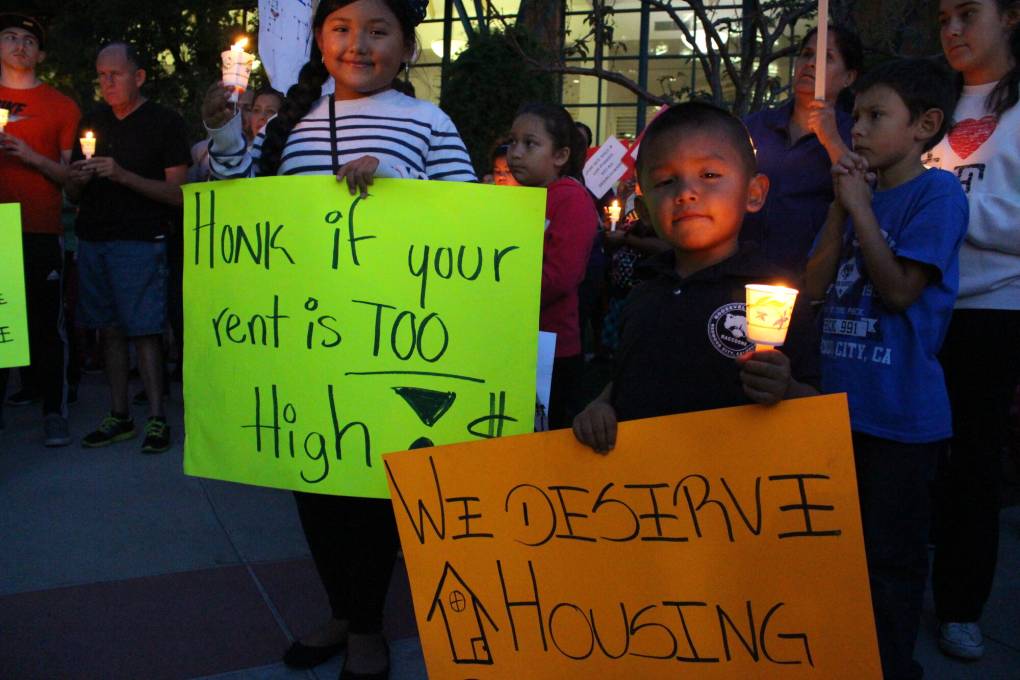
"caption": "Advocates have tried to pass pro-rent control propositions in 2018 and 2020, but so far have failed. ",
"credit": "Farida Jhabvala Romero/KQED",
"altTag": "Two young people hold signs saying \"honk if your rent is too high\" and \"we deserve housing\" at a rally.",
"description": null,
"imgSizes": {
"medium": {
"file": "https://cdn.kqed.org/wp-content/uploads/sites/10/2024/10/IMG_9984.JPG_qed-800x533.jpg",
"width": 800,
"height": 533,
"mimeType": "image/jpeg"
},
"large": {
"file": "https://cdn.kqed.org/wp-content/uploads/sites/10/2024/10/IMG_9984.JPG_qed-1020x680.jpg",
"width": 1020,
"height": 680,
"mimeType": "image/jpeg"
},
"thumbnail": {
"file": "https://cdn.kqed.org/wp-content/uploads/sites/10/2024/10/IMG_9984.JPG_qed-160x107.jpg",
"width": 160,
"height": 107,
"mimeType": "image/jpeg"
},
"1536x1536": {
"file": "https://cdn.kqed.org/wp-content/uploads/sites/10/2024/10/IMG_9984.JPG_qed-1536x1024.jpg",
"width": 1536,
"height": 1024,
"mimeType": "image/jpeg"
},
"post-thumbnail": {
"file": "https://cdn.kqed.org/wp-content/uploads/sites/10/2024/10/IMG_9984.JPG_qed-672x372.jpg",
"width": 672,
"height": 372,
"mimeType": "image/jpeg"
},
"twentyfourteen-full-width": {
"file": "https://cdn.kqed.org/wp-content/uploads/sites/10/2024/10/IMG_9984.JPG_qed-1038x576.jpg",
"width": 1038,
"height": 576,
"mimeType": "image/jpeg"
},
"full-width": {
"file": "https://cdn.kqed.org/wp-content/uploads/sites/10/2024/10/IMG_9984.JPG_qed-1920x1280.jpg",
"width": 1920,
"height": 1280,
"mimeType": "image/jpeg"
},
"kqedFullSize": {
"file": "https://cdn.kqed.org/wp-content/uploads/sites/10/2024/10/IMG_9984.JPG_qed.jpg",
"width": 2000,
"height": 1333
}
},
"isLoading": false,
"fetchFailed": false
}
},
"audioPlayerReducer": {
"postId": "stream_live",
"isPaused": true,
"isPlaying": false,
"pfsActive": false,
"pledgeModalIsOpen": true,
"playerDrawerIsOpen": false,
"liveAudioPlayStartedAt": 0,
"liveAudioPlayContext": ""
},
"authorsReducer": {
"ohubertallen": {
"type": "authors",
"id": "102",
"meta": {
"index": "authors_1716337520",
"id": "102",
"found": true
},
"name": "Olivia Allen-Price",
"firstName": "Olivia",
"lastName": "Allen-Price",
"slug": "ohubertallen",
"email": "oallenprice@kqed.org",
"display_author_email": false,
"staff_mastheads": [
"news"
],
"title": "Senior Editor",
"bio": "Olivia Allen-Price is senior editor and host of the award-winning Bay Curious podcast. Prior to joining KQED in 2013, Olivia worked at The Baltimore Sun and The Virginian-Pilot in Norfolk, Va. She holds degrees in journalism and political science from Elon University. Her work has earned awards from the Society of Professional Journalists, the Hearst Foundation and Hearken. She loves to talk about running and curly hair.\r\n\r\nFollow: \u003ca href=\"https://twitter.com/oallenprice\">@oallenprice\u003c/a>\r\nEmail: \u003ca href=\"mailto:oallenprice@kqed.org\">oallenprice@kqed.org\u003c/a>",
"avatar": "https://secure.gravatar.com/avatar/07f7803c1f6be56f3be58ef276dfa64dce898502e0554408ef4858451a8294f7?s=600&d=blank&r=g",
"twitter": "oallenprice",
"bluesky": null,
"facebook": null,
"instagram": null,
"linkedin": null,
"sites": [
{
"site": "",
"roles": [
"editor"
]
},
{
"site": "arts",
"roles": [
"subscriber"
]
},
{
"site": "news",
"roles": [
"administrator"
]
},
{
"site": "pop",
"roles": [
"administrator"
]
},
{
"site": "bayareabites",
"roles": [
"contributor"
]
},
{
"site": "stateofhealth",
"roles": [
"administrator"
]
},
{
"site": "science",
"roles": [
"editor"
]
}
],
"headData": {
"title": "Olivia Allen-Price | KQED",
"description": "Senior Editor",
"ogImgSrc": "https://secure.gravatar.com/avatar/07f7803c1f6be56f3be58ef276dfa64dce898502e0554408ef4858451a8294f7?s=600&d=blank&r=g",
"twImgSrc": "https://secure.gravatar.com/avatar/07f7803c1f6be56f3be58ef276dfa64dce898502e0554408ef4858451a8294f7?s=600&d=blank&r=g"
},
"isLoading": false,
"link": "/author/ohubertallen"
},
"gmeline": {
"type": "authors",
"id": "185",
"meta": {
"index": "authors_1716337520",
"id": "185",
"found": true
},
"name": "Gabe Meline",
"firstName": "Gabe",
"lastName": "Meline",
"slug": "gmeline",
"email": "gmeline@kqed.org",
"display_author_email": true,
"staff_mastheads": [
"arts"
],
"title": "Senior Editor, KQED Arts & Culture",
"bio": "Gabe Meline entered journalism at age 15 making photocopied zines, and has since earned awards from the Edward R. Murrow Awards, the Society for Professional Journalists, the Online Journalism Awards, the Association of Alternative Newsweeklies and the California Newspaper Publishers Association. Prior to KQED, he was the editor of the \u003cem>North Bay Bohemian\u003c/em> and a touring musician. He lives with his wife and daughter in his hometown of Santa Rosa, CA.",
"avatar": "https://secure.gravatar.com/avatar/5bebe57be0d8bc2dd318934feb47299e2d2d10cba28d09d8d7afb389a2ce2bdd?s=600&d=blank&r=g",
"twitter": null,
"bluesky": null,
"facebook": null,
"instagram": null,
"linkedin": null,
"sites": [
{
"site": "",
"roles": [
"editor"
]
},
{
"site": "arts",
"roles": [
"administrator"
]
},
{
"site": "artschool",
"roles": [
"editor"
]
},
{
"site": "news",
"roles": [
"author"
]
},
{
"site": "pop",
"roles": [
"editor"
]
},
{
"site": "bayareabites",
"roles": [
"editor"
]
},
{
"site": "food",
"roles": [
"editor"
]
},
{
"site": "forum",
"roles": [
"administrator"
]
},
{
"site": "liveblog",
"roles": [
"editor"
]
},
{
"site": "hiphop",
"roles": [
"editor"
]
}
],
"headData": {
"title": "Gabe Meline | KQED",
"description": "Senior Editor, KQED Arts & Culture",
"ogImgSrc": "https://secure.gravatar.com/avatar/5bebe57be0d8bc2dd318934feb47299e2d2d10cba28d09d8d7afb389a2ce2bdd?s=600&d=blank&r=g",
"twImgSrc": "https://secure.gravatar.com/avatar/5bebe57be0d8bc2dd318934feb47299e2d2d10cba28d09d8d7afb389a2ce2bdd?s=600&d=blank&r=g"
},
"isLoading": false,
"link": "/author/gmeline"
},
"katrinaschwartz": {
"type": "authors",
"id": "234",
"meta": {
"index": "authors_1716337520",
"id": "234",
"found": true
},
"name": "Katrina Schwartz",
"firstName": "Katrina",
"lastName": "Schwartz",
"slug": "katrinaschwartz",
"email": "kschwartz@kqed.org",
"display_author_email": false,
"staff_mastheads": [
"news"
],
"title": "Producer",
"bio": "Katrina Schwartz is a journalist based in San Francisco. She's worked at KPCC public radio in LA and has reported on air and online for KQED since 2010. She covered how teaching and learning is changing for MindShift between 2012 and 2020. She is the co-host of the MindShift podcast and now produces KQED's Bay Curious podcast.",
"avatar": "https://secure.gravatar.com/avatar/edb4ee79070447a018538c9aae6eeecf28786515b8a0c30e43b6b7dce5aa44c8?s=600&d=blank&r=g",
"twitter": "kschwart",
"bluesky": null,
"facebook": null,
"instagram": null,
"linkedin": null,
"sites": [
{
"site": "",
"roles": [
"editor"
]
},
{
"site": "news",
"roles": [
"editor"
]
},
{
"site": "mindshift",
"roles": [
"administrator"
]
},
{
"site": "stateofhealth",
"roles": [
"author"
]
},
{
"site": "science",
"roles": [
"editor"
]
}
],
"headData": {
"title": "Katrina Schwartz | KQED",
"description": "Producer",
"ogImgSrc": "https://secure.gravatar.com/avatar/edb4ee79070447a018538c9aae6eeecf28786515b8a0c30e43b6b7dce5aa44c8?s=600&d=blank&r=g",
"twImgSrc": "https://secure.gravatar.com/avatar/edb4ee79070447a018538c9aae6eeecf28786515b8a0c30e43b6b7dce5aa44c8?s=600&d=blank&r=g"
},
"isLoading": false,
"link": "/author/katrinaschwartz"
},
"mlagos": {
"type": "authors",
"id": "3239",
"meta": {
"index": "authors_1716337520",
"id": "3239",
"found": true
},
"name": "Marisa Lagos",
"firstName": "Marisa",
"lastName": "Lagos",
"slug": "mlagos",
"email": "mlagos@kqed.org",
"display_author_email": false,
"staff_mastheads": [
"news"
],
"title": "KQED Contributor",
"bio": "Marisa Lagos is a correspondent for KQED’s California Politics and Government Desk and co-hosts the award-winning show and podcast, Political Breakdown. At KQED, Lagos also conducts reporting, analysis and investigations into state, local and national politics for radio, TV, online and onstage. In 2022, she and co-host, Scott Shafer, moderated the only gubernatorial debate in California. In 2020, the \u003ci>Washington Post\u003c/i> named her one of the top political journalists in California; she was nominated for a Peabody and won several other awards for her work investigating the 2017 California wildfires. She has worked at the \u003ci>San Francisco Chronicle\u003c/i>, \u003ci>San Francisco Examiner\u003c/i> and \u003ci>Los Angeles Times\u003c/i>. A UC Santa Barbara graduate, she lives in San Francisco with her two sons and husband.",
"avatar": "https://secure.gravatar.com/avatar/a261a0d3696fc066871ef96b85b5e7d2?s=600&d=blank&r=g",
"twitter": "@mlagos",
"facebook": null,
"instagram": null,
"linkedin": null,
"sites": [
{
"site": "arts",
"roles": [
"author"
]
},
{
"site": "news",
"roles": [
"editor"
]
},
{
"site": "science",
"roles": [
"editor"
]
},
{
"site": "forum",
"roles": [
"author"
]
},
{
"site": "liveblog",
"roles": [
"author"
]
}
],
"headData": {
"title": "Marisa Lagos | KQED",
"description": "KQED Contributor",
"ogImgSrc": "https://secure.gravatar.com/avatar/a261a0d3696fc066871ef96b85b5e7d2?s=600&d=blank&r=g",
"twImgSrc": "https://secure.gravatar.com/avatar/a261a0d3696fc066871ef96b85b5e7d2?s=600&d=blank&r=g"
},
"isLoading": false,
"link": "/author/mlagos"
},
"jsmall": {
"type": "authors",
"id": "6625",
"meta": {
"index": "authors_1716337520",
"id": "6625",
"found": true
},
"name": "Julie Small",
"firstName": "Julie",
"lastName": "Small",
"slug": "jsmall",
"email": "jsmall@kqed.org",
"display_author_email": true,
"staff_mastheads": [
"news"
],
"title": "KQED Contributor",
"bio": "Julie Small reports on criminal justice and immigration.\r\n\r\nShe was part of a team at KQED awarded a regional 2019 Edward R. Murrow award for continuing coverage of the Trump Administration's family separation policy.\r\n\r\nThe Society for Professional Journalists recognized Julie's 2018 \u003ca href=\"https://www.kqed.org/news/11636262/the-officer-tased-him-31-times-the-sheriff-called-his-death-an-accident\">reporting\u003c/a> on the San Joaquin County Sheriff's \u003ca href=\"https://www.kqed.org/news/11634689/autopsy-doctors-sheriff-overrode-death-findings-to-protect-law-enforcement\">interference\u003c/a> in death investigations with an Excellence in Journalism Award for Ongoing Coverage.\r\n\r\nJulie's\u003ca href=\"https://www.kqed.org/news/11039666/two-mentally-ill-inmates-died-one-month-in-santa-clara\"> reporting\u003c/a> with Lisa Pickoff-White on the treatment of mentally ill offenders in California jails earned a 2017 regional Edward R. Murrow Award for news reporting and an investigative reporting award from the SPJ of Northern California.\r\n\r\nBefore joining KQED, Julie covered government and politics in Sacramento for Southern California Public Radio (SCPR). Her 2010 \u003ca href=\"https://www.scpr.org/specials/prisonmedical/\">series\u003c/a> on lapses in California’s prison medical care also won a regional Edward R. Murrow Award for investigative reporting and a Golden Mic Award from the RTNDA of Southern California.\r\n\r\nJulie began her career in journalism in 2000 as the deputy foreign editor for public radio's \u003cem>Marketplace, \u003c/em>while earning her master's degree in journalism from USC’s Annenberg School of Communication.",
"avatar": "https://secure.gravatar.com/avatar/4baedf201468df97be97c2a9dd7585d0?s=600&d=blank&r=g",
"twitter": "@SmallRadio2",
"facebook": null,
"instagram": null,
"linkedin": null,
"sites": [
{
"site": "news",
"roles": [
"editor"
]
},
{
"site": "stateofhealth",
"roles": [
"author"
]
},
{
"site": "science",
"roles": [
"author"
]
}
],
"headData": {
"title": "Julie Small | KQED",
"description": "KQED Contributor",
"ogImgSrc": "https://secure.gravatar.com/avatar/4baedf201468df97be97c2a9dd7585d0?s=600&d=blank&r=g",
"twImgSrc": "https://secure.gravatar.com/avatar/4baedf201468df97be97c2a9dd7585d0?s=600&d=blank&r=g"
},
"isLoading": false,
"link": "/author/jsmall"
},
"clei": {
"type": "authors",
"id": "8617",
"meta": {
"index": "authors_1716337520",
"id": "8617",
"found": true
},
"name": "Cecilia Lei",
"firstName": "Cecilia",
"lastName": "Lei",
"slug": "clei",
"email": "clei@KQED.org",
"display_author_email": false,
"staff_mastheads": [],
"title": "KQED Contributor",
"bio": "Cecilia Lei is an on-call host and producer for KQED News and Podcasts. Previously, she was the executive producer and host of the San Francisco Chronicle's daily news podcast, 'Fifth and Mission'. Cecilia is a graduate of UC Berkeley’s Graduate School of Journalism and the former president of the Asian American Journalists Association San Francisco Bay Area chapter.",
"avatar": "https://secure.gravatar.com/avatar/40975f1f88fccf628ee537bf6ffc2af8?s=600&d=blank&r=g",
"twitter": null,
"facebook": null,
"instagram": null,
"linkedin": null,
"sites": [
{
"site": "arts",
"roles": [
"contributor"
]
},
{
"site": "news",
"roles": [
"author",
"read_private_posts"
]
},
{
"site": "about",
"roles": [
"editor"
]
}
],
"headData": {
"title": "Cecilia Lei | KQED",
"description": "KQED Contributor",
"ogImgSrc": "https://secure.gravatar.com/avatar/40975f1f88fccf628ee537bf6ffc2af8?s=600&d=blank&r=g",
"twImgSrc": "https://secure.gravatar.com/avatar/40975f1f88fccf628ee537bf6ffc2af8?s=600&d=blank&r=g"
},
"isLoading": false,
"link": "/author/clei"
},
"afont": {
"type": "authors",
"id": "8637",
"meta": {
"index": "authors_1716337520",
"id": "8637",
"found": true
},
"name": "Amanda Font",
"firstName": "Amanda",
"lastName": "Font",
"slug": "afont",
"email": "afont@kqed.org",
"display_author_email": false,
"staff_mastheads": [],
"title": "KQED Contributor",
"bio": "Amanda Font is a producer on \u003cem>The Latest\u003c/em> podcast, and the host and co-producer of the series \u003cem>Audible Cosmos\u003c/em>. She has previously worked as a producer and reporter on the \u003cem>Bay Curious\u003c/em> podcast, and director of \u003cem>The California Report Magazine\u003c/em>. She grew up in the deserts of Southern California and moved north for the trees. Amanda earned a B.A. from the BECA program at San Francisco State, where she worked in the university's radio station. Amanda Font is represented by SAG-AFTRA.",
"avatar": "https://secure.gravatar.com/avatar/d9e81cf0117d5849b9cfb7ab4b1422f1?s=600&d=blank&r=g",
"twitter": null,
"facebook": null,
"instagram": null,
"linkedin": null,
"sites": [
{
"site": "news",
"roles": [
"add_users",
"create_users"
]
},
{
"site": "science",
"roles": []
},
{
"site": "forum",
"roles": [
"administrator"
]
},
{
"site": "perspectives",
"roles": [
"administrator"
]
},
{
"site": "radio",
"roles": [
"administrator"
]
}
],
"headData": {
"title": "Amanda Font | KQED",
"description": "KQED Contributor",
"ogImgSrc": "https://secure.gravatar.com/avatar/d9e81cf0117d5849b9cfb7ab4b1422f1?s=600&d=blank&r=g",
"twImgSrc": "https://secure.gravatar.com/avatar/d9e81cf0117d5849b9cfb7ab4b1422f1?s=600&d=blank&r=g"
},
"isLoading": false,
"link": "/author/afont"
},
"ecruzguevarra": {
"type": "authors",
"id": "8654",
"meta": {
"index": "authors_1716337520",
"id": "8654",
"found": true
},
"name": "Ericka Cruz Guevarra",
"firstName": "Ericka",
"lastName": "Cruz Guevarra",
"slug": "ecruzguevarra",
"email": "ecruzguevarra@kqed.org",
"display_author_email": true,
"staff_mastheads": [
"news"
],
"title": "Producer, The Bay Podcast",
"bio": "Ericka Cruz Guevarra is host of \u003ca href=\"https://www.kqed.org/podcasts/thebay\">\u003cem>The Bay\u003c/em>\u003c/a> podcast at KQED. Before host, she was the show’s producer. Her work in that capacity includes a three-part reported series on policing in Vallejo, which won a 2020 excellence in journalism award from the Society of Professional Journalists. Ericka has worked as a breaking news reporter at Oregon Public Broadcasting, helped produce the Code Switch podcast, and was KQED’s inaugural Raul Ramirez Diversity Fund intern. She’s also an alumna of NPR’s Next Generation Radio program. Send her an email if you have strong feelings about whether Fairfield and Suisun City are the Bay. Ericka is represented by SAG-AFTRA.",
"avatar": "https://secure.gravatar.com/avatar/accefc1de4bafc7e234b69bcb9b6f6536c130fd84709bc3069ef11a78787e1bb?s=600&d=blank&r=g",
"twitter": "NotoriousECG",
"bluesky": null,
"facebook": null,
"instagram": null,
"linkedin": null,
"sites": [
{
"site": "arts",
"roles": [
"subscriber"
]
},
{
"site": "news",
"roles": [
"editor",
"manage_categories"
]
},
{
"site": "futureofyou",
"roles": [
"subscriber"
]
},
{
"site": "stateofhealth",
"roles": [
"subscriber"
]
},
{
"site": "science",
"roles": [
"editor"
]
},
{
"site": "forum",
"roles": [
"subscriber"
]
}
],
"headData": {
"title": "Ericka Cruz Guevarra | KQED",
"description": "Producer, The Bay Podcast",
"ogImgSrc": "https://secure.gravatar.com/avatar/accefc1de4bafc7e234b69bcb9b6f6536c130fd84709bc3069ef11a78787e1bb?s=600&d=blank&r=g",
"twImgSrc": "https://secure.gravatar.com/avatar/accefc1de4bafc7e234b69bcb9b6f6536c130fd84709bc3069ef11a78787e1bb?s=600&d=blank&r=g"
},
"isLoading": false,
"link": "/author/ecruzguevarra"
},
"lesleymcclurg": {
"type": "authors",
"id": "11229",
"meta": {
"index": "authors_1716337520",
"id": "11229",
"found": true
},
"name": "Lesley McClurg",
"firstName": "Lesley",
"lastName": "McClurg",
"slug": "lesleymcclurg",
"email": "lmcclurg@KQED.org",
"display_author_email": false,
"staff_mastheads": [
"news",
"science"
],
"title": "KQED Health Correspondent",
"bio": "Lesley McClurg is a health correspondent and fill-in host whose work is regularly rebroadcast on NPR and PBS programs. She’s earned multiple regional Emmy awards, a national and a regional Edward R. Murrow award, and was named Best Beat Reporter by the Association of Health Care Journalists. The Society of Professional Journalists has recognized her work several times, and the Society of Environmental Journalists spotlighted her coverage of California’s historic drought.\r\n\r\nBefore joining KQED in 2016, Lesley covered food and sustainability for Capital Public Radio, environmental issues for Colorado Public Radio, and reported for KUOW and KCTS 9 in Seattle. Away from the newsroom, she loves skiing with her daughter, mountain biking with her partner, and playing with Ollie, the family’s goldendoodle. On deadline, she runs almost entirely on chocolate chips.\r\n\r\n ",
"avatar": "https://secure.gravatar.com/avatar/bab49e972ea10c774fe0f5e29dba1722b158f7c0d58a360923d1389d380b2978?s=600&d=blank&r=g",
"twitter": "lesleywmcclurg",
"bluesky": null,
"facebook": null,
"instagram": null,
"linkedin": null,
"sites": [
{
"site": "arts",
"roles": [
"author"
]
},
{
"site": "news",
"roles": [
"editor"
]
},
{
"site": "futureofyou",
"roles": [
"editor"
]
},
{
"site": "stateofhealth",
"roles": [
"author"
]
},
{
"site": "science",
"roles": [
"editor"
]
},
{
"site": "quest",
"roles": [
"subscriber"
]
},
{
"site": "forum",
"roles": [
"administrator"
]
},
{
"site": "liveblog",
"roles": [
"author"
]
}
],
"headData": {
"title": "Lesley McClurg | KQED",
"description": "KQED Health Correspondent",
"ogImgSrc": "https://secure.gravatar.com/avatar/bab49e972ea10c774fe0f5e29dba1722b158f7c0d58a360923d1389d380b2978?s=600&d=blank&r=g",
"twImgSrc": "https://secure.gravatar.com/avatar/bab49e972ea10c774fe0f5e29dba1722b158f7c0d58a360923d1389d380b2978?s=600&d=blank&r=g"
},
"isLoading": false,
"link": "/author/lesleymcclurg"
},
"vrancano": {
"type": "authors",
"id": "11276",
"meta": {
"index": "authors_1716337520",
"id": "11276",
"found": true
},
"name": "Vanessa Rancaño",
"firstName": "Vanessa",
"lastName": "Rancaño",
"slug": "vrancano",
"email": "vrancano@kqed.org",
"display_author_email": false,
"staff_mastheads": [
"news"
],
"title": "Reporter",
"bio": "Vanessa Rancaño is a features reporter for KQED. She’s also covered homelessness and education for the station and reported from the Central Valley. Her work has aired across public radio, from flagship national news shows to longform narrative podcasts. Before taking up a mic, she worked as a freelance print journalist. She’s been recognized with a number of national and regional awards. Vanessa grew up in California's Central Valley. She's a former NPR Kroc Fellow, and a graduate of the UC Berkeley Graduate School of Journalism.",
"avatar": "https://secure.gravatar.com/avatar/b3a383dfb0e7ee1c17568f2cf067904ab654d6e3de9743fc661f3c788ade1bed?s=600&d=blank&r=g",
"twitter": "vanessarancano",
"bluesky": null,
"facebook": null,
"instagram": null,
"linkedin": null,
"sites": [
{
"site": "arts",
"roles": [
"editor"
]
},
{
"site": "news",
"roles": [
"editor"
]
},
{
"site": "liveblog",
"roles": [
"contributor"
]
}
],
"headData": {
"title": "Vanessa Rancaño | KQED",
"description": "Reporter",
"ogImgSrc": "https://secure.gravatar.com/avatar/b3a383dfb0e7ee1c17568f2cf067904ab654d6e3de9743fc661f3c788ade1bed?s=600&d=blank&r=g",
"twImgSrc": "https://secure.gravatar.com/avatar/b3a383dfb0e7ee1c17568f2cf067904ab654d6e3de9743fc661f3c788ade1bed?s=600&d=blank&r=g"
},
"isLoading": false,
"link": "/author/vrancano"
},
"dcronin": {
"type": "authors",
"id": "11362",
"meta": {
"index": "authors_1716337520",
"id": "11362",
"found": true
},
"name": "Dana Cronin",
"firstName": "Dana",
"lastName": "Cronin",
"slug": "dcronin",
"email": "dcronin@KQED.org",
"display_author_email": true,
"staff_mastheads": [],
"title": "KQED Contributor",
"bio": "Dana Cronin is a reporter for KQED News. She loves writing stories about climate change, environmental issues, food and agriculture. She's reported across the country, from Colorado to Washington D.C. to Illinois, and has won numerous awards for her coverage. Her work is regularly featured on national broadcasts, including NPR’s Morning Edition, All Things Considered, PBS Newshour and Science Friday. She lives in Oakland and has an avocado tree in her back yard.",
"avatar": "https://secure.gravatar.com/avatar/bcf89e3455ff7235f96ab6fa7258dd95?s=600&d=blank&r=g",
"twitter": "DanaHCronin",
"facebook": null,
"instagram": null,
"linkedin": null,
"sites": [
{
"site": "arts",
"roles": [
"author"
]
},
{
"site": "news",
"roles": [
"editor"
]
},
{
"site": "science",
"roles": [
"author"
]
},
{
"site": "liveblog",
"roles": [
"author"
]
}
],
"headData": {
"title": "Dana Cronin | KQED",
"description": "KQED Contributor",
"ogImgSrc": "https://secure.gravatar.com/avatar/bcf89e3455ff7235f96ab6fa7258dd95?s=600&d=blank&r=g",
"twImgSrc": "https://secure.gravatar.com/avatar/bcf89e3455ff7235f96ab6fa7258dd95?s=600&d=blank&r=g"
},
"isLoading": false,
"link": "/author/dcronin"
},
"ahall": {
"type": "authors",
"id": "11490",
"meta": {
"index": "authors_1716337520",
"id": "11490",
"found": true
},
"name": "Alex Hall",
"firstName": "Alex",
"lastName": "Hall",
"slug": "ahall",
"email": "ahall@kqed.org",
"display_author_email": false,
"staff_mastheads": [
"news"
],
"title": "KQED Enterprise & Accountability Reporter",
"bio": "Alex Hall is KQED's Enterprise and Accountability Reporter. She previously covered the Central Valley for five years from KQED's bureau in Fresno. Before joining KQED, Alex was an investigative reporting fellow at Wisconsin Public Radio and the Wisconsin Center for Investigative Journalism. She has also worked as a bilingual producer for NPR's investigative unit and freelance video producer for Reuters TV on the Latin America desk. She got her start in journalism in South America, where she worked as a radio producer and Spanish-English translator for CNN Chile. Her documentary and investigation into the series of deadly COVID-19 outbreaks at Foster Farms won a national Edward R. Murrow award and was named an Investigative Reporters & Editors award finalist. Alex's reporting for Reveal on the Wisconsin dairy industry's reliance on undocumented immigrant labor was made into a film, Los Lecheros, which won a regional Edward R. Murrow award for best news documentary.",
"avatar": "https://secure.gravatar.com/avatar/04c28ad4a7caa7ac2ef39c655c4030c993a3f331481d1da4799bb76ea85b9afa?s=600&d=blank&r=g",
"twitter": "@chalexhall",
"bluesky": null,
"facebook": null,
"instagram": null,
"linkedin": null,
"sites": [
{
"site": "news",
"roles": [
"editor"
]
},
{
"site": "liveblog",
"roles": [
"author"
]
}
],
"headData": {
"title": "Alex Hall | KQED",
"description": "KQED Enterprise & Accountability Reporter",
"ogImgSrc": "https://secure.gravatar.com/avatar/04c28ad4a7caa7ac2ef39c655c4030c993a3f331481d1da4799bb76ea85b9afa?s=600&d=blank&r=g",
"twImgSrc": "https://secure.gravatar.com/avatar/04c28ad4a7caa7ac2ef39c655c4030c993a3f331481d1da4799bb76ea85b9afa?s=600&d=blank&r=g"
},
"isLoading": false,
"link": "/author/ahall"
},
"amontecillo": {
"type": "authors",
"id": "11649",
"meta": {
"index": "authors_1716337520",
"id": "11649",
"found": true
},
"name": "Alan Montecillo",
"firstName": "Alan",
"lastName": "Montecillo",
"slug": "amontecillo",
"email": "amontecillo@kqed.org",
"display_author_email": false,
"staff_mastheads": [
"news"
],
"title": "KQED Contributor",
"bio": "Alan Montecillo is the senior editor of \u003cem>\u003ca href=\"http://kqed.org/thebay\">The Bay\u003c/a>, \u003c/em> KQED's local news podcast. Before moving to the Bay Area, he worked as a senior talk show producer for WILL in Champaign-Urbana, Illinois and at Oregon Public Broadcasting in Portland, Oregon. He has won journalism awards from the Society of Professional Journalists Northern California, the Public Media Journalists Association, The Signal Awards, and has also received a regional Edward R. Murrow award. Alan is a Filipino American from Hong Kong and a graduate of Reed College.",
"avatar": "https://secure.gravatar.com/avatar/268f53a2066899ea9efdd8a5900218b17c822d9862cbc9326cccec53ef41d349?s=600&d=blank&r=g",
"twitter": "alanmontecillo",
"bluesky": null,
"facebook": null,
"instagram": null,
"linkedin": null,
"sites": [
{
"site": "",
"roles": [
"editor"
]
},
{
"site": "news",
"roles": [
"editor",
"manage_categories"
]
}
],
"headData": {
"title": "Alan Montecillo | KQED",
"description": "KQED Contributor",
"ogImgSrc": "https://secure.gravatar.com/avatar/268f53a2066899ea9efdd8a5900218b17c822d9862cbc9326cccec53ef41d349?s=600&d=blank&r=g",
"twImgSrc": "https://secure.gravatar.com/avatar/268f53a2066899ea9efdd8a5900218b17c822d9862cbc9326cccec53ef41d349?s=600&d=blank&r=g"
},
"isLoading": false,
"link": "/author/amontecillo"
},
"ccabreralomeli": {
"type": "authors",
"id": "11708",
"meta": {
"index": "authors_1716337520",
"id": "11708",
"found": true
},
"name": "Carlos Cabrera-Lomelí",
"firstName": "Carlos",
"lastName": "Cabrera-Lomelí",
"slug": "ccabreralomeli",
"email": "ccabreralomeli@KQED.org",
"display_author_email": true,
"staff_mastheads": [
"news"
],
"title": "Community Reporter",
"bio": "Carlos Cabrera-Lomelí is a community reporter with KQED's digital engagement team. He also reports and co-produces for KQED's bilingual news hub KQED en Español. He grew up in San Francisco's Mission District and has previously worked with Univision, 48 Hills and REFORMA in Mexico City.",
"avatar": "https://secure.gravatar.com/avatar/c309be9665e484f887b818c89e273ecc673004f426f36b24d00a4d813a2e0518?s=600&d=blank&r=g",
"twitter": "@LomeliCabrera",
"bluesky": null,
"facebook": null,
"instagram": null,
"linkedin": null,
"sites": [
{
"site": "arts",
"roles": [
"editor"
]
},
{
"site": "news",
"roles": [
"editor"
]
},
{
"site": "about",
"roles": [
"editor"
]
},
{
"site": "science",
"roles": [
"editor"
]
},
{
"site": "perspectives",
"roles": [
"editor"
]
},
{
"site": "elections",
"roles": [
"editor"
]
},
{
"site": "liveblog",
"roles": [
"contributor"
]
}
],
"headData": {
"title": "Carlos Cabrera-Lomelí | KQED",
"description": "Community Reporter",
"ogImgSrc": "https://secure.gravatar.com/avatar/c309be9665e484f887b818c89e273ecc673004f426f36b24d00a4d813a2e0518?s=600&d=blank&r=g",
"twImgSrc": "https://secure.gravatar.com/avatar/c309be9665e484f887b818c89e273ecc673004f426f36b24d00a4d813a2e0518?s=600&d=blank&r=g"
},
"isLoading": false,
"link": "/author/ccabreralomeli"
},
"cbeale": {
"type": "authors",
"id": "11749",
"meta": {
"index": "authors_1716337520",
"id": "11749",
"found": true
},
"name": "Christopher Beale",
"firstName": "Christopher",
"lastName": "Beale",
"slug": "cbeale",
"email": "cbeale@kqed.org",
"display_author_email": true,
"staff_mastheads": [
"news"
],
"title": "Engineer/Producer/Reporter",
"bio": "\u003ca href=\"https://linktr.ee/realchrisjbeale\" rel=\"noopener noreferrer\">Christopher J. Beale\u003c/a> is an award winning journalist, audio engineer, and media host living in San Francisco. \r\n\r\nChristopher works primarily as an audio engineer at KQED and serves as the sound designer for both the Bay Curious and Rightnowish podcasts. He is the host and producer of the LGBTQIA podcast and radio segment \u003ca href=\"https://stereotypespodcast.org\">Stereotypes\u003c/a>.",
"avatar": "https://secure.gravatar.com/avatar/dc485bf84788eb7e7414eb638e72407e?s=600&d=blank&r=g",
"twitter": "realchrisjbeale",
"facebook": null,
"instagram": "http://instagram.com/realchrisjbeale",
"linkedin": null,
"sites": [
{
"site": "arts",
"roles": [
"contributor"
]
},
{
"site": "news",
"roles": [
"editor"
]
},
{
"site": "forum",
"roles": [
"editor"
]
}
],
"headData": {
"title": "Christopher Beale | KQED",
"description": "Engineer/Producer/Reporter",
"ogImgSrc": "https://secure.gravatar.com/avatar/dc485bf84788eb7e7414eb638e72407e?s=600&d=blank&r=g",
"twImgSrc": "https://secure.gravatar.com/avatar/dc485bf84788eb7e7414eb638e72407e?s=600&d=blank&r=g"
},
"isLoading": false,
"link": "/author/cbeale"
},
"afinney": {
"type": "authors",
"id": "11772",
"meta": {
"index": "authors_1716337520",
"id": "11772",
"found": true
},
"name": "Annelise Finney",
"firstName": "Annelise",
"lastName": "Finney",
"slug": "afinney",
"email": "afinney@kqed.org",
"display_author_email": true,
"staff_mastheads": [
"news"
],
"title": "Reporter",
"bio": "Annelise reports on reparations in California and East Bay politics. She co-produced the Sunday Music Drop, a limited-term radio series featuring Bay Area musicians that aired between Sept 2022 and Oct 2024. She joined KQED in 2021 as a general assignment reporter and is an alumna of KALW's Audio Academy. She was born and raised in the East Bay. She is currently away from KQED completing a year-long reporting project in Berlin, Germany as a Alexander Von Humboldt German Chancellor Fellow.",
"avatar": "https://secure.gravatar.com/avatar/5fded66cae47704cdfc5021cde0f3aa4?s=600&d=blank&r=g",
"twitter": null,
"facebook": null,
"instagram": null,
"linkedin": null,
"sites": [
{
"site": "news",
"roles": [
"editor"
]
},
{
"site": "liveblog",
"roles": [
"author"
]
}
],
"headData": {
"title": "Annelise Finney | KQED",
"description": "Reporter",
"ogImgSrc": "https://secure.gravatar.com/avatar/5fded66cae47704cdfc5021cde0f3aa4?s=600&d=blank&r=g",
"twImgSrc": "https://secure.gravatar.com/avatar/5fded66cae47704cdfc5021cde0f3aa4?s=600&d=blank&r=g"
},
"isLoading": false,
"link": "/author/afinney"
},
"adahlstromeckman": {
"type": "authors",
"id": "11785",
"meta": {
"index": "authors_1716337520",
"id": "11785",
"found": true
},
"name": "Azul Dahlstrom-Eckman",
"firstName": "Azul",
"lastName": "Dahlstrom-Eckman",
"slug": "adahlstromeckman",
"email": "adahlstrom-eckman@kqed.org",
"display_author_email": true,
"staff_mastheads": [],
"title": "Reporter",
"bio": "Azul is a reporter for KQED focusing on transportation and features. He joined KQED in 2021 as an alumna of KALW's Audio Academy radio journalism training program.",
"avatar": "https://secure.gravatar.com/avatar/9cb750298435add7815a777f55bf1f46845c1386bb8452555c60a7b820b5aba3?s=600&d=blank&r=g",
"twitter": "@zuliemann",
"bluesky": "@azul415.bsky.social",
"facebook": null,
"instagram": null,
"linkedin": null,
"sites": [
{
"site": "arts",
"roles": [
"editor"
]
},
{
"site": "news",
"roles": [
"editor"
]
},
{
"site": "science",
"roles": [
"editor"
]
},
{
"site": "liveblog",
"roles": [
"author"
]
}
],
"headData": {
"title": "Azul Dahlstrom-Eckman | KQED",
"description": "Reporter",
"ogImgSrc": "https://secure.gravatar.com/avatar/9cb750298435add7815a777f55bf1f46845c1386bb8452555c60a7b820b5aba3?s=600&d=blank&r=g",
"twImgSrc": "https://secure.gravatar.com/avatar/9cb750298435add7815a777f55bf1f46845c1386bb8452555c60a7b820b5aba3?s=600&d=blank&r=g"
},
"isLoading": false,
"link": "/author/adahlstromeckman"
},
"jessicakariisa": {
"type": "authors",
"id": "11831",
"meta": {
"index": "authors_1716337520",
"id": "11831",
"found": true
},
"name": "Jessica Kariisa",
"firstName": "Jessica",
"lastName": "Kariisa",
"slug": "jessicakariisa",
"email": "jkariisa@kqed.org",
"display_author_email": false,
"staff_mastheads": [],
"title": "Producer, The Bay",
"bio": "Jessica Kariisa is the producer of The Bay. She first joined KQED as an intern for The California Report Magazine, after which she became an on-call producer. She reported a Bay Curious episode on the use of rap lyrics in criminal trials which won a Society of Professional Journalists award in 2023 for Excellence in Features Journalism and the 2023 Signal Award for Best Conversation Starter. She’s worked on podcasts for Snap Judgment and American Public Media. Before embarking on her audio career, she was a music journalist.\r\n\r\nJessica Kariisa is represented by SAG-AFTRA.",
"avatar": "https://secure.gravatar.com/avatar/522e97b28ac0b3d411621c0fde8f3419c7b71ea2c5c262c57c4bb600963f328c?s=600&d=blank&r=g",
"twitter": null,
"bluesky": null,
"facebook": null,
"instagram": null,
"linkedin": null,
"sites": [
{
"site": "arts",
"roles": [
"author"
]
},
{
"site": "news",
"roles": [
"editor",
"manage_categories"
]
}
],
"headData": {
"title": "Jessica Kariisa | KQED",
"description": "Producer, The Bay",
"ogImgSrc": "https://secure.gravatar.com/avatar/522e97b28ac0b3d411621c0fde8f3419c7b71ea2c5c262c57c4bb600963f328c?s=600&d=blank&r=g",
"twImgSrc": "https://secure.gravatar.com/avatar/522e97b28ac0b3d411621c0fde8f3419c7b71ea2c5c262c57c4bb600963f328c?s=600&d=blank&r=g"
},
"isLoading": false,
"link": "/author/jessicakariisa"
},
"mvelasquez": {
"type": "authors",
"id": "11939",
"meta": {
"index": "authors_1716337520",
"id": "11939",
"found": true
},
"name": "Mel Velasquez",
"firstName": "Mel",
"lastName": "Velasquez",
"slug": "mvelasquez",
"email": "mvelasquez@kqed.org",
"display_author_email": false,
"staff_mastheads": [],
"title": "KQED Contributor",
"bio": null,
"avatar": "https://secure.gravatar.com/avatar/409094312d56fab09fef4251e949ffa6?s=600&d=blank&r=g",
"twitter": null,
"facebook": null,
"instagram": null,
"linkedin": "www.linkedin.com/in/melanievelasquezz",
"sites": [
{
"site": "news",
"roles": [
"editor"
]
}
],
"headData": {
"title": "Mel Velasquez | KQED",
"description": "KQED Contributor",
"ogImgSrc": "https://secure.gravatar.com/avatar/409094312d56fab09fef4251e949ffa6?s=600&d=blank&r=g",
"twImgSrc": "https://secure.gravatar.com/avatar/409094312d56fab09fef4251e949ffa6?s=600&d=blank&r=g"
},
"isLoading": false,
"link": "/author/mvelasquez"
}
},
"pagesReducer": {
"news_program_the-bay": {
"type": "terms",
"id": "news_28779",
"meta": {
"index": "terms_1716263798",
"site": "news",
"id": "28779",
"score": 15.530004
},
"featImg": null,
"name": "The Bay",
"description": null,
"taxonomy": "program",
"headData": {
"twImgId": null,
"twTitle": null,
"ogTitle": null,
"ogImgId": null,
"twDescription": null,
"description": "The Bay is a daily news and culture program from KQED that covers the latest headlines, trends, and stories that matter to the Bay Area.",
"title": "The Bay Area Archives | KQED",
"ogDescription": null
},
"ttid": 28796,
"slug": "the-bay",
"isLoading": false,
"title": "The Bay",
"pageMeta": {
"site": "news",
"WpPageTemplate": "page-topic-editorial",
"currentPage": 4
},
"blocks": [
{
"blockName": "kqed/post-list",
"attrs": {
"layout": "cardArticle2",
"query": "posts/news?program=the-bay",
"seeMore": false,
"paginated": true,
"page": 4
}
},
{
"blockName": "kqed/ad"
}
]
}
},
"pfsSessionReducer": {},
"postsReducer": {
"stream_live": {
"type": "live",
"id": "stream_live",
"audioUrl": "https://streams.kqed.org/kqedradio",
"title": "Live Stream",
"excerpt": "Live Stream information currently unavailable.",
"link": "/radio",
"featImg": "",
"label": {
"name": "KQED Live",
"link": "/"
}
},
"stream_kqedNewscast": {
"type": "posts",
"id": "stream_kqedNewscast",
"audioUrl": "https://www.kqed.org/.stream/anon/radio/RDnews/newscast.mp3?_=1",
"title": "KQED Newscast",
"featImg": "",
"label": {
"name": "88.5 FM",
"link": "/"
}
},
"news_12026942": {
"type": "posts",
"id": "news_12026942",
"meta": {
"index": "posts_1716263798",
"site": "news",
"id": "12026942",
"score": null,
"sort": [
1739530851000
]
},
"guestAuthors": [],
"slug": "what-its-like-to-date-in-the-bay-area",
"title": "What It’s Like to Date in the Bay Area",
"publishDate": 1739530851,
"format": "audio",
"headTitle": "What It’s Like to Date in the Bay Area | KQED",
"labelTerm": {
"term": 28779,
"site": "news"
},
"content": "\u003cp>\u003cspan style=\"font-weight: 400\">In celebration of Valentine’s Day, we asked listeners to share their stories about dating in the Bay Area. Today, we meet some daters from all around the region and hear how they’re navigating the highs and lows of the Bay Area dating scene. \u003c/span>\u003c/p>\n\u003cp>\u003cem>Some members of the KQED podcast team are represented by The Screen Actors Guild, American Federation of Television and Radio Artists. San Francisco Northern California Local.\u003c/em>\u003c/p>\n\u003cp>\u003c!-- iframe plugin v.4.3 wordpress.org/plugins/iframe/ -->\u003cbr>\n\u003ciframe loading=\"lazy\" frameborder=\"0\" height=\"200\" scrolling=\"no\" src=\"https://playlist.megaphone.fm?e=KQINC2077177491&light=true\" width=\"100%\" class=\"iframe-class\">\u003c/iframe>\u003c/p>\n\u003cp>\u003cem>This is a computer-generated transcript. While our team has reviewed it, there may be errors.\u003c/em>\u003c/p>\n\u003cp>\u003cstrong>Jessica Kariisa \u003c/strong>[00:03:42] Hey, Carlos.\u003c/p>\n\u003cp>[ad fullwidth]\u003c/p>\n\u003cp>\u003cstrong>Carlos \u003c/strong>[00:03:44] Hi, Jessica.\u003c/p>\n\u003cp>\u003cstrong>Jessica Kariisa \u003c/strong>[00:03:45] I’m so excited to talk to you today. Can you maybe start by telling us a bit about the people that you spoke to?\u003c/p>\n\u003cp>\u003cstrong>Carlos Cabrera-Lomelí \u003c/strong>[00:03:52] For this story, I spoke to folks all over the Bay Area. We wanted to make sure that we understood the experiences of what it’s like to be single, of what it’s like to date. Most of the folks we spoke to were born and raised in the Bay Area. I also spoke to a couple of folks who had moved from other places and loved the Bay, but they told me that, hey, this little region that we call home has a very particular energy that sometimes takes a while to get used to.\u003c/p>\n\u003cp>\u003cstrong>Jessica Kariisa \u003c/strong>[00:04:21] Sounds like we got a lot of really great perspectives and also there’s you, Carlos. You’re a dater in the Bay Area. Can you tell us a little bit about yourself?\u003c/p>\n\u003cp>\u003cstrong>Carlos Cabrera-Lomelí \u003c/strong>[00:04:35] 5’8, deep dark brown eyes, melanated and marinated.\u003c/p>\n\u003cp>\u003cstrong>Jessica Kariisa \u003c/strong>[00:04:41] There you go.\u003c/p>\n\u003cp>\u003cstrong>Carlos Cabrera-Lomelí \u003c/strong>[00:04:43] I started using the apps, specifically Tinder, since I was able to. You know at that age, I was trying to figure out, like, hey, do I like girls, and I was like, oh, wait, I like both. And San Francisco is a place where I felt very comfortable and just being able to tell people that. I’ve met a lot of characters, a lot, a lot of characters, and I’m sure many of them can say the same about me.\u003c/p>\n\u003cp>\u003cstrong>Jessica Kariisa \u003c/strong>[00:05:13] Speaking of the apps, you mentioned the apps, and honestly, that’s the first thing I think of when I think of dating, especially in the past five, 10 years. And I’m curious, what’s your experience been like on the apps?\u003c/p>\n\u003cp>\u003cstrong>Carlos Cabrera-Lomelí \u003c/strong>[00:05:29] I’m a very spontaneous, instinctual person, and over time, I’ve learned that they’re tools, they’re helpful tools, but they’re also imperfect tools. But also, they make it really hard to just accurately express what you’re feeling, the energy, and also understand the other person. And also, it’s, you know, six, seven photos with maybe like two or three sentences. Right, right. How much are you going to get out of that?\u003c/p>\n\u003cp>\u003cstrong>Jessica Kariisa \u003c/strong>[00:05:54] Like you said, the apps are a tool. There’s good experiences to be had. There’s also not so great experiences to be had. But it seems like it’s just kind of an inevitable part of dating. And I want to get into the story of someone you talk to named Brenda. Can you tell me who she is and what her story is?\u003c/p>\n\u003cp>\u003cstrong>Carlos Cabrera-Lomelí \u003c/strong>[00:06:15] Brenda B is a teacher. For privacy reasons, we’re only going to be using the first letter of her last name. She is from Walnut Creek. She’s in her late 30s. She’s been in the apps and online dating for about 20 years, since she was 15.\u003c/p>\n\u003cp>\u003cstrong>Brenda B \u003c/strong>[00:06:30] So that’s mostly how I’ve been able to meet people. And I also like make sure, like on my profile, that I say exactly like what I’m looking for.\u003c/p>\n\u003cp>\u003cstrong>Jessica Kariisa \u003c/strong>[00:06:44] What did she tell you about what her overall experience has been like on the apps?\u003c/p>\n\u003cp>\u003cstrong>Carlos Cabrera-Lomelí \u003c/strong>[00:06:49] You know, one of the issues that comes up for her is that a lot of the guys she talks to, it’s just that they either don’t know what they want or they don’t want what she wants.\u003c/p>\n\u003cp>\u003cstrong>Brenda B \u003c/strong>[00:06:59] A lot of people are interested in polyamory and/or non-monogamy. And so at my age and then wanting monogamy is really hard to find. I think in particular, that’s a unique trait of this area.\u003c/p>\n\u003cp>\u003cstrong>Jessica Kariisa \u003c/strong>[00:07:19] Wow, I mean, I didn’t realize monogamy was out of style. Maybe I’m out of touch. But I’m curious, you know, when Brenda does meet people who are also interested in monogamy, has she had good experiences?\u003c/p>\n\u003cp>\u003cstrong>Carlos Cabrera-Lomelí \u003c/strong>[00:07:37] She puts the best of herself out there. She’s very intentional. And she reminds me a lot of my female besties who go out to meet someone and they are putting so much thought into where the date’s gonna be, what they’re gonna wear, what they’re gonna talk about. And then they leave the house so excited and then a few hours later they come back and they’re like, the guy just didn’t measure up.\u003c/p>\n\u003cp>\u003cstrong>Brenda B \u003c/strong>[00:08:03] Single guys in the bay, I feel like if you put in a little bit of effort, it will be appreciated. Don’t waste people’s time. If you’re not interested in dating anyone, just delete your app, please.\u003c/p>\n\u003cp>\u003cstrong>Carlos Cabrera-Lomelí \u003c/strong>[00:08:17] Something else that bothers her is that she might go out with someone three, four, five times, start building a bit of a connection with them and then the guy’s like, “Wait a minute. This is not something I was ready for. I don’t know what I want. Let’s just stop seeing each other.” Brenda said it very clear. “Hey, it’s okay if you don’t wanna date or if you don’t want something serious, but communicate that from the beginning. The other person might be cool with that. But just don’t lead them along.”\u003c/p>\n\u003cp>\u003cstrong>Jessica Kariisa \u003c/strong>[00:08:55] People obviously resort to the apps because meeting people in real life is hard. I mean, even just making friends in real life is hard. But people are still managing to meet people IRL and I’m curious, based on the people you spoke to, what did you hear about that?\u003c/p>\n\u003cp>\u003cstrong>Carlos Cabrera-Lomelí \u003c/strong>[00:09:12] I spoke to Bri Fritz. She’s from Napa, works at a community college and dates queer people.\u003c/p>\n\u003cp>\u003cstrong>Bri Fritz \u003c/strong>[00:09:19] There are a couple queer people out here but it is very slim picking. For me, what I have found really successful is I joined sports leagues. Now, I’m not a sporty person. I had never played soccer, never played sports, but I went and they were so welcoming and through that, I met other people.\u003c/p>\n\u003cp>\u003cstrong>Carlos Cabrera-Lomelí \u003c/strong>[00:09:37] She’s been able to form really cool networks of queer women and she’s been really intentional about this.\u003c/p>\n\u003cp>\u003cstrong>Jessica Kariisa \u003c/strong>[00:09:43] I really wish I was a sporty girl, but I would get so intimidated. I would definitely be the worst on the team. How did Bri choose sports?\u003c/p>\n\u003cp>\u003cstrong>Carlos Cabrera-Lomelí \u003c/strong>[00:10:01] These kind of spaces work really well for Bri because she’s not a drinker. She tries not to drink and wants to seek out spaces where drinking isn’t the center of what people are doing.\u003c/p>\n\u003cp>\u003cstrong>Bri Fritz \u003c/strong>[00:10:12] The thing with the queer community is there’s a lot of focus on drinking and going to the bars and that’s not really my scene. I don’t like to just randomly approach people. I get pretty nervous.\u003c/p>\n\u003cp>\u003cstrong>Carlos Cabrera-Lomelí \u003c/strong>[00:10:22] There’s a lot of really fun sports leagues for queer women, queer men, trans and non-binary folks all over the Bay Area and it can make meeting people a lot less daunting and even if you don’t meet someone that you’re romantically interested in, you’re now just gonna have a bigger network of people, of friends.\u003c/p>\n\u003cp>\u003cstrong>Jessica Kariisa \u003c/strong>[00:10:46] I mean, it honestly sounds like a win -win. You know, she’s doing, she’s being active. She’s, you know, doing these fun activities. She’s meeting super cool people. I wonder, is Brie running into any challenges? Yes.\u003c/p>\n\u003cp>\u003cstrong>Carlos Cabrera-Lomelí \u003c/strong>[00:11:02] The Bay Area is a huge place. It’s nine counties. But what that means is like, you know, you can meet someone at a bar or an app or something that might tell you, oh yeah, I live in the Bay too. And you might live in Marin and they’re like, and I live in San Jose. So you’re like, okay, how am I gonna make this work? Especially if you’re interested in them.\u003c/p>\n\u003cp>\u003cstrong>Bri Fritz \u003c/strong>[00:11:21] I met actually somebody who’s originally from Napa, lived in Walnut Creek and then moved to Fremont and they were asking if I was okay with the commute. Luckily, I love to drive. I have a little Honda Fit. And so for me, that commute was okay. We would sometimes meet halfway but it was kind of difficult.\u003c/p>\n\u003cp>\u003cstrong>Jessica Kariisa \u003c/strong>[00:11:37] I feel the commuting pain point. I live in San Jose. I obviously work here in San Francisco. I feel like I’m in a long distance relationship with the rest of the Bay team. But I’m curious, you know, besides joining a sports league which is super cool. What are some other good ways you heard from the people that you spoke to about meeting people in real life?\u003c/p>\n\u003cp>\u003cstrong>Carlos Cabrera-Lomelí \u003c/strong>[00:12:04] Yeah, I spoke about that with Tim Huey. He’s in his 30s, living in Oakland and working as an organizer.\u003c/p>\n\u003cp>\u003cstrong>Tim Huey \u003c/strong>[00:12:12] When it comes to meeting people in real life that’s certainly something that is maybe a little bit of a lost art. And so for myself, one of those spaces is kind of within community organizing, activism and advocacy.\u003c/p>\n\u003cp>\u003cstrong>Carlos Cabrera-Lomelí \u003c/strong>[00:12:30] Something that’s really important to Tim are the values, what the other person believes. Tim mentioned is that it helps you build trust with that person. That’s, I mean, in any relationship if you already have that, that makes things a lot stronger.\u003c/p>\n\u003cp>\u003cstrong>Tim Huey \u003c/strong>[00:12:43] You’re sitting in city hall for five hours for a meeting and you’re trying to wait for your turn to speak to you and making friends with people around you.\u003c/p>\n\u003cp>\u003cstrong>Jessica Kariisa \u003c/strong>[00:12:51] Has this worked out romantically for Tim as well?\u003c/p>\n\u003cp>\u003cstrong>Carlos Cabrera-Lomelí \u003c/strong>[00:12:55] In his case, it hasn’t worked out just because with the folks he’s met they mentioned that it’s best to not date within the movements.\u003c/p>\n\u003cp>\u003cstrong>Tim Huey \u003c/strong>[00:13:05] A lot of these spaces are very close -knit doing a lot of important and stressful work. So adding romantic relationships into that element can and has in some cases been a little bit more drama than maybe it’s worth to some people.\u003c/p>\n\u003cp>\u003cstrong>Jessica Kariisa \u003c/strong>[00:13:24] Yeah, like dating within a particular community if it’s small or if it overlaps with your work like it definitely sounds like there are some real pitfalls there.\u003c/p>\n\u003cp>\u003cstrong>Carlos Cabrera-Lomelí \u003c/strong>[00:13:36] Yeah, no, it makes things messy.\u003c/p>\n\u003cp>\u003cstrong>Jessica Kariisa \u003c/strong>[00:13:43] Just to wrap up, Carlos, I know you asked each of these daters for their best advice and I’m curious, what did they tell you?\u003c/p>\n\u003cp>\u003cstrong>Carlos Cabrera-Lomelí \u003c/strong>[00:13:51] I loved asking folks this question because what they told me it just made me smile. Like Bri, she actually printed out little business cards with her Instagram, funny facts, cool things about her that when she meets someone at a bar she’ll actually pass this card to them.\u003c/p>\n\u003cp>\u003cstrong>Bri Fritz \u003c/strong>[00:14:15] It’s such a power move to be like, oh yeah, here, contact me. Everybody I’ve ever given one to they say that their friends think it’s so funny. It’s such a power move.\u003c/p>\n\u003cp>\u003cstrong>Jessica Kariisa \u003c/strong>[00:14:24] I love that. I might take that idea, honestly. Business cards, we need to bring those back.\u003c/p>\n\u003cp>\u003cstrong>Carlos Cabrera-Lomelí \u003c/strong>[00:14:28] Me too! Me too. Me too. And other folks had kind of like bigger suggestions. Brenda, she really recommends to other women to be clear about what you want from the beginning.\u003c/p>\n\u003cp>\u003cstrong>Brenda B \u003c/strong>[00:14:41] I think women in particular have been taught to like kind of just smile and be happy and that we’re like too much and I think I bought into that and I’ve learned as I’ve dated more and as I’ve matured and gone to therapy that no, it’s really important to say like, hey, this is bothering me or this is something I’ve noticed.\u003c/p>\n\u003cp>\u003cstrong>Carlos Cabrera-Lomelí \u003c/strong>[00:15:06] She mentioned that sometimes if you say, “Hey, I want something serious” or “I want kids” or “I don’t want kids” at the beginning it might be daunting because you’re like, hey, is the other person going to be turned off by that or are they just going to leave? But she pointed out that if they leave or they step away once you mention what you want, that’s just how it’s meant to be, right? You don’t want to be with someone who’s not interested in the same things or doesn’t have the same goal in mind as you are.\u003c/p>\n\u003cp>\u003cstrong>Jessica Kariisa \u003c/strong>[00:15:36] That’s all such great advice. What about advice for the general dating pool? Were there any no-nos, anything that we should be leaving behind in 2025?\u003c/p>\n\u003cp>\u003cstrong>Carlos Cabrera-Lomelí \u003c/strong>[00:15:48] Yeah, I really, really like what Tim said, that we need to get better at closure.\u003c/p>\n\u003cp>\u003cstrong>Tim Huey \u003c/strong>[00:15:55] Especially in this day and age with social media and digital communication or it can be seen as disposable or really ready to kind of move on to the next thing. There’s something to be said for messaging. Some may say I’m just not feeling it but I wish you the best on finding your person. Something simple like that rather than just ghosting. I think that’s the big thing that a lot of people have either experienced or have done themselves.\u003c/p>\n\u003cp>\u003cstrong>Carlos Cabrera-Lomelí \u003c/strong>[00:16:23] You don’t have to be besties with everyone who you date, right? But at least in my case, I do appreciate when someone lets me know what they’re thinking and they’re honest that it’s not going to work out.\u003c/p>\n\u003cp>\u003cstrong>Jessica Kariisa \u003c/strong>[00:16:43] Carlos, what is your takeaway from all these conversations, would you say?\u003c/p>\n\u003cp>\u003cstrong>Carlos Cabrera-Lomelí \u003c/strong>[00:16:49] Every person I spoke to has a completely different background experience than I do. But hearing someone who lives in Walnut Creek is a teacher or lives in Napa or is an organizer but has gone through similar things as I have that has been ghosted or has dated someone who turned out to be in a committed relationship and didn’t communicate that to you or where you’ve been maybe not the good person. I think that’s really good to know that someone out there here in the Bay is going exactly through something that you’re going through right now. I mean, it’s not just affirming, but it’s like, okay, whoa, it’s not just about me.\u003c/p>\n\u003cp>\u003cstrong>Jessica Kariisa \u003c/strong>[00:17:34] I love that so much and I’ve really, really loved this conversation. Thank you so much, Carlos.\u003c/p>\n\u003cp>\u003cstrong>Carlos Cabrera-Lomelí \u003c/strong>[00:17:39] Thank you, Jessica.\u003c/p>\n\u003cp>\u003cstrong>Jessica Kariisa \u003c/strong>[00:17:43] That was Carlos Cabrera-Lomelí, a community reporter for KQED. This conversation was cut down and edited by our intern Mel Velasquez. Dana Cronin added all the music and the tape. Alan Montecillo is our editor. Some members of the KQED podcast team are represented by the Screen Actors Guild American Federation of Television and Radio Artists San Francisco, Northern California Local. Music courtesy of Audio Network and Blue Dot Sessions. Funding for The Bay is provided in part by the Osher Production Fund. I’m Jessica Kariisa, in for Erica Cruz Guevarra. Thanks for listening and happy Valentine’s Day!\u003c/p>\n\u003cp>[ad floatright]\u003c/p>\n\u003cp> \u003c/p>\n\n",
"blocks": [],
"excerpt": "In celebration of Valentine’s Day, we asked listeners to share their stories about dating in the Bay Area.",
"status": "publish",
"parent": 0,
"modified": 1740100705,
"stats": {
"hasAudio": true,
"hasVideo": false,
"hasChartOrMap": false,
"iframeSrcs": [],
"hasGoogleForm": false,
"hasGallery": false,
"hasHearkenModule": false,
"hasPolis": false,
"paragraphCount": 63,
"wordCount": 3026
},
"headData": {
"title": "What It’s Like to Date in the Bay Area | KQED",
"description": "In celebration of Valentine’s Day, we asked listeners to share their stories about dating in the Bay Area.",
"ogTitle": "",
"ogDescription": "",
"ogImgId": "",
"twTitle": "",
"twDescription": "",
"twImgId": "",
"schema": {
"@context": "https://schema.org",
"@type": "NewsArticle",
"headline": "What It’s Like to Date in the Bay Area",
"datePublished": "2025-02-14T03:00:51-08:00",
"dateModified": "2025-02-20T17:18:25-08:00",
"image": "https://cdn.kqed.org/wp-content/uploads/2020/02/KQED-OG-Image@1x.png",
"isAccessibleForFree": "True",
"publisher": {
"@type": "NewsMediaOrganization",
"@id": "https://www.kqed.org/#organization",
"name": "KQED",
"logo": "https://cdn.kqed.org/wp-content/uploads/2020/02/KQED-OG-Image@1x.png",
"url": "https://www.kqed.org",
"sameAs": [
"https://www.facebook.com/KQED",
"https://twitter.com/KQED",
"https://www.instagram.com/kqed/",
"https://www.tiktok.com/@kqedofficial",
"https://www.linkedin.com/company/kqed",
"https://www.youtube.com/channel/UCeC0IOo7i1P_61zVUWbJ4nw"
]
}
}
},
"audioUrl": "https://www.podtrac.com/pts/redirect.mp3/chrt.fm/track/G6C7C3/traffic.megaphone.fm/KQINC2077177491.mp3?updated=1739500639",
"sticky": false,
"nprStoryId": "kqed-12026942",
"excludeFromSiteSearch": "Include",
"articleAge": "0",
"path": "/news/12026942/what-its-like-to-date-in-the-bay-area",
"audioTrackLength": null,
"parsedContent": [
{
"type": "contentString",
"content": "\u003cdiv class=\"post-body\">\u003cp>\u003cp>\u003cspan style=\"font-weight: 400\">In celebration of Valentine’s Day, we asked listeners to share their stories about dating in the Bay Area. Today, we meet some daters from all around the region and hear how they’re navigating the highs and lows of the Bay Area dating scene. \u003c/span>\u003c/p>\n\u003cp>\u003cem>Some members of the KQED podcast team are represented by The Screen Actors Guild, American Federation of Television and Radio Artists. San Francisco Northern California Local.\u003c/em>\u003c/p>\n\u003cp>\u003c!-- iframe plugin v.4.3 wordpress.org/plugins/iframe/ -->\u003cbr>\n\u003ciframe loading=\"lazy\" frameborder=\"0\" height=\"200\" scrolling=\"no\" src=\"https://playlist.megaphone.fm?e=KQINC2077177491&light=true\" width=\"100%\" class=\"iframe-class\">\u003c/iframe>\u003c/p>\n\u003cp>\u003cem>This is a computer-generated transcript. While our team has reviewed it, there may be errors.\u003c/em>\u003c/p>\n\u003cp>\u003cstrong>Jessica Kariisa \u003c/strong>[00:03:42] Hey, Carlos.\u003c/p>\n\u003cp>\u003c/p>\u003c/div>",
"attributes": {
"named": {},
"numeric": []
}
},
{
"type": "component",
"content": "",
"name": "ad",
"attributes": {
"named": {
"label": "fullwidth"
},
"numeric": [
"fullwidth"
]
}
},
{
"type": "contentString",
"content": "\u003cdiv class=\"post-body\">\u003cp>\u003c/p>\n\u003cp>\u003cstrong>Carlos \u003c/strong>[00:03:44] Hi, Jessica.\u003c/p>\n\u003cp>\u003cstrong>Jessica Kariisa \u003c/strong>[00:03:45] I’m so excited to talk to you today. Can you maybe start by telling us a bit about the people that you spoke to?\u003c/p>\n\u003cp>\u003cstrong>Carlos Cabrera-Lomelí \u003c/strong>[00:03:52] For this story, I spoke to folks all over the Bay Area. We wanted to make sure that we understood the experiences of what it’s like to be single, of what it’s like to date. Most of the folks we spoke to were born and raised in the Bay Area. I also spoke to a couple of folks who had moved from other places and loved the Bay, but they told me that, hey, this little region that we call home has a very particular energy that sometimes takes a while to get used to.\u003c/p>\n\u003cp>\u003cstrong>Jessica Kariisa \u003c/strong>[00:04:21] Sounds like we got a lot of really great perspectives and also there’s you, Carlos. You’re a dater in the Bay Area. Can you tell us a little bit about yourself?\u003c/p>\n\u003cp>\u003cstrong>Carlos Cabrera-Lomelí \u003c/strong>[00:04:35] 5’8, deep dark brown eyes, melanated and marinated.\u003c/p>\n\u003cp>\u003cstrong>Jessica Kariisa \u003c/strong>[00:04:41] There you go.\u003c/p>\n\u003cp>\u003cstrong>Carlos Cabrera-Lomelí \u003c/strong>[00:04:43] I started using the apps, specifically Tinder, since I was able to. You know at that age, I was trying to figure out, like, hey, do I like girls, and I was like, oh, wait, I like both. And San Francisco is a place where I felt very comfortable and just being able to tell people that. I’ve met a lot of characters, a lot, a lot of characters, and I’m sure many of them can say the same about me.\u003c/p>\n\u003cp>\u003cstrong>Jessica Kariisa \u003c/strong>[00:05:13] Speaking of the apps, you mentioned the apps, and honestly, that’s the first thing I think of when I think of dating, especially in the past five, 10 years. And I’m curious, what’s your experience been like on the apps?\u003c/p>\n\u003cp>\u003cstrong>Carlos Cabrera-Lomelí \u003c/strong>[00:05:29] I’m a very spontaneous, instinctual person, and over time, I’ve learned that they’re tools, they’re helpful tools, but they’re also imperfect tools. But also, they make it really hard to just accurately express what you’re feeling, the energy, and also understand the other person. And also, it’s, you know, six, seven photos with maybe like two or three sentences. Right, right. How much are you going to get out of that?\u003c/p>\n\u003cp>\u003cstrong>Jessica Kariisa \u003c/strong>[00:05:54] Like you said, the apps are a tool. There’s good experiences to be had. There’s also not so great experiences to be had. But it seems like it’s just kind of an inevitable part of dating. And I want to get into the story of someone you talk to named Brenda. Can you tell me who she is and what her story is?\u003c/p>\n\u003cp>\u003cstrong>Carlos Cabrera-Lomelí \u003c/strong>[00:06:15] Brenda B is a teacher. For privacy reasons, we’re only going to be using the first letter of her last name. She is from Walnut Creek. She’s in her late 30s. She’s been in the apps and online dating for about 20 years, since she was 15.\u003c/p>\n\u003cp>\u003cstrong>Brenda B \u003c/strong>[00:06:30] So that’s mostly how I’ve been able to meet people. And I also like make sure, like on my profile, that I say exactly like what I’m looking for.\u003c/p>\n\u003cp>\u003cstrong>Jessica Kariisa \u003c/strong>[00:06:44] What did she tell you about what her overall experience has been like on the apps?\u003c/p>\n\u003cp>\u003cstrong>Carlos Cabrera-Lomelí \u003c/strong>[00:06:49] You know, one of the issues that comes up for her is that a lot of the guys she talks to, it’s just that they either don’t know what they want or they don’t want what she wants.\u003c/p>\n\u003cp>\u003cstrong>Brenda B \u003c/strong>[00:06:59] A lot of people are interested in polyamory and/or non-monogamy. And so at my age and then wanting monogamy is really hard to find. I think in particular, that’s a unique trait of this area.\u003c/p>\n\u003cp>\u003cstrong>Jessica Kariisa \u003c/strong>[00:07:19] Wow, I mean, I didn’t realize monogamy was out of style. Maybe I’m out of touch. But I’m curious, you know, when Brenda does meet people who are also interested in monogamy, has she had good experiences?\u003c/p>\n\u003cp>\u003cstrong>Carlos Cabrera-Lomelí \u003c/strong>[00:07:37] She puts the best of herself out there. She’s very intentional. And she reminds me a lot of my female besties who go out to meet someone and they are putting so much thought into where the date’s gonna be, what they’re gonna wear, what they’re gonna talk about. And then they leave the house so excited and then a few hours later they come back and they’re like, the guy just didn’t measure up.\u003c/p>\n\u003cp>\u003cstrong>Brenda B \u003c/strong>[00:08:03] Single guys in the bay, I feel like if you put in a little bit of effort, it will be appreciated. Don’t waste people’s time. If you’re not interested in dating anyone, just delete your app, please.\u003c/p>\n\u003cp>\u003cstrong>Carlos Cabrera-Lomelí \u003c/strong>[00:08:17] Something else that bothers her is that she might go out with someone three, four, five times, start building a bit of a connection with them and then the guy’s like, “Wait a minute. This is not something I was ready for. I don’t know what I want. Let’s just stop seeing each other.” Brenda said it very clear. “Hey, it’s okay if you don’t wanna date or if you don’t want something serious, but communicate that from the beginning. The other person might be cool with that. But just don’t lead them along.”\u003c/p>\n\u003cp>\u003cstrong>Jessica Kariisa \u003c/strong>[00:08:55] People obviously resort to the apps because meeting people in real life is hard. I mean, even just making friends in real life is hard. But people are still managing to meet people IRL and I’m curious, based on the people you spoke to, what did you hear about that?\u003c/p>\n\u003cp>\u003cstrong>Carlos Cabrera-Lomelí \u003c/strong>[00:09:12] I spoke to Bri Fritz. She’s from Napa, works at a community college and dates queer people.\u003c/p>\n\u003cp>\u003cstrong>Bri Fritz \u003c/strong>[00:09:19] There are a couple queer people out here but it is very slim picking. For me, what I have found really successful is I joined sports leagues. Now, I’m not a sporty person. I had never played soccer, never played sports, but I went and they were so welcoming and through that, I met other people.\u003c/p>\n\u003cp>\u003cstrong>Carlos Cabrera-Lomelí \u003c/strong>[00:09:37] She’s been able to form really cool networks of queer women and she’s been really intentional about this.\u003c/p>\n\u003cp>\u003cstrong>Jessica Kariisa \u003c/strong>[00:09:43] I really wish I was a sporty girl, but I would get so intimidated. I would definitely be the worst on the team. How did Bri choose sports?\u003c/p>\n\u003cp>\u003cstrong>Carlos Cabrera-Lomelí \u003c/strong>[00:10:01] These kind of spaces work really well for Bri because she’s not a drinker. She tries not to drink and wants to seek out spaces where drinking isn’t the center of what people are doing.\u003c/p>\n\u003cp>\u003cstrong>Bri Fritz \u003c/strong>[00:10:12] The thing with the queer community is there’s a lot of focus on drinking and going to the bars and that’s not really my scene. I don’t like to just randomly approach people. I get pretty nervous.\u003c/p>\n\u003cp>\u003cstrong>Carlos Cabrera-Lomelí \u003c/strong>[00:10:22] There’s a lot of really fun sports leagues for queer women, queer men, trans and non-binary folks all over the Bay Area and it can make meeting people a lot less daunting and even if you don’t meet someone that you’re romantically interested in, you’re now just gonna have a bigger network of people, of friends.\u003c/p>\n\u003cp>\u003cstrong>Jessica Kariisa \u003c/strong>[00:10:46] I mean, it honestly sounds like a win -win. You know, she’s doing, she’s being active. She’s, you know, doing these fun activities. She’s meeting super cool people. I wonder, is Brie running into any challenges? Yes.\u003c/p>\n\u003cp>\u003cstrong>Carlos Cabrera-Lomelí \u003c/strong>[00:11:02] The Bay Area is a huge place. It’s nine counties. But what that means is like, you know, you can meet someone at a bar or an app or something that might tell you, oh yeah, I live in the Bay too. And you might live in Marin and they’re like, and I live in San Jose. So you’re like, okay, how am I gonna make this work? Especially if you’re interested in them.\u003c/p>\n\u003cp>\u003cstrong>Bri Fritz \u003c/strong>[00:11:21] I met actually somebody who’s originally from Napa, lived in Walnut Creek and then moved to Fremont and they were asking if I was okay with the commute. Luckily, I love to drive. I have a little Honda Fit. And so for me, that commute was okay. We would sometimes meet halfway but it was kind of difficult.\u003c/p>\n\u003cp>\u003cstrong>Jessica Kariisa \u003c/strong>[00:11:37] I feel the commuting pain point. I live in San Jose. I obviously work here in San Francisco. I feel like I’m in a long distance relationship with the rest of the Bay team. But I’m curious, you know, besides joining a sports league which is super cool. What are some other good ways you heard from the people that you spoke to about meeting people in real life?\u003c/p>\n\u003cp>\u003cstrong>Carlos Cabrera-Lomelí \u003c/strong>[00:12:04] Yeah, I spoke about that with Tim Huey. He’s in his 30s, living in Oakland and working as an organizer.\u003c/p>\n\u003cp>\u003cstrong>Tim Huey \u003c/strong>[00:12:12] When it comes to meeting people in real life that’s certainly something that is maybe a little bit of a lost art. And so for myself, one of those spaces is kind of within community organizing, activism and advocacy.\u003c/p>\n\u003cp>\u003cstrong>Carlos Cabrera-Lomelí \u003c/strong>[00:12:30] Something that’s really important to Tim are the values, what the other person believes. Tim mentioned is that it helps you build trust with that person. That’s, I mean, in any relationship if you already have that, that makes things a lot stronger.\u003c/p>\n\u003cp>\u003cstrong>Tim Huey \u003c/strong>[00:12:43] You’re sitting in city hall for five hours for a meeting and you’re trying to wait for your turn to speak to you and making friends with people around you.\u003c/p>\n\u003cp>\u003cstrong>Jessica Kariisa \u003c/strong>[00:12:51] Has this worked out romantically for Tim as well?\u003c/p>\n\u003cp>\u003cstrong>Carlos Cabrera-Lomelí \u003c/strong>[00:12:55] In his case, it hasn’t worked out just because with the folks he’s met they mentioned that it’s best to not date within the movements.\u003c/p>\n\u003cp>\u003cstrong>Tim Huey \u003c/strong>[00:13:05] A lot of these spaces are very close -knit doing a lot of important and stressful work. So adding romantic relationships into that element can and has in some cases been a little bit more drama than maybe it’s worth to some people.\u003c/p>\n\u003cp>\u003cstrong>Jessica Kariisa \u003c/strong>[00:13:24] Yeah, like dating within a particular community if it’s small or if it overlaps with your work like it definitely sounds like there are some real pitfalls there.\u003c/p>\n\u003cp>\u003cstrong>Carlos Cabrera-Lomelí \u003c/strong>[00:13:36] Yeah, no, it makes things messy.\u003c/p>\n\u003cp>\u003cstrong>Jessica Kariisa \u003c/strong>[00:13:43] Just to wrap up, Carlos, I know you asked each of these daters for their best advice and I’m curious, what did they tell you?\u003c/p>\n\u003cp>\u003cstrong>Carlos Cabrera-Lomelí \u003c/strong>[00:13:51] I loved asking folks this question because what they told me it just made me smile. Like Bri, she actually printed out little business cards with her Instagram, funny facts, cool things about her that when she meets someone at a bar she’ll actually pass this card to them.\u003c/p>\n\u003cp>\u003cstrong>Bri Fritz \u003c/strong>[00:14:15] It’s such a power move to be like, oh yeah, here, contact me. Everybody I’ve ever given one to they say that their friends think it’s so funny. It’s such a power move.\u003c/p>\n\u003cp>\u003cstrong>Jessica Kariisa \u003c/strong>[00:14:24] I love that. I might take that idea, honestly. Business cards, we need to bring those back.\u003c/p>\n\u003cp>\u003cstrong>Carlos Cabrera-Lomelí \u003c/strong>[00:14:28] Me too! Me too. Me too. And other folks had kind of like bigger suggestions. Brenda, she really recommends to other women to be clear about what you want from the beginning.\u003c/p>\n\u003cp>\u003cstrong>Brenda B \u003c/strong>[00:14:41] I think women in particular have been taught to like kind of just smile and be happy and that we’re like too much and I think I bought into that and I’ve learned as I’ve dated more and as I’ve matured and gone to therapy that no, it’s really important to say like, hey, this is bothering me or this is something I’ve noticed.\u003c/p>\n\u003cp>\u003cstrong>Carlos Cabrera-Lomelí \u003c/strong>[00:15:06] She mentioned that sometimes if you say, “Hey, I want something serious” or “I want kids” or “I don’t want kids” at the beginning it might be daunting because you’re like, hey, is the other person going to be turned off by that or are they just going to leave? But she pointed out that if they leave or they step away once you mention what you want, that’s just how it’s meant to be, right? You don’t want to be with someone who’s not interested in the same things or doesn’t have the same goal in mind as you are.\u003c/p>\n\u003cp>\u003cstrong>Jessica Kariisa \u003c/strong>[00:15:36] That’s all such great advice. What about advice for the general dating pool? Were there any no-nos, anything that we should be leaving behind in 2025?\u003c/p>\n\u003cp>\u003cstrong>Carlos Cabrera-Lomelí \u003c/strong>[00:15:48] Yeah, I really, really like what Tim said, that we need to get better at closure.\u003c/p>\n\u003cp>\u003cstrong>Tim Huey \u003c/strong>[00:15:55] Especially in this day and age with social media and digital communication or it can be seen as disposable or really ready to kind of move on to the next thing. There’s something to be said for messaging. Some may say I’m just not feeling it but I wish you the best on finding your person. Something simple like that rather than just ghosting. I think that’s the big thing that a lot of people have either experienced or have done themselves.\u003c/p>\n\u003cp>\u003cstrong>Carlos Cabrera-Lomelí \u003c/strong>[00:16:23] You don’t have to be besties with everyone who you date, right? But at least in my case, I do appreciate when someone lets me know what they’re thinking and they’re honest that it’s not going to work out.\u003c/p>\n\u003cp>\u003cstrong>Jessica Kariisa \u003c/strong>[00:16:43] Carlos, what is your takeaway from all these conversations, would you say?\u003c/p>\n\u003cp>\u003cstrong>Carlos Cabrera-Lomelí \u003c/strong>[00:16:49] Every person I spoke to has a completely different background experience than I do. But hearing someone who lives in Walnut Creek is a teacher or lives in Napa or is an organizer but has gone through similar things as I have that has been ghosted or has dated someone who turned out to be in a committed relationship and didn’t communicate that to you or where you’ve been maybe not the good person. I think that’s really good to know that someone out there here in the Bay is going exactly through something that you’re going through right now. I mean, it’s not just affirming, but it’s like, okay, whoa, it’s not just about me.\u003c/p>\n\u003cp>\u003cstrong>Jessica Kariisa \u003c/strong>[00:17:34] I love that so much and I’ve really, really loved this conversation. Thank you so much, Carlos.\u003c/p>\n\u003cp>\u003cstrong>Carlos Cabrera-Lomelí \u003c/strong>[00:17:39] Thank you, Jessica.\u003c/p>\n\u003cp>\u003cstrong>Jessica Kariisa \u003c/strong>[00:17:43] That was Carlos Cabrera-Lomelí, a community reporter for KQED. This conversation was cut down and edited by our intern Mel Velasquez. Dana Cronin added all the music and the tape. Alan Montecillo is our editor. Some members of the KQED podcast team are represented by the Screen Actors Guild American Federation of Television and Radio Artists San Francisco, Northern California Local. Music courtesy of Audio Network and Blue Dot Sessions. Funding for The Bay is provided in part by the Osher Production Fund. I’m Jessica Kariisa, in for Erica Cruz Guevarra. Thanks for listening and happy Valentine’s Day!\u003c/p>\n\u003cp>\u003c/p>\u003c/div>",
"attributes": {
"named": {},
"numeric": []
}
},
{
"type": "component",
"content": "",
"name": "ad",
"attributes": {
"named": {
"label": "floatright"
},
"numeric": [
"floatright"
]
}
},
{
"type": "contentString",
"content": "\u003cdiv class=\"post-body\">\u003cp>\u003c/p>\n\u003cp> \u003c/p>\n\n\u003c/div>\u003c/p>",
"attributes": {
"named": {},
"numeric": []
}
}
],
"link": "/news/12026942/what-its-like-to-date-in-the-bay-area",
"authors": [
"11831",
"11708",
"11362",
"11939"
],
"programs": [
"news_28779"
],
"categories": [
"news_223"
],
"tags": [
"news_1386",
"news_28161",
"news_33812",
"news_22598",
"news_2301"
],
"featImg": "news_12026038",
"label": "news_28779"
},
"news_11910890": {
"type": "posts",
"id": "news_11910890",
"meta": {
"index": "posts_1716263798",
"site": "news",
"id": "11910890",
"score": null,
"sort": [
1739444485000
]
},
"guestAuthors": [],
"slug": "how-oaklands-16th-street-train-station-helped-build-west-oakland-and-the-modern-civil-rights-movement",
"title": "How Oakland's 16th Street Train Station Helped Build West Oakland and the Modern Civil Rights Movement",
"publishDate": 1739444485,
"format": "image",
"headTitle": "How Oakland’s 16th Street Train Station Helped Build West Oakland and the Modern Civil Rights Movement | KQED",
"labelTerm": {},
"content": "\u003cp>\u003ca href=\"#episode-transcript\">\u003ci>View the full episode transcript. \u003c/i>\u003c/a>\u003cem>This story was first published on April 14, 2022, and updated on Feb. 13, 2025.\u003c/em>\u003c/p>\n\u003cp>If you’re in Oakland, take 16th Street west from downtown like you’re heading to the freeway. As you travel, single-family homes will give way to vacant lots, industrial warehouses and shiny new condominiums. Pretty soon you’ll see the 880 freeway roaring above you. You’ve hit a dead end, and you’ll be staring up at Oakland’s 16th Street Station.\u003c/p>\n\u003cp>It’s a massive, 40-foot-high stone structure covered in terra-cotta tiles. Designed in the Beaux Arts style, it’s elegant, with three large arched windows over the main door. There’s a wide parking lot, an old control tower and what looks like the skeleton of an elevated train line.\u003c/p>\n\u003cp>[baycuriouspodcastinfo]\u003c/p>\n\u003cp>For all its grandeur, it clearly has been left to the slow decay of time. Local graffiti artists have covered its once bright walls, the perimeter is encircled by cyclone fencing and weeds grow everywhere.\u003c/p>\n\u003cp>“It definitely could have been cared for better,” says Tadd Williams, our question asker. He drives by the station on 880 every day and often wonders about the lives it has lived. “What’s the deal with the 16th Street station?” he wanted to know.\u003c/p>\n\u003cp>[ad fullwidth]\u003c/p>\n\u003cp>As it happens, the 16th Street station played a crucial role in the Bay Area’s transportation infrastructure during the golden age of rail travel, helped establish a working-class Black community in West Oakland and was a major organizing force behind America’s first Black union.\u003c/p>\n\u003ch2>The golden age of rail travel\u003c/h2>\n\u003cp>The 16th Street station opened in 1912. Trains were the way to get around, and Oakland soon became a major hub for the Southern Pacific Railroad, which operated a rail yard there. In the decades following its opening, the station boomed.\u003c/p>\n\u003cfigure id=\"attachment_11910937\" class=\"wp-caption alignnone\" style=\"max-width: 800px\">\u003cimg loading=\"lazy\" decoding=\"async\" class=\"size-medium wp-image-11910937\" src=\"https://ww2.kqed.org/app/uploads/sites/10/2022/04/Busy_scene_on_the_Southern_Pacific_RR_Oakland_Pier_San_Francisco_CJ_Allen_Steel_Highway_1928-800x479.jpeg\" alt=\"Black and white photo of multiple rail lines and trains exiting a busy train station.\" width=\"800\" height=\"479\" srcset=\"https://cdn.kqed.org/wp-content/uploads/sites/10/2022/04/Busy_scene_on_the_Southern_Pacific_RR_Oakland_Pier_San_Francisco_CJ_Allen_Steel_Highway_1928-800x479.jpeg 800w, https://cdn.kqed.org/wp-content/uploads/sites/10/2022/04/Busy_scene_on_the_Southern_Pacific_RR_Oakland_Pier_San_Francisco_CJ_Allen_Steel_Highway_1928-160x96.jpeg 160w, https://cdn.kqed.org/wp-content/uploads/sites/10/2022/04/Busy_scene_on_the_Southern_Pacific_RR_Oakland_Pier_San_Francisco_CJ_Allen_Steel_Highway_1928.jpeg 803w\" sizes=\"auto, (max-width: 800px) 100vw, 800px\">\u003cfigcaption class=\"wp-caption-text\">Southern Pacific lines approaching Oakland Pier Terminal in 1928. \u003ccite>(\u003ca href=\"https://upload.wikimedia.org/wikipedia/commons/c/c6/Busy_scene_on_the_Southern_Pacific_RR%2C_Oakland_Pier%2C_San_Francisco_%28CJ_Allen%2C_Steel_Highway%2C_1928%29.jpg\">Wikimedia Commons\u003c/a>)\u003c/cite>\u003c/figcaption>\u003c/figure>\n\u003cp>“It was like an airport is today,” said Mitchell Schwarzer, a professor at California College of the Arts and author of the book “\u003ca href=\"https://www.ucpress.edu/book/9780520391536/hella-town\">Hella Town: Oakland’s History of Development and Disruption\u003c/a>.” “Back in the day, there would have been 50 or more trains coming into the station from long distances every day.”\u003c/p>\n\u003cp>Hundreds of interurban trains would pass through from all over the East Bay, as would hundreds more street cars. Some trains ran on the first elevated train tracks to be constructed west of the Mississippi.\u003c/p>\n\u003cp>The Bay Bridge wasn’t constructed until 1936, so for many years the 16th Street station was a passthrough for travelers headed to San Francisco. Trains took passengers out onto “\u003ca href=\"https://www.youtube.com/watch?v=zXbicSxD0_g\">moles\u003c/a>” — essentially, wooden piers built far out into the bay. Riders then would transfer to a ferry for the final leg of their journey.\u003c/p>\n\u003cfigure id=\"attachment_11910936\" class=\"wp-caption aligncenter\" style=\"max-width: 1600px\">\u003ca href=\"https://commons.wikimedia.org/wiki/File:Key_Route_Pier_postcard_(3).jpg\">\u003cimg loading=\"lazy\" decoding=\"async\" class=\"size-full wp-image-11910936\" src=\"https://ww2.kqed.org/app/uploads/sites/10/2022/04/Key_Route_Pier_postcard_3.jpeg\" alt=\"A color drawing shows ferries and other boats out in the Bay with a long stretch of rail tracks connecting back to the mainland.\" width=\"1600\" height=\"1002\" srcset=\"https://cdn.kqed.org/wp-content/uploads/sites/10/2022/04/Key_Route_Pier_postcard_3.jpeg 1600w, https://cdn.kqed.org/wp-content/uploads/sites/10/2022/04/Key_Route_Pier_postcard_3-800x501.jpeg 800w, https://cdn.kqed.org/wp-content/uploads/sites/10/2022/04/Key_Route_Pier_postcard_3-1020x639.jpeg 1020w, https://cdn.kqed.org/wp-content/uploads/sites/10/2022/04/Key_Route_Pier_postcard_3-160x100.jpeg 160w, https://cdn.kqed.org/wp-content/uploads/sites/10/2022/04/Key_Route_Pier_postcard_3-1536x962.jpeg 1536w\" sizes=\"auto, (max-width: 1600px) 100vw, 1600px\">\u003c/a>\u003cfigcaption class=\"wp-caption-text\">Postcard circa 1915-1930: “The Key Route Pier: San Francisco-Oakland-Berkeley, Cal.” \u003ccite>(\u003ca href=\"https://commons.wikimedia.org/wiki/File:Key_Route_Pier_postcard_(3).jpg\">Wikimedia Commons\u003c/a>)\u003c/cite>\u003c/figcaption>\u003c/figure>\n\u003cp>Perhaps even more surprising, two lanes of traffic on the lower deck of the Bay Bridge were once devoted to rail travel. From 1936, the year the Bay Bridge opened, until 1941, riders could board a train at 16th Street station and take it across the bridge into San Francisco.\u003c/p>\n\u003cp>The Southern Pacific Railroad was a major employer in Oakland, and workers migrated from all over the country to live and work in West Oakland near the station.\u003c/p>\n\u003cp>Levy Laird arrived in Oakland in the 1920s, and found a job working as a cook on trains. Like many Black people at the time, he was looking for a better life away from the Jim Crow South. The first steps of this new life were into Oakland’s 16th Street Station.\u003c/p>\n\u003cp>“Oakland was a golden doorway to a new life,” said Alan Laird, Levy’s son. “When the doors opened up, and the passengers were departing the train, the engine would let off this last blast of steam. It was like a sigh of relief, like hope is here, we made it, and now we are in a new home.”\u003c/p>\n\u003ch2>Pullman car porters make their mark on West Oakland\u003c/h2>\n\u003cp>Cross-country rail travel could be long, harsh and uncomfortable. So, it was only a matter of time until companies started catering to the wealthy who wanted to travel in style. The Pullman Palace Car Company was known for its luxury sleeping cars, like hotels on wheels.\u003c/p>\n\u003cfigure id=\"attachment_11910920\" class=\"wp-caption aligncenter\" style=\"max-width: 2288px\">\u003ca href=\"https://lccn.loc.gov/2012649450\">\u003cimg loading=\"lazy\" decoding=\"async\" class=\"size-full wp-image-11910920\" src=\"https://ww2.kqed.org/app/uploads/sites/10/2022/04/SleepingCar.png\" alt=\"Black and white photo of a woman in early 20th century clothing reading while lying down in a sleeping birth on a train. A small hammock for belongings hands abvoe her.\" width=\"2288\" height=\"858\" srcset=\"https://cdn.kqed.org/wp-content/uploads/sites/10/2022/04/SleepingCar.png 2288w, https://cdn.kqed.org/wp-content/uploads/sites/10/2022/04/SleepingCar-800x300.png 800w, https://cdn.kqed.org/wp-content/uploads/sites/10/2022/04/SleepingCar-1020x383.png 1020w, https://cdn.kqed.org/wp-content/uploads/sites/10/2022/04/SleepingCar-160x60.png 160w, https://cdn.kqed.org/wp-content/uploads/sites/10/2022/04/SleepingCar-1536x576.png 1536w, https://cdn.kqed.org/wp-content/uploads/sites/10/2022/04/SleepingCar-2048x768.png 2048w, https://cdn.kqed.org/wp-content/uploads/sites/10/2022/04/SleepingCar-1920x720.png 1920w\" sizes=\"auto, (max-width: 2288px) 100vw, 2288px\">\u003c/a>\u003cfigcaption class=\"wp-caption-text\">A woman reading in bed in a Pullman car berth with curtains up, circa 1905. \u003ccite>(\u003ca href=\"https://lccn.loc.gov/2012649450\">Geo. R. Lawrence Co./Library of Congress\u003c/a>)\u003c/cite>\u003c/figcaption>\u003c/figure>\n\u003cp>Imagine travelers sitting on plush seats, chandeliers hanging from ceilings, windows with silk curtains and dark walnut woodwork. Travelers could get almost anything on a Pullman car, and it took an army of employees to deliver that experience.\u003c/p>\n\u003cp>Pullman employed maids, waiters and cooks to provide top-quality service. But the porters were the most renowned part of the operation. They would carry luggage, shine shoes and wait on passengers’ every need. The Pullman Palace Car Company hired almost exclusively Black men for these jobs.\u003c/p>\n\u003cp>“There was this racist idea of Blacks serving whites in a subsidiary role,” Schwarzer said.\u003c/p>\n\u003cp>\u003ca href=\"https://interactive.wttw.com/a/chicago-stories-pullman-porters\">Pullman managers expected porters to work 20-hour shifts.\u003c/a> They were at the beck and call of passengers at any time, day or night. Many customers wouldn’t even call the porters by their given names, instead referring to them all as “George,” after the company’s founder, George Pullman.\u003c/p>\n\u003cp>Conditions didn’t improve over time. One report from 1935 found that the porters made just $0.278 per hour, whereas workers in manufacturing or federally funded New Deal projects made twice that. Yet despite the terrible working conditions, being a porter was considered a good job. It was one of the few opportunities Black people had to travel and earn a steady income.\u003c/p>\n\u003cfigure id=\"attachment_11911065\" class=\"wp-caption alignnone\" style=\"max-width: 800px\">\u003cimg loading=\"lazy\" decoding=\"async\" class=\"wp-image-11911065 size-medium\" src=\"https://ww2.kqed.org/app/uploads/sites/10/2022/04/MS189_1319-800x1073.jpg\" alt=\"A very old and poor quality image shows a man wearing a pullman porters uniform holding 2 pieces of luggage at a train station.\" width=\"800\" height=\"1073\" srcset=\"https://cdn.kqed.org/wp-content/uploads/sites/10/2022/04/MS189_1319-800x1073.jpg 800w, https://cdn.kqed.org/wp-content/uploads/sites/10/2022/04/MS189_1319-1020x1368.jpg 1020w, https://cdn.kqed.org/wp-content/uploads/sites/10/2022/04/MS189_1319-160x215.jpg 160w, https://cdn.kqed.org/wp-content/uploads/sites/10/2022/04/MS189_1319-1145x1536.jpg 1145w, https://cdn.kqed.org/wp-content/uploads/sites/10/2022/04/MS189_1319.jpg 1267w\" sizes=\"auto, (max-width: 800px) 100vw, 800px\">\u003cfigcaption class=\"wp-caption-text\">Clinton Jones stands at a railroad station wearing a porter’s uniform and holding two pieces of luggage, circa 1920. \u003ccite>(Cottrell Laurence Dellums papers/African American Museum and Library at Oakland)\u003c/cite>\u003c/figcaption>\u003c/figure>\n\u003cp>“It was a huge source of employment for Blacks around the country,” Schwarzer said. “The porters had a kind of role as ambassadors of information throughout the United States to Black communities.”\u003c/p>\n\u003cp>\u003ca href=\"https://www.pbs.org/blackpress/news_bios/defender.html\">Porters often distributed the Chicago Defender\u003c/a> — the largest Black newspaper at the time — across the country, including to the American South, where the paper was banned in some places. The Defender helped fuel the Great Migration out of the South by informing people of opportunities elsewhere.\u003c/p>\n\u003cp>The porters also were talking to each other on their long trips, and organizing to take on the systemic racism in the railroad business. In 1925, the porters announced they wanted to form a union. It would come to be known as the Brotherhood of Sleeping Car Porters — the first Black union in the country. It was based in Chicago.\u003c/p>\n\u003cp>“But the vice president, C.L. Dellums, was based in Oakland,” Schwarzer said. “So Oakland takes on a very large role within the brotherhood. It’s kind of the secondary headquarters of the brotherhood.”\u003c/p>\n\u003cp>\u003ca href=\"https://www.britannica.com/topic/Brotherhood-of-Sleeping-Car-Porters\">The struggle to unionize was a long one, taking 12 years.\u003c/a> The Pullman company fired workers who tried to organize, and did everything they could to discourage the union. But in the end, the porters were successful, and Oakland played no small part.\u003c/p>\n\u003cfigure id=\"attachment_11911063\" class=\"wp-caption alignnone\" style=\"max-width: 800px\">\u003cimg loading=\"lazy\" decoding=\"async\" class=\"size-medium wp-image-11911063\" src=\"https://ww2.kqed.org/app/uploads/sites/10/2022/04/MS014_B12_F11_048-800x654.jpg\" alt=\"A photo shows three black men in suits and ties standing in front of a banner for the Brotherhood of Sleeping Car Porters\" width=\"800\" height=\"654\" srcset=\"https://cdn.kqed.org/wp-content/uploads/sites/10/2022/04/MS014_B12_F11_048-800x654.jpg 800w, https://cdn.kqed.org/wp-content/uploads/sites/10/2022/04/MS014_B12_F11_048-1020x834.jpg 1020w, https://cdn.kqed.org/wp-content/uploads/sites/10/2022/04/MS014_B12_F11_048-160x131.jpg 160w, https://cdn.kqed.org/wp-content/uploads/sites/10/2022/04/MS014_B12_F11_048.jpg 1252w\" sizes=\"auto, (max-width: 800px) 100vw, 800px\">\u003cfigcaption class=\"wp-caption-text\">From left, C.L. Dellums, vice president of the Brotherhood of Sleeping Car Porters; A. Philip Randolph, president; and unidentified man, at the 28th anniversary of the union, in 1953. \u003ccite>(Cottrell Laurence Dellums papers/African American Museum and Library at Oakland)\u003c/cite>\u003c/figcaption>\u003c/figure>\n\u003cp>“It’s widely reported that the branch that was the most steadfast, that had the largest membership, who supported ongoing union efforts, was the Oakland branch under C.L. Dellums,” Schwarzer said.\u003c/p>\n\u003cp>The Brotherhood of Sleeping Car Porters is credited with helping to establish the Black middle class in America, as well as the modern civil rights movement. \u003ca href=\"https://www.zinnedproject.org/news/tdih/a-philip-randolph-first-call-mow/\">In 1941, the porters threatened to march on Washington to protest employment discrimination.\u003c/a> This was more than 20 years before the March on Washington where Martin Luther King Jr. made his “I Have a Dream” speech.\u003c/p>\n\u003cp>The \u003ca href=\"https://www.npr.org/templates/story/story.php?storyId=103880184#:~:text=Pullman%20Porters%20Helped%20Build%20Black%20Middle%20Class%20Porters%20combined%20their,for%20the%20civil%20rights%20movement.\">porter’s offspring\u003c/a> also made their mark on history. Former San Francisco Mayor Willie Brown and former Supreme Court Justice Thurgood Marshall both are descendants of Pullman porters. C.L. Dellums’s nephew, Ron Dellums, served both as the mayor of Oakland and a U.S. Representative of California in Congress.\u003c/p>\n\u003cp>“If you look at Oakland’s history of civil rights activism, this is really the start,” Schwarzer said. “If you think about the Occupy movement in the 2010s, the Black Panthers in the ’60s and ’70s, or \u003ca href=\"https://moms4housing.org/\">Moms 4 Housing\u003c/a> now, it all goes back to the Brotherhood of Sleeping Car Porters.”\u003c/p>\n\u003cp>The good railroad jobs offered at Oakland’s 16th Street Station, along with the nearby Army base, helped the community to thrive. West Oakland had a vibrant business district, swinging nightclubs and plenty of people who owned homes. Alan Laird remembers going to the porters’ union hall with his father. He looked up to the men there.\u003c/p>\n\u003cp>“It was a vibration there,” Laird said. “It felt like I was getting vitamins from them. It was like I was a sponge receiving it all.”\u003c/p>\n\u003ch2>Redevelopment guts West Oakland\u003c/h2>\n\u003cfigure id=\"attachment_11910898\" class=\"wp-caption aligncenter\" style=\"max-width: 1920px\">\u003cimg loading=\"lazy\" decoding=\"async\" class=\"size-full wp-image-11910898\" src=\"https://ww2.kqed.org/app/uploads/sites/10/2022/04/LamarMcDaniel_16thStreetStationOakland_02162022-qut.jpg\" alt=\"An older Black man wearing an athletic jacket, necklace and white hat stands in the hall of an old building. Sunlight pores through a window behind him, spotlighting the floor.\" width=\"1920\" height=\"1280\" srcset=\"https://cdn.kqed.org/wp-content/uploads/sites/10/2022/04/LamarMcDaniel_16thStreetStationOakland_02162022-qut.jpg 1920w, https://cdn.kqed.org/wp-content/uploads/sites/10/2022/04/LamarMcDaniel_16thStreetStationOakland_02162022-qut-800x533.jpg 800w, https://cdn.kqed.org/wp-content/uploads/sites/10/2022/04/LamarMcDaniel_16thStreetStationOakland_02162022-qut-1020x680.jpg 1020w, https://cdn.kqed.org/wp-content/uploads/sites/10/2022/04/LamarMcDaniel_16thStreetStationOakland_02162022-qut-160x107.jpg 160w, https://cdn.kqed.org/wp-content/uploads/sites/10/2022/04/LamarMcDaniel_16thStreetStationOakland_02162022-qut-1536x1024.jpg 1536w\" sizes=\"auto, (max-width: 1920px) 100vw, 1920px\">\u003cfigcaption class=\"wp-caption-text\">Former Amtrak employee Lamar McDaniel poses for a portrait in the Main Hall of the 16th Street station in West Oakland on Feb. 16, 2022. McDaniel toured the station with KQED’s Azul Dahlstrom-Eckman and shared his memories on the podcast. \u003ccite>(Beth LaBerge/KQED)\u003c/cite>\u003c/figcaption>\u003c/figure>\n\u003cp>In the 1950s, Oakland leaders approved two major infrastructure projects that leveled hundreds of homes and businesses, displacing thousands of mostly Black West Oakland residents. In little more than a decade, the neighborhood suffered the construction of the Cypress viaduct (part of the 880 freeway), a huge regional post office, a BART line and several other “\u003ca href=\"https://www.oaklandca.gov/topics/oaklands-history-of-resistance-to-racism\">urban renewal\u003c/a>” projects.\u003c/p>\n\u003cp>“There’s no place in the Bay Area that received more abuse than West Oakland,” Schwarzer said.\u003c/p>\n\u003cp>Without a business district, the economy of West Oakland began to decline. At the same time, the rising popularity of the automobile made the 16th Street station less relevant. By the late 1980s, just a few trains a day stopped there. In 1989, the Loma Prieta earthquake badly damaged the structure, forcing it to close. The last train rolled past it in 1994.\u003c/p>\n\u003cp>Without regular visitors, people squatted inside the building and stripped its once immaculate interior of anything useful. The tracks themselves disappeared, dug up and sold for scrap, leaving the station disconnected from the world.\u003c/p>\n\u003cp>Instead of fixing the station’s aging structure, Amtrak opened two new stations serving the Oakland area: the Jack London Square station in 1994, and the Emeryville station in 1993. The 16th Street station and West Oakland’s prosperous past became a distant memory.\u003c/p>\n\u003ch2>What’s next for the station?\u003c/h2>\n\u003cfigure id=\"attachment_11910935\" class=\"wp-caption aligncenter\" style=\"max-width: 1920px\">\u003cimg loading=\"lazy\" decoding=\"async\" class=\"size-full wp-image-11910935\" src=\"https://ww2.kqed.org/app/uploads/sites/10/2022/04/Hall_16thStreetStationOakland_02162022-qut.jpg\" alt=\"A once grand hall stands dilapidated and empty. A stairway leads up to the left and light streams in through huge windows.\" width=\"1920\" height=\"1280\" srcset=\"https://cdn.kqed.org/wp-content/uploads/sites/10/2022/04/Hall_16thStreetStationOakland_02162022-qut.jpg 1920w, https://cdn.kqed.org/wp-content/uploads/sites/10/2022/04/Hall_16thStreetStationOakland_02162022-qut-800x533.jpg 800w, https://cdn.kqed.org/wp-content/uploads/sites/10/2022/04/Hall_16thStreetStationOakland_02162022-qut-1020x680.jpg 1020w, https://cdn.kqed.org/wp-content/uploads/sites/10/2022/04/Hall_16thStreetStationOakland_02162022-qut-160x107.jpg 160w, https://cdn.kqed.org/wp-content/uploads/sites/10/2022/04/Hall_16thStreetStationOakland_02162022-qut-1536x1024.jpg 1536w\" sizes=\"auto, (max-width: 1920px) 100vw, 1920px\">\u003cfigcaption class=\"wp-caption-text\">Light shines through windows in the main hall of the now abandoned 16th Street station in West Oakland on Feb. 16, 2022. \u003ccite>(Beth LaBerge/KQED)\u003c/cite>\u003c/figcaption>\u003c/figure>\n\u003cp>Nowadays, the station stands in a strange limbo. BRIDGE Housing, a large affordable housing nonprofit, bought the station in 2005. But after nearly two decades in their care, the station still stands vacant and in disrepair.\u003c/p>\n\u003cp>“We’re not just a housing developer, we try to develop community,” said Jim Mather, chief investment officer for BRIDGE. “I think this was seen as something that could benefit the community and something that could help bring West Oakland back.”\u003c/p>\n\u003cp>But it hasn’t gone according to plan. The building needs over $50 million dollars worth of seismic retrofitting and historic restoration. BRIDGE hoped to get help footing that massive bill from local redevelopment agencies, but the 2008 recession dashed those dreams.\u003c/p>\n\u003cfigure id=\"attachment_11910897\" class=\"wp-caption aligncenter\" style=\"max-width: 1920px\">\u003cimg loading=\"lazy\" decoding=\"async\" class=\"size-full wp-image-11910897\" src=\"https://ww2.kqed.org/app/uploads/sites/10/2022/04/Disrepair_16thStreetStationOakland_02162022-qut.jpg\" alt=\"A close up of one wall shows the plaster is crumbling away and bricks can be seen underneath.\" width=\"1920\" height=\"1280\" srcset=\"https://cdn.kqed.org/wp-content/uploads/sites/10/2022/04/Disrepair_16thStreetStationOakland_02162022-qut.jpg 1920w, https://cdn.kqed.org/wp-content/uploads/sites/10/2022/04/Disrepair_16thStreetStationOakland_02162022-qut-800x533.jpg 800w, https://cdn.kqed.org/wp-content/uploads/sites/10/2022/04/Disrepair_16thStreetStationOakland_02162022-qut-1020x680.jpg 1020w, https://cdn.kqed.org/wp-content/uploads/sites/10/2022/04/Disrepair_16thStreetStationOakland_02162022-qut-160x107.jpg 160w, https://cdn.kqed.org/wp-content/uploads/sites/10/2022/04/Disrepair_16thStreetStationOakland_02162022-qut-1536x1024.jpg 1536w\" sizes=\"auto, (max-width: 1920px) 100vw, 1920px\">\u003cfigcaption class=\"wp-caption-text\">Plaster has crumbled to reveal brick in the Main Hall of 16th Street Station in West Oakland, Feb. 16, 2022. \u003ccite>(Beth LaBerge/KQED)\u003c/cite>\u003c/figcaption>\u003c/figure>\n\u003cp>“We’re on hold, trying to find the financing,” Mather said. “So if there are any billionaires listening who want a project, here it is.”\u003c/p>\n\u003cp>BRIDGE used to rent the station out for events. A few \u003ca href=\"https://www.youtube.com/watch?v=2GZbaXdK8Js\">music videos\u003c/a> were shot there. But even those uses are a thing of the past. Pieces of the ceiling can fall without warning, Mather said, and the city of Oakland won’t grant BRIDGE permits anymore.\u003c/p>\n\u003cp>“The liability is too high,” Mather said.\u003c/p>\n\u003cp>Some people want the station turned into a museum for the railroad and the porters; others want it to be an event space. Community advocates, historians and West Oaklanders who remember the building’s former glory don’t want any part of it torn down.\u003c/p>\n\u003cp>“Whatever happens here, BRIDGE is going to recognize and honor the history behind the station and its significance to the African American community of Oakland,” Mather said.\u003c/p>\n\u003cp>You may never hear a train pull into 16th Street Station again, but it’s possible the site could have a new beginning, just like the people who passed through it all those years ago.\u003c/p>\n\u003cp>\u003cstrong>Updates:\u003c/strong> The 16th Street Station was \u003ca href=\"https://www.kqed.org/news/12024819/historic-landmark-status-boosts-push-restore-iconic-west-oakland-train-station\">added to the National Register of Historic Places on Jan. 21.\u003c/a> BRIDGE Housing sold the property to City Ventures, a housing developer based in San Francisco and Irvine, in 2022.\u003c/p>\n\u003cp>[baycuriousquestion]\u003c/p>\n\u003ch2 id=\"episode-transcript\">Episode Transcript\u003c/h2>\n\u003cp>\u003cb>Olivia Allen-Price: \u003c/b>\u003cspan style=\"font-weight: 400\">Bay Curious listener Tadd Williams often finds himself driving on the 880 freeway in West Oakland. There’s this one building that’s visible from the road that he’s always wondered about…\u003c/span>\u003c/p>\n\u003cp>\u003cb>Tadd Williams:\u003c/b>\u003cspan style=\"font-weight: 400\"> It seemed like such a beautiful structure. I guess that was the first thing that kinda caught my eye. \u003c/span>\u003c/p>\n\u003cp>\u003cb>Olivia Allen-Price: \u003c/b>\u003cspan style=\"font-weight: 400\">It’s an impressive building, in a beaux arts style that looks stately and European. The front is dominated by three grand arched windows, positioned over the entrance. Everything is very symmetrical.\u003c/span>\u003c/p>\n\u003cp>\u003cspan style=\"font-weight: 400\">But the outside is routinely covered with graffiti, and this place is surrounded by a perimeter of chain link fencing … Because it’s been abandoned for more than 3 decades.\u003c/span>\u003c/p>\n\u003cp>\u003cb>Tadd Williams:\u003c/b>\u003cspan style=\"font-weight: 400\"> It’s something I’ve always seen from the freeway and I just wanted to understand more about its background, you know, its history, its purpose.\u003c/span>\u003c/p>\n\u003cp>\u003cb>Olivia Allen-Price: \u003c/b>\u003cspan style=\"font-weight: 400\">Turns out the building Tadd has been eyeing is the 16th street train station in West Oakland. It’s got a storied legacy that can hardly be overstated. It helped give rise to West Oakland’s Black community … and laid a foundation for activism in the town. But with all these accolades, why does it sit empty today? \u003c/span>\u003c/p>\n\u003cp>\u003cspan style=\"font-weight: 400\">On today’s show, we go inside the once grand, now derelict 16th Street Station.This episode first ran on Bay Curious in 2022, but there’s been an exciting update. So we’re bringing it back to refresh your memory. Hang out at the end for what’s new. That’s all just ahead on Bay Curious. I’m Olivia Allen-Price. \u003c/span>\u003c/p>\n\u003cp>\u003cb>SPONSOR MESSAGE\u003c/b>\u003c/p>\n\u003cp>\u003cb>Olivia Allen-Price: \u003c/b>\u003cspan style=\"font-weight: 400\">Question asker, Tadd Williams, sent us on a journey to learn about the impressive, and neglected, 16th Street Train Station in West Oakland. Reporter Azul Dahlstrom-Eckman found that for many coming to California, it was the end of the line. The opening scene in your next chapter …\u003c/span>\u003c/p>\n\u003cp>\u003cb>Alan Laird:\u003c/b>\u003cspan style=\"font-weight: 400\"> Oakland was a golden doorway to a new life \u003c/span>\u003c/p>\n\u003cp>\u003cb>Azul Dahlstrom-Eckman: \u003c/b>\u003cspan style=\"font-weight: 400\">This is Alan Laird, he was born in Oakland, but before he was born, his father made the journey from Mississippi to California.\u003c/span>\u003c/p>\n\u003cp>\u003cb>Alan Laird:\u003c/b>\u003cspan style=\"font-weight: 400\"> And leaving the south. Um, Uh, brown paper bags and baskets worth of fried chicken and things just to make the journey. And chairs, chair cars that would not give sometimes and your back would ache and your rock and you think, and all the time about making it to that place.\u003c/span>\u003c/p>\n\u003cp>\u003cb>Azul Dahlstrom-Eckman: \u003c/b>\u003cspan style=\"font-weight: 400\">It was an opportunity to start a\u003c/span> \u003cspan style=\"font-weight: 400\">life away from the Jim Crow South. \u003c/span>\u003c/p>\n\u003cp>\u003cb>Alan Laird:\u003c/b>\u003cspan style=\"font-weight: 400\"> When the doors opened up the engine led off this last blast of steam. Ahh. You almost hear a sigh of relief, like hope is here. We made it on time. We made it all the way through that. And now we are at home, a new home. \u003c/span>\u003c/p>\n\u003cp>\u003cb>Azul Dahlstrom-Eckman: \u003c/b>\u003cspan style=\"font-weight: 400\">For many people, the first steps of this new life would be into the 16th street station. \u003c/span>\u003c/p>\n\u003cp>\u003cb>Alan Laird:\u003c/b>\u003cspan style=\"font-weight: 400\"> And they stop and pause for a minute, getting off the train, gazing around, not knowing what to expect beyond those, uh, highly polished brass plated doors.\u003c/span>\u003c/p>\n\u003cp>\u003cb>Azul Dahlstrom-Eckman:\u003c/b>\u003cspan style=\"font-weight: 400\"> Laird’s father worked as a cook on the Southern Pacific Railroad. So Laird was there a lot in the 50’s when he was a boy.\u003c/span>\u003c/p>\n\u003cp>\u003cb>Alan Laird:\u003c/b>\u003cspan style=\"font-weight: 400\"> I remember the smell of the hot dogs and the hot peanuts and things from it, from the little snack shop there that had all the books that you could buy to read and…\u003c/span>\u003c/p>\n\u003cp>\u003cb>Azul Dahlstrom-Eckman: \u003c/b>\u003cspan style=\"font-weight: 400\">He says the marble floors were so polished, you could see the reflection of the chandeliers when you looked down. \u003c/span>\u003c/p>\n\u003cp>\u003cb>Alan Laird:\u003c/b>\u003cspan style=\"font-weight: 400\"> So I had a love affair with that station. \u003c/span>\u003c/p>\n\u003cp>\u003cspan style=\"font-weight: 400\">(music bridge)\u003c/span>\u003c/p>\n\u003cp>\u003cb>Azul Dahlstrom-Eckman:\u003c/b>\u003cspan style=\"font-weight: 400\"> It was built in 1912, during the golden age of rail travel. For decades, the station was as busy as an airport is today. There would be \u003c/span>\u003cspan style=\"font-weight: 400\">dozens of long distance trains\u003c/span>\u003cspan style=\"font-weight: 400\"> arriving every day.\u003c/span>\u003c/p>\n\u003cp>\u003cb>Alan Laird:\u003c/b>\u003cspan style=\"font-weight: 400\"> “Now on train number track 22. That Shasta Daylight coming in, now arriving.” And depending on what train my father was on, it was extra exciting.\u003c/span>\u003c/p>\n\u003cp>\u003cspan style=\"font-weight: 400\">(Music ends)\u003c/span>\u003c/p>\n\u003cp>\u003cb>Mitchell Schwarzer: \u003c/b>\u003cspan style=\"font-weight: 400\">It was the grandest railroad station ever designed in the San Francisco Bay Area. That includes San Francisco, Oakland, and all the cities around. This was the big station. \u003c/span>\u003c/p>\n\u003cp>\u003cb>Azul Dahlstrom-Eckman: \u003c/b>\u003cspan style=\"font-weight: 400\">That’s Mitchell Schwarzer, professor and author of the book \u003c/span>\u003ci>\u003cspan style=\"font-weight: 400\">“Hella Town: Oakland’s History of Development and Disruption.” \u003c/span>\u003c/i>\u003cspan style=\"font-weight: 400\">He says that the station was also home to a huge network of local trains and streetcars.\u003c/span>\u003c/p>\n\u003cp>\u003cb>Mitchell Schwarzer: T\u003c/b>\u003cspan style=\"font-weight: 400\">here would have been hundreds – 500 or more – electric interurban trains arriving from various parts of the East Bay. There would have been about 200 street cars arriving and departing every day as well.\u003c/span>\u003c/p>\n\u003cp>\u003cb>Azul Dahlstrom-Eckman: \u003c/b>\u003cspan style=\"font-weight: 400\">Before the Bay Bridge was built you could take a train from 16th street station to something called the Mole. Essentially a pier that took trains out into the bay, to a terminal where people transferred to a ferry to get to San Francisco. Later, for about five years, you could even take a train across the lower deck of the Bay Bridge into San Francisco. \u003c/span>\u003c/p>\n\u003cp>\u003cspan style=\"font-weight: 400\">(Music bridge)\u003c/span>\u003c/p>\n\u003cp>\u003cb>Azul Dahlstrom-Eckman: \u003c/b>\u003cspan style=\"font-weight: 400\">In the decades after the station was built, throughout the early 1900’s, you’d see all sorts of trains, but the most luxurious were Pullman Palace Cars. \u003c/span>\u003c/p>\n\u003cp>\u003cb>Archival tape: \u003c/b>\u003cspan style=\"font-weight: 400\">By day or by night, Pullman offers complete rest and relaxation cleanliness, safety, and comfortable transportation for the American public.\u003c/span>\u003c/p>\n\u003cp>\u003cb>Azul Dahlstrom-Eckman: \u003c/b>\u003cspan style=\"font-weight: 400\">These trains were \u003c/span>\u003ca href=\"https://www.smithsonianmag.com/arts-culture/traveling-style-and-comfort-pullman-sleeping-car-180949300/\">\u003cspan style=\"font-weight: 400\">luxury sleeping cars\u003c/span>\u003c/a>\u003cspan style=\"font-weight: 400\">, like hotels on wheels, designed for wealthy people to make the long transcontinental railroad trip in comfort. Imagine well-to-do travelers sitting on plush seats, chandeliers hanging from ceilings, windows with silk curtains and dark walnut woodwork. \u003c/span>\u003c/p>\n\u003cp>\u003cb>Archival tape: \u003c/b>\u003cspan style=\"font-weight: 400\">It takes a great army of men and women to maintain Pullman standards. The yards and shops storerooms and offices work smoothly day and night.\u003c/span>\u003c/p>\n\u003cp>\u003cb>Azul Dahlstrom-Eckman: \u003c/b>\u003cspan style=\"font-weight: 400\">It was an operation. Pullman employed maids, waiters, and cooks to provide top quality service. But the porters were the most renowned part of the operation. \u003c/span>\u003c/p>\n\u003cp>\u003cb>Archival tape: \u003c/b>\u003cspan style=\"font-weight: 400\">And electric bell with which to summon the porter at any hour. \u003c/span>\u003c/p>\n\u003cp>\u003cb>Azul Dahlstrom-Eckman: \u003c/b>\u003cspan style=\"font-weight: 400\">They would carry luggage, shine shoes, and basically wait on passengers every need. \u003c/span>\u003c/p>\n\u003cp>\u003cb>Archival tape: \u003c/b>\u003cspan style=\"font-weight: 400\">PORTER! PORTER!\u003c/span>\u003c/p>\n\u003cp>\u003cb>Azul Dahlstrom-Eckman: \u003c/b>\u003cspan style=\"font-weight: 400\">And the Pullman Palace Car company almost exclusively hired Black men for these jobs. \u003c/span>\u003c/p>\n\u003cp>\u003cb>Mitchell Schwarzer: \u003c/b>\u003cspan style=\"font-weight: 400\">So there was that kind of racist idea of Blacks serving whites in a subsidiary role. \u003c/span>\u003c/p>\n\u003cp>\u003cb>Azul Dahlstrom-Eckman: \u003c/b>\u003cspan style=\"font-weight: 400\">They were expected to work hard, 20 hour shifts. Many customers wouldn’t even call the porters by their name, they just referred to them as George, after the founder, George Pullman. Calling someone the name of their enslaver was a tradition carried over from slavery. \u003c/span>\u003c/p>\n\u003cp>\u003cb>Mitchell Schwarzer: \u003c/b>\u003cspan style=\"font-weight: 400\">But at the same time, it gave a great source of employment for Blacks around the country. \u003c/span>\u003c/p>\n\u003cp>\u003cb>Azul Dahlstrom-Eckman: \u003c/b>\u003cspan style=\"font-weight: 400\">The combination of a steady income and the ability to travel around the country was almost unheard of for Black people at the time.\u003c/span>\u003c/p>\n\u003cp>\u003cspan style=\"font-weight: 400\">(Music)\u003c/span>\u003c/p>\n\u003cp>\u003cb>Mitchell Schwarzer:\u003c/b>\u003cspan style=\"font-weight: 400\"> So the porters have a kind of role as ambassadors of information, right throughout the United States to Black communities.\u003c/span>\u003c/p>\n\u003cp>\u003cb>Azul Dahlstrom-Eckman: \u003c/b>\u003cspan style=\"font-weight: 400\">Porters were known for distributing the Chicago Defender, the largest Black newspaper at the time, across the country, including to the south, where the paper was banned in some places. The paper helped fuel The Great Migration out of the south by informing people of opportunities elsewhere.\u003c/span>\u003c/p>\n\u003cp>\u003cb>Mitchell Schwarzer: \u003c/b>\u003cspan style=\"font-weight: 400\">So they’re both, they have relatively well-paying jobs, stable jobs. They’re moving around the United States. And basically communicating to other Black communities cause they’re getting off and sleeping and then getting back on.\u003c/span>\u003c/p>\n\u003cp>\u003cb>Azul Dahlstrom-Eckman: \u003c/b>\u003cspan style=\"font-weight: 400\">Because of the hard working conditions and the systemic racism, in 1925, the Porters announced they wanted to form a union. The first Black union in the country, called the Brotherhood of Sleepingcar Porters. They were based in Chicago\u003c/span>\u003c/p>\n\u003cp>\u003cb>Mitchell Schwarzer: \u003c/b>\u003cspan style=\"font-weight: 400\">But the vice-president C.L. Dellums was based in Oakland. \u003c/span>\u003cspan style=\"font-weight: 400\">\u003cbr>\n\u003c/span>\u003cspan style=\"font-weight: 400\">\u003cbr>\n\u003c/span>\u003cspan style=\"font-weight: 400\">(Music)\u003c/span>\u003cspan style=\"font-weight: 400\">\u003cbr>\n\u003c/span>\u003cspan style=\"font-weight: 400\">\u003cbr>\n\u003c/span>\u003cb>Mitchell Schwarzer: \u003c/b>\u003cspan style=\"font-weight: 400\">So Oakland takes on a very large role within the brotherhood. You know, it’s kind of, it’s kind of what the secondary headquarters of the brotherhood.\u003c/span>\u003c/p>\n\u003cp>\u003cb>Azul Dahlstrom-Eckman: \u003c/b>\u003cspan style=\"font-weight: 400\">But the struggle to unionize was a long one. It took 12 years. The Pullman company fired workers who tried to organize, and did everything they could to discourage the union. But in the end, the porters were successful, and Oakland played no small part. \u003c/span>\u003c/p>\n\u003cp>\u003cb>Mitchell Schwarzer: \u003c/b>\u003cspan style=\"font-weight: 400\">The branch that was the most steadfast, that had the largest membership who supported ongoing union efforts was the Oakland branch under C.L. Dellums.\u003c/span>\u003c/p>\n\u003cp>\u003cb>Azul Dahlstrom-Eckman: \u003c/b>\u003cspan style=\"font-weight: 400\">The porters are credited with helping to found the Black middle class in America, as well as the modern civil rights movement. In 1941, they threaten a march on Washington to protest employment discrimination. This is more than 20 years before the March on Washington where Martin Luther King makes his “I have a dream” speech.\u003c/span>\u003c/p>\n\u003cp>\u003cb>Azul Dahlstrom-Eckman: \u003c/b>\u003cspan style=\"font-weight: 400\">Schwarzer says the community organizing that continues in West Oakland today, groups like Moms 4 Housing, are part of a legacy started by the Brotherhood. \u003c/span>\u003c/p>\n\u003cp>\u003cb>Mitchell Schwarzer: \u003c/b>\u003cspan style=\"font-weight: 400\">If you look at Oakland’s history of civil rights activism, this is really the kind of start, you know. You think about the occupy movement in the 2010s, and the Black panthers in the 60s and 70s. It all goes back to the brotherhood of sleeping car porters. \u003c/span>\u003c/p>\n\u003cp>\u003cb>Azul Dahlstrom-Eckman: \u003c/b>\u003cspan style=\"font-weight: 400\">These railroad jobs were the foundation for a neighborhood of black owned businesses, nightclubs, and homes in West Oakland. Alan Laird remembers going to the porters union hall with his father and seeing a flourishing community. \u003c/span>\u003c/p>\n\u003cp>\u003cb>Alan Laird: \u003c/b>\u003cspan style=\"font-weight: 400\">So in that community, we had all our own businesses and finances. I remember my barber shop, Stovall Barber Shop, was right there on Seventh Street. It was vibrant. It was people walking on both sides of the street going and coming with shopping bags and different things.\u003c/span>\u003c/p>\n\u003cp>\u003cb>Azul Dahlstrom-Eckman: \u003c/b>\u003cspan style=\"font-weight: 400\">West Oakland, and the 16th Street Station, were thriving. But all that starts to change in the late 1950s. The construction of the 880 freeway and later, the BART line, demolished a lot of those West Oakland businesses. And as the economy of West Oakland begins to decline, so does the 16th street station. The golden age of railroads comes to an end. Cars and airplanes become more popular and all those streetcars and suburban trains ceased to exist. By the late 80’s, just a few trains a day stopped at 16th Street Station. \u003c/span>\u003c/p>\n\u003cp>\u003cspan style=\"font-weight: 400\">Alan Laird remembers seeing the station in disrepair.\u003c/span>\u003c/p>\n\u003cp>\u003cb>Alan Laird: \u003c/b>\u003cspan style=\"font-weight: 400\">When I pass by and it’s just a hulk, with a million memories, you know, the windowpanes looked as though they’d been in steady tears. And say, “Won’t, they notice me can’t they see me don’t they know who I was,” you know?\u003c/span>\u003c/p>\n\u003cp>\u003cb>Azul Dahlstrom-Eckman: \u003c/b>\u003cspan style=\"font-weight: 400\">In 1989 the Loma Prieta Earthquake badly damaged the structure of the station, and it was closed. The last train rolled past it in 1994.\u003c/span>\u003c/p>\n\u003cp>\u003cspan style=\"font-weight: 400\">The station sat vacant and abandoned for 11 years. People squatted in it, covered it in graffiti, and stripped the interior. In 2005 it was bought by BRIDGE housing, an non-profit affordable housing developer. They wanted to turn the station into something the community could use, but like other redevelopment plans in West Oakland… \u003c/span>\u003c/p>\n\u003cp>\u003cb>Jim Mather: \u003c/b>\u003cspan style=\"font-weight: 400\">A lot of those plans have been derailed by at least two major recessions during that time. I mean, the dot com bust was one, then the big recession.\u003c/span>\u003c/p>\n\u003cp>\u003cb>Azul Dahlstrom-Eckman: \u003c/b>\u003cspan style=\"font-weight: 400\">That’s Jim Mather, the Chief Investment Officer for BRIDGE. I met him outside the station. He says those recessions dried up a lot of the funding that the station needed. And the price tag for the restoration and seismic retrofitting the station needs is at least $50 million dollars. So the station is in limbo.\u003c/span>\u003c/p>\n\u003cp>\u003cb>Jim Mather: \u003c/b>\u003cspan style=\"font-weight: 400\">We’re on hold. I mean, it’s really trying to find the financing. Any billionaires listening who want to want a project here, here it is. \u003c/span>\u003c/p>\n\u003cp>\u003cb>Frankie Whitman: \u003c/b>\u003cspan style=\"font-weight: 400\">I like to say we’re looking for, uh, somebody with deep pockets who says, this is my legacy to Oakland.\u003c/span>\u003c/p>\n\u003cp>\u003cb>Azul Dahlstrom-Eckman: \u003c/b>\u003cspan style=\"font-weight: 400\">Also here is, Frankie Whitman a consultant for BRIDGE.\u003c/span> \u003cspan style=\"font-weight: 400\">We’re going to go inside the station, for a chance to peek at some history most Oaklander’s never get to see. So I brought someone along who knows the station firsthand.\u003c/span>\u003c/p>\n\u003cp>\u003cem>\u003cspan style=\"font-weight: 400\">Recordings outside the station: \u003c/span>\u003c/em>\u003c/p>\n\u003cp>\u003cem>\u003cb>Azul Dahlstrom-Eckman: \u003c/b>\u003cspan style=\"font-weight: 400\">Hey, nice to meet you, man.\u003c/span>\u003c/em>\u003c/p>\n\u003cp>\u003cem>\u003cb>Lamar MacDaniel: \u003c/b>\u003cspan style=\"font-weight: 400\">Hey, Am I late?\u003c/span>\u003c/em>\u003c/p>\n\u003cp>\u003cem>\u003cb>Azul Dahlstrom-Eckman: \u003c/b>\u003cspan style=\"font-weight: 400\">No, you’re right on time. Perfect timing. So welcome back.\u003c/span>\u003c/em>\u003c/p>\n\u003cp>\u003cem>\u003cb>Lamar MacDaniel: \u003c/b>\u003cspan style=\"font-weight: 400\">Alright alright\u003c/span>\u003c/em>\u003c/p>\n\u003cp>\u003cem>\u003cb>Azul Dahlstrom-Eckman: \u003c/b>\u003cspan style=\"font-weight: 400\">How’s it feel to be back? \u003c/span>\u003c/em>\u003c/p>\n\u003cp>\u003cem>\u003cb>Lamar MacDaniel: \u003c/b>\u003cspan style=\"font-weight: 400\">Oh man, I just got a little chill.\u003c/span>\u003c/em>\u003c/p>\n\u003cp>\u003cb>Azul Dahlstrom-Eckman: \u003c/b>\u003cspan style=\"font-weight: 400\">This is Lamar MacDaniel. He started working out of the station in 1973. He’s 71 now. He walks a bit slowly, which he credits to working on the railroad.\u003c/span>\u003c/p>\n\u003cp>\u003cb>Lamar MacDaniel: \u003c/b>\u003cspan style=\"font-weight: 400\">By the time you leave the railroad, walking on the train, serving, waiting tables and taking all that rocking and rolling, You’d be wowed, you’ll feel like you’ve been in football game for the last 27 years. \u003c/span>\u003c/p>\n\u003cp>\u003cb>Azul Dahlstrom-Eckman: \u003c/b>\u003cspan style=\"font-weight: 400\">When he started, MacDaniel was trained by some of the last of the Pullman Porters to work on the railroads. He started as a waiter and worked his way up. \u003c/span>\u003c/p>\n\u003cp>\u003cb>Lamar MacDaniel: \u003c/b>\u003cspan style=\"font-weight: 400\">And I was the one that got, you know, I got taught a lot. That’s how I ended up being a maitre’d, which was the job that a Black guy didn’t have during the Pullman days. \u003c/span>\u003c/p>\n\u003cp>\u003cb>Azul Dahlstrom-Eckman: \u003c/b>\u003cspan style=\"font-weight: 400\">He hasn’t been inside since the station was closed.\u003c/span>\u003c/p>\n\u003cp>\u003ci>\u003cspan style=\"font-weight: 400\">Sound of door being unlocked\u003c/span>\u003c/i>\u003c/p>\n\u003cp>\u003cb>Azul Dahlstrom-Eckman: \u003c/b>\u003cspan style=\"font-weight: 400\">But today we get to go in.\u003c/span>\u003c/p>\n\u003cp>\u003ci>\u003cspan style=\"font-weight: 400\">Sound of everyone “wow” as they enter the station\u003c/span>\u003c/i>\u003c/p>\n\u003cp>\u003cb>Azul Dahlstrom-Eckman: \u003c/b>\u003cspan style=\"font-weight: 400\">The inside is jaw dropping. The ceilings are 40 feet high, adorned with intricate plaster work. Golden light filters in through arched windows. MacDaniel remembers some of the same things that made Alan Laird’s eyes big as a kid …\u003c/span>\u003c/p>\n\u003cp>\u003cb>Lamar MacDaniel: \u003c/b>\u003cspan style=\"font-weight: 400\">They used to have a guy over there that was shine shoes … and over in that corner was a snack stand. \u003c/span>\u003c/p>\n\u003cp>\u003cb>Azul Dahlstrom-Eckman: \u003c/b>\u003cspan style=\"font-weight: 400\">But the grand clocks and chandeliers that Alan Laird told me about are gone. Somethings off.\u003c/span>\u003c/p>\n\u003cp>\u003cb>Frankie Whitman: \u003c/b>\u003cspan style=\"font-weight: 400\">But you could even see here, even though it looks very distressed, it’s very evenly distressed.\u003c/span>\u003c/p>\n\u003cp>\u003cb>Azul Dahlstrom-Eckman: \u003c/b>\u003cspan style=\"font-weight: 400\">Since BRIDGE has owned the station, they’ve rented it out to companies like HBO and Netflix for TV and movies, and those companies have left a lot of their sets behind. \u003c/span>\u003c/p>\n\u003cp>\u003cb>Frankie Whitman: \u003c/b>\u003cspan style=\"font-weight: 400\">All the wainscoting, the door treatment, the window treatment, the valances … those are not elevators cause there’s no second floor. All movie set. \u003c/span>\u003c/p>\n\u003cp>\u003cb>Azul Dahlstrom-Eckman: \u003c/b>\u003cspan style=\"font-weight: 400\">More than one music video has been filmed here as well. So in the same spot where porters once carried luggage, E-40 told us how to go dumb in the Tell Me When To Go Music video.\u003c/span>\u003c/p>\n\u003cp>\u003ci>\u003cspan style=\"font-weight: 400\">Clip from “Tell Me When To Go”\u003c/span>\u003c/i>\u003c/p>\n\u003cp>\u003cb>Azul Dahlstrom-Eckman: \u003c/b>\u003cspan style=\"font-weight: 400\">Mumford and Son’s did a video here too, and it has hosted Burning Man inspired parties. But BRIDGE can’t even do that anymore. \u003c/span>\u003c/p>\n\u003cp>\u003cb>Frankie Whitman: \u003c/b>\u003cspan style=\"font-weight: 400\">This, this, this is new\u003c/span>\u003c/p>\n\u003cp>\u003cb>Azul Dahlstrom-Eckman: \u003c/b>\u003cspan style=\"font-weight: 400\">Back in the main hall, Whitman points to a pile of debris on the floor. \u003c/span>\u003c/p>\n\u003cp>\u003cem>In the train station:\u003c/em>\u003c/p>\n\u003cp>Azul Dahlstrom-Eckman: \u003cspan style=\"font-weight: 400\">Where do you think that fell from? \u003c/span>\u003c/p>\n\u003cp>\u003cem>Jim Mather: \u003cspan style=\"font-weight: 400\">Right up there. \u003c/span>\u003c/em>\u003c/p>\n\u003cp>\u003cem>Azul Dahlstrom-Eckman: \u003cspan style=\"font-weight: 400\">Wow. So the, the ceilings like actively crumbling, huh?\u003c/span>\u003c/em>\u003c/p>\n\u003cp>\u003cem>Jim Mather: \u003cspan style=\"font-weight: 400\">Yes. Another reason we don’t have, I mean, it’s part of the liability thing. Why we not having events in here anymore.\u003c/span>\u003c/em>\u003c/p>\n\u003cp>\u003cb>Azul Dahlstrom-Eckman: \u003c/b>\u003cspan style=\"font-weight: 400\">We walk out of the main hall, through a dark corridor, to the old baggage wing. \u003c/span>\u003c/p>\n\u003cp>\u003cb>Lamar MacDaniel:\u003c/b>\u003cspan style=\"font-weight: 400\"> I’m going to need my flashlight\u003c/span>\u003c/p>\n\u003cp>\u003cb>Azul Dahlstrom-Eckman: \u003c/b>\u003cspan style=\"font-weight: 400\">Yeah, it’s pretty dark here.\u003c/span>\u003c/p>\n\u003cp>\u003cb>Azul Dahlstrom-Eckman: \u003c/b>\u003cspan style=\"font-weight: 400\">The baggage wing is thick with history. There’s an old scale for weighing luggage, and a large rolling door where passengers used to wait for their things. The first elevated tracks west of the Mississippi are directly over our heads. I walk with Lamar over to another small room. It’s the utility room, where the porters would hang out between shifts.\u003c/span>\u003c/p>\n\u003cp>\u003cb>Lamar MacDaniel:\u003c/b>\u003cspan style=\"font-weight: 400\"> There would be luggage all over the place. Guys would be here, when there wasn’t a train to be ready to be serving. The red caps would just hang out, back here and shoot the breeze, tell jokes and all kinds of stuff. \u003c/span>\u003c/p>\n\u003cp>\u003cb>Azul Dahlstrom-Eckman: \u003c/b>\u003cspan style=\"font-weight: 400\">Some people want the station turned into a museum for the railroad and the porters, others want it to be an event space. Jim Mather from Bridge. \u003c/span>\u003c/p>\n\u003cp>\u003cb>Jim Mather: \u003c/b>\u003cspan style=\"font-weight: 400\">Whatever happens here, BRIDGE is going to recognize and honor the history behind the station and its significance to the African-American community of Oakland. \u003c/span>\u003c/p>\n\u003cp>\u003cb>Azul Dahlstrom-Eckman: \u003c/b>\u003cspan style=\"font-weight: 400\">Just When the doors of the 16th Street Station will reopen again is unclear. \u003c/span>\u003c/p>\n\u003cp>\u003ci>\u003cspan style=\"font-weight: 400\">Sound of freeway\u003c/span>\u003c/i>\u003c/p>\n\u003cp>\u003cb>Azul Dahlstrom-Eckman: \u003c/b>\u003cspan style=\"font-weight: 400\">To complete the tour we walk out to the back of the station. \u003c/span>\u003c/p>\n\u003cp>\u003cspan style=\"font-weight: 400\">Where once there was the shore of the bay, there’s the 880 freeway. Instead of trains, semi’s run in and out of the Port of Oakland. There are no tracks connected to 16th Street Station anymore. They’ve been dug up and taken away. It’s reminiscent of how this station has been disconnected from Oakland, the building neglected, the history obscured. Alan Laird again.\u003c/span>\u003c/p>\n\u003cp>\u003cb>Lamar MacDaniel:\u003c/b>\u003cspan style=\"font-weight: 400\"> It was like losing a friend, you know, but, you see the shadow of it right there and you want to run and tell people: “I remember when that was a palace! And that was filled with thriving hearts and minds and souls and energy and hope was waiting for you as you got off the train.”\u003c/span>\u003c/p>\n\u003cp>\u003cb>Azul Dahlstrom-Eckman: \u003c/b>\u003cspan style=\"font-weight: 400\">You’ll never hear a train pull into 16th Street Station again, but it’s still possible the station could have a new beginning, just like the people that passed through it all those years ago. \u003c/span>\u003cspan style=\"font-weight: 400\">\u003cbr>\n\u003c/span>\u003cspan style=\"font-weight: 400\">\u003cbr>\n\u003c/span>\u003cspan style=\"font-weight: 400\">(music bridge)\u003c/span>\u003c/p>\n\u003cp>\u003cb>Olivia Allen-Price:\u003c/b>\u003cspan style=\"font-weight: 400\"> So, Azul, as we mentioned earlier this story first aired in 2022, and there have been some recent developments. What’s happening now?\u003c/span>\u003c/p>\n\u003cp>\u003cb>Azul Dahlstrom-Eckman: \u003c/b>\u003cspan style=\"font-weight: 400\">So the big news is that the 16th Street Station has been added to the National Register of Historic Places. A non-profit group called the Oakland Heritage Alliance submitted the application for the station, which basically outlined the stations significance for three things; its importance to local transportation, its architectural significance, and its relation to C.L. Dellums, and that’s the labor organizer you heard about in this story. The station was one of the first places to be recognized for this newly created category within the register, that recognizes the history of African Americans in California. I spoke to Feleciai Favroth, whose the treasurer with the Oakland Heritage Alliance, about this, she said she was ecstatic.\u003c/span>\u003c/p>\n\u003cp>\u003cb>Feleciai Favroth:\u003c/b>\u003cspan style=\"font-weight: 400\"> This could be the key to make the station a viable rehab project. \u003c/span>\u003c/p>\n\u003cp>\u003cb>Azul Dahlstrom-Eckman: \u003c/b>\u003cspan style=\"font-weight: 400\">The Alliance is really hoping this will turn the tide in the battle to get the station repaired. \u003c/span>\u003c/p>\n\u003cp>\u003cb>Olivia Allen-Price: \u003c/b>\u003cspan style=\"font-weight: 400\">Historic sites make me think the building is like going to get a fancy plaque that has a little bit of history written on it. But what does historic designation mean practically?\u003c/span>\u003c/p>\n\u003cp>\u003cb>Azul Dahlstrom-Eckman: \u003c/b>\u003cspan style=\"font-weight: 400\">So yes there is a lot of notoriety and national recognition that comes with being added to the register, but a really big thing that’s tangible is that it also opens the station up to a 20% federal income tax credit. And a developer could use that towards restoration of the station. This has actually worked in the Bay Area before. Like say, have you ever been to the Fox Theater in Oakland?\u003c/span>\u003c/p>\n\u003cp>\u003cb>Olivia Allen-Price: \u003c/b>\u003cspan style=\"font-weight: 400\">Oh yeah, I’ve seen some great shows there and I always marvel at the ceiling in that place …\u003c/span>\u003c/p>\n\u003cp>\u003cb>Azul Dahlstrom-Eckman: \u003c/b>\u003cspan style=\"font-weight: 400\">Yeah, well the Fox is on the National Register, and received a federal tax credit toward its rehabilitation, including that really nice ceiling. So advocates are hoping this will happen to the 16th Street Station as well. But again this is all still just theoretical. There’s no money that has been committed yet. \u003c/span>\u003c/p>\n\u003cp>\u003cb>Olivia Allen-Price: \u003c/b>\u003cspan style=\"font-weight: 400\">So it’s not like the station is suddenly saved necessarily…\u003c/span>\u003c/p>\n\u003cp>\u003cb>Azul Dahlstrom-Eckman: \u003c/b>\u003cspan style=\"font-weight: 400\">No. There still aren’t any plans to restore the station itself. And another change is that BRIDGE Housing no longer owns the station, they sold it to City Ventures, a housing developer based in San Francisco and Irvine in 2022. \u003c/span>\u003c/p>\n\u003cp>\u003cspan style=\"font-weight: 400\">City Ventures has submitted plans to the city of Oakland to build a 77-unit townhome-style development — called “Signal House” — on the area around the station, but there’s no plan to rehabilitate the station itself.\u003c/span>\u003c/p>\n\u003cp>\u003cspan style=\"font-weight: 400\">To that end, City Ventures has hired a consulting group called OE Consulting to explore finding someone or some group to fund the rehabilitation of the station, separate from this housing project. They’re still trying to find someone to fund that. And even what the space could become is still open ended. Members of the Oakland Heritage Alliance have suggested a business incubator, or an events space, and something that highlights the history of the station, but as of now, those are all just ideas.\u003c/span>\u003c/p>\n\u003cp>\u003cb>Olivia Allen-Price: \u003c/b>\u003cspan style=\"font-weight: 400\">Alright. Azul Dahlstrom-Eckman, KQED Features Reporter – thank you.\u003c/span>\u003c/p>\n\u003cp>\u003cb>Azul Dahlstrom-Eckman: \u003c/b>\u003cspan style=\"font-weight: 400\">You’re welcome.\u003c/span>\u003c/p>\n\u003cp>\u003cspan style=\"font-weight: 400\">(Music bridge)\u003c/span>\u003c/p>\n\u003cp>\u003cb>Olivia Allen-Price:\u003c/b>\u003cspan style=\"font-weight: 400\"> If you want to see some pictures of 16th Street Station, including some from our tour inside, head to BayCurious.org. We’ll drop a link in the show notes too.\u003c/span>\u003c/p>\n\u003cp>\u003cspan style=\"font-weight: 400\">Special thanks to Dan Brekke and Paul Lancour for their help on this episode.\u003c/span>\u003c/p>\n\u003cp>\u003cspan style=\"font-weight: 400\">This episode was made by Katrina Schwartz, Sebastian Miño-Bucheli, Brendan Willard and me, Olivia Allen-Price. Additional engineering from Christopher Beale.\u003c/span>\u003c/p>\n\u003cp>\u003cspan style=\"font-weight: 400\">Bay Curious is produced at member-supported KQED in San Francisco.\u003c/span>\u003c/p>\n\u003cp>\u003cspan style=\"font-weight: 400\">I’m Olivia Allen-Price. Have a good one!\u003c/span>\u003c/p>\n\u003cp>[ad floatright]\u003c/p>\n",
"blocks": [],
"excerpt": "Oakland's 16th Street Station used to be a hub of transcontinental rail travel. Its presence in West Oakland helped build a thriving Black community and business district, before 1950s redevelopment, along with a new reliance on the automobile, disrupted everything.",
"status": "publish",
"parent": 0,
"modified": 1741118069,
"stats": {
"hasAudio": false,
"hasVideo": false,
"hasChartOrMap": false,
"iframeSrcs": [],
"hasGoogleForm": false,
"hasGallery": false,
"hasHearkenModule": true,
"hasPolis": false,
"paragraphCount": 179,
"wordCount": 6241
},
"headData": {
"title": "How Oakland's 16th Street Train Station Helped Build West Oakland and the Modern Civil Rights Movement | KQED",
"description": "Oakland's 16th Street Station used to be a hub of transcontinental rail travel. Its presence in West Oakland helped build a thriving Black community and business district, before 1950s redevelopment, along with a new reliance on the automobile, disrupted everything.",
"ogTitle": "",
"ogDescription": "",
"ogImgId": "",
"twTitle": "",
"twDescription": "",
"twImgId": "",
"schema": {
"@context": "https://schema.org",
"@type": "NewsArticle",
"headline": "How Oakland's 16th Street Train Station Helped Build West Oakland and the Modern Civil Rights Movement",
"datePublished": "2025-02-13T03:01:25-08:00",
"dateModified": "2025-03-04T11:54:29-08:00",
"image": "https://cdn.kqed.org/wp-content/uploads/2020/02/KQED-OG-Image@1x.png",
"isAccessibleForFree": "True",
"publisher": {
"@type": "NewsMediaOrganization",
"@id": "https://www.kqed.org/#organization",
"name": "KQED",
"logo": "https://cdn.kqed.org/wp-content/uploads/2020/02/KQED-OG-Image@1x.png",
"url": "https://www.kqed.org",
"sameAs": [
"https://www.facebook.com/KQED",
"https://twitter.com/KQED",
"https://www.instagram.com/kqed/",
"https://www.tiktok.com/@kqedofficial",
"https://www.linkedin.com/company/kqed",
"https://www.youtube.com/channel/UCeC0IOo7i1P_61zVUWbJ4nw"
]
}
}
},
"source": "Bay Curious",
"sourceUrl": "https://www.kqed.org/podcasts/baycurious",
"audioUrl": "https://www.podtrac.com/pts/redirect.mp3/pdst.fm/e/chrt.fm/track/G6C7C3/traffic.megaphone.fm/KQINC1944625343.mp3?updated=1739391716",
"sticky": false,
"templateType": "standard",
"featuredImageType": "standard",
"excludeFromSiteSearch": "Include",
"articleAge": "0",
"path": "/news/11910890/how-oaklands-16th-street-train-station-helped-build-west-oakland-and-the-modern-civil-rights-movement",
"audioTrackLength": null,
"parsedContent": [
{
"type": "contentString",
"content": "\u003cdiv class=\"post-body\">\u003cp>\u003cp>\u003ca href=\"#episode-transcript\">\u003ci>View the full episode transcript. \u003c/i>\u003c/a>\u003cem>This story was first published on April 14, 2022, and updated on Feb. 13, 2025.\u003c/em>\u003c/p>\n\u003cp>If you’re in Oakland, take 16th Street west from downtown like you’re heading to the freeway. As you travel, single-family homes will give way to vacant lots, industrial warehouses and shiny new condominiums. Pretty soon you’ll see the 880 freeway roaring above you. You’ve hit a dead end, and you’ll be staring up at Oakland’s 16th Street Station.\u003c/p>\n\u003cp>It’s a massive, 40-foot-high stone structure covered in terra-cotta tiles. Designed in the Beaux Arts style, it’s elegant, with three large arched windows over the main door. There’s a wide parking lot, an old control tower and what looks like the skeleton of an elevated train line.\u003c/p>\n\u003cp>\u003c/p>\u003cp>\u003caside class=\"alignleft utils-parseShortcode-shortcodes-__bayCuriousPodcastShortcode__bayCurious\">\u003cimg src=https://cdn.kqed.org/wp-content/uploads/2023/02/bayCuriousLogo.png alt=\"Bay Curious Podcast\" loading=\"lazy\" />\n \u003ca href=\"/news/series/baycurious\">Bay Curious\u003c/a> is a podcast that answers your questions about the Bay Area.\n Subscribe on \u003ca href=\"https://itunes.apple.com/us/podcast/bay-curious/id1172473406\" target=\"_blank\" rel=\"noopener noreferrer\">Apple Podcasts\u003c/a>,\n \u003ca href=\"http://www.npr.org/podcasts/500557090/bay-curious\" target=\"_blank\" rel=\"noopener noreferrer\">NPR One\u003c/a> or your favorite podcast platform.\u003c/aside>\u003c/p>\u003cp>\u003c/p>\n\u003cp>For all its grandeur, it clearly has been left to the slow decay of time. Local graffiti artists have covered its once bright walls, the perimeter is encircled by cyclone fencing and weeds grow everywhere.\u003c/p>\n\u003cp>“It definitely could have been cared for better,” says Tadd Williams, our question asker. He drives by the station on 880 every day and often wonders about the lives it has lived. “What’s the deal with the 16th Street station?” he wanted to know.\u003c/p>\n\u003cp>\u003c/p>\u003c/div>",
"attributes": {
"named": {},
"numeric": []
}
},
{
"type": "component",
"content": "",
"name": "ad",
"attributes": {
"named": {
"label": "fullwidth"
},
"numeric": [
"fullwidth"
]
}
},
{
"type": "contentString",
"content": "\u003cdiv class=\"post-body\">\u003cp>\u003c/p>\n\u003cp>As it happens, the 16th Street station played a crucial role in the Bay Area’s transportation infrastructure during the golden age of rail travel, helped establish a working-class Black community in West Oakland and was a major organizing force behind America’s first Black union.\u003c/p>\n\u003ch2>The golden age of rail travel\u003c/h2>\n\u003cp>The 16th Street station opened in 1912. Trains were the way to get around, and Oakland soon became a major hub for the Southern Pacific Railroad, which operated a rail yard there. In the decades following its opening, the station boomed.\u003c/p>\n\u003cfigure id=\"attachment_11910937\" class=\"wp-caption alignnone\" style=\"max-width: 800px\">\u003cimg loading=\"lazy\" decoding=\"async\" class=\"size-medium wp-image-11910937\" src=\"https://ww2.kqed.org/app/uploads/sites/10/2022/04/Busy_scene_on_the_Southern_Pacific_RR_Oakland_Pier_San_Francisco_CJ_Allen_Steel_Highway_1928-800x479.jpeg\" alt=\"Black and white photo of multiple rail lines and trains exiting a busy train station.\" width=\"800\" height=\"479\" srcset=\"https://cdn.kqed.org/wp-content/uploads/sites/10/2022/04/Busy_scene_on_the_Southern_Pacific_RR_Oakland_Pier_San_Francisco_CJ_Allen_Steel_Highway_1928-800x479.jpeg 800w, https://cdn.kqed.org/wp-content/uploads/sites/10/2022/04/Busy_scene_on_the_Southern_Pacific_RR_Oakland_Pier_San_Francisco_CJ_Allen_Steel_Highway_1928-160x96.jpeg 160w, https://cdn.kqed.org/wp-content/uploads/sites/10/2022/04/Busy_scene_on_the_Southern_Pacific_RR_Oakland_Pier_San_Francisco_CJ_Allen_Steel_Highway_1928.jpeg 803w\" sizes=\"auto, (max-width: 800px) 100vw, 800px\">\u003cfigcaption class=\"wp-caption-text\">Southern Pacific lines approaching Oakland Pier Terminal in 1928. \u003ccite>(\u003ca href=\"https://upload.wikimedia.org/wikipedia/commons/c/c6/Busy_scene_on_the_Southern_Pacific_RR%2C_Oakland_Pier%2C_San_Francisco_%28CJ_Allen%2C_Steel_Highway%2C_1928%29.jpg\">Wikimedia Commons\u003c/a>)\u003c/cite>\u003c/figcaption>\u003c/figure>\n\u003cp>“It was like an airport is today,” said Mitchell Schwarzer, a professor at California College of the Arts and author of the book “\u003ca href=\"https://www.ucpress.edu/book/9780520391536/hella-town\">Hella Town: Oakland’s History of Development and Disruption\u003c/a>.” “Back in the day, there would have been 50 or more trains coming into the station from long distances every day.”\u003c/p>\n\u003cp>Hundreds of interurban trains would pass through from all over the East Bay, as would hundreds more street cars. Some trains ran on the first elevated train tracks to be constructed west of the Mississippi.\u003c/p>\n\u003cp>The Bay Bridge wasn’t constructed until 1936, so for many years the 16th Street station was a passthrough for travelers headed to San Francisco. Trains took passengers out onto “\u003ca href=\"https://www.youtube.com/watch?v=zXbicSxD0_g\">moles\u003c/a>” — essentially, wooden piers built far out into the bay. Riders then would transfer to a ferry for the final leg of their journey.\u003c/p>\n\u003cfigure id=\"attachment_11910936\" class=\"wp-caption aligncenter\" style=\"max-width: 1600px\">\u003ca href=\"https://commons.wikimedia.org/wiki/File:Key_Route_Pier_postcard_(3).jpg\">\u003cimg loading=\"lazy\" decoding=\"async\" class=\"size-full wp-image-11910936\" src=\"https://ww2.kqed.org/app/uploads/sites/10/2022/04/Key_Route_Pier_postcard_3.jpeg\" alt=\"A color drawing shows ferries and other boats out in the Bay with a long stretch of rail tracks connecting back to the mainland.\" width=\"1600\" height=\"1002\" srcset=\"https://cdn.kqed.org/wp-content/uploads/sites/10/2022/04/Key_Route_Pier_postcard_3.jpeg 1600w, https://cdn.kqed.org/wp-content/uploads/sites/10/2022/04/Key_Route_Pier_postcard_3-800x501.jpeg 800w, https://cdn.kqed.org/wp-content/uploads/sites/10/2022/04/Key_Route_Pier_postcard_3-1020x639.jpeg 1020w, https://cdn.kqed.org/wp-content/uploads/sites/10/2022/04/Key_Route_Pier_postcard_3-160x100.jpeg 160w, https://cdn.kqed.org/wp-content/uploads/sites/10/2022/04/Key_Route_Pier_postcard_3-1536x962.jpeg 1536w\" sizes=\"auto, (max-width: 1600px) 100vw, 1600px\">\u003c/a>\u003cfigcaption class=\"wp-caption-text\">Postcard circa 1915-1930: “The Key Route Pier: San Francisco-Oakland-Berkeley, Cal.” \u003ccite>(\u003ca href=\"https://commons.wikimedia.org/wiki/File:Key_Route_Pier_postcard_(3).jpg\">Wikimedia Commons\u003c/a>)\u003c/cite>\u003c/figcaption>\u003c/figure>\n\u003cp>Perhaps even more surprising, two lanes of traffic on the lower deck of the Bay Bridge were once devoted to rail travel. From 1936, the year the Bay Bridge opened, until 1941, riders could board a train at 16th Street station and take it across the bridge into San Francisco.\u003c/p>\n\u003cp>The Southern Pacific Railroad was a major employer in Oakland, and workers migrated from all over the country to live and work in West Oakland near the station.\u003c/p>\n\u003cp>Levy Laird arrived in Oakland in the 1920s, and found a job working as a cook on trains. Like many Black people at the time, he was looking for a better life away from the Jim Crow South. The first steps of this new life were into Oakland’s 16th Street Station.\u003c/p>\n\u003cp>“Oakland was a golden doorway to a new life,” said Alan Laird, Levy’s son. “When the doors opened up, and the passengers were departing the train, the engine would let off this last blast of steam. It was like a sigh of relief, like hope is here, we made it, and now we are in a new home.”\u003c/p>\n\u003ch2>Pullman car porters make their mark on West Oakland\u003c/h2>\n\u003cp>Cross-country rail travel could be long, harsh and uncomfortable. So, it was only a matter of time until companies started catering to the wealthy who wanted to travel in style. The Pullman Palace Car Company was known for its luxury sleeping cars, like hotels on wheels.\u003c/p>\n\u003cfigure id=\"attachment_11910920\" class=\"wp-caption aligncenter\" style=\"max-width: 2288px\">\u003ca href=\"https://lccn.loc.gov/2012649450\">\u003cimg loading=\"lazy\" decoding=\"async\" class=\"size-full wp-image-11910920\" src=\"https://ww2.kqed.org/app/uploads/sites/10/2022/04/SleepingCar.png\" alt=\"Black and white photo of a woman in early 20th century clothing reading while lying down in a sleeping birth on a train. A small hammock for belongings hands abvoe her.\" width=\"2288\" height=\"858\" srcset=\"https://cdn.kqed.org/wp-content/uploads/sites/10/2022/04/SleepingCar.png 2288w, https://cdn.kqed.org/wp-content/uploads/sites/10/2022/04/SleepingCar-800x300.png 800w, https://cdn.kqed.org/wp-content/uploads/sites/10/2022/04/SleepingCar-1020x383.png 1020w, https://cdn.kqed.org/wp-content/uploads/sites/10/2022/04/SleepingCar-160x60.png 160w, https://cdn.kqed.org/wp-content/uploads/sites/10/2022/04/SleepingCar-1536x576.png 1536w, https://cdn.kqed.org/wp-content/uploads/sites/10/2022/04/SleepingCar-2048x768.png 2048w, https://cdn.kqed.org/wp-content/uploads/sites/10/2022/04/SleepingCar-1920x720.png 1920w\" sizes=\"auto, (max-width: 2288px) 100vw, 2288px\">\u003c/a>\u003cfigcaption class=\"wp-caption-text\">A woman reading in bed in a Pullman car berth with curtains up, circa 1905. \u003ccite>(\u003ca href=\"https://lccn.loc.gov/2012649450\">Geo. R. Lawrence Co./Library of Congress\u003c/a>)\u003c/cite>\u003c/figcaption>\u003c/figure>\n\u003cp>Imagine travelers sitting on plush seats, chandeliers hanging from ceilings, windows with silk curtains and dark walnut woodwork. Travelers could get almost anything on a Pullman car, and it took an army of employees to deliver that experience.\u003c/p>\n\u003cp>Pullman employed maids, waiters and cooks to provide top-quality service. But the porters were the most renowned part of the operation. They would carry luggage, shine shoes and wait on passengers’ every need. The Pullman Palace Car Company hired almost exclusively Black men for these jobs.\u003c/p>\n\u003cp>“There was this racist idea of Blacks serving whites in a subsidiary role,” Schwarzer said.\u003c/p>\n\u003cp>\u003ca href=\"https://interactive.wttw.com/a/chicago-stories-pullman-porters\">Pullman managers expected porters to work 20-hour shifts.\u003c/a> They were at the beck and call of passengers at any time, day or night. Many customers wouldn’t even call the porters by their given names, instead referring to them all as “George,” after the company’s founder, George Pullman.\u003c/p>\n\u003cp>Conditions didn’t improve over time. One report from 1935 found that the porters made just $0.278 per hour, whereas workers in manufacturing or federally funded New Deal projects made twice that. Yet despite the terrible working conditions, being a porter was considered a good job. It was one of the few opportunities Black people had to travel and earn a steady income.\u003c/p>\n\u003cfigure id=\"attachment_11911065\" class=\"wp-caption alignnone\" style=\"max-width: 800px\">\u003cimg loading=\"lazy\" decoding=\"async\" class=\"wp-image-11911065 size-medium\" src=\"https://ww2.kqed.org/app/uploads/sites/10/2022/04/MS189_1319-800x1073.jpg\" alt=\"A very old and poor quality image shows a man wearing a pullman porters uniform holding 2 pieces of luggage at a train station.\" width=\"800\" height=\"1073\" srcset=\"https://cdn.kqed.org/wp-content/uploads/sites/10/2022/04/MS189_1319-800x1073.jpg 800w, https://cdn.kqed.org/wp-content/uploads/sites/10/2022/04/MS189_1319-1020x1368.jpg 1020w, https://cdn.kqed.org/wp-content/uploads/sites/10/2022/04/MS189_1319-160x215.jpg 160w, https://cdn.kqed.org/wp-content/uploads/sites/10/2022/04/MS189_1319-1145x1536.jpg 1145w, https://cdn.kqed.org/wp-content/uploads/sites/10/2022/04/MS189_1319.jpg 1267w\" sizes=\"auto, (max-width: 800px) 100vw, 800px\">\u003cfigcaption class=\"wp-caption-text\">Clinton Jones stands at a railroad station wearing a porter’s uniform and holding two pieces of luggage, circa 1920. \u003ccite>(Cottrell Laurence Dellums papers/African American Museum and Library at Oakland)\u003c/cite>\u003c/figcaption>\u003c/figure>\n\u003cp>“It was a huge source of employment for Blacks around the country,” Schwarzer said. “The porters had a kind of role as ambassadors of information throughout the United States to Black communities.”\u003c/p>\n\u003cp>\u003ca href=\"https://www.pbs.org/blackpress/news_bios/defender.html\">Porters often distributed the Chicago Defender\u003c/a> — the largest Black newspaper at the time — across the country, including to the American South, where the paper was banned in some places. The Defender helped fuel the Great Migration out of the South by informing people of opportunities elsewhere.\u003c/p>\n\u003cp>The porters also were talking to each other on their long trips, and organizing to take on the systemic racism in the railroad business. In 1925, the porters announced they wanted to form a union. It would come to be known as the Brotherhood of Sleeping Car Porters — the first Black union in the country. It was based in Chicago.\u003c/p>\n\u003cp>“But the vice president, C.L. Dellums, was based in Oakland,” Schwarzer said. “So Oakland takes on a very large role within the brotherhood. It’s kind of the secondary headquarters of the brotherhood.”\u003c/p>\n\u003cp>\u003ca href=\"https://www.britannica.com/topic/Brotherhood-of-Sleeping-Car-Porters\">The struggle to unionize was a long one, taking 12 years.\u003c/a> The Pullman company fired workers who tried to organize, and did everything they could to discourage the union. But in the end, the porters were successful, and Oakland played no small part.\u003c/p>\n\u003cfigure id=\"attachment_11911063\" class=\"wp-caption alignnone\" style=\"max-width: 800px\">\u003cimg loading=\"lazy\" decoding=\"async\" class=\"size-medium wp-image-11911063\" src=\"https://ww2.kqed.org/app/uploads/sites/10/2022/04/MS014_B12_F11_048-800x654.jpg\" alt=\"A photo shows three black men in suits and ties standing in front of a banner for the Brotherhood of Sleeping Car Porters\" width=\"800\" height=\"654\" srcset=\"https://cdn.kqed.org/wp-content/uploads/sites/10/2022/04/MS014_B12_F11_048-800x654.jpg 800w, https://cdn.kqed.org/wp-content/uploads/sites/10/2022/04/MS014_B12_F11_048-1020x834.jpg 1020w, https://cdn.kqed.org/wp-content/uploads/sites/10/2022/04/MS014_B12_F11_048-160x131.jpg 160w, https://cdn.kqed.org/wp-content/uploads/sites/10/2022/04/MS014_B12_F11_048.jpg 1252w\" sizes=\"auto, (max-width: 800px) 100vw, 800px\">\u003cfigcaption class=\"wp-caption-text\">From left, C.L. Dellums, vice president of the Brotherhood of Sleeping Car Porters; A. Philip Randolph, president; and unidentified man, at the 28th anniversary of the union, in 1953. \u003ccite>(Cottrell Laurence Dellums papers/African American Museum and Library at Oakland)\u003c/cite>\u003c/figcaption>\u003c/figure>\n\u003cp>“It’s widely reported that the branch that was the most steadfast, that had the largest membership, who supported ongoing union efforts, was the Oakland branch under C.L. Dellums,” Schwarzer said.\u003c/p>\n\u003cp>The Brotherhood of Sleeping Car Porters is credited with helping to establish the Black middle class in America, as well as the modern civil rights movement. \u003ca href=\"https://www.zinnedproject.org/news/tdih/a-philip-randolph-first-call-mow/\">In 1941, the porters threatened to march on Washington to protest employment discrimination.\u003c/a> This was more than 20 years before the March on Washington where Martin Luther King Jr. made his “I Have a Dream” speech.\u003c/p>\n\u003cp>The \u003ca href=\"https://www.npr.org/templates/story/story.php?storyId=103880184#:~:text=Pullman%20Porters%20Helped%20Build%20Black%20Middle%20Class%20Porters%20combined%20their,for%20the%20civil%20rights%20movement.\">porter’s offspring\u003c/a> also made their mark on history. Former San Francisco Mayor Willie Brown and former Supreme Court Justice Thurgood Marshall both are descendants of Pullman porters. C.L. Dellums’s nephew, Ron Dellums, served both as the mayor of Oakland and a U.S. Representative of California in Congress.\u003c/p>\n\u003cp>“If you look at Oakland’s history of civil rights activism, this is really the start,” Schwarzer said. “If you think about the Occupy movement in the 2010s, the Black Panthers in the ’60s and ’70s, or \u003ca href=\"https://moms4housing.org/\">Moms 4 Housing\u003c/a> now, it all goes back to the Brotherhood of Sleeping Car Porters.”\u003c/p>\n\u003cp>The good railroad jobs offered at Oakland’s 16th Street Station, along with the nearby Army base, helped the community to thrive. West Oakland had a vibrant business district, swinging nightclubs and plenty of people who owned homes. Alan Laird remembers going to the porters’ union hall with his father. He looked up to the men there.\u003c/p>\n\u003cp>“It was a vibration there,” Laird said. “It felt like I was getting vitamins from them. It was like I was a sponge receiving it all.”\u003c/p>\n\u003ch2>Redevelopment guts West Oakland\u003c/h2>\n\u003cfigure id=\"attachment_11910898\" class=\"wp-caption aligncenter\" style=\"max-width: 1920px\">\u003cimg loading=\"lazy\" decoding=\"async\" class=\"size-full wp-image-11910898\" src=\"https://ww2.kqed.org/app/uploads/sites/10/2022/04/LamarMcDaniel_16thStreetStationOakland_02162022-qut.jpg\" alt=\"An older Black man wearing an athletic jacket, necklace and white hat stands in the hall of an old building. Sunlight pores through a window behind him, spotlighting the floor.\" width=\"1920\" height=\"1280\" srcset=\"https://cdn.kqed.org/wp-content/uploads/sites/10/2022/04/LamarMcDaniel_16thStreetStationOakland_02162022-qut.jpg 1920w, https://cdn.kqed.org/wp-content/uploads/sites/10/2022/04/LamarMcDaniel_16thStreetStationOakland_02162022-qut-800x533.jpg 800w, https://cdn.kqed.org/wp-content/uploads/sites/10/2022/04/LamarMcDaniel_16thStreetStationOakland_02162022-qut-1020x680.jpg 1020w, https://cdn.kqed.org/wp-content/uploads/sites/10/2022/04/LamarMcDaniel_16thStreetStationOakland_02162022-qut-160x107.jpg 160w, https://cdn.kqed.org/wp-content/uploads/sites/10/2022/04/LamarMcDaniel_16thStreetStationOakland_02162022-qut-1536x1024.jpg 1536w\" sizes=\"auto, (max-width: 1920px) 100vw, 1920px\">\u003cfigcaption class=\"wp-caption-text\">Former Amtrak employee Lamar McDaniel poses for a portrait in the Main Hall of the 16th Street station in West Oakland on Feb. 16, 2022. McDaniel toured the station with KQED’s Azul Dahlstrom-Eckman and shared his memories on the podcast. \u003ccite>(Beth LaBerge/KQED)\u003c/cite>\u003c/figcaption>\u003c/figure>\n\u003cp>In the 1950s, Oakland leaders approved two major infrastructure projects that leveled hundreds of homes and businesses, displacing thousands of mostly Black West Oakland residents. In little more than a decade, the neighborhood suffered the construction of the Cypress viaduct (part of the 880 freeway), a huge regional post office, a BART line and several other “\u003ca href=\"https://www.oaklandca.gov/topics/oaklands-history-of-resistance-to-racism\">urban renewal\u003c/a>” projects.\u003c/p>\n\u003cp>“There’s no place in the Bay Area that received more abuse than West Oakland,” Schwarzer said.\u003c/p>\n\u003cp>Without a business district, the economy of West Oakland began to decline. At the same time, the rising popularity of the automobile made the 16th Street station less relevant. By the late 1980s, just a few trains a day stopped there. In 1989, the Loma Prieta earthquake badly damaged the structure, forcing it to close. The last train rolled past it in 1994.\u003c/p>\n\u003cp>Without regular visitors, people squatted inside the building and stripped its once immaculate interior of anything useful. The tracks themselves disappeared, dug up and sold for scrap, leaving the station disconnected from the world.\u003c/p>\n\u003cp>Instead of fixing the station’s aging structure, Amtrak opened two new stations serving the Oakland area: the Jack London Square station in 1994, and the Emeryville station in 1993. The 16th Street station and West Oakland’s prosperous past became a distant memory.\u003c/p>\n\u003ch2>What’s next for the station?\u003c/h2>\n\u003cfigure id=\"attachment_11910935\" class=\"wp-caption aligncenter\" style=\"max-width: 1920px\">\u003cimg loading=\"lazy\" decoding=\"async\" class=\"size-full wp-image-11910935\" src=\"https://ww2.kqed.org/app/uploads/sites/10/2022/04/Hall_16thStreetStationOakland_02162022-qut.jpg\" alt=\"A once grand hall stands dilapidated and empty. A stairway leads up to the left and light streams in through huge windows.\" width=\"1920\" height=\"1280\" srcset=\"https://cdn.kqed.org/wp-content/uploads/sites/10/2022/04/Hall_16thStreetStationOakland_02162022-qut.jpg 1920w, https://cdn.kqed.org/wp-content/uploads/sites/10/2022/04/Hall_16thStreetStationOakland_02162022-qut-800x533.jpg 800w, https://cdn.kqed.org/wp-content/uploads/sites/10/2022/04/Hall_16thStreetStationOakland_02162022-qut-1020x680.jpg 1020w, https://cdn.kqed.org/wp-content/uploads/sites/10/2022/04/Hall_16thStreetStationOakland_02162022-qut-160x107.jpg 160w, https://cdn.kqed.org/wp-content/uploads/sites/10/2022/04/Hall_16thStreetStationOakland_02162022-qut-1536x1024.jpg 1536w\" sizes=\"auto, (max-width: 1920px) 100vw, 1920px\">\u003cfigcaption class=\"wp-caption-text\">Light shines through windows in the main hall of the now abandoned 16th Street station in West Oakland on Feb. 16, 2022. \u003ccite>(Beth LaBerge/KQED)\u003c/cite>\u003c/figcaption>\u003c/figure>\n\u003cp>Nowadays, the station stands in a strange limbo. BRIDGE Housing, a large affordable housing nonprofit, bought the station in 2005. But after nearly two decades in their care, the station still stands vacant and in disrepair.\u003c/p>\n\u003cp>“We’re not just a housing developer, we try to develop community,” said Jim Mather, chief investment officer for BRIDGE. “I think this was seen as something that could benefit the community and something that could help bring West Oakland back.”\u003c/p>\n\u003cp>But it hasn’t gone according to plan. The building needs over $50 million dollars worth of seismic retrofitting and historic restoration. BRIDGE hoped to get help footing that massive bill from local redevelopment agencies, but the 2008 recession dashed those dreams.\u003c/p>\n\u003cfigure id=\"attachment_11910897\" class=\"wp-caption aligncenter\" style=\"max-width: 1920px\">\u003cimg loading=\"lazy\" decoding=\"async\" class=\"size-full wp-image-11910897\" src=\"https://ww2.kqed.org/app/uploads/sites/10/2022/04/Disrepair_16thStreetStationOakland_02162022-qut.jpg\" alt=\"A close up of one wall shows the plaster is crumbling away and bricks can be seen underneath.\" width=\"1920\" height=\"1280\" srcset=\"https://cdn.kqed.org/wp-content/uploads/sites/10/2022/04/Disrepair_16thStreetStationOakland_02162022-qut.jpg 1920w, https://cdn.kqed.org/wp-content/uploads/sites/10/2022/04/Disrepair_16thStreetStationOakland_02162022-qut-800x533.jpg 800w, https://cdn.kqed.org/wp-content/uploads/sites/10/2022/04/Disrepair_16thStreetStationOakland_02162022-qut-1020x680.jpg 1020w, https://cdn.kqed.org/wp-content/uploads/sites/10/2022/04/Disrepair_16thStreetStationOakland_02162022-qut-160x107.jpg 160w, https://cdn.kqed.org/wp-content/uploads/sites/10/2022/04/Disrepair_16thStreetStationOakland_02162022-qut-1536x1024.jpg 1536w\" sizes=\"auto, (max-width: 1920px) 100vw, 1920px\">\u003cfigcaption class=\"wp-caption-text\">Plaster has crumbled to reveal brick in the Main Hall of 16th Street Station in West Oakland, Feb. 16, 2022. \u003ccite>(Beth LaBerge/KQED)\u003c/cite>\u003c/figcaption>\u003c/figure>\n\u003cp>“We’re on hold, trying to find the financing,” Mather said. “So if there are any billionaires listening who want a project, here it is.”\u003c/p>\n\u003cp>BRIDGE used to rent the station out for events. A few \u003ca href=\"https://www.youtube.com/watch?v=2GZbaXdK8Js\">music videos\u003c/a> were shot there. But even those uses are a thing of the past. Pieces of the ceiling can fall without warning, Mather said, and the city of Oakland won’t grant BRIDGE permits anymore.\u003c/p>\n\u003cp>“The liability is too high,” Mather said.\u003c/p>\n\u003cp>Some people want the station turned into a museum for the railroad and the porters; others want it to be an event space. Community advocates, historians and West Oaklanders who remember the building’s former glory don’t want any part of it torn down.\u003c/p>\n\u003cp>“Whatever happens here, BRIDGE is going to recognize and honor the history behind the station and its significance to the African American community of Oakland,” Mather said.\u003c/p>\n\u003cp>You may never hear a train pull into 16th Street Station again, but it’s possible the site could have a new beginning, just like the people who passed through it all those years ago.\u003c/p>\n\u003cp>\u003cstrong>Updates:\u003c/strong> The 16th Street Station was \u003ca href=\"https://www.kqed.org/news/12024819/historic-landmark-status-boosts-push-restore-iconic-west-oakland-train-station\">added to the National Register of Historic Places on Jan. 21.\u003c/a> BRIDGE Housing sold the property to City Ventures, a housing developer based in San Francisco and Irvine, in 2022.\u003c/p>\n\u003cp>\u003c/p>\u003c/div>",
"attributes": {
"named": {},
"numeric": []
}
},
{
"type": "component",
"content": "",
"name": "baycuriousquestion",
"attributes": {
"named": {
"label": ""
},
"numeric": []
}
},
{
"type": "contentString",
"content": "\u003cdiv class=\"post-body\">\u003c/div>",
"attributes": {
"named": {},
"numeric": []
}
},
{
"type": "contentString",
"content": "\u003cdiv class=\"post-content post-body\">\u003ch2 id=\"episode-transcript\">Episode Transcript\u003c/h2>\n\u003cp>\u003cb>Olivia Allen-Price: \u003c/b>\u003cspan style=\"font-weight: 400\">Bay Curious listener Tadd Williams often finds himself driving on the 880 freeway in West Oakland. There’s this one building that’s visible from the road that he’s always wondered about…\u003c/span>\u003c/p>\n\u003cp>\u003cb>Tadd Williams:\u003c/b>\u003cspan style=\"font-weight: 400\"> It seemed like such a beautiful structure. I guess that was the first thing that kinda caught my eye. \u003c/span>\u003c/p>\n\u003cp>\u003cb>Olivia Allen-Price: \u003c/b>\u003cspan style=\"font-weight: 400\">It’s an impressive building, in a beaux arts style that looks stately and European. The front is dominated by three grand arched windows, positioned over the entrance. Everything is very symmetrical.\u003c/span>\u003c/p>\n\u003cp>\u003cspan style=\"font-weight: 400\">But the outside is routinely covered with graffiti, and this place is surrounded by a perimeter of chain link fencing … Because it’s been abandoned for more than 3 decades.\u003c/span>\u003c/p>\n\u003cp>\u003cb>Tadd Williams:\u003c/b>\u003cspan style=\"font-weight: 400\"> It’s something I’ve always seen from the freeway and I just wanted to understand more about its background, you know, its history, its purpose.\u003c/span>\u003c/p>\n\u003cp>\u003cb>Olivia Allen-Price: \u003c/b>\u003cspan style=\"font-weight: 400\">Turns out the building Tadd has been eyeing is the 16th street train station in West Oakland. It’s got a storied legacy that can hardly be overstated. It helped give rise to West Oakland’s Black community … and laid a foundation for activism in the town. But with all these accolades, why does it sit empty today? \u003c/span>\u003c/p>\n\u003cp>\u003cspan style=\"font-weight: 400\">On today’s show, we go inside the once grand, now derelict 16th Street Station.This episode first ran on Bay Curious in 2022, but there’s been an exciting update. So we’re bringing it back to refresh your memory. Hang out at the end for what’s new. That’s all just ahead on Bay Curious. I’m Olivia Allen-Price. \u003c/span>\u003c/p>\n\u003cp>\u003cb>SPONSOR MESSAGE\u003c/b>\u003c/p>\n\u003cp>\u003cb>Olivia Allen-Price: \u003c/b>\u003cspan style=\"font-weight: 400\">Question asker, Tadd Williams, sent us on a journey to learn about the impressive, and neglected, 16th Street Train Station in West Oakland. Reporter Azul Dahlstrom-Eckman found that for many coming to California, it was the end of the line. The opening scene in your next chapter …\u003c/span>\u003c/p>\n\u003cp>\u003cb>Alan Laird:\u003c/b>\u003cspan style=\"font-weight: 400\"> Oakland was a golden doorway to a new life \u003c/span>\u003c/p>\n\u003cp>\u003cb>Azul Dahlstrom-Eckman: \u003c/b>\u003cspan style=\"font-weight: 400\">This is Alan Laird, he was born in Oakland, but before he was born, his father made the journey from Mississippi to California.\u003c/span>\u003c/p>\n\u003cp>\u003cb>Alan Laird:\u003c/b>\u003cspan style=\"font-weight: 400\"> And leaving the south. Um, Uh, brown paper bags and baskets worth of fried chicken and things just to make the journey. And chairs, chair cars that would not give sometimes and your back would ache and your rock and you think, and all the time about making it to that place.\u003c/span>\u003c/p>\n\u003cp>\u003cb>Azul Dahlstrom-Eckman: \u003c/b>\u003cspan style=\"font-weight: 400\">It was an opportunity to start a\u003c/span> \u003cspan style=\"font-weight: 400\">life away from the Jim Crow South. \u003c/span>\u003c/p>\n\u003cp>\u003cb>Alan Laird:\u003c/b>\u003cspan style=\"font-weight: 400\"> When the doors opened up the engine led off this last blast of steam. Ahh. You almost hear a sigh of relief, like hope is here. We made it on time. We made it all the way through that. And now we are at home, a new home. \u003c/span>\u003c/p>\n\u003cp>\u003cb>Azul Dahlstrom-Eckman: \u003c/b>\u003cspan style=\"font-weight: 400\">For many people, the first steps of this new life would be into the 16th street station. \u003c/span>\u003c/p>\n\u003cp>\u003cb>Alan Laird:\u003c/b>\u003cspan style=\"font-weight: 400\"> And they stop and pause for a minute, getting off the train, gazing around, not knowing what to expect beyond those, uh, highly polished brass plated doors.\u003c/span>\u003c/p>\n\u003cp>\u003cb>Azul Dahlstrom-Eckman:\u003c/b>\u003cspan style=\"font-weight: 400\"> Laird’s father worked as a cook on the Southern Pacific Railroad. So Laird was there a lot in the 50’s when he was a boy.\u003c/span>\u003c/p>\n\u003cp>\u003cb>Alan Laird:\u003c/b>\u003cspan style=\"font-weight: 400\"> I remember the smell of the hot dogs and the hot peanuts and things from it, from the little snack shop there that had all the books that you could buy to read and…\u003c/span>\u003c/p>\n\u003cp>\u003cb>Azul Dahlstrom-Eckman: \u003c/b>\u003cspan style=\"font-weight: 400\">He says the marble floors were so polished, you could see the reflection of the chandeliers when you looked down. \u003c/span>\u003c/p>\n\u003cp>\u003cb>Alan Laird:\u003c/b>\u003cspan style=\"font-weight: 400\"> So I had a love affair with that station. \u003c/span>\u003c/p>\n\u003cp>\u003cspan style=\"font-weight: 400\">(music bridge)\u003c/span>\u003c/p>\n\u003cp>\u003cb>Azul Dahlstrom-Eckman:\u003c/b>\u003cspan style=\"font-weight: 400\"> It was built in 1912, during the golden age of rail travel. For decades, the station was as busy as an airport is today. There would be \u003c/span>\u003cspan style=\"font-weight: 400\">dozens of long distance trains\u003c/span>\u003cspan style=\"font-weight: 400\"> arriving every day.\u003c/span>\u003c/p>\n\u003cp>\u003cb>Alan Laird:\u003c/b>\u003cspan style=\"font-weight: 400\"> “Now on train number track 22. That Shasta Daylight coming in, now arriving.” And depending on what train my father was on, it was extra exciting.\u003c/span>\u003c/p>\n\u003cp>\u003cspan style=\"font-weight: 400\">(Music ends)\u003c/span>\u003c/p>\n\u003cp>\u003cb>Mitchell Schwarzer: \u003c/b>\u003cspan style=\"font-weight: 400\">It was the grandest railroad station ever designed in the San Francisco Bay Area. That includes San Francisco, Oakland, and all the cities around. This was the big station. \u003c/span>\u003c/p>\n\u003cp>\u003cb>Azul Dahlstrom-Eckman: \u003c/b>\u003cspan style=\"font-weight: 400\">That’s Mitchell Schwarzer, professor and author of the book \u003c/span>\u003ci>\u003cspan style=\"font-weight: 400\">“Hella Town: Oakland’s History of Development and Disruption.” \u003c/span>\u003c/i>\u003cspan style=\"font-weight: 400\">He says that the station was also home to a huge network of local trains and streetcars.\u003c/span>\u003c/p>\n\u003cp>\u003cb>Mitchell Schwarzer: T\u003c/b>\u003cspan style=\"font-weight: 400\">here would have been hundreds – 500 or more – electric interurban trains arriving from various parts of the East Bay. There would have been about 200 street cars arriving and departing every day as well.\u003c/span>\u003c/p>\n\u003cp>\u003cb>Azul Dahlstrom-Eckman: \u003c/b>\u003cspan style=\"font-weight: 400\">Before the Bay Bridge was built you could take a train from 16th street station to something called the Mole. Essentially a pier that took trains out into the bay, to a terminal where people transferred to a ferry to get to San Francisco. Later, for about five years, you could even take a train across the lower deck of the Bay Bridge into San Francisco. \u003c/span>\u003c/p>\n\u003cp>\u003cspan style=\"font-weight: 400\">(Music bridge)\u003c/span>\u003c/p>\n\u003cp>\u003cb>Azul Dahlstrom-Eckman: \u003c/b>\u003cspan style=\"font-weight: 400\">In the decades after the station was built, throughout the early 1900’s, you’d see all sorts of trains, but the most luxurious were Pullman Palace Cars. \u003c/span>\u003c/p>\n\u003cp>\u003cb>Archival tape: \u003c/b>\u003cspan style=\"font-weight: 400\">By day or by night, Pullman offers complete rest and relaxation cleanliness, safety, and comfortable transportation for the American public.\u003c/span>\u003c/p>\n\u003cp>\u003cb>Azul Dahlstrom-Eckman: \u003c/b>\u003cspan style=\"font-weight: 400\">These trains were \u003c/span>\u003ca href=\"https://www.smithsonianmag.com/arts-culture/traveling-style-and-comfort-pullman-sleeping-car-180949300/\">\u003cspan style=\"font-weight: 400\">luxury sleeping cars\u003c/span>\u003c/a>\u003cspan style=\"font-weight: 400\">, like hotels on wheels, designed for wealthy people to make the long transcontinental railroad trip in comfort. Imagine well-to-do travelers sitting on plush seats, chandeliers hanging from ceilings, windows with silk curtains and dark walnut woodwork. \u003c/span>\u003c/p>\n\u003cp>\u003cb>Archival tape: \u003c/b>\u003cspan style=\"font-weight: 400\">It takes a great army of men and women to maintain Pullman standards. The yards and shops storerooms and offices work smoothly day and night.\u003c/span>\u003c/p>\n\u003cp>\u003cb>Azul Dahlstrom-Eckman: \u003c/b>\u003cspan style=\"font-weight: 400\">It was an operation. Pullman employed maids, waiters, and cooks to provide top quality service. But the porters were the most renowned part of the operation. \u003c/span>\u003c/p>\n\u003cp>\u003cb>Archival tape: \u003c/b>\u003cspan style=\"font-weight: 400\">And electric bell with which to summon the porter at any hour. \u003c/span>\u003c/p>\n\u003cp>\u003cb>Azul Dahlstrom-Eckman: \u003c/b>\u003cspan style=\"font-weight: 400\">They would carry luggage, shine shoes, and basically wait on passengers every need. \u003c/span>\u003c/p>\n\u003cp>\u003cb>Archival tape: \u003c/b>\u003cspan style=\"font-weight: 400\">PORTER! PORTER!\u003c/span>\u003c/p>\n\u003cp>\u003cb>Azul Dahlstrom-Eckman: \u003c/b>\u003cspan style=\"font-weight: 400\">And the Pullman Palace Car company almost exclusively hired Black men for these jobs. \u003c/span>\u003c/p>\n\u003cp>\u003cb>Mitchell Schwarzer: \u003c/b>\u003cspan style=\"font-weight: 400\">So there was that kind of racist idea of Blacks serving whites in a subsidiary role. \u003c/span>\u003c/p>\n\u003cp>\u003cb>Azul Dahlstrom-Eckman: \u003c/b>\u003cspan style=\"font-weight: 400\">They were expected to work hard, 20 hour shifts. Many customers wouldn’t even call the porters by their name, they just referred to them as George, after the founder, George Pullman. Calling someone the name of their enslaver was a tradition carried over from slavery. \u003c/span>\u003c/p>\n\u003cp>\u003cb>Mitchell Schwarzer: \u003c/b>\u003cspan style=\"font-weight: 400\">But at the same time, it gave a great source of employment for Blacks around the country. \u003c/span>\u003c/p>\n\u003cp>\u003cb>Azul Dahlstrom-Eckman: \u003c/b>\u003cspan style=\"font-weight: 400\">The combination of a steady income and the ability to travel around the country was almost unheard of for Black people at the time.\u003c/span>\u003c/p>\n\u003cp>\u003cspan style=\"font-weight: 400\">(Music)\u003c/span>\u003c/p>\n\u003cp>\u003cb>Mitchell Schwarzer:\u003c/b>\u003cspan style=\"font-weight: 400\"> So the porters have a kind of role as ambassadors of information, right throughout the United States to Black communities.\u003c/span>\u003c/p>\n\u003cp>\u003cb>Azul Dahlstrom-Eckman: \u003c/b>\u003cspan style=\"font-weight: 400\">Porters were known for distributing the Chicago Defender, the largest Black newspaper at the time, across the country, including to the south, where the paper was banned in some places. The paper helped fuel The Great Migration out of the south by informing people of opportunities elsewhere.\u003c/span>\u003c/p>\n\u003cp>\u003cb>Mitchell Schwarzer: \u003c/b>\u003cspan style=\"font-weight: 400\">So they’re both, they have relatively well-paying jobs, stable jobs. They’re moving around the United States. And basically communicating to other Black communities cause they’re getting off and sleeping and then getting back on.\u003c/span>\u003c/p>\n\u003cp>\u003cb>Azul Dahlstrom-Eckman: \u003c/b>\u003cspan style=\"font-weight: 400\">Because of the hard working conditions and the systemic racism, in 1925, the Porters announced they wanted to form a union. The first Black union in the country, called the Brotherhood of Sleepingcar Porters. They were based in Chicago\u003c/span>\u003c/p>\n\u003cp>\u003cb>Mitchell Schwarzer: \u003c/b>\u003cspan style=\"font-weight: 400\">But the vice-president C.L. Dellums was based in Oakland. \u003c/span>\u003cspan style=\"font-weight: 400\">\u003cbr>\n\u003c/span>\u003cspan style=\"font-weight: 400\">\u003cbr>\n\u003c/span>\u003cspan style=\"font-weight: 400\">(Music)\u003c/span>\u003cspan style=\"font-weight: 400\">\u003cbr>\n\u003c/span>\u003cspan style=\"font-weight: 400\">\u003cbr>\n\u003c/span>\u003cb>Mitchell Schwarzer: \u003c/b>\u003cspan style=\"font-weight: 400\">So Oakland takes on a very large role within the brotherhood. You know, it’s kind of, it’s kind of what the secondary headquarters of the brotherhood.\u003c/span>\u003c/p>\n\u003cp>\u003cb>Azul Dahlstrom-Eckman: \u003c/b>\u003cspan style=\"font-weight: 400\">But the struggle to unionize was a long one. It took 12 years. The Pullman company fired workers who tried to organize, and did everything they could to discourage the union. But in the end, the porters were successful, and Oakland played no small part. \u003c/span>\u003c/p>\n\u003cp>\u003cb>Mitchell Schwarzer: \u003c/b>\u003cspan style=\"font-weight: 400\">The branch that was the most steadfast, that had the largest membership who supported ongoing union efforts was the Oakland branch under C.L. Dellums.\u003c/span>\u003c/p>\n\u003cp>\u003cb>Azul Dahlstrom-Eckman: \u003c/b>\u003cspan style=\"font-weight: 400\">The porters are credited with helping to found the Black middle class in America, as well as the modern civil rights movement. In 1941, they threaten a march on Washington to protest employment discrimination. This is more than 20 years before the March on Washington where Martin Luther King makes his “I have a dream” speech.\u003c/span>\u003c/p>\n\u003cp>\u003cb>Azul Dahlstrom-Eckman: \u003c/b>\u003cspan style=\"font-weight: 400\">Schwarzer says the community organizing that continues in West Oakland today, groups like Moms 4 Housing, are part of a legacy started by the Brotherhood. \u003c/span>\u003c/p>\n\u003cp>\u003cb>Mitchell Schwarzer: \u003c/b>\u003cspan style=\"font-weight: 400\">If you look at Oakland’s history of civil rights activism, this is really the kind of start, you know. You think about the occupy movement in the 2010s, and the Black panthers in the 60s and 70s. It all goes back to the brotherhood of sleeping car porters. \u003c/span>\u003c/p>\n\u003cp>\u003cb>Azul Dahlstrom-Eckman: \u003c/b>\u003cspan style=\"font-weight: 400\">These railroad jobs were the foundation for a neighborhood of black owned businesses, nightclubs, and homes in West Oakland. Alan Laird remembers going to the porters union hall with his father and seeing a flourishing community. \u003c/span>\u003c/p>\n\u003cp>\u003cb>Alan Laird: \u003c/b>\u003cspan style=\"font-weight: 400\">So in that community, we had all our own businesses and finances. I remember my barber shop, Stovall Barber Shop, was right there on Seventh Street. It was vibrant. It was people walking on both sides of the street going and coming with shopping bags and different things.\u003c/span>\u003c/p>\n\u003cp>\u003cb>Azul Dahlstrom-Eckman: \u003c/b>\u003cspan style=\"font-weight: 400\">West Oakland, and the 16th Street Station, were thriving. But all that starts to change in the late 1950s. The construction of the 880 freeway and later, the BART line, demolished a lot of those West Oakland businesses. And as the economy of West Oakland begins to decline, so does the 16th street station. The golden age of railroads comes to an end. Cars and airplanes become more popular and all those streetcars and suburban trains ceased to exist. By the late 80’s, just a few trains a day stopped at 16th Street Station. \u003c/span>\u003c/p>\n\u003cp>\u003cspan style=\"font-weight: 400\">Alan Laird remembers seeing the station in disrepair.\u003c/span>\u003c/p>\n\u003cp>\u003cb>Alan Laird: \u003c/b>\u003cspan style=\"font-weight: 400\">When I pass by and it’s just a hulk, with a million memories, you know, the windowpanes looked as though they’d been in steady tears. And say, “Won’t, they notice me can’t they see me don’t they know who I was,” you know?\u003c/span>\u003c/p>\n\u003cp>\u003cb>Azul Dahlstrom-Eckman: \u003c/b>\u003cspan style=\"font-weight: 400\">In 1989 the Loma Prieta Earthquake badly damaged the structure of the station, and it was closed. The last train rolled past it in 1994.\u003c/span>\u003c/p>\n\u003cp>\u003cspan style=\"font-weight: 400\">The station sat vacant and abandoned for 11 years. People squatted in it, covered it in graffiti, and stripped the interior. In 2005 it was bought by BRIDGE housing, an non-profit affordable housing developer. They wanted to turn the station into something the community could use, but like other redevelopment plans in West Oakland… \u003c/span>\u003c/p>\n\u003cp>\u003cb>Jim Mather: \u003c/b>\u003cspan style=\"font-weight: 400\">A lot of those plans have been derailed by at least two major recessions during that time. I mean, the dot com bust was one, then the big recession.\u003c/span>\u003c/p>\n\u003cp>\u003cb>Azul Dahlstrom-Eckman: \u003c/b>\u003cspan style=\"font-weight: 400\">That’s Jim Mather, the Chief Investment Officer for BRIDGE. I met him outside the station. He says those recessions dried up a lot of the funding that the station needed. And the price tag for the restoration and seismic retrofitting the station needs is at least $50 million dollars. So the station is in limbo.\u003c/span>\u003c/p>\n\u003cp>\u003cb>Jim Mather: \u003c/b>\u003cspan style=\"font-weight: 400\">We’re on hold. I mean, it’s really trying to find the financing. Any billionaires listening who want to want a project here, here it is. \u003c/span>\u003c/p>\n\u003cp>\u003cb>Frankie Whitman: \u003c/b>\u003cspan style=\"font-weight: 400\">I like to say we’re looking for, uh, somebody with deep pockets who says, this is my legacy to Oakland.\u003c/span>\u003c/p>\n\u003cp>\u003cb>Azul Dahlstrom-Eckman: \u003c/b>\u003cspan style=\"font-weight: 400\">Also here is, Frankie Whitman a consultant for BRIDGE.\u003c/span> \u003cspan style=\"font-weight: 400\">We’re going to go inside the station, for a chance to peek at some history most Oaklander’s never get to see. So I brought someone along who knows the station firsthand.\u003c/span>\u003c/p>\n\u003cp>\u003cem>\u003cspan style=\"font-weight: 400\">Recordings outside the station: \u003c/span>\u003c/em>\u003c/p>\n\u003cp>\u003cem>\u003cb>Azul Dahlstrom-Eckman: \u003c/b>\u003cspan style=\"font-weight: 400\">Hey, nice to meet you, man.\u003c/span>\u003c/em>\u003c/p>\n\u003cp>\u003cem>\u003cb>Lamar MacDaniel: \u003c/b>\u003cspan style=\"font-weight: 400\">Hey, Am I late?\u003c/span>\u003c/em>\u003c/p>\n\u003cp>\u003cem>\u003cb>Azul Dahlstrom-Eckman: \u003c/b>\u003cspan style=\"font-weight: 400\">No, you’re right on time. Perfect timing. So welcome back.\u003c/span>\u003c/em>\u003c/p>\n\u003cp>\u003cem>\u003cb>Lamar MacDaniel: \u003c/b>\u003cspan style=\"font-weight: 400\">Alright alright\u003c/span>\u003c/em>\u003c/p>\n\u003cp>\u003cem>\u003cb>Azul Dahlstrom-Eckman: \u003c/b>\u003cspan style=\"font-weight: 400\">How’s it feel to be back? \u003c/span>\u003c/em>\u003c/p>\n\u003cp>\u003cem>\u003cb>Lamar MacDaniel: \u003c/b>\u003cspan style=\"font-weight: 400\">Oh man, I just got a little chill.\u003c/span>\u003c/em>\u003c/p>\n\u003cp>\u003cb>Azul Dahlstrom-Eckman: \u003c/b>\u003cspan style=\"font-weight: 400\">This is Lamar MacDaniel. He started working out of the station in 1973. He’s 71 now. He walks a bit slowly, which he credits to working on the railroad.\u003c/span>\u003c/p>\n\u003cp>\u003cb>Lamar MacDaniel: \u003c/b>\u003cspan style=\"font-weight: 400\">By the time you leave the railroad, walking on the train, serving, waiting tables and taking all that rocking and rolling, You’d be wowed, you’ll feel like you’ve been in football game for the last 27 years. \u003c/span>\u003c/p>\n\u003cp>\u003cb>Azul Dahlstrom-Eckman: \u003c/b>\u003cspan style=\"font-weight: 400\">When he started, MacDaniel was trained by some of the last of the Pullman Porters to work on the railroads. He started as a waiter and worked his way up. \u003c/span>\u003c/p>\n\u003cp>\u003cb>Lamar MacDaniel: \u003c/b>\u003cspan style=\"font-weight: 400\">And I was the one that got, you know, I got taught a lot. That’s how I ended up being a maitre’d, which was the job that a Black guy didn’t have during the Pullman days. \u003c/span>\u003c/p>\n\u003cp>\u003cb>Azul Dahlstrom-Eckman: \u003c/b>\u003cspan style=\"font-weight: 400\">He hasn’t been inside since the station was closed.\u003c/span>\u003c/p>\n\u003cp>\u003ci>\u003cspan style=\"font-weight: 400\">Sound of door being unlocked\u003c/span>\u003c/i>\u003c/p>\n\u003cp>\u003cb>Azul Dahlstrom-Eckman: \u003c/b>\u003cspan style=\"font-weight: 400\">But today we get to go in.\u003c/span>\u003c/p>\n\u003cp>\u003ci>\u003cspan style=\"font-weight: 400\">Sound of everyone “wow” as they enter the station\u003c/span>\u003c/i>\u003c/p>\n\u003cp>\u003cb>Azul Dahlstrom-Eckman: \u003c/b>\u003cspan style=\"font-weight: 400\">The inside is jaw dropping. The ceilings are 40 feet high, adorned with intricate plaster work. Golden light filters in through arched windows. MacDaniel remembers some of the same things that made Alan Laird’s eyes big as a kid …\u003c/span>\u003c/p>\n\u003cp>\u003cb>Lamar MacDaniel: \u003c/b>\u003cspan style=\"font-weight: 400\">They used to have a guy over there that was shine shoes … and over in that corner was a snack stand. \u003c/span>\u003c/p>\n\u003cp>\u003cb>Azul Dahlstrom-Eckman: \u003c/b>\u003cspan style=\"font-weight: 400\">But the grand clocks and chandeliers that Alan Laird told me about are gone. Somethings off.\u003c/span>\u003c/p>\n\u003cp>\u003cb>Frankie Whitman: \u003c/b>\u003cspan style=\"font-weight: 400\">But you could even see here, even though it looks very distressed, it’s very evenly distressed.\u003c/span>\u003c/p>\n\u003cp>\u003cb>Azul Dahlstrom-Eckman: \u003c/b>\u003cspan style=\"font-weight: 400\">Since BRIDGE has owned the station, they’ve rented it out to companies like HBO and Netflix for TV and movies, and those companies have left a lot of their sets behind. \u003c/span>\u003c/p>\n\u003cp>\u003cb>Frankie Whitman: \u003c/b>\u003cspan style=\"font-weight: 400\">All the wainscoting, the door treatment, the window treatment, the valances … those are not elevators cause there’s no second floor. All movie set. \u003c/span>\u003c/p>\n\u003cp>\u003cb>Azul Dahlstrom-Eckman: \u003c/b>\u003cspan style=\"font-weight: 400\">More than one music video has been filmed here as well. So in the same spot where porters once carried luggage, E-40 told us how to go dumb in the Tell Me When To Go Music video.\u003c/span>\u003c/p>\n\u003cp>\u003ci>\u003cspan style=\"font-weight: 400\">Clip from “Tell Me When To Go”\u003c/span>\u003c/i>\u003c/p>\n\u003cp>\u003cb>Azul Dahlstrom-Eckman: \u003c/b>\u003cspan style=\"font-weight: 400\">Mumford and Son’s did a video here too, and it has hosted Burning Man inspired parties. But BRIDGE can’t even do that anymore. \u003c/span>\u003c/p>\n\u003cp>\u003cb>Frankie Whitman: \u003c/b>\u003cspan style=\"font-weight: 400\">This, this, this is new\u003c/span>\u003c/p>\n\u003cp>\u003cb>Azul Dahlstrom-Eckman: \u003c/b>\u003cspan style=\"font-weight: 400\">Back in the main hall, Whitman points to a pile of debris on the floor. \u003c/span>\u003c/p>\n\u003cp>\u003cem>In the train station:\u003c/em>\u003c/p>\n\u003cp>Azul Dahlstrom-Eckman: \u003cspan style=\"font-weight: 400\">Where do you think that fell from? \u003c/span>\u003c/p>\n\u003cp>\u003cem>Jim Mather: \u003cspan style=\"font-weight: 400\">Right up there. \u003c/span>\u003c/em>\u003c/p>\n\u003cp>\u003cem>Azul Dahlstrom-Eckman: \u003cspan style=\"font-weight: 400\">Wow. So the, the ceilings like actively crumbling, huh?\u003c/span>\u003c/em>\u003c/p>\n\u003cp>\u003cem>Jim Mather: \u003cspan style=\"font-weight: 400\">Yes. Another reason we don’t have, I mean, it’s part of the liability thing. Why we not having events in here anymore.\u003c/span>\u003c/em>\u003c/p>\n\u003cp>\u003cb>Azul Dahlstrom-Eckman: \u003c/b>\u003cspan style=\"font-weight: 400\">We walk out of the main hall, through a dark corridor, to the old baggage wing. \u003c/span>\u003c/p>\n\u003cp>\u003cb>Lamar MacDaniel:\u003c/b>\u003cspan style=\"font-weight: 400\"> I’m going to need my flashlight\u003c/span>\u003c/p>\n\u003cp>\u003cb>Azul Dahlstrom-Eckman: \u003c/b>\u003cspan style=\"font-weight: 400\">Yeah, it’s pretty dark here.\u003c/span>\u003c/p>\n\u003cp>\u003cb>Azul Dahlstrom-Eckman: \u003c/b>\u003cspan style=\"font-weight: 400\">The baggage wing is thick with history. There’s an old scale for weighing luggage, and a large rolling door where passengers used to wait for their things. The first elevated tracks west of the Mississippi are directly over our heads. I walk with Lamar over to another small room. It’s the utility room, where the porters would hang out between shifts.\u003c/span>\u003c/p>\n\u003cp>\u003cb>Lamar MacDaniel:\u003c/b>\u003cspan style=\"font-weight: 400\"> There would be luggage all over the place. Guys would be here, when there wasn’t a train to be ready to be serving. The red caps would just hang out, back here and shoot the breeze, tell jokes and all kinds of stuff. \u003c/span>\u003c/p>\n\u003cp>\u003cb>Azul Dahlstrom-Eckman: \u003c/b>\u003cspan style=\"font-weight: 400\">Some people want the station turned into a museum for the railroad and the porters, others want it to be an event space. Jim Mather from Bridge. \u003c/span>\u003c/p>\n\u003cp>\u003cb>Jim Mather: \u003c/b>\u003cspan style=\"font-weight: 400\">Whatever happens here, BRIDGE is going to recognize and honor the history behind the station and its significance to the African-American community of Oakland. \u003c/span>\u003c/p>\n\u003cp>\u003cb>Azul Dahlstrom-Eckman: \u003c/b>\u003cspan style=\"font-weight: 400\">Just When the doors of the 16th Street Station will reopen again is unclear. \u003c/span>\u003c/p>\n\u003cp>\u003ci>\u003cspan style=\"font-weight: 400\">Sound of freeway\u003c/span>\u003c/i>\u003c/p>\n\u003cp>\u003cb>Azul Dahlstrom-Eckman: \u003c/b>\u003cspan style=\"font-weight: 400\">To complete the tour we walk out to the back of the station. \u003c/span>\u003c/p>\n\u003cp>\u003cspan style=\"font-weight: 400\">Where once there was the shore of the bay, there’s the 880 freeway. Instead of trains, semi’s run in and out of the Port of Oakland. There are no tracks connected to 16th Street Station anymore. They’ve been dug up and taken away. It’s reminiscent of how this station has been disconnected from Oakland, the building neglected, the history obscured. Alan Laird again.\u003c/span>\u003c/p>\n\u003cp>\u003cb>Lamar MacDaniel:\u003c/b>\u003cspan style=\"font-weight: 400\"> It was like losing a friend, you know, but, you see the shadow of it right there and you want to run and tell people: “I remember when that was a palace! And that was filled with thriving hearts and minds and souls and energy and hope was waiting for you as you got off the train.”\u003c/span>\u003c/p>\n\u003cp>\u003cb>Azul Dahlstrom-Eckman: \u003c/b>\u003cspan style=\"font-weight: 400\">You’ll never hear a train pull into 16th Street Station again, but it’s still possible the station could have a new beginning, just like the people that passed through it all those years ago. \u003c/span>\u003cspan style=\"font-weight: 400\">\u003cbr>\n\u003c/span>\u003cspan style=\"font-weight: 400\">\u003cbr>\n\u003c/span>\u003cspan style=\"font-weight: 400\">(music bridge)\u003c/span>\u003c/p>\n\u003cp>\u003cb>Olivia Allen-Price:\u003c/b>\u003cspan style=\"font-weight: 400\"> So, Azul, as we mentioned earlier this story first aired in 2022, and there have been some recent developments. What’s happening now?\u003c/span>\u003c/p>\n\u003cp>\u003cb>Azul Dahlstrom-Eckman: \u003c/b>\u003cspan style=\"font-weight: 400\">So the big news is that the 16th Street Station has been added to the National Register of Historic Places. A non-profit group called the Oakland Heritage Alliance submitted the application for the station, which basically outlined the stations significance for three things; its importance to local transportation, its architectural significance, and its relation to C.L. Dellums, and that’s the labor organizer you heard about in this story. The station was one of the first places to be recognized for this newly created category within the register, that recognizes the history of African Americans in California. I spoke to Feleciai Favroth, whose the treasurer with the Oakland Heritage Alliance, about this, she said she was ecstatic.\u003c/span>\u003c/p>\n\u003cp>\u003cb>Feleciai Favroth:\u003c/b>\u003cspan style=\"font-weight: 400\"> This could be the key to make the station a viable rehab project. \u003c/span>\u003c/p>\n\u003cp>\u003cb>Azul Dahlstrom-Eckman: \u003c/b>\u003cspan style=\"font-weight: 400\">The Alliance is really hoping this will turn the tide in the battle to get the station repaired. \u003c/span>\u003c/p>\n\u003cp>\u003cb>Olivia Allen-Price: \u003c/b>\u003cspan style=\"font-weight: 400\">Historic sites make me think the building is like going to get a fancy plaque that has a little bit of history written on it. But what does historic designation mean practically?\u003c/span>\u003c/p>\n\u003cp>\u003cb>Azul Dahlstrom-Eckman: \u003c/b>\u003cspan style=\"font-weight: 400\">So yes there is a lot of notoriety and national recognition that comes with being added to the register, but a really big thing that’s tangible is that it also opens the station up to a 20% federal income tax credit. And a developer could use that towards restoration of the station. This has actually worked in the Bay Area before. Like say, have you ever been to the Fox Theater in Oakland?\u003c/span>\u003c/p>\n\u003cp>\u003cb>Olivia Allen-Price: \u003c/b>\u003cspan style=\"font-weight: 400\">Oh yeah, I’ve seen some great shows there and I always marvel at the ceiling in that place …\u003c/span>\u003c/p>\n\u003cp>\u003cb>Azul Dahlstrom-Eckman: \u003c/b>\u003cspan style=\"font-weight: 400\">Yeah, well the Fox is on the National Register, and received a federal tax credit toward its rehabilitation, including that really nice ceiling. So advocates are hoping this will happen to the 16th Street Station as well. But again this is all still just theoretical. There’s no money that has been committed yet. \u003c/span>\u003c/p>\n\u003cp>\u003cb>Olivia Allen-Price: \u003c/b>\u003cspan style=\"font-weight: 400\">So it’s not like the station is suddenly saved necessarily…\u003c/span>\u003c/p>\n\u003cp>\u003cb>Azul Dahlstrom-Eckman: \u003c/b>\u003cspan style=\"font-weight: 400\">No. There still aren’t any plans to restore the station itself. And another change is that BRIDGE Housing no longer owns the station, they sold it to City Ventures, a housing developer based in San Francisco and Irvine in 2022. \u003c/span>\u003c/p>\n\u003cp>\u003cspan style=\"font-weight: 400\">City Ventures has submitted plans to the city of Oakland to build a 77-unit townhome-style development — called “Signal House” — on the area around the station, but there’s no plan to rehabilitate the station itself.\u003c/span>\u003c/p>\n\u003cp>\u003cspan style=\"font-weight: 400\">To that end, City Ventures has hired a consulting group called OE Consulting to explore finding someone or some group to fund the rehabilitation of the station, separate from this housing project. They’re still trying to find someone to fund that. And even what the space could become is still open ended. Members of the Oakland Heritage Alliance have suggested a business incubator, or an events space, and something that highlights the history of the station, but as of now, those are all just ideas.\u003c/span>\u003c/p>\n\u003cp>\u003cb>Olivia Allen-Price: \u003c/b>\u003cspan style=\"font-weight: 400\">Alright. Azul Dahlstrom-Eckman, KQED Features Reporter – thank you.\u003c/span>\u003c/p>\n\u003cp>\u003cb>Azul Dahlstrom-Eckman: \u003c/b>\u003cspan style=\"font-weight: 400\">You’re welcome.\u003c/span>\u003c/p>\n\u003cp>\u003cspan style=\"font-weight: 400\">(Music bridge)\u003c/span>\u003c/p>\n\u003cp>\u003cb>Olivia Allen-Price:\u003c/b>\u003cspan style=\"font-weight: 400\"> If you want to see some pictures of 16th Street Station, including some from our tour inside, head to BayCurious.org. We’ll drop a link in the show notes too.\u003c/span>\u003c/p>\n\u003cp>\u003cspan style=\"font-weight: 400\">Special thanks to Dan Brekke and Paul Lancour for their help on this episode.\u003c/span>\u003c/p>\n\u003cp>\u003cspan style=\"font-weight: 400\">This episode was made by Katrina Schwartz, Sebastian Miño-Bucheli, Brendan Willard and me, Olivia Allen-Price. Additional engineering from Christopher Beale.\u003c/span>\u003c/p>\n\u003cp>\u003cspan style=\"font-weight: 400\">Bay Curious is produced at member-supported KQED in San Francisco.\u003c/span>\u003c/p>\n\u003cp>\u003cspan style=\"font-weight: 400\">I’m Olivia Allen-Price. Have a good one!\u003c/span>\u003c/p>\n\u003cp>\u003c/p>\n\u003c/div>"
}
],
"link": "/news/11910890/how-oaklands-16th-street-train-station-helped-build-west-oakland-and-the-modern-civil-rights-movement",
"authors": [
"11785"
],
"programs": [
"news_33523",
"news_34552",
"news_28779"
],
"series": [
"news_17986"
],
"categories": [
"news_28250",
"news_8",
"news_33520"
],
"tags": [
"news_17657",
"news_27626",
"news_2266",
"news_20517",
"news_2318"
],
"featImg": "news_11910896",
"label": "source_news_11910890"
},
"news_12026604": {
"type": "posts",
"id": "news_12026604",
"meta": {
"index": "posts_1716263798",
"site": "news",
"id": "12026604",
"score": null,
"sort": [
1739358001000
]
},
"guestAuthors": [],
"slug": "bay-areas-ai-boom-fuels-a-dirty-energy-dilemma",
"title": "How the Bay Area’s AI Boom Is Fueling a Dirty Energy Dilemma",
"publishDate": 1739358001,
"format": "audio",
"headTitle": "How the Bay Area’s AI Boom Is Fueling a Dirty Energy Dilemma | KQED",
"labelTerm": {},
"content": "\u003cp>\u003cspan style=\"font-weight: 400\">Soaring demand for AI has accelerated the building of massive data centers to support the technology, including in the Bay Area. As more centers are built, local residents and environmentalists are concerned about how they disrupt local communities and pose significant health and environmental risks.\u003c/span>\u003c/p>\n\u003cp>\u003cb>Links\u003c/b>\u003c/p>\n\u003cul>\n\u003cli style=\"list-style-type: none\">\n\u003cul>\n\u003cli>\u003ca href=\"https://capitalandmain.com/as-california-ai-data-centers-grow-so-does-dirty-energy\">\u003cspan style=\"font-weight: 400\">As California AI Data Centers Grow, So Does Dirty Energy\u003c/span>\u003c/a>\n\u003cp style=\"text-align: left\">\n\u003c/p>\u003cp>\u003c!-- iframe plugin v.4.3 wordpress.org/plugins/iframe/ -->\u003cbr>\n\u003ciframe loading=\"lazy\" frameborder=\"0\" height=\"200\" scrolling=\"no\" src=\"https://playlist.megaphone.fm?e=KQINC8815208190&light=true\" width=\"100%\" class=\"iframe-class\">\u003c/iframe>\n\u003c/p>\u003c/li>\n\u003c/ul>\n\u003c/li>\n\u003c/ul>\n\u003cp>\u003cstrong>Cecilia Lei \u003c/strong>[00:01:36] Aaron, you spent some time looking into how data centers are impacting the communities that live nearby, and you visited the construction site of one in San Jose. Tell me what you saw and who you met with.\u003c/p>\n\u003cp>\u003cstrong>Aaron Cantu \u003c/strong>[00:01:49] This was a data center being constructed by the company Equinix, a partially constructed facility, but much of it was still under development. I saw construction crews clearing land and basically preparing to build out this data center facility. I also had a chance to meet with some residents who live in a nearby neighborhood. This is the neighborhood of Santa Teresa in southern San Jose.\u003c/p>\n\u003cp>\u003cstrong>Mimi Patterson \u003c/strong>[00:02:23] I hear the noise. There’s more dust. There’s more pollutants in the air. We know, see it in the backyards of our neighborhood.\u003c/p>\n\u003cp>[ad fullwidth]\u003c/p>\n\u003cp>\u003cstrong>Aaron Cantu \u003c/strong>[00:02:31] A woman named Mimi Patterson, who’s lived in the Santa Teresa neighborhood for 26 years, described to me how she came to find out about this data center.\u003c/p>\n\u003cp>\u003cstrong>Mimi Patterson \u003c/strong>[00:02:43] They only put the signage after I brought it up. It was no signage, no notice, no notification to the neighborhoods.\u003c/p>\n\u003cp>\u003cstrong>Aaron Cantu \u003c/strong>[00:02:50] She described to me a lack of outreach from the city or from any officials about this facility.\u003c/p>\n\u003cp>\u003cstrong>Mimi Patterson \u003c/strong>[00:02:59] The neighbors who lived here lived here for 45 years, and they moved to San Diego. They moved to a different location in San Jose because they don’t want to be near this facility.\u003c/p>\n\u003cp>\u003cstrong>Cecilia Lei \u003c/strong>[00:03:16] Okay, so clearly locals aren’t happy about data centers, but they do serve an important function for AI. Tell me more about what they do and what are the broader concerns.\u003c/p>\n\u003cp>\u003cstrong>Aaron Cantu \u003c/strong>[00:03:28] It’s a facility that hosts servers. They analyze lots and lots of data and they use a ton of electricity to do this. And they do this in order to find patterns within that data. And so the more data you have being analyzed by these servers, the more electricity, the more energy is going to be used for that process. They also use much more water because they need that water to cool the servers so that they continue to function properly.\u003c/p>\n\u003cp>\u003cstrong>Betsy Popken \u003c/strong>[00:04:01] I think people should be more aware that data centers lead to environmental harms that impact the rights of people.\u003c/p>\n\u003cp>\u003cstrong>Aaron Cantu \u003c/strong>[00:04:09] So Betsy Popken, she’s the executive director of the Human Rights Center at the UC Berkeley School of Law. And so Betsy and a lot of other researchers looking at the ethics of this kind of technology have been raising concerns and questions about the build out of ever larger data centers.\u003c/p>\n\u003cp>\u003cstrong>Betsy Popken \u003c/strong>[00:04:29] It increases the amount of water that’s used, the amount of waste that’s produced, it increases the load of pollutants that go out.\u003c/p>\n\u003cp>\u003cstrong>Aaron Cantu \u003c/strong>[00:04:41] So right now these data centers are primarily drawing their electricity from California’s grid. In the event that the grid goes down or for whatever reason electricity isn’t available from the grid, these centers rely on diesel generators on site to produce that electricity and to ensure that there’s no interruption in Internet service at these data centers.\u003c/p>\n\u003cp>\u003cstrong>Betsy Popken \u003c/strong>[00:05:11] I do think that independent research should continue to be funded on the environmental harms of AI data centers.\u003c/p>\n\u003cp>\u003cstrong>Cecilia Lei \u003c/strong>[00:05:20] We know diesel is a fossil fuel and that’s like a dirty word in California. They’re notoriously bad for the environment and we know this is a state that’s committed to green energy. So why diesel?\u003c/p>\n\u003cp>\u003cstrong>Aaron Cantu \u003c/strong>[00:05:34] The argument for diesel is that it is a stable form of energy that can enable these servers to continue to run in the event of a power outage. There’s a lobbying group called the Silicon Valley Leadership Group, and they have supported efforts to basically make it easier for data center builders to erect these large centers with limited public input. And they’ve responded to concerns about diesel backup generators, essentially by saying that it’s an overblown concern. These generators only run very rarely in a given year. And so the concern that they’re going to be emitting greenhouse gasses or going to be polluting nearby communities is not legitimate because these are just meant to be emergency sources of power.\u003c/p>\n\u003cp>\u003cstrong>Cecilia Lei \u003c/strong>[00:06:36] So like you mentioned, the data centers primarily use electricity from the state’s power grid. But even if it’s used sparingly, why do critics say relying on diesel as a backup power supply is harmful?\u003c/p>\n\u003cp>\u003cstrong>Aaron Cantu \u003c/strong>[00:06:50] So first of all, diesel is a fossil fuel. Burning diesel, even if it’s just for a few hours a year, can result in greenhouse gas emissions that contribute to climate change. Diesel is a carcinogen. It is known to exacerbate respiratory and other illnesses in people. And in fact, a paper published in December by researchers at UC Riverside looked at diesel generators for data centers in Virginia. They found that the increase in permits could be tied to an increase of asthma symptoms, 14,000 additional cases of asthma symptoms and 300 million dollars in additional health costs.\u003c/p>\n\u003cp>\u003cstrong>Cecilia Lei \u003c/strong>[00:07:37] And as we talked about, people who live near these data centers are dealing with a lot of disruption and health risks. How are residents like Mimi in San Jose, who we heard from earlier, how are they pushing back?\u003c/p>\n\u003cp>\u003cstrong>Aaron Cantu \u003c/strong>[00:07:49] I think there isn’t much pushback right now. Mimi told me that she believes her neighborhood in southern San Jose was targeted because residents don’t have the same resources to fight back against companies that want to build large data centers. And they don’t have the same kind of political clout with local authorities that wealthier communities have.\u003c/p>\n\u003cp>\u003cstrong>Mimi Patterson \u003c/strong>[00:08:14] We were fighting a five billion dollar company called Equinix. I mean, who was going to fight that? We’re not Los Gatos, we’re not Saratoga, we’re not Los Altos. You’re going to ask yourself, why don’t you build in those neighborhoods? Because you have people who have deep dollars who can fight you. We don’t.\u003c/p>\n\u003cp>\u003cstrong>Aaron Cantu \u003c/strong>[00:08:32] Even when they spoke with others who lived in their neighborhood, people just had no idea that this data center could pose any kinds of risks. You know, some of their neighbors even thought that because the data centers would be constructed down the street, that they would have better internet access. And that’s just not how it works. So I think you’re probably going to see an increase in that gap between sort of a public lack of awareness and policymakers and lawmakers who are really driving this push for data centers to be built more quickly and larger.\u003c/p>\n\u003cp>\u003cstrong>Cecilia Lei \u003c/strong>[00:09:10] And this brings into question regulation. I wonder who’s ultimately responsible for regulating data centers as they continue to be built and expand. And what are they doing?\u003c/p>\n\u003cp>\u003cstrong>Aaron Cantu \u003c/strong>[00:09:25] Basically, anything that’s over 50 megawatts in the state is supposed to be under the purview of the California Energy Commission. But there’s actually an exception to that rule. If a facility such as a data center uses between 50 and 100 megawatts, it actually can be exempted from that oversight process from the state. And then those approvals fall to the city and the county. So there’s not as much regulation as you might think there would be because California has this sort of loophole. And so companies have essentially constructed these facilities to operate on up to 99 megawatts. And so they’re just under that limit. And so you have a pretty lax environment right now that’s also kind of behind the curve of the the build out that’s happening right now.\u003c/p>\n\u003cp>\u003cstrong>Cecilia Lei \u003c/strong>[00:10:20] Well, it seems like these days everybody’s talking about AI. It’s clearly here to stay, whether we like it or not. But from what we’re discussing, there’s clearly this steep environmental cost. And it really does point to this tension between California’s innovation technology and also the state’s environmental leadership. So how do you see this playing out as we move forward?\u003c/p>\n\u003cp>\u003cstrong>Aaron Cantu \u003c/strong>[00:10:46] I think that a first step and a logical step would be a requirement for the state to disclose the amount of electricity and energy that these facilities use in a given year. The California Energy Commission does collect that information, but the law currently prevents it from being made public. So I think that’s probably one step is to make that information public. And then I think residents who live near these facilities could be more informed. But otherwise, I think, you know, there’s a lot of pressure, political pressure, to get these facilities built and built quickly. And so I think it’s going to take some advocacy, you know, by residents, by people concerned with greenhouse gas emissions and by lawmakers to ensure that the public has some insight into what’s happening.\u003c/p>\n\u003cp>\u003cstrong>Cecilia Lei \u003c/strong>[00:11:42] Well, Aaron, this is such important reporting. Thank you so much for talking about it with me.\u003c/p>\n\u003cp>[ad floatright]\u003c/p>\n\u003cp>\u003cstrong>Aaron Cantu \u003c/strong>[00:11:47] Thanks for having me.\u003c/p>\n\n",
"blocks": [],
"excerpt": "AI has accelerated the building of data centers; local residents are concerned about its risks.",
"status": "publish",
"parent": 0,
"modified": 1739380426,
"stats": {
"hasAudio": true,
"hasVideo": false,
"hasChartOrMap": false,
"iframeSrcs": [],
"hasGoogleForm": false,
"hasGallery": false,
"hasHearkenModule": false,
"hasPolis": false,
"paragraphCount": 33,
"wordCount": 1739
},
"headData": {
"title": "How the Bay Area’s AI Boom Is Fueling a Dirty Energy Dilemma | KQED",
"description": "AI has accelerated the building of data centers; local residents are concerned about its risks.",
"ogTitle": "",
"ogDescription": "",
"ogImgId": "",
"twTitle": "",
"twDescription": "",
"twImgId": "",
"schema": {
"@context": "https://schema.org",
"@type": "NewsArticle",
"headline": "How the Bay Area’s AI Boom Is Fueling a Dirty Energy Dilemma",
"datePublished": "2025-02-12T03:00:01-08:00",
"dateModified": "2025-02-12T09:13:46-08:00",
"image": "https://cdn.kqed.org/wp-content/uploads/2020/02/KQED-OG-Image@1x.png",
"isAccessibleForFree": "True",
"publisher": {
"@type": "NewsMediaOrganization",
"@id": "https://www.kqed.org/#organization",
"name": "KQED",
"logo": "https://cdn.kqed.org/wp-content/uploads/2020/02/KQED-OG-Image@1x.png",
"url": "https://www.kqed.org",
"sameAs": [
"https://www.facebook.com/KQED",
"https://twitter.com/KQED",
"https://www.instagram.com/kqed/",
"https://www.tiktok.com/@kqedofficial",
"https://www.linkedin.com/company/kqed",
"https://www.youtube.com/channel/UCeC0IOo7i1P_61zVUWbJ4nw"
]
}
}
},
"source": "The Bay",
"sourceUrl": "https://www.kqed.org/podcasts/thebay",
"audioUrl": "https://www.podtrac.com/pts/redirect.mp3/chrt.fm/track/G6C7C3/traffic.megaphone.fm/KQINC8815208190.mp3?updated=1739317714",
"sticky": false,
"nprStoryId": "kqed-12026604",
"excludeFromSiteSearch": "Include",
"articleAge": "0",
"path": "/news/12026604/bay-areas-ai-boom-fuels-a-dirty-energy-dilemma",
"audioTrackLength": null,
"parsedContent": [
{
"type": "contentString",
"content": "\u003cdiv class=\"post-body\">\u003cp>\u003cp>\u003cspan style=\"font-weight: 400\">Soaring demand for AI has accelerated the building of massive data centers to support the technology, including in the Bay Area. As more centers are built, local residents and environmentalists are concerned about how they disrupt local communities and pose significant health and environmental risks.\u003c/span>\u003c/p>\n\u003cp>\u003cb>Links\u003c/b>\u003c/p>\n\u003cul>\n\u003cli style=\"list-style-type: none\">\n\u003cul>\n\u003cli>\u003ca href=\"https://capitalandmain.com/as-california-ai-data-centers-grow-so-does-dirty-energy\">\u003cspan style=\"font-weight: 400\">As California AI Data Centers Grow, So Does Dirty Energy\u003c/span>\u003c/a>\n\u003cp style=\"text-align: left\">\n\u003c/p>\u003cp>\u003c!-- iframe plugin v.4.3 wordpress.org/plugins/iframe/ -->\u003cbr>\n\u003ciframe loading=\"lazy\" frameborder=\"0\" height=\"200\" scrolling=\"no\" src=\"https://playlist.megaphone.fm?e=KQINC8815208190&light=true\" width=\"100%\" class=\"iframe-class\">\u003c/iframe>\n\u003c/p>\u003c/li>\n\u003c/ul>\n\u003c/li>\n\u003c/ul>\n\u003cp>\u003cstrong>Cecilia Lei \u003c/strong>[00:01:36] Aaron, you spent some time looking into how data centers are impacting the communities that live nearby, and you visited the construction site of one in San Jose. Tell me what you saw and who you met with.\u003c/p>\n\u003cp>\u003cstrong>Aaron Cantu \u003c/strong>[00:01:49] This was a data center being constructed by the company Equinix, a partially constructed facility, but much of it was still under development. I saw construction crews clearing land and basically preparing to build out this data center facility. I also had a chance to meet with some residents who live in a nearby neighborhood. This is the neighborhood of Santa Teresa in southern San Jose.\u003c/p>\n\u003cp>\u003cstrong>Mimi Patterson \u003c/strong>[00:02:23] I hear the noise. There’s more dust. There’s more pollutants in the air. We know, see it in the backyards of our neighborhood.\u003c/p>\n\u003cp>\u003c/p>\u003c/div>",
"attributes": {
"named": {},
"numeric": []
}
},
{
"type": "component",
"content": "",
"name": "ad",
"attributes": {
"named": {
"label": "fullwidth"
},
"numeric": [
"fullwidth"
]
}
},
{
"type": "contentString",
"content": "\u003cdiv class=\"post-body\">\u003cp>\u003c/p>\n\u003cp>\u003cstrong>Aaron Cantu \u003c/strong>[00:02:31] A woman named Mimi Patterson, who’s lived in the Santa Teresa neighborhood for 26 years, described to me how she came to find out about this data center.\u003c/p>\n\u003cp>\u003cstrong>Mimi Patterson \u003c/strong>[00:02:43] They only put the signage after I brought it up. It was no signage, no notice, no notification to the neighborhoods.\u003c/p>\n\u003cp>\u003cstrong>Aaron Cantu \u003c/strong>[00:02:50] She described to me a lack of outreach from the city or from any officials about this facility.\u003c/p>\n\u003cp>\u003cstrong>Mimi Patterson \u003c/strong>[00:02:59] The neighbors who lived here lived here for 45 years, and they moved to San Diego. They moved to a different location in San Jose because they don’t want to be near this facility.\u003c/p>\n\u003cp>\u003cstrong>Cecilia Lei \u003c/strong>[00:03:16] Okay, so clearly locals aren’t happy about data centers, but they do serve an important function for AI. Tell me more about what they do and what are the broader concerns.\u003c/p>\n\u003cp>\u003cstrong>Aaron Cantu \u003c/strong>[00:03:28] It’s a facility that hosts servers. They analyze lots and lots of data and they use a ton of electricity to do this. And they do this in order to find patterns within that data. And so the more data you have being analyzed by these servers, the more electricity, the more energy is going to be used for that process. They also use much more water because they need that water to cool the servers so that they continue to function properly.\u003c/p>\n\u003cp>\u003cstrong>Betsy Popken \u003c/strong>[00:04:01] I think people should be more aware that data centers lead to environmental harms that impact the rights of people.\u003c/p>\n\u003cp>\u003cstrong>Aaron Cantu \u003c/strong>[00:04:09] So Betsy Popken, she’s the executive director of the Human Rights Center at the UC Berkeley School of Law. And so Betsy and a lot of other researchers looking at the ethics of this kind of technology have been raising concerns and questions about the build out of ever larger data centers.\u003c/p>\n\u003cp>\u003cstrong>Betsy Popken \u003c/strong>[00:04:29] It increases the amount of water that’s used, the amount of waste that’s produced, it increases the load of pollutants that go out.\u003c/p>\n\u003cp>\u003cstrong>Aaron Cantu \u003c/strong>[00:04:41] So right now these data centers are primarily drawing their electricity from California’s grid. In the event that the grid goes down or for whatever reason electricity isn’t available from the grid, these centers rely on diesel generators on site to produce that electricity and to ensure that there’s no interruption in Internet service at these data centers.\u003c/p>\n\u003cp>\u003cstrong>Betsy Popken \u003c/strong>[00:05:11] I do think that independent research should continue to be funded on the environmental harms of AI data centers.\u003c/p>\n\u003cp>\u003cstrong>Cecilia Lei \u003c/strong>[00:05:20] We know diesel is a fossil fuel and that’s like a dirty word in California. They’re notoriously bad for the environment and we know this is a state that’s committed to green energy. So why diesel?\u003c/p>\n\u003cp>\u003cstrong>Aaron Cantu \u003c/strong>[00:05:34] The argument for diesel is that it is a stable form of energy that can enable these servers to continue to run in the event of a power outage. There’s a lobbying group called the Silicon Valley Leadership Group, and they have supported efforts to basically make it easier for data center builders to erect these large centers with limited public input. And they’ve responded to concerns about diesel backup generators, essentially by saying that it’s an overblown concern. These generators only run very rarely in a given year. And so the concern that they’re going to be emitting greenhouse gasses or going to be polluting nearby communities is not legitimate because these are just meant to be emergency sources of power.\u003c/p>\n\u003cp>\u003cstrong>Cecilia Lei \u003c/strong>[00:06:36] So like you mentioned, the data centers primarily use electricity from the state’s power grid. But even if it’s used sparingly, why do critics say relying on diesel as a backup power supply is harmful?\u003c/p>\n\u003cp>\u003cstrong>Aaron Cantu \u003c/strong>[00:06:50] So first of all, diesel is a fossil fuel. Burning diesel, even if it’s just for a few hours a year, can result in greenhouse gas emissions that contribute to climate change. Diesel is a carcinogen. It is known to exacerbate respiratory and other illnesses in people. And in fact, a paper published in December by researchers at UC Riverside looked at diesel generators for data centers in Virginia. They found that the increase in permits could be tied to an increase of asthma symptoms, 14,000 additional cases of asthma symptoms and 300 million dollars in additional health costs.\u003c/p>\n\u003cp>\u003cstrong>Cecilia Lei \u003c/strong>[00:07:37] And as we talked about, people who live near these data centers are dealing with a lot of disruption and health risks. How are residents like Mimi in San Jose, who we heard from earlier, how are they pushing back?\u003c/p>\n\u003cp>\u003cstrong>Aaron Cantu \u003c/strong>[00:07:49] I think there isn’t much pushback right now. Mimi told me that she believes her neighborhood in southern San Jose was targeted because residents don’t have the same resources to fight back against companies that want to build large data centers. And they don’t have the same kind of political clout with local authorities that wealthier communities have.\u003c/p>\n\u003cp>\u003cstrong>Mimi Patterson \u003c/strong>[00:08:14] We were fighting a five billion dollar company called Equinix. I mean, who was going to fight that? We’re not Los Gatos, we’re not Saratoga, we’re not Los Altos. You’re going to ask yourself, why don’t you build in those neighborhoods? Because you have people who have deep dollars who can fight you. We don’t.\u003c/p>\n\u003cp>\u003cstrong>Aaron Cantu \u003c/strong>[00:08:32] Even when they spoke with others who lived in their neighborhood, people just had no idea that this data center could pose any kinds of risks. You know, some of their neighbors even thought that because the data centers would be constructed down the street, that they would have better internet access. And that’s just not how it works. So I think you’re probably going to see an increase in that gap between sort of a public lack of awareness and policymakers and lawmakers who are really driving this push for data centers to be built more quickly and larger.\u003c/p>\n\u003cp>\u003cstrong>Cecilia Lei \u003c/strong>[00:09:10] And this brings into question regulation. I wonder who’s ultimately responsible for regulating data centers as they continue to be built and expand. And what are they doing?\u003c/p>\n\u003cp>\u003cstrong>Aaron Cantu \u003c/strong>[00:09:25] Basically, anything that’s over 50 megawatts in the state is supposed to be under the purview of the California Energy Commission. But there’s actually an exception to that rule. If a facility such as a data center uses between 50 and 100 megawatts, it actually can be exempted from that oversight process from the state. And then those approvals fall to the city and the county. So there’s not as much regulation as you might think there would be because California has this sort of loophole. And so companies have essentially constructed these facilities to operate on up to 99 megawatts. And so they’re just under that limit. And so you have a pretty lax environment right now that’s also kind of behind the curve of the the build out that’s happening right now.\u003c/p>\n\u003cp>\u003cstrong>Cecilia Lei \u003c/strong>[00:10:20] Well, it seems like these days everybody’s talking about AI. It’s clearly here to stay, whether we like it or not. But from what we’re discussing, there’s clearly this steep environmental cost. And it really does point to this tension between California’s innovation technology and also the state’s environmental leadership. So how do you see this playing out as we move forward?\u003c/p>\n\u003cp>\u003cstrong>Aaron Cantu \u003c/strong>[00:10:46] I think that a first step and a logical step would be a requirement for the state to disclose the amount of electricity and energy that these facilities use in a given year. The California Energy Commission does collect that information, but the law currently prevents it from being made public. So I think that’s probably one step is to make that information public. And then I think residents who live near these facilities could be more informed. But otherwise, I think, you know, there’s a lot of pressure, political pressure, to get these facilities built and built quickly. And so I think it’s going to take some advocacy, you know, by residents, by people concerned with greenhouse gas emissions and by lawmakers to ensure that the public has some insight into what’s happening.\u003c/p>\n\u003cp>\u003cstrong>Cecilia Lei \u003c/strong>[00:11:42] Well, Aaron, this is such important reporting. Thank you so much for talking about it with me.\u003c/p>\n\u003cp>\u003c/p>\u003c/div>",
"attributes": {
"named": {},
"numeric": []
}
},
{
"type": "component",
"content": "",
"name": "ad",
"attributes": {
"named": {
"label": "floatright"
},
"numeric": [
"floatright"
]
}
},
{
"type": "contentString",
"content": "\u003cdiv class=\"post-body\">\u003cp>\u003c/p>\n\u003cp>\u003cstrong>Aaron Cantu \u003c/strong>[00:11:47] Thanks for having me.\u003c/p>\n\n\u003c/div>\u003c/p>",
"attributes": {
"named": {},
"numeric": []
}
}
],
"link": "/news/12026604/bay-areas-ai-boom-fuels-a-dirty-energy-dilemma",
"authors": [
"8617",
"11831",
"234",
"11939"
],
"programs": [
"news_28779"
],
"categories": [
"news_8"
],
"tags": [
"news_25184",
"news_19204",
"news_31394",
"news_31830",
"news_33812",
"news_22598"
],
"featImg": "news_11989313",
"label": "source_news_12026604"
},
"news_12026058": {
"type": "posts",
"id": "news_12026058",
"meta": {
"index": "posts_1716263798",
"site": "news",
"id": "12026058",
"score": null,
"sort": [
1738926030000
]
},
"guestAuthors": [],
"slug": "we-deserve-better-fear-and-anger-in-martinez-after-another-refinery-incident",
"title": "'We Deserve Better': Fear and Anger in Martinez After Another Refinery Incident",
"publishDate": 1738926030,
"format": "audio",
"headTitle": "‘We Deserve Better’: Fear and Anger in Martinez After Another Refinery Incident | KQED",
"labelTerm": {},
"content": "\u003cp>On February 1, 2025 a massive fire broke out at the Martinez Refinery Company’s petroleum refinery leading to unsafe air conditions and a shelter in place order. It’s the third major incident at the refinery in the past five years. KQED’s Julie Small explains what led to the fire and how residents are responding.\u003c/p>\n\u003cp>\u003cstrong>Links:\u003c/strong>\u003c/p>\n\u003cul>\n\u003cli>\u003ca href=\"https://www.kqed.org/news/12025377/huge-martinez-refinery-fire-renews-neighbors-fear-frustration\">Huge Martinez Fire Renews Neighbors’ Fear and Frustration\u003c/a>\u003c/li>\n\u003c/ul>\n\u003cp>\u003c!-- iframe plugin v.4.3 wordpress.org/plugins/iframe/ -->\u003cbr>\n\u003ciframe loading=\"lazy\" frameborder=\"0\" height=\"200\" scrolling=\"no\" src=\"https://playlist.megaphone.fm?e=KQINC8386428121&light=true\" width=\"100%\" class=\"iframe-class\">\u003c/iframe>\u003c/p>\n\u003cp>\u003cem>This is a computer-generated transcript. While our team has reviewed it, there may be errors.\u003c/em>\u003c/p>\n\u003cp>\u003cstrong>Cecilia Lei \u003c/strong>[00:01:24] So, Julie, you met with Martinez resident Lizzie Lara. Tell me a little bit about her. Where did you meet her?\u003c/p>\n\u003cp>[ad fullwidth]\u003c/p>\n\u003cp>\u003cstrong>Julie Small \u003c/strong>[00:01:31] Well, I met her at her home. She lives in a neighborhood that’s on a hillside kind of above the Martinez refinery.\u003c/p>\n\u003cp>\u003cstrong>Julie Small \u003c/strong>[00:01:41] She was at home with her two girls on a Saturday when she noticed a message on Facebook about a fire at the refinery.\u003c/p>\n\u003cp>\u003cstrong>Lizzie Lara \u003c/strong>[00:01:52] I kind of looked outside because we can see it from the front of our house and it looked like there was some smoke coming up, but nothing out of the ordinary.\u003c/p>\n\u003cp>\u003cstrong>Julie Small \u003c/strong>[00:02:00] Then she got a notice from County Health warning that the air could be dangerous for people with asthma.\u003c/p>\n\u003cp>\u003cstrong>Lizzie Lara \u003c/strong>[00:02:06] And so I said, okay. I turned on our air purifiers and, you know, just decided to kind of monitor it.\u003c/p>\n\u003cp>\u003cstrong>Julie Small \u003c/strong>[00:02:14] She wasn’t particularly afraid at that point. So she went upstairs. She was watching TV. But then she started hearing strange noises coming from the direction of the refinery that she’s never heard in all the years that she lived there.\u003c/p>\n\u003cp>\u003cstrong>Lizzie Lara \u003c/strong>[00:02:28] It’s like pop, pop, pop. And I was, like, concerning, but okay. And then all of a sudden, it sounded like almost like a military jet taking off. And then I looked out the window and you could see fire and just like a huge black cloud coming from the refinery.\u003c/p>\n\u003cp>\u003cstrong>Julie Small \u003c/strong>[00:02:47] So she put her daughter’s and she grabbed her two dogs in the car and left.\u003c/p>\n\u003cp>\u003cstrong>Cecilia Lei \u003c/strong>[00:02:57] It’s been some days now since the incident. What have we learned about the cause?\u003c/p>\n\u003cp>\u003cstrong>Julie Small \u003c/strong>[00:03:03] Well, the company thinks that the fire started when a couple of their workers were doing maintenance. While they were opening the equipment, hydrocarbon material started to leak and the two workers immediately evacuated the area. And then that material just caught fire and and it spread.\u003c/p>\n\u003cp>\u003cstrong>Cecilia Lei \u003c/strong>[00:03:21] Julie, the county waited three hours before issuing a shelter in place order to residents. Days later, that was downgraded to a health advisory. What kind of risks were residents facing?\u003c/p>\n\u003cp>\u003cstrong>Julie Small \u003c/strong>[00:03:35] Well, we know that the company said what burned is hydrocarbons, which are basically the fuel that they refine at Martinez. That caught on fire and it released sulfur dioxide into the air. That creates typically the smell like rotten eggs. According to the California Air Resources Board, a lot of studies have shown that sulfur dioxide has adverse health effects on humans and animals. And if it and if people are exposed at high levels, that can include risks to your to your heart, cardiac arrest, you know, some kinds of heart diseases and an increased risk of death. The effects on people in Martinez and the folks working at the refinery and the first responders, you know, we’ll have to see. It depends on how much of the stuff actually got released and for how long. We do know that six employees were treated and examined for injuries. They’ve all been released. The company reported that at least 500 pounds of this stuff was released, but probably is a lot more. We won’t know until the various regulators complete their investigation of the fire.\u003c/p>\n\u003cp>\u003cstrong>Cecilia Lei \u003c/strong>[00:04:42] Well, Julie, let’s take a step back a little bit, because I’m curious to just learn more about this facility itself. Tell me what it produces and what do we know about its owners?\u003c/p>\n\u003cp>\u003cstrong>Julie Small \u003c/strong>[00:04:53] Well, this refinery is over 100 years old. It used to belong to Shell Company, but they sold it to the current owners of PBF Energy in 2020. That company is actually based in New Jersey, but it owns a few refineries across the nation, including here in California. At this Martinez refinery, they produce about 30% of the jet fuel used in California, along with diesel and other fuels.\u003c/p>\n\u003cp>\u003cstrong>Cecilia Lei \u003c/strong>[00:05:23] So, Julie, you spoke to some residents in Martinez, and this fire has certainly revived some long term concerns from community members. Tell me why and what are they worried about?\u003c/p>\n\u003cp>\u003cstrong>Julie Small \u003c/strong>[00:05:35] Bottom line, they’re worried about history repeating itself. In 2022 right after Thanksgiving dinner, and people woke up the next morning in Martinez to a blanket of white powder. It looked like ash. Nobody knew what it was. There was no warning issued. It took the company a week to notify them that the substance was spent catalyst, basically a byproduct of refining. And then in 2023, there were two more releases of petroleum coke. That’s also a refining byproduct that looks a lot like coal. It’s made of particulate matter and it can irritate the lungs. But, you know, it’s just one thing after another as far as residents are concerned.\u003c/p>\n\u003cp>\u003cstrong>Cecilia Lei \u003c/strong>[00:06:18] And I understand truly that residents have taken it upon themselves to do something to try to keep their community safe. Tell me more about those efforts.\u003c/p>\n\u003cp>\u003cstrong>Julie Small \u003c/strong>[00:06:27] That released that happened in 2022 of the spent catalysts where it like rained ash over the city of Martinez, that was a wake up call for residents. And a number of them got together and formed this nonprofit grassroots group called Healthy Martinez.\u003c/p>\n\u003cp>\u003cstrong>Julie Small \u003c/strong>[00:06:53] Two of the members of Healthy Martinez showed up at the Air District Board meeting this week. Alicia Gide spoke first and then Heidi Taylor.\u003c/p>\n\u003cp>\u003cstrong>Heidi Taylor \u003c/strong>[00:07:02] I just want to say for the last two years, I’ve been to hundreds of meetings.\u003c/p>\n\u003cp>\u003cstrong>Julie Small \u003c/strong>[00:07:06] They’re seeking answers. They want accountability for the releases. They want the company held accountable.\u003c/p>\n\u003cp>\u003cstrong>Heidi Taylor \u003c/strong>[00:07:12] They have asked me and our community trust them. And I tell you this, we will never trust them.\u003c/p>\n\u003cp>\u003cstrong>Julie Small \u003c/strong>[00:07:24] They want more information. They say there’s no public information about what’s being released in the air. And they’re really looking to regulators to get much more aggressive in their monitoring and in finding the company and restricting the operations.\u003c/p>\n\u003cp>\u003cstrong>Cecilia Lei \u003c/strong>[00:07:44] Well, Julie, I wonder what has been the reaction from city leaders and other public officials.\u003c/p>\n\u003cp>\u003cstrong>Julie Small \u003c/strong>[00:07:51] Well, our congressman Mark DeSaulnier, this is his district. He called for a temporary closure of the refinery while this fire is being investigated. The mayor, Brianne Zorn, wants to see the company do more to create a safe work environment to improve the safety of the facility.\u003c/p>\n\u003cp>\u003cstrong>Brianne Zorn \u003c/strong>[00:08:12] We’ve had coke dust releases. We’ve had hydrogen sulfide releases. There’s a lot of different chemicals associated with the refinery that we have had to learn about, the community has had to learn about and become aware of what those impacts might be.\u003c/p>\n\u003cp>\u003cstrong>Julie Small \u003c/strong>[00:08:26] She says she doesn’t have the authority to call for the shut down of the refinery. But she is pushing to make sure that the regulatory agencies do their jobs.\u003c/p>\n\u003cp>\u003cstrong>Brianne Zorn \u003c/strong>[00:08:37] It’s important to remember that the Martinez Refining company has Martinez in the name, but it’s not in Martinez. It’s in Contra Costa County. We are simply advocating for our communities, but the decisions are in the hands of other folks.\u003c/p>\n\u003cp>\u003cstrong>Julie Small \u003c/strong>[00:08:52] And she didn’t say it explicitly, but I think she thinks they should be doing a lot more and being more aggressive with the company to ensure that they are running their operations safely.\u003c/p>\n\u003cp>\u003cstrong>Cecilia Lei \u003c/strong>[00:09:06] And how has the Martinez Refining Company responded to these concerns and these community reactions?\u003c/p>\n\u003cp>\u003cstrong>Julie Small \u003c/strong>[00:09:13] Well, the company has responded by making itself available to the public. They set up a 24 hour phone bank where residents can call in. They say they’re ready to help people make claims for damages.\u003c/p>\n\u003cp>\u003cstrong>Brandon Matson \u003c/strong>[00:09:25] As you’re aware, we had a fire that we’ve been responding to at the refinery this past weekend.\u003c/p>\n\u003cp>\u003cstrong>Julie Small \u003c/strong>[00:09:30] Brandon Mattson, the spokesperson for MRC, has made a point to show up at a number of public forums this week following the fire. Here he is addressing the Bay Area Quality Board on Wednesday.\u003c/p>\n\u003cp>\u003cstrong>Brandon Matson \u003c/strong>[00:09:41] I know there’s a lot of anger and frustration from the community about the incident. And I know there’s nothing that I can say to alleviate that. I’m here to just be present.\u003c/p>\n\u003cp>\u003cstrong>Julie Small \u003c/strong>[00:09:51] He apologized for the incidents and promised to be forthcoming and cooperative with all the investigations.\u003c/p>\n\u003cp>\u003cstrong>Cecilia Lei \u003c/strong>[00:10:02] Well, Julie, even with that presence from the company, are there still questions that are left unanswered for Martina’s residents?\u003c/p>\n\u003cp>\u003cstrong>Julie Small \u003c/strong>[00:10:10] Well, there’s so many questions that are left unanswered for them. I mean, how did this fire spread so quickly? Why did it take the county three hours to call for shelter in place after the fire broke out, after they were notified? How much of this these hydrocarbons were released into the atmosphere? For how long? What are the long term effects on residents and workers? Probably one of the biggest questions they have is what is the company going to do different and what are regular just going to do different to prevent this from happening again?\u003c/p>\n\u003cp>\u003cstrong>Cecilia Lei \u003c/strong>[00:10:43] And Julie, there’s also the accountability question, too, right? I mean, we know that this facility sits in an unincorporated part of the county. So who is ultimately responsible for making sure that something like this doesn’t happen again?\u003c/p>\n\u003cp>\u003cstrong>Julie Small \u003c/strong>[00:10:58] Well, the responsibility ultimately lies with the company, of course, but there are a lot of county and state regulators who are also looking at this and have some jurisdiction over various aspects of the refinery. But I think people are really looking to the Air Board, which monitors refinery emissions for toxicity and pollutants, and has taken a much more aggressive stance recently towards refineries in the Bay Area. And they’re investigating this fire and people will be looking to see what they find and what they do to hold the company accountable.\u003c/p>\n\u003cp>\u003cstrong>Cecilia Lei \u003c/strong>[00:11:31] So an investigation is underway. But, you know, thinking about Lizzie Lara and other Martinez residents you spoke to, what are they need right now in order to feel safe living so close to this refinery?\u003c/p>\n\u003cp>\u003cstrong>Julie Small \u003c/strong>[00:11:44] They want to see greater oversight. They want an improvement in the warning system. Residents really felt like it didn’t match what they were seeing. And they’re asking for an investigation by the Chemical Safety Board. Ultimately, though, a lot of people like Lizzie Lara, say they’re just not going to feel comfortable until this refinery is shut down.\u003c/p>\n\u003cp>[ad floatright]\u003c/p>\n\u003cp>\u003cstrong>Lizzie Lara \u003c/strong>[00:12:05] I love Martinez, we’re a really tight knit community like very family focused. It’s really sad to see this happen to our community and hopefully something will be done this time.\u003c/p>\n\n",
"blocks": [],
"excerpt": "Martinez residents call for more oversight of a nearby refinery where a recent fire released toxic smoke into the skies.",
"status": "publish",
"parent": 0,
"modified": 1738958767,
"stats": {
"hasAudio": true,
"hasVideo": false,
"hasChartOrMap": false,
"iframeSrcs": [],
"hasGoogleForm": false,
"hasGallery": false,
"hasHearkenModule": false,
"hasPolis": false,
"paragraphCount": 49,
"wordCount": 2100
},
"headData": {
"title": "'We Deserve Better': Fear and Anger in Martinez After Another Refinery Incident | KQED",
"description": "Martinez residents call for more oversight of a nearby refinery where a recent fire released toxic smoke into the skies.",
"ogTitle": "",
"ogDescription": "",
"ogImgId": "",
"twTitle": "",
"twDescription": "",
"twImgId": "",
"schema": {
"@context": "https://schema.org",
"@type": "NewsArticle",
"headline": "'We Deserve Better': Fear and Anger in Martinez After Another Refinery Incident",
"datePublished": "2025-02-07T03:00:30-08:00",
"dateModified": "2025-02-07T12:06:07-08:00",
"image": "https://cdn.kqed.org/wp-content/uploads/2020/02/KQED-OG-Image@1x.png",
"isAccessibleForFree": "True",
"publisher": {
"@type": "NewsMediaOrganization",
"@id": "https://www.kqed.org/#organization",
"name": "KQED",
"logo": "https://cdn.kqed.org/wp-content/uploads/2020/02/KQED-OG-Image@1x.png",
"url": "https://www.kqed.org",
"sameAs": [
"https://www.facebook.com/KQED",
"https://twitter.com/KQED",
"https://www.instagram.com/kqed/",
"https://www.tiktok.com/@kqedofficial",
"https://www.linkedin.com/company/kqed",
"https://www.youtube.com/channel/UCeC0IOo7i1P_61zVUWbJ4nw"
]
}
}
},
"source": "The Bay",
"sourceUrl": "https://www.kqed.org/podcasts/thebay",
"audioUrl": "https://www.podtrac.com/pts/redirect.mp3/chrt.fm/track/G6C7C3/traffic.megaphone.fm/KQINC8386428121.mp3?updated=1738896658",
"sticky": false,
"nprStoryId": "kqed-12026058",
"excludeFromSiteSearch": "Include",
"articleAge": "0",
"path": "/news/12026058/we-deserve-better-fear-and-anger-in-martinez-after-another-refinery-incident",
"audioTrackLength": null,
"parsedContent": [
{
"type": "contentString",
"content": "\u003cdiv class=\"post-body\">\u003cp>\u003cp>On February 1, 2025 a massive fire broke out at the Martinez Refinery Company’s petroleum refinery leading to unsafe air conditions and a shelter in place order. It’s the third major incident at the refinery in the past five years. KQED’s Julie Small explains what led to the fire and how residents are responding.\u003c/p>\n\u003cp>\u003cstrong>Links:\u003c/strong>\u003c/p>\n\u003cul>\n\u003cli>\u003ca href=\"https://www.kqed.org/news/12025377/huge-martinez-refinery-fire-renews-neighbors-fear-frustration\">Huge Martinez Fire Renews Neighbors’ Fear and Frustration\u003c/a>\u003c/li>\n\u003c/ul>\n\u003cp>\u003c!-- iframe plugin v.4.3 wordpress.org/plugins/iframe/ -->\u003cbr>\n\u003ciframe loading=\"lazy\" frameborder=\"0\" height=\"200\" scrolling=\"no\" src=\"https://playlist.megaphone.fm?e=KQINC8386428121&light=true\" width=\"100%\" class=\"iframe-class\">\u003c/iframe>\u003c/p>\n\u003cp>\u003cem>This is a computer-generated transcript. While our team has reviewed it, there may be errors.\u003c/em>\u003c/p>\n\u003cp>\u003cstrong>Cecilia Lei \u003c/strong>[00:01:24] So, Julie, you met with Martinez resident Lizzie Lara. Tell me a little bit about her. Where did you meet her?\u003c/p>\n\u003cp>\u003c/p>\u003c/div>",
"attributes": {
"named": {},
"numeric": []
}
},
{
"type": "component",
"content": "",
"name": "ad",
"attributes": {
"named": {
"label": "fullwidth"
},
"numeric": [
"fullwidth"
]
}
},
{
"type": "contentString",
"content": "\u003cdiv class=\"post-body\">\u003cp>\u003c/p>\n\u003cp>\u003cstrong>Julie Small \u003c/strong>[00:01:31] Well, I met her at her home. She lives in a neighborhood that’s on a hillside kind of above the Martinez refinery.\u003c/p>\n\u003cp>\u003cstrong>Julie Small \u003c/strong>[00:01:41] She was at home with her two girls on a Saturday when she noticed a message on Facebook about a fire at the refinery.\u003c/p>\n\u003cp>\u003cstrong>Lizzie Lara \u003c/strong>[00:01:52] I kind of looked outside because we can see it from the front of our house and it looked like there was some smoke coming up, but nothing out of the ordinary.\u003c/p>\n\u003cp>\u003cstrong>Julie Small \u003c/strong>[00:02:00] Then she got a notice from County Health warning that the air could be dangerous for people with asthma.\u003c/p>\n\u003cp>\u003cstrong>Lizzie Lara \u003c/strong>[00:02:06] And so I said, okay. I turned on our air purifiers and, you know, just decided to kind of monitor it.\u003c/p>\n\u003cp>\u003cstrong>Julie Small \u003c/strong>[00:02:14] She wasn’t particularly afraid at that point. So she went upstairs. She was watching TV. But then she started hearing strange noises coming from the direction of the refinery that she’s never heard in all the years that she lived there.\u003c/p>\n\u003cp>\u003cstrong>Lizzie Lara \u003c/strong>[00:02:28] It’s like pop, pop, pop. And I was, like, concerning, but okay. And then all of a sudden, it sounded like almost like a military jet taking off. And then I looked out the window and you could see fire and just like a huge black cloud coming from the refinery.\u003c/p>\n\u003cp>\u003cstrong>Julie Small \u003c/strong>[00:02:47] So she put her daughter’s and she grabbed her two dogs in the car and left.\u003c/p>\n\u003cp>\u003cstrong>Cecilia Lei \u003c/strong>[00:02:57] It’s been some days now since the incident. What have we learned about the cause?\u003c/p>\n\u003cp>\u003cstrong>Julie Small \u003c/strong>[00:03:03] Well, the company thinks that the fire started when a couple of their workers were doing maintenance. While they were opening the equipment, hydrocarbon material started to leak and the two workers immediately evacuated the area. And then that material just caught fire and and it spread.\u003c/p>\n\u003cp>\u003cstrong>Cecilia Lei \u003c/strong>[00:03:21] Julie, the county waited three hours before issuing a shelter in place order to residents. Days later, that was downgraded to a health advisory. What kind of risks were residents facing?\u003c/p>\n\u003cp>\u003cstrong>Julie Small \u003c/strong>[00:03:35] Well, we know that the company said what burned is hydrocarbons, which are basically the fuel that they refine at Martinez. That caught on fire and it released sulfur dioxide into the air. That creates typically the smell like rotten eggs. According to the California Air Resources Board, a lot of studies have shown that sulfur dioxide has adverse health effects on humans and animals. And if it and if people are exposed at high levels, that can include risks to your to your heart, cardiac arrest, you know, some kinds of heart diseases and an increased risk of death. The effects on people in Martinez and the folks working at the refinery and the first responders, you know, we’ll have to see. It depends on how much of the stuff actually got released and for how long. We do know that six employees were treated and examined for injuries. They’ve all been released. The company reported that at least 500 pounds of this stuff was released, but probably is a lot more. We won’t know until the various regulators complete their investigation of the fire.\u003c/p>\n\u003cp>\u003cstrong>Cecilia Lei \u003c/strong>[00:04:42] Well, Julie, let’s take a step back a little bit, because I’m curious to just learn more about this facility itself. Tell me what it produces and what do we know about its owners?\u003c/p>\n\u003cp>\u003cstrong>Julie Small \u003c/strong>[00:04:53] Well, this refinery is over 100 years old. It used to belong to Shell Company, but they sold it to the current owners of PBF Energy in 2020. That company is actually based in New Jersey, but it owns a few refineries across the nation, including here in California. At this Martinez refinery, they produce about 30% of the jet fuel used in California, along with diesel and other fuels.\u003c/p>\n\u003cp>\u003cstrong>Cecilia Lei \u003c/strong>[00:05:23] So, Julie, you spoke to some residents in Martinez, and this fire has certainly revived some long term concerns from community members. Tell me why and what are they worried about?\u003c/p>\n\u003cp>\u003cstrong>Julie Small \u003c/strong>[00:05:35] Bottom line, they’re worried about history repeating itself. In 2022 right after Thanksgiving dinner, and people woke up the next morning in Martinez to a blanket of white powder. It looked like ash. Nobody knew what it was. There was no warning issued. It took the company a week to notify them that the substance was spent catalyst, basically a byproduct of refining. And then in 2023, there were two more releases of petroleum coke. That’s also a refining byproduct that looks a lot like coal. It’s made of particulate matter and it can irritate the lungs. But, you know, it’s just one thing after another as far as residents are concerned.\u003c/p>\n\u003cp>\u003cstrong>Cecilia Lei \u003c/strong>[00:06:18] And I understand truly that residents have taken it upon themselves to do something to try to keep their community safe. Tell me more about those efforts.\u003c/p>\n\u003cp>\u003cstrong>Julie Small \u003c/strong>[00:06:27] That released that happened in 2022 of the spent catalysts where it like rained ash over the city of Martinez, that was a wake up call for residents. And a number of them got together and formed this nonprofit grassroots group called Healthy Martinez.\u003c/p>\n\u003cp>\u003cstrong>Julie Small \u003c/strong>[00:06:53] Two of the members of Healthy Martinez showed up at the Air District Board meeting this week. Alicia Gide spoke first and then Heidi Taylor.\u003c/p>\n\u003cp>\u003cstrong>Heidi Taylor \u003c/strong>[00:07:02] I just want to say for the last two years, I’ve been to hundreds of meetings.\u003c/p>\n\u003cp>\u003cstrong>Julie Small \u003c/strong>[00:07:06] They’re seeking answers. They want accountability for the releases. They want the company held accountable.\u003c/p>\n\u003cp>\u003cstrong>Heidi Taylor \u003c/strong>[00:07:12] They have asked me and our community trust them. And I tell you this, we will never trust them.\u003c/p>\n\u003cp>\u003cstrong>Julie Small \u003c/strong>[00:07:24] They want more information. They say there’s no public information about what’s being released in the air. And they’re really looking to regulators to get much more aggressive in their monitoring and in finding the company and restricting the operations.\u003c/p>\n\u003cp>\u003cstrong>Cecilia Lei \u003c/strong>[00:07:44] Well, Julie, I wonder what has been the reaction from city leaders and other public officials.\u003c/p>\n\u003cp>\u003cstrong>Julie Small \u003c/strong>[00:07:51] Well, our congressman Mark DeSaulnier, this is his district. He called for a temporary closure of the refinery while this fire is being investigated. The mayor, Brianne Zorn, wants to see the company do more to create a safe work environment to improve the safety of the facility.\u003c/p>\n\u003cp>\u003cstrong>Brianne Zorn \u003c/strong>[00:08:12] We’ve had coke dust releases. We’ve had hydrogen sulfide releases. There’s a lot of different chemicals associated with the refinery that we have had to learn about, the community has had to learn about and become aware of what those impacts might be.\u003c/p>\n\u003cp>\u003cstrong>Julie Small \u003c/strong>[00:08:26] She says she doesn’t have the authority to call for the shut down of the refinery. But she is pushing to make sure that the regulatory agencies do their jobs.\u003c/p>\n\u003cp>\u003cstrong>Brianne Zorn \u003c/strong>[00:08:37] It’s important to remember that the Martinez Refining company has Martinez in the name, but it’s not in Martinez. It’s in Contra Costa County. We are simply advocating for our communities, but the decisions are in the hands of other folks.\u003c/p>\n\u003cp>\u003cstrong>Julie Small \u003c/strong>[00:08:52] And she didn’t say it explicitly, but I think she thinks they should be doing a lot more and being more aggressive with the company to ensure that they are running their operations safely.\u003c/p>\n\u003cp>\u003cstrong>Cecilia Lei \u003c/strong>[00:09:06] And how has the Martinez Refining Company responded to these concerns and these community reactions?\u003c/p>\n\u003cp>\u003cstrong>Julie Small \u003c/strong>[00:09:13] Well, the company has responded by making itself available to the public. They set up a 24 hour phone bank where residents can call in. They say they’re ready to help people make claims for damages.\u003c/p>\n\u003cp>\u003cstrong>Brandon Matson \u003c/strong>[00:09:25] As you’re aware, we had a fire that we’ve been responding to at the refinery this past weekend.\u003c/p>\n\u003cp>\u003cstrong>Julie Small \u003c/strong>[00:09:30] Brandon Mattson, the spokesperson for MRC, has made a point to show up at a number of public forums this week following the fire. Here he is addressing the Bay Area Quality Board on Wednesday.\u003c/p>\n\u003cp>\u003cstrong>Brandon Matson \u003c/strong>[00:09:41] I know there’s a lot of anger and frustration from the community about the incident. And I know there’s nothing that I can say to alleviate that. I’m here to just be present.\u003c/p>\n\u003cp>\u003cstrong>Julie Small \u003c/strong>[00:09:51] He apologized for the incidents and promised to be forthcoming and cooperative with all the investigations.\u003c/p>\n\u003cp>\u003cstrong>Cecilia Lei \u003c/strong>[00:10:02] Well, Julie, even with that presence from the company, are there still questions that are left unanswered for Martina’s residents?\u003c/p>\n\u003cp>\u003cstrong>Julie Small \u003c/strong>[00:10:10] Well, there’s so many questions that are left unanswered for them. I mean, how did this fire spread so quickly? Why did it take the county three hours to call for shelter in place after the fire broke out, after they were notified? How much of this these hydrocarbons were released into the atmosphere? For how long? What are the long term effects on residents and workers? Probably one of the biggest questions they have is what is the company going to do different and what are regular just going to do different to prevent this from happening again?\u003c/p>\n\u003cp>\u003cstrong>Cecilia Lei \u003c/strong>[00:10:43] And Julie, there’s also the accountability question, too, right? I mean, we know that this facility sits in an unincorporated part of the county. So who is ultimately responsible for making sure that something like this doesn’t happen again?\u003c/p>\n\u003cp>\u003cstrong>Julie Small \u003c/strong>[00:10:58] Well, the responsibility ultimately lies with the company, of course, but there are a lot of county and state regulators who are also looking at this and have some jurisdiction over various aspects of the refinery. But I think people are really looking to the Air Board, which monitors refinery emissions for toxicity and pollutants, and has taken a much more aggressive stance recently towards refineries in the Bay Area. And they’re investigating this fire and people will be looking to see what they find and what they do to hold the company accountable.\u003c/p>\n\u003cp>\u003cstrong>Cecilia Lei \u003c/strong>[00:11:31] So an investigation is underway. But, you know, thinking about Lizzie Lara and other Martinez residents you spoke to, what are they need right now in order to feel safe living so close to this refinery?\u003c/p>\n\u003cp>\u003cstrong>Julie Small \u003c/strong>[00:11:44] They want to see greater oversight. They want an improvement in the warning system. Residents really felt like it didn’t match what they were seeing. And they’re asking for an investigation by the Chemical Safety Board. Ultimately, though, a lot of people like Lizzie Lara, say they’re just not going to feel comfortable until this refinery is shut down.\u003c/p>\n\u003cp>\u003c/p>\u003c/div>",
"attributes": {
"named": {},
"numeric": []
}
},
{
"type": "component",
"content": "",
"name": "ad",
"attributes": {
"named": {
"label": "floatright"
},
"numeric": [
"floatright"
]
}
},
{
"type": "contentString",
"content": "\u003cdiv class=\"post-body\">\u003cp>\u003c/p>\n\u003cp>\u003cstrong>Lizzie Lara \u003c/strong>[00:12:05] I love Martinez, we’re a really tight knit community like very family focused. It’s really sad to see this happen to our community and hopefully something will be done this time.\u003c/p>\n\n\u003c/div>\u003c/p>",
"attributes": {
"named": {},
"numeric": []
}
}
],
"link": "/news/12026058/we-deserve-better-fear-and-anger-in-martinez-after-another-refinery-incident",
"authors": [
"8617",
"6625",
"234",
"11831",
"11939"
],
"programs": [
"news_28779"
],
"categories": [
"news_8"
],
"tags": [
"news_33812",
"news_227",
"news_20455",
"news_22598"
],
"featImg": "news_12025560",
"label": "source_news_12026058"
},
"news_12010140": {
"type": "posts",
"id": "news_12010140",
"meta": {
"index": "posts_1716263798",
"site": "news",
"id": "12010140",
"score": null,
"sort": [
1729504854000
]
},
"guestAuthors": [],
"slug": "sonoma-measure-j-thebay",
"title": "Sonoma County's Measure J Could Reshape Farming",
"publishDate": 1729504854,
"format": "audio",
"headTitle": "Sonoma County’s Measure J Could Reshape Farming | KQED",
"labelTerm": {},
"content": "\u003cp>\u003cspan style=\"font-weight: 400\">In Sonoma County, no ballot measure has gotten more attention than Measure J.\u003c/span>\u003c/p>\n\u003cp>\u003cspan style=\"font-weight: 400\">Put on the ballot by animal rights groups, Measure J would ban “Concentrated Animal Feeding Operations” in the county. It would be the first law of its kind in the nation. \u003c/span>\u003c/p>\n\u003cp>\u003cspan style=\"font-weight: 400\">Supporters say this ban on so-called factory farms is an issue of animal welfare and environmental protection, while opponents see it as an existential threat to the farming economy.\u003c/span>\u003c/p>\n\u003cp>\u003c!-- iframe plugin v.4.3 wordpress.org/plugins/iframe/ -->\u003cbr>\n\u003ciframe loading=\"lazy\" frameborder=\"0\" height=\"200\" scrolling=\"no\" src=\"https://playlist.megaphone.fm?e=KQINC1990897213&light=true\" width=\"100%\" class=\"iframe-class\">\u003c/iframe>\u003c/p>\n\u003cp>\u003cem>This is a computer-generated transcript. While our team has reviewed it, there may be errors.\u003c/em>\u003c/p>\n\u003cp>[ad fullwidth]\u003c/p>\n\u003cp style=\"font-weight: 400\">\u003cstrong>Gabe Meline \u003c/strong>[00:02:53] Locals will tell you about the “Sonoma aroma,” which is on certain days when the weather conditions are right, there’s a waft of manure smell all over the valley.\u003c/p>\n\u003cp style=\"font-weight: 400\">\u003cstrong>Ericka Cruz Guevarra \u003c/strong>[00:03:09] Gabe Malin is senior editor of arts and culture for KQED. He’s based in Sonoma County.\u003c/p>\n\u003cp style=\"font-weight: 400\">\u003cstrong>Gabe Meline \u003c/strong>[00:03:16] Any drive out to like the coast or on Petaluma Hill Road or between Petaluma and Point Reyes – just cows on the hills everywhere. Cows. Sheep. Goats. And there are some big dairy brands up there too, that everybody knows. Clover Farms and Strauss Creamery.\u003c/p>\n\u003cp style=\"font-weight: 400\">\u003cstrong>Ericka Cruz Guevarra \u003c/strong>[00:03:36] I’ve never actually heard that idea of the Sonoma aroma. Yeah.\u003c/p>\n\u003cp style=\"font-weight: 400\">\u003cstrong>Gabe Meline \u003c/strong>[00:03:41] It’s like our version of the Santa Ana winds or something.\u003c/p>\n\u003cp style=\"font-weight: 400\">\u003cstrong>Ericka Cruz Guevarra \u003c/strong>[00:03:44] Yeah. Yeah. And I feel like that smell is actually something I associate with a place like the Central Valley, which Sonoma County is not, right? Like, at the end of the day, it is still in the Bay Area and is therefore also still a liberal place compared to maybe an Iowa or a central valley.\u003c/p>\n\u003cp style=\"font-weight: 400\">\u003cstrong>Gabe Meline \u003c/strong>[00:04:05] It is really interesting in Sonoma County because it is this progressive liberal place and then you think of farming or animal farming as like, the heartland, the old way of doing things, the more conservative way of doing things. I think we coexist pretty well up there. There is a history of support for animal welfare in Sonoma County. There are a number of propositions on the ballot recently, Prop 2 and Prop 12 that Sonoma County voters were in favor of. And proponents of Measure J are saying, hey, Sonoma County, you voted for these animal welfare props before. Why wouldn’t you also vote for this one?\u003c/p>\n\u003cp style=\"font-weight: 400\">\u003cstrong>Ericka Cruz Guevarra \u003c/strong>[00:04:44] Yeah, let’s get into Measure J. How did this get on the ballot, Gabe?\u003c/p>\n\u003cp style=\"font-weight: 400\">\u003cstrong>Gabe Meline \u003c/strong>[00:04:49] A measure J was put on the ballot by a group based in Berkeley called the Coalition to End Factory Farming, and that is a group of advocacy organizations and activist organizations and animal welfare organizations. They got the signatures and they put it on the ballot. So Measure J would ban concentrated animal feeding operations, CAFOs for short. The Yes on J people like to refer to them as factory farms, and the No on J people refute that. It’s a EPA designation. It’s a water permit requirement, but it does set numbers for the amount of animals that can be held at a farm before they are considered a for. Large CFOs are defined as having 700 mature dairy cows or 85,000 egg laying hens or 25,000 meat producing chickens. The numbers are a little bit lower for medium CAFOs, but one of the designations of a medium CAFO is if it has a manmade ditch or pipe. Transferring waste to surface water. There’s some debate about how what that would actually apply to in Sonoma County. This measure would ban or it would force large farms to curtail operations to be under these limits. It would affect at least 11, very likely, 21 of the largest farms in Sonoma County.\u003c/p>\n\u003cp style=\"font-weight: 400\">\u003cstrong>Ericka Cruz Guevarra \u003c/strong>[00:06:23] Who are the proponents of Measure J, Gabe?\u003c/p>\n\u003cp style=\"font-weight: 400\">\u003cstrong>Gabe Meline \u003c/strong>[00:06:27] Supporters on the Yes on J site are Coalition To End Factory Farming and all of the people that make up that coalition. The Peace and Justice Center, a very lefty liberal group in Santa Rosa, the Green Party, which some people may scoff at. But Sebastopol at one point had all Green Party members on it, City Council in Sonoma County. So the Green Party does have influence in Sonoma County in defense of animals. Other animal advocacy organizations.\u003c/p>\n\u003cp style=\"font-weight: 400\">\u003cstrong>Ericka Cruz Guevarra \u003c/strong>[00:06:59] And also notably this group, Direct Action Everywhere. Yes. Tell me a little bit about them.\u003c/p>\n\u003cp style=\"font-weight: 400\">\u003cstrong>Gabe Meline \u003c/strong>[00:07:06] Ah yes, the boogie man. Direct action everywhere has been brought up so many times in relation to Measure J. Some people think that they directly put it on the ballot. I direct action Everywhere is a is an activist group based in Berkeley.\u003c/p>\n\u003cp style=\"font-weight: 400\">\u003cstrong>Footage \u003c/strong>[00:07:22] (sound of ducks) Put down that gate. Yeah, you can run.\u003c/p>\n\u003cp style=\"font-weight: 400\">\u003cstrong>Gabe Meline \u003c/strong>[00:07:26] In Sonoma County. They’re best known for breaking into farms in the middle of the night and filming operations, you know, unannounced, which they say is the only way that the public can get a true picture of how animals are treated in these farms.\u003c/p>\n\u003cp style=\"font-weight: 400\">\u003cstrong>Lewis Bernier \u003c/strong>[00:07:43] We have a right under California penal code 597 E to enter any facility where we know animals are sick or injured or do not have access to food and water.\u003c/p>\n\u003cp style=\"font-weight: 400\">\u003cstrong>Gabe Meline \u003c/strong>[00:07:52] Some people think that they’re operating in the shadows with marionette strings. But it is true that there is a lot of overlap between direct action everywhere and Measure J.\u003c/p>\n\u003cp style=\"font-weight: 400\">\u003cstrong>Ericka Cruz Guevarra \u003c/strong>[00:08:04] And what are the arguments for Measure J?\u003c/p>\n\u003cp style=\"font-weight: 400\">\u003cstrong>Gabe Meline \u003c/strong>[00:08:09] These people believe that animals feel emotions and they feel things like stress and fear and that they are being mistreated as a as a result of some of these exposes by direct action everywhere.\u003c/p>\n\u003cp style=\"font-weight: 400\">\u003cstrong>Kristina Garfinkel \u003c/strong>[00:08:21] The CAFOs in Sonoma County have been exposed for rampant animal cruelty, including birds that have been left sick and injured to just starve to death.\u003c/p>\n\u003cp style=\"font-weight: 400\">\u003cstrong>Gabe Meline \u003c/strong>[00:08:31] Kristina Garfinkel is a lead organizer of the Coalition to End Factory Farming. She spoke at a KRCB town hall at a local library recently.\u003c/p>\n\u003cp style=\"font-weight: 400\">\u003cstrong>Kristina Garfinkel \u003c/strong>[00:08:41] They’ve also polluted our local water sources with key waterways like the Petaluma River, Laguna de Santa Rosa being impaired with nitrates and phosphates, which are key indicators of CAFO waste pollution.\u003c/p>\n\u003cp style=\"font-weight: 400\">\u003cstrong>Gabe Meline \u003c/strong>[00:08:56] Her support of Measure J is about animal welfare, is about environmental protection. It’s about public health and this perceived threat to small farms in Sonoma County.\u003c/p>\n\u003cp style=\"font-weight: 400\">\u003cstrong>Kristina Garfinkel \u003c/strong>[00:09:06] But over the last few decades, large companies have been coming in. They’ve been consolidating and they’ve been taking over the market. And they’ve done so at the cost of small farms, of animal welfare, of the environment and the health of the residents.\u003c/p>\n\u003cp style=\"font-weight: 400\">\u003cstrong>Ericka Cruz Guevarra \u003c/strong>[00:09:26] Why are there eyes set on Sonoma County though?\u003c/p>\n\u003cp style=\"font-weight: 400\">\u003cstrong>Gabe Meline \u003c/strong>[00:09:30] Gabe I think because Sonoma County is more likely to vote for it than say, Tulare County or San Joaquin County. Like there’s enough of that progressive mindset in Sonoma County that might say, ban factory farms. Of course, they think it has a chance in Sonoma County. It’s also really seen as a bellwether measure. Like if it passes in Sonoma County, they’ve essentially said we’re going to try it in other counties as well.\u003c/p>\n\u003cp style=\"font-weight: 400\">\u003cstrong>Ericka Cruz Guevarra \u003c/strong>[00:10:03] And who’s coming out against Measure J and what are their arguments?\u003c/p>\n\u003cp style=\"font-weight: 400\">\u003cstrong>Gabe Meline \u003c/strong>[00:10:07] Well, Ericka, can you read the tiny, small print on this mailer that I got in the mail the other day?\u003c/p>\n\u003cp style=\"font-weight: 400\">\u003cstrong>Ericka Cruz Guevarra \u003c/strong>[00:10:14] That is a long list.\u003c/p>\n\u003cp style=\"font-weight: 400\">\u003cstrong>Gabe Meline \u003c/strong>[00:10:16] I didn’t count, but it looks like hundreds and hundreds and hundreds. A funny moment in this measure. History is when the the board of supervisors has to rubber stamp it and say, okay, it’s going on the ballot. And they did so plugging their noses. They almost protested in place while they were doing it. Similarly, in just about every city council in Sonoma County, except for Cotati, which was neutral, but all the other city councils in Sonoma County have passed resolutions against it. You know, there are some obvious ones like the Marin Agricultural Land Trust, the Sonoma County Farm Bureau, both the Sonoma County Republican Party and Sonoma Valley Democrats are against it. Sonoma County Conservation Action and the Sonoma County Farm Bureau oppose it. When you have in Sonoma County, you know, those are strange bedfellows. North Bay Labor Council are recognizable businesses like Dellinger Winery, Freedman Brothers, Martinelli Winery, and the list goes on and on and on and on. They’ve really gotten a lot of people to sign up against this.\u003c/p>\n\u003cp style=\"font-weight: 400\">\u003cstrong>Ericka Cruz Guevarra \u003c/strong>[00:11:18] What is the main argument, you would say, Gabe, that they’re making against Measure J.\u003c/p>\n\u003cp style=\"font-weight: 400\">\u003cstrong>Gabe Meline \u003c/strong>[00:11:24] The argument is that it would put out of business, you know, these family owned farms that have been around for over 100 years, some of them that it would create higher food costs and have less locally sourced food. They’re saying that it comes with certain mandates with no plan for funding them, so it would cost taxpayers millions of dollars. They cite a University of California study that has estimated the damage to the economy in Sonoma County at $500 million. The details of that are a little bit in dispute. Really, you know, making a major, major devastating impact on farming in Sonoma County and the economy as a whole.\u003c/p>\n\u003cp style=\"font-weight: 400\">\u003cstrong>Mike Weber \u003c/strong>[00:12:07] Well, it’s it’s pretty clear that the measure is designed to ban farming in Sonoma County.\u003c/p>\n\u003cp style=\"font-weight: 400\">\u003cstrong>Gabe Meline \u003c/strong>[00:12:13] Mike Weber is the owner of Weber Family Farms Poultry Farm in Sonoma County. One of his big points is you can’t do this regulating size.\u003c/p>\n\u003cp style=\"font-weight: 400\">\u003cstrong>Mike Weber \u003c/strong>[00:12:24] Size doesn’t matter. This has got to be about merit. If you’re doing something wrong, if you’re breaking the rules, then you need the punishment. Otherwise, it’s on merit. And this has nothing to do with merit.\u003c/p>\n\u003cp style=\"font-weight: 400\">\u003cstrong>Gabe Meline \u003c/strong>[00:12:34] Farms are already under audits and investigations and county, state, federal regulations. You know, these auditors and regulators come and show up and do very, very in-depth inspections of their farms. And when there’s a bad actor, they get penalized or they get sued. So if you have a good actor, what’s the point of reducing the size of their operation if their operation is operating within the regulations that have been set?\u003c/p>\n\u003cp style=\"font-weight: 400\">\u003cstrong>Mike Weber \u003c/strong>[00:13:01] This measure will go to put us out of business. We won’t have milk, eggs and other fresh produce from this community. We’ll be left with nothing.\u003c/p>\n\u003cp style=\"font-weight: 400\">\u003cstrong>Gabe Meline \u003c/strong>[00:13:10] There’s some interesting language in this measure. One of them is about authorizing citizen enforcement. But there’s another one about job retraining program for people who would lose their jobs. People who work at these farms who would lose their jobs. The county agricultural commissioner would have to develop and execute and manage a job retraining program for people who lose their jobs on farms. That would close. The No on J. Crowd is saying it’s not just the people who work at the farms. This is going to cause exponential job losses. You know, everyone down the food chain, the truckers, the grocers, the suppliers.\u003c/p>\n\u003cp style=\"font-weight: 400\">\u003cstrong>Ericka Cruz Guevarra \u003c/strong>[00:13:48] It seems like the yes and the no sides are not quite on the same page in a lot of ways, even just in the language that they’re using around this measure, around what to call these farms, whether they’re factory farms versus family farms. I mean, those mean very different things.\u003c/p>\n\u003cp style=\"font-weight: 400\">\u003cstrong>Gabe Meline \u003c/strong>[00:14:09] They do mean very different things. I mean, this is not new in politics, but the. Yes. Underside prefers the term factory farms, I think because it has that resonance with people when you hear factory farm. I think most people in the Bay Area think of Harris Ranch, which is on I-5, halfway to L.A. You know it because you smell it before you see it. It is a gigantic, gigantic factory farm. It’s a really big there’s no farms in Sonoma County that are even remotely close to Harris Ranch. A lot of them that would fall under this ban are pasture grazing farms, which means that cows can roam the hills. They’re not confined in these like, dirty, smelly warehouses. But the No and J crowd loves to say family farms. And yeah, they’re definitely family farms. They’ve been in the family for a long time. Does that mean that they’re inherently good or bad? I mean, the Koch brothers is a family business, technically, Right? So but I think that’s all just about resonance with voters. You know, family farms, good factory farms, bad.\u003c/p>\n\u003cp style=\"font-weight: 400\">\u003cstrong>Ericka Cruz Guevarra \u003c/strong>[00:15:18] You brought into the studio, these large mailers that you got in your man box. I’m curious how they fit those in there. There seems to be a lot of campaign spending. What do we know about how much has been spent?\u003c/p>\n\u003cp style=\"font-weight: 400\">\u003cstrong>Gabe Meline \u003c/strong>[00:15:31] There’s been at least it might be more by now, but there’s been at least $2 million in campaign spending that has just poured in, a lot of it from outside the county. Because like I said, this is seen as a canary in the coal mine for other counties to face bans on their ballots, too. Most of it is no longer spending, but $2 million is a lot of money, especially from Sonoma County.\u003c/p>\n\u003cp style=\"font-weight: 400\">\u003cstrong>Ericka Cruz Guevarra \u003c/strong>[00:16:02] You’ve lived there your whole life. I’m curious what the last couple of months have been like in Sonoma County. How do you see Measure J in your community and how it’s sort of being received? And have you ever seen anything like it?\u003c/p>\n\u003cp style=\"font-weight: 400\">\u003cstrong>Gabe Meline \u003c/strong>[00:16:17] I’ve never seen this much money poured in for a county measure, and I’ve never seen this many billboards for and against it. But I’m also not seeing like fistfights at the soccer game, you know, on the weekend .\u003c/p>\n\u003cp style=\"font-weight: 400\">\u003cstrong>Protesters \u003c/strong>[00:16:31] Protect our water, Yes on J!\u003c/p>\n\u003cp style=\"font-weight: 400\">\u003cstrong>Gabe Meline \u003c/strong>[00:16:36] There, there have been large protests. And in downtown Santa Rosa, we’d like to protest one side on one side of the street and one on the other. So there’s been, you know, large. Yes on J people and large no on J people. The No on J crowd has been bigger and louder.\u003c/p>\n\u003cp style=\"font-weight: 400\">\u003cstrong>Ericka Cruz Guevarra \u003c/strong>[00:16:58] This ballot measure, should it pass, would be the first of its kind in the country. Really, Gabe, what do you think this story tells us about, I guess, the broader struggle between. Animal rights activists and the agricultural industry. It’s sort of feels like a very Bay Area struggle to me.\u003c/p>\n\u003cp style=\"font-weight: 400\">\u003cstrong>Gabe Meline \u003c/strong>[00:17:20] It does. It’s a little bit of a generational one, too, I’ve noticed. Have you ever heard of Clo the Cow?\u003c/p>\n\u003cp style=\"font-weight: 400\">\u003cstrong>Ericka Cruz Guevarra \u003c/strong>[00:17:26] I have heard of Clo the Cow.\u003c/p>\n\u003cp style=\"font-weight: 400\">\u003cstrong>Gabe Meline \u003c/strong>[00:17:28] The cow is like our mascot. Clo the cow is the mascot for Clover Stornetta Farms. Clo the cow gives out free ice cream and free chocolate milk to kids at the fair. Clo The cow is that Wednesday night market at every single street fair like. And there’s a billboard right near Rohnert Park that says Save Clo, Vote No.\u003c/p>\n\u003cp>[ad floatright]\u003c/p>\n\u003cp style=\"font-weight: 400\">\u003cstrong>Gabe Meline \u003c/strong>[00:17:56] It’s also an industry that you can’t really whitewash it. It kills animals. Voting against Measure J is going with the status quo, literally. And, you know, if you’re against killing animals, even for food. Voting for it is pushing in a, you know, ostensibly moral direction.\u003c/p>\n\n",
"blocks": [],
"excerpt": "In Sonoma County, no ballot measure has gotten more attention than Measure J.",
"status": "publish",
"parent": 0,
"modified": 1742667741,
"stats": {
"hasAudio": true,
"hasVideo": false,
"hasChartOrMap": false,
"iframeSrcs": [],
"hasGoogleForm": false,
"hasGallery": false,
"hasHearkenModule": false,
"hasPolis": false,
"paragraphCount": 7,
"wordCount": 2882
},
"headData": {
"title": "Sonoma County's Measure J Could Reshape Farming | KQED",
"description": "In Sonoma County, no ballot measure has gotten more attention than Measure J.",
"ogTitle": "",
"ogDescription": "",
"ogImgId": "",
"twTitle": "",
"twDescription": "",
"twImgId": "",
"schema": {
"@context": "https://schema.org",
"@type": "NewsArticle",
"headline": "Sonoma County's Measure J Could Reshape Farming",
"datePublished": "2024-10-21T03:00:54-07:00",
"dateModified": "2025-03-22T11:22:21-07:00",
"image": "https://cdn.kqed.org/wp-content/uploads/2020/02/KQED-OG-Image@1x.png",
"isAccessibleForFree": "True",
"publisher": {
"@type": "NewsMediaOrganization",
"@id": "https://www.kqed.org/#organization",
"name": "KQED",
"logo": "https://cdn.kqed.org/wp-content/uploads/2020/02/KQED-OG-Image@1x.png",
"url": "https://www.kqed.org",
"sameAs": [
"https://www.facebook.com/KQED",
"https://twitter.com/KQED",
"https://www.instagram.com/kqed/",
"https://www.tiktok.com/@kqedofficial",
"https://www.linkedin.com/company/kqed",
"https://www.youtube.com/channel/UCeC0IOo7i1P_61zVUWbJ4nw"
]
}
}
},
"source": "The Bay",
"sourceUrl": "https://www.kqed.org/podcasts/thebay",
"audioUrl": "https://www.podtrac.com/pts/redirect.mp3/chrt.fm/track/G6C7C3/traffic.megaphone.fm/KQINC1990897213.mp3?updated=1729286652",
"sticky": false,
"nprStoryId": "kqed-12010140",
"templateType": "standard",
"featuredImageType": "standard",
"excludeFromSiteSearch": "Include",
"articleAge": "0",
"path": "/news/12010140/sonoma-measure-j-thebay",
"audioTrackLength": null,
"parsedContent": [
{
"type": "contentString",
"content": "\u003cdiv class=\"post-body\">\u003cp>\u003cp>\u003cspan style=\"font-weight: 400\">In Sonoma County, no ballot measure has gotten more attention than Measure J.\u003c/span>\u003c/p>\n\u003cp>\u003cspan style=\"font-weight: 400\">Put on the ballot by animal rights groups, Measure J would ban “Concentrated Animal Feeding Operations” in the county. It would be the first law of its kind in the nation. \u003c/span>\u003c/p>\n\u003cp>\u003cspan style=\"font-weight: 400\">Supporters say this ban on so-called factory farms is an issue of animal welfare and environmental protection, while opponents see it as an existential threat to the farming economy.\u003c/span>\u003c/p>\n\u003cp>\u003c!-- iframe plugin v.4.3 wordpress.org/plugins/iframe/ -->\u003cbr>\n\u003ciframe loading=\"lazy\" frameborder=\"0\" height=\"200\" scrolling=\"no\" src=\"https://playlist.megaphone.fm?e=KQINC1990897213&light=true\" width=\"100%\" class=\"iframe-class\">\u003c/iframe>\u003c/p>\n\u003cp>\u003cem>This is a computer-generated transcript. While our team has reviewed it, there may be errors.\u003c/em>\u003c/p>\n\u003cp>\u003c/p>\u003c/div>",
"attributes": {
"named": {},
"numeric": []
}
},
{
"type": "component",
"content": "",
"name": "ad",
"attributes": {
"named": {
"label": "fullwidth"
},
"numeric": [
"fullwidth"
]
}
},
{
"type": "contentString",
"content": "\u003cdiv class=\"post-body\">\u003cp>\u003c/p>\n\u003cp style=\"font-weight: 400\">\u003cstrong>Gabe Meline \u003c/strong>[00:02:53] Locals will tell you about the “Sonoma aroma,” which is on certain days when the weather conditions are right, there’s a waft of manure smell all over the valley.\u003c/p>\n\u003cp style=\"font-weight: 400\">\u003cstrong>Ericka Cruz Guevarra \u003c/strong>[00:03:09] Gabe Malin is senior editor of arts and culture for KQED. He’s based in Sonoma County.\u003c/p>\n\u003cp style=\"font-weight: 400\">\u003cstrong>Gabe Meline \u003c/strong>[00:03:16] Any drive out to like the coast or on Petaluma Hill Road or between Petaluma and Point Reyes – just cows on the hills everywhere. Cows. Sheep. Goats. And there are some big dairy brands up there too, that everybody knows. Clover Farms and Strauss Creamery.\u003c/p>\n\u003cp style=\"font-weight: 400\">\u003cstrong>Ericka Cruz Guevarra \u003c/strong>[00:03:36] I’ve never actually heard that idea of the Sonoma aroma. Yeah.\u003c/p>\n\u003cp style=\"font-weight: 400\">\u003cstrong>Gabe Meline \u003c/strong>[00:03:41] It’s like our version of the Santa Ana winds or something.\u003c/p>\n\u003cp style=\"font-weight: 400\">\u003cstrong>Ericka Cruz Guevarra \u003c/strong>[00:03:44] Yeah. Yeah. And I feel like that smell is actually something I associate with a place like the Central Valley, which Sonoma County is not, right? Like, at the end of the day, it is still in the Bay Area and is therefore also still a liberal place compared to maybe an Iowa or a central valley.\u003c/p>\n\u003cp style=\"font-weight: 400\">\u003cstrong>Gabe Meline \u003c/strong>[00:04:05] It is really interesting in Sonoma County because it is this progressive liberal place and then you think of farming or animal farming as like, the heartland, the old way of doing things, the more conservative way of doing things. I think we coexist pretty well up there. There is a history of support for animal welfare in Sonoma County. There are a number of propositions on the ballot recently, Prop 2 and Prop 12 that Sonoma County voters were in favor of. And proponents of Measure J are saying, hey, Sonoma County, you voted for these animal welfare props before. Why wouldn’t you also vote for this one?\u003c/p>\n\u003cp style=\"font-weight: 400\">\u003cstrong>Ericka Cruz Guevarra \u003c/strong>[00:04:44] Yeah, let’s get into Measure J. How did this get on the ballot, Gabe?\u003c/p>\n\u003cp style=\"font-weight: 400\">\u003cstrong>Gabe Meline \u003c/strong>[00:04:49] A measure J was put on the ballot by a group based in Berkeley called the Coalition to End Factory Farming, and that is a group of advocacy organizations and activist organizations and animal welfare organizations. They got the signatures and they put it on the ballot. So Measure J would ban concentrated animal feeding operations, CAFOs for short. The Yes on J people like to refer to them as factory farms, and the No on J people refute that. It’s a EPA designation. It’s a water permit requirement, but it does set numbers for the amount of animals that can be held at a farm before they are considered a for. Large CFOs are defined as having 700 mature dairy cows or 85,000 egg laying hens or 25,000 meat producing chickens. The numbers are a little bit lower for medium CAFOs, but one of the designations of a medium CAFO is if it has a manmade ditch or pipe. Transferring waste to surface water. There’s some debate about how what that would actually apply to in Sonoma County. This measure would ban or it would force large farms to curtail operations to be under these limits. It would affect at least 11, very likely, 21 of the largest farms in Sonoma County.\u003c/p>\n\u003cp style=\"font-weight: 400\">\u003cstrong>Ericka Cruz Guevarra \u003c/strong>[00:06:23] Who are the proponents of Measure J, Gabe?\u003c/p>\n\u003cp style=\"font-weight: 400\">\u003cstrong>Gabe Meline \u003c/strong>[00:06:27] Supporters on the Yes on J site are Coalition To End Factory Farming and all of the people that make up that coalition. The Peace and Justice Center, a very lefty liberal group in Santa Rosa, the Green Party, which some people may scoff at. But Sebastopol at one point had all Green Party members on it, City Council in Sonoma County. So the Green Party does have influence in Sonoma County in defense of animals. Other animal advocacy organizations.\u003c/p>\n\u003cp style=\"font-weight: 400\">\u003cstrong>Ericka Cruz Guevarra \u003c/strong>[00:06:59] And also notably this group, Direct Action Everywhere. Yes. Tell me a little bit about them.\u003c/p>\n\u003cp style=\"font-weight: 400\">\u003cstrong>Gabe Meline \u003c/strong>[00:07:06] Ah yes, the boogie man. Direct action everywhere has been brought up so many times in relation to Measure J. Some people think that they directly put it on the ballot. I direct action Everywhere is a is an activist group based in Berkeley.\u003c/p>\n\u003cp style=\"font-weight: 400\">\u003cstrong>Footage \u003c/strong>[00:07:22] (sound of ducks) Put down that gate. Yeah, you can run.\u003c/p>\n\u003cp style=\"font-weight: 400\">\u003cstrong>Gabe Meline \u003c/strong>[00:07:26] In Sonoma County. They’re best known for breaking into farms in the middle of the night and filming operations, you know, unannounced, which they say is the only way that the public can get a true picture of how animals are treated in these farms.\u003c/p>\n\u003cp style=\"font-weight: 400\">\u003cstrong>Lewis Bernier \u003c/strong>[00:07:43] We have a right under California penal code 597 E to enter any facility where we know animals are sick or injured or do not have access to food and water.\u003c/p>\n\u003cp style=\"font-weight: 400\">\u003cstrong>Gabe Meline \u003c/strong>[00:07:52] Some people think that they’re operating in the shadows with marionette strings. But it is true that there is a lot of overlap between direct action everywhere and Measure J.\u003c/p>\n\u003cp style=\"font-weight: 400\">\u003cstrong>Ericka Cruz Guevarra \u003c/strong>[00:08:04] And what are the arguments for Measure J?\u003c/p>\n\u003cp style=\"font-weight: 400\">\u003cstrong>Gabe Meline \u003c/strong>[00:08:09] These people believe that animals feel emotions and they feel things like stress and fear and that they are being mistreated as a as a result of some of these exposes by direct action everywhere.\u003c/p>\n\u003cp style=\"font-weight: 400\">\u003cstrong>Kristina Garfinkel \u003c/strong>[00:08:21] The CAFOs in Sonoma County have been exposed for rampant animal cruelty, including birds that have been left sick and injured to just starve to death.\u003c/p>\n\u003cp style=\"font-weight: 400\">\u003cstrong>Gabe Meline \u003c/strong>[00:08:31] Kristina Garfinkel is a lead organizer of the Coalition to End Factory Farming. She spoke at a KRCB town hall at a local library recently.\u003c/p>\n\u003cp style=\"font-weight: 400\">\u003cstrong>Kristina Garfinkel \u003c/strong>[00:08:41] They’ve also polluted our local water sources with key waterways like the Petaluma River, Laguna de Santa Rosa being impaired with nitrates and phosphates, which are key indicators of CAFO waste pollution.\u003c/p>\n\u003cp style=\"font-weight: 400\">\u003cstrong>Gabe Meline \u003c/strong>[00:08:56] Her support of Measure J is about animal welfare, is about environmental protection. It’s about public health and this perceived threat to small farms in Sonoma County.\u003c/p>\n\u003cp style=\"font-weight: 400\">\u003cstrong>Kristina Garfinkel \u003c/strong>[00:09:06] But over the last few decades, large companies have been coming in. They’ve been consolidating and they’ve been taking over the market. And they’ve done so at the cost of small farms, of animal welfare, of the environment and the health of the residents.\u003c/p>\n\u003cp style=\"font-weight: 400\">\u003cstrong>Ericka Cruz Guevarra \u003c/strong>[00:09:26] Why are there eyes set on Sonoma County though?\u003c/p>\n\u003cp style=\"font-weight: 400\">\u003cstrong>Gabe Meline \u003c/strong>[00:09:30] Gabe I think because Sonoma County is more likely to vote for it than say, Tulare County or San Joaquin County. Like there’s enough of that progressive mindset in Sonoma County that might say, ban factory farms. Of course, they think it has a chance in Sonoma County. It’s also really seen as a bellwether measure. Like if it passes in Sonoma County, they’ve essentially said we’re going to try it in other counties as well.\u003c/p>\n\u003cp style=\"font-weight: 400\">\u003cstrong>Ericka Cruz Guevarra \u003c/strong>[00:10:03] And who’s coming out against Measure J and what are their arguments?\u003c/p>\n\u003cp style=\"font-weight: 400\">\u003cstrong>Gabe Meline \u003c/strong>[00:10:07] Well, Ericka, can you read the tiny, small print on this mailer that I got in the mail the other day?\u003c/p>\n\u003cp style=\"font-weight: 400\">\u003cstrong>Ericka Cruz Guevarra \u003c/strong>[00:10:14] That is a long list.\u003c/p>\n\u003cp style=\"font-weight: 400\">\u003cstrong>Gabe Meline \u003c/strong>[00:10:16] I didn’t count, but it looks like hundreds and hundreds and hundreds. A funny moment in this measure. History is when the the board of supervisors has to rubber stamp it and say, okay, it’s going on the ballot. And they did so plugging their noses. They almost protested in place while they were doing it. Similarly, in just about every city council in Sonoma County, except for Cotati, which was neutral, but all the other city councils in Sonoma County have passed resolutions against it. You know, there are some obvious ones like the Marin Agricultural Land Trust, the Sonoma County Farm Bureau, both the Sonoma County Republican Party and Sonoma Valley Democrats are against it. Sonoma County Conservation Action and the Sonoma County Farm Bureau oppose it. When you have in Sonoma County, you know, those are strange bedfellows. North Bay Labor Council are recognizable businesses like Dellinger Winery, Freedman Brothers, Martinelli Winery, and the list goes on and on and on and on. They’ve really gotten a lot of people to sign up against this.\u003c/p>\n\u003cp style=\"font-weight: 400\">\u003cstrong>Ericka Cruz Guevarra \u003c/strong>[00:11:18] What is the main argument, you would say, Gabe, that they’re making against Measure J.\u003c/p>\n\u003cp style=\"font-weight: 400\">\u003cstrong>Gabe Meline \u003c/strong>[00:11:24] The argument is that it would put out of business, you know, these family owned farms that have been around for over 100 years, some of them that it would create higher food costs and have less locally sourced food. They’re saying that it comes with certain mandates with no plan for funding them, so it would cost taxpayers millions of dollars. They cite a University of California study that has estimated the damage to the economy in Sonoma County at $500 million. The details of that are a little bit in dispute. Really, you know, making a major, major devastating impact on farming in Sonoma County and the economy as a whole.\u003c/p>\n\u003cp style=\"font-weight: 400\">\u003cstrong>Mike Weber \u003c/strong>[00:12:07] Well, it’s it’s pretty clear that the measure is designed to ban farming in Sonoma County.\u003c/p>\n\u003cp style=\"font-weight: 400\">\u003cstrong>Gabe Meline \u003c/strong>[00:12:13] Mike Weber is the owner of Weber Family Farms Poultry Farm in Sonoma County. One of his big points is you can’t do this regulating size.\u003c/p>\n\u003cp style=\"font-weight: 400\">\u003cstrong>Mike Weber \u003c/strong>[00:12:24] Size doesn’t matter. This has got to be about merit. If you’re doing something wrong, if you’re breaking the rules, then you need the punishment. Otherwise, it’s on merit. And this has nothing to do with merit.\u003c/p>\n\u003cp style=\"font-weight: 400\">\u003cstrong>Gabe Meline \u003c/strong>[00:12:34] Farms are already under audits and investigations and county, state, federal regulations. You know, these auditors and regulators come and show up and do very, very in-depth inspections of their farms. And when there’s a bad actor, they get penalized or they get sued. So if you have a good actor, what’s the point of reducing the size of their operation if their operation is operating within the regulations that have been set?\u003c/p>\n\u003cp style=\"font-weight: 400\">\u003cstrong>Mike Weber \u003c/strong>[00:13:01] This measure will go to put us out of business. We won’t have milk, eggs and other fresh produce from this community. We’ll be left with nothing.\u003c/p>\n\u003cp style=\"font-weight: 400\">\u003cstrong>Gabe Meline \u003c/strong>[00:13:10] There’s some interesting language in this measure. One of them is about authorizing citizen enforcement. But there’s another one about job retraining program for people who would lose their jobs. People who work at these farms who would lose their jobs. The county agricultural commissioner would have to develop and execute and manage a job retraining program for people who lose their jobs on farms. That would close. The No on J. Crowd is saying it’s not just the people who work at the farms. This is going to cause exponential job losses. You know, everyone down the food chain, the truckers, the grocers, the suppliers.\u003c/p>\n\u003cp style=\"font-weight: 400\">\u003cstrong>Ericka Cruz Guevarra \u003c/strong>[00:13:48] It seems like the yes and the no sides are not quite on the same page in a lot of ways, even just in the language that they’re using around this measure, around what to call these farms, whether they’re factory farms versus family farms. I mean, those mean very different things.\u003c/p>\n\u003cp style=\"font-weight: 400\">\u003cstrong>Gabe Meline \u003c/strong>[00:14:09] They do mean very different things. I mean, this is not new in politics, but the. Yes. Underside prefers the term factory farms, I think because it has that resonance with people when you hear factory farm. I think most people in the Bay Area think of Harris Ranch, which is on I-5, halfway to L.A. You know it because you smell it before you see it. It is a gigantic, gigantic factory farm. It’s a really big there’s no farms in Sonoma County that are even remotely close to Harris Ranch. A lot of them that would fall under this ban are pasture grazing farms, which means that cows can roam the hills. They’re not confined in these like, dirty, smelly warehouses. But the No and J crowd loves to say family farms. And yeah, they’re definitely family farms. They’ve been in the family for a long time. Does that mean that they’re inherently good or bad? I mean, the Koch brothers is a family business, technically, Right? So but I think that’s all just about resonance with voters. You know, family farms, good factory farms, bad.\u003c/p>\n\u003cp style=\"font-weight: 400\">\u003cstrong>Ericka Cruz Guevarra \u003c/strong>[00:15:18] You brought into the studio, these large mailers that you got in your man box. I’m curious how they fit those in there. There seems to be a lot of campaign spending. What do we know about how much has been spent?\u003c/p>\n\u003cp style=\"font-weight: 400\">\u003cstrong>Gabe Meline \u003c/strong>[00:15:31] There’s been at least it might be more by now, but there’s been at least $2 million in campaign spending that has just poured in, a lot of it from outside the county. Because like I said, this is seen as a canary in the coal mine for other counties to face bans on their ballots, too. Most of it is no longer spending, but $2 million is a lot of money, especially from Sonoma County.\u003c/p>\n\u003cp style=\"font-weight: 400\">\u003cstrong>Ericka Cruz Guevarra \u003c/strong>[00:16:02] You’ve lived there your whole life. I’m curious what the last couple of months have been like in Sonoma County. How do you see Measure J in your community and how it’s sort of being received? And have you ever seen anything like it?\u003c/p>\n\u003cp style=\"font-weight: 400\">\u003cstrong>Gabe Meline \u003c/strong>[00:16:17] I’ve never seen this much money poured in for a county measure, and I’ve never seen this many billboards for and against it. But I’m also not seeing like fistfights at the soccer game, you know, on the weekend .\u003c/p>\n\u003cp style=\"font-weight: 400\">\u003cstrong>Protesters \u003c/strong>[00:16:31] Protect our water, Yes on J!\u003c/p>\n\u003cp style=\"font-weight: 400\">\u003cstrong>Gabe Meline \u003c/strong>[00:16:36] There, there have been large protests. And in downtown Santa Rosa, we’d like to protest one side on one side of the street and one on the other. So there’s been, you know, large. Yes on J people and large no on J people. The No on J crowd has been bigger and louder.\u003c/p>\n\u003cp style=\"font-weight: 400\">\u003cstrong>Ericka Cruz Guevarra \u003c/strong>[00:16:58] This ballot measure, should it pass, would be the first of its kind in the country. Really, Gabe, what do you think this story tells us about, I guess, the broader struggle between. Animal rights activists and the agricultural industry. It’s sort of feels like a very Bay Area struggle to me.\u003c/p>\n\u003cp style=\"font-weight: 400\">\u003cstrong>Gabe Meline \u003c/strong>[00:17:20] It does. It’s a little bit of a generational one, too, I’ve noticed. Have you ever heard of Clo the Cow?\u003c/p>\n\u003cp style=\"font-weight: 400\">\u003cstrong>Ericka Cruz Guevarra \u003c/strong>[00:17:26] I have heard of Clo the Cow.\u003c/p>\n\u003cp style=\"font-weight: 400\">\u003cstrong>Gabe Meline \u003c/strong>[00:17:28] The cow is like our mascot. Clo the cow is the mascot for Clover Stornetta Farms. Clo the cow gives out free ice cream and free chocolate milk to kids at the fair. Clo The cow is that Wednesday night market at every single street fair like. And there’s a billboard right near Rohnert Park that says Save Clo, Vote No.\u003c/p>\n\u003cp>\u003c/p>\u003c/div>",
"attributes": {
"named": {},
"numeric": []
}
},
{
"type": "component",
"content": "",
"name": "ad",
"attributes": {
"named": {
"label": "floatright"
},
"numeric": [
"floatright"
]
}
},
{
"type": "contentString",
"content": "\u003cdiv class=\"post-body\">\u003cp>\u003c/p>\n\u003cp style=\"font-weight: 400\">\u003cstrong>Gabe Meline \u003c/strong>[00:17:56] It’s also an industry that you can’t really whitewash it. It kills animals. Voting against Measure J is going with the status quo, literally. And, you know, if you’re against killing animals, even for food. Voting for it is pushing in a, you know, ostensibly moral direction.\u003c/p>\n\n\u003c/div>\u003c/p>",
"attributes": {
"named": {},
"numeric": []
}
}
],
"link": "/news/12010140/sonoma-measure-j-thebay",
"authors": [
"8654",
"185",
"11831",
"11649"
],
"programs": [
"news_28779"
],
"categories": [
"news_8",
"news_33520"
],
"tags": [
"news_4092",
"news_2549",
"news_32839",
"news_34683",
"news_33812",
"news_34574",
"news_4981",
"news_22598"
],
"featImg": "news_12010141",
"label": "source_news_12010140"
},
"news_12009524": {
"type": "posts",
"id": "news_12009524",
"meta": {
"index": "posts_1716263798",
"site": "news",
"id": "12009524",
"score": null,
"sort": [
1729072833000
]
},
"guestAuthors": [],
"slug": "two-big-recall-elections-in-the-east-bay",
"title": "Will East Bay Voters Recall District Attorney Pamela Price and Oakland Mayor Sheng Thao?",
"publishDate": 1729072833,
"format": "audio",
"headTitle": "Will East Bay Voters Recall District Attorney Pamela Price and Oakland Mayor Sheng Thao? | KQED",
"labelTerm": {},
"content": "\u003cp>\u003cspan style=\"font-weight: 400;\">Voters in Alameda County and the city of Oakland could recall District Attorney Pamela Price and Mayor Sheng Thao in November. \u003c/span>\u003c/p>\n\u003cp>\u003cspan style=\"font-weight: 400;\">Price and Thao are progressives who some residents blame for issues like crime, homelessness, and drug use. Opponents say the recalls are undemocratic and unfairly target two women of color who took office less than 2 years ago.\u003c/span>\u003c/p>\n\u003cp>\u003c!-- iframe plugin v.4.3 wordpress.org/plugins/iframe/ -->\u003cbr />\n\u003ciframe loading=\"lazy\" frameborder=\"0\" height=\"200\" scrolling=\"no\" src=\"https://playlist.megaphone.fm?e=KQINC2043674944&light=true\" 0=\"width="100%"/iframe\" width=\"100%\" class=\"iframe-class\">\u003c/iframe>\u003c/p>\n\u003cp>\u003cem>This is a computer-generated transcript. While our team has reviewed it, there may be errors.\u003c/em>\u003c/p>\n\u003cp style=\"font-weight: 400;\">\u003cstrong>Ericka Cruz Guevarra \u003c/strong>[00:00:00] I’m Ericka Cruz Guevara and welcome to The Bay. Local news to keep you rooted. It seems like crime and public safety are on just about everyone’s minds in the East Bay, and those issues are taking center stage there this November, when voters will decide whether to recall Oakland Mayor Sheng Thao and Alameda County District Attorney Pamela Price.\u003c/p>\n\u003cp style=\"font-weight: 400;\">\u003cstrong>Annelise Finney \u003c/strong>[00:00:29] I think we’re seeing voters really question can the East Bay as kind of progressive bent, deliver the types of results on things like public safety, housing, homelessness, drug use? Can these progressive vision deliver these results or not?\u003c/p>\n\u003cp style=\"font-weight: 400;\">\u003cstrong>Ericka Cruz Guevarra \u003c/strong>[00:00:45] Today, KQED reporters Annalise Finney and Alex Hall explain the choice before voters and what this says about life in the East Bay right now.\u003c/p>\n\u003cp style=\"font-weight: 400;\">\u003cstrong>Ericka Cruz Guevarra \u003c/strong>[00:01:05] So we’re talking about two different recalls here. But there is, of course, some overlap and sort of the backdrop. So, Annelise, I want to start with you and sort of the broader context here. What has been going on in Alameda County in the last couple of years that’s relevant to both of these recall attempts?\u003c/p>\n\u003cp style=\"font-weight: 400;\">\u003cstrong>Annelise Finney \u003c/strong>[00:01:25] A big part of both of these recalls are concerns about public safety. Crime in the East Bay has been a big topic of conversation over the last few years. 2023 was a particularly bad year. Now, since then, that has sort of began to decrease, particularly among violent crimes. But there’s still this narrative over the last few years that has shaped a lot of voters approach to this coming election and these recalls. And a lot of that has to do with the reality of crime and also a fear of crime that sometimes is somewhat separate from those statistics.\u003c/p>\n\u003cp style=\"font-weight: 400;\">\u003cstrong>Ericka Cruz Guevarra \u003c/strong>[00:01:58] Alex I feel like that feeling these fears around crime have been especially the case in Oakland, right?\u003c/p>\n\u003cp style=\"font-weight: 400;\">\u003cstrong>Alex Hall \u003c/strong>[00:02:07] Definitely. That’s what the organizers of the recall talk about a lot. Illegal dumping, all kinds of stuff. Neighborhood blight in Oakland that it was never like this before that this is different and that, you know someone should be held accountable for that.\u003c/p>\n\u003cp style=\"font-weight: 400;\">\u003cstrong>Ericka Cruz Guevarra \u003c/strong>[00:02:24] I do hear that idea a lot, that it’s never been this bad before.\u003c/p>\n\u003cp style=\"font-weight: 400;\">\u003cstrong>Annelise Finney \u003c/strong>[00:02:29] I think it’s worth pointing out that and actually in Oakland, it has been worse than this before. What we’re seeing now is an uptick from recent years. But in the 1970s, 80s. What we’re seeing now isn’t that bad, but it still feels really bad to a lot of people now, and it is worse than recent years.\u003c/p>\n\u003cp style=\"font-weight: 400;\">\u003cstrong>Ericka Cruz Guevarra \u003c/strong>[00:02:43] We want to dive in then first to the D.A. recall. And Annelise, I want to start with you here. Before everyone knew who Pamela Price was, right before she was D.A. So remind us, when she first ran, who she was as sort of a candidate.\u003c/p>\n\u003cp style=\"font-weight: 400;\">\u003cstrong>Annelise Finney \u003c/strong>[00:03:01] So Pamela Price is a Yale and U.C. Berkeley educated lawyer for a long time, 30 years, she ran a civil rights practice in Oakland. And in that world, she did a lot of work defending people who had experienced sexual harassment and racial discrimination.\u003c/p>\n\u003cp style=\"font-weight: 400;\">\u003cstrong>Pamela Price \u003c/strong>[00:03:16] Certainly for communities of color. We understand how the criminal justice system has had such a devastating impact on all of our lives.\u003c/p>\n\u003cp style=\"font-weight: 400;\">\u003cstrong>Annelise Finney \u003c/strong>[00:03:25] When she was on the campaign trail, she talked a lot about her personal story. She talked about growing up in Ohio, being a survivor of the foster care system and the Ohio juvenile justice system. She then talked about her life in Alameda County and said that she’d been a survivor of domestic abuse and as part of that, had actually been prosecuted by the Alameda County D.A.. So she represented herself as somebody who both had experience the criminal justice system, as somebody who was being prosecuted and somebody on the other side seeking justice for victims, whether that’s of sexual harassment or racial discrimination.\u003c/p>\n\u003cp style=\"font-weight: 400;\">\u003cstrong>Pamela Price \u003c/strong>[00:03:57] Change is hard. It’s exciting. It’s a good thing for Alameda County. The reason why I ran was because I know how broken the system is.\u003c/p>\n\u003cp style=\"font-weight: 400;\">\u003cstrong>Annelise Finney \u003c/strong>[00:04:10] So in 2022, she ran as a kind of progressive alternative to what the Alameda County D.A. had been. And she ultimately won with 53% of the vote.\u003c/p>\n\u003cp style=\"font-weight: 400;\">\u003cstrong>Ericka Cruz Guevarra \u003c/strong>[00:04:20] And when she won, it was kind of a big surprise, if I remember that correctly. Can you remind us what was the reaction to her win?\u003c/p>\n\u003cp style=\"font-weight: 400;\">\u003cstrong>Annelise Finney \u003c/strong>[00:04:28] Yeah, I think a lot of people saw it as this kind of huge progressive win. It was part of this wave of progressive prosecutors across the country, also in Alameda County for a long time. There had never been somebody as head D.A. who hadn’t come from inside the office. There was this long term pattern of the incumbent deciding they were going to retire, retiring before the election, appointing somebody as their interim, and then that person ran essentially as an incumbent already. So when Pryce came into office, it represented a really big change in that office. She had things she wanted to change, like not charging young people as adults, like not charging special enhancements on crimes, which is this way to kind of lengthen a sentence later down the line when a case is at the sentencing stage in criminal court. But it was also this big change, just sort of internally and administratively in the office, but somebody coming from outside.\u003c/p>\n\u003cp style=\"font-weight: 400;\">\u003cstrong>Ericka Cruz Guevarra \u003c/strong>[00:05:24] And because of this change that she was promising, I do remember even early on, almost as soon as she won, people were already talking about recalling Pamela Price right? But then how did this turn and morph into an actual recall effort that qualified for the ballot?\u003c/p>\n\u003cp style=\"font-weight: 400;\">\u003cstrong>Annelise Finney \u003c/strong>[00:05:48] Within a few months, there was this change.org Recall petition going around. It really got off the ground when two people that’s Brenda Grisham, who’s a victim’s rights advocate from East Oakland, and Carl Chan, who is a political leader in Oakland’s Chinatown, got together and started an official recall campaign.\u003c/p>\n\u003cp style=\"font-weight: 400;\">\u003cstrong>Brenda Grisham \u003c/strong>[00:06:06] So we’re just not standing up for one community. We’re standing up for all of them with safe. It means safety for everybody. It means justice for everybody.\u003c/p>\n\u003cp style=\"font-weight: 400;\">\u003cstrong>Annelise Finney \u003c/strong>[00:06:16] They filed their paperwork with the county in July. So that’s about six months after Price began her work. And they said her progressive policies, these ideas like, you know, like I said, cutting down on sentencing enhancements, not charging young people as adults. They said that policies like that were contributing to crime in Oakland.\u003c/p>\n\u003cp style=\"font-weight: 400;\">\u003cstrong>Carl Chan \u003c/strong>[00:06:34] Her ideology and her way to empower the criminals, especially those who are serious killers, hurting every one of us.\u003c/p>\n\u003cp style=\"font-weight: 400;\">\u003cstrong>Annelise Finney \u003c/strong>[00:06:45] And they had the support of some victim advocates and also victims and their families who said that, you know what, they had experience working with the DA’s office felt disrespectful. They said there was a lack of communication. They said they weren’t seeing the types of case outcomes they wanted. They also said that they felt there was a fair amount of disorganization in the office, and that’s been a theme throughout the recall panel.\u003c/p>\n\u003cp style=\"font-weight: 400;\">\u003cstrong>Carl Chan \u003c/strong>[00:07:07] Price is incapable, incompetent, and she’s not qualified to be the district attorney.\u003c/p>\n\u003cp style=\"font-weight: 400;\">\u003cstrong>Annelise Finney \u003c/strong>[00:07:14] So a lot of people sort of coalesced around this frustration with the DA’s office, and they ultimately were able to qualify a recall for the ballot. And that’s what we’ll be voting on this November.\u003c/p>\n\u003cp style=\"font-weight: 400;\">\u003cstrong>Ericka Cruz Guevarra \u003c/strong>[00:07:24] And who since has also sort of come out in support of recalling Pamela Price?\u003c/p>\n\u003cp style=\"font-weight: 400;\">\u003cstrong>Annelise Finney \u003c/strong>[00:07:31] Well, as I mentioned, there are victims family members who are part of this, and that group of people has sort of continued to grow. At first it was just a smattering. And now there’s a real handful of victims advocates and victims family members who are frustrated. There’s also some elected officials who are beginning to voice support for the recall, most notably a few weeks ago, U.S. Congressman Eric Swalwell, who represents kind of the southeastern part of the county, said he supported the Price recall. And then we’re also seeing a lot of support from real estate investors. And that’s a big part of where the money for this recall has come from.\u003c/p>\n\u003cp style=\"font-weight: 400;\">\u003cstrong>Ericka Cruz Guevarra \u003c/strong>[00:08:08] Over the past year, D.A. Price’s office has dealt with a wave of bad press. Last fall, at a press conference, Price and some of her deputies banned a reporter from the Berkeley scanner, a website focused on crime news. There was also a dustup with Governor Gavin Newsom, who withdrew an offer to support Price’s office with drug prosecutions because of alleged dysfunction at the DA’s office. For her part, Price has said she’s received a lot of unfair media coverage and that news outlets don’t understand the role of district attorney. Then late last week, another news bombshell broke.\u003c/p>\n\u003cp style=\"font-weight: 400;\">\u003cstrong>Ericka Cruz Guevarra \u003c/strong>[00:08:54] Things did get even more messy, if you could imagine. Last week with these accusations of extortion against the district attorney. Can you explain what that is all about?\u003c/p>\n\u003cp style=\"font-weight: 400;\">\u003cstrong>Annelise Finney \u003c/strong>[00:09:08] Last week, a man filed some court paperwork alleging that D.A. Price had asked him for $25,000 as a contribution to her recall campaign. When he said no. He says that she allegedly made a kind of vague threat that he’d be hearing from her office just a few weeks later. These criminal charges arrived, charging him with something that happened about a year and a half before the charges were actually filed. This man is named Mario Juarez. He’s an East bay politico. He’s been on the political scene for a long time. He donates to campaigns and he’s run for office locally. Now, like I said, all of these are allegations and the man on trial is a long time nemesis of D.A. Price. They’ve both done different things at different times to try and disadvantage each other in political campaigns. But it paints a picture of this kind of back door political dealing that really doesn’t look good for price.\u003c/p>\n\u003cp style=\"font-weight: 400;\">\u003cstrong>Ericka Cruz Guevarra \u003c/strong>[00:10:03] And how has Price responded to the extortion accusations?\u003c/p>\n\u003cp style=\"font-weight: 400;\">\u003cstrong>Annelise Finney \u003c/strong>[00:10:08] Price’s office says they don’t comment on pending cases and they’re going to respond in court. But her campaign against the recall says Juarez just isn’t reliable. They released a very short statement that was just DA Price denies these claims. Do your own research. Mario Juarez is not a credible source.\u003c/p>\n\u003cp style=\"font-weight: 400;\">\u003cstrong>Ericka Cruz Guevarra \u003c/strong>[00:10:25] Who has been coming out in support of D.A. Price, basically who’s saying no to the recall.\u003c/p>\n\u003cp style=\"font-weight: 400;\">\u003cstrong>Annelise Finney \u003c/strong>[00:10:33] There is a coalition of people who support Price. One of them is Stewart Chen. He’s the president of the Oakland Chinatown Improvement Council.\u003c/p>\n\u003cp style=\"font-weight: 400;\">\u003cstrong>Stewart Chen \u003c/strong>[00:10:41] The false narrative because of the crime rate, they’re going to push for this recall. That’s a bunch of baloney.\u003c/p>\n\u003cp style=\"font-weight: 400;\">\u003cstrong>Annelise Finney \u003c/strong>[00:10:51] And what he and other supporters say is that reform is hard turning around a steamship of an office takes a really long time. And Price has been in office for less than two years.\u003c/p>\n\u003cp style=\"font-weight: 400;\">\u003cstrong>Stewart Chen \u003c/strong>[00:11:02] Did they give them enough time to do the promises they set out to the policies that they’re going to do for us? These are sour grapes, guys. We have to stand together, united, together. This is undemocratic.\u003c/p>\n\u003cp style=\"font-weight: 400;\">\u003cstrong>Annelise Finney \u003c/strong>[00:11:17] They also say that this recall is funded by billionaires who they say are trying to change the outcome of the 2022 election. Congresswoman Barbara Lee said that she’s against recalls on principle. State Senator Nancy Skinner said essentially the same thing. She echoed Barbara Lee in a post on X. County Supervisor keith Carson has said that he also is against the recalls and supports price. And then the coalition that I mentioned that Stewart Chen is part of also includes the Oakland based Latino Task Force and a handful of other kind of church and Democratic clubs throughout Alameda County.\u003c/p>\n\u003cp style=\"font-weight: 400;\">\u003cstrong>Ericka Cruz Guevarra \u003c/strong>[00:11:51] How has Price herself responded to just this entire attempt to recall her just overall.\u003c/p>\n\u003cp style=\"font-weight: 400;\">\u003cstrong>Annelise Finney \u003c/strong>[00:11:58] When DA Price defends herself against the recall she has sort of a laundry list of things she says are contributing to the recall.\u003c/p>\n\u003cp style=\"font-weight: 400;\">\u003cstrong>Pamela Price \u003c/strong>[00:12:03] We are living in an age of the politics of exploitation, where we see people with a political agenda exploiting people’s pain, weaponizing.\u003c/p>\n\u003cp style=\"font-weight: 400;\">\u003cstrong>Annelise Finney \u003c/strong>[00:12:14] She says people are blaming her for everything in Oakland. She says they’re coming after her because she’s a black woman. She says people are upset that she won the 2022 election fair and square.\u003c/p>\n\u003cp style=\"font-weight: 400;\">\u003cstrong>Pamela Price \u003c/strong>[00:12:25] We are trying to interrupt the cycles of violence and victimization. It takes time. It cannot be done in a month. This system was not broken in six months. There is no way I could have fixed it in six months.\u003c/p>\n\u003cp style=\"font-weight: 400;\">\u003cstrong>Ericka Cruz Guevarra \u003c/strong>[00:12:47] Coming up, we’ll talk about the recall campaign against Oakland Mayor Sheng Thao and what these two elections have in common. Stay with us.\u003c/p>\n\u003cp style=\"font-weight: 400;\">\u003cstrong>Ericka Cruz Guevarra \u003c/strong>[00:13:05] Alex Hall I want to bring you in here. Voters in Oakland will have to decide whether or not they want to recall Pamela Price. But they will also have another recall to decide on with Mayor Sheng Thao. Remind us who Sheng Thao is and who she sort of was as a candidate when she ran for mayor.\u003c/p>\n\u003cp style=\"font-weight: 400;\">\u003cstrong>Alex Hall \u003c/strong>[00:13:25] Yeah. So like Price, Sheng Thao was elected in 2022. She came into office having been on the city council for four years.\u003c/p>\n\u003cp style=\"font-weight: 400;\">\u003cstrong>Sheng Thao \u003c/strong>[00:13:33] I am a progressive. I am a progressive in the sense that I want to move the city forward for working families.\u003c/p>\n\u003cp style=\"font-weight: 400;\">\u003cstrong>Alex Hall \u003c/strong>[00:13:38] She had a lot of backing, including financially from labor unions, and she campaigned on a platform of being kind of like a bridge builder, someone who could bring siloed groups in Oakland together to the negotiating table, business and labor unions, for example. And she also talked a lot about her personal experiences.\u003c/p>\n\u003cp style=\"font-weight: 400;\">\u003cstrong>Sheng Thao \u003c/strong>[00:13:57] So when I ran for my city council seat. It was a lot of community who really pushed me to really run for that seat. And I’ll be very honest, you my response was, well, I don’t have any I don’t come from money and I don’t look like how politicians look.\u003c/p>\n\u003cp style=\"font-weight: 400;\">\u003cstrong>Alex Hall \u003c/strong>[00:14:12] You know, being the daughter of Hmong refugees from Stockton, having fled an abusive relationship, you know, at one point living in her car with her infant son and sleeping on people’s couches, you know, she was really able to excel and go to community college and eventually UC Berkeley and started interning and eventually working for At-Large Council member Rebecca Kaplan. And so she you know, she talked about how that would really help her connect with middle and working class voters.\u003c/p>\n\u003cp style=\"font-weight: 400;\">\u003cstrong>Ericka Cruz Guevarra \u003c/strong>[00:14:44] As sort of similar to price actually as sort of these candidates who are bringing their personal experience into the job that they’re hoping to get. I do remember, though, Sheng Thao did not win in a landslide necessarily.\u003c/p>\n\u003cp style=\"font-weight: 400;\">\u003cstrong>Alex Hall \u003c/strong>[00:14:58] Correct.\u003c/p>\n\u003cp style=\"font-weight: 400;\">\u003cstrong>Ericka Cruz Guevarra \u003c/strong>[00:14:58] What was the reaction at the time to her win?\u003c/p>\n\u003cp style=\"font-weight: 400;\">\u003cstrong>Alex Hall \u003c/strong>[00:15:01] So Oakland uses ranked choice voting, which means that people are able to vote for their first, second, third choices when they vote, not just one candidate. And Thao actually did not receive as many first choice votes as her opponent, Loren Taylor, eventually because of ranked choice voting. She did win, but it was she won by a very slim margin, something like just under 700 votes. And on and also, you know, she came in as a progressive city council member after moderate mayor. She her opponent was a moderate. And so, you know, I think there was this expectation of like, what is she going to do?\u003c/p>\n\u003cp style=\"font-weight: 400;\">\u003cstrong>Ericka Cruz Guevarra \u003c/strong>[00:15:42] So how eventually then did the effort to recall Mayor Sheng Tao come about?\u003c/p>\n\u003cp style=\"font-weight: 400;\">\u003cstrong>Alex Hall \u003c/strong>[00:15:49] So the recall was officially launched in January and in June oust Oakland United to recall Shang. Tao said it qualified for the November ballot. The leader of the recall was Brenda Harbin-Forte who is a retired Alameda County Superior Court judge. She definitely clashed with Thao, specifically over the firing of former Oakland police chief LaRonne Armstrong. Brenda Harbin-Forte is actually no longer leading the recall effort, and she’s now running for Oakland City attorney. So now her sisters in charge, Gail Harbin.\u003c/p>\n\u003cp style=\"font-weight: 400;\">\u003cstrong>Gail Harbin \u003c/strong>[00:16:24] And so the reason I got involved is because I saw all the harm it was doing to Oakland. Oakland looked like a ghost town.\u003c/p>\n\u003cp style=\"font-weight: 400;\">\u003cstrong>Alex Hall \u003c/strong>[00:16:32] There were other issues that came up that Harbin-Forte and Seneca Scott, who is the campaign spokesperson for Oust, were very critical of, namely Oakland’s failure to meet the deadline to apply for a state grant that would have given Oakland millions of dollars to fight retail theft. And, you know, I just said that, you know, Thao’s leadership had created a public safety crisis that, you know, wasn’t just dangerous for residents, but it was driving businesses out of Oakland.\u003c/p>\n\u003cp style=\"font-weight: 400;\">\u003cstrong>Seneca Scott \u003c/strong>[00:17:04] We’ve never seen anything like this in Oakland before. And people are trying to act like it’s just happening because we’ve always had it coming. None of our surrounding cities are dealing with it.\u003c/p>\n\u003cp style=\"font-weight: 400;\">\u003cstrong>Alex Hall \u003c/strong>[00:17:13] In-n-out shut down, the Hilton Hotel shut down, and basically Thaos, as they described it, incompetence had really hurt Oakland financially and continues to.\u003c/p>\n\u003cp style=\"font-weight: 400;\">\u003cstrong>Seneca Scott \u003c/strong>[00:17:25] This progressive movement has failed. None of their policies have worked.\u003c/p>\n\u003cp style=\"font-weight: 400;\">\u003cstrong>Alex Hall \u003c/strong>[00:17:31] I’ve asked voters at the town halls that she’s been having, you know, how do you feel about the recall? And a lot of people are like, well, I’m upset. I’m unhappy about X, Y, Z. That’s happening in Oakland, but do I know exactly how city government works? Do I know that that is actually Mayor Thao’s fault or what choices are actually made in the room at City Hall? I don’t know. And so I’m trying to figure that out. I think for the recall, the response that I’ve received is more it doesn’t matter because she is the captain of the ship and anything that happens in Oakland is her responsibility because she is the mayor.\u003c/p>\n\u003cp style=\"font-weight: 400;\">\u003cstrong>Ericka Cruz Guevarra \u003c/strong>[00:18:08] Sort of a series of catalyzing events. It sounds like two. And I know another one is the FBI raid on Thao’s home. Tell me about that and what role that is sort of playing in the recall campaign now.\u003c/p>\n\u003cp style=\"font-weight: 400;\">\u003cstrong>Alex Hall \u003c/strong>[00:18:24] So the FBI executed search warrants on Mayor Thao’s home, but also on the homes of members of the Duong family who own California Waste Solutions, which is the recycling provider for the city of Oakland. The FBI has not said a single word publicly about what they were looking for, about what they are investigating. Thao has said that she’s innocent. She’s not been charged with a crime, and it’s really unclear at this point what’s going to happen with that.\u003c/p>\n\u003cp style=\"font-weight: 400;\">\u003cstrong>Ericka Cruz Guevarra \u003c/strong>[00:18:52] But obviously, I have to imagine for supporters of the recall is sort of just another thing that’s raising eyebrows and maybe adds just like another reason to move forward with recalling her.\u003c/p>\n\u003cp style=\"font-weight: 400;\">\u003cstrong>Alex Hall \u003c/strong>[00:19:07] 100%.\u003c/p>\n\u003cp style=\"font-weight: 400;\">\u003cstrong>Ericka Cruz Guevarra \u003c/strong>[00:19:13] And then who is coming out in support of Mayor Sheng Tao?\u003c/p>\n\u003cp style=\"font-weight: 400;\">\u003cstrong>Alex Hall \u003c/strong>[00:19:16] So that’s an interesting question. I think that Thao was a little silent on the recall for most of this year. It seemed at that point that her strategy was really to show up to her job. She was hosting these town halls throughout Oakland and showing up alongside the city’s new police chief, the fire chief, and basically just saying, like, we’re here for you. We’re doing what we can. We hear you. We know that there are serious problems in Oakland. And, you know.\u003c/p>\n\u003cp style=\"font-weight: 400;\">\u003cstrong>Ericka Cruz Guevarra \u003c/strong>[00:19:47] We’re working here.\u003c/p>\n\u003cp style=\"font-weight: 400;\">\u003cstrong>Alex Hall \u003c/strong>[00:19:48] We’re working here.\u003c/p>\n\u003cp style=\"font-weight: 400;\">\u003cstrong>Sheng Thao \u003c/strong>[00:19:51] It’s a warm day today. We are out here because we know how important this fight is.\u003c/p>\n\u003cp style=\"font-weight: 400;\">\u003cstrong>Alex Hall \u003c/strong>[00:19:55] And then it wasn’t maybe less than two weeks ago that Oaklanders defending democracy Tao’s anti recall committee hired a spokesperson, held a press conference and actually came out and said, here we are, we are launching a campaign to fight this recall.\u003c/p>\n\u003cp style=\"font-weight: 400;\">\u003cstrong>Igor Tregub \u003c/strong>[00:20:11] Mayor Thao has been a champion for housing, justice, transportation, justice, climate justice…\u003c/p>\n\u003cp style=\"font-weight: 400;\">\u003cstrong>Alex Hall \u003c/strong>[00:20:19] The people who has come out in defense of Sheng Thao is Igor Tregub, who is a Berkeley City Council member and also the chair of the Alameda County Democratic Party.\u003c/p>\n\u003cp style=\"font-weight: 400;\">\u003cstrong>Igor Tregub \u003c/strong>[00:20:30] Our Alameda County Democratic Party stands in solidarity with Mayor Thao and against this wasteful recall.\u003c/p>\n\u003cp style=\"font-weight: 400;\">\u003cstrong>Alex Hall \u003c/strong>[00:20:43] Jean Quan has been really present and visible and vocal about how she experienced when she was mayor, an attempt to recall her. And so she has really been strongly supporting Mayor Thao.\u003c/p>\n\u003cp style=\"font-weight: 400;\">\u003cstrong>Jean Quan \u003c/strong>[00:20:57] We have to stop this trend. So whether you love Sheng or not, you have to give her a fair chance to do good work. And she’s done some very good work for you.\u003c/p>\n\u003cp style=\"font-weight: 400;\">\u003cstrong>Ericka Cruz Guevarra \u003c/strong>[00:21:11] I mean, how has Mayor Thao herself responded to this campaign to recall her?\u003c/p>\n\u003cp style=\"font-weight: 400;\">\u003cstrong>Alex Hall \u003c/strong>[00:21:16] The mayor has really stressed that a lot of the problems that Oakland is facing, she inherited them as mayor and that the recall would essentially take Oakland backwards.\u003c/p>\n\u003cp style=\"font-weight: 400;\">\u003cstrong>Sheng Thao \u003c/strong>[00:21:27] We met them head on, applied the solutions and the data shows the data shows that we are on the right track. Yeah.\u003c/p>\n\u003cp style=\"font-weight: 400;\">\u003cstrong>Alex Hall \u003c/strong>[00:21:36] And she’s also really strongly emphasized that crime is down.\u003c/p>\n\u003cp style=\"font-weight: 400;\">\u003cstrong>Sheng Thao \u003c/strong>[00:21:40] We are on track this year for less than 100 homicides in Oakland, California.\u003c/p>\n\u003cp style=\"font-weight: 400;\">\u003cstrong>Alex Hall \u003c/strong>[00:21:46] Another thing that she talks a lot about is Philip Dreyfuss, the hedge fund manager who has footed a lot of the bill for the recall campaign.\u003c/p>\n\u003cp style=\"font-weight: 400;\">\u003cstrong>Sheng Thao \u003c/strong>[00:21:56] Now, let’s be clear about this recall. It got started shortly after I was sworn into office just about a year ago. The recall is funded by one hedge fund manager who doesn’t live in Oakland.\u003c/p>\n\u003cp style=\"font-weight: 400;\">\u003cstrong>Alex Hall \u003c/strong>[00:22:11] Calling him, you know, a Piedmont billionaire. You know, he’s this guy who doesn’t even live here. Speculation about his motives being some nefarious plot. You know, he doesn’t care about Oakland and Oakland isn’t for sale. And to be clear, Dreyfuss has not spoken publicly. I mean, trust me, we would have talked to him if he was willing to. He has not said anything about why he has been funding the recalls. And you know, we love to know. Philip, please call us.\u003c/p>\n\u003cp style=\"font-weight: 400;\">\u003cstrong>Ericka Cruz Guevarra \u003c/strong>[00:22:47] Annelise, kind of coming back to you and bringing you back in here. What is the crossover that you see between these two recalls? Like how should voters, I guess, make sense of these concurrent recall efforts?\u003c/p>\n\u003cp style=\"font-weight: 400;\">\u003cstrong>Annelise Finney \u003c/strong>[00:23:01] So another thing to note about these recalls is they are getting money from a lot of the same people. Those people are often embedded in investments, especially in real estate in the East Bay. And they include people like Philip Dreyfuss and another investor named Isaac Abid. I think it’s worth noting that Dreyfuss not only has donated to both of these recalls, but has donated to a slate of moderate candidates in Oakland and across the East Bay. You know, it’s interesting. I think as Alex and I have both said, public safety has been really at the heart of this. But as Alex noted, public safety has been a big issue in Oakland and across the East Bay for a really long time. And I think what people are really looking for across both these recalls are solutions and much quicker solutions to the problems that people in the East Bay face every day. But it’s interesting. I mean, I think we’re seeing voters really question can the East Bay is kind of progressive bent deliver the types of results on things like public safety, housing, homelessness, drug use. These things are obviously all very interconnected. Can these progressive vision deliver these results or not? And if they can’t, you know, what other options are there?\u003c/p>\n",
"blocks": [],
"excerpt": "Voters in Alameda County and the city of Oakland could recall District Attorney Pamela Price and Mayor Sheng Thao in November.",
"status": "publish",
"parent": 0,
"modified": 1790790815,
"stats": {
"hasAudio": true,
"hasVideo": false,
"hasChartOrMap": false,
"iframeSrcs": [],
"hasGoogleForm": false,
"hasGallery": false,
"hasHearkenModule": false,
"hasPolis": false,
"paragraphCount": 4,
"wordCount": 4664
},
"headData": {
"title": "Will East Bay Voters Recall District Attorney Pamela Price and Oakland Mayor Sheng Thao? | KQED",
"description": "Voters in Alameda County and the city of Oakland could recall District Attorney Pamela Price and Mayor Sheng Thao in November.",
"ogTitle": "",
"ogDescription": "",
"ogImgId": "",
"twTitle": "",
"twDescription": "",
"twImgId": "",
"schema": {
"@context": "https://schema.org",
"@type": "NewsArticle",
"headline": "Will East Bay Voters Recall District Attorney Pamela Price and Oakland Mayor Sheng Thao?",
"datePublished": "2024-10-16T03:00:33-07:00",
"dateModified": "2026-09-30T10:53:35-07:00",
"image": "https://cdn.kqed.org/wp-content/uploads/2020/02/KQED-OG-Image@1x.png",
"isAccessibleForFree": "True",
"publisher": {
"@type": "NewsMediaOrganization",
"@id": "https://www.kqed.org/#organization",
"name": "KQED",
"logo": "https://cdn.kqed.org/wp-content/uploads/2020/02/KQED-OG-Image@1x.png",
"url": "https://www.kqed.org",
"sameAs": [
"https://www.facebook.com/KQED",
"https://twitter.com/KQED",
"https://www.instagram.com/kqed/",
"https://www.tiktok.com/@kqedofficial",
"https://www.linkedin.com/company/kqed",
"https://www.youtube.com/channel/UCeC0IOo7i1P_61zVUWbJ4nw"
]
}
}
},
"primaryCategory": {
"termId": 8,
"slug": "news",
"name": "News"
},
"source": "The Bay",
"sourceUrl": "https://www.kqed.org/podcasts/thebay",
"audioUrl": "https://www.podtrac.com/pts/redirect.mp3/chrt.fm/track/G6C7C3/traffic.megaphone.fm/KQINC2043674944.mp3?updated=1729028202",
"sticky": false,
"nprStoryId": "kqed-12009524",
"templateType": "standard",
"featuredImageType": "standard",
"excludeFromSiteSearch": "Include",
"articleAge": "0",
"path": "/news/12009524/two-big-recall-elections-in-the-east-bay",
"audioTrackLength": null,
"parsedContent": [
{
"type": "contentString",
"content": "\u003cdiv class=\"post-body\">\u003cp>\u003cp>\u003cspan style=\"font-weight: 400;\">Voters in Alameda County and the city of Oakland could recall District Attorney Pamela Price and Mayor Sheng Thao in November. \u003c/span>\u003c/p>\n\u003cp>\u003cspan style=\"font-weight: 400;\">Price and Thao are progressives who some residents blame for issues like crime, homelessness, and drug use. Opponents say the recalls are undemocratic and unfairly target two women of color who took office less than 2 years ago.\u003c/span>\u003c/p>\n\u003cp>\u003c!-- iframe plugin v.4.3 wordpress.org/plugins/iframe/ -->\u003cbr />\n\u003ciframe loading=\"lazy\" frameborder=\"0\" height=\"200\" scrolling=\"no\" src=\"https://playlist.megaphone.fm?e=KQINC2043674944&light=true\" 0=\"width="100%"/iframe\" width=\"100%\" class=\"iframe-class\">\u003c/iframe>\u003c/p>\n\u003cp>\u003cem>This is a computer-generated transcript. While our team has reviewed it, there may be errors.\u003c/em>\u003c/p>\n\u003cp style=\"font-weight: 400;\">\u003cstrong>Ericka Cruz Guevarra \u003c/strong>[00:00:00] I’m Ericka Cruz Guevara and welcome to The Bay. Local news to keep you rooted. It seems like crime and public safety are on just about everyone’s minds in the East Bay, and those issues are taking center stage there this November, when voters will decide whether to recall Oakland Mayor Sheng Thao and Alameda County District Attorney Pamela Price.\u003c/p>\n\u003cp style=\"font-weight: 400;\">\u003cstrong>Annelise Finney \u003c/strong>[00:00:29] I think we’re seeing voters really question can the East Bay as kind of progressive bent, deliver the types of results on things like public safety, housing, homelessness, drug use? Can these progressive vision deliver these results or not?\u003c/p>\n\u003cp style=\"font-weight: 400;\">\u003cstrong>Ericka Cruz Guevarra \u003c/strong>[00:00:45] Today, KQED reporters Annalise Finney and Alex Hall explain the choice before voters and what this says about life in the East Bay right now.\u003c/p>\n\u003cp style=\"font-weight: 400;\">\u003cstrong>Ericka Cruz Guevarra \u003c/strong>[00:01:05] So we’re talking about two different recalls here. But there is, of course, some overlap and sort of the backdrop. So, Annelise, I want to start with you and sort of the broader context here. What has been going on in Alameda County in the last couple of years that’s relevant to both of these recall attempts?\u003c/p>\n\u003cp style=\"font-weight: 400;\">\u003cstrong>Annelise Finney \u003c/strong>[00:01:25] A big part of both of these recalls are concerns about public safety. Crime in the East Bay has been a big topic of conversation over the last few years. 2023 was a particularly bad year. Now, since then, that has sort of began to decrease, particularly among violent crimes. But there’s still this narrative over the last few years that has shaped a lot of voters approach to this coming election and these recalls. And a lot of that has to do with the reality of crime and also a fear of crime that sometimes is somewhat separate from those statistics.\u003c/p>\n\u003cp style=\"font-weight: 400;\">\u003cstrong>Ericka Cruz Guevarra \u003c/strong>[00:01:58] Alex I feel like that feeling these fears around crime have been especially the case in Oakland, right?\u003c/p>\n\u003cp style=\"font-weight: 400;\">\u003cstrong>Alex Hall \u003c/strong>[00:02:07] Definitely. That’s what the organizers of the recall talk about a lot. Illegal dumping, all kinds of stuff. Neighborhood blight in Oakland that it was never like this before that this is different and that, you know someone should be held accountable for that.\u003c/p>\n\u003cp style=\"font-weight: 400;\">\u003cstrong>Ericka Cruz Guevarra \u003c/strong>[00:02:24] I do hear that idea a lot, that it’s never been this bad before.\u003c/p>\n\u003cp style=\"font-weight: 400;\">\u003cstrong>Annelise Finney \u003c/strong>[00:02:29] I think it’s worth pointing out that and actually in Oakland, it has been worse than this before. What we’re seeing now is an uptick from recent years. But in the 1970s, 80s. What we’re seeing now isn’t that bad, but it still feels really bad to a lot of people now, and it is worse than recent years.\u003c/p>\n\u003cp style=\"font-weight: 400;\">\u003cstrong>Ericka Cruz Guevarra \u003c/strong>[00:02:43] We want to dive in then first to the D.A. recall. And Annelise, I want to start with you here. Before everyone knew who Pamela Price was, right before she was D.A. So remind us, when she first ran, who she was as sort of a candidate.\u003c/p>\n\u003cp style=\"font-weight: 400;\">\u003cstrong>Annelise Finney \u003c/strong>[00:03:01] So Pamela Price is a Yale and U.C. Berkeley educated lawyer for a long time, 30 years, she ran a civil rights practice in Oakland. And in that world, she did a lot of work defending people who had experienced sexual harassment and racial discrimination.\u003c/p>\n\u003cp style=\"font-weight: 400;\">\u003cstrong>Pamela Price \u003c/strong>[00:03:16] Certainly for communities of color. We understand how the criminal justice system has had such a devastating impact on all of our lives.\u003c/p>\n\u003cp style=\"font-weight: 400;\">\u003cstrong>Annelise Finney \u003c/strong>[00:03:25] When she was on the campaign trail, she talked a lot about her personal story. She talked about growing up in Ohio, being a survivor of the foster care system and the Ohio juvenile justice system. She then talked about her life in Alameda County and said that she’d been a survivor of domestic abuse and as part of that, had actually been prosecuted by the Alameda County D.A.. So she represented herself as somebody who both had experience the criminal justice system, as somebody who was being prosecuted and somebody on the other side seeking justice for victims, whether that’s of sexual harassment or racial discrimination.\u003c/p>\n\u003cp style=\"font-weight: 400;\">\u003cstrong>Pamela Price \u003c/strong>[00:03:57] Change is hard. It’s exciting. It’s a good thing for Alameda County. The reason why I ran was because I know how broken the system is.\u003c/p>\n\u003cp style=\"font-weight: 400;\">\u003cstrong>Annelise Finney \u003c/strong>[00:04:10] So in 2022, she ran as a kind of progressive alternative to what the Alameda County D.A. had been. And she ultimately won with 53% of the vote.\u003c/p>\n\u003cp style=\"font-weight: 400;\">\u003cstrong>Ericka Cruz Guevarra \u003c/strong>[00:04:20] And when she won, it was kind of a big surprise, if I remember that correctly. Can you remind us what was the reaction to her win?\u003c/p>\n\u003cp style=\"font-weight: 400;\">\u003cstrong>Annelise Finney \u003c/strong>[00:04:28] Yeah, I think a lot of people saw it as this kind of huge progressive win. It was part of this wave of progressive prosecutors across the country, also in Alameda County for a long time. There had never been somebody as head D.A. who hadn’t come from inside the office. There was this long term pattern of the incumbent deciding they were going to retire, retiring before the election, appointing somebody as their interim, and then that person ran essentially as an incumbent already. So when Pryce came into office, it represented a really big change in that office. She had things she wanted to change, like not charging young people as adults, like not charging special enhancements on crimes, which is this way to kind of lengthen a sentence later down the line when a case is at the sentencing stage in criminal court. But it was also this big change, just sort of internally and administratively in the office, but somebody coming from outside.\u003c/p>\n\u003cp style=\"font-weight: 400;\">\u003cstrong>Ericka Cruz Guevarra \u003c/strong>[00:05:24] And because of this change that she was promising, I do remember even early on, almost as soon as she won, people were already talking about recalling Pamela Price right? But then how did this turn and morph into an actual recall effort that qualified for the ballot?\u003c/p>\n\u003cp style=\"font-weight: 400;\">\u003cstrong>Annelise Finney \u003c/strong>[00:05:48] Within a few months, there was this change.org Recall petition going around. It really got off the ground when two people that’s Brenda Grisham, who’s a victim’s rights advocate from East Oakland, and Carl Chan, who is a political leader in Oakland’s Chinatown, got together and started an official recall campaign.\u003c/p>\n\u003cp style=\"font-weight: 400;\">\u003cstrong>Brenda Grisham \u003c/strong>[00:06:06] So we’re just not standing up for one community. We’re standing up for all of them with safe. It means safety for everybody. It means justice for everybody.\u003c/p>\n\u003cp style=\"font-weight: 400;\">\u003cstrong>Annelise Finney \u003c/strong>[00:06:16] They filed their paperwork with the county in July. So that’s about six months after Price began her work. And they said her progressive policies, these ideas like, you know, like I said, cutting down on sentencing enhancements, not charging young people as adults. They said that policies like that were contributing to crime in Oakland.\u003c/p>\n\u003cp style=\"font-weight: 400;\">\u003cstrong>Carl Chan \u003c/strong>[00:06:34] Her ideology and her way to empower the criminals, especially those who are serious killers, hurting every one of us.\u003c/p>\n\u003cp style=\"font-weight: 400;\">\u003cstrong>Annelise Finney \u003c/strong>[00:06:45] And they had the support of some victim advocates and also victims and their families who said that, you know what, they had experience working with the DA’s office felt disrespectful. They said there was a lack of communication. They said they weren’t seeing the types of case outcomes they wanted. They also said that they felt there was a fair amount of disorganization in the office, and that’s been a theme throughout the recall panel.\u003c/p>\n\u003cp style=\"font-weight: 400;\">\u003cstrong>Carl Chan \u003c/strong>[00:07:07] Price is incapable, incompetent, and she’s not qualified to be the district attorney.\u003c/p>\n\u003cp style=\"font-weight: 400;\">\u003cstrong>Annelise Finney \u003c/strong>[00:07:14] So a lot of people sort of coalesced around this frustration with the DA’s office, and they ultimately were able to qualify a recall for the ballot. And that’s what we’ll be voting on this November.\u003c/p>\n\u003cp style=\"font-weight: 400;\">\u003cstrong>Ericka Cruz Guevarra \u003c/strong>[00:07:24] And who since has also sort of come out in support of recalling Pamela Price?\u003c/p>\n\u003cp style=\"font-weight: 400;\">\u003cstrong>Annelise Finney \u003c/strong>[00:07:31] Well, as I mentioned, there are victims family members who are part of this, and that group of people has sort of continued to grow. At first it was just a smattering. And now there’s a real handful of victims advocates and victims family members who are frustrated. There’s also some elected officials who are beginning to voice support for the recall, most notably a few weeks ago, U.S. Congressman Eric Swalwell, who represents kind of the southeastern part of the county, said he supported the Price recall. And then we’re also seeing a lot of support from real estate investors. And that’s a big part of where the money for this recall has come from.\u003c/p>\n\u003cp style=\"font-weight: 400;\">\u003cstrong>Ericka Cruz Guevarra \u003c/strong>[00:08:08] Over the past year, D.A. Price’s office has dealt with a wave of bad press. Last fall, at a press conference, Price and some of her deputies banned a reporter from the Berkeley scanner, a website focused on crime news. There was also a dustup with Governor Gavin Newsom, who withdrew an offer to support Price’s office with drug prosecutions because of alleged dysfunction at the DA’s office. For her part, Price has said she’s received a lot of unfair media coverage and that news outlets don’t understand the role of district attorney. Then late last week, another news bombshell broke.\u003c/p>\n\u003cp style=\"font-weight: 400;\">\u003cstrong>Ericka Cruz Guevarra \u003c/strong>[00:08:54] Things did get even more messy, if you could imagine. Last week with these accusations of extortion against the district attorney. Can you explain what that is all about?\u003c/p>\n\u003cp style=\"font-weight: 400;\">\u003cstrong>Annelise Finney \u003c/strong>[00:09:08] Last week, a man filed some court paperwork alleging that D.A. Price had asked him for $25,000 as a contribution to her recall campaign. When he said no. He says that she allegedly made a kind of vague threat that he’d be hearing from her office just a few weeks later. These criminal charges arrived, charging him with something that happened about a year and a half before the charges were actually filed. This man is named Mario Juarez. He’s an East bay politico. He’s been on the political scene for a long time. He donates to campaigns and he’s run for office locally. Now, like I said, all of these are allegations and the man on trial is a long time nemesis of D.A. Price. They’ve both done different things at different times to try and disadvantage each other in political campaigns. But it paints a picture of this kind of back door political dealing that really doesn’t look good for price.\u003c/p>\n\u003cp style=\"font-weight: 400;\">\u003cstrong>Ericka Cruz Guevarra \u003c/strong>[00:10:03] And how has Price responded to the extortion accusations?\u003c/p>\n\u003cp style=\"font-weight: 400;\">\u003cstrong>Annelise Finney \u003c/strong>[00:10:08] Price’s office says they don’t comment on pending cases and they’re going to respond in court. But her campaign against the recall says Juarez just isn’t reliable. They released a very short statement that was just DA Price denies these claims. Do your own research. Mario Juarez is not a credible source.\u003c/p>\n\u003cp style=\"font-weight: 400;\">\u003cstrong>Ericka Cruz Guevarra \u003c/strong>[00:10:25] Who has been coming out in support of D.A. Price, basically who’s saying no to the recall.\u003c/p>\n\u003cp style=\"font-weight: 400;\">\u003cstrong>Annelise Finney \u003c/strong>[00:10:33] There is a coalition of people who support Price. One of them is Stewart Chen. He’s the president of the Oakland Chinatown Improvement Council.\u003c/p>\n\u003cp style=\"font-weight: 400;\">\u003cstrong>Stewart Chen \u003c/strong>[00:10:41] The false narrative because of the crime rate, they’re going to push for this recall. That’s a bunch of baloney.\u003c/p>\n\u003cp style=\"font-weight: 400;\">\u003cstrong>Annelise Finney \u003c/strong>[00:10:51] And what he and other supporters say is that reform is hard turning around a steamship of an office takes a really long time. And Price has been in office for less than two years.\u003c/p>\n\u003cp style=\"font-weight: 400;\">\u003cstrong>Stewart Chen \u003c/strong>[00:11:02] Did they give them enough time to do the promises they set out to the policies that they’re going to do for us? These are sour grapes, guys. We have to stand together, united, together. This is undemocratic.\u003c/p>\n\u003cp style=\"font-weight: 400;\">\u003cstrong>Annelise Finney \u003c/strong>[00:11:17] They also say that this recall is funded by billionaires who they say are trying to change the outcome of the 2022 election. Congresswoman Barbara Lee said that she’s against recalls on principle. State Senator Nancy Skinner said essentially the same thing. She echoed Barbara Lee in a post on X. County Supervisor keith Carson has said that he also is against the recalls and supports price. And then the coalition that I mentioned that Stewart Chen is part of also includes the Oakland based Latino Task Force and a handful of other kind of church and Democratic clubs throughout Alameda County.\u003c/p>\n\u003cp style=\"font-weight: 400;\">\u003cstrong>Ericka Cruz Guevarra \u003c/strong>[00:11:51] How has Price herself responded to just this entire attempt to recall her just overall.\u003c/p>\n\u003cp style=\"font-weight: 400;\">\u003cstrong>Annelise Finney \u003c/strong>[00:11:58] When DA Price defends herself against the recall she has sort of a laundry list of things she says are contributing to the recall.\u003c/p>\n\u003cp style=\"font-weight: 400;\">\u003cstrong>Pamela Price \u003c/strong>[00:12:03] We are living in an age of the politics of exploitation, where we see people with a political agenda exploiting people’s pain, weaponizing.\u003c/p>\n\u003cp style=\"font-weight: 400;\">\u003cstrong>Annelise Finney \u003c/strong>[00:12:14] She says people are blaming her for everything in Oakland. She says they’re coming after her because she’s a black woman. She says people are upset that she won the 2022 election fair and square.\u003c/p>\n\u003cp style=\"font-weight: 400;\">\u003cstrong>Pamela Price \u003c/strong>[00:12:25] We are trying to interrupt the cycles of violence and victimization. It takes time. It cannot be done in a month. This system was not broken in six months. There is no way I could have fixed it in six months.\u003c/p>\n\u003cp style=\"font-weight: 400;\">\u003cstrong>Ericka Cruz Guevarra \u003c/strong>[00:12:47] Coming up, we’ll talk about the recall campaign against Oakland Mayor Sheng Thao and what these two elections have in common. Stay with us.\u003c/p>\n\u003cp style=\"font-weight: 400;\">\u003cstrong>Ericka Cruz Guevarra \u003c/strong>[00:13:05] Alex Hall I want to bring you in here. Voters in Oakland will have to decide whether or not they want to recall Pamela Price. But they will also have another recall to decide on with Mayor Sheng Thao. Remind us who Sheng Thao is and who she sort of was as a candidate when she ran for mayor.\u003c/p>\n\u003cp style=\"font-weight: 400;\">\u003cstrong>Alex Hall \u003c/strong>[00:13:25] Yeah. So like Price, Sheng Thao was elected in 2022. She came into office having been on the city council for four years.\u003c/p>\n\u003cp style=\"font-weight: 400;\">\u003cstrong>Sheng Thao \u003c/strong>[00:13:33] I am a progressive. I am a progressive in the sense that I want to move the city forward for working families.\u003c/p>\n\u003cp style=\"font-weight: 400;\">\u003cstrong>Alex Hall \u003c/strong>[00:13:38] She had a lot of backing, including financially from labor unions, and she campaigned on a platform of being kind of like a bridge builder, someone who could bring siloed groups in Oakland together to the negotiating table, business and labor unions, for example. And she also talked a lot about her personal experiences.\u003c/p>\n\u003cp style=\"font-weight: 400;\">\u003cstrong>Sheng Thao \u003c/strong>[00:13:57] So when I ran for my city council seat. It was a lot of community who really pushed me to really run for that seat. And I’ll be very honest, you my response was, well, I don’t have any I don’t come from money and I don’t look like how politicians look.\u003c/p>\n\u003cp style=\"font-weight: 400;\">\u003cstrong>Alex Hall \u003c/strong>[00:14:12] You know, being the daughter of Hmong refugees from Stockton, having fled an abusive relationship, you know, at one point living in her car with her infant son and sleeping on people’s couches, you know, she was really able to excel and go to community college and eventually UC Berkeley and started interning and eventually working for At-Large Council member Rebecca Kaplan. And so she you know, she talked about how that would really help her connect with middle and working class voters.\u003c/p>\n\u003cp style=\"font-weight: 400;\">\u003cstrong>Ericka Cruz Guevarra \u003c/strong>[00:14:44] As sort of similar to price actually as sort of these candidates who are bringing their personal experience into the job that they’re hoping to get. I do remember, though, Sheng Thao did not win in a landslide necessarily.\u003c/p>\n\u003cp style=\"font-weight: 400;\">\u003cstrong>Alex Hall \u003c/strong>[00:14:58] Correct.\u003c/p>\n\u003cp style=\"font-weight: 400;\">\u003cstrong>Ericka Cruz Guevarra \u003c/strong>[00:14:58] What was the reaction at the time to her win?\u003c/p>\n\u003cp style=\"font-weight: 400;\">\u003cstrong>Alex Hall \u003c/strong>[00:15:01] So Oakland uses ranked choice voting, which means that people are able to vote for their first, second, third choices when they vote, not just one candidate. And Thao actually did not receive as many first choice votes as her opponent, Loren Taylor, eventually because of ranked choice voting. She did win, but it was she won by a very slim margin, something like just under 700 votes. And on and also, you know, she came in as a progressive city council member after moderate mayor. She her opponent was a moderate. And so, you know, I think there was this expectation of like, what is she going to do?\u003c/p>\n\u003cp style=\"font-weight: 400;\">\u003cstrong>Ericka Cruz Guevarra \u003c/strong>[00:15:42] So how eventually then did the effort to recall Mayor Sheng Tao come about?\u003c/p>\n\u003cp style=\"font-weight: 400;\">\u003cstrong>Alex Hall \u003c/strong>[00:15:49] So the recall was officially launched in January and in June oust Oakland United to recall Shang. Tao said it qualified for the November ballot. The leader of the recall was Brenda Harbin-Forte who is a retired Alameda County Superior Court judge. She definitely clashed with Thao, specifically over the firing of former Oakland police chief LaRonne Armstrong. Brenda Harbin-Forte is actually no longer leading the recall effort, and she’s now running for Oakland City attorney. So now her sisters in charge, Gail Harbin.\u003c/p>\n\u003cp style=\"font-weight: 400;\">\u003cstrong>Gail Harbin \u003c/strong>[00:16:24] And so the reason I got involved is because I saw all the harm it was doing to Oakland. Oakland looked like a ghost town.\u003c/p>\n\u003cp style=\"font-weight: 400;\">\u003cstrong>Alex Hall \u003c/strong>[00:16:32] There were other issues that came up that Harbin-Forte and Seneca Scott, who is the campaign spokesperson for Oust, were very critical of, namely Oakland’s failure to meet the deadline to apply for a state grant that would have given Oakland millions of dollars to fight retail theft. And, you know, I just said that, you know, Thao’s leadership had created a public safety crisis that, you know, wasn’t just dangerous for residents, but it was driving businesses out of Oakland.\u003c/p>\n\u003cp style=\"font-weight: 400;\">\u003cstrong>Seneca Scott \u003c/strong>[00:17:04] We’ve never seen anything like this in Oakland before. And people are trying to act like it’s just happening because we’ve always had it coming. None of our surrounding cities are dealing with it.\u003c/p>\n\u003cp style=\"font-weight: 400;\">\u003cstrong>Alex Hall \u003c/strong>[00:17:13] In-n-out shut down, the Hilton Hotel shut down, and basically Thaos, as they described it, incompetence had really hurt Oakland financially and continues to.\u003c/p>\n\u003cp style=\"font-weight: 400;\">\u003cstrong>Seneca Scott \u003c/strong>[00:17:25] This progressive movement has failed. None of their policies have worked.\u003c/p>\n\u003cp style=\"font-weight: 400;\">\u003cstrong>Alex Hall \u003c/strong>[00:17:31] I’ve asked voters at the town halls that she’s been having, you know, how do you feel about the recall? And a lot of people are like, well, I’m upset. I’m unhappy about X, Y, Z. That’s happening in Oakland, but do I know exactly how city government works? Do I know that that is actually Mayor Thao’s fault or what choices are actually made in the room at City Hall? I don’t know. And so I’m trying to figure that out. I think for the recall, the response that I’ve received is more it doesn’t matter because she is the captain of the ship and anything that happens in Oakland is her responsibility because she is the mayor.\u003c/p>\n\u003cp style=\"font-weight: 400;\">\u003cstrong>Ericka Cruz Guevarra \u003c/strong>[00:18:08] Sort of a series of catalyzing events. It sounds like two. And I know another one is the FBI raid on Thao’s home. Tell me about that and what role that is sort of playing in the recall campaign now.\u003c/p>\n\u003cp style=\"font-weight: 400;\">\u003cstrong>Alex Hall \u003c/strong>[00:18:24] So the FBI executed search warrants on Mayor Thao’s home, but also on the homes of members of the Duong family who own California Waste Solutions, which is the recycling provider for the city of Oakland. The FBI has not said a single word publicly about what they were looking for, about what they are investigating. Thao has said that she’s innocent. She’s not been charged with a crime, and it’s really unclear at this point what’s going to happen with that.\u003c/p>\n\u003cp style=\"font-weight: 400;\">\u003cstrong>Ericka Cruz Guevarra \u003c/strong>[00:18:52] But obviously, I have to imagine for supporters of the recall is sort of just another thing that’s raising eyebrows and maybe adds just like another reason to move forward with recalling her.\u003c/p>\n\u003cp style=\"font-weight: 400;\">\u003cstrong>Alex Hall \u003c/strong>[00:19:07] 100%.\u003c/p>\n\u003cp style=\"font-weight: 400;\">\u003cstrong>Ericka Cruz Guevarra \u003c/strong>[00:19:13] And then who is coming out in support of Mayor Sheng Tao?\u003c/p>\n\u003cp style=\"font-weight: 400;\">\u003cstrong>Alex Hall \u003c/strong>[00:19:16] So that’s an interesting question. I think that Thao was a little silent on the recall for most of this year. It seemed at that point that her strategy was really to show up to her job. She was hosting these town halls throughout Oakland and showing up alongside the city’s new police chief, the fire chief, and basically just saying, like, we’re here for you. We’re doing what we can. We hear you. We know that there are serious problems in Oakland. And, you know.\u003c/p>\n\u003cp style=\"font-weight: 400;\">\u003cstrong>Ericka Cruz Guevarra \u003c/strong>[00:19:47] We’re working here.\u003c/p>\n\u003cp style=\"font-weight: 400;\">\u003cstrong>Alex Hall \u003c/strong>[00:19:48] We’re working here.\u003c/p>\n\u003cp style=\"font-weight: 400;\">\u003cstrong>Sheng Thao \u003c/strong>[00:19:51] It’s a warm day today. We are out here because we know how important this fight is.\u003c/p>\n\u003cp style=\"font-weight: 400;\">\u003cstrong>Alex Hall \u003c/strong>[00:19:55] And then it wasn’t maybe less than two weeks ago that Oaklanders defending democracy Tao’s anti recall committee hired a spokesperson, held a press conference and actually came out and said, here we are, we are launching a campaign to fight this recall.\u003c/p>\n\u003cp style=\"font-weight: 400;\">\u003cstrong>Igor Tregub \u003c/strong>[00:20:11] Mayor Thao has been a champion for housing, justice, transportation, justice, climate justice…\u003c/p>\n\u003cp style=\"font-weight: 400;\">\u003cstrong>Alex Hall \u003c/strong>[00:20:19] The people who has come out in defense of Sheng Thao is Igor Tregub, who is a Berkeley City Council member and also the chair of the Alameda County Democratic Party.\u003c/p>\n\u003cp style=\"font-weight: 400;\">\u003cstrong>Igor Tregub \u003c/strong>[00:20:30] Our Alameda County Democratic Party stands in solidarity with Mayor Thao and against this wasteful recall.\u003c/p>\n\u003cp style=\"font-weight: 400;\">\u003cstrong>Alex Hall \u003c/strong>[00:20:43] Jean Quan has been really present and visible and vocal about how she experienced when she was mayor, an attempt to recall her. And so she has really been strongly supporting Mayor Thao.\u003c/p>\n\u003cp style=\"font-weight: 400;\">\u003cstrong>Jean Quan \u003c/strong>[00:20:57] We have to stop this trend. So whether you love Sheng or not, you have to give her a fair chance to do good work. And she’s done some very good work for you.\u003c/p>\n\u003cp style=\"font-weight: 400;\">\u003cstrong>Ericka Cruz Guevarra \u003c/strong>[00:21:11] I mean, how has Mayor Thao herself responded to this campaign to recall her?\u003c/p>\n\u003cp style=\"font-weight: 400;\">\u003cstrong>Alex Hall \u003c/strong>[00:21:16] The mayor has really stressed that a lot of the problems that Oakland is facing, she inherited them as mayor and that the recall would essentially take Oakland backwards.\u003c/p>\n\u003cp style=\"font-weight: 400;\">\u003cstrong>Sheng Thao \u003c/strong>[00:21:27] We met them head on, applied the solutions and the data shows the data shows that we are on the right track. Yeah.\u003c/p>\n\u003cp style=\"font-weight: 400;\">\u003cstrong>Alex Hall \u003c/strong>[00:21:36] And she’s also really strongly emphasized that crime is down.\u003c/p>\n\u003cp style=\"font-weight: 400;\">\u003cstrong>Sheng Thao \u003c/strong>[00:21:40] We are on track this year for less than 100 homicides in Oakland, California.\u003c/p>\n\u003cp style=\"font-weight: 400;\">\u003cstrong>Alex Hall \u003c/strong>[00:21:46] Another thing that she talks a lot about is Philip Dreyfuss, the hedge fund manager who has footed a lot of the bill for the recall campaign.\u003c/p>\n\u003cp style=\"font-weight: 400;\">\u003cstrong>Sheng Thao \u003c/strong>[00:21:56] Now, let’s be clear about this recall. It got started shortly after I was sworn into office just about a year ago. The recall is funded by one hedge fund manager who doesn’t live in Oakland.\u003c/p>\n\u003cp style=\"font-weight: 400;\">\u003cstrong>Alex Hall \u003c/strong>[00:22:11] Calling him, you know, a Piedmont billionaire. You know, he’s this guy who doesn’t even live here. Speculation about his motives being some nefarious plot. You know, he doesn’t care about Oakland and Oakland isn’t for sale. And to be clear, Dreyfuss has not spoken publicly. I mean, trust me, we would have talked to him if he was willing to. He has not said anything about why he has been funding the recalls. And you know, we love to know. Philip, please call us.\u003c/p>\n\u003cp style=\"font-weight: 400;\">\u003cstrong>Ericka Cruz Guevarra \u003c/strong>[00:22:47] Annelise, kind of coming back to you and bringing you back in here. What is the crossover that you see between these two recalls? Like how should voters, I guess, make sense of these concurrent recall efforts?\u003c/p>\n\u003cp style=\"font-weight: 400;\">\u003cstrong>Annelise Finney \u003c/strong>[00:23:01] So another thing to note about these recalls is they are getting money from a lot of the same people. Those people are often embedded in investments, especially in real estate in the East Bay. And they include people like Philip Dreyfuss and another investor named Isaac Abid. I think it’s worth noting that Dreyfuss not only has donated to both of these recalls, but has donated to a slate of moderate candidates in Oakland and across the East Bay. You know, it’s interesting. I think as Alex and I have both said, public safety has been really at the heart of this. But as Alex noted, public safety has been a big issue in Oakland and across the East Bay for a really long time. And I think what people are really looking for across both these recalls are solutions and much quicker solutions to the problems that people in the East Bay face every day. But it’s interesting. I mean, I think we’re seeing voters really question can the East Bay is kind of progressive bent deliver the types of results on things like public safety, housing, homelessness, drug use. These things are obviously all very interconnected. Can these progressive vision deliver these results or not? And if they can’t, you know, what other options are there?\u003c/p>\n\u003c/div>\u003c/p>",
"attributes": {
"named": {},
"numeric": []
}
}
],
"link": "/news/12009524/two-big-recall-elections-in-the-east-bay",
"authors": [
"8654",
"11772",
"11490",
"11649",
"11831"
],
"programs": [
"news_28779"
],
"categories": [
"news_8",
"news_33520"
],
"tags": [
"news_260",
"news_23318",
"news_32839",
"news_33812",
"news_34661",
"news_24461",
"news_29647",
"news_31962",
"news_37497",
"news_22598"
],
"featImg": "news_12009510",
"label": "source_news_12009524"
},
"news_12009089": {
"type": "posts",
"id": "news_12009089",
"meta": {
"index": "posts_1716263798",
"site": "news",
"id": "12009089",
"score": null,
"sort": [
1728900027000
]
},
"guestAuthors": [],
"slug": "how-internet-culture-is-influencing-the-election",
"title": "Close All Tabs: The Evolution of Online Campaigning",
"publishDate": 1728900027,
"format": "audio",
"headTitle": "Close All Tabs: The Evolution of Online Campaigning | KQED",
"labelTerm": {},
"content": "\u003cp>Online campaigning has changed dramatically since the early days of dial-up modems. In a new miniseries from KQED called \u003cem>Close All Tabs\u003c/em>, internet culture journalist Morgan Sung takes us on a trip down digital memory lane to understand how internet culture is influencing this year’s election.\u003c/p>\n\u003cp>\u003cstrong>Links:\u003c/strong>\u003c/p>\n\u003cul>\n\u003cli>Listen to Close All Tabs on \u003ca href=\"https://open.spotify.com/show/07RVyIjIdk2WDuVehvBMoN\" target=\"_blank\" rel=\"noopener noreferrer\">KQED’s Political Breakdown feed\u003c/a>, every Saturday until the election.\u003c/li>\n\u003cli>\u003ca href=\"https://kqed.applytojob.com/apply/ECNyMQ12yY/The-Bay-Podcast-Intern\" target=\"_blank\" rel=\"noopener noreferrer\">Apply to be our intern!\u003c/a>\u003c/li>\n\u003cli>\u003ca href=\"https://vote.signalaward.com/PublicVoting#/2024/individual-episodes/general/news-politics\" target=\"_blank\" rel=\"noopener noreferrer\">Vote for us in the Signal Awards\u003c/a>\u003c/li>\n\u003c/ul>\n\u003cp>\u003c!-- iframe plugin v.4.3 wordpress.org/plugins/iframe/ -->\u003cbr>\n\u003ciframe loading=\"lazy\" frameborder=\"0\" height=\"200\" scrolling=\"no\" src=\"https://playlist.megaphone.fm?e=KQINC1874400714&light=true\" width=\"100%\" class=\"iframe-class\">\u003c/iframe>\u003c/p>\n\u003cp>[ad fullwidth]\u003c/p>\u003cp>\u003c/p>\n",
"blocks": [],
"excerpt": "Internet culture journalist Morgan Sung traces the evolution of digital campaigning from dial-up to modern day. ",
"status": "publish",
"parent": 0,
"modified": 1729130763,
"stats": {
"hasAudio": true,
"hasVideo": false,
"hasChartOrMap": false,
"iframeSrcs": [],
"hasGoogleForm": false,
"hasGallery": false,
"hasHearkenModule": false,
"hasPolis": false,
"paragraphCount": 5,
"wordCount": 81
},
"headData": {
"title": "Close All Tabs: The Evolution of Online Campaigning | KQED",
"description": "Internet culture journalist Morgan Sung traces the evolution of digital campaigning from dial-up to modern day. ",
"ogTitle": "",
"ogDescription": "",
"ogImgId": "",
"twTitle": "",
"twDescription": "",
"twImgId": "",
"schema": {
"@context": "https://schema.org",
"@type": "NewsArticle",
"headline": "Close All Tabs: The Evolution of Online Campaigning",
"datePublished": "2024-10-14T03:00:27-07:00",
"dateModified": "2024-10-16T19:06:03-07:00",
"image": "https://cdn.kqed.org/wp-content/uploads/2020/02/KQED-OG-Image@1x.png",
"isAccessibleForFree": "True",
"publisher": {
"@type": "NewsMediaOrganization",
"@id": "https://www.kqed.org/#organization",
"name": "KQED",
"logo": "https://cdn.kqed.org/wp-content/uploads/2020/02/KQED-OG-Image@1x.png",
"url": "https://www.kqed.org",
"sameAs": [
"https://www.facebook.com/KQED",
"https://twitter.com/KQED",
"https://www.instagram.com/kqed/",
"https://www.tiktok.com/@kqedofficial",
"https://www.linkedin.com/company/kqed",
"https://www.youtube.com/channel/UCeC0IOo7i1P_61zVUWbJ4nw"
]
}
}
},
"source": "The Bay",
"sourceUrl": "https://www.kqed.org/podcasts/thebay",
"audioUrl": "https://www.podtrac.com/pts/redirect.mp3/chrt.fm/track/G6C7C3/traffic.megaphone.fm/KQINC1874400714.mp3?updated=1728668700",
"sticky": false,
"nprStoryId": "kqed-12009089",
"excludeFromSiteSearch": "Include",
"articleAge": "0",
"path": "/news/12009089/how-internet-culture-is-influencing-the-election",
"audioTrackLength": null,
"parsedContent": [
{
"type": "contentString",
"content": "\u003cdiv class=\"post-body\">\u003cp>\u003cp>Online campaigning has changed dramatically since the early days of dial-up modems. In a new miniseries from KQED called \u003cem>Close All Tabs\u003c/em>, internet culture journalist Morgan Sung takes us on a trip down digital memory lane to understand how internet culture is influencing this year’s election.\u003c/p>\n\u003cp>\u003cstrong>Links:\u003c/strong>\u003c/p>\n\u003cul>\n\u003cli>Listen to Close All Tabs on \u003ca href=\"https://open.spotify.com/show/07RVyIjIdk2WDuVehvBMoN\" target=\"_blank\" rel=\"noopener noreferrer\">KQED’s Political Breakdown feed\u003c/a>, every Saturday until the election.\u003c/li>\n\u003cli>\u003ca href=\"https://kqed.applytojob.com/apply/ECNyMQ12yY/The-Bay-Podcast-Intern\" target=\"_blank\" rel=\"noopener noreferrer\">Apply to be our intern!\u003c/a>\u003c/li>\n\u003cli>\u003ca href=\"https://vote.signalaward.com/PublicVoting#/2024/individual-episodes/general/news-politics\" target=\"_blank\" rel=\"noopener noreferrer\">Vote for us in the Signal Awards\u003c/a>\u003c/li>\n\u003c/ul>\n\u003cp>\u003c!-- iframe plugin v.4.3 wordpress.org/plugins/iframe/ -->\u003cbr>\n\u003ciframe loading=\"lazy\" frameborder=\"0\" height=\"200\" scrolling=\"no\" src=\"https://playlist.megaphone.fm?e=KQINC1874400714&light=true\" width=\"100%\" class=\"iframe-class\">\u003c/iframe>\u003c/p>\n\u003cp>\u003c/p>\u003c/div>",
"attributes": {
"named": {},
"numeric": []
}
},
{
"type": "component",
"content": "",
"name": "ad",
"attributes": {
"named": {
"label": "fullwidth"
},
"numeric": [
"fullwidth"
]
}
},
{
"type": "contentString",
"content": "\u003cdiv class=\"post-body\">\u003cp>\u003c/p>\u003cp>\u003c/p>\n\u003c/div>\u003c/p>",
"attributes": {
"named": {},
"numeric": []
}
}
],
"link": "/news/12009089/how-internet-culture-is-influencing-the-election",
"authors": [
"8654",
"11649",
"11831"
],
"programs": [
"news_28779"
],
"categories": [
"news_8",
"news_33520"
],
"tags": [
"news_34647",
"news_33812",
"news_3137",
"news_22598"
],
"featImg": "news_12009126",
"label": "source_news_12009089"
},
"news_12008909": {
"type": "posts",
"id": "news_12008909",
"meta": {
"index": "posts_1716263798",
"site": "news",
"id": "12008909",
"score": null,
"sort": [
1728640818000
]
},
"guestAuthors": [],
"slug": "100-million-is-coming-to-deep-east-oakland",
"title": "$100 Million Is Coming to Deep East Oakland",
"publishDate": 1728640818,
"format": "audio",
"headTitle": "$100 Million Is Coming to Deep East Oakland | KQED",
"labelTerm": {},
"content": "\u003cp>\u003cspan style=\"font-weight: 400\">Deep East Oakland used to be a thriving community with movie theaters and bowling alleys. But the crack cocaine epidemic and decades of disinvestment hit the community hard. Now, a $100 million philanthropic investment is coming to this part of Oakland, and people from the community will decide how to use it. \u003c/span>\u003c/p>\n\u003cp>\u003cspan style=\"font-weight: 400\">Reporter Olivia Cruz Mayeda joins us to talk about ‘Deep Down,’ a new series on \u003c/span>\u003ca href=\"https://www.instagram.com/kqedarts/reel/DABtsbHyy2l/\">\u003cspan style=\"font-weight: 400\">KQED Arts and Culture \u003c/span>\u003c/a>\u003cspan style=\"font-weight: 400\">that explores the hopes and dreams of Deep East Oakland residents as they look towards this new investment.\u003c/span>\u003c/p>\n\u003cp>\u003c!-- iframe plugin v.4.3 wordpress.org/plugins/iframe/ -->\u003cbr>\n\u003ciframe loading=\"lazy\" frameborder=\"0\" height=\"200\" scrolling=\"no\" src=\"https://playlist.megaphone.fm?e=KQINC6193867907&light=true\" width=\"100%\" class=\"iframe-class\">\u003c/iframe>\u003c/p>\n\u003cp>\u003cem>This is a transcript of the episode.\u003c/em>\u003c/p>\n\u003cp>\u003cstrong>Ericka Cruz Guevarra: \u003c/strong>Hey, do you want to come help make The Bay? Well, we’re looking for an intern! This is a paid 16-hour a week internship. You’ll work with us next year from January 21st to June 27th and your deadline to apply is November 8th. Check out \u003ca href=\"https://kqed.applytojob.com/apply/ECNyMQ12yY/The-Bay-Podcast-Intern\">the link to apply,\u003c/a> and good luck.\u003c/p>\n\u003cp>[ad fullwidth]\u003c/p>\n\u003cp>I’m Ericka Cruz Guevarra and welcome to The Bay. Local news to keep you rooted. Years ago when Carolyn Johnson worked in private commercial real estate, she attended a workshop about the future of Oakland.\u003c/p>\n\u003cp>\u003cstrong>Carolyn Johnson: \u003c/strong>You know I went in that room and I was like, I was the only person of color, let alone Black person in the room. And the speaker gets up and he says, “How many of you have seen Hunger Games?” I’m saying, “Yeah, that sounds a little weird.” He literally said with his mouth, “Oakland’s going to be District 1.”\u003c/p>\n\u003cp>\u003cstrong>Ericka Cruz Guevarra: \u003c/strong>The speaker, Johnson says, then turned his focus to Deep East Oakland, where Johnson grew up. He talked about the area known as the ’80s, nicknamed The Killing Zone and how the goal was to take everything there now and make it disappear.\u003c/p>\n\u003cp>\u003cstrong>Carolyn Johnson:\u003c/strong> And people applauded. They don’t anticipate that \u003cem>we\u003c/em> will be in this city.\u003c/p>\n\u003cp>\u003cstrong>Ericka Cruz Guevarra: \u003c/strong>Deep East Oakland, really the southernmost part of The Town, has experienced decades of disinvestment and was hit hard by the crack cocaine epidemic. Now, $100 million in investments are coming to this part of the city. And longtime residents from Deep East Oakland, people like Carolyn Johnson, are calling the shots on what happens with this money.\u003c/p>\n\u003cp>\u003cstrong>Carolyn Johnson: \u003c/strong>And our goal is to really improve sort of how we live and thrive in East Oakland. So again, bringing back some of those things but being able to own those spaces so that we can hold them in a community sort of trust and stewardship by folks who used to live in East Oakland and who live there now and who do business in East Oakland.\u003c/p>\n\u003cp>\u003cstrong>Ericka Cruz Guevarra: \u003c/strong>Today, Reporter Olivia Cruz Mayeda talks with us about her docu-series ‘Deep Down,’ exploring what this historic investment could mean for Deep East Oakland and the longtime residents determined to see meaningful change.\u003c/p>\n\u003cp>\u003ci>\u003cspan style=\"font-weight: 400\">[SPONSOR MESSAGE]\u003c/span>\u003c/i>\u003ci>\u003c/i>\u003c/p>\n\u003cp>\u003cstrong>Ericka Cruz Guevarra:\u003c/strong> Olivia, I wonder if we can just talk first about what we mean when we say Deep East Oakland.\u003c/p>\n\u003cp>\u003cstrong>Olivia Cruz Mayeda:\u003c/strong> Yeah, that’s a really great question and it does vary depending on who you ask. But for the purposes of where this money is going, Deep East Oakland is a 40 by 40 block radius.\u003c/p>\n\u003cp>\u003cstrong>Ericka Cruz Guevarra:\u003c/strong> This is Olivia Cruz Mayeda, who reported and produced the docu-series ‘Deep Down’ for KQED on Deep East Oakland.\u003c/p>\n\u003cp>\u003cstrong>Olivia Cruz Mayeda:\u003c/strong> Its northernmost point is Seminary, and then Seminary basically to San Leandro and then between those two freeways. So up to the freeway and then down to where the Coliseum is. Deep East Oakland really is just South Oakland, but we don’t call anything South Oakland really, but it is.\u003c/p>\n\u003cp>\u003cstrong>Ericka Cruz Guevarra: \u003c/strong>But when we think of East Oakland, when you hear East Oakland, there is a sort of history that is so tied up into that. Right?\u003c/p>\n\u003cp>\u003cstrong>Olivia Cruz Mayeda:\u003c/strong> I think it’s understood by folks that live there, but also folks who are experts in studying different like economic factors in the Bay Area, that Deep East Oakland is a place that is particularly neglected.\u003c/p>\n\u003cp>\u003cstrong>Tony Green:\u003c/strong> You have to look at where you’ve been to understand where you can go.\u003c/p>\n\u003cp>\u003cstrong>Olivia Cruz Mayeda: \u003c/strong>Tony Green is a long time local historian and he’s also a teacher of social studies at Bishop O’Dowd High School, which is in Deep East Oakland. And he developed a curriculum about Black history and Black culture for students there, which was pretty revolutionary.\u003c/p>\n\u003cp>Where we first began was the second Great Migration of Black folks.\u003c/p>\n\u003cp>\u003cstrong>Tony Green:\u003c/strong> We traveled along this this southern route. It was called the Sunset Line. Right from New Orleans through San Francisco to West Oakland.\u003c/p>\n\u003cp>\u003cstrong>Olivia Cruz Mayeda: \u003c/strong> West Oakland was called the Harlem of the West back in that time because it was such a lively place. That migration of folks, a lot of them came from the South. And in Tony’s words, were like very hard working people who wanted to create a better life and community for themselves out here.\u003c/p>\n\u003cp>\u003cstrong>Tony Green: \u003c/strong>It was actually sort of a forced migration because of the way the Black folks were treated after slavery in the South. You know, from the lynchings to the burning some towns, etc. So you had this really driven, hard-working group of people who were viewing coming to the Bay, you know, as sort of the, the second great chance.\u003c/p>\n\u003cp>\u003cstrong>Olivia Cruz Mayeda:\u003c/strong> And that West Oakland community expanded out to East Oakland and Deep East Oakland as well. And there was just like a lot of community events. It was a very lively place.\u003c/p>\n\u003cp>\u003cstrong>Tony Green:\u003c/strong> You had the, I think it was called the Grand Prix, but then you had like little, you know, little motor speedway down there.\u003c/p>\n\u003cp>\u003cstrong>Olivia Cruz Mayeda: \u003c/strong>I heard that kids could get like, they had little permits that they could get to drive on the speedway.\u003c/p>\n\u003cp>\u003cstrong>Tony Green:\u003c/strong>Yeah. Yeah.\u003c/p>\n\u003cp>\u003cstrong>Olivia Cruz Mayeda: \u003c/strong>And then Tony kind of walked me through the crack cocaine epidemic, which he saw in real time.\u003c/p>\n\u003cp>\u003cstrong>Tony Green: \u003c/strong>So it would take over entire communities and people would act abnormally. Itcaused everything around it to sort of shrivel up and die. Right. Because because of the addictive nature of that drug.\u003c/p>\n\u003cp>\u003cstrong>Ericka Cruz Guevarra: \u003c/strong>We are talking about Deep East Oakland now because we’re also sort of in another moment of change for this corner of the city, which is there is this investment that’s coming, a sort of turning of the page in a way. What is this money, Olivia, and where is it coming from and why is it going to Deep East Oakland?\u003c/p>\n\u003cp>\u003cstrong>Olivia Cruz Mayeda: \u003c/strong>So the money comes from this philanthropic venture called Blue Meridian Partners. People might have heard them before because they’re attached to a lot of other institutions and philanthropic projects. Specifically, they chose Deep East Oakland to set up this match of $50 million. So they basically said, if you can find $50 million through other partners, organizations, individuals, private institutions, we will match that $50 million. So that total pot is $100 million.\u003c/p>\n\u003cp>But the people who are really making the decisions on the ground is called, this collective of organizations called Rise East, which is housed under the 40 x 40 Council. So that’s a couple of different Deep East Oakland organizations.\u003c/p>\n\u003cp>\u003cstrong>Ericka Cruz Guevarra:\u003c/strong> But has there ever been investment like this in Deep East Oakland?\u003c/p>\n\u003cp>\u003cstrong>Olivia Cruz Mayeda: \u003c/strong>Yeah, in my conversations with some of these folks who are now in these positions of power over this money, they’ve said that in the past there have been like philanthropic ventures out in Deep East Oakland and Oakland, but not in the same way and not in a way that feels like the decision making power is going to people who are from there. And I think in the Bay Area in general, a lot of communities are skeptical when this kind of money comes in.\u003c/p>\n\u003cp>\u003cstrong>Carolyn Johnson:\u003c/strong>Everybody who comes in, all these nonprofits, what are you doing with the money? So we’re as skeptical as them.\u003c/p>\n\u003cp>\u003cstrong>Olivia Cruz Mayeda:\u003c/strong> One of the people that we talked to in this series, Carolyn Johnson, she’s the CEO of the Black Cultural Zone. So for her and for other people that are part of this council, it’s really important that so many of them are born and raised there.\u003c/p>\n\u003cp>\u003cstrong>Carolyn Johnson :\u003c/strong> True Oakland natives or folks who are.,who have lived here for a really long time and know the history. And we’ve seen what hasn’t worked.\u003c/p>\n\u003cp>\u003cstrong>Olivia Cruz Mayeda: \u003c/strong>That’s what this money is all about, is making sure that people who are there now can stay there.\u003c/p>\n\u003cp>\u003cstrong>Ericka Cruz Guevarra: \u003c/strong>So it seems like we’re in this sort of pivotal moment in Deep East Oakland Olivia, and I know you spent time talking with residents there about what they want to see done with this money. What did you hear?\u003c/p>\n\u003cp>\u003cstrong>Olivia Cruz Mayeda: \u003c/strong>Number one that comes to mind is the houseless community there. When I talk to a lot of people and ask them, you know, if they had access to $100 million, what would they do with it? That was often like the first thing out of people’s mouths. was to like house and support houseless people out there.\u003c/p>\n\u003cp>But in general, just more investment, buying up real estate, giving loans to small business owners, creating education programs for local youth to be connected to jobs and sources of income. And they want to see more investment in the arts and culture scene there, for sure.\u003c/p>\n\u003cp>\u003cstrong>Drew Banga: \u003c/strong>There is nothing to do in this Oakland.\u003c/p>\n\u003cp>\u003cstrong>Olivia Cruz Mayeda: \u003c/strong>I talked to Drew Banga, who is an artist and DJ and music producer who’s from East Oakland.\u003c/p>\n\u003cp>\u003cstrong>Drew Banga: \u003c/strong>My mom used to talk about how it used to be a bowling alley in East Oakland. Used to be a roller skating rink in East Oakland. Used to be a movie theater in East Oakland. We don’t have any of those things.\u003c/p>\n\u003cp>\u003cstrong>Olivia Cruz Mayeda: \u003c/strong> A lot of people were saying that they have to leave Deep East Oakland to have fun, to go to parties, to, you know, go to a movie theater. They have to leave their own neighborhood, which is not true for a lot of people in the Bay Area.\u003c/p>\n\u003cp>\u003cstrong>Drew Banga: \u003c/strong>If I was able to put a club right next to the Coliseum and that be the place to be at every weekend, that would be lit.\u003c/p>\n\u003cp>\u003cstrong>Olivia Cruz Mayeda: \u003c/strong>Drew wants to see venues where, you know, he can spend a whole night and basically a whole weekend in Deep East Oakland. But as it stands now, he goes to, you know, downtown Oakland or he goes to the city or Berkeley or other places. But they would like to see, yeah, more investment in the enjoyment that people have.\u003c/p>\n\u003cp>\u003cstrong>Ericka Cruz Guevarra: \u003c/strong> And that’s a big element of it, too for Carolyn right? What did she tell you about what she and other community members actually are planning to do with the money as of now?\u003c/p>\n\u003cp>\u003cstrong>Olivia Cruz Mayeda: \u003c/strong>One of the places that they’ve already invested some of the money is Liberation Park, where they would like to see like a revitalized market place and renovated public housing also. And in general, I think they’re still planning this part, like their whole kind of real estate plan. But there’s a number of properties all across Deep East Oakland that they have their eye on. And one really big goal for them is to have a cultural hub every ten blocks.\u003c/p>\n\u003cp>\u003cstrong>Carolyn Johnson: \u003c/strong>So imagine roller skating over here, movies over there, tracks over here, places to go, clubs, food.\u003c/p>\n\u003cp>\u003cstrong>Olivia Cruz Mayeda: \u003c/strong>The way that, you know, in other parts of Oakland, other parts of the Bay, every neighborhood kind of has an area that people go for events and things like that. And that’s going to require them to acquire real estate to put these these hubs.\u003c/p>\n\u003cp>\u003cstrong>Ericka Cruz Guevarra: \u003c/strong>But now she’s sort of in a position where she can make some big decisions about what actually happens in in Deep East Oakland, is it fair to say that she’s excited about this opportunity and about this money and what it means?\u003c/p>\n\u003cp>\u003cstrong>Olivia Cruz Mayeda: \u003c/strong>I would say she’s excited, but I think the word that comes more to mind is motivated.\u003c/p>\n\u003cp>\u003cstrong>Carolyn Johnson: \u003c/strong>That $100 million is a drop in the bucket and we appreciate it.\u003c/p>\n\u003cp>\u003cstrong>Olivia Cruz Mayeda: \u003c/strong>While $100 million is a great start, for her it’s a start. She says, well, we’re already thinking about the next $100 million, really the next $500 million because $100 million sounds like a lot at face value. But in the Bay Area, it’s really not. And I think they’re already finding in this project that the money goes really fast, especially when we’re talking about real estate and competing with other developers who have so many more resources than community organizations do.\u003c/p>\n\u003cp>\u003cstrong>Carolyn Johnson: \u003c/strong>The real estate needs that we have, ten hubs costs about $1.75 billion to do because you’re not just doing the hub, you’re doing the ten blocks around it.\u003c/p>\n\u003cp>\u003cstrong>Olivia Cruz Mayeda: \u003c/strong>I think she feels a deep sense of responsibility.\u003c/p>\n\u003cp>\u003cstrong>Ericka Cruz Guevarra: \u003c/strong>So it sounds like there’s sort of a lot of things that people are envisioning for this this money, housing, arts and culture, education. How would you, I guess, describe what people have told you, that the sort of overarching themes here and their hopes ultimately for this money?\u003c/p>\n\u003cp>\u003cstrong>Olivia Cruz Mayeda: \u003c/strong>That’s a great question. I think people’s hopes for this money is to live a safe and fun life. That sounds so simple, but I think that’s true. And I think that’s what everyone wants and what everyone deserves.\u003c/p>\n\u003cp>\u003cstrong>Tony Green:\u003c/strong> Deep East Oakland can get back to where it used to be.\u003c/p>\n\u003cp>\u003cstrong>Olivia Cruz Mayeda:\u003c/strong> Tony Green talked about this idea of rootedness in Deep East Oakland so beautifully.\u003c/p>\n\u003cp>\u003cstrong>Tony Green :\u003c/strong>This investment of all of this money, it has to start in the roots. So you got to create a foundation and it might take you a full generation to realize the full potential of that investment. Right. But you have to start with the roots.\u003c/p>\n\u003cp>\u003cstrong>Olivia Cruz Mayeda: \u003c/strong>His hope is that young people who grow up in Deep East Oakland know the history of this place, know that Oakland has been a very thriving, beautiful place for Black folks in the past. Not that it was perfect by any means. But he wants them to be empowered to create the community that they would like to have.\u003c/p>\n\u003cp>\u003cstrong>Tony Green: \u003c/strong>I hope to see the next generation having an extreme sense of pride in Oakland. If the new generation works towards benefiting Oakland. Everyone in Oakland rises at the same pace.\u003c/p>\n\u003cp>\u003cstrong>Ericka Cruz Guevarra: \u003c/strong>What is the timeline, Olivia, and the current status of, of things with this hundred million dollars as of now?\u003c/p>\n\u003cp>\u003cstrong>Olivia Cruz Mayeda:\u003c/strong> I just spoke to someone from Rise East and they’re still fundraising the last $5 million of this money. They seem pretty confident that they’re going to get there since they’ve already raised that $45 million, which will then be matched to $100 million once it reaches 50. So that’s kind of where they are in the timeline.\u003c/p>\n\u003cp>They’re still fundraising, but they’ve already invested some of this money at Liberation Park and that renovation of that marketplace and housing and in educational programs. But it’s my understanding that people on this council are thinking a lot more long term than that because they feel like they have to.\u003c/p>\n\u003cp>We should always be highlighting these people who are making art and economic opportunities for their community.\u003c/p>\n\u003cp>\u003cstrong>Ericka Cruz Guevarra: \u003c/strong>Well, thank you so much, Olivia, for sharing your reporting with us. I appreciate it.\u003c/p>\n\u003cp>\u003cstrong>Olivia Cruz Mayeda: \u003c/strong>Thank you so much for having me.\u003c/p>\n\u003cp>\u003cstrong>Ericka Cruz Guevarra: \u003c/strong>That was Olivia Cruz Mayeda, a reporter and producer for ‘Deep Down,’ a social video series for KQED. You can find ‘Deep Down’ on the KQED Arts Instagram page. I highly recommend checking it out. It’s got some really, really beautiful visuals, including some really beautiful film photos by photographer Pablo Circa. And they’re in film, which just makes it that much better.\u003c/p>\n\u003cp>This 35 minute conversation with Olivia was cut down and edited by senior editor Alan Montecillo. Jessica Kariisa is our producer. She scored this episode and added all the tape.\u003c/p>\n\u003cp>[ad floatright]\u003c/p>\n\u003cp>Music courtesy of the Audio Network. The Bay is made by me, Alan Montecillo, and Jessica Kariisa with support from Jen Chien. Katie Sprenger, Maha Sanad and Holly Kernan. We are a production of listener supported KQED in San Francisco. I’m Ericka Cruz Guevarra. Thanks for listening. Peace.\u003c/p>\n\n",
"blocks": [],
"excerpt": "After decades of disinvestment, Deep East Oakland residents will decide how this historic investment will be used. ",
"status": "publish",
"parent": 0,
"modified": 1734476467,
"stats": {
"hasAudio": true,
"hasVideo": false,
"hasChartOrMap": false,
"iframeSrcs": [],
"hasGoogleForm": false,
"hasGallery": false,
"hasHearkenModule": false,
"hasPolis": false,
"paragraphCount": 77,
"wordCount": 2971
},
"headData": {
"title": "$100 Million Is Coming to Deep East Oakland | KQED",
"description": "After decades of disinvestment, Deep East Oakland residents will decide how this historic investment will be used. ",
"ogTitle": "",
"ogDescription": "",
"ogImgId": "",
"twTitle": "",
"twDescription": "",
"twImgId": "",
"schema": {
"@context": "https://schema.org",
"@type": "NewsArticle",
"headline": "$100 Million Is Coming to Deep East Oakland",
"datePublished": "2024-10-11T03:00:18-07:00",
"dateModified": "2024-12-17T15:01:07-08:00",
"image": "https://cdn.kqed.org/wp-content/uploads/2020/02/KQED-OG-Image@1x.png",
"isAccessibleForFree": "True",
"publisher": {
"@type": "NewsMediaOrganization",
"@id": "https://www.kqed.org/#organization",
"name": "KQED",
"logo": "https://cdn.kqed.org/wp-content/uploads/2020/02/KQED-OG-Image@1x.png",
"url": "https://www.kqed.org",
"sameAs": [
"https://www.facebook.com/KQED",
"https://twitter.com/KQED",
"https://www.instagram.com/kqed/",
"https://www.tiktok.com/@kqedofficial",
"https://www.linkedin.com/company/kqed",
"https://www.youtube.com/channel/UCeC0IOo7i1P_61zVUWbJ4nw"
]
}
}
},
"source": "The Bay",
"sourceUrl": "https://www.kqed.org/podcasts/thebay",
"audioUrl": "https://www.podtrac.com/pts/redirect.mp3/chrt.fm/track/G6C7C3/traffic.megaphone.fm/KQINC6193867907.mp3?updated=1728590402",
"sticky": false,
"nprStoryId": "kqed-12008909",
"excludeFromSiteSearch": "Include",
"articleAge": "0",
"path": "/news/12008909/100-million-is-coming-to-deep-east-oakland",
"audioTrackLength": null,
"parsedContent": [
{
"type": "contentString",
"content": "\u003cdiv class=\"post-body\">\u003cp>\u003cp>\u003cspan style=\"font-weight: 400\">Deep East Oakland used to be a thriving community with movie theaters and bowling alleys. But the crack cocaine epidemic and decades of disinvestment hit the community hard. Now, a $100 million philanthropic investment is coming to this part of Oakland, and people from the community will decide how to use it. \u003c/span>\u003c/p>\n\u003cp>\u003cspan style=\"font-weight: 400\">Reporter Olivia Cruz Mayeda joins us to talk about ‘Deep Down,’ a new series on \u003c/span>\u003ca href=\"https://www.instagram.com/kqedarts/reel/DABtsbHyy2l/\">\u003cspan style=\"font-weight: 400\">KQED Arts and Culture \u003c/span>\u003c/a>\u003cspan style=\"font-weight: 400\">that explores the hopes and dreams of Deep East Oakland residents as they look towards this new investment.\u003c/span>\u003c/p>\n\u003cp>\u003c!-- iframe plugin v.4.3 wordpress.org/plugins/iframe/ -->\u003cbr>\n\u003ciframe loading=\"lazy\" frameborder=\"0\" height=\"200\" scrolling=\"no\" src=\"https://playlist.megaphone.fm?e=KQINC6193867907&light=true\" width=\"100%\" class=\"iframe-class\">\u003c/iframe>\u003c/p>\n\u003cp>\u003cem>This is a transcript of the episode.\u003c/em>\u003c/p>\n\u003cp>\u003cstrong>Ericka Cruz Guevarra: \u003c/strong>Hey, do you want to come help make The Bay? Well, we’re looking for an intern! This is a paid 16-hour a week internship. You’ll work with us next year from January 21st to June 27th and your deadline to apply is November 8th. Check out \u003ca href=\"https://kqed.applytojob.com/apply/ECNyMQ12yY/The-Bay-Podcast-Intern\">the link to apply,\u003c/a> and good luck.\u003c/p>\n\u003cp>\u003c/p>\u003c/div>",
"attributes": {
"named": {},
"numeric": []
}
},
{
"type": "component",
"content": "",
"name": "ad",
"attributes": {
"named": {
"label": "fullwidth"
},
"numeric": [
"fullwidth"
]
}
},
{
"type": "contentString",
"content": "\u003cdiv class=\"post-body\">\u003cp>\u003c/p>\n\u003cp>I’m Ericka Cruz Guevarra and welcome to The Bay. Local news to keep you rooted. Years ago when Carolyn Johnson worked in private commercial real estate, she attended a workshop about the future of Oakland.\u003c/p>\n\u003cp>\u003cstrong>Carolyn Johnson: \u003c/strong>You know I went in that room and I was like, I was the only person of color, let alone Black person in the room. And the speaker gets up and he says, “How many of you have seen Hunger Games?” I’m saying, “Yeah, that sounds a little weird.” He literally said with his mouth, “Oakland’s going to be District 1.”\u003c/p>\n\u003cp>\u003cstrong>Ericka Cruz Guevarra: \u003c/strong>The speaker, Johnson says, then turned his focus to Deep East Oakland, where Johnson grew up. He talked about the area known as the ’80s, nicknamed The Killing Zone and how the goal was to take everything there now and make it disappear.\u003c/p>\n\u003cp>\u003cstrong>Carolyn Johnson:\u003c/strong> And people applauded. They don’t anticipate that \u003cem>we\u003c/em> will be in this city.\u003c/p>\n\u003cp>\u003cstrong>Ericka Cruz Guevarra: \u003c/strong>Deep East Oakland, really the southernmost part of The Town, has experienced decades of disinvestment and was hit hard by the crack cocaine epidemic. Now, $100 million in investments are coming to this part of the city. And longtime residents from Deep East Oakland, people like Carolyn Johnson, are calling the shots on what happens with this money.\u003c/p>\n\u003cp>\u003cstrong>Carolyn Johnson: \u003c/strong>And our goal is to really improve sort of how we live and thrive in East Oakland. So again, bringing back some of those things but being able to own those spaces so that we can hold them in a community sort of trust and stewardship by folks who used to live in East Oakland and who live there now and who do business in East Oakland.\u003c/p>\n\u003cp>\u003cstrong>Ericka Cruz Guevarra: \u003c/strong>Today, Reporter Olivia Cruz Mayeda talks with us about her docu-series ‘Deep Down,’ exploring what this historic investment could mean for Deep East Oakland and the longtime residents determined to see meaningful change.\u003c/p>\n\u003cp>\u003ci>\u003cspan style=\"font-weight: 400\">[SPONSOR MESSAGE]\u003c/span>\u003c/i>\u003ci>\u003c/i>\u003c/p>\n\u003cp>\u003cstrong>Ericka Cruz Guevarra:\u003c/strong> Olivia, I wonder if we can just talk first about what we mean when we say Deep East Oakland.\u003c/p>\n\u003cp>\u003cstrong>Olivia Cruz Mayeda:\u003c/strong> Yeah, that’s a really great question and it does vary depending on who you ask. But for the purposes of where this money is going, Deep East Oakland is a 40 by 40 block radius.\u003c/p>\n\u003cp>\u003cstrong>Ericka Cruz Guevarra:\u003c/strong> This is Olivia Cruz Mayeda, who reported and produced the docu-series ‘Deep Down’ for KQED on Deep East Oakland.\u003c/p>\n\u003cp>\u003cstrong>Olivia Cruz Mayeda:\u003c/strong> Its northernmost point is Seminary, and then Seminary basically to San Leandro and then between those two freeways. So up to the freeway and then down to where the Coliseum is. Deep East Oakland really is just South Oakland, but we don’t call anything South Oakland really, but it is.\u003c/p>\n\u003cp>\u003cstrong>Ericka Cruz Guevarra: \u003c/strong>But when we think of East Oakland, when you hear East Oakland, there is a sort of history that is so tied up into that. Right?\u003c/p>\n\u003cp>\u003cstrong>Olivia Cruz Mayeda:\u003c/strong> I think it’s understood by folks that live there, but also folks who are experts in studying different like economic factors in the Bay Area, that Deep East Oakland is a place that is particularly neglected.\u003c/p>\n\u003cp>\u003cstrong>Tony Green:\u003c/strong> You have to look at where you’ve been to understand where you can go.\u003c/p>\n\u003cp>\u003cstrong>Olivia Cruz Mayeda: \u003c/strong>Tony Green is a long time local historian and he’s also a teacher of social studies at Bishop O’Dowd High School, which is in Deep East Oakland. And he developed a curriculum about Black history and Black culture for students there, which was pretty revolutionary.\u003c/p>\n\u003cp>Where we first began was the second Great Migration of Black folks.\u003c/p>\n\u003cp>\u003cstrong>Tony Green:\u003c/strong> We traveled along this this southern route. It was called the Sunset Line. Right from New Orleans through San Francisco to West Oakland.\u003c/p>\n\u003cp>\u003cstrong>Olivia Cruz Mayeda: \u003c/strong> West Oakland was called the Harlem of the West back in that time because it was such a lively place. That migration of folks, a lot of them came from the South. And in Tony’s words, were like very hard working people who wanted to create a better life and community for themselves out here.\u003c/p>\n\u003cp>\u003cstrong>Tony Green: \u003c/strong>It was actually sort of a forced migration because of the way the Black folks were treated after slavery in the South. You know, from the lynchings to the burning some towns, etc. So you had this really driven, hard-working group of people who were viewing coming to the Bay, you know, as sort of the, the second great chance.\u003c/p>\n\u003cp>\u003cstrong>Olivia Cruz Mayeda:\u003c/strong> And that West Oakland community expanded out to East Oakland and Deep East Oakland as well. And there was just like a lot of community events. It was a very lively place.\u003c/p>\n\u003cp>\u003cstrong>Tony Green:\u003c/strong> You had the, I think it was called the Grand Prix, but then you had like little, you know, little motor speedway down there.\u003c/p>\n\u003cp>\u003cstrong>Olivia Cruz Mayeda: \u003c/strong>I heard that kids could get like, they had little permits that they could get to drive on the speedway.\u003c/p>\n\u003cp>\u003cstrong>Tony Green:\u003c/strong>Yeah. Yeah.\u003c/p>\n\u003cp>\u003cstrong>Olivia Cruz Mayeda: \u003c/strong>And then Tony kind of walked me through the crack cocaine epidemic, which he saw in real time.\u003c/p>\n\u003cp>\u003cstrong>Tony Green: \u003c/strong>So it would take over entire communities and people would act abnormally. Itcaused everything around it to sort of shrivel up and die. Right. Because because of the addictive nature of that drug.\u003c/p>\n\u003cp>\u003cstrong>Ericka Cruz Guevarra: \u003c/strong>We are talking about Deep East Oakland now because we’re also sort of in another moment of change for this corner of the city, which is there is this investment that’s coming, a sort of turning of the page in a way. What is this money, Olivia, and where is it coming from and why is it going to Deep East Oakland?\u003c/p>\n\u003cp>\u003cstrong>Olivia Cruz Mayeda: \u003c/strong>So the money comes from this philanthropic venture called Blue Meridian Partners. People might have heard them before because they’re attached to a lot of other institutions and philanthropic projects. Specifically, they chose Deep East Oakland to set up this match of $50 million. So they basically said, if you can find $50 million through other partners, organizations, individuals, private institutions, we will match that $50 million. So that total pot is $100 million.\u003c/p>\n\u003cp>But the people who are really making the decisions on the ground is called, this collective of organizations called Rise East, which is housed under the 40 x 40 Council. So that’s a couple of different Deep East Oakland organizations.\u003c/p>\n\u003cp>\u003cstrong>Ericka Cruz Guevarra:\u003c/strong> But has there ever been investment like this in Deep East Oakland?\u003c/p>\n\u003cp>\u003cstrong>Olivia Cruz Mayeda: \u003c/strong>Yeah, in my conversations with some of these folks who are now in these positions of power over this money, they’ve said that in the past there have been like philanthropic ventures out in Deep East Oakland and Oakland, but not in the same way and not in a way that feels like the decision making power is going to people who are from there. And I think in the Bay Area in general, a lot of communities are skeptical when this kind of money comes in.\u003c/p>\n\u003cp>\u003cstrong>Carolyn Johnson:\u003c/strong>Everybody who comes in, all these nonprofits, what are you doing with the money? So we’re as skeptical as them.\u003c/p>\n\u003cp>\u003cstrong>Olivia Cruz Mayeda:\u003c/strong> One of the people that we talked to in this series, Carolyn Johnson, she’s the CEO of the Black Cultural Zone. So for her and for other people that are part of this council, it’s really important that so many of them are born and raised there.\u003c/p>\n\u003cp>\u003cstrong>Carolyn Johnson :\u003c/strong> True Oakland natives or folks who are.,who have lived here for a really long time and know the history. And we’ve seen what hasn’t worked.\u003c/p>\n\u003cp>\u003cstrong>Olivia Cruz Mayeda: \u003c/strong>That’s what this money is all about, is making sure that people who are there now can stay there.\u003c/p>\n\u003cp>\u003cstrong>Ericka Cruz Guevarra: \u003c/strong>So it seems like we’re in this sort of pivotal moment in Deep East Oakland Olivia, and I know you spent time talking with residents there about what they want to see done with this money. What did you hear?\u003c/p>\n\u003cp>\u003cstrong>Olivia Cruz Mayeda: \u003c/strong>Number one that comes to mind is the houseless community there. When I talk to a lot of people and ask them, you know, if they had access to $100 million, what would they do with it? That was often like the first thing out of people’s mouths. was to like house and support houseless people out there.\u003c/p>\n\u003cp>But in general, just more investment, buying up real estate, giving loans to small business owners, creating education programs for local youth to be connected to jobs and sources of income. And they want to see more investment in the arts and culture scene there, for sure.\u003c/p>\n\u003cp>\u003cstrong>Drew Banga: \u003c/strong>There is nothing to do in this Oakland.\u003c/p>\n\u003cp>\u003cstrong>Olivia Cruz Mayeda: \u003c/strong>I talked to Drew Banga, who is an artist and DJ and music producer who’s from East Oakland.\u003c/p>\n\u003cp>\u003cstrong>Drew Banga: \u003c/strong>My mom used to talk about how it used to be a bowling alley in East Oakland. Used to be a roller skating rink in East Oakland. Used to be a movie theater in East Oakland. We don’t have any of those things.\u003c/p>\n\u003cp>\u003cstrong>Olivia Cruz Mayeda: \u003c/strong> A lot of people were saying that they have to leave Deep East Oakland to have fun, to go to parties, to, you know, go to a movie theater. They have to leave their own neighborhood, which is not true for a lot of people in the Bay Area.\u003c/p>\n\u003cp>\u003cstrong>Drew Banga: \u003c/strong>If I was able to put a club right next to the Coliseum and that be the place to be at every weekend, that would be lit.\u003c/p>\n\u003cp>\u003cstrong>Olivia Cruz Mayeda: \u003c/strong>Drew wants to see venues where, you know, he can spend a whole night and basically a whole weekend in Deep East Oakland. But as it stands now, he goes to, you know, downtown Oakland or he goes to the city or Berkeley or other places. But they would like to see, yeah, more investment in the enjoyment that people have.\u003c/p>\n\u003cp>\u003cstrong>Ericka Cruz Guevarra: \u003c/strong> And that’s a big element of it, too for Carolyn right? What did she tell you about what she and other community members actually are planning to do with the money as of now?\u003c/p>\n\u003cp>\u003cstrong>Olivia Cruz Mayeda: \u003c/strong>One of the places that they’ve already invested some of the money is Liberation Park, where they would like to see like a revitalized market place and renovated public housing also. And in general, I think they’re still planning this part, like their whole kind of real estate plan. But there’s a number of properties all across Deep East Oakland that they have their eye on. And one really big goal for them is to have a cultural hub every ten blocks.\u003c/p>\n\u003cp>\u003cstrong>Carolyn Johnson: \u003c/strong>So imagine roller skating over here, movies over there, tracks over here, places to go, clubs, food.\u003c/p>\n\u003cp>\u003cstrong>Olivia Cruz Mayeda: \u003c/strong>The way that, you know, in other parts of Oakland, other parts of the Bay, every neighborhood kind of has an area that people go for events and things like that. And that’s going to require them to acquire real estate to put these these hubs.\u003c/p>\n\u003cp>\u003cstrong>Ericka Cruz Guevarra: \u003c/strong>But now she’s sort of in a position where she can make some big decisions about what actually happens in in Deep East Oakland, is it fair to say that she’s excited about this opportunity and about this money and what it means?\u003c/p>\n\u003cp>\u003cstrong>Olivia Cruz Mayeda: \u003c/strong>I would say she’s excited, but I think the word that comes more to mind is motivated.\u003c/p>\n\u003cp>\u003cstrong>Carolyn Johnson: \u003c/strong>That $100 million is a drop in the bucket and we appreciate it.\u003c/p>\n\u003cp>\u003cstrong>Olivia Cruz Mayeda: \u003c/strong>While $100 million is a great start, for her it’s a start. She says, well, we’re already thinking about the next $100 million, really the next $500 million because $100 million sounds like a lot at face value. But in the Bay Area, it’s really not. And I think they’re already finding in this project that the money goes really fast, especially when we’re talking about real estate and competing with other developers who have so many more resources than community organizations do.\u003c/p>\n\u003cp>\u003cstrong>Carolyn Johnson: \u003c/strong>The real estate needs that we have, ten hubs costs about $1.75 billion to do because you’re not just doing the hub, you’re doing the ten blocks around it.\u003c/p>\n\u003cp>\u003cstrong>Olivia Cruz Mayeda: \u003c/strong>I think she feels a deep sense of responsibility.\u003c/p>\n\u003cp>\u003cstrong>Ericka Cruz Guevarra: \u003c/strong>So it sounds like there’s sort of a lot of things that people are envisioning for this this money, housing, arts and culture, education. How would you, I guess, describe what people have told you, that the sort of overarching themes here and their hopes ultimately for this money?\u003c/p>\n\u003cp>\u003cstrong>Olivia Cruz Mayeda: \u003c/strong>That’s a great question. I think people’s hopes for this money is to live a safe and fun life. That sounds so simple, but I think that’s true. And I think that’s what everyone wants and what everyone deserves.\u003c/p>\n\u003cp>\u003cstrong>Tony Green:\u003c/strong> Deep East Oakland can get back to where it used to be.\u003c/p>\n\u003cp>\u003cstrong>Olivia Cruz Mayeda:\u003c/strong> Tony Green talked about this idea of rootedness in Deep East Oakland so beautifully.\u003c/p>\n\u003cp>\u003cstrong>Tony Green :\u003c/strong>This investment of all of this money, it has to start in the roots. So you got to create a foundation and it might take you a full generation to realize the full potential of that investment. Right. But you have to start with the roots.\u003c/p>\n\u003cp>\u003cstrong>Olivia Cruz Mayeda: \u003c/strong>His hope is that young people who grow up in Deep East Oakland know the history of this place, know that Oakland has been a very thriving, beautiful place for Black folks in the past. Not that it was perfect by any means. But he wants them to be empowered to create the community that they would like to have.\u003c/p>\n\u003cp>\u003cstrong>Tony Green: \u003c/strong>I hope to see the next generation having an extreme sense of pride in Oakland. If the new generation works towards benefiting Oakland. Everyone in Oakland rises at the same pace.\u003c/p>\n\u003cp>\u003cstrong>Ericka Cruz Guevarra: \u003c/strong>What is the timeline, Olivia, and the current status of, of things with this hundred million dollars as of now?\u003c/p>\n\u003cp>\u003cstrong>Olivia Cruz Mayeda:\u003c/strong> I just spoke to someone from Rise East and they’re still fundraising the last $5 million of this money. They seem pretty confident that they’re going to get there since they’ve already raised that $45 million, which will then be matched to $100 million once it reaches 50. So that’s kind of where they are in the timeline.\u003c/p>\n\u003cp>They’re still fundraising, but they’ve already invested some of this money at Liberation Park and that renovation of that marketplace and housing and in educational programs. But it’s my understanding that people on this council are thinking a lot more long term than that because they feel like they have to.\u003c/p>\n\u003cp>We should always be highlighting these people who are making art and economic opportunities for their community.\u003c/p>\n\u003cp>\u003cstrong>Ericka Cruz Guevarra: \u003c/strong>Well, thank you so much, Olivia, for sharing your reporting with us. I appreciate it.\u003c/p>\n\u003cp>\u003cstrong>Olivia Cruz Mayeda: \u003c/strong>Thank you so much for having me.\u003c/p>\n\u003cp>\u003cstrong>Ericka Cruz Guevarra: \u003c/strong>That was Olivia Cruz Mayeda, a reporter and producer for ‘Deep Down,’ a social video series for KQED. You can find ‘Deep Down’ on the KQED Arts Instagram page. I highly recommend checking it out. It’s got some really, really beautiful visuals, including some really beautiful film photos by photographer Pablo Circa. And they’re in film, which just makes it that much better.\u003c/p>\n\u003cp>This 35 minute conversation with Olivia was cut down and edited by senior editor Alan Montecillo. Jessica Kariisa is our producer. She scored this episode and added all the tape.\u003c/p>\n\u003cp>\u003c/p>\u003c/div>",
"attributes": {
"named": {},
"numeric": []
}
},
{
"type": "component",
"content": "",
"name": "ad",
"attributes": {
"named": {
"label": "floatright"
},
"numeric": [
"floatright"
]
}
},
{
"type": "contentString",
"content": "\u003cdiv class=\"post-body\">\u003cp>\u003c/p>\n\u003cp>Music courtesy of the Audio Network. The Bay is made by me, Alan Montecillo, and Jessica Kariisa with support from Jen Chien. Katie Sprenger, Maha Sanad and Holly Kernan. We are a production of listener supported KQED in San Francisco. I’m Ericka Cruz Guevarra. Thanks for listening. Peace.\u003c/p>\n\n\u003c/div>\u003c/p>",
"attributes": {
"named": {},
"numeric": []
}
}
],
"link": "/news/12008909/100-million-is-coming-to-deep-east-oakland",
"authors": [
"8654",
"11649",
"11831"
],
"programs": [
"news_28779"
],
"categories": [
"news_8",
"news_33520"
],
"tags": [
"news_30652",
"news_34639",
"news_34638",
"news_18066",
"news_33935",
"news_33812",
"news_22598"
],
"featImg": "news_12008926",
"label": "source_news_12008909"
},
"news_12007880": {
"type": "posts",
"id": "news_12007880",
"meta": {
"index": "posts_1716263798",
"site": "news",
"id": "12007880",
"score": null,
"sort": [
1728036056000
]
},
"guestAuthors": [],
"slug": "transcript-proposition-36-would-increase-penalties-for-some-drug-and-theft-crimes",
"title": "Proposition 36 Would Increase Penalties for Some Drug and Theft Crimes",
"publishDate": 1728036056,
"format": "standard",
"headTitle": "Proposition 36 Would Increase Penalties for Some Drug and Theft Crimes | KQED",
"labelTerm": {},
"content": "\u003cp>\u003cem>Ana De Almeida Amaral contributed to this episode. \u003c/em>\u003c/p>\n\u003cp>\u003ca href=\"https://www.kqed.org/propfest\">Prop Fest\u003c/a> is a collaboration from Bay Curious and The Bay podcasts, where we break down each of the 10 statewide propositions that will be on your November 2024 ballot. Check out \u003ca href=\"https://www.kqed.org/voterguide\">KQED’s Voter Guide\u003c/a> for more information on state and local races.\u003c/p>\n\u003cp>In 2014, Californians passed Prop 47, a criminal justice reform measure aimed at sending fewer low-level offenders for drug and theft crimes to prison. Now, Californians are being asked if they want to roll back some of those reforms, and increase the penalties. KQED Politics Correspondent and co-host of Political Breakdown Marisa Lagos takes us through the history, data and arguments of this prop.\u003c/p>\n\u003cp>\u003c!-- iframe plugin v.4.3 wordpress.org/plugins/iframe/ -->\u003cbr>\n\u003ciframe loading=\"lazy\" frameborder=\"0\" height=\"200\" scrolling=\"no\" src=\"https://playlist.megaphone.fm?e=KQINC2352266478&light=true\" width=\"100%\" class=\"iframe-class\">\u003c/iframe>\u003c/p>\n\u003cp>\u003cem>This is a transcript of the episode.\u003c/em>\u003cb>\u003cbr>\n\u003c/b>\u003c/p>\n\u003cp>[ad fullwidth]\u003c/p>\n\u003cp>\u003cstrong>Olivia Allen-Price:\u003c/strong> \u003cspan style=\"font-weight: 400;\">So, recently I was in one of those big box stores in search of a humble can of shaving cream… I make my way to the pharmacy section. Find the right aisle. But then I get to the shelf and … my shaving cream is locked behind plexiglass.\u003c/span>\u003c/p>\n\u003cp>\u003cb>Ericka Cruz Guevarra:\u003c/b>\u003cspan style=\"font-weight: 400;\"> Been there before. But with toothpaste. And Tums. \u003c/span>\u003c/p>\n\u003cp>\u003cb>Olivia Allen-Price:\u003c/b>\u003cspan style=\"font-weight: 400;\"> Right. I mean, we’re talking about a can of shaving cream that costs $2.19… and yet, there I was. Ringing a bell, having someone unlock this cabinet for me, annoyed that this is the state of affairs where I live…\u003c/span>\u003c/p>\n\u003cp>\u003cb>Ericka Cruz Guevarra: \u003c/b>\u003cspan style=\"font-weight: 400;\">Also I don’t know if it’s \u003c/span>\u003ci>\u003cspan style=\"font-weight: 400;\">just a me thing, \u003c/span>\u003c/i>\u003cspan style=\"font-weight: 400;\">but I get super self conscious about inconveniencing employees for some toothpaste. But I digress …\u003c/span>\u003c/p>\n\u003cp>\u003cb>Olivia Allen-Price:\u003c/b>\u003cspan style=\"font-weight: 400;\"> Same. The proliferation of these plexiglass cases for shaving cream and toothpaste, is just one example of how rising concerns about crime and theft are changing how we live. \u003c/span>\u003c/p>\n\u003cp>\u003cb>Ericka Cruz Guevarra: \u003c/b>\u003cspan style=\"font-weight: 400;\">But proponents of Prop 36 want to take these measures even further – waaaaay beyond some plexiglass case at the local Target. \u003c/span>\u003c/p>\n\u003cp>\u003cb>Olivia Allen-Price: \u003c/b>\u003cspan style=\"font-weight: 400;\">I’m Olivia Allen-Price, host of Bay Curious.\u003c/span>\u003c/p>\n\u003cp>\u003cb>Ericka Cruz Guevarra:\u003c/b>\u003cspan style=\"font-weight: 400;\"> And I’m Ericka Cruz Guevarra, host of The Bay. And y’all – we’ve made it! To the final episode of Prop Fest, our ten part series that goes deep on the California propositions.\u003c/span>\u003cspan style=\"font-weight: 400;\">\u003cbr>\n\u003c/span>\u003cspan style=\"font-weight: 400;\">\u003cbr>\n\u003c/span>\u003cb>Olivia Allen-Price: \u003c/b>\u003cspan style=\"font-weight: 400;\">All so you can vote with confidence! Today we’re digging into Proposition 36, which would increase penalties for some drug and theft-related crimes. \u003c/span>\u003c/p>\n\u003cp>\u003cb>Ericka Cruz Guevarra:\u003c/b>\u003cspan style=\"font-weight: 400;\"> It’s a rollback of criminal justice reforms from a decade ago – and would put more people behind bars in California.\u003c/span>\u003cspan style=\"font-weight: 400;\">\u003cbr>\n\u003c/span>\u003cspan style=\"font-weight: 400;\">\u003cbr>\n\u003c/span>\u003cb>Olivia Allen-Price:\u003c/b>\u003cspan style=\"font-weight: 400;\"> But doing so would cost the state money that would otherwise be used for treatment programs that are working.\u003c/span>\u003c/p>\n\u003cp>\u003cb>Ericka Cruz Guevarra: \u003c/b>\u003cspan style=\"font-weight: 400;\">We’ll get into it all, right after this. Stay with us. \u003c/span>\u003c/p>\n\u003cp>\u003ci>\u003cspan style=\"font-weight: 400;\">SPONSOR MESSAGE\u003c/span>\u003c/i>\u003c/p>\n\u003cp>\u003cb>Olivia Allen-Price: \u003c/b>\u003cspan style=\"font-weight: 400;\">Alrighty, for our final day of Prop Fest, we’re discussing Prop 36, which will read about like this on your ballot..\u003c/span>\u003c/p>\n\u003cp>\u003cb>Samantha Lim:\u003c/b> Prop 36 is a statute that allows felony charges and increases sentences for certain drug and theft crimes.\u003c/p>\n\u003cp>\u003cb>Olivia Allen-Price: \u003c/b>\u003cspan style=\"font-weight: 400;\"> \u003c/span>\u003cspan style=\"font-weight: 400;\">To help us understand what’s at stake with Prop 36, I’m joined by KQED politics correspondent and co-host of the podcast Political Breakdown, Marisa Lagos. Hey, Marisa.\u003c/span>\u003c/p>\n\u003cp>\u003cb>Marisa Lagos: \u003c/b>\u003cspan style=\"font-weight: 400;\"> \u003c/span>\u003cspan style=\"font-weight: 400;\">Hey, Olivia.\u003c/span>\u003c/p>\n\u003cp>\u003cb>Olivia Allen-Price: \u003c/b>\u003cspan style=\"font-weight: 400;\">So Prop 36 has a lot of parts to it which will break down one at a time in just a minute. But to kick us off broadly, what is Prop 36 flooking to do?\u003c/span>\u003c/p>\n\u003cp>\u003cb>Marisa Lagos:\u003c/b> \u003cspan style=\"font-weight: 400;\">I mean, essentially it is looking to crack down on both shoplifting and sort of low level thefts and drug use, which its backers say are sort of the responsible for a lot of the homelessness and kind of the crisis you see in retail stores where everything is locked up. And what they see is really a chaotic sort of state of play on the ground here in California.\u003c/span>\u003c/p>\n\u003cp>\u003cb>Olivia Allen-Price: \u003c/b>\u003cspan style=\"font-weight: 400;\">Now, Prop 36 has undone some of the changes that voters ushered in in 2014 with the passage of Prop 47, which, you know, is one of the probably biggest criminal justice reforms that California has ever passed. Let’s walk through a little bit like what did that prop do? Because so much of 36 is about unwinding, undoing 47.\u003c/span>\u003c/p>\n\u003cp>\u003cb>Marisa Lagos: \u003c/b>\u003cspan style=\"font-weight: 400;\">When Prop 47 passed, we were kind of in this era of trying to reverse a lot of the tough on crime laws. And that wasn’t just out of the goodness of everybody’s heart in California, it’s because the Supreme Court of the United States told California, your prisons are overcrowded. It’s resulting in unsafe conditions for prisoners, and you must figure out a way to reduce the prison population, or we’re just going to start letting people out of the state prisons. \u003c/span>\u003c/p>\n\u003cp>\u003cspan style=\"font-weight: 400;\">And so this was one in a series of initiatives that were put forward both by the Democratic governor at the time, Jerry Brown, passed by lawmakers. And then this one was one that kind of came from the outside. Proponents gathered signatures and put it on the ballot. And essentially their argument at the time was, hey, why are we wasting bed space on people who aren’t actually a danger to society? They’re drug users. They’re poor people who are stealing because they’re poor. They should not be in state prison. They should be getting help. And if we pass this, we can use the money we’d save on putting them in prison to actually help them. \u003c/span>\u003c/p>\n\u003cp>\u003cspan style=\"font-weight: 400;\">Let’s use it for reentry programs, for drug treatment, programs, for rehabilitation. \u003c/span>\u003c/p>\n\u003cp>\u003cb>Olivia Allen-Price: \u003c/b>\u003cspan style=\"font-weight: 400;\">Prop 47 passed in 2014 with nearly 60% California voters voting in favor. How’s it all gone over?\u003c/span>\u003c/p>\n\u003cp>\u003cb>Marisa Lagos: \u003c/b>\u003cspan style=\"font-weight: 400;\">I think you can argue it did what it set out to do. It saved $800 million a year in prison costs. And that money was invested into programs that have largely had very successful track records. I mean, if you look at the recidivism rates of people who are just let out of state prison versus those who go into Prop 47-funded programs, there’s no comparison. People who participate in these 47 funded programs are incredibly unlikely to re-offend. \u003c/span>\u003c/p>\n\u003cp>\u003cspan style=\"font-weight: 400;\">And so I think part of what we’re talking about here is like. It’s almost like folks are having two different conversations because the proponents of Prop 47 would say, look, we saved this money. We helped people in the process. And the folks on the other side are like, Yeah, but we still have problems with homelessness and drug use and theft. And so, you know, I don’t think anybody who promoted Prop 47 argued that this would end those other issues. I think the question is whether Prop 47 contributed to them. \u003c/span>\u003c/p>\n\u003cp>\u003cb>Olivia Allen-Price:\u003c/b>\u003cspan style=\"font-weight: 400;\"> And that’s a question that’s tricky to answer from a data perspective. What can we say about?\u003c/span>\u003c/p>\n\u003cp>\u003cb>Marisa Lagos:\u003c/b>\u003cspan style=\"font-weight: 400;\"> Alright well first let’s talk about theft. In truth, really, a lot of the of problems we’ve seen from a numbers perspective actually only went up in the last couple of years. The first several years after Prop 47 passed, there was n ot a huge spike in shoplifting, there was not a huge spike in a lot of the types of, you know, retail theft that have gotten so much attention. But since the pandemic, we have seen some upticks. \u003c/span>\u003cspan style=\"font-weight: 400;\">\u003cbr>\n\u003c/span>\u003cspan style=\"font-weight: 400;\">\u003cbr>\n\u003c/span>\u003cspan style=\"font-weight: 400;\">And I’ll just flag because this is who’s backing this: law enforcement never liked Prop 47. And so a lot of what we’re seeing now, I think, is a reaction to a policy that was always sort of reviled within the police and prosecutor community.\u003c/span>\u003c/p>\n\u003cp>\u003cb>Olivia Allen-Price: \u003c/b>\u003cspan style=\"font-weight: 400;\">So you talked a little bit about how Prop 47 worked. What were some of the critiques that people have had about Prop 47?\u003c/span>\u003c/p>\n\u003cp>\u003cb>Marisa Lagos: \u003c/b>\u003cspan style=\"font-weight: 400;\">Right. So I think people who are critical of this see it as kind of letting people off the hook. They think that a misdemeanor is not a serious enough consequence. If somebody is repeatedly shoplifting, if somebody is going into a store again and again and stealing an amount that’s under $950, which is that felony threshold. But that, you know, they know they can get away with it, essentially. And so what we have seen is a real decrease in the number of arrests that are made for those types of thefts. \u003c/span>\u003c/p>\n\u003cp>\u003cspan style=\"font-weight: 400;\">And then obviously, we have seen just an explosion of the fentanyl crisis on our streets. You know, in our hospitals. You just have such a dire situation with this incredibly addictive drug that also is so strong that it leads to a lot of overdoses. And so, you know, I think the people backing Prop 36 think that there is a tie between what changed in 2014 with Prop 47 and the fentanyl crisis, and it’s not just because the drugs are stronger, but it’s because. There is not an incentive for drug users to accept treatment if they get arrested. \u003c/span>\u003cspan style=\"font-weight: 400;\">\u003cbr>\n\u003c/span>\u003cspan style=\"font-weight: 400;\">\u003cbr>\n\u003c/span>\u003cb>Olivia Allen-Price:\u003c/b>\u003cspan style=\"font-weight: 400;\"> I know this is a pretty important nuance in this one – can you explain how those incentives have changed?\u003c/span>\u003c/p>\n\u003cp>\u003cb>Marisa Lagos:\u003c/b>\u003cspan style=\"font-weight: 400;\"> So prior to Prop 47, a lot of district attorneys, if they had somebody who was clearly a drug addict, not necessarily somebody selling drugs, would say, “Hey, you have an option here. You can either take a year in prison or jail. Or you could take drug treatment. And if you complete this drug treatment program, we will wipe that off your record. You will not have a felony drug possession charge anymore.” And a lot of people would take that. But if you’re told it’s going to be a slap on the wrist and a small fine, or maybe you don’t even get arrested at all, you might say, I’m going to keep using.\u003c/span>\u003c/p>\n\u003cp>\u003cspan style=\"font-weight: 400;\">What we have seen since Prop 47 passed is a real decrease in the number of people who are willing to go into these diversion programs like drug court. \u003c/span>\u003c/p>\n\u003cp>\u003cspan style=\"font-weight: 400;\">And I talked to Yolo County District Attorney Jeff Reisig. He’s a big proponent of Prop 36, and he says that he has seen this reality in his own county, even as they’ve really tried to put resources into these drug courts.\u003c/span>\u003c/p>\n\u003cp>\u003cb>Jeff Reisig: \u003c/b>\u003cspan style=\"font-weight: 400;\">The percentage of the population that these new prop 47 programs are serving is like 15% or lower of the total population of individuals that used to be present in drug courts across California. It may be even lower than that in some places, but I can the data in Yolo shows that we used to on average have anywhere from 340 to 500 people a year in drug courts. And the only way you get into a drug court is if, you know, you were caught with possession of hard drugs, right? Meth. Heroin. Cocaine. Fentanyl. PCP. And then after prop 47 passed, those drug courts just slowly started to disappear because there was no incentive anymore for people to participate. \u003c/span>\u003c/p>\n\u003cp>\u003cb>Olivia Allen-Price: \u003c/b>\u003cspan style=\"font-weight: 400;\">Voters are now being asked if they want to bring back these harsher penalties. How did this get on the ballot in the first place and why this 180?\u003c/span>\u003c/p>\n\u003cp>\u003cb>Marisa Lagos: \u003c/b>\u003cspan style=\"font-weight: 400;\">Yeah. So I mentioned before that this has always been a policy that was very disliked by prosecutors and law enforcement. So district attorneys were kind of the lead folks who crafted Prop 36 and went out to get signatures from voters to put it on the ballot. At the time, as they were collecting these signatures, there was a debate happening in Sacramento about what I’ve alluded to, which is a real crisis for retailers in terms of not just simple shoplifting, people coming in and stealing small amounts of things, but also organized retail theft rings who are coming in. You know, you’ve seen those videos of the smash and grabs, but that’s the tip of the iceberg. You know, we’ve seen a lot of organized criminal gangs essentially target big box stores, small mom and pop stores, steal huge amounts of things and then resell them maybe on online marketplaces or on the street. \u003c/span>\u003c/p>\n\u003cp>\u003cspan style=\"font-weight: 400;\">As prosecutors were pushing this ballot measure, a lot of these retailers were getting very frustrated that in the past few years, the legislature and Democratic governor hadn’t been willing to take on this issue. And so a lot of them – Home Depot, Wal-Mart, Target – put in $500,000, $1 million to help get this on the ballot there. It is not clear whether they are going to continue to support this ballot measure, because we did see the legislature and Governor Gavin Newsom actually really tackle this issue this year and pass a huge package of laws that are broadly aimed at the more serious organized retail crime issue. But this is something that I think prosecutors had had their eye on for a long time, and they saw the politics shifting as we came out of the pandemic and the visibility of this retail theft issue became so apparent to voters. \u003c/span>\u003c/p>\n\u003cp>\u003cspan style=\"font-weight: 400;\">And so, you know, it went viral on social media. We’ve seen so much outrage on cable news and in the media in general. And I think it just really built to a breaking point where they were … it was very easy for them to ask voters to sign this. And we’re seeing polling now that it’s very likely to pass.\u003c/span>\u003c/p>\n\u003cp>\u003cb>Olivia Allen-Price: \u003c/b>\u003cspan style=\"font-weight: 400;\">OK, so that all brings us to where we are this year, considering Proposition 36. It proposes a lot of different changes, and I want to step through some of them now. So let’s start with how it would increase punishments for drug crimes.\u003c/span>\u003cspan style=\"font-weight: 400;\">\u003cbr>\n\u003c/span>\u003cspan style=\"font-weight: 400;\">\u003cbr>\n\u003c/span>\u003cb>Marisa Lagos: \u003c/b>\u003cspan style=\"font-weight: 400;\">So Prop 36 would create something they’re calling treatment mandated felonies. Essentially, it would say if you have been arrested and prosecuted \u003c/span>\u003ci>\u003cspan style=\"font-weight: 400;\">previously\u003c/span>\u003c/i>\u003cspan style=\"font-weight: 400;\"> for drug possession that a prosecutor would have the option to charge you with a felony on a third arrest, and if they did they could also offer you something like drug court, where you participate in treatment, and if you complete that treatment the charge would be expunged and you receive no jail time. So, treatment mandated felony is what they’re calling it, but to be clear, nobody would be forced into treatment … they would have the option to take the felony or go into drug treatment.\u003c/span>\u003cspan style=\"font-weight: 400;\">\u003cbr>\n\u003c/span>\u003cspan style=\"font-weight: 400;\">\u003cbr>\n\u003c/span>\u003cspan style=\"font-weight: 400;\">I’ll note that there’s nothing in this ballot measure to increase funding for treatment. And so I think there are open questions about whether if this were to pass, there would actually be enough beds for all the folks who might get arrested and prosecuted under Prop 36. \u003c/span>\u003c/p>\n\u003cp>\u003cb>Olivia Allen-Price:\u003c/b>\u003cspan style=\"font-weight: 400;\"> Alright, and how would Prop 36 impact theft crimes?\u003c/span>\u003c/p>\n\u003cp>\u003cb>Marisa Lagos: \u003c/b>\u003cspan style=\"font-weight: 400;\">Yeah, I mean under Prop 36, if you’re a repeat thief, you can also be charged with a felony, even if it’s for a small amount of something, you know, worth less than $950. And this is for people who have two previous convictions. So, prosecutors could send you to prison or county jail for repeatedly stealing things. \u003c/span>\u003c/p>\n\u003cp>\u003cspan style=\"font-weight: 400;\">This is one of the kind of hearts of the prop 47 criticisms is that one person could sort of repeatedly go into the same store and never face a felony, even if they’re targeting the same place and, you know, really racking up big losses for that store and putting the employees at risk. So this kind of tries to get at that by saying, “hey, look, we’re not going to throw the book at you the first time you steal a small amount of something. But if you keep doing it, we can charge you with a felony by aggregating those offenses together.”\u003c/span>\u003c/p>\n\u003cp>\u003cb>Olivia Allen-Price: \u003c/b>\u003cspan style=\"font-weight: 400;\">And can you just break down for people who aren’t sort of living in the criminal justice world? Felony, misdemeanor. What is the difference there?\u003c/span>\u003c/p>\n\u003cp>\u003cb>Marisa Lagos: \u003c/b>\u003cspan style=\"font-weight: 400;\">Yeah. So a misdemeanor is a crime. It can net you up to a year in county jail and fines. So if you get arrested for a misdemeanor, there’s some sort of discretion for a police officer whether they’re going to cite you right there, say a jaywalking ticket, or maybe if you get arrested for something more serious that they can take you and book you into county jail, you know, a misdemeanor DUI, for example, or something like that. A felony generally comes with more serious criminal penalties, including jail or prison time. It also tends to stick on your record longer. It can affect your ability to get a job later on. It can affect your ability to get housing to coach Little League, things like that. It’s a far more serious criminal penalty and one that has kind of longer lasting impacts on somebody’s life beyond just whatever the sentences for the felony that they’re convicted of.\u003c/span>\u003c/p>\n\u003cp>\u003cb>Olivia Allen-Price: \u003c/b>\u003cspan style=\"font-weight: 400;\">Prop 36 also ups the stakes for people who are charged with selling or providing drugs. Can you sort of explain that, that part of this?\u003c/span>\u003c/p>\n\u003cp>\u003cb>Marisa Lagos:\u003c/b>\u003cspan style=\"font-weight: 400;\"> So essentially, Prop 36 says that if you are caught selling or providing drugs to somebody, you could be admonished in court that if you continue to do this, you could get charged with murder. So, for example, if a dealer is given this warning in court, and then someone were to die because of drugs they sold, a prosecutor would have a better case for a murder charge and it definitely is something that harkens back to the kind of tough on crime laws of the 90s.\u003c/span>\u003c/p>\n\u003cp>\u003cb>Olivia Allen-Price: \u003c/b>\u003cspan style=\"font-weight: 400;\">Now, on the ballot, this prop is titled The Increased Drug and Theft Penalties and Reduce Homelessness Initiative. But we haven’t talked that much about homelessness. What does this prop have to do with homelessness?\u003c/span>\u003c/p>\n\u003cp>\u003cb>Marisa Lagos:\u003c/b> \u003cspan style=\"font-weight: 400;\">I mean, nothing directly. But as I said before, I think some of the proponents are really connecting the dots between poverty, drug use and homelessness, and particularly drug use and homelessness. You know, Jeff Reisig, the Yolo County D.A., has talked to me extensively about his nephew, who is a drug user, who is homeless and who has a very supportive, large family, who is willing to support him and get him into treatment, and he will not do it. \u003c/span>\u003c/p>\n\u003cp>\u003cb>Jeff Reisig:\u003c/b>\u003cspan style=\"font-weight: 400;\"> My nephew, I told you, is a poster child for this whole deal. I mean, literally the poster child because he started using heroin in 2014, and he’s been on the streets ever since, and he steals every day to support his habit. And it’s all misdemeanors. And it’s just a big like, we want to force him into treatment. We want him to be compelled into treatment, but there’s no tool for that. \u003c/span>\u003c/p>\n\u003cp>\u003cb>Marisa Lagos: \u003c/b>\u003cspan style=\"font-weight: 400;\">And so for someone like Reisig, he feels like if people are homeless and using drugs and they just keep getting essentially misdemeanor tickets for stealing or for that drug use, they’re just going to continue to hurt themselves and the communities around them and that this could be a way to essentially get them into that treatment that they need, that it could push them to do something that they may not be willing to do otherwise.\u003c/span>\u003c/p>\n\u003cp>\u003cb>Olivia Allen-Price: \u003c/b>\u003cspan style=\"font-weight: 400;\">If Prop 36 passes, what kind of impact could this have on our prison population and thus the budget?\u003c/span>\u003c/p>\n\u003cp>\u003cb>Marisa Lagos: \u003c/b>\u003cspan style=\"font-weight: 400;\">Right. So it would definitely cut into that $800 million that we have been saving because of Prop 47. The nonpartisan Legislative Analyst’s Office did do their own analysis of this. They’re not sure exactly what will happen because we don’t know, you know, how many people will get caught stealing or doing drugs, how many people prosecutors will choose to charge with felonies. But they’re estimating that it could cost tens of millions of dollars a year, to hundreds of millions of dollars a year in added incarceration costs. It’s a lot of money. It is still in the context of a over $100 billion state budget, a tiny percentage of that, something like one half of 1%. \u003c/span>\u003c/p>\n\u003cp>\u003cspan style=\"font-weight: 400;\">But, you know, I think that you can argue that there will be obviously huge implications for the people who end up locked up. They say that up to a few thousand people could end up in jail and prison who would not be there otherwise. \u003c/span>\u003c/p>\n\u003cp>\u003cspan style=\"font-weight: 400;\">And then also any of these programs that are doing good work in communities around rehabilitation or reentry, if they’re losing out on that money, there could be sort of domino effects there, because it’s not just the people that are going to be, you know, prosecuted under this. The people who will miss out on opportunities to get help because that money is now being spent on those prosecutions and jailings.\u003c/span>\u003c/p>\n\u003cp>\u003cb>Olivia Allen-Price: \u003c/b>\u003cspan style=\"font-weight: 400;\">What are supporters of Prop 36 sort of arguing and who are they?\u003c/span>\u003c/p>\n\u003cp>\u003cb>Marisa Lagos: \u003c/b>\u003cspan style=\"font-weight: 400;\">Right. So I mentioned the prosecutors, the District Attorney Association of California as the biggest proponent. We also saw major retailers like Target, Wal-Mart, Walgreens, Home Depot and initially back this. I’m waiting to hear if they’re going to continue to support this or if they’re just going to stay neutral. \u003c/span>\u003c/p>\n\u003cp>\u003cspan style=\"font-weight: 400;\">I think most interestingly, big city mayors – San Francisco’s London Breed, San Jose’s Matt Mahan, San Diego’s Todd Gloria. These are all pretty liberal Democrats who are backing this. I think that they see what we’re seeing reflected in polls, which show that this is wildly popular and that people are blaming them for a lot of these very visible issues both on the streets and in stores.\u003c/span>\u003c/p>\n\u003cp>\u003cspan style=\"font-weight: 400;\">The California Republican Party is in support and I would say in the state legislature, we’ve seen kind of a split between more moderate members who do support this and more liberal members who are very reticent to return to any sort of tough on crime laws.\u003c/span>\u003c/p>\n\u003cp>\u003cb>Olivia Allen-Price: \u003c/b>\u003cspan style=\"font-weight: 400;\">And let’s talk opposition. What’s the case being made there and who’s making it? \u003c/span>\u003c/p>\n\u003cp>\u003cb>Marisa Lagos: \u003c/b>\u003cspan style=\"font-weight: 400;\">The most high profile opponent of Prop 36 is definitely our Democratic governor, Gavin Newsom. He’s really been a long time proponent for these criminal justice reforms. He also backed Prop 64 to legalize marijuana, which had the effect of essentially like wiping a lot of people’s records. And so this is something I think he feels really strongly about. And he has been really reticent to admit any problems with Prop 47 because it is something that he has backed and I think believes in.\u003c/span>\u003c/p>\n\u003cp>\u003cb>Gov. Gavin Newsom: \u003c/b>\u003cspan style=\"font-weight: 400;\">Everyone I know is rushing to reform Prop 47 to raise the threshold. OK. That’s not the fundamental issue. The fundamental issue is the other issues that are not 47 related. And that is the nature of retail theft has changed. It’s not just the onesie, twosies – yes, that’s an issue, I don’t deny that – but it’s also become deeply organized. And that’s what we need to go after. And that’s a whole different thing. \u003c/span>\u003c/p>\n\u003cp>\u003cb>Marisa Lagos: \u003c/b>\u003cspan style=\"font-weight: 400;\">He’s out there. You have the legislative leadership who also shepherded a lot of these bills to tackle organized retail theft in opposition. The state Democratic Party has voted to oppose it. And then you have, I think, what you would expect, which is a lot of these criminal justice reform and civil liberties groups. Californians for Safety and Justice, who wrote Prop 47, the ACLU, the Anti Recidivism Coalition. These are groups that are largely on the ground working with the populations that were impacted by 47 that would be impacted by 36. And they say we’ve been down this road before and it didn’t work.\u003c/span>\u003c/p>\n\u003cp>\u003cspan style=\"font-weight: 400;\">I sat down this year with Tinisch Hollins. She leads Californians for Safety and Justice, which originally wrote Prop 47 and has been one of the biggest leaders in pushing criminal justice reforms.\u003c/span>\u003c/p>\n\u003cp>\u003cb>Tinisch Hollins:\u003c/b>\u003cspan style=\"font-weight: 400;\"> We’ve tried tough on crime right? Right. You tried. We’ve tried different policy. We don’t. We not only have scientific data or we have lived experience, and we have decades of proof that that doesn’t work. It doesn’t work as appropriate interventions for addiction.\u003c/span>\u003c/p>\n\u003cp>\u003cb>Marisa Lagos:\u003c/b>\u003cspan style=\"font-weight: 400;\"> Another thing, talking to Tinisch and a lot of folks within this world is that they feel like police and law enforcement have not been using the tools that they have at their disposal already to get at these problems. \u003c/span>\u003c/p>\n\u003cp>\u003cspan style=\"font-weight: 400;\">I mentioned before, you know, you can arrest someone for a misdemeanor. We’ve seen a real pulling back by police since Prop 47 passed. Crime rates have held largely steady in a lot of these kind of property crimes. But clearance rates, which is essentially the arrest rates — how likely are you to get arrested for something? — have gone down by almost half in the last decade or two. \u003c/span>\u003c/p>\n\u003cp>\u003cspan style=\"font-weight: 400;\">And so if you’re in San Francisco and you commit a property crime, only 5% of those people get arrested. That’s not to say prosecuted, just arrested. And prosecutors can’t make a case if there’s no arrest. So Tinisch, I think, feels like this is not necessarily calling for a change in law and policy, but a change in how we apply the laws that already exist.\u003c/span>\u003c/p>\n\u003cp>\u003cb>Tinisch Hollins: \u003c/b>\u003cspan style=\"font-weight: 400;\">We already have laws on the books to address those issues, right? Like selling fentanyl is a crime is a felony, right? People can go to jail or prison for that. The question is, “what is the challenge with making arrests?” I’m from San Francisco. I see this all the time. Right? So there’s a lot of public concern around it, and rightfully so, because the tools that law enforcement currently have are not being used. They’re being underutilized.\u003c/span>\u003c/p>\n\u003cp>\u003cb>Olivia Allen-Price: \u003c/b>\u003cspan style=\"font-weight: 400;\">And how are things looking on the spending front for this one?\u003c/span>\u003c/p>\n\u003cp>\u003cb>Marisa Lagos: \u003c/b>\u003cspan style=\"font-weight: 400;\">It is very uneven. I think about $9 million has been raised on the pro-Prop 36 side versus less than $200,000 for the opposition. Again, I think that this campaign is really just starting in earnest. Having someone like the governor on your side, on the no side, is a huge opportunity for what’s called earned media, right? You don’t have to go out and spend money if you’re the governor. You just talk and people put you on TV. But it does seem to me like the criminal justice reform advocates and the people on the no side, in some ways aren’t spending a lot of political capital and money to try to fight this, maybe because they feel like it’s kind of a foregone conclusion.\u003c/span>\u003c/p>\n\u003cp>\u003cb>Olivia Allen-Price:\u003c/b> \u003cspan style=\"font-weight: 400;\">All right. Such a fascinating topic. Thank you for breaking it all down for us, Marisa. \u003c/span>\u003c/p>\n\u003cp>\u003cb>Marisa Lagos: \u003c/b>\u003cspan style=\"font-weight: 400;\">Thank you.\u003c/span>\u003c/p>\n\u003cp>\u003cb>Olivia Allen-Price: \u003c/b>\u003cspan style=\"font-weight: 400;\">Marisa Lagos is KQED’s politics correspondent and co-host of the podcast Political Breakdown.\u003c/span>\u003c/p>\n\u003cp>\u003cb>Olivia Allen-Price: \u003c/b>\u003cspan style=\"font-weight: 400;\">Alrighty, here’s a semi-condensed review of all that….\u003c/span>\u003c/p>\n\u003cp>\u003cspan style=\"font-weight: 400;\">A vote yes on 36 means…\u003c/span>\u003c/p>\n\u003cul>\n\u003cli style=\"font-weight: 400;\">\u003cspan style=\"font-weight: 400;\">You want to increase sentences for certain drug and theft crimes. \u003c/span>\u003c/li>\n\u003cli style=\"font-weight: 400;\">\u003cspan style=\"font-weight: 400;\">You want to establish a new classification of crime, called a \u003c/span>\u003ci>\u003cspan style=\"font-weight: 400;\">treatment-mandated felony \u003c/span>\u003c/i>\u003cspan style=\"font-weight: 400;\">that could be issued for certain drug offenses. These would give people charged with some drug felonies the option to get drug treatment instead, and have their record expunged.\u003c/span>\u003c/li>\n\u003cli style=\"font-weight: 400;\">\u003cspan style=\"font-weight: 400;\">You want judges to be able to warn drug distributors that they could face murder charges if they are caught distributing drugs that lead to a death.\u003c/span>\u003c/li>\n\u003c/ul>\n\u003cp>\u003cspan style=\"font-weight: 400;\">A vote no would keep things they way they are now.\u003c/span>\u003c/p>\n\u003cp>\u003cb>Ericka Cruz Guevarra:\u003c/b>\u003cspan style=\"font-weight: 400;\"> And that’s a wrap on Prop Fest!\u003c/span>\u003c/p>\n\u003cp>\u003cb>Olivia Allen-Price:\u003c/b>\u003cspan style=\"font-weight: 400;\"> Pfew! It has been a journey, but thank you so much for coming along on the ride. \u003c/span>\u003c/p>\n\u003cp>\u003cb>Ericka Cruz Guevarra:\u003c/b>\u003cspan style=\"font-weight: 400;\"> If you found Prop Fest helpful, please share it with a friend, or give us some love on social media. We want to get the word out so everyone can listen before those ballots are due!\u003c/span>\u003c/p>\n\u003cp>\u003cb>Olivia Allen-Price: \u003c/b>\u003cspan style=\"font-weight: 400;\">If you’re a new listener, welcome! We hope you’ll stick around. I’m Olivia Allen-Price, the host of Bay Curious, which is a weekly podcast that explores the hidden true stories of the San Francisco Bay Area.\u003c/span>\u003c/p>\n\u003cp>\u003cb>Ericka Cruz Guevarra: \u003c/b>\u003cspan style=\"font-weight: 400;\">And I’m Ericka Cruz Guevarra, host of The Bay. We are local, Bay Area news to keep you rooted.\u003c/span>\u003c/p>\n\u003cp>\u003cb>Olivia Allen-Price: \u003c/b>\u003cspan style=\"font-weight: 400;\">Subscribe to both shows to feel more connected to your Bay Area community, and in the know about what’s going on here!\u003c/span>\u003c/p>\n\u003cp>\u003cb>Ericka Cruz Guevarra:\u003c/b>\u003cspan style=\"font-weight: 400;\"> Prop Fest is made with love by Alan Montecillo, Jessica Kariisa, Olivia Allen-Price, Amanda Font, Christopher Beale, Ana De Almeda Amaral, and me, Ericka Cruz Guevarra.\u003c/span>\u003c/p>\n\u003cp>\u003cb>Olivia Allen-Price: \u003c/b>\u003cspan style=\"font-weight: 400;\">We get extra support from Katie Sprenger, Jen Chien, Maha Sanad, Holly Kernan …\u003c/span>\u003c/p>\n\u003cp>\u003cb>Ericka Cruz Guevarra: \u003c/b>\u003cspan style=\"font-weight: 400;\">…and the whole KQED family. Thank you so much for listening!\u003c/span>\u003c/p>\n\u003cp>[ad floatright]\u003c/p>\n\u003cp>\u003cb>Olivia Allen-Price:\u003c/b>\u003cspan style=\"font-weight: 400;\"> We hope we’ve helped you to vote with confidence. Have a good one.\u003c/span>\u003c/p>\n\n",
"blocks": [],
"excerpt": "Californians are being asked if they want to increase the penalties for some drug and theft crimes.",
"status": "publish",
"parent": 0,
"modified": 1730240932,
"stats": {
"hasAudio": true,
"hasVideo": false,
"hasChartOrMap": false,
"iframeSrcs": [],
"hasGoogleForm": false,
"hasGallery": false,
"hasHearkenModule": false,
"hasPolis": false,
"paragraphCount": 92,
"wordCount": 5139
},
"headData": {
"title": "Proposition 36 Would Increase Penalties for Some Drug and Theft Crimes | KQED",
"description": "Californians are being asked if they want to increase the penalties for some drug and theft crimes.",
"ogTitle": "",
"ogDescription": "",
"ogImgId": "",
"twTitle": "",
"twDescription": "",
"twImgId": "",
"schema": {
"@context": "https://schema.org",
"@type": "NewsArticle",
"headline": "Proposition 36 Would Increase Penalties for Some Drug and Theft Crimes",
"datePublished": "2024-10-04T03:00:56-07:00",
"dateModified": "2024-10-29T15:28:52-07:00",
"image": "https://cdn.kqed.org/wp-content/uploads/2020/02/KQED-OG-Image@1x.png",
"isAccessibleForFree": "True",
"publisher": {
"@type": "NewsMediaOrganization",
"@id": "https://www.kqed.org/#organization",
"name": "KQED",
"logo": "https://cdn.kqed.org/wp-content/uploads/2020/02/KQED-OG-Image@1x.png",
"url": "https://www.kqed.org",
"sameAs": [
"https://www.facebook.com/KQED",
"https://twitter.com/KQED",
"https://www.instagram.com/kqed/",
"https://www.tiktok.com/@kqedofficial",
"https://www.linkedin.com/company/kqed",
"https://www.youtube.com/channel/UCeC0IOo7i1P_61zVUWbJ4nw"
]
}
}
},
"source": "Prop Fest",
"sourceUrl": "https://www.kqed.org/propfest",
"audioUrl": "https://www.podtrac.com/pts/redirect.mp3/pdst.fm/e/chrt.fm/track/G6C7C3/traffic.megaphone.fm/KQINC2352266478.mp3?updated=1728009391",
"sticky": false,
"nprStoryId": "kqed-12007880",
"excludeFromSiteSearch": "Include",
"articleAge": "0",
"path": "/news/12007880/transcript-proposition-36-would-increase-penalties-for-some-drug-and-theft-crimes",
"audioTrackLength": null,
"parsedContent": [
{
"type": "contentString",
"content": "\u003cdiv class=\"post-body\">\u003cp>\u003cp>\u003cem>Ana De Almeida Amaral contributed to this episode. \u003c/em>\u003c/p>\n\u003cp>\u003ca href=\"https://www.kqed.org/propfest\">Prop Fest\u003c/a> is a collaboration from Bay Curious and The Bay podcasts, where we break down each of the 10 statewide propositions that will be on your November 2024 ballot. Check out \u003ca href=\"https://www.kqed.org/voterguide\">KQED’s Voter Guide\u003c/a> for more information on state and local races.\u003c/p>\n\u003cp>In 2014, Californians passed Prop 47, a criminal justice reform measure aimed at sending fewer low-level offenders for drug and theft crimes to prison. Now, Californians are being asked if they want to roll back some of those reforms, and increase the penalties. KQED Politics Correspondent and co-host of Political Breakdown Marisa Lagos takes us through the history, data and arguments of this prop.\u003c/p>\n\u003cp>\u003c!-- iframe plugin v.4.3 wordpress.org/plugins/iframe/ -->\u003cbr>\n\u003ciframe loading=\"lazy\" frameborder=\"0\" height=\"200\" scrolling=\"no\" src=\"https://playlist.megaphone.fm?e=KQINC2352266478&light=true\" width=\"100%\" class=\"iframe-class\">\u003c/iframe>\u003c/p>\n\u003cp>\u003cem>This is a transcript of the episode.\u003c/em>\u003cb>\u003cbr>\n\u003c/b>\u003c/p>\n\u003cp>\u003c/p>\u003c/div>",
"attributes": {
"named": {},
"numeric": []
}
},
{
"type": "component",
"content": "",
"name": "ad",
"attributes": {
"named": {
"label": "fullwidth"
},
"numeric": [
"fullwidth"
]
}
},
{
"type": "contentString",
"content": "\u003cdiv class=\"post-body\">\u003cp>\u003c/p>\n\u003cp>\u003cstrong>Olivia Allen-Price:\u003c/strong> \u003cspan style=\"font-weight: 400;\">So, recently I was in one of those big box stores in search of a humble can of shaving cream… I make my way to the pharmacy section. Find the right aisle. But then I get to the shelf and … my shaving cream is locked behind plexiglass.\u003c/span>\u003c/p>\n\u003cp>\u003cb>Ericka Cruz Guevarra:\u003c/b>\u003cspan style=\"font-weight: 400;\"> Been there before. But with toothpaste. And Tums. \u003c/span>\u003c/p>\n\u003cp>\u003cb>Olivia Allen-Price:\u003c/b>\u003cspan style=\"font-weight: 400;\"> Right. I mean, we’re talking about a can of shaving cream that costs $2.19… and yet, there I was. Ringing a bell, having someone unlock this cabinet for me, annoyed that this is the state of affairs where I live…\u003c/span>\u003c/p>\n\u003cp>\u003cb>Ericka Cruz Guevarra: \u003c/b>\u003cspan style=\"font-weight: 400;\">Also I don’t know if it’s \u003c/span>\u003ci>\u003cspan style=\"font-weight: 400;\">just a me thing, \u003c/span>\u003c/i>\u003cspan style=\"font-weight: 400;\">but I get super self conscious about inconveniencing employees for some toothpaste. But I digress …\u003c/span>\u003c/p>\n\u003cp>\u003cb>Olivia Allen-Price:\u003c/b>\u003cspan style=\"font-weight: 400;\"> Same. The proliferation of these plexiglass cases for shaving cream and toothpaste, is just one example of how rising concerns about crime and theft are changing how we live. \u003c/span>\u003c/p>\n\u003cp>\u003cb>Ericka Cruz Guevarra: \u003c/b>\u003cspan style=\"font-weight: 400;\">But proponents of Prop 36 want to take these measures even further – waaaaay beyond some plexiglass case at the local Target. \u003c/span>\u003c/p>\n\u003cp>\u003cb>Olivia Allen-Price: \u003c/b>\u003cspan style=\"font-weight: 400;\">I’m Olivia Allen-Price, host of Bay Curious.\u003c/span>\u003c/p>\n\u003cp>\u003cb>Ericka Cruz Guevarra:\u003c/b>\u003cspan style=\"font-weight: 400;\"> And I’m Ericka Cruz Guevarra, host of The Bay. And y’all – we’ve made it! To the final episode of Prop Fest, our ten part series that goes deep on the California propositions.\u003c/span>\u003cspan style=\"font-weight: 400;\">\u003cbr>\n\u003c/span>\u003cspan style=\"font-weight: 400;\">\u003cbr>\n\u003c/span>\u003cb>Olivia Allen-Price: \u003c/b>\u003cspan style=\"font-weight: 400;\">All so you can vote with confidence! Today we’re digging into Proposition 36, which would increase penalties for some drug and theft-related crimes. \u003c/span>\u003c/p>\n\u003cp>\u003cb>Ericka Cruz Guevarra:\u003c/b>\u003cspan style=\"font-weight: 400;\"> It’s a rollback of criminal justice reforms from a decade ago – and would put more people behind bars in California.\u003c/span>\u003cspan style=\"font-weight: 400;\">\u003cbr>\n\u003c/span>\u003cspan style=\"font-weight: 400;\">\u003cbr>\n\u003c/span>\u003cb>Olivia Allen-Price:\u003c/b>\u003cspan style=\"font-weight: 400;\"> But doing so would cost the state money that would otherwise be used for treatment programs that are working.\u003c/span>\u003c/p>\n\u003cp>\u003cb>Ericka Cruz Guevarra: \u003c/b>\u003cspan style=\"font-weight: 400;\">We’ll get into it all, right after this. Stay with us. \u003c/span>\u003c/p>\n\u003cp>\u003ci>\u003cspan style=\"font-weight: 400;\">SPONSOR MESSAGE\u003c/span>\u003c/i>\u003c/p>\n\u003cp>\u003cb>Olivia Allen-Price: \u003c/b>\u003cspan style=\"font-weight: 400;\">Alrighty, for our final day of Prop Fest, we’re discussing Prop 36, which will read about like this on your ballot..\u003c/span>\u003c/p>\n\u003cp>\u003cb>Samantha Lim:\u003c/b> Prop 36 is a statute that allows felony charges and increases sentences for certain drug and theft crimes.\u003c/p>\n\u003cp>\u003cb>Olivia Allen-Price: \u003c/b>\u003cspan style=\"font-weight: 400;\"> \u003c/span>\u003cspan style=\"font-weight: 400;\">To help us understand what’s at stake with Prop 36, I’m joined by KQED politics correspondent and co-host of the podcast Political Breakdown, Marisa Lagos. Hey, Marisa.\u003c/span>\u003c/p>\n\u003cp>\u003cb>Marisa Lagos: \u003c/b>\u003cspan style=\"font-weight: 400;\"> \u003c/span>\u003cspan style=\"font-weight: 400;\">Hey, Olivia.\u003c/span>\u003c/p>\n\u003cp>\u003cb>Olivia Allen-Price: \u003c/b>\u003cspan style=\"font-weight: 400;\">So Prop 36 has a lot of parts to it which will break down one at a time in just a minute. But to kick us off broadly, what is Prop 36 flooking to do?\u003c/span>\u003c/p>\n\u003cp>\u003cb>Marisa Lagos:\u003c/b> \u003cspan style=\"font-weight: 400;\">I mean, essentially it is looking to crack down on both shoplifting and sort of low level thefts and drug use, which its backers say are sort of the responsible for a lot of the homelessness and kind of the crisis you see in retail stores where everything is locked up. And what they see is really a chaotic sort of state of play on the ground here in California.\u003c/span>\u003c/p>\n\u003cp>\u003cb>Olivia Allen-Price: \u003c/b>\u003cspan style=\"font-weight: 400;\">Now, Prop 36 has undone some of the changes that voters ushered in in 2014 with the passage of Prop 47, which, you know, is one of the probably biggest criminal justice reforms that California has ever passed. Let’s walk through a little bit like what did that prop do? Because so much of 36 is about unwinding, undoing 47.\u003c/span>\u003c/p>\n\u003cp>\u003cb>Marisa Lagos: \u003c/b>\u003cspan style=\"font-weight: 400;\">When Prop 47 passed, we were kind of in this era of trying to reverse a lot of the tough on crime laws. And that wasn’t just out of the goodness of everybody’s heart in California, it’s because the Supreme Court of the United States told California, your prisons are overcrowded. It’s resulting in unsafe conditions for prisoners, and you must figure out a way to reduce the prison population, or we’re just going to start letting people out of the state prisons. \u003c/span>\u003c/p>\n\u003cp>\u003cspan style=\"font-weight: 400;\">And so this was one in a series of initiatives that were put forward both by the Democratic governor at the time, Jerry Brown, passed by lawmakers. And then this one was one that kind of came from the outside. Proponents gathered signatures and put it on the ballot. And essentially their argument at the time was, hey, why are we wasting bed space on people who aren’t actually a danger to society? They’re drug users. They’re poor people who are stealing because they’re poor. They should not be in state prison. They should be getting help. And if we pass this, we can use the money we’d save on putting them in prison to actually help them. \u003c/span>\u003c/p>\n\u003cp>\u003cspan style=\"font-weight: 400;\">Let’s use it for reentry programs, for drug treatment, programs, for rehabilitation. \u003c/span>\u003c/p>\n\u003cp>\u003cb>Olivia Allen-Price: \u003c/b>\u003cspan style=\"font-weight: 400;\">Prop 47 passed in 2014 with nearly 60% California voters voting in favor. How’s it all gone over?\u003c/span>\u003c/p>\n\u003cp>\u003cb>Marisa Lagos: \u003c/b>\u003cspan style=\"font-weight: 400;\">I think you can argue it did what it set out to do. It saved $800 million a year in prison costs. And that money was invested into programs that have largely had very successful track records. I mean, if you look at the recidivism rates of people who are just let out of state prison versus those who go into Prop 47-funded programs, there’s no comparison. People who participate in these 47 funded programs are incredibly unlikely to re-offend. \u003c/span>\u003c/p>\n\u003cp>\u003cspan style=\"font-weight: 400;\">And so I think part of what we’re talking about here is like. It’s almost like folks are having two different conversations because the proponents of Prop 47 would say, look, we saved this money. We helped people in the process. And the folks on the other side are like, Yeah, but we still have problems with homelessness and drug use and theft. And so, you know, I don’t think anybody who promoted Prop 47 argued that this would end those other issues. I think the question is whether Prop 47 contributed to them. \u003c/span>\u003c/p>\n\u003cp>\u003cb>Olivia Allen-Price:\u003c/b>\u003cspan style=\"font-weight: 400;\"> And that’s a question that’s tricky to answer from a data perspective. What can we say about?\u003c/span>\u003c/p>\n\u003cp>\u003cb>Marisa Lagos:\u003c/b>\u003cspan style=\"font-weight: 400;\"> Alright well first let’s talk about theft. In truth, really, a lot of the of problems we’ve seen from a numbers perspective actually only went up in the last couple of years. The first several years after Prop 47 passed, there was n ot a huge spike in shoplifting, there was not a huge spike in a lot of the types of, you know, retail theft that have gotten so much attention. But since the pandemic, we have seen some upticks. \u003c/span>\u003cspan style=\"font-weight: 400;\">\u003cbr>\n\u003c/span>\u003cspan style=\"font-weight: 400;\">\u003cbr>\n\u003c/span>\u003cspan style=\"font-weight: 400;\">And I’ll just flag because this is who’s backing this: law enforcement never liked Prop 47. And so a lot of what we’re seeing now, I think, is a reaction to a policy that was always sort of reviled within the police and prosecutor community.\u003c/span>\u003c/p>\n\u003cp>\u003cb>Olivia Allen-Price: \u003c/b>\u003cspan style=\"font-weight: 400;\">So you talked a little bit about how Prop 47 worked. What were some of the critiques that people have had about Prop 47?\u003c/span>\u003c/p>\n\u003cp>\u003cb>Marisa Lagos: \u003c/b>\u003cspan style=\"font-weight: 400;\">Right. So I think people who are critical of this see it as kind of letting people off the hook. They think that a misdemeanor is not a serious enough consequence. If somebody is repeatedly shoplifting, if somebody is going into a store again and again and stealing an amount that’s under $950, which is that felony threshold. But that, you know, they know they can get away with it, essentially. And so what we have seen is a real decrease in the number of arrests that are made for those types of thefts. \u003c/span>\u003c/p>\n\u003cp>\u003cspan style=\"font-weight: 400;\">And then obviously, we have seen just an explosion of the fentanyl crisis on our streets. You know, in our hospitals. You just have such a dire situation with this incredibly addictive drug that also is so strong that it leads to a lot of overdoses. And so, you know, I think the people backing Prop 36 think that there is a tie between what changed in 2014 with Prop 47 and the fentanyl crisis, and it’s not just because the drugs are stronger, but it’s because. There is not an incentive for drug users to accept treatment if they get arrested. \u003c/span>\u003cspan style=\"font-weight: 400;\">\u003cbr>\n\u003c/span>\u003cspan style=\"font-weight: 400;\">\u003cbr>\n\u003c/span>\u003cb>Olivia Allen-Price:\u003c/b>\u003cspan style=\"font-weight: 400;\"> I know this is a pretty important nuance in this one – can you explain how those incentives have changed?\u003c/span>\u003c/p>\n\u003cp>\u003cb>Marisa Lagos:\u003c/b>\u003cspan style=\"font-weight: 400;\"> So prior to Prop 47, a lot of district attorneys, if they had somebody who was clearly a drug addict, not necessarily somebody selling drugs, would say, “Hey, you have an option here. You can either take a year in prison or jail. Or you could take drug treatment. And if you complete this drug treatment program, we will wipe that off your record. You will not have a felony drug possession charge anymore.” And a lot of people would take that. But if you’re told it’s going to be a slap on the wrist and a small fine, or maybe you don’t even get arrested at all, you might say, I’m going to keep using.\u003c/span>\u003c/p>\n\u003cp>\u003cspan style=\"font-weight: 400;\">What we have seen since Prop 47 passed is a real decrease in the number of people who are willing to go into these diversion programs like drug court. \u003c/span>\u003c/p>\n\u003cp>\u003cspan style=\"font-weight: 400;\">And I talked to Yolo County District Attorney Jeff Reisig. He’s a big proponent of Prop 36, and he says that he has seen this reality in his own county, even as they’ve really tried to put resources into these drug courts.\u003c/span>\u003c/p>\n\u003cp>\u003cb>Jeff Reisig: \u003c/b>\u003cspan style=\"font-weight: 400;\">The percentage of the population that these new prop 47 programs are serving is like 15% or lower of the total population of individuals that used to be present in drug courts across California. It may be even lower than that in some places, but I can the data in Yolo shows that we used to on average have anywhere from 340 to 500 people a year in drug courts. And the only way you get into a drug court is if, you know, you were caught with possession of hard drugs, right? Meth. Heroin. Cocaine. Fentanyl. PCP. And then after prop 47 passed, those drug courts just slowly started to disappear because there was no incentive anymore for people to participate. \u003c/span>\u003c/p>\n\u003cp>\u003cb>Olivia Allen-Price: \u003c/b>\u003cspan style=\"font-weight: 400;\">Voters are now being asked if they want to bring back these harsher penalties. How did this get on the ballot in the first place and why this 180?\u003c/span>\u003c/p>\n\u003cp>\u003cb>Marisa Lagos: \u003c/b>\u003cspan style=\"font-weight: 400;\">Yeah. So I mentioned before that this has always been a policy that was very disliked by prosecutors and law enforcement. So district attorneys were kind of the lead folks who crafted Prop 36 and went out to get signatures from voters to put it on the ballot. At the time, as they were collecting these signatures, there was a debate happening in Sacramento about what I’ve alluded to, which is a real crisis for retailers in terms of not just simple shoplifting, people coming in and stealing small amounts of things, but also organized retail theft rings who are coming in. You know, you’ve seen those videos of the smash and grabs, but that’s the tip of the iceberg. You know, we’ve seen a lot of organized criminal gangs essentially target big box stores, small mom and pop stores, steal huge amounts of things and then resell them maybe on online marketplaces or on the street. \u003c/span>\u003c/p>\n\u003cp>\u003cspan style=\"font-weight: 400;\">As prosecutors were pushing this ballot measure, a lot of these retailers were getting very frustrated that in the past few years, the legislature and Democratic governor hadn’t been willing to take on this issue. And so a lot of them – Home Depot, Wal-Mart, Target – put in $500,000, $1 million to help get this on the ballot there. It is not clear whether they are going to continue to support this ballot measure, because we did see the legislature and Governor Gavin Newsom actually really tackle this issue this year and pass a huge package of laws that are broadly aimed at the more serious organized retail crime issue. But this is something that I think prosecutors had had their eye on for a long time, and they saw the politics shifting as we came out of the pandemic and the visibility of this retail theft issue became so apparent to voters. \u003c/span>\u003c/p>\n\u003cp>\u003cspan style=\"font-weight: 400;\">And so, you know, it went viral on social media. We’ve seen so much outrage on cable news and in the media in general. And I think it just really built to a breaking point where they were … it was very easy for them to ask voters to sign this. And we’re seeing polling now that it’s very likely to pass.\u003c/span>\u003c/p>\n\u003cp>\u003cb>Olivia Allen-Price: \u003c/b>\u003cspan style=\"font-weight: 400;\">OK, so that all brings us to where we are this year, considering Proposition 36. It proposes a lot of different changes, and I want to step through some of them now. So let’s start with how it would increase punishments for drug crimes.\u003c/span>\u003cspan style=\"font-weight: 400;\">\u003cbr>\n\u003c/span>\u003cspan style=\"font-weight: 400;\">\u003cbr>\n\u003c/span>\u003cb>Marisa Lagos: \u003c/b>\u003cspan style=\"font-weight: 400;\">So Prop 36 would create something they’re calling treatment mandated felonies. Essentially, it would say if you have been arrested and prosecuted \u003c/span>\u003ci>\u003cspan style=\"font-weight: 400;\">previously\u003c/span>\u003c/i>\u003cspan style=\"font-weight: 400;\"> for drug possession that a prosecutor would have the option to charge you with a felony on a third arrest, and if they did they could also offer you something like drug court, where you participate in treatment, and if you complete that treatment the charge would be expunged and you receive no jail time. So, treatment mandated felony is what they’re calling it, but to be clear, nobody would be forced into treatment … they would have the option to take the felony or go into drug treatment.\u003c/span>\u003cspan style=\"font-weight: 400;\">\u003cbr>\n\u003c/span>\u003cspan style=\"font-weight: 400;\">\u003cbr>\n\u003c/span>\u003cspan style=\"font-weight: 400;\">I’ll note that there’s nothing in this ballot measure to increase funding for treatment. And so I think there are open questions about whether if this were to pass, there would actually be enough beds for all the folks who might get arrested and prosecuted under Prop 36. \u003c/span>\u003c/p>\n\u003cp>\u003cb>Olivia Allen-Price:\u003c/b>\u003cspan style=\"font-weight: 400;\"> Alright, and how would Prop 36 impact theft crimes?\u003c/span>\u003c/p>\n\u003cp>\u003cb>Marisa Lagos: \u003c/b>\u003cspan style=\"font-weight: 400;\">Yeah, I mean under Prop 36, if you’re a repeat thief, you can also be charged with a felony, even if it’s for a small amount of something, you know, worth less than $950. And this is for people who have two previous convictions. So, prosecutors could send you to prison or county jail for repeatedly stealing things. \u003c/span>\u003c/p>\n\u003cp>\u003cspan style=\"font-weight: 400;\">This is one of the kind of hearts of the prop 47 criticisms is that one person could sort of repeatedly go into the same store and never face a felony, even if they’re targeting the same place and, you know, really racking up big losses for that store and putting the employees at risk. So this kind of tries to get at that by saying, “hey, look, we’re not going to throw the book at you the first time you steal a small amount of something. But if you keep doing it, we can charge you with a felony by aggregating those offenses together.”\u003c/span>\u003c/p>\n\u003cp>\u003cb>Olivia Allen-Price: \u003c/b>\u003cspan style=\"font-weight: 400;\">And can you just break down for people who aren’t sort of living in the criminal justice world? Felony, misdemeanor. What is the difference there?\u003c/span>\u003c/p>\n\u003cp>\u003cb>Marisa Lagos: \u003c/b>\u003cspan style=\"font-weight: 400;\">Yeah. So a misdemeanor is a crime. It can net you up to a year in county jail and fines. So if you get arrested for a misdemeanor, there’s some sort of discretion for a police officer whether they’re going to cite you right there, say a jaywalking ticket, or maybe if you get arrested for something more serious that they can take you and book you into county jail, you know, a misdemeanor DUI, for example, or something like that. A felony generally comes with more serious criminal penalties, including jail or prison time. It also tends to stick on your record longer. It can affect your ability to get a job later on. It can affect your ability to get housing to coach Little League, things like that. It’s a far more serious criminal penalty and one that has kind of longer lasting impacts on somebody’s life beyond just whatever the sentences for the felony that they’re convicted of.\u003c/span>\u003c/p>\n\u003cp>\u003cb>Olivia Allen-Price: \u003c/b>\u003cspan style=\"font-weight: 400;\">Prop 36 also ups the stakes for people who are charged with selling or providing drugs. Can you sort of explain that, that part of this?\u003c/span>\u003c/p>\n\u003cp>\u003cb>Marisa Lagos:\u003c/b>\u003cspan style=\"font-weight: 400;\"> So essentially, Prop 36 says that if you are caught selling or providing drugs to somebody, you could be admonished in court that if you continue to do this, you could get charged with murder. So, for example, if a dealer is given this warning in court, and then someone were to die because of drugs they sold, a prosecutor would have a better case for a murder charge and it definitely is something that harkens back to the kind of tough on crime laws of the 90s.\u003c/span>\u003c/p>\n\u003cp>\u003cb>Olivia Allen-Price: \u003c/b>\u003cspan style=\"font-weight: 400;\">Now, on the ballot, this prop is titled The Increased Drug and Theft Penalties and Reduce Homelessness Initiative. But we haven’t talked that much about homelessness. What does this prop have to do with homelessness?\u003c/span>\u003c/p>\n\u003cp>\u003cb>Marisa Lagos:\u003c/b> \u003cspan style=\"font-weight: 400;\">I mean, nothing directly. But as I said before, I think some of the proponents are really connecting the dots between poverty, drug use and homelessness, and particularly drug use and homelessness. You know, Jeff Reisig, the Yolo County D.A., has talked to me extensively about his nephew, who is a drug user, who is homeless and who has a very supportive, large family, who is willing to support him and get him into treatment, and he will not do it. \u003c/span>\u003c/p>\n\u003cp>\u003cb>Jeff Reisig:\u003c/b>\u003cspan style=\"font-weight: 400;\"> My nephew, I told you, is a poster child for this whole deal. I mean, literally the poster child because he started using heroin in 2014, and he’s been on the streets ever since, and he steals every day to support his habit. And it’s all misdemeanors. And it’s just a big like, we want to force him into treatment. We want him to be compelled into treatment, but there’s no tool for that. \u003c/span>\u003c/p>\n\u003cp>\u003cb>Marisa Lagos: \u003c/b>\u003cspan style=\"font-weight: 400;\">And so for someone like Reisig, he feels like if people are homeless and using drugs and they just keep getting essentially misdemeanor tickets for stealing or for that drug use, they’re just going to continue to hurt themselves and the communities around them and that this could be a way to essentially get them into that treatment that they need, that it could push them to do something that they may not be willing to do otherwise.\u003c/span>\u003c/p>\n\u003cp>\u003cb>Olivia Allen-Price: \u003c/b>\u003cspan style=\"font-weight: 400;\">If Prop 36 passes, what kind of impact could this have on our prison population and thus the budget?\u003c/span>\u003c/p>\n\u003cp>\u003cb>Marisa Lagos: \u003c/b>\u003cspan style=\"font-weight: 400;\">Right. So it would definitely cut into that $800 million that we have been saving because of Prop 47. The nonpartisan Legislative Analyst’s Office did do their own analysis of this. They’re not sure exactly what will happen because we don’t know, you know, how many people will get caught stealing or doing drugs, how many people prosecutors will choose to charge with felonies. But they’re estimating that it could cost tens of millions of dollars a year, to hundreds of millions of dollars a year in added incarceration costs. It’s a lot of money. It is still in the context of a over $100 billion state budget, a tiny percentage of that, something like one half of 1%. \u003c/span>\u003c/p>\n\u003cp>\u003cspan style=\"font-weight: 400;\">But, you know, I think that you can argue that there will be obviously huge implications for the people who end up locked up. They say that up to a few thousand people could end up in jail and prison who would not be there otherwise. \u003c/span>\u003c/p>\n\u003cp>\u003cspan style=\"font-weight: 400;\">And then also any of these programs that are doing good work in communities around rehabilitation or reentry, if they’re losing out on that money, there could be sort of domino effects there, because it’s not just the people that are going to be, you know, prosecuted under this. The people who will miss out on opportunities to get help because that money is now being spent on those prosecutions and jailings.\u003c/span>\u003c/p>\n\u003cp>\u003cb>Olivia Allen-Price: \u003c/b>\u003cspan style=\"font-weight: 400;\">What are supporters of Prop 36 sort of arguing and who are they?\u003c/span>\u003c/p>\n\u003cp>\u003cb>Marisa Lagos: \u003c/b>\u003cspan style=\"font-weight: 400;\">Right. So I mentioned the prosecutors, the District Attorney Association of California as the biggest proponent. We also saw major retailers like Target, Wal-Mart, Walgreens, Home Depot and initially back this. I’m waiting to hear if they’re going to continue to support this or if they’re just going to stay neutral. \u003c/span>\u003c/p>\n\u003cp>\u003cspan style=\"font-weight: 400;\">I think most interestingly, big city mayors – San Francisco’s London Breed, San Jose’s Matt Mahan, San Diego’s Todd Gloria. These are all pretty liberal Democrats who are backing this. I think that they see what we’re seeing reflected in polls, which show that this is wildly popular and that people are blaming them for a lot of these very visible issues both on the streets and in stores.\u003c/span>\u003c/p>\n\u003cp>\u003cspan style=\"font-weight: 400;\">The California Republican Party is in support and I would say in the state legislature, we’ve seen kind of a split between more moderate members who do support this and more liberal members who are very reticent to return to any sort of tough on crime laws.\u003c/span>\u003c/p>\n\u003cp>\u003cb>Olivia Allen-Price: \u003c/b>\u003cspan style=\"font-weight: 400;\">And let’s talk opposition. What’s the case being made there and who’s making it? \u003c/span>\u003c/p>\n\u003cp>\u003cb>Marisa Lagos: \u003c/b>\u003cspan style=\"font-weight: 400;\">The most high profile opponent of Prop 36 is definitely our Democratic governor, Gavin Newsom. He’s really been a long time proponent for these criminal justice reforms. He also backed Prop 64 to legalize marijuana, which had the effect of essentially like wiping a lot of people’s records. And so this is something I think he feels really strongly about. And he has been really reticent to admit any problems with Prop 47 because it is something that he has backed and I think believes in.\u003c/span>\u003c/p>\n\u003cp>\u003cb>Gov. Gavin Newsom: \u003c/b>\u003cspan style=\"font-weight: 400;\">Everyone I know is rushing to reform Prop 47 to raise the threshold. OK. That’s not the fundamental issue. The fundamental issue is the other issues that are not 47 related. And that is the nature of retail theft has changed. It’s not just the onesie, twosies – yes, that’s an issue, I don’t deny that – but it’s also become deeply organized. And that’s what we need to go after. And that’s a whole different thing. \u003c/span>\u003c/p>\n\u003cp>\u003cb>Marisa Lagos: \u003c/b>\u003cspan style=\"font-weight: 400;\">He’s out there. You have the legislative leadership who also shepherded a lot of these bills to tackle organized retail theft in opposition. The state Democratic Party has voted to oppose it. And then you have, I think, what you would expect, which is a lot of these criminal justice reform and civil liberties groups. Californians for Safety and Justice, who wrote Prop 47, the ACLU, the Anti Recidivism Coalition. These are groups that are largely on the ground working with the populations that were impacted by 47 that would be impacted by 36. And they say we’ve been down this road before and it didn’t work.\u003c/span>\u003c/p>\n\u003cp>\u003cspan style=\"font-weight: 400;\">I sat down this year with Tinisch Hollins. She leads Californians for Safety and Justice, which originally wrote Prop 47 and has been one of the biggest leaders in pushing criminal justice reforms.\u003c/span>\u003c/p>\n\u003cp>\u003cb>Tinisch Hollins:\u003c/b>\u003cspan style=\"font-weight: 400;\"> We’ve tried tough on crime right? Right. You tried. We’ve tried different policy. We don’t. We not only have scientific data or we have lived experience, and we have decades of proof that that doesn’t work. It doesn’t work as appropriate interventions for addiction.\u003c/span>\u003c/p>\n\u003cp>\u003cb>Marisa Lagos:\u003c/b>\u003cspan style=\"font-weight: 400;\"> Another thing, talking to Tinisch and a lot of folks within this world is that they feel like police and law enforcement have not been using the tools that they have at their disposal already to get at these problems. \u003c/span>\u003c/p>\n\u003cp>\u003cspan style=\"font-weight: 400;\">I mentioned before, you know, you can arrest someone for a misdemeanor. We’ve seen a real pulling back by police since Prop 47 passed. Crime rates have held largely steady in a lot of these kind of property crimes. But clearance rates, which is essentially the arrest rates — how likely are you to get arrested for something? — have gone down by almost half in the last decade or two. \u003c/span>\u003c/p>\n\u003cp>\u003cspan style=\"font-weight: 400;\">And so if you’re in San Francisco and you commit a property crime, only 5% of those people get arrested. That’s not to say prosecuted, just arrested. And prosecutors can’t make a case if there’s no arrest. So Tinisch, I think, feels like this is not necessarily calling for a change in law and policy, but a change in how we apply the laws that already exist.\u003c/span>\u003c/p>\n\u003cp>\u003cb>Tinisch Hollins: \u003c/b>\u003cspan style=\"font-weight: 400;\">We already have laws on the books to address those issues, right? Like selling fentanyl is a crime is a felony, right? People can go to jail or prison for that. The question is, “what is the challenge with making arrests?” I’m from San Francisco. I see this all the time. Right? So there’s a lot of public concern around it, and rightfully so, because the tools that law enforcement currently have are not being used. They’re being underutilized.\u003c/span>\u003c/p>\n\u003cp>\u003cb>Olivia Allen-Price: \u003c/b>\u003cspan style=\"font-weight: 400;\">And how are things looking on the spending front for this one?\u003c/span>\u003c/p>\n\u003cp>\u003cb>Marisa Lagos: \u003c/b>\u003cspan style=\"font-weight: 400;\">It is very uneven. I think about $9 million has been raised on the pro-Prop 36 side versus less than $200,000 for the opposition. Again, I think that this campaign is really just starting in earnest. Having someone like the governor on your side, on the no side, is a huge opportunity for what’s called earned media, right? You don’t have to go out and spend money if you’re the governor. You just talk and people put you on TV. But it does seem to me like the criminal justice reform advocates and the people on the no side, in some ways aren’t spending a lot of political capital and money to try to fight this, maybe because they feel like it’s kind of a foregone conclusion.\u003c/span>\u003c/p>\n\u003cp>\u003cb>Olivia Allen-Price:\u003c/b> \u003cspan style=\"font-weight: 400;\">All right. Such a fascinating topic. Thank you for breaking it all down for us, Marisa. \u003c/span>\u003c/p>\n\u003cp>\u003cb>Marisa Lagos: \u003c/b>\u003cspan style=\"font-weight: 400;\">Thank you.\u003c/span>\u003c/p>\n\u003cp>\u003cb>Olivia Allen-Price: \u003c/b>\u003cspan style=\"font-weight: 400;\">Marisa Lagos is KQED’s politics correspondent and co-host of the podcast Political Breakdown.\u003c/span>\u003c/p>\n\u003cp>\u003cb>Olivia Allen-Price: \u003c/b>\u003cspan style=\"font-weight: 400;\">Alrighty, here’s a semi-condensed review of all that….\u003c/span>\u003c/p>\n\u003cp>\u003cspan style=\"font-weight: 400;\">A vote yes on 36 means…\u003c/span>\u003c/p>\n\u003cul>\n\u003cli style=\"font-weight: 400;\">\u003cspan style=\"font-weight: 400;\">You want to increase sentences for certain drug and theft crimes. \u003c/span>\u003c/li>\n\u003cli style=\"font-weight: 400;\">\u003cspan style=\"font-weight: 400;\">You want to establish a new classification of crime, called a \u003c/span>\u003ci>\u003cspan style=\"font-weight: 400;\">treatment-mandated felony \u003c/span>\u003c/i>\u003cspan style=\"font-weight: 400;\">that could be issued for certain drug offenses. These would give people charged with some drug felonies the option to get drug treatment instead, and have their record expunged.\u003c/span>\u003c/li>\n\u003cli style=\"font-weight: 400;\">\u003cspan style=\"font-weight: 400;\">You want judges to be able to warn drug distributors that they could face murder charges if they are caught distributing drugs that lead to a death.\u003c/span>\u003c/li>\n\u003c/ul>\n\u003cp>\u003cspan style=\"font-weight: 400;\">A vote no would keep things they way they are now.\u003c/span>\u003c/p>\n\u003cp>\u003cb>Ericka Cruz Guevarra:\u003c/b>\u003cspan style=\"font-weight: 400;\"> And that’s a wrap on Prop Fest!\u003c/span>\u003c/p>\n\u003cp>\u003cb>Olivia Allen-Price:\u003c/b>\u003cspan style=\"font-weight: 400;\"> Pfew! It has been a journey, but thank you so much for coming along on the ride. \u003c/span>\u003c/p>\n\u003cp>\u003cb>Ericka Cruz Guevarra:\u003c/b>\u003cspan style=\"font-weight: 400;\"> If you found Prop Fest helpful, please share it with a friend, or give us some love on social media. We want to get the word out so everyone can listen before those ballots are due!\u003c/span>\u003c/p>\n\u003cp>\u003cb>Olivia Allen-Price: \u003c/b>\u003cspan style=\"font-weight: 400;\">If you’re a new listener, welcome! We hope you’ll stick around. I’m Olivia Allen-Price, the host of Bay Curious, which is a weekly podcast that explores the hidden true stories of the San Francisco Bay Area.\u003c/span>\u003c/p>\n\u003cp>\u003cb>Ericka Cruz Guevarra: \u003c/b>\u003cspan style=\"font-weight: 400;\">And I’m Ericka Cruz Guevarra, host of The Bay. We are local, Bay Area news to keep you rooted.\u003c/span>\u003c/p>\n\u003cp>\u003cb>Olivia Allen-Price: \u003c/b>\u003cspan style=\"font-weight: 400;\">Subscribe to both shows to feel more connected to your Bay Area community, and in the know about what’s going on here!\u003c/span>\u003c/p>\n\u003cp>\u003cb>Ericka Cruz Guevarra:\u003c/b>\u003cspan style=\"font-weight: 400;\"> Prop Fest is made with love by Alan Montecillo, Jessica Kariisa, Olivia Allen-Price, Amanda Font, Christopher Beale, Ana De Almeda Amaral, and me, Ericka Cruz Guevarra.\u003c/span>\u003c/p>\n\u003cp>\u003cb>Olivia Allen-Price: \u003c/b>\u003cspan style=\"font-weight: 400;\">We get extra support from Katie Sprenger, Jen Chien, Maha Sanad, Holly Kernan …\u003c/span>\u003c/p>\n\u003cp>\u003cb>Ericka Cruz Guevarra: \u003c/b>\u003cspan style=\"font-weight: 400;\">…and the whole KQED family. Thank you so much for listening!\u003c/span>\u003c/p>\n\u003cp>\u003c/p>\u003c/div>",
"attributes": {
"named": {},
"numeric": []
}
},
{
"type": "component",
"content": "",
"name": "ad",
"attributes": {
"named": {
"label": "floatright"
},
"numeric": [
"floatright"
]
}
},
{
"type": "contentString",
"content": "\u003cdiv class=\"post-body\">\u003cp>\u003c/p>\n\u003cp>\u003cb>Olivia Allen-Price:\u003c/b>\u003cspan style=\"font-weight: 400;\"> We hope we’ve helped you to vote with confidence. Have a good one.\u003c/span>\u003c/p>\n\n\u003c/div>\u003c/p>",
"attributes": {
"named": {},
"numeric": []
}
}
],
"link": "/news/12007880/transcript-proposition-36-would-increase-penalties-for-some-drug-and-theft-crimes",
"authors": [
"3239",
"102",
"11649",
"8654",
"11831",
"8637",
"11749"
],
"programs": [
"news_33523",
"news_28779"
],
"series": [
"news_17986"
],
"categories": [
"news_34167",
"news_8",
"news_33520",
"news_13"
],
"tags": [
"news_28606",
"news_34648"
],
"featImg": "news_12007882",
"label": "source_news_12007880"
},
"news_12007174": {
"type": "posts",
"id": "news_12007174",
"meta": {
"index": "posts_1716263798",
"site": "news",
"id": "12007174",
"score": null,
"sort": [
1727949609000
]
},
"guestAuthors": [],
"slug": "transcript-should-proposition-35-make-a-tax-to-help-fund-medi-cal-permanent-and-limit-how-the-money-is-used",
"title": "Should Proposition 35 Make a Tax to Help Fund Medi-Cal Permanently and Limit How the Money Is Used?",
"publishDate": 1727949609,
"format": "audio",
"headTitle": "Should Proposition 35 Make a Tax to Help Fund Medi-Cal Permanently and Limit How the Money Is Used? | KQED",
"labelTerm": {},
"content": "\u003cp>\u003ca href=\"https://www.kqed.org/propfest\">Prop Fest\u003c/a> is a collaboration from Bay Curious and The Bay podcasts, where we break down each of the 10 statewide propositions that will be on your November 2024 ballot. Check out \u003ca href=\"https://www.kqed.org/voterguide\">KQED’s Voter Guide\u003c/a> for more information on state and local races.\u003c/p>\n\u003cp>\u003cspan style=\"font-weight: 400;\">Today, KQED Health Correspondent Lesley McClurg joins us to explain Prop. 35, which aims to improve Medi-Cal access by making an existing tax on health insurance companies permanent and restricting the allocation of funds to certain Medi-Cal providers.\u003c/span>\u003c/p>\n\u003cp>\u003c!-- iframe plugin v.4.3 wordpress.org/plugins/iframe/ -->\u003cbr>\n\u003ciframe loading=\"lazy\" frameborder=\"0\" height=\"200\" scrolling=\"no\" src=\"https://playlist.megaphone.fm?e=KQINC3989968798&light=true\" width=\"100%\" class=\"iframe-class\">\u003c/iframe>\u003c/p>\n\u003cp>\u003cem>This is a transcript of the episode.\u003c/em>\u003c/p>\n\u003cp>\u003cstrong>Ericka Cruz Guevarra: \u003c/strong>About 14 million Californians rely on Medi-Cal as their primary source of health insurance.\u003c/p>\n\u003cp>[ad fullwidth]\u003c/p>\n\u003cp>\u003cstrong>Olivia Allen-Price:\u003c/strong> Medi-Cal covers some of the state’s most vulnerable patients. Low-income people, seniors and people with disabilities.\u003c/p>\n\u003cp>\u003cstrong>Ericka Cruz Guevarra: \u003c/strong>Despite it being a lifeline for so many people, some folks are worried that state funding for Medi-Cal isn’t stable.\u003c/p>\n\u003cp>\u003cstrong>Olivia Allen-Price: \u003c/strong>I’m Olivia Allen-Price, host of Bay Curious.\u003c/p>\n\u003cp>\u003cstrong>Ericka Cruz Guevarra: \u003c/strong>And I’m Ericka Cruz Guevarra, host of The Bay and welcome to Prop Fest, a 10 part series where we break down all the statewide ballot measures you’ll be deciding on this November.\u003c/p>\n\u003cp>\u003cstrong>Olivia Allen-Price: \u003c/strong>Today on Prop Fest, Prop 35 aims to guarantee state funding for Medi-Cal through this wonky tax that no one really pays much attention to.\u003c/p>\n\u003cp>\u003cstrong>Ericka Cruz Guevarra: \u003c/strong>But it could make the difference between some Medi-Cal providers getting money and others losing out.\u003c/p>\n\u003cp>\u003cstrong>Olivia Allen-Price:\u003c/strong> We’ll get into all that and more right after this.\u003c/p>\n\u003cp>\u003ci>\u003cspan style=\"font-weight: 400;\">[SPONSOR MESSAGE]\u003c/span>\u003c/i>\u003ci>\u003cspan style=\"font-weight: 400;\">\u003cbr>\n\u003c/span>\u003c/i>\u003c/p>\n\u003cp>\u003cstrong>Ericka Cruz Guevarra: \u003c/strong>Today we’re digging into Prop 35. Here’s how it reads on your ballot.\u003c/p>\n\u003cp>\u003cb>VO:\u003c/b> Prop 35 makes permanent the existing tax on managed health care insurance plans, which, if approved by the federal government, provides revenues to pay for Medi-Cal health care services.\u003c/p>\n\u003cp>\u003cstrong>Ericka Cruz Guevarra: \u003c/strong>We hit up KQED health correspondent Lesley McClurg to help us understand how this lifeline for so many Californians is currently funded and how Prop 35 could change that.\u003c/p>\n\u003cp>Prop 35 is about funding Medi-Cal, right? What is the backstory here? Exactly? How did this get on the ballot?\u003c/p>\n\u003cp>\u003cstrong>Lesley McClurg : \u003c/strong>Medi-Cal is the insurance that the state offers to folks with a limited income or who are on disability. Unfortunately, the problem with Medi-Cal is that there aren’t enough providers willing to give those services or open up their doors to Medi-Cal patients because reimbursement rates for Medi-Cal patients are much lower than for private insurers. More and more people need Medi-Cal, so you want to increase what those providers are making so they have the incentives to do so.\u003c/p>\n\u003cp>So the California Hospital Association, the California Medical Association, these big groups, are arguing that we need to increase pay to providers to ensure that patients get that care. One way that they get paid or they get funding for Medi-Cal is through this very obscure policy called the managed care tax. This is basically a tax that the state can levy on managed care plans.\u003c/p>\n\u003cp>A managed care plan is like a Kaiser Permanente or an Anthem Blue Cross and when the state taxes these health care plans, they actually like it. Because the way this sort of works is that the state taxes the health care plans and then the federal government matches those dollars. Let’s say a plan covers 100 patients, a dollar a patient. When the state taxes them that dollar, the feds give the states $2. It doubles the amount of money that’s available for Medi-Cal patients. And this is one way that, since 2009, the state of California has been able to get more money and filter it towards Medi-Cal patients.\u003c/p>\n\u003cp>\u003cstrong>Ericka Cruz Guevarra: \u003c/strong>So what exactly would Prop 35 change?\u003c/p>\n\u003cp>\u003cstrong>Lesley McClurg: \u003c/strong>So right now, every few years, there’s what’s called an MCO tax. This managed care tax has been voted into place by the legislature. What would change under Prop 35 is that it would make this tax permanent. So we’re not giving over the possibility that it wouldn’t be voted into place. Right now it’s a little open about how those funds are going to get spent once they make it from the feds to the state. And Prop 35 narrows that window and make sure that certain groups, certain providers get those funds. So it makes it permanent and it directs the funding more specifically.\u003c/p>\n\u003cp>\u003cstrong>Ericka Cruz Guevarra: \u003c/strong>Yeah, so let’s talk more about who is behind this. I mean, who is really pushing for Prop 35’s success?\u003c/p>\n\u003cp>\u003cstrong>Lesley McClurg: \u003c/strong>So the areas where the allocations will be increased would be primary care, specialty care, emergency services, family planning. These are all areas that would would get more direct funding from this tax. And so it’s not surprising then that the groups that represent these doctors are in favor.\u003c/p>\n\u003cp>\u003cstrong>Jodi Hicks: \u003c/strong>What we’re doing is ensuring that this fee is extended permanently and that it’s sustainable, permanent funding that providers can count on.\u003c/p>\n\u003cp>\u003cstrong>Lesley McClurg:\u003c/strong> So Jodi Hicks is the president of Planned Parenthood Affiliates of California, and she has been a major supporter because family planning is a group that will benefit from this bill. And she says that this will increase access to her patients.\u003c/p>\n\u003cp>\u003cb>Jodi Hicks: \u003c/b>What we want is a primary care provider in any part of the community to be incentivized to take all patients in that community.\u003c/p>\n\u003cp>\u003cstrong>Ericka Cruz Guevarra: \u003c/strong>And what’s the argument for directing the funds through this tax specifically?\u003c/p>\n\u003cp>\u003cstrong>Lesley McClurg: \u003c/strong>No one is arguing that you should take away the MCO tax. In fact, the MCO tax is a necessary way to pull down money from the feds, or a good way for the state to pull down money from the Feds. What is important about Prop 35 is that it is going to make this tax permanent and it also, again, allocates these dollars in a very specific way, rather than giving it up to the legislature to decide how those funds are going to be spent. This has come to a head in our current environment because right now, for example, we’re in this situation where we have a huge budget deficit and there is fear that these dollars that are supposed to be spent on Medi-Cal funding will be used in some other way for different services. And so proponents want to ensure that these dollars coming from the feds go only to health care and go towards Medi-Cal funding.\u003c/p>\n\u003cp>\u003cstrong>Ericka Cruz Guevarra: \u003c/strong> And that said, Lesley, not all providers are on board with Prop 35, right? Who are some of the opponents and what are their arguments against this ballot measure?\u003c/p>\n\u003cp>\u003cstrong>Lesley McClurg: \u003c/strong> There are some definite groups that won’t benefit from Prop 35. Community health workers, community behavioral health workers, private duty nurses. And also, these funds would not go towards Medi-Cal patients who are under the age of five. So that makes certain groups not support the proposition, like the California Pan Ethnic Health Network, The Children’s Partnership, the California Alliance for Retired Americans, Courage California, the League of Women Voters. So these groups are worried about these specific groups that are are not going to benefit from Prop 35.\u003c/p>\n\u003cp>\u003cstrong>Mayra Alvarez: \u003c/strong>The difference driving our opposition to Proposition 35 is the restriction imposed by the proposition on how the funds can be used.\u003c/p>\n\u003cp>\u003cstrong>Lesley McClurg: \u003c/strong> Mayra Alvarez is the president of The Children’s Partnership, which is an advocacy organization to ensure that health care is available for all children. And her primary argument is that there are going to be some groups that don’t benefit and that we shouldn’t limit how the MCO tax or these funds, these billions of dollars are going to be distributed.\u003c/p>\n\u003cp>\u003cb>Mayra Alvarez: \u003c/b> The allocation of funding under Proposition 35 is decided by a group of selected provider organizations. So I don’t disagree about the specificity of making this permanent. What we are concerned with is what are the billions of dollars that will be lost as a result of locking in these rates.\u003c/p>\n\u003cp>\u003cstrong>Ericka Cruz Guevarra: \u003c/strong>And I guess, how do proponents respond to that argument that Prop 35 creates a sort of “winner” and “loser” situation?\u003c/p>\n\u003cp>\u003cstrong>Lesley McClurg: \u003c/strong>They argue that there is some flexibility in the way that it has been written. There’s not automatic funding going to those groups, but there is flexibility and in how the money will be spent and it could be allocated to those groups. So it’s not necessarily going to hurt them. They’re just not automatic recipients.\u003c/p>\n\u003cp>\u003cstrong>Ericka Cruz Guevarra:\u003c/strong> So, Lesley, the California Democratic and Republican parties are both for Prop 35. But one person who is not a big supporter is Governor Gavin Newsom. What is his position on Prop 35?\u003c/p>\n\u003cp>\u003cstrong>Lesley McClurg: \u003c/strong>He has not taken an official position. In some press conferences, he has hinted that he may not support it. And his language has been that he does not want the legislature to be hamstrung or limited in the way that they spend the MCO tax.\u003c/p>\n\u003cp>Prop 35 would limit the MCO taxed to just being used in health care. And in a year like right now, where we have this huge budget deficit that might hamstring other services like education, important services that may be needed. We might need to move these funds around to ensure that other services are not cut. There are some media organizations that have come out in favor of Prop 35 like the Sacramento Bee, but there’s also other media outlets like the Mercury News, the San Francisco Chronicle, the San Diego Union-Tribune. All of these media outlets have argued that this is a maze. This is a budgetary maze that should not be before voters.\u003c/p>\n\u003cp>\u003cstrong>Ericka Cruz Guevarra: \u003c/strong>What do we know about campaign spending on both the yes and the no sides?\u003c/p>\n\u003cp>\u003cstrong>Lesley McClurg : \u003c/strong>So there hasn’t been any spending so far on the no side. There’s been about almost $81 million raised on the pro side. So big, big funding is going into this right now to ensure that it passes.\u003c/p>\n\u003cp>\u003cstrong>Ericka Cruz Guevarra: \u003c/strong> And I guess despite the fact that this is a pretty complicated proposition, do we have any sense yet, Lesley, of whether or not this thing will actually pass or how voters are feeling about it?\u003c/p>\n\u003cp>\u003cstrong>Lesley McClurg: \u003c/strong>Yeah, polling data right now is showing that it would most likely pass by about 63%. So currently right now, it’s looking pretty positive for the proposition.\u003c/p>\n\u003cp>\u003cstrong>Ericka Cruz Guevarra: \u003c/strong>All right, Lesley. Well, thank you so much for breaking this one down. I appreciate it.\u003c/p>\n\u003cp>\u003cstrong>Lesley McClurg: \u003c/strong> Thank you.\u003c/p>\n\u003cp>\u003cstrong>Ericka Cruz Guevarra: \u003c/strong>In a nutshell, a vote yes on Prop 35 means an existing state tax on health plans that provides funding for certain health programs will become permanent, while also creating new rules around how that money can be spent. A vote no means these new rules would not go into effect and that this existing law on health plans would end in 2027 unless the legislature decides to keep it going.\u003c/p>\n\u003cp>\u003cstrong>Olivia Allen-Price: \u003c/strong>And that’s it for this edition of Prop Fest. You can find transcripts for this episode and past ones at \u003ca href=\"https://www.kqed.org/propfest\">kqed.org/prop fest\u003c/a>.\u003c/p>\n\u003cp>\u003cb>Ericka Cruz Guevarra:\u003c/b>\u003cspan style=\"font-weight: 400;\"> Prop Fest is a collaboration between The Bay and Bay Curious. It’s made by Alan Montecillo, Jessica Kariisa, Olivia Allen-Price, Amanda Font, Christopher Beale, Ana De Almeida Amaral, and me, Ericka Cruz Guevarra.\u003c/span>\u003c/p>\n\u003cp>\u003cb>Olivia Allen-Price: \u003c/b>\u003cspan style=\"font-weight: 400;\">We get extra support from Katie Sprenger, Jen Chien, Maha Sanad, Holly Kernan, and the whole KQED family\u003c/span>\u003c/p>\n\u003cp>\u003cstrong>Ericka Cruz Guevarra: \u003c/strong> Tomorrow, we’ll bring you the final episode of Prop Fest with Prop 36.\u003c/p>\n\u003cp>\u003cstrong>Olivia Allen-Price:\u003c/strong> You’ve already made it this far, so make sure you stick around for that one.\u003c/p>\n\u003cp>[ad floatright]\u003c/p>\n\u003cp>\u003cstrong>Ericka Cruz Guevarra: \u003c/strong>Subscribe to The Bay and Bay Curious so you don’t miss out. Peace.\u003c/p>\n\n",
"blocks": [],
"excerpt": "Today, KQED Health Correspondent Lesley McClurg joins us to explain Prop. 35.",
"status": "publish",
"parent": 0,
"modified": 1730169333,
"stats": {
"hasAudio": true,
"hasVideo": false,
"hasChartOrMap": false,
"iframeSrcs": [],
"hasGoogleForm": false,
"hasGallery": false,
"hasHearkenModule": false,
"hasPolis": false,
"paragraphCount": 54,
"wordCount": 2110
},
"headData": {
"title": "Should Proposition 35 Make a Tax to Help Fund Medi-Cal Permanently and Limit How the Money Is Used? | KQED",
"description": "Today, KQED Health Correspondent Lesley McClurg joins us to explain Prop. 35.",
"ogTitle": "",
"ogDescription": "",
"ogImgId": "",
"twTitle": "",
"twDescription": "",
"twImgId": "",
"schema": {
"@context": "https://schema.org",
"@type": "NewsArticle",
"headline": "Should Proposition 35 Make a Tax to Help Fund Medi-Cal Permanently and Limit How the Money Is Used?",
"datePublished": "2024-10-03T03:00:09-07:00",
"dateModified": "2024-10-28T19:35:33-07:00",
"image": "https://cdn.kqed.org/wp-content/uploads/2020/02/KQED-OG-Image@1x.png",
"isAccessibleForFree": "True",
"publisher": {
"@type": "NewsMediaOrganization",
"@id": "https://www.kqed.org/#organization",
"name": "KQED",
"logo": "https://cdn.kqed.org/wp-content/uploads/2020/02/KQED-OG-Image@1x.png",
"url": "https://www.kqed.org",
"sameAs": [
"https://www.facebook.com/KQED",
"https://twitter.com/KQED",
"https://www.instagram.com/kqed/",
"https://www.tiktok.com/@kqedofficial",
"https://www.linkedin.com/company/kqed",
"https://www.youtube.com/channel/UCeC0IOo7i1P_61zVUWbJ4nw"
]
}
}
},
"source": "Prop Fest 2024",
"audioUrl": "https://www.podtrac.com/pts/redirect.mp3/chrt.fm/track/G6C7C3/traffic.megaphone.fm/KQINC3989968798.mp3?updated=1727726812",
"sticky": false,
"nprStoryId": "kqed-12007174",
"excludeFromSiteSearch": "Include",
"articleAge": "0",
"path": "/news/12007174/transcript-should-proposition-35-make-a-tax-to-help-fund-medi-cal-permanent-and-limit-how-the-money-is-used",
"audioTrackLength": null,
"parsedContent": [
{
"type": "contentString",
"content": "\u003cdiv class=\"post-body\">\u003cp>\u003cp>\u003ca href=\"https://www.kqed.org/propfest\">Prop Fest\u003c/a> is a collaboration from Bay Curious and The Bay podcasts, where we break down each of the 10 statewide propositions that will be on your November 2024 ballot. Check out \u003ca href=\"https://www.kqed.org/voterguide\">KQED’s Voter Guide\u003c/a> for more information on state and local races.\u003c/p>\n\u003cp>\u003cspan style=\"font-weight: 400;\">Today, KQED Health Correspondent Lesley McClurg joins us to explain Prop. 35, which aims to improve Medi-Cal access by making an existing tax on health insurance companies permanent and restricting the allocation of funds to certain Medi-Cal providers.\u003c/span>\u003c/p>\n\u003cp>\u003c!-- iframe plugin v.4.3 wordpress.org/plugins/iframe/ -->\u003cbr>\n\u003ciframe loading=\"lazy\" frameborder=\"0\" height=\"200\" scrolling=\"no\" src=\"https://playlist.megaphone.fm?e=KQINC3989968798&light=true\" width=\"100%\" class=\"iframe-class\">\u003c/iframe>\u003c/p>\n\u003cp>\u003cem>This is a transcript of the episode.\u003c/em>\u003c/p>\n\u003cp>\u003cstrong>Ericka Cruz Guevarra: \u003c/strong>About 14 million Californians rely on Medi-Cal as their primary source of health insurance.\u003c/p>\n\u003cp>\u003c/p>\u003c/div>",
"attributes": {
"named": {},
"numeric": []
}
},
{
"type": "component",
"content": "",
"name": "ad",
"attributes": {
"named": {
"label": "fullwidth"
},
"numeric": [
"fullwidth"
]
}
},
{
"type": "contentString",
"content": "\u003cdiv class=\"post-body\">\u003cp>\u003c/p>\n\u003cp>\u003cstrong>Olivia Allen-Price:\u003c/strong> Medi-Cal covers some of the state’s most vulnerable patients. Low-income people, seniors and people with disabilities.\u003c/p>\n\u003cp>\u003cstrong>Ericka Cruz Guevarra: \u003c/strong>Despite it being a lifeline for so many people, some folks are worried that state funding for Medi-Cal isn’t stable.\u003c/p>\n\u003cp>\u003cstrong>Olivia Allen-Price: \u003c/strong>I’m Olivia Allen-Price, host of Bay Curious.\u003c/p>\n\u003cp>\u003cstrong>Ericka Cruz Guevarra: \u003c/strong>And I’m Ericka Cruz Guevarra, host of The Bay and welcome to Prop Fest, a 10 part series where we break down all the statewide ballot measures you’ll be deciding on this November.\u003c/p>\n\u003cp>\u003cstrong>Olivia Allen-Price: \u003c/strong>Today on Prop Fest, Prop 35 aims to guarantee state funding for Medi-Cal through this wonky tax that no one really pays much attention to.\u003c/p>\n\u003cp>\u003cstrong>Ericka Cruz Guevarra: \u003c/strong>But it could make the difference between some Medi-Cal providers getting money and others losing out.\u003c/p>\n\u003cp>\u003cstrong>Olivia Allen-Price:\u003c/strong> We’ll get into all that and more right after this.\u003c/p>\n\u003cp>\u003ci>\u003cspan style=\"font-weight: 400;\">[SPONSOR MESSAGE]\u003c/span>\u003c/i>\u003ci>\u003cspan style=\"font-weight: 400;\">\u003cbr>\n\u003c/span>\u003c/i>\u003c/p>\n\u003cp>\u003cstrong>Ericka Cruz Guevarra: \u003c/strong>Today we’re digging into Prop 35. Here’s how it reads on your ballot.\u003c/p>\n\u003cp>\u003cb>VO:\u003c/b> Prop 35 makes permanent the existing tax on managed health care insurance plans, which, if approved by the federal government, provides revenues to pay for Medi-Cal health care services.\u003c/p>\n\u003cp>\u003cstrong>Ericka Cruz Guevarra: \u003c/strong>We hit up KQED health correspondent Lesley McClurg to help us understand how this lifeline for so many Californians is currently funded and how Prop 35 could change that.\u003c/p>\n\u003cp>Prop 35 is about funding Medi-Cal, right? What is the backstory here? Exactly? How did this get on the ballot?\u003c/p>\n\u003cp>\u003cstrong>Lesley McClurg : \u003c/strong>Medi-Cal is the insurance that the state offers to folks with a limited income or who are on disability. Unfortunately, the problem with Medi-Cal is that there aren’t enough providers willing to give those services or open up their doors to Medi-Cal patients because reimbursement rates for Medi-Cal patients are much lower than for private insurers. More and more people need Medi-Cal, so you want to increase what those providers are making so they have the incentives to do so.\u003c/p>\n\u003cp>So the California Hospital Association, the California Medical Association, these big groups, are arguing that we need to increase pay to providers to ensure that patients get that care. One way that they get paid or they get funding for Medi-Cal is through this very obscure policy called the managed care tax. This is basically a tax that the state can levy on managed care plans.\u003c/p>\n\u003cp>A managed care plan is like a Kaiser Permanente or an Anthem Blue Cross and when the state taxes these health care plans, they actually like it. Because the way this sort of works is that the state taxes the health care plans and then the federal government matches those dollars. Let’s say a plan covers 100 patients, a dollar a patient. When the state taxes them that dollar, the feds give the states $2. It doubles the amount of money that’s available for Medi-Cal patients. And this is one way that, since 2009, the state of California has been able to get more money and filter it towards Medi-Cal patients.\u003c/p>\n\u003cp>\u003cstrong>Ericka Cruz Guevarra: \u003c/strong>So what exactly would Prop 35 change?\u003c/p>\n\u003cp>\u003cstrong>Lesley McClurg: \u003c/strong>So right now, every few years, there’s what’s called an MCO tax. This managed care tax has been voted into place by the legislature. What would change under Prop 35 is that it would make this tax permanent. So we’re not giving over the possibility that it wouldn’t be voted into place. Right now it’s a little open about how those funds are going to get spent once they make it from the feds to the state. And Prop 35 narrows that window and make sure that certain groups, certain providers get those funds. So it makes it permanent and it directs the funding more specifically.\u003c/p>\n\u003cp>\u003cstrong>Ericka Cruz Guevarra: \u003c/strong>Yeah, so let’s talk more about who is behind this. I mean, who is really pushing for Prop 35’s success?\u003c/p>\n\u003cp>\u003cstrong>Lesley McClurg: \u003c/strong>So the areas where the allocations will be increased would be primary care, specialty care, emergency services, family planning. These are all areas that would would get more direct funding from this tax. And so it’s not surprising then that the groups that represent these doctors are in favor.\u003c/p>\n\u003cp>\u003cstrong>Jodi Hicks: \u003c/strong>What we’re doing is ensuring that this fee is extended permanently and that it’s sustainable, permanent funding that providers can count on.\u003c/p>\n\u003cp>\u003cstrong>Lesley McClurg:\u003c/strong> So Jodi Hicks is the president of Planned Parenthood Affiliates of California, and she has been a major supporter because family planning is a group that will benefit from this bill. And she says that this will increase access to her patients.\u003c/p>\n\u003cp>\u003cb>Jodi Hicks: \u003c/b>What we want is a primary care provider in any part of the community to be incentivized to take all patients in that community.\u003c/p>\n\u003cp>\u003cstrong>Ericka Cruz Guevarra: \u003c/strong>And what’s the argument for directing the funds through this tax specifically?\u003c/p>\n\u003cp>\u003cstrong>Lesley McClurg: \u003c/strong>No one is arguing that you should take away the MCO tax. In fact, the MCO tax is a necessary way to pull down money from the feds, or a good way for the state to pull down money from the Feds. What is important about Prop 35 is that it is going to make this tax permanent and it also, again, allocates these dollars in a very specific way, rather than giving it up to the legislature to decide how those funds are going to be spent. This has come to a head in our current environment because right now, for example, we’re in this situation where we have a huge budget deficit and there is fear that these dollars that are supposed to be spent on Medi-Cal funding will be used in some other way for different services. And so proponents want to ensure that these dollars coming from the feds go only to health care and go towards Medi-Cal funding.\u003c/p>\n\u003cp>\u003cstrong>Ericka Cruz Guevarra: \u003c/strong> And that said, Lesley, not all providers are on board with Prop 35, right? Who are some of the opponents and what are their arguments against this ballot measure?\u003c/p>\n\u003cp>\u003cstrong>Lesley McClurg: \u003c/strong> There are some definite groups that won’t benefit from Prop 35. Community health workers, community behavioral health workers, private duty nurses. And also, these funds would not go towards Medi-Cal patients who are under the age of five. So that makes certain groups not support the proposition, like the California Pan Ethnic Health Network, The Children’s Partnership, the California Alliance for Retired Americans, Courage California, the League of Women Voters. So these groups are worried about these specific groups that are are not going to benefit from Prop 35.\u003c/p>\n\u003cp>\u003cstrong>Mayra Alvarez: \u003c/strong>The difference driving our opposition to Proposition 35 is the restriction imposed by the proposition on how the funds can be used.\u003c/p>\n\u003cp>\u003cstrong>Lesley McClurg: \u003c/strong> Mayra Alvarez is the president of The Children’s Partnership, which is an advocacy organization to ensure that health care is available for all children. And her primary argument is that there are going to be some groups that don’t benefit and that we shouldn’t limit how the MCO tax or these funds, these billions of dollars are going to be distributed.\u003c/p>\n\u003cp>\u003cb>Mayra Alvarez: \u003c/b> The allocation of funding under Proposition 35 is decided by a group of selected provider organizations. So I don’t disagree about the specificity of making this permanent. What we are concerned with is what are the billions of dollars that will be lost as a result of locking in these rates.\u003c/p>\n\u003cp>\u003cstrong>Ericka Cruz Guevarra: \u003c/strong>And I guess, how do proponents respond to that argument that Prop 35 creates a sort of “winner” and “loser” situation?\u003c/p>\n\u003cp>\u003cstrong>Lesley McClurg: \u003c/strong>They argue that there is some flexibility in the way that it has been written. There’s not automatic funding going to those groups, but there is flexibility and in how the money will be spent and it could be allocated to those groups. So it’s not necessarily going to hurt them. They’re just not automatic recipients.\u003c/p>\n\u003cp>\u003cstrong>Ericka Cruz Guevarra:\u003c/strong> So, Lesley, the California Democratic and Republican parties are both for Prop 35. But one person who is not a big supporter is Governor Gavin Newsom. What is his position on Prop 35?\u003c/p>\n\u003cp>\u003cstrong>Lesley McClurg: \u003c/strong>He has not taken an official position. In some press conferences, he has hinted that he may not support it. And his language has been that he does not want the legislature to be hamstrung or limited in the way that they spend the MCO tax.\u003c/p>\n\u003cp>Prop 35 would limit the MCO taxed to just being used in health care. And in a year like right now, where we have this huge budget deficit that might hamstring other services like education, important services that may be needed. We might need to move these funds around to ensure that other services are not cut. There are some media organizations that have come out in favor of Prop 35 like the Sacramento Bee, but there’s also other media outlets like the Mercury News, the San Francisco Chronicle, the San Diego Union-Tribune. All of these media outlets have argued that this is a maze. This is a budgetary maze that should not be before voters.\u003c/p>\n\u003cp>\u003cstrong>Ericka Cruz Guevarra: \u003c/strong>What do we know about campaign spending on both the yes and the no sides?\u003c/p>\n\u003cp>\u003cstrong>Lesley McClurg : \u003c/strong>So there hasn’t been any spending so far on the no side. There’s been about almost $81 million raised on the pro side. So big, big funding is going into this right now to ensure that it passes.\u003c/p>\n\u003cp>\u003cstrong>Ericka Cruz Guevarra: \u003c/strong> And I guess despite the fact that this is a pretty complicated proposition, do we have any sense yet, Lesley, of whether or not this thing will actually pass or how voters are feeling about it?\u003c/p>\n\u003cp>\u003cstrong>Lesley McClurg: \u003c/strong>Yeah, polling data right now is showing that it would most likely pass by about 63%. So currently right now, it’s looking pretty positive for the proposition.\u003c/p>\n\u003cp>\u003cstrong>Ericka Cruz Guevarra: \u003c/strong>All right, Lesley. Well, thank you so much for breaking this one down. I appreciate it.\u003c/p>\n\u003cp>\u003cstrong>Lesley McClurg: \u003c/strong> Thank you.\u003c/p>\n\u003cp>\u003cstrong>Ericka Cruz Guevarra: \u003c/strong>In a nutshell, a vote yes on Prop 35 means an existing state tax on health plans that provides funding for certain health programs will become permanent, while also creating new rules around how that money can be spent. A vote no means these new rules would not go into effect and that this existing law on health plans would end in 2027 unless the legislature decides to keep it going.\u003c/p>\n\u003cp>\u003cstrong>Olivia Allen-Price: \u003c/strong>And that’s it for this edition of Prop Fest. You can find transcripts for this episode and past ones at \u003ca href=\"https://www.kqed.org/propfest\">kqed.org/prop fest\u003c/a>.\u003c/p>\n\u003cp>\u003cb>Ericka Cruz Guevarra:\u003c/b>\u003cspan style=\"font-weight: 400;\"> Prop Fest is a collaboration between The Bay and Bay Curious. It’s made by Alan Montecillo, Jessica Kariisa, Olivia Allen-Price, Amanda Font, Christopher Beale, Ana De Almeida Amaral, and me, Ericka Cruz Guevarra.\u003c/span>\u003c/p>\n\u003cp>\u003cb>Olivia Allen-Price: \u003c/b>\u003cspan style=\"font-weight: 400;\">We get extra support from Katie Sprenger, Jen Chien, Maha Sanad, Holly Kernan, and the whole KQED family\u003c/span>\u003c/p>\n\u003cp>\u003cstrong>Ericka Cruz Guevarra: \u003c/strong> Tomorrow, we’ll bring you the final episode of Prop Fest with Prop 36.\u003c/p>\n\u003cp>\u003cstrong>Olivia Allen-Price:\u003c/strong> You’ve already made it this far, so make sure you stick around for that one.\u003c/p>\n\u003cp>\u003c/p>\u003c/div>",
"attributes": {
"named": {},
"numeric": []
}
},
{
"type": "component",
"content": "",
"name": "ad",
"attributes": {
"named": {
"label": "floatright"
},
"numeric": [
"floatright"
]
}
},
{
"type": "contentString",
"content": "\u003cdiv class=\"post-body\">\u003cp>\u003c/p>\n\u003cp>\u003cstrong>Ericka Cruz Guevarra: \u003c/strong>Subscribe to The Bay and Bay Curious so you don’t miss out. Peace.\u003c/p>\n\n\u003c/div>\u003c/p>",
"attributes": {
"named": {},
"numeric": []
}
}
],
"link": "/news/12007174/transcript-should-proposition-35-make-a-tax-to-help-fund-medi-cal-permanent-and-limit-how-the-money-is-used",
"authors": [
"8654",
"11229",
"11649",
"102",
"11831",
"11749",
"8637"
],
"programs": [
"news_33523",
"news_28779"
],
"series": [
"news_17986"
],
"categories": [
"news_457",
"news_8",
"news_33520",
"news_13"
],
"tags": [
"news_28606",
"news_32839",
"news_33812",
"news_34592",
"news_22598"
],
"featImg": "news_11753593",
"label": "source_news_12007174"
},
"news_12007359": {
"type": "posts",
"id": "news_12007359",
"meta": {
"index": "posts_1716263798",
"site": "news",
"id": "12007359",
"score": null,
"sort": [
1727863242000
]
},
"guestAuthors": [],
"slug": "transcript-proposition-34-limits-how-prescription-drug-revenue-can-be-spent-by-certain-providers",
"title": "Proposition 34 Limits How Prescription Drug Revenue Can Be Spent By Certain Providers",
"publishDate": 1727863242,
"format": "standard",
"headTitle": "Proposition 34 Limits How Prescription Drug Revenue Can Be Spent By Certain Providers | KQED",
"labelTerm": {},
"content": "\u003cp>\u003cem>Aaron Schrank and Ana De Almeida Amaral contributed to this episode.\u003c/em>\u003c/p>\n\u003cp>\u003ca href=\"https://www.kqed.org/propfest\">Prop Fest\u003c/a> is a collaboration from Bay Curious and The Bay podcasts, where we break down each of the 10 statewide propositions that will be on your November 2024 ballot. Check out \u003ca href=\"https://www.kqed.org/voterguide\">KQED’s Voter Guide\u003c/a> for more information on state and local races.\u003c/p>\n\u003cp>Today, we take a closer look at Prop 34, which takes aim at how revenues earned through a federal drug pricing program are spent by a very specific number of providers. On the surface it seems like a healthcare prop, but underneath it all is a proxy war over rent control. Reporter \u003ca href=\"https://www.kcrw.com/people/aaron-schrank\">Aaron Schrank\u003c/a>, who has been covering Prop 34 for NPR member station \u003ca href=\"https://www.kcrw.com/\">KCRW\u003c/a> in Los Angeles, helps us understand what’s at stake.\u003c/p>\n\u003cp>\u003c!-- iframe plugin v.4.3 wordpress.org/plugins/iframe/ -->\u003cbr>\n\u003ciframe loading=\"lazy\" frameborder=\"0\" height=\"200\" scrolling=\"no\" src=\"https://playlist.megaphone.fm?e=KQINC5380710933&light=true\" width=\"100%\" class=\"iframe-class\">\u003c/iframe>\u003c/p>\n\u003cp>\u003cem>This is a transcript of the episode.\u003c/em>\u003cb>\u003c/b>\u003c/p>\n\u003cp>[ad fullwidth]\u003c/p>\n\u003cp>\u003cstrong>Olivia Allen-Price:\u003c/strong>\u003cspan style=\"font-weight: 400\"> Quite often there’s a prop or two on California’s ballot that seems like it’s about one thing, but it’s mostly about something else.\u003c/span>\u003c/p>\n\u003cp>\u003cb>Ericka Cruz Guevarra:\u003c/b>\u003cspan style=\"font-weight: 400\"> Meet Proposition 34. The \u003c/span>\u003ci>\u003cspan style=\"font-weight: 400\">healthcare\u003c/span>\u003c/i>\u003cspan style=\"font-weight: 400\"> prop that’s drawing big spending from \u003c/span>\u003ci>\u003cspan style=\"font-weight: 400\">landlord\u003c/span>\u003c/i>\u003cspan style=\"font-weight: 400\"> groups. \u003c/span>\u003c/p>\n\u003cp>\u003cb>Olivia Allen-Price:\u003c/b>\u003cspan style=\"font-weight: 400\"> Behind it all is a proxy war over rent control, and likely how one organization is spending money made through a federal drug pricing program.\u003c/span>\u003c/p>\n\u003cp>\u003cb>Ericka Cruz Guevarra:\u003c/b>\u003cspan style=\"font-weight: 400\"> I’m Ericka Cruz Guevarra. Host of The Bay.\u003c/span>\u003c/p>\n\u003cp>\u003cb>Olivia Allen-Price: \u003c/b>\u003cspan style=\"font-weight: 400\">And I’m Olivia Allen-Price, Host of Bay Curious. This is Prop Fest, our 10 part series that goes in deep on the propositions you’ll be voting on this November. \u003c/span>\u003cspan style=\"font-weight: 400\">\u003cbr>\n\u003c/span>\u003cspan style=\"font-weight: 400\">\u003cbr>\n\u003c/span>\u003cb>Ericka Cruz Guevarra:\u003c/b>\u003cspan style=\"font-weight: 400\"> All so you can vote smart. Today we’re getting into the weeds on what is going on in Proposition 34 – about prescription drug spending.\u003c/span>\u003cspan style=\"font-weight: 400\">\u003cbr>\n\u003c/span>\u003cspan style=\"font-weight: 400\">\u003cbr>\n\u003c/span>\u003cb>Olivia Allen-Price:\u003c/b>\u003cspan style=\"font-weight: 400\"> But also about rent control. We’ll explain why, right after this.\u003c/span>\u003c/p>\n\u003cp>\u003ci>\u003cspan style=\"font-weight: 400\">[SPONSOR MESSAGE]\u003c/span>\u003c/i>\u003ci>\u003cspan style=\"font-weight: 400\">\u003cbr>\n\u003c/span>\u003c/i>\u003ci>\u003cspan style=\"font-weight: 400\">\u003cbr>\n\u003c/span>\u003c/i>\u003cb>Olivia Allen-Price:\u003c/b>\u003cspan style=\"font-weight: 400\"> Proposition 34 is one of the trickier measures California voters must consider this year. Here’s about how it will read on your ballot…\u003c/span>\u003c/p>\n\u003cp>\u003cb>VO: \u003c/b>\u003cspan style=\"font-weight: 400\">Proposition 34 is a statute that restricts spending of prescription drug revenues by certain health care providers. It also authorizes statewide negotiation of Medi-Cal drug prices. \u003c/span>\u003c/p>\n\u003cp>\u003cb>Olivia Allen-Price: \u003c/b>\u003cspan style=\"font-weight: 400\">Joining me today is Reporter Aaron Schrank, who has been covering Prop 34 for NPR member station KCRW in Los Angeles. Welcome Aaron.\u003c/span>\u003c/p>\n\u003cp>\u003cb>Aaron Shrank: \u003c/b>\u003cspan style=\"font-weight: 400\">Happy to be here!\u003c/span>\u003c/p>\n\u003cp>\u003cb>Olivia Allen-Price: \u003c/b>\u003cspan style=\"font-weight: 400\">Before we get too far into the weeds on this one, broadly, what is Prop 34 aiming to do?\u003c/span>\u003c/p>\n\u003cp>\u003cb>Aaron Schrank:\u003c/b>\u003cspan style=\"font-weight: 400\"> Well it is hard to avoid weeds on this particular proposition but broadly, Prop 34 would place new restrictions on how certain\u003c/span> \u003cspan style=\"font-weight: 400\">healthcare providers can use the revenue they earn through a federal drug discount program. \u003c/span>\u003cspan style=\"font-weight: 400\">\u003cbr>\n\u003c/span>\u003cspan style=\"font-weight: 400\">\u003cbr>\n\u003c/span>\u003cspan style=\"font-weight: 400\">But more to the point: the measure is aiming to limit the political spending of one particular health care provider called the AIDS Healthcare Foundation. That foundation (as listeners of the previous Propfest episode may recall) is the primary backer of another measure on this year’s ballot which would expand rent control in California.\u003c/span>\u003cspan style=\"font-weight: 400\">\u003cbr>\n\u003c/span>\u003cspan style=\"font-weight: 400\">\u003cbr>\n\u003c/span>\u003cspan style=\"font-weight: 400\">There’s also another minor provision in Prop 34 that would permanently authorize a program called Medi-Cal Rx, which is already in place, and allows California to negotiate Medi-Cal drug prices on a statewide basis.\u003c/span>\u003cspan style=\"font-weight: 400\">\u003cbr>\n\u003c/span>\u003c/p>\n\u003cp>\u003cb>Olivia Allen-Price: \u003c/b>\u003cspan style=\"font-weight: 400\">At the heart of this is how funding is used that comes from a specific federal program. It’s called the 340B Drug Pricing Program. Can you explain what that is and how it works?\u003c/span>\u003c/p>\n\u003cp>\u003cb>Aaron Schrank: \u003c/b>\u003cspan style=\"font-weight: 400\">Yes. 340B is a piece of federal legislation passed in the early 90s requiring pharmaceutical drug manufacturers to give significant discounts on the price of drugs to health care providers that focus on serving low-income and at-risk patients. Those discounts can be between 25 percent and about 50 percent off the retail price of the drugs. \u003c/span>\u003c/p>\n\u003cp>\u003cspan style=\"font-weight: 400\">Then, if the health providers give the drugs to a patient who has insurance, those providers can bill the insurance company for reimbursement based on the full cost of the drug. This, in turn, creates a stream of revenue for these social safety net health providers, allowing them to basically make money which they can use to further their operations. \u003c/span>\u003cspan style=\"font-weight: 400\">\u003cbr>\n\u003c/span>\u003cspan style=\"font-weight: 400\">\u003cbr>\n\u003c/span>\u003cspan style=\"font-weight: 400\">Now, the intention of 340B was to help these providers stretch their resources in order to serve more patients and to provide more comprehensive services to disadvantaged communities. We’re talking about things like offering free care for uninsured patients or offering free vaccines. However, Congress didn’t actually specify any of that in the law, so there is currently no legal requirement for how this 340B revenue must be used.\u003c/span>\u003cspan style=\"font-weight: 400\">\u003cbr>\n\u003c/span>\u003c/p>\n\u003cp>\u003cb>Olivia Allen-Price: \u003c/b>\u003cspan style=\"font-weight: 400\">And what are the proponents of Prop 34 looking to change about that?\u003c/span>\u003cb>\u003cbr>\n\u003c/b>\u003cb>\u003cbr>\n\u003c/b>\u003cb>Aaron Schrank:\u003c/b>\u003cspan style=\"font-weight: 400\"> Well, they’re looking to establish a legal requirement for how that revenue can be used within the state of California –– or at least how some providers can use it. If approved, Prop 34 would require certain providers to spend 98 percent of those 340B revenues on “direct patient care.” \u003c/span>\u003cspan style=\"font-weight: 400\">\u003cbr>\n\u003c/span>\u003cspan style=\"font-weight: 400\">\u003cbr>\n\u003c/span>\u003cspan style=\"font-weight: 400\">Here’s Yes on 34 spokesperson Nathan Click:\u003c/span>\u003cspan style=\"font-weight: 400\">\u003cbr>\n\u003c/span>\u003c/p>\n\u003cp>\u003cb>Nathan Click: \u003c/b>\u003cspan style=\"font-weight: 400\">We need real transparency on 340b dollars. And we need real guardrails on this program. Fundamentally our entire message is that uh, dollars meant for patients, should be spent on patients.\u003cbr>\n\u003c/span>\u003cspan style=\"font-weight: 400\">\u003cbr>\n\u003c/span>\u003cb>Aaron Schrank: \u003c/b>\u003cspan style=\"font-weight: 400\">The measure’s definition of “direct patient care” includes medical, dental, pharmaceutical or behavioral health services directly administered to individual patients. It also specifies that they must be health care services that are regularly provided by other health providers in the community. \u003c/span>\u003c/p>\n\u003cp>\u003cspan style=\"font-weight: 400\">Prop 34 also establishes penalties. A provider that doesn’t comply with that 98 percent rule would have their healthcare license and tax exempt status permanently revoked. \u003c/span>\u003cspan style=\"font-weight: 400\">\u003cbr>\n\u003c/span>\u003cb>\u003cbr>\n\u003c/b>\u003cb>Olivia Allen-Price: \u003c/b>\u003cspan style=\"font-weight: 400\">But it’s not \u003c/span>\u003ci>\u003cspan style=\"font-weight: 400\">all \u003c/span>\u003c/i>\u003cspan style=\"font-weight: 400\">health care providers who would have to meet these new requirements, right?\u003c/span>\u003c/p>\n\u003cp>\u003cb>Aaron Schrank:\u003c/b>\u003cspan style=\"font-weight: 400\"> That’s right, and that’s where this takes a bit of a turn. The law would only apply to 340B providers who meet some very specific conditions. First, they must have spent at least $100 million over a decade on purposes that do not qualify as direct patient care. Next, they must own –– or have previously owned –– one or more apartment buildings. And finally, the apartment buildings they own have to have been collectively cited for at least 500 health and safety violations.\u003c/span>\u003c/p>\n\u003cp>\u003cspan style=\"font-weight: 400\">So that narrows things down a bit. Now, I should say the backers of this proposal do claim to believe that their measure would apply to more than one health care provider, but there’s really only one entity that we can be fairly certain would be impacted by the passage of Prop 34, and that is the AIDS Healthcare Foundation. \u003c/span>\u003cspan style=\"font-weight: 400\">\u003cbr>\n\u003cb>\u003cbr>\nOlivia Allen-Price:\u003c/b> Okay, so what is the AIDS Healthcare Foundation and why are they seemingly being singled out with this Proposition?\u003c/span>\u003c/p>\n\u003cp>\u003cb>Aaron Schrank:\u003c/b>\u003cspan style=\"font-weight: 400\"> The AIDS Healthcare Foundation, or AHF, is the largest AIDS organization in the world. It was founded in Los Angeles in 1987, initially to provide hospice care to people dying of AIDS. As treatments and life expectancy for AIDS patients improved, AHF began opening clinics and then expanded nationally and internationally over the years. Today, they serve 2 million patients across 17 states and 47 countries.\u003c/span>\u003cspan style=\"font-weight: 400\">\u003cbr>\n\u003c/span>\u003c/p>\n\u003cp>\u003cspan style=\"font-weight: 400\">The organization has more recently also gotten into housing. Back in 2017, they launched the Healthy Housing Foundation, which purchases and renovates existing buildings, primarily here in Los Angeles, where it has about 1,400 apartment units. CEO Michael Weinstein told me he sees housing as an extension of the organization’s existing mission.\u003c/span>\u003c/p>\n\u003cp>\u003cb>Michael Weinstein: \u003c/b>\u003cspan style=\"font-weight: 400\">Our mission is both medicine and advocacy. And under medicine, we consider housing to be a component of that.\u003c/span>\u003cspan style=\"font-weight: 400\">\u003cbr>\n\u003c/span>\u003c/p>\n\u003cp>\u003cb>Aaron Schrank:\u003c/b>\u003cspan style=\"font-weight: 400\"> He says that housing is the number one determinant of health, and that being unhoused is a huge health risk. \u003c/span>\u003cspan style=\"font-weight: 400\">\u003cbr>\n\u003c/span>\u003cspan style=\"font-weight: 400\">\u003cbr>\n\u003c/span>\u003cspan style=\"font-weight: 400\">It’s worth mentioning that AHF has an annual budget of about 2.5 billion dollars. The vast majority of their revenue comes from their network of 62 pharmacies, which is largely a result of its participation in that 340B program. \u003c/span>\u003c/p>\n\u003cp>\u003cspan style=\"font-weight: 400\">Now, as to why they seem to be in the cross-hairs of this ballot measure. The backers of Prop 34 don’t like how AHF uses that revenue, particularly when the organization spends money on political activity. Between 2015 and 2020, AHF spent more than $110 million on ballot measure campaigns in California, including two previous attempts to expand rent control. The California Apartment Association, which is a lobbying group that represents apartment landlords, spent many millions to help defeat those two previous rent control measures. \u003c/span>\u003cspan style=\"font-weight: 400\">\u003cbr>\n\u003c/span>\u003cspan style=\"font-weight: 400\">\u003cbr>\n\u003c/span>\u003cspan style=\"font-weight: 400\">And, again, this year, the AHF is the main sponsor of another rent control proposition – Prop 33. And the same landlord lobbying groups that have spent millions campaigning against AHF’s rent control measures are the ones sponsoring Proposition 34. \u003c/span>\u003c/p>\n\u003cp>\u003cb>Olivia Allen-Price:\u003c/b>\u003cspan style=\"font-weight: 400\"> So, is Prop 34 really about housing, and not that much about health care at all?\u003c/span>\u003c/p>\n\u003cp>\u003cb>Aaron Schrank: \u003c/b>\u003cspan style=\"font-weight: 400\">Well, if you look at who is spending money to convince voters to approve this measure, it’s clear that this does have a lot to do with housing, and with the politics of housing and rent control specifically. The measure’s impact on health care is mostly limited to the question of how this one healthcare provider can spend its money. And backers of the proposition would argue that AIDS Healthcare Foundation’s spending on things like apartment buildings and rent control campaigns comes at the expense of patient care.\u003c/span>\u003cspan style=\"font-weight: 400\">\u003cbr>\n\u003c/span>\u003cspan style=\"font-weight: 400\">\u003cbr>\n\u003c/span>\u003cb>Olivia Allen-Price: \u003c/b>\u003cspan style=\"font-weight: 400\">Now, the AIDS Healthcare Foundation has positioned themselves as a pro-tenant group, and a group trying to help people experiencing homelessness, but to further complicate things, they’ve been criticized for the conditions in some of their low-incoming housing facilities. Can you elaborate on that?\u003c/span>\u003c/p>\n\u003cp>\u003cb>Aaron Schrank:\u003c/b>\u003cspan style=\"font-weight: 400\"> Sure, as I mentioned, AHF has purchased several old hotels and small apartment complexes, mostly in the Skid Row area of downtown Los Angeles. There have been lots of complaints and reports of squalid conditions at those sites. The Los Angeles Times reported that the rate of code enforcement and public health complaints at AHF buildings is three times higher than those at other Skid Row nonprofits. \u003c/span>\u003cspan style=\"font-weight: 400\">\u003cbr>\n\u003c/span>\u003cspan style=\"font-weight: 400\">\u003cbr>\n\u003c/span>\u003cspan style=\"font-weight: 400\">AHF has also been criticized for evicting\u003c/span> \u003cspan style=\"font-weight: 400\">tenants for unpaid rent, while simultaneously publicly advocating against evictions. Many tenants have filed lawsuits against the organization, citing substandard living conditions.\u003c/span>\u003c/p>\n\u003cp>\u003cspan style=\"font-weight: 400\">So, despite the controversy and criticism, CEO Michael Weinstein defends the organization’s approach to housing. He says many of the buildings AHF has purchased are a century-old and that previous owners are in some cases partly liable for their condition. He says his organization has spent millions on renovations, and he stresses that his tenants have some of the cheapest rents available in the city. The tenants I’ve spoken with were paying between $400 and $650 a month. Which is obviously well below the market average. \u003c/span>\u003c/p>\n\u003cp>\u003cspan style=\"font-weight: 400\">But that certainly all contributes to the controversy around AIDS Healthcare Foundation.\u003c/span>\u003c/p>\n\u003cp>\u003cb>Olivia Allen-Price: \u003c/b>\u003cspan style=\"font-weight: 400\">Hm, if Prop 34 passes, what will happen to the AIDS Healthcare Foundation, if they don’t meet the spending requirements?\u003c/span>\u003c/p>\n\u003cp>\u003cb>Aaron Schrank: \u003c/b>\u003cspan style=\"font-weight: 400\">I’ll note that it’s unclear exactly how much AHF spends on direct patient care right now, but it’s safe to say that it is certainly under that 98 percent threshold. So, if Prop 34 passes, it would likely mean that AHF would have to stop operating as a healthcare provider in California.\u003c/span>\u003cspan style=\"font-weight: 400\">\u003cbr>\n\u003c/span>\u003cspan style=\"font-weight: 400\">\u003cbr>\n\u003c/span>\u003cspan style=\"font-weight: 400\">I asked CEO Michael Weinstein what would happen to his organization if voters approve Prop 34…\u003c/span>\u003c/p>\n\u003cp>\u003cb>Michael Weinstein:\u003c/b>\u003cspan style=\"font-weight: 400\"> That’s 16, 000 patients that we serve across California who would have to look for another provider and retaining people with HIV in care is extremely important both in terms of breaking the chain of infection, but also for their health. There’s tens of thousands of more patients who go to our STD services, our free STD services. Yeah, so I mean, it would be very deleterious, and it would put an extra burden on the county and state who have to care for those patients.\u003c/span>\u003c/p>\n\u003cp>\u003cb>Aaron Schrank: \u003c/b>\u003cspan style=\"font-weight: 400\">It’s also worth mentioning that, if voters do approve Prop 34, the AIDS Healthcare Foundation will still have some legal recourse to challenge the law. The organization believes that the measure is unconstitutional, based on the Constitution’s Bill of Attainder Clauses, which prohibit state legislatures from passing targeted statutes imposing punishment on specific actors without trial. So, if passed, this is almost certain to end up before a judge. \u003c/span>\u003cspan style=\"font-weight: 400\">\u003cbr>\n\u003c/span>\u003c/p>\n\u003cp>\u003cb>Olivia Allen-Price: \u003c/b>\u003cspan style=\"font-weight: 400\">This prop also has implications for Medi-Cal drug prices. Can you walk us through that?\u003c/span>\u003c/p>\n\u003cp>\u003cb> Aaron Schrank: \u003c/b>\u003cspan style=\"font-weight: 400\">Sure, so Medi-Cal is the state’s Medicaid program; it’s a public insurance program that provides coverage to low-income Californians, including coverage for prescription drugs.\u003c/span>\u003cspan style=\"font-weight: 400\">\u003cbr>\n\u003c/span>\u003cspan style=\"font-weight: 400\">\u003cbr>\n\u003c/span>\u003cspan style=\"font-weight: 400\">In 2019, Governor Gavin Newsom signed an executive order to save the state money on prescription drug purchases made through Medi-Cal. It did this basically by authorizing state agencies to negotiate with drug manufacturers together as a single entity for lower prices — and by requiring Medi-Cal to pay pharmacies directly for prescription drugs. This is known as the Medi-Cal Rx program. If passed, Prop 34 would enshrine that program into permanent law.\u003c/span>\u003cspan style=\"font-weight: 400\">\u003cbr>\n\u003c/span>\u003cspan style=\"font-weight: 400\">\u003cbr>\n\u003c/span>\u003cspan style=\"font-weight: 400\">The campaign for Prop. 34 has been running a barrage of ads claiming that this particular provision would “drastically cut the costs of prescription drugs for Medi-Cal patients.” While that certainly sounds good, that claim is misleading, because again this is already happening and the measure is not proposing anything new in this regard, just more of an administrative update to keep it going. \u003c/span>\u003cspan style=\"font-weight: 400\">\u003cbr>\n\u003c/span>\u003cspan style=\"font-weight: 400\">\u003cbr>\n\u003c/span>\u003cspan style=\"font-weight: 400\">I asked Yes on 34 spokesperson Nathan Click about this…\u003c/span>\u003c/p>\n\u003cp>\u003cb>Nathan Click: \u003c/b>\u003cspan style=\"font-weight: 400\">The next governor, whoever that might be, could take this executive order off the books. The next governor will be able to do that with a stroke of a pen. It’s not in statute. It’s only by executive order. This would codify that executive order and make those important savings permanent. \u003c/span>\u003c/p>\n\u003cp>\u003cb>Olivia Allen-Price:\u003c/b>\u003cspan style=\"font-weight: 400\"> If this prop fails, what would happen to Medi-cal Rx?\u003c/span>\u003c/p>\n\u003cp>\u003cb>Aaron Schrank: \u003c/b>\u003cspan style=\"font-weight: 400\">Nothing. Newsom’s executive order is in place. But as Click points out, it would remain open to potentially being undone by a future governor. \u003c/span>\u003c/p>\n\u003cp>\u003cb>Olivia Allen-Price: \u003c/b>\u003cspan style=\"font-weight: 400\">Who’s supporting prop 34 and why? \u003c/span>\u003c/p>\n\u003cp>\u003cb>Aaron Schrank:\u003c/b>\u003cspan style=\"font-weight: 400\"> The primary supporter and financial backer of Proposition 34 is the California Apartment Association, which is a lobbying group that represents corporate rental property landlords. The top donors to the campaign for prop 34 are Equity Residential, which is the fifth largest owner of apartments in the country, and Essex Property Trust, which is the 11th largest. The Yes on 34 campaign has also been endorsed by the Republican Party of California, the ALS Association, the San Francisco Women’s Cancer Network, as well State Assemblyman Evan Low, a Democrat who represents Silicon Valley. These supporters all have issues with how the AIDS Healthcare Foundation has been operating, in one domain or another. \u003c/span>\u003c/p>\n\u003cp>\u003cb>Olivia Allen-Price: \u003c/b>\u003cspan style=\"font-weight: 400\">Alright, and I can probably guess but, who opposes Prop 34 and why?\u003c/span>\u003c/p>\n\u003cp>\u003cb>Aaron Schrank: \u003c/b>\u003cspan style=\"font-weight: 400\">The main opposition to Prop 34, unsurprisingly, is the AIDS Healthcare Foundation. They are saying they are being targeted and that the landlord lobby is using the guise of representing patients when this is really about stifling the movement for rent control. Here’s AIDS Healthcare Foundation CEO Michael Weinstein:\u003cbr>\n\u003c/span>\u003cspan style=\"font-weight: 400\">\u003cbr>\n\u003c/span>\u003cb>Michael Weinstein: \u003c/b>\u003cspan style=\"font-weight: 400\">What you’ve seen this year that you’ve never seen before is, um, a moneyed interest putting an initiative on the ballot with the specific purpose of silencing and exacting revenge against their opponent. And that’s what 34 is. It seeks revenge. I mean, pure and simple. It does not pass the laugh test that the California Apartment Association is so concerned about patient care and access. I don’t know of any time they’ve ever taken any interest in that before.\u003c/span>\u003c/p>\n\u003cp>\u003cb>\u003c/b>\u003cb>Aaron Schrank: \u003c/b>\u003cspan style=\"font-weight: 400\">Other groups opposing Prop 34 include Consumer Watchdog, the National Organization for Women, the Dolores Huerta Foundation and the League of Women Voters. \u003c/span>\u003cspan style=\"font-weight: 400\">\u003cbr>\n\u003c/span>\u003cb>\u003cbr>\n\u003c/b>\u003cb>Olivia Allen-Price: \u003c/b>\u003cspan style=\"font-weight: 400\">It sounds like there are, kind of, a few ways voters could approach voting on Prop 34.\u003c/span>\u003c/p>\n\u003cp>\u003cb>Aaron Schrank: \u003c/b>\u003cspan style=\"font-weight: 400\">Yeah. There’s a lot to consider. If you have strong feelings one way or the other about the AIDS Healthcare Foundation’s rent control measure, Prop 33, you might also vote for or against 34 based on that. Or you might vote depending on how you think that 340B money should be spent. But there is also a question of: Do you think propositions should be used in this way? Essentially weaponized in disputes between various interest groups. We’ve seen a lot of this before when labor unions and companies are hashing things out, most recently on the ballot with dialysis clinics. I think some voters will be overwhelmed and frustrated being dragged into this one, and will vote accordingly.\u003c/span>\u003cspan style=\"font-weight: 400\">\u003cbr>\n\u003c/span>\u003c/p>\n\u003cp>\u003cb>Olivia Allen-Price: \u003c/b>\u003cspan style=\"font-weight: 400\">What does funding look like on this prop?\u003c/span>\u003c/p>\n\u003cp>\u003cb>Aaron Schrank:\u003c/b> \u003cspan style=\"font-weight: 400\">As of late last month, the California Apartment Association and its supporters had spent $30 million in support of Proposition 34. Meanwhile, the AIDS Healthcare Foundation had spent just over $1 million fighting it.\u003c/span>\u003c/p>\n\u003cp>\u003cb>\u003ci>\u003c/i>\u003c/b>\u003cb>Olivia Allen-Price: \u003c/b>\u003cspan style=\"font-weight: 400\">Lot’s to consider on this one. Reporter Aaron Shrank, thank you so much for walking us through it.\u003c/span>\u003c/p>\n\u003cp>\u003cb>Aaron Schrank: \u003c/b>\u003cspan style=\"font-weight: 400\">Thank you so much, Olivia.\u003c/span>\u003c/p>\n\u003cp>\u003cb>Olivia Allen-Price: \u003c/b>\u003cspan style=\"font-weight: 400\">In review, a vote yes on prop 34 would limit how a small number of healthcare providers – potentially only one, the AIDS Healthcare Foundation – can spend their revenues from the 340B Drug Price Discount Program. It would also permanently authorize Medi-cal Rx. A vote no means these new rules would not go into effect.\u003c/span>\u003c/p>\n\u003cp>\u003cb>Ericka Cruz Guevarra:\u003c/b>\u003cspan style=\"font-weight: 400\"> We really hope you’ve been getting what you need out of Prop Fest so far. You can find transcripts for this episode, and past ones at \u003c/span>\u003ca href=\"http://kqed.org/propfest\">\u003cspan style=\"font-weight: 400\">KQED.org/propfest\u003c/span>\u003c/a>\u003cspan style=\"font-weight: 400\">. \u003c/span>\u003c/p>\n\u003cp>\u003cb>Olivia Allen-Price: \u003c/b>\u003cspan style=\"font-weight: 400\">If you value the work we’re doing here, please consider donating to KQED to support it! We’re a public media station that runs on listener donations to survive, and every contribution makes a difference. Learn more at \u003c/span>\u003ca href=\"http://kqed.org/donate\">\u003cspan style=\"font-weight: 400\">KQED.org/donate\u003c/span>\u003c/a>\u003cspan style=\"font-weight: 400\">.\u003c/span>\u003c/p>\n\u003cp>\u003cb>Ericka Cruz Guevarra:\u003c/b>\u003cspan style=\"font-weight: 400\"> Prop Fest is a collaboration between The Bay and Bay Curious. It’s made by Alan Montecillo, Jessica Kariisa, Olivia Allen-Price, Amanda Font, Christopher Beale, Ana De Almeida Amaral, and me, Ericka Cruz Guevarra.\u003c/span>\u003c/p>\n\u003cp>\u003cb>Olivia Allen-Price: \u003c/b>\u003cspan style=\"font-weight: 400\">We get extra support from Katie Sprenger, Jen Chien, Maha Sanad, Holly Kernan, and the whole KQED family\u003c/span>\u003cspan style=\"font-weight: 400\">\u003cbr>\n\u003c/span>\u003cspan style=\"font-weight: 400\">\u003cbr>\n\u003c/span>\u003cb>Ericka Cruz Guevarra: \u003c/b>\u003cspan style=\"font-weight: 400\">Tomorrow we will get into Prop 35, which could change how we fund Medical – a lifeline for low income, disabled Californians. \u003c/span>\u003c/p>\n\u003cp>[ad floatright]\u003c/p>\n\u003cp>\u003cb>Olivia Allen-Price: \u003c/b>\u003cspan style=\"font-weight: 400\">Be sure you’re subscribed to The Bay and Bay Curious so you don’t miss out. We’ll see ya tomorrow.\u003c/span>\u003c/p>\n\n",
"blocks": [],
"excerpt": "On the surface, Proposition 34 seems like a healthcare prop, but underneath it all is a proxy war over rent control.",
"status": "publish",
"parent": 0,
"modified": 1730311142,
"stats": {
"hasAudio": true,
"hasVideo": false,
"hasChartOrMap": false,
"iframeSrcs": [],
"hasGoogleForm": false,
"hasGallery": false,
"hasHearkenModule": false,
"hasPolis": false,
"paragraphCount": 60,
"wordCount": 3272
},
"headData": {
"title": "Proposition 34 Limits How Prescription Drug Revenue Can Be Spent By Certain Providers | KQED",
"description": "On the surface, Proposition 34 seems like a healthcare prop, but underneath it all is a proxy war over rent control.",
"ogTitle": "",
"ogDescription": "",
"ogImgId": "",
"twTitle": "",
"twDescription": "",
"twImgId": "",
"schema": {
"@context": "https://schema.org",
"@type": "NewsArticle",
"headline": "Proposition 34 Limits How Prescription Drug Revenue Can Be Spent By Certain Providers",
"datePublished": "2024-10-02T03:00:42-07:00",
"dateModified": "2024-10-30T10:59:02-07:00",
"image": "https://cdn.kqed.org/wp-content/uploads/2020/02/KQED-OG-Image@1x.png",
"isAccessibleForFree": "True",
"publisher": {
"@type": "NewsMediaOrganization",
"@id": "https://www.kqed.org/#organization",
"name": "KQED",
"logo": "https://cdn.kqed.org/wp-content/uploads/2020/02/KQED-OG-Image@1x.png",
"url": "https://www.kqed.org",
"sameAs": [
"https://www.facebook.com/KQED",
"https://twitter.com/KQED",
"https://www.instagram.com/kqed/",
"https://www.tiktok.com/@kqedofficial",
"https://www.linkedin.com/company/kqed",
"https://www.youtube.com/channel/UCeC0IOo7i1P_61zVUWbJ4nw"
]
}
}
},
"source": "Prop Fest",
"sourceUrl": "https://www.kqed.org/propfest",
"audioUrl": "https://www.podtrac.com/pts/redirect.mp3/pdst.fm/e/chrt.fm/track/G6C7C3/traffic.megaphone.fm/KQINC5380710933.mp3?updated=1727829021",
"sticky": false,
"nprStoryId": "kqed-12007359",
"excludeFromSiteSearch": "Include",
"articleAge": "0",
"path": "/news/12007359/transcript-proposition-34-limits-how-prescription-drug-revenue-can-be-spent-by-certain-providers",
"audioTrackLength": null,
"parsedContent": [
{
"type": "contentString",
"content": "\u003cdiv class=\"post-body\">\u003cp>\u003cp>\u003cem>Aaron Schrank and Ana De Almeida Amaral contributed to this episode.\u003c/em>\u003c/p>\n\u003cp>\u003ca href=\"https://www.kqed.org/propfest\">Prop Fest\u003c/a> is a collaboration from Bay Curious and The Bay podcasts, where we break down each of the 10 statewide propositions that will be on your November 2024 ballot. Check out \u003ca href=\"https://www.kqed.org/voterguide\">KQED’s Voter Guide\u003c/a> for more information on state and local races.\u003c/p>\n\u003cp>Today, we take a closer look at Prop 34, which takes aim at how revenues earned through a federal drug pricing program are spent by a very specific number of providers. On the surface it seems like a healthcare prop, but underneath it all is a proxy war over rent control. Reporter \u003ca href=\"https://www.kcrw.com/people/aaron-schrank\">Aaron Schrank\u003c/a>, who has been covering Prop 34 for NPR member station \u003ca href=\"https://www.kcrw.com/\">KCRW\u003c/a> in Los Angeles, helps us understand what’s at stake.\u003c/p>\n\u003cp>\u003c!-- iframe plugin v.4.3 wordpress.org/plugins/iframe/ -->\u003cbr>\n\u003ciframe loading=\"lazy\" frameborder=\"0\" height=\"200\" scrolling=\"no\" src=\"https://playlist.megaphone.fm?e=KQINC5380710933&light=true\" width=\"100%\" class=\"iframe-class\">\u003c/iframe>\u003c/p>\n\u003cp>\u003cem>This is a transcript of the episode.\u003c/em>\u003cb>\u003c/b>\u003c/p>\n\u003cp>\u003c/p>\u003c/div>",
"attributes": {
"named": {},
"numeric": []
}
},
{
"type": "component",
"content": "",
"name": "ad",
"attributes": {
"named": {
"label": "fullwidth"
},
"numeric": [
"fullwidth"
]
}
},
{
"type": "contentString",
"content": "\u003cdiv class=\"post-body\">\u003cp>\u003c/p>\n\u003cp>\u003cstrong>Olivia Allen-Price:\u003c/strong>\u003cspan style=\"font-weight: 400\"> Quite often there’s a prop or two on California’s ballot that seems like it’s about one thing, but it’s mostly about something else.\u003c/span>\u003c/p>\n\u003cp>\u003cb>Ericka Cruz Guevarra:\u003c/b>\u003cspan style=\"font-weight: 400\"> Meet Proposition 34. The \u003c/span>\u003ci>\u003cspan style=\"font-weight: 400\">healthcare\u003c/span>\u003c/i>\u003cspan style=\"font-weight: 400\"> prop that’s drawing big spending from \u003c/span>\u003ci>\u003cspan style=\"font-weight: 400\">landlord\u003c/span>\u003c/i>\u003cspan style=\"font-weight: 400\"> groups. \u003c/span>\u003c/p>\n\u003cp>\u003cb>Olivia Allen-Price:\u003c/b>\u003cspan style=\"font-weight: 400\"> Behind it all is a proxy war over rent control, and likely how one organization is spending money made through a federal drug pricing program.\u003c/span>\u003c/p>\n\u003cp>\u003cb>Ericka Cruz Guevarra:\u003c/b>\u003cspan style=\"font-weight: 400\"> I’m Ericka Cruz Guevarra. Host of The Bay.\u003c/span>\u003c/p>\n\u003cp>\u003cb>Olivia Allen-Price: \u003c/b>\u003cspan style=\"font-weight: 400\">And I’m Olivia Allen-Price, Host of Bay Curious. This is Prop Fest, our 10 part series that goes in deep on the propositions you’ll be voting on this November. \u003c/span>\u003cspan style=\"font-weight: 400\">\u003cbr>\n\u003c/span>\u003cspan style=\"font-weight: 400\">\u003cbr>\n\u003c/span>\u003cb>Ericka Cruz Guevarra:\u003c/b>\u003cspan style=\"font-weight: 400\"> All so you can vote smart. Today we’re getting into the weeds on what is going on in Proposition 34 – about prescription drug spending.\u003c/span>\u003cspan style=\"font-weight: 400\">\u003cbr>\n\u003c/span>\u003cspan style=\"font-weight: 400\">\u003cbr>\n\u003c/span>\u003cb>Olivia Allen-Price:\u003c/b>\u003cspan style=\"font-weight: 400\"> But also about rent control. We’ll explain why, right after this.\u003c/span>\u003c/p>\n\u003cp>\u003ci>\u003cspan style=\"font-weight: 400\">[SPONSOR MESSAGE]\u003c/span>\u003c/i>\u003ci>\u003cspan style=\"font-weight: 400\">\u003cbr>\n\u003c/span>\u003c/i>\u003ci>\u003cspan style=\"font-weight: 400\">\u003cbr>\n\u003c/span>\u003c/i>\u003cb>Olivia Allen-Price:\u003c/b>\u003cspan style=\"font-weight: 400\"> Proposition 34 is one of the trickier measures California voters must consider this year. Here’s about how it will read on your ballot…\u003c/span>\u003c/p>\n\u003cp>\u003cb>VO: \u003c/b>\u003cspan style=\"font-weight: 400\">Proposition 34 is a statute that restricts spending of prescription drug revenues by certain health care providers. It also authorizes statewide negotiation of Medi-Cal drug prices. \u003c/span>\u003c/p>\n\u003cp>\u003cb>Olivia Allen-Price: \u003c/b>\u003cspan style=\"font-weight: 400\">Joining me today is Reporter Aaron Schrank, who has been covering Prop 34 for NPR member station KCRW in Los Angeles. Welcome Aaron.\u003c/span>\u003c/p>\n\u003cp>\u003cb>Aaron Shrank: \u003c/b>\u003cspan style=\"font-weight: 400\">Happy to be here!\u003c/span>\u003c/p>\n\u003cp>\u003cb>Olivia Allen-Price: \u003c/b>\u003cspan style=\"font-weight: 400\">Before we get too far into the weeds on this one, broadly, what is Prop 34 aiming to do?\u003c/span>\u003c/p>\n\u003cp>\u003cb>Aaron Schrank:\u003c/b>\u003cspan style=\"font-weight: 400\"> Well it is hard to avoid weeds on this particular proposition but broadly, Prop 34 would place new restrictions on how certain\u003c/span> \u003cspan style=\"font-weight: 400\">healthcare providers can use the revenue they earn through a federal drug discount program. \u003c/span>\u003cspan style=\"font-weight: 400\">\u003cbr>\n\u003c/span>\u003cspan style=\"font-weight: 400\">\u003cbr>\n\u003c/span>\u003cspan style=\"font-weight: 400\">But more to the point: the measure is aiming to limit the political spending of one particular health care provider called the AIDS Healthcare Foundation. That foundation (as listeners of the previous Propfest episode may recall) is the primary backer of another measure on this year’s ballot which would expand rent control in California.\u003c/span>\u003cspan style=\"font-weight: 400\">\u003cbr>\n\u003c/span>\u003cspan style=\"font-weight: 400\">\u003cbr>\n\u003c/span>\u003cspan style=\"font-weight: 400\">There’s also another minor provision in Prop 34 that would permanently authorize a program called Medi-Cal Rx, which is already in place, and allows California to negotiate Medi-Cal drug prices on a statewide basis.\u003c/span>\u003cspan style=\"font-weight: 400\">\u003cbr>\n\u003c/span>\u003c/p>\n\u003cp>\u003cb>Olivia Allen-Price: \u003c/b>\u003cspan style=\"font-weight: 400\">At the heart of this is how funding is used that comes from a specific federal program. It’s called the 340B Drug Pricing Program. Can you explain what that is and how it works?\u003c/span>\u003c/p>\n\u003cp>\u003cb>Aaron Schrank: \u003c/b>\u003cspan style=\"font-weight: 400\">Yes. 340B is a piece of federal legislation passed in the early 90s requiring pharmaceutical drug manufacturers to give significant discounts on the price of drugs to health care providers that focus on serving low-income and at-risk patients. Those discounts can be between 25 percent and about 50 percent off the retail price of the drugs. \u003c/span>\u003c/p>\n\u003cp>\u003cspan style=\"font-weight: 400\">Then, if the health providers give the drugs to a patient who has insurance, those providers can bill the insurance company for reimbursement based on the full cost of the drug. This, in turn, creates a stream of revenue for these social safety net health providers, allowing them to basically make money which they can use to further their operations. \u003c/span>\u003cspan style=\"font-weight: 400\">\u003cbr>\n\u003c/span>\u003cspan style=\"font-weight: 400\">\u003cbr>\n\u003c/span>\u003cspan style=\"font-weight: 400\">Now, the intention of 340B was to help these providers stretch their resources in order to serve more patients and to provide more comprehensive services to disadvantaged communities. We’re talking about things like offering free care for uninsured patients or offering free vaccines. However, Congress didn’t actually specify any of that in the law, so there is currently no legal requirement for how this 340B revenue must be used.\u003c/span>\u003cspan style=\"font-weight: 400\">\u003cbr>\n\u003c/span>\u003c/p>\n\u003cp>\u003cb>Olivia Allen-Price: \u003c/b>\u003cspan style=\"font-weight: 400\">And what are the proponents of Prop 34 looking to change about that?\u003c/span>\u003cb>\u003cbr>\n\u003c/b>\u003cb>\u003cbr>\n\u003c/b>\u003cb>Aaron Schrank:\u003c/b>\u003cspan style=\"font-weight: 400\"> Well, they’re looking to establish a legal requirement for how that revenue can be used within the state of California –– or at least how some providers can use it. If approved, Prop 34 would require certain providers to spend 98 percent of those 340B revenues on “direct patient care.” \u003c/span>\u003cspan style=\"font-weight: 400\">\u003cbr>\n\u003c/span>\u003cspan style=\"font-weight: 400\">\u003cbr>\n\u003c/span>\u003cspan style=\"font-weight: 400\">Here’s Yes on 34 spokesperson Nathan Click:\u003c/span>\u003cspan style=\"font-weight: 400\">\u003cbr>\n\u003c/span>\u003c/p>\n\u003cp>\u003cb>Nathan Click: \u003c/b>\u003cspan style=\"font-weight: 400\">We need real transparency on 340b dollars. And we need real guardrails on this program. Fundamentally our entire message is that uh, dollars meant for patients, should be spent on patients.\u003cbr>\n\u003c/span>\u003cspan style=\"font-weight: 400\">\u003cbr>\n\u003c/span>\u003cb>Aaron Schrank: \u003c/b>\u003cspan style=\"font-weight: 400\">The measure’s definition of “direct patient care” includes medical, dental, pharmaceutical or behavioral health services directly administered to individual patients. It also specifies that they must be health care services that are regularly provided by other health providers in the community. \u003c/span>\u003c/p>\n\u003cp>\u003cspan style=\"font-weight: 400\">Prop 34 also establishes penalties. A provider that doesn’t comply with that 98 percent rule would have their healthcare license and tax exempt status permanently revoked. \u003c/span>\u003cspan style=\"font-weight: 400\">\u003cbr>\n\u003c/span>\u003cb>\u003cbr>\n\u003c/b>\u003cb>Olivia Allen-Price: \u003c/b>\u003cspan style=\"font-weight: 400\">But it’s not \u003c/span>\u003ci>\u003cspan style=\"font-weight: 400\">all \u003c/span>\u003c/i>\u003cspan style=\"font-weight: 400\">health care providers who would have to meet these new requirements, right?\u003c/span>\u003c/p>\n\u003cp>\u003cb>Aaron Schrank:\u003c/b>\u003cspan style=\"font-weight: 400\"> That’s right, and that’s where this takes a bit of a turn. The law would only apply to 340B providers who meet some very specific conditions. First, they must have spent at least $100 million over a decade on purposes that do not qualify as direct patient care. Next, they must own –– or have previously owned –– one or more apartment buildings. And finally, the apartment buildings they own have to have been collectively cited for at least 500 health and safety violations.\u003c/span>\u003c/p>\n\u003cp>\u003cspan style=\"font-weight: 400\">So that narrows things down a bit. Now, I should say the backers of this proposal do claim to believe that their measure would apply to more than one health care provider, but there’s really only one entity that we can be fairly certain would be impacted by the passage of Prop 34, and that is the AIDS Healthcare Foundation. \u003c/span>\u003cspan style=\"font-weight: 400\">\u003cbr>\n\u003cb>\u003cbr>\nOlivia Allen-Price:\u003c/b> Okay, so what is the AIDS Healthcare Foundation and why are they seemingly being singled out with this Proposition?\u003c/span>\u003c/p>\n\u003cp>\u003cb>Aaron Schrank:\u003c/b>\u003cspan style=\"font-weight: 400\"> The AIDS Healthcare Foundation, or AHF, is the largest AIDS organization in the world. It was founded in Los Angeles in 1987, initially to provide hospice care to people dying of AIDS. As treatments and life expectancy for AIDS patients improved, AHF began opening clinics and then expanded nationally and internationally over the years. Today, they serve 2 million patients across 17 states and 47 countries.\u003c/span>\u003cspan style=\"font-weight: 400\">\u003cbr>\n\u003c/span>\u003c/p>\n\u003cp>\u003cspan style=\"font-weight: 400\">The organization has more recently also gotten into housing. Back in 2017, they launched the Healthy Housing Foundation, which purchases and renovates existing buildings, primarily here in Los Angeles, where it has about 1,400 apartment units. CEO Michael Weinstein told me he sees housing as an extension of the organization’s existing mission.\u003c/span>\u003c/p>\n\u003cp>\u003cb>Michael Weinstein: \u003c/b>\u003cspan style=\"font-weight: 400\">Our mission is both medicine and advocacy. And under medicine, we consider housing to be a component of that.\u003c/span>\u003cspan style=\"font-weight: 400\">\u003cbr>\n\u003c/span>\u003c/p>\n\u003cp>\u003cb>Aaron Schrank:\u003c/b>\u003cspan style=\"font-weight: 400\"> He says that housing is the number one determinant of health, and that being unhoused is a huge health risk. \u003c/span>\u003cspan style=\"font-weight: 400\">\u003cbr>\n\u003c/span>\u003cspan style=\"font-weight: 400\">\u003cbr>\n\u003c/span>\u003cspan style=\"font-weight: 400\">It’s worth mentioning that AHF has an annual budget of about 2.5 billion dollars. The vast majority of their revenue comes from their network of 62 pharmacies, which is largely a result of its participation in that 340B program. \u003c/span>\u003c/p>\n\u003cp>\u003cspan style=\"font-weight: 400\">Now, as to why they seem to be in the cross-hairs of this ballot measure. The backers of Prop 34 don’t like how AHF uses that revenue, particularly when the organization spends money on political activity. Between 2015 and 2020, AHF spent more than $110 million on ballot measure campaigns in California, including two previous attempts to expand rent control. The California Apartment Association, which is a lobbying group that represents apartment landlords, spent many millions to help defeat those two previous rent control measures. \u003c/span>\u003cspan style=\"font-weight: 400\">\u003cbr>\n\u003c/span>\u003cspan style=\"font-weight: 400\">\u003cbr>\n\u003c/span>\u003cspan style=\"font-weight: 400\">And, again, this year, the AHF is the main sponsor of another rent control proposition – Prop 33. And the same landlord lobbying groups that have spent millions campaigning against AHF’s rent control measures are the ones sponsoring Proposition 34. \u003c/span>\u003c/p>\n\u003cp>\u003cb>Olivia Allen-Price:\u003c/b>\u003cspan style=\"font-weight: 400\"> So, is Prop 34 really about housing, and not that much about health care at all?\u003c/span>\u003c/p>\n\u003cp>\u003cb>Aaron Schrank: \u003c/b>\u003cspan style=\"font-weight: 400\">Well, if you look at who is spending money to convince voters to approve this measure, it’s clear that this does have a lot to do with housing, and with the politics of housing and rent control specifically. The measure’s impact on health care is mostly limited to the question of how this one healthcare provider can spend its money. And backers of the proposition would argue that AIDS Healthcare Foundation’s spending on things like apartment buildings and rent control campaigns comes at the expense of patient care.\u003c/span>\u003cspan style=\"font-weight: 400\">\u003cbr>\n\u003c/span>\u003cspan style=\"font-weight: 400\">\u003cbr>\n\u003c/span>\u003cb>Olivia Allen-Price: \u003c/b>\u003cspan style=\"font-weight: 400\">Now, the AIDS Healthcare Foundation has positioned themselves as a pro-tenant group, and a group trying to help people experiencing homelessness, but to further complicate things, they’ve been criticized for the conditions in some of their low-incoming housing facilities. Can you elaborate on that?\u003c/span>\u003c/p>\n\u003cp>\u003cb>Aaron Schrank:\u003c/b>\u003cspan style=\"font-weight: 400\"> Sure, as I mentioned, AHF has purchased several old hotels and small apartment complexes, mostly in the Skid Row area of downtown Los Angeles. There have been lots of complaints and reports of squalid conditions at those sites. The Los Angeles Times reported that the rate of code enforcement and public health complaints at AHF buildings is three times higher than those at other Skid Row nonprofits. \u003c/span>\u003cspan style=\"font-weight: 400\">\u003cbr>\n\u003c/span>\u003cspan style=\"font-weight: 400\">\u003cbr>\n\u003c/span>\u003cspan style=\"font-weight: 400\">AHF has also been criticized for evicting\u003c/span> \u003cspan style=\"font-weight: 400\">tenants for unpaid rent, while simultaneously publicly advocating against evictions. Many tenants have filed lawsuits against the organization, citing substandard living conditions.\u003c/span>\u003c/p>\n\u003cp>\u003cspan style=\"font-weight: 400\">So, despite the controversy and criticism, CEO Michael Weinstein defends the organization’s approach to housing. He says many of the buildings AHF has purchased are a century-old and that previous owners are in some cases partly liable for their condition. He says his organization has spent millions on renovations, and he stresses that his tenants have some of the cheapest rents available in the city. The tenants I’ve spoken with were paying between $400 and $650 a month. Which is obviously well below the market average. \u003c/span>\u003c/p>\n\u003cp>\u003cspan style=\"font-weight: 400\">But that certainly all contributes to the controversy around AIDS Healthcare Foundation.\u003c/span>\u003c/p>\n\u003cp>\u003cb>Olivia Allen-Price: \u003c/b>\u003cspan style=\"font-weight: 400\">Hm, if Prop 34 passes, what will happen to the AIDS Healthcare Foundation, if they don’t meet the spending requirements?\u003c/span>\u003c/p>\n\u003cp>\u003cb>Aaron Schrank: \u003c/b>\u003cspan style=\"font-weight: 400\">I’ll note that it’s unclear exactly how much AHF spends on direct patient care right now, but it’s safe to say that it is certainly under that 98 percent threshold. So, if Prop 34 passes, it would likely mean that AHF would have to stop operating as a healthcare provider in California.\u003c/span>\u003cspan style=\"font-weight: 400\">\u003cbr>\n\u003c/span>\u003cspan style=\"font-weight: 400\">\u003cbr>\n\u003c/span>\u003cspan style=\"font-weight: 400\">I asked CEO Michael Weinstein what would happen to his organization if voters approve Prop 34…\u003c/span>\u003c/p>\n\u003cp>\u003cb>Michael Weinstein:\u003c/b>\u003cspan style=\"font-weight: 400\"> That’s 16, 000 patients that we serve across California who would have to look for another provider and retaining people with HIV in care is extremely important both in terms of breaking the chain of infection, but also for their health. There’s tens of thousands of more patients who go to our STD services, our free STD services. Yeah, so I mean, it would be very deleterious, and it would put an extra burden on the county and state who have to care for those patients.\u003c/span>\u003c/p>\n\u003cp>\u003cb>Aaron Schrank: \u003c/b>\u003cspan style=\"font-weight: 400\">It’s also worth mentioning that, if voters do approve Prop 34, the AIDS Healthcare Foundation will still have some legal recourse to challenge the law. The organization believes that the measure is unconstitutional, based on the Constitution’s Bill of Attainder Clauses, which prohibit state legislatures from passing targeted statutes imposing punishment on specific actors without trial. So, if passed, this is almost certain to end up before a judge. \u003c/span>\u003cspan style=\"font-weight: 400\">\u003cbr>\n\u003c/span>\u003c/p>\n\u003cp>\u003cb>Olivia Allen-Price: \u003c/b>\u003cspan style=\"font-weight: 400\">This prop also has implications for Medi-Cal drug prices. Can you walk us through that?\u003c/span>\u003c/p>\n\u003cp>\u003cb> Aaron Schrank: \u003c/b>\u003cspan style=\"font-weight: 400\">Sure, so Medi-Cal is the state’s Medicaid program; it’s a public insurance program that provides coverage to low-income Californians, including coverage for prescription drugs.\u003c/span>\u003cspan style=\"font-weight: 400\">\u003cbr>\n\u003c/span>\u003cspan style=\"font-weight: 400\">\u003cbr>\n\u003c/span>\u003cspan style=\"font-weight: 400\">In 2019, Governor Gavin Newsom signed an executive order to save the state money on prescription drug purchases made through Medi-Cal. It did this basically by authorizing state agencies to negotiate with drug manufacturers together as a single entity for lower prices — and by requiring Medi-Cal to pay pharmacies directly for prescription drugs. This is known as the Medi-Cal Rx program. If passed, Prop 34 would enshrine that program into permanent law.\u003c/span>\u003cspan style=\"font-weight: 400\">\u003cbr>\n\u003c/span>\u003cspan style=\"font-weight: 400\">\u003cbr>\n\u003c/span>\u003cspan style=\"font-weight: 400\">The campaign for Prop. 34 has been running a barrage of ads claiming that this particular provision would “drastically cut the costs of prescription drugs for Medi-Cal patients.” While that certainly sounds good, that claim is misleading, because again this is already happening and the measure is not proposing anything new in this regard, just more of an administrative update to keep it going. \u003c/span>\u003cspan style=\"font-weight: 400\">\u003cbr>\n\u003c/span>\u003cspan style=\"font-weight: 400\">\u003cbr>\n\u003c/span>\u003cspan style=\"font-weight: 400\">I asked Yes on 34 spokesperson Nathan Click about this…\u003c/span>\u003c/p>\n\u003cp>\u003cb>Nathan Click: \u003c/b>\u003cspan style=\"font-weight: 400\">The next governor, whoever that might be, could take this executive order off the books. The next governor will be able to do that with a stroke of a pen. It’s not in statute. It’s only by executive order. This would codify that executive order and make those important savings permanent. \u003c/span>\u003c/p>\n\u003cp>\u003cb>Olivia Allen-Price:\u003c/b>\u003cspan style=\"font-weight: 400\"> If this prop fails, what would happen to Medi-cal Rx?\u003c/span>\u003c/p>\n\u003cp>\u003cb>Aaron Schrank: \u003c/b>\u003cspan style=\"font-weight: 400\">Nothing. Newsom’s executive order is in place. But as Click points out, it would remain open to potentially being undone by a future governor. \u003c/span>\u003c/p>\n\u003cp>\u003cb>Olivia Allen-Price: \u003c/b>\u003cspan style=\"font-weight: 400\">Who’s supporting prop 34 and why? \u003c/span>\u003c/p>\n\u003cp>\u003cb>Aaron Schrank:\u003c/b>\u003cspan style=\"font-weight: 400\"> The primary supporter and financial backer of Proposition 34 is the California Apartment Association, which is a lobbying group that represents corporate rental property landlords. The top donors to the campaign for prop 34 are Equity Residential, which is the fifth largest owner of apartments in the country, and Essex Property Trust, which is the 11th largest. The Yes on 34 campaign has also been endorsed by the Republican Party of California, the ALS Association, the San Francisco Women’s Cancer Network, as well State Assemblyman Evan Low, a Democrat who represents Silicon Valley. These supporters all have issues with how the AIDS Healthcare Foundation has been operating, in one domain or another. \u003c/span>\u003c/p>\n\u003cp>\u003cb>Olivia Allen-Price: \u003c/b>\u003cspan style=\"font-weight: 400\">Alright, and I can probably guess but, who opposes Prop 34 and why?\u003c/span>\u003c/p>\n\u003cp>\u003cb>Aaron Schrank: \u003c/b>\u003cspan style=\"font-weight: 400\">The main opposition to Prop 34, unsurprisingly, is the AIDS Healthcare Foundation. They are saying they are being targeted and that the landlord lobby is using the guise of representing patients when this is really about stifling the movement for rent control. Here’s AIDS Healthcare Foundation CEO Michael Weinstein:\u003cbr>\n\u003c/span>\u003cspan style=\"font-weight: 400\">\u003cbr>\n\u003c/span>\u003cb>Michael Weinstein: \u003c/b>\u003cspan style=\"font-weight: 400\">What you’ve seen this year that you’ve never seen before is, um, a moneyed interest putting an initiative on the ballot with the specific purpose of silencing and exacting revenge against their opponent. And that’s what 34 is. It seeks revenge. I mean, pure and simple. It does not pass the laugh test that the California Apartment Association is so concerned about patient care and access. I don’t know of any time they’ve ever taken any interest in that before.\u003c/span>\u003c/p>\n\u003cp>\u003cb>\u003c/b>\u003cb>Aaron Schrank: \u003c/b>\u003cspan style=\"font-weight: 400\">Other groups opposing Prop 34 include Consumer Watchdog, the National Organization for Women, the Dolores Huerta Foundation and the League of Women Voters. \u003c/span>\u003cspan style=\"font-weight: 400\">\u003cbr>\n\u003c/span>\u003cb>\u003cbr>\n\u003c/b>\u003cb>Olivia Allen-Price: \u003c/b>\u003cspan style=\"font-weight: 400\">It sounds like there are, kind of, a few ways voters could approach voting on Prop 34.\u003c/span>\u003c/p>\n\u003cp>\u003cb>Aaron Schrank: \u003c/b>\u003cspan style=\"font-weight: 400\">Yeah. There’s a lot to consider. If you have strong feelings one way or the other about the AIDS Healthcare Foundation’s rent control measure, Prop 33, you might also vote for or against 34 based on that. Or you might vote depending on how you think that 340B money should be spent. But there is also a question of: Do you think propositions should be used in this way? Essentially weaponized in disputes between various interest groups. We’ve seen a lot of this before when labor unions and companies are hashing things out, most recently on the ballot with dialysis clinics. I think some voters will be overwhelmed and frustrated being dragged into this one, and will vote accordingly.\u003c/span>\u003cspan style=\"font-weight: 400\">\u003cbr>\n\u003c/span>\u003c/p>\n\u003cp>\u003cb>Olivia Allen-Price: \u003c/b>\u003cspan style=\"font-weight: 400\">What does funding look like on this prop?\u003c/span>\u003c/p>\n\u003cp>\u003cb>Aaron Schrank:\u003c/b> \u003cspan style=\"font-weight: 400\">As of late last month, the California Apartment Association and its supporters had spent $30 million in support of Proposition 34. Meanwhile, the AIDS Healthcare Foundation had spent just over $1 million fighting it.\u003c/span>\u003c/p>\n\u003cp>\u003cb>\u003ci>\u003c/i>\u003c/b>\u003cb>Olivia Allen-Price: \u003c/b>\u003cspan style=\"font-weight: 400\">Lot’s to consider on this one. Reporter Aaron Shrank, thank you so much for walking us through it.\u003c/span>\u003c/p>\n\u003cp>\u003cb>Aaron Schrank: \u003c/b>\u003cspan style=\"font-weight: 400\">Thank you so much, Olivia.\u003c/span>\u003c/p>\n\u003cp>\u003cb>Olivia Allen-Price: \u003c/b>\u003cspan style=\"font-weight: 400\">In review, a vote yes on prop 34 would limit how a small number of healthcare providers – potentially only one, the AIDS Healthcare Foundation – can spend their revenues from the 340B Drug Price Discount Program. It would also permanently authorize Medi-cal Rx. A vote no means these new rules would not go into effect.\u003c/span>\u003c/p>\n\u003cp>\u003cb>Ericka Cruz Guevarra:\u003c/b>\u003cspan style=\"font-weight: 400\"> We really hope you’ve been getting what you need out of Prop Fest so far. You can find transcripts for this episode, and past ones at \u003c/span>\u003ca href=\"http://kqed.org/propfest\">\u003cspan style=\"font-weight: 400\">KQED.org/propfest\u003c/span>\u003c/a>\u003cspan style=\"font-weight: 400\">. \u003c/span>\u003c/p>\n\u003cp>\u003cb>Olivia Allen-Price: \u003c/b>\u003cspan style=\"font-weight: 400\">If you value the work we’re doing here, please consider donating to KQED to support it! We’re a public media station that runs on listener donations to survive, and every contribution makes a difference. Learn more at \u003c/span>\u003ca href=\"http://kqed.org/donate\">\u003cspan style=\"font-weight: 400\">KQED.org/donate\u003c/span>\u003c/a>\u003cspan style=\"font-weight: 400\">.\u003c/span>\u003c/p>\n\u003cp>\u003cb>Ericka Cruz Guevarra:\u003c/b>\u003cspan style=\"font-weight: 400\"> Prop Fest is a collaboration between The Bay and Bay Curious. It’s made by Alan Montecillo, Jessica Kariisa, Olivia Allen-Price, Amanda Font, Christopher Beale, Ana De Almeida Amaral, and me, Ericka Cruz Guevarra.\u003c/span>\u003c/p>\n\u003cp>\u003cb>Olivia Allen-Price: \u003c/b>\u003cspan style=\"font-weight: 400\">We get extra support from Katie Sprenger, Jen Chien, Maha Sanad, Holly Kernan, and the whole KQED family\u003c/span>\u003cspan style=\"font-weight: 400\">\u003cbr>\n\u003c/span>\u003cspan style=\"font-weight: 400\">\u003cbr>\n\u003c/span>\u003cb>Ericka Cruz Guevarra: \u003c/b>\u003cspan style=\"font-weight: 400\">Tomorrow we will get into Prop 35, which could change how we fund Medical – a lifeline for low income, disabled Californians. \u003c/span>\u003c/p>\n\u003cp>\u003c/p>\u003c/div>",
"attributes": {
"named": {},
"numeric": []
}
},
{
"type": "component",
"content": "",
"name": "ad",
"attributes": {
"named": {
"label": "floatright"
},
"numeric": [
"floatright"
]
}
},
{
"type": "contentString",
"content": "\u003cdiv class=\"post-body\">\u003cp>\u003c/p>\n\u003cp>\u003cb>Olivia Allen-Price: \u003c/b>\u003cspan style=\"font-weight: 400\">Be sure you’re subscribed to The Bay and Bay Curious so you don’t miss out. We’ll see ya tomorrow.\u003c/span>\u003c/p>\n\n\u003c/div>\u003c/p>",
"attributes": {
"named": {},
"numeric": []
}
}
],
"link": "/news/12007359/transcript-proposition-34-limits-how-prescription-drug-revenue-can-be-spent-by-certain-providers",
"authors": [
"102",
"8654",
"11649",
"8637",
"11831",
"11749"
],
"programs": [
"news_33523",
"news_28779"
],
"series": [
"news_17986"
],
"categories": [
"news_31795",
"news_457",
"news_6266",
"news_8",
"news_33520"
],
"tags": [
"news_33812"
],
"featImg": "news_12007365",
"label": "source_news_12007359"
},
"news_12007197": {
"type": "posts",
"id": "news_12007197",
"meta": {
"index": "posts_1716263798",
"site": "news",
"id": "12007197",
"score": null,
"sort": [
1727776857000
]
},
"guestAuthors": [],
"slug": "transcript-proposition-33-would-end-state-limits-on-rent-control",
"title": "Proposition 33 Would End State Limits on Rent Control",
"publishDate": 1727776857,
"format": "standard",
"headTitle": "Proposition 33 Would End State Limits on Rent Control | KQED",
"labelTerm": {},
"content": "\u003cp>\u003cem>Editor’s Note: An earlier version of this podcast episode said that nothing would change immediately if Prop 33 passes. In fact, \u003ca href=\"https://www.kqed.org/news/12011500/if-proposition-33-passes-these-bay-area-cities-would-see-big-rent-control-changes\">several communities have laws that would immediately go into effect\u003c/a>. \u003c/em>\u003c/p>\n\u003cp>\u003ca href=\"https://www.kqed.org/propfest\">Prop Fest\u003c/a> is a collaboration from Bay Curious and The Bay podcasts, where we break down each of the 10 statewide propositions that will be on your November 2024 ballot. Check out \u003ca href=\"https://www.kqed.org/voterguide\">KQED’s Voter Guide\u003c/a> for more information on state and local races.\u003c/p>\n\u003cp>Today, reporter Vanessa Rancaño helps us understand what’s at stake in Proposition 33, which would remove state limits on rent control that have been in place since 1995, and give power back to local governments to enact or change rent control policies.\u003c/p>\n\u003cp>\u003c!-- iframe plugin v.4.3 wordpress.org/plugins/iframe/ -->\u003cbr>\n\u003ciframe loading=\"lazy\" frameborder=\"0\" height=\"200\" scrolling=\"no\" src=\"https://playlist.megaphone.fm?e=KQINC3223859608&light=true\" width=\"100%\" class=\"iframe-class\">\u003c/iframe>\u003c/p>\n\u003cp>\u003cem>This is a transcript of the episode.\u003cbr>\n\u003c/em>\u003c/p>\n\u003cp>[ad fullwidth]\u003c/p>\n\u003cp>\u003cb>Olivia Allen-Price:\u003c/b>\u003cspan style=\"font-weight: 400;\"> I’ve been renting my place here in the Bay Area for 9 years and once a year, around the time when our lease terms are due for renewal. I start to get anxious about what that rent increase might look like.\u003c/span>\u003cspan style=\"font-weight: 400;\">\u003cbr>\n\u003c/span>\u003cspan style=\"font-weight: 400;\">\u003cbr>\n\u003c/span>\u003ci>\u003cspan style=\"font-weight: 400;\">(Music)\u003c/span>\u003c/i>\u003c/p>\n\u003cp>\u003cb>Ericka Cruz Guevarra: \u003c/b>\u003cspan style=\"font-weight: 400;\">That’s a real fear! \u003c/span>\u003c/p>\n\u003cp>\u003cb>Olivia Allen-Price: \u003c/b>\u003cspan style=\"font-weight: 400;\">Renters in California pay about 50 percent more for housing than renters in other states. Which means a lot of people are spending about as much as they can afford on rent. \u003c/span>\u003c/p>\n\u003cp>\u003cb>Ericka Cruz Guevarra:\u003c/b>\u003cspan style=\"font-weight: 400;\"> Big rent increases price a lot of people out of their homes every year.\u003c/span>\u003c/p>\n\u003cp>\u003cb>Olivia Allen-Price: \u003c/b>\u003cspan style=\"font-weight: 400;\">One way local governments have tried to give renters a bit more stability is by enacting rent control laws. \u003c/span>\u003c/p>\n\u003cp>\u003cb>Ericka Cruz Guevarra:\u003c/b>\u003cspan style=\"font-weight: 400;\"> But caps set by the state mean they can only go so far… I’m Ericka Cruz Guevarra, host of The Bay\u003c/span>\u003c/p>\n\u003cp>\u003cb>Olivia Allen-Price: \u003c/b>\u003cspan style=\"font-weight: 400;\">And I’m Olivia Allen-Price, host of Bay Curious. Today we’re moving in on Prop 33, which would give authority back to local governments to enact or change rent control laws.\u003c/span>\u003c/p>\n\u003cp>\u003cb>Ericka Cruz Guevarra:\u003c/b>\u003cspan style=\"font-weight: 400;\"> We’ve seen similar props in 2018 and 2020, and voters didn’t go for it. But polling shows the tide could be turning.\u003c/span>\u003c/p>\n\u003cp>\u003cb>Olivia Allen-Price: \u003c/b>\u003cspan style=\"font-weight: 400;\">We’ll get into what exactly Prop 33 would do … plus an overview on the debate about rent control. Does it lower rents? Or have the opposite effect?\u003c/span>\u003c/p>\n\u003cp>\u003cb>Ericka Cruz Guevarra: \u003c/b>\u003cspan style=\"font-weight: 400;\">That’s all just ahead on Prop Fest. Stay tuned…\u003c/span>\u003c/p>\n\u003cp>\u003ci>\u003cspan style=\"font-weight: 400;\">SPONSOR BREAK\u003c/span>\u003c/i>\u003c/p>\n\u003cp>\u003cb>Olivia Allen-Price: \u003c/b>\u003cspan style=\"font-weight: 400;\">Let’s dive deep into Proposition 33, which will read like this on your ballot. \u003c/span>\u003cspan style=\"font-weight: 400;\">\u003cbr>\n\u003c/span>\u003cspan style=\"font-weight: 400;\">\u003cbr>\n\u003c/span>\u003cb>Amanda Font: \u003c/b>\u003cspan style=\"font-weight: 400;\">Proposition 33 is a state statue that expands local governments’ authority to enact rent control on residential property. \u003c/span>\u003cspan style=\"font-weight: 400;\">\u003cbr>\n\u003c/span>\u003cspan style=\"font-weight: 400;\">\u003cbr>\n\u003c/span>\u003cb>Olivia Allen-Price: \u003c/b>\u003cspan style=\"font-weight: 400;\">This is one of the big ticket items on this year’s ballot. With tens of millions of dollars being spent on both sides. Because this one impacts people’s wallets. Here to wade through it with us is KQED housing reporter Vanessa Rancaño. Welcome, Vanessa. \u003c/span>\u003c/p>\n\u003cp>\u003cb>Vanessa Rancaño: \u003c/b>\u003cspan style=\"font-weight: 400;\">Hello. \u003c/span>\u003c/p>\n\u003cp>\u003cb>Olivia Allen-Price: \u003c/b>\u003cspan style=\"font-weight: 400;\">So let’s start big picture. What is Proposition 33 aiming to do? \u003c/span>\u003c/p>\n\u003cp>\u003cb>Vanessa Rancaño:\u003c/b> \u003cspan style=\"font-weight: 400;\">It aims to give local governments more power to regulate rents. They do this via rent control laws. So these are policies that cap annual rent increases. At the moment, there’s a state law that sets some parameters on how far rent control Laws can go in California. But if Prop 33 passes, those limits would be removed. \u003c/span>\u003c/p>\n\u003cp>\u003cb>Olivia Allen-Price: \u003c/b>\u003cspan style=\"font-weight: 400;\">There is rent control already in some Bay Area cities like San Francisco, Oakland, San Jose. So cities do have some ability to enact rent control, right?\u003c/span>\u003c/p>\n\u003cp>\u003cb>Vanessa Rancaño: \u003c/b>\u003cspan style=\"font-weight: 400;\">Yeah, they definitely do, but they can only go so far. And that’s because of this state law called the Costa-Hawkins Rental Housing Act that’s been around since 1995. And it’s sort of key to understand that before we can unpack Prop 33. \u003c/span>\u003cspan style=\"font-weight: 400;\">\u003cbr>\n\u003c/span>\u003cspan style=\"font-weight: 400;\">\u003cbr>\n\u003c/span>\u003ci>\u003cspan style=\"font-weight: 400;\">(Music)\u003c/span>\u003c/i>\u003c/p>\n\u003cp>\u003cb>Olivia Allen-Price: \u003c/b>\u003cspan style=\"font-weight: 400;\">All right. Well, let’s get into Costa-Hawkins, Where to begin? Walk us through it. \u003c/span>\u003c/p>\n\u003cp>\u003cb>Vanessa Rancaño: \u003c/b>\u003cspan style=\"font-weight: 400;\">Sure. So the context for this law is that there was a swell of tenant activism in the 70s and 80s, which led to the passage of a number of local rent control laws. And at the time, people were struggling to pay rent for a bunch of reasons. We weren’t building enough, there was inflation, wages weren’t rising. And in 1978, Prop 13 passed here in California, limiting property taxes homeowners pay. \u003c/span>\u003c/p>\n\u003cp>\u003cspan style=\"font-weight: 400;\">Now, tenants had been promised that because landlords would be paying less in taxes, those savings were going to trickle down to them and they’d be paying less in rent. But that did not happen. Rents, in fact, rose. And tenants rights groups felt duped. \u003c/span>\u003c/p>\n\u003cp>\u003cspan style=\"font-weight: 400;\">So in response to all these different factors, we saw a handful of cities pass rent control laws that limited how much a landlord could raise rent. \u003c/span>\u003c/p>\n\u003cp>\u003cspan style=\"font-weight: 400;\">What we see then is a backlash against that increase in tenant power. Some people blamed rent control for the housing shortage. They thought rent control scared off developers from building new apartments because they wouldn’t be able to make as high a profit. \u003c/span>\u003c/p>\n\u003cp>\u003cspan style=\"font-weight: 400;\">So that’s the background when in 1995 these two state lawmakers, Democratic Senator Jim Costa and Republican Assemblymember Phil Hawkins, put forward legislation to curb rent control. It passes by just one vote and shapes rent control policy across California for decades. \u003c/span>\u003c/p>\n\u003cp>\u003cb>Olivia Allen-Price: \u003c/b>\u003cspan style=\"font-weight: 400;\">Now, what exactly does Costa-Hawkins do? \u003c/span>\u003c/p>\n\u003cp>\u003cb>Vanessa Rancaño: \u003c/b>\u003cspan style=\"font-weight: 400;\">So it does two big things. It exempts single family homes, condos and anything built after 1995 from rent control. That’s why you see rent controlled units tend to be older. The idea there is that to encourage new construction you’ve got to exempt new apartments from rent control. For cities that had existing rent control laws in place Costa-Hawkins froze the cutoff dates for how old a unit had to be to be eligible for rent control under those laws. So, for example, in Oakland, the cutoff is 1983. Berkeley, it’s 1980. San Jose, San Francisco—nothing built after 1979 can have rent control. \u003c/span>\u003c/p>\n\u003cp>\u003cspan style=\"font-weight: 400;\">The second really important thing that Costa-Hawkins does is it eliminates what’s called \u003c/span>\u003ci>\u003cspan style=\"font-weight: 400;\">vacancy control\u003c/span>\u003c/i>\u003cspan style=\"font-weight: 400;\">. That ties rent control to an apartment instead of to the tenant. So under Costa-Hawkins we have \u003c/span>\u003ci>\u003cspan style=\"font-weight: 400;\">vacancy decontrol\u003c/span>\u003c/i>\u003cspan style=\"font-weight: 400;\">. It means that if a tenant moves out of a rent controlled apartment, the landlord can raise the rent up to market rate, as high as they want. They’re only limited in terms of how much they can raise the rent a year to year after a tenant moves in. \u003c/span>\u003c/p>\n\u003cp>\u003cb>Olivia Allen-Price: \u003c/b>\u003cspan style=\"font-weight: 400;\">At this point Costa-Hawkins has been on the books in California for just shy of 30 years. Can you talk about what kind of impacts have seen?\u003c/span>\u003c/p>\n\u003cp>\u003cb>Vanessa Rancaño: \u003c/b>\u003cspan style=\"font-weight: 400;\">Well, I think we can say that we see fewer people Living in rent controlled apartments than we might otherwise. We also see rent control apartments getting older. So our stock of rent controlled apartments dwindles because buildings get redeveloped. I think it’s really hard to say if limits on rent control have had any impact on development because there are just so many other factors in play. \u003c/span>\u003c/p>\n\u003cp>\u003cb>Olivia Allen-Price: \u003c/b>\u003cspan style=\"font-weight: 400;\">But developers would certainly say that they like them, I would assume. \u003c/span>\u003cspan style=\"font-weight: 400;\">\u003cbr>\n\u003c/span>\u003cspan style=\"font-weight: 400;\">\u003cbr>\n\u003c/span>\u003cb>Vanessa Rancaño: \u003c/b>\u003cspan style=\"font-weight: 400;\">Yes. \u003c/span>\u003cspan style=\"font-weight: 400;\">\u003cbr>\n\u003c/span>\u003cspan style=\"font-weight: 400;\">\u003cbr>\n\u003c/span>\u003cb>Olivia Allen-Price: \u003c/b>\u003cspan style=\"font-weight: 400;\">So this year we’re voting on Prop 33. What would it do exactly? \u003c/span>\u003c/p>\n\u003cp>\u003cb>Vanessa Rancaño: \u003c/b>\u003cspan style=\"font-weight: 400;\">It would take us back to before Costa-Hawkins and hand the power to make decisions on rent control back to local governments. To be clear, it does not mean that suddenly rent control is going to be in every town, affecting every home or anything even close to that. But it does open the door for communities to make local rent control decisions without being limited by state law. \u003c/span>\u003c/p>\n\u003cp>\u003cb>Olivia Allen-Price: \u003c/b>\u003cspan style=\"font-weight: 400;\">I feel like I’m having déja vu with this one because people have tried to overturn Costa-Hawkins before. Right? \u003c/span>\u003c/p>\n\u003cp>\u003cb>Vanessa Rancaño: \u003c/b>\u003cspan style=\"font-weight: 400;\">Yeah, there were two efforts, one in 2018 and one in 2020, that took aim at the law and voters shot both of those down. There are some powerful interests that really do not want to see the expansion of rent control. Landlord groups, real estate groups. They have put a lot of money into fighting these statewide initiatives and they have so far been successful. \u003c/span>\u003c/p>\n\u003cp>\u003cb>Olivia Allen-Price: \u003c/b>\u003cspan style=\"font-weight: 400;\">Now, rent control is controversial even among those who want to see lower rents. Can you explain why? \u003c/span>\u003c/p>\n\u003cp>\u003cb>Vanessa Rancaño: \u003c/b>\u003cspan style=\"font-weight: 400;\">Yeah. I mean, traditionally, economists have seen rent control as a really bad idea. They argue that rent caps are inefficient, that they create scarcity and drive up rents in non-regulated buildings. I came across this survey from 1992 that found over 90% of economists agreed that these policies drive down the quantity and quality of available housing. \u003c/span>\u003c/p>\n\u003cp>\u003cb>Olivia Allen-Price: \u003c/b>\u003cspan style=\"font-weight: 400;\">Ya know, Bay Curious actually did an explainer that covered some of those things about rent control back in 2018. So I would say if the efficacy of rent control is really important to how you vote, you might go give that a listen for some additional context. We’ll link to it in our show notes or just head online and search something like: “Bay Curious Rent Control 2018” and it should be the first thing that pops up.\u003c/span>\u003c/p>\n\u003cp>\u003cb>Vanessa Rancaño: \u003c/b>\u003cspan style=\"font-weight: 400;\">Yes, that is a great overview of the arguments. I think the only thing I would add is that more recently we have seen some economists come forward to argue that there is research and there are real world examples that refute this traditional narrative, which they say is based more on economic theory than empirical evidence. \u003c/span>\u003c/p>\n\u003cp>\u003cspan style=\"font-weight: 400;\">Mark Paul is a Rutgers economist who studies rent control and also very much supports it. \u003c/span>\u003c/p>\n\u003cp>\u003cb>Mark Paul: \u003c/b>\u003cspan style=\"font-weight: 400;\">Most mainstream economists are taught these theoretical models where perfect competition exists, there’s no such thing as market power, you know where landlords have more power than renters. In their models that they’re thinking about this there’s unlimited supply of affordable housing, homelessness doesn’t exist, and corporate landlords that use algorithmic pricing to jack prices up, something that we see the Federal Trade Commission going after corporate landlords for, things like that can’t exist because they would just get outcompeted. But I think people underestimate the bias most economists have against government intervention.\u003c/span>\u003c/p>\n\u003cp>\u003cb>Olivia Allen-Price: \u003c/b>\u003cspan style=\"font-weight: 400;\">Hmm so it sounds like not all economists are necessarily on the same page the way they might have been at one time? \u003c/span>\u003c/p>\n\u003cp>\u003cb>Vanessa Rancaño: \u003c/b>\u003cspan style=\"font-weight: 400;\">Yes. So last year, a group of 32 economists wrote this letter to the Federal Housing Finance Agency lobbying for the use of rent control across the country. And what they’re arguing is that all this naysaying that we see about rent control mirrors economists’ traditional opposition to minimum wage laws. They predicted that minimum wage laws were going to lead to widespread joblessness, and we haven’t actually seen that happen. \u003c/span>\u003cspan style=\"font-weight: 400;\">\u003cbr>\n\u003c/span>\u003cspan style=\"font-weight: 400;\">\u003cbr>\n\u003c/span>\u003cb>Olivia Allen-Price:\u003c/b>\u003cspan style=\"font-weight: 400;\"> Hm Interesting. Are there any components of rent control that folks who do study this \u003c/span>\u003ci>\u003cspan style=\"font-weight: 400;\">can \u003c/span>\u003c/i>\u003cspan style=\"font-weight: 400;\">agree on?\u003c/span>\u003cspan style=\"font-weight: 400;\">\u003cbr>\n\u003c/span>\u003cspan style=\"font-weight: 400;\">\u003cbr>\n\u003c/span>\u003ci>\u003cspan style=\"font-weight: 400;\">(music)\u003c/span>\u003c/i>\u003c/p>\n\u003cp>\u003cb>Vanessa Rancaño: \u003c/b>\u003cspan style=\"font-weight: 400;\">So here is what I think we can safely say. There is research evidence that rent control does work to hold rents down for tenants in eligible units. But how much varies a lot across policies and studies. There is also evidence that it can have unintended consequences. \u003c/span>\u003c/p>\n\u003cp>\u003cspan style=\"font-weight: 400;\">So the places where there’s agreement about what those consequences are: that it can lead to a decline in housing quality, because landlords have less incentive to maintain their properties. It can lead to a reduction in the number of rental housing units on the market because landlords convert apartments to condos. So there are studies that have found that more moderate forms of rent control can avoid some of these unintended consequences. And then the economists, those who support rent control argue that if you put in place other regulations, along with rent control, you can get around some of these consequences. \u003c/span>\u003c/p>\n\u003cp>\u003cspan style=\"font-weight: 400;\">So, for instance, you can do things to try to prevent landlords from converting their apartments to condos. You can allow landlords to pass along maintenance costs to renters to sort of incentivize them to continue to maintain their properties. So things like that. \u003c/span>\u003cspan style=\"font-weight: 400;\">\u003cbr>\n\u003c/span>\u003cspan style=\"font-weight: 400;\">\u003cbr>\n\u003c/span>\u003cb>Olivia Allen-Price: \u003c/b>\u003cspan style=\"font-weight: 400;\">I know one critique of rent control has been it can be pretty blunt in terms of who it actually helps. Can you explain that?\u003c/span>\u003c/p>\n\u003cp>\u003cb>Vanessa Rancaño: \u003c/b>\u003cspan style=\"font-weight: 400;\">I will say that you know, there are many people who argue that even if you put in place the strongest, best rent control policy, it’s not necessarily going to reach the right people, right? Because it is tied to a property rather than a person. Michael Manville is a UCLA Urban planning professor who studies rent control. \u003c/span>\u003cspan style=\"font-weight: 400;\">\u003cbr>\n\u003c/span>\u003cspan style=\"font-weight: 400;\">\u003cbr>\n\u003c/span>\u003cb>Michael Manville: \u003c/b>\u003cspan style=\"font-weight: 400;\">If we’re serious about helping our most vulnerable tenants, that’s really going to involve some combination of making housing in general just much more plentiful, and spending money in targeted subsidies for low-income people. Because the thing is, even if you have the most powerful, strong rent control law, you could end up holding down the rent for a bunch of people who don’t necessarily need that assistance. And letting a bunch of people who do need that assistance pay a very high housing costs because they aren’t fortunate enough to be in a rent controlled unit. \u003c/span>\u003c/p>\n\u003cp>\u003cb>Olivia Allen-Price: \u003c/b>\u003cspan style=\"font-weight: 400;\">All right. Walk us through who is opposing Prop 33 and why. \u003c/span>\u003c/p>\n\u003cp>\u003cb>Vanessa Rancaño: \u003c/b>\u003cspan style=\"font-weight: 400;\">In general, it’s landlord and real estate interests. And what they argue is that these policies ultimately are counterproductive, that they will lead to less new construction and ultimately housing prices will just go up, that rental prices will go up. I’ve also heard from landlords that, you know, their property taxes keep going up, but they’re seeing stricter caps on how much they can raise the rent and that makes it really tough for them to maintain their properties. And many of them are just really frustrated. \u003c/span>\u003c/p>\n\u003cp>\u003cb>Olivia Allen-Price: \u003c/b>\u003cspan style=\"font-weight: 400;\">Who is supporting this measure and why? \u003c/span>\u003c/p>\n\u003cp>\u003cb>Vanessa Rancaño: \u003c/b>\u003cspan style=\"font-weight: 400;\">So the AIDS Healthcare Foundation and its president, Michael Weinstein is the chief proponent of not just Prop 33, but also the last two attempts to roll back Costa-Hawkins in 2018 and 2020. The California Democratic Party is also backing it. Some tenant advocacy groups. Some unions. Francisco Dueñas runs Housing Now California it’s a coalition of organizations advocating for pro renter policies. They very much support Prop 33. \u003c/span>\u003c/p>\n\u003cp>\u003cb>Francisco Dueñas: \u003c/b>\u003cspan style=\"font-weight: 400;\">We see that they help provide stability for tenants. That it helps prevent or protect against, you know, surprise increases in rents. And I think that’s the biggest benefit that people really look towards, is just knowing that their rents are not going to rise 100%, you know, from one month to the next when they’re lease ends.\u003c/span>\u003c/p>\n\u003cp>\u003cb>Vanessa Rancaño: \u003c/b>\u003cspan style=\"font-weight: 400;\">And in general all these folks argue that the rent is just too high, that people are getting pushed out of cities. People are ending up homeless. And, you know, at the very least that we should do something to protect people from huge surprise rent increases. They point out that while we do have a state rent control law, it passed in 2019 and it limits annual increases to 10%, it’s just too high, they say. And that law sunsets in 2030 in any case. \u003c/span>\u003c/p>\n\u003cp>\u003cspan style=\"font-weight: 400;\">Other arguments I’ve heard are that homeowners are benefiting from a form of price control in the form of fixed rate mortgages. And we should, you know, extend similar protections to renters. \u003c/span>\u003c/p>\n\u003cp>\u003cspan style=\"font-weight: 400;\">Beyond all that, there are people who argue that we should rethink how we approach housing in this country, that we should reframe it as a fundamental human right rather than a commodity. And they see rent control as one small step in that direction.\u003cbr>\n\u003c/span>\u003cspan style=\"font-weight: 400;\">\u003cbr>\n\u003c/span>\u003cb>Francisco Dueñas: \u003c/b>\u003cspan style=\"font-weight: 400;\">The profit motive shouldn’t be the only thing that leads the policy when it comes to housing because then, you know, everybody but the highest bidder is losing out if our housing policy is only focused on profit and, you know, outcomes.\u003c/span>\u003c/p>\n\u003cp>\u003cb>Olivia Allen-Price: \u003c/b>\u003cspan style=\"font-weight: 400;\">I do want to underline that support coming from the AIDS Healthcare Foundation on this prop, because that plays into what we’ll be talking about tomorrow, Proposition 34, which some have seen as a proposition built specifically to take aim at the AIDS Healthcare Foundation for their advocacy on rent control issues over the years. \u003c/span>\u003c/p>\n\u003cp>\u003cb>Olivia Allen-Price: \u003c/b>\u003cspan style=\"font-weight: 400;\">Vanessa, this is one of the most expensive measures from a spending perspective that we’re seeing. Can you tell us how that’s all shaking out so far?\u003c/span>\u003c/p>\n\u003cp>\u003cb>Vanessa Rancaño: \u003c/b>\u003cspan style=\"font-weight: 400;\">Oh my god. People are spending so much money on this. So to date, it’s over $40 million to support this proposition. The vast majority of that is coming from the AIDS HealthCare Foundation. In terms of opposition, they’ve raised over $65 million. The vast majority of that is coming from the California Apartment Association and the California Association of Realtors. \u003c/span>\u003c/p>\n\u003cp>\u003cb>Olivia Allen-Price: \u003c/b>\u003cspan style=\"font-weight: 400;\">Woo! Spendy. Vanessa Rancaño is a housing reporter at KQED. Vanessa, thanks for breaking this down for us. \u003c/span>\u003c/p>\n\u003cp>\u003cb>Vanessa Rancaño: \u003c/b>\u003cspan style=\"font-weight: 400;\">Thanks for having me.\u003c/span>\u003c/p>\n\u003cp>\u003cb>Olivia Allen-Price:\u003c/b> \u003cspan style=\"font-weight: 400;\">Let’s review. A vote yes on Prop 33 means you want local governments to have the power to enact or change their own rent control laws. A vote no on Prop 33 would keep state limits on rent control in place. \u003c/span>\u003c/p>\n\u003cp>\u003cb>Olivia Allen-Price: \u003c/b>\u003cspan style=\"font-weight: 400;\">That’s it on Prop 33. You can find audio and transcripts of this episode, and all the others in our Prop Fest series at \u003c/span>\u003ca href=\"http://kqed.org/propfest\">\u003cspan style=\"font-weight: 400;\">KQED.org/propfest\u003c/span>\u003c/a>\u003cspan style=\"font-weight: 400;\">. While you’re on the KQED website, be sure to check out our voter guide, which has lots more important information about your statewide and local elections. \u003c/span>\u003c/p>\n\u003cp>\u003cb>Ericka Cruz Guevarra: \u003c/b>\u003cspan style=\"font-weight: 400;\">Prop Fest is a collaboration between The Bay and Bay Curious podcasts. It’s made by…\u003c/span>\u003cspan style=\"font-weight: 400;\">\u003cbr>\n\u003c/span>\u003cspan style=\"font-weight: 400;\">Alan Montecillo\u003cbr>\n\u003c/span>\u003cspan style=\"font-weight: 400;\">Olivia Allen-Price\u003c/span>\u003cspan style=\"font-weight: 400;\">\u003cbr>\n\u003c/span>\u003cspan style=\"font-weight: 400;\">Jessica Kariisa\u003cbr>\n\u003c/span>Amanda Font\u003cbr>\nChristopher Beale\u003cbr>\n\u003cspan style=\"font-weight: 400;\">Ana De Almeda Amaral\u003cbr>\n\u003c/span>\u003cspan style=\"font-weight: 400;\">And me, Ericka Cruz Guevarra\u003c/span>\u003c/p>\n\u003cp>\u003cb>Olivia Allen-Price: \u003c/b>\u003cspan style=\"font-weight: 400;\">We get extra support from\u003cbr>\n\u003c/span>\u003cspan style=\"font-weight: 400;\">Jen Chien\u003c/span>\u003cspan style=\"font-weight: 400;\">\u003cbr>\n\u003c/span>\u003cspan style=\"font-weight: 400;\">Katie Sprenger\u003cbr>\n\u003c/span>\u003cspan style=\"font-weight: 400;\">Maha Sanad\u003cbr>\n\u003c/span>\u003cspan style=\"font-weight: 400;\">Holly Kernan\u003cbr>\n\u003c/span>\u003cspan style=\"font-weight: 400;\">And the whole KQED family\u003c/span>\u003c/p>\n\u003cp>\u003cb>Ericka Cruz Guevarra: \u003c/b>\u003cspan style=\"font-weight: 400;\">Tomorrow we will get into Prop 34, which would limit how some healthcare providers can spend money earned through a federal drug pricing program. \u003c/span>\u003c/p>\n\u003cp>\u003cb>Olivia Allen-Price: \u003c/b>\u003cspan style=\"font-weight: 400;\">It looks like a healthcare bill, but it actually has a lot to do with rent control. We’ll spill the tea on that tomorrow – but be sure you’re subscribed so you don’t miss out.\u003c/span>\u003c/p>\n\u003cp>[ad floatright]\u003c/p>\n\u003cp>\u003cb>Ericka Cruz Guevarra:\u003c/b>\u003cspan style=\"font-weight: 400;\"> Thanks for listening to Prop Fest. Peace.\u003c/span>\u003c/p>\n\n",
"blocks": [],
"excerpt": "Reporter Vanessa Rancaño discusses what's at stake in Proposition 33, which would remove state limits on rent control that have been in place since 1995, and give power back to local governments to enact or change rent control policies.",
"status": "publish",
"parent": 0,
"modified": 1730754747,
"stats": {
"hasAudio": true,
"hasVideo": false,
"hasChartOrMap": false,
"iframeSrcs": [],
"hasGoogleForm": false,
"hasGallery": false,
"hasHearkenModule": false,
"hasPolis": false,
"paragraphCount": 71,
"wordCount": 3321
},
"headData": {
"title": "Proposition 33 Would End State Limits on Rent Control | KQED",
"description": "Reporter Vanessa Rancaño discusses what's at stake in Proposition 33, which would remove state limits on rent control that have been in place since 1995, and give power back to local governments to enact or change rent control policies.",
"ogTitle": "",
"ogDescription": "",
"ogImgId": "",
"twTitle": "",
"twDescription": "",
"twImgId": "",
"schema": {
"@context": "https://schema.org",
"@type": "NewsArticle",
"headline": "Proposition 33 Would End State Limits on Rent Control",
"datePublished": "2024-10-01T03:00:57-07:00",
"dateModified": "2024-11-04T13:12:27-08:00",
"image": "https://cdn.kqed.org/wp-content/uploads/2020/02/KQED-OG-Image@1x.png",
"isAccessibleForFree": "True",
"publisher": {
"@type": "NewsMediaOrganization",
"@id": "https://www.kqed.org/#organization",
"name": "KQED",
"logo": "https://cdn.kqed.org/wp-content/uploads/2020/02/KQED-OG-Image@1x.png",
"url": "https://www.kqed.org",
"sameAs": [
"https://www.facebook.com/KQED",
"https://twitter.com/KQED",
"https://www.instagram.com/kqed/",
"https://www.tiktok.com/@kqedofficial",
"https://www.linkedin.com/company/kqed",
"https://www.youtube.com/channel/UCeC0IOo7i1P_61zVUWbJ4nw"
]
}
}
},
"source": "Prop Fest 2024",
"sourceUrl": "https://www.kqed.org/propfest",
"audioUrl": "https://www.podtrac.com/pts/redirect.mp3/pdst.fm/e/chrt.fm/track/G6C7C3/traffic.megaphone.fm/KQINC3223859608.mp3?updated=1727730711",
"sticky": false,
"nprStoryId": "kqed-12007197",
"excludeFromSiteSearch": "Include",
"articleAge": "0",
"path": "/news/12007197/transcript-proposition-33-would-end-state-limits-on-rent-control",
"audioTrackLength": null,
"parsedContent": [
{
"type": "contentString",
"content": "\u003cdiv class=\"post-body\">\u003cp>\u003cp>\u003cem>Editor’s Note: An earlier version of this podcast episode said that nothing would change immediately if Prop 33 passes. In fact, \u003ca href=\"https://www.kqed.org/news/12011500/if-proposition-33-passes-these-bay-area-cities-would-see-big-rent-control-changes\">several communities have laws that would immediately go into effect\u003c/a>. \u003c/em>\u003c/p>\n\u003cp>\u003ca href=\"https://www.kqed.org/propfest\">Prop Fest\u003c/a> is a collaboration from Bay Curious and The Bay podcasts, where we break down each of the 10 statewide propositions that will be on your November 2024 ballot. Check out \u003ca href=\"https://www.kqed.org/voterguide\">KQED’s Voter Guide\u003c/a> for more information on state and local races.\u003c/p>\n\u003cp>Today, reporter Vanessa Rancaño helps us understand what’s at stake in Proposition 33, which would remove state limits on rent control that have been in place since 1995, and give power back to local governments to enact or change rent control policies.\u003c/p>\n\u003cp>\u003c!-- iframe plugin v.4.3 wordpress.org/plugins/iframe/ -->\u003cbr>\n\u003ciframe loading=\"lazy\" frameborder=\"0\" height=\"200\" scrolling=\"no\" src=\"https://playlist.megaphone.fm?e=KQINC3223859608&light=true\" width=\"100%\" class=\"iframe-class\">\u003c/iframe>\u003c/p>\n\u003cp>\u003cem>This is a transcript of the episode.\u003cbr>\n\u003c/em>\u003c/p>\n\u003cp>\u003c/p>\u003c/div>",
"attributes": {
"named": {},
"numeric": []
}
},
{
"type": "component",
"content": "",
"name": "ad",
"attributes": {
"named": {
"label": "fullwidth"
},
"numeric": [
"fullwidth"
]
}
},
{
"type": "contentString",
"content": "\u003cdiv class=\"post-body\">\u003cp>\u003c/p>\n\u003cp>\u003cb>Olivia Allen-Price:\u003c/b>\u003cspan style=\"font-weight: 400;\"> I’ve been renting my place here in the Bay Area for 9 years and once a year, around the time when our lease terms are due for renewal. I start to get anxious about what that rent increase might look like.\u003c/span>\u003cspan style=\"font-weight: 400;\">\u003cbr>\n\u003c/span>\u003cspan style=\"font-weight: 400;\">\u003cbr>\n\u003c/span>\u003ci>\u003cspan style=\"font-weight: 400;\">(Music)\u003c/span>\u003c/i>\u003c/p>\n\u003cp>\u003cb>Ericka Cruz Guevarra: \u003c/b>\u003cspan style=\"font-weight: 400;\">That’s a real fear! \u003c/span>\u003c/p>\n\u003cp>\u003cb>Olivia Allen-Price: \u003c/b>\u003cspan style=\"font-weight: 400;\">Renters in California pay about 50 percent more for housing than renters in other states. Which means a lot of people are spending about as much as they can afford on rent. \u003c/span>\u003c/p>\n\u003cp>\u003cb>Ericka Cruz Guevarra:\u003c/b>\u003cspan style=\"font-weight: 400;\"> Big rent increases price a lot of people out of their homes every year.\u003c/span>\u003c/p>\n\u003cp>\u003cb>Olivia Allen-Price: \u003c/b>\u003cspan style=\"font-weight: 400;\">One way local governments have tried to give renters a bit more stability is by enacting rent control laws. \u003c/span>\u003c/p>\n\u003cp>\u003cb>Ericka Cruz Guevarra:\u003c/b>\u003cspan style=\"font-weight: 400;\"> But caps set by the state mean they can only go so far… I’m Ericka Cruz Guevarra, host of The Bay\u003c/span>\u003c/p>\n\u003cp>\u003cb>Olivia Allen-Price: \u003c/b>\u003cspan style=\"font-weight: 400;\">And I’m Olivia Allen-Price, host of Bay Curious. Today we’re moving in on Prop 33, which would give authority back to local governments to enact or change rent control laws.\u003c/span>\u003c/p>\n\u003cp>\u003cb>Ericka Cruz Guevarra:\u003c/b>\u003cspan style=\"font-weight: 400;\"> We’ve seen similar props in 2018 and 2020, and voters didn’t go for it. But polling shows the tide could be turning.\u003c/span>\u003c/p>\n\u003cp>\u003cb>Olivia Allen-Price: \u003c/b>\u003cspan style=\"font-weight: 400;\">We’ll get into what exactly Prop 33 would do … plus an overview on the debate about rent control. Does it lower rents? Or have the opposite effect?\u003c/span>\u003c/p>\n\u003cp>\u003cb>Ericka Cruz Guevarra: \u003c/b>\u003cspan style=\"font-weight: 400;\">That’s all just ahead on Prop Fest. Stay tuned…\u003c/span>\u003c/p>\n\u003cp>\u003ci>\u003cspan style=\"font-weight: 400;\">SPONSOR BREAK\u003c/span>\u003c/i>\u003c/p>\n\u003cp>\u003cb>Olivia Allen-Price: \u003c/b>\u003cspan style=\"font-weight: 400;\">Let’s dive deep into Proposition 33, which will read like this on your ballot. \u003c/span>\u003cspan style=\"font-weight: 400;\">\u003cbr>\n\u003c/span>\u003cspan style=\"font-weight: 400;\">\u003cbr>\n\u003c/span>\u003cb>Amanda Font: \u003c/b>\u003cspan style=\"font-weight: 400;\">Proposition 33 is a state statue that expands local governments’ authority to enact rent control on residential property. \u003c/span>\u003cspan style=\"font-weight: 400;\">\u003cbr>\n\u003c/span>\u003cspan style=\"font-weight: 400;\">\u003cbr>\n\u003c/span>\u003cb>Olivia Allen-Price: \u003c/b>\u003cspan style=\"font-weight: 400;\">This is one of the big ticket items on this year’s ballot. With tens of millions of dollars being spent on both sides. Because this one impacts people’s wallets. Here to wade through it with us is KQED housing reporter Vanessa Rancaño. Welcome, Vanessa. \u003c/span>\u003c/p>\n\u003cp>\u003cb>Vanessa Rancaño: \u003c/b>\u003cspan style=\"font-weight: 400;\">Hello. \u003c/span>\u003c/p>\n\u003cp>\u003cb>Olivia Allen-Price: \u003c/b>\u003cspan style=\"font-weight: 400;\">So let’s start big picture. What is Proposition 33 aiming to do? \u003c/span>\u003c/p>\n\u003cp>\u003cb>Vanessa Rancaño:\u003c/b> \u003cspan style=\"font-weight: 400;\">It aims to give local governments more power to regulate rents. They do this via rent control laws. So these are policies that cap annual rent increases. At the moment, there’s a state law that sets some parameters on how far rent control Laws can go in California. But if Prop 33 passes, those limits would be removed. \u003c/span>\u003c/p>\n\u003cp>\u003cb>Olivia Allen-Price: \u003c/b>\u003cspan style=\"font-weight: 400;\">There is rent control already in some Bay Area cities like San Francisco, Oakland, San Jose. So cities do have some ability to enact rent control, right?\u003c/span>\u003c/p>\n\u003cp>\u003cb>Vanessa Rancaño: \u003c/b>\u003cspan style=\"font-weight: 400;\">Yeah, they definitely do, but they can only go so far. And that’s because of this state law called the Costa-Hawkins Rental Housing Act that’s been around since 1995. And it’s sort of key to understand that before we can unpack Prop 33. \u003c/span>\u003cspan style=\"font-weight: 400;\">\u003cbr>\n\u003c/span>\u003cspan style=\"font-weight: 400;\">\u003cbr>\n\u003c/span>\u003ci>\u003cspan style=\"font-weight: 400;\">(Music)\u003c/span>\u003c/i>\u003c/p>\n\u003cp>\u003cb>Olivia Allen-Price: \u003c/b>\u003cspan style=\"font-weight: 400;\">All right. Well, let’s get into Costa-Hawkins, Where to begin? Walk us through it. \u003c/span>\u003c/p>\n\u003cp>\u003cb>Vanessa Rancaño: \u003c/b>\u003cspan style=\"font-weight: 400;\">Sure. So the context for this law is that there was a swell of tenant activism in the 70s and 80s, which led to the passage of a number of local rent control laws. And at the time, people were struggling to pay rent for a bunch of reasons. We weren’t building enough, there was inflation, wages weren’t rising. And in 1978, Prop 13 passed here in California, limiting property taxes homeowners pay. \u003c/span>\u003c/p>\n\u003cp>\u003cspan style=\"font-weight: 400;\">Now, tenants had been promised that because landlords would be paying less in taxes, those savings were going to trickle down to them and they’d be paying less in rent. But that did not happen. Rents, in fact, rose. And tenants rights groups felt duped. \u003c/span>\u003c/p>\n\u003cp>\u003cspan style=\"font-weight: 400;\">So in response to all these different factors, we saw a handful of cities pass rent control laws that limited how much a landlord could raise rent. \u003c/span>\u003c/p>\n\u003cp>\u003cspan style=\"font-weight: 400;\">What we see then is a backlash against that increase in tenant power. Some people blamed rent control for the housing shortage. They thought rent control scared off developers from building new apartments because they wouldn’t be able to make as high a profit. \u003c/span>\u003c/p>\n\u003cp>\u003cspan style=\"font-weight: 400;\">So that’s the background when in 1995 these two state lawmakers, Democratic Senator Jim Costa and Republican Assemblymember Phil Hawkins, put forward legislation to curb rent control. It passes by just one vote and shapes rent control policy across California for decades. \u003c/span>\u003c/p>\n\u003cp>\u003cb>Olivia Allen-Price: \u003c/b>\u003cspan style=\"font-weight: 400;\">Now, what exactly does Costa-Hawkins do? \u003c/span>\u003c/p>\n\u003cp>\u003cb>Vanessa Rancaño: \u003c/b>\u003cspan style=\"font-weight: 400;\">So it does two big things. It exempts single family homes, condos and anything built after 1995 from rent control. That’s why you see rent controlled units tend to be older. The idea there is that to encourage new construction you’ve got to exempt new apartments from rent control. For cities that had existing rent control laws in place Costa-Hawkins froze the cutoff dates for how old a unit had to be to be eligible for rent control under those laws. So, for example, in Oakland, the cutoff is 1983. Berkeley, it’s 1980. San Jose, San Francisco—nothing built after 1979 can have rent control. \u003c/span>\u003c/p>\n\u003cp>\u003cspan style=\"font-weight: 400;\">The second really important thing that Costa-Hawkins does is it eliminates what’s called \u003c/span>\u003ci>\u003cspan style=\"font-weight: 400;\">vacancy control\u003c/span>\u003c/i>\u003cspan style=\"font-weight: 400;\">. That ties rent control to an apartment instead of to the tenant. So under Costa-Hawkins we have \u003c/span>\u003ci>\u003cspan style=\"font-weight: 400;\">vacancy decontrol\u003c/span>\u003c/i>\u003cspan style=\"font-weight: 400;\">. It means that if a tenant moves out of a rent controlled apartment, the landlord can raise the rent up to market rate, as high as they want. They’re only limited in terms of how much they can raise the rent a year to year after a tenant moves in. \u003c/span>\u003c/p>\n\u003cp>\u003cb>Olivia Allen-Price: \u003c/b>\u003cspan style=\"font-weight: 400;\">At this point Costa-Hawkins has been on the books in California for just shy of 30 years. Can you talk about what kind of impacts have seen?\u003c/span>\u003c/p>\n\u003cp>\u003cb>Vanessa Rancaño: \u003c/b>\u003cspan style=\"font-weight: 400;\">Well, I think we can say that we see fewer people Living in rent controlled apartments than we might otherwise. We also see rent control apartments getting older. So our stock of rent controlled apartments dwindles because buildings get redeveloped. I think it’s really hard to say if limits on rent control have had any impact on development because there are just so many other factors in play. \u003c/span>\u003c/p>\n\u003cp>\u003cb>Olivia Allen-Price: \u003c/b>\u003cspan style=\"font-weight: 400;\">But developers would certainly say that they like them, I would assume. \u003c/span>\u003cspan style=\"font-weight: 400;\">\u003cbr>\n\u003c/span>\u003cspan style=\"font-weight: 400;\">\u003cbr>\n\u003c/span>\u003cb>Vanessa Rancaño: \u003c/b>\u003cspan style=\"font-weight: 400;\">Yes. \u003c/span>\u003cspan style=\"font-weight: 400;\">\u003cbr>\n\u003c/span>\u003cspan style=\"font-weight: 400;\">\u003cbr>\n\u003c/span>\u003cb>Olivia Allen-Price: \u003c/b>\u003cspan style=\"font-weight: 400;\">So this year we’re voting on Prop 33. What would it do exactly? \u003c/span>\u003c/p>\n\u003cp>\u003cb>Vanessa Rancaño: \u003c/b>\u003cspan style=\"font-weight: 400;\">It would take us back to before Costa-Hawkins and hand the power to make decisions on rent control back to local governments. To be clear, it does not mean that suddenly rent control is going to be in every town, affecting every home or anything even close to that. But it does open the door for communities to make local rent control decisions without being limited by state law. \u003c/span>\u003c/p>\n\u003cp>\u003cb>Olivia Allen-Price: \u003c/b>\u003cspan style=\"font-weight: 400;\">I feel like I’m having déja vu with this one because people have tried to overturn Costa-Hawkins before. Right? \u003c/span>\u003c/p>\n\u003cp>\u003cb>Vanessa Rancaño: \u003c/b>\u003cspan style=\"font-weight: 400;\">Yeah, there were two efforts, one in 2018 and one in 2020, that took aim at the law and voters shot both of those down. There are some powerful interests that really do not want to see the expansion of rent control. Landlord groups, real estate groups. They have put a lot of money into fighting these statewide initiatives and they have so far been successful. \u003c/span>\u003c/p>\n\u003cp>\u003cb>Olivia Allen-Price: \u003c/b>\u003cspan style=\"font-weight: 400;\">Now, rent control is controversial even among those who want to see lower rents. Can you explain why? \u003c/span>\u003c/p>\n\u003cp>\u003cb>Vanessa Rancaño: \u003c/b>\u003cspan style=\"font-weight: 400;\">Yeah. I mean, traditionally, economists have seen rent control as a really bad idea. They argue that rent caps are inefficient, that they create scarcity and drive up rents in non-regulated buildings. I came across this survey from 1992 that found over 90% of economists agreed that these policies drive down the quantity and quality of available housing. \u003c/span>\u003c/p>\n\u003cp>\u003cb>Olivia Allen-Price: \u003c/b>\u003cspan style=\"font-weight: 400;\">Ya know, Bay Curious actually did an explainer that covered some of those things about rent control back in 2018. So I would say if the efficacy of rent control is really important to how you vote, you might go give that a listen for some additional context. We’ll link to it in our show notes or just head online and search something like: “Bay Curious Rent Control 2018” and it should be the first thing that pops up.\u003c/span>\u003c/p>\n\u003cp>\u003cb>Vanessa Rancaño: \u003c/b>\u003cspan style=\"font-weight: 400;\">Yes, that is a great overview of the arguments. I think the only thing I would add is that more recently we have seen some economists come forward to argue that there is research and there are real world examples that refute this traditional narrative, which they say is based more on economic theory than empirical evidence. \u003c/span>\u003c/p>\n\u003cp>\u003cspan style=\"font-weight: 400;\">Mark Paul is a Rutgers economist who studies rent control and also very much supports it. \u003c/span>\u003c/p>\n\u003cp>\u003cb>Mark Paul: \u003c/b>\u003cspan style=\"font-weight: 400;\">Most mainstream economists are taught these theoretical models where perfect competition exists, there’s no such thing as market power, you know where landlords have more power than renters. In their models that they’re thinking about this there’s unlimited supply of affordable housing, homelessness doesn’t exist, and corporate landlords that use algorithmic pricing to jack prices up, something that we see the Federal Trade Commission going after corporate landlords for, things like that can’t exist because they would just get outcompeted. But I think people underestimate the bias most economists have against government intervention.\u003c/span>\u003c/p>\n\u003cp>\u003cb>Olivia Allen-Price: \u003c/b>\u003cspan style=\"font-weight: 400;\">Hmm so it sounds like not all economists are necessarily on the same page the way they might have been at one time? \u003c/span>\u003c/p>\n\u003cp>\u003cb>Vanessa Rancaño: \u003c/b>\u003cspan style=\"font-weight: 400;\">Yes. So last year, a group of 32 economists wrote this letter to the Federal Housing Finance Agency lobbying for the use of rent control across the country. And what they’re arguing is that all this naysaying that we see about rent control mirrors economists’ traditional opposition to minimum wage laws. They predicted that minimum wage laws were going to lead to widespread joblessness, and we haven’t actually seen that happen. \u003c/span>\u003cspan style=\"font-weight: 400;\">\u003cbr>\n\u003c/span>\u003cspan style=\"font-weight: 400;\">\u003cbr>\n\u003c/span>\u003cb>Olivia Allen-Price:\u003c/b>\u003cspan style=\"font-weight: 400;\"> Hm Interesting. Are there any components of rent control that folks who do study this \u003c/span>\u003ci>\u003cspan style=\"font-weight: 400;\">can \u003c/span>\u003c/i>\u003cspan style=\"font-weight: 400;\">agree on?\u003c/span>\u003cspan style=\"font-weight: 400;\">\u003cbr>\n\u003c/span>\u003cspan style=\"font-weight: 400;\">\u003cbr>\n\u003c/span>\u003ci>\u003cspan style=\"font-weight: 400;\">(music)\u003c/span>\u003c/i>\u003c/p>\n\u003cp>\u003cb>Vanessa Rancaño: \u003c/b>\u003cspan style=\"font-weight: 400;\">So here is what I think we can safely say. There is research evidence that rent control does work to hold rents down for tenants in eligible units. But how much varies a lot across policies and studies. There is also evidence that it can have unintended consequences. \u003c/span>\u003c/p>\n\u003cp>\u003cspan style=\"font-weight: 400;\">So the places where there’s agreement about what those consequences are: that it can lead to a decline in housing quality, because landlords have less incentive to maintain their properties. It can lead to a reduction in the number of rental housing units on the market because landlords convert apartments to condos. So there are studies that have found that more moderate forms of rent control can avoid some of these unintended consequences. And then the economists, those who support rent control argue that if you put in place other regulations, along with rent control, you can get around some of these consequences. \u003c/span>\u003c/p>\n\u003cp>\u003cspan style=\"font-weight: 400;\">So, for instance, you can do things to try to prevent landlords from converting their apartments to condos. You can allow landlords to pass along maintenance costs to renters to sort of incentivize them to continue to maintain their properties. So things like that. \u003c/span>\u003cspan style=\"font-weight: 400;\">\u003cbr>\n\u003c/span>\u003cspan style=\"font-weight: 400;\">\u003cbr>\n\u003c/span>\u003cb>Olivia Allen-Price: \u003c/b>\u003cspan style=\"font-weight: 400;\">I know one critique of rent control has been it can be pretty blunt in terms of who it actually helps. Can you explain that?\u003c/span>\u003c/p>\n\u003cp>\u003cb>Vanessa Rancaño: \u003c/b>\u003cspan style=\"font-weight: 400;\">I will say that you know, there are many people who argue that even if you put in place the strongest, best rent control policy, it’s not necessarily going to reach the right people, right? Because it is tied to a property rather than a person. Michael Manville is a UCLA Urban planning professor who studies rent control. \u003c/span>\u003cspan style=\"font-weight: 400;\">\u003cbr>\n\u003c/span>\u003cspan style=\"font-weight: 400;\">\u003cbr>\n\u003c/span>\u003cb>Michael Manville: \u003c/b>\u003cspan style=\"font-weight: 400;\">If we’re serious about helping our most vulnerable tenants, that’s really going to involve some combination of making housing in general just much more plentiful, and spending money in targeted subsidies for low-income people. Because the thing is, even if you have the most powerful, strong rent control law, you could end up holding down the rent for a bunch of people who don’t necessarily need that assistance. And letting a bunch of people who do need that assistance pay a very high housing costs because they aren’t fortunate enough to be in a rent controlled unit. \u003c/span>\u003c/p>\n\u003cp>\u003cb>Olivia Allen-Price: \u003c/b>\u003cspan style=\"font-weight: 400;\">All right. Walk us through who is opposing Prop 33 and why. \u003c/span>\u003c/p>\n\u003cp>\u003cb>Vanessa Rancaño: \u003c/b>\u003cspan style=\"font-weight: 400;\">In general, it’s landlord and real estate interests. And what they argue is that these policies ultimately are counterproductive, that they will lead to less new construction and ultimately housing prices will just go up, that rental prices will go up. I’ve also heard from landlords that, you know, their property taxes keep going up, but they’re seeing stricter caps on how much they can raise the rent and that makes it really tough for them to maintain their properties. And many of them are just really frustrated. \u003c/span>\u003c/p>\n\u003cp>\u003cb>Olivia Allen-Price: \u003c/b>\u003cspan style=\"font-weight: 400;\">Who is supporting this measure and why? \u003c/span>\u003c/p>\n\u003cp>\u003cb>Vanessa Rancaño: \u003c/b>\u003cspan style=\"font-weight: 400;\">So the AIDS Healthcare Foundation and its president, Michael Weinstein is the chief proponent of not just Prop 33, but also the last two attempts to roll back Costa-Hawkins in 2018 and 2020. The California Democratic Party is also backing it. Some tenant advocacy groups. Some unions. Francisco Dueñas runs Housing Now California it’s a coalition of organizations advocating for pro renter policies. They very much support Prop 33. \u003c/span>\u003c/p>\n\u003cp>\u003cb>Francisco Dueñas: \u003c/b>\u003cspan style=\"font-weight: 400;\">We see that they help provide stability for tenants. That it helps prevent or protect against, you know, surprise increases in rents. And I think that’s the biggest benefit that people really look towards, is just knowing that their rents are not going to rise 100%, you know, from one month to the next when they’re lease ends.\u003c/span>\u003c/p>\n\u003cp>\u003cb>Vanessa Rancaño: \u003c/b>\u003cspan style=\"font-weight: 400;\">And in general all these folks argue that the rent is just too high, that people are getting pushed out of cities. People are ending up homeless. And, you know, at the very least that we should do something to protect people from huge surprise rent increases. They point out that while we do have a state rent control law, it passed in 2019 and it limits annual increases to 10%, it’s just too high, they say. And that law sunsets in 2030 in any case. \u003c/span>\u003c/p>\n\u003cp>\u003cspan style=\"font-weight: 400;\">Other arguments I’ve heard are that homeowners are benefiting from a form of price control in the form of fixed rate mortgages. And we should, you know, extend similar protections to renters. \u003c/span>\u003c/p>\n\u003cp>\u003cspan style=\"font-weight: 400;\">Beyond all that, there are people who argue that we should rethink how we approach housing in this country, that we should reframe it as a fundamental human right rather than a commodity. And they see rent control as one small step in that direction.\u003cbr>\n\u003c/span>\u003cspan style=\"font-weight: 400;\">\u003cbr>\n\u003c/span>\u003cb>Francisco Dueñas: \u003c/b>\u003cspan style=\"font-weight: 400;\">The profit motive shouldn’t be the only thing that leads the policy when it comes to housing because then, you know, everybody but the highest bidder is losing out if our housing policy is only focused on profit and, you know, outcomes.\u003c/span>\u003c/p>\n\u003cp>\u003cb>Olivia Allen-Price: \u003c/b>\u003cspan style=\"font-weight: 400;\">I do want to underline that support coming from the AIDS Healthcare Foundation on this prop, because that plays into what we’ll be talking about tomorrow, Proposition 34, which some have seen as a proposition built specifically to take aim at the AIDS Healthcare Foundation for their advocacy on rent control issues over the years. \u003c/span>\u003c/p>\n\u003cp>\u003cb>Olivia Allen-Price: \u003c/b>\u003cspan style=\"font-weight: 400;\">Vanessa, this is one of the most expensive measures from a spending perspective that we’re seeing. Can you tell us how that’s all shaking out so far?\u003c/span>\u003c/p>\n\u003cp>\u003cb>Vanessa Rancaño: \u003c/b>\u003cspan style=\"font-weight: 400;\">Oh my god. People are spending so much money on this. So to date, it’s over $40 million to support this proposition. The vast majority of that is coming from the AIDS HealthCare Foundation. In terms of opposition, they’ve raised over $65 million. The vast majority of that is coming from the California Apartment Association and the California Association of Realtors. \u003c/span>\u003c/p>\n\u003cp>\u003cb>Olivia Allen-Price: \u003c/b>\u003cspan style=\"font-weight: 400;\">Woo! Spendy. Vanessa Rancaño is a housing reporter at KQED. Vanessa, thanks for breaking this down for us. \u003c/span>\u003c/p>\n\u003cp>\u003cb>Vanessa Rancaño: \u003c/b>\u003cspan style=\"font-weight: 400;\">Thanks for having me.\u003c/span>\u003c/p>\n\u003cp>\u003cb>Olivia Allen-Price:\u003c/b> \u003cspan style=\"font-weight: 400;\">Let’s review. A vote yes on Prop 33 means you want local governments to have the power to enact or change their own rent control laws. A vote no on Prop 33 would keep state limits on rent control in place. \u003c/span>\u003c/p>\n\u003cp>\u003cb>Olivia Allen-Price: \u003c/b>\u003cspan style=\"font-weight: 400;\">That’s it on Prop 33. You can find audio and transcripts of this episode, and all the others in our Prop Fest series at \u003c/span>\u003ca href=\"http://kqed.org/propfest\">\u003cspan style=\"font-weight: 400;\">KQED.org/propfest\u003c/span>\u003c/a>\u003cspan style=\"font-weight: 400;\">. While you’re on the KQED website, be sure to check out our voter guide, which has lots more important information about your statewide and local elections. \u003c/span>\u003c/p>\n\u003cp>\u003cb>Ericka Cruz Guevarra: \u003c/b>\u003cspan style=\"font-weight: 400;\">Prop Fest is a collaboration between The Bay and Bay Curious podcasts. It’s made by…\u003c/span>\u003cspan style=\"font-weight: 400;\">\u003cbr>\n\u003c/span>\u003cspan style=\"font-weight: 400;\">Alan Montecillo\u003cbr>\n\u003c/span>\u003cspan style=\"font-weight: 400;\">Olivia Allen-Price\u003c/span>\u003cspan style=\"font-weight: 400;\">\u003cbr>\n\u003c/span>\u003cspan style=\"font-weight: 400;\">Jessica Kariisa\u003cbr>\n\u003c/span>Amanda Font\u003cbr>\nChristopher Beale\u003cbr>\n\u003cspan style=\"font-weight: 400;\">Ana De Almeda Amaral\u003cbr>\n\u003c/span>\u003cspan style=\"font-weight: 400;\">And me, Ericka Cruz Guevarra\u003c/span>\u003c/p>\n\u003cp>\u003cb>Olivia Allen-Price: \u003c/b>\u003cspan style=\"font-weight: 400;\">We get extra support from\u003cbr>\n\u003c/span>\u003cspan style=\"font-weight: 400;\">Jen Chien\u003c/span>\u003cspan style=\"font-weight: 400;\">\u003cbr>\n\u003c/span>\u003cspan style=\"font-weight: 400;\">Katie Sprenger\u003cbr>\n\u003c/span>\u003cspan style=\"font-weight: 400;\">Maha Sanad\u003cbr>\n\u003c/span>\u003cspan style=\"font-weight: 400;\">Holly Kernan\u003cbr>\n\u003c/span>\u003cspan style=\"font-weight: 400;\">And the whole KQED family\u003c/span>\u003c/p>\n\u003cp>\u003cb>Ericka Cruz Guevarra: \u003c/b>\u003cspan style=\"font-weight: 400;\">Tomorrow we will get into Prop 34, which would limit how some healthcare providers can spend money earned through a federal drug pricing program. \u003c/span>\u003c/p>\n\u003cp>\u003cb>Olivia Allen-Price: \u003c/b>\u003cspan style=\"font-weight: 400;\">It looks like a healthcare bill, but it actually has a lot to do with rent control. We’ll spill the tea on that tomorrow – but be sure you’re subscribed so you don’t miss out.\u003c/span>\u003c/p>\n\u003cp>\u003c/p>\u003c/div>",
"attributes": {
"named": {},
"numeric": []
}
},
{
"type": "component",
"content": "",
"name": "ad",
"attributes": {
"named": {
"label": "floatright"
},
"numeric": [
"floatright"
]
}
},
{
"type": "contentString",
"content": "\u003cdiv class=\"post-body\">\u003cp>\u003c/p>\n\u003cp>\u003cb>Ericka Cruz Guevarra:\u003c/b>\u003cspan style=\"font-weight: 400;\"> Thanks for listening to Prop Fest. Peace.\u003c/span>\u003c/p>\n\n\u003c/div>\u003c/p>",
"attributes": {
"named": {},
"numeric": []
}
}
],
"link": "/news/12007197/transcript-proposition-33-would-end-state-limits-on-rent-control",
"authors": [
"102",
"11276",
"8637",
"8654",
"11649",
"11831",
"11749"
],
"programs": [
"news_33523",
"news_28779"
],
"series": [
"news_17986"
],
"categories": [
"news_6266",
"news_8",
"news_33520",
"news_13"
],
"tags": [
"news_28606",
"news_32839",
"news_1775",
"news_33812",
"news_17968",
"news_34594",
"news_22598"
],
"featImg": "news_12007210",
"label": "source_news_12007197"
}
},
"podcastsReducer": {
"isFetching": false,
"fetchFailed": false,
"hasFetched": false,
"podcasts": {}
},
"radioProgramsReducer": {
"isFetching": false,
"fetchFailed": false,
"hasFetched": false,
"radioPrograms": {}
},
"radioSearchSegmentsReducer": {},
"programsReducer": {
"all-things-considered": {
"id": "all-things-considered",
"title": "All Things Considered",
"info": "Every weekday, \u003cem>All Things Considered\u003c/em> hosts Robert Siegel, Audie Cornish, Ari Shapiro, and Kelly McEvers present the program's trademark mix of news, interviews, commentaries, reviews, and offbeat features. Michel Martin hosts on the weekends.",
"airtime": "MON-FRI 1pm-2pm, 4:30pm-6:30pm\u003cbr />SAT-SUN 5pm-6pm",
"imageSrc": "https://cdn.kqed.org/wp-content/uploads/2024/04/All-Things-Considered-Podcast-Tile-360x360-1.jpg",
"officialWebsiteLink": "https://www.npr.org/programs/all-things-considered/",
"meta": {
"site": "news",
"source": "npr"
},
"link": "/radio/program/all-things-considered"
},
"american-suburb-podcast": {
"id": "american-suburb-podcast",
"title": "American Suburb: The Podcast",
"tagline": "The flip side of gentrification, told through one town",
"info": "Gentrification is changing cities across America, forcing people from neighborhoods they have long called home. Call them the displaced. Now those priced out of the Bay Area are looking for a better life in an unlikely place. American Suburb follows this migration to one California town along the Delta, 45 miles from San Francisco. But is this once sleepy suburb ready for them?",
"imageSrc": "https://cdn.kqed.org/wp-content/uploads/2024/04/American-Suburb-Podcast-Tile-703x703-1.jpg",
"officialWebsiteLink": "/news/series/american-suburb-podcast",
"meta": {
"site": "news",
"source": "kqed",
"order": 19
},
"link": "/news/series/american-suburb-podcast/",
"subscribe": {
"npr": "https://rpb3r.app.goo.gl/RBrW",
"apple": "https://itunes.apple.com/WebObjects/MZStore.woa/wa/viewPodcast?mt=2&id=1287748328",
"tuneIn": "https://tunein.com/radio/American-Suburb-p1086805/",
"rss": "https://ww2.kqed.org/news/series/american-suburb-podcast/feed/podcast",
"google": "https://podcasts.google.com/feed/aHR0cHM6Ly9mZWVkcy5tZWdhcGhvbmUuZm0vS1FJTkMzMDExODgxNjA5"
}
},
"baycurious": {
"id": "baycurious",
"title": "Bay Curious",
"tagline": "Exploring the Bay Area, one question at a time",
"info": "KQED’s new podcast, Bay Curious, gets to the bottom of the mysteries — both profound and peculiar — that give the Bay Area its unique identity. And we’ll do it with your help! You ask the questions. You decide what Bay Curious investigates. And you join us on the journey to find the answers.",
"imageSrc": "https://cdn.kqed.org/wp-content/uploads/2024/04/Bay-Curious-Podcast-Tile-703x703-1.jpg",
"imageAlt": "KQED Bay Curious",
"officialWebsiteLink": "/news/series/baycurious",
"meta": {
"site": "news",
"source": "kqed",
"order": 3
},
"link": "/podcasts/baycurious",
"subscribe": {
"apple": "https://podcasts.apple.com/us/podcast/bay-curious/id1172473406",
"npr": "https://www.npr.org/podcasts/500557090/bay-curious",
"rss": "https://ww2.kqed.org/news/category/bay-curious-podcast/feed/podcast",
"amazon": "https://music.amazon.com/podcasts/9a90d476-aa04-455d-9a4c-0871ed6216d4/bay-curious",
"stitcher": "https://www.stitcher.com/podcast/kqed/bay-curious",
"spotify": "https://open.spotify.com/show/6O76IdmhixfijmhTZLIJ8k"
}
},
"bbc-world-service": {
"id": "bbc-world-service",
"title": "BBC World Service",
"info": "The day's top stories from BBC News compiled twice daily in the week, once at weekends.",
"airtime": "MON-FRI 9pm-10pm, TUE-FRI 1am-2am",
"imageSrc": "https://cdn.kqed.org/wp-content/uploads/2024/04/BBC-World-Service-Podcast-Tile-360x360-1.jpg",
"officialWebsiteLink": "https://www.bbc.co.uk/sounds/play/live:bbc_world_service",
"meta": {
"site": "news",
"source": "BBC World Service"
},
"link": "/radio/program/bbc-world-service",
"subscribe": {
"apple": "https://itunes.apple.com/us/podcast/global-news-podcast/id135067274?mt=2",
"tuneIn": "https://tunein.com/radio/BBC-World-Service-p455581/",
"rss": "https://podcasts.files.bbci.co.uk/p02nq0gn.rss"
}
},
"californiareport": {
"id": "californiareport",
"title": "The California Report",
"tagline": "California, day by day",
"info": "KQED’s statewide radio news program providing daily coverage of issues, trends and public policy decisions.",
"imageSrc": "https://cdn.kqed.org/wp-content/uploads/2024/04/The-California-Report-Podcast-Tile-703x703-1.jpg",
"imageAlt": "KQED The California Report",
"officialWebsiteLink": "/californiareport",
"meta": {
"site": "news",
"source": "kqed",
"order": 8
},
"link": "/californiareport",
"subscribe": {
"apple": "https://podcasts.apple.com/us/podcast/kqeds-the-california-report/id79681292",
"amazon": "https://music.amazon.com/podcasts/26099305-72af-4542-9dde-ac1807fe36d5/kqed-s-the-california-report",
"npr": "https://www.npr.org/podcasts/432285393/the-california-report",
"stitcher": "https://www.stitcher.com/podcast/kqedfm-kqeds-the-california-report-podcast-8838",
"rss": "https://ww2.kqed.org/news/tag/tcram/feed/podcast"
}
},
"californiareportmagazine": {
"id": "californiareportmagazine",
"title": "The California Report Magazine",
"tagline": "Your state, your stories",
"info": "Every week, The California Report Magazine takes you on a road trip for the ears: to visit the places and meet the people who make California unique. The in-depth storytelling podcast from the California Report.",
"airtime": "FRI 4:30pm-5pm, 6:30pm-7pm, 11pm-11:30pm",
"imageSrc": "https://cdn.kqed.org/wp-content/uploads/2024/04/The-California-Report-Magazine-Podcast-Tile-703x703-1.jpg",
"imageAlt": "KQED The California Report Magazine",
"officialWebsiteLink": "/californiareportmagazine",
"meta": {
"site": "news",
"source": "kqed",
"order": 10
},
"link": "/californiareportmagazine",
"subscribe": {
"apple": "https://podcasts.apple.com/us/podcast/the-california-report-magazine/id1314750545",
"google": "https://podcasts.google.com/feed/aHR0cHM6Ly9mZWVkcy5tZWdhcGhvbmUuZm0vS1FJTkM3NjkwNjk1OTAz",
"npr": "https://www.npr.org/podcasts/564733126/the-california-report-magazine",
"stitcher": "https://www.stitcher.com/podcast/kqed/the-california-report-magazine",
"rss": "https://ww2.kqed.org/news/tag/tcrmag/feed/podcast"
}
},
"city-arts": {
"id": "city-arts",
"title": "City Arts & Lectures",
"info": "A one-hour radio program to hear celebrated writers, artists and thinkers address contemporary ideas and values, often discussing the creative process. Please note: tapes or transcripts are not available",
"imageSrc": "https://ww2.kqed.org/radio/wp-content/uploads/sites/50/2018/05/cityartsandlecture-300x300.jpg",
"officialWebsiteLink": "https://www.cityarts.net/",
"airtime": "SUN 1pm-2pm, TUE 10pm, WED 1am",
"meta": {
"site": "news",
"source": "City Arts & Lectures"
},
"link": "https://www.cityarts.net",
"subscribe": {
"tuneIn": "https://tunein.com/radio/City-Arts-and-Lectures-p692/",
"rss": "https://www.cityarts.net/feed/"
}
},
"closealltabs": {
"id": "closealltabs",
"title": "Close All Tabs",
"tagline": "Your irreverent guide to the trends redefining our world",
"info": "Close All Tabs breaks down how digital culture shapes our world through thoughtful insights and irreverent humor.",
"imageSrc": "https://cdn.kqed.org/wp-content/uploads/2025/02/CAT_2_Tile-scaled.jpg",
"imageAlt": "KQED Close All Tabs",
"officialWebsiteLink": "/podcasts/closealltabs",
"meta": {
"site": "news",
"source": "kqed",
"order": 1
},
"link": "/podcasts/closealltabs",
"subscribe": {
"apple": "https://podcasts.apple.com/us/podcast/close-all-tabs/id214663465",
"rss": "https://feeds.megaphone.fm/KQINC6993880386",
"amazon": "https://music.amazon.com/podcasts/92d9d4ac-67a3-4eed-b10a-fb45d45b1ef2/close-all-tabs",
"spotify": "https://open.spotify.com/show/6LAJFHnGK1pYXYzv6SIol6?si=deb0cae19813417c"
}
},
"code-switch-life-kit": {
"id": "code-switch-life-kit",
"title": "Code Switch / Life Kit",
"info": "\u003cem>Code Switch\u003c/em>, which listeners will hear in the first part of the hour, has fearless and much-needed conversations about race. Hosted by journalists of color, the show tackles the subject of race head-on, exploring how it impacts every part of society — from politics and pop culture to history, sports and more.\u003cbr />\u003cbr />\u003cem>Life Kit\u003c/em>, which will be in the second part of the hour, guides you through spaces and feelings no one prepares you for — from finances to mental health, from workplace microaggressions to imposter syndrome, from relationships to parenting. The show features experts with real world experience and shares their knowledge. Because everyone needs a little help being human.\u003cbr />\u003cbr />\u003ca href=\"https://www.npr.org/podcasts/510312/codeswitch\">\u003cem>Code Switch\u003c/em> offical site and podcast\u003c/a>\u003cbr />\u003ca href=\"https://www.npr.org/lifekit\">\u003cem>Life Kit\u003c/em> offical site and podcast\u003c/a>\u003cbr />",
"airtime": "SUN 9pm-10pm",
"imageSrc": "https://cdn.kqed.org/wp-content/uploads/2024/04/Code-Switch-Life-Kit-Podcast-Tile-360x360-1.jpg",
"meta": {
"site": "radio",
"source": "npr"
},
"link": "/radio/program/code-switch-life-kit",
"subscribe": {
"apple": "https://podcasts.apple.com/podcast/1112190608?mt=2&at=11l79Y&ct=nprdirectory",
"google": "https://podcasts.google.com/feed/aHR0cHM6Ly93d3cubnByLm9yZy9yc3MvcG9kY2FzdC5waHA_aWQ9NTEwMzEy",
"spotify": "https://open.spotify.com/show/3bExJ9JQpkwNhoHvaIIuyV",
"rss": "https://feeds.npr.org/510312/podcast.xml"
}
},
"commonwealth-club": {
"id": "commonwealth-club",
"title": "Commonwealth Club of California Podcast",
"info": "The Commonwealth Club of California is the nation's oldest and largest public affairs forum. As a non-partisan forum, The Club brings to the public airwaves diverse viewpoints on important topics. The Club's weekly radio broadcast - the oldest in the U.S., dating back to 1924 - is carried across the nation on public radio stations and is now podcasting. Our website archive features audio of our recent programs, as well as selected speeches from our long and distinguished history. This podcast feed is usually updated twice a week and is always un-edited.",
"airtime": "THU 10pm, FRI 1am",
"imageSrc": "https://cdn.kqed.org/wp-content/uploads/2024/04/Commonwealth-Club-Podcast-Tile-360x360-1.jpg",
"officialWebsiteLink": "https://www.commonwealthclub.org/podcasts",
"meta": {
"site": "news",
"source": "Commonwealth Club of California"
},
"link": "/radio/program/commonwealth-club",
"subscribe": {
"apple": "https://itunes.apple.com/us/podcast/commonwealth-club-of-california-podcast/id976334034?mt=2",
"google": "https://podcasts.google.com/feed/aHR0cDovL3d3dy5jb21tb253ZWFsdGhjbHViLm9yZy9hdWRpby9wb2RjYXN0L3dlZWtseS54bWw",
"tuneIn": "https://tunein.com/radio/Commonwealth-Club-of-California-p1060/"
}
},
"forum": {
"id": "forum",
"title": "Forum",
"tagline": "The conversation starts here",
"info": "KQED’s live call-in program discussing local, state, national and international issues, as well as in-depth interviews.",
"airtime": "MON-FRI 9am-11am, 10pm-11pm",
"imageSrc": "https://cdn.kqed.org/wp-content/uploads/2024/04/Forum-Podcast-Tile-703x703-1.jpg",
"imageAlt": "KQED Forum with Mina Kim and Alexis Madrigal",
"officialWebsiteLink": "/forum",
"meta": {
"site": "news",
"source": "kqed",
"order": 9
},
"link": "/forum",
"subscribe": {
"apple": "https://podcasts.apple.com/us/podcast/kqeds-forum/id73329719",
"google": "https://podcasts.google.com/feed/aHR0cHM6Ly9mZWVkcy5tZWdhcGhvbmUuZm0vS1FJTkM5NTU3MzgxNjMz",
"npr": "https://www.npr.org/podcasts/432307980/forum",
"stitcher": "https://www.stitcher.com/podcast/kqedfm-kqeds-forum-podcast",
"rss": "https://feeds.megaphone.fm/KQINC9557381633"
}
},
"freakonomics-radio": {
"id": "freakonomics-radio",
"title": "Freakonomics Radio",
"info": "Freakonomics Radio is a one-hour award-winning podcast and public-radio project hosted by Stephen Dubner, with co-author Steve Levitt as a regular guest. It is produced in partnership with WNYC.",
"imageSrc": "https://ww2.kqed.org/news/wp-content/uploads/sites/10/2018/05/freakonomicsRadio.png",
"officialWebsiteLink": "http://freakonomics.com/",
"airtime": "SUN 1am-2am, SAT 3pm-4pm",
"meta": {
"site": "radio",
"source": "WNYC"
},
"link": "/radio/program/freakonomics-radio",
"subscribe": {
"npr": "https://rpb3r.app.goo.gl/4s8b",
"apple": "https://itunes.apple.com/us/podcast/freakonomics-radio/id354668519",
"tuneIn": "https://tunein.com/podcasts/WNYC-Podcasts/Freakonomics-Radio-p272293/",
"rss": "https://feeds.feedburner.com/freakonomicsradio"
}
},
"fresh-air": {
"id": "fresh-air",
"title": "Fresh Air",
"info": "Hosted by Terry Gross, \u003cem>Fresh Air from WHYY\u003c/em> is the Peabody Award-winning weekday magazine of contemporary arts and issues. One of public radio's most popular programs, Fresh Air features intimate conversations with today's biggest luminaries.",
"airtime": "MON-FRI 7pm-8pm",
"imageSrc": "https://cdn.kqed.org/wp-content/uploads/2024/04/Fresh-Air-Podcast-Tile-360x360-1.jpg",
"officialWebsiteLink": "https://www.npr.org/programs/fresh-air/",
"meta": {
"site": "radio",
"source": "npr"
},
"link": "/radio/program/fresh-air",
"subscribe": {
"npr": "https://rpb3r.app.goo.gl/4s8b",
"apple": "https://itunes.apple.com/WebObjects/MZStore.woa/wa/viewPodcast?s=143441&mt=2&id=214089682&at=11l79Y&ct=nprdirectory",
"tuneIn": "https://tunein.com/radio/Fresh-Air-p17/",
"rss": "https://feeds.npr.org/381444908/podcast.xml"
}
},
"here-and-now": {
"id": "here-and-now",
"title": "Here & Now",
"info": "A live production of NPR and WBUR Boston, in collaboration with stations across the country, Here & Now reflects the fluid world of news as it's happening in the middle of the day, with timely, in-depth news, interviews and conversation. Hosted by Robin Young, Jeremy Hobson and Tonya Mosley.",
"airtime": "MON-THU 11am-12pm",
"imageSrc": "https://cdn.kqed.org/wp-content/uploads/2024/04/Here-And-Now-Podcast-Tile-360x360-1.jpg",
"officialWebsiteLink": "http://www.wbur.org/hereandnow",
"meta": {
"site": "news",
"source": "npr"
},
"link": "/radio/program/here-and-now",
"subsdcribe": {
"apple": "https://itunes.apple.com/WebObjects/MZStore.woa/wa/viewPodcast?mt=2&id=426698661",
"tuneIn": "https://tunein.com/radio/Here--Now-p211/",
"rss": "https://feeds.npr.org/510051/podcast.xml"
}
},
"hidden-brain": {
"id": "hidden-brain",
"title": "Hidden Brain",
"info": "Shankar Vedantam uses science and storytelling to reveal the unconscious patterns that drive human behavior, shape our choices and direct our relationships.",
"imageSrc": "https://ww2.kqed.org/radio/wp-content/uploads/sites/50/2018/05/hiddenbrain.jpg",
"officialWebsiteLink": "https://www.npr.org/series/423302056/hidden-brain",
"airtime": "SUN 7pm-8pm",
"meta": {
"site": "news",
"source": "NPR"
},
"link": "/radio/program/hidden-brain",
"subscribe": {
"apple": "https://itunes.apple.com/us/podcast/hidden-brain/id1028908750?mt=2",
"tuneIn": "https://tunein.com/podcasts/Science-Podcasts/Hidden-Brain-p787503/",
"rss": "https://feeds.npr.org/510308/podcast.xml"
}
},
"how-i-built-this": {
"id": "how-i-built-this",
"title": "How I Built This with Guy Raz",
"info": "Guy Raz dives into the stories behind some of the world's best known companies. How I Built This weaves a narrative journey about innovators, entrepreneurs and idealists—and the movements they built.",
"imageSrc": "https://ww2.kqed.org/news/wp-content/uploads/sites/10/2018/05/howIBuiltThis.png",
"officialWebsiteLink": "https://www.npr.org/podcasts/510313/how-i-built-this",
"airtime": "SUN 7:30pm-8pm",
"meta": {
"site": "news",
"source": "npr"
},
"link": "/radio/program/how-i-built-this",
"subscribe": {
"npr": "https://rpb3r.app.goo.gl/3zxy",
"apple": "https://itunes.apple.com/us/podcast/how-i-built-this-with-guy-raz/id1150510297?mt=2",
"tuneIn": "https://tunein.com/podcasts/Arts--Culture-Podcasts/How-I-Built-This-p910896/",
"rss": "https://feeds.npr.org/510313/podcast.xml"
}
},
"hyphenacion": {
"id": "hyphenacion",
"title": "Hyphenación",
"tagline": "Where conversation and cultura meet",
"info": "What kind of no sabo word is Hyphenación? For us, it’s about living within a hyphenation. Like being a third-gen Mexican-American from the Texas border now living that Bay Area Chicano life. Like Xorje! Each week we bring together a couple of hyphenated Latinos to talk all about personal life choices: family, careers, relationships, belonging … everything is on the table. ",
"imageSrc": "https://cdn.kqed.org/wp-content/uploads/2025/03/Hyphenacion_FinalAssets_PodcastTile.png",
"imageAlt": "KQED Hyphenación",
"officialWebsiteLink": "/podcasts/hyphenacion",
"meta": {
"site": "news",
"source": "kqed",
"order": 15
},
"link": "/podcasts/hyphenacion",
"subscribe": {
"apple": "https://podcasts.apple.com/us/podcast/hyphenaci%C3%B3n/id1191591838",
"spotify": "https://open.spotify.com/show/2p3Fifq96nw9BPcmFdIq0o?si=39209f7b25774f38",
"youtube": "https://www.youtube.com/c/kqedarts",
"amazon": "https://music.amazon.com/podcasts/6c3dd23c-93fb-4aab-97ba-1725fa6315f1/hyphenaci%C3%B3n",
"rss": "https://feeds.megaphone.fm/KQINC2275451163"
}
},
"jerrybrown": {
"id": "jerrybrown",
"title": "The Political Mind of Jerry Brown",
"tagline": "Lessons from a lifetime in politics",
"info": "The Political Mind of Jerry Brown brings listeners the wisdom of the former Governor, Mayor, and presidential candidate. Scott Shafer interviewed Brown for more than 40 hours, covering the former governor's life and half-century in the political game – and Brown has some lessons he'd like to share. ",
"imageSrc": "https://cdn.kqed.org/wp-content/uploads/2024/04/The-Political-Mind-of-Jerry-Brown-Podcast-Tile-703x703-1.jpg",
"imageAlt": "KQED The Political Mind of Jerry Brown",
"officialWebsiteLink": "/podcasts/jerrybrown",
"meta": {
"site": "news",
"source": "kqed",
"order": 18
},
"link": "/podcasts/jerrybrown",
"subscribe": {
"npr": "https://www.npr.org/podcasts/790253322/the-political-mind-of-jerry-brown",
"apple": "https://itunes.apple.com/us/podcast/id1492194549",
"rss": "https://ww2.kqed.org/news/series/jerrybrown/feed/podcast/",
"tuneIn": "http://tun.in/pjGcK",
"stitcher": "https://www.stitcher.com/podcast/kqed/the-political-mind-of-jerry-brown",
"spotify": "https://open.spotify.com/show/54C1dmuyFyKMFttY6X2j6r?si=K8SgRCoISNK6ZbjpXrX5-w",
"amazon": "https://music.amazon.com/podcasts/44420f75-3b0e-4301-ab3b-16da6b09e543/the-political-mind-of-jerry-brown"
}
},
"latino-usa": {
"id": "latino-usa",
"title": "Latino USA",
"airtime": "MON 1am-2am, SUN 6pm-7pm",
"info": "Latino USA, the radio journal of news and culture, is the only national, English-language radio program produced from a Latino perspective.",
"imageSrc": "https://ww2.kqed.org/radio/wp-content/uploads/sites/50/2018/04/latinoUsa.jpg",
"officialWebsiteLink": "http://latinousa.org/",
"meta": {
"site": "news",
"source": "npr"
},
"link": "/radio/program/latino-usa",
"subscribe": {
"npr": "https://rpb3r.app.goo.gl/xtTd",
"apple": "https://itunes.apple.com/WebObjects/MZStore.woa/wa/viewPodcast?s=143441&mt=2&id=79681317&at=11l79Y&ct=nprdirectory",
"tuneIn": "https://tunein.com/radio/Latino-USA-p621/",
"rss": "https://feeds.npr.org/510016/podcast.xml"
}
},
"marketplace": {
"id": "marketplace",
"title": "Marketplace",
"info": "Our flagship program, helmed by Kai Ryssdal, examines what the day in money delivered, through stories, conversations, newsworthy numbers and more. Updated Monday through Friday at about 3:30 p.m. PT.",
"airtime": "MON-FRI 4pm-4:30pm, MON-WED 6:30pm-7pm",
"imageSrc": "https://cdn.kqed.org/wp-content/uploads/2024/04/Marketplace-Podcast-Tile-360x360-1.jpg",
"officialWebsiteLink": "https://www.marketplace.org/",
"meta": {
"site": "news",
"source": "American Public Media"
},
"link": "/radio/program/marketplace",
"subscribe": {
"apple": "https://itunes.apple.com/WebObjects/MZStore.woa/wa/viewPodcast?s=143441&mt=2&id=201853034&at=11l79Y&ct=nprdirectory",
"tuneIn": "https://tunein.com/radio/APM-Marketplace-p88/",
"rss": "https://feeds.publicradio.org/public_feeds/marketplace-pm/rss/rss"
}
},
"masters-of-scale": {
"id": "masters-of-scale",
"title": "Masters of Scale",
"info": "Masters of Scale is an original podcast in which LinkedIn co-founder and Greylock Partner Reid Hoffman sets out to describe and prove theories that explain how great entrepreneurs take their companies from zero to a gazillion in ingenious fashion.",
"airtime": "Every other Wednesday June 12 through October 16 at 8pm (repeats Thursdays at 2am)",
"imageSrc": "https://cdn.kqed.org/wp-content/uploads/2024/04/Masters-of-Scale-Podcast-Tile-360x360-1.jpg",
"officialWebsiteLink": "https://mastersofscale.com/",
"meta": {
"site": "radio",
"source": "WaitWhat"
},
"link": "/radio/program/masters-of-scale",
"subscribe": {
"apple": "http://mastersofscale.app.link/",
"rss": "https://rss.art19.com/masters-of-scale"
}
},
"mindshift": {
"id": "mindshift",
"title": "MindShift",
"tagline": "A podcast about the future of learning and how we raise our kids",
"info": "The MindShift podcast explores the innovations in education that are shaping how kids learn. Hosts Ki Sung and Katrina Schwartz introduce listeners to educators, researchers, parents and students who are developing effective ways to improve how kids learn. We cover topics like how fed-up administrators are developing surprising tactics to deal with classroom disruptions; how listening to podcasts are helping kids develop reading skills; the consequences of overparenting; and why interdisciplinary learning can engage students on all ends of the traditional achievement spectrum. This podcast is part of the MindShift education site, a division of KQED News. KQED is an NPR/PBS member station based in San Francisco. You can also visit the MindShift website for episodes and supplemental blog posts or tweet us \u003ca href=\"https://twitter.com/MindShiftKQED\">@MindShiftKQED\u003c/a> or visit us at \u003ca href=\"/mindshift\">MindShift.KQED.org\u003c/a>",
"imageSrc": "https://cdn.kqed.org/wp-content/uploads/2024/04/Mindshift-Podcast-Tile-703x703-1.jpg",
"imageAlt": "KQED MindShift: How We Will Learn",
"officialWebsiteLink": "/mindshift/",
"meta": {
"site": "news",
"source": "kqed",
"order": 12
},
"link": "/podcasts/mindshift",
"subscribe": {
"apple": "https://podcasts.apple.com/us/podcast/mindshift-podcast/id1078765985",
"google": "https://podcasts.google.com/feed/aHR0cHM6Ly9mZWVkcy5tZWdhcGhvbmUuZm0vS1FJTkM1NzY0NjAwNDI5",
"npr": "https://www.npr.org/podcasts/464615685/mind-shift-podcast",
"stitcher": "https://www.stitcher.com/podcast/kqed/stories-teachers-share",
"spotify": "https://open.spotify.com/show/0MxSpNYZKNprFLCl7eEtyx"
}
},
"morning-edition": {
"id": "morning-edition",
"title": "Morning Edition",
"info": "\u003cem>Morning Edition\u003c/em> takes listeners around the country and the world with multi-faceted stories and commentaries every weekday. Hosts Steve Inskeep, David Greene and Rachel Martin bring you the latest breaking news and features to prepare you for the day.",
"airtime": "MON-FRI 3am-9am",
"imageSrc": "https://cdn.kqed.org/wp-content/uploads/2024/04/Morning-Edition-Podcast-Tile-360x360-1.jpg",
"officialWebsiteLink": "https://www.npr.org/programs/morning-edition/",
"meta": {
"site": "news",
"source": "npr"
},
"link": "/radio/program/morning-edition"
},
"onourwatch": {
"id": "onourwatch",
"title": "On Our Watch",
"tagline": "Deeply-reported investigative journalism",
"info": "For decades, the process for how police police themselves has been inconsistent – if not opaque. In some states, like California, these proceedings were completely hidden. After a new police transparency law unsealed scores of internal affairs files, our reporters set out to examine these cases and the shadow world of police discipline. On Our Watch brings listeners into the rooms where officers are questioned and witnesses are interrogated to find out who this system is really protecting. Is it the officers, or the public they've sworn to serve?",
"imageSrc": "https://cdn.kqed.org/wp-content/uploads/2024/04/On-Our-Watch-Podcast-Tile-703x703-1.jpg",
"imageAlt": "On Our Watch from NPR and KQED",
"officialWebsiteLink": "/podcasts/onourwatch",
"meta": {
"site": "news",
"source": "kqed",
"order": 11
},
"link": "/podcasts/onourwatch",
"subscribe": {
"apple": "https://podcasts.apple.com/podcast/id1567098962",
"google": "https://podcasts.google.com/feed/aHR0cHM6Ly9mZWVkcy5ucHIub3JnLzUxMDM2MC9wb2RjYXN0LnhtbD9zYz1nb29nbGVwb2RjYXN0cw",
"npr": "https://rpb3r.app.goo.gl/onourwatch",
"spotify": "https://open.spotify.com/show/0OLWoyizopu6tY1XiuX70x",
"tuneIn": "https://tunein.com/radio/On-Our-Watch-p1436229/",
"stitcher": "https://www.stitcher.com/show/on-our-watch",
"rss": "https://feeds.npr.org/510360/podcast.xml"
}
},
"on-the-media": {
"id": "on-the-media",
"title": "On The Media",
"info": "Our weekly podcast explores how the media 'sausage' is made, casts an incisive eye on fluctuations in the marketplace of ideas, and examines threats to the freedom of information and expression in America and abroad. For one hour a week, the show tries to lift the veil from the process of \"making media,\" especially news media, because it's through that lens that we see the world and the world sees us",
"airtime": "SUN 2pm-3pm, MON 12am-1am",
"imageSrc": "https://ww2.kqed.org/radio/wp-content/uploads/sites/50/2018/04/onTheMedia.png",
"officialWebsiteLink": "https://www.wnycstudios.org/shows/otm",
"meta": {
"site": "news",
"source": "wnyc"
},
"link": "/radio/program/on-the-media",
"subscribe": {
"apple": "https://itunes.apple.com/us/podcast/on-the-media/id73330715?mt=2",
"tuneIn": "https://tunein.com/radio/On-the-Media-p69/",
"rss": "http://feeds.wnyc.org/onthemedia"
}
},
"pbs-newshour": {
"id": "pbs-newshour",
"title": "PBS NewsHour",
"info": "Analysis, background reports and updates from the PBS NewsHour putting today's news in context.",
"airtime": "MON-FRI 3pm-4pm",
"imageSrc": "https://cdn.kqed.org/wp-content/uploads/2024/04/PBS-News-Hour-Podcast-Tile-360x360-1.jpg",
"officialWebsiteLink": "https://www.pbs.org/newshour/",
"meta": {
"site": "news",
"source": "pbs"
},
"link": "/radio/program/pbs-newshour",
"subscribe": {
"apple": "https://itunes.apple.com/us/podcast/pbs-newshour-full-show/id394432287?mt=2",
"tuneIn": "https://tunein.com/radio/PBS-NewsHour---Full-Show-p425698/",
"rss": "https://www.pbs.org/newshour/feeds/rss/podcasts/show"
}
},
"perspectives": {
"id": "perspectives",
"title": "Perspectives",
"tagline": "KQED's series of daily listener commentaries since 1991",
"info": "KQED's series of daily listener commentaries since 1991.",
"imageSrc": "https://cdn.kqed.org/wp-content/uploads/2025/01/Perspectives_Tile_Final.jpg",
"imageAlt": "KQED Perspectives",
"officialWebsiteLink": "/perspectives/",
"meta": {
"site": "radio",
"source": "kqed",
"order": 14
},
"link": "/perspectives",
"subscribe": {
"apple": "https://podcasts.apple.com/us/podcast/id73801135",
"npr": "https://www.npr.org/podcasts/432309616/perspectives",
"rss": "https://ww2.kqed.org/perspectives/category/perspectives/feed/",
"google": "https://podcasts.google.com/feed/aHR0cHM6Ly93dzIua3FlZC5vcmcvcGVyc3BlY3RpdmVzL2NhdGVnb3J5L3BlcnNwZWN0aXZlcy9mZWVkLw"
}
},
"planet-money": {
"id": "planet-money",
"title": "Planet Money",
"info": "The economy explained. Imagine you could call up a friend and say, Meet me at the bar and tell me what's going on with the economy. Now imagine that's actually a fun evening.",
"airtime": "SUN 3pm-4pm",
"imageSrc": "https://ww2.kqed.org/radio/wp-content/uploads/sites/50/2018/04/planetmoney.jpg",
"officialWebsiteLink": "https://www.npr.org/sections/money/",
"meta": {
"site": "news",
"source": "npr"
},
"link": "/radio/program/planet-money",
"subscribe": {
"npr": "https://rpb3r.app.goo.gl/M4f5",
"apple": "https://itunes.apple.com/us/podcast/planet-money/id290783428?mt=2",
"tuneIn": "https://tunein.com/podcasts/Business--Economics-Podcasts/Planet-Money-p164680/",
"rss": "https://feeds.npr.org/510289/podcast.xml"
}
},
"politicalbreakdown": {
"id": "politicalbreakdown",
"title": "Political Breakdown",
"tagline": "Politics from a personal perspective",
"info": "Political Breakdown is a new series that explores the political intersection of California and the nation. Each week hosts Scott Shafer and Marisa Lagos are joined with a new special guest to unpack politics -- with personality — and offer an insider’s glimpse at how politics happens.",
"airtime": "THU 6:30pm-7pm",
"imageSrc": "https://cdn.kqed.org/wp-content/uploads/2024/04/Political-Breakdown-2024-Podcast-Tile-703x703-1.jpg",
"imageAlt": "KQED Political Breakdown",
"officialWebsiteLink": "/podcasts/politicalbreakdown",
"meta": {
"site": "radio",
"source": "kqed",
"order": 5
},
"link": "/podcasts/politicalbreakdown",
"subscribe": {
"apple": "https://podcasts.apple.com/us/podcast/political-breakdown/id1327641087",
"amazon": "https://music.amazon.com/podcasts/e0c2d153-ad36-4c8d-901d-f1da6a724824/political-breakdown",
"npr": "https://www.npr.org/podcasts/572155894/political-breakdown",
"stitcher": "https://www.stitcher.com/podcast/kqed/political-breakdown",
"spotify": "https://open.spotify.com/show/07RVyIjIdk2WDuVehvBMoN",
"rss": "https://ww2.kqed.org/news/tag/political-breakdown/feed/podcast"
}
},
"possible": {
"id": "possible",
"title": "Possible",
"info": "Possible is hosted by entrepreneur Reid Hoffman and writer Aria Finger. Together in Possible, Hoffman and Finger lead enlightening discussions about building a brighter collective future. The show features interviews with visionary guests like Trevor Noah, Sam Altman and Janette Sadik-Khan. Possible paints an optimistic portrait of the world we can create through science, policy, business, art and our shared humanity. It asks: What if everything goes right for once? How can we get there? Each episode also includes a short fiction story generated by advanced AI GPT-4, serving as a thought-provoking springboard to speculate how humanity could leverage technology for good.",
"airtime": "SUN 2pm",
"imageSrc": "https://cdn.kqed.org/wp-content/uploads/2024/04/Possible-Podcast-Tile-360x360-1.jpg",
"officialWebsiteLink": "https://www.possible.fm/",
"meta": {
"site": "news",
"source": "Possible"
},
"link": "/radio/program/possible",
"subscribe": {
"apple": "https://podcasts.apple.com/us/podcast/possible/id1677184070",
"spotify": "https://open.spotify.com/show/730YpdUSNlMyPQwNnyjp4k"
}
},
"pri-the-world": {
"id": "pri-the-world",
"title": "PRI's The World: Latest Edition",
"info": "Each weekday, host Marco Werman and his team of producers bring you the world's most interesting stories in an hour of radio that reminds us just how small our planet really is.",
"airtime": "MON-FRI 2pm-3pm",
"imageSrc": "https://cdn.kqed.org/wp-content/uploads/2024/04/The-World-Podcast-Tile-360x360-1.jpg",
"officialWebsiteLink": "https://www.pri.org/programs/the-world",
"meta": {
"site": "news",
"source": "PRI"
},
"link": "/radio/program/pri-the-world",
"subscribe": {
"apple": "https://itunes.apple.com/us/podcast/pris-the-world-latest-edition/id278196007?mt=2",
"tuneIn": "https://tunein.com/podcasts/News--Politics-Podcasts/PRIs-The-World-p24/",
"rss": "http://feeds.feedburner.com/pri/theworld"
}
},
"radiolab": {
"id": "radiolab",
"title": "Radiolab",
"info": "A two-time Peabody Award-winner, Radiolab is an investigation told through sounds and stories, and centered around one big idea. In the Radiolab world, information sounds like music and science and culture collide. Hosted by Jad Abumrad and Robert Krulwich, the show is designed for listeners who demand skepticism, but appreciate wonder. WNYC Studios is the producer of other leading podcasts including Freakonomics Radio, Death, Sex & Money, On the Media and many more.",
"airtime": "SUN 12am-1am, SAT 2pm-3pm",
"imageSrc": "https://ww2.kqed.org/radio/wp-content/uploads/sites/50/2018/04/radiolab1400.png",
"officialWebsiteLink": "https://www.wnycstudios.org/shows/radiolab/",
"meta": {
"site": "science",
"source": "WNYC"
},
"link": "/radio/program/radiolab",
"subscribe": {
"apple": "https://itunes.apple.com/us/podcast/radiolab/id152249110?mt=2",
"tuneIn": "https://tunein.com/radio/RadioLab-p68032/",
"rss": "https://feeds.wnyc.org/radiolab"
}
},
"reveal": {
"id": "reveal",
"title": "Reveal",
"info": "Created by The Center for Investigative Reporting and PRX, Reveal is public radios first one-hour weekly radio show and podcast dedicated to investigative reporting. Credible, fact based and without a partisan agenda, Reveal combines the power and artistry of driveway moment storytelling with data-rich reporting on critically important issues. The result is stories that inform and inspire, arming our listeners with information to right injustices, hold the powerful accountable and improve lives.Reveal is hosted by Al Letson and showcases the award-winning work of CIR and newsrooms large and small across the nation. In a radio and podcast market crowded with choices, Reveal focuses on important and often surprising stories that illuminate the world for our listeners.",
"airtime": "SAT 4pm-5pm",
"imageSrc": "https://ww2.kqed.org/radio/wp-content/uploads/sites/50/2018/04/reveal300px.png",
"officialWebsiteLink": "https://www.revealnews.org/episodes/",
"meta": {
"site": "news",
"source": "npr"
},
"link": "/radio/program/reveal",
"subscribe": {
"apple": "https://itunes.apple.com/us/podcast/reveal/id886009669",
"tuneIn": "https://tunein.com/radio/Reveal-p679597/",
"rss": "http://feeds.revealradio.org/revealpodcast"
}
},
"rightnowish": {
"id": "rightnowish",
"title": "Rightnowish",
"tagline": "Art is where you find it",
"info": "Rightnowish digs into life in the Bay Area right now… ish. Journalist Pendarvis Harshaw takes us to galleries painted on the sides of liquor stores in West Oakland. We'll dance in warehouses in the Bayview, make smoothies with kids in South Berkeley, and listen to classical music in a 1984 Cutlass Supreme in Richmond. Every week, Pen talks to movers and shakers about how the Bay Area shapes what they create, and how they shape the place we call home.",
"imageSrc": "https://cdn.kqed.org/wp-content/uploads/2024/04/Rightnowish-Podcast-Tile-500x500-1.jpg",
"imageAlt": "KQED Rightnowish with Pendarvis Harshaw",
"officialWebsiteLink": "/podcasts/rightnowish",
"meta": {
"site": "arts",
"source": "kqed",
"order": 16
},
"link": "/podcasts/rightnowish",
"subscribe": {
"npr": "https://www.npr.org/podcasts/721590300/rightnowish",
"rss": "https://ww2.kqed.org/arts/programs/rightnowish/feed/podcast",
"apple": "https://podcasts.apple.com/us/podcast/rightnowish/id1482187648",
"stitcher": "https://www.stitcher.com/podcast/kqed/rightnowish",
"google": "https://podcasts.google.com/feed/aHR0cHM6Ly9mZWVkcy5tZWdhcGhvbmUuZm0vS1FJTkMxMjU5MTY3NDc4",
"spotify": "https://open.spotify.com/show/7kEJuafTzTVan7B78ttz1I"
}
},
"science-friday": {
"id": "science-friday",
"title": "Science Friday",
"info": "Science Friday is a weekly science talk show, broadcast live over public radio stations nationwide. Each week, the show focuses on science topics that are in the news and tries to bring an educated, balanced discussion to bear on the scientific issues at hand. Panels of expert guests join host Ira Flatow, a veteran science journalist, to discuss science and to take questions from listeners during the call-in portion of the program.",
"airtime": "FRI 11am-1pm",
"imageSrc": "https://cdn.kqed.org/wp-content/uploads/2024/04/Science-Friday-Podcast-Tile-360x360-1.jpg",
"officialWebsiteLink": "https://www.wnycstudios.org/shows/science-friday",
"meta": {
"site": "news",
"source": "npr"
},
"link": "/radio/program/science-friday",
"subscribe": {
"apple": "https://itunes.apple.com/WebObjects/MZStore.woa/wa/viewPodcast?s=143441&mt=2&id=73329284&at=11l79Y&ct=nprdirectory",
"tuneIn": "https://tunein.com/radio/Science-Friday-p394/",
"rss": "http://feeds.wnyc.org/science-friday"
}
},
"snap-judgment": {
"id": "snap-judgment",
"title": "Snap Judgment",
"tagline": "Real stories with killer beats",
"info": "The Snap Judgment radio show and podcast mixes real stories with killer beats to produce cinematic, dramatic radio. Snap's musical brand of storytelling dares listeners to see the world through the eyes of another. This is storytelling... with a BEAT!! Snap first aired on public radio stations nationwide in July 2010. Today, Snap Judgment airs on over 450 public radio stations and is brought to the airwaves by KQED & PRX.",
"airtime": "SAT 1pm-2pm, 9pm-10pm",
"imageSrc": "https://cdn.kqed.org/wp-content/uploads/2024/05/Snap-Judgment-Podcast-Tile-703x703-1.jpg",
"imageAlt": "KQED Snap Judgment",
"officialWebsiteLink": "https://snapjudgment.org",
"meta": {
"site": "arts",
"source": "kqed",
"order": 4
},
"link": "https://snapjudgment.org",
"subscribe": {
"apple": "https://podcasts.apple.com/us/podcast/snap-judgment/id283657561",
"npr": "https://www.npr.org/podcasts/449018144/snap-judgment",
"stitcher": "https://www.pandora.com/podcast/snap-judgment/PC:241?source=stitcher-sunset",
"spotify": "https://open.spotify.com/show/3Cct7ZWmxHNAtLgBTqjC5v",
"rss": "https://snap.feed.snapjudgment.org/"
}
},
"soldout": {
"id": "soldout",
"title": "SOLD OUT: Rethinking Housing in America",
"tagline": "A new future for housing",
"info": "Sold Out: Rethinking Housing in America",
"imageSrc": "https://cdn.kqed.org/wp-content/uploads/2024/04/Sold-Out-Podcast-Tile-703x703-1.jpg",
"imageAlt": "KQED Sold Out: Rethinking Housing in America",
"officialWebsiteLink": "/podcasts/soldout",
"meta": {
"site": "news",
"source": "kqed",
"order": 13
},
"link": "/podcasts/soldout",
"subscribe": {
"npr": "https://www.npr.org/podcasts/911586047/s-o-l-d-o-u-t-a-new-future-for-housing",
"apple": "https://podcasts.apple.com/us/podcast/introducing-sold-out-rethinking-housing-in-america/id1531354937",
"rss": "https://feeds.megaphone.fm/soldout",
"spotify": "https://open.spotify.com/show/38dTBSk2ISFoPiyYNoKn1X",
"stitcher": "https://www.stitcher.com/podcast/kqed/sold-out-rethinking-housing-in-america",
"tunein": "https://tunein.com/radio/SOLD-OUT-Rethinking-Housing-in-America-p1365871/"
}
},
"spooked": {
"id": "spooked",
"title": "Spooked",
"tagline": "True-life supernatural stories",
"info": "",
"imageSrc": "https://cdn.kqed.org/wp-content/uploads/2024/10/Spooked-Podcast-Tile-703x703-1.jpg",
"imageAlt": "KQED Spooked",
"officialWebsiteLink": "https://spookedpodcast.org/",
"meta": {
"site": "news",
"source": "kqed",
"order": 7
},
"link": "https://spookedpodcast.org/",
"subscribe": {
"apple": "https://podcasts.apple.com/us/podcast/spooked/id1279361017",
"npr": "https://www.npr.org/podcasts/549547848/snap-judgment-presents-spooked",
"spotify": "https://open.spotify.com/show/76571Rfl3m7PLJQZKQIGCT",
"rss": "https://feeds.simplecast.com/TBotaapn"
}
},
"tech-nation": {
"id": "tech-nation",
"title": "Tech Nation Radio Podcast",
"info": "Tech Nation is a weekly public radio program, hosted by Dr. Moira Gunn. Founded in 1993, it has grown from a simple interview show to a multi-faceted production, featuring conversations with noted technology and science leaders, and a weekly science and technology-related commentary.",
"airtime": "FRI 10pm",
"imageSrc": "https://cdn.kqed.org/wp-content/uploads/2024/04/Tech-Nation-Radio-Podcast-Tile-360x360-1.jpg",
"officialWebsiteLink": "http://technation.podomatic.com/",
"meta": {
"site": "science",
"source": "Tech Nation Media"
},
"link": "/radio/program/tech-nation",
"subscribe": {
"rss": "https://technation.podomatic.com/rss2.xml"
}
},
"ted-radio-hour": {
"id": "ted-radio-hour",
"title": "TED Radio Hour",
"info": "The TED Radio Hour is a journey through fascinating ideas, astonishing inventions, fresh approaches to old problems, and new ways to think and create.",
"airtime": "SUN 3pm-4pm, SAT 10pm-11pm",
"imageSrc": "https://ww2.kqed.org/radio/wp-content/uploads/sites/50/2018/04/tedRadioHour.jpg",
"officialWebsiteLink": "https://www.npr.org/programs/ted-radio-hour/?showDate=2018-06-22",
"meta": {
"site": "news",
"source": "npr"
},
"link": "/radio/program/ted-radio-hour",
"subscribe": {
"npr": "https://rpb3r.app.goo.gl/8vsS",
"apple": "https://itunes.apple.com/WebObjects/MZStore.woa/wa/viewPodcast?s=143441&mt=2&id=523121474&at=11l79Y&ct=nprdirectory",
"tuneIn": "https://tunein.com/radio/TED-Radio-Hour-p418021/",
"rss": "https://feeds.npr.org/510298/podcast.xml"
}
},
"thebay": {
"id": "thebay",
"title": "The Bay",
"tagline": "Local news to keep you rooted",
"info": "Host Devin Katayama walks you through the biggest story of the day with reporters and newsmakers.",
"imageSrc": "https://cdn.kqed.org/wp-content/uploads/2024/04/The-Bay-Podcast-Tile-703x703-1.jpg",
"imageAlt": "KQED The Bay",
"officialWebsiteLink": "/podcasts/thebay",
"meta": {
"site": "radio",
"source": "kqed",
"order": 2
},
"link": "/podcasts/thebay",
"subscribe": {
"apple": "https://podcasts.apple.com/us/podcast/the-bay/id1350043452",
"amazon": "https://music.amazon.com/podcasts/d800ea4c-7a2c-42f2-b861-edaf78a5db0b/the-bay",
"npr": "https://www.npr.org/podcasts/586725995/the-bay",
"stitcher": "https://www.stitcher.com/podcast/kqed/the-bay",
"spotify": "https://open.spotify.com/show/4BIKBKIujizLHlIlBNaAqQ",
"rss": "https://feeds.megaphone.fm/KQINC8259786327"
}
},
"thelatest": {
"id": "thelatest",
"title": "The Latest",
"tagline": "Trusted local news in real time",
"info": "",
"imageSrc": "https://cdn.kqed.org/wp-content/uploads/2025/05/The-Latest-2025-Podcast-Tile-703x703-1.jpg",
"imageAlt": "KQED The Latest",
"officialWebsiteLink": "/thelatest",
"meta": {
"site": "news",
"source": "kqed",
"order": 6
},
"link": "/thelatest",
"subscribe": {
"apple": "https://podcasts.apple.com/us/podcast/the-latest-from-kqed/id1197721799",
"npr": "https://www.npr.org/podcasts/1257949365/the-latest-from-k-q-e-d",
"spotify": "https://open.spotify.com/show/5KIIXMgM9GTi5AepwOYvIZ?si=bd3053fec7244dba",
"rss": "https://feeds.megaphone.fm/KQINC9137121918"
}
},
"theleap": {
"id": "theleap",
"title": "The Leap",
"tagline": "What if you closed your eyes, and jumped?",
"info": "Stories about people making dramatic, risky changes, told by award-winning public radio reporter Judy Campbell.",
"imageSrc": "https://cdn.kqed.org/wp-content/uploads/2024/04/The-Leap-Podcast-Tile-703x703-1.jpg",
"imageAlt": "KQED The Leap",
"officialWebsiteLink": "/podcasts/theleap",
"meta": {
"site": "news",
"source": "kqed",
"order": 17
},
"link": "/podcasts/theleap",
"subscribe": {
"apple": "https://podcasts.apple.com/us/podcast/the-leap/id1046668171",
"npr": "https://www.npr.org/podcasts/447248267/the-leap",
"stitcher": "https://www.stitcher.com/podcast/kqed/the-leap",
"spotify": "https://open.spotify.com/show/3sSlVHHzU0ytLwuGs1SD1U",
"rss": "https://ww2.kqed.org/news/programs/the-leap/feed/podcast"
}
},
"the-moth-radio-hour": {
"id": "the-moth-radio-hour",
"title": "The Moth Radio Hour",
"info": "Since its launch in 1997, The Moth has presented thousands of true stories, told live and without notes, to standing-room-only crowds worldwide. Moth storytellers stand alone, under a spotlight, with only a microphone and a roomful of strangers. The storyteller and the audience embark on a high-wire act of shared experience which is both terrifying and exhilarating. Since 2008, The Moth podcast has featured many of our favorite stories told live on Moth stages around the country. For information on all of our programs and live events, visit themoth.org.",
"airtime": "SAT 8pm-9pm and SUN 11am-12pm",
"imageSrc": "https://ww2.kqed.org/radio/wp-content/uploads/sites/50/2018/04/theMoth.jpg",
"officialWebsiteLink": "https://themoth.org/",
"meta": {
"site": "arts",
"source": "prx"
},
"link": "/radio/program/the-moth-radio-hour",
"subscribe": {
"apple": "https://itunes.apple.com/us/podcast/the-moth-podcast/id275699983?mt=2",
"tuneIn": "https://tunein.com/radio/The-Moth-p273888/",
"rss": "http://feeds.themoth.org/themothpodcast"
}
},
"the-new-yorker-radio-hour": {
"id": "the-new-yorker-radio-hour",
"title": "The New Yorker Radio Hour",
"info": "The New Yorker Radio Hour is a weekly program presented by the magazine's editor, David Remnick, and produced by WNYC Studios and The New Yorker. Each episode features a diverse mix of interviews, profiles, storytelling, and an occasional burst of humor inspired by the magazine, and shaped by its writers, artists, and editors. This isn't a radio version of a magazine, but something all its own, reflecting the rich possibilities of audio storytelling and conversation. Theme music for the show was composed and performed by Merrill Garbus of tUnE-YArDs.",
"airtime": "SAT 10am-11am",
"imageSrc": "https://cdn.kqed.org/wp-content/uploads/2024/04/The-New-Yorker-Podcast-Tile-360x360-1.jpg",
"officialWebsiteLink": "https://www.wnycstudios.org/shows/tnyradiohour",
"meta": {
"site": "arts",
"source": "WNYC"
},
"link": "/radio/program/the-new-yorker-radio-hour",
"subscribe": {
"apple": "https://itunes.apple.com/us/podcast/id1050430296",
"tuneIn": "https://tunein.com/podcasts/WNYC-Podcasts/New-Yorker-Radio-Hour-p803804/",
"rss": "https://feeds.feedburner.com/newyorkerradiohour"
}
},
"the-sam-sanders-show": {
"id": "the-sam-sanders-show",
"title": "The Sam Sanders Show",
"info": "One of public radio's most dynamic voices, Sam Sanders helped launch The NPR Politics Podcast and hosted NPR's hit show It's Been A Minute. Now, the award-winning host returns with something brand new, The Sam Sanders Show. Every week, Sam Sanders and friends dig into the culture that shapes our lives: what's driving the biggest trends, how artists really think, and even the memes you can't stop scrolling past. Sam is beloved for his way of unpacking the world and bringing you up close to fresh currents and engaging conversations. The Sam Sanders Show is smart, funny and always a good time.",
"airtime": "FRI 12-1pm AND SAT 11am-12pm",
"imageSrc": "https://cdn.kqed.org/wp-content/uploads/2025/11/The-Sam-Sanders-Show-Podcast-Tile-400x400-1.jpg",
"officialWebsiteLink": "https://www.kcrw.com/shows/the-sam-sanders-show/latest",
"meta": {
"site": "arts",
"source": "KCRW"
},
"link": "https://www.kcrw.com/shows/the-sam-sanders-show/latest",
"subscribe": {
"rss": "https://feed.cdnstream1.com/zjb/feed/download/ac/28/59/ac28594c-e1d0-4231-8728-61865cdc80e8.xml"
}
},
"the-splendid-table": {
"id": "the-splendid-table",
"title": "The Splendid Table",
"info": "\u003cem>The Splendid Table\u003c/em> hosts our nation's conversations about cooking, sustainability and food culture.",
"imageSrc": "https://cdn.kqed.org/wp-content/uploads/2024/04/The-Splendid-Table-Podcast-Tile-360x360-1.jpg",
"officialWebsiteLink": "https://www.splendidtable.org/",
"airtime": "SUN 10-11 pm",
"meta": {
"site": "radio",
"source": "npr"
},
"link": "/radio/program/the-splendid-table"
},
"this-american-life": {
"id": "this-american-life",
"title": "This American Life",
"info": "This American Life is a weekly public radio show, heard by 2.2 million people on more than 500 stations. Another 2.5 million people download the weekly podcast. It is hosted by Ira Glass, produced in collaboration with Chicago Public Media, delivered to stations by PRX The Public Radio Exchange, and has won all of the major broadcasting awards.",
"airtime": "SAT 12pm-1pm, 7pm-8pm",
"imageSrc": "https://ww2.kqed.org/radio/wp-content/uploads/sites/50/2018/04/thisAmericanLife.png",
"officialWebsiteLink": "https://www.thisamericanlife.org/",
"meta": {
"site": "news",
"source": "wbez"
},
"link": "/radio/program/this-american-life",
"subscribe": {
"apple": "https://itunes.apple.com/WebObjects/MZStore.woa/wa/viewPodcast?s=143441&mt=2&id=201671138&at=11l79Y&ct=nprdirectory",
"rss": "https://www.thisamericanlife.org/podcast/rss.xml"
}
},
"tinydeskradio": {
"id": "tinydeskradio",
"title": "Tiny Desk Radio",
"info": "We're bringing the best of Tiny Desk to the airwaves, only on public radio.",
"airtime": "SUN 8pm and SAT 9pm",
"imageSrc": "https://cdn.kqed.org/wp-content/uploads/2025/04/300x300-For-Member-Station-Logo-Tiny-Desk-Radio-@2x.png",
"officialWebsiteLink": "https://www.npr.org/series/g-s1-52030/tiny-desk-radio",
"meta": {
"site": "news",
"source": "npr"
},
"link": "/radio/program/tinydeskradio",
"subscribe": {
"rss": "https://feeds.npr.org/g-s1-52030/rss.xml"
}
},
"wait-wait-dont-tell-me": {
"id": "wait-wait-dont-tell-me",
"title": "Wait Wait... Don't Tell Me!",
"info": "Peter Sagal and Bill Kurtis host the weekly NPR News quiz show alongside some of the best and brightest news and entertainment personalities.",
"airtime": "SUN 10am-11am, SAT 11am-12pm, SAT 6pm-7pm",
"imageSrc": "https://cdn.kqed.org/wp-content/uploads/2024/04/Wait-Wait-Podcast-Tile-300x300-1.jpg",
"officialWebsiteLink": "https://www.npr.org/programs/wait-wait-dont-tell-me/",
"meta": {
"site": "news",
"source": "npr"
},
"link": "/radio/program/wait-wait-dont-tell-me",
"subscribe": {
"npr": "https://rpb3r.app.goo.gl/Xogv",
"apple": "https://itunes.apple.com/WebObjects/MZStore.woa/wa/viewPodcast?s=143441&mt=2&id=121493804&at=11l79Y&ct=nprdirectory",
"tuneIn": "https://tunein.com/radio/Wait-Wait-Dont-Tell-Me-p46/",
"rss": "https://feeds.npr.org/344098539/podcast.xml"
}
},
"weekend-edition-saturday": {
"id": "weekend-edition-saturday",
"title": "Weekend Edition Saturday",
"info": "Weekend Edition Saturday wraps up the week's news and offers a mix of analysis and features on a wide range of topics, including arts, sports, entertainment, and human interest stories. The two-hour program is hosted by NPR's Peabody Award-winning Scott Simon.",
"airtime": "SAT 5am-10am",
"imageSrc": "https://cdn.kqed.org/wp-content/uploads/2024/04/Weekend-Edition-Podcast-Tile-360x360-1.jpg",
"officialWebsiteLink": "https://www.npr.org/programs/weekend-edition-saturday/",
"meta": {
"site": "news",
"source": "npr"
},
"link": "/radio/program/weekend-edition-saturday"
},
"weekend-edition-sunday": {
"id": "weekend-edition-sunday",
"title": "Weekend Edition Sunday",
"info": "Weekend Edition Sunday features interviews with newsmakers, artists, scientists, politicians, musicians, writers, theologians and historians. The program has covered news events from Nelson Mandela's 1990 release from a South African prison to the capture of Saddam Hussein.",
"airtime": "SUN 5am-10am",
"imageSrc": "https://cdn.kqed.org/wp-content/uploads/2024/04/Weekend-Edition-Podcast-Tile-360x360-1.jpg",
"officialWebsiteLink": "https://www.npr.org/programs/weekend-edition-sunday/",
"meta": {
"site": "news",
"source": "npr"
},
"link": "/radio/program/weekend-edition-sunday"
}
},
"racesReducer": {},
"racesGenElectionReducer": {},
"racesGenElection2026Reducer": {},
"racesGenElection2026PresidentialReducer": {},
"radioSchedulesReducer": {},
"listsReducer": {
"posts/news?program=the-bay": {
"isFetching": false,
"latestQuery": {
"from": 36,
"size": 12
},
"vitalsOnly": false,
"totalRequested": 12,
"isLoading": false,
"isLoadingMore": true,
"total": {
"value": 932,
"relation": "eq"
},
"items": [
"news_12026942",
"news_11910890",
"news_12026604",
"news_12026058",
"news_12010140",
"news_12009524",
"news_12009089",
"news_12008909",
"news_12007880",
"news_12007174",
"news_12007359",
"news_12007197"
],
"complete": true
}
},
"recallGuideReducer": {
"intros": {},
"policy": {},
"candidates": {}
},
"savedArticleReducer": {
"articles": [],
"status": {}
},
"newslettersReducer": {
"isFetching": false,
"fetchFailed": false,
"hasFetched": false,
"newsletters": {},
"isSubscribing": false,
"isUnsubscribing": false,
"subscribedNewsletters": {}
},
"termsReducer": {
"about": {
"name": "About",
"type": "terms",
"id": "about",
"slug": "about",
"link": "/about",
"taxonomy": "site"
},
"arts": {
"name": "Arts & Culture",
"grouping": [
"arts",
"pop",
"trulyca"
],
"description": "KQED Arts provides daily in-depth coverage of the Bay Area's music, art, film, performing arts, literature and arts news, as well as cultural commentary and criticism.",
"type": "terms",
"id": "arts",
"slug": "arts",
"link": "/arts",
"taxonomy": "site"
},
"artschool": {
"name": "Art School",
"parent": "arts",
"type": "terms",
"id": "artschool",
"slug": "artschool",
"link": "/artschool",
"taxonomy": "site"
},
"bayareabites": {
"name": "KQED food",
"grouping": [
"food",
"bayareabites",
"checkplease"
],
"parent": "food",
"type": "terms",
"id": "bayareabites",
"slug": "bayareabites",
"link": "/food",
"taxonomy": "site"
},
"bayareahiphop": {
"name": "Bay Area Hiphop",
"type": "terms",
"id": "bayareahiphop",
"slug": "bayareahiphop",
"link": "/bayareahiphop",
"taxonomy": "site"
},
"campaign21": {
"name": "Campaign 21",
"type": "terms",
"id": "campaign21",
"slug": "campaign21",
"link": "/campaign21",
"taxonomy": "site"
},
"careers": {
"name": "Careers",
"type": "terms",
"id": "careers",
"slug": "careers",
"link": "/careers",
"taxonomy": "site"
},
"checkplease": {
"name": "KQED food",
"grouping": [
"food",
"bayareabites",
"checkplease"
],
"parent": "food",
"type": "terms",
"id": "checkplease",
"slug": "checkplease",
"link": "/food",
"taxonomy": "site"
},
"education": {
"name": "Education",
"grouping": [
"education"
],
"type": "terms",
"id": "education",
"slug": "education",
"link": "/education",
"taxonomy": "site"
},
"elections": {
"name": "Elections",
"type": "terms",
"id": "elections",
"slug": "elections",
"link": "/elections",
"taxonomy": "site"
},
"events": {
"name": "Events",
"type": "terms",
"id": "events",
"slug": "events",
"link": "/events",
"taxonomy": "site"
},
"event": {
"name": "Event",
"alias": "events",
"type": "terms",
"id": "event",
"slug": "event",
"link": "/event",
"taxonomy": "site"
},
"filmschoolshorts": {
"name": "Film School Shorts",
"type": "terms",
"id": "filmschoolshorts",
"slug": "filmschoolshorts",
"link": "/filmschoolshorts",
"taxonomy": "site"
},
"food": {
"name": "KQED food",
"grouping": [
"food",
"bayareabites",
"checkplease"
],
"type": "terms",
"id": "food",
"slug": "food",
"link": "/food",
"taxonomy": "site"
},
"forum": {
"name": "Forum",
"relatedContentQuery": "posts/forum?",
"parent": "news",
"type": "terms",
"id": "forum",
"slug": "forum",
"link": "/forum",
"taxonomy": "site"
},
"futureofyou": {
"name": "Future of You",
"grouping": [
"science",
"futureofyou"
],
"parent": "science",
"type": "terms",
"id": "futureofyou",
"slug": "futureofyou",
"link": "/futureofyou",
"taxonomy": "site"
},
"jpepinheart": {
"name": "KQED food",
"relatedContentQuery": "posts/food,bayareabites,checkplease",
"parent": "food",
"type": "terms",
"id": "jpepinheart",
"slug": "jpepinheart",
"link": "/food",
"taxonomy": "site"
},
"liveblog": {
"name": "Live Blog",
"type": "terms",
"id": "liveblog",
"slug": "liveblog",
"link": "/liveblog",
"taxonomy": "site"
},
"livetv": {
"name": "Live TV",
"parent": "tv",
"type": "terms",
"id": "livetv",
"slug": "livetv",
"link": "/livetv",
"taxonomy": "site"
},
"lowdown": {
"name": "The Lowdown",
"relatedContentQuery": "posts/lowdown?",
"parent": "news",
"type": "terms",
"id": "lowdown",
"slug": "lowdown",
"link": "/lowdown",
"taxonomy": "site"
},
"mindshift": {
"name": "Mindshift",
"parent": "news",
"description": "MindShift explores the future of education by highlighting the innovative – and sometimes counterintuitive – ways educators and parents are helping all children succeed.",
"type": "terms",
"id": "mindshift",
"slug": "mindshift",
"link": "/mindshift",
"taxonomy": "site"
},
"news": {
"name": "News",
"grouping": [
"news",
"forum"
],
"type": "terms",
"id": "news",
"slug": "news",
"link": "/news",
"taxonomy": "site"
},
"newsletters": {
"name": "newsletters",
"type": "terms",
"id": "newsletters",
"slug": "newsletters",
"link": "/newsletters",
"taxonomy": "site"
},
"perspectives": {
"name": "Perspectives",
"parent": "radio",
"type": "terms",
"id": "perspectives",
"slug": "perspectives",
"link": "/perspectives",
"taxonomy": "site"
},
"podcasts": {
"name": "Podcasts",
"type": "terms",
"id": "podcasts",
"slug": "podcasts",
"link": "/podcasts",
"taxonomy": "site"
},
"pop": {
"name": "Pop",
"parent": "arts",
"type": "terms",
"id": "pop",
"slug": "pop",
"link": "/pop",
"taxonomy": "site"
},
"pressroom": {
"name": "Pressroom",
"type": "terms",
"id": "pressroom",
"slug": "pressroom",
"link": "/pressroom",
"taxonomy": "site"
},
"quest": {
"name": "Quest",
"parent": "science",
"type": "terms",
"id": "quest",
"slug": "quest",
"link": "/quest",
"taxonomy": "site"
},
"radio": {
"name": "Radio",
"grouping": [
"forum",
"perspectives"
],
"description": "Listen to KQED Public Radio – home of Forum and The California Report – on 88.5 FM in San Francisco, 89.3 FM in Sacramento, 88.3 FM in Santa Rosa and 88.1 FM in Martinez.",
"type": "terms",
"id": "radio",
"slug": "radio",
"link": "/radio",
"taxonomy": "site"
},
"root": {
"name": "KQED",
"image": "https://ww2.kqed.org/app/uploads/2020/02/KQED-OG-Image@1x.png",
"imageWidth": 1200,
"imageHeight": 630,
"headData": {
"title": "KQED | News, Radio, Podcasts, TV | Public Media for Northern California",
"description": "KQED provides public radio, television, and independent reporting on issues that matter to the Bay Area. We’re the NPR and PBS member station for Northern California."
},
"type": "terms",
"id": "root",
"slug": "root",
"link": "/root",
"taxonomy": "site"
},
"science": {
"name": "Science",
"grouping": [
"science",
"futureofyou"
],
"description": "KQED Science brings you award-winning science and environment coverage from the Bay Area and beyond.",
"type": "terms",
"id": "science",
"slug": "science",
"link": "/science",
"taxonomy": "site"
},
"stateofhealth": {
"name": "State of Health",
"parent": "science",
"type": "terms",
"id": "stateofhealth",
"slug": "stateofhealth",
"link": "/stateofhealth",
"taxonomy": "site"
},
"support": {
"name": "Support",
"type": "terms",
"id": "support",
"slug": "support",
"link": "/support",
"taxonomy": "site"
},
"thedolist": {
"name": "The Do List",
"parent": "arts",
"type": "terms",
"id": "thedolist",
"slug": "thedolist",
"link": "/thedolist",
"taxonomy": "site"
},
"trulyca": {
"name": "Truly CA",
"grouping": [
"arts",
"pop",
"trulyca"
],
"parent": "arts",
"type": "terms",
"id": "trulyca",
"slug": "trulyca",
"link": "/trulyca",
"taxonomy": "site"
},
"tv": {
"name": "TV",
"type": "terms",
"id": "tv",
"slug": "tv",
"link": "/tv",
"taxonomy": "site"
},
"voterguide": {
"name": "Voter Guide",
"parent": "elections",
"alias": "elections",
"type": "terms",
"id": "voterguide",
"slug": "voterguide",
"link": "/voterguide",
"taxonomy": "site"
},
"guiaelectoral": {
"name": "Guia Electoral",
"parent": "elections",
"alias": "elections",
"type": "terms",
"id": "guiaelectoral",
"slug": "guiaelectoral",
"link": "/guiaelectoral",
"taxonomy": "site"
},
"news_program_the-bay": {
"isLoading": true
},
"news_28779": {
"type": "terms",
"id": "news_28779",
"meta": {
"index": "terms_1716263798",
"site": "news",
"id": "28779",
"found": true
},
"relationships": {},
"featImg": null,
"name": "The Bay",
"description": null,
"taxonomy": "program",
"headData": {
"twImgId": null,
"twTitle": null,
"ogTitle": null,
"ogImgId": null,
"twDescription": null,
"description": "The Bay is a daily news and culture program from KQED that covers the latest headlines, trends, and stories that matter to the Bay Area.",
"title": "The Bay Area Archives | KQED",
"ogDescription": null
},
"ttid": 28796,
"slug": "the-bay",
"isLoading": false,
"link": "/news/program/the-bay"
},
"source_news_11910890": {
"type": "terms",
"id": "source_news_11910890",
"meta": {
"override": true
},
"name": "Bay Curious",
"link": "https://www.kqed.org/podcasts/baycurious",
"isLoading": false
},
"source_news_12026604": {
"type": "terms",
"id": "source_news_12026604",
"meta": {
"override": true
},
"name": "The Bay",
"link": "https://www.kqed.org/podcasts/thebay",
"isLoading": false
},
"source_news_12026058": {
"type": "terms",
"id": "source_news_12026058",
"meta": {
"override": true
},
"name": "The Bay",
"link": "https://www.kqed.org/podcasts/thebay",
"isLoading": false
},
"source_news_12010140": {
"type": "terms",
"id": "source_news_12010140",
"meta": {
"override": true
},
"name": "The Bay",
"link": "https://www.kqed.org/podcasts/thebay",
"isLoading": false
},
"source_news_12009524": {
"type": "terms",
"id": "source_news_12009524",
"meta": {
"override": true
},
"name": "The Bay",
"link": "https://www.kqed.org/podcasts/thebay",
"isLoading": false
},
"source_news_12009089": {
"type": "terms",
"id": "source_news_12009089",
"meta": {
"override": true
},
"name": "The Bay",
"link": "https://www.kqed.org/podcasts/thebay",
"isLoading": false
},
"source_news_12008909": {
"type": "terms",
"id": "source_news_12008909",
"meta": {
"override": true
},
"name": "The Bay",
"link": "https://www.kqed.org/podcasts/thebay",
"isLoading": false
},
"source_news_12007880": {
"type": "terms",
"id": "source_news_12007880",
"meta": {
"override": true
},
"name": "Prop Fest",
"link": "https://www.kqed.org/propfest",
"isLoading": false
},
"source_news_12007174": {
"type": "terms",
"id": "source_news_12007174",
"meta": {
"override": true
},
"name": "Prop Fest 2024",
"isLoading": false
},
"source_news_12007359": {
"type": "terms",
"id": "source_news_12007359",
"meta": {
"override": true
},
"name": "Prop Fest",
"link": "https://www.kqed.org/propfest",
"isLoading": false
},
"source_news_12007197": {
"type": "terms",
"id": "source_news_12007197",
"meta": {
"override": true
},
"name": "Prop Fest 2024",
"link": "https://www.kqed.org/propfest",
"isLoading": false
},
"news_223": {
"type": "terms",
"id": "news_223",
"meta": {
"index": "terms_1716263798",
"site": "news",
"id": "223",
"found": true
},
"relationships": {},
"featImg": null,
"name": "Arts and Culture",
"description": null,
"taxonomy": "category",
"headData": {
"twImgId": null,
"twTitle": null,
"ogTitle": null,
"ogImgId": null,
"twDescription": null,
"description": null,
"title": "Arts and Culture Archives | KQED News",
"ogDescription": null
},
"ttid": 231,
"slug": "arts-and-culture",
"isLoading": false,
"link": "/news/category/arts-and-culture"
},
"news_1386": {
"type": "terms",
"id": "news_1386",
"meta": {
"index": "terms_1716263798",
"site": "news",
"id": "1386",
"found": true
},
"relationships": {},
"featImg": null,
"name": "Bay Area",
"description": null,
"taxonomy": "tag",
"headData": {
"twImgId": null,
"twTitle": null,
"ogTitle": null,
"ogImgId": null,
"twDescription": null,
"description": null,
"title": "Bay Area Archives | KQED News",
"ogDescription": null
},
"ttid": 1398,
"slug": "bay-area",
"isLoading": false,
"link": "/news/tag/bay-area"
},
"news_28161": {
"type": "terms",
"id": "news_28161",
"meta": {
"index": "terms_1716263798",
"site": "news",
"id": "28161",
"found": true
},
"relationships": {},
"featImg": null,
"name": "dating",
"description": null,
"taxonomy": "tag",
"headData": {
"twImgId": null,
"twTitle": null,
"ogTitle": null,
"ogImgId": null,
"twDescription": null,
"description": null,
"title": "dating Archives | KQED News",
"ogDescription": null
},
"ttid": 28178,
"slug": "dating",
"isLoading": false,
"link": "/news/tag/dating"
},
"news_33812": {
"type": "terms",
"id": "news_33812",
"meta": {
"index": "terms_1716263798",
"site": "news",
"id": "33812",
"found": true
},
"relationships": {},
"featImg": null,
"name": "Interests",
"description": null,
"taxonomy": "tag",
"headData": {
"twImgId": null,
"twTitle": null,
"ogTitle": null,
"ogImgId": null,
"twDescription": null,
"description": null,
"title": "Interests Archives | KQED News",
"ogDescription": null
},
"ttid": 33829,
"slug": "interests",
"isLoading": false,
"link": "/news/tag/interests"
},
"news_22598": {
"type": "terms",
"id": "news_22598",
"meta": {
"index": "terms_1716263798",
"site": "news",
"id": "22598",
"found": true
},
"relationships": {},
"featImg": null,
"name": "The Bay",
"description": "\u003cimg class=\"alignnone size-medium wp-image-11638190\" src=\"https://ww2.kqed.org/news/wp-content/uploads/sites/10/2018/02/TheBay_1200x6301.png\" alt=\"\" />\r\n\u003cbr/>\r\n\r\nEvery good story starts local. So that’s where we start. \u003ci>The Bay\u003c/i> is storytelling for daily news. KQED host Devin Katayama talks with reporters to help us make sense of what’s happening in the Bay Area. One story. One conversation. One idea.\r\n\r\n\u003cstrong>Subscribe to The Bay:\u003c/strong>\r\n\r\n\u003ca href=\"https://itunes.apple.com/us/podcast/the-bay/id1350043452?mt=2\">\u003cimg src=\"https://ww2.kqed.org/news/wp-content/uploads/sites/10/2018/01/Listen_on_Apple_Podcasts_sRGB_US-e1515635079510.png\" />\u003c/a>",
"taxonomy": "tag",
"headData": {
"twImgId": null,
"twTitle": null,
"ogTitle": null,
"ogImgId": null,
"twDescription": null,
"description": "Every good story starts local. So that’s where we start. The Bay is storytelling for daily news. KQED host Devin Katayama talks with reporters to help us make sense of what’s happening in the Bay Area. One story. One conversation. One idea. Subscribe to The Bay:",
"title": "The Bay Archives | KQED News",
"ogDescription": null
},
"ttid": 22615,
"slug": "the-bay",
"isLoading": false,
"link": "/news/tag/the-bay"
},
"news_2301": {
"type": "terms",
"id": "news_2301",
"meta": {
"index": "terms_1716263798",
"site": "news",
"id": "2301",
"found": true
},
"relationships": {},
"featImg": null,
"name": "Valentine's Day",
"description": null,
"taxonomy": "tag",
"headData": {
"twImgId": null,
"twTitle": null,
"ogTitle": null,
"ogImgId": null,
"twDescription": null,
"description": null,
"title": "Valentine's Day Archives | KQED News",
"ogDescription": null
},
"ttid": 2316,
"slug": "valentines-day",
"isLoading": false,
"link": "/news/tag/valentines-day"
},
"news_33523": {
"type": "terms",
"id": "news_33523",
"meta": {
"index": "terms_1716263798",
"site": "news",
"id": "33523",
"found": true
},
"relationships": {},
"featImg": null,
"name": "Bay Curious",
"description": null,
"taxonomy": "program",
"headData": {
"twImgId": null,
"twTitle": null,
"ogTitle": null,
"ogImgId": null,
"twDescription": null,
"description": null,
"title": "Bay Curious Archives | KQED News",
"ogDescription": null
},
"ttid": 33540,
"slug": "bay-curious",
"isLoading": false,
"link": "/news/program/bay-curious"
},
"news_34552": {
"type": "terms",
"id": "news_34552",
"meta": {
"index": "terms_1716263798",
"site": "news",
"id": "34552",
"found": true
},
"relationships": {},
"name": "baycurious",
"slug": "baycurious",
"taxonomy": "program",
"description": null,
"featImg": null,
"headData": {
"title": "baycurious | KQED News",
"description": null,
"ogTitle": null,
"ogDescription": null,
"ogImgId": null,
"twTitle": null,
"twDescription": null,
"twImgId": null
},
"ttid": 34569,
"isLoading": false,
"link": "/news/program/baycurious"
},
"news_17986": {
"type": "terms",
"id": "news_17986",
"meta": {
"index": "terms_1716263798",
"site": "news",
"id": "17986",
"found": true
},
"relationships": {},
"featImg": "https://ww2.kqed.org/app/uploads/sites/10/2016/11/BayCuriousLogoFinal01-e1493662037229.png",
"name": "Bay Curious",
"description": "\u003ch2>A podcast exploring the Bay Area one question at a time\u003c/h2>\r\n\r\n\u003caside>\r\n\u003cdiv style=\"width: 100%; padding-right: 20px;\">\r\n\r\nKQED’s \u003cstrong>Bay Curious\u003c/strong> gets to the bottom of the mysteries — both profound and peculiar — that give the Bay Area its unique identity. And we’ll do it with your help! You ask the questions. You decide what Bay Curious investigates. And you join us on the journey to find the answers.\r\n\u003cbr />\r\n\u003cspan class=\"alignleft\">\u003ca href=\"https://itunes.apple.com/us/podcast/id1172473406\">\u003cimg width=\"75px\" src=\"https://ww2.kqed.org/news/wp-content/uploads/sites/10/2016/11/DownloadOniTunes_100x100.png\">\u003c/a> \u003ca href=\"https://goo.gl/app/playmusic?ibi=com.google.PlayMusic&isi=691797987&ius=googleplaymusic&link=https://play.google.com/music/m/Ipi2mc5aqfen4nr2daayiziiyuy?t%3DBay_Curious\">\u003cimg width=\"75px\" src=\"https://ww2.kqed.org/news/wp-content/uploads/sites/10/2016/11/Google_Play_100x100.png\">\u003c/a>\u003c/span>\u003c/div>\r\n\u003c/aside> \r\n\u003ch2>What's your question?\u003c/h2>\r\n\u003cdiv id=\"huxq6\" class=\"curiosity-module\" data-pym-src=\"//modules.wearehearken.com/kqed/curiosity_modules/133\">\u003c/div>\r\n\u003cscript src=\"//assets.wearehearken.com/production/thirdparty/p.m.js\">\u003c/script>\r\n\u003ch2>Bay Curious monthly newsletter\u003c/h2>\r\nWe're launching it soon! \u003ca href=\"https://docs.google.com/forms/d/e/1FAIpQLSdEtzbyNbSQkRHCCAkKhoGiAl3Bd0zWxhk0ZseJ1KH_o_ZDjQ/viewform\" target=\"_blank\">Sign up\u003c/a> so you don't miss it when it drops.\r\n",
"taxonomy": "series",
"headData": {
"twImgId": null,
"twTitle": null,
"ogTitle": null,
"ogImgId": null,
"twDescription": null,
"description": "A podcast exploring the Bay Area one question at a time KQED’s Bay Curious gets to the bottom of the mysteries — both profound and peculiar — that give the Bay Area its unique identity. And we’ll do it with your help! You ask the questions. You decide what Bay Curious investigates. And you join us on the journey to find the answers. What's your question? Bay Curious monthly newsletter We're launching it soon! Sign up so you don't miss it when it drops.",
"title": "Bay Curious Archives | KQED News",
"ogDescription": null
},
"ttid": 18020,
"slug": "baycurious",
"isLoading": false,
"link": "/news/series/baycurious"
},
"news_28250": {
"type": "terms",
"id": "news_28250",
"meta": {
"index": "terms_1716263798",
"site": "news",
"id": "28250",
"found": true
},
"relationships": {},
"featImg": null,
"name": "Local",
"description": null,
"taxonomy": "category",
"headData": {
"twImgId": null,
"twTitle": null,
"ogTitle": null,
"ogImgId": null,
"twDescription": null,
"description": null,
"title": "Local Archives | KQED News",
"ogDescription": null
},
"ttid": 28267,
"slug": "local",
"isLoading": false,
"link": "/news/category/local"
},
"news_8": {
"type": "terms",
"id": "news_8",
"meta": {
"index": "terms_1716263798",
"site": "news",
"id": "8",
"found": true
},
"relationships": {},
"featImg": null,
"name": "News",
"description": null,
"taxonomy": "category",
"headData": {
"twImgId": null,
"twTitle": null,
"ogTitle": null,
"ogImgId": null,
"twDescription": null,
"description": null,
"title": "News Archives | KQED News",
"ogDescription": null
},
"ttid": 8,
"slug": "news",
"isLoading": false,
"link": "/news/category/news"
},
"news_33520": {
"type": "terms",
"id": "news_33520",
"meta": {
"index": "terms_1716263798",
"site": "news",
"id": "33520",
"found": true
},
"relationships": {},
"featImg": null,
"name": "Podcast",
"description": null,
"taxonomy": "category",
"headData": {
"twImgId": null,
"twTitle": null,
"ogTitle": null,
"ogImgId": null,
"twDescription": null,
"description": null,
"title": "Podcast Archives | KQED News",
"ogDescription": null
},
"ttid": 33537,
"slug": "podcast",
"isLoading": false,
"link": "/news/category/podcast"
},
"news_17657": {
"type": "terms",
"id": "news_17657",
"meta": {
"index": "terms_1716263798",
"site": "news",
"id": "17657",
"found": true
},
"relationships": {},
"featImg": null,
"name": "architecture",
"description": null,
"taxonomy": "tag",
"headData": {
"twImgId": null,
"twTitle": null,
"ogTitle": null,
"ogImgId": null,
"twDescription": null,
"description": null,
"title": "architecture Archives | KQED News",
"ogDescription": null
},
"ttid": 17691,
"slug": "architecture",
"isLoading": false,
"link": "/news/tag/architecture"
},
"news_27626": {
"type": "terms",
"id": "news_27626",
"meta": {
"index": "terms_1716263798",
"site": "news",
"id": "27626",
"found": true
},
"relationships": {},
"featImg": null,
"name": "featured-news",
"description": null,
"taxonomy": "tag",
"headData": {
"twImgId": null,
"twTitle": null,
"ogTitle": null,
"ogImgId": null,
"twDescription": null,
"description": null,
"title": "featured-news Archives | KQED News",
"ogDescription": null
},
"ttid": 27643,
"slug": "featured-news",
"isLoading": false,
"link": "/news/tag/featured-news"
},
"news_2266": {
"type": "terms",
"id": "news_2266",
"meta": {
"index": "terms_1716263798",
"site": "news",
"id": "2266",
"found": true
},
"relationships": {},
"featImg": null,
"name": "Oakland history",
"description": null,
"taxonomy": "tag",
"headData": {
"twImgId": null,
"twTitle": null,
"ogTitle": null,
"ogImgId": null,
"twDescription": null,
"description": null,
"title": "Oakland history Archives | KQED News",
"ogDescription": null
},
"ttid": 2281,
"slug": "oakland-history",
"isLoading": false,
"link": "/news/tag/oakland-history"
},
"news_20517": {
"type": "terms",
"id": "news_20517",
"meta": {
"index": "terms_1716263798",
"site": "news",
"id": "20517",
"found": true
},
"relationships": {},
"featImg": null,
"name": "transportation",
"description": null,
"taxonomy": "tag",
"headData": {
"twImgId": null,
"twTitle": null,
"ogTitle": null,
"ogImgId": null,
"twDescription": null,
"description": null,
"title": "transportation Archives | KQED News",
"ogDescription": null
},
"ttid": 20534,
"slug": "transportation",
"isLoading": false,
"link": "/news/tag/transportation"
},
"news_2318": {
"type": "terms",
"id": "news_2318",
"meta": {
"index": "terms_1716263798",
"site": "news",
"id": "2318",
"found": true
},
"relationships": {},
"featImg": null,
"name": "West Oakland",
"description": null,
"taxonomy": "tag",
"headData": {
"twImgId": null,
"twTitle": null,
"ogTitle": null,
"ogImgId": null,
"twDescription": null,
"description": null,
"title": "West Oakland Archives | KQED News",
"ogDescription": null
},
"ttid": 2333,
"slug": "west-oakland",
"isLoading": false,
"link": "/news/tag/west-oakland"
},
"news_25184": {
"type": "terms",
"id": "news_25184",
"meta": {
"index": "terms_1716263798",
"site": "news",
"id": "25184",
"found": true
},
"relationships": {},
"featImg": null,
"name": "AI",
"description": null,
"taxonomy": "tag",
"headData": {
"twImgId": null,
"twTitle": null,
"ogTitle": null,
"ogImgId": null,
"twDescription": null,
"description": null,
"title": "AI Archives | KQED News",
"ogDescription": null
},
"ttid": 25201,
"slug": "ai",
"isLoading": false,
"link": "/news/tag/ai"
},
"news_19204": {
"type": "terms",
"id": "news_19204",
"meta": {
"index": "terms_1716263798",
"site": "news",
"id": "19204",
"found": true
},
"relationships": {},
"featImg": null,
"name": "climate",
"description": null,
"taxonomy": "tag",
"headData": {
"twImgId": null,
"twTitle": null,
"ogTitle": null,
"ogImgId": null,
"twDescription": null,
"description": null,
"title": "climate Archives | KQED News",
"ogDescription": null
},
"ttid": 19221,
"slug": "climate",
"isLoading": false,
"link": "/news/tag/climate"
},
"news_31394": {
"type": "terms",
"id": "news_31394",
"meta": {
"index": "terms_1716263798",
"site": "news",
"id": "31394",
"found": true
},
"relationships": {},
"featImg": null,
"name": "Diesel generators",
"description": null,
"taxonomy": "tag",
"headData": {
"twImgId": null,
"twTitle": null,
"ogTitle": null,
"ogImgId": null,
"twDescription": null,
"description": null,
"title": "Diesel generators Archives | KQED News",
"ogDescription": null
},
"ttid": 31411,
"slug": "diesel-generators",
"isLoading": false,
"link": "/news/tag/diesel-generators"
},
"news_31830": {
"type": "terms",
"id": "news_31830",
"meta": {
"index": "terms_1716263798",
"site": "news",
"id": "31830",
"found": true
},
"relationships": {},
"featImg": null,
"name": "environmental pollution",
"description": null,
"taxonomy": "tag",
"headData": {
"twImgId": null,
"twTitle": null,
"ogTitle": null,
"ogImgId": null,
"twDescription": null,
"description": null,
"title": "environmental pollution Archives | KQED News",
"ogDescription": null
},
"ttid": 31847,
"slug": "environmental-pollution",
"isLoading": false,
"link": "/news/tag/environmental-pollution"
},
"news_227": {
"type": "terms",
"id": "news_227",
"meta": {
"index": "terms_1716263798",
"site": "news",
"id": "227",
"found": true
},
"relationships": {},
"featImg": null,
"name": "Martinez",
"description": null,
"taxonomy": "tag",
"headData": {
"twImgId": null,
"twTitle": null,
"ogTitle": null,
"ogImgId": null,
"twDescription": null,
"description": null,
"title": "Martinez Archives | KQED News",
"ogDescription": null
},
"ttid": 235,
"slug": "martinez",
"isLoading": false,
"link": "/news/tag/martinez"
},
"news_20455": {
"type": "terms",
"id": "news_20455",
"meta": {
"index": "terms_1716263798",
"site": "news",
"id": "20455",
"found": true
},
"relationships": {},
"featImg": null,
"name": "Martinez Refinery",
"description": null,
"taxonomy": "tag",
"headData": {
"twImgId": null,
"twTitle": null,
"ogTitle": null,
"ogImgId": null,
"twDescription": null,
"description": null,
"title": "Martinez Refinery Archives | KQED News",
"ogDescription": null
},
"ttid": 20472,
"slug": "martinez-refinery",
"isLoading": false,
"link": "/news/tag/martinez-refinery"
},
"news_4092": {
"type": "terms",
"id": "news_4092",
"meta": {
"index": "terms_1716263798",
"site": "news",
"id": "4092",
"found": true
},
"relationships": {},
"featImg": null,
"name": "agriculture",
"description": null,
"taxonomy": "tag",
"headData": {
"twImgId": null,
"twTitle": null,
"ogTitle": null,
"ogImgId": null,
"twDescription": null,
"description": null,
"title": "agriculture Archives | KQED News",
"ogDescription": null
},
"ttid": 4111,
"slug": "agriculture-2",
"isLoading": false,
"link": "/news/tag/agriculture-2"
},
"news_2549": {
"type": "terms",
"id": "news_2549",
"meta": {
"index": "terms_1716263798",
"site": "news",
"id": "2549",
"found": true
},
"relationships": {},
"featImg": null,
"name": "animal rights",
"description": null,
"taxonomy": "tag",
"headData": {
"twImgId": null,
"twTitle": null,
"ogTitle": null,
"ogImgId": null,
"twDescription": null,
"description": null,
"title": "animal rights Archives | KQED News",
"ogDescription": null
},
"ttid": 2564,
"slug": "animal-rights",
"isLoading": false,
"link": "/news/tag/animal-rights"
},
"news_32839": {
"type": "terms",
"id": "news_32839",
"meta": {
"index": "terms_1716263798",
"site": "news",
"id": "32839",
"found": true
},
"relationships": {},
"featImg": null,
"name": "Election 2024",
"description": null,
"taxonomy": "tag",
"headData": {
"twImgId": null,
"twTitle": null,
"ogTitle": null,
"ogImgId": null,
"twDescription": null,
"description": null,
"title": "Election 2024 Archives | KQED News",
"ogDescription": null
},
"ttid": 32856,
"slug": "election-2024",
"isLoading": false,
"link": "/news/tag/election-2024"
},
"news_34683": {
"type": "terms",
"id": "news_34683",
"meta": {
"index": "terms_1716263798",
"site": "news",
"id": "34683",
"found": true
},
"relationships": {},
"name": "farming",
"slug": "farming",
"taxonomy": "tag",
"description": null,
"featImg": null,
"headData": {
"title": "farming | KQED News",
"description": null,
"ogTitle": null,
"ogDescription": null,
"ogImgId": null,
"twTitle": null,
"twDescription": null,
"twImgId": null
},
"ttid": 34700,
"isLoading": false,
"link": "/news/tag/farming"
},
"news_34574": {
"type": "terms",
"id": "news_34574",
"meta": {
"index": "terms_1716263798",
"site": "news",
"id": "34574",
"found": true
},
"relationships": {},
"name": "measure j",
"slug": "measure-j",
"taxonomy": "tag",
"description": null,
"featImg": null,
"headData": {
"title": "measure j | KQED News",
"description": null,
"ogTitle": null,
"ogDescription": null,
"ogImgId": null,
"twTitle": null,
"twDescription": null,
"twImgId": null,
"metaRobotsNoIndex": "noindex"
},
"ttid": 34591,
"isLoading": false,
"link": "/news/tag/measure-j"
},
"news_4981": {
"type": "terms",
"id": "news_4981",
"meta": {
"index": "terms_1716263798",
"site": "news",
"id": "4981",
"found": true
},
"relationships": {},
"featImg": null,
"name": "Sonoma County",
"description": null,
"taxonomy": "tag",
"headData": {
"twImgId": null,
"twTitle": null,
"ogTitle": null,
"ogImgId": null,
"twDescription": null,
"description": null,
"title": "Sonoma County Archives | KQED News",
"ogDescription": null
},
"ttid": 5000,
"slug": "sonoma-county",
"isLoading": false,
"link": "/news/tag/sonoma-county"
},
"news_260": {
"type": "terms",
"id": "news_260",
"meta": {
"index": "terms_1716263798",
"site": "news",
"id": "260",
"found": true
},
"relationships": {},
"featImg": null,
"name": "Alameda County",
"description": null,
"taxonomy": "tag",
"headData": {
"twImgId": null,
"twTitle": null,
"ogTitle": null,
"ogImgId": null,
"twDescription": null,
"description": null,
"title": "Alameda County Archives | KQED News",
"ogDescription": null
},
"ttid": 268,
"slug": "alameda-county",
"isLoading": false,
"link": "/news/tag/alameda-county"
},
"news_23318": {
"type": "terms",
"id": "news_23318",
"meta": {
"index": "terms_1716263798",
"site": "news",
"id": "23318",
"found": true
},
"relationships": {},
"featImg": null,
"name": "Alameda County District Attorney's Office",
"description": null,
"taxonomy": "tag",
"headData": {
"twImgId": null,
"twTitle": null,
"ogTitle": null,
"ogImgId": null,
"twDescription": null,
"description": null,
"title": "Alameda County District Attorney's Office Archives | KQED News",
"ogDescription": null
},
"ttid": 23335,
"slug": "alameda-county-district-attorneys-office",
"isLoading": false,
"link": "/news/tag/alameda-county-district-attorneys-office"
},
"news_34661": {
"type": "terms",
"id": "news_34661",
"meta": {
"index": "terms_1716263798",
"site": "news",
"id": "34661",
"found": true
},
"relationships": {},
"name": "Oakland Mayor",
"slug": "oakland-mayor",
"taxonomy": "tag",
"description": null,
"featImg": null,
"headData": {
"title": "Oakland Mayor | KQED News",
"description": null,
"ogTitle": null,
"ogDescription": null,
"ogImgId": null,
"twTitle": null,
"twDescription": null,
"twImgId": null
},
"ttid": 34678,
"isLoading": false,
"link": "/news/tag/oakland-mayor"
},
"news_24461": {
"type": "terms",
"id": "news_24461",
"meta": {
"index": "terms_1716263798",
"site": "news",
"id": "24461",
"found": true
},
"relationships": {},
"name": "Pamela Price",
"slug": "pamela-price",
"taxonomy": "tag",
"description": null,
"featImg": null,
"headData": {
"title": "Pamela Price | KQED News",
"description": null,
"ogTitle": null,
"ogDescription": null,
"ogImgId": null,
"twTitle": null,
"twDescription": null,
"twImgId": null
},
"ttid": 24478,
"isLoading": false,
"link": "/news/tag/pamela-price"
},
"news_29647": {
"type": "terms",
"id": "news_29647",
"meta": {
"index": "terms_1716263798",
"site": "news",
"id": "29647",
"found": true
},
"relationships": {},
"featImg": null,
"name": "Recall election",
"description": null,
"taxonomy": "tag",
"headData": {
"twImgId": null,
"twTitle": null,
"ogTitle": null,
"ogImgId": null,
"twDescription": null,
"description": null,
"title": "Recall election Archives | KQED News",
"ogDescription": null
},
"ttid": 29664,
"slug": "recall-election",
"isLoading": false,
"link": "/news/tag/recall-election"
},
"news_31962": {
"type": "terms",
"id": "news_31962",
"meta": {
"index": "terms_1716263798",
"site": "news",
"id": "31962",
"found": true
},
"relationships": {},
"name": "Sheng Thao",
"slug": "sheng-thao",
"taxonomy": "tag",
"description": null,
"featImg": null,
"headData": {
"title": "Sheng Thao Archives | KQED News",
"description": null,
"ogTitle": null,
"ogDescription": null,
"ogImgId": null,
"twTitle": null,
"twDescription": null,
"twImgId": null
},
"ttid": 31979,
"isLoading": false,
"link": "/news/tag/sheng-thao"
},
"news_37497": {
"type": "terms",
"id": "news_37497",
"meta": {
"index": "terms_1716263798",
"site": "news",
"id": "37497",
"found": true
},
"relationships": {},
"name": "Sheng Thao Trial",
"slug": "sheng-thao-trial",
"taxonomy": "tag",
"description": null,
"featImg": null,
"headData": {
"title": "Sheng Thao Trial | KQED News",
"description": null,
"ogTitle": null,
"ogDescription": null,
"ogImgId": null,
"twTitle": null,
"twDescription": null,
"twImgId": null
},
"ttid": 37514,
"isLoading": false,
"link": "/news/tag/sheng-thao-trial"
},
"news_34647": {
"type": "terms",
"id": "news_34647",
"meta": {
"index": "terms_1716263798",
"site": "news",
"id": "34647",
"found": true
},
"relationships": {},
"name": "campaign",
"slug": "campaign",
"taxonomy": "tag",
"description": null,
"featImg": null,
"headData": {
"title": "campaign | KQED News",
"description": null,
"ogTitle": null,
"ogDescription": null,
"ogImgId": null,
"twTitle": null,
"twDescription": null,
"twImgId": null,
"metaRobotsNoIndex": "noindex"
},
"ttid": 34664,
"isLoading": false,
"link": "/news/tag/campaign"
},
"news_3137": {
"type": "terms",
"id": "news_3137",
"meta": {
"index": "terms_1716263798",
"site": "news",
"id": "3137",
"found": true
},
"relationships": {},
"featImg": null,
"name": "internet",
"description": null,
"taxonomy": "tag",
"headData": {
"twImgId": null,
"twTitle": null,
"ogTitle": null,
"ogImgId": null,
"twDescription": null,
"description": null,
"title": "internet Archives | KQED News",
"ogDescription": null
},
"ttid": 3155,
"slug": "internet",
"isLoading": false,
"link": "/news/tag/internet"
},
"news_33733": {
"type": "terms",
"id": "news_33733",
"meta": {
"index": "terms_1716263798",
"site": "news",
"id": "33733",
"found": true
},
"relationships": {},
"featImg": null,
"name": "News",
"description": null,
"taxonomy": "interest",
"headData": {
"twImgId": null,
"twTitle": null,
"ogTitle": null,
"ogImgId": null,
"twDescription": null,
"description": null,
"title": "News Archives | KQED News",
"ogDescription": null
},
"ttid": 33750,
"slug": "news",
"isLoading": false,
"link": "/news/interest/news"
},
"news_30652": {
"type": "terms",
"id": "news_30652",
"meta": {
"index": "terms_1716263798",
"site": "news",
"id": "30652",
"found": true
},
"relationships": {},
"featImg": null,
"name": "california-reparations",
"description": null,
"taxonomy": "tag",
"headData": {
"twImgId": null,
"twTitle": null,
"ogTitle": null,
"ogImgId": null,
"twDescription": null,
"description": null,
"title": "california-reparations Archives | KQED News",
"ogDescription": null
},
"ttid": 30669,
"slug": "california-reparations",
"isLoading": false,
"link": "/news/tag/california-reparations"
},
"news_34639": {
"type": "terms",
"id": "news_34639",
"meta": {
"index": "terms_1716263798",
"site": "news",
"id": "34639",
"found": true
},
"relationships": {},
"name": "deep down",
"slug": "deep-down",
"taxonomy": "tag",
"description": null,
"featImg": null,
"headData": {
"title": "deep down | KQED News",
"description": null,
"ogTitle": null,
"ogDescription": null,
"ogImgId": null,
"twTitle": null,
"twDescription": null,
"twImgId": null
},
"ttid": 34656,
"isLoading": false,
"link": "/news/tag/deep-down"
},
"news_34638": {
"type": "terms",
"id": "news_34638",
"meta": {
"index": "terms_1716263798",
"site": "news",
"id": "34638",
"found": true
},
"relationships": {},
"name": "deep east oakland",
"slug": "deep-east-oakland",
"taxonomy": "tag",
"description": null,
"featImg": null,
"headData": {
"title": "deep east oakland | KQED News",
"description": null,
"ogTitle": null,
"ogDescription": null,
"ogImgId": null,
"twTitle": null,
"twDescription": null,
"twImgId": null
},
"ttid": 34655,
"isLoading": false,
"link": "/news/tag/deep-east-oakland"
},
"news_18066": {
"type": "terms",
"id": "news_18066",
"meta": {
"index": "terms_1716263798",
"site": "news",
"id": "18066",
"found": true
},
"relationships": {},
"featImg": null,
"name": "east oakland",
"description": null,
"taxonomy": "tag",
"headData": {
"twImgId": null,
"twTitle": null,
"ogTitle": null,
"ogImgId": null,
"twDescription": null,
"description": null,
"title": "east oakland Archives | KQED News",
"ogDescription": null
},
"ttid": 18100,
"slug": "east-oakland",
"isLoading": false,
"link": "/news/tag/east-oakland"
},
"news_33935": {
"type": "terms",
"id": "news_33935",
"meta": {
"index": "terms_1716263798",
"site": "news",
"id": "33935",
"found": true
},
"relationships": {},
"featImg": null,
"name": "featured-california-reparations",
"description": null,
"taxonomy": "tag",
"headData": {
"twImgId": null,
"twTitle": null,
"ogTitle": null,
"ogImgId": null,
"twDescription": null,
"description": null,
"title": "featured-california-reparations Archives | KQED News",
"ogDescription": null
},
"ttid": 33952,
"slug": "featured-california-reparations",
"isLoading": false,
"link": "/news/tag/featured-california-reparations"
},
"news_34167": {
"type": "terms",
"id": "news_34167",
"meta": {
"index": "terms_1716263798",
"site": "news",
"id": "34167",
"found": true
},
"relationships": {},
"name": "Criminal Justice",
"slug": "criminal-justice",
"taxonomy": "category",
"description": null,
"featImg": null,
"headData": {
"title": "Criminal Justice Archives | KQED News",
"description": null,
"ogTitle": null,
"ogDescription": null,
"ogImgId": null,
"twTitle": null,
"twDescription": null,
"twImgId": null
},
"ttid": 34184,
"isLoading": false,
"link": "/news/category/criminal-justice"
},
"news_13": {
"type": "terms",
"id": "news_13",
"meta": {
"index": "terms_1716263798",
"site": "news",
"id": "13",
"found": true
},
"relationships": {},
"name": "Politics",
"slug": "politics",
"taxonomy": "category",
"description": null,
"featImg": null,
"headData": {
"title": "Politics | KQED News",
"description": null,
"ogTitle": null,
"ogDescription": null,
"ogImgId": null,
"twTitle": null,
"twDescription": null,
"twImgId": null
},
"ttid": 13,
"isLoading": false,
"link": "/news/category/politics"
},
"news_28606": {
"type": "terms",
"id": "news_28606",
"meta": {
"index": "terms_1716263798",
"site": "news",
"id": "28606",
"found": true
},
"relationships": {},
"featImg": null,
"name": "Bay Curious Prop Fest",
"description": null,
"taxonomy": "tag",
"headData": {
"twImgId": null,
"twTitle": null,
"ogTitle": null,
"ogImgId": null,
"twDescription": null,
"description": null,
"title": "Bay Curious Prop Fest Archives | KQED News",
"ogDescription": null
},
"ttid": 28623,
"slug": "bay-curious-prop-fest",
"isLoading": false,
"link": "/news/tag/bay-curious-prop-fest"
},
"news_34648": {
"type": "terms",
"id": "news_34648",
"meta": {
"index": "terms_1716263798",
"site": "news",
"id": "34648",
"found": true
},
"relationships": {},
"name": "prop 36",
"slug": "prop-36",
"taxonomy": "tag",
"description": null,
"featImg": null,
"headData": {
"title": "prop 36 | KQED News",
"description": null,
"ogTitle": null,
"ogDescription": null,
"ogImgId": null,
"twTitle": null,
"twDescription": null,
"twImgId": null
},
"ttid": 34665,
"isLoading": false,
"link": "/news/tag/prop-36"
},
"news_457": {
"type": "terms",
"id": "news_457",
"meta": {
"index": "terms_1716263798",
"site": "news",
"id": "457",
"found": true
},
"relationships": {},
"featImg": null,
"name": "Health",
"description": null,
"taxonomy": "category",
"headData": {
"twImgId": null,
"twTitle": null,
"ogTitle": null,
"ogImgId": null,
"twDescription": null,
"description": null,
"title": "Health Archives | KQED News",
"ogDescription": null
},
"ttid": 16998,
"slug": "health",
"isLoading": false,
"link": "/news/category/health"
},
"news_34592": {
"type": "terms",
"id": "news_34592",
"meta": {
"index": "terms_1716263798",
"site": "news",
"id": "34592",
"found": true
},
"relationships": {},
"name": "Proposition 35",
"slug": "proposition-35",
"taxonomy": "tag",
"description": null,
"featImg": null,
"headData": {
"title": "Proposition 35 | KQED News",
"description": null,
"ogTitle": null,
"ogDescription": null,
"ogImgId": null,
"twTitle": null,
"twDescription": null,
"twImgId": null,
"metaRobotsNoIndex": "noindex"
},
"ttid": 34609,
"isLoading": false,
"link": "/news/tag/proposition-35"
},
"news_33738": {
"type": "terms",
"id": "news_33738",
"meta": {
"index": "terms_1716263798",
"site": "news",
"id": "33738",
"found": true
},
"relationships": {},
"featImg": null,
"name": "California",
"description": null,
"taxonomy": "interest",
"headData": {
"twImgId": null,
"twTitle": null,
"ogTitle": null,
"ogImgId": null,
"twDescription": null,
"description": null,
"title": "California Archives | KQED News",
"ogDescription": null
},
"ttid": 33755,
"slug": "california",
"isLoading": false,
"link": "/news/interest/california"
},
"news_31795": {
"type": "terms",
"id": "news_31795",
"meta": {
"index": "terms_1716263798",
"site": "news",
"id": "31795",
"found": true
},
"relationships": {},
"featImg": null,
"name": "California",
"description": null,
"taxonomy": "category",
"headData": {
"twImgId": null,
"twTitle": null,
"ogTitle": null,
"ogImgId": null,
"twDescription": null,
"description": null,
"title": "California Archives | KQED News",
"ogDescription": null
},
"ttid": 31812,
"slug": "california",
"isLoading": false,
"link": "/news/category/california"
},
"news_6266": {
"type": "terms",
"id": "news_6266",
"meta": {
"index": "terms_1716263798",
"site": "news",
"id": "6266",
"found": true
},
"relationships": {},
"featImg": null,
"name": "Housing",
"description": null,
"taxonomy": "category",
"headData": {
"twImgId": null,
"twTitle": null,
"ogTitle": null,
"ogImgId": null,
"twDescription": null,
"description": null,
"title": "Housing Archives | KQED News",
"ogDescription": null
},
"ttid": 6290,
"slug": "housing",
"isLoading": false,
"link": "/news/category/housing"
},
"news_1775": {
"type": "terms",
"id": "news_1775",
"meta": {
"index": "terms_1716263798",
"site": "news",
"id": "1775",
"found": true
},
"relationships": {},
"featImg": null,
"name": "housing",
"description": null,
"taxonomy": "tag",
"headData": {
"twImgId": null,
"twTitle": null,
"ogTitle": null,
"ogImgId": null,
"twDescription": null,
"description": null,
"title": "housing Archives | KQED News",
"ogDescription": null
},
"ttid": 1790,
"slug": "housing",
"isLoading": false,
"link": "/news/tag/housing"
},
"news_17968": {
"type": "terms",
"id": "news_17968",
"meta": {
"index": "terms_1716263798",
"site": "news",
"id": "17968",
"found": true
},
"relationships": {},
"name": "Politics",
"slug": "politics",
"taxonomy": "tag",
"description": null,
"featImg": null,
"headData": {
"title": "Politics | KQED News",
"description": null,
"ogTitle": null,
"ogDescription": null,
"ogImgId": null,
"twTitle": null,
"twDescription": null,
"twImgId": null
},
"ttid": 18002,
"isLoading": false,
"link": "/news/tag/politics"
},
"news_34594": {
"type": "terms",
"id": "news_34594",
"meta": {
"index": "terms_1716263798",
"site": "news",
"id": "34594",
"found": true
},
"relationships": {},
"name": "Proposition-33",
"slug": "proposition-33",
"taxonomy": "tag",
"description": null,
"featImg": null,
"headData": {
"title": "Proposition-33 | KQED News",
"description": null,
"ogTitle": null,
"ogDescription": null,
"ogImgId": null,
"twTitle": null,
"twDescription": null,
"twImgId": null
},
"ttid": 34611,
"isLoading": false,
"link": "/news/tag/proposition-33"
},
"news_33739": {
"type": "terms",
"id": "news_33739",
"meta": {
"index": "terms_1716263798",
"site": "news",
"id": "33739",
"found": true
},
"relationships": {},
"featImg": null,
"name": "Housing",
"description": null,
"taxonomy": "interest",
"headData": {
"twImgId": null,
"twTitle": null,
"ogTitle": null,
"ogImgId": null,
"twDescription": null,
"description": null,
"title": "Housing Archives | KQED News",
"ogDescription": null
},
"ttid": 33756,
"slug": "housing",
"isLoading": false,
"link": "/news/interest/housing"
}
},
"userPermissionsReducer": {
"wpLoggedIn": false
},
"eventsReducer": {},
"fssReducer": {},
"tvDailyScheduleReducer": {},
"tvWeeklyScheduleReducer": {},
"tvPrimetimeScheduleReducer": {},
"tvMonthlyScheduleReducer": {},
"userAccountReducer": {
"user": {
"email": null,
"emailStatus": "EMAIL_UNVALIDATED",
"loggedStatus": "LOGGED_OUT",
"loggingChecked": false,
"articles": [],
"firstName": null,
"lastName": null,
"phoneNumber": null,
"fetchingMembership": false,
"membershipError": false,
"memberships": [
{
"id": null,
"startDate": null,
"firstName": null,
"lastName": null,
"familyNumber": null,
"memberNumber": null,
"memberSince": null,
"expirationDate": null,
"pfsEligible": false,
"isSustaining": false,
"membershipLevel": "Prospect",
"membershipStatus": "Non Member",
"lastGiftDate": null,
"renewalDate": null,
"lastDonationAmount": null
}
]
},
"authModal": {
"isOpen": false,
"view": "LANDING_VIEW"
},
"error": null
},
"youthMediaReducer": {},
"checkPleaseReducer": {
"filterData": {
"region": {
"key": "Restaurant Region",
"filters": [
"Any Region"
]
},
"cuisine": {
"key": "Restaurant Cuisine",
"filters": [
"Any Cuisine"
]
}
},
"restaurantDataById": {},
"restaurantIdsSorted": [],
"error": null
},
"userAgentReducer": {
"userAgent": "Mozilla/5.0 AppleWebKit/537.36 (KHTML, like Gecko; compatible; ClaudeBot/1.0; +claudebot@anthropic.com)",
"isBot": true
},
"requestOutcomesReducer": {
"notFound": []
}
}