window.__IS_SSR__=true
window.__INITIAL_STATE__={
"attachmentsReducer": {
"audio_0": {
"type": "attachments",
"id": "audio_0",
"imgSizes": {
"kqedFullSize": {
"file": "https://ww2.kqed.org/news/wp-content/themes/KQED-unified/img/audio_bgs/background0.jpg"
}
}
},
"audio_1": {
"type": "attachments",
"id": "audio_1",
"imgSizes": {
"kqedFullSize": {
"file": "https://ww2.kqed.org/news/wp-content/themes/KQED-unified/img/audio_bgs/background1.jpg"
}
}
},
"audio_2": {
"type": "attachments",
"id": "audio_2",
"imgSizes": {
"kqedFullSize": {
"file": "https://ww2.kqed.org/news/wp-content/themes/KQED-unified/img/audio_bgs/background2.jpg"
}
}
},
"audio_3": {
"type": "attachments",
"id": "audio_3",
"imgSizes": {
"kqedFullSize": {
"file": "https://ww2.kqed.org/news/wp-content/themes/KQED-unified/img/audio_bgs/background3.jpg"
}
}
},
"audio_4": {
"type": "attachments",
"id": "audio_4",
"imgSizes": {
"kqedFullSize": {
"file": "https://ww2.kqed.org/news/wp-content/themes/KQED-unified/img/audio_bgs/background4.jpg"
}
}
},
"placeholder": {
"type": "attachments",
"id": "placeholder",
"imgSizes": {
"thumbnail": {
"file": "https://cdn.kqed.org/wp-content/uploads/2024/12/KQED-Default-Image-816638274-2000x1333-1-160x107.jpg",
"width": 160,
"height": 107,
"mimeType": "image/jpeg"
},
"medium": {
"file": "https://cdn.kqed.org/wp-content/uploads/2024/12/KQED-Default-Image-816638274-2000x1333-1-800x533.jpg",
"width": 800,
"height": 533,
"mimeType": "image/jpeg"
},
"medium_large": {
"file": "https://cdn.kqed.org/wp-content/uploads/2024/12/KQED-Default-Image-816638274-2000x1333-1-768x512.jpg",
"width": 768,
"height": 512,
"mimeType": "image/jpeg"
},
"large": {
"file": "https://cdn.kqed.org/wp-content/uploads/2024/12/KQED-Default-Image-816638274-2000x1333-1-1020x680.jpg",
"width": 1020,
"height": 680,
"mimeType": "image/jpeg"
},
"1536x1536": {
"file": "https://cdn.kqed.org/wp-content/uploads/2024/12/KQED-Default-Image-816638274-2000x1333-1-1536x1024.jpg",
"width": 1536,
"height": 1024,
"mimeType": "image/jpeg"
},
"fd-lrg": {
"file": "https://cdn.kqed.org/wp-content/uploads/2024/12/KQED-Default-Image-816638274-2000x1333-1-1536x1024.jpg",
"width": 1536,
"height": 1024,
"mimeType": "image/jpeg"
},
"fd-med": {
"file": "https://cdn.kqed.org/wp-content/uploads/2024/12/KQED-Default-Image-816638274-2000x1333-1-1020x680.jpg",
"width": 1020,
"height": 680,
"mimeType": "image/jpeg"
},
"fd-sm": {
"file": "https://cdn.kqed.org/wp-content/uploads/2024/12/KQED-Default-Image-816638274-2000x1333-1-800x533.jpg",
"width": 800,
"height": 533,
"mimeType": "image/jpeg"
},
"post-thumbnail": {
"file": "https://cdn.kqed.org/wp-content/uploads/2024/12/KQED-Default-Image-816638274-2000x1333-1-672x372.jpg",
"width": 672,
"height": 372,
"mimeType": "image/jpeg"
},
"twentyfourteen-full-width": {
"file": "https://cdn.kqed.org/wp-content/uploads/2024/12/KQED-Default-Image-816638274-2000x1333-1-1038x576.jpg",
"width": 1038,
"height": 576,
"mimeType": "image/jpeg"
},
"xxsmall": {
"file": "https://cdn.kqed.org/wp-content/uploads/2024/12/KQED-Default-Image-816638274-2000x1333-1-160x107.jpg",
"width": 160,
"height": 107,
"mimeType": "image/jpeg"
},
"xsmall": {
"file": "https://cdn.kqed.org/wp-content/uploads/2024/12/KQED-Default-Image-816638274-2000x1333-1-672x372.jpg",
"width": 672,
"height": 372,
"mimeType": "image/jpeg"
},
"small": {
"file": "https://cdn.kqed.org/wp-content/uploads/2024/12/KQED-Default-Image-816638274-2000x1333-1-672x372.jpg",
"width": 672,
"height": 372,
"mimeType": "image/jpeg"
},
"xlarge": {
"file": "https://cdn.kqed.org/wp-content/uploads/2024/12/KQED-Default-Image-816638274-2000x1333-1-1020x680.jpg",
"width": 1020,
"height": 680,
"mimeType": "image/jpeg"
},
"full-width": {
"file": "https://cdn.kqed.org/wp-content/uploads/2024/12/KQED-Default-Image-816638274-2000x1333-1-1920x1280.jpg",
"width": 1920,
"height": 1280,
"mimeType": "image/jpeg"
},
"guest-author-32": {
"file": "https://cdn.kqed.org/wp-content/uploads/2025/01/KQED-Default-Image-816638274-1333x1333-1-160x160.jpg",
"width": 32,
"height": 32,
"mimeType": "image/jpeg"
},
"guest-author-50": {
"file": "https://cdn.kqed.org/wp-content/uploads/2025/01/KQED-Default-Image-816638274-1333x1333-1-160x160.jpg",
"width": 50,
"height": 50,
"mimeType": "image/jpeg"
},
"guest-author-64": {
"file": "https://cdn.kqed.org/wp-content/uploads/2025/01/KQED-Default-Image-816638274-1333x1333-1-160x160.jpg",
"width": 64,
"height": 64,
"mimeType": "image/jpeg"
},
"guest-author-96": {
"file": "https://cdn.kqed.org/wp-content/uploads/2025/01/KQED-Default-Image-816638274-1333x1333-1-160x160.jpg",
"width": 96,
"height": 96,
"mimeType": "image/jpeg"
},
"guest-author-128": {
"file": "https://cdn.kqed.org/wp-content/uploads/2025/01/KQED-Default-Image-816638274-1333x1333-1-160x160.jpg",
"width": 128,
"height": 128,
"mimeType": "image/jpeg"
},
"detail": {
"file": "https://cdn.kqed.org/wp-content/uploads/2025/01/KQED-Default-Image-816638274-1333x1333-1-160x160.jpg",
"width": 160,
"height": 160,
"mimeType": "image/jpeg"
},
"kqedFullSize": {
"file": "https://cdn.kqed.org/wp-content/uploads/2024/12/KQED-Default-Image-816638274-2000x1333-1.jpg",
"width": 2000,
"height": 1333
}
}
},
"news_11975634": {
"type": "attachments",
"id": "news_11975634",
"meta": {
"index": "attachments_1716263798",
"site": "news",
"id": "11975634",
"found": true
},
"parent": 0,
"imgSizes": {
"twentyfourteen-full-width": {
"file": "https://cdn.kqed.org/wp-content/uploads/sites/10/2024/02/OOW-S2-—-Valentino-and-Mimy-Wedding-1920x1080-1-1038x576.png",
"width": 1038,
"mimeType": "image/png",
"height": 576
},
"thumbnail": {
"file": "https://cdn.kqed.org/wp-content/uploads/sites/10/2024/02/OOW-S2-—-Valentino-and-Mimy-Wedding-1920x1080-1-160x90.png",
"width": 160,
"mimeType": "image/png",
"height": 90
},
"post-thumbnail": {
"file": "https://cdn.kqed.org/wp-content/uploads/sites/10/2024/02/OOW-S2-—-Valentino-and-Mimy-Wedding-1920x1080-1-672x372.png",
"width": 672,
"mimeType": "image/png",
"height": 372
},
"kqedFullSize": {
"file": "https://cdn.kqed.org/wp-content/uploads/sites/10/2024/02/OOW-S2-—-Valentino-and-Mimy-Wedding-1920x1080-1.png",
"width": 1920,
"height": 1080
},
"large": {
"file": "https://cdn.kqed.org/wp-content/uploads/sites/10/2024/02/OOW-S2-—-Valentino-and-Mimy-Wedding-1920x1080-1-1020x574.png",
"width": 1020,
"mimeType": "image/png",
"height": 574
},
"1536x1536": {
"file": "https://cdn.kqed.org/wp-content/uploads/sites/10/2024/02/OOW-S2-—-Valentino-and-Mimy-Wedding-1920x1080-1-1536x864.png",
"width": 1536,
"mimeType": "image/png",
"height": 864
},
"medium": {
"file": "https://cdn.kqed.org/wp-content/uploads/sites/10/2024/02/OOW-S2-—-Valentino-and-Mimy-Wedding-1920x1080-1-800x450.png",
"width": 800,
"mimeType": "image/png",
"height": 450
}
},
"publishDate": 1707785160,
"modified": 1707795087,
"caption": "Valentino and Mimy Rodriguez stand together on the dais of a cathedral in downtown Sacramento.",
"description": null,
"title": "OOW S2 — Valentino and Mimy Wedding",
"credit": null,
"status": "inherit",
"altTag": "A man wearing a dark suit and a woman wearing a white wedding dress stand next to each other on the steps of a dais inside a cathedral. They are facing with their backs towards the camera, the man on the left and the woman on the right. The cathedral is ornately decorated with gold crosses, latin words embossed in gold stretching across a wooden beam and archway above the couple. An officiant stands before them, a man with gray hair and goatee and glasses. The wooden pews are filled with people.",
"isLoading": false,
"fetchFailed": false
},
"news_11974761": {
"type": "attachments",
"id": "news_11974761",
"meta": {
"index": "attachments_1716263798",
"site": "news",
"id": "11974761",
"found": true
},
"parent": 11974730,
"imgSizes": {
"twentyfourteen-full-width": {
"file": "https://cdn.kqed.org/wp-content/uploads/sites/10/2024/02/Episode-1_WP-white-logo-top-1038x576.png",
"width": 1038,
"mimeType": "image/png",
"height": 576
},
"thumbnail": {
"file": "https://cdn.kqed.org/wp-content/uploads/sites/10/2024/02/Episode-1_WP-white-logo-top-160x90.png",
"width": 160,
"mimeType": "image/png",
"height": 90
},
"post-thumbnail": {
"file": "https://cdn.kqed.org/wp-content/uploads/sites/10/2024/02/Episode-1_WP-white-logo-top-672x372.png",
"width": 672,
"mimeType": "image/png",
"height": 372
},
"kqedFullSize": {
"file": "https://cdn.kqed.org/wp-content/uploads/sites/10/2024/02/Episode-1_WP-white-logo-top.png",
"width": 1920,
"height": 1080
},
"large": {
"file": "https://cdn.kqed.org/wp-content/uploads/sites/10/2024/02/Episode-1_WP-white-logo-top-1020x574.png",
"width": 1020,
"mimeType": "image/png",
"height": 574
},
"1536x1536": {
"file": "https://cdn.kqed.org/wp-content/uploads/sites/10/2024/02/Episode-1_WP-white-logo-top-1536x864.png",
"width": 1536,
"mimeType": "image/png",
"height": 864
},
"medium": {
"file": "https://cdn.kqed.org/wp-content/uploads/sites/10/2024/02/Episode-1_WP-white-logo-top-800x450.png",
"width": 800,
"mimeType": "image/png",
"height": 450
}
},
"publishDate": 1707174253,
"modified": 1707174285,
"caption": "Correctional Officer Valentino Rodriguez poses for a photo while on duty at California State Prison Sacramento, or \"New Folsom.\"",
"description": null,
"title": "Episode 1_WP white logo top",
"credit": null,
"status": "inherit",
"altTag": "A young man looks at the camera, wearing an official Department of Corrections beanie and a patterned jacket over his uniform. He sits in a nondescript office in front of a bulletin board and a printer.",
"isLoading": false,
"fetchFailed": false
},
"news_11973332": {
"type": "attachments",
"id": "news_11973332",
"meta": {
"index": "attachments_1716263798",
"site": "news",
"id": "11973332",
"found": true
},
"parent": 11973330,
"imgSizes": {
"twentyfourteen-full-width": {
"file": "https://cdn.kqed.org/wp-content/uploads/sites/10/2024/01/oow_webbanner0122-1020x576.png",
"width": 1020,
"mimeType": "image/png",
"height": 576
},
"thumbnail": {
"file": "https://cdn.kqed.org/wp-content/uploads/sites/10/2024/01/oow_webbanner0122-160x120.png",
"width": 160,
"mimeType": "image/png",
"height": 120
},
"post-thumbnail": {
"file": "https://cdn.kqed.org/wp-content/uploads/sites/10/2024/01/oow_webbanner0122-672x372.png",
"width": 672,
"mimeType": "image/png",
"height": 372
},
"kqedFullSize": {
"file": "https://cdn.kqed.org/wp-content/uploads/sites/10/2024/01/oow_webbanner0122.png?ver=1706046071",
"width": 1020,
"height": 764
},
"medium": {
"file": "https://cdn.kqed.org/wp-content/uploads/sites/10/2024/01/oow_webbanner0122-800x599.png",
"width": 800,
"mimeType": "image/png",
"height": 599
}
},
"publishDate": 1705972566,
"modified": 1706046107,
"caption": null,
"description": null,
"title": "oow_webbanner0122",
"credit": null,
"status": "inherit",
"altTag": null,
"isLoading": false,
"fetchFailed": false
},
"news_11890987": {
"type": "attachments",
"id": "news_11890987",
"meta": {
"index": "attachments_1716263798",
"site": "news",
"id": "11890987",
"found": true
},
"parent": 11890986,
"imgSizes": {
"twentyfourteen-full-width": {
"file": "https://ww2.kqed.org/app/uploads/sites/10/2021/10/oow_trailer-art-f56825e4e8296bde3e7b91d5e737f03914be7844-1038x576.png",
"width": 1038,
"mimeType": "image/png",
"height": 576
},
"thumbnail": {
"file": "https://ww2.kqed.org/app/uploads/sites/10/2021/10/oow_trailer-art-f56825e4e8296bde3e7b91d5e737f03914be7844-160x120.png",
"width": 160,
"mimeType": "image/png",
"height": 120
},
"post-thumbnail": {
"file": "https://ww2.kqed.org/app/uploads/sites/10/2021/10/oow_trailer-art-f56825e4e8296bde3e7b91d5e737f03914be7844-672x372.png",
"width": 672,
"mimeType": "image/png",
"height": 372
},
"kqedFullSize": {
"file": "https://ww2.kqed.org/app/uploads/sites/10/2021/10/oow_trailer-art-f56825e4e8296bde3e7b91d5e737f03914be7844.png",
"width": 2253,
"height": 1688
},
"2048x2048": {
"file": "https://ww2.kqed.org/app/uploads/sites/10/2021/10/oow_trailer-art-f56825e4e8296bde3e7b91d5e737f03914be7844-2048x1534.png",
"width": 2048,
"mimeType": "image/png",
"height": 1534
},
"large": {
"file": "https://ww2.kqed.org/app/uploads/sites/10/2021/10/oow_trailer-art-f56825e4e8296bde3e7b91d5e737f03914be7844-1020x764.png",
"width": 1020,
"mimeType": "image/png",
"height": 764
},
"1536x1536": {
"file": "https://ww2.kqed.org/app/uploads/sites/10/2021/10/oow_trailer-art-f56825e4e8296bde3e7b91d5e737f03914be7844-1536x1151.png",
"width": 1536,
"mimeType": "image/png",
"height": 1151
},
"full-width": {
"file": "https://ww2.kqed.org/app/uploads/sites/10/2021/10/oow_trailer-art-f56825e4e8296bde3e7b91d5e737f03914be7844-1920x1439.png",
"width": 1920,
"mimeType": "image/png",
"height": 1439
},
"medium": {
"file": "https://ww2.kqed.org/app/uploads/sites/10/2021/10/oow_trailer-art-f56825e4e8296bde3e7b91d5e737f03914be7844-800x599.png",
"width": 800,
"mimeType": "image/png",
"height": 599
}
},
"publishDate": 1633387661,
"modified": 1633474377,
"caption": null,
"description": null,
"title": "Graphic by Luke Medina.",
"credit": null,
"status": "inherit",
"altTag": "A show graphic that says \"On Our Watch. Police secrets, unsealed.\"",
"isLoading": false,
"fetchFailed": false
},
"news_11880601": {
"type": "attachments",
"id": "news_11880601",
"meta": {
"index": "attachments_1716263798",
"site": "news",
"id": "11880601",
"found": true
},
"parent": 11880600,
"imgSizes": {
"twentyfourteen-full-width": {
"file": "https://ww2.kqed.org/app/uploads/sites/10/2021/07/finalgrant_wide-e975852f7a7910e38d96a29e7717eea38cf16446-1038x576.jpg",
"width": 1038,
"mimeType": "image/jpeg",
"height": 576
},
"thumbnail": {
"file": "https://ww2.kqed.org/app/uploads/sites/10/2021/07/finalgrant_wide-e975852f7a7910e38d96a29e7717eea38cf16446-160x90.jpg",
"width": 160,
"mimeType": "image/jpeg",
"height": 90
},
"post-thumbnail": {
"file": "https://ww2.kqed.org/app/uploads/sites/10/2021/07/finalgrant_wide-e975852f7a7910e38d96a29e7717eea38cf16446-672x372.jpg",
"width": 672,
"mimeType": "image/jpeg",
"height": 372
},
"kqedFullSize": {
"file": "https://ww2.kqed.org/app/uploads/sites/10/2021/07/finalgrant_wide-e975852f7a7910e38d96a29e7717eea38cf16446-scaled.jpg",
"width": 2560,
"height": 1440
},
"2048x2048": {
"file": "https://ww2.kqed.org/app/uploads/sites/10/2021/07/finalgrant_wide-e975852f7a7910e38d96a29e7717eea38cf16446-2048x1152.jpg",
"width": 2048,
"mimeType": "image/jpeg",
"height": 1152
},
"large": {
"file": "https://ww2.kqed.org/app/uploads/sites/10/2021/07/finalgrant_wide-e975852f7a7910e38d96a29e7717eea38cf16446-1020x574.jpg",
"width": 1020,
"mimeType": "image/jpeg",
"height": 574
},
"1536x1536": {
"file": "https://ww2.kqed.org/app/uploads/sites/10/2021/07/finalgrant_wide-e975852f7a7910e38d96a29e7717eea38cf16446-1536x864.jpg",
"width": 1536,
"mimeType": "image/jpeg",
"height": 864
},
"full-width": {
"file": "https://ww2.kqed.org/app/uploads/sites/10/2021/07/finalgrant_wide-e975852f7a7910e38d96a29e7717eea38cf16446-1920x1080.jpg",
"width": 1920,
"mimeType": "image/jpeg",
"height": 1080
},
"medium": {
"file": "https://ww2.kqed.org/app/uploads/sites/10/2021/07/finalgrant_wide-e975852f7a7910e38d96a29e7717eea38cf16446-800x450.jpg",
"width": 800,
"mimeType": "image/jpeg",
"height": 450
}
},
"publishDate": 1625766781,
"modified": 1625767591,
"caption": "Rev. Wanda Johnson's son, Oscar Grant, was shot and killed by a Bay Area Rapid Transit police officer on January 1, 2009. The recordings of the internal investigation were not released until this year, when NPR member station KQED forced BART to comply with California's \"The Right to Know Act,\" a 2019 police transparency law.",
"description": null,
"title": "Rev. Wanda Johnson's son, Oscar Grant, was shot and killed by a Bay Area Rapid Transit police officer on January 1, 2009. The recordings of the internal investigation were not released until this year, when NPR member station KQED forced BART to comply with California's \"The Right to Know Act,\" a 2019 police transparency law.",
"credit": "Nicole Xu for NPR",
"status": "inherit",
"altTag": null,
"isLoading": false,
"fetchFailed": false
},
"news_11880079": {
"type": "attachments",
"id": "news_11880079",
"meta": {
"index": "attachments_1716263798",
"site": "news",
"id": "11880079",
"found": true
},
"parent": 11880078,
"imgSizes": {
"twentyfourteen-full-width": {
"file": "https://ww2.kqed.org/app/uploads/sites/10/2021/07/oow_trailer-art-f56825e4e8296bde3e7b91d5e737f03914be7844-1038x576.png",
"width": 1038,
"mimeType": "image/png",
"height": 576
},
"thumbnail": {
"file": "https://ww2.kqed.org/app/uploads/sites/10/2021/07/oow_trailer-art-f56825e4e8296bde3e7b91d5e737f03914be7844-160x120.png",
"width": 160,
"mimeType": "image/png",
"height": 120
},
"post-thumbnail": {
"file": "https://ww2.kqed.org/app/uploads/sites/10/2021/07/oow_trailer-art-f56825e4e8296bde3e7b91d5e737f03914be7844-672x372.png",
"width": 672,
"mimeType": "image/png",
"height": 372
},
"kqedFullSize": {
"file": "https://ww2.kqed.org/app/uploads/sites/10/2021/07/oow_trailer-art-f56825e4e8296bde3e7b91d5e737f03914be7844.png",
"width": 2253,
"height": 1688
},
"2048x2048": {
"file": "https://ww2.kqed.org/app/uploads/sites/10/2021/07/oow_trailer-art-f56825e4e8296bde3e7b91d5e737f03914be7844-2048x1534.png",
"width": 2048,
"mimeType": "image/png",
"height": 1534
},
"large": {
"file": "https://ww2.kqed.org/app/uploads/sites/10/2021/07/oow_trailer-art-f56825e4e8296bde3e7b91d5e737f03914be7844-1020x764.png",
"width": 1020,
"mimeType": "image/png",
"height": 764
},
"1536x1536": {
"file": "https://ww2.kqed.org/app/uploads/sites/10/2021/07/oow_trailer-art-f56825e4e8296bde3e7b91d5e737f03914be7844-1536x1151.png",
"width": 1536,
"mimeType": "image/png",
"height": 1151
},
"full-width": {
"file": "https://ww2.kqed.org/app/uploads/sites/10/2021/07/oow_trailer-art-f56825e4e8296bde3e7b91d5e737f03914be7844-1920x1439.png",
"width": 1920,
"mimeType": "image/png",
"height": 1439
},
"medium": {
"file": "https://ww2.kqed.org/app/uploads/sites/10/2021/07/oow_trailer-art-f56825e4e8296bde3e7b91d5e737f03914be7844-800x599.png",
"width": 800,
"mimeType": "image/png",
"height": 599
}
},
"publishDate": 1625150678,
"modified": 1625150678,
"caption": null,
"description": null,
"title": "Graphic by Luke Medina.",
"credit": null,
"status": "inherit",
"altTag": null,
"isLoading": false,
"fetchFailed": false
},
"news_11879181": {
"type": "attachments",
"id": "news_11879181",
"meta": {
"index": "attachments_1716263798",
"site": "news",
"id": "11879181",
"found": true
},
"parent": 11879180,
"imgSizes": {
"twentyfourteen-full-width": {
"file": "https://ww2.kqed.org/app/uploads/sites/10/2021/06/ep6final_wide-38bc9f26377710a34e14616477956f27cd50c4c8-1038x576.jpg",
"width": 1038,
"mimeType": "image/jpeg",
"height": 576
},
"thumbnail": {
"file": "https://ww2.kqed.org/app/uploads/sites/10/2021/06/ep6final_wide-38bc9f26377710a34e14616477956f27cd50c4c8-160x90.jpg",
"width": 160,
"mimeType": "image/jpeg",
"height": 90
},
"post-thumbnail": {
"file": "https://ww2.kqed.org/app/uploads/sites/10/2021/06/ep6final_wide-38bc9f26377710a34e14616477956f27cd50c4c8-672x372.jpg",
"width": 672,
"mimeType": "image/jpeg",
"height": 372
},
"kqedFullSize": {
"file": "https://ww2.kqed.org/app/uploads/sites/10/2021/06/ep6final_wide-38bc9f26377710a34e14616477956f27cd50c4c8-scaled.jpg",
"width": 2560,
"height": 1440
},
"2048x2048": {
"file": "https://ww2.kqed.org/app/uploads/sites/10/2021/06/ep6final_wide-38bc9f26377710a34e14616477956f27cd50c4c8-2048x1152.jpg",
"width": 2048,
"mimeType": "image/jpeg",
"height": 1152
},
"large": {
"file": "https://ww2.kqed.org/app/uploads/sites/10/2021/06/ep6final_wide-38bc9f26377710a34e14616477956f27cd50c4c8-1020x574.jpg",
"width": 1020,
"mimeType": "image/jpeg",
"height": 574
},
"1536x1536": {
"file": "https://ww2.kqed.org/app/uploads/sites/10/2021/06/ep6final_wide-38bc9f26377710a34e14616477956f27cd50c4c8-1536x864.jpg",
"width": 1536,
"mimeType": "image/jpeg",
"height": 864
},
"full-width": {
"file": "https://ww2.kqed.org/app/uploads/sites/10/2021/06/ep6final_wide-38bc9f26377710a34e14616477956f27cd50c4c8-1920x1080.jpg",
"width": 1920,
"mimeType": "image/jpeg",
"height": 1080
},
"medium": {
"file": "https://ww2.kqed.org/app/uploads/sites/10/2021/06/ep6final_wide-38bc9f26377710a34e14616477956f27cd50c4c8-800x450.jpg",
"width": 800,
"mimeType": "image/jpeg",
"height": 450
}
},
"publishDate": 1624554469,
"modified": 1624554469,
"caption": null,
"description": null,
"title": "A man is seen through a surveillance camera, moving a toolkit containing a drill.",
"credit": null,
"status": "inherit",
"altTag": null,
"isLoading": false,
"fetchFailed": false
},
"news_11878380": {
"type": "attachments",
"id": "news_11878380",
"meta": {
"index": "attachments_1716263798",
"site": "news",
"id": "11878380",
"found": true
},
"parent": 11878379,
"imgSizes": {
"twentyfourteen-full-width": {
"file": "https://ww2.kqed.org/app/uploads/sites/10/2021/06/onourwatch-npr-ep5_wide-4f42b7260de28107d6a270eb989b3fd2b0487225-1038x576.jpg",
"width": 1038,
"mimeType": "image/jpeg",
"height": 576
},
"thumbnail": {
"file": "https://ww2.kqed.org/app/uploads/sites/10/2021/06/onourwatch-npr-ep5_wide-4f42b7260de28107d6a270eb989b3fd2b0487225-160x90.jpg",
"width": 160,
"mimeType": "image/jpeg",
"height": 90
},
"post-thumbnail": {
"file": "https://ww2.kqed.org/app/uploads/sites/10/2021/06/onourwatch-npr-ep5_wide-4f42b7260de28107d6a270eb989b3fd2b0487225-672x372.jpg",
"width": 672,
"mimeType": "image/jpeg",
"height": 372
},
"kqedFullSize": {
"file": "https://ww2.kqed.org/app/uploads/sites/10/2021/06/onourwatch-npr-ep5_wide-4f42b7260de28107d6a270eb989b3fd2b0487225-scaled.jpg",
"width": 2560,
"height": 1440
},
"2048x2048": {
"file": "https://ww2.kqed.org/app/uploads/sites/10/2021/06/onourwatch-npr-ep5_wide-4f42b7260de28107d6a270eb989b3fd2b0487225-2048x1152.jpg",
"width": 2048,
"mimeType": "image/jpeg",
"height": 1152
},
"large": {
"file": "https://ww2.kqed.org/app/uploads/sites/10/2021/06/onourwatch-npr-ep5_wide-4f42b7260de28107d6a270eb989b3fd2b0487225-1020x574.jpg",
"width": 1020,
"mimeType": "image/jpeg",
"height": 574
},
"1536x1536": {
"file": "https://ww2.kqed.org/app/uploads/sites/10/2021/06/onourwatch-npr-ep5_wide-4f42b7260de28107d6a270eb989b3fd2b0487225-1536x864.jpg",
"width": 1536,
"mimeType": "image/jpeg",
"height": 864
},
"full-width": {
"file": "https://ww2.kqed.org/app/uploads/sites/10/2021/06/onourwatch-npr-ep5_wide-4f42b7260de28107d6a270eb989b3fd2b0487225-1920x1080.jpg",
"width": 1920,
"mimeType": "image/jpeg",
"height": 1080
},
"medium": {
"file": "https://ww2.kqed.org/app/uploads/sites/10/2021/06/onourwatch-npr-ep5_wide-4f42b7260de28107d6a270eb989b3fd2b0487225-800x450.jpg",
"width": 800,
"mimeType": "image/jpeg",
"height": 450
}
},
"publishDate": 1623951715,
"modified": 1623951715,
"caption": null,
"description": null,
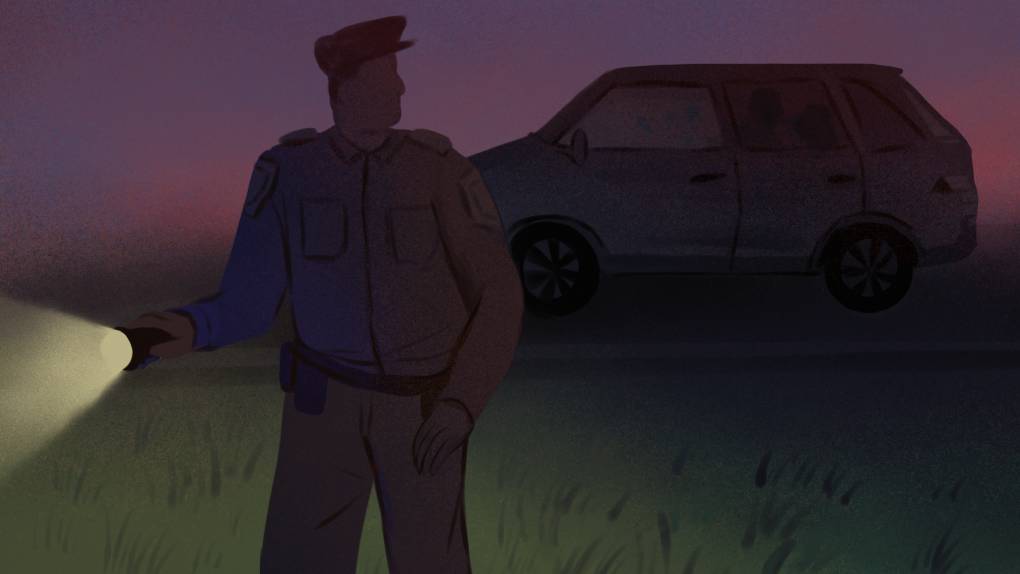
"title": "A police officer walks away from a dark car with two figures in the back seat",
"credit": null,
"status": "inherit",
"altTag": null,
"isLoading": false,
"fetchFailed": false
},
"news_11877533": {
"type": "attachments",
"id": "news_11877533",
"meta": {
"index": "attachments_1716263798",
"site": "news",
"id": "11877533",
"found": true
},
"parent": 11877532,
"imgSizes": {
"twentyfourteen-full-width": {
"file": "https://ww2.kqed.org/app/uploads/sites/10/2021/06/onourwatch-npr-ep4_wide-bd3d2e4109097319e9220929773cf873570b66f7-1038x576.jpg",
"width": 1038,
"mimeType": "image/jpeg",
"height": 576
},
"thumbnail": {
"file": "https://ww2.kqed.org/app/uploads/sites/10/2021/06/onourwatch-npr-ep4_wide-bd3d2e4109097319e9220929773cf873570b66f7-160x90.jpg",
"width": 160,
"mimeType": "image/jpeg",
"height": 90
},
"post-thumbnail": {
"file": "https://ww2.kqed.org/app/uploads/sites/10/2021/06/onourwatch-npr-ep4_wide-bd3d2e4109097319e9220929773cf873570b66f7-672x372.jpg",
"width": 672,
"mimeType": "image/jpeg",
"height": 372
},
"kqedFullSize": {
"file": "https://ww2.kqed.org/app/uploads/sites/10/2021/06/onourwatch-npr-ep4_wide-bd3d2e4109097319e9220929773cf873570b66f7-scaled.jpg",
"width": 2560,
"height": 1440
},
"2048x2048": {
"file": "https://ww2.kqed.org/app/uploads/sites/10/2021/06/onourwatch-npr-ep4_wide-bd3d2e4109097319e9220929773cf873570b66f7-2048x1152.jpg",
"width": 2048,
"mimeType": "image/jpeg",
"height": 1152
},
"large": {
"file": "https://ww2.kqed.org/app/uploads/sites/10/2021/06/onourwatch-npr-ep4_wide-bd3d2e4109097319e9220929773cf873570b66f7-1020x574.jpg",
"width": 1020,
"mimeType": "image/jpeg",
"height": 574
},
"1536x1536": {
"file": "https://ww2.kqed.org/app/uploads/sites/10/2021/06/onourwatch-npr-ep4_wide-bd3d2e4109097319e9220929773cf873570b66f7-1536x864.jpg",
"width": 1536,
"mimeType": "image/jpeg",
"height": 864
},
"full-width": {
"file": "https://ww2.kqed.org/app/uploads/sites/10/2021/06/onourwatch-npr-ep4_wide-bd3d2e4109097319e9220929773cf873570b66f7-1920x1080.jpg",
"width": 1920,
"mimeType": "image/jpeg",
"height": 1080
},
"medium": {
"file": "https://ww2.kqed.org/app/uploads/sites/10/2021/06/onourwatch-npr-ep4_wide-bd3d2e4109097319e9220929773cf873570b66f7-800x450.jpg",
"width": 800,
"mimeType": "image/jpeg",
"height": 450
}
},
"publishDate": 1623342763,
"modified": 1623342763,
"caption": null,
"description": null,
"title": "A teenager walks out of a store as a looming blue shape raises his hand behind him.",
"credit": null,
"status": "inherit",
"altTag": null,
"isLoading": false,
"fetchFailed": false
},
"news_11876489": {
"type": "attachments",
"id": "news_11876489",
"meta": {
"index": "attachments_1716263798",
"site": "news",
"id": "11876489",
"found": true
},
"parent": 11876488,
"imgSizes": {
"twentyfourteen-full-width": {
"file": "https://ww2.kqed.org/app/uploads/sites/10/2021/06/onourwatch-npr-theclub_wide-7d224ff62e667b4a83daee60fd2ef9b4d5564403-1-1038x576.jpg",
"width": 1038,
"mimeType": "image/jpeg",
"height": 576
},
"thumbnail": {
"file": "https://ww2.kqed.org/app/uploads/sites/10/2021/06/onourwatch-npr-theclub_wide-7d224ff62e667b4a83daee60fd2ef9b4d5564403-1-160x90.jpg",
"width": 160,
"mimeType": "image/jpeg",
"height": 90
},
"post-thumbnail": {
"file": "https://ww2.kqed.org/app/uploads/sites/10/2021/06/onourwatch-npr-theclub_wide-7d224ff62e667b4a83daee60fd2ef9b4d5564403-1-672x372.jpg",
"width": 672,
"mimeType": "image/jpeg",
"height": 372
},
"kqedFullSize": {
"file": "https://ww2.kqed.org/app/uploads/sites/10/2021/06/onourwatch-npr-theclub_wide-7d224ff62e667b4a83daee60fd2ef9b4d5564403-1-scaled.jpg",
"width": 2560,
"height": 1440
},
"2048x2048": {
"file": "https://ww2.kqed.org/app/uploads/sites/10/2021/06/onourwatch-npr-theclub_wide-7d224ff62e667b4a83daee60fd2ef9b4d5564403-1-2048x1152.jpg",
"width": 2048,
"mimeType": "image/jpeg",
"height": 1152
},
"large": {
"file": "https://ww2.kqed.org/app/uploads/sites/10/2021/06/onourwatch-npr-theclub_wide-7d224ff62e667b4a83daee60fd2ef9b4d5564403-1-1020x574.jpg",
"width": 1020,
"mimeType": "image/jpeg",
"height": 574
},
"1536x1536": {
"file": "https://ww2.kqed.org/app/uploads/sites/10/2021/06/onourwatch-npr-theclub_wide-7d224ff62e667b4a83daee60fd2ef9b4d5564403-1-1536x864.jpg",
"width": 1536,
"mimeType": "image/jpeg",
"height": 864
},
"full-width": {
"file": "https://ww2.kqed.org/app/uploads/sites/10/2021/06/onourwatch-npr-theclub_wide-7d224ff62e667b4a83daee60fd2ef9b4d5564403-1-1920x1080.jpg",
"width": 1920,
"mimeType": "image/jpeg",
"height": 1080
},
"medium": {
"file": "https://ww2.kqed.org/app/uploads/sites/10/2021/06/onourwatch-npr-theclub_wide-7d224ff62e667b4a83daee60fd2ef9b4d5564403-1-800x450.jpg",
"width": 800,
"mimeType": "image/jpeg",
"height": 450
}
},
"publishDate": 1622732669,
"modified": 1622732669,
"caption": null,
"description": null,
"title": "(Promo Only) An image of a man hitting a frosted glass wall. The glass is cracking and shadows of police officers appear behind it.",
"credit": null,
"status": "inherit",
"altTag": null,
"isLoading": false,
"fetchFailed": false
},
"news_11875582": {
"type": "attachments",
"id": "news_11875582",
"meta": {
"index": "attachments_1716263798",
"site": "news",
"id": "11875582",
"found": true
},
"parent": 11875581,
"imgSizes": {
"twentyfourteen-full-width": {
"file": "https://ww2.kqed.org/app/uploads/sites/10/2021/05/ep2finalv5_wide-a24c688b21f7c0e92d0cc4f81d6efc052fd918f7-1038x576.jpg",
"width": 1038,
"mimeType": "image/jpeg",
"height": 576
},
"thumbnail": {
"file": "https://ww2.kqed.org/app/uploads/sites/10/2021/05/ep2finalv5_wide-a24c688b21f7c0e92d0cc4f81d6efc052fd918f7-160x90.jpg",
"width": 160,
"mimeType": "image/jpeg",
"height": 90
},
"post-thumbnail": {
"file": "https://ww2.kqed.org/app/uploads/sites/10/2021/05/ep2finalv5_wide-a24c688b21f7c0e92d0cc4f81d6efc052fd918f7-672x372.jpg",
"width": 672,
"mimeType": "image/jpeg",
"height": 372
},
"kqedFullSize": {
"file": "https://ww2.kqed.org/app/uploads/sites/10/2021/05/ep2finalv5_wide-a24c688b21f7c0e92d0cc4f81d6efc052fd918f7-scaled.jpg",
"width": 2560,
"height": 1440
},
"2048x2048": {
"file": "https://ww2.kqed.org/app/uploads/sites/10/2021/05/ep2finalv5_wide-a24c688b21f7c0e92d0cc4f81d6efc052fd918f7-2048x1152.jpg",
"width": 2048,
"mimeType": "image/jpeg",
"height": 1152
},
"large": {
"file": "https://ww2.kqed.org/app/uploads/sites/10/2021/05/ep2finalv5_wide-a24c688b21f7c0e92d0cc4f81d6efc052fd918f7-1020x574.jpg",
"width": 1020,
"mimeType": "image/jpeg",
"height": 574
},
"1536x1536": {
"file": "https://ww2.kqed.org/app/uploads/sites/10/2021/05/ep2finalv5_wide-a24c688b21f7c0e92d0cc4f81d6efc052fd918f7-1536x864.jpg",
"width": 1536,
"mimeType": "image/jpeg",
"height": 864
},
"full-width": {
"file": "https://ww2.kqed.org/app/uploads/sites/10/2021/05/ep2finalv5_wide-a24c688b21f7c0e92d0cc4f81d6efc052fd918f7-1920x1080.jpg",
"width": 1920,
"mimeType": "image/jpeg",
"height": 1080
},
"medium": {
"file": "https://ww2.kqed.org/app/uploads/sites/10/2021/05/ep2finalv5_wide-a24c688b21f7c0e92d0cc4f81d6efc052fd918f7-800x450.jpg",
"width": 800,
"mimeType": "image/jpeg",
"height": 450
}
},
"publishDate": 1622126972,
"modified": 1622126972,
"caption": null,
"description": null,
"title": "Artwork by Nicole Xu.",
"credit": null,
"status": "inherit",
"altTag": null,
"isLoading": false,
"fetchFailed": false
},
"news_11874491": {
"type": "attachments",
"id": "news_11874491",
"meta": {
"index": "attachments_1716263798",
"site": "news",
"id": "11874491",
"found": true
},
"parent": 11874490,
"imgSizes": {
"twentyfourteen-full-width": {
"file": "https://ww2.kqed.org/app/uploads/sites/10/2021/05/oow_ep1_art_wide-9e019176c40f9a6ec8c9551c778c5023c97d2406-1038x576.jpg",
"width": 1038,
"mimeType": "image/jpeg",
"height": 576
},
"thumbnail": {
"file": "https://ww2.kqed.org/app/uploads/sites/10/2021/05/oow_ep1_art_wide-9e019176c40f9a6ec8c9551c778c5023c97d2406-160x90.jpg",
"width": 160,
"mimeType": "image/jpeg",
"height": 90
},
"post-thumbnail": {
"file": "https://ww2.kqed.org/app/uploads/sites/10/2021/05/oow_ep1_art_wide-9e019176c40f9a6ec8c9551c778c5023c97d2406-672x372.jpg",
"width": 672,
"mimeType": "image/jpeg",
"height": 372
},
"kqedFullSize": {
"file": "https://ww2.kqed.org/app/uploads/sites/10/2021/05/oow_ep1_art_wide-9e019176c40f9a6ec8c9551c778c5023c97d2406-scaled.jpg",
"width": 2560,
"height": 1440
},
"2048x2048": {
"file": "https://ww2.kqed.org/app/uploads/sites/10/2021/05/oow_ep1_art_wide-9e019176c40f9a6ec8c9551c778c5023c97d2406-2048x1152.jpg",
"width": 2048,
"mimeType": "image/jpeg",
"height": 1152
},
"large": {
"file": "https://ww2.kqed.org/app/uploads/sites/10/2021/05/oow_ep1_art_wide-9e019176c40f9a6ec8c9551c778c5023c97d2406-1020x574.jpg",
"width": 1020,
"mimeType": "image/jpeg",
"height": 574
},
"1536x1536": {
"file": "https://ww2.kqed.org/app/uploads/sites/10/2021/05/oow_ep1_art_wide-9e019176c40f9a6ec8c9551c778c5023c97d2406-1536x864.jpg",
"width": 1536,
"mimeType": "image/jpeg",
"height": 864
},
"full-width": {
"file": "https://ww2.kqed.org/app/uploads/sites/10/2021/05/oow_ep1_art_wide-9e019176c40f9a6ec8c9551c778c5023c97d2406-1920x1080.jpg",
"width": 1920,
"mimeType": "image/jpeg",
"height": 1080
},
"medium": {
"file": "https://ww2.kqed.org/app/uploads/sites/10/2021/05/oow_ep1_art_wide-9e019176c40f9a6ec8c9551c778c5023c97d2406-800x450.jpg",
"width": 800,
"mimeType": "image/jpeg",
"height": 450
}
},
"publishDate": 1621535266,
"modified": 1621554176,
"caption": "Art by Nicole Xu.",
"description": null,
"title": "Art by Nicole Xu.",
"credit": "Nicole Xu for NPR",
"status": "inherit",
"altTag": null,
"isLoading": false,
"fetchFailed": false
}
},
"audioPlayerReducer": {
"postId": "stream_live",
"isPaused": true,
"isPlaying": false,
"pfsActive": false,
"pledgeModalIsOpen": true,
"playerDrawerIsOpen": false,
"liveAudioPlayStartedAt": 0,
"liveAudioPlayContext": ""
},
"authorsReducer": {
"danbrekke": {
"type": "authors",
"id": "222",
"meta": {
"index": "authors_1716337520",
"id": "222",
"found": true
},
"name": "Dan Brekke",
"firstName": "Dan",
"lastName": "Brekke",
"slug": "danbrekke",
"email": "dbrekke@kqed.org",
"display_author_email": true,
"staff_mastheads": [
"news",
"science"
],
"title": "KQED Editor and Reporter",
"bio": "Dan Brekke is a reporter and editor for KQED News, responsible for coverage of topics ranging from California water issues to the Bay Area's transportation challenges. In a newsroom career that began in Chicago in 1972, Dan has worked for \u003cem>The San Francisco Examiner,\u003c/em> Wired and TechTV and has been published in The New York Times, The New York Times Magazine, Business 2.0, Salon and elsewhere.\r\n\r\nSince joining KQED in 2007, Dan has reported, edited and produced both radio and online features and breaking news pieces. He has shared as both editor and reporter in four Society of Professional Journalists Norcal Excellence in Journalism awards and one Edward R. Murrow regional award. He was chosen for a spring 2017 residency at the Mesa Refuge to advance his research on California salmon.\r\n\r\nEmail Dan at: \u003ca href=\"mailto:dbrekke@kqed.org\">dbrekke@kqed.org\u003c/a>\r\n\r\n\u003cstrong>Twitter:\u003c/strong> \u003ca href=\"https://twitter.com/danbrekke\" rel=\"noopener noreferrer\">twitter.com/danbrekke\u003c/a>\r\n\u003cstrong>Facebook:\u003c/strong> \u003ca href=\"https://www.facebook.com/danbrekke\" rel=\"noopener noreferrer\">www.facebook.com/danbrekke\u003c/a>\r\n\u003cstrong>LinkedIn:\u003c/strong> \u003ca href=\"https://www.linkedin.com/in/danbrekke\" rel=\"noopener noreferrer\">www.linkedin.com/in/danbrekke\u003c/a>",
"avatar": "https://secure.gravatar.com/avatar/8f1f0d2a978fb3b23426c922c7e2af558fa36905b49c4ce76a97dc3c72d27226?s=600&d=mm&r=g",
"twitter": "danbrekke",
"bluesky": null,
"facebook": null,
"instagram": "https://www.instagram.com/dan.brekke/",
"linkedin": "https://www.linkedin.com/in/danbrekke/",
"sites": [
{
"site": "news",
"roles": [
"administrator",
"create_posts"
]
},
{
"site": "stateofhealth",
"roles": [
"editor"
]
},
{
"site": "science",
"roles": [
"editor"
]
},
{
"site": "quest",
"roles": [
"contributor"
]
},
{
"site": "food",
"roles": [
"contributor"
]
},
{
"site": "forum",
"roles": [
"contributor"
]
},
{
"site": "elections",
"roles": [
"editor"
]
},
{
"site": "liveblog",
"roles": [
"editor"
]
}
],
"headData": {
"title": "Dan Brekke | KQED",
"description": "KQED Editor and Reporter",
"ogImgSrc": "https://secure.gravatar.com/avatar/8f1f0d2a978fb3b23426c922c7e2af558fa36905b49c4ce76a97dc3c72d27226?s=600&d=mm&r=g",
"twImgSrc": "https://secure.gravatar.com/avatar/8f1f0d2a978fb3b23426c922c7e2af558fa36905b49c4ce76a97dc3c72d27226?s=600&d=mm&r=g"
},
"isLoading": false,
"link": "/author/danbrekke"
},
"aemslie": {
"type": "authors",
"id": "3206",
"meta": {
"index": "authors_1716337520",
"id": "3206",
"found": true
},
"name": "Alex Emslie",
"firstName": "Alex",
"lastName": "Emslie",
"slug": "aemslie",
"email": "aemslie@kqed.org",
"display_author_email": true,
"staff_mastheads": [
"news"
],
"title": "KQED Senior Editor",
"bio": "Alex Emslie is senior editor of talent and development at KQED, where he manages dozens of early career journalists and oversees news department internships.\r\n\r\nHe is a former carpenter and proud graduate of City College of San Francisco and San Francisco State University, where he studied journalism and criminal justice before joining KQED in 2013.\r\n\r\nAlex produced investigative journalism focused on \u003ca href=\"https://www.kqed.org/news/11667594/the-trials-of-marvin-mutch-video\">criminal justice\u003c/a> and policing for most of a decade. He has broken major stories about \u003ca href=\"https://www.kqed.org/news/135682/amid-a-series-of-vallejo-police-shootings-one-officers-name-stands-out\">police use of deadly force\u003c/a>, \u003ca href=\"https://www.kqed.org/news/10454955/racist-texts-prompt-sfpd-internal-investigation\">officer misconduct\u003c/a> and \u003ca href=\"https://www.kqed.org/news/11712239/terrorist-or-troll-judge-to-weigh-whether-oakland-man-really-intended-to-attack-bay-area\">other\u003c/a> \u003ca href=\"https://www.kqed.org/news/11221414/hayward-paid-159000-to-husband-of-retired-police-chief-documents-show\">high\u003c/a>-\u003ca href=\"https://www.kqed.org/news/10622762/the-forgotten-tracking-two-homicides-in-san-francisco-public-housing\">profile\u003c/a> \u003ca href=\"https://www.kqed.org/news/11624516/federal-agency-promoted-ranger-just-months-after-his-gun-was-stolen-and-used-in-steinle-killing\">cases\u003c/a>. He co-founded the \u003ca href=\"https://projects.scpr.org/california-reporting-project/\">California Reporting Project\u003c/a> in 2019 to obtain and report on previously confidential police internal investigations. The effort produced well over 100 original stories and changed the course of multiple criminal cases.\r\n\r\nHis work has been recognized with numerous journalism awards, including a national Edward R. Murrow award for several years of \u003ca href=\"https://www.kqed.org/news/11688481/sfpd-officers-in-mario-woods-case-recount-shooting-in-newly-filed-depositions\">reporting\u003c/a> on the San Francisco Police shooting of Mario Woods. His \u003ca href=\"https://www.kqed.org/news/147854/half-of-those-killed-by-san-francisco-police-are-mentally-ill\">reporting\u003c/a> on police killings of people in psychiatric crisis was cited in amicus briefs before the U.S. Supreme Court.\r\n\r\nAlex now enjoys mentoring the next generation of journalists at KQED.",
"avatar": "https://secure.gravatar.com/avatar/e691e65209f20e9da202bd730ead5663?s=600&d=blank&r=g",
"twitter": "SFNewsReporter",
"facebook": null,
"instagram": null,
"linkedin": null,
"sites": [
{
"site": "arts",
"roles": [
"editor"
]
},
{
"site": "news",
"roles": [
"editor"
]
},
{
"site": "mindshift",
"roles": [
"editor"
]
},
{
"site": "stateofhealth",
"roles": [
"editor"
]
},
{
"site": "science",
"roles": [
"administrator"
]
}
],
"headData": {
"title": "Alex Emslie | KQED",
"description": "KQED Senior Editor",
"ogImgSrc": "https://secure.gravatar.com/avatar/e691e65209f20e9da202bd730ead5663?s=600&d=blank&r=g",
"twImgSrc": "https://secure.gravatar.com/avatar/e691e65209f20e9da202bd730ead5663?s=600&d=blank&r=g"
},
"isLoading": false,
"link": "/author/aemslie"
},
"jsmall": {
"type": "authors",
"id": "6625",
"meta": {
"index": "authors_1716337520",
"id": "6625",
"found": true
},
"name": "Julie Small",
"firstName": "Julie",
"lastName": "Small",
"slug": "jsmall",
"email": "jsmall@kqed.org",
"display_author_email": true,
"staff_mastheads": [
"news"
],
"title": "KQED Contributor",
"bio": "Julie Small reports on criminal justice and immigration.\r\n\r\nShe was part of a team at KQED awarded a regional 2019 Edward R. Murrow award for continuing coverage of the Trump Administration's family separation policy.\r\n\r\nThe Society for Professional Journalists recognized Julie's 2018 \u003ca href=\"https://www.kqed.org/news/11636262/the-officer-tased-him-31-times-the-sheriff-called-his-death-an-accident\">reporting\u003c/a> on the San Joaquin County Sheriff's \u003ca href=\"https://www.kqed.org/news/11634689/autopsy-doctors-sheriff-overrode-death-findings-to-protect-law-enforcement\">interference\u003c/a> in death investigations with an Excellence in Journalism Award for Ongoing Coverage.\r\n\r\nJulie's\u003ca href=\"https://www.kqed.org/news/11039666/two-mentally-ill-inmates-died-one-month-in-santa-clara\"> reporting\u003c/a> with Lisa Pickoff-White on the treatment of mentally ill offenders in California jails earned a 2017 regional Edward R. Murrow Award for news reporting and an investigative reporting award from the SPJ of Northern California.\r\n\r\nBefore joining KQED, Julie covered government and politics in Sacramento for Southern California Public Radio (SCPR). Her 2010 \u003ca href=\"https://www.scpr.org/specials/prisonmedical/\">series\u003c/a> on lapses in California’s prison medical care also won a regional Edward R. Murrow Award for investigative reporting and a Golden Mic Award from the RTNDA of Southern California.\r\n\r\nJulie began her career in journalism in 2000 as the deputy foreign editor for public radio's \u003cem>Marketplace, \u003c/em>while earning her master's degree in journalism from USC’s Annenberg School of Communication.",
"avatar": "https://secure.gravatar.com/avatar/4baedf201468df97be97c2a9dd7585d0?s=600&d=blank&r=g",
"twitter": "@SmallRadio2",
"facebook": null,
"instagram": null,
"linkedin": null,
"sites": [
{
"site": "news",
"roles": [
"editor"
]
},
{
"site": "stateofhealth",
"roles": [
"author"
]
},
{
"site": "science",
"roles": [
"author"
]
}
],
"headData": {
"title": "Julie Small | KQED",
"description": "KQED Contributor",
"ogImgSrc": "https://secure.gravatar.com/avatar/4baedf201468df97be97c2a9dd7585d0?s=600&d=blank&r=g",
"twImgSrc": "https://secure.gravatar.com/avatar/4baedf201468df97be97c2a9dd7585d0?s=600&d=blank&r=g"
},
"isLoading": false,
"link": "/author/jsmall"
},
"sdirks": {
"type": "authors",
"id": "7239",
"meta": {
"index": "authors_1716337520",
"id": "7239",
"found": true
},
"name": "Sandhya Dirks",
"firstName": "Sandhya",
"lastName": "Dirks",
"slug": "sdirks",
"email": "sdirks@kqed.org",
"display_author_email": true,
"staff_mastheads": [],
"title": null,
"bio": "Sandhya Dirks was the race and equity reporter at KQED. She approaches race and equity not as a beat, but as a fundamental lens for all investigative and explanatory reporting.\r\n\r\nSandhya covered policing, housing, social justice movements, and the shifting demographics of cities and suburbs.\r\n\r\nShe was the creator and co-host of the podcast American Suburb, about the transformation of suburbia into the most diverse space in American life. She was the editor for Truth Be Told, an advice show for and by people of color. \r\n\r\nHer stories about race, space, and belonging were part of KQED's So Well Spoken project, which won RNDTA's Kaleidoscope award, honoring outstanding achievements in the coverage of diversity.\r\n\r\nPrior to joining KQED in 2015, Sandhya covered the 2012 presidential election from the swing state of Iowa for Iowa Public Radio. At KPBS in San Diego, she broke the story of a sexual harassment scandal that led to the mayor's resignation.\r\n\r\nShe got her start in radio working on documentaries about Oakland that investigated the high drop-out rate in public schools and mistrust between the police and the community.\r\n\r\nSandhya lives in Oakland and believes all stories are stories about power.",
"avatar": "https://secure.gravatar.com/avatar/c0247cb15929cd4c197672fd73d45300?s=600&d=blank&r=g",
"twitter": "audiosand",
"facebook": null,
"instagram": null,
"linkedin": null,
"sites": [
{
"site": "news",
"roles": [
"subscriber"
]
},
{
"site": "stateofhealth",
"roles": [
"author"
]
}
],
"headData": {
"title": "Sandhya Dirks | KQED",
"description": null,
"ogImgSrc": "https://secure.gravatar.com/avatar/c0247cb15929cd4c197672fd73d45300?s=600&d=blank&r=g",
"twImgSrc": "https://secure.gravatar.com/avatar/c0247cb15929cd4c197672fd73d45300?s=600&d=blank&r=g"
},
"isLoading": false,
"link": "/author/sdirks"
},
"slewis": {
"type": "authors",
"id": "8676",
"meta": {
"index": "authors_1716337520",
"id": "8676",
"found": true
},
"name": "Sukey Lewis",
"firstName": "Sukey",
"lastName": "Lewis",
"slug": "slewis",
"email": "slewis@kqed.org",
"display_author_email": true,
"staff_mastheads": [
"news"
],
"title": "KQED Contributor",
"bio": "Sukey Lewis is a criminal justice reporter and host of \u003cem>On Our Watch\u003c/em>, a new podcast from NPR and KQED about the shadow world of police discipline. In 2018, she co-founded the California Reporting Project, a coalition of newsrooms across the state focused on obtaining previously sealed internal affairs records from law enforcement. In addition to her reporting on police accountability, Sukey has investigated the bail bonds industry, California's wildfires and the high cost of prison phone calls. Sukey earned a master's degree in journalism from the University of California at Berkeley. Send news tips to slewis@kqed.org.",
"avatar": "https://secure.gravatar.com/avatar/03fd6b21024f99d8b0a1966654586de7?s=600&d=blank&r=g",
"twitter": "SukeyLewis",
"facebook": null,
"instagram": null,
"linkedin": null,
"sites": [
{
"site": "news",
"roles": [
"author",
"edit_others_posts"
]
}
],
"headData": {
"title": "Sukey Lewis | KQED",
"description": "KQED Contributor",
"ogImgSrc": "https://secure.gravatar.com/avatar/03fd6b21024f99d8b0a1966654586de7?s=600&d=blank&r=g",
"twImgSrc": "https://secure.gravatar.com/avatar/03fd6b21024f99d8b0a1966654586de7?s=600&d=blank&r=g"
},
"isLoading": false,
"link": "/author/slewis"
}
},
"pagesReducer": {
"news_program_on-our-watch": {
"type": "terms",
"id": "news_33521",
"meta": {
"index": "terms_1716263798",
"site": "news",
"id": "33521",
"score": 15.537813
},
"featImg": null,
"name": "On Our Watch",
"description": null,
"taxonomy": "program",
"headData": {
"twImgId": null,
"twTitle": null,
"ogTitle": null,
"ogImgId": null,
"twDescription": null,
"description": null,
"title": "On Our Watch Archives | KQED News",
"ogDescription": null
},
"ttid": 33538,
"slug": "on-our-watch",
"isLoading": false,
"title": "On Our Watch",
"pageMeta": {
"site": "news",
"WpPageTemplate": "page-topic-editorial",
"currentPage": 2
},
"blocks": [
{
"blockName": "kqed/post-list",
"attrs": {
"layout": "cardArticle2",
"query": "posts/news?program=on-our-watch",
"seeMore": false,
"paginated": true,
"page": 2
}
},
{
"blockName": "kqed/ad"
}
]
}
},
"pfsSessionReducer": {},
"postsReducer": {
"stream_live": {
"type": "live",
"id": "stream_live",
"audioUrl": "https://streams.kqed.org/kqedradio",
"title": "Live Stream",
"excerpt": "Live Stream information currently unavailable.",
"link": "/radio",
"featImg": "",
"label": {
"name": "KQED Live",
"link": "/"
}
},
"stream_kqedNewscast": {
"type": "posts",
"id": "stream_kqedNewscast",
"audioUrl": "https://www.kqed.org/.stream/anon/radio/RDnews/newscast.mp3?_=1",
"title": "KQED Newscast",
"featImg": "",
"label": {
"name": "88.5 FM",
"link": "/"
}
},
"news_11975624": {
"type": "posts",
"id": "news_11975624",
"meta": {
"index": "posts_1716263798",
"site": "news",
"id": "11975624",
"score": null,
"sort": [
1707822007000
]
},
"guestAuthors": [],
"slug": "2-running-the-race-s2-new-folsom",
"title": "2. Running the Race | S2: New Folsom",
"publishDate": 1707822007,
"format": "audio",
"headTitle": "2. Running the Race | S2: New Folsom | KQED",
"labelTerm": {
"term": 33521,
"site": "news"
},
"content": "\u003cp>\u003ca href=\"#episode-transcript\">\u003ci>\u003cspan style=\"font-weight: 400\">View the full episode transcript.\u003c/span>\u003c/i>\u003c/a>\u003c/p>\n\u003cp>\u003cspan style=\"font-weight: 400\">Consumed with stress and fed up with how he’s being treated, Valentino Rodriguez reaches a breaking point at work. A veteran officer and mentor to Valentino starts looking into the murder that happened in the dayroom. Valentino and Mimy get married, then Valentino goes in for a final meeting with the warden of New Folsom. \u003c/span>\u003c/p>\n\u003cp>\u003c!-- iframe plugin v.4.3 wordpress.org/plugins/iframe/ -->\u003cbr>\n\u003ciframe loading=\"lazy\" frameborder=\"0\" height=\"200\" scrolling=\"no\" src=\"https://playlist.megaphone.fm/?e=KQINC3540456241\" width=\"100%\" class=\"iframe-class\">\u003c/iframe>\u003c/p>\n\u003cp>\u003cb>Resources\u003c/b>\u003c/p>\n\u003cp>\u003cspan style=\"font-weight: 400\">If you are currently in crisis, you can dial 988 [U.S.] to reach the National Suicide and Crisis Lifeline.\u003c/span>\u003c/p>\n\u003cp>\u003ca href=\"https://www.samhsa.gov/find-help/national-helpline\">\u003cspan style=\"font-weight: 400\">SAMHSA National Help Line\u003c/span>\u003c/a>\u003cbr>\n\u003ca href=\"https://988lifeline.org/\">\u003cspan style=\"font-weight: 400\">988 Suicide and Crisis Lifeline\u003c/span>\u003c/a>\u003cbr>\n\u003ca href=\"https://www.nami.org/help\">\u003cspan style=\"font-weight: 400\">NAMI (National Alliance on Mental Illness) Helpline\u003c/span>\u003c/a>\u003cbr>\n\u003ca href=\"https://www.hhs.gov/programs/prevention-and-wellness/mental-health-substance-abuse/index.html\">US Health and Human Services\u003c/a>\u003cbr>\n\u003ca href=\"https://warmline.org/warmdir.html\">\u003cspan style=\"font-weight: 400\">Warmline Directory\u003c/span>\u003c/a>\u003c/p>\n\u003cp> \u003c/p>\n\u003cp>\u003ci>\u003cspan style=\"font-weight: 400\">The \u003c/span>\u003c/i>\u003ca href=\"https://journalism.berkeley.edu/programs/mj/investigative-reporting/\">\u003ci>\u003cspan style=\"font-weight: 400\">Investigative Reporting Program\u003c/span>\u003c/i>\u003c/a>\u003ci>\u003cspan style=\"font-weight: 400\"> at UC Berkeley’s Graduate School of Journalism was a key partner in making Season 2 of On Our Watch. \u003c/span>\u003c/i>\u003ci>\u003cspan style=\"font-weight: 400\">The records obtained for this project are part of the\u003c/span>\u003c/i>\u003ca href=\"https://projects.scpr.org/california-reporting-project/\">\u003ci>\u003cspan style=\"font-weight: 400\"> California Reporting Project\u003c/span>\u003c/i>\u003c/a>\u003ci>\u003cspan style=\"font-weight: 400\">, a coalition of news organizations in California. \u003c/span>\u003c/i>\u003c/p>\n\u003cp>\u003ci>\u003cspan style=\"font-weight: 400\">If you have tips or feedback about this series please reach out to us at \u003c/span>\u003c/i>\u003ca href=\"mailto:onourwatch@kqed.org\">\u003ci>\u003cspan style=\"font-weight: 400\">onourwatch@kqed.org\u003c/span>\u003c/i>\u003c/a>\u003ci>\u003cspan style=\"font-weight: 400\">. \u003c/span>\u003c/i>\u003c/p>\n\u003cp>[ad fullwidth]\u003c/p>\n\u003cp> \u003c/p>\n\u003ch2 id=\"episode-transcript\">Episode Transcript\u003c/h2>\n\u003cp> \u003c/p>\n\u003cp>\u003cb>Producer:\u003c/b> Before we start, I just wanted to give you a heads-up that this episode references violent incidents, discriminatory language, and substance use disorder. We also talk about someone’s death by fentanyl poisoning. If you or someone you know needs support, we’ve got links to resources in the episode description.\u003c/p>\n\u003cp>\u003ci>[Music]\u003c/i>\u003c/p>\n\u003cp>\u003cb>Sukey Lewis:\u003c/b> Okay, so it’s me Sukey and Julie, and Steven, and we’re here at Julie’s house. Two days after, we saw Val and Erma and got the phone, and we’re just–\u003c/p>\n\u003cp>\u003cb>Sukey Lewis:\u003c/b> We’re back from our trip to West Sacramento where I first got to meet the parents of Officer Valentino Rodriguez. And our reporting team is clustered around a computer screen. We don’t know exactly what we’re gonna find on the hard drive that Val Senior handed over in his office.\u003c/p>\n\u003cp>\u003cb>Sukey Lewis: \u003c/b>Looking through kinda the materials that are on here that are many, many tens of gigabytes of information, um, and trying to figure out, like, what’s going on here.\u003c/p>\n\u003cp>\u003cb>Sukey Lewis:\u003c/b> It contains evidence he’s been able to put together over the past two years as he turned from grieving dad into an investigator trying to solve the riddle of his son’s death and how it might be connected to the place where he worked, New Folsom Prison.\u003c/p>\n\u003cp>\u003cb>Julie Small:\u003c/b> It’s a letter.\u003c/p>\n\u003cp>\u003cb>Sukey Lewis:\u003c/b> Yeah, yeah.\u003c/p>\n\u003cp>\u003cb>Julie Small:\u003c/b> Um, then a statement.\u003c/p>\n\u003cp>\u003cb>Sukey Lewis:\u003c/b> Also on the drive is what we’re looking at right now – a duplicate of Valentino’s cellphone, with messages going all the way back to 2017.\u003c/p>\n\u003cp>\u003cb>Steven Rascon:\u003c/b> Oh, incoming. Incoming, outgoing\u003c/p>\n\u003cp>\u003cb>Sukey Lewis:\u003c/b> Mm-hmm.\u003c/p>\n\u003cp>\u003cb>Sukey Lewis:\u003c/b> We’ve gotten hundreds of documents through public record requests. But they’re all steeped in official language, and some are so redacted they barely make sense. What Valentino’s phone promises is both so much more intimate and so much more telling.\u003c/p>\n\u003cp>\u003cb>Julie Small:\u003c/b> What is that? Holy shit.\u003c/p>\n\u003cp>\u003cb>Sukey Lewis:\u003c/b> About what it was like to work at New Folsom, but also about who Val was.\u003c/p>\n\u003cp>\u003cb>Valentino Rodriguez, Jr:\u003c/b> [sings] Super dog, super dog.\u003c/p>\n\u003cp>\u003cb>Sukey Lewis:\u003c/b> A guy who sings to his dog.\u003c/p>\n\u003cp>\u003cb>Valentino Rodriguez, Jr:\u003c/b> This is about Daisy the super dog\u003c/p>\n\u003cp>\u003cb>Valentino Rodriguez, Sr & Jr:\u003c/b> See you on the other side.\u003c/p>\n\u003cp>\u003cb>Valentino Rodriguez, Jr:\u003c/b> All right, let’s go.\u003c/p>\n\u003cp>\u003cb>Valentino Rodriguez, Sr:\u003c/b> Lean back. Look behind you\u003c/p>\n\u003cp>\u003cb>Sukey Lewis:\u003c/b> Zip lines with his dad.\u003c/p>\n\u003cp>\u003cb>Valentino Rodriguez, Sr: \u003c/b>This way.\u003c/p>\n\u003cp>\u003cb>Valentino Rodriguez, Jr: \u003c/b>Woo-hoo\u003c/p>\n\u003cp>\u003cb>Sukey Lewis:\u003c/b> A man who was loved.\u003c/p>\n\u003cp>\u003cb>Mimy Rodriguez:\u003c/b> Hello, my love, um, I’m gonna see you after work. Also, I’m-I’m gonna try to get off early so we can do something.\u003c/p>\n\u003cp>\u003cb>Sukey Lewis:\u003c/b> And we can see his text messages with the guys he worked with at the prison.\u003c/p>\n\u003cp>\u003cb>Julie Small: \u003c/b>Woah. It’s all of them, all the–\u003c/p>\n\u003cp>\u003cb>Sukey:\u003c/b> Oh, all right.\u003c/p>\n\u003cp>\u003cb>Julie Small:\u003c/b> Yeah, these are the group texts.\u003c/p>\n\u003cp>\u003cb>Sukey Lewis:\u003c/b> And one message jumps out at us.\u003c/p>\n\u003cp>\u003cb>Julie Small:\u003c/b> Interesting. When’s the date on that one?\u003c/p>\n\u003cp>\u003cb>Steven Rascon:\u003c/b> Okay.\u003c/p>\n\u003cp>\u003cb>Sukey Lewis:\u003c/b> It’s on the day, the day he died.\u003c/p>\n\u003cp>\u003cb>Steven Rascon:\u003c/b> Oh, he texted Steele the day he died.\u003c/p>\n\u003cp>\u003cb>Julie Small:\u003c/b> Wow.\u003c/p>\n\u003cp>\u003cb>Sukey Lewis: \u003c/b>I think it’s from Steele.\u003c/p>\n\u003cp>\u003cb>Julie Small:\u003c/b> Oh it’s from Steele.\u003c/p>\n\u003cp>\u003cb>Sukey Lewis:\u003c/b> Sergeant Kevin Steele, the Bruce Willis-looking, former military guy who was kind of a mentor to Valentino. Just hours before Valentino died, in October 2020, the sergeant reaches out with this cryptic message.\u003c/p>\n\u003cp>\u003cb>Sukey Lewis:\u003c/b> “I think you already know I did not set up the course, but I am running the race. Steele.”\u003c/p>\n\u003cp>\u003cb>Sukey Lewis:\u003c/b> Valentino Texts back.\u003c/p>\n\u003cp>\u003cb>Sukey Lewis:\u003c/b> “Awesome, I just hope that I am not mentioned at all to anyone, not even to those who know my involvement. Not even among people I trust. Iwish that for everyone on this side of the race, my name is left out of everything.” So, they’re talking in some kind of code, right? “I did not set up the course, but I am running the race.”\u003c/p>\n\u003cp>\u003cb>Julie Small:\u003c/b> Right.\u003c/p>\n\u003cp>\u003cb>Sukey Lewis:\u003c/b> But since both of these men have died, we’re going to have to figure out what these texts mean on our own.\u003c/p>\n\u003cp>\u003ci>[Theme music]\u003c/i>\u003c/p>\n\u003cp>\u003cb>Sukey Lewis:\u003c/b> As we sift through Valentino’s phone, his photos and videos, voice memos, and notes, along with the documents we’ve gotten from the prison, we’re hoping to find answers. What was Valentino going through? What would lead him to turn on his team? And what was the race he and Steele were running? And we’re also looking to understand the choices made by people in positions of power that he reached out to for help, people who were supposed to act and didn’t. I’m Sukey Lewis. This is \u003ci>On Our Watch,\u003c/i> Season 2: New Folsom.\u003c/p>\n\u003cp>\u003ci>[Music]\u003c/i>\u003c/p>\n\u003cp>\u003cb>Valentino Rodriguez, Sr:\u003c/b> You can read this so you get to know more about him.\u003c/p>\n\u003cp>\u003cb>Sukey Lewis:\u003c/b> Yeah.\u003c/p>\n\u003cp>\u003cb>Valentino Rodriguez, Sr:\u003c/b> What he was going through… but don’t-don’t copy this.\u003c/p>\n\u003cp>\u003cb>Sukey Lewis:\u003c/b> Okay.\u003c/p>\n\u003cp>\u003cb>Valentino Rodriguez, Sr: \u003c/b>Yeah, or use it maybe– I mean, you can like, uh–\u003c/p>\n\u003cp>\u003cb>Sukey Lewis:\u003c/b> We’d started looking into Valentino’s story to see if the death of this whistleblower was connected to all those cases we’d found showing off the charts’ use of force at New Folsom. But Val Senior was already way ahead of us in investigating his son’s death. So every few weeks, my co-reporter, Julie, would meet up with Val Senior to get more of the evidence he’d collected and she’d share what we were finding with him.\u003c/p>\n\u003cp>\u003cb>Julie Small: \u003c/b>So we’ve started a database of the guard’s names and then different allegations against them. And then-\u003c/p>\n\u003cp>\u003cb>Sukey Lewis:\u003c/b> Building this relationship with Val Senior has been tricky. He’s grieving and he feels like he was burned by other people who said they’d look into his son’s death and then dropped it.\u003c/p>\n\u003cp>\u003cb>Valentino Rodriguez, Sr: \u003c/b>Oh, I just-I just want this to work both ways–\u003c/p>\n\u003cp>\u003cb>Julie Small: \u003c/b>Right.\u003c/p>\n\u003cp>\u003cb>Valentino Rodriguez, Sr:\u003c/b> Right?\u003c/p>\n\u003cp>\u003cb>Julie Small:\u003c/b> Okay.\u003c/p>\n\u003cp>\u003cb>Valentino Rodriguez, Sr:\u003c/b> I need to know what you’re doing.\u003c/p>\n\u003cp>\u003cb>Julie Small:\u003c/b> Okay.\u003c/p>\n\u003cp>\u003cb>Valentino Rodriguez, Sr:\u003c/b> That’s all I’ve ever asked. I might even– I-I– nobody even knows we’re having these meetings other than my wife.\u003c/p>\n\u003cp>\u003cb>Sukey Lewis:\u003c/b> He says he’s not trying to swear our reporting, and it doesn’t seem like he is, but it does feel like he’s still testing us to see how serious we are about this investigation.\u003c/p>\n\u003cp>\u003cb>Valentino Rodriguez, Sr:\u003c/b> You go through stuff and you decide, right? I don’t want to paint a picture.\u003c/p>\n\u003cp>\u003cb>Julie Small:\u003c/b> Right.\u003c/p>\n\u003cp>\u003cb>Valentino Rodriguez, Sr:\u003c/b> I never have.\u003c/p>\n\u003cp>\u003cb>Julie Small:\u003c/b> Okay.\u003c/p>\n\u003cp>\u003cb>Valentino Rodriguez, Sr:\u003c/b> I’m not gonna bullshit nobody and, uh, ruin anyone’s lives. I just want-I just want the truth told, that– that’s all I’m doing.\u003c/p>\n\u003cp>\u003cb>Julie Small: \u003c/b>Yeah.\u003c/p>\n\u003cp>\u003cb>Sukey Lewis:\u003c/b> That’s what we want too, but after years of working as reporters, Julie and I both know the truth can be a really complicated thing. Take the harassment Valentino experienced from the squad. As we go through Valentino’s phone, we can see that he was called ugly names. But we can also see that Valentino sometimes used offensive language too, calling his gaming friend a homophobic slur or sending a GIF of a swinging penis.\u003c/p>\n\u003cp>These guys, ’cause they’re all guys on these text threads, work in a prison. Their conversations are dark and their jokes are not usually kind.\u003c/p>\n\u003cp>\u003ci>[Dramatic music] \u003c/i>\u003c/p>\n\u003cp>But there’s also a particular edge of nastiness to some of the other guys’ texts that feels different than Valentino’s off-color joking. One of our producers agreed to read some of them so you can hear what was being said. Heads up, it’s vulgar, but we’ve bleeped the slurs.\u003c/p>\n\u003cp>\u003cb>Producer: \u003c/b>“Is that the jizz from A Facility? Drink up. In your mouth, you f––. Tell your lady I said hi. You f––. Send a picture of your girl’s ass.”\u003c/p>\n\u003cp>\u003cb>Sukey Lewis: \u003c/b>Those messages are all from this one guy, Daniel Garland. And Valentino doesn’t usually take the bait, but there is this one time where you can see he just snaps. It starts with Valentino texting the group something totally innocuous: how to log in to a new HR system for vacation requests. He’s just being helpful. And Garland writes back-\u003c/p>\n\u003cp>\u003cb>Producer:\u003c/b> Who gives a fuck f––?!\u003c/p>\n\u003cp>\u003cb>Sukey Lewis:\u003c/b> That’s when Valentino loses it and says, “Go fuck yourself, you dumb shit.” And this is what Garland does in response. He sends this weird video to the group, and it’s of a guy who’s probably in his early 20s, in a black and red sweatshirt at what looks like the gym talking straight into the camera.\u003c/p>\n\u003cp>\u003cb>Garland’s Son:\u003c/b> If you ever get outta the pocket again I’m gonna slap your fat ass.\u003c/p>\n\u003cp>\u003cb>Valentino Rodriguez, Sr:\u003c/b> You ever get out of pocket again I’m gonna slap your fat ass. That was a flat-out threat. And when he got to work, uh, they laughed at him. They laughed about it.\u003c/p>\n\u003cp>\u003cb>Sukey Lewis:\u003c/b> The guy saying he was gonna slap Valentino was actually Garland’s son. For Valentino, this was the last straw. Garland had been insulting him since he joined the squad about a year earlier. CDCR does have a no-tolerance policy against discrimination and harassment, which these text messages fell outside the lines of. In an email, an attorney for Garland and some of the other officers in those text threads stated that her clients never bullied, hazed, or harassed Officer Rodriguez while he worked at the prison.\u003c/p>\n\u003cp>She said the officers coped with their stressful and violent workplace in different ways, but that they “Genuinely cared for and supported each other.” When Valentino first got that video from Garland’s son, he told his dad it wasn’t a big deal. But he told other people it really bothered him. It was clear he couldn’t take much more of this.\u003c/p>\n\u003cp>\u003cb>Valentino Rodriguez, Sr:\u003c/b> In the back of my head, I kept thinking all the time, “Well, the warden knows who he is. He’s gonna take care of him. There’s people that’ll take care of him. That’s-that’s not the case.\u003c/p>\n\u003cp>\u003ci>[Droning music]\u003c/i>\u003c/p>\n\u003cp>\u003cb>Sukey Lewis:\u003c/b> Just after the new year, January 2020, Valentino had a lot going on. He was pissed off at the team about the Garland incident and he was stressed about that gruesome stabbing that happened in the day room. The one with the video that he showed his dad, Valentino was still working on writing his reports for that. He’d worked so hard to get here, achieved his dream of being an investigator. But now all he could think about was quitting. He wrote this note into his phone.\u003c/p>\n\u003cp>\u003cb>Julie Small:\u003c/b> It’s entitled, “Reasons to Leave. Harassment, disrespect.”\u003c/p>\n\u003cp>\u003cb>Valentino Rodriguez, Sr: \u003c/b>“Disrespect, threats, whistleblower violations.”\u003c/p>\n\u003cp>\u003cb>Julie Small:\u003c/b> “Whistleblower violations.”\u003c/p>\n\u003cp>\u003cb>Valentino Rodriguez, Sr: \u003c/b>“Voted off team.”\u003c/p>\n\u003cp>\u003cb>Julie Small:\u003c/b> “Keep your mouth shut, or you’ll be fired. You do stupid work.”\u003c/p>\n\u003cp>\u003cb>Valentino Rodriguez, Sr:\u003c/b> “You do stupid work, they do important shit.”\u003c/p>\n\u003cp>\u003cb>Sukey Lewis:\u003c/b> Just so you know, in his text messages, Valentino complains that the person telling him to stay quiet and demeaning his work was his boss, the new head of the unit, a guy named Sergeant David Anderson. Anderson was also on some of the terrible text threads, so it doesn’t look like Valentino felt like he could turn to him to step in. Anderson did not respond to multiple requests for comment. Valentino’s reasons go on.\u003c/p>\n\u003cp>\u003cb>Valentino Rodriguez, Sr:\u003c/b> “Depressed.”\u003c/p>\n\u003cp>\u003cb>Julie Small:\u003c/b> “No money, bad health.”\u003c/p>\n\u003cp>\u003cb>Valentino Rodriguez, Sr:\u003c/b> I’ll work for Dad. Be happy.\u003c/p>\n\u003cp>\u003cb>Julie Small:\u003c/b> Be happy.\u003c/p>\n\u003cp>\u003ci>[Music]\u003c/i>\u003c/p>\n\u003cp>\u003cb>Sukey Lewis:\u003c/b> Around the same time that he wrote that note, he also texted a friend that he was getting out soon. He had a plan to stick around for a few months and then switch to a part-time position where he could work a few shifts and still get benefits. But a couple of weeks later, his plans to try and stick it out fell apart.\u003c/p>\n\u003cp>\u003cb>Mimy Rodriguez:\u003c/b> I remember him coming home and telling me that he broke down to the assistant warden.\u003c/p>\n\u003cp>\u003cb>Sukey Lewis:\u003c/b> That’s Mimy Rodriguez, Valentino’s wife.\u003c/p>\n\u003cp>\u003cb>Mimy Rodriguez:\u003c/b> And he was sobbing and he had told her how he felt about things and he felt just like everything was kind of closing in on him.\u003c/p>\n\u003cp>\u003cb>Sukey Lewis:\u003c/b> She tells Julie and me that Valentino had a really rough day at work. The person he fell apart in front of was Gena Jones, the chief deputy warden of the prison. She was in charge of the squad, the investigative services unit.\u003c/p>\n\u003cp>\u003cb>Mimy Rodriguez:\u003c/b> And I remember sitting on the couch with him and him saying, “I left work. I left, and it’s gone. I’m not gonna be there anymore. I broke down to the assistant warden.” And I guess he opened up to her about everything that was going on. I remember this very clearly. He said, “This is my identity.” He’s like, “I feel like I’ve given up on everything. I feel like I gave up on my job.” And I was like, “No, you didn’t give up. Valentino, you’re doing this for you.” He’s like, “No, I gave up. This is who I am, and I-I don’t know who I am anymore.”\u003c/p>\n\u003cp>\u003cb>Sukey Lewis:\u003c/b> Mimy says something else happened in this meeting too. She says Valentino made some serious allegations about his fellow officers.\u003c/p>\n\u003cp>\u003cb>Mimy Rodriguez:\u003c/b> That officers could have been planting drugs on inmates, could have been planting drugs on, uh, other officers. And I know that he was very nervous to talk to anybody because he didn’t want anyone to retaliate.\u003c/p>\n\u003cp>\u003cb>Sukey Lewis:\u003c/b> Mimy’s memory of this incident is all we have to go on, but this is important because from what we’ve been able to figure out, this would be the first time Valentino told higher-ups in charge of the investigative services unit that the squad, the very officers investigating crimes in the prison, might be committing serious misconduct. Mimy says at the time, she didn’t fully consider the implications of that—what kind of obligation to report or investigate that Valentino’s allegations might have triggered for Jones. But now she does.\u003c/p>\n\u003cp>\u003cb>Mimy Rodriguez:\u003c/b> I do believe that at that time, she had a right to say something or at least reported, mentioned something, write it down, document it, if anything, but from what I understand, nothing was even documented, which I find very interesting.\u003c/p>\n\u003cp>\u003cb>Sukey Lewis:\u003c/b> To be clear, Mimy says, Valentino also didn’t wanna make an official report. There’s an unwritten code among correctional officers: never tell on each other. But as a supervisor, Jones did have an explicit obligation to act immediately to stop the harassment.\u003c/p>\n\u003cp>\u003cb>Mimy Rodriguez:\u003c/b> I remember specifically saying, “Valentino, if-if-if these people are bothering you and hurting you, you need to report that.” But he was– he didn’t want it to go back to him. He didn’t want it to get traced back that he had said anything about the team or that, um, any type of retaliation could have happened to him or his work.\u003c/p>\n\u003cp>\u003cb>Sukey Lewis:\u003c/b> Now, everyone’s memory is imperfect and Mimy wasn’t in this meeting with Jones, so we don’t know for sure what he told her the day he broke down. But we did hear that this happened from another officer who didn’t wanna go on the record, but he confirmed that he’d also heard that Valentino had made these allegations to Jones.\u003c/p>\n\u003cp>We asked CDCR if Jones had been questioned about this incident or her knowledge of discriminatory behavior in the unit, but the agency declined to comment. We asked for an interview with Jones, but a CDCR spokeswoman declined stating that wardens can’t talk about personnel matters.\u003c/p>\n\u003cp>\u003ci>[Driving music]\u003c/i>\u003c/p>\n\u003cp>The only action we know for sure the chief deputy warden took was to put Valentino out on medical leave for stress. That worker’s compensation claim was tied to an incident that happened years earlier, back in 2017, where Valentino wound up in the hospital.\u003c/p>\n\u003cp>\u003cb>Captain:\u003c/b> Hey Rodriguez, just calling to see how you’re doing.\u003c/p>\n\u003cp>\u003cb>Sukey Lewis:\u003c/b> A captain left this voicemail on his phone.\u003c/p>\n\u003cp>\u003cb>Captain:\u003c/b> Good job toughing it out yesterday. But man, you need to take it easy. If, uh- if that really is a concussion, enjoy your time. Hopefully, uh, you catch up on any Netflix that you’re behind on.\u003c/p>\n\u003cp>\u003cb>Sukey Lewis:\u003c/b> He wasn’t in the squad yet. He was still just a regular officer. And one day after yard time, they were lining up the incarcerated people to search them and escort them back to their cells. Among them was this one guy named Amon Morrison.\u003c/p>\n\u003cp>\u003cb>Amon Morrison:\u003c/b> Hello?\u003c/p>\n\u003cp>\u003cb>Sukey Lewis:\u003c/b> Hi, is this Amon?\u003c/p>\n\u003cp>\u003cb>Amon Morrison:\u003c/b> It’s Amon.\u003c/p>\n\u003cp>\u003cb>Sukey Lewis:\u003c/b> Amon, sorry.\u003c/p>\n\u003cp>\u003cb>Sukey Lewis:\u003c/b> I actually tracked him down, a prison in Corcoran in central California. The call was really bad quality, but he says he had an illegal phone on him that day. So when they were lining him up to search him and take him back to his cell, he got paranoid and he ran.\u003c/p>\n\u003cp>\u003cb>Amon Morrison:\u003c/b> I had the phone, I got paranoid, and they’re like here. I’m like, “Man, I’m good.” And then, you know, I ran- where I was gonna go, I had no idea. I wasn’t even, you know what I’m saying? Like where I’m gonna go?\u003c/p>\n\u003cp>\u003cb>Sukey Lewis:\u003c/b> Of course, this is a prison. There’s nowhere to go. Valentino tried to tackle him and they both hit the wall.\u003c/p>\n\u003cp>\u003cb>Amon Morrison:\u003c/b> We both ran into the wall– when we both ran into the wall, I heard his head hit, well I hit my head like- like with a loud noise. It was like a “clunk,” like a–\u003c/p>\n\u003cp>\u003cb>Sukey Lewis:\u003c/b> “Clunk,” he says their heads hit the wall.\u003c/p>\n\u003cp>\u003cb>Amon Morrison:\u003c/b> I heard another like “clunk,” and it sounded like it could have been his head or whatever it was. I don’t know. I didn’t know the cause of it, but then I fell to the ground.\u003c/p>\n\u003cp>\u003cb>Sukey Lewis:\u003c/b> He fell on the ground. But Morrison and Valentino’s versions of this story are different. Valentino’s report, which we found a draft of on his phone, says that Morrison hit him with his elbow, knocking his head into the wall. Morrison says he never hit Valentino. He just panicked and ran. Still, he was charged with battery and assault.\u003c/p>\n\u003cp>\u003cb>Sukey Lewis:\u003c/b> And what– ’cause I know you were charged with assault with a deadly weapon, right? Like what was the deadly weapon?\u003c/p>\n\u003cp>\u003cb>Amon Morrison:\u003c/b> [laughs] I’m the deadly weapon. [laughs] I swear it’s like a game I like. I don’t, there is no deadly weapon!\u003c/p>\n\u003cp>\u003ci>[Music]\u003c/i>\u003c/p>\n\u003cp>\u003cb>Sukey Lewis:\u003c/b> We simply don’t know what exactly took place. But we do know Valentino went to the hospital with a concussion and that his report became the basis for criminal charges against Morrison, charges he’s still fighting.\u003c/p>\n\u003cp>\u003cb>Sukey Lewis:\u003c/b> All right, bye.\u003c/p>\n\u003cp>\u003cb>Amon Morrison:\u003c/b> All right, have a good day. Bye.\u003c/p>\n\u003cp>\u003cb>Sukey Lewis:\u003c/b> At first, the incident didn’t seem like that big of a deal to Valentino. Over text message, he sounds upbeat and he tells a friend that he’s been prescribed some medication for his injuries. “They gave me Norcos though, and Valium,” he texted. “Whoop whoop.” Norco contains the opioid Hydrocodone. Eventually, a psychologist diagnosed Valentino with anxiety and depression, and at some point he started having panic attacks. Looking at his medical records, his symptoms weren’t all because of this one altercation, though. He also witnessed terrible things at New Folsom—homicides and beatings. And along with the rejection and alienation he felt from his team, it seems like this created a powerful and traumatic feedback loop.\u003c/p>\n\u003cp>\u003ci>[Music]\u003c/i>\u003c/p>\n\u003cp>In January 2020, just before Valentino decided to leave the prison for stress, something else happened. One day Mimy came home from work and the house was completely dark.\u003c/p>\n\u003cp>\u003cb>Mimy Rodriguez:\u003c/b> He was just sick. Like it was the kind of sickness I’ve never seen. It didn’t look like the flu because he didn’t- he wasn’t throwing up the way a flu would make you throw up. But he was sweating and he was attempting to throw up and he was crying and he was upset. And I got scared and I didn’t know what was going on. And I told him we should go to the doctor. But he said, “No, it’s fine.”\u003c/p>\n\u003cp>\u003cb>Sukey Lewis:\u003c/b> The next day he wasn’t any better.\u003c/p>\n\u003cp>\u003cb>Mimy Rodriguez:\u003c/b> I look at him and I go, Valentino, what’s going on? You’re- I’ve never seen you like this. Tell me what’s going on. What finally made him open up to me is I said, “It looks like you have something to tell me, but you just don’t wanna tell me.” And then he just told me, “I’ve been struggling with something.”\u003c/p>\n\u003cp>\u003cb>Sukey Lewis:\u003c/b> He was in withdrawal. Like a lot of people affected by the opioid epidemic, Valentino had become dependent on pain pills. He’d dealt with this before, years earlier when he was in college. He called his parents for help and they got him into rehab. He told Mimy this time he felt like he could stop using on his own.\u003c/p>\n\u003cp>\u003cb>Mimy Rodriguez:\u003c/b> And my goal was like, “Okay, what can we do to get past this? This– you bringing this up to me, okay, great, how can we do this? Well, we have to go to therapy. We have to do these things.” At one point I was like, “Well, rehab?” Because I know that’s common, right? He was like, “No, it’s not that bad,” or “No, it’s not to that extent.”\u003c/p>\n\u003cp>\u003cb>Sukey Lewis:\u003c/b> In hindsight, after everything that happened, Mimy says she wishes she’d done things differently.\u003c/p>\n\u003cp>\u003cb>Mimy Rodriguez:\u003c/b> I wish I would’ve reached out to his parents ’cause he-he told me not to say anything, but I just wanted him to know that he can trust me and that I loved him and we were gonna get past this.\u003c/p>\n\u003cp>\u003cb>Sukey Lewis:\u003c/b> Mimy kept her word to Valentino. And though he was privately struggling, he presented a different face to most of his friends and family. His parents, Val Sr. and Erma, say they had no idea this was going on.\u003c/p>\n\u003cp>\u003ci>[Upbeat music]\u003c/i>\u003c/p>\n\u003cp>They were happy he was out of the prison and even better, he was coming to work with them at the family pool business.\u003c/p>\n\u003cp>\u003cb>Valentino Rodriguez, Sr:\u003c/b> When he quit over there, I just felt like I had him all to myself. He was coming here and working all the time with me and his brother, and, um, was always happy. He worked really hard. He was very thorough. My customers loved him.\u003c/p>\n\u003cp>\u003cb>Customer 1:\u003c/b> Hi, Valentino. You were out here and gave us a estimate to resurface our pool.\u003c/p>\n\u003cp>\u003cb>Customer 2:\u003c/b> Hi, Valentino.\u003c/p>\n\u003cp>\u003cb>Customer 3:\u003c/b> Hey, Valentino.\u003c/p>\n\u003cp>\u003cb>Customer 4:\u003c/b> Hey, Valentino.\u003c/p>\n\u003cp>\u003cb>Customer 5:\u003c/b> Just checking in to see if you were able to send off the quote for us for a pool replastering.\u003c/p>\n\u003cp>\u003cb>Customer 6:\u003c/b> I got the bid, I think I’d like to go with you.\u003c/p>\n\u003cp>\u003cb>Customer 7:\u003c/b> Your family finished our pool on Tuesday, it looks great.\u003c/p>\n\u003cp>\u003cb>Sukey Lewis:\u003c/b> Val Senior’s grandfather had gotten into the pool business years earlier and Val Sr. carried it on, creating generation pool plastering. Valentino’s mom, Erma, co-owns the business and largely runs the administrative side of things, and his younger brother, Gregory, is a skilled tradesman in plastering and pool construction. Val Sr. says Valentino’s specialty was sales.\u003c/p>\n\u003cp>\u003cb>Valentino Rodriguez, Sr:\u003c/b> When he’d come in the office, sometimes he’d tell me what he did all day at work and I would- I would joke with him and tell him to turn around and I’d pat him on the back.\u003c/p>\n\u003cp>\u003cb>Sukey Lewis:\u003c/b> Valentino loved getting his dad’s approval.\u003c/p>\n\u003cp>\u003cb>Valentino Rodriguez, Sr:\u003c/b> And he was just like, “Oh, that feels good, dad.” [laughter] I said, “All right.” [laughs] Yeah.\u003c/p>\n\u003cp>\u003cb>Sukey Lewis:\u003c/b> Then COVID-19 hit and there was the statewide shutdown. The pandemic was scary and things were uncertain, of course, but Val Senior remembers it as this golden time that he got to spend with his kids. None of them had anywhere else to go. Valentino would come over and they’d just hang out in the backyard and swim in the pool. Val Sr. says it was on one of these warm summer afternoons in 2020, Valentino was over at the house and they were barbecuing.\u003c/p>\n\u003cp>\u003cb>Valentino Rodriguez, Sr:\u003c/b> My world was just turning perfectly. Everything was just going good and we were swimming in the backyard and, you know, eating and just laughing.\u003c/p>\n\u003cp>\u003cb>Sukey Lewis:\u003c/b> But then he noticed he hadn’t seen Valentino for a couple of hours.\u003c/p>\n\u003cp>\u003cb>Valentino Rodriguez, Sr:\u003c/b> And I says, “Where-where’s– where the hell is Val at?” And he’s in front, he’s on the phone with the prison. I says, “What the hell do they want? He left that job.”\u003c/p>\n\u003cp>\u003cb>Sukey Lewis:\u003c/b> Valentino had been out of the prison for a few months.\u003c/p>\n\u003cp>\u003cb>Valentino Rodriguez, Sr:\u003c/b> So I walked out to the front and he was talking and talking, and I just looked at him and moments later, he-he came in the backyard and I said, “What-what’d the prison want?”\u003c/p>\n\u003cp>\u003cb>Sukey Lewis:\u003c/b> It was Sergeant Kevin Steele, his old mentor, who was still working in the investigative services unit at New Folsom.\u003c/p>\n\u003cp>\u003cb>Valentino Rodriguez, Sr:\u003c/b> He goes, “Oh man, dad,” and he told me about the Aguilar homicide. The video he showed me-\u003c/p>\n\u003cp>\u003cb>Sukey Lewis:\u003c/b> The one he showed him at the Christmas party—of the man, Luis Giovanny Aguilar, being stabbed while he was shackled in the day room.\u003c/p>\n\u003cp>\u003cb>Valentino Rodriguez, Sr:\u003c/b> It was, according to Kevin, was actually orchestrated by officers to get rid of that inmate.\u003c/p>\n\u003cp>\u003cb>Sukey Lewis:\u003c/b> What Valentino was telling his dad was that this guy, Sergeant Steele, had found evidence that officers had played a role in that brutal murder.\u003c/p>\n\u003cp>\u003cb>Valentino Rodriguez, Sr:\u003c/b> He said, “Kevin, unveiled this, uncovered this, and now those guys over there at the prison, they-they don’t like him too much because he’s-he’s turning in this information, this-this evidence.”\u003c/p>\n\u003cp>\u003cb>Sukey Lewis:\u003c/b> Clearly, Steele was making a really big allegation that officers set up a man to be murdered in prison. CDCR said it cannot comment on this case, and CDCR officials have denied these allegations in court filings. However, multiple sources have told us the FBI is investigating the incident and the prison is still facing a federal civil rights lawsuit from Aguilar’s family. We’re gonna talk to the people that Steele talked to and share the evidence we’ve uncovered in a later episode. We really wish we knew what Valentino knew about this incident and if this call from Steele was the first he’d heard of allegations about officers’ involvement in the killing, but we just don’t. It’s a crucial question because Val Senior would come to believe that his son’s death may not have been an accident—that his son was targeted at least in part for what he knew about this incident. To date, we have not uncovered any evidence that Valentino was purposely killed. But in order to help Val Senior understand what happened to his son, we also needed to understand how he came to believe this. At the time, Val Sr. says Valentino downplayed his role in the incident.\u003c/p>\n\u003cp>\u003cb>Valentino Rodriguez, Sr:\u003c/b> Are you gonna be in trouble for that? And he goes, “No, dad, I-I wasn’t there. I just did what they told me to do and wrote it the way they told me to.”\u003c/p>\n\u003cp>\u003cb>Sukey Lewis:\u003c/b> If Valentino did know something was off from the beginning, it’s not reflected in the reports that we’ve seen, which were leaked by a confidential source. In these documents, Valentino writes that Luis Giovanny Aguilar was in a prison gang and that he was killed by rival gang members. Aguilar’s family disputes this version of events. Valentino doesn’t write anything about guards being behind the murder.\u003c/p>\n\u003cp>\u003cb>Valentino Rodriguez, Sr:\u003c/b> I just stayed in my own lane and just continued on with my day and my own life. That’s Val’s world. Uh, he’s got it handled. The state of California’s got it handled. The warden’s got it handled. All that’s being taken care of… and it wasn’t- it wasn’t taken care of.\u003c/p>\n\u003cp>\u003ci>[Dramatic music]\u003c/i>\u003c/p>\n\u003cp>\u003cb>Sukey Lewis:\u003c/b> Val Senior says they never talked about the homicide again and he thought his son was doing fine.\u003c/p>\n\u003cp>\u003cb>Mimy Rodriguez:\u003c/b> He was doing really well for his dad, but I can tell that as much as he loved working for his father- ’cause he did, he loved his dad. He wanted– he missed his job.\u003c/p>\n\u003cp>\u003cb>Sukey Lewis:\u003c/b> At home, Mimy could tell Valentino was not fine.\u003c/p>\n\u003cp>\u003cb>Mimy Rodriguez:\u003c/b> He wasn’t at the prison physically, but mentally he was still there. He was still talking to people from the prison. He was still reaching out to people- people from the prison were reaching out to him, telling him what was going on within the prison. He-he had not at all let that go.\u003c/p>\n\u003cp>\u003cb>Sukey Lewis:\u003c/b> Mimy tells my reporting partner, Julie, that Valentino’s health at this time wasn’t good. His doctors were concerned about his blood pressure and he’d gained a lot of weight. She says he was also getting increasingly paranoid and frightened. He would rarely leave the house and even at home, he’d set up elaborate security devices.\u003c/p>\n\u003cp>\u003cb>Mimy Rodriguez:\u003c/b> He was nervous about anybody coming to the house. At one point, he had put things at the door, so if someone opened it you can hear the door open. He also– like he had a gun and he would sleep with it just to make sure. And I’m like, “What? Who’s coming?” And I would ask him, like, “Is everything okay? You know, who’s– who are you nervous about coming? What is going on?”\u003c/p>\n\u003cp>\u003cb>Julie Small:\u003c/b> Would he ever answer that question?\u003c/p>\n\u003cp>\u003cb>Mimy Rodriguez:\u003c/b> No. He would just tell me not to worry.\u003c/p>\n\u003cp>\u003cb>Sukey Lewis:\u003c/b> She did worry. But she also saw that he was taking steps to get help: seeing a therapist, taking medication, and trying to eat healthier.\u003c/p>\n\u003cp>\u003cb>Mimy Rodriguez:\u003c/b> I just kept reassuring him like, “Just let– let’s let this year pass. We’re almost there. Just breathe.”\u003c/p>\n\u003cp>\u003ci>[Upbeat music]\u003c/i>\u003c/p>\n\u003cp>\u003cb>Sukey Lewis:\u003c/b> Mimy was trying everything she could, and she thought maybe if they finally made things official, it could jumpstart their future together and they could leave behind the things that were holding him back. They’d been engaged for over two years now, but had put their wedding on hold because of COVID-19 restrictions. As the summer of 2020 went on, it looked like things might be opening up again and they decided to go for it.\u003c/p>\n\u003cp>\u003cb>Mimy Rodriguez:\u003c/b> We ended up just saying, eff it, we’re just gonna- we’re just gonna get married.\u003c/p>\n\u003cp>\u003cb>Sukey Lewis:\u003c/b> Even if they couldn’t have a huge gathering inside, they could have the reception at the family business on the patio and grassy lawn next to the warehouse.\u003c/p>\n\u003cp>\u003cb>Mimy Rodriguez:\u003c/b> They have a little– they have like an outside venue. They have a little patio, they have a little patch of grass. Like it’s a- it’s a really nice little spot.\u003c/p>\n\u003cp>\u003cb>Sukey Lewis:\u003c/b> They organize the wedding in a month.\u003c/p>\n\u003cp>\u003cb>Julie Small:\u003c/b> Full-size render… movies.\u003c/p>\n\u003cp>\u003cb>Sukey Lewis:\u003c/b> Okay, could we go back to the chats for a second?\u003c/p>\n\u003cp>\u003cb>Sukey Lewis:\u003c/b> As we look through Valentino’s phone from this time period, September, 2020, we can see it’s all a flurry of invitations: getting the taco guy to cater, a bachelor party near Lake Tahoe… But then we find a long text exchange that’s got a very different tone.\u003c/p>\n\u003cp>\u003cb>Julie Small:\u003c/b> Uh, this is the beginning of the conversation with Strohmaier. This is shorter, but, um–\u003c/p>\n\u003cp>\u003cb>Sukey Lewis:\u003c/b> Brandon Strohmaier is a Sergeant Valentino knew from the ISU squad, but from a different division. Importantly, Strohmaier worked in internal affairs.\u003c/p>\n\u003cp>\u003cb>Julie Small:\u003c/b> He tells him that he’s gonna get married. He is, you know, moving on and he’s just started therapy. And Strohmaier says, “It sounds great. You left a place that isn’t good for everyone, and I think you made a good decision that will benefit you in the future. Congrats on the marriage.”\u003c/p>\n\u003cp>\u003cb>Sukey Lewis:\u003c/b> In response, Valentino launches into all the stuff he’s kept in about his boss, Sergeant David Anderson.\u003c/p>\n\u003cp>\u003cb>Julie Small:\u003c/b> “Yeah, bro. I wasn’t happy. I wasn’t respected, and I was being fucked with like crazy by Anderson and the guys. Some unbelievable shit. Threatening to be fired with my job dangling in front of me daily, couldn’t get help, and had expectations placed on me way higher than everyone else. I kept it all to myself and tried to power through it, but at the end, it was too much. And it wasn’t worth losing my fiance or maybe even someday my life over.” Oh God.\u003c/p>\n\u003cp>\u003cb>Sukey Lewis:\u003c/b> Mmm.\u003c/p>\n\u003cp>\u003cb>Sukey Lewis:\u003c/b> This text thread goes on for pages. Valentino tells Strohmaier the homophobic slurs that Daniel Garland would call him and about how another guy named Marcus Jordan would also use the “N” word and call Black incarcerated people monkeys. And Valentino tells Strohmaier these guys would say explicit and demeaning things about Mimy too. That she was, “Sucking and fucking other men,” and repeat anti-Black, and misogynist stereotypes.”\u003c/p>\n\u003cp>\u003cb>Julie Small:\u003c/b> “I hated it, man. I loved the work. I loved the investigations. I loved winning. But I hate being in that office.”\u003c/p>\n\u003cp>\u003cb>Sukey Lewis:\u003c/b> He tells Strohmaier how Anderson threatened him.\u003c/p>\n\u003cp>\u003cb>Julie Small:\u003c/b> “If you say anything or open your mouth, I’ll fucking replace you like that.” Snap finger.\u003c/p>\n\u003cp>\u003cb>Sukey Lewis:\u003c/b> Again, Anderson has not responded to requests for comment. Over text, Strohmaier says he wishes he knew all this was going on. “I put zero blame on you,” Valentino texts back.\u003c/p>\n\u003cp>\u003cb>Julie Small:\u003c/b> “I’ll say this, though. That team is broken. There is shit they do, say, or don’t do that could cause everyone from the warden down to get the boot. It’s my fault for not standing up to begin with. I sold my pride for the job, and it wasn’t worth it.”\u003c/p>\n\u003cp>\u003cb>Sukey Lewis:\u003c/b> But he ends on a positive note.\u003c/p>\n\u003cp>\u003cb>Julie Small:\u003c/b> “My life’s good now, man. I’m a lot happier. My relationship is 1,000 times better than before. She’s happier. My family is happier. They had been worrying about me for a while. I’m moving forward.”\u003c/p>\n\u003cp>\u003cb>Sukey Lewis:\u003c/b> We check out the date on these messages.\u003c/p>\n\u003cp>\u003cb>Julie Small:\u003c/b> That’s 9/19/2020. So a month before– a month, and a day before he’s dead.\u003c/p>\n\u003cp>\u003cb>Sukey Lewis:\u003c/b> In her email, the lawyer for Jordan, Garland, and two other officers denied that her clients harassed Valentino. And she also said there are, “No allegations or findings that any conduct by my clients in any way contributed to Officer Rodriguez’s death.”\u003c/p>\n\u003cp>\u003ci>[Music]\u003c/i>\u003c/p>\n\u003cp>\u003cb>Emcee:\u003c/b> So it is my privilege to introduce to you Mr. And Mrs. Valentino and Irma Rodriguez. You may kiss the bride. Un beso.\u003c/p>\n\u003cp>\u003cb>Sukey Lewis:\u003c/b> On a hot day in early October, Valentino and Mimy, whose given name is actually Irma, just like his mom, got married.\u003c/p>\n\u003cp>\u003cb>Mimy Rodriguez:\u003c/b> I wore this big white ball gown with– it was– it had a cream undertone, and then it had, like white lace and it sparkled. It was- it was really nice.\u003c/p>\n\u003cp>\u003cb>Sukey Lewis:\u003c/b> Her long veil covered the dais steps in the cathedral in downtown Sacramento.\u003c/p>\n\u003cp>\u003cb>Mimy Rodriguez:\u003c/b> The church was beautiful. I mean, so many people showed up. My parents, were- they both walked me down the aisle, and then at the end of the aisle, I got to say, you know, I got to see his parents, and it was just nice.\u003c/p>\n\u003cp>\u003cb>Sukey Lewis:\u003c/b> Mimy and Valentino rode to the reception in one of Val Sr.’s classic cars, a ’64 Impala.\u003c/p>\n\u003cp>\u003cb>Emcee:\u003c/b> Ladies and gentlemen, it is an honor for me to introduce Irma and Valentino’s first dance as husband and wife.\u003c/p>\n\u003cp>\u003ci>[Music]\u003c/i>\u003c/p>\n\u003cp>\u003cb>Song: \u003c/b>I would need a million words\u003c/p>\n\u003cp>If I tried to define\u003c/p>\n\u003cp>All the things you mean to me, yeah\u003c/p>\n\u003cp>For you, I’d die a thousand lives\u003c/p>\n\u003cp>\u003cb>Mimy Rodriguez:\u003c/b> Our song was 17 by Pink Sweats. So I just wanted to commemorate how this song was us being young and in love. And I was gonna love him until the very end.\u003c/p>\n\u003cp>\u003ci>[Music]\u003c/i>\u003c/p>\n\u003cp>\u003cb>Song:\u003c/b> Special kind of energy\u003c/p>\n\u003cp>‘Cause love is born when hearts collide\u003c/p>\n\u003cp>Every time you touch me\u003c/p>\n\u003cp>You remind me that I’m still alive\u003c/p>\n\u003cp>\u003cb>Mimy Rodriguez:\u003c/b> He wrote me a letter the morning of our wedding and same thing, just I love you. And it was- it was beautiful. But the speech was amazing.\u003c/p>\n\u003cp>\u003ci>[Music]\u003c/i>\u003c/p>\n\u003cp>\u003cb>Song: \u003c/b>So promise you’ll never change\u003c/p>\n\u003cp>And I’ll always be the same\u003c/p>\n\u003cp>\u003cb>Valentino Rodriguez, Jr:\u003c/b> Check, check. I want to thank everyone for coming tonight.\u003c/p>\n\u003cp>\u003cb>Sukey Lewis:\u003c/b> In this video of their wedding reception, Valentino holds Mimy at his left aside.\u003c/p>\n\u003cp>\u003cb>Valentino Rodriguez, Jr:\u003c/b> I have a great partner in life. I couldn’t ask for anything different.\u003c/p>\n\u003cp>\u003cb>Sukey Lewis:\u003c/b> His arm wrapped around her, he’s wearing a burgundy shirt and a black vest.\u003c/p>\n\u003cp>\u003cb>Valentino Rodriguez, Jr:\u003c/b> You know, this-this whole wedding, I felt it strange that I wasn’t nervous or I wasn’t dreading the day. I was excited and I wanted it to happen. Uh, and it clicked with me when I was standing up there on the altar today that I’m right where I’m supposed to be in life.\u003c/p>\n\u003cp>\u003cb>Sukey Lewis:\u003c/b> Mimy leans her head into his shoulder. She’s changed out of the white gown into a dress covered in black lace.\u003c/p>\n\u003cp>\u003cb>Valentino Rodriguez, Jr:\u003c/b> I love you, Erma.\u003c/p>\n\u003cp>\u003cb>Mimy Rodriguez:\u003c/b> I love you too.\u003c/p>\n\u003cp>\u003cb>Valentino Rodriguez, Jr:\u003c/b> You are truly the love of my life. I’m excited to spend the rest of my life with you. I can’t wait to make babies, and see where the future goes. [cheering]\u003c/p>\n\u003cp>\u003cb>Sukey Lewis:\u003c/b> He hands her the mic.\u003c/p>\n\u003cp>\u003cb>Mimy Rodriguez:\u003c/b> You know, I– when I first met Val, I loved him. I’m going to be honest with every single one of you and just as my sister said she thought it was crazy but honestly I didn’t. I wake up every day and I look at him and I just– I don’t want to look at anyone else.\u003c/p>\n\u003cp>\u003cb>Valentino Rodriguez, Jr:\u003c/b> I told her on our third date, which was our third day knowing each other, that I loved her. So that’s how that’s how much I knew.\u003c/p>\n\u003cp>\u003cb>Mimy Rodriguez:\u003c/b> Yeah, he’s crazy.\u003c/p>\n\u003cp>\u003cb>Sukey Lewis:\u003c/b> Mimy thanks everyone including family members who came all the way from Mexico.\u003c/p>\n\u003cp>\u003cb>Mimy Rodriguez:\u003c/b> [Spanish language]\u003c/p>\n\u003cp>\u003cb>Sukey Lewis:\u003c/b> Valentino thanks Mimy’s family, and he thanks her friends for keeping her company when he couldn’t be there. And he toasts his parents.\u003c/p>\n\u003cp>\u003cb>Valentino Rodriguez, Jr:\u003c/b> It’s one of the first memories I have with my dad is us go– walking into a movie theater on a rainy day. A man taking off his jacket, holding it over his date’s head. And my dad stopped and said, “No matter what you do in life, I want that you to be a man like that, that cherishes your woman.” Please, have a good rest of the night. We’ll party until we run out of money for the DJ or we run out of alcohol. Cheers.\u003c/p>\n\u003cp>\u003ci>[Music]\u003c/i>\u003c/p>\n\u003cp>\u003cb>Mimy Rodriguez:\u003c/b> It was a perfect day. For a long time he was so stuck on the prison, and I think for that day specifically, it just kind of brought him into a place of, like, “I am getting married. I’m moving forward with my life.”\u003c/p>\n\u003cp>\u003cb>Sukey Lewis:\u003c/b> But less than two weeks after his wedding day, on October 15th, Valentino went back to New Folsom to meet with the warden, the man who’s the head of the whole prison, Jeff Lynch.\u003c/p>\n\u003cp>\u003cb>Mimy Rodriguez:\u003c/b> He told me that he went to go talk to the warden about all the corruption that was going on within the prison, at least within the officers that he was working with.\u003c/p>\n\u003cp>\u003ci>[Dramatic music]\u003c/i>\u003c/p>\n\u003cp>\u003cb>Sukey Lewis:\u003c/b> Strohmaier, that internal affairs sergeant, had forwarded that long text thread between him and Valentino with all the names and the slurs straight to the warden. Now, Valentino was in the warden’s office, telling him in person about the harassment he’d received.\u003c/p>\n\u003cp>\u003cb>Mimy Rodriguez:\u003c/b> He told me that he had told the warden about this one sergeant. I believe he was the sergeant of that team, how he put his hands around his neck. And he said, “I can make it look like an accident.”\u003c/p>\n\u003cp>\u003cb>Sukey Lewis:\u003c/b> We only have Mimy’s account of this specific allegation. But we do know that Valentino talked about threats from Sergeant Anderson and members with the squad. Documents and recorded testimony Warden Lynch later gave about this meeting largely corroborate Mimy’s account of what was discussed. Valentino told the warden that ISU officers planted contraband on incarcerated people.\u003c/p>\n\u003cp>\u003cb>Mimy Rodriguez:\u003c/b> He spoke to the warden for some time, so I’m assuming there was a lot more said.\u003c/p>\n\u003cp>\u003cb>Sukey Lewis:\u003c/b> CDCR did not respond to questions about this meeting and said the warden can’t comment on personnel matters. As Valentino was leaving the prison, he texted the internal affairs Sergeant Strohmaier, “Let me know how things turn out. Also, I’m not telling Steele or anyone I was up there.” “10/4,” Strohmaier responded. When Valentino got back home, Mimy says he seemed lighter, like a big weight had been lifted off his chest.\u003c/p>\n\u003cp>\u003cb>Mimy Rodriguez:\u003c/b> He felt confident that the warden was gonna help.\u003c/p>\n\u003cp>\u003cb>Julie Small:\u003c/b> Mhmm.\u003c/p>\n\u003cp>\u003cb>Mimy Rodriguez:\u003c/b> He was happy coming home.\u003c/p>\n\u003cp>\u003cb>Sukey Lewis:\u003c/b> And that evening after the prison, Valentino texted his dad.\u003c/p>\n\u003cp>\u003cb>Valentino Rodriguez, Sr:\u003c/b> Uh, October the 15th. And, um, he just texted me out of the blue, “I love you, pop.”\u003c/p>\n\u003cp>\u003cb>Sukey Lewis:\u003c/b> Val Sr. texted him back, “I love you too, kiddo.” Val senior says his son mentioned the meeting to him too. He says he told the warden everything.\u003c/p>\n\u003cp>\u003cb>Valentino Rodriguez, Sr:\u003c/b> And when he emphasized everything, he’d always say everything.\u003c/p>\n\u003cp>\u003cb>Sukey Lewis:\u003c/b> What Valentino meant by “everything,” we still don’t know. One thing we really wanted to know is did Valentino talk to the warden about the murder of Luis Giovanny Aguilar. But so far, none of the documents or testimony we’ve been able to get address this, and Mimy and Val Sr. say they don’t know. We do know that after the meeting, the warden had asked Valentino to write up all his allegations into an official report.\u003c/p>\n\u003cp>\u003cb>Mimy Rodriguez:\u003c/b> He was asked to write a memo, but he didn’t do it. He should have done it. But he never got a chance to write the memo.\u003c/p>\n\u003cp>\u003cb>Sukey Lewis:\u003c/b> Six days later, on October 21st, 2020, Mimy came home from having dinner with her girlfriends and found Valentino slumped over in the bathroom and called 911.\u003c/p>\n\u003cp>\u003cb>911 ER:\u003c/b> Edward 20. Edward 25.\u003c/p>\n\u003cp>\u003cb>911 Dispatch:\u003c/b> 20.\u003c/p>\n\u003cp>\u003cb>911 ER:\u003c/b> They’re saying this male is unconscious. We’re giving CPR instructions.\u003c/p>\n\u003cp>\u003cb>911 Dispatch: \u003c/b>Copy.\u003c/p>\n\u003cp>\u003cb>Sukey Lewis:\u003c/b> It was around nine o’clock at night, Val Sr. remembers. He was already in bed, watching TV after a long day.\u003c/p>\n\u003cp>\u003cb>Valentino Rodriguez, Sr:\u003c/b> The phone rings.\u003c/p>\n\u003cp>\u003cb>Sukey Lewis:\u003c/b> It’s his other son, Gregory. A friend had heard something on the police scanner and texted him.\u003c/p>\n\u003cp>\u003cb>Gregory Rodriguez:\u003c/b> I call my dad and I go, “Hey, uh, we need to go down to Val’s house.”\u003c/p>\n\u003cp>\u003cb>Valentino Rodriguez, Sr:\u003c/b> And he just says, “Dad, there’s something going on at Val’s.”\u003c/p>\n\u003cp>\u003cb>Gregory Rodriguez:\u003c/b> Goes, “What am I supposed to do?”\u003c/p>\n\u003cp>\u003cb>Valentino Rodriguez, Sr:\u003c/b> I didn’t feel panic or anything, I just stayed really quiet.\u003c/p>\n\u003cp>\u003cb>Gregory Rodriguez:\u003c/b> I go, “Dad, just pick me up. Let’s go.” He goes, “Okay.”\u003c/p>\n\u003cp>\u003cb>Valentino Rodriguez, Sr:\u003c/b> “Yeah, let’s-let’s go over there.”\u003c/p>\n\u003cp>\u003cb>Gregory Rodriguez:\u003c/b> We get there and, um-\u003c/p>\n\u003cp>\u003cb>Valentino Rodriguez, Sr:\u003c/b> And then an ambulance was leaving with the lights off. So I remember feeling relieved, like, “Oh, good, nobody got hurt.” So I started to pull up. It was really dark.\u003c/p>\n\u003cp>\u003cb>Gregory Rodriguez:\u003c/b> We get out and there’s a cop that meets us at the end of the driveway.\u003c/p>\n\u003cp>\u003cb>Valentino Rodriguez, Sr:\u003c/b> I asked, “Is Val here?” He says, “My sergeant will come on and talk to you.” So Greg says, “Come on man, tell us something.” He kind of grins.\u003c/p>\n\u003cp>\u003cb>Gregory Rodriguez:\u003c/b> My dad asked where Val was, and the cop used a term like he was dead.\u003c/p>\n\u003cp>\u003cb>Valentino Rodriguez, Sr:\u003c/b> Just says he’s deceased.\u003c/p>\n\u003cp>\u003cb>Gregory Rodriguez:\u003c/b> Right away, my dad just fell to the ground and I was in shock. You know, I just couldn’t believe it. Uh, when I say I couldn’t believe what I was hearing, it was literally I could not believe it.\u003c/p>\n\u003cp>\u003cb>Sukey Lewis:\u003c/b> Val Sr. thought his son’s body must have been in that ambulance.\u003c/p>\n\u003cp>\u003cb>Valentino Rodriguez, Sr:\u003c/b> Uh, I just started to think, “I need to tell my wife.”\u003c/p>\n\u003cp>\u003cb>Gregory Rodriguez:\u003c/b> I go, “Hey, just go home to mom.” I go, “I’ll stay here.” And I was there for about an hour by myself.\u003c/p>\n\u003cp>\u003cb>Valentino Rodriguez, Sr:\u003c/b> And I walked in and my wife was on the couch sitting on her legs, and she looked at me and she’s, “What happened?” And I-I just told her, “He died.” I didn’t know how else to say it. I remember standing there. She passed out. She woke up and she was crying, “Where is he? Let’s go see him at the hospital. Is he still alive?” And then I realized, I don’t even know where he’s at. And, uh, the phone rang, it was Greg, and he says, “Dad.” I go, “Yeah.” “Val’s here. He’s in the house.” I can’t remember who the heck was driving, but we drove.\u003c/p>\n\u003cp>\u003cb>Gregory Rodriguez:\u003c/b> My mom and dad and my sisters pulled up to the house and my mom took off running in the house and-\u003c/p>\n\u003cp>\u003cb>Valentino Rodriguez, Sr:\u003c/b> And there he was on the floor with his arms stretched out. And, uh, he was all purple. I just- I just looked at him, you know, and she jumped on him right away and started holding him, crying, saying, “He’s cold, you know, wake up, Val.” She was telling me to wake him up. I had to reach underneath her arms and-and pull her out.\u003c/p>\n\u003cp>\u003cb>Gregory Rodriguez:\u003c/b> Finally, she gets up and they take off.\u003c/p>\n\u003cp>\u003cb>Valentino Rodriguez, Sr:\u003c/b> On the way out, I looked at the cop and I says, “I-I want a full toxicology report.” And he says, “Oh, yeah.”\u003c/p>\n\u003cp>\u003cb>Sukey Lewis:\u003c/b> Eventually, they all went home and Valentino’s body was taken to the coroner so they could do an autopsy and start doing those tests. The coroner’s report notes that the house is still full of wrapped and unwrapped gifts from the couple’s wedding. Valentino’s mom has difficulty speaking about that night. It’s almost too much for her to put into words. And after they went home, she called his phone three times. She gave us permission to play one of the messages she left for him.\u003c/p>\n\u003cp>\u003cb>Erma Rodriguez:\u003c/b> “Val, you can come back. I know you can. Please. Please. Please, come back. Please.” [crying]\u003c/p>\n\u003cp>\u003ci>[Music]\u003c/i>\u003c/p>\n\u003cp>\u003cb>Sukey Lewis:\u003c/b> After Valentino’s death, calls of condolence came in and people stopped by the shop, but there was one call in particular that Val Sr. kept waiting for.\u003c/p>\n\u003cp>\u003cb>Valentino Rodriguez, Sr:\u003c/b> It didn’t ring like-like it never happened. And I says, “Man, this is really weird. It’s like, I haven’t got a phone call from the prison?” I was under this stupid impression that the warden would call me and say, “Hey, you know, I’m sorry about your son. Um, he was a good man. We’re gonna make sure we’re gonna find out.” You know, nothing. It was just-just complete silence.\u003c/p>\n\u003cp>\u003cb>Sukey Lewis:\u003c/b> The warden never called.\u003c/p>\n\u003cp>\u003ci>[Theme music]\u003c/i>\u003c/p>\n\u003cp>\u003cb>Sukey Lewis:\u003c/b> Coming up next time, Val Sr. reaches out to a source inside New Folsom.\u003c/p>\n\u003cp>\u003cb>Valentino Rodriguez, Sr:\u003c/b> I text him and I asked him, “Are you still running the race?” He said, “What race?”\u003c/p>\n\u003cp>\u003cb>CDCR Agent:\u003c/b> You are hereby directed to cease all communication with any and all employees of California State Prison Sacramento regarding Correctional Officer Valentino Rodriguez.\u003c/p>\n\u003cp>\u003cb>Julie Small:\u003c/b> The allegation is about ordering murders are-are very shocking. To have a correctional officer, a high-ranking sergeant in an investigative unit, releasing this kind of, uh, detailed report about misconduct, illegal activity, even murder. I don’t Know of another time that that’s happened.\u003c/p>\n\u003cp>\u003ci>[Credits music]\u003c/i>\u003c/p>\n\u003cp>\u003cb>Sukey Lewis:\u003c/b> You’re listening to On Our Watch Season Two: New Folsom from KQED.\u003c/p>\n\u003cp>If you have any tips or feedback about the series, you can email us at: onourwatch@kqed.org. You can also leave us a review in Apple podcasts.\u003c/p>\n\u003cp>The series is reported by me, Sukey Lewis, and Julie Small. It’s edited by Victoria Mauleon. It’s produced and scored by Steven Rascón and Chris Egusa. Sound design and mixing by Tarek Fouda. Jen Chien is KQED’s director of podcasts and she executive produced the series. Meticulous fact checking by Mark Betancourt. Additional research for this episode by Cayla Mihalovich, Kathleen Quinn, and Laura Fitzgerald—students in the Investigative Reporting Program at UC Berkeley’s Graduate School of Journalism, whose chair David Barstow provided valuable support to the whole series.\u003c/p>\n\u003cp>Special thanks to Rahsaan Thomas of Ear Hustle, Sandhya Dirks of NPR and KQED Health Correspondent April Dembosky.\u003c/p>\n\u003cp>Original music by Ramtin Arablouei, including our theme song. Additional music from APM Music and Audio Network.\u003c/p>\n\u003cp>Funding for On Our Watch is provided in part by Arnold Ventures and the California Endowment.\u003c/p>\n\u003cp>And thanks to KQED’s Otis R. Taylor Jr., Managing Editor of News and Enterprise, Ethan Tovan-Lindsey our Vice President of News, and chief content officer Holly Kernan.\u003c/p>\n\u003cp>Thanks for listening.\u003c/p>\n\u003cp>[ad floatright]\u003c/p>\n",
"blocks": [],
"excerpt": null,
"status": "publish",
"parent": 0,
"modified": 1726870742,
"stats": {
"hasAudio": true,
"hasVideo": false,
"hasChartOrMap": false,
"iframeSrcs": [],
"hasGoogleForm": false,
"hasGallery": false,
"hasHearkenModule": false,
"hasPolis": false,
"paragraphCount": 329,
"wordCount": 9363
},
"headData": {
"title": "2. Running the Race | S2: New Folsom | KQED",
"description": "Consumed with stress and fed up with how he’s being treated, Valentino Rodriguez reaches a breaking point at work. A veteran officer and mentor to Valentino starts looking into the murder that happened in the dayroom. Valentino and Mimy get married, then Valentino goes in for a final meeting with the warden of New Folsom. ",
"ogTitle": "",
"ogDescription": "",
"ogImgId": "",
"twTitle": "",
"twDescription": "",
"twImgId": "",
"socialDescription": "Consumed with stress and fed up with how he’s being treated, Valentino Rodriguez reaches a breaking point at work. A veteran officer and mentor to Valentino starts looking into the murder that happened in the dayroom. Valentino and Mimy get married, then Valentino goes in for a final meeting with the warden of New Folsom. ",
"schema": {
"@context": "https://schema.org",
"@type": "NewsArticle",
"headline": "2. Running the Race | S2: New Folsom",
"datePublished": "2024-02-13T03:00:07-08:00",
"dateModified": "2024-09-20T15:19:02-07:00",
"image": "https://cdn.kqed.org/wp-content/uploads/2020/02/KQED-OG-Image@1x.png",
"isAccessibleForFree": "True",
"publisher": {
"@type": "NewsMediaOrganization",
"@id": "https://www.kqed.org/#organization",
"name": "KQED",
"logo": "https://cdn.kqed.org/wp-content/uploads/2020/02/KQED-OG-Image@1x.png",
"url": "https://www.kqed.org",
"sameAs": [
"https://www.facebook.com/KQED",
"https://twitter.com/KQED",
"https://www.instagram.com/kqed/",
"https://www.tiktok.com/@kqedofficial",
"https://www.linkedin.com/company/kqed",
"https://www.youtube.com/channel/UCeC0IOo7i1P_61zVUWbJ4nw"
]
}
}
},
"audioUrl": "https://chrt.fm/track/G6C7C3/traffic.megaphone.fm/KQINC3540456241.mp3?updated=1707783117",
"sticky": false,
"excludeFromSiteSearch": "Include",
"articleAge": "0",
"path": "/news/11975624/2-running-the-race-s2-new-folsom",
"audioTrackLength": null,
"parsedContent": [
{
"type": "contentString",
"content": "\u003cdiv class=\"post-body\">\u003cp>\u003cp>\u003ca href=\"#episode-transcript\">\u003ci>\u003cspan style=\"font-weight: 400\">View the full episode transcript.\u003c/span>\u003c/i>\u003c/a>\u003c/p>\n\u003cp>\u003cspan style=\"font-weight: 400\">Consumed with stress and fed up with how he’s being treated, Valentino Rodriguez reaches a breaking point at work. A veteran officer and mentor to Valentino starts looking into the murder that happened in the dayroom. Valentino and Mimy get married, then Valentino goes in for a final meeting with the warden of New Folsom. \u003c/span>\u003c/p>\n\u003cp>\u003c!-- iframe plugin v.4.3 wordpress.org/plugins/iframe/ -->\u003cbr>\n\u003ciframe loading=\"lazy\" frameborder=\"0\" height=\"200\" scrolling=\"no\" src=\"https://playlist.megaphone.fm/?e=KQINC3540456241\" width=\"100%\" class=\"iframe-class\">\u003c/iframe>\u003c/p>\n\u003cp>\u003cb>Resources\u003c/b>\u003c/p>\n\u003cp>\u003cspan style=\"font-weight: 400\">If you are currently in crisis, you can dial 988 [U.S.] to reach the National Suicide and Crisis Lifeline.\u003c/span>\u003c/p>\n\u003cp>\u003ca href=\"https://www.samhsa.gov/find-help/national-helpline\">\u003cspan style=\"font-weight: 400\">SAMHSA National Help Line\u003c/span>\u003c/a>\u003cbr>\n\u003ca href=\"https://988lifeline.org/\">\u003cspan style=\"font-weight: 400\">988 Suicide and Crisis Lifeline\u003c/span>\u003c/a>\u003cbr>\n\u003ca href=\"https://www.nami.org/help\">\u003cspan style=\"font-weight: 400\">NAMI (National Alliance on Mental Illness) Helpline\u003c/span>\u003c/a>\u003cbr>\n\u003ca href=\"https://www.hhs.gov/programs/prevention-and-wellness/mental-health-substance-abuse/index.html\">US Health and Human Services\u003c/a>\u003cbr>\n\u003ca href=\"https://warmline.org/warmdir.html\">\u003cspan style=\"font-weight: 400\">Warmline Directory\u003c/span>\u003c/a>\u003c/p>\n\u003cp> \u003c/p>\n\u003cp>\u003ci>\u003cspan style=\"font-weight: 400\">The \u003c/span>\u003c/i>\u003ca href=\"https://journalism.berkeley.edu/programs/mj/investigative-reporting/\">\u003ci>\u003cspan style=\"font-weight: 400\">Investigative Reporting Program\u003c/span>\u003c/i>\u003c/a>\u003ci>\u003cspan style=\"font-weight: 400\"> at UC Berkeley’s Graduate School of Journalism was a key partner in making Season 2 of On Our Watch. \u003c/span>\u003c/i>\u003ci>\u003cspan style=\"font-weight: 400\">The records obtained for this project are part of the\u003c/span>\u003c/i>\u003ca href=\"https://projects.scpr.org/california-reporting-project/\">\u003ci>\u003cspan style=\"font-weight: 400\"> California Reporting Project\u003c/span>\u003c/i>\u003c/a>\u003ci>\u003cspan style=\"font-weight: 400\">, a coalition of news organizations in California. \u003c/span>\u003c/i>\u003c/p>\n\u003cp>\u003ci>\u003cspan style=\"font-weight: 400\">If you have tips or feedback about this series please reach out to us at \u003c/span>\u003c/i>\u003ca href=\"mailto:onourwatch@kqed.org\">\u003ci>\u003cspan style=\"font-weight: 400\">onourwatch@kqed.org\u003c/span>\u003c/i>\u003c/a>\u003ci>\u003cspan style=\"font-weight: 400\">. \u003c/span>\u003c/i>\u003c/p>\n\u003cp>\u003c/p>\u003c/div>",
"attributes": {
"named": {},
"numeric": []
}
},
{
"type": "component",
"content": "",
"name": "ad",
"attributes": {
"named": {
"label": "fullwidth"
},
"numeric": [
"fullwidth"
]
}
},
{
"type": "contentString",
"content": "\u003cdiv class=\"post-body\">\u003c/div>",
"attributes": {
"named": {},
"numeric": []
}
},
{
"type": "contentString",
"content": "\u003cdiv class=\"post-content post-body\">\u003ch2 id=\"episode-transcript\">Episode Transcript\u003c/h2>\n\u003cp> \u003c/p>\n\u003cp>\u003cb>Producer:\u003c/b> Before we start, I just wanted to give you a heads-up that this episode references violent incidents, discriminatory language, and substance use disorder. We also talk about someone’s death by fentanyl poisoning. If you or someone you know needs support, we’ve got links to resources in the episode description.\u003c/p>\n\u003cp>\u003ci>[Music]\u003c/i>\u003c/p>\n\u003cp>\u003cb>Sukey Lewis:\u003c/b> Okay, so it’s me Sukey and Julie, and Steven, and we’re here at Julie’s house. Two days after, we saw Val and Erma and got the phone, and we’re just–\u003c/p>\n\u003cp>\u003cb>Sukey Lewis:\u003c/b> We’re back from our trip to West Sacramento where I first got to meet the parents of Officer Valentino Rodriguez. And our reporting team is clustered around a computer screen. We don’t know exactly what we’re gonna find on the hard drive that Val Senior handed over in his office.\u003c/p>\n\u003cp>\u003cb>Sukey Lewis: \u003c/b>Looking through kinda the materials that are on here that are many, many tens of gigabytes of information, um, and trying to figure out, like, what’s going on here.\u003c/p>\n\u003cp>\u003cb>Sukey Lewis:\u003c/b> It contains evidence he’s been able to put together over the past two years as he turned from grieving dad into an investigator trying to solve the riddle of his son’s death and how it might be connected to the place where he worked, New Folsom Prison.\u003c/p>\n\u003cp>\u003cb>Julie Small:\u003c/b> It’s a letter.\u003c/p>\n\u003cp>\u003cb>Sukey Lewis:\u003c/b> Yeah, yeah.\u003c/p>\n\u003cp>\u003cb>Julie Small:\u003c/b> Um, then a statement.\u003c/p>\n\u003cp>\u003cb>Sukey Lewis:\u003c/b> Also on the drive is what we’re looking at right now – a duplicate of Valentino’s cellphone, with messages going all the way back to 2017.\u003c/p>\n\u003cp>\u003cb>Steven Rascon:\u003c/b> Oh, incoming. Incoming, outgoing\u003c/p>\n\u003cp>\u003cb>Sukey Lewis:\u003c/b> Mm-hmm.\u003c/p>\n\u003cp>\u003cb>Sukey Lewis:\u003c/b> We’ve gotten hundreds of documents through public record requests. But they’re all steeped in official language, and some are so redacted they barely make sense. What Valentino’s phone promises is both so much more intimate and so much more telling.\u003c/p>\n\u003cp>\u003cb>Julie Small:\u003c/b> What is that? Holy shit.\u003c/p>\n\u003cp>\u003cb>Sukey Lewis:\u003c/b> About what it was like to work at New Folsom, but also about who Val was.\u003c/p>\n\u003cp>\u003cb>Valentino Rodriguez, Jr:\u003c/b> [sings] Super dog, super dog.\u003c/p>\n\u003cp>\u003cb>Sukey Lewis:\u003c/b> A guy who sings to his dog.\u003c/p>\n\u003cp>\u003cb>Valentino Rodriguez, Jr:\u003c/b> This is about Daisy the super dog\u003c/p>\n\u003cp>\u003cb>Valentino Rodriguez, Sr & Jr:\u003c/b> See you on the other side.\u003c/p>\n\u003cp>\u003cb>Valentino Rodriguez, Jr:\u003c/b> All right, let’s go.\u003c/p>\n\u003cp>\u003cb>Valentino Rodriguez, Sr:\u003c/b> Lean back. Look behind you\u003c/p>\n\u003cp>\u003cb>Sukey Lewis:\u003c/b> Zip lines with his dad.\u003c/p>\n\u003cp>\u003cb>Valentino Rodriguez, Sr: \u003c/b>This way.\u003c/p>\n\u003cp>\u003cb>Valentino Rodriguez, Jr: \u003c/b>Woo-hoo\u003c/p>\n\u003cp>\u003cb>Sukey Lewis:\u003c/b> A man who was loved.\u003c/p>\n\u003cp>\u003cb>Mimy Rodriguez:\u003c/b> Hello, my love, um, I’m gonna see you after work. Also, I’m-I’m gonna try to get off early so we can do something.\u003c/p>\n\u003cp>\u003cb>Sukey Lewis:\u003c/b> And we can see his text messages with the guys he worked with at the prison.\u003c/p>\n\u003cp>\u003cb>Julie Small: \u003c/b>Woah. It’s all of them, all the–\u003c/p>\n\u003cp>\u003cb>Sukey:\u003c/b> Oh, all right.\u003c/p>\n\u003cp>\u003cb>Julie Small:\u003c/b> Yeah, these are the group texts.\u003c/p>\n\u003cp>\u003cb>Sukey Lewis:\u003c/b> And one message jumps out at us.\u003c/p>\n\u003cp>\u003cb>Julie Small:\u003c/b> Interesting. When’s the date on that one?\u003c/p>\n\u003cp>\u003cb>Steven Rascon:\u003c/b> Okay.\u003c/p>\n\u003cp>\u003cb>Sukey Lewis:\u003c/b> It’s on the day, the day he died.\u003c/p>\n\u003cp>\u003cb>Steven Rascon:\u003c/b> Oh, he texted Steele the day he died.\u003c/p>\n\u003cp>\u003cb>Julie Small:\u003c/b> Wow.\u003c/p>\n\u003cp>\u003cb>Sukey Lewis: \u003c/b>I think it’s from Steele.\u003c/p>\n\u003cp>\u003cb>Julie Small:\u003c/b> Oh it’s from Steele.\u003c/p>\n\u003cp>\u003cb>Sukey Lewis:\u003c/b> Sergeant Kevin Steele, the Bruce Willis-looking, former military guy who was kind of a mentor to Valentino. Just hours before Valentino died, in October 2020, the sergeant reaches out with this cryptic message.\u003c/p>\n\u003cp>\u003cb>Sukey Lewis:\u003c/b> “I think you already know I did not set up the course, but I am running the race. Steele.”\u003c/p>\n\u003cp>\u003cb>Sukey Lewis:\u003c/b> Valentino Texts back.\u003c/p>\n\u003cp>\u003cb>Sukey Lewis:\u003c/b> “Awesome, I just hope that I am not mentioned at all to anyone, not even to those who know my involvement. Not even among people I trust. Iwish that for everyone on this side of the race, my name is left out of everything.” So, they’re talking in some kind of code, right? “I did not set up the course, but I am running the race.”\u003c/p>\n\u003cp>\u003cb>Julie Small:\u003c/b> Right.\u003c/p>\n\u003cp>\u003cb>Sukey Lewis:\u003c/b> But since both of these men have died, we’re going to have to figure out what these texts mean on our own.\u003c/p>\n\u003cp>\u003ci>[Theme music]\u003c/i>\u003c/p>\n\u003cp>\u003cb>Sukey Lewis:\u003c/b> As we sift through Valentino’s phone, his photos and videos, voice memos, and notes, along with the documents we’ve gotten from the prison, we’re hoping to find answers. What was Valentino going through? What would lead him to turn on his team? And what was the race he and Steele were running? And we’re also looking to understand the choices made by people in positions of power that he reached out to for help, people who were supposed to act and didn’t. I’m Sukey Lewis. This is \u003ci>On Our Watch,\u003c/i> Season 2: New Folsom.\u003c/p>\n\u003cp>\u003ci>[Music]\u003c/i>\u003c/p>\n\u003cp>\u003cb>Valentino Rodriguez, Sr:\u003c/b> You can read this so you get to know more about him.\u003c/p>\n\u003cp>\u003cb>Sukey Lewis:\u003c/b> Yeah.\u003c/p>\n\u003cp>\u003cb>Valentino Rodriguez, Sr:\u003c/b> What he was going through… but don’t-don’t copy this.\u003c/p>\n\u003cp>\u003cb>Sukey Lewis:\u003c/b> Okay.\u003c/p>\n\u003cp>\u003cb>Valentino Rodriguez, Sr: \u003c/b>Yeah, or use it maybe– I mean, you can like, uh–\u003c/p>\n\u003cp>\u003cb>Sukey Lewis:\u003c/b> We’d started looking into Valentino’s story to see if the death of this whistleblower was connected to all those cases we’d found showing off the charts’ use of force at New Folsom. But Val Senior was already way ahead of us in investigating his son’s death. So every few weeks, my co-reporter, Julie, would meet up with Val Senior to get more of the evidence he’d collected and she’d share what we were finding with him.\u003c/p>\n\u003cp>\u003cb>Julie Small: \u003c/b>So we’ve started a database of the guard’s names and then different allegations against them. And then-\u003c/p>\n\u003cp>\u003cb>Sukey Lewis:\u003c/b> Building this relationship with Val Senior has been tricky. He’s grieving and he feels like he was burned by other people who said they’d look into his son’s death and then dropped it.\u003c/p>\n\u003cp>\u003cb>Valentino Rodriguez, Sr: \u003c/b>Oh, I just-I just want this to work both ways–\u003c/p>\n\u003cp>\u003cb>Julie Small: \u003c/b>Right.\u003c/p>\n\u003cp>\u003cb>Valentino Rodriguez, Sr:\u003c/b> Right?\u003c/p>\n\u003cp>\u003cb>Julie Small:\u003c/b> Okay.\u003c/p>\n\u003cp>\u003cb>Valentino Rodriguez, Sr:\u003c/b> I need to know what you’re doing.\u003c/p>\n\u003cp>\u003cb>Julie Small:\u003c/b> Okay.\u003c/p>\n\u003cp>\u003cb>Valentino Rodriguez, Sr:\u003c/b> That’s all I’ve ever asked. I might even– I-I– nobody even knows we’re having these meetings other than my wife.\u003c/p>\n\u003cp>\u003cb>Sukey Lewis:\u003c/b> He says he’s not trying to swear our reporting, and it doesn’t seem like he is, but it does feel like he’s still testing us to see how serious we are about this investigation.\u003c/p>\n\u003cp>\u003cb>Valentino Rodriguez, Sr:\u003c/b> You go through stuff and you decide, right? I don’t want to paint a picture.\u003c/p>\n\u003cp>\u003cb>Julie Small:\u003c/b> Right.\u003c/p>\n\u003cp>\u003cb>Valentino Rodriguez, Sr:\u003c/b> I never have.\u003c/p>\n\u003cp>\u003cb>Julie Small:\u003c/b> Okay.\u003c/p>\n\u003cp>\u003cb>Valentino Rodriguez, Sr:\u003c/b> I’m not gonna bullshit nobody and, uh, ruin anyone’s lives. I just want-I just want the truth told, that– that’s all I’m doing.\u003c/p>\n\u003cp>\u003cb>Julie Small: \u003c/b>Yeah.\u003c/p>\n\u003cp>\u003cb>Sukey Lewis:\u003c/b> That’s what we want too, but after years of working as reporters, Julie and I both know the truth can be a really complicated thing. Take the harassment Valentino experienced from the squad. As we go through Valentino’s phone, we can see that he was called ugly names. But we can also see that Valentino sometimes used offensive language too, calling his gaming friend a homophobic slur or sending a GIF of a swinging penis.\u003c/p>\n\u003cp>These guys, ’cause they’re all guys on these text threads, work in a prison. Their conversations are dark and their jokes are not usually kind.\u003c/p>\n\u003cp>\u003ci>[Dramatic music] \u003c/i>\u003c/p>\n\u003cp>But there’s also a particular edge of nastiness to some of the other guys’ texts that feels different than Valentino’s off-color joking. One of our producers agreed to read some of them so you can hear what was being said. Heads up, it’s vulgar, but we’ve bleeped the slurs.\u003c/p>\n\u003cp>\u003cb>Producer: \u003c/b>“Is that the jizz from A Facility? Drink up. In your mouth, you f––. Tell your lady I said hi. You f––. Send a picture of your girl’s ass.”\u003c/p>\n\u003cp>\u003cb>Sukey Lewis: \u003c/b>Those messages are all from this one guy, Daniel Garland. And Valentino doesn’t usually take the bait, but there is this one time where you can see he just snaps. It starts with Valentino texting the group something totally innocuous: how to log in to a new HR system for vacation requests. He’s just being helpful. And Garland writes back-\u003c/p>\n\u003cp>\u003cb>Producer:\u003c/b> Who gives a fuck f––?!\u003c/p>\n\u003cp>\u003cb>Sukey Lewis:\u003c/b> That’s when Valentino loses it and says, “Go fuck yourself, you dumb shit.” And this is what Garland does in response. He sends this weird video to the group, and it’s of a guy who’s probably in his early 20s, in a black and red sweatshirt at what looks like the gym talking straight into the camera.\u003c/p>\n\u003cp>\u003cb>Garland’s Son:\u003c/b> If you ever get outta the pocket again I’m gonna slap your fat ass.\u003c/p>\n\u003cp>\u003cb>Valentino Rodriguez, Sr:\u003c/b> You ever get out of pocket again I’m gonna slap your fat ass. That was a flat-out threat. And when he got to work, uh, they laughed at him. They laughed about it.\u003c/p>\n\u003cp>\u003cb>Sukey Lewis:\u003c/b> The guy saying he was gonna slap Valentino was actually Garland’s son. For Valentino, this was the last straw. Garland had been insulting him since he joined the squad about a year earlier. CDCR does have a no-tolerance policy against discrimination and harassment, which these text messages fell outside the lines of. In an email, an attorney for Garland and some of the other officers in those text threads stated that her clients never bullied, hazed, or harassed Officer Rodriguez while he worked at the prison.\u003c/p>\n\u003cp>She said the officers coped with their stressful and violent workplace in different ways, but that they “Genuinely cared for and supported each other.” When Valentino first got that video from Garland’s son, he told his dad it wasn’t a big deal. But he told other people it really bothered him. It was clear he couldn’t take much more of this.\u003c/p>\n\u003cp>\u003cb>Valentino Rodriguez, Sr:\u003c/b> In the back of my head, I kept thinking all the time, “Well, the warden knows who he is. He’s gonna take care of him. There’s people that’ll take care of him. That’s-that’s not the case.\u003c/p>\n\u003cp>\u003ci>[Droning music]\u003c/i>\u003c/p>\n\u003cp>\u003cb>Sukey Lewis:\u003c/b> Just after the new year, January 2020, Valentino had a lot going on. He was pissed off at the team about the Garland incident and he was stressed about that gruesome stabbing that happened in the day room. The one with the video that he showed his dad, Valentino was still working on writing his reports for that. He’d worked so hard to get here, achieved his dream of being an investigator. But now all he could think about was quitting. He wrote this note into his phone.\u003c/p>\n\u003cp>\u003cb>Julie Small:\u003c/b> It’s entitled, “Reasons to Leave. Harassment, disrespect.”\u003c/p>\n\u003cp>\u003cb>Valentino Rodriguez, Sr: \u003c/b>“Disrespect, threats, whistleblower violations.”\u003c/p>\n\u003cp>\u003cb>Julie Small:\u003c/b> “Whistleblower violations.”\u003c/p>\n\u003cp>\u003cb>Valentino Rodriguez, Sr: \u003c/b>“Voted off team.”\u003c/p>\n\u003cp>\u003cb>Julie Small:\u003c/b> “Keep your mouth shut, or you’ll be fired. You do stupid work.”\u003c/p>\n\u003cp>\u003cb>Valentino Rodriguez, Sr:\u003c/b> “You do stupid work, they do important shit.”\u003c/p>\n\u003cp>\u003cb>Sukey Lewis:\u003c/b> Just so you know, in his text messages, Valentino complains that the person telling him to stay quiet and demeaning his work was his boss, the new head of the unit, a guy named Sergeant David Anderson. Anderson was also on some of the terrible text threads, so it doesn’t look like Valentino felt like he could turn to him to step in. Anderson did not respond to multiple requests for comment. Valentino’s reasons go on.\u003c/p>\n\u003cp>\u003cb>Valentino Rodriguez, Sr:\u003c/b> “Depressed.”\u003c/p>\n\u003cp>\u003cb>Julie Small:\u003c/b> “No money, bad health.”\u003c/p>\n\u003cp>\u003cb>Valentino Rodriguez, Sr:\u003c/b> I’ll work for Dad. Be happy.\u003c/p>\n\u003cp>\u003cb>Julie Small:\u003c/b> Be happy.\u003c/p>\n\u003cp>\u003ci>[Music]\u003c/i>\u003c/p>\n\u003cp>\u003cb>Sukey Lewis:\u003c/b> Around the same time that he wrote that note, he also texted a friend that he was getting out soon. He had a plan to stick around for a few months and then switch to a part-time position where he could work a few shifts and still get benefits. But a couple of weeks later, his plans to try and stick it out fell apart.\u003c/p>\n\u003cp>\u003cb>Mimy Rodriguez:\u003c/b> I remember him coming home and telling me that he broke down to the assistant warden.\u003c/p>\n\u003cp>\u003cb>Sukey Lewis:\u003c/b> That’s Mimy Rodriguez, Valentino’s wife.\u003c/p>\n\u003cp>\u003cb>Mimy Rodriguez:\u003c/b> And he was sobbing and he had told her how he felt about things and he felt just like everything was kind of closing in on him.\u003c/p>\n\u003cp>\u003cb>Sukey Lewis:\u003c/b> She tells Julie and me that Valentino had a really rough day at work. The person he fell apart in front of was Gena Jones, the chief deputy warden of the prison. She was in charge of the squad, the investigative services unit.\u003c/p>\n\u003cp>\u003cb>Mimy Rodriguez:\u003c/b> And I remember sitting on the couch with him and him saying, “I left work. I left, and it’s gone. I’m not gonna be there anymore. I broke down to the assistant warden.” And I guess he opened up to her about everything that was going on. I remember this very clearly. He said, “This is my identity.” He’s like, “I feel like I’ve given up on everything. I feel like I gave up on my job.” And I was like, “No, you didn’t give up. Valentino, you’re doing this for you.” He’s like, “No, I gave up. This is who I am, and I-I don’t know who I am anymore.”\u003c/p>\n\u003cp>\u003cb>Sukey Lewis:\u003c/b> Mimy says something else happened in this meeting too. She says Valentino made some serious allegations about his fellow officers.\u003c/p>\n\u003cp>\u003cb>Mimy Rodriguez:\u003c/b> That officers could have been planting drugs on inmates, could have been planting drugs on, uh, other officers. And I know that he was very nervous to talk to anybody because he didn’t want anyone to retaliate.\u003c/p>\n\u003cp>\u003cb>Sukey Lewis:\u003c/b> Mimy’s memory of this incident is all we have to go on, but this is important because from what we’ve been able to figure out, this would be the first time Valentino told higher-ups in charge of the investigative services unit that the squad, the very officers investigating crimes in the prison, might be committing serious misconduct. Mimy says at the time, she didn’t fully consider the implications of that—what kind of obligation to report or investigate that Valentino’s allegations might have triggered for Jones. But now she does.\u003c/p>\n\u003cp>\u003cb>Mimy Rodriguez:\u003c/b> I do believe that at that time, she had a right to say something or at least reported, mentioned something, write it down, document it, if anything, but from what I understand, nothing was even documented, which I find very interesting.\u003c/p>\n\u003cp>\u003cb>Sukey Lewis:\u003c/b> To be clear, Mimy says, Valentino also didn’t wanna make an official report. There’s an unwritten code among correctional officers: never tell on each other. But as a supervisor, Jones did have an explicit obligation to act immediately to stop the harassment.\u003c/p>\n\u003cp>\u003cb>Mimy Rodriguez:\u003c/b> I remember specifically saying, “Valentino, if-if-if these people are bothering you and hurting you, you need to report that.” But he was– he didn’t want it to go back to him. He didn’t want it to get traced back that he had said anything about the team or that, um, any type of retaliation could have happened to him or his work.\u003c/p>\n\u003cp>\u003cb>Sukey Lewis:\u003c/b> Now, everyone’s memory is imperfect and Mimy wasn’t in this meeting with Jones, so we don’t know for sure what he told her the day he broke down. But we did hear that this happened from another officer who didn’t wanna go on the record, but he confirmed that he’d also heard that Valentino had made these allegations to Jones.\u003c/p>\n\u003cp>We asked CDCR if Jones had been questioned about this incident or her knowledge of discriminatory behavior in the unit, but the agency declined to comment. We asked for an interview with Jones, but a CDCR spokeswoman declined stating that wardens can’t talk about personnel matters.\u003c/p>\n\u003cp>\u003ci>[Driving music]\u003c/i>\u003c/p>\n\u003cp>The only action we know for sure the chief deputy warden took was to put Valentino out on medical leave for stress. That worker’s compensation claim was tied to an incident that happened years earlier, back in 2017, where Valentino wound up in the hospital.\u003c/p>\n\u003cp>\u003cb>Captain:\u003c/b> Hey Rodriguez, just calling to see how you’re doing.\u003c/p>\n\u003cp>\u003cb>Sukey Lewis:\u003c/b> A captain left this voicemail on his phone.\u003c/p>\n\u003cp>\u003cb>Captain:\u003c/b> Good job toughing it out yesterday. But man, you need to take it easy. If, uh- if that really is a concussion, enjoy your time. Hopefully, uh, you catch up on any Netflix that you’re behind on.\u003c/p>\n\u003cp>\u003cb>Sukey Lewis:\u003c/b> He wasn’t in the squad yet. He was still just a regular officer. And one day after yard time, they were lining up the incarcerated people to search them and escort them back to their cells. Among them was this one guy named Amon Morrison.\u003c/p>\n\u003cp>\u003cb>Amon Morrison:\u003c/b> Hello?\u003c/p>\n\u003cp>\u003cb>Sukey Lewis:\u003c/b> Hi, is this Amon?\u003c/p>\n\u003cp>\u003cb>Amon Morrison:\u003c/b> It’s Amon.\u003c/p>\n\u003cp>\u003cb>Sukey Lewis:\u003c/b> Amon, sorry.\u003c/p>\n\u003cp>\u003cb>Sukey Lewis:\u003c/b> I actually tracked him down, a prison in Corcoran in central California. The call was really bad quality, but he says he had an illegal phone on him that day. So when they were lining him up to search him and take him back to his cell, he got paranoid and he ran.\u003c/p>\n\u003cp>\u003cb>Amon Morrison:\u003c/b> I had the phone, I got paranoid, and they’re like here. I’m like, “Man, I’m good.” And then, you know, I ran- where I was gonna go, I had no idea. I wasn’t even, you know what I’m saying? Like where I’m gonna go?\u003c/p>\n\u003cp>\u003cb>Sukey Lewis:\u003c/b> Of course, this is a prison. There’s nowhere to go. Valentino tried to tackle him and they both hit the wall.\u003c/p>\n\u003cp>\u003cb>Amon Morrison:\u003c/b> We both ran into the wall– when we both ran into the wall, I heard his head hit, well I hit my head like- like with a loud noise. It was like a “clunk,” like a–\u003c/p>\n\u003cp>\u003cb>Sukey Lewis:\u003c/b> “Clunk,” he says their heads hit the wall.\u003c/p>\n\u003cp>\u003cb>Amon Morrison:\u003c/b> I heard another like “clunk,” and it sounded like it could have been his head or whatever it was. I don’t know. I didn’t know the cause of it, but then I fell to the ground.\u003c/p>\n\u003cp>\u003cb>Sukey Lewis:\u003c/b> He fell on the ground. But Morrison and Valentino’s versions of this story are different. Valentino’s report, which we found a draft of on his phone, says that Morrison hit him with his elbow, knocking his head into the wall. Morrison says he never hit Valentino. He just panicked and ran. Still, he was charged with battery and assault.\u003c/p>\n\u003cp>\u003cb>Sukey Lewis:\u003c/b> And what– ’cause I know you were charged with assault with a deadly weapon, right? Like what was the deadly weapon?\u003c/p>\n\u003cp>\u003cb>Amon Morrison:\u003c/b> [laughs] I’m the deadly weapon. [laughs] I swear it’s like a game I like. I don’t, there is no deadly weapon!\u003c/p>\n\u003cp>\u003ci>[Music]\u003c/i>\u003c/p>\n\u003cp>\u003cb>Sukey Lewis:\u003c/b> We simply don’t know what exactly took place. But we do know Valentino went to the hospital with a concussion and that his report became the basis for criminal charges against Morrison, charges he’s still fighting.\u003c/p>\n\u003cp>\u003cb>Sukey Lewis:\u003c/b> All right, bye.\u003c/p>\n\u003cp>\u003cb>Amon Morrison:\u003c/b> All right, have a good day. Bye.\u003c/p>\n\u003cp>\u003cb>Sukey Lewis:\u003c/b> At first, the incident didn’t seem like that big of a deal to Valentino. Over text message, he sounds upbeat and he tells a friend that he’s been prescribed some medication for his injuries. “They gave me Norcos though, and Valium,” he texted. “Whoop whoop.” Norco contains the opioid Hydrocodone. Eventually, a psychologist diagnosed Valentino with anxiety and depression, and at some point he started having panic attacks. Looking at his medical records, his symptoms weren’t all because of this one altercation, though. He also witnessed terrible things at New Folsom—homicides and beatings. And along with the rejection and alienation he felt from his team, it seems like this created a powerful and traumatic feedback loop.\u003c/p>\n\u003cp>\u003ci>[Music]\u003c/i>\u003c/p>\n\u003cp>In January 2020, just before Valentino decided to leave the prison for stress, something else happened. One day Mimy came home from work and the house was completely dark.\u003c/p>\n\u003cp>\u003cb>Mimy Rodriguez:\u003c/b> He was just sick. Like it was the kind of sickness I’ve never seen. It didn’t look like the flu because he didn’t- he wasn’t throwing up the way a flu would make you throw up. But he was sweating and he was attempting to throw up and he was crying and he was upset. And I got scared and I didn’t know what was going on. And I told him we should go to the doctor. But he said, “No, it’s fine.”\u003c/p>\n\u003cp>\u003cb>Sukey Lewis:\u003c/b> The next day he wasn’t any better.\u003c/p>\n\u003cp>\u003cb>Mimy Rodriguez:\u003c/b> I look at him and I go, Valentino, what’s going on? You’re- I’ve never seen you like this. Tell me what’s going on. What finally made him open up to me is I said, “It looks like you have something to tell me, but you just don’t wanna tell me.” And then he just told me, “I’ve been struggling with something.”\u003c/p>\n\u003cp>\u003cb>Sukey Lewis:\u003c/b> He was in withdrawal. Like a lot of people affected by the opioid epidemic, Valentino had become dependent on pain pills. He’d dealt with this before, years earlier when he was in college. He called his parents for help and they got him into rehab. He told Mimy this time he felt like he could stop using on his own.\u003c/p>\n\u003cp>\u003cb>Mimy Rodriguez:\u003c/b> And my goal was like, “Okay, what can we do to get past this? This– you bringing this up to me, okay, great, how can we do this? Well, we have to go to therapy. We have to do these things.” At one point I was like, “Well, rehab?” Because I know that’s common, right? He was like, “No, it’s not that bad,” or “No, it’s not to that extent.”\u003c/p>\n\u003cp>\u003cb>Sukey Lewis:\u003c/b> In hindsight, after everything that happened, Mimy says she wishes she’d done things differently.\u003c/p>\n\u003cp>\u003cb>Mimy Rodriguez:\u003c/b> I wish I would’ve reached out to his parents ’cause he-he told me not to say anything, but I just wanted him to know that he can trust me and that I loved him and we were gonna get past this.\u003c/p>\n\u003cp>\u003cb>Sukey Lewis:\u003c/b> Mimy kept her word to Valentino. And though he was privately struggling, he presented a different face to most of his friends and family. His parents, Val Sr. and Erma, say they had no idea this was going on.\u003c/p>\n\u003cp>\u003ci>[Upbeat music]\u003c/i>\u003c/p>\n\u003cp>They were happy he was out of the prison and even better, he was coming to work with them at the family pool business.\u003c/p>\n\u003cp>\u003cb>Valentino Rodriguez, Sr:\u003c/b> When he quit over there, I just felt like I had him all to myself. He was coming here and working all the time with me and his brother, and, um, was always happy. He worked really hard. He was very thorough. My customers loved him.\u003c/p>\n\u003cp>\u003cb>Customer 1:\u003c/b> Hi, Valentino. You were out here and gave us a estimate to resurface our pool.\u003c/p>\n\u003cp>\u003cb>Customer 2:\u003c/b> Hi, Valentino.\u003c/p>\n\u003cp>\u003cb>Customer 3:\u003c/b> Hey, Valentino.\u003c/p>\n\u003cp>\u003cb>Customer 4:\u003c/b> Hey, Valentino.\u003c/p>\n\u003cp>\u003cb>Customer 5:\u003c/b> Just checking in to see if you were able to send off the quote for us for a pool replastering.\u003c/p>\n\u003cp>\u003cb>Customer 6:\u003c/b> I got the bid, I think I’d like to go with you.\u003c/p>\n\u003cp>\u003cb>Customer 7:\u003c/b> Your family finished our pool on Tuesday, it looks great.\u003c/p>\n\u003cp>\u003cb>Sukey Lewis:\u003c/b> Val Senior’s grandfather had gotten into the pool business years earlier and Val Sr. carried it on, creating generation pool plastering. Valentino’s mom, Erma, co-owns the business and largely runs the administrative side of things, and his younger brother, Gregory, is a skilled tradesman in plastering and pool construction. Val Sr. says Valentino’s specialty was sales.\u003c/p>\n\u003cp>\u003cb>Valentino Rodriguez, Sr:\u003c/b> When he’d come in the office, sometimes he’d tell me what he did all day at work and I would- I would joke with him and tell him to turn around and I’d pat him on the back.\u003c/p>\n\u003cp>\u003cb>Sukey Lewis:\u003c/b> Valentino loved getting his dad’s approval.\u003c/p>\n\u003cp>\u003cb>Valentino Rodriguez, Sr:\u003c/b> And he was just like, “Oh, that feels good, dad.” [laughter] I said, “All right.” [laughs] Yeah.\u003c/p>\n\u003cp>\u003cb>Sukey Lewis:\u003c/b> Then COVID-19 hit and there was the statewide shutdown. The pandemic was scary and things were uncertain, of course, but Val Senior remembers it as this golden time that he got to spend with his kids. None of them had anywhere else to go. Valentino would come over and they’d just hang out in the backyard and swim in the pool. Val Sr. says it was on one of these warm summer afternoons in 2020, Valentino was over at the house and they were barbecuing.\u003c/p>\n\u003cp>\u003cb>Valentino Rodriguez, Sr:\u003c/b> My world was just turning perfectly. Everything was just going good and we were swimming in the backyard and, you know, eating and just laughing.\u003c/p>\n\u003cp>\u003cb>Sukey Lewis:\u003c/b> But then he noticed he hadn’t seen Valentino for a couple of hours.\u003c/p>\n\u003cp>\u003cb>Valentino Rodriguez, Sr:\u003c/b> And I says, “Where-where’s– where the hell is Val at?” And he’s in front, he’s on the phone with the prison. I says, “What the hell do they want? He left that job.”\u003c/p>\n\u003cp>\u003cb>Sukey Lewis:\u003c/b> Valentino had been out of the prison for a few months.\u003c/p>\n\u003cp>\u003cb>Valentino Rodriguez, Sr:\u003c/b> So I walked out to the front and he was talking and talking, and I just looked at him and moments later, he-he came in the backyard and I said, “What-what’d the prison want?”\u003c/p>\n\u003cp>\u003cb>Sukey Lewis:\u003c/b> It was Sergeant Kevin Steele, his old mentor, who was still working in the investigative services unit at New Folsom.\u003c/p>\n\u003cp>\u003cb>Valentino Rodriguez, Sr:\u003c/b> He goes, “Oh man, dad,” and he told me about the Aguilar homicide. The video he showed me-\u003c/p>\n\u003cp>\u003cb>Sukey Lewis:\u003c/b> The one he showed him at the Christmas party—of the man, Luis Giovanny Aguilar, being stabbed while he was shackled in the day room.\u003c/p>\n\u003cp>\u003cb>Valentino Rodriguez, Sr:\u003c/b> It was, according to Kevin, was actually orchestrated by officers to get rid of that inmate.\u003c/p>\n\u003cp>\u003cb>Sukey Lewis:\u003c/b> What Valentino was telling his dad was that this guy, Sergeant Steele, had found evidence that officers had played a role in that brutal murder.\u003c/p>\n\u003cp>\u003cb>Valentino Rodriguez, Sr:\u003c/b> He said, “Kevin, unveiled this, uncovered this, and now those guys over there at the prison, they-they don’t like him too much because he’s-he’s turning in this information, this-this evidence.”\u003c/p>\n\u003cp>\u003cb>Sukey Lewis:\u003c/b> Clearly, Steele was making a really big allegation that officers set up a man to be murdered in prison. CDCR said it cannot comment on this case, and CDCR officials have denied these allegations in court filings. However, multiple sources have told us the FBI is investigating the incident and the prison is still facing a federal civil rights lawsuit from Aguilar’s family. We’re gonna talk to the people that Steele talked to and share the evidence we’ve uncovered in a later episode. We really wish we knew what Valentino knew about this incident and if this call from Steele was the first he’d heard of allegations about officers’ involvement in the killing, but we just don’t. It’s a crucial question because Val Senior would come to believe that his son’s death may not have been an accident—that his son was targeted at least in part for what he knew about this incident. To date, we have not uncovered any evidence that Valentino was purposely killed. But in order to help Val Senior understand what happened to his son, we also needed to understand how he came to believe this. At the time, Val Sr. says Valentino downplayed his role in the incident.\u003c/p>\n\u003cp>\u003cb>Valentino Rodriguez, Sr:\u003c/b> Are you gonna be in trouble for that? And he goes, “No, dad, I-I wasn’t there. I just did what they told me to do and wrote it the way they told me to.”\u003c/p>\n\u003cp>\u003cb>Sukey Lewis:\u003c/b> If Valentino did know something was off from the beginning, it’s not reflected in the reports that we’ve seen, which were leaked by a confidential source. In these documents, Valentino writes that Luis Giovanny Aguilar was in a prison gang and that he was killed by rival gang members. Aguilar’s family disputes this version of events. Valentino doesn’t write anything about guards being behind the murder.\u003c/p>\n\u003cp>\u003cb>Valentino Rodriguez, Sr:\u003c/b> I just stayed in my own lane and just continued on with my day and my own life. That’s Val’s world. Uh, he’s got it handled. The state of California’s got it handled. The warden’s got it handled. All that’s being taken care of… and it wasn’t- it wasn’t taken care of.\u003c/p>\n\u003cp>\u003ci>[Dramatic music]\u003c/i>\u003c/p>\n\u003cp>\u003cb>Sukey Lewis:\u003c/b> Val Senior says they never talked about the homicide again and he thought his son was doing fine.\u003c/p>\n\u003cp>\u003cb>Mimy Rodriguez:\u003c/b> He was doing really well for his dad, but I can tell that as much as he loved working for his father- ’cause he did, he loved his dad. He wanted– he missed his job.\u003c/p>\n\u003cp>\u003cb>Sukey Lewis:\u003c/b> At home, Mimy could tell Valentino was not fine.\u003c/p>\n\u003cp>\u003cb>Mimy Rodriguez:\u003c/b> He wasn’t at the prison physically, but mentally he was still there. He was still talking to people from the prison. He was still reaching out to people- people from the prison were reaching out to him, telling him what was going on within the prison. He-he had not at all let that go.\u003c/p>\n\u003cp>\u003cb>Sukey Lewis:\u003c/b> Mimy tells my reporting partner, Julie, that Valentino’s health at this time wasn’t good. His doctors were concerned about his blood pressure and he’d gained a lot of weight. She says he was also getting increasingly paranoid and frightened. He would rarely leave the house and even at home, he’d set up elaborate security devices.\u003c/p>\n\u003cp>\u003cb>Mimy Rodriguez:\u003c/b> He was nervous about anybody coming to the house. At one point, he had put things at the door, so if someone opened it you can hear the door open. He also– like he had a gun and he would sleep with it just to make sure. And I’m like, “What? Who’s coming?” And I would ask him, like, “Is everything okay? You know, who’s– who are you nervous about coming? What is going on?”\u003c/p>\n\u003cp>\u003cb>Julie Small:\u003c/b> Would he ever answer that question?\u003c/p>\n\u003cp>\u003cb>Mimy Rodriguez:\u003c/b> No. He would just tell me not to worry.\u003c/p>\n\u003cp>\u003cb>Sukey Lewis:\u003c/b> She did worry. But she also saw that he was taking steps to get help: seeing a therapist, taking medication, and trying to eat healthier.\u003c/p>\n\u003cp>\u003cb>Mimy Rodriguez:\u003c/b> I just kept reassuring him like, “Just let– let’s let this year pass. We’re almost there. Just breathe.”\u003c/p>\n\u003cp>\u003ci>[Upbeat music]\u003c/i>\u003c/p>\n\u003cp>\u003cb>Sukey Lewis:\u003c/b> Mimy was trying everything she could, and she thought maybe if they finally made things official, it could jumpstart their future together and they could leave behind the things that were holding him back. They’d been engaged for over two years now, but had put their wedding on hold because of COVID-19 restrictions. As the summer of 2020 went on, it looked like things might be opening up again and they decided to go for it.\u003c/p>\n\u003cp>\u003cb>Mimy Rodriguez:\u003c/b> We ended up just saying, eff it, we’re just gonna- we’re just gonna get married.\u003c/p>\n\u003cp>\u003cb>Sukey Lewis:\u003c/b> Even if they couldn’t have a huge gathering inside, they could have the reception at the family business on the patio and grassy lawn next to the warehouse.\u003c/p>\n\u003cp>\u003cb>Mimy Rodriguez:\u003c/b> They have a little– they have like an outside venue. They have a little patio, they have a little patch of grass. Like it’s a- it’s a really nice little spot.\u003c/p>\n\u003cp>\u003cb>Sukey Lewis:\u003c/b> They organize the wedding in a month.\u003c/p>\n\u003cp>\u003cb>Julie Small:\u003c/b> Full-size render… movies.\u003c/p>\n\u003cp>\u003cb>Sukey Lewis:\u003c/b> Okay, could we go back to the chats for a second?\u003c/p>\n\u003cp>\u003cb>Sukey Lewis:\u003c/b> As we look through Valentino’s phone from this time period, September, 2020, we can see it’s all a flurry of invitations: getting the taco guy to cater, a bachelor party near Lake Tahoe… But then we find a long text exchange that’s got a very different tone.\u003c/p>\n\u003cp>\u003cb>Julie Small:\u003c/b> Uh, this is the beginning of the conversation with Strohmaier. This is shorter, but, um–\u003c/p>\n\u003cp>\u003cb>Sukey Lewis:\u003c/b> Brandon Strohmaier is a Sergeant Valentino knew from the ISU squad, but from a different division. Importantly, Strohmaier worked in internal affairs.\u003c/p>\n\u003cp>\u003cb>Julie Small:\u003c/b> He tells him that he’s gonna get married. He is, you know, moving on and he’s just started therapy. And Strohmaier says, “It sounds great. You left a place that isn’t good for everyone, and I think you made a good decision that will benefit you in the future. Congrats on the marriage.”\u003c/p>\n\u003cp>\u003cb>Sukey Lewis:\u003c/b> In response, Valentino launches into all the stuff he’s kept in about his boss, Sergeant David Anderson.\u003c/p>\n\u003cp>\u003cb>Julie Small:\u003c/b> “Yeah, bro. I wasn’t happy. I wasn’t respected, and I was being fucked with like crazy by Anderson and the guys. Some unbelievable shit. Threatening to be fired with my job dangling in front of me daily, couldn’t get help, and had expectations placed on me way higher than everyone else. I kept it all to myself and tried to power through it, but at the end, it was too much. And it wasn’t worth losing my fiance or maybe even someday my life over.” Oh God.\u003c/p>\n\u003cp>\u003cb>Sukey Lewis:\u003c/b> Mmm.\u003c/p>\n\u003cp>\u003cb>Sukey Lewis:\u003c/b> This text thread goes on for pages. Valentino tells Strohmaier the homophobic slurs that Daniel Garland would call him and about how another guy named Marcus Jordan would also use the “N” word and call Black incarcerated people monkeys. And Valentino tells Strohmaier these guys would say explicit and demeaning things about Mimy too. That she was, “Sucking and fucking other men,” and repeat anti-Black, and misogynist stereotypes.”\u003c/p>\n\u003cp>\u003cb>Julie Small:\u003c/b> “I hated it, man. I loved the work. I loved the investigations. I loved winning. But I hate being in that office.”\u003c/p>\n\u003cp>\u003cb>Sukey Lewis:\u003c/b> He tells Strohmaier how Anderson threatened him.\u003c/p>\n\u003cp>\u003cb>Julie Small:\u003c/b> “If you say anything or open your mouth, I’ll fucking replace you like that.” Snap finger.\u003c/p>\n\u003cp>\u003cb>Sukey Lewis:\u003c/b> Again, Anderson has not responded to requests for comment. Over text, Strohmaier says he wishes he knew all this was going on. “I put zero blame on you,” Valentino texts back.\u003c/p>\n\u003cp>\u003cb>Julie Small:\u003c/b> “I’ll say this, though. That team is broken. There is shit they do, say, or don’t do that could cause everyone from the warden down to get the boot. It’s my fault for not standing up to begin with. I sold my pride for the job, and it wasn’t worth it.”\u003c/p>\n\u003cp>\u003cb>Sukey Lewis:\u003c/b> But he ends on a positive note.\u003c/p>\n\u003cp>\u003cb>Julie Small:\u003c/b> “My life’s good now, man. I’m a lot happier. My relationship is 1,000 times better than before. She’s happier. My family is happier. They had been worrying about me for a while. I’m moving forward.”\u003c/p>\n\u003cp>\u003cb>Sukey Lewis:\u003c/b> We check out the date on these messages.\u003c/p>\n\u003cp>\u003cb>Julie Small:\u003c/b> That’s 9/19/2020. So a month before– a month, and a day before he’s dead.\u003c/p>\n\u003cp>\u003cb>Sukey Lewis:\u003c/b> In her email, the lawyer for Jordan, Garland, and two other officers denied that her clients harassed Valentino. And she also said there are, “No allegations or findings that any conduct by my clients in any way contributed to Officer Rodriguez’s death.”\u003c/p>\n\u003cp>\u003ci>[Music]\u003c/i>\u003c/p>\n\u003cp>\u003cb>Emcee:\u003c/b> So it is my privilege to introduce to you Mr. And Mrs. Valentino and Irma Rodriguez. You may kiss the bride. Un beso.\u003c/p>\n\u003cp>\u003cb>Sukey Lewis:\u003c/b> On a hot day in early October, Valentino and Mimy, whose given name is actually Irma, just like his mom, got married.\u003c/p>\n\u003cp>\u003cb>Mimy Rodriguez:\u003c/b> I wore this big white ball gown with– it was– it had a cream undertone, and then it had, like white lace and it sparkled. It was- it was really nice.\u003c/p>\n\u003cp>\u003cb>Sukey Lewis:\u003c/b> Her long veil covered the dais steps in the cathedral in downtown Sacramento.\u003c/p>\n\u003cp>\u003cb>Mimy Rodriguez:\u003c/b> The church was beautiful. I mean, so many people showed up. My parents, were- they both walked me down the aisle, and then at the end of the aisle, I got to say, you know, I got to see his parents, and it was just nice.\u003c/p>\n\u003cp>\u003cb>Sukey Lewis:\u003c/b> Mimy and Valentino rode to the reception in one of Val Sr.’s classic cars, a ’64 Impala.\u003c/p>\n\u003cp>\u003cb>Emcee:\u003c/b> Ladies and gentlemen, it is an honor for me to introduce Irma and Valentino’s first dance as husband and wife.\u003c/p>\n\u003cp>\u003ci>[Music]\u003c/i>\u003c/p>\n\u003cp>\u003cb>Song: \u003c/b>I would need a million words\u003c/p>\n\u003cp>If I tried to define\u003c/p>\n\u003cp>All the things you mean to me, yeah\u003c/p>\n\u003cp>For you, I’d die a thousand lives\u003c/p>\n\u003cp>\u003cb>Mimy Rodriguez:\u003c/b> Our song was 17 by Pink Sweats. So I just wanted to commemorate how this song was us being young and in love. And I was gonna love him until the very end.\u003c/p>\n\u003cp>\u003ci>[Music]\u003c/i>\u003c/p>\n\u003cp>\u003cb>Song:\u003c/b> Special kind of energy\u003c/p>\n\u003cp>‘Cause love is born when hearts collide\u003c/p>\n\u003cp>Every time you touch me\u003c/p>\n\u003cp>You remind me that I’m still alive\u003c/p>\n\u003cp>\u003cb>Mimy Rodriguez:\u003c/b> He wrote me a letter the morning of our wedding and same thing, just I love you. And it was- it was beautiful. But the speech was amazing.\u003c/p>\n\u003cp>\u003ci>[Music]\u003c/i>\u003c/p>\n\u003cp>\u003cb>Song: \u003c/b>So promise you’ll never change\u003c/p>\n\u003cp>And I’ll always be the same\u003c/p>\n\u003cp>\u003cb>Valentino Rodriguez, Jr:\u003c/b> Check, check. I want to thank everyone for coming tonight.\u003c/p>\n\u003cp>\u003cb>Sukey Lewis:\u003c/b> In this video of their wedding reception, Valentino holds Mimy at his left aside.\u003c/p>\n\u003cp>\u003cb>Valentino Rodriguez, Jr:\u003c/b> I have a great partner in life. I couldn’t ask for anything different.\u003c/p>\n\u003cp>\u003cb>Sukey Lewis:\u003c/b> His arm wrapped around her, he’s wearing a burgundy shirt and a black vest.\u003c/p>\n\u003cp>\u003cb>Valentino Rodriguez, Jr:\u003c/b> You know, this-this whole wedding, I felt it strange that I wasn’t nervous or I wasn’t dreading the day. I was excited and I wanted it to happen. Uh, and it clicked with me when I was standing up there on the altar today that I’m right where I’m supposed to be in life.\u003c/p>\n\u003cp>\u003cb>Sukey Lewis:\u003c/b> Mimy leans her head into his shoulder. She’s changed out of the white gown into a dress covered in black lace.\u003c/p>\n\u003cp>\u003cb>Valentino Rodriguez, Jr:\u003c/b> I love you, Erma.\u003c/p>\n\u003cp>\u003cb>Mimy Rodriguez:\u003c/b> I love you too.\u003c/p>\n\u003cp>\u003cb>Valentino Rodriguez, Jr:\u003c/b> You are truly the love of my life. I’m excited to spend the rest of my life with you. I can’t wait to make babies, and see where the future goes. [cheering]\u003c/p>\n\u003cp>\u003cb>Sukey Lewis:\u003c/b> He hands her the mic.\u003c/p>\n\u003cp>\u003cb>Mimy Rodriguez:\u003c/b> You know, I– when I first met Val, I loved him. I’m going to be honest with every single one of you and just as my sister said she thought it was crazy but honestly I didn’t. I wake up every day and I look at him and I just– I don’t want to look at anyone else.\u003c/p>\n\u003cp>\u003cb>Valentino Rodriguez, Jr:\u003c/b> I told her on our third date, which was our third day knowing each other, that I loved her. So that’s how that’s how much I knew.\u003c/p>\n\u003cp>\u003cb>Mimy Rodriguez:\u003c/b> Yeah, he’s crazy.\u003c/p>\n\u003cp>\u003cb>Sukey Lewis:\u003c/b> Mimy thanks everyone including family members who came all the way from Mexico.\u003c/p>\n\u003cp>\u003cb>Mimy Rodriguez:\u003c/b> [Spanish language]\u003c/p>\n\u003cp>\u003cb>Sukey Lewis:\u003c/b> Valentino thanks Mimy’s family, and he thanks her friends for keeping her company when he couldn’t be there. And he toasts his parents.\u003c/p>\n\u003cp>\u003cb>Valentino Rodriguez, Jr:\u003c/b> It’s one of the first memories I have with my dad is us go– walking into a movie theater on a rainy day. A man taking off his jacket, holding it over his date’s head. And my dad stopped and said, “No matter what you do in life, I want that you to be a man like that, that cherishes your woman.” Please, have a good rest of the night. We’ll party until we run out of money for the DJ or we run out of alcohol. Cheers.\u003c/p>\n\u003cp>\u003ci>[Music]\u003c/i>\u003c/p>\n\u003cp>\u003cb>Mimy Rodriguez:\u003c/b> It was a perfect day. For a long time he was so stuck on the prison, and I think for that day specifically, it just kind of brought him into a place of, like, “I am getting married. I’m moving forward with my life.”\u003c/p>\n\u003cp>\u003cb>Sukey Lewis:\u003c/b> But less than two weeks after his wedding day, on October 15th, Valentino went back to New Folsom to meet with the warden, the man who’s the head of the whole prison, Jeff Lynch.\u003c/p>\n\u003cp>\u003cb>Mimy Rodriguez:\u003c/b> He told me that he went to go talk to the warden about all the corruption that was going on within the prison, at least within the officers that he was working with.\u003c/p>\n\u003cp>\u003ci>[Dramatic music]\u003c/i>\u003c/p>\n\u003cp>\u003cb>Sukey Lewis:\u003c/b> Strohmaier, that internal affairs sergeant, had forwarded that long text thread between him and Valentino with all the names and the slurs straight to the warden. Now, Valentino was in the warden’s office, telling him in person about the harassment he’d received.\u003c/p>\n\u003cp>\u003cb>Mimy Rodriguez:\u003c/b> He told me that he had told the warden about this one sergeant. I believe he was the sergeant of that team, how he put his hands around his neck. And he said, “I can make it look like an accident.”\u003c/p>\n\u003cp>\u003cb>Sukey Lewis:\u003c/b> We only have Mimy’s account of this specific allegation. But we do know that Valentino talked about threats from Sergeant Anderson and members with the squad. Documents and recorded testimony Warden Lynch later gave about this meeting largely corroborate Mimy’s account of what was discussed. Valentino told the warden that ISU officers planted contraband on incarcerated people.\u003c/p>\n\u003cp>\u003cb>Mimy Rodriguez:\u003c/b> He spoke to the warden for some time, so I’m assuming there was a lot more said.\u003c/p>\n\u003cp>\u003cb>Sukey Lewis:\u003c/b> CDCR did not respond to questions about this meeting and said the warden can’t comment on personnel matters. As Valentino was leaving the prison, he texted the internal affairs Sergeant Strohmaier, “Let me know how things turn out. Also, I’m not telling Steele or anyone I was up there.” “10/4,” Strohmaier responded. When Valentino got back home, Mimy says he seemed lighter, like a big weight had been lifted off his chest.\u003c/p>\n\u003cp>\u003cb>Mimy Rodriguez:\u003c/b> He felt confident that the warden was gonna help.\u003c/p>\n\u003cp>\u003cb>Julie Small:\u003c/b> Mhmm.\u003c/p>\n\u003cp>\u003cb>Mimy Rodriguez:\u003c/b> He was happy coming home.\u003c/p>\n\u003cp>\u003cb>Sukey Lewis:\u003c/b> And that evening after the prison, Valentino texted his dad.\u003c/p>\n\u003cp>\u003cb>Valentino Rodriguez, Sr:\u003c/b> Uh, October the 15th. And, um, he just texted me out of the blue, “I love you, pop.”\u003c/p>\n\u003cp>\u003cb>Sukey Lewis:\u003c/b> Val Sr. texted him back, “I love you too, kiddo.” Val senior says his son mentioned the meeting to him too. He says he told the warden everything.\u003c/p>\n\u003cp>\u003cb>Valentino Rodriguez, Sr:\u003c/b> And when he emphasized everything, he’d always say everything.\u003c/p>\n\u003cp>\u003cb>Sukey Lewis:\u003c/b> What Valentino meant by “everything,” we still don’t know. One thing we really wanted to know is did Valentino talk to the warden about the murder of Luis Giovanny Aguilar. But so far, none of the documents or testimony we’ve been able to get address this, and Mimy and Val Sr. say they don’t know. We do know that after the meeting, the warden had asked Valentino to write up all his allegations into an official report.\u003c/p>\n\u003cp>\u003cb>Mimy Rodriguez:\u003c/b> He was asked to write a memo, but he didn’t do it. He should have done it. But he never got a chance to write the memo.\u003c/p>\n\u003cp>\u003cb>Sukey Lewis:\u003c/b> Six days later, on October 21st, 2020, Mimy came home from having dinner with her girlfriends and found Valentino slumped over in the bathroom and called 911.\u003c/p>\n\u003cp>\u003cb>911 ER:\u003c/b> Edward 20. Edward 25.\u003c/p>\n\u003cp>\u003cb>911 Dispatch:\u003c/b> 20.\u003c/p>\n\u003cp>\u003cb>911 ER:\u003c/b> They’re saying this male is unconscious. We’re giving CPR instructions.\u003c/p>\n\u003cp>\u003cb>911 Dispatch: \u003c/b>Copy.\u003c/p>\n\u003cp>\u003cb>Sukey Lewis:\u003c/b> It was around nine o’clock at night, Val Sr. remembers. He was already in bed, watching TV after a long day.\u003c/p>\n\u003cp>\u003cb>Valentino Rodriguez, Sr:\u003c/b> The phone rings.\u003c/p>\n\u003cp>\u003cb>Sukey Lewis:\u003c/b> It’s his other son, Gregory. A friend had heard something on the police scanner and texted him.\u003c/p>\n\u003cp>\u003cb>Gregory Rodriguez:\u003c/b> I call my dad and I go, “Hey, uh, we need to go down to Val’s house.”\u003c/p>\n\u003cp>\u003cb>Valentino Rodriguez, Sr:\u003c/b> And he just says, “Dad, there’s something going on at Val’s.”\u003c/p>\n\u003cp>\u003cb>Gregory Rodriguez:\u003c/b> Goes, “What am I supposed to do?”\u003c/p>\n\u003cp>\u003cb>Valentino Rodriguez, Sr:\u003c/b> I didn’t feel panic or anything, I just stayed really quiet.\u003c/p>\n\u003cp>\u003cb>Gregory Rodriguez:\u003c/b> I go, “Dad, just pick me up. Let’s go.” He goes, “Okay.”\u003c/p>\n\u003cp>\u003cb>Valentino Rodriguez, Sr:\u003c/b> “Yeah, let’s-let’s go over there.”\u003c/p>\n\u003cp>\u003cb>Gregory Rodriguez:\u003c/b> We get there and, um-\u003c/p>\n\u003cp>\u003cb>Valentino Rodriguez, Sr:\u003c/b> And then an ambulance was leaving with the lights off. So I remember feeling relieved, like, “Oh, good, nobody got hurt.” So I started to pull up. It was really dark.\u003c/p>\n\u003cp>\u003cb>Gregory Rodriguez:\u003c/b> We get out and there’s a cop that meets us at the end of the driveway.\u003c/p>\n\u003cp>\u003cb>Valentino Rodriguez, Sr:\u003c/b> I asked, “Is Val here?” He says, “My sergeant will come on and talk to you.” So Greg says, “Come on man, tell us something.” He kind of grins.\u003c/p>\n\u003cp>\u003cb>Gregory Rodriguez:\u003c/b> My dad asked where Val was, and the cop used a term like he was dead.\u003c/p>\n\u003cp>\u003cb>Valentino Rodriguez, Sr:\u003c/b> Just says he’s deceased.\u003c/p>\n\u003cp>\u003cb>Gregory Rodriguez:\u003c/b> Right away, my dad just fell to the ground and I was in shock. You know, I just couldn’t believe it. Uh, when I say I couldn’t believe what I was hearing, it was literally I could not believe it.\u003c/p>\n\u003cp>\u003cb>Sukey Lewis:\u003c/b> Val Sr. thought his son’s body must have been in that ambulance.\u003c/p>\n\u003cp>\u003cb>Valentino Rodriguez, Sr:\u003c/b> Uh, I just started to think, “I need to tell my wife.”\u003c/p>\n\u003cp>\u003cb>Gregory Rodriguez:\u003c/b> I go, “Hey, just go home to mom.” I go, “I’ll stay here.” And I was there for about an hour by myself.\u003c/p>\n\u003cp>\u003cb>Valentino Rodriguez, Sr:\u003c/b> And I walked in and my wife was on the couch sitting on her legs, and she looked at me and she’s, “What happened?” And I-I just told her, “He died.” I didn’t know how else to say it. I remember standing there. She passed out. She woke up and she was crying, “Where is he? Let’s go see him at the hospital. Is he still alive?” And then I realized, I don’t even know where he’s at. And, uh, the phone rang, it was Greg, and he says, “Dad.” I go, “Yeah.” “Val’s here. He’s in the house.” I can’t remember who the heck was driving, but we drove.\u003c/p>\n\u003cp>\u003cb>Gregory Rodriguez:\u003c/b> My mom and dad and my sisters pulled up to the house and my mom took off running in the house and-\u003c/p>\n\u003cp>\u003cb>Valentino Rodriguez, Sr:\u003c/b> And there he was on the floor with his arms stretched out. And, uh, he was all purple. I just- I just looked at him, you know, and she jumped on him right away and started holding him, crying, saying, “He’s cold, you know, wake up, Val.” She was telling me to wake him up. I had to reach underneath her arms and-and pull her out.\u003c/p>\n\u003cp>\u003cb>Gregory Rodriguez:\u003c/b> Finally, she gets up and they take off.\u003c/p>\n\u003cp>\u003cb>Valentino Rodriguez, Sr:\u003c/b> On the way out, I looked at the cop and I says, “I-I want a full toxicology report.” And he says, “Oh, yeah.”\u003c/p>\n\u003cp>\u003cb>Sukey Lewis:\u003c/b> Eventually, they all went home and Valentino’s body was taken to the coroner so they could do an autopsy and start doing those tests. The coroner’s report notes that the house is still full of wrapped and unwrapped gifts from the couple’s wedding. Valentino’s mom has difficulty speaking about that night. It’s almost too much for her to put into words. And after they went home, she called his phone three times. She gave us permission to play one of the messages she left for him.\u003c/p>\n\u003cp>\u003cb>Erma Rodriguez:\u003c/b> “Val, you can come back. I know you can. Please. Please. Please, come back. Please.” [crying]\u003c/p>\n\u003cp>\u003ci>[Music]\u003c/i>\u003c/p>\n\u003cp>\u003cb>Sukey Lewis:\u003c/b> After Valentino’s death, calls of condolence came in and people stopped by the shop, but there was one call in particular that Val Sr. kept waiting for.\u003c/p>\n\u003cp>\u003cb>Valentino Rodriguez, Sr:\u003c/b> It didn’t ring like-like it never happened. And I says, “Man, this is really weird. It’s like, I haven’t got a phone call from the prison?” I was under this stupid impression that the warden would call me and say, “Hey, you know, I’m sorry about your son. Um, he was a good man. We’re gonna make sure we’re gonna find out.” You know, nothing. It was just-just complete silence.\u003c/p>\n\u003cp>\u003cb>Sukey Lewis:\u003c/b> The warden never called.\u003c/p>\n\u003cp>\u003ci>[Theme music]\u003c/i>\u003c/p>\n\u003cp>\u003cb>Sukey Lewis:\u003c/b> Coming up next time, Val Sr. reaches out to a source inside New Folsom.\u003c/p>\n\u003cp>\u003cb>Valentino Rodriguez, Sr:\u003c/b> I text him and I asked him, “Are you still running the race?” He said, “What race?”\u003c/p>\n\u003cp>\u003cb>CDCR Agent:\u003c/b> You are hereby directed to cease all communication with any and all employees of California State Prison Sacramento regarding Correctional Officer Valentino Rodriguez.\u003c/p>\n\u003cp>\u003cb>Julie Small:\u003c/b> The allegation is about ordering murders are-are very shocking. To have a correctional officer, a high-ranking sergeant in an investigative unit, releasing this kind of, uh, detailed report about misconduct, illegal activity, even murder. I don’t Know of another time that that’s happened.\u003c/p>\n\u003cp>\u003ci>[Credits music]\u003c/i>\u003c/p>\n\u003cp>\u003cb>Sukey Lewis:\u003c/b> You’re listening to On Our Watch Season Two: New Folsom from KQED.\u003c/p>\n\u003cp>If you have any tips or feedback about the series, you can email us at: onourwatch@kqed.org. You can also leave us a review in Apple podcasts.\u003c/p>\n\u003cp>The series is reported by me, Sukey Lewis, and Julie Small. It’s edited by Victoria Mauleon. It’s produced and scored by Steven Rascón and Chris Egusa. Sound design and mixing by Tarek Fouda. Jen Chien is KQED’s director of podcasts and she executive produced the series. Meticulous fact checking by Mark Betancourt. Additional research for this episode by Cayla Mihalovich, Kathleen Quinn, and Laura Fitzgerald—students in the Investigative Reporting Program at UC Berkeley’s Graduate School of Journalism, whose chair David Barstow provided valuable support to the whole series.\u003c/p>\n\u003cp>Special thanks to Rahsaan Thomas of Ear Hustle, Sandhya Dirks of NPR and KQED Health Correspondent April Dembosky.\u003c/p>\n\u003cp>Original music by Ramtin Arablouei, including our theme song. Additional music from APM Music and Audio Network.\u003c/p>\n\u003cp>Funding for On Our Watch is provided in part by Arnold Ventures and the California Endowment.\u003c/p>\n\u003cp>And thanks to KQED’s Otis R. Taylor Jr., Managing Editor of News and Enterprise, Ethan Tovan-Lindsey our Vice President of News, and chief content officer Holly Kernan.\u003c/p>\n\u003cp>Thanks for listening.\u003c/p>\n\u003cp>\u003c/p>\n\u003c/div>"
}
],
"link": "/news/11975624/2-running-the-race-s2-new-folsom",
"authors": [
"8676",
"6625"
],
"programs": [
"news_33521"
],
"categories": [
"news_34167",
"news_6188",
"news_33520"
],
"tags": [
"news_18538",
"news_17725",
"news_29466",
"news_1471"
],
"featImg": "news_11975634",
"label": "news_33521"
},
"news_11974730": {
"type": "posts",
"id": "news_11974730",
"meta": {
"index": "posts_1716263798",
"site": "news",
"id": "11974730",
"score": null,
"sort": [
1707217211000
]
},
"guestAuthors": [],
"slug": "1-welcome-to-the-family-s2-new-folsom",
"title": "1. Welcome to the Family | S2: New Folsom",
"publishDate": 1707217211,
"format": "audio",
"headTitle": "1. Welcome to the Family | S2: New Folsom | KQED",
"labelTerm": {
"term": 33521,
"site": "news"
},
"content": "\u003cp>\u003ca href=\"#episode-transcript\">\u003ci>\u003cspan style=\"font-weight: 400\">View the full episode transcript.\u003c/span>\u003c/i>\u003c/a>\u003c/p>\n\u003cp>\u003cspan style=\"font-weight: 400\">Soon after correctional officer Valentino Rodriguez starts working at New Folsom prison, he gets caught up in a bad incident. An incarcerated man ends up in the hospital with horrific injuries, and the prison starts an investigation. Valentino feels pressured to back up his fellow officers’ version of the story, even though he thinks it might not be the truth. \u003c/span>\u003cspan style=\"font-weight: 400\">Then he gets an opportunity he’s dreamed of — to join an elite unit investigating crimes in the prison.\u003c/span>\u003c/p>\n\u003cp>\u003c!-- iframe plugin v.4.3 wordpress.org/plugins/iframe/ -->\u003cbr>\n\u003ciframe loading=\"lazy\" frameborder=\"0\" height=\"200\" scrolling=\"no\" src=\"https://playlist.megaphone.fm/?e=KQINC7715585512\" width=\"100%\" class=\"iframe-class\">\u003c/iframe>\u003c/p>\n\u003cp>\u003cb>Resources\u003c/b>\u003c/p>\n\u003cp>\u003cspan style=\"font-weight: 400\">If you are currently in crisis, you can dial 988 [U.S.] to reach the National Suicide and Crisis Lifeline.\u003c/span>\u003c/p>\n\u003cp>\u003ca href=\"https://www.samhsa.gov/find-help/national-helpline\">SAMHSA National Help Line\u003c/a>\u003cbr>\n\u003ca href=\"https://988lifeline.org/\">988 Suicide and Crisis Lifeline\u003c/a>\u003cbr>\n\u003ca href=\"https://www.nami.org/help\">NAMI (National Alliance on Mental Illness) Helpline\u003c/a>\u003cbr>\n\u003ca href=\"https://www.hhs.gov/programs/prevention-and-wellness/mental-health-substance-abuse/index.html\">US Health and Human Services\u003c/a>\u003cbr>\n\u003ca href=\"https://warmline.org/warmdir.html\">Warmline Directory\u003c/a>\u003c/p>\n\u003cp> \u003c/p>\n\u003cp>\u003ci>\u003cspan style=\"font-weight: 400\">The \u003c/span>\u003c/i>\u003ca href=\"https://journalism.berkeley.edu/programs/mj/investigative-reporting/\">\u003ci>\u003cspan style=\"font-weight: 400\">Investigative Reporting Program\u003c/span>\u003c/i>\u003c/a>\u003ci>\u003cspan style=\"font-weight: 400\"> at UC Berkeley’s Graduate School of Journalism was a key partner in making Season 2 of On Our Watch. \u003c/span>\u003c/i>\u003ci>\u003cspan style=\"font-weight: 400\">The records obtained for this project are part of the\u003c/span>\u003c/i>\u003ca href=\"https://projects.scpr.org/california-reporting-project/\">\u003ci>\u003cspan style=\"font-weight: 400\"> California Reporting Project\u003c/span>\u003c/i>\u003c/a>\u003ci>\u003cspan style=\"font-weight: 400\">, a coalition of news organizations in California. \u003c/span>\u003c/i>\u003c/p>\n\u003cp>[ad fullwidth]\u003c/p>\n\u003cp> \u003c/p>\n\u003ch2 id=\"episode-transcript\">Episode Transcript\u003c/h2>\n\u003cp> \u003c/p>\n\u003cp>\u003cstrong>Narrator: \u003c/strong>This is a series investigating some of the difficult things that happened to the people who live and work inside California’s prisons. So we wanted to give you a heads up that this episode touches on intense topics including substance use, state violence, and self-harm. If you need support, we’ve got links to resources in the episode description. The story begins with a death that is intense and upsetting.\u003c/p>\n\u003cp>\u003cstrong>Mimy Rodriguez: \u003c/strong>I park my car and I walk in the house and he’s not on the couch.\u003c/p>\n\u003cp>\u003cstrong>Sukey Lewis: \u003c/strong>On October 21st, 2020, Mimy Rodriguez came home from having dinner with her friends and called out to her husband, Valentino Rodriguez.\u003c/p>\n\u003cp>\u003cstrong>Mimy Rodriguez: \u003c/strong>So I go Val, Val where are you? And all the lights were on in the house. And I go into the kitchen, he’s not in the kitchen. So I go into our bedroom and he’s not in our bedroom. And I knew something was wrong. And, I go, Val? Val where are you? And I run into the bathroom and he’s just, he’s on his knees. He’s on his knees with his head up against the wall, hunched over. And I just scream. And I had my Airpods in. So I go Siri, call 911. So Siri calls 911.\u003c/p>\n\u003cp>\u003cstrong>911 Audio: \u003c/strong>20:45, 26 seconds, October 21, 2020. \u003cem>[phone dialing sounds]\u003c/em>\u003c/p>\n\u003cp>\u003cstrong>Mimy Rodriguez\u003c/strong>: [inaudible] Wake up baby, I love you. I love you.\u003c/p>\n\u003cp>\u003cstrong>911 Audio: \u003c/strong>911, what is your emergency.\u003c/p>\n\u003cp>\u003cstrong>Mimy Rodriguez:\u003c/strong> [inaudible]\u003c/p>\n\u003cp>\u003cstrong>911 Audio: \u003c/strong>Ma’am you have to give her the address, again.\u003c/p>\n\u003cp>\u003cstrong>Mimy Rodriguez:\u003c/strong> On the call, she’s like hello and I go, please– like please help me. I’m scared. I don’t know what to do. This has happened, he’s dead, please.\u003c/p>\n\u003cp>\u003cstrong>911 Audio: \u003c/strong>Please tell me what happened.\u003c/p>\n\u003cp>\u003cstrong>Mimy Rodriguez: \u003c/strong>And I’m screaming and I’m going to grab him. And I pull him back, and I put his head back and he has vomit coming out of his mouth.\u003c/p>\n\u003cp>\u003cstrong>Sukey Lewis: \u003c/strong>The 911 operator tells Mimy to perform CPR on him.\u003c/p>\n\u003cp>\u003cstrong>911 Audio:\u003c/strong> Hard and fast, twice per second. Okay, we want to make sure the chest comes up all the way in between pumps. Ok, we’re gonna do this 600 times until help can take over. We’re going to count together. Okay? 1234. One. Two. Three. Four.\u003c/p>\n\u003cp>\u003cstrong>Sukey Lewis: \u003c/strong>Valentino’s hands were purple and he wasn’t breathing.\u003c/p>\n\u003cp>\u003cstrong>911 Audio: \u003c/strong>Is that front door open, are they’re going to be able to get in to you? [Mimy inaudible] It is open? Okay. Keep going, keep doing the chest compressions. Is anybody else in the house with you? Keep going…\u003c/p>\n\u003cp>\u003cstrong>Mimy Rodriguez: \u003c/strong>Eventually the police came. I don’t know how fast. I think like two minutes, or three. But she kept telling me she’s like, they’re outside.\u003c/p>\n\u003cp>\u003cstrong>911 Audio: \u003c/strong>Great job just hang in there, one, two, three, four, one, two, three, they’re parking right now, they’re almost to you.\u003c/p>\n\u003cp>\u003cstrong>Mimy Rodriguez: \u003c/strong>And I was like, just open the door. Just come inside, please. Like seven officers ran in.\u003c/p>\n\u003cp>\u003cstrong>911 Audio: \u003c/strong>Please!\u003c/p>\n\u003cp>\u003cstrong>Mimy Rodriguez: \u003c/strong>And I was I was like, I’m in the bathroom. Help me. And I said, save him, please save him.\u003c/p>\n\u003cp>\u003cstrong>Sukey Lewis: \u003c/strong>The police pulled her out of the house and had her sit in the back of a squad car. They told her they needed to ask her some questions.\u003c/p>\n\u003cp>\u003cstrong>Mimy Rodriguez: \u003c/strong>The officer that was trying to talk to me was this lady, and she, she’s like, how? What happened? She goes, what do you, how did this happen? I was like, I don’t know, but it’s his job. And I just kept saying, it’s his job. This is all because of his job. She goes, where does he work? And I’m like, he works at CDCR.\u003c/p>\n\u003cp>\u003cstrong>Sukey Lewis: \u003c/strong>CDCR, the California Department of Corrections and Rehabilitation.\u003c/p>\n\u003cp>\u003cstrong>Mimy Rodriguez: \u003c/strong>\u003cem>[sobbing]\u003c/em> It’s this stupid job. It just, it just overtook his life, his thoughts, everything that like he stood for.\u003c/p>\n\u003cp>\u003cstrong>[THEME MUSIC]\u003c/strong>\u003c/p>\n\u003cp>\u003cstrong> \u003c/strong>\u003cstrong>Sukey Lewis: \u003c/strong>Correctional officer Valentino Rodriguez was 30 years old when he died. He’d worked for the department for about five years. Like a lot of officers, that time changed him, especially the time he spent inside the walls of this one prison, New Folsom. This is a story about that place, about broken promises and unwritten rules, and who gets hurt when the system that promises to keep us safe is bent on protecting itself. I’m Sukey Lewis. This is On Our watch, Season Two: New Folsom.\u003c/p>\n\u003cp>\u003cstrong>GPS:\u003c/strong> Go past these lights. Then at the next set. Turn left. Stay in the second lane…\u003c/p>\n\u003cp>\u003cstrong>Sukey Lewis: \u003c/strong>A little more than two years after Officer Valentino Rodriguez died, in December 2022, our reporting team went to go see his family.\u003c/p>\n\u003cp>\u003cstrong>GPS:\u003c/strong> Half a mile. Turn right.\u003c/p>\n\u003cp>\u003cstrong>Sukey Lewis: \u003c/strong>We’re driving from the Bay Area through rice paddies and apple orchards to West Sacramento, a city on the outskirts of the state capital.\u003c/p>\n\u003cp>\u003cstrong>Julie Small: \u003c/strong>Everything about this case just raises questions.\u003c/p>\n\u003cp>\u003cstrong>Sukey Lewis: \u003c/strong>That’s my co-reporter, Julie Small. The official cause of Valentino’s death was fentanyl intoxication. But his family, and especially his father, Val Sr, still aren’t satisfied with how it was investigated.\u003c/p>\n\u003cp>\u003cstrong>Julie Small: \u003c/strong>Maybe the answers are benign, but because they’re unanswered, I think, you know. Yeah. Makes you think the worst or it certainly, Val keeps going over and over in his head, Val Sr, trying to tie up the loose ends.\u003c/p>\n\u003cp>\u003cstrong>Sukey Lewis:\u003c/strong> We also think there might be more to the story of Valentino’s death because he was a whistleblower. He’d reported corruption and abuse by his fellow officers just days before he died.\u003c/p>\n\u003cp>\u003cstrong>Sukey Lewis: \u003c/strong>But they said no signs of…\u003c/p>\n\u003cp>\u003cstrong>Julie Small: \u003c/strong>No signs of foul play.\u003c/p>\n\u003cp>\u003cstrong>Sukey Lewis: \u003c/strong>Julie’s been talking to Val Sr for the past few months. It’s taken a while to gain his trust. Today, Steven Rascón, our producer, is along to record.\u003c/p>\n\u003cp>\u003cstrong>Steven Rascón: \u003c/strong>So today’s, like, an icebreaker?\u003c/p>\n\u003cp>\u003cstrong>Julie Small: \u003c/strong>I think so.\u003c/p>\n\u003cp>\u003cstrong>Sukey Lewis: \u003c/strong>It’s my first chance to meet Valentino’s parents, Valentino Rodriguez Sr. And his wife, Erma.\u003c/p>\n\u003cp>\u003cstrong>Steven Rascón: \u003c/strong>This one.\u003c/p>\n\u003cp>\u003cstrong>Julie Small:\u003c/strong> Are you rolling?\u003c/p>\n\u003cp>\u003cstrong>\u003cem>[greeting sounds]\u003c/em>\u003c/strong>\u003c/p>\n\u003cp>\u003cstrong>Sukey Lewis: \u003c/strong>Inside, the walls are covered with photos. They’ve got a good-looking family. Five grandchildren, at the time. And their four adult kids.\u003c/p>\n\u003cp>\u003cstrong>Erma Rodriguez: \u003c/strong>And one thing about them, all four of them, just sat there and talked, made fun of each other, and laughed.\u003c/p>\n\u003cp>\u003cstrong>Valentino Rodriguez Sr.: \u003c/strong>The kids were really close.\u003c/p>\n\u003cp>\u003cstrong>Sukey Lewis: \u003c/strong>In a couple weeks the family’s planning to get together. But of course, one of them will be missing: Valentino. It’ll be their third Christmas without him.\u003c/p>\n\u003cp>\u003cstrong>Erma Rodriguez: \u003c/strong>I was in the fog for a good year.\u003c/p>\n\u003cp>\u003cstrong>Valentino Rodriguez Sr.: \u003c/strong>It’s a different fog, now.\u003c/p>\n\u003cp>\u003cstrong>Sukey Lewis: \u003c/strong>For his dad, Valentino’s death started him on this search to find answers–from the police, the FBI, the prison. He wants to understand what happened to his son and why, and who’s responsible. But instead of finding answers, Val Sr just keeps finding more questions.\u003c/p>\n\u003cp>\u003cstrong>Valentino Rodriguez Sr.: \u003c/strong>This thing is just all tangled. I’m just trying to untangle it.\u003c/p>\n\u003cp>\u003cstrong>Sukey Lewis: \u003c/strong>Now, Val Senior says he feels like a stereotype out of a true crime series on TV. The grieving parent on a quest for justice.\u003c/p>\n\u003cp>\u003cstrong>Valentino Rodriguez Sr.: \u003c/strong>And here I am, in the driver’s seat. And uh, I couldn’t do it any other way. But I never wanted to be that person on TV. Right? Just consumed with it.\u003c/p>\n\u003cp>\u003cstrong>Sukey Lewis: \u003c/strong>Yeah. Would you, be able to tell us, like, your favorite story of your son?\u003c/p>\n\u003cp>\u003cstrong>Erma Rodriguez: \u003c/strong>Him? With him? There’s a lot. We have four kids, and they’re all completely different.\u003c/p>\n\u003cp>\u003cstrong>Sukey Lewis: \u003c/strong>Valentino was their second child and the oldest boy. As we sit around the dining room table, Erma pulls out some of the stuff she saved over the years: his first communion prayer book, a newspaper clipping from when he made student of the week.\u003c/p>\n\u003cp>\u003cstrong>Erma Rodriguez: \u003c/strong>I remember his third grade teacher said he was a very good writer. She told him one day he was going to be a writer, and she couldn’t wait to hear his stories because he used to like to write. I still have all those, with little pictures…\u003c/p>\n\u003cp>\u003cstrong>Sukey Lewis: \u003c/strong>Erma points out Valentino in a Little League team photo. He looks about 11 or 12. She says he wasn’t any good at baseball.\u003c/p>\n\u003cp>\u003cstrong>Erma Rodriguez: \u003c/strong>And he wasn’t very good at soccer either. And I had all four kids playing, so it was like every Saturday I’m driving around all over Sacramento taking them. And I tell him one day, why do you run around with your eyes closed? He’s like, I would pretend I was an airplane flying in the air. \u003cem>[laughter]\u003c/em>\u003c/p>\n\u003cp>\u003cstrong>Valentino Rodriguez Sr.: \u003c/strong>I remember when I used to watch him go wrestle. He’d always lose. But, after he was done, he’d be talking to the guy that beat him up. Yeah. Being friendly\u003c/p>\n\u003cp>\u003cstrong>Erma Rodriguez:\u003c/strong>Yeah. He’d be talking to them… \u003cem>[laughing]\u003c/em>\u003c/p>\n\u003cp>\u003cstrong>Sukey Lewis: \u003c/strong>They tell us this was typical Valentino. Goofy, dreamy, smart, eager to turn enemies into friends. After college, when he told them he was going to train to be a correctional officer, his parents were kind of surprised. They weren’t a law enforcement family. But he’d have job security and good benefits. Val Senior says he remembers the day his son graduated from the academy. It was May 1st, 2015, and he looked out over this ocean of young faces. His son was among the about 200 cadets sworn in that day.\u003c/p>\n\u003cp>\u003cstrong>Academy Ceremony: \u003c/strong>Raise your right hand and repeat after me.\u003c/p>\n\u003cp>\u003cstrong>Sukey Lewis: \u003c/strong>This is tape from a more recent graduation, reciting the same oath Valentino took.\u003c/p>\n\u003cp>\u003cstrong>Academy Ceremony: \u003c/strong>I, state your name, recognize the badge of my office. As a symbol of public faith.\u003c/p>\n\u003cp>\u003cstrong>Sukey Lewis: \u003c/strong>Photos from that day show Valentino in his Class A uniform– creases sharp, his hair neatly combed. They promise to protect the innocent.\u003c/p>\n\u003cp>\u003cstrong>Academy Ceremony: \u003c/strong>Dedicating myself before all present…\u003c/p>\n\u003cp>\u003cstrong>Sukey Lewis: \u003c/strong>To be honest. And to hold each other accountable.\u003c/p>\n\u003cp>\u003cstrong>Academy Ceremony: \u003c/strong>Congratulations, and welcome to the family. \u003cem>[applause]\u003c/em>\u003c/p>\n\u003cp>\u003cstrong>Sukey Lewis: \u003c/strong>One of Valentino’s first assignments was working on death row at San Quentin State Prison, the oldest prison in California. He’d often carpool to work with a bunch of other correctional officers. And on the way back, they’d get dropped off at In-N-Out Burger.\u003c/p>\n\u003cp>\u003cstrong>Mimy Rodriguez: \u003c/strong>I was a cashier, and he’d come in, in his little green suit. He’s so cute, and his little boots.\u003c/p>\n\u003cp>\u003cstrong>Sukey Lewis: \u003c/strong>That’s Mimy again, talking to my colleague Julie. She calls him cute, but Valentino was not a little man. He was five foot seven and at least 200 pounds, clean shaven, with dark hair and big brown eyes.\u003c/p>\n\u003cp>\u003cstrong>Mimy Rodriguez: \u003c/strong>So his order was a three by three ketchup only, no salt. With a cheese fry no salt, and then a large 7Up. So I knew his order from the moment… because, of course, you know, the cute guy comes in. I’m going to memorize his order!\u003c/p>\n\u003cp>\u003cstrong>Sukey Lewis: \u003c/strong>Mimy recognized Valentino from a party she’d gone to at his house, thrown by his brother Greg.\u003c/p>\n\u003cp>\u003cstrong>Mimy Rodriguez: \u003c/strong>I was like, oh, how are you? And he’s like, good. And I think in his mind he’s like, who is this girl? I know your brother! And he’s like, what? And he was just, hecka weirded out. And in my head it’s going great, right? But he started coming to In-N-Out more often, and I would give him free burgers or shakes, when my manager wasn’t looking.\u003c/p>\n\u003cp>\u003cstrong>Sukey Lewis: \u003c/strong>And they started messaging on Facebook.\u003c/p>\n\u003cp>\u003cstrong>Mimy Rodriguez: \u003c/strong>And he’s like, hey, I haven’t seen you. Like, did you switch jobs? And I’m like, oh, this boy texted me, or this boy messaged me. And I was like, hello, yes, hi! It was just me being all excited. He was a kid at heart, very playful.\u003c/p>\n\u003cp>\u003cstrong>Sukey Lewis: \u003c/strong>They’d play video games together and watch movies, and they liked introducing each other to new things: food, music or art… This one time they went out to a sip and paint night at a local spot.\u003c/p>\n\u003cp>\u003cstrong>Mimy Rodriguez:\u003c/strong> He was kind of nervous. I think he just, it was a new thing for him. But we had gone to a paint night with one of my coworkers, and, we went on a double date and he painted this really nice picture. It was supposed to be of a pelican at the end of a bridge, but he changed it. And it’s a painting of him and his dad.\u003c/p>\n\u003cp>\u003cstrong>Sukey Lewis: \u003c/strong>The scene is of the two of them from behind– a boy and his father, sitting side by side with their fishing poles in the water. Wispy white clouds over the horizon.\u003c/p>\n\u003cp>\u003cstrong>Mimy Rodriguez: \u003c/strong>And he gave it to his dad after we got back.\u003c/p>\n\u003cp>\u003cstrong>Sukey Lewis: \u003c/strong>Mimi says they fell hard for each other, and just two months after they started dating, her roommate moved out and she needed to find a new place to live.\u003c/p>\n\u003cp>\u003cstrong>Mimy Rodriguez: \u003c/strong>I was going to move into my brother’s house, but he was like, no, you should move in with me. And I’m like, no, this is kind of soon. And he’s like, come on, think about it.\u003c/p>\n\u003cp>\u003cstrong>Sukey Lewis: \u003c/strong>Valentino’s mom had helped him find a cute little house just about five miles away from their place in West Sacramento. Mimy moved in. And it was right around this time that Valentino got what he saw as a big break, an opportunity to work in a different prison.\u003c/p>\n\u003cp>\u003cstrong>Mimy Rodriguez: \u003c/strong>He specifically chose Folsom.\u003c/p>\n\u003cp>\u003cstrong>Sukey Lewis: \u003c/strong>The official name of New Folsom is California State Prison, Sacramento, or CSP SAC. It’s called New Folsom because it was built back in the 80s, next to the old Folsom Prison that was made famous by country singer Johnny Cash.\u003c/p>\n\u003cp>\u003cstrong>Johnny Cash: \u003c/strong>Okay. Hello, I’m Johnny Cash.\u003c/p>\n\u003cp>\u003cstrong>Sukey Lewis: \u003c/strong>He wrote a song called Folsom Prison Blues and then later recorded this performance live at the prison.\u003c/p>\n\u003cp>\u003cstrong>Johnny Cash:\u003c/strong> I hear the train coming, it’s rolling round the bed, and I ain’t seen the sunshine, since I don’t know when.\u003c/p>\n\u003cp>\u003cstrong>Sukey Lewis: \u003c/strong>You can actually see the guard towers of Old Folsom from New Folsom Prison. They’ve got a medieval castle kind of look to them. New Folsom, on the other hand, where Valentino was transferring to, has a more industrial, utilitarian look. A lot of razor wire and gray concrete. It’s a high security prison that the state set up to accommodate people with risky medical conditions and mental health needs. It also houses active gang members and people who’ve been convicted of some of the most serious crimes.\u003c/p>\n\u003cp>\u003cstrong>Mimy Rodriguez: \u003c/strong>He said he wanted to go there because it was the most…He said it was the most dangerous prison in California. But he described it as there was just a lot of, activity there with officers, with inmates, and he just wanted to be in there.\u003c/p>\n\u003cp>\u003cstrong>Sukey Lewis: \u003c/strong>There are a lot of infamous prisons in this country, and a fair number here in California. There’s San Quentin with its death row, the state’s first supermax, Pelican Bay. Corcoran, where in the 90s, officers allegedly set up gladiator style fights between rival gangs and then shot incarcerated people to stop the fights. But as we dug through a bunch of data and public records, we realized in the past decade, New Folsom has been the most violent prison in the state, and that violence is committed by people who are locked up, and officers. We found that in the six years after 2014, New Folsom officers used serious force, meaning they either badly injured someone or used deadly force, at a rate three times higher than any other prison in the state. This was stunning to us. CDCR declined our multiple requests to comment on this finding. I’ve done quite a bit of reporting on prisons, and Julie’s been reporting on prisons for even longer. New Folsom just wasn’t on our radar in the same way. We’ll dig into those numbers more later. But for now, it’s important to know that with just a year of experience as a correctional officer, this is the environment Valentino was walking into. Mimy says he was looking forward to it.\u003c/p>\n\u003cp>\u003cstrong>Mimy Rodriguez: \u003c/strong>He was excited to go into this prison. He was excited for the work. He was excited for what he was going to learn.\u003c/p>\n\u003cp>\u003cstrong>Sukey Lewis: \u003c/strong>He wanted to be an investigator in this elite squad called the ISU or the Investigative Services Unit. A prison is like its own city, and the ISU squad are like the police force of the prison. They’ve got a K-9 unit, a gang investigation unit, a prosecution division, and one for internal affairs to look into complaints of excessive force or allegations of officer corruption. Walking through New Folsom, the squad stood out. They had special black and green patches on their uniforms. And unlike regular officers, they could bring their cell phones into work. They could also go anywhere in the prison they wanted—total access. Valentino’s goal was to earn his patch and get into that squad. But first he had to pay his dues.\u003c/p>\n\u003cp>\u003cstrong>[break]\u003c/strong>\u003c/p>\n\u003cp>\u003cstrong>Sukey Lewis: \u003c/strong>Officer Valentino Rodriguez’s first assignment was working in the prison’s psychiatric unit, guarding one of the most vulnerable and difficult parts of the population: people with severe mental illnesses. I’ve talked to a number of people incarcerated in this unit, and it sounds like a really tough place to be. It can be very loud and chaotic. Sometimes the people in this unit are angry and confrontational, while others are simply terrified or heavily medicated. And officers like Valentino are required to get training in how to prevent incarcerated people from hurting each other and themselves. Valentino had been working at New Folsom and in this unit for just a few months when he got caught up in a really bad incident that Val Senior says was a turning point for him. An incarcerated man ended up in the hospital with broken bones and injuries to his face and head. So investigators started looking into how the man got those injuries. We were able to get the tapes and paperwork for that incident. Just to note, we noticed a lot of inconsistencies in what people say happened. The incarcerated man’s story changes a bit. One officer contradicts himself, and other officers have slightly different versions of the incident. You’ll also hear some places where the department has redacted the audio.\u003c/p>\n\u003cp>\u003cstrong>IA Agent\u003c/strong>: So what we’re going to talk about is on the 12th of August, Friday, you were involved in an incident which occurred. REDACTED your cell? Where you were at before?\u003c/p>\n\u003cp>\u003cstrong>C\u003c/strong>: Yes, sir.\u003c/p>\n\u003cp>\u003cstrong>Sukey Lewis: \u003c/strong>They’re looking into this incarcerated man’s allegations that officers caused his injuries, and then lied about it.\u003c/p>\n\u003cp>\u003cstrong>IA Agent:\u003c/strong> …you made the allegation, “While trying to hang myself, the COs came in and smashed my face into the wall.” Can you tell me about that? What you mean?\u003c/p>\n\u003cp>\u003cstrong>C: \u003c/strong>Well, the whole story?\u003c/p>\n\u003cp>\u003cstrong>Sukey Lewis: \u003c/strong>Because of some sensitive details about his mental health, we decided not to use this man’s name. I’m just going to call him by the initial of his last name, C. So C tells the investigators that it all started because of the meds he was taking.\u003c/p>\n\u003cp>\u003cstrong>C:\u003c/strong> I was having a hard time on medication. When I have a hard time on medication I have side effects of committing suicide.\u003c/p>\n\u003cp>\u003cstrong>Sukey Lewis: \u003c/strong>First C says he put his head in the toilet in his cell to try and drown himself. And then C told a passing officer that he was feeling suicidal.\u003c/p>\n\u003cp>\u003cstrong>C:\u003c/strong> He put uh, a sheet, like a suicide sheet…\u003c/p>\n\u003cp>\u003cstrong>Sukey Lewis: \u003c/strong>He says the officer handed him a sheet with a noose already tied in it.\u003c/p>\n\u003cp>\u003cstrong>C: \u003c/strong>…he threw it into my cell, he said, hang yourself. So I tried to hang myself in front of him.\u003c/p>\n\u003cp>\u003cstrong>Sukey Lewis: \u003c/strong>Officers have to follow really strict rules to prevent suicides. They have to check on people in their cells every 30 minutes. When someone says they’re suicidal, officers are supposed to call mental health services right away, and that person might even get moved to a different unit or checked into a hospital. To be clear, handing someone a noose would totally violate what officers are meant to do in this situation. No officers admitted giving him a noose. A responding officer tells investigators he was doing his rounds and saw C with the sheet already tied around his neck.\u003c/p>\n\u003cp>\u003cstrong>Officer: \u003c/strong>At that time, I opened the food port, gave him multiple orders to stop.\u003c/p>\n\u003cp>\u003cstrong>Sukey Lewis: \u003c/strong>When C doesn’t respond, the officer says he sprays him with pepper spray.\u003c/p>\n\u003cp>\u003cstrong>Officer\u003c/strong>\u003cstrong>:\u003c/strong> My intent was to have, to save his life from—stopping him, from actually choking himself, from killing himself.\u003c/p>\n\u003cp>\u003cstrong>Sukey Lewis:\u003c/strong> An officer gets C to come to the door to put handcuffs on him, and he’s shackled by his feet and behind his back. And then they escort him to what’s called a decontamination cell. It’s basically a cage the size of a phone booth that they can spray a hose into to wash the pepper spray off him.\u003c/p>\n\u003cp>\u003cstrong>C: \u003c/strong>And they just, boom! They just pushed me in there, and I hit my face against the back of the cell. I went like that, boom…\u003c/p>\n\u003cp>\u003cstrong>IA Agent: \u003c/strong>This injury, that’s right there across your nose?\u003c/p>\n\u003cp>\u003cstrong>C: \u003c/strong>[inaudible] Well I hit my head and the face, like that? Boom. And then my eye and then my face and then my neck.\u003c/p>\n\u003cp>\u003cstrong>Sukey Lewis: \u003c/strong>But the officers who were escorting him tell it differently.\u003c/p>\n\u003cp>\u003cstrong>Officer: \u003c/strong>He just kept trying to pull away. So I tightened my grip and, counseled him to not, not pull away from myself…\u003c/p>\n\u003cp>\u003cstrong>Sukey Lewis: \u003c/strong>The officer says C broke away from them and lunged toward the shower.\u003c/p>\n\u003cp>\u003cstrong>Officer: \u003c/strong>And then he ended up tripping over the, there’s a lip on that shower, tripping over the bottom lip, smashing in the back of the shower. And then I immediately closed the shower, locked it.\u003c/p>\n\u003cp>\u003cstrong>Sukey Lewis: \u003c/strong>Again, C denies this.\u003c/p>\n\u003cp>\u003cstrong>IA Agent: \u003c/strong>Were you resisting at all?\u003c/p>\n\u003cp>\u003cstrong>C: \u003c/strong>I wasn’t resisting at all!\u003c/p>\n\u003cp>\u003cstrong>IA Agent:\u003c/strong> You were just walking calmly?\u003c/p>\n\u003cp>\u003cstrong>C: \u003c/strong>I was walking calmly, yeah. I mean, I didn’t get the injuries from trying to hang myself. I got the injuries from him pushing me.\u003c/p>\n\u003cp>\u003cstrong>Sukey Lewis: \u003c/strong>So to recap, according to C, he was suicidal. An officer gave him a noose, pepper sprayed him and he was forcibly thrown into a cage and injured really badly. The version officers tell is that C already had the noose. They pepper sprayed him to save his life, and he got hurt— first when he fell from his bunk, and then again when he pulled away from them and tripped face-first into the shower cage. The last account of events I’m going to walk you through is Valentino’s, because he was one of the officers who responded that day. Here he is introducing himself on tape to an investigator with the Internal Affairs Department.\u003c/p>\n\u003cp>\u003cstrong>Valentino Rodriguez Jr.: \u003c/strong>Valentino Rodriguez, correctional officer, California Department of Corrections. Yeah. Sacramento State Prison.\u003c/p>\n\u003cp>\u003cstrong>Sukey Lewis: \u003c/strong>The agent tells Valentino he’s here as a witness.\u003c/p>\n\u003cp>\u003cstrong>IA Agent: \u003c/strong>Can you give me your account of that incident?\u003c/p>\n\u003cp>\u003cstrong>Valentino Rodriguez Jr.: \u003c/strong>Heard on the radio announcement that there was a, inmate, hanging inmate, attempted hanging in two block, in D section.\u003c/p>\n\u003cp>\u003cstrong>Sukey Lewis: \u003c/strong>Valentino says he put on his gloves and rushed to the cell.\u003c/p>\n\u003cp>\u003cstrong>Valentino Rodriguez Jr.: \u003c/strong>It was apparent that he was sprayed with OC, OC pepper spray because he had, you know, spitting up mucus and a little bit of blood on his face from, from being sprayed.\u003c/p>\n\u003cp>\u003cstrong>Sukey Lewis: \u003c/strong>As the two officers took C to hose off, they walked him past Valentino, who says he saw a little bump on C’s forehead.\u003c/p>\n\u003cp>\u003cstrong>IA Agent: \u003c/strong>Could you see blood on his clothing?\u003c/p>\n\u003cp>\u003cstrong>Valentino Rodriguez Jr.: \u003c/strong>I don’t remember. I don’t remember if I could at time.\u003c/p>\n\u003cp>\u003cstrong>IA Agent: \u003c/strong>Can you now?\u003c/p>\n\u003cp>\u003cstrong>Valentino Rodriguez Jr.: \u003c/strong>No.\u003c/p>\n\u003cp>\u003cstrong>Sukey Lewis: \u003c/strong>So C goes to the shower cage with really no major injuries that Valentino could see.\u003c/p>\n\u003cp>\u003cstrong>IA Agent: \u003c/strong>At what point did you observe an injury on him?\u003c/p>\n\u003cp>\u003cstrong>Valentino Rodriguez Jr.: \u003c/strong>When the water was turned off and I walked up to the cage to open it up. I observed, some injuries to the top of his head and across his face, I think. I believe it was across the face.\u003c/p>\n\u003cp>\u003cstrong>IA Agent: \u003c/strong>Okay. Can you tell me about, describe those injuries.\u003c/p>\n\u003cp>\u003cstrong>Valentino Rodriguez Jr.: \u003c/strong>They were two gashes, like, large, large gashes.\u003c/p>\n\u003cp>\u003cstrong>Sukey Lewis: \u003c/strong>Valentino was asked to photograph C’s injuries and then take him to get medical attention. We got those pictures that he took. The man’s face is partially blacked out, but you can see a five-inch gash across his forehead, and his cheek is split open from his nose to below his cheekbone.\u003c/p>\n\u003cp>\u003cstrong>IA Agent: \u003c/strong>Is there anything else you’d like to tell me which you have not already discussed during this interview? Before I turn off the recorder, I want to remind you.\u003c/p>\n\u003cp>\u003cstrong>Sukey Lewis: \u003c/strong>It’s a big deal any time an officer gets pulled into an investigation, even just as a witness. Because lying is a fire-able offense. We know Valentino told the people closest to him about this incident.\u003c/p>\n\u003cp>\u003cstrong>Valentino Rodriguez Sr.: \u003c/strong>I remember that when it happened, he was so scared for weeks.\u003c/p>\n\u003cp>\u003cstrong>Sukey Lewis: \u003c/strong>When we got this recording through a public records request to CDCR, it was one of the things we really wanted to share with Val Senior.\u003c/p>\n\u003cp>\u003cstrong>Julie Small: \u003c/strong>You want to hear it?\u003c/p>\n\u003cp>\u003cstrong>Valentino Rodriguez Sr.: \u003c/strong>Yeah.\u003c/p>\n\u003cp>\u003cstrong>Sukey Lewis: \u003c/strong>My co-reporter Julie Small sat down with him and pressed play on the recording.\u003c/p>\n\u003cp>\u003cstrong>IA Agent: \u003c/strong>It is December 9th, 2016.\u003c/p>\n\u003cp>\u003cstrong>Sukey Lewis: \u003c/strong>Val Senior had never heard this interview with his son before.\u003c/p>\n\u003cp>\u003cstrong>Valentino Rodriguez Jr.: \u003c/strong>Yeah, he had a bump, about an inch above his eye.\u003c/p>\n\u003cp>\u003cstrong>IA Agent: \u003c/strong>Okay, do you know which eye?\u003c/p>\n\u003cp>\u003cstrong>Valentino Rodriguez Jr.: \u003c/strong>I can’t recall.\u003c/p>\n\u003cp>\u003cstrong>Julie Small: \u003c/strong>\u003cem>[to Val Sr]\u003c/em> You’re making a face? Do you think that he’s telling the truth there?\u003c/p>\n\u003cp>\u003cstrong>Valentino Rodriguez Sr.: \u003c/strong>I think, because I know my son—he has a really good memory, is really detail-orientated. And for him not to remember which side the cut was on, and certain things, is just, to me… he sounds like he’s worried right there, scared.\u003c/p>\n\u003cp>\u003cstrong>Sukey Lewis: \u003c/strong>Valentino told him that what happened during the incident was different than what those officers wrote in their reports and told investigators. But he said he felt like he had to go along with their story.\u003c/p>\n\u003cp>\u003cstrong>Valentino Rodriguez Sr.: \u003c/strong>You should have seen his face when he’d come over. That broke my heart, man, because he had a job…And he told me, Dad, you have to, you have to tell the same story because you’re on a team. Yeah. And if you don’t, then you’re the odd man out.\u003c/p>\n\u003cp>\u003cstrong>Sukey Lewis: \u003c/strong>Mimy told us something similar.\u003c/p>\n\u003cp>\u003cstrong>Mimy Rodriguez: \u003c/strong>He was told, like, hey, you know, this is what we’re writing. And it’s important that all of us have the same story, and it’s important for all of us to be on the same page. And he told me how they never really specifically said, you must do it this way. You must write it this, you must do it that. It was more of like, this is what we are doing and this is how we’re going to do it. And this is what’s important for our team, so we can all be on the same page. He felt a lot of pressure, just cause he didn’t want to lose his job.\u003c/p>\n\u003cp>\u003cstrong>Sukey Lewis: \u003c/strong>CDCR did not respond to specific questions about this incident. A spokesperson did write in an email that the agency takes all allegations of employee misconduct seriously, and there is a new process for making sure complaints are, quote, “properly, fairly and thoroughly reviewed.” The spokesperson also pointed out that there is a new system of fixed and body cameras at New Folsom. So, we don’t know exactly what the truth is about this incident. What we do know is that C was severely injured. Medical reports show he received 27 stitches. His nose was broken, and his spine was fractured in three places. Ultimately, those in charge believed the officer’s story that C fractured his back when he slipped and fell off his bunk and injured his face and head when he lunged away from officers and landed on the metal rails of the decontamination shower. And that’s the story that Valentino chose to go along with, even though he told his father it wasn’t true. This wouldn’t be the last time Valentino felt compromised by his job.\u003c/p>\n\u003cp>\u003cstrong>[break]\u003c/strong>\u003c/p>\n\u003cp>\u003cstrong>Sukey Lewis: \u003c/strong>Mimy Rodriguez told my colleague Julie and me that working in the psychiatric unit really took a toll on Valentino.\u003c/p>\n\u003cp>\u003cstrong>Mimy Rodriguez: \u003c/strong>He would talk about how draining it was, and he would come home drained.\u003c/p>\n\u003cp>\u003cstrong>Julie Small: \u003c/strong>What did that look like to you?\u003c/p>\n\u003cp>\u003cstrong>Mimy Rodriguez:\u003c/strong> I mean, he would just drag his feet. He would drag his feet, come in and he didn’t want to eat. He would shower and just go to sleep. I mean, he was just quiet.\u003c/p>\n\u003cp>\u003cstrong>Sukey Lewis: \u003c/strong>He worked double shifts so he could get more days off in a row to recharge.\u003c/p>\n\u003cp>\u003cstrong>Mimy Rodriguez: \u003c/strong>That’s when he would talk more about work. And be like, Yeah, like, you know, it was a little stressful, and I’m dealing with this or I’m talking about this, but, you know, I’m happy to go in. And he was always very enthusiastic.\u003c/p>\n\u003cp>\u003cstrong>Sukey Lewis: \u003c/strong>About two and a half years after he’d gotten to New Folsom, late 2018, Valentino’s hard work looked like it was paying off. Remember the squad, that detective unit Valentino was aiming for? An officer there went on leave for PTSD, and there was a vacancy on the team. One of the supervisors who knew Valentino thought he’d be good at the job and gave him the chance to fill in.\u003c/p>\n\u003cp>\u003cstrong>Mimy Rodriguez: \u003c/strong>He was really excited for that, but he didn’t think he was going to get that opportunity.\u003c/p>\n\u003cp>\u003cstrong>Sukey Lewis: \u003c/strong>He’d made the squad. Working in the Security and Investigations unit, but on a temporary basis. To get the position permanently, he’d have to impress the right people.\u003c/p>\n\u003cp>\u003cstrong>Mimy Rodriguez: \u003c/strong>He’s like, yes, of course, like, I’ll do it. I mean, he was ready.\u003c/p>\n\u003cp>\u003cstrong>Sukey Lewis: \u003c/strong>Valentino called to let his parents know he got promoted.\u003c/p>\n\u003cp>\u003cstrong>Valentino Rodriguez Sr.: \u003c/strong>He called his mom first, and she told me that Val got a promotion.\u003c/p>\n\u003cp>\u003cstrong>Sukey Lewis: \u003c/strong>He told them it was a really good position, one that a lot of other people wanted, and that he was the youngest on the team.\u003c/p>\n\u003cp>\u003cstrong>Valentino Rodriguez Sr.: \u003c/strong>I asked him, how’s your, how was your first day? And he goes, it’s a bunch of older guys, Dad, that have been there. He called them OGs. I said, well, how did it go? He goes, they asked, who the fuck are you?\u003c/p>\n\u003cp>\u003cstrong>Sukey Lewis: \u003c/strong>So, from the very beginning, there was tension on the team. Some of the people he worked with felt like he’d skipped the line, that he hadn’t done enough to prove himself.\u003c/p>\n\u003cp>\u003cstrong>Mimy Rodriguez: \u003c/strong>There was one time where he had asked me to make little cheesecakes. There’s a little mini pie cheesecakes that I would make, and I made a bunch for the team and like nobody had them, nobody ate them. And they would just tell him like, no, we don’t want this or we don’t want that.\u003c/p>\n\u003cp>\u003cstrong>Sukey Lewis: \u003c/strong>At first he tried to earn their acceptance by just working really hard, trying to prove that he was up to the job.\u003c/p>\n\u003cp>\u003cstrong>Mimy Rodriguez\u003c/strong>: He just continued to just put his head down and work, and I think that’s what really bothered him, that he would just try to do the right thing, and it just didn’t seem like it was enough.\u003c/p>\n\u003cp>\u003cstrong>Sukey Lewis: \u003c/strong>Valentino was making busts and working cases, but to some of his coworkers, this might have made him seem like even more of a threat because higher ups were noticing his work. Valentino was getting a reputation for being a diligent investigator, thorough, and for writing really good reports. This was a big deal because paperwork, reports, are hugely important in prison. With 115,000 people incarcerated in the state’s prisons at the time, these reports are how the agency kept track of everybody. Officers need to document everything: gang affiliations, medical needs, disability status, history of suicide, fights with staff and so on. And these reports are also the basis for disciplinary action, like sending someone to solitary confinement or charging them with a new crime. These reports hold a lot of power, and it is a crime for an officer to falsify an official report. Valentino wanted to keep moving up in the system and expanding his skills as an investigator. On the weekends when he wasn’t working, he’d pay out of pocket to go to these training events and seminars. And during these trips, he became friends with a guy named Sergeant Kevin Steele. Steele passed away in 2021, so we couldn’t interview him, but Val Senior came to know him well.\u003c/p>\n\u003cp>\u003cstrong>Valentino Rodriguez Sr.: \u003c/strong> He was about 5’ 7”… my age, maybe a little bit older, he was in good shape. You know, he shaved his head and stood straight up.\u003c/p>\n\u003cp>\u003cstrong>Sukey Lewis: \u003c/strong>Picture a Bruce Willis type in his 50s, with intense bright blue eyes. He was a military veteran and a straight shooter. Sergeant Steele also worked in the ISU. He was senior to Valentino, but he was in a different division. He was in the prosecution division. It was his job to prepare cases for the district attorney to bring criminal charges.\u003c/p>\n\u003cp>\u003cstrong>Valentino Rodriguez Sr.: \u003c/strong>He was very good at speaking and writing. Very passionate about his job, and loyal. He was very, very important to that prison for a good reason.\u003c/p>\n\u003cp>\u003cstrong>Sukey Lewis: \u003c/strong>The two officers really respected each other. Both of them were kind of law enforcement nerds committed to going the extra mile. Valentino would testify in court for Steele’s cases. All that extra training meant he was a great expert witness. And Steele became one of the few people Valentino trusted—a mentor, and someone he called regularly for advice about criminal case protocol or how to handle evidence. Things with the other guys in his division, however, were getting worse.\u003c/p>\n\u003cp>\u003cstrong>Valentino Rodriguez Sr.: \u003c/strong>Sometimes he would text the guys for help and they’d have their own group text and they would like, they wouldn’t—they didn’t want to help him.\u003c/p>\n\u003cp>\u003cstrong>Sukey Lewis: \u003c/strong>Some of these group texts are pretty awful. They mock his weight and call him half-patch to remind him he’s still just a temporary member of the squad.\u003c/p>\n\u003cp>\u003cstrong>Julie Small: \u003c/strong>Are these things that you saw after he died? Only after?\u003c/p>\n\u003cp>\u003cstrong>Valentino Rodriguez Sr.: \u003c/strong>Mm-hm. He never, he never said, look Dad, look what they’re sending. He just never…\u003c/p>\n\u003cp>\u003cstrong>Sukey Lewis: \u003c/strong>But these messages would escalate even further before they stopped. The brotherhood, the family that Valentino had been promised at his academy graduation, was nowhere to be found.\u003c/p>\n\u003cp>\u003cstrong>Valentino Rodriguez Sr.: \u003c/strong>And he used to go in on weekends to, to work, because some of the team wasn’t there to harass him. Nobody was calling him names or anything or intimidate him anyway. So he liked going there on Saturdays. I know that, he told me. He used to go to work in the mornings, and then he told me he would go into the restroom to vomit because he felt so much anxiety.\u003c/p>\n\u003cp>\u003cstrong>Sukey Lewis: \u003c/strong>An attorney for these officers declined our request to interview her clients. But she said that any allegations that any of them bullied, hazed or harassed Valentino are false. Val Senior says he wouldn’t understand until much later, the full scope of what his son was going through, or of the things he was being asked to do in the name of this team. But he did notice a change come over his son. He wasn’t sleeping, and he gained 60 pounds over the course of the year he was in the ISU squad. Sometimes when they were hanging out, he’d get this blank look on his face.\u003c/p>\n\u003cp>\u003cstrong>Valentino Rodriguez Sr.: \u003c/strong>I could tell that he was starting to build this mental mechanism where he knew how to turn things off. You know, because I used to see him stare into space, you know, and then he’d snap out of it.\u003c/p>\n\u003cp>\u003cstrong>Sukey Lewis: \u003c/strong>And this distance was coming between Valentino and Mimy too.\u003c/p>\n\u003cp>\u003cstrong>Mimy Rodriguez: \u003c/strong>What really bothered me about his job was that he was never home.\u003c/p>\n\u003cp>\u003cstrong>Sukey Lewis: \u003c/strong>They were planning to get married and have kids, but more and more she felt like Valentino was always gone. There were the overtime shifts he had to work and the milestones in their life together were passing by without him.\u003c/p>\n\u003cp>\u003cstrong>Mimy Rodriguez: \u003c/strong>I understood that it was his job and it was a requirement. But what would frustrate me is that when I would ask him, like, why coudn’t you make it? Or why couldn’t you this. He would say, well, I asked for help and no one came to help me. And I would tell him, Valentino, we’re your family. Like, we love you. You know, if something happens to you, that job is just going to replace you. But how—we can’t replace you.\u003c/p>\n\u003cp>\u003cstrong>Sukey Lewis: \u003c/strong>She remembers one holiday, maybe Thanksgiving, where she went to his family’s house for dinner.\u003c/p>\n\u003cp>\u003cstrong>Mimy Rodriguez: \u003c/strong>I remember just sitting there waiting for him in his grandma’s house. Just waiting. He couldn’t show up.\u003c/p>\n\u003cp>\u003cstrong>Sukey Lewis: \u003c/strong>Once again, Valentino had to stay late working at the prison.\u003c/p>\n\u003cp>\u003cstrong>Mimy Rodriguez: \u003c/strong>Then it like, it just broke my heart because I just felt alone. I felt really lonely. His family—very nice. I mean, don’t get me wrong, very kind people, but—I don’t want to sit next to his grandma, per se, when I can just sit next to him.\u003c/p>\n\u003cp>\u003cstrong>Sukey Lewis: \u003c/strong>It was in the midst of these pressures—Valentino was overworked, the holidays were happening, and he felt ostracized by his team—that something major happened at the prison. Val Senior says he was at the family Christmas party. Everyone was having a good time, eating and drinking. They had a game of white elephant going and they were all laughing a lot. Valentino showed up late, straight from work around 10:00 at night, and as soon as he walked in the door, Val Senior knew something was wrong.\u003c/p>\n\u003cp>\u003cstrong>Valentino Rodriguez Sr.: \u003c/strong>And I could just see his face, just like something really bothering him. I seen that look on his face before, but it was really intense.\u003c/p>\n\u003cp>\u003cstrong>Sukey Lewis: \u003c/strong>Val Senior asked him what was going on.\u003c/p>\n\u003cp>\u003cstrong>Valentino Rodriguez Sr.: \u003c/strong>And that’s when he took his phone out and he showed me the video.\u003c/p>\n\u003cp>\u003cstrong>Sukey Lewis: \u003c/strong>The scene that Val Senior saw on his son’s cell phone was incredibly violent. A video taken by surveillance cameras in one of the most high-security housing units in New Folsom. The camera angle is from inside the control booth, which looks out on two tiers of cells. Right in front of the booth there’s an open area on the ground floor called a dayroom. In this dayroom, there are these metal desks in a semicircle with clear dividers in between them. In the video, Val Senior saw a man shackled to one of these chairs with two other guys standing over him.\u003c/p>\n\u003cp>\u003cstrong>Valentino Rodriguez Sr.: \u003c/strong>This guy, this kid’s being stabbed over and over and over, and he literally would shrug your shoulders and cover his neck when they were trying to stab him in the neck. And then they would go back down on the chest, and then he would try to cover his chest by concaving his chest inward, and then they’d go back to his neck and it was just back and forth. So finally the kid threw himself on the floor, and they proceeded to just stab him—to the point to where the knives were literally hitting the ground, because every time they pulled up, his body would go up with it\u003c/p>\n\u003cp>\u003cstrong>Sukey Lewis: \u003c/strong>The man on the floor was now lifeless. Val senior watched as two attackers painted his blood across their faces. But Valentino wanted his dad to notice something else.\u003c/p>\n\u003cp>\u003cstrong>Valentino Rodriguez Sr.: \u003c/strong>He had said, lookit, dad, the guy in the tower is not even aiming, and they’re using rubber bullets.\u003c/p>\n\u003cp>\u003cstrong>Sukey Lewis: \u003c/strong>Valentino was pointing out to his dad that the officer in the control booth didn’t use his rifle to immediately stop the deadly threat. He fired his less lethal weapon that shoots rounds made out of hard foam, and he fired it way too late.\u003c/p>\n\u003cp>\u003cstrong>Valentino Rodriguez Sr.: \u003c/strong>He goes, he’s supposed to use live rounds. I tried not to emphasize or talk about or look at it. I just wanted to go on to my little Christmas party. So I told him, you know, to put that thing away. [inaudible] And he just, like, did what he does, he snapped out of it.\u003c/p>\n\u003cp>\u003cstrong>Sukey Lewis: \u003c/strong>But that wasn’t all. Valentino was also instructed to write up a particular type of confidential report for statewide gang investigators. The report was supposed to lay out how the killing was tied to a dispute between rival gangs. A lot of questions would later be raised about that report and who was really behind the murder. CDCR said it cannot comment on the case because it’s part of an active investigation. Val Senior wonders about this murder, too. His son was found dead by fentanyl intoxication less than a year after this Christmas party, and he was one of the people who suspected there was something really wrong about what happened in that dayroom at New Folsom.\u003c/p>\n\u003cp>\u003cem>[sounds of things put down on a table]\u003c/em>\u003c/p>\n\u003cp>\u003cstrong>Julie Small: \u003c/strong>You have all of the laptop to follow along? I guess. How are we gonna do this?\u003c/p>\n\u003cp>\u003cstrong>Sukey Lewis: \u003c/strong>In Val Senior’s office, at his swimming pool construction company in Sacramento, hanging on the wall, he’s got that picture that Valentino painted of the two of them sitting side by side on the edge of the dock, fishing. Sometimes he says he can still feel his son close to him, by his side.\u003c/p>\n\u003cp>\u003cstrong>Valentino Rodriguez Sr.: \u003c/strong>He’s holding my hand. He just wants me to find, find peace. And, I find parts of peace, but not completely.\u003c/p>\n\u003cp>\u003cstrong>Sukey Lewis: \u003c/strong>When Valentino was a kid and Val Senior would come home from work, he says his son would run up and pull on the sleeve of his shirt.\u003c/p>\n\u003cp>\u003cstrong>Valentino Rodriguez Sr.: \u003c/strong>Dad, Dad, Dad, Dad… But, I just feel him tugging still, you know? Yeah. I owe that to him. And I’m going to go as far as I can. And then in the end, if nothing, there’s nothing—I tried. Right? I’ll find my answers when my time comes.\u003c/p>\n\u003cp>\u003cstrong>Sukey Lewis: \u003c/strong>Since his son’s death, Val Senior has been pulled into a new role. Now he’s become the investigator.\u003c/p>\n\u003cp>\u003cstrong>Valentino Rodriguez Sr.: \u003c/strong>…shows where they got moved to, where is it at, it’s different…\u003c/p>\n\u003cp>\u003cstrong>Sukey Lewis: \u003c/strong>As our little reporting team—Julie, Steven and I—crowd around the computer in his office Val Senior shows us the evidence he’s collected about the killing of that guy in the dayroom, a 29-year-old man named Luis Giovanny Aguilar. He’s still trying to understand how and if that murder connects to his son’s death.\u003c/p>\n\u003cp>\u003cstrong>Valentino Rodriguez Sr.: \u003c/strong>There was another…\u003c/p>\n\u003cp>\u003cstrong>Julie Small: \u003c/strong>Where did this come from?\u003c/p>\n\u003cp>\u003cstrong>Valentino Rodriguez Sr.: \u003c/strong>Just people were sending me stuff. Look at they’re…\u003c/p>\n\u003cp>\u003cstrong>Julie Small: \u003c/strong>Your secret source?\u003c/p>\n\u003cp>\u003cstrong>Valentino Rodriguez Sr.: \u003c/strong>All these different sources…\u003c/p>\n\u003cp>\u003cstrong>Sukey Lewis: \u003c/strong>It’s stuff from his confidential sources who work inside New Folsom. Val Senior drags and drops the folders on his computer, one by one, onto the hard drive that we’ve brought for just this purpose.\u003c/p>\n\u003cp>\u003cstrong>Sukey Lewis: \u003c/strong>We’ll do our best to try and keep you informed about our process.\u003c/p>\n\u003cp>\u003cstrong>Valentino Rodriguez Sr.: \u003c/strong>Is this one of the bigger stories you’ve done with podcast? Or one of the most confusing or difficult?\u003c/p>\n\u003cp>\u003cstrong>Sukey Lewis: \u003c/strong>Yeah, yeah. I mean, it’s a very, it’s a very complex story. But at the same time, I think it’s really like, a really important story. Yeah.\u003c/p>\n\u003cp>\u003cstrong>Sukey Lewis: \u003c/strong>I tell him we’re looking into this because his son’s story is part of something even larger. Since 2019, when a new transparency law went into effect here in California, Julie and I have been trying to get a clear picture of what the consequences are for correctional officers who use excessive force in prison, lie on their reports, or discriminate against their colleagues. That’s been a black box for decades, hidden by laws that were lobbied for by correctional officer and police unions. Now, we’ve gotten hundreds and hundreds of documents. Some of them are related to troubling use of force incidents, like the tapes you heard earlier. And as we went through them, we discovered that a really high number of these incidents had taken place at New Folsom. When we heard there was an officer who was blowing the whistle on misconduct there and then died, we knew we had to see if there was a connection, and the answer to that question could be among the evidence Val Senior was loading onto our hard drive.\u003c/p>\n\u003cp>\u003cstrong>Julie Small: \u003c/strong>What you’re offering, by what you have, or the content that you have, the text messages, combined with all the records that we’ve requested, we’ll be able to see into the prisons and how they function in a way that really hasn’t been done much…\u003c/p>\n\u003cp>\u003cstrong>Sukey Lewis: \u003c/strong>Or ever. These records were completely secret. And we are the first people to analyze them.\u003c/p>\n\u003cp>\u003cstrong>Sukey Lewis: \u003c/strong>As we walk out of his office… \u003cem>[sounds of leaving, saying bye]\u003c/em> Val Senior hands us back the hard drive.\u003c/p>\n\u003cp>\u003cstrong>Valentino Rodriguez Sr.: \u003c/strong>But, you know, lemme know what else comes up…\u003c/p>\n\u003cp>\u003cstrong>[Closing Theme Music]\u003c/strong>\u003c/p>\n\u003cp>\u003cstrong>Sukey Lewis: \u003c/strong>Coming up next time, Valentino reaches a breaking point at work.\u003c/p>\n\u003cp>\u003cstrong>Valentino Rodriguez Sr.: \u003c/strong>That was a flat-out threat. And when he got to work, they laughed at him.\u003c/p>\n\u003cp>\u003cstrong>Mimy Rodriguez: \u003c/strong>I remember this very clearly. He said, this is my identity. He’s like, I feel like I’ve given up on everything.\u003c/p>\n\u003cp>\u003cstrong>Sukey Lewis: \u003c/strong>And someone else starts looking into the murder in the dayroom and finding clues. Clues that point the finger not just at the two men with knives, but also at New Folsom itself.\u003c/p>\n\u003cp>\u003cstrong>Sukey Lewis: \u003c/strong>When’s the date on that one? Okay, that’s the day he died.\u003c/p>\n\u003cp>\u003cstrong>Steven Rascón: \u003c/strong>Oh, he texted Steele the day he died.\u003c/p>\n\u003cp>\u003cstrong>Julie Small: \u003c/strong>Wow…\u003c/p>\n\u003cp>\u003cstrong>Sukey Lewis: \u003c/strong>That’s from Steele.\u003c/p>\n\u003cp>\u003cstrong>Sukey Lewis: \u003c/strong>You’re listening to On Our Watch Season Two, New Folsom from KQED. If you have any tips or feedback about the series, you can email us at on our watch at KQED.org. You can also leave us a review in Apple Podcasts. The series is reported by me, Sukey Lewis, and Julie Small. It’s edited by Victoria Mauleon. It’s produced and scored by Steven Rascón and Chris Agusta. Sound design and mixing by Tarek Fouda. Jen Chien is KQED’s director of podcasts, and she executive produced the series. Meticulous fact checking by Mark Betancourt. Additional research by Cayla Mihalovich and Kathleen Quinn, students in the Investigative Reporting Program at UC Berkeley’s Graduate School of Journalism. Special thanks to Rahsaan Thomas of Ear Hustle, Sandhya Dirks of NPR, KQED health correspondent April Dembosky. And to our in-house counsel, Rebecca Hopkins. Original music by Ramtin Arablouei, including our theme song. Additional music from Cameron Fraser, APM Music and Audio Network. We got tremendous support from David Barstow, chair of the Investigative Reporting Program at UC Berkeley’s Graduate School of Journalism, and graduate students Julietta Bisharyan, William Jenkins, Armon Owlia, Vera Watt, and Junyao Yang.Thanks also to UC Berkeley’s Jeremy Rue and Amanda Glazer for their data analysis. The internal records highlighted in this podcast were obtained as part of the California Reporting Project. Funding for On Our Watch is provided in part by Arnold Ventures and the California Endowment. Thank you to our managing editor of News and Enterprise, Otis R. Taylor Junior, Ethan Toven-Lindsey, our vice president of news, and KQED chief content officer Holly Kernan. Thanks for listening.\u003c/p>\n\u003cp> \u003c/p>\n\u003cp>[ad floatright]\u003c/p>\n",
"blocks": [],
"excerpt": null,
"status": "publish",
"parent": 0,
"modified": 1726870748,
"stats": {
"hasAudio": true,
"hasVideo": false,
"hasChartOrMap": false,
"iframeSrcs": [],
"hasGoogleForm": false,
"hasGallery": false,
"hasHearkenModule": false,
"hasPolis": false,
"paragraphCount": 254,
"wordCount": 8965
},
"headData": {
"title": "1. Welcome to the Family | S2: New Folsom | KQED",
"description": "Soon after correctional officer Valentino Rodriguez starts working at New Folsom prison, he gets caught up in a bad incident. An incarcerated man ends up in the hospital with horrific injuries, and the prison starts an investigation. Valentino feels pressured to back up his fellow officers' version of the story, even though he thinks it might not be the truth. Then he gets an opportunity he's dreamed of — to join an elite unit investigating crimes in the prison.",
"ogTitle": "",
"ogDescription": "",
"ogImgId": "",
"twTitle": "",
"twDescription": "",
"twImgId": "",
"socialDescription": "Soon after correctional officer Valentino Rodriguez starts working at New Folsom prison, he gets caught up in a bad incident. An incarcerated man ends up in the hospital with horrific injuries, and the prison starts an investigation. Valentino feels pressured to back up his fellow officers' version of the story, even though he thinks it might not be the truth. Then he gets an opportunity he's dreamed of — to join an elite unit investigating crimes in the prison.",
"schema": {
"@context": "https://schema.org",
"@type": "NewsArticle",
"headline": "1. Welcome to the Family | S2: New Folsom",
"datePublished": "2024-02-06T03:00:11-08:00",
"dateModified": "2024-09-20T15:19:08-07:00",
"image": "https://cdn.kqed.org/wp-content/uploads/2020/02/KQED-OG-Image@1x.png",
"isAccessibleForFree": "True",
"publisher": {
"@type": "NewsMediaOrganization",
"@id": "https://www.kqed.org/#organization",
"name": "KQED",
"logo": "https://cdn.kqed.org/wp-content/uploads/2020/02/KQED-OG-Image@1x.png",
"url": "https://www.kqed.org",
"sameAs": [
"https://www.facebook.com/KQED",
"https://twitter.com/KQED",
"https://www.instagram.com/kqed/",
"https://www.tiktok.com/@kqedofficial",
"https://www.linkedin.com/company/kqed",
"https://www.youtube.com/channel/UCeC0IOo7i1P_61zVUWbJ4nw"
]
}
}
},
"audioUrl": "https://chrt.fm/track/G6C7C3/traffic.megaphone.fm/KQINC7715585512.mp3?updated=1707163606",
"sticky": false,
"excludeFromSiteSearch": "Include",
"articleAge": "0",
"path": "/news/11974730/1-welcome-to-the-family-s2-new-folsom",
"audioTrackLength": null,
"parsedContent": [
{
"type": "contentString",
"content": "\u003cdiv class=\"post-body\">\u003cp>\u003cp>\u003ca href=\"#episode-transcript\">\u003ci>\u003cspan style=\"font-weight: 400\">View the full episode transcript.\u003c/span>\u003c/i>\u003c/a>\u003c/p>\n\u003cp>\u003cspan style=\"font-weight: 400\">Soon after correctional officer Valentino Rodriguez starts working at New Folsom prison, he gets caught up in a bad incident. An incarcerated man ends up in the hospital with horrific injuries, and the prison starts an investigation. Valentino feels pressured to back up his fellow officers’ version of the story, even though he thinks it might not be the truth. \u003c/span>\u003cspan style=\"font-weight: 400\">Then he gets an opportunity he’s dreamed of — to join an elite unit investigating crimes in the prison.\u003c/span>\u003c/p>\n\u003cp>\u003c!-- iframe plugin v.4.3 wordpress.org/plugins/iframe/ -->\u003cbr>\n\u003ciframe loading=\"lazy\" frameborder=\"0\" height=\"200\" scrolling=\"no\" src=\"https://playlist.megaphone.fm/?e=KQINC7715585512\" width=\"100%\" class=\"iframe-class\">\u003c/iframe>\u003c/p>\n\u003cp>\u003cb>Resources\u003c/b>\u003c/p>\n\u003cp>\u003cspan style=\"font-weight: 400\">If you are currently in crisis, you can dial 988 [U.S.] to reach the National Suicide and Crisis Lifeline.\u003c/span>\u003c/p>\n\u003cp>\u003ca href=\"https://www.samhsa.gov/find-help/national-helpline\">SAMHSA National Help Line\u003c/a>\u003cbr>\n\u003ca href=\"https://988lifeline.org/\">988 Suicide and Crisis Lifeline\u003c/a>\u003cbr>\n\u003ca href=\"https://www.nami.org/help\">NAMI (National Alliance on Mental Illness) Helpline\u003c/a>\u003cbr>\n\u003ca href=\"https://www.hhs.gov/programs/prevention-and-wellness/mental-health-substance-abuse/index.html\">US Health and Human Services\u003c/a>\u003cbr>\n\u003ca href=\"https://warmline.org/warmdir.html\">Warmline Directory\u003c/a>\u003c/p>\n\u003cp> \u003c/p>\n\u003cp>\u003ci>\u003cspan style=\"font-weight: 400\">The \u003c/span>\u003c/i>\u003ca href=\"https://journalism.berkeley.edu/programs/mj/investigative-reporting/\">\u003ci>\u003cspan style=\"font-weight: 400\">Investigative Reporting Program\u003c/span>\u003c/i>\u003c/a>\u003ci>\u003cspan style=\"font-weight: 400\"> at UC Berkeley’s Graduate School of Journalism was a key partner in making Season 2 of On Our Watch. \u003c/span>\u003c/i>\u003ci>\u003cspan style=\"font-weight: 400\">The records obtained for this project are part of the\u003c/span>\u003c/i>\u003ca href=\"https://projects.scpr.org/california-reporting-project/\">\u003ci>\u003cspan style=\"font-weight: 400\"> California Reporting Project\u003c/span>\u003c/i>\u003c/a>\u003ci>\u003cspan style=\"font-weight: 400\">, a coalition of news organizations in California. \u003c/span>\u003c/i>\u003c/p>\n\u003cp>\u003c/p>\u003c/div>",
"attributes": {
"named": {},
"numeric": []
}
},
{
"type": "component",
"content": "",
"name": "ad",
"attributes": {
"named": {
"label": "fullwidth"
},
"numeric": [
"fullwidth"
]
}
},
{
"type": "contentString",
"content": "\u003cdiv class=\"post-body\">\u003c/div>",
"attributes": {
"named": {},
"numeric": []
}
},
{
"type": "contentString",
"content": "\u003cdiv class=\"post-content post-body\">\u003ch2 id=\"episode-transcript\">Episode Transcript\u003c/h2>\n\u003cp> \u003c/p>\n\u003cp>\u003cstrong>Narrator: \u003c/strong>This is a series investigating some of the difficult things that happened to the people who live and work inside California’s prisons. So we wanted to give you a heads up that this episode touches on intense topics including substance use, state violence, and self-harm. If you need support, we’ve got links to resources in the episode description. The story begins with a death that is intense and upsetting.\u003c/p>\n\u003cp>\u003cstrong>Mimy Rodriguez: \u003c/strong>I park my car and I walk in the house and he’s not on the couch.\u003c/p>\n\u003cp>\u003cstrong>Sukey Lewis: \u003c/strong>On October 21st, 2020, Mimy Rodriguez came home from having dinner with her friends and called out to her husband, Valentino Rodriguez.\u003c/p>\n\u003cp>\u003cstrong>Mimy Rodriguez: \u003c/strong>So I go Val, Val where are you? And all the lights were on in the house. And I go into the kitchen, he’s not in the kitchen. So I go into our bedroom and he’s not in our bedroom. And I knew something was wrong. And, I go, Val? Val where are you? And I run into the bathroom and he’s just, he’s on his knees. He’s on his knees with his head up against the wall, hunched over. And I just scream. And I had my Airpods in. So I go Siri, call 911. So Siri calls 911.\u003c/p>\n\u003cp>\u003cstrong>911 Audio: \u003c/strong>20:45, 26 seconds, October 21, 2020. \u003cem>[phone dialing sounds]\u003c/em>\u003c/p>\n\u003cp>\u003cstrong>Mimy Rodriguez\u003c/strong>: [inaudible] Wake up baby, I love you. I love you.\u003c/p>\n\u003cp>\u003cstrong>911 Audio: \u003c/strong>911, what is your emergency.\u003c/p>\n\u003cp>\u003cstrong>Mimy Rodriguez:\u003c/strong> [inaudible]\u003c/p>\n\u003cp>\u003cstrong>911 Audio: \u003c/strong>Ma’am you have to give her the address, again.\u003c/p>\n\u003cp>\u003cstrong>Mimy Rodriguez:\u003c/strong> On the call, she’s like hello and I go, please– like please help me. I’m scared. I don’t know what to do. This has happened, he’s dead, please.\u003c/p>\n\u003cp>\u003cstrong>911 Audio: \u003c/strong>Please tell me what happened.\u003c/p>\n\u003cp>\u003cstrong>Mimy Rodriguez: \u003c/strong>And I’m screaming and I’m going to grab him. And I pull him back, and I put his head back and he has vomit coming out of his mouth.\u003c/p>\n\u003cp>\u003cstrong>Sukey Lewis: \u003c/strong>The 911 operator tells Mimy to perform CPR on him.\u003c/p>\n\u003cp>\u003cstrong>911 Audio:\u003c/strong> Hard and fast, twice per second. Okay, we want to make sure the chest comes up all the way in between pumps. Ok, we’re gonna do this 600 times until help can take over. We’re going to count together. Okay? 1234. One. Two. Three. Four.\u003c/p>\n\u003cp>\u003cstrong>Sukey Lewis: \u003c/strong>Valentino’s hands were purple and he wasn’t breathing.\u003c/p>\n\u003cp>\u003cstrong>911 Audio: \u003c/strong>Is that front door open, are they’re going to be able to get in to you? [Mimy inaudible] It is open? Okay. Keep going, keep doing the chest compressions. Is anybody else in the house with you? Keep going…\u003c/p>\n\u003cp>\u003cstrong>Mimy Rodriguez: \u003c/strong>Eventually the police came. I don’t know how fast. I think like two minutes, or three. But she kept telling me she’s like, they’re outside.\u003c/p>\n\u003cp>\u003cstrong>911 Audio: \u003c/strong>Great job just hang in there, one, two, three, four, one, two, three, they’re parking right now, they’re almost to you.\u003c/p>\n\u003cp>\u003cstrong>Mimy Rodriguez: \u003c/strong>And I was like, just open the door. Just come inside, please. Like seven officers ran in.\u003c/p>\n\u003cp>\u003cstrong>911 Audio: \u003c/strong>Please!\u003c/p>\n\u003cp>\u003cstrong>Mimy Rodriguez: \u003c/strong>And I was I was like, I’m in the bathroom. Help me. And I said, save him, please save him.\u003c/p>\n\u003cp>\u003cstrong>Sukey Lewis: \u003c/strong>The police pulled her out of the house and had her sit in the back of a squad car. They told her they needed to ask her some questions.\u003c/p>\n\u003cp>\u003cstrong>Mimy Rodriguez: \u003c/strong>The officer that was trying to talk to me was this lady, and she, she’s like, how? What happened? She goes, what do you, how did this happen? I was like, I don’t know, but it’s his job. And I just kept saying, it’s his job. This is all because of his job. She goes, where does he work? And I’m like, he works at CDCR.\u003c/p>\n\u003cp>\u003cstrong>Sukey Lewis: \u003c/strong>CDCR, the California Department of Corrections and Rehabilitation.\u003c/p>\n\u003cp>\u003cstrong>Mimy Rodriguez: \u003c/strong>\u003cem>[sobbing]\u003c/em> It’s this stupid job. It just, it just overtook his life, his thoughts, everything that like he stood for.\u003c/p>\n\u003cp>\u003cstrong>[THEME MUSIC]\u003c/strong>\u003c/p>\n\u003cp>\u003cstrong> \u003c/strong>\u003cstrong>Sukey Lewis: \u003c/strong>Correctional officer Valentino Rodriguez was 30 years old when he died. He’d worked for the department for about five years. Like a lot of officers, that time changed him, especially the time he spent inside the walls of this one prison, New Folsom. This is a story about that place, about broken promises and unwritten rules, and who gets hurt when the system that promises to keep us safe is bent on protecting itself. I’m Sukey Lewis. This is On Our watch, Season Two: New Folsom.\u003c/p>\n\u003cp>\u003cstrong>GPS:\u003c/strong> Go past these lights. Then at the next set. Turn left. Stay in the second lane…\u003c/p>\n\u003cp>\u003cstrong>Sukey Lewis: \u003c/strong>A little more than two years after Officer Valentino Rodriguez died, in December 2022, our reporting team went to go see his family.\u003c/p>\n\u003cp>\u003cstrong>GPS:\u003c/strong> Half a mile. Turn right.\u003c/p>\n\u003cp>\u003cstrong>Sukey Lewis: \u003c/strong>We’re driving from the Bay Area through rice paddies and apple orchards to West Sacramento, a city on the outskirts of the state capital.\u003c/p>\n\u003cp>\u003cstrong>Julie Small: \u003c/strong>Everything about this case just raises questions.\u003c/p>\n\u003cp>\u003cstrong>Sukey Lewis: \u003c/strong>That’s my co-reporter, Julie Small. The official cause of Valentino’s death was fentanyl intoxication. But his family, and especially his father, Val Sr, still aren’t satisfied with how it was investigated.\u003c/p>\n\u003cp>\u003cstrong>Julie Small: \u003c/strong>Maybe the answers are benign, but because they’re unanswered, I think, you know. Yeah. Makes you think the worst or it certainly, Val keeps going over and over in his head, Val Sr, trying to tie up the loose ends.\u003c/p>\n\u003cp>\u003cstrong>Sukey Lewis:\u003c/strong> We also think there might be more to the story of Valentino’s death because he was a whistleblower. He’d reported corruption and abuse by his fellow officers just days before he died.\u003c/p>\n\u003cp>\u003cstrong>Sukey Lewis: \u003c/strong>But they said no signs of…\u003c/p>\n\u003cp>\u003cstrong>Julie Small: \u003c/strong>No signs of foul play.\u003c/p>\n\u003cp>\u003cstrong>Sukey Lewis: \u003c/strong>Julie’s been talking to Val Sr for the past few months. It’s taken a while to gain his trust. Today, Steven Rascón, our producer, is along to record.\u003c/p>\n\u003cp>\u003cstrong>Steven Rascón: \u003c/strong>So today’s, like, an icebreaker?\u003c/p>\n\u003cp>\u003cstrong>Julie Small: \u003c/strong>I think so.\u003c/p>\n\u003cp>\u003cstrong>Sukey Lewis: \u003c/strong>It’s my first chance to meet Valentino’s parents, Valentino Rodriguez Sr. And his wife, Erma.\u003c/p>\n\u003cp>\u003cstrong>Steven Rascón: \u003c/strong>This one.\u003c/p>\n\u003cp>\u003cstrong>Julie Small:\u003c/strong> Are you rolling?\u003c/p>\n\u003cp>\u003cstrong>\u003cem>[greeting sounds]\u003c/em>\u003c/strong>\u003c/p>\n\u003cp>\u003cstrong>Sukey Lewis: \u003c/strong>Inside, the walls are covered with photos. They’ve got a good-looking family. Five grandchildren, at the time. And their four adult kids.\u003c/p>\n\u003cp>\u003cstrong>Erma Rodriguez: \u003c/strong>And one thing about them, all four of them, just sat there and talked, made fun of each other, and laughed.\u003c/p>\n\u003cp>\u003cstrong>Valentino Rodriguez Sr.: \u003c/strong>The kids were really close.\u003c/p>\n\u003cp>\u003cstrong>Sukey Lewis: \u003c/strong>In a couple weeks the family’s planning to get together. But of course, one of them will be missing: Valentino. It’ll be their third Christmas without him.\u003c/p>\n\u003cp>\u003cstrong>Erma Rodriguez: \u003c/strong>I was in the fog for a good year.\u003c/p>\n\u003cp>\u003cstrong>Valentino Rodriguez Sr.: \u003c/strong>It’s a different fog, now.\u003c/p>\n\u003cp>\u003cstrong>Sukey Lewis: \u003c/strong>For his dad, Valentino’s death started him on this search to find answers–from the police, the FBI, the prison. He wants to understand what happened to his son and why, and who’s responsible. But instead of finding answers, Val Sr just keeps finding more questions.\u003c/p>\n\u003cp>\u003cstrong>Valentino Rodriguez Sr.: \u003c/strong>This thing is just all tangled. I’m just trying to untangle it.\u003c/p>\n\u003cp>\u003cstrong>Sukey Lewis: \u003c/strong>Now, Val Senior says he feels like a stereotype out of a true crime series on TV. The grieving parent on a quest for justice.\u003c/p>\n\u003cp>\u003cstrong>Valentino Rodriguez Sr.: \u003c/strong>And here I am, in the driver’s seat. And uh, I couldn’t do it any other way. But I never wanted to be that person on TV. Right? Just consumed with it.\u003c/p>\n\u003cp>\u003cstrong>Sukey Lewis: \u003c/strong>Yeah. Would you, be able to tell us, like, your favorite story of your son?\u003c/p>\n\u003cp>\u003cstrong>Erma Rodriguez: \u003c/strong>Him? With him? There’s a lot. We have four kids, and they’re all completely different.\u003c/p>\n\u003cp>\u003cstrong>Sukey Lewis: \u003c/strong>Valentino was their second child and the oldest boy. As we sit around the dining room table, Erma pulls out some of the stuff she saved over the years: his first communion prayer book, a newspaper clipping from when he made student of the week.\u003c/p>\n\u003cp>\u003cstrong>Erma Rodriguez: \u003c/strong>I remember his third grade teacher said he was a very good writer. She told him one day he was going to be a writer, and she couldn’t wait to hear his stories because he used to like to write. I still have all those, with little pictures…\u003c/p>\n\u003cp>\u003cstrong>Sukey Lewis: \u003c/strong>Erma points out Valentino in a Little League team photo. He looks about 11 or 12. She says he wasn’t any good at baseball.\u003c/p>\n\u003cp>\u003cstrong>Erma Rodriguez: \u003c/strong>And he wasn’t very good at soccer either. And I had all four kids playing, so it was like every Saturday I’m driving around all over Sacramento taking them. And I tell him one day, why do you run around with your eyes closed? He’s like, I would pretend I was an airplane flying in the air. \u003cem>[laughter]\u003c/em>\u003c/p>\n\u003cp>\u003cstrong>Valentino Rodriguez Sr.: \u003c/strong>I remember when I used to watch him go wrestle. He’d always lose. But, after he was done, he’d be talking to the guy that beat him up. Yeah. Being friendly\u003c/p>\n\u003cp>\u003cstrong>Erma Rodriguez:\u003c/strong>Yeah. He’d be talking to them… \u003cem>[laughing]\u003c/em>\u003c/p>\n\u003cp>\u003cstrong>Sukey Lewis: \u003c/strong>They tell us this was typical Valentino. Goofy, dreamy, smart, eager to turn enemies into friends. After college, when he told them he was going to train to be a correctional officer, his parents were kind of surprised. They weren’t a law enforcement family. But he’d have job security and good benefits. Val Senior says he remembers the day his son graduated from the academy. It was May 1st, 2015, and he looked out over this ocean of young faces. His son was among the about 200 cadets sworn in that day.\u003c/p>\n\u003cp>\u003cstrong>Academy Ceremony: \u003c/strong>Raise your right hand and repeat after me.\u003c/p>\n\u003cp>\u003cstrong>Sukey Lewis: \u003c/strong>This is tape from a more recent graduation, reciting the same oath Valentino took.\u003c/p>\n\u003cp>\u003cstrong>Academy Ceremony: \u003c/strong>I, state your name, recognize the badge of my office. As a symbol of public faith.\u003c/p>\n\u003cp>\u003cstrong>Sukey Lewis: \u003c/strong>Photos from that day show Valentino in his Class A uniform– creases sharp, his hair neatly combed. They promise to protect the innocent.\u003c/p>\n\u003cp>\u003cstrong>Academy Ceremony: \u003c/strong>Dedicating myself before all present…\u003c/p>\n\u003cp>\u003cstrong>Sukey Lewis: \u003c/strong>To be honest. And to hold each other accountable.\u003c/p>\n\u003cp>\u003cstrong>Academy Ceremony: \u003c/strong>Congratulations, and welcome to the family. \u003cem>[applause]\u003c/em>\u003c/p>\n\u003cp>\u003cstrong>Sukey Lewis: \u003c/strong>One of Valentino’s first assignments was working on death row at San Quentin State Prison, the oldest prison in California. He’d often carpool to work with a bunch of other correctional officers. And on the way back, they’d get dropped off at In-N-Out Burger.\u003c/p>\n\u003cp>\u003cstrong>Mimy Rodriguez: \u003c/strong>I was a cashier, and he’d come in, in his little green suit. He’s so cute, and his little boots.\u003c/p>\n\u003cp>\u003cstrong>Sukey Lewis: \u003c/strong>That’s Mimy again, talking to my colleague Julie. She calls him cute, but Valentino was not a little man. He was five foot seven and at least 200 pounds, clean shaven, with dark hair and big brown eyes.\u003c/p>\n\u003cp>\u003cstrong>Mimy Rodriguez: \u003c/strong>So his order was a three by three ketchup only, no salt. With a cheese fry no salt, and then a large 7Up. So I knew his order from the moment… because, of course, you know, the cute guy comes in. I’m going to memorize his order!\u003c/p>\n\u003cp>\u003cstrong>Sukey Lewis: \u003c/strong>Mimy recognized Valentino from a party she’d gone to at his house, thrown by his brother Greg.\u003c/p>\n\u003cp>\u003cstrong>Mimy Rodriguez: \u003c/strong>I was like, oh, how are you? And he’s like, good. And I think in his mind he’s like, who is this girl? I know your brother! And he’s like, what? And he was just, hecka weirded out. And in my head it’s going great, right? But he started coming to In-N-Out more often, and I would give him free burgers or shakes, when my manager wasn’t looking.\u003c/p>\n\u003cp>\u003cstrong>Sukey Lewis: \u003c/strong>And they started messaging on Facebook.\u003c/p>\n\u003cp>\u003cstrong>Mimy Rodriguez: \u003c/strong>And he’s like, hey, I haven’t seen you. Like, did you switch jobs? And I’m like, oh, this boy texted me, or this boy messaged me. And I was like, hello, yes, hi! It was just me being all excited. He was a kid at heart, very playful.\u003c/p>\n\u003cp>\u003cstrong>Sukey Lewis: \u003c/strong>They’d play video games together and watch movies, and they liked introducing each other to new things: food, music or art… This one time they went out to a sip and paint night at a local spot.\u003c/p>\n\u003cp>\u003cstrong>Mimy Rodriguez:\u003c/strong> He was kind of nervous. I think he just, it was a new thing for him. But we had gone to a paint night with one of my coworkers, and, we went on a double date and he painted this really nice picture. It was supposed to be of a pelican at the end of a bridge, but he changed it. And it’s a painting of him and his dad.\u003c/p>\n\u003cp>\u003cstrong>Sukey Lewis: \u003c/strong>The scene is of the two of them from behind– a boy and his father, sitting side by side with their fishing poles in the water. Wispy white clouds over the horizon.\u003c/p>\n\u003cp>\u003cstrong>Mimy Rodriguez: \u003c/strong>And he gave it to his dad after we got back.\u003c/p>\n\u003cp>\u003cstrong>Sukey Lewis: \u003c/strong>Mimi says they fell hard for each other, and just two months after they started dating, her roommate moved out and she needed to find a new place to live.\u003c/p>\n\u003cp>\u003cstrong>Mimy Rodriguez: \u003c/strong>I was going to move into my brother’s house, but he was like, no, you should move in with me. And I’m like, no, this is kind of soon. And he’s like, come on, think about it.\u003c/p>\n\u003cp>\u003cstrong>Sukey Lewis: \u003c/strong>Valentino’s mom had helped him find a cute little house just about five miles away from their place in West Sacramento. Mimy moved in. And it was right around this time that Valentino got what he saw as a big break, an opportunity to work in a different prison.\u003c/p>\n\u003cp>\u003cstrong>Mimy Rodriguez: \u003c/strong>He specifically chose Folsom.\u003c/p>\n\u003cp>\u003cstrong>Sukey Lewis: \u003c/strong>The official name of New Folsom is California State Prison, Sacramento, or CSP SAC. It’s called New Folsom because it was built back in the 80s, next to the old Folsom Prison that was made famous by country singer Johnny Cash.\u003c/p>\n\u003cp>\u003cstrong>Johnny Cash: \u003c/strong>Okay. Hello, I’m Johnny Cash.\u003c/p>\n\u003cp>\u003cstrong>Sukey Lewis: \u003c/strong>He wrote a song called Folsom Prison Blues and then later recorded this performance live at the prison.\u003c/p>\n\u003cp>\u003cstrong>Johnny Cash:\u003c/strong> I hear the train coming, it’s rolling round the bed, and I ain’t seen the sunshine, since I don’t know when.\u003c/p>\n\u003cp>\u003cstrong>Sukey Lewis: \u003c/strong>You can actually see the guard towers of Old Folsom from New Folsom Prison. They’ve got a medieval castle kind of look to them. New Folsom, on the other hand, where Valentino was transferring to, has a more industrial, utilitarian look. A lot of razor wire and gray concrete. It’s a high security prison that the state set up to accommodate people with risky medical conditions and mental health needs. It also houses active gang members and people who’ve been convicted of some of the most serious crimes.\u003c/p>\n\u003cp>\u003cstrong>Mimy Rodriguez: \u003c/strong>He said he wanted to go there because it was the most…He said it was the most dangerous prison in California. But he described it as there was just a lot of, activity there with officers, with inmates, and he just wanted to be in there.\u003c/p>\n\u003cp>\u003cstrong>Sukey Lewis: \u003c/strong>There are a lot of infamous prisons in this country, and a fair number here in California. There’s San Quentin with its death row, the state’s first supermax, Pelican Bay. Corcoran, where in the 90s, officers allegedly set up gladiator style fights between rival gangs and then shot incarcerated people to stop the fights. But as we dug through a bunch of data and public records, we realized in the past decade, New Folsom has been the most violent prison in the state, and that violence is committed by people who are locked up, and officers. We found that in the six years after 2014, New Folsom officers used serious force, meaning they either badly injured someone or used deadly force, at a rate three times higher than any other prison in the state. This was stunning to us. CDCR declined our multiple requests to comment on this finding. I’ve done quite a bit of reporting on prisons, and Julie’s been reporting on prisons for even longer. New Folsom just wasn’t on our radar in the same way. We’ll dig into those numbers more later. But for now, it’s important to know that with just a year of experience as a correctional officer, this is the environment Valentino was walking into. Mimy says he was looking forward to it.\u003c/p>\n\u003cp>\u003cstrong>Mimy Rodriguez: \u003c/strong>He was excited to go into this prison. He was excited for the work. He was excited for what he was going to learn.\u003c/p>\n\u003cp>\u003cstrong>Sukey Lewis: \u003c/strong>He wanted to be an investigator in this elite squad called the ISU or the Investigative Services Unit. A prison is like its own city, and the ISU squad are like the police force of the prison. They’ve got a K-9 unit, a gang investigation unit, a prosecution division, and one for internal affairs to look into complaints of excessive force or allegations of officer corruption. Walking through New Folsom, the squad stood out. They had special black and green patches on their uniforms. And unlike regular officers, they could bring their cell phones into work. They could also go anywhere in the prison they wanted—total access. Valentino’s goal was to earn his patch and get into that squad. But first he had to pay his dues.\u003c/p>\n\u003cp>\u003cstrong>[break]\u003c/strong>\u003c/p>\n\u003cp>\u003cstrong>Sukey Lewis: \u003c/strong>Officer Valentino Rodriguez’s first assignment was working in the prison’s psychiatric unit, guarding one of the most vulnerable and difficult parts of the population: people with severe mental illnesses. I’ve talked to a number of people incarcerated in this unit, and it sounds like a really tough place to be. It can be very loud and chaotic. Sometimes the people in this unit are angry and confrontational, while others are simply terrified or heavily medicated. And officers like Valentino are required to get training in how to prevent incarcerated people from hurting each other and themselves. Valentino had been working at New Folsom and in this unit for just a few months when he got caught up in a really bad incident that Val Senior says was a turning point for him. An incarcerated man ended up in the hospital with broken bones and injuries to his face and head. So investigators started looking into how the man got those injuries. We were able to get the tapes and paperwork for that incident. Just to note, we noticed a lot of inconsistencies in what people say happened. The incarcerated man’s story changes a bit. One officer contradicts himself, and other officers have slightly different versions of the incident. You’ll also hear some places where the department has redacted the audio.\u003c/p>\n\u003cp>\u003cstrong>IA Agent\u003c/strong>: So what we’re going to talk about is on the 12th of August, Friday, you were involved in an incident which occurred. REDACTED your cell? Where you were at before?\u003c/p>\n\u003cp>\u003cstrong>C\u003c/strong>: Yes, sir.\u003c/p>\n\u003cp>\u003cstrong>Sukey Lewis: \u003c/strong>They’re looking into this incarcerated man’s allegations that officers caused his injuries, and then lied about it.\u003c/p>\n\u003cp>\u003cstrong>IA Agent:\u003c/strong> …you made the allegation, “While trying to hang myself, the COs came in and smashed my face into the wall.” Can you tell me about that? What you mean?\u003c/p>\n\u003cp>\u003cstrong>C: \u003c/strong>Well, the whole story?\u003c/p>\n\u003cp>\u003cstrong>Sukey Lewis: \u003c/strong>Because of some sensitive details about his mental health, we decided not to use this man’s name. I’m just going to call him by the initial of his last name, C. So C tells the investigators that it all started because of the meds he was taking.\u003c/p>\n\u003cp>\u003cstrong>C:\u003c/strong> I was having a hard time on medication. When I have a hard time on medication I have side effects of committing suicide.\u003c/p>\n\u003cp>\u003cstrong>Sukey Lewis: \u003c/strong>First C says he put his head in the toilet in his cell to try and drown himself. And then C told a passing officer that he was feeling suicidal.\u003c/p>\n\u003cp>\u003cstrong>C:\u003c/strong> He put uh, a sheet, like a suicide sheet…\u003c/p>\n\u003cp>\u003cstrong>Sukey Lewis: \u003c/strong>He says the officer handed him a sheet with a noose already tied in it.\u003c/p>\n\u003cp>\u003cstrong>C: \u003c/strong>…he threw it into my cell, he said, hang yourself. So I tried to hang myself in front of him.\u003c/p>\n\u003cp>\u003cstrong>Sukey Lewis: \u003c/strong>Officers have to follow really strict rules to prevent suicides. They have to check on people in their cells every 30 minutes. When someone says they’re suicidal, officers are supposed to call mental health services right away, and that person might even get moved to a different unit or checked into a hospital. To be clear, handing someone a noose would totally violate what officers are meant to do in this situation. No officers admitted giving him a noose. A responding officer tells investigators he was doing his rounds and saw C with the sheet already tied around his neck.\u003c/p>\n\u003cp>\u003cstrong>Officer: \u003c/strong>At that time, I opened the food port, gave him multiple orders to stop.\u003c/p>\n\u003cp>\u003cstrong>Sukey Lewis: \u003c/strong>When C doesn’t respond, the officer says he sprays him with pepper spray.\u003c/p>\n\u003cp>\u003cstrong>Officer\u003c/strong>\u003cstrong>:\u003c/strong> My intent was to have, to save his life from—stopping him, from actually choking himself, from killing himself.\u003c/p>\n\u003cp>\u003cstrong>Sukey Lewis:\u003c/strong> An officer gets C to come to the door to put handcuffs on him, and he’s shackled by his feet and behind his back. And then they escort him to what’s called a decontamination cell. It’s basically a cage the size of a phone booth that they can spray a hose into to wash the pepper spray off him.\u003c/p>\n\u003cp>\u003cstrong>C: \u003c/strong>And they just, boom! They just pushed me in there, and I hit my face against the back of the cell. I went like that, boom…\u003c/p>\n\u003cp>\u003cstrong>IA Agent: \u003c/strong>This injury, that’s right there across your nose?\u003c/p>\n\u003cp>\u003cstrong>C: \u003c/strong>[inaudible] Well I hit my head and the face, like that? Boom. And then my eye and then my face and then my neck.\u003c/p>\n\u003cp>\u003cstrong>Sukey Lewis: \u003c/strong>But the officers who were escorting him tell it differently.\u003c/p>\n\u003cp>\u003cstrong>Officer: \u003c/strong>He just kept trying to pull away. So I tightened my grip and, counseled him to not, not pull away from myself…\u003c/p>\n\u003cp>\u003cstrong>Sukey Lewis: \u003c/strong>The officer says C broke away from them and lunged toward the shower.\u003c/p>\n\u003cp>\u003cstrong>Officer: \u003c/strong>And then he ended up tripping over the, there’s a lip on that shower, tripping over the bottom lip, smashing in the back of the shower. And then I immediately closed the shower, locked it.\u003c/p>\n\u003cp>\u003cstrong>Sukey Lewis: \u003c/strong>Again, C denies this.\u003c/p>\n\u003cp>\u003cstrong>IA Agent: \u003c/strong>Were you resisting at all?\u003c/p>\n\u003cp>\u003cstrong>C: \u003c/strong>I wasn’t resisting at all!\u003c/p>\n\u003cp>\u003cstrong>IA Agent:\u003c/strong> You were just walking calmly?\u003c/p>\n\u003cp>\u003cstrong>C: \u003c/strong>I was walking calmly, yeah. I mean, I didn’t get the injuries from trying to hang myself. I got the injuries from him pushing me.\u003c/p>\n\u003cp>\u003cstrong>Sukey Lewis: \u003c/strong>So to recap, according to C, he was suicidal. An officer gave him a noose, pepper sprayed him and he was forcibly thrown into a cage and injured really badly. The version officers tell is that C already had the noose. They pepper sprayed him to save his life, and he got hurt— first when he fell from his bunk, and then again when he pulled away from them and tripped face-first into the shower cage. The last account of events I’m going to walk you through is Valentino’s, because he was one of the officers who responded that day. Here he is introducing himself on tape to an investigator with the Internal Affairs Department.\u003c/p>\n\u003cp>\u003cstrong>Valentino Rodriguez Jr.: \u003c/strong>Valentino Rodriguez, correctional officer, California Department of Corrections. Yeah. Sacramento State Prison.\u003c/p>\n\u003cp>\u003cstrong>Sukey Lewis: \u003c/strong>The agent tells Valentino he’s here as a witness.\u003c/p>\n\u003cp>\u003cstrong>IA Agent: \u003c/strong>Can you give me your account of that incident?\u003c/p>\n\u003cp>\u003cstrong>Valentino Rodriguez Jr.: \u003c/strong>Heard on the radio announcement that there was a, inmate, hanging inmate, attempted hanging in two block, in D section.\u003c/p>\n\u003cp>\u003cstrong>Sukey Lewis: \u003c/strong>Valentino says he put on his gloves and rushed to the cell.\u003c/p>\n\u003cp>\u003cstrong>Valentino Rodriguez Jr.: \u003c/strong>It was apparent that he was sprayed with OC, OC pepper spray because he had, you know, spitting up mucus and a little bit of blood on his face from, from being sprayed.\u003c/p>\n\u003cp>\u003cstrong>Sukey Lewis: \u003c/strong>As the two officers took C to hose off, they walked him past Valentino, who says he saw a little bump on C’s forehead.\u003c/p>\n\u003cp>\u003cstrong>IA Agent: \u003c/strong>Could you see blood on his clothing?\u003c/p>\n\u003cp>\u003cstrong>Valentino Rodriguez Jr.: \u003c/strong>I don’t remember. I don’t remember if I could at time.\u003c/p>\n\u003cp>\u003cstrong>IA Agent: \u003c/strong>Can you now?\u003c/p>\n\u003cp>\u003cstrong>Valentino Rodriguez Jr.: \u003c/strong>No.\u003c/p>\n\u003cp>\u003cstrong>Sukey Lewis: \u003c/strong>So C goes to the shower cage with really no major injuries that Valentino could see.\u003c/p>\n\u003cp>\u003cstrong>IA Agent: \u003c/strong>At what point did you observe an injury on him?\u003c/p>\n\u003cp>\u003cstrong>Valentino Rodriguez Jr.: \u003c/strong>When the water was turned off and I walked up to the cage to open it up. I observed, some injuries to the top of his head and across his face, I think. I believe it was across the face.\u003c/p>\n\u003cp>\u003cstrong>IA Agent: \u003c/strong>Okay. Can you tell me about, describe those injuries.\u003c/p>\n\u003cp>\u003cstrong>Valentino Rodriguez Jr.: \u003c/strong>They were two gashes, like, large, large gashes.\u003c/p>\n\u003cp>\u003cstrong>Sukey Lewis: \u003c/strong>Valentino was asked to photograph C’s injuries and then take him to get medical attention. We got those pictures that he took. The man’s face is partially blacked out, but you can see a five-inch gash across his forehead, and his cheek is split open from his nose to below his cheekbone.\u003c/p>\n\u003cp>\u003cstrong>IA Agent: \u003c/strong>Is there anything else you’d like to tell me which you have not already discussed during this interview? Before I turn off the recorder, I want to remind you.\u003c/p>\n\u003cp>\u003cstrong>Sukey Lewis: \u003c/strong>It’s a big deal any time an officer gets pulled into an investigation, even just as a witness. Because lying is a fire-able offense. We know Valentino told the people closest to him about this incident.\u003c/p>\n\u003cp>\u003cstrong>Valentino Rodriguez Sr.: \u003c/strong>I remember that when it happened, he was so scared for weeks.\u003c/p>\n\u003cp>\u003cstrong>Sukey Lewis: \u003c/strong>When we got this recording through a public records request to CDCR, it was one of the things we really wanted to share with Val Senior.\u003c/p>\n\u003cp>\u003cstrong>Julie Small: \u003c/strong>You want to hear it?\u003c/p>\n\u003cp>\u003cstrong>Valentino Rodriguez Sr.: \u003c/strong>Yeah.\u003c/p>\n\u003cp>\u003cstrong>Sukey Lewis: \u003c/strong>My co-reporter Julie Small sat down with him and pressed play on the recording.\u003c/p>\n\u003cp>\u003cstrong>IA Agent: \u003c/strong>It is December 9th, 2016.\u003c/p>\n\u003cp>\u003cstrong>Sukey Lewis: \u003c/strong>Val Senior had never heard this interview with his son before.\u003c/p>\n\u003cp>\u003cstrong>Valentino Rodriguez Jr.: \u003c/strong>Yeah, he had a bump, about an inch above his eye.\u003c/p>\n\u003cp>\u003cstrong>IA Agent: \u003c/strong>Okay, do you know which eye?\u003c/p>\n\u003cp>\u003cstrong>Valentino Rodriguez Jr.: \u003c/strong>I can’t recall.\u003c/p>\n\u003cp>\u003cstrong>Julie Small: \u003c/strong>\u003cem>[to Val Sr]\u003c/em> You’re making a face? Do you think that he’s telling the truth there?\u003c/p>\n\u003cp>\u003cstrong>Valentino Rodriguez Sr.: \u003c/strong>I think, because I know my son—he has a really good memory, is really detail-orientated. And for him not to remember which side the cut was on, and certain things, is just, to me… he sounds like he’s worried right there, scared.\u003c/p>\n\u003cp>\u003cstrong>Sukey Lewis: \u003c/strong>Valentino told him that what happened during the incident was different than what those officers wrote in their reports and told investigators. But he said he felt like he had to go along with their story.\u003c/p>\n\u003cp>\u003cstrong>Valentino Rodriguez Sr.: \u003c/strong>You should have seen his face when he’d come over. That broke my heart, man, because he had a job…And he told me, Dad, you have to, you have to tell the same story because you’re on a team. Yeah. And if you don’t, then you’re the odd man out.\u003c/p>\n\u003cp>\u003cstrong>Sukey Lewis: \u003c/strong>Mimy told us something similar.\u003c/p>\n\u003cp>\u003cstrong>Mimy Rodriguez: \u003c/strong>He was told, like, hey, you know, this is what we’re writing. And it’s important that all of us have the same story, and it’s important for all of us to be on the same page. And he told me how they never really specifically said, you must do it this way. You must write it this, you must do it that. It was more of like, this is what we are doing and this is how we’re going to do it. And this is what’s important for our team, so we can all be on the same page. He felt a lot of pressure, just cause he didn’t want to lose his job.\u003c/p>\n\u003cp>\u003cstrong>Sukey Lewis: \u003c/strong>CDCR did not respond to specific questions about this incident. A spokesperson did write in an email that the agency takes all allegations of employee misconduct seriously, and there is a new process for making sure complaints are, quote, “properly, fairly and thoroughly reviewed.” The spokesperson also pointed out that there is a new system of fixed and body cameras at New Folsom. So, we don’t know exactly what the truth is about this incident. What we do know is that C was severely injured. Medical reports show he received 27 stitches. His nose was broken, and his spine was fractured in three places. Ultimately, those in charge believed the officer’s story that C fractured his back when he slipped and fell off his bunk and injured his face and head when he lunged away from officers and landed on the metal rails of the decontamination shower. And that’s the story that Valentino chose to go along with, even though he told his father it wasn’t true. This wouldn’t be the last time Valentino felt compromised by his job.\u003c/p>\n\u003cp>\u003cstrong>[break]\u003c/strong>\u003c/p>\n\u003cp>\u003cstrong>Sukey Lewis: \u003c/strong>Mimy Rodriguez told my colleague Julie and me that working in the psychiatric unit really took a toll on Valentino.\u003c/p>\n\u003cp>\u003cstrong>Mimy Rodriguez: \u003c/strong>He would talk about how draining it was, and he would come home drained.\u003c/p>\n\u003cp>\u003cstrong>Julie Small: \u003c/strong>What did that look like to you?\u003c/p>\n\u003cp>\u003cstrong>Mimy Rodriguez:\u003c/strong> I mean, he would just drag his feet. He would drag his feet, come in and he didn’t want to eat. He would shower and just go to sleep. I mean, he was just quiet.\u003c/p>\n\u003cp>\u003cstrong>Sukey Lewis: \u003c/strong>He worked double shifts so he could get more days off in a row to recharge.\u003c/p>\n\u003cp>\u003cstrong>Mimy Rodriguez: \u003c/strong>That’s when he would talk more about work. And be like, Yeah, like, you know, it was a little stressful, and I’m dealing with this or I’m talking about this, but, you know, I’m happy to go in. And he was always very enthusiastic.\u003c/p>\n\u003cp>\u003cstrong>Sukey Lewis: \u003c/strong>About two and a half years after he’d gotten to New Folsom, late 2018, Valentino’s hard work looked like it was paying off. Remember the squad, that detective unit Valentino was aiming for? An officer there went on leave for PTSD, and there was a vacancy on the team. One of the supervisors who knew Valentino thought he’d be good at the job and gave him the chance to fill in.\u003c/p>\n\u003cp>\u003cstrong>Mimy Rodriguez: \u003c/strong>He was really excited for that, but he didn’t think he was going to get that opportunity.\u003c/p>\n\u003cp>\u003cstrong>Sukey Lewis: \u003c/strong>He’d made the squad. Working in the Security and Investigations unit, but on a temporary basis. To get the position permanently, he’d have to impress the right people.\u003c/p>\n\u003cp>\u003cstrong>Mimy Rodriguez: \u003c/strong>He’s like, yes, of course, like, I’ll do it. I mean, he was ready.\u003c/p>\n\u003cp>\u003cstrong>Sukey Lewis: \u003c/strong>Valentino called to let his parents know he got promoted.\u003c/p>\n\u003cp>\u003cstrong>Valentino Rodriguez Sr.: \u003c/strong>He called his mom first, and she told me that Val got a promotion.\u003c/p>\n\u003cp>\u003cstrong>Sukey Lewis: \u003c/strong>He told them it was a really good position, one that a lot of other people wanted, and that he was the youngest on the team.\u003c/p>\n\u003cp>\u003cstrong>Valentino Rodriguez Sr.: \u003c/strong>I asked him, how’s your, how was your first day? And he goes, it’s a bunch of older guys, Dad, that have been there. He called them OGs. I said, well, how did it go? He goes, they asked, who the fuck are you?\u003c/p>\n\u003cp>\u003cstrong>Sukey Lewis: \u003c/strong>So, from the very beginning, there was tension on the team. Some of the people he worked with felt like he’d skipped the line, that he hadn’t done enough to prove himself.\u003c/p>\n\u003cp>\u003cstrong>Mimy Rodriguez: \u003c/strong>There was one time where he had asked me to make little cheesecakes. There’s a little mini pie cheesecakes that I would make, and I made a bunch for the team and like nobody had them, nobody ate them. And they would just tell him like, no, we don’t want this or we don’t want that.\u003c/p>\n\u003cp>\u003cstrong>Sukey Lewis: \u003c/strong>At first he tried to earn their acceptance by just working really hard, trying to prove that he was up to the job.\u003c/p>\n\u003cp>\u003cstrong>Mimy Rodriguez\u003c/strong>: He just continued to just put his head down and work, and I think that’s what really bothered him, that he would just try to do the right thing, and it just didn’t seem like it was enough.\u003c/p>\n\u003cp>\u003cstrong>Sukey Lewis: \u003c/strong>Valentino was making busts and working cases, but to some of his coworkers, this might have made him seem like even more of a threat because higher ups were noticing his work. Valentino was getting a reputation for being a diligent investigator, thorough, and for writing really good reports. This was a big deal because paperwork, reports, are hugely important in prison. With 115,000 people incarcerated in the state’s prisons at the time, these reports are how the agency kept track of everybody. Officers need to document everything: gang affiliations, medical needs, disability status, history of suicide, fights with staff and so on. And these reports are also the basis for disciplinary action, like sending someone to solitary confinement or charging them with a new crime. These reports hold a lot of power, and it is a crime for an officer to falsify an official report. Valentino wanted to keep moving up in the system and expanding his skills as an investigator. On the weekends when he wasn’t working, he’d pay out of pocket to go to these training events and seminars. And during these trips, he became friends with a guy named Sergeant Kevin Steele. Steele passed away in 2021, so we couldn’t interview him, but Val Senior came to know him well.\u003c/p>\n\u003cp>\u003cstrong>Valentino Rodriguez Sr.: \u003c/strong> He was about 5’ 7”… my age, maybe a little bit older, he was in good shape. You know, he shaved his head and stood straight up.\u003c/p>\n\u003cp>\u003cstrong>Sukey Lewis: \u003c/strong>Picture a Bruce Willis type in his 50s, with intense bright blue eyes. He was a military veteran and a straight shooter. Sergeant Steele also worked in the ISU. He was senior to Valentino, but he was in a different division. He was in the prosecution division. It was his job to prepare cases for the district attorney to bring criminal charges.\u003c/p>\n\u003cp>\u003cstrong>Valentino Rodriguez Sr.: \u003c/strong>He was very good at speaking and writing. Very passionate about his job, and loyal. He was very, very important to that prison for a good reason.\u003c/p>\n\u003cp>\u003cstrong>Sukey Lewis: \u003c/strong>The two officers really respected each other. Both of them were kind of law enforcement nerds committed to going the extra mile. Valentino would testify in court for Steele’s cases. All that extra training meant he was a great expert witness. And Steele became one of the few people Valentino trusted—a mentor, and someone he called regularly for advice about criminal case protocol or how to handle evidence. Things with the other guys in his division, however, were getting worse.\u003c/p>\n\u003cp>\u003cstrong>Valentino Rodriguez Sr.: \u003c/strong>Sometimes he would text the guys for help and they’d have their own group text and they would like, they wouldn’t—they didn’t want to help him.\u003c/p>\n\u003cp>\u003cstrong>Sukey Lewis: \u003c/strong>Some of these group texts are pretty awful. They mock his weight and call him half-patch to remind him he’s still just a temporary member of the squad.\u003c/p>\n\u003cp>\u003cstrong>Julie Small: \u003c/strong>Are these things that you saw after he died? Only after?\u003c/p>\n\u003cp>\u003cstrong>Valentino Rodriguez Sr.: \u003c/strong>Mm-hm. He never, he never said, look Dad, look what they’re sending. He just never…\u003c/p>\n\u003cp>\u003cstrong>Sukey Lewis: \u003c/strong>But these messages would escalate even further before they stopped. The brotherhood, the family that Valentino had been promised at his academy graduation, was nowhere to be found.\u003c/p>\n\u003cp>\u003cstrong>Valentino Rodriguez Sr.: \u003c/strong>And he used to go in on weekends to, to work, because some of the team wasn’t there to harass him. Nobody was calling him names or anything or intimidate him anyway. So he liked going there on Saturdays. I know that, he told me. He used to go to work in the mornings, and then he told me he would go into the restroom to vomit because he felt so much anxiety.\u003c/p>\n\u003cp>\u003cstrong>Sukey Lewis: \u003c/strong>An attorney for these officers declined our request to interview her clients. But she said that any allegations that any of them bullied, hazed or harassed Valentino are false. Val Senior says he wouldn’t understand until much later, the full scope of what his son was going through, or of the things he was being asked to do in the name of this team. But he did notice a change come over his son. He wasn’t sleeping, and he gained 60 pounds over the course of the year he was in the ISU squad. Sometimes when they were hanging out, he’d get this blank look on his face.\u003c/p>\n\u003cp>\u003cstrong>Valentino Rodriguez Sr.: \u003c/strong>I could tell that he was starting to build this mental mechanism where he knew how to turn things off. You know, because I used to see him stare into space, you know, and then he’d snap out of it.\u003c/p>\n\u003cp>\u003cstrong>Sukey Lewis: \u003c/strong>And this distance was coming between Valentino and Mimy too.\u003c/p>\n\u003cp>\u003cstrong>Mimy Rodriguez: \u003c/strong>What really bothered me about his job was that he was never home.\u003c/p>\n\u003cp>\u003cstrong>Sukey Lewis: \u003c/strong>They were planning to get married and have kids, but more and more she felt like Valentino was always gone. There were the overtime shifts he had to work and the milestones in their life together were passing by without him.\u003c/p>\n\u003cp>\u003cstrong>Mimy Rodriguez: \u003c/strong>I understood that it was his job and it was a requirement. But what would frustrate me is that when I would ask him, like, why coudn’t you make it? Or why couldn’t you this. He would say, well, I asked for help and no one came to help me. And I would tell him, Valentino, we’re your family. Like, we love you. You know, if something happens to you, that job is just going to replace you. But how—we can’t replace you.\u003c/p>\n\u003cp>\u003cstrong>Sukey Lewis: \u003c/strong>She remembers one holiday, maybe Thanksgiving, where she went to his family’s house for dinner.\u003c/p>\n\u003cp>\u003cstrong>Mimy Rodriguez: \u003c/strong>I remember just sitting there waiting for him in his grandma’s house. Just waiting. He couldn’t show up.\u003c/p>\n\u003cp>\u003cstrong>Sukey Lewis: \u003c/strong>Once again, Valentino had to stay late working at the prison.\u003c/p>\n\u003cp>\u003cstrong>Mimy Rodriguez: \u003c/strong>Then it like, it just broke my heart because I just felt alone. I felt really lonely. His family—very nice. I mean, don’t get me wrong, very kind people, but—I don’t want to sit next to his grandma, per se, when I can just sit next to him.\u003c/p>\n\u003cp>\u003cstrong>Sukey Lewis: \u003c/strong>It was in the midst of these pressures—Valentino was overworked, the holidays were happening, and he felt ostracized by his team—that something major happened at the prison. Val Senior says he was at the family Christmas party. Everyone was having a good time, eating and drinking. They had a game of white elephant going and they were all laughing a lot. Valentino showed up late, straight from work around 10:00 at night, and as soon as he walked in the door, Val Senior knew something was wrong.\u003c/p>\n\u003cp>\u003cstrong>Valentino Rodriguez Sr.: \u003c/strong>And I could just see his face, just like something really bothering him. I seen that look on his face before, but it was really intense.\u003c/p>\n\u003cp>\u003cstrong>Sukey Lewis: \u003c/strong>Val Senior asked him what was going on.\u003c/p>\n\u003cp>\u003cstrong>Valentino Rodriguez Sr.: \u003c/strong>And that’s when he took his phone out and he showed me the video.\u003c/p>\n\u003cp>\u003cstrong>Sukey Lewis: \u003c/strong>The scene that Val Senior saw on his son’s cell phone was incredibly violent. A video taken by surveillance cameras in one of the most high-security housing units in New Folsom. The camera angle is from inside the control booth, which looks out on two tiers of cells. Right in front of the booth there’s an open area on the ground floor called a dayroom. In this dayroom, there are these metal desks in a semicircle with clear dividers in between them. In the video, Val Senior saw a man shackled to one of these chairs with two other guys standing over him.\u003c/p>\n\u003cp>\u003cstrong>Valentino Rodriguez Sr.: \u003c/strong>This guy, this kid’s being stabbed over and over and over, and he literally would shrug your shoulders and cover his neck when they were trying to stab him in the neck. And then they would go back down on the chest, and then he would try to cover his chest by concaving his chest inward, and then they’d go back to his neck and it was just back and forth. So finally the kid threw himself on the floor, and they proceeded to just stab him—to the point to where the knives were literally hitting the ground, because every time they pulled up, his body would go up with it\u003c/p>\n\u003cp>\u003cstrong>Sukey Lewis: \u003c/strong>The man on the floor was now lifeless. Val senior watched as two attackers painted his blood across their faces. But Valentino wanted his dad to notice something else.\u003c/p>\n\u003cp>\u003cstrong>Valentino Rodriguez Sr.: \u003c/strong>He had said, lookit, dad, the guy in the tower is not even aiming, and they’re using rubber bullets.\u003c/p>\n\u003cp>\u003cstrong>Sukey Lewis: \u003c/strong>Valentino was pointing out to his dad that the officer in the control booth didn’t use his rifle to immediately stop the deadly threat. He fired his less lethal weapon that shoots rounds made out of hard foam, and he fired it way too late.\u003c/p>\n\u003cp>\u003cstrong>Valentino Rodriguez Sr.: \u003c/strong>He goes, he’s supposed to use live rounds. I tried not to emphasize or talk about or look at it. I just wanted to go on to my little Christmas party. So I told him, you know, to put that thing away. [inaudible] And he just, like, did what he does, he snapped out of it.\u003c/p>\n\u003cp>\u003cstrong>Sukey Lewis: \u003c/strong>But that wasn’t all. Valentino was also instructed to write up a particular type of confidential report for statewide gang investigators. The report was supposed to lay out how the killing was tied to a dispute between rival gangs. A lot of questions would later be raised about that report and who was really behind the murder. CDCR said it cannot comment on the case because it’s part of an active investigation. Val Senior wonders about this murder, too. His son was found dead by fentanyl intoxication less than a year after this Christmas party, and he was one of the people who suspected there was something really wrong about what happened in that dayroom at New Folsom.\u003c/p>\n\u003cp>\u003cem>[sounds of things put down on a table]\u003c/em>\u003c/p>\n\u003cp>\u003cstrong>Julie Small: \u003c/strong>You have all of the laptop to follow along? I guess. How are we gonna do this?\u003c/p>\n\u003cp>\u003cstrong>Sukey Lewis: \u003c/strong>In Val Senior’s office, at his swimming pool construction company in Sacramento, hanging on the wall, he’s got that picture that Valentino painted of the two of them sitting side by side on the edge of the dock, fishing. Sometimes he says he can still feel his son close to him, by his side.\u003c/p>\n\u003cp>\u003cstrong>Valentino Rodriguez Sr.: \u003c/strong>He’s holding my hand. He just wants me to find, find peace. And, I find parts of peace, but not completely.\u003c/p>\n\u003cp>\u003cstrong>Sukey Lewis: \u003c/strong>When Valentino was a kid and Val Senior would come home from work, he says his son would run up and pull on the sleeve of his shirt.\u003c/p>\n\u003cp>\u003cstrong>Valentino Rodriguez Sr.: \u003c/strong>Dad, Dad, Dad, Dad… But, I just feel him tugging still, you know? Yeah. I owe that to him. And I’m going to go as far as I can. And then in the end, if nothing, there’s nothing—I tried. Right? I’ll find my answers when my time comes.\u003c/p>\n\u003cp>\u003cstrong>Sukey Lewis: \u003c/strong>Since his son’s death, Val Senior has been pulled into a new role. Now he’s become the investigator.\u003c/p>\n\u003cp>\u003cstrong>Valentino Rodriguez Sr.: \u003c/strong>…shows where they got moved to, where is it at, it’s different…\u003c/p>\n\u003cp>\u003cstrong>Sukey Lewis: \u003c/strong>As our little reporting team—Julie, Steven and I—crowd around the computer in his office Val Senior shows us the evidence he’s collected about the killing of that guy in the dayroom, a 29-year-old man named Luis Giovanny Aguilar. He’s still trying to understand how and if that murder connects to his son’s death.\u003c/p>\n\u003cp>\u003cstrong>Valentino Rodriguez Sr.: \u003c/strong>There was another…\u003c/p>\n\u003cp>\u003cstrong>Julie Small: \u003c/strong>Where did this come from?\u003c/p>\n\u003cp>\u003cstrong>Valentino Rodriguez Sr.: \u003c/strong>Just people were sending me stuff. Look at they’re…\u003c/p>\n\u003cp>\u003cstrong>Julie Small: \u003c/strong>Your secret source?\u003c/p>\n\u003cp>\u003cstrong>Valentino Rodriguez Sr.: \u003c/strong>All these different sources…\u003c/p>\n\u003cp>\u003cstrong>Sukey Lewis: \u003c/strong>It’s stuff from his confidential sources who work inside New Folsom. Val Senior drags and drops the folders on his computer, one by one, onto the hard drive that we’ve brought for just this purpose.\u003c/p>\n\u003cp>\u003cstrong>Sukey Lewis: \u003c/strong>We’ll do our best to try and keep you informed about our process.\u003c/p>\n\u003cp>\u003cstrong>Valentino Rodriguez Sr.: \u003c/strong>Is this one of the bigger stories you’ve done with podcast? Or one of the most confusing or difficult?\u003c/p>\n\u003cp>\u003cstrong>Sukey Lewis: \u003c/strong>Yeah, yeah. I mean, it’s a very, it’s a very complex story. But at the same time, I think it’s really like, a really important story. Yeah.\u003c/p>\n\u003cp>\u003cstrong>Sukey Lewis: \u003c/strong>I tell him we’re looking into this because his son’s story is part of something even larger. Since 2019, when a new transparency law went into effect here in California, Julie and I have been trying to get a clear picture of what the consequences are for correctional officers who use excessive force in prison, lie on their reports, or discriminate against their colleagues. That’s been a black box for decades, hidden by laws that were lobbied for by correctional officer and police unions. Now, we’ve gotten hundreds and hundreds of documents. Some of them are related to troubling use of force incidents, like the tapes you heard earlier. And as we went through them, we discovered that a really high number of these incidents had taken place at New Folsom. When we heard there was an officer who was blowing the whistle on misconduct there and then died, we knew we had to see if there was a connection, and the answer to that question could be among the evidence Val Senior was loading onto our hard drive.\u003c/p>\n\u003cp>\u003cstrong>Julie Small: \u003c/strong>What you’re offering, by what you have, or the content that you have, the text messages, combined with all the records that we’ve requested, we’ll be able to see into the prisons and how they function in a way that really hasn’t been done much…\u003c/p>\n\u003cp>\u003cstrong>Sukey Lewis: \u003c/strong>Or ever. These records were completely secret. And we are the first people to analyze them.\u003c/p>\n\u003cp>\u003cstrong>Sukey Lewis: \u003c/strong>As we walk out of his office… \u003cem>[sounds of leaving, saying bye]\u003c/em> Val Senior hands us back the hard drive.\u003c/p>\n\u003cp>\u003cstrong>Valentino Rodriguez Sr.: \u003c/strong>But, you know, lemme know what else comes up…\u003c/p>\n\u003cp>\u003cstrong>[Closing Theme Music]\u003c/strong>\u003c/p>\n\u003cp>\u003cstrong>Sukey Lewis: \u003c/strong>Coming up next time, Valentino reaches a breaking point at work.\u003c/p>\n\u003cp>\u003cstrong>Valentino Rodriguez Sr.: \u003c/strong>That was a flat-out threat. And when he got to work, they laughed at him.\u003c/p>\n\u003cp>\u003cstrong>Mimy Rodriguez: \u003c/strong>I remember this very clearly. He said, this is my identity. He’s like, I feel like I’ve given up on everything.\u003c/p>\n\u003cp>\u003cstrong>Sukey Lewis: \u003c/strong>And someone else starts looking into the murder in the dayroom and finding clues. Clues that point the finger not just at the two men with knives, but also at New Folsom itself.\u003c/p>\n\u003cp>\u003cstrong>Sukey Lewis: \u003c/strong>When’s the date on that one? Okay, that’s the day he died.\u003c/p>\n\u003cp>\u003cstrong>Steven Rascón: \u003c/strong>Oh, he texted Steele the day he died.\u003c/p>\n\u003cp>\u003cstrong>Julie Small: \u003c/strong>Wow…\u003c/p>\n\u003cp>\u003cstrong>Sukey Lewis: \u003c/strong>That’s from Steele.\u003c/p>\n\u003cp>\u003cstrong>Sukey Lewis: \u003c/strong>You’re listening to On Our Watch Season Two, New Folsom from KQED. If you have any tips or feedback about the series, you can email us at on our watch at KQED.org. You can also leave us a review in Apple Podcasts. The series is reported by me, Sukey Lewis, and Julie Small. It’s edited by Victoria Mauleon. It’s produced and scored by Steven Rascón and Chris Agusta. Sound design and mixing by Tarek Fouda. Jen Chien is KQED’s director of podcasts, and she executive produced the series. Meticulous fact checking by Mark Betancourt. Additional research by Cayla Mihalovich and Kathleen Quinn, students in the Investigative Reporting Program at UC Berkeley’s Graduate School of Journalism. Special thanks to Rahsaan Thomas of Ear Hustle, Sandhya Dirks of NPR, KQED health correspondent April Dembosky. And to our in-house counsel, Rebecca Hopkins. Original music by Ramtin Arablouei, including our theme song. Additional music from Cameron Fraser, APM Music and Audio Network. We got tremendous support from David Barstow, chair of the Investigative Reporting Program at UC Berkeley’s Graduate School of Journalism, and graduate students Julietta Bisharyan, William Jenkins, Armon Owlia, Vera Watt, and Junyao Yang.Thanks also to UC Berkeley’s Jeremy Rue and Amanda Glazer for their data analysis. The internal records highlighted in this podcast were obtained as part of the California Reporting Project. Funding for On Our Watch is provided in part by Arnold Ventures and the California Endowment. Thank you to our managing editor of News and Enterprise, Otis R. Taylor Junior, Ethan Toven-Lindsey, our vice president of news, and KQED chief content officer Holly Kernan. Thanks for listening.\u003c/p>\n\u003cp> \u003c/p>\n\u003cp>\u003c/p>\n\u003c/div>"
}
],
"link": "/news/11974730/1-welcome-to-the-family-s2-new-folsom",
"authors": [
"8676",
"6625"
],
"programs": [
"news_33521"
],
"categories": [
"news_34167",
"news_6188",
"news_33520"
],
"tags": [
"news_18538",
"news_17725",
"news_29466",
"news_1471"
],
"featImg": "news_11974761",
"label": "news_33521"
},
"news_11973330": {
"type": "posts",
"id": "news_11973330",
"meta": {
"index": "posts_1716263798",
"site": "news",
"id": "11973330",
"score": null,
"sort": [
1706007604000
]
},
"guestAuthors": [],
"slug": "introducing-on-our-watch-season-2-new-folsom",
"title": "Introducing 'On Our Watch' Season 2: New Folsom",
"publishDate": 1706007604,
"format": "audio",
"headTitle": "Introducing ‘On Our Watch’ Season 2: New Folsom | KQED",
"labelTerm": {
"term": 33521,
"site": "news"
},
"content": "\u003cp>We’re back with a second season of On Our Watch from KQED! “New Folsom” traces the footsteps of two whistleblowers in an elite investigative unit in California’s most dangerous prison. Host \u003ca href=\"https://www.kqed.org/author/slewis\">Sukey Lewis\u003c/a> and co-reporter \u003ca href=\"https://www.kqed.org/author/jsmall\">Julie Small\u003c/a> piece together a gripping narrative about broken promises and unwritten rules. It’s a story about who gets hurt when the system that promises to keep us safe is bent on protecting itself.\u003c/p>\n\u003cp>Episodes drop weekly, starting Tuesday, February 6. Listen and follow \u003ca href=\"https://www.kqed.org/podcasts/onourwatch\">\u003cem>On Our Watch\u003c/em>\u003c/a> on \u003ca href=\"https://open.spotify.com/show/0OLWoyizopu6tY1XiuX70x\">Spotify\u003c/a>, \u003ca href=\"https://podcasts.apple.com/podcast/id1567098962\">Apple\u003c/a> or wherever you listen to \u003cspan class=\"c-mrkdwn__highlight\">podcasts.\u003c/span>\u003c/p>\n\u003cp>\u003c!-- iframe plugin v.4.3 wordpress.org/plugins/iframe/ -->\u003cbr>\n\u003ciframe loading=\"lazy\" frameborder=\"0\" height=\"200\" scrolling=\"no\" src=\"https://playlist.megaphone.fm/?e=KQINC3133385587\" width=\"100%\" class=\"iframe-class\">\u003c/iframe>\u003c/p>\n\u003cp>\u003cem>On Our Watch is a deeply-reported narrative podcast series from KQED. David Barstow, Chair of the \u003ca href=\"https://journalism.berkeley.edu/programs/mj/investigative-reporting/\">Investigative Reporting Program\u003c/a> at UC Berkeley’s Graduate School of Journalism, provided invaluable support and guidance on Season 2. Season 1 was co-produced with NPR and was part of the \u003c/em>\u003ca href=\"https://projects.scpr.org/california-reporting-project/\">\u003cem>California Reporting Project\u003c/em>\u003c/a>\u003cem>, a coalition of news organizations in California\u003c/em>.\u003c/p>\n\u003cp> \u003c/p>\n\u003cp>[ad fullwidth]\u003c/p>\u003cp>\u003c/p>\n",
"blocks": [],
"excerpt": null,
"status": "publish",
"parent": 0,
"modified": 1726870751,
"stats": {
"hasAudio": true,
"hasVideo": false,
"hasChartOrMap": false,
"iframeSrcs": [],
"hasGoogleForm": false,
"hasGallery": false,
"hasHearkenModule": false,
"hasPolis": false,
"paragraphCount": 6,
"wordCount": 162
},
"headData": {
"title": "Introducing 'On Our Watch' Season 2: New Folsom | KQED",
"description": "We’re back with a second season of On Our Watch from KQED! “New Folsom” traces the footsteps of two whistleblowers in an elite investigative unit in California’s most dangerous prison. Host Sukey Lewis and co-reporter Julie Small piece together a gripping narrative about broken promises and unwritten rules. It’s a story about who gets hurt when the system that promises to keep us safe is bent on protecting itself.",
"ogTitle": "",
"ogDescription": "",
"ogImgId": "",
"twTitle": "",
"twDescription": "",
"twImgId": "",
"socialDescription": "We’re back with a second season of On Our Watch from KQED! “New Folsom” traces the footsteps of two whistleblowers in an elite investigative unit in California’s most dangerous prison. Host Sukey Lewis and co-reporter Julie Small piece together a gripping narrative about broken promises and unwritten rules. It’s a story about who gets hurt when the system that promises to keep us safe is bent on protecting itself.",
"schema": {
"@context": "https://schema.org",
"@type": "NewsArticle",
"headline": "Introducing 'On Our Watch' Season 2: New Folsom",
"datePublished": "2024-01-23T03:00:04-08:00",
"dateModified": "2024-09-20T15:19:11-07:00",
"image": "https://cdn.kqed.org/wp-content/uploads/2020/02/KQED-OG-Image@1x.png",
"isAccessibleForFree": "True",
"publisher": {
"@type": "NewsMediaOrganization",
"@id": "https://www.kqed.org/#organization",
"name": "KQED",
"logo": "https://cdn.kqed.org/wp-content/uploads/2020/02/KQED-OG-Image@1x.png",
"url": "https://www.kqed.org",
"sameAs": [
"https://www.facebook.com/KQED",
"https://twitter.com/KQED",
"https://www.instagram.com/kqed/",
"https://www.tiktok.com/@kqedofficial",
"https://www.linkedin.com/company/kqed",
"https://www.youtube.com/channel/UCeC0IOo7i1P_61zVUWbJ4nw"
]
}
}
},
"audioUrl": "https://traffic.megaphone.fm/KQINC3133385587.mp3?updated=1705968618",
"sticky": false,
"excludeFromSiteSearch": "Include",
"articleAge": "0",
"path": "/news/11973330/introducing-on-our-watch-season-2-new-folsom",
"audioTrackLength": null,
"parsedContent": [
{
"type": "contentString",
"content": "\u003cdiv class=\"post-body\">\u003cp>\u003cp>We’re back with a second season of On Our Watch from KQED! “New Folsom” traces the footsteps of two whistleblowers in an elite investigative unit in California’s most dangerous prison. Host \u003ca href=\"https://www.kqed.org/author/slewis\">Sukey Lewis\u003c/a> and co-reporter \u003ca href=\"https://www.kqed.org/author/jsmall\">Julie Small\u003c/a> piece together a gripping narrative about broken promises and unwritten rules. It’s a story about who gets hurt when the system that promises to keep us safe is bent on protecting itself.\u003c/p>\n\u003cp>Episodes drop weekly, starting Tuesday, February 6. Listen and follow \u003ca href=\"https://www.kqed.org/podcasts/onourwatch\">\u003cem>On Our Watch\u003c/em>\u003c/a> on \u003ca href=\"https://open.spotify.com/show/0OLWoyizopu6tY1XiuX70x\">Spotify\u003c/a>, \u003ca href=\"https://podcasts.apple.com/podcast/id1567098962\">Apple\u003c/a> or wherever you listen to \u003cspan class=\"c-mrkdwn__highlight\">podcasts.\u003c/span>\u003c/p>\n\u003cp>\u003c!-- iframe plugin v.4.3 wordpress.org/plugins/iframe/ -->\u003cbr>\n\u003ciframe loading=\"lazy\" frameborder=\"0\" height=\"200\" scrolling=\"no\" src=\"https://playlist.megaphone.fm/?e=KQINC3133385587\" width=\"100%\" class=\"iframe-class\">\u003c/iframe>\u003c/p>\n\u003cp>\u003cem>On Our Watch is a deeply-reported narrative podcast series from KQED. David Barstow, Chair of the \u003ca href=\"https://journalism.berkeley.edu/programs/mj/investigative-reporting/\">Investigative Reporting Program\u003c/a> at UC Berkeley’s Graduate School of Journalism, provided invaluable support and guidance on Season 2. Season 1 was co-produced with NPR and was part of the \u003c/em>\u003ca href=\"https://projects.scpr.org/california-reporting-project/\">\u003cem>California Reporting Project\u003c/em>\u003c/a>\u003cem>, a coalition of news organizations in California\u003c/em>.\u003c/p>\n\u003cp> \u003c/p>\n\u003cp>\u003c/p>\u003c/div>",
"attributes": {
"named": {},
"numeric": []
}
},
{
"type": "component",
"content": "",
"name": "ad",
"attributes": {
"named": {
"label": "fullwidth"
},
"numeric": [
"fullwidth"
]
}
},
{
"type": "contentString",
"content": "\u003cdiv class=\"post-body\">\u003cp>\u003c/p>\u003cp>\u003c/p>\n\u003c/div>\u003c/p>",
"attributes": {
"named": {},
"numeric": []
}
}
],
"link": "/news/11973330/introducing-on-our-watch-season-2-new-folsom",
"authors": [
"8676",
"6625"
],
"programs": [
"news_33521"
],
"categories": [
"news_6188",
"news_33520"
],
"tags": [
"news_29466"
],
"featImg": "news_11973332",
"label": "news_33521"
},
"news_11890986": {
"type": "posts",
"id": "news_11890986",
"meta": {
"index": "posts_1716263798",
"site": "news",
"id": "11890986",
"score": null,
"sort": [
1633471258000
]
},
"guestAuthors": [],
"slug": "update-oscar-grant-and-the-attorney-general",
"title": "Update: Oscar Grant and the California Attorney General",
"publishDate": 1633471258,
"format": "standard",
"headTitle": "Update: Oscar Grant and the California Attorney General | KQED",
"labelTerm": {},
"content": "\u003cp>Less than six weeks after On Our Watch published an episode examining the shooting death of Oscar Grant, California’s Attorney General Rob Bonta opened an external investigation into the 12-year-old case. In a wide-ranging interview with On Our Watch’s Sukey Lewis, Bonta talks about California’s systemic policing issues, his efforts at addressing them and his contention that the Oscar Grant case remains unresolved.\u003c/p>\n\u003cp>We also look at \u003ca href=\"https://www.kqed.org/news/11890615/newsom-signs-law-to-strip-badges-from-bad-officers\">new police reforms\u003c/a>, including one that makes it easier to strip badges from police officers who have committed acts of serious misconduct.\u003c/p>\n\u003cp>\u003cem>Follow On Our Watch on \u003ca href=\"https://open.spotify.com/show/0OLWoyizopu6tY1XiuX70x\" target=\"_blank\" rel=\"noopener noreferrer\">Spotify\u003c/a>, \u003ca href=\"https://podcasts.apple.com/podcast/id1567098962\" target=\"_blank\" rel=\"noopener noreferrer\">Apple\u003c/a>, \u003ca href=\"https://one.npr.org/?sharedMediaId=998011488:998413542\" target=\"_blank\" rel=\"noopener noreferrer\">NPR One\u003c/a> or your favorite podcast app. This podcast is produced as part of the\u003c/em>\u003ca href=\"https://projects.scpr.org/california-reporting-project/\">\u003cem> California Reporting Project\u003c/em>\u003c/a>\u003cem>, a coalition of news organizations in California\u003c/em>.\u003c/p>\n\u003cdiv class=\"fullattribution\">Copyright 2021 NPR. To see more, visit npr.org.\u003cimg decoding=\"async\" src=\"https://www.google-analytics.com/__utm.gif?utmac=UA-5828686-4&utmdt=Update%3A+Oscar+Grant+and+the+Attorney+General&utme=8(APIKey)9(MDAxOTAwOTE4MDEyMTkxMDAzNjczZDljZA004)\">\u003c/div>\n\u003cp>[ad fullwidth]\u003c/p>\u003cp>\u003c/p>\n",
"blocks": [],
"excerpt": "Less than six weeks after On Our Watch published an episode examining the shooting death of Oscar Grant, California's Attorney General Rob Bonta opened an external investigation into the 12-year-old case. In a wide-ranging interview with Sukey Lewis, Bonta talks about California's systemic issues in policing and his efforts at addressing them and says the Oscar Grant case remains unresolved. We also look at new police reforms promising that cops who commit serious misconduct can be stripped of their badges.",
"status": "publish",
"parent": 0,
"modified": 1726870754,
"stats": {
"hasAudio": false,
"hasVideo": false,
"hasChartOrMap": false,
"iframeSrcs": [],
"hasGoogleForm": false,
"hasGallery": false,
"hasHearkenModule": false,
"hasPolis": false,
"paragraphCount": 5,
"wordCount": 147
},
"headData": {
"title": "Update: Oscar Grant and the California Attorney General | KQED",
"description": "Less than six weeks after On Our Watch published an episode examining the shooting death of Oscar Grant, California's Attorney General Rob Bonta opened an external investigation into the 12-year-old case. In a wide-ranging interview with Sukey Lewis, Bonta talks about California's systemic issues in policing and his efforts at addressing them and says the Oscar Grant case remains unresolved. We also look at new police reforms promising that cops who commit serious misconduct can be stripped of their badges.",
"ogTitle": "",
"ogDescription": "",
"ogImgId": "",
"twTitle": "",
"twDescription": "",
"twImgId": "",
"schema": {
"@context": "https://schema.org",
"@type": "NewsArticle",
"headline": "Update: Oscar Grant and the California Attorney General",
"datePublished": "2021-10-05T15:00:58-07:00",
"dateModified": "2024-09-20T15:19:14-07:00",
"image": "https://cdn.kqed.org/wp-content/uploads/2020/02/KQED-OG-Image@1x.png",
"isAccessibleForFree": "True",
"publisher": {
"@type": "NewsMediaOrganization",
"@id": "https://www.kqed.org/#organization",
"name": "KQED",
"logo": "https://cdn.kqed.org/wp-content/uploads/2020/02/KQED-OG-Image@1x.png",
"url": "https://www.kqed.org",
"sameAs": [
"https://www.facebook.com/KQED",
"https://twitter.com/KQED",
"https://www.instagram.com/kqed/",
"https://www.tiktok.com/@kqedofficial",
"https://www.linkedin.com/company/kqed",
"https://www.youtube.com/channel/UCeC0IOo7i1P_61zVUWbJ4nw"
]
}
}
},
"source": "On Our Watch Podcast",
"sourceUrl": "https://www.kqed.org/podcasts/onourwatch",
"sticky": false,
"nprImageAgency": "Luke Medina for NPR",
"nprStoryId": "1042430689",
"nprApiLink": "http://api.npr.org/query?id=1042430689&profileTypeId=15&apiKey=MDAxOTAwOTE4MDEyMTkxMDAzNjczZDljZA004",
"nprHtmlLink": "https://www.npr.org/2021/10/01/1042430689/update-oscar-grant-and-the-attorney-general?ft=nprml&f=1042430689",
"nprRetrievedStory": "1",
"nprPubDate": "Fri, 01 Oct 2021 17:48:00 -0400",
"nprStoryDate": "Fri, 01 Oct 2021 17:48:43 -0400",
"nprLastModifiedDate": "Fri, 01 Oct 2021 17:48:40 -0400",
"nprAudio": "https://ondemand.npr.org/anon.npr-mp3/npr/ourwatch/2021/10/20211001_ourwatch_oow-bonus-ep-jy-andy_check-final_2.mp3?orgId=1&topicId=1150&d=871&p=510360&story=1042430689&t=podcast&e=1042430689&ft=nprml&f=1042430689",
"nprAudioM3u": "http://api.npr.org/m3u/11042550192-f5aadf.m3u?orgId=1&topicId=1150&d=871&p=510360&story=1042430689&t=podcast&e=1042430689&ft=nprml&f=1042430689",
"templateType": "standard",
"featuredImageType": "standard",
"excludeFromSiteSearch": "Include",
"articleAge": "0",
"path": "/news/11890986/update-oscar-grant-and-the-attorney-general",
"audioUrl": "https://ondemand.npr.org/anon.npr-mp3/npr/ourwatch/2021/10/20211001_ourwatch_oow-bonus-ep-jy-andy_check-final_2.mp3?orgId=1&topicId=1150&d=871&p=510360&story=1042430689&t=podcast&e=1042430689&ft=nprml&f=1042430689",
"audioTrackLength": null,
"parsedContent": [
{
"type": "contentString",
"content": "\u003cdiv class=\"post-body\">\u003cp>\u003cp>Less than six weeks after On Our Watch published an episode examining the shooting death of Oscar Grant, California’s Attorney General Rob Bonta opened an external investigation into the 12-year-old case. In a wide-ranging interview with On Our Watch’s Sukey Lewis, Bonta talks about California’s systemic policing issues, his efforts at addressing them and his contention that the Oscar Grant case remains unresolved.\u003c/p>\n\u003cp>We also look at \u003ca href=\"https://www.kqed.org/news/11890615/newsom-signs-law-to-strip-badges-from-bad-officers\">new police reforms\u003c/a>, including one that makes it easier to strip badges from police officers who have committed acts of serious misconduct.\u003c/p>\n\u003cp>\u003cem>Follow On Our Watch on \u003ca href=\"https://open.spotify.com/show/0OLWoyizopu6tY1XiuX70x\" target=\"_blank\" rel=\"noopener noreferrer\">Spotify\u003c/a>, \u003ca href=\"https://podcasts.apple.com/podcast/id1567098962\" target=\"_blank\" rel=\"noopener noreferrer\">Apple\u003c/a>, \u003ca href=\"https://one.npr.org/?sharedMediaId=998011488:998413542\" target=\"_blank\" rel=\"noopener noreferrer\">NPR One\u003c/a> or your favorite podcast app. This podcast is produced as part of the\u003c/em>\u003ca href=\"https://projects.scpr.org/california-reporting-project/\">\u003cem> California Reporting Project\u003c/em>\u003c/a>\u003cem>, a coalition of news organizations in California\u003c/em>.\u003c/p>\n\u003cdiv class=\"fullattribution\">Copyright 2021 NPR. To see more, visit npr.org.\u003cimg decoding=\"async\" src=\"https://www.google-analytics.com/__utm.gif?utmac=UA-5828686-4&utmdt=Update%3A+Oscar+Grant+and+the+Attorney+General&utme=8(APIKey)9(MDAxOTAwOTE4MDEyMTkxMDAzNjczZDljZA004)\">\u003c/div>\n\u003cp>\u003c/p>\u003c/div>",
"attributes": {
"named": {},
"numeric": []
}
},
{
"type": "component",
"content": "",
"name": "ad",
"attributes": {
"named": {
"label": "fullwidth"
},
"numeric": [
"fullwidth"
]
}
},
{
"type": "contentString",
"content": "\u003cdiv class=\"post-body\">\u003cp>\u003c/p>\u003cp>\u003c/p>\n\u003c/div>\u003c/p>",
"attributes": {
"named": {},
"numeric": []
}
}
],
"link": "/news/11890986/update-oscar-grant-and-the-attorney-general",
"authors": [
"8676"
],
"programs": [
"news_33521"
],
"categories": [
"news_6188",
"news_8",
"news_33520"
],
"tags": [
"news_18538",
"news_9",
"news_3322",
"news_18542",
"news_29466",
"news_147",
"news_116",
"news_20081",
"news_20625",
"news_3674"
],
"affiliates": [
"news_253"
],
"featImg": "news_11890987",
"label": "source_news_11890986"
},
"news_11880600": {
"type": "posts",
"id": "news_11880600",
"meta": {
"index": "posts_1716263798",
"site": "news",
"id": "11880600",
"score": null,
"sort": [
1625784865000
]
},
"guestAuthors": [],
"slug": "on-our-watch-litigation-reveals-new-details-in-police-shooting-of-oscar-grant",
"title": "'On Our Watch' Litigation Reveals New Details in Police Shooting of Oscar Grant",
"publishDate": 1625784865,
"format": "standard",
"headTitle": "‘On Our Watch’ Litigation Reveals New Details in Police Shooting of Oscar Grant | KQED",
"labelTerm": {},
"content": "\u003cp>Rev. Wanda Johnson sits down on a folding chair in her driveway on a hot afternoon in June. There’s no air conditioning inside, so she’s fashioned an outside office, and pulls her chair up to a small table where a computer is perched. She’s getting ready to listen to excerpts of nearly 60 hours of newly released tapes — recordings of a police investigation that have been secret for over a decade. On those tapes is a story that’s never been fully heard before: the story of what happened after a transit cop shot her son on a Bay Area Rapid Transit platform on New Year’s Day 2009.\u003c/p>\n\u003cp>One of the first police shootings to be captured on cell phone, millions saw BART police Officer Johannes Mehserle fire a single, fatal gunshot into Oscar Grant’s back as the 22-year-old lay face down on the train station platform. The event would later be depicted in the movie “Fruitvale Station,” in which Michael B. Jordan plays Grant on what would be the last day of his life.\u003c/p>\n\u003cp>[pullquote size=\"medium\" align=\"right\" citation=\"Rev. Wanda Johnson, Oscar Grant's mother\"]‘Oscar wasn’t the first. Definitely will not be the last.’[/pullquote]But until now, no one outside the agency has actually heard what happened after the cell phone video ended. A lawsuit filed by KQED earlier this year forced BART to comply with California’s “The Right to Know Act,” a 2019 police transparency law, and release the never-before-heard tapes. The subject of a new podcast by NPR and KQED, \u003cem>On Our Watch\u003c/em>, the tapes allow listeners inside that investigation for the first time, and may provide lessons for larger failings about the system that promises to hold police accountable.\u003c/p>\n\u003cp>It has long been clear that BART made significant missteps in the investigation of Grant’s shooting, and in the aftermath of the incident the Police Chief and two commanders retired. Mehserle would be convicted of involuntary manslaughter and serve 11 months in jail. But the long-secret files focus new attention on former BART police Officer Anthony “Tony” Pirone, who was fired for his actions on the platform but never criminally charged.\u003c/p>\n\u003cp>Pirone was the first officer to respond to a call about a fight on the train crowded with people celebrating New Year’s. When Pirone stopped a group of young men on the platform, Grant and his friend Michael Greer jumped back on the train. Pirone removed Greer from the train and threw him on the ground. After Grant tried to stand up to intervene, Pirone repeatedly hit Grant. The crowd began yelling at Pirone and his partner, objecting to their handling of the situation.\u003c/p>\n\u003cfigure id=\"attachment_11880661\" class=\"wp-caption alignright\" style=\"max-width: 321px\">\u003cimg loading=\"lazy\" decoding=\"async\" class=\" wp-image-11880661\" src=\"https://ww2.kqed.org/app/uploads/sites/10/2021/07/Wanda_NochargesPirone_photo_-Sandhya-Dirks-800x1067.jpg\" alt=\"\" width=\"321\" height=\"428\" srcset=\"https://cdn.kqed.org/wp-content/uploads/sites/10/2021/07/Wanda_NochargesPirone_photo_-Sandhya-Dirks-800x1067.jpg 800w, https://cdn.kqed.org/wp-content/uploads/sites/10/2021/07/Wanda_NochargesPirone_photo_-Sandhya-Dirks-1020x1360.jpg 1020w, https://cdn.kqed.org/wp-content/uploads/sites/10/2021/07/Wanda_NochargesPirone_photo_-Sandhya-Dirks-160x213.jpg 160w, https://cdn.kqed.org/wp-content/uploads/sites/10/2021/07/Wanda_NochargesPirone_photo_-Sandhya-Dirks-1152x1536.jpg 1152w, https://cdn.kqed.org/wp-content/uploads/sites/10/2021/07/Wanda_NochargesPirone_photo_-Sandhya-Dirks-1536x2048.jpg 1536w, https://cdn.kqed.org/wp-content/uploads/sites/10/2021/07/Wanda_NochargesPirone_photo_-Sandhya-Dirks-scaled.jpg 1920w\" sizes=\"(max-width: 321px) 100vw, 321px\">\u003cfigcaption class=\"wp-caption-text\">Oscar Grant’s mother Rev. Wanda Johnson listens during a press conference in Oakland on Monday, Jan. 11, 2021, after Alameda County District Attorney Nancy O’Malley announced she would not file new charges against BART police Officer Anthony Pirone. \u003ccite>(Sandhya Dirks/KQED)\u003c/cite>\u003c/figcaption>\u003c/figure>\n\u003cp>Five more BART officers, including Johannes Mehserle, responded to calls for backup. Mehserle attempted to handcuff Grant as Pirone held Grant down with his knee. When he could not get Grant’s hands, Mehserle pulled out his gun.\u003c/p>\n\u003cp>Within seven minutes of Pirone arriving on the platform, Oscar Grant was fatally shot.\u003c/p>\n\u003cp>“Nothing happened to him and that’s what’s so disheartening and so upsetting to me. This man (started) an event that spiraled out of control, (and) caused my son to lose his life,” Johnson says, as she listens to the tapes.\u003c/p>\n\u003cp>Neither Mehserle nor Pirone agreed to comment for this story.\u003c/p>\n\u003ch3>‘Close Personal Relationship’\u003c/h3>\n\u003cp>The internal documents and tapes show that BART’s criminal investigators and leaders repeatedly missed opportunities to question officers, limiting the scope and potentially the outcome of both the criminal and administrative investigations.\u003c/p>\n\u003cp>Just after the shot was fired, BART police officers put out a call for medical assistance and backup over the radio. What they didn’t broadcast was that an officer was the shooter.\u003c/p>\n\u003cp>“I had to basically put two and two together and figure out it was an officer-involved shooting on my own,” one Oakland police officer would later tell investigators.\u003c/p>\n\u003cp>The BART detective who responded to the initial call, Joel Enriquez, also had to wait for another officer to clarify that the incident was a police shooting. Enriquez can be heard in recordings from that night telling another officer that he wished he could review the policy manual so he could be better prepared to investigate the incident.\u003c/p>\n\u003cp>Enriquez was also close to two of the primary officers involved in the incident, Johannes Mehserle and Tony Pirone.\u003c/p>\n\u003cp>“I would like to put it on record that I have a close, personal and working relationship with you, Tony,” Enriquez, addressing Pirone, said on the Jan. 1, 2009, tape, recorded less than an hour after Grant died in an Oakland hospital. “And I want to make sure that you’re okay with me interviewing you.”\u003c/p>\n\u003cp>“Yeah, I’m fine with that,” Pirone replied.\u003c/p>\n\u003cp>In the initial interview with Pirone, Enriquez fails to ask key questions about the officer’s repeated use of force, and does not challenge or ask Pirone to explain his assertion that he was himself on the verge of using deadly force and in fear for his life.\u003c/p>\n\u003cp>Enriquez did not respond to requests for comment.\u003c/p>\n\u003cp>Pirone’s partner, Officer Marysol Domenici, told investigators that she felt the crowd on the platform was so threatening after Mehserle shot Grant that she was ready to open fire herself.\u003c/p>\n\u003cp>“That’s when I knew, you know, it’s us or them — the crowd,” she said during a Jan. 7, 2009, interview. Because she only had two taser cartridges, she said, she thought she’d have to “start shooting people… I started thinking, Jesus, I’m going to have to do this.”\u003c/p>\n\u003cp>The outside law firm BART hired to take over the internal affairs inquiry later concluded that both officers exaggerated or lied about their level of fear during the incident in an attempt to justify their actions. Both were fired, though Domenici won her job back after an appeal.\u003c/p>\n\u003cp>[ad fullwidth]\u003c/p>\n\u003ch3>A Strategic Decision\u003c/h3>\n\u003cp>Just a week into the shooting inquiry, BART investigators did start to raise questions about Pirone’s violent behavior, police reports show.\u003c/p>\n\u003cp>In one report, BART Police Commander Maria White noted that eight days after the killing, one of the department’s internal affairs investigators, Sgt. David Chlebowski, alerted her to a witness video on a local TV website.\u003c/p>\n\u003cp>Sgt. Chlebowski and several unnamed BART detectives, “voiced concern” over Pirone’s actions depicted in the tape, White wrote.\u003c/p>\n\u003cp>But she “told the detective unit members that their primary focus was the homicide investigation,” delaying a probe into Pirone’s actions, police records show.\u003c/p>\n\u003cp>She waited a month — until several days after BART obtained a copy of the video from the Alameda County District Attorney’s Office — before ordering BART Det. Alan Fueng to open a criminal investigation into Pirone’s use of force.\u003c/p>\n\u003cp>In subsequent police reports, Fueng described interviewing Pirone and his partner, Domenici, the night of the shooting.\u003c/p>\n\u003cp>The result of his inquiry was a “brief summary report.” On March 20, 2009, the report was submitted, “without recommendation,” to the D.A.’s Office “for their review and disposition.” Pirone was never charged.\u003c/p>\n\u003cfigure id=\"attachment_11880665\" class=\"wp-caption alignnone\" style=\"max-width: 800px\">\u003cimg loading=\"lazy\" decoding=\"async\" class=\"size-medium wp-image-11880665\" src=\"https://ww2.kqed.org/app/uploads/sites/10/2021/07/GettyImages-84291204-800x561.jpg\" alt=\"\" width=\"800\" height=\"561\" srcset=\"https://cdn.kqed.org/wp-content/uploads/sites/10/2021/07/GettyImages-84291204-800x561.jpg 800w, https://cdn.kqed.org/wp-content/uploads/sites/10/2021/07/GettyImages-84291204-1020x716.jpg 1020w, https://cdn.kqed.org/wp-content/uploads/sites/10/2021/07/GettyImages-84291204-160x112.jpg 160w, https://cdn.kqed.org/wp-content/uploads/sites/10/2021/07/GettyImages-84291204-1536x1078.jpg 1536w, https://cdn.kqed.org/wp-content/uploads/sites/10/2021/07/GettyImages-84291204.jpg 1920w\" sizes=\"(max-width: 800px) 100vw, 800px\">\u003cfigcaption class=\"wp-caption-text\">Protestors lay on the ground and yell “don’t shoot” in a demonstration held outside Oakland City Hall on January 14, 2009, to protest the police killing of Oscar Grant. \u003ccite>(Justin Sullivan/Getty Images)\u003c/cite>\u003c/figcaption>\u003c/figure>\n\u003cp>Alameda County District Attorney Nancy O’Malley said in an interview with KQED and NPR that not charging Pirone was a strategic decision. Her office wanted to build the strongest possible case against Mehserhle, which meant using Pirone as a witness, she explained.\u003c/p>\n\u003cp>“He was a key witness in this because he started the whole thing,” she said.\u003c/p>\n\u003cp>In February 2009, under intense public pressure, BART hired an outside law firm called Meyers Nave to do an internal affairs investigation of the incident.\u003c/p>\n\u003cp>BART’s board decided to hire Meyers Nave “because it felt it was critical that the public would have confidence in an independent investigation conducted by a well-respected, experienced law firm,” according to a statement from a spokeswoman.\u003c/p>\n\u003cp>The Meyers Nave report, which was unsealed by “The Right to Know” Act or Senate Bill 1421 in 2019, found that Pirone’s aggressive behavior on the platform broke policy and escalated the situation, rather than taking control of the situation in a way that ensured public safety.\u003c/p>\n\u003cp>The tapes show that Meyers Nave investigators asked Pirone to explain why he used racial epithets in an exchange with Grant.\u003c/p>\n\u003cp>“I specifically remember him telling me about his 4-year-old daughter and how he respects the police. I said, ‘Then why are you giving us a bad time?'” Pirone said to Meyers Nave investigators. “That’s when he says, well, ‘You’re a bitch ass n*****.’ And I said, ‘You’re calling me a bitch ass n*****, you know, that type of thing. And he said, ‘yeah.’ And then I said, ‘Bitch ass, n***** huh?’ I think that’s when Mehserle comes over and pushes him down.”\u003c/p>\n\u003cp>“Pirone was, in large part, responsible for setting the events in motion that created a chaotic and tense situation on the platform, setting the stage, even if inadvertent, for the shooting of Oscar Grant,” the report found.\u003c/p>\n\u003cp>Meyers Nave also found that Pirone’s statements about his grounds for detaining Grant, his own actions and uses of force shifted across multiple interviews and were contradicted by witness and video evidence.\u003c/p>\n\u003cp>Based on this report, Pirone was fired.\u003c/p>\n\u003cp>Pirone is currently serving the California Army National Guard. He’s a Special Forces Communications Sergeant.\u003c/p>\n\u003cp>“Pirone is a highly decorated soldier with many awards and has been in the military since 1997,” a spokesman for the National Guard wrote in an email. He declined to answer further questions.\u003c/p>\n\u003ch3>‘I Thought He Had a Gun’\u003c/h3>\n\u003cp>The recordings also refocus attention on Mehserle’s controversial explanation for the shooting and his ultimate defense at trial — that he meant to draw a taser, not his semiautomatic pistol, and that the shooting was unintentional. (Both Pirone and Carlos Reyes, one of the men detained on the platform, later said they heard Mehserle announce he was going to tase Grant.)\u003c/p>\n\u003cp>At Mehserle’s criminal trial, the jury believed his explanation and convicted him of involuntary manslaughter.\u003c/p>\n\u003cp>But the Meyers Nave report, released in 2019 after the passage of Senate Bill 1421, came to a different conclusion.\u003c/p>\n\u003cp>“He can be seen trying to draw (his gun) at least two times and on the final occasion can be seen looking back at his hand on the gun/holster to watch the gun come out,” it reads. When Mehserle fired, the report found, Oscar Grant had his hands behind his back.\u003c/p>\n\u003cp>Mehserle’s lawyer Michael Rains disputed this finding in an interview with NPR and KQED, calling the Meyers Nave analysis “flawed” and based on a single frame of video.\u003c/p>\n\u003cp>“That’s probably one one thousandth of a second,” Rains said. “He doesn’t process, ‘I’m looking at my gun.’ That’s ridiculous.”\u003c/p>\n\u003cp>But the newly-released records also include statements of BART officers whom Mehserle confided in after the shooting. They tell investigators Mehserle said he believed Grant was going for a gun and never mentioned his taser.\u003c/p>\n\u003cp>Terry Foreman, a senior BART police officer who served as emotional support for Mehserle in the hours after the shooting, told investigators that he spoke to Mehserle every day in the week after he shot Grant. “Every so often he’ll just say, ‘I thought he had a gun, you know, I thought he had a gun,'” Foreman said during a Jan. 9, 2009, interview. He added that Mehserle frequently broke down weeping during these conversations.\u003c/p>\n\u003cp>“I don’t have an answer for that,” Rains said when asked why Mehserle didn’t tell Foreman that he’d meant to use his taser. Rains said his client was in “horrible shape emotionally.”\u003c/p>\n\u003cp>“It was both an embarrassing failure and a shameful failure on his part,” Rains said. “And that’s the way he felt for days, for weeks.”\u003c/p>\n\u003cp>Foreman and three other officers testified at trial that in the days after the shooting Mehserle did not mention anything about the taser or that it was a mistake.\u003c/p>\n\u003ch3>‘I’d Be in Jail Right Now’\u003c/h3>\n\u003cp>One of the reasons that Mehserle’s defense remains in question could come down to decisions made by BART Command staff in those early hours after the shooting.\u003c/p>\n\u003cp>Mehserle’s Legal Defense Fund lawyer David Mastagni asked to review the bystander video of the shooting before his client provided a statement to investigators on the morning of New Year’s Day, unsealed police records show.\u003c/p>\n\u003cfigure id=\"attachment_11880660\" class=\"wp-caption alignnone\" style=\"max-width: 800px\">\u003cimg loading=\"lazy\" decoding=\"async\" class=\"size-medium wp-image-11880660\" src=\"https://ww2.kqed.org/app/uploads/sites/10/2021/07/Grantdaughter-800x576.png\" alt=\"\" width=\"800\" height=\"576\" srcset=\"https://cdn.kqed.org/wp-content/uploads/sites/10/2021/07/Grantdaughter-800x576.png 800w, https://cdn.kqed.org/wp-content/uploads/sites/10/2021/07/Grantdaughter-1020x734.png 1020w, https://cdn.kqed.org/wp-content/uploads/sites/10/2021/07/Grantdaughter-160x115.png 160w, https://cdn.kqed.org/wp-content/uploads/sites/10/2021/07/Grantdaughter.png 1492w\" sizes=\"(max-width: 800px) 100vw, 800px\">\u003cfigcaption class=\"wp-caption-text\">Oscar Grant had a photo of his 4-year-old daughter in his wallet when he was killed by police in 2009. Redaction done by BART police department. \u003ccite>(Via BART Police Department)\u003c/cite>\u003c/figcaption>\u003c/figure>\n\u003cp>Commander White conferred with investigators from the D.A.’s Office and they made the decision to let Mehserle and his attorney see the video, according to a report written by White.\u003c/p>\n\u003cp>After watching the video and learning that Oscar Grant had died at the hospital, Mehserle invoked his Fifth Amendment rights and refused to give a statement.\u003c/p>\n\u003cp>White did discuss ordering Mehserle — an employee — to give a statement, according to her report. A compelled statement would not be usable in a criminal investigation, but it could be used administratively to determine why Mehserle shot Grant.\u003c/p>\n\u003cp>But BART Command staff did not compel Mehserle to give an interview that morning. Mehserle said he was too tired to talk, according to White’s report. They allowed him to go home, and he agreed he would make a statement the next day. He did not.\u003c/p>\n\u003cp>Six days later, Mehserle resigned from the police force rather than give that statement.\u003c/p>\n\u003cp>BART Command staff also did not require the other officers who were on the platform at the time of the shooting, Emery Knudtson, Jonathan Guerra, Noel Flores and Jon Woffinden, to give interviews. They were instead asked to type up a statement in Microsoft Word. (BART’s regular case management system was visible to other departments.)\u003c/p>\n\u003cp>The officers were not questioned about the actions of Mehserle or Pirone. They were also not questioned about their own actions: Knudtson tackled Fernando Anicete, a friend of Oscar Grant’s, who allegedly threw a phone toward Domenici. Flores pulled both his taser and baton. Woffinden was Mehserle’s partner that night and also drew his baton.\u003c/p>\n\u003cp>The officers were eventually questioned more thoroughly by BART detectives and later by Meyers Nave investigators.\u003c/p>\n\u003cp>The group of Oscar Grant’s friends who were with him on the platform, Fernando Anicete, Michael Greer, Jack Bryson, Nigel Bryson and Carlos Reyes were all taken to the BART police station that morning. Each was handcuffed and questioned by police.\u003c/p>\n\u003cp>They were read their Miranda Rights, according to the police records, but told they weren’t under arrest.\u003c/p>\n\u003cp>“If I was to shoot somebody on BART in their chest while they’re already down I’d be in jail right now,” Jack Bryson can be heard telling investigators. “The cops just did the same thing. So why is it different? Because he’s a cop?”\u003c/p>\n\u003cp>On the tape detectives tell Bryson that there is “no cover up” and that there is “no favoritism” in how police investigate police shootings.\u003c/p>\n\u003cp>In October 2009, BART detective Enriquez recommended that all the detainees be charged with resisting arrest, police records show. The other lead investigator, Fueng, agreed. But the records show they were overruled by command staff who did not want the recommendation forwarded to the D.A.’s Office.\u003c/p>\n\u003cp>The five detainees went on to sue BART. The agency eventually settled with them for $175,000.\u003c/p>\n\u003ch3>‘A Force With Bad Apples’\u003c/h3>\n\u003cp>When another video of a police killing went viral last summer and protests against police violence once again gripped the country, Wanda Johnson felt the echoes of what had happened with her son. George Floyd was not shot, but the way he was pinned made her think of the way Pirone had held down Oscar Grant. Witnesses to Grant’s shooting said he told officers, “I can’t breathe.”\u003c/p>\n\u003cp>In October of 2020, Johnson and her family held a press conference to ask that Grant’s case be reopened and that the District Attorney reconsider charges against Tony Pirone. Johnson said they felt the new information released with Senate Bill 1421, combined with the groundswell of protests, made it the right moment to take another look.\u003c/p>\n\u003cfigure id=\"attachment_11880675\" class=\"wp-caption alignleft\" style=\"max-width: 321px\">\u003cimg loading=\"lazy\" decoding=\"async\" class=\" wp-image-11880675\" src=\"https://ww2.kqed.org/app/uploads/sites/10/2021/07/WandaJohnson_TatianaGrant_10-year-anniversary_photoSandhyaDirks-scaled-e1625784652546-800x1067.jpg\" alt=\"\" width=\"321\" height=\"428\" srcset=\"https://cdn.kqed.org/wp-content/uploads/sites/10/2021/07/WandaJohnson_TatianaGrant_10-year-anniversary_photoSandhyaDirks-scaled-e1625784652546-800x1067.jpg 800w, https://cdn.kqed.org/wp-content/uploads/sites/10/2021/07/WandaJohnson_TatianaGrant_10-year-anniversary_photoSandhyaDirks-scaled-e1625784652546-1020x1360.jpg 1020w, https://cdn.kqed.org/wp-content/uploads/sites/10/2021/07/WandaJohnson_TatianaGrant_10-year-anniversary_photoSandhyaDirks-scaled-e1625784652546-160x213.jpg 160w, https://cdn.kqed.org/wp-content/uploads/sites/10/2021/07/WandaJohnson_TatianaGrant_10-year-anniversary_photoSandhyaDirks-scaled-e1625784652546-1152x1536.jpg 1152w, https://cdn.kqed.org/wp-content/uploads/sites/10/2021/07/WandaJohnson_TatianaGrant_10-year-anniversary_photoSandhyaDirks-scaled-e1625784652546-1536x2048.jpg 1536w, https://cdn.kqed.org/wp-content/uploads/sites/10/2021/07/WandaJohnson_TatianaGrant_10-year-anniversary_photoSandhyaDirks-scaled-e1625784652546.jpg 1920w\" sizes=\"(max-width: 321px) 100vw, 321px\">\u003cfigcaption class=\"wp-caption-text\">Tatiana Grant and Wanda Johnson at the BART Fruitvale Station during a vigil on the 10 year anniversary of Grant’s death in Oakland. \u003ccite>(Sandhya Dirks/KQED)\u003c/cite>\u003c/figcaption>\u003c/figure>\n\u003cp>D.A. Nancy O’Malley agreed.\u003c/p>\n\u003cp>Then, in January 2021 she announced that while Pirone’s conduct was “aggressive, utterly unprofessional and disgraceful” her office could not charge him with anything.\u003c/p>\n\u003cp>“We looked at videos, we read every report,” she said. “We did everything to see if there was any legal theory that could hold Pirone accountable other than a 149.”\u003c/p>\n\u003cp>Penal Code 149 — assault under color of authority — is a misdemeanor. The statute of limitations on that charge ran out long ago. KQED’s review of hundreds of internal police records unsealed by the “Right to Know Act” reveal that officers are rarely criminally charged for potentially criminal misbehavior from perjury to sexual misconduct to improper use of force.\u003c/p>\n\u003cp>“Oscar Grant lost his life and we’re sorry for that,” said the current BART Police Chief Ed Alvarez.\u003c/p>\n\u003cp>Alvarez said that the agency learned a lot of hard lessons from the killing of Oscar Grant, and that it has improved significantly in the decade since the Grant shooting by implementing reforms including body cameras, better taser training and a civilian auditor.\u003c/p>\n\u003cp>Alvarez condemned Pirone’s actions and said they remain against policy. But, he said he personally believes that Mehserle did confuse his gun and his taser. At the same time, Alvarez credits the Meyers Nave report for many of the reforms the department has adopted.\u003c/p>\n\u003cp>“People who came in after the fact had time to, I think, process a lot more information and they look at things through different lenses,” Alvarez said of the outside investigation.\u003c/p>\n\u003cp>One thing has not changed: investigations into shootings or officer misconduct remain in-house.\u003c/p>\n\u003cp>Alvarez said he doesn’t see any issue with this common practice.\u003c/p>\n\u003cp>“Friendships are going to always be there,” Alvarez said. “So you just have to deal with it on the professional level and understand that that is your job.”\u003c/p>\n\u003cp>[pullquote size=\"medium\" align=\"right\" citation=\"Cephus Johnson, Oscar Grant's uncle\"]‘It’s very obvious if all investigations start in this way, we can never fix this system.’[/pullquote]Grant’s uncle Cephus Johnson, who fought for the passage of “The Right to Know Act,” said it is painful to hear the missteps made by investigators in the early hours and days after his nephew’s shooting.\u003c/p>\n\u003cp>“You know, everything that we knew is actually coming to light today through just listening to these conversations,” Johnson said.\u003c/p>\n\u003cp>To him, it is proof that police cannot police themselves.\u003c/p>\n\u003cp>“We’ve always said accountability and transparency we gotta have, and this is the reason why,” he added. “It’s very obvious if all investigations start in this way, we can never fix this system.”\u003c/p>\n\u003cp>Beyond this case, the files that have been released under the transparency law show that there is little standardization and less oversight of these internal investigations. Deadly force is overwhelmingly found to be justified and in compliance with policies, even in cases where investigators raised questions about the need for officers to shoot and kill. Investigations into sexual assault by officers do not address systemic issues that allowed those officers to abuse their power. And officers with a history of dishonesty have continued to testify in criminal cases.\u003c/p>\n\u003cp>“Oscar wasn’t the first. Definitely will not be the last,” said his mother Wanda Johnson.\u003c/p>\n\u003cp>“If you want to change the force, you would take action on those who commit the offenses. But because you don’t take action on those who commit those offenses, you have exactly what you want — a force with bad apples on it.”\u003c/p>\n\u003cp>\u003cem>NPR’s Austin Fast contributed to this story. \u003c/em>\u003c/p>\n\u003cp>\u003cem>Follow On Our Watch on \u003ca href=\"https://open.spotify.com/show/0OLWoyizopu6tY1XiuX70x\" target=\"_blank\" rel=\"noopener noreferrer\">Spotify\u003c/a>, \u003ca href=\"https://podcasts.apple.com/podcast/id1567098962\" target=\"_blank\" rel=\"noopener noreferrer\">Apple\u003c/a>, \u003ca href=\"https://one.npr.org/?sharedMediaId=998011488:998413542\" target=\"_blank\" rel=\"noopener noreferrer\">NPR One\u003c/a> or your favorite podcast app. This podcast is produced as part of the\u003c/em>\u003ca href=\"https://projects.scpr.org/california-reporting-project/\">\u003cem> California Reporting Project\u003c/em>\u003c/a>\u003cem>, a coalition of news organizations in California\u003c/em>.\u003c/p>\n\u003cdiv class=\"fullattribution\">Copyright 2021 NPR. To see more, visit https://www.npr.org.\u003cimg decoding=\"async\" src=\"https://www.google-analytics.com/__utm.gif?utmac=UA-5828686-4&utmdt=%27On+Our+Watch%27+Litigation+Reveals+New+Details+In+Police+Shooting+Of+Oscar+Grant&utme=8(APIKey)9(MDAxOTAwOTE4MDEyMTkxMDAzNjczZDljZA004)\">\u003c/div>\n\u003cp>[ad floatright]\u003c/p>\n",
"blocks": [],
"excerpt": "One of the first police shootings to be captured on cell phone, millions saw Bay Area Rapid Transit police Officer Johannes Mehserle fire a single, fatal gunshot into Oscar Grant's back as the 22-year-old lay face down on the train station platform. Now, a lawsuit filed by NPR member station KQED has forced BART to comply with California's 2019 police transparency law, and release never-before-heard tapes from inside that investigation.",
"status": "publish",
"parent": 0,
"modified": 1726870757,
"stats": {
"hasAudio": false,
"hasVideo": false,
"hasChartOrMap": false,
"iframeSrcs": [],
"hasGoogleForm": false,
"hasGallery": false,
"hasHearkenModule": false,
"hasPolis": false,
"paragraphCount": 91,
"wordCount": 3696
},
"headData": {
"title": "'On Our Watch' Litigation Reveals New Details in Police Shooting of Oscar Grant | KQED",
"description": "One of the first police shootings to be captured on cell phone, millions saw Bay Area Rapid Transit police Officer Johannes Mehserle fire a single, fatal gunshot into Oscar Grant's back as the 22-year-old lay face down on the train station platform. Now, a lawsuit filed by NPR member station KQED has forced BART to comply with California's 2019 police transparency law, and release never-before-heard tapes from inside that investigation.",
"ogTitle": "",
"ogDescription": "",
"ogImgId": "",
"twTitle": "",
"twDescription": "",
"twImgId": "",
"schema": {
"@context": "https://schema.org",
"@type": "NewsArticle",
"headline": "'On Our Watch' Litigation Reveals New Details in Police Shooting of Oscar Grant",
"datePublished": "2021-07-08T15:54:25-07:00",
"dateModified": "2024-09-20T15:19:17-07:00",
"image": "https://cdn.kqed.org/wp-content/uploads/2020/02/KQED-OG-Image@1x.png",
"isAccessibleForFree": "True",
"publisher": {
"@type": "NewsMediaOrganization",
"@id": "https://www.kqed.org/#organization",
"name": "KQED",
"logo": "https://cdn.kqed.org/wp-content/uploads/2020/02/KQED-OG-Image@1x.png",
"url": "https://www.kqed.org",
"sameAs": [
"https://www.facebook.com/KQED",
"https://twitter.com/KQED",
"https://www.instagram.com/kqed/",
"https://www.tiktok.com/@kqedofficial",
"https://www.linkedin.com/company/kqed",
"https://www.youtube.com/channel/UCeC0IOo7i1P_61zVUWbJ4nw"
]
}
}
},
"source": "On Our Watch",
"sourceUrl": "https://www.kqed.org/podcasts/onourwatch",
"sticky": false,
"nprImageAgency": "Nicole Xu for NPR",
"nprStoryId": "1009486885",
"nprApiLink": "http://api.npr.org/query?id=1009486885&profileTypeId=15&apiKey=MDAxOTAwOTE4MDEyMTkxMDAzNjczZDljZA004",
"nprHtmlLink": "https://www.npr.org/2021/06/23/1009486885/on-our-watch-litigation-reveals-new-details-in-police-shooting-of-oscar-grant?ft=nprml&f=1009486885",
"nprRetrievedStory": "1",
"nprPubDate": "Thu, 08 Jul 2021 11:16:00 -0400",
"nprStoryDate": "Thu, 08 Jul 2021 04:00:26 -0400",
"nprLastModifiedDate": "Thu, 08 Jul 2021 11:16:23 -0400",
"nprAudio": "https://ondemand.npr.org/anon.npr-mp3/npr/ourwatch/2021/07/20210708_ourwatch_on_our_watch_ep7_jn_mix_16.mp3?orgId=1&topicId=1150&d=3945&p=510360&story=1009486885&t=podcast&e=1009486885&ft=nprml&f=1009486885",
"nprAudioM3u": "http://api.npr.org/m3u/11014020139-e608ba.m3u?orgId=1&topicId=1150&d=3945&p=510360&story=1009486885&t=podcast&e=1009486885&ft=nprml&f=1009486885",
"excludeFromSiteSearch": "Include",
"articleAge": "0",
"path": "/news/11880600/on-our-watch-litigation-reveals-new-details-in-police-shooting-of-oscar-grant",
"audioUrl": "https://ondemand.npr.org/anon.npr-mp3/npr/ourwatch/2021/07/20210708_ourwatch_on_our_watch_ep7_jn_mix_16.mp3?orgId=1&topicId=1150&d=3945&p=510360&story=1009486885&t=podcast&e=1009486885&ft=nprml&f=1009486885",
"audioTrackLength": null,
"parsedContent": [
{
"type": "contentString",
"content": "\u003cdiv class=\"post-body\">\u003cp>\u003cp>Rev. Wanda Johnson sits down on a folding chair in her driveway on a hot afternoon in June. There’s no air conditioning inside, so she’s fashioned an outside office, and pulls her chair up to a small table where a computer is perched. She’s getting ready to listen to excerpts of nearly 60 hours of newly released tapes — recordings of a police investigation that have been secret for over a decade. On those tapes is a story that’s never been fully heard before: the story of what happened after a transit cop shot her son on a Bay Area Rapid Transit platform on New Year’s Day 2009.\u003c/p>\n\u003cp>One of the first police shootings to be captured on cell phone, millions saw BART police Officer Johannes Mehserle fire a single, fatal gunshot into Oscar Grant’s back as the 22-year-old lay face down on the train station platform. The event would later be depicted in the movie “Fruitvale Station,” in which Michael B. Jordan plays Grant on what would be the last day of his life.\u003c/p>\n\u003cp>\u003c/p>\u003c/div>",
"attributes": {
"named": {},
"numeric": []
}
},
{
"type": "component",
"content": "‘Oscar wasn’t the first. Definitely will not be the last.’",
"name": "pullquote",
"attributes": {
"named": {
"size": "medium",
"align": "right",
"citation": "Rev. Wanda Johnson, Oscar Grant's mother",
"label": ""
},
"numeric": []
}
},
{
"type": "contentString",
"content": "\u003cdiv class=\"post-body\">\u003cp>But until now, no one outside the agency has actually heard what happened after the cell phone video ended. A lawsuit filed by KQED earlier this year forced BART to comply with California’s “The Right to Know Act,” a 2019 police transparency law, and release the never-before-heard tapes. The subject of a new podcast by NPR and KQED, \u003cem>On Our Watch\u003c/em>, the tapes allow listeners inside that investigation for the first time, and may provide lessons for larger failings about the system that promises to hold police accountable.\u003c/p>\n\u003cp>It has long been clear that BART made significant missteps in the investigation of Grant’s shooting, and in the aftermath of the incident the Police Chief and two commanders retired. Mehserle would be convicted of involuntary manslaughter and serve 11 months in jail. But the long-secret files focus new attention on former BART police Officer Anthony “Tony” Pirone, who was fired for his actions on the platform but never criminally charged.\u003c/p>\n\u003cp>Pirone was the first officer to respond to a call about a fight on the train crowded with people celebrating New Year’s. When Pirone stopped a group of young men on the platform, Grant and his friend Michael Greer jumped back on the train. Pirone removed Greer from the train and threw him on the ground. After Grant tried to stand up to intervene, Pirone repeatedly hit Grant. The crowd began yelling at Pirone and his partner, objecting to their handling of the situation.\u003c/p>\n\u003cfigure id=\"attachment_11880661\" class=\"wp-caption alignright\" style=\"max-width: 321px\">\u003cimg loading=\"lazy\" decoding=\"async\" class=\" wp-image-11880661\" src=\"https://ww2.kqed.org/app/uploads/sites/10/2021/07/Wanda_NochargesPirone_photo_-Sandhya-Dirks-800x1067.jpg\" alt=\"\" width=\"321\" height=\"428\" srcset=\"https://cdn.kqed.org/wp-content/uploads/sites/10/2021/07/Wanda_NochargesPirone_photo_-Sandhya-Dirks-800x1067.jpg 800w, https://cdn.kqed.org/wp-content/uploads/sites/10/2021/07/Wanda_NochargesPirone_photo_-Sandhya-Dirks-1020x1360.jpg 1020w, https://cdn.kqed.org/wp-content/uploads/sites/10/2021/07/Wanda_NochargesPirone_photo_-Sandhya-Dirks-160x213.jpg 160w, https://cdn.kqed.org/wp-content/uploads/sites/10/2021/07/Wanda_NochargesPirone_photo_-Sandhya-Dirks-1152x1536.jpg 1152w, https://cdn.kqed.org/wp-content/uploads/sites/10/2021/07/Wanda_NochargesPirone_photo_-Sandhya-Dirks-1536x2048.jpg 1536w, https://cdn.kqed.org/wp-content/uploads/sites/10/2021/07/Wanda_NochargesPirone_photo_-Sandhya-Dirks-scaled.jpg 1920w\" sizes=\"(max-width: 321px) 100vw, 321px\">\u003cfigcaption class=\"wp-caption-text\">Oscar Grant’s mother Rev. Wanda Johnson listens during a press conference in Oakland on Monday, Jan. 11, 2021, after Alameda County District Attorney Nancy O’Malley announced she would not file new charges against BART police Officer Anthony Pirone. \u003ccite>(Sandhya Dirks/KQED)\u003c/cite>\u003c/figcaption>\u003c/figure>\n\u003cp>Five more BART officers, including Johannes Mehserle, responded to calls for backup. Mehserle attempted to handcuff Grant as Pirone held Grant down with his knee. When he could not get Grant’s hands, Mehserle pulled out his gun.\u003c/p>\n\u003cp>Within seven minutes of Pirone arriving on the platform, Oscar Grant was fatally shot.\u003c/p>\n\u003cp>“Nothing happened to him and that’s what’s so disheartening and so upsetting to me. This man (started) an event that spiraled out of control, (and) caused my son to lose his life,” Johnson says, as she listens to the tapes.\u003c/p>\n\u003cp>Neither Mehserle nor Pirone agreed to comment for this story.\u003c/p>\n\u003ch3>‘Close Personal Relationship’\u003c/h3>\n\u003cp>The internal documents and tapes show that BART’s criminal investigators and leaders repeatedly missed opportunities to question officers, limiting the scope and potentially the outcome of both the criminal and administrative investigations.\u003c/p>\n\u003cp>Just after the shot was fired, BART police officers put out a call for medical assistance and backup over the radio. What they didn’t broadcast was that an officer was the shooter.\u003c/p>\n\u003cp>“I had to basically put two and two together and figure out it was an officer-involved shooting on my own,” one Oakland police officer would later tell investigators.\u003c/p>\n\u003cp>The BART detective who responded to the initial call, Joel Enriquez, also had to wait for another officer to clarify that the incident was a police shooting. Enriquez can be heard in recordings from that night telling another officer that he wished he could review the policy manual so he could be better prepared to investigate the incident.\u003c/p>\n\u003cp>Enriquez was also close to two of the primary officers involved in the incident, Johannes Mehserle and Tony Pirone.\u003c/p>\n\u003cp>“I would like to put it on record that I have a close, personal and working relationship with you, Tony,” Enriquez, addressing Pirone, said on the Jan. 1, 2009, tape, recorded less than an hour after Grant died in an Oakland hospital. “And I want to make sure that you’re okay with me interviewing you.”\u003c/p>\n\u003cp>“Yeah, I’m fine with that,” Pirone replied.\u003c/p>\n\u003cp>In the initial interview with Pirone, Enriquez fails to ask key questions about the officer’s repeated use of force, and does not challenge or ask Pirone to explain his assertion that he was himself on the verge of using deadly force and in fear for his life.\u003c/p>\n\u003cp>Enriquez did not respond to requests for comment.\u003c/p>\n\u003cp>Pirone’s partner, Officer Marysol Domenici, told investigators that she felt the crowd on the platform was so threatening after Mehserle shot Grant that she was ready to open fire herself.\u003c/p>\n\u003cp>“That’s when I knew, you know, it’s us or them — the crowd,” she said during a Jan. 7, 2009, interview. Because she only had two taser cartridges, she said, she thought she’d have to “start shooting people… I started thinking, Jesus, I’m going to have to do this.”\u003c/p>\n\u003cp>The outside law firm BART hired to take over the internal affairs inquiry later concluded that both officers exaggerated or lied about their level of fear during the incident in an attempt to justify their actions. Both were fired, though Domenici won her job back after an appeal.\u003c/p>\n\u003cp>\u003c/p>\u003c/div>",
"attributes": {
"named": {},
"numeric": []
}
},
{
"type": "component",
"content": "",
"name": "ad",
"attributes": {
"named": {
"label": "fullwidth"
},
"numeric": [
"fullwidth"
]
}
},
{
"type": "contentString",
"content": "\u003cdiv class=\"post-body\">\u003cp>\u003c/p>\n\u003ch3>A Strategic Decision\u003c/h3>\n\u003cp>Just a week into the shooting inquiry, BART investigators did start to raise questions about Pirone’s violent behavior, police reports show.\u003c/p>\n\u003cp>In one report, BART Police Commander Maria White noted that eight days after the killing, one of the department’s internal affairs investigators, Sgt. David Chlebowski, alerted her to a witness video on a local TV website.\u003c/p>\n\u003cp>Sgt. Chlebowski and several unnamed BART detectives, “voiced concern” over Pirone’s actions depicted in the tape, White wrote.\u003c/p>\n\u003cp>But she “told the detective unit members that their primary focus was the homicide investigation,” delaying a probe into Pirone’s actions, police records show.\u003c/p>\n\u003cp>She waited a month — until several days after BART obtained a copy of the video from the Alameda County District Attorney’s Office — before ordering BART Det. Alan Fueng to open a criminal investigation into Pirone’s use of force.\u003c/p>\n\u003cp>In subsequent police reports, Fueng described interviewing Pirone and his partner, Domenici, the night of the shooting.\u003c/p>\n\u003cp>The result of his inquiry was a “brief summary report.” On March 20, 2009, the report was submitted, “without recommendation,” to the D.A.’s Office “for their review and disposition.” Pirone was never charged.\u003c/p>\n\u003cfigure id=\"attachment_11880665\" class=\"wp-caption alignnone\" style=\"max-width: 800px\">\u003cimg loading=\"lazy\" decoding=\"async\" class=\"size-medium wp-image-11880665\" src=\"https://ww2.kqed.org/app/uploads/sites/10/2021/07/GettyImages-84291204-800x561.jpg\" alt=\"\" width=\"800\" height=\"561\" srcset=\"https://cdn.kqed.org/wp-content/uploads/sites/10/2021/07/GettyImages-84291204-800x561.jpg 800w, https://cdn.kqed.org/wp-content/uploads/sites/10/2021/07/GettyImages-84291204-1020x716.jpg 1020w, https://cdn.kqed.org/wp-content/uploads/sites/10/2021/07/GettyImages-84291204-160x112.jpg 160w, https://cdn.kqed.org/wp-content/uploads/sites/10/2021/07/GettyImages-84291204-1536x1078.jpg 1536w, https://cdn.kqed.org/wp-content/uploads/sites/10/2021/07/GettyImages-84291204.jpg 1920w\" sizes=\"(max-width: 800px) 100vw, 800px\">\u003cfigcaption class=\"wp-caption-text\">Protestors lay on the ground and yell “don’t shoot” in a demonstration held outside Oakland City Hall on January 14, 2009, to protest the police killing of Oscar Grant. \u003ccite>(Justin Sullivan/Getty Images)\u003c/cite>\u003c/figcaption>\u003c/figure>\n\u003cp>Alameda County District Attorney Nancy O’Malley said in an interview with KQED and NPR that not charging Pirone was a strategic decision. Her office wanted to build the strongest possible case against Mehserhle, which meant using Pirone as a witness, she explained.\u003c/p>\n\u003cp>“He was a key witness in this because he started the whole thing,” she said.\u003c/p>\n\u003cp>In February 2009, under intense public pressure, BART hired an outside law firm called Meyers Nave to do an internal affairs investigation of the incident.\u003c/p>\n\u003cp>BART’s board decided to hire Meyers Nave “because it felt it was critical that the public would have confidence in an independent investigation conducted by a well-respected, experienced law firm,” according to a statement from a spokeswoman.\u003c/p>\n\u003cp>The Meyers Nave report, which was unsealed by “The Right to Know” Act or Senate Bill 1421 in 2019, found that Pirone’s aggressive behavior on the platform broke policy and escalated the situation, rather than taking control of the situation in a way that ensured public safety.\u003c/p>\n\u003cp>The tapes show that Meyers Nave investigators asked Pirone to explain why he used racial epithets in an exchange with Grant.\u003c/p>\n\u003cp>“I specifically remember him telling me about his 4-year-old daughter and how he respects the police. I said, ‘Then why are you giving us a bad time?'” Pirone said to Meyers Nave investigators. “That’s when he says, well, ‘You’re a bitch ass n*****.’ And I said, ‘You’re calling me a bitch ass n*****, you know, that type of thing. And he said, ‘yeah.’ And then I said, ‘Bitch ass, n***** huh?’ I think that’s when Mehserle comes over and pushes him down.”\u003c/p>\n\u003cp>“Pirone was, in large part, responsible for setting the events in motion that created a chaotic and tense situation on the platform, setting the stage, even if inadvertent, for the shooting of Oscar Grant,” the report found.\u003c/p>\n\u003cp>Meyers Nave also found that Pirone’s statements about his grounds for detaining Grant, his own actions and uses of force shifted across multiple interviews and were contradicted by witness and video evidence.\u003c/p>\n\u003cp>Based on this report, Pirone was fired.\u003c/p>\n\u003cp>Pirone is currently serving the California Army National Guard. He’s a Special Forces Communications Sergeant.\u003c/p>\n\u003cp>“Pirone is a highly decorated soldier with many awards and has been in the military since 1997,” a spokesman for the National Guard wrote in an email. He declined to answer further questions.\u003c/p>\n\u003ch3>‘I Thought He Had a Gun’\u003c/h3>\n\u003cp>The recordings also refocus attention on Mehserle’s controversial explanation for the shooting and his ultimate defense at trial — that he meant to draw a taser, not his semiautomatic pistol, and that the shooting was unintentional. (Both Pirone and Carlos Reyes, one of the men detained on the platform, later said they heard Mehserle announce he was going to tase Grant.)\u003c/p>\n\u003cp>At Mehserle’s criminal trial, the jury believed his explanation and convicted him of involuntary manslaughter.\u003c/p>\n\u003cp>But the Meyers Nave report, released in 2019 after the passage of Senate Bill 1421, came to a different conclusion.\u003c/p>\n\u003cp>“He can be seen trying to draw (his gun) at least two times and on the final occasion can be seen looking back at his hand on the gun/holster to watch the gun come out,” it reads. When Mehserle fired, the report found, Oscar Grant had his hands behind his back.\u003c/p>\n\u003cp>Mehserle’s lawyer Michael Rains disputed this finding in an interview with NPR and KQED, calling the Meyers Nave analysis “flawed” and based on a single frame of video.\u003c/p>\n\u003cp>“That’s probably one one thousandth of a second,” Rains said. “He doesn’t process, ‘I’m looking at my gun.’ That’s ridiculous.”\u003c/p>\n\u003cp>But the newly-released records also include statements of BART officers whom Mehserle confided in after the shooting. They tell investigators Mehserle said he believed Grant was going for a gun and never mentioned his taser.\u003c/p>\n\u003cp>Terry Foreman, a senior BART police officer who served as emotional support for Mehserle in the hours after the shooting, told investigators that he spoke to Mehserle every day in the week after he shot Grant. “Every so often he’ll just say, ‘I thought he had a gun, you know, I thought he had a gun,'” Foreman said during a Jan. 9, 2009, interview. He added that Mehserle frequently broke down weeping during these conversations.\u003c/p>\n\u003cp>“I don’t have an answer for that,” Rains said when asked why Mehserle didn’t tell Foreman that he’d meant to use his taser. Rains said his client was in “horrible shape emotionally.”\u003c/p>\n\u003cp>“It was both an embarrassing failure and a shameful failure on his part,” Rains said. “And that’s the way he felt for days, for weeks.”\u003c/p>\n\u003cp>Foreman and three other officers testified at trial that in the days after the shooting Mehserle did not mention anything about the taser or that it was a mistake.\u003c/p>\n\u003ch3>‘I’d Be in Jail Right Now’\u003c/h3>\n\u003cp>One of the reasons that Mehserle’s defense remains in question could come down to decisions made by BART Command staff in those early hours after the shooting.\u003c/p>\n\u003cp>Mehserle’s Legal Defense Fund lawyer David Mastagni asked to review the bystander video of the shooting before his client provided a statement to investigators on the morning of New Year’s Day, unsealed police records show.\u003c/p>\n\u003cfigure id=\"attachment_11880660\" class=\"wp-caption alignnone\" style=\"max-width: 800px\">\u003cimg loading=\"lazy\" decoding=\"async\" class=\"size-medium wp-image-11880660\" src=\"https://ww2.kqed.org/app/uploads/sites/10/2021/07/Grantdaughter-800x576.png\" alt=\"\" width=\"800\" height=\"576\" srcset=\"https://cdn.kqed.org/wp-content/uploads/sites/10/2021/07/Grantdaughter-800x576.png 800w, https://cdn.kqed.org/wp-content/uploads/sites/10/2021/07/Grantdaughter-1020x734.png 1020w, https://cdn.kqed.org/wp-content/uploads/sites/10/2021/07/Grantdaughter-160x115.png 160w, https://cdn.kqed.org/wp-content/uploads/sites/10/2021/07/Grantdaughter.png 1492w\" sizes=\"(max-width: 800px) 100vw, 800px\">\u003cfigcaption class=\"wp-caption-text\">Oscar Grant had a photo of his 4-year-old daughter in his wallet when he was killed by police in 2009. Redaction done by BART police department. \u003ccite>(Via BART Police Department)\u003c/cite>\u003c/figcaption>\u003c/figure>\n\u003cp>Commander White conferred with investigators from the D.A.’s Office and they made the decision to let Mehserle and his attorney see the video, according to a report written by White.\u003c/p>\n\u003cp>After watching the video and learning that Oscar Grant had died at the hospital, Mehserle invoked his Fifth Amendment rights and refused to give a statement.\u003c/p>\n\u003cp>White did discuss ordering Mehserle — an employee — to give a statement, according to her report. A compelled statement would not be usable in a criminal investigation, but it could be used administratively to determine why Mehserle shot Grant.\u003c/p>\n\u003cp>But BART Command staff did not compel Mehserle to give an interview that morning. Mehserle said he was too tired to talk, according to White’s report. They allowed him to go home, and he agreed he would make a statement the next day. He did not.\u003c/p>\n\u003cp>Six days later, Mehserle resigned from the police force rather than give that statement.\u003c/p>\n\u003cp>BART Command staff also did not require the other officers who were on the platform at the time of the shooting, Emery Knudtson, Jonathan Guerra, Noel Flores and Jon Woffinden, to give interviews. They were instead asked to type up a statement in Microsoft Word. (BART’s regular case management system was visible to other departments.)\u003c/p>\n\u003cp>The officers were not questioned about the actions of Mehserle or Pirone. They were also not questioned about their own actions: Knudtson tackled Fernando Anicete, a friend of Oscar Grant’s, who allegedly threw a phone toward Domenici. Flores pulled both his taser and baton. Woffinden was Mehserle’s partner that night and also drew his baton.\u003c/p>\n\u003cp>The officers were eventually questioned more thoroughly by BART detectives and later by Meyers Nave investigators.\u003c/p>\n\u003cp>The group of Oscar Grant’s friends who were with him on the platform, Fernando Anicete, Michael Greer, Jack Bryson, Nigel Bryson and Carlos Reyes were all taken to the BART police station that morning. Each was handcuffed and questioned by police.\u003c/p>\n\u003cp>They were read their Miranda Rights, according to the police records, but told they weren’t under arrest.\u003c/p>\n\u003cp>“If I was to shoot somebody on BART in their chest while they’re already down I’d be in jail right now,” Jack Bryson can be heard telling investigators. “The cops just did the same thing. So why is it different? Because he’s a cop?”\u003c/p>\n\u003cp>On the tape detectives tell Bryson that there is “no cover up” and that there is “no favoritism” in how police investigate police shootings.\u003c/p>\n\u003cp>In October 2009, BART detective Enriquez recommended that all the detainees be charged with resisting arrest, police records show. The other lead investigator, Fueng, agreed. But the records show they were overruled by command staff who did not want the recommendation forwarded to the D.A.’s Office.\u003c/p>\n\u003cp>The five detainees went on to sue BART. The agency eventually settled with them for $175,000.\u003c/p>\n\u003ch3>‘A Force With Bad Apples’\u003c/h3>\n\u003cp>When another video of a police killing went viral last summer and protests against police violence once again gripped the country, Wanda Johnson felt the echoes of what had happened with her son. George Floyd was not shot, but the way he was pinned made her think of the way Pirone had held down Oscar Grant. Witnesses to Grant’s shooting said he told officers, “I can’t breathe.”\u003c/p>\n\u003cp>In October of 2020, Johnson and her family held a press conference to ask that Grant’s case be reopened and that the District Attorney reconsider charges against Tony Pirone. Johnson said they felt the new information released with Senate Bill 1421, combined with the groundswell of protests, made it the right moment to take another look.\u003c/p>\n\u003cfigure id=\"attachment_11880675\" class=\"wp-caption alignleft\" style=\"max-width: 321px\">\u003cimg loading=\"lazy\" decoding=\"async\" class=\" wp-image-11880675\" src=\"https://ww2.kqed.org/app/uploads/sites/10/2021/07/WandaJohnson_TatianaGrant_10-year-anniversary_photoSandhyaDirks-scaled-e1625784652546-800x1067.jpg\" alt=\"\" width=\"321\" height=\"428\" srcset=\"https://cdn.kqed.org/wp-content/uploads/sites/10/2021/07/WandaJohnson_TatianaGrant_10-year-anniversary_photoSandhyaDirks-scaled-e1625784652546-800x1067.jpg 800w, https://cdn.kqed.org/wp-content/uploads/sites/10/2021/07/WandaJohnson_TatianaGrant_10-year-anniversary_photoSandhyaDirks-scaled-e1625784652546-1020x1360.jpg 1020w, https://cdn.kqed.org/wp-content/uploads/sites/10/2021/07/WandaJohnson_TatianaGrant_10-year-anniversary_photoSandhyaDirks-scaled-e1625784652546-160x213.jpg 160w, https://cdn.kqed.org/wp-content/uploads/sites/10/2021/07/WandaJohnson_TatianaGrant_10-year-anniversary_photoSandhyaDirks-scaled-e1625784652546-1152x1536.jpg 1152w, https://cdn.kqed.org/wp-content/uploads/sites/10/2021/07/WandaJohnson_TatianaGrant_10-year-anniversary_photoSandhyaDirks-scaled-e1625784652546-1536x2048.jpg 1536w, https://cdn.kqed.org/wp-content/uploads/sites/10/2021/07/WandaJohnson_TatianaGrant_10-year-anniversary_photoSandhyaDirks-scaled-e1625784652546.jpg 1920w\" sizes=\"(max-width: 321px) 100vw, 321px\">\u003cfigcaption class=\"wp-caption-text\">Tatiana Grant and Wanda Johnson at the BART Fruitvale Station during a vigil on the 10 year anniversary of Grant’s death in Oakland. \u003ccite>(Sandhya Dirks/KQED)\u003c/cite>\u003c/figcaption>\u003c/figure>\n\u003cp>D.A. Nancy O’Malley agreed.\u003c/p>\n\u003cp>Then, in January 2021 she announced that while Pirone’s conduct was “aggressive, utterly unprofessional and disgraceful” her office could not charge him with anything.\u003c/p>\n\u003cp>“We looked at videos, we read every report,” she said. “We did everything to see if there was any legal theory that could hold Pirone accountable other than a 149.”\u003c/p>\n\u003cp>Penal Code 149 — assault under color of authority — is a misdemeanor. The statute of limitations on that charge ran out long ago. KQED’s review of hundreds of internal police records unsealed by the “Right to Know Act” reveal that officers are rarely criminally charged for potentially criminal misbehavior from perjury to sexual misconduct to improper use of force.\u003c/p>\n\u003cp>“Oscar Grant lost his life and we’re sorry for that,” said the current BART Police Chief Ed Alvarez.\u003c/p>\n\u003cp>Alvarez said that the agency learned a lot of hard lessons from the killing of Oscar Grant, and that it has improved significantly in the decade since the Grant shooting by implementing reforms including body cameras, better taser training and a civilian auditor.\u003c/p>\n\u003cp>Alvarez condemned Pirone’s actions and said they remain against policy. But, he said he personally believes that Mehserle did confuse his gun and his taser. At the same time, Alvarez credits the Meyers Nave report for many of the reforms the department has adopted.\u003c/p>\n\u003cp>“People who came in after the fact had time to, I think, process a lot more information and they look at things through different lenses,” Alvarez said of the outside investigation.\u003c/p>\n\u003cp>One thing has not changed: investigations into shootings or officer misconduct remain in-house.\u003c/p>\n\u003cp>Alvarez said he doesn’t see any issue with this common practice.\u003c/p>\n\u003cp>“Friendships are going to always be there,” Alvarez said. “So you just have to deal with it on the professional level and understand that that is your job.”\u003c/p>\n\u003cp>\u003c/p>\u003c/div>",
"attributes": {
"named": {},
"numeric": []
}
},
{
"type": "component",
"content": "‘It’s very obvious if all investigations start in this way, we can never fix this system.’",
"name": "pullquote",
"attributes": {
"named": {
"size": "medium",
"align": "right",
"citation": "Cephus Johnson, Oscar Grant's uncle",
"label": ""
},
"numeric": []
}
},
{
"type": "contentString",
"content": "\u003cdiv class=\"post-body\">\u003cp>Grant’s uncle Cephus Johnson, who fought for the passage of “The Right to Know Act,” said it is painful to hear the missteps made by investigators in the early hours and days after his nephew’s shooting.\u003c/p>\n\u003cp>“You know, everything that we knew is actually coming to light today through just listening to these conversations,” Johnson said.\u003c/p>\n\u003cp>To him, it is proof that police cannot police themselves.\u003c/p>\n\u003cp>“We’ve always said accountability and transparency we gotta have, and this is the reason why,” he added. “It’s very obvious if all investigations start in this way, we can never fix this system.”\u003c/p>\n\u003cp>Beyond this case, the files that have been released under the transparency law show that there is little standardization and less oversight of these internal investigations. Deadly force is overwhelmingly found to be justified and in compliance with policies, even in cases where investigators raised questions about the need for officers to shoot and kill. Investigations into sexual assault by officers do not address systemic issues that allowed those officers to abuse their power. And officers with a history of dishonesty have continued to testify in criminal cases.\u003c/p>\n\u003cp>“Oscar wasn’t the first. Definitely will not be the last,” said his mother Wanda Johnson.\u003c/p>\n\u003cp>“If you want to change the force, you would take action on those who commit the offenses. But because you don’t take action on those who commit those offenses, you have exactly what you want — a force with bad apples on it.”\u003c/p>\n\u003cp>\u003cem>NPR’s Austin Fast contributed to this story. \u003c/em>\u003c/p>\n\u003cp>\u003cem>Follow On Our Watch on \u003ca href=\"https://open.spotify.com/show/0OLWoyizopu6tY1XiuX70x\" target=\"_blank\" rel=\"noopener noreferrer\">Spotify\u003c/a>, \u003ca href=\"https://podcasts.apple.com/podcast/id1567098962\" target=\"_blank\" rel=\"noopener noreferrer\">Apple\u003c/a>, \u003ca href=\"https://one.npr.org/?sharedMediaId=998011488:998413542\" target=\"_blank\" rel=\"noopener noreferrer\">NPR One\u003c/a> or your favorite podcast app. This podcast is produced as part of the\u003c/em>\u003ca href=\"https://projects.scpr.org/california-reporting-project/\">\u003cem> California Reporting Project\u003c/em>\u003c/a>\u003cem>, a coalition of news organizations in California\u003c/em>.\u003c/p>\n\u003cdiv class=\"fullattribution\">Copyright 2021 NPR. To see more, visit https://www.npr.org.\u003cimg decoding=\"async\" src=\"https://www.google-analytics.com/__utm.gif?utmac=UA-5828686-4&utmdt=%27On+Our+Watch%27+Litigation+Reveals+New+Details+In+Police+Shooting+Of+Oscar+Grant&utme=8(APIKey)9(MDAxOTAwOTE4MDEyMTkxMDAzNjczZDljZA004)\">\u003c/div>\n\u003cp>\u003c/p>\u003c/div>",
"attributes": {
"named": {},
"numeric": []
}
},
{
"type": "component",
"content": "",
"name": "ad",
"attributes": {
"named": {
"label": "floatright"
},
"numeric": [
"floatright"
]
}
},
{
"type": "contentString",
"content": "\u003cdiv class=\"post-body\">\u003cp>\u003c/p>\n\u003c/div>\u003c/p>",
"attributes": {
"named": {},
"numeric": []
}
}
],
"link": "/news/11880600/on-our-watch-litigation-reveals-new-details-in-police-shooting-of-oscar-grant",
"authors": [
"7239",
"8676",
"3206",
"222"
],
"programs": [
"news_33521"
],
"categories": [
"news_6188",
"news_8",
"news_33520"
],
"tags": [
"news_19971",
"news_28097",
"news_412",
"news_29466",
"news_147",
"news_116",
"news_20625"
],
"featImg": "news_11880601",
"label": "source_news_11880600"
},
"news_11880078": {
"type": "posts",
"id": "news_11880078",
"meta": {
"index": "posts_1716263798",
"site": "news",
"id": "11880078",
"score": null,
"sort": [
1625170512000
]
},
"guestAuthors": [],
"slug": "the-peoples-business",
"title": "The People's Business",
"publishDate": 1625170512,
"format": "standard",
"headTitle": "The People’s Business | KQED",
"labelTerm": {},
"content": "\u003cp>Just a few weeks ago, we received new information about a police shooting that shifted the national conversation around policing — and helped spark a movement. Oscar Grant, a 22-year-old Black man, was killed by transit police on New Year’s Day, 2009. Two and a half years after SB 1421 passed making these records public, a lawsuit filed by KQED finally forced the agency to release the documents and audio recordings of that investigation. We’ll bring you that story in our final episode of \u003cem>On Our Watch\u003c/em> next week.\u003c/p>\n\u003cp>\u003cem>Follow On Our Watch on \u003ca href=\"https://open.spotify.com/show/0OLWoyizopu6tY1XiuX70x\" target=\"_blank\" rel=\"noopener noreferrer\">Spotify\u003c/a>, \u003ca href=\"https://podcasts.apple.com/podcast/id1567098962\" target=\"_blank\" rel=\"noopener noreferrer\">Apple\u003c/a>, \u003ca href=\"https://one.npr.org/?sharedMediaId=998011488:998413542\" target=\"_blank\" rel=\"noopener noreferrer\">NPR One\u003c/a> or your favorite podcast app. This podcast is produced as part of the\u003c/em>\u003ca href=\"https://projects.scpr.org/california-reporting-project/\" target=\"_blank\" rel=\"noopener noreferrer\">\u003cem> California Reporting Project\u003c/em>\u003c/a>\u003cem>, a coalition of news organizations in California\u003c/em>.\u003c/p>\n\u003cdiv class=\"fullattribution\">Copyright 2021 NPR. To see more, visit https://www.npr.org.\u003cimg decoding=\"async\" src=\"https://www.google-analytics.com/__utm.gif?utmac=UA-5828686-4&utmdt=The+People%27s+Business&utme=8(APIKey)9(MDAxOTAwOTE4MDEyMTkxMDAzNjczZDljZA004)\">\u003c/div>\n\u003cp>[ad fullwidth]\u003c/p>\u003cp>\u003c/p>\n",
"blocks": [],
"excerpt": "While making On Our Watch, KQED obtained hours of police recordings about the fatal shooting of Oscar Grant in 2009 that the public has never heard.",
"status": "publish",
"parent": 0,
"modified": 1726870763,
"stats": {
"hasAudio": false,
"hasVideo": false,
"hasChartOrMap": false,
"iframeSrcs": [],
"hasGoogleForm": false,
"hasGallery": false,
"hasHearkenModule": false,
"hasPolis": false,
"paragraphCount": 4,
"wordCount": 146
},
"headData": {
"title": "The People's Business | KQED",
"description": "While making On Our Watch, KQED obtained hours of police recordings about the fatal shooting of Oscar Grant in 2009 that the public has never heard.",
"ogTitle": "",
"ogDescription": "",
"ogImgId": "",
"twTitle": "",
"twDescription": "",
"twImgId": "",
"schema": {
"@context": "https://schema.org",
"@type": "NewsArticle",
"headline": "The People's Business",
"datePublished": "2021-07-01T13:15:12-07:00",
"dateModified": "2024-09-20T15:19:23-07:00",
"image": "https://cdn.kqed.org/wp-content/uploads/2020/02/KQED-OG-Image@1x.png",
"isAccessibleForFree": "True",
"publisher": {
"@type": "NewsMediaOrganization",
"@id": "https://www.kqed.org/#organization",
"name": "KQED",
"logo": "https://cdn.kqed.org/wp-content/uploads/2020/02/KQED-OG-Image@1x.png",
"url": "https://www.kqed.org",
"sameAs": [
"https://www.facebook.com/KQED",
"https://twitter.com/KQED",
"https://www.instagram.com/kqed/",
"https://www.tiktok.com/@kqedofficial",
"https://www.linkedin.com/company/kqed",
"https://www.youtube.com/channel/UCeC0IOo7i1P_61zVUWbJ4nw"
]
}
}
},
"source": "On Our Watch",
"sourceUrl": "https://www.kqed.org/podcasts/onourwatch",
"sticky": false,
"nprImageAgency": "Luke Media for NPR",
"nprStoryId": "1011859486",
"nprApiLink": "http://api.npr.org/query?id=1011859486&profileTypeId=15&apiKey=MDAxOTAwOTE4MDEyMTkxMDAzNjczZDljZA004",
"nprHtmlLink": "https://www.npr.org/2021/06/30/1011859486/the-peoples-business?ft=nprml&f=1011859486",
"nprRetrievedStory": "1",
"nprPubDate": "Thu, 01 Jul 2021 04:00:00 -0400",
"nprStoryDate": "Thu, 01 Jul 2021 04:00:52 -0400",
"nprLastModifiedDate": "Wed, 30 Jun 2021 18:32:50 -0400",
"nprAudio": "https://ondemand.npr.org/anon.npr-mp3/npr/ourwatch/2021/07/20210701_ourwatch_on_our_watch_oscar_preview_jn_mix_11.mp3?orgId=1&d=123&p=510360&story=1011859486&t=podcast&e=1011859486&ft=nprml&f=1011859486",
"nprAudioM3u": "http://api.npr.org/m3u/11011982818-d555a2.m3u?orgId=1&d=123&p=510360&story=1011859486&t=podcast&e=1011859486&ft=nprml&f=1011859486",
"excludeFromSiteSearch": "Include",
"articleAge": "0",
"path": "/news/11880078/the-peoples-business",
"audioUrl": "https://ondemand.npr.org/anon.npr-mp3/npr/ourwatch/2021/07/20210701_ourwatch_on_our_watch_oscar_preview_jn_mix_11.mp3?orgId=1&d=123&p=510360&story=1011859486&t=podcast&e=1011859486&ft=nprml&f=1011859486",
"audioTrackLength": null,
"parsedContent": [
{
"type": "contentString",
"content": "\u003cdiv class=\"post-body\">\u003cp>\u003cp>Just a few weeks ago, we received new information about a police shooting that shifted the national conversation around policing — and helped spark a movement. Oscar Grant, a 22-year-old Black man, was killed by transit police on New Year’s Day, 2009. Two and a half years after SB 1421 passed making these records public, a lawsuit filed by KQED finally forced the agency to release the documents and audio recordings of that investigation. We’ll bring you that story in our final episode of \u003cem>On Our Watch\u003c/em> next week.\u003c/p>\n\u003cp>\u003cem>Follow On Our Watch on \u003ca href=\"https://open.spotify.com/show/0OLWoyizopu6tY1XiuX70x\" target=\"_blank\" rel=\"noopener noreferrer\">Spotify\u003c/a>, \u003ca href=\"https://podcasts.apple.com/podcast/id1567098962\" target=\"_blank\" rel=\"noopener noreferrer\">Apple\u003c/a>, \u003ca href=\"https://one.npr.org/?sharedMediaId=998011488:998413542\" target=\"_blank\" rel=\"noopener noreferrer\">NPR One\u003c/a> or your favorite podcast app. This podcast is produced as part of the\u003c/em>\u003ca href=\"https://projects.scpr.org/california-reporting-project/\" target=\"_blank\" rel=\"noopener noreferrer\">\u003cem> California Reporting Project\u003c/em>\u003c/a>\u003cem>, a coalition of news organizations in California\u003c/em>.\u003c/p>\n\u003cdiv class=\"fullattribution\">Copyright 2021 NPR. To see more, visit https://www.npr.org.\u003cimg decoding=\"async\" src=\"https://www.google-analytics.com/__utm.gif?utmac=UA-5828686-4&utmdt=The+People%27s+Business&utme=8(APIKey)9(MDAxOTAwOTE4MDEyMTkxMDAzNjczZDljZA004)\">\u003c/div>\n\u003cp>\u003c/p>\u003c/div>",
"attributes": {
"named": {},
"numeric": []
}
},
{
"type": "component",
"content": "",
"name": "ad",
"attributes": {
"named": {
"label": "fullwidth"
},
"numeric": [
"fullwidth"
]
}
},
{
"type": "contentString",
"content": "\u003cdiv class=\"post-body\">\u003cp>\u003c/p>\u003cp>\u003c/p>\n\u003c/div>\u003c/p>",
"attributes": {
"named": {},
"numeric": []
}
}
],
"link": "/news/11880078/the-peoples-business",
"authors": [
"8676",
"7239"
],
"programs": [
"news_33521"
],
"categories": [
"news_6188",
"news_33520"
],
"tags": [
"news_29466"
],
"featImg": "news_11880079",
"label": "source_news_11880078"
},
"news_11879180": {
"type": "posts",
"id": "news_11879180",
"meta": {
"index": "posts_1716263798",
"site": "news",
"id": "11879180",
"score": null,
"sort": [
1624580123000
]
},
"guestAuthors": [],
"slug": "the-brady-rule",
"title": "The Brady Rule",
"publishDate": 1624580123,
"format": "standard",
"headTitle": "The Brady Rule | KQED",
"labelTerm": {},
"content": "\u003cp>Antioch police officials suspected one of their veteran detectives of leaking operational details as far back as 2010. But they didn’t fire Santiago Castillo for another seven years. During that time, he investigated hundreds of cases, including several homicides, and his testimony helped put dozens of people behind bars.\u003c/p>\n\u003cp>The detective had a “significant measure of influence over this organization,” but “that trust has been waning in recent years,” according to the internal investigation.\u003c/p>\n\u003cp>The local prosecutor’s office knew about Castillo’s 2017 firing, but it wasn’t until his case became public under Senate Bill 1421 that the district attorney took a second look at those convictions.\u003c/p>\n\u003cp>District attorneys have a direct legal obligation to know and to share that information about officer misconduct with defendants under a landmark 1963 Supreme Court decision: Brady v. Maryland.\u003c/p>\n\u003cp>In the sixth episode of \u003cem>On Our Watch \u003c/em>we ask: In a secret system, what are the incentives for departments to investigate officers suspected of dishonesty or for district attorneys to undermine their witnesses?\u003c/p>\n\u003cp>[ad fullwidth]\u003c/p>\n\u003cp>\u003c/p>\n\u003cp>\u003cem>Follow On Our Watch on \u003ca href=\"https://open.spotify.com/show/0OLWoyizopu6tY1XiuX70x\" target=\"_blank\" rel=\"noopener noreferrer\">Spotify\u003c/a>, \u003ca href=\"https://podcasts.apple.com/podcast/id1567098962\" target=\"_blank\" rel=\"noopener noreferrer\">Apple\u003c/a>, \u003ca href=\"https://one.npr.org/?sharedMediaId=998011488:998413542\" target=\"_blank\" rel=\"noopener noreferrer\">NPR One\u003c/a> or your favorite podcast app. This podcast is produced as part of the\u003c/em>\u003ca href=\"https://projects.scpr.org/california-reporting-project/\" target=\"_blank\" rel=\"noopener noreferrer\">\u003cem> California Reporting Project\u003c/em>\u003c/a>\u003cem>, a coalition of news organizations in California\u003c/em>.\u003c/p>\n\u003cdiv class=\"fullattribution\">Copyright 2021 NPR. To see more, visit \u003ca href=\"https://www.npr.org\">NPR.org\u003c/a>.\u003cimg decoding=\"async\" src=\"https://www.google-analytics.com/__utm.gif?utmac=UA-5828686-4&utmdt=The+Brady+Rule&utme=8(APIKey)9(MDAxOTAwOTE4MDEyMTkxMDAzNjczZDljZA004)\">\u003c/div>\n\n",
"blocks": [],
"excerpt": "A cop was suspected of leaking operational police secrets for years. He's quietly fired, but his misconduct stays secret until the passage of SB 1421. So, why did it take so long for the department to investigate? And why weren’t criminal defendants informed?",
"status": "publish",
"parent": 0,
"modified": 1726870766,
"stats": {
"hasAudio": false,
"hasVideo": false,
"hasChartOrMap": false,
"iframeSrcs": [],
"hasGoogleForm": false,
"hasGallery": false,
"hasHearkenModule": false,
"hasPolis": false,
"paragraphCount": 8,
"wordCount": 230
},
"headData": {
"title": "The Brady Rule | KQED",
"description": "A cop was suspected of leaking operational police secrets for years. He's quietly fired, but his misconduct stays secret until the passage of SB 1421. So, why did it take so long for the department to investigate? And why weren’t criminal defendants informed?",
"ogTitle": "",
"ogDescription": "",
"ogImgId": "",
"twTitle": "",
"twDescription": "",
"twImgId": "",
"schema": {
"@context": "https://schema.org",
"@type": "NewsArticle",
"headline": "The Brady Rule",
"datePublished": "2021-06-24T17:15:23-07:00",
"dateModified": "2024-09-20T15:19:26-07:00",
"image": "https://cdn.kqed.org/wp-content/uploads/2020/02/KQED-OG-Image@1x.png",
"isAccessibleForFree": "True",
"publisher": {
"@type": "NewsMediaOrganization",
"@id": "https://www.kqed.org/#organization",
"name": "KQED",
"logo": "https://cdn.kqed.org/wp-content/uploads/2020/02/KQED-OG-Image@1x.png",
"url": "https://www.kqed.org",
"sameAs": [
"https://www.facebook.com/KQED",
"https://twitter.com/KQED",
"https://www.instagram.com/kqed/",
"https://www.tiktok.com/@kqedofficial",
"https://www.linkedin.com/company/kqed",
"https://www.youtube.com/channel/UCeC0IOo7i1P_61zVUWbJ4nw"
]
}
}
},
"source": "On Our Watch",
"sourceUrl": "https://www.kqed.org/podcasts/onourwatch",
"sticky": false,
"nprImageAgency": "Nicole Xu for NPR",
"nprStoryId": "1009488012",
"nprApiLink": "http://api.npr.org/query?id=1009488012&profileTypeId=15&apiKey=MDAxOTAwOTE4MDEyMTkxMDAzNjczZDljZA004",
"nprHtmlLink": "https://www.npr.org/2021/06/23/1009488012/the-brady-rule?ft=nprml&f=1009488012",
"nprRetrievedStory": "1",
"nprPubDate": "Thu, 24 Jun 2021 04:00:00 -0400",
"nprStoryDate": "Thu, 24 Jun 2021 04:00:08 -0400",
"nprLastModifiedDate": "Wed, 23 Jun 2021 22:07:31 -0400",
"nprAudio": "https://ondemand.npr.org/anon.npr-mp3/npr/ourwatch/2021/06/20210624_ourwatch_on_our_watch_ep6_jn_mix_15.mp3?orgId=1&topicId=1150&d=2396&p=510360&story=1009488012&t=podcast&e=1009488012&ft=nprml&f=1009488012",
"nprAudioM3u": "http://api.npr.org/m3u/11009678086-24f695.m3u?orgId=1&topicId=1150&d=2396&p=510360&story=1009488012&t=podcast&e=1009488012&ft=nprml&f=1009488012",
"path": "/news/11879180/the-brady-rule",
"audioUrl": "https://ondemand.npr.org/anon.npr-mp3/npr/ourwatch/2021/06/20210624_ourwatch_on_our_watch_ep6_jn_mix_15.mp3?orgId=1&topicId=1150&d=2396&p=510360&story=1009488012&t=podcast&e=1009488012&ft=nprml&f=1009488012",
"audioTrackLength": null,
"parsedContent": [
{
"type": "contentString",
"content": "\u003cdiv class=\"post-body\">\u003cp>\u003cp>Antioch police officials suspected one of their veteran detectives of leaking operational details as far back as 2010. But they didn’t fire Santiago Castillo for another seven years. During that time, he investigated hundreds of cases, including several homicides, and his testimony helped put dozens of people behind bars.\u003c/p>\n\u003cp>The detective had a “significant measure of influence over this organization,” but “that trust has been waning in recent years,” according to the internal investigation.\u003c/p>\n\u003cp>The local prosecutor’s office knew about Castillo’s 2017 firing, but it wasn’t until his case became public under Senate Bill 1421 that the district attorney took a second look at those convictions.\u003c/p>\n\u003cp>District attorneys have a direct legal obligation to know and to share that information about officer misconduct with defendants under a landmark 1963 Supreme Court decision: Brady v. Maryland.\u003c/p>\n\u003cp>In the sixth episode of \u003cem>On Our Watch \u003c/em>we ask: In a secret system, what are the incentives for departments to investigate officers suspected of dishonesty or for district attorneys to undermine their witnesses?\u003c/p>\n\u003cp>\u003c/p>\u003c/div>",
"attributes": {
"named": {},
"numeric": []
}
},
{
"type": "component",
"content": "",
"name": "ad",
"attributes": {
"named": {
"label": "fullwidth"
},
"numeric": [
"fullwidth"
]
}
},
{
"type": "contentString",
"content": "\u003cdiv class=\"post-body\">\u003cp>\u003c/p>\n\u003cp>\u003c/p>\n\u003cp>\u003cem>Follow On Our Watch on \u003ca href=\"https://open.spotify.com/show/0OLWoyizopu6tY1XiuX70x\" target=\"_blank\" rel=\"noopener noreferrer\">Spotify\u003c/a>, \u003ca href=\"https://podcasts.apple.com/podcast/id1567098962\" target=\"_blank\" rel=\"noopener noreferrer\">Apple\u003c/a>, \u003ca href=\"https://one.npr.org/?sharedMediaId=998011488:998413542\" target=\"_blank\" rel=\"noopener noreferrer\">NPR One\u003c/a> or your favorite podcast app. This podcast is produced as part of the\u003c/em>\u003ca href=\"https://projects.scpr.org/california-reporting-project/\" target=\"_blank\" rel=\"noopener noreferrer\">\u003cem> California Reporting Project\u003c/em>\u003c/a>\u003cem>, a coalition of news organizations in California\u003c/em>.\u003c/p>\n\u003cdiv class=\"fullattribution\">Copyright 2021 NPR. To see more, visit \u003ca href=\"https://www.npr.org\">NPR.org\u003c/a>.\u003cimg decoding=\"async\" src=\"https://www.google-analytics.com/__utm.gif?utmac=UA-5828686-4&utmdt=The+Brady+Rule&utme=8(APIKey)9(MDAxOTAwOTE4MDEyMTkxMDAzNjczZDljZA004)\">\u003c/div>\n\n\u003c/div>\u003c/p>",
"attributes": {
"named": {},
"numeric": []
}
}
],
"link": "/news/11879180/the-brady-rule",
"authors": [
"8676",
"7239"
],
"programs": [
"news_33521"
],
"categories": [
"news_6188",
"news_33520"
],
"tags": [
"news_29466"
],
"featImg": "news_11879181",
"label": "source_news_11879180"
},
"news_11878379": {
"type": "posts",
"id": "news_11878379",
"meta": {
"index": "posts_1716263798",
"site": "news",
"id": "11878379",
"score": null,
"sort": [
1623958589000
]
},
"guestAuthors": [],
"slug": "neglect-of-duty",
"title": "Neglect of Duty",
"publishDate": 1623958589,
"format": "standard",
"headTitle": "Neglect of Duty | KQED",
"labelTerm": {},
"content": "\u003cp>In the agricultural town of Salinas, California, police Officer William Yetter repeatedly makes mistakes. First there’s a stolen bike he doesn’t investigate. Then, his bosses discover he’s not filing police reports on time.\u003c/p>\n\u003cp>Police get a call from a mother whose 14-year-old daughter hasn’t returned home from school.\u003c/p>\n\u003cp>Meanwhile, Yetter comes across a car parked in a public area. The windows are fogged with steam. When the officer gets a look inside the vehicle, he finds a 23-year-old man without his shirt on and a girl with disheveled clothing.\u003c/p>\n\u003cp>It’s the missing 14-year-old.\u003c/p>\n\u003cp>Yetter doesn’t write a report, investigate or arrest the 23-year-old man. He is allowed to leave, and another officer brings the girl home.\u003c/p>\n\u003cp>[ad fullwidth]\u003c/p>\n\u003cp>Two years later, something similar happens to the girl’s younger sister. She’s in seventh grade when she’s exploited by an older man. Police miss opportunities to intervene until she is taken across the border into Mexico.\u003c/p>\n\u003cp>In this episode, we look at the steps the department took to investigate Yetter’s alleged misconduct and the investigative steps that were missed along the way.\u003c/p>\n\u003cp>\u003c/p>\n\u003cp>\u003cem>Follow On Our Watch on \u003ca href=\"https://open.spotify.com/show/0OLWoyizopu6tY1XiuX70x\" target=\"_blank\" rel=\"noopener noreferrer\">Spotify\u003c/a>, \u003ca href=\"https://podcasts.apple.com/podcast/id1567098962\" target=\"_blank\" rel=\"noopener noreferrer\">Apple\u003c/a>, \u003ca href=\"https://one.npr.org/?sharedMediaId=998011488:998413542\" target=\"_blank\" rel=\"noopener noreferrer\">NPR One\u003c/a> or your favorite podcast app. This podcast is produced as part of the\u003c/em>\u003ca href=\"https://projects.scpr.org/california-reporting-project/\" target=\"_blank\" rel=\"noopener noreferrer\">\u003cem> California Reporting Project\u003c/em>\u003c/a>\u003cem>, a coalition of news organizations in California\u003c/em>.\u003c/p>\n\u003cdiv class=\"fullattribution\">Copyright 2021 NPR. To see more, visit \u003ca href=\"https://www.npr.org.\" target=\"_blank\" rel=\"noopener noreferrer\">npr.org\u003c/a>\u003c/div>\n\n",
"blocks": [],
"excerpt": "An officer is repeatedly disciplined for not turning in his police reports on time. A mom goes to the police asking for help with her missing daughters. In the fifth episode of On Our Watch, we look at what can happen when police don't follow through on reports of victimization, and an accountability process that doesn't want to examine those failures.",
"status": "publish",
"parent": 0,
"modified": 1726870769,
"stats": {
"hasAudio": false,
"hasVideo": false,
"hasChartOrMap": false,
"iframeSrcs": [],
"hasGoogleForm": false,
"hasGallery": false,
"hasHearkenModule": false,
"hasPolis": false,
"paragraphCount": 10,
"wordCount": 253
},
"headData": {
"title": "Neglect of Duty | KQED",
"description": "An officer is repeatedly disciplined for not turning in his police reports on time. A mom goes to the police asking for help with her missing daughters. In the fifth episode of On Our Watch, we look at what can happen when police don't follow through on reports of victimization, and an accountability process that doesn't want to examine those failures.",
"ogTitle": "",
"ogDescription": "",
"ogImgId": "",
"twTitle": "",
"twDescription": "",
"twImgId": "",
"schema": {
"@context": "https://schema.org",
"@type": "NewsArticle",
"headline": "Neglect of Duty",
"datePublished": "2021-06-17T12:36:29-07:00",
"dateModified": "2024-09-20T15:19:29-07:00",
"image": "https://cdn.kqed.org/wp-content/uploads/2020/02/KQED-OG-Image@1x.png",
"isAccessibleForFree": "True",
"publisher": {
"@type": "NewsMediaOrganization",
"@id": "https://www.kqed.org/#organization",
"name": "KQED",
"logo": "https://cdn.kqed.org/wp-content/uploads/2020/02/KQED-OG-Image@1x.png",
"url": "https://www.kqed.org",
"sameAs": [
"https://www.facebook.com/KQED",
"https://twitter.com/KQED",
"https://www.instagram.com/kqed/",
"https://www.tiktok.com/@kqedofficial",
"https://www.linkedin.com/company/kqed",
"https://www.youtube.com/channel/UCeC0IOo7i1P_61zVUWbJ4nw"
]
}
}
},
"source": "On Our Watch",
"sourceUrl": "https://www.kqed.org/podcasts/onourwatch",
"sticky": false,
"nprImageAgency": "Nicole Xu for NPR",
"nprStoryId": "1004838533",
"nprApiLink": "http://api.npr.org/query?id=1004838533&profileTypeId=15&apiKey=MDAxOTAwOTE4MDEyMTkxMDAzNjczZDljZA004",
"nprHtmlLink": "https://www.npr.org/2021/06/09/1004838533/neglect-of-duty?ft=nprml&f=1004838533",
"nprRetrievedStory": "1",
"nprPubDate": "Thu, 17 Jun 2021 04:00:00 -0400",
"nprStoryDate": "Thu, 17 Jun 2021 04:00:19 -0400",
"nprLastModifiedDate": "Wed, 16 Jun 2021 20:57:44 -0400",
"nprAudio": "https://ondemand.npr.org/anon.npr-mp3/npr/ourwatch/2021/06/20210617_ourwatch_on_our_watch_ep5_jn_mix_15.mp3?orgId=1&topicId=1150&d=3120&p=510360&story=1004838533&t=podcast&e=1004838533&ft=nprml&f=1004838533",
"nprAudioM3u": "http://api.npr.org/m3u/11007438874-ceb8c0.m3u?orgId=1&topicId=1150&d=3120&p=510360&story=1004838533&t=podcast&e=1004838533&ft=nprml&f=1004838533",
"path": "/news/11878379/neglect-of-duty",
"audioUrl": "https://ondemand.npr.org/anon.npr-mp3/npr/ourwatch/2021/06/20210617_ourwatch_on_our_watch_ep5_jn_mix_15.mp3?orgId=1&topicId=1150&d=3120&p=510360&story=1004838533&t=podcast&e=1004838533&ft=nprml&f=1004838533",
"audioTrackLength": null,
"parsedContent": [
{
"type": "contentString",
"content": "\u003cdiv class=\"post-body\">\u003cp>\u003cp>In the agricultural town of Salinas, California, police Officer William Yetter repeatedly makes mistakes. First there’s a stolen bike he doesn’t investigate. Then, his bosses discover he’s not filing police reports on time.\u003c/p>\n\u003cp>Police get a call from a mother whose 14-year-old daughter hasn’t returned home from school.\u003c/p>\n\u003cp>Meanwhile, Yetter comes across a car parked in a public area. The windows are fogged with steam. When the officer gets a look inside the vehicle, he finds a 23-year-old man without his shirt on and a girl with disheveled clothing.\u003c/p>\n\u003cp>It’s the missing 14-year-old.\u003c/p>\n\u003cp>Yetter doesn’t write a report, investigate or arrest the 23-year-old man. He is allowed to leave, and another officer brings the girl home.\u003c/p>\n\u003cp>\u003c/p>\u003c/div>",
"attributes": {
"named": {},
"numeric": []
}
},
{
"type": "component",
"content": "",
"name": "ad",
"attributes": {
"named": {
"label": "fullwidth"
},
"numeric": [
"fullwidth"
]
}
},
{
"type": "contentString",
"content": "\u003cdiv class=\"post-body\">\u003cp>\u003c/p>\n\u003cp>Two years later, something similar happens to the girl’s younger sister. She’s in seventh grade when she’s exploited by an older man. Police miss opportunities to intervene until she is taken across the border into Mexico.\u003c/p>\n\u003cp>In this episode, we look at the steps the department took to investigate Yetter’s alleged misconduct and the investigative steps that were missed along the way.\u003c/p>\n\u003cp>\u003c/p>\n\u003cp>\u003cem>Follow On Our Watch on \u003ca href=\"https://open.spotify.com/show/0OLWoyizopu6tY1XiuX70x\" target=\"_blank\" rel=\"noopener noreferrer\">Spotify\u003c/a>, \u003ca href=\"https://podcasts.apple.com/podcast/id1567098962\" target=\"_blank\" rel=\"noopener noreferrer\">Apple\u003c/a>, \u003ca href=\"https://one.npr.org/?sharedMediaId=998011488:998413542\" target=\"_blank\" rel=\"noopener noreferrer\">NPR One\u003c/a> or your favorite podcast app. This podcast is produced as part of the\u003c/em>\u003ca href=\"https://projects.scpr.org/california-reporting-project/\" target=\"_blank\" rel=\"noopener noreferrer\">\u003cem> California Reporting Project\u003c/em>\u003c/a>\u003cem>, a coalition of news organizations in California\u003c/em>.\u003c/p>\n\u003cdiv class=\"fullattribution\">Copyright 2021 NPR. To see more, visit \u003ca href=\"https://www.npr.org.\" target=\"_blank\" rel=\"noopener noreferrer\">npr.org\u003c/a>\u003c/div>\n\n\u003c/div>\u003c/p>",
"attributes": {
"named": {},
"numeric": []
}
}
],
"link": "/news/11878379/neglect-of-duty",
"authors": [
"8676",
"7239"
],
"programs": [
"news_33521"
],
"categories": [
"news_6188",
"news_33520"
],
"tags": [
"news_29466",
"news_116",
"news_20625",
"news_4889"
],
"featImg": "news_11878380",
"label": "source_news_11878379"
},
"news_11877532": {
"type": "posts",
"id": "news_11877532",
"meta": {
"index": "posts_1716263798",
"site": "news",
"id": "11877532",
"score": null,
"sort": [
1623355995000
]
},
"guestAuthors": [],
"slug": "perceived-threat",
"title": "Perceived Threat",
"publishDate": 1623355995,
"format": "standard",
"headTitle": "Perceived Threat | KQED",
"labelTerm": {},
"content": "\u003cp>“The badge that I wear — that all of my officers wear — carries a burden with it,” Stockton, California, Police Chief Eric Jones says. “And it does go back to slave patrols.”\u003c/p>\n\u003cp>For the past five years, Jones has overseen a pilot truth and reconciliation effort, through which he’s seeking to acknowledge the racist history of policing in order to change the culture of the department.\u003c/p>\n\u003cp>“If I have a racist officer and I find out, I’m going to fire the officer,” the chief says. “What we’re talking about are these biases that are harder to put your finger on.”\u003c/p>\n\u003cp>Experts say — and records read by \u003cem>On Our Watch \u003c/em>reporters show — that the internal affairs system is poorly equipped to hold officers accountable for racist policing unless it is overt and extreme.\u003c/p>\n\u003cp>Episode four of \u003cem>On Our Watch\u003c/em> investigates the case of a plainclothes Stockton police officer who grabbed a Black 16-year-old, took him to the ground and punched him, knocking the teen’s two front teeth onto a convenience store floor.\u003c/p>\n\u003cp>“He could’ve killed me,” Joseph Green told the department at the time.\u003c/p>\n\u003cp>[ad fullwidth]\u003c/p>\n\u003cp>Though the police department’s internal investigation found that Officer Robert Johnson III used excessive force, he successfully appealed a five-day suspension with arguments that he confronted the 16-year-old in a “high drug, high gang neighborhood” that included “a crime ridden HUD housing development.”\u003c/p>\n\u003cp>A jury in a civil case found the officer had falsely arrested Green and used excessive force in 2020. The jury awarded Green $710,000. Johnson and the city denied any wrongdoing.\u003c/p>\n\u003cp>That civil outcome didn’t affect Johnson’s job. He’s still on the force today, a recent recipient of an “officer of the year” award.\u003c/p>\n\u003cp>\u003cem>Follow \u003c/em>\u003cem>On Our Watch on \u003ca href=\"https://open.spotify.com/show/0OLWoyizopu6tY1XiuX70x\">Spotify\u003c/a>, \u003ca href=\"https://podcasts.apple.com/podcast/id1567098962\">Apple\u003c/a>, \u003ca href=\"https://one.npr.org/?sharedMediaId=998011488:998413542\">NPR One\u003c/a> or your favorite podcast app. \u003c/em>\u003cem> This podcast is produced as part of the \u003c/em>\u003ca href=\"https://projects.scpr.org/california-reporting-project/\">\u003cem>California Reporting Project\u003c/em>\u003c/a>\u003cem>, a coalition of news organizations in California\u003c/em>.\u003c/p>\n\u003cdiv class=\"fullattribution\">Copyright 2021 NPR. To see more, visit \u003ca href=\"https://www.npr.org\">NPR.org\u003c/a>.\u003cimg decoding=\"async\" src=\"https://www.google-analytics.com/__utm.gif?utmac=UA-5828686-4&utmdt=Perceived+Threat&utme=8(APIKey)9(MDAxOTAwOTE4MDEyMTkxMDAzNjczZDljZA004)\">\u003c/div>\n\u003cp>\u003c/p>\n",
"blocks": [],
"excerpt": "In Stockton, California, police stop, arrest and use force on Black and Hispanic residents more often than white residents, and systems to hold officers accountable are ill-equipped to probe for implicit racism.\r\n",
"status": "publish",
"parent": 0,
"modified": 1726870772,
"stats": {
"hasAudio": false,
"hasVideo": false,
"hasChartOrMap": false,
"iframeSrcs": [],
"hasGoogleForm": false,
"hasGallery": false,
"hasHearkenModule": false,
"hasPolis": false,
"paragraphCount": 12,
"wordCount": 374
},
"headData": {
"title": "Perceived Threat | KQED",
"description": "In Stockton, California, police stop, arrest and use force on Black and Hispanic residents more often than white residents, and systems to hold officers accountable are ill-equipped to probe for implicit racism.\r\n",
"ogTitle": "",
"ogDescription": "",
"ogImgId": "",
"twTitle": "",
"twDescription": "",
"twImgId": "",
"schema": {
"@context": "https://schema.org",
"@type": "NewsArticle",
"headline": "Perceived Threat",
"datePublished": "2021-06-10T13:13:15-07:00",
"dateModified": "2024-09-20T15:19:32-07:00",
"image": "https://cdn.kqed.org/wp-content/uploads/2020/02/KQED-OG-Image@1x.png",
"isAccessibleForFree": "True",
"publisher": {
"@type": "NewsMediaOrganization",
"@id": "https://www.kqed.org/#organization",
"name": "KQED",
"logo": "https://cdn.kqed.org/wp-content/uploads/2020/02/KQED-OG-Image@1x.png",
"url": "https://www.kqed.org",
"sameAs": [
"https://www.facebook.com/KQED",
"https://twitter.com/KQED",
"https://www.instagram.com/kqed/",
"https://www.tiktok.com/@kqedofficial",
"https://www.linkedin.com/company/kqed",
"https://www.youtube.com/channel/UCeC0IOo7i1P_61zVUWbJ4nw"
]
}
}
},
"source": "On Our Watch",
"sourceUrl": "https://www.kqed.org/podcasts/onourwatch",
"sticky": false,
"nprImageAgency": "Nicole Xu for NPR",
"nprStoryId": "1004838206",
"nprApiLink": "http://api.npr.org/query?id=1004838206&profileTypeId=15&apiKey=MDAxOTAwOTE4MDEyMTkxMDAzNjczZDljZA004",
"nprHtmlLink": "https://www.npr.org/2021/06/09/1004838206/perceived-threat?ft=nprml&f=1004838206",
"nprRetrievedStory": "1",
"nprPubDate": "Thu, 10 Jun 2021 12:28:00 -0400",
"nprStoryDate": "Thu, 10 Jun 2021 12:00:07 -0400",
"nprLastModifiedDate": "Thu, 10 Jun 2021 12:28:42 -0400",
"nprAudio": "https://ondemand.npr.org/anon.npr-mp3/npr/ourwatch/2021/06/20210610_ourwatch_on_our_watch_ep_4_jn_mix_15.mp3?orgId=1&topicId=1150&d=2900&p=510360&story=1004838206&t=podcast&e=1004838206&ft=nprml&f=1004838206",
"nprAudioM3u": "http://api.npr.org/m3u/11004924744-6f19e9.m3u?orgId=1&topicId=1150&d=2900&p=510360&story=1004838206&t=podcast&e=1004838206&ft=nprml&f=1004838206",
"path": "/news/11877532/perceived-threat",
"audioUrl": "https://ondemand.npr.org/anon.npr-mp3/npr/ourwatch/2021/06/20210610_ourwatch_on_our_watch_ep_4_jn_mix_15.mp3?orgId=1&topicId=1150&d=2900&p=510360&story=1004838206&t=podcast&e=1004838206&ft=nprml&f=1004838206",
"audioTrackLength": null,
"parsedContent": [
{
"type": "contentString",
"content": "\u003cdiv class=\"post-body\">\u003cp>\u003cp>“The badge that I wear — that all of my officers wear — carries a burden with it,” Stockton, California, Police Chief Eric Jones says. “And it does go back to slave patrols.”\u003c/p>\n\u003cp>For the past five years, Jones has overseen a pilot truth and reconciliation effort, through which he’s seeking to acknowledge the racist history of policing in order to change the culture of the department.\u003c/p>\n\u003cp>“If I have a racist officer and I find out, I’m going to fire the officer,” the chief says. “What we’re talking about are these biases that are harder to put your finger on.”\u003c/p>\n\u003cp>Experts say — and records read by \u003cem>On Our Watch \u003c/em>reporters show — that the internal affairs system is poorly equipped to hold officers accountable for racist policing unless it is overt and extreme.\u003c/p>\n\u003cp>Episode four of \u003cem>On Our Watch\u003c/em> investigates the case of a plainclothes Stockton police officer who grabbed a Black 16-year-old, took him to the ground and punched him, knocking the teen’s two front teeth onto a convenience store floor.\u003c/p>\n\u003cp>“He could’ve killed me,” Joseph Green told the department at the time.\u003c/p>\n\u003cp>\u003c/p>\u003c/div>",
"attributes": {
"named": {},
"numeric": []
}
},
{
"type": "component",
"content": "",
"name": "ad",
"attributes": {
"named": {
"label": "fullwidth"
},
"numeric": [
"fullwidth"
]
}
},
{
"type": "contentString",
"content": "\u003cdiv class=\"post-body\">\u003cp>\u003c/p>\n\u003cp>Though the police department’s internal investigation found that Officer Robert Johnson III used excessive force, he successfully appealed a five-day suspension with arguments that he confronted the 16-year-old in a “high drug, high gang neighborhood” that included “a crime ridden HUD housing development.”\u003c/p>\n\u003cp>A jury in a civil case found the officer had falsely arrested Green and used excessive force in 2020. The jury awarded Green $710,000. Johnson and the city denied any wrongdoing.\u003c/p>\n\u003cp>That civil outcome didn’t affect Johnson’s job. He’s still on the force today, a recent recipient of an “officer of the year” award.\u003c/p>\n\u003cp>\u003cem>Follow \u003c/em>\u003cem>On Our Watch on \u003ca href=\"https://open.spotify.com/show/0OLWoyizopu6tY1XiuX70x\">Spotify\u003c/a>, \u003ca href=\"https://podcasts.apple.com/podcast/id1567098962\">Apple\u003c/a>, \u003ca href=\"https://one.npr.org/?sharedMediaId=998011488:998413542\">NPR One\u003c/a> or your favorite podcast app. \u003c/em>\u003cem> This podcast is produced as part of the \u003c/em>\u003ca href=\"https://projects.scpr.org/california-reporting-project/\">\u003cem>California Reporting Project\u003c/em>\u003c/a>\u003cem>, a coalition of news organizations in California\u003c/em>.\u003c/p>\n\u003cdiv class=\"fullattribution\">Copyright 2021 NPR. To see more, visit \u003ca href=\"https://www.npr.org\">NPR.org\u003c/a>.\u003cimg decoding=\"async\" src=\"https://www.google-analytics.com/__utm.gif?utmac=UA-5828686-4&utmdt=Perceived+Threat&utme=8(APIKey)9(MDAxOTAwOTE4MDEyMTkxMDAzNjczZDljZA004)\">\u003c/div>\n\u003cp>\u003c/p>\n\u003c/div>\u003c/p>",
"attributes": {
"named": {},
"numeric": []
}
}
],
"link": "/news/11877532/perceived-threat",
"authors": [
"7239",
"8676"
],
"programs": [
"news_33521"
],
"categories": [
"news_6188",
"news_33520"
],
"tags": [
"news_29466"
],
"featImg": "news_11877533",
"label": "source_news_11877532"
},
"news_11876488": {
"type": "posts",
"id": "news_11876488",
"meta": {
"index": "posts_1716263798",
"site": "news",
"id": "11876488",
"score": null,
"sort": [
1622746461000
]
},
"guestAuthors": [],
"slug": "20-20-hindsight",
"title": "20-20 Hindsight",
"publishDate": 1622746461,
"format": "standard",
"headTitle": "20-20 Hindsight | KQED",
"labelTerm": {},
"content": "\u003cp>On Sunday, September 14, 2014 at about 4:20 a.m., Rick and Julie Perez got a knock at the door. A Richmond, Calif. detective and an inspector with the Contra Costa County District Attorney’s Office wanted to ask them questions about their 24-year-old son Pedie Perez.\u003c/p>\n\u003cp>“I don’t know how to say this,” the inspector said almost 12 minutes into the conversation.\u003c/p>\n\u003cp>“You guys shot him?” Rick Perez said.\u003c/p>\n\u003cp>“Yes.”\u003c/p>\n\u003cp>“And he’s not alive?”\u003c/p>\n\u003cp>“Yes, he’s not alive,” the inspector answered.\u003c/p>\n\u003cp>After his son died, Perez met other families whose loved ones were killed by law enforcement. And so many of them told him they had the same issue: they couldn’t get access to all the details surrounding their loved one’s deaths. That information was sealed by state law protecting the privacy of police.\u003c/p>\n\u003cp>As part of this unofficial “club,” Perez starts advocating for police transparency and accountability, pushing for the passage of California’s “Right to Know Act,” which promised access to records on shootings by police officers. He then went to court to defend the law’s access against a legal challenge brought by Richmond’s police union.\u003c/p>\n\u003cp>In episode three of \u003cem>On Our Watch\u003c/em>, we examine the records that were unsealed by this transparency law to piece together what exactly happened on September 14, 2014 when Pedie Perez was shot and killed outside a liquor store by a Richmond police officer, Wallace Jensen.\u003c/p>\n\u003cp>[ad fullwidth]\u003c/p>\n\u003cp>Jensen is retired now, and he agreed to a rare interview about the shooting. He said he doesn’t second guess his decision to shoot Pedie Perez that day.\u003c/p>\n\u003cp>“I made a decision and I stand by it,” he said.\u003c/p>\n\u003cp>Jensen said it was Perez who made the choice to not comply with a police officer’s commands, physically resisted and who he said went for his gun.\u003c/p>\n\u003cp>And we also probe what makes a police shooting legal in the U.S., and how it often comes down to what was in the officer’s mind when they pulled the trigger.\u003c/p>\n\u003cp>It’s a standard that family members like Rick Perez find incredibly frustrating.\u003c/p>\n\u003cp>“Nothing’s going to bring my son back, but it’s unreal that society keeps allowing these police officers to get away with the same thing over and over again,” Perez says. “I don’t want anyone else to feel this pain that I feel. Even the police officer, I don’t wish this upon him.”\u003c/p>\n\u003cp>\u003cem>Follow \u003c/em>\u003cem>On Our Watch on \u003ca href=\"https://open.spotify.com/show/0OLWoyizopu6tY1XiuX70x\">Spotify\u003c/a>, \u003ca href=\"https://podcasts.apple.com/podcast/id1567098962\">Apple\u003c/a>, \u003ca href=\"https://one.npr.org/?sharedMediaId=998011488:998413542\">NPR One\u003c/a> or your favorite podcast app. \u003c/em>\u003cem> This podcast is produced as part of the \u003c/em>\u003ca href=\"https://projects.scpr.org/california-reporting-project/\">\u003cem>California Reporting Project\u003c/em>\u003c/a>\u003cem>, a coalition of news organizations in California\u003c/em>.\u003c/p>\n\u003cdiv class=\"fullattribution\">Copyright 2021 NPR. To see more, visit \u003ca href=\"https://www.npr.org\">NPR.org\u003c/a>.\u003cimg decoding=\"async\" src=\"https://www.google-analytics.com/__utm.gif?utmac=UA-5828686-4&utmdt=20-20+Hindsight&utme=8(APIKey)9(MDAxOTAwOTE4MDEyMTkxMDAzNjczZDljZA004)\">\u003c/div>\n\u003cp>\u003c/p>\n",
"blocks": [],
"excerpt": "Rick Perez is a father on a mission. After police shot and killed his son, he spent years going to protests, speaking at city council meetings and state senate hearings to push for police transparency laws.",
"status": "publish",
"parent": 0,
"modified": 1726870775,
"stats": {
"hasAudio": false,
"hasVideo": false,
"hasChartOrMap": false,
"iframeSrcs": [],
"hasGoogleForm": false,
"hasGallery": false,
"hasHearkenModule": false,
"hasPolis": false,
"paragraphCount": 18,
"wordCount": 503
},
"headData": {
"title": "20-20 Hindsight | KQED",
"description": "Rick Perez is a father on a mission. After police shot and killed his son, he spent years going to protests, speaking at city council meetings and state senate hearings to push for police transparency laws.",
"ogTitle": "",
"ogDescription": "",
"ogImgId": "",
"twTitle": "",
"twDescription": "",
"twImgId": "",
"schema": {
"@context": "https://schema.org",
"@type": "NewsArticle",
"headline": "20-20 Hindsight",
"datePublished": "2021-06-03T11:54:21-07:00",
"dateModified": "2024-09-20T15:19:35-07:00",
"image": "https://cdn.kqed.org/wp-content/uploads/2020/02/KQED-OG-Image@1x.png",
"isAccessibleForFree": "True",
"publisher": {
"@type": "NewsMediaOrganization",
"@id": "https://www.kqed.org/#organization",
"name": "KQED",
"logo": "https://cdn.kqed.org/wp-content/uploads/2020/02/KQED-OG-Image@1x.png",
"url": "https://www.kqed.org",
"sameAs": [
"https://www.facebook.com/KQED",
"https://twitter.com/KQED",
"https://www.instagram.com/kqed/",
"https://www.tiktok.com/@kqedofficial",
"https://www.linkedin.com/company/kqed",
"https://www.youtube.com/channel/UCeC0IOo7i1P_61zVUWbJ4nw"
]
}
}
},
"source": "On Our Watch",
"sourceUrl": "https://www.kqed.org/podcasts/onourwatch",
"sticky": false,
"nprImageAgency": "Nicole Xu for NPR",
"nprStoryId": "1002436298",
"nprApiLink": "http://api.npr.org/query?id=1002436298&profileTypeId=15&apiKey=MDAxOTAwOTE4MDEyMTkxMDAzNjczZDljZA004",
"nprHtmlLink": "https://www.npr.org/2021/06/02/1002436298/20-20-hindsight?ft=nprml&f=1002436298",
"nprRetrievedStory": "1",
"nprPubDate": "Thu, 03 Jun 2021 04:00:00 -0400",
"nprStoryDate": "Thu, 03 Jun 2021 04:00:09 -0400",
"nprLastModifiedDate": "Wed, 02 Jun 2021 21:20:57 -0400",
"nprAudio": "https://ondemand.npr.org/anon.npr-mp3/npr/ourwatch/2021/06/20210603_ourwatch_on_our_watch_ep3_jn_mix_14.mp3?orgId=1&topicId=1150&d=3178&p=510360&story=1002436298&t=podcast&e=1002436298&ft=nprml&f=1002436298",
"nprAudioM3u": "http://api.npr.org/m3u/11002693680-80e96c.m3u?orgId=1&topicId=1150&d=3178&p=510360&story=1002436298&t=podcast&e=1002436298&ft=nprml&f=1002436298",
"path": "/news/11876488/20-20-hindsight",
"audioUrl": "https://ondemand.npr.org/anon.npr-mp3/npr/ourwatch/2021/06/20210603_ourwatch_on_our_watch_ep3_jn_mix_14.mp3?orgId=1&topicId=1150&d=3178&p=510360&story=1002436298&t=podcast&e=1002436298&ft=nprml&f=1002436298",
"audioTrackLength": null,
"parsedContent": [
{
"type": "contentString",
"content": "\u003cdiv class=\"post-body\">\u003cp>\u003cp>On Sunday, September 14, 2014 at about 4:20 a.m., Rick and Julie Perez got a knock at the door. A Richmond, Calif. detective and an inspector with the Contra Costa County District Attorney’s Office wanted to ask them questions about their 24-year-old son Pedie Perez.\u003c/p>\n\u003cp>“I don’t know how to say this,” the inspector said almost 12 minutes into the conversation.\u003c/p>\n\u003cp>“You guys shot him?” Rick Perez said.\u003c/p>\n\u003cp>“Yes.”\u003c/p>\n\u003cp>“And he’s not alive?”\u003c/p>\n\u003cp>“Yes, he’s not alive,” the inspector answered.\u003c/p>\n\u003cp>After his son died, Perez met other families whose loved ones were killed by law enforcement. And so many of them told him they had the same issue: they couldn’t get access to all the details surrounding their loved one’s deaths. That information was sealed by state law protecting the privacy of police.\u003c/p>\n\u003cp>As part of this unofficial “club,” Perez starts advocating for police transparency and accountability, pushing for the passage of California’s “Right to Know Act,” which promised access to records on shootings by police officers. He then went to court to defend the law’s access against a legal challenge brought by Richmond’s police union.\u003c/p>\n\u003cp>In episode three of \u003cem>On Our Watch\u003c/em>, we examine the records that were unsealed by this transparency law to piece together what exactly happened on September 14, 2014 when Pedie Perez was shot and killed outside a liquor store by a Richmond police officer, Wallace Jensen.\u003c/p>\n\u003cp>\u003c/p>\u003c/div>",
"attributes": {
"named": {},
"numeric": []
}
},
{
"type": "component",
"content": "",
"name": "ad",
"attributes": {
"named": {
"label": "fullwidth"
},
"numeric": [
"fullwidth"
]
}
},
{
"type": "contentString",
"content": "\u003cdiv class=\"post-body\">\u003cp>\u003c/p>\n\u003cp>Jensen is retired now, and he agreed to a rare interview about the shooting. He said he doesn’t second guess his decision to shoot Pedie Perez that day.\u003c/p>\n\u003cp>“I made a decision and I stand by it,” he said.\u003c/p>\n\u003cp>Jensen said it was Perez who made the choice to not comply with a police officer’s commands, physically resisted and who he said went for his gun.\u003c/p>\n\u003cp>And we also probe what makes a police shooting legal in the U.S., and how it often comes down to what was in the officer’s mind when they pulled the trigger.\u003c/p>\n\u003cp>It’s a standard that family members like Rick Perez find incredibly frustrating.\u003c/p>\n\u003cp>“Nothing’s going to bring my son back, but it’s unreal that society keeps allowing these police officers to get away with the same thing over and over again,” Perez says. “I don’t want anyone else to feel this pain that I feel. Even the police officer, I don’t wish this upon him.”\u003c/p>\n\u003cp>\u003cem>Follow \u003c/em>\u003cem>On Our Watch on \u003ca href=\"https://open.spotify.com/show/0OLWoyizopu6tY1XiuX70x\">Spotify\u003c/a>, \u003ca href=\"https://podcasts.apple.com/podcast/id1567098962\">Apple\u003c/a>, \u003ca href=\"https://one.npr.org/?sharedMediaId=998011488:998413542\">NPR One\u003c/a> or your favorite podcast app. \u003c/em>\u003cem> This podcast is produced as part of the \u003c/em>\u003ca href=\"https://projects.scpr.org/california-reporting-project/\">\u003cem>California Reporting Project\u003c/em>\u003c/a>\u003cem>, a coalition of news organizations in California\u003c/em>.\u003c/p>\n\u003cdiv class=\"fullattribution\">Copyright 2021 NPR. To see more, visit \u003ca href=\"https://www.npr.org\">NPR.org\u003c/a>.\u003cimg decoding=\"async\" src=\"https://www.google-analytics.com/__utm.gif?utmac=UA-5828686-4&utmdt=20-20+Hindsight&utme=8(APIKey)9(MDAxOTAwOTE4MDEyMTkxMDAzNjczZDljZA004)\">\u003c/div>\n\u003cp>\u003c/p>\n\u003c/div>\u003c/p>",
"attributes": {
"named": {},
"numeric": []
}
}
],
"link": "/news/11876488/20-20-hindsight",
"authors": [
"8676",
"7239"
],
"programs": [
"news_33521"
],
"categories": [
"news_6188",
"news_33520"
],
"tags": [
"news_29466"
],
"featImg": "news_11876489",
"label": "source_news_11876488"
},
"news_11875581": {
"type": "posts",
"id": "news_11875581",
"meta": {
"index": "posts_1716263798",
"site": "news",
"id": "11875581",
"score": null,
"sort": [
1622157190000
]
},
"guestAuthors": [],
"slug": "conduct-unbecoming",
"title": "Conduct Unbecoming",
"publishDate": 1622157190,
"format": "standard",
"headTitle": "Conduct Unbecoming | KQED",
"labelTerm": {},
"content": "\u003cp>One officer in Los Angeles used car inspections to hit on women. Three hundred miles away in the Bay Area, another woman says an officer used police resources to harass and stalk her.\u003c/p>\n\u003cp>The second episode of the On Our Watch podcast investigates these two cases of sexual misconduct by California Highway Patrol officers. While the officers were fired, the agency did not refer potential crimes to prosecutors. And the files show some women who came forward were met with suspicion, discouragement or what one woman saw as intimidation.\u003c/p>\n\u003cp>How do departments treat victims who come forward and deal with officers who cross the line? Why hasn’t the #MeToo movement reached policing?\u003c/p>\n\u003cp>\u003cem>Follow \u003c/em>\u003cem>On Our Watch on \u003ca href=\"https://open.spotify.com/show/0OLWoyizopu6tY1XiuX70x\">Spotify\u003c/a>, \u003ca href=\"https://podcasts.apple.com/podcast/id1567098962\">Apple\u003c/a>, \u003ca href=\"https://one.npr.org/?sharedMediaId=998011488:998413542\">NPR One\u003c/a> or your favorite podcast app. \u003c/em>\u003cem> This podcast is produced as part of the \u003c/em>\u003ca href=\"https://projects.scpr.org/california-reporting-project/\">\u003cem>California Reporting Project\u003c/em>\u003c/a>\u003cem>, a coalition of news organizations in California\u003c/em>.\u003c/p>\n\u003cdiv class=\"fullattribution\">Copyright 2021 NPR. To see more, visit \u003ca href=\"https://www.npr.org\">NPR.org\u003c/a>.\u003cimg decoding=\"async\" src=\"https://www.google-analytics.com/__utm.gif?utmac=UA-5828686-4&utmdt=Conduct+Unbecoming+&utme=8(APIKey)9(MDAxOTAwOTE4MDEyMTkxMDAzNjczZDljZA004)\">\u003c/div>\n\u003cp>[ad fullwidth]\u003c/p>\u003cp>\u003c/p>\n",
"blocks": [],
"excerpt": "One CHP officer used car inspections to hit on women. Another used police resources to run checks on women he was pursuing sexually. ",
"status": "publish",
"parent": 0,
"modified": 1726870778,
"stats": {
"hasAudio": false,
"hasVideo": false,
"hasChartOrMap": false,
"iframeSrcs": [],
"hasGoogleForm": false,
"hasGallery": false,
"hasHearkenModule": false,
"hasPolis": false,
"paragraphCount": 6,
"wordCount": 164
},
"headData": {
"title": "Conduct Unbecoming | KQED",
"description": "One CHP officer used car inspections to hit on women. Another used police resources to run checks on women he was pursuing sexually. ",
"ogTitle": "",
"ogDescription": "",
"ogImgId": "",
"twTitle": "",
"twDescription": "",
"twImgId": "",
"schema": {
"@context": "https://schema.org",
"@type": "NewsArticle",
"headline": "Conduct Unbecoming",
"datePublished": "2021-05-27T16:13:10-07:00",
"dateModified": "2024-09-20T15:19:38-07:00",
"image": "https://cdn.kqed.org/wp-content/uploads/2020/02/KQED-OG-Image@1x.png",
"isAccessibleForFree": "True",
"publisher": {
"@type": "NewsMediaOrganization",
"@id": "https://www.kqed.org/#organization",
"name": "KQED",
"logo": "https://cdn.kqed.org/wp-content/uploads/2020/02/KQED-OG-Image@1x.png",
"url": "https://www.kqed.org",
"sameAs": [
"https://www.facebook.com/KQED",
"https://twitter.com/KQED",
"https://www.instagram.com/kqed/",
"https://www.tiktok.com/@kqedofficial",
"https://www.linkedin.com/company/kqed",
"https://www.youtube.com/channel/UCeC0IOo7i1P_61zVUWbJ4nw"
]
}
}
},
"source": "On Our Watch",
"sourceUrl": "https://www.kqed.org/podcasts/onourwatch",
"sticky": false,
"nprImageAgency": "Nicole Xu for NPR",
"nprStoryId": "1000175441",
"nprApiLink": "http://api.npr.org/query?id=1000175441&profileTypeId=15&apiKey=MDAxOTAwOTE4MDEyMTkxMDAzNjczZDljZA004",
"nprHtmlLink": "https://www.npr.org/2021/05/25/1000175441/conduct-unbecoming?ft=nprml&f=1000175441",
"nprRetrievedStory": "1",
"nprPubDate": "Thu, 27 May 2021 04:01:00 -0400",
"nprStoryDate": "Thu, 27 May 2021 04:00:49 -0400",
"nprLastModifiedDate": "Wed, 26 May 2021 20:04:02 -0400",
"nprAudio": "https://ondemand.npr.org/anon.npr-mp3/npr/ourwatch/2021/05/20210527_ourwatch_on_our_watch_ep2_jn_mix_16.mp3?orgId=1&topicId=1150&d=2827&p=510360&story=1000175441&t=podcast&e=1000175441&ft=nprml&f=1000175441",
"nprAudioM3u": "http://api.npr.org/m3u/11000697030-4f81ae.m3u?orgId=1&topicId=1150&d=2827&p=510360&story=1000175441&t=podcast&e=1000175441&ft=nprml&f=1000175441",
"path": "/news/11875581/conduct-unbecoming",
"audioUrl": "https://ondemand.npr.org/anon.npr-mp3/npr/ourwatch/2021/05/20210527_ourwatch_on_our_watch_ep2_jn_mix_16.mp3?orgId=1&topicId=1150&d=2827&p=510360&story=1000175441&t=podcast&e=1000175441&ft=nprml&f=1000175441",
"audioTrackLength": null,
"parsedContent": [
{
"type": "contentString",
"content": "\u003cdiv class=\"post-body\">\u003cp>\u003cp>One officer in Los Angeles used car inspections to hit on women. Three hundred miles away in the Bay Area, another woman says an officer used police resources to harass and stalk her.\u003c/p>\n\u003cp>The second episode of the On Our Watch podcast investigates these two cases of sexual misconduct by California Highway Patrol officers. While the officers were fired, the agency did not refer potential crimes to prosecutors. And the files show some women who came forward were met with suspicion, discouragement or what one woman saw as intimidation.\u003c/p>\n\u003cp>How do departments treat victims who come forward and deal with officers who cross the line? Why hasn’t the #MeToo movement reached policing?\u003c/p>\n\u003cp>\u003cem>Follow \u003c/em>\u003cem>On Our Watch on \u003ca href=\"https://open.spotify.com/show/0OLWoyizopu6tY1XiuX70x\">Spotify\u003c/a>, \u003ca href=\"https://podcasts.apple.com/podcast/id1567098962\">Apple\u003c/a>, \u003ca href=\"https://one.npr.org/?sharedMediaId=998011488:998413542\">NPR One\u003c/a> or your favorite podcast app. \u003c/em>\u003cem> This podcast is produced as part of the \u003c/em>\u003ca href=\"https://projects.scpr.org/california-reporting-project/\">\u003cem>California Reporting Project\u003c/em>\u003c/a>\u003cem>, a coalition of news organizations in California\u003c/em>.\u003c/p>\n\u003cdiv class=\"fullattribution\">Copyright 2021 NPR. To see more, visit \u003ca href=\"https://www.npr.org\">NPR.org\u003c/a>.\u003cimg decoding=\"async\" src=\"https://www.google-analytics.com/__utm.gif?utmac=UA-5828686-4&utmdt=Conduct+Unbecoming+&utme=8(APIKey)9(MDAxOTAwOTE4MDEyMTkxMDAzNjczZDljZA004)\">\u003c/div>\n\u003cp>\u003c/p>\u003c/div>",
"attributes": {
"named": {},
"numeric": []
}
},
{
"type": "component",
"content": "",
"name": "ad",
"attributes": {
"named": {
"label": "fullwidth"
},
"numeric": [
"fullwidth"
]
}
},
{
"type": "contentString",
"content": "\u003cdiv class=\"post-body\">\u003cp>\u003c/p>\u003cp>\u003c/p>\n\u003c/div>\u003c/p>",
"attributes": {
"named": {},
"numeric": []
}
}
],
"link": "/news/11875581/conduct-unbecoming",
"authors": [
"8676",
"7239"
],
"programs": [
"news_33521"
],
"categories": [
"news_6188",
"news_33520"
],
"tags": [
"news_29466"
],
"featImg": "news_11875582",
"label": "source_news_11875581"
},
"news_11874490": {
"type": "posts",
"id": "news_11874490",
"meta": {
"index": "posts_1716263798",
"site": "news",
"id": "11874490",
"score": null,
"sort": [
1621556726000
]
},
"guestAuthors": [],
"slug": "in-good-faith",
"title": "In Good Faith",
"publishDate": 1621556726,
"format": "standard",
"headTitle": "In Good Faith | KQED",
"labelTerm": {},
"content": "\u003cp>In the small Northern California town of Rio Vista, a woman named Katheryn Jenks calls 911 for help. But after the police arrive, she ends up injured and inside a jail cell, facing serious charges.\u003c/p>\n\u003cp>On Sept. 30, 2018, the same day Katheryn is arrested, then-Gov. Jerry Brown signs a new law. \u003ca href=\"https://www.kqed.org/news/tag/sb-1421\">State Senate Bill 1421\u003c/a> opens up long hidden police misconduct and use-of-force records, including files that uncover what really happened on the night of Jenks’ arrest and might change the outcome of her case.\u003c/p>\n\u003cp>For decades in California, when allegations of officer misconduct surfaced, police chiefs, city officials and agency leaders held press conferences or issued statements promising to investigate. But the findings of those investigations were confidential — and off limits to public scrutiny.\u003c/p>\n\u003cp>In response to the new law unsealing police misconduct and use-of-force files, a team of reporters from over 40 newsrooms, including KQED, set out to request records from every law enforcement agency in the state to find out how the shadow system of police accountability really works.\u003c/p>\n\u003cp>Just days after the new law went into effect, the town of Rio Vista released an internal investigation into the arrest of Katheryn Jenks. An investigation Jenks herself knew nothing about.\u003c/p>\n\u003cp>[ad fullwidth]\u003c/p>\n\u003cp>In the first podcast episode of On Our Watch, police body cam footage takes us back to the night of Jenks’ arrest and an investigator’s audio recordings place us in the interrogation room of the officers who arrested her.\u003c/p>\n\u003cp>These files are the first time the public could see and \u003cem>hear\u003c/em> the police disciplinary process in California at work.\u003c/p>\n\u003cp>Through those tapes and interviews with witnesses, victims and experts, we find out about the protections police officers in California have even in those interrogation rooms — and even after they’re fired. And we begin to learn how the internal affairs system that’s promised the public accountability for so long actually might have a different aim.\u003c/p>\n\u003cp>\u003c/p>\n\u003cp>\u003cem>Follow \u003c/em>\u003cem>On Our Watch on \u003ca href=\"https://open.spotify.com/show/0OLWoyizopu6tY1XiuX70x\">Spotify\u003c/a>, \u003ca href=\"https://podcasts.apple.com/podcast/id1567098962\">Apple\u003c/a>, \u003ca href=\"https://one.npr.org/?sharedMediaId=998011488:998413542\">NPR One\u003c/a> or your favorite podcast app \u003c/em>\u003cem> This podcast is produced as part of the \u003c/em>\u003ca href=\"https://projects.scpr.org/california-reporting-project/\">\u003cem>California Reporting Project\u003c/em>\u003c/a>\u003cem>, a coalition of news organizations in California\u003c/em>.\u003c/p>\n\u003cdiv class=\"fullattribution\">Copyright 2021 NPR. \u003cimg decoding=\"async\" src=\"https://www.google-analytics.com/__utm.gif?utmac=UA-5828686-4&utmdt=In+Good+Faith&utme=8(APIKey)9(MDAxOTAwOTE4MDEyMTkxMDAzNjczZDljZA004)\">\u003c/div>\n\n",
"blocks": [],
"excerpt": "A woman calling 911. A false arrest and an escaped police dog. The internal investigation of an arrest that went sideways.\r\n",
"status": "publish",
"parent": 0,
"modified": 1726870781,
"stats": {
"hasAudio": false,
"hasVideo": false,
"hasChartOrMap": false,
"iframeSrcs": [],
"hasGoogleForm": false,
"hasGallery": false,
"hasHearkenModule": false,
"hasPolis": false,
"paragraphCount": 11,
"wordCount": 372
},
"headData": {
"title": "In Good Faith | KQED",
"description": "A woman calling 911. A false arrest and an escaped police dog. The internal investigation of an arrest that went sideways.\r\n",
"ogTitle": "",
"ogDescription": "",
"ogImgId": "",
"twTitle": "On Our Watch, A New Podcast Looks At Police Accountability",
"twDescription": "",
"twImgId": "",
"schema": {
"@context": "https://schema.org",
"@type": "NewsArticle",
"headline": "In Good Faith",
"datePublished": "2021-05-20T17:25:26-07:00",
"dateModified": "2024-09-20T15:19:41-07:00",
"image": "https://cdn.kqed.org/wp-content/uploads/2020/02/KQED-OG-Image@1x.png",
"isAccessibleForFree": "True",
"publisher": {
"@type": "NewsMediaOrganization",
"@id": "https://www.kqed.org/#organization",
"name": "KQED",
"logo": "https://cdn.kqed.org/wp-content/uploads/2020/02/KQED-OG-Image@1x.png",
"url": "https://www.kqed.org",
"sameAs": [
"https://www.facebook.com/KQED",
"https://twitter.com/KQED",
"https://www.instagram.com/kqed/",
"https://www.tiktok.com/@kqedofficial",
"https://www.linkedin.com/company/kqed",
"https://www.youtube.com/channel/UCeC0IOo7i1P_61zVUWbJ4nw"
]
}
}
},
"source": "On Our Watch",
"sourceUrl": "https://www.kqed.org/podcasts/onourwatch",
"sticky": false,
"nprImageAgency": "Nicole Xu for NPR ",
"nprStoryId": "998011488",
"nprApiLink": "http://api.npr.org/query?id=998011488&profileTypeId=15&apiKey=MDAxOTAwOTE4MDEyMTkxMDAzNjczZDljZA004",
"nprHtmlLink": "https://www.npr.org/2021/05/18/998011488/in-good-faith?ft=nprml&f=998011488",
"nprRetrievedStory": "1",
"nprPubDate": "Thu, 20 May 2021 09:04:00 -0400",
"nprStoryDate": "Thu, 20 May 2021 04:00:05 -0400",
"nprLastModifiedDate": "Thu, 20 May 2021 09:04:25 -0400",
"nprAudio": "https://ondemand.npr.org/anon.npr-mp3/npr/ourwatch/2021/05/20210520_ourwatch_on_our_watch_ep_1_mix_16.mp3?orgId=1&topicId=1150&d=2860&p=510360&story=998011488&t=podcast&e=998011488&ft=nprml&f=998011488",
"nprAudioM3u": "http://api.npr.org/m3u/1998413542-e1afcb.m3u?orgId=1&topicId=1150&d=2860&p=510360&story=998011488&t=podcast&e=998011488&ft=nprml&f=998011488",
"path": "/news/11874490/in-good-faith",
"audioUrl": "https://ondemand.npr.org/anon.npr-mp3/npr/ourwatch/2021/05/20210520_ourwatch_on_our_watch_ep_1_mix_16.mp3?orgId=1&topicId=1150&d=2860&p=510360&story=998011488&t=podcast&e=998011488&ft=nprml&f=998011488",
"audioTrackLength": null,
"parsedContent": [
{
"type": "contentString",
"content": "\u003cdiv class=\"post-body\">\u003cp>\u003cp>In the small Northern California town of Rio Vista, a woman named Katheryn Jenks calls 911 for help. But after the police arrive, she ends up injured and inside a jail cell, facing serious charges.\u003c/p>\n\u003cp>On Sept. 30, 2018, the same day Katheryn is arrested, then-Gov. Jerry Brown signs a new law. \u003ca href=\"https://www.kqed.org/news/tag/sb-1421\">State Senate Bill 1421\u003c/a> opens up long hidden police misconduct and use-of-force records, including files that uncover what really happened on the night of Jenks’ arrest and might change the outcome of her case.\u003c/p>\n\u003cp>For decades in California, when allegations of officer misconduct surfaced, police chiefs, city officials and agency leaders held press conferences or issued statements promising to investigate. But the findings of those investigations were confidential — and off limits to public scrutiny.\u003c/p>\n\u003cp>In response to the new law unsealing police misconduct and use-of-force files, a team of reporters from over 40 newsrooms, including KQED, set out to request records from every law enforcement agency in the state to find out how the shadow system of police accountability really works.\u003c/p>\n\u003cp>Just days after the new law went into effect, the town of Rio Vista released an internal investigation into the arrest of Katheryn Jenks. An investigation Jenks herself knew nothing about.\u003c/p>\n\u003cp>\u003c/p>\u003c/div>",
"attributes": {
"named": {},
"numeric": []
}
},
{
"type": "component",
"content": "",
"name": "ad",
"attributes": {
"named": {
"label": "fullwidth"
},
"numeric": [
"fullwidth"
]
}
},
{
"type": "contentString",
"content": "\u003cdiv class=\"post-body\">\u003cp>\u003c/p>\n\u003cp>In the first podcast episode of On Our Watch, police body cam footage takes us back to the night of Jenks’ arrest and an investigator’s audio recordings place us in the interrogation room of the officers who arrested her.\u003c/p>\n\u003cp>These files are the first time the public could see and \u003cem>hear\u003c/em> the police disciplinary process in California at work.\u003c/p>\n\u003cp>Through those tapes and interviews with witnesses, victims and experts, we find out about the protections police officers in California have even in those interrogation rooms — and even after they’re fired. And we begin to learn how the internal affairs system that’s promised the public accountability for so long actually might have a different aim.\u003c/p>\n\u003cp>\u003c/p>\n\u003cp>\u003cem>Follow \u003c/em>\u003cem>On Our Watch on \u003ca href=\"https://open.spotify.com/show/0OLWoyizopu6tY1XiuX70x\">Spotify\u003c/a>, \u003ca href=\"https://podcasts.apple.com/podcast/id1567098962\">Apple\u003c/a>, \u003ca href=\"https://one.npr.org/?sharedMediaId=998011488:998413542\">NPR One\u003c/a> or your favorite podcast app \u003c/em>\u003cem> This podcast is produced as part of the \u003c/em>\u003ca href=\"https://projects.scpr.org/california-reporting-project/\">\u003cem>California Reporting Project\u003c/em>\u003c/a>\u003cem>, a coalition of news organizations in California\u003c/em>.\u003c/p>\n\u003cdiv class=\"fullattribution\">Copyright 2021 NPR. \u003cimg decoding=\"async\" src=\"https://www.google-analytics.com/__utm.gif?utmac=UA-5828686-4&utmdt=In+Good+Faith&utme=8(APIKey)9(MDAxOTAwOTE4MDEyMTkxMDAzNjczZDljZA004)\">\u003c/div>\n\n\u003c/div>\u003c/p>",
"attributes": {
"named": {},
"numeric": []
}
}
],
"link": "/news/11874490/in-good-faith",
"authors": [
"8676",
"7239"
],
"programs": [
"news_33521"
],
"categories": [
"news_6188",
"news_33520"
],
"tags": [
"news_29466"
],
"featImg": "news_11874491",
"label": "source_news_11874490"
}
},
"podcastsReducer": {
"isFetching": false,
"fetchFailed": false,
"hasFetched": false,
"podcasts": {}
},
"radioProgramsReducer": {
"isFetching": false,
"fetchFailed": false,
"hasFetched": false,
"radioPrograms": {}
},
"radioSearchSegmentsReducer": {},
"programsReducer": {
"all-things-considered": {
"id": "all-things-considered",
"title": "All Things Considered",
"info": "Every weekday, \u003cem>All Things Considered\u003c/em> hosts Robert Siegel, Audie Cornish, Ari Shapiro, and Kelly McEvers present the program's trademark mix of news, interviews, commentaries, reviews, and offbeat features. Michel Martin hosts on the weekends.",
"airtime": "MON-FRI 1pm-2pm, 4:30pm-6:30pm\u003cbr />SAT-SUN 5pm-6pm",
"imageSrc": "https://cdn.kqed.org/wp-content/uploads/2024/04/All-Things-Considered-Podcast-Tile-360x360-1.jpg",
"officialWebsiteLink": "https://www.npr.org/programs/all-things-considered/",
"meta": {
"site": "news",
"source": "npr"
},
"link": "/radio/program/all-things-considered"
},
"american-suburb-podcast": {
"id": "american-suburb-podcast",
"title": "American Suburb: The Podcast",
"tagline": "The flip side of gentrification, told through one town",
"info": "Gentrification is changing cities across America, forcing people from neighborhoods they have long called home. Call them the displaced. Now those priced out of the Bay Area are looking for a better life in an unlikely place. American Suburb follows this migration to one California town along the Delta, 45 miles from San Francisco. But is this once sleepy suburb ready for them?",
"imageSrc": "https://cdn.kqed.org/wp-content/uploads/2024/04/American-Suburb-Podcast-Tile-703x703-1.jpg",
"officialWebsiteLink": "/news/series/american-suburb-podcast",
"meta": {
"site": "news",
"source": "kqed",
"order": 19
},
"link": "/news/series/american-suburb-podcast/",
"subscribe": {
"npr": "https://rpb3r.app.goo.gl/RBrW",
"apple": "https://itunes.apple.com/WebObjects/MZStore.woa/wa/viewPodcast?mt=2&id=1287748328",
"tuneIn": "https://tunein.com/radio/American-Suburb-p1086805/",
"rss": "https://ww2.kqed.org/news/series/american-suburb-podcast/feed/podcast",
"google": "https://podcasts.google.com/feed/aHR0cHM6Ly9mZWVkcy5tZWdhcGhvbmUuZm0vS1FJTkMzMDExODgxNjA5"
}
},
"baycurious": {
"id": "baycurious",
"title": "Bay Curious",
"tagline": "Exploring the Bay Area, one question at a time",
"info": "KQED’s new podcast, Bay Curious, gets to the bottom of the mysteries — both profound and peculiar — that give the Bay Area its unique identity. And we’ll do it with your help! You ask the questions. You decide what Bay Curious investigates. And you join us on the journey to find the answers.",
"imageSrc": "https://cdn.kqed.org/wp-content/uploads/2024/04/Bay-Curious-Podcast-Tile-703x703-1.jpg",
"imageAlt": "KQED Bay Curious",
"officialWebsiteLink": "/news/series/baycurious",
"meta": {
"site": "news",
"source": "kqed",
"order": 3
},
"link": "/podcasts/baycurious",
"subscribe": {
"apple": "https://podcasts.apple.com/us/podcast/bay-curious/id1172473406",
"npr": "https://www.npr.org/podcasts/500557090/bay-curious",
"rss": "https://ww2.kqed.org/news/category/bay-curious-podcast/feed/podcast",
"amazon": "https://music.amazon.com/podcasts/9a90d476-aa04-455d-9a4c-0871ed6216d4/bay-curious",
"stitcher": "https://www.stitcher.com/podcast/kqed/bay-curious",
"spotify": "https://open.spotify.com/show/6O76IdmhixfijmhTZLIJ8k"
}
},
"bbc-world-service": {
"id": "bbc-world-service",
"title": "BBC World Service",
"info": "The day's top stories from BBC News compiled twice daily in the week, once at weekends.",
"airtime": "MON-FRI 9pm-10pm, TUE-FRI 1am-2am",
"imageSrc": "https://cdn.kqed.org/wp-content/uploads/2024/04/BBC-World-Service-Podcast-Tile-360x360-1.jpg",
"officialWebsiteLink": "https://www.bbc.co.uk/sounds/play/live:bbc_world_service",
"meta": {
"site": "news",
"source": "BBC World Service"
},
"link": "/radio/program/bbc-world-service",
"subscribe": {
"apple": "https://itunes.apple.com/us/podcast/global-news-podcast/id135067274?mt=2",
"tuneIn": "https://tunein.com/radio/BBC-World-Service-p455581/",
"rss": "https://podcasts.files.bbci.co.uk/p02nq0gn.rss"
}
},
"californiareport": {
"id": "californiareport",
"title": "The California Report",
"tagline": "California, day by day",
"info": "KQED’s statewide radio news program providing daily coverage of issues, trends and public policy decisions.",
"imageSrc": "https://cdn.kqed.org/wp-content/uploads/2024/04/The-California-Report-Podcast-Tile-703x703-1.jpg",
"imageAlt": "KQED The California Report",
"officialWebsiteLink": "/californiareport",
"meta": {
"site": "news",
"source": "kqed",
"order": 8
},
"link": "/californiareport",
"subscribe": {
"apple": "https://podcasts.apple.com/us/podcast/kqeds-the-california-report/id79681292",
"amazon": "https://music.amazon.com/podcasts/26099305-72af-4542-9dde-ac1807fe36d5/kqed-s-the-california-report",
"npr": "https://www.npr.org/podcasts/432285393/the-california-report",
"stitcher": "https://www.stitcher.com/podcast/kqedfm-kqeds-the-california-report-podcast-8838",
"rss": "https://ww2.kqed.org/news/tag/tcram/feed/podcast"
}
},
"californiareportmagazine": {
"id": "californiareportmagazine",
"title": "The California Report Magazine",
"tagline": "Your state, your stories",
"info": "Every week, The California Report Magazine takes you on a road trip for the ears: to visit the places and meet the people who make California unique. The in-depth storytelling podcast from the California Report.",
"airtime": "FRI 4:30pm-5pm, 6:30pm-7pm, 11pm-11:30pm",
"imageSrc": "https://cdn.kqed.org/wp-content/uploads/2024/04/The-California-Report-Magazine-Podcast-Tile-703x703-1.jpg",
"imageAlt": "KQED The California Report Magazine",
"officialWebsiteLink": "/californiareportmagazine",
"meta": {
"site": "news",
"source": "kqed",
"order": 10
},
"link": "/californiareportmagazine",
"subscribe": {
"apple": "https://podcasts.apple.com/us/podcast/the-california-report-magazine/id1314750545",
"google": "https://podcasts.google.com/feed/aHR0cHM6Ly9mZWVkcy5tZWdhcGhvbmUuZm0vS1FJTkM3NjkwNjk1OTAz",
"npr": "https://www.npr.org/podcasts/564733126/the-california-report-magazine",
"stitcher": "https://www.stitcher.com/podcast/kqed/the-california-report-magazine",
"rss": "https://ww2.kqed.org/news/tag/tcrmag/feed/podcast"
}
},
"city-arts": {
"id": "city-arts",
"title": "City Arts & Lectures",
"info": "A one-hour radio program to hear celebrated writers, artists and thinkers address contemporary ideas and values, often discussing the creative process. Please note: tapes or transcripts are not available",
"imageSrc": "https://ww2.kqed.org/radio/wp-content/uploads/sites/50/2018/05/cityartsandlecture-300x300.jpg",
"officialWebsiteLink": "https://www.cityarts.net/",
"airtime": "SUN 1pm-2pm, TUE 10pm, WED 1am",
"meta": {
"site": "news",
"source": "City Arts & Lectures"
},
"link": "https://www.cityarts.net",
"subscribe": {
"tuneIn": "https://tunein.com/radio/City-Arts-and-Lectures-p692/",
"rss": "https://www.cityarts.net/feed/"
}
},
"closealltabs": {
"id": "closealltabs",
"title": "Close All Tabs",
"tagline": "Your irreverent guide to the trends redefining our world",
"info": "Close All Tabs breaks down how digital culture shapes our world through thoughtful insights and irreverent humor.",
"imageSrc": "https://cdn.kqed.org/wp-content/uploads/2025/02/CAT_2_Tile-scaled.jpg",
"imageAlt": "KQED Close All Tabs",
"officialWebsiteLink": "/podcasts/closealltabs",
"meta": {
"site": "news",
"source": "kqed",
"order": 1
},
"link": "/podcasts/closealltabs",
"subscribe": {
"apple": "https://podcasts.apple.com/us/podcast/close-all-tabs/id214663465",
"rss": "https://feeds.megaphone.fm/KQINC6993880386",
"amazon": "https://music.amazon.com/podcasts/92d9d4ac-67a3-4eed-b10a-fb45d45b1ef2/close-all-tabs",
"spotify": "https://open.spotify.com/show/6LAJFHnGK1pYXYzv6SIol6?si=deb0cae19813417c"
}
},
"code-switch-life-kit": {
"id": "code-switch-life-kit",
"title": "Code Switch / Life Kit",
"info": "\u003cem>Code Switch\u003c/em>, which listeners will hear in the first part of the hour, has fearless and much-needed conversations about race. Hosted by journalists of color, the show tackles the subject of race head-on, exploring how it impacts every part of society — from politics and pop culture to history, sports and more.\u003cbr />\u003cbr />\u003cem>Life Kit\u003c/em>, which will be in the second part of the hour, guides you through spaces and feelings no one prepares you for — from finances to mental health, from workplace microaggressions to imposter syndrome, from relationships to parenting. The show features experts with real world experience and shares their knowledge. Because everyone needs a little help being human.\u003cbr />\u003cbr />\u003ca href=\"https://www.npr.org/podcasts/510312/codeswitch\">\u003cem>Code Switch\u003c/em> offical site and podcast\u003c/a>\u003cbr />\u003ca href=\"https://www.npr.org/lifekit\">\u003cem>Life Kit\u003c/em> offical site and podcast\u003c/a>\u003cbr />",
"airtime": "SUN 9pm-10pm",
"imageSrc": "https://cdn.kqed.org/wp-content/uploads/2024/04/Code-Switch-Life-Kit-Podcast-Tile-360x360-1.jpg",
"meta": {
"site": "radio",
"source": "npr"
},
"link": "/radio/program/code-switch-life-kit",
"subscribe": {
"apple": "https://podcasts.apple.com/podcast/1112190608?mt=2&at=11l79Y&ct=nprdirectory",
"google": "https://podcasts.google.com/feed/aHR0cHM6Ly93d3cubnByLm9yZy9yc3MvcG9kY2FzdC5waHA_aWQ9NTEwMzEy",
"spotify": "https://open.spotify.com/show/3bExJ9JQpkwNhoHvaIIuyV",
"rss": "https://feeds.npr.org/510312/podcast.xml"
}
},
"commonwealth-club": {
"id": "commonwealth-club",
"title": "Commonwealth Club of California Podcast",
"info": "The Commonwealth Club of California is the nation's oldest and largest public affairs forum. As a non-partisan forum, The Club brings to the public airwaves diverse viewpoints on important topics. The Club's weekly radio broadcast - the oldest in the U.S., dating back to 1924 - is carried across the nation on public radio stations and is now podcasting. Our website archive features audio of our recent programs, as well as selected speeches from our long and distinguished history. This podcast feed is usually updated twice a week and is always un-edited.",
"airtime": "THU 10pm, FRI 1am",
"imageSrc": "https://cdn.kqed.org/wp-content/uploads/2024/04/Commonwealth-Club-Podcast-Tile-360x360-1.jpg",
"officialWebsiteLink": "https://www.commonwealthclub.org/podcasts",
"meta": {
"site": "news",
"source": "Commonwealth Club of California"
},
"link": "/radio/program/commonwealth-club",
"subscribe": {
"apple": "https://itunes.apple.com/us/podcast/commonwealth-club-of-california-podcast/id976334034?mt=2",
"google": "https://podcasts.google.com/feed/aHR0cDovL3d3dy5jb21tb253ZWFsdGhjbHViLm9yZy9hdWRpby9wb2RjYXN0L3dlZWtseS54bWw",
"tuneIn": "https://tunein.com/radio/Commonwealth-Club-of-California-p1060/"
}
},
"forum": {
"id": "forum",
"title": "Forum",
"tagline": "The conversation starts here",
"info": "KQED’s live call-in program discussing local, state, national and international issues, as well as in-depth interviews.",
"airtime": "MON-FRI 9am-11am, 10pm-11pm",
"imageSrc": "https://cdn.kqed.org/wp-content/uploads/2024/04/Forum-Podcast-Tile-703x703-1.jpg",
"imageAlt": "KQED Forum with Mina Kim and Alexis Madrigal",
"officialWebsiteLink": "/forum",
"meta": {
"site": "news",
"source": "kqed",
"order": 9
},
"link": "/forum",
"subscribe": {
"apple": "https://podcasts.apple.com/us/podcast/kqeds-forum/id73329719",
"google": "https://podcasts.google.com/feed/aHR0cHM6Ly9mZWVkcy5tZWdhcGhvbmUuZm0vS1FJTkM5NTU3MzgxNjMz",
"npr": "https://www.npr.org/podcasts/432307980/forum",
"stitcher": "https://www.stitcher.com/podcast/kqedfm-kqeds-forum-podcast",
"rss": "https://feeds.megaphone.fm/KQINC9557381633"
}
},
"freakonomics-radio": {
"id": "freakonomics-radio",
"title": "Freakonomics Radio",
"info": "Freakonomics Radio is a one-hour award-winning podcast and public-radio project hosted by Stephen Dubner, with co-author Steve Levitt as a regular guest. It is produced in partnership with WNYC.",
"imageSrc": "https://ww2.kqed.org/news/wp-content/uploads/sites/10/2018/05/freakonomicsRadio.png",
"officialWebsiteLink": "http://freakonomics.com/",
"airtime": "SUN 1am-2am, SAT 3pm-4pm",
"meta": {
"site": "radio",
"source": "WNYC"
},
"link": "/radio/program/freakonomics-radio",
"subscribe": {
"npr": "https://rpb3r.app.goo.gl/4s8b",
"apple": "https://itunes.apple.com/us/podcast/freakonomics-radio/id354668519",
"tuneIn": "https://tunein.com/podcasts/WNYC-Podcasts/Freakonomics-Radio-p272293/",
"rss": "https://feeds.feedburner.com/freakonomicsradio"
}
},
"fresh-air": {
"id": "fresh-air",
"title": "Fresh Air",
"info": "Hosted by Terry Gross, \u003cem>Fresh Air from WHYY\u003c/em> is the Peabody Award-winning weekday magazine of contemporary arts and issues. One of public radio's most popular programs, Fresh Air features intimate conversations with today's biggest luminaries.",
"airtime": "MON-FRI 7pm-8pm",
"imageSrc": "https://cdn.kqed.org/wp-content/uploads/2024/04/Fresh-Air-Podcast-Tile-360x360-1.jpg",
"officialWebsiteLink": "https://www.npr.org/programs/fresh-air/",
"meta": {
"site": "radio",
"source": "npr"
},
"link": "/radio/program/fresh-air",
"subscribe": {
"npr": "https://rpb3r.app.goo.gl/4s8b",
"apple": "https://itunes.apple.com/WebObjects/MZStore.woa/wa/viewPodcast?s=143441&mt=2&id=214089682&at=11l79Y&ct=nprdirectory",
"tuneIn": "https://tunein.com/radio/Fresh-Air-p17/",
"rss": "https://feeds.npr.org/381444908/podcast.xml"
}
},
"here-and-now": {
"id": "here-and-now",
"title": "Here & Now",
"info": "A live production of NPR and WBUR Boston, in collaboration with stations across the country, Here & Now reflects the fluid world of news as it's happening in the middle of the day, with timely, in-depth news, interviews and conversation. Hosted by Robin Young, Jeremy Hobson and Tonya Mosley.",
"airtime": "MON-THU 11am-12pm",
"imageSrc": "https://cdn.kqed.org/wp-content/uploads/2024/04/Here-And-Now-Podcast-Tile-360x360-1.jpg",
"officialWebsiteLink": "http://www.wbur.org/hereandnow",
"meta": {
"site": "news",
"source": "npr"
},
"link": "/radio/program/here-and-now",
"subsdcribe": {
"apple": "https://itunes.apple.com/WebObjects/MZStore.woa/wa/viewPodcast?mt=2&id=426698661",
"tuneIn": "https://tunein.com/radio/Here--Now-p211/",
"rss": "https://feeds.npr.org/510051/podcast.xml"
}
},
"hidden-brain": {
"id": "hidden-brain",
"title": "Hidden Brain",
"info": "Shankar Vedantam uses science and storytelling to reveal the unconscious patterns that drive human behavior, shape our choices and direct our relationships.",
"imageSrc": "https://ww2.kqed.org/radio/wp-content/uploads/sites/50/2018/05/hiddenbrain.jpg",
"officialWebsiteLink": "https://www.npr.org/series/423302056/hidden-brain",
"airtime": "SUN 7pm-8pm",
"meta": {
"site": "news",
"source": "NPR"
},
"link": "/radio/program/hidden-brain",
"subscribe": {
"apple": "https://itunes.apple.com/us/podcast/hidden-brain/id1028908750?mt=2",
"tuneIn": "https://tunein.com/podcasts/Science-Podcasts/Hidden-Brain-p787503/",
"rss": "https://feeds.npr.org/510308/podcast.xml"
}
},
"how-i-built-this": {
"id": "how-i-built-this",
"title": "How I Built This with Guy Raz",
"info": "Guy Raz dives into the stories behind some of the world's best known companies. How I Built This weaves a narrative journey about innovators, entrepreneurs and idealists—and the movements they built.",
"imageSrc": "https://ww2.kqed.org/news/wp-content/uploads/sites/10/2018/05/howIBuiltThis.png",
"officialWebsiteLink": "https://www.npr.org/podcasts/510313/how-i-built-this",
"airtime": "SUN 7:30pm-8pm",
"meta": {
"site": "news",
"source": "npr"
},
"link": "/radio/program/how-i-built-this",
"subscribe": {
"npr": "https://rpb3r.app.goo.gl/3zxy",
"apple": "https://itunes.apple.com/us/podcast/how-i-built-this-with-guy-raz/id1150510297?mt=2",
"tuneIn": "https://tunein.com/podcasts/Arts--Culture-Podcasts/How-I-Built-This-p910896/",
"rss": "https://feeds.npr.org/510313/podcast.xml"
}
},
"hyphenacion": {
"id": "hyphenacion",
"title": "Hyphenación",
"tagline": "Where conversation and cultura meet",
"info": "What kind of no sabo word is Hyphenación? For us, it’s about living within a hyphenation. Like being a third-gen Mexican-American from the Texas border now living that Bay Area Chicano life. Like Xorje! Each week we bring together a couple of hyphenated Latinos to talk all about personal life choices: family, careers, relationships, belonging … everything is on the table. ",
"imageSrc": "https://cdn.kqed.org/wp-content/uploads/2025/03/Hyphenacion_FinalAssets_PodcastTile.png",
"imageAlt": "KQED Hyphenación",
"officialWebsiteLink": "/podcasts/hyphenacion",
"meta": {
"site": "news",
"source": "kqed",
"order": 15
},
"link": "/podcasts/hyphenacion",
"subscribe": {
"apple": "https://podcasts.apple.com/us/podcast/hyphenaci%C3%B3n/id1191591838",
"spotify": "https://open.spotify.com/show/2p3Fifq96nw9BPcmFdIq0o?si=39209f7b25774f38",
"youtube": "https://www.youtube.com/c/kqedarts",
"amazon": "https://music.amazon.com/podcasts/6c3dd23c-93fb-4aab-97ba-1725fa6315f1/hyphenaci%C3%B3n",
"rss": "https://feeds.megaphone.fm/KQINC2275451163"
}
},
"jerrybrown": {
"id": "jerrybrown",
"title": "The Political Mind of Jerry Brown",
"tagline": "Lessons from a lifetime in politics",
"info": "The Political Mind of Jerry Brown brings listeners the wisdom of the former Governor, Mayor, and presidential candidate. Scott Shafer interviewed Brown for more than 40 hours, covering the former governor's life and half-century in the political game – and Brown has some lessons he'd like to share. ",
"imageSrc": "https://cdn.kqed.org/wp-content/uploads/2024/04/The-Political-Mind-of-Jerry-Brown-Podcast-Tile-703x703-1.jpg",
"imageAlt": "KQED The Political Mind of Jerry Brown",
"officialWebsiteLink": "/podcasts/jerrybrown",
"meta": {
"site": "news",
"source": "kqed",
"order": 18
},
"link": "/podcasts/jerrybrown",
"subscribe": {
"npr": "https://www.npr.org/podcasts/790253322/the-political-mind-of-jerry-brown",
"apple": "https://itunes.apple.com/us/podcast/id1492194549",
"rss": "https://ww2.kqed.org/news/series/jerrybrown/feed/podcast/",
"tuneIn": "http://tun.in/pjGcK",
"stitcher": "https://www.stitcher.com/podcast/kqed/the-political-mind-of-jerry-brown",
"spotify": "https://open.spotify.com/show/54C1dmuyFyKMFttY6X2j6r?si=K8SgRCoISNK6ZbjpXrX5-w",
"amazon": "https://music.amazon.com/podcasts/44420f75-3b0e-4301-ab3b-16da6b09e543/the-political-mind-of-jerry-brown"
}
},
"latino-usa": {
"id": "latino-usa",
"title": "Latino USA",
"airtime": "MON 1am-2am, SUN 6pm-7pm",
"info": "Latino USA, the radio journal of news and culture, is the only national, English-language radio program produced from a Latino perspective.",
"imageSrc": "https://ww2.kqed.org/radio/wp-content/uploads/sites/50/2018/04/latinoUsa.jpg",
"officialWebsiteLink": "http://latinousa.org/",
"meta": {
"site": "news",
"source": "npr"
},
"link": "/radio/program/latino-usa",
"subscribe": {
"npr": "https://rpb3r.app.goo.gl/xtTd",
"apple": "https://itunes.apple.com/WebObjects/MZStore.woa/wa/viewPodcast?s=143441&mt=2&id=79681317&at=11l79Y&ct=nprdirectory",
"tuneIn": "https://tunein.com/radio/Latino-USA-p621/",
"rss": "https://feeds.npr.org/510016/podcast.xml"
}
},
"marketplace": {
"id": "marketplace",
"title": "Marketplace",
"info": "Our flagship program, helmed by Kai Ryssdal, examines what the day in money delivered, through stories, conversations, newsworthy numbers and more. Updated Monday through Friday at about 3:30 p.m. PT.",
"airtime": "MON-FRI 4pm-4:30pm, MON-WED 6:30pm-7pm",
"imageSrc": "https://cdn.kqed.org/wp-content/uploads/2024/04/Marketplace-Podcast-Tile-360x360-1.jpg",
"officialWebsiteLink": "https://www.marketplace.org/",
"meta": {
"site": "news",
"source": "American Public Media"
},
"link": "/radio/program/marketplace",
"subscribe": {
"apple": "https://itunes.apple.com/WebObjects/MZStore.woa/wa/viewPodcast?s=143441&mt=2&id=201853034&at=11l79Y&ct=nprdirectory",
"tuneIn": "https://tunein.com/radio/APM-Marketplace-p88/",
"rss": "https://feeds.publicradio.org/public_feeds/marketplace-pm/rss/rss"
}
},
"masters-of-scale": {
"id": "masters-of-scale",
"title": "Masters of Scale",
"info": "Masters of Scale is an original podcast in which LinkedIn co-founder and Greylock Partner Reid Hoffman sets out to describe and prove theories that explain how great entrepreneurs take their companies from zero to a gazillion in ingenious fashion.",
"airtime": "Every other Wednesday June 12 through October 16 at 8pm (repeats Thursdays at 2am)",
"imageSrc": "https://cdn.kqed.org/wp-content/uploads/2024/04/Masters-of-Scale-Podcast-Tile-360x360-1.jpg",
"officialWebsiteLink": "https://mastersofscale.com/",
"meta": {
"site": "radio",
"source": "WaitWhat"
},
"link": "/radio/program/masters-of-scale",
"subscribe": {
"apple": "http://mastersofscale.app.link/",
"rss": "https://rss.art19.com/masters-of-scale"
}
},
"mindshift": {
"id": "mindshift",
"title": "MindShift",
"tagline": "A podcast about the future of learning and how we raise our kids",
"info": "The MindShift podcast explores the innovations in education that are shaping how kids learn. Hosts Ki Sung and Katrina Schwartz introduce listeners to educators, researchers, parents and students who are developing effective ways to improve how kids learn. We cover topics like how fed-up administrators are developing surprising tactics to deal with classroom disruptions; how listening to podcasts are helping kids develop reading skills; the consequences of overparenting; and why interdisciplinary learning can engage students on all ends of the traditional achievement spectrum. This podcast is part of the MindShift education site, a division of KQED News. KQED is an NPR/PBS member station based in San Francisco. You can also visit the MindShift website for episodes and supplemental blog posts or tweet us \u003ca href=\"https://twitter.com/MindShiftKQED\">@MindShiftKQED\u003c/a> or visit us at \u003ca href=\"/mindshift\">MindShift.KQED.org\u003c/a>",
"imageSrc": "https://cdn.kqed.org/wp-content/uploads/2024/04/Mindshift-Podcast-Tile-703x703-1.jpg",
"imageAlt": "KQED MindShift: How We Will Learn",
"officialWebsiteLink": "/mindshift/",
"meta": {
"site": "news",
"source": "kqed",
"order": 12
},
"link": "/podcasts/mindshift",
"subscribe": {
"apple": "https://podcasts.apple.com/us/podcast/mindshift-podcast/id1078765985",
"google": "https://podcasts.google.com/feed/aHR0cHM6Ly9mZWVkcy5tZWdhcGhvbmUuZm0vS1FJTkM1NzY0NjAwNDI5",
"npr": "https://www.npr.org/podcasts/464615685/mind-shift-podcast",
"stitcher": "https://www.stitcher.com/podcast/kqed/stories-teachers-share",
"spotify": "https://open.spotify.com/show/0MxSpNYZKNprFLCl7eEtyx"
}
},
"morning-edition": {
"id": "morning-edition",
"title": "Morning Edition",
"info": "\u003cem>Morning Edition\u003c/em> takes listeners around the country and the world with multi-faceted stories and commentaries every weekday. Hosts Steve Inskeep, David Greene and Rachel Martin bring you the latest breaking news and features to prepare you for the day.",
"airtime": "MON-FRI 3am-9am",
"imageSrc": "https://cdn.kqed.org/wp-content/uploads/2024/04/Morning-Edition-Podcast-Tile-360x360-1.jpg",
"officialWebsiteLink": "https://www.npr.org/programs/morning-edition/",
"meta": {
"site": "news",
"source": "npr"
},
"link": "/radio/program/morning-edition"
},
"onourwatch": {
"id": "onourwatch",
"title": "On Our Watch",
"tagline": "Deeply-reported investigative journalism",
"info": "For decades, the process for how police police themselves has been inconsistent – if not opaque. In some states, like California, these proceedings were completely hidden. After a new police transparency law unsealed scores of internal affairs files, our reporters set out to examine these cases and the shadow world of police discipline. On Our Watch brings listeners into the rooms where officers are questioned and witnesses are interrogated to find out who this system is really protecting. Is it the officers, or the public they've sworn to serve?",
"imageSrc": "https://cdn.kqed.org/wp-content/uploads/2024/04/On-Our-Watch-Podcast-Tile-703x703-1.jpg",
"imageAlt": "On Our Watch from NPR and KQED",
"officialWebsiteLink": "/podcasts/onourwatch",
"meta": {
"site": "news",
"source": "kqed",
"order": 11
},
"link": "/podcasts/onourwatch",
"subscribe": {
"apple": "https://podcasts.apple.com/podcast/id1567098962",
"google": "https://podcasts.google.com/feed/aHR0cHM6Ly9mZWVkcy5ucHIub3JnLzUxMDM2MC9wb2RjYXN0LnhtbD9zYz1nb29nbGVwb2RjYXN0cw",
"npr": "https://rpb3r.app.goo.gl/onourwatch",
"spotify": "https://open.spotify.com/show/0OLWoyizopu6tY1XiuX70x",
"tuneIn": "https://tunein.com/radio/On-Our-Watch-p1436229/",
"stitcher": "https://www.stitcher.com/show/on-our-watch",
"rss": "https://feeds.npr.org/510360/podcast.xml"
}
},
"on-the-media": {
"id": "on-the-media",
"title": "On The Media",
"info": "Our weekly podcast explores how the media 'sausage' is made, casts an incisive eye on fluctuations in the marketplace of ideas, and examines threats to the freedom of information and expression in America and abroad. For one hour a week, the show tries to lift the veil from the process of \"making media,\" especially news media, because it's through that lens that we see the world and the world sees us",
"airtime": "SUN 2pm-3pm, MON 12am-1am",
"imageSrc": "https://ww2.kqed.org/radio/wp-content/uploads/sites/50/2018/04/onTheMedia.png",
"officialWebsiteLink": "https://www.wnycstudios.org/shows/otm",
"meta": {
"site": "news",
"source": "wnyc"
},
"link": "/radio/program/on-the-media",
"subscribe": {
"apple": "https://itunes.apple.com/us/podcast/on-the-media/id73330715?mt=2",
"tuneIn": "https://tunein.com/radio/On-the-Media-p69/",
"rss": "http://feeds.wnyc.org/onthemedia"
}
},
"pbs-newshour": {
"id": "pbs-newshour",
"title": "PBS NewsHour",
"info": "Analysis, background reports and updates from the PBS NewsHour putting today's news in context.",
"airtime": "MON-FRI 3pm-4pm",
"imageSrc": "https://cdn.kqed.org/wp-content/uploads/2024/04/PBS-News-Hour-Podcast-Tile-360x360-1.jpg",
"officialWebsiteLink": "https://www.pbs.org/newshour/",
"meta": {
"site": "news",
"source": "pbs"
},
"link": "/radio/program/pbs-newshour",
"subscribe": {
"apple": "https://itunes.apple.com/us/podcast/pbs-newshour-full-show/id394432287?mt=2",
"tuneIn": "https://tunein.com/radio/PBS-NewsHour---Full-Show-p425698/",
"rss": "https://www.pbs.org/newshour/feeds/rss/podcasts/show"
}
},
"perspectives": {
"id": "perspectives",
"title": "Perspectives",
"tagline": "KQED's series of daily listener commentaries since 1991",
"info": "KQED's series of daily listener commentaries since 1991.",
"imageSrc": "https://cdn.kqed.org/wp-content/uploads/2025/01/Perspectives_Tile_Final.jpg",
"imageAlt": "KQED Perspectives",
"officialWebsiteLink": "/perspectives/",
"meta": {
"site": "radio",
"source": "kqed",
"order": 14
},
"link": "/perspectives",
"subscribe": {
"apple": "https://podcasts.apple.com/us/podcast/id73801135",
"npr": "https://www.npr.org/podcasts/432309616/perspectives",
"rss": "https://ww2.kqed.org/perspectives/category/perspectives/feed/",
"google": "https://podcasts.google.com/feed/aHR0cHM6Ly93dzIua3FlZC5vcmcvcGVyc3BlY3RpdmVzL2NhdGVnb3J5L3BlcnNwZWN0aXZlcy9mZWVkLw"
}
},
"planet-money": {
"id": "planet-money",
"title": "Planet Money",
"info": "The economy explained. Imagine you could call up a friend and say, Meet me at the bar and tell me what's going on with the economy. Now imagine that's actually a fun evening.",
"airtime": "SUN 3pm-4pm",
"imageSrc": "https://ww2.kqed.org/radio/wp-content/uploads/sites/50/2018/04/planetmoney.jpg",
"officialWebsiteLink": "https://www.npr.org/sections/money/",
"meta": {
"site": "news",
"source": "npr"
},
"link": "/radio/program/planet-money",
"subscribe": {
"npr": "https://rpb3r.app.goo.gl/M4f5",
"apple": "https://itunes.apple.com/us/podcast/planet-money/id290783428?mt=2",
"tuneIn": "https://tunein.com/podcasts/Business--Economics-Podcasts/Planet-Money-p164680/",
"rss": "https://feeds.npr.org/510289/podcast.xml"
}
},
"politicalbreakdown": {
"id": "politicalbreakdown",
"title": "Political Breakdown",
"tagline": "Politics from a personal perspective",
"info": "Political Breakdown is a new series that explores the political intersection of California and the nation. Each week hosts Scott Shafer and Marisa Lagos are joined with a new special guest to unpack politics -- with personality — and offer an insider’s glimpse at how politics happens.",
"airtime": "THU 6:30pm-7pm",
"imageSrc": "https://cdn.kqed.org/wp-content/uploads/2024/04/Political-Breakdown-2024-Podcast-Tile-703x703-1.jpg",
"imageAlt": "KQED Political Breakdown",
"officialWebsiteLink": "/podcasts/politicalbreakdown",
"meta": {
"site": "radio",
"source": "kqed",
"order": 5
},
"link": "/podcasts/politicalbreakdown",
"subscribe": {
"apple": "https://podcasts.apple.com/us/podcast/political-breakdown/id1327641087",
"amazon": "https://music.amazon.com/podcasts/e0c2d153-ad36-4c8d-901d-f1da6a724824/political-breakdown",
"npr": "https://www.npr.org/podcasts/572155894/political-breakdown",
"stitcher": "https://www.stitcher.com/podcast/kqed/political-breakdown",
"spotify": "https://open.spotify.com/show/07RVyIjIdk2WDuVehvBMoN",
"rss": "https://ww2.kqed.org/news/tag/political-breakdown/feed/podcast"
}
},
"possible": {
"id": "possible",
"title": "Possible",
"info": "Possible is hosted by entrepreneur Reid Hoffman and writer Aria Finger. Together in Possible, Hoffman and Finger lead enlightening discussions about building a brighter collective future. The show features interviews with visionary guests like Trevor Noah, Sam Altman and Janette Sadik-Khan. Possible paints an optimistic portrait of the world we can create through science, policy, business, art and our shared humanity. It asks: What if everything goes right for once? How can we get there? Each episode also includes a short fiction story generated by advanced AI GPT-4, serving as a thought-provoking springboard to speculate how humanity could leverage technology for good.",
"airtime": "SUN 2pm",
"imageSrc": "https://cdn.kqed.org/wp-content/uploads/2024/04/Possible-Podcast-Tile-360x360-1.jpg",
"officialWebsiteLink": "https://www.possible.fm/",
"meta": {
"site": "news",
"source": "Possible"
},
"link": "/radio/program/possible",
"subscribe": {
"apple": "https://podcasts.apple.com/us/podcast/possible/id1677184070",
"spotify": "https://open.spotify.com/show/730YpdUSNlMyPQwNnyjp4k"
}
},
"pri-the-world": {
"id": "pri-the-world",
"title": "PRI's The World: Latest Edition",
"info": "Each weekday, host Marco Werman and his team of producers bring you the world's most interesting stories in an hour of radio that reminds us just how small our planet really is.",
"airtime": "MON-FRI 2pm-3pm",
"imageSrc": "https://cdn.kqed.org/wp-content/uploads/2024/04/The-World-Podcast-Tile-360x360-1.jpg",
"officialWebsiteLink": "https://www.pri.org/programs/the-world",
"meta": {
"site": "news",
"source": "PRI"
},
"link": "/radio/program/pri-the-world",
"subscribe": {
"apple": "https://itunes.apple.com/us/podcast/pris-the-world-latest-edition/id278196007?mt=2",
"tuneIn": "https://tunein.com/podcasts/News--Politics-Podcasts/PRIs-The-World-p24/",
"rss": "http://feeds.feedburner.com/pri/theworld"
}
},
"radiolab": {
"id": "radiolab",
"title": "Radiolab",
"info": "A two-time Peabody Award-winner, Radiolab is an investigation told through sounds and stories, and centered around one big idea. In the Radiolab world, information sounds like music and science and culture collide. Hosted by Jad Abumrad and Robert Krulwich, the show is designed for listeners who demand skepticism, but appreciate wonder. WNYC Studios is the producer of other leading podcasts including Freakonomics Radio, Death, Sex & Money, On the Media and many more.",
"airtime": "SUN 12am-1am, SAT 2pm-3pm",
"imageSrc": "https://ww2.kqed.org/radio/wp-content/uploads/sites/50/2018/04/radiolab1400.png",
"officialWebsiteLink": "https://www.wnycstudios.org/shows/radiolab/",
"meta": {
"site": "science",
"source": "WNYC"
},
"link": "/radio/program/radiolab",
"subscribe": {
"apple": "https://itunes.apple.com/us/podcast/radiolab/id152249110?mt=2",
"tuneIn": "https://tunein.com/radio/RadioLab-p68032/",
"rss": "https://feeds.wnyc.org/radiolab"
}
},
"reveal": {
"id": "reveal",
"title": "Reveal",
"info": "Created by The Center for Investigative Reporting and PRX, Reveal is public radios first one-hour weekly radio show and podcast dedicated to investigative reporting. Credible, fact based and without a partisan agenda, Reveal combines the power and artistry of driveway moment storytelling with data-rich reporting on critically important issues. The result is stories that inform and inspire, arming our listeners with information to right injustices, hold the powerful accountable and improve lives.Reveal is hosted by Al Letson and showcases the award-winning work of CIR and newsrooms large and small across the nation. In a radio and podcast market crowded with choices, Reveal focuses on important and often surprising stories that illuminate the world for our listeners.",
"airtime": "SAT 4pm-5pm",
"imageSrc": "https://ww2.kqed.org/radio/wp-content/uploads/sites/50/2018/04/reveal300px.png",
"officialWebsiteLink": "https://www.revealnews.org/episodes/",
"meta": {
"site": "news",
"source": "npr"
},
"link": "/radio/program/reveal",
"subscribe": {
"apple": "https://itunes.apple.com/us/podcast/reveal/id886009669",
"tuneIn": "https://tunein.com/radio/Reveal-p679597/",
"rss": "http://feeds.revealradio.org/revealpodcast"
}
},
"rightnowish": {
"id": "rightnowish",
"title": "Rightnowish",
"tagline": "Art is where you find it",
"info": "Rightnowish digs into life in the Bay Area right now… ish. Journalist Pendarvis Harshaw takes us to galleries painted on the sides of liquor stores in West Oakland. We'll dance in warehouses in the Bayview, make smoothies with kids in South Berkeley, and listen to classical music in a 1984 Cutlass Supreme in Richmond. Every week, Pen talks to movers and shakers about how the Bay Area shapes what they create, and how they shape the place we call home.",
"imageSrc": "https://cdn.kqed.org/wp-content/uploads/2024/04/Rightnowish-Podcast-Tile-500x500-1.jpg",
"imageAlt": "KQED Rightnowish with Pendarvis Harshaw",
"officialWebsiteLink": "/podcasts/rightnowish",
"meta": {
"site": "arts",
"source": "kqed",
"order": 16
},
"link": "/podcasts/rightnowish",
"subscribe": {
"npr": "https://www.npr.org/podcasts/721590300/rightnowish",
"rss": "https://ww2.kqed.org/arts/programs/rightnowish/feed/podcast",
"apple": "https://podcasts.apple.com/us/podcast/rightnowish/id1482187648",
"stitcher": "https://www.stitcher.com/podcast/kqed/rightnowish",
"google": "https://podcasts.google.com/feed/aHR0cHM6Ly9mZWVkcy5tZWdhcGhvbmUuZm0vS1FJTkMxMjU5MTY3NDc4",
"spotify": "https://open.spotify.com/show/7kEJuafTzTVan7B78ttz1I"
}
},
"science-friday": {
"id": "science-friday",
"title": "Science Friday",
"info": "Science Friday is a weekly science talk show, broadcast live over public radio stations nationwide. Each week, the show focuses on science topics that are in the news and tries to bring an educated, balanced discussion to bear on the scientific issues at hand. Panels of expert guests join host Ira Flatow, a veteran science journalist, to discuss science and to take questions from listeners during the call-in portion of the program.",
"airtime": "FRI 11am-1pm",
"imageSrc": "https://cdn.kqed.org/wp-content/uploads/2024/04/Science-Friday-Podcast-Tile-360x360-1.jpg",
"officialWebsiteLink": "https://www.wnycstudios.org/shows/science-friday",
"meta": {
"site": "news",
"source": "npr"
},
"link": "/radio/program/science-friday",
"subscribe": {
"apple": "https://itunes.apple.com/WebObjects/MZStore.woa/wa/viewPodcast?s=143441&mt=2&id=73329284&at=11l79Y&ct=nprdirectory",
"tuneIn": "https://tunein.com/radio/Science-Friday-p394/",
"rss": "http://feeds.wnyc.org/science-friday"
}
},
"snap-judgment": {
"id": "snap-judgment",
"title": "Snap Judgment",
"tagline": "Real stories with killer beats",
"info": "The Snap Judgment radio show and podcast mixes real stories with killer beats to produce cinematic, dramatic radio. Snap's musical brand of storytelling dares listeners to see the world through the eyes of another. This is storytelling... with a BEAT!! Snap first aired on public radio stations nationwide in July 2010. Today, Snap Judgment airs on over 450 public radio stations and is brought to the airwaves by KQED & PRX.",
"airtime": "SAT 1pm-2pm, 9pm-10pm",
"imageSrc": "https://cdn.kqed.org/wp-content/uploads/2024/05/Snap-Judgment-Podcast-Tile-703x703-1.jpg",
"imageAlt": "KQED Snap Judgment",
"officialWebsiteLink": "https://snapjudgment.org",
"meta": {
"site": "arts",
"source": "kqed",
"order": 4
},
"link": "https://snapjudgment.org",
"subscribe": {
"apple": "https://podcasts.apple.com/us/podcast/snap-judgment/id283657561",
"npr": "https://www.npr.org/podcasts/449018144/snap-judgment",
"stitcher": "https://www.pandora.com/podcast/snap-judgment/PC:241?source=stitcher-sunset",
"spotify": "https://open.spotify.com/show/3Cct7ZWmxHNAtLgBTqjC5v",
"rss": "https://snap.feed.snapjudgment.org/"
}
},
"soldout": {
"id": "soldout",
"title": "SOLD OUT: Rethinking Housing in America",
"tagline": "A new future for housing",
"info": "Sold Out: Rethinking Housing in America",
"imageSrc": "https://cdn.kqed.org/wp-content/uploads/2024/04/Sold-Out-Podcast-Tile-703x703-1.jpg",
"imageAlt": "KQED Sold Out: Rethinking Housing in America",
"officialWebsiteLink": "/podcasts/soldout",
"meta": {
"site": "news",
"source": "kqed",
"order": 13
},
"link": "/podcasts/soldout",
"subscribe": {
"npr": "https://www.npr.org/podcasts/911586047/s-o-l-d-o-u-t-a-new-future-for-housing",
"apple": "https://podcasts.apple.com/us/podcast/introducing-sold-out-rethinking-housing-in-america/id1531354937",
"rss": "https://feeds.megaphone.fm/soldout",
"spotify": "https://open.spotify.com/show/38dTBSk2ISFoPiyYNoKn1X",
"stitcher": "https://www.stitcher.com/podcast/kqed/sold-out-rethinking-housing-in-america",
"tunein": "https://tunein.com/radio/SOLD-OUT-Rethinking-Housing-in-America-p1365871/"
}
},
"spooked": {
"id": "spooked",
"title": "Spooked",
"tagline": "True-life supernatural stories",
"info": "",
"imageSrc": "https://cdn.kqed.org/wp-content/uploads/2024/10/Spooked-Podcast-Tile-703x703-1.jpg",
"imageAlt": "KQED Spooked",
"officialWebsiteLink": "https://spookedpodcast.org/",
"meta": {
"site": "news",
"source": "kqed",
"order": 7
},
"link": "https://spookedpodcast.org/",
"subscribe": {
"apple": "https://podcasts.apple.com/us/podcast/spooked/id1279361017",
"npr": "https://www.npr.org/podcasts/549547848/snap-judgment-presents-spooked",
"spotify": "https://open.spotify.com/show/76571Rfl3m7PLJQZKQIGCT",
"rss": "https://feeds.simplecast.com/TBotaapn"
}
},
"tech-nation": {
"id": "tech-nation",
"title": "Tech Nation Radio Podcast",
"info": "Tech Nation is a weekly public radio program, hosted by Dr. Moira Gunn. Founded in 1993, it has grown from a simple interview show to a multi-faceted production, featuring conversations with noted technology and science leaders, and a weekly science and technology-related commentary.",
"airtime": "FRI 10pm",
"imageSrc": "https://cdn.kqed.org/wp-content/uploads/2024/04/Tech-Nation-Radio-Podcast-Tile-360x360-1.jpg",
"officialWebsiteLink": "http://technation.podomatic.com/",
"meta": {
"site": "science",
"source": "Tech Nation Media"
},
"link": "/radio/program/tech-nation",
"subscribe": {
"rss": "https://technation.podomatic.com/rss2.xml"
}
},
"ted-radio-hour": {
"id": "ted-radio-hour",
"title": "TED Radio Hour",
"info": "The TED Radio Hour is a journey through fascinating ideas, astonishing inventions, fresh approaches to old problems, and new ways to think and create.",
"airtime": "SUN 3pm-4pm, SAT 10pm-11pm",
"imageSrc": "https://ww2.kqed.org/radio/wp-content/uploads/sites/50/2018/04/tedRadioHour.jpg",
"officialWebsiteLink": "https://www.npr.org/programs/ted-radio-hour/?showDate=2018-06-22",
"meta": {
"site": "news",
"source": "npr"
},
"link": "/radio/program/ted-radio-hour",
"subscribe": {
"npr": "https://rpb3r.app.goo.gl/8vsS",
"apple": "https://itunes.apple.com/WebObjects/MZStore.woa/wa/viewPodcast?s=143441&mt=2&id=523121474&at=11l79Y&ct=nprdirectory",
"tuneIn": "https://tunein.com/radio/TED-Radio-Hour-p418021/",
"rss": "https://feeds.npr.org/510298/podcast.xml"
}
},
"thebay": {
"id": "thebay",
"title": "The Bay",
"tagline": "Local news to keep you rooted",
"info": "Host Devin Katayama walks you through the biggest story of the day with reporters and newsmakers.",
"imageSrc": "https://cdn.kqed.org/wp-content/uploads/2024/04/The-Bay-Podcast-Tile-703x703-1.jpg",
"imageAlt": "KQED The Bay",
"officialWebsiteLink": "/podcasts/thebay",
"meta": {
"site": "radio",
"source": "kqed",
"order": 2
},
"link": "/podcasts/thebay",
"subscribe": {
"apple": "https://podcasts.apple.com/us/podcast/the-bay/id1350043452",
"amazon": "https://music.amazon.com/podcasts/d800ea4c-7a2c-42f2-b861-edaf78a5db0b/the-bay",
"npr": "https://www.npr.org/podcasts/586725995/the-bay",
"stitcher": "https://www.stitcher.com/podcast/kqed/the-bay",
"spotify": "https://open.spotify.com/show/4BIKBKIujizLHlIlBNaAqQ",
"rss": "https://feeds.megaphone.fm/KQINC8259786327"
}
},
"thelatest": {
"id": "thelatest",
"title": "The Latest",
"tagline": "Trusted local news in real time",
"info": "",
"imageSrc": "https://cdn.kqed.org/wp-content/uploads/2025/05/The-Latest-2025-Podcast-Tile-703x703-1.jpg",
"imageAlt": "KQED The Latest",
"officialWebsiteLink": "/thelatest",
"meta": {
"site": "news",
"source": "kqed",
"order": 6
},
"link": "/thelatest",
"subscribe": {
"apple": "https://podcasts.apple.com/us/podcast/the-latest-from-kqed/id1197721799",
"npr": "https://www.npr.org/podcasts/1257949365/the-latest-from-k-q-e-d",
"spotify": "https://open.spotify.com/show/5KIIXMgM9GTi5AepwOYvIZ?si=bd3053fec7244dba",
"rss": "https://feeds.megaphone.fm/KQINC9137121918"
}
},
"theleap": {
"id": "theleap",
"title": "The Leap",
"tagline": "What if you closed your eyes, and jumped?",
"info": "Stories about people making dramatic, risky changes, told by award-winning public radio reporter Judy Campbell.",
"imageSrc": "https://cdn.kqed.org/wp-content/uploads/2024/04/The-Leap-Podcast-Tile-703x703-1.jpg",
"imageAlt": "KQED The Leap",
"officialWebsiteLink": "/podcasts/theleap",
"meta": {
"site": "news",
"source": "kqed",
"order": 17
},
"link": "/podcasts/theleap",
"subscribe": {
"apple": "https://podcasts.apple.com/us/podcast/the-leap/id1046668171",
"npr": "https://www.npr.org/podcasts/447248267/the-leap",
"stitcher": "https://www.stitcher.com/podcast/kqed/the-leap",
"spotify": "https://open.spotify.com/show/3sSlVHHzU0ytLwuGs1SD1U",
"rss": "https://ww2.kqed.org/news/programs/the-leap/feed/podcast"
}
},
"the-moth-radio-hour": {
"id": "the-moth-radio-hour",
"title": "The Moth Radio Hour",
"info": "Since its launch in 1997, The Moth has presented thousands of true stories, told live and without notes, to standing-room-only crowds worldwide. Moth storytellers stand alone, under a spotlight, with only a microphone and a roomful of strangers. The storyteller and the audience embark on a high-wire act of shared experience which is both terrifying and exhilarating. Since 2008, The Moth podcast has featured many of our favorite stories told live on Moth stages around the country. For information on all of our programs and live events, visit themoth.org.",
"airtime": "SAT 8pm-9pm and SUN 11am-12pm",
"imageSrc": "https://ww2.kqed.org/radio/wp-content/uploads/sites/50/2018/04/theMoth.jpg",
"officialWebsiteLink": "https://themoth.org/",
"meta": {
"site": "arts",
"source": "prx"
},
"link": "/radio/program/the-moth-radio-hour",
"subscribe": {
"apple": "https://itunes.apple.com/us/podcast/the-moth-podcast/id275699983?mt=2",
"tuneIn": "https://tunein.com/radio/The-Moth-p273888/",
"rss": "http://feeds.themoth.org/themothpodcast"
}
},
"the-new-yorker-radio-hour": {
"id": "the-new-yorker-radio-hour",
"title": "The New Yorker Radio Hour",
"info": "The New Yorker Radio Hour is a weekly program presented by the magazine's editor, David Remnick, and produced by WNYC Studios and The New Yorker. Each episode features a diverse mix of interviews, profiles, storytelling, and an occasional burst of humor inspired by the magazine, and shaped by its writers, artists, and editors. This isn't a radio version of a magazine, but something all its own, reflecting the rich possibilities of audio storytelling and conversation. Theme music for the show was composed and performed by Merrill Garbus of tUnE-YArDs.",
"airtime": "SAT 10am-11am",
"imageSrc": "https://cdn.kqed.org/wp-content/uploads/2024/04/The-New-Yorker-Podcast-Tile-360x360-1.jpg",
"officialWebsiteLink": "https://www.wnycstudios.org/shows/tnyradiohour",
"meta": {
"site": "arts",
"source": "WNYC"
},
"link": "/radio/program/the-new-yorker-radio-hour",
"subscribe": {
"apple": "https://itunes.apple.com/us/podcast/id1050430296",
"tuneIn": "https://tunein.com/podcasts/WNYC-Podcasts/New-Yorker-Radio-Hour-p803804/",
"rss": "https://feeds.feedburner.com/newyorkerradiohour"
}
},
"the-sam-sanders-show": {
"id": "the-sam-sanders-show",
"title": "The Sam Sanders Show",
"info": "One of public radio's most dynamic voices, Sam Sanders helped launch The NPR Politics Podcast and hosted NPR's hit show It's Been A Minute. Now, the award-winning host returns with something brand new, The Sam Sanders Show. Every week, Sam Sanders and friends dig into the culture that shapes our lives: what's driving the biggest trends, how artists really think, and even the memes you can't stop scrolling past. Sam is beloved for his way of unpacking the world and bringing you up close to fresh currents and engaging conversations. The Sam Sanders Show is smart, funny and always a good time.",
"airtime": "FRI 12-1pm AND SAT 11am-12pm",
"imageSrc": "https://cdn.kqed.org/wp-content/uploads/2025/11/The-Sam-Sanders-Show-Podcast-Tile-400x400-1.jpg",
"officialWebsiteLink": "https://www.kcrw.com/shows/the-sam-sanders-show/latest",
"meta": {
"site": "arts",
"source": "KCRW"
},
"link": "https://www.kcrw.com/shows/the-sam-sanders-show/latest",
"subscribe": {
"rss": "https://feed.cdnstream1.com/zjb/feed/download/ac/28/59/ac28594c-e1d0-4231-8728-61865cdc80e8.xml"
}
},
"the-splendid-table": {
"id": "the-splendid-table",
"title": "The Splendid Table",
"info": "\u003cem>The Splendid Table\u003c/em> hosts our nation's conversations about cooking, sustainability and food culture.",
"imageSrc": "https://cdn.kqed.org/wp-content/uploads/2024/04/The-Splendid-Table-Podcast-Tile-360x360-1.jpg",
"officialWebsiteLink": "https://www.splendidtable.org/",
"airtime": "SUN 10-11 pm",
"meta": {
"site": "radio",
"source": "npr"
},
"link": "/radio/program/the-splendid-table"
},
"this-american-life": {
"id": "this-american-life",
"title": "This American Life",
"info": "This American Life is a weekly public radio show, heard by 2.2 million people on more than 500 stations. Another 2.5 million people download the weekly podcast. It is hosted by Ira Glass, produced in collaboration with Chicago Public Media, delivered to stations by PRX The Public Radio Exchange, and has won all of the major broadcasting awards.",
"airtime": "SAT 12pm-1pm, 7pm-8pm",
"imageSrc": "https://ww2.kqed.org/radio/wp-content/uploads/sites/50/2018/04/thisAmericanLife.png",
"officialWebsiteLink": "https://www.thisamericanlife.org/",
"meta": {
"site": "news",
"source": "wbez"
},
"link": "/radio/program/this-american-life",
"subscribe": {
"apple": "https://itunes.apple.com/WebObjects/MZStore.woa/wa/viewPodcast?s=143441&mt=2&id=201671138&at=11l79Y&ct=nprdirectory",
"rss": "https://www.thisamericanlife.org/podcast/rss.xml"
}
},
"tinydeskradio": {
"id": "tinydeskradio",
"title": "Tiny Desk Radio",
"info": "We're bringing the best of Tiny Desk to the airwaves, only on public radio.",
"airtime": "SUN 8pm and SAT 9pm",
"imageSrc": "https://cdn.kqed.org/wp-content/uploads/2025/04/300x300-For-Member-Station-Logo-Tiny-Desk-Radio-@2x.png",
"officialWebsiteLink": "https://www.npr.org/series/g-s1-52030/tiny-desk-radio",
"meta": {
"site": "news",
"source": "npr"
},
"link": "/radio/program/tinydeskradio",
"subscribe": {
"rss": "https://feeds.npr.org/g-s1-52030/rss.xml"
}
},
"wait-wait-dont-tell-me": {
"id": "wait-wait-dont-tell-me",
"title": "Wait Wait... Don't Tell Me!",
"info": "Peter Sagal and Bill Kurtis host the weekly NPR News quiz show alongside some of the best and brightest news and entertainment personalities.",
"airtime": "SUN 10am-11am, SAT 11am-12pm, SAT 6pm-7pm",
"imageSrc": "https://cdn.kqed.org/wp-content/uploads/2024/04/Wait-Wait-Podcast-Tile-300x300-1.jpg",
"officialWebsiteLink": "https://www.npr.org/programs/wait-wait-dont-tell-me/",
"meta": {
"site": "news",
"source": "npr"
},
"link": "/radio/program/wait-wait-dont-tell-me",
"subscribe": {
"npr": "https://rpb3r.app.goo.gl/Xogv",
"apple": "https://itunes.apple.com/WebObjects/MZStore.woa/wa/viewPodcast?s=143441&mt=2&id=121493804&at=11l79Y&ct=nprdirectory",
"tuneIn": "https://tunein.com/radio/Wait-Wait-Dont-Tell-Me-p46/",
"rss": "https://feeds.npr.org/344098539/podcast.xml"
}
},
"weekend-edition-saturday": {
"id": "weekend-edition-saturday",
"title": "Weekend Edition Saturday",
"info": "Weekend Edition Saturday wraps up the week's news and offers a mix of analysis and features on a wide range of topics, including arts, sports, entertainment, and human interest stories. The two-hour program is hosted by NPR's Peabody Award-winning Scott Simon.",
"airtime": "SAT 5am-10am",
"imageSrc": "https://cdn.kqed.org/wp-content/uploads/2024/04/Weekend-Edition-Podcast-Tile-360x360-1.jpg",
"officialWebsiteLink": "https://www.npr.org/programs/weekend-edition-saturday/",
"meta": {
"site": "news",
"source": "npr"
},
"link": "/radio/program/weekend-edition-saturday"
},
"weekend-edition-sunday": {
"id": "weekend-edition-sunday",
"title": "Weekend Edition Sunday",
"info": "Weekend Edition Sunday features interviews with newsmakers, artists, scientists, politicians, musicians, writers, theologians and historians. The program has covered news events from Nelson Mandela's 1990 release from a South African prison to the capture of Saddam Hussein.",
"airtime": "SUN 5am-10am",
"imageSrc": "https://cdn.kqed.org/wp-content/uploads/2024/04/Weekend-Edition-Podcast-Tile-360x360-1.jpg",
"officialWebsiteLink": "https://www.npr.org/programs/weekend-edition-sunday/",
"meta": {
"site": "news",
"source": "npr"
},
"link": "/radio/program/weekend-edition-sunday"
}
},
"racesReducer": {},
"racesGenElectionReducer": {},
"racesGenElection2026Reducer": {},
"radioSchedulesReducer": {},
"listsReducer": {
"posts/news?program=on-our-watch": {
"isFetching": false,
"latestQuery": {
"from": 12,
"size": 12
},
"vitalsOnly": false,
"totalRequested": 12,
"isLoading": false,
"isLoadingMore": true,
"total": {
"value": 25,
"relation": "eq"
},
"items": [
"news_11975624",
"news_11974730",
"news_11973330",
"news_11890986",
"news_11880600",
"news_11880078",
"news_11879180",
"news_11878379",
"news_11877532",
"news_11876488",
"news_11875581",
"news_11874490"
],
"complete": true
}
},
"recallGuideReducer": {
"intros": {},
"policy": {},
"candidates": {}
},
"savedArticleReducer": {
"articles": [],
"status": {}
},
"newslettersReducer": {
"isFetching": false,
"fetchFailed": false,
"hasFetched": false,
"newsletters": {},
"isSubscribing": false,
"isUnsubscribing": false,
"subscribedNewsletters": {}
},
"termsReducer": {
"about": {
"name": "About",
"type": "terms",
"id": "about",
"slug": "about",
"link": "/about",
"taxonomy": "site"
},
"arts": {
"name": "Arts & Culture",
"grouping": [
"arts",
"pop",
"trulyca"
],
"description": "KQED Arts provides daily in-depth coverage of the Bay Area's music, art, film, performing arts, literature and arts news, as well as cultural commentary and criticism.",
"type": "terms",
"id": "arts",
"slug": "arts",
"link": "/arts",
"taxonomy": "site"
},
"artschool": {
"name": "Art School",
"parent": "arts",
"type": "terms",
"id": "artschool",
"slug": "artschool",
"link": "/artschool",
"taxonomy": "site"
},
"bayareabites": {
"name": "KQED food",
"grouping": [
"food",
"bayareabites",
"checkplease"
],
"parent": "food",
"type": "terms",
"id": "bayareabites",
"slug": "bayareabites",
"link": "/food",
"taxonomy": "site"
},
"bayareahiphop": {
"name": "Bay Area Hiphop",
"type": "terms",
"id": "bayareahiphop",
"slug": "bayareahiphop",
"link": "/bayareahiphop",
"taxonomy": "site"
},
"campaign21": {
"name": "Campaign 21",
"type": "terms",
"id": "campaign21",
"slug": "campaign21",
"link": "/campaign21",
"taxonomy": "site"
},
"careers": {
"name": "Careers",
"type": "terms",
"id": "careers",
"slug": "careers",
"link": "/careers",
"taxonomy": "site"
},
"checkplease": {
"name": "KQED food",
"grouping": [
"food",
"bayareabites",
"checkplease"
],
"parent": "food",
"type": "terms",
"id": "checkplease",
"slug": "checkplease",
"link": "/food",
"taxonomy": "site"
},
"education": {
"name": "Education",
"grouping": [
"education"
],
"type": "terms",
"id": "education",
"slug": "education",
"link": "/education",
"taxonomy": "site"
},
"elections": {
"name": "Elections",
"type": "terms",
"id": "elections",
"slug": "elections",
"link": "/elections",
"taxonomy": "site"
},
"events": {
"name": "Events",
"type": "terms",
"id": "events",
"slug": "events",
"link": "/events",
"taxonomy": "site"
},
"event": {
"name": "Event",
"alias": "events",
"type": "terms",
"id": "event",
"slug": "event",
"link": "/event",
"taxonomy": "site"
},
"filmschoolshorts": {
"name": "Film School Shorts",
"type": "terms",
"id": "filmschoolshorts",
"slug": "filmschoolshorts",
"link": "/filmschoolshorts",
"taxonomy": "site"
},
"food": {
"name": "KQED food",
"grouping": [
"food",
"bayareabites",
"checkplease"
],
"type": "terms",
"id": "food",
"slug": "food",
"link": "/food",
"taxonomy": "site"
},
"forum": {
"name": "Forum",
"relatedContentQuery": "posts/forum?",
"parent": "news",
"type": "terms",
"id": "forum",
"slug": "forum",
"link": "/forum",
"taxonomy": "site"
},
"futureofyou": {
"name": "Future of You",
"grouping": [
"science",
"futureofyou"
],
"parent": "science",
"type": "terms",
"id": "futureofyou",
"slug": "futureofyou",
"link": "/futureofyou",
"taxonomy": "site"
},
"jpepinheart": {
"name": "KQED food",
"relatedContentQuery": "posts/food,bayareabites,checkplease",
"parent": "food",
"type": "terms",
"id": "jpepinheart",
"slug": "jpepinheart",
"link": "/food",
"taxonomy": "site"
},
"liveblog": {
"name": "Live Blog",
"type": "terms",
"id": "liveblog",
"slug": "liveblog",
"link": "/liveblog",
"taxonomy": "site"
},
"livetv": {
"name": "Live TV",
"parent": "tv",
"type": "terms",
"id": "livetv",
"slug": "livetv",
"link": "/livetv",
"taxonomy": "site"
},
"lowdown": {
"name": "The Lowdown",
"relatedContentQuery": "posts/lowdown?",
"parent": "news",
"type": "terms",
"id": "lowdown",
"slug": "lowdown",
"link": "/lowdown",
"taxonomy": "site"
},
"mindshift": {
"name": "Mindshift",
"parent": "news",
"description": "MindShift explores the future of education by highlighting the innovative – and sometimes counterintuitive – ways educators and parents are helping all children succeed.",
"type": "terms",
"id": "mindshift",
"slug": "mindshift",
"link": "/mindshift",
"taxonomy": "site"
},
"news": {
"name": "News",
"grouping": [
"news",
"forum"
],
"type": "terms",
"id": "news",
"slug": "news",
"link": "/news",
"taxonomy": "site"
},
"newsletters": {
"name": "newsletters",
"type": "terms",
"id": "newsletters",
"slug": "newsletters",
"link": "/newsletters",
"taxonomy": "site"
},
"perspectives": {
"name": "Perspectives",
"parent": "radio",
"type": "terms",
"id": "perspectives",
"slug": "perspectives",
"link": "/perspectives",
"taxonomy": "site"
},
"podcasts": {
"name": "Podcasts",
"type": "terms",
"id": "podcasts",
"slug": "podcasts",
"link": "/podcasts",
"taxonomy": "site"
},
"pop": {
"name": "Pop",
"parent": "arts",
"type": "terms",
"id": "pop",
"slug": "pop",
"link": "/pop",
"taxonomy": "site"
},
"pressroom": {
"name": "Pressroom",
"type": "terms",
"id": "pressroom",
"slug": "pressroom",
"link": "/pressroom",
"taxonomy": "site"
},
"quest": {
"name": "Quest",
"parent": "science",
"type": "terms",
"id": "quest",
"slug": "quest",
"link": "/quest",
"taxonomy": "site"
},
"radio": {
"name": "Radio",
"grouping": [
"forum",
"perspectives"
],
"description": "Listen to KQED Public Radio – home of Forum and The California Report – on 88.5 FM in San Francisco, 89.3 FM in Sacramento, 88.3 FM in Santa Rosa and 88.1 FM in Martinez.",
"type": "terms",
"id": "radio",
"slug": "radio",
"link": "/radio",
"taxonomy": "site"
},
"root": {
"name": "KQED",
"image": "https://ww2.kqed.org/app/uploads/2020/02/KQED-OG-Image@1x.png",
"imageWidth": 1200,
"imageHeight": 630,
"headData": {
"title": "KQED | News, Radio, Podcasts, TV | Public Media for Northern California",
"description": "KQED provides public radio, television, and independent reporting on issues that matter to the Bay Area. We’re the NPR and PBS member station for Northern California."
},
"type": "terms",
"id": "root",
"slug": "root",
"link": "/root",
"taxonomy": "site"
},
"science": {
"name": "Science",
"grouping": [
"science",
"futureofyou"
],
"description": "KQED Science brings you award-winning science and environment coverage from the Bay Area and beyond.",
"type": "terms",
"id": "science",
"slug": "science",
"link": "/science",
"taxonomy": "site"
},
"stateofhealth": {
"name": "State of Health",
"parent": "science",
"type": "terms",
"id": "stateofhealth",
"slug": "stateofhealth",
"link": "/stateofhealth",
"taxonomy": "site"
},
"support": {
"name": "Support",
"type": "terms",
"id": "support",
"slug": "support",
"link": "/support",
"taxonomy": "site"
},
"thedolist": {
"name": "The Do List",
"parent": "arts",
"type": "terms",
"id": "thedolist",
"slug": "thedolist",
"link": "/thedolist",
"taxonomy": "site"
},
"trulyca": {
"name": "Truly CA",
"grouping": [
"arts",
"pop",
"trulyca"
],
"parent": "arts",
"type": "terms",
"id": "trulyca",
"slug": "trulyca",
"link": "/trulyca",
"taxonomy": "site"
},
"tv": {
"name": "TV",
"type": "terms",
"id": "tv",
"slug": "tv",
"link": "/tv",
"taxonomy": "site"
},
"voterguide": {
"name": "Voter Guide",
"parent": "elections",
"alias": "elections",
"type": "terms",
"id": "voterguide",
"slug": "voterguide",
"link": "/voterguide",
"taxonomy": "site"
},
"guiaelectoral": {
"name": "Guia Electoral",
"parent": "elections",
"alias": "elections",
"type": "terms",
"id": "guiaelectoral",
"slug": "guiaelectoral",
"link": "/guiaelectoral",
"taxonomy": "site"
},
"news_program_on-our-watch": {
"isLoading": true
},
"news_33521": {
"type": "terms",
"id": "news_33521",
"meta": {
"index": "terms_1716263798",
"site": "news",
"id": "33521",
"found": true
},
"relationships": {},
"featImg": null,
"name": "On Our Watch",
"description": null,
"taxonomy": "program",
"headData": {
"twImgId": null,
"twTitle": null,
"ogTitle": null,
"ogImgId": null,
"twDescription": null,
"description": null,
"title": "On Our Watch Archives | KQED News",
"ogDescription": null
},
"ttid": 33538,
"slug": "on-our-watch",
"isLoading": false,
"link": "/news/program/on-our-watch"
},
"source_news_11890986": {
"type": "terms",
"id": "source_news_11890986",
"meta": {
"override": true
},
"name": "On Our Watch Podcast",
"link": "https://www.kqed.org/podcasts/onourwatch",
"isLoading": false
},
"source_news_11880600": {
"type": "terms",
"id": "source_news_11880600",
"meta": {
"override": true
},
"name": "On Our Watch",
"link": "https://www.kqed.org/podcasts/onourwatch",
"isLoading": false
},
"source_news_11880078": {
"type": "terms",
"id": "source_news_11880078",
"meta": {
"override": true
},
"name": "On Our Watch",
"link": "https://www.kqed.org/podcasts/onourwatch",
"isLoading": false
},
"source_news_11879180": {
"type": "terms",
"id": "source_news_11879180",
"meta": {
"override": true
},
"name": "On Our Watch",
"link": "https://www.kqed.org/podcasts/onourwatch",
"isLoading": false
},
"source_news_11878379": {
"type": "terms",
"id": "source_news_11878379",
"meta": {
"override": true
},
"name": "On Our Watch",
"link": "https://www.kqed.org/podcasts/onourwatch",
"isLoading": false
},
"source_news_11877532": {
"type": "terms",
"id": "source_news_11877532",
"meta": {
"override": true
},
"name": "On Our Watch",
"link": "https://www.kqed.org/podcasts/onourwatch",
"isLoading": false
},
"source_news_11876488": {
"type": "terms",
"id": "source_news_11876488",
"meta": {
"override": true
},
"name": "On Our Watch",
"link": "https://www.kqed.org/podcasts/onourwatch",
"isLoading": false
},
"source_news_11875581": {
"type": "terms",
"id": "source_news_11875581",
"meta": {
"override": true
},
"name": "On Our Watch",
"link": "https://www.kqed.org/podcasts/onourwatch",
"isLoading": false
},
"source_news_11874490": {
"type": "terms",
"id": "source_news_11874490",
"meta": {
"override": true
},
"name": "On Our Watch",
"link": "https://www.kqed.org/podcasts/onourwatch",
"isLoading": false
},
"news_34167": {
"type": "terms",
"id": "news_34167",
"meta": {
"index": "terms_1716263798",
"site": "news",
"id": "34167",
"found": true
},
"relationships": {},
"name": "Criminal Justice",
"slug": "criminal-justice",
"taxonomy": "category",
"description": null,
"featImg": null,
"headData": {
"title": "Criminal Justice Archives | KQED News",
"description": null,
"ogTitle": null,
"ogDescription": null,
"ogImgId": null,
"twTitle": null,
"twDescription": null,
"twImgId": null
},
"ttid": 34184,
"isLoading": false,
"link": "/news/category/criminal-justice"
},
"news_6188": {
"type": "terms",
"id": "news_6188",
"meta": {
"index": "terms_1716263798",
"site": "news",
"id": "6188",
"found": true
},
"relationships": {},
"featImg": null,
"name": "Law and Justice",
"description": null,
"taxonomy": "category",
"headData": {
"twImgId": null,
"twTitle": null,
"ogTitle": null,
"ogImgId": null,
"twDescription": null,
"description": null,
"title": "Law and Justice Archives | KQED News",
"ogDescription": null
},
"ttid": 6212,
"slug": "law-and-justice",
"isLoading": false,
"link": "/news/category/law-and-justice"
},
"news_33520": {
"type": "terms",
"id": "news_33520",
"meta": {
"index": "terms_1716263798",
"site": "news",
"id": "33520",
"found": true
},
"relationships": {},
"featImg": null,
"name": "Podcast",
"description": null,
"taxonomy": "category",
"headData": {
"twImgId": null,
"twTitle": null,
"ogTitle": null,
"ogImgId": null,
"twDescription": null,
"description": null,
"title": "Podcast Archives | KQED News",
"ogDescription": null
},
"ttid": 33537,
"slug": "podcast",
"isLoading": false,
"link": "/news/category/podcast"
},
"news_18538": {
"type": "terms",
"id": "news_18538",
"meta": {
"index": "terms_1716263798",
"site": "news",
"id": "18538",
"found": true
},
"relationships": {},
"featImg": null,
"name": "California",
"description": null,
"taxonomy": "tag",
"headData": {
"twImgId": null,
"twTitle": null,
"ogTitle": null,
"ogImgId": null,
"twDescription": null,
"description": null,
"title": "California Archives | KQED News",
"ogDescription": null
},
"ttid": 31,
"slug": "california",
"isLoading": false,
"link": "/news/tag/california"
},
"news_17725": {
"type": "terms",
"id": "news_17725",
"meta": {
"index": "terms_1716263798",
"site": "news",
"id": "17725",
"found": true
},
"relationships": {},
"featImg": null,
"name": "criminal justice",
"description": null,
"taxonomy": "tag",
"headData": {
"twImgId": null,
"twTitle": null,
"ogTitle": null,
"ogImgId": null,
"twDescription": null,
"description": null,
"title": "criminal justice Archives | KQED News",
"ogDescription": null
},
"ttid": 17759,
"slug": "criminal-justice",
"isLoading": false,
"link": "/news/tag/criminal-justice"
},
"news_29466": {
"type": "terms",
"id": "news_29466",
"meta": {
"index": "terms_1716263798",
"site": "news",
"id": "29466",
"found": true
},
"relationships": {},
"featImg": null,
"name": "onourwatch",
"description": null,
"taxonomy": "tag",
"headData": {
"twImgId": null,
"twTitle": null,
"ogTitle": null,
"ogImgId": null,
"twDescription": null,
"description": null,
"title": "onourwatch Archives | KQED News",
"ogDescription": null
},
"ttid": 29483,
"slug": "onourwatch",
"isLoading": false,
"link": "/news/tag/onourwatch"
},
"news_1471": {
"type": "terms",
"id": "news_1471",
"meta": {
"index": "terms_1716263798",
"site": "news",
"id": "1471",
"found": true
},
"relationships": {},
"featImg": null,
"name": "prisons",
"description": null,
"taxonomy": "tag",
"headData": {
"twImgId": null,
"twTitle": null,
"ogTitle": null,
"ogImgId": null,
"twDescription": null,
"description": null,
"title": "prisons Archives | KQED News",
"ogDescription": null
},
"ttid": 1483,
"slug": "prisons",
"isLoading": false,
"link": "/news/tag/prisons"
},
"news_33738": {
"type": "terms",
"id": "news_33738",
"meta": {
"index": "terms_1716263798",
"site": "news",
"id": "33738",
"found": true
},
"relationships": {},
"featImg": null,
"name": "California",
"description": null,
"taxonomy": "interest",
"headData": {
"twImgId": null,
"twTitle": null,
"ogTitle": null,
"ogImgId": null,
"twDescription": null,
"description": null,
"title": "California Archives | KQED News",
"ogDescription": null
},
"ttid": 33755,
"slug": "california",
"isLoading": false,
"link": "/news/interest/california"
},
"news_33745": {
"type": "terms",
"id": "news_33745",
"meta": {
"index": "terms_1716263798",
"site": "news",
"id": "33745",
"found": true
},
"relationships": {},
"featImg": null,
"name": "Criminal Justice",
"description": null,
"taxonomy": "interest",
"headData": {
"twImgId": null,
"twTitle": null,
"ogTitle": null,
"ogImgId": null,
"twDescription": null,
"description": null,
"title": "Criminal Justice Archives | KQED News",
"ogDescription": null
},
"ttid": 33762,
"slug": "criminal-justice",
"isLoading": false,
"link": "/news/interest/criminal-justice"
},
"news_33733": {
"type": "terms",
"id": "news_33733",
"meta": {
"index": "terms_1716263798",
"site": "news",
"id": "33733",
"found": true
},
"relationships": {},
"featImg": null,
"name": "News",
"description": null,
"taxonomy": "interest",
"headData": {
"twImgId": null,
"twTitle": null,
"ogTitle": null,
"ogImgId": null,
"twDescription": null,
"description": null,
"title": "News Archives | KQED News",
"ogDescription": null
},
"ttid": 33750,
"slug": "news",
"isLoading": false,
"link": "/news/interest/news"
},
"news_8": {
"type": "terms",
"id": "news_8",
"meta": {
"index": "terms_1716263798",
"site": "news",
"id": "8",
"found": true
},
"relationships": {},
"featImg": null,
"name": "News",
"description": null,
"taxonomy": "category",
"headData": {
"twImgId": null,
"twTitle": null,
"ogTitle": null,
"ogImgId": null,
"twDescription": null,
"description": null,
"title": "News Archives | KQED News",
"ogDescription": null
},
"ttid": 8,
"slug": "news",
"isLoading": false,
"link": "/news/category/news"
},
"news_9": {
"type": "terms",
"id": "news_9",
"meta": {
"index": "terms_1716263798",
"site": "news",
"id": "9",
"found": true
},
"relationships": {},
"featImg": null,
"name": "KQED",
"description": null,
"taxonomy": "tag",
"headData": {
"twImgId": null,
"twTitle": null,
"ogTitle": null,
"ogImgId": null,
"twDescription": null,
"description": null,
"title": "KQED Archives | KQED News",
"ogDescription": null
},
"ttid": 150,
"slug": "kqed",
"isLoading": false,
"link": "/news/tag/kqed"
},
"news_3322": {
"type": "terms",
"id": "news_3322",
"meta": {
"index": "terms_1716263798",
"site": "news",
"id": "3322",
"found": true
},
"relationships": {},
"featImg": null,
"name": "misconduct",
"description": null,
"taxonomy": "tag",
"headData": {
"twImgId": null,
"twTitle": null,
"ogTitle": null,
"ogImgId": null,
"twDescription": null,
"description": null,
"title": "misconduct Archives | KQED News",
"ogDescription": null
},
"ttid": 3340,
"slug": "misconduct",
"isLoading": false,
"link": "/news/tag/misconduct"
},
"news_18542": {
"type": "terms",
"id": "news_18542",
"meta": {
"index": "terms_1716263798",
"site": "news",
"id": "18542",
"found": true
},
"relationships": {},
"featImg": null,
"name": "NPR",
"description": null,
"taxonomy": "tag",
"headData": {
"twImgId": null,
"twTitle": null,
"ogTitle": null,
"ogImgId": null,
"twDescription": null,
"description": null,
"title": "NPR Archives | KQED News",
"ogDescription": null
},
"ttid": 261,
"slug": "npr",
"isLoading": false,
"link": "/news/tag/npr"
},
"news_147": {
"type": "terms",
"id": "news_147",
"meta": {
"index": "terms_1716263798",
"site": "news",
"id": "147",
"found": true
},
"relationships": {},
"featImg": null,
"name": "Oscar Grant",
"description": null,
"taxonomy": "tag",
"headData": {
"twImgId": null,
"twTitle": null,
"ogTitle": null,
"ogImgId": null,
"twDescription": null,
"description": null,
"title": "Oscar Grant Archives | KQED News",
"ogDescription": null
},
"ttid": 153,
"slug": "oscar-grant",
"isLoading": false,
"link": "/news/tag/oscar-grant"
},
"news_116": {
"type": "terms",
"id": "news_116",
"meta": {
"index": "terms_1716263798",
"site": "news",
"id": "116",
"found": true
},
"relationships": {},
"featImg": null,
"name": "police",
"description": null,
"taxonomy": "tag",
"headData": {
"twImgId": null,
"twTitle": null,
"ogTitle": null,
"ogImgId": null,
"twDescription": null,
"description": null,
"title": "police Archives | KQED News",
"ogDescription": null
},
"ttid": 120,
"slug": "police",
"isLoading": false,
"link": "/news/tag/police"
},
"news_20081": {
"type": "terms",
"id": "news_20081",
"meta": {
"index": "terms_1716263798",
"site": "news",
"id": "20081",
"found": true
},
"relationships": {},
"featImg": null,
"name": "police reform",
"description": null,
"taxonomy": "tag",
"headData": {
"twImgId": null,
"twTitle": null,
"ogTitle": null,
"ogImgId": null,
"twDescription": null,
"description": null,
"title": "police reform Archives | KQED News",
"ogDescription": null
},
"ttid": 20098,
"slug": "police-reform",
"isLoading": false,
"link": "/news/tag/police-reform"
},
"news_20625": {
"type": "terms",
"id": "news_20625",
"meta": {
"index": "terms_1716263798",
"site": "news",
"id": "20625",
"found": true
},
"relationships": {},
"featImg": null,
"name": "policing",
"description": null,
"taxonomy": "tag",
"headData": {
"twImgId": null,
"twTitle": null,
"ogTitle": null,
"ogImgId": null,
"twDescription": null,
"description": null,
"title": "policing Archives | KQED News",
"ogDescription": null
},
"ttid": 20642,
"slug": "policing",
"isLoading": false,
"link": "/news/tag/policing"
},
"news_3674": {
"type": "terms",
"id": "news_3674",
"meta": {
"index": "terms_1716263798",
"site": "news",
"id": "3674",
"found": true
},
"relationships": {},
"featImg": null,
"name": "Rob Bonta",
"description": null,
"taxonomy": "tag",
"headData": {
"twImgId": null,
"twTitle": null,
"ogTitle": null,
"ogImgId": null,
"twDescription": null,
"description": null,
"title": "Rob Bonta Archives | KQED News",
"ogDescription": null
},
"ttid": 3692,
"slug": "rob-bonta",
"isLoading": false,
"link": "/news/tag/rob-bonta"
},
"news_253": {
"type": "terms",
"id": "news_253",
"meta": {
"index": "terms_1716263798",
"site": "news",
"id": "253",
"found": true
},
"relationships": {},
"featImg": null,
"name": "NPR",
"description": null,
"taxonomy": "affiliate",
"headData": {
"twImgId": null,
"twTitle": null,
"ogTitle": null,
"ogImgId": null,
"twDescription": null,
"description": "KQED is the NPR station for the Bay Area, providing award-winning news, programming, and community engagement.",
"title": "NPR Archives - Get the Latest News and Reports from California | KQED",
"ogDescription": null
},
"ttid": 7083,
"slug": "npr",
"isLoading": false,
"link": "/news/affiliate/npr"
},
"news_19971": {
"type": "terms",
"id": "news_19971",
"meta": {
"index": "terms_1716263798",
"site": "news",
"id": "19971",
"found": true
},
"relationships": {},
"featImg": null,
"name": "black lives matter",
"description": null,
"taxonomy": "tag",
"headData": {
"twImgId": null,
"twTitle": null,
"ogTitle": null,
"ogImgId": null,
"twDescription": null,
"description": null,
"title": "black lives matter Archives | KQED News",
"ogDescription": null
},
"ttid": 19988,
"slug": "black-lives-matter",
"isLoading": false,
"link": "/news/tag/black-lives-matter"
},
"news_28097": {
"type": "terms",
"id": "news_28097",
"meta": {
"index": "terms_1716263798",
"site": "news",
"id": "28097",
"found": true
},
"relationships": {},
"featImg": null,
"name": "blm",
"description": null,
"taxonomy": "tag",
"headData": {
"twImgId": null,
"twTitle": null,
"ogTitle": null,
"ogImgId": null,
"twDescription": null,
"description": null,
"title": "blm Archives | KQED News",
"ogDescription": null
},
"ttid": 28114,
"slug": "blm",
"isLoading": false,
"link": "/news/tag/blm"
},
"news_412": {
"type": "terms",
"id": "news_412",
"meta": {
"index": "terms_1716263798",
"site": "news",
"id": "412",
"found": true
},
"relationships": {},
"featImg": null,
"name": "Oakland police",
"description": null,
"taxonomy": "tag",
"headData": {
"twImgId": null,
"twTitle": null,
"ogTitle": null,
"ogImgId": null,
"twDescription": null,
"description": null,
"title": "Oakland police Archives | KQED News",
"ogDescription": null
},
"ttid": 421,
"slug": "oakland-police",
"isLoading": false,
"link": "/news/tag/oakland-police"
},
"news_4889": {
"type": "terms",
"id": "news_4889",
"meta": {
"index": "terms_1716263798",
"site": "news",
"id": "4889",
"found": true
},
"relationships": {},
"featImg": null,
"name": "Salinas",
"description": null,
"taxonomy": "tag",
"headData": {
"twImgId": null,
"twTitle": null,
"ogTitle": null,
"ogImgId": null,
"twDescription": null,
"description": null,
"title": "Salinas Archives | KQED News",
"ogDescription": null
},
"ttid": 4908,
"slug": "salinas",
"isLoading": false,
"link": "/news/tag/salinas"
}
},
"userPermissionsReducer": {
"wpLoggedIn": false
},
"eventsReducer": {},
"fssReducer": {},
"tvDailyScheduleReducer": {},
"tvWeeklyScheduleReducer": {},
"tvPrimetimeScheduleReducer": {},
"tvMonthlyScheduleReducer": {},
"userAccountReducer": {
"user": {
"email": null,
"emailStatus": "EMAIL_UNVALIDATED",
"loggedStatus": "LOGGED_OUT",
"loggingChecked": false,
"articles": [],
"firstName": null,
"lastName": null,
"phoneNumber": null,
"fetchingMembership": false,
"membershipError": false,
"memberships": [
{
"id": null,
"startDate": null,
"firstName": null,
"lastName": null,
"familyNumber": null,
"memberNumber": null,
"memberSince": null,
"expirationDate": null,
"pfsEligible": false,
"isSustaining": false,
"membershipLevel": "Prospect",
"membershipStatus": "Non Member",
"lastGiftDate": null,
"renewalDate": null,
"lastDonationAmount": null
}
]
},
"authModal": {
"isOpen": false,
"view": "LANDING_VIEW"
},
"error": null
},
"youthMediaReducer": {},
"checkPleaseReducer": {
"filterData": {
"region": {
"key": "Restaurant Region",
"filters": [
"Any Region"
]
},
"cuisine": {
"key": "Restaurant Cuisine",
"filters": [
"Any Cuisine"
]
}
},
"restaurantDataById": {},
"restaurantIdsSorted": [],
"error": null
},
"userAgentReducer": {
"userAgent": "Mozilla/5.0 AppleWebKit/537.36 (KHTML, like Gecko; compatible; ClaudeBot/1.0; +claudebot@anthropic.com)",
"isBot": true
},
"requestOutcomesReducer": {
"notFound": []
}
}