window.__IS_SSR__=true
window.__INITIAL_STATE__={
"attachmentsReducer": {
"audio_0": {
"type": "attachments",
"id": "audio_0",
"imgSizes": {
"kqedFullSize": {
"file": "https://ww2.kqed.org/news/wp-content/themes/KQED-unified/img/audio_bgs/background0.jpg"
}
}
},
"audio_1": {
"type": "attachments",
"id": "audio_1",
"imgSizes": {
"kqedFullSize": {
"file": "https://ww2.kqed.org/news/wp-content/themes/KQED-unified/img/audio_bgs/background1.jpg"
}
}
},
"audio_2": {
"type": "attachments",
"id": "audio_2",
"imgSizes": {
"kqedFullSize": {
"file": "https://ww2.kqed.org/news/wp-content/themes/KQED-unified/img/audio_bgs/background2.jpg"
}
}
},
"audio_3": {
"type": "attachments",
"id": "audio_3",
"imgSizes": {
"kqedFullSize": {
"file": "https://ww2.kqed.org/news/wp-content/themes/KQED-unified/img/audio_bgs/background3.jpg"
}
}
},
"audio_4": {
"type": "attachments",
"id": "audio_4",
"imgSizes": {
"kqedFullSize": {
"file": "https://ww2.kqed.org/news/wp-content/themes/KQED-unified/img/audio_bgs/background4.jpg"
}
}
},
"placeholder": {
"type": "attachments",
"id": "placeholder",
"imgSizes": {
"thumbnail": {
"file": "https://cdn.kqed.org/wp-content/uploads/2024/12/KQED-Default-Image-816638274-2000x1333-1-160x107.jpg",
"width": 160,
"height": 107,
"mimeType": "image/jpeg"
},
"medium": {
"file": "https://cdn.kqed.org/wp-content/uploads/2024/12/KQED-Default-Image-816638274-2000x1333-1-800x533.jpg",
"width": 800,
"height": 533,
"mimeType": "image/jpeg"
},
"medium_large": {
"file": "https://cdn.kqed.org/wp-content/uploads/2024/12/KQED-Default-Image-816638274-2000x1333-1-768x512.jpg",
"width": 768,
"height": 512,
"mimeType": "image/jpeg"
},
"large": {
"file": "https://cdn.kqed.org/wp-content/uploads/2024/12/KQED-Default-Image-816638274-2000x1333-1-1020x680.jpg",
"width": 1020,
"height": 680,
"mimeType": "image/jpeg"
},
"1536x1536": {
"file": "https://cdn.kqed.org/wp-content/uploads/2024/12/KQED-Default-Image-816638274-2000x1333-1-1536x1024.jpg",
"width": 1536,
"height": 1024,
"mimeType": "image/jpeg"
},
"fd-lrg": {
"file": "https://cdn.kqed.org/wp-content/uploads/2024/12/KQED-Default-Image-816638274-2000x1333-1-1536x1024.jpg",
"width": 1536,
"height": 1024,
"mimeType": "image/jpeg"
},
"fd-med": {
"file": "https://cdn.kqed.org/wp-content/uploads/2024/12/KQED-Default-Image-816638274-2000x1333-1-1020x680.jpg",
"width": 1020,
"height": 680,
"mimeType": "image/jpeg"
},
"fd-sm": {
"file": "https://cdn.kqed.org/wp-content/uploads/2024/12/KQED-Default-Image-816638274-2000x1333-1-800x533.jpg",
"width": 800,
"height": 533,
"mimeType": "image/jpeg"
},
"post-thumbnail": {
"file": "https://cdn.kqed.org/wp-content/uploads/2024/12/KQED-Default-Image-816638274-2000x1333-1-672x372.jpg",
"width": 672,
"height": 372,
"mimeType": "image/jpeg"
},
"twentyfourteen-full-width": {
"file": "https://cdn.kqed.org/wp-content/uploads/2024/12/KQED-Default-Image-816638274-2000x1333-1-1038x576.jpg",
"width": 1038,
"height": 576,
"mimeType": "image/jpeg"
},
"xxsmall": {
"file": "https://cdn.kqed.org/wp-content/uploads/2024/12/KQED-Default-Image-816638274-2000x1333-1-160x107.jpg",
"width": 160,
"height": 107,
"mimeType": "image/jpeg"
},
"xsmall": {
"file": "https://cdn.kqed.org/wp-content/uploads/2024/12/KQED-Default-Image-816638274-2000x1333-1-672x372.jpg",
"width": 672,
"height": 372,
"mimeType": "image/jpeg"
},
"small": {
"file": "https://cdn.kqed.org/wp-content/uploads/2024/12/KQED-Default-Image-816638274-2000x1333-1-672x372.jpg",
"width": 672,
"height": 372,
"mimeType": "image/jpeg"
},
"xlarge": {
"file": "https://cdn.kqed.org/wp-content/uploads/2024/12/KQED-Default-Image-816638274-2000x1333-1-1020x680.jpg",
"width": 1020,
"height": 680,
"mimeType": "image/jpeg"
},
"full-width": {
"file": "https://cdn.kqed.org/wp-content/uploads/2024/12/KQED-Default-Image-816638274-2000x1333-1-1920x1280.jpg",
"width": 1920,
"height": 1280,
"mimeType": "image/jpeg"
},
"guest-author-32": {
"file": "https://cdn.kqed.org/wp-content/uploads/2025/01/KQED-Default-Image-816638274-1333x1333-1-160x160.jpg",
"width": 32,
"height": 32,
"mimeType": "image/jpeg"
},
"guest-author-50": {
"file": "https://cdn.kqed.org/wp-content/uploads/2025/01/KQED-Default-Image-816638274-1333x1333-1-160x160.jpg",
"width": 50,
"height": 50,
"mimeType": "image/jpeg"
},
"guest-author-64": {
"file": "https://cdn.kqed.org/wp-content/uploads/2025/01/KQED-Default-Image-816638274-1333x1333-1-160x160.jpg",
"width": 64,
"height": 64,
"mimeType": "image/jpeg"
},
"guest-author-96": {
"file": "https://cdn.kqed.org/wp-content/uploads/2025/01/KQED-Default-Image-816638274-1333x1333-1-160x160.jpg",
"width": 96,
"height": 96,
"mimeType": "image/jpeg"
},
"guest-author-128": {
"file": "https://cdn.kqed.org/wp-content/uploads/2025/01/KQED-Default-Image-816638274-1333x1333-1-160x160.jpg",
"width": 128,
"height": 128,
"mimeType": "image/jpeg"
},
"detail": {
"file": "https://cdn.kqed.org/wp-content/uploads/2025/01/KQED-Default-Image-816638274-1333x1333-1-160x160.jpg",
"width": 160,
"height": 160,
"mimeType": "image/jpeg"
},
"kqedFullSize": {
"file": "https://cdn.kqed.org/wp-content/uploads/2024/12/KQED-Default-Image-816638274-2000x1333-1.jpg",
"width": 2000,
"height": 1333
}
}
},
"news_11731682": {
"type": "attachments",
"id": "news_11731682",
"meta": {
"index": "attachments_1716263798",
"site": "news",
"id": "11731682",
"found": true
},
"parent": 11731290,
"imgSizes": {
"twentyfourteen-full-width": {
"file": "https://ww2.kqed.org/app/uploads/sites/10/2019/03/RS35336__DSC6270-qut-1038x576.jpg",
"width": 1038,
"mimeType": "image/jpeg",
"height": 576
},
"thumbnail": {
"file": "https://ww2.kqed.org/app/uploads/sites/10/2019/03/RS35336__DSC6270-qut-160x107.jpg",
"width": 160,
"mimeType": "image/jpeg",
"height": 107
},
"post-thumbnail": {
"file": "https://ww2.kqed.org/app/uploads/sites/10/2019/03/RS35336__DSC6270-qut-672x372.jpg",
"width": 672,
"mimeType": "image/jpeg",
"height": 372
},
"kqedFullSize": {
"file": "https://ww2.kqed.org/app/uploads/sites/10/2019/03/RS35336__DSC6270-qut.jpg",
"width": 1920,
"height": 1281
},
"large": {
"file": "https://ww2.kqed.org/app/uploads/sites/10/2019/03/RS35336__DSC6270-qut-1020x681.jpg",
"width": 1020,
"mimeType": "image/jpeg",
"height": 681
},
"complete_open_graph": {
"file": "https://ww2.kqed.org/app/uploads/sites/10/2019/03/RS35336__DSC6270-qut-1200x801.jpg",
"width": 1200,
"mimeType": "image/jpeg",
"height": 801
},
"guest-author-50": {
"file": "https://ww2.kqed.org/app/uploads/sites/10/2019/03/RS35336__DSC6270-qut-50x50.jpg",
"width": 50,
"mimeType": "image/jpeg",
"height": 50
},
"guest-author-96": {
"file": "https://ww2.kqed.org/app/uploads/sites/10/2019/03/RS35336__DSC6270-qut-96x96.jpg",
"width": 96,
"mimeType": "image/jpeg",
"height": 96
},
"medium": {
"file": "https://ww2.kqed.org/app/uploads/sites/10/2019/03/RS35336__DSC6270-qut-800x534.jpg",
"width": 800,
"mimeType": "image/jpeg",
"height": 534
},
"guest-author-64": {
"file": "https://ww2.kqed.org/app/uploads/sites/10/2019/03/RS35336__DSC6270-qut-64x64.jpg",
"width": 64,
"mimeType": "image/jpeg",
"height": 64
},
"guest-author-32": {
"file": "https://ww2.kqed.org/app/uploads/sites/10/2019/03/RS35336__DSC6270-qut-32x32.jpg",
"width": 32,
"mimeType": "image/jpeg",
"height": 32
},
"full-width": {
"file": "https://ww2.kqed.org/app/uploads/sites/10/2019/03/RS35336__DSC6270-qut-1920x1281.jpg",
"width": 1920,
"mimeType": "image/jpeg",
"height": 1281
},
"guest-author-128": {
"file": "https://ww2.kqed.org/app/uploads/sites/10/2019/03/RS35336__DSC6270-qut-128x128.jpg",
"width": 128,
"mimeType": "image/jpeg",
"height": 128
}
},
"publishDate": 1552079833,
"modified": 1552547091,
"caption": "Diana Sears assesses the apples at the Fillmore Auditorium in San Francisco. Sears has been a greeter at the Fillmore for more than 10 years.",
"description": "Diana Sears assesses the apples at the Fillmore Auditorium in San Francisco. Sears has been a greeter at the Fillmore for more than 10 years.",
"title": "RS35336__DSC6270-qut",
"credit": "Stephanie Lister/KQED",
"status": "inherit",
"isLoading": false,
"fetchFailed": false
},
"news_11731083": {
"type": "attachments",
"id": "news_11731083",
"meta": {
"index": "attachments_1716263798",
"site": "news",
"id": "11731083",
"found": true
},
"parent": 11730890,
"imgSizes": {
"twentyfourteen-full-width": {
"file": "https://ww2.kqed.org/app/uploads/sites/10/2019/03/BayCuriousBarges-267-1038x576.jpg",
"width": 1038,
"mimeType": "image/jpeg",
"height": 576
},
"thumbnail": {
"file": "https://ww2.kqed.org/app/uploads/sites/10/2019/03/BayCuriousBarges-267-160x107.jpg",
"width": 160,
"mimeType": "image/jpeg",
"height": 107
},
"post-thumbnail": {
"file": "https://ww2.kqed.org/app/uploads/sites/10/2019/03/BayCuriousBarges-267-672x372.jpg",
"width": 672,
"mimeType": "image/jpeg",
"height": 372
},
"kqedFullSize": {
"file": "https://ww2.kqed.org/app/uploads/sites/10/2019/03/BayCuriousBarges-267.jpg",
"width": 1100,
"height": 733
},
"large": {
"file": "https://ww2.kqed.org/app/uploads/sites/10/2019/03/BayCuriousBarges-267-1020x680.jpg",
"width": 1020,
"mimeType": "image/jpeg",
"height": 680
},
"guest-author-50": {
"file": "https://ww2.kqed.org/app/uploads/sites/10/2019/03/BayCuriousBarges-267-50x50.jpg",
"width": 50,
"mimeType": "image/jpeg",
"height": 50
},
"guest-author-96": {
"file": "https://ww2.kqed.org/app/uploads/sites/10/2019/03/BayCuriousBarges-267-96x96.jpg",
"width": 96,
"mimeType": "image/jpeg",
"height": 96
},
"medium": {
"file": "https://ww2.kqed.org/app/uploads/sites/10/2019/03/BayCuriousBarges-267-800x533.jpg",
"width": 800,
"mimeType": "image/jpeg",
"height": 533
},
"guest-author-64": {
"file": "https://ww2.kqed.org/app/uploads/sites/10/2019/03/BayCuriousBarges-267-64x64.jpg",
"width": 64,
"mimeType": "image/jpeg",
"height": 64
},
"guest-author-32": {
"file": "https://ww2.kqed.org/app/uploads/sites/10/2019/03/BayCuriousBarges-267-32x32.jpg",
"width": 32,
"mimeType": "image/jpeg",
"height": 32
},
"guest-author-128": {
"file": "https://ww2.kqed.org/app/uploads/sites/10/2019/03/BayCuriousBarges-267-128x128.jpg",
"width": 128,
"mimeType": "image/jpeg",
"height": 128
}
},
"publishDate": 1551913125,
"modified": 1551914377,
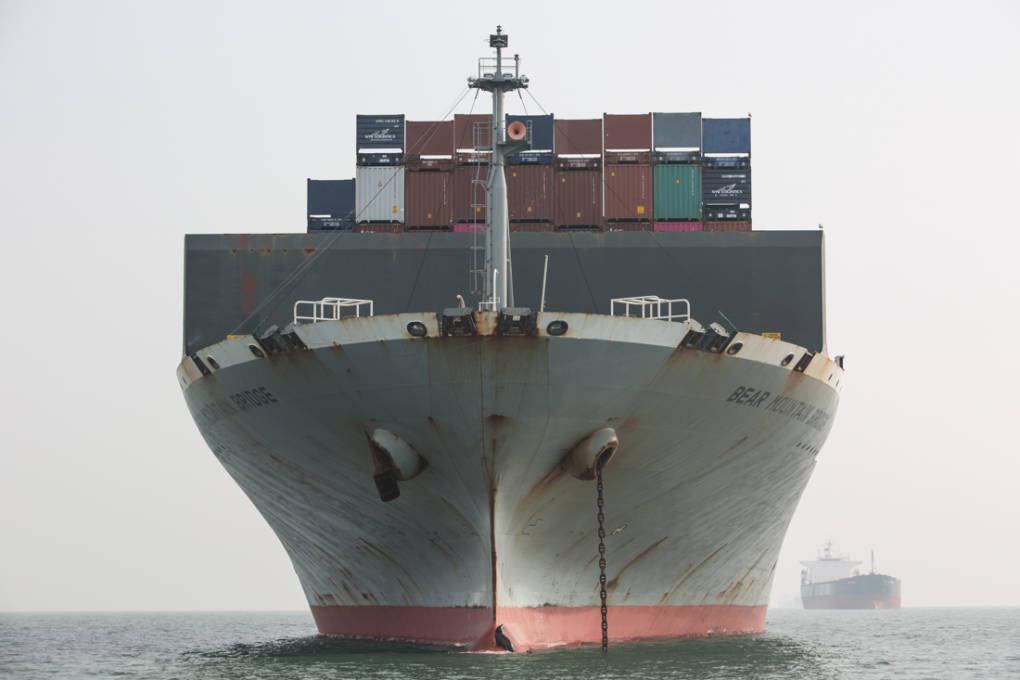
"caption": "A container ship waiting at Anchorage 9.",
"description": "A container ship waiting at Anchorage 9.",
"title": "BayCuriousBarges-267",
"credit": "Samantha Shanahan/KQED",
"status": "inherit",
"isLoading": false,
"fetchFailed": false
},
"news_11729451": {
"type": "attachments",
"id": "news_11729451",
"meta": {
"index": "attachments_1716263798",
"site": "news",
"id": "11729451",
"found": true
},
"parent": 11729394,
"imgSizes": {
"twentyfourteen-full-width": {
"file": "https://ww2.kqed.org/app/uploads/sites/10/2019/02/RS34810_DSC_1228-qut-1920x1280-1038x576.jpg",
"width": 1038,
"mimeType": "image/jpeg",
"height": 576
},
"thumbnail": {
"file": "https://ww2.kqed.org/app/uploads/sites/10/2019/02/RS34810_DSC_1228-qut-1920x1280-160x107.jpg",
"width": 160,
"mimeType": "image/jpeg",
"height": 107
},
"post-thumbnail": {
"file": "https://ww2.kqed.org/app/uploads/sites/10/2019/02/RS34810_DSC_1228-qut-1920x1280-672x372.jpg",
"width": 672,
"mimeType": "image/jpeg",
"height": 372
},
"kqedFullSize": {
"file": "https://ww2.kqed.org/app/uploads/sites/10/2019/02/RS34810_DSC_1228-qut-1920x1280.jpg",
"width": 1920,
"height": 1280
},
"large": {
"file": "https://ww2.kqed.org/app/uploads/sites/10/2019/02/RS34810_DSC_1228-qut-1920x1280-1020x680.jpg",
"width": 1020,
"mimeType": "image/jpeg",
"height": 680
},
"complete_open_graph": {
"file": "https://ww2.kqed.org/app/uploads/sites/10/2019/02/RS34810_DSC_1228-qut-1920x1280-1200x800.jpg",
"width": 1200,
"mimeType": "image/jpeg",
"height": 800
},
"guest-author-50": {
"file": "https://ww2.kqed.org/app/uploads/sites/10/2019/02/RS34810_DSC_1228-qut-1920x1280-50x50.jpg",
"width": 50,
"mimeType": "image/jpeg",
"height": 50
},
"guest-author-96": {
"file": "https://ww2.kqed.org/app/uploads/sites/10/2019/02/RS34810_DSC_1228-qut-1920x1280-96x96.jpg",
"width": 96,
"mimeType": "image/jpeg",
"height": 96
},
"medium": {
"file": "https://ww2.kqed.org/app/uploads/sites/10/2019/02/RS34810_DSC_1228-qut-1920x1280-800x533.jpg",
"width": 800,
"mimeType": "image/jpeg",
"height": 533
},
"guest-author-64": {
"file": "https://ww2.kqed.org/app/uploads/sites/10/2019/02/RS34810_DSC_1228-qut-1920x1280-64x64.jpg",
"width": 64,
"mimeType": "image/jpeg",
"height": 64
},
"guest-author-32": {
"file": "https://ww2.kqed.org/app/uploads/sites/10/2019/02/RS34810_DSC_1228-qut-1920x1280-32x32.jpg",
"width": 32,
"mimeType": "image/jpeg",
"height": 32
},
"full-width": {
"file": "https://ww2.kqed.org/app/uploads/sites/10/2019/02/RS34810_DSC_1228-qut-1920x1280-1920x1280.jpg",
"width": 1920,
"mimeType": "image/jpeg",
"height": 1280
},
"guest-author-128": {
"file": "https://ww2.kqed.org/app/uploads/sites/10/2019/02/RS34810_DSC_1228-qut-1920x1280-128x128.jpg",
"width": 128,
"mimeType": "image/jpeg",
"height": 128
}
},
"publishDate": 1551298872,
"modified": 1551298919,
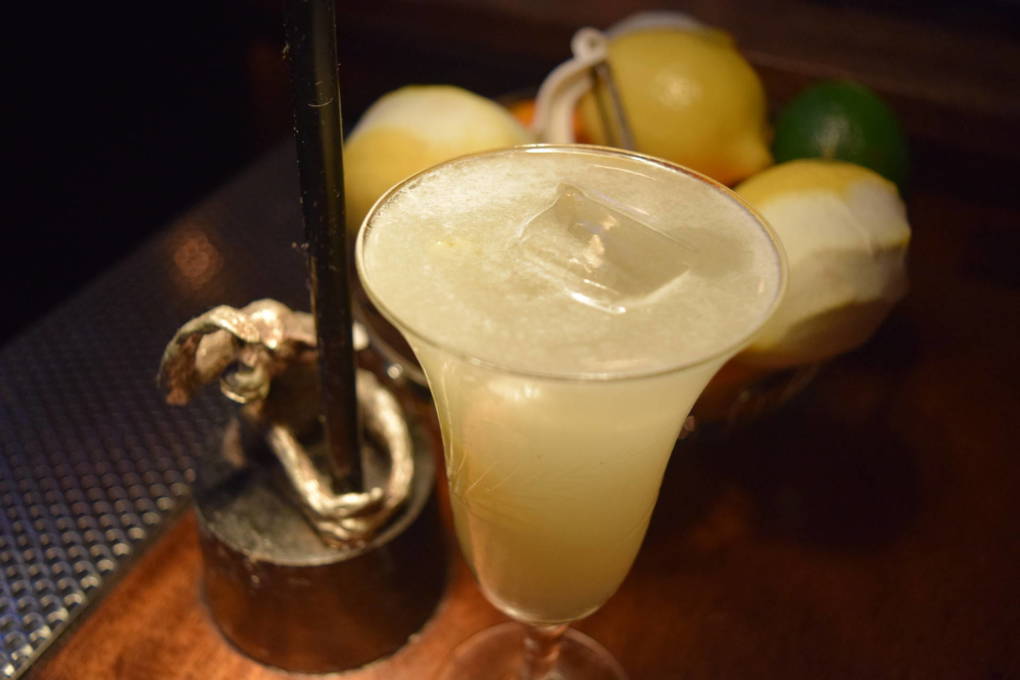
"caption": "In the late 1800s, Pisco Punch wasn’t just a drink. Ordering a glass was a status symbol.",
"description": "In the late 1800s, Pisco Punch wasn’t just a drink. Ordering a glass was a status symbol.",
"title": "RS34810_DSC_1228-qut-1920x1280",
"credit": "Carly Severn/KQED",
"status": "inherit",
"isLoading": false,
"fetchFailed": false
},
"news_11727504": {
"type": "attachments",
"id": "news_11727504",
"meta": {
"index": "attachments_1716263798",
"site": "news",
"id": "11727504",
"found": true
},
"parent": 11727502,
"imgSizes": {
"twentyfourteen-full-width": {
"file": "https://ww2.kqed.org/app/uploads/sites/10/2019/02/Sather-Tower-final-1038x576.jpg",
"width": 1038,
"mimeType": "image/jpeg",
"height": 576
},
"thumbnail": {
"file": "https://ww2.kqed.org/app/uploads/sites/10/2019/02/Sather-Tower-final-160x90.jpg",
"width": 160,
"mimeType": "image/jpeg",
"height": 90
},
"post-thumbnail": {
"file": "https://ww2.kqed.org/app/uploads/sites/10/2019/02/Sather-Tower-final-672x372.jpg",
"width": 672,
"mimeType": "image/jpeg",
"height": 372
},
"kqedFullSize": {
"file": "https://ww2.kqed.org/app/uploads/sites/10/2019/02/Sather-Tower-final.jpg",
"width": 1920,
"height": 1080
},
"large": {
"file": "https://ww2.kqed.org/app/uploads/sites/10/2019/02/Sather-Tower-final-1020x574.jpg",
"width": 1020,
"mimeType": "image/jpeg",
"height": 574
},
"complete_open_graph": {
"file": "https://ww2.kqed.org/app/uploads/sites/10/2019/02/Sather-Tower-final-1200x675.jpg",
"width": 1200,
"mimeType": "image/jpeg",
"height": 675
},
"guest-author-50": {
"file": "https://ww2.kqed.org/app/uploads/sites/10/2019/02/Sather-Tower-final-50x50.jpg",
"width": 50,
"mimeType": "image/jpeg",
"height": 50
},
"guest-author-96": {
"file": "https://ww2.kqed.org/app/uploads/sites/10/2019/02/Sather-Tower-final-96x96.jpg",
"width": 96,
"mimeType": "image/jpeg",
"height": 96
},
"medium": {
"file": "https://ww2.kqed.org/app/uploads/sites/10/2019/02/Sather-Tower-final-800x450.jpg",
"width": 800,
"mimeType": "image/jpeg",
"height": 450
},
"guest-author-64": {
"file": "https://ww2.kqed.org/app/uploads/sites/10/2019/02/Sather-Tower-final-64x64.jpg",
"width": 64,
"mimeType": "image/jpeg",
"height": 64
},
"guest-author-32": {
"file": "https://ww2.kqed.org/app/uploads/sites/10/2019/02/Sather-Tower-final-32x32.jpg",
"width": 32,
"mimeType": "image/jpeg",
"height": 32
},
"full-width": {
"file": "https://ww2.kqed.org/app/uploads/sites/10/2019/02/Sather-Tower-final-1920x1080.jpg",
"width": 1920,
"mimeType": "image/jpeg",
"height": 1080
},
"detail": {
"file": "https://ww2.kqed.org/app/uploads/sites/10/2019/02/Sather-Tower-final-150x150.jpg",
"width": 150,
"mimeType": "image/jpeg",
"height": 150
},
"guest-author-128": {
"file": "https://ww2.kqed.org/app/uploads/sites/10/2019/02/Sather-Tower-final-128x128.jpg",
"width": 128,
"mimeType": "image/jpeg",
"height": 128
}
},
"publishDate": 1550693717,
"modified": 1550712764,
"caption": "Fossils from prehistoric California can be found inside UC Berkeley's Campanile, including the mammoth, dire wolf, giant bison and camel.",
"description": "Fossils from prehistoric California can be found inside U.C. Berkeley's Campanile, including the mammoth, dire wolf, giant bison and camel.",
"title": "Sather-Tower-final",
"credit": "Elena Lacey/KQED",
"status": "inherit",
"isLoading": false,
"fetchFailed": false
},
"news_11726036": {
"type": "attachments",
"id": "news_11726036",
"meta": {
"index": "attachments_1716263798",
"site": "news",
"id": "11726036",
"found": true
},
"parent": 11721192,
"imgSizes": {
"twentyfourteen-full-width": {
"file": "https://ww2.kqed.org/app/uploads/sites/10/2019/02/bay-curious-illo-elena-lacey-3-1038x576.jpg",
"width": 1038,
"mimeType": "image/jpeg",
"height": 576
},
"thumbnail": {
"file": "https://ww2.kqed.org/app/uploads/sites/10/2019/02/bay-curious-illo-elena-lacey-3-160x79.jpg",
"width": 160,
"mimeType": "image/jpeg",
"height": 79
},
"post-thumbnail": {
"file": "https://ww2.kqed.org/app/uploads/sites/10/2019/02/bay-curious-illo-elena-lacey-3-672x372.jpg",
"width": 672,
"mimeType": "image/jpeg",
"height": 372
},
"kqedFullSize": {
"file": "https://ww2.kqed.org/app/uploads/sites/10/2019/02/bay-curious-illo-elena-lacey-3.jpg",
"width": 1920,
"height": 952
},
"large": {
"file": "https://ww2.kqed.org/app/uploads/sites/10/2019/02/bay-curious-illo-elena-lacey-3-1020x506.jpg",
"width": 1020,
"mimeType": "image/jpeg",
"height": 506
},
"complete_open_graph": {
"file": "https://ww2.kqed.org/app/uploads/sites/10/2019/02/bay-curious-illo-elena-lacey-3-1200x595.jpg",
"width": 1200,
"mimeType": "image/jpeg",
"height": 595
},
"guest-author-50": {
"file": "https://ww2.kqed.org/app/uploads/sites/10/2019/02/bay-curious-illo-elena-lacey-3-50x50.jpg",
"width": 50,
"mimeType": "image/jpeg",
"height": 50
},
"guest-author-96": {
"file": "https://ww2.kqed.org/app/uploads/sites/10/2019/02/bay-curious-illo-elena-lacey-3-96x96.jpg",
"width": 96,
"mimeType": "image/jpeg",
"height": 96
},
"medium": {
"file": "https://ww2.kqed.org/app/uploads/sites/10/2019/02/bay-curious-illo-elena-lacey-3-800x397.jpg",
"width": 800,
"mimeType": "image/jpeg",
"height": 397
},
"guest-author-64": {
"file": "https://ww2.kqed.org/app/uploads/sites/10/2019/02/bay-curious-illo-elena-lacey-3-64x64.jpg",
"width": 64,
"mimeType": "image/jpeg",
"height": 64
},
"guest-author-32": {
"file": "https://ww2.kqed.org/app/uploads/sites/10/2019/02/bay-curious-illo-elena-lacey-3-32x32.jpg",
"width": 32,
"mimeType": "image/jpeg",
"height": 32
},
"full-width": {
"file": "https://ww2.kqed.org/app/uploads/sites/10/2019/02/bay-curious-illo-elena-lacey-3-1920x952.jpg",
"width": 1920,
"mimeType": "image/jpeg",
"height": 952
},
"detail": {
"file": "https://ww2.kqed.org/app/uploads/sites/10/2019/02/bay-curious-illo-elena-lacey-3-150x150.jpg",
"width": 150,
"mimeType": "image/jpeg",
"height": 150
},
"guest-author-128": {
"file": "https://ww2.kqed.org/app/uploads/sites/10/2019/02/bay-curious-illo-elena-lacey-3-128x128.jpg",
"width": 128,
"mimeType": "image/jpeg",
"height": 128
}
},
"publishDate": 1550101050,
"modified": 1550106604,
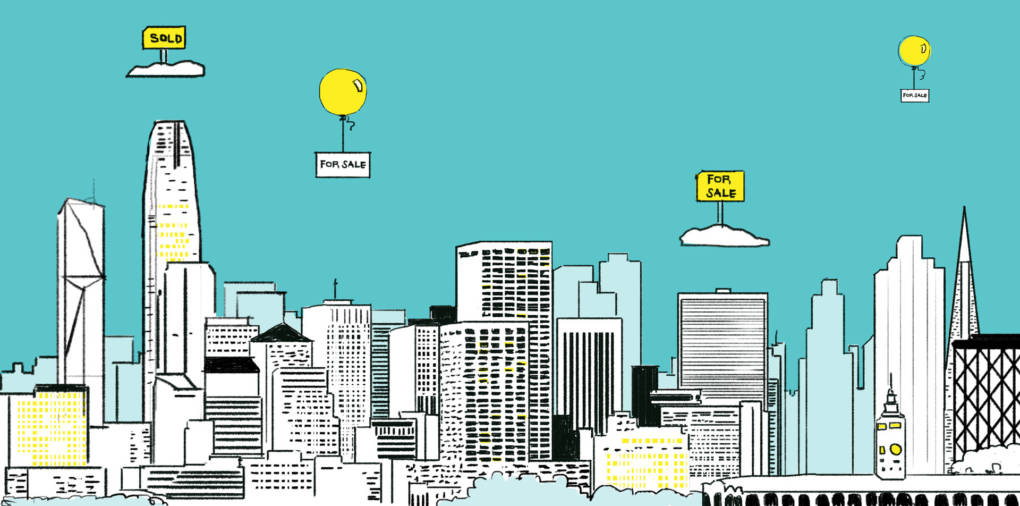
"caption": "Owners of historic buildings might be able to sell the air above their structures so that developers elsewhere can build higher. ",
"description": "Owners of historic buildings might be able to sell the air above their building, so developers elsewhere can build higher. ",
"title": "bay-curious-illo-elena-lacey-3",
"credit": "Elena Lacey/KQED",
"status": "inherit",
"isLoading": false,
"fetchFailed": false
},
"news_11719189": {
"type": "attachments",
"id": "news_11719189",
"meta": {
"index": "attachments_1716263798",
"site": "news",
"id": "11719189",
"found": true
},
"parent": 11719177,
"imgSizes": {
"twentyfourteen-full-width": {
"file": "https://ww2.kqed.org/app/uploads/sites/10/2019/01/RS34679_Mile_Rocks_Light_5177670938-qut-800x576.jpg",
"width": 800,
"mimeType": "image/jpeg",
"height": 576
},
"thumbnail": {
"file": "https://ww2.kqed.org/app/uploads/sites/10/2019/01/RS34679_Mile_Rocks_Light_5177670938-qut-160x120.jpg",
"width": 160,
"mimeType": "image/jpeg",
"height": 120
},
"post-thumbnail": {
"file": "https://ww2.kqed.org/app/uploads/sites/10/2019/01/RS34679_Mile_Rocks_Light_5177670938-qut-672x372.jpg",
"width": 672,
"mimeType": "image/jpeg",
"height": 372
},
"kqedFullSize": {
"file": "https://ww2.kqed.org/app/uploads/sites/10/2019/01/RS34679_Mile_Rocks_Light_5177670938-qut.jpg",
"width": 800,
"height": 600
},
"guest-author-50": {
"file": "https://ww2.kqed.org/app/uploads/sites/10/2019/01/RS34679_Mile_Rocks_Light_5177670938-qut-50x50.jpg",
"width": 50,
"mimeType": "image/jpeg",
"height": 50
},
"guest-author-96": {
"file": "https://ww2.kqed.org/app/uploads/sites/10/2019/01/RS34679_Mile_Rocks_Light_5177670938-qut-96x96.jpg",
"width": 96,
"mimeType": "image/jpeg",
"height": 96
},
"medium": {
"file": "https://ww2.kqed.org/app/uploads/sites/10/2019/01/RS34679_Mile_Rocks_Light_5177670938-qut-800x600.jpg",
"width": 800,
"mimeType": "image/jpeg",
"height": 600
},
"guest-author-64": {
"file": "https://ww2.kqed.org/app/uploads/sites/10/2019/01/RS34679_Mile_Rocks_Light_5177670938-qut-64x64.jpg",
"width": 64,
"mimeType": "image/jpeg",
"height": 64
},
"detail": {
"file": "https://ww2.kqed.org/app/uploads/sites/10/2019/01/RS34679_Mile_Rocks_Light_5177670938-qut-150x150.jpg",
"width": 150,
"mimeType": "image/jpeg",
"height": 150
},
"guest-author-32": {
"file": "https://ww2.kqed.org/app/uploads/sites/10/2019/01/RS34679_Mile_Rocks_Light_5177670938-qut-32x32.jpg",
"width": 32,
"mimeType": "image/jpeg",
"height": 32
},
"guest-author-128": {
"file": "https://ww2.kqed.org/app/uploads/sites/10/2019/01/RS34679_Mile_Rocks_Light_5177670938-qut-128x128.jpg",
"width": 128,
"mimeType": "image/jpeg",
"height": 128
}
},
"publishDate": 1547794906,
"modified": 1547795013,
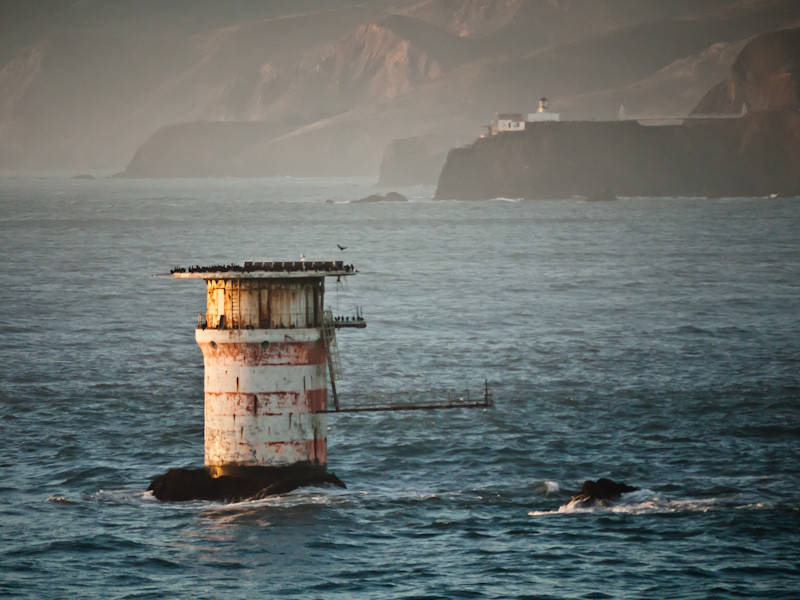
"caption": "Mile Rocks Lighthouse in 2010. The lighthouse opened in 1906 as a three-tier lighthouse, but its top two tiers were removed in the 1960s.",
"description": "Mile Rocks Lighthouse in 2010. The lighthouse opened in 1906 as a three-tier lighthouse, but its top two tiers were removed in the 1960s.",
"title": "RS34679_Mile_Rocks_Light_(5177670938)-qut",
"credit": "Charles Nadeau via Wikimedia Commons",
"status": "inherit",
"isLoading": false,
"fetchFailed": false
},
"news_11718953": {
"type": "attachments",
"id": "news_11718953",
"meta": {
"index": "attachments_1716263798",
"site": "news",
"id": "11718953",
"found": true
},
"parent": 11718629,
"imgSizes": {
"twentyfourteen-full-width": {
"file": "https://ww2.kqed.org/app/uploads/sites/10/2019/01/RS13356_459889074-qut-1038x576.jpg",
"width": 1038,
"mimeType": "image/jpeg",
"height": 576
},
"thumbnail": {
"file": "https://ww2.kqed.org/app/uploads/sites/10/2019/01/RS13356_459889074-qut-160x107.jpg",
"width": 160,
"mimeType": "image/jpeg",
"height": 107
},
"post-thumbnail": {
"file": "https://ww2.kqed.org/app/uploads/sites/10/2019/01/RS13356_459889074-qut-672x372.jpg",
"width": 672,
"mimeType": "image/jpeg",
"height": 372
},
"kqedFullSize": {
"file": "https://ww2.kqed.org/app/uploads/sites/10/2019/01/RS13356_459889074-qut.jpg",
"width": 1440,
"height": 960
},
"large": {
"file": "https://ww2.kqed.org/app/uploads/sites/10/2019/01/RS13356_459889074-qut-1020x680.jpg",
"width": 1020,
"mimeType": "image/jpeg",
"height": 680
},
"complete_open_graph": {
"file": "https://ww2.kqed.org/app/uploads/sites/10/2019/01/RS13356_459889074-qut-1200x800.jpg",
"width": 1200,
"mimeType": "image/jpeg",
"height": 800
},
"guest-author-50": {
"file": "https://ww2.kqed.org/app/uploads/sites/10/2019/01/RS13356_459889074-qut-50x50.jpg",
"width": 50,
"mimeType": "image/jpeg",
"height": 50
},
"guest-author-96": {
"file": "https://ww2.kqed.org/app/uploads/sites/10/2019/01/RS13356_459889074-qut-96x96.jpg",
"width": 96,
"mimeType": "image/jpeg",
"height": 96
},
"medium": {
"file": "https://ww2.kqed.org/app/uploads/sites/10/2019/01/RS13356_459889074-qut-800x533.jpg",
"width": 800,
"mimeType": "image/jpeg",
"height": 533
},
"guest-author-64": {
"file": "https://ww2.kqed.org/app/uploads/sites/10/2019/01/RS13356_459889074-qut-64x64.jpg",
"width": 64,
"mimeType": "image/jpeg",
"height": 64
},
"guest-author-32": {
"file": "https://ww2.kqed.org/app/uploads/sites/10/2019/01/RS13356_459889074-qut-32x32.jpg",
"width": 32,
"mimeType": "image/jpeg",
"height": 32
},
"detail": {
"file": "https://ww2.kqed.org/app/uploads/sites/10/2019/01/RS13356_459889074-qut-150x150.jpg",
"width": 150,
"mimeType": "image/jpeg",
"height": 150
},
"guest-author-128": {
"file": "https://ww2.kqed.org/app/uploads/sites/10/2019/01/RS13356_459889074-qut-128x128.jpg",
"width": 128,
"mimeType": "image/jpeg",
"height": 128
}
},
"publishDate": 1547752758,
"modified": 1547752823,
"caption": "Bay Area drivers have always needed information on traffic. How that information is collected has changed over the decades.",
"description": "Bay Area drivers have always needed information on traffic. How that information is collected has changed over the decades.",
"title": "RS13356_459889074-qut",
"credit": "Justin Sullivan/Getty Images",
"status": "inherit",
"isLoading": false,
"fetchFailed": false
},
"news_11714228": {
"type": "attachments",
"id": "news_11714228",
"meta": {
"index": "attachments_1716263798",
"site": "news",
"id": "11714228",
"found": true
},
"parent": 11714223,
"imgSizes": {
"small": {
"file": "https://ww2.kqed.org/app/uploads/sites/10/2018/12/2A563CF5-ADAF-4B46-A452-CC8520972AD7-520x390.jpg",
"width": 520,
"mimeType": "image/jpeg",
"height": 390
},
"twentyfourteen-full-width": {
"file": "https://ww2.kqed.org/app/uploads/sites/10/2018/12/2A563CF5-ADAF-4B46-A452-CC8520972AD7-1038x576.jpg",
"width": 1038,
"mimeType": "image/jpeg",
"height": 576
},
"thumbnail": {
"file": "https://ww2.kqed.org/app/uploads/sites/10/2018/12/2A563CF5-ADAF-4B46-A452-CC8520972AD7-160x120.jpg",
"width": 160,
"mimeType": "image/jpeg",
"height": 120
},
"fd-sm": {
"file": "https://ww2.kqed.org/app/uploads/sites/10/2018/12/2A563CF5-ADAF-4B46-A452-CC8520972AD7-960x720.jpg",
"width": 960,
"mimeType": "image/jpeg",
"height": 720
},
"post-thumbnail": {
"file": "https://ww2.kqed.org/app/uploads/sites/10/2018/12/2A563CF5-ADAF-4B46-A452-CC8520972AD7-672x372.jpg",
"width": 672,
"mimeType": "image/jpeg",
"height": 372
},
"xsmall": {
"file": "https://ww2.kqed.org/app/uploads/sites/10/2018/12/2A563CF5-ADAF-4B46-A452-CC8520972AD7-375x281.jpg",
"width": 375,
"mimeType": "image/jpeg",
"height": 281
},
"kqedFullSize": {
"file": "https://ww2.kqed.org/app/uploads/sites/10/2018/12/2A563CF5-ADAF-4B46-A452-CC8520972AD7-e1547135608567.jpg",
"width": 1920,
"height": 1440
},
"large": {
"file": "https://ww2.kqed.org/app/uploads/sites/10/2018/12/2A563CF5-ADAF-4B46-A452-CC8520972AD7-1020x765.jpg",
"width": 1020,
"mimeType": "image/jpeg",
"height": 765
},
"xlarge": {
"file": "https://ww2.kqed.org/app/uploads/sites/10/2018/12/2A563CF5-ADAF-4B46-A452-CC8520972AD7-1180x885.jpg",
"width": 1180,
"mimeType": "image/jpeg",
"height": 885
},
"complete_open_graph": {
"file": "https://ww2.kqed.org/app/uploads/sites/10/2018/12/2A563CF5-ADAF-4B46-A452-CC8520972AD7-1200x900.jpg",
"width": 1200,
"mimeType": "image/jpeg",
"height": 900
},
"guest-author-50": {
"file": "https://ww2.kqed.org/app/uploads/sites/10/2018/12/2A563CF5-ADAF-4B46-A452-CC8520972AD7-50x50.jpg",
"width": 50,
"mimeType": "image/jpeg",
"height": 50
},
"guest-author-96": {
"file": "https://ww2.kqed.org/app/uploads/sites/10/2018/12/2A563CF5-ADAF-4B46-A452-CC8520972AD7-96x96.jpg",
"width": 96,
"mimeType": "image/jpeg",
"height": 96
},
"medium": {
"file": "https://ww2.kqed.org/app/uploads/sites/10/2018/12/2A563CF5-ADAF-4B46-A452-CC8520972AD7-800x600.jpg",
"width": 800,
"mimeType": "image/jpeg",
"height": 600
},
"guest-author-64": {
"file": "https://ww2.kqed.org/app/uploads/sites/10/2018/12/2A563CF5-ADAF-4B46-A452-CC8520972AD7-64x64.jpg",
"width": 64,
"mimeType": "image/jpeg",
"height": 64
},
"guest-author-32": {
"file": "https://ww2.kqed.org/app/uploads/sites/10/2018/12/2A563CF5-ADAF-4B46-A452-CC8520972AD7-32x32.jpg",
"width": 32,
"mimeType": "image/jpeg",
"height": 32
},
"fd-lrg": {
"file": "https://ww2.kqed.org/app/uploads/sites/10/2018/12/2A563CF5-ADAF-4B46-A452-CC8520972AD7-1920x1440.jpg",
"width": 1920,
"mimeType": "image/jpeg",
"height": 1440
},
"fd-med": {
"file": "https://ww2.kqed.org/app/uploads/sites/10/2018/12/2A563CF5-ADAF-4B46-A452-CC8520972AD7-1180x885.jpg",
"width": 1180,
"mimeType": "image/jpeg",
"height": 885
},
"full-width": {
"file": "https://ww2.kqed.org/app/uploads/sites/10/2018/12/2A563CF5-ADAF-4B46-A452-CC8520972AD7-1920x1440.jpg",
"width": 1920,
"mimeType": "image/jpeg",
"height": 1440
},
"detail": {
"file": "https://ww2.kqed.org/app/uploads/sites/10/2018/12/2A563CF5-ADAF-4B46-A452-CC8520972AD7-150x150.jpg",
"width": 150,
"mimeType": "image/jpeg",
"height": 150
},
"guest-author-128": {
"file": "https://ww2.kqed.org/app/uploads/sites/10/2018/12/2A563CF5-ADAF-4B46-A452-CC8520972AD7-128x128.jpg",
"width": 128,
"mimeType": "image/jpeg",
"height": 128
},
"xxsmall": {
"file": "https://ww2.kqed.org/app/uploads/sites/10/2018/12/2A563CF5-ADAF-4B46-A452-CC8520972AD7-240x180.jpg",
"width": 240,
"mimeType": "image/jpeg",
"height": 180
}
},
"publishDate": 1545352541,
"modified": 1547153616,
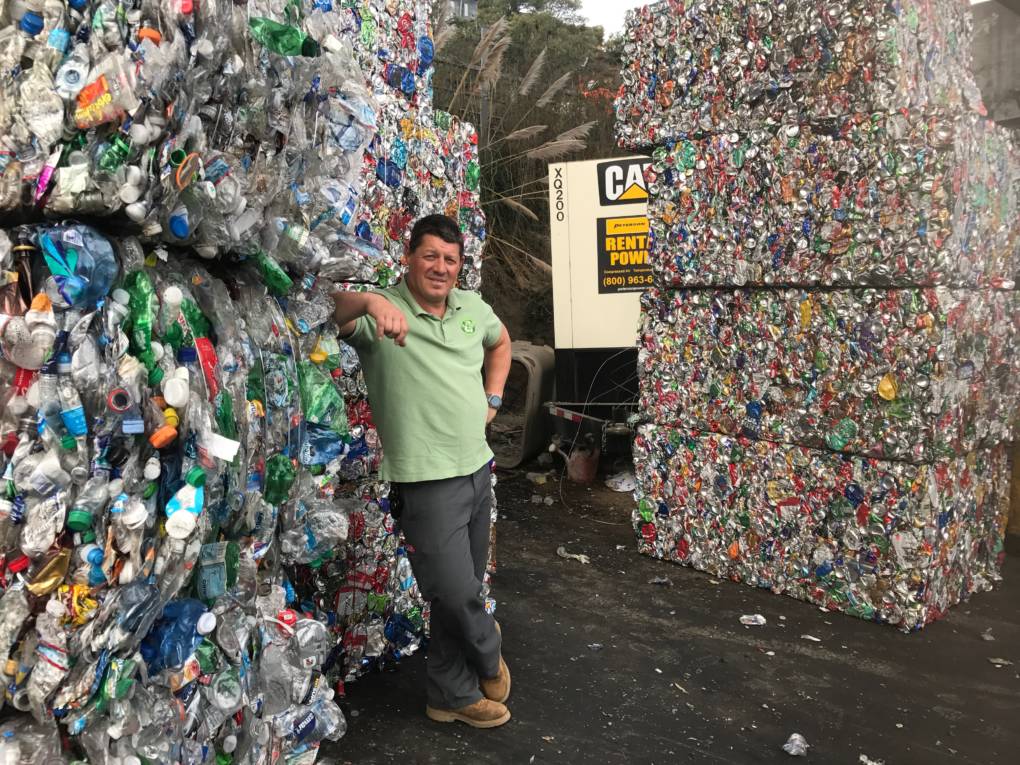
"caption": "Ors Csaszar, owner of Our Planet Recycling SF, stands besides bales of cans and bottles. ",
"description": "Ors Csaszar, owner of Our Planet Recycling SF, stands besides bales of cans and bottles.",
"title": "Ors Csaszar, owner of Our Planet Recycling SF, stands besides bales of cans and bottles.",
"credit": "Jessica Placzek/KQED",
"status": "inherit",
"isLoading": false,
"fetchFailed": false
},
"news_11712707": {
"type": "attachments",
"id": "news_11712707",
"meta": {
"index": "attachments_1716263798",
"site": "news",
"id": "11712707",
"found": true
},
"parent": 11712325,
"imgSizes": {
"twentyfourteen-full-width": {
"file": "https://ww2.kqed.org/app/uploads/sites/10/2018/12/RS34474_IMG_4923-qut-2-1038x576.jpg",
"width": 1038,
"mimeType": "image/jpeg",
"height": 576
},
"thumbnail": {
"file": "https://ww2.kqed.org/app/uploads/sites/10/2018/12/RS34474_IMG_4923-qut-2-160x120.jpg",
"width": 160,
"mimeType": "image/jpeg",
"height": 120
},
"post-thumbnail": {
"file": "https://ww2.kqed.org/app/uploads/sites/10/2018/12/RS34474_IMG_4923-qut-2-672x372.jpg",
"width": 672,
"mimeType": "image/jpeg",
"height": 372
},
"kqedFullSize": {
"file": "https://ww2.kqed.org/app/uploads/sites/10/2018/12/RS34474_IMG_4923-qut-2.jpg",
"width": 1920,
"height": 1440
},
"large": {
"file": "https://ww2.kqed.org/app/uploads/sites/10/2018/12/RS34474_IMG_4923-qut-2-1020x765.jpg",
"width": 1020,
"mimeType": "image/jpeg",
"height": 765
},
"complete_open_graph": {
"file": "https://ww2.kqed.org/app/uploads/sites/10/2018/12/RS34474_IMG_4923-qut-2-1200x900.jpg",
"width": 1200,
"mimeType": "image/jpeg",
"height": 900
},
"guest-author-50": {
"file": "https://ww2.kqed.org/app/uploads/sites/10/2018/12/RS34474_IMG_4923-qut-2-50x50.jpg",
"width": 50,
"mimeType": "image/jpeg",
"height": 50
},
"guest-author-96": {
"file": "https://ww2.kqed.org/app/uploads/sites/10/2018/12/RS34474_IMG_4923-qut-2-96x96.jpg",
"width": 96,
"mimeType": "image/jpeg",
"height": 96
},
"medium": {
"file": "https://ww2.kqed.org/app/uploads/sites/10/2018/12/RS34474_IMG_4923-qut-2-800x600.jpg",
"width": 800,
"mimeType": "image/jpeg",
"height": 600
},
"guest-author-64": {
"file": "https://ww2.kqed.org/app/uploads/sites/10/2018/12/RS34474_IMG_4923-qut-2-64x64.jpg",
"width": 64,
"mimeType": "image/jpeg",
"height": 64
},
"guest-author-32": {
"file": "https://ww2.kqed.org/app/uploads/sites/10/2018/12/RS34474_IMG_4923-qut-2-32x32.jpg",
"width": 32,
"mimeType": "image/jpeg",
"height": 32
},
"full-width": {
"file": "https://ww2.kqed.org/app/uploads/sites/10/2018/12/RS34474_IMG_4923-qut-2-1920x1440.jpg",
"width": 1920,
"mimeType": "image/jpeg",
"height": 1440
},
"detail": {
"file": "https://ww2.kqed.org/app/uploads/sites/10/2018/12/RS34474_IMG_4923-qut-2-150x150.jpg",
"width": 150,
"mimeType": "image/jpeg",
"height": 150
},
"guest-author-128": {
"file": "https://ww2.kqed.org/app/uploads/sites/10/2018/12/RS34474_IMG_4923-qut-2-128x128.jpg",
"width": 128,
"mimeType": "image/jpeg",
"height": 128
}
},
"publishDate": 1544826807,
"modified": 1544826862,
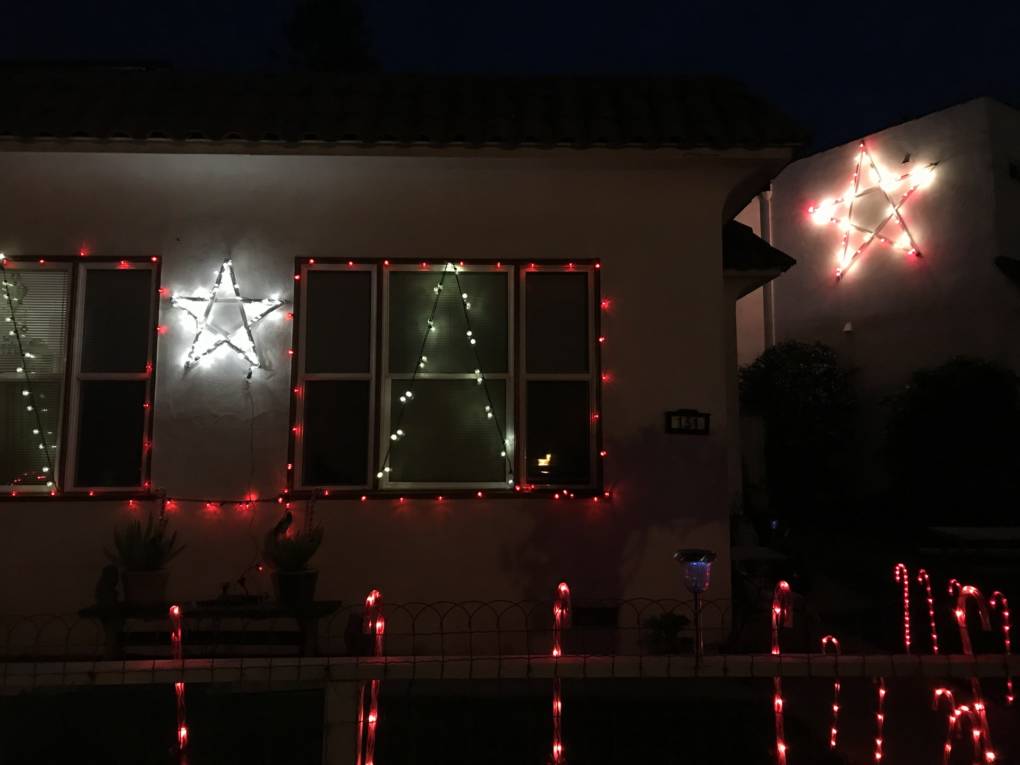
"caption": "Houses in Brisbane decorated with the city's iconic stars.",
"description": null,
"title": "RS34474_IMG_4923-qut (2)",
"credit": "Bianca Taylor/KQED",
"status": "inherit",
"isLoading": false,
"fetchFailed": false
},
"news_11710287": {
"type": "attachments",
"id": "news_11710287",
"meta": {
"index": "attachments_1716263798",
"site": "news",
"id": "11710287",
"found": true
},
"parent": 11707402,
"imgSizes": {
"small": {
"file": "https://ww2.kqed.org/app/uploads/sites/10/2018/12/GettyImages-888969530-520x347.jpg",
"width": 520,
"mimeType": "image/jpeg",
"height": 347
},
"twentyfourteen-full-width": {
"file": "https://ww2.kqed.org/app/uploads/sites/10/2018/12/GettyImages-888969530-1038x576.jpg",
"width": 1038,
"mimeType": "image/jpeg",
"height": 576
},
"thumbnail": {
"file": "https://ww2.kqed.org/app/uploads/sites/10/2018/12/GettyImages-888969530-160x107.jpg",
"width": 160,
"mimeType": "image/jpeg",
"height": 107
},
"fd-sm": {
"file": "https://ww2.kqed.org/app/uploads/sites/10/2018/12/GettyImages-888969530-960x641.jpg",
"width": 960,
"mimeType": "image/jpeg",
"height": 641
},
"post-thumbnail": {
"file": "https://ww2.kqed.org/app/uploads/sites/10/2018/12/GettyImages-888969530-672x372.jpg",
"width": 672,
"mimeType": "image/jpeg",
"height": 372
},
"xsmall": {
"file": "https://ww2.kqed.org/app/uploads/sites/10/2018/12/GettyImages-888969530-375x250.jpg",
"width": 375,
"mimeType": "image/jpeg",
"height": 250
},
"kqedFullSize": {
"file": "https://ww2.kqed.org/app/uploads/sites/10/2018/12/GettyImages-888969530.jpg",
"width": 3500,
"height": 2336
},
"large": {
"file": "https://ww2.kqed.org/app/uploads/sites/10/2018/12/GettyImages-888969530-1020x681.jpg",
"width": 1020,
"mimeType": "image/jpeg",
"height": 681
},
"xlarge": {
"file": "https://ww2.kqed.org/app/uploads/sites/10/2018/12/GettyImages-888969530-1180x788.jpg",
"width": 1180,
"mimeType": "image/jpeg",
"height": 788
},
"complete_open_graph": {
"file": "https://ww2.kqed.org/app/uploads/sites/10/2018/12/GettyImages-888969530-1200x801.jpg",
"width": 1200,
"mimeType": "image/jpeg",
"height": 801
},
"guest-author-50": {
"file": "https://ww2.kqed.org/app/uploads/sites/10/2018/12/GettyImages-888969530-50x50.jpg",
"width": 50,
"mimeType": "image/jpeg",
"height": 50
},
"guest-author-96": {
"file": "https://ww2.kqed.org/app/uploads/sites/10/2018/12/GettyImages-888969530-96x96.jpg",
"width": 96,
"mimeType": "image/jpeg",
"height": 96
},
"medium": {
"file": "https://ww2.kqed.org/app/uploads/sites/10/2018/12/GettyImages-888969530-800x534.jpg",
"width": 800,
"mimeType": "image/jpeg",
"height": 534
},
"guest-author-64": {
"file": "https://ww2.kqed.org/app/uploads/sites/10/2018/12/GettyImages-888969530-64x64.jpg",
"width": 64,
"mimeType": "image/jpeg",
"height": 64
},
"guest-author-32": {
"file": "https://ww2.kqed.org/app/uploads/sites/10/2018/12/GettyImages-888969530-32x32.jpg",
"width": 32,
"mimeType": "image/jpeg",
"height": 32
},
"fd-lrg": {
"file": "https://ww2.kqed.org/app/uploads/sites/10/2018/12/GettyImages-888969530-1920x1281.jpg",
"width": 1920,
"mimeType": "image/jpeg",
"height": 1281
},
"fd-med": {
"file": "https://ww2.kqed.org/app/uploads/sites/10/2018/12/GettyImages-888969530-1180x788.jpg",
"width": 1180,
"mimeType": "image/jpeg",
"height": 788
},
"full-width": {
"file": "https://ww2.kqed.org/app/uploads/sites/10/2018/12/GettyImages-888969530-1920x1281.jpg",
"width": 1920,
"mimeType": "image/jpeg",
"height": 1281
},
"detail": {
"file": "https://ww2.kqed.org/app/uploads/sites/10/2018/12/GettyImages-888969530-150x150.jpg",
"width": 150,
"mimeType": "image/jpeg",
"height": 150
},
"guest-author-128": {
"file": "https://ww2.kqed.org/app/uploads/sites/10/2018/12/GettyImages-888969530-128x128.jpg",
"width": 128,
"mimeType": "image/jpeg",
"height": 128
},
"xxsmall": {
"file": "https://ww2.kqed.org/app/uploads/sites/10/2018/12/GettyImages-888969530-240x160.jpg",
"width": 240,
"mimeType": "image/jpeg",
"height": 160
}
},
"publishDate": 1544048727,
"modified": 1544048778,
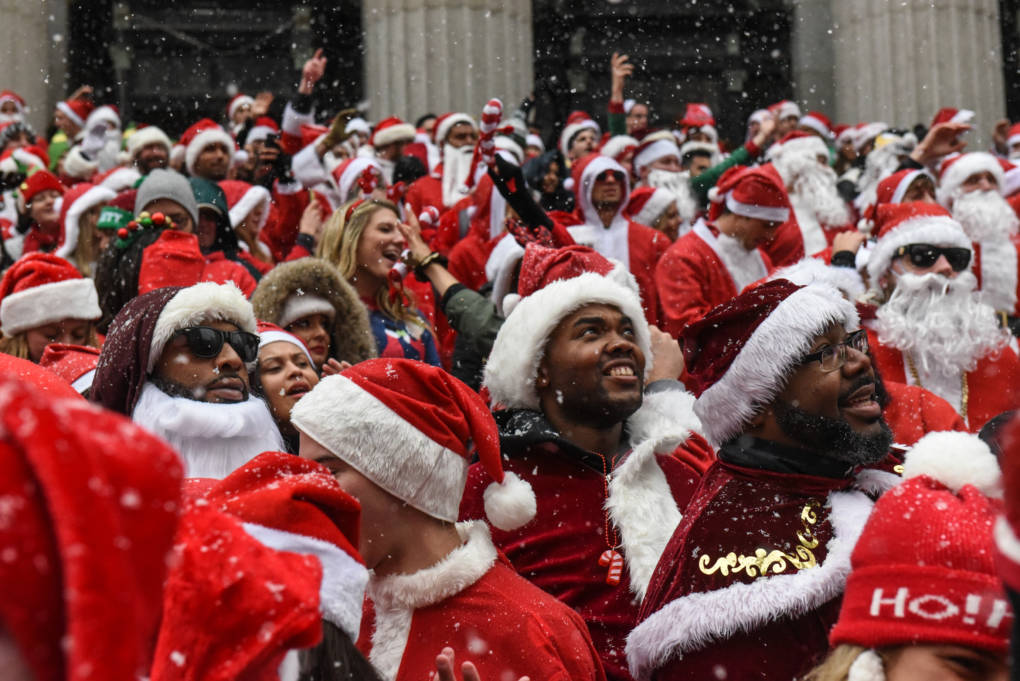
"caption": "The annual bar crawl that is SantaCon is now celebrated in cities around the globe. But it got its start in San Francisco. ",
"description": "The annual bar crawl that is SantaCon is now celebrated in cities around the globe. But it got its start in San Francisco. ",
"title": "Annual Santacon Bar Crawl Takes Place Through New York City",
"credit": "Stephanie Keith/Getty Images",
"status": "inherit",
"isLoading": false,
"fetchFailed": false
},
"news_11708577": {
"type": "attachments",
"id": "news_11708577",
"meta": {
"index": "attachments_1716263798",
"site": "news",
"id": "11708577",
"found": true
},
"parent": 11708498,
"imgSizes": {
"twentyfourteen-full-width": {
"file": "https://ww2.kqed.org/app/uploads/sites/10/2018/11/139700796_33d94da667_o-1038x576.jpg",
"width": 1038,
"mimeType": "image/jpeg",
"height": 576
},
"thumbnail": {
"file": "https://ww2.kqed.org/app/uploads/sites/10/2018/11/139700796_33d94da667_o-160x120.jpg",
"width": 160,
"mimeType": "image/jpeg",
"height": 120
},
"post-thumbnail": {
"file": "https://ww2.kqed.org/app/uploads/sites/10/2018/11/139700796_33d94da667_o-672x372.jpg",
"width": 672,
"mimeType": "image/jpeg",
"height": 372
},
"kqedFullSize": {
"file": "https://ww2.kqed.org/app/uploads/sites/10/2018/11/139700796_33d94da667_o.jpg",
"width": 2592,
"height": 1944
},
"large": {
"file": "https://ww2.kqed.org/app/uploads/sites/10/2018/11/139700796_33d94da667_o-1020x765.jpg",
"width": 1020,
"mimeType": "image/jpeg",
"height": 765
},
"complete_open_graph": {
"file": "https://ww2.kqed.org/app/uploads/sites/10/2018/11/139700796_33d94da667_o-1200x900.jpg",
"width": 1200,
"mimeType": "image/jpeg",
"height": 900
},
"guest-author-50": {
"file": "https://ww2.kqed.org/app/uploads/sites/10/2018/11/139700796_33d94da667_o-50x50.jpg",
"width": 50,
"mimeType": "image/jpeg",
"height": 50
},
"guest-author-96": {
"file": "https://ww2.kqed.org/app/uploads/sites/10/2018/11/139700796_33d94da667_o-96x96.jpg",
"width": 96,
"mimeType": "image/jpeg",
"height": 96
},
"medium": {
"file": "https://ww2.kqed.org/app/uploads/sites/10/2018/11/139700796_33d94da667_o-800x600.jpg",
"width": 800,
"mimeType": "image/jpeg",
"height": 600
},
"guest-author-64": {
"file": "https://ww2.kqed.org/app/uploads/sites/10/2018/11/139700796_33d94da667_o-64x64.jpg",
"width": 64,
"mimeType": "image/jpeg",
"height": 64
},
"guest-author-32": {
"file": "https://ww2.kqed.org/app/uploads/sites/10/2018/11/139700796_33d94da667_o-32x32.jpg",
"width": 32,
"mimeType": "image/jpeg",
"height": 32
},
"full-width": {
"file": "https://ww2.kqed.org/app/uploads/sites/10/2018/11/139700796_33d94da667_o-1920x1440.jpg",
"width": 1920,
"mimeType": "image/jpeg",
"height": 1440
},
"detail": {
"file": "https://ww2.kqed.org/app/uploads/sites/10/2018/11/139700796_33d94da667_o-150x150.jpg",
"width": 150,
"mimeType": "image/jpeg",
"height": 150
},
"guest-author-128": {
"file": "https://ww2.kqed.org/app/uploads/sites/10/2018/11/139700796_33d94da667_o-128x128.jpg",
"width": 128,
"mimeType": "image/jpeg",
"height": 128
}
},
"publishDate": 1543362891,
"modified": 1543363109,
"caption": "Millions of dollars worth of bikes or bike parts were stolen in San Francisco last year. ",
"description": "Millions of dollars worth of bikes or bike parts were stolen in San Francisco last year. ",
"title": "139700796_33d94da667_o",
"credit": "\u003ca href=\"https://www.flickr.com/photos/dan4th/139700796/\" target=\"_blank\">Dan4th Nicholas\u003c/a>/Flickr",
"status": "inherit",
"isLoading": false,
"fetchFailed": false
},
"news_11707850": {
"type": "attachments",
"id": "news_11707850",
"meta": {
"index": "attachments_1716263798",
"site": "news",
"id": "11707850",
"found": true
},
"parent": 11707699,
"imgSizes": {
"twentyfourteen-full-width": {
"file": "https://ww2.kqed.org/app/uploads/sites/10/2018/11/RS34036_IMG_7365-qut-1038x576.jpg",
"width": 1038,
"mimeType": "image/jpeg",
"height": 576
},
"thumbnail": {
"file": "https://ww2.kqed.org/app/uploads/sites/10/2018/11/RS34036_IMG_7365-qut-160x147.jpg",
"width": 160,
"mimeType": "image/jpeg",
"height": 147
},
"post-thumbnail": {
"file": "https://ww2.kqed.org/app/uploads/sites/10/2018/11/RS34036_IMG_7365-qut-672x372.jpg",
"width": 672,
"mimeType": "image/jpeg",
"height": 372
},
"kqedFullSize": {
"file": "https://ww2.kqed.org/app/uploads/sites/10/2018/11/RS34036_IMG_7365-qut.jpg",
"width": 1920,
"height": 1761
},
"large": {
"file": "https://ww2.kqed.org/app/uploads/sites/10/2018/11/RS34036_IMG_7365-qut-1020x936.jpg",
"width": 1020,
"mimeType": "image/jpeg",
"height": 936
},
"complete_open_graph": {
"file": "https://ww2.kqed.org/app/uploads/sites/10/2018/11/RS34036_IMG_7365-qut-1200x1101.jpg",
"width": 1200,
"mimeType": "image/jpeg",
"height": 1101
},
"guest-author-50": {
"file": "https://ww2.kqed.org/app/uploads/sites/10/2018/11/RS34036_IMG_7365-qut-50x50.jpg",
"width": 50,
"mimeType": "image/jpeg",
"height": 50
},
"guest-author-96": {
"file": "https://ww2.kqed.org/app/uploads/sites/10/2018/11/RS34036_IMG_7365-qut-96x96.jpg",
"width": 96,
"mimeType": "image/jpeg",
"height": 96
},
"medium": {
"file": "https://ww2.kqed.org/app/uploads/sites/10/2018/11/RS34036_IMG_7365-qut-800x734.jpg",
"width": 800,
"mimeType": "image/jpeg",
"height": 734
},
"guest-author-64": {
"file": "https://ww2.kqed.org/app/uploads/sites/10/2018/11/RS34036_IMG_7365-qut-64x64.jpg",
"width": 64,
"mimeType": "image/jpeg",
"height": 64
},
"guest-author-32": {
"file": "https://ww2.kqed.org/app/uploads/sites/10/2018/11/RS34036_IMG_7365-qut-32x32.jpg",
"width": 32,
"mimeType": "image/jpeg",
"height": 32
},
"full-width": {
"file": "https://ww2.kqed.org/app/uploads/sites/10/2018/11/RS34036_IMG_7365-qut-1920x1761.jpg",
"width": 1920,
"mimeType": "image/jpeg",
"height": 1761
},
"detail": {
"file": "https://ww2.kqed.org/app/uploads/sites/10/2018/11/RS34036_IMG_7365-qut-150x150.jpg",
"width": 150,
"mimeType": "image/jpeg",
"height": 150
},
"guest-author-128": {
"file": "https://ww2.kqed.org/app/uploads/sites/10/2018/11/RS34036_IMG_7365-qut-128x128.jpg",
"width": 128,
"mimeType": "image/jpeg",
"height": 128
}
},
"publishDate": 1542839244,
"modified": 1542839274,
"caption": "Salted chocolate chip tahini cookies, made with Guittard chocolate chips, using a recipe adapted from the author and food blogger David Lebovitz.",
"description": "Salted chocolate chip tahini cookies, made with Guittard chocolate chips, using a recipe adapted from the author and food blogger David Lebovitz.",
"title": "RS34036_IMG_7365-qut",
"credit": "Rachael Myrow/KQED",
"status": "inherit",
"isLoading": false,
"fetchFailed": false
}
},
"audioPlayerReducer": {
"postId": "stream_live",
"isPaused": true,
"isPlaying": false,
"pfsActive": false,
"pledgeModalIsOpen": true,
"playerDrawerIsOpen": false,
"liveAudioPlayStartedAt": 0,
"liveAudioPlayContext": ""
},
"authorsReducer": {
"byline_news_11727502": {
"type": "authors",
"id": "byline_news_11727502",
"meta": {
"override": true
},
"slug": "byline_news_11727502",
"name": "Daniel Potter",
"isLoading": false
},
"byline_news_11719177": {
"type": "authors",
"id": "byline_news_11719177",
"meta": {
"override": true
},
"slug": "byline_news_11719177",
"name": "\u003ca href=\"https://www.kalw.org/people/chris-hambrick#stream/0\">Chris Hambrick\u003c/a>",
"isLoading": false
},
"byline_news_11707402": {
"type": "authors",
"id": "byline_news_11707402",
"meta": {
"override": true
},
"slug": "byline_news_11707402",
"name": "\u003cb>Sonia Paul\u003c/b>",
"isLoading": false
},
"byline_news_11708992": {
"type": "authors",
"id": "byline_news_11708992",
"meta": {
"override": true
},
"slug": "byline_news_11708992",
"name": "Daniel Potter",
"isLoading": false
},
"ohubertallen": {
"type": "authors",
"id": "102",
"meta": {
"index": "authors_1716337520",
"id": "102",
"found": true
},
"name": "Olivia Allen-Price",
"firstName": "Olivia",
"lastName": "Allen-Price",
"slug": "ohubertallen",
"email": "oallenprice@kqed.org",
"display_author_email": false,
"staff_mastheads": [
"news"
],
"title": "Senior Editor",
"bio": "Olivia Allen-Price is senior editor and host of the award-winning Bay Curious podcast. Prior to joining KQED in 2013, Olivia worked at The Baltimore Sun and The Virginian-Pilot in Norfolk, Va. She holds degrees in journalism and political science from Elon University. Her work has earned awards from the Society of Professional Journalists, the Hearst Foundation and Hearken. She loves to talk about running and curly hair.\r\n\r\nFollow: \u003ca href=\"https://twitter.com/oallenprice\">@oallenprice\u003c/a>\r\nEmail: \u003ca href=\"mailto:oallenprice@kqed.org\">oallenprice@kqed.org\u003c/a>",
"avatar": "https://secure.gravatar.com/avatar/07f7803c1f6be56f3be58ef276dfa64dce898502e0554408ef4858451a8294f7?s=600&d=blank&r=g",
"twitter": "oallenprice",
"bluesky": null,
"facebook": null,
"instagram": null,
"linkedin": null,
"sites": [
{
"site": "",
"roles": [
"editor"
]
},
{
"site": "arts",
"roles": [
"subscriber"
]
},
{
"site": "news",
"roles": [
"administrator"
]
},
{
"site": "pop",
"roles": [
"administrator"
]
},
{
"site": "bayareabites",
"roles": [
"contributor"
]
},
{
"site": "stateofhealth",
"roles": [
"administrator"
]
},
{
"site": "science",
"roles": [
"editor"
]
}
],
"headData": {
"title": "Olivia Allen-Price | KQED",
"description": "Senior Editor",
"ogImgSrc": "https://secure.gravatar.com/avatar/07f7803c1f6be56f3be58ef276dfa64dce898502e0554408ef4858451a8294f7?s=600&d=blank&r=g",
"twImgSrc": "https://secure.gravatar.com/avatar/07f7803c1f6be56f3be58ef276dfa64dce898502e0554408ef4858451a8294f7?s=600&d=blank&r=g"
},
"isLoading": false,
"link": "/author/ohubertallen"
},
"rachael-myrow": {
"type": "authors",
"id": "251",
"meta": {
"index": "authors_1716337520",
"id": "251",
"found": true
},
"name": "Rachael Myrow",
"firstName": "Rachael",
"lastName": "Myrow",
"slug": "rachael-myrow",
"email": "rmyrow@kqed.org",
"display_author_email": true,
"staff_mastheads": [
"news"
],
"title": "Senior Editor of KQED's Silicon Valley News Desk",
"bio": "• I write and edit stories about how Silicon Valley power and policies shape everyday life in California. I’m also passionate about making Bay Area history and culture more accessible to a broad public. • I’ve been a journalist for most of my life, starting in high school with The Franklin Press in Los Angeles, where I grew up. While earning my first degree in English at UC Berkeley, I got my start in public radio at KALX-FM. After completing a second degree in journalism at Cal, I landed my first professional job at Marketplace, then moved on to KPCC (now LAist), and then KQED, where I hosted The California Report for more than seven years. • My reporting has appeared on NPR, The World, WBUR’s \u003ci>Here & Now\u003c/i>, and the BBC. I also guest host for KQED’s \u003ci>Forum\u003c/i>, as well as the Commonwealth Club in San Francisco. • I speak periodically on media, democracy and technology issues, and do voiceover work for documentaries and educational video projects. • Outside of the studio, you'll find me hiking Bay Area trails and whipping up Insta-ready meals in my kitchen. • I do not accept gifts, money, or favors from anyone connected to my reporting, I don't pay people for information, and I do not support or donate to political causes. • I strive to treat the people I report on with fairness, honesty, and respect. I also recognize there are often multiple sides to a story and work to verify information through multiple sources and documentation. If I get something wrong, I correct it.",
"avatar": "https://secure.gravatar.com/avatar/3ed8a3c5f26025e4a805ba634cda8cd764906b97438a6d9ce216b044e340da4e?s=600&d=blank&r=g",
"twitter": "rachaelmyrow",
"bluesky": null,
"facebook": null,
"instagram": null,
"linkedin": "https://www.linkedin.com/in/rachaelmyrow/",
"sites": [
{
"site": "arts",
"roles": [
"administrator"
]
},
{
"site": "news",
"roles": [
"edit_others_posts",
"editor"
]
},
{
"site": "futureofyou",
"roles": [
"editor"
]
},
{
"site": "bayareabites",
"roles": [
"editor"
]
},
{
"site": "stateofhealth",
"roles": [
"editor"
]
},
{
"site": "science",
"roles": [
"editor"
]
},
{
"site": "food",
"roles": [
"editor"
]
},
{
"site": "forum",
"roles": [
"editor"
]
},
{
"site": "liveblog",
"roles": [
"author"
]
}
],
"headData": {
"title": "Rachael Myrow | KQED",
"description": "Senior Editor of KQED's Silicon Valley News Desk",
"ogImgSrc": "https://secure.gravatar.com/avatar/3ed8a3c5f26025e4a805ba634cda8cd764906b97438a6d9ce216b044e340da4e?s=600&d=blank&r=g",
"twImgSrc": "https://secure.gravatar.com/avatar/3ed8a3c5f26025e4a805ba634cda8cd764906b97438a6d9ce216b044e340da4e?s=600&d=blank&r=g"
},
"isLoading": false,
"link": "/author/rachael-myrow"
},
"kdomara": {
"type": "authors",
"id": "1459",
"meta": {
"index": "authors_1716337520",
"id": "1459",
"found": true
},
"name": "Kelly O'Mara",
"firstName": "Kelly",
"lastName": "O'Mara",
"slug": "kdomara",
"email": "komara@kqed.org",
"display_author_email": false,
"staff_mastheads": [
"news"
],
"title": "KQED Contributor",
"bio": "Kelly O'Mara is a writer and reporter in the San Francisco Bay Area. She writes about food, health, sports, travel, business and California news. Her work has appeared on KQED, online for Outside Magazine, epsnW, VICE and in Competitor Magazine, among others. Follow Kelly on Twitter \u003ca href=\"https://twitter.com/kellydomara\">@kellydomara\u003c/a>.",
"avatar": "https://secure.gravatar.com/avatar/768fec7412028b72f13bdd0f5f9d8186?s=600&d=blank&r=g",
"twitter": null,
"facebook": null,
"instagram": null,
"linkedin": null,
"sites": [
{
"site": "arts",
"roles": []
},
{
"site": "news",
"roles": []
},
{
"site": "bayareabites",
"roles": []
},
{
"site": "stateofhealth",
"roles": []
},
{
"site": "science",
"roles": []
},
{
"site": "checkplease",
"roles": [
"editor"
]
},
{
"site": "food",
"roles": []
},
{
"site": "forum",
"roles": [
"editor"
]
},
{
"site": "liveblog",
"roles": [
"editor"
]
}
],
"headData": {
"title": "Kelly O'Mara | KQED",
"description": "KQED Contributor",
"ogImgSrc": "https://secure.gravatar.com/avatar/768fec7412028b72f13bdd0f5f9d8186?s=600&d=blank&r=g",
"twImgSrc": "https://secure.gravatar.com/avatar/768fec7412028b72f13bdd0f5f9d8186?s=600&d=blank&r=g"
},
"isLoading": false,
"link": "/author/kdomara"
},
"carlysevern": {
"type": "authors",
"id": "3243",
"meta": {
"index": "authors_1716337520",
"id": "3243",
"found": true
},
"name": "Carly Severn",
"firstName": "Carly",
"lastName": "Severn",
"slug": "carlysevern",
"email": "csevern@kqed.org",
"display_author_email": false,
"staff_mastheads": [
"news"
],
"title": "Senior Editor, Audience News ",
"bio": "Carly is KQED's Senior Editor of Audience News on the Digital News team, and has reported for the California Report Magazine, Bay Curious and KQED Arts. She's formerly the host of \u003ca href=\"http://ww2.kqed.org/pop/category/the-cooler/\" rel=\"noopener noreferrer\">The Cooler\u003c/a> podcast.",
"avatar": "https://secure.gravatar.com/avatar/54037bf5c128fe678f0ef26cec97a93f2e7f220a22d7285703328f12c42c1b1d?s=600&d=blank&r=g",
"twitter": "teacupinthebay",
"bluesky": null,
"facebook": null,
"instagram": null,
"linkedin": null,
"sites": [
{
"site": "",
"roles": [
"editor"
]
},
{
"site": "arts",
"roles": [
"editor"
]
},
{
"site": "news",
"roles": [
"administrator"
]
},
{
"site": "pop",
"roles": [
"editor"
]
},
{
"site": "futureofyou",
"roles": [
"editor"
]
},
{
"site": "about",
"roles": [
"administrator"
]
},
{
"site": "mindshift",
"roles": [
"editor"
]
},
{
"site": "bayareabites",
"roles": [
"editor"
]
},
{
"site": "stateofhealth",
"roles": [
"editor"
]
},
{
"site": "science",
"roles": [
"editor"
]
},
{
"site": "food",
"roles": [
"contributor"
]
},
{
"site": "forum",
"roles": [
"editor"
]
},
{
"site": "perspectives",
"roles": [
"administrator"
]
},
{
"site": "liveblog",
"roles": [
"editor"
]
}
],
"headData": {
"title": "Carly Severn | KQED",
"description": "Senior Editor, Audience News ",
"ogImgSrc": "https://secure.gravatar.com/avatar/54037bf5c128fe678f0ef26cec97a93f2e7f220a22d7285703328f12c42c1b1d?s=600&d=blank&r=g",
"twImgSrc": "https://secure.gravatar.com/avatar/54037bf5c128fe678f0ef26cec97a93f2e7f220a22d7285703328f12c42c1b1d?s=600&d=blank&r=g"
},
"isLoading": false,
"link": "/author/carlysevern"
},
"jplaczek": {
"type": "authors",
"id": "8606",
"meta": {
"index": "authors_1716337520",
"id": "8606",
"found": true
},
"name": "Jessica Placzek",
"firstName": "Jessica",
"lastName": "Placzek",
"slug": "jplaczek",
"email": "jessicalplaczek@gmail.com",
"display_author_email": false,
"staff_mastheads": [
"news"
],
"title": "KQED Contributor",
"bio": "Jessica Placzek is a former senior editor of podcasts at KQED where she served as the editorial lead of the podcast department. She worked with shows like MindShift, Rightnowish, Consider This, SOLD OUT, Bay Curious and The Bay. She’s also been a reporter and audio producer at KQED, KPFA, and KALW. She taught audio production to men incarcerated at California State Prison Solano and edited pieces they produced for the Uncuffed podcast through KALW. In 2018 she co-hosted and produced the third season of Raw Material for SFMOMA. In New Orleans she wrote for the Nola Defender. Her work has also appeared on Marketplace, All Things Considered, The California Report, and Vice. You can find more at jessicaplaczek.com",
"avatar": "https://secure.gravatar.com/avatar/5ead103b5880f672eceb84ce75eecd1b4b6f74a47edc457684a73ad5b8b158e9?s=600&d=blank&r=g",
"twitter": null,
"bluesky": null,
"facebook": null,
"instagram": null,
"linkedin": null,
"sites": [
{
"site": "arts",
"roles": [
"subscriber"
]
},
{
"site": "news",
"roles": [
"subscriber"
]
},
{
"site": "stateofhealth",
"roles": [
"editor"
]
},
{
"site": "forum",
"roles": [
"editor"
]
}
],
"headData": {
"title": "Jessica Placzek | KQED",
"description": "KQED Contributor",
"ogImgSrc": "https://secure.gravatar.com/avatar/5ead103b5880f672eceb84ce75eecd1b4b6f74a47edc457684a73ad5b8b158e9?s=600&d=blank&r=g",
"twImgSrc": "https://secure.gravatar.com/avatar/5ead103b5880f672eceb84ce75eecd1b4b6f74a47edc457684a73ad5b8b158e9?s=600&d=blank&r=g"
},
"isLoading": false,
"link": "/author/jplaczek"
},
"rlevi": {
"type": "authors",
"id": "11260",
"meta": {
"index": "authors_1716337520",
"id": "11260",
"found": true
},
"name": "Ryan Levi",
"firstName": "Ryan",
"lastName": "Levi",
"slug": "rlevi",
"email": "rlevi@KQED.org",
"display_author_email": false,
"staff_mastheads": [],
"title": "KQED Contributor",
"bio": "Ryan Levi was a reporter and podcast producer at KQED News from 2016-2019. He worked on \u003ca href=\"https://www.kqed.org/news/series/baycurious\">Bay Curious\u003c/a>, \u003ca href=\"https://www.kqed.org/news/tag/the-bay/\">The Bay, \u003c/a>and \u003ca href=\"https://podcasts.apple.com/us/podcast/the-california-report-magazine/id1314750545\">The California Report Magazine\u003c/a>, as well as hosting and producing the weekly \u003ca href=\"https://www.kqed.org/news/program/qedup/\">Q'ed Up podcast. \u003c/a>He also helped inaugurate KQED's weekend news coverage in 2017 as one of two original digital producers. Ryan holds degrees in multimedia journalism and Spanish from the University of Missouri.",
"avatar": "https://secure.gravatar.com/avatar/4cb2ddd028ac8807d1adf09609c5555d?s=600&d=blank&r=g",
"twitter": "ryan_levi",
"facebook": null,
"instagram": null,
"linkedin": null,
"sites": [
{
"site": "arts",
"roles": [
"editor"
]
},
{
"site": "news",
"roles": [
"subscriber"
]
},
{
"site": "stateofhealth",
"roles": [
"editor"
]
},
{
"site": "science",
"roles": [
"editor"
]
},
{
"site": "forum",
"roles": [
"administrator"
]
},
{
"site": "perspectives",
"roles": [
"administrator"
]
}
],
"headData": {
"title": "Ryan Levi | KQED",
"description": "KQED Contributor",
"ogImgSrc": "https://secure.gravatar.com/avatar/4cb2ddd028ac8807d1adf09609c5555d?s=600&d=blank&r=g",
"twImgSrc": "https://secure.gravatar.com/avatar/4cb2ddd028ac8807d1adf09609c5555d?s=600&d=blank&r=g"
},
"isLoading": false,
"link": "/author/rlevi"
},
"scraig": {
"type": "authors",
"id": "11327",
"meta": {
"index": "authors_1716337520",
"id": "11327",
"found": true
},
"name": "Sarah Craig",
"firstName": "Sarah",
"lastName": "Craig",
"slug": "scraig",
"email": "scraig@KQED.org",
"display_author_email": false,
"staff_mastheads": [],
"title": "KQED Contributor",
"bio": "Sarah Craig is a freelance radio reporter and documentary photographer. She is currently working on \u003cem>Dreams of Dust\u003c/em>, @dreamsofdust, a multimedia project that documents stories of climate migration in California’s Central Valley, previously funded by the California Humanities. Her completed projects include \u003cem>\u003ca href=\"http://www.facesoffracking.org/\" target=\"_blank\" rel=\"nofollow noopener noreferrer\">Faces of Fracking\u003c/a>,\u003c/em> an investigation into the impact of fracking on the people and places of California, and \u003cem>\u003ca href=\"http://sarahcraig.visura.co/gulf-disaster-2\" target=\"_blank\" rel=\"nofollow noopener noreferrer\">The Gulf Disaster\u003c/a>,\u003c/em> stories on the lives of fishermen in the aftermath of the BP spill. Her work has been published by Marketplace, KQED's Bay Curious and Q'ed Up podcasts, KQED's California Report Magazine, KALW's Crosscurrents, Grist.org, High Country News, Earth Island Journal, and others. Sarah received a B.A. in Geography at Vassar College and attended the \u003ca href=\"http://www.salt.edu/\" target=\"_blank\" rel=\"nofollow noopener noreferrer\">Salt Institute of Documentary Studies\u003c/a> in Portland, ME. She recently received an Excellence in Journalism Award from the NorCal Society of Professional Journalists for her documentary radio piece, \u003ca href=\"http://kalw.org/post/215-will-water-come#stream/0\">\"Will the Water Come.\"\u003c/a> Email: scraig@kqed.org Twitter: @sarahcraigmedia Website: sarahcraigmedia.com",
"avatar": "https://secure.gravatar.com/avatar/97f17950c828429d3df9f2907412a50b?s=600&d=blank&r=g",
"twitter": null,
"facebook": null,
"instagram": null,
"linkedin": null,
"sites": [
{
"site": "news",
"roles": [
"subscriber"
]
},
{
"site": "science",
"roles": [
"editor"
]
}
],
"headData": {
"title": "Sarah Craig | KQED",
"description": "KQED Contributor",
"ogImgSrc": "https://secure.gravatar.com/avatar/97f17950c828429d3df9f2907412a50b?s=600&d=blank&r=g",
"twImgSrc": "https://secure.gravatar.com/avatar/97f17950c828429d3df9f2907412a50b?s=600&d=blank&r=g"
},
"isLoading": false,
"link": "/author/scraig"
},
"btaylor": {
"type": "authors",
"id": "11365",
"meta": {
"index": "authors_1716337520",
"id": "11365",
"found": true
},
"name": "Bianca Taylor",
"firstName": "Bianca",
"lastName": "Taylor",
"slug": "btaylor",
"email": "btaylor@KQED.org",
"display_author_email": false,
"staff_mastheads": [
"news"
],
"title": "Host and Producer ",
"bio": "Bianca Taylor is a news producer and host of KQED's The Latest podcast.\r\n\r\nHer work with KQED has been honored by the Society of Professional Journalists NorCal, the Webby's, the Regional Murrow Awards, and ONA. She has also worked with NPR, the BBC World Service, and the Washington Post Creative Group.\r\n\r\nBianca is represented by SAG-AFTRA.",
"avatar": "https://secure.gravatar.com/avatar/6b9d3f6552dd10470c5d1c2e58cfe717?s=600&d=blank&r=g",
"twitter": "SoundsLkeBianca",
"facebook": null,
"instagram": null,
"linkedin": null,
"sites": [
{
"site": "arts",
"roles": [
"editor"
]
},
{
"site": "news",
"roles": [
"edit_others_posts",
"editor"
]
},
{
"site": "pop",
"roles": [
"editor"
]
},
{
"site": "bayareabites",
"roles": [
"author"
]
},
{
"site": "science",
"roles": [
"editor"
]
},
{
"site": "forum",
"roles": [
"editor"
]
},
{
"site": "radio",
"roles": [
"editor"
]
},
{
"site": "podcasts",
"roles": [
"editor"
]
}
],
"headData": {
"title": "Bianca Taylor | KQED",
"description": "Host and Producer ",
"ogImgSrc": "https://secure.gravatar.com/avatar/6b9d3f6552dd10470c5d1c2e58cfe717?s=600&d=blank&r=g",
"twImgSrc": "https://secure.gravatar.com/avatar/6b9d3f6552dd10470c5d1c2e58cfe717?s=600&d=blank&r=g"
},
"isLoading": false,
"link": "/author/btaylor"
}
},
"pagesReducer": {
"news_program_bay-curious": {
"type": "terms",
"id": "news_33523",
"meta": {
"index": "terms_1716263798",
"site": "news",
"id": "33523",
"score": 15.085616
},
"featImg": null,
"name": "Bay Curious",
"description": null,
"taxonomy": "program",
"headData": {
"twImgId": null,
"twTitle": null,
"ogTitle": null,
"ogImgId": null,
"twDescription": null,
"description": null,
"title": "Bay Curious Archives | KQED News",
"ogDescription": null
},
"ttid": 33540,
"slug": "bay-curious",
"isLoading": false,
"title": "Bay Curious",
"pageMeta": {
"site": "news",
"WpPageTemplate": "page-topic-editorial",
"currentPage": 33
},
"blocks": [
{
"blockName": "kqed/post-list",
"attrs": {
"layout": "cardArticle2",
"query": "posts/news?program=bay-curious",
"seeMore": false,
"paginated": true,
"page": 33
}
},
{
"blockName": "kqed/ad"
}
]
}
},
"pfsSessionReducer": {},
"postsReducer": {
"stream_live": {
"type": "live",
"id": "stream_live",
"audioUrl": "https://streams.kqed.org/kqedradio",
"title": "Live Stream",
"excerpt": "Live Stream information currently unavailable.",
"link": "/radio",
"featImg": "",
"label": {
"name": "KQED Live",
"link": "/"
}
},
"stream_kqedNewscast": {
"type": "posts",
"id": "stream_kqedNewscast",
"audioUrl": "https://www.kqed.org/.stream/anon/radio/RDnews/newscast.mp3?_=1",
"title": "KQED Newscast",
"featImg": "",
"label": {
"name": "88.5 FM",
"link": "/"
}
},
"news_11731290": {
"type": "posts",
"id": "news_11731290",
"meta": {
"index": "posts_1716263798",
"site": "news",
"id": "11731290",
"score": null,
"sort": [
1552557654000
]
},
"parent": 0,
"labelTerm": {},
"blocks": [],
"publishDate": 1552557654,
"format": "standard",
"title": "How Bill Graham's Nazi Escape Might Explain His Fillmore Apples",
"headTitle": "How Bill Graham’s Nazi Escape Might Explain His Fillmore Apples | KQED",
"content": "\u003cp>To see a show put on by Bill Graham at San Francisco’s Fillmore Auditorium in the late 1960s was to see a new kind of concert experience.\u003cbr>\n[baycuriouspodcastinfo]\u003cbr>\nIt started with the musicians. Graham cultivated many of the rock and roll acts that created a new kind of music, and provided the soundtrack for the counterculture revolution. Acts like the Grateful Dead, Janis Joplin, Jimi Hendrix and Santana were regulars at the Fillmore.\u003c/p>\n\u003cp>“He used to book very unusual opening acts,” said Bonnie Simmons, executive director of the Bill Graham Memorial Foundation. “You might be coming to see the Jefferson Airplane, but the opening act would be Andrei Voznesensky, the Russian poet.”\u003c/p>\n\u003cfigure id=\"attachment_11731738\" class=\"wp-caption alignright\" style=\"max-width: 800px\">\u003cimg decoding=\"async\" loading=\"lazy\" class=\"size-medium wp-image-11731738\" src=\"https://ww2.kqed.org/news/wp-content/uploads/sites/10/2019/03/RS35731_alt_835-800x1067.jpg\" alt=\"The apples are such an iconic part of the Fillmore that the theater's marquee includes one.\" width=\"800\" height=\"1067\" srcset=\"https://ww2.kqed.org/app/uploads/sites/10/2019/03/RS35731_alt_835-800x1067.jpg 800w, https://ww2.kqed.org/app/uploads/sites/10/2019/03/RS35731_alt_835-160x213.jpg 160w, https://ww2.kqed.org/app/uploads/sites/10/2019/03/RS35731_alt_835-1020x1360.jpg 1020w, https://ww2.kqed.org/app/uploads/sites/10/2019/03/RS35731_alt_835-900x1200.jpg 900w, https://ww2.kqed.org/app/uploads/sites/10/2019/03/RS35731_alt_835-1920x2560.jpg 1920w, https://ww2.kqed.org/app/uploads/sites/10/2019/03/RS35731_alt_835.jpg 1536w\" sizes=\"(max-width: 800px) 100vw, 800px\">\u003cfigcaption class=\"wp-caption-text\">The apples are such an iconic part of the Fillmore that the theater’s marquee includes one. \u003ccite>(Ryan Levi/KQED)\u003c/cite>\u003c/figcaption>\u003c/figure>\n\u003cp>But maybe the oddest aspect of Graham’s Fillmore shows had nothing to do with the performances at all. At every show, concertgoers were greeted by a barrel of Red Delicious apples, free for the taking.\u003c/p>\n\u003cp>Simmons remembers seeing the apples when she went to concerts at the Fillmore in the 1960s. When the venue in the city’s Western Addition reopened under new management in the mid-1990s, the apple tradition continued.\u003c/p>\n\u003cp>“Of all the shows that I’ve been to and all the different venues, it’s the only place that hands out fruit,” said Sandra Julien, who’s been going to shows at the Fillmore since she moved to the Bay Area eight years ago.\u003c/p>\n\u003cp>Julien wanted to know more, and asked \u003ca href=\"https://www.kqed.org/news/series/baycurious\" target=\"_blank\" rel=\"noopener\">Bay Curious\u003c/a>: \u003cstrong>Why does the Fillmore hand out free apples?\u003c/strong>\u003c/p>\n\u003cp>Graham, who was killed in a helicopter crash in 1991, never explained his reasoning behind the apples, leaving others to guess at his motivation.\u003c/p>\n\u003cp>Some say that he wanted to give the broke hippies who came to his shows something nutritious to eat. Many believe that it was an extension of his famous hospitality, which he learned working as a waiter in the Catskills.\u003cbr>\n[ad fullwidth]\u003cbr>\n“To my mind the barrel of apples was Bill’s attempt to welcome people to his house,” said Bob Greenfield, who co-wrote Graham’s autobiography.\u003c/p>\n\u003cp>But about a decade ago, Bonnie Simmons stumbled on another possible explanation that dates back to Graham’s experience fleeing Nazi Germany as a child.\u003c/p>\n\u003ch3>Fleeing the Holocaust\u003c/h3>\n\u003cp>Graham was born Wolfgang Grajonca to a Jewish family in Berlin in 1931. After Nazis brutally attacked Jewish synagogues, homes and businesses in a 1938 event that came to be known as \u003ca href=\"https://www.history.com/topics/holocaust/kristallnacht\" target=\"_blank\" rel=\"noopener\">Kristallnacht\u003c/a>, or the Night of Broken Glass, Graham’s single mother put him and one of his sisters in a German orphanage to protect them from the government.\u003c/p>\n\u003cp>The following year, they were sent to an orphanage in France. It was the beginning of an arduous journey through Europe and Africa that would kill his sister and eventually ended with young Graham in 1939 getting on a boat bound for the United States, where he was adopted by a family in New York.\u003c/p>\n\u003cp>Also on that journey was a boy named Ralph Moratz, who became friends with Graham when they met at the German orphanage.\u003c/p>\n\u003cfigure id=\"attachment_11732886\" class=\"wp-caption alignright\" style=\"max-width: 450px\">\u003cimg decoding=\"async\" loading=\"lazy\" src=\"https://ww2.kqed.org/news/wp-content/uploads/sites/10/2019/03/RS35805_Bill_Graham-qut.jpg\" alt=\"Bill Graham, circa 1990.\" width=\"450\" height=\"309\" class=\"size-full wp-image-11732886\" srcset=\"https://ww2.kqed.org/app/uploads/sites/10/2019/03/RS35805_Bill_Graham-qut.jpg 450w, https://ww2.kqed.org/app/uploads/sites/10/2019/03/RS35805_Bill_Graham-qut-160x110.jpg 160w\" sizes=\"(max-width: 450px) 100vw, 450px\">\u003cfigcaption class=\"wp-caption-text\">Bill Graham, circa 1990. \u003ccite>(Photo by Mark Sarfati via Wikimedia Commons)\u003c/cite>\u003c/figcaption>\u003c/figure>\n\u003cp>“We became best friends sharing, for the next few years, the hardships imposed by the German invasion of its surrounding countries,” Moratz wrote in his \u003ca href=\"https://ralphm1935.wordpress.com/\" target=\"_blank\" rel=\"noopener\">chronicles\u003c/a> of their friendship and journey.\u003c/p>\n\u003cp>One of the kids’ early stops was a chateau in Quincy-sous-Sénart in northern France. The neighborhood was filled with German soldiers, and the kids were stuck inside with little to eat.\u003c/p>\n\u003cp>“For breakfast we got a cup of watery porridge and a thin stale slice of bread. No lunch. Dinner consisted of half a cup of rice from the one bag still stored in the cellar,” Moratz wrote. “We spent most of our time trying to sleep. Only with sleep could we get some relief from the constant hunger pangs.”\u003c/p>\n\u003cp>\u003ca href=\"https://ralphm1935.wordpress.com/2014/12/02/chapter-6-bill-graham-presents-and-the-famous-apple-barrel/\" target=\"_blank\" rel=\"noopener\">According to Moratz\u003c/a>, a few of the older boys decided to organize the kids into groups to sneak out and forage for apples from the many orchards in town. Groups of four boys would be lowered out a window in the chateau 6 feet down to the ground. They carried empty rice bags, which could fit 15 to 20 apples.\u003c/p>\n\u003cp>Younger boys, like Moratz and Graham, were sent out most often, under the assumption that they would attract less attention from German patrols. The older boys liked to vary who went out to try to avoid detection, but Moratz said Graham found a way to be a part of the raiding party more often than not.\u003c/p>\n\u003cp>“Would it surprise you to find out that Wolfgang [Graham] volunteered to go out and forage every day?” Moratz wrote.\u003c/p>\n\u003ch3>No Way to Know for Sure\u003c/h3>\n\u003cfigure id=\"attachment_11731763\" class=\"wp-caption aligncenter\" style=\"max-width: 800px\">\u003cimg decoding=\"async\" loading=\"lazy\" class=\"size-medium wp-image-11731763\" src=\"https://ww2.kqed.org/news/wp-content/uploads/sites/10/2019/03/RS35733_Filmore-Apples-qut-800x600.jpg\" alt=\"Since Bill Graham first started putting on shows at the Fillmore Auditorium in the late 1960s, the venue has put out a barrel of free apples for guests.\" width=\"800\" height=\"600\" srcset=\"https://ww2.kqed.org/app/uploads/sites/10/2019/03/RS35733_Filmore-Apples-qut-800x600.jpg 800w, https://ww2.kqed.org/app/uploads/sites/10/2019/03/RS35733_Filmore-Apples-qut-160x120.jpg 160w, https://ww2.kqed.org/app/uploads/sites/10/2019/03/RS35733_Filmore-Apples-qut-1020x765.jpg 1020w, https://ww2.kqed.org/app/uploads/sites/10/2019/03/RS35733_Filmore-Apples-qut-1200x900.jpg 1200w, https://ww2.kqed.org/app/uploads/sites/10/2019/03/RS35733_Filmore-Apples-qut.jpg 1920w\" sizes=\"(max-width: 800px) 100vw, 800px\">\u003cfigcaption class=\"wp-caption-text\">Since Bill Graham first started putting on shows at the Fillmore Auditorium in the late 1960s, the venue has put out a barrel of free apples for guests. \u003ccite>(Ryan Levi/KQED)\u003c/cite>\u003c/figcaption>\u003c/figure>\n\u003cp>Graham never spoke publicly about this experience, and he rarely talked about his time during the Holocaust at all, telling people that he remembered very little of his life before making it to the United States. But that hasn’t stopped people from latching onto Moratz’s story.\u003c/p>\n\u003cp>“Many of us now believe [giving away apples] was some kind of hidden impulse to share the life preserving fruit, which saved us from certain starvation, with the public as a form of thanksgiving,” Moratz wrote.\u003c/p>\n\u003cp>Bob Greenfield, Graham’s biographer, is not convinced.\u003c/p>\n\u003cp>“He’s making a link that I don’t think Bill ever made even unconsciously,” he said of Moratz, who died in 2016. “Bill always lived in the moment. He wasn’t someone who was possessed by or living in the past.”\u003c/p>\n\u003cp>With Graham gone, we will never know for sure why the apples became a Fillmore staple. But question asker Sandra Julien said hearing about Graham’s escape from Europe makes the Fillmore even more meaningful to her.\u003c/p>\n\u003cp>“Now when I go to the Fillmore, I’m always going to think of this,” she said.\u003c/p>\n\u003cfigure id=\"attachment_11732715\" class=\"wp-caption aligncenter\" style=\"max-width: 800px\">\u003cimg decoding=\"async\" loading=\"lazy\" class=\"wp-image-11732715 size-medium\" src=\"https://ww2.kqed.org/news/wp-content/uploads/sites/10/2019/03/RS35334__DSC6258-qut-800x534.jpg\" alt=\"\" width=\"800\" height=\"534\" srcset=\"https://ww2.kqed.org/app/uploads/sites/10/2019/03/RS35334__DSC6258-qut-800x534.jpg 800w, https://ww2.kqed.org/app/uploads/sites/10/2019/03/RS35334__DSC6258-qut-160x107.jpg 160w, https://ww2.kqed.org/app/uploads/sites/10/2019/03/RS35334__DSC6258-qut-1020x681.jpg 1020w, https://ww2.kqed.org/app/uploads/sites/10/2019/03/RS35334__DSC6258-qut-1200x801.jpg 1200w, https://ww2.kqed.org/app/uploads/sites/10/2019/03/RS35334__DSC6258-qut.jpg 1920w\" sizes=\"(max-width: 800px) 100vw, 800px\">\u003cfigcaption class=\"wp-caption-text\">A concertgoer who identified himself only as Sean enjoys his first Fillmore apple while he waits for a concert to begin. \u003ccite>(Stephanie Lister/KQED)\u003c/cite>\u003c/figcaption>\u003c/figure>\n\u003cp>[baycuriousquestion]\u003c/p>\n\u003cp>[ad floatright]\u003c/p>\n",
"stats": {
"hasVideo": false,
"hasChartOrMap": false,
"hasAudio": false,
"hasPolis": false,
"wordCount": 1093,
"hasGoogleForm": false,
"hasGallery": false,
"hasHearkenModule": true,
"iframeSrcs": [],
"paragraphCount": 26
},
"modified": 1700591401,
"excerpt": "Free Red Delicious apples have been a mainstay of the iconic San Francisco music venue for many decades.",
"headData": {
"twImgId": "",
"twTitle": "",
"ogTitle": "",
"ogImgId": "",
"twDescription": "",
"description": "Free Red Delicious apples have been a mainstay of the iconic San Francisco music venue for many decades.",
"title": "How Bill Graham's Nazi Escape Might Explain His Fillmore Apples | KQED",
"ogDescription": "",
"schema": {
"@context": "https://schema.org",
"@type": "NewsArticle",
"headline": "How Bill Graham's Nazi Escape Might Explain His Fillmore Apples",
"datePublished": "2019-03-14T03:00:54-07:00",
"dateModified": "2023-11-21T10:30:01-08:00",
"image": "https://cdn.kqed.org/wp-content/uploads/2020/02/KQED-OG-Image@1x.png",
"isAccessibleForFree": "True",
"publisher": {
"@type": "NewsMediaOrganization",
"@id": "https://www.kqed.org/#organization",
"name": "KQED",
"logo": "https://cdn.kqed.org/wp-content/uploads/2020/02/KQED-OG-Image@1x.png",
"url": "https://www.kqed.org",
"sameAs": [
"https://www.facebook.com/KQED",
"https://twitter.com/KQED",
"https://www.instagram.com/kqed/",
"https://www.tiktok.com/@kqedofficial",
"https://www.linkedin.com/company/kqed",
"https://www.youtube.com/channel/UCeC0IOo7i1P_61zVUWbJ4nw"
]
}
}
},
"guestAuthors": [],
"slug": "how-bill-grahams-nazi-escape-might-explain-his-fillmore-apples",
"status": "publish",
"sourceUrl": "https://www.kqed.org/news/series/baycurious",
"audioTrackLength": 398,
"source": "Bay Curious",
"path": "/news/11731290/how-bill-grahams-nazi-escape-might-explain-his-fillmore-apples",
"audioUrl": "https://www.kqed.org/.stream/anon/radio/new-bay-curious/2019/03/FillmoreApples.mp3",
"audioDuration": 398000,
"parsedContent": [
{
"type": "contentString",
"content": "\u003cdiv class=\"post-body\">\u003cp>\u003cp>To see a show put on by Bill Graham at San Francisco’s Fillmore Auditorium in the late 1960s was to see a new kind of concert experience.\u003cbr>\n\u003c/p>\u003cp>\u003caside class=\"alignleft utils-parseShortcode-shortcodes-__bayCuriousPodcastShortcode__bayCurious\">\u003cimg src=https://cdn.kqed.org/wp-content/uploads/2023/02/bayCuriousLogo.png alt=\"Bay Curious Podcast\" loading=\"lazy\" />\n \u003ca href=\"/news/series/baycurious\">Bay Curious\u003c/a> is a podcast that answers your questions about the Bay Area.\n Subscribe on \u003ca href=\"https://itunes.apple.com/us/podcast/bay-curious/id1172473406\" target=\"_blank\" rel=\"noopener noreferrer\">Apple Podcasts\u003c/a>,\n \u003ca href=\"http://www.npr.org/podcasts/500557090/bay-curious\" target=\"_blank\" rel=\"noopener noreferrer\">NPR One\u003c/a> or your favorite podcast platform.\u003c/aside>\u003c/p>\u003cp>\u003cbr>\nIt started with the musicians. Graham cultivated many of the rock and roll acts that created a new kind of music, and provided the soundtrack for the counterculture revolution. Acts like the Grateful Dead, Janis Joplin, Jimi Hendrix and Santana were regulars at the Fillmore.\u003c/p>\n\u003cp>“He used to book very unusual opening acts,” said Bonnie Simmons, executive director of the Bill Graham Memorial Foundation. “You might be coming to see the Jefferson Airplane, but the opening act would be Andrei Voznesensky, the Russian poet.”\u003c/p>\n\u003cfigure id=\"attachment_11731738\" class=\"wp-caption alignright\" style=\"max-width: 800px\">\u003cimg decoding=\"async\" loading=\"lazy\" class=\"size-medium wp-image-11731738\" src=\"https://ww2.kqed.org/news/wp-content/uploads/sites/10/2019/03/RS35731_alt_835-800x1067.jpg\" alt=\"The apples are such an iconic part of the Fillmore that the theater's marquee includes one.\" width=\"800\" height=\"1067\" srcset=\"https://ww2.kqed.org/app/uploads/sites/10/2019/03/RS35731_alt_835-800x1067.jpg 800w, https://ww2.kqed.org/app/uploads/sites/10/2019/03/RS35731_alt_835-160x213.jpg 160w, https://ww2.kqed.org/app/uploads/sites/10/2019/03/RS35731_alt_835-1020x1360.jpg 1020w, https://ww2.kqed.org/app/uploads/sites/10/2019/03/RS35731_alt_835-900x1200.jpg 900w, https://ww2.kqed.org/app/uploads/sites/10/2019/03/RS35731_alt_835-1920x2560.jpg 1920w, https://ww2.kqed.org/app/uploads/sites/10/2019/03/RS35731_alt_835.jpg 1536w\" sizes=\"(max-width: 800px) 100vw, 800px\">\u003cfigcaption class=\"wp-caption-text\">The apples are such an iconic part of the Fillmore that the theater’s marquee includes one. \u003ccite>(Ryan Levi/KQED)\u003c/cite>\u003c/figcaption>\u003c/figure>\n\u003cp>But maybe the oddest aspect of Graham’s Fillmore shows had nothing to do with the performances at all. At every show, concertgoers were greeted by a barrel of Red Delicious apples, free for the taking.\u003c/p>\n\u003cp>Simmons remembers seeing the apples when she went to concerts at the Fillmore in the 1960s. When the venue in the city’s Western Addition reopened under new management in the mid-1990s, the apple tradition continued.\u003c/p>\n\u003cp>“Of all the shows that I’ve been to and all the different venues, it’s the only place that hands out fruit,” said Sandra Julien, who’s been going to shows at the Fillmore since she moved to the Bay Area eight years ago.\u003c/p>\n\u003cp>Julien wanted to know more, and asked \u003ca href=\"https://www.kqed.org/news/series/baycurious\" target=\"_blank\" rel=\"noopener\">Bay Curious\u003c/a>: \u003cstrong>Why does the Fillmore hand out free apples?\u003c/strong>\u003c/p>\n\u003cp>Graham, who was killed in a helicopter crash in 1991, never explained his reasoning behind the apples, leaving others to guess at his motivation.\u003c/p>\n\u003cp>Some say that he wanted to give the broke hippies who came to his shows something nutritious to eat. Many believe that it was an extension of his famous hospitality, which he learned working as a waiter in the Catskills.\u003cbr>\n\u003c/p>\u003c/div>",
"attributes": {
"named": {},
"numeric": []
}
},
{
"type": "component",
"content": "",
"name": "ad",
"attributes": {
"named": {
"label": "fullwidth"
},
"numeric": [
"fullwidth"
]
}
},
{
"type": "contentString",
"content": "\u003cdiv class=\"post-body\">\u003cp>\u003cbr>\n“To my mind the barrel of apples was Bill’s attempt to welcome people to his house,” said Bob Greenfield, who co-wrote Graham’s autobiography.\u003c/p>\n\u003cp>But about a decade ago, Bonnie Simmons stumbled on another possible explanation that dates back to Graham’s experience fleeing Nazi Germany as a child.\u003c/p>\n\u003ch3>Fleeing the Holocaust\u003c/h3>\n\u003cp>Graham was born Wolfgang Grajonca to a Jewish family in Berlin in 1931. After Nazis brutally attacked Jewish synagogues, homes and businesses in a 1938 event that came to be known as \u003ca href=\"https://www.history.com/topics/holocaust/kristallnacht\" target=\"_blank\" rel=\"noopener\">Kristallnacht\u003c/a>, or the Night of Broken Glass, Graham’s single mother put him and one of his sisters in a German orphanage to protect them from the government.\u003c/p>\n\u003cp>The following year, they were sent to an orphanage in France. It was the beginning of an arduous journey through Europe and Africa that would kill his sister and eventually ended with young Graham in 1939 getting on a boat bound for the United States, where he was adopted by a family in New York.\u003c/p>\n\u003cp>Also on that journey was a boy named Ralph Moratz, who became friends with Graham when they met at the German orphanage.\u003c/p>\n\u003cfigure id=\"attachment_11732886\" class=\"wp-caption alignright\" style=\"max-width: 450px\">\u003cimg decoding=\"async\" loading=\"lazy\" src=\"https://ww2.kqed.org/news/wp-content/uploads/sites/10/2019/03/RS35805_Bill_Graham-qut.jpg\" alt=\"Bill Graham, circa 1990.\" width=\"450\" height=\"309\" class=\"size-full wp-image-11732886\" srcset=\"https://ww2.kqed.org/app/uploads/sites/10/2019/03/RS35805_Bill_Graham-qut.jpg 450w, https://ww2.kqed.org/app/uploads/sites/10/2019/03/RS35805_Bill_Graham-qut-160x110.jpg 160w\" sizes=\"(max-width: 450px) 100vw, 450px\">\u003cfigcaption class=\"wp-caption-text\">Bill Graham, circa 1990. \u003ccite>(Photo by Mark Sarfati via Wikimedia Commons)\u003c/cite>\u003c/figcaption>\u003c/figure>\n\u003cp>“We became best friends sharing, for the next few years, the hardships imposed by the German invasion of its surrounding countries,” Moratz wrote in his \u003ca href=\"https://ralphm1935.wordpress.com/\" target=\"_blank\" rel=\"noopener\">chronicles\u003c/a> of their friendship and journey.\u003c/p>\n\u003cp>One of the kids’ early stops was a chateau in Quincy-sous-Sénart in northern France. The neighborhood was filled with German soldiers, and the kids were stuck inside with little to eat.\u003c/p>\n\u003cp>“For breakfast we got a cup of watery porridge and a thin stale slice of bread. No lunch. Dinner consisted of half a cup of rice from the one bag still stored in the cellar,” Moratz wrote. “We spent most of our time trying to sleep. Only with sleep could we get some relief from the constant hunger pangs.”\u003c/p>\n\u003cp>\u003ca href=\"https://ralphm1935.wordpress.com/2014/12/02/chapter-6-bill-graham-presents-and-the-famous-apple-barrel/\" target=\"_blank\" rel=\"noopener\">According to Moratz\u003c/a>, a few of the older boys decided to organize the kids into groups to sneak out and forage for apples from the many orchards in town. Groups of four boys would be lowered out a window in the chateau 6 feet down to the ground. They carried empty rice bags, which could fit 15 to 20 apples.\u003c/p>\n\u003cp>Younger boys, like Moratz and Graham, were sent out most often, under the assumption that they would attract less attention from German patrols. The older boys liked to vary who went out to try to avoid detection, but Moratz said Graham found a way to be a part of the raiding party more often than not.\u003c/p>\n\u003cp>“Would it surprise you to find out that Wolfgang [Graham] volunteered to go out and forage every day?” Moratz wrote.\u003c/p>\n\u003ch3>No Way to Know for Sure\u003c/h3>\n\u003cfigure id=\"attachment_11731763\" class=\"wp-caption aligncenter\" style=\"max-width: 800px\">\u003cimg decoding=\"async\" loading=\"lazy\" class=\"size-medium wp-image-11731763\" src=\"https://ww2.kqed.org/news/wp-content/uploads/sites/10/2019/03/RS35733_Filmore-Apples-qut-800x600.jpg\" alt=\"Since Bill Graham first started putting on shows at the Fillmore Auditorium in the late 1960s, the venue has put out a barrel of free apples for guests.\" width=\"800\" height=\"600\" srcset=\"https://ww2.kqed.org/app/uploads/sites/10/2019/03/RS35733_Filmore-Apples-qut-800x600.jpg 800w, https://ww2.kqed.org/app/uploads/sites/10/2019/03/RS35733_Filmore-Apples-qut-160x120.jpg 160w, https://ww2.kqed.org/app/uploads/sites/10/2019/03/RS35733_Filmore-Apples-qut-1020x765.jpg 1020w, https://ww2.kqed.org/app/uploads/sites/10/2019/03/RS35733_Filmore-Apples-qut-1200x900.jpg 1200w, https://ww2.kqed.org/app/uploads/sites/10/2019/03/RS35733_Filmore-Apples-qut.jpg 1920w\" sizes=\"(max-width: 800px) 100vw, 800px\">\u003cfigcaption class=\"wp-caption-text\">Since Bill Graham first started putting on shows at the Fillmore Auditorium in the late 1960s, the venue has put out a barrel of free apples for guests. \u003ccite>(Ryan Levi/KQED)\u003c/cite>\u003c/figcaption>\u003c/figure>\n\u003cp>Graham never spoke publicly about this experience, and he rarely talked about his time during the Holocaust at all, telling people that he remembered very little of his life before making it to the United States. But that hasn’t stopped people from latching onto Moratz’s story.\u003c/p>\n\u003cp>“Many of us now believe [giving away apples] was some kind of hidden impulse to share the life preserving fruit, which saved us from certain starvation, with the public as a form of thanksgiving,” Moratz wrote.\u003c/p>\n\u003cp>Bob Greenfield, Graham’s biographer, is not convinced.\u003c/p>\n\u003cp>“He’s making a link that I don’t think Bill ever made even unconsciously,” he said of Moratz, who died in 2016. “Bill always lived in the moment. He wasn’t someone who was possessed by or living in the past.”\u003c/p>\n\u003cp>With Graham gone, we will never know for sure why the apples became a Fillmore staple. But question asker Sandra Julien said hearing about Graham’s escape from Europe makes the Fillmore even more meaningful to her.\u003c/p>\n\u003cp>“Now when I go to the Fillmore, I’m always going to think of this,” she said.\u003c/p>\n\u003cfigure id=\"attachment_11732715\" class=\"wp-caption aligncenter\" style=\"max-width: 800px\">\u003cimg decoding=\"async\" loading=\"lazy\" class=\"wp-image-11732715 size-medium\" src=\"https://ww2.kqed.org/news/wp-content/uploads/sites/10/2019/03/RS35334__DSC6258-qut-800x534.jpg\" alt=\"\" width=\"800\" height=\"534\" srcset=\"https://ww2.kqed.org/app/uploads/sites/10/2019/03/RS35334__DSC6258-qut-800x534.jpg 800w, https://ww2.kqed.org/app/uploads/sites/10/2019/03/RS35334__DSC6258-qut-160x107.jpg 160w, https://ww2.kqed.org/app/uploads/sites/10/2019/03/RS35334__DSC6258-qut-1020x681.jpg 1020w, https://ww2.kqed.org/app/uploads/sites/10/2019/03/RS35334__DSC6258-qut-1200x801.jpg 1200w, https://ww2.kqed.org/app/uploads/sites/10/2019/03/RS35334__DSC6258-qut.jpg 1920w\" sizes=\"(max-width: 800px) 100vw, 800px\">\u003cfigcaption class=\"wp-caption-text\">A concertgoer who identified himself only as Sean enjoys his first Fillmore apple while he waits for a concert to begin. \u003ccite>(Stephanie Lister/KQED)\u003c/cite>\u003c/figcaption>\u003c/figure>\n\u003cp>\u003c/p>\u003c/div>",
"attributes": {
"named": {},
"numeric": []
}
},
{
"type": "component",
"content": "",
"name": "baycuriousquestion",
"attributes": {
"named": {
"label": ""
},
"numeric": []
}
},
{
"type": "contentString",
"content": "\u003cdiv class=\"post-body\">\u003cp>\u003c/p>\n\u003cp>\u003c/p>\u003c/div>",
"attributes": {
"named": {},
"numeric": []
}
},
{
"type": "component",
"content": "",
"name": "ad",
"attributes": {
"named": {
"label": "floatright"
},
"numeric": [
"floatright"
]
}
},
{
"type": "contentString",
"content": "\u003cdiv class=\"post-body\">\u003cp>\u003c/p>\n\u003c/div>\u003c/p>",
"attributes": {
"named": {},
"numeric": []
}
}
],
"link": "/news/11731290/how-bill-grahams-nazi-escape-might-explain-his-fillmore-apples",
"authors": [
"11260"
],
"programs": [
"news_33523"
],
"series": [
"news_17986"
],
"categories": [
"news_223",
"news_8",
"news_33520"
],
"tags": [
"news_18426",
"news_24374"
],
"featImg": "news_11731682",
"label": "source_news_11731290"
},
"news_11730890": {
"type": "posts",
"id": "news_11730890",
"meta": {
"index": "posts_1716263798",
"site": "news",
"id": "11730890",
"score": null,
"sort": [
1551956409000
]
},
"guestAuthors": [],
"slug": "san-francisco-bay-is-filled-with-boats-but-what-do-they-do",
"title": "San Francisco Bay Is Filled With Boats, But What Do They Do?",
"publishDate": 1551956409,
"format": "audio",
"headTitle": "San Francisco Bay Is Filled With Boats, But What Do They Do? | KQED",
"labelTerm": {},
"content": "\u003cp>Even though the Bay Area is surrounded by water, a lot of people don’t know much about the nautical vessels that roam our waters, and many of you have asked Bay Curious about them.\u003c/p>\n\u003cp>So we turned to the experts — the Coast Guard’s \u003ca href=\"https://www.navcen.uscg.gov/?pageName=vtsMain\" target=\"_blank\" rel=\"noopener\">Vessel Traffic Services\u003c/a> (VTS) — to help us find the answers to your many questions.\u003c/p>\n\u003ch3>What’s the difference between the various vessels on the bay?\u003c/h3>\n\u003cp>Most of the large boats on the bay are either \u003cstrong>barges\u003c/strong> or \u003cstrong>cargo ships\u003c/strong>.\u003c/p>\n\u003cfigure id=\"attachment_11731084\" class=\"wp-caption aligncenter\" style=\"max-width: 800px\">\u003cimg loading=\"lazy\" decoding=\"async\" class=\"wp-image-11731084 size-medium\" src=\"https://ww2.kqed.org/news/wp-content/uploads/sites/10/2019/03/BARGE_6-800x509.jpg\" alt=\"\" width=\"800\" height=\"509\" srcset=\"https://cdn.kqed.org/wp-content/uploads/sites/10/2019/03/BARGE_6-800x509.jpg 800w, https://cdn.kqed.org/wp-content/uploads/sites/10/2019/03/BARGE_6-160x102.jpg 160w, https://cdn.kqed.org/wp-content/uploads/sites/10/2019/03/BARGE_6-1020x650.jpg 1020w, https://cdn.kqed.org/wp-content/uploads/sites/10/2019/03/BARGE_6-1200x764.jpg 1200w, https://cdn.kqed.org/wp-content/uploads/sites/10/2019/03/BARGE_6-1920x1223.jpg 1920w, https://cdn.kqed.org/wp-content/uploads/sites/10/2019/03/BARGE_6.jpg 2048w\" sizes=\"(max-width: 800px) 100vw, 800px\">\u003cfigcaption class=\"wp-caption-text\">A construction barge next to the Bay Bridge took part in the last of the demolition work on the old bridge span. \u003ccite>(Samantha Shanahan/KQED)\u003c/cite>\u003c/figcaption>\u003c/figure>\n\u003cp>A \u003cstrong>barge\u003c/strong> is a floating platform. It doesn’t have a motor, like the trailer part of a tractor-trailer.\u003cbr>\n[baycuriouspodcastinfo]\u003cbr>\nThere are many kinds of barges. Spud barges, for example, use a big steel shaft or spud that goes down to the bay floor to stay anchored in place.\u003c/p>\n\u003cp>Other barges are used for dredging and construction, which is constantly happening to keep certain channels in the bay deep enough for big vessels to get in and out of the ports.\u003c/p>\n\u003cfigure id=\"attachment_11731086\" class=\"wp-caption aligncenter\" style=\"max-width: 2048px\">\u003cimg loading=\"lazy\" decoding=\"async\" class=\"wp-image-11731086 size-full\" src=\"https://ww2.kqed.org/news/wp-content/uploads/sites/10/2019/03/BARGE_7.jpg\" alt=\"\" width=\"2048\" height=\"1365\" srcset=\"https://cdn.kqed.org/wp-content/uploads/sites/10/2019/03/BARGE_7.jpg 2048w, https://cdn.kqed.org/wp-content/uploads/sites/10/2019/03/BARGE_7-160x107.jpg 160w, https://cdn.kqed.org/wp-content/uploads/sites/10/2019/03/BARGE_7-800x533.jpg 800w, https://cdn.kqed.org/wp-content/uploads/sites/10/2019/03/BARGE_7-1020x680.jpg 1020w, https://cdn.kqed.org/wp-content/uploads/sites/10/2019/03/BARGE_7-1200x800.jpg 1200w, https://cdn.kqed.org/wp-content/uploads/sites/10/2019/03/BARGE_7-1920x1280.jpg 1920w\" sizes=\"(max-width: 2048px) 100vw, 2048px\">\u003cfigcaption class=\"wp-caption-text\">The Treasure Island East Moorings. \u003ccite>(Samantha Shanahan/KQED)\u003c/cite>\u003c/figcaption>\u003c/figure>\n\u003cp>Many of these dredging barges are anchored at the Treasure Island East Moorings, east of Treasure Island and north of the Bay Bridge. Empty barges are tied there to floating mooring balls, which are anchored to the bay floor.\u003c/p>\n\u003cp>When silt and rocks are dredged from the bay floor, they’re piled onto a barge. Once that barge is full, it’s towed away to be dumped, and then one of the empty barges parked at the mooring group is brought in.\u003c/p>\n\u003cp>“It’s like a big parking lot is what it is,” said Michael Roja, who leads VTS for the Coast Guard. “This is the biggest mooring group in the bay.”\u003cbr>\n[ad fullwidth]\u003cbr>\n\u003cstrong>Cargo ships\u003c/strong> have an engine and are designed to go long distances. They’re often designed to carry specific cargo — cars, fuel — but in theory they can carry anything. \u003cstrong>Container ships\u003c/strong> are a type of cargo ship designed to carry shipping containers.\u003c/p>\n\u003cfigure id=\"attachment_11731081\" class=\"wp-caption aligncenter\" style=\"max-width: 1100px\">\u003cimg loading=\"lazy\" decoding=\"async\" class=\"wp-image-11731081 size-full\" src=\"https://ww2.kqed.org/news/wp-content/uploads/sites/10/2019/03/BayCuriousBarges-328.jpg\" alt=\"\" width=\"1100\" height=\"777\" srcset=\"https://cdn.kqed.org/wp-content/uploads/sites/10/2019/03/BayCuriousBarges-328.jpg 1100w, https://cdn.kqed.org/wp-content/uploads/sites/10/2019/03/BayCuriousBarges-328-160x113.jpg 160w, https://cdn.kqed.org/wp-content/uploads/sites/10/2019/03/BayCuriousBarges-328-800x565.jpg 800w, https://cdn.kqed.org/wp-content/uploads/sites/10/2019/03/BayCuriousBarges-328-1020x720.jpg 1020w\" sizes=\"(max-width: 1100px) 100vw, 1100px\">\u003cfigcaption class=\"wp-caption-text\">A container ship. \u003ccite>(Samantha Shanahan/KQED)\u003c/cite>\u003c/figcaption>\u003c/figure>\n\u003cp>In the Bay Area, there are a lot of container ships that come in from Asia and head to various ports (often the Port of Oakland), filled with all the stuff we buy from overseas. But before these ships can enter the bay, they have to go through a lengthy approval process:\u003c/p>\n\u003col>\n\u003cli>Ship operators have to submit a notice of arrival with the Coast Guard and request pilotage.\u003c/li>\n\u003cli>Ships are assigned a pilot and a spot in the bay — either a berth at a port or a spot at an anchorage. (An anchorage is a set place in the bay for ships to drop anchor and wait. There are anchorages all over. Anchorage 9, off Hunters Point, is the largest in the bay and the only place fueling is allowed. Anchorage 23, up by Benicia, is for ships to wait out the fog.)\u003c/li>\n\u003cli>The pilot boards the ship out at the pilot station — about 11 miles into the ocean from the Golden Gate Bridge — and then brings the ship into the bay.\u003c/li>\n\u003cli>The ship goes straight to the port it’s been assigned to unload or load (each port is designed for specific types of cargo) OR the ship goes to an anchorage to wait for a spot at port.\u003c/li>\n\u003c/ol>\n\u003cp>VTS oversees all boat traffic within 38 nautical miles from the top of Mount Tamalpais, so after a big ship enters that circle, they have to notify Roja’s people — and they stay in constant communication about conditions and any obstacles.\u003c/p>\n\u003ch3>It looks like some boats stay anchored in the bay for days at a time. Why?\u003c/h3>\n\u003cfigure id=\"attachment_11731184\" class=\"wp-caption aligncenter\" style=\"max-width: 1100px\">\u003cimg loading=\"lazy\" decoding=\"async\" class=\"wp-image-11731184 size-full\" src=\"https://ww2.kqed.org/news/wp-content/uploads/sites/10/2019/03/BayCuriousBarges-444.jpg\" alt=\"\" width=\"1100\" height=\"733\" srcset=\"https://cdn.kqed.org/wp-content/uploads/sites/10/2019/03/BayCuriousBarges-444.jpg 1100w, https://cdn.kqed.org/wp-content/uploads/sites/10/2019/03/BayCuriousBarges-444-160x107.jpg 160w, https://cdn.kqed.org/wp-content/uploads/sites/10/2019/03/BayCuriousBarges-444-800x533.jpg 800w, https://cdn.kqed.org/wp-content/uploads/sites/10/2019/03/BayCuriousBarges-444-1020x680.jpg 1020w\" sizes=\"(max-width: 1100px) 100vw, 1100px\">\u003cfigcaption class=\"wp-caption-text\">A container ship being unloaded at the Port of Oakland. \u003ccite>(Samantha Shanahan/KQED)\u003c/cite>\u003c/figcaption>\u003c/figure>\n\u003cp>Most of the time big ships are unloaded and reloaded all in a few days, sometimes even just in one day. But it can be a little complicated to line up everything — the staff to unload, and then the next shipment for a company to load up and take to the next port.\u003c/p>\n\u003cp>There are 25 berths in Oakland, but it really can handle only about nine container ships at once, and that doesn’t count \u003ca href=\"https://www.sfgate.com/bayarea/article/Biggest-cargo-ship-to-ever-grace-S-F-Bay-is-here-6730044.php\" target=\"_blank\" rel=\"noopener\">the ultralarge container ships, which can be over 1,300 feet long\u003c/a>. So when things back up, it slows down the whole process, like in 2016 when a \u003ca href=\"https://www.kqed.org/news/10912162/labor-dispute-shuts-down-port-of-oaklands-largest-terminal\" target=\"_blank\" rel=\"noopener\">labor dispute\u003c/a> at the Port of Oakland caused major slowdowns.\u003c/p>\n\u003cp>Most of the time, though, if a boat sits around for more than a couple of days, it’s because the shipping company hasn’t given it new orders yet.\u003c/p>\n\u003cp>“It’s going to be based on their agent setting up their mooring inside the port,” Roja said.\u003c/p>\n\u003cp>Sometimes if a boat is anchored for an especially long time, the Coast Guard has to check in to make sure the crew has enough supplies and is being taken care of.\u003c/p>\n\u003ch3>What are the roles of the different ports?\u003c/h3>\n\u003cfigure id=\"attachment_11731087\" class=\"wp-caption aligncenter\" style=\"max-width: 1100px\">\u003cimg loading=\"lazy\" decoding=\"async\" class=\"wp-image-11731087 size-full\" src=\"https://ww2.kqed.org/news/wp-content/uploads/sites/10/2019/03/BayCuriousBarges-075.jpg\" alt=\"\" width=\"1100\" height=\"729\" srcset=\"https://cdn.kqed.org/wp-content/uploads/sites/10/2019/03/BayCuriousBarges-075.jpg 1100w, https://cdn.kqed.org/wp-content/uploads/sites/10/2019/03/BayCuriousBarges-075-160x106.jpg 160w, https://cdn.kqed.org/wp-content/uploads/sites/10/2019/03/BayCuriousBarges-075-800x530.jpg 800w, https://cdn.kqed.org/wp-content/uploads/sites/10/2019/03/BayCuriousBarges-075-1020x676.jpg 1020w\" sizes=\"(max-width: 1100px) 100vw, 1100px\">\u003cfigcaption class=\"wp-caption-text\">Sam Lord, our question asker, and Michael Roja, our question answerer. \u003ccite>(Samantha Shanahan/KQED)\u003c/cite>\u003c/figcaption>\u003c/figure>\n\u003cp>Not only does each port have a specific role, but so do the docks at those different ports. For example:\u003c/p>\n\u003cul>\n\u003cli>\u003cstrong>The Port of Oakland\u003c/strong> is designed to unload containers with those big \u003ca href=\"https://www.kqed.org/news/11629563/bay-curious-lightning-round-inspiration-for-at-ats-the-tenderloin-and-popeyes-voice\" target=\"_blank\" rel=\"noopener\">Star Wars-esque cranes\u003c/a>.\u003c/li>\n\u003cli>The ports in\u003cstrong> Richmond, Benicia and Martinez\u003c/strong> all have fuel docks, meaning they can load and unload oil and petroleum; Richmond also has a car dock and an aggregate dock.\u003c/li>\n\u003cli>\u003cstrong>San Francisco\u003c/strong> has a car dock, designed to drive cars right off the boats. There are also two piers in San Francisco for cruise ships.\u003c/li>\n\u003c/ul>\n\u003cp>Which port and dock a ship is assigned to depends on what it’s carrying and what the requirements are. If you’re a little confused about where all this stuff is, here’s a map:\u003c/p>\n\u003cfigure id=\"attachment_11731194\" class=\"wp-caption aligncenter\" style=\"max-width: 800px\">\u003cimg loading=\"lazy\" decoding=\"async\" class=\"wp-image-11731194 size-medium\" src=\"https://ww2.kqed.org/news/wp-content/uploads/sites/10/2019/03/bayarea_ships_final01-800x592.jpg\" alt=\"\" width=\"800\" height=\"592\" srcset=\"https://cdn.kqed.org/wp-content/uploads/sites/10/2019/03/bayarea_ships_final01-800x592.jpg 800w, https://cdn.kqed.org/wp-content/uploads/sites/10/2019/03/bayarea_ships_final01-160x118.jpg 160w, https://cdn.kqed.org/wp-content/uploads/sites/10/2019/03/bayarea_ships_final01-1020x754.jpg 1020w, https://cdn.kqed.org/wp-content/uploads/sites/10/2019/03/bayarea_ships_final01-1200x888.jpg 1200w, https://cdn.kqed.org/wp-content/uploads/sites/10/2019/03/bayarea_ships_final01.jpg 1920w\" sizes=\"(max-width: 800px) 100vw, 800px\">\u003cfigcaption class=\"wp-caption-text\">(Mark Fiore/KQED)\u003c/figcaption>\u003c/figure>\n\u003ch3>What happens to the sewage on the boats?\u003c/h3>\n\u003cp>It’s collected, treated and processed, and then either pumped out when the ship is at dock or dumped as treated wastewater (not raw sewage) out at sea.\u003c/p>\n\u003ch3>How do the crews get on and off the boats that are anchored in the bay?\u003c/h3>\n\u003cp>With a ladder! Smaller boats bring mail and supplies out to the big ships at the anchorages, and even ferry crew members on and off.\u003c/p>\n\u003cp>And now here is a bonus photo of sea lions playing on the hull of a container ship.\u003c/p>\n\u003cp>\u003cimg loading=\"lazy\" decoding=\"async\" src=\"https://ww2.kqed.org/news/wp-content/uploads/sites/10/2019/03/BayCuriousBarges-289-800x533.jpg\" alt=\"\" width=\"800\" height=\"533\" class=\"aligncenter size-medium wp-image-11731098\" srcset=\"https://cdn.kqed.org/wp-content/uploads/sites/10/2019/03/BayCuriousBarges-289-800x533.jpg 800w, https://cdn.kqed.org/wp-content/uploads/sites/10/2019/03/BayCuriousBarges-289-160x107.jpg 160w, https://cdn.kqed.org/wp-content/uploads/sites/10/2019/03/BayCuriousBarges-289-1020x680.jpg 1020w, https://cdn.kqed.org/wp-content/uploads/sites/10/2019/03/BayCuriousBarges-289.jpg 1100w\" sizes=\"(max-width: 800px) 100vw, 800px\">\u003c/p>\n\u003cp>[baycuriousquestion]\u003c/p>\n\u003cp>[ad floatright]\u003c/p>\n",
"blocks": [],
"excerpt": "What are those barges floating next to the Bay Bridge, and why do ships stay anchored for so long?",
"status": "publish",
"parent": 0,
"modified": 1721111467,
"stats": {
"hasAudio": false,
"hasVideo": false,
"hasChartOrMap": false,
"iframeSrcs": [],
"hasGoogleForm": false,
"hasGallery": false,
"hasHearkenModule": true,
"hasPolis": false,
"paragraphCount": 23,
"wordCount": 1119
},
"headData": {
"title": "San Francisco Bay Is Filled With Boats, But What Do They Do? | KQED",
"description": "What are those barges floating next to the Bay Bridge, and why do ships stay anchored for so long?",
"ogTitle": "",
"ogDescription": "",
"ogImgId": "",
"twTitle": "",
"twDescription": "",
"twImgId": "",
"schema": {
"@context": "https://schema.org",
"@type": "NewsArticle",
"headline": "San Francisco Bay Is Filled With Boats, But What Do They Do?",
"datePublished": "2019-03-07T03:00:09-08:00",
"dateModified": "2024-07-15T23:31:07-07:00",
"image": "https://cdn.kqed.org/wp-content/uploads/2020/02/KQED-OG-Image@1x.png",
"isAccessibleForFree": "True",
"publisher": {
"@type": "NewsMediaOrganization",
"@id": "https://www.kqed.org/#organization",
"name": "KQED",
"logo": "https://cdn.kqed.org/wp-content/uploads/2020/02/KQED-OG-Image@1x.png",
"url": "https://www.kqed.org",
"sameAs": [
"https://www.facebook.com/KQED",
"https://twitter.com/KQED",
"https://www.instagram.com/kqed/",
"https://www.tiktok.com/@kqedofficial",
"https://www.linkedin.com/company/kqed",
"https://www.youtube.com/channel/UCeC0IOo7i1P_61zVUWbJ4nw"
]
}
}
},
"source": "Bay Curious",
"sourceUrl": "https://www.kqed.org/news/series/baycurious",
"audioUrl": "https://www.kqed.org/.stream/anon/radio/new-bay-curious/2019/03/BayBarges3.mp3",
"sticky": false,
"audioTrackLength": 534,
"path": "/news/11730890/san-francisco-bay-is-filled-with-boats-but-what-do-they-do",
"parsedContent": [
{
"type": "contentString",
"content": "\u003cdiv class=\"post-body\">\u003cp>\u003cp>Even though the Bay Area is surrounded by water, a lot of people don’t know much about the nautical vessels that roam our waters, and many of you have asked Bay Curious about them.\u003c/p>\n\u003cp>So we turned to the experts — the Coast Guard’s \u003ca href=\"https://www.navcen.uscg.gov/?pageName=vtsMain\" target=\"_blank\" rel=\"noopener\">Vessel Traffic Services\u003c/a> (VTS) — to help us find the answers to your many questions.\u003c/p>\n\u003ch3>What’s the difference between the various vessels on the bay?\u003c/h3>\n\u003cp>Most of the large boats on the bay are either \u003cstrong>barges\u003c/strong> or \u003cstrong>cargo ships\u003c/strong>.\u003c/p>\n\u003cfigure id=\"attachment_11731084\" class=\"wp-caption aligncenter\" style=\"max-width: 800px\">\u003cimg loading=\"lazy\" decoding=\"async\" class=\"wp-image-11731084 size-medium\" src=\"https://ww2.kqed.org/news/wp-content/uploads/sites/10/2019/03/BARGE_6-800x509.jpg\" alt=\"\" width=\"800\" height=\"509\" srcset=\"https://cdn.kqed.org/wp-content/uploads/sites/10/2019/03/BARGE_6-800x509.jpg 800w, https://cdn.kqed.org/wp-content/uploads/sites/10/2019/03/BARGE_6-160x102.jpg 160w, https://cdn.kqed.org/wp-content/uploads/sites/10/2019/03/BARGE_6-1020x650.jpg 1020w, https://cdn.kqed.org/wp-content/uploads/sites/10/2019/03/BARGE_6-1200x764.jpg 1200w, https://cdn.kqed.org/wp-content/uploads/sites/10/2019/03/BARGE_6-1920x1223.jpg 1920w, https://cdn.kqed.org/wp-content/uploads/sites/10/2019/03/BARGE_6.jpg 2048w\" sizes=\"(max-width: 800px) 100vw, 800px\">\u003cfigcaption class=\"wp-caption-text\">A construction barge next to the Bay Bridge took part in the last of the demolition work on the old bridge span. \u003ccite>(Samantha Shanahan/KQED)\u003c/cite>\u003c/figcaption>\u003c/figure>\n\u003cp>A \u003cstrong>barge\u003c/strong> is a floating platform. It doesn’t have a motor, like the trailer part of a tractor-trailer.\u003cbr>\n\u003c/p>\u003cp>\u003caside class=\"alignleft utils-parseShortcode-shortcodes-__bayCuriousPodcastShortcode__bayCurious\">\u003cimg src=https://cdn.kqed.org/wp-content/uploads/2023/02/bayCuriousLogo.png alt=\"Bay Curious Podcast\" loading=\"lazy\" />\n \u003ca href=\"/news/series/baycurious\">Bay Curious\u003c/a> is a podcast that answers your questions about the Bay Area.\n Subscribe on \u003ca href=\"https://itunes.apple.com/us/podcast/bay-curious/id1172473406\" target=\"_blank\" rel=\"noopener noreferrer\">Apple Podcasts\u003c/a>,\n \u003ca href=\"http://www.npr.org/podcasts/500557090/bay-curious\" target=\"_blank\" rel=\"noopener noreferrer\">NPR One\u003c/a> or your favorite podcast platform.\u003c/aside>\u003c/p>\u003cp>\u003cbr>\nThere are many kinds of barges. Spud barges, for example, use a big steel shaft or spud that goes down to the bay floor to stay anchored in place.\u003c/p>\n\u003cp>Other barges are used for dredging and construction, which is constantly happening to keep certain channels in the bay deep enough for big vessels to get in and out of the ports.\u003c/p>\n\u003cfigure id=\"attachment_11731086\" class=\"wp-caption aligncenter\" style=\"max-width: 2048px\">\u003cimg loading=\"lazy\" decoding=\"async\" class=\"wp-image-11731086 size-full\" src=\"https://ww2.kqed.org/news/wp-content/uploads/sites/10/2019/03/BARGE_7.jpg\" alt=\"\" width=\"2048\" height=\"1365\" srcset=\"https://cdn.kqed.org/wp-content/uploads/sites/10/2019/03/BARGE_7.jpg 2048w, https://cdn.kqed.org/wp-content/uploads/sites/10/2019/03/BARGE_7-160x107.jpg 160w, https://cdn.kqed.org/wp-content/uploads/sites/10/2019/03/BARGE_7-800x533.jpg 800w, https://cdn.kqed.org/wp-content/uploads/sites/10/2019/03/BARGE_7-1020x680.jpg 1020w, https://cdn.kqed.org/wp-content/uploads/sites/10/2019/03/BARGE_7-1200x800.jpg 1200w, https://cdn.kqed.org/wp-content/uploads/sites/10/2019/03/BARGE_7-1920x1280.jpg 1920w\" sizes=\"(max-width: 2048px) 100vw, 2048px\">\u003cfigcaption class=\"wp-caption-text\">The Treasure Island East Moorings. \u003ccite>(Samantha Shanahan/KQED)\u003c/cite>\u003c/figcaption>\u003c/figure>\n\u003cp>Many of these dredging barges are anchored at the Treasure Island East Moorings, east of Treasure Island and north of the Bay Bridge. Empty barges are tied there to floating mooring balls, which are anchored to the bay floor.\u003c/p>\n\u003cp>When silt and rocks are dredged from the bay floor, they’re piled onto a barge. Once that barge is full, it’s towed away to be dumped, and then one of the empty barges parked at the mooring group is brought in.\u003c/p>\n\u003cp>“It’s like a big parking lot is what it is,” said Michael Roja, who leads VTS for the Coast Guard. “This is the biggest mooring group in the bay.”\u003cbr>\n\u003c/p>\u003c/div>",
"attributes": {
"named": {},
"numeric": []
}
},
{
"type": "component",
"content": "",
"name": "ad",
"attributes": {
"named": {
"label": "fullwidth"
},
"numeric": [
"fullwidth"
]
}
},
{
"type": "contentString",
"content": "\u003cdiv class=\"post-body\">\u003cp>\u003cbr>\n\u003cstrong>Cargo ships\u003c/strong> have an engine and are designed to go long distances. They’re often designed to carry specific cargo — cars, fuel — but in theory they can carry anything. \u003cstrong>Container ships\u003c/strong> are a type of cargo ship designed to carry shipping containers.\u003c/p>\n\u003cfigure id=\"attachment_11731081\" class=\"wp-caption aligncenter\" style=\"max-width: 1100px\">\u003cimg loading=\"lazy\" decoding=\"async\" class=\"wp-image-11731081 size-full\" src=\"https://ww2.kqed.org/news/wp-content/uploads/sites/10/2019/03/BayCuriousBarges-328.jpg\" alt=\"\" width=\"1100\" height=\"777\" srcset=\"https://cdn.kqed.org/wp-content/uploads/sites/10/2019/03/BayCuriousBarges-328.jpg 1100w, https://cdn.kqed.org/wp-content/uploads/sites/10/2019/03/BayCuriousBarges-328-160x113.jpg 160w, https://cdn.kqed.org/wp-content/uploads/sites/10/2019/03/BayCuriousBarges-328-800x565.jpg 800w, https://cdn.kqed.org/wp-content/uploads/sites/10/2019/03/BayCuriousBarges-328-1020x720.jpg 1020w\" sizes=\"(max-width: 1100px) 100vw, 1100px\">\u003cfigcaption class=\"wp-caption-text\">A container ship. \u003ccite>(Samantha Shanahan/KQED)\u003c/cite>\u003c/figcaption>\u003c/figure>\n\u003cp>In the Bay Area, there are a lot of container ships that come in from Asia and head to various ports (often the Port of Oakland), filled with all the stuff we buy from overseas. But before these ships can enter the bay, they have to go through a lengthy approval process:\u003c/p>\n\u003col>\n\u003cli>Ship operators have to submit a notice of arrival with the Coast Guard and request pilotage.\u003c/li>\n\u003cli>Ships are assigned a pilot and a spot in the bay — either a berth at a port or a spot at an anchorage. (An anchorage is a set place in the bay for ships to drop anchor and wait. There are anchorages all over. Anchorage 9, off Hunters Point, is the largest in the bay and the only place fueling is allowed. Anchorage 23, up by Benicia, is for ships to wait out the fog.)\u003c/li>\n\u003cli>The pilot boards the ship out at the pilot station — about 11 miles into the ocean from the Golden Gate Bridge — and then brings the ship into the bay.\u003c/li>\n\u003cli>The ship goes straight to the port it’s been assigned to unload or load (each port is designed for specific types of cargo) OR the ship goes to an anchorage to wait for a spot at port.\u003c/li>\n\u003c/ol>\n\u003cp>VTS oversees all boat traffic within 38 nautical miles from the top of Mount Tamalpais, so after a big ship enters that circle, they have to notify Roja’s people — and they stay in constant communication about conditions and any obstacles.\u003c/p>\n\u003ch3>It looks like some boats stay anchored in the bay for days at a time. Why?\u003c/h3>\n\u003cfigure id=\"attachment_11731184\" class=\"wp-caption aligncenter\" style=\"max-width: 1100px\">\u003cimg loading=\"lazy\" decoding=\"async\" class=\"wp-image-11731184 size-full\" src=\"https://ww2.kqed.org/news/wp-content/uploads/sites/10/2019/03/BayCuriousBarges-444.jpg\" alt=\"\" width=\"1100\" height=\"733\" srcset=\"https://cdn.kqed.org/wp-content/uploads/sites/10/2019/03/BayCuriousBarges-444.jpg 1100w, https://cdn.kqed.org/wp-content/uploads/sites/10/2019/03/BayCuriousBarges-444-160x107.jpg 160w, https://cdn.kqed.org/wp-content/uploads/sites/10/2019/03/BayCuriousBarges-444-800x533.jpg 800w, https://cdn.kqed.org/wp-content/uploads/sites/10/2019/03/BayCuriousBarges-444-1020x680.jpg 1020w\" sizes=\"(max-width: 1100px) 100vw, 1100px\">\u003cfigcaption class=\"wp-caption-text\">A container ship being unloaded at the Port of Oakland. \u003ccite>(Samantha Shanahan/KQED)\u003c/cite>\u003c/figcaption>\u003c/figure>\n\u003cp>Most of the time big ships are unloaded and reloaded all in a few days, sometimes even just in one day. But it can be a little complicated to line up everything — the staff to unload, and then the next shipment for a company to load up and take to the next port.\u003c/p>\n\u003cp>There are 25 berths in Oakland, but it really can handle only about nine container ships at once, and that doesn’t count \u003ca href=\"https://www.sfgate.com/bayarea/article/Biggest-cargo-ship-to-ever-grace-S-F-Bay-is-here-6730044.php\" target=\"_blank\" rel=\"noopener\">the ultralarge container ships, which can be over 1,300 feet long\u003c/a>. So when things back up, it slows down the whole process, like in 2016 when a \u003ca href=\"https://www.kqed.org/news/10912162/labor-dispute-shuts-down-port-of-oaklands-largest-terminal\" target=\"_blank\" rel=\"noopener\">labor dispute\u003c/a> at the Port of Oakland caused major slowdowns.\u003c/p>\n\u003cp>Most of the time, though, if a boat sits around for more than a couple of days, it’s because the shipping company hasn’t given it new orders yet.\u003c/p>\n\u003cp>“It’s going to be based on their agent setting up their mooring inside the port,” Roja said.\u003c/p>\n\u003cp>Sometimes if a boat is anchored for an especially long time, the Coast Guard has to check in to make sure the crew has enough supplies and is being taken care of.\u003c/p>\n\u003ch3>What are the roles of the different ports?\u003c/h3>\n\u003cfigure id=\"attachment_11731087\" class=\"wp-caption aligncenter\" style=\"max-width: 1100px\">\u003cimg loading=\"lazy\" decoding=\"async\" class=\"wp-image-11731087 size-full\" src=\"https://ww2.kqed.org/news/wp-content/uploads/sites/10/2019/03/BayCuriousBarges-075.jpg\" alt=\"\" width=\"1100\" height=\"729\" srcset=\"https://cdn.kqed.org/wp-content/uploads/sites/10/2019/03/BayCuriousBarges-075.jpg 1100w, https://cdn.kqed.org/wp-content/uploads/sites/10/2019/03/BayCuriousBarges-075-160x106.jpg 160w, https://cdn.kqed.org/wp-content/uploads/sites/10/2019/03/BayCuriousBarges-075-800x530.jpg 800w, https://cdn.kqed.org/wp-content/uploads/sites/10/2019/03/BayCuriousBarges-075-1020x676.jpg 1020w\" sizes=\"(max-width: 1100px) 100vw, 1100px\">\u003cfigcaption class=\"wp-caption-text\">Sam Lord, our question asker, and Michael Roja, our question answerer. \u003ccite>(Samantha Shanahan/KQED)\u003c/cite>\u003c/figcaption>\u003c/figure>\n\u003cp>Not only does each port have a specific role, but so do the docks at those different ports. For example:\u003c/p>\n\u003cul>\n\u003cli>\u003cstrong>The Port of Oakland\u003c/strong> is designed to unload containers with those big \u003ca href=\"https://www.kqed.org/news/11629563/bay-curious-lightning-round-inspiration-for-at-ats-the-tenderloin-and-popeyes-voice\" target=\"_blank\" rel=\"noopener\">Star Wars-esque cranes\u003c/a>.\u003c/li>\n\u003cli>The ports in\u003cstrong> Richmond, Benicia and Martinez\u003c/strong> all have fuel docks, meaning they can load and unload oil and petroleum; Richmond also has a car dock and an aggregate dock.\u003c/li>\n\u003cli>\u003cstrong>San Francisco\u003c/strong> has a car dock, designed to drive cars right off the boats. There are also two piers in San Francisco for cruise ships.\u003c/li>\n\u003c/ul>\n\u003cp>Which port and dock a ship is assigned to depends on what it’s carrying and what the requirements are. If you’re a little confused about where all this stuff is, here’s a map:\u003c/p>\n\u003cfigure id=\"attachment_11731194\" class=\"wp-caption aligncenter\" style=\"max-width: 800px\">\u003cimg loading=\"lazy\" decoding=\"async\" class=\"wp-image-11731194 size-medium\" src=\"https://ww2.kqed.org/news/wp-content/uploads/sites/10/2019/03/bayarea_ships_final01-800x592.jpg\" alt=\"\" width=\"800\" height=\"592\" srcset=\"https://cdn.kqed.org/wp-content/uploads/sites/10/2019/03/bayarea_ships_final01-800x592.jpg 800w, https://cdn.kqed.org/wp-content/uploads/sites/10/2019/03/bayarea_ships_final01-160x118.jpg 160w, https://cdn.kqed.org/wp-content/uploads/sites/10/2019/03/bayarea_ships_final01-1020x754.jpg 1020w, https://cdn.kqed.org/wp-content/uploads/sites/10/2019/03/bayarea_ships_final01-1200x888.jpg 1200w, https://cdn.kqed.org/wp-content/uploads/sites/10/2019/03/bayarea_ships_final01.jpg 1920w\" sizes=\"(max-width: 800px) 100vw, 800px\">\u003cfigcaption class=\"wp-caption-text\">(Mark Fiore/KQED)\u003c/figcaption>\u003c/figure>\n\u003ch3>What happens to the sewage on the boats?\u003c/h3>\n\u003cp>It’s collected, treated and processed, and then either pumped out when the ship is at dock or dumped as treated wastewater (not raw sewage) out at sea.\u003c/p>\n\u003ch3>How do the crews get on and off the boats that are anchored in the bay?\u003c/h3>\n\u003cp>With a ladder! Smaller boats bring mail and supplies out to the big ships at the anchorages, and even ferry crew members on and off.\u003c/p>\n\u003cp>And now here is a bonus photo of sea lions playing on the hull of a container ship.\u003c/p>\n\u003cp>\u003cimg loading=\"lazy\" decoding=\"async\" src=\"https://ww2.kqed.org/news/wp-content/uploads/sites/10/2019/03/BayCuriousBarges-289-800x533.jpg\" alt=\"\" width=\"800\" height=\"533\" class=\"aligncenter size-medium wp-image-11731098\" srcset=\"https://cdn.kqed.org/wp-content/uploads/sites/10/2019/03/BayCuriousBarges-289-800x533.jpg 800w, https://cdn.kqed.org/wp-content/uploads/sites/10/2019/03/BayCuriousBarges-289-160x107.jpg 160w, https://cdn.kqed.org/wp-content/uploads/sites/10/2019/03/BayCuriousBarges-289-1020x680.jpg 1020w, https://cdn.kqed.org/wp-content/uploads/sites/10/2019/03/BayCuriousBarges-289.jpg 1100w\" sizes=\"(max-width: 800px) 100vw, 800px\">\u003c/p>\n\u003cp>\u003c/p>\u003c/div>",
"attributes": {
"named": {},
"numeric": []
}
},
{
"type": "component",
"content": "",
"name": "baycuriousquestion",
"attributes": {
"named": {
"label": ""
},
"numeric": []
}
},
{
"type": "contentString",
"content": "\u003cdiv class=\"post-body\">\u003cp>\u003c/p>\n\u003cp>\u003c/p>\u003c/div>",
"attributes": {
"named": {},
"numeric": []
}
},
{
"type": "component",
"content": "",
"name": "ad",
"attributes": {
"named": {
"label": "floatright"
},
"numeric": [
"floatright"
]
}
},
{
"type": "contentString",
"content": "\u003cdiv class=\"post-body\">\u003cp>\u003c/p>\n\u003c/div>\u003c/p>",
"attributes": {
"named": {},
"numeric": []
}
}
],
"link": "/news/11730890/san-francisco-bay-is-filled-with-boats-but-what-do-they-do",
"authors": [
"1459"
],
"programs": [
"news_33523"
],
"series": [
"news_17986"
],
"categories": [
"news_19906",
"news_8",
"news_33520",
"news_1397"
],
"tags": [
"news_18426",
"news_24374",
"news_20517"
],
"featImg": "news_11731083",
"label": "source_news_11730890"
},
"news_11729394": {
"type": "posts",
"id": "news_11729394",
"meta": {
"index": "posts_1716263798",
"site": "news",
"id": "11729394",
"score": null,
"sort": [
1551351627000
]
},
"parent": 0,
"labelTerm": {},
"blocks": [],
"publishDate": 1551351627,
"format": "standard",
"title": "This Pricey San Francisco Cocktail Was a Gold Rush Knockout",
"headTitle": "This Pricey San Francisco Cocktail Was a Gold Rush Knockout | KQED",
"content": "\u003cp>Find the full story and some awesome archival photos in our \u003ca href=\"https://www.kqed.org/news/11720617/pisco-punch-the-pricey-san-francisco-cocktail-that-was-a-gold-rush-knock-out\" rel=\"noopener\" target=\"_blank\">web story on Pisco Punch.\u003c/a>\u003c/p>\n\u003cp>This story is part of our \u003ca href=\"https://www.kqed.org/news/series/golden-state-plate/\">Golden State Plate series\u003c/a>, made in partnership with The California Report Magazine. Find more stories about \u003ca href=\"https://www.kqed.org/news/series/golden-state-plate/\">food from California.\u003c/a>\u003c/p>\n\u003cp>Reported by Carly Severn. Edited by Victoria Mauleon. Scoring by Suzie Racho.\u003c/p>\n\u003cp>Bay Curious is made by Olivia Allen-Price, Jessica Placzek, Katie McMurran, Suzie Racho, Paul Lancour and Ryan Levi. Additional support from Julie Caine, Ethan Lindsey, Carly Severn, Holly Kernan and David Weir. \u003c/p>\n\u003cp>Theme music by Pat Mesiti-Miller. \u003c/p>\n\u003cp>Ask us a question or \u003ca href=\"http://baycurious.org/newsletter\" rel=\"noopener\" target=\"_blank\">sign up for our newsletter\u003c/a> at \u003ca href=\"https://www.kqed.org/news/series/baycurious\" rel=\"noopener\" target=\"_blank\">BayCurious.org.\u003c/a> \u003c/p>\n\u003cp>Follow Olivia Allen-Price on Twitter \u003ca href=\"https://twitter.com/oallenprice\" rel=\"noopener\" target=\"_blank\">@oallenprice.\u003c/a>\u003c/p>\n\u003cp>[ad fullwidth]\u003c/p>\n\u003cp>\u003c/p>\n",
"stats": {
"hasVideo": false,
"hasChartOrMap": false,
"hasAudio": false,
"hasPolis": false,
"wordCount": 114,
"hasGoogleForm": false,
"hasGallery": false,
"hasHearkenModule": false,
"iframeSrcs": [],
"paragraphCount": 9
},
"modified": 1700591424,
"excerpt": "This mysterious (and super-strong) cocktail cost $25 — and drove 19th century San Francisco wild. Why?",
"headData": {
"twImgId": "",
"twTitle": "",
"ogTitle": "",
"ogImgId": "",
"twDescription": "",
"description": "This mysterious (and super-strong) cocktail cost $25 — and drove 19th century San Francisco wild. Why?",
"title": "This Pricey San Francisco Cocktail Was a Gold Rush Knockout | KQED",
"ogDescription": "",
"schema": {
"@context": "https://schema.org",
"@type": "NewsArticle",
"headline": "This Pricey San Francisco Cocktail Was a Gold Rush Knockout",
"datePublished": "2019-02-28T03:00:27-08:00",
"dateModified": "2023-11-21T10:30:24-08:00",
"image": "https://cdn.kqed.org/wp-content/uploads/2020/02/KQED-OG-Image@1x.png",
"isAccessibleForFree": "True",
"publisher": {
"@type": "NewsMediaOrganization",
"@id": "https://www.kqed.org/#organization",
"name": "KQED",
"logo": "https://cdn.kqed.org/wp-content/uploads/2020/02/KQED-OG-Image@1x.png",
"url": "https://www.kqed.org",
"sameAs": [
"https://www.facebook.com/KQED",
"https://twitter.com/KQED",
"https://www.instagram.com/kqed/",
"https://www.tiktok.com/@kqedofficial",
"https://www.linkedin.com/company/kqed",
"https://www.youtube.com/channel/UCeC0IOo7i1P_61zVUWbJ4nw"
]
}
}
},
"guestAuthors": [],
"slug": "this-pricey-san-francisco-cocktail-was-a-gold-rush-knockout",
"status": "publish",
"sourceUrl": "https://www.kqed.org/news/series/baycurious",
"audioTrackLength": 573,
"source": "Bay Curious",
"path": "/news/11729394/this-pricey-san-francisco-cocktail-was-a-gold-rush-knockout",
"audioUrl": "https://www.kqed.org/.stream/anon/radio/new-bay-curious/2019/02/PiscoPunch.mp3",
"audioDuration": 585000,
"parsedContent": [
{
"type": "contentString",
"content": "\u003cdiv class=\"post-body\">\u003cp>\u003cp>Find the full story and some awesome archival photos in our \u003ca href=\"https://www.kqed.org/news/11720617/pisco-punch-the-pricey-san-francisco-cocktail-that-was-a-gold-rush-knock-out\" rel=\"noopener\" target=\"_blank\">web story on Pisco Punch.\u003c/a>\u003c/p>\n\u003cp>This story is part of our \u003ca href=\"https://www.kqed.org/news/series/golden-state-plate/\">Golden State Plate series\u003c/a>, made in partnership with The California Report Magazine. Find more stories about \u003ca href=\"https://www.kqed.org/news/series/golden-state-plate/\">food from California.\u003c/a>\u003c/p>\n\u003cp>Reported by Carly Severn. Edited by Victoria Mauleon. Scoring by Suzie Racho.\u003c/p>\n\u003cp>Bay Curious is made by Olivia Allen-Price, Jessica Placzek, Katie McMurran, Suzie Racho, Paul Lancour and Ryan Levi. Additional support from Julie Caine, Ethan Lindsey, Carly Severn, Holly Kernan and David Weir. \u003c/p>\n\u003cp>Theme music by Pat Mesiti-Miller. \u003c/p>\n\u003cp>Ask us a question or \u003ca href=\"http://baycurious.org/newsletter\" rel=\"noopener\" target=\"_blank\">sign up for our newsletter\u003c/a> at \u003ca href=\"https://www.kqed.org/news/series/baycurious\" rel=\"noopener\" target=\"_blank\">BayCurious.org.\u003c/a> \u003c/p>\n\u003cp>Follow Olivia Allen-Price on Twitter \u003ca href=\"https://twitter.com/oallenprice\" rel=\"noopener\" target=\"_blank\">@oallenprice.\u003c/a>\u003c/p>\n\u003cp>\u003c/p>\u003c/div>",
"attributes": {
"named": {},
"numeric": []
}
},
{
"type": "component",
"content": "",
"name": "ad",
"attributes": {
"named": {
"label": "fullwidth"
},
"numeric": [
"fullwidth"
]
}
},
{
"type": "contentString",
"content": "\u003cdiv class=\"post-body\">\u003cp>\u003c/p>\n\u003cp>\u003c/p>\n\u003c/div>\u003c/p>",
"attributes": {
"named": {},
"numeric": []
}
}
],
"link": "/news/11729394/this-pricey-san-francisco-cocktail-was-a-gold-rush-knockout",
"authors": [
"3243"
],
"programs": [
"news_33523"
],
"series": [
"news_17986"
],
"categories": [
"news_8",
"news_33520"
],
"tags": [
"news_18426",
"news_24374"
],
"featImg": "news_11729451",
"label": "source_news_11729394"
},
"news_11727502": {
"type": "posts",
"id": "news_11727502",
"meta": {
"index": "posts_1716263798",
"site": "news",
"id": "11727502",
"score": null,
"sort": [
1550746859000
]
},
"parent": 0,
"labelTerm": {},
"blocks": [],
"publishDate": 1550746859,
"format": "standard",
"title": "Are There Dinosaur Bones in UC Berkeley's Campanile?",
"headTitle": "Are There Dinosaur Bones in UC Berkeley’s Campanile? | KQED",
"content": "\u003cp>[dropcap]A[/dropcap]t over 300 feet tall, the bell tower at UC Berkeley is hard to miss. On a clear day, it’s even visible from across San Francisco Bay.\u003c/p>\n\u003cp>Kate Groschner, a Cal materials science doctoral candidate, asked Bay Curious to look into a rumor she’s heard about the tower: that it’s a massive storehouse for dinosaur bones.\u003c/p>\n\u003cp>[baycuriouspodcastinfo]\u003c/p>\n\u003cp>“It’s \u003cem>always\u003c/em> dinosaur bones,” says Pat Holroyd, feigning exasperation. She handles Vertebrate Collections for the UC Museum of Paleontology. Leslea Hlusko, a professor in the department of integrative biology, interjects: “But it’s actually better … dire wolves!”\u003c/p>\n\u003cp>In case “Game of Thrones” led you to believe otherwise, dire wolves were real. An upsized relative of modern gray wolves, they roamed the Americas, including California, before going extinct around 10,000 years ago — which makes them old, but nowhere close to the age of dinosaurs.\u003c/p>\n\u003cp>What’s known as Sather Tower — or the \u003ca href=\"https://www.sfchronicle.com/bayarea/article/A-tintinnabulation-of-bells-in-UC-Campanile-3281272.php\">Campanile\u003c/a>, an Italian word for bell tower — boasts several floors packed with not just dire wolf skulls but also tiny shells, bird bones, pieces of whales and prehistoric buffalo. There’s even part of an ancient, toothy swimming reptile called hydrotherosaurus. (Sorry, fossil fans: While the observation deck at the top of the Campanile is open to the public, the floors housing old bones are not.)\u003c/p>\n\u003cfigure id=\"attachment_11727532\" class=\"wp-caption aligncenter\" style=\"max-width: 800px\">\u003cimg decoding=\"async\" loading=\"lazy\" class=\"wp-image-11727532 size-medium\" src=\"https://ww2.kqed.org/news/wp-content/uploads/sites/10/2019/02/IMG_4324-800x600.jpg\" alt=\"\" width=\"800\" height=\"600\" srcset=\"https://ww2.kqed.org/app/uploads/sites/10/2019/02/IMG_4324-800x600.jpg 800w, https://ww2.kqed.org/app/uploads/sites/10/2019/02/IMG_4324-160x120.jpg 160w, https://ww2.kqed.org/app/uploads/sites/10/2019/02/IMG_4324-1020x765.jpg 1020w, https://ww2.kqed.org/app/uploads/sites/10/2019/02/IMG_4324-1200x900.jpg 1200w, https://ww2.kqed.org/app/uploads/sites/10/2019/02/IMG_4324-1920x1440.jpg 1920w, https://ww2.kqed.org/app/uploads/sites/10/2019/02/IMG_4324.jpg 2048w\" sizes=\"(max-width: 800px) 100vw, 800px\">\u003cfigcaption class=\"wp-caption-text\">From mammoth bones to prehistoric skulls, fossils and casts sit on open wooden shelves, or are packed away in boxes. The whole space has a Raiders of the Lost Ark vibe. \u003ccite>(Daniel Potter/KQED)\u003c/cite>\u003c/figcaption>\u003c/figure>\n\u003cp>So how did so many old bones end up in the university’s bell tower?\u003c/p>\n\u003cp>“The fossils that are here in the Campanile are primarily from the La Brea Tar Pits [in Los Angeles],” Holroyd explains. At that site, underground tar bubbled to the surface over thousands of years, sometimes trapping and preserving wildlife. (\u003cspan style=\"font-weight: 400\">If you’ve ever visited the \u003c/span>\u003ca href=\"https://tarpits.org/\">\u003cspan style=\"font-weight: 400\">museum\u003c/span>\u003c/a>\u003cspan style=\"font-weight: 400\"> in Los Angeles full of mammoths and saber-toothed cats, you’re familiar with this.)\u003c/span>\u003c/p>\n\u003cp>In the early 1900s, not long before the Campanile was built, Berkeley paleontologists like \u003ca href=\"https://ucmp.berkeley.edu/about-ucmp/history-of-ucmp/a-program-develops/\">John C. Merriam\u003c/a> excavated the tar pits, and began hauling back curious bones from the likes of extinct horses and ground sloths. Researchers needed to store them somewhere. But around this time, Holroyd says, the paleontology department was moved to a smaller building.\u003c/p>\n\u003cp>“They said, ‘What are we going to do with all our fossils? We need to have them here; they’re active study. Could we use that empty space inside the Campanile to store the fossils?’ ” says Holroyd.\u003c/p>\n\u003cfigure id=\"attachment_11727685\" class=\"wp-caption aligncenter\" style=\"max-width: 800px\">\u003cimg decoding=\"async\" loading=\"lazy\" class=\"wp-image-11727685 size-medium\" src=\"https://ww2.kqed.org/news/wp-content/uploads/sites/10/2019/02/IMG_4342-800x600.jpg\" alt=\"\" width=\"800\" height=\"600\" srcset=\"https://ww2.kqed.org/app/uploads/sites/10/2019/02/IMG_4342-800x600.jpg 800w, https://ww2.kqed.org/app/uploads/sites/10/2019/02/IMG_4342-160x120.jpg 160w, https://ww2.kqed.org/app/uploads/sites/10/2019/02/IMG_4342-1020x765.jpg 1020w, https://ww2.kqed.org/app/uploads/sites/10/2019/02/IMG_4342-1200x900.jpg 1200w, https://ww2.kqed.org/app/uploads/sites/10/2019/02/IMG_4342-1920x1440.jpg 1920w, https://ww2.kqed.org/app/uploads/sites/10/2019/02/IMG_4342.jpg 2048w\" sizes=\"(max-width: 800px) 100vw, 800px\">\u003cfigcaption class=\"wp-caption-text\">Professor Leslea Hlusko cradles the skull of a dire wolf—an extinct predator that once roamed California. \u003ccite>(Daniel Potter/KQED)\u003c/cite>\u003c/figcaption>\u003c/figure>\n\u003cp>It turned out to be an ideal arrangement.\u003c/p>\n\u003cp>“There’s not a lot else that could be housed there without significant renovations to the Campanile itself,” she says.\u003c/p>\n\u003cp>Indeed — the middle floors of the bell tower feel like an old garage, with low industrial lighting, concrete floors, exposed girders and the distinct smell of old bones that were once covered in tar, and later cleaned using kerosene.\u003c/p>\n\u003cp>[ad fullwidth]\u003c/p>\n\u003cp>“It’s kind of a spooky space,” Hlusko says. “You wouldn’t want your office in there. But fossils don’t care.”\u003c/p>\n\u003cp>Groschner, this week’s question asker, didn’t complain either. “Is that a femur?” she asked at one point, amazed. “It’s the size of my body.” (Holroyd believes the giant bone belonged to a Columbian mammoth — a distinct variety separate from woolly mammoths — but said she’d need to take measurements to be certain it wasn’t a mastodon.)\u003c/p>\n\u003ch2>The dearth of the dinosaurs\u003c/h2>\n\u003cp>The bell tower doesn’t have much in the way of dinosaur bones, Holroyd says, because “dinosaurs weren’t being found and excavated at the time that we first started putting fossils into the Campanile.”\u003c/p>\n\u003cp>In fact, the state’s first dinosaur wasn’t discovered until some two decades later, in the 1930s.\u003c/p>\n\u003cfigure id=\"attachment_11727686\" class=\"wp-caption aligncenter\" style=\"max-width: 800px\">\u003cimg decoding=\"async\" loading=\"lazy\" class=\"wp-image-11727686 size-medium\" src=\"https://ww2.kqed.org/news/wp-content/uploads/sites/10/2019/02/IMG_4367-800x600.jpg\" alt=\"\" width=\"800\" height=\"600\" srcset=\"https://ww2.kqed.org/app/uploads/sites/10/2019/02/IMG_4367-800x600.jpg 800w, https://ww2.kqed.org/app/uploads/sites/10/2019/02/IMG_4367-160x120.jpg 160w, https://ww2.kqed.org/app/uploads/sites/10/2019/02/IMG_4367-1020x765.jpg 1020w, https://ww2.kqed.org/app/uploads/sites/10/2019/02/IMG_4367-1200x900.jpg 1200w, https://ww2.kqed.org/app/uploads/sites/10/2019/02/IMG_4367-1920x1440.jpg 1920w, https://ww2.kqed.org/app/uploads/sites/10/2019/02/IMG_4367.jpg 2048w\" sizes=\"(max-width: 800px) 100vw, 800px\">\u003cfigcaption class=\"wp-caption-text\">Dr. Pat Holroyd shows off a fossil camel skull to Bay Curious question asker Kate Groschner. California was home to camels starting around 40 million years ago; some were even pet-sized. \u003ccite>(Daniel Potter/KQED)\u003c/cite>\u003c/figcaption>\u003c/figure>\n\u003cp>It’s also worth noting that dinosaur fossils are rare in California because much of the state was underwater when they walked the Earth. (For more on this, check out our Bay Curious episode\u003ca href=\"https://www.kqed.org/news/11487363/what-dinosaurs-roamed-the-bay-area\"> on the area’s dino-era denizens\u003c/a>.)\u003c/p>\n\u003cp>Still, Groschner was not disappointed. “Dinosaurs are great, but all mammals are cool, too,” she said. She gave dire wolves a shoutout, but there was another unexpected find in the Campanile that also impressed her: the skull of a prehistoric camel.\u003c/p>\n\u003cp>Yes, California had camels.\u003c/p>\n\u003cp>While llama-like camels have turned up in the La Brea Tar Pits, their lineage goes back some 40 million years, Holroyd explains, to a tiny ur-camel whose fossils have been found in Southern California.\u003c/p>\n\u003cp>“The skull of one of the first camels would be about the size of your hand, so it was a tiny animal, but with very, very long legs. It would maybe come halfway up your leg, so maybe its head would be near your hip — but just a very delicate, tiny animal.”\u003c/p>\n\u003cp>It was enough to prompt Groschner to daydream aloud about a pet tiny camel. Squee.\u003c/p>\n\u003cp>\u003c/p>\n",
"stats": {
"hasVideo": false,
"hasChartOrMap": false,
"hasAudio": false,
"hasPolis": false,
"wordCount": 942,
"hasGoogleForm": false,
"hasGallery": false,
"hasHearkenModule": false,
"iframeSrcs": [],
"paragraphCount": 25
},
"modified": 1700591433,
"excerpt": "On the way up to the observation deck, visitors pass five stories of prehistoric bones. Are dinosaurs among them?",
"headData": {
"twImgId": "",
"twTitle": "",
"ogTitle": "",
"ogImgId": "",
"twDescription": "",
"description": "On the way up to the observation deck, visitors pass five stories of prehistoric bones. Are dinosaurs among them?",
"title": "Are There Dinosaur Bones in UC Berkeley's Campanile? | KQED",
"ogDescription": "",
"schema": {
"@context": "https://schema.org",
"@type": "NewsArticle",
"headline": "Are There Dinosaur Bones in UC Berkeley's Campanile?",
"datePublished": "2019-02-21T03:00:59-08:00",
"dateModified": "2023-11-21T10:30:33-08:00",
"image": "https://cdn.kqed.org/wp-content/uploads/2020/02/KQED-OG-Image@1x.png",
"isAccessibleForFree": "True",
"publisher": {
"@type": "NewsMediaOrganization",
"@id": "https://www.kqed.org/#organization",
"name": "KQED",
"logo": "https://cdn.kqed.org/wp-content/uploads/2020/02/KQED-OG-Image@1x.png",
"url": "https://www.kqed.org",
"sameAs": [
"https://www.facebook.com/KQED",
"https://twitter.com/KQED",
"https://www.instagram.com/kqed/",
"https://www.tiktok.com/@kqedofficial",
"https://www.linkedin.com/company/kqed",
"https://www.youtube.com/channel/UCeC0IOo7i1P_61zVUWbJ4nw"
]
}
}
},
"guestAuthors": [],
"slug": "are-there-dinosaur-bones-in-uc-berkeleys-campanile-2",
"status": "publish",
"sourceUrl": "http://baycurious.org/",
"nprByline": "Daniel Potter",
"audioTrackLength": 575,
"source": "Bay Curious",
"path": "/news/11727502/are-there-dinosaur-bones-in-uc-berkeleys-campanile-2",
"audioUrl": "https://www.kqed.org/.stream/anon/radio/new-bay-curious/2019/02/Campanile.mp3",
"audioDuration": 584000,
"parsedContent": [
{
"type": "contentString",
"content": "\u003cdiv class=\"post-body\">\u003cp>\u003cp>\u003c/p>\u003cp>\u003cspan class=\"utils-parseShortcode-shortcodes-__dropcapShortcode__dropcap\">A\u003c/span>\u003c/p>\u003cp>t over 300 feet tall, the bell tower at UC Berkeley is hard to miss. On a clear day, it’s even visible from across San Francisco Bay.\u003c/p>\n\u003cp>Kate Groschner, a Cal materials science doctoral candidate, asked Bay Curious to look into a rumor she’s heard about the tower: that it’s a massive storehouse for dinosaur bones.\u003c/p>\n\u003cp>\u003c/p>\u003cp>\u003caside class=\"alignleft utils-parseShortcode-shortcodes-__bayCuriousPodcastShortcode__bayCurious\">\u003cimg src=https://cdn.kqed.org/wp-content/uploads/2023/02/bayCuriousLogo.png alt=\"Bay Curious Podcast\" loading=\"lazy\" />\n \u003ca href=\"/news/series/baycurious\">Bay Curious\u003c/a> is a podcast that answers your questions about the Bay Area.\n Subscribe on \u003ca href=\"https://itunes.apple.com/us/podcast/bay-curious/id1172473406\" target=\"_blank\" rel=\"noopener noreferrer\">Apple Podcasts\u003c/a>,\n \u003ca href=\"http://www.npr.org/podcasts/500557090/bay-curious\" target=\"_blank\" rel=\"noopener noreferrer\">NPR One\u003c/a> or your favorite podcast platform.\u003c/aside>\u003c/p>\u003cp>\u003c/p>\n\u003cp>“It’s \u003cem>always\u003c/em> dinosaur bones,” says Pat Holroyd, feigning exasperation. She handles Vertebrate Collections for the UC Museum of Paleontology. Leslea Hlusko, a professor in the department of integrative biology, interjects: “But it’s actually better … dire wolves!”\u003c/p>\n\u003cp>In case “Game of Thrones” led you to believe otherwise, dire wolves were real. An upsized relative of modern gray wolves, they roamed the Americas, including California, before going extinct around 10,000 years ago — which makes them old, but nowhere close to the age of dinosaurs.\u003c/p>\n\u003cp>What’s known as Sather Tower — or the \u003ca href=\"https://www.sfchronicle.com/bayarea/article/A-tintinnabulation-of-bells-in-UC-Campanile-3281272.php\">Campanile\u003c/a>, an Italian word for bell tower — boasts several floors packed with not just dire wolf skulls but also tiny shells, bird bones, pieces of whales and prehistoric buffalo. There’s even part of an ancient, toothy swimming reptile called hydrotherosaurus. (Sorry, fossil fans: While the observation deck at the top of the Campanile is open to the public, the floors housing old bones are not.)\u003c/p>\n\u003cfigure id=\"attachment_11727532\" class=\"wp-caption aligncenter\" style=\"max-width: 800px\">\u003cimg decoding=\"async\" loading=\"lazy\" class=\"wp-image-11727532 size-medium\" src=\"https://ww2.kqed.org/news/wp-content/uploads/sites/10/2019/02/IMG_4324-800x600.jpg\" alt=\"\" width=\"800\" height=\"600\" srcset=\"https://ww2.kqed.org/app/uploads/sites/10/2019/02/IMG_4324-800x600.jpg 800w, https://ww2.kqed.org/app/uploads/sites/10/2019/02/IMG_4324-160x120.jpg 160w, https://ww2.kqed.org/app/uploads/sites/10/2019/02/IMG_4324-1020x765.jpg 1020w, https://ww2.kqed.org/app/uploads/sites/10/2019/02/IMG_4324-1200x900.jpg 1200w, https://ww2.kqed.org/app/uploads/sites/10/2019/02/IMG_4324-1920x1440.jpg 1920w, https://ww2.kqed.org/app/uploads/sites/10/2019/02/IMG_4324.jpg 2048w\" sizes=\"(max-width: 800px) 100vw, 800px\">\u003cfigcaption class=\"wp-caption-text\">From mammoth bones to prehistoric skulls, fossils and casts sit on open wooden shelves, or are packed away in boxes. The whole space has a Raiders of the Lost Ark vibe. \u003ccite>(Daniel Potter/KQED)\u003c/cite>\u003c/figcaption>\u003c/figure>\n\u003cp>So how did so many old bones end up in the university’s bell tower?\u003c/p>\n\u003cp>“The fossils that are here in the Campanile are primarily from the La Brea Tar Pits [in Los Angeles],” Holroyd explains. At that site, underground tar bubbled to the surface over thousands of years, sometimes trapping and preserving wildlife. (\u003cspan style=\"font-weight: 400\">If you’ve ever visited the \u003c/span>\u003ca href=\"https://tarpits.org/\">\u003cspan style=\"font-weight: 400\">museum\u003c/span>\u003c/a>\u003cspan style=\"font-weight: 400\"> in Los Angeles full of mammoths and saber-toothed cats, you’re familiar with this.)\u003c/span>\u003c/p>\n\u003cp>In the early 1900s, not long before the Campanile was built, Berkeley paleontologists like \u003ca href=\"https://ucmp.berkeley.edu/about-ucmp/history-of-ucmp/a-program-develops/\">John C. Merriam\u003c/a> excavated the tar pits, and began hauling back curious bones from the likes of extinct horses and ground sloths. Researchers needed to store them somewhere. But around this time, Holroyd says, the paleontology department was moved to a smaller building.\u003c/p>\n\u003cp>“They said, ‘What are we going to do with all our fossils? We need to have them here; they’re active study. Could we use that empty space inside the Campanile to store the fossils?’ ” says Holroyd.\u003c/p>\n\u003cfigure id=\"attachment_11727685\" class=\"wp-caption aligncenter\" style=\"max-width: 800px\">\u003cimg decoding=\"async\" loading=\"lazy\" class=\"wp-image-11727685 size-medium\" src=\"https://ww2.kqed.org/news/wp-content/uploads/sites/10/2019/02/IMG_4342-800x600.jpg\" alt=\"\" width=\"800\" height=\"600\" srcset=\"https://ww2.kqed.org/app/uploads/sites/10/2019/02/IMG_4342-800x600.jpg 800w, https://ww2.kqed.org/app/uploads/sites/10/2019/02/IMG_4342-160x120.jpg 160w, https://ww2.kqed.org/app/uploads/sites/10/2019/02/IMG_4342-1020x765.jpg 1020w, https://ww2.kqed.org/app/uploads/sites/10/2019/02/IMG_4342-1200x900.jpg 1200w, https://ww2.kqed.org/app/uploads/sites/10/2019/02/IMG_4342-1920x1440.jpg 1920w, https://ww2.kqed.org/app/uploads/sites/10/2019/02/IMG_4342.jpg 2048w\" sizes=\"(max-width: 800px) 100vw, 800px\">\u003cfigcaption class=\"wp-caption-text\">Professor Leslea Hlusko cradles the skull of a dire wolf—an extinct predator that once roamed California. \u003ccite>(Daniel Potter/KQED)\u003c/cite>\u003c/figcaption>\u003c/figure>\n\u003cp>It turned out to be an ideal arrangement.\u003c/p>\n\u003cp>“There’s not a lot else that could be housed there without significant renovations to the Campanile itself,” she says.\u003c/p>\n\u003cp>Indeed — the middle floors of the bell tower feel like an old garage, with low industrial lighting, concrete floors, exposed girders and the distinct smell of old bones that were once covered in tar, and later cleaned using kerosene.\u003c/p>\n\u003cp>\u003c/p>\u003c/div>",
"attributes": {
"named": {},
"numeric": []
}
},
{
"type": "component",
"content": "",
"name": "ad",
"attributes": {
"named": {
"label": "fullwidth"
},
"numeric": [
"fullwidth"
]
}
},
{
"type": "contentString",
"content": "\u003cdiv class=\"post-body\">\u003cp>\u003c/p>\n\u003cp>“It’s kind of a spooky space,” Hlusko says. “You wouldn’t want your office in there. But fossils don’t care.”\u003c/p>\n\u003cp>Groschner, this week’s question asker, didn’t complain either. “Is that a femur?” she asked at one point, amazed. “It’s the size of my body.” (Holroyd believes the giant bone belonged to a Columbian mammoth — a distinct variety separate from woolly mammoths — but said she’d need to take measurements to be certain it wasn’t a mastodon.)\u003c/p>\n\u003ch2>The dearth of the dinosaurs\u003c/h2>\n\u003cp>The bell tower doesn’t have much in the way of dinosaur bones, Holroyd says, because “dinosaurs weren’t being found and excavated at the time that we first started putting fossils into the Campanile.”\u003c/p>\n\u003cp>In fact, the state’s first dinosaur wasn’t discovered until some two decades later, in the 1930s.\u003c/p>\n\u003cfigure id=\"attachment_11727686\" class=\"wp-caption aligncenter\" style=\"max-width: 800px\">\u003cimg decoding=\"async\" loading=\"lazy\" class=\"wp-image-11727686 size-medium\" src=\"https://ww2.kqed.org/news/wp-content/uploads/sites/10/2019/02/IMG_4367-800x600.jpg\" alt=\"\" width=\"800\" height=\"600\" srcset=\"https://ww2.kqed.org/app/uploads/sites/10/2019/02/IMG_4367-800x600.jpg 800w, https://ww2.kqed.org/app/uploads/sites/10/2019/02/IMG_4367-160x120.jpg 160w, https://ww2.kqed.org/app/uploads/sites/10/2019/02/IMG_4367-1020x765.jpg 1020w, https://ww2.kqed.org/app/uploads/sites/10/2019/02/IMG_4367-1200x900.jpg 1200w, https://ww2.kqed.org/app/uploads/sites/10/2019/02/IMG_4367-1920x1440.jpg 1920w, https://ww2.kqed.org/app/uploads/sites/10/2019/02/IMG_4367.jpg 2048w\" sizes=\"(max-width: 800px) 100vw, 800px\">\u003cfigcaption class=\"wp-caption-text\">Dr. Pat Holroyd shows off a fossil camel skull to Bay Curious question asker Kate Groschner. California was home to camels starting around 40 million years ago; some were even pet-sized. \u003ccite>(Daniel Potter/KQED)\u003c/cite>\u003c/figcaption>\u003c/figure>\n\u003cp>It’s also worth noting that dinosaur fossils are rare in California because much of the state was underwater when they walked the Earth. (For more on this, check out our Bay Curious episode\u003ca href=\"https://www.kqed.org/news/11487363/what-dinosaurs-roamed-the-bay-area\"> on the area’s dino-era denizens\u003c/a>.)\u003c/p>\n\u003cp>Still, Groschner was not disappointed. “Dinosaurs are great, but all mammals are cool, too,” she said. She gave dire wolves a shoutout, but there was another unexpected find in the Campanile that also impressed her: the skull of a prehistoric camel.\u003c/p>\n\u003cp>Yes, California had camels.\u003c/p>\n\u003cp>While llama-like camels have turned up in the La Brea Tar Pits, their lineage goes back some 40 million years, Holroyd explains, to a tiny ur-camel whose fossils have been found in Southern California.\u003c/p>\n\u003cp>“The skull of one of the first camels would be about the size of your hand, so it was a tiny animal, but with very, very long legs. It would maybe come halfway up your leg, so maybe its head would be near your hip — but just a very delicate, tiny animal.”\u003c/p>\n\u003cp>It was enough to prompt Groschner to daydream aloud about a pet tiny camel. Squee.\u003c/p>\n\u003cp>\u003c/p>\n\u003c/div>\u003c/p>",
"attributes": {
"named": {},
"numeric": []
}
}
],
"link": "/news/11727502/are-there-dinosaur-bones-in-uc-berkeleys-campanile-2",
"authors": [
"byline_news_11727502"
],
"programs": [
"news_33523"
],
"series": [
"news_17986"
],
"categories": [
"news_8",
"news_33520"
],
"tags": [
"news_24374",
"news_17597"
],
"featImg": "news_11727504",
"label": "source_news_11727502"
},
"news_11721192": {
"type": "posts",
"id": "news_11721192",
"meta": {
"index": "posts_1716263798",
"site": "news",
"id": "11721192",
"score": null,
"sort": [
1550142003000
]
},
"guestAuthors": [],
"slug": "one-way-to-make-money-fast-in-san-francisco-sell-air",
"title": "One Way To Save San Francisco's Historic Buildings — Sell Air",
"publishDate": 1550142003,
"format": "image",
"headTitle": "One Way To Save San Francisco’s Historic Buildings — Sell Air | KQED",
"labelTerm": {},
"content": "\u003cp>Last summer, Oakland artist Katie Chin was listening to podcasts while painting in her art studio, when a story\u003ca href=\"https://www.npr.org/sections/money/2018/07/20/630949390/the-market-for-air\"> on The Indicator from Planet Money caught her attention.\u003c/a>\u003c/p>\n\u003cp>It was about a famous 130-year-old deli in New York City called Katz’s Delicatessen. The Lower East Side neighborhood around the deli had gotten fancier — and property taxes and overhead had gotten expensive. The deli was on the brink of shutting its doors, but the owner learned he was sitting \u003ci>under \u003c/i>a whole lot of money.\u003c/p>\n\u003caside class=\"alignleft\">\n\u003ch3>Podcast Trivia Answer\u003c/h3>\n\u003cp>In our this episode, we asked the trivia question: \u003cstrong>The song “Little Boxes” by Malvina Reynolds was written about what Bay Area city?\u003c/strong>\u003c/p>\n\u003cp>Answer: Daly City\u003c/p>\n\u003cp>Click \u003ca href=\"https://www.eventbrite.com/e/kqeds-bay-curious-trivia-night-hosted-by-mannys-tickets-55662802942\" target=\"_blank\" rel=\"noopener\">here\u003c/a> for tickets and details for Bay Curious Trivia Night on March 14.\u003c/p>\n\u003c/aside>\n\u003cp>In New York City, you can buy and sell the air above or around your building so that a real estate developer somewhere else can build taller. The deli was able to stay open after the windfall the owner made selling the air rights. That got Katie in Oakland wondering if air could save some of the places she cares about.\u003c/p>\n\u003cp>Chin asked Bay Curious: “As we see more and more gentrification, are there any similar mechanisms that different nonprofits or arts organizations could take advantage of, like selling the air space above where they operate?”\u003c/p>\n\u003ch2>Building Sky High\u003c/h2>\n\u003cp>Salesforce Tower is San Francisco’s largest skyscraper and the \u003ca href=\"https://www.cnbc.com/2017/11/06/salesforce-tower-dreamforce-tour-tallest-building-west-coast.html\">tallest office building \u003c/a>on the West Coast. But the tower would be 100 feet shorter — 51 stories instead of 61 — if it didn’t take advantage of a program called the transfer of development rights, or TDR for short.\u003c/p>\n\u003cp>The \u003ca href=\"http://commissions.sfplanning.org/hpcpackets/HPC_TDR_Packet_2013_07_11.pdf\">TDR program\u003c/a> is San Francisco’s version of New York City’s air market.\u003c/p>\n\u003cp>[ad fullwidth]\u003c/p>\n\u003cp>In San Francisco, how high you can build is limited by two things.\u003c/p>\n\u003cp>The first is the location of your building. In some neighborhoods, like the Sunset, buildings can be only about \u003ca href=\"http://library.amlegal.com/nxt/gateway.dll/California/zoningmaps/zoningmaps?f=templates%24fn=default.htm%243.0%24vid=amlegal:sanfrancisco_ca%24anc=JD_ZoningMaps\">40 feet high\u003c/a> — about four stories. But downtown, the city allows buildings as tall as \u003ca href=\"http://library.amlegal.com/nxt/gateway.dll/California/zoningmaps/zoningmaps?f=templates%24fn=default.htm%243.0%24vid=amlegal:sanfrancisco_ca%24anc=JD_ZoningMaps\">1,000 feet high.\u003c/a>\u003c/p>\n\u003cp>The second thing that determines how high you can build is the amount of land you build on. Larger lots usually mean taller buildings.\u003c/p>\n\u003cp>But if you use TDR, you can go beyond those two limiting factors and build higher.\u003c/p>\n\u003cfigure id=\"attachment_11721245\" class=\"wp-caption aligncenter\" style=\"max-width: 800px\">\u003cimg loading=\"lazy\" decoding=\"async\" class=\"size-medium wp-image-11721245\" src=\"https://ww2.kqed.org/news/wp-content/uploads/sites/10/2019/01/Salesforce-1-800x533.jpg\" alt=\"A view of the Salesforce Tower from below.\" width=\"800\" height=\"533\">\u003cfigcaption class=\"wp-caption-text\">A view of Salesforce Tower from below. \u003ccite>(Sarah Craig/KQED)\u003c/cite>\u003c/figcaption>\u003c/figure>\n\u003cp>To understand how it works, picture an imaginary cube.\u003c/p>\n\u003cp>“On paper, for every property, we have this theoretical cube where development can occur,” says Corey Teague, zoning administrator of San Francisco’s Planning Department.\u003c/p>\n\u003cp>But the theoretical cube of space that the developer of the Salesforce Tower, Boston Properties, had to build on wasn’t as big as they wanted.\u003c/p>\n\u003cp>Through the TDR program, they found a building by the waterfront — \u003ca href=\"http://sfplanninggis.org/docs/landmarks_and_districts/LM107.pdf\">the Rincon Annex Post Office\u003c/a> — that had a cube of air for sale exactly the size they were looking for.\u003c/p>\n\u003cfigure id=\"attachment_11721243\" class=\"wp-caption aligncenter\" style=\"max-width: 800px\">\u003cimg loading=\"lazy\" decoding=\"async\" class=\"size-medium wp-image-11721243\" src=\"https://ww2.kqed.org/news/wp-content/uploads/sites/10/2019/01/Salesforce-2-800x533.jpg\" alt=\"\" width=\"800\" height=\"533\">\u003cfigcaption class=\"wp-caption-text\">Salesforce Tower is the largest office building on the West Coast. \u003ccite>(Sarah Craig/KQED)\u003c/cite>\u003c/figcaption>\u003c/figure>\n\u003cp>“And so in the easiest sense,” says Teague, “it’s literally transferring that cube of space and adding it on top of their cube, to give them an even bigger cube to build within.”\u003c/p>\n\u003cp>Although lots of cities have air markets, San Francisco’s is fairly unusual. The city designed the program with an important limitation for an important purpose: You can buy extra cube space only from \u003cem>historical\u003c/em> buildings.\u003c/p>\n\u003cp>(The cities of San Jose and Oakland don’t have their own version of an air market, but in Oakland, many in the historic preservation community are calling for the city to create one similar to San Francisco’s as part of the Downtown Oakland Specific Plan.)\u003c/p>\n\u003cp>San Francisco’s program provides an incentive to preserve historical buildings because many \u003ca href=\"https://sf-planning.org/historic-preservation-faqs#raise\" target=\"_blank\" rel=\"noopener\">can’t actually use\u003c/a> their cube space because, well, they are historical, and there are limits to the renovations they can make.\u003c/p>\n\u003cp>So, the TDR program makes their unused air rights valuable.\u003c/p>\n\u003cp>After the air rights are sold, the owner of that building is required to use some of those funds to maintain the actual structure — such as making it earthquake-proof or repairing the facade.\u003c/p>\n\u003cp>San Francisco’s TDR program was created in 1985, just after the city saw a huge development boom where a lot of high-rise office buildings were built. People worried that historical buildings would be demolished and lost forever.\u003c/p>\n\u003cp>“There was a term that was thrown around by some folks called Manhattanization,” says Teague.\u003c/p>\n\u003cp>To date, the program has saved \u003ca href=\"http://commissions.sfplanning.org/hpcpackets/HPC_TDR_Packet_2013_07_11.pdf\"> over 100\u003c/a> historical buildings downtown.\u003c/p>\n\u003cp>“The development rights that were there aren’t just going unused. They’re going for additional development somewhere else in the city that can accommodate it and where we do need that development,” he says. “And so it’s really a win-win.”\u003c/p>\n\u003cfigure id=\"attachment_11721240\" class=\"wp-caption aligncenter\" style=\"max-width: 800px\">\u003cimg loading=\"lazy\" decoding=\"async\" class=\"size-medium wp-image-11721240\" src=\"https://ww2.kqed.org/news/wp-content/uploads/sites/10/2019/01/LuggageStoreGallery-1-800x533.jpg\" alt=\"\" width=\"800\" height=\"533\" srcset=\"https://cdn.kqed.org/wp-content/uploads/sites/10/2019/01/LuggageStoreGallery-1-800x533.jpg 800w, https://cdn.kqed.org/wp-content/uploads/sites/10/2019/01/LuggageStoreGallery-1-160x107.jpg 160w, https://cdn.kqed.org/wp-content/uploads/sites/10/2019/01/LuggageStoreGallery-1-1020x680.jpg 1020w, https://cdn.kqed.org/wp-content/uploads/sites/10/2019/01/LuggageStoreGallery-1-1200x800.jpg 1200w, https://cdn.kqed.org/wp-content/uploads/sites/10/2019/01/LuggageStoreGallery-1-1920x1280.jpg 1920w\" sizes=\"(max-width: 800px) 100vw, 800px\">\u003cfigcaption class=\"wp-caption-text\">Laurie Lazer, co-founder of the Luggage Store Gallery, shows off one of the masks that was made during a children’s art workshop. \u003ccite>(Sarah Craig/KQED)\u003c/cite>\u003c/figcaption>\u003c/figure>\n\u003ch2>The TDR Program and the Arts\u003c/h2>\n\u003cp>When it comes to helping out struggling arts organizations in the Bay Area, like our question asker Katie Chin asked about, this program doesn’t do much.\u003c/p>\n\u003cp>I talked to the planning department, the mayor’s office, arts organizations and a TDR broker, but in all of San Francisco, I managed to find only one arts space that has used the program: \u003ca href=\"http://www.luggagestoregallery.org/\">the Luggage Store Gallery.\u003c/a>\u003c/p>\n\u003cp>Co-founder Laurie Lazer says the gallery serves between 20,000 and 25,000 people every year through events such as art workshops, exhibitions and an experimental music series.\u003c/p>\n\u003cfigure id=\"attachment_11721242\" class=\"wp-caption alignright\" style=\"max-width: 400px\">\u003cimg loading=\"lazy\" decoding=\"async\" class=\"wp-image-11721242\" src=\"https://ww2.kqed.org/news/wp-content/uploads/sites/10/2019/01/LuggageStoreGallery-5-800x1166.jpg\" alt=\"\" width=\"400\" height=\"583\">\u003cfigcaption class=\"wp-caption-text\">The Luggage Store Gallery showed the work of Ferris Plock and Kelly Tunstall in a show titled “Preservation.” The theme of the show was loss, based on the artists’ experiences moving from home to home three or four times because of high housing costs. \u003ccite>(Sarah Craig/KQED)\u003c/cite>\u003c/figcaption>\u003c/figure>\n\u003cp>“A lot of artists left the city and a lot of spaces just went ‘kaput,’ ” Lazer says. “They blossomed and then they fell.”\u003c/p>\n\u003cp>But the story of the Luggage Store is a bit different. It starts in the late 80’s when Lazer first saw the \u003ca href=\"http://propertymap.sfplanning.org/\">building.\u003c/a>\u003c/p>\n\u003cp>“One day I was riding my bike down Market Street,” says Lazer, “and I’m always looking and I saw these windows. And at that time there were these light fixtures, and it just looked like really glorious.”\u003c/p>\n\u003cp>The building had a large “For Rent” sign out front, and before long Lazer was renting the space. When the owner died a few years later, the building went up for sale.\u003c/p>\n\u003cp>Lazer and her co-founder didn’t want to leave, so they managed to find enough wealthy investors to buy the property and lease it back to them.\u003c/p>\n\u003cp>But in 2013, when the real estate market was doing very well, those investors came back to Lazer with bad news.\u003c/p>\n\u003cp>“So basically a couple of partners said, ‘You know what? We want to sell,’ ” she says.\u003c/p>\n\u003cfigure id=\"attachment_11721239\" class=\"wp-caption aligncenter\" style=\"max-width: 800px\">\u003cimg loading=\"lazy\" decoding=\"async\" class=\"wp-image-11721239 size-medium\" src=\"https://ww2.kqed.org/news/wp-content/uploads/sites/10/2019/01/LuggageStoreGallery-2-800x533.jpg\" alt=\"\" width=\"800\" height=\"533\">\u003cfigcaption class=\"wp-caption-text\">Laurie Lazer (right) with her assistant, Hana Sun Lee (left), and Moy Eng (center), director of the Community Arts Stabilization Trust (CAST), a nonprofit that helps art organizations stay afloat in the Bay Area. \u003ccite>(Sarah Craig/KQED)\u003c/cite>\u003c/figcaption>\u003c/figure>\n\u003cp>In order to stay in the building, Lazer and Smith had to buy it from the investors. That’s when they teamed up with a local nonprofit, the Northern California Community Loan Fund, and figured out they could use a combination of low-interest financing, grants from arts foundations and the TDR program.\u003c/p>\n\u003cp>Lazer and Smith sold their air rights for more than $200,000.\u003c/p>\n\u003cp>“It helped us significantly because raising $200,000 for us is a lot of work,” she says.\u003c/p>\n\u003cp>Lazer and her co-founder are still slowly paying off their investors. They have until 2022 to raise $1.7 million.\u003c/p>\n\u003cp>“We need culture and we need art,” she says. “Come on, we need it! I mean the city \u003cem>needs\u003c/em> it.”\u003c/p>\n\u003cp>And at least in \u003ci>this\u003c/i> case … a little bit of air kept one arts organization alive.\u003c/p>\n\u003cfigure id=\"attachment_11721238\" class=\"wp-caption aligncenter\" style=\"max-width: 800px\">\u003cimg loading=\"lazy\" decoding=\"async\" class=\"size-medium wp-image-11721238\" src=\"https://ww2.kqed.org/news/wp-content/uploads/sites/10/2019/01/LuggageStoreGallery-3-800x533.jpg\" alt=\"\" width=\"800\" height=\"533\">\u003cfigcaption class=\"wp-caption-text\">Laurie Lazer (left), Moy Eng and Hana Sun Lee look at a painting in a recent exhibition titled “Preservation.” \u003ccite>(Sarah Craig/KQED)\u003c/cite>\u003c/figcaption>\u003c/figure>\n\u003ch2>Keeping Arts in the Bay\u003c/h2>\n\u003cp>We’ve compiled a list of resources for arts organizations that need sustainable solutions for staying in the Bay Area:\u003c/p>\n\u003cp>\u003ca href=\"https://www.ncclf.org/sfsustainability/\">San Francisco Mayor’s Office’s Non-Profit Sustainability Initiative\u003c/a>\u003cbr>\n\u003ca href=\"https://cast-sf.org/\">Community Arts Stabilization Trust\u003c/a>\u003cbr>\n\u003ca href=\"https://www.ncclf.org/\">Northern California Community Loan Fund\u003c/a>\u003cbr>\n\u003ca href=\"https://www.facebook.com/OaktownWarehouseCoalition/\" target=\"_blank\" rel=\"noopener\">Oakland Warehouse Coalition\u003c/a>\u003cbr>\n\u003ca href=\"https://saferdiyspaces.org/about/\" target=\"_blank\" rel=\"noopener\">Safer DIY Spaces\u003c/a>\u003cbr>\n\u003ca href=\"https://oakclt.org/\" target=\"_blank\" rel=\"noopener\">Oakland Community Land Trust\u003c/a>\u003cbr>\n\u003ca href=\"https://www.m0xy.com/\" target=\"_blank\" rel=\"noopener\">m0xy\u003c/a>\u003c/p>\n\u003cp>[baycuriousquestion]\u003c/p>\n\u003cp>[ad floatright]\u003c/p>\n",
"blocks": [],
"excerpt": "In San Francisco, owners of historic buildings can sell undeveloped air space, allowing developers to build higher. ",
"status": "publish",
"parent": 0,
"modified": 1721117540,
"stats": {
"hasAudio": false,
"hasVideo": false,
"hasChartOrMap": false,
"iframeSrcs": [],
"hasGoogleForm": false,
"hasGallery": false,
"hasHearkenModule": true,
"hasPolis": false,
"paragraphCount": 48,
"wordCount": 1510
},
"headData": {
"title": "One Way To Save San Francisco's Historic Buildings — Sell Air | KQED",
"description": "In San Francisco, owners of historic buildings can sell undeveloped air space, allowing developers to build higher. ",
"ogTitle": "",
"ogDescription": "",
"ogImgId": "",
"twTitle": "",
"twDescription": "",
"twImgId": "",
"schema": {
"@context": "https://schema.org",
"@type": "NewsArticle",
"headline": "One Way To Save San Francisco's Historic Buildings — Sell Air",
"datePublished": "2019-02-14T03:00:03-08:00",
"dateModified": "2024-07-16T01:12:20-07:00",
"image": "https://cdn.kqed.org/wp-content/uploads/2020/02/KQED-OG-Image@1x.png",
"isAccessibleForFree": "True",
"publisher": {
"@type": "NewsMediaOrganization",
"@id": "https://www.kqed.org/#organization",
"name": "KQED",
"logo": "https://cdn.kqed.org/wp-content/uploads/2020/02/KQED-OG-Image@1x.png",
"url": "https://www.kqed.org",
"sameAs": [
"https://www.facebook.com/KQED",
"https://twitter.com/KQED",
"https://www.instagram.com/kqed/",
"https://www.tiktok.com/@kqedofficial",
"https://www.linkedin.com/company/kqed",
"https://www.youtube.com/channel/UCeC0IOo7i1P_61zVUWbJ4nw"
]
}
}
},
"source": "Bay Curious",
"sourceUrl": "https://www.kqed.org/news/series/baycurious",
"sticky": false,
"audioTrackLength": 664,
"path": "/news/11721192/one-way-to-make-money-fast-in-san-francisco-sell-air",
"audioUrl": "https://www.kqed.org/.stream/anon/radio/new-bay-curious/2019/02/AirMarket.mp3",
"audioDuration": 676000,
"parsedContent": [
{
"type": "contentString",
"content": "\u003cdiv class=\"post-body\">\u003cp>\u003cp>Last summer, Oakland artist Katie Chin was listening to podcasts while painting in her art studio, when a story\u003ca href=\"https://www.npr.org/sections/money/2018/07/20/630949390/the-market-for-air\"> on The Indicator from Planet Money caught her attention.\u003c/a>\u003c/p>\n\u003cp>It was about a famous 130-year-old deli in New York City called Katz’s Delicatessen. The Lower East Side neighborhood around the deli had gotten fancier — and property taxes and overhead had gotten expensive. The deli was on the brink of shutting its doors, but the owner learned he was sitting \u003ci>under \u003c/i>a whole lot of money.\u003c/p>\n\u003caside class=\"alignleft\">\n\u003ch3>Podcast Trivia Answer\u003c/h3>\n\u003cp>In our this episode, we asked the trivia question: \u003cstrong>The song “Little Boxes” by Malvina Reynolds was written about what Bay Area city?\u003c/strong>\u003c/p>\n\u003cp>Answer: Daly City\u003c/p>\n\u003cp>Click \u003ca href=\"https://www.eventbrite.com/e/kqeds-bay-curious-trivia-night-hosted-by-mannys-tickets-55662802942\" target=\"_blank\" rel=\"noopener\">here\u003c/a> for tickets and details for Bay Curious Trivia Night on March 14.\u003c/p>\n\u003c/aside>\n\u003cp>In New York City, you can buy and sell the air above or around your building so that a real estate developer somewhere else can build taller. The deli was able to stay open after the windfall the owner made selling the air rights. That got Katie in Oakland wondering if air could save some of the places she cares about.\u003c/p>\n\u003cp>Chin asked Bay Curious: “As we see more and more gentrification, are there any similar mechanisms that different nonprofits or arts organizations could take advantage of, like selling the air space above where they operate?”\u003c/p>\n\u003ch2>Building Sky High\u003c/h2>\n\u003cp>Salesforce Tower is San Francisco’s largest skyscraper and the \u003ca href=\"https://www.cnbc.com/2017/11/06/salesforce-tower-dreamforce-tour-tallest-building-west-coast.html\">tallest office building \u003c/a>on the West Coast. But the tower would be 100 feet shorter — 51 stories instead of 61 — if it didn’t take advantage of a program called the transfer of development rights, or TDR for short.\u003c/p>\n\u003cp>The \u003ca href=\"http://commissions.sfplanning.org/hpcpackets/HPC_TDR_Packet_2013_07_11.pdf\">TDR program\u003c/a> is San Francisco’s version of New York City’s air market.\u003c/p>\n\u003cp>\u003c/p>\u003c/div>",
"attributes": {
"named": {},
"numeric": []
}
},
{
"type": "component",
"content": "",
"name": "ad",
"attributes": {
"named": {
"label": "fullwidth"
},
"numeric": [
"fullwidth"
]
}
},
{
"type": "contentString",
"content": "\u003cdiv class=\"post-body\">\u003cp>\u003c/p>\n\u003cp>In San Francisco, how high you can build is limited by two things.\u003c/p>\n\u003cp>The first is the location of your building. In some neighborhoods, like the Sunset, buildings can be only about \u003ca href=\"http://library.amlegal.com/nxt/gateway.dll/California/zoningmaps/zoningmaps?f=templates%24fn=default.htm%243.0%24vid=amlegal:sanfrancisco_ca%24anc=JD_ZoningMaps\">40 feet high\u003c/a> — about four stories. But downtown, the city allows buildings as tall as \u003ca href=\"http://library.amlegal.com/nxt/gateway.dll/California/zoningmaps/zoningmaps?f=templates%24fn=default.htm%243.0%24vid=amlegal:sanfrancisco_ca%24anc=JD_ZoningMaps\">1,000 feet high.\u003c/a>\u003c/p>\n\u003cp>The second thing that determines how high you can build is the amount of land you build on. Larger lots usually mean taller buildings.\u003c/p>\n\u003cp>But if you use TDR, you can go beyond those two limiting factors and build higher.\u003c/p>\n\u003cfigure id=\"attachment_11721245\" class=\"wp-caption aligncenter\" style=\"max-width: 800px\">\u003cimg loading=\"lazy\" decoding=\"async\" class=\"size-medium wp-image-11721245\" src=\"https://ww2.kqed.org/news/wp-content/uploads/sites/10/2019/01/Salesforce-1-800x533.jpg\" alt=\"A view of the Salesforce Tower from below.\" width=\"800\" height=\"533\">\u003cfigcaption class=\"wp-caption-text\">A view of Salesforce Tower from below. \u003ccite>(Sarah Craig/KQED)\u003c/cite>\u003c/figcaption>\u003c/figure>\n\u003cp>To understand how it works, picture an imaginary cube.\u003c/p>\n\u003cp>“On paper, for every property, we have this theoretical cube where development can occur,” says Corey Teague, zoning administrator of San Francisco’s Planning Department.\u003c/p>\n\u003cp>But the theoretical cube of space that the developer of the Salesforce Tower, Boston Properties, had to build on wasn’t as big as they wanted.\u003c/p>\n\u003cp>Through the TDR program, they found a building by the waterfront — \u003ca href=\"http://sfplanninggis.org/docs/landmarks_and_districts/LM107.pdf\">the Rincon Annex Post Office\u003c/a> — that had a cube of air for sale exactly the size they were looking for.\u003c/p>\n\u003cfigure id=\"attachment_11721243\" class=\"wp-caption aligncenter\" style=\"max-width: 800px\">\u003cimg loading=\"lazy\" decoding=\"async\" class=\"size-medium wp-image-11721243\" src=\"https://ww2.kqed.org/news/wp-content/uploads/sites/10/2019/01/Salesforce-2-800x533.jpg\" alt=\"\" width=\"800\" height=\"533\">\u003cfigcaption class=\"wp-caption-text\">Salesforce Tower is the largest office building on the West Coast. \u003ccite>(Sarah Craig/KQED)\u003c/cite>\u003c/figcaption>\u003c/figure>\n\u003cp>“And so in the easiest sense,” says Teague, “it’s literally transferring that cube of space and adding it on top of their cube, to give them an even bigger cube to build within.”\u003c/p>\n\u003cp>Although lots of cities have air markets, San Francisco’s is fairly unusual. The city designed the program with an important limitation for an important purpose: You can buy extra cube space only from \u003cem>historical\u003c/em> buildings.\u003c/p>\n\u003cp>(The cities of San Jose and Oakland don’t have their own version of an air market, but in Oakland, many in the historic preservation community are calling for the city to create one similar to San Francisco’s as part of the Downtown Oakland Specific Plan.)\u003c/p>\n\u003cp>San Francisco’s program provides an incentive to preserve historical buildings because many \u003ca href=\"https://sf-planning.org/historic-preservation-faqs#raise\" target=\"_blank\" rel=\"noopener\">can’t actually use\u003c/a> their cube space because, well, they are historical, and there are limits to the renovations they can make.\u003c/p>\n\u003cp>So, the TDR program makes their unused air rights valuable.\u003c/p>\n\u003cp>After the air rights are sold, the owner of that building is required to use some of those funds to maintain the actual structure — such as making it earthquake-proof or repairing the facade.\u003c/p>\n\u003cp>San Francisco’s TDR program was created in 1985, just after the city saw a huge development boom where a lot of high-rise office buildings were built. People worried that historical buildings would be demolished and lost forever.\u003c/p>\n\u003cp>“There was a term that was thrown around by some folks called Manhattanization,” says Teague.\u003c/p>\n\u003cp>To date, the program has saved \u003ca href=\"http://commissions.sfplanning.org/hpcpackets/HPC_TDR_Packet_2013_07_11.pdf\"> over 100\u003c/a> historical buildings downtown.\u003c/p>\n\u003cp>“The development rights that were there aren’t just going unused. They’re going for additional development somewhere else in the city that can accommodate it and where we do need that development,” he says. “And so it’s really a win-win.”\u003c/p>\n\u003cfigure id=\"attachment_11721240\" class=\"wp-caption aligncenter\" style=\"max-width: 800px\">\u003cimg loading=\"lazy\" decoding=\"async\" class=\"size-medium wp-image-11721240\" src=\"https://ww2.kqed.org/news/wp-content/uploads/sites/10/2019/01/LuggageStoreGallery-1-800x533.jpg\" alt=\"\" width=\"800\" height=\"533\" srcset=\"https://cdn.kqed.org/wp-content/uploads/sites/10/2019/01/LuggageStoreGallery-1-800x533.jpg 800w, https://cdn.kqed.org/wp-content/uploads/sites/10/2019/01/LuggageStoreGallery-1-160x107.jpg 160w, https://cdn.kqed.org/wp-content/uploads/sites/10/2019/01/LuggageStoreGallery-1-1020x680.jpg 1020w, https://cdn.kqed.org/wp-content/uploads/sites/10/2019/01/LuggageStoreGallery-1-1200x800.jpg 1200w, https://cdn.kqed.org/wp-content/uploads/sites/10/2019/01/LuggageStoreGallery-1-1920x1280.jpg 1920w\" sizes=\"(max-width: 800px) 100vw, 800px\">\u003cfigcaption class=\"wp-caption-text\">Laurie Lazer, co-founder of the Luggage Store Gallery, shows off one of the masks that was made during a children’s art workshop. \u003ccite>(Sarah Craig/KQED)\u003c/cite>\u003c/figcaption>\u003c/figure>\n\u003ch2>The TDR Program and the Arts\u003c/h2>\n\u003cp>When it comes to helping out struggling arts organizations in the Bay Area, like our question asker Katie Chin asked about, this program doesn’t do much.\u003c/p>\n\u003cp>I talked to the planning department, the mayor’s office, arts organizations and a TDR broker, but in all of San Francisco, I managed to find only one arts space that has used the program: \u003ca href=\"http://www.luggagestoregallery.org/\">the Luggage Store Gallery.\u003c/a>\u003c/p>\n\u003cp>Co-founder Laurie Lazer says the gallery serves between 20,000 and 25,000 people every year through events such as art workshops, exhibitions and an experimental music series.\u003c/p>\n\u003cfigure id=\"attachment_11721242\" class=\"wp-caption alignright\" style=\"max-width: 400px\">\u003cimg loading=\"lazy\" decoding=\"async\" class=\"wp-image-11721242\" src=\"https://ww2.kqed.org/news/wp-content/uploads/sites/10/2019/01/LuggageStoreGallery-5-800x1166.jpg\" alt=\"\" width=\"400\" height=\"583\">\u003cfigcaption class=\"wp-caption-text\">The Luggage Store Gallery showed the work of Ferris Plock and Kelly Tunstall in a show titled “Preservation.” The theme of the show was loss, based on the artists’ experiences moving from home to home three or four times because of high housing costs. \u003ccite>(Sarah Craig/KQED)\u003c/cite>\u003c/figcaption>\u003c/figure>\n\u003cp>“A lot of artists left the city and a lot of spaces just went ‘kaput,’ ” Lazer says. “They blossomed and then they fell.”\u003c/p>\n\u003cp>But the story of the Luggage Store is a bit different. It starts in the late 80’s when Lazer first saw the \u003ca href=\"http://propertymap.sfplanning.org/\">building.\u003c/a>\u003c/p>\n\u003cp>“One day I was riding my bike down Market Street,” says Lazer, “and I’m always looking and I saw these windows. And at that time there were these light fixtures, and it just looked like really glorious.”\u003c/p>\n\u003cp>The building had a large “For Rent” sign out front, and before long Lazer was renting the space. When the owner died a few years later, the building went up for sale.\u003c/p>\n\u003cp>Lazer and her co-founder didn’t want to leave, so they managed to find enough wealthy investors to buy the property and lease it back to them.\u003c/p>\n\u003cp>But in 2013, when the real estate market was doing very well, those investors came back to Lazer with bad news.\u003c/p>\n\u003cp>“So basically a couple of partners said, ‘You know what? We want to sell,’ ” she says.\u003c/p>\n\u003cfigure id=\"attachment_11721239\" class=\"wp-caption aligncenter\" style=\"max-width: 800px\">\u003cimg loading=\"lazy\" decoding=\"async\" class=\"wp-image-11721239 size-medium\" src=\"https://ww2.kqed.org/news/wp-content/uploads/sites/10/2019/01/LuggageStoreGallery-2-800x533.jpg\" alt=\"\" width=\"800\" height=\"533\">\u003cfigcaption class=\"wp-caption-text\">Laurie Lazer (right) with her assistant, Hana Sun Lee (left), and Moy Eng (center), director of the Community Arts Stabilization Trust (CAST), a nonprofit that helps art organizations stay afloat in the Bay Area. \u003ccite>(Sarah Craig/KQED)\u003c/cite>\u003c/figcaption>\u003c/figure>\n\u003cp>In order to stay in the building, Lazer and Smith had to buy it from the investors. That’s when they teamed up with a local nonprofit, the Northern California Community Loan Fund, and figured out they could use a combination of low-interest financing, grants from arts foundations and the TDR program.\u003c/p>\n\u003cp>Lazer and Smith sold their air rights for more than $200,000.\u003c/p>\n\u003cp>“It helped us significantly because raising $200,000 for us is a lot of work,” she says.\u003c/p>\n\u003cp>Lazer and her co-founder are still slowly paying off their investors. They have until 2022 to raise $1.7 million.\u003c/p>\n\u003cp>“We need culture and we need art,” she says. “Come on, we need it! I mean the city \u003cem>needs\u003c/em> it.”\u003c/p>\n\u003cp>And at least in \u003ci>this\u003c/i> case … a little bit of air kept one arts organization alive.\u003c/p>\n\u003cfigure id=\"attachment_11721238\" class=\"wp-caption aligncenter\" style=\"max-width: 800px\">\u003cimg loading=\"lazy\" decoding=\"async\" class=\"size-medium wp-image-11721238\" src=\"https://ww2.kqed.org/news/wp-content/uploads/sites/10/2019/01/LuggageStoreGallery-3-800x533.jpg\" alt=\"\" width=\"800\" height=\"533\">\u003cfigcaption class=\"wp-caption-text\">Laurie Lazer (left), Moy Eng and Hana Sun Lee look at a painting in a recent exhibition titled “Preservation.” \u003ccite>(Sarah Craig/KQED)\u003c/cite>\u003c/figcaption>\u003c/figure>\n\u003ch2>Keeping Arts in the Bay\u003c/h2>\n\u003cp>We’ve compiled a list of resources for arts organizations that need sustainable solutions for staying in the Bay Area:\u003c/p>\n\u003cp>\u003ca href=\"https://www.ncclf.org/sfsustainability/\">San Francisco Mayor’s Office’s Non-Profit Sustainability Initiative\u003c/a>\u003cbr>\n\u003ca href=\"https://cast-sf.org/\">Community Arts Stabilization Trust\u003c/a>\u003cbr>\n\u003ca href=\"https://www.ncclf.org/\">Northern California Community Loan Fund\u003c/a>\u003cbr>\n\u003ca href=\"https://www.facebook.com/OaktownWarehouseCoalition/\" target=\"_blank\" rel=\"noopener\">Oakland Warehouse Coalition\u003c/a>\u003cbr>\n\u003ca href=\"https://saferdiyspaces.org/about/\" target=\"_blank\" rel=\"noopener\">Safer DIY Spaces\u003c/a>\u003cbr>\n\u003ca href=\"https://oakclt.org/\" target=\"_blank\" rel=\"noopener\">Oakland Community Land Trust\u003c/a>\u003cbr>\n\u003ca href=\"https://www.m0xy.com/\" target=\"_blank\" rel=\"noopener\">m0xy\u003c/a>\u003c/p>\n\u003cp>\u003c/p>\u003c/div>",
"attributes": {
"named": {},
"numeric": []
}
},
{
"type": "component",
"content": "",
"name": "baycuriousquestion",
"attributes": {
"named": {
"label": ""
},
"numeric": []
}
},
{
"type": "contentString",
"content": "\u003cdiv class=\"post-body\">\u003cp>\u003c/p>\n\u003cp>\u003c/p>\u003c/div>",
"attributes": {
"named": {},
"numeric": []
}
},
{
"type": "component",
"content": "",
"name": "ad",
"attributes": {
"named": {
"label": "floatright"
},
"numeric": [
"floatright"
]
}
},
{
"type": "contentString",
"content": "\u003cdiv class=\"post-body\">\u003cp>\u003c/p>\n\u003c/div>\u003c/p>",
"attributes": {
"named": {},
"numeric": []
}
}
],
"link": "/news/11721192/one-way-to-make-money-fast-in-san-francisco-sell-air",
"authors": [
"11327"
],
"programs": [
"news_33523"
],
"series": [
"news_17986"
],
"categories": [
"news_223",
"news_8",
"news_33520"
],
"tags": [
"news_19133",
"news_18426",
"news_24374",
"news_137"
],
"featImg": "news_11726036",
"label": "source_news_11721192"
},
"news_11719177": {
"type": "posts",
"id": "news_11719177",
"meta": {
"index": "posts_1716263798",
"site": "news",
"id": "11719177",
"score": null,
"sort": [
1547809240000
]
},
"guestAuthors": [],
"slug": "mile-rocks-a-lighthouse-unlike-any-other",
"title": "Mile Rocks: A Bay Area Lighthouse Unlike Any Other",
"publishDate": 1547809240,
"format": "audio",
"headTitle": "Mile Rocks: A Bay Area Lighthouse Unlike Any Other | KQED",
"labelTerm": {},
"content": "\u003cp>As a major shipping port, the Bay Area has a lot of lighthouses to help with navigation, but there’s one lighthouse that looks quite different from the rest: \u003ca href=\"http://lighthousefriends.com/light.asp?ID=77\" target=\"_blank\" rel=\"noopener\">Mile Rocks\u003c/a>.\u003c/p>\n\u003cfigure id=\"attachment_11719192\" class=\"wp-caption alignright\" style=\"max-width: 690px\">\u003cimg loading=\"lazy\" decoding=\"async\" class=\"size-full wp-image-11719192\" src=\"https://ww2.kqed.org/news/wp-content/uploads/sites/10/2019/01/RS34680_HH-3F_on_Mile_Rocks_Light_1990-qut.jpg\" alt=\"\" width=\"690\" height=\"485\" srcset=\"https://cdn.kqed.org/wp-content/uploads/sites/10/2019/01/RS34680_HH-3F_on_Mile_Rocks_Light_1990-qut.jpg 690w, https://cdn.kqed.org/wp-content/uploads/sites/10/2019/01/RS34680_HH-3F_on_Mile_Rocks_Light_1990-qut-160x112.jpg 160w\" sizes=\"(max-width: 690px) 100vw, 690px\">\u003cfigcaption class=\"wp-caption-text\">A U.S. Coast Guard helicopter lands on Mile Rocks Lighthouse in 1990. \u003ccite>(Lt. John Gaffney/United States Navy)\u003c/cite>\u003c/figcaption>\u003c/figure>\n\u003cp>Instead of a tall tower, it’s a short, white cylinder with a helipad on top of it. And instead of sitting on a coastline, it sits on top of a rock in the water on the southwest side of the Golden Gate Bridge, not far from Lands End in San Francisco.\u003c/p>\n\u003cp>Bay Curious listener Jeremy Johnstone didn’t pay much attention to this helipad until he saw something peculiar there one day around 30 years ago.\u003c/p>\n\u003cp>“I was with friends below the Legion of Honor walking on the golf course, and we noticed a Coast Guard helicopter hovering over the Mile Rocks Lighthouse,” he said.\u003c/p>\n\u003cp>Johnstone thought it was strange that the helicopter wasn’t trying to land on the helipad, so he kept on watching.\u003cbr>\n[baycuriouspodcastinfo]\u003cbr>\n“I remember like a hatchway opening and maybe a little tight type of platform or a ramp that somebody walked out on, and the helicopter communicated with that person by lowering a bucket or container,” he said. “The person on the ramp took something out of the bucket. The bucket got hoisted up and then they went back inside [the lighthouse].”\u003c/p>\n\u003cp>[ad fullwidth]\u003c/p>\n\u003cp>Johnstone thought the site was defunct, but he’d just witnessed what looked like some sort of “Mission: Impossible” operation. It made him wonder about the history of the site and if there were any lighthouse keepers still working there.\u003c/p>\n\u003ch2>Building the Beacon\u003c/h2>\n\u003cp>The waters around Mile Rocks are some of the most dangerous in the bay. “[It] was an area in which there were many, many shipwrecks, dozens of shipwrecks,” says maritime historian Ralph Shanks.\u003c/p>\n\u003cp>He says the 1901 crash of the Rio de Janeiro passenger ship was the wreck that provided a somber wake-up call. The pilot and captain got confused trying to navigate through heavy fog in the bay, struck an underwater ledge and sank in about 8 minutes.\u003c/p>\n\u003cfigure id=\"attachment_11719187\" class=\"wp-caption alignright\" style=\"max-width: 800px\">\u003ca href=\"https://ww2.kqed.org/news/wp-content/uploads/sites/10/2019/01/The_San_Francisco_Call_Thu__Feb_28__1901_.jpg\">\u003cimg loading=\"lazy\" decoding=\"async\" class=\"wp-image-11719187 size-medium\" src=\"https://ww2.kqed.org/news/wp-content/uploads/sites/10/2019/01/The_San_Francisco_Call_Thu__Feb_28__1901_-800x1065.jpg\" alt=\"\" width=\"800\" height=\"1065\" srcset=\"https://cdn.kqed.org/wp-content/uploads/sites/10/2019/01/The_San_Francisco_Call_Thu__Feb_28__1901_-800x1065.jpg 800w, https://cdn.kqed.org/wp-content/uploads/sites/10/2019/01/The_San_Francisco_Call_Thu__Feb_28__1901_-160x213.jpg 160w, https://cdn.kqed.org/wp-content/uploads/sites/10/2019/01/The_San_Francisco_Call_Thu__Feb_28__1901_-1020x1358.jpg 1020w, https://cdn.kqed.org/wp-content/uploads/sites/10/2019/01/The_San_Francisco_Call_Thu__Feb_28__1901_-901x1200.jpg 901w, https://cdn.kqed.org/wp-content/uploads/sites/10/2019/01/The_San_Francisco_Call_Thu__Feb_28__1901_-1920x2557.jpg 1920w\" sizes=\"(max-width: 800px) 100vw, 800px\">\u003c/a>\u003cfigcaption class=\"wp-caption-text\">A full page spread in the Feb. 28, 1901 edition of the San Francisco Call on the aftermath of the crash of the Rio de Janeiro. \u003ccite>(Newspapers.com)\u003c/cite>\u003c/figcaption>\u003c/figure>\n\u003cp>More than 100 lives were lost, and soon after the wreck, Congress approved funding for a lighthouse on Mile Rocks. But building on the site wasn’t easy.\u003c/p>\n\u003cp>“The rocks out there could be wave swept,” Shanks said. “It was easy to get washed off. It’s treacherous out there.”\u003c/p>\n\u003cp>The first construction crew hired by contractor James McMahon took one look at the site and refused to work. They didn’t think it was worth risking their own lives to build the lighthouse.\u003c/p>\n\u003cp>So McMahon went to San Francisco’s wharf and hired sailors who were used to working on the ocean.\u003c/p>\n\u003cp>“They weren’t afraid of being washed off,” Shanks said of the sailors. “If some of them got washed off, which did happen, they would rescue them and bring them back on to the light, and they’d kid and joke about it, but they still kept on going.”\u003c/p>\n\u003ch2>A Remote Life for the Keepers\u003c/h2>\n\u003cp>The final structure ended up being 85 feet tall with three tiers in decreasing sizes, topped by a lantern room. Lighthouse keepers who staffed it had to keep the lantern lens clean, run the foghorn and report the weather.\u003c/p>\n\u003cfigure id=\"attachment_11719191\" class=\"wp-caption alignright\" style=\"max-width: 800px\">\u003cimg loading=\"lazy\" decoding=\"async\" class=\"size-medium wp-image-11719191\" src=\"https://ww2.kqed.org/news/wp-content/uploads/sites/10/2019/01/RS34681_Mile_Rocks_Lighthouse_1962-qut-1-800x1000.jpg\" alt=\"\" width=\"800\" height=\"1000\" srcset=\"https://cdn.kqed.org/wp-content/uploads/sites/10/2019/01/RS34681_Mile_Rocks_Lighthouse_1962-qut-1-800x1000.jpg 800w, https://cdn.kqed.org/wp-content/uploads/sites/10/2019/01/RS34681_Mile_Rocks_Lighthouse_1962-qut-1-160x200.jpg 160w, https://cdn.kqed.org/wp-content/uploads/sites/10/2019/01/RS34681_Mile_Rocks_Lighthouse_1962-qut-1-1020x1276.jpg 1020w, https://cdn.kqed.org/wp-content/uploads/sites/10/2019/01/RS34681_Mile_Rocks_Lighthouse_1962-qut-1-960x1200.jpg 960w, https://cdn.kqed.org/wp-content/uploads/sites/10/2019/01/RS34681_Mile_Rocks_Lighthouse_1962-qut-1.jpg 1920w\" sizes=\"(max-width: 800px) 100vw, 800px\">\u003cfigcaption class=\"wp-caption-text\">Mile Rocks Lighthouse in 1962, just a few years before its top two tiers would be removed and a helipad installed. \u003ccite>(Wikimedia Commons)\u003c/cite>\u003c/figcaption>\u003c/figure>\n\u003cp>There wasn’t a lot of space inside, and because it was so remote, the United States Lighthouse Board made it a “stag” station, meaning only men could work there.\u003c/p>\n\u003cp>“That was hard for the families because most of the keepers were married, and so their families had to live ashore. Some lived close by in San Francisco. Some would live quite a ways away,” Shanks said.\u003c/p>\n\u003cp>He says a typical shift was two weeks on and one week off. To adjust, lighthouse keepers found creative ways to stay in touch with their loved ones.\u003c/p>\n\u003cp>“One couple, the wife would walk out to Lands End in San Francisco, and she would walk her dog and carry a light, and each time in the evening, she would go out and flash her light, and he would flash a light on the lighthouse and they would signal each other to say ‘Good night,’ ” Shanks said.\u003c/p>\n\u003cp>In addition to the lighthouse being remote, it was scary to work there, too.\u003c/p>\n\u003cp>“When the waves built up, one of the things that could happen at Mile Rocks was they would pound the building and the whole lighthouse could shake,” Shanks said. “So keepers kind of wondered if they’d still be there the next morning after terrible storms like that.”\u003c/p>\n\u003cfigure id=\"attachment_11719186\" class=\"wp-caption aligncenter\" style=\"max-width: 800px\">\u003cimg loading=\"lazy\" decoding=\"async\" class=\"size-medium wp-image-11719186\" src=\"https://ww2.kqed.org/news/wp-content/uploads/sites/10/2019/01/RS34676_wave-swept-Mile-rocks-Courtesy-US-Coast-Guard-qut-e1547794325603-800x638.jpg\" alt=\"\" width=\"800\" height=\"638\" srcset=\"https://cdn.kqed.org/wp-content/uploads/sites/10/2019/01/RS34676_wave-swept-Mile-rocks-Courtesy-US-Coast-Guard-qut-e1547794325603-800x638.jpg 800w, https://cdn.kqed.org/wp-content/uploads/sites/10/2019/01/RS34676_wave-swept-Mile-rocks-Courtesy-US-Coast-Guard-qut-e1547794325603-160x128.jpg 160w, https://cdn.kqed.org/wp-content/uploads/sites/10/2019/01/RS34676_wave-swept-Mile-rocks-Courtesy-US-Coast-Guard-qut-e1547794325603-1020x813.jpg 1020w, https://cdn.kqed.org/wp-content/uploads/sites/10/2019/01/RS34676_wave-swept-Mile-rocks-Courtesy-US-Coast-Guard-qut-e1547794325603-1200x956.jpg 1200w, https://cdn.kqed.org/wp-content/uploads/sites/10/2019/01/RS34676_wave-swept-Mile-rocks-Courtesy-US-Coast-Guard-qut-e1547794325603-1920x1530.jpg 1920w\" sizes=\"(max-width: 800px) 100vw, 800px\">\u003cfigcaption class=\"wp-caption-text\">Waves crash into the Mile Rocks Lighthouse. \u003ccite>(United States Coast Guard)\u003c/cite>\u003c/figcaption>\u003c/figure>\n\u003ch2>A Move Toward Automation … and Decapitation\u003c/h2>\n\u003cp>Eventually the Coast Guard decided it was too dangerous and too expensive to have people working at Mile Rocks. So in the 1960s, it developed plans to automate the lighthouse.\u003c/p>\n\u003cp>But the plans included more than just eliminating the lighthouse keeper.\u003c/p>\n\u003cp>“The Coast Guard had people in the service who wanted to convert Mile Rocks from being a beautiful lighthouse to being a flat platform in which helicopters could be landed on it,” Shanks said.\u003c/p>\n\u003cfigure id=\"attachment_11719194\" class=\"wp-caption alignright\" style=\"max-width: 800px\">\u003cimg loading=\"lazy\" decoding=\"async\" class=\"size-medium wp-image-11719194\" src=\"https://ww2.kqed.org/news/wp-content/uploads/sites/10/2019/01/The_San_Francisco_Examiner_Mon__Aug_16__1965_-800x1302.jpg\" alt=\"\" width=\"800\" height=\"1302\" srcset=\"https://cdn.kqed.org/wp-content/uploads/sites/10/2019/01/The_San_Francisco_Examiner_Mon__Aug_16__1965_-800x1302.jpg 800w, https://cdn.kqed.org/wp-content/uploads/sites/10/2019/01/The_San_Francisco_Examiner_Mon__Aug_16__1965_-160x260.jpg 160w, https://cdn.kqed.org/wp-content/uploads/sites/10/2019/01/The_San_Francisco_Examiner_Mon__Aug_16__1965_-1020x1661.jpg 1020w, https://cdn.kqed.org/wp-content/uploads/sites/10/2019/01/The_San_Francisco_Examiner_Mon__Aug_16__1965_-737x1200.jpg 737w, https://cdn.kqed.org/wp-content/uploads/sites/10/2019/01/The_San_Francisco_Examiner_Mon__Aug_16__1965_-1920x3126.jpg 1920w\" sizes=\"(max-width: 800px) 100vw, 800px\">\u003cfigcaption class=\"wp-caption-text\">An article in the Aug. 16, 1965, edition of the San Francisco Examiner describes the effort to save Mile Rocks Lighthouse. \u003ccite>(Newspapers.com)\u003c/cite>\u003c/figcaption>\u003c/figure>\n\u003cp>The Coast Guard wanted to remove the upper two tiers and the lantern room of the lighthouse and then create a helipad on the lowest tier.\u003c/p>\n\u003cp>The cost-saving plan sparked massive public protest. San Francisco Supervisor William Blake, who had a maritime background, and the Conference of California Historical Societies led the effort to prevent the transformation.\u003c/p>\n\u003cp>“All these different people tried to stop that conversion because this was the most spectacular lighthouse, really, in San Francisco Bay,” Shanks said. “But the Coast Guard was committed to its plan, and they cut the top portion of the lighthouse off, destroying the structure as far as beauty goes.”\u003c/p>\n\u003cp>The last lighthouse keepers left Mile Rocks in the summer of 1965. It was closed for a few months while the Coast Guard took off the top tiers and installed the helipad.\u003c/p>\n\u003cp>The lighthouse soon reopened as a fully automated station. Since then, many of the things a lighthouse keeper would’ve done have been done by machines.\u003c/p>\n\u003cp>The Coast Guard still makes regular maintenance trips there by helicopter, and that’s probably what Johnstone saw 30 years ago — not some cool Tom Cruise caper.\u003c/p>\n\u003cp>[ad floatright]\u003c/p>\n\u003cp>But strong winds at the site still make those maintenance trips quite dangerous, and keeping ships safe despite the danger is very cool.\u003c/p>\n\u003cfigure id=\"attachment_11719183\" class=\"wp-caption aligncenter\" style=\"max-width: 800px\">\u003cimg loading=\"lazy\" decoding=\"async\" class=\"size-medium wp-image-11719183\" src=\"https://ww2.kqed.org/news/wp-content/uploads/sites/10/2019/01/RS34667_Bay-curious-Listener-Jeremy-Johnstone-Chris-Hambrick-1-qut-800x450.jpg\" alt=\"\" width=\"800\" height=\"450\" srcset=\"https://cdn.kqed.org/wp-content/uploads/sites/10/2019/01/RS34667_Bay-curious-Listener-Jeremy-Johnstone-Chris-Hambrick-1-qut-800x450.jpg 800w, https://cdn.kqed.org/wp-content/uploads/sites/10/2019/01/RS34667_Bay-curious-Listener-Jeremy-Johnstone-Chris-Hambrick-1-qut-160x90.jpg 160w, https://cdn.kqed.org/wp-content/uploads/sites/10/2019/01/RS34667_Bay-curious-Listener-Jeremy-Johnstone-Chris-Hambrick-1-qut-1020x574.jpg 1020w, https://cdn.kqed.org/wp-content/uploads/sites/10/2019/01/RS34667_Bay-curious-Listener-Jeremy-Johnstone-Chris-Hambrick-1-qut-1200x675.jpg 1200w, https://cdn.kqed.org/wp-content/uploads/sites/10/2019/01/RS34667_Bay-curious-Listener-Jeremy-Johnstone-Chris-Hambrick-1-qut.jpg 1920w\" sizes=\"(max-width: 800px) 100vw, 800px\">\u003cfigcaption class=\"wp-caption-text\">Jeremy Johnstone pinches Mile Rocks Lighthouse between his fingers while standing at Lands End in San Francisco. \u003ccite>(Chris Hambrick/KQED)\u003c/cite>\u003c/figcaption>\u003c/figure>\n\n",
"blocks": [],
"excerpt": "Built in dangerous and remote waters off of San Francisco, the Mile Rocks Lighthouse has always stood out.",
"status": "publish",
"parent": 0,
"modified": 1721154091,
"stats": {
"hasAudio": false,
"hasVideo": false,
"hasChartOrMap": false,
"iframeSrcs": [],
"hasGoogleForm": false,
"hasGallery": false,
"hasHearkenModule": false,
"hasPolis": false,
"paragraphCount": 32,
"wordCount": 1233
},
"headData": {
"title": "Mile Rocks: A Bay Area Lighthouse Unlike Any Other | KQED",
"description": "Built in dangerous and remote waters off of San Francisco, the Mile Rocks Lighthouse has always stood out.",
"ogTitle": "",
"ogDescription": "",
"ogImgId": "",
"twTitle": "",
"twDescription": "",
"twImgId": "",
"schema": {
"@context": "https://schema.org",
"@type": "NewsArticle",
"headline": "Mile Rocks: A Bay Area Lighthouse Unlike Any Other",
"datePublished": "2019-01-18T03:00:40-08:00",
"dateModified": "2024-07-16T11:21:31-07:00",
"image": "https://cdn.kqed.org/wp-content/uploads/2020/02/KQED-OG-Image@1x.png",
"isAccessibleForFree": "True",
"publisher": {
"@type": "NewsMediaOrganization",
"@id": "https://www.kqed.org/#organization",
"name": "KQED",
"logo": "https://cdn.kqed.org/wp-content/uploads/2020/02/KQED-OG-Image@1x.png",
"url": "https://www.kqed.org",
"sameAs": [
"https://www.facebook.com/KQED",
"https://twitter.com/KQED",
"https://www.instagram.com/kqed/",
"https://www.tiktok.com/@kqedofficial",
"https://www.linkedin.com/company/kqed",
"https://www.youtube.com/channel/UCeC0IOo7i1P_61zVUWbJ4nw"
]
}
}
},
"source": "Bay Curious",
"sourceUrl": "https://www.kqed.org/news/series/baycurious",
"audioUrl": "https://www.kqed.org/.stream/anon/radio/new-bay-curious/2019/02/MileRocks.mp3",
"sticky": false,
"nprByline": "\u003ca href=\"https://www.kalw.org/people/chris-hambrick#stream/0\">Chris Hambrick\u003c/a>",
"audioTrackLength": 256,
"path": "/news/11719177/mile-rocks-a-lighthouse-unlike-any-other",
"parsedContent": [
{
"type": "contentString",
"content": "\u003cdiv class=\"post-body\">\u003cp>\u003cp>As a major shipping port, the Bay Area has a lot of lighthouses to help with navigation, but there’s one lighthouse that looks quite different from the rest: \u003ca href=\"http://lighthousefriends.com/light.asp?ID=77\" target=\"_blank\" rel=\"noopener\">Mile Rocks\u003c/a>.\u003c/p>\n\u003cfigure id=\"attachment_11719192\" class=\"wp-caption alignright\" style=\"max-width: 690px\">\u003cimg loading=\"lazy\" decoding=\"async\" class=\"size-full wp-image-11719192\" src=\"https://ww2.kqed.org/news/wp-content/uploads/sites/10/2019/01/RS34680_HH-3F_on_Mile_Rocks_Light_1990-qut.jpg\" alt=\"\" width=\"690\" height=\"485\" srcset=\"https://cdn.kqed.org/wp-content/uploads/sites/10/2019/01/RS34680_HH-3F_on_Mile_Rocks_Light_1990-qut.jpg 690w, https://cdn.kqed.org/wp-content/uploads/sites/10/2019/01/RS34680_HH-3F_on_Mile_Rocks_Light_1990-qut-160x112.jpg 160w\" sizes=\"(max-width: 690px) 100vw, 690px\">\u003cfigcaption class=\"wp-caption-text\">A U.S. Coast Guard helicopter lands on Mile Rocks Lighthouse in 1990. \u003ccite>(Lt. John Gaffney/United States Navy)\u003c/cite>\u003c/figcaption>\u003c/figure>\n\u003cp>Instead of a tall tower, it’s a short, white cylinder with a helipad on top of it. And instead of sitting on a coastline, it sits on top of a rock in the water on the southwest side of the Golden Gate Bridge, not far from Lands End in San Francisco.\u003c/p>\n\u003cp>Bay Curious listener Jeremy Johnstone didn’t pay much attention to this helipad until he saw something peculiar there one day around 30 years ago.\u003c/p>\n\u003cp>“I was with friends below the Legion of Honor walking on the golf course, and we noticed a Coast Guard helicopter hovering over the Mile Rocks Lighthouse,” he said.\u003c/p>\n\u003cp>Johnstone thought it was strange that the helicopter wasn’t trying to land on the helipad, so he kept on watching.\u003cbr>\n\u003c/p>\u003cp>\u003caside class=\"alignleft utils-parseShortcode-shortcodes-__bayCuriousPodcastShortcode__bayCurious\">\u003cimg src=https://cdn.kqed.org/wp-content/uploads/2023/02/bayCuriousLogo.png alt=\"Bay Curious Podcast\" loading=\"lazy\" />\n \u003ca href=\"/news/series/baycurious\">Bay Curious\u003c/a> is a podcast that answers your questions about the Bay Area.\n Subscribe on \u003ca href=\"https://itunes.apple.com/us/podcast/bay-curious/id1172473406\" target=\"_blank\" rel=\"noopener noreferrer\">Apple Podcasts\u003c/a>,\n \u003ca href=\"http://www.npr.org/podcasts/500557090/bay-curious\" target=\"_blank\" rel=\"noopener noreferrer\">NPR One\u003c/a> or your favorite podcast platform.\u003c/aside>\u003c/p>\u003cp>\u003cbr>\n“I remember like a hatchway opening and maybe a little tight type of platform or a ramp that somebody walked out on, and the helicopter communicated with that person by lowering a bucket or container,” he said. “The person on the ramp took something out of the bucket. The bucket got hoisted up and then they went back inside [the lighthouse].”\u003c/p>\n\u003cp>\u003c/p>\u003c/div>",
"attributes": {
"named": {},
"numeric": []
}
},
{
"type": "component",
"content": "",
"name": "ad",
"attributes": {
"named": {
"label": "fullwidth"
},
"numeric": [
"fullwidth"
]
}
},
{
"type": "contentString",
"content": "\u003cdiv class=\"post-body\">\u003cp>\u003c/p>\n\u003cp>Johnstone thought the site was defunct, but he’d just witnessed what looked like some sort of “Mission: Impossible” operation. It made him wonder about the history of the site and if there were any lighthouse keepers still working there.\u003c/p>\n\u003ch2>Building the Beacon\u003c/h2>\n\u003cp>The waters around Mile Rocks are some of the most dangerous in the bay. “[It] was an area in which there were many, many shipwrecks, dozens of shipwrecks,” says maritime historian Ralph Shanks.\u003c/p>\n\u003cp>He says the 1901 crash of the Rio de Janeiro passenger ship was the wreck that provided a somber wake-up call. The pilot and captain got confused trying to navigate through heavy fog in the bay, struck an underwater ledge and sank in about 8 minutes.\u003c/p>\n\u003cfigure id=\"attachment_11719187\" class=\"wp-caption alignright\" style=\"max-width: 800px\">\u003ca href=\"https://ww2.kqed.org/news/wp-content/uploads/sites/10/2019/01/The_San_Francisco_Call_Thu__Feb_28__1901_.jpg\">\u003cimg loading=\"lazy\" decoding=\"async\" class=\"wp-image-11719187 size-medium\" src=\"https://ww2.kqed.org/news/wp-content/uploads/sites/10/2019/01/The_San_Francisco_Call_Thu__Feb_28__1901_-800x1065.jpg\" alt=\"\" width=\"800\" height=\"1065\" srcset=\"https://cdn.kqed.org/wp-content/uploads/sites/10/2019/01/The_San_Francisco_Call_Thu__Feb_28__1901_-800x1065.jpg 800w, https://cdn.kqed.org/wp-content/uploads/sites/10/2019/01/The_San_Francisco_Call_Thu__Feb_28__1901_-160x213.jpg 160w, https://cdn.kqed.org/wp-content/uploads/sites/10/2019/01/The_San_Francisco_Call_Thu__Feb_28__1901_-1020x1358.jpg 1020w, https://cdn.kqed.org/wp-content/uploads/sites/10/2019/01/The_San_Francisco_Call_Thu__Feb_28__1901_-901x1200.jpg 901w, https://cdn.kqed.org/wp-content/uploads/sites/10/2019/01/The_San_Francisco_Call_Thu__Feb_28__1901_-1920x2557.jpg 1920w\" sizes=\"(max-width: 800px) 100vw, 800px\">\u003c/a>\u003cfigcaption class=\"wp-caption-text\">A full page spread in the Feb. 28, 1901 edition of the San Francisco Call on the aftermath of the crash of the Rio de Janeiro. \u003ccite>(Newspapers.com)\u003c/cite>\u003c/figcaption>\u003c/figure>\n\u003cp>More than 100 lives were lost, and soon after the wreck, Congress approved funding for a lighthouse on Mile Rocks. But building on the site wasn’t easy.\u003c/p>\n\u003cp>“The rocks out there could be wave swept,” Shanks said. “It was easy to get washed off. It’s treacherous out there.”\u003c/p>\n\u003cp>The first construction crew hired by contractor James McMahon took one look at the site and refused to work. They didn’t think it was worth risking their own lives to build the lighthouse.\u003c/p>\n\u003cp>So McMahon went to San Francisco’s wharf and hired sailors who were used to working on the ocean.\u003c/p>\n\u003cp>“They weren’t afraid of being washed off,” Shanks said of the sailors. “If some of them got washed off, which did happen, they would rescue them and bring them back on to the light, and they’d kid and joke about it, but they still kept on going.”\u003c/p>\n\u003ch2>A Remote Life for the Keepers\u003c/h2>\n\u003cp>The final structure ended up being 85 feet tall with three tiers in decreasing sizes, topped by a lantern room. Lighthouse keepers who staffed it had to keep the lantern lens clean, run the foghorn and report the weather.\u003c/p>\n\u003cfigure id=\"attachment_11719191\" class=\"wp-caption alignright\" style=\"max-width: 800px\">\u003cimg loading=\"lazy\" decoding=\"async\" class=\"size-medium wp-image-11719191\" src=\"https://ww2.kqed.org/news/wp-content/uploads/sites/10/2019/01/RS34681_Mile_Rocks_Lighthouse_1962-qut-1-800x1000.jpg\" alt=\"\" width=\"800\" height=\"1000\" srcset=\"https://cdn.kqed.org/wp-content/uploads/sites/10/2019/01/RS34681_Mile_Rocks_Lighthouse_1962-qut-1-800x1000.jpg 800w, https://cdn.kqed.org/wp-content/uploads/sites/10/2019/01/RS34681_Mile_Rocks_Lighthouse_1962-qut-1-160x200.jpg 160w, https://cdn.kqed.org/wp-content/uploads/sites/10/2019/01/RS34681_Mile_Rocks_Lighthouse_1962-qut-1-1020x1276.jpg 1020w, https://cdn.kqed.org/wp-content/uploads/sites/10/2019/01/RS34681_Mile_Rocks_Lighthouse_1962-qut-1-960x1200.jpg 960w, https://cdn.kqed.org/wp-content/uploads/sites/10/2019/01/RS34681_Mile_Rocks_Lighthouse_1962-qut-1.jpg 1920w\" sizes=\"(max-width: 800px) 100vw, 800px\">\u003cfigcaption class=\"wp-caption-text\">Mile Rocks Lighthouse in 1962, just a few years before its top two tiers would be removed and a helipad installed. \u003ccite>(Wikimedia Commons)\u003c/cite>\u003c/figcaption>\u003c/figure>\n\u003cp>There wasn’t a lot of space inside, and because it was so remote, the United States Lighthouse Board made it a “stag” station, meaning only men could work there.\u003c/p>\n\u003cp>“That was hard for the families because most of the keepers were married, and so their families had to live ashore. Some lived close by in San Francisco. Some would live quite a ways away,” Shanks said.\u003c/p>\n\u003cp>He says a typical shift was two weeks on and one week off. To adjust, lighthouse keepers found creative ways to stay in touch with their loved ones.\u003c/p>\n\u003cp>“One couple, the wife would walk out to Lands End in San Francisco, and she would walk her dog and carry a light, and each time in the evening, she would go out and flash her light, and he would flash a light on the lighthouse and they would signal each other to say ‘Good night,’ ” Shanks said.\u003c/p>\n\u003cp>In addition to the lighthouse being remote, it was scary to work there, too.\u003c/p>\n\u003cp>“When the waves built up, one of the things that could happen at Mile Rocks was they would pound the building and the whole lighthouse could shake,” Shanks said. “So keepers kind of wondered if they’d still be there the next morning after terrible storms like that.”\u003c/p>\n\u003cfigure id=\"attachment_11719186\" class=\"wp-caption aligncenter\" style=\"max-width: 800px\">\u003cimg loading=\"lazy\" decoding=\"async\" class=\"size-medium wp-image-11719186\" src=\"https://ww2.kqed.org/news/wp-content/uploads/sites/10/2019/01/RS34676_wave-swept-Mile-rocks-Courtesy-US-Coast-Guard-qut-e1547794325603-800x638.jpg\" alt=\"\" width=\"800\" height=\"638\" srcset=\"https://cdn.kqed.org/wp-content/uploads/sites/10/2019/01/RS34676_wave-swept-Mile-rocks-Courtesy-US-Coast-Guard-qut-e1547794325603-800x638.jpg 800w, https://cdn.kqed.org/wp-content/uploads/sites/10/2019/01/RS34676_wave-swept-Mile-rocks-Courtesy-US-Coast-Guard-qut-e1547794325603-160x128.jpg 160w, https://cdn.kqed.org/wp-content/uploads/sites/10/2019/01/RS34676_wave-swept-Mile-rocks-Courtesy-US-Coast-Guard-qut-e1547794325603-1020x813.jpg 1020w, https://cdn.kqed.org/wp-content/uploads/sites/10/2019/01/RS34676_wave-swept-Mile-rocks-Courtesy-US-Coast-Guard-qut-e1547794325603-1200x956.jpg 1200w, https://cdn.kqed.org/wp-content/uploads/sites/10/2019/01/RS34676_wave-swept-Mile-rocks-Courtesy-US-Coast-Guard-qut-e1547794325603-1920x1530.jpg 1920w\" sizes=\"(max-width: 800px) 100vw, 800px\">\u003cfigcaption class=\"wp-caption-text\">Waves crash into the Mile Rocks Lighthouse. \u003ccite>(United States Coast Guard)\u003c/cite>\u003c/figcaption>\u003c/figure>\n\u003ch2>A Move Toward Automation … and Decapitation\u003c/h2>\n\u003cp>Eventually the Coast Guard decided it was too dangerous and too expensive to have people working at Mile Rocks. So in the 1960s, it developed plans to automate the lighthouse.\u003c/p>\n\u003cp>But the plans included more than just eliminating the lighthouse keeper.\u003c/p>\n\u003cp>“The Coast Guard had people in the service who wanted to convert Mile Rocks from being a beautiful lighthouse to being a flat platform in which helicopters could be landed on it,” Shanks said.\u003c/p>\n\u003cfigure id=\"attachment_11719194\" class=\"wp-caption alignright\" style=\"max-width: 800px\">\u003cimg loading=\"lazy\" decoding=\"async\" class=\"size-medium wp-image-11719194\" src=\"https://ww2.kqed.org/news/wp-content/uploads/sites/10/2019/01/The_San_Francisco_Examiner_Mon__Aug_16__1965_-800x1302.jpg\" alt=\"\" width=\"800\" height=\"1302\" srcset=\"https://cdn.kqed.org/wp-content/uploads/sites/10/2019/01/The_San_Francisco_Examiner_Mon__Aug_16__1965_-800x1302.jpg 800w, https://cdn.kqed.org/wp-content/uploads/sites/10/2019/01/The_San_Francisco_Examiner_Mon__Aug_16__1965_-160x260.jpg 160w, https://cdn.kqed.org/wp-content/uploads/sites/10/2019/01/The_San_Francisco_Examiner_Mon__Aug_16__1965_-1020x1661.jpg 1020w, https://cdn.kqed.org/wp-content/uploads/sites/10/2019/01/The_San_Francisco_Examiner_Mon__Aug_16__1965_-737x1200.jpg 737w, https://cdn.kqed.org/wp-content/uploads/sites/10/2019/01/The_San_Francisco_Examiner_Mon__Aug_16__1965_-1920x3126.jpg 1920w\" sizes=\"(max-width: 800px) 100vw, 800px\">\u003cfigcaption class=\"wp-caption-text\">An article in the Aug. 16, 1965, edition of the San Francisco Examiner describes the effort to save Mile Rocks Lighthouse. \u003ccite>(Newspapers.com)\u003c/cite>\u003c/figcaption>\u003c/figure>\n\u003cp>The Coast Guard wanted to remove the upper two tiers and the lantern room of the lighthouse and then create a helipad on the lowest tier.\u003c/p>\n\u003cp>The cost-saving plan sparked massive public protest. San Francisco Supervisor William Blake, who had a maritime background, and the Conference of California Historical Societies led the effort to prevent the transformation.\u003c/p>\n\u003cp>“All these different people tried to stop that conversion because this was the most spectacular lighthouse, really, in San Francisco Bay,” Shanks said. “But the Coast Guard was committed to its plan, and they cut the top portion of the lighthouse off, destroying the structure as far as beauty goes.”\u003c/p>\n\u003cp>The last lighthouse keepers left Mile Rocks in the summer of 1965. It was closed for a few months while the Coast Guard took off the top tiers and installed the helipad.\u003c/p>\n\u003cp>The lighthouse soon reopened as a fully automated station. Since then, many of the things a lighthouse keeper would’ve done have been done by machines.\u003c/p>\n\u003cp>The Coast Guard still makes regular maintenance trips there by helicopter, and that’s probably what Johnstone saw 30 years ago — not some cool Tom Cruise caper.\u003c/p>\n\u003cp>\u003c/p>\u003c/div>",
"attributes": {
"named": {},
"numeric": []
}
},
{
"type": "component",
"content": "",
"name": "ad",
"attributes": {
"named": {
"label": "floatright"
},
"numeric": [
"floatright"
]
}
},
{
"type": "contentString",
"content": "\u003cdiv class=\"post-body\">\u003cp>\u003c/p>\n\u003cp>But strong winds at the site still make those maintenance trips quite dangerous, and keeping ships safe despite the danger is very cool.\u003c/p>\n\u003cfigure id=\"attachment_11719183\" class=\"wp-caption aligncenter\" style=\"max-width: 800px\">\u003cimg loading=\"lazy\" decoding=\"async\" class=\"size-medium wp-image-11719183\" src=\"https://ww2.kqed.org/news/wp-content/uploads/sites/10/2019/01/RS34667_Bay-curious-Listener-Jeremy-Johnstone-Chris-Hambrick-1-qut-800x450.jpg\" alt=\"\" width=\"800\" height=\"450\" srcset=\"https://cdn.kqed.org/wp-content/uploads/sites/10/2019/01/RS34667_Bay-curious-Listener-Jeremy-Johnstone-Chris-Hambrick-1-qut-800x450.jpg 800w, https://cdn.kqed.org/wp-content/uploads/sites/10/2019/01/RS34667_Bay-curious-Listener-Jeremy-Johnstone-Chris-Hambrick-1-qut-160x90.jpg 160w, https://cdn.kqed.org/wp-content/uploads/sites/10/2019/01/RS34667_Bay-curious-Listener-Jeremy-Johnstone-Chris-Hambrick-1-qut-1020x574.jpg 1020w, https://cdn.kqed.org/wp-content/uploads/sites/10/2019/01/RS34667_Bay-curious-Listener-Jeremy-Johnstone-Chris-Hambrick-1-qut-1200x675.jpg 1200w, https://cdn.kqed.org/wp-content/uploads/sites/10/2019/01/RS34667_Bay-curious-Listener-Jeremy-Johnstone-Chris-Hambrick-1-qut.jpg 1920w\" sizes=\"(max-width: 800px) 100vw, 800px\">\u003cfigcaption class=\"wp-caption-text\">Jeremy Johnstone pinches Mile Rocks Lighthouse between his fingers while standing at Lands End in San Francisco. \u003ccite>(Chris Hambrick/KQED)\u003c/cite>\u003c/figcaption>\u003c/figure>\n\n\u003c/div>\u003c/p>",
"attributes": {
"named": {},
"numeric": []
}
}
],
"link": "/news/11719177/mile-rocks-a-lighthouse-unlike-any-other",
"authors": [
"byline_news_11719177"
],
"programs": [
"news_72",
"news_33523"
],
"series": [
"news_17986"
],
"categories": [
"news_8",
"news_33520"
],
"tags": [
"news_24374",
"news_1861"
],
"featImg": "news_11719189",
"label": "source_news_11719177"
},
"news_11718629": {
"type": "posts",
"id": "news_11718629",
"meta": {
"index": "posts_1716263798",
"site": "news",
"id": "11718629",
"score": null,
"sort": [
1547722848000
]
},
"parent": 0,
"labelTerm": {},
"blocks": [],
"publishDate": 1547722848,
"format": "standard",
"title": "From Aviators to Apps: The Evolution of Traffic Data",
"headTitle": "From Aviators to Apps: The Evolution of Traffic Data | KQED",
"content": "\u003cp>Commuting on Bay Area roads is a pretty awful experience. Personal finance site \u003ca href=\"https://wallethub.com/edu/best-worst-cities-to-drive-in/13964/\">WalletHub recently ranked it\u003c/a> as the second worst place to drive in the country. \u003c/p>\n\u003cp>Many have turned to using GPS-powered apps like Google Maps or Waze to prepare for slowdowns or find detours.\u003c/p>\n\u003cp>But \u003ca href=\"https://www.kqed.org/news/11718902/the-people-behind-the-voices-of-kqeds-traffic-reports\" rel=\"noopener\" target=\"_blank\">tracking the roadways\u003c/a> wasn’t always this easy.\u003c/p>\n\u003ch2>The Early Days of Traffic Reporting\u003c/h2>\n\u003cp>After World War II, the Bay Area became a much more sprawling place as rural areas were transformed into suburbs. A network of freeways sprouted up, and by the 1950s, a lot more people were driving cars to get around. \u003c/p>\n\u003cp>A new demand arose for traffic information, and the easiest way to keep watch on the roadways was from the sky.\u003c/p>\n\u003cp>[ad fullwidth]\u003c/p>\n\u003cp>“Helicopter pilots were coming back from their time in the military, whether they were serving here in the States, or in Korea, or later Vietnam,” says John Goodwin, a public information officer with the Metropolitan Transportation Commission. “Traffic helicopters would fly over the freeways and report back to the ground. The drivers would receive this information via their in-dash radio.”\u003c/p>\n\u003cp>News stations also hired traffic reporters to do a more grueling job: actually sit in traffic.\u003c/p>\n\u003cp>https://youtu.be/oL9PNDGvhj0\u003c/p>\n\u003cp>“Various stations would have a fleet, or sometimes a single car, that was radio-equipped,” says Goodwin. “They would have a reporter travel a prescribed loop and report back how long it took.”\u003c/p>\n\u003cp>Most news stations could afford their own helicopter and traffic reporters, but those days were numbered.\u003c/p>\n\u003cp>During the 1970s energy crisis, it became too expensive for news stations to operate a fleet of helicopters to monitor the freeway.\u003c/p>\n\u003cp>“That led to a sharing of information,” Goodwin says. “Rather than each individual station having its own helicopter, you could have a traffic service, and that would provide information to multiple radio or television stations.”\u003c/p>\n\u003cfigure id=\"attachment_11718849\" class=\"wp-caption aligncenter\" style=\"max-width: 800px\">\u003cimg decoding=\"async\" loading=\"lazy\" class=\"size-medium wp-image-11718849\" src=\"https://ww2.kqed.org/news/wp-content/uploads/sites/10/2019/01/Screen-Shot-2019-01-16-at-7.22.08-PM-800x581.png\" alt=\"\" width=\"800\" height=\"581\" srcset=\"https://ww2.kqed.org/app/uploads/sites/10/2019/01/Screen-Shot-2019-01-16-at-7.22.08-PM-800x581.png 800w, https://ww2.kqed.org/app/uploads/sites/10/2019/01/Screen-Shot-2019-01-16-at-7.22.08-PM-160x116.png 160w, https://ww2.kqed.org/app/uploads/sites/10/2019/01/Screen-Shot-2019-01-16-at-7.22.08-PM-1020x740.png 1020w, https://ww2.kqed.org/app/uploads/sites/10/2019/01/Screen-Shot-2019-01-16-at-7.22.08-PM-1200x871.png 1200w, https://ww2.kqed.org/app/uploads/sites/10/2019/01/Screen-Shot-2019-01-16-at-7.22.08-PM-1920x1393.png 1920w\" sizes=\"(max-width: 800px) 100vw, 800px\">\u003cfigcaption class=\"wp-caption-text\">Traffic reporters once used white boards to track the commute. \u003ccite>(KRON)\u003c/cite>\u003c/figcaption>\u003c/figure>\n\u003ch2>FasTrak Changes the Game\u003c/h2>\n\u003cp>Between 1999 and 2000, traffic data made a quantum leap.\u003c/p>\n\u003cp>“The FasTrak system introduced first at the Golden Gate Bridge, and then ultimately on the rest of the bridges, became a way to gather information,” Goodwin says.\u003c/p>\n\u003cp>As part of its deployment of the 511 traffic information system, the MTC set up over-the-road antennae around the Bay Area that could track how long it took a car with a FasTrak transponder to get from Point A to Point B. They’d then aggregate and anonymize the data, and provide precise point-to-point travel times throughout the region.\u003c/p>\n\u003cp>https://www.youtube.com/watch?v=qUx5B7S6Vic\u003c/p>\n\u003cp>“That became more effective, and more efficient, and consequently the number of traffic helicopters declined,” Goodwin says.\u003c/p>\n\u003cp>The system had a flaw, though. Because it depended on cars having FasTrak tags, it worked better where more residents had FasTrak — usually in the communities closest to the toll bridges. \u003c/p>\n\u003cp>Travel times were least accurate in places like eastern Contra Costa County, eastern Alameda County or in the South Bay, Goodwin says.\u003c/p>\n\u003cp>The FasTrak method of traffic monitoring would stick around only for a short time. By 2007, cellphones started to become increasingly outfitted with GPS capability.\u003c/p>\n\u003ch2>The Problems Navigation Apps Cause\u003c/h2>\n\u003cp>These days, GPS data powers most of the sources that commuters and traffic reporters use.\u003c/p>\n\u003cp>“Any app that you have turned on that has some form of geolocation — whether it’s a navigation app, whether it’s an app such as a social network, whether it’s a game — it has the ability to collect GPS data and potentially to send it to a third party,” says Alex Bayen, a UC Berkeley professor and the director of its Institute of Transportation Studies.\u003c/p>\n\u003cp>Your wireless service provider could be sharing your location data or even the company that makes your car. Chances are good if you’ve got a phone in the car, you are a data point — perhaps many times over — simultaneously a provider and consumer of traffic data.\u003c/p>\n\u003caside class=\"alignright\">\n\u003ch3>How Do KQED’s Traffic Reporters Get Their Information?\u003c/h3>\n\u003cp>Ever wonder how traffic reporters like \u003ca href=\"https://www.kqed.org/news/11718902/the-people-behind-the-voices-of-kqeds-traffic-reports\" rel=\"noopener\" target=\"_blank\">Joe McConnell and Julie Deppish\u003c/a> have so much traffic information at their fingertips? These sources are their go-tos:\u003c/p>\n\u003cul>\n\u003cli>\u003ca href=\"https://cad.chp.ca.gov/Traffic.aspx\" target=\"_blank\" rel=\"noopener\">California Highway Patrol Traffic Incident Website\u003c/a>\u003c/li>\n\u003cli>\u003ca href=\"https://www.sigalert.com/map.asp?lat=37.65294&lon=-122.45233&z=1\" target=\"_blank\" rel=\"noopener\">SigAlert\u003c/a>\u003c/li>\n\u003cli>\u003ca href=\"http://quickmap.dot.ca.gov/\" target=\"_blank\" rel=\"noopener\">Caltrans QuickMap\u003c/a>\u003c/li>\n\u003cli>\u003ca href=\"http://www.dot.ca.gov/video/index.html\" target=\"_blank\" rel=\"noopener\">Live Traffic Cameras\u003c/a>\u003c/li>\n\u003c/ul>\n\u003cp>\u003cstrong>\u003ca href=\"https://www.kqed.org/news/11718902/the-people-behind-the-voices-of-kqeds-traffic-reports\" rel=\"noopener\" target=\"_blank\">WATCH\u003c/a>\u003c/strong>: Go behind the mic with McConnell and Deppish to see how their jobs have changed over the years.\u003cbr>\n\u003cbr>\n\u003ca href=\"https://www.kqed.org/news/11718902/the-people-behind-the-voices-of-kqeds-traffic-reports\" rel=\"noopener\" target=\"_blank\">\u003cimg decoding=\"async\" loading=\"lazy\" src=\"https://ww2.kqed.org/news/wp-content/uploads/sites/10/2019/01/featured_image-800x450.jpg\" alt=\"\" width=\"800\" height=\"450\" class=\"aligncenter size-medium wp-image-11718963\" srcset=\"https://ww2.kqed.org/app/uploads/sites/10/2019/01/featured_image-800x450.jpg 800w, https://ww2.kqed.org/app/uploads/sites/10/2019/01/featured_image-160x90.jpg 160w, https://ww2.kqed.org/app/uploads/sites/10/2019/01/featured_image-1020x574.jpg 1020w, https://ww2.kqed.org/app/uploads/sites/10/2019/01/featured_image-1200x675.jpg 1200w, https://ww2.kqed.org/app/uploads/sites/10/2019/01/featured_image.jpg 1920w\" sizes=\"(max-width: 800px) 100vw, 800px\">\u003c/a>\u003cbr>\n\u003c/p>\u003c/aside>\n\u003cp>The move to GPS data has vastly improved the quality of traffic data. But studies show there is a downside.\u003c/p>\n\u003cp>“The number one problem it has created is the emergence of new traffic jams in residential areas that didn’t used to be there before,” says Berkeley’s Alex Bayen. “That’s a big problem in California and all around the world.”\u003c/p>\n\u003cp>You know the scenario. There’s a wreck up ahead, and the app says you can save seven minutes by taking a detour through some small town. You exit the highway … along with a lot of other drivers.\u003c/p>\n\u003cp>Suddenly there’s a new traffic jam on a street not equipped to handle such a high volume of cars.\u003c/p>\n\u003cp>These apps’ lack of predictive routing is the source of the problem. They don’t think ahead to the traffic jam they’ll create by sending 200 cars down a residential street.\u003c/p>\n\u003cp>Some cities have started to fight back by taking steps to make their town a less appealing detour. They’ve intentionally slowed traffic by adding stop signs or changing the timing of traffic lights.\u003c/p>\n\u003cp>“We’re at the beginning of a war between cities and these apps,” Bayen says.\u003c/p>\n\u003cp>He’d like to see cities and app developers come together to solve some of these problems.\u003c/p>\n\u003cp>“I think the only way it can [get] better is if we have the proper institutional framework for these apps and services to work in coordination with public agencies,” he says.\u003c/p>\n\u003cp>One idea? Specify how many cars that apps can route along certain roads.\u003c/p>\n\u003cp>\u003c/p>\n\u003cp>https://www.youtube.com/watch?v=OTYHrozkazg\u003c/p>\n\n",
"stats": {
"hasVideo": true,
"hasChartOrMap": false,
"hasAudio": false,
"hasPolis": false,
"wordCount": 1047,
"hasGoogleForm": false,
"hasGallery": false,
"hasHearkenModule": false,
"iframeSrcs": [],
"paragraphCount": 35
},
"modified": 1700591463,
"excerpt": "From flying high in the 1950s to the tech-powered tools today, there's always been a need for information about traffic on the roads.",
"headData": {
"twImgId": "",
"twTitle": "",
"ogTitle": "",
"ogImgId": "",
"twDescription": "",
"description": "From flying high in the 1950s to the tech-powered tools today, there's always been a need for information about traffic on the roads.",
"title": "From Aviators to Apps: The Evolution of Traffic Data | KQED",
"ogDescription": "",
"schema": {
"@context": "https://schema.org",
"@type": "NewsArticle",
"headline": "From Aviators to Apps: The Evolution of Traffic Data",
"datePublished": "2019-01-17T03:00:48-08:00",
"dateModified": "2023-11-21T10:31:03-08:00",
"image": "https://cdn.kqed.org/wp-content/uploads/2020/02/KQED-OG-Image@1x.png",
"isAccessibleForFree": "True",
"publisher": {
"@type": "NewsMediaOrganization",
"@id": "https://www.kqed.org/#organization",
"name": "KQED",
"logo": "https://cdn.kqed.org/wp-content/uploads/2020/02/KQED-OG-Image@1x.png",
"url": "https://www.kqed.org",
"sameAs": [
"https://www.facebook.com/KQED",
"https://twitter.com/KQED",
"https://www.instagram.com/kqed/",
"https://www.tiktok.com/@kqedofficial",
"https://www.linkedin.com/company/kqed",
"https://www.youtube.com/channel/UCeC0IOo7i1P_61zVUWbJ4nw"
]
}
}
},
"guestAuthors": [],
"slug": "from-aviators-to-apps-the-evolution-of-traffic-data",
"status": "publish",
"sourceUrl": "https://www.kqed.org/news/series/baycurious",
"videoEmbed": "https://youtu.be/oL9PNDGvhj0",
"audioTrackLength": 627,
"source": "Bay Curious",
"path": "/news/11718629/from-aviators-to-apps-the-evolution-of-traffic-data",
"audioUrl": "https://www.kqed.org/.stream/anon/radio/new-bay-curious/2019/01/TrafficData.mp3",
"audioDuration": 628000,
"parsedContent": [
{
"type": "contentString",
"content": "\u003cdiv class=\"post-body\">\u003cp>\u003cp>Commuting on Bay Area roads is a pretty awful experience. Personal finance site \u003ca href=\"https://wallethub.com/edu/best-worst-cities-to-drive-in/13964/\">WalletHub recently ranked it\u003c/a> as the second worst place to drive in the country. \u003c/p>\n\u003cp>Many have turned to using GPS-powered apps like Google Maps or Waze to prepare for slowdowns or find detours.\u003c/p>\n\u003cp>But \u003ca href=\"https://www.kqed.org/news/11718902/the-people-behind-the-voices-of-kqeds-traffic-reports\" rel=\"noopener\" target=\"_blank\">tracking the roadways\u003c/a> wasn’t always this easy.\u003c/p>\n\u003ch2>The Early Days of Traffic Reporting\u003c/h2>\n\u003cp>After World War II, the Bay Area became a much more sprawling place as rural areas were transformed into suburbs. A network of freeways sprouted up, and by the 1950s, a lot more people were driving cars to get around. \u003c/p>\n\u003cp>A new demand arose for traffic information, and the easiest way to keep watch on the roadways was from the sky.\u003c/p>\n\u003cp>\u003c/p>\u003c/div>",
"attributes": {
"named": {},
"numeric": []
}
},
{
"type": "component",
"content": "",
"name": "ad",
"attributes": {
"named": {
"label": "fullwidth"
},
"numeric": [
"fullwidth"
]
}
},
{
"type": "contentString",
"content": "\u003cdiv class=\"post-body\">\u003cp>\u003c/p>\n\u003cp>“Helicopter pilots were coming back from their time in the military, whether they were serving here in the States, or in Korea, or later Vietnam,” says John Goodwin, a public information officer with the Metropolitan Transportation Commission. “Traffic helicopters would fly over the freeways and report back to the ground. The drivers would receive this information via their in-dash radio.”\u003c/p>\n\u003cp>News stations also hired traffic reporters to do a more grueling job: actually sit in traffic.\u003c/p>\u003c/p>\u003cp>\u003cspan class='utils-parseShortcode-shortcodes-__youtubeShortcode__embedYoutube'>\n \u003cspan class='utils-parseShortcode-shortcodes-__youtubeShortcode__embedYoutubeInside'>\n \u003ciframe\n loading='lazy'\n class='utils-parseShortcode-shortcodes-__youtubeShortcode__youtubePlayer'\n type='text/html'\n src='//www.youtube.com/embed/oL9PNDGvhj0'\n title='//www.youtube.com/embed/oL9PNDGvhj0'\n allowfullscreen='true'\n style='border:0;'>\u003c/iframe>\n \u003c/span>\n \u003c/span>\u003c/p>\u003cp>\u003cp>“Various stations would have a fleet, or sometimes a single car, that was radio-equipped,” says Goodwin. “They would have a reporter travel a prescribed loop and report back how long it took.”\u003c/p>\n\u003cp>Most news stations could afford their own helicopter and traffic reporters, but those days were numbered.\u003c/p>\n\u003cp>During the 1970s energy crisis, it became too expensive for news stations to operate a fleet of helicopters to monitor the freeway.\u003c/p>\n\u003cp>“That led to a sharing of information,” Goodwin says. “Rather than each individual station having its own helicopter, you could have a traffic service, and that would provide information to multiple radio or television stations.”\u003c/p>\n\u003cfigure id=\"attachment_11718849\" class=\"wp-caption aligncenter\" style=\"max-width: 800px\">\u003cimg decoding=\"async\" loading=\"lazy\" class=\"size-medium wp-image-11718849\" src=\"https://ww2.kqed.org/news/wp-content/uploads/sites/10/2019/01/Screen-Shot-2019-01-16-at-7.22.08-PM-800x581.png\" alt=\"\" width=\"800\" height=\"581\" srcset=\"https://ww2.kqed.org/app/uploads/sites/10/2019/01/Screen-Shot-2019-01-16-at-7.22.08-PM-800x581.png 800w, https://ww2.kqed.org/app/uploads/sites/10/2019/01/Screen-Shot-2019-01-16-at-7.22.08-PM-160x116.png 160w, https://ww2.kqed.org/app/uploads/sites/10/2019/01/Screen-Shot-2019-01-16-at-7.22.08-PM-1020x740.png 1020w, https://ww2.kqed.org/app/uploads/sites/10/2019/01/Screen-Shot-2019-01-16-at-7.22.08-PM-1200x871.png 1200w, https://ww2.kqed.org/app/uploads/sites/10/2019/01/Screen-Shot-2019-01-16-at-7.22.08-PM-1920x1393.png 1920w\" sizes=\"(max-width: 800px) 100vw, 800px\">\u003cfigcaption class=\"wp-caption-text\">Traffic reporters once used white boards to track the commute. \u003ccite>(KRON)\u003c/cite>\u003c/figcaption>\u003c/figure>\n\u003ch2>FasTrak Changes the Game\u003c/h2>\n\u003cp>Between 1999 and 2000, traffic data made a quantum leap.\u003c/p>\n\u003cp>“The FasTrak system introduced first at the Golden Gate Bridge, and then ultimately on the rest of the bridges, became a way to gather information,” Goodwin says.\u003c/p>\n\u003cp>As part of its deployment of the 511 traffic information system, the MTC set up over-the-road antennae around the Bay Area that could track how long it took a car with a FasTrak transponder to get from Point A to Point B. They’d then aggregate and anonymize the data, and provide precise point-to-point travel times throughout the region.\u003c/p>\u003c/p>\u003cp>\u003cspan class='utils-parseShortcode-shortcodes-__youtubeShortcode__embedYoutube'>\n \u003cspan class='utils-parseShortcode-shortcodes-__youtubeShortcode__embedYoutubeInside'>\n \u003ciframe\n loading='lazy'\n class='utils-parseShortcode-shortcodes-__youtubeShortcode__youtubePlayer'\n type='text/html'\n src='//www.youtube.com/embed/qUx5B7S6Vic'\n title='//www.youtube.com/embed/qUx5B7S6Vic'\n allowfullscreen='true'\n style='border:0;'>\u003c/iframe>\n \u003c/span>\n \u003c/span>\u003c/p>\u003cp>\u003cp>“That became more effective, and more efficient, and consequently the number of traffic helicopters declined,” Goodwin says.\u003c/p>\n\u003cp>The system had a flaw, though. Because it depended on cars having FasTrak tags, it worked better where more residents had FasTrak — usually in the communities closest to the toll bridges. \u003c/p>\n\u003cp>Travel times were least accurate in places like eastern Contra Costa County, eastern Alameda County or in the South Bay, Goodwin says.\u003c/p>\n\u003cp>The FasTrak method of traffic monitoring would stick around only for a short time. By 2007, cellphones started to become increasingly outfitted with GPS capability.\u003c/p>\n\u003ch2>The Problems Navigation Apps Cause\u003c/h2>\n\u003cp>These days, GPS data powers most of the sources that commuters and traffic reporters use.\u003c/p>\n\u003cp>“Any app that you have turned on that has some form of geolocation — whether it’s a navigation app, whether it’s an app such as a social network, whether it’s a game — it has the ability to collect GPS data and potentially to send it to a third party,” says Alex Bayen, a UC Berkeley professor and the director of its Institute of Transportation Studies.\u003c/p>\n\u003cp>Your wireless service provider could be sharing your location data or even the company that makes your car. Chances are good if you’ve got a phone in the car, you are a data point — perhaps many times over — simultaneously a provider and consumer of traffic data.\u003c/p>\n\u003caside class=\"alignright\">\n\u003ch3>How Do KQED’s Traffic Reporters Get Their Information?\u003c/h3>\n\u003cp>Ever wonder how traffic reporters like \u003ca href=\"https://www.kqed.org/news/11718902/the-people-behind-the-voices-of-kqeds-traffic-reports\" rel=\"noopener\" target=\"_blank\">Joe McConnell and Julie Deppish\u003c/a> have so much traffic information at their fingertips? These sources are their go-tos:\u003c/p>\n\u003cul>\n\u003cli>\u003ca href=\"https://cad.chp.ca.gov/Traffic.aspx\" target=\"_blank\" rel=\"noopener\">California Highway Patrol Traffic Incident Website\u003c/a>\u003c/li>\n\u003cli>\u003ca href=\"https://www.sigalert.com/map.asp?lat=37.65294&lon=-122.45233&z=1\" target=\"_blank\" rel=\"noopener\">SigAlert\u003c/a>\u003c/li>\n\u003cli>\u003ca href=\"http://quickmap.dot.ca.gov/\" target=\"_blank\" rel=\"noopener\">Caltrans QuickMap\u003c/a>\u003c/li>\n\u003cli>\u003ca href=\"http://www.dot.ca.gov/video/index.html\" target=\"_blank\" rel=\"noopener\">Live Traffic Cameras\u003c/a>\u003c/li>\n\u003c/ul>\n\u003cp>\u003cstrong>\u003ca href=\"https://www.kqed.org/news/11718902/the-people-behind-the-voices-of-kqeds-traffic-reports\" rel=\"noopener\" target=\"_blank\">WATCH\u003c/a>\u003c/strong>: Go behind the mic with McConnell and Deppish to see how their jobs have changed over the years.\u003cbr>\n\u003cbr>\n\u003ca href=\"https://www.kqed.org/news/11718902/the-people-behind-the-voices-of-kqeds-traffic-reports\" rel=\"noopener\" target=\"_blank\">\u003cimg decoding=\"async\" loading=\"lazy\" src=\"https://ww2.kqed.org/news/wp-content/uploads/sites/10/2019/01/featured_image-800x450.jpg\" alt=\"\" width=\"800\" height=\"450\" class=\"aligncenter size-medium wp-image-11718963\" srcset=\"https://ww2.kqed.org/app/uploads/sites/10/2019/01/featured_image-800x450.jpg 800w, https://ww2.kqed.org/app/uploads/sites/10/2019/01/featured_image-160x90.jpg 160w, https://ww2.kqed.org/app/uploads/sites/10/2019/01/featured_image-1020x574.jpg 1020w, https://ww2.kqed.org/app/uploads/sites/10/2019/01/featured_image-1200x675.jpg 1200w, https://ww2.kqed.org/app/uploads/sites/10/2019/01/featured_image.jpg 1920w\" sizes=\"(max-width: 800px) 100vw, 800px\">\u003c/a>\u003cbr>\n\u003c/p>\u003c/aside>\n\u003cp>The move to GPS data has vastly improved the quality of traffic data. But studies show there is a downside.\u003c/p>\n\u003cp>“The number one problem it has created is the emergence of new traffic jams in residential areas that didn’t used to be there before,” says Berkeley’s Alex Bayen. “That’s a big problem in California and all around the world.”\u003c/p>\n\u003cp>You know the scenario. There’s a wreck up ahead, and the app says you can save seven minutes by taking a detour through some small town. You exit the highway … along with a lot of other drivers.\u003c/p>\n\u003cp>Suddenly there’s a new traffic jam on a street not equipped to handle such a high volume of cars.\u003c/p>\n\u003cp>These apps’ lack of predictive routing is the source of the problem. They don’t think ahead to the traffic jam they’ll create by sending 200 cars down a residential street.\u003c/p>\n\u003cp>Some cities have started to fight back by taking steps to make their town a less appealing detour. They’ve intentionally slowed traffic by adding stop signs or changing the timing of traffic lights.\u003c/p>\n\u003cp>“We’re at the beginning of a war between cities and these apps,” Bayen says.\u003c/p>\n\u003cp>He’d like to see cities and app developers come together to solve some of these problems.\u003c/p>\n\u003cp>“I think the only way it can [get] better is if we have the proper institutional framework for these apps and services to work in coordination with public agencies,” he says.\u003c/p>\n\u003cp>One idea? Specify how many cars that apps can route along certain roads.\u003c/p>\n\u003cp>\u003c/p>\u003c/p>\u003cp>\u003cspan class='utils-parseShortcode-shortcodes-__youtubeShortcode__embedYoutube'>\n \u003cspan class='utils-parseShortcode-shortcodes-__youtubeShortcode__embedYoutubeInside'>\n \u003ciframe\n loading='lazy'\n class='utils-parseShortcode-shortcodes-__youtubeShortcode__youtubePlayer'\n type='text/html'\n src='//www.youtube.com/embed/OTYHrozkazg'\n title='//www.youtube.com/embed/OTYHrozkazg'\n allowfullscreen='true'\n style='border:0;'>\u003c/iframe>\n \u003c/span>\n \u003c/span>\u003c/p>\u003cp>\n\u003c/div>\u003c/p>",
"attributes": {
"named": {},
"numeric": []
}
}
],
"link": "/news/11718629/from-aviators-to-apps-the-evolution-of-traffic-data",
"authors": [
"102"
],
"programs": [
"news_33523"
],
"series": [
"news_17986"
],
"categories": [
"news_8",
"news_33520"
],
"tags": [
"news_4090",
"news_18426",
"news_24374",
"news_92"
],
"featImg": "news_11718953",
"label": "source_news_11718629"
},
"news_11714223": {
"type": "posts",
"id": "news_11714223",
"meta": {
"index": "posts_1716263798",
"site": "news",
"id": "11714223",
"score": null,
"sort": [
1547118056000
]
},
"guestAuthors": [],
"slug": "when-recycling-pays-and-when-it-doesnt",
"title": "When Recycling Pays the Bills ... and When It Doesn't",
"publishDate": 1547118056,
"format": "audio",
"headTitle": "When Recycling Pays the Bills … and When It Doesn’t | KQED",
"labelTerm": {},
"content": "\u003cp>How many times have you looked at the top of a soda can or the side of a bottle, and seen a 5- or 10-cent CRV stamp? Chances are you barely considered it.\u003c/p>\n\u003cp>[baycuriouspodcastinfo]\u003cbr>\nBut for people who gather aluminum cans and plastic bottles, that CRV inscription means \u003cem>money\u003c/em>. Enough money that \u003ca href=\"https://knpr.org/knpr/2018-09/recycling-fraud-ongoing-issue-california-states-deposit-laws\">smugglers\u003c/a> have been caught trying to bring in more than $80,000 worth of empty beverage containers from Arizona and Nevada.\u003c/p>\n\u003cp>The value of recyclables piqued the interest of this week’s question asker, Boyd Arnold of San Francisco.\u003c/p>\n\u003cp>“I was curious to learn more about people who collect cans. They are very public in their work, but are very invisible otherwise,” says Arnold. “I’m also curious about the actual economics of recycling.”\u003c/p>\n\u003caside class=\"alignright\">In 2017, more than 18 billion aluminum, glass, PET and HDPE containers were recycled in California.\u003c/aside>\n\u003ch3>Who Recycles\u003c/h3>\n\u003cp>Every day, starting at 7:30 a.m., people line up at Our Planet Recycling on the edge of the Bayview district in San Francisco, pushing bins brimming with plastic bottles and aluminum cans. Many walk here on foot carrying what they can. One customer filled a beat-up RV from floor to ceiling with plastic. Others arrive with recyclables spilling out of sedans.\u003c/p>\n\u003cfigure id=\"attachment_11714229\" class=\"wp-caption aligncenter\" style=\"max-width: 800px\">\u003cimg loading=\"lazy\" decoding=\"async\" class=\"wp-image-11714229 size-medium\" src=\"https://ww2.kqed.org/news/wp-content/uploads/sites/10/2018/12/BA21ABBA-73B7-4228-8B58-55793C474F69-800x600.jpg\" alt=\"Customers line up with their bins of recyclables at Our Planet Recycling SF.\" width=\"800\" height=\"600\" srcset=\"https://cdn.kqed.org/wp-content/uploads/sites/10/2018/12/BA21ABBA-73B7-4228-8B58-55793C474F69-800x600.jpg 800w, https://cdn.kqed.org/wp-content/uploads/sites/10/2018/12/BA21ABBA-73B7-4228-8B58-55793C474F69-160x120.jpg 160w, https://cdn.kqed.org/wp-content/uploads/sites/10/2018/12/BA21ABBA-73B7-4228-8B58-55793C474F69-1020x765.jpg 1020w, https://cdn.kqed.org/wp-content/uploads/sites/10/2018/12/BA21ABBA-73B7-4228-8B58-55793C474F69-1200x900.jpg 1200w, https://cdn.kqed.org/wp-content/uploads/sites/10/2018/12/BA21ABBA-73B7-4228-8B58-55793C474F69-1920x1440.jpg 1920w\" sizes=\"(max-width: 800px) 100vw, 800px\">\u003cfigcaption class=\"wp-caption-text\">Customers line up with their bins of recyclables at Our Planet Recycling SF. \u003ccite>(Jessica Placzek/KQED)\u003c/cite>\u003c/figcaption>\u003c/figure>\n\u003cp>When customers get to the front of the line, their recyclables are weighed. A pound of plastic bottles gets you around $1.20. Aluminum is worth as much as $2 a pound.\u003c/p>\n\u003cp>[ad fullwidth]\u003c/p>\n\u003cp>That might not sound like a lot, but it’s enough for a handful of customers to make this their full-time job.\u003c/p>\n\u003cp>“This [has been] my work for a long time, more than 20 years,” says Darwin Laren.\u003c/p>\n\u003cp>Laren has one of those pickup trucks that’s been rigged with plywood or metal grating so he can haul more recyclables. Each day he visits about 10 different bars and restaurants around the city to pick up bottles and cans. Monday through Friday he earns about $150 to $160, and shares it with people who help him.\u003c/p>\n\u003cp>A number of other customers are daily regulars, too. Willie Cobb comes to Our Planet Recycling every day, making about $10 each trip. He says it’s a helpful addition to his Supplemental Security Income checks.\u003c/p>\n\u003cp>“I go into neighborhoods and look in the dumpster,” says Cobb.\u003c/p>\n\u003cfigure id=\"attachment_11714232\" class=\"wp-caption alignright\" style=\"max-width: 800px\">\u003cimg loading=\"lazy\" decoding=\"async\" class=\"wp-image-11714232 size-medium\" src=\"https://ww2.kqed.org/news/wp-content/uploads/sites/10/2018/12/IMG_3562-e1545352753296-800x1067.jpg\" alt=\"Tony Tang with his receipt for just over 44 dollars worth of recycling.\" width=\"800\" height=\"1067\" srcset=\"https://cdn.kqed.org/wp-content/uploads/sites/10/2018/12/IMG_3562-e1545352753296-800x1067.jpg 800w, https://cdn.kqed.org/wp-content/uploads/sites/10/2018/12/IMG_3562-e1545352753296-160x213.jpg 160w, https://cdn.kqed.org/wp-content/uploads/sites/10/2018/12/IMG_3562-e1545352753296-1020x1360.jpg 1020w, https://cdn.kqed.org/wp-content/uploads/sites/10/2018/12/IMG_3562-e1545352753296-900x1200.jpg 900w, https://cdn.kqed.org/wp-content/uploads/sites/10/2018/12/IMG_3562-e1545352753296-1920x2560.jpg 1920w\" sizes=\"(max-width: 800px) 100vw, 800px\">\u003cfigcaption class=\"wp-caption-text\">Tony Tang with his receipt for just over 44 dollars worth of recycling. \u003ccite>(Jessica Placzek/KQED)\u003c/cite>\u003c/figcaption>\u003c/figure>\n\u003cp>People come to this center because, let’s face it, San Francisco is one of the most expensive cities in the U.S. and every cent can count. A handful of people I talked to have other jobs, like Tony Tang, who works for Kaiser Permanente.\u003c/p>\n\u003cp>Tony saves his used containers and is always on the lookout for more — even collecting empties from his friends and family. After three months, he collected seven bins the size of large garbage cans. This earns him about $44.\u003c/p>\n\u003cp>All kinds of people gather recyclables. Workers here talk about people dropping off recyclables in nice cars and letting somebody else cash them in. There are janitors who bring in recyclables in bulk, and people who prowl the streets day and night looking for empties. While a few say they value recycling, or they see it as throwing money away if they don’t redeem the containers, most people come here because the extra cash makes a difference.\u003c/p>\n\u003cp>https://www.youtube.com/watch?v=55yXRsIX30A\u003c/p>\n\u003ch3>The Economics of Recycling\u003c/h3>\n\u003cp>Here’s a quick primer on how \u003ca href=\"https://www.calrecycle.ca.gov/bevcontainer/programinfo/faq\">California Refund Value\u003c/a>, or CRV, works.\u003c/p>\n\u003cp>Let’s say you buy a can of soda at the store. You pay an extra 5 or 10 cents on top of the price of the soda that goes to the California Beverage Container Recycling Fund. It’s basically a pot of money from all the beverage distributors in the whole state. When you’re done with the soda, you can take that can to a recycling center and get your 5 or 10 cents back.\u003c/p>\n\u003cp>If you put your soda can in the blue bin, whoever picks up your curbside recycling gets to keep that 5 or 10 cents.\u003c/p>\n\u003cp>If that can never gets recycled, your money stays in the recycling fund and is used to subsidize the program.\u003c/p>\n\u003cp>Centers like Our Planet Recycling make money by selling materials in bulk for their scrap value.\u003c/p>\n\u003cp>Let’s take a closer look at those values.\u003c/p>\n\u003ch2>Aluminum\u003c/h2>\n\u003cp>“The average cost to recycle a ton of aluminum [in 2017] was about $550 a ton. The scrap value for that aluminum was around $1,200 per ton. That means a recycling center could make around $650 per ton,” says Mark Murray, executive director of Californians Against Waste.\u003c/p>\n\u003cp>Murray says companies making aluminum cans realized it’s much cheaper to recycle aluminum than mine and process the raw material, bauxite. This leads to a higher recycling rate.\u003c/p>\n\u003cfigure id=\"attachment_11714235\" class=\"wp-caption aligncenter\" style=\"max-width: 800px\">\u003cimg loading=\"lazy\" decoding=\"async\" class=\"wp-image-11714235 size-medium\" src=\"https://ww2.kqed.org/news/wp-content/uploads/sites/10/2018/12/IMG_3564-1-800x600.jpg\" alt=\"Aluminum is baled at Our Planet Recycling SF.\" width=\"800\" height=\"600\" srcset=\"https://cdn.kqed.org/wp-content/uploads/sites/10/2018/12/IMG_3564-1-800x600.jpg 800w, https://cdn.kqed.org/wp-content/uploads/sites/10/2018/12/IMG_3564-1-160x120.jpg 160w, https://cdn.kqed.org/wp-content/uploads/sites/10/2018/12/IMG_3564-1-1020x765.jpg 1020w, https://cdn.kqed.org/wp-content/uploads/sites/10/2018/12/IMG_3564-1-1200x900.jpg 1200w, https://cdn.kqed.org/wp-content/uploads/sites/10/2018/12/IMG_3564-1-1920x1440.jpg 1920w\" sizes=\"(max-width: 800px) 100vw, 800px\">\u003cfigcaption class=\"wp-caption-text\">Aluminum is baled at Our Planet Recycling SF. \u003ccite>(Jessica Placzek/KQED)\u003c/cite>\u003c/figcaption>\u003c/figure>\n\u003ch2>Glass\u003c/h2>\n\u003cp>The recycling process for glass takes a lot of energy.\u003c/p>\n\u003cp>“Glass has what we call a negative scrap value,” says Murray. “The average scrap value of a ton of glass in 2017 was \u003cem>negative\u003c/em> $4.55.”\u003c/p>\n\u003cp>While it cost only around $100 to process glass at centers like Our Planet Recycling, they would still lose money on glass if it weren’t for subsidies from the state.\u003c/p>\n\u003cp>The subsidies are funded by unclaimed money out of the California Beverage Container Recycling Fund. But because of the ways these subsidies are calculated, the state has been paying out less money in recent years.\u003c/p>\n\u003caside class=\"alignright\">Most products \u003cem>can\u003c/em> be recycled, but municipalities often lack the infrastructure to deal with certain items, like paper products coated in plastic, Styrofoam and other kinds of plastic. These “recyclables” often end up in landfill.\u003c/aside>\n\u003ch2>Plastic\u003c/h2>\n\u003cp>There are a lot of different types of plastic, but we’re going to look at PET, or polyethylene terephthalate, which is often marked with a recycle symbol surrounding the number 1. In 2017, PET made up around half of the recyclable beverage containers sold in California.\u003c/p>\n\u003cp>Plastic like PET can be sold for reuse. Buyers will bring it to a factory where it’s cleaned, chopped, melted, turned into pellets and then made into something new.\u003c/p>\n\u003cp>“[In 2017] the cost of recycling PET was around $485 a ton. The scrap value was about $190 per ton,” says Murray. “The scrap value for PET plastic covers less than half of the cost of recycling.”\u003c/p>\n\u003cp>The recycling of plastic is also subsidized by the state.\u003c/p>\n\u003cp>Additionally, when the price of oil plummets, like it did starting at the end of 2014, it becomes cheaper to make virgin plastic than to recycle, leading to declining scrap values of PET.\u003c/p>\n\u003cfigure id=\"attachment_11716801\" class=\"wp-caption aligncenter\" style=\"max-width: 800px\">\u003cimg loading=\"lazy\" decoding=\"async\" class=\"size-medium wp-image-11716801\" src=\"https://ww2.kqed.org/news/wp-content/uploads/sites/10/2019/01/91A43FA8-4B99-40D4-A034-0994E630D67D-800x600.jpg\" alt=\"Orz Csaszar owner of Our Planet Recycling.\" width=\"800\" height=\"600\">\u003cfigcaption class=\"wp-caption-text\">Ors Csaszar owner of Our Planet Recycling. \u003ccite>(Jessica Placzek/KQED)\u003c/cite>\u003c/figcaption>\u003c/figure>\n\u003ch3>Recycling Centers Dwindle\u003c/h3>\n\u003cp>Profit margins are not huge for recycling centers, which factored into the closing of hundreds of recycling centers in California in the last five years.\u003c/p>\n\u003cp>In 1990 San Francisco had 35 recycling centers, “And other guys went out the business. Now I believe we have probably three, four or five left,” says Ors Csaszar, the CEO of Our Planet Recycling.\u003c/p>\n\u003cp>Tight margins are exacerbated by the rising costs of the city.\u003c/p>\n\u003cp>“This is a volume business. You have to have land. And you know how much rent is,” says Csaszar.\u003c/p>\n\u003cp>It’s not easy to find a welcoming location either. Recently Csaszar had to move his business, and was concerned about finding a suitable site. Ultimately he found a lot under Highway 101 on Bayshore Boulevard.\u003c/p>\n\u003cp>“San Francisco doesn’t have too many recycling centers because everybody is open-minded about recycling as long as it’s not close to their house,” says Csaszar.\u003c/p>\n\u003cp>Murray says recycling center closures have contributed to a decrease in California’s recycling rates. For beverage containers, CalReycycle reported it dropped from \u003ca href=\"https://www.calrecycle.ca.gov/docs/cr/bevcontainer/rates/biannualrpt/julydecrpt.pdf\">85 percent in 2013\u003c/a> to a 75 percent recycle rate in 2017. Others, though, have attributed declining rates of recycling to a strong economy.\u003c/p>\n\u003cp>[ad floatright]\u003c/p>\n\u003cp>[baycuriousquestion]\u003c/p>\n\n",
"blocks": [],
"excerpt": "In California, more than 18 billion beverage containers were recycled in 2017. Meet some of the people who recycled them and what their scraps are worth. ",
"status": "publish",
"parent": 0,
"modified": 1721103884,
"stats": {
"hasAudio": false,
"hasVideo": true,
"hasChartOrMap": false,
"iframeSrcs": [],
"hasGoogleForm": false,
"hasGallery": false,
"hasHearkenModule": true,
"hasPolis": false,
"paragraphCount": 41,
"wordCount": 1403
},
"headData": {
"title": "When Recycling Pays the Bills ... and When It Doesn't | KQED",
"description": "In California, more than 18 billion beverage containers were recycled in 2017. Meet some of the people who recycled them and what their scraps are worth. ",
"ogTitle": "",
"ogDescription": "",
"ogImgId": "",
"twTitle": "",
"twDescription": "",
"twImgId": "",
"schema": {
"@context": "https://schema.org",
"@type": "NewsArticle",
"headline": "When Recycling Pays the Bills ... and When It Doesn't",
"datePublished": "2019-01-10T03:00:56-08:00",
"dateModified": "2024-07-15T21:24:44-07:00",
"image": "https://cdn.kqed.org/wp-content/uploads/2020/02/KQED-OG-Image@1x.png",
"isAccessibleForFree": "True",
"publisher": {
"@type": "NewsMediaOrganization",
"@id": "https://www.kqed.org/#organization",
"name": "KQED",
"logo": "https://cdn.kqed.org/wp-content/uploads/2020/02/KQED-OG-Image@1x.png",
"url": "https://www.kqed.org",
"sameAs": [
"https://www.facebook.com/KQED",
"https://twitter.com/KQED",
"https://www.instagram.com/kqed/",
"https://www.tiktok.com/@kqedofficial",
"https://www.linkedin.com/company/kqed",
"https://www.youtube.com/channel/UCeC0IOo7i1P_61zVUWbJ4nw"
]
}
}
},
"videoEmbed": "https://www.youtube.com/watch?v=55yXRsIX30A",
"source": "Bay Curious",
"sourceUrl": "https://www.kqed.org/news/series/baycurious",
"audioUrl": "https://www.kqed.org/.stream/anon/radio/new-bay-curious/2019/01/Recycling.mp3",
"sticky": false,
"audioTrackLength": 539,
"path": "/news/11714223/when-recycling-pays-and-when-it-doesnt",
"parsedContent": [
{
"type": "contentString",
"content": "\u003cdiv class=\"post-body\">\u003cp>\u003cp>How many times have you looked at the top of a soda can or the side of a bottle, and seen a 5- or 10-cent CRV stamp? Chances are you barely considered it.\u003c/p>\n\u003cp>\u003c/p>\u003cp>\u003caside class=\"alignleft utils-parseShortcode-shortcodes-__bayCuriousPodcastShortcode__bayCurious\">\u003cimg src=https://cdn.kqed.org/wp-content/uploads/2023/02/bayCuriousLogo.png alt=\"Bay Curious Podcast\" loading=\"lazy\" />\n \u003ca href=\"/news/series/baycurious\">Bay Curious\u003c/a> is a podcast that answers your questions about the Bay Area.\n Subscribe on \u003ca href=\"https://itunes.apple.com/us/podcast/bay-curious/id1172473406\" target=\"_blank\" rel=\"noopener noreferrer\">Apple Podcasts\u003c/a>,\n \u003ca href=\"http://www.npr.org/podcasts/500557090/bay-curious\" target=\"_blank\" rel=\"noopener noreferrer\">NPR One\u003c/a> or your favorite podcast platform.\u003c/aside>\u003c/p>\u003cp>\u003cbr>\nBut for people who gather aluminum cans and plastic bottles, that CRV inscription means \u003cem>money\u003c/em>. Enough money that \u003ca href=\"https://knpr.org/knpr/2018-09/recycling-fraud-ongoing-issue-california-states-deposit-laws\">smugglers\u003c/a> have been caught trying to bring in more than $80,000 worth of empty beverage containers from Arizona and Nevada.\u003c/p>\n\u003cp>The value of recyclables piqued the interest of this week’s question asker, Boyd Arnold of San Francisco.\u003c/p>\n\u003cp>“I was curious to learn more about people who collect cans. They are very public in their work, but are very invisible otherwise,” says Arnold. “I’m also curious about the actual economics of recycling.”\u003c/p>\n\u003caside class=\"alignright\">In 2017, more than 18 billion aluminum, glass, PET and HDPE containers were recycled in California.\u003c/aside>\n\u003ch3>Who Recycles\u003c/h3>\n\u003cp>Every day, starting at 7:30 a.m., people line up at Our Planet Recycling on the edge of the Bayview district in San Francisco, pushing bins brimming with plastic bottles and aluminum cans. Many walk here on foot carrying what they can. One customer filled a beat-up RV from floor to ceiling with plastic. Others arrive with recyclables spilling out of sedans.\u003c/p>\n\u003cfigure id=\"attachment_11714229\" class=\"wp-caption aligncenter\" style=\"max-width: 800px\">\u003cimg loading=\"lazy\" decoding=\"async\" class=\"wp-image-11714229 size-medium\" src=\"https://ww2.kqed.org/news/wp-content/uploads/sites/10/2018/12/BA21ABBA-73B7-4228-8B58-55793C474F69-800x600.jpg\" alt=\"Customers line up with their bins of recyclables at Our Planet Recycling SF.\" width=\"800\" height=\"600\" srcset=\"https://cdn.kqed.org/wp-content/uploads/sites/10/2018/12/BA21ABBA-73B7-4228-8B58-55793C474F69-800x600.jpg 800w, https://cdn.kqed.org/wp-content/uploads/sites/10/2018/12/BA21ABBA-73B7-4228-8B58-55793C474F69-160x120.jpg 160w, https://cdn.kqed.org/wp-content/uploads/sites/10/2018/12/BA21ABBA-73B7-4228-8B58-55793C474F69-1020x765.jpg 1020w, https://cdn.kqed.org/wp-content/uploads/sites/10/2018/12/BA21ABBA-73B7-4228-8B58-55793C474F69-1200x900.jpg 1200w, https://cdn.kqed.org/wp-content/uploads/sites/10/2018/12/BA21ABBA-73B7-4228-8B58-55793C474F69-1920x1440.jpg 1920w\" sizes=\"(max-width: 800px) 100vw, 800px\">\u003cfigcaption class=\"wp-caption-text\">Customers line up with their bins of recyclables at Our Planet Recycling SF. \u003ccite>(Jessica Placzek/KQED)\u003c/cite>\u003c/figcaption>\u003c/figure>\n\u003cp>When customers get to the front of the line, their recyclables are weighed. A pound of plastic bottles gets you around $1.20. Aluminum is worth as much as $2 a pound.\u003c/p>\n\u003cp>\u003c/p>\u003c/div>",
"attributes": {
"named": {},
"numeric": []
}
},
{
"type": "component",
"content": "",
"name": "ad",
"attributes": {
"named": {
"label": "fullwidth"
},
"numeric": [
"fullwidth"
]
}
},
{
"type": "contentString",
"content": "\u003cdiv class=\"post-body\">\u003cp>\u003c/p>\n\u003cp>That might not sound like a lot, but it’s enough for a handful of customers to make this their full-time job.\u003c/p>\n\u003cp>“This [has been] my work for a long time, more than 20 years,” says Darwin Laren.\u003c/p>\n\u003cp>Laren has one of those pickup trucks that’s been rigged with plywood or metal grating so he can haul more recyclables. Each day he visits about 10 different bars and restaurants around the city to pick up bottles and cans. Monday through Friday he earns about $150 to $160, and shares it with people who help him.\u003c/p>\n\u003cp>A number of other customers are daily regulars, too. Willie Cobb comes to Our Planet Recycling every day, making about $10 each trip. He says it’s a helpful addition to his Supplemental Security Income checks.\u003c/p>\n\u003cp>“I go into neighborhoods and look in the dumpster,” says Cobb.\u003c/p>\n\u003cfigure id=\"attachment_11714232\" class=\"wp-caption alignright\" style=\"max-width: 800px\">\u003cimg loading=\"lazy\" decoding=\"async\" class=\"wp-image-11714232 size-medium\" src=\"https://ww2.kqed.org/news/wp-content/uploads/sites/10/2018/12/IMG_3562-e1545352753296-800x1067.jpg\" alt=\"Tony Tang with his receipt for just over 44 dollars worth of recycling.\" width=\"800\" height=\"1067\" srcset=\"https://cdn.kqed.org/wp-content/uploads/sites/10/2018/12/IMG_3562-e1545352753296-800x1067.jpg 800w, https://cdn.kqed.org/wp-content/uploads/sites/10/2018/12/IMG_3562-e1545352753296-160x213.jpg 160w, https://cdn.kqed.org/wp-content/uploads/sites/10/2018/12/IMG_3562-e1545352753296-1020x1360.jpg 1020w, https://cdn.kqed.org/wp-content/uploads/sites/10/2018/12/IMG_3562-e1545352753296-900x1200.jpg 900w, https://cdn.kqed.org/wp-content/uploads/sites/10/2018/12/IMG_3562-e1545352753296-1920x2560.jpg 1920w\" sizes=\"(max-width: 800px) 100vw, 800px\">\u003cfigcaption class=\"wp-caption-text\">Tony Tang with his receipt for just over 44 dollars worth of recycling. \u003ccite>(Jessica Placzek/KQED)\u003c/cite>\u003c/figcaption>\u003c/figure>\n\u003cp>People come to this center because, let’s face it, San Francisco is one of the most expensive cities in the U.S. and every cent can count. A handful of people I talked to have other jobs, like Tony Tang, who works for Kaiser Permanente.\u003c/p>\n\u003cp>Tony saves his used containers and is always on the lookout for more — even collecting empties from his friends and family. After three months, he collected seven bins the size of large garbage cans. This earns him about $44.\u003c/p>\n\u003cp>All kinds of people gather recyclables. Workers here talk about people dropping off recyclables in nice cars and letting somebody else cash them in. There are janitors who bring in recyclables in bulk, and people who prowl the streets day and night looking for empties. While a few say they value recycling, or they see it as throwing money away if they don’t redeem the containers, most people come here because the extra cash makes a difference.\u003c/p>\u003c/p>\u003cp>\u003cspan class='utils-parseShortcode-shortcodes-__youtubeShortcode__embedYoutube'>\n \u003cspan class='utils-parseShortcode-shortcodes-__youtubeShortcode__embedYoutubeInside'>\n \u003ciframe\n loading='lazy'\n class='utils-parseShortcode-shortcodes-__youtubeShortcode__youtubePlayer'\n type='text/html'\n src='//www.youtube.com/embed/55yXRsIX30A'\n title='//www.youtube.com/embed/55yXRsIX30A'\n allowfullscreen='true'\n style='border:0;'>\u003c/iframe>\n \u003c/span>\n \u003c/span>\u003c/p>\u003cp>\u003ch3>The Economics of Recycling\u003c/h3>\n\u003cp>Here’s a quick primer on how \u003ca href=\"https://www.calrecycle.ca.gov/bevcontainer/programinfo/faq\">California Refund Value\u003c/a>, or CRV, works.\u003c/p>\n\u003cp>Let’s say you buy a can of soda at the store. You pay an extra 5 or 10 cents on top of the price of the soda that goes to the California Beverage Container Recycling Fund. It’s basically a pot of money from all the beverage distributors in the whole state. When you’re done with the soda, you can take that can to a recycling center and get your 5 or 10 cents back.\u003c/p>\n\u003cp>If you put your soda can in the blue bin, whoever picks up your curbside recycling gets to keep that 5 or 10 cents.\u003c/p>\n\u003cp>If that can never gets recycled, your money stays in the recycling fund and is used to subsidize the program.\u003c/p>\n\u003cp>Centers like Our Planet Recycling make money by selling materials in bulk for their scrap value.\u003c/p>\n\u003cp>Let’s take a closer look at those values.\u003c/p>\n\u003ch2>Aluminum\u003c/h2>\n\u003cp>“The average cost to recycle a ton of aluminum [in 2017] was about $550 a ton. The scrap value for that aluminum was around $1,200 per ton. That means a recycling center could make around $650 per ton,” says Mark Murray, executive director of Californians Against Waste.\u003c/p>\n\u003cp>Murray says companies making aluminum cans realized it’s much cheaper to recycle aluminum than mine and process the raw material, bauxite. This leads to a higher recycling rate.\u003c/p>\n\u003cfigure id=\"attachment_11714235\" class=\"wp-caption aligncenter\" style=\"max-width: 800px\">\u003cimg loading=\"lazy\" decoding=\"async\" class=\"wp-image-11714235 size-medium\" src=\"https://ww2.kqed.org/news/wp-content/uploads/sites/10/2018/12/IMG_3564-1-800x600.jpg\" alt=\"Aluminum is baled at Our Planet Recycling SF.\" width=\"800\" height=\"600\" srcset=\"https://cdn.kqed.org/wp-content/uploads/sites/10/2018/12/IMG_3564-1-800x600.jpg 800w, https://cdn.kqed.org/wp-content/uploads/sites/10/2018/12/IMG_3564-1-160x120.jpg 160w, https://cdn.kqed.org/wp-content/uploads/sites/10/2018/12/IMG_3564-1-1020x765.jpg 1020w, https://cdn.kqed.org/wp-content/uploads/sites/10/2018/12/IMG_3564-1-1200x900.jpg 1200w, https://cdn.kqed.org/wp-content/uploads/sites/10/2018/12/IMG_3564-1-1920x1440.jpg 1920w\" sizes=\"(max-width: 800px) 100vw, 800px\">\u003cfigcaption class=\"wp-caption-text\">Aluminum is baled at Our Planet Recycling SF. \u003ccite>(Jessica Placzek/KQED)\u003c/cite>\u003c/figcaption>\u003c/figure>\n\u003ch2>Glass\u003c/h2>\n\u003cp>The recycling process for glass takes a lot of energy.\u003c/p>\n\u003cp>“Glass has what we call a negative scrap value,” says Murray. “The average scrap value of a ton of glass in 2017 was \u003cem>negative\u003c/em> $4.55.”\u003c/p>\n\u003cp>While it cost only around $100 to process glass at centers like Our Planet Recycling, they would still lose money on glass if it weren’t for subsidies from the state.\u003c/p>\n\u003cp>The subsidies are funded by unclaimed money out of the California Beverage Container Recycling Fund. But because of the ways these subsidies are calculated, the state has been paying out less money in recent years.\u003c/p>\n\u003caside class=\"alignright\">Most products \u003cem>can\u003c/em> be recycled, but municipalities often lack the infrastructure to deal with certain items, like paper products coated in plastic, Styrofoam and other kinds of plastic. These “recyclables” often end up in landfill.\u003c/aside>\n\u003ch2>Plastic\u003c/h2>\n\u003cp>There are a lot of different types of plastic, but we’re going to look at PET, or polyethylene terephthalate, which is often marked with a recycle symbol surrounding the number 1. In 2017, PET made up around half of the recyclable beverage containers sold in California.\u003c/p>\n\u003cp>Plastic like PET can be sold for reuse. Buyers will bring it to a factory where it’s cleaned, chopped, melted, turned into pellets and then made into something new.\u003c/p>\n\u003cp>“[In 2017] the cost of recycling PET was around $485 a ton. The scrap value was about $190 per ton,” says Murray. “The scrap value for PET plastic covers less than half of the cost of recycling.”\u003c/p>\n\u003cp>The recycling of plastic is also subsidized by the state.\u003c/p>\n\u003cp>Additionally, when the price of oil plummets, like it did starting at the end of 2014, it becomes cheaper to make virgin plastic than to recycle, leading to declining scrap values of PET.\u003c/p>\n\u003cfigure id=\"attachment_11716801\" class=\"wp-caption aligncenter\" style=\"max-width: 800px\">\u003cimg loading=\"lazy\" decoding=\"async\" class=\"size-medium wp-image-11716801\" src=\"https://ww2.kqed.org/news/wp-content/uploads/sites/10/2019/01/91A43FA8-4B99-40D4-A034-0994E630D67D-800x600.jpg\" alt=\"Orz Csaszar owner of Our Planet Recycling.\" width=\"800\" height=\"600\">\u003cfigcaption class=\"wp-caption-text\">Ors Csaszar owner of Our Planet Recycling. \u003ccite>(Jessica Placzek/KQED)\u003c/cite>\u003c/figcaption>\u003c/figure>\n\u003ch3>Recycling Centers Dwindle\u003c/h3>\n\u003cp>Profit margins are not huge for recycling centers, which factored into the closing of hundreds of recycling centers in California in the last five years.\u003c/p>\n\u003cp>In 1990 San Francisco had 35 recycling centers, “And other guys went out the business. Now I believe we have probably three, four or five left,” says Ors Csaszar, the CEO of Our Planet Recycling.\u003c/p>\n\u003cp>Tight margins are exacerbated by the rising costs of the city.\u003c/p>\n\u003cp>“This is a volume business. You have to have land. And you know how much rent is,” says Csaszar.\u003c/p>\n\u003cp>It’s not easy to find a welcoming location either. Recently Csaszar had to move his business, and was concerned about finding a suitable site. Ultimately he found a lot under Highway 101 on Bayshore Boulevard.\u003c/p>\n\u003cp>“San Francisco doesn’t have too many recycling centers because everybody is open-minded about recycling as long as it’s not close to their house,” says Csaszar.\u003c/p>\n\u003cp>Murray says recycling center closures have contributed to a decrease in California’s recycling rates. For beverage containers, CalReycycle reported it dropped from \u003ca href=\"https://www.calrecycle.ca.gov/docs/cr/bevcontainer/rates/biannualrpt/julydecrpt.pdf\">85 percent in 2013\u003c/a> to a 75 percent recycle rate in 2017. Others, though, have attributed declining rates of recycling to a strong economy.\u003c/p>\n\u003cp>\u003c/p>\u003c/div>",
"attributes": {
"named": {},
"numeric": []
}
},
{
"type": "component",
"content": "",
"name": "ad",
"attributes": {
"named": {
"label": "floatright"
},
"numeric": [
"floatright"
]
}
},
{
"type": "contentString",
"content": "\u003cdiv class=\"post-body\">\u003cp>\u003c/p>\n\u003cp>\u003c/p>\u003c/div>",
"attributes": {
"named": {},
"numeric": []
}
},
{
"type": "component",
"content": "",
"name": "baycuriousquestion",
"attributes": {
"named": {
"label": ""
},
"numeric": []
}
},
{
"type": "contentString",
"content": "\u003cdiv class=\"post-body\">\u003cp>\u003c/p>\n\n\u003c/div>\u003c/p>",
"attributes": {
"named": {},
"numeric": []
}
}
],
"link": "/news/11714223/when-recycling-pays-and-when-it-doesnt",
"authors": [
"8606"
],
"programs": [
"news_33523"
],
"series": [
"news_17986"
],
"categories": [
"news_8",
"news_33520",
"news_356"
],
"tags": [
"news_18426",
"news_24374",
"news_25428",
"news_382"
],
"featImg": "news_11714228",
"label": "source_news_11714223"
},
"news_11712325": {
"type": "posts",
"id": "news_11712325",
"meta": {
"index": "posts_1716263798",
"site": "news",
"id": "11712325",
"score": null,
"sort": [
1545390021000
]
},
"parent": 0,
"labelTerm": {},
"blocks": [],
"publishDate": 1545390021,
"format": "audio",
"title": "How Brisbane Became the City of Stars",
"headTitle": "How Brisbane Became the City of Stars | KQED",
"content": "\u003cp>Look up in Brisbane in December, and you’ll see stars. Specifically, wooden slats nailed into the shape of a five-point star, then wrapped up in lights.\u003c/p>\n\u003cp>Bay Curious listener Ashley Shively remembers seeing the displays while growing up. She says her father grew up in San Francisco and would always point out Brisbane’s stars when they drove past.\u003c/p>\n\u003cp>But she never knew \u003cem>why\u003c/em> the stars were there, so she asked:\u003c/p>\n\u003cp>\u003cstrong>Why do residents of the town of Brisbane put up five-pointed stars at the holidays?\u003c/strong>\u003c/p>\n\u003cp>To get to the scoop on the stars, I went to Brisbane’s Festival of Lights. It’s the city’s official tree lighting, \u003cem>and \u003c/em>the start of when the town lights all its stars.\u003c/p>\n\u003cp>[ad fullwidth]\u003c/p>\n\u003cfigure id=\"attachment_11712698\" class=\"wp-caption alignright\" style=\"max-width: 300px\">\u003cimg decoding=\"async\" loading=\"lazy\" class=\"wp-image-11712698\" src=\"https://ww2.kqed.org/news/wp-content/uploads/sites/10/2018/12/RS34458_IMG_4931-qut-800x1067.jpg\" alt=\"\" width=\"300\" height=\"400\" srcset=\"https://ww2.kqed.org/app/uploads/sites/10/2018/12/RS34458_IMG_4931-qut-800x1067.jpg 800w, https://ww2.kqed.org/app/uploads/sites/10/2018/12/RS34458_IMG_4931-qut-160x213.jpg 160w, https://ww2.kqed.org/app/uploads/sites/10/2018/12/RS34458_IMG_4931-qut-1020x1360.jpg 1020w, https://ww2.kqed.org/app/uploads/sites/10/2018/12/RS34458_IMG_4931-qut-900x1200.jpg 900w, https://ww2.kqed.org/app/uploads/sites/10/2018/12/RS34458_IMG_4931-qut.jpg 1920w\" sizes=\"(max-width: 300px) 100vw, 300px\">\u003cfigcaption class=\"wp-caption-text\">The City of Brisbane’s official Christmas tree. \u003ccite>(Bianca Taylor/KQED)\u003c/cite>\u003c/figcaption>\u003c/figure>\n\u003cp>At the festival I talked with Mayor Clarke Conway, who was born and raised in Brisbane. He told me the star tradition got its start in 1939, when a guy named Gaynor put up a big green star high in the hills on Kings Road. \u003c/p>\n\u003cp>This star caught the eye of Art Kennedy, who was part of Brisbane’s Chamber of Commerce at the time. Kennedy liked the star so much that the next year he and the chamber made 20 similar stars to give to residents for free. The tradition was born.\u003c/p>\n\u003cp>Today, the chamber still gives free stars to Brisbane residents.\u003c/p>\n\u003cp>The only time the Peninsula town hasn’t had its iconic holiday stars was during World War II, when U.S. cities were ordered to black out all their lights at night to avoid attracting enemy airplanes.\u003c/p>\n\u003cp>\u003cimg decoding=\"async\" loading=\"lazy\" class=\"alignnone size-medium wp-image-11712720\" src=\"https://ww2.kqed.org/news/wp-content/uploads/sites/10/2018/12/RS34475_IMG-1858-qut-800x600.jpg\" alt=\"\" width=\"800\" height=\"600\" srcset=\"https://ww2.kqed.org/app/uploads/sites/10/2018/12/RS34475_IMG-1858-qut-800x600.jpg 800w, https://ww2.kqed.org/app/uploads/sites/10/2018/12/RS34475_IMG-1858-qut-160x120.jpg 160w, https://ww2.kqed.org/app/uploads/sites/10/2018/12/RS34475_IMG-1858-qut-1020x765.jpg 1020w, https://ww2.kqed.org/app/uploads/sites/10/2018/12/RS34475_IMG-1858-qut-1200x900.jpg 1200w, https://ww2.kqed.org/app/uploads/sites/10/2018/12/RS34475_IMG-1858-qut.jpg 1920w\" sizes=\"(max-width: 800px) 100vw, 800px\">\u003c/p>\n\u003cp>When Brisbane became incorporated in 1961, it appropriately chose the “City of Stars” as its name.\u003c/p>\n\u003cp>If you, like our question asker Ashley and her dad, find yourself driving past Brisbane on Highway 101, you can see the stars for yourself, twinkling in the hills just like they have for nearly 80 years.\u003c/p>\n\u003cp>If you’re a Brisbane resident, \u003ca href=\"https://www.brisbaneca.org/get-a-star\" target=\"_blank\" rel=\"noopener noreferrer\">learn how you can get your own star\u003c/a>.\u003c/p>\n\u003cfigure id=\"attachment_11712705\" class=\"wp-caption alignnone\" style=\"max-width: 800px\">\u003cimg decoding=\"async\" loading=\"lazy\" class=\"size-medium wp-image-11712705\" src=\"https://ww2.kqed.org/news/wp-content/uploads/sites/10/2018/12/RS34455_IMG_4924-qut-1-800x600.jpg\" alt=\"\" width=\"800\" height=\"600\" srcset=\"https://ww2.kqed.org/app/uploads/sites/10/2018/12/RS34455_IMG_4924-qut-1-800x600.jpg 800w, https://ww2.kqed.org/app/uploads/sites/10/2018/12/RS34455_IMG_4924-qut-1-160x120.jpg 160w, https://ww2.kqed.org/app/uploads/sites/10/2018/12/RS34455_IMG_4924-qut-1-1020x765.jpg 1020w, https://ww2.kqed.org/app/uploads/sites/10/2018/12/RS34455_IMG_4924-qut-1-1200x900.jpg 1200w, https://ww2.kqed.org/app/uploads/sites/10/2018/12/RS34455_IMG_4924-qut-1.jpg 1920w\" sizes=\"(max-width: 800px) 100vw, 800px\">\u003cfigcaption class=\"wp-caption-text\">Brisbane Hardware is one of the businesses that donates supplies to build stars every year. \u003ccite>(Bianca Taylor/KQED)\u003c/cite>\u003c/figcaption>\u003c/figure>\n\u003cp>\u003cem>While many refer to Gaynor with this spelling, they are likely referring to a man named Mr. Gagnier, who records show lived on Kings Road in Brisbane during this time.\u003c/em>\u003c/p>\n\u003cp>\u003c/p>\n",
"stats": {
"hasVideo": false,
"hasChartOrMap": false,
"hasAudio": false,
"hasPolis": false,
"wordCount": 404,
"hasGoogleForm": false,
"hasGallery": false,
"hasHearkenModule": false,
"iframeSrcs": [],
"paragraphCount": 16
},
"modified": 1700591483,
"excerpt": "A small Bay Area town lights up with a tradition that's nearly 80 years old.",
"headData": {
"twImgId": "",
"twTitle": "",
"ogTitle": "",
"ogImgId": "",
"twDescription": "",
"description": "A small Bay Area town lights up with a tradition that's nearly 80 years old.",
"title": "How Brisbane Became the City of Stars | KQED",
"ogDescription": "",
"schema": {
"@context": "https://schema.org",
"@type": "NewsArticle",
"headline": "How Brisbane Became the City of Stars",
"datePublished": "2018-12-21T03:00:21-08:00",
"dateModified": "2023-11-21T10:31:23-08:00",
"image": "https://cdn.kqed.org/wp-content/uploads/2020/02/KQED-OG-Image@1x.png",
"isAccessibleForFree": "True",
"publisher": {
"@type": "NewsMediaOrganization",
"@id": "https://www.kqed.org/#organization",
"name": "KQED",
"logo": "https://cdn.kqed.org/wp-content/uploads/2020/02/KQED-OG-Image@1x.png",
"url": "https://www.kqed.org",
"sameAs": [
"https://www.facebook.com/KQED",
"https://twitter.com/KQED",
"https://www.instagram.com/kqed/",
"https://www.tiktok.com/@kqedofficial",
"https://www.linkedin.com/company/kqed",
"https://www.youtube.com/channel/UCeC0IOo7i1P_61zVUWbJ4nw"
]
}
}
},
"guestAuthors": [],
"slug": "how-brisbane-became-the-city-of-stars",
"status": "publish",
"sourceUrl": "https://www.kqed.org/news/series/baycurious",
"audioUrl": "https://www.kqed.org/.stream/anon/radio/RDnews/2018/12/TaylorBrisbane.mp3",
"audioTrackLength": 180,
"source": "Bay Curious",
"path": "/news/11712325/how-brisbane-became-the-city-of-stars",
"audioDuration": 166000,
"parsedContent": [
{
"type": "contentString",
"content": "\u003cdiv class=\"post-body\">\u003cp>\u003cp>Look up in Brisbane in December, and you’ll see stars. Specifically, wooden slats nailed into the shape of a five-point star, then wrapped up in lights.\u003c/p>\n\u003cp>Bay Curious listener Ashley Shively remembers seeing the displays while growing up. She says her father grew up in San Francisco and would always point out Brisbane’s stars when they drove past.\u003c/p>\n\u003cp>But she never knew \u003cem>why\u003c/em> the stars were there, so she asked:\u003c/p>\n\u003cp>\u003cstrong>Why do residents of the town of Brisbane put up five-pointed stars at the holidays?\u003c/strong>\u003c/p>\n\u003cp>To get to the scoop on the stars, I went to Brisbane’s Festival of Lights. It’s the city’s official tree lighting, \u003cem>and \u003c/em>the start of when the town lights all its stars.\u003c/p>\n\u003cp>\u003c/p>\u003c/div>",
"attributes": {
"named": {},
"numeric": []
}
},
{
"type": "component",
"content": "",
"name": "ad",
"attributes": {
"named": {
"label": "fullwidth"
},
"numeric": [
"fullwidth"
]
}
},
{
"type": "contentString",
"content": "\u003cdiv class=\"post-body\">\u003cp>\u003c/p>\n\u003cfigure id=\"attachment_11712698\" class=\"wp-caption alignright\" style=\"max-width: 300px\">\u003cimg decoding=\"async\" loading=\"lazy\" class=\"wp-image-11712698\" src=\"https://ww2.kqed.org/news/wp-content/uploads/sites/10/2018/12/RS34458_IMG_4931-qut-800x1067.jpg\" alt=\"\" width=\"300\" height=\"400\" srcset=\"https://ww2.kqed.org/app/uploads/sites/10/2018/12/RS34458_IMG_4931-qut-800x1067.jpg 800w, https://ww2.kqed.org/app/uploads/sites/10/2018/12/RS34458_IMG_4931-qut-160x213.jpg 160w, https://ww2.kqed.org/app/uploads/sites/10/2018/12/RS34458_IMG_4931-qut-1020x1360.jpg 1020w, https://ww2.kqed.org/app/uploads/sites/10/2018/12/RS34458_IMG_4931-qut-900x1200.jpg 900w, https://ww2.kqed.org/app/uploads/sites/10/2018/12/RS34458_IMG_4931-qut.jpg 1920w\" sizes=\"(max-width: 300px) 100vw, 300px\">\u003cfigcaption class=\"wp-caption-text\">The City of Brisbane’s official Christmas tree. \u003ccite>(Bianca Taylor/KQED)\u003c/cite>\u003c/figcaption>\u003c/figure>\n\u003cp>At the festival I talked with Mayor Clarke Conway, who was born and raised in Brisbane. He told me the star tradition got its start in 1939, when a guy named Gaynor put up a big green star high in the hills on Kings Road. \u003c/p>\n\u003cp>This star caught the eye of Art Kennedy, who was part of Brisbane’s Chamber of Commerce at the time. Kennedy liked the star so much that the next year he and the chamber made 20 similar stars to give to residents for free. The tradition was born.\u003c/p>\n\u003cp>Today, the chamber still gives free stars to Brisbane residents.\u003c/p>\n\u003cp>The only time the Peninsula town hasn’t had its iconic holiday stars was during World War II, when U.S. cities were ordered to black out all their lights at night to avoid attracting enemy airplanes.\u003c/p>\n\u003cp>\u003cimg decoding=\"async\" loading=\"lazy\" class=\"alignnone size-medium wp-image-11712720\" src=\"https://ww2.kqed.org/news/wp-content/uploads/sites/10/2018/12/RS34475_IMG-1858-qut-800x600.jpg\" alt=\"\" width=\"800\" height=\"600\" srcset=\"https://ww2.kqed.org/app/uploads/sites/10/2018/12/RS34475_IMG-1858-qut-800x600.jpg 800w, https://ww2.kqed.org/app/uploads/sites/10/2018/12/RS34475_IMG-1858-qut-160x120.jpg 160w, https://ww2.kqed.org/app/uploads/sites/10/2018/12/RS34475_IMG-1858-qut-1020x765.jpg 1020w, https://ww2.kqed.org/app/uploads/sites/10/2018/12/RS34475_IMG-1858-qut-1200x900.jpg 1200w, https://ww2.kqed.org/app/uploads/sites/10/2018/12/RS34475_IMG-1858-qut.jpg 1920w\" sizes=\"(max-width: 800px) 100vw, 800px\">\u003c/p>\n\u003cp>When Brisbane became incorporated in 1961, it appropriately chose the “City of Stars” as its name.\u003c/p>\n\u003cp>If you, like our question asker Ashley and her dad, find yourself driving past Brisbane on Highway 101, you can see the stars for yourself, twinkling in the hills just like they have for nearly 80 years.\u003c/p>\n\u003cp>If you’re a Brisbane resident, \u003ca href=\"https://www.brisbaneca.org/get-a-star\" target=\"_blank\" rel=\"noopener noreferrer\">learn how you can get your own star\u003c/a>.\u003c/p>\n\u003cfigure id=\"attachment_11712705\" class=\"wp-caption alignnone\" style=\"max-width: 800px\">\u003cimg decoding=\"async\" loading=\"lazy\" class=\"size-medium wp-image-11712705\" src=\"https://ww2.kqed.org/news/wp-content/uploads/sites/10/2018/12/RS34455_IMG_4924-qut-1-800x600.jpg\" alt=\"\" width=\"800\" height=\"600\" srcset=\"https://ww2.kqed.org/app/uploads/sites/10/2018/12/RS34455_IMG_4924-qut-1-800x600.jpg 800w, https://ww2.kqed.org/app/uploads/sites/10/2018/12/RS34455_IMG_4924-qut-1-160x120.jpg 160w, https://ww2.kqed.org/app/uploads/sites/10/2018/12/RS34455_IMG_4924-qut-1-1020x765.jpg 1020w, https://ww2.kqed.org/app/uploads/sites/10/2018/12/RS34455_IMG_4924-qut-1-1200x900.jpg 1200w, https://ww2.kqed.org/app/uploads/sites/10/2018/12/RS34455_IMG_4924-qut-1.jpg 1920w\" sizes=\"(max-width: 800px) 100vw, 800px\">\u003cfigcaption class=\"wp-caption-text\">Brisbane Hardware is one of the businesses that donates supplies to build stars every year. \u003ccite>(Bianca Taylor/KQED)\u003c/cite>\u003c/figcaption>\u003c/figure>\n\u003cp>\u003cem>While many refer to Gaynor with this spelling, they are likely referring to a man named Mr. Gagnier, who records show lived on Kings Road in Brisbane during this time.\u003c/em>\u003c/p>\n\u003cp>\u003c/p>\n\u003c/div>\u003c/p>",
"attributes": {
"named": {},
"numeric": []
}
}
],
"link": "/news/11712325/how-brisbane-became-the-city-of-stars",
"authors": [
"11365"
],
"programs": [
"news_33523"
],
"series": [
"news_17986"
],
"categories": [
"news_8",
"news_33520"
],
"tags": [
"news_21422",
"news_18909",
"news_20138"
],
"featImg": "news_11712707",
"label": "source_news_11712325"
},
"news_11707402": {
"type": "posts",
"id": "news_11707402",
"meta": {
"index": "posts_1716263798",
"site": "news",
"id": "11707402",
"score": null,
"sort": [
1544094045000
]
},
"guestAuthors": [],
"slug": "how-santacon-got-its-start-in-san-francisco-counterculture-2",
"title": "Here’s How We Got SantaCon — From S.F.’s Counterculture",
"publishDate": 1544094045,
"format": "image",
"headTitle": "Here’s How We Got SantaCon — From S.F.’s Counterculture | KQED",
"labelTerm": {},
"content": "\u003cp>Every December, about 17,000 people gather on the streets of San Francisco for what has become one of the city’s preeminent drinking holidays: SantaCon.\u003c/p>\n\u003cp>“You’ll see people wearing some version of the Santa costume, and they’ll just be going from bar to bar in big groups of Santas,” says Alyssa Poe of Berkeley.\u003c/p>\n\u003cp>[baycuriouspodcastinfo]\u003c/p>\n\u003cp>She first stumbled upon SantaCon on a Saturday in December a few years ago, while visiting San Francisco with a friend. Ever since, she’s wondered where the event came from, and how it became a phenomenon that’s now celebrated in cities like London, Melbourne and Tokyo.\u003c/p>\n\u003cp>Though New York City can lay claim to having the biggest SantaCon these days, it got its start in San Francisco. This year, the event takes place on Dec. 8.\u003c/p>\n\u003cp>[ad fullwidth]\u003c/p>\n\u003cp>Bay Curious takes a look back to when it first began with this timeline from reporter Sonia Paul, who first wrote about \u003ca href=\"https://harpers.org/blog/2017/12/searching-for-santacon/\" target=\"_blank\" rel=\"noopener noreferrer\">SantaCon for Harper’s Magazine\u003c/a>.\u003c/p>\n\u003ch2>Santacon/Santarchy Timeline\u003c/h2>\n\u003cp>\u003cb>1977\u003c/b>: \u003ca href=\"http://www.suicideclub.com/\">The Suicide Club\u003c/a>, a secret society focused on creating experiences for people to face their fears, is founded in San Francisco. The group’s events include both daredevil urban adventures and infiltration into groups like the California Nazi Party.\u003c/p>\n\u003cfigure id=\"attachment_11708167\" class=\"wp-caption aligncenter\" style=\"max-width: 640px\">\u003cimg loading=\"lazy\" decoding=\"async\" class=\"size-large wp-image-11708167\" src=\"https://ww2.kqed.org/news/wp-content/uploads/sites/10/2018/11/6169505292_29575350b6_b-1020x680.jpg\" alt=\"In 1977 the Suicide Club cut up refrigerator boxes and slid down the letters above South San Francisco.\" width=\"640\" height=\"427\" srcset=\"https://cdn.kqed.org/wp-content/uploads/sites/10/2018/11/6169505292_29575350b6_b-1020x680.jpg 1020w, https://cdn.kqed.org/wp-content/uploads/sites/10/2018/11/6169505292_29575350b6_b-160x107.jpg 160w, https://cdn.kqed.org/wp-content/uploads/sites/10/2018/11/6169505292_29575350b6_b-800x534.jpg 800w, https://cdn.kqed.org/wp-content/uploads/sites/10/2018/11/6169505292_29575350b6_b.jpg 1024w\" sizes=\"(max-width: 640px) 100vw, 640px\">\u003cfigcaption class=\"wp-caption-text\">In 1977 the Suicide Club cut up refrigerator boxes and slid down the letters above South San Francisco. \u003ccite>(Thomas Hawk/flickr)\u003c/cite>\u003c/figcaption>\u003c/figure>\n\u003cp>\u003cb>Late 1977\u003c/b>: One of the Suicide Club’s founders, Gary Warne, comes across a \u003ca href=\"https://books.google.com/books?id=reYDAAAAMBAJ&pg=PA68&lpg=PA68&dq=solvognen+danish+christmas&source=bl&ots=wVj2kmXBwW&sig=dseDyDZMB5yJAYEzafASHTOmQkI&hl=en&sa=X&ved=2ahUKEwixtrao5vLeAhUJi1QKHcLbDyUQ6AEwEnoECAsQAQ#v=onepage&q&f=false\">Mother Jones article\u003c/a> about \u003ci>Solvognen\u003c/i>, a Danish anarchist theatre group that demonstrated in 1974 against the greed and consumerism associated with Christmas. Warne suggests a Suicide Club event where members would dress up as Santa, but no one acts on it, and the idea is forgotten.\u003c/p>\n\u003cfigure id=\"attachment_11708168\" class=\"wp-caption alignright\" style=\"max-width: 300px\">\u003cimg loading=\"lazy\" decoding=\"async\" class=\"wp-image-11708168\" src=\"https://ww2.kqed.org/news/wp-content/uploads/sites/10/2018/11/IMG_9769-1020x1360.jpg\" alt=\"John Law stands behind a book about the Cacophony Society.\" width=\"300\" height=\"400\" srcset=\"https://cdn.kqed.org/wp-content/uploads/sites/10/2018/11/IMG_9769-1020x1360.jpg 1020w, https://cdn.kqed.org/wp-content/uploads/sites/10/2018/11/IMG_9769-160x213.jpg 160w, https://cdn.kqed.org/wp-content/uploads/sites/10/2018/11/IMG_9769-800x1067.jpg 800w, https://cdn.kqed.org/wp-content/uploads/sites/10/2018/11/IMG_9769-900x1200.jpg 900w, https://cdn.kqed.org/wp-content/uploads/sites/10/2018/11/IMG_9769-1920x2560.jpg 1920w\" sizes=\"(max-width: 300px) 100vw, 300px\">\u003cfigcaption class=\"wp-caption-text\">John Law stands behind a book about the Cacophony Society. \u003ccite>(Sonia Paul/KQED)\u003c/cite>\u003c/figcaption>\u003c/figure>\n\u003cp>\u003cb>1986\u003c/b>: The Cacophony Society is born as a more expansive and less intense version of the Suicide Club. It calls itself “a randomly gathered network of individuals united in the pursuit of experiences beyond the pale of mainstream society.” Cacophony Society gatherings revolve around subversive pranks and bizarre events, like throwing a formal party in the laundromat.\u003c/p>\n\u003cp>\u003cb>1987\u003c/b>: Rob Schmitt, the founder of SantaCon, moves to the Bay Area from Minnesota. He soon becomes involved with the Cacophony Society.\u003c/p>\n\u003cp>\u003cb>Fall 1994\u003c/b>: While making costumes for a Cacophony event at his friend’s house, Rob Schmitt sees a postcard of people dressed as Santa playing pool in a gay bar. The sender of the postcard participated in the first themed camp at Burning Man, Christmas Camp. Rob gets an idea: What if the Cacophony Society threw an event where people could dress up as Santa and go around the streets of San Francisco? He is not aware of \u003ci>Solvognen\u003c/i> or Gary Warne’s idea.\u003c/p>\n\u003cp>He takes his idea to a Cacophony Society meeting, where some people dismiss it, but a few are interested. They hold a planning meeting at Specs’ Twelve Adler Museum Cafe. They figure out where they can buy Santa suits and decide to rent a bus to shuttle the Santas around the city. Rob secures free passes to ride the cable car and informs workers at Emporium-Capwell, a now-defunct department store, that he’ll be bringing a bunch of Santas over on a Tuesday night in late December.\u003c/p>\n\u003cp>\u003cb>Dec. 20, 1994:\u003c/b> The first SantaCon — or Cheap Suit Santas as it was called — is held in San Francisco. Thirty-eight participants dressed in Santa suits meet at the Embarcadero, where a skating rink is set up for the holidays. They get into a snowball fight with ice shavings before marching into a local hotel shouting “ho, ho, ho.”\u003c/p>\n\u003cfigure id=\"attachment_11708187\" class=\"wp-caption aligncenter\" style=\"max-width: 800px\">\u003cimg loading=\"lazy\" decoding=\"async\" class=\"wp-image-11708187 size-medium\" src=\"https://ww2.kqed.org/news/wp-content/uploads/sites/10/2018/11/Screen-Shot-2018-11-26-at-12.12.47-PM-e1543263397708-800x579.png\" alt=\"Rob Schmitt rented a bus for the Cheap Suit Santas to roam the streets of San Francisco.\" width=\"800\" height=\"579\" srcset=\"https://cdn.kqed.org/wp-content/uploads/sites/10/2018/11/Screen-Shot-2018-11-26-at-12.12.47-PM-e1543263397708-800x579.png 800w, https://cdn.kqed.org/wp-content/uploads/sites/10/2018/11/Screen-Shot-2018-11-26-at-12.12.47-PM-e1543263397708-160x116.png 160w, https://cdn.kqed.org/wp-content/uploads/sites/10/2018/11/Screen-Shot-2018-11-26-at-12.12.47-PM-e1543263397708-1020x739.png 1020w, https://cdn.kqed.org/wp-content/uploads/sites/10/2018/11/Screen-Shot-2018-11-26-at-12.12.47-PM-e1543263397708-1200x869.png 1200w, https://cdn.kqed.org/wp-content/uploads/sites/10/2018/11/Screen-Shot-2018-11-26-at-12.12.47-PM-e1543263397708.png 1428w\" sizes=\"(max-width: 800px) 100vw, 800px\">\u003cfigcaption class=\"wp-caption-text\">A bus of Cheap Suit Santas ready to hit the streets of San Francisco at the second SantaCon in 1995. \u003ccite>(Peter Field)\u003c/cite>\u003c/figcaption>\u003c/figure>\n\u003cp>A bus takes the Santas around the city, where they crash company Christmas parties, but the more memorable stops are a kiddie carnival located at the top of Emporium-Capwell, a debutante ball and a unionized strip club called the Lusty Lady.\u003c/p>\n\u003cfigure id=\"attachment_11708194\" class=\"wp-caption aligncenter\" style=\"max-width: 800px\">\u003cimg loading=\"lazy\" decoding=\"async\" class=\"wp-image-11708194 size-medium\" src=\"https://ww2.kqed.org/news/wp-content/uploads/sites/10/2018/11/Screen-Shot-2018-11-26-at-12.21.12-PM-e1543263872823-800x579.png\" alt=\"Santas headed into the Lusty Lady, a unionized strip club.\" width=\"800\" height=\"579\" srcset=\"https://cdn.kqed.org/wp-content/uploads/sites/10/2018/11/Screen-Shot-2018-11-26-at-12.21.12-PM-e1543263872823-800x579.png 800w, https://cdn.kqed.org/wp-content/uploads/sites/10/2018/11/Screen-Shot-2018-11-26-at-12.21.12-PM-e1543263872823-160x116.png 160w, https://cdn.kqed.org/wp-content/uploads/sites/10/2018/11/Screen-Shot-2018-11-26-at-12.21.12-PM-e1543263872823-1020x738.png 1020w, https://cdn.kqed.org/wp-content/uploads/sites/10/2018/11/Screen-Shot-2018-11-26-at-12.21.12-PM-e1543263872823-1200x868.png 1200w, https://cdn.kqed.org/wp-content/uploads/sites/10/2018/11/Screen-Shot-2018-11-26-at-12.21.12-PM-e1543263872823.png 1426w\" sizes=\"(max-width: 800px) 100vw, 800px\">\u003cfigcaption class=\"wp-caption-text\">Santas headed into the Lusty Lady, a unionized strip club. \u003ccite>(Peter Field)\u003c/cite>\u003c/figcaption>\u003c/figure>\n\u003cp>Late that night, John Law, one of the co-founders of Burning Man who was also a member of the Cacophony Society, has his friends pretend to hang him from steel scaffolding in the middle of the street (he is wearing a body harness underneath his Santa suit that enables this).\u003c/p>\n\u003cp>He says his premise for participating in the event is more along the lines of \u003ci>Solvognen’s\u003c/i> sentiment about Christmas — he feels modern-day Christmas has become an example of what he calls “middle-class hypocrisy,” and this hanging is meant to be a street-theater protest against that.\u003c/p>\n\u003cfigure id=\"attachment_11708189\" class=\"wp-caption aligncenter\" style=\"max-width: 800px\">\u003cimg loading=\"lazy\" decoding=\"async\" class=\"wp-image-11708189 size-medium\" src=\"https://ww2.kqed.org/news/wp-content/uploads/sites/10/2018/11/Screen-Shot-2018-11-26-at-12.11.57-PM-800x1097.png\" alt=\"John Law hangs from a light wearing a harness underneath his suit.\" width=\"800\" height=\"1097\" srcset=\"https://cdn.kqed.org/wp-content/uploads/sites/10/2018/11/Screen-Shot-2018-11-26-at-12.11.57-PM-800x1097.png 800w, https://cdn.kqed.org/wp-content/uploads/sites/10/2018/11/Screen-Shot-2018-11-26-at-12.11.57-PM-160x219.png 160w, https://cdn.kqed.org/wp-content/uploads/sites/10/2018/11/Screen-Shot-2018-11-26-at-12.11.57-PM-1020x1399.png 1020w, https://cdn.kqed.org/wp-content/uploads/sites/10/2018/11/Screen-Shot-2018-11-26-at-12.11.57-PM-875x1200.png 875w, https://cdn.kqed.org/wp-content/uploads/sites/10/2018/11/Screen-Shot-2018-11-26-at-12.11.57-PM.png 1038w\" sizes=\"(max-width: 800px) 100vw, 800px\">\u003cfigcaption class=\"wp-caption-text\">John Law hangs from a light wearing a harness underneath his suit. \u003ccite>(Peter Field)\u003c/cite>\u003c/figcaption>\u003c/figure>\n\u003cp>\u003cb>December 1995: \u003c/b>SantaCon returns, and more than 100 people take part in this year’s event. With more people, more alcohol and more boldness among participants, it takes on a more rambunctious tone. At the end of the night, John Law has his friends hang him from a street lamp for another street-theater protest.\u003c/p>\n\u003cfigure id=\"attachment_11708195\" class=\"wp-caption aligncenter\" style=\"max-width: 800px\">\u003cimg loading=\"lazy\" decoding=\"async\" class=\"wp-image-11708195 size-medium\" src=\"https://ww2.kqed.org/news/wp-content/uploads/sites/10/2018/11/Screen-Shot-2018-11-26-at-12.12.32-PM-1-800x1105.png\" alt=\"Santas at the second Cacophony Society Cheap Suit Santas event.\" width=\"800\" height=\"1105\" srcset=\"https://cdn.kqed.org/wp-content/uploads/sites/10/2018/11/Screen-Shot-2018-11-26-at-12.12.32-PM-1-800x1105.png 800w, https://cdn.kqed.org/wp-content/uploads/sites/10/2018/11/Screen-Shot-2018-11-26-at-12.12.32-PM-1-160x221.png 160w, https://cdn.kqed.org/wp-content/uploads/sites/10/2018/11/Screen-Shot-2018-11-26-at-12.12.32-PM-1-1020x1409.png 1020w, https://cdn.kqed.org/wp-content/uploads/sites/10/2018/11/Screen-Shot-2018-11-26-at-12.12.32-PM-1-868x1200.png 868w, https://cdn.kqed.org/wp-content/uploads/sites/10/2018/11/Screen-Shot-2018-11-26-at-12.12.32-PM-1.png 1032w\" sizes=\"(max-width: 800px) 100vw, 800px\">\u003cfigcaption class=\"wp-caption-text\">Santas at the second Cacophony Society Cheap Suit Santas event. \u003ccite>(Peter Field)\u003c/cite>\u003c/figcaption>\u003c/figure>\n\u003cp>\u003cb>December 1996:\u003c/b> The Portland chapter of the Cacophony Society brings SantaCon up north for its own version of the event. A website, Santarchy.com (a fusion of “Santa” and “anarchy”) helps advertise the event. With the rise of the internet, more people find out about SantaCon and bring it to their city.\u003c/p>\n\u003cp>\u003c/p>\n\u003cp>\u003cb>1997 onward\u003c/b>: SantaCon grows into an annual tradition in different cities around the world and becomes known as a pub crawl. New York, London, Los Angeles and Tokyo are just a few of the cities where SantaCon now takes place.\u003c/p>\n\u003cfigure id=\"attachment_11708197\" class=\"wp-caption aligncenter\" style=\"max-width: 800px\">\u003cimg loading=\"lazy\" decoding=\"async\" class=\"wp-image-11708197 size-medium\" src=\"https://ww2.kqed.org/news/wp-content/uploads/sites/10/2018/11/GettyImages-158391987-800x556.jpg\" alt=\"Revellers in Santa costumes gather around Nelson's Column during a 'Santacon' in Trafalgar Square in central London.\" width=\"800\" height=\"556\" srcset=\"https://cdn.kqed.org/wp-content/uploads/sites/10/2018/11/GettyImages-158391987-800x556.jpg 800w, https://cdn.kqed.org/wp-content/uploads/sites/10/2018/11/GettyImages-158391987-160x111.jpg 160w, https://cdn.kqed.org/wp-content/uploads/sites/10/2018/11/GettyImages-158391987-1020x709.jpg 1020w, https://cdn.kqed.org/wp-content/uploads/sites/10/2018/11/GettyImages-158391987-1200x834.jpg 1200w, https://cdn.kqed.org/wp-content/uploads/sites/10/2018/11/GettyImages-158391987-1920x1334.jpg 1920w\" sizes=\"(max-width: 800px) 100vw, 800px\">\u003cfigcaption class=\"wp-caption-text\">Revelers in Santa costumes gather around Nelson’s Column during a SantaCon in Trafalgar Square in central London. \u003ccite>(LEON NEAL/AFP/Getty Images)\u003c/cite>\u003c/figcaption>\u003c/figure>\n\n",
"blocks": [],
"excerpt": "The event's roots go back to 1994, when a counterculture group called the Cacophony Society hosted Cheap Suit Santas.",
"status": "publish",
"parent": 0,
"modified": 1721154273,
"stats": {
"hasAudio": false,
"hasVideo": false,
"hasChartOrMap": false,
"iframeSrcs": [],
"hasGoogleForm": false,
"hasGallery": false,
"hasHearkenModule": false,
"hasPolis": false,
"paragraphCount": 21,
"wordCount": 1016
},
"headData": {
"title": "Here’s How We Got SantaCon — From S.F.’s Counterculture | KQED",
"description": "The event's roots go back to 1994, when a counterculture group called the Cacophony Society hosted Cheap Suit Santas.",
"ogTitle": "",
"ogDescription": "",
"ogImgId": "",
"twTitle": "",
"twDescription": "",
"twImgId": "",
"schema": {
"@context": "https://schema.org",
"@type": "NewsArticle",
"headline": "Here’s How We Got SantaCon — From S.F.’s Counterculture",
"datePublished": "2018-12-06T03:00:45-08:00",
"dateModified": "2024-07-16T11:24:33-07:00",
"image": "https://cdn.kqed.org/wp-content/uploads/2020/02/KQED-OG-Image@1x.png",
"isAccessibleForFree": "True",
"publisher": {
"@type": "NewsMediaOrganization",
"@id": "https://www.kqed.org/#organization",
"name": "KQED",
"logo": "https://cdn.kqed.org/wp-content/uploads/2020/02/KQED-OG-Image@1x.png",
"url": "https://www.kqed.org",
"sameAs": [
"https://www.facebook.com/KQED",
"https://twitter.com/KQED",
"https://www.instagram.com/kqed/",
"https://www.tiktok.com/@kqedofficial",
"https://www.linkedin.com/company/kqed",
"https://www.youtube.com/channel/UCeC0IOo7i1P_61zVUWbJ4nw"
]
}
}
},
"source": "Bay Curious",
"sourceUrl": "https://www.kqed.org/news/series/baycurious",
"sticky": false,
"nprByline": "\u003cb>Sonia Paul\u003c/b>",
"audioTrackLength": 526,
"path": "/news/11707402/how-santacon-got-its-start-in-san-francisco-counterculture-2",
"audioUrl": "https://www.kqed.org/.stream/anon/radio/new-bay-curious/2018/12/SantaCon.mp3",
"audioDuration": 531000,
"parsedContent": [
{
"type": "contentString",
"content": "\u003cdiv class=\"post-body\">\u003cp>\u003cp>Every December, about 17,000 people gather on the streets of San Francisco for what has become one of the city’s preeminent drinking holidays: SantaCon.\u003c/p>\n\u003cp>“You’ll see people wearing some version of the Santa costume, and they’ll just be going from bar to bar in big groups of Santas,” says Alyssa Poe of Berkeley.\u003c/p>\n\u003cp>\u003c/p>\u003cp>\u003caside class=\"alignleft utils-parseShortcode-shortcodes-__bayCuriousPodcastShortcode__bayCurious\">\u003cimg src=https://cdn.kqed.org/wp-content/uploads/2023/02/bayCuriousLogo.png alt=\"Bay Curious Podcast\" loading=\"lazy\" />\n \u003ca href=\"/news/series/baycurious\">Bay Curious\u003c/a> is a podcast that answers your questions about the Bay Area.\n Subscribe on \u003ca href=\"https://itunes.apple.com/us/podcast/bay-curious/id1172473406\" target=\"_blank\" rel=\"noopener noreferrer\">Apple Podcasts\u003c/a>,\n \u003ca href=\"http://www.npr.org/podcasts/500557090/bay-curious\" target=\"_blank\" rel=\"noopener noreferrer\">NPR One\u003c/a> or your favorite podcast platform.\u003c/aside>\u003c/p>\u003cp>\u003c/p>\n\u003cp>She first stumbled upon SantaCon on a Saturday in December a few years ago, while visiting San Francisco with a friend. Ever since, she’s wondered where the event came from, and how it became a phenomenon that’s now celebrated in cities like London, Melbourne and Tokyo.\u003c/p>\n\u003cp>Though New York City can lay claim to having the biggest SantaCon these days, it got its start in San Francisco. This year, the event takes place on Dec. 8.\u003c/p>\n\u003cp>\u003c/p>\u003c/div>",
"attributes": {
"named": {},
"numeric": []
}
},
{
"type": "component",
"content": "",
"name": "ad",
"attributes": {
"named": {
"label": "fullwidth"
},
"numeric": [
"fullwidth"
]
}
},
{
"type": "contentString",
"content": "\u003cdiv class=\"post-body\">\u003cp>\u003c/p>\n\u003cp>Bay Curious takes a look back to when it first began with this timeline from reporter Sonia Paul, who first wrote about \u003ca href=\"https://harpers.org/blog/2017/12/searching-for-santacon/\" target=\"_blank\" rel=\"noopener noreferrer\">SantaCon for Harper’s Magazine\u003c/a>.\u003c/p>\n\u003ch2>Santacon/Santarchy Timeline\u003c/h2>\n\u003cp>\u003cb>1977\u003c/b>: \u003ca href=\"http://www.suicideclub.com/\">The Suicide Club\u003c/a>, a secret society focused on creating experiences for people to face their fears, is founded in San Francisco. The group’s events include both daredevil urban adventures and infiltration into groups like the California Nazi Party.\u003c/p>\n\u003cfigure id=\"attachment_11708167\" class=\"wp-caption aligncenter\" style=\"max-width: 640px\">\u003cimg loading=\"lazy\" decoding=\"async\" class=\"size-large wp-image-11708167\" src=\"https://ww2.kqed.org/news/wp-content/uploads/sites/10/2018/11/6169505292_29575350b6_b-1020x680.jpg\" alt=\"In 1977 the Suicide Club cut up refrigerator boxes and slid down the letters above South San Francisco.\" width=\"640\" height=\"427\" srcset=\"https://cdn.kqed.org/wp-content/uploads/sites/10/2018/11/6169505292_29575350b6_b-1020x680.jpg 1020w, https://cdn.kqed.org/wp-content/uploads/sites/10/2018/11/6169505292_29575350b6_b-160x107.jpg 160w, https://cdn.kqed.org/wp-content/uploads/sites/10/2018/11/6169505292_29575350b6_b-800x534.jpg 800w, https://cdn.kqed.org/wp-content/uploads/sites/10/2018/11/6169505292_29575350b6_b.jpg 1024w\" sizes=\"(max-width: 640px) 100vw, 640px\">\u003cfigcaption class=\"wp-caption-text\">In 1977 the Suicide Club cut up refrigerator boxes and slid down the letters above South San Francisco. \u003ccite>(Thomas Hawk/flickr)\u003c/cite>\u003c/figcaption>\u003c/figure>\n\u003cp>\u003cb>Late 1977\u003c/b>: One of the Suicide Club’s founders, Gary Warne, comes across a \u003ca href=\"https://books.google.com/books?id=reYDAAAAMBAJ&pg=PA68&lpg=PA68&dq=solvognen+danish+christmas&source=bl&ots=wVj2kmXBwW&sig=dseDyDZMB5yJAYEzafASHTOmQkI&hl=en&sa=X&ved=2ahUKEwixtrao5vLeAhUJi1QKHcLbDyUQ6AEwEnoECAsQAQ#v=onepage&q&f=false\">Mother Jones article\u003c/a> about \u003ci>Solvognen\u003c/i>, a Danish anarchist theatre group that demonstrated in 1974 against the greed and consumerism associated with Christmas. Warne suggests a Suicide Club event where members would dress up as Santa, but no one acts on it, and the idea is forgotten.\u003c/p>\n\u003cfigure id=\"attachment_11708168\" class=\"wp-caption alignright\" style=\"max-width: 300px\">\u003cimg loading=\"lazy\" decoding=\"async\" class=\"wp-image-11708168\" src=\"https://ww2.kqed.org/news/wp-content/uploads/sites/10/2018/11/IMG_9769-1020x1360.jpg\" alt=\"John Law stands behind a book about the Cacophony Society.\" width=\"300\" height=\"400\" srcset=\"https://cdn.kqed.org/wp-content/uploads/sites/10/2018/11/IMG_9769-1020x1360.jpg 1020w, https://cdn.kqed.org/wp-content/uploads/sites/10/2018/11/IMG_9769-160x213.jpg 160w, https://cdn.kqed.org/wp-content/uploads/sites/10/2018/11/IMG_9769-800x1067.jpg 800w, https://cdn.kqed.org/wp-content/uploads/sites/10/2018/11/IMG_9769-900x1200.jpg 900w, https://cdn.kqed.org/wp-content/uploads/sites/10/2018/11/IMG_9769-1920x2560.jpg 1920w\" sizes=\"(max-width: 300px) 100vw, 300px\">\u003cfigcaption class=\"wp-caption-text\">John Law stands behind a book about the Cacophony Society. \u003ccite>(Sonia Paul/KQED)\u003c/cite>\u003c/figcaption>\u003c/figure>\n\u003cp>\u003cb>1986\u003c/b>: The Cacophony Society is born as a more expansive and less intense version of the Suicide Club. It calls itself “a randomly gathered network of individuals united in the pursuit of experiences beyond the pale of mainstream society.” Cacophony Society gatherings revolve around subversive pranks and bizarre events, like throwing a formal party in the laundromat.\u003c/p>\n\u003cp>\u003cb>1987\u003c/b>: Rob Schmitt, the founder of SantaCon, moves to the Bay Area from Minnesota. He soon becomes involved with the Cacophony Society.\u003c/p>\n\u003cp>\u003cb>Fall 1994\u003c/b>: While making costumes for a Cacophony event at his friend’s house, Rob Schmitt sees a postcard of people dressed as Santa playing pool in a gay bar. The sender of the postcard participated in the first themed camp at Burning Man, Christmas Camp. Rob gets an idea: What if the Cacophony Society threw an event where people could dress up as Santa and go around the streets of San Francisco? He is not aware of \u003ci>Solvognen\u003c/i> or Gary Warne’s idea.\u003c/p>\n\u003cp>He takes his idea to a Cacophony Society meeting, where some people dismiss it, but a few are interested. They hold a planning meeting at Specs’ Twelve Adler Museum Cafe. They figure out where they can buy Santa suits and decide to rent a bus to shuttle the Santas around the city. Rob secures free passes to ride the cable car and informs workers at Emporium-Capwell, a now-defunct department store, that he’ll be bringing a bunch of Santas over on a Tuesday night in late December.\u003c/p>\n\u003cp>\u003cb>Dec. 20, 1994:\u003c/b> The first SantaCon — or Cheap Suit Santas as it was called — is held in San Francisco. Thirty-eight participants dressed in Santa suits meet at the Embarcadero, where a skating rink is set up for the holidays. They get into a snowball fight with ice shavings before marching into a local hotel shouting “ho, ho, ho.”\u003c/p>\n\u003cfigure id=\"attachment_11708187\" class=\"wp-caption aligncenter\" style=\"max-width: 800px\">\u003cimg loading=\"lazy\" decoding=\"async\" class=\"wp-image-11708187 size-medium\" src=\"https://ww2.kqed.org/news/wp-content/uploads/sites/10/2018/11/Screen-Shot-2018-11-26-at-12.12.47-PM-e1543263397708-800x579.png\" alt=\"Rob Schmitt rented a bus for the Cheap Suit Santas to roam the streets of San Francisco.\" width=\"800\" height=\"579\" srcset=\"https://cdn.kqed.org/wp-content/uploads/sites/10/2018/11/Screen-Shot-2018-11-26-at-12.12.47-PM-e1543263397708-800x579.png 800w, https://cdn.kqed.org/wp-content/uploads/sites/10/2018/11/Screen-Shot-2018-11-26-at-12.12.47-PM-e1543263397708-160x116.png 160w, https://cdn.kqed.org/wp-content/uploads/sites/10/2018/11/Screen-Shot-2018-11-26-at-12.12.47-PM-e1543263397708-1020x739.png 1020w, https://cdn.kqed.org/wp-content/uploads/sites/10/2018/11/Screen-Shot-2018-11-26-at-12.12.47-PM-e1543263397708-1200x869.png 1200w, https://cdn.kqed.org/wp-content/uploads/sites/10/2018/11/Screen-Shot-2018-11-26-at-12.12.47-PM-e1543263397708.png 1428w\" sizes=\"(max-width: 800px) 100vw, 800px\">\u003cfigcaption class=\"wp-caption-text\">A bus of Cheap Suit Santas ready to hit the streets of San Francisco at the second SantaCon in 1995. \u003ccite>(Peter Field)\u003c/cite>\u003c/figcaption>\u003c/figure>\n\u003cp>A bus takes the Santas around the city, where they crash company Christmas parties, but the more memorable stops are a kiddie carnival located at the top of Emporium-Capwell, a debutante ball and a unionized strip club called the Lusty Lady.\u003c/p>\n\u003cfigure id=\"attachment_11708194\" class=\"wp-caption aligncenter\" style=\"max-width: 800px\">\u003cimg loading=\"lazy\" decoding=\"async\" class=\"wp-image-11708194 size-medium\" src=\"https://ww2.kqed.org/news/wp-content/uploads/sites/10/2018/11/Screen-Shot-2018-11-26-at-12.21.12-PM-e1543263872823-800x579.png\" alt=\"Santas headed into the Lusty Lady, a unionized strip club.\" width=\"800\" height=\"579\" srcset=\"https://cdn.kqed.org/wp-content/uploads/sites/10/2018/11/Screen-Shot-2018-11-26-at-12.21.12-PM-e1543263872823-800x579.png 800w, https://cdn.kqed.org/wp-content/uploads/sites/10/2018/11/Screen-Shot-2018-11-26-at-12.21.12-PM-e1543263872823-160x116.png 160w, https://cdn.kqed.org/wp-content/uploads/sites/10/2018/11/Screen-Shot-2018-11-26-at-12.21.12-PM-e1543263872823-1020x738.png 1020w, https://cdn.kqed.org/wp-content/uploads/sites/10/2018/11/Screen-Shot-2018-11-26-at-12.21.12-PM-e1543263872823-1200x868.png 1200w, https://cdn.kqed.org/wp-content/uploads/sites/10/2018/11/Screen-Shot-2018-11-26-at-12.21.12-PM-e1543263872823.png 1426w\" sizes=\"(max-width: 800px) 100vw, 800px\">\u003cfigcaption class=\"wp-caption-text\">Santas headed into the Lusty Lady, a unionized strip club. \u003ccite>(Peter Field)\u003c/cite>\u003c/figcaption>\u003c/figure>\n\u003cp>Late that night, John Law, one of the co-founders of Burning Man who was also a member of the Cacophony Society, has his friends pretend to hang him from steel scaffolding in the middle of the street (he is wearing a body harness underneath his Santa suit that enables this).\u003c/p>\n\u003cp>He says his premise for participating in the event is more along the lines of \u003ci>Solvognen’s\u003c/i> sentiment about Christmas — he feels modern-day Christmas has become an example of what he calls “middle-class hypocrisy,” and this hanging is meant to be a street-theater protest against that.\u003c/p>\n\u003cfigure id=\"attachment_11708189\" class=\"wp-caption aligncenter\" style=\"max-width: 800px\">\u003cimg loading=\"lazy\" decoding=\"async\" class=\"wp-image-11708189 size-medium\" src=\"https://ww2.kqed.org/news/wp-content/uploads/sites/10/2018/11/Screen-Shot-2018-11-26-at-12.11.57-PM-800x1097.png\" alt=\"John Law hangs from a light wearing a harness underneath his suit.\" width=\"800\" height=\"1097\" srcset=\"https://cdn.kqed.org/wp-content/uploads/sites/10/2018/11/Screen-Shot-2018-11-26-at-12.11.57-PM-800x1097.png 800w, https://cdn.kqed.org/wp-content/uploads/sites/10/2018/11/Screen-Shot-2018-11-26-at-12.11.57-PM-160x219.png 160w, https://cdn.kqed.org/wp-content/uploads/sites/10/2018/11/Screen-Shot-2018-11-26-at-12.11.57-PM-1020x1399.png 1020w, https://cdn.kqed.org/wp-content/uploads/sites/10/2018/11/Screen-Shot-2018-11-26-at-12.11.57-PM-875x1200.png 875w, https://cdn.kqed.org/wp-content/uploads/sites/10/2018/11/Screen-Shot-2018-11-26-at-12.11.57-PM.png 1038w\" sizes=\"(max-width: 800px) 100vw, 800px\">\u003cfigcaption class=\"wp-caption-text\">John Law hangs from a light wearing a harness underneath his suit. \u003ccite>(Peter Field)\u003c/cite>\u003c/figcaption>\u003c/figure>\n\u003cp>\u003cb>December 1995: \u003c/b>SantaCon returns, and more than 100 people take part in this year’s event. With more people, more alcohol and more boldness among participants, it takes on a more rambunctious tone. At the end of the night, John Law has his friends hang him from a street lamp for another street-theater protest.\u003c/p>\n\u003cfigure id=\"attachment_11708195\" class=\"wp-caption aligncenter\" style=\"max-width: 800px\">\u003cimg loading=\"lazy\" decoding=\"async\" class=\"wp-image-11708195 size-medium\" src=\"https://ww2.kqed.org/news/wp-content/uploads/sites/10/2018/11/Screen-Shot-2018-11-26-at-12.12.32-PM-1-800x1105.png\" alt=\"Santas at the second Cacophony Society Cheap Suit Santas event.\" width=\"800\" height=\"1105\" srcset=\"https://cdn.kqed.org/wp-content/uploads/sites/10/2018/11/Screen-Shot-2018-11-26-at-12.12.32-PM-1-800x1105.png 800w, https://cdn.kqed.org/wp-content/uploads/sites/10/2018/11/Screen-Shot-2018-11-26-at-12.12.32-PM-1-160x221.png 160w, https://cdn.kqed.org/wp-content/uploads/sites/10/2018/11/Screen-Shot-2018-11-26-at-12.12.32-PM-1-1020x1409.png 1020w, https://cdn.kqed.org/wp-content/uploads/sites/10/2018/11/Screen-Shot-2018-11-26-at-12.12.32-PM-1-868x1200.png 868w, https://cdn.kqed.org/wp-content/uploads/sites/10/2018/11/Screen-Shot-2018-11-26-at-12.12.32-PM-1.png 1032w\" sizes=\"(max-width: 800px) 100vw, 800px\">\u003cfigcaption class=\"wp-caption-text\">Santas at the second Cacophony Society Cheap Suit Santas event. \u003ccite>(Peter Field)\u003c/cite>\u003c/figcaption>\u003c/figure>\n\u003cp>\u003cb>December 1996:\u003c/b> The Portland chapter of the Cacophony Society brings SantaCon up north for its own version of the event. A website, Santarchy.com (a fusion of “Santa” and “anarchy”) helps advertise the event. With the rise of the internet, more people find out about SantaCon and bring it to their city.\u003c/p>\n\u003cp>\u003c/p>\n\u003cp>\u003cb>1997 onward\u003c/b>: SantaCon grows into an annual tradition in different cities around the world and becomes known as a pub crawl. New York, London, Los Angeles and Tokyo are just a few of the cities where SantaCon now takes place.\u003c/p>\n\u003cfigure id=\"attachment_11708197\" class=\"wp-caption aligncenter\" style=\"max-width: 800px\">\u003cimg loading=\"lazy\" decoding=\"async\" class=\"wp-image-11708197 size-medium\" src=\"https://ww2.kqed.org/news/wp-content/uploads/sites/10/2018/11/GettyImages-158391987-800x556.jpg\" alt=\"Revellers in Santa costumes gather around Nelson's Column during a 'Santacon' in Trafalgar Square in central London.\" width=\"800\" height=\"556\" srcset=\"https://cdn.kqed.org/wp-content/uploads/sites/10/2018/11/GettyImages-158391987-800x556.jpg 800w, https://cdn.kqed.org/wp-content/uploads/sites/10/2018/11/GettyImages-158391987-160x111.jpg 160w, https://cdn.kqed.org/wp-content/uploads/sites/10/2018/11/GettyImages-158391987-1020x709.jpg 1020w, https://cdn.kqed.org/wp-content/uploads/sites/10/2018/11/GettyImages-158391987-1200x834.jpg 1200w, https://cdn.kqed.org/wp-content/uploads/sites/10/2018/11/GettyImages-158391987-1920x1334.jpg 1920w\" sizes=\"(max-width: 800px) 100vw, 800px\">\u003cfigcaption class=\"wp-caption-text\">Revelers in Santa costumes gather around Nelson’s Column during a SantaCon in Trafalgar Square in central London. \u003ccite>(LEON NEAL/AFP/Getty Images)\u003c/cite>\u003c/figcaption>\u003c/figure>\n\n\u003c/div>\u003c/p>",
"attributes": {
"named": {},
"numeric": []
}
}
],
"link": "/news/11707402/how-santacon-got-its-start-in-san-francisco-counterculture-2",
"authors": [
"byline_news_11707402"
],
"programs": [
"news_33523"
],
"series": [
"news_17986"
],
"categories": [
"news_8",
"news_33520"
],
"tags": [
"news_18426",
"news_18909"
],
"featImg": "news_11710287",
"label": "source_news_11707402"
},
"news_11708992": {
"type": "posts",
"id": "news_11708992",
"meta": {
"index": "posts_1716263798",
"site": "news",
"id": "11708992",
"score": null,
"sort": [
1543509437000
]
},
"guestAuthors": [],
"slug": "10-things-to-know-about-bike-theft-in-san-francisco-2",
"title": "10 Things to Know About Bike Theft in San Francisco",
"publishDate": 1543509437,
"format": "standard",
"headTitle": "10 Things to Know About Bike Theft in San Francisco | KQED",
"labelTerm": {},
"content": "\u003cp>You don’t have to be a cyclist in the Bay Area to appreciate that bike theft is rampant. Walking around, you might notice broken U-locks next to bike racks where someone’s ride vanished. Or skeletal bike frames that are still locked up, but the wheels, seat, and anything else that wasn’t welded in place have all been picked clean.\u003c/p>\n\u003cp>An \u003ca href=\"https://sfbos.org/sites/default/files/FileCenter/Documents/46121-BLA.BikeTheft.052413.pdf\" rel=\"noopener\" target=\"_blank\">analysis\u003c/a> estimated that in 2012 there were more than 4,000 actual, attempted or unreported bike thefts in San Francisco, with some $4.6 million worth of bikes taken.\u003c/p>\n\u003cp>[baycuriouspodcastinfo]\u003c/p>\n\u003cp>In this episode of Bay Curious (listen using the play button above), we unpack two questions — what the San Francisco Police Department is doing about bike theft, and what happens after bikes or bicycle parts are stolen.\u003c/p>\n\u003cp>Along the way, reporter Daniel Potter learned several surprising facts. Here are his top 10:\u003c/p>\n\u003cp>[ad fullwidth]\u003c/p>\n\u003cp>\u003cstrong>1. Some bike thieves are handy with power tools.\u003c/strong>\u003cbr>\nMaybe you already knew a cheap cable lock is no match for a sturdy pair of bolt cutters. Or that metal U-locks can sometimes be defeated using car jacks. But in the arms race between thieves and deterrents, a power tool called a cordless angle grinder is hard to beat. In a spray of sparks, this handheld electric saw can slice through metal — meaning even a decent U-lock might not be enough. Alas, there’s a tool for everything.\u003c/p>\n\u003cp>\u003cstrong>2. Organized crime is a factor.\u003c/strong>\u003cbr>\nBike thieves operate on different levels. Some are low-level opportunists — they’ll grab a saddle or an unsecured wheel to make a quick buck. Others are much more sophisticated. They have not only power tools but also trucks, and places to store bikes that may end up for sale online — or in other cities. It’s not unheard of for bikes stolen in the Bay Area to turn up in Los Angeles or Portland.\u003c/p>\n\u003cp>Box Dog Bikes, in San Francisco’s Mission District, \u003ca href=\"https://hoodline.com/2018/08/burglars-swipe-most-of-box-dog-bikes-bicycle-inventory-wednesday-night\" target=\"_blank\" rel=\"noopener\">knows this kind of crime firsthand\u003c/a>. In August, burglars broke into the store overnight and hauled away 21 bikes valued at more than $40,000.\u003c/p>\n\u003cfigure id=\"attachment_11708773\" class=\"wp-caption aligncenter\" style=\"max-width: 800px\">\u003cimg loading=\"lazy\" decoding=\"async\" src=\"https://ww2.kqed.org/news/wp-content/uploads/sites/10/2018/11/bikes-800x450.jpg\" alt=\"Box Dog Bikes in San Francisco was burglarized in August 2017, and dozens of bicycles were taken.\" width=\"800\" height=\"450\" class=\"size-medium wp-image-11708773\" srcset=\"https://cdn.kqed.org/wp-content/uploads/sites/10/2018/11/bikes-800x450.jpg 800w, https://cdn.kqed.org/wp-content/uploads/sites/10/2018/11/bikes-160x90.jpg 160w, https://cdn.kqed.org/wp-content/uploads/sites/10/2018/11/bikes-1020x574.jpg 1020w, https://cdn.kqed.org/wp-content/uploads/sites/10/2018/11/bikes-960x540.jpg 960w, https://cdn.kqed.org/wp-content/uploads/sites/10/2018/11/bikes-240x135.jpg 240w, https://cdn.kqed.org/wp-content/uploads/sites/10/2018/11/bikes-375x211.jpg 375w, https://cdn.kqed.org/wp-content/uploads/sites/10/2018/11/bikes-520x293.jpg 520w, https://cdn.kqed.org/wp-content/uploads/sites/10/2018/11/bikes.jpg 1080w\" sizes=\"(max-width: 800px) 100vw, 800px\">\u003cfigcaption class=\"wp-caption-text\">Box Dog Bikes in San Francisco was burglarized in August 2017, and dozens of bicycles were taken. \u003ccite>(Courtesy of Box Dog Bikes)\u003c/cite>\u003c/figcaption>\u003c/figure>\n\u003cp>\u003cstrong>3. Even so, bike thefts in S.F. are trending down.\u003c/strong>\u003cbr>\nComparing the first nine months of 2018 to the same period last year, San Francisco police say bike thefts dropped 23 percent, from 572 to 441.\u003c/p>\n\u003cp>That could be thanks partly to outside factors, like the proliferation of bike-rental kiosks and scooters that enable people to risk their own bikes less. But police chalk it up to expanded foot patrols warding off some would-be thieves, along with newly centralized investigations aimed at stopping higher-level theft rings.\u003c/p>\n\u003cp>\u003cstrong>4. Stolen bikes are often swapped, then swapped again.\u003c/strong>\u003cbr>\nIn some circles, bikes aren’t just a practical mode of transportation, but also a kind of currency. An intact bike is like a large bill that can be broken up into smaller denominations in the form of parts, and later reconstituted as a different ride.\u003c/p>\n\u003cp>This means stolen bikes and parts tend to change hands early and often — potentially complicating police work.\u003c/p>\n\u003cp>\u003cstrong>5. Hot bikes go for pennies on the dollar.\u003c/strong>\u003cbr>\nA bike that would retail for over $1,000 often goes for a lot less when it’s stolen. That’s partly because bike thieves may be eager to offload hot property for quick cash (see #4 above) and also because the bikes are often reconfigured in order to sell parts separately — or to hastily disguise a stolen frame, say, with a new paint job.\u003c/p>\n\u003cp>When athlete Canaan Vallejos’ stolen bike turned up on Craigslist, he managed to get it back — minus the racks and expensive saddle, which had been replaced with a seat so cheap he told me “they wouldn’t put that thing on a Huffy.”\u003c/p>\n\u003cp>\u003cstrong>6. Websites like \u003ca href=\"https://bikeindex.org/\" rel=\"noopener\" target=\"_blank\">Bike Index\u003c/a> help people recover their stolen bikes.\u003c/strong>\u003cbr>\nThousands of bikes have been returned to their proper owners thanks to people volunteering their time and keeping an eye out for bikes reported stolen in their area. With help from a tipster using Bike Index, Robin Lee, one of this week’s question-askers, managed to track down a customized mountain bike that was stolen out of her garage. (The police helped get it back, and SFPD recommends calling 911 if you have eyes on someone with your stolen bike.)\u003c/p>\n\u003cp>[baycuriousbug]\u003c/p>\n\u003cp>\u003cstrong>7. SFPD has a warehouse full of stolen bikes whose original owners can’t be found.\u003c/strong>\u003cbr>\nAn analysis found that in 2012, SFPD recovered 864 stolen bikes, but only 142 went home with their owners — about 16 percent. Asked if she could ballpark the current number of recovered bikes in storage, Public Information Officer Giselle Linnane told me “hundreds, yeah — at least.”\u003c/p>\n\u003cp>She says police often simply don’t have contact information for owners or a way to track them down — and that filing a police report improves your chances of getting your bike back. Bikes that can’t be returned are eventually given to charity.\u003c/p>\n\u003cp>\u003cstrong>8. There are many ways to help protect your bike …\u003c/strong>\u003cbr>\nSome perfectly reasonable bike commuters use not one but two U-locks, and safeguard their wheels using cables or locking skewers. There are also companies that sell heavy chains, tracking devices and even a lock that \u003ca href=\"https://www.theguardian.com/lifeandstyle/2016/oct/21/bike-lock-developed-that-makes-thieves-immediately-vomit\" target=\"_blank\" rel=\"noopener\">sprays noxious fumes\u003c/a> if it’s cut.\u003c/p>\n\u003cp>One person I met for this story moved all the furniture out of her bedroom except the bed so her bike could sleep behind the same door she does. Another locks up her bikes in her garage with a camera pointing at them, so she can look in on them when she wakes up worried.\u003c/p>\n\u003cfigure id=\"attachment_11708782\" class=\"wp-caption aligncenter\" style=\"max-width: 800px\">\u003cimg loading=\"lazy\" decoding=\"async\" src=\"https://ww2.kqed.org/news/wp-content/uploads/sites/10/2018/11/bike-frame2-800x600.jpg\" alt=\"Lonely frame\" width=\"800\" height=\"600\" class=\"size-medium wp-image-11708782\" srcset=\"https://cdn.kqed.org/wp-content/uploads/sites/10/2018/11/bike-frame2-800x600.jpg 800w, https://cdn.kqed.org/wp-content/uploads/sites/10/2018/11/bike-frame2-160x120.jpg 160w, https://cdn.kqed.org/wp-content/uploads/sites/10/2018/11/bike-frame2-1020x765.jpg 1020w, https://cdn.kqed.org/wp-content/uploads/sites/10/2018/11/bike-frame2-1200x900.jpg 1200w, https://cdn.kqed.org/wp-content/uploads/sites/10/2018/11/bike-frame2-1920x1440.jpg 1920w\" sizes=\"(max-width: 800px) 100vw, 800px\">\u003cfigcaption class=\"wp-caption-text\">The frame is locked, but every part that once made this a bike is now gone—the wheels, seat, chain, handlebars, and pedals have all been stripped away. An analysis found millions of dollars worth of bikes and parts are stolen in San Francisco each year. \u003ccite>(Daniel Potter/KQED)\u003c/cite>\u003c/figcaption>\u003c/figure>\n\u003cp>\u003cstrong>9. … But one that’s often overlooked is having pictures and the serial number.\u003cbr>\n\u003c/strong>If your bike is stolen, your chance of getting it back is much better if you’ve snapped a few pics — including one of the \u003ca href=\"https://bikeindex.org/serials\" target=\"_blank\" rel=\"noopener\">serial number\u003c/a>, which is usually engraved near the pedals when you flip the bike over.\u003c/p>\n\u003cp>\u003cstrong>10. Bike rental kiosks aren’t just for tourists.\u003c/strong>\u003cbr>\nYou might expect hardcore cyclists to sneer at the cruisers you can now check out from automated stations around the Bay Area. But more than one seasoned rider told me if they’re pedaling to a place where they wouldn’t feel great locking up their own bike, it’s worth it to just rent one instead.\u003c/p>\n\u003cp>\u003cem>Thank you to Robin Lee and Carolyn Thomas, who sent in the questions that prompted this episode. Thank you also to the many people who did not appear in the podcast, but who kindly made time to talk — among them Canaan Vallejos, Mailee Hung, Will Rose, Bryan Hance at Bike Index, Brian Wiedenmeier at SF Bicycle Coalition, and Eric Lonowski at Box Dog Bikes.\u003c/em>\u003c/p>\n\u003cp>[ad floatright]\u003c/p>\n\u003cp>[baycuriousquestion]\u003c/p>\n\n",
"blocks": [],
"excerpt": "Thousands of bikes are stolen in San Francisco every year. What are police doing about it? And how does this crime operation work?",
"status": "publish",
"parent": 0,
"modified": 1721119001,
"stats": {
"hasAudio": false,
"hasVideo": false,
"hasChartOrMap": false,
"iframeSrcs": [],
"hasGoogleForm": false,
"hasGallery": false,
"hasHearkenModule": true,
"hasPolis": false,
"paragraphCount": 26,
"wordCount": 1239
},
"headData": {
"title": "10 Things to Know About Bike Theft in San Francisco | KQED",
"description": "Thousands of bikes are stolen in San Francisco every year. What are police doing about it? And how does this crime operation work?",
"ogTitle": "",
"ogDescription": "",
"ogImgId": "",
"twTitle": "",
"twDescription": "",
"twImgId": "",
"schema": {
"@context": "https://schema.org",
"@type": "NewsArticle",
"headline": "10 Things to Know About Bike Theft in San Francisco",
"datePublished": "2018-11-29T08:37:17-08:00",
"dateModified": "2024-07-16T01:36:41-07:00",
"image": "https://cdn.kqed.org/wp-content/uploads/2020/02/KQED-OG-Image@1x.png",
"isAccessibleForFree": "True",
"publisher": {
"@type": "NewsMediaOrganization",
"@id": "https://www.kqed.org/#organization",
"name": "KQED",
"logo": "https://cdn.kqed.org/wp-content/uploads/2020/02/KQED-OG-Image@1x.png",
"url": "https://www.kqed.org",
"sameAs": [
"https://www.facebook.com/KQED",
"https://twitter.com/KQED",
"https://www.instagram.com/kqed/",
"https://www.tiktok.com/@kqedofficial",
"https://www.linkedin.com/company/kqed",
"https://www.youtube.com/channel/UCeC0IOo7i1P_61zVUWbJ4nw"
]
}
}
},
"source": "Bay Curious",
"sourceUrl": "https://www.kqed.org/news/series/baycurious",
"sticky": false,
"nprByline": "Daniel Potter",
"audioTrackLength": 681,
"path": "/news/11708992/10-things-to-know-about-bike-theft-in-san-francisco-2",
"audioUrl": "https://www.kqed.org/.stream/anon/radio/new-bay-curious/2018/11/BikeTheft.mp3",
"audioDuration": 692000,
"parsedContent": [
{
"type": "contentString",
"content": "\u003cdiv class=\"post-body\">\u003cp>\u003cp>You don’t have to be a cyclist in the Bay Area to appreciate that bike theft is rampant. Walking around, you might notice broken U-locks next to bike racks where someone’s ride vanished. Or skeletal bike frames that are still locked up, but the wheels, seat, and anything else that wasn’t welded in place have all been picked clean.\u003c/p>\n\u003cp>An \u003ca href=\"https://sfbos.org/sites/default/files/FileCenter/Documents/46121-BLA.BikeTheft.052413.pdf\" rel=\"noopener\" target=\"_blank\">analysis\u003c/a> estimated that in 2012 there were more than 4,000 actual, attempted or unreported bike thefts in San Francisco, with some $4.6 million worth of bikes taken.\u003c/p>\n\u003cp>\u003c/p>\u003cp>\u003caside class=\"alignleft utils-parseShortcode-shortcodes-__bayCuriousPodcastShortcode__bayCurious\">\u003cimg src=https://cdn.kqed.org/wp-content/uploads/2023/02/bayCuriousLogo.png alt=\"Bay Curious Podcast\" loading=\"lazy\" />\n \u003ca href=\"/news/series/baycurious\">Bay Curious\u003c/a> is a podcast that answers your questions about the Bay Area.\n Subscribe on \u003ca href=\"https://itunes.apple.com/us/podcast/bay-curious/id1172473406\" target=\"_blank\" rel=\"noopener noreferrer\">Apple Podcasts\u003c/a>,\n \u003ca href=\"http://www.npr.org/podcasts/500557090/bay-curious\" target=\"_blank\" rel=\"noopener noreferrer\">NPR One\u003c/a> or your favorite podcast platform.\u003c/aside>\u003c/p>\u003cp>\u003c/p>\n\u003cp>In this episode of Bay Curious (listen using the play button above), we unpack two questions — what the San Francisco Police Department is doing about bike theft, and what happens after bikes or bicycle parts are stolen.\u003c/p>\n\u003cp>Along the way, reporter Daniel Potter learned several surprising facts. Here are his top 10:\u003c/p>\n\u003cp>\u003c/p>\u003c/div>",
"attributes": {
"named": {},
"numeric": []
}
},
{
"type": "component",
"content": "",
"name": "ad",
"attributes": {
"named": {
"label": "fullwidth"
},
"numeric": [
"fullwidth"
]
}
},
{
"type": "contentString",
"content": "\u003cdiv class=\"post-body\">\u003cp>\u003c/p>\n\u003cp>\u003cstrong>1. Some bike thieves are handy with power tools.\u003c/strong>\u003cbr>\nMaybe you already knew a cheap cable lock is no match for a sturdy pair of bolt cutters. Or that metal U-locks can sometimes be defeated using car jacks. But in the arms race between thieves and deterrents, a power tool called a cordless angle grinder is hard to beat. In a spray of sparks, this handheld electric saw can slice through metal — meaning even a decent U-lock might not be enough. Alas, there’s a tool for everything.\u003c/p>\n\u003cp>\u003cstrong>2. Organized crime is a factor.\u003c/strong>\u003cbr>\nBike thieves operate on different levels. Some are low-level opportunists — they’ll grab a saddle or an unsecured wheel to make a quick buck. Others are much more sophisticated. They have not only power tools but also trucks, and places to store bikes that may end up for sale online — or in other cities. It’s not unheard of for bikes stolen in the Bay Area to turn up in Los Angeles or Portland.\u003c/p>\n\u003cp>Box Dog Bikes, in San Francisco’s Mission District, \u003ca href=\"https://hoodline.com/2018/08/burglars-swipe-most-of-box-dog-bikes-bicycle-inventory-wednesday-night\" target=\"_blank\" rel=\"noopener\">knows this kind of crime firsthand\u003c/a>. In August, burglars broke into the store overnight and hauled away 21 bikes valued at more than $40,000.\u003c/p>\n\u003cfigure id=\"attachment_11708773\" class=\"wp-caption aligncenter\" style=\"max-width: 800px\">\u003cimg loading=\"lazy\" decoding=\"async\" src=\"https://ww2.kqed.org/news/wp-content/uploads/sites/10/2018/11/bikes-800x450.jpg\" alt=\"Box Dog Bikes in San Francisco was burglarized in August 2017, and dozens of bicycles were taken.\" width=\"800\" height=\"450\" class=\"size-medium wp-image-11708773\" srcset=\"https://cdn.kqed.org/wp-content/uploads/sites/10/2018/11/bikes-800x450.jpg 800w, https://cdn.kqed.org/wp-content/uploads/sites/10/2018/11/bikes-160x90.jpg 160w, https://cdn.kqed.org/wp-content/uploads/sites/10/2018/11/bikes-1020x574.jpg 1020w, https://cdn.kqed.org/wp-content/uploads/sites/10/2018/11/bikes-960x540.jpg 960w, https://cdn.kqed.org/wp-content/uploads/sites/10/2018/11/bikes-240x135.jpg 240w, https://cdn.kqed.org/wp-content/uploads/sites/10/2018/11/bikes-375x211.jpg 375w, https://cdn.kqed.org/wp-content/uploads/sites/10/2018/11/bikes-520x293.jpg 520w, https://cdn.kqed.org/wp-content/uploads/sites/10/2018/11/bikes.jpg 1080w\" sizes=\"(max-width: 800px) 100vw, 800px\">\u003cfigcaption class=\"wp-caption-text\">Box Dog Bikes in San Francisco was burglarized in August 2017, and dozens of bicycles were taken. \u003ccite>(Courtesy of Box Dog Bikes)\u003c/cite>\u003c/figcaption>\u003c/figure>\n\u003cp>\u003cstrong>3. Even so, bike thefts in S.F. are trending down.\u003c/strong>\u003cbr>\nComparing the first nine months of 2018 to the same period last year, San Francisco police say bike thefts dropped 23 percent, from 572 to 441.\u003c/p>\n\u003cp>That could be thanks partly to outside factors, like the proliferation of bike-rental kiosks and scooters that enable people to risk their own bikes less. But police chalk it up to expanded foot patrols warding off some would-be thieves, along with newly centralized investigations aimed at stopping higher-level theft rings.\u003c/p>\n\u003cp>\u003cstrong>4. Stolen bikes are often swapped, then swapped again.\u003c/strong>\u003cbr>\nIn some circles, bikes aren’t just a practical mode of transportation, but also a kind of currency. An intact bike is like a large bill that can be broken up into smaller denominations in the form of parts, and later reconstituted as a different ride.\u003c/p>\n\u003cp>This means stolen bikes and parts tend to change hands early and often — potentially complicating police work.\u003c/p>\n\u003cp>\u003cstrong>5. Hot bikes go for pennies on the dollar.\u003c/strong>\u003cbr>\nA bike that would retail for over $1,000 often goes for a lot less when it’s stolen. That’s partly because bike thieves may be eager to offload hot property for quick cash (see #4 above) and also because the bikes are often reconfigured in order to sell parts separately — or to hastily disguise a stolen frame, say, with a new paint job.\u003c/p>\n\u003cp>When athlete Canaan Vallejos’ stolen bike turned up on Craigslist, he managed to get it back — minus the racks and expensive saddle, which had been replaced with a seat so cheap he told me “they wouldn’t put that thing on a Huffy.”\u003c/p>\n\u003cp>\u003cstrong>6. Websites like \u003ca href=\"https://bikeindex.org/\" rel=\"noopener\" target=\"_blank\">Bike Index\u003c/a> help people recover their stolen bikes.\u003c/strong>\u003cbr>\nThousands of bikes have been returned to their proper owners thanks to people volunteering their time and keeping an eye out for bikes reported stolen in their area. With help from a tipster using Bike Index, Robin Lee, one of this week’s question-askers, managed to track down a customized mountain bike that was stolen out of her garage. (The police helped get it back, and SFPD recommends calling 911 if you have eyes on someone with your stolen bike.)\u003c/p>\n\u003cp>\u003c/p>\u003cp>\u003caside class=\"alignleft utils-parseShortcode-shortcodes-__bayCuriousPodcastShortcode__bayCurious\">\u003cimg src=https://cdn.kqed.org/wp-content/uploads/2023/02/bayCuriousLogo.png alt=\"Bay Curious Podcast\" loading=\"lazy\" />\n What do you wonder about the Bay Area, its culture or people that you want KQED to investigate?\n \u003ca href=\"/news/series/baycurious\">Ask Bay Curious.\u003c/a>\u003c/aside>\u003c/p>\u003cp>\u003c/p>\n\u003cp>\u003cstrong>7. SFPD has a warehouse full of stolen bikes whose original owners can’t be found.\u003c/strong>\u003cbr>\nAn analysis found that in 2012, SFPD recovered 864 stolen bikes, but only 142 went home with their owners — about 16 percent. Asked if she could ballpark the current number of recovered bikes in storage, Public Information Officer Giselle Linnane told me “hundreds, yeah — at least.”\u003c/p>\n\u003cp>She says police often simply don’t have contact information for owners or a way to track them down — and that filing a police report improves your chances of getting your bike back. Bikes that can’t be returned are eventually given to charity.\u003c/p>\n\u003cp>\u003cstrong>8. There are many ways to help protect your bike …\u003c/strong>\u003cbr>\nSome perfectly reasonable bike commuters use not one but two U-locks, and safeguard their wheels using cables or locking skewers. There are also companies that sell heavy chains, tracking devices and even a lock that \u003ca href=\"https://www.theguardian.com/lifeandstyle/2016/oct/21/bike-lock-developed-that-makes-thieves-immediately-vomit\" target=\"_blank\" rel=\"noopener\">sprays noxious fumes\u003c/a> if it’s cut.\u003c/p>\n\u003cp>One person I met for this story moved all the furniture out of her bedroom except the bed so her bike could sleep behind the same door she does. Another locks up her bikes in her garage with a camera pointing at them, so she can look in on them when she wakes up worried.\u003c/p>\n\u003cfigure id=\"attachment_11708782\" class=\"wp-caption aligncenter\" style=\"max-width: 800px\">\u003cimg loading=\"lazy\" decoding=\"async\" src=\"https://ww2.kqed.org/news/wp-content/uploads/sites/10/2018/11/bike-frame2-800x600.jpg\" alt=\"Lonely frame\" width=\"800\" height=\"600\" class=\"size-medium wp-image-11708782\" srcset=\"https://cdn.kqed.org/wp-content/uploads/sites/10/2018/11/bike-frame2-800x600.jpg 800w, https://cdn.kqed.org/wp-content/uploads/sites/10/2018/11/bike-frame2-160x120.jpg 160w, https://cdn.kqed.org/wp-content/uploads/sites/10/2018/11/bike-frame2-1020x765.jpg 1020w, https://cdn.kqed.org/wp-content/uploads/sites/10/2018/11/bike-frame2-1200x900.jpg 1200w, https://cdn.kqed.org/wp-content/uploads/sites/10/2018/11/bike-frame2-1920x1440.jpg 1920w\" sizes=\"(max-width: 800px) 100vw, 800px\">\u003cfigcaption class=\"wp-caption-text\">The frame is locked, but every part that once made this a bike is now gone—the wheels, seat, chain, handlebars, and pedals have all been stripped away. An analysis found millions of dollars worth of bikes and parts are stolen in San Francisco each year. \u003ccite>(Daniel Potter/KQED)\u003c/cite>\u003c/figcaption>\u003c/figure>\n\u003cp>\u003cstrong>9. … But one that’s often overlooked is having pictures and the serial number.\u003cbr>\n\u003c/strong>If your bike is stolen, your chance of getting it back is much better if you’ve snapped a few pics — including one of the \u003ca href=\"https://bikeindex.org/serials\" target=\"_blank\" rel=\"noopener\">serial number\u003c/a>, which is usually engraved near the pedals when you flip the bike over.\u003c/p>\n\u003cp>\u003cstrong>10. Bike rental kiosks aren’t just for tourists.\u003c/strong>\u003cbr>\nYou might expect hardcore cyclists to sneer at the cruisers you can now check out from automated stations around the Bay Area. But more than one seasoned rider told me if they’re pedaling to a place where they wouldn’t feel great locking up their own bike, it’s worth it to just rent one instead.\u003c/p>\n\u003cp>\u003cem>Thank you to Robin Lee and Carolyn Thomas, who sent in the questions that prompted this episode. Thank you also to the many people who did not appear in the podcast, but who kindly made time to talk — among them Canaan Vallejos, Mailee Hung, Will Rose, Bryan Hance at Bike Index, Brian Wiedenmeier at SF Bicycle Coalition, and Eric Lonowski at Box Dog Bikes.\u003c/em>\u003c/p>\n\u003cp>\u003c/p>\u003c/div>",
"attributes": {
"named": {},
"numeric": []
}
},
{
"type": "component",
"content": "",
"name": "ad",
"attributes": {
"named": {
"label": "floatright"
},
"numeric": [
"floatright"
]
}
},
{
"type": "contentString",
"content": "\u003cdiv class=\"post-body\">\u003cp>\u003c/p>\n\u003cp>\u003c/p>\u003c/div>",
"attributes": {
"named": {},
"numeric": []
}
},
{
"type": "component",
"content": "",
"name": "baycuriousquestion",
"attributes": {
"named": {
"label": ""
},
"numeric": []
}
},
{
"type": "contentString",
"content": "\u003cdiv class=\"post-body\">\u003cp>\u003c/p>\n\n\u003c/div>\u003c/p>",
"attributes": {
"named": {},
"numeric": []
}
}
],
"link": "/news/11708992/10-things-to-know-about-bike-theft-in-san-francisco-2",
"authors": [
"byline_news_11708992"
],
"programs": [
"news_33523"
],
"series": [
"news_17986"
],
"categories": [
"news_8",
"news_33520"
],
"tags": [
"news_18426",
"news_2852",
"news_17725"
],
"featImg": "news_11708577",
"label": "source_news_11708992"
},
"news_11707699": {
"type": "posts",
"id": "news_11707699",
"meta": {
"index": "posts_1716263798",
"site": "news",
"id": "11707699",
"score": null,
"sort": [
1542900646000
]
},
"guestAuthors": [],
"slug": "why-burlingame-smells-like-chocolate",
"title": "Why Burlingame Smells Like Chocolate",
"publishDate": 1542900646,
"format": "audio",
"headTitle": "Why Burlingame Smells Like Chocolate | KQED",
"labelTerm": {},
"content": "\u003cp>If you like to bake \u003ca href=\"https://www.davidlebovitz.com/salted-chocolate-chip-tahini-cookies-cookie-recipe/\" target=\"_blank\" rel=\"noopener noreferrer\">cookies\u003c/a>, like me, there’s a good chance you’ve picked up a bag of semi-sweet or extra dark Guittard chocolate chips at the market.\u003c/p>\n\u003cp>“Ooooh, this must be French,” I’ve thought, failing to look closely at the fine print on the packaging. (Guess who quite recently acquired her first pair of reading glasses?)\u003c/p>\n\u003cp>In fact, Guittard may be the biggest local chocolate-maker some of us had no clue was local—even though they’ve been making chocolate here since the Gold Rush.\u003c/p>\n\u003cp>The original Guittard was Etienne, who came to San Francisco in 1860 \u003cem>from France\u003c/em> (i.e. I wasn’t entirely off the mark). He realized eventually the big money lay in satisfying the San Franciscan sweet tooth. Flash forward to 1868, when E. Guittard Co. opened its doors, about 16 years after Domingo Ghirardelli.\u003c/p>\n\u003cfigure id=\"attachment_11707906\" class=\"wp-caption aligncenter\" style=\"max-width: 800px\">\u003cimg loading=\"lazy\" decoding=\"async\" class=\"wp-image-11707906 size-medium\" src=\"https://ww2.kqed.org/news/wp-content/uploads/sites/10/2018/11/Vintage_Guittard_Building-800x595.jpg\" alt=\"The old Guittard factory in San Francisco, before the company moved operations to Burlingame, and now Fairfield, too.\" width=\"800\" height=\"595\" srcset=\"https://cdn.kqed.org/wp-content/uploads/sites/10/2018/11/Vintage_Guittard_Building-800x595.jpg 800w, https://cdn.kqed.org/wp-content/uploads/sites/10/2018/11/Vintage_Guittard_Building-160x119.jpg 160w, https://cdn.kqed.org/wp-content/uploads/sites/10/2018/11/Vintage_Guittard_Building-1020x758.jpg 1020w, https://cdn.kqed.org/wp-content/uploads/sites/10/2018/11/Vintage_Guittard_Building-1200x892.jpg 1200w, https://cdn.kqed.org/wp-content/uploads/sites/10/2018/11/Vintage_Guittard_Building-1920x1427.jpg 1920w\" sizes=\"(max-width: 800px) 100vw, 800px\">\u003cfigcaption class=\"wp-caption-text\">The old Guittard factory in San Francisco, before the company moved operations to Burlingame, and now Fairfield, too.\u003c/figcaption>\u003c/figure>\n\u003cp>Presumably, there was room for both of them in this chocolate-loving city, because they were both thriving when the 1906 earthquake hit. Guittard’s factory moved briefly to Commercial Street and then to Main Street, where it sat until 1955. Redevelopment then forced the operation to relocate to Burlingame, where it’s stayed ever since, at 10 Guittard Road.\u003c/p>\n\u003cp>[ad fullwidth]\u003c/p>\n\u003cp>This is why people living in or traveling through Burlingame and Millbrae often report a sudden need to consume chocolate.\u003c/p>\n\u003ch2>What It’s Like Inside\u003c/h2>\n\u003cp>It’s like the engine room of an old battle ship, if an old battle ship smelled like warm chocolate. The machinery for roasting, grinding, refining is massive and much of it is more than 60 years old, shipped in from Switzerland and Germany.\u003c/p>\n\u003cp>The company is even older, celebrating its 150th year—still manufacturing in the Bay Area, still privately owned. These days, that’s the business equivalent of a miracle. \u003ca href=\"https://www.ghirardelli.com\" target=\"_blank\" rel=\"noopener noreferrer\">Ghirardelli Chocolate Company\u003c/a> is now owned by the U.S. division of Swiss confectioner Lindt & Sprüngli. \u003ca href=\"https://www.sees.com\" target=\"_blank\" rel=\"noopener noreferrer\">See’s Candies\u003c/a>, headquartered in San Francisco, is owned by Berkshire Hathaway.\u003c/p>\n\u003cp>Guittard sits in an economic sweet spot between big companies and little ones, supplying chocolate for everyone from See’s, \u003ca href=\"https://www.williams-sonoma.com/products/guittard-150th-anniversary-chocolate-bar/\" target=\"_blank\" rel=\"noopener noreferrer\">Williams-Sonoma\u003c/a> and \u003ca href=\"https://www.shakeshack.com\" target=\"_blank\" rel=\"noopener noreferrer\">Shake Shack\u003c/a> to \u003ca href=\"https://www.recchiuti.com\" target=\"_blank\" rel=\"noopener noreferrer\">Recchiuti Confections\u003c/a> and \u003ca href=\"https://www.charleschocolates.com\" target=\"_blank\" rel=\"noopener noreferrer\">Charles Chocolates\u003c/a>. “Everybody’s had [Guittard chocolate], and they don’t realize it,” says CEO Gary Guittard.\u003c/p>\n\u003cfigure id=\"attachment_11707854\" class=\"wp-caption aligncenter\" style=\"max-width: 800px\">\u003cimg loading=\"lazy\" decoding=\"async\" class=\"size-medium wp-image-11707854\" src=\"https://ww2.kqed.org/news/wp-content/uploads/sites/10/2018/11/RS34039_largebar-800x621.jpg\" alt=\"Each Guittard client has a special recipe -- or recipes -- involving particular cocoa beans and a particular mix of chocolate liquor, cocoa butter, sugar and possibly milk. In a similar vein, Guittard's own brand products don't taste the same as what you find distributed by other companies that use Guittard chocolate.\" width=\"800\" height=\"621\" srcset=\"https://cdn.kqed.org/wp-content/uploads/sites/10/2018/11/RS34039_largebar-800x621.jpg 800w, https://cdn.kqed.org/wp-content/uploads/sites/10/2018/11/RS34039_largebar-160x124.jpg 160w, https://cdn.kqed.org/wp-content/uploads/sites/10/2018/11/RS34039_largebar.jpg 1000w\" sizes=\"(max-width: 800px) 100vw, 800px\">\u003cfigcaption class=\"wp-caption-text\">Each Guittard client has a special recipe — or recipes — involving particular cocoa beans and a particular mix of chocolate liquor, cocoa butter, sugar and possibly milk. In a similar vein, Guittard’s own brand products don’t taste the same as what you find distributed by other companies that use Guittard chocolate. \u003ccite>(Courtesy of Guittard Chocolate Company)\u003c/cite>\u003c/figcaption>\u003c/figure>\n\u003cp>The company has expanded to a new facility in Fairfield, but much of the processing of the chocolate still happens in Burlingame.\u003c/p>\n\u003cp>Gary’s daughter, Amy Guittard, says there’s a mind-bending range of variation in chocolate, depending on what variables you play with and how. The nib, for instance, is more or less 50 percent fat and 50 percent solid. Once those two elements have been separated from each other in a hydraulic press, you can adjust those percentages, depending on your intended application. “That wide array of percentages is important if you’re a pastry chef or even a home baker,” she said.\u003c/p>\n\u003cp>Gary Guittard also loves to nerd out on the specifics. He can tell you where cocoa pods grow best, which would be “10 to 15 degrees on either side of the equator.” Also, you might be interested to know how children in cocoa-growing regions like to eat their chocolate: in fruit form. “They’ll take a pod and pop a seed in their mouth and suck the mucilage off it, because it’s like a fruit,” he said.\u003c/p>\n\u003cp>The company gets the cocoa beans after they’ve been fermented and dried by farmers. “We work with them in regards to their post-harvest practices. We might want [beans] a little under-fermented, depending on the bean type, or a little over-fermented. Or we might want them dried quickly or more slowly. All of those things affect the flavor,” says Gary.\u003c/p>\n\u003cfigure id=\"attachment_11707853\" class=\"wp-caption aligncenter\" style=\"max-width: 800px\">\u003cimg loading=\"lazy\" decoding=\"async\" class=\"size-medium wp-image-11707853\" src=\"https://ww2.kqed.org/news/wp-content/uploads/sites/10/2018/11/RS34038_Drummer-Boy-qut-800x601.jpg\" alt='An early advertisement for E. Guittard Co., \"practical manufacturers of plain and fancy chocolates and cocoa of every description.\"' width=\"800\" height=\"601\" srcset=\"https://cdn.kqed.org/wp-content/uploads/sites/10/2018/11/RS34038_Drummer-Boy-qut-800x601.jpg 800w, https://cdn.kqed.org/wp-content/uploads/sites/10/2018/11/RS34038_Drummer-Boy-qut-160x120.jpg 160w, https://cdn.kqed.org/wp-content/uploads/sites/10/2018/11/RS34038_Drummer-Boy-qut-1020x766.jpg 1020w, https://cdn.kqed.org/wp-content/uploads/sites/10/2018/11/RS34038_Drummer-Boy-qut-1200x901.jpg 1200w, https://cdn.kqed.org/wp-content/uploads/sites/10/2018/11/RS34038_Drummer-Boy-qut.jpg 1920w\" sizes=\"(max-width: 800px) 100vw, 800px\">\u003cfigcaption class=\"wp-caption-text\">An early advertisement for E. Guittard Co., “practical manufacturers of plain and fancy chocolates and cocoa of every description.” \u003ccite>(Courtesy of Guittard Chocolate Company)\u003c/cite>\u003c/figcaption>\u003c/figure>\n\u003cp>Amy notes consumer enthusiasm for bean-to-bar chocolate swings back and forth between “extreme” flavors and more traditional blends. “There’s beauty in the extreme, but also in the balance. We’ve got flavor labs in Java, Ghana and Ivory Coast that are focused on preserving those heirloom flavor profiles,” she said.\u003c/p>\n\u003cp>Guittard helped to found a nonprofit organization called the \u003ca href=\"https://hcpcacao.org\" target=\"_blank\" rel=\"noopener noreferrer\">Heirloom Cacao Preservation Fund\u003c/a>. From the group’s website: “Our goal is to not only protect and propagate fine flavor cacao for future generations, but to also improve the livelihoods for cacao-growing families. These efforts will ultimately help farmers scale up and strengthen commercial links to the fine chocolate market.”\u003c/p>\n\u003cp>To celebrate its 150th anniversary, Guittard developed a bar that pays homage to the West Coast style of chocolate founder Etienne Guittard would have made, but which also celebrates the family’s enthusiasm for distinctive chocolate that tastes like where it comes from. The chocolate bar, \u003ca href=\"https://www.guittard.com/our-chocolate/detail/eureka-works-62-cacao-limited-edition\" target=\"_blank\" rel=\"noopener noreferrer\">Eureka Works,\u003c/a> is made with beans sourced from Pacific trade routes—Indonesia, Hawaii, Ecuador and Brazil. A portion of the proceeds from sales will go to the Heirloom Cacao Preservation Fund.\u003c/p>\n\u003cp>How has this company managed to survive the market forces that typically eat up smaller chocolatiers? Gary says Guittard has always kept the pool of investors small and limited to people who care about chocolate. “There’s still a lot to learn in this business, so that’s a big part of the fun.”\u003c/p>\n\u003cp>\u003cem>Bakers’ Notes: For those keen to replicate the \u003ca href=\"https://www.davidlebovitz.com/salted-chocolate-chip-tahini-cookies-cookie-recipe/\" target=\"_blank\" rel=\"noopener noreferrer\">salted chocolate chip tahini cookies\u003c/a> pictured above, a few key tips: \u003c/em>\u003c/p>\n\u003cp>\u003cem>– use a high-quality tahini imported from the Middle East\u003cbr>\n– use a high-quality butter\u003cbr>\n– refrigerate the dough overnight. \u003c/em>\u003c/p>\n\u003cp>\u003c/p>\n\u003cp>\u003cem>The result will be worth the extra effort!\u003c/em>\u003c/p>\n\n",
"blocks": [],
"excerpt": "Visit the Guittard chocolate factory in Burlingame to learn about the family owned company and the science of chocolate.\r\n",
"status": "publish",
"parent": 0,
"modified": 1721106450,
"stats": {
"hasAudio": false,
"hasVideo": false,
"hasChartOrMap": false,
"iframeSrcs": [],
"hasGoogleForm": false,
"hasGallery": false,
"hasHearkenModule": false,
"hasPolis": false,
"paragraphCount": 22,
"wordCount": 1089
},
"headData": {
"title": "Why Burlingame Smells Like Chocolate | KQED",
"description": "Visit the Guittard chocolate factory in Burlingame to learn about the family owned company and the science of chocolate.\r\n",
"ogTitle": "",
"ogDescription": "",
"ogImgId": "",
"twTitle": "",
"twDescription": "",
"twImgId": "",
"schema": {
"@context": "https://schema.org",
"@type": "NewsArticle",
"headline": "Why Burlingame Smells Like Chocolate",
"datePublished": "2018-11-22T07:30:46-08:00",
"dateModified": "2024-07-15T22:07:30-07:00",
"image": "https://cdn.kqed.org/wp-content/uploads/2020/02/KQED-OG-Image@1x.png",
"isAccessibleForFree": "True",
"publisher": {
"@type": "NewsMediaOrganization",
"@id": "https://www.kqed.org/#organization",
"name": "KQED",
"logo": "https://cdn.kqed.org/wp-content/uploads/2020/02/KQED-OG-Image@1x.png",
"url": "https://www.kqed.org",
"sameAs": [
"https://www.facebook.com/KQED",
"https://twitter.com/KQED",
"https://www.instagram.com/kqed/",
"https://www.tiktok.com/@kqedofficial",
"https://www.linkedin.com/company/kqed",
"https://www.youtube.com/channel/UCeC0IOo7i1P_61zVUWbJ4nw"
]
}
}
},
"source": "Food",
"sourceUrl": "/food/",
"audioUrl": "https://www.kqed.org/.stream/anon/radio/tcr/2018/11/MyrowChocolateTCRAM181122.mp3",
"sticky": false,
"audioTrackLength": 143,
"excludeFromSiteSearch": "Include",
"path": "/news/11707699/why-burlingame-smells-like-chocolate",
"audioDuration": 144000,
"parsedContent": [
{
"type": "contentString",
"content": "\u003cdiv class=\"post-body\">\u003cp>\u003cp>If you like to bake \u003ca href=\"https://www.davidlebovitz.com/salted-chocolate-chip-tahini-cookies-cookie-recipe/\" target=\"_blank\" rel=\"noopener noreferrer\">cookies\u003c/a>, like me, there’s a good chance you’ve picked up a bag of semi-sweet or extra dark Guittard chocolate chips at the market.\u003c/p>\n\u003cp>“Ooooh, this must be French,” I’ve thought, failing to look closely at the fine print on the packaging. (Guess who quite recently acquired her first pair of reading glasses?)\u003c/p>\n\u003cp>In fact, Guittard may be the biggest local chocolate-maker some of us had no clue was local—even though they’ve been making chocolate here since the Gold Rush.\u003c/p>\n\u003cp>The original Guittard was Etienne, who came to San Francisco in 1860 \u003cem>from France\u003c/em> (i.e. I wasn’t entirely off the mark). He realized eventually the big money lay in satisfying the San Franciscan sweet tooth. Flash forward to 1868, when E. Guittard Co. opened its doors, about 16 years after Domingo Ghirardelli.\u003c/p>\n\u003cfigure id=\"attachment_11707906\" class=\"wp-caption aligncenter\" style=\"max-width: 800px\">\u003cimg loading=\"lazy\" decoding=\"async\" class=\"wp-image-11707906 size-medium\" src=\"https://ww2.kqed.org/news/wp-content/uploads/sites/10/2018/11/Vintage_Guittard_Building-800x595.jpg\" alt=\"The old Guittard factory in San Francisco, before the company moved operations to Burlingame, and now Fairfield, too.\" width=\"800\" height=\"595\" srcset=\"https://cdn.kqed.org/wp-content/uploads/sites/10/2018/11/Vintage_Guittard_Building-800x595.jpg 800w, https://cdn.kqed.org/wp-content/uploads/sites/10/2018/11/Vintage_Guittard_Building-160x119.jpg 160w, https://cdn.kqed.org/wp-content/uploads/sites/10/2018/11/Vintage_Guittard_Building-1020x758.jpg 1020w, https://cdn.kqed.org/wp-content/uploads/sites/10/2018/11/Vintage_Guittard_Building-1200x892.jpg 1200w, https://cdn.kqed.org/wp-content/uploads/sites/10/2018/11/Vintage_Guittard_Building-1920x1427.jpg 1920w\" sizes=\"(max-width: 800px) 100vw, 800px\">\u003cfigcaption class=\"wp-caption-text\">The old Guittard factory in San Francisco, before the company moved operations to Burlingame, and now Fairfield, too.\u003c/figcaption>\u003c/figure>\n\u003cp>Presumably, there was room for both of them in this chocolate-loving city, because they were both thriving when the 1906 earthquake hit. Guittard’s factory moved briefly to Commercial Street and then to Main Street, where it sat until 1955. Redevelopment then forced the operation to relocate to Burlingame, where it’s stayed ever since, at 10 Guittard Road.\u003c/p>\n\u003cp>\u003c/p>\u003c/div>",
"attributes": {
"named": {},
"numeric": []
}
},
{
"type": "component",
"content": "",
"name": "ad",
"attributes": {
"named": {
"label": "fullwidth"
},
"numeric": [
"fullwidth"
]
}
},
{
"type": "contentString",
"content": "\u003cdiv class=\"post-body\">\u003cp>\u003c/p>\n\u003cp>This is why people living in or traveling through Burlingame and Millbrae often report a sudden need to consume chocolate.\u003c/p>\n\u003ch2>What It’s Like Inside\u003c/h2>\n\u003cp>It’s like the engine room of an old battle ship, if an old battle ship smelled like warm chocolate. The machinery for roasting, grinding, refining is massive and much of it is more than 60 years old, shipped in from Switzerland and Germany.\u003c/p>\n\u003cp>The company is even older, celebrating its 150th year—still manufacturing in the Bay Area, still privately owned. These days, that’s the business equivalent of a miracle. \u003ca href=\"https://www.ghirardelli.com\" target=\"_blank\" rel=\"noopener noreferrer\">Ghirardelli Chocolate Company\u003c/a> is now owned by the U.S. division of Swiss confectioner Lindt & Sprüngli. \u003ca href=\"https://www.sees.com\" target=\"_blank\" rel=\"noopener noreferrer\">See’s Candies\u003c/a>, headquartered in San Francisco, is owned by Berkshire Hathaway.\u003c/p>\n\u003cp>Guittard sits in an economic sweet spot between big companies and little ones, supplying chocolate for everyone from See’s, \u003ca href=\"https://www.williams-sonoma.com/products/guittard-150th-anniversary-chocolate-bar/\" target=\"_blank\" rel=\"noopener noreferrer\">Williams-Sonoma\u003c/a> and \u003ca href=\"https://www.shakeshack.com\" target=\"_blank\" rel=\"noopener noreferrer\">Shake Shack\u003c/a> to \u003ca href=\"https://www.recchiuti.com\" target=\"_blank\" rel=\"noopener noreferrer\">Recchiuti Confections\u003c/a> and \u003ca href=\"https://www.charleschocolates.com\" target=\"_blank\" rel=\"noopener noreferrer\">Charles Chocolates\u003c/a>. “Everybody’s had [Guittard chocolate], and they don’t realize it,” says CEO Gary Guittard.\u003c/p>\n\u003cfigure id=\"attachment_11707854\" class=\"wp-caption aligncenter\" style=\"max-width: 800px\">\u003cimg loading=\"lazy\" decoding=\"async\" class=\"size-medium wp-image-11707854\" src=\"https://ww2.kqed.org/news/wp-content/uploads/sites/10/2018/11/RS34039_largebar-800x621.jpg\" alt=\"Each Guittard client has a special recipe -- or recipes -- involving particular cocoa beans and a particular mix of chocolate liquor, cocoa butter, sugar and possibly milk. In a similar vein, Guittard's own brand products don't taste the same as what you find distributed by other companies that use Guittard chocolate.\" width=\"800\" height=\"621\" srcset=\"https://cdn.kqed.org/wp-content/uploads/sites/10/2018/11/RS34039_largebar-800x621.jpg 800w, https://cdn.kqed.org/wp-content/uploads/sites/10/2018/11/RS34039_largebar-160x124.jpg 160w, https://cdn.kqed.org/wp-content/uploads/sites/10/2018/11/RS34039_largebar.jpg 1000w\" sizes=\"(max-width: 800px) 100vw, 800px\">\u003cfigcaption class=\"wp-caption-text\">Each Guittard client has a special recipe — or recipes — involving particular cocoa beans and a particular mix of chocolate liquor, cocoa butter, sugar and possibly milk. In a similar vein, Guittard’s own brand products don’t taste the same as what you find distributed by other companies that use Guittard chocolate. \u003ccite>(Courtesy of Guittard Chocolate Company)\u003c/cite>\u003c/figcaption>\u003c/figure>\n\u003cp>The company has expanded to a new facility in Fairfield, but much of the processing of the chocolate still happens in Burlingame.\u003c/p>\n\u003cp>Gary’s daughter, Amy Guittard, says there’s a mind-bending range of variation in chocolate, depending on what variables you play with and how. The nib, for instance, is more or less 50 percent fat and 50 percent solid. Once those two elements have been separated from each other in a hydraulic press, you can adjust those percentages, depending on your intended application. “That wide array of percentages is important if you’re a pastry chef or even a home baker,” she said.\u003c/p>\n\u003cp>Gary Guittard also loves to nerd out on the specifics. He can tell you where cocoa pods grow best, which would be “10 to 15 degrees on either side of the equator.” Also, you might be interested to know how children in cocoa-growing regions like to eat their chocolate: in fruit form. “They’ll take a pod and pop a seed in their mouth and suck the mucilage off it, because it’s like a fruit,” he said.\u003c/p>\n\u003cp>The company gets the cocoa beans after they’ve been fermented and dried by farmers. “We work with them in regards to their post-harvest practices. We might want [beans] a little under-fermented, depending on the bean type, or a little over-fermented. Or we might want them dried quickly or more slowly. All of those things affect the flavor,” says Gary.\u003c/p>\n\u003cfigure id=\"attachment_11707853\" class=\"wp-caption aligncenter\" style=\"max-width: 800px\">\u003cimg loading=\"lazy\" decoding=\"async\" class=\"size-medium wp-image-11707853\" src=\"https://ww2.kqed.org/news/wp-content/uploads/sites/10/2018/11/RS34038_Drummer-Boy-qut-800x601.jpg\" alt='An early advertisement for E. Guittard Co., \"practical manufacturers of plain and fancy chocolates and cocoa of every description.\"' width=\"800\" height=\"601\" srcset=\"https://cdn.kqed.org/wp-content/uploads/sites/10/2018/11/RS34038_Drummer-Boy-qut-800x601.jpg 800w, https://cdn.kqed.org/wp-content/uploads/sites/10/2018/11/RS34038_Drummer-Boy-qut-160x120.jpg 160w, https://cdn.kqed.org/wp-content/uploads/sites/10/2018/11/RS34038_Drummer-Boy-qut-1020x766.jpg 1020w, https://cdn.kqed.org/wp-content/uploads/sites/10/2018/11/RS34038_Drummer-Boy-qut-1200x901.jpg 1200w, https://cdn.kqed.org/wp-content/uploads/sites/10/2018/11/RS34038_Drummer-Boy-qut.jpg 1920w\" sizes=\"(max-width: 800px) 100vw, 800px\">\u003cfigcaption class=\"wp-caption-text\">An early advertisement for E. Guittard Co., “practical manufacturers of plain and fancy chocolates and cocoa of every description.” \u003ccite>(Courtesy of Guittard Chocolate Company)\u003c/cite>\u003c/figcaption>\u003c/figure>\n\u003cp>Amy notes consumer enthusiasm for bean-to-bar chocolate swings back and forth between “extreme” flavors and more traditional blends. “There’s beauty in the extreme, but also in the balance. We’ve got flavor labs in Java, Ghana and Ivory Coast that are focused on preserving those heirloom flavor profiles,” she said.\u003c/p>\n\u003cp>Guittard helped to found a nonprofit organization called the \u003ca href=\"https://hcpcacao.org\" target=\"_blank\" rel=\"noopener noreferrer\">Heirloom Cacao Preservation Fund\u003c/a>. From the group’s website: “Our goal is to not only protect and propagate fine flavor cacao for future generations, but to also improve the livelihoods for cacao-growing families. These efforts will ultimately help farmers scale up and strengthen commercial links to the fine chocolate market.”\u003c/p>\n\u003cp>To celebrate its 150th anniversary, Guittard developed a bar that pays homage to the West Coast style of chocolate founder Etienne Guittard would have made, but which also celebrates the family’s enthusiasm for distinctive chocolate that tastes like where it comes from. The chocolate bar, \u003ca href=\"https://www.guittard.com/our-chocolate/detail/eureka-works-62-cacao-limited-edition\" target=\"_blank\" rel=\"noopener noreferrer\">Eureka Works,\u003c/a> is made with beans sourced from Pacific trade routes—Indonesia, Hawaii, Ecuador and Brazil. A portion of the proceeds from sales will go to the Heirloom Cacao Preservation Fund.\u003c/p>\n\u003cp>How has this company managed to survive the market forces that typically eat up smaller chocolatiers? Gary says Guittard has always kept the pool of investors small and limited to people who care about chocolate. “There’s still a lot to learn in this business, so that’s a big part of the fun.”\u003c/p>\n\u003cp>\u003cem>Bakers’ Notes: For those keen to replicate the \u003ca href=\"https://www.davidlebovitz.com/salted-chocolate-chip-tahini-cookies-cookie-recipe/\" target=\"_blank\" rel=\"noopener noreferrer\">salted chocolate chip tahini cookies\u003c/a> pictured above, a few key tips: \u003c/em>\u003c/p>\n\u003cp>\u003cem>– use a high-quality tahini imported from the Middle East\u003cbr>\n– use a high-quality butter\u003cbr>\n– refrigerate the dough overnight. \u003c/em>\u003c/p>\n\u003cp>\u003c/p>\n\u003cp>\u003cem>The result will be worth the extra effort!\u003c/em>\u003c/p>\n\n\u003c/div>\u003c/p>",
"attributes": {
"named": {},
"numeric": []
}
}
],
"link": "/news/11707699/why-burlingame-smells-like-chocolate",
"authors": [
"251"
],
"programs": [
"news_72",
"news_33523"
],
"series": [
"news_17986"
],
"categories": [
"news_223",
"news_24114",
"news_8",
"news_33520"
],
"tags": [
"news_3631",
"news_20006",
"news_333",
"news_2011",
"news_6627",
"news_23379",
"news_23395"
],
"featImg": "news_11707850",
"label": "source_news_11707699"
}
},
"podcastsReducer": {
"isFetching": false,
"fetchFailed": false,
"hasFetched": false,
"podcasts": {}
},
"radioProgramsReducer": {
"isFetching": false,
"fetchFailed": false,
"hasFetched": false,
"radioPrograms": {}
},
"radioSearchSegmentsReducer": {},
"programsReducer": {
"all-things-considered": {
"id": "all-things-considered",
"title": "All Things Considered",
"info": "Every weekday, \u003cem>All Things Considered\u003c/em> hosts Robert Siegel, Audie Cornish, Ari Shapiro, and Kelly McEvers present the program's trademark mix of news, interviews, commentaries, reviews, and offbeat features. Michel Martin hosts on the weekends.",
"airtime": "MON-FRI 1pm-2pm, 4:30pm-6:30pm\u003cbr />SAT-SUN 5pm-6pm",
"imageSrc": "https://cdn.kqed.org/wp-content/uploads/2024/04/All-Things-Considered-Podcast-Tile-360x360-1.jpg",
"officialWebsiteLink": "https://www.npr.org/programs/all-things-considered/",
"meta": {
"site": "news",
"source": "npr"
},
"link": "/radio/program/all-things-considered"
},
"american-suburb-podcast": {
"id": "american-suburb-podcast",
"title": "American Suburb: The Podcast",
"tagline": "The flip side of gentrification, told through one town",
"info": "Gentrification is changing cities across America, forcing people from neighborhoods they have long called home. Call them the displaced. Now those priced out of the Bay Area are looking for a better life in an unlikely place. American Suburb follows this migration to one California town along the Delta, 45 miles from San Francisco. But is this once sleepy suburb ready for them?",
"imageSrc": "https://cdn.kqed.org/wp-content/uploads/2024/04/American-Suburb-Podcast-Tile-703x703-1.jpg",
"officialWebsiteLink": "/news/series/american-suburb-podcast",
"meta": {
"site": "news",
"source": "kqed",
"order": 19
},
"link": "/news/series/american-suburb-podcast/",
"subscribe": {
"npr": "https://rpb3r.app.goo.gl/RBrW",
"apple": "https://itunes.apple.com/WebObjects/MZStore.woa/wa/viewPodcast?mt=2&id=1287748328",
"tuneIn": "https://tunein.com/radio/American-Suburb-p1086805/",
"rss": "https://ww2.kqed.org/news/series/american-suburb-podcast/feed/podcast",
"google": "https://podcasts.google.com/feed/aHR0cHM6Ly9mZWVkcy5tZWdhcGhvbmUuZm0vS1FJTkMzMDExODgxNjA5"
}
},
"baycurious": {
"id": "baycurious",
"title": "Bay Curious",
"tagline": "Exploring the Bay Area, one question at a time",
"info": "KQED’s new podcast, Bay Curious, gets to the bottom of the mysteries — both profound and peculiar — that give the Bay Area its unique identity. And we’ll do it with your help! You ask the questions. You decide what Bay Curious investigates. And you join us on the journey to find the answers.",
"imageSrc": "https://cdn.kqed.org/wp-content/uploads/2024/04/Bay-Curious-Podcast-Tile-703x703-1.jpg",
"imageAlt": "KQED Bay Curious",
"officialWebsiteLink": "/news/series/baycurious",
"meta": {
"site": "news",
"source": "kqed",
"order": 3
},
"link": "/podcasts/baycurious",
"subscribe": {
"apple": "https://podcasts.apple.com/us/podcast/bay-curious/id1172473406",
"npr": "https://www.npr.org/podcasts/500557090/bay-curious",
"rss": "https://ww2.kqed.org/news/category/bay-curious-podcast/feed/podcast",
"amazon": "https://music.amazon.com/podcasts/9a90d476-aa04-455d-9a4c-0871ed6216d4/bay-curious",
"stitcher": "https://www.stitcher.com/podcast/kqed/bay-curious",
"spotify": "https://open.spotify.com/show/6O76IdmhixfijmhTZLIJ8k"
}
},
"bbc-world-service": {
"id": "bbc-world-service",
"title": "BBC World Service",
"info": "The day's top stories from BBC News compiled twice daily in the week, once at weekends.",
"airtime": "MON-FRI 9pm-10pm, TUE-FRI 1am-2am",
"imageSrc": "https://cdn.kqed.org/wp-content/uploads/2024/04/BBC-World-Service-Podcast-Tile-360x360-1.jpg",
"officialWebsiteLink": "https://www.bbc.co.uk/sounds/play/live:bbc_world_service",
"meta": {
"site": "news",
"source": "BBC World Service"
},
"link": "/radio/program/bbc-world-service",
"subscribe": {
"apple": "https://itunes.apple.com/us/podcast/global-news-podcast/id135067274?mt=2",
"tuneIn": "https://tunein.com/radio/BBC-World-Service-p455581/",
"rss": "https://podcasts.files.bbci.co.uk/p02nq0gn.rss"
}
},
"californiareport": {
"id": "californiareport",
"title": "The California Report",
"tagline": "California, day by day",
"info": "KQED’s statewide radio news program providing daily coverage of issues, trends and public policy decisions.",
"imageSrc": "https://cdn.kqed.org/wp-content/uploads/2024/04/The-California-Report-Podcast-Tile-703x703-1.jpg",
"imageAlt": "KQED The California Report",
"officialWebsiteLink": "/californiareport",
"meta": {
"site": "news",
"source": "kqed",
"order": 8
},
"link": "/californiareport",
"subscribe": {
"apple": "https://podcasts.apple.com/us/podcast/kqeds-the-california-report/id79681292",
"amazon": "https://music.amazon.com/podcasts/26099305-72af-4542-9dde-ac1807fe36d5/kqed-s-the-california-report",
"npr": "https://www.npr.org/podcasts/432285393/the-california-report",
"stitcher": "https://www.stitcher.com/podcast/kqedfm-kqeds-the-california-report-podcast-8838",
"rss": "https://ww2.kqed.org/news/tag/tcram/feed/podcast"
}
},
"californiareportmagazine": {
"id": "californiareportmagazine",
"title": "The California Report Magazine",
"tagline": "Your state, your stories",
"info": "Every week, The California Report Magazine takes you on a road trip for the ears: to visit the places and meet the people who make California unique. The in-depth storytelling podcast from the California Report.",
"airtime": "FRI 4:30pm-5pm, 6:30pm-7pm, 11pm-11:30pm",
"imageSrc": "https://cdn.kqed.org/wp-content/uploads/2024/04/The-California-Report-Magazine-Podcast-Tile-703x703-1.jpg",
"imageAlt": "KQED The California Report Magazine",
"officialWebsiteLink": "/californiareportmagazine",
"meta": {
"site": "news",
"source": "kqed",
"order": 10
},
"link": "/californiareportmagazine",
"subscribe": {
"apple": "https://podcasts.apple.com/us/podcast/the-california-report-magazine/id1314750545",
"google": "https://podcasts.google.com/feed/aHR0cHM6Ly9mZWVkcy5tZWdhcGhvbmUuZm0vS1FJTkM3NjkwNjk1OTAz",
"npr": "https://www.npr.org/podcasts/564733126/the-california-report-magazine",
"stitcher": "https://www.stitcher.com/podcast/kqed/the-california-report-magazine",
"rss": "https://ww2.kqed.org/news/tag/tcrmag/feed/podcast"
}
},
"city-arts": {
"id": "city-arts",
"title": "City Arts & Lectures",
"info": "A one-hour radio program to hear celebrated writers, artists and thinkers address contemporary ideas and values, often discussing the creative process. Please note: tapes or transcripts are not available",
"imageSrc": "https://ww2.kqed.org/radio/wp-content/uploads/sites/50/2018/05/cityartsandlecture-300x300.jpg",
"officialWebsiteLink": "https://www.cityarts.net/",
"airtime": "SUN 1pm-2pm, TUE 10pm, WED 1am",
"meta": {
"site": "news",
"source": "City Arts & Lectures"
},
"link": "https://www.cityarts.net",
"subscribe": {
"tuneIn": "https://tunein.com/radio/City-Arts-and-Lectures-p692/",
"rss": "https://www.cityarts.net/feed/"
}
},
"closealltabs": {
"id": "closealltabs",
"title": "Close All Tabs",
"tagline": "Your irreverent guide to the trends redefining our world",
"info": "Close All Tabs breaks down how digital culture shapes our world through thoughtful insights and irreverent humor.",
"imageSrc": "https://cdn.kqed.org/wp-content/uploads/2025/02/CAT_2_Tile-scaled.jpg",
"imageAlt": "KQED Close All Tabs",
"officialWebsiteLink": "/podcasts/closealltabs",
"meta": {
"site": "news",
"source": "kqed",
"order": 1
},
"link": "/podcasts/closealltabs",
"subscribe": {
"apple": "https://podcasts.apple.com/us/podcast/close-all-tabs/id214663465",
"rss": "https://feeds.megaphone.fm/KQINC6993880386",
"amazon": "https://music.amazon.com/podcasts/92d9d4ac-67a3-4eed-b10a-fb45d45b1ef2/close-all-tabs",
"spotify": "https://open.spotify.com/show/6LAJFHnGK1pYXYzv6SIol6?si=deb0cae19813417c"
}
},
"code-switch-life-kit": {
"id": "code-switch-life-kit",
"title": "Code Switch / Life Kit",
"info": "\u003cem>Code Switch\u003c/em>, which listeners will hear in the first part of the hour, has fearless and much-needed conversations about race. Hosted by journalists of color, the show tackles the subject of race head-on, exploring how it impacts every part of society — from politics and pop culture to history, sports and more.\u003cbr />\u003cbr />\u003cem>Life Kit\u003c/em>, which will be in the second part of the hour, guides you through spaces and feelings no one prepares you for — from finances to mental health, from workplace microaggressions to imposter syndrome, from relationships to parenting. The show features experts with real world experience and shares their knowledge. Because everyone needs a little help being human.\u003cbr />\u003cbr />\u003ca href=\"https://www.npr.org/podcasts/510312/codeswitch\">\u003cem>Code Switch\u003c/em> offical site and podcast\u003c/a>\u003cbr />\u003ca href=\"https://www.npr.org/lifekit\">\u003cem>Life Kit\u003c/em> offical site and podcast\u003c/a>\u003cbr />",
"airtime": "SUN 9pm-10pm",
"imageSrc": "https://cdn.kqed.org/wp-content/uploads/2024/04/Code-Switch-Life-Kit-Podcast-Tile-360x360-1.jpg",
"meta": {
"site": "radio",
"source": "npr"
},
"link": "/radio/program/code-switch-life-kit",
"subscribe": {
"apple": "https://podcasts.apple.com/podcast/1112190608?mt=2&at=11l79Y&ct=nprdirectory",
"google": "https://podcasts.google.com/feed/aHR0cHM6Ly93d3cubnByLm9yZy9yc3MvcG9kY2FzdC5waHA_aWQ9NTEwMzEy",
"spotify": "https://open.spotify.com/show/3bExJ9JQpkwNhoHvaIIuyV",
"rss": "https://feeds.npr.org/510312/podcast.xml"
}
},
"commonwealth-club": {
"id": "commonwealth-club",
"title": "Commonwealth Club of California Podcast",
"info": "The Commonwealth Club of California is the nation's oldest and largest public affairs forum. As a non-partisan forum, The Club brings to the public airwaves diverse viewpoints on important topics. The Club's weekly radio broadcast - the oldest in the U.S., dating back to 1924 - is carried across the nation on public radio stations and is now podcasting. Our website archive features audio of our recent programs, as well as selected speeches from our long and distinguished history. This podcast feed is usually updated twice a week and is always un-edited.",
"airtime": "THU 10pm, FRI 1am",
"imageSrc": "https://cdn.kqed.org/wp-content/uploads/2024/04/Commonwealth-Club-Podcast-Tile-360x360-1.jpg",
"officialWebsiteLink": "https://www.commonwealthclub.org/podcasts",
"meta": {
"site": "news",
"source": "Commonwealth Club of California"
},
"link": "/radio/program/commonwealth-club",
"subscribe": {
"apple": "https://itunes.apple.com/us/podcast/commonwealth-club-of-california-podcast/id976334034?mt=2",
"google": "https://podcasts.google.com/feed/aHR0cDovL3d3dy5jb21tb253ZWFsdGhjbHViLm9yZy9hdWRpby9wb2RjYXN0L3dlZWtseS54bWw",
"tuneIn": "https://tunein.com/radio/Commonwealth-Club-of-California-p1060/"
}
},
"forum": {
"id": "forum",
"title": "Forum",
"tagline": "The conversation starts here",
"info": "KQED’s live call-in program discussing local, state, national and international issues, as well as in-depth interviews.",
"airtime": "MON-FRI 9am-11am, 10pm-11pm",
"imageSrc": "https://cdn.kqed.org/wp-content/uploads/2024/04/Forum-Podcast-Tile-703x703-1.jpg",
"imageAlt": "KQED Forum with Mina Kim and Alexis Madrigal",
"officialWebsiteLink": "/forum",
"meta": {
"site": "news",
"source": "kqed",
"order": 9
},
"link": "/forum",
"subscribe": {
"apple": "https://podcasts.apple.com/us/podcast/kqeds-forum/id73329719",
"google": "https://podcasts.google.com/feed/aHR0cHM6Ly9mZWVkcy5tZWdhcGhvbmUuZm0vS1FJTkM5NTU3MzgxNjMz",
"npr": "https://www.npr.org/podcasts/432307980/forum",
"stitcher": "https://www.stitcher.com/podcast/kqedfm-kqeds-forum-podcast",
"rss": "https://feeds.megaphone.fm/KQINC9557381633"
}
},
"freakonomics-radio": {
"id": "freakonomics-radio",
"title": "Freakonomics Radio",
"info": "Freakonomics Radio is a one-hour award-winning podcast and public-radio project hosted by Stephen Dubner, with co-author Steve Levitt as a regular guest. It is produced in partnership with WNYC.",
"imageSrc": "https://ww2.kqed.org/news/wp-content/uploads/sites/10/2018/05/freakonomicsRadio.png",
"officialWebsiteLink": "http://freakonomics.com/",
"airtime": "SUN 1am-2am, SAT 3pm-4pm",
"meta": {
"site": "radio",
"source": "WNYC"
},
"link": "/radio/program/freakonomics-radio",
"subscribe": {
"npr": "https://rpb3r.app.goo.gl/4s8b",
"apple": "https://itunes.apple.com/us/podcast/freakonomics-radio/id354668519",
"tuneIn": "https://tunein.com/podcasts/WNYC-Podcasts/Freakonomics-Radio-p272293/",
"rss": "https://feeds.feedburner.com/freakonomicsradio"
}
},
"fresh-air": {
"id": "fresh-air",
"title": "Fresh Air",
"info": "Hosted by Terry Gross, \u003cem>Fresh Air from WHYY\u003c/em> is the Peabody Award-winning weekday magazine of contemporary arts and issues. One of public radio's most popular programs, Fresh Air features intimate conversations with today's biggest luminaries.",
"airtime": "MON-FRI 7pm-8pm",
"imageSrc": "https://cdn.kqed.org/wp-content/uploads/2024/04/Fresh-Air-Podcast-Tile-360x360-1.jpg",
"officialWebsiteLink": "https://www.npr.org/programs/fresh-air/",
"meta": {
"site": "radio",
"source": "npr"
},
"link": "/radio/program/fresh-air",
"subscribe": {
"npr": "https://rpb3r.app.goo.gl/4s8b",
"apple": "https://itunes.apple.com/WebObjects/MZStore.woa/wa/viewPodcast?s=143441&mt=2&id=214089682&at=11l79Y&ct=nprdirectory",
"tuneIn": "https://tunein.com/radio/Fresh-Air-p17/",
"rss": "https://feeds.npr.org/381444908/podcast.xml"
}
},
"here-and-now": {
"id": "here-and-now",
"title": "Here & Now",
"info": "A live production of NPR and WBUR Boston, in collaboration with stations across the country, Here & Now reflects the fluid world of news as it's happening in the middle of the day, with timely, in-depth news, interviews and conversation. Hosted by Robin Young, Jeremy Hobson and Tonya Mosley.",
"airtime": "MON-THU 11am-12pm",
"imageSrc": "https://cdn.kqed.org/wp-content/uploads/2024/04/Here-And-Now-Podcast-Tile-360x360-1.jpg",
"officialWebsiteLink": "http://www.wbur.org/hereandnow",
"meta": {
"site": "news",
"source": "npr"
},
"link": "/radio/program/here-and-now",
"subsdcribe": {
"apple": "https://itunes.apple.com/WebObjects/MZStore.woa/wa/viewPodcast?mt=2&id=426698661",
"tuneIn": "https://tunein.com/radio/Here--Now-p211/",
"rss": "https://feeds.npr.org/510051/podcast.xml"
}
},
"hidden-brain": {
"id": "hidden-brain",
"title": "Hidden Brain",
"info": "Shankar Vedantam uses science and storytelling to reveal the unconscious patterns that drive human behavior, shape our choices and direct our relationships.",
"imageSrc": "https://ww2.kqed.org/radio/wp-content/uploads/sites/50/2018/05/hiddenbrain.jpg",
"officialWebsiteLink": "https://www.npr.org/series/423302056/hidden-brain",
"airtime": "SUN 7pm-8pm",
"meta": {
"site": "news",
"source": "NPR"
},
"link": "/radio/program/hidden-brain",
"subscribe": {
"apple": "https://itunes.apple.com/us/podcast/hidden-brain/id1028908750?mt=2",
"tuneIn": "https://tunein.com/podcasts/Science-Podcasts/Hidden-Brain-p787503/",
"rss": "https://feeds.npr.org/510308/podcast.xml"
}
},
"how-i-built-this": {
"id": "how-i-built-this",
"title": "How I Built This with Guy Raz",
"info": "Guy Raz dives into the stories behind some of the world's best known companies. How I Built This weaves a narrative journey about innovators, entrepreneurs and idealists—and the movements they built.",
"imageSrc": "https://ww2.kqed.org/news/wp-content/uploads/sites/10/2018/05/howIBuiltThis.png",
"officialWebsiteLink": "https://www.npr.org/podcasts/510313/how-i-built-this",
"airtime": "SUN 7:30pm-8pm",
"meta": {
"site": "news",
"source": "npr"
},
"link": "/radio/program/how-i-built-this",
"subscribe": {
"npr": "https://rpb3r.app.goo.gl/3zxy",
"apple": "https://itunes.apple.com/us/podcast/how-i-built-this-with-guy-raz/id1150510297?mt=2",
"tuneIn": "https://tunein.com/podcasts/Arts--Culture-Podcasts/How-I-Built-This-p910896/",
"rss": "https://feeds.npr.org/510313/podcast.xml"
}
},
"hyphenacion": {
"id": "hyphenacion",
"title": "Hyphenación",
"tagline": "Where conversation and cultura meet",
"info": "What kind of no sabo word is Hyphenación? For us, it’s about living within a hyphenation. Like being a third-gen Mexican-American from the Texas border now living that Bay Area Chicano life. Like Xorje! Each week we bring together a couple of hyphenated Latinos to talk all about personal life choices: family, careers, relationships, belonging … everything is on the table. ",
"imageSrc": "https://cdn.kqed.org/wp-content/uploads/2025/03/Hyphenacion_FinalAssets_PodcastTile.png",
"imageAlt": "KQED Hyphenación",
"officialWebsiteLink": "/podcasts/hyphenacion",
"meta": {
"site": "news",
"source": "kqed",
"order": 15
},
"link": "/podcasts/hyphenacion",
"subscribe": {
"apple": "https://podcasts.apple.com/us/podcast/hyphenaci%C3%B3n/id1191591838",
"spotify": "https://open.spotify.com/show/2p3Fifq96nw9BPcmFdIq0o?si=39209f7b25774f38",
"youtube": "https://www.youtube.com/c/kqedarts",
"amazon": "https://music.amazon.com/podcasts/6c3dd23c-93fb-4aab-97ba-1725fa6315f1/hyphenaci%C3%B3n",
"rss": "https://feeds.megaphone.fm/KQINC2275451163"
}
},
"jerrybrown": {
"id": "jerrybrown",
"title": "The Political Mind of Jerry Brown",
"tagline": "Lessons from a lifetime in politics",
"info": "The Political Mind of Jerry Brown brings listeners the wisdom of the former Governor, Mayor, and presidential candidate. Scott Shafer interviewed Brown for more than 40 hours, covering the former governor's life and half-century in the political game – and Brown has some lessons he'd like to share. ",
"imageSrc": "https://cdn.kqed.org/wp-content/uploads/2024/04/The-Political-Mind-of-Jerry-Brown-Podcast-Tile-703x703-1.jpg",
"imageAlt": "KQED The Political Mind of Jerry Brown",
"officialWebsiteLink": "/podcasts/jerrybrown",
"meta": {
"site": "news",
"source": "kqed",
"order": 18
},
"link": "/podcasts/jerrybrown",
"subscribe": {
"npr": "https://www.npr.org/podcasts/790253322/the-political-mind-of-jerry-brown",
"apple": "https://itunes.apple.com/us/podcast/id1492194549",
"rss": "https://ww2.kqed.org/news/series/jerrybrown/feed/podcast/",
"tuneIn": "http://tun.in/pjGcK",
"stitcher": "https://www.stitcher.com/podcast/kqed/the-political-mind-of-jerry-brown",
"spotify": "https://open.spotify.com/show/54C1dmuyFyKMFttY6X2j6r?si=K8SgRCoISNK6ZbjpXrX5-w",
"amazon": "https://music.amazon.com/podcasts/44420f75-3b0e-4301-ab3b-16da6b09e543/the-political-mind-of-jerry-brown"
}
},
"latino-usa": {
"id": "latino-usa",
"title": "Latino USA",
"airtime": "MON 1am-2am, SUN 6pm-7pm",
"info": "Latino USA, the radio journal of news and culture, is the only national, English-language radio program produced from a Latino perspective.",
"imageSrc": "https://ww2.kqed.org/radio/wp-content/uploads/sites/50/2018/04/latinoUsa.jpg",
"officialWebsiteLink": "http://latinousa.org/",
"meta": {
"site": "news",
"source": "npr"
},
"link": "/radio/program/latino-usa",
"subscribe": {
"npr": "https://rpb3r.app.goo.gl/xtTd",
"apple": "https://itunes.apple.com/WebObjects/MZStore.woa/wa/viewPodcast?s=143441&mt=2&id=79681317&at=11l79Y&ct=nprdirectory",
"tuneIn": "https://tunein.com/radio/Latino-USA-p621/",
"rss": "https://feeds.npr.org/510016/podcast.xml"
}
},
"marketplace": {
"id": "marketplace",
"title": "Marketplace",
"info": "Our flagship program, helmed by Kai Ryssdal, examines what the day in money delivered, through stories, conversations, newsworthy numbers and more. Updated Monday through Friday at about 3:30 p.m. PT.",
"airtime": "MON-FRI 4pm-4:30pm, MON-WED 6:30pm-7pm",
"imageSrc": "https://cdn.kqed.org/wp-content/uploads/2024/04/Marketplace-Podcast-Tile-360x360-1.jpg",
"officialWebsiteLink": "https://www.marketplace.org/",
"meta": {
"site": "news",
"source": "American Public Media"
},
"link": "/radio/program/marketplace",
"subscribe": {
"apple": "https://itunes.apple.com/WebObjects/MZStore.woa/wa/viewPodcast?s=143441&mt=2&id=201853034&at=11l79Y&ct=nprdirectory",
"tuneIn": "https://tunein.com/radio/APM-Marketplace-p88/",
"rss": "https://feeds.publicradio.org/public_feeds/marketplace-pm/rss/rss"
}
},
"masters-of-scale": {
"id": "masters-of-scale",
"title": "Masters of Scale",
"info": "Masters of Scale is an original podcast in which LinkedIn co-founder and Greylock Partner Reid Hoffman sets out to describe and prove theories that explain how great entrepreneurs take their companies from zero to a gazillion in ingenious fashion.",
"airtime": "Every other Wednesday June 12 through October 16 at 8pm (repeats Thursdays at 2am)",
"imageSrc": "https://cdn.kqed.org/wp-content/uploads/2024/04/Masters-of-Scale-Podcast-Tile-360x360-1.jpg",
"officialWebsiteLink": "https://mastersofscale.com/",
"meta": {
"site": "radio",
"source": "WaitWhat"
},
"link": "/radio/program/masters-of-scale",
"subscribe": {
"apple": "http://mastersofscale.app.link/",
"rss": "https://rss.art19.com/masters-of-scale"
}
},
"mindshift": {
"id": "mindshift",
"title": "MindShift",
"tagline": "A podcast about the future of learning and how we raise our kids",
"info": "The MindShift podcast explores the innovations in education that are shaping how kids learn. Hosts Ki Sung and Katrina Schwartz introduce listeners to educators, researchers, parents and students who are developing effective ways to improve how kids learn. We cover topics like how fed-up administrators are developing surprising tactics to deal with classroom disruptions; how listening to podcasts are helping kids develop reading skills; the consequences of overparenting; and why interdisciplinary learning can engage students on all ends of the traditional achievement spectrum. This podcast is part of the MindShift education site, a division of KQED News. KQED is an NPR/PBS member station based in San Francisco. You can also visit the MindShift website for episodes and supplemental blog posts or tweet us \u003ca href=\"https://twitter.com/MindShiftKQED\">@MindShiftKQED\u003c/a> or visit us at \u003ca href=\"/mindshift\">MindShift.KQED.org\u003c/a>",
"imageSrc": "https://cdn.kqed.org/wp-content/uploads/2024/04/Mindshift-Podcast-Tile-703x703-1.jpg",
"imageAlt": "KQED MindShift: How We Will Learn",
"officialWebsiteLink": "/mindshift/",
"meta": {
"site": "news",
"source": "kqed",
"order": 12
},
"link": "/podcasts/mindshift",
"subscribe": {
"apple": "https://podcasts.apple.com/us/podcast/mindshift-podcast/id1078765985",
"google": "https://podcasts.google.com/feed/aHR0cHM6Ly9mZWVkcy5tZWdhcGhvbmUuZm0vS1FJTkM1NzY0NjAwNDI5",
"npr": "https://www.npr.org/podcasts/464615685/mind-shift-podcast",
"stitcher": "https://www.stitcher.com/podcast/kqed/stories-teachers-share",
"spotify": "https://open.spotify.com/show/0MxSpNYZKNprFLCl7eEtyx"
}
},
"morning-edition": {
"id": "morning-edition",
"title": "Morning Edition",
"info": "\u003cem>Morning Edition\u003c/em> takes listeners around the country and the world with multi-faceted stories and commentaries every weekday. Hosts Steve Inskeep, David Greene and Rachel Martin bring you the latest breaking news and features to prepare you for the day.",
"airtime": "MON-FRI 3am-9am",
"imageSrc": "https://cdn.kqed.org/wp-content/uploads/2024/04/Morning-Edition-Podcast-Tile-360x360-1.jpg",
"officialWebsiteLink": "https://www.npr.org/programs/morning-edition/",
"meta": {
"site": "news",
"source": "npr"
},
"link": "/radio/program/morning-edition"
},
"onourwatch": {
"id": "onourwatch",
"title": "On Our Watch",
"tagline": "Deeply-reported investigative journalism",
"info": "For decades, the process for how police police themselves has been inconsistent – if not opaque. In some states, like California, these proceedings were completely hidden. After a new police transparency law unsealed scores of internal affairs files, our reporters set out to examine these cases and the shadow world of police discipline. On Our Watch brings listeners into the rooms where officers are questioned and witnesses are interrogated to find out who this system is really protecting. Is it the officers, or the public they've sworn to serve?",
"imageSrc": "https://cdn.kqed.org/wp-content/uploads/2024/04/On-Our-Watch-Podcast-Tile-703x703-1.jpg",
"imageAlt": "On Our Watch from NPR and KQED",
"officialWebsiteLink": "/podcasts/onourwatch",
"meta": {
"site": "news",
"source": "kqed",
"order": 11
},
"link": "/podcasts/onourwatch",
"subscribe": {
"apple": "https://podcasts.apple.com/podcast/id1567098962",
"google": "https://podcasts.google.com/feed/aHR0cHM6Ly9mZWVkcy5ucHIub3JnLzUxMDM2MC9wb2RjYXN0LnhtbD9zYz1nb29nbGVwb2RjYXN0cw",
"npr": "https://rpb3r.app.goo.gl/onourwatch",
"spotify": "https://open.spotify.com/show/0OLWoyizopu6tY1XiuX70x",
"tuneIn": "https://tunein.com/radio/On-Our-Watch-p1436229/",
"stitcher": "https://www.stitcher.com/show/on-our-watch",
"rss": "https://feeds.npr.org/510360/podcast.xml"
}
},
"on-the-media": {
"id": "on-the-media",
"title": "On The Media",
"info": "Our weekly podcast explores how the media 'sausage' is made, casts an incisive eye on fluctuations in the marketplace of ideas, and examines threats to the freedom of information and expression in America and abroad. For one hour a week, the show tries to lift the veil from the process of \"making media,\" especially news media, because it's through that lens that we see the world and the world sees us",
"airtime": "SUN 2pm-3pm, MON 12am-1am",
"imageSrc": "https://ww2.kqed.org/radio/wp-content/uploads/sites/50/2018/04/onTheMedia.png",
"officialWebsiteLink": "https://www.wnycstudios.org/shows/otm",
"meta": {
"site": "news",
"source": "wnyc"
},
"link": "/radio/program/on-the-media",
"subscribe": {
"apple": "https://itunes.apple.com/us/podcast/on-the-media/id73330715?mt=2",
"tuneIn": "https://tunein.com/radio/On-the-Media-p69/",
"rss": "http://feeds.wnyc.org/onthemedia"
}
},
"pbs-newshour": {
"id": "pbs-newshour",
"title": "PBS NewsHour",
"info": "Analysis, background reports and updates from the PBS NewsHour putting today's news in context.",
"airtime": "MON-FRI 3pm-4pm",
"imageSrc": "https://cdn.kqed.org/wp-content/uploads/2024/04/PBS-News-Hour-Podcast-Tile-360x360-1.jpg",
"officialWebsiteLink": "https://www.pbs.org/newshour/",
"meta": {
"site": "news",
"source": "pbs"
},
"link": "/radio/program/pbs-newshour",
"subscribe": {
"apple": "https://itunes.apple.com/us/podcast/pbs-newshour-full-show/id394432287?mt=2",
"tuneIn": "https://tunein.com/radio/PBS-NewsHour---Full-Show-p425698/",
"rss": "https://www.pbs.org/newshour/feeds/rss/podcasts/show"
}
},
"perspectives": {
"id": "perspectives",
"title": "Perspectives",
"tagline": "KQED's series of daily listener commentaries since 1991",
"info": "KQED's series of daily listener commentaries since 1991.",
"imageSrc": "https://cdn.kqed.org/wp-content/uploads/2025/01/Perspectives_Tile_Final.jpg",
"imageAlt": "KQED Perspectives",
"officialWebsiteLink": "/perspectives/",
"meta": {
"site": "radio",
"source": "kqed",
"order": 14
},
"link": "/perspectives",
"subscribe": {
"apple": "https://podcasts.apple.com/us/podcast/id73801135",
"npr": "https://www.npr.org/podcasts/432309616/perspectives",
"rss": "https://ww2.kqed.org/perspectives/category/perspectives/feed/",
"google": "https://podcasts.google.com/feed/aHR0cHM6Ly93dzIua3FlZC5vcmcvcGVyc3BlY3RpdmVzL2NhdGVnb3J5L3BlcnNwZWN0aXZlcy9mZWVkLw"
}
},
"planet-money": {
"id": "planet-money",
"title": "Planet Money",
"info": "The economy explained. Imagine you could call up a friend and say, Meet me at the bar and tell me what's going on with the economy. Now imagine that's actually a fun evening.",
"airtime": "SUN 3pm-4pm",
"imageSrc": "https://ww2.kqed.org/radio/wp-content/uploads/sites/50/2018/04/planetmoney.jpg",
"officialWebsiteLink": "https://www.npr.org/sections/money/",
"meta": {
"site": "news",
"source": "npr"
},
"link": "/radio/program/planet-money",
"subscribe": {
"npr": "https://rpb3r.app.goo.gl/M4f5",
"apple": "https://itunes.apple.com/us/podcast/planet-money/id290783428?mt=2",
"tuneIn": "https://tunein.com/podcasts/Business--Economics-Podcasts/Planet-Money-p164680/",
"rss": "https://feeds.npr.org/510289/podcast.xml"
}
},
"politicalbreakdown": {
"id": "politicalbreakdown",
"title": "Political Breakdown",
"tagline": "Politics from a personal perspective",
"info": "Political Breakdown is a new series that explores the political intersection of California and the nation. Each week hosts Scott Shafer and Marisa Lagos are joined with a new special guest to unpack politics -- with personality — and offer an insider’s glimpse at how politics happens.",
"airtime": "THU 6:30pm-7pm",
"imageSrc": "https://cdn.kqed.org/wp-content/uploads/2024/04/Political-Breakdown-2024-Podcast-Tile-703x703-1.jpg",
"imageAlt": "KQED Political Breakdown",
"officialWebsiteLink": "/podcasts/politicalbreakdown",
"meta": {
"site": "radio",
"source": "kqed",
"order": 5
},
"link": "/podcasts/politicalbreakdown",
"subscribe": {
"apple": "https://podcasts.apple.com/us/podcast/political-breakdown/id1327641087",
"amazon": "https://music.amazon.com/podcasts/e0c2d153-ad36-4c8d-901d-f1da6a724824/political-breakdown",
"npr": "https://www.npr.org/podcasts/572155894/political-breakdown",
"stitcher": "https://www.stitcher.com/podcast/kqed/political-breakdown",
"spotify": "https://open.spotify.com/show/07RVyIjIdk2WDuVehvBMoN",
"rss": "https://ww2.kqed.org/news/tag/political-breakdown/feed/podcast"
}
},
"possible": {
"id": "possible",
"title": "Possible",
"info": "Possible is hosted by entrepreneur Reid Hoffman and writer Aria Finger. Together in Possible, Hoffman and Finger lead enlightening discussions about building a brighter collective future. The show features interviews with visionary guests like Trevor Noah, Sam Altman and Janette Sadik-Khan. Possible paints an optimistic portrait of the world we can create through science, policy, business, art and our shared humanity. It asks: What if everything goes right for once? How can we get there? Each episode also includes a short fiction story generated by advanced AI GPT-4, serving as a thought-provoking springboard to speculate how humanity could leverage technology for good.",
"airtime": "SUN 2pm",
"imageSrc": "https://cdn.kqed.org/wp-content/uploads/2024/04/Possible-Podcast-Tile-360x360-1.jpg",
"officialWebsiteLink": "https://www.possible.fm/",
"meta": {
"site": "news",
"source": "Possible"
},
"link": "/radio/program/possible",
"subscribe": {
"apple": "https://podcasts.apple.com/us/podcast/possible/id1677184070",
"spotify": "https://open.spotify.com/show/730YpdUSNlMyPQwNnyjp4k"
}
},
"pri-the-world": {
"id": "pri-the-world",
"title": "PRI's The World: Latest Edition",
"info": "Each weekday, host Marco Werman and his team of producers bring you the world's most interesting stories in an hour of radio that reminds us just how small our planet really is.",
"airtime": "MON-FRI 2pm-3pm",
"imageSrc": "https://cdn.kqed.org/wp-content/uploads/2024/04/The-World-Podcast-Tile-360x360-1.jpg",
"officialWebsiteLink": "https://www.pri.org/programs/the-world",
"meta": {
"site": "news",
"source": "PRI"
},
"link": "/radio/program/pri-the-world",
"subscribe": {
"apple": "https://itunes.apple.com/us/podcast/pris-the-world-latest-edition/id278196007?mt=2",
"tuneIn": "https://tunein.com/podcasts/News--Politics-Podcasts/PRIs-The-World-p24/",
"rss": "http://feeds.feedburner.com/pri/theworld"
}
},
"radiolab": {
"id": "radiolab",
"title": "Radiolab",
"info": "A two-time Peabody Award-winner, Radiolab is an investigation told through sounds and stories, and centered around one big idea. In the Radiolab world, information sounds like music and science and culture collide. Hosted by Jad Abumrad and Robert Krulwich, the show is designed for listeners who demand skepticism, but appreciate wonder. WNYC Studios is the producer of other leading podcasts including Freakonomics Radio, Death, Sex & Money, On the Media and many more.",
"airtime": "SUN 12am-1am, SAT 2pm-3pm",
"imageSrc": "https://ww2.kqed.org/radio/wp-content/uploads/sites/50/2018/04/radiolab1400.png",
"officialWebsiteLink": "https://www.wnycstudios.org/shows/radiolab/",
"meta": {
"site": "science",
"source": "WNYC"
},
"link": "/radio/program/radiolab",
"subscribe": {
"apple": "https://itunes.apple.com/us/podcast/radiolab/id152249110?mt=2",
"tuneIn": "https://tunein.com/radio/RadioLab-p68032/",
"rss": "https://feeds.wnyc.org/radiolab"
}
},
"reveal": {
"id": "reveal",
"title": "Reveal",
"info": "Created by The Center for Investigative Reporting and PRX, Reveal is public radios first one-hour weekly radio show and podcast dedicated to investigative reporting. Credible, fact based and without a partisan agenda, Reveal combines the power and artistry of driveway moment storytelling with data-rich reporting on critically important issues. The result is stories that inform and inspire, arming our listeners with information to right injustices, hold the powerful accountable and improve lives.Reveal is hosted by Al Letson and showcases the award-winning work of CIR and newsrooms large and small across the nation. In a radio and podcast market crowded with choices, Reveal focuses on important and often surprising stories that illuminate the world for our listeners.",
"airtime": "SAT 4pm-5pm",
"imageSrc": "https://ww2.kqed.org/radio/wp-content/uploads/sites/50/2018/04/reveal300px.png",
"officialWebsiteLink": "https://www.revealnews.org/episodes/",
"meta": {
"site": "news",
"source": "npr"
},
"link": "/radio/program/reveal",
"subscribe": {
"apple": "https://itunes.apple.com/us/podcast/reveal/id886009669",
"tuneIn": "https://tunein.com/radio/Reveal-p679597/",
"rss": "http://feeds.revealradio.org/revealpodcast"
}
},
"rightnowish": {
"id": "rightnowish",
"title": "Rightnowish",
"tagline": "Art is where you find it",
"info": "Rightnowish digs into life in the Bay Area right now… ish. Journalist Pendarvis Harshaw takes us to galleries painted on the sides of liquor stores in West Oakland. We'll dance in warehouses in the Bayview, make smoothies with kids in South Berkeley, and listen to classical music in a 1984 Cutlass Supreme in Richmond. Every week, Pen talks to movers and shakers about how the Bay Area shapes what they create, and how they shape the place we call home.",
"imageSrc": "https://cdn.kqed.org/wp-content/uploads/2024/04/Rightnowish-Podcast-Tile-500x500-1.jpg",
"imageAlt": "KQED Rightnowish with Pendarvis Harshaw",
"officialWebsiteLink": "/podcasts/rightnowish",
"meta": {
"site": "arts",
"source": "kqed",
"order": 16
},
"link": "/podcasts/rightnowish",
"subscribe": {
"npr": "https://www.npr.org/podcasts/721590300/rightnowish",
"rss": "https://ww2.kqed.org/arts/programs/rightnowish/feed/podcast",
"apple": "https://podcasts.apple.com/us/podcast/rightnowish/id1482187648",
"stitcher": "https://www.stitcher.com/podcast/kqed/rightnowish",
"google": "https://podcasts.google.com/feed/aHR0cHM6Ly9mZWVkcy5tZWdhcGhvbmUuZm0vS1FJTkMxMjU5MTY3NDc4",
"spotify": "https://open.spotify.com/show/7kEJuafTzTVan7B78ttz1I"
}
},
"science-friday": {
"id": "science-friday",
"title": "Science Friday",
"info": "Science Friday is a weekly science talk show, broadcast live over public radio stations nationwide. Each week, the show focuses on science topics that are in the news and tries to bring an educated, balanced discussion to bear on the scientific issues at hand. Panels of expert guests join host Ira Flatow, a veteran science journalist, to discuss science and to take questions from listeners during the call-in portion of the program.",
"airtime": "FRI 11am-1pm",
"imageSrc": "https://cdn.kqed.org/wp-content/uploads/2024/04/Science-Friday-Podcast-Tile-360x360-1.jpg",
"officialWebsiteLink": "https://www.wnycstudios.org/shows/science-friday",
"meta": {
"site": "news",
"source": "npr"
},
"link": "/radio/program/science-friday",
"subscribe": {
"apple": "https://itunes.apple.com/WebObjects/MZStore.woa/wa/viewPodcast?s=143441&mt=2&id=73329284&at=11l79Y&ct=nprdirectory",
"tuneIn": "https://tunein.com/radio/Science-Friday-p394/",
"rss": "http://feeds.wnyc.org/science-friday"
}
},
"snap-judgment": {
"id": "snap-judgment",
"title": "Snap Judgment",
"tagline": "Real stories with killer beats",
"info": "The Snap Judgment radio show and podcast mixes real stories with killer beats to produce cinematic, dramatic radio. Snap's musical brand of storytelling dares listeners to see the world through the eyes of another. This is storytelling... with a BEAT!! Snap first aired on public radio stations nationwide in July 2010. Today, Snap Judgment airs on over 450 public radio stations and is brought to the airwaves by KQED & PRX.",
"airtime": "SAT 1pm-2pm, 9pm-10pm",
"imageSrc": "https://cdn.kqed.org/wp-content/uploads/2024/05/Snap-Judgment-Podcast-Tile-703x703-1.jpg",
"imageAlt": "KQED Snap Judgment",
"officialWebsiteLink": "https://snapjudgment.org",
"meta": {
"site": "arts",
"source": "kqed",
"order": 4
},
"link": "https://snapjudgment.org",
"subscribe": {
"apple": "https://podcasts.apple.com/us/podcast/snap-judgment/id283657561",
"npr": "https://www.npr.org/podcasts/449018144/snap-judgment",
"stitcher": "https://www.pandora.com/podcast/snap-judgment/PC:241?source=stitcher-sunset",
"spotify": "https://open.spotify.com/show/3Cct7ZWmxHNAtLgBTqjC5v",
"rss": "https://snap.feed.snapjudgment.org/"
}
},
"soldout": {
"id": "soldout",
"title": "SOLD OUT: Rethinking Housing in America",
"tagline": "A new future for housing",
"info": "Sold Out: Rethinking Housing in America",
"imageSrc": "https://cdn.kqed.org/wp-content/uploads/2024/04/Sold-Out-Podcast-Tile-703x703-1.jpg",
"imageAlt": "KQED Sold Out: Rethinking Housing in America",
"officialWebsiteLink": "/podcasts/soldout",
"meta": {
"site": "news",
"source": "kqed",
"order": 13
},
"link": "/podcasts/soldout",
"subscribe": {
"npr": "https://www.npr.org/podcasts/911586047/s-o-l-d-o-u-t-a-new-future-for-housing",
"apple": "https://podcasts.apple.com/us/podcast/introducing-sold-out-rethinking-housing-in-america/id1531354937",
"rss": "https://feeds.megaphone.fm/soldout",
"spotify": "https://open.spotify.com/show/38dTBSk2ISFoPiyYNoKn1X",
"stitcher": "https://www.stitcher.com/podcast/kqed/sold-out-rethinking-housing-in-america",
"tunein": "https://tunein.com/radio/SOLD-OUT-Rethinking-Housing-in-America-p1365871/"
}
},
"spooked": {
"id": "spooked",
"title": "Spooked",
"tagline": "True-life supernatural stories",
"info": "",
"imageSrc": "https://cdn.kqed.org/wp-content/uploads/2024/10/Spooked-Podcast-Tile-703x703-1.jpg",
"imageAlt": "KQED Spooked",
"officialWebsiteLink": "https://spookedpodcast.org/",
"meta": {
"site": "news",
"source": "kqed",
"order": 7
},
"link": "https://spookedpodcast.org/",
"subscribe": {
"apple": "https://podcasts.apple.com/us/podcast/spooked/id1279361017",
"npr": "https://www.npr.org/podcasts/549547848/snap-judgment-presents-spooked",
"spotify": "https://open.spotify.com/show/76571Rfl3m7PLJQZKQIGCT",
"rss": "https://feeds.simplecast.com/TBotaapn"
}
},
"tech-nation": {
"id": "tech-nation",
"title": "Tech Nation Radio Podcast",
"info": "Tech Nation is a weekly public radio program, hosted by Dr. Moira Gunn. Founded in 1993, it has grown from a simple interview show to a multi-faceted production, featuring conversations with noted technology and science leaders, and a weekly science and technology-related commentary.",
"airtime": "FRI 10pm",
"imageSrc": "https://cdn.kqed.org/wp-content/uploads/2024/04/Tech-Nation-Radio-Podcast-Tile-360x360-1.jpg",
"officialWebsiteLink": "http://technation.podomatic.com/",
"meta": {
"site": "science",
"source": "Tech Nation Media"
},
"link": "/radio/program/tech-nation",
"subscribe": {
"rss": "https://technation.podomatic.com/rss2.xml"
}
},
"ted-radio-hour": {
"id": "ted-radio-hour",
"title": "TED Radio Hour",
"info": "The TED Radio Hour is a journey through fascinating ideas, astonishing inventions, fresh approaches to old problems, and new ways to think and create.",
"airtime": "SUN 3pm-4pm, SAT 10pm-11pm",
"imageSrc": "https://ww2.kqed.org/radio/wp-content/uploads/sites/50/2018/04/tedRadioHour.jpg",
"officialWebsiteLink": "https://www.npr.org/programs/ted-radio-hour/?showDate=2018-06-22",
"meta": {
"site": "news",
"source": "npr"
},
"link": "/radio/program/ted-radio-hour",
"subscribe": {
"npr": "https://rpb3r.app.goo.gl/8vsS",
"apple": "https://itunes.apple.com/WebObjects/MZStore.woa/wa/viewPodcast?s=143441&mt=2&id=523121474&at=11l79Y&ct=nprdirectory",
"tuneIn": "https://tunein.com/radio/TED-Radio-Hour-p418021/",
"rss": "https://feeds.npr.org/510298/podcast.xml"
}
},
"thebay": {
"id": "thebay",
"title": "The Bay",
"tagline": "Local news to keep you rooted",
"info": "Host Devin Katayama walks you through the biggest story of the day with reporters and newsmakers.",
"imageSrc": "https://cdn.kqed.org/wp-content/uploads/2024/04/The-Bay-Podcast-Tile-703x703-1.jpg",
"imageAlt": "KQED The Bay",
"officialWebsiteLink": "/podcasts/thebay",
"meta": {
"site": "radio",
"source": "kqed",
"order": 2
},
"link": "/podcasts/thebay",
"subscribe": {
"apple": "https://podcasts.apple.com/us/podcast/the-bay/id1350043452",
"amazon": "https://music.amazon.com/podcasts/d800ea4c-7a2c-42f2-b861-edaf78a5db0b/the-bay",
"npr": "https://www.npr.org/podcasts/586725995/the-bay",
"stitcher": "https://www.stitcher.com/podcast/kqed/the-bay",
"spotify": "https://open.spotify.com/show/4BIKBKIujizLHlIlBNaAqQ",
"rss": "https://feeds.megaphone.fm/KQINC8259786327"
}
},
"thelatest": {
"id": "thelatest",
"title": "The Latest",
"tagline": "Trusted local news in real time",
"info": "",
"imageSrc": "https://cdn.kqed.org/wp-content/uploads/2025/05/The-Latest-2025-Podcast-Tile-703x703-1.jpg",
"imageAlt": "KQED The Latest",
"officialWebsiteLink": "/thelatest",
"meta": {
"site": "news",
"source": "kqed",
"order": 6
},
"link": "/thelatest",
"subscribe": {
"apple": "https://podcasts.apple.com/us/podcast/the-latest-from-kqed/id1197721799",
"npr": "https://www.npr.org/podcasts/1257949365/the-latest-from-k-q-e-d",
"spotify": "https://open.spotify.com/show/5KIIXMgM9GTi5AepwOYvIZ?si=bd3053fec7244dba",
"rss": "https://feeds.megaphone.fm/KQINC9137121918"
}
},
"theleap": {
"id": "theleap",
"title": "The Leap",
"tagline": "What if you closed your eyes, and jumped?",
"info": "Stories about people making dramatic, risky changes, told by award-winning public radio reporter Judy Campbell.",
"imageSrc": "https://cdn.kqed.org/wp-content/uploads/2024/04/The-Leap-Podcast-Tile-703x703-1.jpg",
"imageAlt": "KQED The Leap",
"officialWebsiteLink": "/podcasts/theleap",
"meta": {
"site": "news",
"source": "kqed",
"order": 17
},
"link": "/podcasts/theleap",
"subscribe": {
"apple": "https://podcasts.apple.com/us/podcast/the-leap/id1046668171",
"npr": "https://www.npr.org/podcasts/447248267/the-leap",
"stitcher": "https://www.stitcher.com/podcast/kqed/the-leap",
"spotify": "https://open.spotify.com/show/3sSlVHHzU0ytLwuGs1SD1U",
"rss": "https://ww2.kqed.org/news/programs/the-leap/feed/podcast"
}
},
"the-moth-radio-hour": {
"id": "the-moth-radio-hour",
"title": "The Moth Radio Hour",
"info": "Since its launch in 1997, The Moth has presented thousands of true stories, told live and without notes, to standing-room-only crowds worldwide. Moth storytellers stand alone, under a spotlight, with only a microphone and a roomful of strangers. The storyteller and the audience embark on a high-wire act of shared experience which is both terrifying and exhilarating. Since 2008, The Moth podcast has featured many of our favorite stories told live on Moth stages around the country. For information on all of our programs and live events, visit themoth.org.",
"airtime": "SAT 8pm-9pm and SUN 11am-12pm",
"imageSrc": "https://ww2.kqed.org/radio/wp-content/uploads/sites/50/2018/04/theMoth.jpg",
"officialWebsiteLink": "https://themoth.org/",
"meta": {
"site": "arts",
"source": "prx"
},
"link": "/radio/program/the-moth-radio-hour",
"subscribe": {
"apple": "https://itunes.apple.com/us/podcast/the-moth-podcast/id275699983?mt=2",
"tuneIn": "https://tunein.com/radio/The-Moth-p273888/",
"rss": "http://feeds.themoth.org/themothpodcast"
}
},
"the-new-yorker-radio-hour": {
"id": "the-new-yorker-radio-hour",
"title": "The New Yorker Radio Hour",
"info": "The New Yorker Radio Hour is a weekly program presented by the magazine's editor, David Remnick, and produced by WNYC Studios and The New Yorker. Each episode features a diverse mix of interviews, profiles, storytelling, and an occasional burst of humor inspired by the magazine, and shaped by its writers, artists, and editors. This isn't a radio version of a magazine, but something all its own, reflecting the rich possibilities of audio storytelling and conversation. Theme music for the show was composed and performed by Merrill Garbus of tUnE-YArDs.",
"airtime": "SAT 10am-11am",
"imageSrc": "https://cdn.kqed.org/wp-content/uploads/2024/04/The-New-Yorker-Podcast-Tile-360x360-1.jpg",
"officialWebsiteLink": "https://www.wnycstudios.org/shows/tnyradiohour",
"meta": {
"site": "arts",
"source": "WNYC"
},
"link": "/radio/program/the-new-yorker-radio-hour",
"subscribe": {
"apple": "https://itunes.apple.com/us/podcast/id1050430296",
"tuneIn": "https://tunein.com/podcasts/WNYC-Podcasts/New-Yorker-Radio-Hour-p803804/",
"rss": "https://feeds.feedburner.com/newyorkerradiohour"
}
},
"the-sam-sanders-show": {
"id": "the-sam-sanders-show",
"title": "The Sam Sanders Show",
"info": "One of public radio's most dynamic voices, Sam Sanders helped launch The NPR Politics Podcast and hosted NPR's hit show It's Been A Minute. Now, the award-winning host returns with something brand new, The Sam Sanders Show. Every week, Sam Sanders and friends dig into the culture that shapes our lives: what's driving the biggest trends, how artists really think, and even the memes you can't stop scrolling past. Sam is beloved for his way of unpacking the world and bringing you up close to fresh currents and engaging conversations. The Sam Sanders Show is smart, funny and always a good time.",
"airtime": "FRI 12-1pm AND SAT 11am-12pm",
"imageSrc": "https://cdn.kqed.org/wp-content/uploads/2025/11/The-Sam-Sanders-Show-Podcast-Tile-400x400-1.jpg",
"officialWebsiteLink": "https://www.kcrw.com/shows/the-sam-sanders-show/latest",
"meta": {
"site": "arts",
"source": "KCRW"
},
"link": "https://www.kcrw.com/shows/the-sam-sanders-show/latest",
"subscribe": {
"rss": "https://feed.cdnstream1.com/zjb/feed/download/ac/28/59/ac28594c-e1d0-4231-8728-61865cdc80e8.xml"
}
},
"the-splendid-table": {
"id": "the-splendid-table",
"title": "The Splendid Table",
"info": "\u003cem>The Splendid Table\u003c/em> hosts our nation's conversations about cooking, sustainability and food culture.",
"imageSrc": "https://cdn.kqed.org/wp-content/uploads/2024/04/The-Splendid-Table-Podcast-Tile-360x360-1.jpg",
"officialWebsiteLink": "https://www.splendidtable.org/",
"airtime": "SUN 10-11 pm",
"meta": {
"site": "radio",
"source": "npr"
},
"link": "/radio/program/the-splendid-table"
},
"this-american-life": {
"id": "this-american-life",
"title": "This American Life",
"info": "This American Life is a weekly public radio show, heard by 2.2 million people on more than 500 stations. Another 2.5 million people download the weekly podcast. It is hosted by Ira Glass, produced in collaboration with Chicago Public Media, delivered to stations by PRX The Public Radio Exchange, and has won all of the major broadcasting awards.",
"airtime": "SAT 12pm-1pm, 7pm-8pm",
"imageSrc": "https://ww2.kqed.org/radio/wp-content/uploads/sites/50/2018/04/thisAmericanLife.png",
"officialWebsiteLink": "https://www.thisamericanlife.org/",
"meta": {
"site": "news",
"source": "wbez"
},
"link": "/radio/program/this-american-life",
"subscribe": {
"apple": "https://itunes.apple.com/WebObjects/MZStore.woa/wa/viewPodcast?s=143441&mt=2&id=201671138&at=11l79Y&ct=nprdirectory",
"rss": "https://www.thisamericanlife.org/podcast/rss.xml"
}
},
"tinydeskradio": {
"id": "tinydeskradio",
"title": "Tiny Desk Radio",
"info": "We're bringing the best of Tiny Desk to the airwaves, only on public radio.",
"airtime": "SUN 8pm and SAT 9pm",
"imageSrc": "https://cdn.kqed.org/wp-content/uploads/2025/04/300x300-For-Member-Station-Logo-Tiny-Desk-Radio-@2x.png",
"officialWebsiteLink": "https://www.npr.org/series/g-s1-52030/tiny-desk-radio",
"meta": {
"site": "news",
"source": "npr"
},
"link": "/radio/program/tinydeskradio",
"subscribe": {
"rss": "https://feeds.npr.org/g-s1-52030/rss.xml"
}
},
"wait-wait-dont-tell-me": {
"id": "wait-wait-dont-tell-me",
"title": "Wait Wait... Don't Tell Me!",
"info": "Peter Sagal and Bill Kurtis host the weekly NPR News quiz show alongside some of the best and brightest news and entertainment personalities.",
"airtime": "SUN 10am-11am, SAT 11am-12pm, SAT 6pm-7pm",
"imageSrc": "https://cdn.kqed.org/wp-content/uploads/2024/04/Wait-Wait-Podcast-Tile-300x300-1.jpg",
"officialWebsiteLink": "https://www.npr.org/programs/wait-wait-dont-tell-me/",
"meta": {
"site": "news",
"source": "npr"
},
"link": "/radio/program/wait-wait-dont-tell-me",
"subscribe": {
"npr": "https://rpb3r.app.goo.gl/Xogv",
"apple": "https://itunes.apple.com/WebObjects/MZStore.woa/wa/viewPodcast?s=143441&mt=2&id=121493804&at=11l79Y&ct=nprdirectory",
"tuneIn": "https://tunein.com/radio/Wait-Wait-Dont-Tell-Me-p46/",
"rss": "https://feeds.npr.org/344098539/podcast.xml"
}
},
"weekend-edition-saturday": {
"id": "weekend-edition-saturday",
"title": "Weekend Edition Saturday",
"info": "Weekend Edition Saturday wraps up the week's news and offers a mix of analysis and features on a wide range of topics, including arts, sports, entertainment, and human interest stories. The two-hour program is hosted by NPR's Peabody Award-winning Scott Simon.",
"airtime": "SAT 5am-10am",
"imageSrc": "https://cdn.kqed.org/wp-content/uploads/2024/04/Weekend-Edition-Podcast-Tile-360x360-1.jpg",
"officialWebsiteLink": "https://www.npr.org/programs/weekend-edition-saturday/",
"meta": {
"site": "news",
"source": "npr"
},
"link": "/radio/program/weekend-edition-saturday"
},
"weekend-edition-sunday": {
"id": "weekend-edition-sunday",
"title": "Weekend Edition Sunday",
"info": "Weekend Edition Sunday features interviews with newsmakers, artists, scientists, politicians, musicians, writers, theologians and historians. The program has covered news events from Nelson Mandela's 1990 release from a South African prison to the capture of Saddam Hussein.",
"airtime": "SUN 5am-10am",
"imageSrc": "https://cdn.kqed.org/wp-content/uploads/2024/04/Weekend-Edition-Podcast-Tile-360x360-1.jpg",
"officialWebsiteLink": "https://www.npr.org/programs/weekend-edition-sunday/",
"meta": {
"site": "news",
"source": "npr"
},
"link": "/radio/program/weekend-edition-sunday"
}
},
"racesReducer": {},
"racesGenElectionReducer": {},
"racesGenElection2026Reducer": {},
"radioSchedulesReducer": {},
"listsReducer": {
"posts/news?program=bay-curious": {
"isFetching": false,
"latestQuery": {
"from": 384,
"size": 12
},
"vitalsOnly": false,
"totalRequested": 12,
"isLoading": false,
"isLoadingMore": true,
"total": {
"value": 497,
"relation": "eq"
},
"items": [
"news_11731290",
"news_11730890",
"news_11729394",
"news_11727502",
"news_11721192",
"news_11719177",
"news_11718629",
"news_11714223",
"news_11712325",
"news_11707402",
"news_11708992",
"news_11707699"
],
"complete": true
}
},
"recallGuideReducer": {
"intros": {},
"policy": {},
"candidates": {}
},
"savedArticleReducer": {
"articles": [],
"status": {}
},
"newslettersReducer": {
"isFetching": false,
"fetchFailed": false,
"hasFetched": false,
"newsletters": {},
"isSubscribing": false,
"isUnsubscribing": false,
"subscribedNewsletters": {}
},
"termsReducer": {
"about": {
"name": "About",
"type": "terms",
"id": "about",
"slug": "about",
"link": "/about",
"taxonomy": "site"
},
"arts": {
"name": "Arts & Culture",
"grouping": [
"arts",
"pop",
"trulyca"
],
"description": "KQED Arts provides daily in-depth coverage of the Bay Area's music, art, film, performing arts, literature and arts news, as well as cultural commentary and criticism.",
"type": "terms",
"id": "arts",
"slug": "arts",
"link": "/arts",
"taxonomy": "site"
},
"artschool": {
"name": "Art School",
"parent": "arts",
"type": "terms",
"id": "artschool",
"slug": "artschool",
"link": "/artschool",
"taxonomy": "site"
},
"bayareabites": {
"name": "KQED food",
"grouping": [
"food",
"bayareabites",
"checkplease"
],
"parent": "food",
"type": "terms",
"id": "bayareabites",
"slug": "bayareabites",
"link": "/food",
"taxonomy": "site"
},
"bayareahiphop": {
"name": "Bay Area Hiphop",
"type": "terms",
"id": "bayareahiphop",
"slug": "bayareahiphop",
"link": "/bayareahiphop",
"taxonomy": "site"
},
"campaign21": {
"name": "Campaign 21",
"type": "terms",
"id": "campaign21",
"slug": "campaign21",
"link": "/campaign21",
"taxonomy": "site"
},
"careers": {
"name": "Careers",
"type": "terms",
"id": "careers",
"slug": "careers",
"link": "/careers",
"taxonomy": "site"
},
"checkplease": {
"name": "KQED food",
"grouping": [
"food",
"bayareabites",
"checkplease"
],
"parent": "food",
"type": "terms",
"id": "checkplease",
"slug": "checkplease",
"link": "/food",
"taxonomy": "site"
},
"education": {
"name": "Education",
"grouping": [
"education"
],
"type": "terms",
"id": "education",
"slug": "education",
"link": "/education",
"taxonomy": "site"
},
"elections": {
"name": "Elections",
"type": "terms",
"id": "elections",
"slug": "elections",
"link": "/elections",
"taxonomy": "site"
},
"events": {
"name": "Events",
"type": "terms",
"id": "events",
"slug": "events",
"link": "/events",
"taxonomy": "site"
},
"event": {
"name": "Event",
"alias": "events",
"type": "terms",
"id": "event",
"slug": "event",
"link": "/event",
"taxonomy": "site"
},
"filmschoolshorts": {
"name": "Film School Shorts",
"type": "terms",
"id": "filmschoolshorts",
"slug": "filmschoolshorts",
"link": "/filmschoolshorts",
"taxonomy": "site"
},
"food": {
"name": "KQED food",
"grouping": [
"food",
"bayareabites",
"checkplease"
],
"type": "terms",
"id": "food",
"slug": "food",
"link": "/food",
"taxonomy": "site"
},
"forum": {
"name": "Forum",
"relatedContentQuery": "posts/forum?",
"parent": "news",
"type": "terms",
"id": "forum",
"slug": "forum",
"link": "/forum",
"taxonomy": "site"
},
"futureofyou": {
"name": "Future of You",
"grouping": [
"science",
"futureofyou"
],
"parent": "science",
"type": "terms",
"id": "futureofyou",
"slug": "futureofyou",
"link": "/futureofyou",
"taxonomy": "site"
},
"jpepinheart": {
"name": "KQED food",
"relatedContentQuery": "posts/food,bayareabites,checkplease",
"parent": "food",
"type": "terms",
"id": "jpepinheart",
"slug": "jpepinheart",
"link": "/food",
"taxonomy": "site"
},
"liveblog": {
"name": "Live Blog",
"type": "terms",
"id": "liveblog",
"slug": "liveblog",
"link": "/liveblog",
"taxonomy": "site"
},
"livetv": {
"name": "Live TV",
"parent": "tv",
"type": "terms",
"id": "livetv",
"slug": "livetv",
"link": "/livetv",
"taxonomy": "site"
},
"lowdown": {
"name": "The Lowdown",
"relatedContentQuery": "posts/lowdown?",
"parent": "news",
"type": "terms",
"id": "lowdown",
"slug": "lowdown",
"link": "/lowdown",
"taxonomy": "site"
},
"mindshift": {
"name": "Mindshift",
"parent": "news",
"description": "MindShift explores the future of education by highlighting the innovative – and sometimes counterintuitive – ways educators and parents are helping all children succeed.",
"type": "terms",
"id": "mindshift",
"slug": "mindshift",
"link": "/mindshift",
"taxonomy": "site"
},
"news": {
"name": "News",
"grouping": [
"news",
"forum"
],
"type": "terms",
"id": "news",
"slug": "news",
"link": "/news",
"taxonomy": "site"
},
"newsletters": {
"name": "newsletters",
"type": "terms",
"id": "newsletters",
"slug": "newsletters",
"link": "/newsletters",
"taxonomy": "site"
},
"perspectives": {
"name": "Perspectives",
"parent": "radio",
"type": "terms",
"id": "perspectives",
"slug": "perspectives",
"link": "/perspectives",
"taxonomy": "site"
},
"podcasts": {
"name": "Podcasts",
"type": "terms",
"id": "podcasts",
"slug": "podcasts",
"link": "/podcasts",
"taxonomy": "site"
},
"pop": {
"name": "Pop",
"parent": "arts",
"type": "terms",
"id": "pop",
"slug": "pop",
"link": "/pop",
"taxonomy": "site"
},
"pressroom": {
"name": "Pressroom",
"type": "terms",
"id": "pressroom",
"slug": "pressroom",
"link": "/pressroom",
"taxonomy": "site"
},
"quest": {
"name": "Quest",
"parent": "science",
"type": "terms",
"id": "quest",
"slug": "quest",
"link": "/quest",
"taxonomy": "site"
},
"radio": {
"name": "Radio",
"grouping": [
"forum",
"perspectives"
],
"description": "Listen to KQED Public Radio – home of Forum and The California Report – on 88.5 FM in San Francisco, 89.3 FM in Sacramento, 88.3 FM in Santa Rosa and 88.1 FM in Martinez.",
"type": "terms",
"id": "radio",
"slug": "radio",
"link": "/radio",
"taxonomy": "site"
},
"root": {
"name": "KQED",
"image": "https://ww2.kqed.org/app/uploads/2020/02/KQED-OG-Image@1x.png",
"imageWidth": 1200,
"imageHeight": 630,
"headData": {
"title": "KQED | News, Radio, Podcasts, TV | Public Media for Northern California",
"description": "KQED provides public radio, television, and independent reporting on issues that matter to the Bay Area. We’re the NPR and PBS member station for Northern California."
},
"type": "terms",
"id": "root",
"slug": "root",
"link": "/root",
"taxonomy": "site"
},
"science": {
"name": "Science",
"grouping": [
"science",
"futureofyou"
],
"description": "KQED Science brings you award-winning science and environment coverage from the Bay Area and beyond.",
"type": "terms",
"id": "science",
"slug": "science",
"link": "/science",
"taxonomy": "site"
},
"stateofhealth": {
"name": "State of Health",
"parent": "science",
"type": "terms",
"id": "stateofhealth",
"slug": "stateofhealth",
"link": "/stateofhealth",
"taxonomy": "site"
},
"support": {
"name": "Support",
"type": "terms",
"id": "support",
"slug": "support",
"link": "/support",
"taxonomy": "site"
},
"thedolist": {
"name": "The Do List",
"parent": "arts",
"type": "terms",
"id": "thedolist",
"slug": "thedolist",
"link": "/thedolist",
"taxonomy": "site"
},
"trulyca": {
"name": "Truly CA",
"grouping": [
"arts",
"pop",
"trulyca"
],
"parent": "arts",
"type": "terms",
"id": "trulyca",
"slug": "trulyca",
"link": "/trulyca",
"taxonomy": "site"
},
"tv": {
"name": "TV",
"type": "terms",
"id": "tv",
"slug": "tv",
"link": "/tv",
"taxonomy": "site"
},
"voterguide": {
"name": "Voter Guide",
"parent": "elections",
"alias": "elections",
"type": "terms",
"id": "voterguide",
"slug": "voterguide",
"link": "/voterguide",
"taxonomy": "site"
},
"guiaelectoral": {
"name": "Guia Electoral",
"parent": "elections",
"alias": "elections",
"type": "terms",
"id": "guiaelectoral",
"slug": "guiaelectoral",
"link": "/guiaelectoral",
"taxonomy": "site"
},
"news_program_bay-curious": {
"isLoading": true
},
"news_33523": {
"type": "terms",
"id": "news_33523",
"meta": {
"index": "terms_1716263798",
"site": "news",
"id": "33523",
"found": true
},
"relationships": {},
"featImg": null,
"name": "Bay Curious",
"description": null,
"taxonomy": "program",
"headData": {
"twImgId": null,
"twTitle": null,
"ogTitle": null,
"ogImgId": null,
"twDescription": null,
"description": null,
"title": "Bay Curious Archives | KQED News",
"ogDescription": null
},
"ttid": 33540,
"slug": "bay-curious",
"isLoading": false,
"link": "/news/program/bay-curious"
},
"source_news_11731290": {
"type": "terms",
"id": "source_news_11731290",
"meta": {
"override": true
},
"name": "Bay Curious",
"link": "https://www.kqed.org/news/series/baycurious",
"isLoading": false
},
"source_news_11730890": {
"type": "terms",
"id": "source_news_11730890",
"meta": {
"override": true
},
"name": "Bay Curious",
"link": "https://www.kqed.org/news/series/baycurious",
"isLoading": false
},
"source_news_11729394": {
"type": "terms",
"id": "source_news_11729394",
"meta": {
"override": true
},
"name": "Bay Curious",
"link": "https://www.kqed.org/news/series/baycurious",
"isLoading": false
},
"source_news_11727502": {
"type": "terms",
"id": "source_news_11727502",
"meta": {
"override": true
},
"name": "Bay Curious",
"link": "http://baycurious.org/",
"isLoading": false
},
"source_news_11721192": {
"type": "terms",
"id": "source_news_11721192",
"meta": {
"override": true
},
"name": "Bay Curious",
"link": "https://www.kqed.org/news/series/baycurious",
"isLoading": false
},
"source_news_11719177": {
"type": "terms",
"id": "source_news_11719177",
"meta": {
"override": true
},
"name": "Bay Curious",
"link": "https://www.kqed.org/news/series/baycurious",
"isLoading": false
},
"source_news_11718629": {
"type": "terms",
"id": "source_news_11718629",
"meta": {
"override": true
},
"name": "Bay Curious",
"link": "https://www.kqed.org/news/series/baycurious",
"isLoading": false
},
"source_news_11714223": {
"type": "terms",
"id": "source_news_11714223",
"meta": {
"override": true
},
"name": "Bay Curious",
"link": "https://www.kqed.org/news/series/baycurious",
"isLoading": false
},
"source_news_11712325": {
"type": "terms",
"id": "source_news_11712325",
"meta": {
"override": true
},
"name": "Bay Curious",
"link": "https://www.kqed.org/news/series/baycurious",
"isLoading": false
},
"source_news_11707402": {
"type": "terms",
"id": "source_news_11707402",
"meta": {
"override": true
},
"name": "Bay Curious",
"link": "https://www.kqed.org/news/series/baycurious",
"isLoading": false
},
"source_news_11708992": {
"type": "terms",
"id": "source_news_11708992",
"meta": {
"override": true
},
"name": "Bay Curious",
"link": "https://www.kqed.org/news/series/baycurious",
"isLoading": false
},
"source_news_11707699": {
"type": "terms",
"id": "source_news_11707699",
"meta": {
"override": true
},
"name": "Food",
"link": "/food/",
"isLoading": false
},
"news_17986": {
"type": "terms",
"id": "news_17986",
"meta": {
"index": "terms_1716263798",
"site": "news",
"id": "17986",
"found": true
},
"relationships": {},
"featImg": "https://ww2.kqed.org/app/uploads/sites/10/2016/11/BayCuriousLogoFinal01-e1493662037229.png",
"name": "Bay Curious",
"description": "\u003ch2>A podcast exploring the Bay Area one question at a time\u003c/h2>\r\n\r\n\u003caside>\r\n\u003cdiv style=\"width: 100%; padding-right: 20px;\">\r\n\r\nKQED’s \u003cstrong>Bay Curious\u003c/strong> gets to the bottom of the mysteries — both profound and peculiar — that give the Bay Area its unique identity. And we’ll do it with your help! You ask the questions. You decide what Bay Curious investigates. And you join us on the journey to find the answers.\r\n\u003cbr />\r\n\u003cspan class=\"alignleft\">\u003ca href=\"https://itunes.apple.com/us/podcast/id1172473406\">\u003cimg width=\"75px\" src=\"https://ww2.kqed.org/news/wp-content/uploads/sites/10/2016/11/DownloadOniTunes_100x100.png\">\u003c/a> \u003ca href=\"https://goo.gl/app/playmusic?ibi=com.google.PlayMusic&isi=691797987&ius=googleplaymusic&link=https://play.google.com/music/m/Ipi2mc5aqfen4nr2daayiziiyuy?t%3DBay_Curious\">\u003cimg width=\"75px\" src=\"https://ww2.kqed.org/news/wp-content/uploads/sites/10/2016/11/Google_Play_100x100.png\">\u003c/a>\u003c/span>\u003c/div>\r\n\u003c/aside> \r\n\u003ch2>What's your question?\u003c/h2>\r\n\u003cdiv id=\"huxq6\" class=\"curiosity-module\" data-pym-src=\"//modules.wearehearken.com/kqed/curiosity_modules/133\">\u003c/div>\r\n\u003cscript src=\"//assets.wearehearken.com/production/thirdparty/p.m.js\">\u003c/script>\r\n\u003ch2>Bay Curious monthly newsletter\u003c/h2>\r\nWe're launching it soon! \u003ca href=\"https://docs.google.com/forms/d/e/1FAIpQLSdEtzbyNbSQkRHCCAkKhoGiAl3Bd0zWxhk0ZseJ1KH_o_ZDjQ/viewform\" target=\"_blank\">Sign up\u003c/a> so you don't miss it when it drops.\r\n",
"taxonomy": "series",
"headData": {
"twImgId": null,
"twTitle": null,
"ogTitle": null,
"ogImgId": null,
"twDescription": null,
"description": "A podcast exploring the Bay Area one question at a time KQED’s Bay Curious gets to the bottom of the mysteries — both profound and peculiar — that give the Bay Area its unique identity. And we’ll do it with your help! You ask the questions. You decide what Bay Curious investigates. And you join us on the journey to find the answers. What's your question? Bay Curious monthly newsletter We're launching it soon! Sign up so you don't miss it when it drops.",
"title": "Bay Curious Archives | KQED News",
"ogDescription": null
},
"ttid": 18020,
"slug": "baycurious",
"isLoading": false,
"link": "/news/series/baycurious"
},
"news_223": {
"type": "terms",
"id": "news_223",
"meta": {
"index": "terms_1716263798",
"site": "news",
"id": "223",
"found": true
},
"relationships": {},
"featImg": null,
"name": "Arts and Culture",
"description": null,
"taxonomy": "category",
"headData": {
"twImgId": null,
"twTitle": null,
"ogTitle": null,
"ogImgId": null,
"twDescription": null,
"description": null,
"title": "Arts and Culture Archives | KQED News",
"ogDescription": null
},
"ttid": 231,
"slug": "arts-and-culture",
"isLoading": false,
"link": "/news/category/arts-and-culture"
},
"news_8": {
"type": "terms",
"id": "news_8",
"meta": {
"index": "terms_1716263798",
"site": "news",
"id": "8",
"found": true
},
"relationships": {},
"featImg": null,
"name": "News",
"description": null,
"taxonomy": "category",
"headData": {
"twImgId": null,
"twTitle": null,
"ogTitle": null,
"ogImgId": null,
"twDescription": null,
"description": null,
"title": "News Archives | KQED News",
"ogDescription": null
},
"ttid": 8,
"slug": "news",
"isLoading": false,
"link": "/news/category/news"
},
"news_33520": {
"type": "terms",
"id": "news_33520",
"meta": {
"index": "terms_1716263798",
"site": "news",
"id": "33520",
"found": true
},
"relationships": {},
"featImg": null,
"name": "Podcast",
"description": null,
"taxonomy": "category",
"headData": {
"twImgId": null,
"twTitle": null,
"ogTitle": null,
"ogImgId": null,
"twDescription": null,
"description": null,
"title": "Podcast Archives | KQED News",
"ogDescription": null
},
"ttid": 33537,
"slug": "podcast",
"isLoading": false,
"link": "/news/category/podcast"
},
"news_18426": {
"type": "terms",
"id": "news_18426",
"meta": {
"index": "terms_1716263798",
"site": "news",
"id": "18426",
"found": true
},
"relationships": {},
"featImg": null,
"name": "Bay Curious",
"description": null,
"taxonomy": "tag",
"headData": {
"twImgId": null,
"twTitle": null,
"ogTitle": null,
"ogImgId": null,
"twDescription": null,
"description": null,
"title": "Bay Curious Archives | KQED News",
"ogDescription": null
},
"ttid": 18460,
"slug": "bay-curious",
"isLoading": false,
"link": "/news/tag/bay-curious"
},
"news_24374": {
"type": "terms",
"id": "news_24374",
"meta": {
"index": "terms_1716263798",
"site": "news",
"id": "24374",
"found": true
},
"relationships": {},
"featImg": null,
"name": "Bay Curious featured",
"description": null,
"taxonomy": "tag",
"headData": {
"twImgId": null,
"twTitle": null,
"ogTitle": null,
"ogImgId": null,
"twDescription": null,
"description": null,
"title": "Bay Curious featured Archives | KQED News",
"ogDescription": null
},
"ttid": 24391,
"slug": "bay-curious-featured",
"isLoading": false,
"link": "/news/tag/bay-curious-featured"
},
"news_19906": {
"type": "terms",
"id": "news_19906",
"meta": {
"index": "terms_1716263798",
"site": "news",
"id": "19906",
"found": true
},
"relationships": {},
"featImg": null,
"name": "Environment",
"description": null,
"taxonomy": "category",
"headData": {
"twImgId": null,
"twTitle": null,
"ogTitle": null,
"ogImgId": null,
"twDescription": null,
"description": null,
"title": "Environment Archives | KQED News",
"ogDescription": null
},
"ttid": 19923,
"slug": "environment",
"isLoading": false,
"link": "/news/category/environment"
},
"news_1397": {
"type": "terms",
"id": "news_1397",
"meta": {
"index": "terms_1716263798",
"site": "news",
"id": "1397",
"found": true
},
"relationships": {},
"featImg": null,
"name": "Transportation",
"description": null,
"taxonomy": "category",
"headData": {
"twImgId": null,
"twTitle": null,
"ogTitle": null,
"ogImgId": null,
"twDescription": null,
"description": null,
"title": "Transportation Archives | KQED News",
"ogDescription": null
},
"ttid": 1409,
"slug": "transportation",
"isLoading": false,
"link": "/news/category/transportation"
},
"news_20517": {
"type": "terms",
"id": "news_20517",
"meta": {
"index": "terms_1716263798",
"site": "news",
"id": "20517",
"found": true
},
"relationships": {},
"featImg": null,
"name": "transportation",
"description": null,
"taxonomy": "tag",
"headData": {
"twImgId": null,
"twTitle": null,
"ogTitle": null,
"ogImgId": null,
"twDescription": null,
"description": null,
"title": "transportation Archives | KQED News",
"ogDescription": null
},
"ttid": 20534,
"slug": "transportation",
"isLoading": false,
"link": "/news/tag/transportation"
},
"news_17597": {
"type": "terms",
"id": "news_17597",
"meta": {
"index": "terms_1716263798",
"site": "news",
"id": "17597",
"found": true
},
"relationships": {},
"featImg": null,
"name": "UC Berkeley",
"description": null,
"taxonomy": "tag",
"headData": {
"twImgId": null,
"twTitle": null,
"ogTitle": null,
"ogImgId": null,
"twDescription": null,
"description": null,
"title": "UC Berkeley Archives | KQED News",
"ogDescription": null
},
"ttid": 17631,
"slug": "uc-berkeley",
"isLoading": false,
"link": "/news/tag/uc-berkeley"
},
"news_19133": {
"type": "terms",
"id": "news_19133",
"meta": {
"index": "terms_1716263798",
"site": "news",
"id": "19133",
"found": true
},
"relationships": {},
"featImg": null,
"name": "Arts",
"description": null,
"taxonomy": "tag",
"headData": {
"twImgId": null,
"twTitle": null,
"ogTitle": null,
"ogImgId": null,
"twDescription": null,
"description": null,
"title": "Arts Archives | KQED News",
"ogDescription": null
},
"ttid": 19150,
"slug": "arts",
"isLoading": false,
"link": "/news/tag/arts"
},
"news_137": {
"type": "terms",
"id": "news_137",
"meta": {
"index": "terms_1716263798",
"site": "news",
"id": "137",
"found": true
},
"relationships": {},
"featImg": null,
"name": "real estate",
"description": null,
"taxonomy": "tag",
"headData": {
"twImgId": null,
"twTitle": null,
"ogTitle": null,
"ogImgId": null,
"twDescription": null,
"description": null,
"title": "real estate Archives | KQED News",
"ogDescription": null
},
"ttid": 141,
"slug": "real-estate",
"isLoading": false,
"link": "/news/tag/real-estate"
},
"news_72": {
"type": "terms",
"id": "news_72",
"meta": {
"index": "terms_1716263798",
"site": "news",
"id": "72",
"found": true
},
"relationships": {},
"featImg": "https://ww2.kqed.org/app/uploads/sites/10/2014/10/TCR-2-Logo-Web-Banners-03.png",
"name": "The California Report",
"description": null,
"taxonomy": "program",
"headData": {
"twImgId": null,
"twTitle": null,
"ogTitle": null,
"ogImgId": null,
"twDescription": null,
"description": null,
"title": "The California Report Archives | KQED News",
"ogDescription": null
},
"ttid": 6969,
"slug": "the-california-report",
"isLoading": false,
"link": "/news/program/the-california-report"
},
"news_1861": {
"type": "terms",
"id": "news_1861",
"meta": {
"index": "terms_1716263798",
"site": "news",
"id": "1861",
"found": true
},
"relationships": {},
"featImg": null,
"name": "San Francisco Bay",
"description": null,
"taxonomy": "tag",
"headData": {
"twImgId": null,
"twTitle": null,
"ogTitle": null,
"ogImgId": null,
"twDescription": null,
"description": null,
"title": "San Francisco Bay Archives | KQED News",
"ogDescription": null
},
"ttid": 1876,
"slug": "san-francisco-bay",
"isLoading": false,
"link": "/news/tag/san-francisco-bay"
},
"news_4090": {
"type": "terms",
"id": "news_4090",
"meta": {
"index": "terms_1716263798",
"site": "news",
"id": "4090",
"found": true
},
"relationships": {},
"featImg": null,
"name": "Bay Area Traffic",
"description": null,
"taxonomy": "tag",
"headData": {
"twImgId": null,
"twTitle": null,
"ogTitle": null,
"ogImgId": null,
"twDescription": null,
"description": "KQED's Bay Area Traffic is your go-to source for the latest updates on traffic conditions. We share real-time traffic reports to help commuters stay informed.",
"title": "Bay Area Traffic Archives | KQED News",
"ogDescription": null
},
"ttid": 4109,
"slug": "bay-area-traffic",
"isLoading": false,
"link": "/news/tag/bay-area-traffic"
},
"news_92": {
"type": "terms",
"id": "news_92",
"meta": {
"index": "terms_1716263798",
"site": "news",
"id": "92",
"found": true
},
"relationships": {},
"featImg": null,
"name": "traffic",
"description": null,
"taxonomy": "tag",
"headData": {
"twImgId": null,
"twTitle": null,
"ogTitle": null,
"ogImgId": null,
"twDescription": null,
"description": null,
"title": "traffic Archives | KQED News",
"ogDescription": null
},
"ttid": 95,
"slug": "traffic",
"isLoading": false,
"link": "/news/tag/traffic"
},
"news_356": {
"type": "terms",
"id": "news_356",
"meta": {
"index": "terms_1716263798",
"site": "news",
"id": "356",
"found": true
},
"relationships": {},
"featImg": null,
"name": "Science",
"description": null,
"taxonomy": "category",
"headData": {
"twImgId": null,
"twTitle": null,
"ogTitle": null,
"ogImgId": null,
"twDescription": null,
"description": null,
"title": "Science Archives | KQED News",
"ogDescription": null
},
"ttid": 364,
"slug": "science",
"isLoading": false,
"link": "/news/category/science"
},
"news_25428": {
"type": "terms",
"id": "news_25428",
"meta": {
"index": "terms_1716263798",
"site": "news",
"id": "25428",
"found": true
},
"relationships": {},
"featImg": null,
"name": "plastic",
"description": null,
"taxonomy": "tag",
"headData": {
"twImgId": null,
"twTitle": null,
"ogTitle": null,
"ogImgId": null,
"twDescription": null,
"description": null,
"title": "plastic Archives | KQED News",
"ogDescription": null
},
"ttid": 25445,
"slug": "plastic",
"isLoading": false,
"link": "/news/tag/plastic"
},
"news_382": {
"type": "terms",
"id": "news_382",
"meta": {
"index": "terms_1716263798",
"site": "news",
"id": "382",
"found": true
},
"relationships": {},
"featImg": null,
"name": "recycling",
"description": null,
"taxonomy": "tag",
"headData": {
"twImgId": null,
"twTitle": null,
"ogTitle": null,
"ogImgId": null,
"twDescription": null,
"description": null,
"title": "recycling Archives | KQED News",
"ogDescription": null
},
"ttid": 390,
"slug": "recycling",
"isLoading": false,
"link": "/news/tag/recycling"
},
"news_21422": {
"type": "terms",
"id": "news_21422",
"meta": {
"index": "terms_1716263798",
"site": "news",
"id": "21422",
"found": true
},
"relationships": {},
"name": "Brisbane",
"slug": "brisbane",
"taxonomy": "tag",
"description": null,
"featImg": null,
"headData": {
"title": "Brisbane | KQED News",
"description": null,
"ogTitle": null,
"ogDescription": null,
"ogImgId": null,
"twTitle": null,
"twDescription": null,
"twImgId": null,
"metaRobotsNoIndex": "noindex"
},
"ttid": 21439,
"isLoading": false,
"link": "/news/tag/brisbane"
},
"news_18909": {
"type": "terms",
"id": "news_18909",
"meta": {
"index": "terms_1716263798",
"site": "news",
"id": "18909",
"found": true
},
"relationships": {},
"featImg": null,
"name": "Christmas",
"description": null,
"taxonomy": "tag",
"headData": {
"twImgId": null,
"twTitle": null,
"ogTitle": null,
"ogImgId": null,
"twDescription": null,
"description": null,
"title": "Christmas Archives | KQED News",
"ogDescription": null
},
"ttid": 18926,
"slug": "christmas",
"isLoading": false,
"link": "/news/tag/christmas"
},
"news_20138": {
"type": "terms",
"id": "news_20138",
"meta": {
"index": "terms_1716263798",
"site": "news",
"id": "20138",
"found": true
},
"relationships": {},
"featImg": null,
"name": "holidays",
"description": null,
"taxonomy": "tag",
"headData": {
"twImgId": null,
"twTitle": null,
"ogTitle": null,
"ogImgId": null,
"twDescription": null,
"description": null,
"title": "holidays Archives | KQED News",
"ogDescription": null
},
"ttid": 20155,
"slug": "holidays",
"isLoading": false,
"link": "/news/tag/holidays"
},
"news_2852": {
"type": "terms",
"id": "news_2852",
"meta": {
"index": "terms_1716263798",
"site": "news",
"id": "2852",
"found": true
},
"relationships": {},
"featImg": null,
"name": "bikes",
"description": null,
"taxonomy": "tag",
"headData": {
"twImgId": null,
"twTitle": null,
"ogTitle": null,
"ogImgId": null,
"twDescription": null,
"description": null,
"title": "bikes Archives | KQED News",
"ogDescription": null
},
"ttid": 2870,
"slug": "bikes",
"isLoading": false,
"link": "/news/tag/bikes"
},
"news_17725": {
"type": "terms",
"id": "news_17725",
"meta": {
"index": "terms_1716263798",
"site": "news",
"id": "17725",
"found": true
},
"relationships": {},
"featImg": null,
"name": "criminal justice",
"description": null,
"taxonomy": "tag",
"headData": {
"twImgId": null,
"twTitle": null,
"ogTitle": null,
"ogImgId": null,
"twDescription": null,
"description": null,
"title": "criminal justice Archives | KQED News",
"ogDescription": null
},
"ttid": 17759,
"slug": "criminal-justice",
"isLoading": false,
"link": "/news/tag/criminal-justice"
},
"news_24114": {
"type": "terms",
"id": "news_24114",
"meta": {
"index": "terms_1716263798",
"site": "news",
"id": "24114",
"found": true
},
"relationships": {},
"featImg": null,
"name": "Food",
"description": null,
"taxonomy": "category",
"headData": {
"twImgId": null,
"twTitle": null,
"ogTitle": null,
"ogImgId": null,
"twDescription": null,
"description": null,
"title": "Food Archives | KQED News",
"ogDescription": null
},
"ttid": 24131,
"slug": "food",
"isLoading": false,
"link": "/news/category/food"
},
"news_3631": {
"type": "terms",
"id": "news_3631",
"meta": {
"index": "terms_1716263798",
"site": "news",
"id": "3631",
"found": true
},
"relationships": {},
"featImg": null,
"name": "Bay Area History",
"description": null,
"taxonomy": "tag",
"headData": {
"twImgId": null,
"twTitle": null,
"ogTitle": null,
"ogImgId": null,
"twDescription": null,
"description": null,
"title": "Bay Area History Archives | KQED News",
"ogDescription": null
},
"ttid": 3649,
"slug": "bay-area-history",
"isLoading": false,
"link": "/news/tag/bay-area-history"
},
"news_20006": {
"type": "terms",
"id": "news_20006",
"meta": {
"index": "terms_1716263798",
"site": "news",
"id": "20006",
"found": true
},
"relationships": {},
"name": "Burlingame",
"slug": "burlingame",
"taxonomy": "tag",
"description": null,
"featImg": null,
"headData": {
"title": "Burlingame | KQED News",
"description": null,
"ogTitle": null,
"ogDescription": null,
"ogImgId": null,
"twTitle": null,
"twDescription": null,
"twImgId": null,
"metaRobotsNoIndex": "noindex"
},
"ttid": 20023,
"isLoading": false,
"link": "/news/tag/burlingame"
},
"news_333": {
"type": "terms",
"id": "news_333",
"meta": {
"index": "terms_1716263798",
"site": "news",
"id": "333",
"found": true
},
"relationships": {},
"featImg": null,
"name": "Food",
"description": null,
"taxonomy": "tag",
"headData": {
"twImgId": null,
"twTitle": null,
"ogTitle": null,
"ogImgId": null,
"twDescription": null,
"description": null,
"title": "Food Archives | KQED News",
"ogDescription": null
},
"ttid": 341,
"slug": "food",
"isLoading": false,
"link": "/news/tag/food"
},
"news_2011": {
"type": "terms",
"id": "news_2011",
"meta": {
"index": "terms_1716263798",
"site": "news",
"id": "2011",
"found": true
},
"relationships": {},
"featImg": null,
"name": "Rachael Myrow",
"description": null,
"taxonomy": "tag",
"headData": {
"twImgId": null,
"twTitle": null,
"ogTitle": null,
"ogImgId": null,
"twDescription": null,
"description": null,
"title": "Rachael Myrow Archives | KQED News",
"ogDescription": null
},
"ttid": 2026,
"slug": "rachael-myrow-2",
"isLoading": false,
"link": "/news/tag/rachael-myrow-2"
},
"news_6627": {
"type": "terms",
"id": "news_6627",
"meta": {
"index": "terms_1716263798",
"site": "news",
"id": "6627",
"found": true
},
"relationships": {},
"featImg": null,
"name": "San Francisco history",
"description": null,
"taxonomy": "tag",
"headData": {
"twImgId": null,
"twTitle": null,
"ogTitle": null,
"ogImgId": null,
"twDescription": null,
"description": null,
"title": "San Francisco history Archives | KQED News",
"ogDescription": null
},
"ttid": 6651,
"slug": "san-francisco-history",
"isLoading": false,
"link": "/news/tag/san-francisco-history"
},
"news_23379": {
"type": "terms",
"id": "news_23379",
"meta": {
"index": "terms_1716263798",
"site": "news",
"id": "23379",
"found": true
},
"relationships": {},
"featImg": null,
"name": "svculture",
"description": null,
"taxonomy": "tag",
"headData": {
"twImgId": null,
"twTitle": null,
"ogTitle": null,
"ogImgId": null,
"twDescription": null,
"description": null,
"title": "svculture Archives | KQED News",
"ogDescription": null
},
"ttid": 23396,
"slug": "svculture",
"isLoading": false,
"link": "/news/tag/svculture"
},
"news_23395": {
"type": "terms",
"id": "news_23395",
"meta": {
"index": "terms_1716263798",
"site": "news",
"id": "23395",
"found": true
},
"relationships": {},
"featImg": null,
"name": "SVfeature",
"description": null,
"taxonomy": "tag",
"headData": {
"twImgId": null,
"twTitle": null,
"ogTitle": null,
"ogImgId": null,
"twDescription": null,
"description": null,
"title": "SVfeature Archives | KQED News",
"ogDescription": null
},
"ttid": 23412,
"slug": "svfeature",
"isLoading": false,
"link": "/news/tag/svfeature"
}
},
"userPermissionsReducer": {
"wpLoggedIn": false
},
"eventsReducer": {},
"fssReducer": {},
"tvDailyScheduleReducer": {},
"tvWeeklyScheduleReducer": {},
"tvPrimetimeScheduleReducer": {},
"tvMonthlyScheduleReducer": {},
"userAccountReducer": {
"user": {
"email": null,
"emailStatus": "EMAIL_UNVALIDATED",
"loggedStatus": "LOGGED_OUT",
"loggingChecked": false,
"articles": [],
"firstName": null,
"lastName": null,
"phoneNumber": null,
"fetchingMembership": false,
"membershipError": false,
"memberships": [
{
"id": null,
"startDate": null,
"firstName": null,
"lastName": null,
"familyNumber": null,
"memberNumber": null,
"memberSince": null,
"expirationDate": null,
"pfsEligible": false,
"isSustaining": false,
"membershipLevel": "Prospect",
"membershipStatus": "Non Member",
"lastGiftDate": null,
"renewalDate": null,
"lastDonationAmount": null
}
]
},
"authModal": {
"isOpen": false,
"view": "LANDING_VIEW"
},
"error": null
},
"youthMediaReducer": {},
"checkPleaseReducer": {
"filterData": {
"region": {
"key": "Restaurant Region",
"filters": [
"Any Region"
]
},
"cuisine": {
"key": "Restaurant Cuisine",
"filters": [
"Any Cuisine"
]
}
},
"restaurantDataById": {},
"restaurantIdsSorted": [],
"error": null
},
"userAgentReducer": {
"userAgent": "Mozilla/5.0 AppleWebKit/537.36 (KHTML, like Gecko; compatible; ClaudeBot/1.0; +claudebot@anthropic.com)",
"isBot": true
},
"requestOutcomesReducer": {
"notFound": []
}
}