window.__IS_SSR__=true
window.__INITIAL_STATE__={
"attachmentsReducer": {
"audio_0": {
"type": "attachments",
"id": "audio_0",
"imgSizes": {
"kqedFullSize": {
"file": "https://ww2.kqed.org/news/wp-content/themes/KQED-unified/img/audio_bgs/background0.jpg"
}
}
},
"audio_1": {
"type": "attachments",
"id": "audio_1",
"imgSizes": {
"kqedFullSize": {
"file": "https://ww2.kqed.org/news/wp-content/themes/KQED-unified/img/audio_bgs/background1.jpg"
}
}
},
"audio_2": {
"type": "attachments",
"id": "audio_2",
"imgSizes": {
"kqedFullSize": {
"file": "https://ww2.kqed.org/news/wp-content/themes/KQED-unified/img/audio_bgs/background2.jpg"
}
}
},
"audio_3": {
"type": "attachments",
"id": "audio_3",
"imgSizes": {
"kqedFullSize": {
"file": "https://ww2.kqed.org/news/wp-content/themes/KQED-unified/img/audio_bgs/background3.jpg"
}
}
},
"audio_4": {
"type": "attachments",
"id": "audio_4",
"imgSizes": {
"kqedFullSize": {
"file": "https://ww2.kqed.org/news/wp-content/themes/KQED-unified/img/audio_bgs/background4.jpg"
}
}
},
"placeholder": {
"type": "attachments",
"id": "placeholder",
"imgSizes": {
"thumbnail": {
"file": "https://cdn.kqed.org/wp-content/uploads/2024/12/KQED-Default-Image-816638274-2000x1333-1-160x107.jpg",
"width": 160,
"height": 107,
"mimeType": "image/jpeg"
},
"medium": {
"file": "https://cdn.kqed.org/wp-content/uploads/2024/12/KQED-Default-Image-816638274-2000x1333-1-800x533.jpg",
"width": 800,
"height": 533,
"mimeType": "image/jpeg"
},
"medium_large": {
"file": "https://cdn.kqed.org/wp-content/uploads/2024/12/KQED-Default-Image-816638274-2000x1333-1-768x512.jpg",
"width": 768,
"height": 512,
"mimeType": "image/jpeg"
},
"large": {
"file": "https://cdn.kqed.org/wp-content/uploads/2024/12/KQED-Default-Image-816638274-2000x1333-1-1020x680.jpg",
"width": 1020,
"height": 680,
"mimeType": "image/jpeg"
},
"1536x1536": {
"file": "https://cdn.kqed.org/wp-content/uploads/2024/12/KQED-Default-Image-816638274-2000x1333-1-1536x1024.jpg",
"width": 1536,
"height": 1024,
"mimeType": "image/jpeg"
},
"fd-lrg": {
"file": "https://cdn.kqed.org/wp-content/uploads/2024/12/KQED-Default-Image-816638274-2000x1333-1-1536x1024.jpg",
"width": 1536,
"height": 1024,
"mimeType": "image/jpeg"
},
"fd-med": {
"file": "https://cdn.kqed.org/wp-content/uploads/2024/12/KQED-Default-Image-816638274-2000x1333-1-1020x680.jpg",
"width": 1020,
"height": 680,
"mimeType": "image/jpeg"
},
"fd-sm": {
"file": "https://cdn.kqed.org/wp-content/uploads/2024/12/KQED-Default-Image-816638274-2000x1333-1-800x533.jpg",
"width": 800,
"height": 533,
"mimeType": "image/jpeg"
},
"post-thumbnail": {
"file": "https://cdn.kqed.org/wp-content/uploads/2024/12/KQED-Default-Image-816638274-2000x1333-1-672x372.jpg",
"width": 672,
"height": 372,
"mimeType": "image/jpeg"
},
"twentyfourteen-full-width": {
"file": "https://cdn.kqed.org/wp-content/uploads/2024/12/KQED-Default-Image-816638274-2000x1333-1-1038x576.jpg",
"width": 1038,
"height": 576,
"mimeType": "image/jpeg"
},
"xxsmall": {
"file": "https://cdn.kqed.org/wp-content/uploads/2024/12/KQED-Default-Image-816638274-2000x1333-1-160x107.jpg",
"width": 160,
"height": 107,
"mimeType": "image/jpeg"
},
"xsmall": {
"file": "https://cdn.kqed.org/wp-content/uploads/2024/12/KQED-Default-Image-816638274-2000x1333-1-672x372.jpg",
"width": 672,
"height": 372,
"mimeType": "image/jpeg"
},
"small": {
"file": "https://cdn.kqed.org/wp-content/uploads/2024/12/KQED-Default-Image-816638274-2000x1333-1-672x372.jpg",
"width": 672,
"height": 372,
"mimeType": "image/jpeg"
},
"xlarge": {
"file": "https://cdn.kqed.org/wp-content/uploads/2024/12/KQED-Default-Image-816638274-2000x1333-1-1020x680.jpg",
"width": 1020,
"height": 680,
"mimeType": "image/jpeg"
},
"full-width": {
"file": "https://cdn.kqed.org/wp-content/uploads/2024/12/KQED-Default-Image-816638274-2000x1333-1-1920x1280.jpg",
"width": 1920,
"height": 1280,
"mimeType": "image/jpeg"
},
"guest-author-32": {
"file": "https://cdn.kqed.org/wp-content/uploads/2025/01/KQED-Default-Image-816638274-1333x1333-1-160x160.jpg",
"width": 32,
"height": 32,
"mimeType": "image/jpeg"
},
"guest-author-50": {
"file": "https://cdn.kqed.org/wp-content/uploads/2025/01/KQED-Default-Image-816638274-1333x1333-1-160x160.jpg",
"width": 50,
"height": 50,
"mimeType": "image/jpeg"
},
"guest-author-64": {
"file": "https://cdn.kqed.org/wp-content/uploads/2025/01/KQED-Default-Image-816638274-1333x1333-1-160x160.jpg",
"width": 64,
"height": 64,
"mimeType": "image/jpeg"
},
"guest-author-96": {
"file": "https://cdn.kqed.org/wp-content/uploads/2025/01/KQED-Default-Image-816638274-1333x1333-1-160x160.jpg",
"width": 96,
"height": 96,
"mimeType": "image/jpeg"
},
"guest-author-128": {
"file": "https://cdn.kqed.org/wp-content/uploads/2025/01/KQED-Default-Image-816638274-1333x1333-1-160x160.jpg",
"width": 128,
"height": 128,
"mimeType": "image/jpeg"
},
"detail": {
"file": "https://cdn.kqed.org/wp-content/uploads/2025/01/KQED-Default-Image-816638274-1333x1333-1-160x160.jpg",
"width": 160,
"height": 160,
"mimeType": "image/jpeg"
},
"kqedFullSize": {
"file": "https://cdn.kqed.org/wp-content/uploads/2024/12/KQED-Default-Image-816638274-2000x1333-1.jpg",
"width": 2000,
"height": 1333
}
}
},
"news_11752507": {
"type": "attachments",
"id": "news_11752507",
"meta": {
"index": "attachments_1716263798",
"site": "news",
"id": "11752507",
"found": true
},
"parent": 11752268,
"imgSizes": {
"apple_news_ca_landscape_5_5": {
"file": "https://ww2.kqed.org/app/uploads/sites/10/2019/06/33683894498_d6755bd455_o-e1559762935482-1044x783.jpg",
"width": 1044,
"mimeType": "image/jpeg",
"height": 783
},
"apple_news_ca_square_4_0": {
"file": "https://ww2.kqed.org/app/uploads/sites/10/2019/06/33683894498_d6755bd455_o-e1559762935482-470x470.jpg",
"width": 470,
"mimeType": "image/jpeg",
"height": 470
},
"twentyfourteen-full-width": {
"file": "https://ww2.kqed.org/app/uploads/sites/10/2019/06/33683894498_d6755bd455_o-e1559762935482-1038x576.jpg",
"width": 1038,
"mimeType": "image/jpeg",
"height": 576
},
"thumbnail": {
"file": "https://ww2.kqed.org/app/uploads/sites/10/2019/06/33683894498_d6755bd455_o-e1559762935482-160x104.jpg",
"width": 160,
"mimeType": "image/jpeg",
"height": 104
},
"post-thumbnail": {
"file": "https://ww2.kqed.org/app/uploads/sites/10/2019/06/33683894498_d6755bd455_o-e1559762935482-672x372.jpg",
"width": 672,
"mimeType": "image/jpeg",
"height": 372
},
"kqedFullSize": {
"file": "https://ww2.kqed.org/app/uploads/sites/10/2019/06/33683894498_d6755bd455_o-e1559762935482.jpg",
"width": 1561,
"height": 1013
},
"apple_news_ca_landscape_4_7": {
"file": "https://ww2.kqed.org/app/uploads/sites/10/2019/06/33683894498_d6755bd455_o-e1559762935482-632x474.jpg",
"width": 632,
"mimeType": "image/jpeg",
"height": 474
},
"large": {
"file": "https://ww2.kqed.org/app/uploads/sites/10/2019/06/33683894498_d6755bd455_o-e1559762935482-1020x662.jpg",
"width": 1020,
"mimeType": "image/jpeg",
"height": 662
},
"complete_open_graph": {
"file": "https://ww2.kqed.org/app/uploads/sites/10/2019/06/33683894498_d6755bd455_o-e1559762935482-1200x779.jpg",
"width": 1200,
"mimeType": "image/jpeg",
"height": 779
},
"apple_news_ca_landscape_4_0": {
"file": "https://ww2.kqed.org/app/uploads/sites/10/2019/06/33683894498_d6755bd455_o-e1559762935482-536x402.jpg",
"width": 536,
"mimeType": "image/jpeg",
"height": 402
},
"apple_news_ca_portrait_12_9": {
"file": "https://ww2.kqed.org/app/uploads/sites/10/2019/06/33683894498_d6755bd455_o-e1559762935482-1122x1013.jpg",
"width": 1122,
"mimeType": "image/jpeg",
"height": 1013
},
"medium": {
"file": "https://ww2.kqed.org/app/uploads/sites/10/2019/06/33683894498_d6755bd455_o-e1559762935482-800x519.jpg",
"width": 800,
"mimeType": "image/jpeg",
"height": 519
},
"apple_news_ca_portrait_4_0": {
"file": "https://ww2.kqed.org/app/uploads/sites/10/2019/06/33683894498_d6755bd455_o-e1559762935482-354x472.jpg",
"width": 354,
"mimeType": "image/jpeg",
"height": 472
},
"apple_news_ca_portrait_9_7": {
"file": "https://ww2.kqed.org/app/uploads/sites/10/2019/06/33683894498_d6755bd455_o-e1559762935482-840x1013.jpg",
"width": 840,
"mimeType": "image/jpeg",
"height": 1013
},
"apple_news_ca_landscape_12_9": {
"file": "https://ww2.kqed.org/app/uploads/sites/10/2019/06/33683894498_d6755bd455_o-1832x1374.jpg",
"width": 1832,
"mimeType": "image/jpeg",
"height": 1374
},
"apple_news_ca_square_9_7": {
"file": "https://ww2.kqed.org/app/uploads/sites/10/2019/06/33683894498_d6755bd455_o-e1559762935482-1104x1013.jpg",
"width": 1104,
"mimeType": "image/jpeg",
"height": 1013
},
"apple_news_ca_portrait_4_7": {
"file": "https://ww2.kqed.org/app/uploads/sites/10/2019/06/33683894498_d6755bd455_o-e1559762935482-414x552.jpg",
"width": 414,
"mimeType": "image/jpeg",
"height": 552
},
"apple_news_ca_square_12_9": {
"file": "https://ww2.kqed.org/app/uploads/sites/10/2019/06/33683894498_d6755bd455_o-e1559762935482-1472x1013.jpg",
"width": 1472,
"mimeType": "image/jpeg",
"height": 1013
},
"apple_news_ca_portrait_5_5": {
"file": "https://ww2.kqed.org/app/uploads/sites/10/2019/06/33683894498_d6755bd455_o-e1559762935482-687x916.jpg",
"width": 687,
"mimeType": "image/jpeg",
"height": 916
},
"full-width": {
"file": "https://ww2.kqed.org/app/uploads/sites/10/2019/06/33683894498_d6755bd455_o-1920x1241.jpg",
"width": 1920,
"mimeType": "image/jpeg",
"height": 1241
},
"apple_news_ca_square_4_7": {
"file": "https://ww2.kqed.org/app/uploads/sites/10/2019/06/33683894498_d6755bd455_o-e1559762935482-550x550.jpg",
"width": 550,
"mimeType": "image/jpeg",
"height": 550
},
"apple_news_ca_landscape_9_7": {
"file": "https://ww2.kqed.org/app/uploads/sites/10/2019/06/33683894498_d6755bd455_o-e1559762935482-1376x1013.jpg",
"width": 1376,
"mimeType": "image/jpeg",
"height": 1013
},
"apple_news_ca_square_5_5": {
"file": "https://ww2.kqed.org/app/uploads/sites/10/2019/06/33683894498_d6755bd455_o-e1559762935482-912x912.jpg",
"width": 912,
"mimeType": "image/jpeg",
"height": 912
}
},
"publishDate": 1559762848,
"modified": 1559771536,
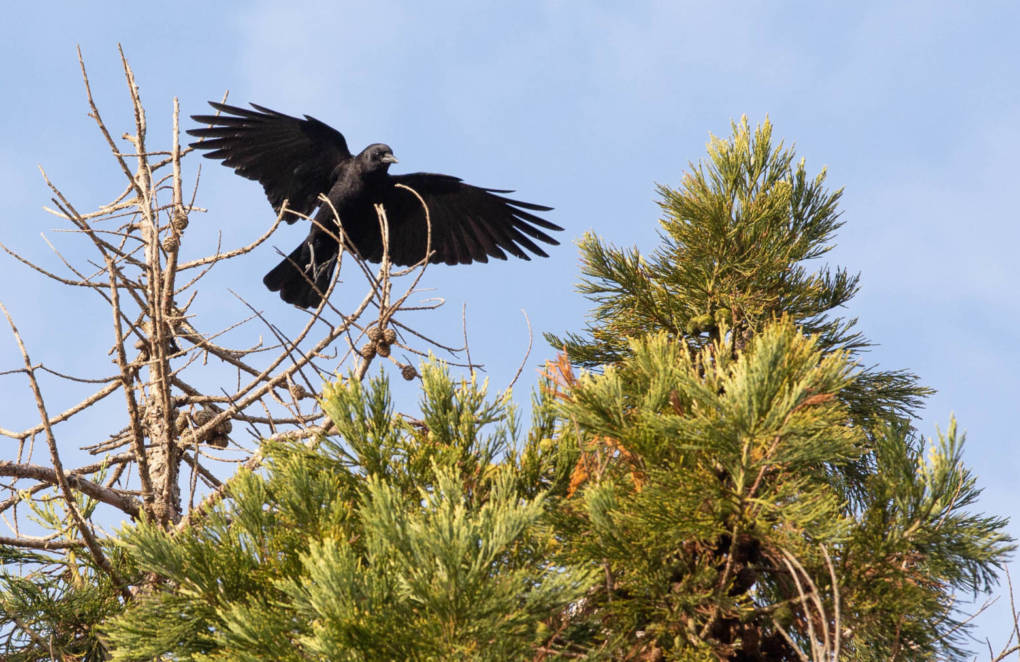
"caption": "Corvus brachyrhynchos, better known as the common crow, as pictured in a Berkeley backyard. ",
"description": "Corvus brachyrhynchos, better known as the common crow, as pictured in a Berkeley backyard. ",
"title": "Crow",
"credit": "Dan Brekke/KQED",
"status": "inherit",
"isLoading": false,
"fetchFailed": false
},
"news_11745652": {
"type": "attachments",
"id": "news_11745652",
"meta": {
"index": "attachments_1716263798",
"site": "news",
"id": "11745652",
"found": true
},
"parent": 11745613,
"imgSizes": {
"apple_news_ca_landscape_5_5": {
"file": "https://ww2.kqed.org/app/uploads/sites/10/2019/05/3232862469_a56e3618ec_o-e1557258599982-1044x783.jpg",
"width": 1044,
"mimeType": "image/jpeg",
"height": 783
},
"apple_news_ca_square_4_0": {
"file": "https://ww2.kqed.org/app/uploads/sites/10/2019/05/3232862469_a56e3618ec_o-e1557258599982-470x470.jpg",
"width": 470,
"mimeType": "image/jpeg",
"height": 470
},
"twentyfourteen-full-width": {
"file": "https://ww2.kqed.org/app/uploads/sites/10/2019/05/3232862469_a56e3618ec_o-e1557258599982-1038x576.jpg",
"width": 1038,
"mimeType": "image/jpeg",
"height": 576
},
"thumbnail": {
"file": "https://ww2.kqed.org/app/uploads/sites/10/2019/05/3232862469_a56e3618ec_o-e1557258599982-160x105.jpg",
"width": 160,
"mimeType": "image/jpeg",
"height": 105
},
"post-thumbnail": {
"file": "https://ww2.kqed.org/app/uploads/sites/10/2019/05/3232862469_a56e3618ec_o-e1557258599982-672x372.jpg",
"width": 672,
"mimeType": "image/jpeg",
"height": 372
},
"kqedFullSize": {
"file": "https://ww2.kqed.org/app/uploads/sites/10/2019/05/3232862469_a56e3618ec_o-e1557258599982.jpg",
"width": 1365,
"height": 896
},
"apple_news_ca_landscape_4_7": {
"file": "https://ww2.kqed.org/app/uploads/sites/10/2019/05/3232862469_a56e3618ec_o-e1557258599982-632x474.jpg",
"width": 632,
"mimeType": "image/jpeg",
"height": 474
},
"large": {
"file": "https://ww2.kqed.org/app/uploads/sites/10/2019/05/3232862469_a56e3618ec_o-e1557258599982-1020x670.jpg",
"width": 1020,
"mimeType": "image/jpeg",
"height": 670
},
"complete_open_graph": {
"file": "https://ww2.kqed.org/app/uploads/sites/10/2019/05/3232862469_a56e3618ec_o-e1557258599982-1200x788.jpg",
"width": 1200,
"mimeType": "image/jpeg",
"height": 788
},
"apple_news_ca_landscape_4_0": {
"file": "https://ww2.kqed.org/app/uploads/sites/10/2019/05/3232862469_a56e3618ec_o-e1557258599982-536x402.jpg",
"width": 536,
"mimeType": "image/jpeg",
"height": 402
},
"apple_news_ca_portrait_12_9": {
"file": "https://ww2.kqed.org/app/uploads/sites/10/2019/05/3232862469_a56e3618ec_o-e1557258599982-1122x896.jpg",
"width": 1122,
"mimeType": "image/jpeg",
"height": 896
},
"medium": {
"file": "https://ww2.kqed.org/app/uploads/sites/10/2019/05/3232862469_a56e3618ec_o-e1557258599982-800x525.jpg",
"width": 800,
"mimeType": "image/jpeg",
"height": 525
},
"apple_news_ca_portrait_4_0": {
"file": "https://ww2.kqed.org/app/uploads/sites/10/2019/05/3232862469_a56e3618ec_o-e1557258599982-354x472.jpg",
"width": 354,
"mimeType": "image/jpeg",
"height": 472
},
"apple_news_ca_portrait_9_7": {
"file": "https://ww2.kqed.org/app/uploads/sites/10/2019/05/3232862469_a56e3618ec_o-e1557258599982-840x896.jpg",
"width": 840,
"mimeType": "image/jpeg",
"height": 896
},
"apple_news_ca_landscape_12_9": {
"file": "https://ww2.kqed.org/app/uploads/sites/10/2019/05/3232862469_a56e3618ec_o-1500x1374.jpg",
"width": 1500,
"mimeType": "image/jpeg",
"height": 1374
},
"apple_news_ca_square_9_7": {
"file": "https://ww2.kqed.org/app/uploads/sites/10/2019/05/3232862469_a56e3618ec_o-e1557258599982-1104x896.jpg",
"width": 1104,
"mimeType": "image/jpeg",
"height": 896
},
"apple_news_ca_portrait_4_7": {
"file": "https://ww2.kqed.org/app/uploads/sites/10/2019/05/3232862469_a56e3618ec_o-e1557258599982-414x552.jpg",
"width": 414,
"mimeType": "image/jpeg",
"height": 552
},
"apple_news_ca_square_12_9": {
"file": "https://ww2.kqed.org/app/uploads/sites/10/2019/05/3232862469_a56e3618ec_o-1472x1472.jpg",
"width": 1472,
"mimeType": "image/jpeg",
"height": 1472
},
"apple_news_ca_portrait_5_5": {
"file": "https://ww2.kqed.org/app/uploads/sites/10/2019/05/3232862469_a56e3618ec_o-e1557258599982-687x896.jpg",
"width": 687,
"mimeType": "image/jpeg",
"height": 896
},
"apple_news_ca_square_4_7": {
"file": "https://ww2.kqed.org/app/uploads/sites/10/2019/05/3232862469_a56e3618ec_o-e1557258599982-550x550.jpg",
"width": 550,
"mimeType": "image/jpeg",
"height": 550
},
"apple_news_ca_landscape_9_7": {
"file": "https://ww2.kqed.org/app/uploads/sites/10/2019/05/3232862469_a56e3618ec_o-1376x1032.jpg",
"width": 1376,
"mimeType": "image/jpeg",
"height": 1032
},
"apple_news_ca_square_5_5": {
"file": "https://ww2.kqed.org/app/uploads/sites/10/2019/05/3232862469_a56e3618ec_o-e1557258599982-912x896.jpg",
"width": 912,
"mimeType": "image/jpeg",
"height": 896
}
},
"publishDate": 1557258516,
"modified": 1557258645,
"caption": "Wild turkeys above the East Bay",
"description": "Wild turkeys above the East Bay",
"title": "Wild turkeys above the East Bay",
"credit": "Tim Ereneta/flickr",
"status": "inherit",
"isLoading": false,
"fetchFailed": false
},
"news_11747693": {
"type": "attachments",
"id": "news_11747693",
"meta": {
"index": "attachments_1716263798",
"site": "news",
"id": "11747693",
"found": true
},
"parent": 11747125,
"imgSizes": {
"apple_news_ca_landscape_5_5": {
"file": "https://ww2.kqed.org/app/uploads/sites/10/2019/05/CrystalSprings-2-1044x783.jpg",
"width": 1044,
"mimeType": "image/jpeg",
"height": 783
},
"apple_news_ca_square_4_0": {
"file": "https://ww2.kqed.org/app/uploads/sites/10/2019/05/CrystalSprings-2-470x470.jpg",
"width": 470,
"mimeType": "image/jpeg",
"height": 470
},
"twentyfourteen-full-width": {
"file": "https://ww2.kqed.org/app/uploads/sites/10/2019/05/CrystalSprings-2-1038x576.jpg",
"width": 1038,
"mimeType": "image/jpeg",
"height": 576
},
"thumbnail": {
"file": "https://ww2.kqed.org/app/uploads/sites/10/2019/05/CrystalSprings-2-160x93.jpg",
"width": 160,
"mimeType": "image/jpeg",
"height": 93
},
"post-thumbnail": {
"file": "https://ww2.kqed.org/app/uploads/sites/10/2019/05/CrystalSprings-2-672x372.jpg",
"width": 672,
"mimeType": "image/jpeg",
"height": 372
},
"kqedFullSize": {
"file": "https://ww2.kqed.org/app/uploads/sites/10/2019/05/CrystalSprings-2.jpg",
"width": 1920,
"height": 1114
},
"apple_news_ca_landscape_4_7": {
"file": "https://ww2.kqed.org/app/uploads/sites/10/2019/05/CrystalSprings-2-632x474.jpg",
"width": 632,
"mimeType": "image/jpeg",
"height": 474
},
"large": {
"file": "https://ww2.kqed.org/app/uploads/sites/10/2019/05/CrystalSprings-2-1020x592.jpg",
"width": 1020,
"mimeType": "image/jpeg",
"height": 592
},
"complete_open_graph": {
"file": "https://ww2.kqed.org/app/uploads/sites/10/2019/05/CrystalSprings-2-1200x696.jpg",
"width": 1200,
"mimeType": "image/jpeg",
"height": 696
},
"apple_news_ca_landscape_4_0": {
"file": "https://ww2.kqed.org/app/uploads/sites/10/2019/05/CrystalSprings-2-536x402.jpg",
"width": 536,
"mimeType": "image/jpeg",
"height": 402
},
"apple_news_ca_portrait_12_9": {
"file": "https://ww2.kqed.org/app/uploads/sites/10/2019/05/CrystalSprings-2-1122x1114.jpg",
"width": 1122,
"mimeType": "image/jpeg",
"height": 1114
},
"medium": {
"file": "https://ww2.kqed.org/app/uploads/sites/10/2019/05/CrystalSprings-2-800x464.jpg",
"width": 800,
"mimeType": "image/jpeg",
"height": 464
},
"apple_news_ca_portrait_4_0": {
"file": "https://ww2.kqed.org/app/uploads/sites/10/2019/05/CrystalSprings-2-354x472.jpg",
"width": 354,
"mimeType": "image/jpeg",
"height": 472
},
"apple_news_ca_portrait_9_7": {
"file": "https://ww2.kqed.org/app/uploads/sites/10/2019/05/CrystalSprings-2-840x1114.jpg",
"width": 840,
"mimeType": "image/jpeg",
"height": 1114
},
"apple_news_ca_landscape_12_9": {
"file": "https://ww2.kqed.org/app/uploads/sites/10/2019/05/CrystalSprings-2-1832x1114.jpg",
"width": 1832,
"mimeType": "image/jpeg",
"height": 1114
},
"apple_news_ca_square_9_7": {
"file": "https://ww2.kqed.org/app/uploads/sites/10/2019/05/CrystalSprings-2-1104x1104.jpg",
"width": 1104,
"mimeType": "image/jpeg",
"height": 1104
},
"apple_news_ca_portrait_4_7": {
"file": "https://ww2.kqed.org/app/uploads/sites/10/2019/05/CrystalSprings-2-414x552.jpg",
"width": 414,
"mimeType": "image/jpeg",
"height": 552
},
"apple_news_ca_square_12_9": {
"file": "https://ww2.kqed.org/app/uploads/sites/10/2019/05/CrystalSprings-2-1472x1114.jpg",
"width": 1472,
"mimeType": "image/jpeg",
"height": 1114
},
"apple_news_ca_portrait_5_5": {
"file": "https://ww2.kqed.org/app/uploads/sites/10/2019/05/CrystalSprings-2-687x916.jpg",
"width": 687,
"mimeType": "image/jpeg",
"height": 916
},
"full-width": {
"file": "https://ww2.kqed.org/app/uploads/sites/10/2019/05/CrystalSprings-2-1920x1114.jpg",
"width": 1920,
"mimeType": "image/jpeg",
"height": 1114
},
"apple_news_ca_square_4_7": {
"file": "https://ww2.kqed.org/app/uploads/sites/10/2019/05/CrystalSprings-2-550x550.jpg",
"width": 550,
"mimeType": "image/jpeg",
"height": 550
},
"apple_news_ca_landscape_9_7": {
"file": "https://ww2.kqed.org/app/uploads/sites/10/2019/05/CrystalSprings-2-1376x1032.jpg",
"width": 1376,
"mimeType": "image/jpeg",
"height": 1032
},
"apple_news_ca_square_5_5": {
"file": "https://ww2.kqed.org/app/uploads/sites/10/2019/05/CrystalSprings-2-912x912.jpg",
"width": 912,
"mimeType": "image/jpeg",
"height": 912
}
},
"publishDate": 1558031238,
"modified": 1558031265,
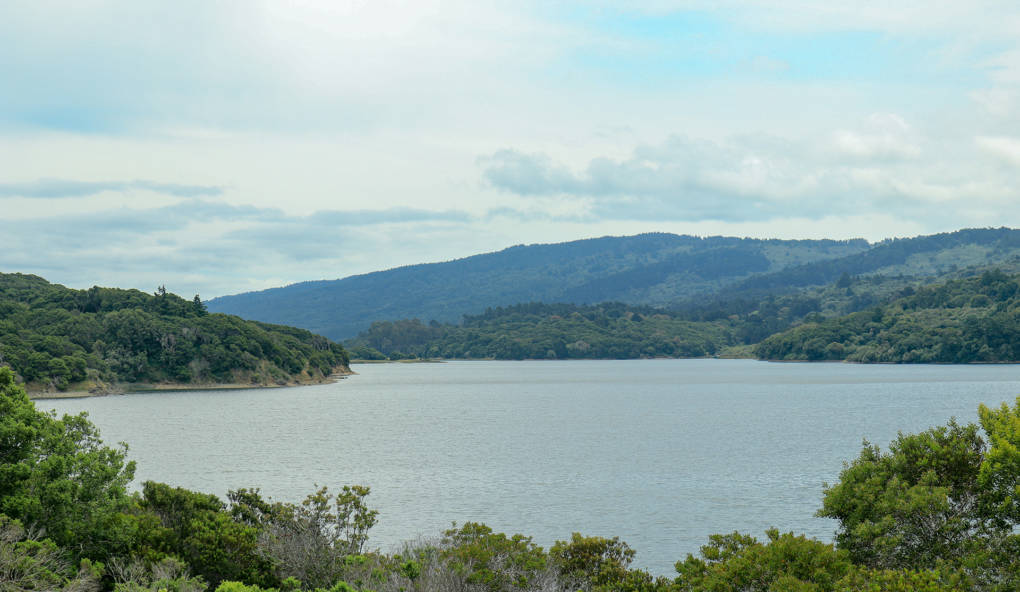
"caption": "A popular way to enjoy the views of the reservoir is by walking along the Sawyer Creek Trail. ",
"description": "A popular way to enjoy the views of the reservoir is by walking along the Sawyer Creek Trail. ",
"title": "CrystalSprings",
"credit": "Sruti Mamidanna/KQED",
"status": "inherit",
"isLoading": false,
"fetchFailed": false
},
"news_11745513": {
"type": "attachments",
"id": "news_11745513",
"meta": {
"index": "attachments_1716263798",
"site": "news",
"id": "11745513",
"found": true
},
"parent": 11745239,
"imgSizes": {
"apple_news_ca_landscape_5_5": {
"file": "https://ww2.kqed.org/app/uploads/sites/10/2019/05/RS36978__DSC8913-qut-1044x783.jpg",
"width": 1044,
"mimeType": "image/jpeg",
"height": 783
},
"apple_news_ca_square_4_0": {
"file": "https://ww2.kqed.org/app/uploads/sites/10/2019/05/RS36978__DSC8913-qut-470x470.jpg",
"width": 470,
"mimeType": "image/jpeg",
"height": 470
},
"twentyfourteen-full-width": {
"file": "https://ww2.kqed.org/app/uploads/sites/10/2019/05/RS36978__DSC8913-qut-1038x576.jpg",
"width": 1038,
"mimeType": "image/jpeg",
"height": 576
},
"thumbnail": {
"file": "https://ww2.kqed.org/app/uploads/sites/10/2019/05/RS36978__DSC8913-qut-160x107.jpg",
"width": 160,
"mimeType": "image/jpeg",
"height": 107
},
"post-thumbnail": {
"file": "https://ww2.kqed.org/app/uploads/sites/10/2019/05/RS36978__DSC8913-qut-672x372.jpg",
"width": 672,
"mimeType": "image/jpeg",
"height": 372
},
"kqedFullSize": {
"file": "https://ww2.kqed.org/app/uploads/sites/10/2019/05/RS36978__DSC8913-qut.jpg",
"width": 1920,
"height": 1280
},
"apple_news_ca_landscape_4_7": {
"file": "https://ww2.kqed.org/app/uploads/sites/10/2019/05/RS36978__DSC8913-qut-632x474.jpg",
"width": 632,
"mimeType": "image/jpeg",
"height": 474
},
"large": {
"file": "https://ww2.kqed.org/app/uploads/sites/10/2019/05/RS36978__DSC8913-qut-1020x680.jpg",
"width": 1020,
"mimeType": "image/jpeg",
"height": 680
},
"complete_open_graph": {
"file": "https://ww2.kqed.org/app/uploads/sites/10/2019/05/RS36978__DSC8913-qut-1200x800.jpg",
"width": 1200,
"mimeType": "image/jpeg",
"height": 800
},
"apple_news_ca_landscape_4_0": {
"file": "https://ww2.kqed.org/app/uploads/sites/10/2019/05/RS36978__DSC8913-qut-536x402.jpg",
"width": 536,
"mimeType": "image/jpeg",
"height": 402
},
"apple_news_ca_portrait_12_9": {
"file": "https://ww2.kqed.org/app/uploads/sites/10/2019/05/RS36978__DSC8913-qut-1122x1280.jpg",
"width": 1122,
"mimeType": "image/jpeg",
"height": 1280
},
"medium": {
"file": "https://ww2.kqed.org/app/uploads/sites/10/2019/05/RS36978__DSC8913-qut-800x533.jpg",
"width": 800,
"mimeType": "image/jpeg",
"height": 533
},
"apple_news_ca_portrait_4_0": {
"file": "https://ww2.kqed.org/app/uploads/sites/10/2019/05/RS36978__DSC8913-qut-354x472.jpg",
"width": 354,
"mimeType": "image/jpeg",
"height": 472
},
"apple_news_ca_portrait_9_7": {
"file": "https://ww2.kqed.org/app/uploads/sites/10/2019/05/RS36978__DSC8913-qut-840x1120.jpg",
"width": 840,
"mimeType": "image/jpeg",
"height": 1120
},
"apple_news_ca_landscape_12_9": {
"file": "https://ww2.kqed.org/app/uploads/sites/10/2019/05/RS36978__DSC8913-qut-1832x1280.jpg",
"width": 1832,
"mimeType": "image/jpeg",
"height": 1280
},
"apple_news_ca_square_9_7": {
"file": "https://ww2.kqed.org/app/uploads/sites/10/2019/05/RS36978__DSC8913-qut-1104x1104.jpg",
"width": 1104,
"mimeType": "image/jpeg",
"height": 1104
},
"apple_news_ca_portrait_4_7": {
"file": "https://ww2.kqed.org/app/uploads/sites/10/2019/05/RS36978__DSC8913-qut-414x552.jpg",
"width": 414,
"mimeType": "image/jpeg",
"height": 552
},
"apple_news_ca_square_12_9": {
"file": "https://ww2.kqed.org/app/uploads/sites/10/2019/05/RS36978__DSC8913-qut-1472x1280.jpg",
"width": 1472,
"mimeType": "image/jpeg",
"height": 1280
},
"apple_news_ca_portrait_5_5": {
"file": "https://ww2.kqed.org/app/uploads/sites/10/2019/05/RS36978__DSC8913-qut-687x916.jpg",
"width": 687,
"mimeType": "image/jpeg",
"height": 916
},
"full-width": {
"file": "https://ww2.kqed.org/app/uploads/sites/10/2019/05/RS36978__DSC8913-qut-1920x1280.jpg",
"width": 1920,
"mimeType": "image/jpeg",
"height": 1280
},
"apple_news_ca_square_4_7": {
"file": "https://ww2.kqed.org/app/uploads/sites/10/2019/05/RS36978__DSC8913-qut-550x550.jpg",
"width": 550,
"mimeType": "image/jpeg",
"height": 550
},
"apple_news_ca_landscape_9_7": {
"file": "https://ww2.kqed.org/app/uploads/sites/10/2019/05/RS36978__DSC8913-qut-1376x1032.jpg",
"width": 1376,
"mimeType": "image/jpeg",
"height": 1032
},
"apple_news_ca_square_5_5": {
"file": "https://ww2.kqed.org/app/uploads/sites/10/2019/05/RS36978__DSC8913-qut-912x912.jpg",
"width": 912,
"mimeType": "image/jpeg",
"height": 912
}
},
"publishDate": 1557210131,
"modified": 1557213297,
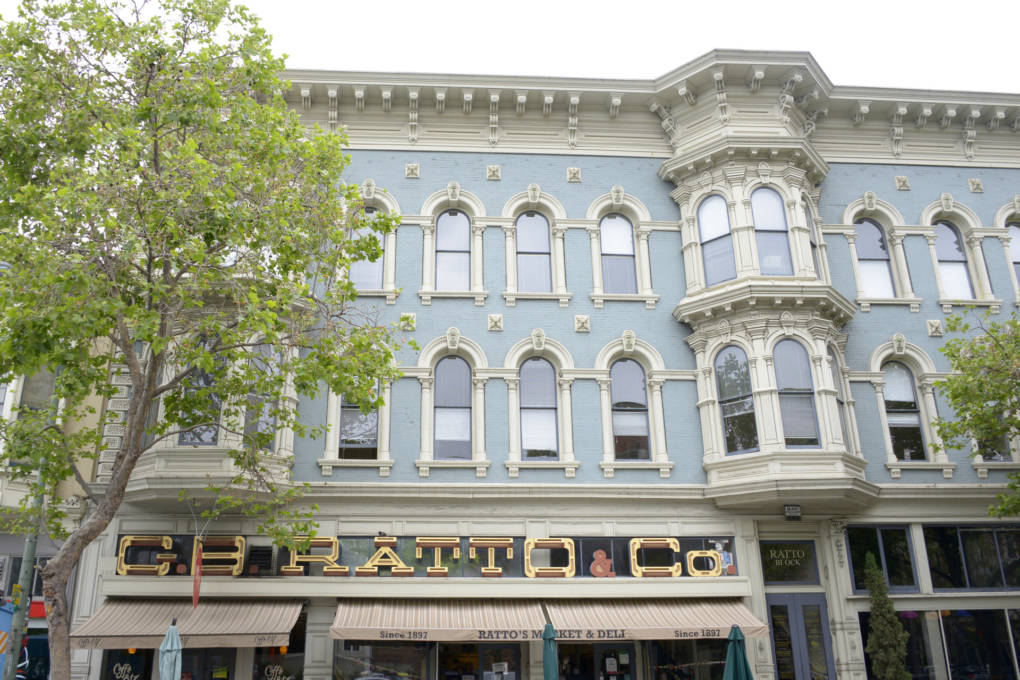
"caption": "The Old Oakland neighborhood of downtown Oakland includes several Victorians that date back to the 1870s.",
"description": "The Old Oakland neighborhood of downtown Oakland includes several Victorians that date back to the 1870s.",
"title": "RS36978__DSC8913-qut",
"credit": "Stephanie Lister/KQED",
"status": "inherit",
"isLoading": false,
"fetchFailed": false
},
"news_11745831": {
"type": "attachments",
"id": "news_11745831",
"meta": {
"index": "attachments_1716263798",
"site": "news",
"id": "11745831",
"found": true
},
"parent": 11745241,
"imgSizes": {
"apple_news_ca_landscape_5_5": {
"file": "https://ww2.kqed.org/app/uploads/sites/10/2019/05/RS37011_IMG_0518-qut-1044x783.jpg",
"width": 1044,
"mimeType": "image/jpeg",
"height": 783
},
"apple_news_ca_square_4_0": {
"file": "https://ww2.kqed.org/app/uploads/sites/10/2019/05/RS37011_IMG_0518-qut-470x470.jpg",
"width": 470,
"mimeType": "image/jpeg",
"height": 470
},
"twentyfourteen-full-width": {
"file": "https://ww2.kqed.org/app/uploads/sites/10/2019/05/RS37011_IMG_0518-qut-1038x576.jpg",
"width": 1038,
"mimeType": "image/jpeg",
"height": 576
},
"thumbnail": {
"file": "https://ww2.kqed.org/app/uploads/sites/10/2019/05/RS37011_IMG_0518-qut-160x120.jpg",
"width": 160,
"mimeType": "image/jpeg",
"height": 120
},
"post-thumbnail": {
"file": "https://ww2.kqed.org/app/uploads/sites/10/2019/05/RS37011_IMG_0518-qut-672x372.jpg",
"width": 672,
"mimeType": "image/jpeg",
"height": 372
},
"kqedFullSize": {
"file": "https://ww2.kqed.org/app/uploads/sites/10/2019/05/RS37011_IMG_0518-qut.jpg",
"width": 1920,
"height": 1440
},
"apple_news_ca_landscape_4_7": {
"file": "https://ww2.kqed.org/app/uploads/sites/10/2019/05/RS37011_IMG_0518-qut-632x474.jpg",
"width": 632,
"mimeType": "image/jpeg",
"height": 474
},
"large": {
"file": "https://ww2.kqed.org/app/uploads/sites/10/2019/05/RS37011_IMG_0518-qut-1020x765.jpg",
"width": 1020,
"mimeType": "image/jpeg",
"height": 765
},
"complete_open_graph": {
"file": "https://ww2.kqed.org/app/uploads/sites/10/2019/05/RS37011_IMG_0518-qut-1200x900.jpg",
"width": 1200,
"mimeType": "image/jpeg",
"height": 900
},
"apple_news_ca_landscape_4_0": {
"file": "https://ww2.kqed.org/app/uploads/sites/10/2019/05/RS37011_IMG_0518-qut-536x402.jpg",
"width": 536,
"mimeType": "image/jpeg",
"height": 402
},
"apple_news_ca_portrait_12_9": {
"file": "https://ww2.kqed.org/app/uploads/sites/10/2019/05/RS37011_IMG_0518-qut-1122x1440.jpg",
"width": 1122,
"mimeType": "image/jpeg",
"height": 1440
},
"medium": {
"file": "https://ww2.kqed.org/app/uploads/sites/10/2019/05/RS37011_IMG_0518-qut-800x600.jpg",
"width": 800,
"mimeType": "image/jpeg",
"height": 600
},
"apple_news_ca_portrait_4_0": {
"file": "https://ww2.kqed.org/app/uploads/sites/10/2019/05/RS37011_IMG_0518-qut-354x472.jpg",
"width": 354,
"mimeType": "image/jpeg",
"height": 472
},
"apple_news_ca_portrait_9_7": {
"file": "https://ww2.kqed.org/app/uploads/sites/10/2019/05/RS37011_IMG_0518-qut-840x1120.jpg",
"width": 840,
"mimeType": "image/jpeg",
"height": 1120
},
"apple_news_ca_landscape_12_9": {
"file": "https://ww2.kqed.org/app/uploads/sites/10/2019/05/RS37011_IMG_0518-qut-1832x1374.jpg",
"width": 1832,
"mimeType": "image/jpeg",
"height": 1374
},
"apple_news_ca_square_9_7": {
"file": "https://ww2.kqed.org/app/uploads/sites/10/2019/05/RS37011_IMG_0518-qut-1104x1104.jpg",
"width": 1104,
"mimeType": "image/jpeg",
"height": 1104
},
"apple_news_ca_portrait_4_7": {
"file": "https://ww2.kqed.org/app/uploads/sites/10/2019/05/RS37011_IMG_0518-qut-414x552.jpg",
"width": 414,
"mimeType": "image/jpeg",
"height": 552
},
"apple_news_ca_square_12_9": {
"file": "https://ww2.kqed.org/app/uploads/sites/10/2019/05/RS37011_IMG_0518-qut-1472x1440.jpg",
"width": 1472,
"mimeType": "image/jpeg",
"height": 1440
},
"apple_news_ca_portrait_5_5": {
"file": "https://ww2.kqed.org/app/uploads/sites/10/2019/05/RS37011_IMG_0518-qut-687x916.jpg",
"width": 687,
"mimeType": "image/jpeg",
"height": 916
},
"full-width": {
"file": "https://ww2.kqed.org/app/uploads/sites/10/2019/05/RS37011_IMG_0518-qut-1920x1440.jpg",
"width": 1920,
"mimeType": "image/jpeg",
"height": 1440
},
"apple_news_ca_square_4_7": {
"file": "https://ww2.kqed.org/app/uploads/sites/10/2019/05/RS37011_IMG_0518-qut-550x550.jpg",
"width": 550,
"mimeType": "image/jpeg",
"height": 550
},
"apple_news_ca_landscape_9_7": {
"file": "https://ww2.kqed.org/app/uploads/sites/10/2019/05/RS37011_IMG_0518-qut-1376x1032.jpg",
"width": 1376,
"mimeType": "image/jpeg",
"height": 1032
},
"apple_news_ca_square_5_5": {
"file": "https://ww2.kqed.org/app/uploads/sites/10/2019/05/RS37011_IMG_0518-qut-912x912.jpg",
"width": 912,
"mimeType": "image/jpeg",
"height": 912
}
},
"publishDate": 1557295897,
"modified": 1557296081,
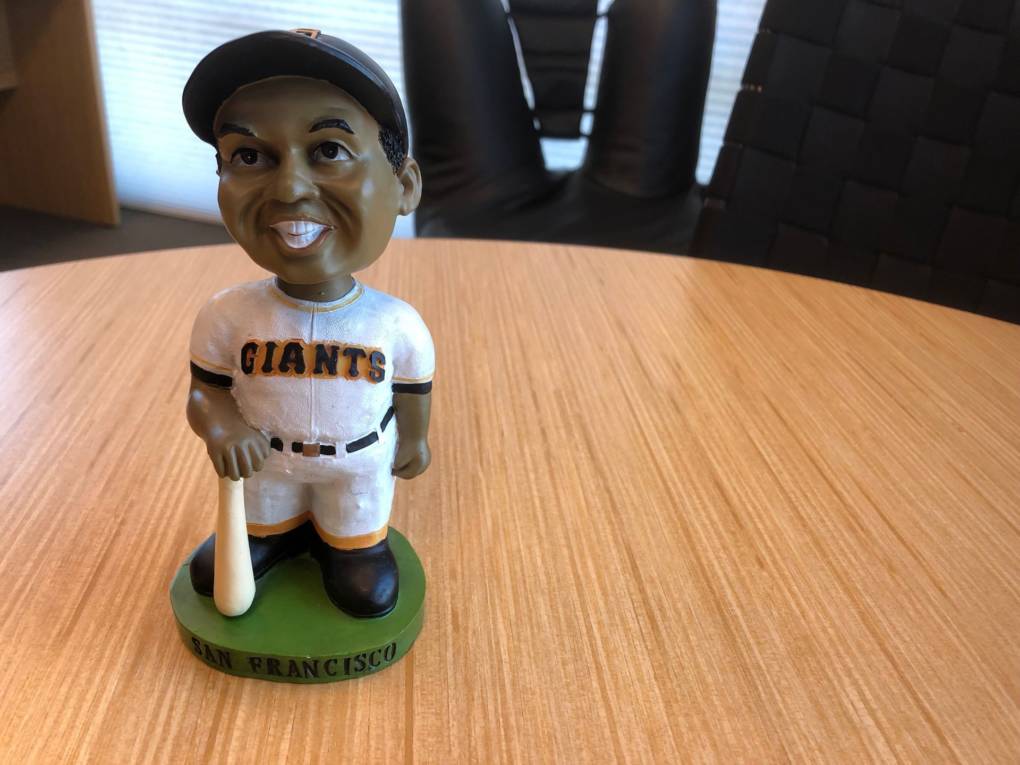
"caption": "The first 25,000 fans in the gates at 3Com Park on May 9, 1999, received this Willie Mays bobblehead, the first time a bobblehead had been given away at a sporting event. ",
"description": "The first 25,000 fans in the gates at 3Com Park on May 9, 1999, received this Willie Mays bobblehead, the first time a bobblehead had been given away at a sporting event. ",
"title": "RS37011_IMG_0518-qut",
"credit": "Ryan Levi/KQED",
"status": "inherit",
"isLoading": false,
"fetchFailed": false
},
"news_11742469": {
"type": "attachments",
"id": "news_11742469",
"meta": {
"index": "attachments_1716263798",
"site": "news",
"id": "11742469",
"found": true
},
"parent": 11742467,
"imgSizes": {
"twentyfourteen-full-width": {
"file": "https://ww2.kqed.org/app/uploads/sites/10/2019/04/stagecoachsketch_05-1-1038x576.jpg",
"width": 1038,
"mimeType": "image/jpeg",
"height": 576
},
"thumbnail": {
"file": "https://ww2.kqed.org/app/uploads/sites/10/2019/04/stagecoachsketch_05-1-160x128.jpg",
"width": 160,
"mimeType": "image/jpeg",
"height": 128
},
"post-thumbnail": {
"file": "https://ww2.kqed.org/app/uploads/sites/10/2019/04/stagecoachsketch_05-1-672x372.jpg",
"width": 672,
"mimeType": "image/jpeg",
"height": 372
},
"kqedFullSize": {
"file": "https://ww2.kqed.org/app/uploads/sites/10/2019/04/stagecoachsketch_05-1.jpg",
"width": 2048,
"height": 1638
},
"large": {
"file": "https://ww2.kqed.org/app/uploads/sites/10/2019/04/stagecoachsketch_05-1-1020x816.jpg",
"width": 1020,
"mimeType": "image/jpeg",
"height": 816
},
"complete_open_graph": {
"file": "https://ww2.kqed.org/app/uploads/sites/10/2019/04/stagecoachsketch_05-1-1200x960.jpg",
"width": 1200,
"mimeType": "image/jpeg",
"height": 960
},
"full-width": {
"file": "https://ww2.kqed.org/app/uploads/sites/10/2019/04/stagecoachsketch_05-1-1920x1535.jpg",
"width": 1920,
"mimeType": "image/jpeg",
"height": 1535
},
"medium": {
"file": "https://ww2.kqed.org/app/uploads/sites/10/2019/04/stagecoachsketch_05-1-800x640.jpg",
"width": 800,
"mimeType": "image/jpeg",
"height": 640
}
},
"publishDate": 1556133585,
"modified": 1556210935,
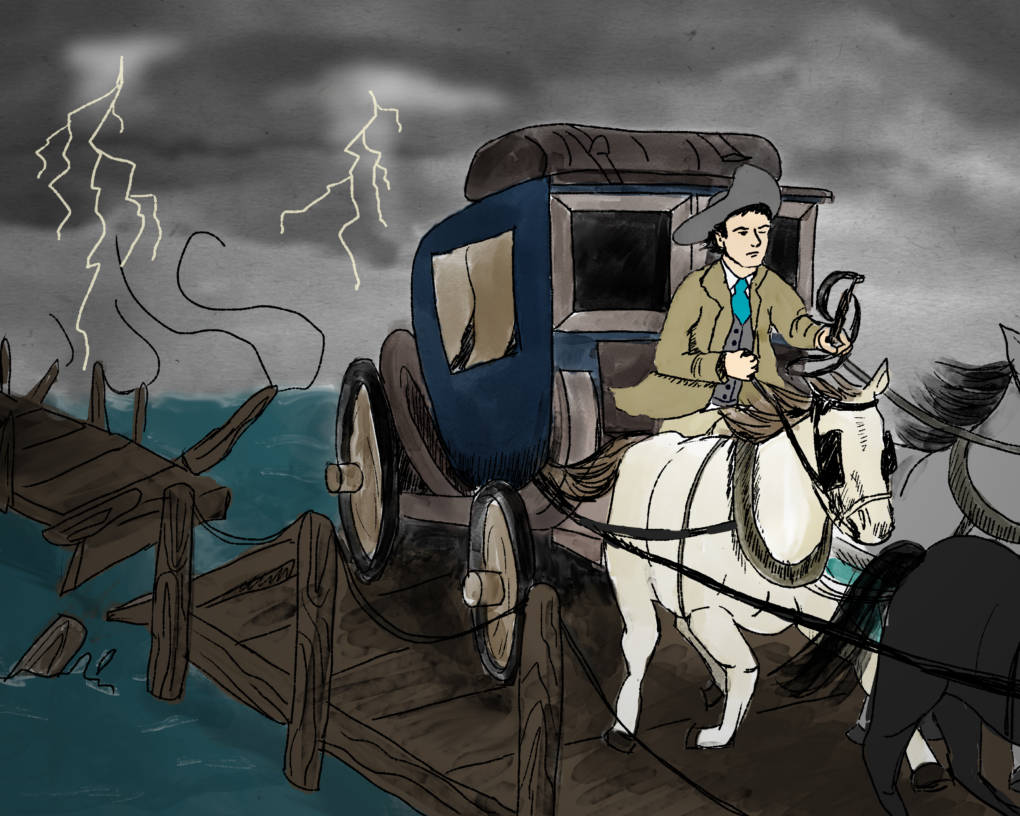
"caption": "Charley Parkhurst crossing a crumbling bridge during a storm.",
"description": "Charley Parkhurst crossing a crumbling bridge during a storm.",
"title": "Charley Parkhurst crossing a crumbling bridge during a storm.",
"credit": "Kelly Heigert/KQED",
"status": "inherit",
"isLoading": false,
"fetchFailed": false
},
"news_11739992": {
"type": "attachments",
"id": "news_11739992",
"meta": {
"index": "attachments_1716263798",
"site": "news",
"id": "11739992",
"found": true
},
"parent": 11739421,
"imgSizes": {
"apple_news_ca_landscape_5_5": {
"file": "https://ww2.kqed.org/app/uploads/sites/10/2019/04/RS36515_DSC_2298-qut-1044x783.jpg",
"width": 1044,
"mimeType": "image/jpeg",
"height": 783
},
"apple_news_ca_square_4_0": {
"file": "https://ww2.kqed.org/app/uploads/sites/10/2019/04/RS36515_DSC_2298-qut-470x470.jpg",
"width": 470,
"mimeType": "image/jpeg",
"height": 470
},
"twentyfourteen-full-width": {
"file": "https://ww2.kqed.org/app/uploads/sites/10/2019/04/RS36515_DSC_2298-qut-1038x576.jpg",
"width": 1038,
"mimeType": "image/jpeg",
"height": 576
},
"thumbnail": {
"file": "https://ww2.kqed.org/app/uploads/sites/10/2019/04/RS36515_DSC_2298-qut-160x106.jpg",
"width": 160,
"mimeType": "image/jpeg",
"height": 106
},
"post-thumbnail": {
"file": "https://ww2.kqed.org/app/uploads/sites/10/2019/04/RS36515_DSC_2298-qut-672x372.jpg",
"width": 672,
"mimeType": "image/jpeg",
"height": 372
},
"kqedFullSize": {
"file": "https://ww2.kqed.org/app/uploads/sites/10/2019/04/RS36515_DSC_2298-qut.jpg",
"width": 1920,
"height": 1272
},
"apple_news_ca_landscape_4_7": {
"file": "https://ww2.kqed.org/app/uploads/sites/10/2019/04/RS36515_DSC_2298-qut-632x474.jpg",
"width": 632,
"mimeType": "image/jpeg",
"height": 474
},
"large": {
"file": "https://ww2.kqed.org/app/uploads/sites/10/2019/04/RS36515_DSC_2298-qut-1020x676.jpg",
"width": 1020,
"mimeType": "image/jpeg",
"height": 676
},
"complete_open_graph": {
"file": "https://ww2.kqed.org/app/uploads/sites/10/2019/04/RS36515_DSC_2298-qut-1200x795.jpg",
"width": 1200,
"mimeType": "image/jpeg",
"height": 795
},
"apple_news_ca_landscape_4_0": {
"file": "https://ww2.kqed.org/app/uploads/sites/10/2019/04/RS36515_DSC_2298-qut-536x402.jpg",
"width": 536,
"mimeType": "image/jpeg",
"height": 402
},
"apple_news_ca_portrait_12_9": {
"file": "https://ww2.kqed.org/app/uploads/sites/10/2019/04/RS36515_DSC_2298-qut-1122x1272.jpg",
"width": 1122,
"mimeType": "image/jpeg",
"height": 1272
},
"medium": {
"file": "https://ww2.kqed.org/app/uploads/sites/10/2019/04/RS36515_DSC_2298-qut-800x530.jpg",
"width": 800,
"mimeType": "image/jpeg",
"height": 530
},
"apple_news_ca_portrait_4_0": {
"file": "https://ww2.kqed.org/app/uploads/sites/10/2019/04/RS36515_DSC_2298-qut-354x472.jpg",
"width": 354,
"mimeType": "image/jpeg",
"height": 472
},
"apple_news_ca_portrait_9_7": {
"file": "https://ww2.kqed.org/app/uploads/sites/10/2019/04/RS36515_DSC_2298-qut-840x1120.jpg",
"width": 840,
"mimeType": "image/jpeg",
"height": 1120
},
"apple_news_ca_landscape_12_9": {
"file": "https://ww2.kqed.org/app/uploads/sites/10/2019/04/RS36515_DSC_2298-qut-1832x1272.jpg",
"width": 1832,
"mimeType": "image/jpeg",
"height": 1272
},
"apple_news_ca_square_9_7": {
"file": "https://ww2.kqed.org/app/uploads/sites/10/2019/04/RS36515_DSC_2298-qut-1104x1104.jpg",
"width": 1104,
"mimeType": "image/jpeg",
"height": 1104
},
"apple_news_ca_portrait_4_7": {
"file": "https://ww2.kqed.org/app/uploads/sites/10/2019/04/RS36515_DSC_2298-qut-414x552.jpg",
"width": 414,
"mimeType": "image/jpeg",
"height": 552
},
"apple_news_ca_square_12_9": {
"file": "https://ww2.kqed.org/app/uploads/sites/10/2019/04/RS36515_DSC_2298-qut-1472x1272.jpg",
"width": 1472,
"mimeType": "image/jpeg",
"height": 1272
},
"apple_news_ca_portrait_5_5": {
"file": "https://ww2.kqed.org/app/uploads/sites/10/2019/04/RS36515_DSC_2298-qut-687x916.jpg",
"width": 687,
"mimeType": "image/jpeg",
"height": 916
},
"full-width": {
"file": "https://ww2.kqed.org/app/uploads/sites/10/2019/04/RS36515_DSC_2298-qut-1920x1272.jpg",
"width": 1920,
"mimeType": "image/jpeg",
"height": 1272
},
"apple_news_ca_square_4_7": {
"file": "https://ww2.kqed.org/app/uploads/sites/10/2019/04/RS36515_DSC_2298-qut-550x550.jpg",
"width": 550,
"mimeType": "image/jpeg",
"height": 550
},
"apple_news_ca_landscape_9_7": {
"file": "https://ww2.kqed.org/app/uploads/sites/10/2019/04/RS36515_DSC_2298-qut-1376x1032.jpg",
"width": 1376,
"mimeType": "image/jpeg",
"height": 1032
},
"apple_news_ca_square_5_5": {
"file": "https://ww2.kqed.org/app/uploads/sites/10/2019/04/RS36515_DSC_2298-qut-912x912.jpg",
"width": 912,
"mimeType": "image/jpeg",
"height": 912
}
},
"publishDate": 1555110266,
"modified": 1555110412,
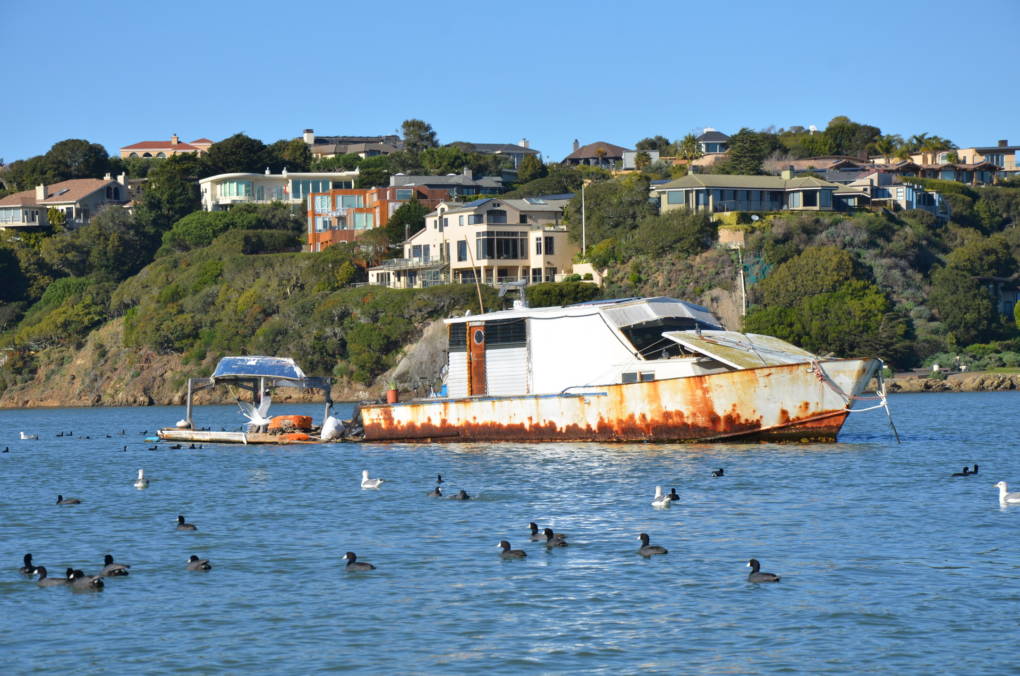
"caption": "An anchor-out sits in Richardson Bay in Marin County. At last count, there were 235 boats anchored in the bay.",
"description": "An anchor-out sits in Richardson Bay in Marin County. At last count, there were 235 boats anchored in the bay.",
"title": "RS36515_DSC_2298-qut",
"credit": "Ryan Levi/KQED",
"status": "inherit",
"isLoading": false,
"fetchFailed": false
},
"news_11738543": {
"type": "attachments",
"id": "news_11738543",
"meta": {
"index": "attachments_1716263798",
"site": "news",
"id": "11738543",
"found": true
},
"parent": 11738379,
"imgSizes": {
"post-thumbnail": {
"file": "https://ww2.kqed.org/app/uploads/sites/10/2019/04/15599372862_65d06eab47_k-672x372.jpg",
"width": 672,
"mimeType": "image/jpeg",
"height": 372
},
"kqedFullSize": {
"file": "https://ww2.kqed.org/app/uploads/sites/10/2019/04/15599372862_65d06eab47_k.jpg",
"width": 2048,
"height": 1152
},
"guest-author-50": {
"file": "https://ww2.kqed.org/app/uploads/sites/10/2019/04/15599372862_65d06eab47_k-50x50.jpg",
"width": 50,
"mimeType": "image/jpeg",
"height": 50
},
"guest-author-96": {
"file": "https://ww2.kqed.org/app/uploads/sites/10/2019/04/15599372862_65d06eab47_k-96x96.jpg",
"width": 96,
"mimeType": "image/jpeg",
"height": 96
},
"apple_news_ca_portrait_12_9": {
"file": "https://ww2.kqed.org/app/uploads/sites/10/2019/04/15599372862_65d06eab47_k-1122x1152.jpg",
"width": 1122,
"mimeType": "image/jpeg",
"height": 1152
},
"medium": {
"file": "https://ww2.kqed.org/app/uploads/sites/10/2019/04/15599372862_65d06eab47_k-800x450.jpg",
"width": 800,
"mimeType": "image/jpeg",
"height": 450
},
"guest-author-32": {
"file": "https://ww2.kqed.org/app/uploads/sites/10/2019/04/15599372862_65d06eab47_k-32x32.jpg",
"width": 32,
"mimeType": "image/jpeg",
"height": 32
},
"apple_news_ca_portrait_9_7": {
"file": "https://ww2.kqed.org/app/uploads/sites/10/2019/04/15599372862_65d06eab47_k-840x1120.jpg",
"width": 840,
"mimeType": "image/jpeg",
"height": 1120
},
"apple_news_ca_square_9_7": {
"file": "https://ww2.kqed.org/app/uploads/sites/10/2019/04/15599372862_65d06eab47_k-1104x1104.jpg",
"width": 1104,
"mimeType": "image/jpeg",
"height": 1104
},
"apple_news_ca_portrait_4_7": {
"file": "https://ww2.kqed.org/app/uploads/sites/10/2019/04/15599372862_65d06eab47_k-414x552.jpg",
"width": 414,
"mimeType": "image/jpeg",
"height": 552
},
"apple_news_ca_square_12_9": {
"file": "https://ww2.kqed.org/app/uploads/sites/10/2019/04/15599372862_65d06eab47_k-1472x1152.jpg",
"width": 1472,
"mimeType": "image/jpeg",
"height": 1152
},
"apple_news_ca_portrait_5_5": {
"file": "https://ww2.kqed.org/app/uploads/sites/10/2019/04/15599372862_65d06eab47_k-687x916.jpg",
"width": 687,
"mimeType": "image/jpeg",
"height": 916
},
"apple_news_ca_square_4_7": {
"file": "https://ww2.kqed.org/app/uploads/sites/10/2019/04/15599372862_65d06eab47_k-550x550.jpg",
"width": 550,
"mimeType": "image/jpeg",
"height": 550
},
"apple_news_ca_square_5_5": {
"file": "https://ww2.kqed.org/app/uploads/sites/10/2019/04/15599372862_65d06eab47_k-912x912.jpg",
"width": 912,
"mimeType": "image/jpeg",
"height": 912
},
"apple_news_ca_landscape_5_5": {
"file": "https://ww2.kqed.org/app/uploads/sites/10/2019/04/15599372862_65d06eab47_k-1044x783.jpg",
"width": 1044,
"mimeType": "image/jpeg",
"height": 783
},
"apple_news_ca_square_4_0": {
"file": "https://ww2.kqed.org/app/uploads/sites/10/2019/04/15599372862_65d06eab47_k-470x470.jpg",
"width": 470,
"mimeType": "image/jpeg",
"height": 470
},
"twentyfourteen-full-width": {
"file": "https://ww2.kqed.org/app/uploads/sites/10/2019/04/15599372862_65d06eab47_k-1038x576.jpg",
"width": 1038,
"mimeType": "image/jpeg",
"height": 576
},
"thumbnail": {
"file": "https://ww2.kqed.org/app/uploads/sites/10/2019/04/15599372862_65d06eab47_k-160x90.jpg",
"width": 160,
"mimeType": "image/jpeg",
"height": 90
},
"apple_news_ca_landscape_4_7": {
"file": "https://ww2.kqed.org/app/uploads/sites/10/2019/04/15599372862_65d06eab47_k-632x474.jpg",
"width": 632,
"mimeType": "image/jpeg",
"height": 474
},
"large": {
"file": "https://ww2.kqed.org/app/uploads/sites/10/2019/04/15599372862_65d06eab47_k-1020x574.jpg",
"width": 1020,
"mimeType": "image/jpeg",
"height": 574
},
"complete_open_graph": {
"file": "https://ww2.kqed.org/app/uploads/sites/10/2019/04/15599372862_65d06eab47_k-1200x675.jpg",
"width": 1200,
"mimeType": "image/jpeg",
"height": 675
},
"apple_news_ca_landscape_4_0": {
"file": "https://ww2.kqed.org/app/uploads/sites/10/2019/04/15599372862_65d06eab47_k-536x402.jpg",
"width": 536,
"mimeType": "image/jpeg",
"height": 402
},
"guest-author-64": {
"file": "https://ww2.kqed.org/app/uploads/sites/10/2019/04/15599372862_65d06eab47_k-64x64.jpg",
"width": 64,
"mimeType": "image/jpeg",
"height": 64
},
"apple_news_ca_portrait_4_0": {
"file": "https://ww2.kqed.org/app/uploads/sites/10/2019/04/15599372862_65d06eab47_k-354x472.jpg",
"width": 354,
"mimeType": "image/jpeg",
"height": 472
},
"apple_news_ca_landscape_12_9": {
"file": "https://ww2.kqed.org/app/uploads/sites/10/2019/04/15599372862_65d06eab47_k-1832x1152.jpg",
"width": 1832,
"mimeType": "image/jpeg",
"height": 1152
},
"full-width": {
"file": "https://ww2.kqed.org/app/uploads/sites/10/2019/04/15599372862_65d06eab47_k-1920x1080.jpg",
"width": 1920,
"mimeType": "image/jpeg",
"height": 1080
},
"guest-author-128": {
"file": "https://ww2.kqed.org/app/uploads/sites/10/2019/04/15599372862_65d06eab47_k-128x128.jpg",
"width": 128,
"mimeType": "image/jpeg",
"height": 128
},
"apple_news_ca_landscape_9_7": {
"file": "https://ww2.kqed.org/app/uploads/sites/10/2019/04/15599372862_65d06eab47_k-1376x1032.jpg",
"width": 1376,
"mimeType": "image/jpeg",
"height": 1032
}
},
"publishDate": 1554752269,
"modified": 1554753308,
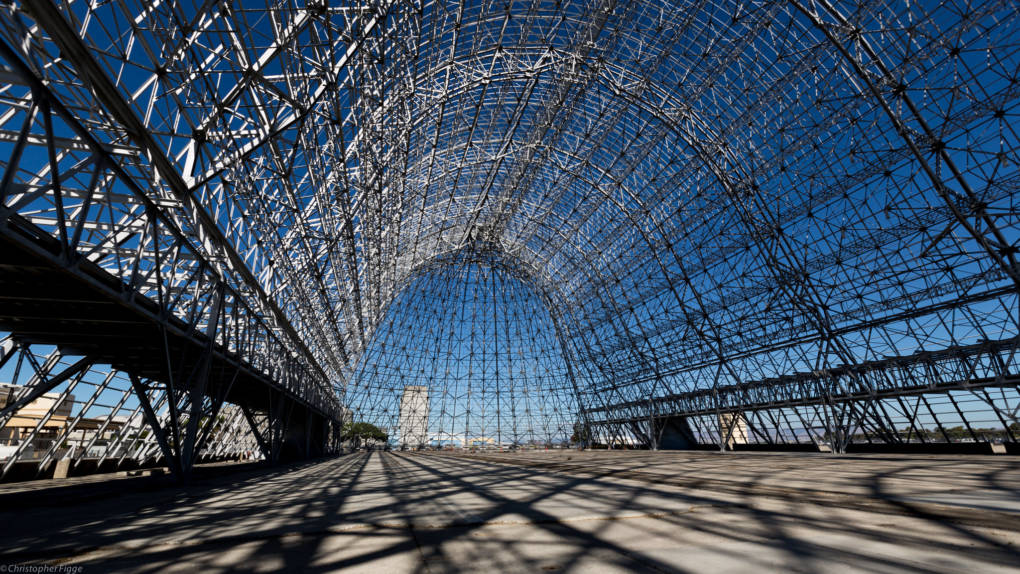
"caption": "The floor space within Hangar One is big enough to hold seven football fields. ",
"description": "The floor space within Hangar One is big enough to hold seven football fields. ",
"title": "15599372862_65d06eab47_k",
"credit": "\u003ca href=\"https://www.flickr.com/photos/17495652@N00/15599372862/in/photolist-pLsS5w-pLsSqm-pLouD6-oPA9en-ptU9zz-g7T82-9AQ8kW-ddoNBE-5fBXRm-dWeZM-ei4u5B-aFDU7F-5xnp5q-5xnoMU-dcRvM8-dcPpdo-4C2v2-dUhHk-pt4cKm-76MCGQ-ddoM9o-oNDZGk-5fC6gL-aG9qme-Dji918-ddoMoA-pKsrLF-pKwKCw-oNE2K8-psXX6a-6CmAME-9NC7mF-24kcN1i-5fy1Y8-bkv4cR-3tCR-Gyg8u-23h7sAt-qrouA-8YGge5-4ENmd6-4EZiHk-GygNE-21CgzhM-6GeP6r-GyAKj-4FgKb6-Gz92c-an8BiC-4F9ERp\">Chris Figge\u003c/a>/Flickr",
"status": "inherit",
"isLoading": false,
"fetchFailed": false
},
"news_11735569": {
"type": "attachments",
"id": "news_11735569",
"meta": {
"index": "attachments_1716263798",
"site": "news",
"id": "11735569",
"found": true
},
"parent": 11735556,
"imgSizes": {
"post-thumbnail": {
"file": "https://ww2.kqed.org/app/uploads/sites/10/2019/03/bay-curious-kids-kqed-672x372.jpg",
"width": 672,
"mimeType": "image/jpeg",
"height": 372
},
"kqedFullSize": {
"file": "https://ww2.kqed.org/app/uploads/sites/10/2019/03/bay-curious-kids-kqed.jpg",
"width": 1920,
"height": 1080
},
"guest-author-50": {
"file": "https://ww2.kqed.org/app/uploads/sites/10/2019/03/bay-curious-kids-kqed-50x50.jpg",
"width": 50,
"mimeType": "image/jpeg",
"height": 50
},
"guest-author-96": {
"file": "https://ww2.kqed.org/app/uploads/sites/10/2019/03/bay-curious-kids-kqed-96x96.jpg",
"width": 96,
"mimeType": "image/jpeg",
"height": 96
},
"apple_news_ca_portrait_12_9": {
"file": "https://ww2.kqed.org/app/uploads/sites/10/2019/03/bay-curious-kids-kqed-1122x1080.jpg",
"width": 1122,
"mimeType": "image/jpeg",
"height": 1080
},
"medium": {
"file": "https://ww2.kqed.org/app/uploads/sites/10/2019/03/bay-curious-kids-kqed-800x450.jpg",
"width": 800,
"mimeType": "image/jpeg",
"height": 450
},
"guest-author-32": {
"file": "https://ww2.kqed.org/app/uploads/sites/10/2019/03/bay-curious-kids-kqed-32x32.jpg",
"width": 32,
"mimeType": "image/jpeg",
"height": 32
},
"apple_news_ca_portrait_9_7": {
"file": "https://ww2.kqed.org/app/uploads/sites/10/2019/03/bay-curious-kids-kqed-840x1080.jpg",
"width": 840,
"mimeType": "image/jpeg",
"height": 1080
},
"apple_news_ca_square_9_7": {
"file": "https://ww2.kqed.org/app/uploads/sites/10/2019/03/bay-curious-kids-kqed-1104x1080.jpg",
"width": 1104,
"mimeType": "image/jpeg",
"height": 1080
},
"apple_news_ca_portrait_4_7": {
"file": "https://ww2.kqed.org/app/uploads/sites/10/2019/03/bay-curious-kids-kqed-414x552.jpg",
"width": 414,
"mimeType": "image/jpeg",
"height": 552
},
"apple_news_ca_square_12_9": {
"file": "https://ww2.kqed.org/app/uploads/sites/10/2019/03/bay-curious-kids-kqed-1472x1080.jpg",
"width": 1472,
"mimeType": "image/jpeg",
"height": 1080
},
"apple_news_ca_portrait_5_5": {
"file": "https://ww2.kqed.org/app/uploads/sites/10/2019/03/bay-curious-kids-kqed-687x916.jpg",
"width": 687,
"mimeType": "image/jpeg",
"height": 916
},
"apple_news_ca_square_4_7": {
"file": "https://ww2.kqed.org/app/uploads/sites/10/2019/03/bay-curious-kids-kqed-550x550.jpg",
"width": 550,
"mimeType": "image/jpeg",
"height": 550
},
"apple_news_ca_square_5_5": {
"file": "https://ww2.kqed.org/app/uploads/sites/10/2019/03/bay-curious-kids-kqed-912x912.jpg",
"width": 912,
"mimeType": "image/jpeg",
"height": 912
},
"apple_news_ca_landscape_5_5": {
"file": "https://ww2.kqed.org/app/uploads/sites/10/2019/03/bay-curious-kids-kqed-1044x783.jpg",
"width": 1044,
"mimeType": "image/jpeg",
"height": 783
},
"apple_news_ca_square_4_0": {
"file": "https://ww2.kqed.org/app/uploads/sites/10/2019/03/bay-curious-kids-kqed-470x470.jpg",
"width": 470,
"mimeType": "image/jpeg",
"height": 470
},
"twentyfourteen-full-width": {
"file": "https://ww2.kqed.org/app/uploads/sites/10/2019/03/bay-curious-kids-kqed-1038x576.jpg",
"width": 1038,
"mimeType": "image/jpeg",
"height": 576
},
"thumbnail": {
"file": "https://ww2.kqed.org/app/uploads/sites/10/2019/03/bay-curious-kids-kqed-160x90.jpg",
"width": 160,
"mimeType": "image/jpeg",
"height": 90
},
"apple_news_ca_landscape_4_7": {
"file": "https://ww2.kqed.org/app/uploads/sites/10/2019/03/bay-curious-kids-kqed-632x474.jpg",
"width": 632,
"mimeType": "image/jpeg",
"height": 474
},
"large": {
"file": "https://ww2.kqed.org/app/uploads/sites/10/2019/03/bay-curious-kids-kqed-1020x574.jpg",
"width": 1020,
"mimeType": "image/jpeg",
"height": 574
},
"complete_open_graph": {
"file": "https://ww2.kqed.org/app/uploads/sites/10/2019/03/bay-curious-kids-kqed-1200x675.jpg",
"width": 1200,
"mimeType": "image/jpeg",
"height": 675
},
"apple_news_ca_landscape_4_0": {
"file": "https://ww2.kqed.org/app/uploads/sites/10/2019/03/bay-curious-kids-kqed-536x402.jpg",
"width": 536,
"mimeType": "image/jpeg",
"height": 402
},
"guest-author-64": {
"file": "https://ww2.kqed.org/app/uploads/sites/10/2019/03/bay-curious-kids-kqed-64x64.jpg",
"width": 64,
"mimeType": "image/jpeg",
"height": 64
},
"apple_news_ca_portrait_4_0": {
"file": "https://ww2.kqed.org/app/uploads/sites/10/2019/03/bay-curious-kids-kqed-354x472.jpg",
"width": 354,
"mimeType": "image/jpeg",
"height": 472
},
"apple_news_ca_landscape_12_9": {
"file": "https://ww2.kqed.org/app/uploads/sites/10/2019/03/bay-curious-kids-kqed-1832x1080.jpg",
"width": 1832,
"mimeType": "image/jpeg",
"height": 1080
},
"full-width": {
"file": "https://ww2.kqed.org/app/uploads/sites/10/2019/03/bay-curious-kids-kqed-1920x1080.jpg",
"width": 1920,
"mimeType": "image/jpeg",
"height": 1080
},
"guest-author-128": {
"file": "https://ww2.kqed.org/app/uploads/sites/10/2019/03/bay-curious-kids-kqed-128x128.jpg",
"width": 128,
"mimeType": "image/jpeg",
"height": 128
},
"apple_news_ca_landscape_9_7": {
"file": "https://ww2.kqed.org/app/uploads/sites/10/2019/03/bay-curious-kids-kqed-1376x1032.jpg",
"width": 1376,
"mimeType": "image/jpeg",
"height": 1032
}
},
"publishDate": 1553636273,
"modified": 1553639618,
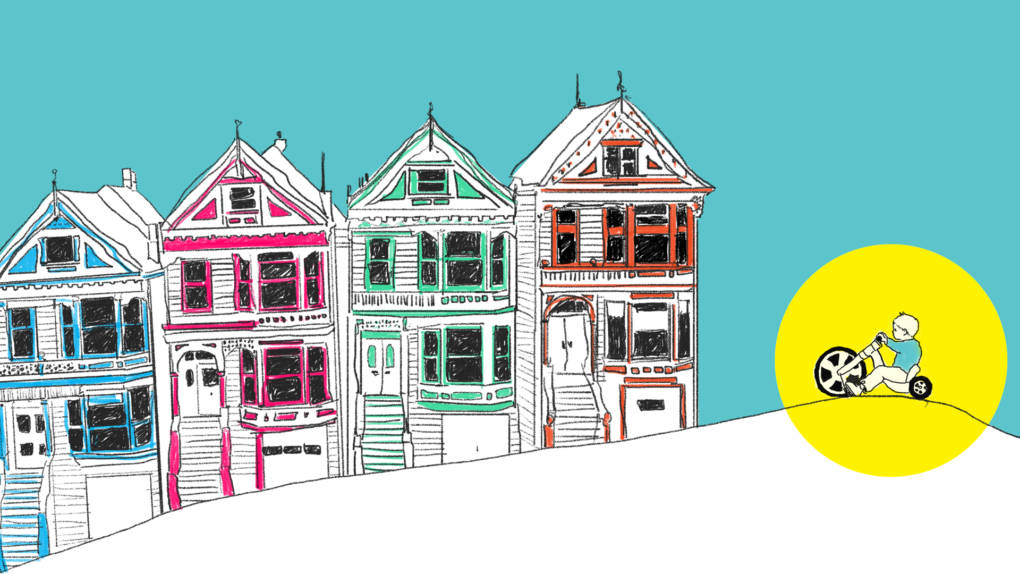
"caption": "While San Francisco doesn't have many children, the surrounding area falls in line with other metro regions. ",
"description": "While San Francisco doesn't have many children, the surrounding area falls in line with other metro regions. ",
"title": "bay-curious-kids-kqed",
"credit": "Elena Lacey/KQED",
"status": "inherit",
"isLoading": false,
"fetchFailed": false
},
"news_11735741": {
"type": "attachments",
"id": "news_11735741",
"meta": {
"index": "attachments_1716263798",
"site": "news",
"id": "11735741",
"found": true
},
"parent": 11735298,
"imgSizes": {
"apple_news_ca_square_4_0": {
"file": "https://ww2.kqed.org/app/uploads/sites/10/2019/03/RS36248_University-Avenue-1930s-qut-470x407.jpg",
"width": 470,
"mimeType": "image/jpeg",
"height": 407
},
"thumbnail": {
"file": "https://ww2.kqed.org/app/uploads/sites/10/2019/03/RS36248_University-Avenue-1930s-qut-160x115.jpg",
"width": 160,
"mimeType": "image/jpeg",
"height": 115
},
"post-thumbnail": {
"file": "https://ww2.kqed.org/app/uploads/sites/10/2019/03/RS36248_University-Avenue-1930s-qut-564x372.jpg",
"width": 564,
"mimeType": "image/jpeg",
"height": 372
},
"kqedFullSize": {
"file": "https://ww2.kqed.org/app/uploads/sites/10/2019/03/RS36248_University-Avenue-1930s-qut.jpg",
"width": 564,
"height": 407
},
"guest-author-50": {
"file": "https://ww2.kqed.org/app/uploads/sites/10/2019/03/RS36248_University-Avenue-1930s-qut-50x50.jpg",
"width": 50,
"mimeType": "image/jpeg",
"height": 50
},
"guest-author-96": {
"file": "https://ww2.kqed.org/app/uploads/sites/10/2019/03/RS36248_University-Avenue-1930s-qut-96x96.jpg",
"width": 96,
"mimeType": "image/jpeg",
"height": 96
},
"apple_news_ca_landscape_4_0": {
"file": "https://ww2.kqed.org/app/uploads/sites/10/2019/03/RS36248_University-Avenue-1930s-qut-536x402.jpg",
"width": 536,
"mimeType": "image/jpeg",
"height": 402
},
"guest-author-64": {
"file": "https://ww2.kqed.org/app/uploads/sites/10/2019/03/RS36248_University-Avenue-1930s-qut-64x64.jpg",
"width": 64,
"mimeType": "image/jpeg",
"height": 64
},
"guest-author-32": {
"file": "https://ww2.kqed.org/app/uploads/sites/10/2019/03/RS36248_University-Avenue-1930s-qut-32x32.jpg",
"width": 32,
"mimeType": "image/jpeg",
"height": 32
},
"apple_news_ca_portrait_4_0": {
"file": "https://ww2.kqed.org/app/uploads/sites/10/2019/03/RS36248_University-Avenue-1930s-qut-354x407.jpg",
"width": 354,
"mimeType": "image/jpeg",
"height": 407
},
"apple_news_ca_portrait_4_7": {
"file": "https://ww2.kqed.org/app/uploads/sites/10/2019/03/RS36248_University-Avenue-1930s-qut-414x407.jpg",
"width": 414,
"mimeType": "image/jpeg",
"height": 407
},
"apple_news_ca_square_4_7": {
"file": "https://ww2.kqed.org/app/uploads/sites/10/2019/03/RS36248_University-Avenue-1930s-qut-550x407.jpg",
"width": 550,
"mimeType": "image/jpeg",
"height": 407
},
"guest-author-128": {
"file": "https://ww2.kqed.org/app/uploads/sites/10/2019/03/RS36248_University-Avenue-1930s-qut-128x128.jpg",
"width": 128,
"mimeType": "image/jpeg",
"height": 128
}
},
"publishDate": 1553664876,
"modified": 1553665101,
"caption": "Downtown Palo Alto along University Avenue in the early 1930s. Even before Prohibition, there would be no liquor you could buy along this main drag.",
"description": "Downtown Palo Alto along University Avenue in the early 1930s. Even before Prohibition, there would be no liquor you could buy along this main drag.",
"title": "RS36248_University Avenue 1930s-qut",
"credit": "Courtesy of Palo Alto Historical Association",
"status": "inherit",
"isLoading": false,
"fetchFailed": false
},
"news_11732280": {
"type": "attachments",
"id": "news_11732280",
"meta": {
"index": "attachments_1716263798",
"site": "news",
"id": "11732280",
"found": true
},
"parent": 11732261,
"imgSizes": {
"twentyfourteen-full-width": {
"file": "https://ww2.kqed.org/app/uploads/sites/10/2019/03/GettyImages-86813414-1038x576.jpg",
"width": 1038,
"mimeType": "image/jpeg",
"height": 576
},
"thumbnail": {
"file": "https://ww2.kqed.org/app/uploads/sites/10/2019/03/GettyImages-86813414-160x107.jpg",
"width": 160,
"mimeType": "image/jpeg",
"height": 107
},
"post-thumbnail": {
"file": "https://ww2.kqed.org/app/uploads/sites/10/2019/03/GettyImages-86813414-672x372.jpg",
"width": 672,
"mimeType": "image/jpeg",
"height": 372
},
"kqedFullSize": {
"file": "https://ww2.kqed.org/app/uploads/sites/10/2019/03/GettyImages-86813414.jpg",
"width": 2048,
"height": 1366
},
"large": {
"file": "https://ww2.kqed.org/app/uploads/sites/10/2019/03/GettyImages-86813414-1020x680.jpg",
"width": 1020,
"mimeType": "image/jpeg",
"height": 680
},
"complete_open_graph": {
"file": "https://ww2.kqed.org/app/uploads/sites/10/2019/03/GettyImages-86813414-1200x800.jpg",
"width": 1200,
"mimeType": "image/jpeg",
"height": 800
},
"guest-author-50": {
"file": "https://ww2.kqed.org/app/uploads/sites/10/2019/03/GettyImages-86813414-50x50.jpg",
"width": 50,
"mimeType": "image/jpeg",
"height": 50
},
"guest-author-96": {
"file": "https://ww2.kqed.org/app/uploads/sites/10/2019/03/GettyImages-86813414-96x96.jpg",
"width": 96,
"mimeType": "image/jpeg",
"height": 96
},
"medium": {
"file": "https://ww2.kqed.org/app/uploads/sites/10/2019/03/GettyImages-86813414-800x534.jpg",
"width": 800,
"mimeType": "image/jpeg",
"height": 534
},
"guest-author-64": {
"file": "https://ww2.kqed.org/app/uploads/sites/10/2019/03/GettyImages-86813414-64x64.jpg",
"width": 64,
"mimeType": "image/jpeg",
"height": 64
},
"guest-author-32": {
"file": "https://ww2.kqed.org/app/uploads/sites/10/2019/03/GettyImages-86813414-32x32.jpg",
"width": 32,
"mimeType": "image/jpeg",
"height": 32
},
"full-width": {
"file": "https://ww2.kqed.org/app/uploads/sites/10/2019/03/GettyImages-86813414-1920x1281.jpg",
"width": 1920,
"mimeType": "image/jpeg",
"height": 1281
},
"guest-author-128": {
"file": "https://ww2.kqed.org/app/uploads/sites/10/2019/03/GettyImages-86813414-128x128.jpg",
"width": 128,
"mimeType": "image/jpeg",
"height": 128
}
},
"publishDate": 1552341177,
"modified": 1552341212,
"caption": "The Weeping Women at the Palace of Fine Arts.",
"description": "The Weeping Women at the Palace of Fine Arts.",
"title": "The Weeping Women at the Palace of Fine Arts.",
"credit": "Justin Sullivan/Getty Images",
"status": "inherit",
"isLoading": false,
"fetchFailed": false
},
"news_11733863": {
"type": "attachments",
"id": "news_11733863",
"meta": {
"index": "attachments_1716263798",
"site": "news",
"id": "11733863",
"found": true
},
"parent": 11733850,
"imgSizes": {
"post-thumbnail": {
"file": "https://ww2.kqed.org/app/uploads/sites/10/2019/03/44445195964_a5e7508f81_o-672x372.jpg",
"width": 672,
"mimeType": "image/jpeg",
"height": 372
},
"kqedFullSize": {
"file": "https://ww2.kqed.org/app/uploads/sites/10/2019/03/44445195964_a5e7508f81_o.jpg",
"width": 2048,
"height": 1585
},
"guest-author-50": {
"file": "https://ww2.kqed.org/app/uploads/sites/10/2019/03/44445195964_a5e7508f81_o-50x50.jpg",
"width": 50,
"mimeType": "image/jpeg",
"height": 50
},
"guest-author-96": {
"file": "https://ww2.kqed.org/app/uploads/sites/10/2019/03/44445195964_a5e7508f81_o-96x96.jpg",
"width": 96,
"mimeType": "image/jpeg",
"height": 96
},
"apple_news_ca_portrait_12_9": {
"file": "https://ww2.kqed.org/app/uploads/sites/10/2019/03/44445195964_a5e7508f81_o-1122x1496.jpg",
"width": 1122,
"mimeType": "image/jpeg",
"height": 1496
},
"medium": {
"file": "https://ww2.kqed.org/app/uploads/sites/10/2019/03/44445195964_a5e7508f81_o-800x619.jpg",
"width": 800,
"mimeType": "image/jpeg",
"height": 619
},
"guest-author-32": {
"file": "https://ww2.kqed.org/app/uploads/sites/10/2019/03/44445195964_a5e7508f81_o-32x32.jpg",
"width": 32,
"mimeType": "image/jpeg",
"height": 32
},
"apple_news_ca_portrait_9_7": {
"file": "https://ww2.kqed.org/app/uploads/sites/10/2019/03/44445195964_a5e7508f81_o-840x1120.jpg",
"width": 840,
"mimeType": "image/jpeg",
"height": 1120
},
"apple_news_ca_square_9_7": {
"file": "https://ww2.kqed.org/app/uploads/sites/10/2019/03/44445195964_a5e7508f81_o-1104x1104.jpg",
"width": 1104,
"mimeType": "image/jpeg",
"height": 1104
},
"apple_news_ca_portrait_4_7": {
"file": "https://ww2.kqed.org/app/uploads/sites/10/2019/03/44445195964_a5e7508f81_o-414x552.jpg",
"width": 414,
"mimeType": "image/jpeg",
"height": 552
},
"apple_news_ca_square_12_9": {
"file": "https://ww2.kqed.org/app/uploads/sites/10/2019/03/44445195964_a5e7508f81_o-1472x1472.jpg",
"width": 1472,
"mimeType": "image/jpeg",
"height": 1472
},
"apple_news_ca_portrait_5_5": {
"file": "https://ww2.kqed.org/app/uploads/sites/10/2019/03/44445195964_a5e7508f81_o-687x916.jpg",
"width": 687,
"mimeType": "image/jpeg",
"height": 916
},
"apple_news_ca_square_4_7": {
"file": "https://ww2.kqed.org/app/uploads/sites/10/2019/03/44445195964_a5e7508f81_o-550x550.jpg",
"width": 550,
"mimeType": "image/jpeg",
"height": 550
},
"apple_news_ca_square_5_5": {
"file": "https://ww2.kqed.org/app/uploads/sites/10/2019/03/44445195964_a5e7508f81_o-912x912.jpg",
"width": 912,
"mimeType": "image/jpeg",
"height": 912
},
"apple_news_ca_landscape_5_5": {
"file": "https://ww2.kqed.org/app/uploads/sites/10/2019/03/44445195964_a5e7508f81_o-1044x783.jpg",
"width": 1044,
"mimeType": "image/jpeg",
"height": 783
},
"apple_news_ca_square_4_0": {
"file": "https://ww2.kqed.org/app/uploads/sites/10/2019/03/44445195964_a5e7508f81_o-470x470.jpg",
"width": 470,
"mimeType": "image/jpeg",
"height": 470
},
"twentyfourteen-full-width": {
"file": "https://ww2.kqed.org/app/uploads/sites/10/2019/03/44445195964_a5e7508f81_o-1038x576.jpg",
"width": 1038,
"mimeType": "image/jpeg",
"height": 576
},
"thumbnail": {
"file": "https://ww2.kqed.org/app/uploads/sites/10/2019/03/44445195964_a5e7508f81_o-160x124.jpg",
"width": 160,
"mimeType": "image/jpeg",
"height": 124
},
"apple_news_ca_landscape_4_7": {
"file": "https://ww2.kqed.org/app/uploads/sites/10/2019/03/44445195964_a5e7508f81_o-632x474.jpg",
"width": 632,
"mimeType": "image/jpeg",
"height": 474
},
"large": {
"file": "https://ww2.kqed.org/app/uploads/sites/10/2019/03/44445195964_a5e7508f81_o-1020x790.jpg",
"width": 1020,
"mimeType": "image/jpeg",
"height": 790
},
"complete_open_graph": {
"file": "https://ww2.kqed.org/app/uploads/sites/10/2019/03/44445195964_a5e7508f81_o-1200x929.jpg",
"width": 1200,
"mimeType": "image/jpeg",
"height": 929
},
"apple_news_ca_landscape_4_0": {
"file": "https://ww2.kqed.org/app/uploads/sites/10/2019/03/44445195964_a5e7508f81_o-536x402.jpg",
"width": 536,
"mimeType": "image/jpeg",
"height": 402
},
"guest-author-64": {
"file": "https://ww2.kqed.org/app/uploads/sites/10/2019/03/44445195964_a5e7508f81_o-64x64.jpg",
"width": 64,
"mimeType": "image/jpeg",
"height": 64
},
"apple_news_ca_portrait_4_0": {
"file": "https://ww2.kqed.org/app/uploads/sites/10/2019/03/44445195964_a5e7508f81_o-354x472.jpg",
"width": 354,
"mimeType": "image/jpeg",
"height": 472
},
"apple_news_ca_landscape_12_9": {
"file": "https://ww2.kqed.org/app/uploads/sites/10/2019/03/44445195964_a5e7508f81_o-1832x1374.jpg",
"width": 1832,
"mimeType": "image/jpeg",
"height": 1374
},
"full-width": {
"file": "https://ww2.kqed.org/app/uploads/sites/10/2019/03/44445195964_a5e7508f81_o-1920x1486.jpg",
"width": 1920,
"mimeType": "image/jpeg",
"height": 1486
},
"guest-author-128": {
"file": "https://ww2.kqed.org/app/uploads/sites/10/2019/03/44445195964_a5e7508f81_o-128x128.jpg",
"width": 128,
"mimeType": "image/jpeg",
"height": 128
},
"apple_news_ca_landscape_9_7": {
"file": "https://ww2.kqed.org/app/uploads/sites/10/2019/03/44445195964_a5e7508f81_o-1376x1032.jpg",
"width": 1376,
"mimeType": "image/jpeg",
"height": 1032
}
},
"publishDate": 1553011665,
"modified": 1553011843,
"caption": "The City of Hillsborough says renovations to the house, like the addition of several 15-foot dinosaur statues, were not permitted. ",
"description": "The City of Hillsborough says renovations to the house, like the addition of several 15-foot dinosaur statues, were not permitted. ",
"title": "44445195964_a5e7508f81_o",
"credit": "\u003ca href=\"https://www.flickr.com/photos/schaffner/44445195964/in/photolist-2guZL3-2aHtfj9-yVUKEq\" target=\"_blank\">Jim Maurer\u003c/a>/Flickr",
"status": "inherit",
"isLoading": false,
"fetchFailed": false
}
},
"audioPlayerReducer": {
"postId": "stream_live",
"isPaused": true,
"isPlaying": false,
"pfsActive": false,
"pledgeModalIsOpen": true,
"playerDrawerIsOpen": false,
"liveAudioPlayStartedAt": 0,
"liveAudioPlayContext": ""
},
"authorsReducer": {
"lisapickoffwhite-2": {
"type": "authors",
"id": "199",
"meta": {
"index": "authors_1716337520",
"id": "199",
"found": true
},
"name": "Lisa Pickoff-White",
"firstName": "Lisa",
"lastName": "Pickoff-White",
"slug": "lisapickoffwhite-2",
"email": "lpickoffwhite@kqed.org",
"display_author_email": false,
"staff_mastheads": [
"news"
],
"title": "Data Journalist, Senior Producer",
"bio": "Lisa Pickoff-White is KQED's data reporter. Lisa specializes in simplifying complex topics and bringing them to life through compelling visuals, including photography and data visualizations. She previously has worked at the Center for Investigative Reporting and other national outlets. Her work has been honored with awards from the Online News Association, Investigative Reporters and Editors, the Society of Professional Journalists and SXSW Interactive. \u003cstrong> \u003c/strong>",
"avatar": "https://secure.gravatar.com/avatar/5513c5f3967df792aa65bee2501e84d6?s=600&d=blank&r=g",
"twitter": "pickoffwhite",
"facebook": null,
"instagram": null,
"linkedin": null,
"sites": [
{
"site": "",
"roles": [
"editor"
]
},
{
"site": "arts",
"roles": []
},
{
"site": "news",
"roles": [
"administrator"
]
},
{
"site": "about",
"roles": [
"editor"
]
},
{
"site": "stateofhealth",
"roles": [
"administrator"
]
},
{
"site": "science",
"roles": [
"editor"
]
},
{
"site": "quest",
"roles": [
"editor"
]
},
{
"site": "forum",
"roles": [
"editor"
]
}
],
"headData": {
"title": "Lisa Pickoff-White | KQED",
"description": "Data Journalist, Senior Producer",
"ogImgSrc": "https://secure.gravatar.com/avatar/5513c5f3967df792aa65bee2501e84d6?s=600&d=blank&r=g",
"twImgSrc": "https://secure.gravatar.com/avatar/5513c5f3967df792aa65bee2501e84d6?s=600&d=blank&r=g"
},
"isLoading": false,
"link": "/author/lisapickoffwhite-2"
},
"danbrekke": {
"type": "authors",
"id": "222",
"meta": {
"index": "authors_1716337520",
"id": "222",
"found": true
},
"name": "Dan Brekke",
"firstName": "Dan",
"lastName": "Brekke",
"slug": "danbrekke",
"email": "dbrekke@kqed.org",
"display_author_email": true,
"staff_mastheads": [
"news",
"science"
],
"title": "KQED Editor and Reporter",
"bio": "Dan Brekke is a reporter and editor for KQED News, responsible for coverage of topics ranging from California water issues to the Bay Area's transportation challenges. In a newsroom career that began in Chicago in 1972, Dan has worked for \u003cem>The San Francisco Examiner,\u003c/em> Wired and TechTV and has been published in The New York Times, The New York Times Magazine, Business 2.0, Salon and elsewhere.\r\n\r\nSince joining KQED in 2007, Dan has reported, edited and produced both radio and online features and breaking news pieces. He has shared as both editor and reporter in four Society of Professional Journalists Norcal Excellence in Journalism awards and one Edward R. Murrow regional award. He was chosen for a spring 2017 residency at the Mesa Refuge to advance his research on California salmon.\r\n\r\nEmail Dan at: \u003ca href=\"mailto:dbrekke@kqed.org\">dbrekke@kqed.org\u003c/a>\r\n\r\n\u003cstrong>Twitter:\u003c/strong> \u003ca href=\"https://twitter.com/danbrekke\" rel=\"noopener noreferrer\">twitter.com/danbrekke\u003c/a>\r\n\u003cstrong>Facebook:\u003c/strong> \u003ca href=\"https://www.facebook.com/danbrekke\" rel=\"noopener noreferrer\">www.facebook.com/danbrekke\u003c/a>\r\n\u003cstrong>LinkedIn:\u003c/strong> \u003ca href=\"https://www.linkedin.com/in/danbrekke\" rel=\"noopener noreferrer\">www.linkedin.com/in/danbrekke\u003c/a>",
"avatar": "https://secure.gravatar.com/avatar/c8126230345efca3f7aa89b1a402be45?s=600&d=mm&r=g",
"twitter": "danbrekke",
"facebook": null,
"instagram": "https://www.instagram.com/dan.brekke/",
"linkedin": "https://www.linkedin.com/in/danbrekke/",
"sites": [
{
"site": "news",
"roles": [
"administrator",
"create_posts"
]
},
{
"site": "stateofhealth",
"roles": [
"editor"
]
},
{
"site": "science",
"roles": [
"editor"
]
},
{
"site": "quest",
"roles": [
"contributor"
]
},
{
"site": "food",
"roles": [
"contributor"
]
},
{
"site": "forum",
"roles": [
"contributor"
]
},
{
"site": "liveblog",
"roles": [
"editor"
]
}
],
"headData": {
"title": "Dan Brekke | KQED",
"description": "KQED Editor and Reporter",
"ogImgSrc": "https://secure.gravatar.com/avatar/c8126230345efca3f7aa89b1a402be45?s=600&d=mm&r=g",
"twImgSrc": "https://secure.gravatar.com/avatar/c8126230345efca3f7aa89b1a402be45?s=600&d=mm&r=g"
},
"isLoading": false,
"link": "/author/danbrekke"
},
"rachael-myrow": {
"type": "authors",
"id": "251",
"meta": {
"index": "authors_1716337520",
"id": "251",
"found": true
},
"name": "Rachael Myrow",
"firstName": "Rachael",
"lastName": "Myrow",
"slug": "rachael-myrow",
"email": "rmyrow@kqed.org",
"display_author_email": true,
"staff_mastheads": [
"news"
],
"title": "Senior Editor of KQED's Silicon Valley News Desk",
"bio": "• I write and edit stories about how Silicon Valley power and policies shape everyday life in California. I’m also passionate about making Bay Area history and culture more accessible to a broad public. • I’ve been a journalist for most of my life, starting in high school with The Franklin Press in Los Angeles, where I grew up. While earning my first degree in English at UC Berkeley, I got my start in public radio at KALX-FM. After completing a second degree in journalism at Cal, I landed my first professional job at Marketplace, then moved on to KPCC (now LAist), and then KQED, where I hosted The California Report for more than seven years. • My reporting has appeared on NPR, The World, WBUR’s \u003ci>Here & Now\u003c/i>, and the BBC. I also guest host for KQED’s \u003ci>Forum\u003c/i>, as well as the Commonwealth Club in San Francisco. • I speak periodically on media, democracy and technology issues, and do voiceover work for documentaries and educational video projects. • Outside of the studio, you'll find me hiking Bay Area trails and whipping up Insta-ready meals in my kitchen. • I do not accept gifts, money, or favors from anyone connected to my reporting, I don't pay people for information, and I do not support or donate to political causes. • I strive to treat the people I report on with fairness, honesty, and respect. I also recognize there are often multiple sides to a story and work to verify information through multiple sources and documentation. If I get something wrong, I correct it.",
"avatar": "https://secure.gravatar.com/avatar/3ed8a3c5f26025e4a805ba634cda8cd764906b97438a6d9ce216b044e340da4e?s=600&d=blank&r=g",
"twitter": "rachaelmyrow",
"bluesky": null,
"facebook": null,
"instagram": null,
"linkedin": "https://www.linkedin.com/in/rachaelmyrow/",
"sites": [
{
"site": "arts",
"roles": [
"administrator"
]
},
{
"site": "news",
"roles": [
"edit_others_posts",
"editor"
]
},
{
"site": "futureofyou",
"roles": [
"editor"
]
},
{
"site": "bayareabites",
"roles": [
"editor"
]
},
{
"site": "stateofhealth",
"roles": [
"editor"
]
},
{
"site": "science",
"roles": [
"editor"
]
},
{
"site": "food",
"roles": [
"editor"
]
},
{
"site": "forum",
"roles": [
"editor"
]
},
{
"site": "liveblog",
"roles": [
"author"
]
}
],
"headData": {
"title": "Rachael Myrow | KQED",
"description": "Senior Editor of KQED's Silicon Valley News Desk",
"ogImgSrc": "https://secure.gravatar.com/avatar/3ed8a3c5f26025e4a805ba634cda8cd764906b97438a6d9ce216b044e340da4e?s=600&d=blank&r=g",
"twImgSrc": "https://secure.gravatar.com/avatar/3ed8a3c5f26025e4a805ba634cda8cd764906b97438a6d9ce216b044e340da4e?s=600&d=blank&r=g"
},
"isLoading": false,
"link": "/author/rachael-myrow"
},
"jplaczek": {
"type": "authors",
"id": "8606",
"meta": {
"index": "authors_1716337520",
"id": "8606",
"found": true
},
"name": "Jessica Placzek",
"firstName": "Jessica",
"lastName": "Placzek",
"slug": "jplaczek",
"email": "jessicalplaczek@gmail.com",
"display_author_email": false,
"staff_mastheads": [
"news"
],
"title": "KQED Contributor",
"bio": "Jessica Placzek is a former senior editor of podcasts at KQED where she served as the editorial lead of the podcast department. She worked with shows like MindShift, Rightnowish, Consider This, SOLD OUT, Bay Curious and The Bay. She’s also been a reporter and audio producer at KQED, KPFA, and KALW. She taught audio production to men incarcerated at California State Prison Solano and edited pieces they produced for the Uncuffed podcast through KALW. In 2018 she co-hosted and produced the third season of Raw Material for SFMOMA. In New Orleans she wrote for the Nola Defender. Her work has also appeared on Marketplace, All Things Considered, The California Report, and Vice. You can find more at jessicaplaczek.com",
"avatar": "https://secure.gravatar.com/avatar/5ead103b5880f672eceb84ce75eecd1b4b6f74a47edc457684a73ad5b8b158e9?s=600&d=blank&r=g",
"twitter": null,
"bluesky": null,
"facebook": null,
"instagram": null,
"linkedin": null,
"sites": [
{
"site": "arts",
"roles": [
"subscriber"
]
},
{
"site": "news",
"roles": [
"subscriber"
]
},
{
"site": "stateofhealth",
"roles": [
"editor"
]
},
{
"site": "forum",
"roles": [
"editor"
]
}
],
"headData": {
"title": "Jessica Placzek | KQED",
"description": "KQED Contributor",
"ogImgSrc": "https://secure.gravatar.com/avatar/5ead103b5880f672eceb84ce75eecd1b4b6f74a47edc457684a73ad5b8b158e9?s=600&d=blank&r=g",
"twImgSrc": "https://secure.gravatar.com/avatar/5ead103b5880f672eceb84ce75eecd1b4b6f74a47edc457684a73ad5b8b158e9?s=600&d=blank&r=g"
},
"isLoading": false,
"link": "/author/jplaczek"
},
"rlevi": {
"type": "authors",
"id": "11260",
"meta": {
"index": "authors_1716337520",
"id": "11260",
"found": true
},
"name": "Ryan Levi",
"firstName": "Ryan",
"lastName": "Levi",
"slug": "rlevi",
"email": "rlevi@KQED.org",
"display_author_email": false,
"staff_mastheads": [],
"title": "KQED Contributor",
"bio": "Ryan Levi was a reporter and podcast producer at KQED News from 2016-2019. He worked on \u003ca href=\"https://www.kqed.org/news/series/baycurious\">Bay Curious\u003c/a>, \u003ca href=\"https://www.kqed.org/news/tag/the-bay/\">The Bay, \u003c/a>and \u003ca href=\"https://podcasts.apple.com/us/podcast/the-california-report-magazine/id1314750545\">The California Report Magazine\u003c/a>, as well as hosting and producing the weekly \u003ca href=\"https://www.kqed.org/news/program/qedup/\">Q'ed Up podcast. \u003c/a>He also helped inaugurate KQED's weekend news coverage in 2017 as one of two original digital producers. Ryan holds degrees in multimedia journalism and Spanish from the University of Missouri.",
"avatar": "https://secure.gravatar.com/avatar/4cb2ddd028ac8807d1adf09609c5555d?s=600&d=blank&r=g",
"twitter": "ryan_levi",
"facebook": null,
"instagram": null,
"linkedin": null,
"sites": [
{
"site": "arts",
"roles": [
"editor"
]
},
{
"site": "news",
"roles": [
"subscriber"
]
},
{
"site": "stateofhealth",
"roles": [
"editor"
]
},
{
"site": "science",
"roles": [
"editor"
]
},
{
"site": "forum",
"roles": [
"administrator"
]
},
{
"site": "perspectives",
"roles": [
"administrator"
]
}
],
"headData": {
"title": "Ryan Levi | KQED",
"description": "KQED Contributor",
"ogImgSrc": "https://secure.gravatar.com/avatar/4cb2ddd028ac8807d1adf09609c5555d?s=600&d=blank&r=g",
"twImgSrc": "https://secure.gravatar.com/avatar/4cb2ddd028ac8807d1adf09609c5555d?s=600&d=blank&r=g"
},
"isLoading": false,
"link": "/author/rlevi"
}
},
"pagesReducer": {
"news_program_bay-curious": {
"type": "terms",
"id": "news_33523",
"meta": {
"index": "terms_1716263798",
"site": "news",
"id": "33523",
"score": 15.085616
},
"featImg": null,
"name": "Bay Curious",
"description": null,
"taxonomy": "program",
"headData": {
"twImgId": null,
"twTitle": null,
"ogTitle": null,
"ogImgId": null,
"twDescription": null,
"description": null,
"title": "Bay Curious Archives | KQED News",
"ogDescription": null
},
"ttid": 33540,
"slug": "bay-curious",
"isLoading": false,
"title": "Bay Curious",
"pageMeta": {
"site": "news",
"WpPageTemplate": "page-topic-editorial",
"currentPage": 32
},
"blocks": [
{
"blockName": "kqed/post-list",
"attrs": {
"layout": "cardArticle2",
"query": "posts/news?program=bay-curious",
"seeMore": false,
"paginated": true,
"page": 32
}
},
{
"blockName": "kqed/ad"
}
]
}
},
"pfsSessionReducer": {},
"postsReducer": {
"stream_live": {
"type": "live",
"id": "stream_live",
"audioUrl": "https://streams.kqed.org/kqedradio",
"title": "Live Stream",
"excerpt": "Live Stream information currently unavailable.",
"link": "/radio",
"featImg": "",
"label": {
"name": "KQED Live",
"link": "/"
}
},
"stream_kqedNewscast": {
"type": "posts",
"id": "stream_kqedNewscast",
"audioUrl": "https://www.kqed.org/.stream/anon/radio/RDnews/newscast.mp3?_=1",
"title": "KQED Newscast",
"featImg": "",
"label": {
"name": "88.5 FM",
"link": "/"
}
},
"news_11752268": {
"type": "posts",
"id": "news_11752268",
"meta": {
"index": "posts_1716263798",
"site": "news",
"id": "11752268",
"score": null,
"sort": [
1559815202000
]
},
"guestAuthors": [],
"slug": "crows-are-crowding-your-bay-area-skies-why",
"title": "Crows Are Crowding Your Bay Area Skies. Why?",
"publishDate": 1559815202,
"format": "image",
"headTitle": "Crows Are Crowding Your Bay Area Skies. Why? | KQED",
"labelTerm": {},
"content": "\u003cp>[dropcap]Q[/dropcap]uick: What’s the one bird you see and hear most every day, day in and day out, without fail?\u003c/p>\n\u003cp>We’re willing to bet that for most of us in the Bay Area, there’s one avian species that predominates in our daily bird experience: Corvus brachyrhynchos, better known to most of us as “the crow.”[baycuriouspodcastinfo]\u003c/p>\n\u003cp>“I see ’em in the morning, I see ’em in the afternoon, I see ’em up in trees, I see ’em on top of buildings,” said San Mateo native Kevin Branch. “They’re everywhere. I kind of feel like the crow has taken over — big time.”\u003c/p>\n\u003cp>Branch has a lot of questions for \u003ca href=\"https://www.kqed.org/news/series/baycurious\" target=\"_blank\" rel=\"noopener noreferrer\">Bay Curious\u003c/a> about crows in the Bay Area: Why are there so many? Are crows replacing other familiar birds, such as mockingbirds, blue jays and red-winged blackbirds? Is there a plan to reduce crow populations?\u003c/p>\n\u003ch3>Yes, There Are More Crows\u003c/h3>\n\u003cp>[dropcap]T[/dropcap]he most persuasive evidence comes from the Audubon Society and its \u003ca href=\"https://www.audubon.org/conservation/join-christmas-bird-count\" target=\"_blank\" rel=\"noopener noreferrer\">Christmas Bird Count\u003c/a>. The count is conducted by more than 2,500 local chapters across the Americas, the Caribbean and Hawaii, each with volunteer observers tallying birds in a predefined 15-mile-diameter circle over a 24-hour period.[aside tag='bay-curious' label='Looking for More Bay Curious?']\u003c/p>\n\u003cp>The Audubon Society’s Golden Gate chapter conducts two counts each December: one in a circle centered in Oakland, covering a big slice of the East Bay Hills and the bay shore from El Cerrito to San Leandro, and the second in a circle centered on San Francisco’s Oceanview neighborhood, which covers the entire city and most of the Peninsula.\u003c/p>\n\u003cp>The number of crows in the Oakland circle has grown from 167 in 2000 to nearly 2,500 in 2018 — an increase of nearly 15 times in fewer than 20 years. The numbers for San Francisco are impressive, if not as dramatic. The 2000 count recorded 122 crows, with more recent counts in the 700 to 900 range.\u003c/p>\n\u003cp>So what’s behind the increase? People who watch the birds point to an equation with two major parts.\u003c/p>\n\u003cp>\u003cstrong>Crows Not Welcome\u003c/strong>\u003c/p>\n\u003cp>“One argument, which may be true, is that crows are smart birds, and crows have historically inhabited the countryside,” Lewis said. “Farmers put up scarecrows and crows eat corn. We have that kind of feeling about them. But in the country, crows get shot, too, and crows have perhaps discovered in the cities and towns that it’s a much safer place to be.”\u003c/p>\n\u003cp>Crows have been on the receiving end of our hostility for a long time — a creature viewed by many as a voracious destroyer of crops and inveterate opportunist preying on the young of smaller, more valuable, and let’s face it, better-liked birds.\u003c/p>\n\u003caside class=\"pullquote alignright\">The attitude of the individual farmer toward the crow should be one of toleration when no serious losses are suffered, rather than one of uncompromising antagonism resulting in the unwarranted destruction of these birds.\u003ccite>E.R. Kalmbach,\u003cbr>\nU.S. Department of Agriculture, 1918\u003c/cite>\u003c/aside>\n\u003cp>Some, including E.R. Kalmbach, the author of \u003ca href=\"https://archive.org/details/crowitsrelationt621kalm/page/n1\" target=\"_blank\" rel=\"noopener noreferrer\">a U.S. Department of Agriculture bulletin\u003c/a> published in 1918, acknowledged that crows sometimes did have a negative impact on crops. But based on an intensive study of what crows actually ate — the stomachs of 2,118 crows were examined for evidence — Kalmbach argued the birds played an essential role in controlling harmful insects, a service that “can ill be spared.”\u003c/p>\n\u003cp>“The attitude of the individual farmer toward the crow should be one of toleration when no serious losses are suffered, rather than one of uncompromising antagonism resulting in the unwarranted destruction of these birds which at times are most valuable aids to man,” Kalmbach concluded.\u003c/p>\n\u003cp>That appeal for reason apparently didn’t resonate too widely. The very next year, 1919, the DuPont chemical company launched a National Crow Shoot. DuPont declared “it is certain that some concerted action on the part of farmers and sportsmen” was needed to ensure a bountiful grain harvest. The company promoted another benefit to hardware retailers, who at the time sold firearms — it would help them sell more ammunition.\u003c/p>\n\u003cfigure id=\"attachment_11752434\" class=\"wp-caption alignnone\" style=\"max-width: 800px\">\u003ca href=\"https://ww2.kqed.org/news/wp-content/uploads/sites/10/2019/06/bresports7072unse_0974-e1559711865875.jpg\">\u003cimg loading=\"lazy\" decoding=\"async\" class=\"size-medium wp-image-11752434\" src=\"https://ww2.kqed.org/news/wp-content/uploads/sites/10/2019/06/bresports7072unse_0974-e1559711865875-800x597.jpg\" alt=\"\" width=\"800\" height=\"597\" srcset=\"https://cdn.kqed.org/wp-content/uploads/sites/10/2019/06/bresports7072unse_0974-e1559711865875-800x597.jpg 800w, https://cdn.kqed.org/wp-content/uploads/sites/10/2019/06/bresports7072unse_0974-e1559711865875-160x119.jpg 160w, https://cdn.kqed.org/wp-content/uploads/sites/10/2019/06/bresports7072unse_0974-e1559711865875-1020x761.jpg 1020w, https://cdn.kqed.org/wp-content/uploads/sites/10/2019/06/bresports7072unse_0974-e1559711865875-1200x895.jpg 1200w, https://cdn.kqed.org/wp-content/uploads/sites/10/2019/06/bresports7072unse_0974-e1559711865875.jpg 1290w\" sizes=\"(max-width: 800px) 100vw, 800px\">\u003c/a>\u003cfigcaption class=\"wp-caption-text\">An ad for DuPont’s 1919 National Crow Shoot, a yearlong event the company promoted as a way to help farmers and sell ammunition. \u003ccite>(Internet Archive)\u003c/cite>\u003c/figcaption>\u003c/figure>\n\u003cp>Attempts to eliminate crows weren’t, and aren’t, limited to the countryside. In the early 20th century, San Francisco’s Golden Gate Park employed a hunter — usually a city cop — to shoot crows and other unwanted animals, like jays and coyotes.\u003c/p>\n\u003cp>[ad fullwidth]\u003c/p>\n\u003cp>And it may come as news to city dwellers, but California has a hunting season for crows from Dec. 1 through the beginning of April every year in most of the state’s rural areas. State law allows landowners to kill crows out of season, too, if they “are committing or about to commit depredations upon ornamental or shade trees, agricultural crops, livestock, or wildlife, or when concentrated in such numbers and manner as to constitute a health hazard or other nuisance.”\u003c/p>\n\u003cp>In 2015, the most recent year for which the Department of Fish and Wildlife has numbers, hunters here reported killing about 35,000 crows.\u003c/p>\n\u003cp>\u003cstrong>More Food Means More Crows\u003c/strong>\u003c/p>\n\u003cp>But unfriendly humans are just one major factor that has led to more crows joining us in our cities and suburbs. The other?\u003c/p>\n\u003cp>“I think it’s kind of simple myself,” said University of Washington wildlife biologist John Marzluff, who has studied crows and other corvids for decades. “Basically, we’ve provided more food for them. Now, the reasons for that may be more complex because it includes things like garbage, like fast-food restaurant waste, like roadkill. So there are a lot of ways we provide them food. But that’s the bottom line. That’s why they’re more abundant.”\u003c/p>\n\u003cp>There’s a sort of common-sense objection to that idea: City dwellers have always been pretty messy. Look at the giant open garbage dumps that used to be on the edge of every big city. If garbage is attracting crows, where were they before?\u003c/p>\n\u003cp>Marzluff says it actually works better for crows to spread out their food sources.\u003c/p>\n\u003cp>“You don’t have to have a dump,” he says. “I think actually in terms of territoriality and increasing the breeding population, it’s better to have food more uniformly distributed.”\u003c/p>\n\u003cfigure id=\"attachment_11752516\" class=\"wp-caption alignnone\" style=\"max-width: 800px\">\u003ca href=\"https://ww2.kqed.org/news/wp-content/uploads/sites/10/2019/06/47940703622_077e88602a_o.jpg\">\u003cimg loading=\"lazy\" decoding=\"async\" class=\"size-medium wp-image-11752516\" src=\"https://ww2.kqed.org/news/wp-content/uploads/sites/10/2019/06/47940703622_077e88602a_o-800x653.jpg\" alt=\"\" width=\"800\" height=\"653\" srcset=\"https://cdn.kqed.org/wp-content/uploads/sites/10/2019/06/47940703622_077e88602a_o-800x653.jpg 800w, https://cdn.kqed.org/wp-content/uploads/sites/10/2019/06/47940703622_077e88602a_o-160x131.jpg 160w, https://cdn.kqed.org/wp-content/uploads/sites/10/2019/06/47940703622_077e88602a_o-1020x833.jpg 1020w, https://cdn.kqed.org/wp-content/uploads/sites/10/2019/06/47940703622_077e88602a_o-1200x980.jpg 1200w, https://cdn.kqed.org/wp-content/uploads/sites/10/2019/06/47940703622_077e88602a_o-1920x1567.jpg 1920w, https://cdn.kqed.org/wp-content/uploads/sites/10/2019/06/47940703622_077e88602a_o.jpg 2048w\" sizes=\"(max-width: 800px) 100vw, 800px\">\u003c/a>\u003cfigcaption class=\"wp-caption-text\">Ready availability of food in cities — in this case, meant for some backyard chickens — is a major factor driving crows’ urban population increase, biologists say. \u003ccite>(Dan Brekke/KQED)\u003c/cite>\u003c/figcaption>\u003c/figure>\n\u003cp>Marzluff also says crows have no problem crowding in among us.\u003c/p>\n\u003cp>“They only defend enough space that’s necessary to get enough food to raise their young and survive,” he says. “So as more food is available, they can live in tighter and tighter quarters and you can fit more of them into the place.”\u003c/p>\n\u003cp>Adrian Cotter, a web developer for the Sierra Club who is also a citizen scientist and corvid enthusiast, points out that some of the very things we do to make cities more livable for us are also attractive to crows.\u003c/p>\n\u003cp>“We’re sort of ‘crow-forming’ our cities — terraforming, but for crows,” Cotter says. “We plant trees they like to nest in. We plant trees that other birds nest in, and that becomes a source of food. So we’re presenting this sort of lovely banquet for them.”\u003c/p>\n\u003ch3>Are Crows Replacing or Killing Off Other Species of Birds?\u003c/h3>\n\u003cp>Kaeli Swift, another University of Washington biologist who has spent years studying crows and their ways, says research has found that the crow’s reputation for reducing the population of other songbirds is largely undeserved.\u003c/p>\n\u003cp>“Most people that contact me feeling like crows wiped away all of the birds in their neighborhood just have this perception that if you see a flock of crows, it means none of your songbirds are going to reproduce, that everything is doomed,” Swift says. “The science just does not back that up.”\u003c/p>\n\u003cp>The research \u003ca href=\"https://corvidresearch.blog/2014/06/20/do-crows-reduce-other-songbirds/\" target=\"_blank\" rel=\"noopener noreferrer\">she’s pointing to\u003c/a> is \u003ca href=\"https://onlinelibrary.wiley.com/doi/full/10.1111/ibi.12223\" target=\"_blank\" rel=\"noopener noreferrer\">a 2014 compilation\u003c/a> of 42 studies that looked at the impact of corvids on dozens of songbirds that were their potential prey. In four out of five cases, the analysis found, corvids had no negative impact on either the reproduction — nesting success and rearing of young — or the abundance of other birds.\u003c/p>\n\u003cfigure id=\"attachment_11752506\" class=\"wp-caption alignnone\" style=\"max-width: 800px\">\u003ca href=\"https://ww2.kqed.org/news/wp-content/uploads/sites/10/2019/06/Crow-and-Kite-6817.jpg\">\u003cimg loading=\"lazy\" decoding=\"async\" class=\"size-medium wp-image-11752506\" src=\"https://ww2.kqed.org/news/wp-content/uploads/sites/10/2019/06/Crow-and-Kite-6817-800x534.jpg\" alt=\"\" width=\"800\" height=\"534\" srcset=\"https://cdn.kqed.org/wp-content/uploads/sites/10/2019/06/Crow-and-Kite-6817-800x534.jpg 800w, https://cdn.kqed.org/wp-content/uploads/sites/10/2019/06/Crow-and-Kite-6817-160x107.jpg 160w, https://cdn.kqed.org/wp-content/uploads/sites/10/2019/06/Crow-and-Kite-6817-1020x681.jpg 1020w, https://cdn.kqed.org/wp-content/uploads/sites/10/2019/06/Crow-and-Kite-6817-1200x801.jpg 1200w, https://cdn.kqed.org/wp-content/uploads/sites/10/2019/06/Crow-and-Kite-6817.jpg 1800w\" sizes=\"(max-width: 800px) 100vw, 800px\">\u003c/a>\u003cfigcaption class=\"wp-caption-text\">A crow battles with a white-tailed kite at Cesar Chavez Park on the Berkeley waterfront. \u003ccite>(Courtesy of Bob Lewis)\u003c/cite>\u003c/figcaption>\u003c/figure>\n\u003cp>Crows did have a larger impact than some other corvids on how successful other birds were in reproducing, the study found, but not on their overall numbers.\u003c/p>\n\u003cp>Swift says the explanation for this finding — in essence, that even though crows and other corvids do prey upon other birds, the overall impact is small — is “compensatory mortality.” In plain English: It’s a hard world for little things. There are lots of things out there that kill birds and reduce their populations.\u003c/p>\n\u003caside class=\"pullquote alignright\">‘Most people that contact me feeling like crows wiped away all of the birds in their neighborhood and just have this perception that if you see a flock of crows, it means none of your songbirds are going to reproduce, that everything is doomed. The science just does not back that up.’\u003ccite>Kaeli Swift\u003c/cite>\u003c/aside>\n\u003cp>“It can be easy for us to think, ‘If this predator was gone, then all of the babies they would have eaten will survive,'” Swift says. “That’s really not how it generally works. … The other predators in the system will just come in and take their place.”\u003c/p>\n\u003cp>What kinds of other predators? Hawks. Owls. Jays. Snakes. Foxes. Raccoons. Cats. And, Swift, notes, some animals we might not think of as a menace.\u003c/p>\n\u003cp>“A lot of people don’t realize squirrels and chipmunks are huge nest predators, much more impactful than crows,” Swift says.\u003c/p>\n\u003ch3>Is There a Plan to Reduce the Crow Population?\u003c/h3>\n\u003cp>Well, no. Crow hunts continue in California and across the United States, and there’s lots of video evidence of that on YouTube. But scientists like Swift and Marzluff argue that the best way to deal with crows is to try to understand who they are and what they’re doing here — an echo of biologist E.R. Kalmbach’s long-ago call for crow tolerance.\u003c/p>\n\u003cp>“There’s a lot of qualities that I don’t think you can help but find really attractive in crows — like their ability to learn our faces and be pretty excited to see us when you’ve built up a positive relationship with them by feeding them,” Swift says.\u003c/p>\n\u003caside class=\"alignright\">\n\u003ch4>A Beakful of Crow Resources\u003c/h4>\n\u003cul>\n\u003cli>“\u003ca href=\"https://www.amazon.com/dp/B005FLOEQK/ref=dp-kindle-redirect?_encoding=UTF8&btkr=1\" target=\"_blank\" rel=\"noopener noreferrer\">Gifts of the Crow\u003c/a>,” by John Marzluff and Tony Angell\u003c/li>\n\u003cli>“\u003ca href=\"https://www.amazon.com/dp/B002GJRYWU/ref=dp-kindle-redirect?_encoding=UTF8&btkr=1\" target=\"_blank\" rel=\"noopener noreferrer\">Crow Planet\u003c/a>,” by Lyanda Lynn Haupt\u003c/li>\n\u003cli>“\u003ca href=\"https://baynature.org/article/are-there-more-crows-and-ravens-in-the-bay-area-these-days/\" target=\"_blank\" rel=\"noopener noreferrer\">Are There More Crows and Ravens in the Bay Area These Days?\u003c/a>” by Adrian Cotter in Bay Nature magazine\u003c/li>\n\u003cli>“\u003ca href=\"https://archive.org/details/crowitsrelationt621kalm/page/n1\" target=\"_blank\" rel=\"noopener noreferrer\">The Crow and Its Relation to Man\u003c/a>,” by E.R. Kalmbach, U.S. Department of Agriculture\u003c/li>\n\u003cli>\u003ca href=\"https://corvidresearch.blog/\" target=\"_blank\" rel=\"noopener noreferrer\">Corvid Research\u003c/a>, Kaeli Swift’s blog on her own and others’ corvid studies. To get the flavor of her work (and entertaining writing), check out “\u003ca href=\"https://corvidresearch.blog/2018/07/16/putting-the-crow-in-necrophilia/\" target=\"_blank\" rel=\"noopener noreferrer\">Putting the ‘Crow’ in Necrophilia\u003c/a>.”\u003c/li>\n\u003cli>“\u003ca href=\"https://www.amazon.com/Bird-Black-As-Sun-California/dp/0615536328\" target=\"_blank\" rel=\"noopener noreferrer\">A Bird Black as the Sun: California Poets on Crows and Ravens\u003c/a>“\u003c/li>\n\u003cli>Video: \u003ca href=\"https://youtu.be/i_ta33bMB70\" target=\"_blank\" rel=\"noopener noreferrer\">Crows playing on a snowy car\u003c/a>. Really.\u003c/li>\n\u003c/ul>\n\u003c/aside>\n\u003cp>“They play, so you can watch them play games, particularly the young birds. And they’re just kind of charismatic and goofy in the way that a dog with a really strong personality is. For me, crows have the same sort of quality where, if you watch them, you just see them do all these things that are so interesting that you just kind of can’t help falling in love with them if you just open yourself up to that.”\u003c/p>\n\u003cp>Swift says many of our problems with crows may stem from how much we share in common with them.\u003c/p>\n\u003cp>“They’re clever, so they’re able to outsmart some of the ways we try to keep them out of our garbage or out of our property,” she says. “They are social, so they are really noisy. They are protective parents, so they can be aggressive around their babies when they feel like they’re being a threat.”\u003c/p>\n\u003cp>Marzluff says it’s important to remember crows are “sentient beings” like us and that we ought to learn to use our big human brains to discover and address the problems we have with a growing crow population.\u003c/p>\n\u003cp>“I do end every one of my talks about crows with a slide that’s like, ‘OK, these things can get under our skin. Why? And what should we do?’ ” he says. “And my take-home is that we should celebrate them for being successful, and if we need to control them in places, we need to think hard about it. Like they think about how to live with us, we need to think about how to live with them and come up with strategies that will have meaningful effects on their populations — not just kill a bunch of them.”\u003c/p>\n\u003cp>[baycuriousquestion]\u003c/p>\n\u003cp>[ad floatright]\u003c/p>\n",
"blocks": [],
"excerpt": "It's not your imagination: There are a lot more crows in parts of the Bay Area than there used to be. Can you learn to love them?",
"status": "publish",
"parent": 0,
"modified": 1721121586,
"stats": {
"hasAudio": false,
"hasVideo": false,
"hasChartOrMap": false,
"iframeSrcs": [],
"hasGoogleForm": false,
"hasGallery": false,
"hasHearkenModule": true,
"hasPolis": false,
"paragraphCount": 45,
"wordCount": 2323
},
"headData": {
"title": "Crows Are Crowding Your Bay Area Skies. Why? | KQED",
"description": "It's not your imagination: There are a lot more crows in parts of the Bay Area than there used to be. Can you learn to love them?",
"ogTitle": "",
"ogDescription": "",
"ogImgId": "",
"twTitle": "",
"twDescription": "",
"twImgId": "",
"schema": {
"@context": "https://schema.org",
"@type": "NewsArticle",
"headline": "Crows Are Crowding Your Bay Area Skies. Why?",
"datePublished": "2019-06-06T03:00:02-07:00",
"dateModified": "2024-07-16T02:19:46-07:00",
"image": "https://cdn.kqed.org/wp-content/uploads/2020/02/KQED-OG-Image@1x.png",
"isAccessibleForFree": "True",
"publisher": {
"@type": "NewsMediaOrganization",
"@id": "https://www.kqed.org/#organization",
"name": "KQED",
"logo": "https://cdn.kqed.org/wp-content/uploads/2020/02/KQED-OG-Image@1x.png",
"url": "https://www.kqed.org",
"sameAs": [
"https://www.facebook.com/KQED",
"https://twitter.com/KQED",
"https://www.instagram.com/kqed/",
"https://www.tiktok.com/@kqedofficial",
"https://www.linkedin.com/company/kqed",
"https://www.youtube.com/channel/UCeC0IOo7i1P_61zVUWbJ4nw"
]
}
}
},
"source": "Bay Curious",
"sourceUrl": "https://www.kqed.org/news/series/baycurious",
"audioUrl": "https://www.kqed.org/.stream/anon/radio/new-bay-curious/2019/06/Crows.mp3",
"sticky": false,
"audioTrackLength": 6,
"templateType": "standard",
"featuredImageType": "standard",
"path": "/news/11752268/crows-are-crowding-your-bay-area-skies-why",
"parsedContent": [
{
"type": "contentString",
"content": "\u003cdiv class=\"post-body\">\u003cp>\u003cp>\u003c/p>\u003cp>\u003cspan class=\"utils-parseShortcode-shortcodes-__dropcapShortcode__dropcap\">Q\u003c/span>\u003c/p>\u003cp>uick: What’s the one bird you see and hear most every day, day in and day out, without fail?\u003c/p>\n\u003cp>We’re willing to bet that for most of us in the Bay Area, there’s one avian species that predominates in our daily bird experience: Corvus brachyrhynchos, better known to most of us as “the crow.”\u003c/p>\u003cp>\u003caside class=\"alignleft utils-parseShortcode-shortcodes-__bayCuriousPodcastShortcode__bayCurious\">\u003cimg src=https://cdn.kqed.org/wp-content/uploads/2023/02/bayCuriousLogo.png alt=\"Bay Curious Podcast\" loading=\"lazy\" />\n \u003ca href=\"/news/series/baycurious\">Bay Curious\u003c/a> is a podcast that answers your questions about the Bay Area.\n Subscribe on \u003ca href=\"https://itunes.apple.com/us/podcast/bay-curious/id1172473406\" target=\"_blank\" rel=\"noopener noreferrer\">Apple Podcasts\u003c/a>,\n \u003ca href=\"http://www.npr.org/podcasts/500557090/bay-curious\" target=\"_blank\" rel=\"noopener noreferrer\">NPR One\u003c/a> or your favorite podcast platform.\u003c/aside>\u003c/p>\u003cp>\u003c/p>\n\u003cp>“I see ’em in the morning, I see ’em in the afternoon, I see ’em up in trees, I see ’em on top of buildings,” said San Mateo native Kevin Branch. “They’re everywhere. I kind of feel like the crow has taken over — big time.”\u003c/p>\n\u003cp>Branch has a lot of questions for \u003ca href=\"https://www.kqed.org/news/series/baycurious\" target=\"_blank\" rel=\"noopener noreferrer\">Bay Curious\u003c/a> about crows in the Bay Area: Why are there so many? Are crows replacing other familiar birds, such as mockingbirds, blue jays and red-winged blackbirds? Is there a plan to reduce crow populations?\u003c/p>\n\u003ch3>Yes, There Are More Crows\u003c/h3>\n\u003cp>\u003c/p>\u003cp>\u003cspan class=\"utils-parseShortcode-shortcodes-__dropcapShortcode__dropcap\">T\u003c/span>\u003c/p>\u003cp>he most persuasive evidence comes from the Audubon Society and its \u003ca href=\"https://www.audubon.org/conservation/join-christmas-bird-count\" target=\"_blank\" rel=\"noopener noreferrer\">Christmas Bird Count\u003c/a>. The count is conducted by more than 2,500 local chapters across the Americas, the Caribbean and Hawaii, each with volunteer observers tallying birds in a predefined 15-mile-diameter circle over a 24-hour period.\u003c/p>\u003c/div>",
"attributes": {
"named": {},
"numeric": []
}
},
{
"type": "component",
"content": "",
"name": "aside",
"attributes": {
"named": {
"tag": "bay-curious",
"label": "Looking for More Bay Curious? "
},
"numeric": []
}
},
{
"type": "contentString",
"content": "\u003cdiv class=\"post-body\">\u003cp>\u003c/p>\n\u003cp>The Audubon Society’s Golden Gate chapter conducts two counts each December: one in a circle centered in Oakland, covering a big slice of the East Bay Hills and the bay shore from El Cerrito to San Leandro, and the second in a circle centered on San Francisco’s Oceanview neighborhood, which covers the entire city and most of the Peninsula.\u003c/p>\n\u003cp>The number of crows in the Oakland circle has grown from 167 in 2000 to nearly 2,500 in 2018 — an increase of nearly 15 times in fewer than 20 years. The numbers for San Francisco are impressive, if not as dramatic. The 2000 count recorded 122 crows, with more recent counts in the 700 to 900 range.\u003c/p>\n\u003cp>So what’s behind the increase? People who watch the birds point to an equation with two major parts.\u003c/p>\n\u003cp>\u003cstrong>Crows Not Welcome\u003c/strong>\u003c/p>\n\u003cp>“One argument, which may be true, is that crows are smart birds, and crows have historically inhabited the countryside,” Lewis said. “Farmers put up scarecrows and crows eat corn. We have that kind of feeling about them. But in the country, crows get shot, too, and crows have perhaps discovered in the cities and towns that it’s a much safer place to be.”\u003c/p>\n\u003cp>Crows have been on the receiving end of our hostility for a long time — a creature viewed by many as a voracious destroyer of crops and inveterate opportunist preying on the young of smaller, more valuable, and let’s face it, better-liked birds.\u003c/p>\n\u003caside class=\"pullquote alignright\">The attitude of the individual farmer toward the crow should be one of toleration when no serious losses are suffered, rather than one of uncompromising antagonism resulting in the unwarranted destruction of these birds.\u003ccite>E.R. Kalmbach,\u003cbr>\nU.S. Department of Agriculture, 1918\u003c/cite>\u003c/aside>\n\u003cp>Some, including E.R. Kalmbach, the author of \u003ca href=\"https://archive.org/details/crowitsrelationt621kalm/page/n1\" target=\"_blank\" rel=\"noopener noreferrer\">a U.S. Department of Agriculture bulletin\u003c/a> published in 1918, acknowledged that crows sometimes did have a negative impact on crops. But based on an intensive study of what crows actually ate — the stomachs of 2,118 crows were examined for evidence — Kalmbach argued the birds played an essential role in controlling harmful insects, a service that “can ill be spared.”\u003c/p>\n\u003cp>“The attitude of the individual farmer toward the crow should be one of toleration when no serious losses are suffered, rather than one of uncompromising antagonism resulting in the unwarranted destruction of these birds which at times are most valuable aids to man,” Kalmbach concluded.\u003c/p>\n\u003cp>That appeal for reason apparently didn’t resonate too widely. The very next year, 1919, the DuPont chemical company launched a National Crow Shoot. DuPont declared “it is certain that some concerted action on the part of farmers and sportsmen” was needed to ensure a bountiful grain harvest. The company promoted another benefit to hardware retailers, who at the time sold firearms — it would help them sell more ammunition.\u003c/p>\n\u003cfigure id=\"attachment_11752434\" class=\"wp-caption alignnone\" style=\"max-width: 800px\">\u003ca href=\"https://ww2.kqed.org/news/wp-content/uploads/sites/10/2019/06/bresports7072unse_0974-e1559711865875.jpg\">\u003cimg loading=\"lazy\" decoding=\"async\" class=\"size-medium wp-image-11752434\" src=\"https://ww2.kqed.org/news/wp-content/uploads/sites/10/2019/06/bresports7072unse_0974-e1559711865875-800x597.jpg\" alt=\"\" width=\"800\" height=\"597\" srcset=\"https://cdn.kqed.org/wp-content/uploads/sites/10/2019/06/bresports7072unse_0974-e1559711865875-800x597.jpg 800w, https://cdn.kqed.org/wp-content/uploads/sites/10/2019/06/bresports7072unse_0974-e1559711865875-160x119.jpg 160w, https://cdn.kqed.org/wp-content/uploads/sites/10/2019/06/bresports7072unse_0974-e1559711865875-1020x761.jpg 1020w, https://cdn.kqed.org/wp-content/uploads/sites/10/2019/06/bresports7072unse_0974-e1559711865875-1200x895.jpg 1200w, https://cdn.kqed.org/wp-content/uploads/sites/10/2019/06/bresports7072unse_0974-e1559711865875.jpg 1290w\" sizes=\"(max-width: 800px) 100vw, 800px\">\u003c/a>\u003cfigcaption class=\"wp-caption-text\">An ad for DuPont’s 1919 National Crow Shoot, a yearlong event the company promoted as a way to help farmers and sell ammunition. \u003ccite>(Internet Archive)\u003c/cite>\u003c/figcaption>\u003c/figure>\n\u003cp>Attempts to eliminate crows weren’t, and aren’t, limited to the countryside. In the early 20th century, San Francisco’s Golden Gate Park employed a hunter — usually a city cop — to shoot crows and other unwanted animals, like jays and coyotes.\u003c/p>\n\u003cp>\u003c/p>\u003c/div>",
"attributes": {
"named": {},
"numeric": []
}
},
{
"type": "component",
"content": "",
"name": "ad",
"attributes": {
"named": {
"label": "fullwidth"
},
"numeric": [
"fullwidth"
]
}
},
{
"type": "contentString",
"content": "\u003cdiv class=\"post-body\">\u003cp>\u003c/p>\n\u003cp>And it may come as news to city dwellers, but California has a hunting season for crows from Dec. 1 through the beginning of April every year in most of the state’s rural areas. State law allows landowners to kill crows out of season, too, if they “are committing or about to commit depredations upon ornamental or shade trees, agricultural crops, livestock, or wildlife, or when concentrated in such numbers and manner as to constitute a health hazard or other nuisance.”\u003c/p>\n\u003cp>In 2015, the most recent year for which the Department of Fish and Wildlife has numbers, hunters here reported killing about 35,000 crows.\u003c/p>\n\u003cp>\u003cstrong>More Food Means More Crows\u003c/strong>\u003c/p>\n\u003cp>But unfriendly humans are just one major factor that has led to more crows joining us in our cities and suburbs. The other?\u003c/p>\n\u003cp>“I think it’s kind of simple myself,” said University of Washington wildlife biologist John Marzluff, who has studied crows and other corvids for decades. “Basically, we’ve provided more food for them. Now, the reasons for that may be more complex because it includes things like garbage, like fast-food restaurant waste, like roadkill. So there are a lot of ways we provide them food. But that’s the bottom line. That’s why they’re more abundant.”\u003c/p>\n\u003cp>There’s a sort of common-sense objection to that idea: City dwellers have always been pretty messy. Look at the giant open garbage dumps that used to be on the edge of every big city. If garbage is attracting crows, where were they before?\u003c/p>\n\u003cp>Marzluff says it actually works better for crows to spread out their food sources.\u003c/p>\n\u003cp>“You don’t have to have a dump,” he says. “I think actually in terms of territoriality and increasing the breeding population, it’s better to have food more uniformly distributed.”\u003c/p>\n\u003cfigure id=\"attachment_11752516\" class=\"wp-caption alignnone\" style=\"max-width: 800px\">\u003ca href=\"https://ww2.kqed.org/news/wp-content/uploads/sites/10/2019/06/47940703622_077e88602a_o.jpg\">\u003cimg loading=\"lazy\" decoding=\"async\" class=\"size-medium wp-image-11752516\" src=\"https://ww2.kqed.org/news/wp-content/uploads/sites/10/2019/06/47940703622_077e88602a_o-800x653.jpg\" alt=\"\" width=\"800\" height=\"653\" srcset=\"https://cdn.kqed.org/wp-content/uploads/sites/10/2019/06/47940703622_077e88602a_o-800x653.jpg 800w, https://cdn.kqed.org/wp-content/uploads/sites/10/2019/06/47940703622_077e88602a_o-160x131.jpg 160w, https://cdn.kqed.org/wp-content/uploads/sites/10/2019/06/47940703622_077e88602a_o-1020x833.jpg 1020w, https://cdn.kqed.org/wp-content/uploads/sites/10/2019/06/47940703622_077e88602a_o-1200x980.jpg 1200w, https://cdn.kqed.org/wp-content/uploads/sites/10/2019/06/47940703622_077e88602a_o-1920x1567.jpg 1920w, https://cdn.kqed.org/wp-content/uploads/sites/10/2019/06/47940703622_077e88602a_o.jpg 2048w\" sizes=\"(max-width: 800px) 100vw, 800px\">\u003c/a>\u003cfigcaption class=\"wp-caption-text\">Ready availability of food in cities — in this case, meant for some backyard chickens — is a major factor driving crows’ urban population increase, biologists say. \u003ccite>(Dan Brekke/KQED)\u003c/cite>\u003c/figcaption>\u003c/figure>\n\u003cp>Marzluff also says crows have no problem crowding in among us.\u003c/p>\n\u003cp>“They only defend enough space that’s necessary to get enough food to raise their young and survive,” he says. “So as more food is available, they can live in tighter and tighter quarters and you can fit more of them into the place.”\u003c/p>\n\u003cp>Adrian Cotter, a web developer for the Sierra Club who is also a citizen scientist and corvid enthusiast, points out that some of the very things we do to make cities more livable for us are also attractive to crows.\u003c/p>\n\u003cp>“We’re sort of ‘crow-forming’ our cities — terraforming, but for crows,” Cotter says. “We plant trees they like to nest in. We plant trees that other birds nest in, and that becomes a source of food. So we’re presenting this sort of lovely banquet for them.”\u003c/p>\n\u003ch3>Are Crows Replacing or Killing Off Other Species of Birds?\u003c/h3>\n\u003cp>Kaeli Swift, another University of Washington biologist who has spent years studying crows and their ways, says research has found that the crow’s reputation for reducing the population of other songbirds is largely undeserved.\u003c/p>\n\u003cp>“Most people that contact me feeling like crows wiped away all of the birds in their neighborhood just have this perception that if you see a flock of crows, it means none of your songbirds are going to reproduce, that everything is doomed,” Swift says. “The science just does not back that up.”\u003c/p>\n\u003cp>The research \u003ca href=\"https://corvidresearch.blog/2014/06/20/do-crows-reduce-other-songbirds/\" target=\"_blank\" rel=\"noopener noreferrer\">she’s pointing to\u003c/a> is \u003ca href=\"https://onlinelibrary.wiley.com/doi/full/10.1111/ibi.12223\" target=\"_blank\" rel=\"noopener noreferrer\">a 2014 compilation\u003c/a> of 42 studies that looked at the impact of corvids on dozens of songbirds that were their potential prey. In four out of five cases, the analysis found, corvids had no negative impact on either the reproduction — nesting success and rearing of young — or the abundance of other birds.\u003c/p>\n\u003cfigure id=\"attachment_11752506\" class=\"wp-caption alignnone\" style=\"max-width: 800px\">\u003ca href=\"https://ww2.kqed.org/news/wp-content/uploads/sites/10/2019/06/Crow-and-Kite-6817.jpg\">\u003cimg loading=\"lazy\" decoding=\"async\" class=\"size-medium wp-image-11752506\" src=\"https://ww2.kqed.org/news/wp-content/uploads/sites/10/2019/06/Crow-and-Kite-6817-800x534.jpg\" alt=\"\" width=\"800\" height=\"534\" srcset=\"https://cdn.kqed.org/wp-content/uploads/sites/10/2019/06/Crow-and-Kite-6817-800x534.jpg 800w, https://cdn.kqed.org/wp-content/uploads/sites/10/2019/06/Crow-and-Kite-6817-160x107.jpg 160w, https://cdn.kqed.org/wp-content/uploads/sites/10/2019/06/Crow-and-Kite-6817-1020x681.jpg 1020w, https://cdn.kqed.org/wp-content/uploads/sites/10/2019/06/Crow-and-Kite-6817-1200x801.jpg 1200w, https://cdn.kqed.org/wp-content/uploads/sites/10/2019/06/Crow-and-Kite-6817.jpg 1800w\" sizes=\"(max-width: 800px) 100vw, 800px\">\u003c/a>\u003cfigcaption class=\"wp-caption-text\">A crow battles with a white-tailed kite at Cesar Chavez Park on the Berkeley waterfront. \u003ccite>(Courtesy of Bob Lewis)\u003c/cite>\u003c/figcaption>\u003c/figure>\n\u003cp>Crows did have a larger impact than some other corvids on how successful other birds were in reproducing, the study found, but not on their overall numbers.\u003c/p>\n\u003cp>Swift says the explanation for this finding — in essence, that even though crows and other corvids do prey upon other birds, the overall impact is small — is “compensatory mortality.” In plain English: It’s a hard world for little things. There are lots of things out there that kill birds and reduce their populations.\u003c/p>\n\u003caside class=\"pullquote alignright\">‘Most people that contact me feeling like crows wiped away all of the birds in their neighborhood and just have this perception that if you see a flock of crows, it means none of your songbirds are going to reproduce, that everything is doomed. The science just does not back that up.’\u003ccite>Kaeli Swift\u003c/cite>\u003c/aside>\n\u003cp>“It can be easy for us to think, ‘If this predator was gone, then all of the babies they would have eaten will survive,'” Swift says. “That’s really not how it generally works. … The other predators in the system will just come in and take their place.”\u003c/p>\n\u003cp>What kinds of other predators? Hawks. Owls. Jays. Snakes. Foxes. Raccoons. Cats. And, Swift, notes, some animals we might not think of as a menace.\u003c/p>\n\u003cp>“A lot of people don’t realize squirrels and chipmunks are huge nest predators, much more impactful than crows,” Swift says.\u003c/p>\n\u003ch3>Is There a Plan to Reduce the Crow Population?\u003c/h3>\n\u003cp>Well, no. Crow hunts continue in California and across the United States, and there’s lots of video evidence of that on YouTube. But scientists like Swift and Marzluff argue that the best way to deal with crows is to try to understand who they are and what they’re doing here — an echo of biologist E.R. Kalmbach’s long-ago call for crow tolerance.\u003c/p>\n\u003cp>“There’s a lot of qualities that I don’t think you can help but find really attractive in crows — like their ability to learn our faces and be pretty excited to see us when you’ve built up a positive relationship with them by feeding them,” Swift says.\u003c/p>\n\u003caside class=\"alignright\">\n\u003ch4>A Beakful of Crow Resources\u003c/h4>\n\u003cul>\n\u003cli>“\u003ca href=\"https://www.amazon.com/dp/B005FLOEQK/ref=dp-kindle-redirect?_encoding=UTF8&btkr=1\" target=\"_blank\" rel=\"noopener noreferrer\">Gifts of the Crow\u003c/a>,” by John Marzluff and Tony Angell\u003c/li>\n\u003cli>“\u003ca href=\"https://www.amazon.com/dp/B002GJRYWU/ref=dp-kindle-redirect?_encoding=UTF8&btkr=1\" target=\"_blank\" rel=\"noopener noreferrer\">Crow Planet\u003c/a>,” by Lyanda Lynn Haupt\u003c/li>\n\u003cli>“\u003ca href=\"https://baynature.org/article/are-there-more-crows-and-ravens-in-the-bay-area-these-days/\" target=\"_blank\" rel=\"noopener noreferrer\">Are There More Crows and Ravens in the Bay Area These Days?\u003c/a>” by Adrian Cotter in Bay Nature magazine\u003c/li>\n\u003cli>“\u003ca href=\"https://archive.org/details/crowitsrelationt621kalm/page/n1\" target=\"_blank\" rel=\"noopener noreferrer\">The Crow and Its Relation to Man\u003c/a>,” by E.R. Kalmbach, U.S. Department of Agriculture\u003c/li>\n\u003cli>\u003ca href=\"https://corvidresearch.blog/\" target=\"_blank\" rel=\"noopener noreferrer\">Corvid Research\u003c/a>, Kaeli Swift’s blog on her own and others’ corvid studies. To get the flavor of her work (and entertaining writing), check out “\u003ca href=\"https://corvidresearch.blog/2018/07/16/putting-the-crow-in-necrophilia/\" target=\"_blank\" rel=\"noopener noreferrer\">Putting the ‘Crow’ in Necrophilia\u003c/a>.”\u003c/li>\n\u003cli>“\u003ca href=\"https://www.amazon.com/Bird-Black-As-Sun-California/dp/0615536328\" target=\"_blank\" rel=\"noopener noreferrer\">A Bird Black as the Sun: California Poets on Crows and Ravens\u003c/a>“\u003c/li>\n\u003cli>Video: \u003ca href=\"https://youtu.be/i_ta33bMB70\" target=\"_blank\" rel=\"noopener noreferrer\">Crows playing on a snowy car\u003c/a>. Really.\u003c/li>\n\u003c/ul>\n\u003c/aside>\n\u003cp>“They play, so you can watch them play games, particularly the young birds. And they’re just kind of charismatic and goofy in the way that a dog with a really strong personality is. For me, crows have the same sort of quality where, if you watch them, you just see them do all these things that are so interesting that you just kind of can’t help falling in love with them if you just open yourself up to that.”\u003c/p>\n\u003cp>Swift says many of our problems with crows may stem from how much we share in common with them.\u003c/p>\n\u003cp>“They’re clever, so they’re able to outsmart some of the ways we try to keep them out of our garbage or out of our property,” she says. “They are social, so they are really noisy. They are protective parents, so they can be aggressive around their babies when they feel like they’re being a threat.”\u003c/p>\n\u003cp>Marzluff says it’s important to remember crows are “sentient beings” like us and that we ought to learn to use our big human brains to discover and address the problems we have with a growing crow population.\u003c/p>\n\u003cp>“I do end every one of my talks about crows with a slide that’s like, ‘OK, these things can get under our skin. Why? And what should we do?’ ” he says. “And my take-home is that we should celebrate them for being successful, and if we need to control them in places, we need to think hard about it. Like they think about how to live with us, we need to think about how to live with them and come up with strategies that will have meaningful effects on their populations — not just kill a bunch of them.”\u003c/p>\n\u003cp>\u003c/p>\u003c/div>",
"attributes": {
"named": {},
"numeric": []
}
},
{
"type": "component",
"content": "",
"name": "baycuriousquestion",
"attributes": {
"named": {
"label": ""
},
"numeric": []
}
},
{
"type": "contentString",
"content": "\u003cdiv class=\"post-body\">\u003cp>\u003c/p>\n\u003cp>\u003c/p>\u003c/div>",
"attributes": {
"named": {},
"numeric": []
}
},
{
"type": "component",
"content": "",
"name": "ad",
"attributes": {
"named": {
"label": "floatright"
},
"numeric": [
"floatright"
]
}
},
{
"type": "contentString",
"content": "\u003cdiv class=\"post-body\">\u003cp>\u003c/p>\n\u003c/div>\u003c/p>",
"attributes": {
"named": {},
"numeric": []
}
}
],
"link": "/news/11752268/crows-are-crowding-your-bay-area-skies-why",
"authors": [
"222"
],
"programs": [
"news_72",
"news_33523"
],
"series": [
"news_17986"
],
"categories": [
"news_19906",
"news_8",
"news_33520",
"news_356"
],
"tags": [
"news_18132",
"news_18426",
"news_24374",
"news_2426"
],
"featImg": "news_11752507",
"label": "source_news_11752268"
},
"news_11745613": {
"type": "posts",
"id": "news_11745613",
"meta": {
"index": "posts_1716263798",
"site": "news",
"id": "11745613",
"score": null,
"sort": [
1558605613000
]
},
"parent": 0,
"labelTerm": {},
"blocks": [],
"publishDate": 1558605613,
"format": "standard",
"title": "Wild Turkeys: Strutting Around Your Suburbs, But Why?",
"headTitle": "Wild Turkeys: Strutting Around Your Suburbs, But Why? | KQED",
"content": "\u003cp>To some, it seems like wild turkeys are invading the Bay Area.\u003c/p>\n\u003cp>“Why are there so many wild turkeys everywhere? I see them on hikes in the Briones area. I see them at the gas station in Albany. I see them jumping on houses in lots of different areas. They just almost seem like a nuisance,” asks Bay Curious listener Amanda Upchurch.\u003c/p>\n\u003cp>[baycuriouspodcastinfo]\u003c/p>\n\u003cp>Turkeys have a long history in California. A native species, \u003cem>Meleagris californica\u003c/em>, once lived around the La Brea Tar Pits in Los Angeles. But that species went extinct thousands of years ago, and the turkeys we see today are not native to California.\u003c/p>\n\u003cp>The turkeys in your yard — or in Amanda’s case at the gas station — were introduced by the \u003ca href=\"https://fgc.ca.gov/\" target=\"_blank\" rel=\"noopener\">California Fish and Game Commission\u003c/a> (now the Department of Fish and Wildlife) between 1959 and 1999 to encourage recreational hunting that would generate revenue through licenses and such.\u003c/p>\n\u003cp>[ad fullwidth]\u003c/p>\n\u003cp>“There were attempts in the late ’30s and ’40s to raise turkeys on game farms. They would then be released throughout the state,” says Scott Gardner, supervisor for upland game at the California Department of Fish and Wildlife. “But the problem with game farm birds is they don’t know how to survive in the wild.”\u003c/p>\n\u003cp>Fish and Game began live-trapping wild turkeys in places like Texas and Nevada, and releasing them in the California wilderness. These live-trapped turkeys thrived, successfully reproducing and growing their population in the state to the hundreds of thousands.\u003c/p>\n\u003cfigure id=\"attachment_11745651\" class=\"wp-caption alignright\" style=\"max-width: 640px\">\u003cimg decoding=\"async\" loading=\"lazy\" class=\"wp-image-11745651 size-large\" src=\"https://ww2.kqed.org/news/wp-content/uploads/sites/10/2019/05/43774900460_c366d7e76d_o-1020x1360.jpg\" alt=\"Wild Turkeys in front of the campanile at the University of California at Berkeley campus.\" width=\"640\" height=\"853\" srcset=\"https://ww2.kqed.org/app/uploads/sites/10/2019/05/43774900460_c366d7e76d_o-1020x1360.jpg 1020w, https://ww2.kqed.org/app/uploads/sites/10/2019/05/43774900460_c366d7e76d_o-160x213.jpg 160w, https://ww2.kqed.org/app/uploads/sites/10/2019/05/43774900460_c366d7e76d_o-800x1066.jpg 800w, https://ww2.kqed.org/app/uploads/sites/10/2019/05/43774900460_c366d7e76d_o-900x1200.jpg 900w, https://ww2.kqed.org/app/uploads/sites/10/2019/05/43774900460_c366d7e76d_o-1122x1496.jpg 1122w, https://ww2.kqed.org/app/uploads/sites/10/2019/05/43774900460_c366d7e76d_o-840x1120.jpg 840w, https://ww2.kqed.org/app/uploads/sites/10/2019/05/43774900460_c366d7e76d_o-687x916.jpg 687w, https://ww2.kqed.org/app/uploads/sites/10/2019/05/43774900460_c366d7e76d_o-414x552.jpg 414w, https://ww2.kqed.org/app/uploads/sites/10/2019/05/43774900460_c366d7e76d_o-354x472.jpg 354w, https://ww2.kqed.org/app/uploads/sites/10/2019/05/43774900460_c366d7e76d_o.jpg 1536w\" sizes=\"(max-width: 640px) 100vw, 640px\">\u003cfigcaption class=\"wp-caption-text\">Wild turkeys in front of the Campanile on the UC Berkeley campus. \u003ccite>(Melinda Young/flickr)\u003c/cite>\u003c/figcaption>\u003c/figure>\n\u003cp>“It wasn’t controversial until they started popping up in backyards and vineyards,” says Gardner.\u003c/p>\n\u003cp>Gardner says turkeys prefer low- to mid-elevation forested-type habitats, like our coastal foothills. Yet many turkeys have developed a taste for the suburbs of Sacramento and the East Bay.\u003c/p>\n\u003cp>“Turkeys are largely ground-dwelling birds and like open areas and grasslands, like lawns. They also need trees, and most of our residential areas have trees,” says Gardner.\u003c/p>\n\u003cp>Then there’s the food. Some people feed the turkeys, which can turn a few stray birds into a large flock of regulars (with no fear of humans) in short order.\u003c/p>\n\u003cp>Turkeys know how to defend themselves and intimidate, and can become more aggressive in the spring during breeding season, but Gardner says turkeys are more likely to be a pest than a danger.\u003c/p>\n\u003cp>“They’ll poop on your roof and your sidewalk. They’ll scrape up your lawn. They’ll get in the middle of the street and cause traffic jams, or they’ll scratch your car up. That’s the kind of nuisance you can expect,” he says.\u003c/p>\n\u003cp>If you’re looking for a turkey dinner and have met \u003ca href=\"https://fgc.ca.gov/Regulations/Current/Upland-Game-Birds#300a1g\">the legal requirements\u003c/a> — these wild turkeys are still fair game twice a year. Additionally, if the birds are damaging property, residents can apply for a depredation permit to kill birds on their property.\u003c/p>\n\u003cp>\u003c/p>\n\u003cp>\u003cem>In this week’s Bay Curious episode, we heard about a turkey that broke into prison. To hear a longer version of that story and other stories from Uncuffed, visit \u003ca href=\"https://www.kalw.org/term/uncuffed#stream/0\">KALW.org/Uncuffed\u003c/a>.\u003c/em>\u003cbr>\n[baycuriousquestion]\u003c/p>\n\n",
"stats": {
"hasVideo": false,
"hasChartOrMap": false,
"hasAudio": false,
"hasPolis": false,
"wordCount": 556,
"hasGoogleForm": false,
"hasGallery": false,
"hasHearkenModule": true,
"iframeSrcs": [],
"paragraphCount": 17
},
"modified": 1700591282,
"excerpt": "The turkeys we see today are not native. They are descendants of turkeys captured near the Rio Grande in Texas that were brought to California for hunting.",
"headData": {
"twImgId": "",
"twTitle": "",
"ogTitle": "",
"ogImgId": "",
"twDescription": "",
"description": "The turkeys we see today are not native. They are descendants of turkeys captured near the Rio Grande in Texas that were brought to California for hunting.",
"title": "Wild Turkeys: Strutting Around Your Suburbs, But Why? | KQED",
"ogDescription": "",
"schema": {
"@context": "https://schema.org",
"@type": "NewsArticle",
"headline": "Wild Turkeys: Strutting Around Your Suburbs, But Why?",
"datePublished": "2019-05-23T03:00:13-07:00",
"dateModified": "2023-11-21T10:28:02-08:00",
"image": "https://cdn.kqed.org/wp-content/uploads/2020/02/KQED-OG-Image@1x.png",
"isAccessibleForFree": "True",
"publisher": {
"@type": "NewsMediaOrganization",
"@id": "https://www.kqed.org/#organization",
"name": "KQED",
"logo": "https://cdn.kqed.org/wp-content/uploads/2020/02/KQED-OG-Image@1x.png",
"url": "https://www.kqed.org",
"sameAs": [
"https://www.facebook.com/KQED",
"https://twitter.com/KQED",
"https://www.instagram.com/kqed/",
"https://www.tiktok.com/@kqedofficial",
"https://www.linkedin.com/company/kqed",
"https://www.youtube.com/channel/UCeC0IOo7i1P_61zVUWbJ4nw"
]
}
}
},
"guestAuthors": [],
"slug": "wild-turkeys-strutting-around-your-suburbs-but-why",
"status": "publish",
"sourceUrl": "https://www.kqed.org/news/series/baycurious",
"audioUrl": "https://www.kqed.org/.stream/anon/radio/new-bay-curious/2019/05/Turkeys.mp3",
"audioTrackLength": 525,
"source": "Bay Curious",
"WpOldSlug": "__trashed-38",
"path": "/news/11745613/wild-turkeys-strutting-around-your-suburbs-but-why",
"parsedContent": [
{
"type": "contentString",
"content": "\u003cdiv class=\"post-body\">\u003cp>\u003cp>To some, it seems like wild turkeys are invading the Bay Area.\u003c/p>\n\u003cp>“Why are there so many wild turkeys everywhere? I see them on hikes in the Briones area. I see them at the gas station in Albany. I see them jumping on houses in lots of different areas. They just almost seem like a nuisance,” asks Bay Curious listener Amanda Upchurch.\u003c/p>\n\u003cp>\u003c/p>\u003cp>\u003caside class=\"alignleft utils-parseShortcode-shortcodes-__bayCuriousPodcastShortcode__bayCurious\">\u003cimg src=https://cdn.kqed.org/wp-content/uploads/2023/02/bayCuriousLogo.png alt=\"Bay Curious Podcast\" loading=\"lazy\" />\n \u003ca href=\"/news/series/baycurious\">Bay Curious\u003c/a> is a podcast that answers your questions about the Bay Area.\n Subscribe on \u003ca href=\"https://itunes.apple.com/us/podcast/bay-curious/id1172473406\" target=\"_blank\" rel=\"noopener noreferrer\">Apple Podcasts\u003c/a>,\n \u003ca href=\"http://www.npr.org/podcasts/500557090/bay-curious\" target=\"_blank\" rel=\"noopener noreferrer\">NPR One\u003c/a> or your favorite podcast platform.\u003c/aside>\u003c/p>\u003cp>\u003c/p>\n\u003cp>Turkeys have a long history in California. A native species, \u003cem>Meleagris californica\u003c/em>, once lived around the La Brea Tar Pits in Los Angeles. But that species went extinct thousands of years ago, and the turkeys we see today are not native to California.\u003c/p>\n\u003cp>The turkeys in your yard — or in Amanda’s case at the gas station — were introduced by the \u003ca href=\"https://fgc.ca.gov/\" target=\"_blank\" rel=\"noopener\">California Fish and Game Commission\u003c/a> (now the Department of Fish and Wildlife) between 1959 and 1999 to encourage recreational hunting that would generate revenue through licenses and such.\u003c/p>\n\u003cp>\u003c/p>\u003c/div>",
"attributes": {
"named": {},
"numeric": []
}
},
{
"type": "component",
"content": "",
"name": "ad",
"attributes": {
"named": {
"label": "fullwidth"
},
"numeric": [
"fullwidth"
]
}
},
{
"type": "contentString",
"content": "\u003cdiv class=\"post-body\">\u003cp>\u003c/p>\n\u003cp>“There were attempts in the late ’30s and ’40s to raise turkeys on game farms. They would then be released throughout the state,” says Scott Gardner, supervisor for upland game at the California Department of Fish and Wildlife. “But the problem with game farm birds is they don’t know how to survive in the wild.”\u003c/p>\n\u003cp>Fish and Game began live-trapping wild turkeys in places like Texas and Nevada, and releasing them in the California wilderness. These live-trapped turkeys thrived, successfully reproducing and growing their population in the state to the hundreds of thousands.\u003c/p>\n\u003cfigure id=\"attachment_11745651\" class=\"wp-caption alignright\" style=\"max-width: 640px\">\u003cimg decoding=\"async\" loading=\"lazy\" class=\"wp-image-11745651 size-large\" src=\"https://ww2.kqed.org/news/wp-content/uploads/sites/10/2019/05/43774900460_c366d7e76d_o-1020x1360.jpg\" alt=\"Wild Turkeys in front of the campanile at the University of California at Berkeley campus.\" width=\"640\" height=\"853\" srcset=\"https://ww2.kqed.org/app/uploads/sites/10/2019/05/43774900460_c366d7e76d_o-1020x1360.jpg 1020w, https://ww2.kqed.org/app/uploads/sites/10/2019/05/43774900460_c366d7e76d_o-160x213.jpg 160w, https://ww2.kqed.org/app/uploads/sites/10/2019/05/43774900460_c366d7e76d_o-800x1066.jpg 800w, https://ww2.kqed.org/app/uploads/sites/10/2019/05/43774900460_c366d7e76d_o-900x1200.jpg 900w, https://ww2.kqed.org/app/uploads/sites/10/2019/05/43774900460_c366d7e76d_o-1122x1496.jpg 1122w, https://ww2.kqed.org/app/uploads/sites/10/2019/05/43774900460_c366d7e76d_o-840x1120.jpg 840w, https://ww2.kqed.org/app/uploads/sites/10/2019/05/43774900460_c366d7e76d_o-687x916.jpg 687w, https://ww2.kqed.org/app/uploads/sites/10/2019/05/43774900460_c366d7e76d_o-414x552.jpg 414w, https://ww2.kqed.org/app/uploads/sites/10/2019/05/43774900460_c366d7e76d_o-354x472.jpg 354w, https://ww2.kqed.org/app/uploads/sites/10/2019/05/43774900460_c366d7e76d_o.jpg 1536w\" sizes=\"(max-width: 640px) 100vw, 640px\">\u003cfigcaption class=\"wp-caption-text\">Wild turkeys in front of the Campanile on the UC Berkeley campus. \u003ccite>(Melinda Young/flickr)\u003c/cite>\u003c/figcaption>\u003c/figure>\n\u003cp>“It wasn’t controversial until they started popping up in backyards and vineyards,” says Gardner.\u003c/p>\n\u003cp>Gardner says turkeys prefer low- to mid-elevation forested-type habitats, like our coastal foothills. Yet many turkeys have developed a taste for the suburbs of Sacramento and the East Bay.\u003c/p>\n\u003cp>“Turkeys are largely ground-dwelling birds and like open areas and grasslands, like lawns. They also need trees, and most of our residential areas have trees,” says Gardner.\u003c/p>\n\u003cp>Then there’s the food. Some people feed the turkeys, which can turn a few stray birds into a large flock of regulars (with no fear of humans) in short order.\u003c/p>\n\u003cp>Turkeys know how to defend themselves and intimidate, and can become more aggressive in the spring during breeding season, but Gardner says turkeys are more likely to be a pest than a danger.\u003c/p>\n\u003cp>“They’ll poop on your roof and your sidewalk. They’ll scrape up your lawn. They’ll get in the middle of the street and cause traffic jams, or they’ll scratch your car up. That’s the kind of nuisance you can expect,” he says.\u003c/p>\n\u003cp>If you’re looking for a turkey dinner and have met \u003ca href=\"https://fgc.ca.gov/Regulations/Current/Upland-Game-Birds#300a1g\">the legal requirements\u003c/a> — these wild turkeys are still fair game twice a year. Additionally, if the birds are damaging property, residents can apply for a depredation permit to kill birds on their property.\u003c/p>\n\u003cp>\u003c/p>\n\u003cp>\u003cem>In this week’s Bay Curious episode, we heard about a turkey that broke into prison. To hear a longer version of that story and other stories from Uncuffed, visit \u003ca href=\"https://www.kalw.org/term/uncuffed#stream/0\">KALW.org/Uncuffed\u003c/a>.\u003c/em>\u003cbr>\n\u003c/p>\u003c/div>",
"attributes": {
"named": {},
"numeric": []
}
},
{
"type": "component",
"content": "",
"name": "baycuriousquestion",
"attributes": {
"named": {
"label": ""
},
"numeric": []
}
},
{
"type": "contentString",
"content": "\u003cdiv class=\"post-body\">\u003cp>\u003c/p>\n\n\u003c/div>\u003c/p>",
"attributes": {
"named": {},
"numeric": []
}
}
],
"link": "/news/11745613/wild-turkeys-strutting-around-your-suburbs-but-why",
"authors": [
"8606"
],
"programs": [
"news_33523"
],
"series": [
"news_17986"
],
"categories": [
"news_223",
"news_19906",
"news_8",
"news_33520"
],
"tags": [
"news_18426",
"news_24374",
"news_20397",
"news_19542"
],
"featImg": "news_11745652",
"label": "source_news_11745613"
},
"news_11747125": {
"type": "posts",
"id": "news_11747125",
"meta": {
"index": "posts_1716263798",
"site": "news",
"id": "11747125",
"score": null,
"sort": [
1558000854000
]
},
"guestAuthors": [],
"slug": "the-not-so-crystal-clean-history-of-san-franciscos-drinking-water-2",
"title": "The Not-So-Crystal Clean History of San Francisco's Drinking Water",
"publishDate": 1558000854,
"format": "standard",
"headTitle": "The Not-So-Crystal Clean History of San Francisco’s Drinking Water | KQED",
"labelTerm": {},
"content": "\u003cp>To the west of Interstate 280 along the Peninsula south of San Francisco, there’s a long stretch of beautiful greenery.\u003c/p>\n\u003cp>The hills are carpeted with trees, a thick bank of coastal fog hugs the ridge line, and nestled in the middle sit two crystal clear lakes. It all looks so pristine, untouched even.[baycuriouspodcastinfo]\u003c/p>\n\u003cp>But it’s entirely man made.\u003c/p>\n\u003cp>When Jackie Nuñez moved to San Mateo from Santa Barbara, she couldn’t help but notice the Crystal Springs reservoirs. Jackie studied environmental science in college, and she asked \u003ca href=\"https://www.kqed.org/news/series/baycurious\" target=\"_blank\" rel=\"noopener noreferrer\">Bay Curious\u003c/a>: “What’s the story behind Crystal Springs? There’s not that much information about it online, other than that it’s a man-made reservoir.”\u003c/p>\n\u003cp>It’s actually two reservoirs: The Upper and Lower Crystal Springs Reservoirs are two of four reservoirs in the Crystal Springs watershed that once belonged to a private monopoly built to serve San Francisco after the Gold Rush.\u003c/p>\n\u003cp>[ad fullwidth]\u003c/p>\n\u003cp>You may recall from history class that, after gold was found at Sutter’s Mill in early 1848, it took only a couple of years for San Francisco to \u003ca href=\"http://www.sfgenealogy.org/sf/history/hgpop.htm\" target=\"_blank\" rel=\"noopener noreferrer\">transform\u003c/a> from a sleepy dock town of a few hundred people into a city with more than 20,000 residents.\u003c/p>\n\u003cp>But this unlikely boomtown sat on a tiny spit of land surrounded by salt water on three sides, and the new denizens of San Francisco couldn’t survive on whiskey alone.\u003c/p>\n\u003cp>There were quite a few freshwater creeks amid the sand dunes of early San Francisco, but nowhere near enough to satisfy the needs of 21,000 people. Clever businessmen made personal fortunes bringing water in from Marin County by barge and then sending horses and donkeys around the city dragging water barrels.\u003c/p>\n\u003cfigure id=\"attachment_11747170\" class=\"wp-caption aligncenter\" style=\"max-width: 800px\">\u003cimg loading=\"lazy\" decoding=\"async\" class=\"size-medium wp-image-11747170\" src=\"https://ww2.kqed.org/news/wp-content/uploads/sites/10/2019/05/RS37099_Screen-Shot-2019-05-14-at-2.54.09-PM-qut-800x447.jpg\" alt=\"The San Francisquito Creek on the Stanford campus. Creeks like this were tempting to San Franciscans thirsty for San Mateo County's fresh water in the years after the Gold Rush.\" width=\"800\" height=\"447\" srcset=\"https://cdn.kqed.org/wp-content/uploads/sites/10/2019/05/RS37099_Screen-Shot-2019-05-14-at-2.54.09-PM-qut-800x447.jpg 800w, https://cdn.kqed.org/wp-content/uploads/sites/10/2019/05/RS37099_Screen-Shot-2019-05-14-at-2.54.09-PM-qut-160x89.jpg 160w, https://cdn.kqed.org/wp-content/uploads/sites/10/2019/05/RS37099_Screen-Shot-2019-05-14-at-2.54.09-PM-qut-1020x570.jpg 1020w, https://cdn.kqed.org/wp-content/uploads/sites/10/2019/05/RS37099_Screen-Shot-2019-05-14-at-2.54.09-PM-qut-1200x671.jpg 1200w, https://cdn.kqed.org/wp-content/uploads/sites/10/2019/05/RS37099_Screen-Shot-2019-05-14-at-2.54.09-PM-qut.jpg 1920w\" sizes=\"(max-width: 800px) 100vw, 800px\">\u003cfigcaption class=\"wp-caption-text\">The San Francisquito Creek on the Stanford campus. Creeks like this were tempting to San Franciscans thirsty for San Mateo County’s fresh water in the years after the Gold Rush. \u003ccite>(Rachael Myrow/KQED)\u003c/cite>\u003c/figcaption>\u003c/figure>\n\u003cp>That Marin water was expensive. During dry times, a mere bucket could cost you a gold dollar, which would be worth about $300 today.\u003c/p>\n\u003cp>“This was a big entrepreneurial opportunity,” said Mitch Postel, president of the \u003ca href=\"https://historysmc.org\" target=\"_blank\" rel=\"noopener noreferrer\">San Mateo County Historical Association\u003c/a>. He said it wasn’t long before a handful of speculators started looking to make money by bringing water in from south of the city.\u003c/p>\n\u003cp>At the time, the Peninsula was sparsely populated with a series of farms and a stagecoach road running through the middle.\u003c/p>\n\u003cp>“Really, the only outstanding thing that you would have found was the stagecoach stop, which became a pretty elaborate hotel for its day: the Crystal Springs Hotel,” Postel said.\u003c/p>\n\u003cfigure id=\"attachment_11747158\" class=\"wp-caption aligncenter\" style=\"max-width: 800px\">\u003cimg loading=\"lazy\" decoding=\"async\" class=\"size-medium wp-image-11747158\" src=\"https://ww2.kqed.org/news/wp-content/uploads/sites/10/2019/05/RS37105_1971-156B-001_2019mar03_010_P-qut-800x647.jpg\" alt=\"\" width=\"800\" height=\"647\" srcset=\"https://cdn.kqed.org/wp-content/uploads/sites/10/2019/05/RS37105_1971-156B-001_2019mar03_010_P-qut-800x647.jpg 800w, https://cdn.kqed.org/wp-content/uploads/sites/10/2019/05/RS37105_1971-156B-001_2019mar03_010_P-qut-160x129.jpg 160w, https://cdn.kqed.org/wp-content/uploads/sites/10/2019/05/RS37105_1971-156B-001_2019mar03_010_P-qut-1020x825.jpg 1020w, https://cdn.kqed.org/wp-content/uploads/sites/10/2019/05/RS37105_1971-156B-001_2019mar03_010_P-qut-1200x971.jpg 1200w, https://cdn.kqed.org/wp-content/uploads/sites/10/2019/05/RS37105_1971-156B-001_2019mar03_010_P-qut.jpg 1920w\" sizes=\"(max-width: 800px) 100vw, 800px\">\u003cfigcaption class=\"wp-caption-text\">The only known drawing of the Crystal Springs Hotel, from which historians believe the area around it was named. \u003ccite>(Courtesy of the San Mateo County Historical Association)\u003c/cite>\u003c/figcaption>\u003c/figure>\n\u003cp>A man by the name of George Ensign took in this picture postcard of a scene and realized it could become a vast watershed for San Francisco. Thus began a masterful plan to divert the region’s freshwater creeks and put much of this acreage under water.\u003c/p>\n\u003cp>In 1858, Ensign joined a group of like-minded investors who pushed for a change in state law that allowed for the formation of corporations to supply cities, counties and towns with water. These \u003cem>water\u003c/em> companies were empowered to acquire lands and waters by eminent domain.\u003c/p>\n\u003cp>Two years later, Ensign incorporated the Spring Valley Water Works (later changed to Company), which proceeded to buy up those farms and the hotel in San Mateo County.\u003c/p>\n\u003cfigure id=\"attachment_11747167\" class=\"wp-caption alignright\" style=\"max-width: 800px\">\u003cimg loading=\"lazy\" decoding=\"async\" class=\"size-medium wp-image-11747167\" src=\"https://ww2.kqed.org/news/wp-content/uploads/sites/10/2019/05/The_Wasp_1881-06-25_The_modern_alchemists-_turning_water_into_gold-800x1125.jpg\" alt='From the June 25, 1881 edition of \"The Wasp,\" a political cartoon with the caption \"The modern alchemists turning water into gold.\"' width=\"800\" height=\"1125\" srcset=\"https://cdn.kqed.org/wp-content/uploads/sites/10/2019/05/The_Wasp_1881-06-25_The_modern_alchemists-_turning_water_into_gold-800x1125.jpg 800w, https://cdn.kqed.org/wp-content/uploads/sites/10/2019/05/The_Wasp_1881-06-25_The_modern_alchemists-_turning_water_into_gold-160x225.jpg 160w, https://cdn.kqed.org/wp-content/uploads/sites/10/2019/05/The_Wasp_1881-06-25_The_modern_alchemists-_turning_water_into_gold-1020x1434.jpg 1020w, https://cdn.kqed.org/wp-content/uploads/sites/10/2019/05/The_Wasp_1881-06-25_The_modern_alchemists-_turning_water_into_gold-853x1200.jpg 853w, https://cdn.kqed.org/wp-content/uploads/sites/10/2019/05/The_Wasp_1881-06-25_The_modern_alchemists-_turning_water_into_gold-1920x2700.jpg 1920w, https://cdn.kqed.org/wp-content/uploads/sites/10/2019/05/The_Wasp_1881-06-25_The_modern_alchemists-_turning_water_into_gold.jpg 1456w\" sizes=\"(max-width: 800px) 100vw, 800px\">\u003cfigcaption class=\"wp-caption-text\">From the June 25, 1881, edition of ‘The Wasp,’ a political cartoon skewering the fortunes being made by a select few in selling water to San Francisco.\u003c/figcaption>\u003c/figure>\n\u003cp>“A lot of the times they would enlist the aid of the courts when people got wise to what they were doing, and might have the land condemned at 10 cents on a dollar,” Postel said. “They weren’t above any method in order to get the land that they needed.”\u003c/p>\n\u003cp>Today, the watershed has grown to 23,000 acres, a massive protected natural space in an age when much of the San Francisco Bay Area has been paved over for housing, office spaces and freeways.\u003c/p>\n\u003cp>Despite the enormity of the service provided to San Francisco, the company was hated by its customers. For one thing, there was the ever-present, fetid stench of political corruption and dubious land deals.\u003c/p>\n\u003cp>“It was a monopoly. It probably had even more latitude in what it could do than PG&E,” Postel said.\u003c/p>\n\u003cp>Also, the water quality and service in San Francisco were said to be \u003ca href=\"http://www.foundsf.org/index.php?title=WATER!_WATER!\" target=\"_blank\" rel=\"noopener noreferrer\">awful, and expensive\u003c/a>.\u003c/p>\n\u003cp>As time went on, the greater Bay Area’s appetite for water continued to grow with the population, and the reservoirs of the Crystal Springs watershed were not enough. So the Spring Valley Water Company expanded into the Alameda Creek watershed on the other side of the bay, making farmers there angry, too.\u003c/p>\n\u003cp>Politicians in San Francisco schemed for decades to take the company out of private hands, and they finally succeeded in 1930. That’s when the city started bringing \u003ca href=\"https://www.kqed.org/news/11674188/hetch-hetchy-waters-epic-journey-from-mountains-to-tap\" target=\"_blank\" rel=\"noopener noreferrer\">water from Yosemite\u003c/a> to the Bay Area, through what is known today as the \u003ca href=\"https://www.sfwater.org/index.aspx?page=554\" target=\"_blank\" rel=\"noopener noreferrer\">Hetch Hetchy Regional Water System.\u003c/a>\u003c/p>\n\u003cp>Today, the Crystal Springs reservoirs are part of this water system, but only a small percentage of the drinking water consumed by the Bay Area today comes from San Mateo.\u003c/p>\n\u003cfigure id=\"attachment_11747163\" class=\"wp-caption aligncenter\" style=\"max-width: 800px\">\u003cimg loading=\"lazy\" decoding=\"async\" class=\"size-medium wp-image-11747163\" src=\"https://ww2.kqed.org/news/wp-content/uploads/sites/10/2019/05/RS37102_springvalley-lg2-800x577.jpg\" alt=\"\" width=\"800\" height=\"577\" srcset=\"https://cdn.kqed.org/wp-content/uploads/sites/10/2019/05/RS37102_springvalley-lg2-800x577.jpg 800w, https://cdn.kqed.org/wp-content/uploads/sites/10/2019/05/RS37102_springvalley-lg2-160x115.jpg 160w, https://cdn.kqed.org/wp-content/uploads/sites/10/2019/05/RS37102_springvalley-lg2-1020x736.jpg 1020w, https://cdn.kqed.org/wp-content/uploads/sites/10/2019/05/RS37102_springvalley-lg2.jpg 1200w\" sizes=\"(max-width: 800px) 100vw, 800px\">\u003cfigcaption class=\"wp-caption-text\">A map from “San Francisco Water” Vol. II No. 1 published in January, 1923. \u003ccite>(Courtesy of the San Mateo County Historical Association)\u003c/cite>\u003c/figcaption>\u003c/figure>\n\u003ch2>More Crystal Springs Questions Answered\u003c/h2>\n\u003cp>Jackie Nuñez isn’t the only person who’s asked Bay Curious about Crystal Springs:\u003c/p>\n\u003cp>\u003cstrong>“There is a group of private homes on Upper Crystal Springs Reservoir. How was that allowed?”\u003c/strong> — Rupi Singh\u003c/p>\n\u003cp>These homes could easily be considered the greatest municipal perk in the Bay Area: residences for the families of \u003ca href=\"https://baynature.org/article/the-keeper-of-the-waters/\" target=\"_blank\" rel=\"noopener noreferrer\">watershed keepers and supervisors\u003c/a>. The rent is reportedly not market rate, but they’ll tell you somebody’s got to live on the land to watch and protect it from trespassers and the like.\u003c/p>\n\u003cfigure id=\"attachment_11747688\" class=\"wp-caption aligncenter\" style=\"max-width: 800px\">\u003cimg loading=\"lazy\" decoding=\"async\" class=\"size-medium wp-image-11747688\" src=\"https://ww2.kqed.org/news/wp-content/uploads/sites/10/2019/05/CrystalSprings2-800x533.jpg\" alt=\"\" width=\"800\" height=\"533\" srcset=\"https://cdn.kqed.org/wp-content/uploads/sites/10/2019/05/CrystalSprings2-800x533.jpg 800w, https://cdn.kqed.org/wp-content/uploads/sites/10/2019/05/CrystalSprings2-160x107.jpg 160w, https://cdn.kqed.org/wp-content/uploads/sites/10/2019/05/CrystalSprings2-1020x680.jpg 1020w, https://cdn.kqed.org/wp-content/uploads/sites/10/2019/05/CrystalSprings2-1200x800.jpg 1200w, https://cdn.kqed.org/wp-content/uploads/sites/10/2019/05/CrystalSprings2.jpg 1920w\" sizes=\"(max-width: 800px) 100vw, 800px\">\u003cfigcaption class=\"wp-caption-text\">The Lower Crystal Springs Reservoir Dam keeps the water from flowing to the city of San Mateo. \u003ccite>(Sruti Mamidanna/KQED)\u003c/cite>\u003c/figcaption>\u003c/figure>\n\u003cp>\u003cstrong>“With all the beautiful open space and hills around the west side of Crystal Springs Reservoir, why isn’t the area open to hiking and biking?”\u003c/strong> — Raoul Wertz\u003c/p>\n\u003cp>The public can enjoy the \u003ca href=\"https://parks.smcgov.org/crystal-springs-regional-trail\" target=\"_blank\" rel=\"noopener noreferrer\">Crystal Springs Regional Trail\u003c/a>, a 15.3-mile trail, which will eventually run 17.5 miles from San Bruno to Woodside when it’s finished. Currently, the trail serves more than 325,000 visitors annually.\u003c/p>\n\u003cp>[ad floatright]\u003c/p>\n\u003cp>That said, most of the watershed is not open to the public, especially that stretch on the western side of the water. A local group called \u003ca href=\"https://openthewatershed.org\" target=\"_blank\" rel=\"noopener noreferrer\">Open the SF Watershed\u003c/a> has been lobbying for years to expand public access, but they haven’t been able to \u003ca href=\"https://www.kqed.org/news/10472738/hikers-bikers-press-for-more-public-trails-in-peninsula-watershed\" target=\"_blank\" rel=\"noopener noreferrer\">crack the resistance\u003c/a>, which includes not just the San Francisco Public Utilities Commission, which runs the watershed, but also a number of local environmental groups who would rather keep human interference on the land to a bare minimum.\u003cbr>\n[baycuriousquestion]\u003c/p>\n\n",
"blocks": [],
"excerpt": "As San Francisco's population exploded in the 1850s, speculators looked to cash in by delivering fresh drinking water to the new boomtown.",
"status": "publish",
"parent": 0,
"modified": 1721157191,
"stats": {
"hasAudio": false,
"hasVideo": false,
"hasChartOrMap": false,
"iframeSrcs": [],
"hasGoogleForm": false,
"hasGallery": false,
"hasHearkenModule": true,
"hasPolis": false,
"paragraphCount": 31,
"wordCount": 1241
},
"headData": {
"title": "The Not-So-Crystal Clean History of San Francisco's Drinking Water | KQED",
"description": "As San Francisco's population exploded in the 1850s, speculators looked to cash in by delivering fresh drinking water to the new boomtown.",
"ogTitle": "",
"ogDescription": "",
"ogImgId": "",
"twTitle": "",
"twDescription": "",
"twImgId": "",
"schema": {
"@context": "https://schema.org",
"@type": "NewsArticle",
"headline": "The Not-So-Crystal Clean History of San Francisco's Drinking Water",
"datePublished": "2019-05-16T03:00:54-07:00",
"dateModified": "2024-07-16T12:13:11-07:00",
"image": "https://cdn.kqed.org/wp-content/uploads/2020/02/KQED-OG-Image@1x.png",
"isAccessibleForFree": "True",
"publisher": {
"@type": "NewsMediaOrganization",
"@id": "https://www.kqed.org/#organization",
"name": "KQED",
"logo": "https://cdn.kqed.org/wp-content/uploads/2020/02/KQED-OG-Image@1x.png",
"url": "https://www.kqed.org",
"sameAs": [
"https://www.facebook.com/KQED",
"https://twitter.com/KQED",
"https://www.instagram.com/kqed/",
"https://www.tiktok.com/@kqedofficial",
"https://www.linkedin.com/company/kqed",
"https://www.youtube.com/channel/UCeC0IOo7i1P_61zVUWbJ4nw"
]
}
}
},
"source": "Bay Curious",
"sourceUrl": "https://www.kqed.org/news/series/baycurious",
"audioUrl": "https://www.kqed.org/.stream/anon/radio/new-bay-curious/2019/05/CrystalSpringsReservoirs.mp3",
"sticky": false,
"audioTrackLength": 597,
"path": "/news/11747125/the-not-so-crystal-clean-history-of-san-franciscos-drinking-water-2",
"parsedContent": [
{
"type": "contentString",
"content": "\u003cdiv class=\"post-body\">\u003cp>\u003cp>To the west of Interstate 280 along the Peninsula south of San Francisco, there’s a long stretch of beautiful greenery.\u003c/p>\n\u003cp>The hills are carpeted with trees, a thick bank of coastal fog hugs the ridge line, and nestled in the middle sit two crystal clear lakes. It all looks so pristine, untouched even.\u003c/p>\u003cp>\u003caside class=\"alignleft utils-parseShortcode-shortcodes-__bayCuriousPodcastShortcode__bayCurious\">\u003cimg src=https://cdn.kqed.org/wp-content/uploads/2023/02/bayCuriousLogo.png alt=\"Bay Curious Podcast\" loading=\"lazy\" />\n \u003ca href=\"/news/series/baycurious\">Bay Curious\u003c/a> is a podcast that answers your questions about the Bay Area.\n Subscribe on \u003ca href=\"https://itunes.apple.com/us/podcast/bay-curious/id1172473406\" target=\"_blank\" rel=\"noopener noreferrer\">Apple Podcasts\u003c/a>,\n \u003ca href=\"http://www.npr.org/podcasts/500557090/bay-curious\" target=\"_blank\" rel=\"noopener noreferrer\">NPR One\u003c/a> or your favorite podcast platform.\u003c/aside>\u003c/p>\u003cp>\u003c/p>\n\u003cp>But it’s entirely man made.\u003c/p>\n\u003cp>When Jackie Nuñez moved to San Mateo from Santa Barbara, she couldn’t help but notice the Crystal Springs reservoirs. Jackie studied environmental science in college, and she asked \u003ca href=\"https://www.kqed.org/news/series/baycurious\" target=\"_blank\" rel=\"noopener noreferrer\">Bay Curious\u003c/a>: “What’s the story behind Crystal Springs? There’s not that much information about it online, other than that it’s a man-made reservoir.”\u003c/p>\n\u003cp>It’s actually two reservoirs: The Upper and Lower Crystal Springs Reservoirs are two of four reservoirs in the Crystal Springs watershed that once belonged to a private monopoly built to serve San Francisco after the Gold Rush.\u003c/p>\n\u003cp>\u003c/p>\u003c/div>",
"attributes": {
"named": {},
"numeric": []
}
},
{
"type": "component",
"content": "",
"name": "ad",
"attributes": {
"named": {
"label": "fullwidth"
},
"numeric": [
"fullwidth"
]
}
},
{
"type": "contentString",
"content": "\u003cdiv class=\"post-body\">\u003cp>\u003c/p>\n\u003cp>You may recall from history class that, after gold was found at Sutter’s Mill in early 1848, it took only a couple of years for San Francisco to \u003ca href=\"http://www.sfgenealogy.org/sf/history/hgpop.htm\" target=\"_blank\" rel=\"noopener noreferrer\">transform\u003c/a> from a sleepy dock town of a few hundred people into a city with more than 20,000 residents.\u003c/p>\n\u003cp>But this unlikely boomtown sat on a tiny spit of land surrounded by salt water on three sides, and the new denizens of San Francisco couldn’t survive on whiskey alone.\u003c/p>\n\u003cp>There were quite a few freshwater creeks amid the sand dunes of early San Francisco, but nowhere near enough to satisfy the needs of 21,000 people. Clever businessmen made personal fortunes bringing water in from Marin County by barge and then sending horses and donkeys around the city dragging water barrels.\u003c/p>\n\u003cfigure id=\"attachment_11747170\" class=\"wp-caption aligncenter\" style=\"max-width: 800px\">\u003cimg loading=\"lazy\" decoding=\"async\" class=\"size-medium wp-image-11747170\" src=\"https://ww2.kqed.org/news/wp-content/uploads/sites/10/2019/05/RS37099_Screen-Shot-2019-05-14-at-2.54.09-PM-qut-800x447.jpg\" alt=\"The San Francisquito Creek on the Stanford campus. Creeks like this were tempting to San Franciscans thirsty for San Mateo County's fresh water in the years after the Gold Rush.\" width=\"800\" height=\"447\" srcset=\"https://cdn.kqed.org/wp-content/uploads/sites/10/2019/05/RS37099_Screen-Shot-2019-05-14-at-2.54.09-PM-qut-800x447.jpg 800w, https://cdn.kqed.org/wp-content/uploads/sites/10/2019/05/RS37099_Screen-Shot-2019-05-14-at-2.54.09-PM-qut-160x89.jpg 160w, https://cdn.kqed.org/wp-content/uploads/sites/10/2019/05/RS37099_Screen-Shot-2019-05-14-at-2.54.09-PM-qut-1020x570.jpg 1020w, https://cdn.kqed.org/wp-content/uploads/sites/10/2019/05/RS37099_Screen-Shot-2019-05-14-at-2.54.09-PM-qut-1200x671.jpg 1200w, https://cdn.kqed.org/wp-content/uploads/sites/10/2019/05/RS37099_Screen-Shot-2019-05-14-at-2.54.09-PM-qut.jpg 1920w\" sizes=\"(max-width: 800px) 100vw, 800px\">\u003cfigcaption class=\"wp-caption-text\">The San Francisquito Creek on the Stanford campus. Creeks like this were tempting to San Franciscans thirsty for San Mateo County’s fresh water in the years after the Gold Rush. \u003ccite>(Rachael Myrow/KQED)\u003c/cite>\u003c/figcaption>\u003c/figure>\n\u003cp>That Marin water was expensive. During dry times, a mere bucket could cost you a gold dollar, which would be worth about $300 today.\u003c/p>\n\u003cp>“This was a big entrepreneurial opportunity,” said Mitch Postel, president of the \u003ca href=\"https://historysmc.org\" target=\"_blank\" rel=\"noopener noreferrer\">San Mateo County Historical Association\u003c/a>. He said it wasn’t long before a handful of speculators started looking to make money by bringing water in from south of the city.\u003c/p>\n\u003cp>At the time, the Peninsula was sparsely populated with a series of farms and a stagecoach road running through the middle.\u003c/p>\n\u003cp>“Really, the only outstanding thing that you would have found was the stagecoach stop, which became a pretty elaborate hotel for its day: the Crystal Springs Hotel,” Postel said.\u003c/p>\n\u003cfigure id=\"attachment_11747158\" class=\"wp-caption aligncenter\" style=\"max-width: 800px\">\u003cimg loading=\"lazy\" decoding=\"async\" class=\"size-medium wp-image-11747158\" src=\"https://ww2.kqed.org/news/wp-content/uploads/sites/10/2019/05/RS37105_1971-156B-001_2019mar03_010_P-qut-800x647.jpg\" alt=\"\" width=\"800\" height=\"647\" srcset=\"https://cdn.kqed.org/wp-content/uploads/sites/10/2019/05/RS37105_1971-156B-001_2019mar03_010_P-qut-800x647.jpg 800w, https://cdn.kqed.org/wp-content/uploads/sites/10/2019/05/RS37105_1971-156B-001_2019mar03_010_P-qut-160x129.jpg 160w, https://cdn.kqed.org/wp-content/uploads/sites/10/2019/05/RS37105_1971-156B-001_2019mar03_010_P-qut-1020x825.jpg 1020w, https://cdn.kqed.org/wp-content/uploads/sites/10/2019/05/RS37105_1971-156B-001_2019mar03_010_P-qut-1200x971.jpg 1200w, https://cdn.kqed.org/wp-content/uploads/sites/10/2019/05/RS37105_1971-156B-001_2019mar03_010_P-qut.jpg 1920w\" sizes=\"(max-width: 800px) 100vw, 800px\">\u003cfigcaption class=\"wp-caption-text\">The only known drawing of the Crystal Springs Hotel, from which historians believe the area around it was named. \u003ccite>(Courtesy of the San Mateo County Historical Association)\u003c/cite>\u003c/figcaption>\u003c/figure>\n\u003cp>A man by the name of George Ensign took in this picture postcard of a scene and realized it could become a vast watershed for San Francisco. Thus began a masterful plan to divert the region’s freshwater creeks and put much of this acreage under water.\u003c/p>\n\u003cp>In 1858, Ensign joined a group of like-minded investors who pushed for a change in state law that allowed for the formation of corporations to supply cities, counties and towns with water. These \u003cem>water\u003c/em> companies were empowered to acquire lands and waters by eminent domain.\u003c/p>\n\u003cp>Two years later, Ensign incorporated the Spring Valley Water Works (later changed to Company), which proceeded to buy up those farms and the hotel in San Mateo County.\u003c/p>\n\u003cfigure id=\"attachment_11747167\" class=\"wp-caption alignright\" style=\"max-width: 800px\">\u003cimg loading=\"lazy\" decoding=\"async\" class=\"size-medium wp-image-11747167\" src=\"https://ww2.kqed.org/news/wp-content/uploads/sites/10/2019/05/The_Wasp_1881-06-25_The_modern_alchemists-_turning_water_into_gold-800x1125.jpg\" alt='From the June 25, 1881 edition of \"The Wasp,\" a political cartoon with the caption \"The modern alchemists turning water into gold.\"' width=\"800\" height=\"1125\" srcset=\"https://cdn.kqed.org/wp-content/uploads/sites/10/2019/05/The_Wasp_1881-06-25_The_modern_alchemists-_turning_water_into_gold-800x1125.jpg 800w, https://cdn.kqed.org/wp-content/uploads/sites/10/2019/05/The_Wasp_1881-06-25_The_modern_alchemists-_turning_water_into_gold-160x225.jpg 160w, https://cdn.kqed.org/wp-content/uploads/sites/10/2019/05/The_Wasp_1881-06-25_The_modern_alchemists-_turning_water_into_gold-1020x1434.jpg 1020w, https://cdn.kqed.org/wp-content/uploads/sites/10/2019/05/The_Wasp_1881-06-25_The_modern_alchemists-_turning_water_into_gold-853x1200.jpg 853w, https://cdn.kqed.org/wp-content/uploads/sites/10/2019/05/The_Wasp_1881-06-25_The_modern_alchemists-_turning_water_into_gold-1920x2700.jpg 1920w, https://cdn.kqed.org/wp-content/uploads/sites/10/2019/05/The_Wasp_1881-06-25_The_modern_alchemists-_turning_water_into_gold.jpg 1456w\" sizes=\"(max-width: 800px) 100vw, 800px\">\u003cfigcaption class=\"wp-caption-text\">From the June 25, 1881, edition of ‘The Wasp,’ a political cartoon skewering the fortunes being made by a select few in selling water to San Francisco.\u003c/figcaption>\u003c/figure>\n\u003cp>“A lot of the times they would enlist the aid of the courts when people got wise to what they were doing, and might have the land condemned at 10 cents on a dollar,” Postel said. “They weren’t above any method in order to get the land that they needed.”\u003c/p>\n\u003cp>Today, the watershed has grown to 23,000 acres, a massive protected natural space in an age when much of the San Francisco Bay Area has been paved over for housing, office spaces and freeways.\u003c/p>\n\u003cp>Despite the enormity of the service provided to San Francisco, the company was hated by its customers. For one thing, there was the ever-present, fetid stench of political corruption and dubious land deals.\u003c/p>\n\u003cp>“It was a monopoly. It probably had even more latitude in what it could do than PG&E,” Postel said.\u003c/p>\n\u003cp>Also, the water quality and service in San Francisco were said to be \u003ca href=\"http://www.foundsf.org/index.php?title=WATER!_WATER!\" target=\"_blank\" rel=\"noopener noreferrer\">awful, and expensive\u003c/a>.\u003c/p>\n\u003cp>As time went on, the greater Bay Area’s appetite for water continued to grow with the population, and the reservoirs of the Crystal Springs watershed were not enough. So the Spring Valley Water Company expanded into the Alameda Creek watershed on the other side of the bay, making farmers there angry, too.\u003c/p>\n\u003cp>Politicians in San Francisco schemed for decades to take the company out of private hands, and they finally succeeded in 1930. That’s when the city started bringing \u003ca href=\"https://www.kqed.org/news/11674188/hetch-hetchy-waters-epic-journey-from-mountains-to-tap\" target=\"_blank\" rel=\"noopener noreferrer\">water from Yosemite\u003c/a> to the Bay Area, through what is known today as the \u003ca href=\"https://www.sfwater.org/index.aspx?page=554\" target=\"_blank\" rel=\"noopener noreferrer\">Hetch Hetchy Regional Water System.\u003c/a>\u003c/p>\n\u003cp>Today, the Crystal Springs reservoirs are part of this water system, but only a small percentage of the drinking water consumed by the Bay Area today comes from San Mateo.\u003c/p>\n\u003cfigure id=\"attachment_11747163\" class=\"wp-caption aligncenter\" style=\"max-width: 800px\">\u003cimg loading=\"lazy\" decoding=\"async\" class=\"size-medium wp-image-11747163\" src=\"https://ww2.kqed.org/news/wp-content/uploads/sites/10/2019/05/RS37102_springvalley-lg2-800x577.jpg\" alt=\"\" width=\"800\" height=\"577\" srcset=\"https://cdn.kqed.org/wp-content/uploads/sites/10/2019/05/RS37102_springvalley-lg2-800x577.jpg 800w, https://cdn.kqed.org/wp-content/uploads/sites/10/2019/05/RS37102_springvalley-lg2-160x115.jpg 160w, https://cdn.kqed.org/wp-content/uploads/sites/10/2019/05/RS37102_springvalley-lg2-1020x736.jpg 1020w, https://cdn.kqed.org/wp-content/uploads/sites/10/2019/05/RS37102_springvalley-lg2.jpg 1200w\" sizes=\"(max-width: 800px) 100vw, 800px\">\u003cfigcaption class=\"wp-caption-text\">A map from “San Francisco Water” Vol. II No. 1 published in January, 1923. \u003ccite>(Courtesy of the San Mateo County Historical Association)\u003c/cite>\u003c/figcaption>\u003c/figure>\n\u003ch2>More Crystal Springs Questions Answered\u003c/h2>\n\u003cp>Jackie Nuñez isn’t the only person who’s asked Bay Curious about Crystal Springs:\u003c/p>\n\u003cp>\u003cstrong>“There is a group of private homes on Upper Crystal Springs Reservoir. How was that allowed?”\u003c/strong> — Rupi Singh\u003c/p>\n\u003cp>These homes could easily be considered the greatest municipal perk in the Bay Area: residences for the families of \u003ca href=\"https://baynature.org/article/the-keeper-of-the-waters/\" target=\"_blank\" rel=\"noopener noreferrer\">watershed keepers and supervisors\u003c/a>. The rent is reportedly not market rate, but they’ll tell you somebody’s got to live on the land to watch and protect it from trespassers and the like.\u003c/p>\n\u003cfigure id=\"attachment_11747688\" class=\"wp-caption aligncenter\" style=\"max-width: 800px\">\u003cimg loading=\"lazy\" decoding=\"async\" class=\"size-medium wp-image-11747688\" src=\"https://ww2.kqed.org/news/wp-content/uploads/sites/10/2019/05/CrystalSprings2-800x533.jpg\" alt=\"\" width=\"800\" height=\"533\" srcset=\"https://cdn.kqed.org/wp-content/uploads/sites/10/2019/05/CrystalSprings2-800x533.jpg 800w, https://cdn.kqed.org/wp-content/uploads/sites/10/2019/05/CrystalSprings2-160x107.jpg 160w, https://cdn.kqed.org/wp-content/uploads/sites/10/2019/05/CrystalSprings2-1020x680.jpg 1020w, https://cdn.kqed.org/wp-content/uploads/sites/10/2019/05/CrystalSprings2-1200x800.jpg 1200w, https://cdn.kqed.org/wp-content/uploads/sites/10/2019/05/CrystalSprings2.jpg 1920w\" sizes=\"(max-width: 800px) 100vw, 800px\">\u003cfigcaption class=\"wp-caption-text\">The Lower Crystal Springs Reservoir Dam keeps the water from flowing to the city of San Mateo. \u003ccite>(Sruti Mamidanna/KQED)\u003c/cite>\u003c/figcaption>\u003c/figure>\n\u003cp>\u003cstrong>“With all the beautiful open space and hills around the west side of Crystal Springs Reservoir, why isn’t the area open to hiking and biking?”\u003c/strong> — Raoul Wertz\u003c/p>\n\u003cp>The public can enjoy the \u003ca href=\"https://parks.smcgov.org/crystal-springs-regional-trail\" target=\"_blank\" rel=\"noopener noreferrer\">Crystal Springs Regional Trail\u003c/a>, a 15.3-mile trail, which will eventually run 17.5 miles from San Bruno to Woodside when it’s finished. Currently, the trail serves more than 325,000 visitors annually.\u003c/p>\n\u003cp>\u003c/p>\u003c/div>",
"attributes": {
"named": {},
"numeric": []
}
},
{
"type": "component",
"content": "",
"name": "ad",
"attributes": {
"named": {
"label": "floatright"
},
"numeric": [
"floatright"
]
}
},
{
"type": "contentString",
"content": "\u003cdiv class=\"post-body\">\u003cp>\u003c/p>\n\u003cp>That said, most of the watershed is not open to the public, especially that stretch on the western side of the water. A local group called \u003ca href=\"https://openthewatershed.org\" target=\"_blank\" rel=\"noopener noreferrer\">Open the SF Watershed\u003c/a> has been lobbying for years to expand public access, but they haven’t been able to \u003ca href=\"https://www.kqed.org/news/10472738/hikers-bikers-press-for-more-public-trails-in-peninsula-watershed\" target=\"_blank\" rel=\"noopener noreferrer\">crack the resistance\u003c/a>, which includes not just the San Francisco Public Utilities Commission, which runs the watershed, but also a number of local environmental groups who would rather keep human interference on the land to a bare minimum.\u003cbr>\n\u003c/p>\u003c/div>",
"attributes": {
"named": {},
"numeric": []
}
},
{
"type": "component",
"content": "",
"name": "baycuriousquestion",
"attributes": {
"named": {
"label": ""
},
"numeric": []
}
},
{
"type": "contentString",
"content": "\u003cdiv class=\"post-body\">\u003cp>\u003c/p>\n\n\u003c/div>\u003c/p>",
"attributes": {
"named": {},
"numeric": []
}
}
],
"link": "/news/11747125/the-not-so-crystal-clean-history-of-san-franciscos-drinking-water-2",
"authors": [
"251"
],
"programs": [
"news_33523"
],
"series": [
"news_17986"
],
"categories": [
"news_8",
"news_33520"
],
"tags": [
"news_18426",
"news_24374",
"news_18607",
"news_3776",
"news_2011",
"news_38",
"news_551",
"news_3870",
"news_22761"
],
"featImg": "news_11747693",
"label": "source_news_11747125"
},
"news_11745239": {
"type": "posts",
"id": "news_11745239",
"meta": {
"index": "posts_1716263798",
"site": "news",
"id": "11745239",
"score": null,
"sort": [
1557396041000
]
},
"guestAuthors": [],
"slug": "how-have-a-bunch-of-19th-century-victorians-survived-in-downtown-oakland",
"title": "How Old Oakland’s Historic Buildings Survived Decay (and Demolition)",
"publishDate": 1557396041,
"format": "image",
"headTitle": "How Old Oakland’s Historic Buildings Survived Decay (and Demolition) | KQED",
"labelTerm": {},
"content": "\u003cp>Walking along Broadway or Washington Street between Eighth and 10th Streets in downtown Oakland can feel a little like walking back in time.\u003c/p>\n\u003cp>[baycuriouspodcastinfo]Just a stone’s throw from the business and government hub of City Center, across the street from a vibrant Chinatown and bordered by two major interstates, the neighborhood of Old Oakland has brick-lined sidewalks leading into grand Victorians that date back to the late 1800s.\u003c/p>\n\u003cp>“It’s sort of odd that you’ve got older buildings and what appear to be older businesses that still exist in an area that I would have thought would have been bulldozed and turned into skyscrapers,” said Spencer Barton, who lives around the corner from Old Oakland.\u003c/p>\n\u003cp>Barton asked \u003ca href=\"https://www.kqed.org/news/series/baycurious\" target=\"_blank\" rel=\"noopener\">Bay Curious\u003c/a>: “What the heck is Old Oakland doing here?”\u003c/p>\n\u003ch2>The Railroad Comes to Oakland\u003c/h2>\n\u003cfigure id=\"attachment_11745515\" class=\"wp-caption alignright\" style=\"max-width: 800px\">\u003cimg loading=\"lazy\" decoding=\"async\" class=\"size-medium wp-image-11745515\" src=\"https://ww2.kqed.org/news/wp-content/uploads/sites/10/2019/05/RS36995_Oakland_Long_Wharf_1878-qut-800x562.jpg\" alt=\"The Oakland Long Wharf in 1878. In 1869, the wharf became the western terminus of the First Transcontinental Railroad.\" width=\"800\" height=\"562\" srcset=\"https://cdn.kqed.org/wp-content/uploads/sites/10/2019/05/RS36995_Oakland_Long_Wharf_1878-qut-800x562.jpg 800w, https://cdn.kqed.org/wp-content/uploads/sites/10/2019/05/RS36995_Oakland_Long_Wharf_1878-qut-160x112.jpg 160w, https://cdn.kqed.org/wp-content/uploads/sites/10/2019/05/RS36995_Oakland_Long_Wharf_1878-qut-1020x716.jpg 1020w, https://cdn.kqed.org/wp-content/uploads/sites/10/2019/05/RS36995_Oakland_Long_Wharf_1878-qut.jpg 1024w\" sizes=\"(max-width: 800px) 100vw, 800px\">\u003cfigcaption class=\"wp-caption-text\">The Oakland Long Wharf in 1878. In 1869, the wharf became the western terminus of the First Transcontinental Railroad. \u003ccite>(Library of Congress)\u003c/cite>\u003c/figcaption>\u003c/figure>\n\u003cp>Today’s Old Oakland was the heart of downtown Oakland in the 1870s. Before then, Oakland was a small town, dwarfed by booming San Francisco across the bay.\u003c/p>\n\u003cp>But in 1869, Oakland became the western terminus of the First Transcontinental Railroad, bringing a flood of new residents to the East Bay. The city’s population more than tripled from 1870 to 1880, including a large number of African Americans who had recently been freed from slavery.\u003c/p>\n\u003cp>“On the weekends, if you wanted to stroll around and enjoy the fresh air and open space in an urban setting, you could do that in Oakland,” said Annalee Allen, an Oakland historian who coordinates the Oakland Tours Program through the city’s Cultural Affairs Department.\u003c/p>\n\u003cp>To support its growing population, a thriving downtown built up along Washington Street and Broadway, in what is now Old Oakland. Department stores, bakeries, tailors, offices, liquor stores, markets and more filled the street-level storefronts, with residential hotels occupying the upper stories of the neighborhood’s grand Victorians.\u003c/p>\n\u003cfigure id=\"attachment_11745517\" class=\"wp-caption aligncenter\" style=\"max-width: 800px\">\u003cimg loading=\"lazy\" decoding=\"async\" class=\"wp-image-11745517 size-medium\" src=\"https://ww2.kqed.org/news/wp-content/uploads/sites/10/2019/05/RS36998_Illustrated-Directory-qut-800x584.jpg\" alt=\"An illustrated directory of Oakland from 1896 featuring the east side of Washington Street between 8th and 9th Streets shows some of the businesses that made up Oakland's original downtown.\" width=\"800\" height=\"584\" srcset=\"https://cdn.kqed.org/wp-content/uploads/sites/10/2019/05/RS36998_Illustrated-Directory-qut-800x584.jpg 800w, https://cdn.kqed.org/wp-content/uploads/sites/10/2019/05/RS36998_Illustrated-Directory-qut-160x117.jpg 160w, https://cdn.kqed.org/wp-content/uploads/sites/10/2019/05/RS36998_Illustrated-Directory-qut-1020x744.jpg 1020w, https://cdn.kqed.org/wp-content/uploads/sites/10/2019/05/RS36998_Illustrated-Directory-qut-1200x876.jpg 1200w, https://cdn.kqed.org/wp-content/uploads/sites/10/2019/05/RS36998_Illustrated-Directory-qut.jpg 1920w\" sizes=\"(max-width: 800px) 100vw, 800px\">\u003cfigcaption class=\"wp-caption-text\">An illustrated directory of Oakland from 1896 featuring the east side of Washington Street between Eighth and Ninth Streets shows some of the businesses that made up Oakland’s original downtown. \u003ccite>(David Ramsey Map Collection)\u003c/cite>\u003c/figcaption>\u003c/figure>\n\u003cp>The 1906 earthquake and fires that devastated San Francisco brought even more residents to Oakland, and as the city expanded its footprint, the center of town started moving farther uptown along Broadway.\u003cbr>\n[ad fullwidth]\u003c/p>\n\u003ch2>Old Oakland Gets Left Behind\u003c/h2>\n\u003cp>The neighborhood continued to be a bustling commercial district in the first few decades of the 20th century, filled with smaller business and a few anchor tenants, like \u003ca href=\"http://rattos.com/\">Ratto’s International Market and Deli\u003c/a> on Washington Street between Eighth and Ninth Streets.\u003c/p>\n\u003cfigure id=\"attachment_11745516\" class=\"wp-caption alignright\" style=\"max-width: 800px\">\u003cimg loading=\"lazy\" decoding=\"async\" class=\"size-medium wp-image-11745516\" src=\"https://ww2.kqed.org/news/wp-content/uploads/sites/10/2019/05/RS36996_IMG_0255-qut-800x600.jpg\" alt=\"Elena Durante holds up an engraved plate from the early days of Ratto's International Market and Deli. Durante's great-grandfather opened the store in 1897.\" width=\"800\" height=\"600\" srcset=\"https://cdn.kqed.org/wp-content/uploads/sites/10/2019/05/RS36996_IMG_0255-qut-800x600.jpg 800w, https://cdn.kqed.org/wp-content/uploads/sites/10/2019/05/RS36996_IMG_0255-qut-160x120.jpg 160w, https://cdn.kqed.org/wp-content/uploads/sites/10/2019/05/RS36996_IMG_0255-qut-1020x765.jpg 1020w, https://cdn.kqed.org/wp-content/uploads/sites/10/2019/05/RS36996_IMG_0255-qut-1200x900.jpg 1200w, https://cdn.kqed.org/wp-content/uploads/sites/10/2019/05/RS36996_IMG_0255-qut.jpg 1920w, https://cdn.kqed.org/wp-content/uploads/sites/10/2019/05/RS36996_IMG_0255-qut-1832x1374.jpg 1832w, https://cdn.kqed.org/wp-content/uploads/sites/10/2019/05/RS36996_IMG_0255-qut-1376x1032.jpg 1376w, https://cdn.kqed.org/wp-content/uploads/sites/10/2019/05/RS36996_IMG_0255-qut-1044x783.jpg 1044w, https://cdn.kqed.org/wp-content/uploads/sites/10/2019/05/RS36996_IMG_0255-qut-632x474.jpg 632w, https://cdn.kqed.org/wp-content/uploads/sites/10/2019/05/RS36996_IMG_0255-qut-536x402.jpg 536w\" sizes=\"(max-width: 800px) 100vw, 800px\">\u003cfigcaption class=\"wp-caption-text\">Elena Durante holds up an engraved plate from the early days of Ratto’s International Market and Deli. Durante’s great-grandfather opened the store in 1897. \u003ccite>(Ryan Levi/KQED)\u003c/cite>\u003c/figcaption>\u003c/figure>\n\u003cp>“Then after World War II people started moving out to the suburbs,” said Elena Durante, owner of Ratto’s, which was founded in Old Oakland by Durante’s great-grandfather in 1897. “Things started to go downhill a little bit in the ’50s. And then by the ’60s this area was largely considered Skid Row, and there weren’t very many retail businesses on this street.”\u003c/p>\n\u003cp>Even though the neighborhood was struggling, many of Old Oakland’s original buildings from the 19th century still remained. One writer in the 1970s described them as “the most distinguished composition of late Victorian architecture west of the Mississippi.”\u003c/p>\n\u003ch2>Old Oakland Rediscovered\u003c/h2>\n\u003cp>These were the buildings that caught the eye of Glenn Storek, a young architecture student from UC Berkeley, when he first visited Oakland’s old downtown in the early 1960s for one of his classes.\u003c/p>\n\u003cp>“That was astounding to me to see those buildings,” Storek said of his first time seeing what was then known as Victorian Row. “It just burned an image into my brain.”[aside tag='bay-curious' label='Looking for More Bay Curious?']\u003c/p>\n\u003cp>By the early 1970s, many of the Victorians that had so enthralled Storek had been condemned and padlocked. Storek by then was a practicing architect specializing in historical rehabilitation, and a friend called him to tell him that one of the buildings was for sale.\u003c/p>\n\u003cp>“We looked at it pretty skeptically and thought, ‘Maybe this is something that could be saved, and maybe we ought to just figure out a way to do it,’ ” Storek said. “So that’s how it started.”\u003c/p>\n\u003cp>Storek and his friend bought that building and another across the street a few months later. But they knew that even if they restored them, it would be hard to find commercial tenants who’d want to move into a neighborhood filled with condemned and decaying buildings.\u003c/p>\n\u003cp>They went through the neighborhood asking the other building owners if they’d be interested in being part of a restoration project.\u003c/p>\n\u003cp>“They laughed at us,” Storek said. “They just said, ‘Are you crazy?’ ”\u003c/p>\n\u003cp>At the time, it was a lot easier to destroy a neighborhood than to preserve one. It was the era of redevelopment and urban renewal projects, and cities and developers regularly leveled entire neighborhoods, which were often home to communities of color.\u003c/p>\n\u003cp>Storek feared the same thing would happen to the historic business district in Old Oakland. In fact, while Storek was trying to find a way to get his restoration plans off the ground, three buildings at Eighth and Washington Streets were torn down.\u003c/p>\n\u003ch2>New Life for Old Oakland\u003c/h2>\n\u003cp>In the mid-1970s, Storek worked with city leaders, including \u003ca href=\"https://localwiki.org/oakland/John_B._Williams\" target=\"_blank\" rel=\"noopener\">John Williams\u003c/a>, the head of the \u003ca href=\"https://localwiki.org/oakland/Oakland_Redevelopment_Agency\" target=\"_blank\" rel=\"noopener\">Oakland Redevelopment Agency\u003c/a>, and \u003ca href=\"https://www.nytimes.com/1998/01/31/us/lionel-wilson-82-a-mayor-of-oakland-for-three-terms.html\" target=\"_blank\" rel=\"noopener\">Lionel Wilson\u003c/a>, Oakland’s first black mayor, to get the city to designate the proposed restoration as an official redevelopment project. Under the agreement, the city would use eminent domain to purchase all of the buildings in the neighborhood and sell them to Storek for the restoration. It also allowed the city to sell bonds, backed by Storek, that could be used to pay for the project.\u003c/p>\n\u003cp>Several of the businesses that were being bought out — including pawn shops, restaurants and an arts organization — pushed back against the project, and it wasn’t until the mid-1980s that all the original tenants had left and the restoration was able to begin in earnest.\u003c/p>\n\u003cp>The Storeks (Glenn’s brother Richard eventually joined him in the project) had already restored the first two buildings they had bought more than a decade earlier. As they restored more buildings over the second half of the 1980s, they brought in more tenants, including a bookstore, art gallery, Ethiopian restaurant and travel agency.\u003c/p>\n\u003cfigure id=\"attachment_11745526\" class=\"wp-caption aligncenter\" style=\"max-width: 800px\">\u003cimg loading=\"lazy\" decoding=\"async\" class=\"size-medium wp-image-11745526\" src=\"https://ww2.kqed.org/news/wp-content/uploads/sites/10/2019/05/RS36999_IMG_0606-qut-800x600.jpg\" alt=\"Architect and developer Glenn Storek at his home with a redwood gargoyle, one of many that were stolen off some of the Victorians in Old Oakland during the neighborhood's restoration and eventually recovered.\" width=\"800\" height=\"600\" srcset=\"https://cdn.kqed.org/wp-content/uploads/sites/10/2019/05/RS36999_IMG_0606-qut-800x600.jpg 800w, https://cdn.kqed.org/wp-content/uploads/sites/10/2019/05/RS36999_IMG_0606-qut-160x120.jpg 160w, https://cdn.kqed.org/wp-content/uploads/sites/10/2019/05/RS36999_IMG_0606-qut-1020x765.jpg 1020w, https://cdn.kqed.org/wp-content/uploads/sites/10/2019/05/RS36999_IMG_0606-qut-1200x900.jpg 1200w, https://cdn.kqed.org/wp-content/uploads/sites/10/2019/05/RS36999_IMG_0606-qut.jpg 1920w, https://cdn.kqed.org/wp-content/uploads/sites/10/2019/05/RS36999_IMG_0606-qut-1832x1374.jpg 1832w, https://cdn.kqed.org/wp-content/uploads/sites/10/2019/05/RS36999_IMG_0606-qut-1376x1032.jpg 1376w, https://cdn.kqed.org/wp-content/uploads/sites/10/2019/05/RS36999_IMG_0606-qut-1044x783.jpg 1044w, https://cdn.kqed.org/wp-content/uploads/sites/10/2019/05/RS36999_IMG_0606-qut-632x474.jpg 632w, https://cdn.kqed.org/wp-content/uploads/sites/10/2019/05/RS36999_IMG_0606-qut-536x402.jpg 536w\" sizes=\"(max-width: 800px) 100vw, 800px\">\u003cfigcaption class=\"wp-caption-text\">Architect and developer Glenn Storek at his home with a redwood gargoyle, one of many that were stolen off some of the Victorians in Old Oakland during the neighborhood’s restoration and eventually recovered. \u003ccite>(Ryan Levi/KQED)\u003c/cite>\u003c/figcaption>\u003c/figure>\n\u003cp>When the Loma Prieta earthquake rocked the Bay Area on Oct. 17, 1989, none of the Old Oakland buildings restored and retrofitted by the Storeks fell.\u003c/p>\n\u003cp>“Not a broken window,” Storek said.\u003c/p>\n\u003cp>But funding the ongoing restorations was proving to be a challenge. A few months before the earthquake, the Storeks took out an $8.9 million loan from Citicorp, and just over a year later, in December 1990, the bank \u003ca href=\"https://caselaw.findlaw.com/ca-court-of-appeal/1075914.html\" target=\"_blank\" rel=\"noopener\">foreclosed on the project\u003c/a>, saying the Storeks had defaulted on their loan.\u003c/p>\n\u003cp>“We couldn’t survive that, and so the Oakland project fell into bankruptcy,” Storek said.\u003c/p>\n\u003ch2>Old Oakland Today\u003c/h2>\n\u003cp>With the Storeks out of the picture, the bank took over and eventually sold the project to a \u003ca href=\"https://www.bizjournals.com/sanfrancisco/stories/2002/04/08/focus16.html\" target=\"_blank\" rel=\"noopener\">new developer\u003c/a> in 2001 (who sold it to \u003ca href=\"https://www.bizjournals.com/sanfrancisco/blog/real-estate/2015/10/old-oakland-sold-11west-peter-sullivan.html\" target=\"_blank\" rel=\"noopener\">another developer\u003c/a> in 2015).\u003c/p>\n\u003cp>Progress was slow, but things have picked up over the past few years. Old Oakland is \u003ca href=\"https://www.old-oakland.com/visit\" target=\"_blank\" rel=\"noopener\">thriving\u003c/a> now with trendy stores, hip restaurants and bars, a popular Friday farmers market and even a Steph Curry \u003ca href=\"https://warriorswire.usatoday.com/2019/01/03/video-the-line-for-steph-currys-pop-up-shop-is-insane/\" target=\"_blank\" rel=\"noopener\">pop-up shop\u003c/a>.\u003c/p>\n\u003cfigure id=\"attachment_11745525\" class=\"wp-caption aligncenter\" style=\"max-width: 800px\">\u003cimg loading=\"lazy\" decoding=\"async\" class=\"size-medium wp-image-11745525\" src=\"https://ww2.kqed.org/news/wp-content/uploads/sites/10/2019/05/RS37005_New-Old-Oakland-2-qut-800x534.jpg\" alt=\"Today, Old Oakland is home to trendy spots like Blue Bottle Coffee and a Stephen Curry pop-up store.\" width=\"800\" height=\"534\" srcset=\"https://cdn.kqed.org/wp-content/uploads/sites/10/2019/05/RS37005_New-Old-Oakland-2-qut-800x534.jpg 800w, https://cdn.kqed.org/wp-content/uploads/sites/10/2019/05/RS37005_New-Old-Oakland-2-qut-160x107.jpg 160w, https://cdn.kqed.org/wp-content/uploads/sites/10/2019/05/RS37005_New-Old-Oakland-2-qut-1020x681.jpg 1020w, https://cdn.kqed.org/wp-content/uploads/sites/10/2019/05/RS37005_New-Old-Oakland-2-qut-1200x801.jpg 1200w, https://cdn.kqed.org/wp-content/uploads/sites/10/2019/05/RS37005_New-Old-Oakland-2-qut.jpg 1920w\" sizes=\"(max-width: 800px) 100vw, 800px\">\u003cfigcaption class=\"wp-caption-text\">Today, Old Oakland is home to trendy spots like Blue Bottle Coffee and a Steph Curry pop-up store. \u003ccite>(Stephanie Lister/KQED)\u003c/cite>\u003c/figcaption>\u003c/figure>\n\u003cp>But none of that might exist if Glenn Storek hadn’t stumbled upon those forgotten Victorians more than 50 years ago.\u003c/p>\n\u003cp>“I’m absolutely convinced that in probably a year or two, you would have seen [Old Oakland as] bare land and vacant lots,” Storek said.\u003c/p>\n\u003cp>[baycuriousquestion]\u003c/p>\n\u003cp>[ad floatright]\u003c/p>\n",
"blocks": [],
"excerpt": "Many of the classic buildings were condemned and padlocked in the 1970s before an architect undertook a massive project to restore them.",
"status": "publish",
"parent": 0,
"modified": 1721154296,
"stats": {
"hasAudio": false,
"hasVideo": false,
"hasChartOrMap": false,
"iframeSrcs": [],
"hasGoogleForm": false,
"hasGallery": false,
"hasHearkenModule": true,
"hasPolis": false,
"paragraphCount": 34,
"wordCount": 1440
},
"headData": {
"title": "How Old Oakland’s Historic Buildings Survived Decay (and Demolition) | KQED",
"description": "Many of the classic buildings were condemned and padlocked in the 1970s before an architect undertook a massive project to restore them.",
"ogTitle": "",
"ogDescription": "",
"ogImgId": "",
"twTitle": "",
"twDescription": "",
"twImgId": "",
"schema": {
"@context": "https://schema.org",
"@type": "NewsArticle",
"headline": "How Old Oakland’s Historic Buildings Survived Decay (and Demolition)",
"datePublished": "2019-05-09T03:00:41-07:00",
"dateModified": "2024-07-16T11:24:56-07:00",
"image": "https://cdn.kqed.org/wp-content/uploads/2020/02/KQED-OG-Image@1x.png",
"isAccessibleForFree": "True",
"publisher": {
"@type": "NewsMediaOrganization",
"@id": "https://www.kqed.org/#organization",
"name": "KQED",
"logo": "https://cdn.kqed.org/wp-content/uploads/2020/02/KQED-OG-Image@1x.png",
"url": "https://www.kqed.org",
"sameAs": [
"https://www.facebook.com/KQED",
"https://twitter.com/KQED",
"https://www.instagram.com/kqed/",
"https://www.tiktok.com/@kqedofficial",
"https://www.linkedin.com/company/kqed",
"https://www.youtube.com/channel/UCeC0IOo7i1P_61zVUWbJ4nw"
]
}
}
},
"source": "Bay Curious",
"sourceUrl": "https://www.kqed.org/news/series/baycurious",
"audioUrl": "https://www.kqed.org/.stream/anon/radio/new-bay-curious/2019/05/OldOakland.mp3",
"sticky": false,
"audioTrackLength": 586,
"path": "/news/11745239/how-have-a-bunch-of-19th-century-victorians-survived-in-downtown-oakland",
"parsedContent": [
{
"type": "contentString",
"content": "\u003cdiv class=\"post-body\">\u003cp>\u003cp>Walking along Broadway or Washington Street between Eighth and 10th Streets in downtown Oakland can feel a little like walking back in time.\u003c/p>\n\u003cp>\u003c/p>\u003cp>\u003caside class=\"alignleft utils-parseShortcode-shortcodes-__bayCuriousPodcastShortcode__bayCurious\">\u003cimg src=https://cdn.kqed.org/wp-content/uploads/2023/02/bayCuriousLogo.png alt=\"Bay Curious Podcast\" loading=\"lazy\" />\n \u003ca href=\"/news/series/baycurious\">Bay Curious\u003c/a> is a podcast that answers your questions about the Bay Area.\n Subscribe on \u003ca href=\"https://itunes.apple.com/us/podcast/bay-curious/id1172473406\" target=\"_blank\" rel=\"noopener noreferrer\">Apple Podcasts\u003c/a>,\n \u003ca href=\"http://www.npr.org/podcasts/500557090/bay-curious\" target=\"_blank\" rel=\"noopener noreferrer\">NPR One\u003c/a> or your favorite podcast platform.\u003c/aside>\u003c/p>\u003cp>Just a stone’s throw from the business and government hub of City Center, across the street from a vibrant Chinatown and bordered by two major interstates, the neighborhood of Old Oakland has brick-lined sidewalks leading into grand Victorians that date back to the late 1800s.\u003c/p>\n\u003cp>“It’s sort of odd that you’ve got older buildings and what appear to be older businesses that still exist in an area that I would have thought would have been bulldozed and turned into skyscrapers,” said Spencer Barton, who lives around the corner from Old Oakland.\u003c/p>\n\u003cp>Barton asked \u003ca href=\"https://www.kqed.org/news/series/baycurious\" target=\"_blank\" rel=\"noopener\">Bay Curious\u003c/a>: “What the heck is Old Oakland doing here?”\u003c/p>\n\u003ch2>The Railroad Comes to Oakland\u003c/h2>\n\u003cfigure id=\"attachment_11745515\" class=\"wp-caption alignright\" style=\"max-width: 800px\">\u003cimg loading=\"lazy\" decoding=\"async\" class=\"size-medium wp-image-11745515\" src=\"https://ww2.kqed.org/news/wp-content/uploads/sites/10/2019/05/RS36995_Oakland_Long_Wharf_1878-qut-800x562.jpg\" alt=\"The Oakland Long Wharf in 1878. In 1869, the wharf became the western terminus of the First Transcontinental Railroad.\" width=\"800\" height=\"562\" srcset=\"https://cdn.kqed.org/wp-content/uploads/sites/10/2019/05/RS36995_Oakland_Long_Wharf_1878-qut-800x562.jpg 800w, https://cdn.kqed.org/wp-content/uploads/sites/10/2019/05/RS36995_Oakland_Long_Wharf_1878-qut-160x112.jpg 160w, https://cdn.kqed.org/wp-content/uploads/sites/10/2019/05/RS36995_Oakland_Long_Wharf_1878-qut-1020x716.jpg 1020w, https://cdn.kqed.org/wp-content/uploads/sites/10/2019/05/RS36995_Oakland_Long_Wharf_1878-qut.jpg 1024w\" sizes=\"(max-width: 800px) 100vw, 800px\">\u003cfigcaption class=\"wp-caption-text\">The Oakland Long Wharf in 1878. In 1869, the wharf became the western terminus of the First Transcontinental Railroad. \u003ccite>(Library of Congress)\u003c/cite>\u003c/figcaption>\u003c/figure>\n\u003cp>Today’s Old Oakland was the heart of downtown Oakland in the 1870s. Before then, Oakland was a small town, dwarfed by booming San Francisco across the bay.\u003c/p>\n\u003cp>But in 1869, Oakland became the western terminus of the First Transcontinental Railroad, bringing a flood of new residents to the East Bay. The city’s population more than tripled from 1870 to 1880, including a large number of African Americans who had recently been freed from slavery.\u003c/p>\n\u003cp>“On the weekends, if you wanted to stroll around and enjoy the fresh air and open space in an urban setting, you could do that in Oakland,” said Annalee Allen, an Oakland historian who coordinates the Oakland Tours Program through the city’s Cultural Affairs Department.\u003c/p>\n\u003cp>To support its growing population, a thriving downtown built up along Washington Street and Broadway, in what is now Old Oakland. Department stores, bakeries, tailors, offices, liquor stores, markets and more filled the street-level storefronts, with residential hotels occupying the upper stories of the neighborhood’s grand Victorians.\u003c/p>\n\u003cfigure id=\"attachment_11745517\" class=\"wp-caption aligncenter\" style=\"max-width: 800px\">\u003cimg loading=\"lazy\" decoding=\"async\" class=\"wp-image-11745517 size-medium\" src=\"https://ww2.kqed.org/news/wp-content/uploads/sites/10/2019/05/RS36998_Illustrated-Directory-qut-800x584.jpg\" alt=\"An illustrated directory of Oakland from 1896 featuring the east side of Washington Street between 8th and 9th Streets shows some of the businesses that made up Oakland's original downtown.\" width=\"800\" height=\"584\" srcset=\"https://cdn.kqed.org/wp-content/uploads/sites/10/2019/05/RS36998_Illustrated-Directory-qut-800x584.jpg 800w, https://cdn.kqed.org/wp-content/uploads/sites/10/2019/05/RS36998_Illustrated-Directory-qut-160x117.jpg 160w, https://cdn.kqed.org/wp-content/uploads/sites/10/2019/05/RS36998_Illustrated-Directory-qut-1020x744.jpg 1020w, https://cdn.kqed.org/wp-content/uploads/sites/10/2019/05/RS36998_Illustrated-Directory-qut-1200x876.jpg 1200w, https://cdn.kqed.org/wp-content/uploads/sites/10/2019/05/RS36998_Illustrated-Directory-qut.jpg 1920w\" sizes=\"(max-width: 800px) 100vw, 800px\">\u003cfigcaption class=\"wp-caption-text\">An illustrated directory of Oakland from 1896 featuring the east side of Washington Street between Eighth and Ninth Streets shows some of the businesses that made up Oakland’s original downtown. \u003ccite>(David Ramsey Map Collection)\u003c/cite>\u003c/figcaption>\u003c/figure>\n\u003cp>The 1906 earthquake and fires that devastated San Francisco brought even more residents to Oakland, and as the city expanded its footprint, the center of town started moving farther uptown along Broadway.\u003cbr>\n\u003c/p>\u003c/div>",
"attributes": {
"named": {},
"numeric": []
}
},
{
"type": "component",
"content": "",
"name": "ad",
"attributes": {
"named": {
"label": "fullwidth"
},
"numeric": [
"fullwidth"
]
}
},
{
"type": "contentString",
"content": "\u003cdiv class=\"post-body\">\u003cp>\u003c/p>\n\u003ch2>Old Oakland Gets Left Behind\u003c/h2>\n\u003cp>The neighborhood continued to be a bustling commercial district in the first few decades of the 20th century, filled with smaller business and a few anchor tenants, like \u003ca href=\"http://rattos.com/\">Ratto’s International Market and Deli\u003c/a> on Washington Street between Eighth and Ninth Streets.\u003c/p>\n\u003cfigure id=\"attachment_11745516\" class=\"wp-caption alignright\" style=\"max-width: 800px\">\u003cimg loading=\"lazy\" decoding=\"async\" class=\"size-medium wp-image-11745516\" src=\"https://ww2.kqed.org/news/wp-content/uploads/sites/10/2019/05/RS36996_IMG_0255-qut-800x600.jpg\" alt=\"Elena Durante holds up an engraved plate from the early days of Ratto's International Market and Deli. Durante's great-grandfather opened the store in 1897.\" width=\"800\" height=\"600\" srcset=\"https://cdn.kqed.org/wp-content/uploads/sites/10/2019/05/RS36996_IMG_0255-qut-800x600.jpg 800w, https://cdn.kqed.org/wp-content/uploads/sites/10/2019/05/RS36996_IMG_0255-qut-160x120.jpg 160w, https://cdn.kqed.org/wp-content/uploads/sites/10/2019/05/RS36996_IMG_0255-qut-1020x765.jpg 1020w, https://cdn.kqed.org/wp-content/uploads/sites/10/2019/05/RS36996_IMG_0255-qut-1200x900.jpg 1200w, https://cdn.kqed.org/wp-content/uploads/sites/10/2019/05/RS36996_IMG_0255-qut.jpg 1920w, https://cdn.kqed.org/wp-content/uploads/sites/10/2019/05/RS36996_IMG_0255-qut-1832x1374.jpg 1832w, https://cdn.kqed.org/wp-content/uploads/sites/10/2019/05/RS36996_IMG_0255-qut-1376x1032.jpg 1376w, https://cdn.kqed.org/wp-content/uploads/sites/10/2019/05/RS36996_IMG_0255-qut-1044x783.jpg 1044w, https://cdn.kqed.org/wp-content/uploads/sites/10/2019/05/RS36996_IMG_0255-qut-632x474.jpg 632w, https://cdn.kqed.org/wp-content/uploads/sites/10/2019/05/RS36996_IMG_0255-qut-536x402.jpg 536w\" sizes=\"(max-width: 800px) 100vw, 800px\">\u003cfigcaption class=\"wp-caption-text\">Elena Durante holds up an engraved plate from the early days of Ratto’s International Market and Deli. Durante’s great-grandfather opened the store in 1897. \u003ccite>(Ryan Levi/KQED)\u003c/cite>\u003c/figcaption>\u003c/figure>\n\u003cp>“Then after World War II people started moving out to the suburbs,” said Elena Durante, owner of Ratto’s, which was founded in Old Oakland by Durante’s great-grandfather in 1897. “Things started to go downhill a little bit in the ’50s. And then by the ’60s this area was largely considered Skid Row, and there weren’t very many retail businesses on this street.”\u003c/p>\n\u003cp>Even though the neighborhood was struggling, many of Old Oakland’s original buildings from the 19th century still remained. One writer in the 1970s described them as “the most distinguished composition of late Victorian architecture west of the Mississippi.”\u003c/p>\n\u003ch2>Old Oakland Rediscovered\u003c/h2>\n\u003cp>These were the buildings that caught the eye of Glenn Storek, a young architecture student from UC Berkeley, when he first visited Oakland’s old downtown in the early 1960s for one of his classes.\u003c/p>\n\u003cp>“That was astounding to me to see those buildings,” Storek said of his first time seeing what was then known as Victorian Row. “It just burned an image into my brain.”\u003c/p>\u003c/div>",
"attributes": {
"named": {},
"numeric": []
}
},
{
"type": "component",
"content": "",
"name": "aside",
"attributes": {
"named": {
"tag": "bay-curious",
"label": "Looking for More Bay Curious? "
},
"numeric": []
}
},
{
"type": "contentString",
"content": "\u003cdiv class=\"post-body\">\u003cp>\u003c/p>\n\u003cp>By the early 1970s, many of the Victorians that had so enthralled Storek had been condemned and padlocked. Storek by then was a practicing architect specializing in historical rehabilitation, and a friend called him to tell him that one of the buildings was for sale.\u003c/p>\n\u003cp>“We looked at it pretty skeptically and thought, ‘Maybe this is something that could be saved, and maybe we ought to just figure out a way to do it,’ ” Storek said. “So that’s how it started.”\u003c/p>\n\u003cp>Storek and his friend bought that building and another across the street a few months later. But they knew that even if they restored them, it would be hard to find commercial tenants who’d want to move into a neighborhood filled with condemned and decaying buildings.\u003c/p>\n\u003cp>They went through the neighborhood asking the other building owners if they’d be interested in being part of a restoration project.\u003c/p>\n\u003cp>“They laughed at us,” Storek said. “They just said, ‘Are you crazy?’ ”\u003c/p>\n\u003cp>At the time, it was a lot easier to destroy a neighborhood than to preserve one. It was the era of redevelopment and urban renewal projects, and cities and developers regularly leveled entire neighborhoods, which were often home to communities of color.\u003c/p>\n\u003cp>Storek feared the same thing would happen to the historic business district in Old Oakland. In fact, while Storek was trying to find a way to get his restoration plans off the ground, three buildings at Eighth and Washington Streets were torn down.\u003c/p>\n\u003ch2>New Life for Old Oakland\u003c/h2>\n\u003cp>In the mid-1970s, Storek worked with city leaders, including \u003ca href=\"https://localwiki.org/oakland/John_B._Williams\" target=\"_blank\" rel=\"noopener\">John Williams\u003c/a>, the head of the \u003ca href=\"https://localwiki.org/oakland/Oakland_Redevelopment_Agency\" target=\"_blank\" rel=\"noopener\">Oakland Redevelopment Agency\u003c/a>, and \u003ca href=\"https://www.nytimes.com/1998/01/31/us/lionel-wilson-82-a-mayor-of-oakland-for-three-terms.html\" target=\"_blank\" rel=\"noopener\">Lionel Wilson\u003c/a>, Oakland’s first black mayor, to get the city to designate the proposed restoration as an official redevelopment project. Under the agreement, the city would use eminent domain to purchase all of the buildings in the neighborhood and sell them to Storek for the restoration. It also allowed the city to sell bonds, backed by Storek, that could be used to pay for the project.\u003c/p>\n\u003cp>Several of the businesses that were being bought out — including pawn shops, restaurants and an arts organization — pushed back against the project, and it wasn’t until the mid-1980s that all the original tenants had left and the restoration was able to begin in earnest.\u003c/p>\n\u003cp>The Storeks (Glenn’s brother Richard eventually joined him in the project) had already restored the first two buildings they had bought more than a decade earlier. As they restored more buildings over the second half of the 1980s, they brought in more tenants, including a bookstore, art gallery, Ethiopian restaurant and travel agency.\u003c/p>\n\u003cfigure id=\"attachment_11745526\" class=\"wp-caption aligncenter\" style=\"max-width: 800px\">\u003cimg loading=\"lazy\" decoding=\"async\" class=\"size-medium wp-image-11745526\" src=\"https://ww2.kqed.org/news/wp-content/uploads/sites/10/2019/05/RS36999_IMG_0606-qut-800x600.jpg\" alt=\"Architect and developer Glenn Storek at his home with a redwood gargoyle, one of many that were stolen off some of the Victorians in Old Oakland during the neighborhood's restoration and eventually recovered.\" width=\"800\" height=\"600\" srcset=\"https://cdn.kqed.org/wp-content/uploads/sites/10/2019/05/RS36999_IMG_0606-qut-800x600.jpg 800w, https://cdn.kqed.org/wp-content/uploads/sites/10/2019/05/RS36999_IMG_0606-qut-160x120.jpg 160w, https://cdn.kqed.org/wp-content/uploads/sites/10/2019/05/RS36999_IMG_0606-qut-1020x765.jpg 1020w, https://cdn.kqed.org/wp-content/uploads/sites/10/2019/05/RS36999_IMG_0606-qut-1200x900.jpg 1200w, https://cdn.kqed.org/wp-content/uploads/sites/10/2019/05/RS36999_IMG_0606-qut.jpg 1920w, https://cdn.kqed.org/wp-content/uploads/sites/10/2019/05/RS36999_IMG_0606-qut-1832x1374.jpg 1832w, https://cdn.kqed.org/wp-content/uploads/sites/10/2019/05/RS36999_IMG_0606-qut-1376x1032.jpg 1376w, https://cdn.kqed.org/wp-content/uploads/sites/10/2019/05/RS36999_IMG_0606-qut-1044x783.jpg 1044w, https://cdn.kqed.org/wp-content/uploads/sites/10/2019/05/RS36999_IMG_0606-qut-632x474.jpg 632w, https://cdn.kqed.org/wp-content/uploads/sites/10/2019/05/RS36999_IMG_0606-qut-536x402.jpg 536w\" sizes=\"(max-width: 800px) 100vw, 800px\">\u003cfigcaption class=\"wp-caption-text\">Architect and developer Glenn Storek at his home with a redwood gargoyle, one of many that were stolen off some of the Victorians in Old Oakland during the neighborhood’s restoration and eventually recovered. \u003ccite>(Ryan Levi/KQED)\u003c/cite>\u003c/figcaption>\u003c/figure>\n\u003cp>When the Loma Prieta earthquake rocked the Bay Area on Oct. 17, 1989, none of the Old Oakland buildings restored and retrofitted by the Storeks fell.\u003c/p>\n\u003cp>“Not a broken window,” Storek said.\u003c/p>\n\u003cp>But funding the ongoing restorations was proving to be a challenge. A few months before the earthquake, the Storeks took out an $8.9 million loan from Citicorp, and just over a year later, in December 1990, the bank \u003ca href=\"https://caselaw.findlaw.com/ca-court-of-appeal/1075914.html\" target=\"_blank\" rel=\"noopener\">foreclosed on the project\u003c/a>, saying the Storeks had defaulted on their loan.\u003c/p>\n\u003cp>“We couldn’t survive that, and so the Oakland project fell into bankruptcy,” Storek said.\u003c/p>\n\u003ch2>Old Oakland Today\u003c/h2>\n\u003cp>With the Storeks out of the picture, the bank took over and eventually sold the project to a \u003ca href=\"https://www.bizjournals.com/sanfrancisco/stories/2002/04/08/focus16.html\" target=\"_blank\" rel=\"noopener\">new developer\u003c/a> in 2001 (who sold it to \u003ca href=\"https://www.bizjournals.com/sanfrancisco/blog/real-estate/2015/10/old-oakland-sold-11west-peter-sullivan.html\" target=\"_blank\" rel=\"noopener\">another developer\u003c/a> in 2015).\u003c/p>\n\u003cp>Progress was slow, but things have picked up over the past few years. Old Oakland is \u003ca href=\"https://www.old-oakland.com/visit\" target=\"_blank\" rel=\"noopener\">thriving\u003c/a> now with trendy stores, hip restaurants and bars, a popular Friday farmers market and even a Steph Curry \u003ca href=\"https://warriorswire.usatoday.com/2019/01/03/video-the-line-for-steph-currys-pop-up-shop-is-insane/\" target=\"_blank\" rel=\"noopener\">pop-up shop\u003c/a>.\u003c/p>\n\u003cfigure id=\"attachment_11745525\" class=\"wp-caption aligncenter\" style=\"max-width: 800px\">\u003cimg loading=\"lazy\" decoding=\"async\" class=\"size-medium wp-image-11745525\" src=\"https://ww2.kqed.org/news/wp-content/uploads/sites/10/2019/05/RS37005_New-Old-Oakland-2-qut-800x534.jpg\" alt=\"Today, Old Oakland is home to trendy spots like Blue Bottle Coffee and a Stephen Curry pop-up store.\" width=\"800\" height=\"534\" srcset=\"https://cdn.kqed.org/wp-content/uploads/sites/10/2019/05/RS37005_New-Old-Oakland-2-qut-800x534.jpg 800w, https://cdn.kqed.org/wp-content/uploads/sites/10/2019/05/RS37005_New-Old-Oakland-2-qut-160x107.jpg 160w, https://cdn.kqed.org/wp-content/uploads/sites/10/2019/05/RS37005_New-Old-Oakland-2-qut-1020x681.jpg 1020w, https://cdn.kqed.org/wp-content/uploads/sites/10/2019/05/RS37005_New-Old-Oakland-2-qut-1200x801.jpg 1200w, https://cdn.kqed.org/wp-content/uploads/sites/10/2019/05/RS37005_New-Old-Oakland-2-qut.jpg 1920w\" sizes=\"(max-width: 800px) 100vw, 800px\">\u003cfigcaption class=\"wp-caption-text\">Today, Old Oakland is home to trendy spots like Blue Bottle Coffee and a Steph Curry pop-up store. \u003ccite>(Stephanie Lister/KQED)\u003c/cite>\u003c/figcaption>\u003c/figure>\n\u003cp>But none of that might exist if Glenn Storek hadn’t stumbled upon those forgotten Victorians more than 50 years ago.\u003c/p>\n\u003cp>“I’m absolutely convinced that in probably a year or two, you would have seen [Old Oakland as] bare land and vacant lots,” Storek said.\u003c/p>\n\u003cp>\u003c/p>\u003c/div>",
"attributes": {
"named": {},
"numeric": []
}
},
{
"type": "component",
"content": "",
"name": "baycuriousquestion",
"attributes": {
"named": {
"label": ""
},
"numeric": []
}
},
{
"type": "contentString",
"content": "\u003cdiv class=\"post-body\">\u003cp>\u003c/p>\n\u003cp>\u003c/p>\u003c/div>",
"attributes": {
"named": {},
"numeric": []
}
},
{
"type": "component",
"content": "",
"name": "ad",
"attributes": {
"named": {
"label": "floatright"
},
"numeric": [
"floatright"
]
}
},
{
"type": "contentString",
"content": "\u003cdiv class=\"post-body\">\u003cp>\u003c/p>\n\u003c/div>\u003c/p>",
"attributes": {
"named": {},
"numeric": []
}
}
],
"link": "/news/11745239/how-have-a-bunch-of-19th-century-victorians-survived-in-downtown-oakland",
"authors": [
"11260"
],
"programs": [
"news_33523"
],
"series": [
"news_17986"
],
"categories": [
"news_8",
"news_33520"
],
"tags": [
"news_18426",
"news_24374",
"news_20013"
],
"featImg": "news_11745513",
"label": "source_news_11745239"
},
"news_11745241": {
"type": "posts",
"id": "news_11745241",
"meta": {
"index": "posts_1716263798",
"site": "news",
"id": "11745241",
"score": null,
"sort": [
1557385287000
]
},
"parent": 0,
"labelTerm": {},
"blocks": [],
"publishDate": 1557385287,
"format": "image",
"title": "The Willie Mays Bobblehead That Started a Phenomenon",
"headTitle": "The Willie Mays Bobblehead That Started a Phenomenon | KQED",
"content": "\u003cp>Mario Alioto says he knew instantly on May 9, 1999, that the San Francisco Giants had a good idea on their hands.\u003c/p>\n\u003cp>Alioto was the team’s vice president of sales and marketing, and the Giants were playing the Milwaukee Brewers at 3Com Park (better known as Candlestick Park, the team’s home since 1960). First pitch wasn’t until around 1 p.m., but fans had started showing up hours before the gates even opened.[baycuriouspodcastinfo]\u003c/p>\n\u003cp>“I remember we got there about 7 in the morning,” said Robert Villegas, who’s been a Giants fans for nearly four decades. “It was a fun day because there was the Willie Mays bobblehead.”\u003c/p>\n\u003cp>The first 25,000 fans in the doors received a free Willie Mays bobblehead. While this might seem like a run-of-the-mill promotion today, back in 1999 it had never been done before.\u003c/p>\n\u003cp>“May 9, 1999, is really the day that transformed bobbleheads,” said Phil Sklar, co-founder and CEO of the \u003ca href=\"https://www.bobbleheadhall.com/\" target=\"_blank\" rel=\"noopener noreferrer\">National Bobblehead Hall of Fame and Museum\u003c/a>.\u003c/p>\n\u003cp>[ad fullwidth]\u003c/p>\n\u003cp>Bobbleheads first gained popularity in the 1960s when they became a staple at stadiums and corner stores around the country.\u003c/p>\n\u003cp>“You’d go to the souvenir stand, and there was a bobblehead, and if you bought one or your parents bought one, that was a big deal,” said Alioto, now the team’s executive vice president of business operations, recalling his days as a young Giants fan.\u003c/p>\n\u003cp>The dolls faded from popularity over the next three decades, but when it came time for the Giants to celebrate their 40th and final season at Candlestick Park, Alioto and Valerie McGuire, the team’s director of special events, thought it would be fun to give away a bobblehead as a way to hearken back to the stadium’s early days.\u003c/p>\n\u003cp>But actually getting the bobbleheads made proved challenging. When the team reached out to one of its suppliers, they had \u003ca href=\"https://www.wbur.org/onlyagame/2016/01/02/bobblehead-history-2\" target=\"_blank\" rel=\"noopener noreferrer\">no idea what a bobblehead even was\u003c/a>. The first prototype they sent was tall and skinny with a tiny head.\u003c/p>\n\u003cfigure id=\"attachment_11745834\" class=\"wp-caption alignright\" style=\"max-width: 800px\">\u003cimg decoding=\"async\" loading=\"lazy\" class=\"size-medium wp-image-11745834\" src=\"https://ww2.kqed.org/news/wp-content/uploads/sites/10/2019/05/RS37012_The_San_Francisco_Examiner_Sun__May_2__1999_-qut-800x999.jpg\" alt=\"An ad in the San Francisco Examiner on May 2, 1999, highlights the upcoming Willie Mays bobblehead promotion as part of a weekend of 1960s-related events.\" width=\"800\" height=\"999\" srcset=\"https://ww2.kqed.org/app/uploads/sites/10/2019/05/RS37012_The_San_Francisco_Examiner_Sun__May_2__1999_-qut-800x999.jpg 800w, https://ww2.kqed.org/app/uploads/sites/10/2019/05/RS37012_The_San_Francisco_Examiner_Sun__May_2__1999_-qut-160x200.jpg 160w, https://ww2.kqed.org/app/uploads/sites/10/2019/05/RS37012_The_San_Francisco_Examiner_Sun__May_2__1999_-qut-1020x1273.jpg 1020w, https://ww2.kqed.org/app/uploads/sites/10/2019/05/RS37012_The_San_Francisco_Examiner_Sun__May_2__1999_-qut-961x1200.jpg 961w, https://ww2.kqed.org/app/uploads/sites/10/2019/05/RS37012_The_San_Francisco_Examiner_Sun__May_2__1999_-qut-1920x2397.jpg 1920w, https://ww2.kqed.org/app/uploads/sites/10/2019/05/RS37012_The_San_Francisco_Examiner_Sun__May_2__1999_-qut.jpg 1640w\" sizes=\"(max-width: 800px) 100vw, 800px\">\u003cfigcaption class=\"wp-caption-text\">An ad in the San Francisco Examiner on May 2, 1999, highlights the upcoming Willie Mays bobblehead promotion as part of a weekend of 1960s-related events. \u003ccite>(Newspapers.com)\u003c/cite>\u003c/figcaption>\u003c/figure>\n\u003cp>“When we first saw that, we laughed,” Alioto said. “We said that’s not the idea. It’s got to be almost like \u003ca href=\"https://bobs.net/\" target=\"_blank\" rel=\"noopener noreferrer\">Bob’s Big Boy\u003c/a>. It’s got to be chunky and a heavy doll.”\u003c/p>\n\u003cp>It took a few rounds of back-and-forth before the team finally saw a design they were happy with.\u003c/p>\n\u003cp>While the actual production process might have been difficult, it wasn’t hard to choose which player would be the first bobblehead.\u003c/p>\n\u003cp>“There was no doubt if we were going to do the first one, it would be Willie Mays,” Alioto said.\u003c/p>\n\u003cp>Almost immediately after the Giants’ inaugural giveaway, other teams jumped on the bobblehead bandwagon. Within a few years, clubs in every major professional sport in the United States were giving them away.\u003c/p>\n\u003cp>According to Sklar, the limited number of bobbleheads handed out before a game and the popularity of the online auction site eBay helped turn bobbleheads into instant collectibles. In 2015, a New York Yankees bobblehead from the early 1960s sold for \u003ca href=\"https://www.forbes.com/sites/davidseideman/2015/06/03/record-price-for-bobbing-head-doll-60k-leaves-collectors-shaking-their-heads/#78c2ac2ea6a2\" target=\"_blank\" rel=\"noopener noreferrer\">nearly $60,000\u003c/a> at auction.\u003c/p>\n\u003cp>Bobblehead technology has advanced significantly over the last 20 years. Much like video games, the likeness between the actual players and their bobbleheads has improved dramatically. (Alioto said that to this day, Mays insists the 1999 bobblehead looks nothing like him.)\u003c/p>\n\u003cp>The Giants have done bobbleheads of Tony Bennett and Frank Sinatra with sound chips, a Barry Bonds bobblehead with a home run counter, and another Mays bobblehead celebrating his famous \u003ca href=\"https://www.si.com/mlb/video/2016/03/02-11\" target=\"_blank\" rel=\"noopener noreferrer\">over-the-shoulder catch\u003c/a> that included a ball on a string about to drop into his glove.\u003c/p>\n\u003cp>“I always wanted to do one with Juan Marichal if we could do the \u003ca href=\"https://www.youtube.com/watch?v=ZdLjTT1ldKU\" target=\"_blank\" rel=\"noopener noreferrer\">high leg kick,\u003c/a> or with Rod Beck where he would swing his right arm, so instead of the head bobbling maybe the arm bobbles,” Alioto said.\u003c/p>\n\u003cfigure id=\"attachment_11745841\" class=\"wp-caption aligncenter\" style=\"max-width: 800px\">\u003cimg decoding=\"async\" loading=\"lazy\" class=\"size-medium wp-image-11745841\" src=\"https://ww2.kqed.org/news/wp-content/uploads/sites/10/2019/05/RS37014_IMG_0523-qut-800x600.jpg\" alt=\"Some of the many bobbleheads the Giants have produced since 1999 include musical legends Tony Bennett, Frank Sinatra and Carlos Santana.\" width=\"800\" height=\"600\" srcset=\"https://ww2.kqed.org/app/uploads/sites/10/2019/05/RS37014_IMG_0523-qut-800x600.jpg 800w, https://ww2.kqed.org/app/uploads/sites/10/2019/05/RS37014_IMG_0523-qut-160x120.jpg 160w, https://ww2.kqed.org/app/uploads/sites/10/2019/05/RS37014_IMG_0523-qut-1020x765.jpg 1020w, https://ww2.kqed.org/app/uploads/sites/10/2019/05/RS37014_IMG_0523-qut-1200x900.jpg 1200w, https://ww2.kqed.org/app/uploads/sites/10/2019/05/RS37014_IMG_0523-qut.jpg 1920w, https://ww2.kqed.org/app/uploads/sites/10/2019/05/RS37014_IMG_0523-qut-1832x1374.jpg 1832w, https://ww2.kqed.org/app/uploads/sites/10/2019/05/RS37014_IMG_0523-qut-1376x1032.jpg 1376w, https://ww2.kqed.org/app/uploads/sites/10/2019/05/RS37014_IMG_0523-qut-1044x783.jpg 1044w, https://ww2.kqed.org/app/uploads/sites/10/2019/05/RS37014_IMG_0523-qut-632x474.jpg 632w, https://ww2.kqed.org/app/uploads/sites/10/2019/05/RS37014_IMG_0523-qut-536x402.jpg 536w\" sizes=\"(max-width: 800px) 100vw, 800px\">\u003cfigcaption class=\"wp-caption-text\">Some of the many bobbleheads the Giants have produced since 1999 include musical legends Tony Bennett, Frank Sinatra and Carlos Santana. \u003ccite>(Ryan Levi/KQED)\u003c/cite>\u003c/figcaption>\u003c/figure>\n\u003cp>It’s not just the sports world that has caught bobblehead fever over the last 20 years. Alioto remembers going on a family vacation to the Vatican and seeing someone selling pope bobbleheads.\u003c/p>\n\u003cp>“I thought, ‘Boy, now I know this idea really worked,’ ” he said.\u003c/p>\n\u003cp>And the phenomenon shows no sign of slowing down. Sklar said there have been \u003ca href=\"https://www.bobbleheadhall.com/previous/\" target=\"_blank\" rel=\"noopener noreferrer\">more than 7,000\u003c/a> bobblehead giveaways in the United States since 1999, and he sees kids as young as 4 and 5 years old toting collections with upward of 100 dolls.\u003c/p>\n\u003cp>“I don’t think it’s anywhere near fading off,” Sklar said. “I liken bobbleheads more to Barbie as opposed to Beanie Babies.”\u003c/p>\n\u003cp>Last month, the Giants gave away a replica of the 1999 Mays bobblehead in celebration of its 20th anniversary, one of \u003ca href=\"https://sfgiants.mlblogs.com/sfgiants-2019-promos-and-special-events-revealed-1054b029b0c0\" target=\"_blank\" rel=\"noopener noreferrer\">six bobblehead giveaways\u003c/a> the team has planned for this year.\u003c/p>\n\u003cp>“We’re all looking for the next bobblehead, and we haven’t found it yet,” Alioto said. “So while they’re still working, we’re still producing bobbleheads.”\u003c/p>\n\u003cp>[baycuriousquestion]\u003c/p>\n\n",
"stats": {
"hasVideo": false,
"hasChartOrMap": false,
"hasAudio": false,
"hasPolis": false,
"wordCount": 923,
"hasGoogleForm": false,
"hasGallery": false,
"hasHearkenModule": true,
"iframeSrcs": [],
"paragraphCount": 26
},
"modified": 1700591314,
"excerpt": "Toys with bobbling heads go back centuries, but the Giants were the first team to give them away at a game, launching a craze that's still going strong 20 years later.",
"headData": {
"twImgId": "",
"twTitle": "",
"ogTitle": "",
"ogImgId": "",
"twDescription": "",
"description": "Toys with bobbling heads go back centuries, but the Giants were the first team to give them away at a game, launching a craze that's still going strong 20 years later.",
"title": "The Willie Mays Bobblehead That Started a Phenomenon | KQED",
"ogDescription": "",
"schema": {
"@context": "https://schema.org",
"@type": "NewsArticle",
"headline": "The Willie Mays Bobblehead That Started a Phenomenon",
"datePublished": "2019-05-09T00:01:27-07:00",
"dateModified": "2023-11-21T10:28:34-08:00",
"image": "https://cdn.kqed.org/wp-content/uploads/2020/02/KQED-OG-Image@1x.png",
"isAccessibleForFree": "True",
"publisher": {
"@type": "NewsMediaOrganization",
"@id": "https://www.kqed.org/#organization",
"name": "KQED",
"logo": "https://cdn.kqed.org/wp-content/uploads/2020/02/KQED-OG-Image@1x.png",
"url": "https://www.kqed.org",
"sameAs": [
"https://www.facebook.com/KQED",
"https://twitter.com/KQED",
"https://www.instagram.com/kqed/",
"https://www.tiktok.com/@kqedofficial",
"https://www.linkedin.com/company/kqed",
"https://www.youtube.com/channel/UCeC0IOo7i1P_61zVUWbJ4nw"
]
}
}
},
"guestAuthors": [],
"slug": "the-willie-mays-bobblehead-that-started-a-phenomenon",
"status": "publish",
"sourceUrl": "https://www.kqed.org/news/series/baycurious",
"audioUrl": "https://www.kqed.org/.stream/anon/radio/RDnews/2019/05/LeviBobbleheads.mp3",
"source": "Bay Curious",
"path": "/news/11745241/the-willie-mays-bobblehead-that-started-a-phenomenon",
"audioTrackLength": null,
"parsedContent": [
{
"type": "contentString",
"content": "\u003cdiv class=\"post-body\">\u003cp>\u003cp>Mario Alioto says he knew instantly on May 9, 1999, that the San Francisco Giants had a good idea on their hands.\u003c/p>\n\u003cp>Alioto was the team’s vice president of sales and marketing, and the Giants were playing the Milwaukee Brewers at 3Com Park (better known as Candlestick Park, the team’s home since 1960). First pitch wasn’t until around 1 p.m., but fans had started showing up hours before the gates even opened.\u003c/p>\u003cp>\u003caside class=\"alignleft utils-parseShortcode-shortcodes-__bayCuriousPodcastShortcode__bayCurious\">\u003cimg src=https://cdn.kqed.org/wp-content/uploads/2023/02/bayCuriousLogo.png alt=\"Bay Curious Podcast\" loading=\"lazy\" />\n \u003ca href=\"/news/series/baycurious\">Bay Curious\u003c/a> is a podcast that answers your questions about the Bay Area.\n Subscribe on \u003ca href=\"https://itunes.apple.com/us/podcast/bay-curious/id1172473406\" target=\"_blank\" rel=\"noopener noreferrer\">Apple Podcasts\u003c/a>,\n \u003ca href=\"http://www.npr.org/podcasts/500557090/bay-curious\" target=\"_blank\" rel=\"noopener noreferrer\">NPR One\u003c/a> or your favorite podcast platform.\u003c/aside>\u003c/p>\u003cp>\u003c/p>\n\u003cp>“I remember we got there about 7 in the morning,” said Robert Villegas, who’s been a Giants fans for nearly four decades. “It was a fun day because there was the Willie Mays bobblehead.”\u003c/p>\n\u003cp>The first 25,000 fans in the doors received a free Willie Mays bobblehead. While this might seem like a run-of-the-mill promotion today, back in 1999 it had never been done before.\u003c/p>\n\u003cp>“May 9, 1999, is really the day that transformed bobbleheads,” said Phil Sklar, co-founder and CEO of the \u003ca href=\"https://www.bobbleheadhall.com/\" target=\"_blank\" rel=\"noopener noreferrer\">National Bobblehead Hall of Fame and Museum\u003c/a>.\u003c/p>\n\u003cp>\u003c/p>\u003c/div>",
"attributes": {
"named": {},
"numeric": []
}
},
{
"type": "component",
"content": "",
"name": "ad",
"attributes": {
"named": {
"label": "fullwidth"
},
"numeric": [
"fullwidth"
]
}
},
{
"type": "contentString",
"content": "\u003cdiv class=\"post-body\">\u003cp>\u003c/p>\n\u003cp>Bobbleheads first gained popularity in the 1960s when they became a staple at stadiums and corner stores around the country.\u003c/p>\n\u003cp>“You’d go to the souvenir stand, and there was a bobblehead, and if you bought one or your parents bought one, that was a big deal,” said Alioto, now the team’s executive vice president of business operations, recalling his days as a young Giants fan.\u003c/p>\n\u003cp>The dolls faded from popularity over the next three decades, but when it came time for the Giants to celebrate their 40th and final season at Candlestick Park, Alioto and Valerie McGuire, the team’s director of special events, thought it would be fun to give away a bobblehead as a way to hearken back to the stadium’s early days.\u003c/p>\n\u003cp>But actually getting the bobbleheads made proved challenging. When the team reached out to one of its suppliers, they had \u003ca href=\"https://www.wbur.org/onlyagame/2016/01/02/bobblehead-history-2\" target=\"_blank\" rel=\"noopener noreferrer\">no idea what a bobblehead even was\u003c/a>. The first prototype they sent was tall and skinny with a tiny head.\u003c/p>\n\u003cfigure id=\"attachment_11745834\" class=\"wp-caption alignright\" style=\"max-width: 800px\">\u003cimg decoding=\"async\" loading=\"lazy\" class=\"size-medium wp-image-11745834\" src=\"https://ww2.kqed.org/news/wp-content/uploads/sites/10/2019/05/RS37012_The_San_Francisco_Examiner_Sun__May_2__1999_-qut-800x999.jpg\" alt=\"An ad in the San Francisco Examiner on May 2, 1999, highlights the upcoming Willie Mays bobblehead promotion as part of a weekend of 1960s-related events.\" width=\"800\" height=\"999\" srcset=\"https://ww2.kqed.org/app/uploads/sites/10/2019/05/RS37012_The_San_Francisco_Examiner_Sun__May_2__1999_-qut-800x999.jpg 800w, https://ww2.kqed.org/app/uploads/sites/10/2019/05/RS37012_The_San_Francisco_Examiner_Sun__May_2__1999_-qut-160x200.jpg 160w, https://ww2.kqed.org/app/uploads/sites/10/2019/05/RS37012_The_San_Francisco_Examiner_Sun__May_2__1999_-qut-1020x1273.jpg 1020w, https://ww2.kqed.org/app/uploads/sites/10/2019/05/RS37012_The_San_Francisco_Examiner_Sun__May_2__1999_-qut-961x1200.jpg 961w, https://ww2.kqed.org/app/uploads/sites/10/2019/05/RS37012_The_San_Francisco_Examiner_Sun__May_2__1999_-qut-1920x2397.jpg 1920w, https://ww2.kqed.org/app/uploads/sites/10/2019/05/RS37012_The_San_Francisco_Examiner_Sun__May_2__1999_-qut.jpg 1640w\" sizes=\"(max-width: 800px) 100vw, 800px\">\u003cfigcaption class=\"wp-caption-text\">An ad in the San Francisco Examiner on May 2, 1999, highlights the upcoming Willie Mays bobblehead promotion as part of a weekend of 1960s-related events. \u003ccite>(Newspapers.com)\u003c/cite>\u003c/figcaption>\u003c/figure>\n\u003cp>“When we first saw that, we laughed,” Alioto said. “We said that’s not the idea. It’s got to be almost like \u003ca href=\"https://bobs.net/\" target=\"_blank\" rel=\"noopener noreferrer\">Bob’s Big Boy\u003c/a>. It’s got to be chunky and a heavy doll.”\u003c/p>\n\u003cp>It took a few rounds of back-and-forth before the team finally saw a design they were happy with.\u003c/p>\n\u003cp>While the actual production process might have been difficult, it wasn’t hard to choose which player would be the first bobblehead.\u003c/p>\n\u003cp>“There was no doubt if we were going to do the first one, it would be Willie Mays,” Alioto said.\u003c/p>\n\u003cp>Almost immediately after the Giants’ inaugural giveaway, other teams jumped on the bobblehead bandwagon. Within a few years, clubs in every major professional sport in the United States were giving them away.\u003c/p>\n\u003cp>According to Sklar, the limited number of bobbleheads handed out before a game and the popularity of the online auction site eBay helped turn bobbleheads into instant collectibles. In 2015, a New York Yankees bobblehead from the early 1960s sold for \u003ca href=\"https://www.forbes.com/sites/davidseideman/2015/06/03/record-price-for-bobbing-head-doll-60k-leaves-collectors-shaking-their-heads/#78c2ac2ea6a2\" target=\"_blank\" rel=\"noopener noreferrer\">nearly $60,000\u003c/a> at auction.\u003c/p>\n\u003cp>Bobblehead technology has advanced significantly over the last 20 years. Much like video games, the likeness between the actual players and their bobbleheads has improved dramatically. (Alioto said that to this day, Mays insists the 1999 bobblehead looks nothing like him.)\u003c/p>\n\u003cp>The Giants have done bobbleheads of Tony Bennett and Frank Sinatra with sound chips, a Barry Bonds bobblehead with a home run counter, and another Mays bobblehead celebrating his famous \u003ca href=\"https://www.si.com/mlb/video/2016/03/02-11\" target=\"_blank\" rel=\"noopener noreferrer\">over-the-shoulder catch\u003c/a> that included a ball on a string about to drop into his glove.\u003c/p>\n\u003cp>“I always wanted to do one with Juan Marichal if we could do the \u003ca href=\"https://www.youtube.com/watch?v=ZdLjTT1ldKU\" target=\"_blank\" rel=\"noopener noreferrer\">high leg kick,\u003c/a> or with Rod Beck where he would swing his right arm, so instead of the head bobbling maybe the arm bobbles,” Alioto said.\u003c/p>\n\u003cfigure id=\"attachment_11745841\" class=\"wp-caption aligncenter\" style=\"max-width: 800px\">\u003cimg decoding=\"async\" loading=\"lazy\" class=\"size-medium wp-image-11745841\" src=\"https://ww2.kqed.org/news/wp-content/uploads/sites/10/2019/05/RS37014_IMG_0523-qut-800x600.jpg\" alt=\"Some of the many bobbleheads the Giants have produced since 1999 include musical legends Tony Bennett, Frank Sinatra and Carlos Santana.\" width=\"800\" height=\"600\" srcset=\"https://ww2.kqed.org/app/uploads/sites/10/2019/05/RS37014_IMG_0523-qut-800x600.jpg 800w, https://ww2.kqed.org/app/uploads/sites/10/2019/05/RS37014_IMG_0523-qut-160x120.jpg 160w, https://ww2.kqed.org/app/uploads/sites/10/2019/05/RS37014_IMG_0523-qut-1020x765.jpg 1020w, https://ww2.kqed.org/app/uploads/sites/10/2019/05/RS37014_IMG_0523-qut-1200x900.jpg 1200w, https://ww2.kqed.org/app/uploads/sites/10/2019/05/RS37014_IMG_0523-qut.jpg 1920w, https://ww2.kqed.org/app/uploads/sites/10/2019/05/RS37014_IMG_0523-qut-1832x1374.jpg 1832w, https://ww2.kqed.org/app/uploads/sites/10/2019/05/RS37014_IMG_0523-qut-1376x1032.jpg 1376w, https://ww2.kqed.org/app/uploads/sites/10/2019/05/RS37014_IMG_0523-qut-1044x783.jpg 1044w, https://ww2.kqed.org/app/uploads/sites/10/2019/05/RS37014_IMG_0523-qut-632x474.jpg 632w, https://ww2.kqed.org/app/uploads/sites/10/2019/05/RS37014_IMG_0523-qut-536x402.jpg 536w\" sizes=\"(max-width: 800px) 100vw, 800px\">\u003cfigcaption class=\"wp-caption-text\">Some of the many bobbleheads the Giants have produced since 1999 include musical legends Tony Bennett, Frank Sinatra and Carlos Santana. \u003ccite>(Ryan Levi/KQED)\u003c/cite>\u003c/figcaption>\u003c/figure>\n\u003cp>It’s not just the sports world that has caught bobblehead fever over the last 20 years. Alioto remembers going on a family vacation to the Vatican and seeing someone selling pope bobbleheads.\u003c/p>\n\u003cp>“I thought, ‘Boy, now I know this idea really worked,’ ” he said.\u003c/p>\n\u003cp>And the phenomenon shows no sign of slowing down. Sklar said there have been \u003ca href=\"https://www.bobbleheadhall.com/previous/\" target=\"_blank\" rel=\"noopener noreferrer\">more than 7,000\u003c/a> bobblehead giveaways in the United States since 1999, and he sees kids as young as 4 and 5 years old toting collections with upward of 100 dolls.\u003c/p>\n\u003cp>“I don’t think it’s anywhere near fading off,” Sklar said. “I liken bobbleheads more to Barbie as opposed to Beanie Babies.”\u003c/p>\n\u003cp>Last month, the Giants gave away a replica of the 1999 Mays bobblehead in celebration of its 20th anniversary, one of \u003ca href=\"https://sfgiants.mlblogs.com/sfgiants-2019-promos-and-special-events-revealed-1054b029b0c0\" target=\"_blank\" rel=\"noopener noreferrer\">six bobblehead giveaways\u003c/a> the team has planned for this year.\u003c/p>\n\u003cp>“We’re all looking for the next bobblehead, and we haven’t found it yet,” Alioto said. “So while they’re still working, we’re still producing bobbleheads.”\u003c/p>\n\u003cp>\u003c/p>\u003c/div>",
"attributes": {
"named": {},
"numeric": []
}
},
{
"type": "component",
"content": "",
"name": "baycuriousquestion",
"attributes": {
"named": {
"label": ""
},
"numeric": []
}
},
{
"type": "contentString",
"content": "\u003cdiv class=\"post-body\">\u003cp>\u003c/p>\n\n\u003c/div>\u003c/p>",
"attributes": {
"named": {},
"numeric": []
}
}
],
"link": "/news/11745241/the-willie-mays-bobblehead-that-started-a-phenomenon",
"authors": [
"11260"
],
"programs": [
"news_33523"
],
"series": [
"news_17986"
],
"categories": [
"news_8",
"news_33520",
"news_10"
],
"tags": [
"news_18203",
"news_17152"
],
"featImg": "news_11745831",
"label": "source_news_11745241"
},
"news_11742467": {
"type": "posts",
"id": "news_11742467",
"meta": {
"index": "posts_1716263798",
"site": "news",
"id": "11742467",
"score": null,
"sort": [
1556186456000
]
},
"guestAuthors": [],
"slug": "meet-charley-parkhurst-the-gold-rushs-fearless-gender-nonconforming-stagecoach-driver",
"title": "Meet Charley Parkhurst: the Gold Rush's Fearless, Gender Nonconforming Stagecoach Driver",
"publishDate": 1556186456,
"format": "standard",
"headTitle": "Meet Charley Parkhurst: the Gold Rush’s Fearless, Gender Nonconforming Stagecoach Driver | KQED",
"labelTerm": {},
"content": "\u003cp>During the Gold Rush, there were few in the West as notorious and formidable as the stagecoach driver.\u003c/p>\n\u003cp>[baycuriouspodcastinfo]\u003c/p>\n\u003cp>These men would drive gold and other valuables from the far-flung mining outposts in the Sierra to the big-city banks of San Francisco. It was a treacherous journey that required expert navigation across rough terrain — but the biggest challenge became thieves. They lay in wait, eager to rob drivers and passengers of their valuable cargo.\u003c/p>\n\u003cp>Stage drivers had to be good with a gun to keep their cargo safe and their passengers alive. For their skill and fearlessness, stage drivers were paid very well, and the best ones were known by name across California.\u003c/p>\n\u003cp>Among the best drivers in the entire state was Charley Parkhurst. In a profession where hypermasculinity was rewarded, Parkhurst stands out, because he was gender nonconforming.\u003c/p>\n\u003cp>[ad fullwidth]\u003c/p>\n\u003ch3>Charley Parkhurst: The Famous California Driver\u003c/h3>\n\u003cp>Parkhurst was described as a man of slight build, who chewed tobacco, drank whiskey and swore often. He wore beaded riding gloves and used a whip on his horses — and to stay out of brawls.\u003c/p>\n\u003cp>He was tough, and he looked even tougher after he was half-blinded when a horse kicked him in the face (it was probably scared by a snake), which earned him the nickname “One-Eyed Charley.”\u003c/p>\n\u003cp>Some knew the story of his crossing a crumbling bridge during a storm. Others cared only about his ability to keep the bandits away from their goods. None of his peers knew that Charley was \u003ca href=\"https://www.glaad.org/reference/covering-trans-community\">assigned female at birth\u003c/a>.\u003c/p>\n\u003ch3>Early Years\u003c/h3>\n\u003cp>The accounts of Parkhurst’s early years sometimes contradict one another. As far as we know, Parkhurst was born around 1812 in \u003ca href=\"https://www.newspapers.com/image/50297431/?terms=Charley%2BParkhurst\">New Hampshire\u003c/a>.\u003c/p>\n\u003cp>Some say Parkhurst spent his early years in an orphanage, then ran away to find work in stables. Others say Parkhurst worked on an \u003ca href=\"https://www.newspapers.com/image/35077156/\">uncle’s farm\u003c/a> until they had a falling out, after which Parkhurst ran away to Rhode Island. Either way, around this time, young Parkhurst started wearing boys clothes, living as a male and learning how to ride horses.\u003c/p>\n\u003cfigure id=\"attachment_11742538\" class=\"wp-caption alignright\" style=\"max-width: 640px\">\u003cimg loading=\"lazy\" decoding=\"async\" class=\"size-full wp-image-11742538\" src=\"https://ww2.kqed.org/news/wp-content/uploads/sites/10/2019/04/Tallyho-Coaching-Sioux-City-party-Coaching-at-the-Great-Hot-Springs-of-Dakota.jpg\" alt=\"Tallyho Coaching, Sioux City party Coaching at the Great Hot Springs of Dakota\" width=\"640\" height=\"531\" srcset=\"https://cdn.kqed.org/wp-content/uploads/sites/10/2019/04/Tallyho-Coaching-Sioux-City-party-Coaching-at-the-Great-Hot-Springs-of-Dakota.jpg 640w, https://cdn.kqed.org/wp-content/uploads/sites/10/2019/04/Tallyho-Coaching-Sioux-City-party-Coaching-at-the-Great-Hot-Springs-of-Dakota-160x133.jpg 160w\" sizes=\"(max-width: 640px) 100vw, 640px\">\u003cfigcaption class=\"wp-caption-text\">A stagecoach back in the 1800s. \u003ccite>(Library of Congress)\u003c/cite>\u003c/figcaption>\u003c/figure>\n\u003cp>Eventually, Parkhurst started working as a stage driver on the East Coast, until the Gold Rush brought him out West around 1850.\u003c/p>\n\u003ch3>Gender Terms in History\u003c/h3>\n\u003cp>One could use him or they as a pronoun for Parkhurst.\u003c/p>\n\u003cp>“Because ‘they’ is a wonderful nonbinary pronoun that can be used today to mark people who are sort of refusing or renouncing the gender binary,” says Don Romesburg, a historian and chair of women’s and gender studies at Sonoma State University. “But I think they can also be used for people in the past as a kind of marker of undecidability. I think that if you’re going to pick one wrong gender pronoun for Charley, it would be she. Because for as much of Charley’s life that Charley was an active agent in asserting a gendered self … he was he.”\u003c/p>\n\u003cp>It’s hard to say if Parkhurst was trans because we don’t know why Parkhurst decided to live as a man. There could have been many motivations.\u003c/p>\n\u003cp>“Women were given very few economic opportunities in the mid-19th century California. They could be seamstresses or laundresses or teachers or sex workers essentially,” says Romesburg.\u003c/p>\n\u003cp>Plus, people who had romantic ties to someone of the same sex would have been marginalized at the time.\u003c/p>\n\u003cp>“There’s all sorts of reasons beyond perhaps a true expression of one’s gendered self that someone like Parkhurst might choose to live as a man for many years.”\u003c/p>\n\u003cp>Still, Romesburg says, Parkhurst’s life is clearly part of trans history.\u003c/p>\n\u003ch3>The Gold Rush\u003c/h3>\n\u003cp>Parkhurst ran stretches of road all around California — between Mariposa and Stockton, Oakland and San Jose, and San Juan and Santa Cruz. Parkhurst was highly sought after, working for many wealthy families, and even drove a large cargo of gold for Wells Fargo.\u003c/p>\n\u003cfigure id=\"attachment_11742554\" class=\"wp-caption aligncenter\" style=\"max-width: 640px\">\u003cimg loading=\"lazy\" decoding=\"async\" class=\"size-large wp-image-11742554\" src=\"https://ww2.kqed.org/news/wp-content/uploads/sites/10/2019/04/el-dorado-04487v-1020x638.jpg\" alt=\"Gold miners, El Dorado, California. Photo, between circa 1848 and 1853.\" width=\"640\" height=\"400\" srcset=\"https://cdn.kqed.org/wp-content/uploads/sites/10/2019/04/el-dorado-04487v-1020x638.jpg 1020w, https://cdn.kqed.org/wp-content/uploads/sites/10/2019/04/el-dorado-04487v-160x100.jpg 160w, https://cdn.kqed.org/wp-content/uploads/sites/10/2019/04/el-dorado-04487v-800x500.jpg 800w, https://cdn.kqed.org/wp-content/uploads/sites/10/2019/04/el-dorado-04487v.jpg 1024w\" sizes=\"(max-width: 640px) 100vw, 640px\">\u003cfigcaption class=\"wp-caption-text\">Gold miners, El Dorado, California. Photo, between 1848 and 1853. \u003ccite>(Library of Congress)\u003c/cite>\u003c/figcaption>\u003c/figure>\n\u003cp>With a money box full of gold and a coach full of passengers, Parkhurst would drive six horses across rough terrain where bandits lay in wait.\u003c/p>\n\u003cp>Once Parkhurst was stopped by a gang of highway robbers whose faces were disguised with masks made out of long underwear. They brought a gun to Parkhurst’s head and threatened the passengers. Parkhurst’s gun was out of reach, and he was forced to give the bandits the money box. However Parkhurst defiantly told the bandits that if it happened again, it would be unpleasant.\u003c/p>\n\u003cp>After that, Parkhurst was always prepared. The next time he was stopped by a famous desperado called “Sugarfoot,” Parkhurst shot him dead.\u003c/p>\n\u003cp>It wasn’t long before Parkhurst developed a reputation as one of the safest California “whips,” and became known as “\u003ca href=\"https://www.newspapers.com/image/283388836/?terms=Charley%2BParkhurst\">the ‘boss’ driver of the road.”\u003c/a>\u003c/p>\n\u003cfigure id=\"attachment_11742544\" class=\"wp-caption aligncenter\" style=\"max-width: 640px\">\u003cimg loading=\"lazy\" decoding=\"async\" class=\"size-large wp-image-11742544\" src=\"https://ww2.kqed.org/news/wp-content/uploads/sites/10/2019/04/Wells-Fargo-Co.s-Express-Office-1020x911.jpg\" alt=\"Wells, Fargo & Co.'s Express Office\" width=\"640\" height=\"572\" srcset=\"https://cdn.kqed.org/wp-content/uploads/sites/10/2019/04/Wells-Fargo-Co.s-Express-Office-1020x911.jpg 1020w, https://cdn.kqed.org/wp-content/uploads/sites/10/2019/04/Wells-Fargo-Co.s-Express-Office-160x143.jpg 160w, https://cdn.kqed.org/wp-content/uploads/sites/10/2019/04/Wells-Fargo-Co.s-Express-Office-800x715.jpg 800w, https://cdn.kqed.org/wp-content/uploads/sites/10/2019/04/Wells-Fargo-Co.s-Express-Office.jpg 1024w\" sizes=\"(max-width: 640px) 100vw, 640px\">\u003cfigcaption class=\"wp-caption-text\">Wells, Fargo & Co.’s Express Office \u003ccite>(Library of Congress/Lawrence & Houseworth)\u003c/cite>\u003c/figcaption>\u003c/figure>\n\u003cp>But was living out on the road lonely?\u003c/p>\n\u003cp>While there were passengers floating in and out of Parkhurst’s life, it was said he often worked alone, serving as both driver and lookout.\u003c/p>\n\u003cp>As for love, it’s hard to say. There is a story about a poor widow who was about to lose her house. Parkhurst bought the house to give back to her. Some speculated Parkhurst did it for the widow’s daughter, who was pretty, but Parkhurst left that town soon after.\u003c/p>\n\u003cp>Parkhurst retired from stagecoach driving after trains started crisscrossing the Golden State. He worked as a farmer and lumberman, where he “\u003ca href=\"https://www.newspapers.com/image/20424854/?terms=Charley%2BParkhurst\">always commanded the highest wages\u003c/a>” and had saved “\u003ca href=\"https://www.newspapers.com/image/20424854/?terms=Charley%2BParkhurst\">several thousands of dollars\u003c/a>” by that point. Parkhurst was also considered generous and social.\u003c/p>\n\u003cp>Parkhurst was also registered to vote in 1867, about 50 years before women got suffrage. Some say Parkhurst could have been the first person assigned female at birth to cast a ballot in California for a presidential election.\u003c/p>\n\u003cp>Charley continued to work until he developed severe rheumatism in his 60s, which eventually shriveled his limbs. Then in 1879, Parkhurst developed cancer of the tongue and died at the age of 67 near Watsonville, California.\u003c/p>\n\u003cp>That was when the public found out that Parkhurst was assigned female at birth.\u003c/p>\n\u003cp>What followed was a national sensation.\u003c/p>\n\u003caside class=\"alignleft\">Often when talking about trans people, publications disclose birth names, usually with the implication that it is the person’s “real name.” \u003ca href=\"https://www.glaad.org/reference/covering-trans-community\">Guidelines for covering the trans community\u003c/a> instruct media outlets to treat chosen names as real names.\u003c/aside>\n\u003cp>Across the country, papers printed stories that might be seen as insensitive today. A number of headlines erase Parkhurst’s experience living as a man: \u003ca href=\"https://www.newspapers.com/image/20424854/?terms=Charley%2BParkhurst\">Thirty Years in Disguise\u003c/a>, \u003ca href=\"https://www.newspapers.com/image/457374668/?terms=charley%2Bparkhurst\">The Female Stage Driver\u003c/a>, \u003ca href=\"https://www.newspapers.com/image/194684511/?terms=charley%2Bparkhurst\">A Queer Woman\u003c/a>.\u003c/p>\n\u003cp>Most national coverage of Parkhurst still conveyed a sense of awe in everything he accomplished. In Emily Skidmore’s book, \u003ca href=\"https://www.amazon.com/True-Sex-Lives-Twentieth-Century-ebook/dp/B0757458G3\">“True Sex: the Lives of Trans Men at the Turn of the Century,”\u003c/a> she found that when gender histories of trans men are revealed, local communities tend to be quite sympathetic to that person. When national newspapers picked those stories up, the narratives shift to degeneracy, masquerading, fooling, disguising and pathology.\u003c/p>\n\u003ch3>Parkhurst Today\u003c/h3>\n\u003cp>Since his death, Charley’s story has been told in more obscure historical texts, but now it seems Charley will take a more permanent place in California history books.\u003c/p>\n\u003cp>The FAIR Education Act passed in 2011 ensures the roles and contributions of LGBT Americans and people with disabilities be included in K–12 history education.\u003c/p>\n\u003cp>Romesburg fought to include Charley in lesson plans and says, “It’s important that we see LGBT lives in the past so that we understand that queerness and transness is not something that simply appears after Stonewall, for example. But it’s something that’s been around in some form everywhere for always.”\u003c/p>\n\u003ch3>Great Stories From Trans History\u003c/h3>\n\u003cp>Charley highlights just one of many trans stories. To learn a little more, we’ve compiled a list of a few people in trans history to read about: \u003ca href=\"https://www.atlasobscura.com/articles/the-incredible-chevalier-deon-who-left-france-as-a-male-spy-and-returned-as-a-christian-woman\">Chevalier D’Eon\u003c/a>, \u003ca href=\"https://www.nytimes.com/interactive/2018/obituaries/overlooked-marsha-p-johnson.html\">Marsha P. Johnson\u003c/a>, \u003ca href=\"https://www.masstpc.org/wewha/\">We’wha\u003c/a>, \u003ca href=\"https://www.theguardian.com/us-news/2017/aug/22/donald-trump-transgender-military-ban-albert-cashier\">Albert D. J. Cashier\u003c/a>, \u003ca href=\"https://www.youtube.com/watch?v=HObtUIElQZY\">Sir Lady Java\u003c/a>, \u003ca href=\"https://www.independent.co.uk/news/people/profiles/its-easier-to-change-a-body-than-to-change-a-mind-the-extraordinary-life-and-lonely-death-of-roberta-8899823.html\">Roberta Cowell\u003c/a>,\u003ca href=\"http://outhistory.org/exhibits/show/tgi-bios/alan-l-hart\"> Dr. Alan L. Hart\u003c/a>, \u003ca href=\"https://www.theguardian.com/film/2005/aug/19/2\">Nong Toom\u003c/a>, \u003ca href=\"https://srlp.org/about/who-was-sylvia-rivera/\">Sylvia Rivera\u003c/a>, \u003ca href=\"https://www.historyisgaypodcast.com/notes/2019/1/20/episode-21-the-real-housewife-of-rome\">Emperor Elagabalus\u003c/a>, \u003ca href=\"https://www.queerportraits.com/bio/anderson\">Lucy Hicks Anderson,\u003c/a> \u003ca href=\"https://www.nytimes.com/1993/04/18/style/paris-has-burned.html\">Angie Xtravaganza\u003c/a> and \u003ca href=\"https://www.telegraph.co.uk/tennis/2018/03/30/tennissrenee-richards-first-transgender-woman-play-professional/\">Renee Richards\u003c/a>.\u003c/p>\n\u003cp>[baycuriousquestion]\u003c/p>\n\u003cp>[ad floatright]\u003c/p>\n",
"blocks": [],
"excerpt": "Stagecoach drivers were seen as the masculine ideal in the Old West. It was a profession demanding lots of skill, physicality, endurance and courage. Charley Parkhurst was one of the best, and unbeknown to his peers, he was assigned female at birth.",
"status": "publish",
"parent": 0,
"modified": 1718052296,
"stats": {
"hasAudio": false,
"hasVideo": false,
"hasChartOrMap": false,
"iframeSrcs": [],
"hasGoogleForm": false,
"hasGallery": false,
"hasHearkenModule": true,
"hasPolis": false,
"paragraphCount": 40,
"wordCount": 1438
},
"headData": {
"title": "Meet Charley Parkhurst: the Gold Rush's Fearless, Gender Nonconforming Stagecoach Driver | KQED",
"description": "Stagecoach drivers were seen as the masculine ideal in the Old West. It was a profession demanding lots of skill, physicality, endurance and courage. Charley Parkhurst was one of the best, and unbeknown to his peers, he was assigned female at birth.",
"ogTitle": "",
"ogDescription": "",
"ogImgId": "",
"twTitle": "",
"twDescription": "",
"twImgId": "",
"schema": {
"@context": "https://schema.org",
"@type": "NewsArticle",
"headline": "Meet Charley Parkhurst: the Gold Rush's Fearless, Gender Nonconforming Stagecoach Driver",
"datePublished": "2019-04-25T03:00:56-07:00",
"dateModified": "2024-06-10T13:44:56-07:00",
"image": "https://cdn.kqed.org/wp-content/uploads/2020/02/KQED-OG-Image@1x.png",
"isAccessibleForFree": "True",
"publisher": {
"@type": "NewsMediaOrganization",
"@id": "https://www.kqed.org/#organization",
"name": "KQED",
"logo": "https://cdn.kqed.org/wp-content/uploads/2020/02/KQED-OG-Image@1x.png",
"url": "https://www.kqed.org",
"sameAs": [
"https://www.facebook.com/KQED",
"https://twitter.com/KQED",
"https://www.instagram.com/kqed/",
"https://www.tiktok.com/@kqedofficial",
"https://www.linkedin.com/company/kqed",
"https://www.youtube.com/channel/UCeC0IOo7i1P_61zVUWbJ4nw"
]
}
}
},
"source": "Bay Curious",
"sourceUrl": "https://www.kqed.org/news/series/baycurious",
"audioUrl": "https://www.kqed.org/.stream/anon/radio/new-bay-curious/2019/04/CharleyParkhurst.mp3",
"sticky": false,
"audioTrackLength": 639,
"excludeFromSiteSearch": "Include",
"articleAge": "0",
"path": "/news/11742467/meet-charley-parkhurst-the-gold-rushs-fearless-gender-nonconforming-stagecoach-driver",
"audioDuration": 639000,
"parsedContent": [
{
"type": "contentString",
"content": "\u003cdiv class=\"post-body\">\u003cp>\u003cp>During the Gold Rush, there were few in the West as notorious and formidable as the stagecoach driver.\u003c/p>\n\u003cp>\u003c/p>\u003cp>\u003caside class=\"alignleft utils-parseShortcode-shortcodes-__bayCuriousPodcastShortcode__bayCurious\">\u003cimg src=https://cdn.kqed.org/wp-content/uploads/2023/02/bayCuriousLogo.png alt=\"Bay Curious Podcast\" loading=\"lazy\" />\n \u003ca href=\"/news/series/baycurious\">Bay Curious\u003c/a> is a podcast that answers your questions about the Bay Area.\n Subscribe on \u003ca href=\"https://itunes.apple.com/us/podcast/bay-curious/id1172473406\" target=\"_blank\" rel=\"noopener noreferrer\">Apple Podcasts\u003c/a>,\n \u003ca href=\"http://www.npr.org/podcasts/500557090/bay-curious\" target=\"_blank\" rel=\"noopener noreferrer\">NPR One\u003c/a> or your favorite podcast platform.\u003c/aside>\u003c/p>\u003cp>\u003c/p>\n\u003cp>These men would drive gold and other valuables from the far-flung mining outposts in the Sierra to the big-city banks of San Francisco. It was a treacherous journey that required expert navigation across rough terrain — but the biggest challenge became thieves. They lay in wait, eager to rob drivers and passengers of their valuable cargo.\u003c/p>\n\u003cp>Stage drivers had to be good with a gun to keep their cargo safe and their passengers alive. For their skill and fearlessness, stage drivers were paid very well, and the best ones were known by name across California.\u003c/p>\n\u003cp>Among the best drivers in the entire state was Charley Parkhurst. In a profession where hypermasculinity was rewarded, Parkhurst stands out, because he was gender nonconforming.\u003c/p>\n\u003cp>\u003c/p>\u003c/div>",
"attributes": {
"named": {},
"numeric": []
}
},
{
"type": "component",
"content": "",
"name": "ad",
"attributes": {
"named": {
"label": "fullwidth"
},
"numeric": [
"fullwidth"
]
}
},
{
"type": "contentString",
"content": "\u003cdiv class=\"post-body\">\u003cp>\u003c/p>\n\u003ch3>Charley Parkhurst: The Famous California Driver\u003c/h3>\n\u003cp>Parkhurst was described as a man of slight build, who chewed tobacco, drank whiskey and swore often. He wore beaded riding gloves and used a whip on his horses — and to stay out of brawls.\u003c/p>\n\u003cp>He was tough, and he looked even tougher after he was half-blinded when a horse kicked him in the face (it was probably scared by a snake), which earned him the nickname “One-Eyed Charley.”\u003c/p>\n\u003cp>Some knew the story of his crossing a crumbling bridge during a storm. Others cared only about his ability to keep the bandits away from their goods. None of his peers knew that Charley was \u003ca href=\"https://www.glaad.org/reference/covering-trans-community\">assigned female at birth\u003c/a>.\u003c/p>\n\u003ch3>Early Years\u003c/h3>\n\u003cp>The accounts of Parkhurst’s early years sometimes contradict one another. As far as we know, Parkhurst was born around 1812 in \u003ca href=\"https://www.newspapers.com/image/50297431/?terms=Charley%2BParkhurst\">New Hampshire\u003c/a>.\u003c/p>\n\u003cp>Some say Parkhurst spent his early years in an orphanage, then ran away to find work in stables. Others say Parkhurst worked on an \u003ca href=\"https://www.newspapers.com/image/35077156/\">uncle’s farm\u003c/a> until they had a falling out, after which Parkhurst ran away to Rhode Island. Either way, around this time, young Parkhurst started wearing boys clothes, living as a male and learning how to ride horses.\u003c/p>\n\u003cfigure id=\"attachment_11742538\" class=\"wp-caption alignright\" style=\"max-width: 640px\">\u003cimg loading=\"lazy\" decoding=\"async\" class=\"size-full wp-image-11742538\" src=\"https://ww2.kqed.org/news/wp-content/uploads/sites/10/2019/04/Tallyho-Coaching-Sioux-City-party-Coaching-at-the-Great-Hot-Springs-of-Dakota.jpg\" alt=\"Tallyho Coaching, Sioux City party Coaching at the Great Hot Springs of Dakota\" width=\"640\" height=\"531\" srcset=\"https://cdn.kqed.org/wp-content/uploads/sites/10/2019/04/Tallyho-Coaching-Sioux-City-party-Coaching-at-the-Great-Hot-Springs-of-Dakota.jpg 640w, https://cdn.kqed.org/wp-content/uploads/sites/10/2019/04/Tallyho-Coaching-Sioux-City-party-Coaching-at-the-Great-Hot-Springs-of-Dakota-160x133.jpg 160w\" sizes=\"(max-width: 640px) 100vw, 640px\">\u003cfigcaption class=\"wp-caption-text\">A stagecoach back in the 1800s. \u003ccite>(Library of Congress)\u003c/cite>\u003c/figcaption>\u003c/figure>\n\u003cp>Eventually, Parkhurst started working as a stage driver on the East Coast, until the Gold Rush brought him out West around 1850.\u003c/p>\n\u003ch3>Gender Terms in History\u003c/h3>\n\u003cp>One could use him or they as a pronoun for Parkhurst.\u003c/p>\n\u003cp>“Because ‘they’ is a wonderful nonbinary pronoun that can be used today to mark people who are sort of refusing or renouncing the gender binary,” says Don Romesburg, a historian and chair of women’s and gender studies at Sonoma State University. “But I think they can also be used for people in the past as a kind of marker of undecidability. I think that if you’re going to pick one wrong gender pronoun for Charley, it would be she. Because for as much of Charley’s life that Charley was an active agent in asserting a gendered self … he was he.”\u003c/p>\n\u003cp>It’s hard to say if Parkhurst was trans because we don’t know why Parkhurst decided to live as a man. There could have been many motivations.\u003c/p>\n\u003cp>“Women were given very few economic opportunities in the mid-19th century California. They could be seamstresses or laundresses or teachers or sex workers essentially,” says Romesburg.\u003c/p>\n\u003cp>Plus, people who had romantic ties to someone of the same sex would have been marginalized at the time.\u003c/p>\n\u003cp>“There’s all sorts of reasons beyond perhaps a true expression of one’s gendered self that someone like Parkhurst might choose to live as a man for many years.”\u003c/p>\n\u003cp>Still, Romesburg says, Parkhurst’s life is clearly part of trans history.\u003c/p>\n\u003ch3>The Gold Rush\u003c/h3>\n\u003cp>Parkhurst ran stretches of road all around California — between Mariposa and Stockton, Oakland and San Jose, and San Juan and Santa Cruz. Parkhurst was highly sought after, working for many wealthy families, and even drove a large cargo of gold for Wells Fargo.\u003c/p>\n\u003cfigure id=\"attachment_11742554\" class=\"wp-caption aligncenter\" style=\"max-width: 640px\">\u003cimg loading=\"lazy\" decoding=\"async\" class=\"size-large wp-image-11742554\" src=\"https://ww2.kqed.org/news/wp-content/uploads/sites/10/2019/04/el-dorado-04487v-1020x638.jpg\" alt=\"Gold miners, El Dorado, California. Photo, between circa 1848 and 1853.\" width=\"640\" height=\"400\" srcset=\"https://cdn.kqed.org/wp-content/uploads/sites/10/2019/04/el-dorado-04487v-1020x638.jpg 1020w, https://cdn.kqed.org/wp-content/uploads/sites/10/2019/04/el-dorado-04487v-160x100.jpg 160w, https://cdn.kqed.org/wp-content/uploads/sites/10/2019/04/el-dorado-04487v-800x500.jpg 800w, https://cdn.kqed.org/wp-content/uploads/sites/10/2019/04/el-dorado-04487v.jpg 1024w\" sizes=\"(max-width: 640px) 100vw, 640px\">\u003cfigcaption class=\"wp-caption-text\">Gold miners, El Dorado, California. Photo, between 1848 and 1853. \u003ccite>(Library of Congress)\u003c/cite>\u003c/figcaption>\u003c/figure>\n\u003cp>With a money box full of gold and a coach full of passengers, Parkhurst would drive six horses across rough terrain where bandits lay in wait.\u003c/p>\n\u003cp>Once Parkhurst was stopped by a gang of highway robbers whose faces were disguised with masks made out of long underwear. They brought a gun to Parkhurst’s head and threatened the passengers. Parkhurst’s gun was out of reach, and he was forced to give the bandits the money box. However Parkhurst defiantly told the bandits that if it happened again, it would be unpleasant.\u003c/p>\n\u003cp>After that, Parkhurst was always prepared. The next time he was stopped by a famous desperado called “Sugarfoot,” Parkhurst shot him dead.\u003c/p>\n\u003cp>It wasn’t long before Parkhurst developed a reputation as one of the safest California “whips,” and became known as “\u003ca href=\"https://www.newspapers.com/image/283388836/?terms=Charley%2BParkhurst\">the ‘boss’ driver of the road.”\u003c/a>\u003c/p>\n\u003cfigure id=\"attachment_11742544\" class=\"wp-caption aligncenter\" style=\"max-width: 640px\">\u003cimg loading=\"lazy\" decoding=\"async\" class=\"size-large wp-image-11742544\" src=\"https://ww2.kqed.org/news/wp-content/uploads/sites/10/2019/04/Wells-Fargo-Co.s-Express-Office-1020x911.jpg\" alt=\"Wells, Fargo & Co.'s Express Office\" width=\"640\" height=\"572\" srcset=\"https://cdn.kqed.org/wp-content/uploads/sites/10/2019/04/Wells-Fargo-Co.s-Express-Office-1020x911.jpg 1020w, https://cdn.kqed.org/wp-content/uploads/sites/10/2019/04/Wells-Fargo-Co.s-Express-Office-160x143.jpg 160w, https://cdn.kqed.org/wp-content/uploads/sites/10/2019/04/Wells-Fargo-Co.s-Express-Office-800x715.jpg 800w, https://cdn.kqed.org/wp-content/uploads/sites/10/2019/04/Wells-Fargo-Co.s-Express-Office.jpg 1024w\" sizes=\"(max-width: 640px) 100vw, 640px\">\u003cfigcaption class=\"wp-caption-text\">Wells, Fargo & Co.’s Express Office \u003ccite>(Library of Congress/Lawrence & Houseworth)\u003c/cite>\u003c/figcaption>\u003c/figure>\n\u003cp>But was living out on the road lonely?\u003c/p>\n\u003cp>While there were passengers floating in and out of Parkhurst’s life, it was said he often worked alone, serving as both driver and lookout.\u003c/p>\n\u003cp>As for love, it’s hard to say. There is a story about a poor widow who was about to lose her house. Parkhurst bought the house to give back to her. Some speculated Parkhurst did it for the widow’s daughter, who was pretty, but Parkhurst left that town soon after.\u003c/p>\n\u003cp>Parkhurst retired from stagecoach driving after trains started crisscrossing the Golden State. He worked as a farmer and lumberman, where he “\u003ca href=\"https://www.newspapers.com/image/20424854/?terms=Charley%2BParkhurst\">always commanded the highest wages\u003c/a>” and had saved “\u003ca href=\"https://www.newspapers.com/image/20424854/?terms=Charley%2BParkhurst\">several thousands of dollars\u003c/a>” by that point. Parkhurst was also considered generous and social.\u003c/p>\n\u003cp>Parkhurst was also registered to vote in 1867, about 50 years before women got suffrage. Some say Parkhurst could have been the first person assigned female at birth to cast a ballot in California for a presidential election.\u003c/p>\n\u003cp>Charley continued to work until he developed severe rheumatism in his 60s, which eventually shriveled his limbs. Then in 1879, Parkhurst developed cancer of the tongue and died at the age of 67 near Watsonville, California.\u003c/p>\n\u003cp>That was when the public found out that Parkhurst was assigned female at birth.\u003c/p>\n\u003cp>What followed was a national sensation.\u003c/p>\n\u003caside class=\"alignleft\">Often when talking about trans people, publications disclose birth names, usually with the implication that it is the person’s “real name.” \u003ca href=\"https://www.glaad.org/reference/covering-trans-community\">Guidelines for covering the trans community\u003c/a> instruct media outlets to treat chosen names as real names.\u003c/aside>\n\u003cp>Across the country, papers printed stories that might be seen as insensitive today. A number of headlines erase Parkhurst’s experience living as a man: \u003ca href=\"https://www.newspapers.com/image/20424854/?terms=Charley%2BParkhurst\">Thirty Years in Disguise\u003c/a>, \u003ca href=\"https://www.newspapers.com/image/457374668/?terms=charley%2Bparkhurst\">The Female Stage Driver\u003c/a>, \u003ca href=\"https://www.newspapers.com/image/194684511/?terms=charley%2Bparkhurst\">A Queer Woman\u003c/a>.\u003c/p>\n\u003cp>Most national coverage of Parkhurst still conveyed a sense of awe in everything he accomplished. In Emily Skidmore’s book, \u003ca href=\"https://www.amazon.com/True-Sex-Lives-Twentieth-Century-ebook/dp/B0757458G3\">“True Sex: the Lives of Trans Men at the Turn of the Century,”\u003c/a> she found that when gender histories of trans men are revealed, local communities tend to be quite sympathetic to that person. When national newspapers picked those stories up, the narratives shift to degeneracy, masquerading, fooling, disguising and pathology.\u003c/p>\n\u003ch3>Parkhurst Today\u003c/h3>\n\u003cp>Since his death, Charley’s story has been told in more obscure historical texts, but now it seems Charley will take a more permanent place in California history books.\u003c/p>\n\u003cp>The FAIR Education Act passed in 2011 ensures the roles and contributions of LGBT Americans and people with disabilities be included in K–12 history education.\u003c/p>\n\u003cp>Romesburg fought to include Charley in lesson plans and says, “It’s important that we see LGBT lives in the past so that we understand that queerness and transness is not something that simply appears after Stonewall, for example. But it’s something that’s been around in some form everywhere for always.”\u003c/p>\n\u003ch3>Great Stories From Trans History\u003c/h3>\n\u003cp>Charley highlights just one of many trans stories. To learn a little more, we’ve compiled a list of a few people in trans history to read about: \u003ca href=\"https://www.atlasobscura.com/articles/the-incredible-chevalier-deon-who-left-france-as-a-male-spy-and-returned-as-a-christian-woman\">Chevalier D’Eon\u003c/a>, \u003ca href=\"https://www.nytimes.com/interactive/2018/obituaries/overlooked-marsha-p-johnson.html\">Marsha P. Johnson\u003c/a>, \u003ca href=\"https://www.masstpc.org/wewha/\">We’wha\u003c/a>, \u003ca href=\"https://www.theguardian.com/us-news/2017/aug/22/donald-trump-transgender-military-ban-albert-cashier\">Albert D. J. Cashier\u003c/a>, \u003ca href=\"https://www.youtube.com/watch?v=HObtUIElQZY\">Sir Lady Java\u003c/a>, \u003ca href=\"https://www.independent.co.uk/news/people/profiles/its-easier-to-change-a-body-than-to-change-a-mind-the-extraordinary-life-and-lonely-death-of-roberta-8899823.html\">Roberta Cowell\u003c/a>,\u003ca href=\"http://outhistory.org/exhibits/show/tgi-bios/alan-l-hart\"> Dr. Alan L. Hart\u003c/a>, \u003ca href=\"https://www.theguardian.com/film/2005/aug/19/2\">Nong Toom\u003c/a>, \u003ca href=\"https://srlp.org/about/who-was-sylvia-rivera/\">Sylvia Rivera\u003c/a>, \u003ca href=\"https://www.historyisgaypodcast.com/notes/2019/1/20/episode-21-the-real-housewife-of-rome\">Emperor Elagabalus\u003c/a>, \u003ca href=\"https://www.queerportraits.com/bio/anderson\">Lucy Hicks Anderson,\u003c/a> \u003ca href=\"https://www.nytimes.com/1993/04/18/style/paris-has-burned.html\">Angie Xtravaganza\u003c/a> and \u003ca href=\"https://www.telegraph.co.uk/tennis/2018/03/30/tennissrenee-richards-first-transgender-woman-play-professional/\">Renee Richards\u003c/a>.\u003c/p>\n\u003cp>\u003c/p>\u003c/div>",
"attributes": {
"named": {},
"numeric": []
}
},
{
"type": "component",
"content": "",
"name": "baycuriousquestion",
"attributes": {
"named": {
"label": ""
},
"numeric": []
}
},
{
"type": "contentString",
"content": "\u003cdiv class=\"post-body\">\u003cp>\u003c/p>\n\u003cp>\u003c/p>\u003c/div>",
"attributes": {
"named": {},
"numeric": []
}
},
{
"type": "component",
"content": "",
"name": "ad",
"attributes": {
"named": {
"label": "floatright"
},
"numeric": [
"floatright"
]
}
},
{
"type": "contentString",
"content": "\u003cdiv class=\"post-body\">\u003cp>\u003c/p>\n\u003c/div>\u003c/p>",
"attributes": {
"named": {},
"numeric": []
}
}
],
"link": "/news/11742467/meet-charley-parkhurst-the-gold-rushs-fearless-gender-nonconforming-stagecoach-driver",
"authors": [
"8606"
],
"programs": [
"news_33523"
],
"series": [
"news_17986"
],
"categories": [
"news_223",
"news_33520"
],
"tags": [
"news_18426",
"news_24374",
"news_18607",
"news_34161",
"news_2486"
],
"featImg": "news_11742469",
"label": "source_news_11742467"
},
"news_11739421": {
"type": "posts",
"id": "news_11739421",
"meta": {
"index": "posts_1716263798",
"site": "news",
"id": "11739421",
"score": null,
"sort": [
1555581651000
]
},
"guestAuthors": [],
"slug": "from-arks-to-anchor-outs-the-history-of-waterfront-living-on-richardson-bay",
"title": "From Arks to Anchor-Outs: The History of Waterfront Living on Richardson Bay",
"publishDate": 1555581651,
"format": "standard",
"headTitle": "From Arks to Anchor-Outs: The History of Waterfront Living on Richardson Bay | KQED",
"labelTerm": {},
"content": "\u003cp>In a region dealing with an immense housing crisis, it’s not surprising that some people have turned to the water to find an affordable place to live.\u003c/p>\n\u003cp>“Anchor-outs,” people who live mostly rent-free on boats anchored offshore, can be found in several parts of San Francisco Bay. The most well-known are in Richardson Bay, a shallow estuary that borders the Marin County towns of Sausalito, Tiburon, Mill Valley and Belvedere.\u003c/p>\n\u003cp>[baycuriouspodcastinfo]\u003c/p>\n\u003cp>“It’s a hot topic,” said Polly Chandler, who can see the boats from her home in Tiburon.\u003c/p>\n\u003cp>The anchor-outs have been a point of tension for decades. Dropping anchor and living on a boat in the bay is technically against state law, but enforcement — which is left to local governments and agencies — has always been spotty.\u003c/p>\n\u003cp>Chandler asked \u003ca href=\"https://www.kqed.org/news/series/baycurious\" target=\"_blank\" rel=\"noopener\">Bay Curious\u003c/a>, “How did we end up with so many boats getting anchored out there?”\u003cbr>\n[ad fullwidth]\u003c/p>\n\u003ch2>All Aboard the Arks\u003c/h2>\n\u003cfigure id=\"attachment_11740018\" class=\"wp-caption alignright\" style=\"max-width: 800px\">\u003cimg loading=\"lazy\" decoding=\"async\" class=\"size-medium wp-image-11740018\" src=\"https://ww2.kqed.org/news/wp-content/uploads/sites/10/2019/04/The_San_Francisco_Call_Sun__Sep_17__1899_-2-1-800x1084.jpg\" alt=\"A full-page spread in the Sept. 17, 1899, edition of the San Francisco Call highlights a celebration on the waters of Belvedere, one of the homes of the late-19th century ark scene.\" width=\"800\" height=\"1084\" srcset=\"https://cdn.kqed.org/wp-content/uploads/sites/10/2019/04/The_San_Francisco_Call_Sun__Sep_17__1899_-2-1-800x1084.jpg 800w, https://cdn.kqed.org/wp-content/uploads/sites/10/2019/04/The_San_Francisco_Call_Sun__Sep_17__1899_-2-1-160x217.jpg 160w, https://cdn.kqed.org/wp-content/uploads/sites/10/2019/04/The_San_Francisco_Call_Sun__Sep_17__1899_-2-1-1020x1382.jpg 1020w, https://cdn.kqed.org/wp-content/uploads/sites/10/2019/04/The_San_Francisco_Call_Sun__Sep_17__1899_-2-1-885x1200.jpg 885w, https://cdn.kqed.org/wp-content/uploads/sites/10/2019/04/The_San_Francisco_Call_Sun__Sep_17__1899_-2-1-1920x2602.jpg 1920w, https://cdn.kqed.org/wp-content/uploads/sites/10/2019/04/The_San_Francisco_Call_Sun__Sep_17__1899_-2-1.jpg 1511w\" sizes=\"(max-width: 800px) 100vw, 800px\">\u003cfigcaption class=\"wp-caption-text\">A full-page spread in the Sept. 17, 1899, edition of the San Francisco Call highlights a celebration on the waters of Belvedere, one of the homes of the late-19th century ark scene. \u003ccite>(Newspapers.com)\u003c/cite>\u003c/figcaption>\u003c/figure>\n\u003cp>Starting in the 1880s, rich San Franciscans built houseboats on the waters around Belvedere and Tiburon to use as weekend retreats and summer homes. They referred to their boats as “arks,” which featured arched roofs, decks at either end and French doors at the bow.\u003c/p>\n\u003cp>A thriving social scene grew up around these Victorian arks. There was swimming, boating and parties — and boardwalks were built to connect the boats to land.\u003c/p>\n\u003cp>The earthquake and fires of 1906 turned some of these pleasure arks into full-time homes after their owners’ homes in San Francisco were destroyed. Over the next 30 years, most of the arks moved in from the open waters. They were either moored to shore or transported onto land to become traditional homes.\u003c/p>\n\u003ch2>World War II Sparks a New Era of Waterfront Living\u003c/h2>\n\u003cp>During World War II, the Sausalito waterfront was transformed into a shipyard known as Marinship. At its peak, Marinship employed 20,000 workers pumping out vessels for the war effort.\u003c/p>\n\u003cp>“And when the war was over, the Bechtel Corporation, which had been running the shipyard, just abandoned it,” said Larry Clinton, former president of the Sausalito Historical Society.\u003c/p>\n\u003cp>A former shipyard worker, Don Arques, acquired much of the land and excess Marinship materials, and began offering them to returning soldiers and free-spirited artists who were looking for cheap housing.\u003c/p>\n\u003cfigure id=\"attachment_11740575\" class=\"wp-caption alignright\" style=\"max-width: 628px\">\u003cimg loading=\"lazy\" decoding=\"async\" class=\"size-full wp-image-11740575\" src=\"https://ww2.kqed.org/news/wp-content/uploads/sites/10/2019/04/1976.268.Marinship.jpg\" alt=\"The Marinship shipyard along the Sausalito waterfront in 1943. After the war, a local shipyard worker acquired much of the land and excess materials and gave them to returning soldiers and free spirits to live on.\" width=\"628\" height=\"480\" srcset=\"https://cdn.kqed.org/wp-content/uploads/sites/10/2019/04/1976.268.Marinship.jpg 628w, https://cdn.kqed.org/wp-content/uploads/sites/10/2019/04/1976.268.Marinship-160x122.jpg 160w\" sizes=\"(max-width: 628px) 100vw, 628px\">\u003cfigcaption class=\"wp-caption-text\">The Marinship shipyard along the Sausalito waterfront in 1943. After the war, a local shipyard worker acquired much of the land and excess materials, and gave them to returning soldiers and free spirits to live on. \u003ccite>(Sausalito Historical Society)\u003c/cite>\u003c/figcaption>\u003c/figure>\n\u003cp>“(Arques) allowed them to grab a leftover lifeboat, build a little superstructure on it, pull it onshore and live aboard it for free,” Clinton said. “So that became the genesis of this community.”\u003c/p>\n\u003cp>Over the next several decades, the community would flourish, growing into an anarchistic and passionate collective that helped shape Sausalito’s image as an artist’s paradise. Beatniks and bohemians like Allen Ginsberg and Shel Silverstein found refuge on the water, which was filled with eclectic vessels ranging from the barely buoyant to floating works of art.\u003c/p>\n\u003cp>“There were many, many very weird boats, sloppy homemade things, piles of junk,” said Jeff Costello, who moved to the water from the East Coast as a musician in the 1970s. “There was a little thing called the Donald Duck boat, which was a 22-foot metal lifeboat with a cabin on it and two front windows, and made to look like Donald Duck.”\u003c/p>\n\u003cp>Most of the boats at this time were tied up along shore — and like Haight-Ashbury across the bridge in San Francisco, drugs, sex and rock ‘n’ roll fueled a raucous party scene on the water. But also like the hippies in the Haight, the party wasn’t allowed to go on uninterrupted.\u003c/p>\n\u003cfigure id=\"attachment_11739994\" class=\"wp-caption aligncenter\" style=\"max-width: 800px\">\u003cimg loading=\"lazy\" decoding=\"async\" class=\"wp-image-11739994 size-medium\" src=\"https://ww2.kqed.org/news/wp-content/uploads/sites/10/2019/04/RS36522_DSC_2290-qut-800x530.jpg\" alt=\"Many of the houseboats in Sausalito in the 1960s and 1970s were works of art, like this one, known as 'The Owl,' that is still docked there. Others were barely buoyant scrap heaps. \" width=\"800\" height=\"530\" srcset=\"https://cdn.kqed.org/wp-content/uploads/sites/10/2019/04/RS36522_DSC_2290-qut-800x530.jpg 800w, https://cdn.kqed.org/wp-content/uploads/sites/10/2019/04/RS36522_DSC_2290-qut-160x106.jpg 160w, https://cdn.kqed.org/wp-content/uploads/sites/10/2019/04/RS36522_DSC_2290-qut-1020x676.jpg 1020w, https://cdn.kqed.org/wp-content/uploads/sites/10/2019/04/RS36522_DSC_2290-qut-1200x795.jpg 1200w, https://cdn.kqed.org/wp-content/uploads/sites/10/2019/04/RS36522_DSC_2290-qut.jpg 1920w\" sizes=\"(max-width: 800px) 100vw, 800px\">\u003cfigcaption class=\"wp-caption-text\">Many of the houseboats in Sausalito in the 1960s and 1970s were works of art, like this one, known as ‘The Owl,’ which is still docked there. Others were barely buoyant scrap heaps. \u003ccite>(Ryan Levi/KQED)\u003c/cite>\u003c/figcaption>\u003c/figure>\n\u003ch2>The Houseboat Wars\u003c/h2>\n\u003cp>As early as the 1950s, officials tried to curtail and clean up the water dwellers, focusing on the houseboats’ lack of sewage hookups and an old Sausalito plan to build a canal system to try and get rid of the boats.\u003c/p>\n\u003cp>Decades of legal battles, heated committee hearings and physical skirmishes between police and boaters followed.\u003c/p>\n\u003cp>Things got really serious on June 7, 1971, when Marin County sheriff’s deputies pulled their guns on one resident who refused to give up his boat, which they had a court order to remove. For the next decade, officials and boat owners continued to spar in what has come to be known as the \u003ca href=\"https://www.theava.com/archives/23500\" target=\"_blank\" rel=\"noopener\">Houseboat Wars\u003c/a>.\u003c/p>\n\u003cp>In the late ’70s, a detente of sorts was reached, after the building of five permanent marinas where “floating homes” could permanently dock and get linked to utilities and sewage. Yet some saw this as gentrification of the waterfront, and some of the boats made the move to open water to become anchor-outs.\u003c/p>\n\u003ch2>Anchor-Outs\u003c/h2>\n\u003cp>https://www.youtube.com/watch?v=DBlUnKzdEME\u003c/p>\n\u003cp>While the Houseboat Wars raged along shore, Greg Baker and the other early anchor-outs mostly avoided the drama.\u003c/p>\n\u003cp>“The government didn’t know we existed,” he said. “Nobody had the slightest idea we were living on our boats out here.”\u003c/p>\n\u003cp>When Baker first dropped anchor in Richardson Bay in 1963, he said there were around 20 boats anchored out. “I think I lived on an old metal lifeboat with a canvas over it,” he said.\u003c/p>\n\u003cp>Even after the building of the marinas in the late ’70s, which drove more people out to the open waters, Baker said there were still fewer than 100 anchor-outs. That changed about a decade ago, when numbers started to grow.\u003c/p>\n\u003cp>Around this time, other anchorages in the Bay Area closed or clamped down on live-aboards, leaving Richardson Bay as one of the few places where people could live freely on the water. It was also the height of the Great Recession — as it became harder to afford a place to live in the Bay Area, a rent-free life on the water became an even more attractive option.[aside postID='news_11535091' label='A Cartoonists Look at Life as an Anchor-Out']\u003c/p>\n\u003cp>By 2016, there were 235 anchor-outs in Richardson Bay, according to the Richardson’s Bay Regional Agency (RBRA), a cooperative agency serving Belvedere, Tiburon, Mill Valley, Marin County and, until 2017, Sausalito.\u003c/p>\n\u003cp>Baker said many of the newcomers didn’t come with a lot of marine knowledge, leading to more calls to police about domestic violence, drug use and drownings. There were also environmental concerns about the boats’ impact on the bay’s \u003ca href=\"http://ca.audubon.org/news/tangled-web-issues-complicates-effort-protect-richardson-bays-eelgrass\" target=\"_blank\" rel=\"noopener\">eelgrass population\u003c/a>.\u003c/p>\n\u003cp>In 2017, Sausalito passed a law saying the city could impound any vessel left in its waters for more than 72 hours. But city leaders say the top priority of the new law is getting rid of the many boats anchored \u003cem>without\u003c/em> anyone living on them, boats that are either abandoned or being used as storage.\u003c/p>\n\u003cp>“It’s not our intention to ever force folks who are living on their boats to leave our waters,” said Sausalito City Councilwoman Joan Cox. “But as people do leave, we intend not to have them replaced by other people.”\u003c/p>\n\u003ch2>The Future of Anchor-Outs\u003c/h2>\n\u003cfigure id=\"attachment_11739993\" class=\"wp-caption aligncenter\" style=\"max-width: 800px\">\u003cimg loading=\"lazy\" decoding=\"async\" class=\"size-medium wp-image-11739993\" src=\"https://ww2.kqed.org/news/wp-content/uploads/sites/10/2019/04/RS36504_DSC_2381-qut-800x530.jpg\" alt=\"Greg Baker has had several boats since he first became an anchor-out on Richardson Bay in 1963. His current boat is anchored behind him.\" width=\"800\" height=\"530\" srcset=\"https://cdn.kqed.org/wp-content/uploads/sites/10/2019/04/RS36504_DSC_2381-qut-800x530.jpg 800w, https://cdn.kqed.org/wp-content/uploads/sites/10/2019/04/RS36504_DSC_2381-qut-160x106.jpg 160w, https://cdn.kqed.org/wp-content/uploads/sites/10/2019/04/RS36504_DSC_2381-qut-1020x676.jpg 1020w, https://cdn.kqed.org/wp-content/uploads/sites/10/2019/04/RS36504_DSC_2381-qut-1200x795.jpg 1200w, https://cdn.kqed.org/wp-content/uploads/sites/10/2019/04/RS36504_DSC_2381-qut.jpg 1920w\" sizes=\"(max-width: 800px) 100vw, 800px\">\u003cfigcaption class=\"wp-caption-text\">Greg Baker has had several boats since he first became an anchor-out on Richardson Bay in 1963. His current boat is anchored behind him. \u003ccite>(Ryan Levi/KQED)\u003c/cite>\u003c/figcaption>\u003c/figure>\n\u003cp>Cox says Sausalito has reduced the number of boats in its waters from more than 70 a few years ago to just 27 at last count. Earlier this week, the City Council agreed to move forward with a pilot program that would pay for eight anchor-outs to dock at one of the city’s marinas for six months and get connected to social services.\u003c/p>\n\u003cp>“There are anchor-outs who, if simply given the opportunity to bring their boat from the water to a slip, will not have to spend all of their time surviving on the water,” Cox said. “They’ll be able to go out and seek job opportunities, get on their feet again and move their lives forward.”\u003c/p>\n\u003cp>The RBRA is looking at the feasibility of setting up a permanent mooring field that would allow permitted anchor-outs to stay in the bay while being as ecologically friendly as possible.\u003c/p>\n\u003cp>Baker said he understands why some people are upset about the current state of the anchor-outs. He’s part of a \u003ca href=\"http://anchoredout.org/AnchoredOut/RBSAA.html\" target=\"_blank\" rel=\"noopener\">group of live-aboards\u003c/a> who have committed to having their anchors inspected to make sure the boats don’t get blown away, registering their boats with the U.S. Coast Guard, having a reliable way to dispose of sewage and keeping their decks clear.\u003c/p>\n\u003cp>“We are trying to keep people safe,” he said.\u003c/p>\n\u003cp>But he also makes it clear that he doesn’t plan on leaving the water anytime soon.\u003c/p>\n\u003cp>“It’s home, and I wouldn’t want to live anywhere else,” he said. “They’ll have to take me away in handcuffs.”\u003c/p>\n\u003cp>[baycuriousquestion]\u003c/p>\n\u003cp>[ad floatright]\u003c/p>\n",
"blocks": [],
"excerpt": "Anchor-outs have made headlines in recent years, but people have been living on the water in Marin County since the state's early days.",
"status": "publish",
"parent": 0,
"modified": 1721110687,
"stats": {
"hasAudio": false,
"hasVideo": true,
"hasChartOrMap": false,
"iframeSrcs": [],
"hasGoogleForm": false,
"hasGallery": false,
"hasHearkenModule": true,
"hasPolis": false,
"paragraphCount": 38,
"wordCount": 1626
},
"headData": {
"title": "From Arks to Anchor-Outs: The History of Waterfront Living on Richardson Bay | KQED",
"description": "Anchor-outs have made headlines in recent years, but people have been living on the water in Marin County since the state's early days.",
"ogTitle": "",
"ogDescription": "",
"ogImgId": "",
"twTitle": "",
"twDescription": "",
"twImgId": "",
"schema": {
"@context": "https://schema.org",
"@type": "NewsArticle",
"headline": "From Arks to Anchor-Outs: The History of Waterfront Living on Richardson Bay",
"datePublished": "2019-04-18T03:00:51-07:00",
"dateModified": "2024-07-15T23:18:07-07:00",
"image": "https://cdn.kqed.org/wp-content/uploads/2020/02/KQED-OG-Image@1x.png",
"isAccessibleForFree": "True",
"publisher": {
"@type": "NewsMediaOrganization",
"@id": "https://www.kqed.org/#organization",
"name": "KQED",
"logo": "https://cdn.kqed.org/wp-content/uploads/2020/02/KQED-OG-Image@1x.png",
"url": "https://www.kqed.org",
"sameAs": [
"https://www.facebook.com/KQED",
"https://twitter.com/KQED",
"https://www.instagram.com/kqed/",
"https://www.tiktok.com/@kqedofficial",
"https://www.linkedin.com/company/kqed",
"https://www.youtube.com/channel/UCeC0IOo7i1P_61zVUWbJ4nw"
]
}
}
},
"source": "Bay Curious",
"sourceUrl": "https://www.kqed.org/news/series/baycurious",
"audioUrl": "https://www.kqed.org/.stream/anon/radio/new-bay-curious/2019/04/AnchorOuts.mp3",
"sticky": false,
"audioTrackLength": 651,
"path": "/news/11739421/from-arks-to-anchor-outs-the-history-of-waterfront-living-on-richardson-bay",
"parsedContent": [
{
"type": "contentString",
"content": "\u003cdiv class=\"post-body\">\u003cp>\u003cp>In a region dealing with an immense housing crisis, it’s not surprising that some people have turned to the water to find an affordable place to live.\u003c/p>\n\u003cp>“Anchor-outs,” people who live mostly rent-free on boats anchored offshore, can be found in several parts of San Francisco Bay. The most well-known are in Richardson Bay, a shallow estuary that borders the Marin County towns of Sausalito, Tiburon, Mill Valley and Belvedere.\u003c/p>\n\u003cp>\u003c/p>\u003cp>\u003caside class=\"alignleft utils-parseShortcode-shortcodes-__bayCuriousPodcastShortcode__bayCurious\">\u003cimg src=https://cdn.kqed.org/wp-content/uploads/2023/02/bayCuriousLogo.png alt=\"Bay Curious Podcast\" loading=\"lazy\" />\n \u003ca href=\"/news/series/baycurious\">Bay Curious\u003c/a> is a podcast that answers your questions about the Bay Area.\n Subscribe on \u003ca href=\"https://itunes.apple.com/us/podcast/bay-curious/id1172473406\" target=\"_blank\" rel=\"noopener noreferrer\">Apple Podcasts\u003c/a>,\n \u003ca href=\"http://www.npr.org/podcasts/500557090/bay-curious\" target=\"_blank\" rel=\"noopener noreferrer\">NPR One\u003c/a> or your favorite podcast platform.\u003c/aside>\u003c/p>\u003cp>\u003c/p>\n\u003cp>“It’s a hot topic,” said Polly Chandler, who can see the boats from her home in Tiburon.\u003c/p>\n\u003cp>The anchor-outs have been a point of tension for decades. Dropping anchor and living on a boat in the bay is technically against state law, but enforcement — which is left to local governments and agencies — has always been spotty.\u003c/p>\n\u003cp>Chandler asked \u003ca href=\"https://www.kqed.org/news/series/baycurious\" target=\"_blank\" rel=\"noopener\">Bay Curious\u003c/a>, “How did we end up with so many boats getting anchored out there?”\u003cbr>\n\u003c/p>\u003c/div>",
"attributes": {
"named": {},
"numeric": []
}
},
{
"type": "component",
"content": "",
"name": "ad",
"attributes": {
"named": {
"label": "fullwidth"
},
"numeric": [
"fullwidth"
]
}
},
{
"type": "contentString",
"content": "\u003cdiv class=\"post-body\">\u003cp>\u003c/p>\n\u003ch2>All Aboard the Arks\u003c/h2>\n\u003cfigure id=\"attachment_11740018\" class=\"wp-caption alignright\" style=\"max-width: 800px\">\u003cimg loading=\"lazy\" decoding=\"async\" class=\"size-medium wp-image-11740018\" src=\"https://ww2.kqed.org/news/wp-content/uploads/sites/10/2019/04/The_San_Francisco_Call_Sun__Sep_17__1899_-2-1-800x1084.jpg\" alt=\"A full-page spread in the Sept. 17, 1899, edition of the San Francisco Call highlights a celebration on the waters of Belvedere, one of the homes of the late-19th century ark scene.\" width=\"800\" height=\"1084\" srcset=\"https://cdn.kqed.org/wp-content/uploads/sites/10/2019/04/The_San_Francisco_Call_Sun__Sep_17__1899_-2-1-800x1084.jpg 800w, https://cdn.kqed.org/wp-content/uploads/sites/10/2019/04/The_San_Francisco_Call_Sun__Sep_17__1899_-2-1-160x217.jpg 160w, https://cdn.kqed.org/wp-content/uploads/sites/10/2019/04/The_San_Francisco_Call_Sun__Sep_17__1899_-2-1-1020x1382.jpg 1020w, https://cdn.kqed.org/wp-content/uploads/sites/10/2019/04/The_San_Francisco_Call_Sun__Sep_17__1899_-2-1-885x1200.jpg 885w, https://cdn.kqed.org/wp-content/uploads/sites/10/2019/04/The_San_Francisco_Call_Sun__Sep_17__1899_-2-1-1920x2602.jpg 1920w, https://cdn.kqed.org/wp-content/uploads/sites/10/2019/04/The_San_Francisco_Call_Sun__Sep_17__1899_-2-1.jpg 1511w\" sizes=\"(max-width: 800px) 100vw, 800px\">\u003cfigcaption class=\"wp-caption-text\">A full-page spread in the Sept. 17, 1899, edition of the San Francisco Call highlights a celebration on the waters of Belvedere, one of the homes of the late-19th century ark scene. \u003ccite>(Newspapers.com)\u003c/cite>\u003c/figcaption>\u003c/figure>\n\u003cp>Starting in the 1880s, rich San Franciscans built houseboats on the waters around Belvedere and Tiburon to use as weekend retreats and summer homes. They referred to their boats as “arks,” which featured arched roofs, decks at either end and French doors at the bow.\u003c/p>\n\u003cp>A thriving social scene grew up around these Victorian arks. There was swimming, boating and parties — and boardwalks were built to connect the boats to land.\u003c/p>\n\u003cp>The earthquake and fires of 1906 turned some of these pleasure arks into full-time homes after their owners’ homes in San Francisco were destroyed. Over the next 30 years, most of the arks moved in from the open waters. They were either moored to shore or transported onto land to become traditional homes.\u003c/p>\n\u003ch2>World War II Sparks a New Era of Waterfront Living\u003c/h2>\n\u003cp>During World War II, the Sausalito waterfront was transformed into a shipyard known as Marinship. At its peak, Marinship employed 20,000 workers pumping out vessels for the war effort.\u003c/p>\n\u003cp>“And when the war was over, the Bechtel Corporation, which had been running the shipyard, just abandoned it,” said Larry Clinton, former president of the Sausalito Historical Society.\u003c/p>\n\u003cp>A former shipyard worker, Don Arques, acquired much of the land and excess Marinship materials, and began offering them to returning soldiers and free-spirited artists who were looking for cheap housing.\u003c/p>\n\u003cfigure id=\"attachment_11740575\" class=\"wp-caption alignright\" style=\"max-width: 628px\">\u003cimg loading=\"lazy\" decoding=\"async\" class=\"size-full wp-image-11740575\" src=\"https://ww2.kqed.org/news/wp-content/uploads/sites/10/2019/04/1976.268.Marinship.jpg\" alt=\"The Marinship shipyard along the Sausalito waterfront in 1943. After the war, a local shipyard worker acquired much of the land and excess materials and gave them to returning soldiers and free spirits to live on.\" width=\"628\" height=\"480\" srcset=\"https://cdn.kqed.org/wp-content/uploads/sites/10/2019/04/1976.268.Marinship.jpg 628w, https://cdn.kqed.org/wp-content/uploads/sites/10/2019/04/1976.268.Marinship-160x122.jpg 160w\" sizes=\"(max-width: 628px) 100vw, 628px\">\u003cfigcaption class=\"wp-caption-text\">The Marinship shipyard along the Sausalito waterfront in 1943. After the war, a local shipyard worker acquired much of the land and excess materials, and gave them to returning soldiers and free spirits to live on. \u003ccite>(Sausalito Historical Society)\u003c/cite>\u003c/figcaption>\u003c/figure>\n\u003cp>“(Arques) allowed them to grab a leftover lifeboat, build a little superstructure on it, pull it onshore and live aboard it for free,” Clinton said. “So that became the genesis of this community.”\u003c/p>\n\u003cp>Over the next several decades, the community would flourish, growing into an anarchistic and passionate collective that helped shape Sausalito’s image as an artist’s paradise. Beatniks and bohemians like Allen Ginsberg and Shel Silverstein found refuge on the water, which was filled with eclectic vessels ranging from the barely buoyant to floating works of art.\u003c/p>\n\u003cp>“There were many, many very weird boats, sloppy homemade things, piles of junk,” said Jeff Costello, who moved to the water from the East Coast as a musician in the 1970s. “There was a little thing called the Donald Duck boat, which was a 22-foot metal lifeboat with a cabin on it and two front windows, and made to look like Donald Duck.”\u003c/p>\n\u003cp>Most of the boats at this time were tied up along shore — and like Haight-Ashbury across the bridge in San Francisco, drugs, sex and rock ‘n’ roll fueled a raucous party scene on the water. But also like the hippies in the Haight, the party wasn’t allowed to go on uninterrupted.\u003c/p>\n\u003cfigure id=\"attachment_11739994\" class=\"wp-caption aligncenter\" style=\"max-width: 800px\">\u003cimg loading=\"lazy\" decoding=\"async\" class=\"wp-image-11739994 size-medium\" src=\"https://ww2.kqed.org/news/wp-content/uploads/sites/10/2019/04/RS36522_DSC_2290-qut-800x530.jpg\" alt=\"Many of the houseboats in Sausalito in the 1960s and 1970s were works of art, like this one, known as 'The Owl,' that is still docked there. Others were barely buoyant scrap heaps. \" width=\"800\" height=\"530\" srcset=\"https://cdn.kqed.org/wp-content/uploads/sites/10/2019/04/RS36522_DSC_2290-qut-800x530.jpg 800w, https://cdn.kqed.org/wp-content/uploads/sites/10/2019/04/RS36522_DSC_2290-qut-160x106.jpg 160w, https://cdn.kqed.org/wp-content/uploads/sites/10/2019/04/RS36522_DSC_2290-qut-1020x676.jpg 1020w, https://cdn.kqed.org/wp-content/uploads/sites/10/2019/04/RS36522_DSC_2290-qut-1200x795.jpg 1200w, https://cdn.kqed.org/wp-content/uploads/sites/10/2019/04/RS36522_DSC_2290-qut.jpg 1920w\" sizes=\"(max-width: 800px) 100vw, 800px\">\u003cfigcaption class=\"wp-caption-text\">Many of the houseboats in Sausalito in the 1960s and 1970s were works of art, like this one, known as ‘The Owl,’ which is still docked there. Others were barely buoyant scrap heaps. \u003ccite>(Ryan Levi/KQED)\u003c/cite>\u003c/figcaption>\u003c/figure>\n\u003ch2>The Houseboat Wars\u003c/h2>\n\u003cp>As early as the 1950s, officials tried to curtail and clean up the water dwellers, focusing on the houseboats’ lack of sewage hookups and an old Sausalito plan to build a canal system to try and get rid of the boats.\u003c/p>\n\u003cp>Decades of legal battles, heated committee hearings and physical skirmishes between police and boaters followed.\u003c/p>\n\u003cp>Things got really serious on June 7, 1971, when Marin County sheriff’s deputies pulled their guns on one resident who refused to give up his boat, which they had a court order to remove. For the next decade, officials and boat owners continued to spar in what has come to be known as the \u003ca href=\"https://www.theava.com/archives/23500\" target=\"_blank\" rel=\"noopener\">Houseboat Wars\u003c/a>.\u003c/p>\n\u003cp>In the late ’70s, a detente of sorts was reached, after the building of five permanent marinas where “floating homes” could permanently dock and get linked to utilities and sewage. Yet some saw this as gentrification of the waterfront, and some of the boats made the move to open water to become anchor-outs.\u003c/p>\n\u003ch2>Anchor-Outs\u003c/h2>\u003c/p>\u003cp>\u003cspan class='utils-parseShortcode-shortcodes-__youtubeShortcode__embedYoutube'>\n \u003cspan class='utils-parseShortcode-shortcodes-__youtubeShortcode__embedYoutubeInside'>\n \u003ciframe\n loading='lazy'\n class='utils-parseShortcode-shortcodes-__youtubeShortcode__youtubePlayer'\n type='text/html'\n src='//www.youtube.com/embed/DBlUnKzdEME'\n title='//www.youtube.com/embed/DBlUnKzdEME'\n allowfullscreen='true'\n style='border:0;'>\u003c/iframe>\n \u003c/span>\n \u003c/span>\u003c/p>\u003cp>\u003cp>While the Houseboat Wars raged along shore, Greg Baker and the other early anchor-outs mostly avoided the drama.\u003c/p>\n\u003cp>“The government didn’t know we existed,” he said. “Nobody had the slightest idea we were living on our boats out here.”\u003c/p>\n\u003cp>When Baker first dropped anchor in Richardson Bay in 1963, he said there were around 20 boats anchored out. “I think I lived on an old metal lifeboat with a canvas over it,” he said.\u003c/p>\n\u003cp>Even after the building of the marinas in the late ’70s, which drove more people out to the open waters, Baker said there were still fewer than 100 anchor-outs. That changed about a decade ago, when numbers started to grow.\u003c/p>\n\u003cp>Around this time, other anchorages in the Bay Area closed or clamped down on live-aboards, leaving Richardson Bay as one of the few places where people could live freely on the water. It was also the height of the Great Recession — as it became harder to afford a place to live in the Bay Area, a rent-free life on the water became an even more attractive option.\u003c/p>\u003c/div>",
"attributes": {
"named": {},
"numeric": []
}
},
{
"type": "component",
"content": "",
"name": "aside",
"attributes": {
"named": {
"postid": "news_11535091",
"label": "A Cartoonists Look at Life as an Anchor-Out "
},
"numeric": []
}
},
{
"type": "contentString",
"content": "\u003cdiv class=\"post-body\">\u003cp>\u003c/p>\n\u003cp>By 2016, there were 235 anchor-outs in Richardson Bay, according to the Richardson’s Bay Regional Agency (RBRA), a cooperative agency serving Belvedere, Tiburon, Mill Valley, Marin County and, until 2017, Sausalito.\u003c/p>\n\u003cp>Baker said many of the newcomers didn’t come with a lot of marine knowledge, leading to more calls to police about domestic violence, drug use and drownings. There were also environmental concerns about the boats’ impact on the bay’s \u003ca href=\"http://ca.audubon.org/news/tangled-web-issues-complicates-effort-protect-richardson-bays-eelgrass\" target=\"_blank\" rel=\"noopener\">eelgrass population\u003c/a>.\u003c/p>\n\u003cp>In 2017, Sausalito passed a law saying the city could impound any vessel left in its waters for more than 72 hours. But city leaders say the top priority of the new law is getting rid of the many boats anchored \u003cem>without\u003c/em> anyone living on them, boats that are either abandoned or being used as storage.\u003c/p>\n\u003cp>“It’s not our intention to ever force folks who are living on their boats to leave our waters,” said Sausalito City Councilwoman Joan Cox. “But as people do leave, we intend not to have them replaced by other people.”\u003c/p>\n\u003ch2>The Future of Anchor-Outs\u003c/h2>\n\u003cfigure id=\"attachment_11739993\" class=\"wp-caption aligncenter\" style=\"max-width: 800px\">\u003cimg loading=\"lazy\" decoding=\"async\" class=\"size-medium wp-image-11739993\" src=\"https://ww2.kqed.org/news/wp-content/uploads/sites/10/2019/04/RS36504_DSC_2381-qut-800x530.jpg\" alt=\"Greg Baker has had several boats since he first became an anchor-out on Richardson Bay in 1963. His current boat is anchored behind him.\" width=\"800\" height=\"530\" srcset=\"https://cdn.kqed.org/wp-content/uploads/sites/10/2019/04/RS36504_DSC_2381-qut-800x530.jpg 800w, https://cdn.kqed.org/wp-content/uploads/sites/10/2019/04/RS36504_DSC_2381-qut-160x106.jpg 160w, https://cdn.kqed.org/wp-content/uploads/sites/10/2019/04/RS36504_DSC_2381-qut-1020x676.jpg 1020w, https://cdn.kqed.org/wp-content/uploads/sites/10/2019/04/RS36504_DSC_2381-qut-1200x795.jpg 1200w, https://cdn.kqed.org/wp-content/uploads/sites/10/2019/04/RS36504_DSC_2381-qut.jpg 1920w\" sizes=\"(max-width: 800px) 100vw, 800px\">\u003cfigcaption class=\"wp-caption-text\">Greg Baker has had several boats since he first became an anchor-out on Richardson Bay in 1963. His current boat is anchored behind him. \u003ccite>(Ryan Levi/KQED)\u003c/cite>\u003c/figcaption>\u003c/figure>\n\u003cp>Cox says Sausalito has reduced the number of boats in its waters from more than 70 a few years ago to just 27 at last count. Earlier this week, the City Council agreed to move forward with a pilot program that would pay for eight anchor-outs to dock at one of the city’s marinas for six months and get connected to social services.\u003c/p>\n\u003cp>“There are anchor-outs who, if simply given the opportunity to bring their boat from the water to a slip, will not have to spend all of their time surviving on the water,” Cox said. “They’ll be able to go out and seek job opportunities, get on their feet again and move their lives forward.”\u003c/p>\n\u003cp>The RBRA is looking at the feasibility of setting up a permanent mooring field that would allow permitted anchor-outs to stay in the bay while being as ecologically friendly as possible.\u003c/p>\n\u003cp>Baker said he understands why some people are upset about the current state of the anchor-outs. He’s part of a \u003ca href=\"http://anchoredout.org/AnchoredOut/RBSAA.html\" target=\"_blank\" rel=\"noopener\">group of live-aboards\u003c/a> who have committed to having their anchors inspected to make sure the boats don’t get blown away, registering their boats with the U.S. Coast Guard, having a reliable way to dispose of sewage and keeping their decks clear.\u003c/p>\n\u003cp>“We are trying to keep people safe,” he said.\u003c/p>\n\u003cp>But he also makes it clear that he doesn’t plan on leaving the water anytime soon.\u003c/p>\n\u003cp>“It’s home, and I wouldn’t want to live anywhere else,” he said. “They’ll have to take me away in handcuffs.”\u003c/p>\n\u003cp>\u003c/p>\u003c/div>",
"attributes": {
"named": {},
"numeric": []
}
},
{
"type": "component",
"content": "",
"name": "baycuriousquestion",
"attributes": {
"named": {
"label": ""
},
"numeric": []
}
},
{
"type": "contentString",
"content": "\u003cdiv class=\"post-body\">\u003cp>\u003c/p>\n\u003cp>\u003c/p>\u003c/div>",
"attributes": {
"named": {},
"numeric": []
}
},
{
"type": "component",
"content": "",
"name": "ad",
"attributes": {
"named": {
"label": "floatright"
},
"numeric": [
"floatright"
]
}
},
{
"type": "contentString",
"content": "\u003cdiv class=\"post-body\">\u003cp>\u003c/p>\n\u003c/div>\u003c/p>",
"attributes": {
"named": {},
"numeric": []
}
}
],
"link": "/news/11739421/from-arks-to-anchor-outs-the-history-of-waterfront-living-on-richardson-bay",
"authors": [
"11260"
],
"programs": [
"news_72",
"news_33523"
],
"series": [
"news_17986"
],
"categories": [
"news_223",
"news_6266",
"news_8",
"news_33520",
"news_13"
],
"tags": [
"news_18426",
"news_24374",
"news_655"
],
"featImg": "news_11739992",
"label": "source_news_11739421"
},
"news_11738379": {
"type": "posts",
"id": "news_11738379",
"meta": {
"index": "posts_1716263798",
"site": "news",
"id": "11738379",
"score": null,
"sort": [
1554976816000
]
},
"guestAuthors": [],
"slug": "that-giant-structure-off-101-once-housed-a-flying-aircraft-carrier",
"title": "That Giant Structure Off 101 Once Housed a Flying Aircraft Carrier",
"publishDate": 1554976816,
"format": "standard",
"headTitle": "That Giant Structure Off 101 Once Housed a Flying Aircraft Carrier | KQED",
"labelTerm": {},
"content": "\u003cp>If you’ve driven north on 101 through Mountain View, you really can’t miss Moffett Field. Seeing the giant open airfield is one thing — but what really grabs the eye is the larger-than-life birdcage-looking structure known as Hangar One.\u003c/p>\n\u003cp>\u003ca href=\"https://www.kqed.org/news/series/baycurious\">Bay Curious\u003c/a> listener Laura Sneddon of Los Gatos has heard some stories about this spot over the years, and wrote \u003ca href=\"https://www.kqed.org/news/series/baycurious\">Bay Curious\u003c/a> to ask, “What is Moffett Field used for? Is it a NASA research center, a military base, or an airfield for private use by tech companies like Google?”\u003c/p>\n\u003cp>[baycuriouspodcastinfo]\u003c/p>\n\u003cp>The short answer is: Yes! Moffett Federal Airfield is part NASA research center, part military base and part airfield for private use.\u003c/p>\n\u003cp>But the long answer is much more interesting.\u003c/p>\n\u003ch2>Moffett Field Gets Its Start with the Navy\u003c/h2>\n\u003cp>Back in 1930, the good citizens of Santa Clara County bought 1,000 acres of waterfront property in Mountain View and Sunnyvale, and then sold the land to the U.S. Navy for $1.\u003c/p>\n\u003cp>The land was considered ideal to house the \u003cem>USS Macon\u003c/em>, part of the U.S. Navy’s rigid dirigible fleet.\u003c/p>\n\u003cfigure id=\"attachment_11738471\" class=\"wp-caption aligncenter\" style=\"max-width: 800px\">\u003cimg loading=\"lazy\" decoding=\"async\" class=\"size-medium wp-image-11738471\" src=\"https://ww2.kqed.org/news/wp-content/uploads/sites/10/2019/04/RS36436_Screen-Shot-2019-04-07-at-8.43.23-PM-qut-800x781.jpg\" alt=\"A view of Moffett Field from way up high.\" width=\"800\" height=\"781\" srcset=\"https://cdn.kqed.org/wp-content/uploads/sites/10/2019/04/RS36436_Screen-Shot-2019-04-07-at-8.43.23-PM-qut-800x781.jpg 800w, https://cdn.kqed.org/wp-content/uploads/sites/10/2019/04/RS36436_Screen-Shot-2019-04-07-at-8.43.23-PM-qut-160x156.jpg 160w, https://cdn.kqed.org/wp-content/uploads/sites/10/2019/04/RS36436_Screen-Shot-2019-04-07-at-8.43.23-PM-qut-1020x996.jpg 1020w, https://cdn.kqed.org/wp-content/uploads/sites/10/2019/04/RS36436_Screen-Shot-2019-04-07-at-8.43.23-PM-qut-1200x1172.jpg 1200w, https://cdn.kqed.org/wp-content/uploads/sites/10/2019/04/RS36436_Screen-Shot-2019-04-07-at-8.43.23-PM-qut-32x32.jpg 32w, https://cdn.kqed.org/wp-content/uploads/sites/10/2019/04/RS36436_Screen-Shot-2019-04-07-at-8.43.23-PM-qut-50x50.jpg 50w, https://cdn.kqed.org/wp-content/uploads/sites/10/2019/04/RS36436_Screen-Shot-2019-04-07-at-8.43.23-PM-qut.jpg 1452w\" sizes=\"(max-width: 800px) 100vw, 800px\">\u003cfigcaption class=\"wp-caption-text\">A view of Moffett Field from way up high. \u003ccite>(Courtesy of NASA)\u003c/cite>\u003c/figcaption>\u003c/figure>\n\u003cp>A dirigible is steerable, inflatable aircraft, first developed in the mid-19th century in France and Germany. This category includes everything from balloons to blimps to the rigid dirigible, a massive wonder of design developed in the 1870s.\u003c/p>\n\u003cp>If you travel northbound on 101 in Mountain View, you’ll see to the east what looks like a giant empty birdcage on an airfield. That was the garage, if you will, where Naval Air Station Sunnyvale parked the USS Macon.\u003c/p>\n\u003cfigure id=\"attachment_11738453\" class=\"wp-caption aligncenter\" style=\"max-width: 800px\">\u003cimg loading=\"lazy\" decoding=\"async\" class=\"size-medium wp-image-11738453\" src=\"https://ww2.kqed.org/news/wp-content/uploads/sites/10/2019/04/RS36431_NH43901-enhanced-qut-800x621.jpg\" alt=\"The USS Macon flying over New York in 1933.\" width=\"800\" height=\"621\" srcset=\"https://cdn.kqed.org/wp-content/uploads/sites/10/2019/04/RS36431_NH43901-enhanced-qut-800x621.jpg 800w, https://cdn.kqed.org/wp-content/uploads/sites/10/2019/04/RS36431_NH43901-enhanced-qut-160x124.jpg 160w, https://cdn.kqed.org/wp-content/uploads/sites/10/2019/04/RS36431_NH43901-enhanced-qut-1020x792.jpg 1020w, https://cdn.kqed.org/wp-content/uploads/sites/10/2019/04/RS36431_NH43901-enhanced-qut-1200x931.jpg 1200w, https://cdn.kqed.org/wp-content/uploads/sites/10/2019/04/RS36431_NH43901-enhanced-qut.jpg 1920w\" sizes=\"(max-width: 800px) 100vw, 800px\">\u003cfigcaption class=\"wp-caption-text\">The USS Macon flying over New York in 1933. \u003ccite>(U.S. Naval Historical Center)\u003c/cite>\u003c/figcaption>\u003c/figure>\n\u003cp>[ad fullwidth]\u003c/p>\n\u003cp>Bill Stubkjaer, curator of the \u003ca href=\"https://www.moffettfieldmuseum.org/about.html\" target=\"_blank\" rel=\"noopener\">Moffett Field Historical Society Museum, \u003c/a>explains: “After World War I, the U.S. Navy was extremely concerned about Japanese expansion in the Pacific, and they wanted a way to scout. Well, there was no radar. There was no satellites, and if you wanted to know where the enemy fleet was, somebody had to go out and look for them.”\u003c/p>\n\u003cp>It’s hard to get your mind around how big the USS Macon and its like were, even though they show up in a number of movies, including Pixar’s \u003ca href=\"https://www.pixar.com/feature-films/up\" target=\"_blank\" rel=\"noopener\">“Up.”\u003c/a>\u003c/p>\n\u003cp>[youtube https://www.youtube.com/watch?v=DaTKDdn939M]A rigid dirigible has an internal metal frame and inflatable bags of gas that can carry the giant way up into the atmosphere and help you see far over the ocean.\u003c/p>\n\u003cp>They were used in World War I for scouting and even bombing attacks in Europe. The Navy commissioned six in the 1920s and ’30s, including the USS Macon, once called the “Queen of the Skies.”\u003c/p>\n\u003cp>“785 feet long. It was a flying aircraft carrier,” Stubkjaer says. “It had what was called a trapeze, which was basically an arm that could swing down, that would hold the aircraft until it was ready to fly off. And off it would go.\u003c/p>\n\u003cp>“When it wanted to land, the frame would come down, the airplane would fly up, hook on and swing up into it. So it could hold four airplanes (Sparrowhawk biplanes, to be specific). And the idea was that the airship would take it out to the area they wanted to investigate and then send the airplanes in a search pattern to cover a great deal of distance.”\u003c/p>\n\u003cp>[youtube https://www.youtube.com/watch?v=IWoEQRl8dCs]\u003c/p>\n\u003ch2>But Rigid Dirigibles Had a Tendency to Die Young\u003c/h2>\n\u003cp>The USS Macon went down off the coast of Big Sur in 1935, when it ran into some bad weather. Two of its 83 crewmen died. “That basically ends the rigid airship program,” Stubkjaer says.\u003c/p>\n\u003cp>You can see what the team of \u003ca href=\"https://nautiluslive.org/ev-nautilus\" target=\"_blank\" rel=\"noopener\">Exploration Vehicle Nautilus\u003c/a> saw when they \u003ca href=\"https://youtu.be/Y1xi_3_wnlU\" target=\"_blank\" rel=\"noopener\">explored the wreck\u003c/a> of the USS Macon on the ocean floor in 2015.\u003c/p>\n\u003cp>It’s worth noting the end of the Navy’s rigid dirigible program predates the horrific \u003ca href=\"https://www.youtube.com/watch?v=CgWHbpMVQ1U\" target=\"_blank\" rel=\"noopener\">Hindenberg Disaster\u003c/a> in 1937, when the hydrogen-inflated German passenger airship LZ 129 Hindenburg caught fire and went up in flames while trying to dock in New Jersey. Thirty-six people died.\u003c/p>\n\u003cp>The U.S. military’s rigid dirigible fleet flew using helium, not hydrogen, but the giant airships were delicate creatures. For a variety of reasons, nearly all of them crashed.\u003c/p>\n\u003cfigure id=\"attachment_11738473\" class=\"wp-caption aligncenter\" style=\"max-width: 800px\">\u003cimg loading=\"lazy\" decoding=\"async\" class=\"wp-image-11738473 size-medium\" src=\"https://ww2.kqed.org/news/wp-content/uploads/sites/10/2019/04/RS36437_IMG_4523-qut-800x600.jpg\" alt=\"Bill Stubkjaer, curator of the Moffett Field Historical Society Museum, stands in front of a Vultee BT-13 Valiant and Hangar One. That hangar used to have a skin, but it was peeled off due to its toxicity. "From a visual perspective, it's more interesting without the skin, because you can see the intricacies of the internal structure," Stubkjaer says.\" width=\"800\" height=\"600\" srcset=\"https://cdn.kqed.org/wp-content/uploads/sites/10/2019/04/RS36437_IMG_4523-qut-800x600.jpg 800w, https://cdn.kqed.org/wp-content/uploads/sites/10/2019/04/RS36437_IMG_4523-qut-160x120.jpg 160w, https://cdn.kqed.org/wp-content/uploads/sites/10/2019/04/RS36437_IMG_4523-qut-1020x765.jpg 1020w, https://cdn.kqed.org/wp-content/uploads/sites/10/2019/04/RS36437_IMG_4523-qut-1200x900.jpg 1200w, https://cdn.kqed.org/wp-content/uploads/sites/10/2019/04/RS36437_IMG_4523-qut.jpg 1920w, https://cdn.kqed.org/wp-content/uploads/sites/10/2019/04/RS36437_IMG_4523-qut-1832x1374.jpg 1832w, https://cdn.kqed.org/wp-content/uploads/sites/10/2019/04/RS36437_IMG_4523-qut-1376x1032.jpg 1376w, https://cdn.kqed.org/wp-content/uploads/sites/10/2019/04/RS36437_IMG_4523-qut-1044x783.jpg 1044w, https://cdn.kqed.org/wp-content/uploads/sites/10/2019/04/RS36437_IMG_4523-qut-632x474.jpg 632w, https://cdn.kqed.org/wp-content/uploads/sites/10/2019/04/RS36437_IMG_4523-qut-536x402.jpg 536w\" sizes=\"(max-width: 800px) 100vw, 800px\">\u003cfigcaption class=\"wp-caption-text\">Bill Stubkjaer, curator of the Moffett Field Historical Society Museum, stands in front of a Vultee BT-13 Valiant and Hangar One. That hangar used to have a skin, but it was peeled off due to its toxicity. “From a visual perspective, it’s more interesting without the skin, because you can see the intricacies of the internal structure,” Stubkjaer says. \u003ccite>(Rachael Myrow/KQED)\u003c/cite>\u003c/figcaption>\u003c/figure>\n\u003cp>Moffett saw a lot of military use in the decades that followed, including blimp patrols in WWII, but let’s fast forward to today, when this former naval air station is now owned and operated by the \u003ca href=\"https://history.arc.nasa.gov/index.htm\" target=\"_blank\" rel=\"noopener\">Ames Research Center\u003c/a>, also known as NASA Ames. Scientists and engineers are working on a wide variety of projects related to manned and unmanned space travel.\u003c/p>\n\u003cp>The agency also rents out space to the California Air National Guard and other military units, as well as private outfits like \u003ca href=\"https://su.org\" target=\"_blank\" rel=\"noopener\">Singularity University\u003c/a> and Google.\u003c/p>\n\u003ch2>So is Google Building a Modern Dirigible at Moffett?\u003c/h2>\n\u003cp>That was the \u003ca href=\"https://gizmodo.com/googles-spending-1-billion-on-an-old-nasa-hangar-no-o-1657058955\" target=\"_blank\" rel=\"noopener\">buzz\u003c/a> a few years ago, and you could see why, given that a) NASA Ames \u003ca href=\"https://www.nasa.gov/press/2014/november/nasa-signs-lease-with-planetary-ventures-llc-for-use-of-moffett-airfield-and/\" target=\"_blank\" rel=\"noopener\">leased Hangar One\u003c/a> and part of Moffett Field to Google subsidiary Planetary Ventures in 2014; and b) Hangar One is so big. Right? Why else would you want to lease that?\u003c/p>\n\u003cp>It’s not a far-fetched idea. Dirigible development continues today \u003ca href=\"https://www.youtube.com/watch?v=OapLIy46zvs&app=desktop\" target=\"_blank\" rel=\"noopener\">by the U.S. military, \u003c/a>\u003ca href=\"https://youtu.be/c-0aYicv26M\" target=\"_blank\" rel=\"noopener\">for the U.S. military\u003c/a> and for \u003ca href=\"https://www.rdrnews.com/2017/08/23/venture-works-on-new-airship-technology-launching-of-structure-is-planned-before-the-end-of-2017/\" target=\"_blank\" rel=\"noopener\">private outfits\u003c/a>, too. There’s a lot of interest in what can be accomplished for science, business and national security at the edge of the earth’s atmosphere.\u003c/p>\n\u003cp>Nonetheless, Google spokespeople I spoke with insist they are not working on dirigibles at Moffett. They are working on \u003cem>balloons\u003c/em>.\u003c/p>\n\u003cfigure id=\"attachment_11738454\" class=\"wp-caption aligncenter\" style=\"max-width: 800px\">\u003cimg loading=\"lazy\" decoding=\"async\" class=\"size-medium wp-image-11738454\" src=\"https://ww2.kqed.org/news/wp-content/uploads/sites/10/2019/04/RS36432_20171018-5D3_2104-qut-800x533.jpg\" alt=\"Project Loon sends networks of stratospheric balloons up into the air: 60 to 70,000 feet up, above where airplanes fly, below where satellites orbit. Those balloons were developed at Moffett Field.\" width=\"800\" height=\"533\" srcset=\"https://cdn.kqed.org/wp-content/uploads/sites/10/2019/04/RS36432_20171018-5D3_2104-qut-800x533.jpg 800w, https://cdn.kqed.org/wp-content/uploads/sites/10/2019/04/RS36432_20171018-5D3_2104-qut-160x107.jpg 160w, https://cdn.kqed.org/wp-content/uploads/sites/10/2019/04/RS36432_20171018-5D3_2104-qut-1020x680.jpg 1020w, https://cdn.kqed.org/wp-content/uploads/sites/10/2019/04/RS36432_20171018-5D3_2104-qut-1200x800.jpg 1200w, https://cdn.kqed.org/wp-content/uploads/sites/10/2019/04/RS36432_20171018-5D3_2104-qut.jpg 1920w\" sizes=\"(max-width: 800px) 100vw, 800px\">\u003cfigcaption class=\"wp-caption-text\">Project Loon sends networks of stratospheric balloons into the air: 60,000 to 70,000 feet up, above where airplanes fly, below where satellites orbit. Those balloons were developed at Moffett Field. \u003ccite>(Courtesy of Project Loon)\u003c/cite>\u003c/figcaption>\u003c/figure>\n\u003cp>Alphabet, Google’s parent company, owns a number of subsidiaries, including \u003ca href=\"https://loon.co\" target=\"_blank\" rel=\"noopener\">Project Loon\u003c/a>, which employs a network of stratospheric balloons to deliver internet connectivity to far-flung places.\u003c/p>\n\u003cp>“We do that with stratospheric balloons,” says operations program manager Nick Kohli, who also likes to call himself Loon’s “global balloon concierge.” Basically, he organizes balloon launches, keeping them up in the air, and then collecting them when they come down to earth, often more than 100 days after they first launch.\u003c/p>\n\u003cp>[baycuriousbug]\u003c/p>\n\u003cp>Up in “near space,” he explains, above where airplanes fly, below where satellites orbit, the atmosphere is thin. There, the helium inside Loon’s polyethylene balloons expands, and the balloons, which look like jellyfish at ground level, expand to the size of “two tennis courts, laid end to end.”\u003c/p>\n\u003cp>Moffett’s Hangar Two, one of three giant hangars on the property, was a handy place to conduct early tests. “It’s a nice, big space that you can shield from the wind and so that you can inflate these balloons to full size, to be able to see how they take shape, just as if we were in the stratosphere,” Kohli says.\u003c/p>\n\u003cp>The airfield is pretty handy, too. “Moffett’s one of the longest open runways that’s around. It was designed for huge aircraft. You really have to struggle to find places where you can see line of sight for that long.”\u003c/p>\n\u003cp>[baycuriousquestion]\u003c/p>\n\u003cp>[ad floatright]\u003c/p>\n",
"blocks": [],
"excerpt": "Giant airships that served as flying aircraft carriers were once housed at Moffett Field's Hangar One. These days, it's a hub for research and development.",
"status": "publish",
"parent": 0,
"modified": 1729028934,
"stats": {
"hasAudio": false,
"hasVideo": true,
"hasChartOrMap": false,
"iframeSrcs": [],
"hasGoogleForm": false,
"hasGallery": false,
"hasHearkenModule": true,
"hasPolis": false,
"paragraphCount": 34,
"wordCount": 1347
},
"headData": {
"title": "That Giant Structure Off 101 Once Housed a Flying Aircraft Carrier | KQED",
"description": "Giant airships that served as flying aircraft carriers were once housed at Moffett Field's Hangar One. These days, it's a hub for research and development.",
"ogTitle": "",
"ogDescription": "",
"ogImgId": "",
"twTitle": "",
"twDescription": "",
"twImgId": "",
"schema": {
"@context": "https://schema.org",
"@type": "NewsArticle",
"headline": "That Giant Structure Off 101 Once Housed a Flying Aircraft Carrier",
"datePublished": "2019-04-11T03:00:16-07:00",
"dateModified": "2024-10-15T14:48:54-07:00",
"image": "https://cdn.kqed.org/wp-content/uploads/2020/02/KQED-OG-Image@1x.png",
"isAccessibleForFree": "True",
"publisher": {
"@type": "NewsMediaOrganization",
"@id": "https://www.kqed.org/#organization",
"name": "KQED",
"logo": "https://cdn.kqed.org/wp-content/uploads/2020/02/KQED-OG-Image@1x.png",
"url": "https://www.kqed.org",
"sameAs": [
"https://www.facebook.com/KQED",
"https://twitter.com/KQED",
"https://www.instagram.com/kqed/",
"https://www.tiktok.com/@kqedofficial",
"https://www.linkedin.com/company/kqed",
"https://www.youtube.com/channel/UCeC0IOo7i1P_61zVUWbJ4nw"
]
}
}
},
"source": "Bay Curious",
"sourceUrl": "https://www.kqed.org/news/series/baycurious",
"sticky": false,
"audioTrackLength": 538,
"path": "/news/11738379/that-giant-structure-off-101-once-housed-a-flying-aircraft-carrier",
"parsedContent": [
{
"type": "contentString",
"content": "\u003cdiv class=\"post-body\">\u003cp>\u003cp>If you’ve driven north on 101 through Mountain View, you really can’t miss Moffett Field. Seeing the giant open airfield is one thing — but what really grabs the eye is the larger-than-life birdcage-looking structure known as Hangar One.\u003c/p>\n\u003cp>\u003ca href=\"https://www.kqed.org/news/series/baycurious\">Bay Curious\u003c/a> listener Laura Sneddon of Los Gatos has heard some stories about this spot over the years, and wrote \u003ca href=\"https://www.kqed.org/news/series/baycurious\">Bay Curious\u003c/a> to ask, “What is Moffett Field used for? Is it a NASA research center, a military base, or an airfield for private use by tech companies like Google?”\u003c/p>\n\u003cp>\u003c/p>\u003cp>\u003caside class=\"alignleft utils-parseShortcode-shortcodes-__bayCuriousPodcastShortcode__bayCurious\">\u003cimg src=https://cdn.kqed.org/wp-content/uploads/2023/02/bayCuriousLogo.png alt=\"Bay Curious Podcast\" loading=\"lazy\" />\n \u003ca href=\"/news/series/baycurious\">Bay Curious\u003c/a> is a podcast that answers your questions about the Bay Area.\n Subscribe on \u003ca href=\"https://itunes.apple.com/us/podcast/bay-curious/id1172473406\" target=\"_blank\" rel=\"noopener noreferrer\">Apple Podcasts\u003c/a>,\n \u003ca href=\"http://www.npr.org/podcasts/500557090/bay-curious\" target=\"_blank\" rel=\"noopener noreferrer\">NPR One\u003c/a> or your favorite podcast platform.\u003c/aside>\u003c/p>\u003cp>\u003c/p>\n\u003cp>The short answer is: Yes! Moffett Federal Airfield is part NASA research center, part military base and part airfield for private use.\u003c/p>\n\u003cp>But the long answer is much more interesting.\u003c/p>\n\u003ch2>Moffett Field Gets Its Start with the Navy\u003c/h2>\n\u003cp>Back in 1930, the good citizens of Santa Clara County bought 1,000 acres of waterfront property in Mountain View and Sunnyvale, and then sold the land to the U.S. Navy for $1.\u003c/p>\n\u003cp>The land was considered ideal to house the \u003cem>USS Macon\u003c/em>, part of the U.S. Navy’s rigid dirigible fleet.\u003c/p>\n\u003cfigure id=\"attachment_11738471\" class=\"wp-caption aligncenter\" style=\"max-width: 800px\">\u003cimg loading=\"lazy\" decoding=\"async\" class=\"size-medium wp-image-11738471\" src=\"https://ww2.kqed.org/news/wp-content/uploads/sites/10/2019/04/RS36436_Screen-Shot-2019-04-07-at-8.43.23-PM-qut-800x781.jpg\" alt=\"A view of Moffett Field from way up high.\" width=\"800\" height=\"781\" srcset=\"https://cdn.kqed.org/wp-content/uploads/sites/10/2019/04/RS36436_Screen-Shot-2019-04-07-at-8.43.23-PM-qut-800x781.jpg 800w, https://cdn.kqed.org/wp-content/uploads/sites/10/2019/04/RS36436_Screen-Shot-2019-04-07-at-8.43.23-PM-qut-160x156.jpg 160w, https://cdn.kqed.org/wp-content/uploads/sites/10/2019/04/RS36436_Screen-Shot-2019-04-07-at-8.43.23-PM-qut-1020x996.jpg 1020w, https://cdn.kqed.org/wp-content/uploads/sites/10/2019/04/RS36436_Screen-Shot-2019-04-07-at-8.43.23-PM-qut-1200x1172.jpg 1200w, https://cdn.kqed.org/wp-content/uploads/sites/10/2019/04/RS36436_Screen-Shot-2019-04-07-at-8.43.23-PM-qut-32x32.jpg 32w, https://cdn.kqed.org/wp-content/uploads/sites/10/2019/04/RS36436_Screen-Shot-2019-04-07-at-8.43.23-PM-qut-50x50.jpg 50w, https://cdn.kqed.org/wp-content/uploads/sites/10/2019/04/RS36436_Screen-Shot-2019-04-07-at-8.43.23-PM-qut.jpg 1452w\" sizes=\"(max-width: 800px) 100vw, 800px\">\u003cfigcaption class=\"wp-caption-text\">A view of Moffett Field from way up high. \u003ccite>(Courtesy of NASA)\u003c/cite>\u003c/figcaption>\u003c/figure>\n\u003cp>A dirigible is steerable, inflatable aircraft, first developed in the mid-19th century in France and Germany. This category includes everything from balloons to blimps to the rigid dirigible, a massive wonder of design developed in the 1870s.\u003c/p>\n\u003cp>If you travel northbound on 101 in Mountain View, you’ll see to the east what looks like a giant empty birdcage on an airfield. That was the garage, if you will, where Naval Air Station Sunnyvale parked the USS Macon.\u003c/p>\n\u003cfigure id=\"attachment_11738453\" class=\"wp-caption aligncenter\" style=\"max-width: 800px\">\u003cimg loading=\"lazy\" decoding=\"async\" class=\"size-medium wp-image-11738453\" src=\"https://ww2.kqed.org/news/wp-content/uploads/sites/10/2019/04/RS36431_NH43901-enhanced-qut-800x621.jpg\" alt=\"The USS Macon flying over New York in 1933.\" width=\"800\" height=\"621\" srcset=\"https://cdn.kqed.org/wp-content/uploads/sites/10/2019/04/RS36431_NH43901-enhanced-qut-800x621.jpg 800w, https://cdn.kqed.org/wp-content/uploads/sites/10/2019/04/RS36431_NH43901-enhanced-qut-160x124.jpg 160w, https://cdn.kqed.org/wp-content/uploads/sites/10/2019/04/RS36431_NH43901-enhanced-qut-1020x792.jpg 1020w, https://cdn.kqed.org/wp-content/uploads/sites/10/2019/04/RS36431_NH43901-enhanced-qut-1200x931.jpg 1200w, https://cdn.kqed.org/wp-content/uploads/sites/10/2019/04/RS36431_NH43901-enhanced-qut.jpg 1920w\" sizes=\"(max-width: 800px) 100vw, 800px\">\u003cfigcaption class=\"wp-caption-text\">The USS Macon flying over New York in 1933. \u003ccite>(U.S. Naval Historical Center)\u003c/cite>\u003c/figcaption>\u003c/figure>\n\u003cp>\u003c/p>\u003c/div>",
"attributes": {
"named": {},
"numeric": []
}
},
{
"type": "component",
"content": "",
"name": "ad",
"attributes": {
"named": {
"label": "fullwidth"
},
"numeric": [
"fullwidth"
]
}
},
{
"type": "contentString",
"content": "\u003cdiv class=\"post-body\">\u003cp>\u003c/p>\n\u003cp>Bill Stubkjaer, curator of the \u003ca href=\"https://www.moffettfieldmuseum.org/about.html\" target=\"_blank\" rel=\"noopener\">Moffett Field Historical Society Museum, \u003c/a>explains: “After World War I, the U.S. Navy was extremely concerned about Japanese expansion in the Pacific, and they wanted a way to scout. Well, there was no radar. There was no satellites, and if you wanted to know where the enemy fleet was, somebody had to go out and look for them.”\u003c/p>\n\u003cp>It’s hard to get your mind around how big the USS Macon and its like were, even though they show up in a number of movies, including Pixar’s \u003ca href=\"https://www.pixar.com/feature-films/up\" target=\"_blank\" rel=\"noopener\">“Up.”\u003c/a>\u003c/p>\n\u003cp>\u003c/p>\u003cp>\u003cspan class='utils-parseShortcode-shortcodes-__youtubeShortcode__embedYoutube'>\n \u003cspan class='utils-parseShortcode-shortcodes-__youtubeShortcode__embedYoutubeInside'>\n \u003ciframe\n loading='lazy'\n class='utils-parseShortcode-shortcodes-__youtubeShortcode__youtubePlayer'\n type='text/html'\n src='//www.youtube.com/embed/DaTKDdn939M'\n title='//www.youtube.com/embed/DaTKDdn939M'\n allowfullscreen='true'\n style='border:0;'>\u003c/iframe>\n \u003c/span>\n \u003c/span>\u003c/p>\u003cp>A rigid dirigible has an internal metal frame and inflatable bags of gas that can carry the giant way up into the atmosphere and help you see far over the ocean.\u003c/p>\n\u003cp>They were used in World War I for scouting and even bombing attacks in Europe. The Navy commissioned six in the 1920s and ’30s, including the USS Macon, once called the “Queen of the Skies.”\u003c/p>\n\u003cp>“785 feet long. It was a flying aircraft carrier,” Stubkjaer says. “It had what was called a trapeze, which was basically an arm that could swing down, that would hold the aircraft until it was ready to fly off. And off it would go.\u003c/p>\n\u003cp>“When it wanted to land, the frame would come down, the airplane would fly up, hook on and swing up into it. So it could hold four airplanes (Sparrowhawk biplanes, to be specific). And the idea was that the airship would take it out to the area they wanted to investigate and then send the airplanes in a search pattern to cover a great deal of distance.”\u003c/p>\n\u003cp>\u003c/p>\u003cp>\u003cspan class='utils-parseShortcode-shortcodes-__youtubeShortcode__embedYoutube'>\n \u003cspan class='utils-parseShortcode-shortcodes-__youtubeShortcode__embedYoutubeInside'>\n \u003ciframe\n loading='lazy'\n class='utils-parseShortcode-shortcodes-__youtubeShortcode__youtubePlayer'\n type='text/html'\n src='//www.youtube.com/embed/IWoEQRl8dCs'\n title='//www.youtube.com/embed/IWoEQRl8dCs'\n allowfullscreen='true'\n style='border:0;'>\u003c/iframe>\n \u003c/span>\n \u003c/span>\u003c/p>\u003cp>\u003c/p>\n\u003ch2>But Rigid Dirigibles Had a Tendency to Die Young\u003c/h2>\n\u003cp>The USS Macon went down off the coast of Big Sur in 1935, when it ran into some bad weather. Two of its 83 crewmen died. “That basically ends the rigid airship program,” Stubkjaer says.\u003c/p>\n\u003cp>You can see what the team of \u003ca href=\"https://nautiluslive.org/ev-nautilus\" target=\"_blank\" rel=\"noopener\">Exploration Vehicle Nautilus\u003c/a> saw when they \u003ca href=\"https://youtu.be/Y1xi_3_wnlU\" target=\"_blank\" rel=\"noopener\">explored the wreck\u003c/a> of the USS Macon on the ocean floor in 2015.\u003c/p>\n\u003cp>It’s worth noting the end of the Navy’s rigid dirigible program predates the horrific \u003ca href=\"https://www.youtube.com/watch?v=CgWHbpMVQ1U\" target=\"_blank\" rel=\"noopener\">Hindenberg Disaster\u003c/a> in 1937, when the hydrogen-inflated German passenger airship LZ 129 Hindenburg caught fire and went up in flames while trying to dock in New Jersey. Thirty-six people died.\u003c/p>\n\u003cp>The U.S. military’s rigid dirigible fleet flew using helium, not hydrogen, but the giant airships were delicate creatures. For a variety of reasons, nearly all of them crashed.\u003c/p>\n\u003cfigure id=\"attachment_11738473\" class=\"wp-caption aligncenter\" style=\"max-width: 800px\">\u003cimg loading=\"lazy\" decoding=\"async\" class=\"wp-image-11738473 size-medium\" src=\"https://ww2.kqed.org/news/wp-content/uploads/sites/10/2019/04/RS36437_IMG_4523-qut-800x600.jpg\" alt=\"Bill Stubkjaer, curator of the Moffett Field Historical Society Museum, stands in front of a Vultee BT-13 Valiant and Hangar One. That hangar used to have a skin, but it was peeled off due to its toxicity. "From a visual perspective, it's more interesting without the skin, because you can see the intricacies of the internal structure," Stubkjaer says.\" width=\"800\" height=\"600\" srcset=\"https://cdn.kqed.org/wp-content/uploads/sites/10/2019/04/RS36437_IMG_4523-qut-800x600.jpg 800w, https://cdn.kqed.org/wp-content/uploads/sites/10/2019/04/RS36437_IMG_4523-qut-160x120.jpg 160w, https://cdn.kqed.org/wp-content/uploads/sites/10/2019/04/RS36437_IMG_4523-qut-1020x765.jpg 1020w, https://cdn.kqed.org/wp-content/uploads/sites/10/2019/04/RS36437_IMG_4523-qut-1200x900.jpg 1200w, https://cdn.kqed.org/wp-content/uploads/sites/10/2019/04/RS36437_IMG_4523-qut.jpg 1920w, https://cdn.kqed.org/wp-content/uploads/sites/10/2019/04/RS36437_IMG_4523-qut-1832x1374.jpg 1832w, https://cdn.kqed.org/wp-content/uploads/sites/10/2019/04/RS36437_IMG_4523-qut-1376x1032.jpg 1376w, https://cdn.kqed.org/wp-content/uploads/sites/10/2019/04/RS36437_IMG_4523-qut-1044x783.jpg 1044w, https://cdn.kqed.org/wp-content/uploads/sites/10/2019/04/RS36437_IMG_4523-qut-632x474.jpg 632w, https://cdn.kqed.org/wp-content/uploads/sites/10/2019/04/RS36437_IMG_4523-qut-536x402.jpg 536w\" sizes=\"(max-width: 800px) 100vw, 800px\">\u003cfigcaption class=\"wp-caption-text\">Bill Stubkjaer, curator of the Moffett Field Historical Society Museum, stands in front of a Vultee BT-13 Valiant and Hangar One. That hangar used to have a skin, but it was peeled off due to its toxicity. “From a visual perspective, it’s more interesting without the skin, because you can see the intricacies of the internal structure,” Stubkjaer says. \u003ccite>(Rachael Myrow/KQED)\u003c/cite>\u003c/figcaption>\u003c/figure>\n\u003cp>Moffett saw a lot of military use in the decades that followed, including blimp patrols in WWII, but let’s fast forward to today, when this former naval air station is now owned and operated by the \u003ca href=\"https://history.arc.nasa.gov/index.htm\" target=\"_blank\" rel=\"noopener\">Ames Research Center\u003c/a>, also known as NASA Ames. Scientists and engineers are working on a wide variety of projects related to manned and unmanned space travel.\u003c/p>\n\u003cp>The agency also rents out space to the California Air National Guard and other military units, as well as private outfits like \u003ca href=\"https://su.org\" target=\"_blank\" rel=\"noopener\">Singularity University\u003c/a> and Google.\u003c/p>\n\u003ch2>So is Google Building a Modern Dirigible at Moffett?\u003c/h2>\n\u003cp>That was the \u003ca href=\"https://gizmodo.com/googles-spending-1-billion-on-an-old-nasa-hangar-no-o-1657058955\" target=\"_blank\" rel=\"noopener\">buzz\u003c/a> a few years ago, and you could see why, given that a) NASA Ames \u003ca href=\"https://www.nasa.gov/press/2014/november/nasa-signs-lease-with-planetary-ventures-llc-for-use-of-moffett-airfield-and/\" target=\"_blank\" rel=\"noopener\">leased Hangar One\u003c/a> and part of Moffett Field to Google subsidiary Planetary Ventures in 2014; and b) Hangar One is so big. Right? Why else would you want to lease that?\u003c/p>\n\u003cp>It’s not a far-fetched idea. Dirigible development continues today \u003ca href=\"https://www.youtube.com/watch?v=OapLIy46zvs&app=desktop\" target=\"_blank\" rel=\"noopener\">by the U.S. military, \u003c/a>\u003ca href=\"https://youtu.be/c-0aYicv26M\" target=\"_blank\" rel=\"noopener\">for the U.S. military\u003c/a> and for \u003ca href=\"https://www.rdrnews.com/2017/08/23/venture-works-on-new-airship-technology-launching-of-structure-is-planned-before-the-end-of-2017/\" target=\"_blank\" rel=\"noopener\">private outfits\u003c/a>, too. There’s a lot of interest in what can be accomplished for science, business and national security at the edge of the earth’s atmosphere.\u003c/p>\n\u003cp>Nonetheless, Google spokespeople I spoke with insist they are not working on dirigibles at Moffett. They are working on \u003cem>balloons\u003c/em>.\u003c/p>\n\u003cfigure id=\"attachment_11738454\" class=\"wp-caption aligncenter\" style=\"max-width: 800px\">\u003cimg loading=\"lazy\" decoding=\"async\" class=\"size-medium wp-image-11738454\" src=\"https://ww2.kqed.org/news/wp-content/uploads/sites/10/2019/04/RS36432_20171018-5D3_2104-qut-800x533.jpg\" alt=\"Project Loon sends networks of stratospheric balloons up into the air: 60 to 70,000 feet up, above where airplanes fly, below where satellites orbit. Those balloons were developed at Moffett Field.\" width=\"800\" height=\"533\" srcset=\"https://cdn.kqed.org/wp-content/uploads/sites/10/2019/04/RS36432_20171018-5D3_2104-qut-800x533.jpg 800w, https://cdn.kqed.org/wp-content/uploads/sites/10/2019/04/RS36432_20171018-5D3_2104-qut-160x107.jpg 160w, https://cdn.kqed.org/wp-content/uploads/sites/10/2019/04/RS36432_20171018-5D3_2104-qut-1020x680.jpg 1020w, https://cdn.kqed.org/wp-content/uploads/sites/10/2019/04/RS36432_20171018-5D3_2104-qut-1200x800.jpg 1200w, https://cdn.kqed.org/wp-content/uploads/sites/10/2019/04/RS36432_20171018-5D3_2104-qut.jpg 1920w\" sizes=\"(max-width: 800px) 100vw, 800px\">\u003cfigcaption class=\"wp-caption-text\">Project Loon sends networks of stratospheric balloons into the air: 60,000 to 70,000 feet up, above where airplanes fly, below where satellites orbit. Those balloons were developed at Moffett Field. \u003ccite>(Courtesy of Project Loon)\u003c/cite>\u003c/figcaption>\u003c/figure>\n\u003cp>Alphabet, Google’s parent company, owns a number of subsidiaries, including \u003ca href=\"https://loon.co\" target=\"_blank\" rel=\"noopener\">Project Loon\u003c/a>, which employs a network of stratospheric balloons to deliver internet connectivity to far-flung places.\u003c/p>\n\u003cp>“We do that with stratospheric balloons,” says operations program manager Nick Kohli, who also likes to call himself Loon’s “global balloon concierge.” Basically, he organizes balloon launches, keeping them up in the air, and then collecting them when they come down to earth, often more than 100 days after they first launch.\u003c/p>\n\u003cp>\u003c/p>\u003cp>\u003caside class=\"alignleft utils-parseShortcode-shortcodes-__bayCuriousPodcastShortcode__bayCurious\">\u003cimg src=https://cdn.kqed.org/wp-content/uploads/2023/02/bayCuriousLogo.png alt=\"Bay Curious Podcast\" loading=\"lazy\" />\n What do you wonder about the Bay Area, its culture or people that you want KQED to investigate?\n \u003ca href=\"/news/series/baycurious\">Ask Bay Curious.\u003c/a>\u003c/aside>\u003c/p>\u003cp>\u003c/p>\n\u003cp>Up in “near space,” he explains, above where airplanes fly, below where satellites orbit, the atmosphere is thin. There, the helium inside Loon’s polyethylene balloons expands, and the balloons, which look like jellyfish at ground level, expand to the size of “two tennis courts, laid end to end.”\u003c/p>\n\u003cp>Moffett’s Hangar Two, one of three giant hangars on the property, was a handy place to conduct early tests. “It’s a nice, big space that you can shield from the wind and so that you can inflate these balloons to full size, to be able to see how they take shape, just as if we were in the stratosphere,” Kohli says.\u003c/p>\n\u003cp>The airfield is pretty handy, too. “Moffett’s one of the longest open runways that’s around. It was designed for huge aircraft. You really have to struggle to find places where you can see line of sight for that long.”\u003c/p>\n\u003cp>\u003c/p>\u003c/div>",
"attributes": {
"named": {},
"numeric": []
}
},
{
"type": "component",
"content": "",
"name": "baycuriousquestion",
"attributes": {
"named": {
"label": ""
},
"numeric": []
}
},
{
"type": "contentString",
"content": "\u003cdiv class=\"post-body\">\u003cp>\u003c/p>\n\u003cp>\u003c/p>\u003c/div>",
"attributes": {
"named": {},
"numeric": []
}
},
{
"type": "component",
"content": "",
"name": "ad",
"attributes": {
"named": {
"label": "floatright"
},
"numeric": [
"floatright"
]
}
},
{
"type": "contentString",
"content": "\u003cdiv class=\"post-body\">\u003cp>\u003c/p>\n\u003c/div>\u003c/p>",
"attributes": {
"named": {},
"numeric": []
}
}
],
"link": "/news/11738379/that-giant-structure-off-101-once-housed-a-flying-aircraft-carrier",
"authors": [
"251"
],
"programs": [
"news_28779",
"news_34552",
"news_33523"
],
"series": [
"news_17986"
],
"categories": [
"news_8",
"news_33520",
"news_356",
"news_248"
],
"tags": [
"news_18426",
"news_24374",
"news_93",
"news_565",
"news_2011",
"news_1631",
"news_23120"
],
"featImg": "news_11738543",
"label": "source_news_11738379"
},
"news_11735556": {
"type": "posts",
"id": "news_11735556",
"meta": {
"index": "posts_1716263798",
"site": "news",
"id": "11735556",
"score": null,
"sort": [
1553767237000
]
},
"parent": 0,
"labelTerm": {},
"blocks": [],
"publishDate": 1553767237,
"format": "image",
"title": "Where Do Kids Live in the Bay Area?",
"headTitle": "Where Do Kids Live in the Bay Area? | KQED",
"content": "\u003cp>Renee Watkins is worried that something is missing from her quiet street, lined with single-family homes in the Berkeley Hills. Families.\u003c/p>\n\u003cp>Even though Renee lives just a few blocks from an elementary school, she says she rarely sees kids in the neighborhood.\u003c/p>\n\u003cp>“Where I live, I’d say half the people are over 70. Perhaps I’m exaggerating, but it’s amazing how many people are old. And on the other hand I see hardly any children,” she says.\u003c/p>\n\u003cp>[baycuriouspodcastinfo]\u003c/p>\n\u003cp>Renee’s partially right. There are more elderly people in her neighborhood than children. In 2017, about 31 percent of the people who lived around Renee were 65 or over and about 17 percent were under 18, according to data from the U.S. Census Bureau.\u003c/p>\n\u003cp>The number of children living in a neighborhood varies dramatically throughout the Bay Area. Although San Francisco is known for having very few children, the Bay Area as a whole is not that different from other major metropolitan areas. Contra Costa County has the largest percentage of children in the Bay Area, while Santa Clara County has the most children, according to U.S. Census Bureau data.\u003c/p>\n\u003cp>\u003c!-- iframe plugin v.4.3 wordpress.org/plugins/iframe/ -->\u003cbr>\n\u003ciframe loading=\"lazy\" title=\"Where are children in the Bay Area?\" aria-label=\"Column Chart\" src=\"//datawrapper.dwcdn.net/MkhSf/2/\" scrolling=\"no\" frameborder=\"0\" width=\"600\" height=\"400\" class=\"iframe-class\">\u003c/iframe>\u003c/p>\n\u003cp>Where children live in the Bay Area has changed over the decades, but the percentage of children as part of the population has not drastically changed since the 1990s.\u003c/p>\n\u003cp>\u003c!-- iframe plugin v.4.3 wordpress.org/plugins/iframe/ -->\u003cbr>\n\u003ciframe loading=\"lazy\" title=\"Bay Area Children Under 18\" aria-label=\"Column Chart\" src=\"//datawrapper.dwcdn.net/h5jlx/2/\" scrolling=\"no\" frameborder=\"0\" width=\"600\" height=\"400\" class=\"iframe-class\">\u003c/iframe>\u003c/p>\n\u003cp>People with children are looking for single-family homes, says Cynthia Kroll, the head economist at the Association of Bay Area Governments, and those homes tend to be in the suburbs.\u003c/p>\n\u003cp>Demographics and affordability tend to impact where in the suburbs families are moving at any point. For instance, right now there’s a shift happening in older neighborhoods, like Renee’s in the Berkeley Hills.\u003c/p>\n\u003cp>[ad fullwidth]\u003c/p>\n\u003cp>“There are many parts of the Bay Area where older households are still living there. People are aging in place, they haven’t moved elsewhere,” Kroll says.\u003c/p>\n\u003cp>When older residents do leave their homes, new families are moving in.\u003c/p>\n\u003cp>“Someplace, like Marin County, is actually starting to inch up in the proportion of children they have total in their population,” Kroll says. “They have been one of the oldest counties.”\u003c/p>\n\u003cp>But a lot of families can’t afford to live in Marin, even if there is a growing housing stock there. Affordability is a major reason there’s been an increase in families in places like Contra Costa and Solano counties, Kroll says.\u003c/p>\n\u003cp>All of this may change though, as several nationwide demographic trends collide. For one, millennials are having fewer children and delaying home ownership. That could change where people live in the future. Regional planners, like Kroll, are tasked with considering things like emissions and commute times when deciding where and what kinds of housing to build.\u003c/p>\n\u003cp>“There’s a lot of focus on density of housing. And that means more multifamily, less single-family housing,” Kroll says.\u003c/p>\n\u003cp>So while families may continue to move to the outskirts of the Bay Area now, things could look different in a few decades.\u003c/p>\n\u003cp>\u003c/p>\n",
"stats": {
"hasVideo": false,
"hasChartOrMap": true,
"hasAudio": false,
"hasPolis": false,
"wordCount": 524,
"hasGoogleForm": false,
"hasGallery": false,
"hasHearkenModule": false,
"iframeSrcs": [
"//datawrapper.dwcdn.net/MkhSf/2/",
"//datawrapper.dwcdn.net/h5jlx/2/"
],
"paragraphCount": 20
},
"modified": 1700591363,
"excerpt": "This interactive map gives you a close look at where families are living in the San Francisco Bay Area.",
"headData": {
"twImgId": "",
"twTitle": "",
"ogTitle": "",
"ogImgId": "",
"twDescription": "",
"description": "This interactive map gives you a close look at where families are living in the San Francisco Bay Area.",
"title": "Where Do Kids Live in the Bay Area? | KQED",
"ogDescription": "",
"schema": {
"@context": "https://schema.org",
"@type": "NewsArticle",
"headline": "Where Do Kids Live in the Bay Area?",
"datePublished": "2019-03-28T03:00:37-07:00",
"dateModified": "2023-11-21T10:29:23-08:00",
"image": "https://cdn.kqed.org/wp-content/uploads/2020/02/KQED-OG-Image@1x.png",
"isAccessibleForFree": "True",
"publisher": {
"@type": "NewsMediaOrganization",
"@id": "https://www.kqed.org/#organization",
"name": "KQED",
"logo": "https://cdn.kqed.org/wp-content/uploads/2020/02/KQED-OG-Image@1x.png",
"url": "https://www.kqed.org",
"sameAs": [
"https://www.facebook.com/KQED",
"https://twitter.com/KQED",
"https://www.instagram.com/kqed/",
"https://www.tiktok.com/@kqedofficial",
"https://www.linkedin.com/company/kqed",
"https://www.youtube.com/channel/UCeC0IOo7i1P_61zVUWbJ4nw"
]
}
}
},
"guestAuthors": [],
"slug": "map-where-do-kids-live-in-the-bay-area",
"status": "publish",
"sourceUrl": "https://www.kqed.org/news/series/baycurious",
"excludeFromSiteSearch": "Include",
"audioTrackLength": 895,
"source": "Bay Curious",
"articleAge": "0",
"path": "/news/11735556/map-where-do-kids-live-in-the-bay-area",
"audioUrl": "https://www.kqed.org/.stream/anon/radio/new-bay-curious/2019/03/LightningRound.mp3",
"audioDuration": 895000,
"parsedContent": [
{
"type": "contentString",
"content": "\u003cdiv class=\"post-body\">\u003cp>\u003cp>Renee Watkins is worried that something is missing from her quiet street, lined with single-family homes in the Berkeley Hills. Families.\u003c/p>\n\u003cp>Even though Renee lives just a few blocks from an elementary school, she says she rarely sees kids in the neighborhood.\u003c/p>\n\u003cp>“Where I live, I’d say half the people are over 70. Perhaps I’m exaggerating, but it’s amazing how many people are old. And on the other hand I see hardly any children,” she says.\u003c/p>\n\u003cp>\u003c/p>\u003cp>\u003caside class=\"alignleft utils-parseShortcode-shortcodes-__bayCuriousPodcastShortcode__bayCurious\">\u003cimg src=https://cdn.kqed.org/wp-content/uploads/2023/02/bayCuriousLogo.png alt=\"Bay Curious Podcast\" loading=\"lazy\" />\n \u003ca href=\"/news/series/baycurious\">Bay Curious\u003c/a> is a podcast that answers your questions about the Bay Area.\n Subscribe on \u003ca href=\"https://itunes.apple.com/us/podcast/bay-curious/id1172473406\" target=\"_blank\" rel=\"noopener noreferrer\">Apple Podcasts\u003c/a>,\n \u003ca href=\"http://www.npr.org/podcasts/500557090/bay-curious\" target=\"_blank\" rel=\"noopener noreferrer\">NPR One\u003c/a> or your favorite podcast platform.\u003c/aside>\u003c/p>\u003cp>\u003c/p>\n\u003cp>Renee’s partially right. There are more elderly people in her neighborhood than children. In 2017, about 31 percent of the people who lived around Renee were 65 or over and about 17 percent were under 18, according to data from the U.S. Census Bureau.\u003c/p>\n\u003cp>The number of children living in a neighborhood varies dramatically throughout the Bay Area. Although San Francisco is known for having very few children, the Bay Area as a whole is not that different from other major metropolitan areas. Contra Costa County has the largest percentage of children in the Bay Area, while Santa Clara County has the most children, according to U.S. Census Bureau data.\u003c/p>\n\u003cp>\u003c!-- iframe plugin v.4.3 wordpress.org/plugins/iframe/ -->\u003cbr>\n\u003ciframe loading=\"lazy\" title=\"Where are children in the Bay Area?\" aria-label=\"Column Chart\" src=\"//datawrapper.dwcdn.net/MkhSf/2/\" scrolling=\"no\" frameborder=\"0\" width=\"600\" height=\"400\" class=\"iframe-class\">\u003c/iframe>\u003c/p>\n\u003cp>Where children live in the Bay Area has changed over the decades, but the percentage of children as part of the population has not drastically changed since the 1990s.\u003c/p>\n\u003cp>\u003c!-- iframe plugin v.4.3 wordpress.org/plugins/iframe/ -->\u003cbr>\n\u003ciframe loading=\"lazy\" title=\"Bay Area Children Under 18\" aria-label=\"Column Chart\" src=\"//datawrapper.dwcdn.net/h5jlx/2/\" scrolling=\"no\" frameborder=\"0\" width=\"600\" height=\"400\" class=\"iframe-class\">\u003c/iframe>\u003c/p>\n\u003cp>People with children are looking for single-family homes, says Cynthia Kroll, the head economist at the Association of Bay Area Governments, and those homes tend to be in the suburbs.\u003c/p>\n\u003cp>Demographics and affordability tend to impact where in the suburbs families are moving at any point. For instance, right now there’s a shift happening in older neighborhoods, like Renee’s in the Berkeley Hills.\u003c/p>\n\u003cp>\u003c/p>\u003c/div>",
"attributes": {
"named": {},
"numeric": []
}
},
{
"type": "component",
"content": "",
"name": "ad",
"attributes": {
"named": {
"label": "fullwidth"
},
"numeric": [
"fullwidth"
]
}
},
{
"type": "contentString",
"content": "\u003cdiv class=\"post-body\">\u003cp>\u003c/p>\n\u003cp>“There are many parts of the Bay Area where older households are still living there. People are aging in place, they haven’t moved elsewhere,” Kroll says.\u003c/p>\n\u003cp>When older residents do leave their homes, new families are moving in.\u003c/p>\n\u003cp>“Someplace, like Marin County, is actually starting to inch up in the proportion of children they have total in their population,” Kroll says. “They have been one of the oldest counties.”\u003c/p>\n\u003cp>But a lot of families can’t afford to live in Marin, even if there is a growing housing stock there. Affordability is a major reason there’s been an increase in families in places like Contra Costa and Solano counties, Kroll says.\u003c/p>\n\u003cp>All of this may change though, as several nationwide demographic trends collide. For one, millennials are having fewer children and delaying home ownership. That could change where people live in the future. Regional planners, like Kroll, are tasked with considering things like emissions and commute times when deciding where and what kinds of housing to build.\u003c/p>\n\u003cp>“There’s a lot of focus on density of housing. And that means more multifamily, less single-family housing,” Kroll says.\u003c/p>\n\u003cp>So while families may continue to move to the outskirts of the Bay Area now, things could look different in a few decades.\u003c/p>\n\u003cp>\u003c/p>\n\u003c/div>\u003c/p>",
"attributes": {
"named": {},
"numeric": []
}
}
],
"link": "/news/11735556/map-where-do-kids-live-in-the-bay-area",
"authors": [
"199"
],
"programs": [
"news_33523"
],
"series": [
"news_17986"
],
"categories": [
"news_8",
"news_33520"
],
"tags": [
"news_997",
"news_2043",
"news_22665",
"news_17762",
"news_4341",
"news_994"
],
"featImg": "news_11735569",
"label": "source_news_11735556"
},
"news_11735298": {
"type": "posts",
"id": "news_11735298",
"meta": {
"index": "posts_1716263798",
"site": "news",
"id": "11735298",
"score": null,
"sort": [
1553767233000
]
},
"guestAuthors": [],
"slug": "how-stanfords-desire-for-a-booze-free-town-gave-birth-to-palo-alto",
"title": "How Stanford's Desire for a Booze-Free Town Gave Birth to Palo Alto",
"publishDate": 1553767233,
"format": "standard",
"headTitle": "How Stanford’s Desire for a Booze-Free Town Gave Birth to Palo Alto | KQED",
"labelTerm": {},
"content": "\u003cp>When you think about a college town, chances are good the abundance of alcohol springs to mind. But Palo Alto owes its entire existence to the want of a college town \u003cem>without\u003c/em> booze.\u003c/p>\n\u003cp>It’s also why Palo Alto has two downtown-like districts: the “official” downtown along University Avenue that leads into Stanford University, and California Avenue a few miles to the south.\u003c/p>\n\u003cp>“Palo Alto has two separate downtowns because it was originally two separate towns,” said Steve Staiger, the historian for the Palo Alto Historical Association.\u003c/p>\n\u003cp>[ad fullwidth]\u003c/p>\n\u003ch3>Mayfield, California\u003c/h3>\n\u003cp>Before there was Palo Alto, there was Mayfield.\u003c/p>\n\u003cp>Founded in the 1850s, it was one of several small communities interspersed among the rural farmland of the 19th century Peninsula.\u003c/p>\n\u003cfigure id=\"attachment_11735747\" class=\"wp-caption alignright\" style=\"max-width: 597px\">\u003cimg loading=\"lazy\" decoding=\"async\" class=\"wp-image-11735747 size-full\" src=\"https://ww2.kqed.org/news/wp-content/uploads/sites/10/2019/03/RS36243_Mayfield-Bank-and-Post-Office-qut.jpg\" alt=\"The corner of Main and Lincoln in Mayfield (present-day El Camino Real and California Avenue) in 1908. This is the intersection where Leland Stanford met the leaders of Mayfield in 1886 to see if they would close their saloons.\" width=\"597\" height=\"329\" srcset=\"https://cdn.kqed.org/wp-content/uploads/sites/10/2019/03/RS36243_Mayfield-Bank-and-Post-Office-qut.jpg 597w, https://cdn.kqed.org/wp-content/uploads/sites/10/2019/03/RS36243_Mayfield-Bank-and-Post-Office-qut-160x88.jpg 160w\" sizes=\"(max-width: 597px) 100vw, 597px\">\u003cfigcaption class=\"wp-caption-text\">The corner of Main and Lincoln in Mayfield (present-day El Camino Real and California Avenue) in 1908. This is the intersection where Leland Stanford met the leaders of Mayfield in 1886 to see if they would close their saloons. \u003ccite>(Courtesy of Palo Alto Historical Association)\u003c/cite>\u003c/figcaption>\u003c/figure>\n\u003cp>“There was a small downtown of general stores, blacksmiths, saloons and lumberyards that served the farming community that surrounded it,” said Laura Jones, Stanford archaeologist and president of the Stanford Historical Society.\u003c/p>\n\u003cp>That small downtown was present-day California Avenue, or Lincoln Street as it was then known. And in 1886, when Leland and Jane Stanford were looking for a college town to support the new university they were building nearby, they turned to Mayfield.\u003c/p>\n\u003cp>There was just one condition: Mayfield would have to go dry, ending the sale of liquor within the community.\u003c/p>\n\u003cfigure id=\"attachment_11735897\" class=\"wp-caption alignright\" style=\"max-width: 596px\">\u003cimg loading=\"lazy\" decoding=\"async\" src=\"https://ww2.kqed.org/news/wp-content/uploads/sites/10/2019/03/getimage-6.jpeg\" alt=\"Mayfield's Main Street in 1902.\" width=\"596\" height=\"363\" class=\"size-full wp-image-11735897\" srcset=\"https://cdn.kqed.org/wp-content/uploads/sites/10/2019/03/getimage-6.jpeg 596w, https://cdn.kqed.org/wp-content/uploads/sites/10/2019/03/getimage-6-160x97.jpeg 160w\" sizes=\"(max-width: 596px) 100vw, 596px\">\u003cfigcaption class=\"wp-caption-text\">Mayfield’s Main Street in 1902. \u003ccite>(Courtesy of Palo Alto Historical Association)\u003c/cite>\u003c/figcaption>\u003c/figure>\n\u003cp>This was during the heart of the Temperance Movement, and the Stanfords knew that associating their school with an alcohol-free town would be enticing to many of the parents of prospective students. (The Stanfords themselves had no issues with alcohol production. They owned the\u003ca href=\"https://www.newclairvauxvineyard.com/about-us\" target=\"_blank\" rel=\"noopener\"> world’s largest winery\u003c/a> just north of Chico, and they even operated a winery on Stanford’s campus for a time.)\u003c/p>\n\u003cp>Going dry was going to be a hard sell in Mayfield, though, because much of the community’s economy was built on the back of its 13 saloons and two breweries.\u003c/p>\n\u003cp>“This is a place where the population of predominantly single men would come off the farms or the ranches or the sawmills on Friday, come to town and spend their week’s wages drinking,” Staiger said.\u003c/p>\n\u003cp>In the end, Mayfield’s leaders decided that booze was more profitable than books and rejected the Stanfords’ offer.\u003c/p>\n\u003cp>But the couple quickly turned to Plan B. If Mayfield wouldn’t become their dry college town, they would create their own.\u003c/p>\n\u003ch3>The Birth of Palo Alto\u003c/h3>\n\u003cfigure id=\"attachment_11735751\" class=\"wp-caption aligncenter\" style=\"max-width: 800px\">\u003cimg loading=\"lazy\" decoding=\"async\" class=\"size-medium wp-image-11735751\" src=\"https://ww2.kqed.org/news/wp-content/uploads/sites/10/2019/03/Early-Palo-Alto-1896-800x390.jpeg\" alt=\"Palo Alto in 1896.\" width=\"800\" height=\"390\" srcset=\"https://cdn.kqed.org/wp-content/uploads/sites/10/2019/03/Early-Palo-Alto-1896.jpeg 800w, https://cdn.kqed.org/wp-content/uploads/sites/10/2019/03/Early-Palo-Alto-1896-160x78.jpeg 160w\" sizes=\"(max-width: 800px) 100vw, 800px\">\u003cfigcaption class=\"wp-caption-text\">Palo Alto in 1896. \u003ccite>(Courtesy of Palo Alto Historical Association)\u003c/cite>\u003c/figcaption>\u003c/figure>\n\u003cp>The Stanfords asked Timothy Hopkins, one of Leland Stanford’s friends and colleagues in the railroad industry, to buy 700 acres of farmland a few miles north of Mayfield and start selling lots.\u003c/p>\n\u003cp>“If you bought one of the lots from Timothy Hopkins, you were not allowed to sell liquor on it,” Jones said. “And if you did the property reverted to Timothy Hopkins. And so they established a dry town, which is now what we think of as Palo Alto.”\u003c/p>\n\u003cp>(Due to a combination of local bans, nationwide Prohibition and a state law restricting the sale of liquor near college campuses, you couldn’t legally buy a drink on University Avenue — Palo Alto’s original downtown — \u003ca href=\"http://www.paloaltohistory.org/liquor-in-palo-alto.php\" target=\"_blank\" rel=\"noopener\">until 1971\u003c/a>.)\u003c/p>\n\u003cp>The two towns coexisted for a few decades. Stanford University opened in 1891 with Palo Alto as its dry college town, attracting mostly transplants from the East Coast and Midwest. Mayfield, on the other hand, remained a blue-collar town that offered cheaper housing to Stanford students and, of course, a steady supply of alcohol.\u003c/p>\n\u003cfigure id=\"attachment_11735761\" class=\"wp-caption alignright\" style=\"max-width: 800px\">\u003cimg loading=\"lazy\" decoding=\"async\" class=\"size-medium wp-image-11735761\" src=\"https://ww2.kqed.org/news/wp-content/uploads/sites/10/2019/03/RS36251_The_San_Francisco_Examiner_Mon__Jan_2__1905_-1-qut-800x1079.jpg\" alt=\"A Jan. 2, 1905, San Francisco Examiner item commiserating with the drinkers of Stanford that nearby Mayfield could no longer provide their libations.\" width=\"800\" height=\"1079\" srcset=\"https://cdn.kqed.org/wp-content/uploads/sites/10/2019/03/RS36251_The_San_Francisco_Examiner_Mon__Jan_2__1905_-1-qut-800x1079.jpg 800w, https://cdn.kqed.org/wp-content/uploads/sites/10/2019/03/RS36251_The_San_Francisco_Examiner_Mon__Jan_2__1905_-1-qut-160x216.jpg 160w, https://cdn.kqed.org/wp-content/uploads/sites/10/2019/03/RS36251_The_San_Francisco_Examiner_Mon__Jan_2__1905_-1-qut-1020x1376.jpg 1020w, https://cdn.kqed.org/wp-content/uploads/sites/10/2019/03/RS36251_The_San_Francisco_Examiner_Mon__Jan_2__1905_-1-qut-890x1200.jpg 890w, https://cdn.kqed.org/wp-content/uploads/sites/10/2019/03/RS36251_The_San_Francisco_Examiner_Mon__Jan_2__1905_-1-qut-1920x2590.jpg 1920w, https://cdn.kqed.org/wp-content/uploads/sites/10/2019/03/RS36251_The_San_Francisco_Examiner_Mon__Jan_2__1905_-1-qut.jpg 1518w\" sizes=\"(max-width: 800px) 100vw, 800px\">\u003cfigcaption class=\"wp-caption-text\">A Jan. 2, 1905, San Francisco Examiner item commiserating with the drinkers of Stanford that nearby Mayfield could no longer provide their libations. \u003ccite>(Newspapers.com)\u003c/cite>\u003c/figcaption>\u003c/figure>\n\u003cp>Mayfield was such a popular destination for Stanford students and faculty that the president of the university reportedly closed the gate on the road leading to Mayfield in hopes of preventing students from making the libatious pilgrimage.\u003c/p>\n\u003cp>But the steady stream of customers from Stanford wasn’t enough to keep Mayfield afloat. The farmhands and lumber workers who had kept the saloons filled were increasingly being replaced by young families who were less interested in a community built around alcohol.\u003c/p>\n\u003cp>When Mayfield officially incorporated itself as a town at the beginning of the 20th century, one of the first things the new town’s elected leaders did was follow Palo Alto’s lead and close down its saloons.\u003c/p>\n\u003cp>“They realized their old economic model was no longer viable,” Staiger said.\u003c/p>\n\u003cp>But a dry Mayfield turned out to be just a poorer, less impressive version of Palo Alto, which was continuing to grow in size and success.\u003c/p>\n\u003cp>In 1925, the residents of Mayfield voted to merge with Palo Alto, and on July 6 Mayfield officially ceased to exist. Palo Alto already had a Lincoln Street, so they rechristened Mayfield’s downtown as California Avenue.\u003c/p>\n\u003cfigure id=\"attachment_11736071\" class=\"wp-caption aligncenter\" style=\"max-width: 800px\">\u003cimg loading=\"lazy\" decoding=\"async\" src=\"https://ww2.kqed.org/news/wp-content/uploads/sites/10/2019/03/University-Avenue-800x499.jpeg\" alt=\"University Avenue in Palo Alto after 1906.\" width=\"800\" height=\"499\" class=\"size-medium wp-image-11736071\" srcset=\"https://cdn.kqed.org/wp-content/uploads/sites/10/2019/03/University-Avenue.jpeg 800w, https://cdn.kqed.org/wp-content/uploads/sites/10/2019/03/University-Avenue-160x100.jpeg 160w\" sizes=\"(max-width: 800px) 100vw, 800px\">\u003cfigcaption class=\"wp-caption-text\">University Avenue in Palo Alto after 1906. \u003ccite>(Courtesy of Palo Alto Historical Association)\u003c/cite>\u003c/figcaption>\u003c/figure>\n\u003cfigure id=\"attachment_11736072\" class=\"wp-caption aligncenter\" style=\"max-width: 800px\">\u003cimg loading=\"lazy\" decoding=\"async\" src=\"https://ww2.kqed.org/news/wp-content/uploads/sites/10/2019/03/Main-Street-Mayfield-800x553.jpeg\" alt=\"Main Street (present-day El Camino Real) in Mayfield in about 1909.\" width=\"800\" height=\"553\" class=\"size-medium wp-image-11736072\" srcset=\"https://cdn.kqed.org/wp-content/uploads/sites/10/2019/03/Main-Street-Mayfield.jpeg 800w, https://cdn.kqed.org/wp-content/uploads/sites/10/2019/03/Main-Street-Mayfield-160x111.jpeg 160w\" sizes=\"(max-width: 800px) 100vw, 800px\">\u003cfigcaption class=\"wp-caption-text\">Main Street (present-day El Camino Real) in Mayfield in about 1909. \u003ccite>(Courtesy of Palo Alto Historical Association)\u003c/cite>\u003c/figcaption>\u003c/figure>\n\u003cp>The Palo Alto government did its best to scrub its new addition of the name Mayfield, renaming everything South Palo Alto. But Staiger said that the people who lived in Mayfield never lost their sense of where they were truly from.\u003c/p>\n\u003cp>“There was a woman on our board who grew up in Mayfield for the first five years of her life, and she had lived in the neighborhood ever since,” Staiger said. “She was not a Palo Altan in her mind. She was a Mayfieldian.”\u003c/p>\n\u003cfigure id=\"attachment_11736067\" class=\"wp-caption aligncenter\" style=\"max-width: 800px\">\u003cimg loading=\"lazy\" decoding=\"async\" src=\"https://ww2.kqed.org/news/wp-content/uploads/sites/10/2019/03/RS36264_IMG_2985-6-qut-800x533.jpg\" alt=\"University Avenue in Palo Alto on March 27, 2019. You could not legally buy a drink on this street until 1971.\" width=\"800\" height=\"533\" class=\"size-medium wp-image-11736067\" srcset=\"https://cdn.kqed.org/wp-content/uploads/sites/10/2019/03/RS36264_IMG_2985-6-qut-800x533.jpg 800w, https://cdn.kqed.org/wp-content/uploads/sites/10/2019/03/RS36264_IMG_2985-6-qut-160x107.jpg 160w, https://cdn.kqed.org/wp-content/uploads/sites/10/2019/03/RS36264_IMG_2985-6-qut-1020x680.jpg 1020w, https://cdn.kqed.org/wp-content/uploads/sites/10/2019/03/RS36264_IMG_2985-6-qut-1200x800.jpg 1200w, https://cdn.kqed.org/wp-content/uploads/sites/10/2019/03/RS36264_IMG_2985-6-qut.jpg 1920w\" sizes=\"(max-width: 800px) 100vw, 800px\">\u003cfigcaption class=\"wp-caption-text\">University Avenue in Palo Alto on March 27, 2019. You could not legally buy a drink on this street until 1971. \u003ccite>(Sruti Mamidanna/KQED)\u003c/cite>\u003c/figcaption>\u003c/figure>\n\u003cfigure id=\"attachment_11736068\" class=\"wp-caption aligncenter\" style=\"max-width: 800px\">\u003cimg loading=\"lazy\" decoding=\"async\" src=\"https://ww2.kqed.org/news/wp-content/uploads/sites/10/2019/03/RS36260_IMG_2906-2-qut-800x533.jpg\" alt=\"California Avenue in Palo Alto on March 27, 2019, at the intersection with El Camino Real, where Leland Stanford met with Mayfield leaders in 1886.\" width=\"800\" height=\"533\" class=\"size-medium wp-image-11736068\" srcset=\"https://cdn.kqed.org/wp-content/uploads/sites/10/2019/03/RS36260_IMG_2906-2-qut-800x533.jpg 800w, https://cdn.kqed.org/wp-content/uploads/sites/10/2019/03/RS36260_IMG_2906-2-qut-160x107.jpg 160w, https://cdn.kqed.org/wp-content/uploads/sites/10/2019/03/RS36260_IMG_2906-2-qut-1020x680.jpg 1020w, https://cdn.kqed.org/wp-content/uploads/sites/10/2019/03/RS36260_IMG_2906-2-qut-1200x800.jpg 1200w, https://cdn.kqed.org/wp-content/uploads/sites/10/2019/03/RS36260_IMG_2906-2-qut.jpg 1920w\" sizes=\"(max-width: 800px) 100vw, 800px\">\u003cfigcaption class=\"wp-caption-text\">California Avenue in Palo Alto on March 27, 2019, at the intersection with El Camino Real, where Leland Stanford met with Mayfield leaders in 1886. \u003ccite>(Sruti Mamidanna/KQED)\u003c/cite>\u003c/figcaption>\u003c/figure>\n\u003cp>[baycuriousquestion]\u003c/p>\n\u003cp>\u003c/p>\n",
"blocks": [],
"excerpt": "Palo Alto wasn't the first choice to be Stanford University's college town.",
"status": "publish",
"parent": 0,
"modified": 1721154540,
"stats": {
"hasAudio": false,
"hasVideo": false,
"hasChartOrMap": false,
"iframeSrcs": [],
"hasGoogleForm": false,
"hasGallery": false,
"hasHearkenModule": true,
"hasPolis": false,
"paragraphCount": 28,
"wordCount": 1059
},
"headData": {
"title": "How Stanford's Desire for a Booze-Free Town Gave Birth to Palo Alto | KQED",
"description": "Palo Alto wasn't the first choice to be Stanford University's college town.",
"ogTitle": "",
"ogDescription": "",
"ogImgId": "",
"twTitle": "",
"twDescription": "",
"twImgId": "",
"schema": {
"@context": "https://schema.org",
"@type": "NewsArticle",
"headline": "How Stanford's Desire for a Booze-Free Town Gave Birth to Palo Alto",
"datePublished": "2019-03-28T03:00:33-07:00",
"dateModified": "2024-07-16T11:29:00-07:00",
"image": "https://cdn.kqed.org/wp-content/uploads/2020/02/KQED-OG-Image@1x.png",
"isAccessibleForFree": "True",
"publisher": {
"@type": "NewsMediaOrganization",
"@id": "https://www.kqed.org/#organization",
"name": "KQED",
"logo": "https://cdn.kqed.org/wp-content/uploads/2020/02/KQED-OG-Image@1x.png",
"url": "https://www.kqed.org",
"sameAs": [
"https://www.facebook.com/KQED",
"https://twitter.com/KQED",
"https://www.instagram.com/kqed/",
"https://www.tiktok.com/@kqedofficial",
"https://www.linkedin.com/company/kqed",
"https://www.youtube.com/channel/UCeC0IOo7i1P_61zVUWbJ4nw"
]
}
}
},
"source": "Bay Curious",
"sourceUrl": "https://www.kqed.org/news/series/baycurious",
"sticky": false,
"audioTrackLength": 895,
"path": "/news/11735298/how-stanfords-desire-for-a-booze-free-town-gave-birth-to-palo-alto",
"parsedContent": [
{
"type": "contentString",
"content": "\u003cdiv class=\"post-body\">\u003cp>\u003cp>When you think about a college town, chances are good the abundance of alcohol springs to mind. But Palo Alto owes its entire existence to the want of a college town \u003cem>without\u003c/em> booze.\u003c/p>\n\u003cp>It’s also why Palo Alto has two downtown-like districts: the “official” downtown along University Avenue that leads into Stanford University, and California Avenue a few miles to the south.\u003c/p>\n\u003cp>“Palo Alto has two separate downtowns because it was originally two separate towns,” said Steve Staiger, the historian for the Palo Alto Historical Association.\u003c/p>\n\u003cp>\u003c/p>\u003c/div>",
"attributes": {
"named": {},
"numeric": []
}
},
{
"type": "component",
"content": "",
"name": "ad",
"attributes": {
"named": {
"label": "fullwidth"
},
"numeric": [
"fullwidth"
]
}
},
{
"type": "contentString",
"content": "\u003cdiv class=\"post-body\">\u003cp>\u003c/p>\n\u003ch3>Mayfield, California\u003c/h3>\n\u003cp>Before there was Palo Alto, there was Mayfield.\u003c/p>\n\u003cp>Founded in the 1850s, it was one of several small communities interspersed among the rural farmland of the 19th century Peninsula.\u003c/p>\n\u003cfigure id=\"attachment_11735747\" class=\"wp-caption alignright\" style=\"max-width: 597px\">\u003cimg loading=\"lazy\" decoding=\"async\" class=\"wp-image-11735747 size-full\" src=\"https://ww2.kqed.org/news/wp-content/uploads/sites/10/2019/03/RS36243_Mayfield-Bank-and-Post-Office-qut.jpg\" alt=\"The corner of Main and Lincoln in Mayfield (present-day El Camino Real and California Avenue) in 1908. This is the intersection where Leland Stanford met the leaders of Mayfield in 1886 to see if they would close their saloons.\" width=\"597\" height=\"329\" srcset=\"https://cdn.kqed.org/wp-content/uploads/sites/10/2019/03/RS36243_Mayfield-Bank-and-Post-Office-qut.jpg 597w, https://cdn.kqed.org/wp-content/uploads/sites/10/2019/03/RS36243_Mayfield-Bank-and-Post-Office-qut-160x88.jpg 160w\" sizes=\"(max-width: 597px) 100vw, 597px\">\u003cfigcaption class=\"wp-caption-text\">The corner of Main and Lincoln in Mayfield (present-day El Camino Real and California Avenue) in 1908. This is the intersection where Leland Stanford met the leaders of Mayfield in 1886 to see if they would close their saloons. \u003ccite>(Courtesy of Palo Alto Historical Association)\u003c/cite>\u003c/figcaption>\u003c/figure>\n\u003cp>“There was a small downtown of general stores, blacksmiths, saloons and lumberyards that served the farming community that surrounded it,” said Laura Jones, Stanford archaeologist and president of the Stanford Historical Society.\u003c/p>\n\u003cp>That small downtown was present-day California Avenue, or Lincoln Street as it was then known. And in 1886, when Leland and Jane Stanford were looking for a college town to support the new university they were building nearby, they turned to Mayfield.\u003c/p>\n\u003cp>There was just one condition: Mayfield would have to go dry, ending the sale of liquor within the community.\u003c/p>\n\u003cfigure id=\"attachment_11735897\" class=\"wp-caption alignright\" style=\"max-width: 596px\">\u003cimg loading=\"lazy\" decoding=\"async\" src=\"https://ww2.kqed.org/news/wp-content/uploads/sites/10/2019/03/getimage-6.jpeg\" alt=\"Mayfield's Main Street in 1902.\" width=\"596\" height=\"363\" class=\"size-full wp-image-11735897\" srcset=\"https://cdn.kqed.org/wp-content/uploads/sites/10/2019/03/getimage-6.jpeg 596w, https://cdn.kqed.org/wp-content/uploads/sites/10/2019/03/getimage-6-160x97.jpeg 160w\" sizes=\"(max-width: 596px) 100vw, 596px\">\u003cfigcaption class=\"wp-caption-text\">Mayfield’s Main Street in 1902. \u003ccite>(Courtesy of Palo Alto Historical Association)\u003c/cite>\u003c/figcaption>\u003c/figure>\n\u003cp>This was during the heart of the Temperance Movement, and the Stanfords knew that associating their school with an alcohol-free town would be enticing to many of the parents of prospective students. (The Stanfords themselves had no issues with alcohol production. They owned the\u003ca href=\"https://www.newclairvauxvineyard.com/about-us\" target=\"_blank\" rel=\"noopener\"> world’s largest winery\u003c/a> just north of Chico, and they even operated a winery on Stanford’s campus for a time.)\u003c/p>\n\u003cp>Going dry was going to be a hard sell in Mayfield, though, because much of the community’s economy was built on the back of its 13 saloons and two breweries.\u003c/p>\n\u003cp>“This is a place where the population of predominantly single men would come off the farms or the ranches or the sawmills on Friday, come to town and spend their week’s wages drinking,” Staiger said.\u003c/p>\n\u003cp>In the end, Mayfield’s leaders decided that booze was more profitable than books and rejected the Stanfords’ offer.\u003c/p>\n\u003cp>But the couple quickly turned to Plan B. If Mayfield wouldn’t become their dry college town, they would create their own.\u003c/p>\n\u003ch3>The Birth of Palo Alto\u003c/h3>\n\u003cfigure id=\"attachment_11735751\" class=\"wp-caption aligncenter\" style=\"max-width: 800px\">\u003cimg loading=\"lazy\" decoding=\"async\" class=\"size-medium wp-image-11735751\" src=\"https://ww2.kqed.org/news/wp-content/uploads/sites/10/2019/03/Early-Palo-Alto-1896-800x390.jpeg\" alt=\"Palo Alto in 1896.\" width=\"800\" height=\"390\" srcset=\"https://cdn.kqed.org/wp-content/uploads/sites/10/2019/03/Early-Palo-Alto-1896.jpeg 800w, https://cdn.kqed.org/wp-content/uploads/sites/10/2019/03/Early-Palo-Alto-1896-160x78.jpeg 160w\" sizes=\"(max-width: 800px) 100vw, 800px\">\u003cfigcaption class=\"wp-caption-text\">Palo Alto in 1896. \u003ccite>(Courtesy of Palo Alto Historical Association)\u003c/cite>\u003c/figcaption>\u003c/figure>\n\u003cp>The Stanfords asked Timothy Hopkins, one of Leland Stanford’s friends and colleagues in the railroad industry, to buy 700 acres of farmland a few miles north of Mayfield and start selling lots.\u003c/p>\n\u003cp>“If you bought one of the lots from Timothy Hopkins, you were not allowed to sell liquor on it,” Jones said. “And if you did the property reverted to Timothy Hopkins. And so they established a dry town, which is now what we think of as Palo Alto.”\u003c/p>\n\u003cp>(Due to a combination of local bans, nationwide Prohibition and a state law restricting the sale of liquor near college campuses, you couldn’t legally buy a drink on University Avenue — Palo Alto’s original downtown — \u003ca href=\"http://www.paloaltohistory.org/liquor-in-palo-alto.php\" target=\"_blank\" rel=\"noopener\">until 1971\u003c/a>.)\u003c/p>\n\u003cp>The two towns coexisted for a few decades. Stanford University opened in 1891 with Palo Alto as its dry college town, attracting mostly transplants from the East Coast and Midwest. Mayfield, on the other hand, remained a blue-collar town that offered cheaper housing to Stanford students and, of course, a steady supply of alcohol.\u003c/p>\n\u003cfigure id=\"attachment_11735761\" class=\"wp-caption alignright\" style=\"max-width: 800px\">\u003cimg loading=\"lazy\" decoding=\"async\" class=\"size-medium wp-image-11735761\" src=\"https://ww2.kqed.org/news/wp-content/uploads/sites/10/2019/03/RS36251_The_San_Francisco_Examiner_Mon__Jan_2__1905_-1-qut-800x1079.jpg\" alt=\"A Jan. 2, 1905, San Francisco Examiner item commiserating with the drinkers of Stanford that nearby Mayfield could no longer provide their libations.\" width=\"800\" height=\"1079\" srcset=\"https://cdn.kqed.org/wp-content/uploads/sites/10/2019/03/RS36251_The_San_Francisco_Examiner_Mon__Jan_2__1905_-1-qut-800x1079.jpg 800w, https://cdn.kqed.org/wp-content/uploads/sites/10/2019/03/RS36251_The_San_Francisco_Examiner_Mon__Jan_2__1905_-1-qut-160x216.jpg 160w, https://cdn.kqed.org/wp-content/uploads/sites/10/2019/03/RS36251_The_San_Francisco_Examiner_Mon__Jan_2__1905_-1-qut-1020x1376.jpg 1020w, https://cdn.kqed.org/wp-content/uploads/sites/10/2019/03/RS36251_The_San_Francisco_Examiner_Mon__Jan_2__1905_-1-qut-890x1200.jpg 890w, https://cdn.kqed.org/wp-content/uploads/sites/10/2019/03/RS36251_The_San_Francisco_Examiner_Mon__Jan_2__1905_-1-qut-1920x2590.jpg 1920w, https://cdn.kqed.org/wp-content/uploads/sites/10/2019/03/RS36251_The_San_Francisco_Examiner_Mon__Jan_2__1905_-1-qut.jpg 1518w\" sizes=\"(max-width: 800px) 100vw, 800px\">\u003cfigcaption class=\"wp-caption-text\">A Jan. 2, 1905, San Francisco Examiner item commiserating with the drinkers of Stanford that nearby Mayfield could no longer provide their libations. \u003ccite>(Newspapers.com)\u003c/cite>\u003c/figcaption>\u003c/figure>\n\u003cp>Mayfield was such a popular destination for Stanford students and faculty that the president of the university reportedly closed the gate on the road leading to Mayfield in hopes of preventing students from making the libatious pilgrimage.\u003c/p>\n\u003cp>But the steady stream of customers from Stanford wasn’t enough to keep Mayfield afloat. The farmhands and lumber workers who had kept the saloons filled were increasingly being replaced by young families who were less interested in a community built around alcohol.\u003c/p>\n\u003cp>When Mayfield officially incorporated itself as a town at the beginning of the 20th century, one of the first things the new town’s elected leaders did was follow Palo Alto’s lead and close down its saloons.\u003c/p>\n\u003cp>“They realized their old economic model was no longer viable,” Staiger said.\u003c/p>\n\u003cp>But a dry Mayfield turned out to be just a poorer, less impressive version of Palo Alto, which was continuing to grow in size and success.\u003c/p>\n\u003cp>In 1925, the residents of Mayfield voted to merge with Palo Alto, and on July 6 Mayfield officially ceased to exist. Palo Alto already had a Lincoln Street, so they rechristened Mayfield’s downtown as California Avenue.\u003c/p>\n\u003cfigure id=\"attachment_11736071\" class=\"wp-caption aligncenter\" style=\"max-width: 800px\">\u003cimg loading=\"lazy\" decoding=\"async\" src=\"https://ww2.kqed.org/news/wp-content/uploads/sites/10/2019/03/University-Avenue-800x499.jpeg\" alt=\"University Avenue in Palo Alto after 1906.\" width=\"800\" height=\"499\" class=\"size-medium wp-image-11736071\" srcset=\"https://cdn.kqed.org/wp-content/uploads/sites/10/2019/03/University-Avenue.jpeg 800w, https://cdn.kqed.org/wp-content/uploads/sites/10/2019/03/University-Avenue-160x100.jpeg 160w\" sizes=\"(max-width: 800px) 100vw, 800px\">\u003cfigcaption class=\"wp-caption-text\">University Avenue in Palo Alto after 1906. \u003ccite>(Courtesy of Palo Alto Historical Association)\u003c/cite>\u003c/figcaption>\u003c/figure>\n\u003cfigure id=\"attachment_11736072\" class=\"wp-caption aligncenter\" style=\"max-width: 800px\">\u003cimg loading=\"lazy\" decoding=\"async\" src=\"https://ww2.kqed.org/news/wp-content/uploads/sites/10/2019/03/Main-Street-Mayfield-800x553.jpeg\" alt=\"Main Street (present-day El Camino Real) in Mayfield in about 1909.\" width=\"800\" height=\"553\" class=\"size-medium wp-image-11736072\" srcset=\"https://cdn.kqed.org/wp-content/uploads/sites/10/2019/03/Main-Street-Mayfield.jpeg 800w, https://cdn.kqed.org/wp-content/uploads/sites/10/2019/03/Main-Street-Mayfield-160x111.jpeg 160w\" sizes=\"(max-width: 800px) 100vw, 800px\">\u003cfigcaption class=\"wp-caption-text\">Main Street (present-day El Camino Real) in Mayfield in about 1909. \u003ccite>(Courtesy of Palo Alto Historical Association)\u003c/cite>\u003c/figcaption>\u003c/figure>\n\u003cp>The Palo Alto government did its best to scrub its new addition of the name Mayfield, renaming everything South Palo Alto. But Staiger said that the people who lived in Mayfield never lost their sense of where they were truly from.\u003c/p>\n\u003cp>“There was a woman on our board who grew up in Mayfield for the first five years of her life, and she had lived in the neighborhood ever since,” Staiger said. “She was not a Palo Altan in her mind. She was a Mayfieldian.”\u003c/p>\n\u003cfigure id=\"attachment_11736067\" class=\"wp-caption aligncenter\" style=\"max-width: 800px\">\u003cimg loading=\"lazy\" decoding=\"async\" src=\"https://ww2.kqed.org/news/wp-content/uploads/sites/10/2019/03/RS36264_IMG_2985-6-qut-800x533.jpg\" alt=\"University Avenue in Palo Alto on March 27, 2019. You could not legally buy a drink on this street until 1971.\" width=\"800\" height=\"533\" class=\"size-medium wp-image-11736067\" srcset=\"https://cdn.kqed.org/wp-content/uploads/sites/10/2019/03/RS36264_IMG_2985-6-qut-800x533.jpg 800w, https://cdn.kqed.org/wp-content/uploads/sites/10/2019/03/RS36264_IMG_2985-6-qut-160x107.jpg 160w, https://cdn.kqed.org/wp-content/uploads/sites/10/2019/03/RS36264_IMG_2985-6-qut-1020x680.jpg 1020w, https://cdn.kqed.org/wp-content/uploads/sites/10/2019/03/RS36264_IMG_2985-6-qut-1200x800.jpg 1200w, https://cdn.kqed.org/wp-content/uploads/sites/10/2019/03/RS36264_IMG_2985-6-qut.jpg 1920w\" sizes=\"(max-width: 800px) 100vw, 800px\">\u003cfigcaption class=\"wp-caption-text\">University Avenue in Palo Alto on March 27, 2019. You could not legally buy a drink on this street until 1971. \u003ccite>(Sruti Mamidanna/KQED)\u003c/cite>\u003c/figcaption>\u003c/figure>\n\u003cfigure id=\"attachment_11736068\" class=\"wp-caption aligncenter\" style=\"max-width: 800px\">\u003cimg loading=\"lazy\" decoding=\"async\" src=\"https://ww2.kqed.org/news/wp-content/uploads/sites/10/2019/03/RS36260_IMG_2906-2-qut-800x533.jpg\" alt=\"California Avenue in Palo Alto on March 27, 2019, at the intersection with El Camino Real, where Leland Stanford met with Mayfield leaders in 1886.\" width=\"800\" height=\"533\" class=\"size-medium wp-image-11736068\" srcset=\"https://cdn.kqed.org/wp-content/uploads/sites/10/2019/03/RS36260_IMG_2906-2-qut-800x533.jpg 800w, https://cdn.kqed.org/wp-content/uploads/sites/10/2019/03/RS36260_IMG_2906-2-qut-160x107.jpg 160w, https://cdn.kqed.org/wp-content/uploads/sites/10/2019/03/RS36260_IMG_2906-2-qut-1020x680.jpg 1020w, https://cdn.kqed.org/wp-content/uploads/sites/10/2019/03/RS36260_IMG_2906-2-qut-1200x800.jpg 1200w, https://cdn.kqed.org/wp-content/uploads/sites/10/2019/03/RS36260_IMG_2906-2-qut.jpg 1920w\" sizes=\"(max-width: 800px) 100vw, 800px\">\u003cfigcaption class=\"wp-caption-text\">California Avenue in Palo Alto on March 27, 2019, at the intersection with El Camino Real, where Leland Stanford met with Mayfield leaders in 1886. \u003ccite>(Sruti Mamidanna/KQED)\u003c/cite>\u003c/figcaption>\u003c/figure>\n\u003cp>\u003c/p>\u003c/div>",
"attributes": {
"named": {},
"numeric": []
}
},
{
"type": "component",
"content": "",
"name": "baycuriousquestion",
"attributes": {
"named": {
"label": ""
},
"numeric": []
}
},
{
"type": "contentString",
"content": "\u003cdiv class=\"post-body\">\u003cp>\u003c/p>\n\u003cp>\u003c/p>\n\u003c/div>\u003c/p>",
"attributes": {
"named": {},
"numeric": []
}
}
],
"link": "/news/11735298/how-stanfords-desire-for-a-booze-free-town-gave-birth-to-palo-alto",
"authors": [
"11260"
],
"programs": [
"news_33523"
],
"series": [
"news_17986"
],
"categories": [
"news_8",
"news_33520"
],
"tags": [
"news_20353",
"news_20397",
"news_803",
"news_178",
"news_1928"
],
"featImg": "news_11735741",
"label": "source_news_11735298"
},
"news_11732261": {
"type": "posts",
"id": "news_11732261",
"meta": {
"index": "posts_1716263798",
"site": "news",
"id": "11732261",
"score": null,
"sort": [
1553767207000
]
},
"parent": 0,
"labelTerm": {},
"blocks": [],
"publishDate": 1553767207,
"format": "standard",
"title": "What's Up With the 'Weeping Women' at the Palace of Fine Arts?",
"headTitle": "What’s Up With the ‘Weeping Women’ at the Palace of Fine Arts? | KQED",
"content": "\u003cp>The Palace of Fine Arts is an iconic San Francisco location, a favorite for engagement photos and tour groups.\u003c/p>\n\u003cp>Across a scenic lake sits the giant pastel rotunda, flanked by two colonnades. At the top of those colonnades is a series of large concrete boxes surrounded on each corner by “weeping women.” These women have their backs turned to the viewer and lay their heads upon the tops of the boxes, obscuring their presumably mournful faces.\u003c/p>\n\u003cp>These women have puzzled some passers-by: “Why do the women at the top of the Palace of Fine Arts have their backs turned?” asks Emily Stauffer.\u003c/p>\n\u003cfigure id=\"attachment_11732273\" class=\"wp-caption aligncenter\" style=\"max-width: 800px\">\u003cimg decoding=\"async\" loading=\"lazy\" class=\"wp-image-11732273 size-medium\" src=\"https://ww2.kqed.org/news/wp-content/uploads/sites/10/2019/03/IMG_4198-800x600.jpg\" alt=\"Emily Stauffer in front of the Palace of Fine Arts.\" width=\"800\" height=\"600\" srcset=\"https://ww2.kqed.org/app/uploads/sites/10/2019/03/IMG_4198-800x600.jpg 800w, https://ww2.kqed.org/app/uploads/sites/10/2019/03/IMG_4198-160x120.jpg 160w, https://ww2.kqed.org/app/uploads/sites/10/2019/03/IMG_4198-1020x765.jpg 1020w, https://ww2.kqed.org/app/uploads/sites/10/2019/03/IMG_4198-1200x900.jpg 1200w, https://ww2.kqed.org/app/uploads/sites/10/2019/03/IMG_4198-1920x1440.jpg 1920w, https://ww2.kqed.org/app/uploads/sites/10/2019/03/IMG_4198.jpg 2048w\" sizes=\"(max-width: 800px) 100vw, 800px\">\u003cfigcaption class=\"wp-caption-text\">Emily Stauffer in front of the Palace of Fine Arts. \u003ccite>(Jessica Placzek/KQED)\u003c/cite>\u003c/figcaption>\u003c/figure>\n\u003ch3>The 1915 World’s Fair\u003c/h3>\n\u003cp>The Palace of Fine Arts was built for the 1915 World’s Fair, also called the Panama-Pacific International Exhibition. The PPIE honored the completion of the Panama Canal and was seen as a way for San Francisco to show the world it had risen from the ashes of the devastating 1906 earthquake and fire.\u003c/p>\n\u003cp>Across the city, temporary buildings were constructed for fairgoers. Among them were showstoppers like the \u003ca href=\"http://www.sanfranciscomemories.com/ppie/TowerOfJewels.html\" target=\"_blank\" rel=\"noopener\">Tower of Jewels\u003c/a>, which scintillated with thousands of colorful cut glass gems. Courtyards were landscaped, clubhouses tricked out, and a number of “palaces” were built around various themes like transportation, food, agriculture, metallurgy and of course … fine arts.\u003c/p>\n\u003ch3>The Palace of Fine Arts\u003c/h3>\n\u003cp>During the fair, the Palace of Fine Arts showcased works ranging from the Renaissance to more contemporary pieces. The rotunda and colonnade served as the gateway to see the art inside.\u003c/p>\n\u003cp>[ad fullwidth]\u003c/p>\n\u003cp>Bernard Maybeck designed the Palace of Fine Arts to emphasize the European influences on American culture and to convey a sense of mystery. “He wished to evoke the ‘sad, minor note’ of ‘an old Roman ruin … partly covered with bushes and trees,” wrote James Ganz in “Jewel City: Art From San Francisco’s Panama-Pacific International Exposition.”\u003c/p>\n\u003cp>[baycuriouspodcastinfo]\u003c/p>\n\u003cp>Maybeck worked with sculptor Ulric Ellerhusen to make the weeping women. The melancholy figures with their backs turned were supposed to enhance the idea of sadness and ruin. He wanted to strike a quiet and reflective tone amid a bustling and stimulating fair.\u003c/p>\n\u003cp>Maybeck planned to fill the giant boxes with flowers and vines so that the women would be shrouded in plant life, and only partially seen. However, due to cost, the vines were never installed, and thus the melancholy ladies have always been exposed.\u003c/p>\n\u003cfigure id=\"attachment_11735914\" class=\"wp-caption aligncenter\" style=\"max-width: 800px\">\u003cimg decoding=\"async\" loading=\"lazy\" class=\"size-medium wp-image-11735914\" src=\"https://ww2.kqed.org/news/wp-content/uploads/sites/10/2019/03/GettyImages-86813409-800x541.jpg\" alt=\"The Palace, built in 1915, was designed by architect Bernard Maybeck for the 1915 Panama-Pacific International Expo. The Palace is the only remaining structure from the Panama-Pacific Expo. \" width=\"800\" height=\"541\" srcset=\"https://ww2.kqed.org/app/uploads/sites/10/2019/03/GettyImages-86813409-800x541.jpg 800w, https://ww2.kqed.org/app/uploads/sites/10/2019/03/GettyImages-86813409-160x108.jpg 160w, https://ww2.kqed.org/app/uploads/sites/10/2019/03/GettyImages-86813409-1020x690.jpg 1020w, https://ww2.kqed.org/app/uploads/sites/10/2019/03/GettyImages-86813409.jpg 1024w\" sizes=\"(max-width: 800px) 100vw, 800px\">\u003cfigcaption class=\"wp-caption-text\">The Palace, built in 1915, was designed by architect Bernard Maybeck for the 1915 Panama-Pacific International Expo. The Palace is the only remaining structure from the Panama-Pacific Expo. \u003ccite>(Justin Sullivan/Getty Images)\u003c/cite>\u003c/figcaption>\u003c/figure>\n\u003cp>Like all the other structures at the PPIE, the Palace of Fine Arts was built for temporary use, and construction materials were chosen almost as if they were building a stage set. All the columns, figures, walls and entablatures were made of plaster.\u003c/p>\n\u003cp>After the fair, when most other structures were destroyed, the Palace of Fine Arts got a pass from the wrecking ball. It was saved by the Palace Preservationist League, founded by Phoebe Apperson Hearst, the mother of William Randolph Hearst. However, due to the weak materials it was made from, as the years passed, it became in desperate need of repair. In the 1960s it was completely reconstructed, using more lasting materials like concrete. And after seismic retrofitting was completed in 2009, it looks like these ladies will be weeping well into the future.\u003c/p>\n\u003cp>\u003c/p>\n\u003cp>[baycuriousquestion]\u003c/p>\n\n",
"stats": {
"hasVideo": false,
"hasChartOrMap": false,
"hasAudio": false,
"hasPolis": false,
"wordCount": 601,
"hasGoogleForm": false,
"hasGallery": false,
"hasHearkenModule": true,
"iframeSrcs": [],
"paragraphCount": 15
},
"modified": 1700591382,
"excerpt": "A group of statues look like they're facing the wrong way. What was the designer's intention?",
"headData": {
"twImgId": "",
"twTitle": "",
"ogTitle": "",
"ogImgId": "",
"twDescription": "",
"description": "A group of statues look like they're facing the wrong way. What was the designer's intention?",
"title": "What's Up With the 'Weeping Women' at the Palace of Fine Arts? | KQED",
"ogDescription": "",
"schema": {
"@context": "https://schema.org",
"@type": "NewsArticle",
"headline": "What's Up With the 'Weeping Women' at the Palace of Fine Arts?",
"datePublished": "2019-03-28T03:00:07-07:00",
"dateModified": "2023-11-21T10:29:42-08:00",
"image": "https://cdn.kqed.org/wp-content/uploads/2020/02/KQED-OG-Image@1x.png",
"isAccessibleForFree": "True",
"publisher": {
"@type": "NewsMediaOrganization",
"@id": "https://www.kqed.org/#organization",
"name": "KQED",
"logo": "https://cdn.kqed.org/wp-content/uploads/2020/02/KQED-OG-Image@1x.png",
"url": "https://www.kqed.org",
"sameAs": [
"https://www.facebook.com/KQED",
"https://twitter.com/KQED",
"https://www.instagram.com/kqed/",
"https://www.tiktok.com/@kqedofficial",
"https://www.linkedin.com/company/kqed",
"https://www.youtube.com/channel/UCeC0IOo7i1P_61zVUWbJ4nw"
]
}
}
},
"guestAuthors": [],
"slug": "whats-up-with-the-weeping-women-at-the-palace-of-fine-arts",
"status": "publish",
"sourceUrl": "https://www.kqed.org/news/series/baycurious",
"audioTrackLength": 895,
"source": "Bay Curious",
"path": "/news/11732261/whats-up-with-the-weeping-women-at-the-palace-of-fine-arts",
"audioUrl": "https://www.kqed.org/.stream/anon/radio/new-bay-curious/2019/03/LightningRound.mp3",
"audioDuration": 895000,
"parsedContent": [
{
"type": "contentString",
"content": "\u003cdiv class=\"post-body\">\u003cp>\u003cp>The Palace of Fine Arts is an iconic San Francisco location, a favorite for engagement photos and tour groups.\u003c/p>\n\u003cp>Across a scenic lake sits the giant pastel rotunda, flanked by two colonnades. At the top of those colonnades is a series of large concrete boxes surrounded on each corner by “weeping women.” These women have their backs turned to the viewer and lay their heads upon the tops of the boxes, obscuring their presumably mournful faces.\u003c/p>\n\u003cp>These women have puzzled some passers-by: “Why do the women at the top of the Palace of Fine Arts have their backs turned?” asks Emily Stauffer.\u003c/p>\n\u003cfigure id=\"attachment_11732273\" class=\"wp-caption aligncenter\" style=\"max-width: 800px\">\u003cimg decoding=\"async\" loading=\"lazy\" class=\"wp-image-11732273 size-medium\" src=\"https://ww2.kqed.org/news/wp-content/uploads/sites/10/2019/03/IMG_4198-800x600.jpg\" alt=\"Emily Stauffer in front of the Palace of Fine Arts.\" width=\"800\" height=\"600\" srcset=\"https://ww2.kqed.org/app/uploads/sites/10/2019/03/IMG_4198-800x600.jpg 800w, https://ww2.kqed.org/app/uploads/sites/10/2019/03/IMG_4198-160x120.jpg 160w, https://ww2.kqed.org/app/uploads/sites/10/2019/03/IMG_4198-1020x765.jpg 1020w, https://ww2.kqed.org/app/uploads/sites/10/2019/03/IMG_4198-1200x900.jpg 1200w, https://ww2.kqed.org/app/uploads/sites/10/2019/03/IMG_4198-1920x1440.jpg 1920w, https://ww2.kqed.org/app/uploads/sites/10/2019/03/IMG_4198.jpg 2048w\" sizes=\"(max-width: 800px) 100vw, 800px\">\u003cfigcaption class=\"wp-caption-text\">Emily Stauffer in front of the Palace of Fine Arts. \u003ccite>(Jessica Placzek/KQED)\u003c/cite>\u003c/figcaption>\u003c/figure>\n\u003ch3>The 1915 World’s Fair\u003c/h3>\n\u003cp>The Palace of Fine Arts was built for the 1915 World’s Fair, also called the Panama-Pacific International Exhibition. The PPIE honored the completion of the Panama Canal and was seen as a way for San Francisco to show the world it had risen from the ashes of the devastating 1906 earthquake and fire.\u003c/p>\n\u003cp>Across the city, temporary buildings were constructed for fairgoers. Among them were showstoppers like the \u003ca href=\"http://www.sanfranciscomemories.com/ppie/TowerOfJewels.html\" target=\"_blank\" rel=\"noopener\">Tower of Jewels\u003c/a>, which scintillated with thousands of colorful cut glass gems. Courtyards were landscaped, clubhouses tricked out, and a number of “palaces” were built around various themes like transportation, food, agriculture, metallurgy and of course … fine arts.\u003c/p>\n\u003ch3>The Palace of Fine Arts\u003c/h3>\n\u003cp>During the fair, the Palace of Fine Arts showcased works ranging from the Renaissance to more contemporary pieces. The rotunda and colonnade served as the gateway to see the art inside.\u003c/p>\n\u003cp>\u003c/p>\u003c/div>",
"attributes": {
"named": {},
"numeric": []
}
},
{
"type": "component",
"content": "",
"name": "ad",
"attributes": {
"named": {
"label": "fullwidth"
},
"numeric": [
"fullwidth"
]
}
},
{
"type": "contentString",
"content": "\u003cdiv class=\"post-body\">\u003cp>\u003c/p>\n\u003cp>Bernard Maybeck designed the Palace of Fine Arts to emphasize the European influences on American culture and to convey a sense of mystery. “He wished to evoke the ‘sad, minor note’ of ‘an old Roman ruin … partly covered with bushes and trees,” wrote James Ganz in “Jewel City: Art From San Francisco’s Panama-Pacific International Exposition.”\u003c/p>\n\u003cp>\u003c/p>\u003cp>\u003caside class=\"alignleft utils-parseShortcode-shortcodes-__bayCuriousPodcastShortcode__bayCurious\">\u003cimg src=https://cdn.kqed.org/wp-content/uploads/2023/02/bayCuriousLogo.png alt=\"Bay Curious Podcast\" loading=\"lazy\" />\n \u003ca href=\"/news/series/baycurious\">Bay Curious\u003c/a> is a podcast that answers your questions about the Bay Area.\n Subscribe on \u003ca href=\"https://itunes.apple.com/us/podcast/bay-curious/id1172473406\" target=\"_blank\" rel=\"noopener noreferrer\">Apple Podcasts\u003c/a>,\n \u003ca href=\"http://www.npr.org/podcasts/500557090/bay-curious\" target=\"_blank\" rel=\"noopener noreferrer\">NPR One\u003c/a> or your favorite podcast platform.\u003c/aside>\u003c/p>\u003cp>\u003c/p>\n\u003cp>Maybeck worked with sculptor Ulric Ellerhusen to make the weeping women. The melancholy figures with their backs turned were supposed to enhance the idea of sadness and ruin. He wanted to strike a quiet and reflective tone amid a bustling and stimulating fair.\u003c/p>\n\u003cp>Maybeck planned to fill the giant boxes with flowers and vines so that the women would be shrouded in plant life, and only partially seen. However, due to cost, the vines were never installed, and thus the melancholy ladies have always been exposed.\u003c/p>\n\u003cfigure id=\"attachment_11735914\" class=\"wp-caption aligncenter\" style=\"max-width: 800px\">\u003cimg decoding=\"async\" loading=\"lazy\" class=\"size-medium wp-image-11735914\" src=\"https://ww2.kqed.org/news/wp-content/uploads/sites/10/2019/03/GettyImages-86813409-800x541.jpg\" alt=\"The Palace, built in 1915, was designed by architect Bernard Maybeck for the 1915 Panama-Pacific International Expo. The Palace is the only remaining structure from the Panama-Pacific Expo. \" width=\"800\" height=\"541\" srcset=\"https://ww2.kqed.org/app/uploads/sites/10/2019/03/GettyImages-86813409-800x541.jpg 800w, https://ww2.kqed.org/app/uploads/sites/10/2019/03/GettyImages-86813409-160x108.jpg 160w, https://ww2.kqed.org/app/uploads/sites/10/2019/03/GettyImages-86813409-1020x690.jpg 1020w, https://ww2.kqed.org/app/uploads/sites/10/2019/03/GettyImages-86813409.jpg 1024w\" sizes=\"(max-width: 800px) 100vw, 800px\">\u003cfigcaption class=\"wp-caption-text\">The Palace, built in 1915, was designed by architect Bernard Maybeck for the 1915 Panama-Pacific International Expo. The Palace is the only remaining structure from the Panama-Pacific Expo. \u003ccite>(Justin Sullivan/Getty Images)\u003c/cite>\u003c/figcaption>\u003c/figure>\n\u003cp>Like all the other structures at the PPIE, the Palace of Fine Arts was built for temporary use, and construction materials were chosen almost as if they were building a stage set. All the columns, figures, walls and entablatures were made of plaster.\u003c/p>\n\u003cp>After the fair, when most other structures were destroyed, the Palace of Fine Arts got a pass from the wrecking ball. It was saved by the Palace Preservationist League, founded by Phoebe Apperson Hearst, the mother of William Randolph Hearst. However, due to the weak materials it was made from, as the years passed, it became in desperate need of repair. In the 1960s it was completely reconstructed, using more lasting materials like concrete. And after seismic retrofitting was completed in 2009, it looks like these ladies will be weeping well into the future.\u003c/p>\n\u003cp>\u003c/p>\n\u003cp>\u003c/p>\u003c/div>",
"attributes": {
"named": {},
"numeric": []
}
},
{
"type": "component",
"content": "",
"name": "baycuriousquestion",
"attributes": {
"named": {
"label": ""
},
"numeric": []
}
},
{
"type": "contentString",
"content": "\u003cdiv class=\"post-body\">\u003cp>\u003c/p>\n\n\u003c/div>\u003c/p>",
"attributes": {
"named": {},
"numeric": []
}
}
],
"link": "/news/11732261/whats-up-with-the-weeping-women-at-the-palace-of-fine-arts",
"authors": [
"8606"
],
"programs": [
"news_33523"
],
"series": [
"news_17986"
],
"categories": [
"news_223",
"news_33520"
],
"featImg": "news_11732280",
"label": "source_news_11732261"
},
"news_11733850": {
"type": "posts",
"id": "news_11733850",
"meta": {
"index": "posts_1716263798",
"site": "news",
"id": "11733850",
"score": null,
"sort": [
1553162433000
]
},
"parent": 0,
"labelTerm": {},
"blocks": [],
"publishDate": 1553162433,
"format": "standard",
"title": "Yabba Dabba Don’t? A Trip Inside the (Now) Controversial Flintstone House",
"headTitle": "Yabba Dabba Don’t? A Trip Inside the (Now) Controversial Flintstone House | KQED",
"content": "\u003cp>If you’ve ever driven northbound on Interstate 280 through Hillsborough, you’ve surely seen The Flintstone House from the highway. A cluster of orange and purple tubular domes, the home is reminiscent of the 1960s Hanna-Barbera cartoon.\u003c/p>\n\u003cp>The house has always had it’s fans and detractors, but recent renovations have sparked controversy, and prompted the city of Hillsborough to sue the homeowner and \u003ca href=\"https://www.mercurynews.com/2019/03/16/highly-visible-eyesore-hillsborough-sues-to-declare-flintstone-house-a-public-nuisance/\">declare the home a “public nuisance.”\u003c/a>\u003c/p>\n\u003cp>The renovations include the addition of several large sculptures in the back yard: three 15-foot dinosaurs, a giraffe and a mammoth. There’s also the more benign infrastructure improvements, like a retaining wall, steps and a parking strip.\u003c/p>\n\u003cp>In this episode of Bay Curious, we revisit our 2017 story that includes a tour of the home (web version: \u003ca href=\"https://www.kqed.org/news/11350365/whats-that-thing-off-280-the-flintstone-house\" target=\"_blank\" rel=\"noopener\">What’s That Thing Off 280? The Flintstone House)\u003c/a> and we get an update on the controversy.\u003c/p>\n\u003cp>Reported by \u003ca href=\"https://twitter.com/rachaelmyrow\">Rachael Myrow.\u003c/a>\u003c/p>\n\u003cp>[ad fullwidth]\u003c/p>\n\u003cp>Bay Curious is made by Olivia Allen-Price, Jessica Placzek, Katie McMurran, Paul Lancour and Ryan Levi. Additional support from Julie Caine, Suzie Racho, Ethan Lindsey and David Weir.\u003c/p>\n\u003cp>Theme music by Pat Mesiti-Miller.\u003c/p>\n\u003cp>Ask us a question or \u003ca href=\"https://www.kqed.org/news/bay-curious-newsletter-sign-up\">sign up for our newsletter\u003c/a> at \u003ca href=\"https://www.kqed.org/news/series/baycurious\">BayCurious.org. \u003c/a>\u003c/p>\n\u003cp>\u003c/p>\n\u003cp>Follow Olivia Allen-Price on Twitter \u003ca href=\"https://twitter.com/oallenprice\">@oallenprice.\u003c/a>\u003c/p>\n\n",
"stats": {
"hasVideo": false,
"hasChartOrMap": false,
"hasAudio": false,
"hasPolis": false,
"wordCount": 218,
"hasGoogleForm": false,
"hasGallery": false,
"hasHearkenModule": false,
"iframeSrcs": [],
"paragraphCount": 11
},
"modified": 1700591392,
"excerpt": "If you've ever driven northbound on Interstate 280 through Hillsborough, you've surely seen this eye-catching home.",
"headData": {
"twImgId": "",
"twTitle": "",
"ogTitle": "",
"ogImgId": "",
"twDescription": "",
"description": "If you've ever driven northbound on Interstate 280 through Hillsborough, you've surely seen this eye-catching home.",
"title": "Yabba Dabba Don’t? A Trip Inside the (Now) Controversial Flintstone House | KQED",
"ogDescription": "",
"schema": {
"@context": "https://schema.org",
"@type": "NewsArticle",
"headline": "Yabba Dabba Don’t? A Trip Inside the (Now) Controversial Flintstone House",
"datePublished": "2019-03-21T03:00:33-07:00",
"dateModified": "2023-11-21T10:29:52-08:00",
"image": "https://cdn.kqed.org/wp-content/uploads/2020/02/KQED-OG-Image@1x.png",
"isAccessibleForFree": "True",
"publisher": {
"@type": "NewsMediaOrganization",
"@id": "https://www.kqed.org/#organization",
"name": "KQED",
"logo": "https://cdn.kqed.org/wp-content/uploads/2020/02/KQED-OG-Image@1x.png",
"url": "https://www.kqed.org",
"sameAs": [
"https://www.facebook.com/KQED",
"https://twitter.com/KQED",
"https://www.instagram.com/kqed/",
"https://www.tiktok.com/@kqedofficial",
"https://www.linkedin.com/company/kqed",
"https://www.youtube.com/channel/UCeC0IOo7i1P_61zVUWbJ4nw"
]
}
}
},
"guestAuthors": [],
"slug": "yabba-dabba-dont-a-trip-inside-the-now-controversial-flintstone-house",
"status": "publish",
"sourceUrl": "https://www.kqed.org/news/series/baycurious",
"audioTrackLength": 498,
"source": "Bay Curious",
"path": "/news/11733850/yabba-dabba-dont-a-trip-inside-the-now-controversial-flintstone-house",
"audioUrl": "https://www.kqed.org/.stream/anon/radio/new-bay-curious/2019/03/FlinstonesHouseRevisited.mp3",
"audioDuration": 498000,
"parsedContent": [
{
"type": "contentString",
"content": "\u003cdiv class=\"post-body\">\u003cp>\u003cp>If you’ve ever driven northbound on Interstate 280 through Hillsborough, you’ve surely seen The Flintstone House from the highway. A cluster of orange and purple tubular domes, the home is reminiscent of the 1960s Hanna-Barbera cartoon.\u003c/p>\n\u003cp>The house has always had it’s fans and detractors, but recent renovations have sparked controversy, and prompted the city of Hillsborough to sue the homeowner and \u003ca href=\"https://www.mercurynews.com/2019/03/16/highly-visible-eyesore-hillsborough-sues-to-declare-flintstone-house-a-public-nuisance/\">declare the home a “public nuisance.”\u003c/a>\u003c/p>\n\u003cp>The renovations include the addition of several large sculptures in the back yard: three 15-foot dinosaurs, a giraffe and a mammoth. There’s also the more benign infrastructure improvements, like a retaining wall, steps and a parking strip.\u003c/p>\n\u003cp>In this episode of Bay Curious, we revisit our 2017 story that includes a tour of the home (web version: \u003ca href=\"https://www.kqed.org/news/11350365/whats-that-thing-off-280-the-flintstone-house\" target=\"_blank\" rel=\"noopener\">What’s That Thing Off 280? The Flintstone House)\u003c/a> and we get an update on the controversy.\u003c/p>\n\u003cp>Reported by \u003ca href=\"https://twitter.com/rachaelmyrow\">Rachael Myrow.\u003c/a>\u003c/p>\n\u003cp>\u003c/p>\u003c/div>",
"attributes": {
"named": {},
"numeric": []
}
},
{
"type": "component",
"content": "",
"name": "ad",
"attributes": {
"named": {
"label": "fullwidth"
},
"numeric": [
"fullwidth"
]
}
},
{
"type": "contentString",
"content": "\u003cdiv class=\"post-body\">\u003cp>\u003c/p>\n\u003cp>Bay Curious is made by Olivia Allen-Price, Jessica Placzek, Katie McMurran, Paul Lancour and Ryan Levi. Additional support from Julie Caine, Suzie Racho, Ethan Lindsey and David Weir.\u003c/p>\n\u003cp>Theme music by Pat Mesiti-Miller.\u003c/p>\n\u003cp>Ask us a question or \u003ca href=\"https://www.kqed.org/news/bay-curious-newsletter-sign-up\">sign up for our newsletter\u003c/a> at \u003ca href=\"https://www.kqed.org/news/series/baycurious\">BayCurious.org. \u003c/a>\u003c/p>\n\u003cp>\u003c/p>\n\u003cp>Follow Olivia Allen-Price on Twitter \u003ca href=\"https://twitter.com/oallenprice\">@oallenprice.\u003c/a>\u003c/p>\n\n\u003c/div>\u003c/p>",
"attributes": {
"named": {},
"numeric": []
}
}
],
"link": "/news/11733850/yabba-dabba-dont-a-trip-inside-the-now-controversial-flintstone-house",
"authors": [
"251"
],
"programs": [
"news_33523"
],
"series": [
"news_17986"
],
"categories": [
"news_8",
"news_33520"
],
"tags": [
"news_18426",
"news_24374"
],
"featImg": "news_11733863",
"label": "source_news_11733850"
}
},
"podcastsReducer": {
"isFetching": false,
"fetchFailed": false,
"hasFetched": false,
"podcasts": {}
},
"radioProgramsReducer": {
"isFetching": false,
"fetchFailed": false,
"hasFetched": false,
"radioPrograms": {}
},
"radioSearchSegmentsReducer": {},
"programsReducer": {
"all-things-considered": {
"id": "all-things-considered",
"title": "All Things Considered",
"info": "Every weekday, \u003cem>All Things Considered\u003c/em> hosts Robert Siegel, Audie Cornish, Ari Shapiro, and Kelly McEvers present the program's trademark mix of news, interviews, commentaries, reviews, and offbeat features. Michel Martin hosts on the weekends.",
"airtime": "MON-FRI 1pm-2pm, 4:30pm-6:30pm\u003cbr />SAT-SUN 5pm-6pm",
"imageSrc": "https://cdn.kqed.org/wp-content/uploads/2024/04/All-Things-Considered-Podcast-Tile-360x360-1.jpg",
"officialWebsiteLink": "https://www.npr.org/programs/all-things-considered/",
"meta": {
"site": "news",
"source": "npr"
},
"link": "/radio/program/all-things-considered"
},
"american-suburb-podcast": {
"id": "american-suburb-podcast",
"title": "American Suburb: The Podcast",
"tagline": "The flip side of gentrification, told through one town",
"info": "Gentrification is changing cities across America, forcing people from neighborhoods they have long called home. Call them the displaced. Now those priced out of the Bay Area are looking for a better life in an unlikely place. American Suburb follows this migration to one California town along the Delta, 45 miles from San Francisco. But is this once sleepy suburb ready for them?",
"imageSrc": "https://cdn.kqed.org/wp-content/uploads/2024/04/American-Suburb-Podcast-Tile-703x703-1.jpg",
"officialWebsiteLink": "/news/series/american-suburb-podcast",
"meta": {
"site": "news",
"source": "kqed",
"order": 19
},
"link": "/news/series/american-suburb-podcast/",
"subscribe": {
"npr": "https://rpb3r.app.goo.gl/RBrW",
"apple": "https://itunes.apple.com/WebObjects/MZStore.woa/wa/viewPodcast?mt=2&id=1287748328",
"tuneIn": "https://tunein.com/radio/American-Suburb-p1086805/",
"rss": "https://ww2.kqed.org/news/series/american-suburb-podcast/feed/podcast",
"google": "https://podcasts.google.com/feed/aHR0cHM6Ly9mZWVkcy5tZWdhcGhvbmUuZm0vS1FJTkMzMDExODgxNjA5"
}
},
"baycurious": {
"id": "baycurious",
"title": "Bay Curious",
"tagline": "Exploring the Bay Area, one question at a time",
"info": "KQED’s new podcast, Bay Curious, gets to the bottom of the mysteries — both profound and peculiar — that give the Bay Area its unique identity. And we’ll do it with your help! You ask the questions. You decide what Bay Curious investigates. And you join us on the journey to find the answers.",
"imageSrc": "https://cdn.kqed.org/wp-content/uploads/2024/04/Bay-Curious-Podcast-Tile-703x703-1.jpg",
"imageAlt": "KQED Bay Curious",
"officialWebsiteLink": "/news/series/baycurious",
"meta": {
"site": "news",
"source": "kqed",
"order": 3
},
"link": "/podcasts/baycurious",
"subscribe": {
"apple": "https://podcasts.apple.com/us/podcast/bay-curious/id1172473406",
"npr": "https://www.npr.org/podcasts/500557090/bay-curious",
"rss": "https://ww2.kqed.org/news/category/bay-curious-podcast/feed/podcast",
"amazon": "https://music.amazon.com/podcasts/9a90d476-aa04-455d-9a4c-0871ed6216d4/bay-curious",
"stitcher": "https://www.stitcher.com/podcast/kqed/bay-curious",
"spotify": "https://open.spotify.com/show/6O76IdmhixfijmhTZLIJ8k"
}
},
"bbc-world-service": {
"id": "bbc-world-service",
"title": "BBC World Service",
"info": "The day's top stories from BBC News compiled twice daily in the week, once at weekends.",
"airtime": "MON-FRI 9pm-10pm, TUE-FRI 1am-2am",
"imageSrc": "https://cdn.kqed.org/wp-content/uploads/2024/04/BBC-World-Service-Podcast-Tile-360x360-1.jpg",
"officialWebsiteLink": "https://www.bbc.co.uk/sounds/play/live:bbc_world_service",
"meta": {
"site": "news",
"source": "BBC World Service"
},
"link": "/radio/program/bbc-world-service",
"subscribe": {
"apple": "https://itunes.apple.com/us/podcast/global-news-podcast/id135067274?mt=2",
"tuneIn": "https://tunein.com/radio/BBC-World-Service-p455581/",
"rss": "https://podcasts.files.bbci.co.uk/p02nq0gn.rss"
}
},
"californiareport": {
"id": "californiareport",
"title": "The California Report",
"tagline": "California, day by day",
"info": "KQED’s statewide radio news program providing daily coverage of issues, trends and public policy decisions.",
"imageSrc": "https://cdn.kqed.org/wp-content/uploads/2024/04/The-California-Report-Podcast-Tile-703x703-1.jpg",
"imageAlt": "KQED The California Report",
"officialWebsiteLink": "/californiareport",
"meta": {
"site": "news",
"source": "kqed",
"order": 8
},
"link": "/californiareport",
"subscribe": {
"apple": "https://podcasts.apple.com/us/podcast/kqeds-the-california-report/id79681292",
"amazon": "https://music.amazon.com/podcasts/26099305-72af-4542-9dde-ac1807fe36d5/kqed-s-the-california-report",
"npr": "https://www.npr.org/podcasts/432285393/the-california-report",
"stitcher": "https://www.stitcher.com/podcast/kqedfm-kqeds-the-california-report-podcast-8838",
"rss": "https://ww2.kqed.org/news/tag/tcram/feed/podcast"
}
},
"californiareportmagazine": {
"id": "californiareportmagazine",
"title": "The California Report Magazine",
"tagline": "Your state, your stories",
"info": "Every week, The California Report Magazine takes you on a road trip for the ears: to visit the places and meet the people who make California unique. The in-depth storytelling podcast from the California Report.",
"airtime": "FRI 4:30pm-5pm, 6:30pm-7pm, 11pm-11:30pm",
"imageSrc": "https://cdn.kqed.org/wp-content/uploads/2024/04/The-California-Report-Magazine-Podcast-Tile-703x703-1.jpg",
"imageAlt": "KQED The California Report Magazine",
"officialWebsiteLink": "/californiareportmagazine",
"meta": {
"site": "news",
"source": "kqed",
"order": 10
},
"link": "/californiareportmagazine",
"subscribe": {
"apple": "https://podcasts.apple.com/us/podcast/the-california-report-magazine/id1314750545",
"google": "https://podcasts.google.com/feed/aHR0cHM6Ly9mZWVkcy5tZWdhcGhvbmUuZm0vS1FJTkM3NjkwNjk1OTAz",
"npr": "https://www.npr.org/podcasts/564733126/the-california-report-magazine",
"stitcher": "https://www.stitcher.com/podcast/kqed/the-california-report-magazine",
"rss": "https://ww2.kqed.org/news/tag/tcrmag/feed/podcast"
}
},
"city-arts": {
"id": "city-arts",
"title": "City Arts & Lectures",
"info": "A one-hour radio program to hear celebrated writers, artists and thinkers address contemporary ideas and values, often discussing the creative process. Please note: tapes or transcripts are not available",
"imageSrc": "https://ww2.kqed.org/radio/wp-content/uploads/sites/50/2018/05/cityartsandlecture-300x300.jpg",
"officialWebsiteLink": "https://www.cityarts.net/",
"airtime": "SUN 1pm-2pm, TUE 10pm, WED 1am",
"meta": {
"site": "news",
"source": "City Arts & Lectures"
},
"link": "https://www.cityarts.net",
"subscribe": {
"tuneIn": "https://tunein.com/radio/City-Arts-and-Lectures-p692/",
"rss": "https://www.cityarts.net/feed/"
}
},
"closealltabs": {
"id": "closealltabs",
"title": "Close All Tabs",
"tagline": "Your irreverent guide to the trends redefining our world",
"info": "Close All Tabs breaks down how digital culture shapes our world through thoughtful insights and irreverent humor.",
"imageSrc": "https://cdn.kqed.org/wp-content/uploads/2025/02/CAT_2_Tile-scaled.jpg",
"imageAlt": "KQED Close All Tabs",
"officialWebsiteLink": "/podcasts/closealltabs",
"meta": {
"site": "news",
"source": "kqed",
"order": 1
},
"link": "/podcasts/closealltabs",
"subscribe": {
"apple": "https://podcasts.apple.com/us/podcast/close-all-tabs/id214663465",
"rss": "https://feeds.megaphone.fm/KQINC6993880386",
"amazon": "https://music.amazon.com/podcasts/92d9d4ac-67a3-4eed-b10a-fb45d45b1ef2/close-all-tabs",
"spotify": "https://open.spotify.com/show/6LAJFHnGK1pYXYzv6SIol6?si=deb0cae19813417c"
}
},
"code-switch-life-kit": {
"id": "code-switch-life-kit",
"title": "Code Switch / Life Kit",
"info": "\u003cem>Code Switch\u003c/em>, which listeners will hear in the first part of the hour, has fearless and much-needed conversations about race. Hosted by journalists of color, the show tackles the subject of race head-on, exploring how it impacts every part of society — from politics and pop culture to history, sports and more.\u003cbr />\u003cbr />\u003cem>Life Kit\u003c/em>, which will be in the second part of the hour, guides you through spaces and feelings no one prepares you for — from finances to mental health, from workplace microaggressions to imposter syndrome, from relationships to parenting. The show features experts with real world experience and shares their knowledge. Because everyone needs a little help being human.\u003cbr />\u003cbr />\u003ca href=\"https://www.npr.org/podcasts/510312/codeswitch\">\u003cem>Code Switch\u003c/em> offical site and podcast\u003c/a>\u003cbr />\u003ca href=\"https://www.npr.org/lifekit\">\u003cem>Life Kit\u003c/em> offical site and podcast\u003c/a>\u003cbr />",
"airtime": "SUN 9pm-10pm",
"imageSrc": "https://cdn.kqed.org/wp-content/uploads/2024/04/Code-Switch-Life-Kit-Podcast-Tile-360x360-1.jpg",
"meta": {
"site": "radio",
"source": "npr"
},
"link": "/radio/program/code-switch-life-kit",
"subscribe": {
"apple": "https://podcasts.apple.com/podcast/1112190608?mt=2&at=11l79Y&ct=nprdirectory",
"google": "https://podcasts.google.com/feed/aHR0cHM6Ly93d3cubnByLm9yZy9yc3MvcG9kY2FzdC5waHA_aWQ9NTEwMzEy",
"spotify": "https://open.spotify.com/show/3bExJ9JQpkwNhoHvaIIuyV",
"rss": "https://feeds.npr.org/510312/podcast.xml"
}
},
"commonwealth-club": {
"id": "commonwealth-club",
"title": "Commonwealth Club of California Podcast",
"info": "The Commonwealth Club of California is the nation's oldest and largest public affairs forum. As a non-partisan forum, The Club brings to the public airwaves diverse viewpoints on important topics. The Club's weekly radio broadcast - the oldest in the U.S., dating back to 1924 - is carried across the nation on public radio stations and is now podcasting. Our website archive features audio of our recent programs, as well as selected speeches from our long and distinguished history. This podcast feed is usually updated twice a week and is always un-edited.",
"airtime": "THU 10pm, FRI 1am",
"imageSrc": "https://cdn.kqed.org/wp-content/uploads/2024/04/Commonwealth-Club-Podcast-Tile-360x360-1.jpg",
"officialWebsiteLink": "https://www.commonwealthclub.org/podcasts",
"meta": {
"site": "news",
"source": "Commonwealth Club of California"
},
"link": "/radio/program/commonwealth-club",
"subscribe": {
"apple": "https://itunes.apple.com/us/podcast/commonwealth-club-of-california-podcast/id976334034?mt=2",
"google": "https://podcasts.google.com/feed/aHR0cDovL3d3dy5jb21tb253ZWFsdGhjbHViLm9yZy9hdWRpby9wb2RjYXN0L3dlZWtseS54bWw",
"tuneIn": "https://tunein.com/radio/Commonwealth-Club-of-California-p1060/"
}
},
"forum": {
"id": "forum",
"title": "Forum",
"tagline": "The conversation starts here",
"info": "KQED’s live call-in program discussing local, state, national and international issues, as well as in-depth interviews.",
"airtime": "MON-FRI 9am-11am, 10pm-11pm",
"imageSrc": "https://cdn.kqed.org/wp-content/uploads/2024/04/Forum-Podcast-Tile-703x703-1.jpg",
"imageAlt": "KQED Forum with Mina Kim and Alexis Madrigal",
"officialWebsiteLink": "/forum",
"meta": {
"site": "news",
"source": "kqed",
"order": 9
},
"link": "/forum",
"subscribe": {
"apple": "https://podcasts.apple.com/us/podcast/kqeds-forum/id73329719",
"google": "https://podcasts.google.com/feed/aHR0cHM6Ly9mZWVkcy5tZWdhcGhvbmUuZm0vS1FJTkM5NTU3MzgxNjMz",
"npr": "https://www.npr.org/podcasts/432307980/forum",
"stitcher": "https://www.stitcher.com/podcast/kqedfm-kqeds-forum-podcast",
"rss": "https://feeds.megaphone.fm/KQINC9557381633"
}
},
"freakonomics-radio": {
"id": "freakonomics-radio",
"title": "Freakonomics Radio",
"info": "Freakonomics Radio is a one-hour award-winning podcast and public-radio project hosted by Stephen Dubner, with co-author Steve Levitt as a regular guest. It is produced in partnership with WNYC.",
"imageSrc": "https://ww2.kqed.org/news/wp-content/uploads/sites/10/2018/05/freakonomicsRadio.png",
"officialWebsiteLink": "http://freakonomics.com/",
"airtime": "SUN 1am-2am, SAT 3pm-4pm",
"meta": {
"site": "radio",
"source": "WNYC"
},
"link": "/radio/program/freakonomics-radio",
"subscribe": {
"npr": "https://rpb3r.app.goo.gl/4s8b",
"apple": "https://itunes.apple.com/us/podcast/freakonomics-radio/id354668519",
"tuneIn": "https://tunein.com/podcasts/WNYC-Podcasts/Freakonomics-Radio-p272293/",
"rss": "https://feeds.feedburner.com/freakonomicsradio"
}
},
"fresh-air": {
"id": "fresh-air",
"title": "Fresh Air",
"info": "Hosted by Terry Gross, \u003cem>Fresh Air from WHYY\u003c/em> is the Peabody Award-winning weekday magazine of contemporary arts and issues. One of public radio's most popular programs, Fresh Air features intimate conversations with today's biggest luminaries.",
"airtime": "MON-FRI 7pm-8pm",
"imageSrc": "https://cdn.kqed.org/wp-content/uploads/2024/04/Fresh-Air-Podcast-Tile-360x360-1.jpg",
"officialWebsiteLink": "https://www.npr.org/programs/fresh-air/",
"meta": {
"site": "radio",
"source": "npr"
},
"link": "/radio/program/fresh-air",
"subscribe": {
"npr": "https://rpb3r.app.goo.gl/4s8b",
"apple": "https://itunes.apple.com/WebObjects/MZStore.woa/wa/viewPodcast?s=143441&mt=2&id=214089682&at=11l79Y&ct=nprdirectory",
"tuneIn": "https://tunein.com/radio/Fresh-Air-p17/",
"rss": "https://feeds.npr.org/381444908/podcast.xml"
}
},
"here-and-now": {
"id": "here-and-now",
"title": "Here & Now",
"info": "A live production of NPR and WBUR Boston, in collaboration with stations across the country, Here & Now reflects the fluid world of news as it's happening in the middle of the day, with timely, in-depth news, interviews and conversation. Hosted by Robin Young, Jeremy Hobson and Tonya Mosley.",
"airtime": "MON-THU 11am-12pm",
"imageSrc": "https://cdn.kqed.org/wp-content/uploads/2024/04/Here-And-Now-Podcast-Tile-360x360-1.jpg",
"officialWebsiteLink": "http://www.wbur.org/hereandnow",
"meta": {
"site": "news",
"source": "npr"
},
"link": "/radio/program/here-and-now",
"subsdcribe": {
"apple": "https://itunes.apple.com/WebObjects/MZStore.woa/wa/viewPodcast?mt=2&id=426698661",
"tuneIn": "https://tunein.com/radio/Here--Now-p211/",
"rss": "https://feeds.npr.org/510051/podcast.xml"
}
},
"hidden-brain": {
"id": "hidden-brain",
"title": "Hidden Brain",
"info": "Shankar Vedantam uses science and storytelling to reveal the unconscious patterns that drive human behavior, shape our choices and direct our relationships.",
"imageSrc": "https://ww2.kqed.org/radio/wp-content/uploads/sites/50/2018/05/hiddenbrain.jpg",
"officialWebsiteLink": "https://www.npr.org/series/423302056/hidden-brain",
"airtime": "SUN 7pm-8pm",
"meta": {
"site": "news",
"source": "NPR"
},
"link": "/radio/program/hidden-brain",
"subscribe": {
"apple": "https://itunes.apple.com/us/podcast/hidden-brain/id1028908750?mt=2",
"tuneIn": "https://tunein.com/podcasts/Science-Podcasts/Hidden-Brain-p787503/",
"rss": "https://feeds.npr.org/510308/podcast.xml"
}
},
"how-i-built-this": {
"id": "how-i-built-this",
"title": "How I Built This with Guy Raz",
"info": "Guy Raz dives into the stories behind some of the world's best known companies. How I Built This weaves a narrative journey about innovators, entrepreneurs and idealists—and the movements they built.",
"imageSrc": "https://ww2.kqed.org/news/wp-content/uploads/sites/10/2018/05/howIBuiltThis.png",
"officialWebsiteLink": "https://www.npr.org/podcasts/510313/how-i-built-this",
"airtime": "SUN 7:30pm-8pm",
"meta": {
"site": "news",
"source": "npr"
},
"link": "/radio/program/how-i-built-this",
"subscribe": {
"npr": "https://rpb3r.app.goo.gl/3zxy",
"apple": "https://itunes.apple.com/us/podcast/how-i-built-this-with-guy-raz/id1150510297?mt=2",
"tuneIn": "https://tunein.com/podcasts/Arts--Culture-Podcasts/How-I-Built-This-p910896/",
"rss": "https://feeds.npr.org/510313/podcast.xml"
}
},
"hyphenacion": {
"id": "hyphenacion",
"title": "Hyphenación",
"tagline": "Where conversation and cultura meet",
"info": "What kind of no sabo word is Hyphenación? For us, it’s about living within a hyphenation. Like being a third-gen Mexican-American from the Texas border now living that Bay Area Chicano life. Like Xorje! Each week we bring together a couple of hyphenated Latinos to talk all about personal life choices: family, careers, relationships, belonging … everything is on the table. ",
"imageSrc": "https://cdn.kqed.org/wp-content/uploads/2025/03/Hyphenacion_FinalAssets_PodcastTile.png",
"imageAlt": "KQED Hyphenación",
"officialWebsiteLink": "/podcasts/hyphenacion",
"meta": {
"site": "news",
"source": "kqed",
"order": 15
},
"link": "/podcasts/hyphenacion",
"subscribe": {
"apple": "https://podcasts.apple.com/us/podcast/hyphenaci%C3%B3n/id1191591838",
"spotify": "https://open.spotify.com/show/2p3Fifq96nw9BPcmFdIq0o?si=39209f7b25774f38",
"youtube": "https://www.youtube.com/c/kqedarts",
"amazon": "https://music.amazon.com/podcasts/6c3dd23c-93fb-4aab-97ba-1725fa6315f1/hyphenaci%C3%B3n",
"rss": "https://feeds.megaphone.fm/KQINC2275451163"
}
},
"jerrybrown": {
"id": "jerrybrown",
"title": "The Political Mind of Jerry Brown",
"tagline": "Lessons from a lifetime in politics",
"info": "The Political Mind of Jerry Brown brings listeners the wisdom of the former Governor, Mayor, and presidential candidate. Scott Shafer interviewed Brown for more than 40 hours, covering the former governor's life and half-century in the political game – and Brown has some lessons he'd like to share. ",
"imageSrc": "https://cdn.kqed.org/wp-content/uploads/2024/04/The-Political-Mind-of-Jerry-Brown-Podcast-Tile-703x703-1.jpg",
"imageAlt": "KQED The Political Mind of Jerry Brown",
"officialWebsiteLink": "/podcasts/jerrybrown",
"meta": {
"site": "news",
"source": "kqed",
"order": 18
},
"link": "/podcasts/jerrybrown",
"subscribe": {
"npr": "https://www.npr.org/podcasts/790253322/the-political-mind-of-jerry-brown",
"apple": "https://itunes.apple.com/us/podcast/id1492194549",
"rss": "https://ww2.kqed.org/news/series/jerrybrown/feed/podcast/",
"tuneIn": "http://tun.in/pjGcK",
"stitcher": "https://www.stitcher.com/podcast/kqed/the-political-mind-of-jerry-brown",
"spotify": "https://open.spotify.com/show/54C1dmuyFyKMFttY6X2j6r?si=K8SgRCoISNK6ZbjpXrX5-w",
"amazon": "https://music.amazon.com/podcasts/44420f75-3b0e-4301-ab3b-16da6b09e543/the-political-mind-of-jerry-brown"
}
},
"latino-usa": {
"id": "latino-usa",
"title": "Latino USA",
"airtime": "MON 1am-2am, SUN 6pm-7pm",
"info": "Latino USA, the radio journal of news and culture, is the only national, English-language radio program produced from a Latino perspective.",
"imageSrc": "https://ww2.kqed.org/radio/wp-content/uploads/sites/50/2018/04/latinoUsa.jpg",
"officialWebsiteLink": "http://latinousa.org/",
"meta": {
"site": "news",
"source": "npr"
},
"link": "/radio/program/latino-usa",
"subscribe": {
"npr": "https://rpb3r.app.goo.gl/xtTd",
"apple": "https://itunes.apple.com/WebObjects/MZStore.woa/wa/viewPodcast?s=143441&mt=2&id=79681317&at=11l79Y&ct=nprdirectory",
"tuneIn": "https://tunein.com/radio/Latino-USA-p621/",
"rss": "https://feeds.npr.org/510016/podcast.xml"
}
},
"marketplace": {
"id": "marketplace",
"title": "Marketplace",
"info": "Our flagship program, helmed by Kai Ryssdal, examines what the day in money delivered, through stories, conversations, newsworthy numbers and more. Updated Monday through Friday at about 3:30 p.m. PT.",
"airtime": "MON-FRI 4pm-4:30pm, MON-WED 6:30pm-7pm",
"imageSrc": "https://cdn.kqed.org/wp-content/uploads/2024/04/Marketplace-Podcast-Tile-360x360-1.jpg",
"officialWebsiteLink": "https://www.marketplace.org/",
"meta": {
"site": "news",
"source": "American Public Media"
},
"link": "/radio/program/marketplace",
"subscribe": {
"apple": "https://itunes.apple.com/WebObjects/MZStore.woa/wa/viewPodcast?s=143441&mt=2&id=201853034&at=11l79Y&ct=nprdirectory",
"tuneIn": "https://tunein.com/radio/APM-Marketplace-p88/",
"rss": "https://feeds.publicradio.org/public_feeds/marketplace-pm/rss/rss"
}
},
"masters-of-scale": {
"id": "masters-of-scale",
"title": "Masters of Scale",
"info": "Masters of Scale is an original podcast in which LinkedIn co-founder and Greylock Partner Reid Hoffman sets out to describe and prove theories that explain how great entrepreneurs take their companies from zero to a gazillion in ingenious fashion.",
"airtime": "Every other Wednesday June 12 through October 16 at 8pm (repeats Thursdays at 2am)",
"imageSrc": "https://cdn.kqed.org/wp-content/uploads/2024/04/Masters-of-Scale-Podcast-Tile-360x360-1.jpg",
"officialWebsiteLink": "https://mastersofscale.com/",
"meta": {
"site": "radio",
"source": "WaitWhat"
},
"link": "/radio/program/masters-of-scale",
"subscribe": {
"apple": "http://mastersofscale.app.link/",
"rss": "https://rss.art19.com/masters-of-scale"
}
},
"mindshift": {
"id": "mindshift",
"title": "MindShift",
"tagline": "A podcast about the future of learning and how we raise our kids",
"info": "The MindShift podcast explores the innovations in education that are shaping how kids learn. Hosts Ki Sung and Katrina Schwartz introduce listeners to educators, researchers, parents and students who are developing effective ways to improve how kids learn. We cover topics like how fed-up administrators are developing surprising tactics to deal with classroom disruptions; how listening to podcasts are helping kids develop reading skills; the consequences of overparenting; and why interdisciplinary learning can engage students on all ends of the traditional achievement spectrum. This podcast is part of the MindShift education site, a division of KQED News. KQED is an NPR/PBS member station based in San Francisco. You can also visit the MindShift website for episodes and supplemental blog posts or tweet us \u003ca href=\"https://twitter.com/MindShiftKQED\">@MindShiftKQED\u003c/a> or visit us at \u003ca href=\"/mindshift\">MindShift.KQED.org\u003c/a>",
"imageSrc": "https://cdn.kqed.org/wp-content/uploads/2024/04/Mindshift-Podcast-Tile-703x703-1.jpg",
"imageAlt": "KQED MindShift: How We Will Learn",
"officialWebsiteLink": "/mindshift/",
"meta": {
"site": "news",
"source": "kqed",
"order": 12
},
"link": "/podcasts/mindshift",
"subscribe": {
"apple": "https://podcasts.apple.com/us/podcast/mindshift-podcast/id1078765985",
"google": "https://podcasts.google.com/feed/aHR0cHM6Ly9mZWVkcy5tZWdhcGhvbmUuZm0vS1FJTkM1NzY0NjAwNDI5",
"npr": "https://www.npr.org/podcasts/464615685/mind-shift-podcast",
"stitcher": "https://www.stitcher.com/podcast/kqed/stories-teachers-share",
"spotify": "https://open.spotify.com/show/0MxSpNYZKNprFLCl7eEtyx"
}
},
"morning-edition": {
"id": "morning-edition",
"title": "Morning Edition",
"info": "\u003cem>Morning Edition\u003c/em> takes listeners around the country and the world with multi-faceted stories and commentaries every weekday. Hosts Steve Inskeep, David Greene and Rachel Martin bring you the latest breaking news and features to prepare you for the day.",
"airtime": "MON-FRI 3am-9am",
"imageSrc": "https://cdn.kqed.org/wp-content/uploads/2024/04/Morning-Edition-Podcast-Tile-360x360-1.jpg",
"officialWebsiteLink": "https://www.npr.org/programs/morning-edition/",
"meta": {
"site": "news",
"source": "npr"
},
"link": "/radio/program/morning-edition"
},
"onourwatch": {
"id": "onourwatch",
"title": "On Our Watch",
"tagline": "Deeply-reported investigative journalism",
"info": "For decades, the process for how police police themselves has been inconsistent – if not opaque. In some states, like California, these proceedings were completely hidden. After a new police transparency law unsealed scores of internal affairs files, our reporters set out to examine these cases and the shadow world of police discipline. On Our Watch brings listeners into the rooms where officers are questioned and witnesses are interrogated to find out who this system is really protecting. Is it the officers, or the public they've sworn to serve?",
"imageSrc": "https://cdn.kqed.org/wp-content/uploads/2024/04/On-Our-Watch-Podcast-Tile-703x703-1.jpg",
"imageAlt": "On Our Watch from NPR and KQED",
"officialWebsiteLink": "/podcasts/onourwatch",
"meta": {
"site": "news",
"source": "kqed",
"order": 11
},
"link": "/podcasts/onourwatch",
"subscribe": {
"apple": "https://podcasts.apple.com/podcast/id1567098962",
"google": "https://podcasts.google.com/feed/aHR0cHM6Ly9mZWVkcy5ucHIub3JnLzUxMDM2MC9wb2RjYXN0LnhtbD9zYz1nb29nbGVwb2RjYXN0cw",
"npr": "https://rpb3r.app.goo.gl/onourwatch",
"spotify": "https://open.spotify.com/show/0OLWoyizopu6tY1XiuX70x",
"tuneIn": "https://tunein.com/radio/On-Our-Watch-p1436229/",
"stitcher": "https://www.stitcher.com/show/on-our-watch",
"rss": "https://feeds.npr.org/510360/podcast.xml"
}
},
"on-the-media": {
"id": "on-the-media",
"title": "On The Media",
"info": "Our weekly podcast explores how the media 'sausage' is made, casts an incisive eye on fluctuations in the marketplace of ideas, and examines threats to the freedom of information and expression in America and abroad. For one hour a week, the show tries to lift the veil from the process of \"making media,\" especially news media, because it's through that lens that we see the world and the world sees us",
"airtime": "SUN 2pm-3pm, MON 12am-1am",
"imageSrc": "https://ww2.kqed.org/radio/wp-content/uploads/sites/50/2018/04/onTheMedia.png",
"officialWebsiteLink": "https://www.wnycstudios.org/shows/otm",
"meta": {
"site": "news",
"source": "wnyc"
},
"link": "/radio/program/on-the-media",
"subscribe": {
"apple": "https://itunes.apple.com/us/podcast/on-the-media/id73330715?mt=2",
"tuneIn": "https://tunein.com/radio/On-the-Media-p69/",
"rss": "http://feeds.wnyc.org/onthemedia"
}
},
"pbs-newshour": {
"id": "pbs-newshour",
"title": "PBS NewsHour",
"info": "Analysis, background reports and updates from the PBS NewsHour putting today's news in context.",
"airtime": "MON-FRI 3pm-4pm",
"imageSrc": "https://cdn.kqed.org/wp-content/uploads/2024/04/PBS-News-Hour-Podcast-Tile-360x360-1.jpg",
"officialWebsiteLink": "https://www.pbs.org/newshour/",
"meta": {
"site": "news",
"source": "pbs"
},
"link": "/radio/program/pbs-newshour",
"subscribe": {
"apple": "https://itunes.apple.com/us/podcast/pbs-newshour-full-show/id394432287?mt=2",
"tuneIn": "https://tunein.com/radio/PBS-NewsHour---Full-Show-p425698/",
"rss": "https://www.pbs.org/newshour/feeds/rss/podcasts/show"
}
},
"perspectives": {
"id": "perspectives",
"title": "Perspectives",
"tagline": "KQED's series of daily listener commentaries since 1991",
"info": "KQED's series of daily listener commentaries since 1991.",
"imageSrc": "https://cdn.kqed.org/wp-content/uploads/2025/01/Perspectives_Tile_Final.jpg",
"imageAlt": "KQED Perspectives",
"officialWebsiteLink": "/perspectives/",
"meta": {
"site": "radio",
"source": "kqed",
"order": 14
},
"link": "/perspectives",
"subscribe": {
"apple": "https://podcasts.apple.com/us/podcast/id73801135",
"npr": "https://www.npr.org/podcasts/432309616/perspectives",
"rss": "https://ww2.kqed.org/perspectives/category/perspectives/feed/",
"google": "https://podcasts.google.com/feed/aHR0cHM6Ly93dzIua3FlZC5vcmcvcGVyc3BlY3RpdmVzL2NhdGVnb3J5L3BlcnNwZWN0aXZlcy9mZWVkLw"
}
},
"planet-money": {
"id": "planet-money",
"title": "Planet Money",
"info": "The economy explained. Imagine you could call up a friend and say, Meet me at the bar and tell me what's going on with the economy. Now imagine that's actually a fun evening.",
"airtime": "SUN 3pm-4pm",
"imageSrc": "https://ww2.kqed.org/radio/wp-content/uploads/sites/50/2018/04/planetmoney.jpg",
"officialWebsiteLink": "https://www.npr.org/sections/money/",
"meta": {
"site": "news",
"source": "npr"
},
"link": "/radio/program/planet-money",
"subscribe": {
"npr": "https://rpb3r.app.goo.gl/M4f5",
"apple": "https://itunes.apple.com/us/podcast/planet-money/id290783428?mt=2",
"tuneIn": "https://tunein.com/podcasts/Business--Economics-Podcasts/Planet-Money-p164680/",
"rss": "https://feeds.npr.org/510289/podcast.xml"
}
},
"politicalbreakdown": {
"id": "politicalbreakdown",
"title": "Political Breakdown",
"tagline": "Politics from a personal perspective",
"info": "Political Breakdown is a new series that explores the political intersection of California and the nation. Each week hosts Scott Shafer and Marisa Lagos are joined with a new special guest to unpack politics -- with personality — and offer an insider’s glimpse at how politics happens.",
"airtime": "THU 6:30pm-7pm",
"imageSrc": "https://cdn.kqed.org/wp-content/uploads/2024/04/Political-Breakdown-2024-Podcast-Tile-703x703-1.jpg",
"imageAlt": "KQED Political Breakdown",
"officialWebsiteLink": "/podcasts/politicalbreakdown",
"meta": {
"site": "radio",
"source": "kqed",
"order": 5
},
"link": "/podcasts/politicalbreakdown",
"subscribe": {
"apple": "https://podcasts.apple.com/us/podcast/political-breakdown/id1327641087",
"amazon": "https://music.amazon.com/podcasts/e0c2d153-ad36-4c8d-901d-f1da6a724824/political-breakdown",
"npr": "https://www.npr.org/podcasts/572155894/political-breakdown",
"stitcher": "https://www.stitcher.com/podcast/kqed/political-breakdown",
"spotify": "https://open.spotify.com/show/07RVyIjIdk2WDuVehvBMoN",
"rss": "https://ww2.kqed.org/news/tag/political-breakdown/feed/podcast"
}
},
"possible": {
"id": "possible",
"title": "Possible",
"info": "Possible is hosted by entrepreneur Reid Hoffman and writer Aria Finger. Together in Possible, Hoffman and Finger lead enlightening discussions about building a brighter collective future. The show features interviews with visionary guests like Trevor Noah, Sam Altman and Janette Sadik-Khan. Possible paints an optimistic portrait of the world we can create through science, policy, business, art and our shared humanity. It asks: What if everything goes right for once? How can we get there? Each episode also includes a short fiction story generated by advanced AI GPT-4, serving as a thought-provoking springboard to speculate how humanity could leverage technology for good.",
"airtime": "SUN 2pm",
"imageSrc": "https://cdn.kqed.org/wp-content/uploads/2024/04/Possible-Podcast-Tile-360x360-1.jpg",
"officialWebsiteLink": "https://www.possible.fm/",
"meta": {
"site": "news",
"source": "Possible"
},
"link": "/radio/program/possible",
"subscribe": {
"apple": "https://podcasts.apple.com/us/podcast/possible/id1677184070",
"spotify": "https://open.spotify.com/show/730YpdUSNlMyPQwNnyjp4k"
}
},
"pri-the-world": {
"id": "pri-the-world",
"title": "PRI's The World: Latest Edition",
"info": "Each weekday, host Marco Werman and his team of producers bring you the world's most interesting stories in an hour of radio that reminds us just how small our planet really is.",
"airtime": "MON-FRI 2pm-3pm",
"imageSrc": "https://cdn.kqed.org/wp-content/uploads/2024/04/The-World-Podcast-Tile-360x360-1.jpg",
"officialWebsiteLink": "https://www.pri.org/programs/the-world",
"meta": {
"site": "news",
"source": "PRI"
},
"link": "/radio/program/pri-the-world",
"subscribe": {
"apple": "https://itunes.apple.com/us/podcast/pris-the-world-latest-edition/id278196007?mt=2",
"tuneIn": "https://tunein.com/podcasts/News--Politics-Podcasts/PRIs-The-World-p24/",
"rss": "http://feeds.feedburner.com/pri/theworld"
}
},
"radiolab": {
"id": "radiolab",
"title": "Radiolab",
"info": "A two-time Peabody Award-winner, Radiolab is an investigation told through sounds and stories, and centered around one big idea. In the Radiolab world, information sounds like music and science and culture collide. Hosted by Jad Abumrad and Robert Krulwich, the show is designed for listeners who demand skepticism, but appreciate wonder. WNYC Studios is the producer of other leading podcasts including Freakonomics Radio, Death, Sex & Money, On the Media and many more.",
"airtime": "SUN 12am-1am, SAT 2pm-3pm",
"imageSrc": "https://ww2.kqed.org/radio/wp-content/uploads/sites/50/2018/04/radiolab1400.png",
"officialWebsiteLink": "https://www.wnycstudios.org/shows/radiolab/",
"meta": {
"site": "science",
"source": "WNYC"
},
"link": "/radio/program/radiolab",
"subscribe": {
"apple": "https://itunes.apple.com/us/podcast/radiolab/id152249110?mt=2",
"tuneIn": "https://tunein.com/radio/RadioLab-p68032/",
"rss": "https://feeds.wnyc.org/radiolab"
}
},
"reveal": {
"id": "reveal",
"title": "Reveal",
"info": "Created by The Center for Investigative Reporting and PRX, Reveal is public radios first one-hour weekly radio show and podcast dedicated to investigative reporting. Credible, fact based and without a partisan agenda, Reveal combines the power and artistry of driveway moment storytelling with data-rich reporting on critically important issues. The result is stories that inform and inspire, arming our listeners with information to right injustices, hold the powerful accountable and improve lives.Reveal is hosted by Al Letson and showcases the award-winning work of CIR and newsrooms large and small across the nation. In a radio and podcast market crowded with choices, Reveal focuses on important and often surprising stories that illuminate the world for our listeners.",
"airtime": "SAT 4pm-5pm",
"imageSrc": "https://ww2.kqed.org/radio/wp-content/uploads/sites/50/2018/04/reveal300px.png",
"officialWebsiteLink": "https://www.revealnews.org/episodes/",
"meta": {
"site": "news",
"source": "npr"
},
"link": "/radio/program/reveal",
"subscribe": {
"apple": "https://itunes.apple.com/us/podcast/reveal/id886009669",
"tuneIn": "https://tunein.com/radio/Reveal-p679597/",
"rss": "http://feeds.revealradio.org/revealpodcast"
}
},
"rightnowish": {
"id": "rightnowish",
"title": "Rightnowish",
"tagline": "Art is where you find it",
"info": "Rightnowish digs into life in the Bay Area right now… ish. Journalist Pendarvis Harshaw takes us to galleries painted on the sides of liquor stores in West Oakland. We'll dance in warehouses in the Bayview, make smoothies with kids in South Berkeley, and listen to classical music in a 1984 Cutlass Supreme in Richmond. Every week, Pen talks to movers and shakers about how the Bay Area shapes what they create, and how they shape the place we call home.",
"imageSrc": "https://cdn.kqed.org/wp-content/uploads/2024/04/Rightnowish-Podcast-Tile-500x500-1.jpg",
"imageAlt": "KQED Rightnowish with Pendarvis Harshaw",
"officialWebsiteLink": "/podcasts/rightnowish",
"meta": {
"site": "arts",
"source": "kqed",
"order": 16
},
"link": "/podcasts/rightnowish",
"subscribe": {
"npr": "https://www.npr.org/podcasts/721590300/rightnowish",
"rss": "https://ww2.kqed.org/arts/programs/rightnowish/feed/podcast",
"apple": "https://podcasts.apple.com/us/podcast/rightnowish/id1482187648",
"stitcher": "https://www.stitcher.com/podcast/kqed/rightnowish",
"google": "https://podcasts.google.com/feed/aHR0cHM6Ly9mZWVkcy5tZWdhcGhvbmUuZm0vS1FJTkMxMjU5MTY3NDc4",
"spotify": "https://open.spotify.com/show/7kEJuafTzTVan7B78ttz1I"
}
},
"science-friday": {
"id": "science-friday",
"title": "Science Friday",
"info": "Science Friday is a weekly science talk show, broadcast live over public radio stations nationwide. Each week, the show focuses on science topics that are in the news and tries to bring an educated, balanced discussion to bear on the scientific issues at hand. Panels of expert guests join host Ira Flatow, a veteran science journalist, to discuss science and to take questions from listeners during the call-in portion of the program.",
"airtime": "FRI 11am-1pm",
"imageSrc": "https://cdn.kqed.org/wp-content/uploads/2024/04/Science-Friday-Podcast-Tile-360x360-1.jpg",
"officialWebsiteLink": "https://www.wnycstudios.org/shows/science-friday",
"meta": {
"site": "news",
"source": "npr"
},
"link": "/radio/program/science-friday",
"subscribe": {
"apple": "https://itunes.apple.com/WebObjects/MZStore.woa/wa/viewPodcast?s=143441&mt=2&id=73329284&at=11l79Y&ct=nprdirectory",
"tuneIn": "https://tunein.com/radio/Science-Friday-p394/",
"rss": "http://feeds.wnyc.org/science-friday"
}
},
"snap-judgment": {
"id": "snap-judgment",
"title": "Snap Judgment",
"tagline": "Real stories with killer beats",
"info": "The Snap Judgment radio show and podcast mixes real stories with killer beats to produce cinematic, dramatic radio. Snap's musical brand of storytelling dares listeners to see the world through the eyes of another. This is storytelling... with a BEAT!! Snap first aired on public radio stations nationwide in July 2010. Today, Snap Judgment airs on over 450 public radio stations and is brought to the airwaves by KQED & PRX.",
"airtime": "SAT 1pm-2pm, 9pm-10pm",
"imageSrc": "https://cdn.kqed.org/wp-content/uploads/2024/05/Snap-Judgment-Podcast-Tile-703x703-1.jpg",
"imageAlt": "KQED Snap Judgment",
"officialWebsiteLink": "https://snapjudgment.org",
"meta": {
"site": "arts",
"source": "kqed",
"order": 4
},
"link": "https://snapjudgment.org",
"subscribe": {
"apple": "https://podcasts.apple.com/us/podcast/snap-judgment/id283657561",
"npr": "https://www.npr.org/podcasts/449018144/snap-judgment",
"stitcher": "https://www.pandora.com/podcast/snap-judgment/PC:241?source=stitcher-sunset",
"spotify": "https://open.spotify.com/show/3Cct7ZWmxHNAtLgBTqjC5v",
"rss": "https://snap.feed.snapjudgment.org/"
}
},
"soldout": {
"id": "soldout",
"title": "SOLD OUT: Rethinking Housing in America",
"tagline": "A new future for housing",
"info": "Sold Out: Rethinking Housing in America",
"imageSrc": "https://cdn.kqed.org/wp-content/uploads/2024/04/Sold-Out-Podcast-Tile-703x703-1.jpg",
"imageAlt": "KQED Sold Out: Rethinking Housing in America",
"officialWebsiteLink": "/podcasts/soldout",
"meta": {
"site": "news",
"source": "kqed",
"order": 13
},
"link": "/podcasts/soldout",
"subscribe": {
"npr": "https://www.npr.org/podcasts/911586047/s-o-l-d-o-u-t-a-new-future-for-housing",
"apple": "https://podcasts.apple.com/us/podcast/introducing-sold-out-rethinking-housing-in-america/id1531354937",
"rss": "https://feeds.megaphone.fm/soldout",
"spotify": "https://open.spotify.com/show/38dTBSk2ISFoPiyYNoKn1X",
"stitcher": "https://www.stitcher.com/podcast/kqed/sold-out-rethinking-housing-in-america",
"tunein": "https://tunein.com/radio/SOLD-OUT-Rethinking-Housing-in-America-p1365871/"
}
},
"spooked": {
"id": "spooked",
"title": "Spooked",
"tagline": "True-life supernatural stories",
"info": "",
"imageSrc": "https://cdn.kqed.org/wp-content/uploads/2024/10/Spooked-Podcast-Tile-703x703-1.jpg",
"imageAlt": "KQED Spooked",
"officialWebsiteLink": "https://spookedpodcast.org/",
"meta": {
"site": "news",
"source": "kqed",
"order": 7
},
"link": "https://spookedpodcast.org/",
"subscribe": {
"apple": "https://podcasts.apple.com/us/podcast/spooked/id1279361017",
"npr": "https://www.npr.org/podcasts/549547848/snap-judgment-presents-spooked",
"spotify": "https://open.spotify.com/show/76571Rfl3m7PLJQZKQIGCT",
"rss": "https://feeds.simplecast.com/TBotaapn"
}
},
"tech-nation": {
"id": "tech-nation",
"title": "Tech Nation Radio Podcast",
"info": "Tech Nation is a weekly public radio program, hosted by Dr. Moira Gunn. Founded in 1993, it has grown from a simple interview show to a multi-faceted production, featuring conversations with noted technology and science leaders, and a weekly science and technology-related commentary.",
"airtime": "FRI 10pm",
"imageSrc": "https://cdn.kqed.org/wp-content/uploads/2024/04/Tech-Nation-Radio-Podcast-Tile-360x360-1.jpg",
"officialWebsiteLink": "http://technation.podomatic.com/",
"meta": {
"site": "science",
"source": "Tech Nation Media"
},
"link": "/radio/program/tech-nation",
"subscribe": {
"rss": "https://technation.podomatic.com/rss2.xml"
}
},
"ted-radio-hour": {
"id": "ted-radio-hour",
"title": "TED Radio Hour",
"info": "The TED Radio Hour is a journey through fascinating ideas, astonishing inventions, fresh approaches to old problems, and new ways to think and create.",
"airtime": "SUN 3pm-4pm, SAT 10pm-11pm",
"imageSrc": "https://ww2.kqed.org/radio/wp-content/uploads/sites/50/2018/04/tedRadioHour.jpg",
"officialWebsiteLink": "https://www.npr.org/programs/ted-radio-hour/?showDate=2018-06-22",
"meta": {
"site": "news",
"source": "npr"
},
"link": "/radio/program/ted-radio-hour",
"subscribe": {
"npr": "https://rpb3r.app.goo.gl/8vsS",
"apple": "https://itunes.apple.com/WebObjects/MZStore.woa/wa/viewPodcast?s=143441&mt=2&id=523121474&at=11l79Y&ct=nprdirectory",
"tuneIn": "https://tunein.com/radio/TED-Radio-Hour-p418021/",
"rss": "https://feeds.npr.org/510298/podcast.xml"
}
},
"thebay": {
"id": "thebay",
"title": "The Bay",
"tagline": "Local news to keep you rooted",
"info": "Host Devin Katayama walks you through the biggest story of the day with reporters and newsmakers.",
"imageSrc": "https://cdn.kqed.org/wp-content/uploads/2024/04/The-Bay-Podcast-Tile-703x703-1.jpg",
"imageAlt": "KQED The Bay",
"officialWebsiteLink": "/podcasts/thebay",
"meta": {
"site": "radio",
"source": "kqed",
"order": 2
},
"link": "/podcasts/thebay",
"subscribe": {
"apple": "https://podcasts.apple.com/us/podcast/the-bay/id1350043452",
"amazon": "https://music.amazon.com/podcasts/d800ea4c-7a2c-42f2-b861-edaf78a5db0b/the-bay",
"npr": "https://www.npr.org/podcasts/586725995/the-bay",
"stitcher": "https://www.stitcher.com/podcast/kqed/the-bay",
"spotify": "https://open.spotify.com/show/4BIKBKIujizLHlIlBNaAqQ",
"rss": "https://feeds.megaphone.fm/KQINC8259786327"
}
},
"thelatest": {
"id": "thelatest",
"title": "The Latest",
"tagline": "Trusted local news in real time",
"info": "",
"imageSrc": "https://cdn.kqed.org/wp-content/uploads/2025/05/The-Latest-2025-Podcast-Tile-703x703-1.jpg",
"imageAlt": "KQED The Latest",
"officialWebsiteLink": "/thelatest",
"meta": {
"site": "news",
"source": "kqed",
"order": 6
},
"link": "/thelatest",
"subscribe": {
"apple": "https://podcasts.apple.com/us/podcast/the-latest-from-kqed/id1197721799",
"npr": "https://www.npr.org/podcasts/1257949365/the-latest-from-k-q-e-d",
"spotify": "https://open.spotify.com/show/5KIIXMgM9GTi5AepwOYvIZ?si=bd3053fec7244dba",
"rss": "https://feeds.megaphone.fm/KQINC9137121918"
}
},
"theleap": {
"id": "theleap",
"title": "The Leap",
"tagline": "What if you closed your eyes, and jumped?",
"info": "Stories about people making dramatic, risky changes, told by award-winning public radio reporter Judy Campbell.",
"imageSrc": "https://cdn.kqed.org/wp-content/uploads/2024/04/The-Leap-Podcast-Tile-703x703-1.jpg",
"imageAlt": "KQED The Leap",
"officialWebsiteLink": "/podcasts/theleap",
"meta": {
"site": "news",
"source": "kqed",
"order": 17
},
"link": "/podcasts/theleap",
"subscribe": {
"apple": "https://podcasts.apple.com/us/podcast/the-leap/id1046668171",
"npr": "https://www.npr.org/podcasts/447248267/the-leap",
"stitcher": "https://www.stitcher.com/podcast/kqed/the-leap",
"spotify": "https://open.spotify.com/show/3sSlVHHzU0ytLwuGs1SD1U",
"rss": "https://ww2.kqed.org/news/programs/the-leap/feed/podcast"
}
},
"the-moth-radio-hour": {
"id": "the-moth-radio-hour",
"title": "The Moth Radio Hour",
"info": "Since its launch in 1997, The Moth has presented thousands of true stories, told live and without notes, to standing-room-only crowds worldwide. Moth storytellers stand alone, under a spotlight, with only a microphone and a roomful of strangers. The storyteller and the audience embark on a high-wire act of shared experience which is both terrifying and exhilarating. Since 2008, The Moth podcast has featured many of our favorite stories told live on Moth stages around the country. For information on all of our programs and live events, visit themoth.org.",
"airtime": "SAT 8pm-9pm and SUN 11am-12pm",
"imageSrc": "https://ww2.kqed.org/radio/wp-content/uploads/sites/50/2018/04/theMoth.jpg",
"officialWebsiteLink": "https://themoth.org/",
"meta": {
"site": "arts",
"source": "prx"
},
"link": "/radio/program/the-moth-radio-hour",
"subscribe": {
"apple": "https://itunes.apple.com/us/podcast/the-moth-podcast/id275699983?mt=2",
"tuneIn": "https://tunein.com/radio/The-Moth-p273888/",
"rss": "http://feeds.themoth.org/themothpodcast"
}
},
"the-new-yorker-radio-hour": {
"id": "the-new-yorker-radio-hour",
"title": "The New Yorker Radio Hour",
"info": "The New Yorker Radio Hour is a weekly program presented by the magazine's editor, David Remnick, and produced by WNYC Studios and The New Yorker. Each episode features a diverse mix of interviews, profiles, storytelling, and an occasional burst of humor inspired by the magazine, and shaped by its writers, artists, and editors. This isn't a radio version of a magazine, but something all its own, reflecting the rich possibilities of audio storytelling and conversation. Theme music for the show was composed and performed by Merrill Garbus of tUnE-YArDs.",
"airtime": "SAT 10am-11am",
"imageSrc": "https://cdn.kqed.org/wp-content/uploads/2024/04/The-New-Yorker-Podcast-Tile-360x360-1.jpg",
"officialWebsiteLink": "https://www.wnycstudios.org/shows/tnyradiohour",
"meta": {
"site": "arts",
"source": "WNYC"
},
"link": "/radio/program/the-new-yorker-radio-hour",
"subscribe": {
"apple": "https://itunes.apple.com/us/podcast/id1050430296",
"tuneIn": "https://tunein.com/podcasts/WNYC-Podcasts/New-Yorker-Radio-Hour-p803804/",
"rss": "https://feeds.feedburner.com/newyorkerradiohour"
}
},
"the-sam-sanders-show": {
"id": "the-sam-sanders-show",
"title": "The Sam Sanders Show",
"info": "One of public radio's most dynamic voices, Sam Sanders helped launch The NPR Politics Podcast and hosted NPR's hit show It's Been A Minute. Now, the award-winning host returns with something brand new, The Sam Sanders Show. Every week, Sam Sanders and friends dig into the culture that shapes our lives: what's driving the biggest trends, how artists really think, and even the memes you can't stop scrolling past. Sam is beloved for his way of unpacking the world and bringing you up close to fresh currents and engaging conversations. The Sam Sanders Show is smart, funny and always a good time.",
"airtime": "FRI 12-1pm AND SAT 11am-12pm",
"imageSrc": "https://cdn.kqed.org/wp-content/uploads/2025/11/The-Sam-Sanders-Show-Podcast-Tile-400x400-1.jpg",
"officialWebsiteLink": "https://www.kcrw.com/shows/the-sam-sanders-show/latest",
"meta": {
"site": "arts",
"source": "KCRW"
},
"link": "https://www.kcrw.com/shows/the-sam-sanders-show/latest",
"subscribe": {
"rss": "https://feed.cdnstream1.com/zjb/feed/download/ac/28/59/ac28594c-e1d0-4231-8728-61865cdc80e8.xml"
}
},
"the-splendid-table": {
"id": "the-splendid-table",
"title": "The Splendid Table",
"info": "\u003cem>The Splendid Table\u003c/em> hosts our nation's conversations about cooking, sustainability and food culture.",
"imageSrc": "https://cdn.kqed.org/wp-content/uploads/2024/04/The-Splendid-Table-Podcast-Tile-360x360-1.jpg",
"officialWebsiteLink": "https://www.splendidtable.org/",
"airtime": "SUN 10-11 pm",
"meta": {
"site": "radio",
"source": "npr"
},
"link": "/radio/program/the-splendid-table"
},
"this-american-life": {
"id": "this-american-life",
"title": "This American Life",
"info": "This American Life is a weekly public radio show, heard by 2.2 million people on more than 500 stations. Another 2.5 million people download the weekly podcast. It is hosted by Ira Glass, produced in collaboration with Chicago Public Media, delivered to stations by PRX The Public Radio Exchange, and has won all of the major broadcasting awards.",
"airtime": "SAT 12pm-1pm, 7pm-8pm",
"imageSrc": "https://ww2.kqed.org/radio/wp-content/uploads/sites/50/2018/04/thisAmericanLife.png",
"officialWebsiteLink": "https://www.thisamericanlife.org/",
"meta": {
"site": "news",
"source": "wbez"
},
"link": "/radio/program/this-american-life",
"subscribe": {
"apple": "https://itunes.apple.com/WebObjects/MZStore.woa/wa/viewPodcast?s=143441&mt=2&id=201671138&at=11l79Y&ct=nprdirectory",
"rss": "https://www.thisamericanlife.org/podcast/rss.xml"
}
},
"tinydeskradio": {
"id": "tinydeskradio",
"title": "Tiny Desk Radio",
"info": "We're bringing the best of Tiny Desk to the airwaves, only on public radio.",
"airtime": "SUN 8pm and SAT 9pm",
"imageSrc": "https://cdn.kqed.org/wp-content/uploads/2025/04/300x300-For-Member-Station-Logo-Tiny-Desk-Radio-@2x.png",
"officialWebsiteLink": "https://www.npr.org/series/g-s1-52030/tiny-desk-radio",
"meta": {
"site": "news",
"source": "npr"
},
"link": "/radio/program/tinydeskradio",
"subscribe": {
"rss": "https://feeds.npr.org/g-s1-52030/rss.xml"
}
},
"wait-wait-dont-tell-me": {
"id": "wait-wait-dont-tell-me",
"title": "Wait Wait... Don't Tell Me!",
"info": "Peter Sagal and Bill Kurtis host the weekly NPR News quiz show alongside some of the best and brightest news and entertainment personalities.",
"airtime": "SUN 10am-11am, SAT 11am-12pm, SAT 6pm-7pm",
"imageSrc": "https://cdn.kqed.org/wp-content/uploads/2024/04/Wait-Wait-Podcast-Tile-300x300-1.jpg",
"officialWebsiteLink": "https://www.npr.org/programs/wait-wait-dont-tell-me/",
"meta": {
"site": "news",
"source": "npr"
},
"link": "/radio/program/wait-wait-dont-tell-me",
"subscribe": {
"npr": "https://rpb3r.app.goo.gl/Xogv",
"apple": "https://itunes.apple.com/WebObjects/MZStore.woa/wa/viewPodcast?s=143441&mt=2&id=121493804&at=11l79Y&ct=nprdirectory",
"tuneIn": "https://tunein.com/radio/Wait-Wait-Dont-Tell-Me-p46/",
"rss": "https://feeds.npr.org/344098539/podcast.xml"
}
},
"weekend-edition-saturday": {
"id": "weekend-edition-saturday",
"title": "Weekend Edition Saturday",
"info": "Weekend Edition Saturday wraps up the week's news and offers a mix of analysis and features on a wide range of topics, including arts, sports, entertainment, and human interest stories. The two-hour program is hosted by NPR's Peabody Award-winning Scott Simon.",
"airtime": "SAT 5am-10am",
"imageSrc": "https://cdn.kqed.org/wp-content/uploads/2024/04/Weekend-Edition-Podcast-Tile-360x360-1.jpg",
"officialWebsiteLink": "https://www.npr.org/programs/weekend-edition-saturday/",
"meta": {
"site": "news",
"source": "npr"
},
"link": "/radio/program/weekend-edition-saturday"
},
"weekend-edition-sunday": {
"id": "weekend-edition-sunday",
"title": "Weekend Edition Sunday",
"info": "Weekend Edition Sunday features interviews with newsmakers, artists, scientists, politicians, musicians, writers, theologians and historians. The program has covered news events from Nelson Mandela's 1990 release from a South African prison to the capture of Saddam Hussein.",
"airtime": "SUN 5am-10am",
"imageSrc": "https://cdn.kqed.org/wp-content/uploads/2024/04/Weekend-Edition-Podcast-Tile-360x360-1.jpg",
"officialWebsiteLink": "https://www.npr.org/programs/weekend-edition-sunday/",
"meta": {
"site": "news",
"source": "npr"
},
"link": "/radio/program/weekend-edition-sunday"
}
},
"racesReducer": {},
"racesGenElectionReducer": {},
"racesGenElection2026Reducer": {},
"radioSchedulesReducer": {},
"listsReducer": {
"posts/news?program=bay-curious": {
"isFetching": false,
"latestQuery": {
"from": 372,
"size": 12
},
"vitalsOnly": false,
"totalRequested": 12,
"isLoading": false,
"isLoadingMore": true,
"total": {
"value": 497,
"relation": "eq"
},
"items": [
"news_11752268",
"news_11745613",
"news_11747125",
"news_11745239",
"news_11745241",
"news_11742467",
"news_11739421",
"news_11738379",
"news_11735556",
"news_11735298",
"news_11732261",
"news_11733850"
],
"complete": true
}
},
"recallGuideReducer": {
"intros": {},
"policy": {},
"candidates": {}
},
"savedArticleReducer": {
"articles": [],
"status": {}
},
"newslettersReducer": {
"isFetching": false,
"fetchFailed": false,
"hasFetched": false,
"newsletters": {},
"isSubscribing": false,
"isUnsubscribing": false,
"subscribedNewsletters": {}
},
"termsReducer": {
"about": {
"name": "About",
"type": "terms",
"id": "about",
"slug": "about",
"link": "/about",
"taxonomy": "site"
},
"arts": {
"name": "Arts & Culture",
"grouping": [
"arts",
"pop",
"trulyca"
],
"description": "KQED Arts provides daily in-depth coverage of the Bay Area's music, art, film, performing arts, literature and arts news, as well as cultural commentary and criticism.",
"type": "terms",
"id": "arts",
"slug": "arts",
"link": "/arts",
"taxonomy": "site"
},
"artschool": {
"name": "Art School",
"parent": "arts",
"type": "terms",
"id": "artschool",
"slug": "artschool",
"link": "/artschool",
"taxonomy": "site"
},
"bayareabites": {
"name": "KQED food",
"grouping": [
"food",
"bayareabites",
"checkplease"
],
"parent": "food",
"type": "terms",
"id": "bayareabites",
"slug": "bayareabites",
"link": "/food",
"taxonomy": "site"
},
"bayareahiphop": {
"name": "Bay Area Hiphop",
"type": "terms",
"id": "bayareahiphop",
"slug": "bayareahiphop",
"link": "/bayareahiphop",
"taxonomy": "site"
},
"campaign21": {
"name": "Campaign 21",
"type": "terms",
"id": "campaign21",
"slug": "campaign21",
"link": "/campaign21",
"taxonomy": "site"
},
"careers": {
"name": "Careers",
"type": "terms",
"id": "careers",
"slug": "careers",
"link": "/careers",
"taxonomy": "site"
},
"checkplease": {
"name": "KQED food",
"grouping": [
"food",
"bayareabites",
"checkplease"
],
"parent": "food",
"type": "terms",
"id": "checkplease",
"slug": "checkplease",
"link": "/food",
"taxonomy": "site"
},
"education": {
"name": "Education",
"grouping": [
"education"
],
"type": "terms",
"id": "education",
"slug": "education",
"link": "/education",
"taxonomy": "site"
},
"elections": {
"name": "Elections",
"type": "terms",
"id": "elections",
"slug": "elections",
"link": "/elections",
"taxonomy": "site"
},
"events": {
"name": "Events",
"type": "terms",
"id": "events",
"slug": "events",
"link": "/events",
"taxonomy": "site"
},
"event": {
"name": "Event",
"alias": "events",
"type": "terms",
"id": "event",
"slug": "event",
"link": "/event",
"taxonomy": "site"
},
"filmschoolshorts": {
"name": "Film School Shorts",
"type": "terms",
"id": "filmschoolshorts",
"slug": "filmschoolshorts",
"link": "/filmschoolshorts",
"taxonomy": "site"
},
"food": {
"name": "KQED food",
"grouping": [
"food",
"bayareabites",
"checkplease"
],
"type": "terms",
"id": "food",
"slug": "food",
"link": "/food",
"taxonomy": "site"
},
"forum": {
"name": "Forum",
"relatedContentQuery": "posts/forum?",
"parent": "news",
"type": "terms",
"id": "forum",
"slug": "forum",
"link": "/forum",
"taxonomy": "site"
},
"futureofyou": {
"name": "Future of You",
"grouping": [
"science",
"futureofyou"
],
"parent": "science",
"type": "terms",
"id": "futureofyou",
"slug": "futureofyou",
"link": "/futureofyou",
"taxonomy": "site"
},
"jpepinheart": {
"name": "KQED food",
"relatedContentQuery": "posts/food,bayareabites,checkplease",
"parent": "food",
"type": "terms",
"id": "jpepinheart",
"slug": "jpepinheart",
"link": "/food",
"taxonomy": "site"
},
"liveblog": {
"name": "Live Blog",
"type": "terms",
"id": "liveblog",
"slug": "liveblog",
"link": "/liveblog",
"taxonomy": "site"
},
"livetv": {
"name": "Live TV",
"parent": "tv",
"type": "terms",
"id": "livetv",
"slug": "livetv",
"link": "/livetv",
"taxonomy": "site"
},
"lowdown": {
"name": "The Lowdown",
"relatedContentQuery": "posts/lowdown?",
"parent": "news",
"type": "terms",
"id": "lowdown",
"slug": "lowdown",
"link": "/lowdown",
"taxonomy": "site"
},
"mindshift": {
"name": "Mindshift",
"parent": "news",
"description": "MindShift explores the future of education by highlighting the innovative – and sometimes counterintuitive – ways educators and parents are helping all children succeed.",
"type": "terms",
"id": "mindshift",
"slug": "mindshift",
"link": "/mindshift",
"taxonomy": "site"
},
"news": {
"name": "News",
"grouping": [
"news",
"forum"
],
"type": "terms",
"id": "news",
"slug": "news",
"link": "/news",
"taxonomy": "site"
},
"newsletters": {
"name": "newsletters",
"type": "terms",
"id": "newsletters",
"slug": "newsletters",
"link": "/newsletters",
"taxonomy": "site"
},
"perspectives": {
"name": "Perspectives",
"parent": "radio",
"type": "terms",
"id": "perspectives",
"slug": "perspectives",
"link": "/perspectives",
"taxonomy": "site"
},
"podcasts": {
"name": "Podcasts",
"type": "terms",
"id": "podcasts",
"slug": "podcasts",
"link": "/podcasts",
"taxonomy": "site"
},
"pop": {
"name": "Pop",
"parent": "arts",
"type": "terms",
"id": "pop",
"slug": "pop",
"link": "/pop",
"taxonomy": "site"
},
"pressroom": {
"name": "Pressroom",
"type": "terms",
"id": "pressroom",
"slug": "pressroom",
"link": "/pressroom",
"taxonomy": "site"
},
"quest": {
"name": "Quest",
"parent": "science",
"type": "terms",
"id": "quest",
"slug": "quest",
"link": "/quest",
"taxonomy": "site"
},
"radio": {
"name": "Radio",
"grouping": [
"forum",
"perspectives"
],
"description": "Listen to KQED Public Radio – home of Forum and The California Report – on 88.5 FM in San Francisco, 89.3 FM in Sacramento, 88.3 FM in Santa Rosa and 88.1 FM in Martinez.",
"type": "terms",
"id": "radio",
"slug": "radio",
"link": "/radio",
"taxonomy": "site"
},
"root": {
"name": "KQED",
"image": "https://ww2.kqed.org/app/uploads/2020/02/KQED-OG-Image@1x.png",
"imageWidth": 1200,
"imageHeight": 630,
"headData": {
"title": "KQED | News, Radio, Podcasts, TV | Public Media for Northern California",
"description": "KQED provides public radio, television, and independent reporting on issues that matter to the Bay Area. We’re the NPR and PBS member station for Northern California."
},
"type": "terms",
"id": "root",
"slug": "root",
"link": "/root",
"taxonomy": "site"
},
"science": {
"name": "Science",
"grouping": [
"science",
"futureofyou"
],
"description": "KQED Science brings you award-winning science and environment coverage from the Bay Area and beyond.",
"type": "terms",
"id": "science",
"slug": "science",
"link": "/science",
"taxonomy": "site"
},
"stateofhealth": {
"name": "State of Health",
"parent": "science",
"type": "terms",
"id": "stateofhealth",
"slug": "stateofhealth",
"link": "/stateofhealth",
"taxonomy": "site"
},
"support": {
"name": "Support",
"type": "terms",
"id": "support",
"slug": "support",
"link": "/support",
"taxonomy": "site"
},
"thedolist": {
"name": "The Do List",
"parent": "arts",
"type": "terms",
"id": "thedolist",
"slug": "thedolist",
"link": "/thedolist",
"taxonomy": "site"
},
"trulyca": {
"name": "Truly CA",
"grouping": [
"arts",
"pop",
"trulyca"
],
"parent": "arts",
"type": "terms",
"id": "trulyca",
"slug": "trulyca",
"link": "/trulyca",
"taxonomy": "site"
},
"tv": {
"name": "TV",
"type": "terms",
"id": "tv",
"slug": "tv",
"link": "/tv",
"taxonomy": "site"
},
"voterguide": {
"name": "Voter Guide",
"parent": "elections",
"alias": "elections",
"type": "terms",
"id": "voterguide",
"slug": "voterguide",
"link": "/voterguide",
"taxonomy": "site"
},
"guiaelectoral": {
"name": "Guia Electoral",
"parent": "elections",
"alias": "elections",
"type": "terms",
"id": "guiaelectoral",
"slug": "guiaelectoral",
"link": "/guiaelectoral",
"taxonomy": "site"
},
"news_program_bay-curious": {
"isLoading": true
},
"news_33523": {
"type": "terms",
"id": "news_33523",
"meta": {
"index": "terms_1716263798",
"site": "news",
"id": "33523",
"found": true
},
"relationships": {},
"featImg": null,
"name": "Bay Curious",
"description": null,
"taxonomy": "program",
"headData": {
"twImgId": null,
"twTitle": null,
"ogTitle": null,
"ogImgId": null,
"twDescription": null,
"description": null,
"title": "Bay Curious Archives | KQED News",
"ogDescription": null
},
"ttid": 33540,
"slug": "bay-curious",
"isLoading": false,
"link": "/news/program/bay-curious"
},
"source_news_11752268": {
"type": "terms",
"id": "source_news_11752268",
"meta": {
"override": true
},
"name": "Bay Curious",
"link": "https://www.kqed.org/news/series/baycurious",
"isLoading": false
},
"source_news_11745613": {
"type": "terms",
"id": "source_news_11745613",
"meta": {
"override": true
},
"name": "Bay Curious",
"link": "https://www.kqed.org/news/series/baycurious",
"isLoading": false
},
"source_news_11747125": {
"type": "terms",
"id": "source_news_11747125",
"meta": {
"override": true
},
"name": "Bay Curious",
"link": "https://www.kqed.org/news/series/baycurious",
"isLoading": false
},
"source_news_11745239": {
"type": "terms",
"id": "source_news_11745239",
"meta": {
"override": true
},
"name": "Bay Curious",
"link": "https://www.kqed.org/news/series/baycurious",
"isLoading": false
},
"source_news_11745241": {
"type": "terms",
"id": "source_news_11745241",
"meta": {
"override": true
},
"name": "Bay Curious",
"link": "https://www.kqed.org/news/series/baycurious",
"isLoading": false
},
"source_news_11742467": {
"type": "terms",
"id": "source_news_11742467",
"meta": {
"override": true
},
"name": "Bay Curious",
"link": "https://www.kqed.org/news/series/baycurious",
"isLoading": false
},
"source_news_11739421": {
"type": "terms",
"id": "source_news_11739421",
"meta": {
"override": true
},
"name": "Bay Curious",
"link": "https://www.kqed.org/news/series/baycurious",
"isLoading": false
},
"source_news_11738379": {
"type": "terms",
"id": "source_news_11738379",
"meta": {
"override": true
},
"name": "Bay Curious",
"link": "https://www.kqed.org/news/series/baycurious",
"isLoading": false
},
"source_news_11735556": {
"type": "terms",
"id": "source_news_11735556",
"meta": {
"override": true
},
"name": "Bay Curious",
"link": "https://www.kqed.org/news/series/baycurious",
"isLoading": false
},
"source_news_11735298": {
"type": "terms",
"id": "source_news_11735298",
"meta": {
"override": true
},
"name": "Bay Curious",
"link": "https://www.kqed.org/news/series/baycurious",
"isLoading": false
},
"source_news_11732261": {
"type": "terms",
"id": "source_news_11732261",
"meta": {
"override": true
},
"name": "Bay Curious",
"link": "https://www.kqed.org/news/series/baycurious",
"isLoading": false
},
"source_news_11733850": {
"type": "terms",
"id": "source_news_11733850",
"meta": {
"override": true
},
"name": "Bay Curious",
"link": "https://www.kqed.org/news/series/baycurious",
"isLoading": false
},
"news_72": {
"type": "terms",
"id": "news_72",
"meta": {
"index": "terms_1716263798",
"site": "news",
"id": "72",
"found": true
},
"relationships": {},
"featImg": "https://ww2.kqed.org/app/uploads/sites/10/2014/10/TCR-2-Logo-Web-Banners-03.png",
"name": "The California Report",
"description": null,
"taxonomy": "program",
"headData": {
"twImgId": null,
"twTitle": null,
"ogTitle": null,
"ogImgId": null,
"twDescription": null,
"description": null,
"title": "The California Report Archives | KQED News",
"ogDescription": null
},
"ttid": 6969,
"slug": "the-california-report",
"isLoading": false,
"link": "/news/program/the-california-report"
},
"news_17986": {
"type": "terms",
"id": "news_17986",
"meta": {
"index": "terms_1716263798",
"site": "news",
"id": "17986",
"found": true
},
"relationships": {},
"featImg": "https://ww2.kqed.org/app/uploads/sites/10/2016/11/BayCuriousLogoFinal01-e1493662037229.png",
"name": "Bay Curious",
"description": "\u003ch2>A podcast exploring the Bay Area one question at a time\u003c/h2>\r\n\r\n\u003caside>\r\n\u003cdiv style=\"width: 100%; padding-right: 20px;\">\r\n\r\nKQED’s \u003cstrong>Bay Curious\u003c/strong> gets to the bottom of the mysteries — both profound and peculiar — that give the Bay Area its unique identity. And we’ll do it with your help! You ask the questions. You decide what Bay Curious investigates. And you join us on the journey to find the answers.\r\n\u003cbr />\r\n\u003cspan class=\"alignleft\">\u003ca href=\"https://itunes.apple.com/us/podcast/id1172473406\">\u003cimg width=\"75px\" src=\"https://ww2.kqed.org/news/wp-content/uploads/sites/10/2016/11/DownloadOniTunes_100x100.png\">\u003c/a> \u003ca href=\"https://goo.gl/app/playmusic?ibi=com.google.PlayMusic&isi=691797987&ius=googleplaymusic&link=https://play.google.com/music/m/Ipi2mc5aqfen4nr2daayiziiyuy?t%3DBay_Curious\">\u003cimg width=\"75px\" src=\"https://ww2.kqed.org/news/wp-content/uploads/sites/10/2016/11/Google_Play_100x100.png\">\u003c/a>\u003c/span>\u003c/div>\r\n\u003c/aside> \r\n\u003ch2>What's your question?\u003c/h2>\r\n\u003cdiv id=\"huxq6\" class=\"curiosity-module\" data-pym-src=\"//modules.wearehearken.com/kqed/curiosity_modules/133\">\u003c/div>\r\n\u003cscript src=\"//assets.wearehearken.com/production/thirdparty/p.m.js\">\u003c/script>\r\n\u003ch2>Bay Curious monthly newsletter\u003c/h2>\r\nWe're launching it soon! \u003ca href=\"https://docs.google.com/forms/d/e/1FAIpQLSdEtzbyNbSQkRHCCAkKhoGiAl3Bd0zWxhk0ZseJ1KH_o_ZDjQ/viewform\" target=\"_blank\">Sign up\u003c/a> so you don't miss it when it drops.\r\n",
"taxonomy": "series",
"headData": {
"twImgId": null,
"twTitle": null,
"ogTitle": null,
"ogImgId": null,
"twDescription": null,
"description": "A podcast exploring the Bay Area one question at a time KQED’s Bay Curious gets to the bottom of the mysteries — both profound and peculiar — that give the Bay Area its unique identity. And we’ll do it with your help! You ask the questions. You decide what Bay Curious investigates. And you join us on the journey to find the answers. What's your question? Bay Curious monthly newsletter We're launching it soon! Sign up so you don't miss it when it drops.",
"title": "Bay Curious Archives | KQED News",
"ogDescription": null
},
"ttid": 18020,
"slug": "baycurious",
"isLoading": false,
"link": "/news/series/baycurious"
},
"news_19906": {
"type": "terms",
"id": "news_19906",
"meta": {
"index": "terms_1716263798",
"site": "news",
"id": "19906",
"found": true
},
"relationships": {},
"featImg": null,
"name": "Environment",
"description": null,
"taxonomy": "category",
"headData": {
"twImgId": null,
"twTitle": null,
"ogTitle": null,
"ogImgId": null,
"twDescription": null,
"description": null,
"title": "Environment Archives | KQED News",
"ogDescription": null
},
"ttid": 19923,
"slug": "environment",
"isLoading": false,
"link": "/news/category/environment"
},
"news_8": {
"type": "terms",
"id": "news_8",
"meta": {
"index": "terms_1716263798",
"site": "news",
"id": "8",
"found": true
},
"relationships": {},
"featImg": null,
"name": "News",
"description": null,
"taxonomy": "category",
"headData": {
"twImgId": null,
"twTitle": null,
"ogTitle": null,
"ogImgId": null,
"twDescription": null,
"description": null,
"title": "News Archives | KQED News",
"ogDescription": null
},
"ttid": 8,
"slug": "news",
"isLoading": false,
"link": "/news/category/news"
},
"news_33520": {
"type": "terms",
"id": "news_33520",
"meta": {
"index": "terms_1716263798",
"site": "news",
"id": "33520",
"found": true
},
"relationships": {},
"featImg": null,
"name": "Podcast",
"description": null,
"taxonomy": "category",
"headData": {
"twImgId": null,
"twTitle": null,
"ogTitle": null,
"ogImgId": null,
"twDescription": null,
"description": null,
"title": "Podcast Archives | KQED News",
"ogDescription": null
},
"ttid": 33537,
"slug": "podcast",
"isLoading": false,
"link": "/news/category/podcast"
},
"news_356": {
"type": "terms",
"id": "news_356",
"meta": {
"index": "terms_1716263798",
"site": "news",
"id": "356",
"found": true
},
"relationships": {},
"featImg": null,
"name": "Science",
"description": null,
"taxonomy": "category",
"headData": {
"twImgId": null,
"twTitle": null,
"ogTitle": null,
"ogImgId": null,
"twDescription": null,
"description": null,
"title": "Science Archives | KQED News",
"ogDescription": null
},
"ttid": 364,
"slug": "science",
"isLoading": false,
"link": "/news/category/science"
},
"news_18132": {
"type": "terms",
"id": "news_18132",
"meta": {
"index": "terms_1716263798",
"site": "news",
"id": "18132",
"found": true
},
"relationships": {},
"featImg": null,
"name": "animals",
"description": null,
"taxonomy": "tag",
"headData": {
"twImgId": null,
"twTitle": null,
"ogTitle": null,
"ogImgId": null,
"twDescription": null,
"description": null,
"title": "animals Archives | KQED News",
"ogDescription": null
},
"ttid": 18166,
"slug": "animals",
"isLoading": false,
"link": "/news/tag/animals"
},
"news_18426": {
"type": "terms",
"id": "news_18426",
"meta": {
"index": "terms_1716263798",
"site": "news",
"id": "18426",
"found": true
},
"relationships": {},
"featImg": null,
"name": "Bay Curious",
"description": null,
"taxonomy": "tag",
"headData": {
"twImgId": null,
"twTitle": null,
"ogTitle": null,
"ogImgId": null,
"twDescription": null,
"description": null,
"title": "Bay Curious Archives | KQED News",
"ogDescription": null
},
"ttid": 18460,
"slug": "bay-curious",
"isLoading": false,
"link": "/news/tag/bay-curious"
},
"news_24374": {
"type": "terms",
"id": "news_24374",
"meta": {
"index": "terms_1716263798",
"site": "news",
"id": "24374",
"found": true
},
"relationships": {},
"featImg": null,
"name": "Bay Curious featured",
"description": null,
"taxonomy": "tag",
"headData": {
"twImgId": null,
"twTitle": null,
"ogTitle": null,
"ogImgId": null,
"twDescription": null,
"description": null,
"title": "Bay Curious featured Archives | KQED News",
"ogDescription": null
},
"ttid": 24391,
"slug": "bay-curious-featured",
"isLoading": false,
"link": "/news/tag/bay-curious-featured"
},
"news_2426": {
"type": "terms",
"id": "news_2426",
"meta": {
"index": "terms_1716263798",
"site": "news",
"id": "2426",
"found": true
},
"relationships": {},
"featImg": null,
"name": "birds",
"description": null,
"taxonomy": "tag",
"headData": {
"twImgId": null,
"twTitle": null,
"ogTitle": null,
"ogImgId": null,
"twDescription": null,
"description": null,
"title": "birds Archives | KQED News",
"ogDescription": null
},
"ttid": 2441,
"slug": "birds",
"isLoading": false,
"link": "/news/tag/birds"
},
"news_223": {
"type": "terms",
"id": "news_223",
"meta": {
"index": "terms_1716263798",
"site": "news",
"id": "223",
"found": true
},
"relationships": {},
"featImg": null,
"name": "Arts and Culture",
"description": null,
"taxonomy": "category",
"headData": {
"twImgId": null,
"twTitle": null,
"ogTitle": null,
"ogImgId": null,
"twDescription": null,
"description": null,
"title": "Arts and Culture Archives | KQED News",
"ogDescription": null
},
"ttid": 231,
"slug": "arts-and-culture",
"isLoading": false,
"link": "/news/category/arts-and-culture"
},
"news_20397": {
"type": "terms",
"id": "news_20397",
"meta": {
"index": "terms_1716263798",
"site": "news",
"id": "20397",
"found": true
},
"relationships": {},
"featImg": null,
"name": "California history",
"description": null,
"taxonomy": "tag",
"headData": {
"twImgId": null,
"twTitle": null,
"ogTitle": null,
"ogImgId": null,
"twDescription": null,
"description": null,
"title": "California history Archives | KQED News",
"ogDescription": null
},
"ttid": 20414,
"slug": "california-history",
"isLoading": false,
"link": "/news/tag/california-history"
},
"news_19542": {
"type": "terms",
"id": "news_19542",
"meta": {
"index": "terms_1716263798",
"site": "news",
"id": "19542",
"found": true
},
"relationships": {},
"featImg": null,
"name": "featured",
"description": null,
"taxonomy": "tag",
"headData": {
"twImgId": null,
"twTitle": null,
"ogTitle": null,
"ogImgId": null,
"twDescription": null,
"description": null,
"title": "featured Archives | KQED News",
"ogDescription": null
},
"ttid": 19559,
"slug": "featured",
"isLoading": false,
"link": "/news/tag/featured"
},
"news_18607": {
"type": "terms",
"id": "news_18607",
"meta": {
"index": "terms_1716263798",
"site": "news",
"id": "18607",
"found": true
},
"relationships": {},
"featImg": null,
"name": "Gold rush",
"description": null,
"taxonomy": "tag",
"headData": {
"twImgId": null,
"twTitle": null,
"ogTitle": null,
"ogImgId": null,
"twDescription": null,
"description": null,
"title": "Gold rush Archives | KQED News",
"ogDescription": null
},
"ttid": 18624,
"slug": "gold-rush",
"isLoading": false,
"link": "/news/tag/gold-rush"
},
"news_3776": {
"type": "terms",
"id": "news_3776",
"meta": {
"index": "terms_1716263798",
"site": "news",
"id": "3776",
"found": true
},
"relationships": {},
"featImg": null,
"name": "Hetch Hetchy",
"description": null,
"taxonomy": "tag",
"headData": {
"twImgId": null,
"twTitle": null,
"ogTitle": null,
"ogImgId": null,
"twDescription": null,
"description": null,
"title": "Hetch Hetchy Archives | KQED News",
"ogDescription": null
},
"ttid": 3794,
"slug": "hetch-hetchy",
"isLoading": false,
"link": "/news/tag/hetch-hetchy"
},
"news_2011": {
"type": "terms",
"id": "news_2011",
"meta": {
"index": "terms_1716263798",
"site": "news",
"id": "2011",
"found": true
},
"relationships": {},
"featImg": null,
"name": "Rachael Myrow",
"description": null,
"taxonomy": "tag",
"headData": {
"twImgId": null,
"twTitle": null,
"ogTitle": null,
"ogImgId": null,
"twDescription": null,
"description": null,
"title": "Rachael Myrow Archives | KQED News",
"ogDescription": null
},
"ttid": 2026,
"slug": "rachael-myrow-2",
"isLoading": false,
"link": "/news/tag/rachael-myrow-2"
},
"news_38": {
"type": "terms",
"id": "news_38",
"meta": {
"index": "terms_1716263798",
"site": "news",
"id": "38",
"found": true
},
"relationships": {},
"featImg": null,
"name": "San Francisco",
"description": null,
"taxonomy": "tag",
"headData": {
"twImgId": null,
"twTitle": null,
"ogTitle": null,
"ogImgId": null,
"twDescription": null,
"description": null,
"title": "San Francisco Archives | KQED News",
"ogDescription": null
},
"ttid": 58,
"slug": "san-francisco",
"isLoading": false,
"link": "/news/tag/san-francisco"
},
"news_551": {
"type": "terms",
"id": "news_551",
"meta": {
"index": "terms_1716263798",
"site": "news",
"id": "551",
"found": true
},
"relationships": {},
"featImg": null,
"name": "San Mateo County",
"description": null,
"taxonomy": "tag",
"headData": {
"twImgId": null,
"twTitle": null,
"ogTitle": null,
"ogImgId": null,
"twDescription": null,
"description": null,
"title": "San Mateo County Archives | KQED News",
"ogDescription": null
},
"ttid": 560,
"slug": "san-mateo-county",
"isLoading": false,
"link": "/news/tag/san-mateo-county"
},
"news_3870": {
"type": "terms",
"id": "news_3870",
"meta": {
"index": "terms_1716263798",
"site": "news",
"id": "3870",
"found": true
},
"relationships": {},
"featImg": null,
"name": "SFPUC",
"description": null,
"taxonomy": "tag",
"headData": {
"twImgId": null,
"twTitle": null,
"ogTitle": null,
"ogImgId": null,
"twDescription": null,
"description": null,
"title": "SFPUC Archives | KQED News",
"ogDescription": null
},
"ttid": 3889,
"slug": "sfpuc",
"isLoading": false,
"link": "/news/tag/sfpuc"
},
"news_22761": {
"type": "terms",
"id": "news_22761",
"meta": {
"index": "terms_1716263798",
"site": "news",
"id": "22761",
"found": true
},
"relationships": {},
"featImg": null,
"name": "The Gold Rush",
"description": null,
"taxonomy": "tag",
"headData": {
"twImgId": null,
"twTitle": null,
"ogTitle": null,
"ogImgId": null,
"twDescription": null,
"description": null,
"title": "The Gold Rush Archives | KQED News",
"ogDescription": null
},
"ttid": 22778,
"slug": "the-gold-rush",
"isLoading": false,
"link": "/news/tag/the-gold-rush"
},
"news_20013": {
"type": "terms",
"id": "news_20013",
"meta": {
"index": "terms_1716263798",
"site": "news",
"id": "20013",
"found": true
},
"relationships": {},
"featImg": null,
"name": "education",
"description": null,
"taxonomy": "tag",
"headData": {
"twImgId": null,
"twTitle": null,
"ogTitle": null,
"ogImgId": null,
"twDescription": null,
"description": null,
"title": "education Archives | KQED News",
"ogDescription": null
},
"ttid": 20030,
"slug": "education",
"isLoading": false,
"link": "/news/tag/education"
},
"news_10": {
"type": "terms",
"id": "news_10",
"meta": {
"index": "terms_1716263798",
"site": "news",
"id": "10",
"found": true
},
"relationships": {},
"featImg": null,
"name": "Sports",
"description": null,
"taxonomy": "category",
"headData": {
"twImgId": null,
"twTitle": null,
"ogTitle": null,
"ogImgId": null,
"twDescription": null,
"description": null,
"title": "Sports Archives | KQED News",
"ogDescription": null
},
"ttid": 10,
"slug": "sports",
"isLoading": false,
"link": "/news/category/sports"
},
"news_18203": {
"type": "terms",
"id": "news_18203",
"meta": {
"index": "terms_1716263798",
"site": "news",
"id": "18203",
"found": true
},
"relationships": {},
"featImg": null,
"name": "baseball",
"description": null,
"taxonomy": "tag",
"headData": {
"twImgId": null,
"twTitle": null,
"ogTitle": null,
"ogImgId": null,
"twDescription": null,
"description": null,
"title": "baseball Archives | KQED News",
"ogDescription": null
},
"ttid": 18237,
"slug": "baseball",
"isLoading": false,
"link": "/news/tag/baseball"
},
"news_17152": {
"type": "terms",
"id": "news_17152",
"meta": {
"index": "terms_1716263798",
"site": "news",
"id": "17152",
"found": true
},
"relationships": {},
"featImg": null,
"name": "San Francisco Giants",
"description": null,
"taxonomy": "tag",
"headData": {
"twImgId": null,
"twTitle": null,
"ogTitle": null,
"ogImgId": null,
"twDescription": null,
"description": null,
"title": "San Francisco Giants Archives | KQED News",
"ogDescription": null
},
"ttid": 17182,
"slug": "san-francisco-giants",
"isLoading": false,
"link": "/news/tag/san-francisco-giants"
},
"news_34161": {
"type": "terms",
"id": "news_34161",
"meta": {
"index": "terms_1716263798",
"site": "news",
"id": "34161",
"found": true
},
"relationships": {},
"name": "pride resources",
"slug": "pride-resources",
"taxonomy": "tag",
"description": null,
"featImg": null,
"headData": {
"title": "pride resources | KQED News",
"description": null,
"ogTitle": null,
"ogDescription": null,
"ogImgId": null,
"twTitle": null,
"twDescription": null,
"twImgId": null,
"metaRobotsNoIndex": "noindex"
},
"ttid": 34178,
"isLoading": false,
"link": "/news/tag/pride-resources"
},
"news_2486": {
"type": "terms",
"id": "news_2486",
"meta": {
"index": "terms_1716263798",
"site": "news",
"id": "2486",
"found": true
},
"relationships": {},
"featImg": null,
"name": "transgender",
"description": null,
"taxonomy": "tag",
"headData": {
"twImgId": null,
"twTitle": null,
"ogTitle": null,
"ogImgId": null,
"twDescription": null,
"description": null,
"title": "transgender Archives | KQED News",
"ogDescription": null
},
"ttid": 2501,
"slug": "transgender",
"isLoading": false,
"link": "/news/tag/transgender"
},
"news_6266": {
"type": "terms",
"id": "news_6266",
"meta": {
"index": "terms_1716263798",
"site": "news",
"id": "6266",
"found": true
},
"relationships": {},
"featImg": null,
"name": "Housing",
"description": null,
"taxonomy": "category",
"headData": {
"twImgId": null,
"twTitle": null,
"ogTitle": null,
"ogImgId": null,
"twDescription": null,
"description": null,
"title": "Housing Archives | KQED News",
"ogDescription": null
},
"ttid": 6290,
"slug": "housing",
"isLoading": false,
"link": "/news/category/housing"
},
"news_13": {
"type": "terms",
"id": "news_13",
"meta": {
"index": "terms_1716263798",
"site": "news",
"id": "13",
"found": true
},
"relationships": {},
"name": "Politics",
"slug": "politics",
"taxonomy": "category",
"description": null,
"featImg": null,
"headData": {
"title": "Politics | KQED News",
"description": null,
"ogTitle": null,
"ogDescription": null,
"ogImgId": null,
"twTitle": null,
"twDescription": null,
"twImgId": null
},
"ttid": 13,
"isLoading": false,
"link": "/news/category/politics"
},
"news_655": {
"type": "terms",
"id": "news_655",
"meta": {
"index": "terms_1716263798",
"site": "news",
"id": "655",
"found": true
},
"relationships": {},
"featImg": null,
"name": "Sausalito",
"description": null,
"taxonomy": "tag",
"headData": {
"twImgId": null,
"twTitle": null,
"ogTitle": null,
"ogImgId": null,
"twDescription": null,
"description": null,
"title": "Sausalito Archives | KQED News",
"ogDescription": null
},
"ttid": 664,
"slug": "sausalito",
"isLoading": false,
"link": "/news/tag/sausalito"
},
"news_28779": {
"type": "terms",
"id": "news_28779",
"meta": {
"index": "terms_1716263798",
"site": "news",
"id": "28779",
"found": true
},
"relationships": {},
"featImg": null,
"name": "The Bay",
"description": null,
"taxonomy": "program",
"headData": {
"twImgId": null,
"twTitle": null,
"ogTitle": null,
"ogImgId": null,
"twDescription": null,
"description": "The Bay is a daily news and culture program from KQED that covers the latest headlines, trends, and stories that matter to the Bay Area.",
"title": "The Bay Area Archives | KQED",
"ogDescription": null
},
"ttid": 28796,
"slug": "the-bay",
"isLoading": false,
"link": "/news/program/the-bay"
},
"news_34552": {
"type": "terms",
"id": "news_34552",
"meta": {
"index": "terms_1716263798",
"site": "news",
"id": "34552",
"found": true
},
"relationships": {},
"name": "baycurious",
"slug": "baycurious",
"taxonomy": "program",
"description": null,
"featImg": null,
"headData": {
"title": "baycurious | KQED News",
"description": null,
"ogTitle": null,
"ogDescription": null,
"ogImgId": null,
"twTitle": null,
"twDescription": null,
"twImgId": null
},
"ttid": 34569,
"isLoading": false,
"link": "/news/program/baycurious"
},
"news_248": {
"type": "terms",
"id": "news_248",
"meta": {
"index": "terms_1716263798",
"site": "news",
"id": "248",
"found": true
},
"relationships": {},
"featImg": null,
"name": "Technology",
"description": null,
"taxonomy": "category",
"headData": {
"twImgId": null,
"twTitle": null,
"ogTitle": null,
"ogImgId": null,
"twDescription": null,
"description": null,
"title": "Technology Archives | KQED News",
"ogDescription": null
},
"ttid": 256,
"slug": "technology",
"isLoading": false,
"link": "/news/category/technology"
},
"news_93": {
"type": "terms",
"id": "news_93",
"meta": {
"index": "terms_1716263798",
"site": "news",
"id": "93",
"found": true
},
"relationships": {},
"featImg": null,
"name": "Google",
"description": null,
"taxonomy": "tag",
"headData": {
"twImgId": null,
"twTitle": null,
"ogTitle": null,
"ogImgId": null,
"twDescription": null,
"description": null,
"title": "Google Archives | KQED News",
"ogDescription": null
},
"ttid": 96,
"slug": "google",
"isLoading": false,
"link": "/news/tag/google"
},
"news_565": {
"type": "terms",
"id": "news_565",
"meta": {
"index": "terms_1716263798",
"site": "news",
"id": "565",
"found": true
},
"relationships": {},
"featImg": null,
"name": "NASA Ames",
"description": null,
"taxonomy": "tag",
"headData": {
"twImgId": null,
"twTitle": null,
"ogTitle": null,
"ogImgId": null,
"twDescription": null,
"description": null,
"title": "NASA Ames Archives | KQED News",
"ogDescription": null
},
"ttid": 574,
"slug": "nasa-ames",
"isLoading": false,
"link": "/news/tag/nasa-ames"
},
"news_1631": {
"type": "terms",
"id": "news_1631",
"meta": {
"index": "terms_1716263798",
"site": "news",
"id": "1631",
"found": true
},
"relationships": {},
"name": "Technology",
"slug": "technology",
"taxonomy": "tag",
"description": null,
"featImg": null,
"headData": {
"title": "Technology | KQED News",
"description": null,
"ogTitle": null,
"ogDescription": null,
"ogImgId": null,
"twTitle": null,
"twDescription": null,
"twImgId": null
},
"ttid": 1643,
"isLoading": false,
"link": "/news/tag/technology"
},
"news_23120": {
"type": "terms",
"id": "news_23120",
"meta": {
"index": "terms_1716263798",
"site": "news",
"id": "23120",
"found": true
},
"relationships": {},
"featImg": null,
"name": "WWII",
"description": null,
"taxonomy": "tag",
"headData": {
"twImgId": null,
"twTitle": null,
"ogTitle": null,
"ogImgId": null,
"twDescription": null,
"description": null,
"title": "WWII Archives | KQED News",
"ogDescription": null
},
"ttid": 23137,
"slug": "wwii",
"isLoading": false,
"link": "/news/tag/wwii"
},
"news_997": {
"type": "terms",
"id": "news_997",
"meta": {
"index": "terms_1716263798",
"site": "news",
"id": "997",
"found": true
},
"relationships": {},
"featImg": null,
"name": "Bay Area census",
"description": null,
"taxonomy": "tag",
"headData": {
"twImgId": null,
"twTitle": null,
"ogTitle": null,
"ogImgId": null,
"twDescription": null,
"description": null,
"title": "Bay Area census Archives | KQED News",
"ogDescription": null
},
"ttid": 1007,
"slug": "bay-area-census",
"isLoading": false,
"link": "/news/tag/bay-area-census"
},
"news_2043": {
"type": "terms",
"id": "news_2043",
"meta": {
"index": "terms_1716263798",
"site": "news",
"id": "2043",
"found": true
},
"relationships": {},
"featImg": null,
"name": "children",
"description": null,
"taxonomy": "tag",
"headData": {
"twImgId": null,
"twTitle": null,
"ogTitle": null,
"ogImgId": null,
"twDescription": null,
"description": null,
"title": "children Archives | KQED News",
"ogDescription": null
},
"ttid": 2058,
"slug": "children",
"isLoading": false,
"link": "/news/tag/children"
},
"news_22665": {
"type": "terms",
"id": "news_22665",
"meta": {
"index": "terms_1716263798",
"site": "news",
"id": "22665",
"found": true
},
"relationships": {},
"featImg": null,
"name": "Demographics",
"description": null,
"taxonomy": "tag",
"headData": {
"twImgId": null,
"twTitle": null,
"ogTitle": null,
"ogImgId": null,
"twDescription": null,
"description": null,
"title": "Demographics Archives | KQED News",
"ogDescription": null
},
"ttid": 22682,
"slug": "demographics",
"isLoading": false,
"link": "/news/tag/demographics"
},
"news_17762": {
"type": "terms",
"id": "news_17762",
"meta": {
"index": "terms_1716263798",
"site": "news",
"id": "17762",
"found": true
},
"relationships": {},
"featImg": null,
"name": "kids",
"description": null,
"taxonomy": "tag",
"headData": {
"twImgId": null,
"twTitle": null,
"ogTitle": null,
"ogImgId": null,
"twDescription": null,
"description": null,
"title": "kids Archives | KQED News",
"ogDescription": null
},
"ttid": 17796,
"slug": "kids",
"isLoading": false,
"link": "/news/tag/kids"
},
"news_4341": {
"type": "terms",
"id": "news_4341",
"meta": {
"index": "terms_1716263798",
"site": "news",
"id": "4341",
"found": true
},
"relationships": {},
"featImg": null,
"name": "population",
"description": null,
"taxonomy": "tag",
"headData": {
"twImgId": null,
"twTitle": null,
"ogTitle": null,
"ogImgId": null,
"twDescription": null,
"description": null,
"title": "population Archives | KQED News",
"ogDescription": null
},
"ttid": 4360,
"slug": "population",
"isLoading": false,
"link": "/news/tag/population"
},
"news_994": {
"type": "terms",
"id": "news_994",
"meta": {
"index": "terms_1716263798",
"site": "news",
"id": "994",
"found": true
},
"relationships": {},
"featImg": null,
"name": "U.S. Census",
"description": null,
"taxonomy": "tag",
"headData": {
"twImgId": null,
"twTitle": null,
"ogTitle": null,
"ogImgId": null,
"twDescription": null,
"description": null,
"title": "U.S. Census Archives | KQED News",
"ogDescription": null
},
"ttid": 1004,
"slug": "u-s-census",
"isLoading": false,
"link": "/news/tag/u-s-census"
},
"news_20353": {
"type": "terms",
"id": "news_20353",
"meta": {
"index": "terms_1716263798",
"site": "news",
"id": "20353",
"found": true
},
"relationships": {},
"name": "alcohol",
"slug": "alcohol",
"taxonomy": "tag",
"description": null,
"featImg": null,
"headData": {
"title": "alcohol | KQED News",
"description": null,
"ogTitle": null,
"ogDescription": null,
"ogImgId": null,
"twTitle": null,
"twDescription": null,
"twImgId": null,
"metaRobotsNoIndex": "noindex"
},
"ttid": 20370,
"isLoading": false,
"link": "/news/tag/alcohol"
},
"news_803": {
"type": "terms",
"id": "news_803",
"meta": {
"index": "terms_1716263798",
"site": "news",
"id": "803",
"found": true
},
"relationships": {},
"featImg": null,
"name": "Palo Alto",
"description": null,
"taxonomy": "tag",
"headData": {
"twImgId": null,
"twTitle": null,
"ogTitle": null,
"ogImgId": null,
"twDescription": null,
"description": null,
"title": "Palo Alto Archives | KQED News",
"ogDescription": null
},
"ttid": 813,
"slug": "palo-alto",
"isLoading": false,
"link": "/news/tag/palo-alto"
},
"news_178": {
"type": "terms",
"id": "news_178",
"meta": {
"index": "terms_1716263798",
"site": "news",
"id": "178",
"found": true
},
"relationships": {},
"featImg": null,
"name": "Stanford",
"description": null,
"taxonomy": "tag",
"headData": {
"twImgId": null,
"twTitle": null,
"ogTitle": null,
"ogImgId": null,
"twDescription": null,
"description": null,
"title": "Stanford Archives | KQED News",
"ogDescription": null
},
"ttid": 185,
"slug": "stanford",
"isLoading": false,
"link": "/news/tag/stanford"
},
"news_1928": {
"type": "terms",
"id": "news_1928",
"meta": {
"index": "terms_1716263798",
"site": "news",
"id": "1928",
"found": true
},
"relationships": {},
"featImg": null,
"name": "Stanford University",
"description": null,
"taxonomy": "tag",
"headData": {
"twImgId": null,
"twTitle": null,
"ogTitle": null,
"ogImgId": null,
"twDescription": null,
"description": null,
"title": "Stanford University Archives | KQED News",
"ogDescription": null
},
"ttid": 1943,
"slug": "stanford-university",
"isLoading": false,
"link": "/news/tag/stanford-university"
}
},
"userPermissionsReducer": {
"wpLoggedIn": false
},
"eventsReducer": {},
"fssReducer": {},
"tvDailyScheduleReducer": {},
"tvWeeklyScheduleReducer": {},
"tvPrimetimeScheduleReducer": {},
"tvMonthlyScheduleReducer": {},
"userAccountReducer": {
"user": {
"email": null,
"emailStatus": "EMAIL_UNVALIDATED",
"loggedStatus": "LOGGED_OUT",
"loggingChecked": false,
"articles": [],
"firstName": null,
"lastName": null,
"phoneNumber": null,
"fetchingMembership": false,
"membershipError": false,
"memberships": [
{
"id": null,
"startDate": null,
"firstName": null,
"lastName": null,
"familyNumber": null,
"memberNumber": null,
"memberSince": null,
"expirationDate": null,
"pfsEligible": false,
"isSustaining": false,
"membershipLevel": "Prospect",
"membershipStatus": "Non Member",
"lastGiftDate": null,
"renewalDate": null,
"lastDonationAmount": null
}
]
},
"authModal": {
"isOpen": false,
"view": "LANDING_VIEW"
},
"error": null
},
"youthMediaReducer": {},
"checkPleaseReducer": {
"filterData": {
"region": {
"key": "Restaurant Region",
"filters": [
"Any Region"
]
},
"cuisine": {
"key": "Restaurant Cuisine",
"filters": [
"Any Cuisine"
]
}
},
"restaurantDataById": {},
"restaurantIdsSorted": [],
"error": null
},
"userAgentReducer": {
"userAgent": "Mozilla/5.0 AppleWebKit/537.36 (KHTML, like Gecko; compatible; ClaudeBot/1.0; +claudebot@anthropic.com)",
"isBot": true
},
"requestOutcomesReducer": {
"notFound": []
}
}