window.__IS_SSR__=true
window.__INITIAL_STATE__={
"attachmentsReducer": {
"audio_0": {
"type": "attachments",
"id": "audio_0",
"imgSizes": {
"kqedFullSize": {
"file": "https://ww2.kqed.org/news/wp-content/themes/KQED-unified/img/audio_bgs/background0.jpg"
}
}
},
"audio_1": {
"type": "attachments",
"id": "audio_1",
"imgSizes": {
"kqedFullSize": {
"file": "https://ww2.kqed.org/news/wp-content/themes/KQED-unified/img/audio_bgs/background1.jpg"
}
}
},
"audio_2": {
"type": "attachments",
"id": "audio_2",
"imgSizes": {
"kqedFullSize": {
"file": "https://ww2.kqed.org/news/wp-content/themes/KQED-unified/img/audio_bgs/background2.jpg"
}
}
},
"audio_3": {
"type": "attachments",
"id": "audio_3",
"imgSizes": {
"kqedFullSize": {
"file": "https://ww2.kqed.org/news/wp-content/themes/KQED-unified/img/audio_bgs/background3.jpg"
}
}
},
"audio_4": {
"type": "attachments",
"id": "audio_4",
"imgSizes": {
"kqedFullSize": {
"file": "https://ww2.kqed.org/news/wp-content/themes/KQED-unified/img/audio_bgs/background4.jpg"
}
}
},
"placeholder": {
"type": "attachments",
"id": "placeholder",
"imgSizes": {
"thumbnail": {
"file": "https://cdn.kqed.org/wp-content/uploads/2024/12/KQED-Default-Image-816638274-2000x1333-1-160x107.jpg",
"width": 160,
"height": 107,
"mimeType": "image/jpeg"
},
"medium": {
"file": "https://cdn.kqed.org/wp-content/uploads/2024/12/KQED-Default-Image-816638274-2000x1333-1-800x533.jpg",
"width": 800,
"height": 533,
"mimeType": "image/jpeg"
},
"medium_large": {
"file": "https://cdn.kqed.org/wp-content/uploads/2024/12/KQED-Default-Image-816638274-2000x1333-1-768x512.jpg",
"width": 768,
"height": 512,
"mimeType": "image/jpeg"
},
"large": {
"file": "https://cdn.kqed.org/wp-content/uploads/2024/12/KQED-Default-Image-816638274-2000x1333-1-1020x680.jpg",
"width": 1020,
"height": 680,
"mimeType": "image/jpeg"
},
"1536x1536": {
"file": "https://cdn.kqed.org/wp-content/uploads/2024/12/KQED-Default-Image-816638274-2000x1333-1-1536x1024.jpg",
"width": 1536,
"height": 1024,
"mimeType": "image/jpeg"
},
"fd-lrg": {
"file": "https://cdn.kqed.org/wp-content/uploads/2024/12/KQED-Default-Image-816638274-2000x1333-1-1536x1024.jpg",
"width": 1536,
"height": 1024,
"mimeType": "image/jpeg"
},
"fd-med": {
"file": "https://cdn.kqed.org/wp-content/uploads/2024/12/KQED-Default-Image-816638274-2000x1333-1-1020x680.jpg",
"width": 1020,
"height": 680,
"mimeType": "image/jpeg"
},
"fd-sm": {
"file": "https://cdn.kqed.org/wp-content/uploads/2024/12/KQED-Default-Image-816638274-2000x1333-1-800x533.jpg",
"width": 800,
"height": 533,
"mimeType": "image/jpeg"
},
"post-thumbnail": {
"file": "https://cdn.kqed.org/wp-content/uploads/2024/12/KQED-Default-Image-816638274-2000x1333-1-672x372.jpg",
"width": 672,
"height": 372,
"mimeType": "image/jpeg"
},
"twentyfourteen-full-width": {
"file": "https://cdn.kqed.org/wp-content/uploads/2024/12/KQED-Default-Image-816638274-2000x1333-1-1038x576.jpg",
"width": 1038,
"height": 576,
"mimeType": "image/jpeg"
},
"xxsmall": {
"file": "https://cdn.kqed.org/wp-content/uploads/2024/12/KQED-Default-Image-816638274-2000x1333-1-160x107.jpg",
"width": 160,
"height": 107,
"mimeType": "image/jpeg"
},
"xsmall": {
"file": "https://cdn.kqed.org/wp-content/uploads/2024/12/KQED-Default-Image-816638274-2000x1333-1-672x372.jpg",
"width": 672,
"height": 372,
"mimeType": "image/jpeg"
},
"small": {
"file": "https://cdn.kqed.org/wp-content/uploads/2024/12/KQED-Default-Image-816638274-2000x1333-1-672x372.jpg",
"width": 672,
"height": 372,
"mimeType": "image/jpeg"
},
"xlarge": {
"file": "https://cdn.kqed.org/wp-content/uploads/2024/12/KQED-Default-Image-816638274-2000x1333-1-1020x680.jpg",
"width": 1020,
"height": 680,
"mimeType": "image/jpeg"
},
"full-width": {
"file": "https://cdn.kqed.org/wp-content/uploads/2024/12/KQED-Default-Image-816638274-2000x1333-1-1920x1280.jpg",
"width": 1920,
"height": 1280,
"mimeType": "image/jpeg"
},
"guest-author-32": {
"file": "https://cdn.kqed.org/wp-content/uploads/2025/01/KQED-Default-Image-816638274-1333x1333-1-160x160.jpg",
"width": 32,
"height": 32,
"mimeType": "image/jpeg"
},
"guest-author-50": {
"file": "https://cdn.kqed.org/wp-content/uploads/2025/01/KQED-Default-Image-816638274-1333x1333-1-160x160.jpg",
"width": 50,
"height": 50,
"mimeType": "image/jpeg"
},
"guest-author-64": {
"file": "https://cdn.kqed.org/wp-content/uploads/2025/01/KQED-Default-Image-816638274-1333x1333-1-160x160.jpg",
"width": 64,
"height": 64,
"mimeType": "image/jpeg"
},
"guest-author-96": {
"file": "https://cdn.kqed.org/wp-content/uploads/2025/01/KQED-Default-Image-816638274-1333x1333-1-160x160.jpg",
"width": 96,
"height": 96,
"mimeType": "image/jpeg"
},
"guest-author-128": {
"file": "https://cdn.kqed.org/wp-content/uploads/2025/01/KQED-Default-Image-816638274-1333x1333-1-160x160.jpg",
"width": 128,
"height": 128,
"mimeType": "image/jpeg"
},
"detail": {
"file": "https://cdn.kqed.org/wp-content/uploads/2025/01/KQED-Default-Image-816638274-1333x1333-1-160x160.jpg",
"width": 160,
"height": 160,
"mimeType": "image/jpeg"
},
"kqedFullSize": {
"file": "https://cdn.kqed.org/wp-content/uploads/2024/12/KQED-Default-Image-816638274-2000x1333-1.jpg",
"width": 2000,
"height": 1333
}
}
},
"news_11954265": {
"type": "attachments",
"id": "news_11954265",
"meta": {
"index": "attachments_1716263798",
"site": "news",
"id": "11954265",
"found": true
},
"parent": 11954252,
"imgSizes": {
"twentyfourteen-full-width": {
"file": "https://ww2.kqed.org/app/uploads/sites/10/2023/06/062723-Wanda-Salvatto-07-RT-KQED-e1687904264135-1038x576.jpg",
"width": 1038,
"mimeType": "image/jpeg",
"height": 576
},
"thumbnail": {
"file": "https://ww2.kqed.org/app/uploads/sites/10/2023/06/062723-Wanda-Salvatto-07-RT-KQED-e1687904264135-160x107.jpg",
"width": 160,
"mimeType": "image/jpeg",
"height": 107
},
"post-thumbnail": {
"file": "https://ww2.kqed.org/app/uploads/sites/10/2023/06/062723-Wanda-Salvatto-07-RT-KQED-e1687904264135-672x372.jpg",
"width": 672,
"mimeType": "image/jpeg",
"height": 372
},
"kqedFullSize": {
"file": "https://ww2.kqed.org/app/uploads/sites/10/2023/06/062723-Wanda-Salvatto-07-RT-KQED-e1687904264135.jpg",
"width": 1920,
"height": 1280
},
"large": {
"file": "https://ww2.kqed.org/app/uploads/sites/10/2023/06/062723-Wanda-Salvatto-07-RT-KQED-e1687904264135-1020x680.jpg",
"width": 1020,
"mimeType": "image/jpeg",
"height": 680
},
"1536x1536": {
"file": "https://ww2.kqed.org/app/uploads/sites/10/2023/06/062723-Wanda-Salvatto-07-RT-KQED-e1687904264135-1536x1024.jpg",
"width": 1536,
"mimeType": "image/jpeg",
"height": 1024
},
"full-width": {
"file": "https://ww2.kqed.org/app/uploads/sites/10/2023/06/062723-Wanda-Salvatto-07-RT-KQED-1920x1280.jpg",
"width": 1920,
"mimeType": "image/jpeg",
"height": 1280
},
"medium": {
"file": "https://ww2.kqed.org/app/uploads/sites/10/2023/06/062723-Wanda-Salvatto-07-RT-KQED-e1687904264135-800x533.jpg",
"width": 800,
"mimeType": "image/jpeg",
"height": 533
}
},
"publishDate": 1687903467,
"modified": 1688061517,
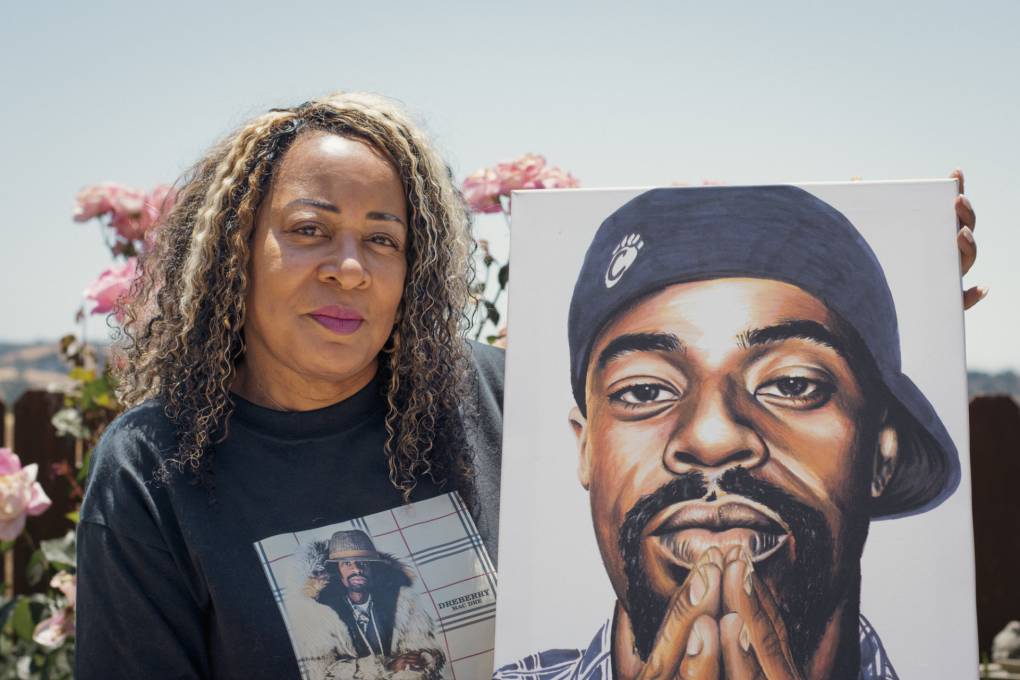
"caption": "Wanda Salvatto holding a painting of her late son, Bay Area hip-hop icon Mac Dre, in Vallejo on Monday, June 26th, 2023. ",
"description": "DO NOT REPUBLISH",
"title": "062723-Wanda-Salvatto-07-RT-KQED",
"credit": "Raphaël Timmons/KQED",
"status": "inherit",
"altTag": "A woman looks at the camera while holding a drawing of a man with a goatee and a backwards baseball cap.",
"isLoading": false,
"fetchFailed": false
},
"news_11952958": {
"type": "attachments",
"id": "news_11952958",
"meta": {
"index": "attachments_1716263798",
"site": "news",
"id": "11952958",
"found": true
},
"parent": 11952924,
"imgSizes": {
"twentyfourteen-full-width": {
"file": "https://ww2.kqed.org/app/uploads/sites/10/2023/06/Rainbow_Cover_1834-1038x576.jpg",
"width": 1038,
"mimeType": "image/jpeg",
"height": 576
},
"thumbnail": {
"file": "https://ww2.kqed.org/app/uploads/sites/10/2023/06/Rainbow_Cover_1834-160x114.jpg",
"width": 160,
"mimeType": "image/jpeg",
"height": 114
},
"post-thumbnail": {
"file": "https://ww2.kqed.org/app/uploads/sites/10/2023/06/Rainbow_Cover_1834-672x372.jpg",
"width": 672,
"mimeType": "image/jpeg",
"height": 372
},
"kqedFullSize": {
"file": "https://ww2.kqed.org/app/uploads/sites/10/2023/06/Rainbow_Cover_1834-scaled.jpg",
"width": 2560,
"height": 1828
},
"2048x2048": {
"file": "https://ww2.kqed.org/app/uploads/sites/10/2023/06/Rainbow_Cover_1834-2048x1463.jpg",
"width": 2048,
"mimeType": "image/jpeg",
"height": 1463
},
"large": {
"file": "https://ww2.kqed.org/app/uploads/sites/10/2023/06/Rainbow_Cover_1834-1020x728.jpg",
"width": 1020,
"mimeType": "image/jpeg",
"height": 728
},
"1536x1536": {
"file": "https://ww2.kqed.org/app/uploads/sites/10/2023/06/Rainbow_Cover_1834-1536x1097.jpg",
"width": 1536,
"mimeType": "image/jpeg",
"height": 1097
},
"full-width": {
"file": "https://ww2.kqed.org/app/uploads/sites/10/2023/06/Rainbow_Cover_1834-1920x1371.jpg",
"width": 1920,
"mimeType": "image/jpeg",
"height": 1371
},
"medium": {
"file": "https://ww2.kqed.org/app/uploads/sites/10/2023/06/Rainbow_Cover_1834-800x571.jpg",
"width": 800,
"mimeType": "image/jpeg",
"height": 571
}
},
"publishDate": 1686772215,
"modified": 1686784656,
"caption": "The Bay Curious book features 49 stories we think are essential to living in the Bay Area. ",
"description": "The Bay Curious book features 49 stories that we think are essential to living in the Bay Area. ",
"title": "Rainbow_Cover_1834",
"credit": "Madison Pruett/KQED",
"status": "inherit",
"altTag": "A white person with long pink fingernails holds the Bay Curious book in front of a rainbow colored well. The book features doodles of San Francisco imagery, like the Golden Gate Bridge, a fortune cookie, a person raising a hand in a black power salute and a Mai Tai.",
"isLoading": false,
"fetchFailed": false
},
"news_11451514": {
"type": "attachments",
"id": "news_11451514",
"meta": {
"index": "attachments_1716263798",
"site": "news",
"id": "11451514",
"found": true
},
"parent": 11450483,
"imgSizes": {
"small": {
"file": "https://ww2.kqed.org/app/uploads/sites/10/2017/05/Yosemite-Final-1-520x293.jpg",
"width": 520,
"mimeType": "image/jpeg",
"height": 293
},
"twentyfourteen-full-width": {
"file": "https://ww2.kqed.org/app/uploads/sites/10/2017/05/Yosemite-Final-1-1038x576.jpg",
"width": 1038,
"mimeType": "image/jpeg",
"height": 576
},
"thumbnail": {
"file": "https://ww2.kqed.org/app/uploads/sites/10/2017/05/Yosemite-Final-1-160x90.jpg",
"width": 160,
"mimeType": "image/jpeg",
"height": 90
},
"fd-sm": {
"file": "https://ww2.kqed.org/app/uploads/sites/10/2017/05/Yosemite-Final-1-960x540.jpg",
"width": 960,
"mimeType": "image/jpeg",
"height": 540
},
"post-thumbnail": {
"file": "https://ww2.kqed.org/app/uploads/sites/10/2017/05/Yosemite-Final-1-672x372.jpg",
"width": 672,
"mimeType": "image/jpeg",
"height": 372
},
"xsmall": {
"file": "https://ww2.kqed.org/app/uploads/sites/10/2017/05/Yosemite-Final-1-375x211.jpg",
"width": 375,
"mimeType": "image/jpeg",
"height": 211
},
"kqedFullSize": {
"file": "https://ww2.kqed.org/app/uploads/sites/10/2017/05/Yosemite-Final-1.jpg",
"width": 1920,
"height": 1080
},
"large": {
"file": "https://ww2.kqed.org/app/uploads/sites/10/2017/05/Yosemite-Final-1-1020x574.jpg",
"width": 1020,
"mimeType": "image/jpeg",
"height": 574
},
"xlarge": {
"file": "https://ww2.kqed.org/app/uploads/sites/10/2017/05/Yosemite-Final-1-1180x664.jpg",
"width": 1180,
"mimeType": "image/jpeg",
"height": 664
},
"guest-author-50": {
"file": "https://ww2.kqed.org/app/uploads/sites/10/2017/05/Yosemite-Final-1-50x50.jpg",
"width": 50,
"mimeType": "image/jpeg",
"height": 50
},
"guest-author-96": {
"file": "https://ww2.kqed.org/app/uploads/sites/10/2017/05/Yosemite-Final-1-96x96.jpg",
"width": 96,
"mimeType": "image/jpeg",
"height": 96
},
"medium": {
"file": "https://ww2.kqed.org/app/uploads/sites/10/2017/05/Yosemite-Final-1-800x450.jpg",
"width": 800,
"mimeType": "image/jpeg",
"height": 450
},
"guest-author-64": {
"file": "https://ww2.kqed.org/app/uploads/sites/10/2017/05/Yosemite-Final-1-64x64.jpg",
"width": 64,
"mimeType": "image/jpeg",
"height": 64
},
"guest-author-32": {
"file": "https://ww2.kqed.org/app/uploads/sites/10/2017/05/Yosemite-Final-1-32x32.jpg",
"width": 32,
"mimeType": "image/jpeg",
"height": 32
},
"fd-lrg": {
"file": "https://ww2.kqed.org/app/uploads/sites/10/2017/05/Yosemite-Final-1-1920x1080.jpg",
"width": 1920,
"mimeType": "image/jpeg",
"height": 1080
},
"fd-med": {
"file": "https://ww2.kqed.org/app/uploads/sites/10/2017/05/Yosemite-Final-1-1180x664.jpg",
"width": 1180,
"mimeType": "image/jpeg",
"height": 664
},
"full-width": {
"file": "https://ww2.kqed.org/app/uploads/sites/10/2017/05/Yosemite-Final-1-1920x1080.jpg",
"width": 1920,
"mimeType": "image/jpeg",
"height": 1080
},
"detail": {
"file": "https://ww2.kqed.org/app/uploads/sites/10/2017/05/Yosemite-Final-1-150x150.jpg",
"width": 150,
"mimeType": "image/jpeg",
"height": 150
},
"guest-author-128": {
"file": "https://ww2.kqed.org/app/uploads/sites/10/2017/05/Yosemite-Final-1-128x128.jpg",
"width": 128,
"mimeType": "image/jpeg",
"height": 128
},
"xxsmall": {
"file": "https://ww2.kqed.org/app/uploads/sites/10/2017/05/Yosemite-Final-1-240x135.jpg",
"width": 240,
"mimeType": "image/jpeg",
"height": 135
}
},
"publishDate": 1494484060,
"modified": 1494484060,
"caption": null,
"description": null,
"title": "Yosemite-Final",
"credit": null,
"status": "inherit",
"isLoading": false,
"fetchFailed": false
},
"news_11952492": {
"type": "attachments",
"id": "news_11952492",
"meta": {
"index": "attachments_1716263798",
"site": "news",
"id": "11952492",
"found": true
},
"parent": 11952468,
"imgSizes": {
"twentyfourteen-full-width": {
"file": "https://ww2.kqed.org/app/uploads/sites/10/2023/06/GettyImages-942262226-scaled-e1686173360385-1038x576.jpg",
"width": 1038,
"mimeType": "image/jpeg",
"height": 576
},
"thumbnail": {
"file": "https://ww2.kqed.org/app/uploads/sites/10/2023/06/GettyImages-942262226-scaled-e1686173360385-160x106.jpg",
"width": 160,
"mimeType": "image/jpeg",
"height": 106
},
"post-thumbnail": {
"file": "https://ww2.kqed.org/app/uploads/sites/10/2023/06/GettyImages-942262226-scaled-e1686173360385-672x372.jpg",
"width": 672,
"mimeType": "image/jpeg",
"height": 372
},
"kqedFullSize": {
"file": "https://ww2.kqed.org/app/uploads/sites/10/2023/06/GettyImages-942262226-scaled-e1686173360385.jpg",
"width": 1920,
"height": 1273
},
"2048x2048": {
"file": "https://ww2.kqed.org/app/uploads/sites/10/2023/06/GettyImages-942262226-2048x1358.jpg",
"width": 2048,
"mimeType": "image/jpeg",
"height": 1358
},
"large": {
"file": "https://ww2.kqed.org/app/uploads/sites/10/2023/06/GettyImages-942262226-scaled-e1686173360385-1020x676.jpg",
"width": 1020,
"mimeType": "image/jpeg",
"height": 676
},
"1536x1536": {
"file": "https://ww2.kqed.org/app/uploads/sites/10/2023/06/GettyImages-942262226-scaled-e1686173360385-1536x1018.jpg",
"width": 1536,
"mimeType": "image/jpeg",
"height": 1018
},
"full-width": {
"file": "https://ww2.kqed.org/app/uploads/sites/10/2023/06/GettyImages-942262226-1920x1273.jpg",
"width": 1920,
"mimeType": "image/jpeg",
"height": 1273
},
"medium": {
"file": "https://ww2.kqed.org/app/uploads/sites/10/2023/06/GettyImages-942262226-scaled-e1686173360385-800x530.jpg",
"width": 800,
"mimeType": "image/jpeg",
"height": 530
}
},
"publishDate": 1686173312,
"modified": 1686184324,
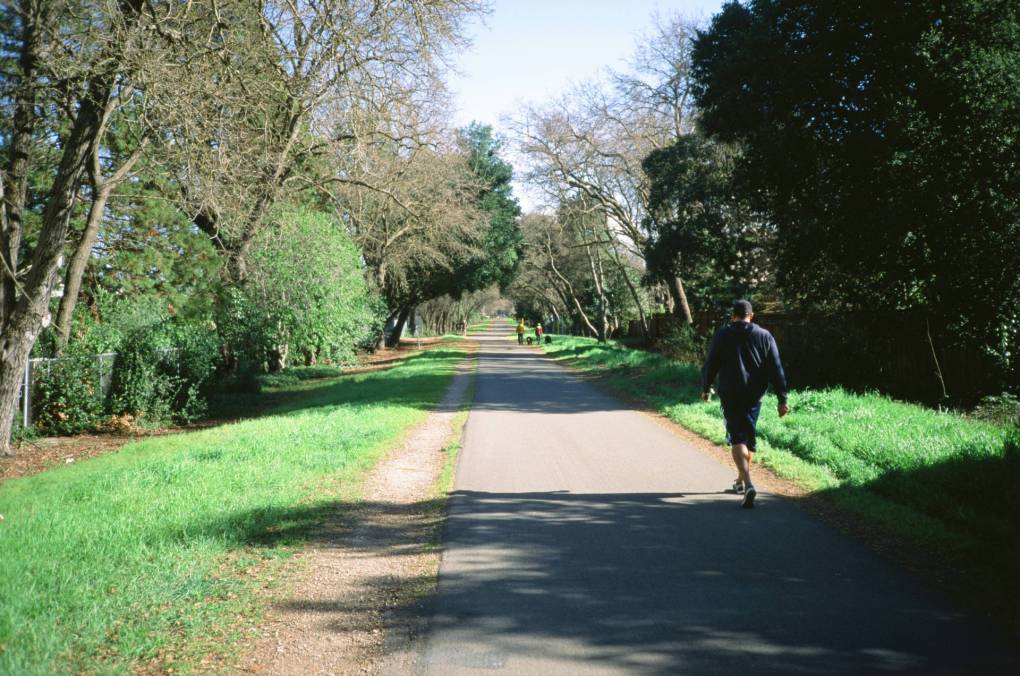
"caption": "A man walks down the Iron Horse Regional Trail, a converted rail trail in Danville, on Feb. 18, 2018.",
"description": null,
"title": "Iron Horse Trail",
"credit": "Smith Collection/Gado/Getty Images",
"status": "inherit",
"altTag": "A man walks along a wide open paved trail lines with trees.",
"isLoading": false,
"fetchFailed": false
},
"news_11951822": {
"type": "attachments",
"id": "news_11951822",
"meta": {
"index": "attachments_1716263798",
"site": "news",
"id": "11951822",
"found": true
},
"parent": 11951820,
"imgSizes": {
"twentyfourteen-full-width": {
"file": "https://ww2.kqed.org/app/uploads/sites/10/2023/05/GettyImages-601441689-1038x576.jpg",
"width": 1038,
"mimeType": "image/jpeg",
"height": 576
},
"thumbnail": {
"file": "https://ww2.kqed.org/app/uploads/sites/10/2023/05/GettyImages-601441689-160x90.jpg",
"width": 160,
"mimeType": "image/jpeg",
"height": 90
},
"post-thumbnail": {
"file": "https://ww2.kqed.org/app/uploads/sites/10/2023/05/GettyImages-601441689-672x372.jpg",
"width": 672,
"mimeType": "image/jpeg",
"height": 372
},
"kqedFullSize": {
"file": "https://ww2.kqed.org/app/uploads/sites/10/2023/05/GettyImages-601441689.jpg",
"width": 1920,
"height": 1080
},
"large": {
"file": "https://ww2.kqed.org/app/uploads/sites/10/2023/05/GettyImages-601441689-1020x574.jpg",
"width": 1020,
"mimeType": "image/jpeg",
"height": 574
},
"1536x1536": {
"file": "https://ww2.kqed.org/app/uploads/sites/10/2023/05/GettyImages-601441689-1536x864.jpg",
"width": 1536,
"mimeType": "image/jpeg",
"height": 864
},
"medium": {
"file": "https://ww2.kqed.org/app/uploads/sites/10/2023/05/GettyImages-601441689-800x450.jpg",
"width": 800,
"mimeType": "image/jpeg",
"height": 450
}
},
"publishDate": 1685554825,
"modified": 1685554936,
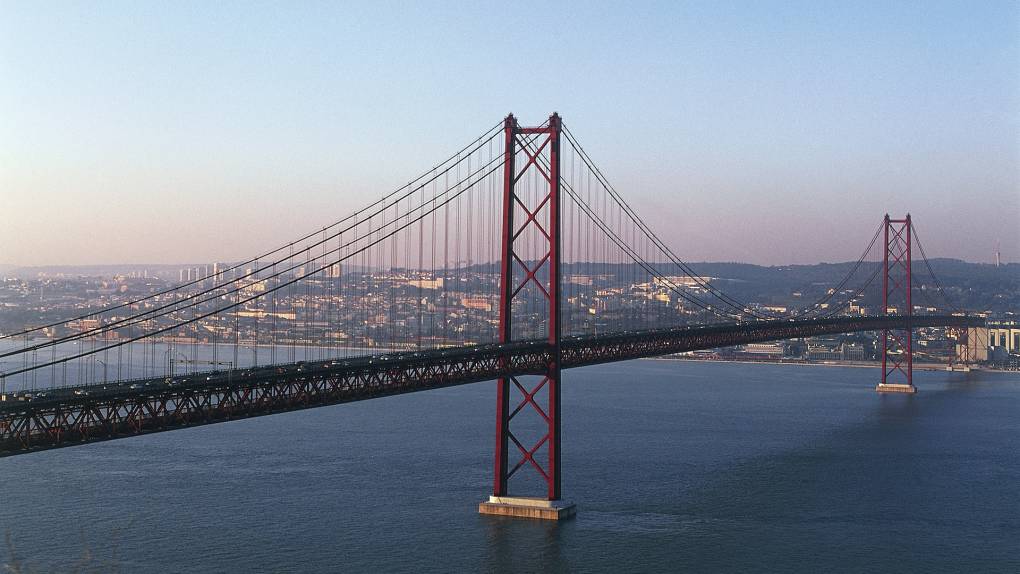
"caption": "The Ponte 25 de Abril bridge over the Tagus river connecting Lisbon to Almada, Portugal.",
"description": null,
"title": "The 25th of April bridge over the Tagus river",
"credit": "DeAgostini/Getty Images",
"status": "inherit",
"altTag": "A red suspension bridge in Portugal that looks quite a bit like the Golden Gate Bridge in San Francisco.",
"isLoading": false,
"fetchFailed": false
},
"news_11951887": {
"type": "attachments",
"id": "news_11951887",
"meta": {
"index": "attachments_1716263798",
"site": "news",
"id": "11951887",
"found": true
},
"parent": 11951866,
"imgSizes": {
"twentyfourteen-full-width": {
"file": "https://ww2.kqed.org/app/uploads/sites/10/2023/06/RS32605_ElectricCars_AW_10-qut-1038x576.jpg",
"width": 1038,
"mimeType": "image/jpeg",
"height": 576
},
"thumbnail": {
"file": "https://ww2.kqed.org/app/uploads/sites/10/2023/06/RS32605_ElectricCars_AW_10-qut-160x107.jpg",
"width": 160,
"mimeType": "image/jpeg",
"height": 107
},
"post-thumbnail": {
"file": "https://ww2.kqed.org/app/uploads/sites/10/2023/06/RS32605_ElectricCars_AW_10-qut-672x372.jpg",
"width": 672,
"mimeType": "image/jpeg",
"height": 372
},
"kqedFullSize": {
"file": "https://ww2.kqed.org/app/uploads/sites/10/2023/06/RS32605_ElectricCars_AW_10-qut.jpg",
"width": 1920,
"height": 1280
},
"large": {
"file": "https://ww2.kqed.org/app/uploads/sites/10/2023/06/RS32605_ElectricCars_AW_10-qut-1020x680.jpg",
"width": 1020,
"mimeType": "image/jpeg",
"height": 680
},
"1536x1536": {
"file": "https://ww2.kqed.org/app/uploads/sites/10/2023/06/RS32605_ElectricCars_AW_10-qut-1536x1024.jpg",
"width": 1536,
"mimeType": "image/jpeg",
"height": 1024
},
"medium": {
"file": "https://ww2.kqed.org/app/uploads/sites/10/2023/06/RS32605_ElectricCars_AW_10-qut-800x533.jpg",
"width": 800,
"mimeType": "image/jpeg",
"height": 533
}
},
"publishDate": 1685573972,
"modified": 1685576249,
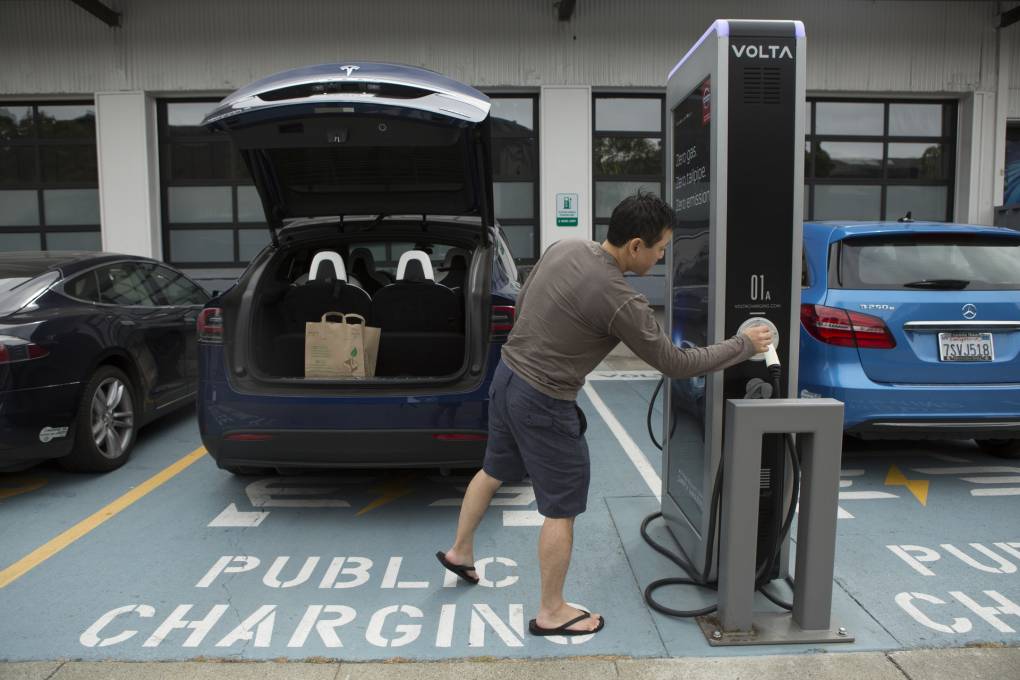
"caption": "A public charging station for electric vehicles in the Potrero neighborhood of San Francisco.",
"description": null,
"title": "RS32605_ElectricCars_AW_10-qut",
"credit": "Anne Wernikoff/KQED",
"status": "inherit",
"altTag": null,
"isLoading": false,
"fetchFailed": false
},
"news_11950689": {
"type": "attachments",
"id": "news_11950689",
"meta": {
"index": "attachments_1716263798",
"site": "news",
"id": "11950689",
"found": true
},
"parent": 11950685,
"imgSizes": {
"twentyfourteen-full-width": {
"file": "https://ww2.kqed.org/app/uploads/sites/10/2023/05/RS65602_20230521_ksuzuki_baytobreakers-599-qut-1038x576.jpg",
"width": 1038,
"mimeType": "image/jpeg",
"height": 576
},
"thumbnail": {
"file": "https://ww2.kqed.org/app/uploads/sites/10/2023/05/RS65602_20230521_ksuzuki_baytobreakers-599-qut-160x107.jpg",
"width": 160,
"mimeType": "image/jpeg",
"height": 107
},
"post-thumbnail": {
"file": "https://ww2.kqed.org/app/uploads/sites/10/2023/05/RS65602_20230521_ksuzuki_baytobreakers-599-qut-672x372.jpg",
"width": 672,
"mimeType": "image/jpeg",
"height": 372
},
"kqedFullSize": {
"file": "https://ww2.kqed.org/app/uploads/sites/10/2023/05/RS65602_20230521_ksuzuki_baytobreakers-599-qut.jpg",
"width": 1920,
"height": 1282
},
"large": {
"file": "https://ww2.kqed.org/app/uploads/sites/10/2023/05/RS65602_20230521_ksuzuki_baytobreakers-599-qut-1020x681.jpg",
"width": 1020,
"mimeType": "image/jpeg",
"height": 681
},
"1536x1536": {
"file": "https://ww2.kqed.org/app/uploads/sites/10/2023/05/RS65602_20230521_ksuzuki_baytobreakers-599-qut-1536x1026.jpg",
"width": 1536,
"mimeType": "image/jpeg",
"height": 1026
},
"medium": {
"file": "https://ww2.kqed.org/app/uploads/sites/10/2023/05/RS65602_20230521_ksuzuki_baytobreakers-599-qut-800x534.jpg",
"width": 800,
"mimeType": "image/jpeg",
"height": 534
}
},
"publishDate": 1685041903,
"modified": 1685124945,
"caption": "Costumed superheroes lead the way as Bay to Breakers participants surge down Hayes Street in San Francisco on May 21, 2023. Many see the annual race as a celebration of San Francisco's personality.",
"description": null,
"title": "RS65602_20230521_ksuzuki_baytobreakers 599-qut",
"credit": "Kori Suzuki/KQED",
"status": "inherit",
"altTag": "A crowd of people, many in costumes, descend a hilly street in San Francisco.",
"isLoading": false,
"fetchFailed": false
},
"news_11949026": {
"type": "attachments",
"id": "news_11949026",
"meta": {
"index": "attachments_1716263798",
"site": "news",
"id": "11949026",
"found": true
},
"parent": 0,
"imgSizes": {
"twentyfourteen-full-width": {
"file": "https://ww2.kqed.org/app/uploads/sites/10/2023/05/GettyImages-1346413477-1038x576.jpg",
"width": 1038,
"mimeType": "image/jpeg",
"height": 576
},
"thumbnail": {
"file": "https://ww2.kqed.org/app/uploads/sites/10/2023/05/GettyImages-1346413477-160x103.jpg",
"width": 160,
"mimeType": "image/jpeg",
"height": 103
},
"post-thumbnail": {
"file": "https://ww2.kqed.org/app/uploads/sites/10/2023/05/GettyImages-1346413477-672x372.jpg",
"width": 672,
"mimeType": "image/jpeg",
"height": 372
},
"kqedFullSize": {
"file": "https://ww2.kqed.org/app/uploads/sites/10/2023/05/GettyImages-1346413477.jpg",
"width": 1920,
"height": 1239
},
"large": {
"file": "https://ww2.kqed.org/app/uploads/sites/10/2023/05/GettyImages-1346413477-1020x658.jpg",
"width": 1020,
"mimeType": "image/jpeg",
"height": 658
},
"1536x1536": {
"file": "https://ww2.kqed.org/app/uploads/sites/10/2023/05/GettyImages-1346413477-1536x991.jpg",
"width": 1536,
"mimeType": "image/jpeg",
"height": 991
},
"medium": {
"file": "https://ww2.kqed.org/app/uploads/sites/10/2023/05/GettyImages-1346413477-800x516.jpg",
"width": 800,
"mimeType": "image/jpeg",
"height": 516
}
},
"publishDate": 1683748329,
"modified": 1683765441,
"caption": "Products are displayed in locked security cabinets at a Walgreens store.",
"description": "Products are displayed in locked security cabinets at a Walgreens store.",
"title": "Walgreens To Close Five San Francisco Locations After Rampant Shoplifting",
"credit": "Justin Sullivan/Getty Images",
"status": "inherit",
"altTag": "Crest toothpaste locked behind a plastic barrier. Prices of the items range from $4 to $15.99.",
"isLoading": false,
"fetchFailed": false
},
"news_11948447": {
"type": "attachments",
"id": "news_11948447",
"meta": {
"index": "attachments_1716263798",
"site": "news",
"id": "11948447",
"found": true
},
"parent": 11948422,
"imgSizes": {
"twentyfourteen-full-width": {
"file": "https://ww2.kqed.org/app/uploads/sites/10/2023/05/IMG_6044-1038x576.jpg",
"width": 1038,
"mimeType": "image/jpeg",
"height": 576
},
"thumbnail": {
"file": "https://ww2.kqed.org/app/uploads/sites/10/2023/05/IMG_6044-160x120.jpg",
"width": 160,
"mimeType": "image/jpeg",
"height": 120
},
"post-thumbnail": {
"file": "https://ww2.kqed.org/app/uploads/sites/10/2023/05/IMG_6044-672x372.jpg",
"width": 672,
"mimeType": "image/jpeg",
"height": 372
},
"kqedFullSize": {
"file": "https://ww2.kqed.org/app/uploads/sites/10/2023/05/IMG_6044-scaled.jpg",
"width": 2560,
"height": 1920
},
"2048x2048": {
"file": "https://ww2.kqed.org/app/uploads/sites/10/2023/05/IMG_6044-2048x1536.jpg",
"width": 2048,
"mimeType": "image/jpeg",
"height": 1536
},
"large": {
"file": "https://ww2.kqed.org/app/uploads/sites/10/2023/05/IMG_6044-1020x765.jpg",
"width": 1020,
"mimeType": "image/jpeg",
"height": 765
},
"1536x1536": {
"file": "https://ww2.kqed.org/app/uploads/sites/10/2023/05/IMG_6044-1536x1152.jpg",
"width": 1536,
"mimeType": "image/jpeg",
"height": 1152
},
"full-width": {
"file": "https://ww2.kqed.org/app/uploads/sites/10/2023/05/IMG_6044-1920x1440.jpg",
"width": 1920,
"mimeType": "image/jpeg",
"height": 1440
},
"medium": {
"file": "https://ww2.kqed.org/app/uploads/sites/10/2023/05/IMG_6044-800x600.jpg",
"width": 800,
"mimeType": "image/jpeg",
"height": 600
}
},
"publishDate": 1683167334,
"modified": 1685653706,
"caption": "At the entrance of Children’s Fairyland in Oakland, children can pass through a giant shoe, a reference to a popular nursery rhyme about an old woman who lived in a shoe.",
"description": null,
"title": "IMG_6044",
"credit": "Pauline Bartolone/KQED",
"status": "inherit",
"altTag": "Beyond bushes in the foreground, we see a giant, light-pink shoe with a turquoise roof and a tunnel people can walk through toward an arch with multicolored letters that spell \"FAIRYLAND.\"",
"isLoading": false,
"fetchFailed": false
},
"news_11947839": {
"type": "attachments",
"id": "news_11947839",
"meta": {
"index": "attachments_1716263798",
"site": "news",
"id": "11947839",
"found": true
},
"parent": 11947769,
"imgSizes": {
"twentyfourteen-full-width": {
"file": "https://ww2.kqed.org/app/uploads/sites/10/2023/04/IMG_1642-2-Large-1038x576.jpeg",
"width": 1038,
"mimeType": "image/jpeg",
"height": 576
},
"thumbnail": {
"file": "https://ww2.kqed.org/app/uploads/sites/10/2023/04/IMG_1642-2-Large-160x120.jpeg",
"width": 160,
"mimeType": "image/jpeg",
"height": 120
},
"post-thumbnail": {
"file": "https://ww2.kqed.org/app/uploads/sites/10/2023/04/IMG_1642-2-Large-672x372.jpeg",
"width": 672,
"mimeType": "image/jpeg",
"height": 372
},
"kqedFullSize": {
"file": "https://ww2.kqed.org/app/uploads/sites/10/2023/04/IMG_1642-2-Large.jpeg",
"width": 1280,
"height": 960
},
"large": {
"file": "https://ww2.kqed.org/app/uploads/sites/10/2023/04/IMG_1642-2-Large-1020x765.jpeg",
"width": 1020,
"mimeType": "image/jpeg",
"height": 765
},
"medium": {
"file": "https://ww2.kqed.org/app/uploads/sites/10/2023/04/IMG_1642-2-Large-800x600.jpeg",
"width": 800,
"mimeType": "image/jpeg",
"height": 600
}
},
"publishDate": 1682551741,
"modified": 1682634750,
"caption": "Bay Curious youth contributors (from left to right) Emiliano Mejia, Yulieth Aguilar, Carlos Escala and Finn McDonald.",
"description": null,
"title": "IMG_1642 2 Large",
"credit": "Olivia Allen-Price/KQED",
"status": "inherit",
"altTag": "Four teenagers sit on large wooden steps in the lobby of KQED Studios",
"isLoading": false,
"fetchFailed": false
},
"news_11946549": {
"type": "attachments",
"id": "news_11946549",
"meta": {
"index": "attachments_1716263798",
"site": "news",
"id": "11946549",
"found": true
},
"parent": 11946505,
"imgSizes": {
"twentyfourteen-full-width": {
"file": "https://ww2.kqed.org/app/uploads/sites/10/2023/04/GettyImages-657659940-scaled-e1681343068732-1038x576.jpg",
"width": 1038,
"mimeType": "image/jpeg",
"height": 576
},
"thumbnail": {
"file": "https://ww2.kqed.org/app/uploads/sites/10/2023/04/GettyImages-657659940-scaled-e1681343068732-160x107.jpg",
"width": 160,
"mimeType": "image/jpeg",
"height": 107
},
"post-thumbnail": {
"file": "https://ww2.kqed.org/app/uploads/sites/10/2023/04/GettyImages-657659940-scaled-e1681343068732-672x372.jpg",
"width": 672,
"mimeType": "image/jpeg",
"height": 372
},
"kqedFullSize": {
"file": "https://ww2.kqed.org/app/uploads/sites/10/2023/04/GettyImages-657659940-scaled-e1681343068732.jpg",
"width": 1920,
"height": 1280
},
"2048x2048": {
"file": "https://ww2.kqed.org/app/uploads/sites/10/2023/04/GettyImages-657659940-2048x1365.jpg",
"width": 2048,
"mimeType": "image/jpeg",
"height": 1365
},
"large": {
"file": "https://ww2.kqed.org/app/uploads/sites/10/2023/04/GettyImages-657659940-scaled-e1681343068732-1020x680.jpg",
"width": 1020,
"mimeType": "image/jpeg",
"height": 680
},
"1536x1536": {
"file": "https://ww2.kqed.org/app/uploads/sites/10/2023/04/GettyImages-657659940-scaled-e1681343068732-1536x1024.jpg",
"width": 1536,
"mimeType": "image/jpeg",
"height": 1024
},
"full-width": {
"file": "https://ww2.kqed.org/app/uploads/sites/10/2023/04/GettyImages-657659940-1920x1280.jpg",
"width": 1920,
"mimeType": "image/jpeg",
"height": 1280
},
"medium": {
"file": "https://ww2.kqed.org/app/uploads/sites/10/2023/04/GettyImages-657659940-scaled-e1681343068732-800x533.jpg",
"width": 800,
"mimeType": "image/jpeg",
"height": 533
}
},
"publishDate": 1681342404,
"modified": 1681343140,
"caption": "Ornate stained glass ceiling of the Rotunda at Neiman Marcus, in Union Square, formerly the location of City of Paris.",
"description": null,
"title": "Rotunda At Neiman Marcus",
"credit": "Photo via SmithCollection/Gado/Getty Images",
"status": "inherit",
"altTag": "A large stained glass ceiling in ambers and gold depicting a sailing ship",
"isLoading": false,
"fetchFailed": false
},
"news_11945132": {
"type": "attachments",
"id": "news_11945132",
"meta": {
"index": "attachments_1716263798",
"site": "news",
"id": "11945132",
"found": true
},
"parent": 0,
"imgSizes": {
"twentyfourteen-full-width": {
"file": "https://ww2.kqed.org/app/uploads/sites/10/2023/03/pexels-griffin-wooldridge-5111788-1038x576.jpg",
"width": 1038,
"mimeType": "image/jpeg",
"height": 576
},
"thumbnail": {
"file": "https://ww2.kqed.org/app/uploads/sites/10/2023/03/pexels-griffin-wooldridge-5111788-160x97.jpg",
"width": 160,
"mimeType": "image/jpeg",
"height": 97
},
"post-thumbnail": {
"file": "https://ww2.kqed.org/app/uploads/sites/10/2023/03/pexels-griffin-wooldridge-5111788-672x372.jpg",
"width": 672,
"mimeType": "image/jpeg",
"height": 372
},
"kqedFullSize": {
"file": "https://ww2.kqed.org/app/uploads/sites/10/2023/03/pexels-griffin-wooldridge-5111788-scaled.jpg",
"width": 2560,
"height": 1556
},
"2048x2048": {
"file": "https://ww2.kqed.org/app/uploads/sites/10/2023/03/pexels-griffin-wooldridge-5111788-2048x1245.jpg",
"width": 2048,
"mimeType": "image/jpeg",
"height": 1245
},
"large": {
"file": "https://ww2.kqed.org/app/uploads/sites/10/2023/03/pexels-griffin-wooldridge-5111788-1020x620.jpg",
"width": 1020,
"mimeType": "image/jpeg",
"height": 620
},
"1536x1536": {
"file": "https://ww2.kqed.org/app/uploads/sites/10/2023/03/pexels-griffin-wooldridge-5111788-1536x934.jpg",
"width": 1536,
"mimeType": "image/jpeg",
"height": 934
},
"full-width": {
"file": "https://ww2.kqed.org/app/uploads/sites/10/2023/03/pexels-griffin-wooldridge-5111788-1920x1167.jpg",
"width": 1920,
"mimeType": "image/jpeg",
"height": 1167
},
"medium": {
"file": "https://ww2.kqed.org/app/uploads/sites/10/2023/03/pexels-griffin-wooldridge-5111788-800x486.jpg",
"width": 800,
"mimeType": "image/jpeg",
"height": 486
}
},
"publishDate": 1680131343,
"modified": 1680136423,
"caption": "A view of San Francisco and the Bay Bridge at night.",
"description": null,
"title": "pexels-griffin-wooldridge-5111788",
"credit": "Griffin Wooldridge/Pexels",
"status": "inherit",
"altTag": "A suspension bridge is brightly lit up at night, behind is a city skyline with thousands of lights",
"isLoading": false,
"fetchFailed": false
}
},
"audioPlayerReducer": {
"postId": "stream_live",
"isPaused": true,
"isPlaying": false,
"pfsActive": false,
"pledgeModalIsOpen": true,
"playerDrawerIsOpen": false,
"liveAudioPlayStartedAt": 0,
"liveAudioPlayContext": ""
},
"authorsReducer": {
"byline_news_11954252": {
"type": "authors",
"id": "byline_news_11954252",
"meta": {
"override": true
},
"slug": "byline_news_11954252",
"name": "Jessica Kariisa",
"isLoading": false
},
"byline_news_11952468": {
"type": "authors",
"id": "byline_news_11952468",
"meta": {
"override": true
},
"slug": "byline_news_11952468",
"name": "\u003ca href=\"https://www.amymayerwrites.com/\">Amy Mayer\u003c/a>",
"isLoading": false
},
"ohubertallen": {
"type": "authors",
"id": "102",
"meta": {
"index": "authors_1716337520",
"id": "102",
"found": true
},
"name": "Olivia Allen-Price",
"firstName": "Olivia",
"lastName": "Allen-Price",
"slug": "ohubertallen",
"email": "oallenprice@kqed.org",
"display_author_email": false,
"staff_mastheads": [
"news"
],
"title": "Senior Editor",
"bio": "Olivia Allen-Price is senior editor and host of the award-winning Bay Curious podcast. Prior to joining KQED in 2013, Olivia worked at The Baltimore Sun and The Virginian-Pilot in Norfolk, Va. She holds degrees in journalism and political science from Elon University. Her work has earned awards from the Society of Professional Journalists, the Hearst Foundation and Hearken. She loves to talk about running and curly hair.\r\n\r\nFollow: \u003ca href=\"https://twitter.com/oallenprice\">@oallenprice\u003c/a>\r\nEmail: \u003ca href=\"mailto:oallenprice@kqed.org\">oallenprice@kqed.org\u003c/a>",
"avatar": "https://secure.gravatar.com/avatar/07f7803c1f6be56f3be58ef276dfa64dce898502e0554408ef4858451a8294f7?s=600&d=blank&r=g",
"twitter": "oallenprice",
"bluesky": null,
"facebook": null,
"instagram": null,
"linkedin": null,
"sites": [
{
"site": "",
"roles": [
"editor"
]
},
{
"site": "arts",
"roles": [
"subscriber"
]
},
{
"site": "news",
"roles": [
"administrator"
]
},
{
"site": "pop",
"roles": [
"administrator"
]
},
{
"site": "bayareabites",
"roles": [
"contributor"
]
},
{
"site": "stateofhealth",
"roles": [
"administrator"
]
},
{
"site": "science",
"roles": [
"editor"
]
}
],
"headData": {
"title": "Olivia Allen-Price | KQED",
"description": "Senior Editor",
"ogImgSrc": "https://secure.gravatar.com/avatar/07f7803c1f6be56f3be58ef276dfa64dce898502e0554408ef4858451a8294f7?s=600&d=blank&r=g",
"twImgSrc": "https://secure.gravatar.com/avatar/07f7803c1f6be56f3be58ef276dfa64dce898502e0554408ef4858451a8294f7?s=600&d=blank&r=g"
},
"isLoading": false,
"link": "/author/ohubertallen"
},
"jplaczek": {
"type": "authors",
"id": "8606",
"meta": {
"index": "authors_1716337520",
"id": "8606",
"found": true
},
"name": "Jessica Placzek",
"firstName": "Jessica",
"lastName": "Placzek",
"slug": "jplaczek",
"email": "jessicalplaczek@gmail.com",
"display_author_email": false,
"staff_mastheads": [
"news"
],
"title": "KQED Contributor",
"bio": "Jessica Placzek is a former senior editor of podcasts at KQED where she served as the editorial lead of the podcast department. She worked with shows like MindShift, Rightnowish, Consider This, SOLD OUT, Bay Curious and The Bay. She’s also been a reporter and audio producer at KQED, KPFA, and KALW. She taught audio production to men incarcerated at California State Prison Solano and edited pieces they produced for the Uncuffed podcast through KALW. In 2018 she co-hosted and produced the third season of Raw Material for SFMOMA. In New Orleans she wrote for the Nola Defender. Her work has also appeared on Marketplace, All Things Considered, The California Report, and Vice. You can find more at jessicaplaczek.com",
"avatar": "https://secure.gravatar.com/avatar/5ead103b5880f672eceb84ce75eecd1b4b6f74a47edc457684a73ad5b8b158e9?s=600&d=blank&r=g",
"twitter": null,
"bluesky": null,
"facebook": null,
"instagram": null,
"linkedin": null,
"sites": [
{
"site": "arts",
"roles": [
"subscriber"
]
},
{
"site": "news",
"roles": [
"subscriber"
]
},
{
"site": "stateofhealth",
"roles": [
"editor"
]
},
{
"site": "forum",
"roles": [
"editor"
]
}
],
"headData": {
"title": "Jessica Placzek | KQED",
"description": "KQED Contributor",
"ogImgSrc": "https://secure.gravatar.com/avatar/5ead103b5880f672eceb84ce75eecd1b4b6f74a47edc457684a73ad5b8b158e9?s=600&d=blank&r=g",
"twImgSrc": "https://secure.gravatar.com/avatar/5ead103b5880f672eceb84ce75eecd1b4b6f74a47edc457684a73ad5b8b158e9?s=600&d=blank&r=g"
},
"isLoading": false,
"link": "/author/jplaczek"
},
"afont": {
"type": "authors",
"id": "8637",
"meta": {
"index": "authors_1716337520",
"id": "8637",
"found": true
},
"name": "Amanda Font",
"firstName": "Amanda",
"lastName": "Font",
"slug": "afont",
"email": "afont@kqed.org",
"display_author_email": false,
"staff_mastheads": [],
"title": "KQED Contributor",
"bio": "Amanda Font is a producer on \u003cem>The Latest\u003c/em> podcast, and the host and co-producer of the series \u003cem>Audible Cosmos\u003c/em>. She has previously worked as a producer and reporter on the \u003cem>Bay Curious\u003c/em> podcast, and director of \u003cem>The California Report Magazine\u003c/em>. She grew up in the deserts of Southern California and moved north for the trees. Amanda earned a B.A. from the BECA program at San Francisco State, where she worked in the university's radio station. Amanda Font is represented by SAG-AFTRA.",
"avatar": "https://secure.gravatar.com/avatar/d9e81cf0117d5849b9cfb7ab4b1422f1?s=600&d=blank&r=g",
"twitter": null,
"facebook": null,
"instagram": null,
"linkedin": null,
"sites": [
{
"site": "news",
"roles": [
"add_users",
"create_users"
]
},
{
"site": "science",
"roles": []
},
{
"site": "forum",
"roles": [
"administrator"
]
},
{
"site": "perspectives",
"roles": [
"administrator"
]
},
{
"site": "radio",
"roles": [
"administrator"
]
}
],
"headData": {
"title": "Amanda Font | KQED",
"description": "KQED Contributor",
"ogImgSrc": "https://secure.gravatar.com/avatar/d9e81cf0117d5849b9cfb7ab4b1422f1?s=600&d=blank&r=g",
"twImgSrc": "https://secure.gravatar.com/avatar/d9e81cf0117d5849b9cfb7ab4b1422f1?s=600&d=blank&r=g"
},
"isLoading": false,
"link": "/author/afont"
},
"smohamad": {
"type": "authors",
"id": "11631",
"meta": {
"index": "authors_1716337520",
"id": "11631",
"found": true
},
"name": "Sarah Mohamad",
"firstName": "Sarah",
"lastName": "Mohamad",
"slug": "smohamad",
"email": "smohamad@KQED.org",
"display_author_email": true,
"staff_mastheads": [],
"title": "Engagement Producer and Reporter, KQED Science",
"bio": "Sarah Mohamad is an audience engagement reporter and producer for KQED Science. She reports on audience-focused science and environment stories and manages the team's social media, newsletter, and engagement efforts. Prior to this role, she played a key role as project manager for NSF's \u003ca href=\"https://www.kqed.org/crackingthecode\">\u003cem>Cracking the Code: Influencing Millennial Science Engagement\u003c/em> \u003c/a>audience research.",
"avatar": "https://secure.gravatar.com/avatar/e6224957cd82d015183756ddde1f928013a563d7ca2e4565f8c4de1ec64886c5?s=600&d=blank&r=g",
"twitter": "sarahkmohamad",
"bluesky": null,
"facebook": null,
"instagram": null,
"linkedin": null,
"sites": [
{
"site": "",
"roles": [
"editor"
]
},
{
"site": "arts",
"roles": [
"editor"
]
},
{
"site": "news",
"roles": [
"editor"
]
},
{
"site": "about",
"roles": [
"editor"
]
},
{
"site": "science",
"roles": [
"editor"
]
}
],
"headData": {
"title": "Sarah Mohamad | KQED",
"description": "Engagement Producer and Reporter, KQED Science",
"ogImgSrc": "https://secure.gravatar.com/avatar/e6224957cd82d015183756ddde1f928013a563d7ca2e4565f8c4de1ec64886c5?s=600&d=blank&r=g",
"twImgSrc": "https://secure.gravatar.com/avatar/e6224957cd82d015183756ddde1f928013a563d7ca2e4565f8c4de1ec64886c5?s=600&d=blank&r=g"
},
"isLoading": false,
"link": "/author/smohamad"
},
"avignet": {
"type": "authors",
"id": "11683",
"meta": {
"index": "authors_1716337520",
"id": "11683",
"found": true
},
"name": "Anna Vignet",
"firstName": "Anna",
"lastName": "Vignet",
"slug": "avignet",
"email": "avignet@kqed.org",
"display_author_email": false,
"staff_mastheads": [
"news"
],
"title": "KQED Contributor",
"bio": null,
"avatar": "https://secure.gravatar.com/avatar/75b1c67fd0f5915bc8c1514aca495240?s=600&d=blank&r=g",
"twitter": null,
"facebook": null,
"instagram": null,
"linkedin": null,
"sites": [
{
"site": "arts",
"roles": [
"author"
]
},
{
"site": "news",
"roles": [
"editor"
]
}
],
"headData": {
"title": "Anna Vignet | KQED",
"description": "KQED Contributor",
"ogImgSrc": "https://secure.gravatar.com/avatar/75b1c67fd0f5915bc8c1514aca495240?s=600&d=blank&r=g",
"twImgSrc": "https://secure.gravatar.com/avatar/75b1c67fd0f5915bc8c1514aca495240?s=600&d=blank&r=g"
},
"isLoading": false,
"link": "/author/avignet"
},
"cbeale": {
"type": "authors",
"id": "11749",
"meta": {
"index": "authors_1716337520",
"id": "11749",
"found": true
},
"name": "Christopher Beale",
"firstName": "Christopher",
"lastName": "Beale",
"slug": "cbeale",
"email": "cbeale@kqed.org",
"display_author_email": true,
"staff_mastheads": [
"news"
],
"title": "Engineer/Producer/Reporter",
"bio": "\u003ca href=\"https://linktr.ee/realchrisjbeale\" rel=\"noopener noreferrer\">Christopher J. Beale\u003c/a> is an award winning journalist, audio engineer, and media host living in San Francisco. \r\n\r\nChristopher works primarily as an audio engineer at KQED and serves as the sound designer for both the Bay Curious and Rightnowish podcasts. He is the host and producer of the LGBTQIA podcast and radio segment \u003ca href=\"https://stereotypespodcast.org\">Stereotypes\u003c/a>.",
"avatar": "https://secure.gravatar.com/avatar/dc485bf84788eb7e7414eb638e72407e?s=600&d=blank&r=g",
"twitter": "realchrisjbeale",
"facebook": null,
"instagram": "http://instagram.com/realchrisjbeale",
"linkedin": null,
"sites": [
{
"site": "arts",
"roles": [
"contributor"
]
},
{
"site": "news",
"roles": [
"editor"
]
},
{
"site": "forum",
"roles": [
"editor"
]
}
],
"headData": {
"title": "Christopher Beale | KQED",
"description": "Engineer/Producer/Reporter",
"ogImgSrc": "https://secure.gravatar.com/avatar/dc485bf84788eb7e7414eb638e72407e?s=600&d=blank&r=g",
"twImgSrc": "https://secure.gravatar.com/avatar/dc485bf84788eb7e7414eb638e72407e?s=600&d=blank&r=g"
},
"isLoading": false,
"link": "/author/cbeale"
},
"adahlstromeckman": {
"type": "authors",
"id": "11785",
"meta": {
"index": "authors_1716337520",
"id": "11785",
"found": true
},
"name": "Azul Dahlstrom-Eckman",
"firstName": "Azul",
"lastName": "Dahlstrom-Eckman",
"slug": "adahlstromeckman",
"email": "adahlstrom-eckman@kqed.org",
"display_author_email": true,
"staff_mastheads": [],
"title": "Reporter",
"bio": "Azul is a reporter for KQED focusing on transportation and features. He joined KQED in 2021 as an alumna of KALW's Audio Academy radio journalism training program.",
"avatar": "https://secure.gravatar.com/avatar/9cb750298435add7815a777f55bf1f46845c1386bb8452555c60a7b820b5aba3?s=600&d=blank&r=g",
"twitter": "@zuliemann",
"bluesky": "@azul415.bsky.social",
"facebook": null,
"instagram": null,
"linkedin": null,
"sites": [
{
"site": "arts",
"roles": [
"editor"
]
},
{
"site": "news",
"roles": [
"editor"
]
},
{
"site": "science",
"roles": [
"editor"
]
},
{
"site": "liveblog",
"roles": [
"author"
]
}
],
"headData": {
"title": "Azul Dahlstrom-Eckman | KQED",
"description": "Reporter",
"ogImgSrc": "https://secure.gravatar.com/avatar/9cb750298435add7815a777f55bf1f46845c1386bb8452555c60a7b820b5aba3?s=600&d=blank&r=g",
"twImgSrc": "https://secure.gravatar.com/avatar/9cb750298435add7815a777f55bf1f46845c1386bb8452555c60a7b820b5aba3?s=600&d=blank&r=g"
},
"isLoading": false,
"link": "/author/adahlstromeckman"
},
"kmonahan": {
"type": "authors",
"id": "11842",
"meta": {
"index": "authors_1716337520",
"id": "11842",
"found": true
},
"name": "Katherine Monahan",
"firstName": "Katherine",
"lastName": "Monahan",
"slug": "kmonahan",
"email": "kmonahan@kqed.org",
"display_author_email": true,
"staff_mastheads": [],
"title": "Reporter / Sound Engineer",
"bio": "I cover state and local news. I’m also a sound engineer at the station, mixing stories and running live broadcasts. I link to source materials so that readers can draw their own conclusions, and seek comment from a range of perspectives, including from people directly affected by events. Awards received include from the Society of Professional Journalists, Northern California chapter and the Alaska Press Club. I speak multiple languages and have reported and engineered in the Bay Area, Alaska, West Africa and Latin America.",
"avatar": "https://secure.gravatar.com/avatar/ff257b3a5da88893781a3d3266904b2d2f91c7f0e1bbf728f61f5fb81b74a669?s=600&d=blank&r=g",
"twitter": null,
"bluesky": null,
"facebook": null,
"instagram": null,
"linkedin": null,
"sites": [
{
"site": "news",
"roles": [
"editor"
]
},
{
"site": "science",
"roles": [
"contributor"
]
}
],
"headData": {
"title": "Katherine Monahan | KQED",
"description": "Reporter / Sound Engineer",
"ogImgSrc": "https://secure.gravatar.com/avatar/ff257b3a5da88893781a3d3266904b2d2f91c7f0e1bbf728f61f5fb81b74a669?s=600&d=blank&r=g",
"twImgSrc": "https://secure.gravatar.com/avatar/ff257b3a5da88893781a3d3266904b2d2f91c7f0e1bbf728f61f5fb81b74a669?s=600&d=blank&r=g"
},
"isLoading": false,
"link": "/author/kmonahan"
},
"pbartolone": {
"type": "authors",
"id": "11879",
"meta": {
"index": "authors_1716337520",
"id": "11879",
"found": true
},
"name": "Pauline Bartolone",
"firstName": "Pauline",
"lastName": "Bartolone",
"slug": "pbartolone",
"email": "pbartolone@kqed.org",
"display_author_email": false,
"staff_mastheads": [],
"title": "KQED Contributor",
"bio": "Pauline Bartolone has been a journalist for two decades, specializing in longform audio storytelling. Before editing and producing for podcasts like Bay Curious, she was a health care journalist for public radio and print outlets such as CalMatters and Kaiser Health News. Her reporting has won several regional Edward R. Murrow awards, national recognition from the Society of Professional Journalists and a first-place prize from the Association of Health Care Journalists.\r\n\r\nPauline’s work has aired frequently on National Public Radio, and bylines have appeared in The Los Angeles Times, CNN.com, Washingtonpost.com, USA Today and Scientific American.\r\n\r\nPauline has lived in Northern California for 20 years. Her other passions are crafts (now done in collaboration with her daughter) and the Brazilian martial art of capoeira.",
"avatar": "https://secure.gravatar.com/avatar/95001c30374b0d3878007af9cf1e120a?s=600&d=blank&r=g",
"twitter": "pbartolone",
"facebook": null,
"instagram": null,
"linkedin": null,
"sites": [
{
"site": "news",
"roles": [
"editor"
]
},
{
"site": "podcasts",
"roles": [
"subscriber"
]
}
],
"headData": {
"title": "Pauline Bartolone | KQED",
"description": "KQED Contributor",
"ogImgSrc": "https://secure.gravatar.com/avatar/95001c30374b0d3878007af9cf1e120a?s=600&d=blank&r=g",
"twImgSrc": "https://secure.gravatar.com/avatar/95001c30374b0d3878007af9cf1e120a?s=600&d=blank&r=g"
},
"isLoading": false,
"link": "/author/pbartolone"
}
},
"pagesReducer": {
"news_program_bay-curious": {
"type": "terms",
"id": "news_33523",
"meta": {
"index": "terms_1716263798",
"site": "news",
"id": "33523",
"score": 15.085743
},
"featImg": null,
"name": "Bay Curious",
"description": null,
"taxonomy": "program",
"headData": {
"twImgId": null,
"twTitle": null,
"ogTitle": null,
"ogImgId": null,
"twDescription": null,
"description": null,
"title": "Bay Curious Archives | KQED News",
"ogDescription": null
},
"ttid": 33540,
"slug": "bay-curious",
"isLoading": false,
"title": "Bay Curious",
"pageMeta": {
"site": "news",
"WpPageTemplate": "page-topic-editorial",
"currentPage": 15
},
"blocks": [
{
"blockName": "kqed/post-list",
"attrs": {
"layout": "cardArticle2",
"query": "posts/news?program=bay-curious",
"seeMore": false,
"paginated": true,
"page": 15
}
},
{
"blockName": "kqed/ad"
}
]
}
},
"pfsSessionReducer": {},
"postsReducer": {
"stream_live": {
"type": "live",
"id": "stream_live",
"audioUrl": "https://streams.kqed.org/kqedradio",
"title": "Live Stream",
"excerpt": "Live Stream information currently unavailable.",
"link": "/radio",
"featImg": "",
"label": {
"name": "KQED Live",
"link": "/"
}
},
"stream_kqedNewscast": {
"type": "posts",
"id": "stream_kqedNewscast",
"audioUrl": "https://www.kqed.org/.stream/anon/radio/RDnews/newscast.mp3?_=1",
"title": "KQED Newscast",
"featImg": "",
"label": {
"name": "88.5 FM",
"link": "/"
}
},
"news_11954252": {
"type": "posts",
"id": "news_11954252",
"meta": {
"index": "posts_1716263798",
"site": "news",
"id": "11954252",
"score": null,
"sort": [
1688032807000
]
},
"guestAuthors": [],
"slug": "did-mac-dre-really-go-to-prison-because-of-his-lyrics",
"title": "Did Mac Dre Really Go to Prison Because of His Lyrics?",
"publishDate": 1688032807,
"format": "standard",
"headTitle": "Did Mac Dre Really Go to Prison Because of His Lyrics? | KQED",
"labelTerm": {
"term": 33523,
"site": "news"
},
"content": "\u003cp>\u003ca href=\"https://bit.ly/3rbaumh\">\u003cem>Read a transcript of this episode. \u003c/em>\u003c/a>\u003c/p>\n\u003cp>One of the biggest stories in hip-hop right now is set to play out in a courtroom later this year, when \u003ca href=\"https://www.npr.org/2023/01/09/1147767380/rapper-young-thug-rico-trial-gunna\">Atlanta rapper Young Thug goes on trial\u003c/a> for gang-related activities. One of the key pieces of evidence cited in the indictment are his rap lyrics. [baycuriouspodcastinfo]\u003c/p>\n\u003cp>The phenomenon of rap songs being played in court dates back to the early ’90s, with an early example happening in the Bay Area during the trial of one of the region’s most famous rappers, Vallejo’s own Mac Dre.\u003c/p>\n\u003cp>There’s a lot of lore around what happened during Mac Dre’s trial, so as part of \u003ca href=\"https://www.kqed.org/bayareahiphop\">That’s My Word\u003c/a>, KQED’s yearlong project on \u003ca href=\"https://www.kqed.org/bayareahiphop\">Bay Area hip-hop history\u003c/a>, Bay Curious set out to discover what really happened.\u003c/p>\n\u003ch2>A young career, derailed\u003c/h2>\n\u003cp>Before Mac Dre helped pioneer the \u003ca href=\"https://www.complex.com/music/a/steven-j-horowitz/hyphy-oral-history\">hyphy\u003c/a> movement and put the Bay Area’s hip-hop scene on the national map, he was a rising young rapper. He was barely out of high school and already had several hits to his name, like 1991’s “California Livin’,” a progenitor to the sun-soaked G-funk of Tupac’s later hit “California Love.”\u003c/p>\n\u003cp>[ad fullwidth]\u003c/p>\n\u003cp>https://www.youtube.com/watch?v=hQAJgOa2AlE\u003c/p>\n\u003cp>But in March 1992, that burgeoning career came to an abrupt halt. Mac Dre and two friends were arrested while they were driving back to Vallejo from a trip to Fresno. His friends were charged with attempted robbery and Dre was charged with conspiracy to rob a bank.\u003c/p>\n\u003cp>No bank was robbed while they were in Fresno, but the police were surveilling the men through a wired informant, and they arrested Mac Dre for planning to rob a bank. He was ultimately found guilty and sentenced to five years in prison.\u003c/p>\n\u003cp>It’s been reported and widely circulated that the lyrics to his anti-police song, “Punk Police,” were used against him in court, and that the song helped convict him. But there’s a nagging contradiction at the heart of that belief. Namely, in the song “Punk Police,” Mac Dre says multiple times that he’s not a criminal. The song includes the lyrics, “I’m a dope rhyme dealer, not a money stealer.” So how could this song be connected to the conspiracy charge?\u003c/p>\n\u003cp>https://www.youtube.com/watch?v=_jhexDAzoEM\u003c/p>\n\u003ch2>The song’s impact before the trial\u003c/h2>\n\u003cp>According to Wanda Salvatto, Mac Dre’s mother, to understand the role “Punk Police” played in Mac Dre’s trial, you need to go way back to the early ’80s when Mac Dre was a funny, optimistic kid who liked to rap.\u003c/p>\n\u003cp>“He kind of had the gift of gab. The gift of words and playing on words,” she said. “I’d say around 15, 16, 17, he always wrote rhymes and raps, and for Christmas that was stuff that he would ask for — a microphone, a keyboard.”\u003c/p>\n\u003cp>While in high school, Dre made some friends who liked to rap from another part of Vallejo called the Country Club Crest, or the Crest for short. Dre grew up in an upper middle-class neighborhood in Vallejo, but the Crest, on the northern edge of the city, was in decline. Across the nation, technological advancements and the outsourcing of jobs overseas decimated manufacturing industries such as steel, auto and meat-packing. Lower-paying service industry jobs replaced manufacturing ones, and this had a profound economic effect on Black neighborhoods like the Crest. For many people, employment and steady income became precarious, paving the way for crime and gang violence to take root.\u003c/p>\n\u003cp>Ray Luv, a rapper and close friend of Mac Dre’s at the time, remembers that period well, and living among the North Bay’s wealthy wine region.\u003c/p>\n\u003cp>“So you live in the ghetto in the middle of all of this wealth, but you don’t get to participate,” he said. “So drug dealing, prostitution, pimping, car thefts, jewelry store robberies, that became a thing. And most of the people that were doing it were in high school. They were kids, but they were kids that felt desperate. Felt hopeless. Felt like, ‘When I turn 18, what am I going to do?’”\u003c/p>\n\u003cp>Mac Dre’s friends started selling weed and crack cocaine to make money, and eventually Mac Dre got entangled in it.\u003c/p>\n\u003cp>“He would go there in the Crest and do it and come home,” Wanda remembered. “My whole thing was, ‘I’m going to work to provide, you know, there’s really no need for you to sell weed.’ Eventually, I understood he was doing it because of peer pressure.”\u003c/p>\n\u003cfigure id=\"attachment_11954264\" class=\"wp-caption aligncenter\" style=\"max-width: 800px\">\u003ca href=\"https://ww2.kqed.org/app/uploads/sites/10/2023/06/062723-Wanda-Salvatto-06-RT-KQED-e1687903909324.jpg\">\u003cimg loading=\"lazy\" decoding=\"async\" class=\"size-medium wp-image-11954264\" src=\"https://ww2.kqed.org/app/uploads/sites/10/2023/06/062723-Wanda-Salvatto-06-RT-KQED-e1687903909324-800x533.jpg\" alt=\"Paper photographs of young Black men lay on a table. In the top photo a man is pictured seated, wearing a dark grey sweat suit and a black Oakland Raiders cap.\" width=\"800\" height=\"533\" srcset=\"https://cdn.kqed.org/wp-content/uploads/sites/10/2023/06/062723-Wanda-Salvatto-06-RT-KQED-e1687903909324-800x533.jpg 800w, https://cdn.kqed.org/wp-content/uploads/sites/10/2023/06/062723-Wanda-Salvatto-06-RT-KQED-e1687903909324-1020x680.jpg 1020w, https://cdn.kqed.org/wp-content/uploads/sites/10/2023/06/062723-Wanda-Salvatto-06-RT-KQED-e1687903909324-160x107.jpg 160w, https://cdn.kqed.org/wp-content/uploads/sites/10/2023/06/062723-Wanda-Salvatto-06-RT-KQED-e1687903909324-1536x1024.jpg 1536w, https://cdn.kqed.org/wp-content/uploads/sites/10/2023/06/062723-Wanda-Salvatto-06-RT-KQED-e1687903909324.jpg 1920w\" sizes=\"(max-width: 800px) 100vw, 800px\">\u003c/a>\u003cfigcaption class=\"wp-caption-text\">Family photos of Mac Dre belonging to his mother, Wanda Salvatto, laid out on a table in Vallejo on Monday, June 26, 2023. \u003ccite>(Raphaël Timmons/KQED)\u003c/cite>\u003c/figcaption>\u003c/figure>\n\u003cp>Dre got arrested and ended serving time in juvenile hall while he was still in high school. When he got out, he doubled down on his music. But now that he’d been in the system, he was being stopped and interrogated by the police more often.\u003c/p>\n\u003cp>“They were watching and harassing him, and it was just constant,” Wanda remembered.\u003c/p>\n\u003cp>Fed up with how the police were treating him, Mac Dre decided to use his music to air out his frustrations. In 1992, he released the song “Punk Police” detailing his relationship with the police at that time.\u003c/p>\n\u003cp>\u003cem>“Stop — I can’t take no mo’\u003c/em>\u003cbr>\n\u003cem>Why is the police steady knocking at my do’?\u003c/em>\u003cbr>\n\u003cem>24/7, the devils be trippin’\u003c/em>\u003cbr>\n\u003cem>They say some banks was robbed and I fit the description\u003c/em>\u003cbr>\n\u003cem>But that’s drama, so save it for your mama\u003c/em>\u003cbr>\n\u003cem>I’m not criminal minded, punk police, I’m a\u003c/em>\u003cbr>\n\u003cem>Dope rhyme dealer, not a money stealer”\u003c/em>\u003c/p>\n\u003cp>It might seem prescient that Mac Dre was rapping about being accused of robbing a bank before he actually faced charges. But what Mac Dre is referring to in the song is a spate of unsolved bank robberies that had been taking place in and around Vallejo. The police were suspicious of an alleged gang they called the Romper Room, which was the name Mac Dre and his friends gave themselves.\u003c/p>\n\u003cp>“The Romper Room crew is a circle of friends,” said Ray Luv. He says they got the name from a children’s show that ran on public television. “It was really about friendship and loyalty. The Romper Room were the first real supporters of Mac Dre.”\u003c/p>\n\u003cp>But in the eyes of the police, the Romper Room was not a crew of friends but a gang of criminals, and they routinely stopped them and conducted raids where they lived. So, at 21 years old, Mac Dre released “Punk Police” in response to what he saw as unwarranted harassment.\u003c/p>\n\u003cp>Professor and hip-hop historian Davey D remembers when the song came out.\u003c/p>\n\u003cp>[aside postID='arts_13923938']“Everybody loved it. It was our version of ‘F*** the Police.’ Knowing what the police were doing in Vallejo and going up to the Crest, I think most people could relate to it,” he said.\u003c/p>\n\u003cp>Wanda, however, remembers the backlash.\u003c/p>\n\u003cp>“My youngest son, who was 11 years [younger than Dre], he’d be outside playing or we’d be in the garage doing whatever and police would just be cruising through, just to let us know, they’re watching,” she said. “Before the song came out, police didn’t come in this neighborhood. There was really no reason to. But because of that, that’s when the real harassment really started.”\u003c/p>\n\u003ch2>The trial of Mac Dre\u003c/h2>\n\u003cp>The same year that the song was released, Mac Dre was arrested for conspiracy to rob a bank in Fresno. The trial lasted one week, and according to court transcripts, “Punk Police” was played, but it was not central to the prosecution’s case.\u003c/p>\n\u003cp>I spoke to one of the prosecuting attorneys and he confirmed that their case hinged on two main pieces of evidence: an audio recording from the informant, in which Mac Dre can be heard saying “shoot out the surveillance cameras,” and a gun that was found during a raid on Mac Dre’s apartment several months prior. They were able to trace the bullets of the gun to one of the prior unsolved bank robberies in Vallejo.\u003c/p>\n\u003cp>Mac Dre’s lawyer countered that most of the audio recording was hard to hear and that the clip of Mac Dre was taken out of context — it could have been a rap or a joke. (In his 2022 autobiography, J. Diggs, one of Mac Dre’s co-defendants, says that Dre was making a joke.) As for the gun, Mac Dre’s lawyer pointed out that the weapon was not registered in his name nor did it have Mac Dre’s fingerprints on it, emphasizing that it could belong to anybody as multiple people were sleeping at Mac Dre’s apartment at the time of the raid. [emailsignup newslettername=\"baycurious\" align=\"right\"]\u003c/p>\n\u003cp>“Punk Police” made a brief appearance in the trial. According to court transcripts, the prosecution played the song to establish that the police were not retaliating against Mac Dre because of it. One of the prosecutors called a detective to the stand and asked, “Was there and is there a campaign against Mr. Andre Hicks to prosecute him because of this song?” The detective responded, “No,” after which the prosecutor concluded his questioning.\u003c/p>\n\u003cp>After less than a day of deliberation, the jury came back with a guilty verdict.\u003c/p>\n\u003cp>“We were devastated,” Wanda said. “Andre didn’t rob any banks. We thought, you know, it would all work out. But it didn’t.”\u003c/p>\n\u003cp>Ray Luv wasn’t convinced by the evidence used against Dre.\u003c/p>\n\u003cp>“I think in most cases that probably would not stick. If he was a white kid from Mill Valley, Marin County, he would not have gone to prison on that evidence,” he said.\u003c/p>\n\u003cp>Despite the detective’s testimony at the trial, to those connected to the case and who saw it play out in real time, the connection between “Punk Police” and Mac Dre’s conviction is obvious.\u003c/p>\n\u003cp>“To this day, I will say that it was a clapback to the ‘Punk Police’ song,” said Davey D. “It’s kind of like, ‘Okay. We’ll find something on you. You’re going to slip up and we’re going to be there to catch you.’”\u003c/p>\n\u003cfigure id=\"attachment_11954280\" class=\"wp-caption aligncenter\" style=\"max-width: 800px\">\u003ca href=\"https://ww2.kqed.org/app/uploads/sites/10/2023/06/Mac-Dre-1996.jpg\">\u003cimg loading=\"lazy\" decoding=\"async\" class=\"size-medium wp-image-11954280\" src=\"https://ww2.kqed.org/app/uploads/sites/10/2023/06/Mac-Dre-1996-800x540.jpg\" alt=\"Interior of a recording studio, with 3 men standing side by side in the midfield. One man sits in the foreground with his back to the camera.\" width=\"800\" height=\"540\" srcset=\"https://cdn.kqed.org/wp-content/uploads/sites/10/2023/06/Mac-Dre-1996-800x540.jpg 800w, https://cdn.kqed.org/wp-content/uploads/sites/10/2023/06/Mac-Dre-1996-1020x688.jpg 1020w, https://cdn.kqed.org/wp-content/uploads/sites/10/2023/06/Mac-Dre-1996-160x108.jpg 160w, https://cdn.kqed.org/wp-content/uploads/sites/10/2023/06/Mac-Dre-1996.jpg 1199w\" sizes=\"(max-width: 800px) 100vw, 800px\">\u003c/a>\u003cfigcaption class=\"wp-caption-text\">Mac Dre (standing center) in the studio with some friends after being released from prison in 1996. \u003ccite>(Courtesy of Wanda Salvatto)\u003c/cite>\u003c/figcaption>\u003c/figure>\n\u003ch2>Dre’s legacy and rap lyrics on trial\u003c/h2>\n\u003cp>Mac Dre was released from prison in 1996 after serving four years of his five-year sentence. He hit the ground running and was more prolific in making music than ever, releasing 10 albums in less than 10 years. He introduced a style of party music, known as hyphy, that would become synonymous with the Bay Area and gain popularity across the country.\u003c/p>\n\u003cp>Then in 2004, while performing in Kansas City, he was \u003ca href=\"https://www.passionweiss.com/2021/05/11/who-killed-mac-dre/#:~:text=According%20to%20his%20story%2C%20Whitmill,and%20driving%20the%20black%20Infiniti.\">killed in a drive-by shooting\u003c/a>. The details around his death have remained murky, with various unofficial reports from media outlets pointing to different suspects. The official police investigation, however, came up empty, and no one was ever charged for his murder.\u003c/p>\n\u003cp>While his lyrics may not have convicted him, Mac Dre’s case was one of the first to introduce rap lyrics during criminal proceedings. His case contributed to the antagonistic relationship that exists between hip-hop and the criminal justice system — one where art, most often the art of Black men, can be taken as an admission of guilt. (Just a few years after Mac Dre’s trial, Sacramento rappers \u003ca href=\"http://www.kqed.org/bayareahiphop/timeline#c-bo-jailed-for-his-lyrics\">C-Bo\u003c/a> and \u003ca href=\"http://www.kqed.org/bayareahiphop/timeline#x-raided-sent-to-prison-after-his-lyrics-are-used-as-evidence-in-trial\">X-Raided\u003c/a> were both put behind bars after their lyrics were introduced as evidence in court.)\u003c/p>\n\u003cp>Charis Kubrin, a criminologist and UC Irvine professor, says the reason that the use of rap lyrics in trials is so concerning is because they could be used to exploit existing racial biases.\u003c/p>\n\u003cp>“What’s happening in the minds of jurors, we think, are that folks are saying, ‘gosh, if someone could write these kinds of lyrics, they could do these kinds of crimes,’” she said. “Now, nobody thinks that with other music genres, or nobody’s thinking Quentin Tarantino is doing that with his violent films. But when it comes to rap music, it’s much easier to make that leap. And that’s because of stereotypes and biases that we have about young men of color who are primarily making the music.”\u003c/p>\n\u003cp>There are signs of change, however. In 2022, California lawmakers passed \u003ca href=\"https://www.youtube.com/watch?v=1MuXzJx8T-A&ab_channel=CaliforniaGovernorGavinNewsom\">AB 2799\u003c/a>, becoming the first state to prohibit the use of rap lyrics in criminal trials. Kubrin says it’s a good first step, but more can be done.\u003c/p>\n\u003cp>As for Mac Dre, even in his absence his legacy continues to grow. Every year, on July 5, people come together to celebrate his birthday, “Mac Dre Day,” in San Francisco.\u003c/p>\n\u003cp>https://www.youtube.com/watch?v=NVR_kYZiPps\u003c/p>\n\u003cp>His old friend Ray Luv is currently the Chief Operating Officer of Thizz Entertainment, the label that Mac Dre founded to distribute his music, and he helps organize the yearly Mac Dre Day celebrations.\u003c/p>\n\u003cp>[ad floatright]\u003c/p>\n\u003cp>“In the beginning, when his career was taking off, he was sent to jail,” Ray Luv said. “Then he came home from jail and when his career starts taking off, he ended up getting killed. That’s a part of why I think we all toast him so much. The guy never really did too much wrong for what he received from this world. He was a good guy.”\u003c/p>\n\n",
"blocks": [],
"excerpt": "There's a lot of lore around what happened during Mac Dre's trial, and whether his rap lyrics helped put him in prison. \r\n",
"status": "publish",
"parent": 0,
"modified": 1721159093,
"stats": {
"hasAudio": false,
"hasVideo": true,
"hasChartOrMap": false,
"iframeSrcs": [],
"hasGoogleForm": false,
"hasGallery": false,
"hasHearkenModule": false,
"hasPolis": false,
"paragraphCount": 47,
"wordCount": 2429
},
"headData": {
"title": "Did Mac Dre Really Go to Prison Because of His Lyrics? | KQED",
"description": "There's a lot of lore around what happened during Mac Dre's trial, and whether his rap lyrics helped put him in prison. \r\n",
"ogTitle": "",
"ogDescription": "",
"ogImgId": "",
"twTitle": "",
"twDescription": "",
"twImgId": "",
"schema": {
"@context": "https://schema.org",
"@type": "NewsArticle",
"headline": "Did Mac Dre Really Go to Prison Because of His Lyrics?",
"datePublished": "2023-06-29T03:00:07-07:00",
"dateModified": "2024-07-16T12:44:53-07:00",
"image": "https://cdn.kqed.org/wp-content/uploads/2020/02/KQED-OG-Image@1x.png",
"isAccessibleForFree": "True",
"publisher": {
"@type": "NewsMediaOrganization",
"@id": "https://www.kqed.org/#organization",
"name": "KQED",
"logo": "https://cdn.kqed.org/wp-content/uploads/2020/02/KQED-OG-Image@1x.png",
"url": "https://www.kqed.org",
"sameAs": [
"https://www.facebook.com/KQED",
"https://twitter.com/KQED",
"https://www.instagram.com/kqed/",
"https://www.tiktok.com/@kqedofficial",
"https://www.linkedin.com/company/kqed",
"https://www.youtube.com/channel/UCeC0IOo7i1P_61zVUWbJ4nw"
]
}
}
},
"sourceUrl": "https://kqed.org/baycurious",
"audioUrl": "https://www.podtrac.com/pts/redirect.mp3/pdst.fm/e/chrt.fm/track/G6C7C3/traffic.megaphone.fm/KQINC7458072277.mp3?updated=1687994153",
"sticky": false,
"nprByline": "Jessica Kariisa",
"templateType": "standard",
"featuredImageType": "standard",
"excludeFromSiteSearch": "Include",
"showOnAuthorArchivePages": "No",
"articleAge": "0",
"path": "/news/11954252/did-mac-dre-really-go-to-prison-because-of-his-lyrics",
"audioTrackLength": null,
"parsedContent": [
{
"type": "contentString",
"content": "\u003cdiv class=\"post-body\">\u003cp>\u003cp>\u003ca href=\"https://bit.ly/3rbaumh\">\u003cem>Read a transcript of this episode. \u003c/em>\u003c/a>\u003c/p>\n\u003cp>One of the biggest stories in hip-hop right now is set to play out in a courtroom later this year, when \u003ca href=\"https://www.npr.org/2023/01/09/1147767380/rapper-young-thug-rico-trial-gunna\">Atlanta rapper Young Thug goes on trial\u003c/a> for gang-related activities. One of the key pieces of evidence cited in the indictment are his rap lyrics. \u003c/p>\u003cp>\u003caside class=\"alignleft utils-parseShortcode-shortcodes-__bayCuriousPodcastShortcode__bayCurious\">\u003cimg src=https://cdn.kqed.org/wp-content/uploads/2023/02/bayCuriousLogo.png alt=\"Bay Curious Podcast\" loading=\"lazy\" />\n \u003ca href=\"/news/series/baycurious\">Bay Curious\u003c/a> is a podcast that answers your questions about the Bay Area.\n Subscribe on \u003ca href=\"https://itunes.apple.com/us/podcast/bay-curious/id1172473406\" target=\"_blank\" rel=\"noopener noreferrer\">Apple Podcasts\u003c/a>,\n \u003ca href=\"http://www.npr.org/podcasts/500557090/bay-curious\" target=\"_blank\" rel=\"noopener noreferrer\">NPR One\u003c/a> or your favorite podcast platform.\u003c/aside>\u003c/p>\u003cp>\u003c/p>\n\u003cp>The phenomenon of rap songs being played in court dates back to the early ’90s, with an early example happening in the Bay Area during the trial of one of the region’s most famous rappers, Vallejo’s own Mac Dre.\u003c/p>\n\u003cp>There’s a lot of lore around what happened during Mac Dre’s trial, so as part of \u003ca href=\"https://www.kqed.org/bayareahiphop\">That’s My Word\u003c/a>, KQED’s yearlong project on \u003ca href=\"https://www.kqed.org/bayareahiphop\">Bay Area hip-hop history\u003c/a>, Bay Curious set out to discover what really happened.\u003c/p>\n\u003ch2>A young career, derailed\u003c/h2>\n\u003cp>Before Mac Dre helped pioneer the \u003ca href=\"https://www.complex.com/music/a/steven-j-horowitz/hyphy-oral-history\">hyphy\u003c/a> movement and put the Bay Area’s hip-hop scene on the national map, he was a rising young rapper. He was barely out of high school and already had several hits to his name, like 1991’s “California Livin’,” a progenitor to the sun-soaked G-funk of Tupac’s later hit “California Love.”\u003c/p>\n\u003cp>\u003c/p>\u003c/div>",
"attributes": {
"named": {},
"numeric": []
}
},
{
"type": "component",
"content": "",
"name": "ad",
"attributes": {
"named": {
"label": "fullwidth"
},
"numeric": [
"fullwidth"
]
}
},
{
"type": "contentString",
"content": "\u003cdiv class=\"post-body\">\u003cp>\u003c/p>\u003c/p>\u003cp>\u003cspan class='utils-parseShortcode-shortcodes-__youtubeShortcode__embedYoutube'>\n \u003cspan class='utils-parseShortcode-shortcodes-__youtubeShortcode__embedYoutubeInside'>\n \u003ciframe\n loading='lazy'\n class='utils-parseShortcode-shortcodes-__youtubeShortcode__youtubePlayer'\n type='text/html'\n src='//www.youtube.com/embed/hQAJgOa2AlE'\n title='//www.youtube.com/embed/hQAJgOa2AlE'\n allowfullscreen='true'\n style='border:0;'>\u003c/iframe>\n \u003c/span>\n \u003c/span>\u003c/p>\u003cp>\u003cp>But in March 1992, that burgeoning career came to an abrupt halt. Mac Dre and two friends were arrested while they were driving back to Vallejo from a trip to Fresno. His friends were charged with attempted robbery and Dre was charged with conspiracy to rob a bank.\u003c/p>\n\u003cp>No bank was robbed while they were in Fresno, but the police were surveilling the men through a wired informant, and they arrested Mac Dre for planning to rob a bank. He was ultimately found guilty and sentenced to five years in prison.\u003c/p>\n\u003cp>It’s been reported and widely circulated that the lyrics to his anti-police song, “Punk Police,” were used against him in court, and that the song helped convict him. But there’s a nagging contradiction at the heart of that belief. Namely, in the song “Punk Police,” Mac Dre says multiple times that he’s not a criminal. The song includes the lyrics, “I’m a dope rhyme dealer, not a money stealer.” So how could this song be connected to the conspiracy charge?\u003c/p>\u003c/p>\u003cp>\u003cspan class='utils-parseShortcode-shortcodes-__youtubeShortcode__embedYoutube'>\n \u003cspan class='utils-parseShortcode-shortcodes-__youtubeShortcode__embedYoutubeInside'>\n \u003ciframe\n loading='lazy'\n class='utils-parseShortcode-shortcodes-__youtubeShortcode__youtubePlayer'\n type='text/html'\n src='//www.youtube.com/embed/_jhexDAzoEM'\n title='//www.youtube.com/embed/_jhexDAzoEM'\n allowfullscreen='true'\n style='border:0;'>\u003c/iframe>\n \u003c/span>\n \u003c/span>\u003c/p>\u003cp>\u003ch2>The song’s impact before the trial\u003c/h2>\n\u003cp>According to Wanda Salvatto, Mac Dre’s mother, to understand the role “Punk Police” played in Mac Dre’s trial, you need to go way back to the early ’80s when Mac Dre was a funny, optimistic kid who liked to rap.\u003c/p>\n\u003cp>“He kind of had the gift of gab. The gift of words and playing on words,” she said. “I’d say around 15, 16, 17, he always wrote rhymes and raps, and for Christmas that was stuff that he would ask for — a microphone, a keyboard.”\u003c/p>\n\u003cp>While in high school, Dre made some friends who liked to rap from another part of Vallejo called the Country Club Crest, or the Crest for short. Dre grew up in an upper middle-class neighborhood in Vallejo, but the Crest, on the northern edge of the city, was in decline. Across the nation, technological advancements and the outsourcing of jobs overseas decimated manufacturing industries such as steel, auto and meat-packing. Lower-paying service industry jobs replaced manufacturing ones, and this had a profound economic effect on Black neighborhoods like the Crest. For many people, employment and steady income became precarious, paving the way for crime and gang violence to take root.\u003c/p>\n\u003cp>Ray Luv, a rapper and close friend of Mac Dre’s at the time, remembers that period well, and living among the North Bay’s wealthy wine region.\u003c/p>\n\u003cp>“So you live in the ghetto in the middle of all of this wealth, but you don’t get to participate,” he said. “So drug dealing, prostitution, pimping, car thefts, jewelry store robberies, that became a thing. And most of the people that were doing it were in high school. They were kids, but they were kids that felt desperate. Felt hopeless. Felt like, ‘When I turn 18, what am I going to do?’”\u003c/p>\n\u003cp>Mac Dre’s friends started selling weed and crack cocaine to make money, and eventually Mac Dre got entangled in it.\u003c/p>\n\u003cp>“He would go there in the Crest and do it and come home,” Wanda remembered. “My whole thing was, ‘I’m going to work to provide, you know, there’s really no need for you to sell weed.’ Eventually, I understood he was doing it because of peer pressure.”\u003c/p>\n\u003cfigure id=\"attachment_11954264\" class=\"wp-caption aligncenter\" style=\"max-width: 800px\">\u003ca href=\"https://ww2.kqed.org/app/uploads/sites/10/2023/06/062723-Wanda-Salvatto-06-RT-KQED-e1687903909324.jpg\">\u003cimg loading=\"lazy\" decoding=\"async\" class=\"size-medium wp-image-11954264\" src=\"https://ww2.kqed.org/app/uploads/sites/10/2023/06/062723-Wanda-Salvatto-06-RT-KQED-e1687903909324-800x533.jpg\" alt=\"Paper photographs of young Black men lay on a table. In the top photo a man is pictured seated, wearing a dark grey sweat suit and a black Oakland Raiders cap.\" width=\"800\" height=\"533\" srcset=\"https://cdn.kqed.org/wp-content/uploads/sites/10/2023/06/062723-Wanda-Salvatto-06-RT-KQED-e1687903909324-800x533.jpg 800w, https://cdn.kqed.org/wp-content/uploads/sites/10/2023/06/062723-Wanda-Salvatto-06-RT-KQED-e1687903909324-1020x680.jpg 1020w, https://cdn.kqed.org/wp-content/uploads/sites/10/2023/06/062723-Wanda-Salvatto-06-RT-KQED-e1687903909324-160x107.jpg 160w, https://cdn.kqed.org/wp-content/uploads/sites/10/2023/06/062723-Wanda-Salvatto-06-RT-KQED-e1687903909324-1536x1024.jpg 1536w, https://cdn.kqed.org/wp-content/uploads/sites/10/2023/06/062723-Wanda-Salvatto-06-RT-KQED-e1687903909324.jpg 1920w\" sizes=\"(max-width: 800px) 100vw, 800px\">\u003c/a>\u003cfigcaption class=\"wp-caption-text\">Family photos of Mac Dre belonging to his mother, Wanda Salvatto, laid out on a table in Vallejo on Monday, June 26, 2023. \u003ccite>(Raphaël Timmons/KQED)\u003c/cite>\u003c/figcaption>\u003c/figure>\n\u003cp>Dre got arrested and ended serving time in juvenile hall while he was still in high school. When he got out, he doubled down on his music. But now that he’d been in the system, he was being stopped and interrogated by the police more often.\u003c/p>\n\u003cp>“They were watching and harassing him, and it was just constant,” Wanda remembered.\u003c/p>\n\u003cp>Fed up with how the police were treating him, Mac Dre decided to use his music to air out his frustrations. In 1992, he released the song “Punk Police” detailing his relationship with the police at that time.\u003c/p>\n\u003cp>\u003cem>“Stop — I can’t take no mo’\u003c/em>\u003cbr>\n\u003cem>Why is the police steady knocking at my do’?\u003c/em>\u003cbr>\n\u003cem>24/7, the devils be trippin’\u003c/em>\u003cbr>\n\u003cem>They say some banks was robbed and I fit the description\u003c/em>\u003cbr>\n\u003cem>But that’s drama, so save it for your mama\u003c/em>\u003cbr>\n\u003cem>I’m not criminal minded, punk police, I’m a\u003c/em>\u003cbr>\n\u003cem>Dope rhyme dealer, not a money stealer”\u003c/em>\u003c/p>\n\u003cp>It might seem prescient that Mac Dre was rapping about being accused of robbing a bank before he actually faced charges. But what Mac Dre is referring to in the song is a spate of unsolved bank robberies that had been taking place in and around Vallejo. The police were suspicious of an alleged gang they called the Romper Room, which was the name Mac Dre and his friends gave themselves.\u003c/p>\n\u003cp>“The Romper Room crew is a circle of friends,” said Ray Luv. He says they got the name from a children’s show that ran on public television. “It was really about friendship and loyalty. The Romper Room were the first real supporters of Mac Dre.”\u003c/p>\n\u003cp>But in the eyes of the police, the Romper Room was not a crew of friends but a gang of criminals, and they routinely stopped them and conducted raids where they lived. So, at 21 years old, Mac Dre released “Punk Police” in response to what he saw as unwarranted harassment.\u003c/p>\n\u003cp>Professor and hip-hop historian Davey D remembers when the song came out.\u003c/p>\n\u003cp>\u003c/p>\u003c/div>",
"attributes": {
"named": {},
"numeric": []
}
},
{
"type": "component",
"content": "",
"name": "aside",
"attributes": {
"named": {
"postid": "arts_13923938",
"label": ""
},
"numeric": []
}
},
{
"type": "contentString",
"content": "\u003cdiv class=\"post-body\">\u003cp>“Everybody loved it. It was our version of ‘F*** the Police.’ Knowing what the police were doing in Vallejo and going up to the Crest, I think most people could relate to it,” he said.\u003c/p>\n\u003cp>Wanda, however, remembers the backlash.\u003c/p>\n\u003cp>“My youngest son, who was 11 years [younger than Dre], he’d be outside playing or we’d be in the garage doing whatever and police would just be cruising through, just to let us know, they’re watching,” she said. “Before the song came out, police didn’t come in this neighborhood. There was really no reason to. But because of that, that’s when the real harassment really started.”\u003c/p>\n\u003ch2>The trial of Mac Dre\u003c/h2>\n\u003cp>The same year that the song was released, Mac Dre was arrested for conspiracy to rob a bank in Fresno. The trial lasted one week, and according to court transcripts, “Punk Police” was played, but it was not central to the prosecution’s case.\u003c/p>\n\u003cp>I spoke to one of the prosecuting attorneys and he confirmed that their case hinged on two main pieces of evidence: an audio recording from the informant, in which Mac Dre can be heard saying “shoot out the surveillance cameras,” and a gun that was found during a raid on Mac Dre’s apartment several months prior. They were able to trace the bullets of the gun to one of the prior unsolved bank robberies in Vallejo.\u003c/p>\n\u003cp>Mac Dre’s lawyer countered that most of the audio recording was hard to hear and that the clip of Mac Dre was taken out of context — it could have been a rap or a joke. (In his 2022 autobiography, J. Diggs, one of Mac Dre’s co-defendants, says that Dre was making a joke.) As for the gun, Mac Dre’s lawyer pointed out that the weapon was not registered in his name nor did it have Mac Dre’s fingerprints on it, emphasizing that it could belong to anybody as multiple people were sleeping at Mac Dre’s apartment at the time of the raid. \u003c/p>\u003c/div>",
"attributes": {
"named": {},
"numeric": []
}
},
{
"type": "component",
"content": "",
"name": "emailsignup",
"attributes": {
"named": {
"newslettername": "baycurious",
"align": "right",
"label": ""
},
"numeric": []
}
},
{
"type": "contentString",
"content": "\u003cdiv class=\"post-body\">\u003cp>\u003c/p>\n\u003cp>“Punk Police” made a brief appearance in the trial. According to court transcripts, the prosecution played the song to establish that the police were not retaliating against Mac Dre because of it. One of the prosecutors called a detective to the stand and asked, “Was there and is there a campaign against Mr. Andre Hicks to prosecute him because of this song?” The detective responded, “No,” after which the prosecutor concluded his questioning.\u003c/p>\n\u003cp>After less than a day of deliberation, the jury came back with a guilty verdict.\u003c/p>\n\u003cp>“We were devastated,” Wanda said. “Andre didn’t rob any banks. We thought, you know, it would all work out. But it didn’t.”\u003c/p>\n\u003cp>Ray Luv wasn’t convinced by the evidence used against Dre.\u003c/p>\n\u003cp>“I think in most cases that probably would not stick. If he was a white kid from Mill Valley, Marin County, he would not have gone to prison on that evidence,” he said.\u003c/p>\n\u003cp>Despite the detective’s testimony at the trial, to those connected to the case and who saw it play out in real time, the connection between “Punk Police” and Mac Dre’s conviction is obvious.\u003c/p>\n\u003cp>“To this day, I will say that it was a clapback to the ‘Punk Police’ song,” said Davey D. “It’s kind of like, ‘Okay. We’ll find something on you. You’re going to slip up and we’re going to be there to catch you.’”\u003c/p>\n\u003cfigure id=\"attachment_11954280\" class=\"wp-caption aligncenter\" style=\"max-width: 800px\">\u003ca href=\"https://ww2.kqed.org/app/uploads/sites/10/2023/06/Mac-Dre-1996.jpg\">\u003cimg loading=\"lazy\" decoding=\"async\" class=\"size-medium wp-image-11954280\" src=\"https://ww2.kqed.org/app/uploads/sites/10/2023/06/Mac-Dre-1996-800x540.jpg\" alt=\"Interior of a recording studio, with 3 men standing side by side in the midfield. One man sits in the foreground with his back to the camera.\" width=\"800\" height=\"540\" srcset=\"https://cdn.kqed.org/wp-content/uploads/sites/10/2023/06/Mac-Dre-1996-800x540.jpg 800w, https://cdn.kqed.org/wp-content/uploads/sites/10/2023/06/Mac-Dre-1996-1020x688.jpg 1020w, https://cdn.kqed.org/wp-content/uploads/sites/10/2023/06/Mac-Dre-1996-160x108.jpg 160w, https://cdn.kqed.org/wp-content/uploads/sites/10/2023/06/Mac-Dre-1996.jpg 1199w\" sizes=\"(max-width: 800px) 100vw, 800px\">\u003c/a>\u003cfigcaption class=\"wp-caption-text\">Mac Dre (standing center) in the studio with some friends after being released from prison in 1996. \u003ccite>(Courtesy of Wanda Salvatto)\u003c/cite>\u003c/figcaption>\u003c/figure>\n\u003ch2>Dre’s legacy and rap lyrics on trial\u003c/h2>\n\u003cp>Mac Dre was released from prison in 1996 after serving four years of his five-year sentence. He hit the ground running and was more prolific in making music than ever, releasing 10 albums in less than 10 years. He introduced a style of party music, known as hyphy, that would become synonymous with the Bay Area and gain popularity across the country.\u003c/p>\n\u003cp>Then in 2004, while performing in Kansas City, he was \u003ca href=\"https://www.passionweiss.com/2021/05/11/who-killed-mac-dre/#:~:text=According%20to%20his%20story%2C%20Whitmill,and%20driving%20the%20black%20Infiniti.\">killed in a drive-by shooting\u003c/a>. The details around his death have remained murky, with various unofficial reports from media outlets pointing to different suspects. The official police investigation, however, came up empty, and no one was ever charged for his murder.\u003c/p>\n\u003cp>While his lyrics may not have convicted him, Mac Dre’s case was one of the first to introduce rap lyrics during criminal proceedings. His case contributed to the antagonistic relationship that exists between hip-hop and the criminal justice system — one where art, most often the art of Black men, can be taken as an admission of guilt. (Just a few years after Mac Dre’s trial, Sacramento rappers \u003ca href=\"http://www.kqed.org/bayareahiphop/timeline#c-bo-jailed-for-his-lyrics\">C-Bo\u003c/a> and \u003ca href=\"http://www.kqed.org/bayareahiphop/timeline#x-raided-sent-to-prison-after-his-lyrics-are-used-as-evidence-in-trial\">X-Raided\u003c/a> were both put behind bars after their lyrics were introduced as evidence in court.)\u003c/p>\n\u003cp>Charis Kubrin, a criminologist and UC Irvine professor, says the reason that the use of rap lyrics in trials is so concerning is because they could be used to exploit existing racial biases.\u003c/p>\n\u003cp>“What’s happening in the minds of jurors, we think, are that folks are saying, ‘gosh, if someone could write these kinds of lyrics, they could do these kinds of crimes,’” she said. “Now, nobody thinks that with other music genres, or nobody’s thinking Quentin Tarantino is doing that with his violent films. But when it comes to rap music, it’s much easier to make that leap. And that’s because of stereotypes and biases that we have about young men of color who are primarily making the music.”\u003c/p>\n\u003cp>There are signs of change, however. In 2022, California lawmakers passed \u003ca href=\"https://www.youtube.com/watch?v=1MuXzJx8T-A&ab_channel=CaliforniaGovernorGavinNewsom\">AB 2799\u003c/a>, becoming the first state to prohibit the use of rap lyrics in criminal trials. Kubrin says it’s a good first step, but more can be done.\u003c/p>\n\u003cp>As for Mac Dre, even in his absence his legacy continues to grow. Every year, on July 5, people come together to celebrate his birthday, “Mac Dre Day,” in San Francisco.\u003c/p>\u003c/p>\u003cp>\u003cspan class='utils-parseShortcode-shortcodes-__youtubeShortcode__embedYoutube'>\n \u003cspan class='utils-parseShortcode-shortcodes-__youtubeShortcode__embedYoutubeInside'>\n \u003ciframe\n loading='lazy'\n class='utils-parseShortcode-shortcodes-__youtubeShortcode__youtubePlayer'\n type='text/html'\n src='//www.youtube.com/embed/NVR_kYZiPps'\n title='//www.youtube.com/embed/NVR_kYZiPps'\n allowfullscreen='true'\n style='border:0;'>\u003c/iframe>\n \u003c/span>\n \u003c/span>\u003c/p>\u003cp>\u003cp>His old friend Ray Luv is currently the Chief Operating Officer of Thizz Entertainment, the label that Mac Dre founded to distribute his music, and he helps organize the yearly Mac Dre Day celebrations.\u003c/p>\n\u003cp>\u003c/p>\u003c/div>",
"attributes": {
"named": {},
"numeric": []
}
},
{
"type": "component",
"content": "",
"name": "ad",
"attributes": {
"named": {
"label": "floatright"
},
"numeric": [
"floatright"
]
}
},
{
"type": "contentString",
"content": "\u003cdiv class=\"post-body\">\u003cp>\u003c/p>\n\u003cp>“In the beginning, when his career was taking off, he was sent to jail,” Ray Luv said. “Then he came home from jail and when his career starts taking off, he ended up getting killed. That’s a part of why I think we all toast him so much. The guy never really did too much wrong for what he received from this world. He was a good guy.”\u003c/p>\n\n\u003c/div>\u003c/p>",
"attributes": {
"named": {},
"numeric": []
}
}
],
"link": "/news/11954252/did-mac-dre-really-go-to-prison-because-of-his-lyrics",
"authors": [
"byline_news_11954252"
],
"programs": [
"news_33523"
],
"series": [
"news_17986"
],
"categories": [
"news_29992",
"news_223",
"news_8",
"news_33520"
],
"tags": [
"news_18477"
],
"featImg": "news_11954265",
"label": "news_33523"
},
"news_11952924": {
"type": "posts",
"id": "news_11952924",
"meta": {
"index": "posts_1716263798",
"site": "news",
"id": "11952924",
"score": null,
"sort": [
1686823232000
]
},
"parent": 0,
"labelTerm": {},
"blocks": [],
"publishDate": 1686823232,
"format": "standard",
"title": "All About the Bay Curious Book on KQED Forum",
"headTitle": "All About the Bay Curious Book on KQED Forum | KQED",
"content": "\u003cp>\u003cem>Read the transcript for this episode \u003ca href=\"https://bit.ly/463TPB8\">here.\u003c/a>\u003c/em>\u003c/p>\n\u003cp>In May, Bay Curious published the book \u003cem>\u003ca href=\"https://www.kqed.org/baycuriousbook\">Bay Curious: Exploring the Hidden True Stories of the San Francisco Bay Area\u003c/a>\u003c/em>. It brings a fresh eye to some of our most popular pieces and covers brand-new, never-before-heard stories researched for the book.\u003c/p>\n\u003cp>To celebrate, we hosted an \u003ca href=\"https://www.youtube.com/watch?v=pC0Qa1zJmrM&t=1505s\">epic variety show at KQED’s headquarters\u003c/a>. Host Olivia Allen-Price also went on \u003ca href=\"https://www.kqed.org/forum-podcasts\">KQED Forum\u003c/a> to talk about how Bay Curious got its start and what’s in the new book. Perhaps most fun of all, we played trivia with call-in guests on the show.\u003c/p>\n\u003cp>We had so much fun taping this segment that we really wanted to share it with you. So this week on Bay Curious, we’re sharing a condensed version of that KQED Forum program.\u003c/p>\n\u003cp>If you enjoy the conversation, check out the \u003ca href=\"https://podcasts.apple.com/us/podcast/kqeds-forum/id73329719\">KQED Forum podcast feed\u003c/a> for lots of fascinating, relevant conversations about the Bay Area and beyond. Olivia was also recently on the podcast \u003ca href=\"https://eastbayyesterday.com/\">East Bay Yesterday\u003c/a> focusing on some of the East Bay stories in the book. You can find that over on the \u003ca href=\"https://podcasts.apple.com/us/podcast/east-bay-yesterday/id1158506231\">East Bay Yesterday podcast feed\u003c/a>.\u003c/p>\n\u003cp>[ad fullwidth]\u003c/p>\u003cp>\u003c/p>\n",
"stats": {
"hasVideo": false,
"hasChartOrMap": false,
"hasAudio": false,
"hasPolis": false,
"wordCount": 199,
"hasGoogleForm": false,
"hasGallery": false,
"hasHearkenModule": false,
"iframeSrcs": [],
"paragraphCount": 7
},
"modified": 1700531532,
"excerpt": "Bay Curious host Olivia Allen-Price speaks about the new book, 'Bay Curious: Exploring the Hidden True Stories of the San Francisco Bay Area,' on KQED Forum. ",
"headData": {
"twImgId": "",
"twTitle": "",
"ogTitle": "",
"ogImgId": "",
"twDescription": "",
"description": "Bay Curious host Olivia Allen-Price speaks about the new book, 'Bay Curious: Exploring the Hidden True Stories of the San Francisco Bay Area,' on KQED Forum. ",
"title": "All About the Bay Curious Book on KQED Forum | KQED",
"ogDescription": "",
"schema": {
"@context": "https://schema.org",
"@type": "NewsArticle",
"headline": "All About the Bay Curious Book on KQED Forum",
"datePublished": "2023-06-15T03:00:32-07:00",
"dateModified": "2023-11-20T17:52:12-08:00",
"image": "https://cdn.kqed.org/wp-content/uploads/2020/02/KQED-OG-Image@1x.png",
"isAccessibleForFree": "True",
"publisher": {
"@type": "NewsMediaOrganization",
"@id": "https://www.kqed.org/#organization",
"name": "KQED",
"logo": "https://cdn.kqed.org/wp-content/uploads/2020/02/KQED-OG-Image@1x.png",
"url": "https://www.kqed.org",
"sameAs": [
"https://www.facebook.com/KQED",
"https://twitter.com/KQED",
"https://www.instagram.com/kqed/",
"https://www.tiktok.com/@kqedofficial",
"https://www.linkedin.com/company/kqed",
"https://www.youtube.com/channel/UCeC0IOo7i1P_61zVUWbJ4nw"
]
}
}
},
"guestAuthors": [],
"slug": "all-about-the-bay-curious-book-on-kqed-forum",
"status": "publish",
"sourceUrl": "https://www.kqed.org/podcasts/baycurious/",
"audioUrl": "https://www.podtrac.com/pts/redirect.mp3/pdst.fm/e/chrt.fm/track/G6C7C3/traffic.megaphone.fm/KQINC1480079302.mp3?updated=1686782788",
"excludeFromSiteSearch": "Include",
"source": "Bay Curious",
"articleAge": "0",
"path": "/news/11952924/all-about-the-bay-curious-book-on-kqed-forum",
"audioTrackLength": null,
"parsedContent": [
{
"type": "contentString",
"content": "\u003cdiv class=\"post-body\">\u003cp>\u003cp>\u003cem>Read the transcript for this episode \u003ca href=\"https://bit.ly/463TPB8\">here.\u003c/a>\u003c/em>\u003c/p>\n\u003cp>In May, Bay Curious published the book \u003cem>\u003ca href=\"https://www.kqed.org/baycuriousbook\">Bay Curious: Exploring the Hidden True Stories of the San Francisco Bay Area\u003c/a>\u003c/em>. It brings a fresh eye to some of our most popular pieces and covers brand-new, never-before-heard stories researched for the book.\u003c/p>\n\u003cp>To celebrate, we hosted an \u003ca href=\"https://www.youtube.com/watch?v=pC0Qa1zJmrM&t=1505s\">epic variety show at KQED’s headquarters\u003c/a>. Host Olivia Allen-Price also went on \u003ca href=\"https://www.kqed.org/forum-podcasts\">KQED Forum\u003c/a> to talk about how Bay Curious got its start and what’s in the new book. Perhaps most fun of all, we played trivia with call-in guests on the show.\u003c/p>\n\u003cp>We had so much fun taping this segment that we really wanted to share it with you. So this week on Bay Curious, we’re sharing a condensed version of that KQED Forum program.\u003c/p>\n\u003cp>If you enjoy the conversation, check out the \u003ca href=\"https://podcasts.apple.com/us/podcast/kqeds-forum/id73329719\">KQED Forum podcast feed\u003c/a> for lots of fascinating, relevant conversations about the Bay Area and beyond. Olivia was also recently on the podcast \u003ca href=\"https://eastbayyesterday.com/\">East Bay Yesterday\u003c/a> focusing on some of the East Bay stories in the book. You can find that over on the \u003ca href=\"https://podcasts.apple.com/us/podcast/east-bay-yesterday/id1158506231\">East Bay Yesterday podcast feed\u003c/a>.\u003c/p>\n\u003cp>\u003c/p>\u003c/div>",
"attributes": {
"named": {},
"numeric": []
}
},
{
"type": "component",
"content": "",
"name": "ad",
"attributes": {
"named": {
"label": "fullwidth"
},
"numeric": [
"fullwidth"
]
}
},
{
"type": "contentString",
"content": "\u003cdiv class=\"post-body\">\u003cp>\u003c/p>\u003cp>\u003c/p>\n\u003c/div>\u003c/p>",
"attributes": {
"named": {},
"numeric": []
}
}
],
"link": "/news/11952924/all-about-the-bay-curious-book-on-kqed-forum",
"authors": [
"102"
],
"programs": [
"news_33523"
],
"series": [
"news_17986"
],
"categories": [
"news_8",
"news_33520"
],
"featImg": "news_11952958",
"label": "source_news_11952924"
},
"news_11450483": {
"type": "posts",
"id": "news_11450483",
"meta": {
"index": "posts_1716263798",
"site": "news",
"id": "11450483",
"score": null,
"sort": [
1686319227000
]
},
"parent": 0,
"labelTerm": {},
"blocks": [],
"publishDate": 1686319227,
"format": "audio",
"title": "Why Can't You Get That Camping Spot?",
"headTitle": "Why Can’t You Get That Camping Spot? | KQED",
"content": "\u003cp>\u003cstrong>Update, June 9, 2023:\u003c/strong> If you’ve ever tried to grab a spot at one of the state’s more popular campgrounds, you’ve probably experienced that frustrating moment: You log in at the exact minute reservations are opened and … everything’s already booked.\u003c/p>\n\u003cp>It’s such a common experience that our original Bay Curious story from 2017 (below) about the possible use of bots to snag coveted campsites still attracts questions. So we went back to park officials to find out: Are bots still a problem in 2023?\u003c/p>\n\u003cp>California State Parks information officer Jorge Moreno says, not anymore. They were an issue back in 2017, after the state parks moved to a third-party online reservation system called \u003ca href=\"https://reservecalifornia.com/Web/\">Reserve California\u003c/a>. Campers complained about bots snapping up spots faster than a human could click a button. That’s why in 2019 Reserve America, the parent company, added a captcha and verification step to the process, said Moreno. In 2021, to be sure the new methods were effective, they did an analysis of the reservation IPs and time stamps.\u003c/p>\n\u003cp>“It was determined that automated bots were no longer an issue,” he said. Additionally, any account caught using bots or reselling reservations will be banned.\u003c/p>\n\u003cp>So why are all the campsites already full the second they open up for reservations? “Demand is greater than inventory,” Moreno said. For some of the most popular spots — like the cabins at Steep Ravine in Mount Tamalpais State Park — there might be 100 people logging on for one of eight cabins. “It’s really like a lottery.”\u003c/p>\n\u003cp>[ad fullwidth]\u003c/p>\n\u003cp>\u003cstrong>Original story, May 11, 2017: \u003c/strong>Abigail Johnston and Steve Fotter have been taking the same vacation for decades. For a week, twice a year, they pack up their car with sleeping bags, books and bug spray and drive an hour to Steep Ravine at Mount Tamalpais State Park.\u003c/p>\n\u003cp>[baycuriouspodcastinfo]\u003c/p>\n\u003cp>Nestled along the coast of Marin County, down beneath the cliffs of the Pacific, they make their way to one of 10 primitive wooden cabins. There’s no electricity or running water, but luxury is not why people visit Steep Ravine. They go for the sweeping views of the ocean and a secluded beach a few steps away.\u003c/p>\n\u003cfigure id=\"attachment_11450574\" class=\"wp-caption alignright\" style=\"max-width: 800px\">\u003cimg decoding=\"async\" loading=\"lazy\" class=\"size-medium wp-image-11450574\" src=\"https://ww2.kqed.org/news/wp-content/uploads/sites/10/2017/05/IMG_0260.JPG-e1494450774680-800x609.jpeg\" alt=\"Abigail Johnston inside the Steep Ravine cabins when they first opened to the public.\" width=\"800\" height=\"609\" srcset=\"https://ww2.kqed.org/app/uploads/sites/10/2017/05/IMG_0260.JPG-e1494450774680-800x609.jpeg 800w, https://ww2.kqed.org/app/uploads/sites/10/2017/05/IMG_0260.JPG-e1494450774680-160x122.jpeg 160w, https://ww2.kqed.org/app/uploads/sites/10/2017/05/IMG_0260.JPG-e1494450774680-1020x776.jpeg 1020w, https://ww2.kqed.org/app/uploads/sites/10/2017/05/IMG_0260.JPG-e1494450774680-960x731.jpeg 960w, https://ww2.kqed.org/app/uploads/sites/10/2017/05/IMG_0260.JPG-e1494450774680-240x183.jpeg 240w, https://ww2.kqed.org/app/uploads/sites/10/2017/05/IMG_0260.JPG-e1494450774680-375x285.jpeg 375w, https://ww2.kqed.org/app/uploads/sites/10/2017/05/IMG_0260.JPG-e1494450774680-520x396.jpeg 520w, https://ww2.kqed.org/app/uploads/sites/10/2017/05/IMG_0260.JPG-e1494450774680.jpeg 1147w\" sizes=\"(max-width: 800px) 100vw, 800px\">\u003cfigcaption class=\"wp-caption-text\">Abigail Johnston inside the Steep Ravine cabins when they first opened to the public. \u003ccite>(Courtesy of Abigail Johnston)\u003c/cite>\u003c/figcaption>\u003c/figure>\n\u003cp>For Abigail and Steve, this state park is heaven on earth — a sanctuary they’ve been visiting since the cabins opened to the public in 1984. But it’s gotten tough to get a spot. Almost impossible.\u003c/p>\n\u003cp>When the registration window opens at 8 a.m. most cabins are booked by 8:01 a.m. Abigail and Steve have been trying to book a cabin for a year now, with no success.\u003c/p>\n\u003cp>Are others beating them through the reservation system? Or are they falling short because they’re competing against something not quite human: bots?\u003c/p>\n\u003cfigure id=\"attachment_11450646\" class=\"wp-caption aligncenter\" style=\"max-width: 500px\">\u003cimg decoding=\"async\" loading=\"lazy\" class=\"wp-image-11450646 size-full\" src=\"https://ww2.kqed.org/news/wp-content/uploads/sites/10/2017/05/380315703_a3c9f96a13_z.jpg\" alt=\"The Steep Ravine cabins\" width=\"500\" height=\"375\" srcset=\"https://ww2.kqed.org/app/uploads/sites/10/2017/05/380315703_a3c9f96a13_z.jpg 500w, https://ww2.kqed.org/app/uploads/sites/10/2017/05/380315703_a3c9f96a13_z-160x120.jpg 160w, https://ww2.kqed.org/app/uploads/sites/10/2017/05/380315703_a3c9f96a13_z-240x180.jpg 240w, https://ww2.kqed.org/app/uploads/sites/10/2017/05/380315703_a3c9f96a13_z-375x281.jpg 375w\" sizes=\"(max-width: 500px) 100vw, 500px\">\u003cfigcaption class=\"wp-caption-text\">The Steep Ravine cabins \u003ccite>(Bill Bo Braasch/flickr)\u003c/cite>\u003c/figcaption>\u003c/figure>\n\u003ch2>Bots\u003c/h2>\n\u003cp>Bots are software that can automatically perform routine tasks on the internet. You’ve probably used a bot online and not even realized it, like when you search the web or look for cheap flights on sites like Kayak or Expedia, instead of having to check each airline yourself,\u003c/p>\n\u003cp>The bots go and pull all that information into one helpful place. But bots can also be used nefariously, such as \u003ca href=\"https://www.wired.com/2016/01/hacker-lexicon-what-are-dos-and-ddos-attacks/\">taking down a website\u003c/a> by overwhelming its servers and making it impossible for legitimate users to access the system.\u003c/p>\n\u003cp>I was unable to confirm if bots are reserving campsites, but they are certainly active on ReserveAmerica’s website.\u003c/p>\n\u003cfigure id=\"attachment_11450604\" class=\"wp-caption alignleft\" style=\"max-width: 250px\">\u003cimg decoding=\"async\" loading=\"lazy\" class=\"wp-image-11450604\" src=\"https://ww2.kqed.org/news/wp-content/uploads/sites/10/2017/05/GettyImages-466343185-1-160x123.jpg\" alt=\"A computer screen is filled with code.\" width=\"250\" height=\"191\" srcset=\"https://ww2.kqed.org/app/uploads/sites/10/2017/05/GettyImages-466343185-1-160x123.jpg 160w, https://ww2.kqed.org/app/uploads/sites/10/2017/05/GettyImages-466343185-1-800x613.jpg 800w, https://ww2.kqed.org/app/uploads/sites/10/2017/05/GettyImages-466343185-1-1020x781.jpg 1020w, https://ww2.kqed.org/app/uploads/sites/10/2017/05/GettyImages-466343185-1-960x735.jpg 960w, https://ww2.kqed.org/app/uploads/sites/10/2017/05/GettyImages-466343185-1-240x184.jpg 240w, https://ww2.kqed.org/app/uploads/sites/10/2017/05/GettyImages-466343185-1-375x287.jpg 375w, https://ww2.kqed.org/app/uploads/sites/10/2017/05/GettyImages-466343185-1-520x398.jpg 520w, https://ww2.kqed.org/app/uploads/sites/10/2017/05/GettyImages-466343185-1.jpg 1024w\" sizes=\"(max-width: 250px) 100vw, 250px\">\u003cfigcaption class=\"wp-caption-text\">A computer screen filled with code. \u003ccite>(Joe Raedle/Getty Images)\u003c/cite>\u003c/figcaption>\u003c/figure>\n\u003ch2>Scraping for availability\u003c/h2>\n\u003cp>Chris Streeter is a software engineer living in San Francisco. He wanted a campsite for Easter weekend at another popular park, \u003ca href=\"http://www.parks.ca.gov/?page_id=540\">Big Basin Redwoods State Park\u003c/a>. The place was 100 percent booked, but he kept checking the ReserveAmerica website for cancellations — a common strategy for snagging a last-minute spot.\u003c/p>\n\u003cp>“It involves going to reserveamerica.com, checking to see if there’s a site available. There’s not, so you have to keep coming back super often. I decided to automate the process,” says Streeter.\u003c/p>\n\u003cp>He built a bot that looks for cancellations on ReserveAmerica.\u003c/p>\n\u003cp>“Every 15 minutes [the bot] just checks. And if there’s a site, it posts a little notification in my Mac that says, ‘Hey, there’s a site available,’” says Streeter.\u003c/p>\n\u003cp>This bot is not the only one of its kind. There’s a bot for Yosemite, too.\u003c/p>\n\u003cp>The code for the Yosemite bot is posted on GitHub, a code-sharing website. Anyone who finds the code and understands it can use it. It was written by Brian Hansen, another computer engineer based in San Francisco. Hansen is a rock climber and, like most climbers, he sees Yosemite as a mecca.\u003c/p>\n\u003cfigure id=\"attachment_11450576\" class=\"wp-caption aligncenter\" style=\"max-width: 800px\">\u003cimg decoding=\"async\" loading=\"lazy\" class=\"wp-image-11450576 size-medium\" src=\"https://ww2.kqed.org/news/wp-content/uploads/sites/10/2017/05/GettyImages-541104090-800x534.jpg\" alt=\"Yosemite National Park\" width=\"800\" height=\"534\" srcset=\"https://ww2.kqed.org/app/uploads/sites/10/2017/05/GettyImages-541104090-800x534.jpg 800w, https://ww2.kqed.org/app/uploads/sites/10/2017/05/GettyImages-541104090-160x107.jpg 160w, https://ww2.kqed.org/app/uploads/sites/10/2017/05/GettyImages-541104090-1020x680.jpg 1020w, https://ww2.kqed.org/app/uploads/sites/10/2017/05/GettyImages-541104090-960x640.jpg 960w, https://ww2.kqed.org/app/uploads/sites/10/2017/05/GettyImages-541104090-240x160.jpg 240w, https://ww2.kqed.org/app/uploads/sites/10/2017/05/GettyImages-541104090-375x250.jpg 375w, https://ww2.kqed.org/app/uploads/sites/10/2017/05/GettyImages-541104090-520x347.jpg 520w, https://ww2.kqed.org/app/uploads/sites/10/2017/05/GettyImages-541104090.jpg 1024w\" sizes=\"(max-width: 800px) 100vw, 800px\">\u003cfigcaption class=\"wp-caption-text\">Yosemite National Park \u003ccite>(Brendan Smialowski/AFP/Getty Images)\u003c/cite>\u003c/figcaption>\u003c/figure>\n\u003cp>“Most climbers I know will set alarms early on May 15th,” wrote Hansen via email. “I personally prefer more spontaneous trips, and was told that my only recourse was to refresh the \u003ca href=\"http://recreation.gov\">recreation.gov\u003c/a> website repeatedly until a campsite opened up due to cancellation.”\u003c/p>\n\u003cp>According to Hansen’s GitHub stats, people have been copying the bot.\u003c/p>\n\u003ch2>Is it legal?\u003c/h2>\n\u003cp>The \u003ca href=\"https://www.congress.gov/bill/114th-congress/senate-bill/3183/all-info\">Better Online Ticket Sales Act\u003c/a> (also called the BOTS Act) targets bots used for ticket scalping at events over a certain size, so the non-commercial personal-use bots built by Streeter and Hansen don’t qualify. Specialists in internet law say that these bots fall into a legal gray area.\u003c/p>\n\u003cp>The bots do violate the website contractors’ \u003ca href=\"http://www.activenetwork.com/information/terms-of-use\">terms of use,\u003c/a> which prohibit the use of robots, bots and scraping. However, in similar cases the terms of use were not found to be legally binding unless agreement to the terms of use was\u003ca href=\"https://h2o.law.harvard.edu/cases/4518\"> prominently displayed\u003c/a> in a location where the users could not miss them.\u003c/p>\n\u003cp>According to Jeffrey Rosenfeld of KR Internet Law, “If users click to check a box saying they’ve read and agree to the terms and conditions, that would be considered legally binding.”\u003c/p>\n\u003cp>Even if it is legally binding, most prosecutors will only go after people who are trying to make money or steal business from the site.\u003c/p>\n\u003cp>“Unless you’re going to try to commercialize the website’s content, most businesses and website operators won’t care what you do,” says Rosenfeld.\u003c/p>\n\u003cp>When people do try to commercialize campsites, California State Parks has been quick to shut them down and threaten legal action under the \u003ca href=\"http://codes.findlaw.com/ca/penal-code/pen-sect-537.html\">California Penal Code\u003c/a>. The last vendor the Parks shut down was called “Adventure Man.” Some vendors make big promises to get customers reservations at the most difficult campgrounds, but California State Parks representatives didn’t know if they used bots.\u003c/p>\n\u003cfigure id=\"attachment_11450577\" class=\"wp-caption aligncenter\" style=\"max-width: 800px\">\u003cimg decoding=\"async\" loading=\"lazy\" class=\"wp-image-11450577 size-medium\" src=\"https://ww2.kqed.org/news/wp-content/uploads/sites/10/2017/05/GettyImages-654194708-800x534.jpg\" alt=\"Diamond Valley Lake, near Hemet, California. \" width=\"800\" height=\"534\" srcset=\"https://ww2.kqed.org/app/uploads/sites/10/2017/05/GettyImages-654194708-800x534.jpg 800w, https://ww2.kqed.org/app/uploads/sites/10/2017/05/GettyImages-654194708-160x107.jpg 160w, https://ww2.kqed.org/app/uploads/sites/10/2017/05/GettyImages-654194708-1020x680.jpg 1020w, https://ww2.kqed.org/app/uploads/sites/10/2017/05/GettyImages-654194708-960x640.jpg 960w, https://ww2.kqed.org/app/uploads/sites/10/2017/05/GettyImages-654194708-240x160.jpg 240w, https://ww2.kqed.org/app/uploads/sites/10/2017/05/GettyImages-654194708-375x250.jpg 375w, https://ww2.kqed.org/app/uploads/sites/10/2017/05/GettyImages-654194708-520x347.jpg 520w, https://ww2.kqed.org/app/uploads/sites/10/2017/05/GettyImages-654194708.jpg 1024w\" sizes=\"(max-width: 800px) 100vw, 800px\">\u003cfigcaption class=\"wp-caption-text\">Diamond Valley Lake near Hemet, California. \u003ccite>(David McNew/Getty Images)\u003c/cite>\u003c/figcaption>\u003c/figure>\n\u003cp>Andrea Matwyshyn specializes in technology and innovation policy at Northeastern University. She says Streeter’s and Hansen’s bots could also fall under unauthorized access, but that “in the 9th Circuit, it’s unlikely that this case would be pursued by prosecutors.”\u003c/p>\n\u003cp>Hansen has considered that his bot is in a legal gray area, but isn’t worried about prosecution because “it’s such a small project, but [the questionable legality] is why I haven’t made a real website out of this or pursued developing third-party reservation optimization much further,” Hansen wrote.\u003c/p>\n\u003ch2>Is it fair?\u003c/h2>\n\u003cp>Some might say that Streeter and Hansen are problem-solving in an innovative way. Their bots create more free time and could potentially be the start of businesses that create jobs.\u003c/p>\n\u003cp>Others feel differently.\u003c/p>\n\u003cp>“There’s a fairness question. … It’s an act of creating technology haves and technology have nots,” Matwyshyn says.\u003c/p>\n\u003cfigure id=\"attachment_11450578\" class=\"wp-caption aligncenter\" style=\"max-width: 800px\">\u003cimg decoding=\"async\" loading=\"lazy\" class=\"wp-image-11450578 size-medium\" src=\"https://ww2.kqed.org/news/wp-content/uploads/sites/10/2017/05/GettyImages-541356660-800x534.jpg\" alt=\"A park ranger directs hikers in Yosemite National Park.\" width=\"800\" height=\"534\" srcset=\"https://ww2.kqed.org/app/uploads/sites/10/2017/05/GettyImages-541356660-800x534.jpg 800w, https://ww2.kqed.org/app/uploads/sites/10/2017/05/GettyImages-541356660-160x107.jpg 160w, https://ww2.kqed.org/app/uploads/sites/10/2017/05/GettyImages-541356660-1020x680.jpg 1020w, https://ww2.kqed.org/app/uploads/sites/10/2017/05/GettyImages-541356660-960x640.jpg 960w, https://ww2.kqed.org/app/uploads/sites/10/2017/05/GettyImages-541356660-240x160.jpg 240w, https://ww2.kqed.org/app/uploads/sites/10/2017/05/GettyImages-541356660-375x250.jpg 375w, https://ww2.kqed.org/app/uploads/sites/10/2017/05/GettyImages-541356660-520x347.jpg 520w, https://ww2.kqed.org/app/uploads/sites/10/2017/05/GettyImages-541356660.jpg 1024w\" sizes=\"(max-width: 800px) 100vw, 800px\">\u003cfigcaption class=\"wp-caption-text\">A park ranger directs hikers in Yosemite National Park. \u003ccite>(Brendan Smialowski/AFP/Getty Image)\u003c/cite>\u003c/figcaption>\u003c/figure>\n\u003cp>Streeter has thought about fairness. He says he could automate the whole process and have a bot that completes his booking for him. He says that program might exist, but he hasn’t built it.\u003c/p>\n\u003cp>“I look at it as, I’m not doing anything a human couldn’t do. It’s the same thing as setting an alarm on your phone every 15 minutes,” Streeter says.\u003c/p>\n\u003cp>If he made a faster or more advanced bot, no human could compete with it. And faster, more advanced bots have been built in similar contexts.\u003c/p>\n\u003cp>In 2013, students at New York’s Baruch College created bots to get \u003ca href=\"http://college.usatoday.com/2013/02/07/opinion-smart-student-hackers-should-be-celebrated-not-punished/\">better registration times for classes\u003c/a>.\u003c/p>\n\u003cp>“The student body was very divided over whether they thought the students were cheating or if they were simply using their skills in an innovative way,” says Matwyshyn.\u003c/p>\n\u003cp>Bots have been used to gain advantage in the Bay Area restaurant scene, too. Tables at San Francisco restaurant State Bird Provisions have been \u003ca href=\"https://sf.eater.com/2013/7/25/6396753/techies-are-hacking-state-bird-reservations-updated\">a big target for bots\u003c/a>. One company, TableSweep, even scrapes OpenTable for cancellations at top restaurants and charges customers $5 for every successfully booked reservation.\u003c/p>\n\u003cfigure id=\"attachment_11450651\" class=\"wp-caption aligncenter\" style=\"max-width: 640px\">\u003cimg decoding=\"async\" loading=\"lazy\" class=\"size-full wp-image-11450651\" src=\"https://ww2.kqed.org/news/wp-content/uploads/sites/10/2017/05/9383057464_5c4394a3a0_z.jpg\" alt=\"Chef's counter seating at State Bird Provisions on July 27, 2013\" width=\"640\" height=\"427\" srcset=\"https://ww2.kqed.org/app/uploads/sites/10/2017/05/9383057464_5c4394a3a0_z.jpg 640w, https://ww2.kqed.org/app/uploads/sites/10/2017/05/9383057464_5c4394a3a0_z-160x107.jpg 160w, https://ww2.kqed.org/app/uploads/sites/10/2017/05/9383057464_5c4394a3a0_z-240x160.jpg 240w, https://ww2.kqed.org/app/uploads/sites/10/2017/05/9383057464_5c4394a3a0_z-375x250.jpg 375w, https://ww2.kqed.org/app/uploads/sites/10/2017/05/9383057464_5c4394a3a0_z-520x347.jpg 520w\" sizes=\"(max-width: 640px) 100vw, 640px\">\u003cfigcaption class=\"wp-caption-text\">Chef’s counter seating at State Bird Provisions on July 27, 2013. \u003ccite>(City Foodsters/flickr)\u003c/cite>\u003c/figcaption>\u003c/figure>\n\u003cp>Matwyshyn believes there needs to be space for innovation, but if not everyone has the same access to technology, it raises a lot of questions.\u003c/p>\n\u003cp>“That’s a debate that we need to have as a society. And these questions of scraping data and aggregating and reusing [data] are our very entry point to those questions that are going to show up on steroids in the next 10 to 20 years,” says Matwyshyn.\u003c/p>\n\u003ch2>Can we stop it?\u003c/h2>\n\u003cp>The contractor running \u003ca href=\"https://www.reserveamerica.com/welcome.do\">reserveamerica.com\u003c/a> would not return emails or calls requesting comment. But because they work for California State Parks, they did respond to Brian Ketterer, its southern field division chief.\u003c/p>\n\u003cp>“They said they have software that screens for bots. They were not aware of any infiltration into our reservation system,” says Ketterer.\u003c/p>\n\u003cp>A typical bot prevention measure might include adding a CAPTCHA (that’s the “Completely Automated Public Turing test to tell Computers and Humans Apart”), but programmers have gotten around it by hiring real people to fill them out. Artificial intelligence can also be trained to fill out a CAPTCHA.\u003c/p>\n\u003cp>Another preventative measure could be two-step authentication. That’s when a website texts you a number that you must type into the site.\u003c/p>\n\u003cp>The parks could also move away from online reservations and back to booking things over the phone. Award-winning Berkeley restaurant Chez Panisse said they’ve never noticed a bot problem and attribute it to the fact that most reservations are completed by phone. Paying for more man-hours could be costly, though.\u003c/p>\n\u003cfigure id=\"attachment_11450624\" class=\"wp-caption aligncenter\" style=\"max-width: 800px\">\u003cimg decoding=\"async\" loading=\"lazy\" class=\"size-medium wp-image-11450624\" src=\"https://ww2.kqed.org/news/wp-content/uploads/sites/10/2017/05/RS19879_IMG_7064-qut-800x600.jpg\" alt=\"Big Sur State Park\" width=\"800\" height=\"600\" srcset=\"https://ww2.kqed.org/app/uploads/sites/10/2017/05/RS19879_IMG_7064-qut-800x600.jpg 800w, https://ww2.kqed.org/app/uploads/sites/10/2017/05/RS19879_IMG_7064-qut-160x120.jpg 160w, https://ww2.kqed.org/app/uploads/sites/10/2017/05/RS19879_IMG_7064-qut-1020x765.jpg 1020w, https://ww2.kqed.org/app/uploads/sites/10/2017/05/RS19879_IMG_7064-qut.jpg 1920w, https://ww2.kqed.org/app/uploads/sites/10/2017/05/RS19879_IMG_7064-qut-1180x885.jpg 1180w, https://ww2.kqed.org/app/uploads/sites/10/2017/05/RS19879_IMG_7064-qut-960x720.jpg 960w, https://ww2.kqed.org/app/uploads/sites/10/2017/05/RS19879_IMG_7064-qut-240x180.jpg 240w, https://ww2.kqed.org/app/uploads/sites/10/2017/05/RS19879_IMG_7064-qut-375x281.jpg 375w, https://ww2.kqed.org/app/uploads/sites/10/2017/05/RS19879_IMG_7064-qut-520x390.jpg 520w\" sizes=\"(max-width: 800px) 100vw, 800px\">\u003cfigcaption class=\"wp-caption-text\">Big Sur State Park \u003ccite>(Rachael Myrow/KQED)\u003c/cite>\u003c/figcaption>\u003c/figure>\n\u003cp>This could also be tackled from the supply side. After all, these bots were a response to a scarce resource.\u003c/p>\n\u003ch2>Increasing the supply\u003c/h2>\n\u003cp>“There are only 459 campsites in Yosemite Valley and over 4 million people visit the park each year,” says Yosemite ranger and representative Jamie Richards. “We are fully booked the entire summer and beyond.”\u003c/p>\n\u003cp>The California State Parks system isn’t much better.\u003c/p>\n\u003cp>“The real story here is a lack of inventory,” says Ketterer.\u003c/p>\n\u003cp>Almost 40 million people live in California and over 200 million visit the state as tourists each year. According to Ketterer, there are about 14,600 campsites and accommodations available by reservation.\u003c/p>\n\u003cp>“And if you look at those numbers, it’s not in your favor. It’s like playing the lottery” he says.\u003c/p>\n\u003cp>California has seen the number of reservations steadily increasing. In just the past year, reservations were up by 9 percent, says Ketterer, and parks can’t keep up with growing demand. They don’t have the budget to open and maintain new campsites.\u003c/p>\n\u003cp>[baycuriousbug]\u003c/p>\n\u003cp>It should also be noted that not all campgrounds are equally popular. According to Ketterer, coastal campsites with accommodations are the most difficult to snag. Even without bots, there is fierce competition.\u003c/p>\n\u003cp>“We’ve heard from people who have businesses using the employees in the office to sit by their computers and sit by their phones and try to get that reservation,” he says.\u003c/p>\n\u003cp>Even Ketterer has trouble getting a spot.\u003c/p>\n\u003cp>“I have yet to visit Crystal Cove State Park as a visitor and I would love to do that. I’ve also tried for Big Sur and I have yet to get into there. And I’ve tried for about five years.”\u003c/p>\n\u003cp>\u003cstrong>Have you heard of people using bots to get campsites? Have you heard of people using bots for other popular events or items? Send us an email at baycurious@kqed.org.\u003c/strong>\u003c/p>\n\u003cp>\u003cem>Correction: An earlier version of this story misstated when the reservation window opens for the Steep Ravine cabins. It’s on the first of each month.\u003c/em>\u003c/p>\n\u003cp>[ad floatright]\u003c/p>\n\u003cp>[baycuriousquestion]\u003c/p>\n\n",
"stats": {
"hasVideo": false,
"hasChartOrMap": false,
"hasAudio": false,
"hasPolis": false,
"wordCount": 2229,
"hasGoogleForm": false,
"hasGallery": false,
"hasHearkenModule": true,
"iframeSrcs": [],
"paragraphCount": 63
},
"modified": 1700531540,
"excerpt": "Some people used to use bots to snag campsites at state and national parks. Is it still a problem?\r\n",
"headData": {
"twImgId": "",
"twTitle": "",
"ogTitle": "",
"ogImgId": "",
"twDescription": "",
"description": "Some people used to use bots to snag campsites at state and national parks. Is it still a problem?\r\n",
"title": "Why Can't You Get That Camping Spot? | KQED",
"ogDescription": "",
"schema": {
"@context": "https://schema.org",
"@type": "NewsArticle",
"headline": "Why Can't You Get That Camping Spot?",
"datePublished": "2023-06-09T07:00:27-07:00",
"dateModified": "2023-11-20T17:52:20-08:00",
"image": "https://cdn.kqed.org/wp-content/uploads/2020/02/KQED-OG-Image@1x.png",
"isAccessibleForFree": "True",
"publisher": {
"@type": "NewsMediaOrganization",
"@id": "https://www.kqed.org/#organization",
"name": "KQED",
"logo": "https://cdn.kqed.org/wp-content/uploads/2020/02/KQED-OG-Image@1x.png",
"url": "https://www.kqed.org",
"sameAs": [
"https://www.facebook.com/KQED",
"https://twitter.com/KQED",
"https://www.instagram.com/kqed/",
"https://www.tiktok.com/@kqedofficial",
"https://www.linkedin.com/company/kqed",
"https://www.youtube.com/channel/UCeC0IOo7i1P_61zVUWbJ4nw"
]
}
}
},
"guestAuthors": [],
"slug": "cant-get-that-camping-spot-it-could-be-bots",
"status": "publish",
"sourceUrl": "https://www.kqed.org/news/series/baycurious",
"audioUrl": "https://www.kqed.org/.stream/mp3splice/radio/bay-curious/2017/05/BCBotsPodcast.mp3",
"excludeFromSiteSearch": "Include",
"source": "Bay Curious",
"articleAge": "0",
"path": "/news/11450483/cant-get-that-camping-spot-it-could-be-bots",
"audioDuration": 663000,
"audioTrackLength": null,
"parsedContent": [
{
"type": "contentString",
"content": "\u003cdiv class=\"post-body\">\u003cp>\u003cp>\u003cstrong>Update, June 9, 2023:\u003c/strong> If you’ve ever tried to grab a spot at one of the state’s more popular campgrounds, you’ve probably experienced that frustrating moment: You log in at the exact minute reservations are opened and … everything’s already booked.\u003c/p>\n\u003cp>It’s such a common experience that our original Bay Curious story from 2017 (below) about the possible use of bots to snag coveted campsites still attracts questions. So we went back to park officials to find out: Are bots still a problem in 2023?\u003c/p>\n\u003cp>California State Parks information officer Jorge Moreno says, not anymore. They were an issue back in 2017, after the state parks moved to a third-party online reservation system called \u003ca href=\"https://reservecalifornia.com/Web/\">Reserve California\u003c/a>. Campers complained about bots snapping up spots faster than a human could click a button. That’s why in 2019 Reserve America, the parent company, added a captcha and verification step to the process, said Moreno. In 2021, to be sure the new methods were effective, they did an analysis of the reservation IPs and time stamps.\u003c/p>\n\u003cp>“It was determined that automated bots were no longer an issue,” he said. Additionally, any account caught using bots or reselling reservations will be banned.\u003c/p>\n\u003cp>So why are all the campsites already full the second they open up for reservations? “Demand is greater than inventory,” Moreno said. For some of the most popular spots — like the cabins at Steep Ravine in Mount Tamalpais State Park — there might be 100 people logging on for one of eight cabins. “It’s really like a lottery.”\u003c/p>\n\u003cp>\u003c/p>\u003c/div>",
"attributes": {
"named": {},
"numeric": []
}
},
{
"type": "component",
"content": "",
"name": "ad",
"attributes": {
"named": {
"label": "fullwidth"
},
"numeric": [
"fullwidth"
]
}
},
{
"type": "contentString",
"content": "\u003cdiv class=\"post-body\">\u003cp>\u003c/p>\n\u003cp>\u003cstrong>Original story, May 11, 2017: \u003c/strong>Abigail Johnston and Steve Fotter have been taking the same vacation for decades. For a week, twice a year, they pack up their car with sleeping bags, books and bug spray and drive an hour to Steep Ravine at Mount Tamalpais State Park.\u003c/p>\n\u003cp>\u003c/p>\u003cp>\u003caside class=\"alignleft utils-parseShortcode-shortcodes-__bayCuriousPodcastShortcode__bayCurious\">\u003cimg src=https://cdn.kqed.org/wp-content/uploads/2023/02/bayCuriousLogo.png alt=\"Bay Curious Podcast\" loading=\"lazy\" />\n \u003ca href=\"/news/series/baycurious\">Bay Curious\u003c/a> is a podcast that answers your questions about the Bay Area.\n Subscribe on \u003ca href=\"https://itunes.apple.com/us/podcast/bay-curious/id1172473406\" target=\"_blank\" rel=\"noopener noreferrer\">Apple Podcasts\u003c/a>,\n \u003ca href=\"http://www.npr.org/podcasts/500557090/bay-curious\" target=\"_blank\" rel=\"noopener noreferrer\">NPR One\u003c/a> or your favorite podcast platform.\u003c/aside>\u003c/p>\u003cp>\u003c/p>\n\u003cp>Nestled along the coast of Marin County, down beneath the cliffs of the Pacific, they make their way to one of 10 primitive wooden cabins. There’s no electricity or running water, but luxury is not why people visit Steep Ravine. They go for the sweeping views of the ocean and a secluded beach a few steps away.\u003c/p>\n\u003cfigure id=\"attachment_11450574\" class=\"wp-caption alignright\" style=\"max-width: 800px\">\u003cimg decoding=\"async\" loading=\"lazy\" class=\"size-medium wp-image-11450574\" src=\"https://ww2.kqed.org/news/wp-content/uploads/sites/10/2017/05/IMG_0260.JPG-e1494450774680-800x609.jpeg\" alt=\"Abigail Johnston inside the Steep Ravine cabins when they first opened to the public.\" width=\"800\" height=\"609\" srcset=\"https://ww2.kqed.org/app/uploads/sites/10/2017/05/IMG_0260.JPG-e1494450774680-800x609.jpeg 800w, https://ww2.kqed.org/app/uploads/sites/10/2017/05/IMG_0260.JPG-e1494450774680-160x122.jpeg 160w, https://ww2.kqed.org/app/uploads/sites/10/2017/05/IMG_0260.JPG-e1494450774680-1020x776.jpeg 1020w, https://ww2.kqed.org/app/uploads/sites/10/2017/05/IMG_0260.JPG-e1494450774680-960x731.jpeg 960w, https://ww2.kqed.org/app/uploads/sites/10/2017/05/IMG_0260.JPG-e1494450774680-240x183.jpeg 240w, https://ww2.kqed.org/app/uploads/sites/10/2017/05/IMG_0260.JPG-e1494450774680-375x285.jpeg 375w, https://ww2.kqed.org/app/uploads/sites/10/2017/05/IMG_0260.JPG-e1494450774680-520x396.jpeg 520w, https://ww2.kqed.org/app/uploads/sites/10/2017/05/IMG_0260.JPG-e1494450774680.jpeg 1147w\" sizes=\"(max-width: 800px) 100vw, 800px\">\u003cfigcaption class=\"wp-caption-text\">Abigail Johnston inside the Steep Ravine cabins when they first opened to the public. \u003ccite>(Courtesy of Abigail Johnston)\u003c/cite>\u003c/figcaption>\u003c/figure>\n\u003cp>For Abigail and Steve, this state park is heaven on earth — a sanctuary they’ve been visiting since the cabins opened to the public in 1984. But it’s gotten tough to get a spot. Almost impossible.\u003c/p>\n\u003cp>When the registration window opens at 8 a.m. most cabins are booked by 8:01 a.m. Abigail and Steve have been trying to book a cabin for a year now, with no success.\u003c/p>\n\u003cp>Are others beating them through the reservation system? Or are they falling short because they’re competing against something not quite human: bots?\u003c/p>\n\u003cfigure id=\"attachment_11450646\" class=\"wp-caption aligncenter\" style=\"max-width: 500px\">\u003cimg decoding=\"async\" loading=\"lazy\" class=\"wp-image-11450646 size-full\" src=\"https://ww2.kqed.org/news/wp-content/uploads/sites/10/2017/05/380315703_a3c9f96a13_z.jpg\" alt=\"The Steep Ravine cabins\" width=\"500\" height=\"375\" srcset=\"https://ww2.kqed.org/app/uploads/sites/10/2017/05/380315703_a3c9f96a13_z.jpg 500w, https://ww2.kqed.org/app/uploads/sites/10/2017/05/380315703_a3c9f96a13_z-160x120.jpg 160w, https://ww2.kqed.org/app/uploads/sites/10/2017/05/380315703_a3c9f96a13_z-240x180.jpg 240w, https://ww2.kqed.org/app/uploads/sites/10/2017/05/380315703_a3c9f96a13_z-375x281.jpg 375w\" sizes=\"(max-width: 500px) 100vw, 500px\">\u003cfigcaption class=\"wp-caption-text\">The Steep Ravine cabins \u003ccite>(Bill Bo Braasch/flickr)\u003c/cite>\u003c/figcaption>\u003c/figure>\n\u003ch2>Bots\u003c/h2>\n\u003cp>Bots are software that can automatically perform routine tasks on the internet. You’ve probably used a bot online and not even realized it, like when you search the web or look for cheap flights on sites like Kayak or Expedia, instead of having to check each airline yourself,\u003c/p>\n\u003cp>The bots go and pull all that information into one helpful place. But bots can also be used nefariously, such as \u003ca href=\"https://www.wired.com/2016/01/hacker-lexicon-what-are-dos-and-ddos-attacks/\">taking down a website\u003c/a> by overwhelming its servers and making it impossible for legitimate users to access the system.\u003c/p>\n\u003cp>I was unable to confirm if bots are reserving campsites, but they are certainly active on ReserveAmerica’s website.\u003c/p>\n\u003cfigure id=\"attachment_11450604\" class=\"wp-caption alignleft\" style=\"max-width: 250px\">\u003cimg decoding=\"async\" loading=\"lazy\" class=\"wp-image-11450604\" src=\"https://ww2.kqed.org/news/wp-content/uploads/sites/10/2017/05/GettyImages-466343185-1-160x123.jpg\" alt=\"A computer screen is filled with code.\" width=\"250\" height=\"191\" srcset=\"https://ww2.kqed.org/app/uploads/sites/10/2017/05/GettyImages-466343185-1-160x123.jpg 160w, https://ww2.kqed.org/app/uploads/sites/10/2017/05/GettyImages-466343185-1-800x613.jpg 800w, https://ww2.kqed.org/app/uploads/sites/10/2017/05/GettyImages-466343185-1-1020x781.jpg 1020w, https://ww2.kqed.org/app/uploads/sites/10/2017/05/GettyImages-466343185-1-960x735.jpg 960w, https://ww2.kqed.org/app/uploads/sites/10/2017/05/GettyImages-466343185-1-240x184.jpg 240w, https://ww2.kqed.org/app/uploads/sites/10/2017/05/GettyImages-466343185-1-375x287.jpg 375w, https://ww2.kqed.org/app/uploads/sites/10/2017/05/GettyImages-466343185-1-520x398.jpg 520w, https://ww2.kqed.org/app/uploads/sites/10/2017/05/GettyImages-466343185-1.jpg 1024w\" sizes=\"(max-width: 250px) 100vw, 250px\">\u003cfigcaption class=\"wp-caption-text\">A computer screen filled with code. \u003ccite>(Joe Raedle/Getty Images)\u003c/cite>\u003c/figcaption>\u003c/figure>\n\u003ch2>Scraping for availability\u003c/h2>\n\u003cp>Chris Streeter is a software engineer living in San Francisco. He wanted a campsite for Easter weekend at another popular park, \u003ca href=\"http://www.parks.ca.gov/?page_id=540\">Big Basin Redwoods State Park\u003c/a>. The place was 100 percent booked, but he kept checking the ReserveAmerica website for cancellations — a common strategy for snagging a last-minute spot.\u003c/p>\n\u003cp>“It involves going to reserveamerica.com, checking to see if there’s a site available. There’s not, so you have to keep coming back super often. I decided to automate the process,” says Streeter.\u003c/p>\n\u003cp>He built a bot that looks for cancellations on ReserveAmerica.\u003c/p>\n\u003cp>“Every 15 minutes [the bot] just checks. And if there’s a site, it posts a little notification in my Mac that says, ‘Hey, there’s a site available,’” says Streeter.\u003c/p>\n\u003cp>This bot is not the only one of its kind. There’s a bot for Yosemite, too.\u003c/p>\n\u003cp>The code for the Yosemite bot is posted on GitHub, a code-sharing website. Anyone who finds the code and understands it can use it. It was written by Brian Hansen, another computer engineer based in San Francisco. Hansen is a rock climber and, like most climbers, he sees Yosemite as a mecca.\u003c/p>\n\u003cfigure id=\"attachment_11450576\" class=\"wp-caption aligncenter\" style=\"max-width: 800px\">\u003cimg decoding=\"async\" loading=\"lazy\" class=\"wp-image-11450576 size-medium\" src=\"https://ww2.kqed.org/news/wp-content/uploads/sites/10/2017/05/GettyImages-541104090-800x534.jpg\" alt=\"Yosemite National Park\" width=\"800\" height=\"534\" srcset=\"https://ww2.kqed.org/app/uploads/sites/10/2017/05/GettyImages-541104090-800x534.jpg 800w, https://ww2.kqed.org/app/uploads/sites/10/2017/05/GettyImages-541104090-160x107.jpg 160w, https://ww2.kqed.org/app/uploads/sites/10/2017/05/GettyImages-541104090-1020x680.jpg 1020w, https://ww2.kqed.org/app/uploads/sites/10/2017/05/GettyImages-541104090-960x640.jpg 960w, https://ww2.kqed.org/app/uploads/sites/10/2017/05/GettyImages-541104090-240x160.jpg 240w, https://ww2.kqed.org/app/uploads/sites/10/2017/05/GettyImages-541104090-375x250.jpg 375w, https://ww2.kqed.org/app/uploads/sites/10/2017/05/GettyImages-541104090-520x347.jpg 520w, https://ww2.kqed.org/app/uploads/sites/10/2017/05/GettyImages-541104090.jpg 1024w\" sizes=\"(max-width: 800px) 100vw, 800px\">\u003cfigcaption class=\"wp-caption-text\">Yosemite National Park \u003ccite>(Brendan Smialowski/AFP/Getty Images)\u003c/cite>\u003c/figcaption>\u003c/figure>\n\u003cp>“Most climbers I know will set alarms early on May 15th,” wrote Hansen via email. “I personally prefer more spontaneous trips, and was told that my only recourse was to refresh the \u003ca href=\"http://recreation.gov\">recreation.gov\u003c/a> website repeatedly until a campsite opened up due to cancellation.”\u003c/p>\n\u003cp>According to Hansen’s GitHub stats, people have been copying the bot.\u003c/p>\n\u003ch2>Is it legal?\u003c/h2>\n\u003cp>The \u003ca href=\"https://www.congress.gov/bill/114th-congress/senate-bill/3183/all-info\">Better Online Ticket Sales Act\u003c/a> (also called the BOTS Act) targets bots used for ticket scalping at events over a certain size, so the non-commercial personal-use bots built by Streeter and Hansen don’t qualify. Specialists in internet law say that these bots fall into a legal gray area.\u003c/p>\n\u003cp>The bots do violate the website contractors’ \u003ca href=\"http://www.activenetwork.com/information/terms-of-use\">terms of use,\u003c/a> which prohibit the use of robots, bots and scraping. However, in similar cases the terms of use were not found to be legally binding unless agreement to the terms of use was\u003ca href=\"https://h2o.law.harvard.edu/cases/4518\"> prominently displayed\u003c/a> in a location where the users could not miss them.\u003c/p>\n\u003cp>According to Jeffrey Rosenfeld of KR Internet Law, “If users click to check a box saying they’ve read and agree to the terms and conditions, that would be considered legally binding.”\u003c/p>\n\u003cp>Even if it is legally binding, most prosecutors will only go after people who are trying to make money or steal business from the site.\u003c/p>\n\u003cp>“Unless you’re going to try to commercialize the website’s content, most businesses and website operators won’t care what you do,” says Rosenfeld.\u003c/p>\n\u003cp>When people do try to commercialize campsites, California State Parks has been quick to shut them down and threaten legal action under the \u003ca href=\"http://codes.findlaw.com/ca/penal-code/pen-sect-537.html\">California Penal Code\u003c/a>. The last vendor the Parks shut down was called “Adventure Man.” Some vendors make big promises to get customers reservations at the most difficult campgrounds, but California State Parks representatives didn’t know if they used bots.\u003c/p>\n\u003cfigure id=\"attachment_11450577\" class=\"wp-caption aligncenter\" style=\"max-width: 800px\">\u003cimg decoding=\"async\" loading=\"lazy\" class=\"wp-image-11450577 size-medium\" src=\"https://ww2.kqed.org/news/wp-content/uploads/sites/10/2017/05/GettyImages-654194708-800x534.jpg\" alt=\"Diamond Valley Lake, near Hemet, California. \" width=\"800\" height=\"534\" srcset=\"https://ww2.kqed.org/app/uploads/sites/10/2017/05/GettyImages-654194708-800x534.jpg 800w, https://ww2.kqed.org/app/uploads/sites/10/2017/05/GettyImages-654194708-160x107.jpg 160w, https://ww2.kqed.org/app/uploads/sites/10/2017/05/GettyImages-654194708-1020x680.jpg 1020w, https://ww2.kqed.org/app/uploads/sites/10/2017/05/GettyImages-654194708-960x640.jpg 960w, https://ww2.kqed.org/app/uploads/sites/10/2017/05/GettyImages-654194708-240x160.jpg 240w, https://ww2.kqed.org/app/uploads/sites/10/2017/05/GettyImages-654194708-375x250.jpg 375w, https://ww2.kqed.org/app/uploads/sites/10/2017/05/GettyImages-654194708-520x347.jpg 520w, https://ww2.kqed.org/app/uploads/sites/10/2017/05/GettyImages-654194708.jpg 1024w\" sizes=\"(max-width: 800px) 100vw, 800px\">\u003cfigcaption class=\"wp-caption-text\">Diamond Valley Lake near Hemet, California. \u003ccite>(David McNew/Getty Images)\u003c/cite>\u003c/figcaption>\u003c/figure>\n\u003cp>Andrea Matwyshyn specializes in technology and innovation policy at Northeastern University. She says Streeter’s and Hansen’s bots could also fall under unauthorized access, but that “in the 9th Circuit, it’s unlikely that this case would be pursued by prosecutors.”\u003c/p>\n\u003cp>Hansen has considered that his bot is in a legal gray area, but isn’t worried about prosecution because “it’s such a small project, but [the questionable legality] is why I haven’t made a real website out of this or pursued developing third-party reservation optimization much further,” Hansen wrote.\u003c/p>\n\u003ch2>Is it fair?\u003c/h2>\n\u003cp>Some might say that Streeter and Hansen are problem-solving in an innovative way. Their bots create more free time and could potentially be the start of businesses that create jobs.\u003c/p>\n\u003cp>Others feel differently.\u003c/p>\n\u003cp>“There’s a fairness question. … It’s an act of creating technology haves and technology have nots,” Matwyshyn says.\u003c/p>\n\u003cfigure id=\"attachment_11450578\" class=\"wp-caption aligncenter\" style=\"max-width: 800px\">\u003cimg decoding=\"async\" loading=\"lazy\" class=\"wp-image-11450578 size-medium\" src=\"https://ww2.kqed.org/news/wp-content/uploads/sites/10/2017/05/GettyImages-541356660-800x534.jpg\" alt=\"A park ranger directs hikers in Yosemite National Park.\" width=\"800\" height=\"534\" srcset=\"https://ww2.kqed.org/app/uploads/sites/10/2017/05/GettyImages-541356660-800x534.jpg 800w, https://ww2.kqed.org/app/uploads/sites/10/2017/05/GettyImages-541356660-160x107.jpg 160w, https://ww2.kqed.org/app/uploads/sites/10/2017/05/GettyImages-541356660-1020x680.jpg 1020w, https://ww2.kqed.org/app/uploads/sites/10/2017/05/GettyImages-541356660-960x640.jpg 960w, https://ww2.kqed.org/app/uploads/sites/10/2017/05/GettyImages-541356660-240x160.jpg 240w, https://ww2.kqed.org/app/uploads/sites/10/2017/05/GettyImages-541356660-375x250.jpg 375w, https://ww2.kqed.org/app/uploads/sites/10/2017/05/GettyImages-541356660-520x347.jpg 520w, https://ww2.kqed.org/app/uploads/sites/10/2017/05/GettyImages-541356660.jpg 1024w\" sizes=\"(max-width: 800px) 100vw, 800px\">\u003cfigcaption class=\"wp-caption-text\">A park ranger directs hikers in Yosemite National Park. \u003ccite>(Brendan Smialowski/AFP/Getty Image)\u003c/cite>\u003c/figcaption>\u003c/figure>\n\u003cp>Streeter has thought about fairness. He says he could automate the whole process and have a bot that completes his booking for him. He says that program might exist, but he hasn’t built it.\u003c/p>\n\u003cp>“I look at it as, I’m not doing anything a human couldn’t do. It’s the same thing as setting an alarm on your phone every 15 minutes,” Streeter says.\u003c/p>\n\u003cp>If he made a faster or more advanced bot, no human could compete with it. And faster, more advanced bots have been built in similar contexts.\u003c/p>\n\u003cp>In 2013, students at New York’s Baruch College created bots to get \u003ca href=\"http://college.usatoday.com/2013/02/07/opinion-smart-student-hackers-should-be-celebrated-not-punished/\">better registration times for classes\u003c/a>.\u003c/p>\n\u003cp>“The student body was very divided over whether they thought the students were cheating or if they were simply using their skills in an innovative way,” says Matwyshyn.\u003c/p>\n\u003cp>Bots have been used to gain advantage in the Bay Area restaurant scene, too. Tables at San Francisco restaurant State Bird Provisions have been \u003ca href=\"https://sf.eater.com/2013/7/25/6396753/techies-are-hacking-state-bird-reservations-updated\">a big target for bots\u003c/a>. One company, TableSweep, even scrapes OpenTable for cancellations at top restaurants and charges customers $5 for every successfully booked reservation.\u003c/p>\n\u003cfigure id=\"attachment_11450651\" class=\"wp-caption aligncenter\" style=\"max-width: 640px\">\u003cimg decoding=\"async\" loading=\"lazy\" class=\"size-full wp-image-11450651\" src=\"https://ww2.kqed.org/news/wp-content/uploads/sites/10/2017/05/9383057464_5c4394a3a0_z.jpg\" alt=\"Chef's counter seating at State Bird Provisions on July 27, 2013\" width=\"640\" height=\"427\" srcset=\"https://ww2.kqed.org/app/uploads/sites/10/2017/05/9383057464_5c4394a3a0_z.jpg 640w, https://ww2.kqed.org/app/uploads/sites/10/2017/05/9383057464_5c4394a3a0_z-160x107.jpg 160w, https://ww2.kqed.org/app/uploads/sites/10/2017/05/9383057464_5c4394a3a0_z-240x160.jpg 240w, https://ww2.kqed.org/app/uploads/sites/10/2017/05/9383057464_5c4394a3a0_z-375x250.jpg 375w, https://ww2.kqed.org/app/uploads/sites/10/2017/05/9383057464_5c4394a3a0_z-520x347.jpg 520w\" sizes=\"(max-width: 640px) 100vw, 640px\">\u003cfigcaption class=\"wp-caption-text\">Chef’s counter seating at State Bird Provisions on July 27, 2013. \u003ccite>(City Foodsters/flickr)\u003c/cite>\u003c/figcaption>\u003c/figure>\n\u003cp>Matwyshyn believes there needs to be space for innovation, but if not everyone has the same access to technology, it raises a lot of questions.\u003c/p>\n\u003cp>“That’s a debate that we need to have as a society. And these questions of scraping data and aggregating and reusing [data] are our very entry point to those questions that are going to show up on steroids in the next 10 to 20 years,” says Matwyshyn.\u003c/p>\n\u003ch2>Can we stop it?\u003c/h2>\n\u003cp>The contractor running \u003ca href=\"https://www.reserveamerica.com/welcome.do\">reserveamerica.com\u003c/a> would not return emails or calls requesting comment. But because they work for California State Parks, they did respond to Brian Ketterer, its southern field division chief.\u003c/p>\n\u003cp>“They said they have software that screens for bots. They were not aware of any infiltration into our reservation system,” says Ketterer.\u003c/p>\n\u003cp>A typical bot prevention measure might include adding a CAPTCHA (that’s the “Completely Automated Public Turing test to tell Computers and Humans Apart”), but programmers have gotten around it by hiring real people to fill them out. Artificial intelligence can also be trained to fill out a CAPTCHA.\u003c/p>\n\u003cp>Another preventative measure could be two-step authentication. That’s when a website texts you a number that you must type into the site.\u003c/p>\n\u003cp>The parks could also move away from online reservations and back to booking things over the phone. Award-winning Berkeley restaurant Chez Panisse said they’ve never noticed a bot problem and attribute it to the fact that most reservations are completed by phone. Paying for more man-hours could be costly, though.\u003c/p>\n\u003cfigure id=\"attachment_11450624\" class=\"wp-caption aligncenter\" style=\"max-width: 800px\">\u003cimg decoding=\"async\" loading=\"lazy\" class=\"size-medium wp-image-11450624\" src=\"https://ww2.kqed.org/news/wp-content/uploads/sites/10/2017/05/RS19879_IMG_7064-qut-800x600.jpg\" alt=\"Big Sur State Park\" width=\"800\" height=\"600\" srcset=\"https://ww2.kqed.org/app/uploads/sites/10/2017/05/RS19879_IMG_7064-qut-800x600.jpg 800w, https://ww2.kqed.org/app/uploads/sites/10/2017/05/RS19879_IMG_7064-qut-160x120.jpg 160w, https://ww2.kqed.org/app/uploads/sites/10/2017/05/RS19879_IMG_7064-qut-1020x765.jpg 1020w, https://ww2.kqed.org/app/uploads/sites/10/2017/05/RS19879_IMG_7064-qut.jpg 1920w, https://ww2.kqed.org/app/uploads/sites/10/2017/05/RS19879_IMG_7064-qut-1180x885.jpg 1180w, https://ww2.kqed.org/app/uploads/sites/10/2017/05/RS19879_IMG_7064-qut-960x720.jpg 960w, https://ww2.kqed.org/app/uploads/sites/10/2017/05/RS19879_IMG_7064-qut-240x180.jpg 240w, https://ww2.kqed.org/app/uploads/sites/10/2017/05/RS19879_IMG_7064-qut-375x281.jpg 375w, https://ww2.kqed.org/app/uploads/sites/10/2017/05/RS19879_IMG_7064-qut-520x390.jpg 520w\" sizes=\"(max-width: 800px) 100vw, 800px\">\u003cfigcaption class=\"wp-caption-text\">Big Sur State Park \u003ccite>(Rachael Myrow/KQED)\u003c/cite>\u003c/figcaption>\u003c/figure>\n\u003cp>This could also be tackled from the supply side. After all, these bots were a response to a scarce resource.\u003c/p>\n\u003ch2>Increasing the supply\u003c/h2>\n\u003cp>“There are only 459 campsites in Yosemite Valley and over 4 million people visit the park each year,” says Yosemite ranger and representative Jamie Richards. “We are fully booked the entire summer and beyond.”\u003c/p>\n\u003cp>The California State Parks system isn’t much better.\u003c/p>\n\u003cp>“The real story here is a lack of inventory,” says Ketterer.\u003c/p>\n\u003cp>Almost 40 million people live in California and over 200 million visit the state as tourists each year. According to Ketterer, there are about 14,600 campsites and accommodations available by reservation.\u003c/p>\n\u003cp>“And if you look at those numbers, it’s not in your favor. It’s like playing the lottery” he says.\u003c/p>\n\u003cp>California has seen the number of reservations steadily increasing. In just the past year, reservations were up by 9 percent, says Ketterer, and parks can’t keep up with growing demand. They don’t have the budget to open and maintain new campsites.\u003c/p>\n\u003cp>\u003c/p>\u003cp>\u003caside class=\"alignleft utils-parseShortcode-shortcodes-__bayCuriousPodcastShortcode__bayCurious\">\u003cimg src=https://cdn.kqed.org/wp-content/uploads/2023/02/bayCuriousLogo.png alt=\"Bay Curious Podcast\" loading=\"lazy\" />\n What do you wonder about the Bay Area, its culture or people that you want KQED to investigate?\n \u003ca href=\"/news/series/baycurious\">Ask Bay Curious.\u003c/a>\u003c/aside>\u003c/p>\u003cp>\u003c/p>\n\u003cp>It should also be noted that not all campgrounds are equally popular. According to Ketterer, coastal campsites with accommodations are the most difficult to snag. Even without bots, there is fierce competition.\u003c/p>\n\u003cp>“We’ve heard from people who have businesses using the employees in the office to sit by their computers and sit by their phones and try to get that reservation,” he says.\u003c/p>\n\u003cp>Even Ketterer has trouble getting a spot.\u003c/p>\n\u003cp>“I have yet to visit Crystal Cove State Park as a visitor and I would love to do that. I’ve also tried for Big Sur and I have yet to get into there. And I’ve tried for about five years.”\u003c/p>\n\u003cp>\u003cstrong>Have you heard of people using bots to get campsites? Have you heard of people using bots for other popular events or items? Send us an email at baycurious@kqed.org.\u003c/strong>\u003c/p>\n\u003cp>\u003cem>Correction: An earlier version of this story misstated when the reservation window opens for the Steep Ravine cabins. It’s on the first of each month.\u003c/em>\u003c/p>\n\u003cp>\u003c/p>\u003c/div>",
"attributes": {
"named": {},
"numeric": []
}
},
{
"type": "component",
"content": "",
"name": "ad",
"attributes": {
"named": {
"label": "floatright"
},
"numeric": [
"floatright"
]
}
},
{
"type": "contentString",
"content": "\u003cdiv class=\"post-body\">\u003cp>\u003c/p>\n\u003cp>\u003c/p>\u003c/div>",
"attributes": {
"named": {},
"numeric": []
}
},
{
"type": "component",
"content": "",
"name": "baycuriousquestion",
"attributes": {
"named": {
"label": ""
},
"numeric": []
}
},
{
"type": "contentString",
"content": "\u003cdiv class=\"post-body\">\u003cp>\u003c/p>\n\n\u003c/div>\u003c/p>",
"attributes": {
"named": {},
"numeric": []
}
}
],
"link": "/news/11450483/cant-get-that-camping-spot-it-could-be-bots",
"authors": [
"8606"
],
"programs": [
"news_33523"
],
"series": [
"news_17986"
],
"categories": [
"news_8",
"news_33520"
],
"tags": [
"news_18426"
],
"featImg": "news_11451514",
"label": "source_news_11450483"
},
"news_11952468": {
"type": "posts",
"id": "news_11952468",
"meta": {
"index": "posts_1716263798",
"site": "news",
"id": "11952468",
"score": null,
"sort": [
1686218427000
]
},
"guestAuthors": [],
"slug": "this-30-mile-east-bay-trail-has-roots-on-the-railroad",
"title": "This 30-Mile East Bay Trail Has Roots on the Railroad",
"publishDate": 1686218427,
"format": "audio",
"headTitle": "This 30-Mile East Bay Trail Has Roots on the Railroad | KQED",
"labelTerm": {},
"content": "\u003cp>\u003cem>\u003ca href=\"https://bit.ly/43MYaqt\">Read a transcript of this episode. \u003c/a>\u003c/em>\u003c/p>\n\u003cp>Several days a week, Bay Curious listener Linda Au walks along the \u003ca href=\"https://www.ebparks.org/trails/interpark/iron-horse\">Iron Horse Regional Trail\u003c/a> in Concord, near where she lives. It’s a paved, multiuse trail that runs alongside the \u003cem>actual\u003c/em> Walnut Creek that the city to the south is named for. Thanks to this winter’s abundant rainfall, tall grasses line the trail and water now flows in what had been a dry creek bed.\u003c/p>\n\u003cp>One day, Au’s job required her to visit an office in Pleasanton and she took a bus to get there. She said that when she arrived at her destination, “I saw the sign for Iron Horse Trail in Pleasanton. I was shocked. I didn’t know that it went all the way down there, and that was when my interest was piqued.” [baycuriouspodcastinfo]\u003c/p>\n\u003cp>The trail’s name gave a hint of its origins, prompting Au to ask about the train line that preceded it.\u003c/p>\n\u003cp>“When did actual trains run? Did they carry passengers? Where were the train stations located? Was the historic Walnut Creek Station one of them?”\u003c/p>\n\u003cp>[ad fullwidth]\u003c/p>\n\u003cp>That last question goes back further in Au’s own life. She grew up in Walnut Creek, where for a long time an old railroad depot housed a steak restaurant.\u003c/p>\n\u003cp>“I grew up passing by looking at it thinking, ‘Oh, what a cool building,’” she said. “And then (feeling) kind of sad that it wasn’t used as a train station anymore.”\u003c/p>\n\u003cp>Bay Curious set out to answer Au’s questions and explore the history of this popular East Bay Regional Park District trail through the San Ramon Valley in Contra Costa County.\u003c/p>\n\u003ch2>A new way to travel\u003c/h2>\n\u003cp>The transcontinental railroad arrived in California in 1869, with the potential to transform life for area residents. Now travel across the country to Chicago and New York could be done from the relative comfort of a train car rather than along the arduous routes cut by horse-drawn wagons. But to make use of the new system, a person — or a load of freight — first had to get to one of the major rail lines. In the San Ramon Valley, that was a challenge at the time. And winter travel meant muddy, rutted roads that at times became completely impassable.\u003c/p>\n\u003cp>Beverly Lane, curator of the Museum of the San Ramon Valley in Danville and a former board member of the East Bay Regional Park District, says some early residents in the area started to lobby for a branch line of the railroad — a connection that would extend south from the mainline near Martinez.\u003c/p>\n\u003cp>Lane says Southern Pacific wasn’t keen on investing in a branch line.\u003c/p>\n\u003cp>“They didn’t see that it would be a big moneymaker,” she said. “And so they said they wouldn’t pay for the right-of-way.”\u003c/p>\n\u003cp>The right-of-way is the corridor of land that contains the train tracks and a buffer on either side. The railroad company needs to own it in order to put down track and operate a train. Lane says much of the proposed right-of-way was privately owned at the time.\u003c/p>\n\u003cp>“People had to deed the right-of-way to them, and there were some people who didn’t see why they should be giving [away] land that would go through their ranch, when others were going to take advantage of [the train] and they didn’t lose land to the railroad,” she said.\u003c/p>\n\u003cp>Ultimately, deep-pocketed supporters of the branch line raised $15,000 to buy rights from the reluctant landowners. That’s about half a million dollars in today’s money. The rest of the needed land was donated, and the branch line was built and began operating in 1891.\u003c/p>\n\u003cfigure id=\"attachment_11952481\" class=\"wp-caption aligncenter\" style=\"max-width: 800px\">\u003ca href=\"https://ww2.kqed.org/app/uploads/sites/10/2023/06/Depot-1892.jpg\">\u003cimg loading=\"lazy\" decoding=\"async\" class=\"size-medium wp-image-11952481\" src=\"https://ww2.kqed.org/app/uploads/sites/10/2023/06/Depot-1892-800x490.jpg\" alt=\"Black and white image of a train station. People mill about near the building. A steam engine is on the tracks, and a horse and carriage sits outside the building.\" width=\"800\" height=\"490\" srcset=\"https://cdn.kqed.org/wp-content/uploads/sites/10/2023/06/Depot-1892-800x490.jpg 800w, https://cdn.kqed.org/wp-content/uploads/sites/10/2023/06/Depot-1892-160x98.jpg 160w, https://cdn.kqed.org/wp-content/uploads/sites/10/2023/06/Depot-1892.jpg 813w\" sizes=\"(max-width: 800px) 100vw, 800px\">\u003c/a>\u003cfigcaption class=\"wp-caption-text\">The lively Danville train depot in 1892, one year after the San Ramon Branch Line was built to connect the San Ramon Valley to the larger transcontinental railroad. \u003ccite>(Courtesy Museum of the San Ramon Valley)\u003c/cite>\u003c/figcaption>\u003c/figure>\n\u003cp>“When the train first started, there was lots of enthusiasm and it carried passengers and freight,” Lane said. “People came on excursions. So it was an all-purpose Southern Pacific steam railroad.”\u003c/p>\n\u003cp>Having a train line changed the communities, especially where the tracks ran close to downtown, as in Danville. Lane says that community gained its first subdivision as a direct result of the train. A major landowner carved up his property so the town could expand to fill the one long block from downtown to the train depot. After its initial success, Southern Pacific extended the line a bit farther south to connect to the Oakland-to-Tracy mainline.\u003c/p>\n\u003cp>Within 20 years of the train’s arrival in the San Ramon Valley, the population of Contra Costa County had more than doubled. Growth was happening all around, of course, but the train certainly contributed. It made year-round travel reliable, and because shipping was so much faster, farmers shifted from growing grain, which could be stored for a long time, to more perishable things like cherries and pears. Warehouses presented new business ventures, and with people traveling more, hotels and other amenities helped small towns grow.\u003c/p>\n\u003cp>But the rapid rise of cars and trucks spelled doom for the line — regular passenger service ended in the 1930s. Service picked up during World War II, when trains ferried soldiers through the valley and hauled rock for military construction projects. But after the war, Southern Pacific’s use of the tracks diminished further. Lane says when she moved to Danville in the 1970s, the company would occasionally send a train down the line “just to assert their ability to run a train.”\u003c/p>\n\u003cfigure id=\"attachment_11952480\" class=\"wp-caption aligncenter\" style=\"max-width: 800px\">\u003ca href=\"https://ww2.kqed.org/app/uploads/sites/10/2023/06/04252023-MuseumSRV-bldg-ahm_1185-scaled.jpg\">\u003cimg loading=\"lazy\" decoding=\"async\" class=\"size-medium wp-image-11952480\" src=\"https://ww2.kqed.org/app/uploads/sites/10/2023/06/04252023-MuseumSRV-bldg-ahm_1185-800x533.jpg\" alt=\"A light brown wooden building with dark brown trim and many windows.\" width=\"800\" height=\"533\" srcset=\"https://cdn.kqed.org/wp-content/uploads/sites/10/2023/06/04252023-MuseumSRV-bldg-ahm_1185-800x533.jpg 800w, https://cdn.kqed.org/wp-content/uploads/sites/10/2023/06/04252023-MuseumSRV-bldg-ahm_1185-1020x680.jpg 1020w, https://cdn.kqed.org/wp-content/uploads/sites/10/2023/06/04252023-MuseumSRV-bldg-ahm_1185-160x107.jpg 160w, https://cdn.kqed.org/wp-content/uploads/sites/10/2023/06/04252023-MuseumSRV-bldg-ahm_1185-1536x1024.jpg 1536w, https://cdn.kqed.org/wp-content/uploads/sites/10/2023/06/04252023-MuseumSRV-bldg-ahm_1185-2048x1365.jpg 2048w, https://cdn.kqed.org/wp-content/uploads/sites/10/2023/06/04252023-MuseumSRV-bldg-ahm_1185-1920x1280.jpg 1920w\" sizes=\"(max-width: 800px) 100vw, 800px\">\u003c/a>\u003cfigcaption class=\"wp-caption-text\">The Museum of the San Ramon Valley in Danville is housed in that city’s original train depot, built back in 1891. \u003ccite>(Amy Mayer/KQED)\u003c/cite>\u003c/figcaption>\u003c/figure>\n\u003ch2>Repurposing the right-of-way\u003c/h2>\n\u003cp>Southern Pacific ended service altogether in the 1970s, a time when many little-used train tracks were being decommissioned throughout the country. This often prompted residents to look differently at the straight, clear corridors, generally filled with weeds and abandoned tracks.\u003c/p>\n\u003cp>The national \u003ca href=\"https://www.railstotrails.org/\">rails-to-trails movement\u003c/a> was gaining momentum at the time. Since the early 1980s, across the country some 24,000 miles of trails have replaced train tracks on existing rights-of-way — including more than 1,000 miles in California.\u003c/p>\n\u003cp>Lane and a group of trail supporters asked the East Bay Regional Park District about converting the San Ramon Branch Line into a multiuse trail. They were surprised to learn the agency, which serves Alameda and Contra Costa counties, had that project on its radar, though it wasn’t top of the priority list.\u003c/p>\n\u003cp>“It made a big difference if there was a public group that was advocating for it,” Lane said, “which indeed was the case.”\u003c/p>\n\u003cp>Contra Costa County was able to buy the right-of-way from Southern Pacific, and that preserved the space for public use.\u003c/p>\n\u003cp>“In stops and starts, that’s how the Iron Horse Regional Trail came about,” Lane said.\u003c/p>\n\u003cfigure id=\"attachment_11952479\" class=\"wp-caption aligncenter\" style=\"max-width: 800px\">\u003ca href=\"https://ww2.kqed.org/app/uploads/sites/10/2023/06/04252023-Beverly-Lane-w-doors-ahm_1174-scaled.jpg\">\u003cimg loading=\"lazy\" decoding=\"async\" class=\"size-medium wp-image-11952479\" src=\"https://ww2.kqed.org/app/uploads/sites/10/2023/06/04252023-Beverly-Lane-w-doors-ahm_1174-800x533.jpg\" alt=\"An older woman with white hair unlatches a pair of sliding doors.\" width=\"800\" height=\"533\" srcset=\"https://cdn.kqed.org/wp-content/uploads/sites/10/2023/06/04252023-Beverly-Lane-w-doors-ahm_1174-800x533.jpg 800w, https://cdn.kqed.org/wp-content/uploads/sites/10/2023/06/04252023-Beverly-Lane-w-doors-ahm_1174-1020x680.jpg 1020w, https://cdn.kqed.org/wp-content/uploads/sites/10/2023/06/04252023-Beverly-Lane-w-doors-ahm_1174-160x107.jpg 160w, https://cdn.kqed.org/wp-content/uploads/sites/10/2023/06/04252023-Beverly-Lane-w-doors-ahm_1174-1536x1024.jpg 1536w, https://cdn.kqed.org/wp-content/uploads/sites/10/2023/06/04252023-Beverly-Lane-w-doors-ahm_1174-2048x1365.jpg 2048w, https://cdn.kqed.org/wp-content/uploads/sites/10/2023/06/04252023-Beverly-Lane-w-doors-ahm_1174-1920x1280.jpg 1920w\" sizes=\"(max-width: 800px) 100vw, 800px\">\u003c/a>\u003cfigcaption class=\"wp-caption-text\">Historian Beverly Lane demonstrates how the historic Danville train depot’s original sliding doors still function. \u003ccite>(Amy Mayer/KQED)\u003c/cite>\u003c/figcaption>\u003c/figure>\n\u003cp>The original Walnut Creek train depot has been expanded and renovated, and the refurbished building sits right on the trail. The same building style is also preserved in Danville, where the original depot building now houses the \u003ca href=\"https://museumsrv.org/\">Museum of the San Ramon Valley\u003c/a>. The regional history museum is not focused on trains, but remnants of the building’s history remain.\u003c/p>\n\u003cp>Lane unlatches the original large sliding doors that open to the street side. A matching set would have been on the track side to allow easy transit of cargo between wagons and train cars. A scale built into the floor is still present and functional. The brown and beige two-story building has many windows that flood the indoor space with natural light. The stationmaster would have lived on the second floor.\u003c/p>\n\u003cp>While today’s runners, cyclists, inline skaters and dog walkers could travel miles on the trail without considering its railroad history, there’s no denying that the Iron Horse Regional Trail is a direct descendant of the San Ramon Branch Line.\u003c/p>\n\u003cp>[ad floatright]\u003c/p>\n\u003cp>[baycuriousquestion]\u003c/p>\n\n",
"blocks": [],
"excerpt": "Iron Horse Regional Trail in the East Bay runs more than 30 miles. Its origins go back to the first train line in the San Ramon Valley, which forever changed the towns in that area.",
"status": "publish",
"parent": 0,
"modified": 1721125357,
"stats": {
"hasAudio": false,
"hasVideo": false,
"hasChartOrMap": false,
"iframeSrcs": [],
"hasGoogleForm": false,
"hasGallery": false,
"hasHearkenModule": true,
"hasPolis": false,
"paragraphCount": 31,
"wordCount": 1424
},
"headData": {
"title": "This 30-Mile East Bay Trail Has Roots on the Railroad | KQED",
"description": "Iron Horse Regional Trail in the East Bay runs more than 30 miles. Its origins go back to the first train line in the San Ramon Valley, which forever changed the towns in that area.",
"ogTitle": "",
"ogDescription": "",
"ogImgId": "",
"twTitle": "",
"twDescription": "",
"twImgId": "",
"schema": {
"@context": "https://schema.org",
"@type": "NewsArticle",
"headline": "This 30-Mile East Bay Trail Has Roots on the Railroad",
"datePublished": "2023-06-08T03:00:27-07:00",
"dateModified": "2024-07-16T03:22:37-07:00",
"image": "https://cdn.kqed.org/wp-content/uploads/2020/02/KQED-OG-Image@1x.png",
"isAccessibleForFree": "True",
"publisher": {
"@type": "NewsMediaOrganization",
"@id": "https://www.kqed.org/#organization",
"name": "KQED",
"logo": "https://cdn.kqed.org/wp-content/uploads/2020/02/KQED-OG-Image@1x.png",
"url": "https://www.kqed.org",
"sameAs": [
"https://www.facebook.com/KQED",
"https://twitter.com/KQED",
"https://www.instagram.com/kqed/",
"https://www.tiktok.com/@kqedofficial",
"https://www.linkedin.com/company/kqed",
"https://www.youtube.com/channel/UCeC0IOo7i1P_61zVUWbJ4nw"
]
}
}
},
"source": "Bay Curious",
"sourceUrl": "https://www.kqed.org/podcasts/baycurious",
"audioUrl": "https://www.podtrac.com/pts/redirect.mp3/pdst.fm/e/chrt.fm/track/G6C7C3/traffic.megaphone.fm/KQINC5373962392.mp3?updated=1686176219",
"sticky": false,
"nprByline": "\u003ca href=\"https://www.amymayerwrites.com/\">Amy Mayer\u003c/a>",
"excludeFromSiteSearch": "Include",
"showOnAuthorArchivePages": "No",
"articleAge": "0",
"path": "/news/11952468/this-30-mile-east-bay-trail-has-roots-on-the-railroad",
"audioTrackLength": null,
"parsedContent": [
{
"type": "contentString",
"content": "\u003cdiv class=\"post-body\">\u003cp>\u003cp>\u003cem>\u003ca href=\"https://bit.ly/43MYaqt\">Read a transcript of this episode. \u003c/a>\u003c/em>\u003c/p>\n\u003cp>Several days a week, Bay Curious listener Linda Au walks along the \u003ca href=\"https://www.ebparks.org/trails/interpark/iron-horse\">Iron Horse Regional Trail\u003c/a> in Concord, near where she lives. It’s a paved, multiuse trail that runs alongside the \u003cem>actual\u003c/em> Walnut Creek that the city to the south is named for. Thanks to this winter’s abundant rainfall, tall grasses line the trail and water now flows in what had been a dry creek bed.\u003c/p>\n\u003cp>One day, Au’s job required her to visit an office in Pleasanton and she took a bus to get there. She said that when she arrived at her destination, “I saw the sign for Iron Horse Trail in Pleasanton. I was shocked. I didn’t know that it went all the way down there, and that was when my interest was piqued.” \u003c/p>\u003cp>\u003caside class=\"alignleft utils-parseShortcode-shortcodes-__bayCuriousPodcastShortcode__bayCurious\">\u003cimg src=https://cdn.kqed.org/wp-content/uploads/2023/02/bayCuriousLogo.png alt=\"Bay Curious Podcast\" loading=\"lazy\" />\n \u003ca href=\"/news/series/baycurious\">Bay Curious\u003c/a> is a podcast that answers your questions about the Bay Area.\n Subscribe on \u003ca href=\"https://itunes.apple.com/us/podcast/bay-curious/id1172473406\" target=\"_blank\" rel=\"noopener noreferrer\">Apple Podcasts\u003c/a>,\n \u003ca href=\"http://www.npr.org/podcasts/500557090/bay-curious\" target=\"_blank\" rel=\"noopener noreferrer\">NPR One\u003c/a> or your favorite podcast platform.\u003c/aside>\u003c/p>\u003cp>\u003c/p>\n\u003cp>The trail’s name gave a hint of its origins, prompting Au to ask about the train line that preceded it.\u003c/p>\n\u003cp>“When did actual trains run? Did they carry passengers? Where were the train stations located? Was the historic Walnut Creek Station one of them?”\u003c/p>\n\u003cp>\u003c/p>\u003c/div>",
"attributes": {
"named": {},
"numeric": []
}
},
{
"type": "component",
"content": "",
"name": "ad",
"attributes": {
"named": {
"label": "fullwidth"
},
"numeric": [
"fullwidth"
]
}
},
{
"type": "contentString",
"content": "\u003cdiv class=\"post-body\">\u003cp>\u003c/p>\n\u003cp>That last question goes back further in Au’s own life. She grew up in Walnut Creek, where for a long time an old railroad depot housed a steak restaurant.\u003c/p>\n\u003cp>“I grew up passing by looking at it thinking, ‘Oh, what a cool building,’” she said. “And then (feeling) kind of sad that it wasn’t used as a train station anymore.”\u003c/p>\n\u003cp>Bay Curious set out to answer Au’s questions and explore the history of this popular East Bay Regional Park District trail through the San Ramon Valley in Contra Costa County.\u003c/p>\n\u003ch2>A new way to travel\u003c/h2>\n\u003cp>The transcontinental railroad arrived in California in 1869, with the potential to transform life for area residents. Now travel across the country to Chicago and New York could be done from the relative comfort of a train car rather than along the arduous routes cut by horse-drawn wagons. But to make use of the new system, a person — or a load of freight — first had to get to one of the major rail lines. In the San Ramon Valley, that was a challenge at the time. And winter travel meant muddy, rutted roads that at times became completely impassable.\u003c/p>\n\u003cp>Beverly Lane, curator of the Museum of the San Ramon Valley in Danville and a former board member of the East Bay Regional Park District, says some early residents in the area started to lobby for a branch line of the railroad — a connection that would extend south from the mainline near Martinez.\u003c/p>\n\u003cp>Lane says Southern Pacific wasn’t keen on investing in a branch line.\u003c/p>\n\u003cp>“They didn’t see that it would be a big moneymaker,” she said. “And so they said they wouldn’t pay for the right-of-way.”\u003c/p>\n\u003cp>The right-of-way is the corridor of land that contains the train tracks and a buffer on either side. The railroad company needs to own it in order to put down track and operate a train. Lane says much of the proposed right-of-way was privately owned at the time.\u003c/p>\n\u003cp>“People had to deed the right-of-way to them, and there were some people who didn’t see why they should be giving [away] land that would go through their ranch, when others were going to take advantage of [the train] and they didn’t lose land to the railroad,” she said.\u003c/p>\n\u003cp>Ultimately, deep-pocketed supporters of the branch line raised $15,000 to buy rights from the reluctant landowners. That’s about half a million dollars in today’s money. The rest of the needed land was donated, and the branch line was built and began operating in 1891.\u003c/p>\n\u003cfigure id=\"attachment_11952481\" class=\"wp-caption aligncenter\" style=\"max-width: 800px\">\u003ca href=\"https://ww2.kqed.org/app/uploads/sites/10/2023/06/Depot-1892.jpg\">\u003cimg loading=\"lazy\" decoding=\"async\" class=\"size-medium wp-image-11952481\" src=\"https://ww2.kqed.org/app/uploads/sites/10/2023/06/Depot-1892-800x490.jpg\" alt=\"Black and white image of a train station. People mill about near the building. A steam engine is on the tracks, and a horse and carriage sits outside the building.\" width=\"800\" height=\"490\" srcset=\"https://cdn.kqed.org/wp-content/uploads/sites/10/2023/06/Depot-1892-800x490.jpg 800w, https://cdn.kqed.org/wp-content/uploads/sites/10/2023/06/Depot-1892-160x98.jpg 160w, https://cdn.kqed.org/wp-content/uploads/sites/10/2023/06/Depot-1892.jpg 813w\" sizes=\"(max-width: 800px) 100vw, 800px\">\u003c/a>\u003cfigcaption class=\"wp-caption-text\">The lively Danville train depot in 1892, one year after the San Ramon Branch Line was built to connect the San Ramon Valley to the larger transcontinental railroad. \u003ccite>(Courtesy Museum of the San Ramon Valley)\u003c/cite>\u003c/figcaption>\u003c/figure>\n\u003cp>“When the train first started, there was lots of enthusiasm and it carried passengers and freight,” Lane said. “People came on excursions. So it was an all-purpose Southern Pacific steam railroad.”\u003c/p>\n\u003cp>Having a train line changed the communities, especially where the tracks ran close to downtown, as in Danville. Lane says that community gained its first subdivision as a direct result of the train. A major landowner carved up his property so the town could expand to fill the one long block from downtown to the train depot. After its initial success, Southern Pacific extended the line a bit farther south to connect to the Oakland-to-Tracy mainline.\u003c/p>\n\u003cp>Within 20 years of the train’s arrival in the San Ramon Valley, the population of Contra Costa County had more than doubled. Growth was happening all around, of course, but the train certainly contributed. It made year-round travel reliable, and because shipping was so much faster, farmers shifted from growing grain, which could be stored for a long time, to more perishable things like cherries and pears. Warehouses presented new business ventures, and with people traveling more, hotels and other amenities helped small towns grow.\u003c/p>\n\u003cp>But the rapid rise of cars and trucks spelled doom for the line — regular passenger service ended in the 1930s. Service picked up during World War II, when trains ferried soldiers through the valley and hauled rock for military construction projects. But after the war, Southern Pacific’s use of the tracks diminished further. Lane says when she moved to Danville in the 1970s, the company would occasionally send a train down the line “just to assert their ability to run a train.”\u003c/p>\n\u003cfigure id=\"attachment_11952480\" class=\"wp-caption aligncenter\" style=\"max-width: 800px\">\u003ca href=\"https://ww2.kqed.org/app/uploads/sites/10/2023/06/04252023-MuseumSRV-bldg-ahm_1185-scaled.jpg\">\u003cimg loading=\"lazy\" decoding=\"async\" class=\"size-medium wp-image-11952480\" src=\"https://ww2.kqed.org/app/uploads/sites/10/2023/06/04252023-MuseumSRV-bldg-ahm_1185-800x533.jpg\" alt=\"A light brown wooden building with dark brown trim and many windows.\" width=\"800\" height=\"533\" srcset=\"https://cdn.kqed.org/wp-content/uploads/sites/10/2023/06/04252023-MuseumSRV-bldg-ahm_1185-800x533.jpg 800w, https://cdn.kqed.org/wp-content/uploads/sites/10/2023/06/04252023-MuseumSRV-bldg-ahm_1185-1020x680.jpg 1020w, https://cdn.kqed.org/wp-content/uploads/sites/10/2023/06/04252023-MuseumSRV-bldg-ahm_1185-160x107.jpg 160w, https://cdn.kqed.org/wp-content/uploads/sites/10/2023/06/04252023-MuseumSRV-bldg-ahm_1185-1536x1024.jpg 1536w, https://cdn.kqed.org/wp-content/uploads/sites/10/2023/06/04252023-MuseumSRV-bldg-ahm_1185-2048x1365.jpg 2048w, https://cdn.kqed.org/wp-content/uploads/sites/10/2023/06/04252023-MuseumSRV-bldg-ahm_1185-1920x1280.jpg 1920w\" sizes=\"(max-width: 800px) 100vw, 800px\">\u003c/a>\u003cfigcaption class=\"wp-caption-text\">The Museum of the San Ramon Valley in Danville is housed in that city’s original train depot, built back in 1891. \u003ccite>(Amy Mayer/KQED)\u003c/cite>\u003c/figcaption>\u003c/figure>\n\u003ch2>Repurposing the right-of-way\u003c/h2>\n\u003cp>Southern Pacific ended service altogether in the 1970s, a time when many little-used train tracks were being decommissioned throughout the country. This often prompted residents to look differently at the straight, clear corridors, generally filled with weeds and abandoned tracks.\u003c/p>\n\u003cp>The national \u003ca href=\"https://www.railstotrails.org/\">rails-to-trails movement\u003c/a> was gaining momentum at the time. Since the early 1980s, across the country some 24,000 miles of trails have replaced train tracks on existing rights-of-way — including more than 1,000 miles in California.\u003c/p>\n\u003cp>Lane and a group of trail supporters asked the East Bay Regional Park District about converting the San Ramon Branch Line into a multiuse trail. They were surprised to learn the agency, which serves Alameda and Contra Costa counties, had that project on its radar, though it wasn’t top of the priority list.\u003c/p>\n\u003cp>“It made a big difference if there was a public group that was advocating for it,” Lane said, “which indeed was the case.”\u003c/p>\n\u003cp>Contra Costa County was able to buy the right-of-way from Southern Pacific, and that preserved the space for public use.\u003c/p>\n\u003cp>“In stops and starts, that’s how the Iron Horse Regional Trail came about,” Lane said.\u003c/p>\n\u003cfigure id=\"attachment_11952479\" class=\"wp-caption aligncenter\" style=\"max-width: 800px\">\u003ca href=\"https://ww2.kqed.org/app/uploads/sites/10/2023/06/04252023-Beverly-Lane-w-doors-ahm_1174-scaled.jpg\">\u003cimg loading=\"lazy\" decoding=\"async\" class=\"size-medium wp-image-11952479\" src=\"https://ww2.kqed.org/app/uploads/sites/10/2023/06/04252023-Beverly-Lane-w-doors-ahm_1174-800x533.jpg\" alt=\"An older woman with white hair unlatches a pair of sliding doors.\" width=\"800\" height=\"533\" srcset=\"https://cdn.kqed.org/wp-content/uploads/sites/10/2023/06/04252023-Beverly-Lane-w-doors-ahm_1174-800x533.jpg 800w, https://cdn.kqed.org/wp-content/uploads/sites/10/2023/06/04252023-Beverly-Lane-w-doors-ahm_1174-1020x680.jpg 1020w, https://cdn.kqed.org/wp-content/uploads/sites/10/2023/06/04252023-Beverly-Lane-w-doors-ahm_1174-160x107.jpg 160w, https://cdn.kqed.org/wp-content/uploads/sites/10/2023/06/04252023-Beverly-Lane-w-doors-ahm_1174-1536x1024.jpg 1536w, https://cdn.kqed.org/wp-content/uploads/sites/10/2023/06/04252023-Beverly-Lane-w-doors-ahm_1174-2048x1365.jpg 2048w, https://cdn.kqed.org/wp-content/uploads/sites/10/2023/06/04252023-Beverly-Lane-w-doors-ahm_1174-1920x1280.jpg 1920w\" sizes=\"(max-width: 800px) 100vw, 800px\">\u003c/a>\u003cfigcaption class=\"wp-caption-text\">Historian Beverly Lane demonstrates how the historic Danville train depot’s original sliding doors still function. \u003ccite>(Amy Mayer/KQED)\u003c/cite>\u003c/figcaption>\u003c/figure>\n\u003cp>The original Walnut Creek train depot has been expanded and renovated, and the refurbished building sits right on the trail. The same building style is also preserved in Danville, where the original depot building now houses the \u003ca href=\"https://museumsrv.org/\">Museum of the San Ramon Valley\u003c/a>. The regional history museum is not focused on trains, but remnants of the building’s history remain.\u003c/p>\n\u003cp>Lane unlatches the original large sliding doors that open to the street side. A matching set would have been on the track side to allow easy transit of cargo between wagons and train cars. A scale built into the floor is still present and functional. The brown and beige two-story building has many windows that flood the indoor space with natural light. The stationmaster would have lived on the second floor.\u003c/p>\n\u003cp>While today’s runners, cyclists, inline skaters and dog walkers could travel miles on the trail without considering its railroad history, there’s no denying that the Iron Horse Regional Trail is a direct descendant of the San Ramon Branch Line.\u003c/p>\n\u003cp>\u003c/p>\u003c/div>",
"attributes": {
"named": {},
"numeric": []
}
},
{
"type": "component",
"content": "",
"name": "ad",
"attributes": {
"named": {
"label": "floatright"
},
"numeric": [
"floatright"
]
}
},
{
"type": "contentString",
"content": "\u003cdiv class=\"post-body\">\u003cp>\u003c/p>\n\u003cp>\u003c/p>\u003c/div>",
"attributes": {
"named": {},
"numeric": []
}
},
{
"type": "component",
"content": "",
"name": "baycuriousquestion",
"attributes": {
"named": {
"label": ""
},
"numeric": []
}
},
{
"type": "contentString",
"content": "\u003cdiv class=\"post-body\">\u003cp>\u003c/p>\n\n\u003c/div>\u003c/p>",
"attributes": {
"named": {},
"numeric": []
}
}
],
"link": "/news/11952468/this-30-mile-east-bay-trail-has-roots-on-the-railroad",
"authors": [
"byline_news_11952468"
],
"programs": [
"news_33523"
],
"series": [
"news_17986"
],
"categories": [
"news_8",
"news_33520"
],
"tags": [
"news_24531",
"news_160",
"news_20517"
],
"featImg": "news_11952492",
"label": "source_news_11952468"
},
"news_11951820": {
"type": "posts",
"id": "news_11951820",
"meta": {
"index": "posts_1716263798",
"site": "news",
"id": "11951820",
"score": null,
"sort": [
1685613623000
]
},
"parent": 0,
"labelTerm": {},
"blocks": [],
"publishDate": 1685613623,
"format": "standard",
"title": "What's With the Golden Gate Bridge Look-Alike in Lisbon?",
"headTitle": "What’s With the Golden Gate Bridge Look-Alike in Lisbon? | KQED",
"content": "\u003cp>Portugal has transformed into a tourism hot spot in recent years, and many Bay Area visitors have noticed something familiar in the capital city of Lisbon: There is a bridge that looks \u003cem>quite\u003c/em> similar to our own Golden Gate Bridge.\u003c/p>\n\u003cp>Victoria Turner is a student at UCSF, and she wrote to Bay Curious asking: “How did we get the twin bridge of the Golden Gate Bridge in Lisbon? Why did they pick a similar color and style to the Golden Gate?”\u003c/p>\n\u003cp>[baycuriouspodcastinfo]\u003c/p>\n\u003cp>It’s a trickier question to answer than you might imagine, but here goes …\u003c/p>\n\u003cp>The bridge in Lisbon opened in 1966, nearly 30 years after construction finished on San Francisco’s Golden Gate Bridge. It was originally called the Salazar Bridge, after Portugal’s prime minister and dictator at the time. When a revolution overthrew the government in 1974, the name of the bridge was changed to the new independence date — Ponte 25 de Abril.\u003c/p>\n\u003cp>[ad fullwidth]\u003c/p>\n\u003cp>The bridges are actually quite different once you look closely, says Bart Ney, chief of public affairs for Caltrans District 4, but there are three big similarities.\u003c/p>\n\u003cp>First off, the color! Both bridges are a specific hue called international orange. It’s not a common color choice for bridges, and it’s been a distinguishing feature of the Golden Gate Bridge since it opened.\u003c/p>\n\u003ch2>How international orange was chosen\u003c/h2>\n\u003cp>When the steel for the Golden Gate Bridge was brought on-site, it was coated in a red lead primer. The consulting architect, Irving F. Morrow, was weighing whether the color of the bridge should be as inconspicuous as possible — something like black or gray — or whether its color should call attention to it as a feature in the landscape. Ultimately, Morrow took inspiration from that red primer and how well it interacted with the green colors of the surrounding hills. He choose to paint the bridge international orange.\u003c/p>\n\u003cp>It was an unusual color choice for a bridge, but not a totally obscure color in the general scheme of things. International orange shows up often in the aerospace industry to set objects apart from their surroundings. NASA astronauts have worn international orange flight suits; the first airplane to break the sound barrier was colored international orange; and the color is often seen on tall antennae.\u003c/p>\n\u003cp>One question we haven’t been able to fully answer is \u003cem>how\u003c/em> the Ponte 25 de Abril in Lisbon came to be painted international orange. Some speculate it was to match the color of the tile rooftops in town. Architects also may have taken the lead from the aerospace industry, and chosen international orange to keep the bridge safe from airplane or ship strikes. Or, just maybe, they were inspired by the Golden Gate Bridge, and how its color made the structure iconic.\u003c/p>\n\u003cp>The second similarity between the Golden Gate Bridge and the Ponte 25 de Abril: They’re both suspension bridges. Though that almost wasn’t the case! The design for the Golden Gate Bridge was originally a cantilever bridge that everyone thought was pretty ugly. An engineer named Leon Moisseiff proposed a suspension bridge instead. At that time steel was becoming a more popular choice for infrastructure projects, and suspension bridges don’t require as much material, so it keeps costs down.[emailsignup newslettername=\"baycurious\" align=\"right\"]“In the case of, especially, suspension bridges, they’re very elegant structures,” said Ney. “Beauty and function all at once.”\u003c/p>\n\u003cp>The final similarity? Both bridges have been in James Bond films. The Ponte 25 de Abril was in \u003cem>On Her Majesty’s Secret Service\u003c/em> from 1969. (We couldn’t find the full clip online, but \u003ca href=\"https://youtu.be/rEyPwsz2j_k?t=401\">a snippet from the Bond film appears in this YouTube video\u003c/a>.)\u003c/p>\n\u003cp>The Golden Gate was a location for \u003ci data-stringify-type=\"italic\">A View to a Kill\u003c/i>\u003cem>, \u003c/em>a 1985 James Bond movie with Roger Moore.\u003c/p>\n\u003cp>https://www.youtube.com/watch?v=gsEKClO8Xyk\u003c/p>\n\u003ch2>The stealthy twin\u003c/h2>\n\u003cp>“There’s probably structurally and architecturally a better comparison with the Lisbon bridge and \u003cem>another bridge\u003c/em> that we have in the Bay Area,” said Ney.\u003c/p>\n\u003cp>And that’s the San Francisco Bay Bridge! Both the Bay Bridge and the Ponte 25 de Abril were built by American Bridge Company. (The Golden Gate Bridge was built by a subsidiary of Bethlehem Steel Corporation.)\u003c/p>\n\u003cp>“The [Ponte 25 de Abril] structure mirrors the Bay Bridge in the cross supports that you see in the towers to keep it strong. Both the Bay Bridge and the Lisbon bridge have crosses, and they also both have dual decks,” said Ney. The Golden Gate, meanwhile, has more square-shaped supports.\u003c/p>\n\u003cfigure id=\"attachment_11951841\" class=\"wp-caption aligncenter\" style=\"max-width: 1920px\">\u003cimg decoding=\"async\" loading=\"lazy\" class=\"wp-image-11951841 size-full\" src=\"https://ww2.kqed.org/app/uploads/sites/10/2023/05/BridgesComparison.jpg\" alt='Close up views of the towers of three suspension bridges. The left two bridges have \"X\" shaped cross supports, while the Golden Gate Bridge, on the right, has square supports.' width=\"1920\" height=\"1080\" srcset=\"https://ww2.kqed.org/app/uploads/sites/10/2023/05/BridgesComparison.jpg 1920w, https://ww2.kqed.org/app/uploads/sites/10/2023/05/BridgesComparison-800x450.jpg 800w, https://ww2.kqed.org/app/uploads/sites/10/2023/05/BridgesComparison-1020x574.jpg 1020w, https://ww2.kqed.org/app/uploads/sites/10/2023/05/BridgesComparison-160x90.jpg 160w, https://ww2.kqed.org/app/uploads/sites/10/2023/05/BridgesComparison-1536x864.jpg 1536w\" sizes=\"(max-width: 1920px) 100vw, 1920px\">\u003cfigcaption class=\"wp-caption-text\">Take a closer look at the cross supports and you’ll see how the Ponte 25 de Abril (left) and the Bay Bridge (center) have more in common than the Golden Gate Bridge (right). \u003ccite>(Martin Zwick/REDA&CO/Universal Images Group via Getty Images, Tayfun Coskun/Anadolu Agency via Getty Images and Giovanni Mereghetti/UCG/Universal Images Group via Getty Images)\u003c/cite>\u003c/figcaption>\u003c/figure>\n\u003cp>Lisbon added a lower deck to the Ponte 25 de Abril in 1999 that carries 157 trains across it every day. Ney said that when the eastern span of the Bay Bridge needed to be replaced, it was important to work with American Bridge Company because of their experience adding that lower deck to the Lisbon bridge without closing the bridge to traffic.\u003c/p>\n\u003cp>“Bridges are very special for the communities that they serve, not just getting people around, which is their primary function, but in their identity,” said Ney. “They make it possible for us to move goods and services, get where we need to go.”\u003c/p>\n\u003cp>Despite the structural similarities between the Bay Bridge and the Ponte 25 de Abril, Ney doesn’t expect people to stop comparing Portugal’s bridge to the Golden Gate Bridge anytime soon.\u003c/p>\n\u003cp>“I think just about any bridge gets compared to the Golden Gate,” he said. “It’s one of the most beautiful bridges on the planet Earth. It’s arguably one of the few times man has improved on nature.”\u003c/p>\n\u003cp>\u003c/p>\n\u003cp>[baycuriousquestion]\u003c/p>\n\n",
"stats": {
"hasVideo": true,
"hasChartOrMap": false,
"hasAudio": false,
"hasPolis": false,
"wordCount": 1043,
"hasGoogleForm": false,
"hasGallery": false,
"hasHearkenModule": true,
"iframeSrcs": [],
"paragraphCount": 23
},
"modified": 1700531561,
"excerpt": "There is a bridge in Lisbon that looks quite similar to our own Golden Gate Bridge. What gives?",
"headData": {
"twImgId": "",
"twTitle": "",
"ogTitle": "",
"ogImgId": "",
"twDescription": "",
"description": "There is a bridge in Lisbon that looks quite similar to our own Golden Gate Bridge. What gives?",
"title": "What's With the Golden Gate Bridge Look-Alike in Lisbon? | KQED",
"ogDescription": "",
"schema": {
"@context": "https://schema.org",
"@type": "NewsArticle",
"headline": "What's With the Golden Gate Bridge Look-Alike in Lisbon?",
"datePublished": "2023-06-01T03:00:23-07:00",
"dateModified": "2023-11-20T17:52:41-08:00",
"image": "https://cdn.kqed.org/wp-content/uploads/2020/02/KQED-OG-Image@1x.png",
"isAccessibleForFree": "True",
"publisher": {
"@type": "NewsMediaOrganization",
"@id": "https://www.kqed.org/#organization",
"name": "KQED",
"logo": "https://cdn.kqed.org/wp-content/uploads/2020/02/KQED-OG-Image@1x.png",
"url": "https://www.kqed.org",
"sameAs": [
"https://www.facebook.com/KQED",
"https://twitter.com/KQED",
"https://www.instagram.com/kqed/",
"https://www.tiktok.com/@kqedofficial",
"https://www.linkedin.com/company/kqed",
"https://www.youtube.com/channel/UCeC0IOo7i1P_61zVUWbJ4nw"
]
}
}
},
"guestAuthors": [],
"slug": "whats-with-the-golden-gate-bridge-lookalike-in-lisbon",
"status": "publish",
"sourceUrl": "https://kqed.org/baycurious",
"audioUrl": "https://www.podtrac.com/pts/redirect.mp3/pdst.fm/e/chrt.fm/track/G6C7C3/traffic.megaphone.fm/KQINC8987379119.mp3?updated=1685569066",
"excludeFromSiteSearch": "Include",
"source": "Bay Curious",
"articleAge": "0",
"path": "/news/11951820/whats-with-the-golden-gate-bridge-lookalike-in-lisbon",
"audioTrackLength": null,
"parsedContent": [
{
"type": "contentString",
"content": "\u003cdiv class=\"post-body\">\u003cp>\u003cp>Portugal has transformed into a tourism hot spot in recent years, and many Bay Area visitors have noticed something familiar in the capital city of Lisbon: There is a bridge that looks \u003cem>quite\u003c/em> similar to our own Golden Gate Bridge.\u003c/p>\n\u003cp>Victoria Turner is a student at UCSF, and she wrote to Bay Curious asking: “How did we get the twin bridge of the Golden Gate Bridge in Lisbon? Why did they pick a similar color and style to the Golden Gate?”\u003c/p>\n\u003cp>\u003c/p>\u003cp>\u003caside class=\"alignleft utils-parseShortcode-shortcodes-__bayCuriousPodcastShortcode__bayCurious\">\u003cimg src=https://cdn.kqed.org/wp-content/uploads/2023/02/bayCuriousLogo.png alt=\"Bay Curious Podcast\" loading=\"lazy\" />\n \u003ca href=\"/news/series/baycurious\">Bay Curious\u003c/a> is a podcast that answers your questions about the Bay Area.\n Subscribe on \u003ca href=\"https://itunes.apple.com/us/podcast/bay-curious/id1172473406\" target=\"_blank\" rel=\"noopener noreferrer\">Apple Podcasts\u003c/a>,\n \u003ca href=\"http://www.npr.org/podcasts/500557090/bay-curious\" target=\"_blank\" rel=\"noopener noreferrer\">NPR One\u003c/a> or your favorite podcast platform.\u003c/aside>\u003c/p>\u003cp>\u003c/p>\n\u003cp>It’s a trickier question to answer than you might imagine, but here goes …\u003c/p>\n\u003cp>The bridge in Lisbon opened in 1966, nearly 30 years after construction finished on San Francisco’s Golden Gate Bridge. It was originally called the Salazar Bridge, after Portugal’s prime minister and dictator at the time. When a revolution overthrew the government in 1974, the name of the bridge was changed to the new independence date — Ponte 25 de Abril.\u003c/p>\n\u003cp>\u003c/p>\u003c/div>",
"attributes": {
"named": {},
"numeric": []
}
},
{
"type": "component",
"content": "",
"name": "ad",
"attributes": {
"named": {
"label": "fullwidth"
},
"numeric": [
"fullwidth"
]
}
},
{
"type": "contentString",
"content": "\u003cdiv class=\"post-body\">\u003cp>\u003c/p>\n\u003cp>The bridges are actually quite different once you look closely, says Bart Ney, chief of public affairs for Caltrans District 4, but there are three big similarities.\u003c/p>\n\u003cp>First off, the color! Both bridges are a specific hue called international orange. It’s not a common color choice for bridges, and it’s been a distinguishing feature of the Golden Gate Bridge since it opened.\u003c/p>\n\u003ch2>How international orange was chosen\u003c/h2>\n\u003cp>When the steel for the Golden Gate Bridge was brought on-site, it was coated in a red lead primer. The consulting architect, Irving F. Morrow, was weighing whether the color of the bridge should be as inconspicuous as possible — something like black or gray — or whether its color should call attention to it as a feature in the landscape. Ultimately, Morrow took inspiration from that red primer and how well it interacted with the green colors of the surrounding hills. He choose to paint the bridge international orange.\u003c/p>\n\u003cp>It was an unusual color choice for a bridge, but not a totally obscure color in the general scheme of things. International orange shows up often in the aerospace industry to set objects apart from their surroundings. NASA astronauts have worn international orange flight suits; the first airplane to break the sound barrier was colored international orange; and the color is often seen on tall antennae.\u003c/p>\n\u003cp>One question we haven’t been able to fully answer is \u003cem>how\u003c/em> the Ponte 25 de Abril in Lisbon came to be painted international orange. Some speculate it was to match the color of the tile rooftops in town. Architects also may have taken the lead from the aerospace industry, and chosen international orange to keep the bridge safe from airplane or ship strikes. Or, just maybe, they were inspired by the Golden Gate Bridge, and how its color made the structure iconic.\u003c/p>\n\u003cp>The second similarity between the Golden Gate Bridge and the Ponte 25 de Abril: They’re both suspension bridges. Though that almost wasn’t the case! The design for the Golden Gate Bridge was originally a cantilever bridge that everyone thought was pretty ugly. An engineer named Leon Moisseiff proposed a suspension bridge instead. At that time steel was becoming a more popular choice for infrastructure projects, and suspension bridges don’t require as much material, so it keeps costs down.\u003c/p>\u003c/div>",
"attributes": {
"named": {},
"numeric": []
}
},
{
"type": "component",
"content": "",
"name": "emailsignup",
"attributes": {
"named": {
"newslettername": "baycurious",
"align": "right",
"label": ""
},
"numeric": []
}
},
{
"type": "contentString",
"content": "\u003cdiv class=\"post-body\">\u003cp>“In the case of, especially, suspension bridges, they’re very elegant structures,” said Ney. “Beauty and function all at once.”\u003c/p>\n\u003cp>The final similarity? Both bridges have been in James Bond films. The Ponte 25 de Abril was in \u003cem>On Her Majesty’s Secret Service\u003c/em> from 1969. (We couldn’t find the full clip online, but \u003ca href=\"https://youtu.be/rEyPwsz2j_k?t=401\">a snippet from the Bond film appears in this YouTube video\u003c/a>.)\u003c/p>\n\u003cp>The Golden Gate was a location for \u003ci data-stringify-type=\"italic\">A View to a Kill\u003c/i>\u003cem>, \u003c/em>a 1985 James Bond movie with Roger Moore.\u003c/p>\u003c/p>\u003cp>\u003cspan class='utils-parseShortcode-shortcodes-__youtubeShortcode__embedYoutube'>\n \u003cspan class='utils-parseShortcode-shortcodes-__youtubeShortcode__embedYoutubeInside'>\n \u003ciframe\n loading='lazy'\n class='utils-parseShortcode-shortcodes-__youtubeShortcode__youtubePlayer'\n type='text/html'\n src='//www.youtube.com/embed/gsEKClO8Xyk'\n title='//www.youtube.com/embed/gsEKClO8Xyk'\n allowfullscreen='true'\n style='border:0;'>\u003c/iframe>\n \u003c/span>\n \u003c/span>\u003c/p>\u003cp>\u003ch2>The stealthy twin\u003c/h2>\n\u003cp>“There’s probably structurally and architecturally a better comparison with the Lisbon bridge and \u003cem>another bridge\u003c/em> that we have in the Bay Area,” said Ney.\u003c/p>\n\u003cp>And that’s the San Francisco Bay Bridge! Both the Bay Bridge and the Ponte 25 de Abril were built by American Bridge Company. (The Golden Gate Bridge was built by a subsidiary of Bethlehem Steel Corporation.)\u003c/p>\n\u003cp>“The [Ponte 25 de Abril] structure mirrors the Bay Bridge in the cross supports that you see in the towers to keep it strong. Both the Bay Bridge and the Lisbon bridge have crosses, and they also both have dual decks,” said Ney. The Golden Gate, meanwhile, has more square-shaped supports.\u003c/p>\n\u003cfigure id=\"attachment_11951841\" class=\"wp-caption aligncenter\" style=\"max-width: 1920px\">\u003cimg decoding=\"async\" loading=\"lazy\" class=\"wp-image-11951841 size-full\" src=\"https://ww2.kqed.org/app/uploads/sites/10/2023/05/BridgesComparison.jpg\" alt='Close up views of the towers of three suspension bridges. The left two bridges have \"X\" shaped cross supports, while the Golden Gate Bridge, on the right, has square supports.' width=\"1920\" height=\"1080\" srcset=\"https://ww2.kqed.org/app/uploads/sites/10/2023/05/BridgesComparison.jpg 1920w, https://ww2.kqed.org/app/uploads/sites/10/2023/05/BridgesComparison-800x450.jpg 800w, https://ww2.kqed.org/app/uploads/sites/10/2023/05/BridgesComparison-1020x574.jpg 1020w, https://ww2.kqed.org/app/uploads/sites/10/2023/05/BridgesComparison-160x90.jpg 160w, https://ww2.kqed.org/app/uploads/sites/10/2023/05/BridgesComparison-1536x864.jpg 1536w\" sizes=\"(max-width: 1920px) 100vw, 1920px\">\u003cfigcaption class=\"wp-caption-text\">Take a closer look at the cross supports and you’ll see how the Ponte 25 de Abril (left) and the Bay Bridge (center) have more in common than the Golden Gate Bridge (right). \u003ccite>(Martin Zwick/REDA&CO/Universal Images Group via Getty Images, Tayfun Coskun/Anadolu Agency via Getty Images and Giovanni Mereghetti/UCG/Universal Images Group via Getty Images)\u003c/cite>\u003c/figcaption>\u003c/figure>\n\u003cp>Lisbon added a lower deck to the Ponte 25 de Abril in 1999 that carries 157 trains across it every day. Ney said that when the eastern span of the Bay Bridge needed to be replaced, it was important to work with American Bridge Company because of their experience adding that lower deck to the Lisbon bridge without closing the bridge to traffic.\u003c/p>\n\u003cp>“Bridges are very special for the communities that they serve, not just getting people around, which is their primary function, but in their identity,” said Ney. “They make it possible for us to move goods and services, get where we need to go.”\u003c/p>\n\u003cp>Despite the structural similarities between the Bay Bridge and the Ponte 25 de Abril, Ney doesn’t expect people to stop comparing Portugal’s bridge to the Golden Gate Bridge anytime soon.\u003c/p>\n\u003cp>“I think just about any bridge gets compared to the Golden Gate,” he said. “It’s one of the most beautiful bridges on the planet Earth. It’s arguably one of the few times man has improved on nature.”\u003c/p>\n\u003cp>\u003c/p>\n\u003cp>\u003c/p>\u003c/div>",
"attributes": {
"named": {},
"numeric": []
}
},
{
"type": "component",
"content": "",
"name": "baycuriousquestion",
"attributes": {
"named": {
"label": ""
},
"numeric": []
}
},
{
"type": "contentString",
"content": "\u003cdiv class=\"post-body\">\u003cp>\u003c/p>\n\n\u003c/div>\u003c/p>",
"attributes": {
"named": {},
"numeric": []
}
}
],
"link": "/news/11951820/whats-with-the-golden-gate-bridge-lookalike-in-lisbon",
"authors": [
"102",
"11683"
],
"programs": [
"news_33523"
],
"series": [
"news_17986"
],
"categories": [
"news_8",
"news_33520"
],
"tags": [
"news_17657",
"news_1276"
],
"featImg": "news_11951822",
"label": "source_news_11951820"
},
"news_11951866": {
"type": "posts",
"id": "news_11951866",
"meta": {
"index": "posts_1716263798",
"site": "news",
"id": "11951866",
"score": null,
"sort": [
1685613605000
]
},
"guestAuthors": [],
"slug": "are-zero-emissions-vehicles-making-a-dent-in-californias-air-pollution",
"title": "Are Zero-Emission Vehicles Making a Dent in California's Air Pollution?",
"publishDate": 1685613605,
"format": "audio",
"headTitle": "Are Zero-Emission Vehicles Making a Dent in California’s Air Pollution? | KQED",
"labelTerm": {},
"content": "\u003cp>\u003cem>\u003ca href=\"https://bit.ly/3MDo218\">Read a transcript of this episode.\u003c/a>\u003c/em>\u003c/p>\n\u003cp>Last October, \u003ca href=\"https://www.kqed.org/podcasts/baycurious\">Bay Curious\u003c/a> listener Scott Mitchell got his first electric vehicle.\u003c/p>\n\u003cp>It was exciting for him — not just because he got a shiny new car, but because he now felt part of the bigger social project of creating a fleet of zero-emission vehicles on the roads.\u003c/p>\n\u003cp>“I equate it to when we switched from horse-drawn carriages to internal combustion engine cars. It’s that big of a revolution and it’s happening,” said Mitchell, a chemist living in San Carlos.\u003c/p>\n\u003cp>But simultaneously, Mitchell, an outdoorsy kind of guy, says he regularly gets grossed out looking at the air quality on hot summer days. He runs a trail in the Rancho San Antonio hills near Los Altos, and says the view from the top can be brown and smoggy.\u003c/p>\n\u003cp>[ad fullwidth]\u003c/p>\n\u003cp>“You get to the very top of the ridge, and you’re thinking you’ll see the skyline of San José. Instead, you see this smudgy view of the city that’s kind of blurry, and just looks gross,” said Mitchell. [baycuriouspodcastinfo]\u003c/p>\n\u003cp>Mitchell wants to know just how quickly California has absorbed zero-emission cars, and whether it’s significant enough to make a tangible difference in air quality.\u003c/p>\n\u003cp>“We should take some pride in that and celebrate it if we’re doing good,” said Mitchell.\u003c/p>\n\u003cp>As far as the fossil fuel-free car trend, there’s no question there’s been exponential growth in California.\u003c/p>\n\u003cp>In 2010, there were fewer than 800 zero-emission consumer vehicles on California roads, according to \u003ca href=\"https://www.energy.ca.gov/data-reports/energy-almanac/zero-emission-vehicle-and-infrastructure-statistics/light-duty-vehicle\">this dashboard put out by the California Energy Commission\u003c/a>.\u003c/p>\n\u003cp>By the end of last year, the number of zero-emission vehicles Californians used in their everyday lives shot up to more than 1.1 million. And that’s not even counting gasoline hybrid cars.\u003c/p>\n\u003cp>Not surprisingly, the counties with the highest number of zero-emission cars are the more urban ones; Los Angeles County has the most, then Orange County, then San Diego and the Bay Area counties of Santa Clara and Alameda.\u003c/p>\n\u003cp>Now time for a little math. There are about 29 million cars on California roads right now, and only 1.1 million of them are zero-emission vehicles. Is that enough to clean up the air?\u003c/p>\n\u003cp>“From a big-picture perspective, yes,” said Michael Benjamin, chief of air quality planning and science at the California Air Resources Board, or CARB, the state agency that tracks these things. “The sale of electric vehicles in California, which is increasing, is contributing to improvements in air quality that we’re seeing.”\u003c/p>\n\u003cp>Over the past 20 years, the air quality in the Bay Area and statewide has improved. CARB data shows a clear downward trend in the number of days where air quality has exceeded limits set by the federal Clean Air Act.\u003c/p>\n\u003cp>“If you ask people in Southern California who have lived there for 20 or 30 years or longer, ‘Could you see the mountains 20 years ago?,’ the answer would be no. Now it’s very common to see the mountains. And that’s a really good indicator of air pollution,” said Benjamin.\u003c/p>\n\u003cp>According to CARB, the improvements are in the two main kinds of pollution: ozone and particulate matter. Ozone is a main component in smog, and it can cause respiratory problems in people who live where pollution is high. Small-particle pollution comes from dust, soot and smoke.\u003c/p>\n\u003cp>For example, in the year 2000 in the Bay Area, there were 29 days where particle pollution exceeded standards. In 2021, there were just two days.\u003c/p>\n\u003cp>On average, the improvements in the Bay Area have been more significant than in the state as a whole.\u003c/p>\n\u003cp>When it comes to how much zero-emission cars have contributed to those air improvements, CARB says it’s hard to quantify, but in the Bay Area, it could be about 3% to 4%. Those numbers may sound low, but Benjamin says they’re sure to grow as more people phase out combustion engines.\u003c/p>\n\u003cp>Vehicle emissions are just one piece of a larger air-quality puzzle. There are hundreds of sources of air pollution, such as lawnmowers, factories and trucks — and they’re also much cleaner than they used to be, according to the state air resources agency.\u003c/p>\n\u003cp>But as usual with science, air quality is complex, and there’s a lot of variability year to year, so that downward trend in bad air days is not a straight line. With recent large wildfires in California, the number of bad air days has crept back up in certain years.\u003c/p>\n\u003cp>For example, in 2020 in the Bay Area, there were 25 days where particle pollution exceeded standards, and that year, according to CARB, was the worst wildfire year in California history. Those levels put us right back to the pollution we were seeing 20 years ago.\u003c/p>\n\u003cfigure id=\"attachment_11951886\" class=\"wp-caption aligncenter\" style=\"max-width: 800px\">\u003ca href=\"https://ww2.kqed.org/app/uploads/sites/10/2023/06/RS44792_006_KQED_SanFrancisco_OrangeSky_09092020-qut.jpg\">\u003cimg loading=\"lazy\" decoding=\"async\" class=\"size-medium wp-image-11951886\" src=\"https://ww2.kqed.org/app/uploads/sites/10/2023/06/RS44792_006_KQED_SanFrancisco_OrangeSky_09092020-qut-800x533.jpg\" alt=\"The deep, dark orange glow of thick smoke surrounds an urban skyline. \" width=\"800\" height=\"533\" srcset=\"https://cdn.kqed.org/wp-content/uploads/sites/10/2023/06/RS44792_006_KQED_SanFrancisco_OrangeSky_09092020-qut-800x533.jpg 800w, https://cdn.kqed.org/wp-content/uploads/sites/10/2023/06/RS44792_006_KQED_SanFrancisco_OrangeSky_09092020-qut-1020x680.jpg 1020w, https://cdn.kqed.org/wp-content/uploads/sites/10/2023/06/RS44792_006_KQED_SanFrancisco_OrangeSky_09092020-qut-160x107.jpg 160w, https://cdn.kqed.org/wp-content/uploads/sites/10/2023/06/RS44792_006_KQED_SanFrancisco_OrangeSky_09092020-qut-1536x1024.jpg 1536w, https://cdn.kqed.org/wp-content/uploads/sites/10/2023/06/RS44792_006_KQED_SanFrancisco_OrangeSky_09092020-qut.jpg 1920w\" sizes=\"(max-width: 800px) 100vw, 800px\">\u003c/a>\u003cfigcaption class=\"wp-caption-text\">A view of the San Francisco skyline from Dolores Park in San Francisco on Sept. 9, 2020. \u003ccite>(Beth LaBerge/KQED)\u003c/cite>\u003c/figcaption>\u003c/figure>\n\u003cp>Air quality is also very much related to where we are in space on a particular day, and to meteorological conditions. The air we breathe is different if we are standing near a highway or in a park. And weather conditions such as wind, rain and sunlight affect air quality, not just sources of pollution like car exhaust.\u003c/p>\n\u003cp>Michael Benjamin said there is reason to celebrate ways clean air efforts have been successful, but there’s still a lot more work to do to address the inequalities people experience with pollution on a neighborhood level.\u003c/p>\n\u003cp>And he says wildfires, which have been getting bigger and more frequent, really put us in danger of reversing the air quality improvements we’ve made in recent decades.\u003c/p>\n\u003cp>“We are very happy with the improvements that we’ve seen over time in regional air pollution. But our job is only half done,” he said. “We need to transition again away from fossil fuel combustion as quickly as we can.”\u003c/p>\n\u003cp>\u003c/p>\n\u003cp>[baycuriousquestion]\u003c/p>\n\n",
"blocks": [],
"excerpt": "Zero-emission vehicles have become much more popular over the last decade. How much have they done to improve air quality?",
"status": "publish",
"parent": 0,
"modified": 1721132546,
"stats": {
"hasAudio": false,
"hasVideo": false,
"hasChartOrMap": false,
"iframeSrcs": [],
"hasGoogleForm": false,
"hasGallery": false,
"hasHearkenModule": true,
"hasPolis": false,
"paragraphCount": 30,
"wordCount": 1039
},
"headData": {
"title": "Are Zero-Emission Vehicles Making a Dent in California's Air Pollution? | KQED",
"description": "Zero-emission vehicles have become much more popular over the last decade. How much have they done to improve air quality?",
"ogTitle": "",
"ogDescription": "",
"ogImgId": "",
"twTitle": "",
"twDescription": "",
"twImgId": "",
"schema": {
"@context": "https://schema.org",
"@type": "NewsArticle",
"headline": "Are Zero-Emission Vehicles Making a Dent in California's Air Pollution?",
"datePublished": "2023-06-01T03:00:05-07:00",
"dateModified": "2024-07-16T05:22:26-07:00",
"image": "https://cdn.kqed.org/wp-content/uploads/2020/02/KQED-OG-Image@1x.png",
"isAccessibleForFree": "True",
"publisher": {
"@type": "NewsMediaOrganization",
"@id": "https://www.kqed.org/#organization",
"name": "KQED",
"logo": "https://cdn.kqed.org/wp-content/uploads/2020/02/KQED-OG-Image@1x.png",
"url": "https://www.kqed.org",
"sameAs": [
"https://www.facebook.com/KQED",
"https://twitter.com/KQED",
"https://www.instagram.com/kqed/",
"https://www.tiktok.com/@kqedofficial",
"https://www.linkedin.com/company/kqed",
"https://www.youtube.com/channel/UCeC0IOo7i1P_61zVUWbJ4nw"
]
}
}
},
"source": "Bay Curious",
"sourceUrl": "https://www.kqed.org/podcasts/baycurious",
"audioUrl": "https://www.podtrac.com/pts/redirect.mp3/pdst.fm/e/chrt.fm/track/G6C7C3/traffic.megaphone.fm/KQINC8987379119.mp3?updated=1685574563",
"sticky": false,
"excludeFromSiteSearch": "Include",
"showOnAuthorArchivePages": "No",
"articleAge": "0",
"path": "/news/11951866/are-zero-emissions-vehicles-making-a-dent-in-californias-air-pollution",
"audioTrackLength": null,
"parsedContent": [
{
"type": "contentString",
"content": "\u003cdiv class=\"post-body\">\u003cp>\u003cp>\u003cem>\u003ca href=\"https://bit.ly/3MDo218\">Read a transcript of this episode.\u003c/a>\u003c/em>\u003c/p>\n\u003cp>Last October, \u003ca href=\"https://www.kqed.org/podcasts/baycurious\">Bay Curious\u003c/a> listener Scott Mitchell got his first electric vehicle.\u003c/p>\n\u003cp>It was exciting for him — not just because he got a shiny new car, but because he now felt part of the bigger social project of creating a fleet of zero-emission vehicles on the roads.\u003c/p>\n\u003cp>“I equate it to when we switched from horse-drawn carriages to internal combustion engine cars. It’s that big of a revolution and it’s happening,” said Mitchell, a chemist living in San Carlos.\u003c/p>\n\u003cp>But simultaneously, Mitchell, an outdoorsy kind of guy, says he regularly gets grossed out looking at the air quality on hot summer days. He runs a trail in the Rancho San Antonio hills near Los Altos, and says the view from the top can be brown and smoggy.\u003c/p>\n\u003cp>\u003c/p>\u003c/div>",
"attributes": {
"named": {},
"numeric": []
}
},
{
"type": "component",
"content": "",
"name": "ad",
"attributes": {
"named": {
"label": "fullwidth"
},
"numeric": [
"fullwidth"
]
}
},
{
"type": "contentString",
"content": "\u003cdiv class=\"post-body\">\u003cp>\u003c/p>\n\u003cp>“You get to the very top of the ridge, and you’re thinking you’ll see the skyline of San José. Instead, you see this smudgy view of the city that’s kind of blurry, and just looks gross,” said Mitchell. \u003c/p>\u003cp>\u003caside class=\"alignleft utils-parseShortcode-shortcodes-__bayCuriousPodcastShortcode__bayCurious\">\u003cimg src=https://cdn.kqed.org/wp-content/uploads/2023/02/bayCuriousLogo.png alt=\"Bay Curious Podcast\" loading=\"lazy\" />\n \u003ca href=\"/news/series/baycurious\">Bay Curious\u003c/a> is a podcast that answers your questions about the Bay Area.\n Subscribe on \u003ca href=\"https://itunes.apple.com/us/podcast/bay-curious/id1172473406\" target=\"_blank\" rel=\"noopener noreferrer\">Apple Podcasts\u003c/a>,\n \u003ca href=\"http://www.npr.org/podcasts/500557090/bay-curious\" target=\"_blank\" rel=\"noopener noreferrer\">NPR One\u003c/a> or your favorite podcast platform.\u003c/aside>\u003c/p>\u003cp>\u003c/p>\n\u003cp>Mitchell wants to know just how quickly California has absorbed zero-emission cars, and whether it’s significant enough to make a tangible difference in air quality.\u003c/p>\n\u003cp>“We should take some pride in that and celebrate it if we’re doing good,” said Mitchell.\u003c/p>\n\u003cp>As far as the fossil fuel-free car trend, there’s no question there’s been exponential growth in California.\u003c/p>\n\u003cp>In 2010, there were fewer than 800 zero-emission consumer vehicles on California roads, according to \u003ca href=\"https://www.energy.ca.gov/data-reports/energy-almanac/zero-emission-vehicle-and-infrastructure-statistics/light-duty-vehicle\">this dashboard put out by the California Energy Commission\u003c/a>.\u003c/p>\n\u003cp>By the end of last year, the number of zero-emission vehicles Californians used in their everyday lives shot up to more than 1.1 million. And that’s not even counting gasoline hybrid cars.\u003c/p>\n\u003cp>Not surprisingly, the counties with the highest number of zero-emission cars are the more urban ones; Los Angeles County has the most, then Orange County, then San Diego and the Bay Area counties of Santa Clara and Alameda.\u003c/p>\n\u003cp>Now time for a little math. There are about 29 million cars on California roads right now, and only 1.1 million of them are zero-emission vehicles. Is that enough to clean up the air?\u003c/p>\n\u003cp>“From a big-picture perspective, yes,” said Michael Benjamin, chief of air quality planning and science at the California Air Resources Board, or CARB, the state agency that tracks these things. “The sale of electric vehicles in California, which is increasing, is contributing to improvements in air quality that we’re seeing.”\u003c/p>\n\u003cp>Over the past 20 years, the air quality in the Bay Area and statewide has improved. CARB data shows a clear downward trend in the number of days where air quality has exceeded limits set by the federal Clean Air Act.\u003c/p>\n\u003cp>“If you ask people in Southern California who have lived there for 20 or 30 years or longer, ‘Could you see the mountains 20 years ago?,’ the answer would be no. Now it’s very common to see the mountains. And that’s a really good indicator of air pollution,” said Benjamin.\u003c/p>\n\u003cp>According to CARB, the improvements are in the two main kinds of pollution: ozone and particulate matter. Ozone is a main component in smog, and it can cause respiratory problems in people who live where pollution is high. Small-particle pollution comes from dust, soot and smoke.\u003c/p>\n\u003cp>For example, in the year 2000 in the Bay Area, there were 29 days where particle pollution exceeded standards. In 2021, there were just two days.\u003c/p>\n\u003cp>On average, the improvements in the Bay Area have been more significant than in the state as a whole.\u003c/p>\n\u003cp>When it comes to how much zero-emission cars have contributed to those air improvements, CARB says it’s hard to quantify, but in the Bay Area, it could be about 3% to 4%. Those numbers may sound low, but Benjamin says they’re sure to grow as more people phase out combustion engines.\u003c/p>\n\u003cp>Vehicle emissions are just one piece of a larger air-quality puzzle. There are hundreds of sources of air pollution, such as lawnmowers, factories and trucks — and they’re also much cleaner than they used to be, according to the state air resources agency.\u003c/p>\n\u003cp>But as usual with science, air quality is complex, and there’s a lot of variability year to year, so that downward trend in bad air days is not a straight line. With recent large wildfires in California, the number of bad air days has crept back up in certain years.\u003c/p>\n\u003cp>For example, in 2020 in the Bay Area, there were 25 days where particle pollution exceeded standards, and that year, according to CARB, was the worst wildfire year in California history. Those levels put us right back to the pollution we were seeing 20 years ago.\u003c/p>\n\u003cfigure id=\"attachment_11951886\" class=\"wp-caption aligncenter\" style=\"max-width: 800px\">\u003ca href=\"https://ww2.kqed.org/app/uploads/sites/10/2023/06/RS44792_006_KQED_SanFrancisco_OrangeSky_09092020-qut.jpg\">\u003cimg loading=\"lazy\" decoding=\"async\" class=\"size-medium wp-image-11951886\" src=\"https://ww2.kqed.org/app/uploads/sites/10/2023/06/RS44792_006_KQED_SanFrancisco_OrangeSky_09092020-qut-800x533.jpg\" alt=\"The deep, dark orange glow of thick smoke surrounds an urban skyline. \" width=\"800\" height=\"533\" srcset=\"https://cdn.kqed.org/wp-content/uploads/sites/10/2023/06/RS44792_006_KQED_SanFrancisco_OrangeSky_09092020-qut-800x533.jpg 800w, https://cdn.kqed.org/wp-content/uploads/sites/10/2023/06/RS44792_006_KQED_SanFrancisco_OrangeSky_09092020-qut-1020x680.jpg 1020w, https://cdn.kqed.org/wp-content/uploads/sites/10/2023/06/RS44792_006_KQED_SanFrancisco_OrangeSky_09092020-qut-160x107.jpg 160w, https://cdn.kqed.org/wp-content/uploads/sites/10/2023/06/RS44792_006_KQED_SanFrancisco_OrangeSky_09092020-qut-1536x1024.jpg 1536w, https://cdn.kqed.org/wp-content/uploads/sites/10/2023/06/RS44792_006_KQED_SanFrancisco_OrangeSky_09092020-qut.jpg 1920w\" sizes=\"(max-width: 800px) 100vw, 800px\">\u003c/a>\u003cfigcaption class=\"wp-caption-text\">A view of the San Francisco skyline from Dolores Park in San Francisco on Sept. 9, 2020. \u003ccite>(Beth LaBerge/KQED)\u003c/cite>\u003c/figcaption>\u003c/figure>\n\u003cp>Air quality is also very much related to where we are in space on a particular day, and to meteorological conditions. The air we breathe is different if we are standing near a highway or in a park. And weather conditions such as wind, rain and sunlight affect air quality, not just sources of pollution like car exhaust.\u003c/p>\n\u003cp>Michael Benjamin said there is reason to celebrate ways clean air efforts have been successful, but there’s still a lot more work to do to address the inequalities people experience with pollution on a neighborhood level.\u003c/p>\n\u003cp>And he says wildfires, which have been getting bigger and more frequent, really put us in danger of reversing the air quality improvements we’ve made in recent decades.\u003c/p>\n\u003cp>“We are very happy with the improvements that we’ve seen over time in regional air pollution. But our job is only half done,” he said. “We need to transition again away from fossil fuel combustion as quickly as we can.”\u003c/p>\n\u003cp>\u003c/p>\n\u003cp>\u003c/p>\u003c/div>",
"attributes": {
"named": {},
"numeric": []
}
},
{
"type": "component",
"content": "",
"name": "baycuriousquestion",
"attributes": {
"named": {
"label": ""
},
"numeric": []
}
},
{
"type": "contentString",
"content": "\u003cdiv class=\"post-body\">\u003cp>\u003c/p>\n\n\u003c/div>\u003c/p>",
"attributes": {
"named": {},
"numeric": []
}
}
],
"link": "/news/11951866/are-zero-emissions-vehicles-making-a-dent-in-californias-air-pollution",
"authors": [
"11879"
],
"programs": [
"news_33523"
],
"series": [
"news_17986"
],
"categories": [
"news_8",
"news_33520"
],
"tags": [
"news_2036",
"news_2928",
"news_21693",
"news_20517"
],
"featImg": "news_11951887",
"label": "source_news_11951866"
},
"news_11950685": {
"type": "posts",
"id": "news_11950685",
"meta": {
"index": "posts_1716263798",
"site": "news",
"id": "11950685",
"score": null,
"sort": [
1685129315000
]
},
"parent": 0,
"labelTerm": {},
"blocks": [],
"publishDate": 1685129315,
"format": "standard",
"title": "Bay to Breakers Is Part Race, Part Parade and Classic San Francisco",
"headTitle": "Bay to Breakers Is Part Race, Part Parade and Classic San Francisco | KQED",
"content": "\u003cp>\u003cem>\u003ca href=\"https://bit.ly/3qcysNw\">Read a transcript of this episode.\u003c/a>\u003c/em>\u003c/p>\n\u003cp>To many, running 7.5 miles is a loathsome task, much less a cause for celebration.\u003c/p>\n\u003cp>But each year on the third Sunday of May, thousands of people turn what would otherwise be just your average San Francisco footrace into a moving block party complete with costumes, house parties and plenty of refreshments.\u003c/p>\n\u003cp>“It’s one-quarter Mardi Gras, one-quarter Boston Marathon, one quarter Pride and a little bit of Halloween thrown in there, too,” said Kyle Meyers, who owns Silverback, the events company that runs Bay to Breakers.\u003c/p>\n\u003cp>Since it started in 1912, Bay to Breakers has changed from a run-of-the-mill footrace across the city into a one-of-a-kind event.\u003c/p>\n\u003cp>[ad fullwidth]\u003c/p>\n\u003cp>At the starting line you’ll see people throwing tortillas around like frisbees. People run in groups connected by a bungee cord in the “centipede” category. Some people run naked. Others, dressed like salmon, run the course backward, like a salmon swimming upstream.\u003c/p>\n\u003cp>“The person I was next to lined up at the start of the race and got completely nude with no shoes on,” recalled Bay Curious listener Andrew Thomas of the time he ran the race in 2019. “I was like, ‘Oh, I’m gonna smoke this person.’”\u003c/p>\n\u003cp>Not at this race. [baycuriouspodcastinfo]\u003c/p>\n\u003cp>“They took off and I couldn’t even keep up with them for a quarter mile and they did really well,” said Thomas.\u003c/p>\n\u003cp>Running in the race got Thomas thinking.\u003c/p>\n\u003cp>“I just want to know more about the history of Bay to Breakers. When did it get so wacky? When did costumes start getting introduced? There’s many races all over the country, why did this one get so uniquely San Franciscan?” he asked.\u003c/p>\n\u003cp>The story begins with one of the most infamous days in San Francisco history.\u003c/p>\n\u003ch2>Rallying a city’s spirits\u003c/h2>\n\u003cp>The earthquake of April 18, 1906, ignited a fire that burned for three days and destroyed nearly 500 city blocks. An estimated 3,000 people died and half of the city’s residents were left unhoused.\u003c/p>\n\u003cp>In the years that followed, city leaders planned events to boost the civic pride and morale of San Franciscans. It’s reported that Hillard L. Baggerly, sports editor for \u003cem>The San Francisco Bulletin\u003c/em>, proposed a cross-city footrace to do just that. On New Year’s Day in 1912, 140 people lined up on the Embarcadero for the first running of the aptly named “Cross City Race.” This is the race that would eventually become known as Bay to Breakers.\u003c/p>\n\u003cp>The course has changed several times throughout the 100-plus years it’s been run, but it has always started near the Ferry Building — by the bay — and ended at the beach— aka, the breakers.\u003c/p>\n\u003cfigure id=\"attachment_11950716\" class=\"wp-caption aligncenter\" style=\"max-width: 800px\">\u003ca href=\"https://ww2.kqed.org/app/uploads/sites/10/2023/05/Bay_to_Breakers_1912_newspaper.png\">\u003cimg decoding=\"async\" loading=\"lazy\" class=\"size-medium wp-image-11950716\" src=\"https://ww2.kqed.org/app/uploads/sites/10/2023/05/Bay_to_Breakers_1912_newspaper-800x498.png\" alt='Black and white copy of an old newspaper featuring the headline, \"WONDERFUL TIME MADE BY THE WINNER OF RACE.\" One image shows a large crowd of race participants running, and another shows men in suits holding trophies.' width=\"800\" height=\"498\" srcset=\"https://ww2.kqed.org/app/uploads/sites/10/2023/05/Bay_to_Breakers_1912_newspaper-800x498.png 800w, https://ww2.kqed.org/app/uploads/sites/10/2023/05/Bay_to_Breakers_1912_newspaper-1020x636.png 1020w, https://ww2.kqed.org/app/uploads/sites/10/2023/05/Bay_to_Breakers_1912_newspaper-160x100.png 160w, https://ww2.kqed.org/app/uploads/sites/10/2023/05/Bay_to_Breakers_1912_newspaper.png 1024w\" sizes=\"(max-width: 800px) 100vw, 800px\">\u003c/a>\u003cfigcaption class=\"wp-caption-text\">Front page of ‘The San Francisco Bulletin’ on Jan. 2, 1912, reporting on the first ‘Cross City Race,’ since renamed Bay to Breakers \u003ccite>(Public domain)\u003c/cite>\u003c/figcaption>\u003c/figure>\n\u003cp>According to author Len Wallach, who wrote a comprehensive history of Bay to Breakers in 1978 called \u003ca href=\"https://sfpl.bibliocommons.com/v2/record/S93C1269916\">\u003cem>The Human Race\u003c/em>\u003c/a>, the original Bay to Breakers route “proceeded up Golden Gate Avenue after leaving Market Street, crossing over Van Ness, the edge of the fire line of the 1906 earthquake.”\u003c/p>\n\u003cp>Notable milestones of the present-day racecourse include weaving through the wide streets of SoMa and downtown San Francisco, surmounting the challenging Hayes Street hill at Alamo Square, and passing through Golden Gate Park, starting at its panhandle before ultimately finishing at Ocean Beach.\u003c/p>\n\u003cp>There isn’t a specific time when costumes, or the lack of clothes altogether, became typical for Bay to Breakers, but there were a few notable moments in the race history that hinted that San Franciscans weren’t going to let it be just any normal race.\u003c/p>\n\u003ch2>Dressed for the occasion\u003c/h2>\n\u003cp>The first mention of someone running the race in a costume dates to 1940. A participant dressed up as Captain Kidd, the famed Scottish privateer, and tried to enter the race, but was denied by officials. They ended up walking two blocks down Market Street and starting the race anyway, running it holding a pirate sword and finishing last.\u003c/p>\n\u003cp>That same year, another person also joined the race somewhere on Market Street, after taking a $5 bet that they wouldn’t run down the city’s main thoroughfare dressed only in their nightshirt.\u003c/p>\n\u003cp>1940 was also the first time that a woman is known to have finished the race, although women weren’t allowed to officially run the full course until 1971. A young woman named Bobbie Burke, who lived in the Sunset District, disguised herself as a man, apparently well enough to fool race officials. She received a Cross City Race diploma after finishing.\u003c/p>\n\u003cp>By the mid-’70s, Wallach writes, a “carnival atmosphere” had begun to form at the race, no doubt affected by the recent Summer of Love and pop culture happenings in San Francisco. Wallach describes the scene at the 1975 race: “There were runners dressed as clowns, horses, cowboys, riverboat gamblers. There were women in long dresses and parasols, gays in drag, gentlemen in tuxedos, and band masters in uniform.”\u003c/p>\n\u003cfigure id=\"attachment_11950741\" class=\"wp-caption aligncenter\" style=\"max-width: 800px\">\u003ca href=\"https://ww2.kqed.org/app/uploads/sites/10/2023/05/RS65588_20230521_ksuzuki_baytobreakers-012-qut.jpg\">\u003cimg decoding=\"async\" loading=\"lazy\" class=\"size-medium wp-image-11950741\" src=\"https://ww2.kqed.org/app/uploads/sites/10/2023/05/RS65588_20230521_ksuzuki_baytobreakers-012-qut-800x533.jpg\" alt=\"Motion blurred image of a running man with a large model of an atom strapped to his chest.\" width=\"800\" height=\"533\" srcset=\"https://ww2.kqed.org/app/uploads/sites/10/2023/05/RS65588_20230521_ksuzuki_baytobreakers-012-qut-800x533.jpg 800w, https://ww2.kqed.org/app/uploads/sites/10/2023/05/RS65588_20230521_ksuzuki_baytobreakers-012-qut-1020x679.jpg 1020w, https://ww2.kqed.org/app/uploads/sites/10/2023/05/RS65588_20230521_ksuzuki_baytobreakers-012-qut-160x107.jpg 160w, https://ww2.kqed.org/app/uploads/sites/10/2023/05/RS65588_20230521_ksuzuki_baytobreakers-012-qut-1536x1022.jpg 1536w, https://ww2.kqed.org/app/uploads/sites/10/2023/05/RS65588_20230521_ksuzuki_baytobreakers-012-qut.jpg 1920w\" sizes=\"(max-width: 800px) 100vw, 800px\">\u003c/a>\u003cfigcaption class=\"wp-caption-text\">A Bay to Breakers runner dressed as an atom jogs through downtown San Francisco on May 21, 2023. The annual race is billed as a celebration of San Francisco’s personality. \u003ccite>(Kori Suzuki/KQED)\u003c/cite>\u003c/figcaption>\u003c/figure>\n\u003ch2>The ‘Cross City Race’ gets a new name\u003c/h2>\n\u003cp>This renewed enthusiasm for the race was a dramatic change from just a decade before. In 1963, the Cross City Race appeared near collapse, with just 15 people registering to run. It was the culmination of a long decline. Claire M. Williams writes in her essay “\u003ca href=\"https://sfpl.bibliocommons.com/v2/record/S93C3324736\">Bay to Breakers: The Original Fun Run\u003c/a>” that “from 1937 until 1963, the average number of Cross City Race finishers per race was just thirty-five.”\u003c/p>\n\u003cp>Williams says this decline was due to a revolving door of sponsors that failed to adequately promote the event. But 1964 marked the beginning of a long upswing in popularity for the race. That year, \u003cem>The News-Call Bulletin\u003c/em> took over sponsorship and changed the name to Bay to Breakers. Then, in 1966, \u003cem>The San Francisco Examiner\u003c/em> bought \u003cem>The Bulletin\u003c/em> and took over sponsorship of the race.\u003c/p>\n\u003cp>By 1975, the acceptance of women running in the race and the running boom of the 1970s greatly drove up attendance, along with improved coverage and promotion by the \u003cem>Examiner\u003c/em>. That year 8,000 people raced in what became known as “The Great Stampede.”\u003c/p>\n\u003cp>Attendance grew dramatically through the next decade, a time when a new racing category would also be added to the race.\u003c/p>\n\u003ch2>The centipedes\u003c/h2>\n\u003cp>The UC Davis Aggies Running Club ran as a centipede for the first time in 1978. The centipedes are basically a train of 13 to 15 runners connected by a bungee cord, fabric, tape or anything else that works with the centipede costume theme.\u003c/p>\n\u003cp>Centipede costumes have varied from a train of people dressed as tissue boxes, a literal centipede or a deck of cards, to name a few.\u003c/p>\n\u003cp>In 1979, the Aggies declared that Bay to Breakers was to be the site of the “National Club Centipede Championships,” and demanded that participants keep to the strict rules set by the imaginary “International Council on Centipede Racing.”\u003c/p>\n\u003cp>“The first time I did a centipede, we were dressed up as Wonder Woman,” said Angie Longworth, a member of the San Francisco-based Impala Racing Team, a running team for women. “And people would be running by us and they were just so excited to see that costume. They said, ‘Wonder Woman, this is my dream come true!’”\u003c/p>\n\u003cfigure id=\"attachment_11950714\" class=\"wp-caption aligncenter\" style=\"max-width: 800px\">\u003ca href=\"https://ww2.kqed.org/app/uploads/sites/10/2023/05/DiFi-Racing-1-scaled.jpg\">\u003cimg decoding=\"async\" loading=\"lazy\" class=\"size-medium wp-image-11950714\" src=\"https://ww2.kqed.org/app/uploads/sites/10/2023/05/DiFi-Racing-1-800x636.jpg\" alt=\"A dozen women wear knee length business skits, white blouses, and identical large red bowties. They are each holding a paper cutout of Dianne Feinstein's face in front of their own, like a mask.\" width=\"800\" height=\"636\" srcset=\"https://ww2.kqed.org/app/uploads/sites/10/2023/05/DiFi-Racing-1-800x636.jpg 800w, https://ww2.kqed.org/app/uploads/sites/10/2023/05/DiFi-Racing-1-1020x810.jpg 1020w, https://ww2.kqed.org/app/uploads/sites/10/2023/05/DiFi-Racing-1-160x127.jpg 160w, https://ww2.kqed.org/app/uploads/sites/10/2023/05/DiFi-Racing-1-1536x1220.jpg 1536w, https://ww2.kqed.org/app/uploads/sites/10/2023/05/DiFi-Racing-1-2048x1627.jpg 2048w, https://ww2.kqed.org/app/uploads/sites/10/2023/05/DiFi-Racing-1-1920x1525.jpg 1920w\" sizes=\"(max-width: 800px) 100vw, 800px\">\u003c/a>\u003cfigcaption class=\"wp-caption-text\">Members of Impala, an all-women running club in San Francisco, dressed up as Dianne Feinstein for the 1988 Bay to Breakers race. \u003ccite>(Robin Kutner)\u003c/cite>\u003c/figcaption>\u003c/figure>\n\u003cp>The Impala team uses the theme of strong women to dress up every year, picking costumes like Mrs. Incredible, Ruth Bader Ginsburg or the Statue of Liberty. Impala racer Nelda Williams recalls when the group dressed up as former San Francisco Mayor Dianne Feinstein.\u003c/p>\n\u003cp>“We were shaking hands with people running down the street like we were politicians, and they were booing us. We got a lot of press out of that, and she loved it,” recalled Williams.\u003c/p>\n\u003ch2>A little too much fun\u003c/h2>\n\u003cp>The booing was possibly because in 1977, Feinstein, then a city supervisor, called the race “out of control” and publicly lambasted race organizers after an unofficial runner collapsed and died, despite a quick medical response. Ultimately a resolution proposed by Feinstein to investigate race procedures was vetoed by then-mayor George Moscone.\u003c/p>\n\u003cp>This was also a time when the race was undergoing even more exponential growth. In 1977, the race went from just over 8,000 registered runners to 110,000 by its 75th anniversary in 1986, earning it the Guinness World Record for largest footrace in the world. Adding to the fanfare that year, KPIX Channel 5 covered the race live, stationing reporters throughout the course and following the lead runners on motorcycles.\u003c/p>\n\u003cp>Bay to Breakers was entering its heyday, enjoying widespread popularity and fierce competition from some of the greatest legends in the running world, like the winner of the first-ever women’s Olympic marathon, Joan Benoit Samuelson, and Norwegian athlete Grete Waitz, who won the New York City Marathon nine times.\u003c/p>\n\u003cp>But as popularity increased, there was a sense that things were getting a little too wild.\u003c/p>\n\u003cp>By 2009 the race and city leaders banned alcohol and unsuccessfully tried to ban nudity. Then-Mayor Gavin Newsom complained that the race failed to clean up after itself, leaving behind 35 tons of trash one year.\u003c/p>\n\u003cfigure id=\"attachment_11950727\" class=\"wp-caption aligncenter\" style=\"max-width: 800px\">\u003ca href=\"https://ww2.kqed.org/app/uploads/sites/10/2023/05/RS65611_20230521_ksuzuki_baytobreakers-856-qut.jpg\">\u003cimg decoding=\"async\" loading=\"lazy\" class=\"size-medium wp-image-11950727\" src=\"https://ww2.kqed.org/app/uploads/sites/10/2023/05/RS65611_20230521_ksuzuki_baytobreakers-856-qut-800x532.jpg\" alt=\"Low angle image taken from the grass. A red plastic cup lays in the foreground, while a piles of cans and beer boxes lay at the feet of a group of people further away.\" width=\"800\" height=\"532\" srcset=\"https://ww2.kqed.org/app/uploads/sites/10/2023/05/RS65611_20230521_ksuzuki_baytobreakers-856-qut-800x532.jpg 800w, https://ww2.kqed.org/app/uploads/sites/10/2023/05/RS65611_20230521_ksuzuki_baytobreakers-856-qut-1020x678.jpg 1020w, https://ww2.kqed.org/app/uploads/sites/10/2023/05/RS65611_20230521_ksuzuki_baytobreakers-856-qut-160x106.jpg 160w, https://ww2.kqed.org/app/uploads/sites/10/2023/05/RS65611_20230521_ksuzuki_baytobreakers-856-qut-1536x1022.jpg 1536w, https://ww2.kqed.org/app/uploads/sites/10/2023/05/RS65611_20230521_ksuzuki_baytobreakers-856-qut.jpg 1920w\" sizes=\"(max-width: 800px) 100vw, 800px\">\u003c/a>\u003cfigcaption class=\"wp-caption-text\">Beer cans and plastic cups rest on the grass at the east end of Golden Gate Park as Bay to Breakers participants celebrate after the race on May 21, 2023. \u003ccite>(Kori Suzuki/KQED )\u003c/cite>\u003c/figcaption>\u003c/figure>\n\u003cp>In 2012, the 100th anniversary of the event, a participant died after getting into a fight at the race, and in 2013 another man died when he fell off a roof at a house party. That same year, another person is believed to have jumped into the ocean and drowned after finishing the race. People in the neighborhoods next to Golden Gate Park complained of trash and lots of public urination.\u003c/p>\n\u003cp>“It’s hard to be enthusiastic about something when it results on people peeing on your door, but it’s really easy to prevent that and the race organizers do a good job of that most years,” said Jason Cauthen, a board member of the NOPA Neighborhood Association. “The years when the neighbors have had the most complaints and when it’s been the biggest problem for the neighborhood is years when the race organizers have scaled back the number of Porta Potties.”\u003c/p>\n\u003cp>While many people try to run the full course from the bay to the ocean, many just walk or simply head straight to the panhandle of Golden Gate Park to party. This means that in order to fully prepare for the race, organizers must take into account not only the number of people registered, but also the tens of thousands more who come to watch or participate in the more celebratory aspects of the day.\u003c/p>\n\u003ch2>Bay to Breakers keeps running\u003c/h2>\n\u003cp>Balancing the needs of racers, partiers, spectators, neighbors and everyone else in the city is Kyle Meyers, who owns Silverback, the company that runs Bay to Breakers. He says this year’s event had around 17,000 paid participants — with another 30,000 just joining in for the fun. That means a lot of Porta Potties.\u003c/p>\n\u003cp>“Just shy of 900. Which is a substantial amount for a race that’s only 7 miles long,” said Meyers.\u003c/p>\n\u003cfigure id=\"attachment_11950718\" class=\"wp-caption aligncenter\" style=\"max-width: 800px\">\u003ca href=\"https://ww2.kqed.org/app/uploads/sites/10/2023/05/RS65593_20230521_ksuzuki_baytobreakers-284-qut.jpg\">\u003cimg decoding=\"async\" loading=\"lazy\" class=\"size-medium wp-image-11950718\" src=\"https://ww2.kqed.org/app/uploads/sites/10/2023/05/RS65593_20230521_ksuzuki_baytobreakers-284-qut-800x533.jpg\" alt=\"Several people in athletic clothing wait in line to use portable toilets. One man waits completely naked, except for a small backpack.\" width=\"800\" height=\"533\" srcset=\"https://ww2.kqed.org/app/uploads/sites/10/2023/05/RS65593_20230521_ksuzuki_baytobreakers-284-qut-800x533.jpg 800w, https://ww2.kqed.org/app/uploads/sites/10/2023/05/RS65593_20230521_ksuzuki_baytobreakers-284-qut-1020x679.jpg 1020w, https://ww2.kqed.org/app/uploads/sites/10/2023/05/RS65593_20230521_ksuzuki_baytobreakers-284-qut-160x107.jpg 160w, https://ww2.kqed.org/app/uploads/sites/10/2023/05/RS65593_20230521_ksuzuki_baytobreakers-284-qut-1536x1022.jpg 1536w, https://ww2.kqed.org/app/uploads/sites/10/2023/05/RS65593_20230521_ksuzuki_baytobreakers-284-qut.jpg 1920w\" sizes=\"(max-width: 800px) 100vw, 800px\">\u003c/a>\u003cfigcaption class=\"wp-caption-text\">Bay to Breakers participants wait to use the restroom on Howard Street in downtown San Francisco. \u003ccite>(Kori Suzuki/KQED)\u003c/cite>\u003c/figcaption>\u003c/figure>\n\u003cp>Meyers says putting on the event means working with just about every department the city has. But despite the monumental undertaking and a certain measure of dread some locals experience when they hear of the impending traffic and crowds that come with the race, he says it’s their flagship event.\u003c/p>\n\u003cp>“Whether some locals either lock themselves up or get out of town that weekend, I think deep down everybody appreciates what it means for this city to hold one of the longest-standing races in the world,” said Meyers.\u003c/p>\n\u003cp>Bay to Breakers has survived two World Wars, near-zero participation, the scrutiny of politicians and even the COVID-19 pandemic. It has its detractors, but Cauthen of the NOPA Neighborhood Association says it’s an important event to protect.\u003c/p>\n\u003cp>“Bay to Breakers is a super-unique event because it combines the aspect of celebration with the aspect of a running race,” he said. “I think expressing whimsy, celebrating and having a good time with your community, and having that tie to a fitness goal and activity is a very San Francisco thing.”\u003c/p>\n\u003cp>Coming out of the pandemic, race attendance is much less than what it was at its peak, and the race doesn’t attract the same elite runners it once did. As Bay to Breakers continues well past its 100th birthday, Cauthen says it’s important for people to recognize that this is both a race, and a party.\u003c/p>\n\u003cfigure id=\"attachment_11950719\" class=\"wp-caption aligncenter\" style=\"max-width: 800px\">\u003ca href=\"https://ww2.kqed.org/app/uploads/sites/10/2023/05/RS65608_20230521_ksuzuki_baytobreakers-812-qut.jpg\">\u003cimg decoding=\"async\" loading=\"lazy\" class=\"size-medium wp-image-11950719\" src=\"https://ww2.kqed.org/app/uploads/sites/10/2023/05/RS65608_20230521_ksuzuki_baytobreakers-812-qut-800x532.jpg\" alt=\"A group of people partying while in costume. They are wearing inflatable innertubes designed to look like car tires, with small fake steering wheels attached.\" width=\"800\" height=\"532\" srcset=\"https://ww2.kqed.org/app/uploads/sites/10/2023/05/RS65608_20230521_ksuzuki_baytobreakers-812-qut-800x532.jpg 800w, https://ww2.kqed.org/app/uploads/sites/10/2023/05/RS65608_20230521_ksuzuki_baytobreakers-812-qut-1020x678.jpg 1020w, https://ww2.kqed.org/app/uploads/sites/10/2023/05/RS65608_20230521_ksuzuki_baytobreakers-812-qut-160x106.jpg 160w, https://ww2.kqed.org/app/uploads/sites/10/2023/05/RS65608_20230521_ksuzuki_baytobreakers-812-qut-1536x1022.jpg 1536w, https://ww2.kqed.org/app/uploads/sites/10/2023/05/RS65608_20230521_ksuzuki_baytobreakers-812-qut.jpg 1920w\" sizes=\"(max-width: 800px) 100vw, 800px\">\u003c/a>\u003cfigcaption class=\"wp-caption-text\">Bay to Breakers participants celebrate after the race at the east end of Golden Gate Park. \u003ccite>(Kori Suzuki/KQED)\u003c/cite>\u003c/figcaption>\u003c/figure>\n\u003cp>“When it’s treated as purely a running race or when it’s treated as purely a festival, I think that’s when it’s at the greatest risk or has the greatest problems,” he said.\u003c/p>\n\u003cp>As Bay to Breakers has run its course through San Francisco’s history, it might be fitting to say that the event has left its mark on the city. But seeing what started as a men-only fitness competition turn into the spectacle of joy, inclusivity and athleticism it is today — from the ashes of the 1906 earthquake through the Summer of Love and other highs and lows — it’s more appropriate to say that San Francisco has left its mark on Bay to Breakers.\u003c/p>\n\u003cp>[ad floatright]\u003c/p>\n\u003cp>[baycuriousquestion]\u003c/p>\n\n",
"stats": {
"hasVideo": false,
"hasChartOrMap": false,
"hasAudio": false,
"hasPolis": false,
"wordCount": 2454,
"hasGoogleForm": false,
"hasGallery": false,
"hasHearkenModule": true,
"iframeSrcs": [],
"paragraphCount": 52
},
"modified": 1700531578,
"excerpt": "Bay to Breakers has become notorious for its party-like atmosphere, with thousands of people running the route in wild costumes, or wearing absolutely nothing at all. When did it get so wild?",
"headData": {
"twImgId": "",
"twTitle": "",
"ogTitle": "",
"ogImgId": "",
"twDescription": "",
"description": "Bay to Breakers has become notorious for its party-like atmosphere, with thousands of people running the route in wild costumes, or wearing absolutely nothing at all. When did it get so wild?",
"title": "Bay to Breakers Is Part Race, Part Parade and Classic San Francisco | KQED",
"ogDescription": "",
"schema": {
"@context": "https://schema.org",
"@type": "NewsArticle",
"headline": "Bay to Breakers Is Part Race, Part Parade and Classic San Francisco",
"datePublished": "2023-05-26T12:28:35-07:00",
"dateModified": "2023-11-20T17:52:58-08:00",
"image": "https://cdn.kqed.org/wp-content/uploads/2020/02/KQED-OG-Image@1x.png",
"isAccessibleForFree": "True",
"publisher": {
"@type": "NewsMediaOrganization",
"@id": "https://www.kqed.org/#organization",
"name": "KQED",
"logo": "https://cdn.kqed.org/wp-content/uploads/2020/02/KQED-OG-Image@1x.png",
"url": "https://www.kqed.org",
"sameAs": [
"https://www.facebook.com/KQED",
"https://twitter.com/KQED",
"https://www.instagram.com/kqed/",
"https://www.tiktok.com/@kqedofficial",
"https://www.linkedin.com/company/kqed",
"https://www.youtube.com/channel/UCeC0IOo7i1P_61zVUWbJ4nw"
]
}
}
},
"guestAuthors": [],
"slug": "bay-to-breakers-is-part-race-part-parade-and-classic-san-francisco",
"status": "publish",
"sourceUrl": "https://www.kqed.org/podcasts/baycurious",
"templateType": "standard",
"audioUrl": "https://www.podtrac.com/pts/redirect.mp3/pdst.fm/e/chrt.fm/track/G6C7C3/traffic.megaphone.fm/KQINC3357931535.mp3?updated=1685032262",
"excludeFromSiteSearch": "Include",
"featuredImageType": "standard",
"source": "Bay Curious",
"articleAge": "0",
"path": "/news/11950685/bay-to-breakers-is-part-race-part-parade-and-classic-san-francisco",
"audioTrackLength": null,
"parsedContent": [
{
"type": "contentString",
"content": "\u003cdiv class=\"post-body\">\u003cp>\u003cp>\u003cem>\u003ca href=\"https://bit.ly/3qcysNw\">Read a transcript of this episode.\u003c/a>\u003c/em>\u003c/p>\n\u003cp>To many, running 7.5 miles is a loathsome task, much less a cause for celebration.\u003c/p>\n\u003cp>But each year on the third Sunday of May, thousands of people turn what would otherwise be just your average San Francisco footrace into a moving block party complete with costumes, house parties and plenty of refreshments.\u003c/p>\n\u003cp>“It’s one-quarter Mardi Gras, one-quarter Boston Marathon, one quarter Pride and a little bit of Halloween thrown in there, too,” said Kyle Meyers, who owns Silverback, the events company that runs Bay to Breakers.\u003c/p>\n\u003cp>Since it started in 1912, Bay to Breakers has changed from a run-of-the-mill footrace across the city into a one-of-a-kind event.\u003c/p>\n\u003cp>\u003c/p>\u003c/div>",
"attributes": {
"named": {},
"numeric": []
}
},
{
"type": "component",
"content": "",
"name": "ad",
"attributes": {
"named": {
"label": "fullwidth"
},
"numeric": [
"fullwidth"
]
}
},
{
"type": "contentString",
"content": "\u003cdiv class=\"post-body\">\u003cp>\u003c/p>\n\u003cp>At the starting line you’ll see people throwing tortillas around like frisbees. People run in groups connected by a bungee cord in the “centipede” category. Some people run naked. Others, dressed like salmon, run the course backward, like a salmon swimming upstream.\u003c/p>\n\u003cp>“The person I was next to lined up at the start of the race and got completely nude with no shoes on,” recalled Bay Curious listener Andrew Thomas of the time he ran the race in 2019. “I was like, ‘Oh, I’m gonna smoke this person.’”\u003c/p>\n\u003cp>Not at this race. \u003c/p>\u003cp>\u003caside class=\"alignleft utils-parseShortcode-shortcodes-__bayCuriousPodcastShortcode__bayCurious\">\u003cimg src=https://cdn.kqed.org/wp-content/uploads/2023/02/bayCuriousLogo.png alt=\"Bay Curious Podcast\" loading=\"lazy\" />\n \u003ca href=\"/news/series/baycurious\">Bay Curious\u003c/a> is a podcast that answers your questions about the Bay Area.\n Subscribe on \u003ca href=\"https://itunes.apple.com/us/podcast/bay-curious/id1172473406\" target=\"_blank\" rel=\"noopener noreferrer\">Apple Podcasts\u003c/a>,\n \u003ca href=\"http://www.npr.org/podcasts/500557090/bay-curious\" target=\"_blank\" rel=\"noopener noreferrer\">NPR One\u003c/a> or your favorite podcast platform.\u003c/aside>\u003c/p>\u003cp>\u003c/p>\n\u003cp>“They took off and I couldn’t even keep up with them for a quarter mile and they did really well,” said Thomas.\u003c/p>\n\u003cp>Running in the race got Thomas thinking.\u003c/p>\n\u003cp>“I just want to know more about the history of Bay to Breakers. When did it get so wacky? When did costumes start getting introduced? There’s many races all over the country, why did this one get so uniquely San Franciscan?” he asked.\u003c/p>\n\u003cp>The story begins with one of the most infamous days in San Francisco history.\u003c/p>\n\u003ch2>Rallying a city’s spirits\u003c/h2>\n\u003cp>The earthquake of April 18, 1906, ignited a fire that burned for three days and destroyed nearly 500 city blocks. An estimated 3,000 people died and half of the city’s residents were left unhoused.\u003c/p>\n\u003cp>In the years that followed, city leaders planned events to boost the civic pride and morale of San Franciscans. It’s reported that Hillard L. Baggerly, sports editor for \u003cem>The San Francisco Bulletin\u003c/em>, proposed a cross-city footrace to do just that. On New Year’s Day in 1912, 140 people lined up on the Embarcadero for the first running of the aptly named “Cross City Race.” This is the race that would eventually become known as Bay to Breakers.\u003c/p>\n\u003cp>The course has changed several times throughout the 100-plus years it’s been run, but it has always started near the Ferry Building — by the bay — and ended at the beach— aka, the breakers.\u003c/p>\n\u003cfigure id=\"attachment_11950716\" class=\"wp-caption aligncenter\" style=\"max-width: 800px\">\u003ca href=\"https://ww2.kqed.org/app/uploads/sites/10/2023/05/Bay_to_Breakers_1912_newspaper.png\">\u003cimg decoding=\"async\" loading=\"lazy\" class=\"size-medium wp-image-11950716\" src=\"https://ww2.kqed.org/app/uploads/sites/10/2023/05/Bay_to_Breakers_1912_newspaper-800x498.png\" alt='Black and white copy of an old newspaper featuring the headline, \"WONDERFUL TIME MADE BY THE WINNER OF RACE.\" One image shows a large crowd of race participants running, and another shows men in suits holding trophies.' width=\"800\" height=\"498\" srcset=\"https://ww2.kqed.org/app/uploads/sites/10/2023/05/Bay_to_Breakers_1912_newspaper-800x498.png 800w, https://ww2.kqed.org/app/uploads/sites/10/2023/05/Bay_to_Breakers_1912_newspaper-1020x636.png 1020w, https://ww2.kqed.org/app/uploads/sites/10/2023/05/Bay_to_Breakers_1912_newspaper-160x100.png 160w, https://ww2.kqed.org/app/uploads/sites/10/2023/05/Bay_to_Breakers_1912_newspaper.png 1024w\" sizes=\"(max-width: 800px) 100vw, 800px\">\u003c/a>\u003cfigcaption class=\"wp-caption-text\">Front page of ‘The San Francisco Bulletin’ on Jan. 2, 1912, reporting on the first ‘Cross City Race,’ since renamed Bay to Breakers \u003ccite>(Public domain)\u003c/cite>\u003c/figcaption>\u003c/figure>\n\u003cp>According to author Len Wallach, who wrote a comprehensive history of Bay to Breakers in 1978 called \u003ca href=\"https://sfpl.bibliocommons.com/v2/record/S93C1269916\">\u003cem>The Human Race\u003c/em>\u003c/a>, the original Bay to Breakers route “proceeded up Golden Gate Avenue after leaving Market Street, crossing over Van Ness, the edge of the fire line of the 1906 earthquake.”\u003c/p>\n\u003cp>Notable milestones of the present-day racecourse include weaving through the wide streets of SoMa and downtown San Francisco, surmounting the challenging Hayes Street hill at Alamo Square, and passing through Golden Gate Park, starting at its panhandle before ultimately finishing at Ocean Beach.\u003c/p>\n\u003cp>There isn’t a specific time when costumes, or the lack of clothes altogether, became typical for Bay to Breakers, but there were a few notable moments in the race history that hinted that San Franciscans weren’t going to let it be just any normal race.\u003c/p>\n\u003ch2>Dressed for the occasion\u003c/h2>\n\u003cp>The first mention of someone running the race in a costume dates to 1940. A participant dressed up as Captain Kidd, the famed Scottish privateer, and tried to enter the race, but was denied by officials. They ended up walking two blocks down Market Street and starting the race anyway, running it holding a pirate sword and finishing last.\u003c/p>\n\u003cp>That same year, another person also joined the race somewhere on Market Street, after taking a $5 bet that they wouldn’t run down the city’s main thoroughfare dressed only in their nightshirt.\u003c/p>\n\u003cp>1940 was also the first time that a woman is known to have finished the race, although women weren’t allowed to officially run the full course until 1971. A young woman named Bobbie Burke, who lived in the Sunset District, disguised herself as a man, apparently well enough to fool race officials. She received a Cross City Race diploma after finishing.\u003c/p>\n\u003cp>By the mid-’70s, Wallach writes, a “carnival atmosphere” had begun to form at the race, no doubt affected by the recent Summer of Love and pop culture happenings in San Francisco. Wallach describes the scene at the 1975 race: “There were runners dressed as clowns, horses, cowboys, riverboat gamblers. There were women in long dresses and parasols, gays in drag, gentlemen in tuxedos, and band masters in uniform.”\u003c/p>\n\u003cfigure id=\"attachment_11950741\" class=\"wp-caption aligncenter\" style=\"max-width: 800px\">\u003ca href=\"https://ww2.kqed.org/app/uploads/sites/10/2023/05/RS65588_20230521_ksuzuki_baytobreakers-012-qut.jpg\">\u003cimg decoding=\"async\" loading=\"lazy\" class=\"size-medium wp-image-11950741\" src=\"https://ww2.kqed.org/app/uploads/sites/10/2023/05/RS65588_20230521_ksuzuki_baytobreakers-012-qut-800x533.jpg\" alt=\"Motion blurred image of a running man with a large model of an atom strapped to his chest.\" width=\"800\" height=\"533\" srcset=\"https://ww2.kqed.org/app/uploads/sites/10/2023/05/RS65588_20230521_ksuzuki_baytobreakers-012-qut-800x533.jpg 800w, https://ww2.kqed.org/app/uploads/sites/10/2023/05/RS65588_20230521_ksuzuki_baytobreakers-012-qut-1020x679.jpg 1020w, https://ww2.kqed.org/app/uploads/sites/10/2023/05/RS65588_20230521_ksuzuki_baytobreakers-012-qut-160x107.jpg 160w, https://ww2.kqed.org/app/uploads/sites/10/2023/05/RS65588_20230521_ksuzuki_baytobreakers-012-qut-1536x1022.jpg 1536w, https://ww2.kqed.org/app/uploads/sites/10/2023/05/RS65588_20230521_ksuzuki_baytobreakers-012-qut.jpg 1920w\" sizes=\"(max-width: 800px) 100vw, 800px\">\u003c/a>\u003cfigcaption class=\"wp-caption-text\">A Bay to Breakers runner dressed as an atom jogs through downtown San Francisco on May 21, 2023. The annual race is billed as a celebration of San Francisco’s personality. \u003ccite>(Kori Suzuki/KQED)\u003c/cite>\u003c/figcaption>\u003c/figure>\n\u003ch2>The ‘Cross City Race’ gets a new name\u003c/h2>\n\u003cp>This renewed enthusiasm for the race was a dramatic change from just a decade before. In 1963, the Cross City Race appeared near collapse, with just 15 people registering to run. It was the culmination of a long decline. Claire M. Williams writes in her essay “\u003ca href=\"https://sfpl.bibliocommons.com/v2/record/S93C3324736\">Bay to Breakers: The Original Fun Run\u003c/a>” that “from 1937 until 1963, the average number of Cross City Race finishers per race was just thirty-five.”\u003c/p>\n\u003cp>Williams says this decline was due to a revolving door of sponsors that failed to adequately promote the event. But 1964 marked the beginning of a long upswing in popularity for the race. That year, \u003cem>The News-Call Bulletin\u003c/em> took over sponsorship and changed the name to Bay to Breakers. Then, in 1966, \u003cem>The San Francisco Examiner\u003c/em> bought \u003cem>The Bulletin\u003c/em> and took over sponsorship of the race.\u003c/p>\n\u003cp>By 1975, the acceptance of women running in the race and the running boom of the 1970s greatly drove up attendance, along with improved coverage and promotion by the \u003cem>Examiner\u003c/em>. That year 8,000 people raced in what became known as “The Great Stampede.”\u003c/p>\n\u003cp>Attendance grew dramatically through the next decade, a time when a new racing category would also be added to the race.\u003c/p>\n\u003ch2>The centipedes\u003c/h2>\n\u003cp>The UC Davis Aggies Running Club ran as a centipede for the first time in 1978. The centipedes are basically a train of 13 to 15 runners connected by a bungee cord, fabric, tape or anything else that works with the centipede costume theme.\u003c/p>\n\u003cp>Centipede costumes have varied from a train of people dressed as tissue boxes, a literal centipede or a deck of cards, to name a few.\u003c/p>\n\u003cp>In 1979, the Aggies declared that Bay to Breakers was to be the site of the “National Club Centipede Championships,” and demanded that participants keep to the strict rules set by the imaginary “International Council on Centipede Racing.”\u003c/p>\n\u003cp>“The first time I did a centipede, we were dressed up as Wonder Woman,” said Angie Longworth, a member of the San Francisco-based Impala Racing Team, a running team for women. “And people would be running by us and they were just so excited to see that costume. They said, ‘Wonder Woman, this is my dream come true!’”\u003c/p>\n\u003cfigure id=\"attachment_11950714\" class=\"wp-caption aligncenter\" style=\"max-width: 800px\">\u003ca href=\"https://ww2.kqed.org/app/uploads/sites/10/2023/05/DiFi-Racing-1-scaled.jpg\">\u003cimg decoding=\"async\" loading=\"lazy\" class=\"size-medium wp-image-11950714\" src=\"https://ww2.kqed.org/app/uploads/sites/10/2023/05/DiFi-Racing-1-800x636.jpg\" alt=\"A dozen women wear knee length business skits, white blouses, and identical large red bowties. They are each holding a paper cutout of Dianne Feinstein's face in front of their own, like a mask.\" width=\"800\" height=\"636\" srcset=\"https://ww2.kqed.org/app/uploads/sites/10/2023/05/DiFi-Racing-1-800x636.jpg 800w, https://ww2.kqed.org/app/uploads/sites/10/2023/05/DiFi-Racing-1-1020x810.jpg 1020w, https://ww2.kqed.org/app/uploads/sites/10/2023/05/DiFi-Racing-1-160x127.jpg 160w, https://ww2.kqed.org/app/uploads/sites/10/2023/05/DiFi-Racing-1-1536x1220.jpg 1536w, https://ww2.kqed.org/app/uploads/sites/10/2023/05/DiFi-Racing-1-2048x1627.jpg 2048w, https://ww2.kqed.org/app/uploads/sites/10/2023/05/DiFi-Racing-1-1920x1525.jpg 1920w\" sizes=\"(max-width: 800px) 100vw, 800px\">\u003c/a>\u003cfigcaption class=\"wp-caption-text\">Members of Impala, an all-women running club in San Francisco, dressed up as Dianne Feinstein for the 1988 Bay to Breakers race. \u003ccite>(Robin Kutner)\u003c/cite>\u003c/figcaption>\u003c/figure>\n\u003cp>The Impala team uses the theme of strong women to dress up every year, picking costumes like Mrs. Incredible, Ruth Bader Ginsburg or the Statue of Liberty. Impala racer Nelda Williams recalls when the group dressed up as former San Francisco Mayor Dianne Feinstein.\u003c/p>\n\u003cp>“We were shaking hands with people running down the street like we were politicians, and they were booing us. We got a lot of press out of that, and she loved it,” recalled Williams.\u003c/p>\n\u003ch2>A little too much fun\u003c/h2>\n\u003cp>The booing was possibly because in 1977, Feinstein, then a city supervisor, called the race “out of control” and publicly lambasted race organizers after an unofficial runner collapsed and died, despite a quick medical response. Ultimately a resolution proposed by Feinstein to investigate race procedures was vetoed by then-mayor George Moscone.\u003c/p>\n\u003cp>This was also a time when the race was undergoing even more exponential growth. In 1977, the race went from just over 8,000 registered runners to 110,000 by its 75th anniversary in 1986, earning it the Guinness World Record for largest footrace in the world. Adding to the fanfare that year, KPIX Channel 5 covered the race live, stationing reporters throughout the course and following the lead runners on motorcycles.\u003c/p>\n\u003cp>Bay to Breakers was entering its heyday, enjoying widespread popularity and fierce competition from some of the greatest legends in the running world, like the winner of the first-ever women’s Olympic marathon, Joan Benoit Samuelson, and Norwegian athlete Grete Waitz, who won the New York City Marathon nine times.\u003c/p>\n\u003cp>But as popularity increased, there was a sense that things were getting a little too wild.\u003c/p>\n\u003cp>By 2009 the race and city leaders banned alcohol and unsuccessfully tried to ban nudity. Then-Mayor Gavin Newsom complained that the race failed to clean up after itself, leaving behind 35 tons of trash one year.\u003c/p>\n\u003cfigure id=\"attachment_11950727\" class=\"wp-caption aligncenter\" style=\"max-width: 800px\">\u003ca href=\"https://ww2.kqed.org/app/uploads/sites/10/2023/05/RS65611_20230521_ksuzuki_baytobreakers-856-qut.jpg\">\u003cimg decoding=\"async\" loading=\"lazy\" class=\"size-medium wp-image-11950727\" src=\"https://ww2.kqed.org/app/uploads/sites/10/2023/05/RS65611_20230521_ksuzuki_baytobreakers-856-qut-800x532.jpg\" alt=\"Low angle image taken from the grass. A red plastic cup lays in the foreground, while a piles of cans and beer boxes lay at the feet of a group of people further away.\" width=\"800\" height=\"532\" srcset=\"https://ww2.kqed.org/app/uploads/sites/10/2023/05/RS65611_20230521_ksuzuki_baytobreakers-856-qut-800x532.jpg 800w, https://ww2.kqed.org/app/uploads/sites/10/2023/05/RS65611_20230521_ksuzuki_baytobreakers-856-qut-1020x678.jpg 1020w, https://ww2.kqed.org/app/uploads/sites/10/2023/05/RS65611_20230521_ksuzuki_baytobreakers-856-qut-160x106.jpg 160w, https://ww2.kqed.org/app/uploads/sites/10/2023/05/RS65611_20230521_ksuzuki_baytobreakers-856-qut-1536x1022.jpg 1536w, https://ww2.kqed.org/app/uploads/sites/10/2023/05/RS65611_20230521_ksuzuki_baytobreakers-856-qut.jpg 1920w\" sizes=\"(max-width: 800px) 100vw, 800px\">\u003c/a>\u003cfigcaption class=\"wp-caption-text\">Beer cans and plastic cups rest on the grass at the east end of Golden Gate Park as Bay to Breakers participants celebrate after the race on May 21, 2023. \u003ccite>(Kori Suzuki/KQED )\u003c/cite>\u003c/figcaption>\u003c/figure>\n\u003cp>In 2012, the 100th anniversary of the event, a participant died after getting into a fight at the race, and in 2013 another man died when he fell off a roof at a house party. That same year, another person is believed to have jumped into the ocean and drowned after finishing the race. People in the neighborhoods next to Golden Gate Park complained of trash and lots of public urination.\u003c/p>\n\u003cp>“It’s hard to be enthusiastic about something when it results on people peeing on your door, but it’s really easy to prevent that and the race organizers do a good job of that most years,” said Jason Cauthen, a board member of the NOPA Neighborhood Association. “The years when the neighbors have had the most complaints and when it’s been the biggest problem for the neighborhood is years when the race organizers have scaled back the number of Porta Potties.”\u003c/p>\n\u003cp>While many people try to run the full course from the bay to the ocean, many just walk or simply head straight to the panhandle of Golden Gate Park to party. This means that in order to fully prepare for the race, organizers must take into account not only the number of people registered, but also the tens of thousands more who come to watch or participate in the more celebratory aspects of the day.\u003c/p>\n\u003ch2>Bay to Breakers keeps running\u003c/h2>\n\u003cp>Balancing the needs of racers, partiers, spectators, neighbors and everyone else in the city is Kyle Meyers, who owns Silverback, the company that runs Bay to Breakers. He says this year’s event had around 17,000 paid participants — with another 30,000 just joining in for the fun. That means a lot of Porta Potties.\u003c/p>\n\u003cp>“Just shy of 900. Which is a substantial amount for a race that’s only 7 miles long,” said Meyers.\u003c/p>\n\u003cfigure id=\"attachment_11950718\" class=\"wp-caption aligncenter\" style=\"max-width: 800px\">\u003ca href=\"https://ww2.kqed.org/app/uploads/sites/10/2023/05/RS65593_20230521_ksuzuki_baytobreakers-284-qut.jpg\">\u003cimg decoding=\"async\" loading=\"lazy\" class=\"size-medium wp-image-11950718\" src=\"https://ww2.kqed.org/app/uploads/sites/10/2023/05/RS65593_20230521_ksuzuki_baytobreakers-284-qut-800x533.jpg\" alt=\"Several people in athletic clothing wait in line to use portable toilets. One man waits completely naked, except for a small backpack.\" width=\"800\" height=\"533\" srcset=\"https://ww2.kqed.org/app/uploads/sites/10/2023/05/RS65593_20230521_ksuzuki_baytobreakers-284-qut-800x533.jpg 800w, https://ww2.kqed.org/app/uploads/sites/10/2023/05/RS65593_20230521_ksuzuki_baytobreakers-284-qut-1020x679.jpg 1020w, https://ww2.kqed.org/app/uploads/sites/10/2023/05/RS65593_20230521_ksuzuki_baytobreakers-284-qut-160x107.jpg 160w, https://ww2.kqed.org/app/uploads/sites/10/2023/05/RS65593_20230521_ksuzuki_baytobreakers-284-qut-1536x1022.jpg 1536w, https://ww2.kqed.org/app/uploads/sites/10/2023/05/RS65593_20230521_ksuzuki_baytobreakers-284-qut.jpg 1920w\" sizes=\"(max-width: 800px) 100vw, 800px\">\u003c/a>\u003cfigcaption class=\"wp-caption-text\">Bay to Breakers participants wait to use the restroom on Howard Street in downtown San Francisco. \u003ccite>(Kori Suzuki/KQED)\u003c/cite>\u003c/figcaption>\u003c/figure>\n\u003cp>Meyers says putting on the event means working with just about every department the city has. But despite the monumental undertaking and a certain measure of dread some locals experience when they hear of the impending traffic and crowds that come with the race, he says it’s their flagship event.\u003c/p>\n\u003cp>“Whether some locals either lock themselves up or get out of town that weekend, I think deep down everybody appreciates what it means for this city to hold one of the longest-standing races in the world,” said Meyers.\u003c/p>\n\u003cp>Bay to Breakers has survived two World Wars, near-zero participation, the scrutiny of politicians and even the COVID-19 pandemic. It has its detractors, but Cauthen of the NOPA Neighborhood Association says it’s an important event to protect.\u003c/p>\n\u003cp>“Bay to Breakers is a super-unique event because it combines the aspect of celebration with the aspect of a running race,” he said. “I think expressing whimsy, celebrating and having a good time with your community, and having that tie to a fitness goal and activity is a very San Francisco thing.”\u003c/p>\n\u003cp>Coming out of the pandemic, race attendance is much less than what it was at its peak, and the race doesn’t attract the same elite runners it once did. As Bay to Breakers continues well past its 100th birthday, Cauthen says it’s important for people to recognize that this is both a race, and a party.\u003c/p>\n\u003cfigure id=\"attachment_11950719\" class=\"wp-caption aligncenter\" style=\"max-width: 800px\">\u003ca href=\"https://ww2.kqed.org/app/uploads/sites/10/2023/05/RS65608_20230521_ksuzuki_baytobreakers-812-qut.jpg\">\u003cimg decoding=\"async\" loading=\"lazy\" class=\"size-medium wp-image-11950719\" src=\"https://ww2.kqed.org/app/uploads/sites/10/2023/05/RS65608_20230521_ksuzuki_baytobreakers-812-qut-800x532.jpg\" alt=\"A group of people partying while in costume. They are wearing inflatable innertubes designed to look like car tires, with small fake steering wheels attached.\" width=\"800\" height=\"532\" srcset=\"https://ww2.kqed.org/app/uploads/sites/10/2023/05/RS65608_20230521_ksuzuki_baytobreakers-812-qut-800x532.jpg 800w, https://ww2.kqed.org/app/uploads/sites/10/2023/05/RS65608_20230521_ksuzuki_baytobreakers-812-qut-1020x678.jpg 1020w, https://ww2.kqed.org/app/uploads/sites/10/2023/05/RS65608_20230521_ksuzuki_baytobreakers-812-qut-160x106.jpg 160w, https://ww2.kqed.org/app/uploads/sites/10/2023/05/RS65608_20230521_ksuzuki_baytobreakers-812-qut-1536x1022.jpg 1536w, https://ww2.kqed.org/app/uploads/sites/10/2023/05/RS65608_20230521_ksuzuki_baytobreakers-812-qut.jpg 1920w\" sizes=\"(max-width: 800px) 100vw, 800px\">\u003c/a>\u003cfigcaption class=\"wp-caption-text\">Bay to Breakers participants celebrate after the race at the east end of Golden Gate Park. \u003ccite>(Kori Suzuki/KQED)\u003c/cite>\u003c/figcaption>\u003c/figure>\n\u003cp>“When it’s treated as purely a running race or when it’s treated as purely a festival, I think that’s when it’s at the greatest risk or has the greatest problems,” he said.\u003c/p>\n\u003cp>As Bay to Breakers has run its course through San Francisco’s history, it might be fitting to say that the event has left its mark on the city. But seeing what started as a men-only fitness competition turn into the spectacle of joy, inclusivity and athleticism it is today — from the ashes of the 1906 earthquake through the Summer of Love and other highs and lows — it’s more appropriate to say that San Francisco has left its mark on Bay to Breakers.\u003c/p>\n\u003cp>\u003c/p>\u003c/div>",
"attributes": {
"named": {},
"numeric": []
}
},
{
"type": "component",
"content": "",
"name": "ad",
"attributes": {
"named": {
"label": "floatright"
},
"numeric": [
"floatright"
]
}
},
{
"type": "contentString",
"content": "\u003cdiv class=\"post-body\">\u003cp>\u003c/p>\n\u003cp>\u003c/p>\u003c/div>",
"attributes": {
"named": {},
"numeric": []
}
},
{
"type": "component",
"content": "",
"name": "baycuriousquestion",
"attributes": {
"named": {
"label": ""
},
"numeric": []
}
},
{
"type": "contentString",
"content": "\u003cdiv class=\"post-body\">\u003cp>\u003c/p>\n\n\u003c/div>\u003c/p>",
"attributes": {
"named": {},
"numeric": []
}
}
],
"link": "/news/11950685/bay-to-breakers-is-part-race-part-parade-and-classic-san-francisco",
"authors": [
"11785"
],
"programs": [
"news_33523"
],
"series": [
"news_17986"
],
"categories": [
"news_8",
"news_33520"
],
"tags": [
"news_1422",
"news_1426",
"news_38"
],
"featImg": "news_11950689",
"label": "source_news_11950685"
},
"news_11949025": {
"type": "posts",
"id": "news_11949025",
"meta": {
"index": "posts_1716263798",
"site": "news",
"id": "11949025",
"score": null,
"sort": [
1683799242000
]
},
"guestAuthors": [],
"slug": "why-are-retail-stores-locking-up-basic-necessities",
"title": "Why Are Retail Stores Locking Up Basic Necessities?",
"publishDate": 1683799242,
"format": "audio",
"headTitle": "Why Are Retail Stores Locking Up Basic Necessities? | KQED",
"labelTerm": {},
"content": "\u003cp>\u003ca href=\"https://bit.ly/42ppGKB\">\u003cem>Read a transcript of this episode.\u003c/em>\u003c/a>\u003c/p>\n\u003cp>“Hmm! Is there any kind of button to call someone?”\u003c/p>\n\u003cp>Noam Shimon and I are at the Emeryville Target, peering at a plexiglass case, trying to figure out how to buy the Advil locked inside of it.\u003c/p>\n\u003cp>“Oh, here. ‘Need team member assistance. Please place hand below the sensor to activate,’” Shimon says.\u003c/p>\n\u003cp>[baycuriouspodcastinfo]\u003c/p>\n\u003cp>He waves his hand below a little plastic square sticking out of the case, and then we stand there. For a while.\u003c/p>\n\u003cp>Eventually an employee comes along with a key, and hands us the Advil. We walk through the aisles, noticing what else is in the cases. All the pain relievers are locked up, as are the sleep aids. So are vitamins, toothpaste, toothbrushes and lotions. Laundry soap is locked. And condoms. Baby formula, too.\u003c/p>\n\u003cp>“Why are these things locked up?” Shimon asked Bay Curious. “Is it a reflection of the larger economy in my neighborhood?”\u003cbr>\n[ad fullwidth]\u003c/p>\n\u003ch2>‘A last resort’\u003c/h2>\n\u003cp>Target representatives say the items in the cases vary city by city. They’re aware they lose some money when customers just leave impatiently instead of waiting around, but they don’t know exactly how much.\u003c/p>\n\u003cp>“No retailer wants to lock up product,” said Jason Brewer, executive vice president with the Retail Industry Leaders Association. “It is a last resort. But it’s only done when it’s impossible to keep a specific product on the shelf.”\u003c/p>\n\u003cp>He said people are stealing stuff that’s easy to carry out of the store, and easy to sell.\u003c/p>\n\u003cfigure id=\"attachment_11949038\" class=\"wp-caption aligncenter\" style=\"max-width: 1920px\">\u003cimg loading=\"lazy\" decoding=\"async\" class=\"wp-image-11949038 size-full\" src=\"https://ww2.kqed.org/app/uploads/sites/10/2023/05/GettyImages-1346413394.jpg\" alt=\"An entire aisle of goods locked behind plexiglass cabinets. \" width=\"1920\" height=\"1440\" srcset=\"https://cdn.kqed.org/wp-content/uploads/sites/10/2023/05/GettyImages-1346413394.jpg 1920w, https://cdn.kqed.org/wp-content/uploads/sites/10/2023/05/GettyImages-1346413394-800x600.jpg 800w, https://cdn.kqed.org/wp-content/uploads/sites/10/2023/05/GettyImages-1346413394-1020x765.jpg 1020w, https://cdn.kqed.org/wp-content/uploads/sites/10/2023/05/GettyImages-1346413394-160x120.jpg 160w, https://cdn.kqed.org/wp-content/uploads/sites/10/2023/05/GettyImages-1346413394-1536x1152.jpg 1536w\" sizes=\"(max-width: 1920px) 100vw, 1920px\">\u003cfigcaption class=\"wp-caption-text\">Household goods are easier for people to steal and sell and so have been a target. Stores are now locking more things up. \u003ccite>(Justin Sullivan/Getty Images)\u003c/cite>\u003c/figcaption>\u003c/figure>\n\u003cp>When you think about it, basic necessities have a guaranteed market. A luxury item like jewelry might fetch a higher price, but everybody needs laundry detergent. So if you see it for half-price online … do you stop to wonder whether it might be stolen? How would you know?\u003c/p>\n\u003cp>“Right now, it’s way too easy to use a fake business address, made up a screen name, and essentially fence stolen product from an online marketplace,” said Brewer.\u003c/p>\n\u003cp>Currently, you don’t have to verify your identity to sell online. But you will starting this summer, when the \u003ca href=\"https://www.congress.gov/117/bills/hr5502/BILLS-117hr5502ih.pdf\">INFORM Act (PDF)\u003c/a> goes into effect. That’s after \u003ca href=\"https://www.ebaymainstreet.com/news-events/new-inform-consumers-act-bill-introduced\">years of back and forth\u003c/a> between retailers, who wanted stricter regulation of online sales, and online marketplaces, who didn’t but eventually came around.\u003c/p>\n\u003cp>[baycuriousbug]\u003c/p>\n\u003cp>Retail stores are losing money due to external theft — about \u003ca href=\"https://www.acams.org/en/media/document/29436\">$35 billion\u003c/a> in 2021, which represents less than 1% of their total revenue nationally. That percentage has held steady over the last half-decade. But what has increased, retailers say, is the proportion of that loss that’s due to organized retail crime.\u003c/p>\n\u003cp>Organized retail crime is when groups of people steal, not for personal use, but to resell the items on a large scale — often online.\u003c/p>\n\u003cp>Brewer said there are interstate and even international networks involved. A recent \u003ca href=\"https://www.acams.org/en/media/document/29436\">federal report\u003c/a> is full of complex diagrams, showing that the people who steal, the people who sell, and the organizers can be several groups in several locations. It even cites cases in which Central and South American organizations send people to the U.S. to sell stolen goods on the street, working as indentured servants to pay off the cost of their transport.\u003c/p>\n\u003cfigure id=\"attachment_11949034\" class=\"wp-caption aligncenter\" style=\"max-width: 1920px\">\u003cimg loading=\"lazy\" decoding=\"async\" class=\"wp-image-11949034 size-full\" src=\"https://ww2.kqed.org/app/uploads/sites/10/2023/05/IMG_1113.jpg\" alt=\"A blanket laid out on Market Street in San Francisco has shampoos, soaps, and other toiletries neatly lined up.\" width=\"1920\" height=\"1080\" srcset=\"https://cdn.kqed.org/wp-content/uploads/sites/10/2023/05/IMG_1113.jpg 1920w, https://cdn.kqed.org/wp-content/uploads/sites/10/2023/05/IMG_1113-800x450.jpg 800w, https://cdn.kqed.org/wp-content/uploads/sites/10/2023/05/IMG_1113-1020x574.jpg 1020w, https://cdn.kqed.org/wp-content/uploads/sites/10/2023/05/IMG_1113-160x90.jpg 160w, https://cdn.kqed.org/wp-content/uploads/sites/10/2023/05/IMG_1113-1536x864.jpg 1536w\" sizes=\"(max-width: 1920px) 100vw, 1920px\">\u003cfigcaption class=\"wp-caption-text\">Organized retail theft moves stolen goods in such a way that even those selling sometimes don’t know they’re stolen. \u003ccite>(Katherine Monahan/KQED)\u003c/cite>\u003c/figcaption>\u003c/figure>\n\u003ch2>‘A no-win situation’\u003c/h2>\n\u003cp>A store employee, asking to remain anonymous, brought up another reason for the locked cases. She recently worked in a major Bay Area chain, where employees aren’t allowed to try to stop anyone from shoplifting.\u003c/p>\n\u003cp>“You’re just supposed to customer service them,” she said. “You can’t accuse them and you can’t call the cops but you can be like, ‘Oh, are you finding everything OK?,’ and basically just annoy them into wanting to leave.”\u003c/p>\n\u003cp>She said the policy changed after the store was sued for racially profiling a shopper.\u003c/p>\n\u003cp>“I would witness my managers just totally profile someone who wasn’t stealing. And a lot of those people were Black people or other people of color,” she said.\u003c/p>\n\u003cp>And it’s not only store employees who can’t intervene with shoplifters. Security guards usually can’t, either.\u003c/p>\n\u003cp>Their weaponry is mostly to act as a deterrent, said one guard, who asked to remain anonymous. “It’s not so much for the box of cupcakes walking out the door,” he said.[emailsignup newslettername=\"baycurious\" align=\"right\"]He said he’s not permitted to follow customers, or get in their way while they’re leaving, unless they’re being violent.\u003c/p>\n\u003cp>Andre Godwin, an armed security guard at another local store, said he can’t intervene at all. “I’ll get sued and lose my job,” he said, adding that shoplifters know about these restrictions and take advantage of them. “Like I told you, we’re in a no-win situation.”\u003c/p>\n\u003cp>Guards have killed shoplifters, or vice versa, in several cases across the nation — \u003ca href=\"https://www.sfchronicle.com/crime/article/sf-walgreens-fatal-shooting-da-drops-charges-18000633.php\">including one just a few weeks ago in San Francisco\u003c/a> — when stops have escalated out of control. And that’s part of why stores are starting to rely more on devices, rather than people, to protect their goods.\u003c/p>\n\u003cp>Godwin said people are finding ways around those devices, though.\u003c/p>\n\u003cp>He said once employees unlock the cases and hand over the items, people still just walk right out the door with them. And he frequently sees people going through the self-checkouts scanning only a few of their items.\u003c/p>\n\u003cp>He described one tactic in which people take a picture of a barcode of one thing, print it, cut it out and then put it over the barcode of something else before scanning it.\u003c/p>\n\u003cp>“It will blow your mind,” he said. “It just doesn’t stop.”\u003c/p>\n\u003ch2>‘A sign of the times’\u003c/h2>\n\u003cp>Given the rate of inflation, it’s a tough economy these days — that is undeniable. And one of the places people find a way through is at the Laney College Flea Market in Oakland.\u003c/p>\n\u003cp>Hundreds of people are strolling around a big parking lot, some with their kids. There are food trucks, and a man pushing a little ice cream cart around. Covered stalls are selling things you might expect to find at a flea market: Tibetan jewelry, records, slightly beat-up leather coats. But there are also entire stalls full of really basic items, like toothbrushes and shaving cream.\u003c/p>\n\u003cp>“That says that people can’t necessarily afford to buy it in the stores,” said Faule Fields, who’s working at the gate. “So it’s finding ways out of major department stores and finding its way here, or people are buying online also, too, because I don’t want to say that everybody’s a criminal down here. But people find ways to supplement their income.”\u003c/p>\n\u003cp>\u003ca href=\"https://www.bls.gov/news.release/pdf/cpi.pdf\">Inflation has been especially high (PDF)\u003c/a> over the last year for personal care products and household goods. But here, laundry detergent sells for $5. Deodorant is $2 for five. The same size of Advil that Shimon paid almost $30 for at the Target is sitting on a foldout table, selling for $10.\u003c/p>\n\u003cp>Asked why people choose to shop here, Fields noted that everything is tax-free. “It’s a no-brainer,” he said. “It’s a sign of the times.”\u003c/p>\n\u003cp>So, do the locked cases mean that the economy has gotten so bad that people have to steal basic necessities? Not necessarily. But it does mean that there is a market for cheaper goods. In economic terms, there is a demand. And people might be buying or selling stolen goods without knowing it.\u003c/p>\n\u003cp>Does that mean we’ll be seeing more of those locked cases? Probably. And it’s likely that more technology (and fewer people) will be employed by stores as they look to reduce their costs and liability.\u003c/p>\n\u003cp>[baycuriousquestion]\u003c/p>\n\u003cp>[ad floatright]\u003c/p>\n",
"blocks": [],
"excerpt": "It was once only expensive items like electric toothbrushes that were locked behind plexiglass barriers in retail stores. But increasingly, everyday items like toothpaste and shampoo are getting locked up, too. Why?",
"status": "publish",
"parent": 0,
"modified": 1718733052,
"stats": {
"hasAudio": false,
"hasVideo": false,
"hasChartOrMap": false,
"iframeSrcs": [],
"hasGoogleForm": false,
"hasGallery": false,
"hasHearkenModule": true,
"hasPolis": false,
"paragraphCount": 39,
"wordCount": 1432
},
"headData": {
"title": "Why Are Retail Stores Locking Up Basic Necessities? | KQED",
"description": "It was once only expensive items like electric toothbrushes that were locked behind plexiglass barriers in retail stores. But increasingly, everyday items like toothpaste and shampoo are getting locked up, too. Why?",
"ogTitle": "",
"ogDescription": "",
"ogImgId": "",
"twTitle": "",
"twDescription": "",
"twImgId": "",
"schema": {
"@context": "https://schema.org",
"@type": "NewsArticle",
"headline": "Why Are Retail Stores Locking Up Basic Necessities?",
"datePublished": "2023-05-11T03:00:42-07:00",
"dateModified": "2024-06-18T10:50:52-07:00",
"image": "https://cdn.kqed.org/wp-content/uploads/2020/02/KQED-OG-Image@1x.png",
"isAccessibleForFree": "True",
"publisher": {
"@type": "NewsMediaOrganization",
"@id": "https://www.kqed.org/#organization",
"name": "KQED",
"logo": "https://cdn.kqed.org/wp-content/uploads/2020/02/KQED-OG-Image@1x.png",
"url": "https://www.kqed.org",
"sameAs": [
"https://www.facebook.com/KQED",
"https://twitter.com/KQED",
"https://www.instagram.com/kqed/",
"https://www.tiktok.com/@kqedofficial",
"https://www.linkedin.com/company/kqed",
"https://www.youtube.com/channel/UCeC0IOo7i1P_61zVUWbJ4nw"
]
}
}
},
"source": "Bay Curious",
"sourceUrl": "https://www.kqed.org/podcasts/baycurious/",
"audioUrl": "https://www.podtrac.com/pts/redirect.mp3/chrt.fm/track/EBCBFA/traffic.megaphone.fm/KQINC5109543969.mp3?updated=1683761410",
"sticky": false,
"excludeFromSiteSearch": "Include",
"showOnAuthorArchivePages": "No",
"articleAge": "0",
"path": "/news/11949025/why-are-retail-stores-locking-up-basic-necessities",
"audioTrackLength": null,
"parsedContent": [
{
"type": "contentString",
"content": "\u003cdiv class=\"post-body\">\u003cp>\u003cp>\u003ca href=\"https://bit.ly/42ppGKB\">\u003cem>Read a transcript of this episode.\u003c/em>\u003c/a>\u003c/p>\n\u003cp>“Hmm! Is there any kind of button to call someone?”\u003c/p>\n\u003cp>Noam Shimon and I are at the Emeryville Target, peering at a plexiglass case, trying to figure out how to buy the Advil locked inside of it.\u003c/p>\n\u003cp>“Oh, here. ‘Need team member assistance. Please place hand below the sensor to activate,’” Shimon says.\u003c/p>\n\u003cp>\u003c/p>\u003cp>\u003caside class=\"alignleft utils-parseShortcode-shortcodes-__bayCuriousPodcastShortcode__bayCurious\">\u003cimg src=https://cdn.kqed.org/wp-content/uploads/2023/02/bayCuriousLogo.png alt=\"Bay Curious Podcast\" loading=\"lazy\" />\n \u003ca href=\"/news/series/baycurious\">Bay Curious\u003c/a> is a podcast that answers your questions about the Bay Area.\n Subscribe on \u003ca href=\"https://itunes.apple.com/us/podcast/bay-curious/id1172473406\" target=\"_blank\" rel=\"noopener noreferrer\">Apple Podcasts\u003c/a>,\n \u003ca href=\"http://www.npr.org/podcasts/500557090/bay-curious\" target=\"_blank\" rel=\"noopener noreferrer\">NPR One\u003c/a> or your favorite podcast platform.\u003c/aside>\u003c/p>\u003cp>\u003c/p>\n\u003cp>He waves his hand below a little plastic square sticking out of the case, and then we stand there. For a while.\u003c/p>\n\u003cp>Eventually an employee comes along with a key, and hands us the Advil. We walk through the aisles, noticing what else is in the cases. All the pain relievers are locked up, as are the sleep aids. So are vitamins, toothpaste, toothbrushes and lotions. Laundry soap is locked. And condoms. Baby formula, too.\u003c/p>\n\u003cp>“Why are these things locked up?” Shimon asked Bay Curious. “Is it a reflection of the larger economy in my neighborhood?”\u003cbr>\n\u003c/p>\u003c/div>",
"attributes": {
"named": {},
"numeric": []
}
},
{
"type": "component",
"content": "",
"name": "ad",
"attributes": {
"named": {
"label": "fullwidth"
},
"numeric": [
"fullwidth"
]
}
},
{
"type": "contentString",
"content": "\u003cdiv class=\"post-body\">\u003cp>\u003c/p>\n\u003ch2>‘A last resort’\u003c/h2>\n\u003cp>Target representatives say the items in the cases vary city by city. They’re aware they lose some money when customers just leave impatiently instead of waiting around, but they don’t know exactly how much.\u003c/p>\n\u003cp>“No retailer wants to lock up product,” said Jason Brewer, executive vice president with the Retail Industry Leaders Association. “It is a last resort. But it’s only done when it’s impossible to keep a specific product on the shelf.”\u003c/p>\n\u003cp>He said people are stealing stuff that’s easy to carry out of the store, and easy to sell.\u003c/p>\n\u003cfigure id=\"attachment_11949038\" class=\"wp-caption aligncenter\" style=\"max-width: 1920px\">\u003cimg loading=\"lazy\" decoding=\"async\" class=\"wp-image-11949038 size-full\" src=\"https://ww2.kqed.org/app/uploads/sites/10/2023/05/GettyImages-1346413394.jpg\" alt=\"An entire aisle of goods locked behind plexiglass cabinets. \" width=\"1920\" height=\"1440\" srcset=\"https://cdn.kqed.org/wp-content/uploads/sites/10/2023/05/GettyImages-1346413394.jpg 1920w, https://cdn.kqed.org/wp-content/uploads/sites/10/2023/05/GettyImages-1346413394-800x600.jpg 800w, https://cdn.kqed.org/wp-content/uploads/sites/10/2023/05/GettyImages-1346413394-1020x765.jpg 1020w, https://cdn.kqed.org/wp-content/uploads/sites/10/2023/05/GettyImages-1346413394-160x120.jpg 160w, https://cdn.kqed.org/wp-content/uploads/sites/10/2023/05/GettyImages-1346413394-1536x1152.jpg 1536w\" sizes=\"(max-width: 1920px) 100vw, 1920px\">\u003cfigcaption class=\"wp-caption-text\">Household goods are easier for people to steal and sell and so have been a target. Stores are now locking more things up. \u003ccite>(Justin Sullivan/Getty Images)\u003c/cite>\u003c/figcaption>\u003c/figure>\n\u003cp>When you think about it, basic necessities have a guaranteed market. A luxury item like jewelry might fetch a higher price, but everybody needs laundry detergent. So if you see it for half-price online … do you stop to wonder whether it might be stolen? How would you know?\u003c/p>\n\u003cp>“Right now, it’s way too easy to use a fake business address, made up a screen name, and essentially fence stolen product from an online marketplace,” said Brewer.\u003c/p>\n\u003cp>Currently, you don’t have to verify your identity to sell online. But you will starting this summer, when the \u003ca href=\"https://www.congress.gov/117/bills/hr5502/BILLS-117hr5502ih.pdf\">INFORM Act (PDF)\u003c/a> goes into effect. That’s after \u003ca href=\"https://www.ebaymainstreet.com/news-events/new-inform-consumers-act-bill-introduced\">years of back and forth\u003c/a> between retailers, who wanted stricter regulation of online sales, and online marketplaces, who didn’t but eventually came around.\u003c/p>\n\u003cp>\u003c/p>\u003cp>\u003caside class=\"alignleft utils-parseShortcode-shortcodes-__bayCuriousPodcastShortcode__bayCurious\">\u003cimg src=https://cdn.kqed.org/wp-content/uploads/2023/02/bayCuriousLogo.png alt=\"Bay Curious Podcast\" loading=\"lazy\" />\n What do you wonder about the Bay Area, its culture or people that you want KQED to investigate?\n \u003ca href=\"/news/series/baycurious\">Ask Bay Curious.\u003c/a>\u003c/aside>\u003c/p>\u003cp>\u003c/p>\n\u003cp>Retail stores are losing money due to external theft — about \u003ca href=\"https://www.acams.org/en/media/document/29436\">$35 billion\u003c/a> in 2021, which represents less than 1% of their total revenue nationally. That percentage has held steady over the last half-decade. But what has increased, retailers say, is the proportion of that loss that’s due to organized retail crime.\u003c/p>\n\u003cp>Organized retail crime is when groups of people steal, not for personal use, but to resell the items on a large scale — often online.\u003c/p>\n\u003cp>Brewer said there are interstate and even international networks involved. A recent \u003ca href=\"https://www.acams.org/en/media/document/29436\">federal report\u003c/a> is full of complex diagrams, showing that the people who steal, the people who sell, and the organizers can be several groups in several locations. It even cites cases in which Central and South American organizations send people to the U.S. to sell stolen goods on the street, working as indentured servants to pay off the cost of their transport.\u003c/p>\n\u003cfigure id=\"attachment_11949034\" class=\"wp-caption aligncenter\" style=\"max-width: 1920px\">\u003cimg loading=\"lazy\" decoding=\"async\" class=\"wp-image-11949034 size-full\" src=\"https://ww2.kqed.org/app/uploads/sites/10/2023/05/IMG_1113.jpg\" alt=\"A blanket laid out on Market Street in San Francisco has shampoos, soaps, and other toiletries neatly lined up.\" width=\"1920\" height=\"1080\" srcset=\"https://cdn.kqed.org/wp-content/uploads/sites/10/2023/05/IMG_1113.jpg 1920w, https://cdn.kqed.org/wp-content/uploads/sites/10/2023/05/IMG_1113-800x450.jpg 800w, https://cdn.kqed.org/wp-content/uploads/sites/10/2023/05/IMG_1113-1020x574.jpg 1020w, https://cdn.kqed.org/wp-content/uploads/sites/10/2023/05/IMG_1113-160x90.jpg 160w, https://cdn.kqed.org/wp-content/uploads/sites/10/2023/05/IMG_1113-1536x864.jpg 1536w\" sizes=\"(max-width: 1920px) 100vw, 1920px\">\u003cfigcaption class=\"wp-caption-text\">Organized retail theft moves stolen goods in such a way that even those selling sometimes don’t know they’re stolen. \u003ccite>(Katherine Monahan/KQED)\u003c/cite>\u003c/figcaption>\u003c/figure>\n\u003ch2>‘A no-win situation’\u003c/h2>\n\u003cp>A store employee, asking to remain anonymous, brought up another reason for the locked cases. She recently worked in a major Bay Area chain, where employees aren’t allowed to try to stop anyone from shoplifting.\u003c/p>\n\u003cp>“You’re just supposed to customer service them,” she said. “You can’t accuse them and you can’t call the cops but you can be like, ‘Oh, are you finding everything OK?,’ and basically just annoy them into wanting to leave.”\u003c/p>\n\u003cp>She said the policy changed after the store was sued for racially profiling a shopper.\u003c/p>\n\u003cp>“I would witness my managers just totally profile someone who wasn’t stealing. And a lot of those people were Black people or other people of color,” she said.\u003c/p>\n\u003cp>And it’s not only store employees who can’t intervene with shoplifters. Security guards usually can’t, either.\u003c/p>\n\u003cp>Their weaponry is mostly to act as a deterrent, said one guard, who asked to remain anonymous. “It’s not so much for the box of cupcakes walking out the door,” he said.\u003c/p>\u003c/div>",
"attributes": {
"named": {},
"numeric": []
}
},
{
"type": "component",
"content": "",
"name": "emailsignup",
"attributes": {
"named": {
"newslettername": "baycurious",
"align": "right",
"label": ""
},
"numeric": []
}
},
{
"type": "contentString",
"content": "\u003cdiv class=\"post-body\">\u003cp>He said he’s not permitted to follow customers, or get in their way while they’re leaving, unless they’re being violent.\u003c/p>\n\u003cp>Andre Godwin, an armed security guard at another local store, said he can’t intervene at all. “I’ll get sued and lose my job,” he said, adding that shoplifters know about these restrictions and take advantage of them. “Like I told you, we’re in a no-win situation.”\u003c/p>\n\u003cp>Guards have killed shoplifters, or vice versa, in several cases across the nation — \u003ca href=\"https://www.sfchronicle.com/crime/article/sf-walgreens-fatal-shooting-da-drops-charges-18000633.php\">including one just a few weeks ago in San Francisco\u003c/a> — when stops have escalated out of control. And that’s part of why stores are starting to rely more on devices, rather than people, to protect their goods.\u003c/p>\n\u003cp>Godwin said people are finding ways around those devices, though.\u003c/p>\n\u003cp>He said once employees unlock the cases and hand over the items, people still just walk right out the door with them. And he frequently sees people going through the self-checkouts scanning only a few of their items.\u003c/p>\n\u003cp>He described one tactic in which people take a picture of a barcode of one thing, print it, cut it out and then put it over the barcode of something else before scanning it.\u003c/p>\n\u003cp>“It will blow your mind,” he said. “It just doesn’t stop.”\u003c/p>\n\u003ch2>‘A sign of the times’\u003c/h2>\n\u003cp>Given the rate of inflation, it’s a tough economy these days — that is undeniable. And one of the places people find a way through is at the Laney College Flea Market in Oakland.\u003c/p>\n\u003cp>Hundreds of people are strolling around a big parking lot, some with their kids. There are food trucks, and a man pushing a little ice cream cart around. Covered stalls are selling things you might expect to find at a flea market: Tibetan jewelry, records, slightly beat-up leather coats. But there are also entire stalls full of really basic items, like toothbrushes and shaving cream.\u003c/p>\n\u003cp>“That says that people can’t necessarily afford to buy it in the stores,” said Faule Fields, who’s working at the gate. “So it’s finding ways out of major department stores and finding its way here, or people are buying online also, too, because I don’t want to say that everybody’s a criminal down here. But people find ways to supplement their income.”\u003c/p>\n\u003cp>\u003ca href=\"https://www.bls.gov/news.release/pdf/cpi.pdf\">Inflation has been especially high (PDF)\u003c/a> over the last year for personal care products and household goods. But here, laundry detergent sells for $5. Deodorant is $2 for five. The same size of Advil that Shimon paid almost $30 for at the Target is sitting on a foldout table, selling for $10.\u003c/p>\n\u003cp>Asked why people choose to shop here, Fields noted that everything is tax-free. “It’s a no-brainer,” he said. “It’s a sign of the times.”\u003c/p>\n\u003cp>So, do the locked cases mean that the economy has gotten so bad that people have to steal basic necessities? Not necessarily. But it does mean that there is a market for cheaper goods. In economic terms, there is a demand. And people might be buying or selling stolen goods without knowing it.\u003c/p>\n\u003cp>Does that mean we’ll be seeing more of those locked cases? Probably. And it’s likely that more technology (and fewer people) will be employed by stores as they look to reduce their costs and liability.\u003c/p>\n\u003cp>\u003c/p>\u003c/div>",
"attributes": {
"named": {},
"numeric": []
}
},
{
"type": "component",
"content": "",
"name": "baycuriousquestion",
"attributes": {
"named": {
"label": ""
},
"numeric": []
}
},
{
"type": "contentString",
"content": "\u003cdiv class=\"post-body\">\u003cp>\u003c/p>\n\u003cp>\u003c/p>\u003c/div>",
"attributes": {
"named": {},
"numeric": []
}
},
{
"type": "component",
"content": "",
"name": "ad",
"attributes": {
"named": {
"label": "floatright"
},
"numeric": [
"floatright"
]
}
},
{
"type": "contentString",
"content": "\u003cdiv class=\"post-body\">\u003cp>\u003c/p>\n\u003c/div>\u003c/p>",
"attributes": {
"named": {},
"numeric": []
}
}
],
"link": "/news/11949025/why-are-retail-stores-locking-up-basic-necessities",
"authors": [
"11842"
],
"programs": [
"news_33523"
],
"series": [
"news_17986"
],
"categories": [
"news_8",
"news_33520"
],
"tags": [
"news_17626",
"news_17725",
"news_27626"
],
"featImg": "news_11949026",
"label": "source_news_11949025"
},
"news_11948422": {
"type": "posts",
"id": "news_11948422",
"meta": {
"index": "posts_1716263798",
"site": "news",
"id": "11948422",
"score": null,
"sort": [
1683194435000
]
},
"parent": 0,
"labelTerm": {
"site": "news",
"term": 33523
},
"blocks": [],
"publishDate": 1683194435,
"format": "standard",
"title": "The Future Looks Bright for Children's Fairyland, as It Seeks to Better Reflect Oakland's Cultural Rainbow",
"headTitle": "The Future Looks Bright for Children’s Fairyland, as It Seeks to Better Reflect Oakland’s Cultural Rainbow | KQED",
"content": "\u003cp>\u003ca href=\"https://bit.ly/3Lw8Y51\">\u003cem>Read a transcript of this episode here. \u003c/em>\u003c/a>\u003c/p>\n\u003cp>To Rose Gelfand, Children’s Fairyland exists “outside of the bounds of time.”\u003c/p>\n\u003cp>Gelfand grew up in Richmond and as a kid went regularly to the 10-acre storybook-themed amusement park on the north side of Oakland’s Lake Merritt. But even as a teenager, when Gelfand attended high school at Oakland School for the Arts, Fairyland’s rainbow-colored sign remained a destination.\u003c/p>\n\u003cp>“Oftentimes I would meet friends at the Fairyland sign facing the water and sit in the sun and, you know, have long chats and make art together,” said Gelfand, who now lives in Portland, Oregon.[baycuriouspodcastinfo]\u003c/p>\n\u003cp>“[It] sort of always had this presence in our lives, even past the point where I was going as a kid.”\u003c/p>\n\u003cp>Gelfand is certainly not the only person who grew up in the Bay Area, or currently lives here, who considers Fairyland an iconic East Bay institution.\u003c/p>\n\u003cp>The park’s timeless charm may come from its elaborate play sets based on classic fairy tales — most of which were made in the 1950s and ’60s and have changed little since then.\u003c/p>\n\u003cp>But as the park approaches its 75th anniversary, in 2025, its leadership is pondering how to update it to better reflect Oakland’s ever-growing diversity.\u003c/p>\n\u003cfigure id=\"attachment_11948448\" class=\"wp-caption alignnone\" style=\"max-width: 2560px\">\u003cimg loading=\"lazy\" decoding=\"async\" class=\"wp-image-11948448 size-full\" src=\"https://ww2.kqed.org/app/uploads/sites/10/2023/05/IMG_6084-scaled.jpg\" alt=\"A three little piggies-themed play set, with a small brick house with a low doorway, and a cut-out cartoon pig next to it. A couple high-rise buildings in downtown Oakland are visible in the background.\" width=\"2560\" height=\"1920\" srcset=\"https://cdn.kqed.org/wp-content/uploads/sites/10/2023/05/IMG_6084-scaled.jpg 2560w, https://cdn.kqed.org/wp-content/uploads/sites/10/2023/05/IMG_6084-800x600.jpg 800w, https://cdn.kqed.org/wp-content/uploads/sites/10/2023/05/IMG_6084-1020x765.jpg 1020w, https://cdn.kqed.org/wp-content/uploads/sites/10/2023/05/IMG_6084-160x120.jpg 160w, https://cdn.kqed.org/wp-content/uploads/sites/10/2023/05/IMG_6084-1536x1152.jpg 1536w, https://cdn.kqed.org/wp-content/uploads/sites/10/2023/05/IMG_6084-2048x1536.jpg 2048w, https://cdn.kqed.org/wp-content/uploads/sites/10/2023/05/IMG_6084-1920x1440.jpg 1920w\" sizes=\"(max-width: 2560px) 100vw, 2560px\">\u003cfigcaption class=\"wp-caption-text\">Children’s Fairyland has dozens of interactive play installations based on popular stories for kids. \u003ccite>(Pauline Bartolone/KQED)\u003c/cite>\u003c/figcaption>\u003c/figure>\n\u003cp>Gelfand has been wondering something similar.\u003c/p>\n\u003cp>“I’m kind of curious what their plan is moving into the future and if it will continue to exist as it is,” she told KQED.\u003c/p>\n\u003ch2>‘Kiddy tech’\u003c/h2>\n\u003cp>If you’ve already been to Children’s Fairyland, you’ll know it’s nothing like a Disney theme park. There are no extravagant light shows, no giant castles and no Donald Duck mascots.\u003c/p>\n\u003cp>The park is a unique landscape of dozens of interactive play installations — ideal for kids 8 years old and under — to climb on or into or run through. The play sets are all based on popular kids’ stories: nursery rhymes like “Mary Had a Little Lamb,” classic children’s books like\u003cem> Peter Rabbit\u003c/em>, and folktales like those about Johnny Appleseed and Anansi the Spider.\u003c/p>\n\u003cp>A “magic” key — bought for a few bucks — unlocks the story of each scene through a colorful speaker box next to each story station.\u003c/p>\n\u003cfigure id=\"attachment_11948449\" class=\"wp-caption alignnone\" style=\"max-width: 2560px\">\u003cimg loading=\"lazy\" decoding=\"async\" class=\"wp-image-11948449 size-full\" src=\"https://ww2.kqed.org/app/uploads/sites/10/2023/05/IMG_6061-scaled.jpg\" alt=\"A little kid, around age 6, with poofy, coily hair and a blue puffer jacket turns a key in a light-blue wooden box. Beyond the box, which sits atop a turquoise-painted fence, is a little, light-pink house and flowers blooming amid paving stones.\" width=\"2560\" height=\"1920\" srcset=\"https://cdn.kqed.org/wp-content/uploads/sites/10/2023/05/IMG_6061-scaled.jpg 2560w, https://cdn.kqed.org/wp-content/uploads/sites/10/2023/05/IMG_6061-800x600.jpg 800w, https://cdn.kqed.org/wp-content/uploads/sites/10/2023/05/IMG_6061-1020x765.jpg 1020w, https://cdn.kqed.org/wp-content/uploads/sites/10/2023/05/IMG_6061-160x120.jpg 160w, https://cdn.kqed.org/wp-content/uploads/sites/10/2023/05/IMG_6061-1536x1152.jpg 1536w, https://cdn.kqed.org/wp-content/uploads/sites/10/2023/05/IMG_6061-2048x1536.jpg 2048w, https://cdn.kqed.org/wp-content/uploads/sites/10/2023/05/IMG_6061-1920x1440.jpg 1920w\" sizes=\"(max-width: 2560px) 100vw, 2560px\">\u003cfigcaption class=\"wp-caption-text\">Story boxes with speakers are next to each play set at Children’s Fairyland. Kids can unlock the story with a ‘magic key.’ \u003ccite>(Pauline Bartolone/KQED)\u003c/cite>\u003c/figcaption>\u003c/figure>\n\u003cp>The park’s structures are kid-size and slightly crooked, as if they were sprinkled with a bit of surrealist fairy dust.\u003c/p>\n\u003cp>Everything looks vintage, which makes sense because of when most sets were built. Many of the play areas could use a coat of paint or even an extra nail. But the veneer of the play areas is not the point, says Randal Metz, who has worked at the park for more than 50 years. It’s about the imagination the spaces provoke, he says.\u003c/p>\n\u003cp>“Fairyland is a place for kids to lose themselves and to create their own fairytale fantasies,” said Metz, who was once the park’s artistic director, and is now a puppeteer and park historian.\u003c/p>\n\u003cfigure id=\"attachment_11948450\" class=\"wp-caption alignnone\" style=\"max-width: 2560px\">\u003cimg loading=\"lazy\" decoding=\"async\" class=\"wp-image-11948450 size-full\" src=\"https://ww2.kqed.org/app/uploads/sites/10/2023/05/IMG_6073-scaled.jpg\" alt=\"A tall, light blue clock tower has a set of stairs to the left, with a dark green banister, and an opening at the bottom where the end of a slide empties. The ground around the clock tower is paved.\" width=\"2560\" height=\"1920\" srcset=\"https://cdn.kqed.org/wp-content/uploads/sites/10/2023/05/IMG_6073-scaled.jpg 2560w, https://cdn.kqed.org/wp-content/uploads/sites/10/2023/05/IMG_6073-800x600.jpg 800w, https://cdn.kqed.org/wp-content/uploads/sites/10/2023/05/IMG_6073-1020x765.jpg 1020w, https://cdn.kqed.org/wp-content/uploads/sites/10/2023/05/IMG_6073-160x120.jpg 160w, https://cdn.kqed.org/wp-content/uploads/sites/10/2023/05/IMG_6073-1536x1152.jpg 1536w, https://cdn.kqed.org/wp-content/uploads/sites/10/2023/05/IMG_6073-2048x1536.jpg 2048w, https://cdn.kqed.org/wp-content/uploads/sites/10/2023/05/IMG_6073-1920x1440.jpg 1920w\" sizes=\"(max-width: 2560px) 100vw, 2560px\">\u003cfigcaption class=\"wp-caption-text\">Children’s Fairyland has dozens of interactive play installations based on popular stories for kids. \u003ccite>(Pauline Bartolone/KQED)\u003c/cite>\u003c/figcaption>\u003c/figure>\n\u003cp>Metz says the park’s style is intentionally “quiet” so that kids use their own creativity to add depth and detail to the stories through play.\u003c/p>\n\u003cp>“We’re low tech. We call it kiddy tech. We like to keep it simple, and so that things turn and they move for the children. But also they can understand how it happens.”\u003c/p>\n\u003ch2>Parks within parks\u003c/h2>\n\u003cp>Children’s Fairyland was born out of Oakland’s post-World War II period. Young soldiers returning from war were starting families and wanted a place to escape, Metz writes in his book \u003cem>Creating a Fairyland\u003c/em>, which he co-authored with Tony Jonick. At the same time, a landscape architect named William Penn Mott Jr. became the Oakland parks superintendent, with grand visions for expanding the city’s public green spaces.\u003c/p>\n\u003cp>“There were approximately 950 acres of Oakland city parks in 1946, which was really low for a city of Oakland’s population and size,” said Mitchell Schwarzer, professor emeritus at California College of the Arts, and author of \u003cem>Hella Town: Oakland’s History of Development and Disruption\u003c/em>.\u003c/p>\n\u003cfigure id=\"attachment_11948454\" class=\"wp-caption alignnone\" style=\"max-width: 2560px\">\u003cimg loading=\"lazy\" decoding=\"async\" class=\"wp-image-11948454 size-full\" src=\"https://ww2.kqed.org/app/uploads/sites/10/2023/05/IMG_6037-scaled.jpg\" alt=\"Three seemingly life-size statues of smiling little girls in white-and-blue pinafores. The girl on the far left appears Asian and has long black hair. The two girls to the right embrace happily; the girl on the left appears Black, with Black hair, and the third girl appears white, with red hair. They all stand in dappled sunlight beneath trees.\" width=\"2560\" height=\"1920\" srcset=\"https://cdn.kqed.org/wp-content/uploads/sites/10/2023/05/IMG_6037-scaled.jpg 2560w, https://cdn.kqed.org/wp-content/uploads/sites/10/2023/05/IMG_6037-800x600.jpg 800w, https://cdn.kqed.org/wp-content/uploads/sites/10/2023/05/IMG_6037-1020x765.jpg 1020w, https://cdn.kqed.org/wp-content/uploads/sites/10/2023/05/IMG_6037-160x120.jpg 160w, https://cdn.kqed.org/wp-content/uploads/sites/10/2023/05/IMG_6037-1536x1152.jpg 1536w, https://cdn.kqed.org/wp-content/uploads/sites/10/2023/05/IMG_6037-2048x1536.jpg 2048w, https://cdn.kqed.org/wp-content/uploads/sites/10/2023/05/IMG_6037-1920x1440.jpg 1920w\" sizes=\"(max-width: 2560px) 100vw, 2560px\">\u003cfigcaption class=\"wp-caption-text\">Children’s Fairyland has dozens of interactive play installations based on popular stories for kids. \u003ccite>(Pauline Bartolone/KQED)\u003c/cite>\u003c/figcaption>\u003c/figure>\n\u003cp>“Mott wanted to build more, and he came up with all these ideas to increase the acreage of the park system,” Schwarzer said.\u003c/p>\n\u003cp>But Mott hit some roadblocks. He couldn’t create new parks because Oakland taxpayers didn’t have an appetite to pay more for them, according to Schwarzer, and Mott’s other idea, to create a fantasy-themed park for teenagers — with a mini train, boat and auto course — failed.\u003c/p>\n\u003cp>“He had a kind of crisis of spirit in the late ’40s and thought, ‘Well, I’ve got to go a different direction,’” said Schwarzer.\u003c/p>\n\u003cp>His new approach? Create parks \u003cem>within\u003c/em> parks.\u003c/p>\n\u003cp>\u003cstrong>“\u003c/strong>If you can’t have lots of space, you can create space in people’s minds,” said Schwarzer.\u003c/p>\n\u003cp>But Mott didn’t launch Fairyland on his own. In fact, the idea to create the park was fueled by Arthur Navlet, a local business investor who had run a large plant nursery in Oakland.\u003c/p>\n\u003cp>Navlet and his wife had no children, but still had a deep love for children, according to Metz. While in retirement, the couple visited a children’s zoo in Detroit and were inspired by the bright colors and “festive” environment for the animals, who were not confined to the industrial cages that were customary at the time. Navlet came back to the East Bay determined to create something similar in Oakland.\u003c/p>\n\u003cfigure id=\"attachment_11948455\" class=\"wp-caption alignnone\" style=\"max-width: 2560px\">\u003cimg loading=\"lazy\" decoding=\"async\" class=\"wp-image-11948455 size-full\" src=\"https://ww2.kqed.org/app/uploads/sites/10/2023/05/IMG_6040-scaled.jpg\" alt=\"A view of the anthropomorphic playing cards from Alice in Wonderland, arranged side-by-side to form a maze. Each red or black playing card has a flat head at the top, with various skin tones and facial expressions (although most look surprised).\" width=\"2560\" height=\"1920\" srcset=\"https://cdn.kqed.org/wp-content/uploads/sites/10/2023/05/IMG_6040-scaled.jpg 2560w, https://cdn.kqed.org/wp-content/uploads/sites/10/2023/05/IMG_6040-800x600.jpg 800w, https://cdn.kqed.org/wp-content/uploads/sites/10/2023/05/IMG_6040-1020x765.jpg 1020w, https://cdn.kqed.org/wp-content/uploads/sites/10/2023/05/IMG_6040-160x120.jpg 160w, https://cdn.kqed.org/wp-content/uploads/sites/10/2023/05/IMG_6040-1536x1152.jpg 1536w, https://cdn.kqed.org/wp-content/uploads/sites/10/2023/05/IMG_6040-2048x1536.jpg 2048w, https://cdn.kqed.org/wp-content/uploads/sites/10/2023/05/IMG_6040-1920x1440.jpg 1920w\" sizes=\"(max-width: 2560px) 100vw, 2560px\">\u003cfigcaption class=\"wp-caption-text\">Over the years, Children’s Fairyland has tried to be more racially representative by diversifying the skin tones of characters in the storybook playsets. Now, leadership wants to diversify the actual stories featured at the park. \u003ccite>(Pauline Bartolone/KQED)\u003c/cite>\u003c/figcaption>\u003c/figure>\n\u003cp>Navlet was a member of the Lake Merritt Breakfast Club, a civic-minded group of businessmen who were interested in development. He drummed up their support and, along with Mott, raised seed money to develop a plan for the new park.\u003c/p>\n\u003cp>They hired local artist and industrial designer William Russell Everett, who sketched out the first 17 sets of the park.\u003c/p>\n\u003cp>Children’s Fairyland officially opened in September 1950, presenting stories such as\u003cem> The Little Red Hen\u003c/em> and \u003cem>Three Billy Goats Gruff\u003c/em>, and the story of Noah’s ark, to nearly half a million people in the first year of operation.\u003c/p>\n\u003cp>Fairyland soon inspired other cities, like Sacramento, to open their own children’s storybook parks. Metz says Walt Disney himself visited the park and was deeply inspired by it when he opened Disneyland in 1955.\u003c/p>\n\u003cp>The Walt Disney Company says there’s no concrete evidence of Disney’s visit to the park, but records show that he did fly to San Francisco in 1954.\u003c/p>\n\u003cp>The company also went on to hire Fairyland’s first executive director, Dorothy Manes, to head up youth activities for Disneyland in the 1950s, according to \u003ca href=\"https://d23.com/ask-dave/chris-alameda-california/\">former Disney archivist Dave Smith\u003c/a>.\u003c/p>\n\u003cp>Children’s Fairyland started as a public park, and is now an independent nonprofit, operating with the financial help of memberships, donations and $16 entrance fees. It has endured over the decades, much like the timeless stories it recounts, says Schwarzer.\u003c/p>\n\u003cfigure id=\"attachment_11948456\" class=\"wp-caption alignnone\" style=\"max-width: 603px\">\u003cimg loading=\"lazy\" decoding=\"async\" class=\"wp-image-11948456 size-full\" src=\"https://ww2.kqed.org/app/uploads/sites/10/2023/05/Oaklandpubliclibrary1955-e1683168812227.jpg\" alt=\"A black-and-white photo of dozens of children sitting on the ground, looking past the camera toward an unseen stage, and laughing really hard. The four boys in the foreground are dressed in cowboy gear, with Western shirts and one wearing a cowboy hat. Most of the children appear Latino and white.\" width=\"603\" height=\"454\" srcset=\"https://cdn.kqed.org/wp-content/uploads/sites/10/2023/05/Oaklandpubliclibrary1955-e1683168812227.jpg 603w, https://cdn.kqed.org/wp-content/uploads/sites/10/2023/05/Oaklandpubliclibrary1955-e1683168812227-160x120.jpg 160w\" sizes=\"(max-width: 603px) 100vw, 603px\">\u003cfigcaption class=\"wp-caption-text\">Children being entertained at Fairyland in Oakland, California circa 1955. \u003ccite>(Courtesy Oakland Public Library, Oakland History Center)\u003c/cite>\u003c/figcaption>\u003c/figure>\n\u003cp>“This is one of Oakland’s most innovative and lasting contributions to the whole country,” he said, about Fairyland’s ability to inspire other fantasy-themed storybook parks.\u003c/p>\n\u003cp>Scott Lukas, a cultural anthropologist and author of the book \u003cem>Theme Park\u003c/em>, says Fairyland incorporates stories, fostering play and creativity, in a way that is pretty distinct from most other kids’ entertainment nowadays.\u003c/p>\n\u003cp>In contrast to Fairyland, “they’re not maybe being used for imagination and development of important skills in children, but they’re being used as properties, as brands, as commodities,” Lukas said.\u003c/p>\n\u003cp>And, he says, Fairyland is not trying to sell you anything or tell you what to think.[emailsignup newslettername=\"baycurious\" align=\"right\"]“Children get to complete the stories. It’s not about something preset,” said Lukas.\u003c/p>\n\u003ch2>Controversy\u003c/h2>\n\u003cp>While Children’s Fairyland may be a point of pride for Bay Area residents, its history isn’t without controversy.\u003c/p>\n\u003cp>When the park first opened, its creators wanted to hammer home the idea that it was for all small people, including adult little people. So they hired Victor and Edna Wetter as host guides. The married couple, who starred as little people (or “munchkins”) in \u003cem>The Wizard of Oz\u003c/em>, were not much taller than the children who visited the park.\u003c/p>\n\u003cp>“The couple would show groups of kids throughout the park and tell them the stories that they were seeing,” Metz said. “Unfortunately, the park decided that the job for getting a host guide in Fairyland had to be at a certain height.”\u003c/p>\n\u003cp>City rules dictated that Fairyland hosts had to be of “small stature,” according to Metz. When another employee of average height contested the rule, the controversy got the attention of the mayor and parks director.\u003c/p>\n\u003cp>“The Wetters just said, you know, we’re not going to be involved with that. So they moved on to something better. And Fairyland took that out of the job description,” Metz said.\u003c/p>\n\u003ch2>The future of Children’s Fairyland\u003c/h2>\n\u003cp>Despite Fairyland’s very multiethnic, multiracial clientele, about 90% of the play sets at the park highlight European folktales, according to the park’s leadership. Over the decades, the park has taken small steps to diversify: There is a Chinese dragon slide, a Japanese “party area,” and a mini Ferris wheel based on Anansi the Spider, the protagonist in folktales from Ghana in West Africa.\u003c/p>\n\u003cp>The puppet theater, which presents daily shows, has featured more international stories over the years, including a Vietnamese Cinderella story, a Mexican folktale called “Perez and Mondinga,” and Baba Yaga from Slavic folklore.\u003c/p>\n\u003cfigure id=\"attachment_11948451\" class=\"wp-caption alignnone\" style=\"max-width: 2560px\">\u003cimg loading=\"lazy\" decoding=\"async\" class=\"wp-image-11948451 size-full\" src=\"https://ww2.kqed.org/app/uploads/sites/10/2023/05/IMG_6030-scaled.jpg\" alt=\"The narrow backstage of a puppet theater, with two people standing behind a curtain operating marionettes below them. The right side of the frame shows a strip of bright sunlight, where we assume the audience is sitting; behind the curtain are ordinary objects, such as books, a lamp and a painting.\" width=\"2560\" height=\"1920\" srcset=\"https://cdn.kqed.org/wp-content/uploads/sites/10/2023/05/IMG_6030-scaled.jpg 2560w, https://cdn.kqed.org/wp-content/uploads/sites/10/2023/05/IMG_6030-800x600.jpg 800w, https://cdn.kqed.org/wp-content/uploads/sites/10/2023/05/IMG_6030-1020x765.jpg 1020w, https://cdn.kqed.org/wp-content/uploads/sites/10/2023/05/IMG_6030-160x120.jpg 160w, https://cdn.kqed.org/wp-content/uploads/sites/10/2023/05/IMG_6030-1536x1152.jpg 1536w, https://cdn.kqed.org/wp-content/uploads/sites/10/2023/05/IMG_6030-2048x1536.jpg 2048w, https://cdn.kqed.org/wp-content/uploads/sites/10/2023/05/IMG_6030-1920x1440.jpg 1920w\" sizes=\"(max-width: 2560px) 100vw, 2560px\">\u003cfigcaption class=\"wp-caption-text\">The puppet theater at Children’s Fairyland has daily shows when the park is open. \u003ccite>(Pauline Bartolone/KQED)\u003c/cite>\u003c/figcaption>\u003c/figure>\n\u003cp>The skin tones of characters in story sets have also been painted various shades of brown in recent years. Little Miss Muffet and the Old Woman Who Lived in a Shoe, for example, are now portrayed as Latina and Black, respectively.\u003c/p>\n\u003cp>But as Fairyland prepares for its 75th anniversary, the park wants to tell more stories that better reflect and celebrate the diverse community it serves, says Executive Director Kymberly Miller.\u003c/p>\n\u003cp>“The park has always tried to be intentional to represent where it sits in Oakland,” Miller said. “I think what we’re looking for is a much deeper, wider intention now around that, because what it is right now is a little bit narrow.”\u003c/p>\n\u003cfigure id=\"attachment_11948452\" class=\"wp-caption alignnone\" style=\"max-width: 2560px\">\u003cimg loading=\"lazy\" decoding=\"async\" class=\"wp-image-11948452 size-full\" src=\"https://ww2.kqed.org/app/uploads/sites/10/2023/05/IMG_6078-scaled.jpg\" alt='We see the backs of parents and children sitting on green, pink and yellow benches under yellow shade umbrellas, facing the front of the puppet theater, which has a blue awning and an ochre-colored arch lettered with \"Storybook Puppet Theater.\"' width=\"2560\" height=\"1920\" srcset=\"https://cdn.kqed.org/wp-content/uploads/sites/10/2023/05/IMG_6078-scaled.jpg 2560w, https://cdn.kqed.org/wp-content/uploads/sites/10/2023/05/IMG_6078-800x600.jpg 800w, https://cdn.kqed.org/wp-content/uploads/sites/10/2023/05/IMG_6078-1020x765.jpg 1020w, https://cdn.kqed.org/wp-content/uploads/sites/10/2023/05/IMG_6078-160x120.jpg 160w, https://cdn.kqed.org/wp-content/uploads/sites/10/2023/05/IMG_6078-1536x1152.jpg 1536w, https://cdn.kqed.org/wp-content/uploads/sites/10/2023/05/IMG_6078-2048x1536.jpg 2048w, https://cdn.kqed.org/wp-content/uploads/sites/10/2023/05/IMG_6078-1920x1440.jpg 1920w\" sizes=\"(max-width: 2560px) 100vw, 2560px\">\u003cfigcaption class=\"wp-caption-text\">The puppet theater at Children’s Fairyland has daily shows when the park is open. \u003ccite>(Pauline Bartolone/KQED)\u003c/cite>\u003c/figcaption>\u003c/figure>\n\u003cp>Miller says the stories should reflect what kids of different cultural backgrounds hear as they grow up, both in Oakland and throughout the world. The park wants to install several more international sets and make stories accessible in more languages, she says. It’s even considering rotating out some installations, much like conventional museums do with their exhibits.\u003c/p>\n\u003cp>But the fundamental character of the park that families love — the low-tech, vintage experience that offers a departure from everyday life — won’t change, says Miller. Fairyland goers can look forward to some updated storytelling, though.\u003c/p>\n\u003cfigure id=\"attachment_11948453\" class=\"wp-caption alignnone\" style=\"max-width: 2560px\">\u003cimg loading=\"lazy\" decoding=\"async\" class=\"wp-image-11948453 size-full\" src=\"https://ww2.kqed.org/app/uploads/sites/10/2023/05/IMG_6028-scaled.jpg\" alt=\"A view of six marionettes arranged on a high shelf, with varying styles, including a multicolored jester and a white-faced mime.\" width=\"2560\" height=\"1920\" srcset=\"https://cdn.kqed.org/wp-content/uploads/sites/10/2023/05/IMG_6028-scaled.jpg 2560w, https://cdn.kqed.org/wp-content/uploads/sites/10/2023/05/IMG_6028-800x600.jpg 800w, https://cdn.kqed.org/wp-content/uploads/sites/10/2023/05/IMG_6028-1020x765.jpg 1020w, https://cdn.kqed.org/wp-content/uploads/sites/10/2023/05/IMG_6028-160x120.jpg 160w, https://cdn.kqed.org/wp-content/uploads/sites/10/2023/05/IMG_6028-1536x1152.jpg 1536w, https://cdn.kqed.org/wp-content/uploads/sites/10/2023/05/IMG_6028-2048x1536.jpg 2048w, https://cdn.kqed.org/wp-content/uploads/sites/10/2023/05/IMG_6028-1920x1440.jpg 1920w\" sizes=\"(max-width: 2560px) 100vw, 2560px\">\u003cfigcaption class=\"wp-caption-text\">Puppets from the folktales and mythologies of different cultures at Children’s Fairyland. \u003ccite>(Pauline Bartolone/KQED)\u003c/cite>\u003c/figcaption>\u003c/figure>\n\u003cp>“It’s about being able to be representative enough as the world changes,” said Miller. Paola Lopez, who recently took her two youngest children to Fairyland, says it would be great to see the park present stories from more places and cultures around the world, like from Peru, where she grew up.\u003c/p>\n\u003cp>“Well, yeah, it’s Oakland … I mean, look around,” said Lopez one recent Saturday afternoon at the park. In addition to European tales, visitors could see “South American stories about the jungle,” she said, or just one other play set that makes more people say, “‘Hey, I grew up listening or reading this story.”’\u003c/p>\n\u003cp>[baycuriousquestion]\u003c/p>\n\u003cp>[ad fullwidth]\u003c/p>\n\u003cp>[ad floatright]\u003c/p>\n",
"stats": {
"hasVideo": false,
"hasChartOrMap": false,
"hasAudio": false,
"hasPolis": false,
"wordCount": 2214,
"hasGoogleForm": false,
"hasGallery": false,
"hasHearkenModule": true,
"iframeSrcs": [],
"paragraphCount": 55
},
"modified": 1708468044,
"excerpt": "Listener Rose Gelfand asked: 'What's the history of Children's Fairyland? It's such an iconic East Bay institution and I have no clue how it came to be.'",
"headData": {
"twImgId": "",
"twTitle": "",
"ogTitle": "",
"ogImgId": "",
"twDescription": "",
"description": "Listener Rose Gelfand asked: 'What's the history of Children's Fairyland? It's such an iconic East Bay institution and I have no clue how it came to be.'",
"title": "The Future Looks Bright for Children's Fairyland, as It Seeks to Better Reflect Oakland's Cultural Rainbow | KQED",
"ogDescription": "",
"schema": {
"@context": "https://schema.org",
"@type": "NewsArticle",
"headline": "The Future Looks Bright for Children's Fairyland, as It Seeks to Better Reflect Oakland's Cultural Rainbow",
"datePublished": "2023-05-04T03:00:35-07:00",
"dateModified": "2024-02-20T14:27:24-08:00",
"image": "https://cdn.kqed.org/wp-content/uploads/2020/02/KQED-OG-Image@1x.png",
"isAccessibleForFree": "True",
"publisher": {
"@type": "NewsMediaOrganization",
"@id": "https://www.kqed.org/#organization",
"name": "KQED",
"logo": "https://cdn.kqed.org/wp-content/uploads/2020/02/KQED-OG-Image@1x.png",
"url": "https://www.kqed.org",
"sameAs": [
"https://www.facebook.com/KQED",
"https://twitter.com/KQED",
"https://www.instagram.com/kqed/",
"https://www.tiktok.com/@kqedofficial",
"https://www.linkedin.com/company/kqed",
"https://www.youtube.com/channel/UCeC0IOo7i1P_61zVUWbJ4nw"
]
}
}
},
"guestAuthors": [],
"slug": "the-future-looks-bright-for-childrens-fairyland-as-it-seeks-to-better-reflect-oaklands-cultural-rainbow",
"status": "publish",
"audioUrl": "https://www.podtrac.com/pts/redirect.mp3/chrt.fm/track/EBCBFA/traffic.megaphone.fm/KQINC3620311165.mp3?updated=1683153450",
"excludeFromSiteSearch": "Include",
"sticky": false,
"showOnAuthorArchivePages": "No",
"articleAge": "0",
"path": "/news/11948422/the-future-looks-bright-for-childrens-fairyland-as-it-seeks-to-better-reflect-oaklands-cultural-rainbow",
"audioTrackLength": null,
"parsedContent": [
{
"type": "contentString",
"content": "\u003cdiv class=\"post-body\">\u003cp>\u003cp>\u003ca href=\"https://bit.ly/3Lw8Y51\">\u003cem>Read a transcript of this episode here. \u003c/em>\u003c/a>\u003c/p>\n\u003cp>To Rose Gelfand, Children’s Fairyland exists “outside of the bounds of time.”\u003c/p>\n\u003cp>Gelfand grew up in Richmond and as a kid went regularly to the 10-acre storybook-themed amusement park on the north side of Oakland’s Lake Merritt. But even as a teenager, when Gelfand attended high school at Oakland School for the Arts, Fairyland’s rainbow-colored sign remained a destination.\u003c/p>\n\u003cp>“Oftentimes I would meet friends at the Fairyland sign facing the water and sit in the sun and, you know, have long chats and make art together,” said Gelfand, who now lives in Portland, Oregon.\u003c/p>\u003cp>\u003caside class=\"alignleft utils-parseShortcode-shortcodes-__bayCuriousPodcastShortcode__bayCurious\">\u003cimg src=https://cdn.kqed.org/wp-content/uploads/2023/02/bayCuriousLogo.png alt=\"Bay Curious Podcast\" loading=\"lazy\" />\n \u003ca href=\"/news/series/baycurious\">Bay Curious\u003c/a> is a podcast that answers your questions about the Bay Area.\n Subscribe on \u003ca href=\"https://itunes.apple.com/us/podcast/bay-curious/id1172473406\" target=\"_blank\" rel=\"noopener noreferrer\">Apple Podcasts\u003c/a>,\n \u003ca href=\"http://www.npr.org/podcasts/500557090/bay-curious\" target=\"_blank\" rel=\"noopener noreferrer\">NPR One\u003c/a> or your favorite podcast platform.\u003c/aside>\u003c/p>\u003cp>\u003c/p>\n\u003cp>“[It] sort of always had this presence in our lives, even past the point where I was going as a kid.”\u003c/p>\n\u003cp>Gelfand is certainly not the only person who grew up in the Bay Area, or currently lives here, who considers Fairyland an iconic East Bay institution.\u003c/p>\n\u003cp>The park’s timeless charm may come from its elaborate play sets based on classic fairy tales — most of which were made in the 1950s and ’60s and have changed little since then.\u003c/p>\n\u003cp>But as the park approaches its 75th anniversary, in 2025, its leadership is pondering how to update it to better reflect Oakland’s ever-growing diversity.\u003c/p>\n\u003cfigure id=\"attachment_11948448\" class=\"wp-caption alignnone\" style=\"max-width: 2560px\">\u003cimg loading=\"lazy\" decoding=\"async\" class=\"wp-image-11948448 size-full\" src=\"https://ww2.kqed.org/app/uploads/sites/10/2023/05/IMG_6084-scaled.jpg\" alt=\"A three little piggies-themed play set, with a small brick house with a low doorway, and a cut-out cartoon pig next to it. A couple high-rise buildings in downtown Oakland are visible in the background.\" width=\"2560\" height=\"1920\" srcset=\"https://cdn.kqed.org/wp-content/uploads/sites/10/2023/05/IMG_6084-scaled.jpg 2560w, https://cdn.kqed.org/wp-content/uploads/sites/10/2023/05/IMG_6084-800x600.jpg 800w, https://cdn.kqed.org/wp-content/uploads/sites/10/2023/05/IMG_6084-1020x765.jpg 1020w, https://cdn.kqed.org/wp-content/uploads/sites/10/2023/05/IMG_6084-160x120.jpg 160w, https://cdn.kqed.org/wp-content/uploads/sites/10/2023/05/IMG_6084-1536x1152.jpg 1536w, https://cdn.kqed.org/wp-content/uploads/sites/10/2023/05/IMG_6084-2048x1536.jpg 2048w, https://cdn.kqed.org/wp-content/uploads/sites/10/2023/05/IMG_6084-1920x1440.jpg 1920w\" sizes=\"(max-width: 2560px) 100vw, 2560px\">\u003cfigcaption class=\"wp-caption-text\">Children’s Fairyland has dozens of interactive play installations based on popular stories for kids. \u003ccite>(Pauline Bartolone/KQED)\u003c/cite>\u003c/figcaption>\u003c/figure>\n\u003cp>Gelfand has been wondering something similar.\u003c/p>\n\u003cp>“I’m kind of curious what their plan is moving into the future and if it will continue to exist as it is,” she told KQED.\u003c/p>\n\u003ch2>‘Kiddy tech’\u003c/h2>\n\u003cp>If you’ve already been to Children’s Fairyland, you’ll know it’s nothing like a Disney theme park. There are no extravagant light shows, no giant castles and no Donald Duck mascots.\u003c/p>\n\u003cp>The park is a unique landscape of dozens of interactive play installations — ideal for kids 8 years old and under — to climb on or into or run through. The play sets are all based on popular kids’ stories: nursery rhymes like “Mary Had a Little Lamb,” classic children’s books like\u003cem> Peter Rabbit\u003c/em>, and folktales like those about Johnny Appleseed and Anansi the Spider.\u003c/p>\n\u003cp>A “magic” key — bought for a few bucks — unlocks the story of each scene through a colorful speaker box next to each story station.\u003c/p>\n\u003cfigure id=\"attachment_11948449\" class=\"wp-caption alignnone\" style=\"max-width: 2560px\">\u003cimg loading=\"lazy\" decoding=\"async\" class=\"wp-image-11948449 size-full\" src=\"https://ww2.kqed.org/app/uploads/sites/10/2023/05/IMG_6061-scaled.jpg\" alt=\"A little kid, around age 6, with poofy, coily hair and a blue puffer jacket turns a key in a light-blue wooden box. Beyond the box, which sits atop a turquoise-painted fence, is a little, light-pink house and flowers blooming amid paving stones.\" width=\"2560\" height=\"1920\" srcset=\"https://cdn.kqed.org/wp-content/uploads/sites/10/2023/05/IMG_6061-scaled.jpg 2560w, https://cdn.kqed.org/wp-content/uploads/sites/10/2023/05/IMG_6061-800x600.jpg 800w, https://cdn.kqed.org/wp-content/uploads/sites/10/2023/05/IMG_6061-1020x765.jpg 1020w, https://cdn.kqed.org/wp-content/uploads/sites/10/2023/05/IMG_6061-160x120.jpg 160w, https://cdn.kqed.org/wp-content/uploads/sites/10/2023/05/IMG_6061-1536x1152.jpg 1536w, https://cdn.kqed.org/wp-content/uploads/sites/10/2023/05/IMG_6061-2048x1536.jpg 2048w, https://cdn.kqed.org/wp-content/uploads/sites/10/2023/05/IMG_6061-1920x1440.jpg 1920w\" sizes=\"(max-width: 2560px) 100vw, 2560px\">\u003cfigcaption class=\"wp-caption-text\">Story boxes with speakers are next to each play set at Children’s Fairyland. Kids can unlock the story with a ‘magic key.’ \u003ccite>(Pauline Bartolone/KQED)\u003c/cite>\u003c/figcaption>\u003c/figure>\n\u003cp>The park’s structures are kid-size and slightly crooked, as if they were sprinkled with a bit of surrealist fairy dust.\u003c/p>\n\u003cp>Everything looks vintage, which makes sense because of when most sets were built. Many of the play areas could use a coat of paint or even an extra nail. But the veneer of the play areas is not the point, says Randal Metz, who has worked at the park for more than 50 years. It’s about the imagination the spaces provoke, he says.\u003c/p>\n\u003cp>“Fairyland is a place for kids to lose themselves and to create their own fairytale fantasies,” said Metz, who was once the park’s artistic director, and is now a puppeteer and park historian.\u003c/p>\n\u003cfigure id=\"attachment_11948450\" class=\"wp-caption alignnone\" style=\"max-width: 2560px\">\u003cimg loading=\"lazy\" decoding=\"async\" class=\"wp-image-11948450 size-full\" src=\"https://ww2.kqed.org/app/uploads/sites/10/2023/05/IMG_6073-scaled.jpg\" alt=\"A tall, light blue clock tower has a set of stairs to the left, with a dark green banister, and an opening at the bottom where the end of a slide empties. The ground around the clock tower is paved.\" width=\"2560\" height=\"1920\" srcset=\"https://cdn.kqed.org/wp-content/uploads/sites/10/2023/05/IMG_6073-scaled.jpg 2560w, https://cdn.kqed.org/wp-content/uploads/sites/10/2023/05/IMG_6073-800x600.jpg 800w, https://cdn.kqed.org/wp-content/uploads/sites/10/2023/05/IMG_6073-1020x765.jpg 1020w, https://cdn.kqed.org/wp-content/uploads/sites/10/2023/05/IMG_6073-160x120.jpg 160w, https://cdn.kqed.org/wp-content/uploads/sites/10/2023/05/IMG_6073-1536x1152.jpg 1536w, https://cdn.kqed.org/wp-content/uploads/sites/10/2023/05/IMG_6073-2048x1536.jpg 2048w, https://cdn.kqed.org/wp-content/uploads/sites/10/2023/05/IMG_6073-1920x1440.jpg 1920w\" sizes=\"(max-width: 2560px) 100vw, 2560px\">\u003cfigcaption class=\"wp-caption-text\">Children’s Fairyland has dozens of interactive play installations based on popular stories for kids. \u003ccite>(Pauline Bartolone/KQED)\u003c/cite>\u003c/figcaption>\u003c/figure>\n\u003cp>Metz says the park’s style is intentionally “quiet” so that kids use their own creativity to add depth and detail to the stories through play.\u003c/p>\n\u003cp>“We’re low tech. We call it kiddy tech. We like to keep it simple, and so that things turn and they move for the children. But also they can understand how it happens.”\u003c/p>\n\u003ch2>Parks within parks\u003c/h2>\n\u003cp>Children’s Fairyland was born out of Oakland’s post-World War II period. Young soldiers returning from war were starting families and wanted a place to escape, Metz writes in his book \u003cem>Creating a Fairyland\u003c/em>, which he co-authored with Tony Jonick. At the same time, a landscape architect named William Penn Mott Jr. became the Oakland parks superintendent, with grand visions for expanding the city’s public green spaces.\u003c/p>\n\u003cp>“There were approximately 950 acres of Oakland city parks in 1946, which was really low for a city of Oakland’s population and size,” said Mitchell Schwarzer, professor emeritus at California College of the Arts, and author of \u003cem>Hella Town: Oakland’s History of Development and Disruption\u003c/em>.\u003c/p>\n\u003cfigure id=\"attachment_11948454\" class=\"wp-caption alignnone\" style=\"max-width: 2560px\">\u003cimg loading=\"lazy\" decoding=\"async\" class=\"wp-image-11948454 size-full\" src=\"https://ww2.kqed.org/app/uploads/sites/10/2023/05/IMG_6037-scaled.jpg\" alt=\"Three seemingly life-size statues of smiling little girls in white-and-blue pinafores. The girl on the far left appears Asian and has long black hair. The two girls to the right embrace happily; the girl on the left appears Black, with Black hair, and the third girl appears white, with red hair. They all stand in dappled sunlight beneath trees.\" width=\"2560\" height=\"1920\" srcset=\"https://cdn.kqed.org/wp-content/uploads/sites/10/2023/05/IMG_6037-scaled.jpg 2560w, https://cdn.kqed.org/wp-content/uploads/sites/10/2023/05/IMG_6037-800x600.jpg 800w, https://cdn.kqed.org/wp-content/uploads/sites/10/2023/05/IMG_6037-1020x765.jpg 1020w, https://cdn.kqed.org/wp-content/uploads/sites/10/2023/05/IMG_6037-160x120.jpg 160w, https://cdn.kqed.org/wp-content/uploads/sites/10/2023/05/IMG_6037-1536x1152.jpg 1536w, https://cdn.kqed.org/wp-content/uploads/sites/10/2023/05/IMG_6037-2048x1536.jpg 2048w, https://cdn.kqed.org/wp-content/uploads/sites/10/2023/05/IMG_6037-1920x1440.jpg 1920w\" sizes=\"(max-width: 2560px) 100vw, 2560px\">\u003cfigcaption class=\"wp-caption-text\">Children’s Fairyland has dozens of interactive play installations based on popular stories for kids. \u003ccite>(Pauline Bartolone/KQED)\u003c/cite>\u003c/figcaption>\u003c/figure>\n\u003cp>“Mott wanted to build more, and he came up with all these ideas to increase the acreage of the park system,” Schwarzer said.\u003c/p>\n\u003cp>But Mott hit some roadblocks. He couldn’t create new parks because Oakland taxpayers didn’t have an appetite to pay more for them, according to Schwarzer, and Mott’s other idea, to create a fantasy-themed park for teenagers — with a mini train, boat and auto course — failed.\u003c/p>\n\u003cp>“He had a kind of crisis of spirit in the late ’40s and thought, ‘Well, I’ve got to go a different direction,’” said Schwarzer.\u003c/p>\n\u003cp>His new approach? Create parks \u003cem>within\u003c/em> parks.\u003c/p>\n\u003cp>\u003cstrong>“\u003c/strong>If you can’t have lots of space, you can create space in people’s minds,” said Schwarzer.\u003c/p>\n\u003cp>But Mott didn’t launch Fairyland on his own. In fact, the idea to create the park was fueled by Arthur Navlet, a local business investor who had run a large plant nursery in Oakland.\u003c/p>\n\u003cp>Navlet and his wife had no children, but still had a deep love for children, according to Metz. While in retirement, the couple visited a children’s zoo in Detroit and were inspired by the bright colors and “festive” environment for the animals, who were not confined to the industrial cages that were customary at the time. Navlet came back to the East Bay determined to create something similar in Oakland.\u003c/p>\n\u003cfigure id=\"attachment_11948455\" class=\"wp-caption alignnone\" style=\"max-width: 2560px\">\u003cimg loading=\"lazy\" decoding=\"async\" class=\"wp-image-11948455 size-full\" src=\"https://ww2.kqed.org/app/uploads/sites/10/2023/05/IMG_6040-scaled.jpg\" alt=\"A view of the anthropomorphic playing cards from Alice in Wonderland, arranged side-by-side to form a maze. Each red or black playing card has a flat head at the top, with various skin tones and facial expressions (although most look surprised).\" width=\"2560\" height=\"1920\" srcset=\"https://cdn.kqed.org/wp-content/uploads/sites/10/2023/05/IMG_6040-scaled.jpg 2560w, https://cdn.kqed.org/wp-content/uploads/sites/10/2023/05/IMG_6040-800x600.jpg 800w, https://cdn.kqed.org/wp-content/uploads/sites/10/2023/05/IMG_6040-1020x765.jpg 1020w, https://cdn.kqed.org/wp-content/uploads/sites/10/2023/05/IMG_6040-160x120.jpg 160w, https://cdn.kqed.org/wp-content/uploads/sites/10/2023/05/IMG_6040-1536x1152.jpg 1536w, https://cdn.kqed.org/wp-content/uploads/sites/10/2023/05/IMG_6040-2048x1536.jpg 2048w, https://cdn.kqed.org/wp-content/uploads/sites/10/2023/05/IMG_6040-1920x1440.jpg 1920w\" sizes=\"(max-width: 2560px) 100vw, 2560px\">\u003cfigcaption class=\"wp-caption-text\">Over the years, Children’s Fairyland has tried to be more racially representative by diversifying the skin tones of characters in the storybook playsets. Now, leadership wants to diversify the actual stories featured at the park. \u003ccite>(Pauline Bartolone/KQED)\u003c/cite>\u003c/figcaption>\u003c/figure>\n\u003cp>Navlet was a member of the Lake Merritt Breakfast Club, a civic-minded group of businessmen who were interested in development. He drummed up their support and, along with Mott, raised seed money to develop a plan for the new park.\u003c/p>\n\u003cp>They hired local artist and industrial designer William Russell Everett, who sketched out the first 17 sets of the park.\u003c/p>\n\u003cp>Children’s Fairyland officially opened in September 1950, presenting stories such as\u003cem> The Little Red Hen\u003c/em> and \u003cem>Three Billy Goats Gruff\u003c/em>, and the story of Noah’s ark, to nearly half a million people in the first year of operation.\u003c/p>\n\u003cp>Fairyland soon inspired other cities, like Sacramento, to open their own children’s storybook parks. Metz says Walt Disney himself visited the park and was deeply inspired by it when he opened Disneyland in 1955.\u003c/p>\n\u003cp>The Walt Disney Company says there’s no concrete evidence of Disney’s visit to the park, but records show that he did fly to San Francisco in 1954.\u003c/p>\n\u003cp>The company also went on to hire Fairyland’s first executive director, Dorothy Manes, to head up youth activities for Disneyland in the 1950s, according to \u003ca href=\"https://d23.com/ask-dave/chris-alameda-california/\">former Disney archivist Dave Smith\u003c/a>.\u003c/p>\n\u003cp>Children’s Fairyland started as a public park, and is now an independent nonprofit, operating with the financial help of memberships, donations and $16 entrance fees. It has endured over the decades, much like the timeless stories it recounts, says Schwarzer.\u003c/p>\n\u003cfigure id=\"attachment_11948456\" class=\"wp-caption alignnone\" style=\"max-width: 603px\">\u003cimg loading=\"lazy\" decoding=\"async\" class=\"wp-image-11948456 size-full\" src=\"https://ww2.kqed.org/app/uploads/sites/10/2023/05/Oaklandpubliclibrary1955-e1683168812227.jpg\" alt=\"A black-and-white photo of dozens of children sitting on the ground, looking past the camera toward an unseen stage, and laughing really hard. The four boys in the foreground are dressed in cowboy gear, with Western shirts and one wearing a cowboy hat. Most of the children appear Latino and white.\" width=\"603\" height=\"454\" srcset=\"https://cdn.kqed.org/wp-content/uploads/sites/10/2023/05/Oaklandpubliclibrary1955-e1683168812227.jpg 603w, https://cdn.kqed.org/wp-content/uploads/sites/10/2023/05/Oaklandpubliclibrary1955-e1683168812227-160x120.jpg 160w\" sizes=\"(max-width: 603px) 100vw, 603px\">\u003cfigcaption class=\"wp-caption-text\">Children being entertained at Fairyland in Oakland, California circa 1955. \u003ccite>(Courtesy Oakland Public Library, Oakland History Center)\u003c/cite>\u003c/figcaption>\u003c/figure>\n\u003cp>“This is one of Oakland’s most innovative and lasting contributions to the whole country,” he said, about Fairyland’s ability to inspire other fantasy-themed storybook parks.\u003c/p>\n\u003cp>Scott Lukas, a cultural anthropologist and author of the book \u003cem>Theme Park\u003c/em>, says Fairyland incorporates stories, fostering play and creativity, in a way that is pretty distinct from most other kids’ entertainment nowadays.\u003c/p>\n\u003cp>In contrast to Fairyland, “they’re not maybe being used for imagination and development of important skills in children, but they’re being used as properties, as brands, as commodities,” Lukas said.\u003c/p>\n\u003cp>And, he says, Fairyland is not trying to sell you anything or tell you what to think.\u003c/p>\u003c/div>",
"attributes": {
"named": {},
"numeric": []
}
},
{
"type": "component",
"content": "",
"name": "emailsignup",
"attributes": {
"named": {
"newslettername": "baycurious",
"align": "right",
"label": ""
},
"numeric": []
}
},
{
"type": "contentString",
"content": "\u003cdiv class=\"post-body\">\u003cp>“Children get to complete the stories. It’s not about something preset,” said Lukas.\u003c/p>\n\u003ch2>Controversy\u003c/h2>\n\u003cp>While Children’s Fairyland may be a point of pride for Bay Area residents, its history isn’t without controversy.\u003c/p>\n\u003cp>When the park first opened, its creators wanted to hammer home the idea that it was for all small people, including adult little people. So they hired Victor and Edna Wetter as host guides. The married couple, who starred as little people (or “munchkins”) in \u003cem>The Wizard of Oz\u003c/em>, were not much taller than the children who visited the park.\u003c/p>\n\u003cp>“The couple would show groups of kids throughout the park and tell them the stories that they were seeing,” Metz said. “Unfortunately, the park decided that the job for getting a host guide in Fairyland had to be at a certain height.”\u003c/p>\n\u003cp>City rules dictated that Fairyland hosts had to be of “small stature,” according to Metz. When another employee of average height contested the rule, the controversy got the attention of the mayor and parks director.\u003c/p>\n\u003cp>“The Wetters just said, you know, we’re not going to be involved with that. So they moved on to something better. And Fairyland took that out of the job description,” Metz said.\u003c/p>\n\u003ch2>The future of Children’s Fairyland\u003c/h2>\n\u003cp>Despite Fairyland’s very multiethnic, multiracial clientele, about 90% of the play sets at the park highlight European folktales, according to the park’s leadership. Over the decades, the park has taken small steps to diversify: There is a Chinese dragon slide, a Japanese “party area,” and a mini Ferris wheel based on Anansi the Spider, the protagonist in folktales from Ghana in West Africa.\u003c/p>\n\u003cp>The puppet theater, which presents daily shows, has featured more international stories over the years, including a Vietnamese Cinderella story, a Mexican folktale called “Perez and Mondinga,” and Baba Yaga from Slavic folklore.\u003c/p>\n\u003cfigure id=\"attachment_11948451\" class=\"wp-caption alignnone\" style=\"max-width: 2560px\">\u003cimg loading=\"lazy\" decoding=\"async\" class=\"wp-image-11948451 size-full\" src=\"https://ww2.kqed.org/app/uploads/sites/10/2023/05/IMG_6030-scaled.jpg\" alt=\"The narrow backstage of a puppet theater, with two people standing behind a curtain operating marionettes below them. The right side of the frame shows a strip of bright sunlight, where we assume the audience is sitting; behind the curtain are ordinary objects, such as books, a lamp and a painting.\" width=\"2560\" height=\"1920\" srcset=\"https://cdn.kqed.org/wp-content/uploads/sites/10/2023/05/IMG_6030-scaled.jpg 2560w, https://cdn.kqed.org/wp-content/uploads/sites/10/2023/05/IMG_6030-800x600.jpg 800w, https://cdn.kqed.org/wp-content/uploads/sites/10/2023/05/IMG_6030-1020x765.jpg 1020w, https://cdn.kqed.org/wp-content/uploads/sites/10/2023/05/IMG_6030-160x120.jpg 160w, https://cdn.kqed.org/wp-content/uploads/sites/10/2023/05/IMG_6030-1536x1152.jpg 1536w, https://cdn.kqed.org/wp-content/uploads/sites/10/2023/05/IMG_6030-2048x1536.jpg 2048w, https://cdn.kqed.org/wp-content/uploads/sites/10/2023/05/IMG_6030-1920x1440.jpg 1920w\" sizes=\"(max-width: 2560px) 100vw, 2560px\">\u003cfigcaption class=\"wp-caption-text\">The puppet theater at Children’s Fairyland has daily shows when the park is open. \u003ccite>(Pauline Bartolone/KQED)\u003c/cite>\u003c/figcaption>\u003c/figure>\n\u003cp>The skin tones of characters in story sets have also been painted various shades of brown in recent years. Little Miss Muffet and the Old Woman Who Lived in a Shoe, for example, are now portrayed as Latina and Black, respectively.\u003c/p>\n\u003cp>But as Fairyland prepares for its 75th anniversary, the park wants to tell more stories that better reflect and celebrate the diverse community it serves, says Executive Director Kymberly Miller.\u003c/p>\n\u003cp>“The park has always tried to be intentional to represent where it sits in Oakland,” Miller said. “I think what we’re looking for is a much deeper, wider intention now around that, because what it is right now is a little bit narrow.”\u003c/p>\n\u003cfigure id=\"attachment_11948452\" class=\"wp-caption alignnone\" style=\"max-width: 2560px\">\u003cimg loading=\"lazy\" decoding=\"async\" class=\"wp-image-11948452 size-full\" src=\"https://ww2.kqed.org/app/uploads/sites/10/2023/05/IMG_6078-scaled.jpg\" alt='We see the backs of parents and children sitting on green, pink and yellow benches under yellow shade umbrellas, facing the front of the puppet theater, which has a blue awning and an ochre-colored arch lettered with \"Storybook Puppet Theater.\"' width=\"2560\" height=\"1920\" srcset=\"https://cdn.kqed.org/wp-content/uploads/sites/10/2023/05/IMG_6078-scaled.jpg 2560w, https://cdn.kqed.org/wp-content/uploads/sites/10/2023/05/IMG_6078-800x600.jpg 800w, https://cdn.kqed.org/wp-content/uploads/sites/10/2023/05/IMG_6078-1020x765.jpg 1020w, https://cdn.kqed.org/wp-content/uploads/sites/10/2023/05/IMG_6078-160x120.jpg 160w, https://cdn.kqed.org/wp-content/uploads/sites/10/2023/05/IMG_6078-1536x1152.jpg 1536w, https://cdn.kqed.org/wp-content/uploads/sites/10/2023/05/IMG_6078-2048x1536.jpg 2048w, https://cdn.kqed.org/wp-content/uploads/sites/10/2023/05/IMG_6078-1920x1440.jpg 1920w\" sizes=\"(max-width: 2560px) 100vw, 2560px\">\u003cfigcaption class=\"wp-caption-text\">The puppet theater at Children’s Fairyland has daily shows when the park is open. \u003ccite>(Pauline Bartolone/KQED)\u003c/cite>\u003c/figcaption>\u003c/figure>\n\u003cp>Miller says the stories should reflect what kids of different cultural backgrounds hear as they grow up, both in Oakland and throughout the world. The park wants to install several more international sets and make stories accessible in more languages, she says. It’s even considering rotating out some installations, much like conventional museums do with their exhibits.\u003c/p>\n\u003cp>But the fundamental character of the park that families love — the low-tech, vintage experience that offers a departure from everyday life — won’t change, says Miller. Fairyland goers can look forward to some updated storytelling, though.\u003c/p>\n\u003cfigure id=\"attachment_11948453\" class=\"wp-caption alignnone\" style=\"max-width: 2560px\">\u003cimg loading=\"lazy\" decoding=\"async\" class=\"wp-image-11948453 size-full\" src=\"https://ww2.kqed.org/app/uploads/sites/10/2023/05/IMG_6028-scaled.jpg\" alt=\"A view of six marionettes arranged on a high shelf, with varying styles, including a multicolored jester and a white-faced mime.\" width=\"2560\" height=\"1920\" srcset=\"https://cdn.kqed.org/wp-content/uploads/sites/10/2023/05/IMG_6028-scaled.jpg 2560w, https://cdn.kqed.org/wp-content/uploads/sites/10/2023/05/IMG_6028-800x600.jpg 800w, https://cdn.kqed.org/wp-content/uploads/sites/10/2023/05/IMG_6028-1020x765.jpg 1020w, https://cdn.kqed.org/wp-content/uploads/sites/10/2023/05/IMG_6028-160x120.jpg 160w, https://cdn.kqed.org/wp-content/uploads/sites/10/2023/05/IMG_6028-1536x1152.jpg 1536w, https://cdn.kqed.org/wp-content/uploads/sites/10/2023/05/IMG_6028-2048x1536.jpg 2048w, https://cdn.kqed.org/wp-content/uploads/sites/10/2023/05/IMG_6028-1920x1440.jpg 1920w\" sizes=\"(max-width: 2560px) 100vw, 2560px\">\u003cfigcaption class=\"wp-caption-text\">Puppets from the folktales and mythologies of different cultures at Children’s Fairyland. \u003ccite>(Pauline Bartolone/KQED)\u003c/cite>\u003c/figcaption>\u003c/figure>\n\u003cp>“It’s about being able to be representative enough as the world changes,” said Miller. Paola Lopez, who recently took her two youngest children to Fairyland, says it would be great to see the park present stories from more places and cultures around the world, like from Peru, where she grew up.\u003c/p>\n\u003cp>“Well, yeah, it’s Oakland … I mean, look around,” said Lopez one recent Saturday afternoon at the park. In addition to European tales, visitors could see “South American stories about the jungle,” she said, or just one other play set that makes more people say, “‘Hey, I grew up listening or reading this story.”’\u003c/p>\n\u003cp>\u003c/p>\u003c/div>",
"attributes": {
"named": {},
"numeric": []
}
},
{
"type": "component",
"content": "",
"name": "baycuriousquestion",
"attributes": {
"named": {
"label": ""
},
"numeric": []
}
},
{
"type": "contentString",
"content": "\u003cdiv class=\"post-body\">\u003cp>\u003c/p>\n\u003cp>\u003c/p>\u003c/div>",
"attributes": {
"named": {},
"numeric": []
}
},
{
"type": "component",
"content": "",
"name": "ad",
"attributes": {
"named": {
"label": "fullwidth"
},
"numeric": [
"fullwidth"
]
}
},
{
"type": "contentString",
"content": "\u003cdiv class=\"post-body\">\u003cp>\u003c/p>\n\u003cp>\u003c/p>\u003c/div>",
"attributes": {
"named": {},
"numeric": []
}
},
{
"type": "component",
"content": "",
"name": "ad",
"attributes": {
"named": {
"label": "floatright"
},
"numeric": [
"floatright"
]
}
},
{
"type": "contentString",
"content": "\u003cdiv class=\"post-body\">\u003cp>\u003c/p>\n\u003c/div>\u003c/p>",
"attributes": {
"named": {},
"numeric": []
}
}
],
"link": "/news/11948422/the-future-looks-bright-for-childrens-fairyland-as-it-seeks-to-better-reflect-oaklands-cultural-rainbow",
"authors": [
"11879"
],
"programs": [
"news_33523"
],
"series": [
"news_17986"
],
"categories": [
"news_8",
"news_33520"
],
"tags": [
"news_18426",
"news_32702",
"news_32703",
"news_2266"
],
"featImg": "news_11948447",
"label": "news_33523"
},
"news_11947769": {
"type": "posts",
"id": "news_11947769",
"meta": {
"index": "posts_1716263798",
"site": "news",
"id": "11947769",
"score": null,
"sort": [
1682589602000
]
},
"parent": 0,
"labelTerm": {},
"blocks": [],
"publishDate": 1682589602,
"format": "audio",
"title": "Inside the Lives of Four Bay Area Teens",
"headTitle": "Inside the Lives of Four Bay Area Teens | KQED",
"content": "\u003cp>\u003cem>\u003ca href=\"https://bit.ly/44anibF\">Read a transcript of this episode here.\u003c/a>\u003c/em>\u003c/p>\n\u003cp>Adolescence is one of the most fascinating and confusing times in our lives. You’re figuring out who you are and who you want to become, navigating friendships and schoolwork, having responsibilities heaped on you while also not being totally in control of your own life — all while being catapulted toward adulthood. It’s a lot. [baycuriouspodcastinfo]\u003c/p>\n\u003cp>Each spring, KQED works with high school students from around the Bay Area to help them produce their own stories across multiple platforms. This year, Bay Curious teamed up with four teens who’ve spent the last few months recording audio diaries to give us a look into this tumultuous time in their lives.\u003c/p>\n\u003ch2>Emiliano Mejia\u003c/h2>\n\u003cfigure id=\"attachment_11947799\" class=\"wp-caption aligncenter\" style=\"max-width: 600px\">\u003ca href=\"https://ww2.kqed.org/app/uploads/sites/10/2023/04/Emiliano-Mejia.jpg\">\u003cimg decoding=\"async\" loading=\"lazy\" class=\"size-full wp-image-11947799\" src=\"https://ww2.kqed.org/app/uploads/sites/10/2023/04/Emiliano-Mejia.jpg\" alt=\"A teenage boy with shoulder length black hair, wearing an orange sweatshirt. He stands on a small bridge over a creek, holding a camera. Blooming trees are visible in the background.\" width=\"600\" height=\"800\" srcset=\"https://ww2.kqed.org/app/uploads/sites/10/2023/04/Emiliano-Mejia.jpg 600w, https://ww2.kqed.org/app/uploads/sites/10/2023/04/Emiliano-Mejia-160x213.jpg 160w\" sizes=\"(max-width: 600px) 100vw, 600px\">\u003c/a>\u003cfigcaption class=\"wp-caption-text\">Emiliano Mejia, on a trip to Japan in spring 2023. \u003ccite>(Courtesy Emiliano Mejia)\u003c/cite>\u003c/figcaption>\u003c/figure>\n\u003cp>“I am a senior. I go to Phillip and Sala Burton Academic High School. I think something that might surprise some people is how much I have to say. Because I am actually really quiet. I also kind of like put up like I guess a front of being like kind of stoic, even though there’s a lot of things that bother me, a lot of things that make me feel. I might not show emotions all the time, but like, I feel them.\u003c/p>\n\u003cp>“My top choice for university is UCLA, which is quite a long ways away from home. Yeah, I am a little nervous, you know, kind of being in a new situation like away from family. But I’m also kind of excited for it because, like, this is kind of like a new start for me. I kind of get to leave my high school self behind and just like, find a new person kind of.”\u003c/p>\n\u003ch2>Carlos Escala\u003c/h2>\n\u003cfigure id=\"attachment_11947805\" class=\"wp-caption aligncenter\" style=\"max-width: 800px\">\u003ca href=\"https://ww2.kqed.org/app/uploads/sites/10/2023/04/Carlos-Escala-1-scaled-e1682544907110.jpg\">\u003cimg decoding=\"async\" loading=\"lazy\" class=\"size-medium wp-image-11947805\" src=\"https://ww2.kqed.org/app/uploads/sites/10/2023/04/Carlos-Escala-1-scaled-e1682544907110-800x984.jpg\" alt=\"A teenage boy in a tan jacket with dark wavy hair stands on a beach, looking off in the distance as a brilliant orange sun sets over the ocean behind him.\" width=\"800\" height=\"984\" srcset=\"https://ww2.kqed.org/app/uploads/sites/10/2023/04/Carlos-Escala-1-scaled-e1682544907110-800x984.jpg 800w, https://ww2.kqed.org/app/uploads/sites/10/2023/04/Carlos-Escala-1-scaled-e1682544907110-1020x1255.jpg 1020w, https://ww2.kqed.org/app/uploads/sites/10/2023/04/Carlos-Escala-1-scaled-e1682544907110-160x197.jpg 160w, https://ww2.kqed.org/app/uploads/sites/10/2023/04/Carlos-Escala-1-scaled-e1682544907110-1249x1536.jpg 1249w, https://ww2.kqed.org/app/uploads/sites/10/2023/04/Carlos-Escala-1-scaled-e1682544907110-1665x2048.jpg 1665w, https://ww2.kqed.org/app/uploads/sites/10/2023/04/Carlos-Escala-1-scaled-e1682544907110.jpg 1920w\" sizes=\"(max-width: 800px) 100vw, 800px\">\u003c/a>\u003cfigcaption class=\"wp-caption-text\">Carlos Escala, taking in a sunset. \u003ccite>(Courtesy Carlos Escala)\u003c/cite>\u003c/figcaption>\u003c/figure>\n\u003cp>“My name is Carlos Escala. I’m a junior at Jefferson High School. I [recently got] a new job because I’m going to be getting my license, and I want to have enough money to get a car. I started working when I was 15, and that made me realize that I don’t ever want to be in a situation where money is a struggle. I want to be financially free.\u003c/p>\n\u003cp>[ad fullwidth]\u003c/p>\n\u003cp>“So if I start early now, rather than waiting till the summer to get another job, I could get a head start with getting my car so I can do more stuff, which will make transportation a lot easier. I was talking about this today — about how, like, I hated public transportation. I always feel unsafe there because … one time I got assaulted on the bus and, like, it really changed my perspective.”\u003c/p>\n\u003ch2>Yulieth Aguilar\u003c/h2>\n\u003cfigure id=\"attachment_11947849\" class=\"wp-caption aligncenter\" style=\"max-width: 800px\">\u003ca href=\"https://ww2.kqed.org/app/uploads/sites/10/2023/04/Yulieth-Aguilar.jpg\">\u003cimg decoding=\"async\" loading=\"lazy\" class=\"size-medium wp-image-11947849\" src=\"https://ww2.kqed.org/app/uploads/sites/10/2023/04/Yulieth-Aguilar-800x1067.jpg\" alt=\"A teenage girl wearing a soccer uniform stands on the field next to a poster of herself. She is holding balloons, including a large number 9, the number on her jersey.\" width=\"800\" height=\"1067\" srcset=\"https://ww2.kqed.org/app/uploads/sites/10/2023/04/Yulieth-Aguilar-800x1067.jpg 800w, https://ww2.kqed.org/app/uploads/sites/10/2023/04/Yulieth-Aguilar-1020x1360.jpg 1020w, https://ww2.kqed.org/app/uploads/sites/10/2023/04/Yulieth-Aguilar-160x213.jpg 160w, https://ww2.kqed.org/app/uploads/sites/10/2023/04/Yulieth-Aguilar-1152x1536.jpg 1152w, https://ww2.kqed.org/app/uploads/sites/10/2023/04/Yulieth-Aguilar.jpg 1500w\" sizes=\"(max-width: 800px) 100vw, 800px\">\u003c/a>\u003cfigcaption class=\"wp-caption-text\">Yulieth Aguilar just finished her final year of varsity soccer. \u003ccite>(Courtesy Yulieth Aguilar)\u003c/cite>\u003c/figcaption>\u003c/figure>\n\u003cp>“I’m a senior at Leadership Public Schools, and I live in Hayward. I started playing soccer when I was 6. My dad, he’s always been kind of like into soccer. And I guess since he never had like a son, I was the closest thing that he was going to get for someone to follow in his footsteps with soccer. And since my house is, like, very close to a park, then we started practicing together, just me and him. I guess in a way he was my first coach.\u003c/p>\n\u003cp>“Soccer taught me that you had to do it yourself if you want things to be done. Soccer taught me that without hard work, nothing comes to you. Because in soccer you have to run for the ball. In life, you’ve got to run for things in order to get them. This year I’m a senior in high school and it’s my last year playing with my high school soccer team. We’re playing for the state championship and we have made it to the finals.”\u003c/p>\n\u003ch2>Finn McDonald\u003c/h2>\n\u003cfigure id=\"attachment_11947798\" class=\"wp-caption aligncenter\" style=\"max-width: 800px\">\u003ca href=\"https://ww2.kqed.org/app/uploads/sites/10/2023/04/Finn-and-Wells.png\">\u003cimg decoding=\"async\" loading=\"lazy\" class=\"size-medium wp-image-11947798\" src=\"https://ww2.kqed.org/app/uploads/sites/10/2023/04/Finn-and-Wells-800x1068.png\" alt='A teen boy with shaggy brown hair stands with his arm on the shoulder of a girl with blonde hair pulled back in a ponytail. They are cousins. The teens hold a sign that reads, \"Wells, Welcome to West Coast fun.\"' width=\"800\" height=\"1068\" srcset=\"https://ww2.kqed.org/app/uploads/sites/10/2023/04/Finn-and-Wells-800x1068.png 800w, https://ww2.kqed.org/app/uploads/sites/10/2023/04/Finn-and-Wells-1020x1361.png 1020w, https://ww2.kqed.org/app/uploads/sites/10/2023/04/Finn-and-Wells-160x214.png 160w, https://ww2.kqed.org/app/uploads/sites/10/2023/04/Finn-and-Wells.png 1070w\" sizes=\"(max-width: 800px) 100vw, 800px\">\u003c/a>\u003cfigcaption class=\"wp-caption-text\">Finn McDonald welcoming his cousin Wells at San Francisco airport. \u003ccite>(Courtesy Finn McDonald)\u003c/cite>\u003c/figcaption>\u003c/figure>\n\u003cp>“I’m a freshman at Lick-Wilmerding High School. One of the dreams I’ve had since I started playing basketball at age 4 was playing in college. And I’ve been really homing in on that goal and kind of turning a dream into a goal. I just finished my first year of high school basketball. I play on the varsity team as a freshman. My brother was a senior this year, so I got to play with him on the varsity team, which was super cool. And now it’s over and that’s super sad. But I’ve been thinking about the idea of instead of being angry and sad that it’s over and that’s gone, kind of appreciate what we had. And I did that. I feel like I’m doing that.”\u003c/p>\n\u003cp>\u003c/p>\n\u003cp>[baycuriousquestion]\u003c/p>\n\n",
"stats": {
"hasVideo": false,
"hasChartOrMap": false,
"hasAudio": false,
"hasPolis": false,
"wordCount": 840,
"hasGoogleForm": false,
"hasGallery": false,
"hasHearkenModule": true,
"iframeSrcs": [],
"paragraphCount": 13
},
"modified": 1700531607,
"excerpt": "For KQED's Youth Takeover week, we get a look inside the lives of four Bay Area teens through personal audio diaries.",
"headData": {
"twImgId": "",
"twTitle": "",
"ogTitle": "",
"ogImgId": "",
"twDescription": "",
"description": "For KQED's Youth Takeover week, we get a look inside the lives of four Bay Area teens through personal audio diaries.",
"title": "Inside the Lives of Four Bay Area Teens | KQED",
"ogDescription": "",
"schema": {
"@context": "https://schema.org",
"@type": "NewsArticle",
"headline": "Inside the Lives of Four Bay Area Teens",
"datePublished": "2023-04-27T03:00:02-07:00",
"dateModified": "2023-11-20T17:53:27-08:00",
"image": "https://cdn.kqed.org/wp-content/uploads/2020/02/KQED-OG-Image@1x.png",
"isAccessibleForFree": "True",
"publisher": {
"@type": "NewsMediaOrganization",
"@id": "https://www.kqed.org/#organization",
"name": "KQED",
"logo": "https://cdn.kqed.org/wp-content/uploads/2020/02/KQED-OG-Image@1x.png",
"url": "https://www.kqed.org",
"sameAs": [
"https://www.facebook.com/KQED",
"https://twitter.com/KQED",
"https://www.instagram.com/kqed/",
"https://www.tiktok.com/@kqedofficial",
"https://www.linkedin.com/company/kqed",
"https://www.youtube.com/channel/UCeC0IOo7i1P_61zVUWbJ4nw"
]
}
}
},
"guestAuthors": [],
"slug": "youth-takeover-bay-curious-inside-the-lives-of-four-teens",
"status": "publish",
"sourceUrl": "https://www.kqed.org/baycurious",
"audioUrl": "https://www.podtrac.com/pts/redirect.mp3/chrt.fm/track/EBCBFA/traffic.megaphone.fm/KQINC7053080844.mp3?updated=1682555980",
"excludeFromSiteSearch": "Include",
"source": "Bay Curious",
"articleAge": "0",
"path": "/news/11947769/youth-takeover-bay-curious-inside-the-lives-of-four-teens",
"audioTrackLength": null,
"parsedContent": [
{
"type": "contentString",
"content": "\u003cdiv class=\"post-body\">\u003cp>\u003cp>\u003cem>\u003ca href=\"https://bit.ly/44anibF\">Read a transcript of this episode here.\u003c/a>\u003c/em>\u003c/p>\n\u003cp>Adolescence is one of the most fascinating and confusing times in our lives. You’re figuring out who you are and who you want to become, navigating friendships and schoolwork, having responsibilities heaped on you while also not being totally in control of your own life — all while being catapulted toward adulthood. It’s a lot. \u003c/p>\u003cp>\u003caside class=\"alignleft utils-parseShortcode-shortcodes-__bayCuriousPodcastShortcode__bayCurious\">\u003cimg src=https://cdn.kqed.org/wp-content/uploads/2023/02/bayCuriousLogo.png alt=\"Bay Curious Podcast\" loading=\"lazy\" />\n \u003ca href=\"/news/series/baycurious\">Bay Curious\u003c/a> is a podcast that answers your questions about the Bay Area.\n Subscribe on \u003ca href=\"https://itunes.apple.com/us/podcast/bay-curious/id1172473406\" target=\"_blank\" rel=\"noopener noreferrer\">Apple Podcasts\u003c/a>,\n \u003ca href=\"http://www.npr.org/podcasts/500557090/bay-curious\" target=\"_blank\" rel=\"noopener noreferrer\">NPR One\u003c/a> or your favorite podcast platform.\u003c/aside>\u003c/p>\u003cp>\u003c/p>\n\u003cp>Each spring, KQED works with high school students from around the Bay Area to help them produce their own stories across multiple platforms. This year, Bay Curious teamed up with four teens who’ve spent the last few months recording audio diaries to give us a look into this tumultuous time in their lives.\u003c/p>\n\u003ch2>Emiliano Mejia\u003c/h2>\n\u003cfigure id=\"attachment_11947799\" class=\"wp-caption aligncenter\" style=\"max-width: 600px\">\u003ca href=\"https://ww2.kqed.org/app/uploads/sites/10/2023/04/Emiliano-Mejia.jpg\">\u003cimg decoding=\"async\" loading=\"lazy\" class=\"size-full wp-image-11947799\" src=\"https://ww2.kqed.org/app/uploads/sites/10/2023/04/Emiliano-Mejia.jpg\" alt=\"A teenage boy with shoulder length black hair, wearing an orange sweatshirt. He stands on a small bridge over a creek, holding a camera. Blooming trees are visible in the background.\" width=\"600\" height=\"800\" srcset=\"https://ww2.kqed.org/app/uploads/sites/10/2023/04/Emiliano-Mejia.jpg 600w, https://ww2.kqed.org/app/uploads/sites/10/2023/04/Emiliano-Mejia-160x213.jpg 160w\" sizes=\"(max-width: 600px) 100vw, 600px\">\u003c/a>\u003cfigcaption class=\"wp-caption-text\">Emiliano Mejia, on a trip to Japan in spring 2023. \u003ccite>(Courtesy Emiliano Mejia)\u003c/cite>\u003c/figcaption>\u003c/figure>\n\u003cp>“I am a senior. I go to Phillip and Sala Burton Academic High School. I think something that might surprise some people is how much I have to say. Because I am actually really quiet. I also kind of like put up like I guess a front of being like kind of stoic, even though there’s a lot of things that bother me, a lot of things that make me feel. I might not show emotions all the time, but like, I feel them.\u003c/p>\n\u003cp>“My top choice for university is UCLA, which is quite a long ways away from home. Yeah, I am a little nervous, you know, kind of being in a new situation like away from family. But I’m also kind of excited for it because, like, this is kind of like a new start for me. I kind of get to leave my high school self behind and just like, find a new person kind of.”\u003c/p>\n\u003ch2>Carlos Escala\u003c/h2>\n\u003cfigure id=\"attachment_11947805\" class=\"wp-caption aligncenter\" style=\"max-width: 800px\">\u003ca href=\"https://ww2.kqed.org/app/uploads/sites/10/2023/04/Carlos-Escala-1-scaled-e1682544907110.jpg\">\u003cimg decoding=\"async\" loading=\"lazy\" class=\"size-medium wp-image-11947805\" src=\"https://ww2.kqed.org/app/uploads/sites/10/2023/04/Carlos-Escala-1-scaled-e1682544907110-800x984.jpg\" alt=\"A teenage boy in a tan jacket with dark wavy hair stands on a beach, looking off in the distance as a brilliant orange sun sets over the ocean behind him.\" width=\"800\" height=\"984\" srcset=\"https://ww2.kqed.org/app/uploads/sites/10/2023/04/Carlos-Escala-1-scaled-e1682544907110-800x984.jpg 800w, https://ww2.kqed.org/app/uploads/sites/10/2023/04/Carlos-Escala-1-scaled-e1682544907110-1020x1255.jpg 1020w, https://ww2.kqed.org/app/uploads/sites/10/2023/04/Carlos-Escala-1-scaled-e1682544907110-160x197.jpg 160w, https://ww2.kqed.org/app/uploads/sites/10/2023/04/Carlos-Escala-1-scaled-e1682544907110-1249x1536.jpg 1249w, https://ww2.kqed.org/app/uploads/sites/10/2023/04/Carlos-Escala-1-scaled-e1682544907110-1665x2048.jpg 1665w, https://ww2.kqed.org/app/uploads/sites/10/2023/04/Carlos-Escala-1-scaled-e1682544907110.jpg 1920w\" sizes=\"(max-width: 800px) 100vw, 800px\">\u003c/a>\u003cfigcaption class=\"wp-caption-text\">Carlos Escala, taking in a sunset. \u003ccite>(Courtesy Carlos Escala)\u003c/cite>\u003c/figcaption>\u003c/figure>\n\u003cp>“My name is Carlos Escala. I’m a junior at Jefferson High School. I [recently got] a new job because I’m going to be getting my license, and I want to have enough money to get a car. I started working when I was 15, and that made me realize that I don’t ever want to be in a situation where money is a struggle. I want to be financially free.\u003c/p>\n\u003cp>\u003c/p>\u003c/div>",
"attributes": {
"named": {},
"numeric": []
}
},
{
"type": "component",
"content": "",
"name": "ad",
"attributes": {
"named": {
"label": "fullwidth"
},
"numeric": [
"fullwidth"
]
}
},
{
"type": "contentString",
"content": "\u003cdiv class=\"post-body\">\u003cp>\u003c/p>\n\u003cp>“So if I start early now, rather than waiting till the summer to get another job, I could get a head start with getting my car so I can do more stuff, which will make transportation a lot easier. I was talking about this today — about how, like, I hated public transportation. I always feel unsafe there because … one time I got assaulted on the bus and, like, it really changed my perspective.”\u003c/p>\n\u003ch2>Yulieth Aguilar\u003c/h2>\n\u003cfigure id=\"attachment_11947849\" class=\"wp-caption aligncenter\" style=\"max-width: 800px\">\u003ca href=\"https://ww2.kqed.org/app/uploads/sites/10/2023/04/Yulieth-Aguilar.jpg\">\u003cimg decoding=\"async\" loading=\"lazy\" class=\"size-medium wp-image-11947849\" src=\"https://ww2.kqed.org/app/uploads/sites/10/2023/04/Yulieth-Aguilar-800x1067.jpg\" alt=\"A teenage girl wearing a soccer uniform stands on the field next to a poster of herself. She is holding balloons, including a large number 9, the number on her jersey.\" width=\"800\" height=\"1067\" srcset=\"https://ww2.kqed.org/app/uploads/sites/10/2023/04/Yulieth-Aguilar-800x1067.jpg 800w, https://ww2.kqed.org/app/uploads/sites/10/2023/04/Yulieth-Aguilar-1020x1360.jpg 1020w, https://ww2.kqed.org/app/uploads/sites/10/2023/04/Yulieth-Aguilar-160x213.jpg 160w, https://ww2.kqed.org/app/uploads/sites/10/2023/04/Yulieth-Aguilar-1152x1536.jpg 1152w, https://ww2.kqed.org/app/uploads/sites/10/2023/04/Yulieth-Aguilar.jpg 1500w\" sizes=\"(max-width: 800px) 100vw, 800px\">\u003c/a>\u003cfigcaption class=\"wp-caption-text\">Yulieth Aguilar just finished her final year of varsity soccer. \u003ccite>(Courtesy Yulieth Aguilar)\u003c/cite>\u003c/figcaption>\u003c/figure>\n\u003cp>“I’m a senior at Leadership Public Schools, and I live in Hayward. I started playing soccer when I was 6. My dad, he’s always been kind of like into soccer. And I guess since he never had like a son, I was the closest thing that he was going to get for someone to follow in his footsteps with soccer. And since my house is, like, very close to a park, then we started practicing together, just me and him. I guess in a way he was my first coach.\u003c/p>\n\u003cp>“Soccer taught me that you had to do it yourself if you want things to be done. Soccer taught me that without hard work, nothing comes to you. Because in soccer you have to run for the ball. In life, you’ve got to run for things in order to get them. This year I’m a senior in high school and it’s my last year playing with my high school soccer team. We’re playing for the state championship and we have made it to the finals.”\u003c/p>\n\u003ch2>Finn McDonald\u003c/h2>\n\u003cfigure id=\"attachment_11947798\" class=\"wp-caption aligncenter\" style=\"max-width: 800px\">\u003ca href=\"https://ww2.kqed.org/app/uploads/sites/10/2023/04/Finn-and-Wells.png\">\u003cimg decoding=\"async\" loading=\"lazy\" class=\"size-medium wp-image-11947798\" src=\"https://ww2.kqed.org/app/uploads/sites/10/2023/04/Finn-and-Wells-800x1068.png\" alt='A teen boy with shaggy brown hair stands with his arm on the shoulder of a girl with blonde hair pulled back in a ponytail. They are cousins. The teens hold a sign that reads, \"Wells, Welcome to West Coast fun.\"' width=\"800\" height=\"1068\" srcset=\"https://ww2.kqed.org/app/uploads/sites/10/2023/04/Finn-and-Wells-800x1068.png 800w, https://ww2.kqed.org/app/uploads/sites/10/2023/04/Finn-and-Wells-1020x1361.png 1020w, https://ww2.kqed.org/app/uploads/sites/10/2023/04/Finn-and-Wells-160x214.png 160w, https://ww2.kqed.org/app/uploads/sites/10/2023/04/Finn-and-Wells.png 1070w\" sizes=\"(max-width: 800px) 100vw, 800px\">\u003c/a>\u003cfigcaption class=\"wp-caption-text\">Finn McDonald welcoming his cousin Wells at San Francisco airport. \u003ccite>(Courtesy Finn McDonald)\u003c/cite>\u003c/figcaption>\u003c/figure>\n\u003cp>“I’m a freshman at Lick-Wilmerding High School. One of the dreams I’ve had since I started playing basketball at age 4 was playing in college. And I’ve been really homing in on that goal and kind of turning a dream into a goal. I just finished my first year of high school basketball. I play on the varsity team as a freshman. My brother was a senior this year, so I got to play with him on the varsity team, which was super cool. And now it’s over and that’s super sad. But I’ve been thinking about the idea of instead of being angry and sad that it’s over and that’s gone, kind of appreciate what we had. And I did that. I feel like I’m doing that.”\u003c/p>\n\u003cp>\u003c/p>\n\u003cp>\u003c/p>\u003c/div>",
"attributes": {
"named": {},
"numeric": []
}
},
{
"type": "component",
"content": "",
"name": "baycuriousquestion",
"attributes": {
"named": {
"label": ""
},
"numeric": []
}
},
{
"type": "contentString",
"content": "\u003cdiv class=\"post-body\">\u003cp>\u003c/p>\n\n\u003c/div>\u003c/p>",
"attributes": {
"named": {},
"numeric": []
}
}
],
"link": "/news/11947769/youth-takeover-bay-curious-inside-the-lives-of-four-teens",
"authors": [
"8637"
],
"programs": [
"news_33523"
],
"series": [
"news_17986"
],
"categories": [
"news_8",
"news_33520",
"news_25641"
],
"tags": [
"news_22809",
"news_4922",
"news_21121",
"news_20385",
"news_23013"
],
"featImg": "news_11947839",
"label": "source_news_11947769"
},
"news_11946505": {
"type": "posts",
"id": "news_11946505",
"meta": {
"index": "posts_1716263798",
"site": "news",
"id": "11946505",
"score": null,
"sort": [
1681380014000
]
},
"parent": 0,
"labelTerm": {
"site": "news",
"term": 33523
},
"blocks": [],
"publishDate": 1681380014,
"format": "audio",
"title": "How the City of Paris Department Store Once Embodied 'All Things French' for San Franciscans",
"headTitle": "How the City of Paris Department Store Once Embodied ‘All Things French’ for San Franciscans | KQED",
"content": "\u003cp>\u003ca href=\"http://bit.ly/3mwyG0w\">\u003cem>Read a transcript of this episode. \u003c/em>\u003c/a>\u003c/p>\n\u003cp>Perhaps it was the original location, at the corner of Stockton & Geary, that made City of Paris an icon. Or it might have been their unique approach to customer service, fine imported products, and over-the-top environments and celebrations. City of Paris was one of the earliest residents on Union Square, and a piece of their store remains there more than 40 years after its closure.\u003c/p>\n\u003ch2>La Ville De Paris\u003c/h2>\n\u003cp>When California struck gold, word spread across the planet with lightning speed. From far off places travelers arrived in the new US state of California in search of wealth, and opportunity. What they found was a San Francisco at the very infancy of a population boom that would continue, with little interruption, for the next 170 years.\u003c/p>\n\u003cp>Two French brothers, Emile & Félix Verdier, ran a silk stocking business in France, and when they heard of this new emerging market in San Francisco, they had an idea.\u003c/p>\n\u003cp>“The people who made real money made it off the miners,” said Anne Evers Hitz, author of \u003cem>\u003ca href=\"https://www.goodreads.com/book/show/52674478-lost-department-stores-of-san-francisco\">Lost Department Stores of San Francisco\u003c/a>,\u003c/em> “not by finding gold.” The nouveau riche residents of San Francisco were who the Verdiers had in mind when they loaded up La Ville De Paris, a three-masted schooner, and set sail for San Francisco.\u003c/p>\n\u003cp>[ad fullwidth]\u003c/p>\n\u003cp>The Verdiers arrived in a crowded San Francisco Bay in 1850. Having completed the arduous Isthmus of Panama crossing, the brothers were eager to unload their precious cargo and find a place to open up shop. As the legend goes, they were unable to get a berth to dock, but the Verdiers were soon greeted by rowboats full of paying customers ready to purchase their fine French clothing, liqueurs, and wines, directly from the boat.\u003c/p>\n\u003cp>They never had to unload the ship, as these eager customers cleaned out their stock before the even made landfall. The Verdiers immediately sent back for a restock, and opened City of Paris Dry Goods Co. in 1850.\u003c/p>\n\u003ch2>The Center of Everything\u003c/h2>\n\u003cp>San Francisco’s downtown has moved around over the years, as did City of Paris. But in 1850 the store was located right in the heart of the bustling gold rush town near Portsmouth Square. The market enthusiasm the Verdiers experienced upon arriving in San Francisco would continue as the new crop of wealthy San Franciscans kept fine French goods in fashion.\u003c/p>\n\u003cp>“Anything French was considered higher class,” said Evers Hitz. “It was kind of aimed above the middle class,” she added, “but suddenly [San Francisco] was just one ship’s length away from Paris. It was a growing city, so their goods were in demand.”\u003c/p>\n\u003cp>In those earliest days, the store would have specialized in fine imported French goods. Things like lingerie, liqueurs, and wine. As success found the Verdiers and their business partners, the store moved a number of times until settling on its final home in 1896.\u003c/p>\n\u003cfigure id=\"attachment_11946513\" class=\"wp-caption aligncenter\" style=\"max-width: 650px\">\u003ca href=\"https://ww2.kqed.org/app/uploads/sites/10/2023/04/City_of_paris_after_reconstruction.jpg\">\u003cimg decoding=\"async\" loading=\"lazy\" class=\"size-full wp-image-11946513\" src=\"https://ww2.kqed.org/app/uploads/sites/10/2023/04/City_of_paris_after_reconstruction.jpg\" alt=\"Black and white image of the corner of an ornate city building, six stories high.\" width=\"650\" height=\"443\" srcset=\"https://ww2.kqed.org/app/uploads/sites/10/2023/04/City_of_paris_after_reconstruction.jpg 650w, https://ww2.kqed.org/app/uploads/sites/10/2023/04/City_of_paris_after_reconstruction-160x109.jpg 160w\" sizes=\"(max-width: 650px) 100vw, 650px\">\u003c/a>\u003cfigcaption class=\"wp-caption-text\">A postcard featuring the City of Paris department store in 1909. \u003ccite>(Unknown)\u003c/cite>\u003c/figcaption>\u003c/figure>\n\u003ch2>Union Square Beckons\u003c/h2>\n\u003cp>Union Square began its life as a large sand dune, and became a place where San Franciscans gathered for pro-Union rallies during the American Civil War. That earned Union Square its nickname, but it was retail that solidified its long standing reputation. One of the earliest stores to open on Union Square was City of Paris Dry Goods Co.\u003c/p>\n\u003cp>In 1890, the Verdiers hired San Francisco architect Clinton Day to design the company a flagship store on the newly trendy Union Square. The store Day designed would open in 1896, just 10 years before the largest earthquake in San Francisco history.\u003c/p>\n\u003cp>On April 18, 1906 just before dawn, the ground began to shake in San Francisco. For almost a minute the city shook as a massive earthquake rocked the region. The quake, and subsequent fire destroyed more than 28,000 buildings in the city and left more than half of all San Franciscans homeless. Union Square was reduced to rubble.\u003c/p>\n\u003cp>While the Verdiers were able to move some of their more rare goods out of the store before the fire, much of their merchandise and infrastructure was lost. Only the street facing facades survived, and while the store moved to the Hobart Mansion on Van Ness Avenue at Washington Street, crews set to work building a modified store inside the original walls of City of Paris.\u003c/p>\n\u003ch2>The Rebirth of City Of Paris\u003c/h2>\n\u003cp>The Verdiers hired noted San Francisco architect Arthur Brown Jr, whose firm Bakewell & Brown was behind City Hall, the Opera House, Coit Tower and others to redesign their now destroyed store.\u003c/p>\n\u003cp>The biggest change that would come to City of Paris when it reopened in 1909 was the addition of a grand, four-story rotunda topped with a stained glass dome. The stained glass depicts the ship the Verdiers sailed in on, Le Ville De Paris, with the store’s motto below in Latin “Fluctuat nec mergitur.” This is also the motto of the actual city of Paris, France, and translates to “She is rocked, but never sunk.”\u003c/p>\n\u003cp>In addition to the ornate Beaux-Arts décor, and stained glass of the main store, the basement level was designed to look as if shoppers had been transported to a Parisian street.\u003c/p>\n\u003cp>“They had uneven floors, and booths and awnings,” said Evers Hitz of Normandy Lane.\u003c/p>\n\u003cp>There were shops dedicated to glassware, wine, appetizers, Champagne, a bar, buffet, book shop and photo studio all located in an immersive, themed atmosphere right below street level.\u003c/p>\n\u003cfigure id=\"attachment_11946516\" class=\"wp-caption aligncenter\" style=\"max-width: 498px\">\u003ca href=\"https://ww2.kqed.org/app/uploads/sites/10/2023/04/City-of-Paris-window-display.jpg\">\u003cimg decoding=\"async\" loading=\"lazy\" class=\"size-full wp-image-11946516\" src=\"https://ww2.kqed.org/app/uploads/sites/10/2023/04/City-of-Paris-window-display.jpg\" alt=\"Mannequins in a window display dressed in sleek black dresses, heels and elbow length gloves. Also in the display is a large painting of French can-can dancers.\" width=\"498\" height=\"400\" srcset=\"https://ww2.kqed.org/app/uploads/sites/10/2023/04/City-of-Paris-window-display.jpg 498w, https://ww2.kqed.org/app/uploads/sites/10/2023/04/City-of-Paris-window-display-160x129.jpg 160w\" sizes=\"(max-width: 498px) 100vw, 498px\">\u003c/a>\u003cfigcaption class=\"wp-caption-text\">A window display at the City of Paris department store in Union Square. \u003ccite>(San Francisco History Center, San Francisco Public Library)\u003c/cite>\u003c/figcaption>\u003c/figure>\n\u003ch2>Holiday Magic\u003c/h2>\n\u003cp>Generations of San Franciscans passed underneath the City of Paris dome. But never more than at Christmas time. Starting in 1909, City of Paris was best known for it’s 35-foot Christmas tree.\u003c/p>\n\u003cp>“It was decorated with everything from little Santa clauses to sleds and all sorts of things.” said Hitz, saying it was really the environment that made City of Paris so memorable during the holiday season, adding, “I don’t think people remember the goods so much.”\u003c/p>\n\u003cp>“Putting up the tree was fun,” recalls former City of Paris employee Ken Sturmer, “as soon as the store closed, they took out the doors on Geary Street.” The live tree would be trucked in, Sturmer said, “and was shoved through the door, hooked up to the pulleys and lifted up.” Crews would make a party out of decorating the tree Sturmer recalls, “By one in the morning everybody was either drunk or stoned.”\u003c/p>\n\u003cfigure id=\"attachment_11946550\" class=\"wp-caption aligncenter\" style=\"max-width: 800px\">\u003ca href=\"https://ww2.kqed.org/app/uploads/sites/10/2023/04/GettyImages-1298947092-1-scaled.jpg\">\u003cimg decoding=\"async\" loading=\"lazy\" class=\"size-medium wp-image-11946550\" src=\"https://ww2.kqed.org/app/uploads/sites/10/2023/04/GettyImages-1298947092-1-800x1216.jpg\" alt=\"Black and white image of two people decorating a 35-foot Christmas tree. Every part of the tree is covered in glittering lights and ornaments, with an enormous star on top. \" width=\"800\" height=\"1216\" srcset=\"https://ww2.kqed.org/app/uploads/sites/10/2023/04/GettyImages-1298947092-1-800x1216.jpg 800w, https://ww2.kqed.org/app/uploads/sites/10/2023/04/GettyImages-1298947092-1-1020x1550.jpg 1020w, https://ww2.kqed.org/app/uploads/sites/10/2023/04/GettyImages-1298947092-1-160x243.jpg 160w, https://ww2.kqed.org/app/uploads/sites/10/2023/04/GettyImages-1298947092-1-1011x1536.jpg 1011w, https://ww2.kqed.org/app/uploads/sites/10/2023/04/GettyImages-1298947092-1-1347x2048.jpg 1347w, https://ww2.kqed.org/app/uploads/sites/10/2023/04/GettyImages-1298947092-1-1920x2918.jpg 1920w, https://ww2.kqed.org/app/uploads/sites/10/2023/04/GettyImages-1298947092-1-scaled.jpg 1684w\" sizes=\"(max-width: 800px) 100vw, 800px\">\u003c/a>\u003cfigcaption class=\"wp-caption-text\">Workers on scaffolding put the finishing touches on the City of Paris Christmas tree in 1970. \u003ccite>(Photo by Jerry Telfer/San Francisco Chronicle via Getty Images)\u003c/cite>\u003c/figcaption>\u003c/figure>\n\u003ch2>Changing Times\u003c/h2>\n\u003cp>City of Paris would open satellite stores around the Bay Area in places like Stonestown, Vallejo, San Mateo and Marin but the flagship store remained in Union Square. Over time, white flight, women moving into the workforce, and the rise of the shopping mall would change things for the retail world in San Francisco and beyond.\u003c/p>\n\u003cp>Independent department stores began failing and closing up shop. By 1972 the Verdier family had seen the writing on the wall, and released a letter that read:\u003c/p>\n\u003cp>\u003cem>January 25, 1972\u003c/em>\u003cbr>\n\u003cem>A message to the many good customers, friends, and business associates of City of Paris and to all its devoted employees.\u003c/em>\u003cbr>\n\u003cem>The descendants of Felix Verdier, the founder of City of Paris, sadly announce that after 122 years of catering to the good tastes and elegant requirements of San Franciscans, City of Paris will close its doors in the early spring of 1972.\u003c/em>\u003cbr>\n\u003cem>The time has now come when this Verdier-Family-owned quality store must leave the San Francisco scene, which it dominated for more than a century.\u003c/em>\u003cbr>\n\u003cem>We are solvent. No one can force us to go out of business, we are doing it voluntarily. There will be no bankruptcy or receivership. We shall honor all of our obligations, as we have in the past, and bow out in a dignified and honorable manner befitting our San Francisco tradition.\u003c/em>\u003cbr>\n\u003cem>Just like the motto on our crest, just beneath the original City of Paris sailing ship–”Fluctuat nec Mergitur” (it may rock but it never sinks)–City of Paris will not sink but will retire with grace, leaving in it’s wave 122 years of San Francisco tradition and memories.\u003c/em>\u003cbr>\n\u003cem>Thank you, and Au Revoir.\u003c/em>\u003c/p>\n\u003cp>City of Paris closed its doors in 1972 and the building was soon acquired by Dallas-based luxury brand Neiman Marcus. When Neiman Marcus decided to construct a flagship store inside the City of Paris building, they quickly discovered that the building needed substantial earthquake upgrades, and more sales space.\u003c/p>\n\u003cp>A plan was announced to replace the building with a modernist structure designed by architect Phillip Johnson. Preservationists gathered more that 60,000 signatures, but ultimately Neiman Marcus and their attorney — future San Francisco Mayor Willie Brown — won the right to have the building taken down.\u003c/p>\n\u003cfigure id=\"attachment_11946556\" class=\"wp-caption aligncenter\" style=\"max-width: 800px\">\u003ca href=\"https://ww2.kqed.org/app/uploads/sites/10/2023/04/GettyImages-1268499495-1-scaled.jpg\">\u003cimg decoding=\"async\" loading=\"lazy\" class=\"size-medium wp-image-11946556\" src=\"https://ww2.kqed.org/app/uploads/sites/10/2023/04/GettyImages-1268499495-1-800x926.jpg\" alt=\"Black and white aerial photo of a half demolished department store.\" width=\"800\" height=\"926\" srcset=\"https://ww2.kqed.org/app/uploads/sites/10/2023/04/GettyImages-1268499495-1-800x926.jpg 800w, https://ww2.kqed.org/app/uploads/sites/10/2023/04/GettyImages-1268499495-1-1020x1180.jpg 1020w, https://ww2.kqed.org/app/uploads/sites/10/2023/04/GettyImages-1268499495-1-160x185.jpg 160w, https://ww2.kqed.org/app/uploads/sites/10/2023/04/GettyImages-1268499495-1-1327x1536.jpg 1327w, https://ww2.kqed.org/app/uploads/sites/10/2023/04/GettyImages-1268499495-1-1770x2048.jpg 1770w, https://ww2.kqed.org/app/uploads/sites/10/2023/04/GettyImages-1268499495-1-1920x2222.jpg 1920w\" sizes=\"(max-width: 800px) 100vw, 800px\">\u003c/a>\u003cfigcaption class=\"wp-caption-text\">Aug. 18, 1980: The City of Paris department store in San Francisco gets demolished. Neiman Marcus opened two years later. \u003ccite>(Photo by Eric Luse/San Francisco Chronicle via Getty Images)\u003c/cite>\u003c/figcaption>\u003c/figure>\n\u003cp>In 1980 the City of Paris department store was officially demolished, with one beautiful exception. City of Paris’ iconic four-story rotunda, and its stained glass dome depicting La Ville De Paris are now encased in glass as the centerpiece of the Neiman Marcus store, a glowing tribute to an early department store pioneer. You can visit the rotunda to this day, at the corner of Stockton and Geary.\u003c/p>\n\u003cp>[ad floatright]\u003c/p>\n\u003cp>City of Paris was all things French to San Franciscans for 122 years, helping to establish, and maintain an era when the beauty, wealth and culture of this booming new city earned her the reputation, “The Paris of the Pacific.”\u003c/p>\n\n",
"stats": {
"hasVideo": false,
"hasChartOrMap": false,
"hasAudio": false,
"hasPolis": false,
"wordCount": 1696,
"hasGoogleForm": false,
"hasGallery": false,
"hasHearkenModule": false,
"iframeSrcs": [],
"paragraphCount": 31
},
"modified": 1700531619,
"excerpt": "A business that grew out of the Gold Rush became a historic Union Square department store that brought a taste of French finery to those San Franciscans who could afford it. ",
"headData": {
"twImgId": "",
"twTitle": "",
"ogTitle": "",
"ogImgId": "",
"twDescription": "",
"description": "A business that grew out of the Gold Rush became a historic Union Square department store that brought a taste of French finery to those San Franciscans who could afford it. ",
"title": "How the City of Paris Department Store Once Embodied 'All Things French' for San Franciscans | KQED",
"ogDescription": "",
"schema": {
"@context": "https://schema.org",
"@type": "NewsArticle",
"headline": "How the City of Paris Department Store Once Embodied 'All Things French' for San Franciscans",
"datePublished": "2023-04-13T03:00:14-07:00",
"dateModified": "2023-11-20T17:53:39-08:00",
"image": "https://cdn.kqed.org/wp-content/uploads/2020/02/KQED-OG-Image@1x.png",
"isAccessibleForFree": "True",
"publisher": {
"@type": "NewsMediaOrganization",
"@id": "https://www.kqed.org/#organization",
"name": "KQED",
"logo": "https://cdn.kqed.org/wp-content/uploads/2020/02/KQED-OG-Image@1x.png",
"url": "https://www.kqed.org",
"sameAs": [
"https://www.facebook.com/KQED",
"https://twitter.com/KQED",
"https://www.instagram.com/kqed/",
"https://www.tiktok.com/@kqedofficial",
"https://www.linkedin.com/company/kqed",
"https://www.youtube.com/channel/UCeC0IOo7i1P_61zVUWbJ4nw"
]
}
}
},
"guestAuthors": [],
"slug": "how-the-city-of-paris-department-store-once-embodied-all-things-french-for-san-franciscans",
"status": "publish",
"audioUrl": "https://www.podtrac.com/pts/redirect.mp3/chrt.fm/track/EBCBFA/traffic.megaphone.fm/KQINC4248510481.mp3?updated=1681342854",
"excludeFromSiteSearch": "Include",
"articleAge": "0",
"path": "/news/11946505/how-the-city-of-paris-department-store-once-embodied-all-things-french-for-san-franciscans",
"audioTrackLength": null,
"parsedContent": [
{
"type": "contentString",
"content": "\u003cdiv class=\"post-body\">\u003cp>\u003cp>\u003ca href=\"http://bit.ly/3mwyG0w\">\u003cem>Read a transcript of this episode. \u003c/em>\u003c/a>\u003c/p>\n\u003cp>Perhaps it was the original location, at the corner of Stockton & Geary, that made City of Paris an icon. Or it might have been their unique approach to customer service, fine imported products, and over-the-top environments and celebrations. City of Paris was one of the earliest residents on Union Square, and a piece of their store remains there more than 40 years after its closure.\u003c/p>\n\u003ch2>La Ville De Paris\u003c/h2>\n\u003cp>When California struck gold, word spread across the planet with lightning speed. From far off places travelers arrived in the new US state of California in search of wealth, and opportunity. What they found was a San Francisco at the very infancy of a population boom that would continue, with little interruption, for the next 170 years.\u003c/p>\n\u003cp>Two French brothers, Emile & Félix Verdier, ran a silk stocking business in France, and when they heard of this new emerging market in San Francisco, they had an idea.\u003c/p>\n\u003cp>“The people who made real money made it off the miners,” said Anne Evers Hitz, author of \u003cem>\u003ca href=\"https://www.goodreads.com/book/show/52674478-lost-department-stores-of-san-francisco\">Lost Department Stores of San Francisco\u003c/a>,\u003c/em> “not by finding gold.” The nouveau riche residents of San Francisco were who the Verdiers had in mind when they loaded up La Ville De Paris, a three-masted schooner, and set sail for San Francisco.\u003c/p>\n\u003cp>\u003c/p>\u003c/div>",
"attributes": {
"named": {},
"numeric": []
}
},
{
"type": "component",
"content": "",
"name": "ad",
"attributes": {
"named": {
"label": "fullwidth"
},
"numeric": [
"fullwidth"
]
}
},
{
"type": "contentString",
"content": "\u003cdiv class=\"post-body\">\u003cp>\u003c/p>\n\u003cp>The Verdiers arrived in a crowded San Francisco Bay in 1850. Having completed the arduous Isthmus of Panama crossing, the brothers were eager to unload their precious cargo and find a place to open up shop. As the legend goes, they were unable to get a berth to dock, but the Verdiers were soon greeted by rowboats full of paying customers ready to purchase their fine French clothing, liqueurs, and wines, directly from the boat.\u003c/p>\n\u003cp>They never had to unload the ship, as these eager customers cleaned out their stock before the even made landfall. The Verdiers immediately sent back for a restock, and opened City of Paris Dry Goods Co. in 1850.\u003c/p>\n\u003ch2>The Center of Everything\u003c/h2>\n\u003cp>San Francisco’s downtown has moved around over the years, as did City of Paris. But in 1850 the store was located right in the heart of the bustling gold rush town near Portsmouth Square. The market enthusiasm the Verdiers experienced upon arriving in San Francisco would continue as the new crop of wealthy San Franciscans kept fine French goods in fashion.\u003c/p>\n\u003cp>“Anything French was considered higher class,” said Evers Hitz. “It was kind of aimed above the middle class,” she added, “but suddenly [San Francisco] was just one ship’s length away from Paris. It was a growing city, so their goods were in demand.”\u003c/p>\n\u003cp>In those earliest days, the store would have specialized in fine imported French goods. Things like lingerie, liqueurs, and wine. As success found the Verdiers and their business partners, the store moved a number of times until settling on its final home in 1896.\u003c/p>\n\u003cfigure id=\"attachment_11946513\" class=\"wp-caption aligncenter\" style=\"max-width: 650px\">\u003ca href=\"https://ww2.kqed.org/app/uploads/sites/10/2023/04/City_of_paris_after_reconstruction.jpg\">\u003cimg decoding=\"async\" loading=\"lazy\" class=\"size-full wp-image-11946513\" src=\"https://ww2.kqed.org/app/uploads/sites/10/2023/04/City_of_paris_after_reconstruction.jpg\" alt=\"Black and white image of the corner of an ornate city building, six stories high.\" width=\"650\" height=\"443\" srcset=\"https://ww2.kqed.org/app/uploads/sites/10/2023/04/City_of_paris_after_reconstruction.jpg 650w, https://ww2.kqed.org/app/uploads/sites/10/2023/04/City_of_paris_after_reconstruction-160x109.jpg 160w\" sizes=\"(max-width: 650px) 100vw, 650px\">\u003c/a>\u003cfigcaption class=\"wp-caption-text\">A postcard featuring the City of Paris department store in 1909. \u003ccite>(Unknown)\u003c/cite>\u003c/figcaption>\u003c/figure>\n\u003ch2>Union Square Beckons\u003c/h2>\n\u003cp>Union Square began its life as a large sand dune, and became a place where San Franciscans gathered for pro-Union rallies during the American Civil War. That earned Union Square its nickname, but it was retail that solidified its long standing reputation. One of the earliest stores to open on Union Square was City of Paris Dry Goods Co.\u003c/p>\n\u003cp>In 1890, the Verdiers hired San Francisco architect Clinton Day to design the company a flagship store on the newly trendy Union Square. The store Day designed would open in 1896, just 10 years before the largest earthquake in San Francisco history.\u003c/p>\n\u003cp>On April 18, 1906 just before dawn, the ground began to shake in San Francisco. For almost a minute the city shook as a massive earthquake rocked the region. The quake, and subsequent fire destroyed more than 28,000 buildings in the city and left more than half of all San Franciscans homeless. Union Square was reduced to rubble.\u003c/p>\n\u003cp>While the Verdiers were able to move some of their more rare goods out of the store before the fire, much of their merchandise and infrastructure was lost. Only the street facing facades survived, and while the store moved to the Hobart Mansion on Van Ness Avenue at Washington Street, crews set to work building a modified store inside the original walls of City of Paris.\u003c/p>\n\u003ch2>The Rebirth of City Of Paris\u003c/h2>\n\u003cp>The Verdiers hired noted San Francisco architect Arthur Brown Jr, whose firm Bakewell & Brown was behind City Hall, the Opera House, Coit Tower and others to redesign their now destroyed store.\u003c/p>\n\u003cp>The biggest change that would come to City of Paris when it reopened in 1909 was the addition of a grand, four-story rotunda topped with a stained glass dome. The stained glass depicts the ship the Verdiers sailed in on, Le Ville De Paris, with the store’s motto below in Latin “Fluctuat nec mergitur.” This is also the motto of the actual city of Paris, France, and translates to “She is rocked, but never sunk.”\u003c/p>\n\u003cp>In addition to the ornate Beaux-Arts décor, and stained glass of the main store, the basement level was designed to look as if shoppers had been transported to a Parisian street.\u003c/p>\n\u003cp>“They had uneven floors, and booths and awnings,” said Evers Hitz of Normandy Lane.\u003c/p>\n\u003cp>There were shops dedicated to glassware, wine, appetizers, Champagne, a bar, buffet, book shop and photo studio all located in an immersive, themed atmosphere right below street level.\u003c/p>\n\u003cfigure id=\"attachment_11946516\" class=\"wp-caption aligncenter\" style=\"max-width: 498px\">\u003ca href=\"https://ww2.kqed.org/app/uploads/sites/10/2023/04/City-of-Paris-window-display.jpg\">\u003cimg decoding=\"async\" loading=\"lazy\" class=\"size-full wp-image-11946516\" src=\"https://ww2.kqed.org/app/uploads/sites/10/2023/04/City-of-Paris-window-display.jpg\" alt=\"Mannequins in a window display dressed in sleek black dresses, heels and elbow length gloves. Also in the display is a large painting of French can-can dancers.\" width=\"498\" height=\"400\" srcset=\"https://ww2.kqed.org/app/uploads/sites/10/2023/04/City-of-Paris-window-display.jpg 498w, https://ww2.kqed.org/app/uploads/sites/10/2023/04/City-of-Paris-window-display-160x129.jpg 160w\" sizes=\"(max-width: 498px) 100vw, 498px\">\u003c/a>\u003cfigcaption class=\"wp-caption-text\">A window display at the City of Paris department store in Union Square. \u003ccite>(San Francisco History Center, San Francisco Public Library)\u003c/cite>\u003c/figcaption>\u003c/figure>\n\u003ch2>Holiday Magic\u003c/h2>\n\u003cp>Generations of San Franciscans passed underneath the City of Paris dome. But never more than at Christmas time. Starting in 1909, City of Paris was best known for it’s 35-foot Christmas tree.\u003c/p>\n\u003cp>“It was decorated with everything from little Santa clauses to sleds and all sorts of things.” said Hitz, saying it was really the environment that made City of Paris so memorable during the holiday season, adding, “I don’t think people remember the goods so much.”\u003c/p>\n\u003cp>“Putting up the tree was fun,” recalls former City of Paris employee Ken Sturmer, “as soon as the store closed, they took out the doors on Geary Street.” The live tree would be trucked in, Sturmer said, “and was shoved through the door, hooked up to the pulleys and lifted up.” Crews would make a party out of decorating the tree Sturmer recalls, “By one in the morning everybody was either drunk or stoned.”\u003c/p>\n\u003cfigure id=\"attachment_11946550\" class=\"wp-caption aligncenter\" style=\"max-width: 800px\">\u003ca href=\"https://ww2.kqed.org/app/uploads/sites/10/2023/04/GettyImages-1298947092-1-scaled.jpg\">\u003cimg decoding=\"async\" loading=\"lazy\" class=\"size-medium wp-image-11946550\" src=\"https://ww2.kqed.org/app/uploads/sites/10/2023/04/GettyImages-1298947092-1-800x1216.jpg\" alt=\"Black and white image of two people decorating a 35-foot Christmas tree. Every part of the tree is covered in glittering lights and ornaments, with an enormous star on top. \" width=\"800\" height=\"1216\" srcset=\"https://ww2.kqed.org/app/uploads/sites/10/2023/04/GettyImages-1298947092-1-800x1216.jpg 800w, https://ww2.kqed.org/app/uploads/sites/10/2023/04/GettyImages-1298947092-1-1020x1550.jpg 1020w, https://ww2.kqed.org/app/uploads/sites/10/2023/04/GettyImages-1298947092-1-160x243.jpg 160w, https://ww2.kqed.org/app/uploads/sites/10/2023/04/GettyImages-1298947092-1-1011x1536.jpg 1011w, https://ww2.kqed.org/app/uploads/sites/10/2023/04/GettyImages-1298947092-1-1347x2048.jpg 1347w, https://ww2.kqed.org/app/uploads/sites/10/2023/04/GettyImages-1298947092-1-1920x2918.jpg 1920w, https://ww2.kqed.org/app/uploads/sites/10/2023/04/GettyImages-1298947092-1-scaled.jpg 1684w\" sizes=\"(max-width: 800px) 100vw, 800px\">\u003c/a>\u003cfigcaption class=\"wp-caption-text\">Workers on scaffolding put the finishing touches on the City of Paris Christmas tree in 1970. \u003ccite>(Photo by Jerry Telfer/San Francisco Chronicle via Getty Images)\u003c/cite>\u003c/figcaption>\u003c/figure>\n\u003ch2>Changing Times\u003c/h2>\n\u003cp>City of Paris would open satellite stores around the Bay Area in places like Stonestown, Vallejo, San Mateo and Marin but the flagship store remained in Union Square. Over time, white flight, women moving into the workforce, and the rise of the shopping mall would change things for the retail world in San Francisco and beyond.\u003c/p>\n\u003cp>Independent department stores began failing and closing up shop. By 1972 the Verdier family had seen the writing on the wall, and released a letter that read:\u003c/p>\n\u003cp>\u003cem>January 25, 1972\u003c/em>\u003cbr>\n\u003cem>A message to the many good customers, friends, and business associates of City of Paris and to all its devoted employees.\u003c/em>\u003cbr>\n\u003cem>The descendants of Felix Verdier, the founder of City of Paris, sadly announce that after 122 years of catering to the good tastes and elegant requirements of San Franciscans, City of Paris will close its doors in the early spring of 1972.\u003c/em>\u003cbr>\n\u003cem>The time has now come when this Verdier-Family-owned quality store must leave the San Francisco scene, which it dominated for more than a century.\u003c/em>\u003cbr>\n\u003cem>We are solvent. No one can force us to go out of business, we are doing it voluntarily. There will be no bankruptcy or receivership. We shall honor all of our obligations, as we have in the past, and bow out in a dignified and honorable manner befitting our San Francisco tradition.\u003c/em>\u003cbr>\n\u003cem>Just like the motto on our crest, just beneath the original City of Paris sailing ship–”Fluctuat nec Mergitur” (it may rock but it never sinks)–City of Paris will not sink but will retire with grace, leaving in it’s wave 122 years of San Francisco tradition and memories.\u003c/em>\u003cbr>\n\u003cem>Thank you, and Au Revoir.\u003c/em>\u003c/p>\n\u003cp>City of Paris closed its doors in 1972 and the building was soon acquired by Dallas-based luxury brand Neiman Marcus. When Neiman Marcus decided to construct a flagship store inside the City of Paris building, they quickly discovered that the building needed substantial earthquake upgrades, and more sales space.\u003c/p>\n\u003cp>A plan was announced to replace the building with a modernist structure designed by architect Phillip Johnson. Preservationists gathered more that 60,000 signatures, but ultimately Neiman Marcus and their attorney — future San Francisco Mayor Willie Brown — won the right to have the building taken down.\u003c/p>\n\u003cfigure id=\"attachment_11946556\" class=\"wp-caption aligncenter\" style=\"max-width: 800px\">\u003ca href=\"https://ww2.kqed.org/app/uploads/sites/10/2023/04/GettyImages-1268499495-1-scaled.jpg\">\u003cimg decoding=\"async\" loading=\"lazy\" class=\"size-medium wp-image-11946556\" src=\"https://ww2.kqed.org/app/uploads/sites/10/2023/04/GettyImages-1268499495-1-800x926.jpg\" alt=\"Black and white aerial photo of a half demolished department store.\" width=\"800\" height=\"926\" srcset=\"https://ww2.kqed.org/app/uploads/sites/10/2023/04/GettyImages-1268499495-1-800x926.jpg 800w, https://ww2.kqed.org/app/uploads/sites/10/2023/04/GettyImages-1268499495-1-1020x1180.jpg 1020w, https://ww2.kqed.org/app/uploads/sites/10/2023/04/GettyImages-1268499495-1-160x185.jpg 160w, https://ww2.kqed.org/app/uploads/sites/10/2023/04/GettyImages-1268499495-1-1327x1536.jpg 1327w, https://ww2.kqed.org/app/uploads/sites/10/2023/04/GettyImages-1268499495-1-1770x2048.jpg 1770w, https://ww2.kqed.org/app/uploads/sites/10/2023/04/GettyImages-1268499495-1-1920x2222.jpg 1920w\" sizes=\"(max-width: 800px) 100vw, 800px\">\u003c/a>\u003cfigcaption class=\"wp-caption-text\">Aug. 18, 1980: The City of Paris department store in San Francisco gets demolished. Neiman Marcus opened two years later. \u003ccite>(Photo by Eric Luse/San Francisco Chronicle via Getty Images)\u003c/cite>\u003c/figcaption>\u003c/figure>\n\u003cp>In 1980 the City of Paris department store was officially demolished, with one beautiful exception. City of Paris’ iconic four-story rotunda, and its stained glass dome depicting La Ville De Paris are now encased in glass as the centerpiece of the Neiman Marcus store, a glowing tribute to an early department store pioneer. You can visit the rotunda to this day, at the corner of Stockton and Geary.\u003c/p>\n\u003cp>\u003c/p>\u003c/div>",
"attributes": {
"named": {},
"numeric": []
}
},
{
"type": "component",
"content": "",
"name": "ad",
"attributes": {
"named": {
"label": "floatright"
},
"numeric": [
"floatright"
]
}
},
{
"type": "contentString",
"content": "\u003cdiv class=\"post-body\">\u003cp>\u003c/p>\n\u003cp>City of Paris was all things French to San Franciscans for 122 years, helping to establish, and maintain an era when the beauty, wealth and culture of this booming new city earned her the reputation, “The Paris of the Pacific.”\u003c/p>\n\n\u003c/div>\u003c/p>",
"attributes": {
"named": {},
"numeric": []
}
}
],
"link": "/news/11946505/how-the-city-of-paris-department-store-once-embodied-all-things-french-for-san-franciscans",
"authors": [
"11749"
],
"programs": [
"news_33523"
],
"series": [
"news_17986"
],
"categories": [
"news_8",
"news_33520"
],
"featImg": "news_11946549",
"label": "news_33523"
},
"news_11945083": {
"type": "posts",
"id": "news_11945083",
"meta": {
"index": "posts_1716263798",
"site": "news",
"id": "11945083",
"score": null,
"sort": [
1680170451000
]
},
"parent": 0,
"labelTerm": {},
"blocks": [],
"publishDate": 1680170451,
"format": "audio",
"title": "In Search of Bright Stars: Can the Bay Area Reduce Its Worsening Light Pollution?",
"headTitle": "In Search of Bright Stars: Can the Bay Area Reduce Its Worsening Light Pollution? | KQED",
"content": "\u003cp>\u003cem>\u003ca href=\"https://bit.ly/3zkej9C\">Read a transcript of this episode here.\u003c/a>\u003c/em>\u003c/p>\n\u003cp>On a clear night, the greater Bay Area has some amazing dark skies with a chance to see glittering stars, constellations and planets — if you know where to look. But if you live in one of the area’s many dense urban centers, chances are that light pollution is blocking your view.\u003c/p>\n\u003cp>Bay Curious listener Bruce Wismer remembers what it was like to see the sky filled with stars when he was growing up in the small town of Forestville, in Sonoma County. “It’s just a sense of wonder to look at everything,” he said.\u003c/p>\n\u003cp>Now, from his home in Oakland, that once-majestic night sky view is filled with the glow of artificial lighting. What stands out the most to Wismer are the bright white lights on the eastern span of the Bay Bridge.\u003c/p>\n\u003cp>“Some lights point straight up, significantly increasing light pollution. Can they be easily redirected to reduce impact on the night sky?” asked Wismer.\u003c/p>\n\u003cp>[ad fullwidth]\u003c/p>\n\u003cp>[baycuriouspodcastinfo]\u003c/p>\n\u003ch2>Lighting the Bay Bridge\u003c/h2>\n\u003cp>The eastern span of the Bay Bridge, rebuilt in 2013, is lit by 48,000 high-performing LEDs. Most of the fixtures point downward, focusing light directly onto the roadway. According to the \u003ca href=\"https://mtc.ca.gov/sites/default/files/SFOBB_lighting_fact_sheet.pdf\">California Transportation Commission (PDF)\u003c/a> the design is intended to create “an even wash of white light across the roadway to provide safer driving conditions for motorists.”\u003c/p>\n\u003cp>But some of the light does reflect sideways and upward, adding to what’s called “skyglow,” one aspect of light pollution. The bridge also has decorative lighting that points upward, illuminating the suspender cables and the bottom of the main cable. So that might add to the bridge’s skyglow contributions.\u003c/p>\n\u003cp>“I think that when you don’t have that connection to the sky, you might not have as many opportunities to ask, you know, ‘What is this universe we live in?'” said Ben Burress, staff astronomer at Chabot Science and Space Center.\u003c/p>\n\u003cp>Even though some of the lights on the Bay Bridge can be redirected, a representative from the Metropolitan Transportation Commission says that while the agency is not indifferent to the interests of stargazers, the lighting on either span of the Bay Bridge is essential to the safety of the many thousands of drivers who cross the bridge each night.\u003c/p>\n\u003cp>So, it’s safe to say that we might not be able to see any change in the lighting on the Bay Bridge anytime soon. But of course, the bridge is not the only source of light pollution.\u003c/p>\n\u003ch2>A brightening sky\u003c/h2>\n\u003cp>\u003ca href=\"https://www.scientificamerican.com/article/light-pollution-is-dimming-our-view-of-the-sky-and-its-getting-worse/\">Light pollution is getting worse every year.\u003c/a> Typically, we rely on satellite data to measure brightness in the night sky. But new research suggests satellites may have been significantly underestimating the brightening of our urban light bubbles.\u003c/p>\n\u003cp>In a study published earlier this year in the journal \u003cem>Science\u003c/em>, researchers found that \u003ca href=\"https://www.science.org/doi/10.1126/science.abq7781\">the brightness of the night sky globally increased by about 10% every year between 2011 and 2022\u003c/a>. The authors of the study analyzed data from over 50,000 naked-eye night sky observations from a citizen science project called \u003ca href=\"https://www.globeatnight.org/\">Globe at Night.\u003c/a>\u003c/p>\n\u003cp>By contrast, \u003ca href=\"https://www.eurekalert.org/news-releases/976947\">satellite measurements\u003c/a> during the same time period found that nighttime glow from global light pollution increased by only 2%.\u003c/p>\n\u003cp>[baycuriousbug]\u003c/p>\n\u003cp>What could cause this discrepancy? In the past decade or so, there’s been growing popularity of the use of more energy-efficient LEDs. LEDs emit more blue light, which \u003ca href=\"https://www.exeter.ac.uk/news/homepage/title_877183_en.html\">satellites aren’t able to detect\u003c/a>. Additionally, satellites are more sensitive to light that is directed upward toward the sky, but researchers of the \u003cem>Science\u003c/em> study found that it’s light directed sideways that accounts for most of the skyglow.\u003c/p>\n\u003cp>According to John Barentine, scientist, astronomer and principal consultant at Dark Sky Consulting, the study contains a caveat: He says it best represents areas with the most citizen-science participation — namely, places like North America.\u003c/p>\n\u003cp>Barentine noted that according to Globe at Night, from 2011 to 2022 the brightness of the night sky in the Bay Area increased by approximately 7% each year.\u003c/p>\n\u003cfigure id=\"attachment_11945134\" class=\"wp-caption aligncenter\" style=\"max-width: 800px\">\u003ca href=\"https://ww2.kqed.org/app/uploads/sites/10/2023/03/ISS037-E-002604_lrg.jpg\">\u003cimg decoding=\"async\" loading=\"lazy\" class=\"size-medium wp-image-11945134\" src=\"https://ww2.kqed.org/app/uploads/sites/10/2023/03/ISS037-E-002604_lrg-800x533.jpg\" alt=\"A night time aerial image taken from space shows brightly glowing urban areas around San Francisco Bay.\" width=\"800\" height=\"533\" srcset=\"https://ww2.kqed.org/app/uploads/sites/10/2023/03/ISS037-E-002604_lrg-800x533.jpg 800w, https://ww2.kqed.org/app/uploads/sites/10/2023/03/ISS037-E-002604_lrg-1020x680.jpg 1020w, https://ww2.kqed.org/app/uploads/sites/10/2023/03/ISS037-E-002604_lrg-160x107.jpg 160w, https://ww2.kqed.org/app/uploads/sites/10/2023/03/ISS037-E-002604_lrg.jpg 1440w\" sizes=\"(max-width: 800px) 100vw, 800px\">\u003c/a>\u003cfigcaption class=\"wp-caption-text\">This photograph taken by an astronaut on the International Space Station in 2013 highlights Northern California from the city of San Francisco and San Francisco Bay along the coast to the cities of Stockton, Modesto and the Sierra Nevada to the east. \u003ccite>(ISS Expedition 37 Crew/NASA)\u003c/cite>\u003c/figcaption>\u003c/figure>\n\u003ch2>Turning down the lights\u003c/h2>\n\u003cp>Increases in light pollution have been linked to a host of problems, including a detrimental effect on our \u003ca href=\"https://www.ncbi.nlm.nih.gov/pmc/articles/PMC2627884/\">circadian rhythms\u003c/a>, and on ecosystems more broadly, by \u003ca href=\"https://www.unep.org/news-and-stories/story/global-light-pollution-affecting-ecosystems-what-can-we-do\">disrupting animal behavior\u003c/a>.\u003c/p>\n\u003cp>“It’s bad for people’s health, and it’s bad for fish, and it’s bad for nocturnal animals because these species have evolved over millions of years to have darkness at night and all of a sudden we’re lighting up the night,” said Mark Buxbaum, an amateur astronomer and member of the Santa Cruz chapter of the International Dark-Sky Association.\u003c/p>\n\u003cp>There have been some recent attempts to rein in light pollution. In fact, California legislators passed a bill in September 2022 that would have required any buildings or facilities on state-owned land to make changes to reduce light pollution. But \u003ca href=\"https://lightedmag.com/newsom-vetoes-california-light-pollution-bill/\">Gov. Gavin Newsom vetoed it\u003c/a>, saying the costs were “unfunded and potentially significant.”\u003c/p>\n\u003cp>The same Assembly member who drafted that first bill introduced an almost identical one, \u003ca href=\"https://a24.asmdc.org/press-releases/20221209-bill-tackle-harmful-impacts-light-pollution-reintroduced\">AB 38\u003c/a>, in December 2022. That one is working its way through the Legislature, but it could be years before we see any statewide change.\u003c/p>\n\u003cp>Buxbaum says his organization is pushing for change locally. He hopes Santa Cruz will implement an outdoor lighting ordinance to help curtail extraneous light from businesses and residences that add to light pollution. LEDs, he says, are also a culprit in the problem.\u003c/p>\n\u003cp>“Unfortunately, because they’re cheaper, people think that they can install excessively bright light at night under the mistaken assumption that more light is better,” said Buxbaum.\u003c/p>\n\u003cp>Individuals can help curb light pollution by making changes to their own homes. Anthony Barreiro from \u003ca href=\"https://sfaa-astronomy.org/\">San Francisco Amateur Astronomers\u003c/a> suggests turning off your outdoor lights when you’re not using them, closing your blinds when you have lights on inside at night, and getting the right light fixtures:\u003c/p>\n\u003cp>“You want light fixtures that are fully shielded so all the light is shining down on the ground where you need it, not sideways into people’s eyes or up into the sky. Warm-spectrum lights, meaning more amber, not so blue. Blue light scatters much more, [and] causes much more glare,” Barreiro said.\u003c/p>\n\u003ch2>Hoping for a better view?\u003c/h2>\n\u003cp>If you don’t want to wait for your town’s lights to dim to see the sky, there are places you can go to see the wonders of the cosmos. The general advice for success in stargazing is to find a dark spot, away from city lights. Once you’ve found it, give your eyes a chance to get adapted, and then look all over the sky.\u003c/p>\n\u003cp>Places like Henry W. Coe State Park in the South Bay, Mount Diablo in the East Bay, Mount Tamalpais in Marin County, and Sonoma and Napa counties in the North Bay are good for stargazing. On the Peninsula, the Santa Cruz mountains are a good spot.\u003c/p>\n\u003cp>If you’re willing to drive a bit further out of the Bay Area, you can head over to places like Pinnacles National Park, Death Valley, Yosemite or other national parks that usually have less light pollution. Or, refer to a \u003ca href=\"https://darksitefinder.com/dark-sites/list-of-dark-sites/\">dark sky map\u003c/a> to find out where you’ll have the best view.\u003c/p>\n\u003cfigure id=\"attachment_11945125\" class=\"wp-caption aligncenter\" style=\"max-width: 800px\">\u003ca href=\"https://ww2.kqed.org/app/uploads/sites/10/2023/03/RS63099_02172023_chabotastronomy-057-qut.jpg\">\u003cimg decoding=\"async\" loading=\"lazy\" class=\"size-medium wp-image-11945125\" src=\"https://ww2.kqed.org/app/uploads/sites/10/2023/03/RS63099_02172023_chabotastronomy-057-qut-800x532.jpg\" alt=\"A young boy in a blue sweater closes one eye as he looks through a large telescope inside an observatory\" width=\"800\" height=\"532\" srcset=\"https://ww2.kqed.org/app/uploads/sites/10/2023/03/RS63099_02172023_chabotastronomy-057-qut-800x532.jpg 800w, https://ww2.kqed.org/app/uploads/sites/10/2023/03/RS63099_02172023_chabotastronomy-057-qut-1020x678.jpg 1020w, https://ww2.kqed.org/app/uploads/sites/10/2023/03/RS63099_02172023_chabotastronomy-057-qut-160x106.jpg 160w, https://ww2.kqed.org/app/uploads/sites/10/2023/03/RS63099_02172023_chabotastronomy-057-qut-1536x1022.jpg 1536w, https://ww2.kqed.org/app/uploads/sites/10/2023/03/RS63099_02172023_chabotastronomy-057-qut.jpg 1920w\" sizes=\"(max-width: 800px) 100vw, 800px\">\u003c/a>\u003cfigcaption class=\"wp-caption-text\">Frankie Alonso, 8, peers at Venus through the 8-inch refractor telescope, nicknamed Leah, at Chabot Space and Science Center in Oakland on Feb. 17, 2023. \u003ccite>(Kori Suzuki/KQED)\u003c/cite>\u003c/figcaption>\u003c/figure>\n\u003cp>If you live in a light-polluted area, you can join a \u003ca href=\"https://chabotspace.org/events/free-telescope-viewings/\">free telescope viewing\u003c/a> at Chabot Space and Science Center in Oakland. On the Peninsula, there’s the Foothill College Observatory in Los Altos Hills, and in the North Bay you can go to the Ferguson Observatory in Sonoma County, which regularly has \u003ca href=\"https://rfo.org/index.php/solar-and-star-parties/\">telescope viewings\u003c/a> available to the public.\u003c/p>\n\u003cp>Or, you could join an astronomy club.\u003c/p>\n\u003cp>“There are actually hundreds of clubs of astronomy enthusiasts around the country. And in the Bay Area, we have a very rich collection of astronomy clubs,” said \u003ca href=\"https://www.fraknoi.com/\">Andrew Fraknoi\u003c/a>, an astronomer and board member of the SETI Institute (Search for Extraterrestrial Intelligence).\u003c/p>\n\u003cp>You can find other fellow astronomy enthusiasts on \u003ca href=\"https://nightsky.jpl.nasa.gov/index.cfm\">NASA’s Night Sky Network\u003c/a>, many of whom host star parties and astronomy events, including camping trips.\u003c/p>\n\u003cp>Human connection to the stars extends far back in history, when our ancestors used them to create stories, measure time or navigate across vast swaths of land and sea.\u003c/p>\n\u003cp>“Astronomy is the science of our origins, because the material of which we’re made and everything that the Earth has produced has its ultimate origins in space,” said Fraknoi.\u003c/p>\n\u003cp>[ad floatright]\u003c/p>\n\u003cp>[baycuriousquestion]\u003c/p>\n\n",
"stats": {
"hasVideo": false,
"hasChartOrMap": false,
"hasAudio": false,
"hasPolis": false,
"wordCount": 1532,
"hasGoogleForm": false,
"hasGallery": false,
"hasHearkenModule": true,
"iframeSrcs": [],
"paragraphCount": 38
},
"modified": 1700531628,
"excerpt": "Light pollution makes it harder to see the stars. What are we doing about it, and how can you get a better view of the night sky?",
"headData": {
"twImgId": "",
"twTitle": "",
"ogTitle": "",
"ogImgId": "",
"twDescription": "",
"description": "Light pollution makes it harder to see the stars. What are we doing about it, and how can you get a better view of the night sky?",
"title": "In Search of Bright Stars: Can the Bay Area Reduce Its Worsening Light Pollution? | KQED",
"ogDescription": "",
"schema": {
"@context": "https://schema.org",
"@type": "NewsArticle",
"headline": "In Search of Bright Stars: Can the Bay Area Reduce Its Worsening Light Pollution?",
"datePublished": "2023-03-30T03:00:51-07:00",
"dateModified": "2023-11-20T17:53:48-08:00",
"image": "https://cdn.kqed.org/wp-content/uploads/2020/02/KQED-OG-Image@1x.png",
"isAccessibleForFree": "True",
"publisher": {
"@type": "NewsMediaOrganization",
"@id": "https://www.kqed.org/#organization",
"name": "KQED",
"logo": "https://cdn.kqed.org/wp-content/uploads/2020/02/KQED-OG-Image@1x.png",
"url": "https://www.kqed.org",
"sameAs": [
"https://www.facebook.com/KQED",
"https://twitter.com/KQED",
"https://www.instagram.com/kqed/",
"https://www.tiktok.com/@kqedofficial",
"https://www.linkedin.com/company/kqed",
"https://www.youtube.com/channel/UCeC0IOo7i1P_61zVUWbJ4nw"
]
}
}
},
"guestAuthors": [],
"slug": "in-search-of-bright-stars-can-the-bay-area-reduce-its-worsening-light-pollution",
"status": "publish",
"sourceUrl": "https://www.kqed.org/podcasts/baycurious",
"audioUrl": "https://www.podtrac.com/pts/redirect.mp3/chrt.fm/track/EBCBFA/traffic.megaphone.fm/KQINC7154971203.mp3?updated=1680139914",
"excludeFromSiteSearch": "Include",
"source": "Bay Curious",
"articleAge": "0",
"path": "/news/11945083/in-search-of-bright-stars-can-the-bay-area-reduce-its-worsening-light-pollution",
"audioTrackLength": null,
"parsedContent": [
{
"type": "contentString",
"content": "\u003cdiv class=\"post-body\">\u003cp>\u003cp>\u003cem>\u003ca href=\"https://bit.ly/3zkej9C\">Read a transcript of this episode here.\u003c/a>\u003c/em>\u003c/p>\n\u003cp>On a clear night, the greater Bay Area has some amazing dark skies with a chance to see glittering stars, constellations and planets — if you know where to look. But if you live in one of the area’s many dense urban centers, chances are that light pollution is blocking your view.\u003c/p>\n\u003cp>Bay Curious listener Bruce Wismer remembers what it was like to see the sky filled with stars when he was growing up in the small town of Forestville, in Sonoma County. “It’s just a sense of wonder to look at everything,” he said.\u003c/p>\n\u003cp>Now, from his home in Oakland, that once-majestic night sky view is filled with the glow of artificial lighting. What stands out the most to Wismer are the bright white lights on the eastern span of the Bay Bridge.\u003c/p>\n\u003cp>“Some lights point straight up, significantly increasing light pollution. Can they be easily redirected to reduce impact on the night sky?” asked Wismer.\u003c/p>\n\u003cp>\u003c/p>\u003c/div>",
"attributes": {
"named": {},
"numeric": []
}
},
{
"type": "component",
"content": "",
"name": "ad",
"attributes": {
"named": {
"label": "fullwidth"
},
"numeric": [
"fullwidth"
]
}
},
{
"type": "contentString",
"content": "\u003cdiv class=\"post-body\">\u003cp>\u003c/p>\n\u003cp>\u003c/p>\u003cp>\u003caside class=\"alignleft utils-parseShortcode-shortcodes-__bayCuriousPodcastShortcode__bayCurious\">\u003cimg src=https://cdn.kqed.org/wp-content/uploads/2023/02/bayCuriousLogo.png alt=\"Bay Curious Podcast\" loading=\"lazy\" />\n \u003ca href=\"/news/series/baycurious\">Bay Curious\u003c/a> is a podcast that answers your questions about the Bay Area.\n Subscribe on \u003ca href=\"https://itunes.apple.com/us/podcast/bay-curious/id1172473406\" target=\"_blank\" rel=\"noopener noreferrer\">Apple Podcasts\u003c/a>,\n \u003ca href=\"http://www.npr.org/podcasts/500557090/bay-curious\" target=\"_blank\" rel=\"noopener noreferrer\">NPR One\u003c/a> or your favorite podcast platform.\u003c/aside>\u003c/p>\u003cp>\u003c/p>\n\u003ch2>Lighting the Bay Bridge\u003c/h2>\n\u003cp>The eastern span of the Bay Bridge, rebuilt in 2013, is lit by 48,000 high-performing LEDs. Most of the fixtures point downward, focusing light directly onto the roadway. According to the \u003ca href=\"https://mtc.ca.gov/sites/default/files/SFOBB_lighting_fact_sheet.pdf\">California Transportation Commission (PDF)\u003c/a> the design is intended to create “an even wash of white light across the roadway to provide safer driving conditions for motorists.”\u003c/p>\n\u003cp>But some of the light does reflect sideways and upward, adding to what’s called “skyglow,” one aspect of light pollution. The bridge also has decorative lighting that points upward, illuminating the suspender cables and the bottom of the main cable. So that might add to the bridge’s skyglow contributions.\u003c/p>\n\u003cp>“I think that when you don’t have that connection to the sky, you might not have as many opportunities to ask, you know, ‘What is this universe we live in?'” said Ben Burress, staff astronomer at Chabot Science and Space Center.\u003c/p>\n\u003cp>Even though some of the lights on the Bay Bridge can be redirected, a representative from the Metropolitan Transportation Commission says that while the agency is not indifferent to the interests of stargazers, the lighting on either span of the Bay Bridge is essential to the safety of the many thousands of drivers who cross the bridge each night.\u003c/p>\n\u003cp>So, it’s safe to say that we might not be able to see any change in the lighting on the Bay Bridge anytime soon. But of course, the bridge is not the only source of light pollution.\u003c/p>\n\u003ch2>A brightening sky\u003c/h2>\n\u003cp>\u003ca href=\"https://www.scientificamerican.com/article/light-pollution-is-dimming-our-view-of-the-sky-and-its-getting-worse/\">Light pollution is getting worse every year.\u003c/a> Typically, we rely on satellite data to measure brightness in the night sky. But new research suggests satellites may have been significantly underestimating the brightening of our urban light bubbles.\u003c/p>\n\u003cp>In a study published earlier this year in the journal \u003cem>Science\u003c/em>, researchers found that \u003ca href=\"https://www.science.org/doi/10.1126/science.abq7781\">the brightness of the night sky globally increased by about 10% every year between 2011 and 2022\u003c/a>. The authors of the study analyzed data from over 50,000 naked-eye night sky observations from a citizen science project called \u003ca href=\"https://www.globeatnight.org/\">Globe at Night.\u003c/a>\u003c/p>\n\u003cp>By contrast, \u003ca href=\"https://www.eurekalert.org/news-releases/976947\">satellite measurements\u003c/a> during the same time period found that nighttime glow from global light pollution increased by only 2%.\u003c/p>\n\u003cp>\u003c/p>\u003cp>\u003caside class=\"alignleft utils-parseShortcode-shortcodes-__bayCuriousPodcastShortcode__bayCurious\">\u003cimg src=https://cdn.kqed.org/wp-content/uploads/2023/02/bayCuriousLogo.png alt=\"Bay Curious Podcast\" loading=\"lazy\" />\n What do you wonder about the Bay Area, its culture or people that you want KQED to investigate?\n \u003ca href=\"/news/series/baycurious\">Ask Bay Curious.\u003c/a>\u003c/aside>\u003c/p>\u003cp>\u003c/p>\n\u003cp>What could cause this discrepancy? In the past decade or so, there’s been growing popularity of the use of more energy-efficient LEDs. LEDs emit more blue light, which \u003ca href=\"https://www.exeter.ac.uk/news/homepage/title_877183_en.html\">satellites aren’t able to detect\u003c/a>. Additionally, satellites are more sensitive to light that is directed upward toward the sky, but researchers of the \u003cem>Science\u003c/em> study found that it’s light directed sideways that accounts for most of the skyglow.\u003c/p>\n\u003cp>According to John Barentine, scientist, astronomer and principal consultant at Dark Sky Consulting, the study contains a caveat: He says it best represents areas with the most citizen-science participation — namely, places like North America.\u003c/p>\n\u003cp>Barentine noted that according to Globe at Night, from 2011 to 2022 the brightness of the night sky in the Bay Area increased by approximately 7% each year.\u003c/p>\n\u003cfigure id=\"attachment_11945134\" class=\"wp-caption aligncenter\" style=\"max-width: 800px\">\u003ca href=\"https://ww2.kqed.org/app/uploads/sites/10/2023/03/ISS037-E-002604_lrg.jpg\">\u003cimg decoding=\"async\" loading=\"lazy\" class=\"size-medium wp-image-11945134\" src=\"https://ww2.kqed.org/app/uploads/sites/10/2023/03/ISS037-E-002604_lrg-800x533.jpg\" alt=\"A night time aerial image taken from space shows brightly glowing urban areas around San Francisco Bay.\" width=\"800\" height=\"533\" srcset=\"https://ww2.kqed.org/app/uploads/sites/10/2023/03/ISS037-E-002604_lrg-800x533.jpg 800w, https://ww2.kqed.org/app/uploads/sites/10/2023/03/ISS037-E-002604_lrg-1020x680.jpg 1020w, https://ww2.kqed.org/app/uploads/sites/10/2023/03/ISS037-E-002604_lrg-160x107.jpg 160w, https://ww2.kqed.org/app/uploads/sites/10/2023/03/ISS037-E-002604_lrg.jpg 1440w\" sizes=\"(max-width: 800px) 100vw, 800px\">\u003c/a>\u003cfigcaption class=\"wp-caption-text\">This photograph taken by an astronaut on the International Space Station in 2013 highlights Northern California from the city of San Francisco and San Francisco Bay along the coast to the cities of Stockton, Modesto and the Sierra Nevada to the east. \u003ccite>(ISS Expedition 37 Crew/NASA)\u003c/cite>\u003c/figcaption>\u003c/figure>\n\u003ch2>Turning down the lights\u003c/h2>\n\u003cp>Increases in light pollution have been linked to a host of problems, including a detrimental effect on our \u003ca href=\"https://www.ncbi.nlm.nih.gov/pmc/articles/PMC2627884/\">circadian rhythms\u003c/a>, and on ecosystems more broadly, by \u003ca href=\"https://www.unep.org/news-and-stories/story/global-light-pollution-affecting-ecosystems-what-can-we-do\">disrupting animal behavior\u003c/a>.\u003c/p>\n\u003cp>“It’s bad for people’s health, and it’s bad for fish, and it’s bad for nocturnal animals because these species have evolved over millions of years to have darkness at night and all of a sudden we’re lighting up the night,” said Mark Buxbaum, an amateur astronomer and member of the Santa Cruz chapter of the International Dark-Sky Association.\u003c/p>\n\u003cp>There have been some recent attempts to rein in light pollution. In fact, California legislators passed a bill in September 2022 that would have required any buildings or facilities on state-owned land to make changes to reduce light pollution. But \u003ca href=\"https://lightedmag.com/newsom-vetoes-california-light-pollution-bill/\">Gov. Gavin Newsom vetoed it\u003c/a>, saying the costs were “unfunded and potentially significant.”\u003c/p>\n\u003cp>The same Assembly member who drafted that first bill introduced an almost identical one, \u003ca href=\"https://a24.asmdc.org/press-releases/20221209-bill-tackle-harmful-impacts-light-pollution-reintroduced\">AB 38\u003c/a>, in December 2022. That one is working its way through the Legislature, but it could be years before we see any statewide change.\u003c/p>\n\u003cp>Buxbaum says his organization is pushing for change locally. He hopes Santa Cruz will implement an outdoor lighting ordinance to help curtail extraneous light from businesses and residences that add to light pollution. LEDs, he says, are also a culprit in the problem.\u003c/p>\n\u003cp>“Unfortunately, because they’re cheaper, people think that they can install excessively bright light at night under the mistaken assumption that more light is better,” said Buxbaum.\u003c/p>\n\u003cp>Individuals can help curb light pollution by making changes to their own homes. Anthony Barreiro from \u003ca href=\"https://sfaa-astronomy.org/\">San Francisco Amateur Astronomers\u003c/a> suggests turning off your outdoor lights when you’re not using them, closing your blinds when you have lights on inside at night, and getting the right light fixtures:\u003c/p>\n\u003cp>“You want light fixtures that are fully shielded so all the light is shining down on the ground where you need it, not sideways into people’s eyes or up into the sky. Warm-spectrum lights, meaning more amber, not so blue. Blue light scatters much more, [and] causes much more glare,” Barreiro said.\u003c/p>\n\u003ch2>Hoping for a better view?\u003c/h2>\n\u003cp>If you don’t want to wait for your town’s lights to dim to see the sky, there are places you can go to see the wonders of the cosmos. The general advice for success in stargazing is to find a dark spot, away from city lights. Once you’ve found it, give your eyes a chance to get adapted, and then look all over the sky.\u003c/p>\n\u003cp>Places like Henry W. Coe State Park in the South Bay, Mount Diablo in the East Bay, Mount Tamalpais in Marin County, and Sonoma and Napa counties in the North Bay are good for stargazing. On the Peninsula, the Santa Cruz mountains are a good spot.\u003c/p>\n\u003cp>If you’re willing to drive a bit further out of the Bay Area, you can head over to places like Pinnacles National Park, Death Valley, Yosemite or other national parks that usually have less light pollution. Or, refer to a \u003ca href=\"https://darksitefinder.com/dark-sites/list-of-dark-sites/\">dark sky map\u003c/a> to find out where you’ll have the best view.\u003c/p>\n\u003cfigure id=\"attachment_11945125\" class=\"wp-caption aligncenter\" style=\"max-width: 800px\">\u003ca href=\"https://ww2.kqed.org/app/uploads/sites/10/2023/03/RS63099_02172023_chabotastronomy-057-qut.jpg\">\u003cimg decoding=\"async\" loading=\"lazy\" class=\"size-medium wp-image-11945125\" src=\"https://ww2.kqed.org/app/uploads/sites/10/2023/03/RS63099_02172023_chabotastronomy-057-qut-800x532.jpg\" alt=\"A young boy in a blue sweater closes one eye as he looks through a large telescope inside an observatory\" width=\"800\" height=\"532\" srcset=\"https://ww2.kqed.org/app/uploads/sites/10/2023/03/RS63099_02172023_chabotastronomy-057-qut-800x532.jpg 800w, https://ww2.kqed.org/app/uploads/sites/10/2023/03/RS63099_02172023_chabotastronomy-057-qut-1020x678.jpg 1020w, https://ww2.kqed.org/app/uploads/sites/10/2023/03/RS63099_02172023_chabotastronomy-057-qut-160x106.jpg 160w, https://ww2.kqed.org/app/uploads/sites/10/2023/03/RS63099_02172023_chabotastronomy-057-qut-1536x1022.jpg 1536w, https://ww2.kqed.org/app/uploads/sites/10/2023/03/RS63099_02172023_chabotastronomy-057-qut.jpg 1920w\" sizes=\"(max-width: 800px) 100vw, 800px\">\u003c/a>\u003cfigcaption class=\"wp-caption-text\">Frankie Alonso, 8, peers at Venus through the 8-inch refractor telescope, nicknamed Leah, at Chabot Space and Science Center in Oakland on Feb. 17, 2023. \u003ccite>(Kori Suzuki/KQED)\u003c/cite>\u003c/figcaption>\u003c/figure>\n\u003cp>If you live in a light-polluted area, you can join a \u003ca href=\"https://chabotspace.org/events/free-telescope-viewings/\">free telescope viewing\u003c/a> at Chabot Space and Science Center in Oakland. On the Peninsula, there’s the Foothill College Observatory in Los Altos Hills, and in the North Bay you can go to the Ferguson Observatory in Sonoma County, which regularly has \u003ca href=\"https://rfo.org/index.php/solar-and-star-parties/\">telescope viewings\u003c/a> available to the public.\u003c/p>\n\u003cp>Or, you could join an astronomy club.\u003c/p>\n\u003cp>“There are actually hundreds of clubs of astronomy enthusiasts around the country. And in the Bay Area, we have a very rich collection of astronomy clubs,” said \u003ca href=\"https://www.fraknoi.com/\">Andrew Fraknoi\u003c/a>, an astronomer and board member of the SETI Institute (Search for Extraterrestrial Intelligence).\u003c/p>\n\u003cp>You can find other fellow astronomy enthusiasts on \u003ca href=\"https://nightsky.jpl.nasa.gov/index.cfm\">NASA’s Night Sky Network\u003c/a>, many of whom host star parties and astronomy events, including camping trips.\u003c/p>\n\u003cp>Human connection to the stars extends far back in history, when our ancestors used them to create stories, measure time or navigate across vast swaths of land and sea.\u003c/p>\n\u003cp>“Astronomy is the science of our origins, because the material of which we’re made and everything that the Earth has produced has its ultimate origins in space,” said Fraknoi.\u003c/p>\n\u003cp>\u003c/p>\u003c/div>",
"attributes": {
"named": {},
"numeric": []
}
},
{
"type": "component",
"content": "",
"name": "ad",
"attributes": {
"named": {
"label": "floatright"
},
"numeric": [
"floatright"
]
}
},
{
"type": "contentString",
"content": "\u003cdiv class=\"post-body\">\u003cp>\u003c/p>\n\u003cp>\u003c/p>\u003c/div>",
"attributes": {
"named": {},
"numeric": []
}
},
{
"type": "component",
"content": "",
"name": "baycuriousquestion",
"attributes": {
"named": {
"label": ""
},
"numeric": []
}
},
{
"type": "contentString",
"content": "\u003cdiv class=\"post-body\">\u003cp>\u003c/p>\n\n\u003c/div>\u003c/p>",
"attributes": {
"named": {},
"numeric": []
}
}
],
"link": "/news/11945083/in-search-of-bright-stars-can-the-bay-area-reduce-its-worsening-light-pollution",
"authors": [
"11631"
],
"programs": [
"news_33523"
],
"series": [
"news_17986"
],
"categories": [
"news_8",
"news_33520",
"news_356"
],
"tags": [
"news_442",
"news_32589",
"news_3187"
],
"featImg": "news_11945132",
"label": "source_news_11945083"
}
},
"podcastsReducer": {
"isFetching": false,
"fetchFailed": false,
"hasFetched": false,
"podcasts": {}
},
"radioProgramsReducer": {
"isFetching": false,
"fetchFailed": false,
"hasFetched": false,
"radioPrograms": {}
},
"radioSearchSegmentsReducer": {},
"programsReducer": {
"all-things-considered": {
"id": "all-things-considered",
"title": "All Things Considered",
"info": "Every weekday, \u003cem>All Things Considered\u003c/em> hosts Robert Siegel, Audie Cornish, Ari Shapiro, and Kelly McEvers present the program's trademark mix of news, interviews, commentaries, reviews, and offbeat features. Michel Martin hosts on the weekends.",
"airtime": "MON-FRI 1pm-2pm, 4:30pm-6:30pm\u003cbr />SAT-SUN 5pm-6pm",
"imageSrc": "https://cdn.kqed.org/wp-content/uploads/2024/04/All-Things-Considered-Podcast-Tile-360x360-1.jpg",
"officialWebsiteLink": "https://www.npr.org/programs/all-things-considered/",
"meta": {
"site": "news",
"source": "npr"
},
"link": "/radio/program/all-things-considered"
},
"american-suburb-podcast": {
"id": "american-suburb-podcast",
"title": "American Suburb: The Podcast",
"tagline": "The flip side of gentrification, told through one town",
"info": "Gentrification is changing cities across America, forcing people from neighborhoods they have long called home. Call them the displaced. Now those priced out of the Bay Area are looking for a better life in an unlikely place. American Suburb follows this migration to one California town along the Delta, 45 miles from San Francisco. But is this once sleepy suburb ready for them?",
"imageSrc": "https://cdn.kqed.org/wp-content/uploads/2024/04/American-Suburb-Podcast-Tile-703x703-1.jpg",
"officialWebsiteLink": "/news/series/american-suburb-podcast",
"meta": {
"site": "news",
"source": "kqed",
"order": 19
},
"link": "/news/series/american-suburb-podcast/",
"subscribe": {
"npr": "https://rpb3r.app.goo.gl/RBrW",
"apple": "https://itunes.apple.com/WebObjects/MZStore.woa/wa/viewPodcast?mt=2&id=1287748328",
"tuneIn": "https://tunein.com/radio/American-Suburb-p1086805/",
"rss": "https://ww2.kqed.org/news/series/american-suburb-podcast/feed/podcast",
"google": "https://podcasts.google.com/feed/aHR0cHM6Ly9mZWVkcy5tZWdhcGhvbmUuZm0vS1FJTkMzMDExODgxNjA5"
}
},
"baycurious": {
"id": "baycurious",
"title": "Bay Curious",
"tagline": "Exploring the Bay Area, one question at a time",
"info": "KQED’s new podcast, Bay Curious, gets to the bottom of the mysteries — both profound and peculiar — that give the Bay Area its unique identity. And we’ll do it with your help! You ask the questions. You decide what Bay Curious investigates. And you join us on the journey to find the answers.",
"imageSrc": "https://cdn.kqed.org/wp-content/uploads/2024/04/Bay-Curious-Podcast-Tile-703x703-1.jpg",
"imageAlt": "KQED Bay Curious",
"officialWebsiteLink": "/news/series/baycurious",
"meta": {
"site": "news",
"source": "kqed",
"order": 3
},
"link": "/podcasts/baycurious",
"subscribe": {
"apple": "https://podcasts.apple.com/us/podcast/bay-curious/id1172473406",
"npr": "https://www.npr.org/podcasts/500557090/bay-curious",
"rss": "https://ww2.kqed.org/news/category/bay-curious-podcast/feed/podcast",
"amazon": "https://music.amazon.com/podcasts/9a90d476-aa04-455d-9a4c-0871ed6216d4/bay-curious",
"stitcher": "https://www.stitcher.com/podcast/kqed/bay-curious",
"spotify": "https://open.spotify.com/show/6O76IdmhixfijmhTZLIJ8k"
}
},
"bbc-world-service": {
"id": "bbc-world-service",
"title": "BBC World Service",
"info": "The day's top stories from BBC News compiled twice daily in the week, once at weekends.",
"airtime": "MON-FRI 9pm-10pm, TUE-FRI 1am-2am",
"imageSrc": "https://cdn.kqed.org/wp-content/uploads/2024/04/BBC-World-Service-Podcast-Tile-360x360-1.jpg",
"officialWebsiteLink": "https://www.bbc.co.uk/sounds/play/live:bbc_world_service",
"meta": {
"site": "news",
"source": "BBC World Service"
},
"link": "/radio/program/bbc-world-service",
"subscribe": {
"apple": "https://itunes.apple.com/us/podcast/global-news-podcast/id135067274?mt=2",
"tuneIn": "https://tunein.com/radio/BBC-World-Service-p455581/",
"rss": "https://podcasts.files.bbci.co.uk/p02nq0gn.rss"
}
},
"californiareport": {
"id": "californiareport",
"title": "The California Report",
"tagline": "California, day by day",
"info": "KQED’s statewide radio news program providing daily coverage of issues, trends and public policy decisions.",
"imageSrc": "https://cdn.kqed.org/wp-content/uploads/2024/04/The-California-Report-Podcast-Tile-703x703-1.jpg",
"imageAlt": "KQED The California Report",
"officialWebsiteLink": "/californiareport",
"meta": {
"site": "news",
"source": "kqed",
"order": 8
},
"link": "/californiareport",
"subscribe": {
"apple": "https://podcasts.apple.com/us/podcast/kqeds-the-california-report/id79681292",
"amazon": "https://music.amazon.com/podcasts/26099305-72af-4542-9dde-ac1807fe36d5/kqed-s-the-california-report",
"npr": "https://www.npr.org/podcasts/432285393/the-california-report",
"stitcher": "https://www.stitcher.com/podcast/kqedfm-kqeds-the-california-report-podcast-8838",
"rss": "https://ww2.kqed.org/news/tag/tcram/feed/podcast"
}
},
"californiareportmagazine": {
"id": "californiareportmagazine",
"title": "The California Report Magazine",
"tagline": "Your state, your stories",
"info": "Every week, The California Report Magazine takes you on a road trip for the ears: to visit the places and meet the people who make California unique. The in-depth storytelling podcast from the California Report.",
"airtime": "FRI 4:30pm-5pm, 6:30pm-7pm, 11pm-11:30pm",
"imageSrc": "https://cdn.kqed.org/wp-content/uploads/2024/04/The-California-Report-Magazine-Podcast-Tile-703x703-1.jpg",
"imageAlt": "KQED The California Report Magazine",
"officialWebsiteLink": "/californiareportmagazine",
"meta": {
"site": "news",
"source": "kqed",
"order": 10
},
"link": "/californiareportmagazine",
"subscribe": {
"apple": "https://podcasts.apple.com/us/podcast/the-california-report-magazine/id1314750545",
"google": "https://podcasts.google.com/feed/aHR0cHM6Ly9mZWVkcy5tZWdhcGhvbmUuZm0vS1FJTkM3NjkwNjk1OTAz",
"npr": "https://www.npr.org/podcasts/564733126/the-california-report-magazine",
"stitcher": "https://www.stitcher.com/podcast/kqed/the-california-report-magazine",
"rss": "https://ww2.kqed.org/news/tag/tcrmag/feed/podcast"
}
},
"city-arts": {
"id": "city-arts",
"title": "City Arts & Lectures",
"info": "A one-hour radio program to hear celebrated writers, artists and thinkers address contemporary ideas and values, often discussing the creative process. Please note: tapes or transcripts are not available",
"imageSrc": "https://ww2.kqed.org/radio/wp-content/uploads/sites/50/2018/05/cityartsandlecture-300x300.jpg",
"officialWebsiteLink": "https://www.cityarts.net/",
"airtime": "SUN 1pm-2pm, TUE 10pm, WED 1am",
"meta": {
"site": "news",
"source": "City Arts & Lectures"
},
"link": "https://www.cityarts.net",
"subscribe": {
"tuneIn": "https://tunein.com/radio/City-Arts-and-Lectures-p692/",
"rss": "https://www.cityarts.net/feed/"
}
},
"closealltabs": {
"id": "closealltabs",
"title": "Close All Tabs",
"tagline": "Your irreverent guide to the trends redefining our world",
"info": "Close All Tabs breaks down how digital culture shapes our world through thoughtful insights and irreverent humor.",
"imageSrc": "https://cdn.kqed.org/wp-content/uploads/2025/02/CAT_2_Tile-scaled.jpg",
"imageAlt": "KQED Close All Tabs",
"officialWebsiteLink": "/podcasts/closealltabs",
"meta": {
"site": "news",
"source": "kqed",
"order": 1
},
"link": "/podcasts/closealltabs",
"subscribe": {
"apple": "https://podcasts.apple.com/us/podcast/close-all-tabs/id214663465",
"rss": "https://feeds.megaphone.fm/KQINC6993880386",
"amazon": "https://music.amazon.com/podcasts/92d9d4ac-67a3-4eed-b10a-fb45d45b1ef2/close-all-tabs",
"spotify": "https://open.spotify.com/show/6LAJFHnGK1pYXYzv6SIol6?si=deb0cae19813417c"
}
},
"code-switch-life-kit": {
"id": "code-switch-life-kit",
"title": "Code Switch / Life Kit",
"info": "\u003cem>Code Switch\u003c/em>, which listeners will hear in the first part of the hour, has fearless and much-needed conversations about race. Hosted by journalists of color, the show tackles the subject of race head-on, exploring how it impacts every part of society — from politics and pop culture to history, sports and more.\u003cbr />\u003cbr />\u003cem>Life Kit\u003c/em>, which will be in the second part of the hour, guides you through spaces and feelings no one prepares you for — from finances to mental health, from workplace microaggressions to imposter syndrome, from relationships to parenting. The show features experts with real world experience and shares their knowledge. Because everyone needs a little help being human.\u003cbr />\u003cbr />\u003ca href=\"https://www.npr.org/podcasts/510312/codeswitch\">\u003cem>Code Switch\u003c/em> offical site and podcast\u003c/a>\u003cbr />\u003ca href=\"https://www.npr.org/lifekit\">\u003cem>Life Kit\u003c/em> offical site and podcast\u003c/a>\u003cbr />",
"airtime": "SUN 9pm-10pm",
"imageSrc": "https://cdn.kqed.org/wp-content/uploads/2024/04/Code-Switch-Life-Kit-Podcast-Tile-360x360-1.jpg",
"meta": {
"site": "radio",
"source": "npr"
},
"link": "/radio/program/code-switch-life-kit",
"subscribe": {
"apple": "https://podcasts.apple.com/podcast/1112190608?mt=2&at=11l79Y&ct=nprdirectory",
"google": "https://podcasts.google.com/feed/aHR0cHM6Ly93d3cubnByLm9yZy9yc3MvcG9kY2FzdC5waHA_aWQ9NTEwMzEy",
"spotify": "https://open.spotify.com/show/3bExJ9JQpkwNhoHvaIIuyV",
"rss": "https://feeds.npr.org/510312/podcast.xml"
}
},
"commonwealth-club": {
"id": "commonwealth-club",
"title": "Commonwealth Club of California Podcast",
"info": "The Commonwealth Club of California is the nation's oldest and largest public affairs forum. As a non-partisan forum, The Club brings to the public airwaves diverse viewpoints on important topics. The Club's weekly radio broadcast - the oldest in the U.S., dating back to 1924 - is carried across the nation on public radio stations and is now podcasting. Our website archive features audio of our recent programs, as well as selected speeches from our long and distinguished history. This podcast feed is usually updated twice a week and is always un-edited.",
"airtime": "THU 10pm, FRI 1am",
"imageSrc": "https://cdn.kqed.org/wp-content/uploads/2024/04/Commonwealth-Club-Podcast-Tile-360x360-1.jpg",
"officialWebsiteLink": "https://www.commonwealthclub.org/podcasts",
"meta": {
"site": "news",
"source": "Commonwealth Club of California"
},
"link": "/radio/program/commonwealth-club",
"subscribe": {
"apple": "https://itunes.apple.com/us/podcast/commonwealth-club-of-california-podcast/id976334034?mt=2",
"google": "https://podcasts.google.com/feed/aHR0cDovL3d3dy5jb21tb253ZWFsdGhjbHViLm9yZy9hdWRpby9wb2RjYXN0L3dlZWtseS54bWw",
"tuneIn": "https://tunein.com/radio/Commonwealth-Club-of-California-p1060/"
}
},
"forum": {
"id": "forum",
"title": "Forum",
"tagline": "The conversation starts here",
"info": "KQED’s live call-in program discussing local, state, national and international issues, as well as in-depth interviews.",
"airtime": "MON-FRI 9am-11am, 10pm-11pm",
"imageSrc": "https://cdn.kqed.org/wp-content/uploads/2024/04/Forum-Podcast-Tile-703x703-1.jpg",
"imageAlt": "KQED Forum with Mina Kim and Alexis Madrigal",
"officialWebsiteLink": "/forum",
"meta": {
"site": "news",
"source": "kqed",
"order": 9
},
"link": "/forum",
"subscribe": {
"apple": "https://podcasts.apple.com/us/podcast/kqeds-forum/id73329719",
"google": "https://podcasts.google.com/feed/aHR0cHM6Ly9mZWVkcy5tZWdhcGhvbmUuZm0vS1FJTkM5NTU3MzgxNjMz",
"npr": "https://www.npr.org/podcasts/432307980/forum",
"stitcher": "https://www.stitcher.com/podcast/kqedfm-kqeds-forum-podcast",
"rss": "https://feeds.megaphone.fm/KQINC9557381633"
}
},
"freakonomics-radio": {
"id": "freakonomics-radio",
"title": "Freakonomics Radio",
"info": "Freakonomics Radio is a one-hour award-winning podcast and public-radio project hosted by Stephen Dubner, with co-author Steve Levitt as a regular guest. It is produced in partnership with WNYC.",
"imageSrc": "https://ww2.kqed.org/news/wp-content/uploads/sites/10/2018/05/freakonomicsRadio.png",
"officialWebsiteLink": "http://freakonomics.com/",
"airtime": "SUN 1am-2am, SAT 3pm-4pm",
"meta": {
"site": "radio",
"source": "WNYC"
},
"link": "/radio/program/freakonomics-radio",
"subscribe": {
"npr": "https://rpb3r.app.goo.gl/4s8b",
"apple": "https://itunes.apple.com/us/podcast/freakonomics-radio/id354668519",
"tuneIn": "https://tunein.com/podcasts/WNYC-Podcasts/Freakonomics-Radio-p272293/",
"rss": "https://feeds.feedburner.com/freakonomicsradio"
}
},
"fresh-air": {
"id": "fresh-air",
"title": "Fresh Air",
"info": "Hosted by Terry Gross, \u003cem>Fresh Air from WHYY\u003c/em> is the Peabody Award-winning weekday magazine of contemporary arts and issues. One of public radio's most popular programs, Fresh Air features intimate conversations with today's biggest luminaries.",
"airtime": "MON-FRI 7pm-8pm",
"imageSrc": "https://cdn.kqed.org/wp-content/uploads/2024/04/Fresh-Air-Podcast-Tile-360x360-1.jpg",
"officialWebsiteLink": "https://www.npr.org/programs/fresh-air/",
"meta": {
"site": "radio",
"source": "npr"
},
"link": "/radio/program/fresh-air",
"subscribe": {
"npr": "https://rpb3r.app.goo.gl/4s8b",
"apple": "https://itunes.apple.com/WebObjects/MZStore.woa/wa/viewPodcast?s=143441&mt=2&id=214089682&at=11l79Y&ct=nprdirectory",
"tuneIn": "https://tunein.com/radio/Fresh-Air-p17/",
"rss": "https://feeds.npr.org/381444908/podcast.xml"
}
},
"here-and-now": {
"id": "here-and-now",
"title": "Here & Now",
"info": "A live production of NPR and WBUR Boston, in collaboration with stations across the country, Here & Now reflects the fluid world of news as it's happening in the middle of the day, with timely, in-depth news, interviews and conversation. Hosted by Robin Young, Jeremy Hobson and Tonya Mosley.",
"airtime": "MON-THU 11am-12pm",
"imageSrc": "https://cdn.kqed.org/wp-content/uploads/2024/04/Here-And-Now-Podcast-Tile-360x360-1.jpg",
"officialWebsiteLink": "http://www.wbur.org/hereandnow",
"meta": {
"site": "news",
"source": "npr"
},
"link": "/radio/program/here-and-now",
"subsdcribe": {
"apple": "https://itunes.apple.com/WebObjects/MZStore.woa/wa/viewPodcast?mt=2&id=426698661",
"tuneIn": "https://tunein.com/radio/Here--Now-p211/",
"rss": "https://feeds.npr.org/510051/podcast.xml"
}
},
"hidden-brain": {
"id": "hidden-brain",
"title": "Hidden Brain",
"info": "Shankar Vedantam uses science and storytelling to reveal the unconscious patterns that drive human behavior, shape our choices and direct our relationships.",
"imageSrc": "https://ww2.kqed.org/radio/wp-content/uploads/sites/50/2018/05/hiddenbrain.jpg",
"officialWebsiteLink": "https://www.npr.org/series/423302056/hidden-brain",
"airtime": "SUN 7pm-8pm",
"meta": {
"site": "news",
"source": "NPR"
},
"link": "/radio/program/hidden-brain",
"subscribe": {
"apple": "https://itunes.apple.com/us/podcast/hidden-brain/id1028908750?mt=2",
"tuneIn": "https://tunein.com/podcasts/Science-Podcasts/Hidden-Brain-p787503/",
"rss": "https://feeds.npr.org/510308/podcast.xml"
}
},
"how-i-built-this": {
"id": "how-i-built-this",
"title": "How I Built This with Guy Raz",
"info": "Guy Raz dives into the stories behind some of the world's best known companies. How I Built This weaves a narrative journey about innovators, entrepreneurs and idealists—and the movements they built.",
"imageSrc": "https://ww2.kqed.org/news/wp-content/uploads/sites/10/2018/05/howIBuiltThis.png",
"officialWebsiteLink": "https://www.npr.org/podcasts/510313/how-i-built-this",
"airtime": "SUN 7:30pm-8pm",
"meta": {
"site": "news",
"source": "npr"
},
"link": "/radio/program/how-i-built-this",
"subscribe": {
"npr": "https://rpb3r.app.goo.gl/3zxy",
"apple": "https://itunes.apple.com/us/podcast/how-i-built-this-with-guy-raz/id1150510297?mt=2",
"tuneIn": "https://tunein.com/podcasts/Arts--Culture-Podcasts/How-I-Built-This-p910896/",
"rss": "https://feeds.npr.org/510313/podcast.xml"
}
},
"hyphenacion": {
"id": "hyphenacion",
"title": "Hyphenación",
"tagline": "Where conversation and cultura meet",
"info": "What kind of no sabo word is Hyphenación? For us, it’s about living within a hyphenation. Like being a third-gen Mexican-American from the Texas border now living that Bay Area Chicano life. Like Xorje! Each week we bring together a couple of hyphenated Latinos to talk all about personal life choices: family, careers, relationships, belonging … everything is on the table. ",
"imageSrc": "https://cdn.kqed.org/wp-content/uploads/2025/03/Hyphenacion_FinalAssets_PodcastTile.png",
"imageAlt": "KQED Hyphenación",
"officialWebsiteLink": "/podcasts/hyphenacion",
"meta": {
"site": "news",
"source": "kqed",
"order": 15
},
"link": "/podcasts/hyphenacion",
"subscribe": {
"apple": "https://podcasts.apple.com/us/podcast/hyphenaci%C3%B3n/id1191591838",
"spotify": "https://open.spotify.com/show/2p3Fifq96nw9BPcmFdIq0o?si=39209f7b25774f38",
"youtube": "https://www.youtube.com/c/kqedarts",
"amazon": "https://music.amazon.com/podcasts/6c3dd23c-93fb-4aab-97ba-1725fa6315f1/hyphenaci%C3%B3n",
"rss": "https://feeds.megaphone.fm/KQINC2275451163"
}
},
"jerrybrown": {
"id": "jerrybrown",
"title": "The Political Mind of Jerry Brown",
"tagline": "Lessons from a lifetime in politics",
"info": "The Political Mind of Jerry Brown brings listeners the wisdom of the former Governor, Mayor, and presidential candidate. Scott Shafer interviewed Brown for more than 40 hours, covering the former governor's life and half-century in the political game – and Brown has some lessons he'd like to share. ",
"imageSrc": "https://cdn.kqed.org/wp-content/uploads/2024/04/The-Political-Mind-of-Jerry-Brown-Podcast-Tile-703x703-1.jpg",
"imageAlt": "KQED The Political Mind of Jerry Brown",
"officialWebsiteLink": "/podcasts/jerrybrown",
"meta": {
"site": "news",
"source": "kqed",
"order": 18
},
"link": "/podcasts/jerrybrown",
"subscribe": {
"npr": "https://www.npr.org/podcasts/790253322/the-political-mind-of-jerry-brown",
"apple": "https://itunes.apple.com/us/podcast/id1492194549",
"rss": "https://ww2.kqed.org/news/series/jerrybrown/feed/podcast/",
"tuneIn": "http://tun.in/pjGcK",
"stitcher": "https://www.stitcher.com/podcast/kqed/the-political-mind-of-jerry-brown",
"spotify": "https://open.spotify.com/show/54C1dmuyFyKMFttY6X2j6r?si=K8SgRCoISNK6ZbjpXrX5-w",
"amazon": "https://music.amazon.com/podcasts/44420f75-3b0e-4301-ab3b-16da6b09e543/the-political-mind-of-jerry-brown"
}
},
"latino-usa": {
"id": "latino-usa",
"title": "Latino USA",
"airtime": "MON 1am-2am, SUN 6pm-7pm",
"info": "Latino USA, the radio journal of news and culture, is the only national, English-language radio program produced from a Latino perspective.",
"imageSrc": "https://ww2.kqed.org/radio/wp-content/uploads/sites/50/2018/04/latinoUsa.jpg",
"officialWebsiteLink": "http://latinousa.org/",
"meta": {
"site": "news",
"source": "npr"
},
"link": "/radio/program/latino-usa",
"subscribe": {
"npr": "https://rpb3r.app.goo.gl/xtTd",
"apple": "https://itunes.apple.com/WebObjects/MZStore.woa/wa/viewPodcast?s=143441&mt=2&id=79681317&at=11l79Y&ct=nprdirectory",
"tuneIn": "https://tunein.com/radio/Latino-USA-p621/",
"rss": "https://feeds.npr.org/510016/podcast.xml"
}
},
"marketplace": {
"id": "marketplace",
"title": "Marketplace",
"info": "Our flagship program, helmed by Kai Ryssdal, examines what the day in money delivered, through stories, conversations, newsworthy numbers and more. Updated Monday through Friday at about 3:30 p.m. PT.",
"airtime": "MON-FRI 4pm-4:30pm, MON-WED 6:30pm-7pm",
"imageSrc": "https://cdn.kqed.org/wp-content/uploads/2024/04/Marketplace-Podcast-Tile-360x360-1.jpg",
"officialWebsiteLink": "https://www.marketplace.org/",
"meta": {
"site": "news",
"source": "American Public Media"
},
"link": "/radio/program/marketplace",
"subscribe": {
"apple": "https://itunes.apple.com/WebObjects/MZStore.woa/wa/viewPodcast?s=143441&mt=2&id=201853034&at=11l79Y&ct=nprdirectory",
"tuneIn": "https://tunein.com/radio/APM-Marketplace-p88/",
"rss": "https://feeds.publicradio.org/public_feeds/marketplace-pm/rss/rss"
}
},
"masters-of-scale": {
"id": "masters-of-scale",
"title": "Masters of Scale",
"info": "Masters of Scale is an original podcast in which LinkedIn co-founder and Greylock Partner Reid Hoffman sets out to describe and prove theories that explain how great entrepreneurs take their companies from zero to a gazillion in ingenious fashion.",
"airtime": "Every other Wednesday June 12 through October 16 at 8pm (repeats Thursdays at 2am)",
"imageSrc": "https://cdn.kqed.org/wp-content/uploads/2024/04/Masters-of-Scale-Podcast-Tile-360x360-1.jpg",
"officialWebsiteLink": "https://mastersofscale.com/",
"meta": {
"site": "radio",
"source": "WaitWhat"
},
"link": "/radio/program/masters-of-scale",
"subscribe": {
"apple": "http://mastersofscale.app.link/",
"rss": "https://rss.art19.com/masters-of-scale"
}
},
"mindshift": {
"id": "mindshift",
"title": "MindShift",
"tagline": "A podcast about the future of learning and how we raise our kids",
"info": "The MindShift podcast explores the innovations in education that are shaping how kids learn. Hosts Ki Sung and Katrina Schwartz introduce listeners to educators, researchers, parents and students who are developing effective ways to improve how kids learn. We cover topics like how fed-up administrators are developing surprising tactics to deal with classroom disruptions; how listening to podcasts are helping kids develop reading skills; the consequences of overparenting; and why interdisciplinary learning can engage students on all ends of the traditional achievement spectrum. This podcast is part of the MindShift education site, a division of KQED News. KQED is an NPR/PBS member station based in San Francisco. You can also visit the MindShift website for episodes and supplemental blog posts or tweet us \u003ca href=\"https://twitter.com/MindShiftKQED\">@MindShiftKQED\u003c/a> or visit us at \u003ca href=\"/mindshift\">MindShift.KQED.org\u003c/a>",
"imageSrc": "https://cdn.kqed.org/wp-content/uploads/2024/04/Mindshift-Podcast-Tile-703x703-1.jpg",
"imageAlt": "KQED MindShift: How We Will Learn",
"officialWebsiteLink": "/mindshift/",
"meta": {
"site": "news",
"source": "kqed",
"order": 12
},
"link": "/podcasts/mindshift",
"subscribe": {
"apple": "https://podcasts.apple.com/us/podcast/mindshift-podcast/id1078765985",
"google": "https://podcasts.google.com/feed/aHR0cHM6Ly9mZWVkcy5tZWdhcGhvbmUuZm0vS1FJTkM1NzY0NjAwNDI5",
"npr": "https://www.npr.org/podcasts/464615685/mind-shift-podcast",
"stitcher": "https://www.stitcher.com/podcast/kqed/stories-teachers-share",
"spotify": "https://open.spotify.com/show/0MxSpNYZKNprFLCl7eEtyx"
}
},
"morning-edition": {
"id": "morning-edition",
"title": "Morning Edition",
"info": "\u003cem>Morning Edition\u003c/em> takes listeners around the country and the world with multi-faceted stories and commentaries every weekday. Hosts Steve Inskeep, David Greene and Rachel Martin bring you the latest breaking news and features to prepare you for the day.",
"airtime": "MON-FRI 3am-9am",
"imageSrc": "https://cdn.kqed.org/wp-content/uploads/2024/04/Morning-Edition-Podcast-Tile-360x360-1.jpg",
"officialWebsiteLink": "https://www.npr.org/programs/morning-edition/",
"meta": {
"site": "news",
"source": "npr"
},
"link": "/radio/program/morning-edition"
},
"onourwatch": {
"id": "onourwatch",
"title": "On Our Watch",
"tagline": "Deeply-reported investigative journalism",
"info": "For decades, the process for how police police themselves has been inconsistent – if not opaque. In some states, like California, these proceedings were completely hidden. After a new police transparency law unsealed scores of internal affairs files, our reporters set out to examine these cases and the shadow world of police discipline. On Our Watch brings listeners into the rooms where officers are questioned and witnesses are interrogated to find out who this system is really protecting. Is it the officers, or the public they've sworn to serve?",
"imageSrc": "https://cdn.kqed.org/wp-content/uploads/2024/04/On-Our-Watch-Podcast-Tile-703x703-1.jpg",
"imageAlt": "On Our Watch from NPR and KQED",
"officialWebsiteLink": "/podcasts/onourwatch",
"meta": {
"site": "news",
"source": "kqed",
"order": 11
},
"link": "/podcasts/onourwatch",
"subscribe": {
"apple": "https://podcasts.apple.com/podcast/id1567098962",
"google": "https://podcasts.google.com/feed/aHR0cHM6Ly9mZWVkcy5ucHIub3JnLzUxMDM2MC9wb2RjYXN0LnhtbD9zYz1nb29nbGVwb2RjYXN0cw",
"npr": "https://rpb3r.app.goo.gl/onourwatch",
"spotify": "https://open.spotify.com/show/0OLWoyizopu6tY1XiuX70x",
"tuneIn": "https://tunein.com/radio/On-Our-Watch-p1436229/",
"stitcher": "https://www.stitcher.com/show/on-our-watch",
"rss": "https://feeds.npr.org/510360/podcast.xml"
}
},
"on-the-media": {
"id": "on-the-media",
"title": "On The Media",
"info": "Our weekly podcast explores how the media 'sausage' is made, casts an incisive eye on fluctuations in the marketplace of ideas, and examines threats to the freedom of information and expression in America and abroad. For one hour a week, the show tries to lift the veil from the process of \"making media,\" especially news media, because it's through that lens that we see the world and the world sees us",
"airtime": "SUN 2pm-3pm, MON 12am-1am",
"imageSrc": "https://ww2.kqed.org/radio/wp-content/uploads/sites/50/2018/04/onTheMedia.png",
"officialWebsiteLink": "https://www.wnycstudios.org/shows/otm",
"meta": {
"site": "news",
"source": "wnyc"
},
"link": "/radio/program/on-the-media",
"subscribe": {
"apple": "https://itunes.apple.com/us/podcast/on-the-media/id73330715?mt=2",
"tuneIn": "https://tunein.com/radio/On-the-Media-p69/",
"rss": "http://feeds.wnyc.org/onthemedia"
}
},
"pbs-newshour": {
"id": "pbs-newshour",
"title": "PBS NewsHour",
"info": "Analysis, background reports and updates from the PBS NewsHour putting today's news in context.",
"airtime": "MON-FRI 3pm-4pm",
"imageSrc": "https://cdn.kqed.org/wp-content/uploads/2024/04/PBS-News-Hour-Podcast-Tile-360x360-1.jpg",
"officialWebsiteLink": "https://www.pbs.org/newshour/",
"meta": {
"site": "news",
"source": "pbs"
},
"link": "/radio/program/pbs-newshour",
"subscribe": {
"apple": "https://itunes.apple.com/us/podcast/pbs-newshour-full-show/id394432287?mt=2",
"tuneIn": "https://tunein.com/radio/PBS-NewsHour---Full-Show-p425698/",
"rss": "https://www.pbs.org/newshour/feeds/rss/podcasts/show"
}
},
"perspectives": {
"id": "perspectives",
"title": "Perspectives",
"tagline": "KQED's series of daily listener commentaries since 1991",
"info": "KQED's series of daily listener commentaries since 1991.",
"imageSrc": "https://cdn.kqed.org/wp-content/uploads/2025/01/Perspectives_Tile_Final.jpg",
"imageAlt": "KQED Perspectives",
"officialWebsiteLink": "/perspectives/",
"meta": {
"site": "radio",
"source": "kqed",
"order": 14
},
"link": "/perspectives",
"subscribe": {
"apple": "https://podcasts.apple.com/us/podcast/id73801135",
"npr": "https://www.npr.org/podcasts/432309616/perspectives",
"rss": "https://ww2.kqed.org/perspectives/category/perspectives/feed/",
"google": "https://podcasts.google.com/feed/aHR0cHM6Ly93dzIua3FlZC5vcmcvcGVyc3BlY3RpdmVzL2NhdGVnb3J5L3BlcnNwZWN0aXZlcy9mZWVkLw"
}
},
"planet-money": {
"id": "planet-money",
"title": "Planet Money",
"info": "The economy explained. Imagine you could call up a friend and say, Meet me at the bar and tell me what's going on with the economy. Now imagine that's actually a fun evening.",
"airtime": "SUN 3pm-4pm",
"imageSrc": "https://ww2.kqed.org/radio/wp-content/uploads/sites/50/2018/04/planetmoney.jpg",
"officialWebsiteLink": "https://www.npr.org/sections/money/",
"meta": {
"site": "news",
"source": "npr"
},
"link": "/radio/program/planet-money",
"subscribe": {
"npr": "https://rpb3r.app.goo.gl/M4f5",
"apple": "https://itunes.apple.com/us/podcast/planet-money/id290783428?mt=2",
"tuneIn": "https://tunein.com/podcasts/Business--Economics-Podcasts/Planet-Money-p164680/",
"rss": "https://feeds.npr.org/510289/podcast.xml"
}
},
"politicalbreakdown": {
"id": "politicalbreakdown",
"title": "Political Breakdown",
"tagline": "Politics from a personal perspective",
"info": "Political Breakdown is a new series that explores the political intersection of California and the nation. Each week hosts Scott Shafer and Marisa Lagos are joined with a new special guest to unpack politics -- with personality — and offer an insider’s glimpse at how politics happens.",
"airtime": "THU 6:30pm-7pm",
"imageSrc": "https://cdn.kqed.org/wp-content/uploads/2024/04/Political-Breakdown-2024-Podcast-Tile-703x703-1.jpg",
"imageAlt": "KQED Political Breakdown",
"officialWebsiteLink": "/podcasts/politicalbreakdown",
"meta": {
"site": "radio",
"source": "kqed",
"order": 5
},
"link": "/podcasts/politicalbreakdown",
"subscribe": {
"apple": "https://podcasts.apple.com/us/podcast/political-breakdown/id1327641087",
"amazon": "https://music.amazon.com/podcasts/e0c2d153-ad36-4c8d-901d-f1da6a724824/political-breakdown",
"npr": "https://www.npr.org/podcasts/572155894/political-breakdown",
"stitcher": "https://www.stitcher.com/podcast/kqed/political-breakdown",
"spotify": "https://open.spotify.com/show/07RVyIjIdk2WDuVehvBMoN",
"rss": "https://ww2.kqed.org/news/tag/political-breakdown/feed/podcast"
}
},
"possible": {
"id": "possible",
"title": "Possible",
"info": "Possible is hosted by entrepreneur Reid Hoffman and writer Aria Finger. Together in Possible, Hoffman and Finger lead enlightening discussions about building a brighter collective future. The show features interviews with visionary guests like Trevor Noah, Sam Altman and Janette Sadik-Khan. Possible paints an optimistic portrait of the world we can create through science, policy, business, art and our shared humanity. It asks: What if everything goes right for once? How can we get there? Each episode also includes a short fiction story generated by advanced AI GPT-4, serving as a thought-provoking springboard to speculate how humanity could leverage technology for good.",
"airtime": "SUN 2pm",
"imageSrc": "https://cdn.kqed.org/wp-content/uploads/2024/04/Possible-Podcast-Tile-360x360-1.jpg",
"officialWebsiteLink": "https://www.possible.fm/",
"meta": {
"site": "news",
"source": "Possible"
},
"link": "/radio/program/possible",
"subscribe": {
"apple": "https://podcasts.apple.com/us/podcast/possible/id1677184070",
"spotify": "https://open.spotify.com/show/730YpdUSNlMyPQwNnyjp4k"
}
},
"pri-the-world": {
"id": "pri-the-world",
"title": "PRI's The World: Latest Edition",
"info": "Each weekday, host Marco Werman and his team of producers bring you the world's most interesting stories in an hour of radio that reminds us just how small our planet really is.",
"airtime": "MON-FRI 2pm-3pm",
"imageSrc": "https://cdn.kqed.org/wp-content/uploads/2024/04/The-World-Podcast-Tile-360x360-1.jpg",
"officialWebsiteLink": "https://www.pri.org/programs/the-world",
"meta": {
"site": "news",
"source": "PRI"
},
"link": "/radio/program/pri-the-world",
"subscribe": {
"apple": "https://itunes.apple.com/us/podcast/pris-the-world-latest-edition/id278196007?mt=2",
"tuneIn": "https://tunein.com/podcasts/News--Politics-Podcasts/PRIs-The-World-p24/",
"rss": "http://feeds.feedburner.com/pri/theworld"
}
},
"radiolab": {
"id": "radiolab",
"title": "Radiolab",
"info": "A two-time Peabody Award-winner, Radiolab is an investigation told through sounds and stories, and centered around one big idea. In the Radiolab world, information sounds like music and science and culture collide. Hosted by Jad Abumrad and Robert Krulwich, the show is designed for listeners who demand skepticism, but appreciate wonder. WNYC Studios is the producer of other leading podcasts including Freakonomics Radio, Death, Sex & Money, On the Media and many more.",
"airtime": "SUN 12am-1am, SAT 2pm-3pm",
"imageSrc": "https://ww2.kqed.org/radio/wp-content/uploads/sites/50/2018/04/radiolab1400.png",
"officialWebsiteLink": "https://www.wnycstudios.org/shows/radiolab/",
"meta": {
"site": "science",
"source": "WNYC"
},
"link": "/radio/program/radiolab",
"subscribe": {
"apple": "https://itunes.apple.com/us/podcast/radiolab/id152249110?mt=2",
"tuneIn": "https://tunein.com/radio/RadioLab-p68032/",
"rss": "https://feeds.wnyc.org/radiolab"
}
},
"reveal": {
"id": "reveal",
"title": "Reveal",
"info": "Created by The Center for Investigative Reporting and PRX, Reveal is public radios first one-hour weekly radio show and podcast dedicated to investigative reporting. Credible, fact based and without a partisan agenda, Reveal combines the power and artistry of driveway moment storytelling with data-rich reporting on critically important issues. The result is stories that inform and inspire, arming our listeners with information to right injustices, hold the powerful accountable and improve lives.Reveal is hosted by Al Letson and showcases the award-winning work of CIR and newsrooms large and small across the nation. In a radio and podcast market crowded with choices, Reveal focuses on important and often surprising stories that illuminate the world for our listeners.",
"airtime": "SAT 4pm-5pm",
"imageSrc": "https://ww2.kqed.org/radio/wp-content/uploads/sites/50/2018/04/reveal300px.png",
"officialWebsiteLink": "https://www.revealnews.org/episodes/",
"meta": {
"site": "news",
"source": "npr"
},
"link": "/radio/program/reveal",
"subscribe": {
"apple": "https://itunes.apple.com/us/podcast/reveal/id886009669",
"tuneIn": "https://tunein.com/radio/Reveal-p679597/",
"rss": "http://feeds.revealradio.org/revealpodcast"
}
},
"rightnowish": {
"id": "rightnowish",
"title": "Rightnowish",
"tagline": "Art is where you find it",
"info": "Rightnowish digs into life in the Bay Area right now… ish. Journalist Pendarvis Harshaw takes us to galleries painted on the sides of liquor stores in West Oakland. We'll dance in warehouses in the Bayview, make smoothies with kids in South Berkeley, and listen to classical music in a 1984 Cutlass Supreme in Richmond. Every week, Pen talks to movers and shakers about how the Bay Area shapes what they create, and how they shape the place we call home.",
"imageSrc": "https://cdn.kqed.org/wp-content/uploads/2024/04/Rightnowish-Podcast-Tile-500x500-1.jpg",
"imageAlt": "KQED Rightnowish with Pendarvis Harshaw",
"officialWebsiteLink": "/podcasts/rightnowish",
"meta": {
"site": "arts",
"source": "kqed",
"order": 16
},
"link": "/podcasts/rightnowish",
"subscribe": {
"npr": "https://www.npr.org/podcasts/721590300/rightnowish",
"rss": "https://ww2.kqed.org/arts/programs/rightnowish/feed/podcast",
"apple": "https://podcasts.apple.com/us/podcast/rightnowish/id1482187648",
"stitcher": "https://www.stitcher.com/podcast/kqed/rightnowish",
"google": "https://podcasts.google.com/feed/aHR0cHM6Ly9mZWVkcy5tZWdhcGhvbmUuZm0vS1FJTkMxMjU5MTY3NDc4",
"spotify": "https://open.spotify.com/show/7kEJuafTzTVan7B78ttz1I"
}
},
"science-friday": {
"id": "science-friday",
"title": "Science Friday",
"info": "Science Friday is a weekly science talk show, broadcast live over public radio stations nationwide. Each week, the show focuses on science topics that are in the news and tries to bring an educated, balanced discussion to bear on the scientific issues at hand. Panels of expert guests join host Ira Flatow, a veteran science journalist, to discuss science and to take questions from listeners during the call-in portion of the program.",
"airtime": "FRI 11am-1pm",
"imageSrc": "https://cdn.kqed.org/wp-content/uploads/2024/04/Science-Friday-Podcast-Tile-360x360-1.jpg",
"officialWebsiteLink": "https://www.wnycstudios.org/shows/science-friday",
"meta": {
"site": "news",
"source": "npr"
},
"link": "/radio/program/science-friday",
"subscribe": {
"apple": "https://itunes.apple.com/WebObjects/MZStore.woa/wa/viewPodcast?s=143441&mt=2&id=73329284&at=11l79Y&ct=nprdirectory",
"tuneIn": "https://tunein.com/radio/Science-Friday-p394/",
"rss": "http://feeds.wnyc.org/science-friday"
}
},
"snap-judgment": {
"id": "snap-judgment",
"title": "Snap Judgment",
"tagline": "Real stories with killer beats",
"info": "The Snap Judgment radio show and podcast mixes real stories with killer beats to produce cinematic, dramatic radio. Snap's musical brand of storytelling dares listeners to see the world through the eyes of another. This is storytelling... with a BEAT!! Snap first aired on public radio stations nationwide in July 2010. Today, Snap Judgment airs on over 450 public radio stations and is brought to the airwaves by KQED & PRX.",
"airtime": "SAT 1pm-2pm, 9pm-10pm",
"imageSrc": "https://cdn.kqed.org/wp-content/uploads/2024/05/Snap-Judgment-Podcast-Tile-703x703-1.jpg",
"imageAlt": "KQED Snap Judgment",
"officialWebsiteLink": "https://snapjudgment.org",
"meta": {
"site": "arts",
"source": "kqed",
"order": 4
},
"link": "https://snapjudgment.org",
"subscribe": {
"apple": "https://podcasts.apple.com/us/podcast/snap-judgment/id283657561",
"npr": "https://www.npr.org/podcasts/449018144/snap-judgment",
"stitcher": "https://www.pandora.com/podcast/snap-judgment/PC:241?source=stitcher-sunset",
"spotify": "https://open.spotify.com/show/3Cct7ZWmxHNAtLgBTqjC5v",
"rss": "https://snap.feed.snapjudgment.org/"
}
},
"soldout": {
"id": "soldout",
"title": "SOLD OUT: Rethinking Housing in America",
"tagline": "A new future for housing",
"info": "Sold Out: Rethinking Housing in America",
"imageSrc": "https://cdn.kqed.org/wp-content/uploads/2024/04/Sold-Out-Podcast-Tile-703x703-1.jpg",
"imageAlt": "KQED Sold Out: Rethinking Housing in America",
"officialWebsiteLink": "/podcasts/soldout",
"meta": {
"site": "news",
"source": "kqed",
"order": 13
},
"link": "/podcasts/soldout",
"subscribe": {
"npr": "https://www.npr.org/podcasts/911586047/s-o-l-d-o-u-t-a-new-future-for-housing",
"apple": "https://podcasts.apple.com/us/podcast/introducing-sold-out-rethinking-housing-in-america/id1531354937",
"rss": "https://feeds.megaphone.fm/soldout",
"spotify": "https://open.spotify.com/show/38dTBSk2ISFoPiyYNoKn1X",
"stitcher": "https://www.stitcher.com/podcast/kqed/sold-out-rethinking-housing-in-america",
"tunein": "https://tunein.com/radio/SOLD-OUT-Rethinking-Housing-in-America-p1365871/"
}
},
"spooked": {
"id": "spooked",
"title": "Spooked",
"tagline": "True-life supernatural stories",
"info": "",
"imageSrc": "https://cdn.kqed.org/wp-content/uploads/2024/10/Spooked-Podcast-Tile-703x703-1.jpg",
"imageAlt": "KQED Spooked",
"officialWebsiteLink": "https://spookedpodcast.org/",
"meta": {
"site": "news",
"source": "kqed",
"order": 7
},
"link": "https://spookedpodcast.org/",
"subscribe": {
"apple": "https://podcasts.apple.com/us/podcast/spooked/id1279361017",
"npr": "https://www.npr.org/podcasts/549547848/snap-judgment-presents-spooked",
"spotify": "https://open.spotify.com/show/76571Rfl3m7PLJQZKQIGCT",
"rss": "https://feeds.simplecast.com/TBotaapn"
}
},
"tech-nation": {
"id": "tech-nation",
"title": "Tech Nation Radio Podcast",
"info": "Tech Nation is a weekly public radio program, hosted by Dr. Moira Gunn. Founded in 1993, it has grown from a simple interview show to a multi-faceted production, featuring conversations with noted technology and science leaders, and a weekly science and technology-related commentary.",
"airtime": "FRI 10pm",
"imageSrc": "https://cdn.kqed.org/wp-content/uploads/2024/04/Tech-Nation-Radio-Podcast-Tile-360x360-1.jpg",
"officialWebsiteLink": "http://technation.podomatic.com/",
"meta": {
"site": "science",
"source": "Tech Nation Media"
},
"link": "/radio/program/tech-nation",
"subscribe": {
"rss": "https://technation.podomatic.com/rss2.xml"
}
},
"ted-radio-hour": {
"id": "ted-radio-hour",
"title": "TED Radio Hour",
"info": "The TED Radio Hour is a journey through fascinating ideas, astonishing inventions, fresh approaches to old problems, and new ways to think and create.",
"airtime": "SUN 3pm-4pm, SAT 10pm-11pm",
"imageSrc": "https://ww2.kqed.org/radio/wp-content/uploads/sites/50/2018/04/tedRadioHour.jpg",
"officialWebsiteLink": "https://www.npr.org/programs/ted-radio-hour/?showDate=2018-06-22",
"meta": {
"site": "news",
"source": "npr"
},
"link": "/radio/program/ted-radio-hour",
"subscribe": {
"npr": "https://rpb3r.app.goo.gl/8vsS",
"apple": "https://itunes.apple.com/WebObjects/MZStore.woa/wa/viewPodcast?s=143441&mt=2&id=523121474&at=11l79Y&ct=nprdirectory",
"tuneIn": "https://tunein.com/radio/TED-Radio-Hour-p418021/",
"rss": "https://feeds.npr.org/510298/podcast.xml"
}
},
"thebay": {
"id": "thebay",
"title": "The Bay",
"tagline": "Local news to keep you rooted",
"info": "Host Devin Katayama walks you through the biggest story of the day with reporters and newsmakers.",
"imageSrc": "https://cdn.kqed.org/wp-content/uploads/2024/04/The-Bay-Podcast-Tile-703x703-1.jpg",
"imageAlt": "KQED The Bay",
"officialWebsiteLink": "/podcasts/thebay",
"meta": {
"site": "radio",
"source": "kqed",
"order": 2
},
"link": "/podcasts/thebay",
"subscribe": {
"apple": "https://podcasts.apple.com/us/podcast/the-bay/id1350043452",
"amazon": "https://music.amazon.com/podcasts/d800ea4c-7a2c-42f2-b861-edaf78a5db0b/the-bay",
"npr": "https://www.npr.org/podcasts/586725995/the-bay",
"stitcher": "https://www.stitcher.com/podcast/kqed/the-bay",
"spotify": "https://open.spotify.com/show/4BIKBKIujizLHlIlBNaAqQ",
"rss": "https://feeds.megaphone.fm/KQINC8259786327"
}
},
"thelatest": {
"id": "thelatest",
"title": "The Latest",
"tagline": "Trusted local news in real time",
"info": "",
"imageSrc": "https://cdn.kqed.org/wp-content/uploads/2025/05/The-Latest-2025-Podcast-Tile-703x703-1.jpg",
"imageAlt": "KQED The Latest",
"officialWebsiteLink": "/thelatest",
"meta": {
"site": "news",
"source": "kqed",
"order": 6
},
"link": "/thelatest",
"subscribe": {
"apple": "https://podcasts.apple.com/us/podcast/the-latest-from-kqed/id1197721799",
"npr": "https://www.npr.org/podcasts/1257949365/the-latest-from-k-q-e-d",
"spotify": "https://open.spotify.com/show/5KIIXMgM9GTi5AepwOYvIZ?si=bd3053fec7244dba",
"rss": "https://feeds.megaphone.fm/KQINC9137121918"
}
},
"theleap": {
"id": "theleap",
"title": "The Leap",
"tagline": "What if you closed your eyes, and jumped?",
"info": "Stories about people making dramatic, risky changes, told by award-winning public radio reporter Judy Campbell.",
"imageSrc": "https://cdn.kqed.org/wp-content/uploads/2024/04/The-Leap-Podcast-Tile-703x703-1.jpg",
"imageAlt": "KQED The Leap",
"officialWebsiteLink": "/podcasts/theleap",
"meta": {
"site": "news",
"source": "kqed",
"order": 17
},
"link": "/podcasts/theleap",
"subscribe": {
"apple": "https://podcasts.apple.com/us/podcast/the-leap/id1046668171",
"npr": "https://www.npr.org/podcasts/447248267/the-leap",
"stitcher": "https://www.stitcher.com/podcast/kqed/the-leap",
"spotify": "https://open.spotify.com/show/3sSlVHHzU0ytLwuGs1SD1U",
"rss": "https://ww2.kqed.org/news/programs/the-leap/feed/podcast"
}
},
"the-moth-radio-hour": {
"id": "the-moth-radio-hour",
"title": "The Moth Radio Hour",
"info": "Since its launch in 1997, The Moth has presented thousands of true stories, told live and without notes, to standing-room-only crowds worldwide. Moth storytellers stand alone, under a spotlight, with only a microphone and a roomful of strangers. The storyteller and the audience embark on a high-wire act of shared experience which is both terrifying and exhilarating. Since 2008, The Moth podcast has featured many of our favorite stories told live on Moth stages around the country. For information on all of our programs and live events, visit themoth.org.",
"airtime": "SAT 8pm-9pm and SUN 11am-12pm",
"imageSrc": "https://ww2.kqed.org/radio/wp-content/uploads/sites/50/2018/04/theMoth.jpg",
"officialWebsiteLink": "https://themoth.org/",
"meta": {
"site": "arts",
"source": "prx"
},
"link": "/radio/program/the-moth-radio-hour",
"subscribe": {
"apple": "https://itunes.apple.com/us/podcast/the-moth-podcast/id275699983?mt=2",
"tuneIn": "https://tunein.com/radio/The-Moth-p273888/",
"rss": "http://feeds.themoth.org/themothpodcast"
}
},
"the-new-yorker-radio-hour": {
"id": "the-new-yorker-radio-hour",
"title": "The New Yorker Radio Hour",
"info": "The New Yorker Radio Hour is a weekly program presented by the magazine's editor, David Remnick, and produced by WNYC Studios and The New Yorker. Each episode features a diverse mix of interviews, profiles, storytelling, and an occasional burst of humor inspired by the magazine, and shaped by its writers, artists, and editors. This isn't a radio version of a magazine, but something all its own, reflecting the rich possibilities of audio storytelling and conversation. Theme music for the show was composed and performed by Merrill Garbus of tUnE-YArDs.",
"airtime": "SAT 10am-11am",
"imageSrc": "https://cdn.kqed.org/wp-content/uploads/2024/04/The-New-Yorker-Podcast-Tile-360x360-1.jpg",
"officialWebsiteLink": "https://www.wnycstudios.org/shows/tnyradiohour",
"meta": {
"site": "arts",
"source": "WNYC"
},
"link": "/radio/program/the-new-yorker-radio-hour",
"subscribe": {
"apple": "https://itunes.apple.com/us/podcast/id1050430296",
"tuneIn": "https://tunein.com/podcasts/WNYC-Podcasts/New-Yorker-Radio-Hour-p803804/",
"rss": "https://feeds.feedburner.com/newyorkerradiohour"
}
},
"the-sam-sanders-show": {
"id": "the-sam-sanders-show",
"title": "The Sam Sanders Show",
"info": "One of public radio's most dynamic voices, Sam Sanders helped launch The NPR Politics Podcast and hosted NPR's hit show It's Been A Minute. Now, the award-winning host returns with something brand new, The Sam Sanders Show. Every week, Sam Sanders and friends dig into the culture that shapes our lives: what's driving the biggest trends, how artists really think, and even the memes you can't stop scrolling past. Sam is beloved for his way of unpacking the world and bringing you up close to fresh currents and engaging conversations. The Sam Sanders Show is smart, funny and always a good time.",
"airtime": "FRI 12-1pm AND SAT 11am-12pm",
"imageSrc": "https://cdn.kqed.org/wp-content/uploads/2025/11/The-Sam-Sanders-Show-Podcast-Tile-400x400-1.jpg",
"officialWebsiteLink": "https://www.kcrw.com/shows/the-sam-sanders-show/latest",
"meta": {
"site": "arts",
"source": "KCRW"
},
"link": "https://www.kcrw.com/shows/the-sam-sanders-show/latest",
"subscribe": {
"rss": "https://feed.cdnstream1.com/zjb/feed/download/ac/28/59/ac28594c-e1d0-4231-8728-61865cdc80e8.xml"
}
},
"the-splendid-table": {
"id": "the-splendid-table",
"title": "The Splendid Table",
"info": "\u003cem>The Splendid Table\u003c/em> hosts our nation's conversations about cooking, sustainability and food culture.",
"imageSrc": "https://cdn.kqed.org/wp-content/uploads/2024/04/The-Splendid-Table-Podcast-Tile-360x360-1.jpg",
"officialWebsiteLink": "https://www.splendidtable.org/",
"airtime": "SUN 10-11 pm",
"meta": {
"site": "radio",
"source": "npr"
},
"link": "/radio/program/the-splendid-table"
},
"this-american-life": {
"id": "this-american-life",
"title": "This American Life",
"info": "This American Life is a weekly public radio show, heard by 2.2 million people on more than 500 stations. Another 2.5 million people download the weekly podcast. It is hosted by Ira Glass, produced in collaboration with Chicago Public Media, delivered to stations by PRX The Public Radio Exchange, and has won all of the major broadcasting awards.",
"airtime": "SAT 12pm-1pm, 7pm-8pm",
"imageSrc": "https://ww2.kqed.org/radio/wp-content/uploads/sites/50/2018/04/thisAmericanLife.png",
"officialWebsiteLink": "https://www.thisamericanlife.org/",
"meta": {
"site": "news",
"source": "wbez"
},
"link": "/radio/program/this-american-life",
"subscribe": {
"apple": "https://itunes.apple.com/WebObjects/MZStore.woa/wa/viewPodcast?s=143441&mt=2&id=201671138&at=11l79Y&ct=nprdirectory",
"rss": "https://www.thisamericanlife.org/podcast/rss.xml"
}
},
"tinydeskradio": {
"id": "tinydeskradio",
"title": "Tiny Desk Radio",
"info": "We're bringing the best of Tiny Desk to the airwaves, only on public radio.",
"airtime": "SUN 8pm and SAT 9pm",
"imageSrc": "https://cdn.kqed.org/wp-content/uploads/2025/04/300x300-For-Member-Station-Logo-Tiny-Desk-Radio-@2x.png",
"officialWebsiteLink": "https://www.npr.org/series/g-s1-52030/tiny-desk-radio",
"meta": {
"site": "news",
"source": "npr"
},
"link": "/radio/program/tinydeskradio",
"subscribe": {
"rss": "https://feeds.npr.org/g-s1-52030/rss.xml"
}
},
"wait-wait-dont-tell-me": {
"id": "wait-wait-dont-tell-me",
"title": "Wait Wait... Don't Tell Me!",
"info": "Peter Sagal and Bill Kurtis host the weekly NPR News quiz show alongside some of the best and brightest news and entertainment personalities.",
"airtime": "SUN 10am-11am, SAT 11am-12pm, SAT 6pm-7pm",
"imageSrc": "https://cdn.kqed.org/wp-content/uploads/2024/04/Wait-Wait-Podcast-Tile-300x300-1.jpg",
"officialWebsiteLink": "https://www.npr.org/programs/wait-wait-dont-tell-me/",
"meta": {
"site": "news",
"source": "npr"
},
"link": "/radio/program/wait-wait-dont-tell-me",
"subscribe": {
"npr": "https://rpb3r.app.goo.gl/Xogv",
"apple": "https://itunes.apple.com/WebObjects/MZStore.woa/wa/viewPodcast?s=143441&mt=2&id=121493804&at=11l79Y&ct=nprdirectory",
"tuneIn": "https://tunein.com/radio/Wait-Wait-Dont-Tell-Me-p46/",
"rss": "https://feeds.npr.org/344098539/podcast.xml"
}
},
"weekend-edition-saturday": {
"id": "weekend-edition-saturday",
"title": "Weekend Edition Saturday",
"info": "Weekend Edition Saturday wraps up the week's news and offers a mix of analysis and features on a wide range of topics, including arts, sports, entertainment, and human interest stories. The two-hour program is hosted by NPR's Peabody Award-winning Scott Simon.",
"airtime": "SAT 5am-10am",
"imageSrc": "https://cdn.kqed.org/wp-content/uploads/2024/04/Weekend-Edition-Podcast-Tile-360x360-1.jpg",
"officialWebsiteLink": "https://www.npr.org/programs/weekend-edition-saturday/",
"meta": {
"site": "news",
"source": "npr"
},
"link": "/radio/program/weekend-edition-saturday"
},
"weekend-edition-sunday": {
"id": "weekend-edition-sunday",
"title": "Weekend Edition Sunday",
"info": "Weekend Edition Sunday features interviews with newsmakers, artists, scientists, politicians, musicians, writers, theologians and historians. The program has covered news events from Nelson Mandela's 1990 release from a South African prison to the capture of Saddam Hussein.",
"airtime": "SUN 5am-10am",
"imageSrc": "https://cdn.kqed.org/wp-content/uploads/2024/04/Weekend-Edition-Podcast-Tile-360x360-1.jpg",
"officialWebsiteLink": "https://www.npr.org/programs/weekend-edition-sunday/",
"meta": {
"site": "news",
"source": "npr"
},
"link": "/radio/program/weekend-edition-sunday"
}
},
"racesReducer": {},
"racesGenElectionReducer": {},
"racesGenElection2026Reducer": {},
"radioSchedulesReducer": {},
"listsReducer": {
"posts/news?program=bay-curious": {
"isFetching": false,
"latestQuery": {
"from": 168,
"size": 12
},
"vitalsOnly": false,
"totalRequested": 12,
"isLoading": false,
"isLoadingMore": true,
"total": {
"value": 497,
"relation": "eq"
},
"items": [
"news_11954252",
"news_11952924",
"news_11450483",
"news_11952468",
"news_11951820",
"news_11951866",
"news_11950685",
"news_11949025",
"news_11948422",
"news_11947769",
"news_11946505",
"news_11945083"
],
"complete": true
}
},
"recallGuideReducer": {
"intros": {},
"policy": {},
"candidates": {}
},
"savedArticleReducer": {
"articles": [],
"status": {}
},
"newslettersReducer": {
"isFetching": false,
"fetchFailed": false,
"hasFetched": false,
"newsletters": {},
"isSubscribing": false,
"isUnsubscribing": false,
"subscribedNewsletters": {}
},
"termsReducer": {
"about": {
"name": "About",
"type": "terms",
"id": "about",
"slug": "about",
"link": "/about",
"taxonomy": "site"
},
"arts": {
"name": "Arts & Culture",
"grouping": [
"arts",
"pop",
"trulyca"
],
"description": "KQED Arts provides daily in-depth coverage of the Bay Area's music, art, film, performing arts, literature and arts news, as well as cultural commentary and criticism.",
"type": "terms",
"id": "arts",
"slug": "arts",
"link": "/arts",
"taxonomy": "site"
},
"artschool": {
"name": "Art School",
"parent": "arts",
"type": "terms",
"id": "artschool",
"slug": "artschool",
"link": "/artschool",
"taxonomy": "site"
},
"bayareabites": {
"name": "KQED food",
"grouping": [
"food",
"bayareabites",
"checkplease"
],
"parent": "food",
"type": "terms",
"id": "bayareabites",
"slug": "bayareabites",
"link": "/food",
"taxonomy": "site"
},
"bayareahiphop": {
"name": "Bay Area Hiphop",
"type": "terms",
"id": "bayareahiphop",
"slug": "bayareahiphop",
"link": "/bayareahiphop",
"taxonomy": "site"
},
"campaign21": {
"name": "Campaign 21",
"type": "terms",
"id": "campaign21",
"slug": "campaign21",
"link": "/campaign21",
"taxonomy": "site"
},
"careers": {
"name": "Careers",
"type": "terms",
"id": "careers",
"slug": "careers",
"link": "/careers",
"taxonomy": "site"
},
"checkplease": {
"name": "KQED food",
"grouping": [
"food",
"bayareabites",
"checkplease"
],
"parent": "food",
"type": "terms",
"id": "checkplease",
"slug": "checkplease",
"link": "/food",
"taxonomy": "site"
},
"education": {
"name": "Education",
"grouping": [
"education"
],
"type": "terms",
"id": "education",
"slug": "education",
"link": "/education",
"taxonomy": "site"
},
"elections": {
"name": "Elections",
"type": "terms",
"id": "elections",
"slug": "elections",
"link": "/elections",
"taxonomy": "site"
},
"events": {
"name": "Events",
"type": "terms",
"id": "events",
"slug": "events",
"link": "/events",
"taxonomy": "site"
},
"event": {
"name": "Event",
"alias": "events",
"type": "terms",
"id": "event",
"slug": "event",
"link": "/event",
"taxonomy": "site"
},
"filmschoolshorts": {
"name": "Film School Shorts",
"type": "terms",
"id": "filmschoolshorts",
"slug": "filmschoolshorts",
"link": "/filmschoolshorts",
"taxonomy": "site"
},
"food": {
"name": "KQED food",
"grouping": [
"food",
"bayareabites",
"checkplease"
],
"type": "terms",
"id": "food",
"slug": "food",
"link": "/food",
"taxonomy": "site"
},
"forum": {
"name": "Forum",
"relatedContentQuery": "posts/forum?",
"parent": "news",
"type": "terms",
"id": "forum",
"slug": "forum",
"link": "/forum",
"taxonomy": "site"
},
"futureofyou": {
"name": "Future of You",
"grouping": [
"science",
"futureofyou"
],
"parent": "science",
"type": "terms",
"id": "futureofyou",
"slug": "futureofyou",
"link": "/futureofyou",
"taxonomy": "site"
},
"jpepinheart": {
"name": "KQED food",
"relatedContentQuery": "posts/food,bayareabites,checkplease",
"parent": "food",
"type": "terms",
"id": "jpepinheart",
"slug": "jpepinheart",
"link": "/food",
"taxonomy": "site"
},
"liveblog": {
"name": "Live Blog",
"type": "terms",
"id": "liveblog",
"slug": "liveblog",
"link": "/liveblog",
"taxonomy": "site"
},
"livetv": {
"name": "Live TV",
"parent": "tv",
"type": "terms",
"id": "livetv",
"slug": "livetv",
"link": "/livetv",
"taxonomy": "site"
},
"lowdown": {
"name": "The Lowdown",
"relatedContentQuery": "posts/lowdown?",
"parent": "news",
"type": "terms",
"id": "lowdown",
"slug": "lowdown",
"link": "/lowdown",
"taxonomy": "site"
},
"mindshift": {
"name": "Mindshift",
"parent": "news",
"description": "MindShift explores the future of education by highlighting the innovative – and sometimes counterintuitive – ways educators and parents are helping all children succeed.",
"type": "terms",
"id": "mindshift",
"slug": "mindshift",
"link": "/mindshift",
"taxonomy": "site"
},
"news": {
"name": "News",
"grouping": [
"news",
"forum"
],
"type": "terms",
"id": "news",
"slug": "news",
"link": "/news",
"taxonomy": "site"
},
"newsletters": {
"name": "newsletters",
"type": "terms",
"id": "newsletters",
"slug": "newsletters",
"link": "/newsletters",
"taxonomy": "site"
},
"perspectives": {
"name": "Perspectives",
"parent": "radio",
"type": "terms",
"id": "perspectives",
"slug": "perspectives",
"link": "/perspectives",
"taxonomy": "site"
},
"podcasts": {
"name": "Podcasts",
"type": "terms",
"id": "podcasts",
"slug": "podcasts",
"link": "/podcasts",
"taxonomy": "site"
},
"pop": {
"name": "Pop",
"parent": "arts",
"type": "terms",
"id": "pop",
"slug": "pop",
"link": "/pop",
"taxonomy": "site"
},
"pressroom": {
"name": "Pressroom",
"type": "terms",
"id": "pressroom",
"slug": "pressroom",
"link": "/pressroom",
"taxonomy": "site"
},
"quest": {
"name": "Quest",
"parent": "science",
"type": "terms",
"id": "quest",
"slug": "quest",
"link": "/quest",
"taxonomy": "site"
},
"radio": {
"name": "Radio",
"grouping": [
"forum",
"perspectives"
],
"description": "Listen to KQED Public Radio – home of Forum and The California Report – on 88.5 FM in San Francisco, 89.3 FM in Sacramento, 88.3 FM in Santa Rosa and 88.1 FM in Martinez.",
"type": "terms",
"id": "radio",
"slug": "radio",
"link": "/radio",
"taxonomy": "site"
},
"root": {
"name": "KQED",
"image": "https://ww2.kqed.org/app/uploads/2020/02/KQED-OG-Image@1x.png",
"imageWidth": 1200,
"imageHeight": 630,
"headData": {
"title": "KQED | News, Radio, Podcasts, TV | Public Media for Northern California",
"description": "KQED provides public radio, television, and independent reporting on issues that matter to the Bay Area. We’re the NPR and PBS member station for Northern California."
},
"type": "terms",
"id": "root",
"slug": "root",
"link": "/root",
"taxonomy": "site"
},
"science": {
"name": "Science",
"grouping": [
"science",
"futureofyou"
],
"description": "KQED Science brings you award-winning science and environment coverage from the Bay Area and beyond.",
"type": "terms",
"id": "science",
"slug": "science",
"link": "/science",
"taxonomy": "site"
},
"stateofhealth": {
"name": "State of Health",
"parent": "science",
"type": "terms",
"id": "stateofhealth",
"slug": "stateofhealth",
"link": "/stateofhealth",
"taxonomy": "site"
},
"support": {
"name": "Support",
"type": "terms",
"id": "support",
"slug": "support",
"link": "/support",
"taxonomy": "site"
},
"thedolist": {
"name": "The Do List",
"parent": "arts",
"type": "terms",
"id": "thedolist",
"slug": "thedolist",
"link": "/thedolist",
"taxonomy": "site"
},
"trulyca": {
"name": "Truly CA",
"grouping": [
"arts",
"pop",
"trulyca"
],
"parent": "arts",
"type": "terms",
"id": "trulyca",
"slug": "trulyca",
"link": "/trulyca",
"taxonomy": "site"
},
"tv": {
"name": "TV",
"type": "terms",
"id": "tv",
"slug": "tv",
"link": "/tv",
"taxonomy": "site"
},
"voterguide": {
"name": "Voter Guide",
"parent": "elections",
"alias": "elections",
"type": "terms",
"id": "voterguide",
"slug": "voterguide",
"link": "/voterguide",
"taxonomy": "site"
},
"guiaelectoral": {
"name": "Guia Electoral",
"parent": "elections",
"alias": "elections",
"type": "terms",
"id": "guiaelectoral",
"slug": "guiaelectoral",
"link": "/guiaelectoral",
"taxonomy": "site"
},
"news_program_bay-curious": {
"isLoading": true
},
"news_33523": {
"type": "terms",
"id": "news_33523",
"meta": {
"index": "terms_1716263798",
"site": "news",
"id": "33523",
"found": true
},
"relationships": {},
"featImg": null,
"name": "Bay Curious",
"description": null,
"taxonomy": "program",
"headData": {
"twImgId": null,
"twTitle": null,
"ogTitle": null,
"ogImgId": null,
"twDescription": null,
"description": null,
"title": "Bay Curious Archives | KQED News",
"ogDescription": null
},
"ttid": 33540,
"slug": "bay-curious",
"isLoading": false,
"link": "/news/program/bay-curious"
},
"source_news_11952924": {
"type": "terms",
"id": "source_news_11952924",
"meta": {
"override": true
},
"name": "Bay Curious",
"link": "https://www.kqed.org/podcasts/baycurious/",
"isLoading": false
},
"source_news_11450483": {
"type": "terms",
"id": "source_news_11450483",
"meta": {
"override": true
},
"name": "Bay Curious",
"link": "https://www.kqed.org/news/series/baycurious",
"isLoading": false
},
"source_news_11952468": {
"type": "terms",
"id": "source_news_11952468",
"meta": {
"override": true
},
"name": "Bay Curious",
"link": "https://www.kqed.org/podcasts/baycurious",
"isLoading": false
},
"source_news_11951820": {
"type": "terms",
"id": "source_news_11951820",
"meta": {
"override": true
},
"name": "Bay Curious",
"link": "https://kqed.org/baycurious",
"isLoading": false
},
"source_news_11951866": {
"type": "terms",
"id": "source_news_11951866",
"meta": {
"override": true
},
"name": "Bay Curious",
"link": "https://www.kqed.org/podcasts/baycurious",
"isLoading": false
},
"source_news_11950685": {
"type": "terms",
"id": "source_news_11950685",
"meta": {
"override": true
},
"name": "Bay Curious",
"link": "https://www.kqed.org/podcasts/baycurious",
"isLoading": false
},
"source_news_11949025": {
"type": "terms",
"id": "source_news_11949025",
"meta": {
"override": true
},
"name": "Bay Curious",
"link": "https://www.kqed.org/podcasts/baycurious/",
"isLoading": false
},
"source_news_11947769": {
"type": "terms",
"id": "source_news_11947769",
"meta": {
"override": true
},
"name": "Bay Curious",
"link": "https://www.kqed.org/baycurious",
"isLoading": false
},
"source_news_11945083": {
"type": "terms",
"id": "source_news_11945083",
"meta": {
"override": true
},
"name": "Bay Curious",
"link": "https://www.kqed.org/podcasts/baycurious",
"isLoading": false
},
"news_17986": {
"type": "terms",
"id": "news_17986",
"meta": {
"index": "terms_1716263798",
"site": "news",
"id": "17986",
"found": true
},
"relationships": {},
"featImg": "https://ww2.kqed.org/app/uploads/sites/10/2016/11/BayCuriousLogoFinal01-e1493662037229.png",
"name": "Bay Curious",
"description": "\u003ch2>A podcast exploring the Bay Area one question at a time\u003c/h2>\r\n\r\n\u003caside>\r\n\u003cdiv style=\"width: 100%; padding-right: 20px;\">\r\n\r\nKQED’s \u003cstrong>Bay Curious\u003c/strong> gets to the bottom of the mysteries — both profound and peculiar — that give the Bay Area its unique identity. And we’ll do it with your help! You ask the questions. You decide what Bay Curious investigates. And you join us on the journey to find the answers.\r\n\u003cbr />\r\n\u003cspan class=\"alignleft\">\u003ca href=\"https://itunes.apple.com/us/podcast/id1172473406\">\u003cimg width=\"75px\" src=\"https://ww2.kqed.org/news/wp-content/uploads/sites/10/2016/11/DownloadOniTunes_100x100.png\">\u003c/a> \u003ca href=\"https://goo.gl/app/playmusic?ibi=com.google.PlayMusic&isi=691797987&ius=googleplaymusic&link=https://play.google.com/music/m/Ipi2mc5aqfen4nr2daayiziiyuy?t%3DBay_Curious\">\u003cimg width=\"75px\" src=\"https://ww2.kqed.org/news/wp-content/uploads/sites/10/2016/11/Google_Play_100x100.png\">\u003c/a>\u003c/span>\u003c/div>\r\n\u003c/aside> \r\n\u003ch2>What's your question?\u003c/h2>\r\n\u003cdiv id=\"huxq6\" class=\"curiosity-module\" data-pym-src=\"//modules.wearehearken.com/kqed/curiosity_modules/133\">\u003c/div>\r\n\u003cscript src=\"//assets.wearehearken.com/production/thirdparty/p.m.js\">\u003c/script>\r\n\u003ch2>Bay Curious monthly newsletter\u003c/h2>\r\nWe're launching it soon! \u003ca href=\"https://docs.google.com/forms/d/e/1FAIpQLSdEtzbyNbSQkRHCCAkKhoGiAl3Bd0zWxhk0ZseJ1KH_o_ZDjQ/viewform\" target=\"_blank\">Sign up\u003c/a> so you don't miss it when it drops.\r\n",
"taxonomy": "series",
"headData": {
"twImgId": null,
"twTitle": null,
"ogTitle": null,
"ogImgId": null,
"twDescription": null,
"description": "A podcast exploring the Bay Area one question at a time KQED’s Bay Curious gets to the bottom of the mysteries — both profound and peculiar — that give the Bay Area its unique identity. And we’ll do it with your help! You ask the questions. You decide what Bay Curious investigates. And you join us on the journey to find the answers. What's your question? Bay Curious monthly newsletter We're launching it soon! Sign up so you don't miss it when it drops.",
"title": "Bay Curious Archives | KQED News",
"ogDescription": null
},
"ttid": 18020,
"slug": "baycurious",
"isLoading": false,
"link": "/news/series/baycurious"
},
"news_29992": {
"type": "terms",
"id": "news_29992",
"meta": {
"index": "terms_1716263798",
"site": "news",
"id": "29992",
"found": true
},
"relationships": {},
"featImg": null,
"name": "Arts",
"description": null,
"taxonomy": "category",
"headData": {
"twImgId": null,
"twTitle": null,
"ogTitle": null,
"ogImgId": null,
"twDescription": null,
"description": null,
"title": "Arts Archives | KQED News",
"ogDescription": null
},
"ttid": 30009,
"slug": "arts",
"isLoading": false,
"link": "/news/category/arts"
},
"news_223": {
"type": "terms",
"id": "news_223",
"meta": {
"index": "terms_1716263798",
"site": "news",
"id": "223",
"found": true
},
"relationships": {},
"featImg": null,
"name": "Arts and Culture",
"description": null,
"taxonomy": "category",
"headData": {
"twImgId": null,
"twTitle": null,
"ogTitle": null,
"ogImgId": null,
"twDescription": null,
"description": null,
"title": "Arts and Culture Archives | KQED News",
"ogDescription": null
},
"ttid": 231,
"slug": "arts-and-culture",
"isLoading": false,
"link": "/news/category/arts-and-culture"
},
"news_8": {
"type": "terms",
"id": "news_8",
"meta": {
"index": "terms_1716263798",
"site": "news",
"id": "8",
"found": true
},
"relationships": {},
"featImg": null,
"name": "News",
"description": null,
"taxonomy": "category",
"headData": {
"twImgId": null,
"twTitle": null,
"ogTitle": null,
"ogImgId": null,
"twDescription": null,
"description": null,
"title": "News Archives | KQED News",
"ogDescription": null
},
"ttid": 8,
"slug": "news",
"isLoading": false,
"link": "/news/category/news"
},
"news_33520": {
"type": "terms",
"id": "news_33520",
"meta": {
"index": "terms_1716263798",
"site": "news",
"id": "33520",
"found": true
},
"relationships": {},
"featImg": null,
"name": "Podcast",
"description": null,
"taxonomy": "category",
"headData": {
"twImgId": null,
"twTitle": null,
"ogTitle": null,
"ogImgId": null,
"twDescription": null,
"description": null,
"title": "Podcast Archives | KQED News",
"ogDescription": null
},
"ttid": 33537,
"slug": "podcast",
"isLoading": false,
"link": "/news/category/podcast"
},
"news_18477": {
"type": "terms",
"id": "news_18477",
"meta": {
"index": "terms_1716263798",
"site": "news",
"id": "18477",
"found": true
},
"relationships": {},
"featImg": null,
"name": "hip-hop",
"description": null,
"taxonomy": "tag",
"headData": {
"twImgId": null,
"twTitle": null,
"ogTitle": null,
"ogImgId": null,
"twDescription": null,
"description": null,
"title": "hip-hop Archives | KQED News",
"ogDescription": null
},
"ttid": 18511,
"slug": "hip-hop",
"isLoading": false,
"link": "/news/tag/hip-hop"
},
"news_18426": {
"type": "terms",
"id": "news_18426",
"meta": {
"index": "terms_1716263798",
"site": "news",
"id": "18426",
"found": true
},
"relationships": {},
"featImg": null,
"name": "Bay Curious",
"description": null,
"taxonomy": "tag",
"headData": {
"twImgId": null,
"twTitle": null,
"ogTitle": null,
"ogImgId": null,
"twDescription": null,
"description": null,
"title": "Bay Curious Archives | KQED News",
"ogDescription": null
},
"ttid": 18460,
"slug": "bay-curious",
"isLoading": false,
"link": "/news/tag/bay-curious"
},
"news_24531": {
"type": "terms",
"id": "news_24531",
"meta": {
"index": "terms_1716263798",
"site": "news",
"id": "24531",
"found": true
},
"relationships": {},
"featImg": null,
"name": "Danville",
"description": null,
"taxonomy": "tag",
"headData": {
"twImgId": null,
"twTitle": null,
"ogTitle": null,
"ogImgId": null,
"twDescription": null,
"description": null,
"title": "Danville Archives | KQED News",
"ogDescription": null
},
"ttid": 24548,
"slug": "danville",
"isLoading": false,
"link": "/news/tag/danville"
},
"news_160": {
"type": "terms",
"id": "news_160",
"meta": {
"index": "terms_1716263798",
"site": "news",
"id": "160",
"found": true
},
"relationships": {},
"featImg": null,
"name": "history",
"description": null,
"taxonomy": "tag",
"headData": {
"twImgId": null,
"twTitle": null,
"ogTitle": null,
"ogImgId": null,
"twDescription": null,
"description": null,
"title": "history Archives | KQED News",
"ogDescription": null
},
"ttid": 167,
"slug": "history",
"isLoading": false,
"link": "/news/tag/history"
},
"news_20517": {
"type": "terms",
"id": "news_20517",
"meta": {
"index": "terms_1716263798",
"site": "news",
"id": "20517",
"found": true
},
"relationships": {},
"featImg": null,
"name": "transportation",
"description": null,
"taxonomy": "tag",
"headData": {
"twImgId": null,
"twTitle": null,
"ogTitle": null,
"ogImgId": null,
"twDescription": null,
"description": null,
"title": "transportation Archives | KQED News",
"ogDescription": null
},
"ttid": 20534,
"slug": "transportation",
"isLoading": false,
"link": "/news/tag/transportation"
},
"news_17657": {
"type": "terms",
"id": "news_17657",
"meta": {
"index": "terms_1716263798",
"site": "news",
"id": "17657",
"found": true
},
"relationships": {},
"featImg": null,
"name": "architecture",
"description": null,
"taxonomy": "tag",
"headData": {
"twImgId": null,
"twTitle": null,
"ogTitle": null,
"ogImgId": null,
"twDescription": null,
"description": null,
"title": "architecture Archives | KQED News",
"ogDescription": null
},
"ttid": 17691,
"slug": "architecture",
"isLoading": false,
"link": "/news/tag/architecture"
},
"news_1276": {
"type": "terms",
"id": "news_1276",
"meta": {
"index": "terms_1716263798",
"site": "news",
"id": "1276",
"found": true
},
"relationships": {},
"featImg": null,
"name": "Golden Gate Bridge",
"description": null,
"taxonomy": "tag",
"headData": {
"twImgId": null,
"twTitle": null,
"ogTitle": null,
"ogImgId": null,
"twDescription": null,
"description": null,
"title": "Golden Gate Bridge Archives | KQED News",
"ogDescription": null
},
"ttid": 1288,
"slug": "golden-gate-bridge",
"isLoading": false,
"link": "/news/tag/golden-gate-bridge"
},
"news_2036": {
"type": "terms",
"id": "news_2036",
"meta": {
"index": "terms_1716263798",
"site": "news",
"id": "2036",
"found": true
},
"relationships": {},
"featImg": null,
"name": "air pollution",
"description": null,
"taxonomy": "tag",
"headData": {
"twImgId": null,
"twTitle": null,
"ogTitle": null,
"ogImgId": null,
"twDescription": null,
"description": null,
"title": "air pollution Archives | KQED News",
"ogDescription": null
},
"ttid": 2051,
"slug": "air-pollution",
"isLoading": false,
"link": "/news/tag/air-pollution"
},
"news_2928": {
"type": "terms",
"id": "news_2928",
"meta": {
"index": "terms_1716263798",
"site": "news",
"id": "2928",
"found": true
},
"relationships": {},
"featImg": null,
"name": "air quality",
"description": null,
"taxonomy": "tag",
"headData": {
"twImgId": null,
"twTitle": null,
"ogTitle": null,
"ogImgId": null,
"twDescription": null,
"description": null,
"title": "air quality Archives | KQED News",
"ogDescription": null
},
"ttid": 2946,
"slug": "air-quality",
"isLoading": false,
"link": "/news/tag/air-quality"
},
"news_21693": {
"type": "terms",
"id": "news_21693",
"meta": {
"index": "terms_1716263798",
"site": "news",
"id": "21693",
"found": true
},
"relationships": {},
"featImg": null,
"name": "Car emissions",
"description": null,
"taxonomy": "tag",
"headData": {
"twImgId": null,
"twTitle": null,
"ogTitle": null,
"ogImgId": null,
"twDescription": null,
"description": null,
"title": "Car emissions Archives | KQED News",
"ogDescription": null
},
"ttid": 21710,
"slug": "car-emissions",
"isLoading": false,
"link": "/news/tag/car-emissions"
},
"news_1422": {
"type": "terms",
"id": "news_1422",
"meta": {
"index": "terms_1716263798",
"site": "news",
"id": "1422",
"found": true
},
"relationships": {},
"featImg": null,
"name": "Bay to Breakers",
"description": null,
"taxonomy": "tag",
"headData": {
"twImgId": null,
"twTitle": null,
"ogTitle": null,
"ogImgId": null,
"twDescription": null,
"description": null,
"title": "Bay to Breakers Archives | KQED News",
"ogDescription": null
},
"ttid": 1434,
"slug": "bay-to-breakers",
"isLoading": false,
"link": "/news/tag/bay-to-breakers"
},
"news_1426": {
"type": "terms",
"id": "news_1426",
"meta": {
"index": "terms_1716263798",
"site": "news",
"id": "1426",
"found": true
},
"relationships": {},
"featImg": null,
"name": "running",
"description": null,
"taxonomy": "tag",
"headData": {
"twImgId": null,
"twTitle": null,
"ogTitle": null,
"ogImgId": null,
"twDescription": null,
"description": null,
"title": "running Archives | KQED News",
"ogDescription": null
},
"ttid": 1438,
"slug": "running",
"isLoading": false,
"link": "/news/tag/running"
},
"news_38": {
"type": "terms",
"id": "news_38",
"meta": {
"index": "terms_1716263798",
"site": "news",
"id": "38",
"found": true
},
"relationships": {},
"featImg": null,
"name": "San Francisco",
"description": null,
"taxonomy": "tag",
"headData": {
"twImgId": null,
"twTitle": null,
"ogTitle": null,
"ogImgId": null,
"twDescription": null,
"description": null,
"title": "San Francisco Archives | KQED News",
"ogDescription": null
},
"ttid": 58,
"slug": "san-francisco",
"isLoading": false,
"link": "/news/tag/san-francisco"
},
"news_17626": {
"type": "terms",
"id": "news_17626",
"meta": {
"index": "terms_1716263798",
"site": "news",
"id": "17626",
"found": true
},
"relationships": {},
"featImg": null,
"name": "crime",
"description": null,
"taxonomy": "tag",
"headData": {
"twImgId": null,
"twTitle": null,
"ogTitle": null,
"ogImgId": null,
"twDescription": null,
"description": null,
"title": "crime Archives | KQED News",
"ogDescription": null
},
"ttid": 17660,
"slug": "crime",
"isLoading": false,
"link": "/news/tag/crime"
},
"news_17725": {
"type": "terms",
"id": "news_17725",
"meta": {
"index": "terms_1716263798",
"site": "news",
"id": "17725",
"found": true
},
"relationships": {},
"featImg": null,
"name": "criminal justice",
"description": null,
"taxonomy": "tag",
"headData": {
"twImgId": null,
"twTitle": null,
"ogTitle": null,
"ogImgId": null,
"twDescription": null,
"description": null,
"title": "criminal justice Archives | KQED News",
"ogDescription": null
},
"ttid": 17759,
"slug": "criminal-justice",
"isLoading": false,
"link": "/news/tag/criminal-justice"
},
"news_27626": {
"type": "terms",
"id": "news_27626",
"meta": {
"index": "terms_1716263798",
"site": "news",
"id": "27626",
"found": true
},
"relationships": {},
"featImg": null,
"name": "featured-news",
"description": null,
"taxonomy": "tag",
"headData": {
"twImgId": null,
"twTitle": null,
"ogTitle": null,
"ogImgId": null,
"twDescription": null,
"description": null,
"title": "featured-news Archives | KQED News",
"ogDescription": null
},
"ttid": 27643,
"slug": "featured-news",
"isLoading": false,
"link": "/news/tag/featured-news"
},
"news_2266": {
"type": "terms",
"id": "news_2266",
"meta": {
"index": "terms_1716263798",
"site": "news",
"id": "2266",
"found": true
},
"relationships": {},
"featImg": null,
"name": "Oakland history",
"description": null,
"taxonomy": "tag",
"headData": {
"twImgId": null,
"twTitle": null,
"ogTitle": null,
"ogImgId": null,
"twDescription": null,
"description": null,
"title": "Oakland history Archives | KQED News",
"ogDescription": null
},
"ttid": 2281,
"slug": "oakland-history",
"isLoading": false,
"link": "/news/tag/oakland-history"
},
"news_25641": {
"type": "terms",
"id": "news_25641",
"meta": {
"index": "terms_1716263798",
"site": "news",
"id": "25641",
"found": true
},
"relationships": {},
"featImg": null,
"name": "Youth Takeover",
"description": null,
"taxonomy": "category",
"headData": {
"twImgId": null,
"twTitle": null,
"ogTitle": null,
"ogImgId": null,
"twDescription": null,
"description": null,
"title": "Youth Takeover Archives | KQED News",
"ogDescription": null
},
"ttid": 25658,
"slug": "youth-takeover",
"isLoading": false,
"link": "/news/category/youth-takeover"
},
"news_22809": {
"type": "terms",
"id": "news_22809",
"meta": {
"index": "terms_1716263798",
"site": "news",
"id": "22809",
"found": true
},
"relationships": {},
"featImg": null,
"name": "college admissions",
"description": null,
"taxonomy": "tag",
"headData": {
"twImgId": null,
"twTitle": null,
"ogTitle": null,
"ogImgId": null,
"twDescription": null,
"description": null,
"title": "college admissions Archives | KQED News",
"ogDescription": null
},
"ttid": 22826,
"slug": "college-admissions",
"isLoading": false,
"link": "/news/tag/college-admissions"
},
"news_4922": {
"type": "terms",
"id": "news_4922",
"meta": {
"index": "terms_1716263798",
"site": "news",
"id": "4922",
"found": true
},
"relationships": {},
"featImg": null,
"name": "high school",
"description": null,
"taxonomy": "tag",
"headData": {
"twImgId": null,
"twTitle": null,
"ogTitle": null,
"ogImgId": null,
"twDescription": null,
"description": null,
"title": "high school Archives | KQED News",
"ogDescription": null
},
"ttid": 4941,
"slug": "high-school",
"isLoading": false,
"link": "/news/tag/high-school"
},
"news_21121": {
"type": "terms",
"id": "news_21121",
"meta": {
"index": "terms_1716263798",
"site": "news",
"id": "21121",
"found": true
},
"relationships": {},
"featImg": null,
"name": "Teenagers",
"description": null,
"taxonomy": "tag",
"headData": {
"twImgId": null,
"twTitle": null,
"ogTitle": null,
"ogImgId": null,
"twDescription": null,
"description": null,
"title": "Teenagers Archives | KQED News",
"ogDescription": null
},
"ttid": 21138,
"slug": "teenagers",
"isLoading": false,
"link": "/news/tag/teenagers"
},
"news_20385": {
"type": "terms",
"id": "news_20385",
"meta": {
"index": "terms_1716263798",
"site": "news",
"id": "20385",
"found": true
},
"relationships": {},
"featImg": null,
"name": "teens",
"description": null,
"taxonomy": "tag",
"headData": {
"twImgId": null,
"twTitle": null,
"ogTitle": null,
"ogImgId": null,
"twDescription": null,
"description": null,
"title": "teens Archives | KQED News",
"ogDescription": null
},
"ttid": 20402,
"slug": "teens",
"isLoading": false,
"link": "/news/tag/teens"
},
"news_23013": {
"type": "terms",
"id": "news_23013",
"meta": {
"index": "terms_1716263798",
"site": "news",
"id": "23013",
"found": true
},
"relationships": {},
"featImg": null,
"name": "Youth Takeover",
"description": null,
"taxonomy": "tag",
"headData": {
"twImgId": null,
"twTitle": null,
"ogTitle": null,
"ogImgId": null,
"twDescription": null,
"description": null,
"title": "Youth Takeover Archives | KQED News",
"ogDescription": null
},
"ttid": 23030,
"slug": "youth-takeover",
"isLoading": false,
"link": "/news/tag/youth-takeover"
},
"news_356": {
"type": "terms",
"id": "news_356",
"meta": {
"index": "terms_1716263798",
"site": "news",
"id": "356",
"found": true
},
"relationships": {},
"featImg": null,
"name": "Science",
"description": null,
"taxonomy": "category",
"headData": {
"twImgId": null,
"twTitle": null,
"ogTitle": null,
"ogImgId": null,
"twDescription": null,
"description": null,
"title": "Science Archives | KQED News",
"ogDescription": null
},
"ttid": 364,
"slug": "science",
"isLoading": false,
"link": "/news/category/science"
},
"news_442": {
"type": "terms",
"id": "news_442",
"meta": {
"index": "terms_1716263798",
"site": "news",
"id": "442",
"found": true
},
"relationships": {},
"featImg": null,
"name": "astronomy",
"description": null,
"taxonomy": "tag",
"headData": {
"twImgId": null,
"twTitle": null,
"ogTitle": null,
"ogImgId": null,
"twDescription": null,
"description": null,
"title": "astronomy Archives | KQED News",
"ogDescription": null
},
"ttid": 451,
"slug": "astronomy",
"isLoading": false,
"link": "/news/tag/astronomy"
},
"news_3187": {
"type": "terms",
"id": "news_3187",
"meta": {
"index": "terms_1716263798",
"site": "news",
"id": "3187",
"found": true
},
"relationships": {},
"featImg": null,
"name": "science",
"description": null,
"taxonomy": "tag",
"headData": {
"twImgId": null,
"twTitle": null,
"ogTitle": null,
"ogImgId": null,
"twDescription": null,
"description": null,
"title": "science Archives | KQED News",
"ogDescription": null
},
"ttid": 3205,
"slug": "science-2",
"isLoading": false,
"link": "/news/tag/science-2"
}
},
"userPermissionsReducer": {
"wpLoggedIn": false
},
"eventsReducer": {},
"fssReducer": {},
"tvDailyScheduleReducer": {},
"tvWeeklyScheduleReducer": {},
"tvPrimetimeScheduleReducer": {},
"tvMonthlyScheduleReducer": {},
"userAccountReducer": {
"user": {
"email": null,
"emailStatus": "EMAIL_UNVALIDATED",
"loggedStatus": "LOGGED_OUT",
"loggingChecked": false,
"articles": [],
"firstName": null,
"lastName": null,
"phoneNumber": null,
"fetchingMembership": false,
"membershipError": false,
"memberships": [
{
"id": null,
"startDate": null,
"firstName": null,
"lastName": null,
"familyNumber": null,
"memberNumber": null,
"memberSince": null,
"expirationDate": null,
"pfsEligible": false,
"isSustaining": false,
"membershipLevel": "Prospect",
"membershipStatus": "Non Member",
"lastGiftDate": null,
"renewalDate": null,
"lastDonationAmount": null
}
]
},
"authModal": {
"isOpen": false,
"view": "LANDING_VIEW"
},
"error": null
},
"youthMediaReducer": {},
"checkPleaseReducer": {
"filterData": {
"region": {
"key": "Restaurant Region",
"filters": [
"Any Region"
]
},
"cuisine": {
"key": "Restaurant Cuisine",
"filters": [
"Any Cuisine"
]
}
},
"restaurantDataById": {},
"restaurantIdsSorted": [],
"error": null
},
"userAgentReducer": {
"userAgent": "Mozilla/5.0 AppleWebKit/537.36 (KHTML, like Gecko; compatible; ClaudeBot/1.0; +claudebot@anthropic.com)",
"isBot": true
},
"requestOutcomesReducer": {
"notFound": []
}
}