window.__IS_SSR__=true
window.__INITIAL_STATE__={
"attachmentsReducer": {
"audio_0": {
"type": "attachments",
"id": "audio_0",
"imgSizes": {
"kqedFullSize": {
"file": "https://ww2.kqed.org/news/wp-content/themes/KQED-unified/img/audio_bgs/background0.jpg"
}
}
},
"audio_1": {
"type": "attachments",
"id": "audio_1",
"imgSizes": {
"kqedFullSize": {
"file": "https://ww2.kqed.org/news/wp-content/themes/KQED-unified/img/audio_bgs/background1.jpg"
}
}
},
"audio_2": {
"type": "attachments",
"id": "audio_2",
"imgSizes": {
"kqedFullSize": {
"file": "https://ww2.kqed.org/news/wp-content/themes/KQED-unified/img/audio_bgs/background2.jpg"
}
}
},
"audio_3": {
"type": "attachments",
"id": "audio_3",
"imgSizes": {
"kqedFullSize": {
"file": "https://ww2.kqed.org/news/wp-content/themes/KQED-unified/img/audio_bgs/background3.jpg"
}
}
},
"audio_4": {
"type": "attachments",
"id": "audio_4",
"imgSizes": {
"kqedFullSize": {
"file": "https://ww2.kqed.org/news/wp-content/themes/KQED-unified/img/audio_bgs/background4.jpg"
}
}
},
"placeholder": {
"type": "attachments",
"id": "placeholder",
"imgSizes": {
"thumbnail": {
"file": "https://cdn.kqed.org/wp-content/uploads/2024/12/KQED-Default-Image-816638274-2000x1333-1-160x107.jpg",
"width": 160,
"height": 107,
"mimeType": "image/jpeg"
},
"medium": {
"file": "https://cdn.kqed.org/wp-content/uploads/2024/12/KQED-Default-Image-816638274-2000x1333-1-800x533.jpg",
"width": 800,
"height": 533,
"mimeType": "image/jpeg"
},
"medium_large": {
"file": "https://cdn.kqed.org/wp-content/uploads/2024/12/KQED-Default-Image-816638274-2000x1333-1-768x512.jpg",
"width": 768,
"height": 512,
"mimeType": "image/jpeg"
},
"large": {
"file": "https://cdn.kqed.org/wp-content/uploads/2024/12/KQED-Default-Image-816638274-2000x1333-1-1020x680.jpg",
"width": 1020,
"height": 680,
"mimeType": "image/jpeg"
},
"1536x1536": {
"file": "https://cdn.kqed.org/wp-content/uploads/2024/12/KQED-Default-Image-816638274-2000x1333-1-1536x1024.jpg",
"width": 1536,
"height": 1024,
"mimeType": "image/jpeg"
},
"fd-lrg": {
"file": "https://cdn.kqed.org/wp-content/uploads/2024/12/KQED-Default-Image-816638274-2000x1333-1-1536x1024.jpg",
"width": 1536,
"height": 1024,
"mimeType": "image/jpeg"
},
"fd-med": {
"file": "https://cdn.kqed.org/wp-content/uploads/2024/12/KQED-Default-Image-816638274-2000x1333-1-1020x680.jpg",
"width": 1020,
"height": 680,
"mimeType": "image/jpeg"
},
"fd-sm": {
"file": "https://cdn.kqed.org/wp-content/uploads/2024/12/KQED-Default-Image-816638274-2000x1333-1-800x533.jpg",
"width": 800,
"height": 533,
"mimeType": "image/jpeg"
},
"post-thumbnail": {
"file": "https://cdn.kqed.org/wp-content/uploads/2024/12/KQED-Default-Image-816638274-2000x1333-1-672x372.jpg",
"width": 672,
"height": 372,
"mimeType": "image/jpeg"
},
"twentyfourteen-full-width": {
"file": "https://cdn.kqed.org/wp-content/uploads/2024/12/KQED-Default-Image-816638274-2000x1333-1-1038x576.jpg",
"width": 1038,
"height": 576,
"mimeType": "image/jpeg"
},
"xxsmall": {
"file": "https://cdn.kqed.org/wp-content/uploads/2024/12/KQED-Default-Image-816638274-2000x1333-1-160x107.jpg",
"width": 160,
"height": 107,
"mimeType": "image/jpeg"
},
"xsmall": {
"file": "https://cdn.kqed.org/wp-content/uploads/2024/12/KQED-Default-Image-816638274-2000x1333-1-672x372.jpg",
"width": 672,
"height": 372,
"mimeType": "image/jpeg"
},
"small": {
"file": "https://cdn.kqed.org/wp-content/uploads/2024/12/KQED-Default-Image-816638274-2000x1333-1-672x372.jpg",
"width": 672,
"height": 372,
"mimeType": "image/jpeg"
},
"xlarge": {
"file": "https://cdn.kqed.org/wp-content/uploads/2024/12/KQED-Default-Image-816638274-2000x1333-1-1020x680.jpg",
"width": 1020,
"height": 680,
"mimeType": "image/jpeg"
},
"full-width": {
"file": "https://cdn.kqed.org/wp-content/uploads/2024/12/KQED-Default-Image-816638274-2000x1333-1-1920x1280.jpg",
"width": 1920,
"height": 1280,
"mimeType": "image/jpeg"
},
"guest-author-32": {
"file": "https://cdn.kqed.org/wp-content/uploads/2025/01/KQED-Default-Image-816638274-1333x1333-1-160x160.jpg",
"width": 32,
"height": 32,
"mimeType": "image/jpeg"
},
"guest-author-50": {
"file": "https://cdn.kqed.org/wp-content/uploads/2025/01/KQED-Default-Image-816638274-1333x1333-1-160x160.jpg",
"width": 50,
"height": 50,
"mimeType": "image/jpeg"
},
"guest-author-64": {
"file": "https://cdn.kqed.org/wp-content/uploads/2025/01/KQED-Default-Image-816638274-1333x1333-1-160x160.jpg",
"width": 64,
"height": 64,
"mimeType": "image/jpeg"
},
"guest-author-96": {
"file": "https://cdn.kqed.org/wp-content/uploads/2025/01/KQED-Default-Image-816638274-1333x1333-1-160x160.jpg",
"width": 96,
"height": 96,
"mimeType": "image/jpeg"
},
"guest-author-128": {
"file": "https://cdn.kqed.org/wp-content/uploads/2025/01/KQED-Default-Image-816638274-1333x1333-1-160x160.jpg",
"width": 128,
"height": 128,
"mimeType": "image/jpeg"
},
"detail": {
"file": "https://cdn.kqed.org/wp-content/uploads/2025/01/KQED-Default-Image-816638274-1333x1333-1-160x160.jpg",
"width": 160,
"height": 160,
"mimeType": "image/jpeg"
},
"kqedFullSize": {
"file": "https://cdn.kqed.org/wp-content/uploads/2024/12/KQED-Default-Image-816638274-2000x1333-1.jpg",
"width": 2000,
"height": 1333
}
}
},
"news_11688605": {
"type": "attachments",
"id": "news_11688605",
"meta": {
"index": "attachments_1716263798",
"site": "news",
"id": "11688605",
"found": true
},
"parent": 11688603,
"imgSizes": {
"small": {
"file": "https://ww2.kqed.org/app/uploads/sites/10/2018/08/calmatters-gig-520x313.jpeg",
"width": 520,
"mimeType": "image/jpeg",
"height": 313
},
"twentyfourteen-full-width": {
"file": "https://ww2.kqed.org/app/uploads/sites/10/2018/08/calmatters-gig-1000x576.jpeg",
"width": 1000,
"mimeType": "image/jpeg",
"height": 576
},
"thumbnail": {
"file": "https://ww2.kqed.org/app/uploads/sites/10/2018/08/calmatters-gig-160x96.jpeg",
"width": 160,
"mimeType": "image/jpeg",
"height": 96
},
"fd-sm": {
"file": "https://ww2.kqed.org/app/uploads/sites/10/2018/08/calmatters-gig-960x577.jpeg",
"width": 960,
"mimeType": "image/jpeg",
"height": 577
},
"post-thumbnail": {
"file": "https://ww2.kqed.org/app/uploads/sites/10/2018/08/calmatters-gig-672x372.jpeg",
"width": 672,
"mimeType": "image/jpeg",
"height": 372
},
"xsmall": {
"file": "https://ww2.kqed.org/app/uploads/sites/10/2018/08/calmatters-gig-375x225.jpeg",
"width": 375,
"mimeType": "image/jpeg",
"height": 225
},
"kqedFullSize": {
"file": "https://ww2.kqed.org/app/uploads/sites/10/2018/08/calmatters-gig.jpeg",
"width": 1000,
"height": 601
},
"guest-author-50": {
"file": "https://ww2.kqed.org/app/uploads/sites/10/2018/08/calmatters-gig-50x50.jpeg",
"width": 50,
"mimeType": "image/jpeg",
"height": 50
},
"guest-author-96": {
"file": "https://ww2.kqed.org/app/uploads/sites/10/2018/08/calmatters-gig-96x96.jpeg",
"width": 96,
"mimeType": "image/jpeg",
"height": 96
},
"medium": {
"file": "https://ww2.kqed.org/app/uploads/sites/10/2018/08/calmatters-gig-800x481.jpeg",
"width": 800,
"mimeType": "image/jpeg",
"height": 481
},
"guest-author-64": {
"file": "https://ww2.kqed.org/app/uploads/sites/10/2018/08/calmatters-gig-64x64.jpeg",
"width": 64,
"mimeType": "image/jpeg",
"height": 64
},
"guest-author-32": {
"file": "https://ww2.kqed.org/app/uploads/sites/10/2018/08/calmatters-gig-32x32.jpeg",
"width": 32,
"mimeType": "image/jpeg",
"height": 32
},
"detail": {
"file": "https://ww2.kqed.org/app/uploads/sites/10/2018/08/calmatters-gig-150x150.jpeg",
"width": 150,
"mimeType": "image/jpeg",
"height": 150
},
"guest-author-128": {
"file": "https://ww2.kqed.org/app/uploads/sites/10/2018/08/calmatters-gig-128x128.jpeg",
"width": 128,
"mimeType": "image/jpeg",
"height": 128
},
"xxsmall": {
"file": "https://ww2.kqed.org/app/uploads/sites/10/2018/08/calmatters-gig-240x144.jpeg",
"width": 240,
"mimeType": "image/jpeg",
"height": 144
}
},
"publishDate": 1535124437,
"modified": 1535124476,
"caption": "Edhuar Arellano has been driving for Uber and Lyft for four years. He says the companies should make drivers employees.",
"description": null,
"title": "calmatters-gig",
"credit": "Courtesy of Edhuar Arellano",
"status": "inherit",
"isLoading": false,
"fetchFailed": false
},
"news_11688339": {
"type": "attachments",
"id": "news_11688339",
"meta": {
"index": "attachments_1716263798",
"site": "news",
"id": "11688339",
"found": true
},
"parent": 11688338,
"imgSizes": {
"small": {
"file": "https://ww2.kqed.org/app/uploads/sites/10/2018/08/ap_17061033813699_custom-bf78ec7071d05a84883e6a9b31e71c66a3f40498-1-520x333.jpg",
"width": 520,
"mimeType": "image/jpeg",
"height": 333
},
"twentyfourteen-full-width": {
"file": "https://ww2.kqed.org/app/uploads/sites/10/2018/08/ap_17061033813699_custom-bf78ec7071d05a84883e6a9b31e71c66a3f40498-1-1038x576.jpg",
"width": 1038,
"mimeType": "image/jpeg",
"height": 576
},
"thumbnail": {
"file": "https://ww2.kqed.org/app/uploads/sites/10/2018/08/ap_17061033813699_custom-bf78ec7071d05a84883e6a9b31e71c66a3f40498-1-160x102.jpg",
"width": 160,
"mimeType": "image/jpeg",
"height": 102
},
"fd-sm": {
"file": "https://ww2.kqed.org/app/uploads/sites/10/2018/08/ap_17061033813699_custom-bf78ec7071d05a84883e6a9b31e71c66a3f40498-1-960x614.jpg",
"width": 960,
"mimeType": "image/jpeg",
"height": 614
},
"post-thumbnail": {
"file": "https://ww2.kqed.org/app/uploads/sites/10/2018/08/ap_17061033813699_custom-bf78ec7071d05a84883e6a9b31e71c66a3f40498-1-672x372.jpg",
"width": 672,
"mimeType": "image/jpeg",
"height": 372
},
"xsmall": {
"file": "https://ww2.kqed.org/app/uploads/sites/10/2018/08/ap_17061033813699_custom-bf78ec7071d05a84883e6a9b31e71c66a3f40498-1-375x240.jpg",
"width": 375,
"mimeType": "image/jpeg",
"height": 240
},
"kqedFullSize": {
"file": "https://ww2.kqed.org/app/uploads/sites/10/2018/08/ap_17061033813699_custom-bf78ec7071d05a84883e6a9b31e71c66a3f40498-1-e1534980480815.jpg",
"width": 1920,
"height": 1228
},
"large": {
"file": "https://ww2.kqed.org/app/uploads/sites/10/2018/08/ap_17061033813699_custom-bf78ec7071d05a84883e6a9b31e71c66a3f40498-1-1020x652.jpg",
"width": 1020,
"mimeType": "image/jpeg",
"height": 652
},
"xlarge": {
"file": "https://ww2.kqed.org/app/uploads/sites/10/2018/08/ap_17061033813699_custom-bf78ec7071d05a84883e6a9b31e71c66a3f40498-1-1180x755.jpg",
"width": 1180,
"mimeType": "image/jpeg",
"height": 755
},
"complete_open_graph": {
"file": "https://ww2.kqed.org/app/uploads/sites/10/2018/08/ap_17061033813699_custom-bf78ec7071d05a84883e6a9b31e71c66a3f40498-1-1200x768.jpg",
"width": 1200,
"mimeType": "image/jpeg",
"height": 768
},
"guest-author-50": {
"file": "https://ww2.kqed.org/app/uploads/sites/10/2018/08/ap_17061033813699_custom-bf78ec7071d05a84883e6a9b31e71c66a3f40498-1-50x50.jpg",
"width": 50,
"mimeType": "image/jpeg",
"height": 50
},
"guest-author-96": {
"file": "https://ww2.kqed.org/app/uploads/sites/10/2018/08/ap_17061033813699_custom-bf78ec7071d05a84883e6a9b31e71c66a3f40498-1-96x96.jpg",
"width": 96,
"mimeType": "image/jpeg",
"height": 96
},
"medium": {
"file": "https://ww2.kqed.org/app/uploads/sites/10/2018/08/ap_17061033813699_custom-bf78ec7071d05a84883e6a9b31e71c66a3f40498-1-800x512.jpg",
"width": 800,
"mimeType": "image/jpeg",
"height": 512
},
"guest-author-64": {
"file": "https://ww2.kqed.org/app/uploads/sites/10/2018/08/ap_17061033813699_custom-bf78ec7071d05a84883e6a9b31e71c66a3f40498-1-64x64.jpg",
"width": 64,
"mimeType": "image/jpeg",
"height": 64
},
"guest-author-32": {
"file": "https://ww2.kqed.org/app/uploads/sites/10/2018/08/ap_17061033813699_custom-bf78ec7071d05a84883e6a9b31e71c66a3f40498-1-32x32.jpg",
"width": 32,
"mimeType": "image/jpeg",
"height": 32
},
"fd-lrg": {
"file": "https://ww2.kqed.org/app/uploads/sites/10/2018/08/ap_17061033813699_custom-bf78ec7071d05a84883e6a9b31e71c66a3f40498-1-1920x1228.jpg",
"width": 1920,
"mimeType": "image/jpeg",
"height": 1228
},
"fd-med": {
"file": "https://ww2.kqed.org/app/uploads/sites/10/2018/08/ap_17061033813699_custom-bf78ec7071d05a84883e6a9b31e71c66a3f40498-1-1180x755.jpg",
"width": 1180,
"mimeType": "image/jpeg",
"height": 755
},
"full-width": {
"file": "https://ww2.kqed.org/app/uploads/sites/10/2018/08/ap_17061033813699_custom-bf78ec7071d05a84883e6a9b31e71c66a3f40498-1-1920x1228.jpg",
"width": 1920,
"mimeType": "image/jpeg",
"height": 1228
},
"detail": {
"file": "https://ww2.kqed.org/app/uploads/sites/10/2018/08/ap_17061033813699_custom-bf78ec7071d05a84883e6a9b31e71c66a3f40498-1-150x150.jpg",
"width": 150,
"mimeType": "image/jpeg",
"height": 150
},
"guest-author-128": {
"file": "https://ww2.kqed.org/app/uploads/sites/10/2018/08/ap_17061033813699_custom-bf78ec7071d05a84883e6a9b31e71c66a3f40498-1-128x128.jpg",
"width": 128,
"mimeType": "image/jpeg",
"height": 128
},
"xxsmall": {
"file": "https://ww2.kqed.org/app/uploads/sites/10/2018/08/ap_17061033813699_custom-bf78ec7071d05a84883e6a9b31e71c66a3f40498-1-240x154.jpg",
"width": 240,
"mimeType": "image/jpeg",
"height": 154
}
},
"publishDate": 1534980243,
"modified": 1534980502,
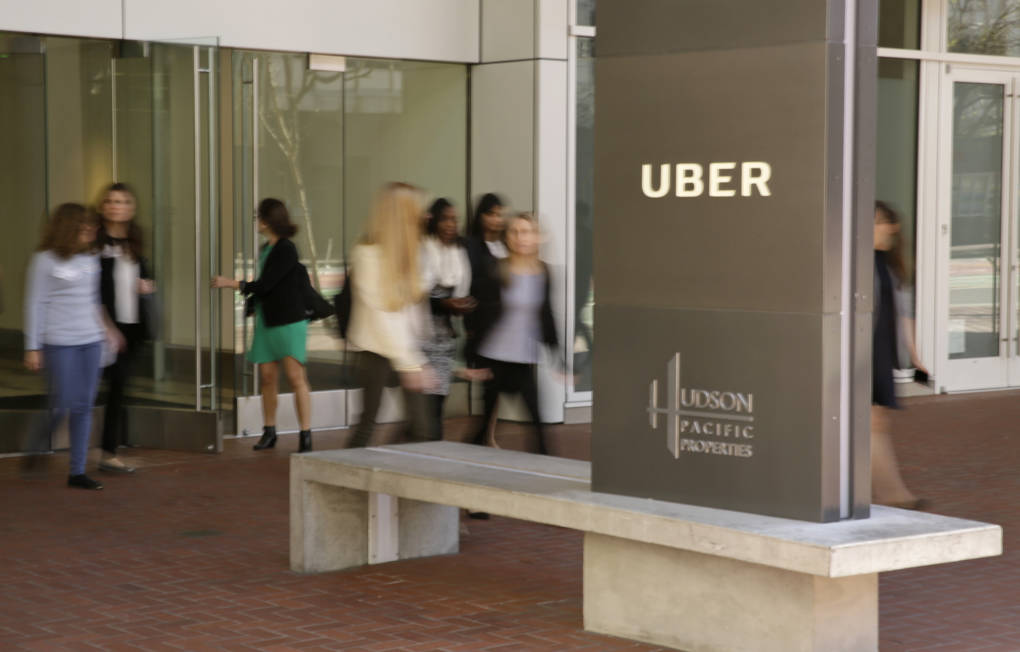
"caption": "Uber has come under fire for its workplace culture in the past several years.",
"description": "Uber has come under fire for its workplace culture in the past several years.",
"title": "Uber has come under fire for its workplace culture in the past several years.",
"credit": "Eric Risberg/AP",
"status": "inherit",
"isLoading": false,
"fetchFailed": false
},
"news_11686180": {
"type": "attachments",
"id": "news_11686180",
"meta": {
"index": "attachments_1716263798",
"site": "news",
"id": "11686180",
"found": true
},
"parent": 11686029,
"imgSizes": {
"small": {
"file": "https://ww2.kqed.org/app/uploads/sites/10/2018/08/41670459404_13beb0e478_k-520x387.jpg",
"width": 520,
"mimeType": "image/jpeg",
"height": 387
},
"twentyfourteen-full-width": {
"file": "https://ww2.kqed.org/app/uploads/sites/10/2018/08/41670459404_13beb0e478_k-1038x576.jpg",
"width": 1038,
"mimeType": "image/jpeg",
"height": 576
},
"thumbnail": {
"file": "https://ww2.kqed.org/app/uploads/sites/10/2018/08/41670459404_13beb0e478_k-160x119.jpg",
"width": 160,
"mimeType": "image/jpeg",
"height": 119
},
"fd-sm": {
"file": "https://ww2.kqed.org/app/uploads/sites/10/2018/08/41670459404_13beb0e478_k-960x714.jpg",
"width": 960,
"mimeType": "image/jpeg",
"height": 714
},
"post-thumbnail": {
"file": "https://ww2.kqed.org/app/uploads/sites/10/2018/08/41670459404_13beb0e478_k-672x372.jpg",
"width": 672,
"mimeType": "image/jpeg",
"height": 372
},
"xsmall": {
"file": "https://ww2.kqed.org/app/uploads/sites/10/2018/08/41670459404_13beb0e478_k-375x279.jpg",
"width": 375,
"mimeType": "image/jpeg",
"height": 279
},
"kqedFullSize": {
"file": "https://ww2.kqed.org/app/uploads/sites/10/2018/08/41670459404_13beb0e478_k-e1533923499363.jpg",
"width": 1920,
"height": 1429
},
"large": {
"file": "https://ww2.kqed.org/app/uploads/sites/10/2018/08/41670459404_13beb0e478_k-1020x759.jpg",
"width": 1020,
"mimeType": "image/jpeg",
"height": 759
},
"xlarge": {
"file": "https://ww2.kqed.org/app/uploads/sites/10/2018/08/41670459404_13beb0e478_k-1180x878.jpg",
"width": 1180,
"mimeType": "image/jpeg",
"height": 878
},
"complete_open_graph": {
"file": "https://ww2.kqed.org/app/uploads/sites/10/2018/08/41670459404_13beb0e478_k-1200x893.jpg",
"width": 1200,
"mimeType": "image/jpeg",
"height": 893
},
"guest-author-50": {
"file": "https://ww2.kqed.org/app/uploads/sites/10/2018/08/41670459404_13beb0e478_k-50x50.jpg",
"width": 50,
"mimeType": "image/jpeg",
"height": 50
},
"guest-author-96": {
"file": "https://ww2.kqed.org/app/uploads/sites/10/2018/08/41670459404_13beb0e478_k-96x96.jpg",
"width": 96,
"mimeType": "image/jpeg",
"height": 96
},
"medium": {
"file": "https://ww2.kqed.org/app/uploads/sites/10/2018/08/41670459404_13beb0e478_k-800x595.jpg",
"width": 800,
"mimeType": "image/jpeg",
"height": 595
},
"guest-author-64": {
"file": "https://ww2.kqed.org/app/uploads/sites/10/2018/08/41670459404_13beb0e478_k-64x64.jpg",
"width": 64,
"mimeType": "image/jpeg",
"height": 64
},
"guest-author-32": {
"file": "https://ww2.kqed.org/app/uploads/sites/10/2018/08/41670459404_13beb0e478_k-32x32.jpg",
"width": 32,
"mimeType": "image/jpeg",
"height": 32
},
"fd-lrg": {
"file": "https://ww2.kqed.org/app/uploads/sites/10/2018/08/41670459404_13beb0e478_k-1920x1429.jpg",
"width": 1920,
"mimeType": "image/jpeg",
"height": 1429
},
"fd-med": {
"file": "https://ww2.kqed.org/app/uploads/sites/10/2018/08/41670459404_13beb0e478_k-1180x878.jpg",
"width": 1180,
"mimeType": "image/jpeg",
"height": 878
},
"full-width": {
"file": "https://ww2.kqed.org/app/uploads/sites/10/2018/08/41670459404_13beb0e478_k-1920x1429.jpg",
"width": 1920,
"mimeType": "image/jpeg",
"height": 1429
},
"detail": {
"file": "https://ww2.kqed.org/app/uploads/sites/10/2018/08/41670459404_13beb0e478_k-150x150.jpg",
"width": 150,
"mimeType": "image/jpeg",
"height": 150
},
"guest-author-128": {
"file": "https://ww2.kqed.org/app/uploads/sites/10/2018/08/41670459404_13beb0e478_k-128x128.jpg",
"width": 128,
"mimeType": "image/jpeg",
"height": 128
},
"xxsmall": {
"file": "https://ww2.kqed.org/app/uploads/sites/10/2018/08/41670459404_13beb0e478_k-240x179.jpg",
"width": 240,
"mimeType": "image/jpeg",
"height": 179
}
},
"publishDate": 1533923477,
"modified": 1552343160,
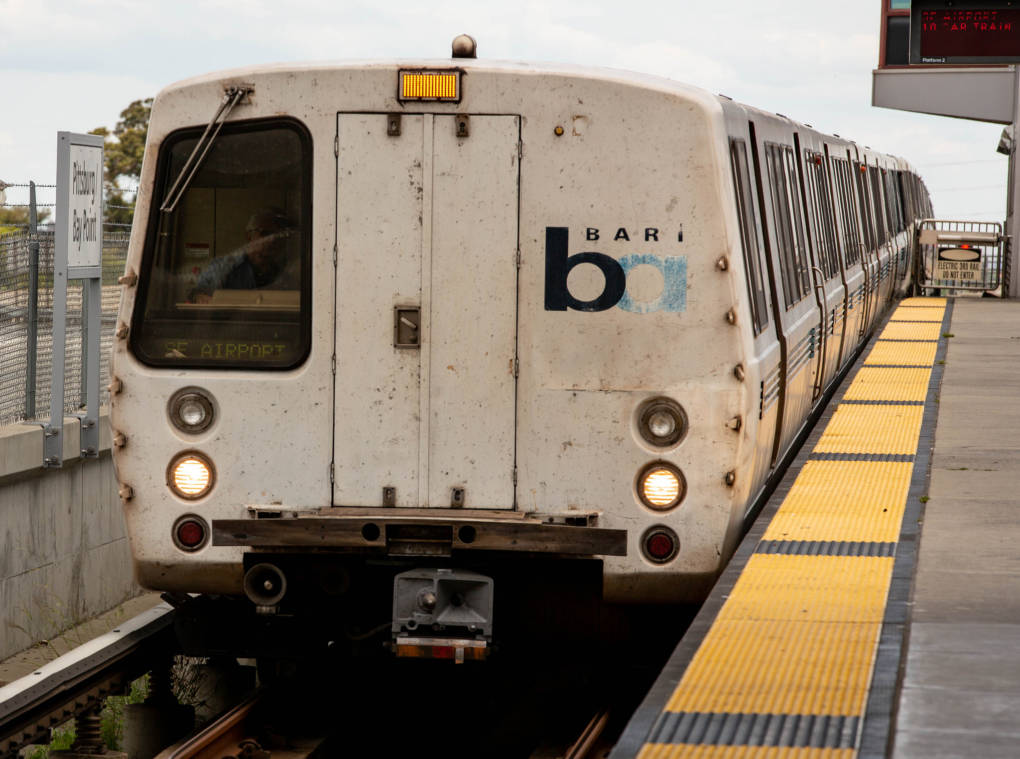
"caption": "A BART train arriving at Pittsburg-Bay Point Station. ",
"description": null,
"title": "BART-Pittsburg-Bay Point",
"credit": "Dan Brekke/KQED",
"status": "inherit",
"isLoading": false,
"fetchFailed": false
},
"news_11687540": {
"type": "attachments",
"id": "news_11687540",
"meta": {
"index": "attachments_1716263798",
"site": "news",
"id": "11687540",
"found": true
},
"parent": 11687502,
"imgSizes": {
"small": {
"file": "https://ww2.kqed.org/app/uploads/sites/10/2018/08/27523684607_75ad9c4d83_k-520x340.jpg",
"width": 520,
"mimeType": "image/jpeg",
"height": 340
},
"twentyfourteen-full-width": {
"file": "https://ww2.kqed.org/app/uploads/sites/10/2018/08/27523684607_75ad9c4d83_k-1038x576.jpg",
"width": 1038,
"mimeType": "image/jpeg",
"height": 576
},
"thumbnail": {
"file": "https://ww2.kqed.org/app/uploads/sites/10/2018/08/27523684607_75ad9c4d83_k-160x105.jpg",
"width": 160,
"mimeType": "image/jpeg",
"height": 105
},
"fd-sm": {
"file": "https://ww2.kqed.org/app/uploads/sites/10/2018/08/27523684607_75ad9c4d83_k-960x627.jpg",
"width": 960,
"mimeType": "image/jpeg",
"height": 627
},
"post-thumbnail": {
"file": "https://ww2.kqed.org/app/uploads/sites/10/2018/08/27523684607_75ad9c4d83_k-672x372.jpg",
"width": 672,
"mimeType": "image/jpeg",
"height": 372
},
"xsmall": {
"file": "https://ww2.kqed.org/app/uploads/sites/10/2018/08/27523684607_75ad9c4d83_k-375x245.jpg",
"width": 375,
"mimeType": "image/jpeg",
"height": 245
},
"kqedFullSize": {
"file": "https://ww2.kqed.org/app/uploads/sites/10/2018/08/27523684607_75ad9c4d83_k-e1534549524523.jpg",
"width": 1920,
"height": 1254
},
"large": {
"file": "https://ww2.kqed.org/app/uploads/sites/10/2018/08/27523684607_75ad9c4d83_k-1020x666.jpg",
"width": 1020,
"mimeType": "image/jpeg",
"height": 666
},
"xlarge": {
"file": "https://ww2.kqed.org/app/uploads/sites/10/2018/08/27523684607_75ad9c4d83_k-1180x771.jpg",
"width": 1180,
"mimeType": "image/jpeg",
"height": 771
},
"complete_open_graph": {
"file": "https://ww2.kqed.org/app/uploads/sites/10/2018/08/27523684607_75ad9c4d83_k-1200x784.jpg",
"width": 1200,
"mimeType": "image/jpeg",
"height": 784
},
"guest-author-50": {
"file": "https://ww2.kqed.org/app/uploads/sites/10/2018/08/27523684607_75ad9c4d83_k-50x50.jpg",
"width": 50,
"mimeType": "image/jpeg",
"height": 50
},
"guest-author-96": {
"file": "https://ww2.kqed.org/app/uploads/sites/10/2018/08/27523684607_75ad9c4d83_k-96x96.jpg",
"width": 96,
"mimeType": "image/jpeg",
"height": 96
},
"medium": {
"file": "https://ww2.kqed.org/app/uploads/sites/10/2018/08/27523684607_75ad9c4d83_k-800x523.jpg",
"width": 800,
"mimeType": "image/jpeg",
"height": 523
},
"guest-author-64": {
"file": "https://ww2.kqed.org/app/uploads/sites/10/2018/08/27523684607_75ad9c4d83_k-64x64.jpg",
"width": 64,
"mimeType": "image/jpeg",
"height": 64
},
"guest-author-32": {
"file": "https://ww2.kqed.org/app/uploads/sites/10/2018/08/27523684607_75ad9c4d83_k-32x32.jpg",
"width": 32,
"mimeType": "image/jpeg",
"height": 32
},
"fd-lrg": {
"file": "https://ww2.kqed.org/app/uploads/sites/10/2018/08/27523684607_75ad9c4d83_k-1920x1254.jpg",
"width": 1920,
"mimeType": "image/jpeg",
"height": 1254
},
"fd-med": {
"file": "https://ww2.kqed.org/app/uploads/sites/10/2018/08/27523684607_75ad9c4d83_k-1180x771.jpg",
"width": 1180,
"mimeType": "image/jpeg",
"height": 771
},
"full-width": {
"file": "https://ww2.kqed.org/app/uploads/sites/10/2018/08/27523684607_75ad9c4d83_k-1920x1254.jpg",
"width": 1920,
"mimeType": "image/jpeg",
"height": 1254
},
"detail": {
"file": "https://ww2.kqed.org/app/uploads/sites/10/2018/08/27523684607_75ad9c4d83_k-150x150.jpg",
"width": 150,
"mimeType": "image/jpeg",
"height": 150
},
"guest-author-128": {
"file": "https://ww2.kqed.org/app/uploads/sites/10/2018/08/27523684607_75ad9c4d83_k-128x128.jpg",
"width": 128,
"mimeType": "image/jpeg",
"height": 128
},
"xxsmall": {
"file": "https://ww2.kqed.org/app/uploads/sites/10/2018/08/27523684607_75ad9c4d83_k-240x157.jpg",
"width": 240,
"mimeType": "image/jpeg",
"height": 157
}
},
"publishDate": 1534549435,
"modified": 1534549504,
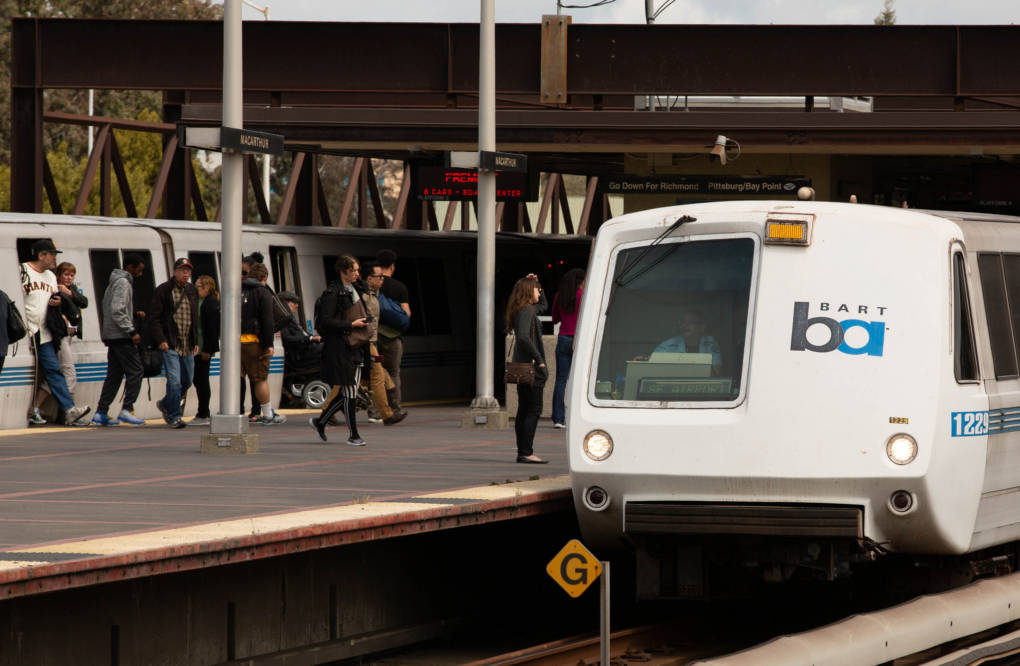
"caption": "Passengers transferring from Richmond-Warm Springs train to San Francisco International Airport Train.",
"description": null,
"title": "BART-MacArthur",
"credit": "Dan Brekke/KQED",
"status": "inherit",
"isLoading": false,
"fetchFailed": false
},
"news_103775": {
"type": "attachments",
"id": "news_103775",
"meta": {
"index": "attachments_1716263798",
"site": "news",
"id": "103775",
"found": true
},
"parent": 103764,
"imgSizes": {
"kqedFullSize": {
"file": "https://ww2.kqed.org/app/uploads/sites/10/2013/07/climate.jpg.jpg",
"width": 1448,
"height": 1086
}
},
"publishDate": 1374004981,
"modified": 1595186120,
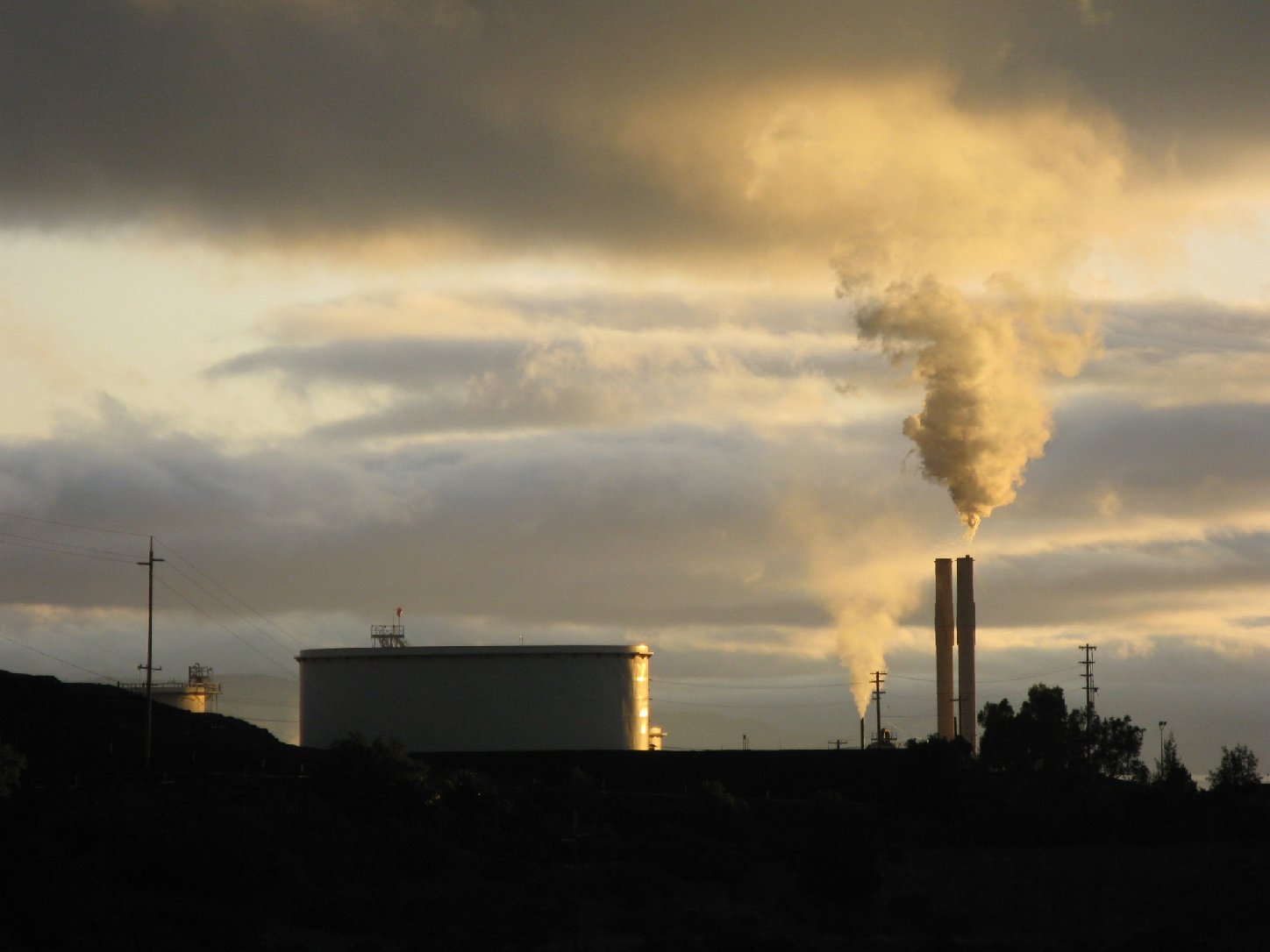
"caption": "The Phillips 66 oil refinery in the Contra Costa County town of Rodeo. ",
"description": null,
"title": "Phillips 66 Refinery-Rodeo",
"credit": "Craig Miller/KQED",
"status": "inherit",
"isLoading": false,
"fetchFailed": false
},
"news_11687084": {
"type": "attachments",
"id": "news_11687084",
"meta": {
"index": "attachments_1716263798",
"site": "news",
"id": "11687084",
"found": true
},
"parent": 11687066,
"imgSizes": {
"small": {
"file": "https://ww2.kqed.org/app/uploads/sites/10/2018/08/loneliest_081518_final-520x363.jpg",
"width": 520,
"mimeType": "image/jpeg",
"height": 363
},
"twentyfourteen-full-width": {
"file": "https://ww2.kqed.org/app/uploads/sites/10/2018/08/loneliest_081518_final-1038x576.jpg",
"width": 1038,
"mimeType": "image/jpeg",
"height": 576
},
"thumbnail": {
"file": "https://ww2.kqed.org/app/uploads/sites/10/2018/08/loneliest_081518_final-160x112.jpg",
"width": 160,
"mimeType": "image/jpeg",
"height": 112
},
"fd-sm": {
"file": "https://ww2.kqed.org/app/uploads/sites/10/2018/08/loneliest_081518_final-960x670.jpg",
"width": 960,
"mimeType": "image/jpeg",
"height": 670
},
"post-thumbnail": {
"file": "https://ww2.kqed.org/app/uploads/sites/10/2018/08/loneliest_081518_final-672x372.jpg",
"width": 672,
"mimeType": "image/jpeg",
"height": 372
},
"xsmall": {
"file": "https://ww2.kqed.org/app/uploads/sites/10/2018/08/loneliest_081518_final-375x262.jpg",
"width": 375,
"mimeType": "image/jpeg",
"height": 262
},
"kqedFullSize": {
"file": "https://ww2.kqed.org/app/uploads/sites/10/2018/08/loneliest_081518_final.jpg",
"width": 1920,
"height": 1339
},
"large": {
"file": "https://ww2.kqed.org/app/uploads/sites/10/2018/08/loneliest_081518_final-1020x711.jpg",
"width": 1020,
"mimeType": "image/jpeg",
"height": 711
},
"xlarge": {
"file": "https://ww2.kqed.org/app/uploads/sites/10/2018/08/loneliest_081518_final-1180x823.jpg",
"width": 1180,
"mimeType": "image/jpeg",
"height": 823
},
"complete_open_graph": {
"file": "https://ww2.kqed.org/app/uploads/sites/10/2018/08/loneliest_081518_final-1200x837.jpg",
"width": 1200,
"mimeType": "image/jpeg",
"height": 837
},
"guest-author-50": {
"file": "https://ww2.kqed.org/app/uploads/sites/10/2018/08/loneliest_081518_final-50x50.jpg",
"width": 50,
"mimeType": "image/jpeg",
"height": 50
},
"guest-author-96": {
"file": "https://ww2.kqed.org/app/uploads/sites/10/2018/08/loneliest_081518_final-96x96.jpg",
"width": 96,
"mimeType": "image/jpeg",
"height": 96
},
"medium": {
"file": "https://ww2.kqed.org/app/uploads/sites/10/2018/08/loneliest_081518_final-800x558.jpg",
"width": 800,
"mimeType": "image/jpeg",
"height": 558
},
"guest-author-64": {
"file": "https://ww2.kqed.org/app/uploads/sites/10/2018/08/loneliest_081518_final-64x64.jpg",
"width": 64,
"mimeType": "image/jpeg",
"height": 64
},
"guest-author-32": {
"file": "https://ww2.kqed.org/app/uploads/sites/10/2018/08/loneliest_081518_final-32x32.jpg",
"width": 32,
"mimeType": "image/jpeg",
"height": 32
},
"fd-lrg": {
"file": "https://ww2.kqed.org/app/uploads/sites/10/2018/08/loneliest_081518_final-1920x1339.jpg",
"width": 1920,
"mimeType": "image/jpeg",
"height": 1339
},
"fd-med": {
"file": "https://ww2.kqed.org/app/uploads/sites/10/2018/08/loneliest_081518_final-1180x823.jpg",
"width": 1180,
"mimeType": "image/jpeg",
"height": 823
},
"full-width": {
"file": "https://ww2.kqed.org/app/uploads/sites/10/2018/08/loneliest_081518_final-1920x1339.jpg",
"width": 1920,
"mimeType": "image/jpeg",
"height": 1339
},
"detail": {
"file": "https://ww2.kqed.org/app/uploads/sites/10/2018/08/loneliest_081518_final-150x150.jpg",
"width": 150,
"mimeType": "image/jpeg",
"height": 150
},
"guest-author-128": {
"file": "https://ww2.kqed.org/app/uploads/sites/10/2018/08/loneliest_081518_final-128x128.jpg",
"width": 128,
"mimeType": "image/jpeg",
"height": 128
},
"xxsmall": {
"file": "https://ww2.kqed.org/app/uploads/sites/10/2018/08/loneliest_081518_final-240x167.jpg",
"width": 240,
"mimeType": "image/jpeg",
"height": 167
}
},
"publishDate": 1534368994,
"modified": 1534369008,
"caption": null,
"description": null,
"title": "loneliest_081518_final",
"credit": null,
"status": "inherit",
"isLoading": false,
"fetchFailed": false
},
"news_11686569": {
"type": "attachments",
"id": "news_11686569",
"meta": {
"index": "attachments_1716263798",
"site": "news",
"id": "11686569",
"found": true
},
"parent": 11686567,
"imgSizes": {
"small": {
"file": "https://ww2.kqed.org/app/uploads/sites/10/2018/08/tunnel-520x261.png",
"width": 520,
"mimeType": "image/png",
"height": 261
},
"twentyfourteen-full-width": {
"file": "https://ww2.kqed.org/app/uploads/sites/10/2018/08/tunnel-1038x576.png",
"width": 1038,
"mimeType": "image/png",
"height": 576
},
"thumbnail": {
"file": "https://ww2.kqed.org/app/uploads/sites/10/2018/08/tunnel-160x80.png",
"width": 160,
"mimeType": "image/png",
"height": 80
},
"fd-sm": {
"file": "https://ww2.kqed.org/app/uploads/sites/10/2018/08/tunnel-960x482.png",
"width": 960,
"mimeType": "image/png",
"height": 482
},
"post-thumbnail": {
"file": "https://ww2.kqed.org/app/uploads/sites/10/2018/08/tunnel-672x372.png",
"width": 672,
"mimeType": "image/png",
"height": 372
},
"xsmall": {
"file": "https://ww2.kqed.org/app/uploads/sites/10/2018/08/tunnel-375x188.png",
"width": 375,
"mimeType": "image/png",
"height": 188
},
"kqedFullSize": {
"file": "https://ww2.kqed.org/app/uploads/sites/10/2018/08/tunnel.png",
"width": 1920,
"height": 964
},
"large": {
"file": "https://ww2.kqed.org/app/uploads/sites/10/2018/08/tunnel-1020x512.png",
"width": 1020,
"mimeType": "image/png",
"height": 512
},
"xlarge": {
"file": "https://ww2.kqed.org/app/uploads/sites/10/2018/08/tunnel-1180x592.png",
"width": 1180,
"mimeType": "image/png",
"height": 592
},
"complete_open_graph": {
"file": "https://ww2.kqed.org/app/uploads/sites/10/2018/08/tunnel-1200x603.png",
"width": 1200,
"mimeType": "image/png",
"height": 603
},
"guest-author-50": {
"file": "https://ww2.kqed.org/app/uploads/sites/10/2018/08/tunnel-50x50.png",
"width": 50,
"mimeType": "image/png",
"height": 50
},
"guest-author-96": {
"file": "https://ww2.kqed.org/app/uploads/sites/10/2018/08/tunnel-96x96.png",
"width": 96,
"mimeType": "image/png",
"height": 96
},
"medium": {
"file": "https://ww2.kqed.org/app/uploads/sites/10/2018/08/tunnel-800x402.png",
"width": 800,
"mimeType": "image/png",
"height": 402
},
"guest-author-64": {
"file": "https://ww2.kqed.org/app/uploads/sites/10/2018/08/tunnel-64x64.png",
"width": 64,
"mimeType": "image/png",
"height": 64
},
"guest-author-32": {
"file": "https://ww2.kqed.org/app/uploads/sites/10/2018/08/tunnel-32x32.png",
"width": 32,
"mimeType": "image/png",
"height": 32
},
"fd-lrg": {
"file": "https://ww2.kqed.org/app/uploads/sites/10/2018/08/tunnel-1920x964.png",
"width": 1920,
"mimeType": "image/png",
"height": 964
},
"fd-med": {
"file": "https://ww2.kqed.org/app/uploads/sites/10/2018/08/tunnel-1180x592.png",
"width": 1180,
"mimeType": "image/png",
"height": 592
},
"full-width": {
"file": "https://ww2.kqed.org/app/uploads/sites/10/2018/08/tunnel-1920x964.png",
"width": 1920,
"mimeType": "image/png",
"height": 964
},
"detail": {
"file": "https://ww2.kqed.org/app/uploads/sites/10/2018/08/tunnel-150x150.png",
"width": 150,
"mimeType": "image/png",
"height": 150
},
"guest-author-128": {
"file": "https://ww2.kqed.org/app/uploads/sites/10/2018/08/tunnel-128x128.png",
"width": 128,
"mimeType": "image/png",
"height": 128
},
"xxsmall": {
"file": "https://ww2.kqed.org/app/uploads/sites/10/2018/08/tunnel-240x121.png",
"width": 240,
"mimeType": "image/png",
"height": 121
}
},
"publishDate": 1534096917,
"modified": 1534097264,
"caption": "A construction worker has died after being injured while working on a renovation project inside a light rail tunnel. ",
"description": "A construction worker has died after being injured while working on a renovation project inside a light rail tunnel. ",
"title": "tunnel",
"credit": "\u003ca href=\"https://www.sfmta.com\">SFMTA\u003c/a>",
"status": "inherit",
"isLoading": false,
"fetchFailed": false
},
"news_11686915": {
"type": "attachments",
"id": "news_11686915",
"meta": {
"index": "attachments_1716263798",
"site": "news",
"id": "11686915",
"found": true
},
"parent": 11686902,
"imgSizes": {
"small": {
"file": "https://ww2.kqed.org/app/uploads/sites/10/2018/08/l.a.-metro-520x390.jpg",
"width": 520,
"mimeType": "image/jpeg",
"height": 390
},
"twentyfourteen-full-width": {
"file": "https://ww2.kqed.org/app/uploads/sites/10/2018/08/l.a.-metro-1038x576.jpg",
"width": 1038,
"mimeType": "image/jpeg",
"height": 576
},
"thumbnail": {
"file": "https://ww2.kqed.org/app/uploads/sites/10/2018/08/l.a.-metro-160x120.jpg",
"width": 160,
"mimeType": "image/jpeg",
"height": 120
},
"fd-sm": {
"file": "https://ww2.kqed.org/app/uploads/sites/10/2018/08/l.a.-metro-960x720.jpg",
"width": 960,
"mimeType": "image/jpeg",
"height": 720
},
"post-thumbnail": {
"file": "https://ww2.kqed.org/app/uploads/sites/10/2018/08/l.a.-metro-672x372.jpg",
"width": 672,
"mimeType": "image/jpeg",
"height": 372
},
"xsmall": {
"file": "https://ww2.kqed.org/app/uploads/sites/10/2018/08/l.a.-metro-375x281.jpg",
"width": 375,
"mimeType": "image/jpeg",
"height": 281
},
"kqedFullSize": {
"file": "https://ww2.kqed.org/app/uploads/sites/10/2018/08/l.a.-metro-e1534284137277.jpg",
"width": 1920,
"height": 1440
},
"large": {
"file": "https://ww2.kqed.org/app/uploads/sites/10/2018/08/l.a.-metro-1020x765.jpg",
"width": 1020,
"mimeType": "image/jpeg",
"height": 765
},
"xlarge": {
"file": "https://ww2.kqed.org/app/uploads/sites/10/2018/08/l.a.-metro-1180x885.jpg",
"width": 1180,
"mimeType": "image/jpeg",
"height": 885
},
"complete_open_graph": {
"file": "https://ww2.kqed.org/app/uploads/sites/10/2018/08/l.a.-metro-1200x900.jpg",
"width": 1200,
"mimeType": "image/jpeg",
"height": 900
},
"guest-author-50": {
"file": "https://ww2.kqed.org/app/uploads/sites/10/2018/08/l.a.-metro-50x50.jpg",
"width": 50,
"mimeType": "image/jpeg",
"height": 50
},
"guest-author-96": {
"file": "https://ww2.kqed.org/app/uploads/sites/10/2018/08/l.a.-metro-96x96.jpg",
"width": 96,
"mimeType": "image/jpeg",
"height": 96
},
"medium": {
"file": "https://ww2.kqed.org/app/uploads/sites/10/2018/08/l.a.-metro-800x600.jpg",
"width": 800,
"mimeType": "image/jpeg",
"height": 600
},
"guest-author-64": {
"file": "https://ww2.kqed.org/app/uploads/sites/10/2018/08/l.a.-metro-64x64.jpg",
"width": 64,
"mimeType": "image/jpeg",
"height": 64
},
"guest-author-32": {
"file": "https://ww2.kqed.org/app/uploads/sites/10/2018/08/l.a.-metro-32x32.jpg",
"width": 32,
"mimeType": "image/jpeg",
"height": 32
},
"fd-lrg": {
"file": "https://ww2.kqed.org/app/uploads/sites/10/2018/08/l.a.-metro-1920x1440.jpg",
"width": 1920,
"mimeType": "image/jpeg",
"height": 1440
},
"fd-med": {
"file": "https://ww2.kqed.org/app/uploads/sites/10/2018/08/l.a.-metro-1180x885.jpg",
"width": 1180,
"mimeType": "image/jpeg",
"height": 885
},
"full-width": {
"file": "https://ww2.kqed.org/app/uploads/sites/10/2018/08/l.a.-metro-1920x1440.jpg",
"width": 1920,
"mimeType": "image/jpeg",
"height": 1440
},
"detail": {
"file": "https://ww2.kqed.org/app/uploads/sites/10/2018/08/l.a.-metro-150x150.jpg",
"width": 150,
"mimeType": "image/jpeg",
"height": 150
},
"guest-author-128": {
"file": "https://ww2.kqed.org/app/uploads/sites/10/2018/08/l.a.-metro-128x128.jpg",
"width": 128,
"mimeType": "image/jpeg",
"height": 128
},
"xxsmall": {
"file": "https://ww2.kqed.org/app/uploads/sites/10/2018/08/l.a.-metro-240x180.jpg",
"width": 240,
"mimeType": "image/jpeg",
"height": 180
}
},
"publishDate": 1534283980,
"modified": 1534284126,
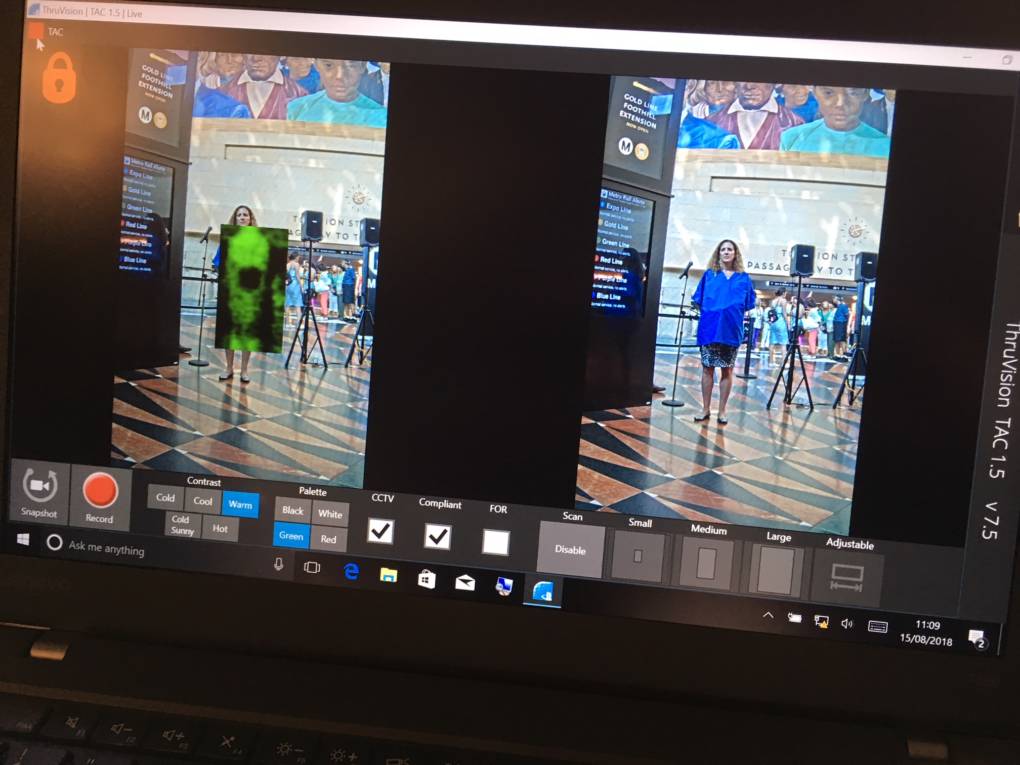
"caption": "An L.A. Metro test shows what new body scanners display on monitors. In this case, the test subject is concealing an object beneath her clothing. ",
"description": null,
"title": "L.A. Metro-Body Scanning",
"credit": "L.A. Metro",
"status": "inherit",
"isLoading": false,
"fetchFailed": false
},
"news_11686781": {
"type": "attachments",
"id": "news_11686781",
"meta": {
"index": "attachments_1716263798",
"site": "news",
"id": "11686781",
"found": true
},
"parent": 11686760,
"imgSizes": {
"small": {
"file": "https://ww2.kqed.org/app/uploads/sites/10/2018/08/29068461807_d24f8d329a_k-520x373.jpg",
"width": 520,
"mimeType": "image/jpeg",
"height": 373
},
"twentyfourteen-full-width": {
"file": "https://ww2.kqed.org/app/uploads/sites/10/2018/08/29068461807_d24f8d329a_k-1038x576.jpg",
"width": 1038,
"mimeType": "image/jpeg",
"height": 576
},
"thumbnail": {
"file": "https://ww2.kqed.org/app/uploads/sites/10/2018/08/29068461807_d24f8d329a_k-160x115.jpg",
"width": 160,
"mimeType": "image/jpeg",
"height": 115
},
"fd-sm": {
"file": "https://ww2.kqed.org/app/uploads/sites/10/2018/08/29068461807_d24f8d329a_k-960x689.jpg",
"width": 960,
"mimeType": "image/jpeg",
"height": 689
},
"post-thumbnail": {
"file": "https://ww2.kqed.org/app/uploads/sites/10/2018/08/29068461807_d24f8d329a_k-672x372.jpg",
"width": 672,
"mimeType": "image/jpeg",
"height": 372
},
"xsmall": {
"file": "https://ww2.kqed.org/app/uploads/sites/10/2018/08/29068461807_d24f8d329a_k-375x269.jpg",
"width": 375,
"mimeType": "image/jpeg",
"height": 269
},
"kqedFullSize": {
"file": "https://ww2.kqed.org/app/uploads/sites/10/2018/08/29068461807_d24f8d329a_k-e1534204431447.jpg",
"width": 1920,
"height": 1378
},
"large": {
"file": "https://ww2.kqed.org/app/uploads/sites/10/2018/08/29068461807_d24f8d329a_k-1020x732.jpg",
"width": 1020,
"mimeType": "image/jpeg",
"height": 732
},
"xlarge": {
"file": "https://ww2.kqed.org/app/uploads/sites/10/2018/08/29068461807_d24f8d329a_k-1180x847.jpg",
"width": 1180,
"mimeType": "image/jpeg",
"height": 847
},
"complete_open_graph": {
"file": "https://ww2.kqed.org/app/uploads/sites/10/2018/08/29068461807_d24f8d329a_k-1200x861.jpg",
"width": 1200,
"mimeType": "image/jpeg",
"height": 861
},
"guest-author-50": {
"file": "https://ww2.kqed.org/app/uploads/sites/10/2018/08/29068461807_d24f8d329a_k-50x50.jpg",
"width": 50,
"mimeType": "image/jpeg",
"height": 50
},
"guest-author-96": {
"file": "https://ww2.kqed.org/app/uploads/sites/10/2018/08/29068461807_d24f8d329a_k-96x96.jpg",
"width": 96,
"mimeType": "image/jpeg",
"height": 96
},
"medium": {
"file": "https://ww2.kqed.org/app/uploads/sites/10/2018/08/29068461807_d24f8d329a_k-800x574.jpg",
"width": 800,
"mimeType": "image/jpeg",
"height": 574
},
"guest-author-64": {
"file": "https://ww2.kqed.org/app/uploads/sites/10/2018/08/29068461807_d24f8d329a_k-64x64.jpg",
"width": 64,
"mimeType": "image/jpeg",
"height": 64
},
"guest-author-32": {
"file": "https://ww2.kqed.org/app/uploads/sites/10/2018/08/29068461807_d24f8d329a_k-32x32.jpg",
"width": 32,
"mimeType": "image/jpeg",
"height": 32
},
"fd-lrg": {
"file": "https://ww2.kqed.org/app/uploads/sites/10/2018/08/29068461807_d24f8d329a_k-1920x1378.jpg",
"width": 1920,
"mimeType": "image/jpeg",
"height": 1378
},
"fd-med": {
"file": "https://ww2.kqed.org/app/uploads/sites/10/2018/08/29068461807_d24f8d329a_k-1180x847.jpg",
"width": 1180,
"mimeType": "image/jpeg",
"height": 847
},
"full-width": {
"file": "https://ww2.kqed.org/app/uploads/sites/10/2018/08/29068461807_d24f8d329a_k-1920x1378.jpg",
"width": 1920,
"mimeType": "image/jpeg",
"height": 1378
},
"detail": {
"file": "https://ww2.kqed.org/app/uploads/sites/10/2018/08/29068461807_d24f8d329a_k-150x150.jpg",
"width": 150,
"mimeType": "image/jpeg",
"height": 150
},
"guest-author-128": {
"file": "https://ww2.kqed.org/app/uploads/sites/10/2018/08/29068461807_d24f8d329a_k-128x128.jpg",
"width": 128,
"mimeType": "image/jpeg",
"height": 128
},
"xxsmall": {
"file": "https://ww2.kqed.org/app/uploads/sites/10/2018/08/29068461807_d24f8d329a_k-240x172.jpg",
"width": 240,
"mimeType": "image/jpeg",
"height": 172
}
},
"publishDate": 1534204343,
"modified": 1534204419,
"caption": "AC Transit buses ease down newly opened ramps from the Bay Bridge early Sunday morning.",
"description": "AC Transit buses ease down newly opened ramps from the Bay Bridge early Sunday morning, Aug. 12, 2018.",
"title": "Salesforce Transit Center-Bus Ramp",
"credit": "Dan Brekke/KQED",
"status": "inherit",
"isLoading": false,
"fetchFailed": false
},
"news_11686348": {
"type": "attachments",
"id": "news_11686348",
"meta": {
"index": "attachments_1716263798",
"site": "news",
"id": "11686348",
"found": true
},
"parent": 11685506,
"imgSizes": {
"small": {
"file": "https://ww2.kqed.org/app/uploads/sites/10/2018/08/transit_center_1-1-520x312.png",
"width": 520,
"mimeType": "image/png",
"height": 312
},
"twentyfourteen-full-width": {
"file": "https://ww2.kqed.org/app/uploads/sites/10/2018/08/transit_center_1-1-1000x576.png",
"width": 1000,
"mimeType": "image/png",
"height": 576
},
"thumbnail": {
"file": "https://ww2.kqed.org/app/uploads/sites/10/2018/08/transit_center_1-1-160x96.png",
"width": 160,
"mimeType": "image/png",
"height": 96
},
"fd-sm": {
"file": "https://ww2.kqed.org/app/uploads/sites/10/2018/08/transit_center_1-1-960x576.png",
"width": 960,
"mimeType": "image/png",
"height": 576
},
"post-thumbnail": {
"file": "https://ww2.kqed.org/app/uploads/sites/10/2018/08/transit_center_1-1-672x372.png",
"width": 672,
"mimeType": "image/png",
"height": 372
},
"xsmall": {
"file": "https://ww2.kqed.org/app/uploads/sites/10/2018/08/transit_center_1-1-375x225.png",
"width": 375,
"mimeType": "image/png",
"height": 225
},
"kqedFullSize": {
"file": "https://ww2.kqed.org/app/uploads/sites/10/2018/08/transit_center_1-1.png",
"width": 1000,
"height": 600
},
"guest-author-50": {
"file": "https://ww2.kqed.org/app/uploads/sites/10/2018/08/transit_center_1-1-50x50.png",
"width": 50,
"mimeType": "image/png",
"height": 50
},
"guest-author-96": {
"file": "https://ww2.kqed.org/app/uploads/sites/10/2018/08/transit_center_1-1-96x96.png",
"width": 96,
"mimeType": "image/png",
"height": 96
},
"medium": {
"file": "https://ww2.kqed.org/app/uploads/sites/10/2018/08/transit_center_1-1-800x480.png",
"width": 800,
"mimeType": "image/png",
"height": 480
},
"guest-author-64": {
"file": "https://ww2.kqed.org/app/uploads/sites/10/2018/08/transit_center_1-1-64x64.png",
"width": 64,
"mimeType": "image/png",
"height": 64
},
"guest-author-32": {
"file": "https://ww2.kqed.org/app/uploads/sites/10/2018/08/transit_center_1-1-32x32.png",
"width": 32,
"mimeType": "image/png",
"height": 32
},
"detail": {
"file": "https://ww2.kqed.org/app/uploads/sites/10/2018/08/transit_center_1-1-150x150.png",
"width": 150,
"mimeType": "image/png",
"height": 150
},
"guest-author-128": {
"file": "https://ww2.kqed.org/app/uploads/sites/10/2018/08/transit_center_1-1-128x128.png",
"width": 128,
"mimeType": "image/png",
"height": 128
},
"xxsmall": {
"file": "https://ww2.kqed.org/app/uploads/sites/10/2018/08/transit_center_1-1-240x144.png",
"width": 240,
"mimeType": "image/png",
"height": 144
}
},
"publishDate": 1533949716,
"modified": 1533949777,
"caption": "An artist's rendering of the Salesforce Transit Center's Grand Hall. ",
"description": null,
"title": "Salesforce Transit Center",
"credit": "Transbay Joint Powers Authority",
"status": "inherit",
"isLoading": false,
"fetchFailed": false
}
},
"audioPlayerReducer": {
"postId": "stream_live",
"isPaused": true,
"isPlaying": false,
"pfsActive": false,
"pledgeModalIsOpen": true,
"playerDrawerIsOpen": false,
"liveAudioPlayStartedAt": 0,
"liveAudioPlayContext": ""
},
"authorsReducer": {
"byline_news_11688603": {
"type": "authors",
"id": "byline_news_11688603",
"meta": {
"override": true
},
"slug": "byline_news_11688603",
"name": "\u003cstrong>\u003ca href=\"https://calmatters.org/articles/author/antoinette-siu/\">Antoinette Siu\u003c/a>\u003cbr />\u003ca href=\"https://calmatters.org/\">CALmatters\u003c/a>\u003c/strong>",
"isLoading": false
},
"byline_news_11688338": {
"type": "authors",
"id": "byline_news_11688338",
"meta": {
"override": true
},
"slug": "byline_news_11688338",
"name": "Merrit Kennedy",
"isLoading": false
},
"byline_news_11686902": {
"type": "authors",
"id": "byline_news_11686902",
"meta": {
"override": true
},
"slug": "byline_news_11686902",
"name": "\u003cstrong>Michael Balsamo\u003cbr />Associated Press\u003c/strong>",
"isLoading": false
},
"danbrekke": {
"type": "authors",
"id": "222",
"meta": {
"index": "authors_1716337520",
"id": "222",
"found": true
},
"name": "Dan Brekke",
"firstName": "Dan",
"lastName": "Brekke",
"slug": "danbrekke",
"email": "dbrekke@kqed.org",
"display_author_email": true,
"staff_mastheads": [
"news",
"science"
],
"title": "KQED Editor and Reporter",
"bio": "Dan Brekke is a reporter and editor for KQED News, responsible for coverage of topics ranging from California water issues to the Bay Area's transportation challenges. In a newsroom career that began in Chicago in 1972, Dan has worked for \u003cem>The San Francisco Examiner,\u003c/em> Wired and TechTV and has been published in The New York Times, The New York Times Magazine, Business 2.0, Salon and elsewhere.\r\n\r\nSince joining KQED in 2007, Dan has reported, edited and produced both radio and online features and breaking news pieces. He has shared as both editor and reporter in four Society of Professional Journalists Norcal Excellence in Journalism awards and one Edward R. Murrow regional award. He was chosen for a spring 2017 residency at the Mesa Refuge to advance his research on California salmon.\r\n\r\nEmail Dan at: \u003ca href=\"mailto:dbrekke@kqed.org\">dbrekke@kqed.org\u003c/a>\r\n\r\n\u003cstrong>Twitter:\u003c/strong> \u003ca href=\"https://twitter.com/danbrekke\" rel=\"noopener noreferrer\">twitter.com/danbrekke\u003c/a>\r\n\u003cstrong>Facebook:\u003c/strong> \u003ca href=\"https://www.facebook.com/danbrekke\" rel=\"noopener noreferrer\">www.facebook.com/danbrekke\u003c/a>\r\n\u003cstrong>LinkedIn:\u003c/strong> \u003ca href=\"https://www.linkedin.com/in/danbrekke\" rel=\"noopener noreferrer\">www.linkedin.com/in/danbrekke\u003c/a>",
"avatar": "https://secure.gravatar.com/avatar/8f1f0d2a978fb3b23426c922c7e2af558fa36905b49c4ce76a97dc3c72d27226?s=600&d=mm&r=g",
"twitter": "danbrekke",
"bluesky": null,
"facebook": null,
"instagram": "https://www.instagram.com/dan.brekke/",
"linkedin": "https://www.linkedin.com/in/danbrekke/",
"sites": [
{
"site": "news",
"roles": [
"administrator",
"create_posts"
]
},
{
"site": "stateofhealth",
"roles": [
"editor"
]
},
{
"site": "science",
"roles": [
"editor"
]
},
{
"site": "quest",
"roles": [
"contributor"
]
},
{
"site": "food",
"roles": [
"contributor"
]
},
{
"site": "forum",
"roles": [
"contributor"
]
},
{
"site": "elections",
"roles": [
"editor"
]
},
{
"site": "liveblog",
"roles": [
"editor"
]
}
],
"headData": {
"title": "Dan Brekke | KQED",
"description": "KQED Editor and Reporter",
"ogImgSrc": "https://secure.gravatar.com/avatar/8f1f0d2a978fb3b23426c922c7e2af558fa36905b49c4ce76a97dc3c72d27226?s=600&d=mm&r=g",
"twImgSrc": "https://secure.gravatar.com/avatar/8f1f0d2a978fb3b23426c922c7e2af558fa36905b49c4ce76a97dc3c72d27226?s=600&d=mm&r=g"
},
"isLoading": false,
"link": "/author/danbrekke"
},
"kqednewsstaffandwires": {
"type": "authors",
"id": "237",
"meta": {
"index": "authors_1716337520",
"id": "237",
"found": true
},
"name": "KQED News Staff and Wires",
"firstName": "KQED News Staff and Wires",
"lastName": null,
"slug": "kqednewsstaffandwires",
"email": "onlinenewsstaff@kqed.org",
"display_author_email": false,
"staff_mastheads": [],
"title": null,
"bio": null,
"avatar": "https://secure.gravatar.com/avatar/72295af8ebbfbd19a4948f5271285664?s=600&d=blank&r=g",
"twitter": null,
"facebook": null,
"instagram": null,
"linkedin": null,
"sites": [
{
"site": "arts",
"roles": [
"contributor"
]
},
{
"site": "news",
"roles": [
"contributor"
]
},
{
"site": "lowdown",
"roles": [
"author"
]
},
{
"site": "stateofhealth",
"roles": [
"contributor"
]
},
{
"site": "food",
"roles": [
"author"
]
}
],
"headData": {
"title": "KQED News Staff and Wires | KQED",
"description": null,
"ogImgSrc": "https://secure.gravatar.com/avatar/72295af8ebbfbd19a4948f5271285664?s=600&d=blank&r=g",
"twImgSrc": "https://secure.gravatar.com/avatar/72295af8ebbfbd19a4948f5271285664?s=600&d=blank&r=g"
},
"isLoading": false,
"link": "/author/kqednewsstaffandwires"
},
"tgoldberg": {
"type": "authors",
"id": "258",
"meta": {
"index": "authors_1716337520",
"id": "258",
"found": true
},
"name": "Ted Goldberg",
"firstName": "Ted",
"lastName": "Goldberg",
"slug": "tgoldberg",
"email": "tgoldberg@kqed.org",
"display_author_email": true,
"staff_mastheads": [
"news"
],
"title": "KQED Managing Editor, News and Newscasts",
"bio": "Ted Goldberg is Managing Editor of News and Newscasts at KQED. His main reporting beat is the Bay Area's oil refining industry.\r\n\r\nPrior to joining KQED in 2014, Ted worked at CBS News and WCBS AM in New York and Bay City News and KCBS Radio in San Francisco. He graduated from Oberlin College in Ohio in 1998.",
"avatar": "https://secure.gravatar.com/avatar/30ce2e4fe89135e104f89be2394d16225b9d36c121b5b3cb7651ce642978b96f?s=600&d=blank&r=g",
"twitter": "TedrickG",
"bluesky": null,
"facebook": null,
"instagram": null,
"linkedin": null,
"sites": [
{
"site": "news",
"roles": [
"editor"
]
},
{
"site": "science",
"roles": [
"editor"
]
}
],
"headData": {
"title": "Ted Goldberg | KQED",
"description": "KQED Managing Editor, News and Newscasts",
"ogImgSrc": "https://secure.gravatar.com/avatar/30ce2e4fe89135e104f89be2394d16225b9d36c121b5b3cb7651ce642978b96f?s=600&d=blank&r=g",
"twImgSrc": "https://secure.gravatar.com/avatar/30ce2e4fe89135e104f89be2394d16225b9d36c121b5b3cb7651ce642978b96f?s=600&d=blank&r=g"
},
"isLoading": false,
"link": "/author/tgoldberg"
},
"markfiore": {
"type": "authors",
"id": "3236",
"meta": {
"index": "authors_1716337520",
"id": "3236",
"found": true
},
"name": "Mark Fiore",
"firstName": "Mark",
"lastName": "Fiore",
"slug": "markfiore",
"email": "mark@markfiore.com",
"display_author_email": false,
"staff_mastheads": [
"news"
],
"title": "KQED News Cartoonist",
"bio": "\u003ca href=\"http://www.MarkFiore.com\">MarkFiore.com\u003c/a> | \u003ca href=\"https://twitter.com/markfiore\">Follow on Twitter\u003c/a> | \u003ca href=\"https://www.facebook.com/pages/Mark-Fiore-Animated-Political-Cartoons/94451707396?ref=bookmarks\">Facebook\u003c/a> | \u003ca href=\"mailto:mark@markfiore.com\">email\u003c/a>\r\n\r\nPulitzer Prize-winner, Mark Fiore, who the Wall Street Journal has called “the undisputed guru of the form,” creates animated political cartoons in San Francisco, where his work has been featured regularly on the San Francisco Chronicle’s web site, SFGate.com. His work has appeared on Newsweek.com, Slate.com, CBSNews.com, MotherJones.com, DailyKos.com and NPR’s web site. Fiore’s political animation has appeared on CNN, Frontline, Bill Moyers Journal, Salon.com and cable and broadcast outlets across the globe.\r\n\r\nBeginning his professional life by drawing traditional political cartoons for newspapers, Fiore’s work appeared in publications ranging from the Washington Post to the Los Angeles Times. In the late 1990s, he began to experiment with animating political cartoons and, after a short stint at the San Jose Mercury News as their staff cartoonist, Fiore devoted all his energies to animation.\r\nGrowing up in California, Fiore also spent a good portion of his life in the backwoods of Idaho. It was this combination that shaped him politically. Mark majored in political science at Colorado College, where, in a perfect send-off for a cartoonist, he received his diploma in 1991 as commencement speaker Dick Cheney smiled approvingly.\r\nMark Fiore was awarded the Pulitzer Prize for political cartooning in 2010, a Robert F. Kennedy Journalism Award in 2004 and has twice received an Online Journalism Award for commentary from the Online News Association (2002, 2008). Fiore has received two awards for his work in new media from the National Cartoonists Society (2001, 2002), and in 2006 received The James Madison Freedom of Information Award from The Society of Professional Journalists.",
"avatar": "https://secure.gravatar.com/avatar/fc4e2a612b15b67bad0c6f0e1db4ca9b?s=600&d=blank&r=g",
"twitter": "MarkFiore",
"facebook": null,
"instagram": "https://www.instagram.com/markfiore/?hl=en",
"linkedin": null,
"sites": [
{
"site": "arts",
"roles": [
"contributor"
]
},
{
"site": "news",
"roles": [
"editor"
]
},
{
"site": "futureofyou",
"roles": [
"editor"
]
},
{
"site": "science",
"roles": [
"editor"
]
}
],
"headData": {
"title": "Mark Fiore | KQED",
"description": "KQED News Cartoonist",
"ogImgSrc": "https://secure.gravatar.com/avatar/fc4e2a612b15b67bad0c6f0e1db4ca9b?s=600&d=blank&r=g",
"twImgSrc": "https://secure.gravatar.com/avatar/fc4e2a612b15b67bad0c6f0e1db4ca9b?s=600&d=blank&r=g"
},
"isLoading": false,
"link": "/author/markfiore"
},
"cveltman": {
"type": "authors",
"id": "8608",
"meta": {
"index": "authors_1716337520",
"id": "8608",
"found": true
},
"name": "Chloe Veltman",
"firstName": "Chloe",
"lastName": "Veltman",
"slug": "cveltman",
"email": "cveltman@kqed.org",
"display_author_email": true,
"staff_mastheads": [],
"title": "Arts and Culture Reporter",
"bio": "Chloe Veltman is a former arts and culture reporter for KQED. Prior to joining the organization, she launched and led the arts bureau at Colorado Public Radio, served as the Bay Area's culture columnist for the New York Times, and was the founder, host and executive producer of VoiceBox, a national award-winning weekly podcast/radio show and live events series all about the human voice. Chloe is the recipient of numerous prizes, grants and fellowships including a Webby Award for her work on interactive storytelling, both the John S Knight Journalism Fellowship and Humanities Center Fellowship at Stanford University, the Sundance Arts Writing Fellowship and a Library of Congress Research Fellowship. She is the author of the book \"On Acting\" and has appeared as a guest lecturer at Yale University and the San Francisco Conservatory of Music among other institutions. She holds a BA in english literature from King's College, Cambridge, and a Masters in Dramaturgy from the Central School of Speech and Drama/Harvard Institute for Advanced Theater Training.\r\n\u003ca href=\"https://www.chloeveltman.com\">www.chloeveltman.com\u003c/a>",
"avatar": "https://secure.gravatar.com/avatar/55403394b00a1ddab683952c2eb2cf85?s=600&d=blank&r=g",
"twitter": "chloeveltman",
"facebook": null,
"instagram": null,
"linkedin": null,
"sites": [
{
"site": "arts",
"roles": []
},
{
"site": "news",
"roles": [
"author"
]
},
{
"site": "pop",
"roles": [
"editor"
]
},
{
"site": "science",
"roles": []
}
],
"headData": {
"title": "Chloe Veltman | KQED",
"description": "Arts and Culture Reporter",
"ogImgSrc": "https://secure.gravatar.com/avatar/55403394b00a1ddab683952c2eb2cf85?s=600&d=blank&r=g",
"twImgSrc": "https://secure.gravatar.com/avatar/55403394b00a1ddab683952c2eb2cf85?s=600&d=blank&r=g"
},
"isLoading": false,
"link": "/author/cveltman"
}
},
"pagesReducer": {
"news_category_transportation": {
"type": "terms",
"id": "news_1397",
"meta": {
"index": "terms_1716263798",
"site": "news",
"id": "1397",
"score": 12.940407
},
"featImg": null,
"name": "Transportation",
"description": null,
"taxonomy": "category",
"headData": {
"twImgId": null,
"twTitle": null,
"ogTitle": null,
"ogImgId": null,
"twDescription": null,
"description": null,
"title": "Transportation Archives | KQED News",
"ogDescription": null
},
"ttid": 1409,
"slug": "transportation",
"isLoading": false,
"title": "Transportation",
"pageMeta": {
"site": "news",
"WpPageTemplate": "page-topic-editorial",
"currentPage": 60
},
"blocks": [
{
"blockName": "kqed/post-list",
"attrs": {
"layout": "cardArticle2",
"query": "posts/news?category=transportation",
"seeMore": false,
"paginated": true,
"page": 60
}
},
{
"blockName": "kqed/ad"
}
]
}
},
"pfsSessionReducer": {},
"postsReducer": {
"stream_live": {
"type": "live",
"id": "stream_live",
"audioUrl": "https://streams.kqed.org/kqedradio",
"title": "Live Stream",
"excerpt": "Live Stream information currently unavailable.",
"link": "/radio",
"featImg": "",
"label": {
"name": "KQED Live",
"link": "/"
}
},
"stream_kqedNewscast": {
"type": "posts",
"id": "stream_kqedNewscast",
"audioUrl": "https://www.kqed.org/.stream/anon/radio/RDnews/newscast.mp3?_=1",
"title": "KQED Newscast",
"featImg": "",
"label": {
"name": "88.5 FM",
"link": "/"
}
},
"news_11688603": {
"type": "posts",
"id": "news_11688603",
"meta": {
"index": "posts_1716263798",
"site": "news",
"id": "11688603",
"score": null,
"sort": [
1535128292000
]
},
"parent": 0,
"labelTerm": {},
"blocks": [],
"publishDate": 1535128292,
"format": "standard",
"disqusTitle": "As Gig Companies Beg for Relief From Pro-labor Supreme Court Ruling, the Lobbying Is Fast and Furious",
"title": "As Gig Companies Beg for Relief From Pro-labor Supreme Court Ruling, the Lobbying Is Fast and Furious",
"headTitle": "The California Report | KQED News",
"content": "\u003cp>For four years, Edhuar Arellano has left his house at 7 a.m. on weekdays to drive customers around the Bay Area for Lyft and Uber. Most days, he doesn’t get home to Santa Clara until 11 p.m. On weekends, he delivers pizzas to make ends meet.\u003c/p>\n\u003cp>Like a lot of drivers plugging in to ride-hailing apps for work, he likes the flexibility the gig economy has offered. But given the choice, Arellano says he wishes he could just become an employee. That would get him paid vacation, benefits, overtime, his own health insurance and perhaps more say over his working conditions.\u003c/p>\n\u003cp>“We need to accept whatever they want,” said the 55-year-old father of two grown children. “I can’t control anything.”\u003c/p>\n\u003cp>That quandary is behind a ferocious battle quietly playing out in the Capitol in the final days of the legislative session, which ends Aug. 31. Lobbyists for ride-hailing companies and the California Chamber of Commerce are scrambling to delay until next year (and the next governor’s administration) a far-reaching California Supreme Court decision that could grant Arellano’s wish — and, \u003ca href=\"https://www.sacbee.com/opinion/op-ed/soapbox/article216475550.html\" rel=\"noopener\" target=\"_blank\">businesses fear\u003c/a>, undermine the entire gig economy.\u003c/p>\n\u003cp>The \u003ca href=\"https://law.justia.com/cases/california/supreme-court/2018/s222732.html\" rel=\"noopener\" target=\"_blank\">April ruling\u003c/a>, involving the nationwide delivery company Dynamex Operations West Inc. and its contract drivers, established a new test for enforcement of California wage laws, and made it much harder for companies in California to claim that independent contractors are not actually employees.\u003c/p>\n\u003cp>[ad fullwidth]\u003c/p>\n\u003cp>Though the ruling only applies to California, the state’s labor force is so huge that it has already had national impact. Shortly after the decision, U.S. Sen. Bernie Sanders of Vermont introduced \u003ca href=\"https://www.sanders.senate.gov/download/workplace-democracy-act-2018?inline=file\" rel=\"noopener\" target=\"_blank\">a bill\u003c/a> to make a version of California’s new rule the federal standard, a move that only added urgency to employers’ calls for state lawmakers to hit the pause button on implementing the ruling.\u003c/p>\n\u003cp>“Businesses are very concerned. The key is who’s going to be sued here in the near future,” said Allan Zaremberg, president of the California Chamber, which represents 50,000 businesses.\u003c/p>\n\u003cp>\u003c!-- iframe plugin v.4.3 wordpress.org/plugins/iframe/ -->\u003cbr>\n\u003ciframe src=\"https://e.infogram.com/d3482afb-4cce-4719-9ee0-195a3f5eed9c?src=embed\" title=\"Who are the gig workers?\" height=\"800\" scrolling=\"no\" frameborder=\"0\" style=\"border:none;\" allowfullscreen=\"allowfullscreen\" width=\"100%\" class=\"iframe-class\">\u003c/iframe>\u003c/p>\n\u003cp>They should be, says labor leader Caitlin Vega, who has been similarly lobbying Capitol Democrats to refrain from meddling and let the Supreme Court decision move forward.\u003c/p>\n\u003cp>“Companies have made so much money already at the expense of workers,” Vega, the legislative director of the California Labor Federation, said Tuesday during a harried break between Capitol meetings. “We really see the Dynamex decision as core to rebuilding the middle class.”\u003c/p>\n\u003cp>State and federal labor laws give employees a wide range of worker protections, from overtime pay and minimum wages to the right to unionize. But those rights don’t extend to independent contractors, whose ranks have grown dramatically in the gig economy.\u003c/p>\n\u003cp>Apps such as Uber, TaskRabbit and DoorDash, which match customers and services online and in real time, have given workers an unprecedented ability to freelance but they also have blurred traditional employer-employee relationships and, labor advocates say, invited exploitation.\u003c/p>\n\u003cp>Some 2 million people, from Lyft drivers to construction workers, consider themselves independent contractors in California. In 2017, according to \u003ca href=\"https://www.bls.gov/opub/ted/2018/independent-contractors-made-up-6-point-9-percent-of-employment-in-may-2017.htm#tab-2\" rel=\"noopener\" target=\"_blank\">the Bureau of Labor Statistics\u003c/a>, about one-in-14 workers was an independent contractor nationally.\u003c/p>\n\u003cp>If state lawmakers don’t rewrite the law or stall its implementation for a few months, as businesses want — which the Legislature can legally do, though the clock is ticking — the Dynamex decision will subject businesses in California to a standard that is tougher than the federal government’s or most states’.\u003c/p>\n\u003cp>Known as the “ABC test,” the standard requires companies to prove that people working for them as independent contractors are:\u003c/p>\n\u003cul>\n\u003cli>A) Free from the company’s control when they’re on the job;\u003c/li>\n\u003cli>B) Doing work that falls outside the company’s normal business;\u003c/li>\n\u003cli>C) And operating an independent business or trade beyond the job for which they were hired.\u003c/li>\n\u003c/ul>\n\u003cp>That’s a high bar for the many companies whose bottom lines have depended on large numbers of contractors to deliver a particular service. According to the business lobby, in the months since the Dynamex decision, law firms have received 1,200 demands for arbitration and 17 class action lawsuits.\u003c/p>\n\u003cp>Last month, business leaders \u003ca href=\"https://www.theepochtimes.com/gig-firms-ask-california-to-rescue-them-from-court-ruling_2616920.html\" rel=\"noopener\" target=\"_blank\">sent a letter\u003c/a> to members of Gov. Jerry Brown’s administration, warning that the new test would “decimate businesses,” and urging the governor and Legislature to suspend and then limit the court’s ruling to only workers involved in the Dynamex case. The letter also asked that the decision not apply to other contractors for the next two years.\u003c/p>\n\u003cp>Not all those contractors are in tech, Chamber head Zaremberg points out. Emergency room doctors and accountants, for example, could also be impacted. Emergency hospitals and trauma centers contract their doctors through medical groups, and doctors generally work at a combination of hospitals and community clinics.\u003c/p>\n\u003cp>Dr. Aimee Mullen, president of the California chapter of American College of Emergency Physicians, confirms that ER doctors are among those uncertain about their contractor status.\u003c/p>\n\u003cp>“A lot of our members use that model. It’s choice. They like flexibility. They like working at multiple hospitals,” Mullen said.\u003c/p>\n\u003cp>The California Labor Federation’s Vega contends that, disruptive though it may be, the Dynamex ruling is the right one, particularly on worker exploitation. The core group affected tends to be low-income and immigrant workers, she said.\u003c/p>\n\u003cp>“The Dynamex decision was a victory for working people — truck drivers who are cheated out of wages, warehouse workers forced to risk their health and gig economy workers who want to be treated with dignity and respect,” \u003ca href=\"https://www.sacbee.com/opinion/op-ed/soapbox/article216805820.html\" rel=\"noopener\" target=\"_blank\">Vega wrote\u003c/a> in a Sacramento Bee op-ed.\u003c/p>\n\u003cp>Some workers see room for hybrid solutions. Edward Escobar, a San Francisco ride-hail driver of four years and founder of the Alliance for Independent Workers, a group formed by drivers three years ago, says he has seen a big decrease in how much these companies compensate drivers without a commensurate increase in control over working conditions.\u003c/p>\n\u003cp>Escobar believes gig companies are trying to have it both ways, and should give their workers either true independence or full employment. His proposal: Let workers choose their own classification, with wage and benefit protection for those who choose to be employees, and more control for contractors over which rides to take and what prices to set.\u003c/p>\n\u003cp>“These tech titans have been taking advantage of these gray areas,” Escobar said.\u003c/p>\n\u003cp>Assembly Speaker Anthony Rendon (D-Paramount) said earlier this month that while the Legislature is eager to delve into workforce issues, leaders do not have adequate time to act on it before the session ends next week.\u003c/p>\n\u003cp>“The Dynamex decision strikes at the core of what the future of work looks like in our society,” Rendon said in a statement. “From the decline of union membership to court rulings like the Janus decision, we’ve seen the continual erosion of workers’ rights. If the Legislature is to take action, we must do so thoughtfully with that in mind. That will not happen in the last three weeks of the legislative session.”\u003c/p>\n\u003cp>Nor are the stakes likely to be lowered for workers like Arellano.\u003c/p>\n\u003cp>“If I don’t work, I have no money,” said the Lyft and Uber driver. “Everything is so expensive in Santa Clara and the Bay Area.”\u003c/p>\n\u003cp>[ad floatright]\u003c/p>\n\u003cp>\u003cem>\u003ca href=\"https://calmatters.org/\" rel=\"noopener\" target=\"_blank\">CALmatters.org\u003c/a> is a nonprofit, nonpartisan media venture explaining California’s policies and politics.\u003c/em>\u003c/p>\n\n",
"disqusIdentifier": "11688603 https://ww2.kqed.org/news/?p=11688603",
"disqusUrl": "https://ww2.kqed.org/news/2018/08/24/as-gig-companies-beg-for-relief-from-pro-labor-supreme-court-ruling-the-lobbying-is-fast-and-furious/",
"stats": {
"hasVideo": false,
"hasChartOrMap": false,
"hasAudio": false,
"hasPolis": false,
"wordCount": 1281,
"hasGoogleForm": false,
"hasGallery": false,
"hasHearkenModule": false,
"iframeSrcs": [],
"paragraphCount": 32
},
"modified": 1535128900,
"excerpt": "Lobbyists for ride-hailing companies and the California Chamber of Commerce are scrambling to delay until next year a far-reaching California Supreme Court decision that businesses fear could undermine the entire gig economy.",
"headData": {
"twImgId": "",
"twTitle": "",
"ogTitle": "",
"ogImgId": "",
"twDescription": "",
"description": "Lobbyists for ride-hailing companies and the California Chamber of Commerce are scrambling to delay until next year a far-reaching California Supreme Court decision that businesses fear could undermine the entire gig economy.",
"title": "As Gig Companies Beg for Relief From Pro-labor Supreme Court Ruling, the Lobbying Is Fast and Furious | KQED",
"ogDescription": "",
"schema": {
"@context": "https://schema.org",
"@type": "NewsArticle",
"headline": "As Gig Companies Beg for Relief From Pro-labor Supreme Court Ruling, the Lobbying Is Fast and Furious",
"datePublished": "2018-08-24T09:31:32-07:00",
"dateModified": "2018-08-24T09:41:40-07:00",
"image": "https://cdn.kqed.org/wp-content/uploads/2020/02/KQED-OG-Image@1x.png",
"isAccessibleForFree": "True",
"publisher": {
"@type": "NewsMediaOrganization",
"@id": "https://www.kqed.org/#organization",
"name": "KQED",
"logo": "https://cdn.kqed.org/wp-content/uploads/2020/02/KQED-OG-Image@1x.png",
"url": "https://www.kqed.org",
"sameAs": [
"https://www.facebook.com/KQED",
"https://twitter.com/KQED",
"https://www.instagram.com/kqed/",
"https://www.tiktok.com/@kqedofficial",
"https://www.linkedin.com/company/kqed",
"https://www.youtube.com/channel/UCeC0IOo7i1P_61zVUWbJ4nw"
]
}
}
},
"guestAuthors": [],
"slug": "as-gig-companies-beg-for-relief-from-pro-labor-supreme-court-ruling-the-lobbying-is-fast-and-furious",
"status": "publish",
"sourceUrl": "https://calmatters.org/",
"nprByline": "\u003cstrong>\u003ca href=\"https://calmatters.org/articles/author/antoinette-siu/\">Antoinette Siu\u003c/a>\u003cbr />\u003ca href=\"https://calmatters.org/\">CALmatters\u003c/a>\u003c/strong>",
"source": "CALmatters",
"path": "/news/11688603/as-gig-companies-beg-for-relief-from-pro-labor-supreme-court-ruling-the-lobbying-is-fast-and-furious",
"audioTrackLength": null,
"parsedContent": [
{
"type": "contentString",
"content": "\u003cdiv class=\"post-body\">\u003cp>\u003cp>For four years, Edhuar Arellano has left his house at 7 a.m. on weekdays to drive customers around the Bay Area for Lyft and Uber. Most days, he doesn’t get home to Santa Clara until 11 p.m. On weekends, he delivers pizzas to make ends meet.\u003c/p>\n\u003cp>Like a lot of drivers plugging in to ride-hailing apps for work, he likes the flexibility the gig economy has offered. But given the choice, Arellano says he wishes he could just become an employee. That would get him paid vacation, benefits, overtime, his own health insurance and perhaps more say over his working conditions.\u003c/p>\n\u003cp>“We need to accept whatever they want,” said the 55-year-old father of two grown children. “I can’t control anything.”\u003c/p>\n\u003cp>That quandary is behind a ferocious battle quietly playing out in the Capitol in the final days of the legislative session, which ends Aug. 31. Lobbyists for ride-hailing companies and the California Chamber of Commerce are scrambling to delay until next year (and the next governor’s administration) a far-reaching California Supreme Court decision that could grant Arellano’s wish — and, \u003ca href=\"https://www.sacbee.com/opinion/op-ed/soapbox/article216475550.html\" rel=\"noopener\" target=\"_blank\">businesses fear\u003c/a>, undermine the entire gig economy.\u003c/p>\n\u003cp>The \u003ca href=\"https://law.justia.com/cases/california/supreme-court/2018/s222732.html\" rel=\"noopener\" target=\"_blank\">April ruling\u003c/a>, involving the nationwide delivery company Dynamex Operations West Inc. and its contract drivers, established a new test for enforcement of California wage laws, and made it much harder for companies in California to claim that independent contractors are not actually employees.\u003c/p>\n\u003cp>\u003c/p>\u003c/div>",
"attributes": {
"named": {},
"numeric": []
}
},
{
"type": "component",
"content": "",
"name": "ad",
"attributes": {
"named": {
"label": "fullwidth"
},
"numeric": [
"fullwidth"
]
}
},
{
"type": "contentString",
"content": "\u003cdiv class=\"post-body\">\u003cp>\u003c/p>\n\u003cp>Though the ruling only applies to California, the state’s labor force is so huge that it has already had national impact. Shortly after the decision, U.S. Sen. Bernie Sanders of Vermont introduced \u003ca href=\"https://www.sanders.senate.gov/download/workplace-democracy-act-2018?inline=file\" rel=\"noopener\" target=\"_blank\">a bill\u003c/a> to make a version of California’s new rule the federal standard, a move that only added urgency to employers’ calls for state lawmakers to hit the pause button on implementing the ruling.\u003c/p>\n\u003cp>“Businesses are very concerned. The key is who’s going to be sued here in the near future,” said Allan Zaremberg, president of the California Chamber, which represents 50,000 businesses.\u003c/p>\n\u003cp>\u003c!-- iframe plugin v.4.3 wordpress.org/plugins/iframe/ -->\u003cbr>\n\u003ciframe src=\"https://e.infogram.com/d3482afb-4cce-4719-9ee0-195a3f5eed9c?src=embed\" title=\"Who are the gig workers?\" height=\"800\" scrolling=\"no\" frameborder=\"0\" style=\"border:none;\" allowfullscreen=\"allowfullscreen\" width=\"100%\" class=\"iframe-class\">\u003c/iframe>\u003c/p>\n\u003cp>They should be, says labor leader Caitlin Vega, who has been similarly lobbying Capitol Democrats to refrain from meddling and let the Supreme Court decision move forward.\u003c/p>\n\u003cp>“Companies have made so much money already at the expense of workers,” Vega, the legislative director of the California Labor Federation, said Tuesday during a harried break between Capitol meetings. “We really see the Dynamex decision as core to rebuilding the middle class.”\u003c/p>\n\u003cp>State and federal labor laws give employees a wide range of worker protections, from overtime pay and minimum wages to the right to unionize. But those rights don’t extend to independent contractors, whose ranks have grown dramatically in the gig economy.\u003c/p>\n\u003cp>Apps such as Uber, TaskRabbit and DoorDash, which match customers and services online and in real time, have given workers an unprecedented ability to freelance but they also have blurred traditional employer-employee relationships and, labor advocates say, invited exploitation.\u003c/p>\n\u003cp>Some 2 million people, from Lyft drivers to construction workers, consider themselves independent contractors in California. In 2017, according to \u003ca href=\"https://www.bls.gov/opub/ted/2018/independent-contractors-made-up-6-point-9-percent-of-employment-in-may-2017.htm#tab-2\" rel=\"noopener\" target=\"_blank\">the Bureau of Labor Statistics\u003c/a>, about one-in-14 workers was an independent contractor nationally.\u003c/p>\n\u003cp>If state lawmakers don’t rewrite the law or stall its implementation for a few months, as businesses want — which the Legislature can legally do, though the clock is ticking — the Dynamex decision will subject businesses in California to a standard that is tougher than the federal government’s or most states’.\u003c/p>\n\u003cp>Known as the “ABC test,” the standard requires companies to prove that people working for them as independent contractors are:\u003c/p>\n\u003cul>\n\u003cli>A) Free from the company’s control when they’re on the job;\u003c/li>\n\u003cli>B) Doing work that falls outside the company’s normal business;\u003c/li>\n\u003cli>C) And operating an independent business or trade beyond the job for which they were hired.\u003c/li>\n\u003c/ul>\n\u003cp>That’s a high bar for the many companies whose bottom lines have depended on large numbers of contractors to deliver a particular service. According to the business lobby, in the months since the Dynamex decision, law firms have received 1,200 demands for arbitration and 17 class action lawsuits.\u003c/p>\n\u003cp>Last month, business leaders \u003ca href=\"https://www.theepochtimes.com/gig-firms-ask-california-to-rescue-them-from-court-ruling_2616920.html\" rel=\"noopener\" target=\"_blank\">sent a letter\u003c/a> to members of Gov. Jerry Brown’s administration, warning that the new test would “decimate businesses,” and urging the governor and Legislature to suspend and then limit the court’s ruling to only workers involved in the Dynamex case. The letter also asked that the decision not apply to other contractors for the next two years.\u003c/p>\n\u003cp>Not all those contractors are in tech, Chamber head Zaremberg points out. Emergency room doctors and accountants, for example, could also be impacted. Emergency hospitals and trauma centers contract their doctors through medical groups, and doctors generally work at a combination of hospitals and community clinics.\u003c/p>\n\u003cp>Dr. Aimee Mullen, president of the California chapter of American College of Emergency Physicians, confirms that ER doctors are among those uncertain about their contractor status.\u003c/p>\n\u003cp>“A lot of our members use that model. It’s choice. They like flexibility. They like working at multiple hospitals,” Mullen said.\u003c/p>\n\u003cp>The California Labor Federation’s Vega contends that, disruptive though it may be, the Dynamex ruling is the right one, particularly on worker exploitation. The core group affected tends to be low-income and immigrant workers, she said.\u003c/p>\n\u003cp>“The Dynamex decision was a victory for working people — truck drivers who are cheated out of wages, warehouse workers forced to risk their health and gig economy workers who want to be treated with dignity and respect,” \u003ca href=\"https://www.sacbee.com/opinion/op-ed/soapbox/article216805820.html\" rel=\"noopener\" target=\"_blank\">Vega wrote\u003c/a> in a Sacramento Bee op-ed.\u003c/p>\n\u003cp>Some workers see room for hybrid solutions. Edward Escobar, a San Francisco ride-hail driver of four years and founder of the Alliance for Independent Workers, a group formed by drivers three years ago, says he has seen a big decrease in how much these companies compensate drivers without a commensurate increase in control over working conditions.\u003c/p>\n\u003cp>Escobar believes gig companies are trying to have it both ways, and should give their workers either true independence or full employment. His proposal: Let workers choose their own classification, with wage and benefit protection for those who choose to be employees, and more control for contractors over which rides to take and what prices to set.\u003c/p>\n\u003cp>“These tech titans have been taking advantage of these gray areas,” Escobar said.\u003c/p>\n\u003cp>Assembly Speaker Anthony Rendon (D-Paramount) said earlier this month that while the Legislature is eager to delve into workforce issues, leaders do not have adequate time to act on it before the session ends next week.\u003c/p>\n\u003cp>“The Dynamex decision strikes at the core of what the future of work looks like in our society,” Rendon said in a statement. “From the decline of union membership to court rulings like the Janus decision, we’ve seen the continual erosion of workers’ rights. If the Legislature is to take action, we must do so thoughtfully with that in mind. That will not happen in the last three weeks of the legislative session.”\u003c/p>\n\u003cp>Nor are the stakes likely to be lowered for workers like Arellano.\u003c/p>\n\u003cp>“If I don’t work, I have no money,” said the Lyft and Uber driver. “Everything is so expensive in Santa Clara and the Bay Area.”\u003c/p>\n\u003cp>\u003c/p>\u003c/div>",
"attributes": {
"named": {},
"numeric": []
}
},
{
"type": "component",
"content": "",
"name": "ad",
"attributes": {
"named": {
"label": "floatright"
},
"numeric": [
"floatright"
]
}
},
{
"type": "contentString",
"content": "\u003cdiv class=\"post-body\">\u003cp>\u003c/p>\n\u003cp>\u003cem>\u003ca href=\"https://calmatters.org/\" rel=\"noopener\" target=\"_blank\">CALmatters.org\u003c/a> is a nonprofit, nonpartisan media venture explaining California’s policies and politics.\u003c/em>\u003c/p>\n\n\u003c/div>\u003c/p>",
"attributes": {
"named": {},
"numeric": []
}
}
],
"link": "/news/11688603/as-gig-companies-beg-for-relief-from-pro-labor-supreme-court-ruling-the-lobbying-is-fast-and-furious",
"authors": [
"byline_news_11688603"
],
"programs": [
"news_72"
],
"categories": [
"news_1758",
"news_8",
"news_13",
"news_248",
"news_1397"
],
"tags": [
"news_17994"
],
"affiliates": [
"news_18481"
],
"featImg": "news_11688605",
"label": "source_news_11688603"
},
"news_11688338": {
"type": "posts",
"id": "news_11688338",
"meta": {
"index": "posts_1716263798",
"site": "news",
"id": "11688338",
"score": null,
"sort": [
1534981342000
]
},
"guestAuthors": [],
"slug": "details-of-uber-harassment-settlement-released",
"title": "Details of Uber Harassment Settlement Released",
"publishDate": 1534981342,
"format": "standard",
"headTitle": "Details of Uber Harassment Settlement Released | KQED",
"labelTerm": {},
"content": "\u003cp>Five months after Uber reached a settlement agreement in a class-action lawsuit filed by women and people of color who worked there as engineers, new details are emerging about the terms of the deal. The plaintiffs, both current and former employees, say they were subjected to harassment and discrimination at Uber.\u003c/p>\n\u003cp>It’s the latest development for a company that has come under fire for its workplace culture in recent years. Uber has seen \u003ca href=\"https://www.npr.org/sections/thetwo-way/2017/06/06/531806891/uber-fires-20-employees-after-sexual-harassment-claim-investigation\">the firing of at least 20 employees\u003c/a> over sexual harassment allegations and the \u003ca href=\"https://www.npr.org/sections/thetwo-way/2017/06/21/533754816/uber-founder-resigns-under-pressure-as-ceo-published-report-says\">departure of its CEO\u003c/a>.\u003c/p>\n\u003cp>The details of the $10 million settlement have not yet received final approval from a federal judge — a session scheduled for Nov. 6. The deal was announced in March and granted preliminary approval by a judge in April, according to a court filing from the settlement administrator.\u003c/p>\n\u003cp>Fifty-six people are set to receive an average payout of nearly $34,000 because they filed specific claims of “incidents of discrimination, harassment, and/or hostile work environment and connecting their experiences to their race, national origin or gender,” court documents state.\u003c/p>\n\u003cp>The amount will be determined using a scoring process, which takes into account the nature of the reported harassment, whom the offender is, whether there was a witness or other documentation and the impact of the harassment on the victim.\u003c/p>\n\u003cp>[ad fullwidth]\u003c/p>\n\u003cp>A larger group of 483 people will be paid an average of nearly $11,000 because of other discrimination claims, according to the documents. The original lawsuit was filed by two Latina engineers, Roxana del Toro Lopez and Ana Medina, who say they were systematically discriminated against because of their gender and ethnic background.\u003c/p>\n\u003cp>Court filings say 487 class members were contacted about participating in the case. Nobody objected, and two opted out. The terms of the deal were reported Tuesday \u003ca href=\"https://www.bloomberg.com/news/articles/2018-08-21/uber-harassment-settlement-56-workers-to-split-1-9-million\">by Bloomberg\u003c/a>.\u003c/p>\n\u003cp>“We agree with the plaintiff’s motion which states that ‘the class has responded extremely favorably to the settlement’ with amounts that are ‘fair, reasonable, and adequate,’ ” Uber said in a statement to NPR.\u003c/p>\n\u003cp>Uber has stressed that it is working to change. The company says it is taking actions on the issues highlighted by this lawsuit, including putting in place a new salary and equity structure and changing the performance review process.\u003c/p>\n\u003cp>“Moving forward, it’s time to move in a new direction,” CEO Dara Khosrowshahi said in a recent \u003ca href=\"https://www.youtube.com/watch?v=WMZyw5lPKgE\">TV commercial\u003c/a>. “This begins with new leadership and a new culture. … One of our core values as a company is to always to the right thing. And if there are times when we fall short, we commit to being open, taking responsibility for the problem and fixing it.”\u003c/p>\n\u003cp>Last year, the company conducted an investigation into more than 200 complaints of sexual harassment and workplace misconduct, as \u003ca href=\"https://www.npr.org/sections/thetwo-way/2017/06/06/531806891/uber-fires-20-employees-after-sexual-harassment-claim-investigation\">NPR’s Yuki Noguchi reported\u003c/a>. The 20 employees it fired included senior executives.\u003c/p>\n\u003cp>That investigation received attention, Noguchi said, “in part because Silicon Valley already has a reputation for attracting and catering to male tech talent, but not to women. So, in a way, Uber is a test case for how serious the tech industry is about fixing its gender-diversity problems.”\u003c/p>\n\u003cp>\u003c/p>\n\u003cp>Months before the investigation concluded, a former Uber engineer named Susan Fowler \u003ca href=\"https://www.susanjfowler.com/blog/2017/2/19/reflecting-on-one-very-strange-year-at-uber\">published a blog post\u003c/a> saying her new manager had propositioned her for sex the day she joined his team. When she went to report the situation to human resources, she says she was told that “they wouldn’t feel comfortable giving him anything other than a warning and a stern talking-to.” \u003c/p>\n\u003cdiv class=\"fullattribution\">Copyright 2018 NPR. To see more, visit http://www.npr.org/.\u003cimg decoding=\"async\" src=\"https://www.google-analytics.com/__utm.gif?utmac=UA-5828686-4&utmdt=Details+Of+Uber+Harassment+Settlement+Released&utme=8(APIKey)9(MDAxOTAwOTE4MDEyMTkxMDAzNjczZDljZA004)\">\u003c/div>\n\n",
"blocks": [],
"excerpt": "Dozens of women and minorities who said they were harassed while working as engineers at Uber filed a class-action lawsuit. Hundreds of people also sued for discrimination claims.",
"status": "publish",
"parent": 0,
"modified": 1721109791,
"stats": {
"hasAudio": false,
"hasVideo": false,
"hasChartOrMap": false,
"iframeSrcs": [],
"hasGoogleForm": false,
"hasGallery": false,
"hasHearkenModule": false,
"hasPolis": false,
"paragraphCount": 15,
"wordCount": 625
},
"headData": {
"title": "Details of Uber Harassment Settlement Released | KQED",
"description": "Dozens of women and minorities who said they were harassed while working as engineers at Uber filed a class-action lawsuit. Hundreds of people also sued for discrimination claims.",
"ogTitle": "",
"ogDescription": "",
"ogImgId": "",
"twTitle": "",
"twDescription": "",
"twImgId": "",
"schema": {
"@context": "https://schema.org",
"@type": "NewsArticle",
"headline": "Details of Uber Harassment Settlement Released",
"datePublished": "2018-08-22T16:42:22-07:00",
"dateModified": "2024-07-15T23:03:11-07:00",
"image": "https://cdn.kqed.org/wp-content/uploads/2020/02/KQED-OG-Image@1x.png",
"isAccessibleForFree": "True",
"publisher": {
"@type": "NewsMediaOrganization",
"@id": "https://www.kqed.org/#organization",
"name": "KQED",
"logo": "https://cdn.kqed.org/wp-content/uploads/2020/02/KQED-OG-Image@1x.png",
"url": "https://www.kqed.org",
"sameAs": [
"https://www.facebook.com/KQED",
"https://twitter.com/KQED",
"https://www.instagram.com/kqed/",
"https://www.tiktok.com/@kqedofficial",
"https://www.linkedin.com/company/kqed",
"https://www.youtube.com/channel/UCeC0IOo7i1P_61zVUWbJ4nw"
]
}
}
},
"source": "NPR",
"sourceUrl": "https://www.npr.org/",
"sticky": false,
"nprImageCredit": "Eric Risberg",
"nprByline": "Merrit Kennedy",
"nprImageAgency": "AP",
"nprStoryId": "640900988",
"nprApiLink": "http://api.npr.org/query?id=640900988&apiKey=MDAxOTAwOTE4MDEyMTkxMDAzNjczZDljZA004",
"nprHtmlLink": "https://www.npr.org/2018/08/22/640900988/dozens-sued-uber-for-harassment-heres-what-they-re-set-to-receive?ft=nprml&f=640900988",
"nprRetrievedStory": "1",
"nprPubDate": "Wed, 22 Aug 2018 15:34:00 -0400",
"nprStoryDate": "Wed, 22 Aug 2018 14:52:00 -0400",
"nprLastModifiedDate": "Wed, 22 Aug 2018 15:34:48 -0400",
"path": "/news/11688338/details-of-uber-harassment-settlement-released",
"audioTrackLength": null,
"parsedContent": [
{
"type": "contentString",
"content": "\u003cdiv class=\"post-body\">\u003cp>\u003cp>Five months after Uber reached a settlement agreement in a class-action lawsuit filed by women and people of color who worked there as engineers, new details are emerging about the terms of the deal. The plaintiffs, both current and former employees, say they were subjected to harassment and discrimination at Uber.\u003c/p>\n\u003cp>It’s the latest development for a company that has come under fire for its workplace culture in recent years. Uber has seen \u003ca href=\"https://www.npr.org/sections/thetwo-way/2017/06/06/531806891/uber-fires-20-employees-after-sexual-harassment-claim-investigation\">the firing of at least 20 employees\u003c/a> over sexual harassment allegations and the \u003ca href=\"https://www.npr.org/sections/thetwo-way/2017/06/21/533754816/uber-founder-resigns-under-pressure-as-ceo-published-report-says\">departure of its CEO\u003c/a>.\u003c/p>\n\u003cp>The details of the $10 million settlement have not yet received final approval from a federal judge — a session scheduled for Nov. 6. The deal was announced in March and granted preliminary approval by a judge in April, according to a court filing from the settlement administrator.\u003c/p>\n\u003cp>Fifty-six people are set to receive an average payout of nearly $34,000 because they filed specific claims of “incidents of discrimination, harassment, and/or hostile work environment and connecting their experiences to their race, national origin or gender,” court documents state.\u003c/p>\n\u003cp>The amount will be determined using a scoring process, which takes into account the nature of the reported harassment, whom the offender is, whether there was a witness or other documentation and the impact of the harassment on the victim.\u003c/p>\n\u003cp>\u003c/p>\u003c/div>",
"attributes": {
"named": {},
"numeric": []
}
},
{
"type": "component",
"content": "",
"name": "ad",
"attributes": {
"named": {
"label": "fullwidth"
},
"numeric": [
"fullwidth"
]
}
},
{
"type": "contentString",
"content": "\u003cdiv class=\"post-body\">\u003cp>\u003c/p>\n\u003cp>A larger group of 483 people will be paid an average of nearly $11,000 because of other discrimination claims, according to the documents. The original lawsuit was filed by two Latina engineers, Roxana del Toro Lopez and Ana Medina, who say they were systematically discriminated against because of their gender and ethnic background.\u003c/p>\n\u003cp>Court filings say 487 class members were contacted about participating in the case. Nobody objected, and two opted out. The terms of the deal were reported Tuesday \u003ca href=\"https://www.bloomberg.com/news/articles/2018-08-21/uber-harassment-settlement-56-workers-to-split-1-9-million\">by Bloomberg\u003c/a>.\u003c/p>\n\u003cp>“We agree with the plaintiff’s motion which states that ‘the class has responded extremely favorably to the settlement’ with amounts that are ‘fair, reasonable, and adequate,’ ” Uber said in a statement to NPR.\u003c/p>\n\u003cp>Uber has stressed that it is working to change. The company says it is taking actions on the issues highlighted by this lawsuit, including putting in place a new salary and equity structure and changing the performance review process.\u003c/p>\n\u003cp>“Moving forward, it’s time to move in a new direction,” CEO Dara Khosrowshahi said in a recent \u003ca href=\"https://www.youtube.com/watch?v=WMZyw5lPKgE\">TV commercial\u003c/a>. “This begins with new leadership and a new culture. … One of our core values as a company is to always to the right thing. And if there are times when we fall short, we commit to being open, taking responsibility for the problem and fixing it.”\u003c/p>\n\u003cp>Last year, the company conducted an investigation into more than 200 complaints of sexual harassment and workplace misconduct, as \u003ca href=\"https://www.npr.org/sections/thetwo-way/2017/06/06/531806891/uber-fires-20-employees-after-sexual-harassment-claim-investigation\">NPR’s Yuki Noguchi reported\u003c/a>. The 20 employees it fired included senior executives.\u003c/p>\n\u003cp>That investigation received attention, Noguchi said, “in part because Silicon Valley already has a reputation for attracting and catering to male tech talent, but not to women. So, in a way, Uber is a test case for how serious the tech industry is about fixing its gender-diversity problems.”\u003c/p>\n\u003cp>\u003c/p>\n\u003cp>Months before the investigation concluded, a former Uber engineer named Susan Fowler \u003ca href=\"https://www.susanjfowler.com/blog/2017/2/19/reflecting-on-one-very-strange-year-at-uber\">published a blog post\u003c/a> saying her new manager had propositioned her for sex the day she joined his team. When she went to report the situation to human resources, she says she was told that “they wouldn’t feel comfortable giving him anything other than a warning and a stern talking-to.” \u003c/p>\n\u003cdiv class=\"fullattribution\">Copyright 2018 NPR. To see more, visit http://www.npr.org/.\u003cimg decoding=\"async\" src=\"https://www.google-analytics.com/__utm.gif?utmac=UA-5828686-4&utmdt=Details+Of+Uber+Harassment+Settlement+Released&utme=8(APIKey)9(MDAxOTAwOTE4MDEyMTkxMDAzNjczZDljZA004)\">\u003c/div>\n\n\u003c/div>\u003c/p>",
"attributes": {
"named": {},
"numeric": []
}
}
],
"link": "/news/11688338/details-of-uber-harassment-settlement-released",
"authors": [
"byline_news_11688338"
],
"programs": [
"news_72"
],
"categories": [
"news_1758",
"news_6188",
"news_8",
"news_1397"
],
"tags": [
"news_20228",
"news_21892",
"news_19904",
"news_20602",
"news_4523"
],
"affiliates": [
"news_253"
],
"featImg": "news_11688339",
"label": "source_news_11688338"
},
"news_11687848": {
"type": "posts",
"id": "news_11687848",
"meta": {
"index": "posts_1716263798",
"site": "news",
"id": "11687848",
"score": null,
"sort": [
1534834529000
]
},
"parent": 0,
"labelTerm": {
"site": "news"
},
"blocks": [],
"publishDate": 1534834529,
"format": "audio",
"disqusTitle": "BART Looks for Solutions After Another Steep Drop in Weekend Ridership",
"title": "BART Looks for Solutions After Another Steep Drop in Weekend Ridership",
"headTitle": "KQED News",
"content": "\u003cp>BART is considering strategies for improving its night and weekend ridership, which have been on a downward spiral for the past three years.\u003c/p>\n\u003cp>The agency's \u003ca href=\"http://www.bart.gov/about/reports/ridership\" target=\"_blank\" rel=\"noopener\">ridership reports\u003c/a> show weekend patronage fell for the third straight year in the fiscal year ending June 30 -- 6.2 percent on Saturdays and 5.1 percent on Sundays.\u003c/p>\n\u003cp>That weekend decline slowed a little from the previous year, when Saturdays dropped 6.6 percent and Sundays 7.2 percent.\u003c/p>\n\u003cp>Weekday ridership also fell, declining 1.9 percent to about 415,000 passengers a day. BART says weekday peak hour ridership has held its own, though, increasing 1 percent in the past year.\u003c/p>\n\u003cp>\"We're still concerned about the fact that we're heading in a downward direction,\" said BART spokeswoman Alicia Trost. \"We want to increase ridership expressly in those off-peak periods because that's when we have capacity. We don't have a lot of capacity at the peak. So what we want to do is focus on getting more riders to ride BART at night and on the weekends.\"\u003c/p>\n\u003cp>[ad fullwidth]\u003c/p>\n\u003cp>Trost cited the public's increased reliance on rideshare services such as Lyft and Uber as one major reason for the decline.\u003c/p>\n\u003cp>\"When people are traveling as a group, it may be cheaper to get into a ride share instead of on BART,\" Trost said.\u003c/p>\n\u003cp>Trost acknowledged evening and weekend riders would like to see trains arrive more frequently than they currently do. A typical wait-time can be 20 minutes between trains at night or on the weekends.\u003c/p>\n\u003cp>But adding more service outside peak hours is hard, Trost said, in part because BART is performing critical maintenance late at night and on weekends.\u003c/p>\n\u003cp>\"We can't provide train service more frequently because we do need to focus on rebuilding the system, and we do that on the weekends when it doesn't impact so many riders,\" Trost said.\u003c/p>\n\u003cfigure id=\"attachment_11687889\" class=\"wp-caption aligncenter\" style=\"max-width: 800px\">\u003cimg class=\"size-medium wp-image-11687889\" src=\"https://ww2.kqed.org/news/wp-content/uploads/sites/10/2018/08/Screen-Shot-2018-08-20-at-15.17.32-800x388.png\" alt=\"A screenshot from BART's BARTable website, advertising interesting places to go on BART.\" width=\"800\" height=\"388\" srcset=\"https://ww2.kqed.org/app/uploads/sites/10/2018/08/Screen-Shot-2018-08-20-at-15.17.32-800x388.png 800w, https://ww2.kqed.org/app/uploads/sites/10/2018/08/Screen-Shot-2018-08-20-at-15.17.32-160x78.png 160w, https://ww2.kqed.org/app/uploads/sites/10/2018/08/Screen-Shot-2018-08-20-at-15.17.32-1020x494.png 1020w, https://ww2.kqed.org/app/uploads/sites/10/2018/08/Screen-Shot-2018-08-20-at-15.17.32-1200x582.png 1200w, https://ww2.kqed.org/app/uploads/sites/10/2018/08/Screen-Shot-2018-08-20-at-15.17.32-1920x931.png 1920w, https://ww2.kqed.org/app/uploads/sites/10/2018/08/Screen-Shot-2018-08-20-at-15.17.32-1180x572.png 1180w, https://ww2.kqed.org/app/uploads/sites/10/2018/08/Screen-Shot-2018-08-20-at-15.17.32-960x465.png 960w, https://ww2.kqed.org/app/uploads/sites/10/2018/08/Screen-Shot-2018-08-20-at-15.17.32-240x116.png 240w, https://ww2.kqed.org/app/uploads/sites/10/2018/08/Screen-Shot-2018-08-20-at-15.17.32-375x182.png 375w, https://ww2.kqed.org/app/uploads/sites/10/2018/08/Screen-Shot-2018-08-20-at-15.17.32-520x252.png 520w\" sizes=\"(max-width: 800px) 100vw, 800px\">\u003cfigcaption class=\"wp-caption-text\">A screenshot from the BARTable website, advertising interesting places to go on BART. \u003ccite>(Courtesy of BART)\u003c/cite>\u003c/figcaption>\u003c/figure>\n\u003cp>Trost said BART is trying to attract more customers outside regular weekday commute hours by marketing the advantages of public transit to leisure users. At the center of its campaign is the \u003ca href=\"https://bartable.bart.gov/\" target=\"_blank\" rel=\"noopener\">BARTable\u003c/a> website, which provides information about and discounts to BART-friendly destinations, like \u003ca href=\"https://bartable.bart.gov/featured/community-meets-academia-lake-merritts-garden\" target=\"_blank\" rel=\"noopener\">Oakland's Lake Merritt\u003c/a> and the \u003ca href=\"https://bartable.bart.gov/contests-deals/win-tickets-war-roses-cal-shakes-orinda\" target=\"_blank\" rel=\"noopener\">California Shakespeare Theater\u003c/a> in Orinda.\u003c/p>\n\u003cp>And, she added, BART is currently working on an app that would provide discounts to groups traveling to the airport.\u003c/p>\n\u003cp>\"That is directly to compete with those rideshare companies,\" Trost said, adding that BART is hoping to launch the app later this year.\u003c/p>\n\u003cp>Trost cited concerns about public safety as the other major reason for the decline in off-peak ridership.\u003c/p>\n\u003cp>She said BART is working on a safety and security action plan to address public concerns in the wake of incidents like the fatal stabbing last month of \u003ca href=\"https://www.kqed.org/news/11682006/one-killed-one-wounded-in-oakland-bart-stabbing\">Nia Wilson\u003c/a> at MacArthur Station in Oakland, and the \u003ca href=\"https://www.kqed.org/news/11424842/bart-cops-investigating-weekend-train-robbery-in-oakland\">2017 mass robbery by dozens of teens\u003c/a> at the Coliseum Station.\u003c/p>\n\u003cfigure id=\"attachment_11685026\" class=\"wp-caption aligncenter\" style=\"max-width: 800px\">\u003cimg class=\"size-medium wp-image-11685026\" src=\"https://ww2.kqed.org/news/wp-content/uploads/sites/10/2018/08/IMG_0565-e1533576572817-800x1067.jpg\" alt=\"\" width=\"800\" height=\"1067\" srcset=\"https://ww2.kqed.org/app/uploads/sites/10/2018/08/IMG_0565-e1533576572817-800x1067.jpg 800w, https://ww2.kqed.org/app/uploads/sites/10/2018/08/IMG_0565-e1533576572817-160x213.jpg 160w, https://ww2.kqed.org/app/uploads/sites/10/2018/08/IMG_0565-e1533576572817-1020x1360.jpg 1020w, https://ww2.kqed.org/app/uploads/sites/10/2018/08/IMG_0565-e1533576572817-900x1200.jpg 900w, https://ww2.kqed.org/app/uploads/sites/10/2018/08/IMG_0565-e1533576572817-1920x2560.jpg 1920w, https://ww2.kqed.org/app/uploads/sites/10/2018/08/IMG_0565-e1533576572817-1180x1573.jpg 1180w, https://ww2.kqed.org/app/uploads/sites/10/2018/08/IMG_0565-e1533576572817-960x1280.jpg 960w, https://ww2.kqed.org/app/uploads/sites/10/2018/08/IMG_0565-e1533576572817-240x320.jpg 240w, https://ww2.kqed.org/app/uploads/sites/10/2018/08/IMG_0565-e1533576572817-375x500.jpg 375w, https://ww2.kqed.org/app/uploads/sites/10/2018/08/IMG_0565-e1533576572817-520x693.jpg 520w\" sizes=\"(max-width: 800px) 100vw, 800px\">\u003cfigcaption class=\"wp-caption-text\">A sign at the front of Acts Full Gospel Church in East Oakland, for the funeral of Nia Wilson. \u003ccite>(Sandhya Dirks )\u003c/cite>\u003c/figcaption>\u003c/figure>\n\u003cp>\"We are trying to get more officer presence at the stations, especially those where the data shows we need it the most,\" Trost said. \"And we're trying to give riders safety tips.\"\u003c/p>\n\u003cp>The decline in ridership on BART reflects national trends, with most big transit systems seeing similar drops.\u003c/p>\n\u003cp>\"Today, ridership declines have spread even to the country’s most transit-intensive cities,\" note the authors of the recent \u003ca href=\"https://www.apta.com/\" target=\"_blank\" rel=\"noopener\">American Public Transportation Association\u003c/a> report, \"\u003ca href=\"https://www.apta.com/resources/reportsandpublications/Documents/APTA-Understanding-Recent-Ridership-Changes.pdf\" target=\"_blank\" rel=\"noopener\">Understanding Recent Ridership Changes\u003c/a>.\"\u003c/p>\n\u003cp>\"Recent nationwide trends, like the emergence of new mobility companies and new technologies, have the potential to reform the current mobility landscape and reduce personal automobile trips. However, public transportation agencies must adapt in order to reinforce the position of public transit as an efficient mode of travel,\" according to the report.\u003c/p>\n\u003cp>Despite the decreases in ridership, people continue to rely on BART for financial and other reasons.\u003c/p>\n\u003cp>\u003c/p>\n\u003cp>\"Depending on the weather and how late it is, if I'm near BART, I take BART,\" said San Francisco resident Jenny Shao, who lives near the downtown area. \"Absent of owning a car, having a ride-share account, or being around people who drive, I have no other option.\"\u003c/p>\n\n",
"disqusIdentifier": "11687848 https://ww2.kqed.org/news/?p=11687848",
"disqusUrl": "https://ww2.kqed.org/news/2018/08/20/bart-looks-for-solutions-after-another-steep-drop-in-weekend-ridership/",
"stats": {
"hasVideo": false,
"hasChartOrMap": false,
"hasAudio": false,
"hasPolis": false,
"wordCount": 721,
"hasGoogleForm": false,
"hasGallery": false,
"hasHearkenModule": false,
"iframeSrcs": [],
"paragraphCount": 23
},
"modified": 1534882008,
"excerpt": "The transit agency's night and weekend traveler numbers have been on a downward spiral three years in a row. ",
"headData": {
"twImgId": "",
"twTitle": "",
"ogTitle": "",
"ogImgId": "",
"twDescription": "",
"description": "The transit agency's night and weekend traveler numbers have been on a downward spiral three years in a row. ",
"title": "BART Looks for Solutions After Another Steep Drop in Weekend Ridership | KQED",
"ogDescription": "",
"schema": {
"@context": "https://schema.org",
"@type": "NewsArticle",
"headline": "BART Looks for Solutions After Another Steep Drop in Weekend Ridership",
"datePublished": "2018-08-20T23:55:29-07:00",
"dateModified": "2018-08-21T13:06:48-07:00",
"image": "https://cdn.kqed.org/wp-content/uploads/2020/02/KQED-OG-Image@1x.png",
"isAccessibleForFree": "True",
"publisher": {
"@type": "NewsMediaOrganization",
"@id": "https://www.kqed.org/#organization",
"name": "KQED",
"logo": "https://cdn.kqed.org/wp-content/uploads/2020/02/KQED-OG-Image@1x.png",
"url": "https://www.kqed.org",
"sameAs": [
"https://www.facebook.com/KQED",
"https://twitter.com/KQED",
"https://www.instagram.com/kqed/",
"https://www.tiktok.com/@kqedofficial",
"https://www.linkedin.com/company/kqed",
"https://www.youtube.com/channel/UCeC0IOo7i1P_61zVUWbJ4nw"
]
}
}
},
"guestAuthors": [],
"slug": "bart-looks-for-solutions-after-another-steep-drop-in-weekend-ridership",
"status": "publish",
"audioUrl": "https://www.kqed.org/.stream/anon/radio/RDnews/2018/08/VeltmanBARTRidership.mp3",
"audioTrackLength": 78,
"path": "/news/11687848/bart-looks-for-solutions-after-another-steep-drop-in-weekend-ridership",
"audioDuration": 80000,
"parsedContent": [
{
"type": "contentString",
"content": "\u003cdiv class=\"post-body\">\u003cp>\u003cp>BART is considering strategies for improving its night and weekend ridership, which have been on a downward spiral for the past three years.\u003c/p>\n\u003cp>The agency's \u003ca href=\"http://www.bart.gov/about/reports/ridership\" target=\"_blank\" rel=\"noopener\">ridership reports\u003c/a> show weekend patronage fell for the third straight year in the fiscal year ending June 30 -- 6.2 percent on Saturdays and 5.1 percent on Sundays.\u003c/p>\n\u003cp>That weekend decline slowed a little from the previous year, when Saturdays dropped 6.6 percent and Sundays 7.2 percent.\u003c/p>\n\u003cp>Weekday ridership also fell, declining 1.9 percent to about 415,000 passengers a day. BART says weekday peak hour ridership has held its own, though, increasing 1 percent in the past year.\u003c/p>\n\u003cp>\"We're still concerned about the fact that we're heading in a downward direction,\" said BART spokeswoman Alicia Trost. \"We want to increase ridership expressly in those off-peak periods because that's when we have capacity. We don't have a lot of capacity at the peak. So what we want to do is focus on getting more riders to ride BART at night and on the weekends.\"\u003c/p>\n\u003cp>\u003c/p>\u003c/div>",
"attributes": {
"named": {},
"numeric": []
}
},
{
"type": "component",
"content": "",
"name": "ad",
"attributes": {
"named": {
"label": "fullwidth"
},
"numeric": [
"fullwidth"
]
}
},
{
"type": "contentString",
"content": "\u003cdiv class=\"post-body\">\u003cp>\u003c/p>\n\u003cp>Trost cited the public's increased reliance on rideshare services such as Lyft and Uber as one major reason for the decline.\u003c/p>\n\u003cp>\"When people are traveling as a group, it may be cheaper to get into a ride share instead of on BART,\" Trost said.\u003c/p>\n\u003cp>Trost acknowledged evening and weekend riders would like to see trains arrive more frequently than they currently do. A typical wait-time can be 20 minutes between trains at night or on the weekends.\u003c/p>\n\u003cp>But adding more service outside peak hours is hard, Trost said, in part because BART is performing critical maintenance late at night and on weekends.\u003c/p>\n\u003cp>\"We can't provide train service more frequently because we do need to focus on rebuilding the system, and we do that on the weekends when it doesn't impact so many riders,\" Trost said.\u003c/p>\n\u003cfigure id=\"attachment_11687889\" class=\"wp-caption aligncenter\" style=\"max-width: 800px\">\u003cimg class=\"size-medium wp-image-11687889\" src=\"https://ww2.kqed.org/news/wp-content/uploads/sites/10/2018/08/Screen-Shot-2018-08-20-at-15.17.32-800x388.png\" alt=\"A screenshot from BART's BARTable website, advertising interesting places to go on BART.\" width=\"800\" height=\"388\" srcset=\"https://ww2.kqed.org/app/uploads/sites/10/2018/08/Screen-Shot-2018-08-20-at-15.17.32-800x388.png 800w, https://ww2.kqed.org/app/uploads/sites/10/2018/08/Screen-Shot-2018-08-20-at-15.17.32-160x78.png 160w, https://ww2.kqed.org/app/uploads/sites/10/2018/08/Screen-Shot-2018-08-20-at-15.17.32-1020x494.png 1020w, https://ww2.kqed.org/app/uploads/sites/10/2018/08/Screen-Shot-2018-08-20-at-15.17.32-1200x582.png 1200w, https://ww2.kqed.org/app/uploads/sites/10/2018/08/Screen-Shot-2018-08-20-at-15.17.32-1920x931.png 1920w, https://ww2.kqed.org/app/uploads/sites/10/2018/08/Screen-Shot-2018-08-20-at-15.17.32-1180x572.png 1180w, https://ww2.kqed.org/app/uploads/sites/10/2018/08/Screen-Shot-2018-08-20-at-15.17.32-960x465.png 960w, https://ww2.kqed.org/app/uploads/sites/10/2018/08/Screen-Shot-2018-08-20-at-15.17.32-240x116.png 240w, https://ww2.kqed.org/app/uploads/sites/10/2018/08/Screen-Shot-2018-08-20-at-15.17.32-375x182.png 375w, https://ww2.kqed.org/app/uploads/sites/10/2018/08/Screen-Shot-2018-08-20-at-15.17.32-520x252.png 520w\" sizes=\"(max-width: 800px) 100vw, 800px\">\u003cfigcaption class=\"wp-caption-text\">A screenshot from the BARTable website, advertising interesting places to go on BART. \u003ccite>(Courtesy of BART)\u003c/cite>\u003c/figcaption>\u003c/figure>\n\u003cp>Trost said BART is trying to attract more customers outside regular weekday commute hours by marketing the advantages of public transit to leisure users. At the center of its campaign is the \u003ca href=\"https://bartable.bart.gov/\" target=\"_blank\" rel=\"noopener\">BARTable\u003c/a> website, which provides information about and discounts to BART-friendly destinations, like \u003ca href=\"https://bartable.bart.gov/featured/community-meets-academia-lake-merritts-garden\" target=\"_blank\" rel=\"noopener\">Oakland's Lake Merritt\u003c/a> and the \u003ca href=\"https://bartable.bart.gov/contests-deals/win-tickets-war-roses-cal-shakes-orinda\" target=\"_blank\" rel=\"noopener\">California Shakespeare Theater\u003c/a> in Orinda.\u003c/p>\n\u003cp>And, she added, BART is currently working on an app that would provide discounts to groups traveling to the airport.\u003c/p>\n\u003cp>\"That is directly to compete with those rideshare companies,\" Trost said, adding that BART is hoping to launch the app later this year.\u003c/p>\n\u003cp>Trost cited concerns about public safety as the other major reason for the decline in off-peak ridership.\u003c/p>\n\u003cp>She said BART is working on a safety and security action plan to address public concerns in the wake of incidents like the fatal stabbing last month of \u003ca href=\"https://www.kqed.org/news/11682006/one-killed-one-wounded-in-oakland-bart-stabbing\">Nia Wilson\u003c/a> at MacArthur Station in Oakland, and the \u003ca href=\"https://www.kqed.org/news/11424842/bart-cops-investigating-weekend-train-robbery-in-oakland\">2017 mass robbery by dozens of teens\u003c/a> at the Coliseum Station.\u003c/p>\n\u003cfigure id=\"attachment_11685026\" class=\"wp-caption aligncenter\" style=\"max-width: 800px\">\u003cimg class=\"size-medium wp-image-11685026\" src=\"https://ww2.kqed.org/news/wp-content/uploads/sites/10/2018/08/IMG_0565-e1533576572817-800x1067.jpg\" alt=\"\" width=\"800\" height=\"1067\" srcset=\"https://ww2.kqed.org/app/uploads/sites/10/2018/08/IMG_0565-e1533576572817-800x1067.jpg 800w, https://ww2.kqed.org/app/uploads/sites/10/2018/08/IMG_0565-e1533576572817-160x213.jpg 160w, https://ww2.kqed.org/app/uploads/sites/10/2018/08/IMG_0565-e1533576572817-1020x1360.jpg 1020w, https://ww2.kqed.org/app/uploads/sites/10/2018/08/IMG_0565-e1533576572817-900x1200.jpg 900w, https://ww2.kqed.org/app/uploads/sites/10/2018/08/IMG_0565-e1533576572817-1920x2560.jpg 1920w, https://ww2.kqed.org/app/uploads/sites/10/2018/08/IMG_0565-e1533576572817-1180x1573.jpg 1180w, https://ww2.kqed.org/app/uploads/sites/10/2018/08/IMG_0565-e1533576572817-960x1280.jpg 960w, https://ww2.kqed.org/app/uploads/sites/10/2018/08/IMG_0565-e1533576572817-240x320.jpg 240w, https://ww2.kqed.org/app/uploads/sites/10/2018/08/IMG_0565-e1533576572817-375x500.jpg 375w, https://ww2.kqed.org/app/uploads/sites/10/2018/08/IMG_0565-e1533576572817-520x693.jpg 520w\" sizes=\"(max-width: 800px) 100vw, 800px\">\u003cfigcaption class=\"wp-caption-text\">A sign at the front of Acts Full Gospel Church in East Oakland, for the funeral of Nia Wilson. \u003ccite>(Sandhya Dirks )\u003c/cite>\u003c/figcaption>\u003c/figure>\n\u003cp>\"We are trying to get more officer presence at the stations, especially those where the data shows we need it the most,\" Trost said. \"And we're trying to give riders safety tips.\"\u003c/p>\n\u003cp>The decline in ridership on BART reflects national trends, with most big transit systems seeing similar drops.\u003c/p>\n\u003cp>\"Today, ridership declines have spread even to the country’s most transit-intensive cities,\" note the authors of the recent \u003ca href=\"https://www.apta.com/\" target=\"_blank\" rel=\"noopener\">American Public Transportation Association\u003c/a> report, \"\u003ca href=\"https://www.apta.com/resources/reportsandpublications/Documents/APTA-Understanding-Recent-Ridership-Changes.pdf\" target=\"_blank\" rel=\"noopener\">Understanding Recent Ridership Changes\u003c/a>.\"\u003c/p>\n\u003cp>\"Recent nationwide trends, like the emergence of new mobility companies and new technologies, have the potential to reform the current mobility landscape and reduce personal automobile trips. However, public transportation agencies must adapt in order to reinforce the position of public transit as an efficient mode of travel,\" according to the report.\u003c/p>\n\u003cp>Despite the decreases in ridership, people continue to rely on BART for financial and other reasons.\u003c/p>\n\u003cp>\u003c/p>\n\u003cp>\"Depending on the weather and how late it is, if I'm near BART, I take BART,\" said San Francisco resident Jenny Shao, who lives near the downtown area. \"Absent of owning a car, having a ride-share account, or being around people who drive, I have no other option.\"\u003c/p>\n\n\u003c/div>\u003c/p>",
"attributes": {
"named": {},
"numeric": []
}
}
],
"link": "/news/11687848/bart-looks-for-solutions-after-another-steep-drop-in-weekend-ridership",
"authors": [
"8608"
],
"categories": [
"news_8",
"news_1397"
],
"tags": [
"news_269"
],
"featImg": "news_11686180",
"label": "news"
},
"news_11687502": {
"type": "posts",
"id": "news_11687502",
"meta": {
"index": "posts_1716263798",
"site": "news",
"id": "11687502",
"score": null,
"sort": [
1534550896000
]
},
"guestAuthors": [],
"slug": "attorney-says-bart-murder-suspect-menaced-riders-twice-in-days-before-nia-wilson-attack",
"title": "Attorney Says BART Murder Suspect Menaced Riders Twice in Days Before Nia Wilson Attack",
"publishDate": 1534550896,
"format": "standard",
"headTitle": "Attorney Says BART Murder Suspect Menaced Riders Twice in Days Before Nia Wilson Attack | KQED",
"labelTerm": {
"site": "news"
},
"content": "\u003cp>A legal claim filed against BART on Friday says that murder suspect John Lee Cowell twice menaced patrons of the transit system in the days leading up to \u003ca href=\"https://www.kqed.org/news/11682006/one-killed-one-wounded-in-oakland-bart-stabbing\" rel=\"noopener\" target=\"_blank\">the fatal knife attack on Nia Wilson\u003c/a>, 18, at Oakland’s MacArthur station.\u003c/p>\n\u003cp>The claim filed by San Francisco attorney Robert Arns on behalf of Wilson’s family accuses BART of a systematic failure to protect riders from violent crime through inadequate staffing, lack of prompt action on passenger complaints, and allowing rampant fare evasion among other alleged shortcomings. The legal claim is a likely prelude to a lawsuit. \u003c/p>\n\u003cp>The claim’s most explosive allegation revolves around Cowell, 27, a Concord resident with a violent criminal history. \u003c/p>\n\u003cp>Arns’ filing says that about a week before the attack that killed Nia Wilson and seriously wounded her sister, Lahtifa, a passenger “encountered Cowell brandishing a knife in a BART train car. Fearful for her life, the rider exited the car at the next station. Upon finding no BART personnel present, she called the police and reported the incident.”\u003c/p>\n\u003cp>Arns said in a media briefing Friday that the episode occurred near MacArthur station.\u003c/p>\n\u003cp>[ad fullwidth]\u003c/p>\n\u003cp>The claim says that several days later, another BART patron came across Cowell in a stairwell at the Civic Center BART station. Cowell was “exhibiting erratic behavior and threatening to slit BART passengers’ throats,” according to the claim.\u003c/p>\n\u003cp>It says the rider “attempted to find a station agent to report the threat, but was unable to find one in the station.” \u003c/p>\n\u003cp>Those episodes are recounted as part of the claim’s larger argument that BART violated several sections of California law, failing to ensure proper staffing or impose measures that would effectively shut would-be fare evaders out of the 47-station, 120-mile system.\u003c/p>\n\u003cp>“If BART had taken appropriate steps to provide safe transportation for its passengers, it could have prevented Cowell from entering BART and allegedly causing the death of Nia Wilson,” the claim says.\u003c/p>\n\u003cp>A BART spokeswoman declined comment on the allegations.\u003c/p>\n\u003cp>“We at BART express our deepest condolences to the family and friends of Nia Wilson,” spokeswoman Anna Duckworth said in an email. “We have not yet been served and we can’t comment on pending litigation, but we can say that safety is our top priority and we remain committed to do all we can to ensure a safe trip for our riders.”\u003c/p>\n\u003cp>The transit agency \u003ca href=\"https://www.mercurynews.com/2018/07/30/lawyer-its-a-free-for-all-for-criminals-on-bart/\" rel=\"noopener\" target=\"_blank\">is facing at least six lawsuits\u003c/a> arising from crimes committed against passengers over the past year and a half. \u003c/p>\n\u003cp>In BART’s most recent quarterly performance report, issued last week, the agency’s Police Department reported a continuing increase in serious crime on the system to a rate more than double that recorded just two years ago. \u003c/p>\n\u003cp>\u003c/p>\n\u003cp>BART police said they recorded 3.87 “crimes against persons” per 1 million riders in the agency’s fourth fiscal quarter, from April 1 through June 30. “Crimes against persons” include homicide, rape, robbery, and aggravated assault. For the fiscal year ending June 30, 2016, the rate stood at 1.8. \u003c/p>\n\n",
"blocks": [],
"excerpt": "Legal claim on behalf of Wilson family accuses transit agency of a systematic failure to protect passengers from violent crime. ",
"status": "publish",
"parent": 0,
"modified": 1730493749,
"stats": {
"hasAudio": false,
"hasVideo": false,
"hasChartOrMap": false,
"iframeSrcs": [],
"hasGoogleForm": false,
"hasGallery": false,
"hasHearkenModule": false,
"hasPolis": false,
"paragraphCount": 16,
"wordCount": 535
},
"headData": {
"title": "Attorney Says BART Murder Suspect Menaced Riders Twice in Days Before Nia Wilson Attack | KQED",
"description": "Legal claim on behalf of Wilson family accuses transit agency of a systematic failure to protect passengers from violent crime. ",
"ogTitle": "",
"ogDescription": "",
"ogImgId": "",
"twTitle": "",
"twDescription": "",
"twImgId": "",
"schema": {
"@context": "https://schema.org",
"@type": "NewsArticle",
"headline": "Attorney Says BART Murder Suspect Menaced Riders Twice in Days Before Nia Wilson Attack",
"datePublished": "2018-08-17T17:08:16-07:00",
"dateModified": "2024-11-01T13:42:29-07:00",
"image": "https://cdn.kqed.org/wp-content/uploads/2020/02/KQED-OG-Image@1x.png",
"isAccessibleForFree": "True",
"publisher": {
"@type": "NewsMediaOrganization",
"@id": "https://www.kqed.org/#organization",
"name": "KQED",
"logo": "https://cdn.kqed.org/wp-content/uploads/2020/02/KQED-OG-Image@1x.png",
"url": "https://www.kqed.org",
"sameAs": [
"https://www.facebook.com/KQED",
"https://twitter.com/KQED",
"https://www.instagram.com/kqed/",
"https://www.tiktok.com/@kqedofficial",
"https://www.linkedin.com/company/kqed",
"https://www.youtube.com/channel/UCeC0IOo7i1P_61zVUWbJ4nw"
]
}
}
},
"sticky": false,
"path": "/news/11687502/attorney-says-bart-murder-suspect-menaced-riders-twice-in-days-before-nia-wilson-attack",
"audioTrackLength": null,
"parsedContent": [
{
"type": "contentString",
"content": "\u003cdiv class=\"post-body\">\u003cp>\u003cp>A legal claim filed against BART on Friday says that murder suspect John Lee Cowell twice menaced patrons of the transit system in the days leading up to \u003ca href=\"https://www.kqed.org/news/11682006/one-killed-one-wounded-in-oakland-bart-stabbing\" rel=\"noopener\" target=\"_blank\">the fatal knife attack on Nia Wilson\u003c/a>, 18, at Oakland’s MacArthur station.\u003c/p>\n\u003cp>The claim filed by San Francisco attorney Robert Arns on behalf of Wilson’s family accuses BART of a systematic failure to protect riders from violent crime through inadequate staffing, lack of prompt action on passenger complaints, and allowing rampant fare evasion among other alleged shortcomings. The legal claim is a likely prelude to a lawsuit. \u003c/p>\n\u003cp>The claim’s most explosive allegation revolves around Cowell, 27, a Concord resident with a violent criminal history. \u003c/p>\n\u003cp>Arns’ filing says that about a week before the attack that killed Nia Wilson and seriously wounded her sister, Lahtifa, a passenger “encountered Cowell brandishing a knife in a BART train car. Fearful for her life, the rider exited the car at the next station. Upon finding no BART personnel present, she called the police and reported the incident.”\u003c/p>\n\u003cp>Arns said in a media briefing Friday that the episode occurred near MacArthur station.\u003c/p>\n\u003cp>\u003c/p>\u003c/div>",
"attributes": {
"named": {},
"numeric": []
}
},
{
"type": "component",
"content": "",
"name": "ad",
"attributes": {
"named": {
"label": "fullwidth"
},
"numeric": [
"fullwidth"
]
}
},
{
"type": "contentString",
"content": "\u003cdiv class=\"post-body\">\u003cp>\u003c/p>\n\u003cp>The claim says that several days later, another BART patron came across Cowell in a stairwell at the Civic Center BART station. Cowell was “exhibiting erratic behavior and threatening to slit BART passengers’ throats,” according to the claim.\u003c/p>\n\u003cp>It says the rider “attempted to find a station agent to report the threat, but was unable to find one in the station.” \u003c/p>\n\u003cp>Those episodes are recounted as part of the claim’s larger argument that BART violated several sections of California law, failing to ensure proper staffing or impose measures that would effectively shut would-be fare evaders out of the 47-station, 120-mile system.\u003c/p>\n\u003cp>“If BART had taken appropriate steps to provide safe transportation for its passengers, it could have prevented Cowell from entering BART and allegedly causing the death of Nia Wilson,” the claim says.\u003c/p>\n\u003cp>A BART spokeswoman declined comment on the allegations.\u003c/p>\n\u003cp>“We at BART express our deepest condolences to the family and friends of Nia Wilson,” spokeswoman Anna Duckworth said in an email. “We have not yet been served and we can’t comment on pending litigation, but we can say that safety is our top priority and we remain committed to do all we can to ensure a safe trip for our riders.”\u003c/p>\n\u003cp>The transit agency \u003ca href=\"https://www.mercurynews.com/2018/07/30/lawyer-its-a-free-for-all-for-criminals-on-bart/\" rel=\"noopener\" target=\"_blank\">is facing at least six lawsuits\u003c/a> arising from crimes committed against passengers over the past year and a half. \u003c/p>\n\u003cp>In BART’s most recent quarterly performance report, issued last week, the agency’s Police Department reported a continuing increase in serious crime on the system to a rate more than double that recorded just two years ago. \u003c/p>\n\u003cp>\u003c/p>\n\u003cp>BART police said they recorded 3.87 “crimes against persons” per 1 million riders in the agency’s fourth fiscal quarter, from April 1 through June 30. “Crimes against persons” include homicide, rape, robbery, and aggravated assault. For the fiscal year ending June 30, 2016, the rate stood at 1.8. \u003c/p>\n\n\u003c/div>\u003c/p>",
"attributes": {
"named": {},
"numeric": []
}
}
],
"link": "/news/11687502/attorney-says-bart-murder-suspect-menaced-riders-twice-in-days-before-nia-wilson-attack",
"authors": [
"222"
],
"categories": [
"news_6188",
"news_8",
"news_1397"
],
"tags": [
"news_269",
"news_17626",
"news_24620",
"news_23776"
],
"featImg": "news_11687540",
"label": "news"
},
"news_11687389": {
"type": "posts",
"id": "news_11687389",
"meta": {
"index": "posts_1716263798",
"site": "news",
"id": "11687389",
"score": null,
"sort": [
1534544649000
]
},
"parent": 0,
"labelTerm": {
"site": "news",
"term": 72
},
"blocks": [],
"publishDate": 1534544649,
"format": "standard",
"disqusTitle": "Air District OKs Expansion of Oil Processing at Phillips 66 Refinery in Rodeo",
"title": "Air District OKs Expansion of Oil Processing at Phillips 66 Refinery in Rodeo",
"headTitle": "The California Report | KQED News",
"content": "\u003cp>\u003cem>Updated Sept. 25, 2018: This story includes a correction.\u003c/em>\u003c/p>\n\u003cp>Regional air regulators have approved a proposal by Phillips 66 to process an extra 61 million gallons of gas oil every year at its refinery in Rodeo.\u003c/p>\n\u003cp>The Bay Area Air Quality Management District informed the Houston-based oil giant Thursday (August 16, 2018) that a unit at the facility can immediately begin processing an additional 4,000 barrels — 168,000 gallons — of the fuel every day.\u003c/p>\n\u003cp>Local environmental groups slammed the company for the expansion and the air district for allowing it.\u003c/p>\n\u003cp>\"The refinery is trying to pretend that the increases are insignificant\" said Sejal Choksi-Chugh, executive director of San Francisco Baykeeper. \"The air board seems to be falling for this ploy at the expense of the community's health and the Bay's water quality.\"\u003c/p>\n\u003cp>[ad fullwidth]\u003c/p>\n\u003cp>Choksi-Chugh and Hollin Kretzmann, a staff attorney at the Center for Biological Diversity, say Phillips 66 has long been pressing the air district to change its permits and allow increased refining capacity at its Contra Costa County facility, with a goal of processing heavier Canadian crude oils.\u003c/p>\n\u003cp>Environmentalists have said spills involving heavy tar-sands oil from Canada are more dangerous and harder to clean up.\u003c/p>\n\u003cp>\"At a time when California needs to rapidly move away from fossil fuels, this short-sighted decision will take us in the exact opposite direction,\" Kretzmann said. \"The air district should be fighting to protect our air and health, not bending over backwards to help the oil industry.\"\u003c/p>\n\u003cp>Local air regulators have no power to dictate what kind of oil a refinery blends at their facilities, according to Bay Area Air Quality Management District spokesman Tom Flannigan.\u003c/p>\n\u003cp>Phillips 66 spokesman Dennis Nuss declined to comment on why the company requested the increase.\u003c/p>\n\u003cp>But a note in the air district's \u003ca href=\"http://www.baaqmd.gov/~/media/files/engineering/title-v-permits/a0016/a0016_statementoffindings_unicracker_project_app27954_082018-pdf.pdf?la=en\" target=\"_blank\" rel=\"noopener\">findings\u003c/a> provides a couple of reasons.\u003c/p>\n\u003cp>\"The requested change of conditions will allow the refinery additional flexibility and processing capacity to operate units more efficiently and to more easily recover from planned outages for maintenance,\" the agency said.\u003c/p>\n\u003cp>The district determined that the newly approved 4,000-barrel-a-day increase could create 130 pounds a year in emissions above the refinery's old permit, Flannigan said. The agency concluded that amount was \"insignificant.\"\u003c/p>\n\u003cp>The expansion \"would contribute to regional air pollutant emissions, but ... its contribution would not be cumulatively considerable,\" the district's findings state.\u003c/p>\n\u003cp>The air agency's approval comes as the oil company also pushes to more than \u003ca href=\"https://www.kqed.org/news/11593334/phillips-66-seeks-big-increase-in-tanker-traffic-to-rodeo-refinery\" target=\"_blank\" rel=\"noopener\">double the number of oil tankers\u003c/a> permitted to unload crude oil at its marine terminal.\u003c/p>\n\u003cp>Currently, 59 ships a year are allowed to make crude and gas deliveries at the terminal.\u003c/p>\n\u003cp>Phillips 66 wants to increase that limit to 135. That hike would raise the daily average of oil unloaded at the terminal from about 51,000 barrels to 130,000.\u003c/p>\n\u003cp>The approval process for that is separate from the one granted Thursday, and there's no timetable for its completion, air district spokesman Tom Flannigan said.\u003c/p>\n\u003cp>In September 2016, a \u003ca href=\"https://www.kqed.org/news/11514480/refinery-tanker-firm-cited-for-fumes-that-sickened-scores-in-vallejo\" target=\"_blank\" rel=\"noopener\">crude oil spill\u003c/a> near the Phillips 66 marine terminal caused an overpowering odor that sickened Vallejo residents and led to a set of citations from the air district.\u003c/p>\n\u003cp>\u003c/p>\n\u003cp>\u003cem>Correction: This story originally reported that the air district's permit approval allowed an increase in crude processing. But the unit involved only process gas oil.\u003c/em>\u003c/p>\n\n",
"disqusIdentifier": "11687389 https://ww2.kqed.org/news/?p=11687389",
"disqusUrl": "https://ww2.kqed.org/news/2018/08/17/air-district-oks-expansion-of-crude-oil-processing-at-phillips-66-refinery-in-rodeo/",
"stats": {
"hasVideo": false,
"hasChartOrMap": false,
"hasAudio": false,
"hasPolis": false,
"wordCount": 567,
"hasGoogleForm": false,
"hasGallery": false,
"hasHearkenModule": false,
"iframeSrcs": [],
"paragraphCount": 22
},
"modified": 1537917142,
"excerpt": "Environmental groups blast the decision to allow increased capacity, saying it could help pave the way for the facility to handle dirtier crude oil. ",
"headData": {
"twImgId": "",
"twTitle": "",
"ogTitle": "",
"ogImgId": "",
"twDescription": "",
"description": "Environmental groups blast the decision to allow increased capacity, saying it could help pave the way for the facility to handle dirtier crude oil. ",
"title": "Air District OKs Expansion of Oil Processing at Phillips 66 Refinery in Rodeo | KQED",
"ogDescription": "",
"schema": {
"@context": "https://schema.org",
"@type": "NewsArticle",
"headline": "Air District OKs Expansion of Oil Processing at Phillips 66 Refinery in Rodeo",
"datePublished": "2018-08-17T15:24:09-07:00",
"dateModified": "2018-09-25T16:12:22-07:00",
"image": "https://cdn.kqed.org/wp-content/uploads/2020/02/KQED-OG-Image@1x.png",
"isAccessibleForFree": "True",
"publisher": {
"@type": "NewsMediaOrganization",
"@id": "https://www.kqed.org/#organization",
"name": "KQED",
"logo": "https://cdn.kqed.org/wp-content/uploads/2020/02/KQED-OG-Image@1x.png",
"url": "https://www.kqed.org",
"sameAs": [
"https://www.facebook.com/KQED",
"https://twitter.com/KQED",
"https://www.instagram.com/kqed/",
"https://www.tiktok.com/@kqedofficial",
"https://www.linkedin.com/company/kqed",
"https://www.youtube.com/channel/UCeC0IOo7i1P_61zVUWbJ4nw"
]
}
}
},
"guestAuthors": [],
"slug": "air-district-oks-expansion-of-crude-oil-processing-at-phillips-66-refinery-in-rodeo",
"status": "publish",
"path": "/news/11687389/air-district-oks-expansion-of-crude-oil-processing-at-phillips-66-refinery-in-rodeo",
"audioTrackLength": null,
"parsedContent": [
{
"type": "contentString",
"content": "\u003cdiv class=\"post-body\">\u003cp>\u003cp>\u003cem>Updated Sept. 25, 2018: This story includes a correction.\u003c/em>\u003c/p>\n\u003cp>Regional air regulators have approved a proposal by Phillips 66 to process an extra 61 million gallons of gas oil every year at its refinery in Rodeo.\u003c/p>\n\u003cp>The Bay Area Air Quality Management District informed the Houston-based oil giant Thursday (August 16, 2018) that a unit at the facility can immediately begin processing an additional 4,000 barrels — 168,000 gallons — of the fuel every day.\u003c/p>\n\u003cp>Local environmental groups slammed the company for the expansion and the air district for allowing it.\u003c/p>\n\u003cp>\"The refinery is trying to pretend that the increases are insignificant\" said Sejal Choksi-Chugh, executive director of San Francisco Baykeeper. \"The air board seems to be falling for this ploy at the expense of the community's health and the Bay's water quality.\"\u003c/p>\n\u003cp>\u003c/p>\u003c/div>",
"attributes": {
"named": {},
"numeric": []
}
},
{
"type": "component",
"content": "",
"name": "ad",
"attributes": {
"named": {
"label": "fullwidth"
},
"numeric": [
"fullwidth"
]
}
},
{
"type": "contentString",
"content": "\u003cdiv class=\"post-body\">\u003cp>\u003c/p>\n\u003cp>Choksi-Chugh and Hollin Kretzmann, a staff attorney at the Center for Biological Diversity, say Phillips 66 has long been pressing the air district to change its permits and allow increased refining capacity at its Contra Costa County facility, with a goal of processing heavier Canadian crude oils.\u003c/p>\n\u003cp>Environmentalists have said spills involving heavy tar-sands oil from Canada are more dangerous and harder to clean up.\u003c/p>\n\u003cp>\"At a time when California needs to rapidly move away from fossil fuels, this short-sighted decision will take us in the exact opposite direction,\" Kretzmann said. \"The air district should be fighting to protect our air and health, not bending over backwards to help the oil industry.\"\u003c/p>\n\u003cp>Local air regulators have no power to dictate what kind of oil a refinery blends at their facilities, according to Bay Area Air Quality Management District spokesman Tom Flannigan.\u003c/p>\n\u003cp>Phillips 66 spokesman Dennis Nuss declined to comment on why the company requested the increase.\u003c/p>\n\u003cp>But a note in the air district's \u003ca href=\"http://www.baaqmd.gov/~/media/files/engineering/title-v-permits/a0016/a0016_statementoffindings_unicracker_project_app27954_082018-pdf.pdf?la=en\" target=\"_blank\" rel=\"noopener\">findings\u003c/a> provides a couple of reasons.\u003c/p>\n\u003cp>\"The requested change of conditions will allow the refinery additional flexibility and processing capacity to operate units more efficiently and to more easily recover from planned outages for maintenance,\" the agency said.\u003c/p>\n\u003cp>The district determined that the newly approved 4,000-barrel-a-day increase could create 130 pounds a year in emissions above the refinery's old permit, Flannigan said. The agency concluded that amount was \"insignificant.\"\u003c/p>\n\u003cp>The expansion \"would contribute to regional air pollutant emissions, but ... its contribution would not be cumulatively considerable,\" the district's findings state.\u003c/p>\n\u003cp>The air agency's approval comes as the oil company also pushes to more than \u003ca href=\"https://www.kqed.org/news/11593334/phillips-66-seeks-big-increase-in-tanker-traffic-to-rodeo-refinery\" target=\"_blank\" rel=\"noopener\">double the number of oil tankers\u003c/a> permitted to unload crude oil at its marine terminal.\u003c/p>\n\u003cp>Currently, 59 ships a year are allowed to make crude and gas deliveries at the terminal.\u003c/p>\n\u003cp>Phillips 66 wants to increase that limit to 135. That hike would raise the daily average of oil unloaded at the terminal from about 51,000 barrels to 130,000.\u003c/p>\n\u003cp>The approval process for that is separate from the one granted Thursday, and there's no timetable for its completion, air district spokesman Tom Flannigan said.\u003c/p>\n\u003cp>In September 2016, a \u003ca href=\"https://www.kqed.org/news/11514480/refinery-tanker-firm-cited-for-fumes-that-sickened-scores-in-vallejo\" target=\"_blank\" rel=\"noopener\">crude oil spill\u003c/a> near the Phillips 66 marine terminal caused an overpowering odor that sickened Vallejo residents and led to a set of citations from the air district.\u003c/p>\n\u003cp>\u003c/p>\n\u003cp>\u003cem>Correction: This story originally reported that the air district's permit approval allowed an increase in crude processing. But the unit involved only process gas oil.\u003c/em>\u003c/p>\n\n\u003c/div>\u003c/p>",
"attributes": {
"named": {},
"numeric": []
}
}
],
"link": "/news/11687389/air-district-oks-expansion-of-crude-oil-processing-at-phillips-66-refinery-in-rodeo",
"authors": [
"258"
],
"programs": [
"news_72"
],
"categories": [
"news_19906",
"news_8",
"news_356",
"news_1397"
],
"tags": [
"news_2940",
"news_20084"
],
"featImg": "news_103775",
"label": "news_72"
},
"news_11687066": {
"type": "posts",
"id": "news_11687066",
"meta": {
"index": "posts_1716263798",
"site": "news",
"id": "11687066",
"score": null,
"sort": [
1534370099000
]
},
"parent": 0,
"labelTerm": {
"site": "news",
"term": 18515
},
"blocks": [],
"publishDate": 1534370099,
"format": "standard",
"disqusTitle": "A Shiny New Transit Hub",
"title": "A Shiny New Transit Hub",
"headTitle": "Mark Fiore: Drawn to the Bay | KQED News",
"content": "\u003cp>If you're waiting to hop a train at San Francisco's new \u003ca href=\"http://bit.ly/fioretransit\" target=\"_blank\" rel=\"noopener\">$2 billion transit center\u003c/a>, you may be in for a long wait.\u003c/p>\n\u003cp>At the new \u003ca href=\"https://www.kqed.org/news/11685506/10-things-to-know-about-san-franciscos-spectacular-new-transit-center\" target=\"_blank\" rel=\"noopener\">Salesforce Transit Center,\u003c/a> buses will reign supreme, at least until Caltrain connects to the busy transit hub sometime around 2027.\u003c/p>\n\u003cp>If funding and political forces align, California's high-speed rail may roll into the station a couple years after that.\u003c/p>\n\u003cp>In the meantime, pause to consider what \u003ca href=\"https://thegreatermarin.wordpress.com/2015/04/06/mapping-the-derelict-lines-of-the-bay-area/\" target=\"_blank\" rel=\"noopener\">Bay Area rail service\u003c/a> looked like in 1937.\u003c/p>\n\u003cp>[ad fullwidth]\u003c/p>\u003cp>\u003c/p>\n",
"disqusIdentifier": "11687066 https://ww2.kqed.org/news/?p=11687066",
"disqusUrl": "https://ww2.kqed.org/news/2018/08/15/a-shiny-new-transit-hub/",
"stats": {
"hasVideo": false,
"hasChartOrMap": false,
"hasAudio": false,
"hasPolis": false,
"wordCount": 86,
"hasGoogleForm": false,
"hasGallery": false,
"hasHearkenModule": false,
"iframeSrcs": [],
"paragraphCount": 6
},
"modified": 1534370099,
"excerpt": " If you're waiting to hop a train at San Francisco's new $2 billion transit center, you may be in for a long wait.",
"headData": {
"twImgId": "",
"twTitle": "",
"ogTitle": "",
"ogImgId": "",
"twDescription": "",
"description": " If you're waiting to hop a train at San Francisco's new $2 billion transit center, you may be in for a long wait.",
"title": "A Shiny New Transit Hub | KQED",
"ogDescription": "",
"schema": {
"@context": "https://schema.org",
"@type": "NewsArticle",
"headline": "A Shiny New Transit Hub",
"datePublished": "2018-08-15T14:54:59-07:00",
"dateModified": "2018-08-15T14:54:59-07:00",
"image": "https://cdn.kqed.org/wp-content/uploads/2020/02/KQED-OG-Image@1x.png",
"isAccessibleForFree": "True",
"publisher": {
"@type": "NewsMediaOrganization",
"@id": "https://www.kqed.org/#organization",
"name": "KQED",
"logo": "https://cdn.kqed.org/wp-content/uploads/2020/02/KQED-OG-Image@1x.png",
"url": "https://www.kqed.org",
"sameAs": [
"https://www.facebook.com/KQED",
"https://twitter.com/KQED",
"https://www.instagram.com/kqed/",
"https://www.tiktok.com/@kqedofficial",
"https://www.linkedin.com/company/kqed",
"https://www.youtube.com/channel/UCeC0IOo7i1P_61zVUWbJ4nw"
]
}
}
},
"guestAuthors": [],
"slug": "a-shiny-new-transit-hub",
"status": "publish",
"path": "/news/11687066/a-shiny-new-transit-hub",
"audioTrackLength": null,
"parsedContent": [
{
"type": "contentString",
"content": "\u003cdiv class=\"post-body\">\u003cp>\u003cp>If you're waiting to hop a train at San Francisco's new \u003ca href=\"http://bit.ly/fioretransit\" target=\"_blank\" rel=\"noopener\">$2 billion transit center\u003c/a>, you may be in for a long wait.\u003c/p>\n\u003cp>At the new \u003ca href=\"https://www.kqed.org/news/11685506/10-things-to-know-about-san-franciscos-spectacular-new-transit-center\" target=\"_blank\" rel=\"noopener\">Salesforce Transit Center,\u003c/a> buses will reign supreme, at least until Caltrain connects to the busy transit hub sometime around 2027.\u003c/p>\n\u003cp>If funding and political forces align, California's high-speed rail may roll into the station a couple years after that.\u003c/p>\n\u003cp>In the meantime, pause to consider what \u003ca href=\"https://thegreatermarin.wordpress.com/2015/04/06/mapping-the-derelict-lines-of-the-bay-area/\" target=\"_blank\" rel=\"noopener\">Bay Area rail service\u003c/a> looked like in 1937.\u003c/p>\n\u003cp>\u003c/p>\u003c/div>",
"attributes": {
"named": {},
"numeric": []
}
},
{
"type": "component",
"content": "",
"name": "ad",
"attributes": {
"named": {
"label": "fullwidth"
},
"numeric": [
"fullwidth"
]
}
},
{
"type": "contentString",
"content": "\u003cdiv class=\"post-body\">\u003cp>\u003c/p>\u003cp>\u003c/p>\n\u003c/div>\u003c/p>",
"attributes": {
"named": {},
"numeric": []
}
}
],
"link": "/news/11687066/a-shiny-new-transit-hub",
"authors": [
"3236"
],
"series": [
"news_18515"
],
"categories": [
"news_19906",
"news_8",
"news_13",
"news_1397"
],
"tags": [
"news_2505",
"news_20290",
"news_309",
"news_23281",
"news_23905",
"news_361",
"news_362",
"news_2684"
],
"featImg": "news_11687084",
"label": "news_18515"
},
"news_11686976": {
"type": "posts",
"id": "news_11686976",
"meta": {
"index": "posts_1716263798",
"site": "news",
"id": "11686976",
"score": null,
"sort": [
1534364640000
]
},
"guestAuthors": [],
"slug": "muni-chief-downplays-safety-concerns-in-sf-tunnel-project-after-worker-death",
"title": "Muni Chief Downplays Safety Concerns in S.F. Tunnel Project After Worker's Death",
"publishDate": 1534364640,
"format": "standard",
"headTitle": "Muni Chief Downplays Safety Concerns in S.F. Tunnel Project After Worker’s Death | KQED",
"labelTerm": {
"site": "news"
},
"content": "\u003cp>\u003cem>Updated at 6:55 a.m. 8/16/18\u003c/em>\u003c/p>\n\u003cp>San Francisco’s top transit official says he’s not worried about the safety of a major rail project following the death of a worker on the job and revelations that his employer has a history of workplace safety violations.\u003c/p>\n\u003cp>Patrick Ricketts, a 51-year-old signal technician from Williams, in Colusa County, was \u003ca href=\"https://www.kqed.org/news/11686567/worker-dies-after-twin-peaks-tunnel-project-construction-accident\" target=\"_blank\" rel=\"noopener noreferrer\">hit by a steel beam\u003c/a> inside the Twin Peaks tunnel project on Friday afternoon. He was taken to a hospital, where he died that night.\u003c/p>\n\u003cp>On Tuesday, KQED reported that state workplace regulators had investigated Ricketts’ employer, Oakland-based Shimmick Construction, 13 times in the last five years and issued \u003ca href=\"https://www.osha.gov/pls/imis/establishment.search?p_logger=1&establishment=Shimmick&State=CA&officetype=all&Office=all&p_case=all&p_violations_exist=all&startmonth=08&startday=13&startyear=2013&endmonth=08&endday=13&endyear=2018\" target=\"_blank\" rel=\"noopener noreferrer\">23 citations\u003c/a> to the firm. That included a $50,000 fine in 2016 in connection with the \u003ca href=\"https://www.osha.gov/pls/imis/establishment.inspection_detail?id=1192534.015\" target=\"_blank\" rel=\"noopener noreferrer\">death of a worker operating a forklift\u003c/a>.\u003c/p>\n\u003cp>The San Francisco \u003ca href=\"http://www.sfexaminer.com/contractor-sf-muni-tunnel-death-record-safety-violations/\" target=\"_blank\" rel=\"noopener noreferrer\">Examiner\u003c/a> and \u003ca href=\"https://www.nbcbayarea.com/investigations/Records-Show-Company-Whose-Worker-Died-in-Twin-Peaks-Tunnel-Has-a-History-of-Violations-490875951.html\" target=\"_blank\" rel=\"noopener noreferrer\">NBC Bay Area\u003c/a> later reported Shimmick was tied to nearly 50 workplace safety violations over the last decade.\u003c/p>\n\u003cp>[ad fullwidth]\u003c/p>\n\u003cp>The reporting prompted Supervisor Norman Yee, who represents the area where the Ricketts’ death occurred, to call for a hearing into safety issues associated with the project.\u003c/p>\n\u003cp>“I am deeply concerned about the history of workplace and safety violations committed by this contractor,” Yee said in a statement Wednesday.\u003c/p>\n\u003cp>“As a city, we must make every effort to fully vet our contractors and ensure we are only contracting with companies that are forthright about their safety record and put the safety of workers at the forefront,” Yee said.\u003c/p>\n\u003cp>The Supervisor was referring to media reports that Shimmick told city officials, when it bid for the project, it had not been cited for any serious or willful safety violations by California’s Division of Occupational Safety and Health (Cal/OSHA).\u003c/p>\n\u003cp>Ed Reiskin, director of transportation for the San Francisco Municipal Transportation Agency, was asked by a reporter on Tuesday at a celebration for the Masonic Avenue Streetscape Improvement Project whether he’s worried about the safety of the tunnel project and if pressure to complete it in the coming weeks may have led to Ricketts’ death.\u003c/p>\n\u003cp>“No, I don’t have any concerns and we’re absolutely not rushing. We never rush construction work,” Reiskin said. “We have a lot of folks working there and it’s a very kind of confined environment, but we go above and beyond, and always try to do so, in terms of making construction sites safe.”\u003c/p>\n\u003cp>“What happened is horribly tragic and very sad and our thoughts are with the family,” Reiskin said. “We want everyone working on any of our job sites to go home safely everyday.”\u003c/p>\n\u003cp>Reiskin said Muni officials have conducted an “exhaustive investigation” and taken “a number of precautions” to prevent another fatality on the project.\u003c/p>\n\u003cp>“The job site is safe. It’s safer now,” he said. Reiskin and other SFMTA officials have emphasized that Ricketts’ death is the only injury associated with the Twin Peaks tunnel project.\u003c/p>\n\u003cfigure id=\"attachment_11687029\" class=\"wp-caption alignright\" style=\"max-width: 640px\">\u003cimg loading=\"lazy\" decoding=\"async\" class=\"size-full wp-image-11687029\" src=\"https://ww2.kqed.org/news/wp-content/uploads/sites/10/2018/08/westportal.jpg\" alt=\"The West Portal side of SFMTA's Twin Peaks Tunnel Project. \" width=\"640\" height=\"480\" srcset=\"https://cdn.kqed.org/wp-content/uploads/sites/10/2018/08/westportal.jpg 640w, https://cdn.kqed.org/wp-content/uploads/sites/10/2018/08/westportal-160x120.jpg 160w, https://cdn.kqed.org/wp-content/uploads/sites/10/2018/08/westportal-240x180.jpg 240w, https://cdn.kqed.org/wp-content/uploads/sites/10/2018/08/westportal-375x281.jpg 375w, https://cdn.kqed.org/wp-content/uploads/sites/10/2018/08/westportal-520x390.jpg 520w\" sizes=\"(max-width: 640px) 100vw, 640px\">\u003cfigcaption class=\"wp-caption-text\">The West Portal side of SFMTA’s Twin Peaks Tunnel Project. \u003ccite>(Ted Goldberg/KQED)\u003c/cite>\u003c/figcaption>\u003c/figure>\n\u003cp>But at least one leading expert on workplace safety issues said that Friday’s death combined with Shimmick Construction’s safety record should lead to more scrutiny by state regulators and city officials.\u003c/p>\n\u003cp>“It raises concerns for me,” said Linda Delp, director of the UCLA Labor Occupational Safety and Health Program. “There’s a recurring pattern here of problems.”\u003c/p>\n\u003cp>Cal/OSHA is investigating Shimmick in connection with Friday’s fatality.\u003c/p>\n\u003cp>A representative for the company did not respond to questions about the firm’s safety record but did offer a statement.\u003c/p>\n\u003cp>“We are deeply saddened by this terrible tragedy and we are working with all relevant agencies to investigate the matter,” John Gallagher, a Shimmick spokesman, said in an email.\u003c/p>\n\u003cp>Shimmick has a \u003ca href=\"https://www.sfmta.com/sites/default/files/reports-and-documents/2018/01/2-6-18_item_14_contract_award_-_twin_peaks_tunnel.pdf\" target=\"_blank\" rel=\"noopener noreferrer\">$40 million contract\u003c/a> with the city on the tunnel project between Muni’s Castro and West Portal Stations.\u003c/p>\n\u003cp>It’s a job that inherently has its own risks, according to John Doherty, business manger and financial secretary for International Brotherhood of Electrical Workers Local 6, a San Francisco union that represents 2,800 people and about a dozen workers on the Twin Peaks tunnel project.\u003c/p>\n\u003cp>“They’re only two ends of the tunnel. You can’t just dodge to the side to get out of the way of something,” Doherty said in an interview. “It’s a dangerous place and you have to be extremely heightened on your surroundings.”\u003c/p>\n\u003cp>Friday’s fatality marked the first on-the-job death of an IBEW member in San Francisco in more than a decade, according to Doherty.\u003c/p>\n\u003cp>“There’s a pretty heavy feeling down there,” Doherty said. “It’s just a tragic situation.”\u003c/p>\n\u003cp>The beam pinned Ricketts on the ground just after 4:30 p.m. on Friday. Fellow workers rushed to help and called 911, according to SFMTA officials. Firefighters came through the West Portal side of the tunnel to extricate the injured worker, and he was taken to San Francisco General Hospital where he died.\u003c/p>\n\u003cp>The following evening work resumed at the site and grief counselors were made available to people working on the job.\u003c/p>\n\u003cp>The 100-year-old tunnel is undergoing \u003ca href=\"https://www.sfmta.com/projects/twin-peaks-tunnel-improvements-0\" target=\"_blank\" rel=\"noopener noreferrer\">major rehabilitation and replacement work\u003c/a> that includes track replacements, wall and ceiling repairs and seismic upgrades.\u003c/p>\n\u003cp>SFMTA officials say the project is slated to be completed in late August.\u003c/p>\n\u003cp>\u003c/p>\n\u003cp>\u003cem>Monica Samayoa of KQED News contributed to this report.\u003c/em>\u003c/p>\n\n",
"blocks": [],
"excerpt": "Despite a death on Friday at the Twin Peaks tunnel project and a history of violations by the employer, SFMTA officials say they're not concerned about on-the-job safety.",
"status": "publish",
"parent": 0,
"modified": 1721127747,
"stats": {
"hasAudio": false,
"hasVideo": false,
"hasChartOrMap": false,
"iframeSrcs": [],
"hasGoogleForm": false,
"hasGallery": false,
"hasHearkenModule": false,
"hasPolis": false,
"paragraphCount": 31,
"wordCount": 959
},
"headData": {
"title": "Muni Chief Downplays Safety Concerns in S.F. Tunnel Project After Worker's Death | KQED",
"description": "Despite a death on Friday at the Twin Peaks tunnel project and a history of violations by the employer, SFMTA officials say they're not concerned about on-the-job safety.",
"ogTitle": "",
"ogDescription": "",
"ogImgId": "",
"twTitle": "",
"twDescription": "",
"twImgId": "",
"schema": {
"@context": "https://schema.org",
"@type": "NewsArticle",
"headline": "Muni Chief Downplays Safety Concerns in S.F. Tunnel Project After Worker's Death",
"datePublished": "2018-08-15T13:24:00-07:00",
"dateModified": "2024-07-16T04:02:27-07:00",
"image": "https://cdn.kqed.org/wp-content/uploads/2020/02/KQED-OG-Image@1x.png",
"isAccessibleForFree": "True",
"publisher": {
"@type": "NewsMediaOrganization",
"@id": "https://www.kqed.org/#organization",
"name": "KQED",
"logo": "https://cdn.kqed.org/wp-content/uploads/2020/02/KQED-OG-Image@1x.png",
"url": "https://www.kqed.org",
"sameAs": [
"https://www.facebook.com/KQED",
"https://twitter.com/KQED",
"https://www.instagram.com/kqed/",
"https://www.tiktok.com/@kqedofficial",
"https://www.linkedin.com/company/kqed",
"https://www.youtube.com/channel/UCeC0IOo7i1P_61zVUWbJ4nw"
]
}
}
},
"sticky": false,
"path": "/news/11686976/muni-chief-downplays-safety-concerns-in-sf-tunnel-project-after-worker-death",
"audioTrackLength": null,
"parsedContent": [
{
"type": "contentString",
"content": "\u003cdiv class=\"post-body\">\u003cp>\u003cp>\u003cem>Updated at 6:55 a.m. 8/16/18\u003c/em>\u003c/p>\n\u003cp>San Francisco’s top transit official says he’s not worried about the safety of a major rail project following the death of a worker on the job and revelations that his employer has a history of workplace safety violations.\u003c/p>\n\u003cp>Patrick Ricketts, a 51-year-old signal technician from Williams, in Colusa County, was \u003ca href=\"https://www.kqed.org/news/11686567/worker-dies-after-twin-peaks-tunnel-project-construction-accident\" target=\"_blank\" rel=\"noopener noreferrer\">hit by a steel beam\u003c/a> inside the Twin Peaks tunnel project on Friday afternoon. He was taken to a hospital, where he died that night.\u003c/p>\n\u003cp>On Tuesday, KQED reported that state workplace regulators had investigated Ricketts’ employer, Oakland-based Shimmick Construction, 13 times in the last five years and issued \u003ca href=\"https://www.osha.gov/pls/imis/establishment.search?p_logger=1&establishment=Shimmick&State=CA&officetype=all&Office=all&p_case=all&p_violations_exist=all&startmonth=08&startday=13&startyear=2013&endmonth=08&endday=13&endyear=2018\" target=\"_blank\" rel=\"noopener noreferrer\">23 citations\u003c/a> to the firm. That included a $50,000 fine in 2016 in connection with the \u003ca href=\"https://www.osha.gov/pls/imis/establishment.inspection_detail?id=1192534.015\" target=\"_blank\" rel=\"noopener noreferrer\">death of a worker operating a forklift\u003c/a>.\u003c/p>\n\u003cp>The San Francisco \u003ca href=\"http://www.sfexaminer.com/contractor-sf-muni-tunnel-death-record-safety-violations/\" target=\"_blank\" rel=\"noopener noreferrer\">Examiner\u003c/a> and \u003ca href=\"https://www.nbcbayarea.com/investigations/Records-Show-Company-Whose-Worker-Died-in-Twin-Peaks-Tunnel-Has-a-History-of-Violations-490875951.html\" target=\"_blank\" rel=\"noopener noreferrer\">NBC Bay Area\u003c/a> later reported Shimmick was tied to nearly 50 workplace safety violations over the last decade.\u003c/p>\n\u003cp>\u003c/p>\u003c/div>",
"attributes": {
"named": {},
"numeric": []
}
},
{
"type": "component",
"content": "",
"name": "ad",
"attributes": {
"named": {
"label": "fullwidth"
},
"numeric": [
"fullwidth"
]
}
},
{
"type": "contentString",
"content": "\u003cdiv class=\"post-body\">\u003cp>\u003c/p>\n\u003cp>The reporting prompted Supervisor Norman Yee, who represents the area where the Ricketts’ death occurred, to call for a hearing into safety issues associated with the project.\u003c/p>\n\u003cp>“I am deeply concerned about the history of workplace and safety violations committed by this contractor,” Yee said in a statement Wednesday.\u003c/p>\n\u003cp>“As a city, we must make every effort to fully vet our contractors and ensure we are only contracting with companies that are forthright about their safety record and put the safety of workers at the forefront,” Yee said.\u003c/p>\n\u003cp>The Supervisor was referring to media reports that Shimmick told city officials, when it bid for the project, it had not been cited for any serious or willful safety violations by California’s Division of Occupational Safety and Health (Cal/OSHA).\u003c/p>\n\u003cp>Ed Reiskin, director of transportation for the San Francisco Municipal Transportation Agency, was asked by a reporter on Tuesday at a celebration for the Masonic Avenue Streetscape Improvement Project whether he’s worried about the safety of the tunnel project and if pressure to complete it in the coming weeks may have led to Ricketts’ death.\u003c/p>\n\u003cp>“No, I don’t have any concerns and we’re absolutely not rushing. We never rush construction work,” Reiskin said. “We have a lot of folks working there and it’s a very kind of confined environment, but we go above and beyond, and always try to do so, in terms of making construction sites safe.”\u003c/p>\n\u003cp>“What happened is horribly tragic and very sad and our thoughts are with the family,” Reiskin said. “We want everyone working on any of our job sites to go home safely everyday.”\u003c/p>\n\u003cp>Reiskin said Muni officials have conducted an “exhaustive investigation” and taken “a number of precautions” to prevent another fatality on the project.\u003c/p>\n\u003cp>“The job site is safe. It’s safer now,” he said. Reiskin and other SFMTA officials have emphasized that Ricketts’ death is the only injury associated with the Twin Peaks tunnel project.\u003c/p>\n\u003cfigure id=\"attachment_11687029\" class=\"wp-caption alignright\" style=\"max-width: 640px\">\u003cimg loading=\"lazy\" decoding=\"async\" class=\"size-full wp-image-11687029\" src=\"https://ww2.kqed.org/news/wp-content/uploads/sites/10/2018/08/westportal.jpg\" alt=\"The West Portal side of SFMTA's Twin Peaks Tunnel Project. \" width=\"640\" height=\"480\" srcset=\"https://cdn.kqed.org/wp-content/uploads/sites/10/2018/08/westportal.jpg 640w, https://cdn.kqed.org/wp-content/uploads/sites/10/2018/08/westportal-160x120.jpg 160w, https://cdn.kqed.org/wp-content/uploads/sites/10/2018/08/westportal-240x180.jpg 240w, https://cdn.kqed.org/wp-content/uploads/sites/10/2018/08/westportal-375x281.jpg 375w, https://cdn.kqed.org/wp-content/uploads/sites/10/2018/08/westportal-520x390.jpg 520w\" sizes=\"(max-width: 640px) 100vw, 640px\">\u003cfigcaption class=\"wp-caption-text\">The West Portal side of SFMTA’s Twin Peaks Tunnel Project. \u003ccite>(Ted Goldberg/KQED)\u003c/cite>\u003c/figcaption>\u003c/figure>\n\u003cp>But at least one leading expert on workplace safety issues said that Friday’s death combined with Shimmick Construction’s safety record should lead to more scrutiny by state regulators and city officials.\u003c/p>\n\u003cp>“It raises concerns for me,” said Linda Delp, director of the UCLA Labor Occupational Safety and Health Program. “There’s a recurring pattern here of problems.”\u003c/p>\n\u003cp>Cal/OSHA is investigating Shimmick in connection with Friday’s fatality.\u003c/p>\n\u003cp>A representative for the company did not respond to questions about the firm’s safety record but did offer a statement.\u003c/p>\n\u003cp>“We are deeply saddened by this terrible tragedy and we are working with all relevant agencies to investigate the matter,” John Gallagher, a Shimmick spokesman, said in an email.\u003c/p>\n\u003cp>Shimmick has a \u003ca href=\"https://www.sfmta.com/sites/default/files/reports-and-documents/2018/01/2-6-18_item_14_contract_award_-_twin_peaks_tunnel.pdf\" target=\"_blank\" rel=\"noopener noreferrer\">$40 million contract\u003c/a> with the city on the tunnel project between Muni’s Castro and West Portal Stations.\u003c/p>\n\u003cp>It’s a job that inherently has its own risks, according to John Doherty, business manger and financial secretary for International Brotherhood of Electrical Workers Local 6, a San Francisco union that represents 2,800 people and about a dozen workers on the Twin Peaks tunnel project.\u003c/p>\n\u003cp>“They’re only two ends of the tunnel. You can’t just dodge to the side to get out of the way of something,” Doherty said in an interview. “It’s a dangerous place and you have to be extremely heightened on your surroundings.”\u003c/p>\n\u003cp>Friday’s fatality marked the first on-the-job death of an IBEW member in San Francisco in more than a decade, according to Doherty.\u003c/p>\n\u003cp>“There’s a pretty heavy feeling down there,” Doherty said. “It’s just a tragic situation.”\u003c/p>\n\u003cp>The beam pinned Ricketts on the ground just after 4:30 p.m. on Friday. Fellow workers rushed to help and called 911, according to SFMTA officials. Firefighters came through the West Portal side of the tunnel to extricate the injured worker, and he was taken to San Francisco General Hospital where he died.\u003c/p>\n\u003cp>The following evening work resumed at the site and grief counselors were made available to people working on the job.\u003c/p>\n\u003cp>The 100-year-old tunnel is undergoing \u003ca href=\"https://www.sfmta.com/projects/twin-peaks-tunnel-improvements-0\" target=\"_blank\" rel=\"noopener noreferrer\">major rehabilitation and replacement work\u003c/a> that includes track replacements, wall and ceiling repairs and seismic upgrades.\u003c/p>\n\u003cp>SFMTA officials say the project is slated to be completed in late August.\u003c/p>\n\u003cp>\u003c/p>\n\u003cp>\u003cem>Monica Samayoa of KQED News contributed to this report.\u003c/em>\u003c/p>\n\n\u003c/div>\u003c/p>",
"attributes": {
"named": {},
"numeric": []
}
}
],
"link": "/news/11686976/muni-chief-downplays-safety-concerns-in-sf-tunnel-project-after-worker-death",
"authors": [
"258"
],
"categories": [
"news_457",
"news_6188",
"news_8",
"news_1397"
],
"tags": [
"news_320",
"news_1334",
"news_20517",
"news_23007"
],
"featImg": "news_11686569",
"label": "news"
},
"news_11686902": {
"type": "posts",
"id": "news_11686902",
"meta": {
"index": "posts_1716263798",
"site": "news",
"id": "11686902",
"score": null,
"sort": [
1534284239000
]
},
"parent": 0,
"labelTerm": {
"site": "news",
"term": 72
},
"blocks": [],
"publishDate": 1534284239,
"format": "standard",
"disqusTitle": "L.A. Metro Set to Deploy 'Body Scanning' of Train and Bus Passengers",
"title": "L.A. Metro Set to Deploy 'Body Scanning' of Train and Bus Passengers",
"headTitle": "The California Report | KQED News",
"content": "\u003cp>L.A. Metro will become the first mass transit system in the U.S. to install body scanners that screen passengers for weapons and explosives, officials said Tuesday.\u003c/p>\n\u003cp>The deployment of the portable scanners, which project waves to do full-body screenings of passengers walking through a station without slowing them down, will happen in the coming months, said Alex Wiggins, who runs L.A. Metro's law enforcement division.\u003c/p>\n\u003cp>The machines scan for metallic and non-metallic objects on a person's body, can detect suspicious items from 30 feet away and have the capability of scanning more than 2,000 passengers per hour.\u003c/p>\n\u003cp>\"We're dealing with persistent threats to our transportation systems in our country,\" said U.S. Transportation Security Administration Administrator David Pekoske. \"Our job is to ensure security in the transportation systems so that a terrorist incident does not happen on our watch.\"\u003c/p>\n\u003cp>On Tuesday, Pekoske and other officials demonstrated the new machines, which are being purchased from Thruvision, which is headquartered in the United Kingdom.\u003c/p>\n\u003cp>[ad fullwidth]\u003c/p>\n\u003cp>\"We're looking specifically for weapons that have the ability to cause a mass-casualty event,\" Wiggins said. \"We're looking for explosive vests, we're looking for assault rifles. We're not necessarily looking for smaller weapons that don't have the ability to inflict mass casualties.\"\u003c/p>\n\u003cp>(Some further details on the technology \u003ca href=\"https://thesource.metro.net/2018/08/14/tsa-and-l-a-metro-partner-to-provide-advanced-passenger-screening-system/\" rel=\"noopener\" target=\"_blank\">via L.A. Metro\u003c/a>:\u003c/p>\n\u003cblockquote>\u003cp>Following a series of tests over the last year of TSA-vetted and approved security technologies at its stations, Metro has purchased several Thruvision TAC-TS4 portable terahertz millimeter wave passenger screening devices. The units can be placed at locations throughout the Metro system and are equipped with software that quickly and unobtrusively screens individuals for concealed threats. The units can identify both metallic and non-metallic objects.\u003cbr>\n \u003cbr>\nThe devices identify objects that block the naturally-occurring waves produced by a person’s body. When an object is hidden in clothing or strapped to a person, these waves are blocked and detected by the system’s software. The software generates generic avatars and creates either a black spot on the area of the body where the item is concealed or overlays a color indicator. The technology does not emit radiation of any kind and no anatomical details are displayed. The device allows law enforcement agents and Metro Security to screen rail and bus patrons without disrupting foot traffic and to take decisive, pre-emptive action if suspicious items are found.) \u003c/p>\u003c/blockquote>\n\u003cp>In addition to the Thruvision scanners, the agency is also planning to purchase other body scanners — which resemble white television cameras on tripods — that have the ability to move around and target specific people and angles, Wiggins said.\u003c/p>\n\u003cp>\"We really want to be effective and we need the ability to have a fixed field of view, but we also need to be able to move that field of view as necessary,\" Wiggins said. \"Deploying these technologies together gives us that accuracy and minimizes any delays.\"\u003c/p>\n\u003cp>Wiggins would not say how many of the machines were being purchased, but said they would be rolled out in subway stations in the \"coming months.\" Employees and police officers first have to be trained on how to use the equipment.\u003c/p>\n\u003cp>Signs will be posted at stations warning passengers they are subject to body scanner screening. The screening process is voluntary, Wiggins said, but customers who choose not be screened won't be able to ride on the subway.\u003c/p>\n\u003cp>But some passengers saw the screening as an added layer of security.\u003c/p>\n\u003cp>\"I guess it is a good, precautionary thing,\" Andrea Kirsh said, a 22-year-old student from Corvallis, Oregon, who was traveling through Los Angeles' Union Station on Tuesday. \"It makes me feel safe. As a civilian I think we often don't know what to look for or what we would be looking for.\"\u003c/p>\n\u003cp>Passengers who rode down an escalator to ride the Metro Red Line at Union Station in Los Angeles on Tuesday were screened as Pekoske and other officials looked on. But after the news conference and media demonstration, officials packed up the equipment and carted it off.\u003c/p>\n\u003cp>The TSA tested body scanners in New York's Penn Station in February and has also conducted tests at Union Station in Washington, D.C., and at a New Jersey Transit station during the 2014 Super Bowl.\u003c/p>\n\u003cp>Metro has previously tested several different types of body scanners, including airport-style screening systems where passengers walk through a scanner. The pilot program was meant to evaluate the accuracy and capacity of the portable machines.\u003c/p>\n\u003cp>\u003c/p>\n\u003cp>Weekday ridership for L.A. Metro's five rail lines averaged about 340,000 passengers in July.\u003c/p>\n\n",
"disqusIdentifier": "11686902 https://ww2.kqed.org/news/?p=11686902",
"disqusUrl": "https://ww2.kqed.org/news/2018/08/14/l-a-metro-to-deploy-body-scanning-technology-for-bus-and-train-riders/",
"stats": {
"hasVideo": false,
"hasChartOrMap": false,
"hasAudio": false,
"hasPolis": false,
"wordCount": 783,
"hasGoogleForm": false,
"hasGallery": false,
"hasHearkenModule": false,
"iframeSrcs": [],
"paragraphCount": 20
},
"modified": 1544222317,
"excerpt": "Agency says new devices are meant to detect potential terrorist threats and can scan riders without slowing them down. ",
"headData": {
"twImgId": "",
"twTitle": "",
"ogTitle": "",
"ogImgId": "",
"twDescription": "",
"description": "Agency says new devices are meant to detect potential terrorist threats and can scan riders without slowing them down. ",
"title": "L.A. Metro Set to Deploy 'Body Scanning' of Train and Bus Passengers | KQED",
"ogDescription": "",
"schema": {
"@context": "https://schema.org",
"@type": "NewsArticle",
"headline": "L.A. Metro Set to Deploy 'Body Scanning' of Train and Bus Passengers",
"datePublished": "2018-08-14T15:03:59-07:00",
"dateModified": "2018-12-07T14:38:37-08:00",
"image": "https://cdn.kqed.org/wp-content/uploads/2020/02/KQED-OG-Image@1x.png",
"isAccessibleForFree": "True",
"publisher": {
"@type": "NewsMediaOrganization",
"@id": "https://www.kqed.org/#organization",
"name": "KQED",
"logo": "https://cdn.kqed.org/wp-content/uploads/2020/02/KQED-OG-Image@1x.png",
"url": "https://www.kqed.org",
"sameAs": [
"https://www.facebook.com/KQED",
"https://twitter.com/KQED",
"https://www.instagram.com/kqed/",
"https://www.tiktok.com/@kqedofficial",
"https://www.linkedin.com/company/kqed",
"https://www.youtube.com/channel/UCeC0IOo7i1P_61zVUWbJ4nw"
]
}
}
},
"guestAuthors": [],
"slug": "l-a-metro-to-deploy-body-scanning-technology-for-bus-and-train-riders",
"status": "publish",
"nprByline": "\u003cstrong>Michael Balsamo\u003cbr />Associated Press\u003c/strong>",
"path": "/news/11686902/l-a-metro-to-deploy-body-scanning-technology-for-bus-and-train-riders",
"audioTrackLength": null,
"parsedContent": [
{
"type": "contentString",
"content": "\u003cdiv class=\"post-body\">\u003cp>\u003cp>L.A. Metro will become the first mass transit system in the U.S. to install body scanners that screen passengers for weapons and explosives, officials said Tuesday.\u003c/p>\n\u003cp>The deployment of the portable scanners, which project waves to do full-body screenings of passengers walking through a station without slowing them down, will happen in the coming months, said Alex Wiggins, who runs L.A. Metro's law enforcement division.\u003c/p>\n\u003cp>The machines scan for metallic and non-metallic objects on a person's body, can detect suspicious items from 30 feet away and have the capability of scanning more than 2,000 passengers per hour.\u003c/p>\n\u003cp>\"We're dealing with persistent threats to our transportation systems in our country,\" said U.S. Transportation Security Administration Administrator David Pekoske. \"Our job is to ensure security in the transportation systems so that a terrorist incident does not happen on our watch.\"\u003c/p>\n\u003cp>On Tuesday, Pekoske and other officials demonstrated the new machines, which are being purchased from Thruvision, which is headquartered in the United Kingdom.\u003c/p>\n\u003cp>\u003c/p>\u003c/div>",
"attributes": {
"named": {},
"numeric": []
}
},
{
"type": "component",
"content": "",
"name": "ad",
"attributes": {
"named": {
"label": "fullwidth"
},
"numeric": [
"fullwidth"
]
}
},
{
"type": "contentString",
"content": "\u003cdiv class=\"post-body\">\u003cp>\u003c/p>\n\u003cp>\"We're looking specifically for weapons that have the ability to cause a mass-casualty event,\" Wiggins said. \"We're looking for explosive vests, we're looking for assault rifles. We're not necessarily looking for smaller weapons that don't have the ability to inflict mass casualties.\"\u003c/p>\n\u003cp>(Some further details on the technology \u003ca href=\"https://thesource.metro.net/2018/08/14/tsa-and-l-a-metro-partner-to-provide-advanced-passenger-screening-system/\" rel=\"noopener\" target=\"_blank\">via L.A. Metro\u003c/a>:\u003c/p>\n\u003cblockquote>\u003cp>Following a series of tests over the last year of TSA-vetted and approved security technologies at its stations, Metro has purchased several Thruvision TAC-TS4 portable terahertz millimeter wave passenger screening devices. The units can be placed at locations throughout the Metro system and are equipped with software that quickly and unobtrusively screens individuals for concealed threats. The units can identify both metallic and non-metallic objects.\u003cbr>\n \u003cbr>\nThe devices identify objects that block the naturally-occurring waves produced by a person’s body. When an object is hidden in clothing or strapped to a person, these waves are blocked and detected by the system’s software. The software generates generic avatars and creates either a black spot on the area of the body where the item is concealed or overlays a color indicator. The technology does not emit radiation of any kind and no anatomical details are displayed. The device allows law enforcement agents and Metro Security to screen rail and bus patrons without disrupting foot traffic and to take decisive, pre-emptive action if suspicious items are found.) \u003c/p>\u003c/blockquote>\n\u003cp>In addition to the Thruvision scanners, the agency is also planning to purchase other body scanners — which resemble white television cameras on tripods — that have the ability to move around and target specific people and angles, Wiggins said.\u003c/p>\n\u003cp>\"We really want to be effective and we need the ability to have a fixed field of view, but we also need to be able to move that field of view as necessary,\" Wiggins said. \"Deploying these technologies together gives us that accuracy and minimizes any delays.\"\u003c/p>\n\u003cp>Wiggins would not say how many of the machines were being purchased, but said they would be rolled out in subway stations in the \"coming months.\" Employees and police officers first have to be trained on how to use the equipment.\u003c/p>\n\u003cp>Signs will be posted at stations warning passengers they are subject to body scanner screening. The screening process is voluntary, Wiggins said, but customers who choose not be screened won't be able to ride on the subway.\u003c/p>\n\u003cp>But some passengers saw the screening as an added layer of security.\u003c/p>\n\u003cp>\"I guess it is a good, precautionary thing,\" Andrea Kirsh said, a 22-year-old student from Corvallis, Oregon, who was traveling through Los Angeles' Union Station on Tuesday. \"It makes me feel safe. As a civilian I think we often don't know what to look for or what we would be looking for.\"\u003c/p>\n\u003cp>Passengers who rode down an escalator to ride the Metro Red Line at Union Station in Los Angeles on Tuesday were screened as Pekoske and other officials looked on. But after the news conference and media demonstration, officials packed up the equipment and carted it off.\u003c/p>\n\u003cp>The TSA tested body scanners in New York's Penn Station in February and has also conducted tests at Union Station in Washington, D.C., and at a New Jersey Transit station during the 2014 Super Bowl.\u003c/p>\n\u003cp>Metro has previously tested several different types of body scanners, including airport-style screening systems where passengers walk through a scanner. The pilot program was meant to evaluate the accuracy and capacity of the portable machines.\u003c/p>\n\u003cp>\u003c/p>\n\u003cp>Weekday ridership for L.A. Metro's five rail lines averaged about 340,000 passengers in July.\u003c/p>\n\n\u003c/div>\u003c/p>",
"attributes": {
"named": {},
"numeric": []
}
}
],
"link": "/news/11686902/l-a-metro-to-deploy-body-scanning-technology-for-bus-and-train-riders",
"authors": [
"byline_news_11686902"
],
"programs": [
"news_72"
],
"categories": [
"news_8",
"news_248",
"news_1397"
],
"tags": [
"news_24620",
"news_4",
"news_264"
],
"featImg": "news_11686915",
"label": "news_72"
},
"news_11686760": {
"type": "posts",
"id": "news_11686760",
"meta": {
"index": "posts_1716263798",
"site": "news",
"id": "11686760",
"score": null,
"sort": [
1534205270000
]
},
"parent": 0,
"labelTerm": {
"site": "news"
},
"blocks": [],
"publishDate": 1534205270,
"format": "audio",
"disqusTitle": "A Secret Society of AC Transit Bus Riders and Their Geeky Tie to S.F. Transit Center",
"title": "A Secret Society of AC Transit Bus Riders and Their Geeky Tie to S.F. Transit Center",
"headTitle": "KQED News",
"content": "\u003cp>Here's a somewhat geeky and nearly secret society: A group of people passionately dedicated to public transportation, who love transbay buses, and are willing to go at least a little out of their way to take part in a moment of Bay Area transit history. \u003c/p>\n\u003cp>The society held an almost-public gathering well before dawn Sunday morning at Oakland's Fruitvale BART station. That's the starting point for AC Transit's O bus, which runs from Fruitvale, continues through Alameda, and touches briefly in downtown Oakland before heading to downtown San Francisco. \u003c/p>\n\u003cp>The first run of the O on Sunday, leaving Fruitvale at 5 a.m., was not just another weekend run. It was scheduled to be the first bus to carry paying transbay passengers to \u003ca href=\"https://www.kqed.org/news/11685506/10-things-to-know-about-san-franciscos-spectacular-new-transit-center\">the new Salesforce Transit Center\u003c/a>.\u003c/p>\n\u003cp>A few AC Transit and other VIPs were in the small group gathered on a bus island waiting for the O to pull up -- a few minutes late, as it turned out, and make its little bit of history. \u003c/p>\n\u003cp>The semi-secret society in their midst included a handful of people with a unique tie to local transit lore, a tie going back to San Francisco's old and Transbay Terminal. \u003c/p>\n\u003cp>[ad fullwidth]\u003c/p>\n\u003cp>\"We're celebrating the first bus to come into the Salesforce Transit Center,\" said Chris Peeples, a 20-year member of the AC Transit board of directors. \"It's an O bus from Alameda. The last bus out on August 7, 2010, was an O bus at seven minutes after midnight. I was on that one, too.\"\u003c/p>\n\u003cp>Paul Marcelin, a longtime tech worker who lives in Alameda, was also on that last bus out of the Transbay Terminal. He says he doesn't drive, has long depended on public transportation, and that the long-awaited completion of the new terminal represents the fulfillment of a promise to commuters like him. \u003c/p>\n\u003cp>\"This is the way we get around,\" Marcelin said. \"Especially as an Alameda resident -- we don't have BART, so the transbay bus is a lifeline for us. I really support it, and I'm very excited to see this new terminal.\"\u003c/p>\n\u003cfigure id=\"attachment_11686799\" class=\"wp-caption alignnone\" style=\"max-width: 800px\">\u003ca href=\"https://ww2.kqed.org/news/wp-content/uploads/sites/10/2018/08/sftransitcenter180812a.jpg\">\u003cimg src=\"https://ww2.kqed.org/news/wp-content/uploads/sites/10/2018/08/sftransitcenter180812a-800x527.jpg\" alt=\"\" width=\"800\" height=\"527\" class=\"size-medium wp-image-11686799\" srcset=\"https://ww2.kqed.org/app/uploads/sites/10/2018/08/sftransitcenter180812a-800x527.jpg 800w, https://ww2.kqed.org/app/uploads/sites/10/2018/08/sftransitcenter180812a-160x105.jpg 160w, https://ww2.kqed.org/app/uploads/sites/10/2018/08/sftransitcenter180812a-1020x672.jpg 1020w, https://ww2.kqed.org/app/uploads/sites/10/2018/08/sftransitcenter180812a-1200x791.jpg 1200w, https://ww2.kqed.org/app/uploads/sites/10/2018/08/sftransitcenter180812a.jpg 1920w, https://ww2.kqed.org/app/uploads/sites/10/2018/08/sftransitcenter180812a-1180x777.jpg 1180w, https://ww2.kqed.org/app/uploads/sites/10/2018/08/sftransitcenter180812a-960x633.jpg 960w, https://ww2.kqed.org/app/uploads/sites/10/2018/08/sftransitcenter180812a-240x158.jpg 240w, https://ww2.kqed.org/app/uploads/sites/10/2018/08/sftransitcenter180812a-375x247.jpg 375w, https://ww2.kqed.org/app/uploads/sites/10/2018/08/sftransitcenter180812a-520x343.jpg 520w\" sizes=\"(max-width: 800px) 100vw, 800px\">\u003c/a>\u003cfigcaption class=\"wp-caption-text\">The bus deck, with AC Transit stalls, at Salesforce Transit Center in downtown San Francisco. The facility is pictured Aug. 12, 2018, and opened for its first full-scale commute Aug. 13. \u003ccite>(Dan Brekke/KQED)\u003c/cite>\u003c/figcaption>\u003c/figure>\n\u003cp>Victoria Wake, a transit activist who campaigned for years to save the old Transbay Terminal and later to make sure the terminal property was preserved for bus and rail service, got on the O as the bus made its way across Alameda. \u003c/p>\n\u003cp>She says she loved the old building, which had been neglected for years and was demolished after its 2010 closure, and the history and the aesthetic it represented. \u003c/p>\n\u003cp>\"I would have preferred that some creative architects and engineers came up with way to improve it, to renovate it, and keep the 1930s era of it,\" Wake said. \u003c/p>\n\u003cp>A long time AC Transit rider, she, too. was on that last run out of the old terminal. \u003c/p>\n\u003cp>\"We made a banner, and there were a lot of us,\" Wake said. \"We were smiling because we were together, but it was kind of sad because the terminal was coming down.\"\u003c/p>\n\u003cp>The new terminal's biggest plus, she says: Restoring the old terminal's ramps off of and back onto the Bay Bridge -- something expected to speed up commutes and, perhaps, ease traffic congestion on surface streets around the temporary transbay bus stop at Folsom and Beale streets. \u003c/p>\n\u003cp>Once Sunday's first O bus arrived at the new transit center, to the cheers of dozens of AC Transit workers who had gathered for the predawn arrival, board member Chris Peeples said what's special about the new facility is its future potential. \u003c/p>\n\u003cp>\u003c/p>\n\u003cp>\"We're inaugurating this gorgeous new transit terminal, which will some day have trains in the basement, first Caltrain and then, if high-speed rail ever gets finished, it will terminate up here,\" Peeples said. \"So it's gonna become a center of transit for pretty much the whole West Coast, but particularly the Bay Area.\" \u003c/p>\n\n",
"disqusIdentifier": "11686760 https://ww2.kqed.org/news/?p=11686760",
"disqusUrl": "https://ww2.kqed.org/news/2018/08/13/ac-transit-riders-salesforce-transit-center-and-transbay-terminal/",
"stats": {
"hasVideo": false,
"hasChartOrMap": false,
"hasAudio": false,
"hasPolis": false,
"wordCount": 689,
"hasGoogleForm": false,
"hasGallery": false,
"hasHearkenModule": false,
"iframeSrcs": [],
"paragraphCount": 18
},
"modified": 1544222349,
"excerpt": "Long before dawn Sunday, a small group of transit devotees got up to celebrate the next chapter in Bay Area public transportation.",
"headData": {
"twImgId": "",
"twTitle": "",
"ogTitle": "",
"ogImgId": "",
"twDescription": "",
"description": "Long before dawn Sunday, a small group of transit devotees got up to celebrate the next chapter in Bay Area public transportation.",
"title": "A Secret Society of AC Transit Bus Riders and Their Geeky Tie to S.F. Transit Center | KQED",
"ogDescription": "",
"schema": {
"@context": "https://schema.org",
"@type": "NewsArticle",
"headline": "A Secret Society of AC Transit Bus Riders and Their Geeky Tie to S.F. Transit Center",
"datePublished": "2018-08-13T17:07:50-07:00",
"dateModified": "2018-12-07T14:39:09-08:00",
"image": "https://cdn.kqed.org/wp-content/uploads/2020/02/KQED-OG-Image@1x.png",
"isAccessibleForFree": "True",
"publisher": {
"@type": "NewsMediaOrganization",
"@id": "https://www.kqed.org/#organization",
"name": "KQED",
"logo": "https://cdn.kqed.org/wp-content/uploads/2020/02/KQED-OG-Image@1x.png",
"url": "https://www.kqed.org",
"sameAs": [
"https://www.facebook.com/KQED",
"https://twitter.com/KQED",
"https://www.instagram.com/kqed/",
"https://www.tiktok.com/@kqedofficial",
"https://www.linkedin.com/company/kqed",
"https://www.youtube.com/channel/UCeC0IOo7i1P_61zVUWbJ4nw"
]
}
}
},
"guestAuthors": [],
"slug": "ac-transit-riders-salesforce-transit-center-and-transbay-terminal",
"status": "publish",
"audioUrl": "https://www.kqed.org/.stream/anon/radio/RDnews/2018/08/BrekkeTransitCenter.mp3",
"audioTrackLength": 114,
"path": "/news/11686760/ac-transit-riders-salesforce-transit-center-and-transbay-terminal",
"parsedContent": [
{
"type": "contentString",
"content": "\u003cdiv class=\"post-body\">\u003cp>\u003cp>Here's a somewhat geeky and nearly secret society: A group of people passionately dedicated to public transportation, who love transbay buses, and are willing to go at least a little out of their way to take part in a moment of Bay Area transit history. \u003c/p>\n\u003cp>The society held an almost-public gathering well before dawn Sunday morning at Oakland's Fruitvale BART station. That's the starting point for AC Transit's O bus, which runs from Fruitvale, continues through Alameda, and touches briefly in downtown Oakland before heading to downtown San Francisco. \u003c/p>\n\u003cp>The first run of the O on Sunday, leaving Fruitvale at 5 a.m., was not just another weekend run. It was scheduled to be the first bus to carry paying transbay passengers to \u003ca href=\"https://www.kqed.org/news/11685506/10-things-to-know-about-san-franciscos-spectacular-new-transit-center\">the new Salesforce Transit Center\u003c/a>.\u003c/p>\n\u003cp>A few AC Transit and other VIPs were in the small group gathered on a bus island waiting for the O to pull up -- a few minutes late, as it turned out, and make its little bit of history. \u003c/p>\n\u003cp>The semi-secret society in their midst included a handful of people with a unique tie to local transit lore, a tie going back to San Francisco's old and Transbay Terminal. \u003c/p>\n\u003cp>\u003c/p>\u003c/div>",
"attributes": {
"named": {},
"numeric": []
}
},
{
"type": "component",
"content": "",
"name": "ad",
"attributes": {
"named": {
"label": "fullwidth"
},
"numeric": [
"fullwidth"
]
}
},
{
"type": "contentString",
"content": "\u003cdiv class=\"post-body\">\u003cp>\u003c/p>\n\u003cp>\"We're celebrating the first bus to come into the Salesforce Transit Center,\" said Chris Peeples, a 20-year member of the AC Transit board of directors. \"It's an O bus from Alameda. The last bus out on August 7, 2010, was an O bus at seven minutes after midnight. I was on that one, too.\"\u003c/p>\n\u003cp>Paul Marcelin, a longtime tech worker who lives in Alameda, was also on that last bus out of the Transbay Terminal. He says he doesn't drive, has long depended on public transportation, and that the long-awaited completion of the new terminal represents the fulfillment of a promise to commuters like him. \u003c/p>\n\u003cp>\"This is the way we get around,\" Marcelin said. \"Especially as an Alameda resident -- we don't have BART, so the transbay bus is a lifeline for us. I really support it, and I'm very excited to see this new terminal.\"\u003c/p>\n\u003cfigure id=\"attachment_11686799\" class=\"wp-caption alignnone\" style=\"max-width: 800px\">\u003ca href=\"https://ww2.kqed.org/news/wp-content/uploads/sites/10/2018/08/sftransitcenter180812a.jpg\">\u003cimg src=\"https://ww2.kqed.org/news/wp-content/uploads/sites/10/2018/08/sftransitcenter180812a-800x527.jpg\" alt=\"\" width=\"800\" height=\"527\" class=\"size-medium wp-image-11686799\" srcset=\"https://ww2.kqed.org/app/uploads/sites/10/2018/08/sftransitcenter180812a-800x527.jpg 800w, https://ww2.kqed.org/app/uploads/sites/10/2018/08/sftransitcenter180812a-160x105.jpg 160w, https://ww2.kqed.org/app/uploads/sites/10/2018/08/sftransitcenter180812a-1020x672.jpg 1020w, https://ww2.kqed.org/app/uploads/sites/10/2018/08/sftransitcenter180812a-1200x791.jpg 1200w, https://ww2.kqed.org/app/uploads/sites/10/2018/08/sftransitcenter180812a.jpg 1920w, https://ww2.kqed.org/app/uploads/sites/10/2018/08/sftransitcenter180812a-1180x777.jpg 1180w, https://ww2.kqed.org/app/uploads/sites/10/2018/08/sftransitcenter180812a-960x633.jpg 960w, https://ww2.kqed.org/app/uploads/sites/10/2018/08/sftransitcenter180812a-240x158.jpg 240w, https://ww2.kqed.org/app/uploads/sites/10/2018/08/sftransitcenter180812a-375x247.jpg 375w, https://ww2.kqed.org/app/uploads/sites/10/2018/08/sftransitcenter180812a-520x343.jpg 520w\" sizes=\"(max-width: 800px) 100vw, 800px\">\u003c/a>\u003cfigcaption class=\"wp-caption-text\">The bus deck, with AC Transit stalls, at Salesforce Transit Center in downtown San Francisco. The facility is pictured Aug. 12, 2018, and opened for its first full-scale commute Aug. 13. \u003ccite>(Dan Brekke/KQED)\u003c/cite>\u003c/figcaption>\u003c/figure>\n\u003cp>Victoria Wake, a transit activist who campaigned for years to save the old Transbay Terminal and later to make sure the terminal property was preserved for bus and rail service, got on the O as the bus made its way across Alameda. \u003c/p>\n\u003cp>She says she loved the old building, which had been neglected for years and was demolished after its 2010 closure, and the history and the aesthetic it represented. \u003c/p>\n\u003cp>\"I would have preferred that some creative architects and engineers came up with way to improve it, to renovate it, and keep the 1930s era of it,\" Wake said. \u003c/p>\n\u003cp>A long time AC Transit rider, she, too. was on that last run out of the old terminal. \u003c/p>\n\u003cp>\"We made a banner, and there were a lot of us,\" Wake said. \"We were smiling because we were together, but it was kind of sad because the terminal was coming down.\"\u003c/p>\n\u003cp>The new terminal's biggest plus, she says: Restoring the old terminal's ramps off of and back onto the Bay Bridge -- something expected to speed up commutes and, perhaps, ease traffic congestion on surface streets around the temporary transbay bus stop at Folsom and Beale streets. \u003c/p>\n\u003cp>Once Sunday's first O bus arrived at the new transit center, to the cheers of dozens of AC Transit workers who had gathered for the predawn arrival, board member Chris Peeples said what's special about the new facility is its future potential. \u003c/p>\n\u003cp>\u003c/p>\n\u003cp>\"We're inaugurating this gorgeous new transit terminal, which will some day have trains in the basement, first Caltrain and then, if high-speed rail ever gets finished, it will terminate up here,\" Peeples said. \"So it's gonna become a center of transit for pretty much the whole West Coast, but particularly the Bay Area.\" \u003c/p>\n\n\u003c/div>\u003c/p>",
"attributes": {
"named": {},
"numeric": []
}
}
],
"link": "/news/11686760/ac-transit-riders-salesforce-transit-center-and-transbay-terminal",
"authors": [
"222"
],
"categories": [
"news_8",
"news_1397"
],
"tags": [
"news_2505",
"news_24620",
"news_23905",
"news_38"
],
"featImg": "news_11686781",
"label": "news"
},
"news_11686567": {
"type": "posts",
"id": "news_11686567",
"meta": {
"index": "posts_1716263798",
"site": "news",
"id": "11686567",
"score": null,
"sort": [
1534098792000
]
},
"parent": 0,
"labelTerm": {
"site": "news"
},
"blocks": [],
"publishDate": 1534098792,
"format": "image",
"disqusTitle": "Worker Dies After Twin Peaks Tunnel Project Construction Accident",
"title": "Worker Dies After Twin Peaks Tunnel Project Construction Accident",
"headTitle": "KQED News",
"content": "\u003cp>\u003cstrong>Updated 12:55 p.m. Sunday\u003c/strong>\u003c/p>\n\u003cp>A construction worker who was hit by a steel beam at the Twin Peaks Tunnel Project died on Friday.\u003c/p>\n\u003cp>Patrick Ricketts, a 51-year-old signal technician, was pinned underneath the beam at about 4:30 p.m. on Friday. According to the San Francisco Municipal Transportation Agency, nearby workers rushed to help Ricketts, who was transported to San Francisco General Hospital, where he died later that evening. Ricketts lived in the Colusa County town of Williams, 100 miles north of San Francisco.\u003c/p>\n\u003cp>MTA spokeswoman Erica Kato says Ricketts was employed by Oakland-based Shimmick Construction. Shimmick did not respond to a request for comment.\u003c/p>\n\u003cp>Work on the tunnel was suspended pending an investigation by San Francisco police and Cal/OSHA. The SFMTA said late Saturday that crews were cleared to resume work.\u003c/p>\n\u003cp>[ad fullwidth]\u003c/p>\n\u003cp>“We have taken extra precaution to ensure the tunnel is safe before returning workers to the project,” said SFMTA director Ed Reiskin in a statement. “We feel confident that the contractor, under the SFMTA’s oversight, has done everything possible to ensure construction can proceed safely.”\u003c/p>\n\u003cp>Mayor London Breed released a statement Friday with condolences to the worker's family, friends and colleagues.\u003c/p>\n\u003cp>\"This is a tragic incident and I want to commend the Twin Peaks Tunnel laborers who quickly sprang into action to help their colleague,\" Breed said.\u003c/p>\n\u003cp>The retrofitting project is replacing tracks and drainage systems in the tunnel, which connects the city's West Portal neighborhood to downtown San Francisco.\u003c/p>\n\u003cp>\u003c/p>\n\u003cp>\u003cem>Bianca Hernandez and Queena Kim contributed to this story, which also contains reporting from The Associated Press and Bay City News.\u003c/em>\u003c/p>\n\n",
"disqusIdentifier": "11686567 https://ww2.kqed.org/news/?p=11686567",
"disqusUrl": "https://ww2.kqed.org/news/2018/08/12/worker-dies-after-twin-peaks-tunnel-project-construction-accident/",
"stats": {
"hasVideo": false,
"hasChartOrMap": false,
"hasAudio": false,
"hasPolis": false,
"wordCount": 280,
"hasGoogleForm": false,
"hasGallery": false,
"hasHearkenModule": false,
"iframeSrcs": [],
"paragraphCount": 12
},
"modified": 1534172716,
"excerpt": "A construction worker died after being injured while working on a renovation project inside a light rail tunnel. ",
"headData": {
"twImgId": "",
"twTitle": "",
"ogTitle": "",
"ogImgId": "",
"twDescription": "",
"description": "A construction worker died after being injured while working on a renovation project inside a light rail tunnel. ",
"title": "Worker Dies After Twin Peaks Tunnel Project Construction Accident | KQED",
"ogDescription": "",
"schema": {
"@context": "https://schema.org",
"@type": "NewsArticle",
"headline": "Worker Dies After Twin Peaks Tunnel Project Construction Accident",
"datePublished": "2018-08-12T11:33:12-07:00",
"dateModified": "2018-08-13T08:05:16-07:00",
"image": "https://cdn.kqed.org/wp-content/uploads/2020/02/KQED-OG-Image@1x.png",
"isAccessibleForFree": "True",
"publisher": {
"@type": "NewsMediaOrganization",
"@id": "https://www.kqed.org/#organization",
"name": "KQED",
"logo": "https://cdn.kqed.org/wp-content/uploads/2020/02/KQED-OG-Image@1x.png",
"url": "https://www.kqed.org",
"sameAs": [
"https://www.facebook.com/KQED",
"https://twitter.com/KQED",
"https://www.instagram.com/kqed/",
"https://www.tiktok.com/@kqedofficial",
"https://www.linkedin.com/company/kqed",
"https://www.youtube.com/channel/UCeC0IOo7i1P_61zVUWbJ4nw"
]
}
}
},
"guestAuthors": [],
"slug": "worker-dies-after-twin-peaks-tunnel-project-construction-accident",
"status": "publish",
"path": "/news/11686567/worker-dies-after-twin-peaks-tunnel-project-construction-accident",
"audioTrackLength": null,
"parsedContent": [
{
"type": "contentString",
"content": "\u003cdiv class=\"post-body\">\u003cp>\u003cp>\u003cstrong>Updated 12:55 p.m. Sunday\u003c/strong>\u003c/p>\n\u003cp>A construction worker who was hit by a steel beam at the Twin Peaks Tunnel Project died on Friday.\u003c/p>\n\u003cp>Patrick Ricketts, a 51-year-old signal technician, was pinned underneath the beam at about 4:30 p.m. on Friday. According to the San Francisco Municipal Transportation Agency, nearby workers rushed to help Ricketts, who was transported to San Francisco General Hospital, where he died later that evening. Ricketts lived in the Colusa County town of Williams, 100 miles north of San Francisco.\u003c/p>\n\u003cp>MTA spokeswoman Erica Kato says Ricketts was employed by Oakland-based Shimmick Construction. Shimmick did not respond to a request for comment.\u003c/p>\n\u003cp>Work on the tunnel was suspended pending an investigation by San Francisco police and Cal/OSHA. The SFMTA said late Saturday that crews were cleared to resume work.\u003c/p>\n\u003cp>\u003c/p>\u003c/div>",
"attributes": {
"named": {},
"numeric": []
}
},
{
"type": "component",
"content": "",
"name": "ad",
"attributes": {
"named": {
"label": "fullwidth"
},
"numeric": [
"fullwidth"
]
}
},
{
"type": "contentString",
"content": "\u003cdiv class=\"post-body\">\u003cp>\u003c/p>\n\u003cp>“We have taken extra precaution to ensure the tunnel is safe before returning workers to the project,” said SFMTA director Ed Reiskin in a statement. “We feel confident that the contractor, under the SFMTA’s oversight, has done everything possible to ensure construction can proceed safely.”\u003c/p>\n\u003cp>Mayor London Breed released a statement Friday with condolences to the worker's family, friends and colleagues.\u003c/p>\n\u003cp>\"This is a tragic incident and I want to commend the Twin Peaks Tunnel laborers who quickly sprang into action to help their colleague,\" Breed said.\u003c/p>\n\u003cp>The retrofitting project is replacing tracks and drainage systems in the tunnel, which connects the city's West Portal neighborhood to downtown San Francisco.\u003c/p>\n\u003cp>\u003c/p>\n\u003cp>\u003cem>Bianca Hernandez and Queena Kim contributed to this story, which also contains reporting from The Associated Press and Bay City News.\u003c/em>\u003c/p>\n\n\u003c/div>\u003c/p>",
"attributes": {
"named": {},
"numeric": []
}
}
],
"link": "/news/11686567/worker-dies-after-twin-peaks-tunnel-project-construction-accident",
"authors": [
"237"
],
"categories": [
"news_8",
"news_1397"
],
"tags": [
"news_320",
"news_38"
],
"featImg": "news_11686569",
"label": "news"
},
"news_11685506": {
"type": "posts",
"id": "news_11685506",
"meta": {
"index": "posts_1716263798",
"site": "news",
"id": "11685506",
"score": null,
"sort": [
1533950457000
]
},
"parent": 0,
"labelTerm": {
"site": "news"
},
"blocks": [],
"publishDate": 1533950457,
"format": "image",
"disqusTitle": "(More Than) 10 Things to Know About San Francisco's Spectacular New Transit Center",
"title": "(More Than) 10 Things to Know About San Francisco's Spectacular New Transit Center",
"headTitle": "KQED News",
"content": "\u003cp>\u003cem>Updated 10:30 a.m. Thursday, Aug. 16\u003c/em>\u003c/p>\n\u003cp>[dropcap]S[/dropcap]an Francisco just threw open the doors to the \u003ca href=\"https://salesforcetransitcenter.com/\" rel=\"noopener\" target=\"_blank\">Salesforce Transit Center\u003c/a>, an immense but elegant edifice that planners hope will serve as the West Coast version of New York City's storied \u003ca href=\"https://www.history.com/news/grand-central-terminal-an-american-icon-turns-100\" rel=\"noopener\" target=\"_blank\">Grand Central Terminal\u003c/a>. \u003c/p>\n\u003cp>The opening last weekend was a celebration -- a big neighborhood party featuring bands and food trucks and a one-time chance to tour parts of the facility, such as the stayed-cable bridge that serves as a bus ramp from the Bay Bridge. In fact, the event drew so many people that the San Francisco Fire Department shut it down about an hour earlier than scheduled. \u003c/p>\n\u003cp>The transit is now open to all comers, with its rooftop park accessible every day from 6 a.m. to 9 p.m.\u003c/p>\n\u003cp>Here are some common questions and (we hope more or less responsive) answers about the new center. \u003c/p>\n\u003cp>[ad fullwidth]\u003c/p>\n\u003cp>[dropcap]1[/dropcap] \u003cstrong>What is it? Where is it?\u003c/strong> \u003c/p>\n\u003cp>The Salesforce Transit center will serve at first as a hub for commuter bus service, mostly from the East Bay to San Francisco. It's also designed as an eventual terminal for Caltrain and California high-speed rail. \u003c/p>\n\u003cp>Beyond that, it's intended to serve as a center of neighborhood activity, with a 5.4-acre park atop its roof and nearly three dozen shops and restaurants. The facility also features \u003ca href=\"https://www.kqed.org/arts/13838501/lets-talk-about-the-public-art-at-the-new-transbay-transit-center\" rel=\"noopener\" target=\"_blank\">a wide array of public art\u003c/a>.\u003c/p>\n\u003cp>The location: The center is sandwiched between two old South of Market alleys, Minna and Natoma streets -- they're parallel to and just south of Mission Street -- and extends from Beale Street on the east almost to Second Street on the west. \u003c/p>\n\u003cp>[googlemaps https://www.google.com/maps/embed?pb=!1m14!1m8!1m3!1d3152.985778874297!2d-122.39736737369667!3d37.790373045205726!3m2!1i1024!2i768!4f13.1!3m3!1m2!1s0x808580635b37f819%3A0xfc2ecef94a22fe5e!2sSalesforce+Transit+Center!5e0!3m2!1sen!2sus!4v1534015019181&w=800&h=600]\u003c/p>\n\u003cp>[dropcap]2[/dropcap]\u003cstrong>When does the spectacular new transit center officially open for service?\u003c/strong>\u003c/p>\n\u003cp>Sunday morning, Aug. 12,when the first buses from the East Bay roll off the Bay Bridge and cross the cool-looking new stayed-cable ramp onto the transit center's upstairs bus deck. We hear the very first bus will be running on AC Transit's O line, running from Fruitvale BART through Alameda. It's supposed to arrive at the center at 5:39 a.m.\u003c/p>\n\u003cp>[dropcap]3[/dropcap]\u003cstrong> Why do you keep calling it \"spectacular?\"\u003c/strong>\u003c/p>\n\u003cp>We're struck by the scale, the form, the imagination of the structure, which is so much more than a utilitarian terminal for comings and goings. Here are a couple of visuals that show what we mean:\u003c/p>\n\u003cp>\u003cstrong>de zeen:\u003c/strong> \u003ca href=\"https://www.dezeen.com/2018/08/07/pelli-clarke-pelli-architects-salesforce-transit-center-opens-san-francisco/\" rel=\"noopener\" target=\"_blank\">Pelli Clarke Pelli's Salesforce Transit Center opens in San Francisco\u003c/a>\u003c/p>\n\u003cp>\u003cstrong>San Francisco Chronicle:\u003c/strong> \u003ca href=\"https://www.sfchronicle.com/bayarea/article/San-Francisco-s-new-transit-center-finally-13129993.php\" rel=\"noopener\" target=\"_blank\">San Francisco imposing new transit center ready to roll at last\u003c/a>\u003c/p>\n\u003cp>[dropcap]4[/dropcap] \u003cstrong>Do I have to call it the 'Salesforce Transit Center'? And why is it called the Salesforce Transit Center, anyway?\u003c/strong>\u003c/p>\n\u003cfigure id=\"attachment_11686349\" class=\"wp-caption alignright\" style=\"max-width: 640px\">\u003ca href=\"https://ww2.kqed.org/news/wp-content/uploads/sites/10/2018/08/aerial-with-parcel-f-e1533950295555.jpg\">\u003cimg src=\"https://ww2.kqed.org/news/wp-content/uploads/sites/10/2018/08/aerial-with-parcel-f-1020x1362.jpg\" alt=\"\" width=\"640\" height=\"855\" class=\"size-large wp-image-11686349\">\u003c/a>\u003cfigcaption class=\"wp-caption-text\">Artist's rendering of the rooftop city park atop the Salesforce Transit Center, as seen from above Second Street. \u003ccite>(Transbay Joint Powers Authority)\u003c/cite>\u003c/figcaption>\u003c/figure>\n\u003cp>No one will force you to utter the words \"Salesforce Transit Center,\" though we'd bet the company's founder and co-CEO, Marc Benioff, would love it if you say it as often as you can. (The San Francisco Chronicle's John King noted during an episode of KQED's \"Forum\" program this week that Muni, the city's transit system, may have come up with a sly workaround that avoids using the word \"Salesforce\" on its buses. The Muni lines that terminate there -- the 5 Fulton, the 7 Haight-Noriega and the 38 Geary -- have destination signs saying \"SF Transit Center.\") \u003c/p>\n\u003cp>As to why it's being called the Salesforce Transit Center, instead of the plain old Transbay Transit Center: It's strictly a matter of dollars and cents. The Transbay Joint Powers Authority, the agency formed to build and operate the center, says the sprawling complex will cost something like $27 million a year to run. The authority sold naming rights to Salesforce, whose new megatower shares a portion of the transit center site. The proceeds: $110 million for 25 years (That's $4.4 million a year. Where will the rest of the money come from? The main sources are bridge tolls collected through Regional Measures 2 and 3 and proceeds from leases on the center's retail space.)\u003c/p>\n\u003cp>[dropcap]5[/dropcap] \u003cstrong>The transit center has a park on top?\u003c/strong>\u003c/p>\n\u003cp>It does. And by all accounts -- we have not been up there yet, but you can see dense foliage atop the building if you're in the neighborhood -- it's a wonder to behold. The park includes 10 distinct gardens, including a redwood forest, wetland garden and Australian and South African gardens. The rooftop also features a music stage and children's playground. For more on the park, see:\u003c/p>\n\u003cul>\n\u003cli>\u003cstrong>San Francisco Chronicle:\u003c/strong> \u003ca href=\"https://www.sfchronicle.com/bayarea/article/Super-cool-transit-center-and-park-opens-in-13150443.php\" rel=\"noopener\" target=\"_blank\">Public most on board with Transbay Transit Center's 'super cool' new park\u003c/a>'\u003c/li>\n\u003cli>\u003ca href=\"https://salesforcetransitcenter.com/salesforce-park/\" rel=\"noopener\" target=\"_blank\">Official park website\u003c/a>\u003c/li>\n\u003cli>\u003ca href=\"https://salesforcetransitcenter.com/wp-content/uploads/2018/07/TJPA-Park-Rules-Adopted-9-7-17.pdf\" rel=\"noopener\" target=\"_blank\">Official park rules\u003c/a>, from the Transbay Joint Powers Authority.\u003c/li>\n\u003c/ul>\n\u003cp>[dropcap]6[/dropcap] \u003cstrong>How much did the transit center cost?\u003c/strong>\u003c/p>\n\u003cp>Price tag: $2.159 billion. That sounds like, and is, a lot. For a sliver of historical context: The original Transbay Terminal, built as an adjunct to the Bay Bridge, cost about $3 million, equivalent to about $55.8 million in 2018 dollars. But the two facilities are vastly different: The new transit center includes a double-deck underground train platform in preparation for the day when Caltrain, the Peninsula commuter service, and California high-speed rail can roll into San Francisco. The new center also features a quarter-mile-long, 5.4-acre rooftop park, a major amenity in the city's downtown core. For more on the park:\u003c/p>\n\u003cp>[dropcap]7[/dropcap] \u003cstrong>When will the transit center connect to Caltrain and high-speed rail? \u003c/strong>\u003c/p>\n\u003cp>That's uncertain, and a huge amount of work needs to be done before trains can get to the new terminal: The rail route that currently carries Caltrain into the city must be extended from 4th and Townsend streets, its current terminus, another mile and a half to Mission and Fremont streets. That likely will involve a major tunneling project. But before any of that happens, the city and partner transportation agencies will need to choose the exact alignment and rail/tunnel configuration -- a decision due by the end of this year. The city's \u003ca href=\"http://www.caltrain.com/Assets/__Agendas+and+Minutes/JPB/2018/2018-08-02+-+RAB+study+revised.pdf\" rel=\"noopener\" target=\"_blank\">current preferred alternative\u003c/a> is to run a tunnel under Pennsylvania Avenue from near Cesar Chavez Street, then zigzag into downtown by way of Townsend and Second streets. The new route and tunnel would cost at least $6 billion, and Caltrain could start rolling into downtown by 2026 or 2027. \u003c/p>\n\u003cp>As for high-speed rail, current estimates are it could begin service by the end of the next decade. No, that doesn't sound very soon or like we know it will happen for sure.\u003c/p>\n\u003cp>[dropcap]8[/dropcap]\u003cstrong> Does the center connect to BART?\u003c/strong>\u003c/p>\n\u003cp>Not yet. The Transbay Joint Powers Authority envisions building an 800-foot tunnel under Beale Street from the transit center to the Embarcadero BART/Muni Metro station on Market Street. There's no date set for that project. In the meantime, you can continue your brisk above-ground hike to BART. \u003c/p>\n\u003cp>[dropcap]9[/dropcap] \u003cstrong>I want to eat and drink and shop. Can I do that at the new transit center? \u003c/strong>\u003c/p>\n\u003cp>Yes, although the process of leasing retail space is only partly completed and only pop-up retail shops will be in place at first. Announced tenants include Philz Coffee, a bar run by South of Market watering hole Eddie Rickenbacker's, Fitness SF and Onsite Dental.\u003c/p>\n\u003cp>[dropcap]10[/dropcap] \u003cstrong>What bus services will use the new transit center?\u003c/strong>\u003c/p>\n\u003cul>\n\u003cli>\u003cstrong>San Francisco Muni:\u003c/strong> Started service from the street-level bus plaza in June. The lines serving the center are the 5 Fulton, 7 Haight-Noriega and 38 Geary. \u003c/li>\n\u003cli>\u003cstrong>AC Transit:\u003c/strong> All transbay lines will serve the station starting Sunday, Aug. 12. \u003c/li>\n\u003cli>\u003cstrong>Others\u003c/strong>: Westcat (from western Contra Costa County), Greyhound and Amtrak. \u003c/li>\n\u003c/ul>\n\u003cp>[dropcap]11[/dropcap] \u003cstrong>What plans are in place to address security and homelessness in the park?\u003c/strong>\u003c/p>\n\u003cp>The Transbay Joint Powers Authority has contracted with the San Francisco Police Department to provide service for the facility. The agency has also retained Allied Universal to provide unarmed guards and \"ambassadors.\"\u003c/p>\n\u003cp>[ad floatright]\u003c/p>\n\u003cp>TJPA Executive Director Mark Zabaneh said on \"Forum\" the ambassadors will be onsite to \"help the public and also any person in need.\" Zabaneh also said his agency has worked closely with the city's Department of Homelessness and Supportive Services, \"and anybody who's in need of services, we can guide them to the right place.\" \u003c/p>\n\n",
"disqusIdentifier": "11685506 https://ww2.kqed.org/news/?p=11685506",
"disqusUrl": "https://ww2.kqed.org/news/2018/08/10/10-things-to-know-about-san-franciscos-spectacular-new-transit-center/",
"stats": {
"hasVideo": false,
"hasChartOrMap": true,
"hasAudio": false,
"hasPolis": false,
"wordCount": 1467,
"hasGoogleForm": false,
"hasGallery": false,
"hasHearkenModule": false,
"iframeSrcs": [
"https://www.google.com/maps/embed"
],
"paragraphCount": 36
},
"modified": 1544222364,
"excerpt": "The Salesforce Transit Center is open -- and now we begin our long wait for trains to make their way to the new complex. ",
"headData": {
"twImgId": "",
"twTitle": "",
"ogTitle": "",
"ogImgId": "",
"twDescription": "",
"description": "The Salesforce Transit Center is open -- and now we begin our long wait for trains to make their way to the new complex. ",
"title": "(More Than) 10 Things to Know About San Francisco's Spectacular New Transit Center | KQED",
"ogDescription": "",
"schema": {
"@context": "https://schema.org",
"@type": "NewsArticle",
"headline": "(More Than) 10 Things to Know About San Francisco's Spectacular New Transit Center",
"datePublished": "2018-08-10T18:20:57-07:00",
"dateModified": "2018-12-07T14:39:24-08:00",
"image": "https://cdn.kqed.org/wp-content/uploads/2020/02/KQED-OG-Image@1x.png",
"isAccessibleForFree": "True",
"publisher": {
"@type": "NewsMediaOrganization",
"@id": "https://www.kqed.org/#organization",
"name": "KQED",
"logo": "https://cdn.kqed.org/wp-content/uploads/2020/02/KQED-OG-Image@1x.png",
"url": "https://www.kqed.org",
"sameAs": [
"https://www.facebook.com/KQED",
"https://twitter.com/KQED",
"https://www.instagram.com/kqed/",
"https://www.tiktok.com/@kqedofficial",
"https://www.linkedin.com/company/kqed",
"https://www.youtube.com/channel/UCeC0IOo7i1P_61zVUWbJ4nw"
]
}
}
},
"guestAuthors": [],
"slug": "10-things-to-know-about-san-franciscos-spectacular-new-transit-center",
"status": "publish",
"path": "/news/11685506/10-things-to-know-about-san-franciscos-spectacular-new-transit-center",
"audioTrackLength": null,
"parsedContent": [
{
"type": "contentString",
"content": "\u003cdiv class=\"post-body\">\u003cp>\u003cp>\u003cem>Updated 10:30 a.m. Thursday, Aug. 16\u003c/em>\u003c/p>\n\u003cp>\u003c/p>\u003cp>\u003cspan class=\"utils-parseShortcode-shortcodes-__dropcapShortcode__dropcap\">S\u003c/span>\u003c/p>\u003cp>an Francisco just threw open the doors to the \u003ca href=\"https://salesforcetransitcenter.com/\" rel=\"noopener\" target=\"_blank\">Salesforce Transit Center\u003c/a>, an immense but elegant edifice that planners hope will serve as the West Coast version of New York City's storied \u003ca href=\"https://www.history.com/news/grand-central-terminal-an-american-icon-turns-100\" rel=\"noopener\" target=\"_blank\">Grand Central Terminal\u003c/a>. \u003c/p>\n\u003cp>The opening last weekend was a celebration -- a big neighborhood party featuring bands and food trucks and a one-time chance to tour parts of the facility, such as the stayed-cable bridge that serves as a bus ramp from the Bay Bridge. In fact, the event drew so many people that the San Francisco Fire Department shut it down about an hour earlier than scheduled. \u003c/p>\n\u003cp>The transit is now open to all comers, with its rooftop park accessible every day from 6 a.m. to 9 p.m.\u003c/p>\n\u003cp>Here are some common questions and (we hope more or less responsive) answers about the new center. \u003c/p>\n\u003cp>\u003c/p>\u003c/div>",
"attributes": {
"named": {},
"numeric": []
}
},
{
"type": "component",
"content": "",
"name": "ad",
"attributes": {
"named": {
"label": "fullwidth"
},
"numeric": [
"fullwidth"
]
}
},
{
"type": "contentString",
"content": "\u003cdiv class=\"post-body\">\u003cp>\u003c/p>\n\u003cp>\u003c/p>\u003cp>\u003cspan class=\"utils-parseShortcode-shortcodes-__dropcapShortcode__dropcap\">1\u003c/span>\u003c/p>\u003cp> \u003cstrong>What is it? Where is it?\u003c/strong> \u003c/p>\n\u003cp>The Salesforce Transit center will serve at first as a hub for commuter bus service, mostly from the East Bay to San Francisco. It's also designed as an eventual terminal for Caltrain and California high-speed rail. \u003c/p>\n\u003cp>Beyond that, it's intended to serve as a center of neighborhood activity, with a 5.4-acre park atop its roof and nearly three dozen shops and restaurants. The facility also features \u003ca href=\"https://www.kqed.org/arts/13838501/lets-talk-about-the-public-art-at-the-new-transbay-transit-center\" rel=\"noopener\" target=\"_blank\">a wide array of public art\u003c/a>.\u003c/p>\n\u003cp>The location: The center is sandwiched between two old South of Market alleys, Minna and Natoma streets -- they're parallel to and just south of Mission Street -- and extends from Beale Street on the east almost to Second Street on the west. \u003c/p>\n\u003cp>\u003c/p>\u003cp>\u003ciframe\n src='https://www.google.com/maps/embed?pb=!1m14!1m8!1m3!1d3152.985778874297!2d-122.39736737369667!3d37.790373045205726!3m2!1i1024!2i768!4f13.1!3m3!1m2!1s0x808580635b37f819%3A0xfc2ecef94a22fe5e!2sSalesforce+Transit+Center!5e0!3m2!1sen!2sus!4v1534015019181&w=800&h=600'\n title='https://www.google.com/maps/embed?pb=!1m14!1m8!1m3!1d3152.985778874297!2d-122.39736737369667!3d37.790373045205726!3m2!1i1024!2i768!4f13.1!3m3!1m2!1s0x808580635b37f819%3A0xfc2ecef94a22fe5e!2sSalesforce+Transit+Center!5e0!3m2!1sen!2sus!4v1534015019181&w=800&h=600'\n width='800'\n height='600'\n scrolling='no'\n frameborder='no'>\u003c/iframe>\u003c/p>\u003cp>\u003c/p>\n\u003cp>\u003c/p>\u003cp>\u003cspan class=\"utils-parseShortcode-shortcodes-__dropcapShortcode__dropcap\">2\u003c/span>\u003c/p>\u003cp>\u003cstrong>When does the spectacular new transit center officially open for service?\u003c/strong>\u003c/p>\n\u003cp>Sunday morning, Aug. 12,when the first buses from the East Bay roll off the Bay Bridge and cross the cool-looking new stayed-cable ramp onto the transit center's upstairs bus deck. We hear the very first bus will be running on AC Transit's O line, running from Fruitvale BART through Alameda. It's supposed to arrive at the center at 5:39 a.m.\u003c/p>\n\u003cp>\u003c/p>\u003cp>\u003cspan class=\"utils-parseShortcode-shortcodes-__dropcapShortcode__dropcap\">3\u003c/span>\u003c/p>\u003cp>\u003cstrong> Why do you keep calling it \"spectacular?\"\u003c/strong>\u003c/p>\n\u003cp>We're struck by the scale, the form, the imagination of the structure, which is so much more than a utilitarian terminal for comings and goings. Here are a couple of visuals that show what we mean:\u003c/p>\n\u003cp>\u003cstrong>de zeen:\u003c/strong> \u003ca href=\"https://www.dezeen.com/2018/08/07/pelli-clarke-pelli-architects-salesforce-transit-center-opens-san-francisco/\" rel=\"noopener\" target=\"_blank\">Pelli Clarke Pelli's Salesforce Transit Center opens in San Francisco\u003c/a>\u003c/p>\n\u003cp>\u003cstrong>San Francisco Chronicle:\u003c/strong> \u003ca href=\"https://www.sfchronicle.com/bayarea/article/San-Francisco-s-new-transit-center-finally-13129993.php\" rel=\"noopener\" target=\"_blank\">San Francisco imposing new transit center ready to roll at last\u003c/a>\u003c/p>\n\u003cp>\u003c/p>\u003cp>\u003cspan class=\"utils-parseShortcode-shortcodes-__dropcapShortcode__dropcap\">4\u003c/span>\u003c/p>\u003cp> \u003cstrong>Do I have to call it the 'Salesforce Transit Center'? And why is it called the Salesforce Transit Center, anyway?\u003c/strong>\u003c/p>\n\u003cfigure id=\"attachment_11686349\" class=\"wp-caption alignright\" style=\"max-width: 640px\">\u003ca href=\"https://ww2.kqed.org/news/wp-content/uploads/sites/10/2018/08/aerial-with-parcel-f-e1533950295555.jpg\">\u003cimg src=\"https://ww2.kqed.org/news/wp-content/uploads/sites/10/2018/08/aerial-with-parcel-f-1020x1362.jpg\" alt=\"\" width=\"640\" height=\"855\" class=\"size-large wp-image-11686349\">\u003c/a>\u003cfigcaption class=\"wp-caption-text\">Artist's rendering of the rooftop city park atop the Salesforce Transit Center, as seen from above Second Street. \u003ccite>(Transbay Joint Powers Authority)\u003c/cite>\u003c/figcaption>\u003c/figure>\n\u003cp>No one will force you to utter the words \"Salesforce Transit Center,\" though we'd bet the company's founder and co-CEO, Marc Benioff, would love it if you say it as often as you can. (The San Francisco Chronicle's John King noted during an episode of KQED's \"Forum\" program this week that Muni, the city's transit system, may have come up with a sly workaround that avoids using the word \"Salesforce\" on its buses. The Muni lines that terminate there -- the 5 Fulton, the 7 Haight-Noriega and the 38 Geary -- have destination signs saying \"SF Transit Center.\") \u003c/p>\n\u003cp>As to why it's being called the Salesforce Transit Center, instead of the plain old Transbay Transit Center: It's strictly a matter of dollars and cents. The Transbay Joint Powers Authority, the agency formed to build and operate the center, says the sprawling complex will cost something like $27 million a year to run. The authority sold naming rights to Salesforce, whose new megatower shares a portion of the transit center site. The proceeds: $110 million for 25 years (That's $4.4 million a year. Where will the rest of the money come from? The main sources are bridge tolls collected through Regional Measures 2 and 3 and proceeds from leases on the center's retail space.)\u003c/p>\n\u003cp>\u003c/p>\u003cp>\u003cspan class=\"utils-parseShortcode-shortcodes-__dropcapShortcode__dropcap\">5\u003c/span>\u003c/p>\u003cp> \u003cstrong>The transit center has a park on top?\u003c/strong>\u003c/p>\n\u003cp>It does. And by all accounts -- we have not been up there yet, but you can see dense foliage atop the building if you're in the neighborhood -- it's a wonder to behold. The park includes 10 distinct gardens, including a redwood forest, wetland garden and Australian and South African gardens. The rooftop also features a music stage and children's playground. For more on the park, see:\u003c/p>\n\u003cul>\n\u003cli>\u003cstrong>San Francisco Chronicle:\u003c/strong> \u003ca href=\"https://www.sfchronicle.com/bayarea/article/Super-cool-transit-center-and-park-opens-in-13150443.php\" rel=\"noopener\" target=\"_blank\">Public most on board with Transbay Transit Center's 'super cool' new park\u003c/a>'\u003c/li>\n\u003cli>\u003ca href=\"https://salesforcetransitcenter.com/salesforce-park/\" rel=\"noopener\" target=\"_blank\">Official park website\u003c/a>\u003c/li>\n\u003cli>\u003ca href=\"https://salesforcetransitcenter.com/wp-content/uploads/2018/07/TJPA-Park-Rules-Adopted-9-7-17.pdf\" rel=\"noopener\" target=\"_blank\">Official park rules\u003c/a>, from the Transbay Joint Powers Authority.\u003c/li>\n\u003c/ul>\n\u003cp>\u003c/p>\u003cp>\u003cspan class=\"utils-parseShortcode-shortcodes-__dropcapShortcode__dropcap\">6\u003c/span>\u003c/p>\u003cp> \u003cstrong>How much did the transit center cost?\u003c/strong>\u003c/p>\n\u003cp>Price tag: $2.159 billion. That sounds like, and is, a lot. For a sliver of historical context: The original Transbay Terminal, built as an adjunct to the Bay Bridge, cost about $3 million, equivalent to about $55.8 million in 2018 dollars. But the two facilities are vastly different: The new transit center includes a double-deck underground train platform in preparation for the day when Caltrain, the Peninsula commuter service, and California high-speed rail can roll into San Francisco. The new center also features a quarter-mile-long, 5.4-acre rooftop park, a major amenity in the city's downtown core. For more on the park:\u003c/p>\n\u003cp>\u003c/p>\u003cp>\u003cspan class=\"utils-parseShortcode-shortcodes-__dropcapShortcode__dropcap\">7\u003c/span>\u003c/p>\u003cp> \u003cstrong>When will the transit center connect to Caltrain and high-speed rail? \u003c/strong>\u003c/p>\n\u003cp>That's uncertain, and a huge amount of work needs to be done before trains can get to the new terminal: The rail route that currently carries Caltrain into the city must be extended from 4th and Townsend streets, its current terminus, another mile and a half to Mission and Fremont streets. That likely will involve a major tunneling project. But before any of that happens, the city and partner transportation agencies will need to choose the exact alignment and rail/tunnel configuration -- a decision due by the end of this year. The city's \u003ca href=\"http://www.caltrain.com/Assets/__Agendas+and+Minutes/JPB/2018/2018-08-02+-+RAB+study+revised.pdf\" rel=\"noopener\" target=\"_blank\">current preferred alternative\u003c/a> is to run a tunnel under Pennsylvania Avenue from near Cesar Chavez Street, then zigzag into downtown by way of Townsend and Second streets. The new route and tunnel would cost at least $6 billion, and Caltrain could start rolling into downtown by 2026 or 2027. \u003c/p>\n\u003cp>As for high-speed rail, current estimates are it could begin service by the end of the next decade. No, that doesn't sound very soon or like we know it will happen for sure.\u003c/p>\n\u003cp>\u003c/p>\u003cp>\u003cspan class=\"utils-parseShortcode-shortcodes-__dropcapShortcode__dropcap\">8\u003c/span>\u003c/p>\u003cp>\u003cstrong> Does the center connect to BART?\u003c/strong>\u003c/p>\n\u003cp>Not yet. The Transbay Joint Powers Authority envisions building an 800-foot tunnel under Beale Street from the transit center to the Embarcadero BART/Muni Metro station on Market Street. There's no date set for that project. In the meantime, you can continue your brisk above-ground hike to BART. \u003c/p>\n\u003cp>\u003c/p>\u003cp>\u003cspan class=\"utils-parseShortcode-shortcodes-__dropcapShortcode__dropcap\">9\u003c/span>\u003c/p>\u003cp> \u003cstrong>I want to eat and drink and shop. Can I do that at the new transit center? \u003c/strong>\u003c/p>\n\u003cp>Yes, although the process of leasing retail space is only partly completed and only pop-up retail shops will be in place at first. Announced tenants include Philz Coffee, a bar run by South of Market watering hole Eddie Rickenbacker's, Fitness SF and Onsite Dental.\u003c/p>\n\u003cp>\u003c/p>\u003cp>\u003cspan class=\"utils-parseShortcode-shortcodes-__dropcapShortcode__dropcap\">10\u003c/span>\u003c/p>\u003cp> \u003cstrong>What bus services will use the new transit center?\u003c/strong>\u003c/p>\n\u003cul>\n\u003cli>\u003cstrong>San Francisco Muni:\u003c/strong> Started service from the street-level bus plaza in June. The lines serving the center are the 5 Fulton, 7 Haight-Noriega and 38 Geary. \u003c/li>\n\u003cli>\u003cstrong>AC Transit:\u003c/strong> All transbay lines will serve the station starting Sunday, Aug. 12. \u003c/li>\n\u003cli>\u003cstrong>Others\u003c/strong>: Westcat (from western Contra Costa County), Greyhound and Amtrak. \u003c/li>\n\u003c/ul>\n\u003cp>\u003c/p>\u003cp>\u003cspan class=\"utils-parseShortcode-shortcodes-__dropcapShortcode__dropcap\">11\u003c/span>\u003c/p>\u003cp> \u003cstrong>What plans are in place to address security and homelessness in the park?\u003c/strong>\u003c/p>\n\u003cp>The Transbay Joint Powers Authority has contracted with the San Francisco Police Department to provide service for the facility. The agency has also retained Allied Universal to provide unarmed guards and \"ambassadors.\"\u003c/p>\n\u003cp>\u003c/p>\u003c/div>",
"attributes": {
"named": {},
"numeric": []
}
},
{
"type": "component",
"content": "",
"name": "ad",
"attributes": {
"named": {
"label": "floatright"
},
"numeric": [
"floatright"
]
}
},
{
"type": "contentString",
"content": "\u003cdiv class=\"post-body\">\u003cp>\u003c/p>\n\u003cp>TJPA Executive Director Mark Zabaneh said on \"Forum\" the ambassadors will be onsite to \"help the public and also any person in need.\" Zabaneh also said his agency has worked closely with the city's Department of Homelessness and Supportive Services, \"and anybody who's in need of services, we can guide them to the right place.\" \u003c/p>\n\n\u003c/div>\u003c/p>",
"attributes": {
"named": {},
"numeric": []
}
}
],
"link": "/news/11685506/10-things-to-know-about-san-franciscos-spectacular-new-transit-center",
"authors": [
"222"
],
"categories": [
"news_8",
"news_1397"
],
"tags": [
"news_24620",
"news_23905",
"news_38"
],
"featImg": "news_11686348",
"label": "news"
},
"news_11686029": {
"type": "posts",
"id": "news_11686029",
"meta": {
"index": "posts_1716263798",
"site": "news",
"id": "11686029",
"score": null,
"sort": [
1533923920000
]
},
"guestAuthors": [],
"slug": "bart-board-defers-action-on-most-of-anti-crime-plan",
"title": "After Hearing Privacy Concerns, BART Board Defers Action on Most of Anti-Crime Plan",
"publishDate": 1533923920,
"format": "image",
"headTitle": "After Hearing Privacy Concerns, BART Board Defers Action on Most of Anti-Crime Plan | KQED",
"labelTerm": {
"site": "news"
},
"content": "\u003cp>Amid waves of concern about crime on BART and criticism of the agency’s ideas for making trains and stations safer, the district’s board of directors put off action Thursday on most parts of a new safety proposal.\u003c/p>\n\u003cp>The board spent nearly four hours listening to public comment and discussing a “\u003ca href=\"https://assets.documentcloud.org/documents/4704866/BART-Safety-Security-Plan.pdf\" target=\"_blank\" rel=\"noopener\">safety and security action plan\u003c/a>” put forward by General Manager Grace Crunican \u003ca href=\"https://www.kqed.org/news/11685081/as-bart-violence-spikes-agency-proposes-comprehensive-security-plan\" target=\"_blank\" rel=\"noopener\">earlier this week\u003c/a>.\u003c/p>\n\u003cp>The initiative was developed in the wake of three homicides in July, including \u003ca href=\"https://www.kqed.org/news/11682006/one-killed-one-wounded-in-oakland-bart-stabbing\" target=\"_blank\" rel=\"noopener\">a fatal Sunday night knife attack\u003c/a> on 18-year-old Oakland resident Nia Wilson at MacArthur station. Those three deaths were followed last week by \u003ca href=\"https://www.kqed.org/news/11684907/police-search-for-man-accused-of-stabbing-two-people-on-bart\" target=\"_blank\" rel=\"noopener\">an incident\u003c/a> in which a passenger allegedly slashed two other riders with a box cutter, also at MacArthur.\u003c/p>\n\u003cp>The agency’s 12-point proposal included a range of immediate, short-term actions such as canceling regular days off for BART police officers and encouraging more use of the BART Watch app, which patrons can use to report crimes. Those are steps the district can take without a board vote.\u003c/p>\n\u003cp>The initiative also included measures that need substantial funding — the package’s price tag is estimated at $28 million — and thus require board approval. Those longer-term investments include upgrading the system’s extensive network of surveillance cameras and implementing a system that would allow real-time monitoring and response to the network’s planned 5,000-plus cameras. The package also include an anti-panhandling ordinance.\u003c/p>\n\u003cp>[ad fullwidth]\u003c/p>\n\u003cp>Virtually every one of the proposals was the subject of some form of criticism from the large crowd that showed up to comment during Thursday’s board meeting in downtown Oakland.\u003c/p>\n\u003cp>\u003cstrong>Alarm About Surveillance Proposal\u003c/strong>\u003c/p>\n\u003cp>Many took aim at comments earlier this week by board member Nick Josefowitz, who suggested earlier this week that facial recognition technology could be used in conjunction with BART’s camera network to identify people “who have a warrant out for their arrest.”\u003c/p>\n\u003cp>“The board should explicitly reject the suggestion from at least one board member to add face surveillance to the BART system,” Mike Chase, a member of the American Civil Liberties Northern California board of directors, said. “This technology is biased, dangerous — it has no place on the BART system.”\u003c/p>\n\u003cp>Chase and others also took BART to task for releasing a major surveillance proposal while providing no details about how it would work. Critics also pointed out that BART has been working with privacy groups for nearly two years to develop a policy that would govern issues like surveillance and customer data — a process that that’s nearly complete.\u003c/p>\n\u003cp>“You don’t greenlight $30 million in taxpayer funds based on two paragraphs of text,” Brian Hofer, chair of the city of Oakland’s Privacy Commission. “… We have a surveillance ordinance that’s almost ready … and it’s designed exactly as the vetting mechanism for such a proposal as is here before you today.”\u003c/p>\n\u003cp>Other speakers accused BART of using Wilson’s murder on July 22 as an excuse for imposing policies that they say will may be turned against the poor and people of color.\u003c/p>\n\u003cp>James Burch, policy director for \u003ca href=\"http://www.antipoliceterrorproject.org/\" target=\"_blank\" rel=\"noopener\">the Anti Police-Terror Project\u003c/a>, said the board had not acted on \u003ca href=\"https://www.kqed.org/news/11651646/family-protesters-want-bart-officer-in-fatal-shooting-taken-off-duty-and-prosecuted\" target=\"_blank\" rel=\"noopener\">demands to fire a BART police officer\u003c/a> who \u003ca href=\"https://www.kqed.org/news/11651433/bart-releases-body-cam-video-of-fatal-west-oakland-police-shooting\" target=\"_blank\" rel=\"noopener\">shot and killed Sahleem Tindle\u003c/a>, 23, outside the West Oakland station in January.\u003c/p>\n\u003cp>In contrast, Burch said, “I do see you taking advantage of an opportunity to pass through surveillance measures that further criminalize who are trying to ride the BART.”\u003c/p>\n\u003cp>Some audience members — and some members of the BART board — said the security plan failed to consider rider, employee and community input and how groups around the region might contribute to making the system safer to ride.\u003c/p>\n\u003cp>\u003cstrong>‘Why Don’t We Ask?’\u003c/strong>\u003c/p>\n\u003cp>“Why don’t we ask people?” Dufty asked. “… Why don’t we ask what we should be doing instead of always trying to bake the cake and present it? I think that’s a mistake on our part. … We are at a stage right now where we need to sit down with our riders and the public so that things (like elements of the security proposal) are not a surprise.”\u003c/p>\n\u003cp>But Contra Costa County board member Joel Keller said he felt the meeting was not hearing the perspective of the many riders he said had contacted him about their fears of riding BART.\u003c/p>\n\u003cp>“We have heard half the story here today, and only half the story,” Keller said. “… If we act on anything today, we only act with half of the information. We haven’t heard from the frightened riders who are reluctant to use our system, and I think we should hear from them and make a balanced decision about what we’re going to do.”\u003c/p>\n\u003cp>The board agreed to Keller’s suggestion to schedule an evening public hearing in a suburban location — perhaps in central Contra Costa County or in the Dublin-Pleasanton area.\u003c/p>\n\u003cp>Keller, who has served on the committee developing the district’s privacy and surveillance policy, also expressed frustration that the guidelines are not yet in place.\u003c/p>\n\u003cp>“Here we are two years later, and we’re not able to use technology because we haven’t been able to finalize that policy,” Keller said. “Let’s bring the damn policy to the board and have a vote on it.”\u003c/p>\n\u003cp>The board informally agreed to try to act on the policy within the next month.\u003c/p>\n\u003cp>In a protracted, bewildering round of voting on the safety and security proposal itself — members expressed confusion about what motions they were voting on even as the cast their yeas and nays — the board:\u003c/p>\n\u003cul>\n\u003cli>\u003cstrong>Postponed action\u003c/strong> on four items: the purchase and installation of technology that would enable systemwide surveillance; video screens to show patrons real-time surveillance images; the anti-panhandling ordinance; and acceleration of a program to install physical barriers to make it harder to enter the system without paying.\u003c/li>\n\u003cli>\u003cstrong>Approved two items\u003c/strong>: to explore the purchase of new digital security cameras and emergency call boxes on station platforms.\u003c/li>\n\u003c/ul>\n\u003cp>The board also unanimously agreed to a motion from Josefowitz directing BART management to come up with a plan to for the district to “engage with” community organizations, social service and health agencies, police departments and elected officials “to have a more wholistic response” to safety concerns and other issues, such as homelessness, that afflict the transit system.\u003c/p>\n\u003cp>Jim Wunderman, president and CEO of the Bay Area Council — the regional business group that helped found BART more than half a century ago — criticized the board for failing to act on most of the safety package.\u003c/p>\n\u003cp>Earlier this week, Wunderman called for responding to the recent BART crime with a “shock and awe show of force” involving a mutual-aid response from Bay Area police departments. He said reassuring the public the system is safe is needed to keep riders from abandoning BART.\u003c/p>\n\u003cp>[ad floatright]\u003c/p>\n\u003cp>In a statement after Thursday’s meeting, Wunderman criticized the board for failing to move “swiftly and aggressively to adopt the full slate of strong measures for restoring confidence in the system. “The board’s decision is a disservice to the more than 420,000 BART riders who rely on the system daily and presents an open invitation to criminals and others who flagrantly ignore system rules and regulations to continue to act with impunity.”\u003c/p>\n\n",
"blocks": [],
"excerpt": "Decision postponed after directors hear hours of testimony questioning surveillance measure that's part of 12-point safety and security proposal. ",
"status": "publish",
"parent": 0,
"modified": 1730493755,
"stats": {
"hasAudio": false,
"hasVideo": false,
"hasChartOrMap": false,
"iframeSrcs": [],
"hasGoogleForm": false,
"hasGallery": false,
"hasHearkenModule": false,
"hasPolis": false,
"paragraphCount": 30,
"wordCount": 1301
},
"headData": {
"title": "After Hearing Privacy Concerns, BART Board Defers Action on Most of Anti-Crime Plan | KQED",
"description": "Decision postponed after directors hear hours of testimony questioning surveillance measure that's part of 12-point safety and security proposal. ",
"ogTitle": "",
"ogDescription": "",
"ogImgId": "",
"twTitle": "",
"twDescription": "",
"twImgId": "",
"schema": {
"@context": "https://schema.org",
"@type": "NewsArticle",
"headline": "After Hearing Privacy Concerns, BART Board Defers Action on Most of Anti-Crime Plan",
"datePublished": "2018-08-10T10:58:40-07:00",
"dateModified": "2024-11-01T13:42:35-07:00",
"image": "https://cdn.kqed.org/wp-content/uploads/2020/02/KQED-OG-Image@1x.png",
"isAccessibleForFree": "True",
"publisher": {
"@type": "NewsMediaOrganization",
"@id": "https://www.kqed.org/#organization",
"name": "KQED",
"logo": "https://cdn.kqed.org/wp-content/uploads/2020/02/KQED-OG-Image@1x.png",
"url": "https://www.kqed.org",
"sameAs": [
"https://www.facebook.com/KQED",
"https://twitter.com/KQED",
"https://www.instagram.com/kqed/",
"https://www.tiktok.com/@kqedofficial",
"https://www.linkedin.com/company/kqed",
"https://www.youtube.com/channel/UCeC0IOo7i1P_61zVUWbJ4nw"
]
}
}
},
"sticky": false,
"path": "/news/11686029/bart-board-defers-action-on-most-of-anti-crime-plan",
"audioTrackLength": null,
"parsedContent": [
{
"type": "contentString",
"content": "\u003cdiv class=\"post-body\">\u003cp>\u003cp>Amid waves of concern about crime on BART and criticism of the agency’s ideas for making trains and stations safer, the district’s board of directors put off action Thursday on most parts of a new safety proposal.\u003c/p>\n\u003cp>The board spent nearly four hours listening to public comment and discussing a “\u003ca href=\"https://assets.documentcloud.org/documents/4704866/BART-Safety-Security-Plan.pdf\" target=\"_blank\" rel=\"noopener\">safety and security action plan\u003c/a>” put forward by General Manager Grace Crunican \u003ca href=\"https://www.kqed.org/news/11685081/as-bart-violence-spikes-agency-proposes-comprehensive-security-plan\" target=\"_blank\" rel=\"noopener\">earlier this week\u003c/a>.\u003c/p>\n\u003cp>The initiative was developed in the wake of three homicides in July, including \u003ca href=\"https://www.kqed.org/news/11682006/one-killed-one-wounded-in-oakland-bart-stabbing\" target=\"_blank\" rel=\"noopener\">a fatal Sunday night knife attack\u003c/a> on 18-year-old Oakland resident Nia Wilson at MacArthur station. Those three deaths were followed last week by \u003ca href=\"https://www.kqed.org/news/11684907/police-search-for-man-accused-of-stabbing-two-people-on-bart\" target=\"_blank\" rel=\"noopener\">an incident\u003c/a> in which a passenger allegedly slashed two other riders with a box cutter, also at MacArthur.\u003c/p>\n\u003cp>The agency’s 12-point proposal included a range of immediate, short-term actions such as canceling regular days off for BART police officers and encouraging more use of the BART Watch app, which patrons can use to report crimes. Those are steps the district can take without a board vote.\u003c/p>\n\u003cp>The initiative also included measures that need substantial funding — the package’s price tag is estimated at $28 million — and thus require board approval. Those longer-term investments include upgrading the system’s extensive network of surveillance cameras and implementing a system that would allow real-time monitoring and response to the network’s planned 5,000-plus cameras. The package also include an anti-panhandling ordinance.\u003c/p>\n\u003cp>\u003c/p>\u003c/div>",
"attributes": {
"named": {},
"numeric": []
}
},
{
"type": "component",
"content": "",
"name": "ad",
"attributes": {
"named": {
"label": "fullwidth"
},
"numeric": [
"fullwidth"
]
}
},
{
"type": "contentString",
"content": "\u003cdiv class=\"post-body\">\u003cp>\u003c/p>\n\u003cp>Virtually every one of the proposals was the subject of some form of criticism from the large crowd that showed up to comment during Thursday’s board meeting in downtown Oakland.\u003c/p>\n\u003cp>\u003cstrong>Alarm About Surveillance Proposal\u003c/strong>\u003c/p>\n\u003cp>Many took aim at comments earlier this week by board member Nick Josefowitz, who suggested earlier this week that facial recognition technology could be used in conjunction with BART’s camera network to identify people “who have a warrant out for their arrest.”\u003c/p>\n\u003cp>“The board should explicitly reject the suggestion from at least one board member to add face surveillance to the BART system,” Mike Chase, a member of the American Civil Liberties Northern California board of directors, said. “This technology is biased, dangerous — it has no place on the BART system.”\u003c/p>\n\u003cp>Chase and others also took BART to task for releasing a major surveillance proposal while providing no details about how it would work. Critics also pointed out that BART has been working with privacy groups for nearly two years to develop a policy that would govern issues like surveillance and customer data — a process that that’s nearly complete.\u003c/p>\n\u003cp>“You don’t greenlight $30 million in taxpayer funds based on two paragraphs of text,” Brian Hofer, chair of the city of Oakland’s Privacy Commission. “… We have a surveillance ordinance that’s almost ready … and it’s designed exactly as the vetting mechanism for such a proposal as is here before you today.”\u003c/p>\n\u003cp>Other speakers accused BART of using Wilson’s murder on July 22 as an excuse for imposing policies that they say will may be turned against the poor and people of color.\u003c/p>\n\u003cp>James Burch, policy director for \u003ca href=\"http://www.antipoliceterrorproject.org/\" target=\"_blank\" rel=\"noopener\">the Anti Police-Terror Project\u003c/a>, said the board had not acted on \u003ca href=\"https://www.kqed.org/news/11651646/family-protesters-want-bart-officer-in-fatal-shooting-taken-off-duty-and-prosecuted\" target=\"_blank\" rel=\"noopener\">demands to fire a BART police officer\u003c/a> who \u003ca href=\"https://www.kqed.org/news/11651433/bart-releases-body-cam-video-of-fatal-west-oakland-police-shooting\" target=\"_blank\" rel=\"noopener\">shot and killed Sahleem Tindle\u003c/a>, 23, outside the West Oakland station in January.\u003c/p>\n\u003cp>In contrast, Burch said, “I do see you taking advantage of an opportunity to pass through surveillance measures that further criminalize who are trying to ride the BART.”\u003c/p>\n\u003cp>Some audience members — and some members of the BART board — said the security plan failed to consider rider, employee and community input and how groups around the region might contribute to making the system safer to ride.\u003c/p>\n\u003cp>\u003cstrong>‘Why Don’t We Ask?’\u003c/strong>\u003c/p>\n\u003cp>“Why don’t we ask people?” Dufty asked. “… Why don’t we ask what we should be doing instead of always trying to bake the cake and present it? I think that’s a mistake on our part. … We are at a stage right now where we need to sit down with our riders and the public so that things (like elements of the security proposal) are not a surprise.”\u003c/p>\n\u003cp>But Contra Costa County board member Joel Keller said he felt the meeting was not hearing the perspective of the many riders he said had contacted him about their fears of riding BART.\u003c/p>\n\u003cp>“We have heard half the story here today, and only half the story,” Keller said. “… If we act on anything today, we only act with half of the information. We haven’t heard from the frightened riders who are reluctant to use our system, and I think we should hear from them and make a balanced decision about what we’re going to do.”\u003c/p>\n\u003cp>The board agreed to Keller’s suggestion to schedule an evening public hearing in a suburban location — perhaps in central Contra Costa County or in the Dublin-Pleasanton area.\u003c/p>\n\u003cp>Keller, who has served on the committee developing the district’s privacy and surveillance policy, also expressed frustration that the guidelines are not yet in place.\u003c/p>\n\u003cp>“Here we are two years later, and we’re not able to use technology because we haven’t been able to finalize that policy,” Keller said. “Let’s bring the damn policy to the board and have a vote on it.”\u003c/p>\n\u003cp>The board informally agreed to try to act on the policy within the next month.\u003c/p>\n\u003cp>In a protracted, bewildering round of voting on the safety and security proposal itself — members expressed confusion about what motions they were voting on even as the cast their yeas and nays — the board:\u003c/p>\n\u003cul>\n\u003cli>\u003cstrong>Postponed action\u003c/strong> on four items: the purchase and installation of technology that would enable systemwide surveillance; video screens to show patrons real-time surveillance images; the anti-panhandling ordinance; and acceleration of a program to install physical barriers to make it harder to enter the system without paying.\u003c/li>\n\u003cli>\u003cstrong>Approved two items\u003c/strong>: to explore the purchase of new digital security cameras and emergency call boxes on station platforms.\u003c/li>\n\u003c/ul>\n\u003cp>The board also unanimously agreed to a motion from Josefowitz directing BART management to come up with a plan to for the district to “engage with” community organizations, social service and health agencies, police departments and elected officials “to have a more wholistic response” to safety concerns and other issues, such as homelessness, that afflict the transit system.\u003c/p>\n\u003cp>Jim Wunderman, president and CEO of the Bay Area Council — the regional business group that helped found BART more than half a century ago — criticized the board for failing to act on most of the safety package.\u003c/p>\n\u003cp>Earlier this week, Wunderman called for responding to the recent BART crime with a “shock and awe show of force” involving a mutual-aid response from Bay Area police departments. He said reassuring the public the system is safe is needed to keep riders from abandoning BART.\u003c/p>\n\u003cp>\u003c/p>\u003c/div>",
"attributes": {
"named": {},
"numeric": []
}
},
{
"type": "component",
"content": "",
"name": "ad",
"attributes": {
"named": {
"label": "floatright"
},
"numeric": [
"floatright"
]
}
},
{
"type": "contentString",
"content": "\u003cdiv class=\"post-body\">\u003cp>\u003c/p>\n\u003cp>In a statement after Thursday’s meeting, Wunderman criticized the board for failing to move “swiftly and aggressively to adopt the full slate of strong measures for restoring confidence in the system. “The board’s decision is a disservice to the more than 420,000 BART riders who rely on the system daily and presents an open invitation to criminals and others who flagrantly ignore system rules and regulations to continue to act with impunity.”\u003c/p>\n\n\u003c/div>\u003c/p>",
"attributes": {
"named": {},
"numeric": []
}
}
],
"link": "/news/11686029/bart-board-defers-action-on-most-of-anti-crime-plan",
"authors": [
"222"
],
"categories": [
"news_6188",
"news_8",
"news_1397"
],
"tags": [
"news_269",
"news_17626",
"news_24620",
"news_23776"
],
"featImg": "news_11686180",
"label": "news"
}
},
"podcastsReducer": {
"isFetching": false,
"fetchFailed": false,
"hasFetched": false,
"podcasts": {}
},
"radioProgramsReducer": {
"isFetching": false,
"fetchFailed": false,
"hasFetched": false,
"radioPrograms": {}
},
"radioSearchSegmentsReducer": {},
"programsReducer": {
"all-things-considered": {
"id": "all-things-considered",
"title": "All Things Considered",
"info": "Every weekday, \u003cem>All Things Considered\u003c/em> hosts Robert Siegel, Audie Cornish, Ari Shapiro, and Kelly McEvers present the program's trademark mix of news, interviews, commentaries, reviews, and offbeat features. Michel Martin hosts on the weekends.",
"airtime": "MON-FRI 1pm-2pm, 4:30pm-6:30pm\u003cbr />SAT-SUN 5pm-6pm",
"imageSrc": "https://cdn.kqed.org/wp-content/uploads/2024/04/All-Things-Considered-Podcast-Tile-360x360-1.jpg",
"officialWebsiteLink": "https://www.npr.org/programs/all-things-considered/",
"meta": {
"site": "news",
"source": "npr"
},
"link": "/radio/program/all-things-considered"
},
"american-suburb-podcast": {
"id": "american-suburb-podcast",
"title": "American Suburb: The Podcast",
"tagline": "The flip side of gentrification, told through one town",
"info": "Gentrification is changing cities across America, forcing people from neighborhoods they have long called home. Call them the displaced. Now those priced out of the Bay Area are looking for a better life in an unlikely place. American Suburb follows this migration to one California town along the Delta, 45 miles from San Francisco. But is this once sleepy suburb ready for them?",
"imageSrc": "https://cdn.kqed.org/wp-content/uploads/2024/04/American-Suburb-Podcast-Tile-703x703-1.jpg",
"officialWebsiteLink": "/news/series/american-suburb-podcast",
"meta": {
"site": "news",
"source": "kqed",
"order": 19
},
"link": "/news/series/american-suburb-podcast/",
"subscribe": {
"npr": "https://rpb3r.app.goo.gl/RBrW",
"apple": "https://itunes.apple.com/WebObjects/MZStore.woa/wa/viewPodcast?mt=2&id=1287748328",
"tuneIn": "https://tunein.com/radio/American-Suburb-p1086805/",
"rss": "https://ww2.kqed.org/news/series/american-suburb-podcast/feed/podcast",
"google": "https://podcasts.google.com/feed/aHR0cHM6Ly9mZWVkcy5tZWdhcGhvbmUuZm0vS1FJTkMzMDExODgxNjA5"
}
},
"baycurious": {
"id": "baycurious",
"title": "Bay Curious",
"tagline": "Exploring the Bay Area, one question at a time",
"info": "KQED’s new podcast, Bay Curious, gets to the bottom of the mysteries — both profound and peculiar — that give the Bay Area its unique identity. And we’ll do it with your help! You ask the questions. You decide what Bay Curious investigates. And you join us on the journey to find the answers.",
"imageSrc": "https://cdn.kqed.org/wp-content/uploads/2024/04/Bay-Curious-Podcast-Tile-703x703-1.jpg",
"imageAlt": "KQED Bay Curious",
"officialWebsiteLink": "/news/series/baycurious",
"meta": {
"site": "news",
"source": "kqed",
"order": 3
},
"link": "/podcasts/baycurious",
"subscribe": {
"apple": "https://podcasts.apple.com/us/podcast/bay-curious/id1172473406",
"npr": "https://www.npr.org/podcasts/500557090/bay-curious",
"rss": "https://ww2.kqed.org/news/category/bay-curious-podcast/feed/podcast",
"amazon": "https://music.amazon.com/podcasts/9a90d476-aa04-455d-9a4c-0871ed6216d4/bay-curious",
"stitcher": "https://www.stitcher.com/podcast/kqed/bay-curious",
"spotify": "https://open.spotify.com/show/6O76IdmhixfijmhTZLIJ8k"
}
},
"bbc-world-service": {
"id": "bbc-world-service",
"title": "BBC World Service",
"info": "The day's top stories from BBC News compiled twice daily in the week, once at weekends.",
"airtime": "MON-FRI 9pm-10pm, TUE-FRI 1am-2am",
"imageSrc": "https://cdn.kqed.org/wp-content/uploads/2024/04/BBC-World-Service-Podcast-Tile-360x360-1.jpg",
"officialWebsiteLink": "https://www.bbc.co.uk/sounds/play/live:bbc_world_service",
"meta": {
"site": "news",
"source": "BBC World Service"
},
"link": "/radio/program/bbc-world-service",
"subscribe": {
"apple": "https://itunes.apple.com/us/podcast/global-news-podcast/id135067274?mt=2",
"tuneIn": "https://tunein.com/radio/BBC-World-Service-p455581/",
"rss": "https://podcasts.files.bbci.co.uk/p02nq0gn.rss"
}
},
"californiareport": {
"id": "californiareport",
"title": "The California Report",
"tagline": "California, day by day",
"info": "KQED’s statewide radio news program providing daily coverage of issues, trends and public policy decisions.",
"imageSrc": "https://cdn.kqed.org/wp-content/uploads/2024/04/The-California-Report-Podcast-Tile-703x703-1.jpg",
"imageAlt": "KQED The California Report",
"officialWebsiteLink": "/californiareport",
"meta": {
"site": "news",
"source": "kqed",
"order": 8
},
"link": "/californiareport",
"subscribe": {
"apple": "https://podcasts.apple.com/us/podcast/kqeds-the-california-report/id79681292",
"amazon": "https://music.amazon.com/podcasts/26099305-72af-4542-9dde-ac1807fe36d5/kqed-s-the-california-report",
"npr": "https://www.npr.org/podcasts/432285393/the-california-report",
"stitcher": "https://www.stitcher.com/podcast/kqedfm-kqeds-the-california-report-podcast-8838",
"rss": "https://ww2.kqed.org/news/tag/tcram/feed/podcast"
}
},
"californiareportmagazine": {
"id": "californiareportmagazine",
"title": "The California Report Magazine",
"tagline": "Your state, your stories",
"info": "Every week, The California Report Magazine takes you on a road trip for the ears: to visit the places and meet the people who make California unique. The in-depth storytelling podcast from the California Report.",
"airtime": "FRI 4:30pm-5pm, 6:30pm-7pm, 11pm-11:30pm",
"imageSrc": "https://cdn.kqed.org/wp-content/uploads/2024/04/The-California-Report-Magazine-Podcast-Tile-703x703-1.jpg",
"imageAlt": "KQED The California Report Magazine",
"officialWebsiteLink": "/californiareportmagazine",
"meta": {
"site": "news",
"source": "kqed",
"order": 10
},
"link": "/californiareportmagazine",
"subscribe": {
"apple": "https://podcasts.apple.com/us/podcast/the-california-report-magazine/id1314750545",
"google": "https://podcasts.google.com/feed/aHR0cHM6Ly9mZWVkcy5tZWdhcGhvbmUuZm0vS1FJTkM3NjkwNjk1OTAz",
"npr": "https://www.npr.org/podcasts/564733126/the-california-report-magazine",
"stitcher": "https://www.stitcher.com/podcast/kqed/the-california-report-magazine",
"rss": "https://ww2.kqed.org/news/tag/tcrmag/feed/podcast"
}
},
"city-arts": {
"id": "city-arts",
"title": "City Arts & Lectures",
"info": "A one-hour radio program to hear celebrated writers, artists and thinkers address contemporary ideas and values, often discussing the creative process. Please note: tapes or transcripts are not available",
"imageSrc": "https://ww2.kqed.org/radio/wp-content/uploads/sites/50/2018/05/cityartsandlecture-300x300.jpg",
"officialWebsiteLink": "https://www.cityarts.net/",
"airtime": "SUN 1pm-2pm, TUE 10pm, WED 1am",
"meta": {
"site": "news",
"source": "City Arts & Lectures"
},
"link": "https://www.cityarts.net",
"subscribe": {
"tuneIn": "https://tunein.com/radio/City-Arts-and-Lectures-p692/",
"rss": "https://www.cityarts.net/feed/"
}
},
"closealltabs": {
"id": "closealltabs",
"title": "Close All Tabs",
"tagline": "Your irreverent guide to the trends redefining our world",
"info": "Close All Tabs breaks down how digital culture shapes our world through thoughtful insights and irreverent humor.",
"imageSrc": "https://cdn.kqed.org/wp-content/uploads/2025/02/CAT_2_Tile-scaled.jpg",
"imageAlt": "KQED Close All Tabs",
"officialWebsiteLink": "/podcasts/closealltabs",
"meta": {
"site": "news",
"source": "kqed",
"order": 1
},
"link": "/podcasts/closealltabs",
"subscribe": {
"apple": "https://podcasts.apple.com/us/podcast/close-all-tabs/id214663465",
"rss": "https://feeds.megaphone.fm/KQINC6993880386",
"amazon": "https://music.amazon.com/podcasts/92d9d4ac-67a3-4eed-b10a-fb45d45b1ef2/close-all-tabs",
"spotify": "https://open.spotify.com/show/6LAJFHnGK1pYXYzv6SIol6?si=deb0cae19813417c"
}
},
"code-switch-life-kit": {
"id": "code-switch-life-kit",
"title": "Code Switch / Life Kit",
"info": "\u003cem>Code Switch\u003c/em>, which listeners will hear in the first part of the hour, has fearless and much-needed conversations about race. Hosted by journalists of color, the show tackles the subject of race head-on, exploring how it impacts every part of society — from politics and pop culture to history, sports and more.\u003cbr />\u003cbr />\u003cem>Life Kit\u003c/em>, which will be in the second part of the hour, guides you through spaces and feelings no one prepares you for — from finances to mental health, from workplace microaggressions to imposter syndrome, from relationships to parenting. The show features experts with real world experience and shares their knowledge. Because everyone needs a little help being human.\u003cbr />\u003cbr />\u003ca href=\"https://www.npr.org/podcasts/510312/codeswitch\">\u003cem>Code Switch\u003c/em> offical site and podcast\u003c/a>\u003cbr />\u003ca href=\"https://www.npr.org/lifekit\">\u003cem>Life Kit\u003c/em> offical site and podcast\u003c/a>\u003cbr />",
"airtime": "SUN 9pm-10pm",
"imageSrc": "https://cdn.kqed.org/wp-content/uploads/2024/04/Code-Switch-Life-Kit-Podcast-Tile-360x360-1.jpg",
"meta": {
"site": "radio",
"source": "npr"
},
"link": "/radio/program/code-switch-life-kit",
"subscribe": {
"apple": "https://podcasts.apple.com/podcast/1112190608?mt=2&at=11l79Y&ct=nprdirectory",
"google": "https://podcasts.google.com/feed/aHR0cHM6Ly93d3cubnByLm9yZy9yc3MvcG9kY2FzdC5waHA_aWQ9NTEwMzEy",
"spotify": "https://open.spotify.com/show/3bExJ9JQpkwNhoHvaIIuyV",
"rss": "https://feeds.npr.org/510312/podcast.xml"
}
},
"commonwealth-club": {
"id": "commonwealth-club",
"title": "Commonwealth Club of California Podcast",
"info": "The Commonwealth Club of California is the nation's oldest and largest public affairs forum. As a non-partisan forum, The Club brings to the public airwaves diverse viewpoints on important topics. The Club's weekly radio broadcast - the oldest in the U.S., dating back to 1924 - is carried across the nation on public radio stations and is now podcasting. Our website archive features audio of our recent programs, as well as selected speeches from our long and distinguished history. This podcast feed is usually updated twice a week and is always un-edited.",
"airtime": "THU 10pm, FRI 1am",
"imageSrc": "https://cdn.kqed.org/wp-content/uploads/2024/04/Commonwealth-Club-Podcast-Tile-360x360-1.jpg",
"officialWebsiteLink": "https://www.commonwealthclub.org/podcasts",
"meta": {
"site": "news",
"source": "Commonwealth Club of California"
},
"link": "/radio/program/commonwealth-club",
"subscribe": {
"apple": "https://itunes.apple.com/us/podcast/commonwealth-club-of-california-podcast/id976334034?mt=2",
"google": "https://podcasts.google.com/feed/aHR0cDovL3d3dy5jb21tb253ZWFsdGhjbHViLm9yZy9hdWRpby9wb2RjYXN0L3dlZWtseS54bWw",
"tuneIn": "https://tunein.com/radio/Commonwealth-Club-of-California-p1060/"
}
},
"forum": {
"id": "forum",
"title": "Forum",
"tagline": "The conversation starts here",
"info": "KQED’s live call-in program discussing local, state, national and international issues, as well as in-depth interviews.",
"airtime": "MON-FRI 9am-11am, 10pm-11pm",
"imageSrc": "https://cdn.kqed.org/wp-content/uploads/2024/04/Forum-Podcast-Tile-703x703-1.jpg",
"imageAlt": "KQED Forum with Mina Kim and Alexis Madrigal",
"officialWebsiteLink": "/forum",
"meta": {
"site": "news",
"source": "kqed",
"order": 9
},
"link": "/forum",
"subscribe": {
"apple": "https://podcasts.apple.com/us/podcast/kqeds-forum/id73329719",
"google": "https://podcasts.google.com/feed/aHR0cHM6Ly9mZWVkcy5tZWdhcGhvbmUuZm0vS1FJTkM5NTU3MzgxNjMz",
"npr": "https://www.npr.org/podcasts/432307980/forum",
"stitcher": "https://www.stitcher.com/podcast/kqedfm-kqeds-forum-podcast",
"rss": "https://feeds.megaphone.fm/KQINC9557381633"
}
},
"freakonomics-radio": {
"id": "freakonomics-radio",
"title": "Freakonomics Radio",
"info": "Freakonomics Radio is a one-hour award-winning podcast and public-radio project hosted by Stephen Dubner, with co-author Steve Levitt as a regular guest. It is produced in partnership with WNYC.",
"imageSrc": "https://ww2.kqed.org/news/wp-content/uploads/sites/10/2018/05/freakonomicsRadio.png",
"officialWebsiteLink": "http://freakonomics.com/",
"airtime": "SUN 1am-2am, SAT 3pm-4pm",
"meta": {
"site": "radio",
"source": "WNYC"
},
"link": "/radio/program/freakonomics-radio",
"subscribe": {
"npr": "https://rpb3r.app.goo.gl/4s8b",
"apple": "https://itunes.apple.com/us/podcast/freakonomics-radio/id354668519",
"tuneIn": "https://tunein.com/podcasts/WNYC-Podcasts/Freakonomics-Radio-p272293/",
"rss": "https://feeds.feedburner.com/freakonomicsradio"
}
},
"fresh-air": {
"id": "fresh-air",
"title": "Fresh Air",
"info": "Hosted by Terry Gross, \u003cem>Fresh Air from WHYY\u003c/em> is the Peabody Award-winning weekday magazine of contemporary arts and issues. One of public radio's most popular programs, Fresh Air features intimate conversations with today's biggest luminaries.",
"airtime": "MON-FRI 7pm-8pm",
"imageSrc": "https://cdn.kqed.org/wp-content/uploads/2024/04/Fresh-Air-Podcast-Tile-360x360-1.jpg",
"officialWebsiteLink": "https://www.npr.org/programs/fresh-air/",
"meta": {
"site": "radio",
"source": "npr"
},
"link": "/radio/program/fresh-air",
"subscribe": {
"npr": "https://rpb3r.app.goo.gl/4s8b",
"apple": "https://itunes.apple.com/WebObjects/MZStore.woa/wa/viewPodcast?s=143441&mt=2&id=214089682&at=11l79Y&ct=nprdirectory",
"tuneIn": "https://tunein.com/radio/Fresh-Air-p17/",
"rss": "https://feeds.npr.org/381444908/podcast.xml"
}
},
"here-and-now": {
"id": "here-and-now",
"title": "Here & Now",
"info": "A live production of NPR and WBUR Boston, in collaboration with stations across the country, Here & Now reflects the fluid world of news as it's happening in the middle of the day, with timely, in-depth news, interviews and conversation. Hosted by Robin Young, Jeremy Hobson and Tonya Mosley.",
"airtime": "MON-THU 11am-12pm",
"imageSrc": "https://cdn.kqed.org/wp-content/uploads/2024/04/Here-And-Now-Podcast-Tile-360x360-1.jpg",
"officialWebsiteLink": "http://www.wbur.org/hereandnow",
"meta": {
"site": "news",
"source": "npr"
},
"link": "/radio/program/here-and-now",
"subsdcribe": {
"apple": "https://itunes.apple.com/WebObjects/MZStore.woa/wa/viewPodcast?mt=2&id=426698661",
"tuneIn": "https://tunein.com/radio/Here--Now-p211/",
"rss": "https://feeds.npr.org/510051/podcast.xml"
}
},
"hidden-brain": {
"id": "hidden-brain",
"title": "Hidden Brain",
"info": "Shankar Vedantam uses science and storytelling to reveal the unconscious patterns that drive human behavior, shape our choices and direct our relationships.",
"imageSrc": "https://ww2.kqed.org/radio/wp-content/uploads/sites/50/2018/05/hiddenbrain.jpg",
"officialWebsiteLink": "https://www.npr.org/series/423302056/hidden-brain",
"airtime": "SUN 7pm-8pm",
"meta": {
"site": "news",
"source": "NPR"
},
"link": "/radio/program/hidden-brain",
"subscribe": {
"apple": "https://itunes.apple.com/us/podcast/hidden-brain/id1028908750?mt=2",
"tuneIn": "https://tunein.com/podcasts/Science-Podcasts/Hidden-Brain-p787503/",
"rss": "https://feeds.npr.org/510308/podcast.xml"
}
},
"how-i-built-this": {
"id": "how-i-built-this",
"title": "How I Built This with Guy Raz",
"info": "Guy Raz dives into the stories behind some of the world's best known companies. How I Built This weaves a narrative journey about innovators, entrepreneurs and idealists—and the movements they built.",
"imageSrc": "https://ww2.kqed.org/news/wp-content/uploads/sites/10/2018/05/howIBuiltThis.png",
"officialWebsiteLink": "https://www.npr.org/podcasts/510313/how-i-built-this",
"airtime": "SUN 7:30pm-8pm",
"meta": {
"site": "news",
"source": "npr"
},
"link": "/radio/program/how-i-built-this",
"subscribe": {
"npr": "https://rpb3r.app.goo.gl/3zxy",
"apple": "https://itunes.apple.com/us/podcast/how-i-built-this-with-guy-raz/id1150510297?mt=2",
"tuneIn": "https://tunein.com/podcasts/Arts--Culture-Podcasts/How-I-Built-This-p910896/",
"rss": "https://feeds.npr.org/510313/podcast.xml"
}
},
"hyphenacion": {
"id": "hyphenacion",
"title": "Hyphenación",
"tagline": "Where conversation and cultura meet",
"info": "What kind of no sabo word is Hyphenación? For us, it’s about living within a hyphenation. Like being a third-gen Mexican-American from the Texas border now living that Bay Area Chicano life. Like Xorje! Each week we bring together a couple of hyphenated Latinos to talk all about personal life choices: family, careers, relationships, belonging … everything is on the table. ",
"imageSrc": "https://cdn.kqed.org/wp-content/uploads/2025/03/Hyphenacion_FinalAssets_PodcastTile.png",
"imageAlt": "KQED Hyphenación",
"officialWebsiteLink": "/podcasts/hyphenacion",
"meta": {
"site": "news",
"source": "kqed",
"order": 15
},
"link": "/podcasts/hyphenacion",
"subscribe": {
"apple": "https://podcasts.apple.com/us/podcast/hyphenaci%C3%B3n/id1191591838",
"spotify": "https://open.spotify.com/show/2p3Fifq96nw9BPcmFdIq0o?si=39209f7b25774f38",
"youtube": "https://www.youtube.com/c/kqedarts",
"amazon": "https://music.amazon.com/podcasts/6c3dd23c-93fb-4aab-97ba-1725fa6315f1/hyphenaci%C3%B3n",
"rss": "https://feeds.megaphone.fm/KQINC2275451163"
}
},
"jerrybrown": {
"id": "jerrybrown",
"title": "The Political Mind of Jerry Brown",
"tagline": "Lessons from a lifetime in politics",
"info": "The Political Mind of Jerry Brown brings listeners the wisdom of the former Governor, Mayor, and presidential candidate. Scott Shafer interviewed Brown for more than 40 hours, covering the former governor's life and half-century in the political game – and Brown has some lessons he'd like to share. ",
"imageSrc": "https://cdn.kqed.org/wp-content/uploads/2024/04/The-Political-Mind-of-Jerry-Brown-Podcast-Tile-703x703-1.jpg",
"imageAlt": "KQED The Political Mind of Jerry Brown",
"officialWebsiteLink": "/podcasts/jerrybrown",
"meta": {
"site": "news",
"source": "kqed",
"order": 18
},
"link": "/podcasts/jerrybrown",
"subscribe": {
"npr": "https://www.npr.org/podcasts/790253322/the-political-mind-of-jerry-brown",
"apple": "https://itunes.apple.com/us/podcast/id1492194549",
"rss": "https://ww2.kqed.org/news/series/jerrybrown/feed/podcast/",
"tuneIn": "http://tun.in/pjGcK",
"stitcher": "https://www.stitcher.com/podcast/kqed/the-political-mind-of-jerry-brown",
"spotify": "https://open.spotify.com/show/54C1dmuyFyKMFttY6X2j6r?si=K8SgRCoISNK6ZbjpXrX5-w",
"amazon": "https://music.amazon.com/podcasts/44420f75-3b0e-4301-ab3b-16da6b09e543/the-political-mind-of-jerry-brown"
}
},
"latino-usa": {
"id": "latino-usa",
"title": "Latino USA",
"airtime": "MON 1am-2am, SUN 6pm-7pm",
"info": "Latino USA, the radio journal of news and culture, is the only national, English-language radio program produced from a Latino perspective.",
"imageSrc": "https://ww2.kqed.org/radio/wp-content/uploads/sites/50/2018/04/latinoUsa.jpg",
"officialWebsiteLink": "http://latinousa.org/",
"meta": {
"site": "news",
"source": "npr"
},
"link": "/radio/program/latino-usa",
"subscribe": {
"npr": "https://rpb3r.app.goo.gl/xtTd",
"apple": "https://itunes.apple.com/WebObjects/MZStore.woa/wa/viewPodcast?s=143441&mt=2&id=79681317&at=11l79Y&ct=nprdirectory",
"tuneIn": "https://tunein.com/radio/Latino-USA-p621/",
"rss": "https://feeds.npr.org/510016/podcast.xml"
}
},
"marketplace": {
"id": "marketplace",
"title": "Marketplace",
"info": "Our flagship program, helmed by Kai Ryssdal, examines what the day in money delivered, through stories, conversations, newsworthy numbers and more. Updated Monday through Friday at about 3:30 p.m. PT.",
"airtime": "MON-FRI 4pm-4:30pm, MON-WED 6:30pm-7pm",
"imageSrc": "https://cdn.kqed.org/wp-content/uploads/2024/04/Marketplace-Podcast-Tile-360x360-1.jpg",
"officialWebsiteLink": "https://www.marketplace.org/",
"meta": {
"site": "news",
"source": "American Public Media"
},
"link": "/radio/program/marketplace",
"subscribe": {
"apple": "https://itunes.apple.com/WebObjects/MZStore.woa/wa/viewPodcast?s=143441&mt=2&id=201853034&at=11l79Y&ct=nprdirectory",
"tuneIn": "https://tunein.com/radio/APM-Marketplace-p88/",
"rss": "https://feeds.publicradio.org/public_feeds/marketplace-pm/rss/rss"
}
},
"masters-of-scale": {
"id": "masters-of-scale",
"title": "Masters of Scale",
"info": "Masters of Scale is an original podcast in which LinkedIn co-founder and Greylock Partner Reid Hoffman sets out to describe and prove theories that explain how great entrepreneurs take their companies from zero to a gazillion in ingenious fashion.",
"airtime": "Every other Wednesday June 12 through October 16 at 8pm (repeats Thursdays at 2am)",
"imageSrc": "https://cdn.kqed.org/wp-content/uploads/2024/04/Masters-of-Scale-Podcast-Tile-360x360-1.jpg",
"officialWebsiteLink": "https://mastersofscale.com/",
"meta": {
"site": "radio",
"source": "WaitWhat"
},
"link": "/radio/program/masters-of-scale",
"subscribe": {
"apple": "http://mastersofscale.app.link/",
"rss": "https://rss.art19.com/masters-of-scale"
}
},
"mindshift": {
"id": "mindshift",
"title": "MindShift",
"tagline": "A podcast about the future of learning and how we raise our kids",
"info": "The MindShift podcast explores the innovations in education that are shaping how kids learn. Hosts Ki Sung and Katrina Schwartz introduce listeners to educators, researchers, parents and students who are developing effective ways to improve how kids learn. We cover topics like how fed-up administrators are developing surprising tactics to deal with classroom disruptions; how listening to podcasts are helping kids develop reading skills; the consequences of overparenting; and why interdisciplinary learning can engage students on all ends of the traditional achievement spectrum. This podcast is part of the MindShift education site, a division of KQED News. KQED is an NPR/PBS member station based in San Francisco. You can also visit the MindShift website for episodes and supplemental blog posts or tweet us \u003ca href=\"https://twitter.com/MindShiftKQED\">@MindShiftKQED\u003c/a> or visit us at \u003ca href=\"/mindshift\">MindShift.KQED.org\u003c/a>",
"imageSrc": "https://cdn.kqed.org/wp-content/uploads/2024/04/Mindshift-Podcast-Tile-703x703-1.jpg",
"imageAlt": "KQED MindShift: How We Will Learn",
"officialWebsiteLink": "/mindshift/",
"meta": {
"site": "news",
"source": "kqed",
"order": 12
},
"link": "/podcasts/mindshift",
"subscribe": {
"apple": "https://podcasts.apple.com/us/podcast/mindshift-podcast/id1078765985",
"google": "https://podcasts.google.com/feed/aHR0cHM6Ly9mZWVkcy5tZWdhcGhvbmUuZm0vS1FJTkM1NzY0NjAwNDI5",
"npr": "https://www.npr.org/podcasts/464615685/mind-shift-podcast",
"stitcher": "https://www.stitcher.com/podcast/kqed/stories-teachers-share",
"spotify": "https://open.spotify.com/show/0MxSpNYZKNprFLCl7eEtyx"
}
},
"morning-edition": {
"id": "morning-edition",
"title": "Morning Edition",
"info": "\u003cem>Morning Edition\u003c/em> takes listeners around the country and the world with multi-faceted stories and commentaries every weekday. Hosts Steve Inskeep, David Greene and Rachel Martin bring you the latest breaking news and features to prepare you for the day.",
"airtime": "MON-FRI 3am-9am",
"imageSrc": "https://cdn.kqed.org/wp-content/uploads/2024/04/Morning-Edition-Podcast-Tile-360x360-1.jpg",
"officialWebsiteLink": "https://www.npr.org/programs/morning-edition/",
"meta": {
"site": "news",
"source": "npr"
},
"link": "/radio/program/morning-edition"
},
"onourwatch": {
"id": "onourwatch",
"title": "On Our Watch",
"tagline": "Deeply-reported investigative journalism",
"info": "For decades, the process for how police police themselves has been inconsistent – if not opaque. In some states, like California, these proceedings were completely hidden. After a new police transparency law unsealed scores of internal affairs files, our reporters set out to examine these cases and the shadow world of police discipline. On Our Watch brings listeners into the rooms where officers are questioned and witnesses are interrogated to find out who this system is really protecting. Is it the officers, or the public they've sworn to serve?",
"imageSrc": "https://cdn.kqed.org/wp-content/uploads/2024/04/On-Our-Watch-Podcast-Tile-703x703-1.jpg",
"imageAlt": "On Our Watch from NPR and KQED",
"officialWebsiteLink": "/podcasts/onourwatch",
"meta": {
"site": "news",
"source": "kqed",
"order": 11
},
"link": "/podcasts/onourwatch",
"subscribe": {
"apple": "https://podcasts.apple.com/podcast/id1567098962",
"google": "https://podcasts.google.com/feed/aHR0cHM6Ly9mZWVkcy5ucHIub3JnLzUxMDM2MC9wb2RjYXN0LnhtbD9zYz1nb29nbGVwb2RjYXN0cw",
"npr": "https://rpb3r.app.goo.gl/onourwatch",
"spotify": "https://open.spotify.com/show/0OLWoyizopu6tY1XiuX70x",
"tuneIn": "https://tunein.com/radio/On-Our-Watch-p1436229/",
"stitcher": "https://www.stitcher.com/show/on-our-watch",
"rss": "https://feeds.npr.org/510360/podcast.xml"
}
},
"on-the-media": {
"id": "on-the-media",
"title": "On The Media",
"info": "Our weekly podcast explores how the media 'sausage' is made, casts an incisive eye on fluctuations in the marketplace of ideas, and examines threats to the freedom of information and expression in America and abroad. For one hour a week, the show tries to lift the veil from the process of \"making media,\" especially news media, because it's through that lens that we see the world and the world sees us",
"airtime": "SUN 2pm-3pm, MON 12am-1am",
"imageSrc": "https://ww2.kqed.org/radio/wp-content/uploads/sites/50/2018/04/onTheMedia.png",
"officialWebsiteLink": "https://www.wnycstudios.org/shows/otm",
"meta": {
"site": "news",
"source": "wnyc"
},
"link": "/radio/program/on-the-media",
"subscribe": {
"apple": "https://itunes.apple.com/us/podcast/on-the-media/id73330715?mt=2",
"tuneIn": "https://tunein.com/radio/On-the-Media-p69/",
"rss": "http://feeds.wnyc.org/onthemedia"
}
},
"pbs-newshour": {
"id": "pbs-newshour",
"title": "PBS NewsHour",
"info": "Analysis, background reports and updates from the PBS NewsHour putting today's news in context.",
"airtime": "MON-FRI 3pm-4pm",
"imageSrc": "https://cdn.kqed.org/wp-content/uploads/2024/04/PBS-News-Hour-Podcast-Tile-360x360-1.jpg",
"officialWebsiteLink": "https://www.pbs.org/newshour/",
"meta": {
"site": "news",
"source": "pbs"
},
"link": "/radio/program/pbs-newshour",
"subscribe": {
"apple": "https://itunes.apple.com/us/podcast/pbs-newshour-full-show/id394432287?mt=2",
"tuneIn": "https://tunein.com/radio/PBS-NewsHour---Full-Show-p425698/",
"rss": "https://www.pbs.org/newshour/feeds/rss/podcasts/show"
}
},
"perspectives": {
"id": "perspectives",
"title": "Perspectives",
"tagline": "KQED's series of daily listener commentaries since 1991",
"info": "KQED's series of daily listener commentaries since 1991.",
"imageSrc": "https://cdn.kqed.org/wp-content/uploads/2025/01/Perspectives_Tile_Final.jpg",
"imageAlt": "KQED Perspectives",
"officialWebsiteLink": "/perspectives/",
"meta": {
"site": "radio",
"source": "kqed",
"order": 14
},
"link": "/perspectives",
"subscribe": {
"apple": "https://podcasts.apple.com/us/podcast/id73801135",
"npr": "https://www.npr.org/podcasts/432309616/perspectives",
"rss": "https://ww2.kqed.org/perspectives/category/perspectives/feed/",
"google": "https://podcasts.google.com/feed/aHR0cHM6Ly93dzIua3FlZC5vcmcvcGVyc3BlY3RpdmVzL2NhdGVnb3J5L3BlcnNwZWN0aXZlcy9mZWVkLw"
}
},
"planet-money": {
"id": "planet-money",
"title": "Planet Money",
"info": "The economy explained. Imagine you could call up a friend and say, Meet me at the bar and tell me what's going on with the economy. Now imagine that's actually a fun evening.",
"airtime": "SUN 3pm-4pm",
"imageSrc": "https://ww2.kqed.org/radio/wp-content/uploads/sites/50/2018/04/planetmoney.jpg",
"officialWebsiteLink": "https://www.npr.org/sections/money/",
"meta": {
"site": "news",
"source": "npr"
},
"link": "/radio/program/planet-money",
"subscribe": {
"npr": "https://rpb3r.app.goo.gl/M4f5",
"apple": "https://itunes.apple.com/us/podcast/planet-money/id290783428?mt=2",
"tuneIn": "https://tunein.com/podcasts/Business--Economics-Podcasts/Planet-Money-p164680/",
"rss": "https://feeds.npr.org/510289/podcast.xml"
}
},
"politicalbreakdown": {
"id": "politicalbreakdown",
"title": "Political Breakdown",
"tagline": "Politics from a personal perspective",
"info": "Political Breakdown is a new series that explores the political intersection of California and the nation. Each week hosts Scott Shafer and Marisa Lagos are joined with a new special guest to unpack politics -- with personality — and offer an insider’s glimpse at how politics happens.",
"airtime": "THU 6:30pm-7pm",
"imageSrc": "https://cdn.kqed.org/wp-content/uploads/2024/04/Political-Breakdown-2024-Podcast-Tile-703x703-1.jpg",
"imageAlt": "KQED Political Breakdown",
"officialWebsiteLink": "/podcasts/politicalbreakdown",
"meta": {
"site": "radio",
"source": "kqed",
"order": 5
},
"link": "/podcasts/politicalbreakdown",
"subscribe": {
"apple": "https://podcasts.apple.com/us/podcast/political-breakdown/id1327641087",
"amazon": "https://music.amazon.com/podcasts/e0c2d153-ad36-4c8d-901d-f1da6a724824/political-breakdown",
"npr": "https://www.npr.org/podcasts/572155894/political-breakdown",
"stitcher": "https://www.stitcher.com/podcast/kqed/political-breakdown",
"spotify": "https://open.spotify.com/show/07RVyIjIdk2WDuVehvBMoN",
"rss": "https://ww2.kqed.org/news/tag/political-breakdown/feed/podcast"
}
},
"possible": {
"id": "possible",
"title": "Possible",
"info": "Possible is hosted by entrepreneur Reid Hoffman and writer Aria Finger. Together in Possible, Hoffman and Finger lead enlightening discussions about building a brighter collective future. The show features interviews with visionary guests like Trevor Noah, Sam Altman and Janette Sadik-Khan. Possible paints an optimistic portrait of the world we can create through science, policy, business, art and our shared humanity. It asks: What if everything goes right for once? How can we get there? Each episode also includes a short fiction story generated by advanced AI GPT-4, serving as a thought-provoking springboard to speculate how humanity could leverage technology for good.",
"airtime": "SUN 2pm",
"imageSrc": "https://cdn.kqed.org/wp-content/uploads/2024/04/Possible-Podcast-Tile-360x360-1.jpg",
"officialWebsiteLink": "https://www.possible.fm/",
"meta": {
"site": "news",
"source": "Possible"
},
"link": "/radio/program/possible",
"subscribe": {
"apple": "https://podcasts.apple.com/us/podcast/possible/id1677184070",
"spotify": "https://open.spotify.com/show/730YpdUSNlMyPQwNnyjp4k"
}
},
"pri-the-world": {
"id": "pri-the-world",
"title": "PRI's The World: Latest Edition",
"info": "Each weekday, host Marco Werman and his team of producers bring you the world's most interesting stories in an hour of radio that reminds us just how small our planet really is.",
"airtime": "MON-FRI 2pm-3pm",
"imageSrc": "https://cdn.kqed.org/wp-content/uploads/2024/04/The-World-Podcast-Tile-360x360-1.jpg",
"officialWebsiteLink": "https://www.pri.org/programs/the-world",
"meta": {
"site": "news",
"source": "PRI"
},
"link": "/radio/program/pri-the-world",
"subscribe": {
"apple": "https://itunes.apple.com/us/podcast/pris-the-world-latest-edition/id278196007?mt=2",
"tuneIn": "https://tunein.com/podcasts/News--Politics-Podcasts/PRIs-The-World-p24/",
"rss": "http://feeds.feedburner.com/pri/theworld"
}
},
"radiolab": {
"id": "radiolab",
"title": "Radiolab",
"info": "A two-time Peabody Award-winner, Radiolab is an investigation told through sounds and stories, and centered around one big idea. In the Radiolab world, information sounds like music and science and culture collide. Hosted by Jad Abumrad and Robert Krulwich, the show is designed for listeners who demand skepticism, but appreciate wonder. WNYC Studios is the producer of other leading podcasts including Freakonomics Radio, Death, Sex & Money, On the Media and many more.",
"airtime": "SUN 12am-1am, SAT 2pm-3pm",
"imageSrc": "https://ww2.kqed.org/radio/wp-content/uploads/sites/50/2018/04/radiolab1400.png",
"officialWebsiteLink": "https://www.wnycstudios.org/shows/radiolab/",
"meta": {
"site": "science",
"source": "WNYC"
},
"link": "/radio/program/radiolab",
"subscribe": {
"apple": "https://itunes.apple.com/us/podcast/radiolab/id152249110?mt=2",
"tuneIn": "https://tunein.com/radio/RadioLab-p68032/",
"rss": "https://feeds.wnyc.org/radiolab"
}
},
"reveal": {
"id": "reveal",
"title": "Reveal",
"info": "Created by The Center for Investigative Reporting and PRX, Reveal is public radios first one-hour weekly radio show and podcast dedicated to investigative reporting. Credible, fact based and without a partisan agenda, Reveal combines the power and artistry of driveway moment storytelling with data-rich reporting on critically important issues. The result is stories that inform and inspire, arming our listeners with information to right injustices, hold the powerful accountable and improve lives.Reveal is hosted by Al Letson and showcases the award-winning work of CIR and newsrooms large and small across the nation. In a radio and podcast market crowded with choices, Reveal focuses on important and often surprising stories that illuminate the world for our listeners.",
"airtime": "SAT 4pm-5pm",
"imageSrc": "https://ww2.kqed.org/radio/wp-content/uploads/sites/50/2018/04/reveal300px.png",
"officialWebsiteLink": "https://www.revealnews.org/episodes/",
"meta": {
"site": "news",
"source": "npr"
},
"link": "/radio/program/reveal",
"subscribe": {
"apple": "https://itunes.apple.com/us/podcast/reveal/id886009669",
"tuneIn": "https://tunein.com/radio/Reveal-p679597/",
"rss": "http://feeds.revealradio.org/revealpodcast"
}
},
"rightnowish": {
"id": "rightnowish",
"title": "Rightnowish",
"tagline": "Art is where you find it",
"info": "Rightnowish digs into life in the Bay Area right now… ish. Journalist Pendarvis Harshaw takes us to galleries painted on the sides of liquor stores in West Oakland. We'll dance in warehouses in the Bayview, make smoothies with kids in South Berkeley, and listen to classical music in a 1984 Cutlass Supreme in Richmond. Every week, Pen talks to movers and shakers about how the Bay Area shapes what they create, and how they shape the place we call home.",
"imageSrc": "https://cdn.kqed.org/wp-content/uploads/2024/04/Rightnowish-Podcast-Tile-500x500-1.jpg",
"imageAlt": "KQED Rightnowish with Pendarvis Harshaw",
"officialWebsiteLink": "/podcasts/rightnowish",
"meta": {
"site": "arts",
"source": "kqed",
"order": 16
},
"link": "/podcasts/rightnowish",
"subscribe": {
"npr": "https://www.npr.org/podcasts/721590300/rightnowish",
"rss": "https://ww2.kqed.org/arts/programs/rightnowish/feed/podcast",
"apple": "https://podcasts.apple.com/us/podcast/rightnowish/id1482187648",
"stitcher": "https://www.stitcher.com/podcast/kqed/rightnowish",
"google": "https://podcasts.google.com/feed/aHR0cHM6Ly9mZWVkcy5tZWdhcGhvbmUuZm0vS1FJTkMxMjU5MTY3NDc4",
"spotify": "https://open.spotify.com/show/7kEJuafTzTVan7B78ttz1I"
}
},
"science-friday": {
"id": "science-friday",
"title": "Science Friday",
"info": "Science Friday is a weekly science talk show, broadcast live over public radio stations nationwide. Each week, the show focuses on science topics that are in the news and tries to bring an educated, balanced discussion to bear on the scientific issues at hand. Panels of expert guests join host Ira Flatow, a veteran science journalist, to discuss science and to take questions from listeners during the call-in portion of the program.",
"airtime": "FRI 11am-1pm",
"imageSrc": "https://cdn.kqed.org/wp-content/uploads/2024/04/Science-Friday-Podcast-Tile-360x360-1.jpg",
"officialWebsiteLink": "https://www.wnycstudios.org/shows/science-friday",
"meta": {
"site": "news",
"source": "npr"
},
"link": "/radio/program/science-friday",
"subscribe": {
"apple": "https://itunes.apple.com/WebObjects/MZStore.woa/wa/viewPodcast?s=143441&mt=2&id=73329284&at=11l79Y&ct=nprdirectory",
"tuneIn": "https://tunein.com/radio/Science-Friday-p394/",
"rss": "http://feeds.wnyc.org/science-friday"
}
},
"snap-judgment": {
"id": "snap-judgment",
"title": "Snap Judgment",
"tagline": "Real stories with killer beats",
"info": "The Snap Judgment radio show and podcast mixes real stories with killer beats to produce cinematic, dramatic radio. Snap's musical brand of storytelling dares listeners to see the world through the eyes of another. This is storytelling... with a BEAT!! Snap first aired on public radio stations nationwide in July 2010. Today, Snap Judgment airs on over 450 public radio stations and is brought to the airwaves by KQED & PRX.",
"airtime": "SAT 1pm-2pm, 9pm-10pm",
"imageSrc": "https://cdn.kqed.org/wp-content/uploads/2024/05/Snap-Judgment-Podcast-Tile-703x703-1.jpg",
"imageAlt": "KQED Snap Judgment",
"officialWebsiteLink": "https://snapjudgment.org",
"meta": {
"site": "arts",
"source": "kqed",
"order": 4
},
"link": "https://snapjudgment.org",
"subscribe": {
"apple": "https://podcasts.apple.com/us/podcast/snap-judgment/id283657561",
"npr": "https://www.npr.org/podcasts/449018144/snap-judgment",
"stitcher": "https://www.pandora.com/podcast/snap-judgment/PC:241?source=stitcher-sunset",
"spotify": "https://open.spotify.com/show/3Cct7ZWmxHNAtLgBTqjC5v",
"rss": "https://snap.feed.snapjudgment.org/"
}
},
"soldout": {
"id": "soldout",
"title": "SOLD OUT: Rethinking Housing in America",
"tagline": "A new future for housing",
"info": "Sold Out: Rethinking Housing in America",
"imageSrc": "https://cdn.kqed.org/wp-content/uploads/2024/04/Sold-Out-Podcast-Tile-703x703-1.jpg",
"imageAlt": "KQED Sold Out: Rethinking Housing in America",
"officialWebsiteLink": "/podcasts/soldout",
"meta": {
"site": "news",
"source": "kqed",
"order": 13
},
"link": "/podcasts/soldout",
"subscribe": {
"npr": "https://www.npr.org/podcasts/911586047/s-o-l-d-o-u-t-a-new-future-for-housing",
"apple": "https://podcasts.apple.com/us/podcast/introducing-sold-out-rethinking-housing-in-america/id1531354937",
"rss": "https://feeds.megaphone.fm/soldout",
"spotify": "https://open.spotify.com/show/38dTBSk2ISFoPiyYNoKn1X",
"stitcher": "https://www.stitcher.com/podcast/kqed/sold-out-rethinking-housing-in-america",
"tunein": "https://tunein.com/radio/SOLD-OUT-Rethinking-Housing-in-America-p1365871/"
}
},
"spooked": {
"id": "spooked",
"title": "Spooked",
"tagline": "True-life supernatural stories",
"info": "",
"imageSrc": "https://cdn.kqed.org/wp-content/uploads/2024/10/Spooked-Podcast-Tile-703x703-1.jpg",
"imageAlt": "KQED Spooked",
"officialWebsiteLink": "https://spookedpodcast.org/",
"meta": {
"site": "news",
"source": "kqed",
"order": 7
},
"link": "https://spookedpodcast.org/",
"subscribe": {
"apple": "https://podcasts.apple.com/us/podcast/spooked/id1279361017",
"npr": "https://www.npr.org/podcasts/549547848/snap-judgment-presents-spooked",
"spotify": "https://open.spotify.com/show/76571Rfl3m7PLJQZKQIGCT",
"rss": "https://feeds.simplecast.com/TBotaapn"
}
},
"tech-nation": {
"id": "tech-nation",
"title": "Tech Nation Radio Podcast",
"info": "Tech Nation is a weekly public radio program, hosted by Dr. Moira Gunn. Founded in 1993, it has grown from a simple interview show to a multi-faceted production, featuring conversations with noted technology and science leaders, and a weekly science and technology-related commentary.",
"airtime": "FRI 10pm",
"imageSrc": "https://cdn.kqed.org/wp-content/uploads/2024/04/Tech-Nation-Radio-Podcast-Tile-360x360-1.jpg",
"officialWebsiteLink": "http://technation.podomatic.com/",
"meta": {
"site": "science",
"source": "Tech Nation Media"
},
"link": "/radio/program/tech-nation",
"subscribe": {
"rss": "https://technation.podomatic.com/rss2.xml"
}
},
"ted-radio-hour": {
"id": "ted-radio-hour",
"title": "TED Radio Hour",
"info": "The TED Radio Hour is a journey through fascinating ideas, astonishing inventions, fresh approaches to old problems, and new ways to think and create.",
"airtime": "SUN 3pm-4pm, SAT 10pm-11pm",
"imageSrc": "https://ww2.kqed.org/radio/wp-content/uploads/sites/50/2018/04/tedRadioHour.jpg",
"officialWebsiteLink": "https://www.npr.org/programs/ted-radio-hour/?showDate=2018-06-22",
"meta": {
"site": "news",
"source": "npr"
},
"link": "/radio/program/ted-radio-hour",
"subscribe": {
"npr": "https://rpb3r.app.goo.gl/8vsS",
"apple": "https://itunes.apple.com/WebObjects/MZStore.woa/wa/viewPodcast?s=143441&mt=2&id=523121474&at=11l79Y&ct=nprdirectory",
"tuneIn": "https://tunein.com/radio/TED-Radio-Hour-p418021/",
"rss": "https://feeds.npr.org/510298/podcast.xml"
}
},
"thebay": {
"id": "thebay",
"title": "The Bay",
"tagline": "Local news to keep you rooted",
"info": "Host Devin Katayama walks you through the biggest story of the day with reporters and newsmakers.",
"imageSrc": "https://cdn.kqed.org/wp-content/uploads/2024/04/The-Bay-Podcast-Tile-703x703-1.jpg",
"imageAlt": "KQED The Bay",
"officialWebsiteLink": "/podcasts/thebay",
"meta": {
"site": "radio",
"source": "kqed",
"order": 2
},
"link": "/podcasts/thebay",
"subscribe": {
"apple": "https://podcasts.apple.com/us/podcast/the-bay/id1350043452",
"amazon": "https://music.amazon.com/podcasts/d800ea4c-7a2c-42f2-b861-edaf78a5db0b/the-bay",
"npr": "https://www.npr.org/podcasts/586725995/the-bay",
"stitcher": "https://www.stitcher.com/podcast/kqed/the-bay",
"spotify": "https://open.spotify.com/show/4BIKBKIujizLHlIlBNaAqQ",
"rss": "https://feeds.megaphone.fm/KQINC8259786327"
}
},
"thelatest": {
"id": "thelatest",
"title": "The Latest",
"tagline": "Trusted local news in real time",
"info": "",
"imageSrc": "https://cdn.kqed.org/wp-content/uploads/2025/05/The-Latest-2025-Podcast-Tile-703x703-1.jpg",
"imageAlt": "KQED The Latest",
"officialWebsiteLink": "/thelatest",
"meta": {
"site": "news",
"source": "kqed",
"order": 6
},
"link": "/thelatest",
"subscribe": {
"apple": "https://podcasts.apple.com/us/podcast/the-latest-from-kqed/id1197721799",
"npr": "https://www.npr.org/podcasts/1257949365/the-latest-from-k-q-e-d",
"spotify": "https://open.spotify.com/show/5KIIXMgM9GTi5AepwOYvIZ?si=bd3053fec7244dba",
"rss": "https://feeds.megaphone.fm/KQINC9137121918"
}
},
"theleap": {
"id": "theleap",
"title": "The Leap",
"tagline": "What if you closed your eyes, and jumped?",
"info": "Stories about people making dramatic, risky changes, told by award-winning public radio reporter Judy Campbell.",
"imageSrc": "https://cdn.kqed.org/wp-content/uploads/2024/04/The-Leap-Podcast-Tile-703x703-1.jpg",
"imageAlt": "KQED The Leap",
"officialWebsiteLink": "/podcasts/theleap",
"meta": {
"site": "news",
"source": "kqed",
"order": 17
},
"link": "/podcasts/theleap",
"subscribe": {
"apple": "https://podcasts.apple.com/us/podcast/the-leap/id1046668171",
"npr": "https://www.npr.org/podcasts/447248267/the-leap",
"stitcher": "https://www.stitcher.com/podcast/kqed/the-leap",
"spotify": "https://open.spotify.com/show/3sSlVHHzU0ytLwuGs1SD1U",
"rss": "https://ww2.kqed.org/news/programs/the-leap/feed/podcast"
}
},
"the-moth-radio-hour": {
"id": "the-moth-radio-hour",
"title": "The Moth Radio Hour",
"info": "Since its launch in 1997, The Moth has presented thousands of true stories, told live and without notes, to standing-room-only crowds worldwide. Moth storytellers stand alone, under a spotlight, with only a microphone and a roomful of strangers. The storyteller and the audience embark on a high-wire act of shared experience which is both terrifying and exhilarating. Since 2008, The Moth podcast has featured many of our favorite stories told live on Moth stages around the country. For information on all of our programs and live events, visit themoth.org.",
"airtime": "SAT 8pm-9pm and SUN 11am-12pm",
"imageSrc": "https://ww2.kqed.org/radio/wp-content/uploads/sites/50/2018/04/theMoth.jpg",
"officialWebsiteLink": "https://themoth.org/",
"meta": {
"site": "arts",
"source": "prx"
},
"link": "/radio/program/the-moth-radio-hour",
"subscribe": {
"apple": "https://itunes.apple.com/us/podcast/the-moth-podcast/id275699983?mt=2",
"tuneIn": "https://tunein.com/radio/The-Moth-p273888/",
"rss": "http://feeds.themoth.org/themothpodcast"
}
},
"the-new-yorker-radio-hour": {
"id": "the-new-yorker-radio-hour",
"title": "The New Yorker Radio Hour",
"info": "The New Yorker Radio Hour is a weekly program presented by the magazine's editor, David Remnick, and produced by WNYC Studios and The New Yorker. Each episode features a diverse mix of interviews, profiles, storytelling, and an occasional burst of humor inspired by the magazine, and shaped by its writers, artists, and editors. This isn't a radio version of a magazine, but something all its own, reflecting the rich possibilities of audio storytelling and conversation. Theme music for the show was composed and performed by Merrill Garbus of tUnE-YArDs.",
"airtime": "SAT 10am-11am",
"imageSrc": "https://cdn.kqed.org/wp-content/uploads/2024/04/The-New-Yorker-Podcast-Tile-360x360-1.jpg",
"officialWebsiteLink": "https://www.wnycstudios.org/shows/tnyradiohour",
"meta": {
"site": "arts",
"source": "WNYC"
},
"link": "/radio/program/the-new-yorker-radio-hour",
"subscribe": {
"apple": "https://itunes.apple.com/us/podcast/id1050430296",
"tuneIn": "https://tunein.com/podcasts/WNYC-Podcasts/New-Yorker-Radio-Hour-p803804/",
"rss": "https://feeds.feedburner.com/newyorkerradiohour"
}
},
"the-sam-sanders-show": {
"id": "the-sam-sanders-show",
"title": "The Sam Sanders Show",
"info": "One of public radio's most dynamic voices, Sam Sanders helped launch The NPR Politics Podcast and hosted NPR's hit show It's Been A Minute. Now, the award-winning host returns with something brand new, The Sam Sanders Show. Every week, Sam Sanders and friends dig into the culture that shapes our lives: what's driving the biggest trends, how artists really think, and even the memes you can't stop scrolling past. Sam is beloved for his way of unpacking the world and bringing you up close to fresh currents and engaging conversations. The Sam Sanders Show is smart, funny and always a good time.",
"airtime": "FRI 12-1pm AND SAT 11am-12pm",
"imageSrc": "https://cdn.kqed.org/wp-content/uploads/2025/11/The-Sam-Sanders-Show-Podcast-Tile-400x400-1.jpg",
"officialWebsiteLink": "https://www.kcrw.com/shows/the-sam-sanders-show/latest",
"meta": {
"site": "arts",
"source": "KCRW"
},
"link": "https://www.kcrw.com/shows/the-sam-sanders-show/latest",
"subscribe": {
"rss": "https://feed.cdnstream1.com/zjb/feed/download/ac/28/59/ac28594c-e1d0-4231-8728-61865cdc80e8.xml"
}
},
"the-splendid-table": {
"id": "the-splendid-table",
"title": "The Splendid Table",
"info": "\u003cem>The Splendid Table\u003c/em> hosts our nation's conversations about cooking, sustainability and food culture.",
"imageSrc": "https://cdn.kqed.org/wp-content/uploads/2024/04/The-Splendid-Table-Podcast-Tile-360x360-1.jpg",
"officialWebsiteLink": "https://www.splendidtable.org/",
"airtime": "SUN 10-11 pm",
"meta": {
"site": "radio",
"source": "npr"
},
"link": "/radio/program/the-splendid-table"
},
"this-american-life": {
"id": "this-american-life",
"title": "This American Life",
"info": "This American Life is a weekly public radio show, heard by 2.2 million people on more than 500 stations. Another 2.5 million people download the weekly podcast. It is hosted by Ira Glass, produced in collaboration with Chicago Public Media, delivered to stations by PRX The Public Radio Exchange, and has won all of the major broadcasting awards.",
"airtime": "SAT 12pm-1pm, 7pm-8pm",
"imageSrc": "https://ww2.kqed.org/radio/wp-content/uploads/sites/50/2018/04/thisAmericanLife.png",
"officialWebsiteLink": "https://www.thisamericanlife.org/",
"meta": {
"site": "news",
"source": "wbez"
},
"link": "/radio/program/this-american-life",
"subscribe": {
"apple": "https://itunes.apple.com/WebObjects/MZStore.woa/wa/viewPodcast?s=143441&mt=2&id=201671138&at=11l79Y&ct=nprdirectory",
"rss": "https://www.thisamericanlife.org/podcast/rss.xml"
}
},
"tinydeskradio": {
"id": "tinydeskradio",
"title": "Tiny Desk Radio",
"info": "We're bringing the best of Tiny Desk to the airwaves, only on public radio.",
"airtime": "SUN 8pm and SAT 9pm",
"imageSrc": "https://cdn.kqed.org/wp-content/uploads/2025/04/300x300-For-Member-Station-Logo-Tiny-Desk-Radio-@2x.png",
"officialWebsiteLink": "https://www.npr.org/series/g-s1-52030/tiny-desk-radio",
"meta": {
"site": "news",
"source": "npr"
},
"link": "/radio/program/tinydeskradio",
"subscribe": {
"rss": "https://feeds.npr.org/g-s1-52030/rss.xml"
}
},
"wait-wait-dont-tell-me": {
"id": "wait-wait-dont-tell-me",
"title": "Wait Wait... Don't Tell Me!",
"info": "Peter Sagal and Bill Kurtis host the weekly NPR News quiz show alongside some of the best and brightest news and entertainment personalities.",
"airtime": "SUN 10am-11am, SAT 11am-12pm, SAT 6pm-7pm",
"imageSrc": "https://cdn.kqed.org/wp-content/uploads/2024/04/Wait-Wait-Podcast-Tile-300x300-1.jpg",
"officialWebsiteLink": "https://www.npr.org/programs/wait-wait-dont-tell-me/",
"meta": {
"site": "news",
"source": "npr"
},
"link": "/radio/program/wait-wait-dont-tell-me",
"subscribe": {
"npr": "https://rpb3r.app.goo.gl/Xogv",
"apple": "https://itunes.apple.com/WebObjects/MZStore.woa/wa/viewPodcast?s=143441&mt=2&id=121493804&at=11l79Y&ct=nprdirectory",
"tuneIn": "https://tunein.com/radio/Wait-Wait-Dont-Tell-Me-p46/",
"rss": "https://feeds.npr.org/344098539/podcast.xml"
}
},
"weekend-edition-saturday": {
"id": "weekend-edition-saturday",
"title": "Weekend Edition Saturday",
"info": "Weekend Edition Saturday wraps up the week's news and offers a mix of analysis and features on a wide range of topics, including arts, sports, entertainment, and human interest stories. The two-hour program is hosted by NPR's Peabody Award-winning Scott Simon.",
"airtime": "SAT 5am-10am",
"imageSrc": "https://cdn.kqed.org/wp-content/uploads/2024/04/Weekend-Edition-Podcast-Tile-360x360-1.jpg",
"officialWebsiteLink": "https://www.npr.org/programs/weekend-edition-saturday/",
"meta": {
"site": "news",
"source": "npr"
},
"link": "/radio/program/weekend-edition-saturday"
},
"weekend-edition-sunday": {
"id": "weekend-edition-sunday",
"title": "Weekend Edition Sunday",
"info": "Weekend Edition Sunday features interviews with newsmakers, artists, scientists, politicians, musicians, writers, theologians and historians. The program has covered news events from Nelson Mandela's 1990 release from a South African prison to the capture of Saddam Hussein.",
"airtime": "SUN 5am-10am",
"imageSrc": "https://cdn.kqed.org/wp-content/uploads/2024/04/Weekend-Edition-Podcast-Tile-360x360-1.jpg",
"officialWebsiteLink": "https://www.npr.org/programs/weekend-edition-sunday/",
"meta": {
"site": "news",
"source": "npr"
},
"link": "/radio/program/weekend-edition-sunday"
}
},
"racesReducer": {},
"racesGenElectionReducer": {},
"racesGenElection2026Reducer": {},
"racesGenElection2026PresidentialReducer": {},
"radioSchedulesReducer": {},
"listsReducer": {
"posts/news?category=transportation": {
"isFetching": false,
"latestQuery": {
"from": 708,
"size": 12
},
"vitalsOnly": false,
"totalRequested": 12,
"isLoading": false,
"isLoadingMore": true,
"total": {
"value": 1951,
"relation": "eq"
},
"items": [
"news_11688603",
"news_11688338",
"news_11687848",
"news_11687502",
"news_11687389",
"news_11687066",
"news_11686976",
"news_11686902",
"news_11686760",
"news_11686567",
"news_11685506",
"news_11686029"
],
"complete": true
}
},
"recallGuideReducer": {
"intros": {},
"policy": {},
"candidates": {}
},
"savedArticleReducer": {
"articles": [],
"status": {}
},
"newslettersReducer": {
"isFetching": false,
"fetchFailed": false,
"hasFetched": false,
"newsletters": {},
"isSubscribing": false,
"isUnsubscribing": false,
"subscribedNewsletters": {}
},
"termsReducer": {
"about": {
"name": "About",
"type": "terms",
"id": "about",
"slug": "about",
"link": "/about",
"taxonomy": "site"
},
"arts": {
"name": "Arts & Culture",
"grouping": [
"arts",
"pop",
"trulyca"
],
"description": "KQED Arts provides daily in-depth coverage of the Bay Area's music, art, film, performing arts, literature and arts news, as well as cultural commentary and criticism.",
"type": "terms",
"id": "arts",
"slug": "arts",
"link": "/arts",
"taxonomy": "site"
},
"artschool": {
"name": "Art School",
"parent": "arts",
"type": "terms",
"id": "artschool",
"slug": "artschool",
"link": "/artschool",
"taxonomy": "site"
},
"bayareabites": {
"name": "KQED food",
"grouping": [
"food",
"bayareabites",
"checkplease"
],
"parent": "food",
"type": "terms",
"id": "bayareabites",
"slug": "bayareabites",
"link": "/food",
"taxonomy": "site"
},
"bayareahiphop": {
"name": "Bay Area Hiphop",
"type": "terms",
"id": "bayareahiphop",
"slug": "bayareahiphop",
"link": "/bayareahiphop",
"taxonomy": "site"
},
"campaign21": {
"name": "Campaign 21",
"type": "terms",
"id": "campaign21",
"slug": "campaign21",
"link": "/campaign21",
"taxonomy": "site"
},
"careers": {
"name": "Careers",
"type": "terms",
"id": "careers",
"slug": "careers",
"link": "/careers",
"taxonomy": "site"
},
"checkplease": {
"name": "KQED food",
"grouping": [
"food",
"bayareabites",
"checkplease"
],
"parent": "food",
"type": "terms",
"id": "checkplease",
"slug": "checkplease",
"link": "/food",
"taxonomy": "site"
},
"education": {
"name": "Education",
"grouping": [
"education"
],
"type": "terms",
"id": "education",
"slug": "education",
"link": "/education",
"taxonomy": "site"
},
"elections": {
"name": "Elections",
"type": "terms",
"id": "elections",
"slug": "elections",
"link": "/elections",
"taxonomy": "site"
},
"events": {
"name": "Events",
"type": "terms",
"id": "events",
"slug": "events",
"link": "/events",
"taxonomy": "site"
},
"event": {
"name": "Event",
"alias": "events",
"type": "terms",
"id": "event",
"slug": "event",
"link": "/event",
"taxonomy": "site"
},
"filmschoolshorts": {
"name": "Film School Shorts",
"type": "terms",
"id": "filmschoolshorts",
"slug": "filmschoolshorts",
"link": "/filmschoolshorts",
"taxonomy": "site"
},
"food": {
"name": "KQED food",
"grouping": [
"food",
"bayareabites",
"checkplease"
],
"type": "terms",
"id": "food",
"slug": "food",
"link": "/food",
"taxonomy": "site"
},
"forum": {
"name": "Forum",
"relatedContentQuery": "posts/forum?",
"parent": "news",
"type": "terms",
"id": "forum",
"slug": "forum",
"link": "/forum",
"taxonomy": "site"
},
"futureofyou": {
"name": "Future of You",
"grouping": [
"science",
"futureofyou"
],
"parent": "science",
"type": "terms",
"id": "futureofyou",
"slug": "futureofyou",
"link": "/futureofyou",
"taxonomy": "site"
},
"jpepinheart": {
"name": "KQED food",
"relatedContentQuery": "posts/food,bayareabites,checkplease",
"parent": "food",
"type": "terms",
"id": "jpepinheart",
"slug": "jpepinheart",
"link": "/food",
"taxonomy": "site"
},
"liveblog": {
"name": "Live Blog",
"type": "terms",
"id": "liveblog",
"slug": "liveblog",
"link": "/liveblog",
"taxonomy": "site"
},
"livetv": {
"name": "Live TV",
"parent": "tv",
"type": "terms",
"id": "livetv",
"slug": "livetv",
"link": "/livetv",
"taxonomy": "site"
},
"lowdown": {
"name": "The Lowdown",
"relatedContentQuery": "posts/lowdown?",
"parent": "news",
"type": "terms",
"id": "lowdown",
"slug": "lowdown",
"link": "/lowdown",
"taxonomy": "site"
},
"mindshift": {
"name": "Mindshift",
"parent": "news",
"description": "MindShift explores the future of education by highlighting the innovative – and sometimes counterintuitive – ways educators and parents are helping all children succeed.",
"type": "terms",
"id": "mindshift",
"slug": "mindshift",
"link": "/mindshift",
"taxonomy": "site"
},
"news": {
"name": "News",
"grouping": [
"news",
"forum"
],
"type": "terms",
"id": "news",
"slug": "news",
"link": "/news",
"taxonomy": "site"
},
"newsletters": {
"name": "newsletters",
"type": "terms",
"id": "newsletters",
"slug": "newsletters",
"link": "/newsletters",
"taxonomy": "site"
},
"perspectives": {
"name": "Perspectives",
"parent": "radio",
"type": "terms",
"id": "perspectives",
"slug": "perspectives",
"link": "/perspectives",
"taxonomy": "site"
},
"podcasts": {
"name": "Podcasts",
"type": "terms",
"id": "podcasts",
"slug": "podcasts",
"link": "/podcasts",
"taxonomy": "site"
},
"pop": {
"name": "Pop",
"parent": "arts",
"type": "terms",
"id": "pop",
"slug": "pop",
"link": "/pop",
"taxonomy": "site"
},
"pressroom": {
"name": "Pressroom",
"type": "terms",
"id": "pressroom",
"slug": "pressroom",
"link": "/pressroom",
"taxonomy": "site"
},
"quest": {
"name": "Quest",
"parent": "science",
"type": "terms",
"id": "quest",
"slug": "quest",
"link": "/quest",
"taxonomy": "site"
},
"radio": {
"name": "Radio",
"grouping": [
"forum",
"perspectives"
],
"description": "Listen to KQED Public Radio – home of Forum and The California Report – on 88.5 FM in San Francisco, 89.3 FM in Sacramento, 88.3 FM in Santa Rosa and 88.1 FM in Martinez.",
"type": "terms",
"id": "radio",
"slug": "radio",
"link": "/radio",
"taxonomy": "site"
},
"root": {
"name": "KQED",
"image": "https://ww2.kqed.org/app/uploads/2020/02/KQED-OG-Image@1x.png",
"imageWidth": 1200,
"imageHeight": 630,
"headData": {
"title": "KQED | News, Radio, Podcasts, TV | Public Media for Northern California",
"description": "KQED provides public radio, television, and independent reporting on issues that matter to the Bay Area. We’re the NPR and PBS member station for Northern California."
},
"type": "terms",
"id": "root",
"slug": "root",
"link": "/root",
"taxonomy": "site"
},
"science": {
"name": "Science",
"grouping": [
"science",
"futureofyou"
],
"description": "KQED Science brings you award-winning science and environment coverage from the Bay Area and beyond.",
"type": "terms",
"id": "science",
"slug": "science",
"link": "/science",
"taxonomy": "site"
},
"stateofhealth": {
"name": "State of Health",
"parent": "science",
"type": "terms",
"id": "stateofhealth",
"slug": "stateofhealth",
"link": "/stateofhealth",
"taxonomy": "site"
},
"support": {
"name": "Support",
"type": "terms",
"id": "support",
"slug": "support",
"link": "/support",
"taxonomy": "site"
},
"thedolist": {
"name": "The Do List",
"parent": "arts",
"type": "terms",
"id": "thedolist",
"slug": "thedolist",
"link": "/thedolist",
"taxonomy": "site"
},
"trulyca": {
"name": "Truly CA",
"grouping": [
"arts",
"pop",
"trulyca"
],
"parent": "arts",
"type": "terms",
"id": "trulyca",
"slug": "trulyca",
"link": "/trulyca",
"taxonomy": "site"
},
"tv": {
"name": "TV",
"type": "terms",
"id": "tv",
"slug": "tv",
"link": "/tv",
"taxonomy": "site"
},
"voterguide": {
"name": "Voter Guide",
"parent": "elections",
"alias": "elections",
"type": "terms",
"id": "voterguide",
"slug": "voterguide",
"link": "/voterguide",
"taxonomy": "site"
},
"guiaelectoral": {
"name": "Guia Electoral",
"parent": "elections",
"alias": "elections",
"type": "terms",
"id": "guiaelectoral",
"slug": "guiaelectoral",
"link": "/guiaelectoral",
"taxonomy": "site"
},
"news_category_transportation": {
"isLoading": true
},
"news_1397": {
"type": "terms",
"id": "news_1397",
"meta": {
"index": "terms_1716263798",
"site": "news",
"id": "1397",
"found": true
},
"relationships": {},
"featImg": null,
"name": "Transportation",
"description": null,
"taxonomy": "category",
"headData": {
"twImgId": null,
"twTitle": null,
"ogTitle": null,
"ogImgId": null,
"twDescription": null,
"description": null,
"title": "Transportation Archives | KQED News",
"ogDescription": null
},
"ttid": 1409,
"slug": "transportation",
"isLoading": false,
"link": "/news/category/transportation"
},
"source_news_11688603": {
"type": "terms",
"id": "source_news_11688603",
"meta": {
"override": true
},
"name": "CALmatters",
"link": "https://calmatters.org/",
"isLoading": false
},
"source_news_11688338": {
"type": "terms",
"id": "source_news_11688338",
"meta": {
"override": true
},
"name": "NPR",
"link": "https://www.npr.org/",
"isLoading": false
},
"news_72": {
"type": "terms",
"id": "news_72",
"meta": {
"index": "terms_1716263798",
"site": "news",
"id": "72",
"found": true
},
"relationships": {},
"featImg": "https://ww2.kqed.org/app/uploads/sites/10/2014/10/TCR-2-Logo-Web-Banners-03.png",
"name": "The California Report",
"description": null,
"taxonomy": "program",
"headData": {
"twImgId": null,
"twTitle": null,
"ogTitle": null,
"ogImgId": null,
"twDescription": null,
"description": null,
"title": "The California Report Archives | KQED News",
"ogDescription": null
},
"ttid": 6969,
"slug": "the-california-report",
"isLoading": false,
"link": "/news/program/the-california-report"
},
"news_1758": {
"type": "terms",
"id": "news_1758",
"meta": {
"index": "terms_1716263798",
"site": "news",
"id": "1758",
"found": true
},
"relationships": {},
"featImg": null,
"name": "Economy",
"description": null,
"taxonomy": "category",
"headData": {
"twImgId": null,
"twTitle": null,
"ogTitle": null,
"ogImgId": null,
"twDescription": null,
"description": "Full coverage of the economy",
"title": "Economy Archives | KQED News",
"ogDescription": null
},
"ttid": 2648,
"slug": "economy",
"isLoading": false,
"link": "/news/category/economy"
},
"news_8": {
"type": "terms",
"id": "news_8",
"meta": {
"index": "terms_1716263798",
"site": "news",
"id": "8",
"found": true
},
"relationships": {},
"featImg": null,
"name": "News",
"description": null,
"taxonomy": "category",
"headData": {
"twImgId": null,
"twTitle": null,
"ogTitle": null,
"ogImgId": null,
"twDescription": null,
"description": null,
"title": "News Archives | KQED News",
"ogDescription": null
},
"ttid": 8,
"slug": "news",
"isLoading": false,
"link": "/news/category/news"
},
"news_13": {
"type": "terms",
"id": "news_13",
"meta": {
"index": "terms_1716263798",
"site": "news",
"id": "13",
"found": true
},
"relationships": {},
"name": "Politics",
"slug": "politics",
"taxonomy": "category",
"description": null,
"featImg": null,
"headData": {
"title": "Politics | KQED News",
"description": null,
"ogTitle": null,
"ogDescription": null,
"ogImgId": null,
"twTitle": null,
"twDescription": null,
"twImgId": null
},
"ttid": 13,
"isLoading": false,
"link": "/news/category/politics"
},
"news_248": {
"type": "terms",
"id": "news_248",
"meta": {
"index": "terms_1716263798",
"site": "news",
"id": "248",
"found": true
},
"relationships": {},
"featImg": null,
"name": "Technology",
"description": null,
"taxonomy": "category",
"headData": {
"twImgId": null,
"twTitle": null,
"ogTitle": null,
"ogImgId": null,
"twDescription": null,
"description": null,
"title": "Technology Archives | KQED News",
"ogDescription": null
},
"ttid": 256,
"slug": "technology",
"isLoading": false,
"link": "/news/category/technology"
},
"news_17994": {
"type": "terms",
"id": "news_17994",
"meta": {
"index": "terms_1716263798",
"site": "news",
"id": "17994",
"found": true
},
"relationships": {},
"featImg": null,
"name": "gig economy",
"description": null,
"taxonomy": "tag",
"headData": {
"twImgId": null,
"twTitle": null,
"ogTitle": null,
"ogImgId": null,
"twDescription": null,
"description": null,
"title": "gig economy Archives | KQED News",
"ogDescription": null
},
"ttid": 18028,
"slug": "gig-economy",
"isLoading": false,
"link": "/news/tag/gig-economy"
},
"news_18481": {
"type": "terms",
"id": "news_18481",
"meta": {
"index": "terms_1716263798",
"site": "news",
"id": "18481",
"found": true
},
"relationships": {},
"featImg": null,
"name": "CALmatters",
"description": null,
"taxonomy": "affiliate",
"headData": {
"twImgId": null,
"twTitle": null,
"ogTitle": null,
"ogImgId": null,
"twDescription": null,
"description": null,
"title": "CALmatters Archives | KQED Arts",
"ogDescription": null
},
"ttid": 18515,
"slug": "calmatters",
"isLoading": false,
"link": "/news/affiliate/calmatters"
},
"news_6188": {
"type": "terms",
"id": "news_6188",
"meta": {
"index": "terms_1716263798",
"site": "news",
"id": "6188",
"found": true
},
"relationships": {},
"featImg": null,
"name": "Law and Justice",
"description": null,
"taxonomy": "category",
"headData": {
"twImgId": null,
"twTitle": null,
"ogTitle": null,
"ogImgId": null,
"twDescription": null,
"description": null,
"title": "Law and Justice Archives | KQED News",
"ogDescription": null
},
"ttid": 6212,
"slug": "law-and-justice",
"isLoading": false,
"link": "/news/category/law-and-justice"
},
"news_20228": {
"type": "terms",
"id": "news_20228",
"meta": {
"index": "terms_1716263798",
"site": "news",
"id": "20228",
"found": true
},
"relationships": {},
"featImg": null,
"name": "discrimination",
"description": null,
"taxonomy": "tag",
"headData": {
"twImgId": null,
"twTitle": null,
"ogTitle": null,
"ogImgId": null,
"twDescription": null,
"description": null,
"title": "discrimination Archives | KQED News",
"ogDescription": null
},
"ttid": 20245,
"slug": "discrimination",
"isLoading": false,
"link": "/news/tag/discrimination"
},
"news_21892": {
"type": "terms",
"id": "news_21892",
"meta": {
"index": "terms_1716263798",
"site": "news",
"id": "21892",
"found": true
},
"relationships": {},
"featImg": null,
"name": "Harassment",
"description": null,
"taxonomy": "tag",
"headData": {
"twImgId": null,
"twTitle": null,
"ogTitle": null,
"ogImgId": null,
"twDescription": null,
"description": null,
"title": "Harassment Archives | KQED News",
"ogDescription": null
},
"ttid": 21909,
"slug": "harassment",
"isLoading": false,
"link": "/news/tag/harassment"
},
"news_19904": {
"type": "terms",
"id": "news_19904",
"meta": {
"index": "terms_1716263798",
"site": "news",
"id": "19904",
"found": true
},
"relationships": {},
"name": "Labor",
"slug": "labor",
"taxonomy": "tag",
"description": null,
"featImg": null,
"headData": {
"title": "Labor | KQED News",
"description": null,
"ogTitle": null,
"ogDescription": null,
"ogImgId": null,
"twTitle": null,
"twDescription": null,
"twImgId": null
},
"ttid": 19921,
"isLoading": false,
"link": "/news/tag/labor"
},
"news_20602": {
"type": "terms",
"id": "news_20602",
"meta": {
"index": "terms_1716263798",
"site": "news",
"id": "20602",
"found": true
},
"relationships": {},
"featImg": null,
"name": "Travis Kalanick",
"description": null,
"taxonomy": "tag",
"headData": {
"twImgId": null,
"twTitle": null,
"ogTitle": null,
"ogImgId": null,
"twDescription": null,
"description": null,
"title": "Travis Kalanick Archives | KQED News",
"ogDescription": null
},
"ttid": 20619,
"slug": "travis-kalanick",
"isLoading": false,
"link": "/news/tag/travis-kalanick"
},
"news_4523": {
"type": "terms",
"id": "news_4523",
"meta": {
"index": "terms_1716263798",
"site": "news",
"id": "4523",
"found": true
},
"relationships": {},
"featImg": null,
"name": "Uber",
"description": null,
"taxonomy": "tag",
"headData": {
"twImgId": null,
"twTitle": null,
"ogTitle": null,
"ogImgId": null,
"twDescription": null,
"description": null,
"title": "Uber Archives | KQED News",
"ogDescription": null
},
"ttid": 4542,
"slug": "uber",
"isLoading": false,
"link": "/news/tag/uber"
},
"news_253": {
"type": "terms",
"id": "news_253",
"meta": {
"index": "terms_1716263798",
"site": "news",
"id": "253",
"found": true
},
"relationships": {},
"featImg": null,
"name": "NPR",
"description": null,
"taxonomy": "affiliate",
"headData": {
"twImgId": null,
"twTitle": null,
"ogTitle": null,
"ogImgId": null,
"twDescription": null,
"description": "KQED is the NPR station for the Bay Area, providing award-winning news, programming, and community engagement.",
"title": "NPR Archives - Get the Latest News and Reports from California | KQED",
"ogDescription": null
},
"ttid": 7083,
"slug": "npr",
"isLoading": false,
"link": "/news/affiliate/npr"
},
"news_269": {
"type": "terms",
"id": "news_269",
"meta": {
"index": "terms_1716263798",
"site": "news",
"id": "269",
"found": true
},
"relationships": {},
"featImg": null,
"name": "BART",
"description": null,
"taxonomy": "tag",
"headData": {
"twImgId": null,
"twTitle": null,
"ogTitle": null,
"ogImgId": null,
"twDescription": null,
"description": null,
"title": "BART Archives | KQED News",
"ogDescription": null
},
"ttid": 277,
"slug": "bart",
"isLoading": false,
"link": "/news/tag/bart"
},
"news_17626": {
"type": "terms",
"id": "news_17626",
"meta": {
"index": "terms_1716263798",
"site": "news",
"id": "17626",
"found": true
},
"relationships": {},
"featImg": null,
"name": "crime",
"description": null,
"taxonomy": "tag",
"headData": {
"twImgId": null,
"twTitle": null,
"ogTitle": null,
"ogImgId": null,
"twDescription": null,
"description": null,
"title": "crime Archives | KQED News",
"ogDescription": null
},
"ttid": 17660,
"slug": "crime",
"isLoading": false,
"link": "/news/tag/crime"
},
"news_24620": {
"type": "terms",
"id": "news_24620",
"meta": {
"index": "terms_1716263798",
"site": "news",
"id": "24620",
"found": true
},
"relationships": {},
"featImg": null,
"name": "Dan Brekke",
"description": null,
"taxonomy": "tag",
"headData": {
"twImgId": null,
"twTitle": null,
"ogTitle": null,
"ogImgId": null,
"twDescription": null,
"description": null,
"title": "Dan Brekke Archives | KQED News",
"ogDescription": null
},
"ttid": 24637,
"slug": "dan-brekke",
"isLoading": false,
"link": "/news/tag/dan-brekke"
},
"news_23776": {
"type": "terms",
"id": "news_23776",
"meta": {
"index": "terms_1716263798",
"site": "news",
"id": "23776",
"found": true
},
"relationships": {},
"featImg": null,
"name": "Nia Wilson",
"description": null,
"taxonomy": "tag",
"headData": {
"twImgId": null,
"twTitle": null,
"ogTitle": null,
"ogImgId": null,
"twDescription": null,
"description": null,
"title": "Nia Wilson Archives | KQED News",
"ogDescription": null
},
"ttid": 23793,
"slug": "nia-wilson",
"isLoading": false,
"link": "/news/tag/nia-wilson"
},
"news_19906": {
"type": "terms",
"id": "news_19906",
"meta": {
"index": "terms_1716263798",
"site": "news",
"id": "19906",
"found": true
},
"relationships": {},
"featImg": null,
"name": "Environment",
"description": null,
"taxonomy": "category",
"headData": {
"twImgId": null,
"twTitle": null,
"ogTitle": null,
"ogImgId": null,
"twDescription": null,
"description": null,
"title": "Environment Archives | KQED News",
"ogDescription": null
},
"ttid": 19923,
"slug": "environment",
"isLoading": false,
"link": "/news/category/environment"
},
"news_356": {
"type": "terms",
"id": "news_356",
"meta": {
"index": "terms_1716263798",
"site": "news",
"id": "356",
"found": true
},
"relationships": {},
"featImg": null,
"name": "Science",
"description": null,
"taxonomy": "category",
"headData": {
"twImgId": null,
"twTitle": null,
"ogTitle": null,
"ogImgId": null,
"twDescription": null,
"description": null,
"title": "Science Archives | KQED News",
"ogDescription": null
},
"ttid": 364,
"slug": "science",
"isLoading": false,
"link": "/news/category/science"
},
"news_2940": {
"type": "terms",
"id": "news_2940",
"meta": {
"index": "terms_1716263798",
"site": "news",
"id": "2940",
"found": true
},
"relationships": {},
"featImg": null,
"name": "BAAQMD",
"description": null,
"taxonomy": "tag",
"headData": {
"twImgId": null,
"twTitle": null,
"ogTitle": null,
"ogImgId": null,
"twDescription": null,
"description": null,
"title": "BAAQMD Archives | KQED News",
"ogDescription": null
},
"ttid": 2958,
"slug": "baaqmd",
"isLoading": false,
"link": "/news/tag/baaqmd"
},
"news_20084": {
"type": "terms",
"id": "news_20084",
"meta": {
"index": "terms_1716263798",
"site": "news",
"id": "20084",
"found": true
},
"relationships": {},
"featImg": null,
"name": "Phillips 66",
"description": null,
"taxonomy": "tag",
"headData": {
"twImgId": null,
"twTitle": null,
"ogTitle": null,
"ogImgId": null,
"twDescription": null,
"description": null,
"title": "Phillips 66 Archives | KQED News",
"ogDescription": null
},
"ttid": 20101,
"slug": "phillips-66",
"isLoading": false,
"link": "/news/tag/phillips-66"
},
"news_18515": {
"type": "terms",
"id": "news_18515",
"meta": {
"index": "terms_1716263798",
"site": "news",
"id": "18515",
"found": true
},
"relationships": {},
"featImg": "https://ww2.kqed.org/app/uploads/sites/10/2015/09/DrawnBayHeader.jpg",
"name": "Mark Fiore: Drawn to the Bay",
"description": "\"Mark Fiore: Drawn to the Bay\" is a look at the Bay Area through the eyes of a longtime local cartoonist. Sometimes current, sometimes quirky, always interesting and engaging, you can find Drawn to the Bay here and on KQED’s Facebook, Twitter and Instagram feeds Monday through Friday. Mark Fiore is a Pulitzer Prize-winning political animator and cartoonist who hatched in California before the Intertubes were even invented.\r\n",
"taxonomy": "series",
"headData": {
"twImgId": null,
"twTitle": null,
"ogTitle": null,
"ogImgId": null,
"twDescription": null,
"description": "\"Mark Fiore: Drawn to the Bay\" is a look at the Bay Area through the eyes of a longtime local cartoonist. Sometimes current, sometimes quirky, always interesting and engaging, you can find Drawn to the Bay here and on KQED’s Facebook, Twitter and Instagram feeds Monday through Friday. Mark Fiore is a Pulitzer Prize-winning political animator and cartoonist who hatched in California before the Intertubes were even invented.",
"title": "Mark Fiore: Drawn to the Bay Archives | KQED News",
"ogDescription": null
},
"ttid": 18549,
"slug": "mark-fiore-drawn-to-the-bay",
"isLoading": false,
"link": "/news/series/mark-fiore-drawn-to-the-bay"
},
"news_2505": {
"type": "terms",
"id": "news_2505",
"meta": {
"index": "terms_1716263798",
"site": "news",
"id": "2505",
"found": true
},
"relationships": {},
"featImg": null,
"name": "AC Transit",
"description": null,
"taxonomy": "tag",
"headData": {
"twImgId": null,
"twTitle": null,
"ogTitle": null,
"ogImgId": null,
"twDescription": null,
"description": null,
"title": "AC Transit Archives | KQED News",
"ogDescription": null
},
"ttid": 2520,
"slug": "ac-transit",
"isLoading": false,
"link": "/news/tag/ac-transit"
},
"news_20290": {
"type": "terms",
"id": "news_20290",
"meta": {
"index": "terms_1716263798",
"site": "news",
"id": "20290",
"found": true
},
"relationships": {},
"featImg": null,
"name": "California High-Speed Rail",
"description": null,
"taxonomy": "tag",
"headData": {
"twImgId": null,
"twTitle": null,
"ogTitle": null,
"ogImgId": null,
"twDescription": null,
"description": null,
"title": "California High-Speed Rail Archives | KQED News",
"ogDescription": null
},
"ttid": 20307,
"slug": "california-high-speed-rail",
"isLoading": false,
"link": "/news/tag/california-high-speed-rail"
},
"news_309": {
"type": "terms",
"id": "news_309",
"meta": {
"index": "terms_1716263798",
"site": "news",
"id": "309",
"found": true
},
"relationships": {},
"featImg": null,
"name": "high-speed rail",
"description": null,
"taxonomy": "tag",
"headData": {
"twImgId": null,
"twTitle": null,
"ogTitle": null,
"ogImgId": null,
"twDescription": null,
"description": null,
"title": "high-speed rail Archives | KQED News",
"ogDescription": null
},
"ttid": 317,
"slug": "high-speed-rail",
"isLoading": false,
"link": "/news/tag/high-speed-rail"
},
"news_23281": {
"type": "terms",
"id": "news_23281",
"meta": {
"index": "terms_1716263798",
"site": "news",
"id": "23281",
"found": true
},
"relationships": {},
"featImg": null,
"name": "mass transit",
"description": null,
"taxonomy": "tag",
"headData": {
"twImgId": null,
"twTitle": null,
"ogTitle": null,
"ogImgId": null,
"twDescription": null,
"description": null,
"title": "mass transit Archives | KQED News",
"ogDescription": null
},
"ttid": 23298,
"slug": "mass-transit",
"isLoading": false,
"link": "/news/tag/mass-transit"
},
"news_23905": {
"type": "terms",
"id": "news_23905",
"meta": {
"index": "terms_1716263798",
"site": "news",
"id": "23905",
"found": true
},
"relationships": {},
"featImg": null,
"name": "Salesforce Transit Center",
"description": null,
"taxonomy": "tag",
"headData": {
"twImgId": null,
"twTitle": null,
"ogTitle": null,
"ogImgId": null,
"twDescription": null,
"description": null,
"title": "Salesforce Transit Center Archives | KQED News",
"ogDescription": null
},
"ttid": 23922,
"slug": "salesforce-transit-center",
"isLoading": false,
"link": "/news/tag/salesforce-transit-center"
},
"news_361": {
"type": "terms",
"id": "news_361",
"meta": {
"index": "terms_1716263798",
"site": "news",
"id": "361",
"found": true
},
"relationships": {},
"featImg": null,
"name": "Transbay Terminal",
"description": null,
"taxonomy": "tag",
"headData": {
"twImgId": null,
"twTitle": null,
"ogTitle": null,
"ogImgId": null,
"twDescription": null,
"description": null,
"title": "Transbay Terminal Archives | KQED News",
"ogDescription": null
},
"ttid": 369,
"slug": "transbay-terminal",
"isLoading": false,
"link": "/news/tag/transbay-terminal"
},
"news_362": {
"type": "terms",
"id": "news_362",
"meta": {
"index": "terms_1716263798",
"site": "news",
"id": "362",
"found": true
},
"relationships": {},
"featImg": null,
"name": "Transbay Transit Center",
"description": null,
"taxonomy": "tag",
"headData": {
"twImgId": null,
"twTitle": null,
"ogTitle": null,
"ogImgId": null,
"twDescription": null,
"description": null,
"title": "Transbay Transit Center Archives | KQED News",
"ogDescription": null
},
"ttid": 370,
"slug": "transbay-transit-center",
"isLoading": false,
"link": "/news/tag/transbay-transit-center"
},
"news_2684": {
"type": "terms",
"id": "news_2684",
"meta": {
"index": "terms_1716263798",
"site": "news",
"id": "2684",
"found": true
},
"relationships": {},
"featImg": null,
"name": "transit",
"description": null,
"taxonomy": "tag",
"headData": {
"twImgId": null,
"twTitle": null,
"ogTitle": null,
"ogImgId": null,
"twDescription": null,
"description": null,
"title": "transit Archives | KQED News",
"ogDescription": null
},
"ttid": 2701,
"slug": "transit",
"isLoading": false,
"link": "/news/tag/transit"
},
"news_457": {
"type": "terms",
"id": "news_457",
"meta": {
"index": "terms_1716263798",
"site": "news",
"id": "457",
"found": true
},
"relationships": {},
"featImg": null,
"name": "Health",
"description": null,
"taxonomy": "category",
"headData": {
"twImgId": null,
"twTitle": null,
"ogTitle": null,
"ogImgId": null,
"twDescription": null,
"description": null,
"title": "Health Archives | KQED News",
"ogDescription": null
},
"ttid": 16998,
"slug": "health",
"isLoading": false,
"link": "/news/category/health"
},
"news_320": {
"type": "terms",
"id": "news_320",
"meta": {
"index": "terms_1716263798",
"site": "news",
"id": "320",
"found": true
},
"relationships": {},
"featImg": null,
"name": "Muni",
"description": null,
"taxonomy": "tag",
"headData": {
"twImgId": null,
"twTitle": null,
"ogTitle": null,
"ogImgId": null,
"twDescription": null,
"description": null,
"title": "Muni Archives | KQED News",
"ogDescription": null
},
"ttid": 328,
"slug": "muni",
"isLoading": false,
"link": "/news/tag/muni"
},
"news_1334": {
"type": "terms",
"id": "news_1334",
"meta": {
"index": "terms_1716263798",
"site": "news",
"id": "1334",
"found": true
},
"relationships": {},
"featImg": null,
"name": "SFMTA",
"description": null,
"taxonomy": "tag",
"headData": {
"twImgId": null,
"twTitle": null,
"ogTitle": null,
"ogImgId": null,
"twDescription": null,
"description": null,
"title": "SFMTA Archives | KQED News",
"ogDescription": null
},
"ttid": 1346,
"slug": "sfmta",
"isLoading": false,
"link": "/news/tag/sfmta"
},
"news_20517": {
"type": "terms",
"id": "news_20517",
"meta": {
"index": "terms_1716263798",
"site": "news",
"id": "20517",
"found": true
},
"relationships": {},
"featImg": null,
"name": "transportation",
"description": null,
"taxonomy": "tag",
"headData": {
"twImgId": null,
"twTitle": null,
"ogTitle": null,
"ogImgId": null,
"twDescription": null,
"description": null,
"title": "transportation Archives | KQED News",
"ogDescription": null
},
"ttid": 20534,
"slug": "transportation",
"isLoading": false,
"link": "/news/tag/transportation"
},
"news_23007": {
"type": "terms",
"id": "news_23007",
"meta": {
"index": "terms_1716263798",
"site": "news",
"id": "23007",
"found": true
},
"relationships": {},
"featImg": null,
"name": "worker safety",
"description": null,
"taxonomy": "tag",
"headData": {
"twImgId": null,
"twTitle": null,
"ogTitle": null,
"ogImgId": null,
"twDescription": null,
"description": null,
"title": "worker safety Archives | KQED News",
"ogDescription": null
},
"ttid": 23024,
"slug": "worker-safety",
"isLoading": false,
"link": "/news/tag/worker-safety"
},
"news_4": {
"type": "terms",
"id": "news_4",
"meta": {
"index": "terms_1716263798",
"site": "news",
"id": "4",
"found": true
},
"relationships": {},
"featImg": null,
"name": "los angeles",
"description": null,
"taxonomy": "tag",
"headData": {
"twImgId": null,
"twTitle": null,
"ogTitle": null,
"ogImgId": null,
"twDescription": null,
"description": null,
"title": "los angeles Archives | KQED News",
"ogDescription": null
},
"ttid": 4,
"slug": "los-angeles",
"isLoading": false,
"link": "/news/tag/los-angeles"
},
"news_264": {
"type": "terms",
"id": "news_264",
"meta": {
"index": "terms_1716263798",
"site": "news",
"id": "264",
"found": true
},
"relationships": {},
"featImg": null,
"name": "TSA",
"description": null,
"taxonomy": "tag",
"headData": {
"twImgId": null,
"twTitle": null,
"ogTitle": null,
"ogImgId": null,
"twDescription": null,
"description": null,
"title": "TSA Archives | KQED News",
"ogDescription": null
},
"ttid": 272,
"slug": "tsa",
"isLoading": false,
"link": "/news/tag/tsa"
},
"news_38": {
"type": "terms",
"id": "news_38",
"meta": {
"index": "terms_1716263798",
"site": "news",
"id": "38",
"found": true
},
"relationships": {},
"featImg": null,
"name": "San Francisco",
"description": null,
"taxonomy": "tag",
"headData": {
"twImgId": null,
"twTitle": null,
"ogTitle": null,
"ogImgId": null,
"twDescription": null,
"description": null,
"title": "San Francisco Archives | KQED News",
"ogDescription": null
},
"ttid": 58,
"slug": "san-francisco",
"isLoading": false,
"link": "/news/tag/san-francisco"
}
},
"userPermissionsReducer": {
"wpLoggedIn": false
},
"eventsReducer": {},
"fssReducer": {},
"tvDailyScheduleReducer": {},
"tvWeeklyScheduleReducer": {},
"tvPrimetimeScheduleReducer": {},
"tvMonthlyScheduleReducer": {},
"userAccountReducer": {
"user": {
"email": null,
"emailStatus": "EMAIL_UNVALIDATED",
"loggedStatus": "LOGGED_OUT",
"loggingChecked": false,
"articles": [],
"firstName": null,
"lastName": null,
"phoneNumber": null,
"fetchingMembership": false,
"membershipError": false,
"memberships": [
{
"id": null,
"startDate": null,
"firstName": null,
"lastName": null,
"familyNumber": null,
"memberNumber": null,
"memberSince": null,
"expirationDate": null,
"pfsEligible": false,
"isSustaining": false,
"membershipLevel": "Prospect",
"membershipStatus": "Non Member",
"lastGiftDate": null,
"renewalDate": null,
"lastDonationAmount": null
}
]
},
"authModal": {
"isOpen": false,
"view": "LANDING_VIEW"
},
"error": null
},
"youthMediaReducer": {},
"checkPleaseReducer": {
"filterData": {
"region": {
"key": "Restaurant Region",
"filters": [
"Any Region"
]
},
"cuisine": {
"key": "Restaurant Cuisine",
"filters": [
"Any Cuisine"
]
}
},
"restaurantDataById": {},
"restaurantIdsSorted": [],
"error": null
},
"userAgentReducer": {
"userAgent": "Mozilla/5.0 AppleWebKit/537.36 (KHTML, like Gecko; compatible; ClaudeBot/1.0; +claudebot@anthropic.com)",
"isBot": true
},
"requestOutcomesReducer": {
"notFound": []
}
}