window.__IS_SSR__=true
window.__INITIAL_STATE__={
"attachmentsReducer": {
"audio_0": {
"type": "attachments",
"id": "audio_0",
"imgSizes": {
"kqedFullSize": {
"file": "https://ww2.kqed.org/news/wp-content/themes/KQED-unified/img/audio_bgs/background0.jpg"
}
}
},
"audio_1": {
"type": "attachments",
"id": "audio_1",
"imgSizes": {
"kqedFullSize": {
"file": "https://ww2.kqed.org/news/wp-content/themes/KQED-unified/img/audio_bgs/background1.jpg"
}
}
},
"audio_2": {
"type": "attachments",
"id": "audio_2",
"imgSizes": {
"kqedFullSize": {
"file": "https://ww2.kqed.org/news/wp-content/themes/KQED-unified/img/audio_bgs/background2.jpg"
}
}
},
"audio_3": {
"type": "attachments",
"id": "audio_3",
"imgSizes": {
"kqedFullSize": {
"file": "https://ww2.kqed.org/news/wp-content/themes/KQED-unified/img/audio_bgs/background3.jpg"
}
}
},
"audio_4": {
"type": "attachments",
"id": "audio_4",
"imgSizes": {
"kqedFullSize": {
"file": "https://ww2.kqed.org/news/wp-content/themes/KQED-unified/img/audio_bgs/background4.jpg"
}
}
},
"placeholder": {
"type": "attachments",
"id": "placeholder",
"imgSizes": {
"thumbnail": {
"file": "https://cdn.kqed.org/wp-content/uploads/2024/12/KQED-Default-Image-816638274-2000x1333-1-160x107.jpg",
"width": 160,
"height": 107,
"mimeType": "image/jpeg"
},
"medium": {
"file": "https://cdn.kqed.org/wp-content/uploads/2024/12/KQED-Default-Image-816638274-2000x1333-1-800x533.jpg",
"width": 800,
"height": 533,
"mimeType": "image/jpeg"
},
"medium_large": {
"file": "https://cdn.kqed.org/wp-content/uploads/2024/12/KQED-Default-Image-816638274-2000x1333-1-768x512.jpg",
"width": 768,
"height": 512,
"mimeType": "image/jpeg"
},
"large": {
"file": "https://cdn.kqed.org/wp-content/uploads/2024/12/KQED-Default-Image-816638274-2000x1333-1-1020x680.jpg",
"width": 1020,
"height": 680,
"mimeType": "image/jpeg"
},
"1536x1536": {
"file": "https://cdn.kqed.org/wp-content/uploads/2024/12/KQED-Default-Image-816638274-2000x1333-1-1536x1024.jpg",
"width": 1536,
"height": 1024,
"mimeType": "image/jpeg"
},
"fd-lrg": {
"file": "https://cdn.kqed.org/wp-content/uploads/2024/12/KQED-Default-Image-816638274-2000x1333-1-1536x1024.jpg",
"width": 1536,
"height": 1024,
"mimeType": "image/jpeg"
},
"fd-med": {
"file": "https://cdn.kqed.org/wp-content/uploads/2024/12/KQED-Default-Image-816638274-2000x1333-1-1020x680.jpg",
"width": 1020,
"height": 680,
"mimeType": "image/jpeg"
},
"fd-sm": {
"file": "https://cdn.kqed.org/wp-content/uploads/2024/12/KQED-Default-Image-816638274-2000x1333-1-800x533.jpg",
"width": 800,
"height": 533,
"mimeType": "image/jpeg"
},
"post-thumbnail": {
"file": "https://cdn.kqed.org/wp-content/uploads/2024/12/KQED-Default-Image-816638274-2000x1333-1-672x372.jpg",
"width": 672,
"height": 372,
"mimeType": "image/jpeg"
},
"twentyfourteen-full-width": {
"file": "https://cdn.kqed.org/wp-content/uploads/2024/12/KQED-Default-Image-816638274-2000x1333-1-1038x576.jpg",
"width": 1038,
"height": 576,
"mimeType": "image/jpeg"
},
"xxsmall": {
"file": "https://cdn.kqed.org/wp-content/uploads/2024/12/KQED-Default-Image-816638274-2000x1333-1-160x107.jpg",
"width": 160,
"height": 107,
"mimeType": "image/jpeg"
},
"xsmall": {
"file": "https://cdn.kqed.org/wp-content/uploads/2024/12/KQED-Default-Image-816638274-2000x1333-1-672x372.jpg",
"width": 672,
"height": 372,
"mimeType": "image/jpeg"
},
"small": {
"file": "https://cdn.kqed.org/wp-content/uploads/2024/12/KQED-Default-Image-816638274-2000x1333-1-672x372.jpg",
"width": 672,
"height": 372,
"mimeType": "image/jpeg"
},
"xlarge": {
"file": "https://cdn.kqed.org/wp-content/uploads/2024/12/KQED-Default-Image-816638274-2000x1333-1-1020x680.jpg",
"width": 1020,
"height": 680,
"mimeType": "image/jpeg"
},
"full-width": {
"file": "https://cdn.kqed.org/wp-content/uploads/2024/12/KQED-Default-Image-816638274-2000x1333-1-1920x1280.jpg",
"width": 1920,
"height": 1280,
"mimeType": "image/jpeg"
},
"guest-author-32": {
"file": "https://cdn.kqed.org/wp-content/uploads/2025/01/KQED-Default-Image-816638274-1333x1333-1-160x160.jpg",
"width": 32,
"height": 32,
"mimeType": "image/jpeg"
},
"guest-author-50": {
"file": "https://cdn.kqed.org/wp-content/uploads/2025/01/KQED-Default-Image-816638274-1333x1333-1-160x160.jpg",
"width": 50,
"height": 50,
"mimeType": "image/jpeg"
},
"guest-author-64": {
"file": "https://cdn.kqed.org/wp-content/uploads/2025/01/KQED-Default-Image-816638274-1333x1333-1-160x160.jpg",
"width": 64,
"height": 64,
"mimeType": "image/jpeg"
},
"guest-author-96": {
"file": "https://cdn.kqed.org/wp-content/uploads/2025/01/KQED-Default-Image-816638274-1333x1333-1-160x160.jpg",
"width": 96,
"height": 96,
"mimeType": "image/jpeg"
},
"guest-author-128": {
"file": "https://cdn.kqed.org/wp-content/uploads/2025/01/KQED-Default-Image-816638274-1333x1333-1-160x160.jpg",
"width": 128,
"height": 128,
"mimeType": "image/jpeg"
},
"detail": {
"file": "https://cdn.kqed.org/wp-content/uploads/2025/01/KQED-Default-Image-816638274-1333x1333-1-160x160.jpg",
"width": 160,
"height": 160,
"mimeType": "image/jpeg"
},
"kqedFullSize": {
"file": "https://cdn.kqed.org/wp-content/uploads/2024/12/KQED-Default-Image-816638274-2000x1333-1.jpg",
"width": 2000,
"height": 1333
}
}
},
"news_11694147": {
"type": "attachments",
"id": "news_11694147",
"meta": {
"index": "attachments_1716263798",
"site": "news",
"id": "11694147",
"found": true
},
"parent": 11694144,
"imgSizes": {
"small": {
"file": "https://ww2.kqed.org/app/uploads/sites/10/2018/09/RS32932_GettyImages-681247882-qut-520x367.jpg",
"width": 520,
"mimeType": "image/jpeg",
"height": 367
},
"twentyfourteen-full-width": {
"file": "https://ww2.kqed.org/app/uploads/sites/10/2018/09/RS32932_GettyImages-681247882-qut-1038x576.jpg",
"width": 1038,
"mimeType": "image/jpeg",
"height": 576
},
"thumbnail": {
"file": "https://ww2.kqed.org/app/uploads/sites/10/2018/09/RS32932_GettyImages-681247882-qut-160x113.jpg",
"width": 160,
"mimeType": "image/jpeg",
"height": 113
},
"fd-sm": {
"file": "https://ww2.kqed.org/app/uploads/sites/10/2018/09/RS32932_GettyImages-681247882-qut-960x678.jpg",
"width": 960,
"mimeType": "image/jpeg",
"height": 678
},
"post-thumbnail": {
"file": "https://ww2.kqed.org/app/uploads/sites/10/2018/09/RS32932_GettyImages-681247882-qut-672x372.jpg",
"width": 672,
"mimeType": "image/jpeg",
"height": 372
},
"xsmall": {
"file": "https://ww2.kqed.org/app/uploads/sites/10/2018/09/RS32932_GettyImages-681247882-qut-375x265.jpg",
"width": 375,
"mimeType": "image/jpeg",
"height": 265
},
"kqedFullSize": {
"file": "https://ww2.kqed.org/app/uploads/sites/10/2018/09/RS32932_GettyImages-681247882-qut.jpg",
"width": 1920,
"height": 1356
},
"large": {
"file": "https://ww2.kqed.org/app/uploads/sites/10/2018/09/RS32932_GettyImages-681247882-qut-1020x720.jpg",
"width": 1020,
"mimeType": "image/jpeg",
"height": 720
},
"xlarge": {
"file": "https://ww2.kqed.org/app/uploads/sites/10/2018/09/RS32932_GettyImages-681247882-qut-1180x833.jpg",
"width": 1180,
"mimeType": "image/jpeg",
"height": 833
},
"complete_open_graph": {
"file": "https://ww2.kqed.org/app/uploads/sites/10/2018/09/RS32932_GettyImages-681247882-qut-1200x848.jpg",
"width": 1200,
"mimeType": "image/jpeg",
"height": 848
},
"guest-author-50": {
"file": "https://ww2.kqed.org/app/uploads/sites/10/2018/09/RS32932_GettyImages-681247882-qut-50x50.jpg",
"width": 50,
"mimeType": "image/jpeg",
"height": 50
},
"guest-author-96": {
"file": "https://ww2.kqed.org/app/uploads/sites/10/2018/09/RS32932_GettyImages-681247882-qut-96x96.jpg",
"width": 96,
"mimeType": "image/jpeg",
"height": 96
},
"medium": {
"file": "https://ww2.kqed.org/app/uploads/sites/10/2018/09/RS32932_GettyImages-681247882-qut-800x565.jpg",
"width": 800,
"mimeType": "image/jpeg",
"height": 565
},
"guest-author-64": {
"file": "https://ww2.kqed.org/app/uploads/sites/10/2018/09/RS32932_GettyImages-681247882-qut-64x64.jpg",
"width": 64,
"mimeType": "image/jpeg",
"height": 64
},
"guest-author-32": {
"file": "https://ww2.kqed.org/app/uploads/sites/10/2018/09/RS32932_GettyImages-681247882-qut-32x32.jpg",
"width": 32,
"mimeType": "image/jpeg",
"height": 32
},
"fd-lrg": {
"file": "https://ww2.kqed.org/app/uploads/sites/10/2018/09/RS32932_GettyImages-681247882-qut-1920x1356.jpg",
"width": 1920,
"mimeType": "image/jpeg",
"height": 1356
},
"fd-med": {
"file": "https://ww2.kqed.org/app/uploads/sites/10/2018/09/RS32932_GettyImages-681247882-qut-1180x833.jpg",
"width": 1180,
"mimeType": "image/jpeg",
"height": 833
},
"full-width": {
"file": "https://ww2.kqed.org/app/uploads/sites/10/2018/09/RS32932_GettyImages-681247882-qut-1920x1356.jpg",
"width": 1920,
"mimeType": "image/jpeg",
"height": 1356
},
"detail": {
"file": "https://ww2.kqed.org/app/uploads/sites/10/2018/09/RS32932_GettyImages-681247882-qut-150x150.jpg",
"width": 150,
"mimeType": "image/jpeg",
"height": 150
},
"guest-author-128": {
"file": "https://ww2.kqed.org/app/uploads/sites/10/2018/09/RS32932_GettyImages-681247882-qut-128x128.jpg",
"width": 128,
"mimeType": "image/jpeg",
"height": 128
},
"xxsmall": {
"file": "https://ww2.kqed.org/app/uploads/sites/10/2018/09/RS32932_GettyImages-681247882-qut-240x170.jpg",
"width": 240,
"mimeType": "image/jpeg",
"height": 170
}
},
"publishDate": 1537632313,
"modified": 1537632370,
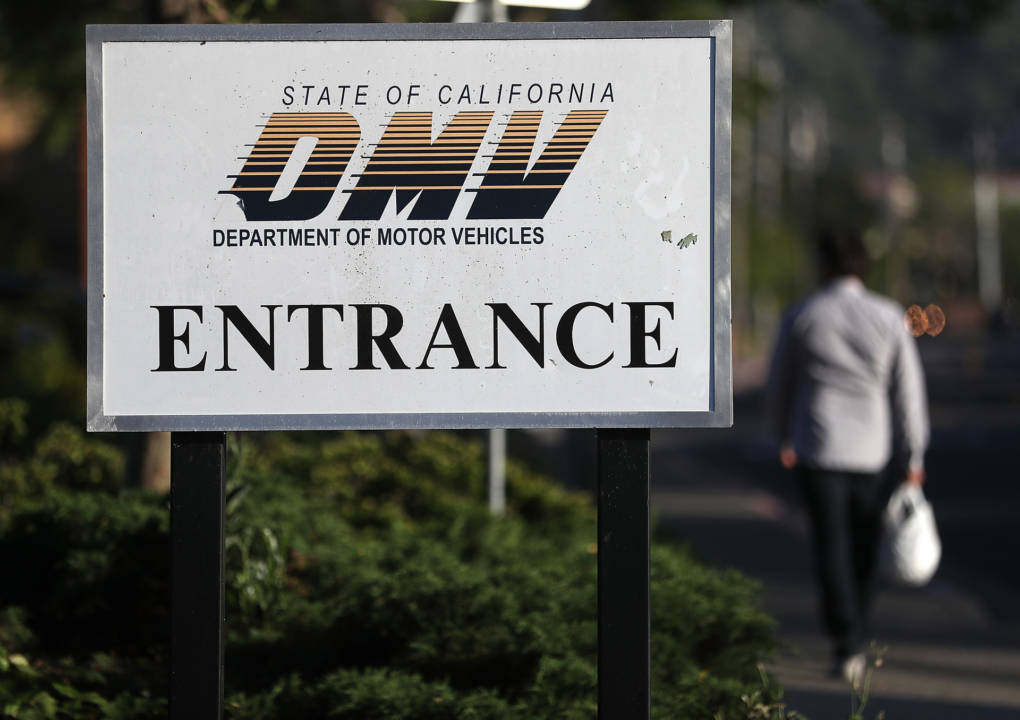
"caption": "A sign is posted in front of a California Department of Motor Vehicles (DMV) office on May 9, 2017 in Corte Madera, California. Gov. Jerry Brown has ordered an audit of the DMV after long wait times sparked outrage from customers and lawmakers.",
"description": "A sign is posted in front of a California Department of Motor Vehicles (DMV) office on May 9, 2017 in Corte Madera, California. Gov. Jerry Brown has ordered an audit of the DMV after long wait times sparked outrage from customers and lawmakers.",
"title": "California DMV Accused of Violating Voter Registration Law",
"credit": "Justin Sullivan/Getty Images",
"status": "inherit",
"isLoading": false,
"fetchFailed": false
},
"news_11692911": {
"type": "attachments",
"id": "news_11692911",
"meta": {
"index": "attachments_1716263798",
"site": "news",
"id": "11692911",
"found": true
},
"parent": 11692906,
"imgSizes": {
"small": {
"file": "https://cdn.kqed.org/wp-content/uploads/sites/10/2018/09/GettyImages-998366012-520x367.jpg",
"width": 520,
"mimeType": "image/jpeg",
"height": 367
},
"twentyfourteen-full-width": {
"file": "https://cdn.kqed.org/wp-content/uploads/sites/10/2018/09/GettyImages-998366012-1038x576.jpg",
"width": 1038,
"mimeType": "image/jpeg",
"height": 576
},
"thumbnail": {
"file": "https://cdn.kqed.org/wp-content/uploads/sites/10/2018/09/GettyImages-998366012-160x113.jpg",
"width": 160,
"mimeType": "image/jpeg",
"height": 113
},
"fd-sm": {
"file": "https://cdn.kqed.org/wp-content/uploads/sites/10/2018/09/GettyImages-998366012-960x678.jpg",
"width": 960,
"mimeType": "image/jpeg",
"height": 678
},
"post-thumbnail": {
"file": "https://cdn.kqed.org/wp-content/uploads/sites/10/2018/09/GettyImages-998366012-672x372.jpg",
"width": 672,
"mimeType": "image/jpeg",
"height": 372
},
"xsmall": {
"file": "https://cdn.kqed.org/wp-content/uploads/sites/10/2018/09/GettyImages-998366012-375x265.jpg",
"width": 375,
"mimeType": "image/jpeg",
"height": 265
},
"kqedFullSize": {
"file": "https://cdn.kqed.org/wp-content/uploads/sites/10/2018/09/GettyImages-998366012-e1537167179316.jpg",
"width": 1920,
"height": 1356
},
"large": {
"file": "https://cdn.kqed.org/wp-content/uploads/sites/10/2018/09/GettyImages-998366012-1020x721.jpg",
"width": 1020,
"mimeType": "image/jpeg",
"height": 721
},
"xlarge": {
"file": "https://cdn.kqed.org/wp-content/uploads/sites/10/2018/09/GettyImages-998366012-1180x834.jpg",
"width": 1180,
"mimeType": "image/jpeg",
"height": 834
},
"complete_open_graph": {
"file": "https://cdn.kqed.org/wp-content/uploads/sites/10/2018/09/GettyImages-998366012-1200x848.jpg",
"width": 1200,
"mimeType": "image/jpeg",
"height": 848
},
"guest-author-50": {
"file": "https://cdn.kqed.org/wp-content/uploads/sites/10/2018/09/GettyImages-998366012-50x50.jpg",
"width": 50,
"mimeType": "image/jpeg",
"height": 50
},
"guest-author-96": {
"file": "https://cdn.kqed.org/wp-content/uploads/sites/10/2018/09/GettyImages-998366012-96x96.jpg",
"width": 96,
"mimeType": "image/jpeg",
"height": 96
},
"medium": {
"file": "https://cdn.kqed.org/wp-content/uploads/sites/10/2018/09/GettyImages-998366012-800x565.jpg",
"width": 800,
"mimeType": "image/jpeg",
"height": 565
},
"guest-author-64": {
"file": "https://cdn.kqed.org/wp-content/uploads/sites/10/2018/09/GettyImages-998366012-64x64.jpg",
"width": 64,
"mimeType": "image/jpeg",
"height": 64
},
"guest-author-32": {
"file": "https://cdn.kqed.org/wp-content/uploads/sites/10/2018/09/GettyImages-998366012-32x32.jpg",
"width": 32,
"mimeType": "image/jpeg",
"height": 32
},
"fd-lrg": {
"file": "https://cdn.kqed.org/wp-content/uploads/sites/10/2018/09/GettyImages-998366012-1920x1356.jpg",
"width": 1920,
"mimeType": "image/jpeg",
"height": 1356
},
"fd-med": {
"file": "https://cdn.kqed.org/wp-content/uploads/sites/10/2018/09/GettyImages-998366012-1180x834.jpg",
"width": 1180,
"mimeType": "image/jpeg",
"height": 834
},
"full-width": {
"file": "https://cdn.kqed.org/wp-content/uploads/sites/10/2018/09/GettyImages-998366012-1920x1356.jpg",
"width": 1920,
"mimeType": "image/jpeg",
"height": 1356
},
"detail": {
"file": "https://cdn.kqed.org/wp-content/uploads/sites/10/2018/09/GettyImages-998366012-150x150.jpg",
"width": 150,
"mimeType": "image/jpeg",
"height": 150
},
"guest-author-128": {
"file": "https://cdn.kqed.org/wp-content/uploads/sites/10/2018/09/GettyImages-998366012-128x128.jpg",
"width": 128,
"mimeType": "image/jpeg",
"height": 128
},
"xxsmall": {
"file": "https://cdn.kqed.org/wp-content/uploads/sites/10/2018/09/GettyImages-998366012-240x170.jpg",
"width": 240,
"mimeType": "image/jpeg",
"height": 170
}
},
"publishDate": 1537167029,
"modified": 1710182256,
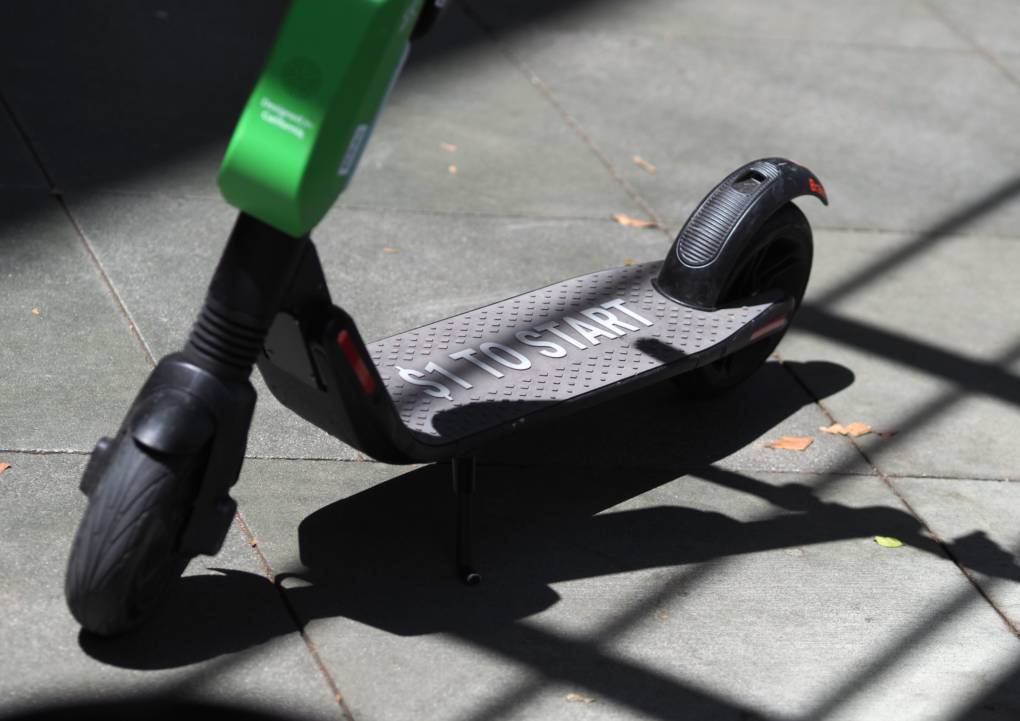
"caption": "San Francisco fire officials say there’s been a dramatic increase in fires associated with lithium-ion batteries found in electric scooters and bicycles.",
"description": null,
"title": "Lime Scooter",
"credit": "Robyn Beck/AFP-Getty Images",
"status": "inherit",
"altTag": null,
"isLoading": false,
"fetchFailed": false
},
"news_11692094": {
"type": "attachments",
"id": "news_11692094",
"meta": {
"index": "attachments_1716263798",
"site": "news",
"id": "11692094",
"found": true
},
"parent": 11690782,
"imgSizes": {
"small": {
"file": "https://ww2.kqed.org/app/uploads/sites/10/2018/09/GettyImages-1027782138-520x340.jpg",
"width": 520,
"mimeType": "image/jpeg",
"height": 340
},
"twentyfourteen-full-width": {
"file": "https://ww2.kqed.org/app/uploads/sites/10/2018/09/GettyImages-1027782138-1038x576.jpg",
"width": 1038,
"mimeType": "image/jpeg",
"height": 576
},
"thumbnail": {
"file": "https://ww2.kqed.org/app/uploads/sites/10/2018/09/GettyImages-1027782138-160x105.jpg",
"width": 160,
"mimeType": "image/jpeg",
"height": 105
},
"fd-sm": {
"file": "https://ww2.kqed.org/app/uploads/sites/10/2018/09/GettyImages-1027782138-960x628.jpg",
"width": 960,
"mimeType": "image/jpeg",
"height": 628
},
"post-thumbnail": {
"file": "https://ww2.kqed.org/app/uploads/sites/10/2018/09/GettyImages-1027782138-672x372.jpg",
"width": 672,
"mimeType": "image/jpeg",
"height": 372
},
"xsmall": {
"file": "https://ww2.kqed.org/app/uploads/sites/10/2018/09/GettyImages-1027782138-375x245.jpg",
"width": 375,
"mimeType": "image/jpeg",
"height": 245
},
"kqedFullSize": {
"file": "https://ww2.kqed.org/app/uploads/sites/10/2018/09/GettyImages-1027782138-e1536801161463.jpg",
"width": 1920,
"height": 1257
},
"large": {
"file": "https://ww2.kqed.org/app/uploads/sites/10/2018/09/GettyImages-1027782138-1020x668.jpg",
"width": 1020,
"mimeType": "image/jpeg",
"height": 668
},
"xlarge": {
"file": "https://ww2.kqed.org/app/uploads/sites/10/2018/09/GettyImages-1027782138-1180x772.jpg",
"width": 1180,
"mimeType": "image/jpeg",
"height": 772
},
"complete_open_graph": {
"file": "https://ww2.kqed.org/app/uploads/sites/10/2018/09/GettyImages-1027782138-1200x786.jpg",
"width": 1200,
"mimeType": "image/jpeg",
"height": 786
},
"guest-author-50": {
"file": "https://ww2.kqed.org/app/uploads/sites/10/2018/09/GettyImages-1027782138-50x50.jpg",
"width": 50,
"mimeType": "image/jpeg",
"height": 50
},
"guest-author-96": {
"file": "https://ww2.kqed.org/app/uploads/sites/10/2018/09/GettyImages-1027782138-96x96.jpg",
"width": 96,
"mimeType": "image/jpeg",
"height": 96
},
"medium": {
"file": "https://ww2.kqed.org/app/uploads/sites/10/2018/09/GettyImages-1027782138-800x524.jpg",
"width": 800,
"mimeType": "image/jpeg",
"height": 524
},
"guest-author-64": {
"file": "https://ww2.kqed.org/app/uploads/sites/10/2018/09/GettyImages-1027782138-64x64.jpg",
"width": 64,
"mimeType": "image/jpeg",
"height": 64
},
"guest-author-32": {
"file": "https://ww2.kqed.org/app/uploads/sites/10/2018/09/GettyImages-1027782138-32x32.jpg",
"width": 32,
"mimeType": "image/jpeg",
"height": 32
},
"fd-lrg": {
"file": "https://ww2.kqed.org/app/uploads/sites/10/2018/09/GettyImages-1027782138-1920x1257.jpg",
"width": 1920,
"mimeType": "image/jpeg",
"height": 1257
},
"fd-med": {
"file": "https://ww2.kqed.org/app/uploads/sites/10/2018/09/GettyImages-1027782138-1180x772.jpg",
"width": 1180,
"mimeType": "image/jpeg",
"height": 772
},
"full-width": {
"file": "https://ww2.kqed.org/app/uploads/sites/10/2018/09/GettyImages-1027782138-1920x1257.jpg",
"width": 1920,
"mimeType": "image/jpeg",
"height": 1257
},
"detail": {
"file": "https://ww2.kqed.org/app/uploads/sites/10/2018/09/GettyImages-1027782138-150x150.jpg",
"width": 150,
"mimeType": "image/jpeg",
"height": 150
},
"guest-author-128": {
"file": "https://ww2.kqed.org/app/uploads/sites/10/2018/09/GettyImages-1027782138-128x128.jpg",
"width": 128,
"mimeType": "image/jpeg",
"height": 128
},
"xxsmall": {
"file": "https://ww2.kqed.org/app/uploads/sites/10/2018/09/GettyImages-1027782138-240x157.jpg",
"width": 240,
"mimeType": "image/jpeg",
"height": 157
}
},
"publishDate": 1536801019,
"modified": 1536801183,
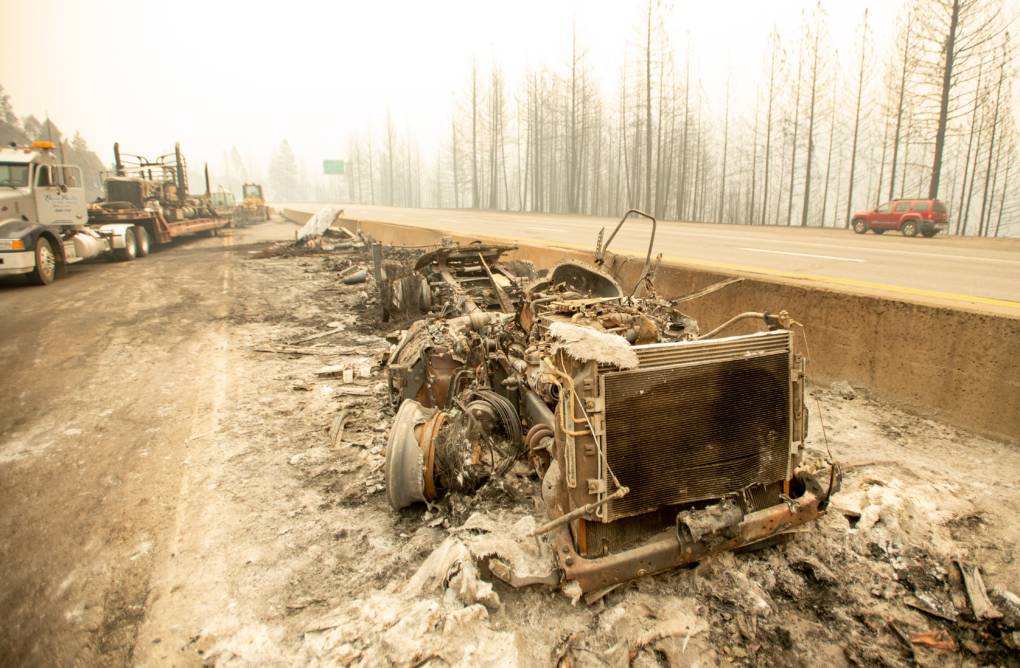
"caption": "A burned out truck sits along Interstate 5 shortly after the Delta Fire swept the highway north of Shasta Lake on Sept. 6. ",
"description": null,
"title": "Delta Fire-Interstate 5",
"credit": "Josh Edelson/AFP-Getty Images",
"status": "inherit",
"isLoading": false,
"fetchFailed": false
},
"news_11692013": {
"type": "attachments",
"id": "news_11692013",
"meta": {
"index": "attachments_1716263798",
"site": "news",
"id": "11692013",
"found": true
},
"parent": 11691978,
"imgSizes": {
"small": {
"file": "https://ww2.kqed.org/app/uploads/sites/10/2018/09/5824584544_b58f9fdd74_o-520x347.jpg",
"width": 520,
"mimeType": "image/jpeg",
"height": 347
},
"twentyfourteen-full-width": {
"file": "https://ww2.kqed.org/app/uploads/sites/10/2018/09/5824584544_b58f9fdd74_o-1038x576.jpg",
"width": 1038,
"mimeType": "image/jpeg",
"height": 576
},
"thumbnail": {
"file": "https://ww2.kqed.org/app/uploads/sites/10/2018/09/5824584544_b58f9fdd74_o-160x107.jpg",
"width": 160,
"mimeType": "image/jpeg",
"height": 107
},
"fd-sm": {
"file": "https://ww2.kqed.org/app/uploads/sites/10/2018/09/5824584544_b58f9fdd74_o-960x640.jpg",
"width": 960,
"mimeType": "image/jpeg",
"height": 640
},
"post-thumbnail": {
"file": "https://ww2.kqed.org/app/uploads/sites/10/2018/09/5824584544_b58f9fdd74_o-672x372.jpg",
"width": 672,
"mimeType": "image/jpeg",
"height": 372
},
"xsmall": {
"file": "https://ww2.kqed.org/app/uploads/sites/10/2018/09/5824584544_b58f9fdd74_o-375x250.jpg",
"width": 375,
"mimeType": "image/jpeg",
"height": 250
},
"kqedFullSize": {
"file": "https://ww2.kqed.org/app/uploads/sites/10/2018/09/5824584544_b58f9fdd74_o-e1536785879746.jpg",
"width": 1920,
"height": 1280
},
"large": {
"file": "https://ww2.kqed.org/app/uploads/sites/10/2018/09/5824584544_b58f9fdd74_o-1020x680.jpg",
"width": 1020,
"mimeType": "image/jpeg",
"height": 680
},
"xlarge": {
"file": "https://ww2.kqed.org/app/uploads/sites/10/2018/09/5824584544_b58f9fdd74_o-1180x787.jpg",
"width": 1180,
"mimeType": "image/jpeg",
"height": 787
},
"complete_open_graph": {
"file": "https://ww2.kqed.org/app/uploads/sites/10/2018/09/5824584544_b58f9fdd74_o-1200x800.jpg",
"width": 1200,
"mimeType": "image/jpeg",
"height": 800
},
"guest-author-50": {
"file": "https://ww2.kqed.org/app/uploads/sites/10/2018/09/5824584544_b58f9fdd74_o-50x50.jpg",
"width": 50,
"mimeType": "image/jpeg",
"height": 50
},
"guest-author-96": {
"file": "https://ww2.kqed.org/app/uploads/sites/10/2018/09/5824584544_b58f9fdd74_o-96x96.jpg",
"width": 96,
"mimeType": "image/jpeg",
"height": 96
},
"medium": {
"file": "https://ww2.kqed.org/app/uploads/sites/10/2018/09/5824584544_b58f9fdd74_o-800x533.jpg",
"width": 800,
"mimeType": "image/jpeg",
"height": 533
},
"guest-author-64": {
"file": "https://ww2.kqed.org/app/uploads/sites/10/2018/09/5824584544_b58f9fdd74_o-64x64.jpg",
"width": 64,
"mimeType": "image/jpeg",
"height": 64
},
"guest-author-32": {
"file": "https://ww2.kqed.org/app/uploads/sites/10/2018/09/5824584544_b58f9fdd74_o-32x32.jpg",
"width": 32,
"mimeType": "image/jpeg",
"height": 32
},
"fd-lrg": {
"file": "https://ww2.kqed.org/app/uploads/sites/10/2018/09/5824584544_b58f9fdd74_o-1920x1280.jpg",
"width": 1920,
"mimeType": "image/jpeg",
"height": 1280
},
"fd-med": {
"file": "https://ww2.kqed.org/app/uploads/sites/10/2018/09/5824584544_b58f9fdd74_o-1180x787.jpg",
"width": 1180,
"mimeType": "image/jpeg",
"height": 787
},
"full-width": {
"file": "https://ww2.kqed.org/app/uploads/sites/10/2018/09/5824584544_b58f9fdd74_o-1920x1280.jpg",
"width": 1920,
"mimeType": "image/jpeg",
"height": 1280
},
"detail": {
"file": "https://ww2.kqed.org/app/uploads/sites/10/2018/09/5824584544_b58f9fdd74_o-150x150.jpg",
"width": 150,
"mimeType": "image/jpeg",
"height": 150
},
"guest-author-128": {
"file": "https://ww2.kqed.org/app/uploads/sites/10/2018/09/5824584544_b58f9fdd74_o-128x128.jpg",
"width": 128,
"mimeType": "image/jpeg",
"height": 128
},
"xxsmall": {
"file": "https://ww2.kqed.org/app/uploads/sites/10/2018/09/5824584544_b58f9fdd74_o-240x160.jpg",
"width": 240,
"mimeType": "image/jpeg",
"height": 160
}
},
"publishDate": 1536785771,
"modified": 1536795546,
"caption": "A 2009 image of trains at Muni's West Portal Station. ",
"description": "A 2009 image of trains at Muni's West Portal Station. ",
"title": "West Portal Station-Muni Metro",
"credit": "\u003ca href=\"https://flic.kr/p/9SGw4s\" target=\"_blank\">Thomas Hawk via Flickr\u003c/a>",
"status": "inherit",
"isLoading": false,
"fetchFailed": false
},
"news_11691054": {
"type": "attachments",
"id": "news_11691054",
"meta": {
"index": "attachments_1716263798",
"site": "news",
"id": "11691054",
"found": true
},
"parent": 11691033,
"imgSizes": {
"small": {
"file": "https://ww2.kqed.org/app/uploads/sites/10/2018/09/MuskToke-520x338.jpg",
"width": 520,
"mimeType": "image/jpeg",
"height": 338
},
"twentyfourteen-full-width": {
"file": "https://ww2.kqed.org/app/uploads/sites/10/2018/09/MuskToke-1038x576.jpg",
"width": 1038,
"mimeType": "image/jpeg",
"height": 576
},
"thumbnail": {
"file": "https://ww2.kqed.org/app/uploads/sites/10/2018/09/MuskToke-160x104.jpg",
"width": 160,
"mimeType": "image/jpeg",
"height": 104
},
"fd-sm": {
"file": "https://ww2.kqed.org/app/uploads/sites/10/2018/09/MuskToke-960x624.jpg",
"width": 960,
"mimeType": "image/jpeg",
"height": 624
},
"post-thumbnail": {
"file": "https://ww2.kqed.org/app/uploads/sites/10/2018/09/MuskToke-672x372.jpg",
"width": 672,
"mimeType": "image/jpeg",
"height": 372
},
"xsmall": {
"file": "https://ww2.kqed.org/app/uploads/sites/10/2018/09/MuskToke-375x244.jpg",
"width": 375,
"mimeType": "image/jpeg",
"height": 244
},
"kqedFullSize": {
"file": "https://ww2.kqed.org/app/uploads/sites/10/2018/09/MuskToke.jpg",
"width": 1920,
"height": 1248
},
"large": {
"file": "https://ww2.kqed.org/app/uploads/sites/10/2018/09/MuskToke-1020x663.jpg",
"width": 1020,
"mimeType": "image/jpeg",
"height": 663
},
"xlarge": {
"file": "https://ww2.kqed.org/app/uploads/sites/10/2018/09/MuskToke-1180x767.jpg",
"width": 1180,
"mimeType": "image/jpeg",
"height": 767
},
"complete_open_graph": {
"file": "https://ww2.kqed.org/app/uploads/sites/10/2018/09/MuskToke-1200x780.jpg",
"width": 1200,
"mimeType": "image/jpeg",
"height": 780
},
"guest-author-50": {
"file": "https://ww2.kqed.org/app/uploads/sites/10/2018/09/MuskToke-50x50.jpg",
"width": 50,
"mimeType": "image/jpeg",
"height": 50
},
"guest-author-96": {
"file": "https://ww2.kqed.org/app/uploads/sites/10/2018/09/MuskToke-96x96.jpg",
"width": 96,
"mimeType": "image/jpeg",
"height": 96
},
"medium": {
"file": "https://ww2.kqed.org/app/uploads/sites/10/2018/09/MuskToke-800x520.jpg",
"width": 800,
"mimeType": "image/jpeg",
"height": 520
},
"guest-author-64": {
"file": "https://ww2.kqed.org/app/uploads/sites/10/2018/09/MuskToke-64x64.jpg",
"width": 64,
"mimeType": "image/jpeg",
"height": 64
},
"guest-author-32": {
"file": "https://ww2.kqed.org/app/uploads/sites/10/2018/09/MuskToke-32x32.jpg",
"width": 32,
"mimeType": "image/jpeg",
"height": 32
},
"fd-lrg": {
"file": "https://ww2.kqed.org/app/uploads/sites/10/2018/09/MuskToke-1920x1248.jpg",
"width": 1920,
"mimeType": "image/jpeg",
"height": 1248
},
"fd-med": {
"file": "https://ww2.kqed.org/app/uploads/sites/10/2018/09/MuskToke-1180x767.jpg",
"width": 1180,
"mimeType": "image/jpeg",
"height": 767
},
"full-width": {
"file": "https://ww2.kqed.org/app/uploads/sites/10/2018/09/MuskToke-1920x1248.jpg",
"width": 1920,
"mimeType": "image/jpeg",
"height": 1248
},
"detail": {
"file": "https://ww2.kqed.org/app/uploads/sites/10/2018/09/MuskToke-150x150.jpg",
"width": 150,
"mimeType": "image/jpeg",
"height": 150
},
"guest-author-128": {
"file": "https://ww2.kqed.org/app/uploads/sites/10/2018/09/MuskToke-128x128.jpg",
"width": 128,
"mimeType": "image/jpeg",
"height": 128
},
"xxsmall": {
"file": "https://ww2.kqed.org/app/uploads/sites/10/2018/09/MuskToke-240x156.jpg",
"width": 240,
"mimeType": "image/jpeg",
"height": 156
}
},
"publishDate": 1536351823,
"modified": 1536351839,
"caption": "Elon Musk taking a drag from blunt on “The Joe Rogan Experience.”",
"description": "Elon Musk taking a drag from blunt on “The Joe Rogan Experience.”",
"title": "MuskToke",
"credit": "YouTube",
"status": "inherit",
"isLoading": false,
"fetchFailed": false
},
"news_11689746": {
"type": "attachments",
"id": "news_11689746",
"meta": {
"index": "attachments_1716263798",
"site": "news",
"id": "11689746",
"found": true
},
"parent": 11689732,
"imgSizes": {
"small": {
"file": "https://ww2.kqed.org/app/uploads/sites/10/2018/08/Screen-Shot-2018-08-31-at-11.26.12-AM-520x442.png",
"width": 520,
"mimeType": "image/png",
"height": 442
},
"twentyfourteen-full-width": {
"file": "https://ww2.kqed.org/app/uploads/sites/10/2018/08/Screen-Shot-2018-08-31-at-11.26.12-AM-1038x576.png",
"width": 1038,
"mimeType": "image/png",
"height": 576
},
"thumbnail": {
"file": "https://ww2.kqed.org/app/uploads/sites/10/2018/08/Screen-Shot-2018-08-31-at-11.26.12-AM-160x136.png",
"width": 160,
"mimeType": "image/png",
"height": 136
},
"fd-sm": {
"file": "https://ww2.kqed.org/app/uploads/sites/10/2018/08/Screen-Shot-2018-08-31-at-11.26.12-AM-960x816.png",
"width": 960,
"mimeType": "image/png",
"height": 816
},
"post-thumbnail": {
"file": "https://ww2.kqed.org/app/uploads/sites/10/2018/08/Screen-Shot-2018-08-31-at-11.26.12-AM-672x372.png",
"width": 672,
"mimeType": "image/png",
"height": 372
},
"xsmall": {
"file": "https://ww2.kqed.org/app/uploads/sites/10/2018/08/Screen-Shot-2018-08-31-at-11.26.12-AM-375x319.png",
"width": 375,
"mimeType": "image/png",
"height": 319
},
"kqedFullSize": {
"file": "https://ww2.kqed.org/app/uploads/sites/10/2018/08/Screen-Shot-2018-08-31-at-11.26.12-AM.png",
"width": 1174,
"height": 998
},
"large": {
"file": "https://ww2.kqed.org/app/uploads/sites/10/2018/08/Screen-Shot-2018-08-31-at-11.26.12-AM-1020x867.png",
"width": 1020,
"mimeType": "image/png",
"height": 867
},
"guest-author-50": {
"file": "https://ww2.kqed.org/app/uploads/sites/10/2018/08/Screen-Shot-2018-08-31-at-11.26.12-AM-50x50.png",
"width": 50,
"mimeType": "image/png",
"height": 50
},
"guest-author-96": {
"file": "https://ww2.kqed.org/app/uploads/sites/10/2018/08/Screen-Shot-2018-08-31-at-11.26.12-AM-96x96.png",
"width": 96,
"mimeType": "image/png",
"height": 96
},
"medium": {
"file": "https://ww2.kqed.org/app/uploads/sites/10/2018/08/Screen-Shot-2018-08-31-at-11.26.12-AM-800x680.png",
"width": 800,
"mimeType": "image/png",
"height": 680
},
"guest-author-64": {
"file": "https://ww2.kqed.org/app/uploads/sites/10/2018/08/Screen-Shot-2018-08-31-at-11.26.12-AM-64x64.png",
"width": 64,
"mimeType": "image/png",
"height": 64
},
"guest-author-32": {
"file": "https://ww2.kqed.org/app/uploads/sites/10/2018/08/Screen-Shot-2018-08-31-at-11.26.12-AM-32x32.png",
"width": 32,
"mimeType": "image/png",
"height": 32
},
"detail": {
"file": "https://ww2.kqed.org/app/uploads/sites/10/2018/08/Screen-Shot-2018-08-31-at-11.26.12-AM-150x150.png",
"width": 150,
"mimeType": "image/png",
"height": 150
},
"guest-author-128": {
"file": "https://ww2.kqed.org/app/uploads/sites/10/2018/08/Screen-Shot-2018-08-31-at-11.26.12-AM-128x128.png",
"width": 128,
"mimeType": "image/png",
"height": 128
},
"xxsmall": {
"file": "https://ww2.kqed.org/app/uploads/sites/10/2018/08/Screen-Shot-2018-08-31-at-11.26.12-AM-240x204.png",
"width": 240,
"mimeType": "image/png",
"height": 204
}
},
"publishDate": 1535740100,
"modified": 1535848778,
"caption": "A screen grab from one of two videos posted Thursday night showing two passengers attempting to throw another rider -- later identified as Dexter Lotz, 21 -- from a Muni light-rail vehicle.",
"description": null,
"title": "Muni Assault",
"credit": "\u003ca href=\"https://twitter.com/AnnaMSterling/\" target=\"_blank\">@AnnaMSterling/Twitter\u003c/a>",
"status": "inherit",
"isLoading": false,
"fetchFailed": false
},
"news_11689581": {
"type": "attachments",
"id": "news_11689581",
"meta": {
"index": "attachments_1716263798",
"site": "news",
"id": "11689581",
"found": true
},
"parent": 11689446,
"imgSizes": {
"small": {
"file": "https://ww2.kqed.org/app/uploads/sites/10/2018/08/Kayode-520x390.jpg",
"width": 520,
"mimeType": "image/jpeg",
"height": 390
},
"twentyfourteen-full-width": {
"file": "https://ww2.kqed.org/app/uploads/sites/10/2018/08/Kayode-1038x576.jpg",
"width": 1038,
"mimeType": "image/jpeg",
"height": 576
},
"thumbnail": {
"file": "https://ww2.kqed.org/app/uploads/sites/10/2018/08/Kayode-160x120.jpg",
"width": 160,
"mimeType": "image/jpeg",
"height": 120
},
"fd-sm": {
"file": "https://ww2.kqed.org/app/uploads/sites/10/2018/08/Kayode-960x720.jpg",
"width": 960,
"mimeType": "image/jpeg",
"height": 720
},
"post-thumbnail": {
"file": "https://ww2.kqed.org/app/uploads/sites/10/2018/08/Kayode-672x372.jpg",
"width": 672,
"mimeType": "image/jpeg",
"height": 372
},
"xsmall": {
"file": "https://ww2.kqed.org/app/uploads/sites/10/2018/08/Kayode-375x281.jpg",
"width": 375,
"mimeType": "image/jpeg",
"height": 281
},
"kqedFullSize": {
"file": "https://ww2.kqed.org/app/uploads/sites/10/2018/08/Kayode.jpg",
"width": 1920,
"height": 1440
},
"large": {
"file": "https://ww2.kqed.org/app/uploads/sites/10/2018/08/Kayode-1020x765.jpg",
"width": 1020,
"mimeType": "image/jpeg",
"height": 765
},
"xlarge": {
"file": "https://ww2.kqed.org/app/uploads/sites/10/2018/08/Kayode-1180x885.jpg",
"width": 1180,
"mimeType": "image/jpeg",
"height": 885
},
"complete_open_graph": {
"file": "https://ww2.kqed.org/app/uploads/sites/10/2018/08/Kayode-1200x900.jpg",
"width": 1200,
"mimeType": "image/jpeg",
"height": 900
},
"guest-author-50": {
"file": "https://ww2.kqed.org/app/uploads/sites/10/2018/08/Kayode-50x50.jpg",
"width": 50,
"mimeType": "image/jpeg",
"height": 50
},
"guest-author-96": {
"file": "https://ww2.kqed.org/app/uploads/sites/10/2018/08/Kayode-96x96.jpg",
"width": 96,
"mimeType": "image/jpeg",
"height": 96
},
"medium": {
"file": "https://ww2.kqed.org/app/uploads/sites/10/2018/08/Kayode-800x600.jpg",
"width": 800,
"mimeType": "image/jpeg",
"height": 600
},
"guest-author-64": {
"file": "https://ww2.kqed.org/app/uploads/sites/10/2018/08/Kayode-64x64.jpg",
"width": 64,
"mimeType": "image/jpeg",
"height": 64
},
"guest-author-32": {
"file": "https://ww2.kqed.org/app/uploads/sites/10/2018/08/Kayode-32x32.jpg",
"width": 32,
"mimeType": "image/jpeg",
"height": 32
},
"fd-lrg": {
"file": "https://ww2.kqed.org/app/uploads/sites/10/2018/08/Kayode-1920x1440.jpg",
"width": 1920,
"mimeType": "image/jpeg",
"height": 1440
},
"fd-med": {
"file": "https://ww2.kqed.org/app/uploads/sites/10/2018/08/Kayode-1180x885.jpg",
"width": 1180,
"mimeType": "image/jpeg",
"height": 885
},
"full-width": {
"file": "https://ww2.kqed.org/app/uploads/sites/10/2018/08/Kayode-1920x1440.jpg",
"width": 1920,
"mimeType": "image/jpeg",
"height": 1440
},
"detail": {
"file": "https://ww2.kqed.org/app/uploads/sites/10/2018/08/Kayode-150x150.jpg",
"width": 150,
"mimeType": "image/jpeg",
"height": 150
},
"guest-author-128": {
"file": "https://ww2.kqed.org/app/uploads/sites/10/2018/08/Kayode-128x128.jpg",
"width": 128,
"mimeType": "image/jpeg",
"height": 128
},
"xxsmall": {
"file": "https://ww2.kqed.org/app/uploads/sites/10/2018/08/Kayode-240x180.jpg",
"width": 240,
"mimeType": "image/jpeg",
"height": 180
}
},
"publishDate": 1535665009,
"modified": 1535665078,
"caption": "Sean Kayode, at the Next Door homeless shelter in San Francisco on July 26, 2018. Kayode is suing the city, saying he lost his means of food-delivery employment and his home when his car was impounded in March — for having too many parking tickets.",
"description": "Sean Kayode, at the Next Door homeless shelter in San Francisco on July 26, 2018. Kayode is suing the city, saying he lost his means of food-delivery employment and his home when his car was impounded in March — for having too many parking tickets.",
"title": "Kayode",
"credit": "David Gorn/CALmatters",
"status": "inherit",
"isLoading": false,
"fetchFailed": false
},
"news_11664742": {
"type": "attachments",
"id": "news_11664742",
"meta": {
"index": "attachments_1716263798",
"site": "news",
"id": "11664742",
"found": true
},
"parent": 11664665,
"imgSizes": {
"small": {
"file": "https://ww2.kqed.org/app/uploads/sites/10/2018/04/GettyImages-947735006-520x348.jpg",
"width": 520,
"mimeType": "image/jpeg",
"height": 348
},
"twentyfourteen-full-width": {
"file": "https://ww2.kqed.org/app/uploads/sites/10/2018/04/GettyImages-947735006-1038x576.jpg",
"width": 1038,
"mimeType": "image/jpeg",
"height": 576
},
"thumbnail": {
"file": "https://ww2.kqed.org/app/uploads/sites/10/2018/04/GettyImages-947735006-160x107.jpg",
"width": 160,
"mimeType": "image/jpeg",
"height": 107
},
"fd-sm": {
"file": "https://ww2.kqed.org/app/uploads/sites/10/2018/04/GettyImages-947735006-960x642.jpg",
"width": 960,
"mimeType": "image/jpeg",
"height": 642
},
"post-thumbnail": {
"file": "https://ww2.kqed.org/app/uploads/sites/10/2018/04/GettyImages-947735006-672x372.jpg",
"width": 672,
"mimeType": "image/jpeg",
"height": 372
},
"xsmall": {
"file": "https://ww2.kqed.org/app/uploads/sites/10/2018/04/GettyImages-947735006-375x251.jpg",
"width": 375,
"mimeType": "image/jpeg",
"height": 251
},
"kqedFullSize": {
"file": "https://ww2.kqed.org/app/uploads/sites/10/2018/04/GettyImages-947735006-e1524707401763.jpg",
"width": 1920,
"height": 1283
},
"large": {
"file": "https://ww2.kqed.org/app/uploads/sites/10/2018/04/GettyImages-947735006-1020x682.jpg",
"width": 1020,
"mimeType": "image/jpeg",
"height": 682
},
"xlarge": {
"file": "https://ww2.kqed.org/app/uploads/sites/10/2018/04/GettyImages-947735006-1180x789.jpg",
"width": 1180,
"mimeType": "image/jpeg",
"height": 789
},
"complete_open_graph": {
"file": "https://ww2.kqed.org/app/uploads/sites/10/2018/04/GettyImages-947735006-1200x802.jpg",
"width": 1200,
"mimeType": "image/jpeg",
"height": 802
},
"guest-author-50": {
"file": "https://ww2.kqed.org/app/uploads/sites/10/2018/04/GettyImages-947735006-50x50.jpg",
"width": 50,
"mimeType": "image/jpeg",
"height": 50
},
"guest-author-96": {
"file": "https://ww2.kqed.org/app/uploads/sites/10/2018/04/GettyImages-947735006-96x96.jpg",
"width": 96,
"mimeType": "image/jpeg",
"height": 96
},
"medium": {
"file": "https://ww2.kqed.org/app/uploads/sites/10/2018/04/GettyImages-947735006-800x535.jpg",
"width": 800,
"mimeType": "image/jpeg",
"height": 535
},
"guest-author-64": {
"file": "https://ww2.kqed.org/app/uploads/sites/10/2018/04/GettyImages-947735006-64x64.jpg",
"width": 64,
"mimeType": "image/jpeg",
"height": 64
},
"guest-author-32": {
"file": "https://ww2.kqed.org/app/uploads/sites/10/2018/04/GettyImages-947735006-32x32.jpg",
"width": 32,
"mimeType": "image/jpeg",
"height": 32
},
"fd-lrg": {
"file": "https://ww2.kqed.org/app/uploads/sites/10/2018/04/GettyImages-947735006-1920x1283.jpg",
"width": 1920,
"mimeType": "image/jpeg",
"height": 1283
},
"fd-med": {
"file": "https://ww2.kqed.org/app/uploads/sites/10/2018/04/GettyImages-947735006-1180x789.jpg",
"width": 1180,
"mimeType": "image/jpeg",
"height": 789
},
"full-width": {
"file": "https://ww2.kqed.org/app/uploads/sites/10/2018/04/GettyImages-947735006-1920x1283.jpg",
"width": 1920,
"mimeType": "image/jpeg",
"height": 1283
},
"detail": {
"file": "https://ww2.kqed.org/app/uploads/sites/10/2018/04/GettyImages-947735006-150x150.jpg",
"width": 150,
"mimeType": "image/jpeg",
"height": 150
},
"guest-author-128": {
"file": "https://ww2.kqed.org/app/uploads/sites/10/2018/04/GettyImages-947735006-128x128.jpg",
"width": 128,
"mimeType": "image/jpeg",
"height": 128
},
"xxsmall": {
"file": "https://ww2.kqed.org/app/uploads/sites/10/2018/04/GettyImages-947735006-240x160.jpg",
"width": 240,
"mimeType": "image/jpeg",
"height": 160
}
},
"publishDate": 1524707216,
"modified": 1535660918,
"caption": "A Bird scooter parked on a sidewalk in downtown San Francisco. Bird, which launched service in San Francisco in March without city authorization, has been excluded from a one-year scooter pilot in the city. ",
"description": null,
"title": "San Francisco Scooters",
"credit": "Justin Sullivan/Getty Images",
"status": "inherit",
"isLoading": false,
"fetchFailed": false
},
"news_11689510": {
"type": "attachments",
"id": "news_11689510",
"meta": {
"index": "attachments_1716263798",
"site": "news",
"id": "11689510",
"found": true
},
"parent": 11689507,
"imgSizes": {
"small": {
"file": "https://ww2.kqed.org/app/uploads/sites/10/2018/08/MetroGoldLine-520x346.jpg",
"width": 520,
"mimeType": "image/jpeg",
"height": 346
},
"twentyfourteen-full-width": {
"file": "https://ww2.kqed.org/app/uploads/sites/10/2018/08/MetroGoldLine-1038x576.jpg",
"width": 1038,
"mimeType": "image/jpeg",
"height": 576
},
"thumbnail": {
"file": "https://ww2.kqed.org/app/uploads/sites/10/2018/08/MetroGoldLine-160x106.jpg",
"width": 160,
"mimeType": "image/jpeg",
"height": 106
},
"fd-sm": {
"file": "https://ww2.kqed.org/app/uploads/sites/10/2018/08/MetroGoldLine-960x639.jpg",
"width": 960,
"mimeType": "image/jpeg",
"height": 639
},
"post-thumbnail": {
"file": "https://ww2.kqed.org/app/uploads/sites/10/2018/08/MetroGoldLine-672x372.jpg",
"width": 672,
"mimeType": "image/jpeg",
"height": 372
},
"xsmall": {
"file": "https://ww2.kqed.org/app/uploads/sites/10/2018/08/MetroGoldLine-375x250.jpg",
"width": 375,
"mimeType": "image/jpeg",
"height": 250
},
"kqedFullSize": {
"file": "https://ww2.kqed.org/app/uploads/sites/10/2018/08/MetroGoldLine-e1535644612539.jpg",
"width": 1920,
"height": 1278
},
"large": {
"file": "https://ww2.kqed.org/app/uploads/sites/10/2018/08/MetroGoldLine-1020x679.jpg",
"width": 1020,
"mimeType": "image/jpeg",
"height": 679
},
"xlarge": {
"file": "https://ww2.kqed.org/app/uploads/sites/10/2018/08/MetroGoldLine-1180x785.jpg",
"width": 1180,
"mimeType": "image/jpeg",
"height": 785
},
"complete_open_graph": {
"file": "https://ww2.kqed.org/app/uploads/sites/10/2018/08/MetroGoldLine-1200x799.jpg",
"width": 1200,
"mimeType": "image/jpeg",
"height": 799
},
"guest-author-50": {
"file": "https://ww2.kqed.org/app/uploads/sites/10/2018/08/MetroGoldLine-50x50.jpg",
"width": 50,
"mimeType": "image/jpeg",
"height": 50
},
"guest-author-96": {
"file": "https://ww2.kqed.org/app/uploads/sites/10/2018/08/MetroGoldLine-96x96.jpg",
"width": 96,
"mimeType": "image/jpeg",
"height": 96
},
"medium": {
"file": "https://ww2.kqed.org/app/uploads/sites/10/2018/08/MetroGoldLine-800x532.jpg",
"width": 800,
"mimeType": "image/jpeg",
"height": 532
},
"guest-author-64": {
"file": "https://ww2.kqed.org/app/uploads/sites/10/2018/08/MetroGoldLine-64x64.jpg",
"width": 64,
"mimeType": "image/jpeg",
"height": 64
},
"guest-author-32": {
"file": "https://ww2.kqed.org/app/uploads/sites/10/2018/08/MetroGoldLine-32x32.jpg",
"width": 32,
"mimeType": "image/jpeg",
"height": 32
},
"fd-lrg": {
"file": "https://ww2.kqed.org/app/uploads/sites/10/2018/08/MetroGoldLine-1920x1278.jpg",
"width": 1920,
"mimeType": "image/jpeg",
"height": 1278
},
"fd-med": {
"file": "https://ww2.kqed.org/app/uploads/sites/10/2018/08/MetroGoldLine-1180x785.jpg",
"width": 1180,
"mimeType": "image/jpeg",
"height": 785
},
"full-width": {
"file": "https://ww2.kqed.org/app/uploads/sites/10/2018/08/MetroGoldLine-1920x1278.jpg",
"width": 1920,
"mimeType": "image/jpeg",
"height": 1278
},
"detail": {
"file": "https://ww2.kqed.org/app/uploads/sites/10/2018/08/MetroGoldLine-150x150.jpg",
"width": 150,
"mimeType": "image/jpeg",
"height": 150
},
"guest-author-128": {
"file": "https://ww2.kqed.org/app/uploads/sites/10/2018/08/MetroGoldLine-128x128.jpg",
"width": 128,
"mimeType": "image/jpeg",
"height": 128
},
"xxsmall": {
"file": "https://ww2.kqed.org/app/uploads/sites/10/2018/08/MetroGoldLine-240x160.jpg",
"width": 240,
"mimeType": "image/jpeg",
"height": 160
}
},
"publishDate": 1535644550,
"modified": 1535644632,
"caption": "A stock photo taken April 6, 2017 shows a Metro train moving along the Gold Line in downtown Los Angeles. Anti-poverty advocates say there is no consistent safety net to help struggling Californians afford reliable transportation.",
"description": null,
"title": "MetroGoldLine",
"credit": "Courtesy of Metro/Flickr Creative Commons",
"status": "inherit",
"isLoading": false,
"fetchFailed": false
},
"news_11653927": {
"type": "attachments",
"id": "news_11653927",
"meta": {
"index": "attachments_1716263798",
"site": "news",
"id": "11653927",
"found": true
},
"parent": 11653914,
"imgSizes": {
"small": {
"file": "https://ww2.kqed.org/app/uploads/sites/10/2018/03/Screen-Shot-2018-03-05-at-10.59.14-AM-520x344.png",
"width": 520,
"mimeType": "image/png",
"height": 344
},
"twentyfourteen-full-width": {
"file": "https://ww2.kqed.org/app/uploads/sites/10/2018/03/Screen-Shot-2018-03-05-at-10.59.14-AM-1038x576.png",
"width": 1038,
"mimeType": "image/png",
"height": 576
},
"thumbnail": {
"file": "https://ww2.kqed.org/app/uploads/sites/10/2018/03/Screen-Shot-2018-03-05-at-10.59.14-AM-160x106.png",
"width": 160,
"mimeType": "image/png",
"height": 106
},
"fd-sm": {
"file": "https://ww2.kqed.org/app/uploads/sites/10/2018/03/Screen-Shot-2018-03-05-at-10.59.14-AM-960x635.png",
"width": 960,
"mimeType": "image/png",
"height": 635
},
"post-thumbnail": {
"file": "https://ww2.kqed.org/app/uploads/sites/10/2018/03/Screen-Shot-2018-03-05-at-10.59.14-AM-672x372.png",
"width": 672,
"mimeType": "image/png",
"height": 372
},
"xsmall": {
"file": "https://ww2.kqed.org/app/uploads/sites/10/2018/03/Screen-Shot-2018-03-05-at-10.59.14-AM-375x248.png",
"width": 375,
"mimeType": "image/png",
"height": 248
},
"kqedFullSize": {
"file": "https://ww2.kqed.org/app/uploads/sites/10/2018/03/Screen-Shot-2018-03-05-at-10.59.14-AM-e1520278173738.png",
"width": 1920,
"height": 1271
},
"large": {
"file": "https://ww2.kqed.org/app/uploads/sites/10/2018/03/Screen-Shot-2018-03-05-at-10.59.14-AM-1020x675.png",
"width": 1020,
"mimeType": "image/png",
"height": 675
},
"xlarge": {
"file": "https://ww2.kqed.org/app/uploads/sites/10/2018/03/Screen-Shot-2018-03-05-at-10.59.14-AM-1180x781.png",
"width": 1180,
"mimeType": "image/png",
"height": 781
},
"guest-author-50": {
"file": "https://ww2.kqed.org/app/uploads/sites/10/2018/03/Screen-Shot-2018-03-05-at-10.59.14-AM-50x50.png",
"width": 50,
"mimeType": "image/png",
"height": 50
},
"guest-author-96": {
"file": "https://ww2.kqed.org/app/uploads/sites/10/2018/03/Screen-Shot-2018-03-05-at-10.59.14-AM-96x96.png",
"width": 96,
"mimeType": "image/png",
"height": 96
},
"medium": {
"file": "https://ww2.kqed.org/app/uploads/sites/10/2018/03/Screen-Shot-2018-03-05-at-10.59.14-AM-800x529.png",
"width": 800,
"mimeType": "image/png",
"height": 529
},
"guest-author-64": {
"file": "https://ww2.kqed.org/app/uploads/sites/10/2018/03/Screen-Shot-2018-03-05-at-10.59.14-AM-64x64.png",
"width": 64,
"mimeType": "image/png",
"height": 64
},
"guest-author-32": {
"file": "https://ww2.kqed.org/app/uploads/sites/10/2018/03/Screen-Shot-2018-03-05-at-10.59.14-AM-32x32.png",
"width": 32,
"mimeType": "image/png",
"height": 32
},
"fd-lrg": {
"file": "https://ww2.kqed.org/app/uploads/sites/10/2018/03/Screen-Shot-2018-03-05-at-10.59.14-AM-1920x1271.png",
"width": 1920,
"mimeType": "image/png",
"height": 1271
},
"fd-med": {
"file": "https://ww2.kqed.org/app/uploads/sites/10/2018/03/Screen-Shot-2018-03-05-at-10.59.14-AM-1180x781.png",
"width": 1180,
"mimeType": "image/png",
"height": 781
},
"full-width": {
"file": "https://ww2.kqed.org/app/uploads/sites/10/2018/03/Screen-Shot-2018-03-05-at-10.59.14-AM-1920x1271.png",
"width": 1920,
"mimeType": "image/png",
"height": 1271
},
"detail": {
"file": "https://ww2.kqed.org/app/uploads/sites/10/2018/03/Screen-Shot-2018-03-05-at-10.59.14-AM-150x150.png",
"width": 150,
"mimeType": "image/png",
"height": 150
},
"guest-author-128": {
"file": "https://ww2.kqed.org/app/uploads/sites/10/2018/03/Screen-Shot-2018-03-05-at-10.59.14-AM-128x128.png",
"width": 128,
"mimeType": "image/png",
"height": 128
},
"xxsmall": {
"file": "https://ww2.kqed.org/app/uploads/sites/10/2018/03/Screen-Shot-2018-03-05-at-10.59.14-AM-240x159.png",
"width": 240,
"mimeType": "image/png",
"height": 159
}
},
"publishDate": 1520277742,
"modified": 1535507483,
"caption": "The North Berkeley BART Station and parking lot, one of the transit district sites that could see future development under AB 2923. ",
"description": null,
"title": "North Berkeley BART",
"credit": "Google Earth ",
"status": "inherit",
"isLoading": false,
"fetchFailed": false
},
"news_11689001": {
"type": "attachments",
"id": "news_11689001",
"meta": {
"index": "attachments_1716263798",
"site": "news",
"id": "11689001",
"found": true
},
"parent": 11688993,
"imgSizes": {
"small": {
"file": "https://ww2.kqed.org/app/uploads/sites/10/2018/08/Screen-Shot-2018-08-27-at-10.47.08-AM-520x310.png",
"width": 520,
"mimeType": "image/png",
"height": 310
},
"twentyfourteen-full-width": {
"file": "https://ww2.kqed.org/app/uploads/sites/10/2018/08/Screen-Shot-2018-08-27-at-10.47.08-AM-1038x576.png",
"width": 1038,
"mimeType": "image/png",
"height": 576
},
"thumbnail": {
"file": "https://ww2.kqed.org/app/uploads/sites/10/2018/08/Screen-Shot-2018-08-27-at-10.47.08-AM-160x95.png",
"width": 160,
"mimeType": "image/png",
"height": 95
},
"fd-sm": {
"file": "https://ww2.kqed.org/app/uploads/sites/10/2018/08/Screen-Shot-2018-08-27-at-10.47.08-AM-960x573.png",
"width": 960,
"mimeType": "image/png",
"height": 573
},
"post-thumbnail": {
"file": "https://ww2.kqed.org/app/uploads/sites/10/2018/08/Screen-Shot-2018-08-27-at-10.47.08-AM-672x372.png",
"width": 672,
"mimeType": "image/png",
"height": 372
},
"xsmall": {
"file": "https://ww2.kqed.org/app/uploads/sites/10/2018/08/Screen-Shot-2018-08-27-at-10.47.08-AM-375x224.png",
"width": 375,
"mimeType": "image/png",
"height": 224
},
"kqedFullSize": {
"file": "https://ww2.kqed.org/app/uploads/sites/10/2018/08/Screen-Shot-2018-08-27-at-10.47.08-AM-e1535392839784.png",
"width": 1920,
"height": 1146
},
"large": {
"file": "https://ww2.kqed.org/app/uploads/sites/10/2018/08/Screen-Shot-2018-08-27-at-10.47.08-AM-1020x609.png",
"width": 1020,
"mimeType": "image/png",
"height": 609
},
"xlarge": {
"file": "https://ww2.kqed.org/app/uploads/sites/10/2018/08/Screen-Shot-2018-08-27-at-10.47.08-AM-1180x704.png",
"width": 1180,
"mimeType": "image/png",
"height": 704
},
"complete_open_graph": {
"file": "https://ww2.kqed.org/app/uploads/sites/10/2018/08/Screen-Shot-2018-08-27-at-10.47.08-AM-1200x716.png",
"width": 1200,
"mimeType": "image/png",
"height": 716
},
"guest-author-50": {
"file": "https://ww2.kqed.org/app/uploads/sites/10/2018/08/Screen-Shot-2018-08-27-at-10.47.08-AM-50x50.png",
"width": 50,
"mimeType": "image/png",
"height": 50
},
"guest-author-96": {
"file": "https://ww2.kqed.org/app/uploads/sites/10/2018/08/Screen-Shot-2018-08-27-at-10.47.08-AM-96x96.png",
"width": 96,
"mimeType": "image/png",
"height": 96
},
"medium": {
"file": "https://ww2.kqed.org/app/uploads/sites/10/2018/08/Screen-Shot-2018-08-27-at-10.47.08-AM-800x477.png",
"width": 800,
"mimeType": "image/png",
"height": 477
},
"guest-author-64": {
"file": "https://ww2.kqed.org/app/uploads/sites/10/2018/08/Screen-Shot-2018-08-27-at-10.47.08-AM-64x64.png",
"width": 64,
"mimeType": "image/png",
"height": 64
},
"guest-author-32": {
"file": "https://ww2.kqed.org/app/uploads/sites/10/2018/08/Screen-Shot-2018-08-27-at-10.47.08-AM-32x32.png",
"width": 32,
"mimeType": "image/png",
"height": 32
},
"fd-lrg": {
"file": "https://ww2.kqed.org/app/uploads/sites/10/2018/08/Screen-Shot-2018-08-27-at-10.47.08-AM-1920x1146.png",
"width": 1920,
"mimeType": "image/png",
"height": 1146
},
"fd-med": {
"file": "https://ww2.kqed.org/app/uploads/sites/10/2018/08/Screen-Shot-2018-08-27-at-10.47.08-AM-1180x704.png",
"width": 1180,
"mimeType": "image/png",
"height": 704
},
"full-width": {
"file": "https://ww2.kqed.org/app/uploads/sites/10/2018/08/Screen-Shot-2018-08-27-at-10.47.08-AM-1920x1146.png",
"width": 1920,
"mimeType": "image/png",
"height": 1146
},
"detail": {
"file": "https://ww2.kqed.org/app/uploads/sites/10/2018/08/Screen-Shot-2018-08-27-at-10.47.08-AM-150x150.png",
"width": 150,
"mimeType": "image/png",
"height": 150
},
"guest-author-128": {
"file": "https://ww2.kqed.org/app/uploads/sites/10/2018/08/Screen-Shot-2018-08-27-at-10.47.08-AM-128x128.png",
"width": 128,
"mimeType": "image/png",
"height": 128
},
"xxsmall": {
"file": "https://ww2.kqed.org/app/uploads/sites/10/2018/08/Screen-Shot-2018-08-27-at-10.47.08-AM-240x143.png",
"width": 240,
"mimeType": "image/png",
"height": 143
}
},
"publishDate": 1535392739,
"modified": 1535408594,
"caption": "Screen capture from BART video on its new eBART service. ",
"description": null,
"title": "eBART",
"credit": "BART",
"status": "inherit",
"isLoading": false,
"fetchFailed": false
},
"news_11688892": {
"type": "attachments",
"id": "news_11688892",
"meta": {
"index": "attachments_1716263798",
"site": "news",
"id": "11688892",
"found": true
},
"parent": 11688891,
"imgSizes": {
"small": {
"file": "https://ww2.kqed.org/app/uploads/sites/10/2018/08/RS32587_10799225552_IMG_0007-qut-520x347.jpg",
"width": 520,
"mimeType": "image/jpeg",
"height": 347
},
"twentyfourteen-full-width": {
"file": "https://ww2.kqed.org/app/uploads/sites/10/2018/08/RS32587_10799225552_IMG_0007-qut-1038x576.jpg",
"width": 1038,
"mimeType": "image/jpeg",
"height": 576
},
"thumbnail": {
"file": "https://ww2.kqed.org/app/uploads/sites/10/2018/08/RS32587_10799225552_IMG_0007-qut-160x107.jpg",
"width": 160,
"mimeType": "image/jpeg",
"height": 107
},
"fd-sm": {
"file": "https://ww2.kqed.org/app/uploads/sites/10/2018/08/RS32587_10799225552_IMG_0007-qut-960x640.jpg",
"width": 960,
"mimeType": "image/jpeg",
"height": 640
},
"post-thumbnail": {
"file": "https://ww2.kqed.org/app/uploads/sites/10/2018/08/RS32587_10799225552_IMG_0007-qut-672x372.jpg",
"width": 672,
"mimeType": "image/jpeg",
"height": 372
},
"xsmall": {
"file": "https://ww2.kqed.org/app/uploads/sites/10/2018/08/RS32587_10799225552_IMG_0007-qut-375x250.jpg",
"width": 375,
"mimeType": "image/jpeg",
"height": 250
},
"kqedFullSize": {
"file": "https://ww2.kqed.org/app/uploads/sites/10/2018/08/RS32587_10799225552_IMG_0007-qut.jpg",
"width": 1920,
"height": 1280
},
"large": {
"file": "https://ww2.kqed.org/app/uploads/sites/10/2018/08/RS32587_10799225552_IMG_0007-qut-1020x680.jpg",
"width": 1020,
"mimeType": "image/jpeg",
"height": 680
},
"xlarge": {
"file": "https://ww2.kqed.org/app/uploads/sites/10/2018/08/RS32587_10799225552_IMG_0007-qut-1180x787.jpg",
"width": 1180,
"mimeType": "image/jpeg",
"height": 787
},
"complete_open_graph": {
"file": "https://ww2.kqed.org/app/uploads/sites/10/2018/08/RS32587_10799225552_IMG_0007-qut-1200x800.jpg",
"width": 1200,
"mimeType": "image/jpeg",
"height": 800
},
"guest-author-50": {
"file": "https://ww2.kqed.org/app/uploads/sites/10/2018/08/RS32587_10799225552_IMG_0007-qut-50x50.jpg",
"width": 50,
"mimeType": "image/jpeg",
"height": 50
},
"guest-author-96": {
"file": "https://ww2.kqed.org/app/uploads/sites/10/2018/08/RS32587_10799225552_IMG_0007-qut-96x96.jpg",
"width": 96,
"mimeType": "image/jpeg",
"height": 96
},
"medium": {
"file": "https://ww2.kqed.org/app/uploads/sites/10/2018/08/RS32587_10799225552_IMG_0007-qut-800x533.jpg",
"width": 800,
"mimeType": "image/jpeg",
"height": 533
},
"guest-author-64": {
"file": "https://ww2.kqed.org/app/uploads/sites/10/2018/08/RS32587_10799225552_IMG_0007-qut-64x64.jpg",
"width": 64,
"mimeType": "image/jpeg",
"height": 64
},
"guest-author-32": {
"file": "https://ww2.kqed.org/app/uploads/sites/10/2018/08/RS32587_10799225552_IMG_0007-qut-32x32.jpg",
"width": 32,
"mimeType": "image/jpeg",
"height": 32
},
"fd-lrg": {
"file": "https://ww2.kqed.org/app/uploads/sites/10/2018/08/RS32587_10799225552_IMG_0007-qut-1920x1280.jpg",
"width": 1920,
"mimeType": "image/jpeg",
"height": 1280
},
"fd-med": {
"file": "https://ww2.kqed.org/app/uploads/sites/10/2018/08/RS32587_10799225552_IMG_0007-qut-1180x787.jpg",
"width": 1180,
"mimeType": "image/jpeg",
"height": 787
},
"full-width": {
"file": "https://ww2.kqed.org/app/uploads/sites/10/2018/08/RS32587_10799225552_IMG_0007-qut-1920x1280.jpg",
"width": 1920,
"mimeType": "image/jpeg",
"height": 1280
},
"detail": {
"file": "https://ww2.kqed.org/app/uploads/sites/10/2018/08/RS32587_10799225552_IMG_0007-qut-150x150.jpg",
"width": 150,
"mimeType": "image/jpeg",
"height": 150
},
"guest-author-128": {
"file": "https://ww2.kqed.org/app/uploads/sites/10/2018/08/RS32587_10799225552_IMG_0007-qut-128x128.jpg",
"width": 128,
"mimeType": "image/jpeg",
"height": 128
},
"xxsmall": {
"file": "https://ww2.kqed.org/app/uploads/sites/10/2018/08/RS32587_10799225552_IMG_0007-qut-240x160.jpg",
"width": 240,
"mimeType": "image/jpeg",
"height": 160
}
},
"publishDate": 1535269555,
"modified": 1535297470,
"caption": "Riders wait to ride Muni at the reopened Twin Peaks Tunnel in San Francisco.",
"description": "Riders wait to ride Muni at the reopened Twin Peaks Tunnel in San Francisco.",
"title": "Twin Peaks Tunnel",
"credit": "Michelle Wiley/KQED",
"status": "inherit",
"isLoading": false,
"fetchFailed": false
}
},
"audioPlayerReducer": {
"postId": "stream_live",
"isPaused": true,
"isPlaying": false,
"pfsActive": false,
"pledgeModalIsOpen": true,
"playerDrawerIsOpen": false,
"liveAudioPlayStartedAt": 0,
"liveAudioPlayContext": ""
},
"authorsReducer": {
"byline_news_11694144": {
"type": "authors",
"id": "byline_news_11694144",
"meta": {
"override": true
},
"slug": "byline_news_11694144",
"name": "\u003cstrong>Sophia Bollag\u003c/br>Associated Press\u003c/strong>",
"isLoading": false
},
"byline_news_11691033": {
"type": "authors",
"id": "byline_news_11691033",
"meta": {
"override": true
},
"slug": "byline_news_11691033",
"name": "Tom Krisher \u003cbr> Associated Press",
"isLoading": false
},
"byline_news_11689507": {
"type": "authors",
"id": "byline_news_11689507",
"meta": {
"override": true
},
"slug": "byline_news_11689507",
"name": "\u003cstrong>\u003ca href=\"https://www.scpr.org/about/people/staff/meghan-mccarty\">Meghan McCarty Carino\u003c/a>\u003cbr />\u003ca href=\"https://www.scpr.org/\">KPCC\u003c/a>\u003c/strong>",
"isLoading": false
},
"dclyde": {
"type": "authors",
"id": "104",
"meta": {
"index": "authors_1716337520",
"id": "104",
"found": true
},
"name": "Don Clyde",
"firstName": "Don",
"lastName": "Clyde",
"slug": "dclyde",
"email": "dclyde@kqed.org",
"display_author_email": false,
"staff_mastheads": [],
"title": "KQED Contributor",
"bio": "Don Clyde is an online producer, reporter and copy editor for KQED News. Before venturing into journalism, he worked as a medical device engineer and scientist for nearly a decade after earning a degree in physics from UC Berkeley. He loves travel, reading, living in Oakland, and most importantly, a good walk. Email him at dclyde@kqed.org or follow him @clydedon.",
"avatar": "https://secure.gravatar.com/avatar/decd3e640c3eedbd0a574275aebb2d19?s=600&d=blank&r=g",
"twitter": "clydedon",
"facebook": null,
"instagram": null,
"linkedin": null,
"sites": [
{
"site": "artschool",
"roles": [
"editor"
]
},
{
"site": "news",
"roles": [
"administrator"
]
},
{
"site": "futureofyou",
"roles": [
"editor"
]
},
{
"site": "about",
"roles": [
"editor"
]
},
{
"site": "mindshift",
"roles": [
"contributor"
]
},
{
"site": "bayareabites",
"roles": [
"contributor"
]
},
{
"site": "lowdown",
"roles": [
"editor"
]
},
{
"site": "stateofhealth",
"roles": [
"administrator"
]
},
{
"site": "spark",
"roles": [
"administrator"
]
},
{
"site": "trulyca",
"roles": [
"administrator"
]
},
{
"site": "imagemakers",
"roles": [
"administrator"
]
},
{
"site": "science",
"roles": []
},
{
"site": "education",
"roles": [
"editor"
]
},
{
"site": "quest",
"roles": [
"subscriber"
]
},
{
"site": "checkplease",
"roles": [
"subscriber"
]
},
{
"site": "forum",
"roles": [
"editor"
]
},
{
"site": "perspectives",
"roles": [
"editor"
]
}
],
"headData": {
"title": "Don Clyde | KQED",
"description": "KQED Contributor",
"ogImgSrc": "https://secure.gravatar.com/avatar/decd3e640c3eedbd0a574275aebb2d19?s=600&d=blank&r=g",
"twImgSrc": "https://secure.gravatar.com/avatar/decd3e640c3eedbd0a574275aebb2d19?s=600&d=blank&r=g"
},
"isLoading": false,
"link": "/author/dclyde"
},
"danbrekke": {
"type": "authors",
"id": "222",
"meta": {
"index": "authors_1716337520",
"id": "222",
"found": true
},
"name": "Dan Brekke",
"firstName": "Dan",
"lastName": "Brekke",
"slug": "danbrekke",
"email": "dbrekke@kqed.org",
"display_author_email": true,
"staff_mastheads": [
"news",
"science"
],
"title": "KQED Editor and Reporter",
"bio": "Dan Brekke is a reporter and editor for KQED News, responsible for coverage of topics ranging from California water issues to the Bay Area's transportation challenges. In a newsroom career that began in Chicago in 1972, Dan has worked for \u003cem>The San Francisco Examiner,\u003c/em> Wired and TechTV and has been published in The New York Times, The New York Times Magazine, Business 2.0, Salon and elsewhere.\r\n\r\nSince joining KQED in 2007, Dan has reported, edited and produced both radio and online features and breaking news pieces. He has shared as both editor and reporter in four Society of Professional Journalists Norcal Excellence in Journalism awards and one Edward R. Murrow regional award. He was chosen for a spring 2017 residency at the Mesa Refuge to advance his research on California salmon.\r\n\r\nEmail Dan at: \u003ca href=\"mailto:dbrekke@kqed.org\">dbrekke@kqed.org\u003c/a>\r\n\r\n\u003cstrong>Twitter:\u003c/strong> \u003ca href=\"https://twitter.com/danbrekke\" rel=\"noopener noreferrer\">twitter.com/danbrekke\u003c/a>\r\n\u003cstrong>Facebook:\u003c/strong> \u003ca href=\"https://www.facebook.com/danbrekke\" rel=\"noopener noreferrer\">www.facebook.com/danbrekke\u003c/a>\r\n\u003cstrong>LinkedIn:\u003c/strong> \u003ca href=\"https://www.linkedin.com/in/danbrekke\" rel=\"noopener noreferrer\">www.linkedin.com/in/danbrekke\u003c/a>",
"avatar": "https://secure.gravatar.com/avatar/8f1f0d2a978fb3b23426c922c7e2af558fa36905b49c4ce76a97dc3c72d27226?s=600&d=mm&r=g",
"twitter": "danbrekke",
"bluesky": null,
"facebook": null,
"instagram": "https://www.instagram.com/dan.brekke/",
"linkedin": "https://www.linkedin.com/in/danbrekke/",
"sites": [
{
"site": "news",
"roles": [
"administrator",
"create_posts"
]
},
{
"site": "stateofhealth",
"roles": [
"editor"
]
},
{
"site": "science",
"roles": [
"editor"
]
},
{
"site": "quest",
"roles": [
"contributor"
]
},
{
"site": "food",
"roles": [
"contributor"
]
},
{
"site": "forum",
"roles": [
"contributor"
]
},
{
"site": "elections",
"roles": [
"editor"
]
},
{
"site": "liveblog",
"roles": [
"editor"
]
}
],
"headData": {
"title": "Dan Brekke | KQED",
"description": "KQED Editor and Reporter",
"ogImgSrc": "https://secure.gravatar.com/avatar/8f1f0d2a978fb3b23426c922c7e2af558fa36905b49c4ce76a97dc3c72d27226?s=600&d=mm&r=g",
"twImgSrc": "https://secure.gravatar.com/avatar/8f1f0d2a978fb3b23426c922c7e2af558fa36905b49c4ce76a97dc3c72d27226?s=600&d=mm&r=g"
},
"isLoading": false,
"link": "/author/danbrekke"
},
"gmarzorati": {
"type": "authors",
"id": "227",
"meta": {
"index": "authors_1716337520",
"id": "227",
"found": true
},
"name": "Guy Marzorati",
"firstName": "Guy",
"lastName": "Marzorati",
"slug": "gmarzorati",
"email": "gmarzorati@KQED.org",
"display_author_email": true,
"staff_mastheads": [
"news"
],
"title": "Correspondent",
"bio": "Guy Marzorati is a correspondent on KQED's California Politics and Government Desk, based in San Jose. A graduate of Santa Clara University, Guy joined KQED in 2013. He reports on state and local politics and produces KQED's digital voter guide.",
"avatar": "https://secure.gravatar.com/avatar/e7038b8dbfd55b104369b76b1cd0b9de?s=600&d=blank&r=g",
"twitter": "guymarzorati",
"facebook": null,
"instagram": null,
"linkedin": null,
"sites": [
{
"site": "",
"roles": [
"editor"
]
},
{
"site": "news",
"roles": [
"editor"
]
},
{
"site": "science",
"roles": [
"editor"
]
},
{
"site": "forum",
"roles": [
"editor"
]
},
{
"site": "elections",
"roles": [
"editor"
]
},
{
"site": "liveblog",
"roles": [
"editor"
]
}
],
"headData": {
"title": "Guy Marzorati | KQED",
"description": "Correspondent",
"ogImgSrc": "https://secure.gravatar.com/avatar/e7038b8dbfd55b104369b76b1cd0b9de?s=600&d=blank&r=g",
"twImgSrc": "https://secure.gravatar.com/avatar/e7038b8dbfd55b104369b76b1cd0b9de?s=600&d=blank&r=g"
},
"isLoading": false,
"link": "/author/gmarzorati"
},
"kqed": {
"type": "authors",
"id": "236",
"meta": {
"index": "authors_1716337520",
"id": "236",
"found": true
},
"name": "KQED News Staff",
"firstName": "KQED News Staff",
"lastName": null,
"slug": "kqed",
"email": "faq@kqed.org",
"display_author_email": false,
"staff_mastheads": [],
"title": null,
"bio": null,
"avatar": "https://secure.gravatar.com/avatar/ef0e801a68c4c54afa9180db14084167?s=600&d=blank&r=g",
"twitter": null,
"facebook": null,
"instagram": null,
"linkedin": null,
"sites": [
{
"site": "arts",
"roles": [
"contributor"
]
},
{
"site": "news",
"roles": [
"editor"
]
},
{
"site": "futureofyou",
"roles": [
"author"
]
}
],
"headData": {
"title": "KQED News Staff | KQED",
"description": null,
"ogImgSrc": "https://secure.gravatar.com/avatar/ef0e801a68c4c54afa9180db14084167?s=600&d=blank&r=g",
"twImgSrc": "https://secure.gravatar.com/avatar/ef0e801a68c4c54afa9180db14084167?s=600&d=blank&r=g"
},
"isLoading": false,
"link": "/author/kqed"
},
"tgoldberg": {
"type": "authors",
"id": "258",
"meta": {
"index": "authors_1716337520",
"id": "258",
"found": true
},
"name": "Ted Goldberg",
"firstName": "Ted",
"lastName": "Goldberg",
"slug": "tgoldberg",
"email": "tgoldberg@kqed.org",
"display_author_email": true,
"staff_mastheads": [
"news"
],
"title": "KQED Managing Editor, News and Newscasts",
"bio": "Ted Goldberg is Managing Editor of News and Newscasts at KQED. His main reporting beat is the Bay Area's oil refining industry.\r\n\r\nPrior to joining KQED in 2014, Ted worked at CBS News and WCBS AM in New York and Bay City News and KCBS Radio in San Francisco. He graduated from Oberlin College in Ohio in 1998.",
"avatar": "https://secure.gravatar.com/avatar/30ce2e4fe89135e104f89be2394d16225b9d36c121b5b3cb7651ce642978b96f?s=600&d=blank&r=g",
"twitter": "TedrickG",
"bluesky": null,
"facebook": null,
"instagram": null,
"linkedin": null,
"sites": [
{
"site": "news",
"roles": [
"editor"
]
},
{
"site": "science",
"roles": [
"editor"
]
}
],
"headData": {
"title": "Ted Goldberg | KQED",
"description": "KQED Managing Editor, News and Newscasts",
"ogImgSrc": "https://secure.gravatar.com/avatar/30ce2e4fe89135e104f89be2394d16225b9d36c121b5b3cb7651ce642978b96f?s=600&d=blank&r=g",
"twImgSrc": "https://secure.gravatar.com/avatar/30ce2e4fe89135e104f89be2394d16225b9d36c121b5b3cb7651ce642978b96f?s=600&d=blank&r=g"
},
"isLoading": false,
"link": "/author/tgoldberg"
},
"dgorn": {
"type": "authors",
"id": "8656",
"meta": {
"index": "authors_1716337520",
"id": "8656",
"found": true
},
"name": "David Gorn",
"firstName": "David",
"lastName": "Gorn",
"slug": "dgorn",
"email": "dgorn+donotmail@sbcglobal.net",
"display_author_email": false,
"staff_mastheads": [],
"title": "KQED Contributor",
"bio": "David Gorn is the former Deputy News Director of KQED Radio. His public radio pieces have appeared on NPR, the World, Marketplace and the California Report.",
"avatar": "https://secure.gravatar.com/avatar/a6ad3e1eec1712e19b986b9395614010?s=600&d=blank&r=g",
"twitter": null,
"facebook": null,
"instagram": null,
"linkedin": null,
"sites": [
{
"site": "news",
"roles": [
"subscriber"
]
},
{
"site": "futureofyou",
"roles": [
"author"
]
},
{
"site": "science",
"roles": [
"author"
]
},
{
"site": "quest",
"roles": [
"editor"
]
}
],
"headData": {
"title": "David Gorn | KQED",
"description": "KQED Contributor",
"ogImgSrc": "https://secure.gravatar.com/avatar/a6ad3e1eec1712e19b986b9395614010?s=600&d=blank&r=g",
"twImgSrc": "https://secure.gravatar.com/avatar/a6ad3e1eec1712e19b986b9395614010?s=600&d=blank&r=g"
},
"isLoading": false,
"link": "/author/dgorn"
},
"mwiley": {
"type": "authors",
"id": "11526",
"meta": {
"index": "authors_1716337520",
"id": "11526",
"found": true
},
"name": "Michelle Wiley",
"firstName": "Michelle",
"lastName": "Wiley",
"slug": "mwiley",
"email": "mwiley@KQED.org",
"display_author_email": true,
"staff_mastheads": [],
"title": null,
"bio": "Michelle Wiley was the senior editor of weekends.",
"avatar": "https://secure.gravatar.com/avatar/3b897d82a09e8587e8e73fa69fbcc635?s=600&d=blank&r=g",
"twitter": "michelleewiley",
"facebook": null,
"instagram": null,
"linkedin": null,
"sites": [
{
"site": "",
"roles": [
"editor"
]
},
{
"site": "arts",
"roles": [
"editor"
]
},
{
"site": "news",
"roles": [
"subscriber"
]
},
{
"site": "lowdown",
"roles": [
"editor"
]
},
{
"site": "science",
"roles": [
"editor"
]
},
{
"site": "podcasts",
"roles": [
"editor"
]
}
],
"headData": {
"title": "Michelle Wiley | KQED",
"description": null,
"ogImgSrc": "https://secure.gravatar.com/avatar/3b897d82a09e8587e8e73fa69fbcc635?s=600&d=blank&r=g",
"twImgSrc": "https://secure.gravatar.com/avatar/3b897d82a09e8587e8e73fa69fbcc635?s=600&d=blank&r=g"
},
"isLoading": false,
"link": "/author/mwiley"
}
},
"pagesReducer": {
"news_category_transportation": {
"type": "terms",
"id": "news_1397",
"meta": {
"index": "terms_1716263798",
"site": "news",
"id": "1397",
"score": 12.940407
},
"featImg": null,
"name": "Transportation",
"description": null,
"taxonomy": "category",
"headData": {
"twImgId": null,
"twTitle": null,
"ogTitle": null,
"ogImgId": null,
"twDescription": null,
"description": null,
"title": "Transportation Archives | KQED News",
"ogDescription": null
},
"ttid": 1409,
"slug": "transportation",
"isLoading": false,
"title": "Transportation",
"pageMeta": {
"site": "news",
"WpPageTemplate": "page-topic-editorial",
"currentPage": 59
},
"blocks": [
{
"blockName": "kqed/post-list",
"attrs": {
"layout": "cardArticle2",
"query": "posts/news?category=transportation",
"seeMore": false,
"paginated": true,
"page": 59
}
},
{
"blockName": "kqed/ad"
}
]
}
},
"pfsSessionReducer": {},
"postsReducer": {
"stream_live": {
"type": "live",
"id": "stream_live",
"audioUrl": "https://streams.kqed.org/kqedradio",
"title": "Live Stream",
"excerpt": "Live Stream information currently unavailable.",
"link": "/radio",
"featImg": "",
"label": {
"name": "KQED Live",
"link": "/"
}
},
"stream_kqedNewscast": {
"type": "posts",
"id": "stream_kqedNewscast",
"audioUrl": "https://www.kqed.org/.stream/anon/radio/RDnews/newscast.mp3?_=1",
"title": "KQED Newscast",
"featImg": "",
"label": {
"name": "88.5 FM",
"link": "/"
}
},
"news_11694144": {
"type": "posts",
"id": "news_11694144",
"meta": {
"index": "posts_1716263798",
"site": "news",
"id": "11694144",
"score": null,
"sort": [
1537633270000
]
},
"parent": 0,
"labelTerm": {},
"blocks": [],
"publishDate": 1537633270,
"format": "standard",
"disqusTitle": "California to Audit DMV Amid Hourslong Wait Times, Outages",
"title": "California to Audit DMV Amid Hourslong Wait Times, Outages",
"headTitle": "The California Report | KQED News",
"content": "\u003cp>Gov. Jerry Brown ordered an audit Friday of the Department of Motor Vehicles in light of long wait times at field offices.\u003c/p>\n\u003cp>\"Long wait times at the Department of Motor Vehicles (DMV) do not reflect the high standards of service that Californians expect from their state government,\" Keely Bosler, director of the state's department of finance, wrote in a letter to DMV Director Jean Shiomoto.\u003c/p>\n\u003cp>The finance department's audit will look into the DMV's information technology and customer service.\u003c/p>\n\u003cp>Also on Friday, Brown \u003ca href=\"https://www.gov.ca.gov/wp-content/uploads/2018/09/SB-1455-Veto.pdf\" rel=\"noopener\" target=\"_blank\">vetoed five bills\u003c/a> he said would inhibit improvements at the DMV. They ranged from a bill to create special license plates referencing the surfing movie \"The Endless Summer\" to another that would have tracked cannabis-related DUIs.\u003c/p>\n\u003caside class=\"alignright\">\n\u003ch3>\u003ca href=\"https://itunes.apple.com/us/podcast/the-bay/id1350043452?mt=2\" rel=\"noopener\" target=\"_blank\">Listen to The Bay\u003c/a>\u003c/h3>\n\u003cp>\n\u003cimg src=\"https://ww2.kqed.org/news/wp-content/uploads/sites/10/2018/09/TheBay_iTunes_3000x3000-3-800x800.jpg\" alt=\"\" width=\"800\" height=\"800\" class=\"aligncenter size-medium wp-image-11693060\" srcset=\"https://ww2.kqed.org/app/uploads/sites/10/2018/09/TheBay_iTunes_3000x3000-3-800x800.jpg 800w, https://ww2.kqed.org/app/uploads/sites/10/2018/09/TheBay_iTunes_3000x3000-3-160x160.jpg 160w, https://ww2.kqed.org/app/uploads/sites/10/2018/09/TheBay_iTunes_3000x3000-3-1020x1020.jpg 1020w, https://ww2.kqed.org/app/uploads/sites/10/2018/09/TheBay_iTunes_3000x3000-3-1200x1200.jpg 1200w, https://ww2.kqed.org/app/uploads/sites/10/2018/09/TheBay_iTunes_3000x3000-3-1920x1920.jpg 1920w, https://ww2.kqed.org/app/uploads/sites/10/2018/09/TheBay_iTunes_3000x3000-3-1180x1180.jpg 1180w, https://ww2.kqed.org/app/uploads/sites/10/2018/09/TheBay_iTunes_3000x3000-3-960x960.jpg 960w, https://ww2.kqed.org/app/uploads/sites/10/2018/09/TheBay_iTunes_3000x3000-3-240x240.jpg 240w, https://ww2.kqed.org/app/uploads/sites/10/2018/09/TheBay_iTunes_3000x3000-3-375x375.jpg 375w, https://ww2.kqed.org/app/uploads/sites/10/2018/09/TheBay_iTunes_3000x3000-3-520x520.jpg 520w, https://ww2.kqed.org/app/uploads/sites/10/2018/09/TheBay_iTunes_3000x3000-3-32x32.jpg 32w, https://ww2.kqed.org/app/uploads/sites/10/2018/09/TheBay_iTunes_3000x3000-3-50x50.jpg 50w, https://ww2.kqed.org/app/uploads/sites/10/2018/09/TheBay_iTunes_3000x3000-3-64x64.jpg 64w, https://ww2.kqed.org/app/uploads/sites/10/2018/09/TheBay_iTunes_3000x3000-3-96x96.jpg 96w, https://ww2.kqed.org/app/uploads/sites/10/2018/09/TheBay_iTunes_3000x3000-3-128x128.jpg 128w, https://ww2.kqed.org/app/uploads/sites/10/2018/09/TheBay_iTunes_3000x3000-3-150x150.jpg 150w, https://ww2.kqed.org/app/uploads/sites/10/2018/09/TheBay_iTunes_3000x3000-3.jpg 2000w\" sizes=\"(max-width: 800px) 100vw, 800px\">\u003c/p>\n\u003cul>\n\u003cli>\n\u003ca href=\"https://www.kqed.org/news/11684797/how-the-dmv-got-worse\" target=\"_blank\">How the DMV Got Worse\u003c/a>\n\u003c/li>\n\u003c/ul>\n\u003c/aside>\n\u003cp>\"Reducing wait times in field offices and addressing the urgent needs of customers is the top priority,\" Brown wrote in a veto message. \"The programming required to implement these bills will delay the department's ability to fully modernize its aging information technology systems.\"\u003c/p>\n\u003cp>Brown's action came a day after a \u003ca href=\"https://www.pressdemocrat.com/news/8764028-181/computer-outage-knocks-dozens-of\" rel=\"noopener\" target=\"_blank\">computer outage\u003c/a> crippled more than a third of DMV offices for several hours. A router issue prevented about 70 offices from processing driver's license, identification card and vehicle registration matters, spokeswoman Jessica Gonzalez said.\u003c/p>\n\u003cp>\"We welcome the Department of Finance's input into DMV's ongoing efforts to reduce wait times and improve customer service and stand ready to assist with the audit,\" Shiomoto said in a statement.\u003c/p>\n\u003cp>The DMV has faced angry backlash in recent months from \u003ca href=\"https://www.kqed.org/news/11685393/california-lawmakers-to-question-dmv-about-long-lines\" rel=\"noopener\" target=\"_blank\">lawmakers\u003c/a> and \u003ca href=\"https://www.kqed.org/news/11685674/long-lines-at-the-california-dmv-prompt-anguish-anger-and-calls-for-change\" rel=\"noopener\" target=\"_blank\">customers\u003c/a> over long lines that have left people waiting hours.\u003c/p>\n\u003cp>Shiomoto has told lawmakers wait times spiked several months ago as Californians updated their licenses to meet new federal security standards known as \u003ca href=\"https://www.kqed.org/news/11643609/what-you-need-to-know-about-california-real-id-drivers-licenses\" rel=\"noopener\" target=\"_blank\">Real ID\u003c/a>. The agency underestimated how long it would take to explain the new requirements to customers and ensure they have necessary documents, Shiomoto said.\u003c/p>\n\u003cp>After Oct. 1, 2020, airport security checkpoints won't accept cards without special markings required by the federal government. Californians must apply for new cards in person at DMV offices.\u003c/p>\n\u003cp>The department has already hired hundreds of additional employees to handle increased demand. The state has increased funding for the department to lower wait times.\u003c/p>\n\u003cp>The agency has also come under scrutiny after it mishandled roughly 23,000 \u003ca href=\"https://www.sacbee.com/news/politics-government/capitol-alert/article217891745.html\" rel=\"noopener\" target=\"_blank\">voter registrations\u003c/a> under the state's new \"motor voter\" law.\u003c/p>\n\u003cp>California's motor voter law lets residents automatically register to vote and took effect in April. The DMV says it sent the secretary of state's office incorrect information for thousands of voters. The department says the errors mostly affected customers' vote-by-mail, language and political party selections.\u003c/p>\n\u003cp>The state Legislature in August denied a request by Republican lawmakers to audit the DMV.\u003c/p>\n\u003cp>\"I'm glad to see Jerry Brown finally heed the call of Republicans in the Legislature,\" Republican Assemblyman James Gallagher of Yuba City said in a statement. \"This action, although too late for many Californians who've had to wait in extremely long lines, will hopefully lead to better efficiency and a full review of a flawed voter registration process.\"\u003c/p>\n\u003cp>[ad fullwidth]\u003c/p>\n\u003cp>\u003c/p>\n",
"disqusIdentifier": "11694144 https://ww2.kqed.org/news/?p=11694144",
"disqusUrl": "https://ww2.kqed.org/news/2018/09/22/california-to-audit-dmv-amid-hourslong-wait-times-outages/",
"stats": {
"hasVideo": false,
"hasChartOrMap": false,
"hasAudio": false,
"hasPolis": false,
"wordCount": 527,
"hasGoogleForm": false,
"hasGallery": false,
"hasHearkenModule": false,
"iframeSrcs": [],
"paragraphCount": 18
},
"modified": 1537636534,
"excerpt": "Gov. Jerry Brown ordered an audit Friday of the Department of Motor Vehicles in light of long wait times at field offices.",
"headData": {
"twImgId": "",
"twTitle": "",
"ogTitle": "",
"ogImgId": "",
"twDescription": "",
"description": "Gov. Jerry Brown ordered an audit Friday of the Department of Motor Vehicles in light of long wait times at field offices.",
"title": "California to Audit DMV Amid Hourslong Wait Times, Outages | KQED",
"ogDescription": "",
"schema": {
"@context": "https://schema.org",
"@type": "NewsArticle",
"headline": "California to Audit DMV Amid Hourslong Wait Times, Outages",
"datePublished": "2018-09-22T09:21:10-07:00",
"dateModified": "2018-09-22T10:15:34-07:00",
"image": "https://cdn.kqed.org/wp-content/uploads/2020/02/KQED-OG-Image@1x.png",
"isAccessibleForFree": "True",
"publisher": {
"@type": "NewsMediaOrganization",
"@id": "https://www.kqed.org/#organization",
"name": "KQED",
"logo": "https://cdn.kqed.org/wp-content/uploads/2020/02/KQED-OG-Image@1x.png",
"url": "https://www.kqed.org",
"sameAs": [
"https://www.facebook.com/KQED",
"https://twitter.com/KQED",
"https://www.instagram.com/kqed/",
"https://www.tiktok.com/@kqedofficial",
"https://www.linkedin.com/company/kqed",
"https://www.youtube.com/channel/UCeC0IOo7i1P_61zVUWbJ4nw"
]
}
}
},
"guestAuthors": [],
"slug": "california-to-audit-dmv-amid-hourslong-wait-times-outages",
"status": "publish",
"nprByline": "\u003cstrong>Sophia Bollag\u003c/br>Associated Press\u003c/strong>",
"source": "Associated Press",
"path": "/news/11694144/california-to-audit-dmv-amid-hourslong-wait-times-outages",
"audioTrackLength": null,
"parsedContent": [
{
"type": "contentString",
"content": "\u003cdiv class=\"post-body\">\u003cp>\u003cp>Gov. Jerry Brown ordered an audit Friday of the Department of Motor Vehicles in light of long wait times at field offices.\u003c/p>\n\u003cp>\"Long wait times at the Department of Motor Vehicles (DMV) do not reflect the high standards of service that Californians expect from their state government,\" Keely Bosler, director of the state's department of finance, wrote in a letter to DMV Director Jean Shiomoto.\u003c/p>\n\u003cp>The finance department's audit will look into the DMV's information technology and customer service.\u003c/p>\n\u003cp>Also on Friday, Brown \u003ca href=\"https://www.gov.ca.gov/wp-content/uploads/2018/09/SB-1455-Veto.pdf\" rel=\"noopener\" target=\"_blank\">vetoed five bills\u003c/a> he said would inhibit improvements at the DMV. They ranged from a bill to create special license plates referencing the surfing movie \"The Endless Summer\" to another that would have tracked cannabis-related DUIs.\u003c/p>\n\u003caside class=\"alignright\">\n\u003ch3>\u003ca href=\"https://itunes.apple.com/us/podcast/the-bay/id1350043452?mt=2\" rel=\"noopener\" target=\"_blank\">Listen to The Bay\u003c/a>\u003c/h3>\n\u003cp>\n\u003cimg src=\"https://ww2.kqed.org/news/wp-content/uploads/sites/10/2018/09/TheBay_iTunes_3000x3000-3-800x800.jpg\" alt=\"\" width=\"800\" height=\"800\" class=\"aligncenter size-medium wp-image-11693060\" srcset=\"https://ww2.kqed.org/app/uploads/sites/10/2018/09/TheBay_iTunes_3000x3000-3-800x800.jpg 800w, https://ww2.kqed.org/app/uploads/sites/10/2018/09/TheBay_iTunes_3000x3000-3-160x160.jpg 160w, https://ww2.kqed.org/app/uploads/sites/10/2018/09/TheBay_iTunes_3000x3000-3-1020x1020.jpg 1020w, https://ww2.kqed.org/app/uploads/sites/10/2018/09/TheBay_iTunes_3000x3000-3-1200x1200.jpg 1200w, https://ww2.kqed.org/app/uploads/sites/10/2018/09/TheBay_iTunes_3000x3000-3-1920x1920.jpg 1920w, https://ww2.kqed.org/app/uploads/sites/10/2018/09/TheBay_iTunes_3000x3000-3-1180x1180.jpg 1180w, https://ww2.kqed.org/app/uploads/sites/10/2018/09/TheBay_iTunes_3000x3000-3-960x960.jpg 960w, https://ww2.kqed.org/app/uploads/sites/10/2018/09/TheBay_iTunes_3000x3000-3-240x240.jpg 240w, https://ww2.kqed.org/app/uploads/sites/10/2018/09/TheBay_iTunes_3000x3000-3-375x375.jpg 375w, https://ww2.kqed.org/app/uploads/sites/10/2018/09/TheBay_iTunes_3000x3000-3-520x520.jpg 520w, https://ww2.kqed.org/app/uploads/sites/10/2018/09/TheBay_iTunes_3000x3000-3-32x32.jpg 32w, https://ww2.kqed.org/app/uploads/sites/10/2018/09/TheBay_iTunes_3000x3000-3-50x50.jpg 50w, https://ww2.kqed.org/app/uploads/sites/10/2018/09/TheBay_iTunes_3000x3000-3-64x64.jpg 64w, https://ww2.kqed.org/app/uploads/sites/10/2018/09/TheBay_iTunes_3000x3000-3-96x96.jpg 96w, https://ww2.kqed.org/app/uploads/sites/10/2018/09/TheBay_iTunes_3000x3000-3-128x128.jpg 128w, https://ww2.kqed.org/app/uploads/sites/10/2018/09/TheBay_iTunes_3000x3000-3-150x150.jpg 150w, https://ww2.kqed.org/app/uploads/sites/10/2018/09/TheBay_iTunes_3000x3000-3.jpg 2000w\" sizes=\"(max-width: 800px) 100vw, 800px\">\u003c/p>\n\u003cul>\n\u003cli>\n\u003ca href=\"https://www.kqed.org/news/11684797/how-the-dmv-got-worse\" target=\"_blank\">How the DMV Got Worse\u003c/a>\n\u003c/li>\n\u003c/ul>\n\u003c/aside>\n\u003cp>\"Reducing wait times in field offices and addressing the urgent needs of customers is the top priority,\" Brown wrote in a veto message. \"The programming required to implement these bills will delay the department's ability to fully modernize its aging information technology systems.\"\u003c/p>\n\u003cp>Brown's action came a day after a \u003ca href=\"https://www.pressdemocrat.com/news/8764028-181/computer-outage-knocks-dozens-of\" rel=\"noopener\" target=\"_blank\">computer outage\u003c/a> crippled more than a third of DMV offices for several hours. A router issue prevented about 70 offices from processing driver's license, identification card and vehicle registration matters, spokeswoman Jessica Gonzalez said.\u003c/p>\n\u003cp>\"We welcome the Department of Finance's input into DMV's ongoing efforts to reduce wait times and improve customer service and stand ready to assist with the audit,\" Shiomoto said in a statement.\u003c/p>\n\u003cp>The DMV has faced angry backlash in recent months from \u003ca href=\"https://www.kqed.org/news/11685393/california-lawmakers-to-question-dmv-about-long-lines\" rel=\"noopener\" target=\"_blank\">lawmakers\u003c/a> and \u003ca href=\"https://www.kqed.org/news/11685674/long-lines-at-the-california-dmv-prompt-anguish-anger-and-calls-for-change\" rel=\"noopener\" target=\"_blank\">customers\u003c/a> over long lines that have left people waiting hours.\u003c/p>\n\u003cp>Shiomoto has told lawmakers wait times spiked several months ago as Californians updated their licenses to meet new federal security standards known as \u003ca href=\"https://www.kqed.org/news/11643609/what-you-need-to-know-about-california-real-id-drivers-licenses\" rel=\"noopener\" target=\"_blank\">Real ID\u003c/a>. The agency underestimated how long it would take to explain the new requirements to customers and ensure they have necessary documents, Shiomoto said.\u003c/p>\n\u003cp>After Oct. 1, 2020, airport security checkpoints won't accept cards without special markings required by the federal government. Californians must apply for new cards in person at DMV offices.\u003c/p>\n\u003cp>The department has already hired hundreds of additional employees to handle increased demand. The state has increased funding for the department to lower wait times.\u003c/p>\n\u003cp>The agency has also come under scrutiny after it mishandled roughly 23,000 \u003ca href=\"https://www.sacbee.com/news/politics-government/capitol-alert/article217891745.html\" rel=\"noopener\" target=\"_blank\">voter registrations\u003c/a> under the state's new \"motor voter\" law.\u003c/p>\n\u003cp>California's motor voter law lets residents automatically register to vote and took effect in April. The DMV says it sent the secretary of state's office incorrect information for thousands of voters. The department says the errors mostly affected customers' vote-by-mail, language and political party selections.\u003c/p>\n\u003cp>The state Legislature in August denied a request by Republican lawmakers to audit the DMV.\u003c/p>\n\u003cp>\"I'm glad to see Jerry Brown finally heed the call of Republicans in the Legislature,\" Republican Assemblyman James Gallagher of Yuba City said in a statement. \"This action, although too late for many Californians who've had to wait in extremely long lines, will hopefully lead to better efficiency and a full review of a flawed voter registration process.\"\u003c/p>\n\u003cp>\u003c/p>\u003c/div>",
"attributes": {
"named": {},
"numeric": []
}
},
{
"type": "component",
"content": "",
"name": "ad",
"attributes": {
"named": {
"label": "fullwidth"
},
"numeric": [
"fullwidth"
]
}
},
{
"type": "contentString",
"content": "\u003cdiv class=\"post-body\">\u003cp>\u003c/p>\n\u003cp>\u003c/p>\n\u003c/div>\u003c/p>",
"attributes": {
"named": {},
"numeric": []
}
}
],
"link": "/news/11694144/california-to-audit-dmv-amid-hourslong-wait-times-outages",
"authors": [
"byline_news_11694144"
],
"programs": [
"news_72"
],
"categories": [
"news_8",
"news_1397"
],
"tags": [
"news_2961",
"news_30"
],
"featImg": "news_11694147",
"label": "source_news_11694144"
},
"news_11692906": {
"type": "posts",
"id": "news_11692906",
"meta": {
"index": "posts_1716263798",
"site": "news",
"id": "11692906",
"score": null,
"sort": [
1537292317000
]
},
"guestAuthors": [],
"slug": "oaklands-proposed-scooter-rules-focus-on-access-for-underserved-neighborhoods",
"title": "Oakland City Council Approves New Electric Scooter Regulations",
"publishDate": 1537292317,
"format": "standard",
"headTitle": "Oakland City Council Approves New Electric Scooter Regulations | KQED",
"labelTerm": {
"site": "news"
},
"content": "\u003cp>\u003cstrong>Updated 10:30 a.m. Tuesday\u003c/strong>\u003c/p>\n\u003cp>The Oakland City Council approved an ordinance Monday night that will establish regulations on electric stand-up rental scooters in the city, including making scooter firms responsible for ensuring their customers ride them safely and park them legally.\u003c/p>\n\u003cp>The ordinance also requires the firms to distribute scooters equitably throughout the city, with half of all their machines being placed in neighborhoods based on the percentage of low-income and minority residents and households without vehicles, among other factors.\u003c/p>\n\u003cp>“This ordinance will provide responsible guidelines for scooter companies as they do business in Oakland,” Oakland Councilwoman Rebecca Kaplan wrote in a press release. Kaplan co-authored the ordinance with Councilman Noel Gallo. “The requirements deal with a range of problems and potential problems that have occurred — including prohibiting threatening noises, requiring liability insurance, and where they can be deployed,” she wrote.\u003c/p>\n\u003cp>Kaplan also provided \u003ca href=\"https://assets.documentcloud.org/documents/4895590/Suggested-Interim-Scooter-Regulations-2.pdf\" target=\"_blank\" rel=\"noopener\">a set of additional suggestions\u003c/a> moving forward on the city’s scooter permits.\u003c/p>\n\u003cp>[ad fullwidth]\u003c/p>\n\u003cp>The ordinance also creates low-income memberships for low-income riders with a rate “equivalent to” $5 for 12 months of unlimited 30-minute rides.\u003c/p>\n\u003cp>Several people told the City Council Monday night that the scooters were a nuisance and had been causing problems. Councilman Larry Reid, who was the sole council member to vote against the ordinance, concurred, saying “one of them almost hit me on the sidewalk.”\u003c/p>\n\u003cp>\u003cstrong>Original Post, Monday, Sept. 17:\u003c/strong> Oakland is about to join the growing number of cities around the country imposing regulations on electric stand-up rental scooters — the two-wheel transportation craze some hail as a delightful solution to traffic congestion and others condemn as an out-of-control urban nuisance.\u003c/p>\n\u003cp>The Oakland City Council is expected to vote Monday evening to approve an ordinance that will start the process of creating formal rules for operators who have distributed hundreds of scooters — or perhaps thousands — on the city’s streets.\u003c/p>\n\u003cp>The \u003ca href=\"https://assets.documentcloud.org/documents/4895591/Oakland-ScooterOrdinance.pdf\" target=\"_blank\" rel=\"noopener\">legislation\u003c/a>, which passed its first reading in July, is sponsored by council members Rebecca Kaplan and Noel Gallo and also covers dockless rental bicycles.\u003c/p>\n\u003cp>It promotes rules similar in many respects to regulations \u003ca href=\"https://www.sfmta.com/sites/default/files/reports-and-documents/2018/08/scooter_policy_directive_08.28.2018.pdf\" target=\"_blank\" rel=\"noopener\">still under development\u003c/a> in San Francisco.\u003c/p>\n\u003cp>The scooter firms operating in Oakland would be responsible for ensuring their customers ride the vehicles legally and park them properly, for instance, and they could be penalized with reductions in their fleet size or loss of their permit for failing to do so.\u003c/p>\n\u003cp>But the ordinance also includes some requirements for the companies — Bird, Lime and Skip are currently operating there — that go well beyond what San Francisco has required so far.\u003c/p>\n\u003cp>For example, the law would require scooter operators to distribute their machines throughout the city, with half of all their machines being placed in neighborhoods that the Metropolitan Transportation Commission defines as “communities of concern” based on percentage of low-income and minority residents and households without vehicles, among other factors. In Oakland, that’s virtually the entire city below Interstate 580.\u003c/p>\n\u003cp>“It’s a significant portion of Oakland that has really been underserved historically,” Kaplan said in an interview. “We want to make sure that as new options like the shared scooters come about, that everybody has a chance to benefit from that new option.”\u003c/p>\n\u003cp>The ordinance would also create low-income memberships for low-income riders with a rate “equivalent to” $5 for 12 months of unlimited 30-minute rides. That would be virtually identical to the low-income membership offered by the Ford GoBike shared-bicycle system. The law would also require companies to provide access to those who don’t have smartphones or credit cards.\u003c/p>\n\u003cp>All three of the companies currently operating in Oakland offer low-income discounts from the usual fees — $1 to unlock a scooter and 15 cents a minute to ride. Lime and Skip both offer a 50 percent discount to low-income riders; Bird waives the initial $1 fee for low-income patrons.\u003c/p>\n\u003cp>In addition to those provisions, Kaplan is suggesting \u003ca href=\"https://assets.documentcloud.org/documents/4895590/Suggested-Interim-Scooter-Regulations-2.pdf\" target=\"_blank\" rel=\"noopener\">a series of other conditions\u003c/a> be attached to the city’s scooter permits.\u003c/p>\n\u003cp>She’d like to see scooter speeds limited to 12 mph to 15 mph. She also wants the scooter firms to be required to take steps to avoid “charging wars” — the situation where people being paid to charge the machines get in battles over securing vehicles at the end of the day.\u003c/p>\n\u003cp>Unlike San Francisco — where the city forced scooters off the streets while developing a one-year pilot project, then awarded permits to two firms that officials said filed the best applications — Oakland will not impose a limit on the number of scooter firms in the city and will allow them to continue to operate while its regulations are finalized.\u003c/p>\n\u003cp>Processes like the one in San Francisco “have seemed to yield a lot of antagonism,” Kaplan said. “Each company accuses the city of bias if they don’t get to be the chosen one.”\u003c/p>\n\u003cp>She said the new ordinance will create “a fairly serious set of rules … If the companies can follow them, they can operate, and that way the city personnel don’t have to pick winners and losers.”\u003c/p>\n\u003cp>\u003c/p>\n\u003cp>\u003cem>Bay City News contributed to this report.\u003c/em>\u003c/p>\n\n",
"blocks": [],
"excerpt": "The ordinance requires firms to distribute scooters throughout city and to offer an inexpensive yearly membership for low-income riders. ",
"status": "publish",
"parent": 0,
"modified": 1721118067,
"stats": {
"hasAudio": false,
"hasVideo": false,
"hasChartOrMap": false,
"iframeSrcs": [],
"hasGoogleForm": false,
"hasGallery": false,
"hasHearkenModule": false,
"hasPolis": false,
"paragraphCount": 25,
"wordCount": 909
},
"headData": {
"title": "Oakland City Council Approves New Electric Scooter Regulations | KQED",
"description": "The ordinance requires firms to distribute scooters throughout city and to offer an inexpensive yearly membership for low-income riders. ",
"ogTitle": "",
"ogDescription": "",
"ogImgId": "",
"twTitle": "",
"twDescription": "",
"twImgId": "",
"schema": {
"@context": "https://schema.org",
"@type": "NewsArticle",
"headline": "Oakland City Council Approves New Electric Scooter Regulations",
"datePublished": "2018-09-18T10:38:37-07:00",
"dateModified": "2024-07-16T01:21:07-07:00",
"image": "https://cdn.kqed.org/wp-content/uploads/2020/02/KQED-OG-Image@1x.png",
"isAccessibleForFree": "True",
"publisher": {
"@type": "NewsMediaOrganization",
"@id": "https://www.kqed.org/#organization",
"name": "KQED",
"logo": "https://cdn.kqed.org/wp-content/uploads/2020/02/KQED-OG-Image@1x.png",
"url": "https://www.kqed.org",
"sameAs": [
"https://www.facebook.com/KQED",
"https://twitter.com/KQED",
"https://www.instagram.com/kqed/",
"https://www.tiktok.com/@kqedofficial",
"https://www.linkedin.com/company/kqed",
"https://www.youtube.com/channel/UCeC0IOo7i1P_61zVUWbJ4nw"
]
}
}
},
"sticky": false,
"path": "/news/11692906/oaklands-proposed-scooter-rules-focus-on-access-for-underserved-neighborhoods",
"audioTrackLength": null,
"parsedContent": [
{
"type": "contentString",
"content": "\u003cdiv class=\"post-body\">\u003cp>\u003cp>\u003cstrong>Updated 10:30 a.m. Tuesday\u003c/strong>\u003c/p>\n\u003cp>The Oakland City Council approved an ordinance Monday night that will establish regulations on electric stand-up rental scooters in the city, including making scooter firms responsible for ensuring their customers ride them safely and park them legally.\u003c/p>\n\u003cp>The ordinance also requires the firms to distribute scooters equitably throughout the city, with half of all their machines being placed in neighborhoods based on the percentage of low-income and minority residents and households without vehicles, among other factors.\u003c/p>\n\u003cp>“This ordinance will provide responsible guidelines for scooter companies as they do business in Oakland,” Oakland Councilwoman Rebecca Kaplan wrote in a press release. Kaplan co-authored the ordinance with Councilman Noel Gallo. “The requirements deal with a range of problems and potential problems that have occurred — including prohibiting threatening noises, requiring liability insurance, and where they can be deployed,” she wrote.\u003c/p>\n\u003cp>Kaplan also provided \u003ca href=\"https://assets.documentcloud.org/documents/4895590/Suggested-Interim-Scooter-Regulations-2.pdf\" target=\"_blank\" rel=\"noopener\">a set of additional suggestions\u003c/a> moving forward on the city’s scooter permits.\u003c/p>\n\u003cp>\u003c/p>\u003c/div>",
"attributes": {
"named": {},
"numeric": []
}
},
{
"type": "component",
"content": "",
"name": "ad",
"attributes": {
"named": {
"label": "fullwidth"
},
"numeric": [
"fullwidth"
]
}
},
{
"type": "contentString",
"content": "\u003cdiv class=\"post-body\">\u003cp>\u003c/p>\n\u003cp>The ordinance also creates low-income memberships for low-income riders with a rate “equivalent to” $5 for 12 months of unlimited 30-minute rides.\u003c/p>\n\u003cp>Several people told the City Council Monday night that the scooters were a nuisance and had been causing problems. Councilman Larry Reid, who was the sole council member to vote against the ordinance, concurred, saying “one of them almost hit me on the sidewalk.”\u003c/p>\n\u003cp>\u003cstrong>Original Post, Monday, Sept. 17:\u003c/strong> Oakland is about to join the growing number of cities around the country imposing regulations on electric stand-up rental scooters — the two-wheel transportation craze some hail as a delightful solution to traffic congestion and others condemn as an out-of-control urban nuisance.\u003c/p>\n\u003cp>The Oakland City Council is expected to vote Monday evening to approve an ordinance that will start the process of creating formal rules for operators who have distributed hundreds of scooters — or perhaps thousands — on the city’s streets.\u003c/p>\n\u003cp>The \u003ca href=\"https://assets.documentcloud.org/documents/4895591/Oakland-ScooterOrdinance.pdf\" target=\"_blank\" rel=\"noopener\">legislation\u003c/a>, which passed its first reading in July, is sponsored by council members Rebecca Kaplan and Noel Gallo and also covers dockless rental bicycles.\u003c/p>\n\u003cp>It promotes rules similar in many respects to regulations \u003ca href=\"https://www.sfmta.com/sites/default/files/reports-and-documents/2018/08/scooter_policy_directive_08.28.2018.pdf\" target=\"_blank\" rel=\"noopener\">still under development\u003c/a> in San Francisco.\u003c/p>\n\u003cp>The scooter firms operating in Oakland would be responsible for ensuring their customers ride the vehicles legally and park them properly, for instance, and they could be penalized with reductions in their fleet size or loss of their permit for failing to do so.\u003c/p>\n\u003cp>But the ordinance also includes some requirements for the companies — Bird, Lime and Skip are currently operating there — that go well beyond what San Francisco has required so far.\u003c/p>\n\u003cp>For example, the law would require scooter operators to distribute their machines throughout the city, with half of all their machines being placed in neighborhoods that the Metropolitan Transportation Commission defines as “communities of concern” based on percentage of low-income and minority residents and households without vehicles, among other factors. In Oakland, that’s virtually the entire city below Interstate 580.\u003c/p>\n\u003cp>“It’s a significant portion of Oakland that has really been underserved historically,” Kaplan said in an interview. “We want to make sure that as new options like the shared scooters come about, that everybody has a chance to benefit from that new option.”\u003c/p>\n\u003cp>The ordinance would also create low-income memberships for low-income riders with a rate “equivalent to” $5 for 12 months of unlimited 30-minute rides. That would be virtually identical to the low-income membership offered by the Ford GoBike shared-bicycle system. The law would also require companies to provide access to those who don’t have smartphones or credit cards.\u003c/p>\n\u003cp>All three of the companies currently operating in Oakland offer low-income discounts from the usual fees — $1 to unlock a scooter and 15 cents a minute to ride. Lime and Skip both offer a 50 percent discount to low-income riders; Bird waives the initial $1 fee for low-income patrons.\u003c/p>\n\u003cp>In addition to those provisions, Kaplan is suggesting \u003ca href=\"https://assets.documentcloud.org/documents/4895590/Suggested-Interim-Scooter-Regulations-2.pdf\" target=\"_blank\" rel=\"noopener\">a series of other conditions\u003c/a> be attached to the city’s scooter permits.\u003c/p>\n\u003cp>She’d like to see scooter speeds limited to 12 mph to 15 mph. She also wants the scooter firms to be required to take steps to avoid “charging wars” — the situation where people being paid to charge the machines get in battles over securing vehicles at the end of the day.\u003c/p>\n\u003cp>Unlike San Francisco — where the city forced scooters off the streets while developing a one-year pilot project, then awarded permits to two firms that officials said filed the best applications — Oakland will not impose a limit on the number of scooter firms in the city and will allow them to continue to operate while its regulations are finalized.\u003c/p>\n\u003cp>Processes like the one in San Francisco “have seemed to yield a lot of antagonism,” Kaplan said. “Each company accuses the city of bias if they don’t get to be the chosen one.”\u003c/p>\n\u003cp>She said the new ordinance will create “a fairly serious set of rules … If the companies can follow them, they can operate, and that way the city personnel don’t have to pick winners and losers.”\u003c/p>\n\u003cp>\u003c/p>\n\u003cp>\u003cem>Bay City News contributed to this report.\u003c/em>\u003c/p>\n\n\u003c/div>\u003c/p>",
"attributes": {
"named": {},
"numeric": []
}
}
],
"link": "/news/11692906/oaklands-proposed-scooter-rules-focus-on-access-for-underserved-neighborhoods",
"authors": [
"222",
"104"
],
"categories": [
"news_8",
"news_1397"
],
"tags": [
"news_24620",
"news_20013",
"news_19542",
"news_643",
"news_22983",
"news_20517"
],
"featImg": "news_11692911",
"label": "news"
},
"news_11690782": {
"type": "posts",
"id": "news_11690782",
"meta": {
"index": "posts_1716263798",
"site": "news",
"id": "11690782",
"score": null,
"sort": [
1536800417000
]
},
"guestAuthors": [],
"slug": "delta-fire-interstate-5-update",
"title": "Delta Fire Update: After Cleanup, Restrictions Eased on I-5 Travel",
"publishDate": 1536800417,
"format": "standard",
"headTitle": "Delta Fire Update: After Cleanup, Restrictions Eased on I-5 Travel | KQED",
"labelTerm": {
"term": 72,
"site": "news"
},
"content": "\u003cp>\u003cstrong>Update, 5:45 p.m. Wednesday, Sept. 12:\u003c/strong> Incident commanders say the Delta Fire has now burned just under 54,000 acres — about 80 square miles, or roughly the size of Oakland — and is 15 percent contained. \u003c/p>\n\u003cp>With the fire in the Interstate 5 corridor at least partly contained, limits on travel along the highway were relaxed Wednesday. All truck restrictions, including those that banned big rigs carrying flammable cargo, were lifted. \u003c/p>\n\u003cp>Caltrans says daytime traffic along a 1.5-mile stretch between Lamoine and Pollard flat may be limited to one lane while crews continue to repair infrastructure damaged shortly after the fire broke out last week. \u003c/p>\n\u003cp>The Shasta County Sheriff’s Office \u003ca href=\"https://inciweb.nwcg.gov/incident/article/6191/47810/\" rel=\"noopener\" target=\"_blank\">announced\u003c/a> that it was lifting some mandatory evacuation orders along I-5. The orders will remain in place for areas adjacent to two freeway off-ramps that remain closed.\u003c/p>\n\u003cp>In another milestone of sorts for the blaze, flames advancing on its southwestern edge are close to connecting with the area burned by this summer’s Carr Fire, which consumed 230,000 acres. The Delta fire has already reached the perimeter of another large blaze, the Hirz Fire, which has been burning for a month northeast of Redding.\u003c/p>\n\u003cp>The three fires together have burned 330,000 acres — more than 500 square miles. \u003c/p>\n\u003cp>\u003cstrong>Update, 10:45 a.m. Monday, Sept. 10: \u003c/strong>Interstate 5 between Redding and Mount Shasta has been reopened, but with travel restricted to one lane in each direction for approximately 17 miles, according to Caltrans in a tweet.\u003c/p>\n\u003cp>The highway was shut down from 10 miles north of Redding to about 5 miles south of the town of Mount Shasta last Wednesday after the Delta Fire started in the mountains north of Redding. The blaze has now scorched 47,110 acres and is 5 percent contained.\u003c/p>\n\u003cp>Caltrans said last week the agency will spend about $10 million to fix that stretch of the interstate, work that could take weeks to complete and could likely cause future travel delays.\u003c/p>\n\u003cp>https://twitter.com/CaltransD2/status/1039180829186973697\u003c/p>\n\u003cp>\u003cstrong>Update, 11:40 p.m. Sunday, Sept. 9:\u003c/strong> Fire incident commanders say sunny, warm weather Sunday afternoon allowed the Delta Fire to jump back to life, with the blaze spreading to the south and west.\u003c/p>\n\u003cp>The extent of the newly burned area was unclear as the estimated acreage — just under 41,000 acres — wasn’t updated late Sunday. About 2,400 firefighters are working the blaze, which was declared 5 percent contained after part of its eastern edge burned into the footprint of the nearly month-old Hirz Fire.\u003c/p>\n\u003cp>Although the Delta blaze wasn’t as active to the north and northeast, along the Interstate 5 corridor, that key transportation link remains closed into a sixth day.\u003c/p>\n\u003cp>Caltrans said in a tweet Sunday afternoon that I-5 will remain closed “until further notice.” The highway is shut down from 10 miles north of Redding to about 5 miles south of the town of Mount Shasta. The principal — and often slow — detour: Highway 299 east from the north end of Redding through Burney, then north and west on Highway 89 to I-5 just outside Mount Shasta.\u003c/p>\n\u003cp>https://twitter.com/CaltransD2/status/1038889686599532545\u003c/p>\n\u003cp>Crews worked throughout the weekend to remove burned trees that could pose a hazard to traffic and to repair guardrails, fencing, highway signs and other infrastructure damaged as the fire moved up the freeway starting just before 1 p.m. last Wednesday.\u003c/p>\n\u003cp>Repair crews, firefighters and the general public are all coping with dangerously polluted air.\u003c/p>\n\u003cp>At one point Sunday, the level of fine particulate matter reached the EPA’s “hazardous” level in Redding — a condition in which all people are warned against any type of outdoor activity. The Redding Record Searchlight \u003ca href=\"https://www.redding.com/story/news/2018/09/09/smoke-brings-some-worst-air-nation/1249727002/\" target=\"_blank\" rel=\"noopener\">reported\u003c/a> the particulate reading reached 354, meaning air in the area was the worst in the United States.\u003c/p>\n\u003cp>Continued unhealthy to hazardous air conditions \u003ca href=\"https://tools.airfire.org/outlooks/Shasta-TrinityArea\" target=\"_blank\" rel=\"noopener\">are expected\u003c/a> in the area again on Monday.\u003c/p>\n\u003cp>\u003cstrong>Update, 1:50 p.m. Sunday, Sept. 9:\u003c/strong> There wasn’t as much overnight growth for the Delta Fire, burning north of Redding. The fire grew by just over 300 acres to 40,903 acres, with containment now at 5 percent.\u003c/p>\n\u003cp>Sunday afternoon Caltrans said a stretch of Interstate 5 will remain closed.\u003c/p>\n\u003cp>https://twitter.com/CaltransD2/status/1038889686599532545\u003c/p>\n\u003cp>\u003cstrong>Update, 1:44 p.m. Saturday, Sept. 8:\u003c/strong> The Delta Fire grew overnight to 36,970 acres with zero percent containment.\u003c/p>\n\u003cp>The California Highway Patrol reiterated Saturday that an approximately 50-mile stretch of Interstate 5 between Redding and Mount Shasta remained closed “to preserve life, property and the safety of all motorists.”\u003c/p>\n\u003cp>In \u003ca href=\"https://www.facebook.com/chpredding/videos/276472326300637/\" target=\"_blank\" rel=\"noopener\">a Facebook post\u003c/a>, the CHP also said there is no projected date for reopening.\u003c/p>\n\u003cp>Caltrans said Friday that conditions along the highway will be reassessed on Sunday.\u003c/p>\n\u003cp>There will be a public meeting at 6 p.m. today in Lakehead.\u003c/p>\n\u003cp>https://twitter.com/ShastaTrinityNF/status/1038513365381869568\u003c/p>\n\u003cp>\u003cstrong>Update, 9 p.m. Friday, Sept. 7:\u003c/strong> Caltrans says Interstate 5 — the main link between California and the Pacific Northwest — will remain closed through the weekend as the Delta Fire continues to burn near the highway.\u003c/p>\n\u003cp>Smoke from the fire — added to the output from nearby blazes that have been burning for weeks — forced health advisories and school closures in Redding and nearby communities. Firefighting officials said Friday night the fire has burned across 31,325 acres — 49 square miles — since it started early Wednesday afternoon.\u003c/p>\n\u003cp>Caltrans says the fire is still burning along parts of the interstate and that crews will need to assess damage along the right-of-way — including the presence of thousands of burned trees that could topple into the heavily traveled route.\u003c/p>\n\u003cp>The fire “has been jumping back and forth across Interstate 5,” Don Anderson, deputy director for Caltrans District 2, said Friday afternoon. “… What I’ve been telling people is we’re going to take a good, serious look at it on Sunday, just because there’s so much work we have to do in that canyon — and the fire is still active alongside the highway.”\u003c/p>\n\u003cp>Anderson said the agency has identified 3,800 burned trees that need to be removed along the stretch of I-5 where the fire was most intense. He said “a significant number” of those are “hazard trees” alongside the roadway that could pose a threat to traffic.\u003c/p>\n\u003cp>He said workers are already moving up the closed road removing the hazard trees, a job he said they may complete by Sunday. Contract crews will take down burned trees that don’t pose an imminent threat, a process that could take about two weeks.\u003c/p>\n\u003cp>Anderson said Caltrans already has a $10 million contract in place to replace damaged guardrails, culverts and signs and repave parts of the roadway compromised by the fire’s intense heat. That work can take place after the highway reopens, he said, but will require lane closures that could “hamper” traffic through the area for weeks.\u003c/p>\n\u003cp>\u003c!-- iframe plugin v.4.3 wordpress.org/plugins/iframe/ -->\u003cbr>\n\u003ciframe loading=\"lazy\" width=\"100%\" height=\"600\" frameborder=\"0\" scrolling=\"no\" src=\"https://esrimedia.maps.arcgis.com/apps/Minimalist/index.html?appid=ae1e6e1d909d4a73a62d41e61088c430\" class=\"iframe-class\">\u003c/iframe>\u003c/p>\n\u003cp>Caltrans data show that an average of about 40,000 vehicles a day, including roughly 6,000 trucks, use the stretch of I-5 shut down by the fire. That traffic has been forced onto other roads — notably Highway 299 and 89, a 120-mile detour to the east on often narrow and twisting two-lane roads.\u003c/p>\n\u003cp>Dense smoke from the Delta Fire and other fires north of Redding created a choking pall over the city Friday. The air pollution rating for “\u003ca href=\"https://www.epa.gov/pm-pollution/particulate-matter-pm-basics\" target=\"_blank\" rel=\"noopener\">fine inhalable particles\u003c/a>” — particles 2.5 microns in diameter or smaller — was 230 in Redding.\u003c/p>\n\u003cp>https://twitter.com/NWSSacramento/status/1038116707955552256\u003c/p>\n\u003cp>That prompted an alert for “\u003ca href=\"https://airnow.gov/index.cfm?action=aqibasics.aqi#very\" target=\"_blank\" rel=\"noopener\">very unhealthy air\u003c/a>” in the area — the U.S. Environmental Protection Agency’s second-highest alert category and one that triggers an advisory for children, older adults and anyone with lung ailments such as asthma to refrain from all outdoor activity.\u003c/p>\n\u003cp>The poor air quality prompted half a dozen Redding-area school districts to close late Friday morning or issue appeals to parents to pick up their children.\u003c/p>\n\u003cp>\u003c!-- iframe plugin v.4.3 wordpress.org/plugins/iframe/ -->\u003cbr>\n\u003ciframe loading=\"lazy\" width=\"100%\" height=\"600\" frameborder=\"0\" scrolling=\"no\" src=\"https://esrimedia.maps.arcgis.com/apps/TimeAware/index.html?appid=63bc632046ae4dd6be09dab6d0003a38\" class=\"iframe-class\">\u003c/iframe>\u003c/p>\n\u003cp>\u003cstrong>Update, 8:30 a.m. Friday, Sept. 7:\u003c/strong> The Delta Fire had burned 24,558 acres as of early Friday, with zero percent containment. Interstate 5 is still closed for about 50 miles from just north of Shasta Lake to just south of Mount Shasta. The Shasta County Sheriff’s Office advises that the main detour — Highway 299 through Burney, and Highway 89 to Mount Shasta — was subject to gridlock conditions.\u003c/p>\n\u003cp>https://twitter.com/mofilly/status/1037831914323726336\u003c/p>\n\u003cp>\u003cstrong>Original post, last updated 5 p.m. Thursday, Sept. 6:\u003c/strong>\u003c/p>\n\u003cp>A rapidly spreading wildfire in the mountains north of Redding has forced the closure of Interstate 5 and prompted evacuation orders for those living in the sparsely populated area along the upper Sacramento River.\u003c/p>\n\u003cp>The \u003ca href=\"https://inciweb.nwcg.gov/incident/6191/\" target=\"_blank\" rel=\"noopener\">Delta Fire\u003c/a> broke out early Wednesday afternoon near the Vollmers exit from I-5, about 25 miles north of downtown Redding and 20 miles south of the town of Dunsmuir.\u003c/p>\n\u003cp>On Thursday afternoon, officials said 45 miles of Interstate 5 will remain closed until at least Friday morning.\u003c/p>\n\u003cp>By early Thursday, the fire had burned 15,294 acres with zero percent containment. The fire is being driven through a densely forested area of the Shasta-Trinity National Forest by hot, dry, windy conditions.\u003c/p>\n\u003cp>The Shasta County Sheriff’s Office ordered evacuations from the community of Lakehead, on the northern end of Shasta Lake, north to the Siskiyou County line — a stretch of about 20 miles. An \u003ca href=\"https://www.facebook.com/1558710114/videos/vb.1558710114/10211631131604704/?type=2&theater\" target=\"_blank\" rel=\"noopener\">evacuation advisory\u003c/a> was issued for Dunsmuir, with officials in the town of 2,300 telling residents to be prepared to leave.\u003c/p>\n\u003cp>\u003c!-- iframe plugin v.4.3 wordpress.org/plugins/iframe/ -->\u003cbr>\n\u003ciframe loading=\"lazy\" src=\"https://www.facebook.com/plugins/video.php?href=https%3A%2F%2Fwww.facebook.com%2F1558710114%2Fvideos%2F10211631131604704%2F&show_text=0&width=267\" width=\"500\" height=\"800\" style=\"border:none;overflow:hidden\" scrolling=\"no\" frameborder=\"0\" allowtransparency=\"true\" allowfullscreen=\"true\" class=\"iframe-class\">\u003c/iframe>\u003c/p>\n\u003cp>The rapid spread of the fire Wednesday afternoon caught those traveling along I-5 by surprise. An unknown number of big rigs were abandoned along the highway and burned.\u003c/p>\n\u003cp>https://twitter.com/amandalschmidt_/status/1037705863857930240\u003c/p>\n\u003cp>“There’s vehicles scattered all over,” Brandon Vaccaro, a public information officer for the Delta Fire, told \u003ca href=\"https://www.redding.com/story/news/local/2018/09/05/fire-lakehead-shuts-down-traffic-interstate-5/1206417002/\" target=\"_blank\" rel=\"noopener\">the Redding Record-Searchlight\u003c/a>. “Whatever occurred here was probably pretty ugly for a while.”\u003c/p>\n\u003cp>Early Thursday afternoon, 50 miles of I-5 remained closed between the Fawndale exit north of Redding to Mott Avenue, 4 miles south of the town of Mount Shasta.\u003c/p>\n\u003cfigure id=\"attachment_11690898\" class=\"wp-caption aligncenter\" style=\"max-width: 800px\">\u003cimg loading=\"lazy\" decoding=\"async\" class=\"size-medium wp-image-11690898\" src=\"https://ww2.kqed.org/news/wp-content/uploads/sites/10/2018/09/BurnedOutTruck-800x538.jpg\" alt=\"The remnants of a burned-out big rig sit along Interstate 5 during the Delta Fire in the Shasta Trinity National Forest on September 6, 2018.\" width=\"800\" height=\"538\" srcset=\"https://cdn.kqed.org/wp-content/uploads/sites/10/2018/09/BurnedOutTruck-800x538.jpg 800w, https://cdn.kqed.org/wp-content/uploads/sites/10/2018/09/BurnedOutTruck-160x108.jpg 160w, https://cdn.kqed.org/wp-content/uploads/sites/10/2018/09/BurnedOutTruck-1020x686.jpg 1020w, https://cdn.kqed.org/wp-content/uploads/sites/10/2018/09/BurnedOutTruck-1200x808.jpg 1200w, https://cdn.kqed.org/wp-content/uploads/sites/10/2018/09/BurnedOutTruck.jpg 1920w, https://cdn.kqed.org/wp-content/uploads/sites/10/2018/09/BurnedOutTruck-1180x794.jpg 1180w, https://cdn.kqed.org/wp-content/uploads/sites/10/2018/09/BurnedOutTruck-960x646.jpg 960w, https://cdn.kqed.org/wp-content/uploads/sites/10/2018/09/BurnedOutTruck-240x162.jpg 240w, https://cdn.kqed.org/wp-content/uploads/sites/10/2018/09/BurnedOutTruck-375x252.jpg 375w, https://cdn.kqed.org/wp-content/uploads/sites/10/2018/09/BurnedOutTruck-520x350.jpg 520w\" sizes=\"(max-width: 800px) 100vw, 800px\">\u003cfigcaption class=\"wp-caption-text\">The remnants of a burned-out big rig sit along Interstate 5 during the Delta Fire in the Shasta Trinity National Forest on September 6, 2018. \u003ccite>(JOSH EDELSON/AFP/Getty Images)\u003c/cite>\u003c/figcaption>\u003c/figure>\n\u003cp>The closure of the main route between California and the Pacific Northwest forced traffic to attempt a laborious detour, northeast on Highway 299 through the town of Burney, then back west on Highway 89, which meets I-5 just outside Mount Shasta.\u003c/p>\n\u003cp>That detour route, over about 120 miles of often twisting two-lane roads, was jammed with traffic in both directions by early Thursday afternoon.\u003c/p>\n\u003cp>\u003c!-- iframe plugin v.4.3 wordpress.org/plugins/iframe/ -->\u003cbr>\n\u003ciframe loading=\"lazy\" width=\"800\" height=\"400\" src=\"https://google.org/crisismap/us-wildfires?hl=en&llbox=41.0516%2C40.9011%2C-122.2597%2C-122.6705&t=TERRAIN&layers=16%2C17%2C9%2C2&embedded=true\" style=\"border: 1px solid #ccc\" scrolling=\"yes\" class=\"iframe-class\" frameborder=\"0\">\u003c/iframe>\u003c/p>\n\u003cp>The Delta blaze also disrupted freight and service on the Union Pacific’s mainline, which runs along the Sacramento River canyon through the fire area. Both freight traffic and Amtrak’s Coast Starlight, which runs between Los Angeles and Seattle, were suffering major delays.\u003c/p>\n\u003cp>The Delta Fire comes just days after the 230,000-acre Carr Fire was \u003ca href=\"https://www.kqed.org/news/11689687/deadly-carr-fire-fully-contained-but-work-is-far-from-over\" target=\"_blank\" rel=\"noopener\">declared 100 percent contained\u003c/a>. Another large blaze, the Hirz Fire, has burned about 45,000 acres over the last three weeks in the mountains just east of the Delta Fire.\u003c/p>\n\u003cp>California’s firefighting agency is about to exceed its budget and needs $234 million more, Cal Fire director Ken Pimlott said in a letter to lawmakers Thursday.\u003c/p>\n\u003cp>The agency spent $432 million through the end of August and had only about $11 million left, Pimlott wrote. Cal Fire would use some of the money to add firefighters and helicopters, he said.\u003c/p>\n\u003cp>\u003cem>This post includes reporting by The Associated Press.\u003c/em>\u003c/p>\n\u003cp>[ad fullwidth]\u003c/p>\n\u003cp>[ad floatright]\u003c/p>\n",
"blocks": [],
"excerpt": "Highway is open with only limited restrictions. Firefighters report the blaze is now 15 percent contained. ",
"status": "publish",
"parent": 0,
"modified": 1722635766,
"stats": {
"hasAudio": false,
"hasVideo": false,
"hasChartOrMap": true,
"iframeSrcs": [
"https://esrimedia.maps.arcgis.com/apps/Minimalist/index.html",
"https://esrimedia.maps.arcgis.com/apps/TimeAware/index.html",
"https://google.org/crisismap/us-wildfires"
],
"hasGoogleForm": false,
"hasGallery": false,
"hasHearkenModule": false,
"hasPolis": false,
"paragraphCount": 58,
"wordCount": 2009
},
"headData": {
"title": "Delta Fire Update: After Cleanup, Restrictions Eased on I-5 Travel | KQED",
"description": "Highway is open with only limited restrictions. Firefighters report the blaze is now 15 percent contained. ",
"ogTitle": "",
"ogDescription": "",
"ogImgId": "",
"twTitle": "",
"twDescription": "",
"twImgId": "",
"schema": {
"@context": "https://schema.org",
"@type": "NewsArticle",
"headline": "Delta Fire Update: After Cleanup, Restrictions Eased on I-5 Travel",
"datePublished": "2018-09-12T18:00:17-07:00",
"dateModified": "2024-08-02T14:56:06-07:00",
"image": "https://cdn.kqed.org/wp-content/uploads/2020/02/KQED-OG-Image@1x.png",
"isAccessibleForFree": "True",
"publisher": {
"@type": "NewsMediaOrganization",
"@id": "https://www.kqed.org/#organization",
"name": "KQED",
"logo": "https://cdn.kqed.org/wp-content/uploads/2020/02/KQED-OG-Image@1x.png",
"url": "https://www.kqed.org",
"sameAs": [
"https://www.facebook.com/KQED",
"https://twitter.com/KQED",
"https://www.instagram.com/kqed/",
"https://www.tiktok.com/@kqedofficial",
"https://www.linkedin.com/company/kqed",
"https://www.youtube.com/channel/UCeC0IOo7i1P_61zVUWbJ4nw"
]
}
}
},
"sticky": false,
"path": "/news/11690782/delta-fire-interstate-5-update",
"audioTrackLength": null,
"parsedContent": [
{
"type": "contentString",
"content": "\u003cdiv class=\"post-body\">\u003cp>\u003cp>\u003cstrong>Update, 5:45 p.m. Wednesday, Sept. 12:\u003c/strong> Incident commanders say the Delta Fire has now burned just under 54,000 acres — about 80 square miles, or roughly the size of Oakland — and is 15 percent contained. \u003c/p>\n\u003cp>With the fire in the Interstate 5 corridor at least partly contained, limits on travel along the highway were relaxed Wednesday. All truck restrictions, including those that banned big rigs carrying flammable cargo, were lifted. \u003c/p>\n\u003cp>Caltrans says daytime traffic along a 1.5-mile stretch between Lamoine and Pollard flat may be limited to one lane while crews continue to repair infrastructure damaged shortly after the fire broke out last week. \u003c/p>\n\u003cp>The Shasta County Sheriff’s Office \u003ca href=\"https://inciweb.nwcg.gov/incident/article/6191/47810/\" rel=\"noopener\" target=\"_blank\">announced\u003c/a> that it was lifting some mandatory evacuation orders along I-5. The orders will remain in place for areas adjacent to two freeway off-ramps that remain closed.\u003c/p>\n\u003cp>In another milestone of sorts for the blaze, flames advancing on its southwestern edge are close to connecting with the area burned by this summer’s Carr Fire, which consumed 230,000 acres. The Delta fire has already reached the perimeter of another large blaze, the Hirz Fire, which has been burning for a month northeast of Redding.\u003c/p>\n\u003cp>The three fires together have burned 330,000 acres — more than 500 square miles. \u003c/p>\n\u003cp>\u003cstrong>Update, 10:45 a.m. Monday, Sept. 10: \u003c/strong>Interstate 5 between Redding and Mount Shasta has been reopened, but with travel restricted to one lane in each direction for approximately 17 miles, according to Caltrans in a tweet.\u003c/p>\n\u003cp>The highway was shut down from 10 miles north of Redding to about 5 miles south of the town of Mount Shasta last Wednesday after the Delta Fire started in the mountains north of Redding. The blaze has now scorched 47,110 acres and is 5 percent contained.\u003c/p>\n\u003cp>Caltrans said last week the agency will spend about $10 million to fix that stretch of the interstate, work that could take weeks to complete and could likely cause future travel delays.\u003c/p>\u003c/p>\u003c/div>",
"attributes": {
"named": {},
"numeric": []
}
},
{
"type": "component",
"content": "",
"name": "singleTwitterStatus",
"attributes": {
"named": {
"id": "1039180829186973697"
},
"numeric": []
}
},
{
"type": "contentString",
"content": "\u003cdiv class=\"post-body\">\u003cp>\n\u003cp>\u003cstrong>Update, 11:40 p.m. Sunday, Sept. 9:\u003c/strong> Fire incident commanders say sunny, warm weather Sunday afternoon allowed the Delta Fire to jump back to life, with the blaze spreading to the south and west.\u003c/p>\n\u003cp>The extent of the newly burned area was unclear as the estimated acreage — just under 41,000 acres — wasn’t updated late Sunday. About 2,400 firefighters are working the blaze, which was declared 5 percent contained after part of its eastern edge burned into the footprint of the nearly month-old Hirz Fire.\u003c/p>\n\u003cp>Although the Delta blaze wasn’t as active to the north and northeast, along the Interstate 5 corridor, that key transportation link remains closed into a sixth day.\u003c/p>\n\u003cp>Caltrans said in a tweet Sunday afternoon that I-5 will remain closed “until further notice.” The highway is shut down from 10 miles north of Redding to about 5 miles south of the town of Mount Shasta. The principal — and often slow — detour: Highway 299 east from the north end of Redding through Burney, then north and west on Highway 89 to I-5 just outside Mount Shasta.\u003c/p>\u003c/p>\u003c/div>",
"attributes": {
"named": {},
"numeric": []
}
},
{
"type": "component",
"content": "",
"name": "singleTwitterStatus",
"attributes": {
"named": {
"id": "1038889686599532545"
},
"numeric": []
}
},
{
"type": "contentString",
"content": "\u003cdiv class=\"post-body\">\u003cp>\n\u003cp>Crews worked throughout the weekend to remove burned trees that could pose a hazard to traffic and to repair guardrails, fencing, highway signs and other infrastructure damaged as the fire moved up the freeway starting just before 1 p.m. last Wednesday.\u003c/p>\n\u003cp>Repair crews, firefighters and the general public are all coping with dangerously polluted air.\u003c/p>\n\u003cp>At one point Sunday, the level of fine particulate matter reached the EPA’s “hazardous” level in Redding — a condition in which all people are warned against any type of outdoor activity. The Redding Record Searchlight \u003ca href=\"https://www.redding.com/story/news/2018/09/09/smoke-brings-some-worst-air-nation/1249727002/\" target=\"_blank\" rel=\"noopener\">reported\u003c/a> the particulate reading reached 354, meaning air in the area was the worst in the United States.\u003c/p>\n\u003cp>Continued unhealthy to hazardous air conditions \u003ca href=\"https://tools.airfire.org/outlooks/Shasta-TrinityArea\" target=\"_blank\" rel=\"noopener\">are expected\u003c/a> in the area again on Monday.\u003c/p>\n\u003cp>\u003cstrong>Update, 1:50 p.m. Sunday, Sept. 9:\u003c/strong> There wasn’t as much overnight growth for the Delta Fire, burning north of Redding. The fire grew by just over 300 acres to 40,903 acres, with containment now at 5 percent.\u003c/p>\n\u003cp>Sunday afternoon Caltrans said a stretch of Interstate 5 will remain closed.\u003c/p>\u003c/p>\u003c/div>",
"attributes": {
"named": {},
"numeric": []
}
},
{
"type": "component",
"content": "",
"name": "singleTwitterStatus",
"attributes": {
"named": {
"id": "1038889686599532545"
},
"numeric": []
}
},
{
"type": "contentString",
"content": "\u003cdiv class=\"post-body\">\u003cp>\n\u003cp>\u003cstrong>Update, 1:44 p.m. Saturday, Sept. 8:\u003c/strong> The Delta Fire grew overnight to 36,970 acres with zero percent containment.\u003c/p>\n\u003cp>The California Highway Patrol reiterated Saturday that an approximately 50-mile stretch of Interstate 5 between Redding and Mount Shasta remained closed “to preserve life, property and the safety of all motorists.”\u003c/p>\n\u003cp>In \u003ca href=\"https://www.facebook.com/chpredding/videos/276472326300637/\" target=\"_blank\" rel=\"noopener\">a Facebook post\u003c/a>, the CHP also said there is no projected date for reopening.\u003c/p>\n\u003cp>Caltrans said Friday that conditions along the highway will be reassessed on Sunday.\u003c/p>\n\u003cp>There will be a public meeting at 6 p.m. today in Lakehead.\u003c/p>\u003c/p>\u003c/div>",
"attributes": {
"named": {},
"numeric": []
}
},
{
"type": "component",
"content": "",
"name": "singleTwitterStatus",
"attributes": {
"named": {
"id": "1038513365381869568"
},
"numeric": []
}
},
{
"type": "contentString",
"content": "\u003cdiv class=\"post-body\">\u003cp>\n\u003cp>\u003cstrong>Update, 9 p.m. Friday, Sept. 7:\u003c/strong> Caltrans says Interstate 5 — the main link between California and the Pacific Northwest — will remain closed through the weekend as the Delta Fire continues to burn near the highway.\u003c/p>\n\u003cp>Smoke from the fire — added to the output from nearby blazes that have been burning for weeks — forced health advisories and school closures in Redding and nearby communities. Firefighting officials said Friday night the fire has burned across 31,325 acres — 49 square miles — since it started early Wednesday afternoon.\u003c/p>\n\u003cp>Caltrans says the fire is still burning along parts of the interstate and that crews will need to assess damage along the right-of-way — including the presence of thousands of burned trees that could topple into the heavily traveled route.\u003c/p>\n\u003cp>The fire “has been jumping back and forth across Interstate 5,” Don Anderson, deputy director for Caltrans District 2, said Friday afternoon. “… What I’ve been telling people is we’re going to take a good, serious look at it on Sunday, just because there’s so much work we have to do in that canyon — and the fire is still active alongside the highway.”\u003c/p>\n\u003cp>Anderson said the agency has identified 3,800 burned trees that need to be removed along the stretch of I-5 where the fire was most intense. He said “a significant number” of those are “hazard trees” alongside the roadway that could pose a threat to traffic.\u003c/p>\n\u003cp>He said workers are already moving up the closed road removing the hazard trees, a job he said they may complete by Sunday. Contract crews will take down burned trees that don’t pose an imminent threat, a process that could take about two weeks.\u003c/p>\n\u003cp>Anderson said Caltrans already has a $10 million contract in place to replace damaged guardrails, culverts and signs and repave parts of the roadway compromised by the fire’s intense heat. That work can take place after the highway reopens, he said, but will require lane closures that could “hamper” traffic through the area for weeks.\u003c/p>\n\u003cp>\u003c!-- iframe plugin v.4.3 wordpress.org/plugins/iframe/ -->\u003cbr>\n\u003ciframe loading=\"lazy\" width=\"100%\" height=\"600\" frameborder=\"0\" scrolling=\"no\" src=\"https://esrimedia.maps.arcgis.com/apps/Minimalist/index.html?appid=ae1e6e1d909d4a73a62d41e61088c430\" class=\"iframe-class\">\u003c/iframe>\u003c/p>\n\u003cp>Caltrans data show that an average of about 40,000 vehicles a day, including roughly 6,000 trucks, use the stretch of I-5 shut down by the fire. That traffic has been forced onto other roads — notably Highway 299 and 89, a 120-mile detour to the east on often narrow and twisting two-lane roads.\u003c/p>\n\u003cp>Dense smoke from the Delta Fire and other fires north of Redding created a choking pall over the city Friday. The air pollution rating for “\u003ca href=\"https://www.epa.gov/pm-pollution/particulate-matter-pm-basics\" target=\"_blank\" rel=\"noopener\">fine inhalable particles\u003c/a>” — particles 2.5 microns in diameter or smaller — was 230 in Redding.\u003c/p>\u003c/p>\u003c/div>",
"attributes": {
"named": {},
"numeric": []
}
},
{
"type": "component",
"content": "",
"name": "singleTwitterStatus",
"attributes": {
"named": {
"id": "1038116707955552256"
},
"numeric": []
}
},
{
"type": "contentString",
"content": "\u003cdiv class=\"post-body\">\u003cp>\n\u003cp>That prompted an alert for “\u003ca href=\"https://airnow.gov/index.cfm?action=aqibasics.aqi#very\" target=\"_blank\" rel=\"noopener\">very unhealthy air\u003c/a>” in the area — the U.S. Environmental Protection Agency’s second-highest alert category and one that triggers an advisory for children, older adults and anyone with lung ailments such as asthma to refrain from all outdoor activity.\u003c/p>\n\u003cp>The poor air quality prompted half a dozen Redding-area school districts to close late Friday morning or issue appeals to parents to pick up their children.\u003c/p>\n\u003cp>\u003c!-- iframe plugin v.4.3 wordpress.org/plugins/iframe/ -->\u003cbr>\n\u003ciframe loading=\"lazy\" width=\"100%\" height=\"600\" frameborder=\"0\" scrolling=\"no\" src=\"https://esrimedia.maps.arcgis.com/apps/TimeAware/index.html?appid=63bc632046ae4dd6be09dab6d0003a38\" class=\"iframe-class\">\u003c/iframe>\u003c/p>\n\u003cp>\u003cstrong>Update, 8:30 a.m. Friday, Sept. 7:\u003c/strong> The Delta Fire had burned 24,558 acres as of early Friday, with zero percent containment. Interstate 5 is still closed for about 50 miles from just north of Shasta Lake to just south of Mount Shasta. The Shasta County Sheriff’s Office advises that the main detour — Highway 299 through Burney, and Highway 89 to Mount Shasta — was subject to gridlock conditions.\u003c/p>\u003c/p>\u003c/div>",
"attributes": {
"named": {},
"numeric": []
}
},
{
"type": "component",
"content": "",
"name": "singleTwitterStatus",
"attributes": {
"named": {
"id": "1037831914323726336"
},
"numeric": []
}
},
{
"type": "contentString",
"content": "\u003cdiv class=\"post-body\">\u003cp>\n\u003cp>\u003cstrong>Original post, last updated 5 p.m. Thursday, Sept. 6:\u003c/strong>\u003c/p>\n\u003cp>A rapidly spreading wildfire in the mountains north of Redding has forced the closure of Interstate 5 and prompted evacuation orders for those living in the sparsely populated area along the upper Sacramento River.\u003c/p>\n\u003cp>The \u003ca href=\"https://inciweb.nwcg.gov/incident/6191/\" target=\"_blank\" rel=\"noopener\">Delta Fire\u003c/a> broke out early Wednesday afternoon near the Vollmers exit from I-5, about 25 miles north of downtown Redding and 20 miles south of the town of Dunsmuir.\u003c/p>\n\u003cp>On Thursday afternoon, officials said 45 miles of Interstate 5 will remain closed until at least Friday morning.\u003c/p>\n\u003cp>By early Thursday, the fire had burned 15,294 acres with zero percent containment. The fire is being driven through a densely forested area of the Shasta-Trinity National Forest by hot, dry, windy conditions.\u003c/p>\n\u003cp>The Shasta County Sheriff’s Office ordered evacuations from the community of Lakehead, on the northern end of Shasta Lake, north to the Siskiyou County line — a stretch of about 20 miles. An \u003ca href=\"https://www.facebook.com/1558710114/videos/vb.1558710114/10211631131604704/?type=2&theater\" target=\"_blank\" rel=\"noopener\">evacuation advisory\u003c/a> was issued for Dunsmuir, with officials in the town of 2,300 telling residents to be prepared to leave.\u003c/p>\n\u003cp>\u003c!-- iframe plugin v.4.3 wordpress.org/plugins/iframe/ -->\u003cbr>\n\u003ciframe loading=\"lazy\" src=\"https://www.facebook.com/plugins/video.php?href=https%3A%2F%2Fwww.facebook.com%2F1558710114%2Fvideos%2F10211631131604704%2F&show_text=0&width=267\" width=\"500\" height=\"800\" style=\"border:none;overflow:hidden\" scrolling=\"no\" frameborder=\"0\" allowtransparency=\"true\" allowfullscreen=\"true\" class=\"iframe-class\">\u003c/iframe>\u003c/p>\n\u003cp>The rapid spread of the fire Wednesday afternoon caught those traveling along I-5 by surprise. An unknown number of big rigs were abandoned along the highway and burned.\u003c/p>\u003c/p>\u003c/div>",
"attributes": {
"named": {},
"numeric": []
}
},
{
"type": "component",
"content": "",
"name": "singleTwitterStatus",
"attributes": {
"named": {
"id": "1037705863857930240"
},
"numeric": []
}
},
{
"type": "contentString",
"content": "\u003cdiv class=\"post-body\">\u003cp>\n\u003cp>“There’s vehicles scattered all over,” Brandon Vaccaro, a public information officer for the Delta Fire, told \u003ca href=\"https://www.redding.com/story/news/local/2018/09/05/fire-lakehead-shuts-down-traffic-interstate-5/1206417002/\" target=\"_blank\" rel=\"noopener\">the Redding Record-Searchlight\u003c/a>. “Whatever occurred here was probably pretty ugly for a while.”\u003c/p>\n\u003cp>Early Thursday afternoon, 50 miles of I-5 remained closed between the Fawndale exit north of Redding to Mott Avenue, 4 miles south of the town of Mount Shasta.\u003c/p>\n\u003cfigure id=\"attachment_11690898\" class=\"wp-caption aligncenter\" style=\"max-width: 800px\">\u003cimg loading=\"lazy\" decoding=\"async\" class=\"size-medium wp-image-11690898\" src=\"https://ww2.kqed.org/news/wp-content/uploads/sites/10/2018/09/BurnedOutTruck-800x538.jpg\" alt=\"The remnants of a burned-out big rig sit along Interstate 5 during the Delta Fire in the Shasta Trinity National Forest on September 6, 2018.\" width=\"800\" height=\"538\" srcset=\"https://cdn.kqed.org/wp-content/uploads/sites/10/2018/09/BurnedOutTruck-800x538.jpg 800w, https://cdn.kqed.org/wp-content/uploads/sites/10/2018/09/BurnedOutTruck-160x108.jpg 160w, https://cdn.kqed.org/wp-content/uploads/sites/10/2018/09/BurnedOutTruck-1020x686.jpg 1020w, https://cdn.kqed.org/wp-content/uploads/sites/10/2018/09/BurnedOutTruck-1200x808.jpg 1200w, https://cdn.kqed.org/wp-content/uploads/sites/10/2018/09/BurnedOutTruck.jpg 1920w, https://cdn.kqed.org/wp-content/uploads/sites/10/2018/09/BurnedOutTruck-1180x794.jpg 1180w, https://cdn.kqed.org/wp-content/uploads/sites/10/2018/09/BurnedOutTruck-960x646.jpg 960w, https://cdn.kqed.org/wp-content/uploads/sites/10/2018/09/BurnedOutTruck-240x162.jpg 240w, https://cdn.kqed.org/wp-content/uploads/sites/10/2018/09/BurnedOutTruck-375x252.jpg 375w, https://cdn.kqed.org/wp-content/uploads/sites/10/2018/09/BurnedOutTruck-520x350.jpg 520w\" sizes=\"(max-width: 800px) 100vw, 800px\">\u003cfigcaption class=\"wp-caption-text\">The remnants of a burned-out big rig sit along Interstate 5 during the Delta Fire in the Shasta Trinity National Forest on September 6, 2018. \u003ccite>(JOSH EDELSON/AFP/Getty Images)\u003c/cite>\u003c/figcaption>\u003c/figure>\n\u003cp>The closure of the main route between California and the Pacific Northwest forced traffic to attempt a laborious detour, northeast on Highway 299 through the town of Burney, then back west on Highway 89, which meets I-5 just outside Mount Shasta.\u003c/p>\n\u003cp>That detour route, over about 120 miles of often twisting two-lane roads, was jammed with traffic in both directions by early Thursday afternoon.\u003c/p>\n\u003cp>\u003c!-- iframe plugin v.4.3 wordpress.org/plugins/iframe/ -->\u003cbr>\n\u003ciframe loading=\"lazy\" width=\"800\" height=\"400\" src=\"https://google.org/crisismap/us-wildfires?hl=en&llbox=41.0516%2C40.9011%2C-122.2597%2C-122.6705&t=TERRAIN&layers=16%2C17%2C9%2C2&embedded=true\" style=\"border: 1px solid #ccc\" scrolling=\"yes\" class=\"iframe-class\" frameborder=\"0\">\u003c/iframe>\u003c/p>\n\u003cp>The Delta blaze also disrupted freight and service on the Union Pacific’s mainline, which runs along the Sacramento River canyon through the fire area. Both freight traffic and Amtrak’s Coast Starlight, which runs between Los Angeles and Seattle, were suffering major delays.\u003c/p>\n\u003cp>The Delta Fire comes just days after the 230,000-acre Carr Fire was \u003ca href=\"https://www.kqed.org/news/11689687/deadly-carr-fire-fully-contained-but-work-is-far-from-over\" target=\"_blank\" rel=\"noopener\">declared 100 percent contained\u003c/a>. Another large blaze, the Hirz Fire, has burned about 45,000 acres over the last three weeks in the mountains just east of the Delta Fire.\u003c/p>\n\u003cp>California’s firefighting agency is about to exceed its budget and needs $234 million more, Cal Fire director Ken Pimlott said in a letter to lawmakers Thursday.\u003c/p>\n\u003cp>The agency spent $432 million through the end of August and had only about $11 million left, Pimlott wrote. Cal Fire would use some of the money to add firefighters and helicopters, he said.\u003c/p>\n\u003cp>\u003cem>This post includes reporting by The Associated Press.\u003c/em>\u003c/p>\n\u003cp>\u003c/p>\u003c/div>",
"attributes": {
"named": {},
"numeric": []
}
},
{
"type": "component",
"content": "",
"name": "ad",
"attributes": {
"named": {
"label": "fullwidth"
},
"numeric": [
"fullwidth"
]
}
},
{
"type": "contentString",
"content": "\u003cdiv class=\"post-body\">\u003cp>\u003c/p>\n\u003cp>\u003c/p>\u003c/div>",
"attributes": {
"named": {},
"numeric": []
}
},
{
"type": "component",
"content": "",
"name": "ad",
"attributes": {
"named": {
"label": "floatright"
},
"numeric": [
"floatright"
]
}
},
{
"type": "contentString",
"content": "\u003cdiv class=\"post-body\">\u003cp>\u003c/p>\n\u003c/div>\u003c/p>",
"attributes": {
"named": {},
"numeric": []
}
}
],
"link": "/news/11690782/delta-fire-interstate-5-update",
"authors": [
"222",
"236"
],
"programs": [
"news_72"
],
"categories": [
"news_8",
"news_356",
"news_1397"
],
"tags": [
"news_24620",
"news_22895",
"news_4463"
],
"featImg": "news_11692094",
"label": "news_72"
},
"news_11691978": {
"type": "posts",
"id": "news_11691978",
"meta": {
"index": "posts_1716263798",
"site": "news",
"id": "11691978",
"score": null,
"sort": [
1536788209000
]
},
"guestAuthors": [],
"slug": "muni-says-contractors-mistakes-on-tunnel-project-causing-new-delays-in-service",
"title": "Muni Says Contractor's Mistakes on Tunnel Project Causing New Delays in Service",
"publishDate": 1536788209,
"format": "standard",
"headTitle": "Muni Says Contractor’s Mistakes on Tunnel Project Causing New Delays in Service | KQED",
"labelTerm": {
"site": "news"
},
"content": "\u003cp>\u003cem>Updated 12:45 p.m. 9/13/18\u003c/em>\u003c/p>\n\u003cp>The San Francisco Municipal Transportation Agency says mistakes by the contractor for the Twin Peaks Tunnel rehabilitation project have led to a series of train control problems and lengthy Muni Metro service delays.\u003c/p>\n\u003cp>Last weekend, the agency says, the contractor’s crews drove heavy equipment into the tunnel and damaged trackside train control equipment. The agency says it also believes the contractor improperly reinstalled parts of the train control system.\u003c/p>\n\u003cp>The contractor, Shimmick Construction, denies responsibility for the issues.\u003c/p>\n\u003cp>The SFMTA has promised \u003ca href=\"https://www.sfmta.com/projects/twin-peaks-tunnel-improvements-0\" target=\"_blank\" rel=\"noopener noreferrer\">the $40 million project\u003c/a> would lead to improved service on the K-Ingleside, L-Taraval and M-Ocean View light-rail lines, all of which use the tunnel to get from the Castro to the west side of Twin Peaks. The project, which closed the tunnel for two months, included installing new rails and track ballast (the gravel bed on which rails usually sit) and seismic retrofits to the century-old tunnel.\u003c/p>\n\u003cp>[ad fullwidth]\u003c/p>\n\u003cp>Muni began advising riders two days after the tunnel reopened on Aug. 25 that some trains were being delayed by “signal issues” at West Portal — the western entrance to the 2-mile bore.\u003c/p>\n\u003cp>Based on a review of Muni advisories on Twitter, those issues eased after a few days. But daily delays described as “system issues” or “signal issues” began again on Monday, causing major backups in K, L and M service heading toward downtown San Francisco.\u003c/p>\n\u003cp>John Haley, the SFMTA’s director of transit, said Wednesday the problems were due to missteps by Shimmick.\u003c/p>\n\u003cp>Haley said in an interview that both series of problems involved Muni Metro’s automatic train control system.\u003c/p>\n\u003cp>When Muni’s light-rail vehicles enter the system’s tunnels, including the Twin Peaks Tunnel, they transition from operator control to the automatic system. The train control system includes trackside equipment that identifies each vehicle as it arrives by counting the number of axles.\u003c/p>\n\u003cp>If that identification is made as intended — Haley said the process involves a “handshake” between computerized equipment at trackside and aboard each light-rail vehicle — the train is put on automatic control. In the case of the refurbished Twin Peaks Tunnel, the train is cleared to travel to the next station, Forest Hill, at a speed of 50 mph.\u003c/p>\n\u003cp>Haley said that immediately after the tunnel reopened last month, the automatic train control system was not executing the “handshake” at West Portal. The system’s response is to slow the trains to a crawl.\u003c/p>\n\u003cp>Haley said that the problem, which he described as intermittent but disruptive, involved improperly reinstalled components for the train control system.\u003c/p>\n\u003cp>“That could mean the components were relocated in the wrong place, they were buried under track or ballast that was put back down, that kind of thing,” Haley said.\u003c/p>\n\u003cp>He added that SFMTA employees have found that by reducing the automatically set speeds for a 1,000-foot section of eastbound track at West Portal, trains are able to proceed through the area without stopping. Once past the affected section of track, trains are able to resume their normal speed.\u003c/p>\n\u003cp>Haley said the second issue was more serious and grew out of previously scheduled construction last Friday night.\u003c/p>\n\u003cp>Shimmick crews brought heavy equipment into the tunnel through the West Portal entrance, he said, and in the process damaged the train control system’s trackside components.\u003c/p>\n\u003cp>“They had all sorts of heavy equipment vehicles going in, and they damaged the equipment alongside the trackway,” Haley said.\u003c/p>\n\u003cp>One of the components damaged was the system that counts vehicle axles. Haley said the result is that the system “stops the train and says, ‘Wait a minute, you’re not going any further until we figure out who you are.’ ”\u003c/p>\n\u003cp>The damage was extensive enough that it has prevented Muni from issuing remote commands to clear the problem from its operations control center. Instead, two Muni workers have been stationed at West Portal, Haley said, and are trying to manually correct problems with the system.\u003c/p>\n\u003cp>Haley added that the damage has caused a ripple effect throughout the Muni Metro system, as it forces downtown-bound trains to slow to 25 mph for the entire length of the Twin Peaks Tunnel.\u003c/p>\n\u003cp>He said Muni crews have replaced much of the damaged equipment at trackside and are working with the train control system’s manufacturer on a fix that could be in place later Wednesday.\u003c/p>\n\u003cp>Haley said the SFMTA has discussed the problems with Shimmick Construction, but declined to characterize the conversations.\u003c/p>\n\u003cp>But a representative for Shimmick said the company is not to blame for the train control problems and denied its equipment caused any damage last weekend.\u003c/p>\n\u003cp>“We have reached out to the San Francisco Municipal Transportation Agency to offer our continued post-construction support,” Chapin Fay, a Shimmick spokesperson, said in an emailed statement. “The automatic train control system work on the project was not under our purview and we are not aware of any damage that was done this weekend by our equipment.”\u003c/p>\n\u003cp>The Supervisor that represents the area of the West Portal station expressed outrage on Thursday after learning about the subway problems.\u003c/p>\n\u003cp>“These delays are unacceptable,” said Supervisor Norman Yee in an emailed statement.\u003c/p>\n\u003cp>“I urge the SFMTA to work with the contractors to resolve these issues as soon as possible.”\u003c/p>\n\u003cp>The new West Portal problems come just weeks after Mayor London Breed put SFMTA chief Ed Reiskin on notice she expects quick action to resolve the transit agency’s service issues.\u003c/p>\n\u003cp>\u003c/p>\n\u003cp>Asked how much the West Portal issues might cost, Haley said, “Well, I can tell you the biggest concern I have for the cost is the public inconvenience and the impact on service. … I’m less concerned about the dollar value than the loss of confidence that our riders have.”\u003c/p>\n\n",
"blocks": [],
"excerpt": "Agency says firm's errors included driving heavy equipment into Twin Peaks Tunnel and damaging train control equipment. Company denies responsibility. ",
"status": "publish",
"parent": 0,
"modified": 1721127742,
"stats": {
"hasAudio": false,
"hasVideo": false,
"hasChartOrMap": false,
"iframeSrcs": [],
"hasGoogleForm": false,
"hasGallery": false,
"hasHearkenModule": false,
"hasPolis": false,
"paragraphCount": 32,
"wordCount": 1012
},
"headData": {
"title": "Muni Says Contractor's Mistakes on Tunnel Project Causing New Delays in Service | KQED",
"description": "Agency says firm's errors included driving heavy equipment into Twin Peaks Tunnel and damaging train control equipment. Company denies responsibility. ",
"ogTitle": "",
"ogDescription": "",
"ogImgId": "",
"twTitle": "",
"twDescription": "",
"twImgId": "",
"schema": {
"@context": "https://schema.org",
"@type": "NewsArticle",
"headline": "Muni Says Contractor's Mistakes on Tunnel Project Causing New Delays in Service",
"datePublished": "2018-09-12T14:36:49-07:00",
"dateModified": "2024-07-16T04:02:22-07:00",
"image": "https://cdn.kqed.org/wp-content/uploads/2020/02/KQED-OG-Image@1x.png",
"isAccessibleForFree": "True",
"publisher": {
"@type": "NewsMediaOrganization",
"@id": "https://www.kqed.org/#organization",
"name": "KQED",
"logo": "https://cdn.kqed.org/wp-content/uploads/2020/02/KQED-OG-Image@1x.png",
"url": "https://www.kqed.org",
"sameAs": [
"https://www.facebook.com/KQED",
"https://twitter.com/KQED",
"https://www.instagram.com/kqed/",
"https://www.tiktok.com/@kqedofficial",
"https://www.linkedin.com/company/kqed",
"https://www.youtube.com/channel/UCeC0IOo7i1P_61zVUWbJ4nw"
]
}
}
},
"sticky": false,
"path": "/news/11691978/muni-says-contractors-mistakes-on-tunnel-project-causing-new-delays-in-service",
"audioTrackLength": null,
"parsedContent": [
{
"type": "contentString",
"content": "\u003cdiv class=\"post-body\">\u003cp>\u003cp>\u003cem>Updated 12:45 p.m. 9/13/18\u003c/em>\u003c/p>\n\u003cp>The San Francisco Municipal Transportation Agency says mistakes by the contractor for the Twin Peaks Tunnel rehabilitation project have led to a series of train control problems and lengthy Muni Metro service delays.\u003c/p>\n\u003cp>Last weekend, the agency says, the contractor’s crews drove heavy equipment into the tunnel and damaged trackside train control equipment. The agency says it also believes the contractor improperly reinstalled parts of the train control system.\u003c/p>\n\u003cp>The contractor, Shimmick Construction, denies responsibility for the issues.\u003c/p>\n\u003cp>The SFMTA has promised \u003ca href=\"https://www.sfmta.com/projects/twin-peaks-tunnel-improvements-0\" target=\"_blank\" rel=\"noopener noreferrer\">the $40 million project\u003c/a> would lead to improved service on the K-Ingleside, L-Taraval and M-Ocean View light-rail lines, all of which use the tunnel to get from the Castro to the west side of Twin Peaks. The project, which closed the tunnel for two months, included installing new rails and track ballast (the gravel bed on which rails usually sit) and seismic retrofits to the century-old tunnel.\u003c/p>\n\u003cp>\u003c/p>\u003c/div>",
"attributes": {
"named": {},
"numeric": []
}
},
{
"type": "component",
"content": "",
"name": "ad",
"attributes": {
"named": {
"label": "fullwidth"
},
"numeric": [
"fullwidth"
]
}
},
{
"type": "contentString",
"content": "\u003cdiv class=\"post-body\">\u003cp>\u003c/p>\n\u003cp>Muni began advising riders two days after the tunnel reopened on Aug. 25 that some trains were being delayed by “signal issues” at West Portal — the western entrance to the 2-mile bore.\u003c/p>\n\u003cp>Based on a review of Muni advisories on Twitter, those issues eased after a few days. But daily delays described as “system issues” or “signal issues” began again on Monday, causing major backups in K, L and M service heading toward downtown San Francisco.\u003c/p>\n\u003cp>John Haley, the SFMTA’s director of transit, said Wednesday the problems were due to missteps by Shimmick.\u003c/p>\n\u003cp>Haley said in an interview that both series of problems involved Muni Metro’s automatic train control system.\u003c/p>\n\u003cp>When Muni’s light-rail vehicles enter the system’s tunnels, including the Twin Peaks Tunnel, they transition from operator control to the automatic system. The train control system includes trackside equipment that identifies each vehicle as it arrives by counting the number of axles.\u003c/p>\n\u003cp>If that identification is made as intended — Haley said the process involves a “handshake” between computerized equipment at trackside and aboard each light-rail vehicle — the train is put on automatic control. In the case of the refurbished Twin Peaks Tunnel, the train is cleared to travel to the next station, Forest Hill, at a speed of 50 mph.\u003c/p>\n\u003cp>Haley said that immediately after the tunnel reopened last month, the automatic train control system was not executing the “handshake” at West Portal. The system’s response is to slow the trains to a crawl.\u003c/p>\n\u003cp>Haley said that the problem, which he described as intermittent but disruptive, involved improperly reinstalled components for the train control system.\u003c/p>\n\u003cp>“That could mean the components were relocated in the wrong place, they were buried under track or ballast that was put back down, that kind of thing,” Haley said.\u003c/p>\n\u003cp>He added that SFMTA employees have found that by reducing the automatically set speeds for a 1,000-foot section of eastbound track at West Portal, trains are able to proceed through the area without stopping. Once past the affected section of track, trains are able to resume their normal speed.\u003c/p>\n\u003cp>Haley said the second issue was more serious and grew out of previously scheduled construction last Friday night.\u003c/p>\n\u003cp>Shimmick crews brought heavy equipment into the tunnel through the West Portal entrance, he said, and in the process damaged the train control system’s trackside components.\u003c/p>\n\u003cp>“They had all sorts of heavy equipment vehicles going in, and they damaged the equipment alongside the trackway,” Haley said.\u003c/p>\n\u003cp>One of the components damaged was the system that counts vehicle axles. Haley said the result is that the system “stops the train and says, ‘Wait a minute, you’re not going any further until we figure out who you are.’ ”\u003c/p>\n\u003cp>The damage was extensive enough that it has prevented Muni from issuing remote commands to clear the problem from its operations control center. Instead, two Muni workers have been stationed at West Portal, Haley said, and are trying to manually correct problems with the system.\u003c/p>\n\u003cp>Haley added that the damage has caused a ripple effect throughout the Muni Metro system, as it forces downtown-bound trains to slow to 25 mph for the entire length of the Twin Peaks Tunnel.\u003c/p>\n\u003cp>He said Muni crews have replaced much of the damaged equipment at trackside and are working with the train control system’s manufacturer on a fix that could be in place later Wednesday.\u003c/p>\n\u003cp>Haley said the SFMTA has discussed the problems with Shimmick Construction, but declined to characterize the conversations.\u003c/p>\n\u003cp>But a representative for Shimmick said the company is not to blame for the train control problems and denied its equipment caused any damage last weekend.\u003c/p>\n\u003cp>“We have reached out to the San Francisco Municipal Transportation Agency to offer our continued post-construction support,” Chapin Fay, a Shimmick spokesperson, said in an emailed statement. “The automatic train control system work on the project was not under our purview and we are not aware of any damage that was done this weekend by our equipment.”\u003c/p>\n\u003cp>The Supervisor that represents the area of the West Portal station expressed outrage on Thursday after learning about the subway problems.\u003c/p>\n\u003cp>“These delays are unacceptable,” said Supervisor Norman Yee in an emailed statement.\u003c/p>\n\u003cp>“I urge the SFMTA to work with the contractors to resolve these issues as soon as possible.”\u003c/p>\n\u003cp>The new West Portal problems come just weeks after Mayor London Breed put SFMTA chief Ed Reiskin on notice she expects quick action to resolve the transit agency’s service issues.\u003c/p>\n\u003cp>\u003c/p>\n\u003cp>Asked how much the West Portal issues might cost, Haley said, “Well, I can tell you the biggest concern I have for the cost is the public inconvenience and the impact on service. … I’m less concerned about the dollar value than the loss of confidence that our riders have.”\u003c/p>\n\n\u003c/div>\u003c/p>",
"attributes": {
"named": {},
"numeric": []
}
}
],
"link": "/news/11691978/muni-says-contractors-mistakes-on-tunnel-project-causing-new-delays-in-service",
"authors": [
"222"
],
"categories": [
"news_8",
"news_1397"
],
"tags": [
"news_24620",
"news_19542",
"news_320",
"news_38",
"news_4096",
"news_20517"
],
"featImg": "news_11692013",
"label": "news"
},
"news_11691033": {
"type": "posts",
"id": "news_11691033",
"meta": {
"index": "posts_1716263798",
"site": "news",
"id": "11691033",
"score": null,
"sort": [
1536352453000
]
},
"parent": 0,
"labelTerm": {
"site": "news",
"term": 72
},
"blocks": [],
"publishDate": 1536352453,
"format": "audio",
"disqusTitle": "Tesla Stock Takes a Hit as Elon Musk Appears to Smoke Marijuana on Video",
"title": "Tesla Stock Takes a Hit as Elon Musk Appears to Smoke Marijuana on Video",
"headTitle": "The California Report | KQED News",
"content": "\u003cp>Shares of electric carmaker Tesla Inc. fell more than 6 percent early Friday after the company's accounting chief left after just a month on the job -- and after CEO Elon Musk appeared to smoke marijuana during an interview.\u003c/p>\n\u003cp>Musk appeared on \"The Joe Rogan Experience\" overnight. About two hours into the podcast, which \u003ca href=\"https://www.youtube.com/watch?v=ycPr5-27vSI&t=7800s\" target=\"_blank\" rel=\"noopener\">can be seen on YouTube\u003c/a>, Musk inhales from what the host says is a combined marijuana-tobacco joint, which Rogan notes is legal.\u003c/p>\n\u003cp>\"You probably can't because of stockholders, right?\" Rogan says, before passing the blunt to Musk, who also takes a sip of whiskey.\u003c/p>\n\u003cp>Shortly after smoking, Musk looks at his phone and laughs, telling Rogan he was getting texts from friends asking why he was smoking weed during the interview. Later Musk says he doesn't notice any effect from the joint, which he claims he rarely smokes.\u003c/p>\n\u003cp>https://www.youtube.com/watch?v=ycPr5-27vSI&t=7800s\u003c/p>\n\u003cp>[ad fullwidth]\u003c/p>\n\u003cp>As the video gained traction, more news hit. Early Friday, the Palo Alto-based company announced that Chief Accounting Officer Dave Morton resigned after a month on the job, citing public attention and the fast pace of the post.\u003c/p>\n\u003cp>The company disclosed the departure in a regulatory filing.\u003c/p>\n\u003cp>\"Since I joined Tesla on August 6th, the level of public attention placed on the company, as well as the pace within the company, have exceeded my expectations,\" the company quoted Morton as saying in the filing with the U.S. Securities and Exchange Commission.\u003c/p>\n\u003cp>\"As a result, this caused me to reconsider my future. I want to be clear that I believe strongly in Tesla, its mission, and its future prospects, and I have no disagreements with Tesla's leadership or its financial reporting,\" Morton was quoted as saying.\u003c/p>\n\u003cp>Tesla is under extreme pressure to turn a sustained net profit starting this quarter, as promised by Musk. But in the second quarter it burned through $739.5 million in cash and lost a quarterly record $717.5 million.\u003c/p>\n\u003cp>Musk has said the company is producing more than 5,000 Model 3 electric cars per week, and cash generated from the sales will bring sustained quarterly profits. The Model 3 starts at $35,000, although the cheapest one that can be purchased at present costs $49,000.\u003c/p>\n\u003cp>Moody's Investor Service downgraded Tesla's debt into junk territory in March, warning that Tesla won't have cash to cover $3.7 billion for normal operations, capital expenses and debt that comes due early next year. Tesla said cash from Model 3 sales will pay the bills and drive profits.\u003c/p>\n\u003cp>\u003c/p>\n\u003cp>The company said its accounting functions will be overseen by the chief financial officer and corporate controller. Morton's resignation is effective immediately.\u003c/p>\n\n",
"disqusIdentifier": "11691033 https://ww2.kqed.org/news/?p=11691033",
"disqusUrl": "https://ww2.kqed.org/news/2018/09/07/tesla-stock-takes-a-hit-as-elon-musk-appears-to-smoke-marijuana-on-video/",
"stats": {
"hasVideo": true,
"hasChartOrMap": false,
"hasAudio": false,
"hasPolis": false,
"wordCount": 458,
"hasGoogleForm": false,
"hasGallery": false,
"hasHearkenModule": false,
"iframeSrcs": [],
"paragraphCount": 14
},
"modified": 1536368740,
"excerpt": "Tesla also announced early Friday that Chief Accounting Officer Dave Morton had resigned after just a month on the job, citing public attention and the fast pace of the post.",
"headData": {
"twImgId": "",
"twTitle": "",
"ogTitle": "",
"ogImgId": "",
"twDescription": "",
"description": "Tesla also announced early Friday that Chief Accounting Officer Dave Morton had resigned after just a month on the job, citing public attention and the fast pace of the post.",
"title": "Tesla Stock Takes a Hit as Elon Musk Appears to Smoke Marijuana on Video | KQED",
"ogDescription": "",
"schema": {
"@context": "https://schema.org",
"@type": "NewsArticle",
"headline": "Tesla Stock Takes a Hit as Elon Musk Appears to Smoke Marijuana on Video",
"datePublished": "2018-09-07T13:34:13-07:00",
"dateModified": "2018-09-07T18:05:40-07:00",
"image": "https://cdn.kqed.org/wp-content/uploads/2020/02/KQED-OG-Image@1x.png",
"isAccessibleForFree": "True",
"publisher": {
"@type": "NewsMediaOrganization",
"@id": "https://www.kqed.org/#organization",
"name": "KQED",
"logo": "https://cdn.kqed.org/wp-content/uploads/2020/02/KQED-OG-Image@1x.png",
"url": "https://www.kqed.org",
"sameAs": [
"https://www.facebook.com/KQED",
"https://twitter.com/KQED",
"https://www.instagram.com/kqed/",
"https://www.tiktok.com/@kqedofficial",
"https://www.linkedin.com/company/kqed",
"https://www.youtube.com/channel/UCeC0IOo7i1P_61zVUWbJ4nw"
]
}
}
},
"guestAuthors": [],
"slug": "tesla-stock-takes-a-hit-as-elon-musk-appears-to-smoke-marijuana-on-video",
"status": "publish",
"audioUrl": "https://www.kqed.org/.stream/anon/radio/RDnews/2018/09/2waySiegelMuskImageProblems.mp3",
"nprByline": "Tom Krisher \u003cbr> Associated Press",
"audioTrackLength": 245,
"path": "/news/11691033/tesla-stock-takes-a-hit-as-elon-musk-appears-to-smoke-marijuana-on-video",
"audioDuration": 231000,
"parsedContent": [
{
"type": "contentString",
"content": "\u003cdiv class=\"post-body\">\u003cp>\u003cp>Shares of electric carmaker Tesla Inc. fell more than 6 percent early Friday after the company's accounting chief left after just a month on the job -- and after CEO Elon Musk appeared to smoke marijuana during an interview.\u003c/p>\n\u003cp>Musk appeared on \"The Joe Rogan Experience\" overnight. About two hours into the podcast, which \u003ca href=\"https://www.youtube.com/watch?v=ycPr5-27vSI&t=7800s\" target=\"_blank\" rel=\"noopener\">can be seen on YouTube\u003c/a>, Musk inhales from what the host says is a combined marijuana-tobacco joint, which Rogan notes is legal.\u003c/p>\n\u003cp>\"You probably can't because of stockholders, right?\" Rogan says, before passing the blunt to Musk, who also takes a sip of whiskey.\u003c/p>\n\u003cp>Shortly after smoking, Musk looks at his phone and laughs, telling Rogan he was getting texts from friends asking why he was smoking weed during the interview. Later Musk says he doesn't notice any effect from the joint, which he claims he rarely smokes.\u003c/p>\u003c/p>\u003cp>\u003cspan class='utils-parseShortcode-shortcodes-__youtubeShortcode__embedYoutube'>\n \u003cspan class='utils-parseShortcode-shortcodes-__youtubeShortcode__embedYoutubeInside'>\n \u003ciframe\n loading='lazy'\n class='utils-parseShortcode-shortcodes-__youtubeShortcode__youtubePlayer'\n type='text/html'\n src='//www.youtube.com/embed/ycPr5-27vSI'\n title='//www.youtube.com/embed/ycPr5-27vSI'\n allowfullscreen='true'\n style='border:0;'>\u003c/iframe>\n \u003c/span>\n \u003c/span>\u003c/p>\u003cp>\u003cp>\u003c/p>\u003c/div>",
"attributes": {
"named": {},
"numeric": []
}
},
{
"type": "component",
"content": "",
"name": "ad",
"attributes": {
"named": {
"label": "fullwidth"
},
"numeric": [
"fullwidth"
]
}
},
{
"type": "contentString",
"content": "\u003cdiv class=\"post-body\">\u003cp>\u003c/p>\n\u003cp>As the video gained traction, more news hit. Early Friday, the Palo Alto-based company announced that Chief Accounting Officer Dave Morton resigned after a month on the job, citing public attention and the fast pace of the post.\u003c/p>\n\u003cp>The company disclosed the departure in a regulatory filing.\u003c/p>\n\u003cp>\"Since I joined Tesla on August 6th, the level of public attention placed on the company, as well as the pace within the company, have exceeded my expectations,\" the company quoted Morton as saying in the filing with the U.S. Securities and Exchange Commission.\u003c/p>\n\u003cp>\"As a result, this caused me to reconsider my future. I want to be clear that I believe strongly in Tesla, its mission, and its future prospects, and I have no disagreements with Tesla's leadership or its financial reporting,\" Morton was quoted as saying.\u003c/p>\n\u003cp>Tesla is under extreme pressure to turn a sustained net profit starting this quarter, as promised by Musk. But in the second quarter it burned through $739.5 million in cash and lost a quarterly record $717.5 million.\u003c/p>\n\u003cp>Musk has said the company is producing more than 5,000 Model 3 electric cars per week, and cash generated from the sales will bring sustained quarterly profits. The Model 3 starts at $35,000, although the cheapest one that can be purchased at present costs $49,000.\u003c/p>\n\u003cp>Moody's Investor Service downgraded Tesla's debt into junk territory in March, warning that Tesla won't have cash to cover $3.7 billion for normal operations, capital expenses and debt that comes due early next year. Tesla said cash from Model 3 sales will pay the bills and drive profits.\u003c/p>\n\u003cp>\u003c/p>\n\u003cp>The company said its accounting functions will be overseen by the chief financial officer and corporate controller. Morton's resignation is effective immediately.\u003c/p>\n\n\u003c/div>\u003c/p>",
"attributes": {
"named": {},
"numeric": []
}
}
],
"link": "/news/11691033/tesla-stock-takes-a-hit-as-elon-musk-appears-to-smoke-marijuana-on-video",
"authors": [
"byline_news_11691033"
],
"programs": [
"news_72"
],
"categories": [
"news_1758",
"news_8",
"news_248",
"news_1397"
],
"tags": [
"news_3897",
"news_102",
"news_57"
],
"featImg": "news_11691054",
"label": "news_72"
},
"news_11689732": {
"type": "posts",
"id": "news_11689732",
"meta": {
"index": "posts_1716263798",
"site": "news",
"id": "11689732",
"score": null,
"sort": [
1535829020000
]
},
"guestAuthors": [],
"slug": "sfpd-investigating-attack-on-muni-passenger-by-fellow-riders",
"title": "Man's Story of Muni Attack: 'Do You Have a Problem With the Music?'",
"publishDate": 1535829020,
"format": "standard",
"headTitle": "Man’s Story of Muni Attack: ‘Do You Have a Problem With the Music?’ | KQED",
"labelTerm": {
"site": "news"
},
"content": "\u003cp>\u003cstrong>Update 2:15 p.m. Saturday:\u003c/strong> A 21-year-old man who was set upon by two other Muni passengers on Thursday night says the incident began with a dispute over playing music that another rider objected to. \u003c/p>\n\u003cp>Dexter Lotz said in \u003ca href=\"https://abc7news.com/they-attacked-me-man-in-viral-muni-fight-says-riders-didnt-like-him-playing-music-on-train/4114815/\" rel=\"noopener\" target=\"_blank\">an interview with San Francisco’s ABC7 \u003c/a>that as he played music — it’s not clear over what kind of device — another passenger on the N-Judah light-rail vehicle approached him. \u003c/p>\n\u003cp>“He said, ‘Are you going to get off?’ ” Lotz told ABC7. “I said, ‘Do you have a problem with the music?’ He didn’t respond. Then I said, ‘Are you going to do something about it?’ And he attacked me.” \u003c/p>\n\u003cp>Lotz gave a slightly \u003ca href=\"https://www.nbcbayarea.com/on-air/as-seen-on/Rider-Almost-Pushed-Off-Muni-Train-in-SF_Bay-Area-492246481.html\" rel=\"noopener\" target=\"_blank\">different version of events\u003c/a> in an interview with NBC Bay Area. \u003c/p>\n\u003cp>In yet \u003ca href=\"https://mic.com/articles/191065/muni-mark-muni-matt-video-of-white-men-san-francisco-attack#.gdloKROhx\" rel=\"noopener\" target=\"_blank\">a third interview\u003c/a> — with independent journalist \u003ca href=\"https://twitter.com/AnnaMSterling\" rel=\"noopener\" target=\"_blank\">Anna Sterling\u003c/a>, who tweeted video of the Thursday evening incident she had obtained from a witness — Lotz said that San Francisco police ordered him to the ground and handcuffed him when they encountered him after the incident. \u003c/p>\n\u003cp>[ad fullwidth]\u003c/p>\n\u003cp>Sterling wrote that when Lotz asked why he was in handcuffs and not the man who had put him in a headlock and attempted to throw him from the Muni vehicle, police told him that reports claimed that Lotz was the aggressor. \u003c/p>\n\u003cp>\u003ca href=\"https://www.sfmta.com/getting-around/safety/safety-and-good-conduct\" rel=\"noopener\" target=\"_blank\">Muni rules\u003c/a> — like those on virtually every California transit system — prohibit playing sound equipment without earphones. Lotz told ABC7 Thursday night’s episode wasn’t the first time a Muni passenger has wanted him to turn his music down. \u003c/p>\n\u003cp>“If someone would have asked me to turn it down, I would have done that,” Lotz said. \u003c/p>\n\u003cp>\u003cstrong>Original post (last updated 5:35 p.m. Friday):\u003c/strong> San Francisco police are investigating a Thursday night incident captured on cellphone video in which two adult passengers on the Muni Metro appear to assault a younger passenger and then attempt to throw him from the vehicle.\u003c/p>\n\u003cp>Police said Friday they had located all three men involved in the incident and none sought to press charges. The department said its investigation is ongoing. \u003c/p>\n\u003cp>Two short videos of the episode, which occurred about 8:45 p.m. Thursday on an N-Judah light-rail vehicle near 34th Avenue and Judah Street in the city’s Outer Sunset neighborhood, were tweeted late Thursday.\u003c/p>\n\u003cp>https://twitter.com/AnnaMSterling/status/1035391641861799936\u003c/p>\n\u003cp>One of the videos depicts an adult white male who has another person in a headlock on one of the vehicle’s seats. Other passengers approach, exclaiming, “He’s a kid!” and “Over music?”\u003c/p>\n\u003cp>A second video shows the first adult and a second, also apparently white, trying repeatedly to force a younger male off the vehicle through an open side door. The younger man, who appears to be a person of color, struggles to stay on the car and screams “Stop!” several times.\u003c/p>\n\u003cp>The videos were posted by Anna Sterling, an independent journalist and part-time producer for KQED’s \u003cem>Forum\u003c/em> program.\u003c/p>\n\u003cp>She said on Twitter that she had obtained the video from a witness who got off the Muni car at the same stop as the young man to offer aid. “He is OK,” Sterling reported early Friday via tweet. “He was shaken up after the incident for sure though. We are following up this story and will share soon.”\u003c/p>\n\u003cp>It isn’t apparent from the videos what led to the incident. Police said they planned to review Muni surveillance footage, “which may show what occurred prior to the encounter seen in the cellphone videos.”\u003c/p>\n\u003cp>Muni said on Twitter that the N-Judah operator was aware of the incident as it was occurring and notified police. The agency said it had given the SFPD surveillance video from the car.\u003c/p>\n\u003cp>https://twitter.com/sfmta_muni/status/1035555365084061696\u003c/p>\n\u003cp>The Police Department said in a statement that about 8:45 p.m. Thursday, it “received several calls regarding an assault that occurred on a Muni light rail vehicle.”\u003c/p>\n\u003cp>“Officers arrived on scene and made contact with two adult male subjects,” the statement said. “During our investigation, both subjects admitted to being involved in a mutual physical altercation, but neither party chose to press charges.”\u003c/p>\n\u003cp>Officer Grace Gatpandan, a department spokeswoman, said later Friday that police had also located and interviewed the apparent victim, who declined to press charges. \u003c/p>\n\u003cp>“We have an open and active investigation into what happened,” Gatpandan said, including “looking at the circumstances” that led to the incident. She added that if police find probable cause a crime was committed, those involved could still face arrest. \u003c/p>\n\u003cp>Supervisor Katy Tang, who represents the neighborhood where the incident occurred, called the video “very disturbing.”\u003c/p>\n\u003cp>“Violence should never be the answer to resolving issues,” she said. “I hope that riders will seek assistance from Muni operators if there are ever any issues on Muni because they are more well-equipped to handle these problems and call for further back-up if needed.” \u003c/p>\n\u003cp>The SFPD asked anyone with information about the incident to call the department’s anonymous tip line at (415) 575-4444.\u003c/p>\n\u003cp>\u003cem>This story was updated Friday to include Friday afternoon comment from the San Francisco Police Department and Supervisor Katy Tang.\u003c/em> \u003c/p>\n\u003cp>\u003c/p>\n\u003cp>\u003cem>This story was updated Saturday to include details from interviews given by Dexter Lotz, the man fellow riders tried to throw off an N-Judah train car. \u003c/em>\u003c/p>\n\n",
"blocks": [],
"excerpt": "A 21-year-old passenger describes altercation with two other riders -- sparked by displeasure over music he was playing aboard an outbound N-Judah light-rail vehicle. ",
"status": "publish",
"parent": 0,
"modified": 1730493734,
"stats": {
"hasAudio": false,
"hasVideo": false,
"hasChartOrMap": false,
"iframeSrcs": [],
"hasGoogleForm": false,
"hasGallery": false,
"hasHearkenModule": false,
"hasPolis": false,
"paragraphCount": 28,
"wordCount": 944
},
"headData": {
"title": "Man's Story of Muni Attack: 'Do You Have a Problem With the Music?' | KQED",
"description": "A 21-year-old passenger describes altercation with two other riders -- sparked by displeasure over music he was playing aboard an outbound N-Judah light-rail vehicle. ",
"ogTitle": "",
"ogDescription": "",
"ogImgId": "",
"twTitle": "",
"twDescription": "",
"twImgId": "",
"schema": {
"@context": "https://schema.org",
"@type": "NewsArticle",
"headline": "Man's Story of Muni Attack: 'Do You Have a Problem With the Music?'",
"datePublished": "2018-09-01T12:10:20-07:00",
"dateModified": "2024-11-01T13:42:14-07:00",
"image": "https://cdn.kqed.org/wp-content/uploads/2020/02/KQED-OG-Image@1x.png",
"isAccessibleForFree": "True",
"publisher": {
"@type": "NewsMediaOrganization",
"@id": "https://www.kqed.org/#organization",
"name": "KQED",
"logo": "https://cdn.kqed.org/wp-content/uploads/2020/02/KQED-OG-Image@1x.png",
"url": "https://www.kqed.org",
"sameAs": [
"https://www.facebook.com/KQED",
"https://twitter.com/KQED",
"https://www.instagram.com/kqed/",
"https://www.tiktok.com/@kqedofficial",
"https://www.linkedin.com/company/kqed",
"https://www.youtube.com/channel/UCeC0IOo7i1P_61zVUWbJ4nw"
]
}
}
},
"sticky": false,
"path": "/news/11689732/sfpd-investigating-attack-on-muni-passenger-by-fellow-riders",
"audioTrackLength": null,
"parsedContent": [
{
"type": "contentString",
"content": "\u003cdiv class=\"post-body\">\u003cp>\u003cp>\u003cstrong>Update 2:15 p.m. Saturday:\u003c/strong> A 21-year-old man who was set upon by two other Muni passengers on Thursday night says the incident began with a dispute over playing music that another rider objected to. \u003c/p>\n\u003cp>Dexter Lotz said in \u003ca href=\"https://abc7news.com/they-attacked-me-man-in-viral-muni-fight-says-riders-didnt-like-him-playing-music-on-train/4114815/\" rel=\"noopener\" target=\"_blank\">an interview with San Francisco’s ABC7 \u003c/a>that as he played music — it’s not clear over what kind of device — another passenger on the N-Judah light-rail vehicle approached him. \u003c/p>\n\u003cp>“He said, ‘Are you going to get off?’ ” Lotz told ABC7. “I said, ‘Do you have a problem with the music?’ He didn’t respond. Then I said, ‘Are you going to do something about it?’ And he attacked me.” \u003c/p>\n\u003cp>Lotz gave a slightly \u003ca href=\"https://www.nbcbayarea.com/on-air/as-seen-on/Rider-Almost-Pushed-Off-Muni-Train-in-SF_Bay-Area-492246481.html\" rel=\"noopener\" target=\"_blank\">different version of events\u003c/a> in an interview with NBC Bay Area. \u003c/p>\n\u003cp>In yet \u003ca href=\"https://mic.com/articles/191065/muni-mark-muni-matt-video-of-white-men-san-francisco-attack#.gdloKROhx\" rel=\"noopener\" target=\"_blank\">a third interview\u003c/a> — with independent journalist \u003ca href=\"https://twitter.com/AnnaMSterling\" rel=\"noopener\" target=\"_blank\">Anna Sterling\u003c/a>, who tweeted video of the Thursday evening incident she had obtained from a witness — Lotz said that San Francisco police ordered him to the ground and handcuffed him when they encountered him after the incident. \u003c/p>\n\u003cp>\u003c/p>\u003c/div>",
"attributes": {
"named": {},
"numeric": []
}
},
{
"type": "component",
"content": "",
"name": "ad",
"attributes": {
"named": {
"label": "fullwidth"
},
"numeric": [
"fullwidth"
]
}
},
{
"type": "contentString",
"content": "\u003cdiv class=\"post-body\">\u003cp>\u003c/p>\n\u003cp>Sterling wrote that when Lotz asked why he was in handcuffs and not the man who had put him in a headlock and attempted to throw him from the Muni vehicle, police told him that reports claimed that Lotz was the aggressor. \u003c/p>\n\u003cp>\u003ca href=\"https://www.sfmta.com/getting-around/safety/safety-and-good-conduct\" rel=\"noopener\" target=\"_blank\">Muni rules\u003c/a> — like those on virtually every California transit system — prohibit playing sound equipment without earphones. Lotz told ABC7 Thursday night’s episode wasn’t the first time a Muni passenger has wanted him to turn his music down. \u003c/p>\n\u003cp>“If someone would have asked me to turn it down, I would have done that,” Lotz said. \u003c/p>\n\u003cp>\u003cstrong>Original post (last updated 5:35 p.m. Friday):\u003c/strong> San Francisco police are investigating a Thursday night incident captured on cellphone video in which two adult passengers on the Muni Metro appear to assault a younger passenger and then attempt to throw him from the vehicle.\u003c/p>\n\u003cp>Police said Friday they had located all three men involved in the incident and none sought to press charges. The department said its investigation is ongoing. \u003c/p>\n\u003cp>Two short videos of the episode, which occurred about 8:45 p.m. Thursday on an N-Judah light-rail vehicle near 34th Avenue and Judah Street in the city’s Outer Sunset neighborhood, were tweeted late Thursday.\u003c/p>\u003c/p>\u003c/div>",
"attributes": {
"named": {},
"numeric": []
}
},
{
"type": "component",
"content": "",
"name": "singleTwitterStatus",
"attributes": {
"named": {
"id": "1035391641861799936"
},
"numeric": []
}
},
{
"type": "contentString",
"content": "\u003cdiv class=\"post-body\">\u003cp>\n\u003cp>One of the videos depicts an adult white male who has another person in a headlock on one of the vehicle’s seats. Other passengers approach, exclaiming, “He’s a kid!” and “Over music?”\u003c/p>\n\u003cp>A second video shows the first adult and a second, also apparently white, trying repeatedly to force a younger male off the vehicle through an open side door. The younger man, who appears to be a person of color, struggles to stay on the car and screams “Stop!” several times.\u003c/p>\n\u003cp>The videos were posted by Anna Sterling, an independent journalist and part-time producer for KQED’s \u003cem>Forum\u003c/em> program.\u003c/p>\n\u003cp>She said on Twitter that she had obtained the video from a witness who got off the Muni car at the same stop as the young man to offer aid. “He is OK,” Sterling reported early Friday via tweet. “He was shaken up after the incident for sure though. We are following up this story and will share soon.”\u003c/p>\n\u003cp>It isn’t apparent from the videos what led to the incident. Police said they planned to review Muni surveillance footage, “which may show what occurred prior to the encounter seen in the cellphone videos.”\u003c/p>\n\u003cp>Muni said on Twitter that the N-Judah operator was aware of the incident as it was occurring and notified police. The agency said it had given the SFPD surveillance video from the car.\u003c/p>\u003c/p>\u003c/div>",
"attributes": {
"named": {},
"numeric": []
}
},
{
"type": "component",
"content": "",
"name": "singleTwitterStatus",
"attributes": {
"named": {
"id": "1035555365084061696"
},
"numeric": []
}
},
{
"type": "contentString",
"content": "\u003cdiv class=\"post-body\">\u003cp>\n\u003cp>The Police Department said in a statement that about 8:45 p.m. Thursday, it “received several calls regarding an assault that occurred on a Muni light rail vehicle.”\u003c/p>\n\u003cp>“Officers arrived on scene and made contact with two adult male subjects,” the statement said. “During our investigation, both subjects admitted to being involved in a mutual physical altercation, but neither party chose to press charges.”\u003c/p>\n\u003cp>Officer Grace Gatpandan, a department spokeswoman, said later Friday that police had also located and interviewed the apparent victim, who declined to press charges. \u003c/p>\n\u003cp>“We have an open and active investigation into what happened,” Gatpandan said, including “looking at the circumstances” that led to the incident. She added that if police find probable cause a crime was committed, those involved could still face arrest. \u003c/p>\n\u003cp>Supervisor Katy Tang, who represents the neighborhood where the incident occurred, called the video “very disturbing.”\u003c/p>\n\u003cp>“Violence should never be the answer to resolving issues,” she said. “I hope that riders will seek assistance from Muni operators if there are ever any issues on Muni because they are more well-equipped to handle these problems and call for further back-up if needed.” \u003c/p>\n\u003cp>The SFPD asked anyone with information about the incident to call the department’s anonymous tip line at (415) 575-4444.\u003c/p>\n\u003cp>\u003cem>This story was updated Friday to include Friday afternoon comment from the San Francisco Police Department and Supervisor Katy Tang.\u003c/em> \u003c/p>\n\u003cp>\u003c/p>\n\u003cp>\u003cem>This story was updated Saturday to include details from interviews given by Dexter Lotz, the man fellow riders tried to throw off an N-Judah train car. \u003c/em>\u003c/p>\n\n\u003c/div>\u003c/p>",
"attributes": {
"named": {},
"numeric": []
}
}
],
"link": "/news/11689732/sfpd-investigating-attack-on-muni-passenger-by-fellow-riders",
"authors": [
"222",
"258"
],
"categories": [
"news_8",
"news_1397"
],
"tags": [
"news_17626",
"news_24620",
"news_320",
"news_38"
],
"featImg": "news_11689746",
"label": "news"
},
"news_11689446": {
"type": "posts",
"id": "news_11689446",
"meta": {
"index": "posts_1716263798",
"site": "news",
"id": "11689446",
"score": null,
"sort": [
1535675304000
]
},
"parent": 0,
"labelTerm": {},
"blocks": [],
"publishDate": 1535675304,
"format": "image",
"disqusTitle": "Thousands of Californians Live in Cars. Will This Man’s Lawsuit Stop Cities From Impounding Them?",
"title": "Thousands of Californians Live in Cars. Will This Man’s Lawsuit Stop Cities From Impounding Them?",
"headTitle": "The California Dream | The California Report | KQED News",
"content": "\u003cp>[dropcap]S[/dropcap]ean Kayode says he watched his whole world roll away from him at 3:00 a.m. Kayode had been living in his car in San Francisco for about two years. During the early morning of March 5, traffic police towed and impounded his black 2005 Mercedes Benz -- for having too many overdue parking tickets.\u003c/p>\n\u003cp>“I wake up at 3 o’clock in the morning and there was a guy behind me. And I’m like, ‘What are you doing behind my car?’” Kayode said while standing in the lobby of the Next Door homeless shelter in downtown San Francisco. “He says, ‘I'm just waiting for the tow truck to come get you.'\"\u003c/p>\n\u003cp>For Kayode, who now lives at Next Door, his car wasn’t just a place to sleep, it was how he earned a living, he said, delivering food through Uber Eats. He shakes his head in disbelief at where he was, and where he is now.\u003c/p>\n\u003cp>“I am a homeless guy that worked my way out of homelessness,” Kayode said. “Bought my own car. Now you've taken my car, taken my job and now you're giving me food stamps. It doesn't make sense.”\u003c/p>\n\u003ch3>Is it Unconstitutional to Impound a Car for Unpaid Tickets?\u003c/h3>\n\u003cp>An estimated half million cars a year in California are impounded, unclaimed and sold, according to Jude Pond of the Lawyers’ Committee for Civil Rights in San Francisco. He said many of those cars belonged to poor people living in them.\u003c/p>\n\u003cp>[ad fullwidth]\u003c/p>\n\u003cp>Pond helped file a lawsuit on Kayode's behalf to challenge the California law that allows cities to tow a car away if that car has five or more overdue parking tickets. Many cities follow that policy, and Pond said it’s unconstitutional in several ways.\u003c/p>\n\u003cp>The government should not be allowed to take someone’s property without any notice and without a warrant, he said. That’s doubly true because these vehicles weren’t used in a crime, but were towed simply for financial reasons -- just to collect fines.\u003c/p>\n\u003caside class=\"pullquote alignright\">'It makes absolutely no sense to take a homeless person's car, confiscating it, impounding it. If you take away their car, they’re going to be on the street. That’s not a benefit to society. Common sense has to be in play.'\u003ccite>Zev Yaroslavsky, UCLA\u003c/cite>\u003c/aside>\n\u003cp>Cities do not issue warnings, outside of the fine print on a parking ticket, that they’re coming to impound a vehicle. Parking officers just show up and take it away. And in the case of the homeless who live in their cars, city officials are taking their temporary home from them, which raises the stakes above the taking of a vehicle, Pond said.\u003c/p>\n\u003cp>\"We’re hoping that this case sets the precedent that the city should not take people’s only asset -- in this case their car -- for the purpose of satisfying a debt, based on just outstanding parking tickets,\" Pond said.\u003c/p>\n\u003cp>In San Francisco, officers towing a car with a homeless occupant will contact the police department and social services to help that person get services, according to Paul Rose, spokesman for the San Francisco Municipal Transportation Agency, who responded by email.\u003c/p>\n\u003cp>“There will be times when the [Homeless Outreach Team] will not be available to respond. If there is no urgency regarding the towing of the vehicle we will make an effort to delay the tow to allow services to respond,” Rose said. “We cannot completely avoid the removal of the vehicle as this would create an unintended exemption for vehicles that are in violation of city or state law.\"\u003c/p>\n\u003cfigure id=\"attachment_11689591\" class=\"wp-caption aligncenter\" style=\"max-width: 800px\">\u003cimg src=\"https://ww2.kqed.org/news/wp-content/uploads/sites/10/2018/08/KayodeSmoking-800x590.jpg\" alt=\"Sean Kayode, outside the Next Door homeless shelter in San Francisco on July 26, 2018. Kayode is suing the city, saying he lost his means of food-delivery employment and his home when his car was impounded in March — for having too many parking tickets.\" width=\"800\" height=\"590\" class=\"size-medium wp-image-11689591\" srcset=\"https://ww2.kqed.org/app/uploads/sites/10/2018/08/KayodeSmoking-800x590.jpg 800w, https://ww2.kqed.org/app/uploads/sites/10/2018/08/KayodeSmoking-160x118.jpg 160w, https://ww2.kqed.org/app/uploads/sites/10/2018/08/KayodeSmoking-1020x752.jpg 1020w, https://ww2.kqed.org/app/uploads/sites/10/2018/08/KayodeSmoking-1200x885.jpg 1200w, https://ww2.kqed.org/app/uploads/sites/10/2018/08/KayodeSmoking.jpg 1920w, https://ww2.kqed.org/app/uploads/sites/10/2018/08/KayodeSmoking-1180x870.jpg 1180w, https://ww2.kqed.org/app/uploads/sites/10/2018/08/KayodeSmoking-960x708.jpg 960w, https://ww2.kqed.org/app/uploads/sites/10/2018/08/KayodeSmoking-240x177.jpg 240w, https://ww2.kqed.org/app/uploads/sites/10/2018/08/KayodeSmoking-375x277.jpg 375w, https://ww2.kqed.org/app/uploads/sites/10/2018/08/KayodeSmoking-520x384.jpg 520w\" sizes=\"(max-width: 800px) 100vw, 800px\">\u003cfigcaption class=\"wp-caption-text\">Sean Kayode, outside the Next Door homeless shelter in San Francisco on July 26, 2018. Kayode is suing the city, saying he lost his means of food-delivery employment and his home when his car was impounded in March — for having too many parking tickets. \u003ccite>(David Gorn/CALmatters)\u003c/cite>\u003c/figcaption>\u003c/figure>\n\u003ch3>A Tipping Point Toward Homelessness\u003c/h3>\n\u003cp>Tens of thousands of Californians are living in their cars. Because losing those cars to impoundment can mean the loss of work and home, it can be a tipping point into a life on the streets.\u003c/p>\n\u003cp>For many people, having their car towed for overdue parking tickets is a major annoyance and life disruption. But for homeless people, it’s a permanent loss, because most of them cannot afford to recover their cars.\u003c/p>\n\u003cp>The costs escalate quickly. \u003c/p>\n\u003cp>Offenders must reimburse the tow charge, roughly $500. They also need to pay off their original tickets and the accrued fines on those tickets, which can be $1,000 or more. On top of all of that, it usually costs $71 for each day the car is stored at the tow yard.\u003c/p>\n\u003cp>In Kayode’s case, more than five months after his car was impounded, it would cost him more than $21,000 to get his car back.\u003c/p>\n\u003cp>That’s about $20,000 more than he paid for it.\u003c/p>\n\u003cp>Ostensibly, the city is towing the car to collect a debt, but in many cases where cars are unclaimed and eventually sold, the city doesn’t make much money on the sale, if anything. That’s because the tow yard has first dibs on any cash collected.\u003c/p>\n\u003cp>For the cities, though, it’s not about the money, according to UCLA political expert Zev Yaroslavsky.\u003c/p>\n\u003cp>“It's the credibility of the restrictions,” Yaroslavsky said. “If the restrictions were not enforced, then no one would comply with them. The reason you and I rush out to the parking meter when it’s about to expire, to put another quarter in there, is because we don’t want to pay $80 for the privilege of having overstayed our welcome by a minute.\"\u003c/p>\n\u003cfigure id=\"attachment_11689602\" class=\"wp-caption aligncenter\" style=\"max-width: 800px\">\u003cimg src=\"https://ww2.kqed.org/news/wp-content/uploads/sites/10/2018/08/PreppingToTow-800x533.jpg\" alt=\"The quickly escalating costs of having a vehicle impounded usually mean poor Californians can’t afford to get their cars back. Including original tickets, accrued fines and charges for towing and impounding, it would now cost Sean Kayode more than $21,000 to get his car back.\" width=\"800\" height=\"533\" class=\"size-medium wp-image-11689602\" srcset=\"https://ww2.kqed.org/app/uploads/sites/10/2018/08/PreppingToTow-800x533.jpg 800w, https://ww2.kqed.org/app/uploads/sites/10/2018/08/PreppingToTow-160x107.jpg 160w, https://ww2.kqed.org/app/uploads/sites/10/2018/08/PreppingToTow-1020x680.jpg 1020w, https://ww2.kqed.org/app/uploads/sites/10/2018/08/PreppingToTow-1200x800.jpg 1200w, https://ww2.kqed.org/app/uploads/sites/10/2018/08/PreppingToTow.jpg 1920w, https://ww2.kqed.org/app/uploads/sites/10/2018/08/PreppingToTow-1180x787.jpg 1180w, https://ww2.kqed.org/app/uploads/sites/10/2018/08/PreppingToTow-960x640.jpg 960w, https://ww2.kqed.org/app/uploads/sites/10/2018/08/PreppingToTow-240x160.jpg 240w, https://ww2.kqed.org/app/uploads/sites/10/2018/08/PreppingToTow-375x250.jpg 375w, https://ww2.kqed.org/app/uploads/sites/10/2018/08/PreppingToTow-520x347.jpg 520w\" sizes=\"(max-width: 800px) 100vw, 800px\">\u003cfigcaption class=\"wp-caption-text\">The quickly escalating costs of having a vehicle impounded usually mean poor Californians can’t afford to get their cars back. Including original tickets, accrued fines and charges for towing and impounding, it would now cost Sean Kayode more than $21,000 to get his car back. \u003ccite>(John Moore/Getty Images)\u003c/cite>\u003c/figcaption>\u003c/figure>\n\u003cp>Yaroslavsky spent four decades in local government in Los Angeles, most of it on the county Board of Supervisors. He said he understands why cities hold onto their impound power with both hands.\u003c/p>\n\u003cp>“As a local elected official I was never concerned about the revenue stream we were getting out of the parking,” Yaroslavsky said. “It was motivated by getting turnover in the limited parking spaces we had available at curbside.”\u003c/p>\n\u003cp>At the same time, he said, there has to be a middle ground when towing cars from the homeless.\u003c/p>\n\u003cp>“It makes absolutely no sense to take a homeless person's car, confiscating it, impounding it. If you take away their car, they’re going to be on the street. That’s not a benefit to society. Common sense has to be in play.”\u003c/p>\n\u003cp>At the moment, though, the middle ground is hard to find.\u003c/p>\n\u003cp>Homeless advocates say cities could make exceptions for extremely low-income citizens -- maybe let them hold onto the car, but pay off the tickets in installments.\u003c/p>\n\u003caside class=\"alignright\">\n\u003ch3>\u003ca href=\"https://www.kqed.org/news/11689507/how-a-transportation-safety-net-could-keep-more-people-off-the-streets\">How a Transportation Safety Net Could Keep More People Off the Streets\u003c/a>\u003c/h3>\n\u003cfigure>\u003ca href=\"https://www.kqed.org/news/11689507/how-a-transportation-safety-net-could-keep-more-people-off-the-streets\">\u003cimg src=\"https://ww2.kqed.org/news/wp-content/uploads/sites/10/2018/08/MetroGoldLine-1180x785.jpg\" alt=\"\">\u003c/a>\u003c/figure>\n\u003c/aside>\n\u003cp>Some cities, including San Francisco, have a payment-plan program -- but nothing in place to return cars to the homeless or restrict impoundment of those cars in the first place.\u003c/p>\n\u003cp>A federal district court judge in San Francisco is expected to hear Kayode’s motion in September for a preliminary injunction to get his car back. A hearing on his lawsuit would be scheduled after a ruling on the injunction.\u003c/p>\n\u003cp>Of course, if the preliminary injunction is granted and San Francisco has to return Kayode’s car, he will still technically owe that $21,000 in parking, towing and storage fees until the case is decided.\u003c/p>\n\u003cp>Kayode, who has been homeless for the past six years, looks back on the incident and its aftermath with a mixture of anger and despair.\u003c/p>\n\u003cp>“If I have my car, I have my phone. That's all I need. I can earn money,” Kayode said. “But right now, they are holding my car hostage. What I want to know is, does taking my car from me help the city budget in one way or another? Is my car going to make them or break them?\"\u003c/p>\n\u003cp>He stops a moment, looks around the crowded and chaotic lobby of the homeless shelter he now calls home.\u003c/p>\n\u003cp>“I am back in the same hole,” Kayode said. “And I don't have any way to get out.”\u003c/p>\n\u003cp>\u003cem>\u003ca href=\"https://www.kqed.org/news/series/californiadream/\" target=\"_blank\" rel=\"noopener\">The California Dream series\u003c/a> is a statewide media collaboration of CALmatters, KPBS, KPCC, KQED and Capital Public Radio with support from the Corporation for Public Broadcasting, the James Irvine Foundation and the College Futures Foundation.\u003c/em>\u003c/p>\n\u003cp>[ad floatright]\u003c/p>\n\u003cp>\u003cimg class=\"aligncenter size-full wp-image-11660142\" src=\"https://ww2.kqed.org/news/wp-content/uploads/sites/10/2018/04/CADreamBanner.jpg\" alt=\"\" width=\"1867\" height=\"512\" srcset=\"https://ww2.kqed.org/app/uploads/sites/10/2018/04/CADreamBanner.jpg 1867w, https://ww2.kqed.org/app/uploads/sites/10/2018/04/CADreamBanner-160x44.jpg 160w, https://ww2.kqed.org/app/uploads/sites/10/2018/04/CADreamBanner-800x219.jpg 800w, https://ww2.kqed.org/app/uploads/sites/10/2018/04/CADreamBanner-1020x280.jpg 1020w, https://ww2.kqed.org/app/uploads/sites/10/2018/04/CADreamBanner-1180x324.jpg 1180w, https://ww2.kqed.org/app/uploads/sites/10/2018/04/CADreamBanner-960x263.jpg 960w, https://ww2.kqed.org/app/uploads/sites/10/2018/04/CADreamBanner-240x66.jpg 240w, https://ww2.kqed.org/app/uploads/sites/10/2018/04/CADreamBanner-375x103.jpg 375w, https://ww2.kqed.org/app/uploads/sites/10/2018/04/CADreamBanner-520x143.jpg 520w\" sizes=\"(max-width: 1867px) 100vw, 1867px\">\u003c/p>\n\n",
"disqusIdentifier": "11689446 https://ww2.kqed.org/news/?p=11689446",
"disqusUrl": "https://ww2.kqed.org/news/2018/08/30/thousands-of-californians-live-in-cars-will-this-mans-lawsuit-stop-cities-from-impounding-them/",
"stats": {
"hasVideo": false,
"hasChartOrMap": false,
"hasAudio": false,
"hasPolis": false,
"wordCount": 1510,
"hasGoogleForm": false,
"hasGallery": false,
"hasHearkenModule": false,
"iframeSrcs": [],
"paragraphCount": 37
},
"modified": 1535675304,
"excerpt": "For Sean Kayode of San Francisco and thousands of other homeless people living in their cars across California, impoundment can be the tipping point into joblessness and a life on the streets.",
"headData": {
"twImgId": "",
"twTitle": "",
"ogTitle": "",
"ogImgId": "",
"twDescription": "",
"description": "For Sean Kayode of San Francisco and thousands of other homeless people living in their cars across California, impoundment can be the tipping point into joblessness and a life on the streets.",
"title": "Thousands of Californians Live in Cars. Will This Man’s Lawsuit Stop Cities From Impounding Them? | KQED",
"ogDescription": "",
"schema": {
"@context": "https://schema.org",
"@type": "NewsArticle",
"headline": "Thousands of Californians Live in Cars. Will This Man’s Lawsuit Stop Cities From Impounding Them?",
"datePublished": "2018-08-30T17:28:24-07:00",
"dateModified": "2018-08-30T17:28:24-07:00",
"image": "https://cdn.kqed.org/wp-content/uploads/2020/02/KQED-OG-Image@1x.png",
"isAccessibleForFree": "True",
"publisher": {
"@type": "NewsMediaOrganization",
"@id": "https://www.kqed.org/#organization",
"name": "KQED",
"logo": "https://cdn.kqed.org/wp-content/uploads/2020/02/KQED-OG-Image@1x.png",
"url": "https://www.kqed.org",
"sameAs": [
"https://www.facebook.com/KQED",
"https://twitter.com/KQED",
"https://www.instagram.com/kqed/",
"https://www.tiktok.com/@kqedofficial",
"https://www.linkedin.com/company/kqed",
"https://www.youtube.com/channel/UCeC0IOo7i1P_61zVUWbJ4nw"
]
}
}
},
"guestAuthors": [],
"slug": "thousands-of-californians-live-in-cars-will-this-mans-lawsuit-stop-cities-from-impounding-them",
"status": "publish",
"sourceUrl": "https://calmatters.org/",
"source": "CALmatters",
"path": "/news/11689446/thousands-of-californians-live-in-cars-will-this-mans-lawsuit-stop-cities-from-impounding-them",
"audioTrackLength": null,
"parsedContent": [
{
"type": "contentString",
"content": "\u003cdiv class=\"post-body\">\u003cp>\u003cp>\u003c/p>\u003cp>\u003cspan class=\"utils-parseShortcode-shortcodes-__dropcapShortcode__dropcap\">S\u003c/span>\u003c/p>\u003cp>ean Kayode says he watched his whole world roll away from him at 3:00 a.m. Kayode had been living in his car in San Francisco for about two years. During the early morning of March 5, traffic police towed and impounded his black 2005 Mercedes Benz -- for having too many overdue parking tickets.\u003c/p>\n\u003cp>“I wake up at 3 o’clock in the morning and there was a guy behind me. And I’m like, ‘What are you doing behind my car?’” Kayode said while standing in the lobby of the Next Door homeless shelter in downtown San Francisco. “He says, ‘I'm just waiting for the tow truck to come get you.'\"\u003c/p>\n\u003cp>For Kayode, who now lives at Next Door, his car wasn’t just a place to sleep, it was how he earned a living, he said, delivering food through Uber Eats. He shakes his head in disbelief at where he was, and where he is now.\u003c/p>\n\u003cp>“I am a homeless guy that worked my way out of homelessness,” Kayode said. “Bought my own car. Now you've taken my car, taken my job and now you're giving me food stamps. It doesn't make sense.”\u003c/p>\n\u003ch3>Is it Unconstitutional to Impound a Car for Unpaid Tickets?\u003c/h3>\n\u003cp>An estimated half million cars a year in California are impounded, unclaimed and sold, according to Jude Pond of the Lawyers’ Committee for Civil Rights in San Francisco. He said many of those cars belonged to poor people living in them.\u003c/p>\n\u003cp>\u003c/p>\u003c/div>",
"attributes": {
"named": {},
"numeric": []
}
},
{
"type": "component",
"content": "",
"name": "ad",
"attributes": {
"named": {
"label": "fullwidth"
},
"numeric": [
"fullwidth"
]
}
},
{
"type": "contentString",
"content": "\u003cdiv class=\"post-body\">\u003cp>\u003c/p>\n\u003cp>Pond helped file a lawsuit on Kayode's behalf to challenge the California law that allows cities to tow a car away if that car has five or more overdue parking tickets. Many cities follow that policy, and Pond said it’s unconstitutional in several ways.\u003c/p>\n\u003cp>The government should not be allowed to take someone’s property without any notice and without a warrant, he said. That’s doubly true because these vehicles weren’t used in a crime, but were towed simply for financial reasons -- just to collect fines.\u003c/p>\n\u003caside class=\"pullquote alignright\">'It makes absolutely no sense to take a homeless person's car, confiscating it, impounding it. If you take away their car, they’re going to be on the street. That’s not a benefit to society. Common sense has to be in play.'\u003ccite>Zev Yaroslavsky, UCLA\u003c/cite>\u003c/aside>\n\u003cp>Cities do not issue warnings, outside of the fine print on a parking ticket, that they’re coming to impound a vehicle. Parking officers just show up and take it away. And in the case of the homeless who live in their cars, city officials are taking their temporary home from them, which raises the stakes above the taking of a vehicle, Pond said.\u003c/p>\n\u003cp>\"We’re hoping that this case sets the precedent that the city should not take people’s only asset -- in this case their car -- for the purpose of satisfying a debt, based on just outstanding parking tickets,\" Pond said.\u003c/p>\n\u003cp>In San Francisco, officers towing a car with a homeless occupant will contact the police department and social services to help that person get services, according to Paul Rose, spokesman for the San Francisco Municipal Transportation Agency, who responded by email.\u003c/p>\n\u003cp>“There will be times when the [Homeless Outreach Team] will not be available to respond. If there is no urgency regarding the towing of the vehicle we will make an effort to delay the tow to allow services to respond,” Rose said. “We cannot completely avoid the removal of the vehicle as this would create an unintended exemption for vehicles that are in violation of city or state law.\"\u003c/p>\n\u003cfigure id=\"attachment_11689591\" class=\"wp-caption aligncenter\" style=\"max-width: 800px\">\u003cimg src=\"https://ww2.kqed.org/news/wp-content/uploads/sites/10/2018/08/KayodeSmoking-800x590.jpg\" alt=\"Sean Kayode, outside the Next Door homeless shelter in San Francisco on July 26, 2018. Kayode is suing the city, saying he lost his means of food-delivery employment and his home when his car was impounded in March — for having too many parking tickets.\" width=\"800\" height=\"590\" class=\"size-medium wp-image-11689591\" srcset=\"https://ww2.kqed.org/app/uploads/sites/10/2018/08/KayodeSmoking-800x590.jpg 800w, https://ww2.kqed.org/app/uploads/sites/10/2018/08/KayodeSmoking-160x118.jpg 160w, https://ww2.kqed.org/app/uploads/sites/10/2018/08/KayodeSmoking-1020x752.jpg 1020w, https://ww2.kqed.org/app/uploads/sites/10/2018/08/KayodeSmoking-1200x885.jpg 1200w, https://ww2.kqed.org/app/uploads/sites/10/2018/08/KayodeSmoking.jpg 1920w, https://ww2.kqed.org/app/uploads/sites/10/2018/08/KayodeSmoking-1180x870.jpg 1180w, https://ww2.kqed.org/app/uploads/sites/10/2018/08/KayodeSmoking-960x708.jpg 960w, https://ww2.kqed.org/app/uploads/sites/10/2018/08/KayodeSmoking-240x177.jpg 240w, https://ww2.kqed.org/app/uploads/sites/10/2018/08/KayodeSmoking-375x277.jpg 375w, https://ww2.kqed.org/app/uploads/sites/10/2018/08/KayodeSmoking-520x384.jpg 520w\" sizes=\"(max-width: 800px) 100vw, 800px\">\u003cfigcaption class=\"wp-caption-text\">Sean Kayode, outside the Next Door homeless shelter in San Francisco on July 26, 2018. Kayode is suing the city, saying he lost his means of food-delivery employment and his home when his car was impounded in March — for having too many parking tickets. \u003ccite>(David Gorn/CALmatters)\u003c/cite>\u003c/figcaption>\u003c/figure>\n\u003ch3>A Tipping Point Toward Homelessness\u003c/h3>\n\u003cp>Tens of thousands of Californians are living in their cars. Because losing those cars to impoundment can mean the loss of work and home, it can be a tipping point into a life on the streets.\u003c/p>\n\u003cp>For many people, having their car towed for overdue parking tickets is a major annoyance and life disruption. But for homeless people, it’s a permanent loss, because most of them cannot afford to recover their cars.\u003c/p>\n\u003cp>The costs escalate quickly. \u003c/p>\n\u003cp>Offenders must reimburse the tow charge, roughly $500. They also need to pay off their original tickets and the accrued fines on those tickets, which can be $1,000 or more. On top of all of that, it usually costs $71 for each day the car is stored at the tow yard.\u003c/p>\n\u003cp>In Kayode’s case, more than five months after his car was impounded, it would cost him more than $21,000 to get his car back.\u003c/p>\n\u003cp>That’s about $20,000 more than he paid for it.\u003c/p>\n\u003cp>Ostensibly, the city is towing the car to collect a debt, but in many cases where cars are unclaimed and eventually sold, the city doesn’t make much money on the sale, if anything. That’s because the tow yard has first dibs on any cash collected.\u003c/p>\n\u003cp>For the cities, though, it’s not about the money, according to UCLA political expert Zev Yaroslavsky.\u003c/p>\n\u003cp>“It's the credibility of the restrictions,” Yaroslavsky said. “If the restrictions were not enforced, then no one would comply with them. The reason you and I rush out to the parking meter when it’s about to expire, to put another quarter in there, is because we don’t want to pay $80 for the privilege of having overstayed our welcome by a minute.\"\u003c/p>\n\u003cfigure id=\"attachment_11689602\" class=\"wp-caption aligncenter\" style=\"max-width: 800px\">\u003cimg src=\"https://ww2.kqed.org/news/wp-content/uploads/sites/10/2018/08/PreppingToTow-800x533.jpg\" alt=\"The quickly escalating costs of having a vehicle impounded usually mean poor Californians can’t afford to get their cars back. Including original tickets, accrued fines and charges for towing and impounding, it would now cost Sean Kayode more than $21,000 to get his car back.\" width=\"800\" height=\"533\" class=\"size-medium wp-image-11689602\" srcset=\"https://ww2.kqed.org/app/uploads/sites/10/2018/08/PreppingToTow-800x533.jpg 800w, https://ww2.kqed.org/app/uploads/sites/10/2018/08/PreppingToTow-160x107.jpg 160w, https://ww2.kqed.org/app/uploads/sites/10/2018/08/PreppingToTow-1020x680.jpg 1020w, https://ww2.kqed.org/app/uploads/sites/10/2018/08/PreppingToTow-1200x800.jpg 1200w, https://ww2.kqed.org/app/uploads/sites/10/2018/08/PreppingToTow.jpg 1920w, https://ww2.kqed.org/app/uploads/sites/10/2018/08/PreppingToTow-1180x787.jpg 1180w, https://ww2.kqed.org/app/uploads/sites/10/2018/08/PreppingToTow-960x640.jpg 960w, https://ww2.kqed.org/app/uploads/sites/10/2018/08/PreppingToTow-240x160.jpg 240w, https://ww2.kqed.org/app/uploads/sites/10/2018/08/PreppingToTow-375x250.jpg 375w, https://ww2.kqed.org/app/uploads/sites/10/2018/08/PreppingToTow-520x347.jpg 520w\" sizes=\"(max-width: 800px) 100vw, 800px\">\u003cfigcaption class=\"wp-caption-text\">The quickly escalating costs of having a vehicle impounded usually mean poor Californians can’t afford to get their cars back. Including original tickets, accrued fines and charges for towing and impounding, it would now cost Sean Kayode more than $21,000 to get his car back. \u003ccite>(John Moore/Getty Images)\u003c/cite>\u003c/figcaption>\u003c/figure>\n\u003cp>Yaroslavsky spent four decades in local government in Los Angeles, most of it on the county Board of Supervisors. He said he understands why cities hold onto their impound power with both hands.\u003c/p>\n\u003cp>“As a local elected official I was never concerned about the revenue stream we were getting out of the parking,” Yaroslavsky said. “It was motivated by getting turnover in the limited parking spaces we had available at curbside.”\u003c/p>\n\u003cp>At the same time, he said, there has to be a middle ground when towing cars from the homeless.\u003c/p>\n\u003cp>“It makes absolutely no sense to take a homeless person's car, confiscating it, impounding it. If you take away their car, they’re going to be on the street. That’s not a benefit to society. Common sense has to be in play.”\u003c/p>\n\u003cp>At the moment, though, the middle ground is hard to find.\u003c/p>\n\u003cp>Homeless advocates say cities could make exceptions for extremely low-income citizens -- maybe let them hold onto the car, but pay off the tickets in installments.\u003c/p>\n\u003caside class=\"alignright\">\n\u003ch3>\u003ca href=\"https://www.kqed.org/news/11689507/how-a-transportation-safety-net-could-keep-more-people-off-the-streets\">How a Transportation Safety Net Could Keep More People Off the Streets\u003c/a>\u003c/h3>\n\u003cfigure>\u003ca href=\"https://www.kqed.org/news/11689507/how-a-transportation-safety-net-could-keep-more-people-off-the-streets\">\u003cimg src=\"https://ww2.kqed.org/news/wp-content/uploads/sites/10/2018/08/MetroGoldLine-1180x785.jpg\" alt=\"\">\u003c/a>\u003c/figure>\n\u003c/aside>\n\u003cp>Some cities, including San Francisco, have a payment-plan program -- but nothing in place to return cars to the homeless or restrict impoundment of those cars in the first place.\u003c/p>\n\u003cp>A federal district court judge in San Francisco is expected to hear Kayode’s motion in September for a preliminary injunction to get his car back. A hearing on his lawsuit would be scheduled after a ruling on the injunction.\u003c/p>\n\u003cp>Of course, if the preliminary injunction is granted and San Francisco has to return Kayode’s car, he will still technically owe that $21,000 in parking, towing and storage fees until the case is decided.\u003c/p>\n\u003cp>Kayode, who has been homeless for the past six years, looks back on the incident and its aftermath with a mixture of anger and despair.\u003c/p>\n\u003cp>“If I have my car, I have my phone. That's all I need. I can earn money,” Kayode said. “But right now, they are holding my car hostage. What I want to know is, does taking my car from me help the city budget in one way or another? Is my car going to make them or break them?\"\u003c/p>\n\u003cp>He stops a moment, looks around the crowded and chaotic lobby of the homeless shelter he now calls home.\u003c/p>\n\u003cp>“I am back in the same hole,” Kayode said. “And I don't have any way to get out.”\u003c/p>\n\u003cp>\u003cem>\u003ca href=\"https://www.kqed.org/news/series/californiadream/\" target=\"_blank\" rel=\"noopener\">The California Dream series\u003c/a> is a statewide media collaboration of CALmatters, KPBS, KPCC, KQED and Capital Public Radio with support from the Corporation for Public Broadcasting, the James Irvine Foundation and the College Futures Foundation.\u003c/em>\u003c/p>\n\u003cp>\u003c/p>\u003c/div>",
"attributes": {
"named": {},
"numeric": []
}
},
{
"type": "component",
"content": "",
"name": "ad",
"attributes": {
"named": {
"label": "floatright"
},
"numeric": [
"floatright"
]
}
},
{
"type": "contentString",
"content": "\u003cdiv class=\"post-body\">\u003cp>\u003c/p>\n\u003cp>\u003cimg class=\"aligncenter size-full wp-image-11660142\" src=\"https://ww2.kqed.org/news/wp-content/uploads/sites/10/2018/04/CADreamBanner.jpg\" alt=\"\" width=\"1867\" height=\"512\" srcset=\"https://ww2.kqed.org/app/uploads/sites/10/2018/04/CADreamBanner.jpg 1867w, https://ww2.kqed.org/app/uploads/sites/10/2018/04/CADreamBanner-160x44.jpg 160w, https://ww2.kqed.org/app/uploads/sites/10/2018/04/CADreamBanner-800x219.jpg 800w, https://ww2.kqed.org/app/uploads/sites/10/2018/04/CADreamBanner-1020x280.jpg 1020w, https://ww2.kqed.org/app/uploads/sites/10/2018/04/CADreamBanner-1180x324.jpg 1180w, https://ww2.kqed.org/app/uploads/sites/10/2018/04/CADreamBanner-960x263.jpg 960w, https://ww2.kqed.org/app/uploads/sites/10/2018/04/CADreamBanner-240x66.jpg 240w, https://ww2.kqed.org/app/uploads/sites/10/2018/04/CADreamBanner-375x103.jpg 375w, https://ww2.kqed.org/app/uploads/sites/10/2018/04/CADreamBanner-520x143.jpg 520w\" sizes=\"(max-width: 1867px) 100vw, 1867px\">\u003c/p>\n\n\u003c/div>\u003c/p>",
"attributes": {
"named": {},
"numeric": []
}
}
],
"link": "/news/11689446/thousands-of-californians-live-in-cars-will-this-mans-lawsuit-stop-cities-from-impounding-them",
"authors": [
"8656"
],
"programs": [
"news_72"
],
"series": [
"news_21879"
],
"categories": [
"news_1758",
"news_6266",
"news_8",
"news_1397"
],
"tags": [
"news_4020",
"news_19904",
"news_1585",
"news_38",
"news_18173"
],
"featImg": "news_11689581",
"label": "source_news_11689446"
},
"news_11689546": {
"type": "posts",
"id": "news_11689546",
"meta": {
"index": "posts_1716263798",
"site": "news",
"id": "11689546",
"score": null,
"sort": [
1535664384000
]
},
"guestAuthors": [],
"slug": "s-f-launches-scooter-pilot-and-excludes-bird-lime-and-spin",
"title": "S.F. Launches Scooter Pilot — and Excludes Bird, Lime and Spin",
"publishDate": 1535664384,
"format": "standard",
"headTitle": "S.F. Launches Scooter Pilot — and Excludes Bird, Lime and Spin | KQED",
"labelTerm": {
"site": "news"
},
"content": "\u003cp>The San Francisco Municipal Transportation Agency announced Thursday it has chosen two companies — Scoot and Skip — to launch a yearlong test of electric standup rental scooters in the city. \u003c/p>\n\u003cp>The SFMTA, which could have chosen as many as five companies to operate a total of 2,500 scooters in the city during 12-month pilot, said the two companies will begin service by mid-October. \u003c/p>\n\u003cp>Skip and Scoot will each be allowed to operate 625 scooters for the first six months of the program. The SFMTA may double the total number of scooters the companies can operate in the pilot’s final six months. \u003c/p>\n\u003cp>Scoot has operated shared electric mopeds in the city since 2012. Skip, formerly known as Waybots, launched its first scooters in Washington, D.C., earlier this year. Both companies are headquartered in San Francisco. \u003c/p>\n\u003cp>The decision means that the three companies that touched off a short-lived scooter controversy in the city when they launched in San Francisco last spring — Bird, Lime and Spin — have been excluded from operating in the city for the next year. \u003c/p>\n\u003cp>[ad fullwidth]\u003c/p>\n\u003cp>One of them — Lime — said it plans to appeal the SFMTA’s decision.\u003c/p>\n\u003cp>The SFMTA said \u003ca href=\"https://www.sfmta.com/sites/default/files/reports-and-documents/2018/08/application_rating_summary_table_08.320.2018.pdf\" rel=\"noopener\" target=\"_blank\">it scored the dozen scooter applicants\u003c/a> on 12 categories, including their plans to educate customers on safe riding, proposals for outreach to low-income residents and approach to sustainability in operating and disposing of their scooter fleets. \u003c/p>\n\u003cp>The agency hopes to use data from the scooter pilot to determine how the vehicles fit into the overall scheme of San Francisco’s transportation network.\u003c/p>\n\u003cp>The SFMTA said Scoot and Skip provided the strongest proposals, demonstrating “not only a commitment to meet the terms of the permit, but a high level of capability to operating a safe, equitable and accountable scooter share service.”\u003c/p>\n\u003cp>Under the pilot program’s rules, companies denied permits can appeal the agency’s decision — an option that Lime said it planned to exercise. \u003c/p>\n\u003cp>“San Franciscans deserve an equitable and transparent process when it comes to transportation and mobility,” Lime CEO Toby Sun said in a statement. “Instead, the SFMTA has selected inexperienced scooter operators that plan to learn on the job, at the expense of the public good.”\u003c/p>\n\u003cp>Lime was also shut out of the city’s dockless bike share program — a competition won by Jump, which was allowed in January to place 250 electric-assist bicycles on city streets. \u003c/p>\n\u003cp>“The SFMTA’s handling of the dockless bike and scooter share programs has lacked transparency from the beginning,” Sun said in his statement. “We call on the mayor’s office and Board of Supervisors to hold the SFMTA accountable for a flawed permitting process.”\u003c/p>\n\u003cp>Bird and Spin issued statements after the permit announcement expressing disappointment — but mentioned no plans to appeal. \u003c/p>\n\u003cp>Southern California-based Bird said it would work with the city and community to bring its scooters back to the city after the pilot. Spin said it hopes that the city will allow an expansion of the pilot program that would allow it to participate. \u003c/p>\n\u003cp>The companies won an apparently wide and enthusiastic following as they placed thousands of their mini-vehicles on the streets beginning in late March. \u003c/p>\n\u003cp>But they were criticized for distributing the scooters without city permission and were blamed for widespread scofflaw behavior on the part of customers, many of whom rode on sidewalks, failed to wear helmets and dumped the scooters in the public right-of-way when they were finished riding.\u003c/p>\n\u003cp>San Francisco Public Works crews began seizing haphazardly parked scooters — eventually impounding 374 of the vehicles. The SFMTA says the companies paid $45,510.26 in all to retrieve them.\u003c/p>\n\u003cp>The Board of Supervisors passed an ordinance in late April that directed the SFMTA to create a permitting process for scooter operations, and the agency began taking applications at the end of May. \u003c/p>\n\u003cp>\u003c/p>\n\u003cp>The deadline for applications was June 7 — the same date that Bird, Lime and Spin were ordered to remove their machines from city streets pending grant of the pilot permits. \u003c/p>\n\n",
"blocks": [],
"excerpt": "City awards permits to two local companies — Scoot and Skip. They'll launch service after Oct. 15. ",
"status": "publish",
"parent": 0,
"modified": 1721117826,
"stats": {
"hasAudio": false,
"hasVideo": false,
"hasChartOrMap": false,
"iframeSrcs": [],
"hasGoogleForm": false,
"hasGallery": false,
"hasHearkenModule": false,
"hasPolis": false,
"paragraphCount": 22,
"wordCount": 700
},
"headData": {
"title": "S.F. Launches Scooter Pilot — and Excludes Bird, Lime and Spin | KQED",
"description": "City awards permits to two local companies — Scoot and Skip. They'll launch service after Oct. 15. ",
"ogTitle": "",
"ogDescription": "",
"ogImgId": "",
"twTitle": "",
"twDescription": "",
"twImgId": "",
"schema": {
"@context": "https://schema.org",
"@type": "NewsArticle",
"headline": "S.F. Launches Scooter Pilot — and Excludes Bird, Lime and Spin",
"datePublished": "2018-08-30T14:26:24-07:00",
"dateModified": "2024-07-16T01:17:06-07:00",
"image": "https://cdn.kqed.org/wp-content/uploads/2020/02/KQED-OG-Image@1x.png",
"isAccessibleForFree": "True",
"publisher": {
"@type": "NewsMediaOrganization",
"@id": "https://www.kqed.org/#organization",
"name": "KQED",
"logo": "https://cdn.kqed.org/wp-content/uploads/2020/02/KQED-OG-Image@1x.png",
"url": "https://www.kqed.org",
"sameAs": [
"https://www.facebook.com/KQED",
"https://twitter.com/KQED",
"https://www.instagram.com/kqed/",
"https://www.tiktok.com/@kqedofficial",
"https://www.linkedin.com/company/kqed",
"https://www.youtube.com/channel/UCeC0IOo7i1P_61zVUWbJ4nw"
]
}
}
},
"sticky": false,
"path": "/news/11689546/s-f-launches-scooter-pilot-and-excludes-bird-lime-and-spin",
"audioTrackLength": null,
"parsedContent": [
{
"type": "contentString",
"content": "\u003cdiv class=\"post-body\">\u003cp>\u003cp>The San Francisco Municipal Transportation Agency announced Thursday it has chosen two companies — Scoot and Skip — to launch a yearlong test of electric standup rental scooters in the city. \u003c/p>\n\u003cp>The SFMTA, which could have chosen as many as five companies to operate a total of 2,500 scooters in the city during 12-month pilot, said the two companies will begin service by mid-October. \u003c/p>\n\u003cp>Skip and Scoot will each be allowed to operate 625 scooters for the first six months of the program. The SFMTA may double the total number of scooters the companies can operate in the pilot’s final six months. \u003c/p>\n\u003cp>Scoot has operated shared electric mopeds in the city since 2012. Skip, formerly known as Waybots, launched its first scooters in Washington, D.C., earlier this year. Both companies are headquartered in San Francisco. \u003c/p>\n\u003cp>The decision means that the three companies that touched off a short-lived scooter controversy in the city when they launched in San Francisco last spring — Bird, Lime and Spin — have been excluded from operating in the city for the next year. \u003c/p>\n\u003cp>\u003c/p>\u003c/div>",
"attributes": {
"named": {},
"numeric": []
}
},
{
"type": "component",
"content": "",
"name": "ad",
"attributes": {
"named": {
"label": "fullwidth"
},
"numeric": [
"fullwidth"
]
}
},
{
"type": "contentString",
"content": "\u003cdiv class=\"post-body\">\u003cp>\u003c/p>\n\u003cp>One of them — Lime — said it plans to appeal the SFMTA’s decision.\u003c/p>\n\u003cp>The SFMTA said \u003ca href=\"https://www.sfmta.com/sites/default/files/reports-and-documents/2018/08/application_rating_summary_table_08.320.2018.pdf\" rel=\"noopener\" target=\"_blank\">it scored the dozen scooter applicants\u003c/a> on 12 categories, including their plans to educate customers on safe riding, proposals for outreach to low-income residents and approach to sustainability in operating and disposing of their scooter fleets. \u003c/p>\n\u003cp>The agency hopes to use data from the scooter pilot to determine how the vehicles fit into the overall scheme of San Francisco’s transportation network.\u003c/p>\n\u003cp>The SFMTA said Scoot and Skip provided the strongest proposals, demonstrating “not only a commitment to meet the terms of the permit, but a high level of capability to operating a safe, equitable and accountable scooter share service.”\u003c/p>\n\u003cp>Under the pilot program’s rules, companies denied permits can appeal the agency’s decision — an option that Lime said it planned to exercise. \u003c/p>\n\u003cp>“San Franciscans deserve an equitable and transparent process when it comes to transportation and mobility,” Lime CEO Toby Sun said in a statement. “Instead, the SFMTA has selected inexperienced scooter operators that plan to learn on the job, at the expense of the public good.”\u003c/p>\n\u003cp>Lime was also shut out of the city’s dockless bike share program — a competition won by Jump, which was allowed in January to place 250 electric-assist bicycles on city streets. \u003c/p>\n\u003cp>“The SFMTA’s handling of the dockless bike and scooter share programs has lacked transparency from the beginning,” Sun said in his statement. “We call on the mayor’s office and Board of Supervisors to hold the SFMTA accountable for a flawed permitting process.”\u003c/p>\n\u003cp>Bird and Spin issued statements after the permit announcement expressing disappointment — but mentioned no plans to appeal. \u003c/p>\n\u003cp>Southern California-based Bird said it would work with the city and community to bring its scooters back to the city after the pilot. Spin said it hopes that the city will allow an expansion of the pilot program that would allow it to participate. \u003c/p>\n\u003cp>The companies won an apparently wide and enthusiastic following as they placed thousands of their mini-vehicles on the streets beginning in late March. \u003c/p>\n\u003cp>But they were criticized for distributing the scooters without city permission and were blamed for widespread scofflaw behavior on the part of customers, many of whom rode on sidewalks, failed to wear helmets and dumped the scooters in the public right-of-way when they were finished riding.\u003c/p>\n\u003cp>San Francisco Public Works crews began seizing haphazardly parked scooters — eventually impounding 374 of the vehicles. The SFMTA says the companies paid $45,510.26 in all to retrieve them.\u003c/p>\n\u003cp>The Board of Supervisors passed an ordinance in late April that directed the SFMTA to create a permitting process for scooter operations, and the agency began taking applications at the end of May. \u003c/p>\n\u003cp>\u003c/p>\n\u003cp>The deadline for applications was June 7 — the same date that Bird, Lime and Spin were ordered to remove their machines from city streets pending grant of the pilot permits. \u003c/p>\n\n\u003c/div>\u003c/p>",
"attributes": {
"named": {},
"numeric": []
}
}
],
"link": "/news/11689546/s-f-launches-scooter-pilot-and-excludes-bird-lime-and-spin",
"authors": [
"222"
],
"categories": [
"news_8",
"news_248",
"news_1397"
],
"tags": [
"news_22952",
"news_24620",
"news_22983",
"news_1334",
"news_20517"
],
"featImg": "news_11664742",
"label": "news"
},
"news_11689507": {
"type": "posts",
"id": "news_11689507",
"meta": {
"index": "posts_1716263798",
"site": "news",
"id": "11689507",
"score": null,
"sort": [
1535647635000
]
},
"parent": 0,
"labelTerm": {},
"blocks": [],
"publishDate": 1535647635,
"format": "standard",
"disqusTitle": "How a Transportation Safety Net Could Keep More People Off the Streets",
"title": "How a Transportation Safety Net Could Keep More People Off the Streets",
"headTitle": "The California Dream | The California Report | KQED News",
"content": "\u003cp>While housing costs in California have skyrocketed, what is often the second biggest expense for a household is commonly overlooked and is contributing to the surge in homelessness.\u003c/p>\n\u003cp>Anti-poverty advocates have called for measures to provide low-income residents more assistance with transportation costs.\u003c/p>\n\u003cp>Access to reliable transportation is crucial to maintaining stable employment, reaching educational opportunities, caring for family and staying healthy, they said. But there is no consistent safety net to help struggling people meet that need.\u003c/p>\n\u003cp>A 2015 \u003ca href=\"http://www.equality-of-opportunity.org/images/nbhds_exec_summary.pdf\" rel=\"noopener\" target=\"_blank\">study\u003c/a> by Harvard University found access to transportation is the single biggest factor in the odds of escaping poverty and avoiding homelessness.\u003c/p>\n\u003cp>\"There are so many people that just cannot make ends meet before you even get to the concept of transportation,\" said Veronica Lewis, a director at Homeless Outreach Programs Integrated System, or HOPICS, one of the largest homeless service providers in Los Angeles. \"Honestly, it's one of the biggest barriers for some of our clients.\"\u003c/p>\n\u003cp>[ad fullwidth]\u003c/p>\n\u003cp>That includes Oscar Ramos, formerly homeless, for whom HOPICS has recently secured temporary housing at a hotel in Long Beach. Ramos is in the process of documenting medical issues and applying for Social Security benefits, so he has regular appointments he needs to get to in downtown Los Angeles.\u003c/p>\n\u003cp>The journey from his new housing in Long Beach will take more than an hour on a train and a bus with walking in between. HOPICS provides Ramos with transit tokens as a form of temporary relief, but without the emergency assistance he has few options.\u003c/p>\n\u003cp>\"I walk,\" he said. \"I've got some new shoes and the heels are already messed up from walking so much.\"\u003c/p>\n\u003cp>\u003cstrong>Costs Quickly Add Up\u003c/strong>\u003c/p>\n\u003cp>A $1.75 L.A. Metro ticket doesn't sound like much, but taking multiple trips a day adds up quickly. A monthly pass might save Ramos money, but at $76, it would eat up a third of the assistance he gets to cover his monthly expenses.\u003c/p>\n\u003cp>\"If we don't figure out a way to increase people's access, reduce the burden of taking care of their business, getting to and fro, the problem will continue to get worse,\" Lewis said.\u003c/p>\n\u003cp>HOPICS cobbles together transportation support from a patchwork of public subsidies, but it's not enough. The nonprofit draws on its general budget to buy extra Metro tokens and run a fleet of vans, using funds it gets through foundations, the city and county that could otherwise be put to services like housing, health care and job training.\u003c/p>\n\u003cp>Lewis wants to see more coordinated efforts to strengthen the transportation safety net, not only for people like Ramos, but for low-income communities before they fall into homelessness.\u003c/p>\n\u003cp>\u003cstrong>Seattle Is Working on a Solution\u003c/strong>\u003c/p>\n\u003cp>Many advocates point to a program in the Seattle area as a model for such an approach. It's the first big city in the country to try a simple idea: Charge low-income people less to use transit.\u003c/p>\n\u003cp>\"We knew that there is a population that can't afford to use public transportation, and that it's a very vulnerable population that we wanted to make sure we reached,\" said Christina O'Claire, a manager with King County Metro Transit, which runs the \u003ca href=\"https://kingcounty.gov/depts/transportation/metro/fares-orca/orca-cards/lift.aspx\" rel=\"noopener\" target=\"_blank\">ORCA LIFT\u003c/a> low-income discount program.\u003c/p>\n\u003cp>It sounds obvious, but what King County has done is pretty unique: They cut the base fares for single rides and passes on all forms of transit in the county by about half, and partnered with other social service agencies to enroll people when they pick up food stamps or go to the doctor. So far they've signed up about 70,000 people.\u003c/p>\n\u003cp>In California, many transit agencies offer discounts to students, seniors or the disabled, but there are very few programs for low-income people who don't fit into those groups.\u003c/p>\n\u003cp>There are some exceptions, though none as comprehensive or deeply discounted as Seattle's. The Los Angeles County Metropolitan Transportation Authority offers about a 20 percent discount on its monthly pass and is working on allowing users to pay in weekly installments, instead of $76 on the first of the month.\u003c/p>\n\u003cp>The San Francisco Municipal Transportation Agency offers steeply discounted bus passes for $38 a month. In coming months, three more Bay Area transit agencies will join a \u003ca href=\"https://blog.bayareametro.gov/posts/523-mtc-meeting-wrap-commission-offers-support-proposed-bart-tod-policy-approves-pilot-program\" rel=\"noopener\" target=\"_blank\">pilot program\u003c/a> with at least 20 percent off fares on Bay Area Rapid Transit, Caltrain and Golden Gate Transit.\u003c/p>\n\u003cp>\u003cstrong>Helping With Fares Isn't the Only Answer\u003c/strong>\u003c/p>\n\u003cp>But simply addressing the dollar cost might not be enough to really help low-income people.\u003c/p>\n\u003cp>\"They also need something that can work for them in terms of time cost,\" said Marlon Boarnet, chair of the urban planning department at the University of Southern California.\u003c/p>\n\u003cp>Last year, Boarnet co-authored a \u003ca href=\"https://priceschool.usc.edu/how-transit-affects-job-seekers-first-and-last-mile-to-the-station-make-all-the-difference/\" rel=\"noopener\" target=\"_blank\">study\u003c/a> of how different modes of transportation affect access to jobs by low-income workers in San Diego County.\u003c/p>\n\u003cp>\"We found transit is not nearly as good at connecting people to the labor market as cars,\" he said.\u003c/p>\n\u003cp>Drivers had access to 30 times the number of jobs within a half-hour commute compared to those who relied on public transportation. The time disparity is particularly fraught for low-wage workers who may have odd hours, work overnight and can often be docked pay or fired for being late.\u003c/p>\n\u003cp>But the cost of owning a vehicle can be prohibitive. One s\u003ca href=\"http://www.ppic.org/content/pubs/report/R_704LRR.pdf\" rel=\"noopener\" target=\"_blank\">tudy\u003c/a> from the Public Policy Institute of California found low-income people in the San Francisco Bay Area spent about 10 times as much on transportation if they drove compared to taking transit.\u003c/p>\n\u003cp>But Boarnet found that simply shortening the time it takes people get to transit stops could improve people's job access considerably. It would be the equivalent of adding 25 percent more buses and trains throughout the public transit system.\u003c/p>\n\u003cp>\"What could help make transit a better job access tool? One answer is dockless bikes, e-bikes and scooters,\" Boarnet said.\u003c/p>\n\u003cp>\u003cstrong>Casting a Broader Safety Net\u003c/strong>\u003c/p>\n\u003cp>He believes emerging technologies can offer big benefits to low-income people who can't afford cars. But he said it's up to policymakers to ensure the services are accessible to people who need them most, like Oscar Ramos, who doesn't have a phone or a credit card.\u003c/p>\n\u003cp>Boarnet said the transportation safety net may need to be broader to include solutions to banking, smartphones and subsidies for the many private services that are filling gaps in the transportation network.\u003c/p>\n\u003cp>\"There's no one size fits all,\" said Lewis at HOPICS. \"The people that come into our office have all kinds of stories and experiences and needs, so we have to be able to do all those things.\"\u003c/p>\n\u003cp>The organization was able to give Ramos a van ride to his new housing in Long Beach. It's just one step in a long haul toward getting on his feet, but Ramos was heartened that he's further down the road to a better future.\u003c/p>\n\u003cp>\"I have five children. You don't know how much that would mean to me — to be able to have a good paying job, a house for them to come stay the night,\" he said. \"The joy would just fill my heart.\"\u003c/p>\n\u003cp>\u003cem>\u003ca href=\"https://www.kqed.org/news/series/californiadream/\" target=\"_blank\" rel=\"noopener\">The California Dream series\u003c/a> is a statewide media collaboration of CALmatters, KPBS, KPCC, KQED and Capital Public Radio with support from the Corporation for Public Broadcasting, the James Irvine Foundation and the College Futures Foundation.\u003c/em>\u003c/p>\n\u003cp>[ad floatright]\u003c/p>\n\u003cp>\u003cimg class=\"aligncenter size-full wp-image-11660142\" src=\"https://ww2.kqed.org/news/wp-content/uploads/sites/10/2018/04/CADreamBanner.jpg\" alt=\"\" width=\"1867\" height=\"512\" srcset=\"https://ww2.kqed.org/app/uploads/sites/10/2018/04/CADreamBanner.jpg 1867w, https://ww2.kqed.org/app/uploads/sites/10/2018/04/CADreamBanner-160x44.jpg 160w, https://ww2.kqed.org/app/uploads/sites/10/2018/04/CADreamBanner-800x219.jpg 800w, https://ww2.kqed.org/app/uploads/sites/10/2018/04/CADreamBanner-1020x280.jpg 1020w, https://ww2.kqed.org/app/uploads/sites/10/2018/04/CADreamBanner-1180x324.jpg 1180w, https://ww2.kqed.org/app/uploads/sites/10/2018/04/CADreamBanner-960x263.jpg 960w, https://ww2.kqed.org/app/uploads/sites/10/2018/04/CADreamBanner-240x66.jpg 240w, https://ww2.kqed.org/app/uploads/sites/10/2018/04/CADreamBanner-375x103.jpg 375w, https://ww2.kqed.org/app/uploads/sites/10/2018/04/CADreamBanner-520x143.jpg 520w\" sizes=\"(max-width: 1867px) 100vw, 1867px\">\u003c/p>\n\n",
"disqusIdentifier": "11689507 https://ww2.kqed.org/news/?p=11689507",
"disqusUrl": "https://ww2.kqed.org/news/2018/08/30/how-a-transportation-safety-net-could-keep-more-people-off-the-streets/",
"stats": {
"hasVideo": false,
"hasChartOrMap": false,
"hasAudio": false,
"hasPolis": false,
"wordCount": 1242,
"hasGoogleForm": false,
"hasGallery": false,
"hasHearkenModule": false,
"iframeSrcs": [],
"paragraphCount": 39
},
"modified": 1535659310,
"excerpt": "Discounted transit fares and subsidies for new shared mobility tech, like scooters and ride-share, could help low-income people stay on their feet.",
"headData": {
"twImgId": "",
"twTitle": "",
"ogTitle": "",
"ogImgId": "",
"twDescription": "",
"description": "Discounted transit fares and subsidies for new shared mobility tech, like scooters and ride-share, could help low-income people stay on their feet.",
"title": "How a Transportation Safety Net Could Keep More People Off the Streets | KQED",
"ogDescription": "",
"schema": {
"@context": "https://schema.org",
"@type": "NewsArticle",
"headline": "How a Transportation Safety Net Could Keep More People Off the Streets",
"datePublished": "2018-08-30T09:47:15-07:00",
"dateModified": "2018-08-30T13:01:50-07:00",
"image": "https://cdn.kqed.org/wp-content/uploads/2020/02/KQED-OG-Image@1x.png",
"isAccessibleForFree": "True",
"publisher": {
"@type": "NewsMediaOrganization",
"@id": "https://www.kqed.org/#organization",
"name": "KQED",
"logo": "https://cdn.kqed.org/wp-content/uploads/2020/02/KQED-OG-Image@1x.png",
"url": "https://www.kqed.org",
"sameAs": [
"https://www.facebook.com/KQED",
"https://twitter.com/KQED",
"https://www.instagram.com/kqed/",
"https://www.tiktok.com/@kqedofficial",
"https://www.linkedin.com/company/kqed",
"https://www.youtube.com/channel/UCeC0IOo7i1P_61zVUWbJ4nw"
]
}
}
},
"guestAuthors": [],
"slug": "how-a-transportation-safety-net-could-keep-more-people-off-the-streets",
"status": "publish",
"sourceUrl": "https://www.scpr.org/",
"nprByline": "\u003cstrong>\u003ca href=\"https://www.scpr.org/about/people/staff/meghan-mccarty\">Meghan McCarty Carino\u003c/a>\u003cbr />\u003ca href=\"https://www.scpr.org/\">KPCC\u003c/a>\u003c/strong>",
"source": "KPCC",
"path": "/news/11689507/how-a-transportation-safety-net-could-keep-more-people-off-the-streets",
"audioTrackLength": null,
"parsedContent": [
{
"type": "contentString",
"content": "\u003cdiv class=\"post-body\">\u003cp>\u003cp>While housing costs in California have skyrocketed, what is often the second biggest expense for a household is commonly overlooked and is contributing to the surge in homelessness.\u003c/p>\n\u003cp>Anti-poverty advocates have called for measures to provide low-income residents more assistance with transportation costs.\u003c/p>\n\u003cp>Access to reliable transportation is crucial to maintaining stable employment, reaching educational opportunities, caring for family and staying healthy, they said. But there is no consistent safety net to help struggling people meet that need.\u003c/p>\n\u003cp>A 2015 \u003ca href=\"http://www.equality-of-opportunity.org/images/nbhds_exec_summary.pdf\" rel=\"noopener\" target=\"_blank\">study\u003c/a> by Harvard University found access to transportation is the single biggest factor in the odds of escaping poverty and avoiding homelessness.\u003c/p>\n\u003cp>\"There are so many people that just cannot make ends meet before you even get to the concept of transportation,\" said Veronica Lewis, a director at Homeless Outreach Programs Integrated System, or HOPICS, one of the largest homeless service providers in Los Angeles. \"Honestly, it's one of the biggest barriers for some of our clients.\"\u003c/p>\n\u003cp>\u003c/p>\u003c/div>",
"attributes": {
"named": {},
"numeric": []
}
},
{
"type": "component",
"content": "",
"name": "ad",
"attributes": {
"named": {
"label": "fullwidth"
},
"numeric": [
"fullwidth"
]
}
},
{
"type": "contentString",
"content": "\u003cdiv class=\"post-body\">\u003cp>\u003c/p>\n\u003cp>That includes Oscar Ramos, formerly homeless, for whom HOPICS has recently secured temporary housing at a hotel in Long Beach. Ramos is in the process of documenting medical issues and applying for Social Security benefits, so he has regular appointments he needs to get to in downtown Los Angeles.\u003c/p>\n\u003cp>The journey from his new housing in Long Beach will take more than an hour on a train and a bus with walking in between. HOPICS provides Ramos with transit tokens as a form of temporary relief, but without the emergency assistance he has few options.\u003c/p>\n\u003cp>\"I walk,\" he said. \"I've got some new shoes and the heels are already messed up from walking so much.\"\u003c/p>\n\u003cp>\u003cstrong>Costs Quickly Add Up\u003c/strong>\u003c/p>\n\u003cp>A $1.75 L.A. Metro ticket doesn't sound like much, but taking multiple trips a day adds up quickly. A monthly pass might save Ramos money, but at $76, it would eat up a third of the assistance he gets to cover his monthly expenses.\u003c/p>\n\u003cp>\"If we don't figure out a way to increase people's access, reduce the burden of taking care of their business, getting to and fro, the problem will continue to get worse,\" Lewis said.\u003c/p>\n\u003cp>HOPICS cobbles together transportation support from a patchwork of public subsidies, but it's not enough. The nonprofit draws on its general budget to buy extra Metro tokens and run a fleet of vans, using funds it gets through foundations, the city and county that could otherwise be put to services like housing, health care and job training.\u003c/p>\n\u003cp>Lewis wants to see more coordinated efforts to strengthen the transportation safety net, not only for people like Ramos, but for low-income communities before they fall into homelessness.\u003c/p>\n\u003cp>\u003cstrong>Seattle Is Working on a Solution\u003c/strong>\u003c/p>\n\u003cp>Many advocates point to a program in the Seattle area as a model for such an approach. It's the first big city in the country to try a simple idea: Charge low-income people less to use transit.\u003c/p>\n\u003cp>\"We knew that there is a population that can't afford to use public transportation, and that it's a very vulnerable population that we wanted to make sure we reached,\" said Christina O'Claire, a manager with King County Metro Transit, which runs the \u003ca href=\"https://kingcounty.gov/depts/transportation/metro/fares-orca/orca-cards/lift.aspx\" rel=\"noopener\" target=\"_blank\">ORCA LIFT\u003c/a> low-income discount program.\u003c/p>\n\u003cp>It sounds obvious, but what King County has done is pretty unique: They cut the base fares for single rides and passes on all forms of transit in the county by about half, and partnered with other social service agencies to enroll people when they pick up food stamps or go to the doctor. So far they've signed up about 70,000 people.\u003c/p>\n\u003cp>In California, many transit agencies offer discounts to students, seniors or the disabled, but there are very few programs for low-income people who don't fit into those groups.\u003c/p>\n\u003cp>There are some exceptions, though none as comprehensive or deeply discounted as Seattle's. The Los Angeles County Metropolitan Transportation Authority offers about a 20 percent discount on its monthly pass and is working on allowing users to pay in weekly installments, instead of $76 on the first of the month.\u003c/p>\n\u003cp>The San Francisco Municipal Transportation Agency offers steeply discounted bus passes for $38 a month. In coming months, three more Bay Area transit agencies will join a \u003ca href=\"https://blog.bayareametro.gov/posts/523-mtc-meeting-wrap-commission-offers-support-proposed-bart-tod-policy-approves-pilot-program\" rel=\"noopener\" target=\"_blank\">pilot program\u003c/a> with at least 20 percent off fares on Bay Area Rapid Transit, Caltrain and Golden Gate Transit.\u003c/p>\n\u003cp>\u003cstrong>Helping With Fares Isn't the Only Answer\u003c/strong>\u003c/p>\n\u003cp>But simply addressing the dollar cost might not be enough to really help low-income people.\u003c/p>\n\u003cp>\"They also need something that can work for them in terms of time cost,\" said Marlon Boarnet, chair of the urban planning department at the University of Southern California.\u003c/p>\n\u003cp>Last year, Boarnet co-authored a \u003ca href=\"https://priceschool.usc.edu/how-transit-affects-job-seekers-first-and-last-mile-to-the-station-make-all-the-difference/\" rel=\"noopener\" target=\"_blank\">study\u003c/a> of how different modes of transportation affect access to jobs by low-income workers in San Diego County.\u003c/p>\n\u003cp>\"We found transit is not nearly as good at connecting people to the labor market as cars,\" he said.\u003c/p>\n\u003cp>Drivers had access to 30 times the number of jobs within a half-hour commute compared to those who relied on public transportation. The time disparity is particularly fraught for low-wage workers who may have odd hours, work overnight and can often be docked pay or fired for being late.\u003c/p>\n\u003cp>But the cost of owning a vehicle can be prohibitive. One s\u003ca href=\"http://www.ppic.org/content/pubs/report/R_704LRR.pdf\" rel=\"noopener\" target=\"_blank\">tudy\u003c/a> from the Public Policy Institute of California found low-income people in the San Francisco Bay Area spent about 10 times as much on transportation if they drove compared to taking transit.\u003c/p>\n\u003cp>But Boarnet found that simply shortening the time it takes people get to transit stops could improve people's job access considerably. It would be the equivalent of adding 25 percent more buses and trains throughout the public transit system.\u003c/p>\n\u003cp>\"What could help make transit a better job access tool? One answer is dockless bikes, e-bikes and scooters,\" Boarnet said.\u003c/p>\n\u003cp>\u003cstrong>Casting a Broader Safety Net\u003c/strong>\u003c/p>\n\u003cp>He believes emerging technologies can offer big benefits to low-income people who can't afford cars. But he said it's up to policymakers to ensure the services are accessible to people who need them most, like Oscar Ramos, who doesn't have a phone or a credit card.\u003c/p>\n\u003cp>Boarnet said the transportation safety net may need to be broader to include solutions to banking, smartphones and subsidies for the many private services that are filling gaps in the transportation network.\u003c/p>\n\u003cp>\"There's no one size fits all,\" said Lewis at HOPICS. \"The people that come into our office have all kinds of stories and experiences and needs, so we have to be able to do all those things.\"\u003c/p>\n\u003cp>The organization was able to give Ramos a van ride to his new housing in Long Beach. It's just one step in a long haul toward getting on his feet, but Ramos was heartened that he's further down the road to a better future.\u003c/p>\n\u003cp>\"I have five children. You don't know how much that would mean to me — to be able to have a good paying job, a house for them to come stay the night,\" he said. \"The joy would just fill my heart.\"\u003c/p>\n\u003cp>\u003cem>\u003ca href=\"https://www.kqed.org/news/series/californiadream/\" target=\"_blank\" rel=\"noopener\">The California Dream series\u003c/a> is a statewide media collaboration of CALmatters, KPBS, KPCC, KQED and Capital Public Radio with support from the Corporation for Public Broadcasting, the James Irvine Foundation and the College Futures Foundation.\u003c/em>\u003c/p>\n\u003cp>\u003c/p>\u003c/div>",
"attributes": {
"named": {},
"numeric": []
}
},
{
"type": "component",
"content": "",
"name": "ad",
"attributes": {
"named": {
"label": "floatright"
},
"numeric": [
"floatright"
]
}
},
{
"type": "contentString",
"content": "\u003cdiv class=\"post-body\">\u003cp>\u003c/p>\n\u003cp>\u003cimg class=\"aligncenter size-full wp-image-11660142\" src=\"https://ww2.kqed.org/news/wp-content/uploads/sites/10/2018/04/CADreamBanner.jpg\" alt=\"\" width=\"1867\" height=\"512\" srcset=\"https://ww2.kqed.org/app/uploads/sites/10/2018/04/CADreamBanner.jpg 1867w, https://ww2.kqed.org/app/uploads/sites/10/2018/04/CADreamBanner-160x44.jpg 160w, https://ww2.kqed.org/app/uploads/sites/10/2018/04/CADreamBanner-800x219.jpg 800w, https://ww2.kqed.org/app/uploads/sites/10/2018/04/CADreamBanner-1020x280.jpg 1020w, https://ww2.kqed.org/app/uploads/sites/10/2018/04/CADreamBanner-1180x324.jpg 1180w, https://ww2.kqed.org/app/uploads/sites/10/2018/04/CADreamBanner-960x263.jpg 960w, https://ww2.kqed.org/app/uploads/sites/10/2018/04/CADreamBanner-240x66.jpg 240w, https://ww2.kqed.org/app/uploads/sites/10/2018/04/CADreamBanner-375x103.jpg 375w, https://ww2.kqed.org/app/uploads/sites/10/2018/04/CADreamBanner-520x143.jpg 520w\" sizes=\"(max-width: 1867px) 100vw, 1867px\">\u003c/p>\n\n\u003c/div>\u003c/p>",
"attributes": {
"named": {},
"numeric": []
}
}
],
"link": "/news/11689507/how-a-transportation-safety-net-could-keep-more-people-off-the-streets",
"authors": [
"byline_news_11689507"
],
"programs": [
"news_72"
],
"series": [
"news_21879"
],
"categories": [
"news_8",
"news_248",
"news_1397"
],
"tags": [
"news_21840",
"news_17041"
],
"affiliates": [
"news_7055"
],
"featImg": "news_11689510",
"label": "source_news_11689507"
},
"news_11689230": {
"type": "posts",
"id": "news_11689230",
"meta": {
"index": "posts_1716263798",
"site": "news",
"id": "11689230",
"score": null,
"sort": [
1535505183000
]
},
"parent": 0,
"labelTerm": {
"site": "news",
"term": 72
},
"blocks": [],
"publishDate": 1535505183,
"format": "standard",
"disqusTitle": "BART to Get New Zoning and Development Power — If Brown Signs Bill",
"title": "BART to Get New Zoning and Development Power — If Brown Signs Bill",
"headTitle": "The California Report | KQED News",
"content": "\u003cp>\u003cstrong>Updated 7:50 a.m. Wednesday\u003c/strong>\u003c/p>\n\u003cp>The state Assembly has passed \u003ca href=\"https://leginfo.legislature.ca.gov/faces/billTextClient.xhtml?bill_id=201720180AB2923\" rel=\"noopener\" target=\"_blank\">AB 2923\u003c/a>, a fiercely debated measure that gives BART the authority to set zoning standards and approve development on agency-owned property throughout the Bay Area. \u003c/p>\n\u003cp>By a vote of 44-25 late Tuesday afternoon, the bill by Assemblymember David Chiu, D-San Francisco, now goes to Gov. Jerry Brown for his signature.\u003c/p>\n\u003cp>Under the measure, BART's own \u003ca href=\"https://www.bart.gov/about/business/tod/guidelines\" rel=\"noopener\" target=\"_blank\">transit-oriented development guidelines\u003c/a> would govern residential and mixed-used projects on property the agency currently owns within a half-mile of station entrances. Most of that property is used for parking. The bill would affect an estimated 250 acres in all.\u003c/p>\n\u003cp>The bill gives the BART board until July 2020 to formally adopt its guidelines. The affected cities would be required to bring their own zoning laws into compliance with the BART standards or allow the agency's rules to govern development on its property. \u003c/p>\n\u003cp>[ad fullwidth]\u003c/p>\n\u003cp>Among the key amendments from the original legislation is one that limits the height of the BART developments to one story or 15 feet above the current maximum height limits within half a mile. AB 2923 contains a sunset provision under which it would expire in 2029. \u003c/p>\n\u003cp>The Assembly vote, which was to approve the amended form of the bill passed by the state Senate last week, was preceded by a series of sharply divergent pleas: on one side, that the state needs to act urgently to relieve the housing crisis in the Bay Area and beyond; on the other, that Chiu's measure usurps local control guaranteed by the state Constitution and hands authority to an agency that has shown it's not fit to exercise it. \u003c/p>\n\u003caside class=\"alignright\">\n\u003ch4>How They Voted: AB 2923\u003c/h4>\n\u003cp>\u003cem>How Bay Area members of the Assembly voted on bill to give zoning authority to BART:\u003c/em>\u003cbr>\n \u003cbr>\n\u003cstrong>Aye:\u003c/strong> Berman, Bonta, Chiu, Chu, Grayson, Kalra, Low, Mullin, Thurmond, Ting, Wood.\u003cbr>\n \u003cbr>\n\u003cstrong>No:\u003c/strong> Baker, Frazier, Levine\u003cbr>\n \u003cbr>\n\u003cstrong>Not voting:\u003c/strong> Aguilar-Curry, Quirk\u003cbr>\n\u003c/p>\u003c/aside>\n\u003cp>Democrat Jim Frazier of Oakley and Republican Catherine Baker of Dublin both argued that BART has encountered few obstacles in getting cities to cooperate with development plans in their district and that in fact many cities they represent have done more than their share to meet state-mandated housing goals. \u003c/p>\n\u003cp>They both attacked BART in urging a no vote on the bill. Frazier pointed to what he called poor planning by the transit agency in preparing for ridership at its newly opened, and popular, Antioch station.\u003c/p>\n\u003cp>Despite \"the best local advice and statistics,\" Frazier said, \"BART's new station was opened without providing adequate parking or adequate public safety for the volume of riders we knew we would see but that they ignored.\" \u003c/p>\n\u003cp>Baker told colleagues that \"BART is drowning in its own problems\" and shouldn't be entrusted with more responsibility for housing development. \u003c/p>\n\u003cp>\"Let me tell you a little bit about the agency to which a yes vote will give control over housing,\" she said. \"Right now, BART is in the headlines for stabbings, for crimes -- they have a crime crisis.\" \u003c/p>\n\u003cp>That drew an objection from Assemblymember Tony Thurmond, D-Richmond, who asked the chair to direct her comments to the merits of the bill. The chair declined, and Baker continued with a litany of the agency's woes, including maintenance, delays in getting its new cars into service and widespread fare evasion. \u003c/p>\n\u003cp>But rebutting that view were members Tim Grayson, a Democratic former mayor of Concord, and Rob Bonta, D-Alameda.\u003c/p>\n\u003cp>“You don’t have to like BART or feel good on BART to understand that this state is facing a housing crisis,\" Grayson said. He added that while serving as a local official, he worked alongside BART when the agency sought to make capital improvements at its downtown Concord station. \u003c/p>\n\u003cp>\"They could easily have come up with their own plans and rammed it through,\" Grayson said. \"But instead, they reached out, they collaborated, they sought for advice and input from our City Council.\" \u003c/p>\n\u003cp>Bonta, pointing to a transit-oriented development at BART's Fruitvale station that has taken nearly 25 years to complete, said AB 2923 was needed to streamline housing construction. \u003c/p>\n\u003cp>“We’ve seen some great communities built around BART stations in my district, but it takes too long,\" Bonta said.\u003c/p>\n\u003cp>AB 2923 won wide support from planning, transportation and pro-development groups, who were joined by conservation-oriented organizations like Greenbelt Alliance. \u003c/p>\n\u003cp>\u003c/p>\n\u003cp>Some 17 Bay Area cities registered opposition to the bill, as did the League of California Cities. \u003c/p>\n\n",
"disqusIdentifier": "11689230 https://ww2.kqed.org/news/?p=11689230",
"disqusUrl": "https://ww2.kqed.org/news/2018/08/28/assembly-votes-to-send-bart-development-bill-to-governor/",
"stats": {
"hasVideo": false,
"hasChartOrMap": false,
"hasAudio": false,
"hasPolis": false,
"wordCount": 760,
"hasGoogleForm": false,
"hasGallery": false,
"hasHearkenModule": false,
"iframeSrcs": [],
"paragraphCount": 23
},
"modified": 1544222137,
"excerpt": "Measure by Assemblyman David Chiu of San Francisco would give BART authority to set zoning standards and approve development at station sites without local government OK. ",
"headData": {
"twImgId": "",
"twTitle": "",
"ogTitle": "",
"ogImgId": "",
"twDescription": "",
"description": "Measure by Assemblyman David Chiu of San Francisco would give BART authority to set zoning standards and approve development at station sites without local government OK. ",
"title": "BART to Get New Zoning and Development Power — If Brown Signs Bill | KQED",
"ogDescription": "",
"schema": {
"@context": "https://schema.org",
"@type": "NewsArticle",
"headline": "BART to Get New Zoning and Development Power — If Brown Signs Bill",
"datePublished": "2018-08-28T18:13:03-07:00",
"dateModified": "2018-12-07T14:35:37-08:00",
"image": "https://cdn.kqed.org/wp-content/uploads/2020/02/KQED-OG-Image@1x.png",
"isAccessibleForFree": "True",
"publisher": {
"@type": "NewsMediaOrganization",
"@id": "https://www.kqed.org/#organization",
"name": "KQED",
"logo": "https://cdn.kqed.org/wp-content/uploads/2020/02/KQED-OG-Image@1x.png",
"url": "https://www.kqed.org",
"sameAs": [
"https://www.facebook.com/KQED",
"https://twitter.com/KQED",
"https://www.instagram.com/kqed/",
"https://www.tiktok.com/@kqedofficial",
"https://www.linkedin.com/company/kqed",
"https://www.youtube.com/channel/UCeC0IOo7i1P_61zVUWbJ4nw"
]
}
}
},
"guestAuthors": [],
"slug": "assembly-votes-to-send-bart-development-bill-to-governor",
"status": "publish",
"path": "/news/11689230/assembly-votes-to-send-bart-development-bill-to-governor",
"audioTrackLength": null,
"parsedContent": [
{
"type": "contentString",
"content": "\u003cdiv class=\"post-body\">\u003cp>\u003cp>\u003cstrong>Updated 7:50 a.m. Wednesday\u003c/strong>\u003c/p>\n\u003cp>The state Assembly has passed \u003ca href=\"https://leginfo.legislature.ca.gov/faces/billTextClient.xhtml?bill_id=201720180AB2923\" rel=\"noopener\" target=\"_blank\">AB 2923\u003c/a>, a fiercely debated measure that gives BART the authority to set zoning standards and approve development on agency-owned property throughout the Bay Area. \u003c/p>\n\u003cp>By a vote of 44-25 late Tuesday afternoon, the bill by Assemblymember David Chiu, D-San Francisco, now goes to Gov. Jerry Brown for his signature.\u003c/p>\n\u003cp>Under the measure, BART's own \u003ca href=\"https://www.bart.gov/about/business/tod/guidelines\" rel=\"noopener\" target=\"_blank\">transit-oriented development guidelines\u003c/a> would govern residential and mixed-used projects on property the agency currently owns within a half-mile of station entrances. Most of that property is used for parking. The bill would affect an estimated 250 acres in all.\u003c/p>\n\u003cp>The bill gives the BART board until July 2020 to formally adopt its guidelines. The affected cities would be required to bring their own zoning laws into compliance with the BART standards or allow the agency's rules to govern development on its property. \u003c/p>\n\u003cp>\u003c/p>\u003c/div>",
"attributes": {
"named": {},
"numeric": []
}
},
{
"type": "component",
"content": "",
"name": "ad",
"attributes": {
"named": {
"label": "fullwidth"
},
"numeric": [
"fullwidth"
]
}
},
{
"type": "contentString",
"content": "\u003cdiv class=\"post-body\">\u003cp>\u003c/p>\n\u003cp>Among the key amendments from the original legislation is one that limits the height of the BART developments to one story or 15 feet above the current maximum height limits within half a mile. AB 2923 contains a sunset provision under which it would expire in 2029. \u003c/p>\n\u003cp>The Assembly vote, which was to approve the amended form of the bill passed by the state Senate last week, was preceded by a series of sharply divergent pleas: on one side, that the state needs to act urgently to relieve the housing crisis in the Bay Area and beyond; on the other, that Chiu's measure usurps local control guaranteed by the state Constitution and hands authority to an agency that has shown it's not fit to exercise it. \u003c/p>\n\u003caside class=\"alignright\">\n\u003ch4>How They Voted: AB 2923\u003c/h4>\n\u003cp>\u003cem>How Bay Area members of the Assembly voted on bill to give zoning authority to BART:\u003c/em>\u003cbr>\n \u003cbr>\n\u003cstrong>Aye:\u003c/strong> Berman, Bonta, Chiu, Chu, Grayson, Kalra, Low, Mullin, Thurmond, Ting, Wood.\u003cbr>\n \u003cbr>\n\u003cstrong>No:\u003c/strong> Baker, Frazier, Levine\u003cbr>\n \u003cbr>\n\u003cstrong>Not voting:\u003c/strong> Aguilar-Curry, Quirk\u003cbr>\n\u003c/p>\u003c/aside>\n\u003cp>Democrat Jim Frazier of Oakley and Republican Catherine Baker of Dublin both argued that BART has encountered few obstacles in getting cities to cooperate with development plans in their district and that in fact many cities they represent have done more than their share to meet state-mandated housing goals. \u003c/p>\n\u003cp>They both attacked BART in urging a no vote on the bill. Frazier pointed to what he called poor planning by the transit agency in preparing for ridership at its newly opened, and popular, Antioch station.\u003c/p>\n\u003cp>Despite \"the best local advice and statistics,\" Frazier said, \"BART's new station was opened without providing adequate parking or adequate public safety for the volume of riders we knew we would see but that they ignored.\" \u003c/p>\n\u003cp>Baker told colleagues that \"BART is drowning in its own problems\" and shouldn't be entrusted with more responsibility for housing development. \u003c/p>\n\u003cp>\"Let me tell you a little bit about the agency to which a yes vote will give control over housing,\" she said. \"Right now, BART is in the headlines for stabbings, for crimes -- they have a crime crisis.\" \u003c/p>\n\u003cp>That drew an objection from Assemblymember Tony Thurmond, D-Richmond, who asked the chair to direct her comments to the merits of the bill. The chair declined, and Baker continued with a litany of the agency's woes, including maintenance, delays in getting its new cars into service and widespread fare evasion. \u003c/p>\n\u003cp>But rebutting that view were members Tim Grayson, a Democratic former mayor of Concord, and Rob Bonta, D-Alameda.\u003c/p>\n\u003cp>“You don’t have to like BART or feel good on BART to understand that this state is facing a housing crisis,\" Grayson said. He added that while serving as a local official, he worked alongside BART when the agency sought to make capital improvements at its downtown Concord station. \u003c/p>\n\u003cp>\"They could easily have come up with their own plans and rammed it through,\" Grayson said. \"But instead, they reached out, they collaborated, they sought for advice and input from our City Council.\" \u003c/p>\n\u003cp>Bonta, pointing to a transit-oriented development at BART's Fruitvale station that has taken nearly 25 years to complete, said AB 2923 was needed to streamline housing construction. \u003c/p>\n\u003cp>“We’ve seen some great communities built around BART stations in my district, but it takes too long,\" Bonta said.\u003c/p>\n\u003cp>AB 2923 won wide support from planning, transportation and pro-development groups, who were joined by conservation-oriented organizations like Greenbelt Alliance. \u003c/p>\n\u003cp>\u003c/p>\n\u003cp>Some 17 Bay Area cities registered opposition to the bill, as did the League of California Cities. \u003c/p>\n\n\u003c/div>\u003c/p>",
"attributes": {
"named": {},
"numeric": []
}
}
],
"link": "/news/11689230/assembly-votes-to-send-bart-development-bill-to-governor",
"authors": [
"222",
"227"
],
"programs": [
"news_72"
],
"categories": [
"news_6266",
"news_8",
"news_13",
"news_1397"
],
"tags": [
"news_269",
"news_24620",
"news_167"
],
"featImg": "news_11653927",
"label": "news_72"
},
"news_11688993": {
"type": "posts",
"id": "news_11688993",
"meta": {
"index": "posts_1716263798",
"site": "news",
"id": "11688993",
"score": null,
"sort": [
1535391876000
]
},
"parent": 0,
"labelTerm": {
"site": "news"
},
"blocks": [],
"publishDate": 1535391876,
"format": "standard",
"disqusTitle": "BART Suffers Equipment Breakdown, Major Delays on New Line",
"title": "BART Suffers Equipment Breakdown, Major Delays on New Line",
"headTitle": "KQED News",
"content": "\u003cp>\u003cstrong>Update 2:15 p.m. Monday:\u003c/strong> BART says its crews were successful in replacing a switch on its eBART line, between Pittsburg-Bay Point and Antioch. The agency says service has returned to normal.\u003c/p>\n\u003cp>\u003cstrong>Original post:\u003c/strong> BART and its eastern Contra Costa County patrons are suffering through a major service disruption on the brand-new eBART line.\u003c/p>\n\u003cp>The transit agency says the problem involves a track switch near the Pittsburg Center Station.\u003c/p>\n\u003cp>Pittsburg Center is midway between Antioch, eBART's eastern terminus, and Pittsburg-Bay Point, where passengers transfer to BART's main line through Contra Costa County to Oakland and on to San Francisco. The agency inaugurated the $520 million line on May 25.\u003c/p>\n\u003cp>BART said the switching problem was reported at 5 a.m.\u003c/p>\n\u003cp>[ad fullwidth]\u003c/p>\n\u003cp>Early morning commuters reported soon afterward via Twitter that it was taking nearly an hour to get from Antioch to Pittsburg-Bay Point, a trip that normally takes 14 minutes.\u003c/p>\n\u003cp>BART spokesman Jim Allison said in a recorded announcement that as of 10:30 a.m., westbound travelers were still facing delays of 20 to 30 minutes.\u003c/p>\n\u003cp>He said crews were at work replacing the switching equipment, but had no estimate for when normal service would be restored.\u003c/p>\n\u003cp>The eBART breakdown was just one of several equipment issues that slowed travel on the system Monday morning. At midmorning, the agency reported 20-minute delays in all directions on the South Fremont-Warm Springs line because of an equipment problem near the South Hayward Station.\u003c/p>\n\u003cp>\u003c/p>\n\u003cp>Other delays included one of 10 minutes, between Daly City and Dublin-Pleasanton because of an equipment problem at Daly City; and another of 10 minutes, between downtown San Francisco and Millbrae and San Francisco International Airport because of police activity.\u003c/p>\n\n",
"disqusIdentifier": "11688993 https://ww2.kqed.org/news/?p=11688993",
"disqusUrl": "https://ww2.kqed.org/news/2018/08/27/bart-suffers-equipment-breakdown-major-delays-on-new-line/",
"stats": {
"hasVideo": false,
"hasChartOrMap": false,
"hasAudio": false,
"hasPolis": false,
"wordCount": 293,
"hasGoogleForm": false,
"hasGallery": false,
"hasHearkenModule": false,
"iframeSrcs": [],
"paragraphCount": 12
},
"modified": 1544222160,
"excerpt": "Switching equipment failed near the eBART line's Pittsburg Center Station, leading to major delays for commuters. ",
"headData": {
"twImgId": "",
"twTitle": "",
"ogTitle": "",
"ogImgId": "",
"twDescription": "",
"description": "Switching equipment failed near the eBART line's Pittsburg Center Station, leading to major delays for commuters. ",
"title": "BART Suffers Equipment Breakdown, Major Delays on New Line | KQED",
"ogDescription": "",
"schema": {
"@context": "https://schema.org",
"@type": "NewsArticle",
"headline": "BART Suffers Equipment Breakdown, Major Delays on New Line",
"datePublished": "2018-08-27T10:44:36-07:00",
"dateModified": "2018-12-07T14:36:00-08:00",
"image": "https://cdn.kqed.org/wp-content/uploads/2020/02/KQED-OG-Image@1x.png",
"isAccessibleForFree": "True",
"publisher": {
"@type": "NewsMediaOrganization",
"@id": "https://www.kqed.org/#organization",
"name": "KQED",
"logo": "https://cdn.kqed.org/wp-content/uploads/2020/02/KQED-OG-Image@1x.png",
"url": "https://www.kqed.org",
"sameAs": [
"https://www.facebook.com/KQED",
"https://twitter.com/KQED",
"https://www.instagram.com/kqed/",
"https://www.tiktok.com/@kqedofficial",
"https://www.linkedin.com/company/kqed",
"https://www.youtube.com/channel/UCeC0IOo7i1P_61zVUWbJ4nw"
]
}
}
},
"guestAuthors": [],
"slug": "bart-suffers-equipment-breakdown-major-delays-on-new-line",
"status": "publish",
"path": "/news/11688993/bart-suffers-equipment-breakdown-major-delays-on-new-line",
"audioTrackLength": null,
"parsedContent": [
{
"type": "contentString",
"content": "\u003cdiv class=\"post-body\">\u003cp>\u003cp>\u003cstrong>Update 2:15 p.m. Monday:\u003c/strong> BART says its crews were successful in replacing a switch on its eBART line, between Pittsburg-Bay Point and Antioch. The agency says service has returned to normal.\u003c/p>\n\u003cp>\u003cstrong>Original post:\u003c/strong> BART and its eastern Contra Costa County patrons are suffering through a major service disruption on the brand-new eBART line.\u003c/p>\n\u003cp>The transit agency says the problem involves a track switch near the Pittsburg Center Station.\u003c/p>\n\u003cp>Pittsburg Center is midway between Antioch, eBART's eastern terminus, and Pittsburg-Bay Point, where passengers transfer to BART's main line through Contra Costa County to Oakland and on to San Francisco. The agency inaugurated the $520 million line on May 25.\u003c/p>\n\u003cp>BART said the switching problem was reported at 5 a.m.\u003c/p>\n\u003cp>\u003c/p>\u003c/div>",
"attributes": {
"named": {},
"numeric": []
}
},
{
"type": "component",
"content": "",
"name": "ad",
"attributes": {
"named": {
"label": "fullwidth"
},
"numeric": [
"fullwidth"
]
}
},
{
"type": "contentString",
"content": "\u003cdiv class=\"post-body\">\u003cp>\u003c/p>\n\u003cp>Early morning commuters reported soon afterward via Twitter that it was taking nearly an hour to get from Antioch to Pittsburg-Bay Point, a trip that normally takes 14 minutes.\u003c/p>\n\u003cp>BART spokesman Jim Allison said in a recorded announcement that as of 10:30 a.m., westbound travelers were still facing delays of 20 to 30 minutes.\u003c/p>\n\u003cp>He said crews were at work replacing the switching equipment, but had no estimate for when normal service would be restored.\u003c/p>\n\u003cp>The eBART breakdown was just one of several equipment issues that slowed travel on the system Monday morning. At midmorning, the agency reported 20-minute delays in all directions on the South Fremont-Warm Springs line because of an equipment problem near the South Hayward Station.\u003c/p>\n\u003cp>\u003c/p>\n\u003cp>Other delays included one of 10 minutes, between Daly City and Dublin-Pleasanton because of an equipment problem at Daly City; and another of 10 minutes, between downtown San Francisco and Millbrae and San Francisco International Airport because of police activity.\u003c/p>\n\n\u003c/div>\u003c/p>",
"attributes": {
"named": {},
"numeric": []
}
}
],
"link": "/news/11688993/bart-suffers-equipment-breakdown-major-delays-on-new-line",
"authors": [
"222"
],
"categories": [
"news_8",
"news_1397"
],
"tags": [
"news_269",
"news_24620",
"news_1764"
],
"featImg": "news_11689001",
"label": "news"
},
"news_11688891": {
"type": "posts",
"id": "news_11688891",
"meta": {
"index": "posts_1716263798",
"site": "news",
"id": "11688891",
"score": null,
"sort": [
1535297519000
]
},
"parent": 0,
"labelTerm": {
"site": "news"
},
"blocks": [],
"publishDate": 1535297519,
"format": "image",
"disqusTitle": "The Twin Peaks Tunnel Reopens in San Francisco",
"title": "The Twin Peaks Tunnel Reopens in San Francisco",
"headTitle": "KQED News",
"content": "\u003cp>The Twin Peaks Tunnel reopened on Saturday in San Francisco. The tunnel, which connects Muni riders from the Castro Station to the West Portal station, has been closed for two months due to renovations. Outside, residents were excited to see the trains up and running again.\u003c/p>\n\u003cp>\"It doubled my commute when they were doing the construction,\" said Denise Hum, who lives near the West Portal station. \"It went from, like, 20 minutes to about 45 depending on the day, so the tunnel reopening is great.\"\u003c/p>\n\u003cp>Since renovations on the tunnel began back in June, riders of the K, L and M-line trains have been forced to take shuttle buses between the two stations, or seek other forms of transportation. But a shortage of bus operators resulted in major service gaps and long delays.\u003c/p>\n\u003cp>San Francisco Municipal Transit Authority spokesman Paul Rose said now that the projects are complete, operators can return to their normal routes around the city.\u003c/p>\n\u003cp>\"So that means about 70 operators going back into service and filling some of those runs that were previously unfilled during the construction process,\" he said.\u003c/p>\n\u003cp>[ad fullwidth]\u003c/p>\n\u003cp>Rose also said with that between the finished renovation and the new Muni trains, riders can expect a faster, quieter ride.\u003c/p>\n\u003cp>Richard Ullman, who was riding the L-train to the San Francisco Giants game, says the ride on Muni is much better than it was when he used to live in the city.\u003c/p>\n\u003cp>\"Mass transit is the only way to go in San Francisco,\" Ullman said.\u003c/p>\n\u003cp>\u003c/p>\n\u003cp>During the renovation project \u003ca href=\"https://www.kqed.org/news/11686567/worker-dies-after-twin-peaks-tunnel-project-construction-accident\" target=\"_blank\" rel=\"noopener\">a worker died\u003c/a> after \u003ca href=\"https://www.kqed.org/news/11686976/muni-chief-downplays-safety-concerns-in-sf-tunnel-project-after-worker-death\" target=\"_blank\" rel=\"noopener\">a construction accident\u003c/a>.\u003c/p>\n\n",
"disqusIdentifier": "11688891 https://ww2.kqed.org/news/?p=11688891",
"disqusUrl": "https://ww2.kqed.org/news/2018/08/26/the-twin-peaks-tunnel-reopens-in-san-francisco/",
"stats": {
"hasVideo": false,
"hasChartOrMap": false,
"hasAudio": false,
"hasPolis": false,
"wordCount": 265,
"hasGoogleForm": false,
"hasGallery": false,
"hasHearkenModule": false,
"iframeSrcs": [],
"paragraphCount": 11
},
"modified": 1535302567,
"excerpt": "The Twin Peaks Tunnel in San Francisco reopened on Saturday after being closed for two months for renovations.",
"headData": {
"twImgId": "",
"twTitle": "",
"ogTitle": "",
"ogImgId": "",
"twDescription": "",
"description": "The Twin Peaks Tunnel in San Francisco reopened on Saturday after being closed for two months for renovations.",
"title": "The Twin Peaks Tunnel Reopens in San Francisco | KQED",
"ogDescription": "",
"schema": {
"@context": "https://schema.org",
"@type": "NewsArticle",
"headline": "The Twin Peaks Tunnel Reopens in San Francisco",
"datePublished": "2018-08-26T08:31:59-07:00",
"dateModified": "2018-08-26T09:56:07-07:00",
"image": "https://cdn.kqed.org/wp-content/uploads/2020/02/KQED-OG-Image@1x.png",
"isAccessibleForFree": "True",
"publisher": {
"@type": "NewsMediaOrganization",
"@id": "https://www.kqed.org/#organization",
"name": "KQED",
"logo": "https://cdn.kqed.org/wp-content/uploads/2020/02/KQED-OG-Image@1x.png",
"url": "https://www.kqed.org",
"sameAs": [
"https://www.facebook.com/KQED",
"https://twitter.com/KQED",
"https://www.instagram.com/kqed/",
"https://www.tiktok.com/@kqedofficial",
"https://www.linkedin.com/company/kqed",
"https://www.youtube.com/channel/UCeC0IOo7i1P_61zVUWbJ4nw"
]
}
}
},
"guestAuthors": [],
"slug": "the-twin-peaks-tunnel-reopens-in-san-francisco",
"status": "publish",
"audioUrl": "https://www.kqed.org/.stream/anon/radio/RDnews/2018/08/michelletwinpeakstunnel.mp3",
"audioTrackLength": 110,
"path": "/news/11688891/the-twin-peaks-tunnel-reopens-in-san-francisco",
"parsedContent": [
{
"type": "contentString",
"content": "\u003cdiv class=\"post-body\">\u003cp>\u003cp>The Twin Peaks Tunnel reopened on Saturday in San Francisco. The tunnel, which connects Muni riders from the Castro Station to the West Portal station, has been closed for two months due to renovations. Outside, residents were excited to see the trains up and running again.\u003c/p>\n\u003cp>\"It doubled my commute when they were doing the construction,\" said Denise Hum, who lives near the West Portal station. \"It went from, like, 20 minutes to about 45 depending on the day, so the tunnel reopening is great.\"\u003c/p>\n\u003cp>Since renovations on the tunnel began back in June, riders of the K, L and M-line trains have been forced to take shuttle buses between the two stations, or seek other forms of transportation. But a shortage of bus operators resulted in major service gaps and long delays.\u003c/p>\n\u003cp>San Francisco Municipal Transit Authority spokesman Paul Rose said now that the projects are complete, operators can return to their normal routes around the city.\u003c/p>\n\u003cp>\"So that means about 70 operators going back into service and filling some of those runs that were previously unfilled during the construction process,\" he said.\u003c/p>\n\u003cp>\u003c/p>\u003c/div>",
"attributes": {
"named": {},
"numeric": []
}
},
{
"type": "component",
"content": "",
"name": "ad",
"attributes": {
"named": {
"label": "fullwidth"
},
"numeric": [
"fullwidth"
]
}
},
{
"type": "contentString",
"content": "\u003cdiv class=\"post-body\">\u003cp>\u003c/p>\n\u003cp>Rose also said with that between the finished renovation and the new Muni trains, riders can expect a faster, quieter ride.\u003c/p>\n\u003cp>Richard Ullman, who was riding the L-train to the San Francisco Giants game, says the ride on Muni is much better than it was when he used to live in the city.\u003c/p>\n\u003cp>\"Mass transit is the only way to go in San Francisco,\" Ullman said.\u003c/p>\n\u003cp>\u003c/p>\n\u003cp>During the renovation project \u003ca href=\"https://www.kqed.org/news/11686567/worker-dies-after-twin-peaks-tunnel-project-construction-accident\" target=\"_blank\" rel=\"noopener\">a worker died\u003c/a> after \u003ca href=\"https://www.kqed.org/news/11686976/muni-chief-downplays-safety-concerns-in-sf-tunnel-project-after-worker-death\" target=\"_blank\" rel=\"noopener\">a construction accident\u003c/a>.\u003c/p>\n\n\u003c/div>\u003c/p>",
"attributes": {
"named": {},
"numeric": []
}
}
],
"link": "/news/11688891/the-twin-peaks-tunnel-reopens-in-san-francisco",
"authors": [
"11526"
],
"categories": [
"news_8",
"news_1397"
],
"tags": [
"news_320"
],
"featImg": "news_11688892",
"label": "news"
}
},
"podcastsReducer": {
"isFetching": false,
"fetchFailed": false,
"hasFetched": false,
"podcasts": {}
},
"radioProgramsReducer": {
"isFetching": false,
"fetchFailed": false,
"hasFetched": false,
"radioPrograms": {}
},
"radioSearchSegmentsReducer": {},
"programsReducer": {
"all-things-considered": {
"id": "all-things-considered",
"title": "All Things Considered",
"info": "Every weekday, \u003cem>All Things Considered\u003c/em> hosts Robert Siegel, Audie Cornish, Ari Shapiro, and Kelly McEvers present the program's trademark mix of news, interviews, commentaries, reviews, and offbeat features. Michel Martin hosts on the weekends.",
"airtime": "MON-FRI 1pm-2pm, 4:30pm-6:30pm\u003cbr />SAT-SUN 5pm-6pm",
"imageSrc": "https://cdn.kqed.org/wp-content/uploads/2024/04/All-Things-Considered-Podcast-Tile-360x360-1.jpg",
"officialWebsiteLink": "https://www.npr.org/programs/all-things-considered/",
"meta": {
"site": "news",
"source": "npr"
},
"link": "/radio/program/all-things-considered"
},
"american-suburb-podcast": {
"id": "american-suburb-podcast",
"title": "American Suburb: The Podcast",
"tagline": "The flip side of gentrification, told through one town",
"info": "Gentrification is changing cities across America, forcing people from neighborhoods they have long called home. Call them the displaced. Now those priced out of the Bay Area are looking for a better life in an unlikely place. American Suburb follows this migration to one California town along the Delta, 45 miles from San Francisco. But is this once sleepy suburb ready for them?",
"imageSrc": "https://cdn.kqed.org/wp-content/uploads/2024/04/American-Suburb-Podcast-Tile-703x703-1.jpg",
"officialWebsiteLink": "/news/series/american-suburb-podcast",
"meta": {
"site": "news",
"source": "kqed",
"order": 19
},
"link": "/news/series/american-suburb-podcast/",
"subscribe": {
"npr": "https://rpb3r.app.goo.gl/RBrW",
"apple": "https://itunes.apple.com/WebObjects/MZStore.woa/wa/viewPodcast?mt=2&id=1287748328",
"tuneIn": "https://tunein.com/radio/American-Suburb-p1086805/",
"rss": "https://ww2.kqed.org/news/series/american-suburb-podcast/feed/podcast",
"google": "https://podcasts.google.com/feed/aHR0cHM6Ly9mZWVkcy5tZWdhcGhvbmUuZm0vS1FJTkMzMDExODgxNjA5"
}
},
"baycurious": {
"id": "baycurious",
"title": "Bay Curious",
"tagline": "Exploring the Bay Area, one question at a time",
"info": "KQED’s new podcast, Bay Curious, gets to the bottom of the mysteries — both profound and peculiar — that give the Bay Area its unique identity. And we’ll do it with your help! You ask the questions. You decide what Bay Curious investigates. And you join us on the journey to find the answers.",
"imageSrc": "https://cdn.kqed.org/wp-content/uploads/2024/04/Bay-Curious-Podcast-Tile-703x703-1.jpg",
"imageAlt": "KQED Bay Curious",
"officialWebsiteLink": "/news/series/baycurious",
"meta": {
"site": "news",
"source": "kqed",
"order": 3
},
"link": "/podcasts/baycurious",
"subscribe": {
"apple": "https://podcasts.apple.com/us/podcast/bay-curious/id1172473406",
"npr": "https://www.npr.org/podcasts/500557090/bay-curious",
"rss": "https://ww2.kqed.org/news/category/bay-curious-podcast/feed/podcast",
"amazon": "https://music.amazon.com/podcasts/9a90d476-aa04-455d-9a4c-0871ed6216d4/bay-curious",
"stitcher": "https://www.stitcher.com/podcast/kqed/bay-curious",
"spotify": "https://open.spotify.com/show/6O76IdmhixfijmhTZLIJ8k"
}
},
"bbc-world-service": {
"id": "bbc-world-service",
"title": "BBC World Service",
"info": "The day's top stories from BBC News compiled twice daily in the week, once at weekends.",
"airtime": "MON-FRI 9pm-10pm, TUE-FRI 1am-2am",
"imageSrc": "https://cdn.kqed.org/wp-content/uploads/2024/04/BBC-World-Service-Podcast-Tile-360x360-1.jpg",
"officialWebsiteLink": "https://www.bbc.co.uk/sounds/play/live:bbc_world_service",
"meta": {
"site": "news",
"source": "BBC World Service"
},
"link": "/radio/program/bbc-world-service",
"subscribe": {
"apple": "https://itunes.apple.com/us/podcast/global-news-podcast/id135067274?mt=2",
"tuneIn": "https://tunein.com/radio/BBC-World-Service-p455581/",
"rss": "https://podcasts.files.bbci.co.uk/p02nq0gn.rss"
}
},
"californiareport": {
"id": "californiareport",
"title": "The California Report",
"tagline": "California, day by day",
"info": "KQED’s statewide radio news program providing daily coverage of issues, trends and public policy decisions.",
"imageSrc": "https://cdn.kqed.org/wp-content/uploads/2024/04/The-California-Report-Podcast-Tile-703x703-1.jpg",
"imageAlt": "KQED The California Report",
"officialWebsiteLink": "/californiareport",
"meta": {
"site": "news",
"source": "kqed",
"order": 8
},
"link": "/californiareport",
"subscribe": {
"apple": "https://podcasts.apple.com/us/podcast/kqeds-the-california-report/id79681292",
"amazon": "https://music.amazon.com/podcasts/26099305-72af-4542-9dde-ac1807fe36d5/kqed-s-the-california-report",
"npr": "https://www.npr.org/podcasts/432285393/the-california-report",
"stitcher": "https://www.stitcher.com/podcast/kqedfm-kqeds-the-california-report-podcast-8838",
"rss": "https://ww2.kqed.org/news/tag/tcram/feed/podcast"
}
},
"californiareportmagazine": {
"id": "californiareportmagazine",
"title": "The California Report Magazine",
"tagline": "Your state, your stories",
"info": "Every week, The California Report Magazine takes you on a road trip for the ears: to visit the places and meet the people who make California unique. The in-depth storytelling podcast from the California Report.",
"airtime": "FRI 4:30pm-5pm, 6:30pm-7pm, 11pm-11:30pm",
"imageSrc": "https://cdn.kqed.org/wp-content/uploads/2024/04/The-California-Report-Magazine-Podcast-Tile-703x703-1.jpg",
"imageAlt": "KQED The California Report Magazine",
"officialWebsiteLink": "/californiareportmagazine",
"meta": {
"site": "news",
"source": "kqed",
"order": 10
},
"link": "/californiareportmagazine",
"subscribe": {
"apple": "https://podcasts.apple.com/us/podcast/the-california-report-magazine/id1314750545",
"google": "https://podcasts.google.com/feed/aHR0cHM6Ly9mZWVkcy5tZWdhcGhvbmUuZm0vS1FJTkM3NjkwNjk1OTAz",
"npr": "https://www.npr.org/podcasts/564733126/the-california-report-magazine",
"stitcher": "https://www.stitcher.com/podcast/kqed/the-california-report-magazine",
"rss": "https://ww2.kqed.org/news/tag/tcrmag/feed/podcast"
}
},
"city-arts": {
"id": "city-arts",
"title": "City Arts & Lectures",
"info": "A one-hour radio program to hear celebrated writers, artists and thinkers address contemporary ideas and values, often discussing the creative process. Please note: tapes or transcripts are not available",
"imageSrc": "https://ww2.kqed.org/radio/wp-content/uploads/sites/50/2018/05/cityartsandlecture-300x300.jpg",
"officialWebsiteLink": "https://www.cityarts.net/",
"airtime": "SUN 1pm-2pm, TUE 10pm, WED 1am",
"meta": {
"site": "news",
"source": "City Arts & Lectures"
},
"link": "https://www.cityarts.net",
"subscribe": {
"tuneIn": "https://tunein.com/radio/City-Arts-and-Lectures-p692/",
"rss": "https://www.cityarts.net/feed/"
}
},
"closealltabs": {
"id": "closealltabs",
"title": "Close All Tabs",
"tagline": "Your irreverent guide to the trends redefining our world",
"info": "Close All Tabs breaks down how digital culture shapes our world through thoughtful insights and irreverent humor.",
"imageSrc": "https://cdn.kqed.org/wp-content/uploads/2025/02/CAT_2_Tile-scaled.jpg",
"imageAlt": "KQED Close All Tabs",
"officialWebsiteLink": "/podcasts/closealltabs",
"meta": {
"site": "news",
"source": "kqed",
"order": 1
},
"link": "/podcasts/closealltabs",
"subscribe": {
"apple": "https://podcasts.apple.com/us/podcast/close-all-tabs/id214663465",
"rss": "https://feeds.megaphone.fm/KQINC6993880386",
"amazon": "https://music.amazon.com/podcasts/92d9d4ac-67a3-4eed-b10a-fb45d45b1ef2/close-all-tabs",
"spotify": "https://open.spotify.com/show/6LAJFHnGK1pYXYzv6SIol6?si=deb0cae19813417c"
}
},
"code-switch-life-kit": {
"id": "code-switch-life-kit",
"title": "Code Switch / Life Kit",
"info": "\u003cem>Code Switch\u003c/em>, which listeners will hear in the first part of the hour, has fearless and much-needed conversations about race. Hosted by journalists of color, the show tackles the subject of race head-on, exploring how it impacts every part of society — from politics and pop culture to history, sports and more.\u003cbr />\u003cbr />\u003cem>Life Kit\u003c/em>, which will be in the second part of the hour, guides you through spaces and feelings no one prepares you for — from finances to mental health, from workplace microaggressions to imposter syndrome, from relationships to parenting. The show features experts with real world experience and shares their knowledge. Because everyone needs a little help being human.\u003cbr />\u003cbr />\u003ca href=\"https://www.npr.org/podcasts/510312/codeswitch\">\u003cem>Code Switch\u003c/em> offical site and podcast\u003c/a>\u003cbr />\u003ca href=\"https://www.npr.org/lifekit\">\u003cem>Life Kit\u003c/em> offical site and podcast\u003c/a>\u003cbr />",
"airtime": "SUN 9pm-10pm",
"imageSrc": "https://cdn.kqed.org/wp-content/uploads/2024/04/Code-Switch-Life-Kit-Podcast-Tile-360x360-1.jpg",
"meta": {
"site": "radio",
"source": "npr"
},
"link": "/radio/program/code-switch-life-kit",
"subscribe": {
"apple": "https://podcasts.apple.com/podcast/1112190608?mt=2&at=11l79Y&ct=nprdirectory",
"google": "https://podcasts.google.com/feed/aHR0cHM6Ly93d3cubnByLm9yZy9yc3MvcG9kY2FzdC5waHA_aWQ9NTEwMzEy",
"spotify": "https://open.spotify.com/show/3bExJ9JQpkwNhoHvaIIuyV",
"rss": "https://feeds.npr.org/510312/podcast.xml"
}
},
"commonwealth-club": {
"id": "commonwealth-club",
"title": "Commonwealth Club of California Podcast",
"info": "The Commonwealth Club of California is the nation's oldest and largest public affairs forum. As a non-partisan forum, The Club brings to the public airwaves diverse viewpoints on important topics. The Club's weekly radio broadcast - the oldest in the U.S., dating back to 1924 - is carried across the nation on public radio stations and is now podcasting. Our website archive features audio of our recent programs, as well as selected speeches from our long and distinguished history. This podcast feed is usually updated twice a week and is always un-edited.",
"airtime": "THU 10pm, FRI 1am",
"imageSrc": "https://cdn.kqed.org/wp-content/uploads/2024/04/Commonwealth-Club-Podcast-Tile-360x360-1.jpg",
"officialWebsiteLink": "https://www.commonwealthclub.org/podcasts",
"meta": {
"site": "news",
"source": "Commonwealth Club of California"
},
"link": "/radio/program/commonwealth-club",
"subscribe": {
"apple": "https://itunes.apple.com/us/podcast/commonwealth-club-of-california-podcast/id976334034?mt=2",
"google": "https://podcasts.google.com/feed/aHR0cDovL3d3dy5jb21tb253ZWFsdGhjbHViLm9yZy9hdWRpby9wb2RjYXN0L3dlZWtseS54bWw",
"tuneIn": "https://tunein.com/radio/Commonwealth-Club-of-California-p1060/"
}
},
"forum": {
"id": "forum",
"title": "Forum",
"tagline": "The conversation starts here",
"info": "KQED’s live call-in program discussing local, state, national and international issues, as well as in-depth interviews.",
"airtime": "MON-FRI 9am-11am, 10pm-11pm",
"imageSrc": "https://cdn.kqed.org/wp-content/uploads/2024/04/Forum-Podcast-Tile-703x703-1.jpg",
"imageAlt": "KQED Forum with Mina Kim and Alexis Madrigal",
"officialWebsiteLink": "/forum",
"meta": {
"site": "news",
"source": "kqed",
"order": 9
},
"link": "/forum",
"subscribe": {
"apple": "https://podcasts.apple.com/us/podcast/kqeds-forum/id73329719",
"google": "https://podcasts.google.com/feed/aHR0cHM6Ly9mZWVkcy5tZWdhcGhvbmUuZm0vS1FJTkM5NTU3MzgxNjMz",
"npr": "https://www.npr.org/podcasts/432307980/forum",
"stitcher": "https://www.stitcher.com/podcast/kqedfm-kqeds-forum-podcast",
"rss": "https://feeds.megaphone.fm/KQINC9557381633"
}
},
"freakonomics-radio": {
"id": "freakonomics-radio",
"title": "Freakonomics Radio",
"info": "Freakonomics Radio is a one-hour award-winning podcast and public-radio project hosted by Stephen Dubner, with co-author Steve Levitt as a regular guest. It is produced in partnership with WNYC.",
"imageSrc": "https://ww2.kqed.org/news/wp-content/uploads/sites/10/2018/05/freakonomicsRadio.png",
"officialWebsiteLink": "http://freakonomics.com/",
"airtime": "SUN 1am-2am, SAT 3pm-4pm",
"meta": {
"site": "radio",
"source": "WNYC"
},
"link": "/radio/program/freakonomics-radio",
"subscribe": {
"npr": "https://rpb3r.app.goo.gl/4s8b",
"apple": "https://itunes.apple.com/us/podcast/freakonomics-radio/id354668519",
"tuneIn": "https://tunein.com/podcasts/WNYC-Podcasts/Freakonomics-Radio-p272293/",
"rss": "https://feeds.feedburner.com/freakonomicsradio"
}
},
"fresh-air": {
"id": "fresh-air",
"title": "Fresh Air",
"info": "Hosted by Terry Gross, \u003cem>Fresh Air from WHYY\u003c/em> is the Peabody Award-winning weekday magazine of contemporary arts and issues. One of public radio's most popular programs, Fresh Air features intimate conversations with today's biggest luminaries.",
"airtime": "MON-FRI 7pm-8pm",
"imageSrc": "https://cdn.kqed.org/wp-content/uploads/2024/04/Fresh-Air-Podcast-Tile-360x360-1.jpg",
"officialWebsiteLink": "https://www.npr.org/programs/fresh-air/",
"meta": {
"site": "radio",
"source": "npr"
},
"link": "/radio/program/fresh-air",
"subscribe": {
"npr": "https://rpb3r.app.goo.gl/4s8b",
"apple": "https://itunes.apple.com/WebObjects/MZStore.woa/wa/viewPodcast?s=143441&mt=2&id=214089682&at=11l79Y&ct=nprdirectory",
"tuneIn": "https://tunein.com/radio/Fresh-Air-p17/",
"rss": "https://feeds.npr.org/381444908/podcast.xml"
}
},
"here-and-now": {
"id": "here-and-now",
"title": "Here & Now",
"info": "A live production of NPR and WBUR Boston, in collaboration with stations across the country, Here & Now reflects the fluid world of news as it's happening in the middle of the day, with timely, in-depth news, interviews and conversation. Hosted by Robin Young, Jeremy Hobson and Tonya Mosley.",
"airtime": "MON-THU 11am-12pm",
"imageSrc": "https://cdn.kqed.org/wp-content/uploads/2024/04/Here-And-Now-Podcast-Tile-360x360-1.jpg",
"officialWebsiteLink": "http://www.wbur.org/hereandnow",
"meta": {
"site": "news",
"source": "npr"
},
"link": "/radio/program/here-and-now",
"subsdcribe": {
"apple": "https://itunes.apple.com/WebObjects/MZStore.woa/wa/viewPodcast?mt=2&id=426698661",
"tuneIn": "https://tunein.com/radio/Here--Now-p211/",
"rss": "https://feeds.npr.org/510051/podcast.xml"
}
},
"hidden-brain": {
"id": "hidden-brain",
"title": "Hidden Brain",
"info": "Shankar Vedantam uses science and storytelling to reveal the unconscious patterns that drive human behavior, shape our choices and direct our relationships.",
"imageSrc": "https://ww2.kqed.org/radio/wp-content/uploads/sites/50/2018/05/hiddenbrain.jpg",
"officialWebsiteLink": "https://www.npr.org/series/423302056/hidden-brain",
"airtime": "SUN 7pm-8pm",
"meta": {
"site": "news",
"source": "NPR"
},
"link": "/radio/program/hidden-brain",
"subscribe": {
"apple": "https://itunes.apple.com/us/podcast/hidden-brain/id1028908750?mt=2",
"tuneIn": "https://tunein.com/podcasts/Science-Podcasts/Hidden-Brain-p787503/",
"rss": "https://feeds.npr.org/510308/podcast.xml"
}
},
"how-i-built-this": {
"id": "how-i-built-this",
"title": "How I Built This with Guy Raz",
"info": "Guy Raz dives into the stories behind some of the world's best known companies. How I Built This weaves a narrative journey about innovators, entrepreneurs and idealists—and the movements they built.",
"imageSrc": "https://ww2.kqed.org/news/wp-content/uploads/sites/10/2018/05/howIBuiltThis.png",
"officialWebsiteLink": "https://www.npr.org/podcasts/510313/how-i-built-this",
"airtime": "SUN 7:30pm-8pm",
"meta": {
"site": "news",
"source": "npr"
},
"link": "/radio/program/how-i-built-this",
"subscribe": {
"npr": "https://rpb3r.app.goo.gl/3zxy",
"apple": "https://itunes.apple.com/us/podcast/how-i-built-this-with-guy-raz/id1150510297?mt=2",
"tuneIn": "https://tunein.com/podcasts/Arts--Culture-Podcasts/How-I-Built-This-p910896/",
"rss": "https://feeds.npr.org/510313/podcast.xml"
}
},
"hyphenacion": {
"id": "hyphenacion",
"title": "Hyphenación",
"tagline": "Where conversation and cultura meet",
"info": "What kind of no sabo word is Hyphenación? For us, it’s about living within a hyphenation. Like being a third-gen Mexican-American from the Texas border now living that Bay Area Chicano life. Like Xorje! Each week we bring together a couple of hyphenated Latinos to talk all about personal life choices: family, careers, relationships, belonging … everything is on the table. ",
"imageSrc": "https://cdn.kqed.org/wp-content/uploads/2025/03/Hyphenacion_FinalAssets_PodcastTile.png",
"imageAlt": "KQED Hyphenación",
"officialWebsiteLink": "/podcasts/hyphenacion",
"meta": {
"site": "news",
"source": "kqed",
"order": 15
},
"link": "/podcasts/hyphenacion",
"subscribe": {
"apple": "https://podcasts.apple.com/us/podcast/hyphenaci%C3%B3n/id1191591838",
"spotify": "https://open.spotify.com/show/2p3Fifq96nw9BPcmFdIq0o?si=39209f7b25774f38",
"youtube": "https://www.youtube.com/c/kqedarts",
"amazon": "https://music.amazon.com/podcasts/6c3dd23c-93fb-4aab-97ba-1725fa6315f1/hyphenaci%C3%B3n",
"rss": "https://feeds.megaphone.fm/KQINC2275451163"
}
},
"jerrybrown": {
"id": "jerrybrown",
"title": "The Political Mind of Jerry Brown",
"tagline": "Lessons from a lifetime in politics",
"info": "The Political Mind of Jerry Brown brings listeners the wisdom of the former Governor, Mayor, and presidential candidate. Scott Shafer interviewed Brown for more than 40 hours, covering the former governor's life and half-century in the political game – and Brown has some lessons he'd like to share. ",
"imageSrc": "https://cdn.kqed.org/wp-content/uploads/2024/04/The-Political-Mind-of-Jerry-Brown-Podcast-Tile-703x703-1.jpg",
"imageAlt": "KQED The Political Mind of Jerry Brown",
"officialWebsiteLink": "/podcasts/jerrybrown",
"meta": {
"site": "news",
"source": "kqed",
"order": 18
},
"link": "/podcasts/jerrybrown",
"subscribe": {
"npr": "https://www.npr.org/podcasts/790253322/the-political-mind-of-jerry-brown",
"apple": "https://itunes.apple.com/us/podcast/id1492194549",
"rss": "https://ww2.kqed.org/news/series/jerrybrown/feed/podcast/",
"tuneIn": "http://tun.in/pjGcK",
"stitcher": "https://www.stitcher.com/podcast/kqed/the-political-mind-of-jerry-brown",
"spotify": "https://open.spotify.com/show/54C1dmuyFyKMFttY6X2j6r?si=K8SgRCoISNK6ZbjpXrX5-w",
"amazon": "https://music.amazon.com/podcasts/44420f75-3b0e-4301-ab3b-16da6b09e543/the-political-mind-of-jerry-brown"
}
},
"latino-usa": {
"id": "latino-usa",
"title": "Latino USA",
"airtime": "MON 1am-2am, SUN 6pm-7pm",
"info": "Latino USA, the radio journal of news and culture, is the only national, English-language radio program produced from a Latino perspective.",
"imageSrc": "https://ww2.kqed.org/radio/wp-content/uploads/sites/50/2018/04/latinoUsa.jpg",
"officialWebsiteLink": "http://latinousa.org/",
"meta": {
"site": "news",
"source": "npr"
},
"link": "/radio/program/latino-usa",
"subscribe": {
"npr": "https://rpb3r.app.goo.gl/xtTd",
"apple": "https://itunes.apple.com/WebObjects/MZStore.woa/wa/viewPodcast?s=143441&mt=2&id=79681317&at=11l79Y&ct=nprdirectory",
"tuneIn": "https://tunein.com/radio/Latino-USA-p621/",
"rss": "https://feeds.npr.org/510016/podcast.xml"
}
},
"marketplace": {
"id": "marketplace",
"title": "Marketplace",
"info": "Our flagship program, helmed by Kai Ryssdal, examines what the day in money delivered, through stories, conversations, newsworthy numbers and more. Updated Monday through Friday at about 3:30 p.m. PT.",
"airtime": "MON-FRI 4pm-4:30pm, MON-WED 6:30pm-7pm",
"imageSrc": "https://cdn.kqed.org/wp-content/uploads/2024/04/Marketplace-Podcast-Tile-360x360-1.jpg",
"officialWebsiteLink": "https://www.marketplace.org/",
"meta": {
"site": "news",
"source": "American Public Media"
},
"link": "/radio/program/marketplace",
"subscribe": {
"apple": "https://itunes.apple.com/WebObjects/MZStore.woa/wa/viewPodcast?s=143441&mt=2&id=201853034&at=11l79Y&ct=nprdirectory",
"tuneIn": "https://tunein.com/radio/APM-Marketplace-p88/",
"rss": "https://feeds.publicradio.org/public_feeds/marketplace-pm/rss/rss"
}
},
"masters-of-scale": {
"id": "masters-of-scale",
"title": "Masters of Scale",
"info": "Masters of Scale is an original podcast in which LinkedIn co-founder and Greylock Partner Reid Hoffman sets out to describe and prove theories that explain how great entrepreneurs take their companies from zero to a gazillion in ingenious fashion.",
"airtime": "Every other Wednesday June 12 through October 16 at 8pm (repeats Thursdays at 2am)",
"imageSrc": "https://cdn.kqed.org/wp-content/uploads/2024/04/Masters-of-Scale-Podcast-Tile-360x360-1.jpg",
"officialWebsiteLink": "https://mastersofscale.com/",
"meta": {
"site": "radio",
"source": "WaitWhat"
},
"link": "/radio/program/masters-of-scale",
"subscribe": {
"apple": "http://mastersofscale.app.link/",
"rss": "https://rss.art19.com/masters-of-scale"
}
},
"mindshift": {
"id": "mindshift",
"title": "MindShift",
"tagline": "A podcast about the future of learning and how we raise our kids",
"info": "The MindShift podcast explores the innovations in education that are shaping how kids learn. Hosts Ki Sung and Katrina Schwartz introduce listeners to educators, researchers, parents and students who are developing effective ways to improve how kids learn. We cover topics like how fed-up administrators are developing surprising tactics to deal with classroom disruptions; how listening to podcasts are helping kids develop reading skills; the consequences of overparenting; and why interdisciplinary learning can engage students on all ends of the traditional achievement spectrum. This podcast is part of the MindShift education site, a division of KQED News. KQED is an NPR/PBS member station based in San Francisco. You can also visit the MindShift website for episodes and supplemental blog posts or tweet us \u003ca href=\"https://twitter.com/MindShiftKQED\">@MindShiftKQED\u003c/a> or visit us at \u003ca href=\"/mindshift\">MindShift.KQED.org\u003c/a>",
"imageSrc": "https://cdn.kqed.org/wp-content/uploads/2024/04/Mindshift-Podcast-Tile-703x703-1.jpg",
"imageAlt": "KQED MindShift: How We Will Learn",
"officialWebsiteLink": "/mindshift/",
"meta": {
"site": "news",
"source": "kqed",
"order": 12
},
"link": "/podcasts/mindshift",
"subscribe": {
"apple": "https://podcasts.apple.com/us/podcast/mindshift-podcast/id1078765985",
"google": "https://podcasts.google.com/feed/aHR0cHM6Ly9mZWVkcy5tZWdhcGhvbmUuZm0vS1FJTkM1NzY0NjAwNDI5",
"npr": "https://www.npr.org/podcasts/464615685/mind-shift-podcast",
"stitcher": "https://www.stitcher.com/podcast/kqed/stories-teachers-share",
"spotify": "https://open.spotify.com/show/0MxSpNYZKNprFLCl7eEtyx"
}
},
"morning-edition": {
"id": "morning-edition",
"title": "Morning Edition",
"info": "\u003cem>Morning Edition\u003c/em> takes listeners around the country and the world with multi-faceted stories and commentaries every weekday. Hosts Steve Inskeep, David Greene and Rachel Martin bring you the latest breaking news and features to prepare you for the day.",
"airtime": "MON-FRI 3am-9am",
"imageSrc": "https://cdn.kqed.org/wp-content/uploads/2024/04/Morning-Edition-Podcast-Tile-360x360-1.jpg",
"officialWebsiteLink": "https://www.npr.org/programs/morning-edition/",
"meta": {
"site": "news",
"source": "npr"
},
"link": "/radio/program/morning-edition"
},
"onourwatch": {
"id": "onourwatch",
"title": "On Our Watch",
"tagline": "Deeply-reported investigative journalism",
"info": "For decades, the process for how police police themselves has been inconsistent – if not opaque. In some states, like California, these proceedings were completely hidden. After a new police transparency law unsealed scores of internal affairs files, our reporters set out to examine these cases and the shadow world of police discipline. On Our Watch brings listeners into the rooms where officers are questioned and witnesses are interrogated to find out who this system is really protecting. Is it the officers, or the public they've sworn to serve?",
"imageSrc": "https://cdn.kqed.org/wp-content/uploads/2024/04/On-Our-Watch-Podcast-Tile-703x703-1.jpg",
"imageAlt": "On Our Watch from NPR and KQED",
"officialWebsiteLink": "/podcasts/onourwatch",
"meta": {
"site": "news",
"source": "kqed",
"order": 11
},
"link": "/podcasts/onourwatch",
"subscribe": {
"apple": "https://podcasts.apple.com/podcast/id1567098962",
"google": "https://podcasts.google.com/feed/aHR0cHM6Ly9mZWVkcy5ucHIub3JnLzUxMDM2MC9wb2RjYXN0LnhtbD9zYz1nb29nbGVwb2RjYXN0cw",
"npr": "https://rpb3r.app.goo.gl/onourwatch",
"spotify": "https://open.spotify.com/show/0OLWoyizopu6tY1XiuX70x",
"tuneIn": "https://tunein.com/radio/On-Our-Watch-p1436229/",
"stitcher": "https://www.stitcher.com/show/on-our-watch",
"rss": "https://feeds.npr.org/510360/podcast.xml"
}
},
"on-the-media": {
"id": "on-the-media",
"title": "On The Media",
"info": "Our weekly podcast explores how the media 'sausage' is made, casts an incisive eye on fluctuations in the marketplace of ideas, and examines threats to the freedom of information and expression in America and abroad. For one hour a week, the show tries to lift the veil from the process of \"making media,\" especially news media, because it's through that lens that we see the world and the world sees us",
"airtime": "SUN 2pm-3pm, MON 12am-1am",
"imageSrc": "https://ww2.kqed.org/radio/wp-content/uploads/sites/50/2018/04/onTheMedia.png",
"officialWebsiteLink": "https://www.wnycstudios.org/shows/otm",
"meta": {
"site": "news",
"source": "wnyc"
},
"link": "/radio/program/on-the-media",
"subscribe": {
"apple": "https://itunes.apple.com/us/podcast/on-the-media/id73330715?mt=2",
"tuneIn": "https://tunein.com/radio/On-the-Media-p69/",
"rss": "http://feeds.wnyc.org/onthemedia"
}
},
"pbs-newshour": {
"id": "pbs-newshour",
"title": "PBS NewsHour",
"info": "Analysis, background reports and updates from the PBS NewsHour putting today's news in context.",
"airtime": "MON-FRI 3pm-4pm",
"imageSrc": "https://cdn.kqed.org/wp-content/uploads/2024/04/PBS-News-Hour-Podcast-Tile-360x360-1.jpg",
"officialWebsiteLink": "https://www.pbs.org/newshour/",
"meta": {
"site": "news",
"source": "pbs"
},
"link": "/radio/program/pbs-newshour",
"subscribe": {
"apple": "https://itunes.apple.com/us/podcast/pbs-newshour-full-show/id394432287?mt=2",
"tuneIn": "https://tunein.com/radio/PBS-NewsHour---Full-Show-p425698/",
"rss": "https://www.pbs.org/newshour/feeds/rss/podcasts/show"
}
},
"perspectives": {
"id": "perspectives",
"title": "Perspectives",
"tagline": "KQED's series of daily listener commentaries since 1991",
"info": "KQED's series of daily listener commentaries since 1991.",
"imageSrc": "https://cdn.kqed.org/wp-content/uploads/2025/01/Perspectives_Tile_Final.jpg",
"imageAlt": "KQED Perspectives",
"officialWebsiteLink": "/perspectives/",
"meta": {
"site": "radio",
"source": "kqed",
"order": 14
},
"link": "/perspectives",
"subscribe": {
"apple": "https://podcasts.apple.com/us/podcast/id73801135",
"npr": "https://www.npr.org/podcasts/432309616/perspectives",
"rss": "https://ww2.kqed.org/perspectives/category/perspectives/feed/",
"google": "https://podcasts.google.com/feed/aHR0cHM6Ly93dzIua3FlZC5vcmcvcGVyc3BlY3RpdmVzL2NhdGVnb3J5L3BlcnNwZWN0aXZlcy9mZWVkLw"
}
},
"planet-money": {
"id": "planet-money",
"title": "Planet Money",
"info": "The economy explained. Imagine you could call up a friend and say, Meet me at the bar and tell me what's going on with the economy. Now imagine that's actually a fun evening.",
"airtime": "SUN 3pm-4pm",
"imageSrc": "https://ww2.kqed.org/radio/wp-content/uploads/sites/50/2018/04/planetmoney.jpg",
"officialWebsiteLink": "https://www.npr.org/sections/money/",
"meta": {
"site": "news",
"source": "npr"
},
"link": "/radio/program/planet-money",
"subscribe": {
"npr": "https://rpb3r.app.goo.gl/M4f5",
"apple": "https://itunes.apple.com/us/podcast/planet-money/id290783428?mt=2",
"tuneIn": "https://tunein.com/podcasts/Business--Economics-Podcasts/Planet-Money-p164680/",
"rss": "https://feeds.npr.org/510289/podcast.xml"
}
},
"politicalbreakdown": {
"id": "politicalbreakdown",
"title": "Political Breakdown",
"tagline": "Politics from a personal perspective",
"info": "Political Breakdown is a new series that explores the political intersection of California and the nation. Each week hosts Scott Shafer and Marisa Lagos are joined with a new special guest to unpack politics -- with personality — and offer an insider’s glimpse at how politics happens.",
"airtime": "THU 6:30pm-7pm",
"imageSrc": "https://cdn.kqed.org/wp-content/uploads/2024/04/Political-Breakdown-2024-Podcast-Tile-703x703-1.jpg",
"imageAlt": "KQED Political Breakdown",
"officialWebsiteLink": "/podcasts/politicalbreakdown",
"meta": {
"site": "radio",
"source": "kqed",
"order": 5
},
"link": "/podcasts/politicalbreakdown",
"subscribe": {
"apple": "https://podcasts.apple.com/us/podcast/political-breakdown/id1327641087",
"amazon": "https://music.amazon.com/podcasts/e0c2d153-ad36-4c8d-901d-f1da6a724824/political-breakdown",
"npr": "https://www.npr.org/podcasts/572155894/political-breakdown",
"stitcher": "https://www.stitcher.com/podcast/kqed/political-breakdown",
"spotify": "https://open.spotify.com/show/07RVyIjIdk2WDuVehvBMoN",
"rss": "https://ww2.kqed.org/news/tag/political-breakdown/feed/podcast"
}
},
"possible": {
"id": "possible",
"title": "Possible",
"info": "Possible is hosted by entrepreneur Reid Hoffman and writer Aria Finger. Together in Possible, Hoffman and Finger lead enlightening discussions about building a brighter collective future. The show features interviews with visionary guests like Trevor Noah, Sam Altman and Janette Sadik-Khan. Possible paints an optimistic portrait of the world we can create through science, policy, business, art and our shared humanity. It asks: What if everything goes right for once? How can we get there? Each episode also includes a short fiction story generated by advanced AI GPT-4, serving as a thought-provoking springboard to speculate how humanity could leverage technology for good.",
"airtime": "SUN 2pm",
"imageSrc": "https://cdn.kqed.org/wp-content/uploads/2024/04/Possible-Podcast-Tile-360x360-1.jpg",
"officialWebsiteLink": "https://www.possible.fm/",
"meta": {
"site": "news",
"source": "Possible"
},
"link": "/radio/program/possible",
"subscribe": {
"apple": "https://podcasts.apple.com/us/podcast/possible/id1677184070",
"spotify": "https://open.spotify.com/show/730YpdUSNlMyPQwNnyjp4k"
}
},
"pri-the-world": {
"id": "pri-the-world",
"title": "PRI's The World: Latest Edition",
"info": "Each weekday, host Marco Werman and his team of producers bring you the world's most interesting stories in an hour of radio that reminds us just how small our planet really is.",
"airtime": "MON-FRI 2pm-3pm",
"imageSrc": "https://cdn.kqed.org/wp-content/uploads/2024/04/The-World-Podcast-Tile-360x360-1.jpg",
"officialWebsiteLink": "https://www.pri.org/programs/the-world",
"meta": {
"site": "news",
"source": "PRI"
},
"link": "/radio/program/pri-the-world",
"subscribe": {
"apple": "https://itunes.apple.com/us/podcast/pris-the-world-latest-edition/id278196007?mt=2",
"tuneIn": "https://tunein.com/podcasts/News--Politics-Podcasts/PRIs-The-World-p24/",
"rss": "http://feeds.feedburner.com/pri/theworld"
}
},
"radiolab": {
"id": "radiolab",
"title": "Radiolab",
"info": "A two-time Peabody Award-winner, Radiolab is an investigation told through sounds and stories, and centered around one big idea. In the Radiolab world, information sounds like music and science and culture collide. Hosted by Jad Abumrad and Robert Krulwich, the show is designed for listeners who demand skepticism, but appreciate wonder. WNYC Studios is the producer of other leading podcasts including Freakonomics Radio, Death, Sex & Money, On the Media and many more.",
"airtime": "SUN 12am-1am, SAT 2pm-3pm",
"imageSrc": "https://ww2.kqed.org/radio/wp-content/uploads/sites/50/2018/04/radiolab1400.png",
"officialWebsiteLink": "https://www.wnycstudios.org/shows/radiolab/",
"meta": {
"site": "science",
"source": "WNYC"
},
"link": "/radio/program/radiolab",
"subscribe": {
"apple": "https://itunes.apple.com/us/podcast/radiolab/id152249110?mt=2",
"tuneIn": "https://tunein.com/radio/RadioLab-p68032/",
"rss": "https://feeds.wnyc.org/radiolab"
}
},
"reveal": {
"id": "reveal",
"title": "Reveal",
"info": "Created by The Center for Investigative Reporting and PRX, Reveal is public radios first one-hour weekly radio show and podcast dedicated to investigative reporting. Credible, fact based and without a partisan agenda, Reveal combines the power and artistry of driveway moment storytelling with data-rich reporting on critically important issues. The result is stories that inform and inspire, arming our listeners with information to right injustices, hold the powerful accountable and improve lives.Reveal is hosted by Al Letson and showcases the award-winning work of CIR and newsrooms large and small across the nation. In a radio and podcast market crowded with choices, Reveal focuses on important and often surprising stories that illuminate the world for our listeners.",
"airtime": "SAT 4pm-5pm",
"imageSrc": "https://ww2.kqed.org/radio/wp-content/uploads/sites/50/2018/04/reveal300px.png",
"officialWebsiteLink": "https://www.revealnews.org/episodes/",
"meta": {
"site": "news",
"source": "npr"
},
"link": "/radio/program/reveal",
"subscribe": {
"apple": "https://itunes.apple.com/us/podcast/reveal/id886009669",
"tuneIn": "https://tunein.com/radio/Reveal-p679597/",
"rss": "http://feeds.revealradio.org/revealpodcast"
}
},
"rightnowish": {
"id": "rightnowish",
"title": "Rightnowish",
"tagline": "Art is where you find it",
"info": "Rightnowish digs into life in the Bay Area right now… ish. Journalist Pendarvis Harshaw takes us to galleries painted on the sides of liquor stores in West Oakland. We'll dance in warehouses in the Bayview, make smoothies with kids in South Berkeley, and listen to classical music in a 1984 Cutlass Supreme in Richmond. Every week, Pen talks to movers and shakers about how the Bay Area shapes what they create, and how they shape the place we call home.",
"imageSrc": "https://cdn.kqed.org/wp-content/uploads/2024/04/Rightnowish-Podcast-Tile-500x500-1.jpg",
"imageAlt": "KQED Rightnowish with Pendarvis Harshaw",
"officialWebsiteLink": "/podcasts/rightnowish",
"meta": {
"site": "arts",
"source": "kqed",
"order": 16
},
"link": "/podcasts/rightnowish",
"subscribe": {
"npr": "https://www.npr.org/podcasts/721590300/rightnowish",
"rss": "https://ww2.kqed.org/arts/programs/rightnowish/feed/podcast",
"apple": "https://podcasts.apple.com/us/podcast/rightnowish/id1482187648",
"stitcher": "https://www.stitcher.com/podcast/kqed/rightnowish",
"google": "https://podcasts.google.com/feed/aHR0cHM6Ly9mZWVkcy5tZWdhcGhvbmUuZm0vS1FJTkMxMjU5MTY3NDc4",
"spotify": "https://open.spotify.com/show/7kEJuafTzTVan7B78ttz1I"
}
},
"science-friday": {
"id": "science-friday",
"title": "Science Friday",
"info": "Science Friday is a weekly science talk show, broadcast live over public radio stations nationwide. Each week, the show focuses on science topics that are in the news and tries to bring an educated, balanced discussion to bear on the scientific issues at hand. Panels of expert guests join host Ira Flatow, a veteran science journalist, to discuss science and to take questions from listeners during the call-in portion of the program.",
"airtime": "FRI 11am-1pm",
"imageSrc": "https://cdn.kqed.org/wp-content/uploads/2024/04/Science-Friday-Podcast-Tile-360x360-1.jpg",
"officialWebsiteLink": "https://www.wnycstudios.org/shows/science-friday",
"meta": {
"site": "news",
"source": "npr"
},
"link": "/radio/program/science-friday",
"subscribe": {
"apple": "https://itunes.apple.com/WebObjects/MZStore.woa/wa/viewPodcast?s=143441&mt=2&id=73329284&at=11l79Y&ct=nprdirectory",
"tuneIn": "https://tunein.com/radio/Science-Friday-p394/",
"rss": "http://feeds.wnyc.org/science-friday"
}
},
"snap-judgment": {
"id": "snap-judgment",
"title": "Snap Judgment",
"tagline": "Real stories with killer beats",
"info": "The Snap Judgment radio show and podcast mixes real stories with killer beats to produce cinematic, dramatic radio. Snap's musical brand of storytelling dares listeners to see the world through the eyes of another. This is storytelling... with a BEAT!! Snap first aired on public radio stations nationwide in July 2010. Today, Snap Judgment airs on over 450 public radio stations and is brought to the airwaves by KQED & PRX.",
"airtime": "SAT 1pm-2pm, 9pm-10pm",
"imageSrc": "https://cdn.kqed.org/wp-content/uploads/2024/05/Snap-Judgment-Podcast-Tile-703x703-1.jpg",
"imageAlt": "KQED Snap Judgment",
"officialWebsiteLink": "https://snapjudgment.org",
"meta": {
"site": "arts",
"source": "kqed",
"order": 4
},
"link": "https://snapjudgment.org",
"subscribe": {
"apple": "https://podcasts.apple.com/us/podcast/snap-judgment/id283657561",
"npr": "https://www.npr.org/podcasts/449018144/snap-judgment",
"stitcher": "https://www.pandora.com/podcast/snap-judgment/PC:241?source=stitcher-sunset",
"spotify": "https://open.spotify.com/show/3Cct7ZWmxHNAtLgBTqjC5v",
"rss": "https://snap.feed.snapjudgment.org/"
}
},
"soldout": {
"id": "soldout",
"title": "SOLD OUT: Rethinking Housing in America",
"tagline": "A new future for housing",
"info": "Sold Out: Rethinking Housing in America",
"imageSrc": "https://cdn.kqed.org/wp-content/uploads/2024/04/Sold-Out-Podcast-Tile-703x703-1.jpg",
"imageAlt": "KQED Sold Out: Rethinking Housing in America",
"officialWebsiteLink": "/podcasts/soldout",
"meta": {
"site": "news",
"source": "kqed",
"order": 13
},
"link": "/podcasts/soldout",
"subscribe": {
"npr": "https://www.npr.org/podcasts/911586047/s-o-l-d-o-u-t-a-new-future-for-housing",
"apple": "https://podcasts.apple.com/us/podcast/introducing-sold-out-rethinking-housing-in-america/id1531354937",
"rss": "https://feeds.megaphone.fm/soldout",
"spotify": "https://open.spotify.com/show/38dTBSk2ISFoPiyYNoKn1X",
"stitcher": "https://www.stitcher.com/podcast/kqed/sold-out-rethinking-housing-in-america",
"tunein": "https://tunein.com/radio/SOLD-OUT-Rethinking-Housing-in-America-p1365871/"
}
},
"spooked": {
"id": "spooked",
"title": "Spooked",
"tagline": "True-life supernatural stories",
"info": "",
"imageSrc": "https://cdn.kqed.org/wp-content/uploads/2024/10/Spooked-Podcast-Tile-703x703-1.jpg",
"imageAlt": "KQED Spooked",
"officialWebsiteLink": "https://spookedpodcast.org/",
"meta": {
"site": "news",
"source": "kqed",
"order": 7
},
"link": "https://spookedpodcast.org/",
"subscribe": {
"apple": "https://podcasts.apple.com/us/podcast/spooked/id1279361017",
"npr": "https://www.npr.org/podcasts/549547848/snap-judgment-presents-spooked",
"spotify": "https://open.spotify.com/show/76571Rfl3m7PLJQZKQIGCT",
"rss": "https://feeds.simplecast.com/TBotaapn"
}
},
"tech-nation": {
"id": "tech-nation",
"title": "Tech Nation Radio Podcast",
"info": "Tech Nation is a weekly public radio program, hosted by Dr. Moira Gunn. Founded in 1993, it has grown from a simple interview show to a multi-faceted production, featuring conversations with noted technology and science leaders, and a weekly science and technology-related commentary.",
"airtime": "FRI 10pm",
"imageSrc": "https://cdn.kqed.org/wp-content/uploads/2024/04/Tech-Nation-Radio-Podcast-Tile-360x360-1.jpg",
"officialWebsiteLink": "http://technation.podomatic.com/",
"meta": {
"site": "science",
"source": "Tech Nation Media"
},
"link": "/radio/program/tech-nation",
"subscribe": {
"rss": "https://technation.podomatic.com/rss2.xml"
}
},
"ted-radio-hour": {
"id": "ted-radio-hour",
"title": "TED Radio Hour",
"info": "The TED Radio Hour is a journey through fascinating ideas, astonishing inventions, fresh approaches to old problems, and new ways to think and create.",
"airtime": "SUN 3pm-4pm, SAT 10pm-11pm",
"imageSrc": "https://ww2.kqed.org/radio/wp-content/uploads/sites/50/2018/04/tedRadioHour.jpg",
"officialWebsiteLink": "https://www.npr.org/programs/ted-radio-hour/?showDate=2018-06-22",
"meta": {
"site": "news",
"source": "npr"
},
"link": "/radio/program/ted-radio-hour",
"subscribe": {
"npr": "https://rpb3r.app.goo.gl/8vsS",
"apple": "https://itunes.apple.com/WebObjects/MZStore.woa/wa/viewPodcast?s=143441&mt=2&id=523121474&at=11l79Y&ct=nprdirectory",
"tuneIn": "https://tunein.com/radio/TED-Radio-Hour-p418021/",
"rss": "https://feeds.npr.org/510298/podcast.xml"
}
},
"thebay": {
"id": "thebay",
"title": "The Bay",
"tagline": "Local news to keep you rooted",
"info": "Host Devin Katayama walks you through the biggest story of the day with reporters and newsmakers.",
"imageSrc": "https://cdn.kqed.org/wp-content/uploads/2024/04/The-Bay-Podcast-Tile-703x703-1.jpg",
"imageAlt": "KQED The Bay",
"officialWebsiteLink": "/podcasts/thebay",
"meta": {
"site": "radio",
"source": "kqed",
"order": 2
},
"link": "/podcasts/thebay",
"subscribe": {
"apple": "https://podcasts.apple.com/us/podcast/the-bay/id1350043452",
"amazon": "https://music.amazon.com/podcasts/d800ea4c-7a2c-42f2-b861-edaf78a5db0b/the-bay",
"npr": "https://www.npr.org/podcasts/586725995/the-bay",
"stitcher": "https://www.stitcher.com/podcast/kqed/the-bay",
"spotify": "https://open.spotify.com/show/4BIKBKIujizLHlIlBNaAqQ",
"rss": "https://feeds.megaphone.fm/KQINC8259786327"
}
},
"thelatest": {
"id": "thelatest",
"title": "The Latest",
"tagline": "Trusted local news in real time",
"info": "",
"imageSrc": "https://cdn.kqed.org/wp-content/uploads/2025/05/The-Latest-2025-Podcast-Tile-703x703-1.jpg",
"imageAlt": "KQED The Latest",
"officialWebsiteLink": "/thelatest",
"meta": {
"site": "news",
"source": "kqed",
"order": 6
},
"link": "/thelatest",
"subscribe": {
"apple": "https://podcasts.apple.com/us/podcast/the-latest-from-kqed/id1197721799",
"npr": "https://www.npr.org/podcasts/1257949365/the-latest-from-k-q-e-d",
"spotify": "https://open.spotify.com/show/5KIIXMgM9GTi5AepwOYvIZ?si=bd3053fec7244dba",
"rss": "https://feeds.megaphone.fm/KQINC9137121918"
}
},
"theleap": {
"id": "theleap",
"title": "The Leap",
"tagline": "What if you closed your eyes, and jumped?",
"info": "Stories about people making dramatic, risky changes, told by award-winning public radio reporter Judy Campbell.",
"imageSrc": "https://cdn.kqed.org/wp-content/uploads/2024/04/The-Leap-Podcast-Tile-703x703-1.jpg",
"imageAlt": "KQED The Leap",
"officialWebsiteLink": "/podcasts/theleap",
"meta": {
"site": "news",
"source": "kqed",
"order": 17
},
"link": "/podcasts/theleap",
"subscribe": {
"apple": "https://podcasts.apple.com/us/podcast/the-leap/id1046668171",
"npr": "https://www.npr.org/podcasts/447248267/the-leap",
"stitcher": "https://www.stitcher.com/podcast/kqed/the-leap",
"spotify": "https://open.spotify.com/show/3sSlVHHzU0ytLwuGs1SD1U",
"rss": "https://ww2.kqed.org/news/programs/the-leap/feed/podcast"
}
},
"the-moth-radio-hour": {
"id": "the-moth-radio-hour",
"title": "The Moth Radio Hour",
"info": "Since its launch in 1997, The Moth has presented thousands of true stories, told live and without notes, to standing-room-only crowds worldwide. Moth storytellers stand alone, under a spotlight, with only a microphone and a roomful of strangers. The storyteller and the audience embark on a high-wire act of shared experience which is both terrifying and exhilarating. Since 2008, The Moth podcast has featured many of our favorite stories told live on Moth stages around the country. For information on all of our programs and live events, visit themoth.org.",
"airtime": "SAT 8pm-9pm and SUN 11am-12pm",
"imageSrc": "https://ww2.kqed.org/radio/wp-content/uploads/sites/50/2018/04/theMoth.jpg",
"officialWebsiteLink": "https://themoth.org/",
"meta": {
"site": "arts",
"source": "prx"
},
"link": "/radio/program/the-moth-radio-hour",
"subscribe": {
"apple": "https://itunes.apple.com/us/podcast/the-moth-podcast/id275699983?mt=2",
"tuneIn": "https://tunein.com/radio/The-Moth-p273888/",
"rss": "http://feeds.themoth.org/themothpodcast"
}
},
"the-new-yorker-radio-hour": {
"id": "the-new-yorker-radio-hour",
"title": "The New Yorker Radio Hour",
"info": "The New Yorker Radio Hour is a weekly program presented by the magazine's editor, David Remnick, and produced by WNYC Studios and The New Yorker. Each episode features a diverse mix of interviews, profiles, storytelling, and an occasional burst of humor inspired by the magazine, and shaped by its writers, artists, and editors. This isn't a radio version of a magazine, but something all its own, reflecting the rich possibilities of audio storytelling and conversation. Theme music for the show was composed and performed by Merrill Garbus of tUnE-YArDs.",
"airtime": "SAT 10am-11am",
"imageSrc": "https://cdn.kqed.org/wp-content/uploads/2024/04/The-New-Yorker-Podcast-Tile-360x360-1.jpg",
"officialWebsiteLink": "https://www.wnycstudios.org/shows/tnyradiohour",
"meta": {
"site": "arts",
"source": "WNYC"
},
"link": "/radio/program/the-new-yorker-radio-hour",
"subscribe": {
"apple": "https://itunes.apple.com/us/podcast/id1050430296",
"tuneIn": "https://tunein.com/podcasts/WNYC-Podcasts/New-Yorker-Radio-Hour-p803804/",
"rss": "https://feeds.feedburner.com/newyorkerradiohour"
}
},
"the-sam-sanders-show": {
"id": "the-sam-sanders-show",
"title": "The Sam Sanders Show",
"info": "One of public radio's most dynamic voices, Sam Sanders helped launch The NPR Politics Podcast and hosted NPR's hit show It's Been A Minute. Now, the award-winning host returns with something brand new, The Sam Sanders Show. Every week, Sam Sanders and friends dig into the culture that shapes our lives: what's driving the biggest trends, how artists really think, and even the memes you can't stop scrolling past. Sam is beloved for his way of unpacking the world and bringing you up close to fresh currents and engaging conversations. The Sam Sanders Show is smart, funny and always a good time.",
"airtime": "FRI 12-1pm AND SAT 11am-12pm",
"imageSrc": "https://cdn.kqed.org/wp-content/uploads/2025/11/The-Sam-Sanders-Show-Podcast-Tile-400x400-1.jpg",
"officialWebsiteLink": "https://www.kcrw.com/shows/the-sam-sanders-show/latest",
"meta": {
"site": "arts",
"source": "KCRW"
},
"link": "https://www.kcrw.com/shows/the-sam-sanders-show/latest",
"subscribe": {
"rss": "https://feed.cdnstream1.com/zjb/feed/download/ac/28/59/ac28594c-e1d0-4231-8728-61865cdc80e8.xml"
}
},
"the-splendid-table": {
"id": "the-splendid-table",
"title": "The Splendid Table",
"info": "\u003cem>The Splendid Table\u003c/em> hosts our nation's conversations about cooking, sustainability and food culture.",
"imageSrc": "https://cdn.kqed.org/wp-content/uploads/2024/04/The-Splendid-Table-Podcast-Tile-360x360-1.jpg",
"officialWebsiteLink": "https://www.splendidtable.org/",
"airtime": "SUN 10-11 pm",
"meta": {
"site": "radio",
"source": "npr"
},
"link": "/radio/program/the-splendid-table"
},
"this-american-life": {
"id": "this-american-life",
"title": "This American Life",
"info": "This American Life is a weekly public radio show, heard by 2.2 million people on more than 500 stations. Another 2.5 million people download the weekly podcast. It is hosted by Ira Glass, produced in collaboration with Chicago Public Media, delivered to stations by PRX The Public Radio Exchange, and has won all of the major broadcasting awards.",
"airtime": "SAT 12pm-1pm, 7pm-8pm",
"imageSrc": "https://ww2.kqed.org/radio/wp-content/uploads/sites/50/2018/04/thisAmericanLife.png",
"officialWebsiteLink": "https://www.thisamericanlife.org/",
"meta": {
"site": "news",
"source": "wbez"
},
"link": "/radio/program/this-american-life",
"subscribe": {
"apple": "https://itunes.apple.com/WebObjects/MZStore.woa/wa/viewPodcast?s=143441&mt=2&id=201671138&at=11l79Y&ct=nprdirectory",
"rss": "https://www.thisamericanlife.org/podcast/rss.xml"
}
},
"tinydeskradio": {
"id": "tinydeskradio",
"title": "Tiny Desk Radio",
"info": "We're bringing the best of Tiny Desk to the airwaves, only on public radio.",
"airtime": "SUN 8pm and SAT 9pm",
"imageSrc": "https://cdn.kqed.org/wp-content/uploads/2025/04/300x300-For-Member-Station-Logo-Tiny-Desk-Radio-@2x.png",
"officialWebsiteLink": "https://www.npr.org/series/g-s1-52030/tiny-desk-radio",
"meta": {
"site": "news",
"source": "npr"
},
"link": "/radio/program/tinydeskradio",
"subscribe": {
"rss": "https://feeds.npr.org/g-s1-52030/rss.xml"
}
},
"wait-wait-dont-tell-me": {
"id": "wait-wait-dont-tell-me",
"title": "Wait Wait... Don't Tell Me!",
"info": "Peter Sagal and Bill Kurtis host the weekly NPR News quiz show alongside some of the best and brightest news and entertainment personalities.",
"airtime": "SUN 10am-11am, SAT 11am-12pm, SAT 6pm-7pm",
"imageSrc": "https://cdn.kqed.org/wp-content/uploads/2024/04/Wait-Wait-Podcast-Tile-300x300-1.jpg",
"officialWebsiteLink": "https://www.npr.org/programs/wait-wait-dont-tell-me/",
"meta": {
"site": "news",
"source": "npr"
},
"link": "/radio/program/wait-wait-dont-tell-me",
"subscribe": {
"npr": "https://rpb3r.app.goo.gl/Xogv",
"apple": "https://itunes.apple.com/WebObjects/MZStore.woa/wa/viewPodcast?s=143441&mt=2&id=121493804&at=11l79Y&ct=nprdirectory",
"tuneIn": "https://tunein.com/radio/Wait-Wait-Dont-Tell-Me-p46/",
"rss": "https://feeds.npr.org/344098539/podcast.xml"
}
},
"weekend-edition-saturday": {
"id": "weekend-edition-saturday",
"title": "Weekend Edition Saturday",
"info": "Weekend Edition Saturday wraps up the week's news and offers a mix of analysis and features on a wide range of topics, including arts, sports, entertainment, and human interest stories. The two-hour program is hosted by NPR's Peabody Award-winning Scott Simon.",
"airtime": "SAT 5am-10am",
"imageSrc": "https://cdn.kqed.org/wp-content/uploads/2024/04/Weekend-Edition-Podcast-Tile-360x360-1.jpg",
"officialWebsiteLink": "https://www.npr.org/programs/weekend-edition-saturday/",
"meta": {
"site": "news",
"source": "npr"
},
"link": "/radio/program/weekend-edition-saturday"
},
"weekend-edition-sunday": {
"id": "weekend-edition-sunday",
"title": "Weekend Edition Sunday",
"info": "Weekend Edition Sunday features interviews with newsmakers, artists, scientists, politicians, musicians, writers, theologians and historians. The program has covered news events from Nelson Mandela's 1990 release from a South African prison to the capture of Saddam Hussein.",
"airtime": "SUN 5am-10am",
"imageSrc": "https://cdn.kqed.org/wp-content/uploads/2024/04/Weekend-Edition-Podcast-Tile-360x360-1.jpg",
"officialWebsiteLink": "https://www.npr.org/programs/weekend-edition-sunday/",
"meta": {
"site": "news",
"source": "npr"
},
"link": "/radio/program/weekend-edition-sunday"
}
},
"racesReducer": {},
"racesGenElectionReducer": {},
"racesGenElection2026Reducer": {},
"racesGenElection2026PresidentialReducer": {},
"radioSchedulesReducer": {},
"listsReducer": {
"posts/news?category=transportation": {
"isFetching": false,
"latestQuery": {
"from": 696,
"size": 12
},
"vitalsOnly": false,
"totalRequested": 12,
"isLoading": false,
"isLoadingMore": true,
"total": {
"value": 1951,
"relation": "eq"
},
"items": [
"news_11694144",
"news_11692906",
"news_11690782",
"news_11691978",
"news_11691033",
"news_11689732",
"news_11689446",
"news_11689546",
"news_11689507",
"news_11689230",
"news_11688993",
"news_11688891"
],
"complete": true
}
},
"recallGuideReducer": {
"intros": {},
"policy": {},
"candidates": {}
},
"savedArticleReducer": {
"articles": [],
"status": {}
},
"newslettersReducer": {
"isFetching": false,
"fetchFailed": false,
"hasFetched": false,
"newsletters": {},
"isSubscribing": false,
"isUnsubscribing": false,
"subscribedNewsletters": {}
},
"termsReducer": {
"about": {
"name": "About",
"type": "terms",
"id": "about",
"slug": "about",
"link": "/about",
"taxonomy": "site"
},
"arts": {
"name": "Arts & Culture",
"grouping": [
"arts",
"pop",
"trulyca"
],
"description": "KQED Arts provides daily in-depth coverage of the Bay Area's music, art, film, performing arts, literature and arts news, as well as cultural commentary and criticism.",
"type": "terms",
"id": "arts",
"slug": "arts",
"link": "/arts",
"taxonomy": "site"
},
"artschool": {
"name": "Art School",
"parent": "arts",
"type": "terms",
"id": "artschool",
"slug": "artschool",
"link": "/artschool",
"taxonomy": "site"
},
"bayareabites": {
"name": "KQED food",
"grouping": [
"food",
"bayareabites",
"checkplease"
],
"parent": "food",
"type": "terms",
"id": "bayareabites",
"slug": "bayareabites",
"link": "/food",
"taxonomy": "site"
},
"bayareahiphop": {
"name": "Bay Area Hiphop",
"type": "terms",
"id": "bayareahiphop",
"slug": "bayareahiphop",
"link": "/bayareahiphop",
"taxonomy": "site"
},
"campaign21": {
"name": "Campaign 21",
"type": "terms",
"id": "campaign21",
"slug": "campaign21",
"link": "/campaign21",
"taxonomy": "site"
},
"careers": {
"name": "Careers",
"type": "terms",
"id": "careers",
"slug": "careers",
"link": "/careers",
"taxonomy": "site"
},
"checkplease": {
"name": "KQED food",
"grouping": [
"food",
"bayareabites",
"checkplease"
],
"parent": "food",
"type": "terms",
"id": "checkplease",
"slug": "checkplease",
"link": "/food",
"taxonomy": "site"
},
"education": {
"name": "Education",
"grouping": [
"education"
],
"type": "terms",
"id": "education",
"slug": "education",
"link": "/education",
"taxonomy": "site"
},
"elections": {
"name": "Elections",
"type": "terms",
"id": "elections",
"slug": "elections",
"link": "/elections",
"taxonomy": "site"
},
"events": {
"name": "Events",
"type": "terms",
"id": "events",
"slug": "events",
"link": "/events",
"taxonomy": "site"
},
"event": {
"name": "Event",
"alias": "events",
"type": "terms",
"id": "event",
"slug": "event",
"link": "/event",
"taxonomy": "site"
},
"filmschoolshorts": {
"name": "Film School Shorts",
"type": "terms",
"id": "filmschoolshorts",
"slug": "filmschoolshorts",
"link": "/filmschoolshorts",
"taxonomy": "site"
},
"food": {
"name": "KQED food",
"grouping": [
"food",
"bayareabites",
"checkplease"
],
"type": "terms",
"id": "food",
"slug": "food",
"link": "/food",
"taxonomy": "site"
},
"forum": {
"name": "Forum",
"relatedContentQuery": "posts/forum?",
"parent": "news",
"type": "terms",
"id": "forum",
"slug": "forum",
"link": "/forum",
"taxonomy": "site"
},
"futureofyou": {
"name": "Future of You",
"grouping": [
"science",
"futureofyou"
],
"parent": "science",
"type": "terms",
"id": "futureofyou",
"slug": "futureofyou",
"link": "/futureofyou",
"taxonomy": "site"
},
"jpepinheart": {
"name": "KQED food",
"relatedContentQuery": "posts/food,bayareabites,checkplease",
"parent": "food",
"type": "terms",
"id": "jpepinheart",
"slug": "jpepinheart",
"link": "/food",
"taxonomy": "site"
},
"liveblog": {
"name": "Live Blog",
"type": "terms",
"id": "liveblog",
"slug": "liveblog",
"link": "/liveblog",
"taxonomy": "site"
},
"livetv": {
"name": "Live TV",
"parent": "tv",
"type": "terms",
"id": "livetv",
"slug": "livetv",
"link": "/livetv",
"taxonomy": "site"
},
"lowdown": {
"name": "The Lowdown",
"relatedContentQuery": "posts/lowdown?",
"parent": "news",
"type": "terms",
"id": "lowdown",
"slug": "lowdown",
"link": "/lowdown",
"taxonomy": "site"
},
"mindshift": {
"name": "Mindshift",
"parent": "news",
"description": "MindShift explores the future of education by highlighting the innovative – and sometimes counterintuitive – ways educators and parents are helping all children succeed.",
"type": "terms",
"id": "mindshift",
"slug": "mindshift",
"link": "/mindshift",
"taxonomy": "site"
},
"news": {
"name": "News",
"grouping": [
"news",
"forum"
],
"type": "terms",
"id": "news",
"slug": "news",
"link": "/news",
"taxonomy": "site"
},
"newsletters": {
"name": "newsletters",
"type": "terms",
"id": "newsletters",
"slug": "newsletters",
"link": "/newsletters",
"taxonomy": "site"
},
"perspectives": {
"name": "Perspectives",
"parent": "radio",
"type": "terms",
"id": "perspectives",
"slug": "perspectives",
"link": "/perspectives",
"taxonomy": "site"
},
"podcasts": {
"name": "Podcasts",
"type": "terms",
"id": "podcasts",
"slug": "podcasts",
"link": "/podcasts",
"taxonomy": "site"
},
"pop": {
"name": "Pop",
"parent": "arts",
"type": "terms",
"id": "pop",
"slug": "pop",
"link": "/pop",
"taxonomy": "site"
},
"pressroom": {
"name": "Pressroom",
"type": "terms",
"id": "pressroom",
"slug": "pressroom",
"link": "/pressroom",
"taxonomy": "site"
},
"quest": {
"name": "Quest",
"parent": "science",
"type": "terms",
"id": "quest",
"slug": "quest",
"link": "/quest",
"taxonomy": "site"
},
"radio": {
"name": "Radio",
"grouping": [
"forum",
"perspectives"
],
"description": "Listen to KQED Public Radio – home of Forum and The California Report – on 88.5 FM in San Francisco, 89.3 FM in Sacramento, 88.3 FM in Santa Rosa and 88.1 FM in Martinez.",
"type": "terms",
"id": "radio",
"slug": "radio",
"link": "/radio",
"taxonomy": "site"
},
"root": {
"name": "KQED",
"image": "https://ww2.kqed.org/app/uploads/2020/02/KQED-OG-Image@1x.png",
"imageWidth": 1200,
"imageHeight": 630,
"headData": {
"title": "KQED | News, Radio, Podcasts, TV | Public Media for Northern California",
"description": "KQED provides public radio, television, and independent reporting on issues that matter to the Bay Area. We’re the NPR and PBS member station for Northern California."
},
"type": "terms",
"id": "root",
"slug": "root",
"link": "/root",
"taxonomy": "site"
},
"science": {
"name": "Science",
"grouping": [
"science",
"futureofyou"
],
"description": "KQED Science brings you award-winning science and environment coverage from the Bay Area and beyond.",
"type": "terms",
"id": "science",
"slug": "science",
"link": "/science",
"taxonomy": "site"
},
"stateofhealth": {
"name": "State of Health",
"parent": "science",
"type": "terms",
"id": "stateofhealth",
"slug": "stateofhealth",
"link": "/stateofhealth",
"taxonomy": "site"
},
"support": {
"name": "Support",
"type": "terms",
"id": "support",
"slug": "support",
"link": "/support",
"taxonomy": "site"
},
"thedolist": {
"name": "The Do List",
"parent": "arts",
"type": "terms",
"id": "thedolist",
"slug": "thedolist",
"link": "/thedolist",
"taxonomy": "site"
},
"trulyca": {
"name": "Truly CA",
"grouping": [
"arts",
"pop",
"trulyca"
],
"parent": "arts",
"type": "terms",
"id": "trulyca",
"slug": "trulyca",
"link": "/trulyca",
"taxonomy": "site"
},
"tv": {
"name": "TV",
"type": "terms",
"id": "tv",
"slug": "tv",
"link": "/tv",
"taxonomy": "site"
},
"voterguide": {
"name": "Voter Guide",
"parent": "elections",
"alias": "elections",
"type": "terms",
"id": "voterguide",
"slug": "voterguide",
"link": "/voterguide",
"taxonomy": "site"
},
"guiaelectoral": {
"name": "Guia Electoral",
"parent": "elections",
"alias": "elections",
"type": "terms",
"id": "guiaelectoral",
"slug": "guiaelectoral",
"link": "/guiaelectoral",
"taxonomy": "site"
},
"news_category_transportation": {
"isLoading": true
},
"news_1397": {
"type": "terms",
"id": "news_1397",
"meta": {
"index": "terms_1716263798",
"site": "news",
"id": "1397",
"found": true
},
"relationships": {},
"featImg": null,
"name": "Transportation",
"description": null,
"taxonomy": "category",
"headData": {
"twImgId": null,
"twTitle": null,
"ogTitle": null,
"ogImgId": null,
"twDescription": null,
"description": null,
"title": "Transportation Archives | KQED News",
"ogDescription": null
},
"ttid": 1409,
"slug": "transportation",
"isLoading": false,
"link": "/news/category/transportation"
},
"source_news_11694144": {
"type": "terms",
"id": "source_news_11694144",
"meta": {
"override": true
},
"name": "Associated Press",
"isLoading": false
},
"source_news_11689446": {
"type": "terms",
"id": "source_news_11689446",
"meta": {
"override": true
},
"name": "CALmatters",
"link": "https://calmatters.org/",
"isLoading": false
},
"source_news_11689507": {
"type": "terms",
"id": "source_news_11689507",
"meta": {
"override": true
},
"name": "KPCC",
"link": "https://www.scpr.org/",
"isLoading": false
},
"news_72": {
"type": "terms",
"id": "news_72",
"meta": {
"index": "terms_1716263798",
"site": "news",
"id": "72",
"found": true
},
"relationships": {},
"featImg": "https://ww2.kqed.org/app/uploads/sites/10/2014/10/TCR-2-Logo-Web-Banners-03.png",
"name": "The California Report",
"description": null,
"taxonomy": "program",
"headData": {
"twImgId": null,
"twTitle": null,
"ogTitle": null,
"ogImgId": null,
"twDescription": null,
"description": null,
"title": "The California Report Archives | KQED News",
"ogDescription": null
},
"ttid": 6969,
"slug": "the-california-report",
"isLoading": false,
"link": "/news/program/the-california-report"
},
"news_8": {
"type": "terms",
"id": "news_8",
"meta": {
"index": "terms_1716263798",
"site": "news",
"id": "8",
"found": true
},
"relationships": {},
"featImg": null,
"name": "News",
"description": null,
"taxonomy": "category",
"headData": {
"twImgId": null,
"twTitle": null,
"ogTitle": null,
"ogImgId": null,
"twDescription": null,
"description": null,
"title": "News Archives | KQED News",
"ogDescription": null
},
"ttid": 8,
"slug": "news",
"isLoading": false,
"link": "/news/category/news"
},
"news_2961": {
"type": "terms",
"id": "news_2961",
"meta": {
"index": "terms_1716263798",
"site": "news",
"id": "2961",
"found": true
},
"relationships": {},
"featImg": null,
"name": "Department of Motor Vehicles",
"description": null,
"taxonomy": "tag",
"headData": {
"twImgId": null,
"twTitle": null,
"ogTitle": null,
"ogImgId": null,
"twDescription": null,
"description": null,
"title": "Department of Motor Vehicles Archives | KQED News",
"ogDescription": null
},
"ttid": 2979,
"slug": "department-of-motor-vehicles",
"isLoading": false,
"link": "/news/tag/department-of-motor-vehicles"
},
"news_30": {
"type": "terms",
"id": "news_30",
"meta": {
"index": "terms_1716263798",
"site": "news",
"id": "30",
"found": true
},
"relationships": {},
"featImg": null,
"name": "Jerry Brown",
"description": null,
"taxonomy": "tag",
"headData": {
"twImgId": null,
"twTitle": null,
"ogTitle": null,
"ogImgId": null,
"twDescription": null,
"description": null,
"title": "Jerry Brown Archives | KQED News",
"ogDescription": null
},
"ttid": 30,
"slug": "jerry-brown",
"isLoading": false,
"link": "/news/tag/jerry-brown"
},
"news_24620": {
"type": "terms",
"id": "news_24620",
"meta": {
"index": "terms_1716263798",
"site": "news",
"id": "24620",
"found": true
},
"relationships": {},
"featImg": null,
"name": "Dan Brekke",
"description": null,
"taxonomy": "tag",
"headData": {
"twImgId": null,
"twTitle": null,
"ogTitle": null,
"ogImgId": null,
"twDescription": null,
"description": null,
"title": "Dan Brekke Archives | KQED News",
"ogDescription": null
},
"ttid": 24637,
"slug": "dan-brekke",
"isLoading": false,
"link": "/news/tag/dan-brekke"
},
"news_20013": {
"type": "terms",
"id": "news_20013",
"meta": {
"index": "terms_1716263798",
"site": "news",
"id": "20013",
"found": true
},
"relationships": {},
"featImg": null,
"name": "education",
"description": null,
"taxonomy": "tag",
"headData": {
"twImgId": null,
"twTitle": null,
"ogTitle": null,
"ogImgId": null,
"twDescription": null,
"description": null,
"title": "education Archives | KQED News",
"ogDescription": null
},
"ttid": 20030,
"slug": "education",
"isLoading": false,
"link": "/news/tag/education"
},
"news_19542": {
"type": "terms",
"id": "news_19542",
"meta": {
"index": "terms_1716263798",
"site": "news",
"id": "19542",
"found": true
},
"relationships": {},
"featImg": null,
"name": "featured",
"description": null,
"taxonomy": "tag",
"headData": {
"twImgId": null,
"twTitle": null,
"ogTitle": null,
"ogImgId": null,
"twDescription": null,
"description": null,
"title": "featured Archives | KQED News",
"ogDescription": null
},
"ttid": 19559,
"slug": "featured",
"isLoading": false,
"link": "/news/tag/featured"
},
"news_643": {
"type": "terms",
"id": "news_643",
"meta": {
"index": "terms_1716263798",
"site": "news",
"id": "643",
"found": true
},
"relationships": {},
"featImg": null,
"name": "Oakland City Council",
"description": null,
"taxonomy": "tag",
"headData": {
"twImgId": null,
"twTitle": null,
"ogTitle": null,
"ogImgId": null,
"twDescription": null,
"description": null,
"title": "Oakland City Council Archives | KQED News",
"ogDescription": null
},
"ttid": 652,
"slug": "oakland-city-council",
"isLoading": false,
"link": "/news/tag/oakland-city-council"
},
"news_22983": {
"type": "terms",
"id": "news_22983",
"meta": {
"index": "terms_1716263798",
"site": "news",
"id": "22983",
"found": true
},
"relationships": {},
"featImg": null,
"name": "scooters",
"description": null,
"taxonomy": "tag",
"headData": {
"twImgId": null,
"twTitle": null,
"ogTitle": null,
"ogImgId": null,
"twDescription": null,
"description": null,
"title": "scooters Archives | KQED News",
"ogDescription": null
},
"ttid": 23000,
"slug": "scooters",
"isLoading": false,
"link": "/news/tag/scooters"
},
"news_20517": {
"type": "terms",
"id": "news_20517",
"meta": {
"index": "terms_1716263798",
"site": "news",
"id": "20517",
"found": true
},
"relationships": {},
"featImg": null,
"name": "transportation",
"description": null,
"taxonomy": "tag",
"headData": {
"twImgId": null,
"twTitle": null,
"ogTitle": null,
"ogImgId": null,
"twDescription": null,
"description": null,
"title": "transportation Archives | KQED News",
"ogDescription": null
},
"ttid": 20534,
"slug": "transportation",
"isLoading": false,
"link": "/news/tag/transportation"
},
"news_356": {
"type": "terms",
"id": "news_356",
"meta": {
"index": "terms_1716263798",
"site": "news",
"id": "356",
"found": true
},
"relationships": {},
"featImg": null,
"name": "Science",
"description": null,
"taxonomy": "category",
"headData": {
"twImgId": null,
"twTitle": null,
"ogTitle": null,
"ogImgId": null,
"twDescription": null,
"description": null,
"title": "Science Archives | KQED News",
"ogDescription": null
},
"ttid": 364,
"slug": "science",
"isLoading": false,
"link": "/news/category/science"
},
"news_22895": {
"type": "terms",
"id": "news_22895",
"meta": {
"index": "terms_1716263798",
"site": "news",
"id": "22895",
"found": true
},
"relationships": {},
"featImg": null,
"name": "Shasta County",
"description": null,
"taxonomy": "tag",
"headData": {
"twImgId": null,
"twTitle": null,
"ogTitle": null,
"ogImgId": null,
"twDescription": null,
"description": null,
"title": "Shasta County Archives | KQED News",
"ogDescription": null
},
"ttid": 22912,
"slug": "shasta-county",
"isLoading": false,
"link": "/news/tag/shasta-county"
},
"news_4463": {
"type": "terms",
"id": "news_4463",
"meta": {
"index": "terms_1716263798",
"site": "news",
"id": "4463",
"found": true
},
"relationships": {},
"featImg": null,
"name": "wildfires",
"description": null,
"taxonomy": "tag",
"headData": {
"twImgId": null,
"twTitle": null,
"ogTitle": null,
"ogImgId": null,
"twDescription": null,
"description": null,
"title": "wildfires Archives | KQED News",
"ogDescription": null
},
"ttid": 4482,
"slug": "wildfires",
"isLoading": false,
"link": "/news/tag/wildfires"
},
"news_320": {
"type": "terms",
"id": "news_320",
"meta": {
"index": "terms_1716263798",
"site": "news",
"id": "320",
"found": true
},
"relationships": {},
"featImg": null,
"name": "Muni",
"description": null,
"taxonomy": "tag",
"headData": {
"twImgId": null,
"twTitle": null,
"ogTitle": null,
"ogImgId": null,
"twDescription": null,
"description": null,
"title": "Muni Archives | KQED News",
"ogDescription": null
},
"ttid": 328,
"slug": "muni",
"isLoading": false,
"link": "/news/tag/muni"
},
"news_38": {
"type": "terms",
"id": "news_38",
"meta": {
"index": "terms_1716263798",
"site": "news",
"id": "38",
"found": true
},
"relationships": {},
"featImg": null,
"name": "San Francisco",
"description": null,
"taxonomy": "tag",
"headData": {
"twImgId": null,
"twTitle": null,
"ogTitle": null,
"ogImgId": null,
"twDescription": null,
"description": null,
"title": "San Francisco Archives | KQED News",
"ogDescription": null
},
"ttid": 58,
"slug": "san-francisco",
"isLoading": false,
"link": "/news/tag/san-francisco"
},
"news_4096": {
"type": "terms",
"id": "news_4096",
"meta": {
"index": "terms_1716263798",
"site": "news",
"id": "4096",
"found": true
},
"relationships": {},
"featImg": null,
"name": "San Francisco Municipal Transportation Agency",
"description": null,
"taxonomy": "tag",
"headData": {
"twImgId": null,
"twTitle": null,
"ogTitle": null,
"ogImgId": null,
"twDescription": null,
"description": null,
"title": "San Francisco Municipal Transportation Agency Archives | KQED News",
"ogDescription": null
},
"ttid": 4115,
"slug": "san-francisco-municipal-transportation-agency",
"isLoading": false,
"link": "/news/tag/san-francisco-municipal-transportation-agency"
},
"news_1758": {
"type": "terms",
"id": "news_1758",
"meta": {
"index": "terms_1716263798",
"site": "news",
"id": "1758",
"found": true
},
"relationships": {},
"featImg": null,
"name": "Economy",
"description": null,
"taxonomy": "category",
"headData": {
"twImgId": null,
"twTitle": null,
"ogTitle": null,
"ogImgId": null,
"twDescription": null,
"description": "Full coverage of the economy",
"title": "Economy Archives | KQED News",
"ogDescription": null
},
"ttid": 2648,
"slug": "economy",
"isLoading": false,
"link": "/news/category/economy"
},
"news_248": {
"type": "terms",
"id": "news_248",
"meta": {
"index": "terms_1716263798",
"site": "news",
"id": "248",
"found": true
},
"relationships": {},
"featImg": null,
"name": "Technology",
"description": null,
"taxonomy": "category",
"headData": {
"twImgId": null,
"twTitle": null,
"ogTitle": null,
"ogImgId": null,
"twDescription": null,
"description": null,
"title": "Technology Archives | KQED News",
"ogDescription": null
},
"ttid": 256,
"slug": "technology",
"isLoading": false,
"link": "/news/category/technology"
},
"news_3897": {
"type": "terms",
"id": "news_3897",
"meta": {
"index": "terms_1716263798",
"site": "news",
"id": "3897",
"found": true
},
"relationships": {},
"featImg": null,
"name": "Elon Musk",
"description": null,
"taxonomy": "tag",
"headData": {
"twImgId": null,
"twTitle": null,
"ogTitle": null,
"ogImgId": null,
"twDescription": null,
"description": null,
"title": "Elon Musk Archives | KQED News",
"ogDescription": null
},
"ttid": 3916,
"slug": "elon-musk",
"isLoading": false,
"link": "/news/tag/elon-musk"
},
"news_102": {
"type": "terms",
"id": "news_102",
"meta": {
"index": "terms_1716263798",
"site": "news",
"id": "102",
"found": true
},
"relationships": {},
"featImg": null,
"name": "marijuana",
"description": null,
"taxonomy": "tag",
"headData": {
"twImgId": null,
"twTitle": null,
"ogTitle": null,
"ogImgId": null,
"twDescription": null,
"description": null,
"title": "marijuana Archives | KQED News",
"ogDescription": null
},
"ttid": 106,
"slug": "marijuana",
"isLoading": false,
"link": "/news/tag/marijuana"
},
"news_57": {
"type": "terms",
"id": "news_57",
"meta": {
"index": "terms_1716263798",
"site": "news",
"id": "57",
"found": true
},
"relationships": {},
"featImg": null,
"name": "Tesla",
"description": null,
"taxonomy": "tag",
"headData": {
"twImgId": null,
"twTitle": null,
"ogTitle": null,
"ogImgId": null,
"twDescription": null,
"description": null,
"title": "Tesla Archives | KQED News",
"ogDescription": null
},
"ttid": 57,
"slug": "tesla",
"isLoading": false,
"link": "/news/tag/tesla"
},
"news_17626": {
"type": "terms",
"id": "news_17626",
"meta": {
"index": "terms_1716263798",
"site": "news",
"id": "17626",
"found": true
},
"relationships": {},
"featImg": null,
"name": "crime",
"description": null,
"taxonomy": "tag",
"headData": {
"twImgId": null,
"twTitle": null,
"ogTitle": null,
"ogImgId": null,
"twDescription": null,
"description": null,
"title": "crime Archives | KQED News",
"ogDescription": null
},
"ttid": 17660,
"slug": "crime",
"isLoading": false,
"link": "/news/tag/crime"
},
"news_21879": {
"type": "terms",
"id": "news_21879",
"meta": {
"index": "terms_1716263798",
"site": "news",
"id": "21879",
"found": true
},
"relationships": {},
"featImg": "https://ww2.kqed.org/app/uploads/sites/10/2017/10/interstate-1920x1080-tight-crop.jpg",
"name": "The California Dream",
"description": "\u003ch1>The California Dream\u003c/h1>\r\nYou became a Californian because someone in your family believed in a dream. A strong public education. The promise of a job. The weather. (Ahhh, the weather.) In its long history, the California Dream has meant different things to different people. Today, the state’s identity is in marked contrast to the rest of the country. The dream may still be alive, but it’s challenged at every corner.\r\n\r\nWhat does it mean today?\r\n\r\nKQED and mission-driven media organizations around the state will explore the California Dream starting this year. Reporters and producers will tell the personal stories and discuss the ideas that make up the history, future and current state of the California Dream.\r\n\r\nIs the dream still attainable for most people who live here? \u003ca href=\"https://www.kqed.org/news/11671006/what-was-your-familys-california-dream\">\u003cstrong>Tell us your California Dream story\u003c/strong>\u003c/a>.\r\n\r\n\u003ca href=\"https://www.kqed.org/news/11671006/what-was-your-familys-california-dream\">\u003cimg class=\"aligncenter size-medium wp-image-11660152\" src=\"https://ww2.kqed.org/news/wp-content/uploads/sites/10/2018/04/CADreamBanner-1-800x219.jpg\" alt=\"\" width=\"800\" height=\"219\" />\u003c/a>",
"taxonomy": "series",
"headData": {
"twImgId": null,
"twTitle": null,
"ogTitle": null,
"ogImgId": null,
"twDescription": null,
"description": "The California Dream You became a Californian because someone in your family believed in a dream. A strong public education. The promise of a job. The weather. (Ahhh, the weather.) In its long history, the California Dream has meant different things to different people. Today, the state’s identity is in marked contrast to the rest of the country. The dream may still be alive, but it’s challenged at every corner. What does it mean today? KQED and mission-driven media organizations around the state will explore the California Dream starting this year. Reporters and producers will tell the personal stories and discuss the ideas that make up the history, future and current state of the California Dream. Is the dream still attainable for most people who live here? Tell us your California Dream story.",
"title": "The California Dream Archives | KQED News",
"ogDescription": null
},
"ttid": 21896,
"slug": "californiadream",
"isLoading": false,
"link": "/news/series/californiadream"
},
"news_6266": {
"type": "terms",
"id": "news_6266",
"meta": {
"index": "terms_1716263798",
"site": "news",
"id": "6266",
"found": true
},
"relationships": {},
"featImg": null,
"name": "Housing",
"description": null,
"taxonomy": "category",
"headData": {
"twImgId": null,
"twTitle": null,
"ogTitle": null,
"ogImgId": null,
"twDescription": null,
"description": null,
"title": "Housing Archives | KQED News",
"ogDescription": null
},
"ttid": 6290,
"slug": "housing",
"isLoading": false,
"link": "/news/category/housing"
},
"news_4020": {
"type": "terms",
"id": "news_4020",
"meta": {
"index": "terms_1716263798",
"site": "news",
"id": "4020",
"found": true
},
"relationships": {},
"name": "Homelessness",
"slug": "homelessness",
"taxonomy": "tag",
"description": null,
"featImg": null,
"headData": {
"title": "Homelessness | KQED News",
"description": null,
"ogTitle": null,
"ogDescription": null,
"ogImgId": null,
"twTitle": null,
"twDescription": null,
"twImgId": null,
"metaRobotsNoIndex": "index"
},
"ttid": 4039,
"isLoading": false,
"link": "/news/tag/homelessness"
},
"news_19904": {
"type": "terms",
"id": "news_19904",
"meta": {
"index": "terms_1716263798",
"site": "news",
"id": "19904",
"found": true
},
"relationships": {},
"name": "Labor",
"slug": "labor",
"taxonomy": "tag",
"description": null,
"featImg": null,
"headData": {
"title": "Labor | KQED News",
"description": null,
"ogTitle": null,
"ogDescription": null,
"ogImgId": null,
"twTitle": null,
"twDescription": null,
"twImgId": null
},
"ttid": 19921,
"isLoading": false,
"link": "/news/tag/labor"
},
"news_1585": {
"type": "terms",
"id": "news_1585",
"meta": {
"index": "terms_1716263798",
"site": "news",
"id": "1585",
"found": true
},
"relationships": {},
"featImg": null,
"name": "poverty",
"description": null,
"taxonomy": "tag",
"headData": {
"twImgId": null,
"twTitle": null,
"ogTitle": null,
"ogImgId": null,
"twDescription": null,
"description": null,
"title": "poverty Archives | KQED News",
"ogDescription": null
},
"ttid": 1597,
"slug": "poverty",
"isLoading": false,
"link": "/news/tag/poverty"
},
"news_18173": {
"type": "terms",
"id": "news_18173",
"meta": {
"index": "terms_1716263798",
"site": "news",
"id": "18173",
"found": true
},
"relationships": {},
"featImg": null,
"name": "towing",
"description": null,
"taxonomy": "tag",
"headData": {
"twImgId": null,
"twTitle": null,
"ogTitle": null,
"ogImgId": null,
"twDescription": null,
"description": null,
"title": "towing Archives | KQED News",
"ogDescription": null
},
"ttid": 18207,
"slug": "towing",
"isLoading": false,
"link": "/news/tag/towing"
},
"news_22952": {
"type": "terms",
"id": "news_22952",
"meta": {
"index": "terms_1716263798",
"site": "news",
"id": "22952",
"found": true
},
"relationships": {},
"featImg": null,
"name": "Bird",
"description": null,
"taxonomy": "tag",
"headData": {
"twImgId": null,
"twTitle": null,
"ogTitle": null,
"ogImgId": null,
"twDescription": null,
"description": null,
"title": "Bird Archives | KQED News",
"ogDescription": null
},
"ttid": 22969,
"slug": "bird",
"isLoading": false,
"link": "/news/tag/bird"
},
"news_1334": {
"type": "terms",
"id": "news_1334",
"meta": {
"index": "terms_1716263798",
"site": "news",
"id": "1334",
"found": true
},
"relationships": {},
"featImg": null,
"name": "SFMTA",
"description": null,
"taxonomy": "tag",
"headData": {
"twImgId": null,
"twTitle": null,
"ogTitle": null,
"ogImgId": null,
"twDescription": null,
"description": null,
"title": "SFMTA Archives | KQED News",
"ogDescription": null
},
"ttid": 1346,
"slug": "sfmta",
"isLoading": false,
"link": "/news/tag/sfmta"
},
"news_21840": {
"type": "terms",
"id": "news_21840",
"meta": {
"index": "terms_1716263798",
"site": "news",
"id": "21840",
"found": true
},
"relationships": {},
"featImg": null,
"name": "California Dream",
"description": null,
"taxonomy": "tag",
"headData": {
"twImgId": null,
"twTitle": null,
"ogTitle": null,
"ogImgId": null,
"twDescription": null,
"description": null,
"title": "California Dream Archives | KQED News",
"ogDescription": null
},
"ttid": 21857,
"slug": "california-dream",
"isLoading": false,
"link": "/news/tag/california-dream"
},
"news_17041": {
"type": "terms",
"id": "news_17041",
"meta": {
"index": "terms_1716263798",
"site": "news",
"id": "17041",
"found": true
},
"relationships": {},
"featImg": null,
"name": "the-california-report-featured",
"description": null,
"taxonomy": "tag",
"headData": {
"twImgId": null,
"twTitle": null,
"ogTitle": null,
"ogImgId": null,
"twDescription": null,
"description": null,
"title": "the-california-report-featured Archives | KQED News",
"ogDescription": null
},
"ttid": 17067,
"slug": "the-california-report-featured",
"isLoading": false,
"link": "/news/tag/the-california-report-featured"
},
"news_7055": {
"type": "terms",
"id": "news_7055",
"meta": {
"index": "terms_1716263798",
"site": "news",
"id": "7055",
"found": true
},
"relationships": {},
"featImg": null,
"name": "KPCC",
"description": null,
"taxonomy": "affiliate",
"headData": {
"twImgId": null,
"twTitle": null,
"ogTitle": null,
"ogImgId": null,
"twDescription": null,
"description": null,
"title": "KPCC Archives | KQED Arts",
"ogDescription": null
},
"ttid": 7082,
"slug": "kpcc",
"isLoading": false,
"link": "/news/affiliate/kpcc"
},
"news_13": {
"type": "terms",
"id": "news_13",
"meta": {
"index": "terms_1716263798",
"site": "news",
"id": "13",
"found": true
},
"relationships": {},
"name": "Politics",
"slug": "politics",
"taxonomy": "category",
"description": null,
"featImg": null,
"headData": {
"title": "Politics | KQED News",
"description": null,
"ogTitle": null,
"ogDescription": null,
"ogImgId": null,
"twTitle": null,
"twDescription": null,
"twImgId": null
},
"ttid": 13,
"isLoading": false,
"link": "/news/category/politics"
},
"news_269": {
"type": "terms",
"id": "news_269",
"meta": {
"index": "terms_1716263798",
"site": "news",
"id": "269",
"found": true
},
"relationships": {},
"featImg": null,
"name": "BART",
"description": null,
"taxonomy": "tag",
"headData": {
"twImgId": null,
"twTitle": null,
"ogTitle": null,
"ogImgId": null,
"twDescription": null,
"description": null,
"title": "BART Archives | KQED News",
"ogDescription": null
},
"ttid": 277,
"slug": "bart",
"isLoading": false,
"link": "/news/tag/bart"
},
"news_167": {
"type": "terms",
"id": "news_167",
"meta": {
"index": "terms_1716263798",
"site": "news",
"id": "167",
"found": true
},
"relationships": {},
"featImg": null,
"name": "David Chiu",
"description": null,
"taxonomy": "tag",
"headData": {
"twImgId": null,
"twTitle": null,
"ogTitle": null,
"ogImgId": null,
"twDescription": null,
"description": null,
"title": "David Chiu Archives | KQED News",
"ogDescription": null
},
"ttid": 174,
"slug": "david-chiu",
"isLoading": false,
"link": "/news/tag/david-chiu"
},
"news_1764": {
"type": "terms",
"id": "news_1764",
"meta": {
"index": "terms_1716263798",
"site": "news",
"id": "1764",
"found": true
},
"relationships": {},
"featImg": null,
"name": "public transit",
"description": null,
"taxonomy": "tag",
"headData": {
"twImgId": null,
"twTitle": null,
"ogTitle": null,
"ogImgId": null,
"twDescription": null,
"description": null,
"title": "public transit Archives | KQED News",
"ogDescription": null
},
"ttid": 1777,
"slug": "public-transit",
"isLoading": false,
"link": "/news/tag/public-transit"
}
},
"userPermissionsReducer": {
"wpLoggedIn": false
},
"eventsReducer": {},
"fssReducer": {},
"tvDailyScheduleReducer": {},
"tvWeeklyScheduleReducer": {},
"tvPrimetimeScheduleReducer": {},
"tvMonthlyScheduleReducer": {},
"userAccountReducer": {
"user": {
"email": null,
"emailStatus": "EMAIL_UNVALIDATED",
"loggedStatus": "LOGGED_OUT",
"loggingChecked": false,
"articles": [],
"firstName": null,
"lastName": null,
"phoneNumber": null,
"fetchingMembership": false,
"membershipError": false,
"memberships": [
{
"id": null,
"startDate": null,
"firstName": null,
"lastName": null,
"familyNumber": null,
"memberNumber": null,
"memberSince": null,
"expirationDate": null,
"pfsEligible": false,
"isSustaining": false,
"membershipLevel": "Prospect",
"membershipStatus": "Non Member",
"lastGiftDate": null,
"renewalDate": null,
"lastDonationAmount": null
}
]
},
"authModal": {
"isOpen": false,
"view": "LANDING_VIEW"
},
"error": null
},
"youthMediaReducer": {},
"checkPleaseReducer": {
"filterData": {
"region": {
"key": "Restaurant Region",
"filters": [
"Any Region"
]
},
"cuisine": {
"key": "Restaurant Cuisine",
"filters": [
"Any Cuisine"
]
}
},
"restaurantDataById": {},
"restaurantIdsSorted": [],
"error": null
},
"userAgentReducer": {
"userAgent": "Mozilla/5.0 AppleWebKit/537.36 (KHTML, like Gecko; compatible; ClaudeBot/1.0; +claudebot@anthropic.com)",
"isBot": true
},
"requestOutcomesReducer": {
"notFound": []
}
}