window.__IS_SSR__=true
window.__INITIAL_STATE__={
"attachmentsReducer": {
"audio_0": {
"type": "attachments",
"id": "audio_0",
"imgSizes": {
"kqedFullSize": {
"file": "https://ww2.kqed.org/news/wp-content/themes/KQED-unified/img/audio_bgs/background0.jpg"
}
}
},
"audio_1": {
"type": "attachments",
"id": "audio_1",
"imgSizes": {
"kqedFullSize": {
"file": "https://ww2.kqed.org/news/wp-content/themes/KQED-unified/img/audio_bgs/background1.jpg"
}
}
},
"audio_2": {
"type": "attachments",
"id": "audio_2",
"imgSizes": {
"kqedFullSize": {
"file": "https://ww2.kqed.org/news/wp-content/themes/KQED-unified/img/audio_bgs/background2.jpg"
}
}
},
"audio_3": {
"type": "attachments",
"id": "audio_3",
"imgSizes": {
"kqedFullSize": {
"file": "https://ww2.kqed.org/news/wp-content/themes/KQED-unified/img/audio_bgs/background3.jpg"
}
}
},
"audio_4": {
"type": "attachments",
"id": "audio_4",
"imgSizes": {
"kqedFullSize": {
"file": "https://ww2.kqed.org/news/wp-content/themes/KQED-unified/img/audio_bgs/background4.jpg"
}
}
},
"placeholder": {
"type": "attachments",
"id": "placeholder",
"imgSizes": {
"thumbnail": {
"file": "https://cdn.kqed.org/wp-content/uploads/2024/12/KQED-Default-Image-816638274-2000x1333-1-160x107.jpg",
"width": 160,
"height": 107,
"mimeType": "image/jpeg"
},
"medium": {
"file": "https://cdn.kqed.org/wp-content/uploads/2024/12/KQED-Default-Image-816638274-2000x1333-1-800x533.jpg",
"width": 800,
"height": 533,
"mimeType": "image/jpeg"
},
"medium_large": {
"file": "https://cdn.kqed.org/wp-content/uploads/2024/12/KQED-Default-Image-816638274-2000x1333-1-768x512.jpg",
"width": 768,
"height": 512,
"mimeType": "image/jpeg"
},
"large": {
"file": "https://cdn.kqed.org/wp-content/uploads/2024/12/KQED-Default-Image-816638274-2000x1333-1-1020x680.jpg",
"width": 1020,
"height": 680,
"mimeType": "image/jpeg"
},
"1536x1536": {
"file": "https://cdn.kqed.org/wp-content/uploads/2024/12/KQED-Default-Image-816638274-2000x1333-1-1536x1024.jpg",
"width": 1536,
"height": 1024,
"mimeType": "image/jpeg"
},
"fd-lrg": {
"file": "https://cdn.kqed.org/wp-content/uploads/2024/12/KQED-Default-Image-816638274-2000x1333-1-1536x1024.jpg",
"width": 1536,
"height": 1024,
"mimeType": "image/jpeg"
},
"fd-med": {
"file": "https://cdn.kqed.org/wp-content/uploads/2024/12/KQED-Default-Image-816638274-2000x1333-1-1020x680.jpg",
"width": 1020,
"height": 680,
"mimeType": "image/jpeg"
},
"fd-sm": {
"file": "https://cdn.kqed.org/wp-content/uploads/2024/12/KQED-Default-Image-816638274-2000x1333-1-800x533.jpg",
"width": 800,
"height": 533,
"mimeType": "image/jpeg"
},
"post-thumbnail": {
"file": "https://cdn.kqed.org/wp-content/uploads/2024/12/KQED-Default-Image-816638274-2000x1333-1-672x372.jpg",
"width": 672,
"height": 372,
"mimeType": "image/jpeg"
},
"twentyfourteen-full-width": {
"file": "https://cdn.kqed.org/wp-content/uploads/2024/12/KQED-Default-Image-816638274-2000x1333-1-1038x576.jpg",
"width": 1038,
"height": 576,
"mimeType": "image/jpeg"
},
"xxsmall": {
"file": "https://cdn.kqed.org/wp-content/uploads/2024/12/KQED-Default-Image-816638274-2000x1333-1-160x107.jpg",
"width": 160,
"height": 107,
"mimeType": "image/jpeg"
},
"xsmall": {
"file": "https://cdn.kqed.org/wp-content/uploads/2024/12/KQED-Default-Image-816638274-2000x1333-1-672x372.jpg",
"width": 672,
"height": 372,
"mimeType": "image/jpeg"
},
"small": {
"file": "https://cdn.kqed.org/wp-content/uploads/2024/12/KQED-Default-Image-816638274-2000x1333-1-672x372.jpg",
"width": 672,
"height": 372,
"mimeType": "image/jpeg"
},
"xlarge": {
"file": "https://cdn.kqed.org/wp-content/uploads/2024/12/KQED-Default-Image-816638274-2000x1333-1-1020x680.jpg",
"width": 1020,
"height": 680,
"mimeType": "image/jpeg"
},
"full-width": {
"file": "https://cdn.kqed.org/wp-content/uploads/2024/12/KQED-Default-Image-816638274-2000x1333-1-1920x1280.jpg",
"width": 1920,
"height": 1280,
"mimeType": "image/jpeg"
},
"guest-author-32": {
"file": "https://cdn.kqed.org/wp-content/uploads/2025/01/KQED-Default-Image-816638274-1333x1333-1-160x160.jpg",
"width": 32,
"height": 32,
"mimeType": "image/jpeg"
},
"guest-author-50": {
"file": "https://cdn.kqed.org/wp-content/uploads/2025/01/KQED-Default-Image-816638274-1333x1333-1-160x160.jpg",
"width": 50,
"height": 50,
"mimeType": "image/jpeg"
},
"guest-author-64": {
"file": "https://cdn.kqed.org/wp-content/uploads/2025/01/KQED-Default-Image-816638274-1333x1333-1-160x160.jpg",
"width": 64,
"height": 64,
"mimeType": "image/jpeg"
},
"guest-author-96": {
"file": "https://cdn.kqed.org/wp-content/uploads/2025/01/KQED-Default-Image-816638274-1333x1333-1-160x160.jpg",
"width": 96,
"height": 96,
"mimeType": "image/jpeg"
},
"guest-author-128": {
"file": "https://cdn.kqed.org/wp-content/uploads/2025/01/KQED-Default-Image-816638274-1333x1333-1-160x160.jpg",
"width": 128,
"height": 128,
"mimeType": "image/jpeg"
},
"detail": {
"file": "https://cdn.kqed.org/wp-content/uploads/2025/01/KQED-Default-Image-816638274-1333x1333-1-160x160.jpg",
"width": 160,
"height": 160,
"mimeType": "image/jpeg"
},
"kqedFullSize": {
"file": "https://cdn.kqed.org/wp-content/uploads/2024/12/KQED-Default-Image-816638274-2000x1333-1.jpg",
"width": 2000,
"height": 1333
}
}
},
"news_12000291": {
"type": "attachments",
"id": "news_12000291",
"meta": {
"index": "attachments_1716263798",
"site": "news",
"id": "12000291",
"found": true
},
"title": "231017-LakeMercedRVs-019-BL_qed",
"publishDate": 1723682731,
"status": "inherit",
"parent": 12000285,
"modified": 1723742553,
"caption": "RVs line Winston Drive in San Francisco in October 2023. Several families have again parked their RVs at the site after being pushed out of a nearby location on Zoo Road. The latest reshuffle follows years of unsuccessful attempts to find a safe parking site or other housing options for dozens of immigrant families living in the RVs.",
"credit": "Beth LaBerge/KQED",
"altTag": null,
"description": null,
"imgSizes": {
"medium": {
"file": "https://cdn.kqed.org/wp-content/uploads/sites/10/2024/08/231017-LakeMercedRVs-019-BL_qed-800x533.jpg",
"width": 800,
"height": 533,
"mimeType": "image/jpeg"
},
"large": {
"file": "https://cdn.kqed.org/wp-content/uploads/sites/10/2024/08/231017-LakeMercedRVs-019-BL_qed-1020x680.jpg",
"width": 1020,
"height": 680,
"mimeType": "image/jpeg"
},
"thumbnail": {
"file": "https://cdn.kqed.org/wp-content/uploads/sites/10/2024/08/231017-LakeMercedRVs-019-BL_qed-160x107.jpg",
"width": 160,
"height": 107,
"mimeType": "image/jpeg"
},
"1536x1536": {
"file": "https://cdn.kqed.org/wp-content/uploads/sites/10/2024/08/231017-LakeMercedRVs-019-BL_qed-1536x1024.jpg",
"width": 1536,
"height": 1024,
"mimeType": "image/jpeg"
},
"post-thumbnail": {
"file": "https://cdn.kqed.org/wp-content/uploads/sites/10/2024/08/231017-LakeMercedRVs-019-BL_qed-672x372.jpg",
"width": 672,
"height": 372,
"mimeType": "image/jpeg"
},
"twentyfourteen-full-width": {
"file": "https://cdn.kqed.org/wp-content/uploads/sites/10/2024/08/231017-LakeMercedRVs-019-BL_qed-1038x576.jpg",
"width": 1038,
"height": 576,
"mimeType": "image/jpeg"
},
"full-width": {
"file": "https://cdn.kqed.org/wp-content/uploads/sites/10/2024/08/231017-LakeMercedRVs-019-BL_qed-1920x1280.jpg",
"width": 1920,
"height": 1280,
"mimeType": "image/jpeg"
},
"kqedFullSize": {
"file": "https://cdn.kqed.org/wp-content/uploads/sites/10/2024/08/231017-LakeMercedRVs-019-BL_qed.jpg",
"width": 2000,
"height": 1333
}
},
"isLoading": false,
"fetchFailed": false
},
"news_11999606": {
"type": "attachments",
"id": "news_11999606",
"meta": {
"index": "attachments_1716263798",
"site": "news",
"id": "11999606",
"found": true
},
"title": "240313-BART-Train-arrives",
"publishDate": 1723226703,
"status": "inherit",
"parent": 11999596,
"modified": 1746824991,
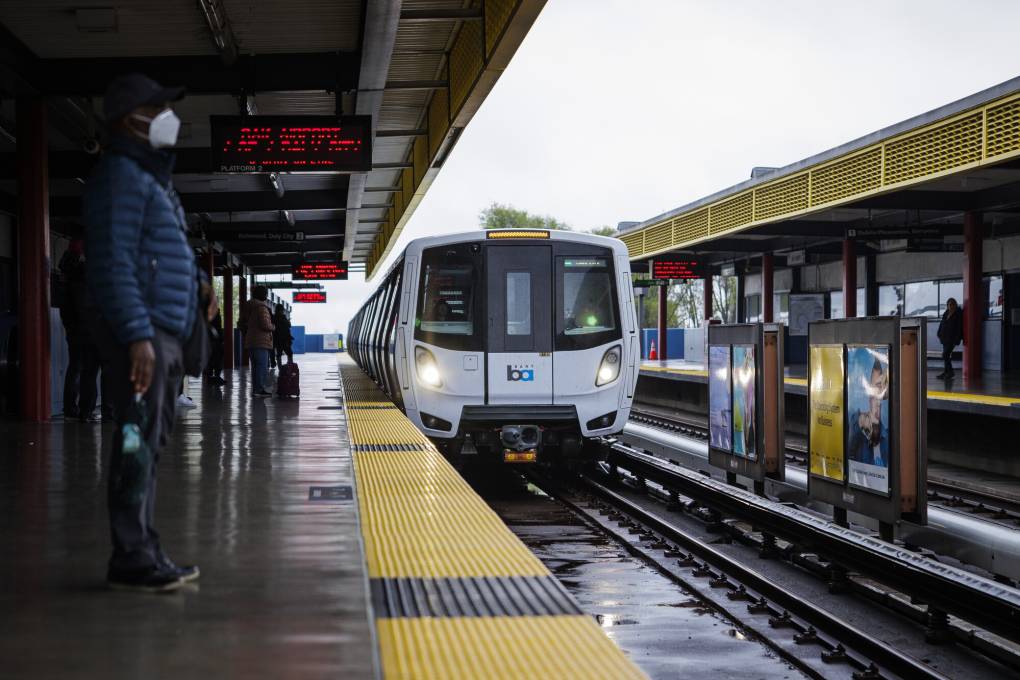
"caption": "A BART train approaches a station on March 13, 2024. ",
"credit": "Martin do Nascimento/KQED",
"altTag": null,
"description": null,
"imgSizes": {
"medium": {
"file": "https://cdn.kqed.org/wp-content/uploads/sites/10/2024/08/240313-BART-Train-arrives-800x533.jpg",
"width": 800,
"height": 533,
"mimeType": "image/jpeg"
},
"large": {
"file": "https://cdn.kqed.org/wp-content/uploads/sites/10/2024/08/240313-BART-Train-arrives-1020x680.jpg",
"width": 1020,
"height": 680,
"mimeType": "image/jpeg"
},
"thumbnail": {
"file": "https://cdn.kqed.org/wp-content/uploads/sites/10/2024/08/240313-BART-Train-arrives-160x107.jpg",
"width": 160,
"height": 107,
"mimeType": "image/jpeg"
},
"1536x1536": {
"file": "https://cdn.kqed.org/wp-content/uploads/sites/10/2024/08/240313-BART-Train-arrives-1536x1024.jpg",
"width": 1536,
"height": 1024,
"mimeType": "image/jpeg"
},
"post-thumbnail": {
"file": "https://cdn.kqed.org/wp-content/uploads/sites/10/2024/08/240313-BART-Train-arrives-672x372.jpg",
"width": 672,
"height": 372,
"mimeType": "image/jpeg"
},
"twentyfourteen-full-width": {
"file": "https://cdn.kqed.org/wp-content/uploads/sites/10/2024/08/240313-BART-Train-arrives-1038x576.jpg",
"width": 1038,
"height": 576,
"mimeType": "image/jpeg"
},
"kqedFullSize": {
"file": "https://cdn.kqed.org/wp-content/uploads/sites/10/2024/08/240313-BART-Train-arrives.jpg",
"width": 1920,
"height": 1280
}
},
"isLoading": false,
"fetchFailed": false
},
"news_11999267": {
"type": "attachments",
"id": "news_11999267",
"meta": {
"index": "attachments_1716263798",
"site": "news",
"id": "11999267",
"found": true
},
"title": "20240506_EVFile-2_qed",
"publishDate": 1723064389,
"status": "inherit",
"parent": 11999232,
"modified": 1723065361,
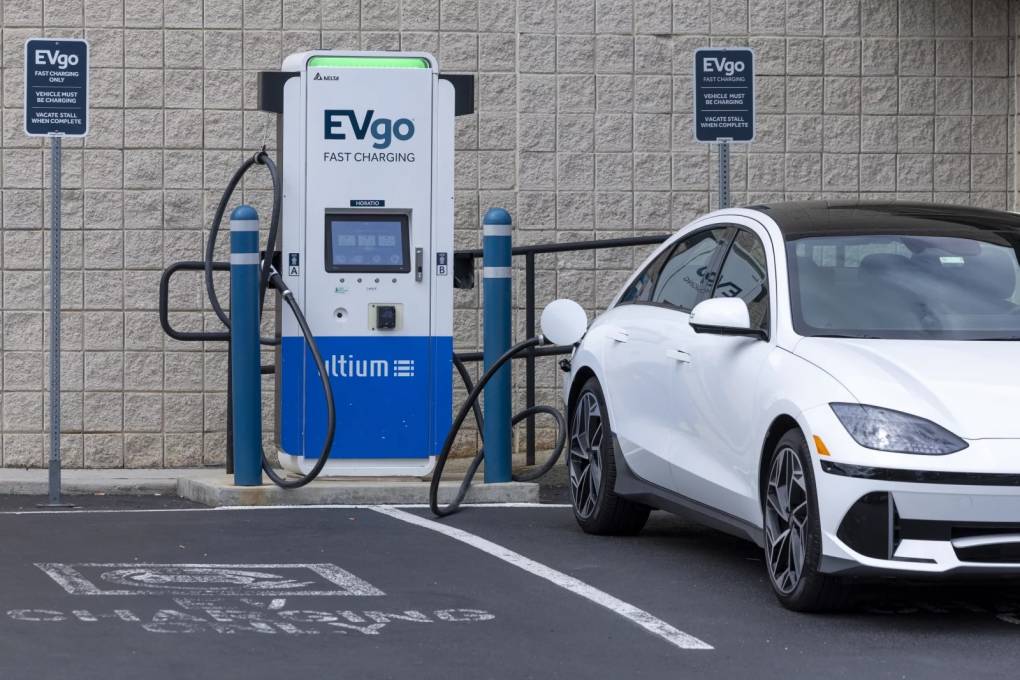
"caption": "A Polestar 2 charges at an EV charging station in San Francisco on Monday, May 6, 2024.",
"credit": "Gina Castro/KQED",
"altTag": null,
"description": null,
"imgSizes": {
"medium": {
"file": "https://cdn.kqed.org/wp-content/uploads/sites/10/2024/08/20240506_EVFile-2_qed-800x533.jpg",
"width": 800,
"height": 533,
"mimeType": "image/jpeg"
},
"large": {
"file": "https://cdn.kqed.org/wp-content/uploads/sites/10/2024/08/20240506_EVFile-2_qed-1020x680.jpg",
"width": 1020,
"height": 680,
"mimeType": "image/jpeg"
},
"thumbnail": {
"file": "https://cdn.kqed.org/wp-content/uploads/sites/10/2024/08/20240506_EVFile-2_qed-160x107.jpg",
"width": 160,
"height": 107,
"mimeType": "image/jpeg"
},
"1536x1536": {
"file": "https://cdn.kqed.org/wp-content/uploads/sites/10/2024/08/20240506_EVFile-2_qed-1536x1024.jpg",
"width": 1536,
"height": 1024,
"mimeType": "image/jpeg"
},
"post-thumbnail": {
"file": "https://cdn.kqed.org/wp-content/uploads/sites/10/2024/08/20240506_EVFile-2_qed-672x372.jpg",
"width": 672,
"height": 372,
"mimeType": "image/jpeg"
},
"twentyfourteen-full-width": {
"file": "https://cdn.kqed.org/wp-content/uploads/sites/10/2024/08/20240506_EVFile-2_qed-1038x576.jpg",
"width": 1038,
"height": 576,
"mimeType": "image/jpeg"
},
"full-width": {
"file": "https://cdn.kqed.org/wp-content/uploads/sites/10/2024/08/20240506_EVFile-2_qed-1920x1280.jpg",
"width": 1920,
"height": 1280,
"mimeType": "image/jpeg"
},
"kqedFullSize": {
"file": "https://cdn.kqed.org/wp-content/uploads/sites/10/2024/08/20240506_EVFile-2_qed.jpg",
"width": 2000,
"height": 1333
}
},
"isLoading": false,
"fetchFailed": false
},
"news_11998675": {
"type": "attachments",
"id": "news_11998675",
"meta": {
"index": "attachments_1716263798",
"site": "news",
"id": "11998675",
"found": true
},
"title": "240802-VTAFEDFUND-JG-1",
"publishDate": 1722635297,
"status": "inherit",
"parent": 11998646,
"modified": 1722639556,
"caption": "San José Mayor Matt Mahan speaks during a gathering in Santa Clara on Aug. 2, 2024, to announce a nearly $5.1 billion funding commitment from federal transit officials toward the VTA BART Silicon Valley Phase II extension project.",
"credit": "Joseph Geha/KQED",
"altTag": "The mayor of San Jose stands behind a podium. A poster breaking down the project budget is displayed next to the speaker.",
"description": "San José Mayor Matt Mahan speaks during a gathering in Santa Clara to announce a nearly $5.1 billion funding commitment from federal transit officials toward VTA BART Silicon Valley Phase II extension project on Aug. 2, 2024.",
"imgSizes": {
"medium": {
"file": "https://cdn.kqed.org/wp-content/uploads/sites/10/2024/08/240802-VTAFEDFUND-JG-1-800x533.jpg",
"width": 800,
"height": 533,
"mimeType": "image/jpeg"
},
"large": {
"file": "https://cdn.kqed.org/wp-content/uploads/sites/10/2024/08/240802-VTAFEDFUND-JG-1-1020x680.jpg",
"width": 1020,
"height": 680,
"mimeType": "image/jpeg"
},
"thumbnail": {
"file": "https://cdn.kqed.org/wp-content/uploads/sites/10/2024/08/240802-VTAFEDFUND-JG-1-160x107.jpg",
"width": 160,
"height": 107,
"mimeType": "image/jpeg"
},
"1536x1536": {
"file": "https://cdn.kqed.org/wp-content/uploads/sites/10/2024/08/240802-VTAFEDFUND-JG-1-1536x1024.jpg",
"width": 1536,
"height": 1024,
"mimeType": "image/jpeg"
},
"post-thumbnail": {
"file": "https://cdn.kqed.org/wp-content/uploads/sites/10/2024/08/240802-VTAFEDFUND-JG-1-672x372.jpg",
"width": 672,
"height": 372,
"mimeType": "image/jpeg"
},
"twentyfourteen-full-width": {
"file": "https://cdn.kqed.org/wp-content/uploads/sites/10/2024/08/240802-VTAFEDFUND-JG-1-1038x576.jpg",
"width": 1038,
"height": 576,
"mimeType": "image/jpeg"
},
"kqedFullSize": {
"file": "https://cdn.kqed.org/wp-content/uploads/sites/10/2024/08/240802-VTAFEDFUND-JG-1.jpg",
"width": 1920,
"height": 1280
}
},
"isLoading": false,
"fetchFailed": false
},
"news_11996815": {
"type": "attachments",
"id": "news_11996815",
"meta": {
"index": "attachments_1716263798",
"site": "news",
"id": "11996815",
"found": true
},
"title": "GettyImages-2162447636",
"publishDate": 1721686323,
"status": "inherit",
"parent": 11996801,
"modified": 1721690311,
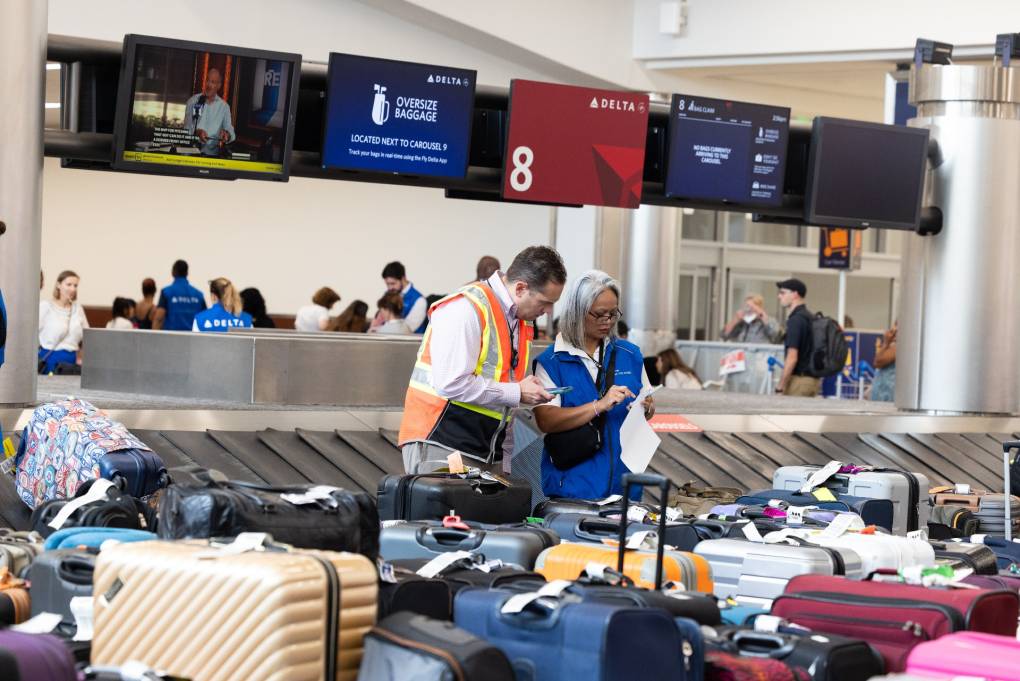
"caption": "Delta employees try to locate passengers' luggage after canceled and delayed flights at Hartsfield-Jackson Atlanta International Airport on July 22, 2024, in Atlanta, Georgia. Delta Airlines canceled over 700 flights on Monday due to the Crowdstrike software update, making up more than half of the flight cancellations in the U.S. ",
"credit": null,
"altTag": null,
"description": null,
"imgSizes": {
"medium": {
"file": "https://cdn.kqed.org/wp-content/uploads/sites/10/2024/07/GettyImages-2162447636-800x534.jpg",
"width": 800,
"height": 534,
"mimeType": "image/jpeg"
},
"large": {
"file": "https://cdn.kqed.org/wp-content/uploads/sites/10/2024/07/GettyImages-2162447636-1020x681.jpg",
"width": 1020,
"height": 681,
"mimeType": "image/jpeg"
},
"thumbnail": {
"file": "https://cdn.kqed.org/wp-content/uploads/sites/10/2024/07/GettyImages-2162447636-160x107.jpg",
"width": 160,
"height": 107,
"mimeType": "image/jpeg"
},
"1536x1536": {
"file": "https://cdn.kqed.org/wp-content/uploads/sites/10/2024/07/GettyImages-2162447636-1536x1025.jpg",
"width": 1536,
"height": 1025,
"mimeType": "image/jpeg"
},
"post-thumbnail": {
"file": "https://cdn.kqed.org/wp-content/uploads/sites/10/2024/07/GettyImages-2162447636-672x372.jpg",
"width": 672,
"height": 372,
"mimeType": "image/jpeg"
},
"twentyfourteen-full-width": {
"file": "https://cdn.kqed.org/wp-content/uploads/sites/10/2024/07/GettyImages-2162447636-1038x576.jpg",
"width": 1038,
"height": 576,
"mimeType": "image/jpeg"
},
"kqedFullSize": {
"file": "https://cdn.kqed.org/wp-content/uploads/sites/10/2024/07/GettyImages-2162447636.jpg",
"width": 1920,
"height": 1281
}
},
"isLoading": false,
"fetchFailed": false
},
"news_11995817": {
"type": "attachments",
"id": "news_11995817",
"meta": {
"index": "attachments_1716263798",
"site": "news",
"id": "11995817",
"found": true
},
"title": "062324_WIDE-EV-Charging-LV_CM_08 copy",
"publishDate": 1721154533,
"status": "inherit",
"parent": 11995784,
"modified": 1721171669,
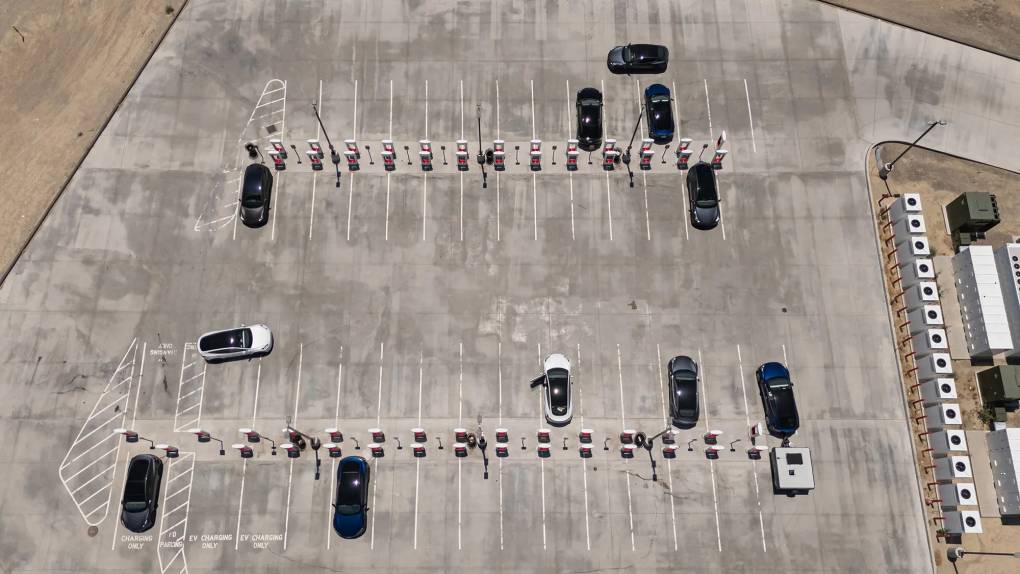
"caption": "Cars use fast chargers at a Tesla Supercharger lot in Kettleman City. Tesla recently reached agreements with other automakers to give them access to their chargers.",
"credit": "Larry Valenzuela/CalMatters/CatchLight Local",
"altTag": null,
"description": null,
"imgSizes": {
"medium": {
"file": "https://cdn.kqed.org/wp-content/uploads/sites/10/2024/07/062324_WIDE-EV-Charging-LV_CM_08-copy-800x450.jpg",
"width": 800,
"height": 450,
"mimeType": "image/jpeg"
},
"large": {
"file": "https://cdn.kqed.org/wp-content/uploads/sites/10/2024/07/062324_WIDE-EV-Charging-LV_CM_08-copy-1020x574.jpg",
"width": 1020,
"height": 574,
"mimeType": "image/jpeg"
},
"thumbnail": {
"file": "https://cdn.kqed.org/wp-content/uploads/sites/10/2024/07/062324_WIDE-EV-Charging-LV_CM_08-copy-160x90.jpg",
"width": 160,
"height": 90,
"mimeType": "image/jpeg"
},
"1536x1536": {
"file": "https://cdn.kqed.org/wp-content/uploads/sites/10/2024/07/062324_WIDE-EV-Charging-LV_CM_08-copy-1536x864.jpg",
"width": 1536,
"height": 864,
"mimeType": "image/jpeg"
},
"post-thumbnail": {
"file": "https://cdn.kqed.org/wp-content/uploads/sites/10/2024/07/062324_WIDE-EV-Charging-LV_CM_08-copy-672x372.jpg",
"width": 672,
"height": 372,
"mimeType": "image/jpeg"
},
"twentyfourteen-full-width": {
"file": "https://cdn.kqed.org/wp-content/uploads/sites/10/2024/07/062324_WIDE-EV-Charging-LV_CM_08-copy-1038x576.jpg",
"width": 1038,
"height": 576,
"mimeType": "image/jpeg"
},
"full-width": {
"file": "https://cdn.kqed.org/wp-content/uploads/sites/10/2024/07/062324_WIDE-EV-Charging-LV_CM_08-copy-1920x1080.jpg",
"width": 1920,
"height": 1080,
"mimeType": "image/jpeg"
},
"kqedFullSize": {
"file": "https://cdn.kqed.org/wp-content/uploads/sites/10/2024/07/062324_WIDE-EV-Charging-LV_CM_08-copy.jpg",
"width": 2000,
"height": 1125
}
},
"isLoading": false,
"fetchFailed": false
},
"news_11995495": {
"type": "attachments",
"id": "news_11995495",
"meta": {
"index": "attachments_1716263798",
"site": "news",
"id": "11995495",
"found": true
},
"title": "npr.brightspotcdn copy",
"publishDate": 1721149721,
"status": "inherit",
"parent": 11995483,
"modified": 1721149740,
"caption": "An electric vehicle is seen charging in New Jersey on June 11, 2024.\n",
"credit": "Amanda Andrade-Rhoades for NPR",
"altTag": null,
"description": null,
"imgSizes": {
"medium": {
"file": "https://cdn.kqed.org/wp-content/uploads/sites/10/2024/07/npr.brightspotcdn-copy-800x534.jpg",
"width": 800,
"height": 534,
"mimeType": "image/jpeg"
},
"large": {
"file": "https://cdn.kqed.org/wp-content/uploads/sites/10/2024/07/npr.brightspotcdn-copy-1020x680.jpg",
"width": 1020,
"height": 680,
"mimeType": "image/jpeg"
},
"thumbnail": {
"file": "https://cdn.kqed.org/wp-content/uploads/sites/10/2024/07/npr.brightspotcdn-copy-160x107.jpg",
"width": 160,
"height": 107,
"mimeType": "image/jpeg"
},
"1536x1536": {
"file": "https://cdn.kqed.org/wp-content/uploads/sites/10/2024/07/npr.brightspotcdn-copy-1536x1024.jpg",
"width": 1536,
"height": 1024,
"mimeType": "image/jpeg"
},
"post-thumbnail": {
"file": "https://cdn.kqed.org/wp-content/uploads/sites/10/2024/07/npr.brightspotcdn-copy-672x372.jpg",
"width": 672,
"height": 372,
"mimeType": "image/jpeg"
},
"twentyfourteen-full-width": {
"file": "https://cdn.kqed.org/wp-content/uploads/sites/10/2024/07/npr.brightspotcdn-copy-1038x576.jpg",
"width": 1038,
"height": 576,
"mimeType": "image/jpeg"
},
"kqedFullSize": {
"file": "https://cdn.kqed.org/wp-content/uploads/sites/10/2024/07/npr.brightspotcdn-copy.jpg",
"width": 1600,
"height": 1067
}
},
"isLoading": false,
"fetchFailed": false
},
"news_11993195": {
"type": "attachments",
"id": "news_11993195",
"meta": {
"index": "attachments_1716263798",
"site": "news",
"id": "11993195",
"found": true
},
"title": "240313-BART CRISIS INTERVENTION UNIT-MD-16_qed",
"publishDate": 1720461197,
"status": "inherit",
"parent": 11993189,
"modified": 1747766652,
"caption": "A train approaches the San Leandro BART station on March 13, 2024.",
"credit": "Martin do Nascimento/KQED",
"altTag": null,
"description": null,
"imgSizes": {
"medium": {
"file": "https://cdn.kqed.org/wp-content/uploads/sites/10/2024/07/240313-BART-CRISIS-INTERVENTION-UNIT-MD-16_qed-800x533.jpg",
"width": 800,
"height": 533,
"mimeType": "image/jpeg"
},
"large": {
"file": "https://cdn.kqed.org/wp-content/uploads/sites/10/2024/07/240313-BART-CRISIS-INTERVENTION-UNIT-MD-16_qed-1020x680.jpg",
"width": 1020,
"height": 680,
"mimeType": "image/jpeg"
},
"thumbnail": {
"file": "https://cdn.kqed.org/wp-content/uploads/sites/10/2024/07/240313-BART-CRISIS-INTERVENTION-UNIT-MD-16_qed-160x107.jpg",
"width": 160,
"height": 107,
"mimeType": "image/jpeg"
},
"1536x1536": {
"file": "https://cdn.kqed.org/wp-content/uploads/sites/10/2024/07/240313-BART-CRISIS-INTERVENTION-UNIT-MD-16_qed-1536x1024.jpg",
"width": 1536,
"height": 1024,
"mimeType": "image/jpeg"
},
"post-thumbnail": {
"file": "https://cdn.kqed.org/wp-content/uploads/sites/10/2024/07/240313-BART-CRISIS-INTERVENTION-UNIT-MD-16_qed-672x372.jpg",
"width": 672,
"height": 372,
"mimeType": "image/jpeg"
},
"twentyfourteen-full-width": {
"file": "https://cdn.kqed.org/wp-content/uploads/sites/10/2024/07/240313-BART-CRISIS-INTERVENTION-UNIT-MD-16_qed-1038x576.jpg",
"width": 1038,
"height": 576,
"mimeType": "image/jpeg"
},
"full-width": {
"file": "https://cdn.kqed.org/wp-content/uploads/sites/10/2024/07/240313-BART-CRISIS-INTERVENTION-UNIT-MD-16_qed-1920x1280.jpg",
"width": 1920,
"height": 1280,
"mimeType": "image/jpeg"
},
"kqedFullSize": {
"file": "https://cdn.kqed.org/wp-content/uploads/sites/10/2024/07/240313-BART-CRISIS-INTERVENTION-UNIT-MD-16_qed.jpg",
"width": 1999,
"height": 1333
}
},
"isLoading": false,
"fetchFailed": false
},
"news_11992547": {
"type": "attachments",
"id": "news_11992547",
"meta": {
"index": "attachments_1716263798",
"site": "news",
"id": "11992547",
"found": true
},
"title": "GettyImages-2149446398",
"publishDate": 1719622364,
"status": "inherit",
"parent": 11992389,
"modified": 1719622430,
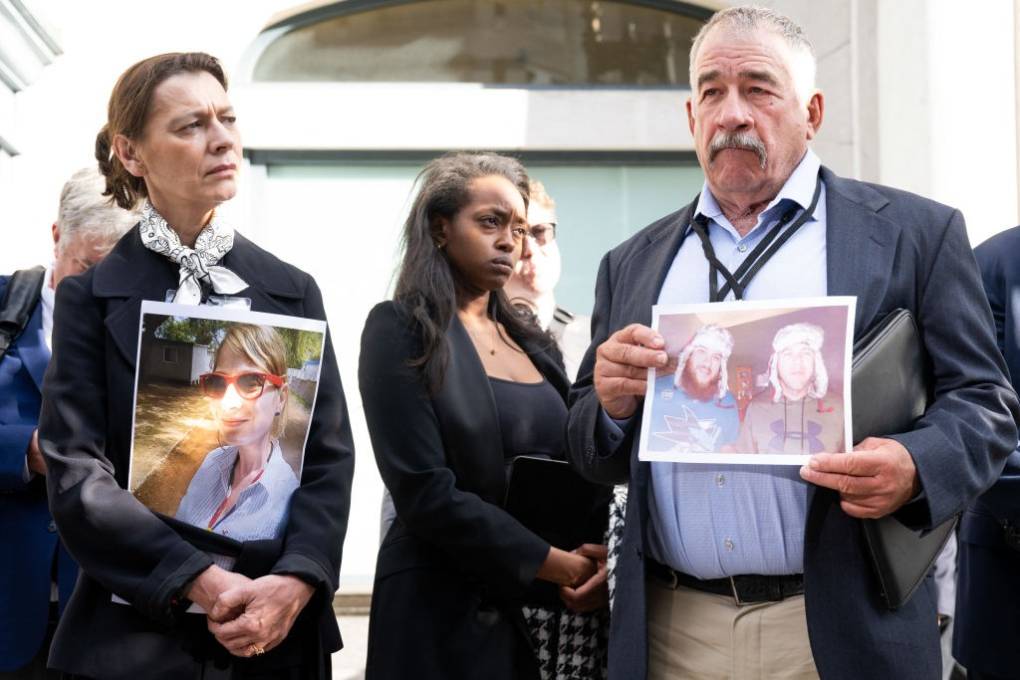
"caption": "Catherine Berthet (L) of France, whose daughter Camille was killed in the Ethiopian Airlines Flight 302 Boeing 737 MAX crash, stands with other family members of victims, including Ike Riffel (R), whose sons Melvin and Bennett were killed, during a press conference after meeting with Department of Justice officials over concerns about how the US government has handled the criminal prosecution into Boeing, outside a government office in Washington, DC, April 24, 2024. ",
"credit": "Saul Loeb/AFP/Getty Images",
"altTag": null,
"description": null,
"imgSizes": {
"medium": {
"file": "https://cdn.kqed.org/wp-content/uploads/sites/10/2024/06/GettyImages-2149446398-800x534.jpg",
"width": 800,
"height": 534,
"mimeType": "image/jpeg"
},
"large": {
"file": "https://cdn.kqed.org/wp-content/uploads/sites/10/2024/06/GettyImages-2149446398-1020x680.jpg",
"width": 1020,
"height": 680,
"mimeType": "image/jpeg"
},
"thumbnail": {
"file": "https://cdn.kqed.org/wp-content/uploads/sites/10/2024/06/GettyImages-2149446398-160x107.jpg",
"width": 160,
"height": 107,
"mimeType": "image/jpeg"
},
"post-thumbnail": {
"file": "https://cdn.kqed.org/wp-content/uploads/sites/10/2024/06/GettyImages-2149446398-672x372.jpg",
"width": 672,
"height": 372,
"mimeType": "image/jpeg"
},
"twentyfourteen-full-width": {
"file": "https://cdn.kqed.org/wp-content/uploads/sites/10/2024/06/GettyImages-2149446398-1024x576.jpg",
"width": 1024,
"height": 576,
"mimeType": "image/jpeg"
},
"kqedFullSize": {
"file": "https://cdn.kqed.org/wp-content/uploads/sites/10/2024/06/GettyImages-2149446398.jpg",
"width": 1024,
"height": 683
}
},
"isLoading": false,
"fetchFailed": false
},
"news_11992098": {
"type": "attachments",
"id": "news_11992098",
"meta": {
"index": "attachments_1716263798",
"site": "news",
"id": "11992098",
"found": true
},
"title": "240313-BART CRISIS INTERVENTION UNIT-MD-15",
"publishDate": 1719434084,
"status": "inherit",
"parent": 11992041,
"modified": 1726695343,
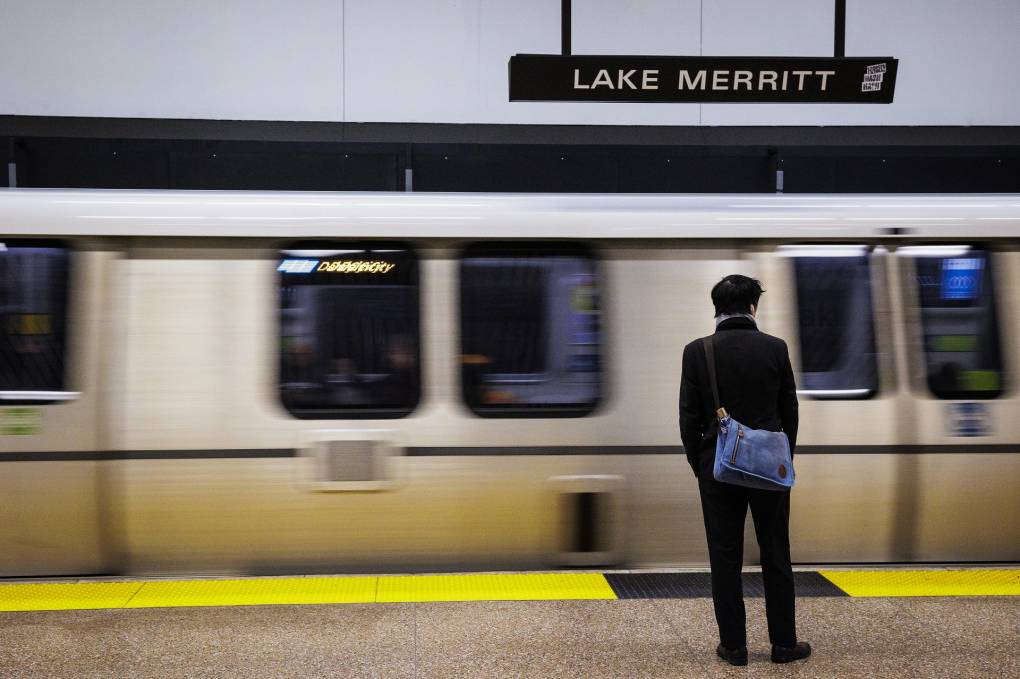
"caption": "A passenger watches a train go by at the Lake Merritt BART station on March 13, 2024.",
"credit": "Martin do Nascimento/KQED",
"altTag": "A man stands at a train platform as a train leaves the station. A sign above says \"Lake Merritt.\"",
"description": null,
"imgSizes": {
"medium": {
"file": "https://cdn.kqed.org/wp-content/uploads/sites/10/2024/06/240313-BART-CRISIS-INTERVENTION-UNIT-MD-15-800x533.jpg",
"width": 800,
"height": 533,
"mimeType": "image/jpeg"
},
"large": {
"file": "https://cdn.kqed.org/wp-content/uploads/sites/10/2024/06/240313-BART-CRISIS-INTERVENTION-UNIT-MD-15-1020x679.jpg",
"width": 1020,
"height": 679,
"mimeType": "image/jpeg"
},
"thumbnail": {
"file": "https://cdn.kqed.org/wp-content/uploads/sites/10/2024/06/240313-BART-CRISIS-INTERVENTION-UNIT-MD-15-160x107.jpg",
"width": 160,
"height": 107,
"mimeType": "image/jpeg"
},
"1536x1536": {
"file": "https://cdn.kqed.org/wp-content/uploads/sites/10/2024/06/240313-BART-CRISIS-INTERVENTION-UNIT-MD-15-1536x1023.jpg",
"width": 1536,
"height": 1023,
"mimeType": "image/jpeg"
},
"post-thumbnail": {
"file": "https://cdn.kqed.org/wp-content/uploads/sites/10/2024/06/240313-BART-CRISIS-INTERVENTION-UNIT-MD-15-672x372.jpg",
"width": 672,
"height": 372,
"mimeType": "image/jpeg"
},
"twentyfourteen-full-width": {
"file": "https://cdn.kqed.org/wp-content/uploads/sites/10/2024/06/240313-BART-CRISIS-INTERVENTION-UNIT-MD-15-1038x576.jpg",
"width": 1038,
"height": 576,
"mimeType": "image/jpeg"
},
"kqedFullSize": {
"file": "https://cdn.kqed.org/wp-content/uploads/sites/10/2024/06/240313-BART-CRISIS-INTERVENTION-UNIT-MD-15.jpg",
"width": 1920,
"height": 1279
}
},
"isLoading": false,
"fetchFailed": false
},
"news_11991941": {
"type": "attachments",
"id": "news_11991941",
"meta": {
"index": "attachments_1716263798",
"site": "news",
"id": "11991941",
"found": true
},
"title": "240625-UBERSANJOSE-JG-3",
"publishDate": 1719356445,
"status": "inherit",
"parent": 11991922,
"modified": 1719356481,
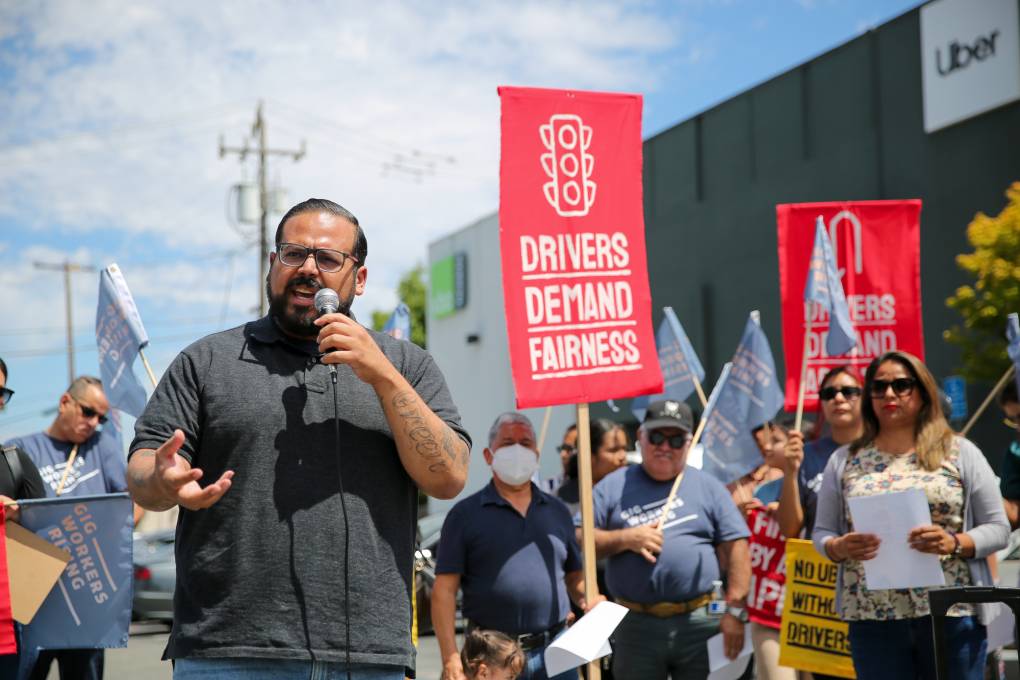
"caption": "San José City Councilmember Peter Ortiz speaks during a rally of Uber drivers and advocates outside the company's driver support center in South San José on June 25, 2024.",
"credit": "Joseph Geha/KQED",
"altTag": null,
"description": null,
"imgSizes": {
"medium": {
"file": "https://cdn.kqed.org/wp-content/uploads/sites/10/2024/06/240625-UBERSANJOSE-JG-3-800x533.jpg",
"width": 800,
"height": 533,
"mimeType": "image/jpeg"
},
"large": {
"file": "https://cdn.kqed.org/wp-content/uploads/sites/10/2024/06/240625-UBERSANJOSE-JG-3-1020x680.jpg",
"width": 1020,
"height": 680,
"mimeType": "image/jpeg"
},
"thumbnail": {
"file": "https://cdn.kqed.org/wp-content/uploads/sites/10/2024/06/240625-UBERSANJOSE-JG-3-160x107.jpg",
"width": 160,
"height": 107,
"mimeType": "image/jpeg"
},
"1536x1536": {
"file": "https://cdn.kqed.org/wp-content/uploads/sites/10/2024/06/240625-UBERSANJOSE-JG-3-1536x1024.jpg",
"width": 1536,
"height": 1024,
"mimeType": "image/jpeg"
},
"post-thumbnail": {
"file": "https://cdn.kqed.org/wp-content/uploads/sites/10/2024/06/240625-UBERSANJOSE-JG-3-672x372.jpg",
"width": 672,
"height": 372,
"mimeType": "image/jpeg"
},
"twentyfourteen-full-width": {
"file": "https://cdn.kqed.org/wp-content/uploads/sites/10/2024/06/240625-UBERSANJOSE-JG-3-1038x576.jpg",
"width": 1038,
"height": 576,
"mimeType": "image/jpeg"
},
"full-width": {
"file": "https://cdn.kqed.org/wp-content/uploads/sites/10/2024/06/240625-UBERSANJOSE-JG-3-1920x1280.jpg",
"width": 1920,
"height": 1280,
"mimeType": "image/jpeg"
},
"kqedFullSize": {
"file": "https://cdn.kqed.org/wp-content/uploads/sites/10/2024/06/240625-UBERSANJOSE-JG-3.jpg",
"width": 2000,
"height": 1333
}
},
"isLoading": false,
"fetchFailed": false
},
"news_11990763": {
"type": "attachments",
"id": "news_11990763",
"meta": {
"index": "attachments_1716263798",
"site": "news",
"id": "11990763",
"found": true
},
"title": "npr.brightspotcdn copy",
"publishDate": 1718657883,
"status": "inherit",
"parent": 11990750,
"modified": 1718657907,
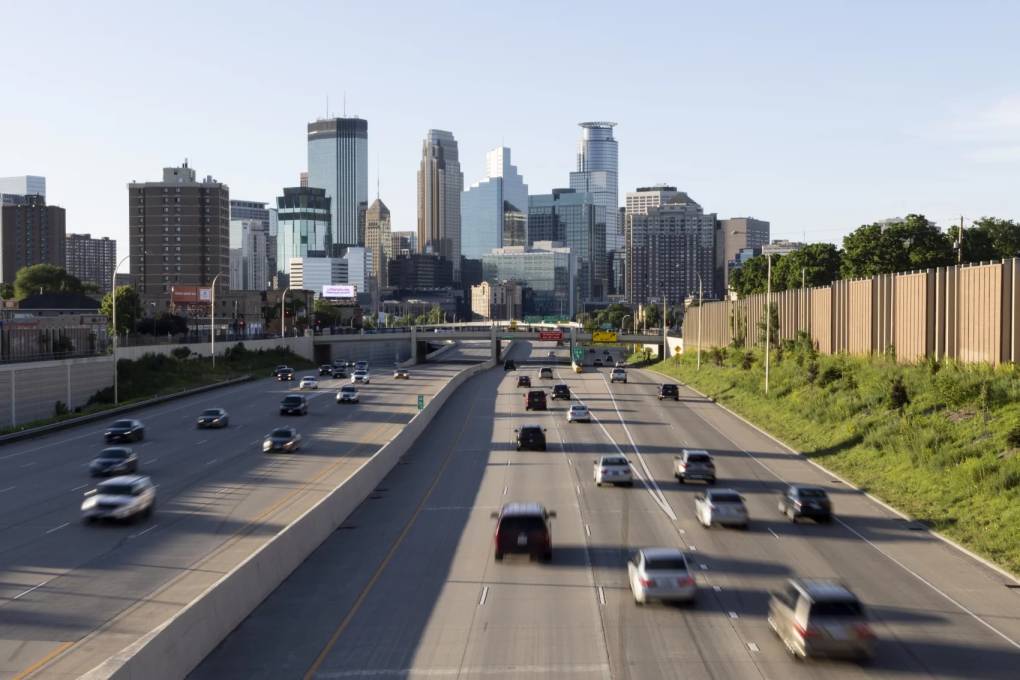
"caption": "Vehicles drive toward downtown Minneapolis on Interstate 35 on a Sunday in May.",
"credit": "Jenn Ackerman for NPR",
"altTag": null,
"description": null,
"imgSizes": {
"medium": {
"file": "https://cdn.kqed.org/wp-content/uploads/sites/10/2024/06/npr.brightspotcdn-copy-800x534.jpg",
"width": 800,
"height": 534,
"mimeType": "image/jpeg"
},
"large": {
"file": "https://cdn.kqed.org/wp-content/uploads/sites/10/2024/06/npr.brightspotcdn-copy-1020x680.jpg",
"width": 1020,
"height": 680,
"mimeType": "image/jpeg"
},
"thumbnail": {
"file": "https://cdn.kqed.org/wp-content/uploads/sites/10/2024/06/npr.brightspotcdn-copy-160x107.jpg",
"width": 160,
"height": 107,
"mimeType": "image/jpeg"
},
"1536x1536": {
"file": "https://cdn.kqed.org/wp-content/uploads/sites/10/2024/06/npr.brightspotcdn-copy-1536x1025.jpg",
"width": 1536,
"height": 1025,
"mimeType": "image/jpeg"
},
"post-thumbnail": {
"file": "https://cdn.kqed.org/wp-content/uploads/sites/10/2024/06/npr.brightspotcdn-copy-672x372.jpg",
"width": 672,
"height": 372,
"mimeType": "image/jpeg"
},
"twentyfourteen-full-width": {
"file": "https://cdn.kqed.org/wp-content/uploads/sites/10/2024/06/npr.brightspotcdn-copy-1038x576.jpg",
"width": 1038,
"height": 576,
"mimeType": "image/jpeg"
},
"kqedFullSize": {
"file": "https://cdn.kqed.org/wp-content/uploads/sites/10/2024/06/npr.brightspotcdn-copy.jpg",
"width": 1700,
"height": 1134
}
},
"isLoading": false,
"fetchFailed": false
}
},
"audioPlayerReducer": {
"postId": "stream_live",
"isPaused": true,
"isPlaying": false,
"pfsActive": false,
"pledgeModalIsOpen": true,
"playerDrawerIsOpen": false,
"liveAudioPlayStartedAt": 0,
"liveAudioPlayContext": ""
},
"authorsReducer": {
"byline_news_11996801": {
"type": "authors",
"id": "byline_news_11996801",
"meta": {
"override": true
},
"slug": "byline_news_11996801",
"name": "David Koenig, Associated Press",
"isLoading": false
},
"byline_news_11995784": {
"type": "authors",
"id": "byline_news_11995784",
"meta": {
"override": true
},
"slug": "byline_news_11995784",
"name": "\u003ca href=\"https://calmatters.org/author/alejandro-lazo/\">Alejandro Lazo\u003c/a>, CalMatters",
"isLoading": false
},
"byline_news_11995483": {
"type": "authors",
"id": "byline_news_11995483",
"meta": {
"override": true
},
"slug": "byline_news_11995483",
"name": "\u003ca href=\"https://www.npr.org/people/348744968/camila-domonoske\">Camila Domonoske\u003c/a>, NPR",
"isLoading": false
},
"byline_news_11992389": {
"type": "authors",
"id": "byline_news_11992389",
"meta": {
"override": true
},
"slug": "byline_news_11992389",
"name": "David Koenig, Associated Press",
"isLoading": false
},
"byline_news_11990750": {
"type": "authors",
"id": "byline_news_11990750",
"meta": {
"override": true
},
"slug": "byline_news_11990750",
"name": "\u003ca href=\"https://www.npr.org/people/1147860766/dara-kerr\">Dara Kerr\u003c/a>",
"isLoading": false
},
"danbrekke": {
"type": "authors",
"id": "222",
"meta": {
"index": "authors_1716337520",
"id": "222",
"found": true
},
"name": "Dan Brekke",
"firstName": "Dan",
"lastName": "Brekke",
"slug": "danbrekke",
"email": "dbrekke@kqed.org",
"display_author_email": true,
"staff_mastheads": [
"news",
"science"
],
"title": "KQED Editor and Reporter",
"bio": "Dan Brekke is a reporter and editor for KQED News, responsible for coverage of topics ranging from California water issues to the Bay Area's transportation challenges. In a newsroom career that began in Chicago in 1972, Dan has worked for \u003cem>The San Francisco Examiner,\u003c/em> Wired and TechTV and has been published in The New York Times, The New York Times Magazine, Business 2.0, Salon and elsewhere.\r\n\r\nSince joining KQED in 2007, Dan has reported, edited and produced both radio and online features and breaking news pieces. He has shared as both editor and reporter in four Society of Professional Journalists Norcal Excellence in Journalism awards and one Edward R. Murrow regional award. He was chosen for a spring 2017 residency at the Mesa Refuge to advance his research on California salmon.\r\n\r\nEmail Dan at: \u003ca href=\"mailto:dbrekke@kqed.org\">dbrekke@kqed.org\u003c/a>\r\n\r\n\u003cstrong>Twitter:\u003c/strong> \u003ca href=\"https://twitter.com/danbrekke\" rel=\"noopener noreferrer\">twitter.com/danbrekke\u003c/a>\r\n\u003cstrong>Facebook:\u003c/strong> \u003ca href=\"https://www.facebook.com/danbrekke\" rel=\"noopener noreferrer\">www.facebook.com/danbrekke\u003c/a>\r\n\u003cstrong>LinkedIn:\u003c/strong> \u003ca href=\"https://www.linkedin.com/in/danbrekke\" rel=\"noopener noreferrer\">www.linkedin.com/in/danbrekke\u003c/a>",
"avatar": "https://secure.gravatar.com/avatar/8f1f0d2a978fb3b23426c922c7e2af558fa36905b49c4ce76a97dc3c72d27226?s=600&d=mm&r=g",
"twitter": "danbrekke",
"bluesky": null,
"facebook": null,
"instagram": "https://www.instagram.com/dan.brekke/",
"linkedin": "https://www.linkedin.com/in/danbrekke/",
"sites": [
{
"site": "news",
"roles": [
"administrator",
"create_posts"
]
},
{
"site": "stateofhealth",
"roles": [
"editor"
]
},
{
"site": "science",
"roles": [
"editor"
]
},
{
"site": "quest",
"roles": [
"contributor"
]
},
{
"site": "food",
"roles": [
"contributor"
]
},
{
"site": "forum",
"roles": [
"contributor"
]
},
{
"site": "elections",
"roles": [
"editor"
]
},
{
"site": "liveblog",
"roles": [
"editor"
]
}
],
"headData": {
"title": "Dan Brekke | KQED",
"description": "KQED Editor and Reporter",
"ogImgSrc": "https://secure.gravatar.com/avatar/8f1f0d2a978fb3b23426c922c7e2af558fa36905b49c4ce76a97dc3c72d27226?s=600&d=mm&r=g",
"twImgSrc": "https://secure.gravatar.com/avatar/8f1f0d2a978fb3b23426c922c7e2af558fa36905b49c4ce76a97dc3c72d27226?s=600&d=mm&r=g"
},
"isLoading": false,
"link": "/author/danbrekke"
},
"dcronin": {
"type": "authors",
"id": "11362",
"meta": {
"index": "authors_1716337520",
"id": "11362",
"found": true
},
"name": "Dana Cronin",
"firstName": "Dana",
"lastName": "Cronin",
"slug": "dcronin",
"email": "dcronin@KQED.org",
"display_author_email": true,
"staff_mastheads": [],
"title": "KQED Contributor",
"bio": "Dana Cronin is a reporter for KQED News. She loves writing stories about climate change, environmental issues, food and agriculture. She's reported across the country, from Colorado to Washington D.C. to Illinois, and has won numerous awards for her coverage. Her work is regularly featured on national broadcasts, including NPR’s Morning Edition, All Things Considered, PBS Newshour and Science Friday. She lives in Oakland and has an avocado tree in her back yard.",
"avatar": "https://secure.gravatar.com/avatar/bcf89e3455ff7235f96ab6fa7258dd95?s=600&d=blank&r=g",
"twitter": "DanaHCronin",
"facebook": null,
"instagram": null,
"linkedin": null,
"sites": [
{
"site": "arts",
"roles": [
"author"
]
},
{
"site": "news",
"roles": [
"editor"
]
},
{
"site": "science",
"roles": [
"author"
]
},
{
"site": "liveblog",
"roles": [
"author"
]
}
],
"headData": {
"title": "Dana Cronin | KQED",
"description": "KQED Contributor",
"ogImgSrc": "https://secure.gravatar.com/avatar/bcf89e3455ff7235f96ab6fa7258dd95?s=600&d=blank&r=g",
"twImgSrc": "https://secure.gravatar.com/avatar/bcf89e3455ff7235f96ab6fa7258dd95?s=600&d=blank&r=g"
},
"isLoading": false,
"link": "/author/dcronin"
},
"sjohnson": {
"type": "authors",
"id": "11840",
"meta": {
"index": "authors_1716337520",
"id": "11840",
"found": true
},
"name": "Sydney Johnson",
"firstName": "Sydney",
"lastName": "Johnson",
"slug": "sjohnson",
"email": "sjohnson@kqed.org",
"display_author_email": false,
"staff_mastheads": [
"news"
],
"title": "KQED Reporter",
"bio": "Sydney Johnson is a general assignment reporter at KQED. She previously reported on public health and city government at the San Francisco Examiner, and before that, she covered statewide education policy for EdSource. Her reporting has won multiple local, state and national awards. Sydney is a graduate of the University of California, Berkeley and lives in San Francisco.",
"avatar": "https://secure.gravatar.com/avatar/97855f2719b72ad6190b7c535fe642c8?s=600&d=blank&r=g",
"twitter": "sydneyfjohnson",
"facebook": null,
"instagram": null,
"linkedin": null,
"sites": [
{
"site": "news",
"roles": [
"editor"
]
}
],
"headData": {
"title": "Sydney Johnson | KQED",
"description": "KQED Reporter",
"ogImgSrc": "https://secure.gravatar.com/avatar/97855f2719b72ad6190b7c535fe642c8?s=600&d=blank&r=g",
"twImgSrc": "https://secure.gravatar.com/avatar/97855f2719b72ad6190b7c535fe642c8?s=600&d=blank&r=g"
},
"isLoading": false,
"link": "/author/sjohnson"
},
"jgeha": {
"type": "authors",
"id": "11906",
"meta": {
"index": "authors_1716337520",
"id": "11906",
"found": true
},
"name": "Joseph Geha",
"firstName": "Joseph",
"lastName": "Geha",
"slug": "jgeha",
"email": "jgeha@kqed.org",
"display_author_email": false,
"staff_mastheads": [
"news",
"science"
],
"title": "KQED Contributor",
"bio": null,
"avatar": "https://secure.gravatar.com/avatar/ea84d2b6dd93d6369d453edf19dd583f117cd1759d2d9c9c92f9de77017354fe?s=600&d=blank&r=g",
"twitter": null,
"bluesky": null,
"facebook": null,
"instagram": null,
"linkedin": null,
"sites": [
{
"site": "news",
"roles": [
"editor"
]
},
{
"site": "liveblog",
"roles": [
"author"
]
}
],
"headData": {
"title": "Joseph Geha | KQED",
"description": "KQED Contributor",
"ogImgSrc": "https://secure.gravatar.com/avatar/ea84d2b6dd93d6369d453edf19dd583f117cd1759d2d9c9c92f9de77017354fe?s=600&d=blank&r=g",
"twImgSrc": "https://secure.gravatar.com/avatar/ea84d2b6dd93d6369d453edf19dd583f117cd1759d2d9c9c92f9de77017354fe?s=600&d=blank&r=g"
},
"isLoading": false,
"link": "/author/jgeha"
},
"kdebenedetti": {
"type": "authors",
"id": "11913",
"meta": {
"index": "authors_1716337520",
"id": "11913",
"found": true
},
"name": "Katie DeBenedetti",
"firstName": "Katie",
"lastName": "DeBenedetti",
"slug": "kdebenedetti",
"email": "kdebenedetti@kqed.org",
"display_author_email": false,
"staff_mastheads": [
"news",
"science"
],
"title": "KQED Contributor",
"bio": "Katie DeBenedetti is a digital reporter covering daily news for the Express Desk. Prior to joining KQED as a culture reporting intern in January 2024, she covered education and city government for the Napa Valley Register.",
"avatar": "https://secure.gravatar.com/avatar/6e31073cb8f7e4214ab03f42771d0f45?s=600&d=blank&r=g",
"twitter": null,
"facebook": null,
"instagram": null,
"linkedin": null,
"sites": [
{
"site": "news",
"roles": [
"author"
]
},
{
"site": "science",
"roles": [
"author"
]
},
{
"site": "liveblog",
"roles": [
"author"
]
}
],
"headData": {
"title": "Katie DeBenedetti | KQED",
"description": "KQED Contributor",
"ogImgSrc": "https://secure.gravatar.com/avatar/6e31073cb8f7e4214ab03f42771d0f45?s=600&d=blank&r=g",
"twImgSrc": "https://secure.gravatar.com/avatar/6e31073cb8f7e4214ab03f42771d0f45?s=600&d=blank&r=g"
},
"isLoading": false,
"link": "/author/kdebenedetti"
},
"rcooke": {
"type": "authors",
"id": "11921",
"meta": {
"index": "authors_1716337520",
"id": "11921",
"found": true
},
"name": "Riley Cooke",
"firstName": "Riley",
"lastName": "Cooke",
"slug": "rcooke",
"email": "rcooke@kqed.org",
"display_author_email": true,
"staff_mastheads": [
"news"
],
"title": "KQED Contributor",
"bio": "Riley is a senior at UC Berkeley, where she studies political science and journalism. Her work has appeared in SFGate, NBC Bay Area, Local News Matters and more. She enjoys reporting on politics, housing and homelessness — and using as many em dashes as her editors will allow.",
"avatar": "https://secure.gravatar.com/avatar/792f98c126cc5e270a8a96f77f7224ea?s=600&d=blank&r=g",
"twitter": "rrileycooke",
"facebook": null,
"instagram": null,
"linkedin": null,
"sites": [
{
"site": "arts",
"roles": [
"author"
]
},
{
"site": "news",
"roles": [
"author"
]
}
],
"headData": {
"title": "Riley Cooke | KQED",
"description": "KQED Contributor",
"ogImgSrc": "https://secure.gravatar.com/avatar/792f98c126cc5e270a8a96f77f7224ea?s=600&d=blank&r=g",
"twImgSrc": "https://secure.gravatar.com/avatar/792f98c126cc5e270a8a96f77f7224ea?s=600&d=blank&r=g"
},
"isLoading": false,
"link": "/author/rcooke"
}
},
"pagesReducer": {
"news_category_transportation": {
"type": "terms",
"id": "news_1397",
"meta": {
"index": "terms_1716263798",
"site": "news",
"id": "1397",
"score": 12.939901
},
"featImg": null,
"name": "Transportation",
"description": null,
"taxonomy": "category",
"headData": {
"twImgId": null,
"twTitle": null,
"ogTitle": null,
"ogImgId": null,
"twDescription": null,
"description": null,
"title": "Transportation Archives | KQED News",
"ogDescription": null
},
"ttid": 1409,
"slug": "transportation",
"isLoading": false,
"title": "Transportation",
"pageMeta": {
"site": "news",
"WpPageTemplate": "page-topic-editorial",
"currentPage": 26
},
"blocks": [
{
"blockName": "kqed/post-list",
"attrs": {
"layout": "cardArticle2",
"query": "posts/news?category=transportation",
"seeMore": false,
"paginated": true,
"page": 26
}
},
{
"blockName": "kqed/ad"
}
]
}
},
"pfsSessionReducer": {},
"postsReducer": {
"stream_live": {
"type": "live",
"id": "stream_live",
"audioUrl": "https://streams.kqed.org/kqedradio",
"title": "Live Stream",
"excerpt": "Live Stream information currently unavailable.",
"link": "/radio",
"featImg": "",
"label": {
"name": "KQED Live",
"link": "/"
}
},
"stream_kqedNewscast": {
"type": "posts",
"id": "stream_kqedNewscast",
"audioUrl": "https://www.kqed.org/.stream/anon/radio/RDnews/newscast.mp3?_=1",
"title": "KQED Newscast",
"featImg": "",
"label": {
"name": "88.5 FM",
"link": "/"
}
},
"news_12000285": {
"type": "posts",
"id": "news_12000285",
"meta": {
"index": "posts_1716263798",
"site": "news",
"id": "12000285",
"score": null,
"sort": [
1723732238000
]
},
"guestAuthors": [],
"slug": "unhoused-rv-families-return-to-winston-drive-after-eviction-from-s-f-zoo-road",
"title": "Unhoused San Francisco RV Families Return to Winston Drive After Zoo Road Eviction",
"publishDate": 1723732238,
"format": "standard",
"headTitle": "Unhoused San Francisco RV Families Return to Winston Drive After Zoo Road Eviction | KQED",
"labelTerm": {
"site": "news"
},
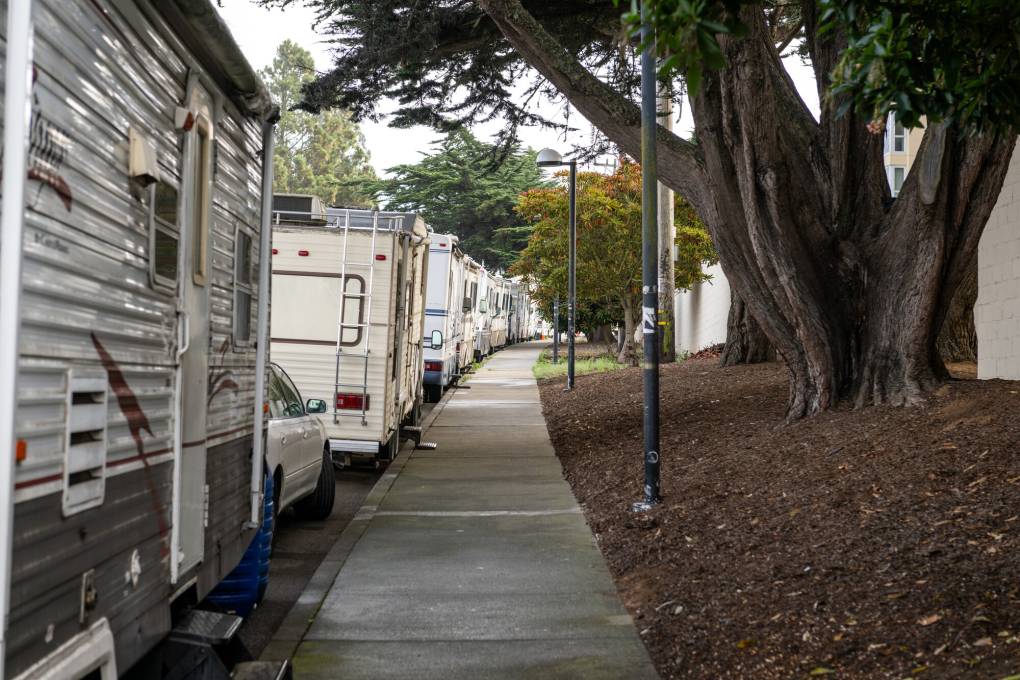
"content": "\u003cp>Several families residing in RVs near San Francisco’s Lake Merced Park have returned to an area they previously inhabited on Winston Drive after city officials \u003ca href=\"https://www.kqed.org/news/11999643/unhoused-san-francisco-rv-families-forced-to-move-yet-again-with-nowhere-to-go\">began trying to boot them from a road adjacent to the San Francisco Zoo late last week\u003c/a>. Many of those families had moved to Zoo Road just the week prior — after having been cleared from Winston Drive.\u003c/p>\n\u003cp>This latest shuffle follows several years of \u003ca href=\"https://www.kqed.org/news/11970299/city-delays-parking-restrictions-near-sf-state-offering-brief-reprieve-to-rv-community\">unsuccessful attempts\u003c/a> to find a safe parking space or other housing for dozens of immigrant families living in cars and RVs on Winston Drive behind Stonestown Galleria.\u003c/p>\n\u003cp>“Evicting these families before they have secured housing is not only inhumane but counterproductive,” said Jennifer Friedenbach, executive director of the Coalition on Homelessness, in a statement. “We urge the city to take down the tow-away signs [on Zoo Road] and halt the eviction to ensure that these families can transition into long term housing without unnecessary trauma.”\u003c/p>\n\u003cp>[ad fullwidth]\u003c/p>\n\u003cp>Earlier this year, San Francisco began \u003ca href=\"https://www.kqed.org/news/11983146/san-franciscos-new-parking-rules-set-to-displace-rv-community-near-sf-state\">enforcing four-hour parking restrictions\u003c/a> along Winston Drive. Families were recently told they could park at the Zoo Road site, near the Pomeroy Recreation & Rehabilitation Center, when parking enforcement began. However, the city also began receiving complaints about the RVs in the new location.\u003c/p>\n\u003cp>City officials issued notices to vacate Zoo Road late last week. Then, on Tuesday, the San Francisco Municipal Transportation Agency posted signs warning that the RVs would be towed if not removed before midnight, causing residents to scramble and move yet again. Now, dozens of RVs line Lake Merced Boulevard near Winston Drive.\u003c/p>\n\u003cp>“They have had no sleep, they’re stressed out, they’re scared, and they’re traumatized from all of what they have been experiencing. They’re being pushed from one place to another,” said Yessica Hernandez, a housing justice organizer with the Coalition on Homelessness.\u003c/p>\n\u003cp>[aside label='Related Coverage' tag='homelessness']\u003c/p>\n\u003cp>The city offered housing to some of the families living on Zoo Road, advocates said. Around 20 households agreed to the city’s housing offers, which range from shelter beds to subsidies on rent.\u003c/p>\n\u003cp>However, while the housing applications are processed, the city’s order to vacate Zoo Road remains, concerning residents who don’t know where to go in the interim.\u003c/p>\n\u003cp>Advocates are also concerned that the latest enforcement has split up the tight-knit community of families at Zoo Road, which are made up of majority Latino, non-English speaking immigrants and their children. Outreach workers with La Raza Community Resource Center previously told KQED that they estimate about 50 children live in the community.\u003c/p>\n\u003cp>Advocates say the back and forth and threats of towing, eviction or fines have made it increasingly difficult for the families to move forward.\u003c/p>\n\u003cp>“This is a community of families who are working but can’t afford to pay rent in San Francisco, and they are looking for some help from the city to find the stability that they need,” Hernandez said.\u003c/p>\n\u003cp>\u003c/p>\n",
"blocks": [],
"excerpt": "The latest shuffle follows years of unsuccessful attempts to find a safe parking site or other housing options for dozens of immigrant families living in the RVs.",
"status": "publish",
"parent": 0,
"modified": 1723742555,
"stats": {
"hasAudio": false,
"hasVideo": false,
"hasChartOrMap": false,
"iframeSrcs": [],
"hasGoogleForm": false,
"hasGallery": false,
"hasHearkenModule": false,
"hasPolis": false,
"paragraphCount": 14,
"wordCount": 510
},
"headData": {
"title": "Unhoused San Francisco RV Families Return to Winston Drive After Zoo Road Eviction | KQED",
"description": "The latest shuffle follows years of unsuccessful attempts to find a safe parking site or other housing options for dozens of immigrant families living in the RVs.",
"ogTitle": "",
"ogDescription": "",
"ogImgId": "",
"twTitle": "",
"twDescription": "",
"twImgId": "",
"schema": {
"@context": "https://schema.org",
"@type": "NewsArticle",
"headline": "Unhoused San Francisco RV Families Return to Winston Drive After Zoo Road Eviction",
"datePublished": "2024-08-15T07:30:38-07:00",
"dateModified": "2024-08-15T10:22:35-07:00",
"image": "https://cdn.kqed.org/wp-content/uploads/2020/02/KQED-OG-Image@1x.png",
"isAccessibleForFree": "True",
"publisher": {
"@type": "NewsMediaOrganization",
"@id": "https://www.kqed.org/#organization",
"name": "KQED",
"logo": "https://cdn.kqed.org/wp-content/uploads/2020/02/KQED-OG-Image@1x.png",
"url": "https://www.kqed.org",
"sameAs": [
"https://www.facebook.com/KQED",
"https://twitter.com/KQED",
"https://www.instagram.com/kqed/",
"https://www.tiktok.com/@kqedofficial",
"https://www.linkedin.com/company/kqed",
"https://www.youtube.com/channel/UCeC0IOo7i1P_61zVUWbJ4nw"
]
}
}
},
"sticky": false,
"nprStoryId": "kqed-12000285",
"excludeFromSiteSearch": "Include",
"articleAge": "0",
"path": "/news/12000285/unhoused-rv-families-return-to-winston-drive-after-eviction-from-s-f-zoo-road",
"audioTrackLength": null,
"parsedContent": [
{
"type": "contentString",
"content": "\u003cdiv class=\"post-body\">\u003cp>\u003cp>Several families residing in RVs near San Francisco’s Lake Merced Park have returned to an area they previously inhabited on Winston Drive after city officials \u003ca href=\"https://www.kqed.org/news/11999643/unhoused-san-francisco-rv-families-forced-to-move-yet-again-with-nowhere-to-go\">began trying to boot them from a road adjacent to the San Francisco Zoo late last week\u003c/a>. Many of those families had moved to Zoo Road just the week prior — after having been cleared from Winston Drive.\u003c/p>\n\u003cp>This latest shuffle follows several years of \u003ca href=\"https://www.kqed.org/news/11970299/city-delays-parking-restrictions-near-sf-state-offering-brief-reprieve-to-rv-community\">unsuccessful attempts\u003c/a> to find a safe parking space or other housing for dozens of immigrant families living in cars and RVs on Winston Drive behind Stonestown Galleria.\u003c/p>\n\u003cp>“Evicting these families before they have secured housing is not only inhumane but counterproductive,” said Jennifer Friedenbach, executive director of the Coalition on Homelessness, in a statement. “We urge the city to take down the tow-away signs [on Zoo Road] and halt the eviction to ensure that these families can transition into long term housing without unnecessary trauma.”\u003c/p>\n\u003cp>\u003c/p>\u003c/div>",
"attributes": {
"named": {},
"numeric": []
}
},
{
"type": "component",
"content": "",
"name": "ad",
"attributes": {
"named": {
"label": "fullwidth"
},
"numeric": [
"fullwidth"
]
}
},
{
"type": "contentString",
"content": "\u003cdiv class=\"post-body\">\u003cp>\u003c/p>\n\u003cp>Earlier this year, San Francisco began \u003ca href=\"https://www.kqed.org/news/11983146/san-franciscos-new-parking-rules-set-to-displace-rv-community-near-sf-state\">enforcing four-hour parking restrictions\u003c/a> along Winston Drive. Families were recently told they could park at the Zoo Road site, near the Pomeroy Recreation & Rehabilitation Center, when parking enforcement began. However, the city also began receiving complaints about the RVs in the new location.\u003c/p>\n\u003cp>City officials issued notices to vacate Zoo Road late last week. Then, on Tuesday, the San Francisco Municipal Transportation Agency posted signs warning that the RVs would be towed if not removed before midnight, causing residents to scramble and move yet again. Now, dozens of RVs line Lake Merced Boulevard near Winston Drive.\u003c/p>\n\u003cp>“They have had no sleep, they’re stressed out, they’re scared, and they’re traumatized from all of what they have been experiencing. They’re being pushed from one place to another,” said Yessica Hernandez, a housing justice organizer with the Coalition on Homelessness.\u003c/p>\n\u003cp>\u003c/p>\u003c/div>",
"attributes": {
"named": {},
"numeric": []
}
},
{
"type": "component",
"content": "",
"name": "aside",
"attributes": {
"named": {
"label": "Related Coverage ",
"tag": "homelessness"
},
"numeric": []
}
},
{
"type": "contentString",
"content": "\u003cdiv class=\"post-body\">\u003cp>\u003c/p>\n\u003cp>The city offered housing to some of the families living on Zoo Road, advocates said. Around 20 households agreed to the city’s housing offers, which range from shelter beds to subsidies on rent.\u003c/p>\n\u003cp>However, while the housing applications are processed, the city’s order to vacate Zoo Road remains, concerning residents who don’t know where to go in the interim.\u003c/p>\n\u003cp>Advocates are also concerned that the latest enforcement has split up the tight-knit community of families at Zoo Road, which are made up of majority Latino, non-English speaking immigrants and their children. Outreach workers with La Raza Community Resource Center previously told KQED that they estimate about 50 children live in the community.\u003c/p>\n\u003cp>Advocates say the back and forth and threats of towing, eviction or fines have made it increasingly difficult for the families to move forward.\u003c/p>\n\u003cp>“This is a community of families who are working but can’t afford to pay rent in San Francisco, and they are looking for some help from the city to find the stability that they need,” Hernandez said.\u003c/p>\n\u003cp>\u003c/p>\n\u003c/div>\u003c/p>",
"attributes": {
"named": {},
"numeric": []
}
}
],
"link": "/news/12000285/unhoused-rv-families-return-to-winston-drive-after-eviction-from-s-f-zoo-road",
"authors": [
"11840",
"11921"
],
"categories": [
"news_6266",
"news_8",
"news_1397"
],
"tags": [
"news_4020",
"news_1775",
"news_24635",
"news_38"
],
"featImg": "news_12000291",
"label": "news"
},
"news_11999596": {
"type": "posts",
"id": "news_11999596",
"meta": {
"index": "posts_1716263798",
"site": "news",
"id": "11999596",
"score": null,
"sort": [
1723228036000
]
},
"guestAuthors": [],
"slug": "oakland-firefighters-struggled-to-find-bart-fire-as-hundreds-waited-to-evacuate",
"title": "Oakland Firefighters Struggled to Find BART Fire as Hundreds Waited to Evacuate",
"publishDate": 1723228036,
"format": "standard",
"headTitle": "Oakland Firefighters Struggled to Find BART Fire as Hundreds Waited to Evacuate | KQED",
"labelTerm": {
"site": "news"
},
"content": "\u003cp>Oakland firefighters searched for 40 minutes before they found the source of a July 27 electrical fire at one of BART’s downtown Oakland stations, uncertainty that contributed to an hourlong delay in evacuating hundreds of passengers from two trains that had been forced to stop in the area.\u003c/p>\n\u003cp>The fire, which involved a 56-year-old piece of electrical equipment at 12th Street, shut down service between the MacArthur, Coliseum and West Oakland stops. In fact, trains are still running at slower-than-normal speeds through areas near downtown Oakland.\u003c/p>\n\u003cp>The incident is among several this year in which BART has suffered significant service disruptions due to a variety of system failures, the latest involving a computer network crash that halted service to service through Hayward and Fremont for more than eight hours on Thursday.\u003c/p>\n\u003cp>The California Public Utilities Commission said its Rail Transit Safety Branch is investigating the cause of the fire.\u003c/p>\n\u003cp>BART Deputy General Manager Michael Jones said in an agency memorandum obtained by KQED that the incident began about 4:50 p.m. July 27, a Saturday, when the system carried significantly fewer passengers than it would have on a weekday.\u003c/p>\n\u003cp>[ad fullwidth]\u003c/p>\n\u003cp>Jones said the fire broke out in a room containing train control equipment and a gap breaker, a piece of electrical equipment that regulates power to the system’s third rail. Loss of the gap breaker at that location meant BART had no way of feeding continuous power to the rail in central Oakland.\u003c/p>\n\u003cp>The effects of the fire were immediately visible inside and outside the station. Oakland firefighters responding to a medical call just outside the 12th Street Station reported seeing smoke at 4:59 p.m., and the department sent as many as a dozen units and more than 50 firefighters to the scene.\u003c/p>\n\u003cp>Fire Department spokesperson Michael Hunt said the first firefighters arrived on the scene in just over a minute.\u003c/p>\n\u003cp>“Our biggest priority was evacuating people safely from the trains that were stopped on the tracks,” Hunt said.\u003c/p>\n\u003cp>One train, No. 225, was stopped between 12th Street and Lake Merritt stations. The other, Train 451, was halted between 12th Street and 19th Street.[aside label=\"More BART Stories\" tag=\"bart\"]\u003c/p>\n\u003cp>According to BART dispatch audio \u003ca href=\"https://x.com/Bartfare/status/1817350442365677956\">streamed live during the incident on social media\u003c/a>, the process of getting passengers off the trains was slowed for nearly an hour by uncertainty about whether it was safe to evacuate and whether it was possible to move the stopped trains with first responders on the tracks looking for the source of the fire.\u003c/p>\n\u003cp>Half an hour into the incident, the operator of Train 225 asked BART’s central control center about firefighters in the tunnel near his train.\u003c/p>\n\u003cp>“The Fire Department walked off toward the rear of my train, I do not have eyes on them,” the operator said in audio streamed live on social media company X by an account called \u003ca href=\"https://x.com/Bartfare\">BART Fare Evaders\u003c/a>. “Are you sending them back to help with the evacuation, or should I start now?”\u003c/p>\n\u003cp>“No word from the Fire Department,” a train controller answered. “I believe they are all assessing the situation at this time. (Trains) 225 and 451, be advised we have BART police and Fire Department personnel in all tracks between 19th Street and Lake Merritt stations. We are waiting for the Fire Department to confirm and BART police to confirm when it’s time to evacuate.”\u003c/p>\n\u003cp>“There is way too much smoke here where I am to evacuate in this tunnel,” the operator of Train 451 responded. “This train’s going to have to move back to 19th Street somehow. I stuck my head out the window just now to gauge, see how much smoke there was, and it’s way too much.”\u003c/p>\n\u003cp>Twenty minutes later, the operator of Train 451 told the BART controller, “The firefighters want to see if we can move the train back to 19th Street. They want to evacuate, and I’ve got two of them at the window asking us to move the train.”\u003c/p>\n\u003cp>The controller answered that moving the train was impossible because personnel were on the tracks elsewhere.\u003c/p>\n\u003cp>BART finally allowed the operators to begin evacuating their passengers at 5:48 p.m., 58 minutes after the incident began. It took another 25 minutes before the train operators confirmed that all passengers, including one in a wheelchair, had been safely offboarded.\u003c/p>\n\u003cp>By that time, Oakland Fire spokesperson Hunt said, firefighters had finally located the source of the smoke in a room at the south end of the 12th Street Station.\u003c/p>\n\u003cp>“It took upwards of 40 minutes to locate the room where the fire had occurred,” he said. “At that point, the fire was essentially out. We put some water on it, had crews go in with gear on, but the fire had basically extinguished itself by that time.”[aside label=\"Transportation Stories\" tag=\"transportation\"]\u003c/p>\n\u003cp>BART spokesperson Anna Duckworth said the damaged gap breaker at 12th Street was installed in 1968, four years before BART operated its first paid service. The breaker is one of 47 such devices stationed throughout the 131-mile transit network, funneling electricity from BART’s power supply to sections of third rail.\u003c/p>\n\u003cp>“We don’t know if age had something to do with the fire,” Duckworth said. “That’s something we’re looking at.” She added that the damaged breaker was one of 17 that the agency had already been working on replacing.\u003c/p>\n\u003cp>Jones, the agency’s deputy GM, acknowledged in his July 30 memo that the fire and loss of electrical power had a lasting effect on service. BART was unable to run all five of its lines until three days later, and even then, trains were forced to slow dramatically as they passed through central Oakland.\u003c/p>\n\u003cp>“We understand the impacts the current service has on passengers being on-time, making timed connections and their overall customer experience,” Jones wrote.\u003c/p>\n\u003cp>BART said trains continue to run at a slightly slower speed as repair work continues. The agency still has no estimate for when repairs might be complete.\u003c/p>\n\u003cp>The fire is among several incidents that have caused major delays on parts of the BART system this summer:\u003c/p>\n\u003cp>\u003cb>June 23\u003c/b>: A series of train breakdowns and track problems near West Oakland led to four hours of major delays.\u003c/p>\n\u003cp>\u003cb>June 26: \u003c/b>A rail maintenance vehicle derailed near 19th Street in downtown Oakland, forcing the agency to suspend service on its Red Line (Richmond-SFO/Millbrae) and causing major delays.\u003c/p>\n\u003cp>[ad floatright]\u003c/p>\n\u003cp>\u003cb>Aug. 8: \u003c/b>A network computer problem partially disabled BART’s train control system and shut down regular service on the Green Line (Berryessa-Daly City) and Orange Line (Richmond-Berryessa) for more than eight hours.\u003c/p>\n\n",
"blocks": [],
"excerpt": "Uncertainty about source of smoke filling the tunnel on July 27 contributed to an hourlong wait for passengers stuck on two trains near 12th Street Station.",
"status": "publish",
"parent": 0,
"modified": 1723512552,
"stats": {
"hasAudio": false,
"hasVideo": false,
"hasChartOrMap": false,
"iframeSrcs": [],
"hasGoogleForm": false,
"hasGallery": false,
"hasHearkenModule": false,
"hasPolis": false,
"paragraphCount": 31,
"wordCount": 1161
},
"headData": {
"title": "Oakland Firefighters Struggled to Find BART Fire as Hundreds Waited to Evacuate | KQED",
"description": "Uncertainty about source of smoke filling the tunnel on July 27 contributed to an hourlong wait for passengers stuck on two trains near 12th Street Station.",
"ogTitle": "",
"ogDescription": "",
"ogImgId": "",
"twTitle": "",
"twDescription": "",
"twImgId": "",
"schema": {
"@context": "https://schema.org",
"@type": "NewsArticle",
"headline": "Oakland Firefighters Struggled to Find BART Fire as Hundreds Waited to Evacuate",
"datePublished": "2024-08-09T11:27:16-07:00",
"dateModified": "2024-08-12T18:29:12-07:00",
"image": "https://cdn.kqed.org/wp-content/uploads/2020/02/KQED-OG-Image@1x.png",
"isAccessibleForFree": "True",
"publisher": {
"@type": "NewsMediaOrganization",
"@id": "https://www.kqed.org/#organization",
"name": "KQED",
"logo": "https://cdn.kqed.org/wp-content/uploads/2020/02/KQED-OG-Image@1x.png",
"url": "https://www.kqed.org",
"sameAs": [
"https://www.facebook.com/KQED",
"https://twitter.com/KQED",
"https://www.instagram.com/kqed/",
"https://www.tiktok.com/@kqedofficial",
"https://www.linkedin.com/company/kqed",
"https://www.youtube.com/channel/UCeC0IOo7i1P_61zVUWbJ4nw"
]
}
}
},
"sticky": false,
"nprStoryId": "kqed-11999596",
"excludeFromSiteSearch": "Include",
"articleAge": "0",
"path": "/news/11999596/oakland-firefighters-struggled-to-find-bart-fire-as-hundreds-waited-to-evacuate",
"audioTrackLength": null,
"parsedContent": [
{
"type": "contentString",
"content": "\u003cdiv class=\"post-body\">\u003cp>\u003cp>Oakland firefighters searched for 40 minutes before they found the source of a July 27 electrical fire at one of BART’s downtown Oakland stations, uncertainty that contributed to an hourlong delay in evacuating hundreds of passengers from two trains that had been forced to stop in the area.\u003c/p>\n\u003cp>The fire, which involved a 56-year-old piece of electrical equipment at 12th Street, shut down service between the MacArthur, Coliseum and West Oakland stops. In fact, trains are still running at slower-than-normal speeds through areas near downtown Oakland.\u003c/p>\n\u003cp>The incident is among several this year in which BART has suffered significant service disruptions due to a variety of system failures, the latest involving a computer network crash that halted service to service through Hayward and Fremont for more than eight hours on Thursday.\u003c/p>\n\u003cp>The California Public Utilities Commission said its Rail Transit Safety Branch is investigating the cause of the fire.\u003c/p>\n\u003cp>BART Deputy General Manager Michael Jones said in an agency memorandum obtained by KQED that the incident began about 4:50 p.m. July 27, a Saturday, when the system carried significantly fewer passengers than it would have on a weekday.\u003c/p>\n\u003cp>\u003c/p>\u003c/div>",
"attributes": {
"named": {},
"numeric": []
}
},
{
"type": "component",
"content": "",
"name": "ad",
"attributes": {
"named": {
"label": "fullwidth"
},
"numeric": [
"fullwidth"
]
}
},
{
"type": "contentString",
"content": "\u003cdiv class=\"post-body\">\u003cp>\u003c/p>\n\u003cp>Jones said the fire broke out in a room containing train control equipment and a gap breaker, a piece of electrical equipment that regulates power to the system’s third rail. Loss of the gap breaker at that location meant BART had no way of feeding continuous power to the rail in central Oakland.\u003c/p>\n\u003cp>The effects of the fire were immediately visible inside and outside the station. Oakland firefighters responding to a medical call just outside the 12th Street Station reported seeing smoke at 4:59 p.m., and the department sent as many as a dozen units and more than 50 firefighters to the scene.\u003c/p>\n\u003cp>Fire Department spokesperson Michael Hunt said the first firefighters arrived on the scene in just over a minute.\u003c/p>\n\u003cp>“Our biggest priority was evacuating people safely from the trains that were stopped on the tracks,” Hunt said.\u003c/p>\n\u003cp>One train, No. 225, was stopped between 12th Street and Lake Merritt stations. The other, Train 451, was halted between 12th Street and 19th Street.\u003c/p>\u003c/div>",
"attributes": {
"named": {},
"numeric": []
}
},
{
"type": "component",
"content": "",
"name": "aside",
"attributes": {
"named": {
"label": "More BART Stories ",
"tag": "bart"
},
"numeric": []
}
},
{
"type": "contentString",
"content": "\u003cdiv class=\"post-body\">\u003cp>\u003c/p>\n\u003cp>According to BART dispatch audio \u003ca href=\"https://x.com/Bartfare/status/1817350442365677956\">streamed live during the incident on social media\u003c/a>, the process of getting passengers off the trains was slowed for nearly an hour by uncertainty about whether it was safe to evacuate and whether it was possible to move the stopped trains with first responders on the tracks looking for the source of the fire.\u003c/p>\n\u003cp>Half an hour into the incident, the operator of Train 225 asked BART’s central control center about firefighters in the tunnel near his train.\u003c/p>\n\u003cp>“The Fire Department walked off toward the rear of my train, I do not have eyes on them,” the operator said in audio streamed live on social media company X by an account called \u003ca href=\"https://x.com/Bartfare\">BART Fare Evaders\u003c/a>. “Are you sending them back to help with the evacuation, or should I start now?”\u003c/p>\n\u003cp>“No word from the Fire Department,” a train controller answered. “I believe they are all assessing the situation at this time. (Trains) 225 and 451, be advised we have BART police and Fire Department personnel in all tracks between 19th Street and Lake Merritt stations. We are waiting for the Fire Department to confirm and BART police to confirm when it’s time to evacuate.”\u003c/p>\n\u003cp>“There is way too much smoke here where I am to evacuate in this tunnel,” the operator of Train 451 responded. “This train’s going to have to move back to 19th Street somehow. I stuck my head out the window just now to gauge, see how much smoke there was, and it’s way too much.”\u003c/p>\n\u003cp>Twenty minutes later, the operator of Train 451 told the BART controller, “The firefighters want to see if we can move the train back to 19th Street. They want to evacuate, and I’ve got two of them at the window asking us to move the train.”\u003c/p>\n\u003cp>The controller answered that moving the train was impossible because personnel were on the tracks elsewhere.\u003c/p>\n\u003cp>BART finally allowed the operators to begin evacuating their passengers at 5:48 p.m., 58 minutes after the incident began. It took another 25 minutes before the train operators confirmed that all passengers, including one in a wheelchair, had been safely offboarded.\u003c/p>\n\u003cp>By that time, Oakland Fire spokesperson Hunt said, firefighters had finally located the source of the smoke in a room at the south end of the 12th Street Station.\u003c/p>\n\u003cp>“It took upwards of 40 minutes to locate the room where the fire had occurred,” he said. “At that point, the fire was essentially out. We put some water on it, had crews go in with gear on, but the fire had basically extinguished itself by that time.”\u003c/p>\u003c/div>",
"attributes": {
"named": {},
"numeric": []
}
},
{
"type": "component",
"content": "",
"name": "aside",
"attributes": {
"named": {
"label": "Transportation Stories ",
"tag": "transportation"
},
"numeric": []
}
},
{
"type": "contentString",
"content": "\u003cdiv class=\"post-body\">\u003cp>\u003c/p>\n\u003cp>BART spokesperson Anna Duckworth said the damaged gap breaker at 12th Street was installed in 1968, four years before BART operated its first paid service. The breaker is one of 47 such devices stationed throughout the 131-mile transit network, funneling electricity from BART’s power supply to sections of third rail.\u003c/p>\n\u003cp>“We don’t know if age had something to do with the fire,” Duckworth said. “That’s something we’re looking at.” She added that the damaged breaker was one of 17 that the agency had already been working on replacing.\u003c/p>\n\u003cp>Jones, the agency’s deputy GM, acknowledged in his July 30 memo that the fire and loss of electrical power had a lasting effect on service. BART was unable to run all five of its lines until three days later, and even then, trains were forced to slow dramatically as they passed through central Oakland.\u003c/p>\n\u003cp>“We understand the impacts the current service has on passengers being on-time, making timed connections and their overall customer experience,” Jones wrote.\u003c/p>\n\u003cp>BART said trains continue to run at a slightly slower speed as repair work continues. The agency still has no estimate for when repairs might be complete.\u003c/p>\n\u003cp>The fire is among several incidents that have caused major delays on parts of the BART system this summer:\u003c/p>\n\u003cp>\u003cb>June 23\u003c/b>: A series of train breakdowns and track problems near West Oakland led to four hours of major delays.\u003c/p>\n\u003cp>\u003cb>June 26: \u003c/b>A rail maintenance vehicle derailed near 19th Street in downtown Oakland, forcing the agency to suspend service on its Red Line (Richmond-SFO/Millbrae) and causing major delays.\u003c/p>\n\u003cp>\u003c/p>\u003c/div>",
"attributes": {
"named": {},
"numeric": []
}
},
{
"type": "component",
"content": "",
"name": "ad",
"attributes": {
"named": {
"label": "floatright"
},
"numeric": [
"floatright"
]
}
},
{
"type": "contentString",
"content": "\u003cdiv class=\"post-body\">\u003cp>\u003c/p>\n\u003cp>\u003cb>Aug. 8: \u003c/b>A network computer problem partially disabled BART’s train control system and shut down regular service on the Green Line (Berryessa-Daly City) and Orange Line (Richmond-Berryessa) for more than eight hours.\u003c/p>\n\n\u003c/div>\u003c/p>",
"attributes": {
"named": {},
"numeric": []
}
}
],
"link": "/news/11999596/oakland-firefighters-struggled-to-find-bart-fire-as-hundreds-waited-to-evacuate",
"authors": [
"222"
],
"categories": [
"news_8",
"news_1397"
],
"tags": [
"news_269",
"news_5226",
"news_34054",
"news_20517"
],
"featImg": "news_11999606",
"label": "news"
},
"news_11999232": {
"type": "posts",
"id": "news_11999232",
"meta": {
"index": "posts_1716263798",
"site": "news",
"id": "11999232",
"score": null,
"sort": [
1723111242000
]
},
"guestAuthors": [],
"slug": "what-will-it-take-to-improve-ev-infrastructure-in-california",
"title": "What Will It Take to Improve EV Infrastructure in California?",
"publishDate": 1723111242,
"format": "standard",
"headTitle": "What Will It Take to Improve EV Infrastructure in California? | KQED",
"labelTerm": {
"term": 33523,
"site": "news"
},
"content": "\u003cp>\u003ca href=\"#episode-transcript\">\u003ci>View the full episode transcript.\u003c/i>\u003c/a>\u003c/p>\n\u003cp>You may have heard some horror stories about electric vehicle charging — long lines, lengthy waits, broken units. Sometimes even\u003cem> finding \u003c/em>a charging station is a challenge. When your car’s low on charge but no charger is available, it’s stressful. Maybe you’re halfway between San Francisco and Los Angeles and you’re stuck waiting.\u003c/p>\n\u003cp>That’s one of the big things stopping Bay Curious listener Kelly Lindberg from buying an electric car right now.\u003c/p>\n\u003cp>[baycuriouspodcastinfo]\u003c/p>\n\u003cp>“I’m hoping that by 2030, between having some years to save up and the technology getting better and cheaper, maybe that’s around the time [it] could work for our family,” she said.\u003c/p>\n\u003cp>In the meantime, Lindberg has an idea to help alleviate the charging congestion. She’s noticed a lot of empty former gas station sites around her neighborhood in Oakland and wondered, “Would it be a good idea to turn some of these spaces into electric car charging stations?”\u003c/p>\n\u003cp>In 2020, Gov. Gavin Newsom set a goal for the state to ban the sale of new gas-powered vehicles by the year 2035. So even if you’ve got a gas-powered car, and this isn’t a problem you’re facing currently, it may be soon.\u003c/p>\n\u003ch2>\u003cstrong>How to set up a charging station\u003c/strong>\u003c/h2>\n\u003cp>To find out what goes into installing a new charging station, I met up with Jonah Eidus, who oversees real estate development for electric car charging company EVgo. The company has hundreds of charging stalls across the Bay Area and thousands across the country.\u003c/p>\n\u003cp>“In general, when we’re installing new chargers, we’re looking to be in high-traffic areas where the chargers will be used for about 15 to 45 minutes,” Eidus said. “And that means we also want to have amenities nearby so people have something to do during those 15 to 45 minutes.”\u003c/p>\n\u003cp>[ad fullwidth]\u003c/p>\n\u003cp>Since charging your car takes longer than pumping gas, stations are designed with the surroundings in mind. They aim to install stations in the parking lot of a Safeway, for example, or close to a coffee shop.\u003c/p>\n\u003cp>There are many other considerations too, Eidus said, including the availability of parking stalls. Is there enough space for many cars to park? The goal, after all, is to build as many charging stalls per site as possible.\u003c/p>\n\u003cp>Does the site integrate well into the electrical grid? The product they are ultimately selling is electricity, so they have to make sure that a site \u003cem>has \u003c/em>the electricity to sell at an affordable price.\u003c/p>\n\u003cp>Additionally, is the charging station set up near those who need it most, including those who live in apartment complexes and don’t have the option to charge from their own garage? There are also city zoning regulations and safety considerations to take into account.\u003c/p>\n\u003cp>That’s not even half of what goes into establishing a charging site. In fact, EVgo has a mapping algorithm that integrates 27 different factors.\u003c/p>\n\u003cp>“Suffice to say, it is a fairly sophisticated process that we go through,” Eidus said. “When a site goes live, a lot of thought and a lot of data has gone into the decision to build that site.”\u003c/p>\n\u003ch2>\u003cstrong>Improving reliability and keeping up with demand\u003c/strong>\u003c/h2>\n\u003cp>California — particularly the Bay Area — \u003ca href=\"https://www.nytimes.com/2024/03/12/us/bay-area-electric-vehicles.html\">leads the nation\u003c/a> in electric vehicle adoption. To meet that growing demand, California has to build 1 million new chargers by the end of 2030, \u003ca href=\"https://s3.documentcloud.org/documents/24795161/assembly-bill-2127-second-electric-vehicle-charging-infrastructure-second-assessment-revised-staff-report.pdf#page=52\">according to the state’s own projections (PDF)\u003c/a>. Some experts say \u003ca href=\"https://calmatters.org/environment/climate-change/2024/07/california-electric-car-chargers-unrealistic-goals/\">that’s not feasible\u003c/a>.\u003c/p>\n\u003cp>“I would say we’re tight on the number of chargers,” said Carleen Cullen, co-founder of the environmental nonprofit Cool the Earth and a former transportation advisor to Gov. Newsom.\u003c/p>\n\u003cp>Not only are they in short supply, the ones we do have are not always reliable, Cullen said. She helped conduct a study a few years ago to test the reliability of charging stations in the Bay Area and found that a quarter of them weren’t functional, meaning the screens were broken, the payment system didn’t work or the equipment was flawed.\u003c/p>\n\u003cp>Cullen said while the infrastructure has improved a lot since then, there’s still not enough of it — despite the fact that \u003ca href=\"https://smartasset.com/data-studies/ev-chargers-2023\">California is outpacing other states\u003c/a> in both EV adoption and infrastructure. And in order to reach Newsom’s goal, we need consumers, charging companies, EV manufacturers, local governments and utility companies to work together, Cullen said.\u003c/p>\n\u003cp>“We need to move the adoption of EVs forward, we need to move the number of charging ports available as well, and we need to move the grid capacity as well,” she said.\u003c/p>\n\u003cfigure id=\"attachment_11999354\" class=\"wp-caption aligncenter\" style=\"max-width: 1999px\">\u003cimg loading=\"lazy\" decoding=\"async\" class=\"size-full wp-image-11999354\" src=\"https://cdn.kqed.org/wp-content/uploads/sites/10/2024/08/240129-EVFILE-KSM-24_qed.jpg\" alt=\"\" width=\"1999\" height=\"1333\" srcset=\"https://cdn.kqed.org/wp-content/uploads/sites/10/2024/08/240129-EVFILE-KSM-24_qed.jpg 1999w, https://cdn.kqed.org/wp-content/uploads/sites/10/2024/08/240129-EVFILE-KSM-24_qed-800x533.jpg 800w, https://cdn.kqed.org/wp-content/uploads/sites/10/2024/08/240129-EVFILE-KSM-24_qed-1020x680.jpg 1020w, https://cdn.kqed.org/wp-content/uploads/sites/10/2024/08/240129-EVFILE-KSM-24_qed-160x107.jpg 160w, https://cdn.kqed.org/wp-content/uploads/sites/10/2024/08/240129-EVFILE-KSM-24_qed-1536x1024.jpg 1536w, https://cdn.kqed.org/wp-content/uploads/sites/10/2024/08/240129-EVFILE-KSM-24_qed-1920x1280.jpg 1920w\" sizes=\"(max-width: 1999px) 100vw, 1999px\">\u003cfigcaption class=\"wp-caption-text\">Tashinda Richardson of Oakland plugs in her rented electric vehicle at an EVgo Fast Charging station in Oakland on Jan. 29. Richardson said it can be hard to find a charger when she needs one. Sometimes, she said, chargers won’t work or the plug will get stuck in the car. \u003ccite>(Kathryn Styer Martínez/KQED)\u003c/cite>\u003c/figcaption>\u003c/figure>\n\u003cp>A big hold-up right now, according to Cullen, lies with PG&E.\u003c/p>\n\u003cp>“There’s a huge lag time between when the charging station vendor requests the power and when PG&E actually delivers it,” she said.\u003c/p>\n\u003cp>For a charging station to operate, it needs to be hooked up to the power grid. That’s where PG&E comes in. And they won’t just let you set up a charging station anywhere. They have to be able to deliver enough power to that site.\u003c/p>\n\u003cp>Is the section of the grid you’re trying to connect to also connected to a big manufacturing plant, for example? Are your neighbors using a lot of electricity during certain times of the day? Then the available power is likely spoken for. Does that portion of the grid rely heavily on solar power? Then the chargers may not work when the sun goes down.\u003c/p>\n\u003cp>“We have over 600,000 EVs in our service territory. And we’ve seen EV adoption grow at about 26% of the compound annual growth rate over the last few years. That’s a significant amount of load that we’re seeing on the system,” said David Almeida, a manager within PG&E’s clean energy transportation group.\u003c/p>\n\u003cp>Almeida said the utility company underestimated electricity demand, and as a result, it doesn’t have the infrastructure to support the rapidly growing EV industry right now.\u003c/p>\n\u003cp>But they’re working on it.\u003c/p>\n\u003cp>“We are building out a forecast that doesn’t look at necessarily just historical load, but it looks at where we anticipate load growth,” he said.\u003c/p>\n\u003cp>The goal is to make electric car charging stations faster to build and more reliable once they’re up and running.\u003c/p>\n\u003cp>Despite all the work needed to bolster this transportation system overhaul, Almeida said it’s ultimately worth it.\u003c/p>\n\u003cp>Right now, California’s transportation system is by far the \u003ca href=\"https://ww2.arb.ca.gov/ghg-inventory-data\">largest contributor\u003c/a> to our greenhouse gas emissions. Transitioning away from gas-powered cars is critical to mitigating the impacts of climate change, and EVs are already helping to do that.\u003c/p>\n\u003cp>A recent \u003ca href=\"https://pubs.acs.org/doi/10.1021/acs.est.3c09642\">study\u003c/a> by scientists at UC Berkeley showed EV adoption in the Bay Area has already reduced our carbon emissions by almost 2%.\u003c/p>\n\u003cp>“I’ve been a believer from the very beginning,” Almeida said. “And it’s just very cool to see a lot of this prove out.”\u003c/p>\n\u003cp>[baycuriousquestion]\u003c/p>\n\u003ch2 id=\"episode-transcript\">Episode Transcript\u003c/h2>\n\u003cp>\u003ci>This is a computer-generated transcript. While our team has reviewed it, there may be errors.\u003c/i>\u003c/p>\n\u003cp>\u003cstrong>Olivia Allen-Price: \u003c/strong>I’m Olivia Allen-Price. This is Bay curious. And today we’re going on a little road trip.\u003c/p>\n\u003cp>\u003cem>Sounds of a car driving\u003c/em>\u003c/p>\n\u003cp>\u003cstrong>Olivia Allen-Price: \u003c/strong>Here we go. So we are driving around San Francisco in my Volkswagen E-golf, and it’s an electric vehicle. And we’re looking for a place to charge. And I’m here with Dana Cronin.\u003c/p>\n\u003cp>\u003cstrong>Dana Cronin: \u003c/strong>And how do you normally find a place to charge in the city?\u003c/p>\n\u003cp>\u003cstrong>Olivia Allen-Price:\u003c/strong> It’s pretty rare that I have to find a place to charge because I mostly charge at home. But when I do have to find a place, I pull up an app on my phone and …\u003c/p>\n\u003cp>\u003cstrong>Dana Cronin:\u003c/strong> Safely, of course, pulled over by the side of the road.\u003c/p>\n\u003cp>\u003cstrong>Olivia Allen-Price:\u003c/strong> Exactly. Let’s actually pull over real quick up here.\u003c/p>\n\u003cp>(sound of car decelerating)\u003c/p>\n\u003cp>\u003cstrong>Olivia Allen-Price: \u003c/strong>Okay, so I pull up this app on my phone and what it does is it loads all sorts of different chargers that are nearby that are owned by all sorts of different companies. The numbers mean how many charging stations are in each of these locations. Of the one that’s nearby, it looks like one is out of service; four are currently being used … but looks like one is available.\u003c/p>\n\u003cp>\u003cstrong>Dana Cronin:\u003c/strong> 0.2 miles away. That’s not too bad.\u003c/p>\n\u003cp>\u003cstrong>Olivia Allen-Price:\u003c/strong> Yeah, let’s give it a shot. Okay, so the charger is somewhere in this enormous parking lot.\u003c/p>\n\u003cp>\u003cstrong>Dana Cronin:\u003c/strong> You know that there’s a spot open right now because of your app, right? Or is it possible that it’s there but someone’s using it?\u003c/p>\n\u003cp>\u003cstrong>Olivia Allen-Price:\u003c/strong> I would … I would say I don’t feel 100% confident based on the app.\u003c/p>\n\u003cp>\u003cstrong>Dana Cronin:\u003c/strong> There’s a line of Teslas.\u003c/p>\n\u003cp>\u003cstrong>Olivia Allen-Price: \u003c/strong>So, let’s go and see if the non-Tesla chargers are near the Tesla ones, too. Oh, and here we are to the right. … This is also Tesla charging. Just kidding.\u003c/p>\n\u003cp>\u003cstrong>Olivia Allen-Price: \u003c/strong>We drove around the parking lot for a while but then finally found the chargers.\u003c/p>\n\u003cp>\u003cstrong>Dana Cronin:\u003c/strong> So, it’s full. (laughs)\u003c/p>\n\u003cp>\u003cstrong>Olivia Allen-Price:\u003c/strong> There was a little dispute with another customer over who was there first. It was totally us, but we let it go. Eventually, another stall opened up.\u003c/p>\n\u003cp>\u003cstrong>Olivia Allen-Price: \u003c/strong>Charging port here, plug it in and it looks like this one gives me the option to pay by the EVgo app, or I can pay by credit card, which is actually great. It does not seem … Oh, there we go, there we go. Okay, let’s remove the card … (pause) authorization declined. I will try a different card payment. (pause) Authorized!\u003c/p>\n\u003cp>\u003cstrong>Dana Cronin:\u003c/strong> Step one: Complete! (laughing)\u003c/p>\n\u003cp>\u003cstrong>Olivia Allen-Price: \u003c/strong>Step 7,962: pay for the charging. (laughing)\u003c/p>\n\u003cp>\u003cstrong>Dana Cronin: \u003c/strong>Generally, I would say this was not super easy, and yet it’s pretty much totally full.\u003c/p>\n\u003cp>\u003cstrong>Olivia Allen-Price\u003c/strong>: Yeah, I mean, it’s not easy. I feel really lucky most of the time. I charge at home because it is, you know, it’s a pain and it’s a little stressful, especially if you are really low on charge. Like I’ve been in situations where I’m really sweating it out because I go to one charging station and like the screen is broken or the Wi-Fi isn’t working, or sometimes they’ll have these in paid parking garages and they don’t tell you that. And it’s like $30 just to get in the garage.\u003c/p>\n\u003cp>\u003cstrong>Dana Cronin:\u003c/strong> Like it feels like you do have to have an at-home charger right now for this to be convenient and conducive to your lifestyle. Like, I can’t imagine, like fully relying on this, you know. I, for one, will probably just stick with my Subaru for now. My gas-powered Subaru, for now.\u003c/p>\n\u003cp>\u003cstrong>Olivia Allen-Price:\u003c/strong> On today’s episode of Bay Curious, we dive into the world of electric vehicles. I love driving mine, but as you saw, it’s not perfect. California currently dominates the EV market, and the state has a lofty goal of banning the sale of new gas-powered vehicles by 2035. So if you’re not driving an EV yet, you may be soon. Is your community set up for it? Is the Bay area’s current infrastructure matching up with the demand? We’ll get into all that just after a quick break.\u003c/p>\n\u003cp>\u003cem>SPONSOR\u003c/em>\u003c/p>\n\u003cp>\u003cstrong>Olivia Allen-Price: \u003c/strong>For this episode, I’m tossing to my co-pilot … reporter Dana Cronin … to explain what’s going on with the Bay Area’s EV infrastructure.\u003c/p>\n\u003cp>\u003cstrong>Dana Cronin:\u003c/strong> Like a lot of Bay Area residents … maybe you included … I want my next car to be electric. But if my 2012 Subaru Outback died tomorrow … I’m not sure I’d be ready to make the switch. Especially after that drive with Olivia.\u003c/p>\n\u003cp>Bay Curious listener Kelly Lindberg … feels the same way.\u003c/p>\n\u003cp>\u003cstrong>Kelly Lindberg:\u003c/strong> You hear those stories in the news sometimes about, like, the drive between, like, Las Vegas and Los Angeles. You know, people going in their Teslas and having a super long line at the charging station.\u003c/p>\n\u003cp>\u003cstrong>Dana Cronin: \u003c/strong>Kelly works for a climate startup accelerator, and she’s thought, “There’s gotta be a solution to this problem.”\u003c/p>\n\u003cp>One came to her… as she was driving through her neighborhood in Oakland. She’s noticed a lot of abandoned gas stations around.\u003c/p>\n\u003cp>\u003cstrong>Kelly Lindberg:\u003c/strong> Would it be a good idea to maybe turn some of these spaces into electric car charging stations?\u003c/p>\n\u003cp>\u003cstrong>Dana Cronin: \u003c/strong>I mean … sounds like a good idea to me. I, too, live in Oakland and have noticed quite a few empty lots. Whether they’re former gas stations, convenience stores, or storefronts … it seems like there’s plenty of empty space for charging stations to set up shop.\u003c/p>\n\u003cp>But, to do that, you first need a charging company. So, I met with one.\u003c/p>\n\u003cp>(sounds of loud road noise)\u003c/p>\n\u003cp>\u003cstrong>Dana Cronin: \u003c/strong>Jonah Eidus is wearing a navy-logoed polo and is parked at an EVgo charging station. He oversees EVgo’s real estate department.\u003c/p>\n\u003cp>EVgo has hundreds of charging stalls in the Bay Area … the one we’re meeting at is in Oakland’s Fruitvale neighborhood … right off of 580 on Fruitvale Avenue. It’s set up at a Shell gas station.\u003c/p>\n\u003cp>\u003cstrong>Jonah Eidus:\u003c/strong> So this site is an eight-stall, fast-charging site, capable of delivering up to 350 kW to each car. And it is definitely one of the more popular stations in Oakland.\u003c/p>\n\u003cp>\u003cstrong>Dana Cronin: \u003c/strong>That’s enough to charge most modern EVs in less than 20 minutes. And it is popular! Over the course of our interview … all eight stalls were full almost the whole time.\u003c/p>\n\u003cp>Without wasting any time, I posed Kelly’s question. Could empty lots and gas stations near her house get setups like this one?\u003c/p>\n\u003cp>\u003cstrong>Jonah Eidus:\u003c/strong> In general, when we’re installing new chargers, we’re looking to be in high-traffic areas where the chargers will be used for about 15 to 45 minutes. And that means we also want to have amenities nearby so people have something to do during those 15 to 45 minutes.\u003c/p>\n\u003cp>\u003cstrong>Dana Cronin: \u003c/strong>It takes longer to charge your car’s battery than it does to pump gas. So this charging station, for example, is right next to a Peet’s Coffee and a Farmer Joe’s grocery store. A perfect place to run some errands while you wait.\u003c/p>\n\u003cp>As we’re talking, Dave Robinson drives up in his brand new 2023 KIA EV6, backs into a stall, and plugs in.\u003c/p>\n\u003cp>\u003cstrong>Dana Cronin: \u003c/strong>What do you plan to do while you wait?\u003c/p>\n\u003cp>\u003cstrong>Dave Robinson:\u003c/strong> Just hang out. You know, if it’s going to be a while, there’s coffee shops and everything else around. So it’s easy.\u003c/p>\n\u003cp>\u003cstrong>Dana Cronin: \u003c/strong>Convenience! It’s a big factor in selecting a charging site, Jonah says. But there are lots of other factors, too.\u003c/p>\n\u003cp>\u003cstrong>Jonah Eidus: \u003c/strong>Availability of parking stalls, grid interconnection, forecasted charging demand, electricity rates and importantly, multifamily housing density nearby the charging station.\u003c/p>\n\u003cp>\u003cstrong>Dana Cronin: \u003c/strong>OK … let’s take those one at a time.\u003c/p>\n\u003cp>\u003cstrong>Jonah Eidus:\u003c/strong> Availability of parking stalls …\u003c/p>\n\u003cp>\u003cstrong>Dana Cronin: \u003c/strong>Meaning … is there enough space for cars to park here? The goal is to build as many charging stalls as possible per site.\u003c/p>\n\u003cp>\u003cstrong>Jonah Eidus:\u003c/strong> … grid interconnection …\u003c/p>\n\u003cp>\u003cstrong>Dana Cronin: \u003c/strong>This one is super important. Because after all, the product they are ultimately selling … is electricity. And they need to make sure that a specific site HAS the electricity to sell\u003c/p>\n\u003cp>\u003cstrong>Jonah Eidus:\u003c/strong> … forecasted charging demand … electricity rates …\u003c/p>\n\u003cp>\u003cstrong>Dana Cronin: \u003c/strong>How many customers do they expect, and how much will those customers have to pay to charge? The cost of electricity can \u003cem>literally \u003c/em>vary block to block.\u003c/p>\n\u003cp>\u003cstrong>Dana Cronin: \u003c/strong>And … EVGo is a for-profit company after all … so it needs to pencil out.\u003c/p>\n\u003cp>\u003cstrong>Jonah Eidus:\u003c/strong> … and importantly, multifamily housing density nearby the charging station.\u003c/p>\n\u003cp>\u003cstrong>Dana Cronin: \u003c/strong>Is the charging station set up near those who need it the most? Those who live in apartment complexes, for example, don’t have the option to charge from their own garage.\u003c/p>\n\u003cp>That’s not even \u003cem>half \u003c/em>the considerations that go into establishing a charging site. There’s also things like a city’s zoning regulations … and safety considerations.\u003c/p>\n\u003cp>In fact, EVgo has a mapping algorithm that integrates 27 different factors.\u003c/p>\n\u003cp>\u003cstrong>Jonah Eidus: \u003c/strong>Suffice to say, it is a fairly sophisticated process that we go through. And when a site goes live, a lot of thought and a lot of data has gone into the decision to build that site.\u003c/p>\n\u003cp>\u003cstrong>Dana Cronin: \u003c/strong>Jonah couldn’t say exactly whether the specific abandoned gas stations in Kelly’s neighborhood could be converted to charging sites … I guess that’s a question for the algorithm.\u003c/p>\n\u003cp>(music)\u003c/p>\n\u003cp>\u003cem> \u003c/em>So that’s how companies choose specific charging sites … and avoid others.\u003c/p>\n\u003cp>But at the \u003cem>heart \u003c/em>of Kelly’s question … is a bigger question. Clearly, we need MORE charging stations … whether at abandoned gas stations … or near coffee shops and grocery stores. So … why hasn’t the electric vehicle charging infrastructure kept up with demand?\u003c/p>\n\u003cp>To answer that question, I met up with Carleen Cullen. She’s the co-founder of the environmental nonprofit Cool the Earth and a former transportation advisor to Governor Newsom.\u003c/p>\n\u003cp>(sounds of a busy parking lot)\u003c/p>\n\u003cp>\u003cstrong>Dana Cronin: \u003c/strong>We meet up at another charging station … this one in the parking lot of a Safeway in Mill Valley. We’re chatting next to Carleen’s Chevy Bolt … which is parked in a stall, ready to charge … when, all of a sudden, another EV driver pulls up behind us and asks how long we plan to be.\u003c/p>\n\u003cp>\u003cstrong>Dana Cronin: \u003c/strong>I guess that’s part of the challenge is that there’s so few chargers that we have someone waiting on us here waiting for a charge, somewhat impatiently. So we’re going to go ahead and get charging.\u003c/p>\n\u003cp>\u003cstrong>Carleen Cullen:\u003c/strong> Let’s get started.\u003c/p>\n\u003cp>\u003cstrong>Dana Cronin: \u003c/strong>Carleen swipes her credit card, pulls the charger around to her car, plugs in, and it starts charging.\u003c/p>\n\u003cp>(sound of the high-pitched hum from the charger)\u003c/p>\n\u003cp>\u003cstrong>Carleen Cullen: \u003c/strong>So when you hear that great hum, you know that that’s happening.\u003c/p>\n\u003cp>\u003cstrong>Dana Cronin: \u003c/strong>Carleen is somewhat of an electric vehicle evangelist … an E-V-vangelist … if you will. Half the time we spent together I felt like I was in an EV infomercial. But she’s not naive. She knows the current infrastructure is flawed. In fact, she did a study a few years ago where she tested the reliability of charging stations in the Bay Area.\u003c/p>\n\u003cp>\u003cstrong>Carleen Cullen: \u003c/strong>And we found that about a quarter of the stations in the Bay area weren’t functional.\u003c/p>\n\u003cp>\u003cstrong>Dana Cronin: \u003c/strong>Meaning the screens were broken or the payment system didn’t work or the equipment was flawed. She says the infrastructure has improved a lot since then, but there’s still not enough of it.\u003c/p>\n\u003cp>\u003cstrong>Carleen Cullen: \u003c/strong>I would say we’re tight on the number of chargers. Yeah, we’re definitely tight.\u003c/p>\n\u003cp>\u003cstrong>Dana Cronin: \u003c/strong>And that’s in part because … what we’re talking about here … is a MAJOR overhaul of an entire transportation system. In 2020, Governor Newsom set a goal to ban the sale of new gas-powered vehicles in California by the year 2035. And California is outpacing other states in both EV adoption and infrastructure by a long shot. We have more chargers than any other state. But in order to reach that lofty goal … Carleen says we need three things:\u003c/p>\n\u003cp>\u003cstrong>Carleen Cullen:\u003c/strong> We need to move the adoption of EVs forward. We need to move the number of charging ports available as well, and we need to move the grid capacity as well.\u003c/p>\n\u003cp>\u003cstrong>Dana Cronin: \u003c/strong>These things all have to happen simultaneously. Consumers, charging companies, EV manufacturers, utility companies, local governments … everyone has to work in concert for this to work. Carleen says, right now, the utility companies aren’t necessarily pulling their weight.\u003c/p>\n\u003cp>\u003cstrong>Carleen Cullen: \u003c/strong>There’s a huge lag time between when the station, the charging station vendor requests the power and when PG&E actually delivers it.\u003c/p>\n\u003cp>\u003cstrong>Dana Cronin: \u003c/strong>For a charging station to operate, it needs to be hooked up to our power grid. That’s where PG&E comes in. And they won’t just let you set up a charging station ANYWHERE. They have to be able to deliver enough power to that site.\u003c/p>\n\u003cp>Is the section of the grid you’re trying to connect to also connected to a big manufacturing plant … for example? Are your neighbors using a lot of electricity during certain times of the day? Then the available power is likely spoken for. Does that portion of the grid rely heavily on solar power? Then the chargers may not work when the sun goes down.\u003c/p>\n\u003cp>These are critical considerations, says David Almeida … a manager within PG&E’s clean energy transportation group. And he says Carleen’s critique is fair. He says, yes, the utility is definitely still playing catch-up.\u003c/p>\n\u003cp>\u003cstrong>David Almeida:\u003c/strong> So we have over 600,000 EVs in our service territory. And we’ve seen EV adoption grow at about 26% of the compound annual growth rate over the last few years. That’s a significant amount of load that we’re seeing on the system.\u003c/p>\n\u003cp>\u003cstrong>Dana Cronin: \u003c/strong>He also says … they didn’t plan for that increased demand for electricity. In fact, they UNDERestimated it … and, as a result, they don’t have the infrastructure to support it right now.\u003c/p>\n\u003cp>But, he says, they’re working on it.\u003c/p>\n\u003cp>\u003cstrong>David Almeida: \u003c/strong>We are building out a forecast that doesn’t look at necessarily just historical load, but it looks at where we anticipate load growth.\u003c/p>\n\u003cp>\u003cstrong>Dana Cronin: \u003c/strong>He says their goal is to make electric car charging stations faster to build and more reliable once they’re up and running.\u003c/p>\n\u003cp>\u003cem>Music\u003c/em>\u003c/p>\n\u003cp>\u003cstrong>Dana Cronin: \u003c/strong>This all sounds like a lot of work. Overhauling our entire state’s transportation system … building thousands and thousands of new charging stations … getting utility companies on board … I’m exhausted just thinking about it.\u003c/p>\n\u003cp>But it’s important to remember WHY we’re doing this. Right now, California’s transportation system is BY FAR the largest contributor to our greenhouse gas emissions. Transitioning away from gas-powered cars is critical to mitigating the impacts of climate change.\u003c/p>\n\u003cp>And Evs are already helping to do that.\u003c/p>\n\u003cp>A recent study by scientists at UC Berkeley showed EV adoption in the Bay Area has already reduced our carbon emissions by almost 2 percent.\u003c/p>\n\u003cp>Now, obviously, to keep up that progress … the system has to work for EVERYONE. And I’m not sure we’re there yet.\u003c/p>\n\u003cp>\u003cem>Music sneaks in\u003c/em>\u003c/p>\n\u003cp>\u003cstrong>Dana Cronin:\u003c/strong> What do you think, Olivia? Any more sympathy for the cause?\u003c/p>\n\u003cp>\u003cstrong>Olivia Allen-Price:\u003c/strong> You know, yeah. I didn’t realize there were so many hurdles to getting new charging stations online. I feel really lucky that I am able to charge my car at home and so this isn’t an issue I have to deal with very often. But for folks who can’t charge overnight where they live — that’s a huge hurdle. And I’m sure it’s a non-starter for some people! It’s got to get better.\u003c/p>\n\u003cp>\u003cstrong>Dana Cronin:\u003c/strong> Yeah … 2035 is not THAT far away … and if we’re gonna reach that goal, we’re going to need more charging stations.\u003c/p>\n\u003cp>I’m kind of hoping my Subaru lasts just a couple more years …\u003c/p>\n\u003cp>\u003cstrong>Olivia Allen-Price:\u003c/strong> Dana Cronin — thank you!\u003c/p>\n\u003cp>\u003cstrong>Dana Cronin:\u003c/strong> Thank you.\u003c/p>\n\u003cp>\u003cem>Music\u003c/em>\u003c/p>\n\u003cp>\u003cstrong>Olivia Allen-Price: \u003c/strong>That was KQED’s Dana Cronin.\u003c/p>\n\u003cp>This story would not have been possible without our question-asker, Kelly Lindberg. That’s because you, our dear audience, decide what we cover by submitting questions — and then voting on which ones we should answer.\u003c/p>\n\u003cp>We have a new voting round-up at BayCurious.org with three enticing questions.\u003c/p>\n\u003cp>\u003cstrong>Voice 1:\u003c/strong> Why did Oakland International Airport become San Francisco Bay Oakland International Airport, giving us two very confusingly similar-sounding airports?\u003c/p>\n\u003cp>\u003cstrong>Voice 2:\u003c/strong> I remember going to the Berkeley dump, now Cesar Chavez Park, with my dad in the 1970s. It was pretty wild. It’d be really interesting to learn more about its evolution from dump to park.\u003c/p>\n\u003cp>\u003cstrong>Voice 3:\u003c/strong> I was walking my dog on Thornton Beach on the Daly City/SF border and found a really long tunnel coming out of the hillside around some abandoned piers. Any idea what it is?\u003c/p>\n\u003cp>\u003cstrong>Olivia Allen-Price: \u003c/strong>Voting is so easy! Just grab your phone, pull up BayCurious.org, scroll to our voting round and click on your favorite question! No registering or emails or phone numbers or anything complicated. We try to make it easy on you.\u003c/p>\n\u003cp>Bay Curious is made by Ana De Almeida Amaral, Amanda Font, Olivia Allen-Price, Christopher Beale. Special thanks to Laura Klivans, Jen Chien, Katie Sprenger, Maha Sanad, Holly Kernan and the whole KQED Family.\u003c/p>\n\u003cp>\u003cstrong>Olivia Allen-Price: \u003c/strong>I’m Olivia Allen-Price.\u003c/p>\n\u003cp>[ad floatright]\u003c/p>\n",
"blocks": [],
"excerpt": "EV owners face challenges in finding charging stations with infrastructure still lagging behind ambitious California goals. But few are aware of just how many complicated considerations go into the building charging stations.",
"status": "publish",
"parent": 0,
"modified": 1729027055,
"stats": {
"hasAudio": false,
"hasVideo": false,
"hasChartOrMap": false,
"iframeSrcs": [],
"hasGoogleForm": false,
"hasGallery": false,
"hasHearkenModule": true,
"hasPolis": false,
"paragraphCount": 148,
"wordCount": 4565
},
"headData": {
"title": "What Will It Take to Improve EV Infrastructure in California? | KQED",
"description": "EV owners face challenges in finding charging stations with infrastructure still lagging behind ambitious California goals. But few are aware of just how many complicated considerations go into the building charging stations.",
"ogTitle": "",
"ogDescription": "",
"ogImgId": "",
"twTitle": "",
"twDescription": "",
"twImgId": "",
"schema": {
"@context": "https://schema.org",
"@type": "NewsArticle",
"headline": "What Will It Take to Improve EV Infrastructure in California?",
"datePublished": "2024-08-08T03:00:42-07:00",
"dateModified": "2024-10-15T14:17:35-07:00",
"image": "https://cdn.kqed.org/wp-content/uploads/2020/02/KQED-OG-Image@1x.png",
"isAccessibleForFree": "True",
"publisher": {
"@type": "NewsMediaOrganization",
"@id": "https://www.kqed.org/#organization",
"name": "KQED",
"logo": "https://cdn.kqed.org/wp-content/uploads/2020/02/KQED-OG-Image@1x.png",
"url": "https://www.kqed.org",
"sameAs": [
"https://www.facebook.com/KQED",
"https://twitter.com/KQED",
"https://www.instagram.com/kqed/",
"https://www.tiktok.com/@kqedofficial",
"https://www.linkedin.com/company/kqed",
"https://www.youtube.com/channel/UCeC0IOo7i1P_61zVUWbJ4nw"
]
}
}
},
"audioUrl": "https://www.podtrac.com/pts/redirect.mp3/pdst.fm/e/chrt.fm/track/G6C7C3/traffic.megaphone.fm/KQINC9615068029.mp3?updated=1723057572",
"sticky": false,
"nprStoryId": "kqed-11999232",
"excludeFromSiteSearch": "Include",
"articleAge": "0",
"path": "/news/11999232/what-will-it-take-to-improve-ev-infrastructure-in-california",
"audioTrackLength": null,
"parsedContent": [
{
"type": "contentString",
"content": "\u003cdiv class=\"post-body\">\u003cp>\u003cp>\u003ca href=\"#episode-transcript\">\u003ci>View the full episode transcript.\u003c/i>\u003c/a>\u003c/p>\n\u003cp>You may have heard some horror stories about electric vehicle charging — long lines, lengthy waits, broken units. Sometimes even\u003cem> finding \u003c/em>a charging station is a challenge. When your car’s low on charge but no charger is available, it’s stressful. Maybe you’re halfway between San Francisco and Los Angeles and you’re stuck waiting.\u003c/p>\n\u003cp>That’s one of the big things stopping Bay Curious listener Kelly Lindberg from buying an electric car right now.\u003c/p>\n\u003cp>\u003c/p>\u003cp>\u003caside class=\"alignleft utils-parseShortcode-shortcodes-__bayCuriousPodcastShortcode__bayCurious\">\u003cimg src=https://cdn.kqed.org/wp-content/uploads/2023/02/bayCuriousLogo.png alt=\"Bay Curious Podcast\" loading=\"lazy\" />\n \u003ca href=\"/news/series/baycurious\">Bay Curious\u003c/a> is a podcast that answers your questions about the Bay Area.\n Subscribe on \u003ca href=\"https://itunes.apple.com/us/podcast/bay-curious/id1172473406\" target=\"_blank\" rel=\"noopener noreferrer\">Apple Podcasts\u003c/a>,\n \u003ca href=\"http://www.npr.org/podcasts/500557090/bay-curious\" target=\"_blank\" rel=\"noopener noreferrer\">NPR One\u003c/a> or your favorite podcast platform.\u003c/aside>\u003c/p>\u003cp>\u003c/p>\n\u003cp>“I’m hoping that by 2030, between having some years to save up and the technology getting better and cheaper, maybe that’s around the time [it] could work for our family,” she said.\u003c/p>\n\u003cp>In the meantime, Lindberg has an idea to help alleviate the charging congestion. She’s noticed a lot of empty former gas station sites around her neighborhood in Oakland and wondered, “Would it be a good idea to turn some of these spaces into electric car charging stations?”\u003c/p>\n\u003cp>In 2020, Gov. Gavin Newsom set a goal for the state to ban the sale of new gas-powered vehicles by the year 2035. So even if you’ve got a gas-powered car, and this isn’t a problem you’re facing currently, it may be soon.\u003c/p>\n\u003ch2>\u003cstrong>How to set up a charging station\u003c/strong>\u003c/h2>\n\u003cp>To find out what goes into installing a new charging station, I met up with Jonah Eidus, who oversees real estate development for electric car charging company EVgo. The company has hundreds of charging stalls across the Bay Area and thousands across the country.\u003c/p>\n\u003cp>“In general, when we’re installing new chargers, we’re looking to be in high-traffic areas where the chargers will be used for about 15 to 45 minutes,” Eidus said. “And that means we also want to have amenities nearby so people have something to do during those 15 to 45 minutes.”\u003c/p>\n\u003cp>\u003c/p>\u003c/div>",
"attributes": {
"named": {},
"numeric": []
}
},
{
"type": "component",
"content": "",
"name": "ad",
"attributes": {
"named": {
"label": "fullwidth"
},
"numeric": [
"fullwidth"
]
}
},
{
"type": "contentString",
"content": "\u003cdiv class=\"post-body\">\u003cp>\u003c/p>\n\u003cp>Since charging your car takes longer than pumping gas, stations are designed with the surroundings in mind. They aim to install stations in the parking lot of a Safeway, for example, or close to a coffee shop.\u003c/p>\n\u003cp>There are many other considerations too, Eidus said, including the availability of parking stalls. Is there enough space for many cars to park? The goal, after all, is to build as many charging stalls per site as possible.\u003c/p>\n\u003cp>Does the site integrate well into the electrical grid? The product they are ultimately selling is electricity, so they have to make sure that a site \u003cem>has \u003c/em>the electricity to sell at an affordable price.\u003c/p>\n\u003cp>Additionally, is the charging station set up near those who need it most, including those who live in apartment complexes and don’t have the option to charge from their own garage? There are also city zoning regulations and safety considerations to take into account.\u003c/p>\n\u003cp>That’s not even half of what goes into establishing a charging site. In fact, EVgo has a mapping algorithm that integrates 27 different factors.\u003c/p>\n\u003cp>“Suffice to say, it is a fairly sophisticated process that we go through,” Eidus said. “When a site goes live, a lot of thought and a lot of data has gone into the decision to build that site.”\u003c/p>\n\u003ch2>\u003cstrong>Improving reliability and keeping up with demand\u003c/strong>\u003c/h2>\n\u003cp>California — particularly the Bay Area — \u003ca href=\"https://www.nytimes.com/2024/03/12/us/bay-area-electric-vehicles.html\">leads the nation\u003c/a> in electric vehicle adoption. To meet that growing demand, California has to build 1 million new chargers by the end of 2030, \u003ca href=\"https://s3.documentcloud.org/documents/24795161/assembly-bill-2127-second-electric-vehicle-charging-infrastructure-second-assessment-revised-staff-report.pdf#page=52\">according to the state’s own projections (PDF)\u003c/a>. Some experts say \u003ca href=\"https://calmatters.org/environment/climate-change/2024/07/california-electric-car-chargers-unrealistic-goals/\">that’s not feasible\u003c/a>.\u003c/p>\n\u003cp>“I would say we’re tight on the number of chargers,” said Carleen Cullen, co-founder of the environmental nonprofit Cool the Earth and a former transportation advisor to Gov. Newsom.\u003c/p>\n\u003cp>Not only are they in short supply, the ones we do have are not always reliable, Cullen said. She helped conduct a study a few years ago to test the reliability of charging stations in the Bay Area and found that a quarter of them weren’t functional, meaning the screens were broken, the payment system didn’t work or the equipment was flawed.\u003c/p>\n\u003cp>Cullen said while the infrastructure has improved a lot since then, there’s still not enough of it — despite the fact that \u003ca href=\"https://smartasset.com/data-studies/ev-chargers-2023\">California is outpacing other states\u003c/a> in both EV adoption and infrastructure. And in order to reach Newsom’s goal, we need consumers, charging companies, EV manufacturers, local governments and utility companies to work together, Cullen said.\u003c/p>\n\u003cp>“We need to move the adoption of EVs forward, we need to move the number of charging ports available as well, and we need to move the grid capacity as well,” she said.\u003c/p>\n\u003cfigure id=\"attachment_11999354\" class=\"wp-caption aligncenter\" style=\"max-width: 1999px\">\u003cimg loading=\"lazy\" decoding=\"async\" class=\"size-full wp-image-11999354\" src=\"https://cdn.kqed.org/wp-content/uploads/sites/10/2024/08/240129-EVFILE-KSM-24_qed.jpg\" alt=\"\" width=\"1999\" height=\"1333\" srcset=\"https://cdn.kqed.org/wp-content/uploads/sites/10/2024/08/240129-EVFILE-KSM-24_qed.jpg 1999w, https://cdn.kqed.org/wp-content/uploads/sites/10/2024/08/240129-EVFILE-KSM-24_qed-800x533.jpg 800w, https://cdn.kqed.org/wp-content/uploads/sites/10/2024/08/240129-EVFILE-KSM-24_qed-1020x680.jpg 1020w, https://cdn.kqed.org/wp-content/uploads/sites/10/2024/08/240129-EVFILE-KSM-24_qed-160x107.jpg 160w, https://cdn.kqed.org/wp-content/uploads/sites/10/2024/08/240129-EVFILE-KSM-24_qed-1536x1024.jpg 1536w, https://cdn.kqed.org/wp-content/uploads/sites/10/2024/08/240129-EVFILE-KSM-24_qed-1920x1280.jpg 1920w\" sizes=\"(max-width: 1999px) 100vw, 1999px\">\u003cfigcaption class=\"wp-caption-text\">Tashinda Richardson of Oakland plugs in her rented electric vehicle at an EVgo Fast Charging station in Oakland on Jan. 29. Richardson said it can be hard to find a charger when she needs one. Sometimes, she said, chargers won’t work or the plug will get stuck in the car. \u003ccite>(Kathryn Styer Martínez/KQED)\u003c/cite>\u003c/figcaption>\u003c/figure>\n\u003cp>A big hold-up right now, according to Cullen, lies with PG&E.\u003c/p>\n\u003cp>“There’s a huge lag time between when the charging station vendor requests the power and when PG&E actually delivers it,” she said.\u003c/p>\n\u003cp>For a charging station to operate, it needs to be hooked up to the power grid. That’s where PG&E comes in. And they won’t just let you set up a charging station anywhere. They have to be able to deliver enough power to that site.\u003c/p>\n\u003cp>Is the section of the grid you’re trying to connect to also connected to a big manufacturing plant, for example? Are your neighbors using a lot of electricity during certain times of the day? Then the available power is likely spoken for. Does that portion of the grid rely heavily on solar power? Then the chargers may not work when the sun goes down.\u003c/p>\n\u003cp>“We have over 600,000 EVs in our service territory. And we’ve seen EV adoption grow at about 26% of the compound annual growth rate over the last few years. That’s a significant amount of load that we’re seeing on the system,” said David Almeida, a manager within PG&E’s clean energy transportation group.\u003c/p>\n\u003cp>Almeida said the utility company underestimated electricity demand, and as a result, it doesn’t have the infrastructure to support the rapidly growing EV industry right now.\u003c/p>\n\u003cp>But they’re working on it.\u003c/p>\n\u003cp>“We are building out a forecast that doesn’t look at necessarily just historical load, but it looks at where we anticipate load growth,” he said.\u003c/p>\n\u003cp>The goal is to make electric car charging stations faster to build and more reliable once they’re up and running.\u003c/p>\n\u003cp>Despite all the work needed to bolster this transportation system overhaul, Almeida said it’s ultimately worth it.\u003c/p>\n\u003cp>Right now, California’s transportation system is by far the \u003ca href=\"https://ww2.arb.ca.gov/ghg-inventory-data\">largest contributor\u003c/a> to our greenhouse gas emissions. Transitioning away from gas-powered cars is critical to mitigating the impacts of climate change, and EVs are already helping to do that.\u003c/p>\n\u003cp>A recent \u003ca href=\"https://pubs.acs.org/doi/10.1021/acs.est.3c09642\">study\u003c/a> by scientists at UC Berkeley showed EV adoption in the Bay Area has already reduced our carbon emissions by almost 2%.\u003c/p>\n\u003cp>“I’ve been a believer from the very beginning,” Almeida said. “And it’s just very cool to see a lot of this prove out.”\u003c/p>\n\u003cp>\u003c/p>\u003c/div>",
"attributes": {
"named": {},
"numeric": []
}
},
{
"type": "component",
"content": "",
"name": "baycuriousquestion",
"attributes": {
"named": {
"label": ""
},
"numeric": []
}
},
{
"type": "contentString",
"content": "\u003cdiv class=\"post-body\">\u003c/div>",
"attributes": {
"named": {},
"numeric": []
}
},
{
"type": "contentString",
"content": "\u003cdiv class=\"post-content post-body\">\u003ch2 id=\"episode-transcript\">Episode Transcript\u003c/h2>\n\u003cp>\u003ci>This is a computer-generated transcript. While our team has reviewed it, there may be errors.\u003c/i>\u003c/p>\n\u003cp>\u003cstrong>Olivia Allen-Price: \u003c/strong>I’m Olivia Allen-Price. This is Bay curious. And today we’re going on a little road trip.\u003c/p>\n\u003cp>\u003cem>Sounds of a car driving\u003c/em>\u003c/p>\n\u003cp>\u003cstrong>Olivia Allen-Price: \u003c/strong>Here we go. So we are driving around San Francisco in my Volkswagen E-golf, and it’s an electric vehicle. And we’re looking for a place to charge. And I’m here with Dana Cronin.\u003c/p>\n\u003cp>\u003cstrong>Dana Cronin: \u003c/strong>And how do you normally find a place to charge in the city?\u003c/p>\n\u003cp>\u003cstrong>Olivia Allen-Price:\u003c/strong> It’s pretty rare that I have to find a place to charge because I mostly charge at home. But when I do have to find a place, I pull up an app on my phone and …\u003c/p>\n\u003cp>\u003cstrong>Dana Cronin:\u003c/strong> Safely, of course, pulled over by the side of the road.\u003c/p>\n\u003cp>\u003cstrong>Olivia Allen-Price:\u003c/strong> Exactly. Let’s actually pull over real quick up here.\u003c/p>\n\u003cp>(sound of car decelerating)\u003c/p>\n\u003cp>\u003cstrong>Olivia Allen-Price: \u003c/strong>Okay, so I pull up this app on my phone and what it does is it loads all sorts of different chargers that are nearby that are owned by all sorts of different companies. The numbers mean how many charging stations are in each of these locations. Of the one that’s nearby, it looks like one is out of service; four are currently being used … but looks like one is available.\u003c/p>\n\u003cp>\u003cstrong>Dana Cronin:\u003c/strong> 0.2 miles away. That’s not too bad.\u003c/p>\n\u003cp>\u003cstrong>Olivia Allen-Price:\u003c/strong> Yeah, let’s give it a shot. Okay, so the charger is somewhere in this enormous parking lot.\u003c/p>\n\u003cp>\u003cstrong>Dana Cronin:\u003c/strong> You know that there’s a spot open right now because of your app, right? Or is it possible that it’s there but someone’s using it?\u003c/p>\n\u003cp>\u003cstrong>Olivia Allen-Price:\u003c/strong> I would … I would say I don’t feel 100% confident based on the app.\u003c/p>\n\u003cp>\u003cstrong>Dana Cronin:\u003c/strong> There’s a line of Teslas.\u003c/p>\n\u003cp>\u003cstrong>Olivia Allen-Price: \u003c/strong>So, let’s go and see if the non-Tesla chargers are near the Tesla ones, too. Oh, and here we are to the right. … This is also Tesla charging. Just kidding.\u003c/p>\n\u003cp>\u003cstrong>Olivia Allen-Price: \u003c/strong>We drove around the parking lot for a while but then finally found the chargers.\u003c/p>\n\u003cp>\u003cstrong>Dana Cronin:\u003c/strong> So, it’s full. (laughs)\u003c/p>\n\u003cp>\u003cstrong>Olivia Allen-Price:\u003c/strong> There was a little dispute with another customer over who was there first. It was totally us, but we let it go. Eventually, another stall opened up.\u003c/p>\n\u003cp>\u003cstrong>Olivia Allen-Price: \u003c/strong>Charging port here, plug it in and it looks like this one gives me the option to pay by the EVgo app, or I can pay by credit card, which is actually great. It does not seem … Oh, there we go, there we go. Okay, let’s remove the card … (pause) authorization declined. I will try a different card payment. (pause) Authorized!\u003c/p>\n\u003cp>\u003cstrong>Dana Cronin:\u003c/strong> Step one: Complete! (laughing)\u003c/p>\n\u003cp>\u003cstrong>Olivia Allen-Price: \u003c/strong>Step 7,962: pay for the charging. (laughing)\u003c/p>\n\u003cp>\u003cstrong>Dana Cronin: \u003c/strong>Generally, I would say this was not super easy, and yet it’s pretty much totally full.\u003c/p>\n\u003cp>\u003cstrong>Olivia Allen-Price\u003c/strong>: Yeah, I mean, it’s not easy. I feel really lucky most of the time. I charge at home because it is, you know, it’s a pain and it’s a little stressful, especially if you are really low on charge. Like I’ve been in situations where I’m really sweating it out because I go to one charging station and like the screen is broken or the Wi-Fi isn’t working, or sometimes they’ll have these in paid parking garages and they don’t tell you that. And it’s like $30 just to get in the garage.\u003c/p>\n\u003cp>\u003cstrong>Dana Cronin:\u003c/strong> Like it feels like you do have to have an at-home charger right now for this to be convenient and conducive to your lifestyle. Like, I can’t imagine, like fully relying on this, you know. I, for one, will probably just stick with my Subaru for now. My gas-powered Subaru, for now.\u003c/p>\n\u003cp>\u003cstrong>Olivia Allen-Price:\u003c/strong> On today’s episode of Bay Curious, we dive into the world of electric vehicles. I love driving mine, but as you saw, it’s not perfect. California currently dominates the EV market, and the state has a lofty goal of banning the sale of new gas-powered vehicles by 2035. So if you’re not driving an EV yet, you may be soon. Is your community set up for it? Is the Bay area’s current infrastructure matching up with the demand? We’ll get into all that just after a quick break.\u003c/p>\n\u003cp>\u003cem>SPONSOR\u003c/em>\u003c/p>\n\u003cp>\u003cstrong>Olivia Allen-Price: \u003c/strong>For this episode, I’m tossing to my co-pilot … reporter Dana Cronin … to explain what’s going on with the Bay Area’s EV infrastructure.\u003c/p>\n\u003cp>\u003cstrong>Dana Cronin:\u003c/strong> Like a lot of Bay Area residents … maybe you included … I want my next car to be electric. But if my 2012 Subaru Outback died tomorrow … I’m not sure I’d be ready to make the switch. Especially after that drive with Olivia.\u003c/p>\n\u003cp>Bay Curious listener Kelly Lindberg … feels the same way.\u003c/p>\n\u003cp>\u003cstrong>Kelly Lindberg:\u003c/strong> You hear those stories in the news sometimes about, like, the drive between, like, Las Vegas and Los Angeles. You know, people going in their Teslas and having a super long line at the charging station.\u003c/p>\n\u003cp>\u003cstrong>Dana Cronin: \u003c/strong>Kelly works for a climate startup accelerator, and she’s thought, “There’s gotta be a solution to this problem.”\u003c/p>\n\u003cp>One came to her… as she was driving through her neighborhood in Oakland. She’s noticed a lot of abandoned gas stations around.\u003c/p>\n\u003cp>\u003cstrong>Kelly Lindberg:\u003c/strong> Would it be a good idea to maybe turn some of these spaces into electric car charging stations?\u003c/p>\n\u003cp>\u003cstrong>Dana Cronin: \u003c/strong>I mean … sounds like a good idea to me. I, too, live in Oakland and have noticed quite a few empty lots. Whether they’re former gas stations, convenience stores, or storefronts … it seems like there’s plenty of empty space for charging stations to set up shop.\u003c/p>\n\u003cp>But, to do that, you first need a charging company. So, I met with one.\u003c/p>\n\u003cp>(sounds of loud road noise)\u003c/p>\n\u003cp>\u003cstrong>Dana Cronin: \u003c/strong>Jonah Eidus is wearing a navy-logoed polo and is parked at an EVgo charging station. He oversees EVgo’s real estate department.\u003c/p>\n\u003cp>EVgo has hundreds of charging stalls in the Bay Area … the one we’re meeting at is in Oakland’s Fruitvale neighborhood … right off of 580 on Fruitvale Avenue. It’s set up at a Shell gas station.\u003c/p>\n\u003cp>\u003cstrong>Jonah Eidus:\u003c/strong> So this site is an eight-stall, fast-charging site, capable of delivering up to 350 kW to each car. And it is definitely one of the more popular stations in Oakland.\u003c/p>\n\u003cp>\u003cstrong>Dana Cronin: \u003c/strong>That’s enough to charge most modern EVs in less than 20 minutes. And it is popular! Over the course of our interview … all eight stalls were full almost the whole time.\u003c/p>\n\u003cp>Without wasting any time, I posed Kelly’s question. Could empty lots and gas stations near her house get setups like this one?\u003c/p>\n\u003cp>\u003cstrong>Jonah Eidus:\u003c/strong> In general, when we’re installing new chargers, we’re looking to be in high-traffic areas where the chargers will be used for about 15 to 45 minutes. And that means we also want to have amenities nearby so people have something to do during those 15 to 45 minutes.\u003c/p>\n\u003cp>\u003cstrong>Dana Cronin: \u003c/strong>It takes longer to charge your car’s battery than it does to pump gas. So this charging station, for example, is right next to a Peet’s Coffee and a Farmer Joe’s grocery store. A perfect place to run some errands while you wait.\u003c/p>\n\u003cp>As we’re talking, Dave Robinson drives up in his brand new 2023 KIA EV6, backs into a stall, and plugs in.\u003c/p>\n\u003cp>\u003cstrong>Dana Cronin: \u003c/strong>What do you plan to do while you wait?\u003c/p>\n\u003cp>\u003cstrong>Dave Robinson:\u003c/strong> Just hang out. You know, if it’s going to be a while, there’s coffee shops and everything else around. So it’s easy.\u003c/p>\n\u003cp>\u003cstrong>Dana Cronin: \u003c/strong>Convenience! It’s a big factor in selecting a charging site, Jonah says. But there are lots of other factors, too.\u003c/p>\n\u003cp>\u003cstrong>Jonah Eidus: \u003c/strong>Availability of parking stalls, grid interconnection, forecasted charging demand, electricity rates and importantly, multifamily housing density nearby the charging station.\u003c/p>\n\u003cp>\u003cstrong>Dana Cronin: \u003c/strong>OK … let’s take those one at a time.\u003c/p>\n\u003cp>\u003cstrong>Jonah Eidus:\u003c/strong> Availability of parking stalls …\u003c/p>\n\u003cp>\u003cstrong>Dana Cronin: \u003c/strong>Meaning … is there enough space for cars to park here? The goal is to build as many charging stalls as possible per site.\u003c/p>\n\u003cp>\u003cstrong>Jonah Eidus:\u003c/strong> … grid interconnection …\u003c/p>\n\u003cp>\u003cstrong>Dana Cronin: \u003c/strong>This one is super important. Because after all, the product they are ultimately selling … is electricity. And they need to make sure that a specific site HAS the electricity to sell\u003c/p>\n\u003cp>\u003cstrong>Jonah Eidus:\u003c/strong> … forecasted charging demand … electricity rates …\u003c/p>\n\u003cp>\u003cstrong>Dana Cronin: \u003c/strong>How many customers do they expect, and how much will those customers have to pay to charge? The cost of electricity can \u003cem>literally \u003c/em>vary block to block.\u003c/p>\n\u003cp>\u003cstrong>Dana Cronin: \u003c/strong>And … EVGo is a for-profit company after all … so it needs to pencil out.\u003c/p>\n\u003cp>\u003cstrong>Jonah Eidus:\u003c/strong> … and importantly, multifamily housing density nearby the charging station.\u003c/p>\n\u003cp>\u003cstrong>Dana Cronin: \u003c/strong>Is the charging station set up near those who need it the most? Those who live in apartment complexes, for example, don’t have the option to charge from their own garage.\u003c/p>\n\u003cp>That’s not even \u003cem>half \u003c/em>the considerations that go into establishing a charging site. There’s also things like a city’s zoning regulations … and safety considerations.\u003c/p>\n\u003cp>In fact, EVgo has a mapping algorithm that integrates 27 different factors.\u003c/p>\n\u003cp>\u003cstrong>Jonah Eidus: \u003c/strong>Suffice to say, it is a fairly sophisticated process that we go through. And when a site goes live, a lot of thought and a lot of data has gone into the decision to build that site.\u003c/p>\n\u003cp>\u003cstrong>Dana Cronin: \u003c/strong>Jonah couldn’t say exactly whether the specific abandoned gas stations in Kelly’s neighborhood could be converted to charging sites … I guess that’s a question for the algorithm.\u003c/p>\n\u003cp>(music)\u003c/p>\n\u003cp>\u003cem> \u003c/em>So that’s how companies choose specific charging sites … and avoid others.\u003c/p>\n\u003cp>But at the \u003cem>heart \u003c/em>of Kelly’s question … is a bigger question. Clearly, we need MORE charging stations … whether at abandoned gas stations … or near coffee shops and grocery stores. So … why hasn’t the electric vehicle charging infrastructure kept up with demand?\u003c/p>\n\u003cp>To answer that question, I met up with Carleen Cullen. She’s the co-founder of the environmental nonprofit Cool the Earth and a former transportation advisor to Governor Newsom.\u003c/p>\n\u003cp>(sounds of a busy parking lot)\u003c/p>\n\u003cp>\u003cstrong>Dana Cronin: \u003c/strong>We meet up at another charging station … this one in the parking lot of a Safeway in Mill Valley. We’re chatting next to Carleen’s Chevy Bolt … which is parked in a stall, ready to charge … when, all of a sudden, another EV driver pulls up behind us and asks how long we plan to be.\u003c/p>\n\u003cp>\u003cstrong>Dana Cronin: \u003c/strong>I guess that’s part of the challenge is that there’s so few chargers that we have someone waiting on us here waiting for a charge, somewhat impatiently. So we’re going to go ahead and get charging.\u003c/p>\n\u003cp>\u003cstrong>Carleen Cullen:\u003c/strong> Let’s get started.\u003c/p>\n\u003cp>\u003cstrong>Dana Cronin: \u003c/strong>Carleen swipes her credit card, pulls the charger around to her car, plugs in, and it starts charging.\u003c/p>\n\u003cp>(sound of the high-pitched hum from the charger)\u003c/p>\n\u003cp>\u003cstrong>Carleen Cullen: \u003c/strong>So when you hear that great hum, you know that that’s happening.\u003c/p>\n\u003cp>\u003cstrong>Dana Cronin: \u003c/strong>Carleen is somewhat of an electric vehicle evangelist … an E-V-vangelist … if you will. Half the time we spent together I felt like I was in an EV infomercial. But she’s not naive. She knows the current infrastructure is flawed. In fact, she did a study a few years ago where she tested the reliability of charging stations in the Bay Area.\u003c/p>\n\u003cp>\u003cstrong>Carleen Cullen: \u003c/strong>And we found that about a quarter of the stations in the Bay area weren’t functional.\u003c/p>\n\u003cp>\u003cstrong>Dana Cronin: \u003c/strong>Meaning the screens were broken or the payment system didn’t work or the equipment was flawed. She says the infrastructure has improved a lot since then, but there’s still not enough of it.\u003c/p>\n\u003cp>\u003cstrong>Carleen Cullen: \u003c/strong>I would say we’re tight on the number of chargers. Yeah, we’re definitely tight.\u003c/p>\n\u003cp>\u003cstrong>Dana Cronin: \u003c/strong>And that’s in part because … what we’re talking about here … is a MAJOR overhaul of an entire transportation system. In 2020, Governor Newsom set a goal to ban the sale of new gas-powered vehicles in California by the year 2035. And California is outpacing other states in both EV adoption and infrastructure by a long shot. We have more chargers than any other state. But in order to reach that lofty goal … Carleen says we need three things:\u003c/p>\n\u003cp>\u003cstrong>Carleen Cullen:\u003c/strong> We need to move the adoption of EVs forward. We need to move the number of charging ports available as well, and we need to move the grid capacity as well.\u003c/p>\n\u003cp>\u003cstrong>Dana Cronin: \u003c/strong>These things all have to happen simultaneously. Consumers, charging companies, EV manufacturers, utility companies, local governments … everyone has to work in concert for this to work. Carleen says, right now, the utility companies aren’t necessarily pulling their weight.\u003c/p>\n\u003cp>\u003cstrong>Carleen Cullen: \u003c/strong>There’s a huge lag time between when the station, the charging station vendor requests the power and when PG&E actually delivers it.\u003c/p>\n\u003cp>\u003cstrong>Dana Cronin: \u003c/strong>For a charging station to operate, it needs to be hooked up to our power grid. That’s where PG&E comes in. And they won’t just let you set up a charging station ANYWHERE. They have to be able to deliver enough power to that site.\u003c/p>\n\u003cp>Is the section of the grid you’re trying to connect to also connected to a big manufacturing plant … for example? Are your neighbors using a lot of electricity during certain times of the day? Then the available power is likely spoken for. Does that portion of the grid rely heavily on solar power? Then the chargers may not work when the sun goes down.\u003c/p>\n\u003cp>These are critical considerations, says David Almeida … a manager within PG&E’s clean energy transportation group. And he says Carleen’s critique is fair. He says, yes, the utility is definitely still playing catch-up.\u003c/p>\n\u003cp>\u003cstrong>David Almeida:\u003c/strong> So we have over 600,000 EVs in our service territory. And we’ve seen EV adoption grow at about 26% of the compound annual growth rate over the last few years. That’s a significant amount of load that we’re seeing on the system.\u003c/p>\n\u003cp>\u003cstrong>Dana Cronin: \u003c/strong>He also says … they didn’t plan for that increased demand for electricity. In fact, they UNDERestimated it … and, as a result, they don’t have the infrastructure to support it right now.\u003c/p>\n\u003cp>But, he says, they’re working on it.\u003c/p>\n\u003cp>\u003cstrong>David Almeida: \u003c/strong>We are building out a forecast that doesn’t look at necessarily just historical load, but it looks at where we anticipate load growth.\u003c/p>\n\u003cp>\u003cstrong>Dana Cronin: \u003c/strong>He says their goal is to make electric car charging stations faster to build and more reliable once they’re up and running.\u003c/p>\n\u003cp>\u003cem>Music\u003c/em>\u003c/p>\n\u003cp>\u003cstrong>Dana Cronin: \u003c/strong>This all sounds like a lot of work. Overhauling our entire state’s transportation system … building thousands and thousands of new charging stations … getting utility companies on board … I’m exhausted just thinking about it.\u003c/p>\n\u003cp>But it’s important to remember WHY we’re doing this. Right now, California’s transportation system is BY FAR the largest contributor to our greenhouse gas emissions. Transitioning away from gas-powered cars is critical to mitigating the impacts of climate change.\u003c/p>\n\u003cp>And Evs are already helping to do that.\u003c/p>\n\u003cp>A recent study by scientists at UC Berkeley showed EV adoption in the Bay Area has already reduced our carbon emissions by almost 2 percent.\u003c/p>\n\u003cp>Now, obviously, to keep up that progress … the system has to work for EVERYONE. And I’m not sure we’re there yet.\u003c/p>\n\u003cp>\u003cem>Music sneaks in\u003c/em>\u003c/p>\n\u003cp>\u003cstrong>Dana Cronin:\u003c/strong> What do you think, Olivia? Any more sympathy for the cause?\u003c/p>\n\u003cp>\u003cstrong>Olivia Allen-Price:\u003c/strong> You know, yeah. I didn’t realize there were so many hurdles to getting new charging stations online. I feel really lucky that I am able to charge my car at home and so this isn’t an issue I have to deal with very often. But for folks who can’t charge overnight where they live — that’s a huge hurdle. And I’m sure it’s a non-starter for some people! It’s got to get better.\u003c/p>\n\u003cp>\u003cstrong>Dana Cronin:\u003c/strong> Yeah … 2035 is not THAT far away … and if we’re gonna reach that goal, we’re going to need more charging stations.\u003c/p>\n\u003cp>I’m kind of hoping my Subaru lasts just a couple more years …\u003c/p>\n\u003cp>\u003cstrong>Olivia Allen-Price:\u003c/strong> Dana Cronin — thank you!\u003c/p>\n\u003cp>\u003cstrong>Dana Cronin:\u003c/strong> Thank you.\u003c/p>\n\u003cp>\u003cem>Music\u003c/em>\u003c/p>\n\u003cp>\u003cstrong>Olivia Allen-Price: \u003c/strong>That was KQED’s Dana Cronin.\u003c/p>\n\u003cp>This story would not have been possible without our question-asker, Kelly Lindberg. That’s because you, our dear audience, decide what we cover by submitting questions — and then voting on which ones we should answer.\u003c/p>\n\u003cp>We have a new voting round-up at BayCurious.org with three enticing questions.\u003c/p>\n\u003cp>\u003cstrong>Voice 1:\u003c/strong> Why did Oakland International Airport become San Francisco Bay Oakland International Airport, giving us two very confusingly similar-sounding airports?\u003c/p>\n\u003cp>\u003cstrong>Voice 2:\u003c/strong> I remember going to the Berkeley dump, now Cesar Chavez Park, with my dad in the 1970s. It was pretty wild. It’d be really interesting to learn more about its evolution from dump to park.\u003c/p>\n\u003cp>\u003cstrong>Voice 3:\u003c/strong> I was walking my dog on Thornton Beach on the Daly City/SF border and found a really long tunnel coming out of the hillside around some abandoned piers. Any idea what it is?\u003c/p>\n\u003cp>\u003cstrong>Olivia Allen-Price: \u003c/strong>Voting is so easy! Just grab your phone, pull up BayCurious.org, scroll to our voting round and click on your favorite question! No registering or emails or phone numbers or anything complicated. We try to make it easy on you.\u003c/p>\n\u003cp>Bay Curious is made by Ana De Almeida Amaral, Amanda Font, Olivia Allen-Price, Christopher Beale. Special thanks to Laura Klivans, Jen Chien, Katie Sprenger, Maha Sanad, Holly Kernan and the whole KQED Family.\u003c/p>\n\u003cp>\u003cstrong>Olivia Allen-Price: \u003c/strong>I’m Olivia Allen-Price.\u003c/p>\n\u003cp>\u003c/p>\n\u003c/div>"
}
],
"link": "/news/11999232/what-will-it-take-to-improve-ev-infrastructure-in-california",
"authors": [
"11362"
],
"programs": [
"news_28779",
"news_34552",
"news_33523"
],
"series": [
"news_17986"
],
"categories": [
"news_31795",
"news_1758",
"news_19906",
"news_8",
"news_33520",
"news_248",
"news_1397"
],
"tags": [
"news_18426",
"news_21349",
"news_22457",
"news_21348",
"news_27626",
"news_1631"
],
"featImg": "news_11999267",
"label": "news_33523"
},
"news_11998646": {
"type": "posts",
"id": "news_11998646",
"meta": {
"index": "posts_1716263798",
"site": "news",
"id": "11998646",
"score": null,
"sort": [
1722639652000
]
},
"guestAuthors": [],
"slug": "feds-commit-5-1-billion-to-south-bay-bart-extension",
"title": "Feds Commit $5.1 Billion to South Bay BART Extension",
"publishDate": 1722639652,
"format": "standard",
"headTitle": "Feds Commit $5.1 Billion to South Bay BART Extension | KQED",
"labelTerm": {
"site": "news"
},
"content": "\u003cp>South Bay transit officials notched a major milestone on Friday, announcing that the federal government will commit nearly $5.1 billion to the project bringing BART through downtown San Jose and into Santa Clara.\u003c/p>\n\u003cp>The major backing from the Federal Transit Administration was celebrated by officials from the Santa Clara Valley Transportation Authority, which is responsible for planning and building the 6-mile BART extension — though a major funding gap still exists.\u003c/p>\n\u003cp>The project is currently estimated to cost $12.7 billion and is expected to be completed in 2037.\u003c/p>\n\u003cp>VTA’s origins estimate, in 2014, pegged the cost at $4.7 billion and aimed for a completion date in 2026. As recently as spring 2022, VTA still touted a $6.9 billion estimate before facing multiple schedule delays and ballooning cost increases to the current figure.\u003c/p>\n\u003cp>“This is the second-largest investment that the federal government has made in any single transportation project in the country’s history,” said Santa Clara County Supervisor Cindy Chavez, who also chairs the VTA board.\u003c/p>\n\u003cp>[ad fullwidth]\u003c/p>\n\u003cp>However, the figure from the feds falls about $1.2 billion short of what VTA officials and project boosters have been calling for from feds.\u003c/p>\n\u003cp>In recent campaigns advocating for the project, Chavez and other advocates have been calling on the FTA and U.S. Secretary of Transportation Pete Buttigieg to support the project to the tune of nearly $6.3 billion — about 49% of the total cost.\u003c/p>\n\u003cp>The rest of the project is currently slated to be paid for using billions from local tax measures, including 2000’s Measure A and 2016’s Measure B, as well as through major contributions from regional and state transportation funds.[aside postID=news_11990508 hero='https://cdn.kqed.org/wp-content/uploads/sites/10/2024/06/240614-VTAGROUNDBREAKING-JG-01_qut-1020x680.jpg']\u003c/p>\n\u003cp>“We would have loved to have gotten the $6.2 billion. But there are a lot of projects across the country that are competing for the same amount of money, and the Federal Transit Administration has to balance that all out,” Carolyn Gonot, VTA’s general manager, told KQED.\u003c/p>\n\u003cp>Gonot said her staff was keeping a close eye on other projects around the country and regionally that were getting funding at lower levels than requested, including the Transbay Downtown Rail Extension Project, which will extend Caltrain in San Francisco. That project was funded at about 41% by the FTA, she said.\u003c/p>\n\u003cp>“Working with FTA, we were aware that probably our number was not going to come in at 49.4%,” she told KQED. “So we took a preemptive step,” she said.\u003c/p>\n\u003cp>The VTA board voted in late June to approve allocating an additional $500 million from Measure A funds to the BART extension project, Gonot said. The money would come out of revenues that are expected to flow to the agency throughout the remaining life of that measure, which expires in 2036.\u003c/p>\n\u003cp>Reshuffling those funds means VTA is left with a $700 million gap for the extension’s overall funding, something Gonot and other supporters said they are confident can be closed without major cuts to the project.\u003c/p>\n\u003cp>“I’ve been working on this project for 30 years, and we have persevered, and I believe that we will figure out a way to close this funding gap. Either through efficiencies, cost savings, minor scope changes, those types of things,” Gonot said. “So, I believe it will get done.”\u003c/p>\n\u003cp>As currently planned, the project will extend BART from its current end of the line at Berryessa Station in North San José and will run west to create four new stations: 28th Street/Little Portugal near East San José, Downtown San José, Diridon Station and Santa Clara. Much of the trackway will be underground, with stations and lines dug by a massive $76 million tunnel-boring machine being assembled in Germany.[aside label=\"More VTA Coverage\" tag=\"santa-clara-valley-transportation-authority\"]Chavez, speaking during a press conference announcing the funding on Friday, said the VTA will put a 60-day freeze on any new professional spending at the agency to help close the $700 million gap. She added the agency plans to renegotiate current contracts, though she didn’t offer details.\u003c/p>\n\u003cp>“We’re going to ask everybody to help,” she said. “I am so confident that as a community, we’re going to be able to wrap our arms around this project and make it happen.”\u003c/p>\n\u003cp>Tom Maguire, the head of megaprojects for VTA, said he believes the project will still be able to meet the current time and cost estimates.\u003c/p>\n\u003cp>“It’s undoubtedly a challenge, but the $5.1 billion is great news,” Maguire said. “Now we know what we can count on. And now our funding plan, it’s a lot more concrete. We know the problem we’re trying to solve right now.”\u003c/p>\n\u003cp>Mahan, who, along with Gonot, received the call from federal officials on Thursday letting them know about the funding commitment, said it represents a historic investment.\u003c/p>\n\u003cp>“It’s a national bet on Silicon Valley, on the innovation economy,” Mahan said.\u003c/p>\n\u003cp>\u003c/p>\n\u003cp>“But more than anything, it’s a bet on the ingenuity and hard work of the people of Santa Clara County,” Mahan said. “And that’s fitting because it’s the people of Santa Clara County who got us to this point and enabled us to go secure this historic federal match.”\u003c/p>\n\n",
"blocks": [],
"excerpt": "The Federal Transit Administration told South Bay officials it would commit nearly $5.1 billion to help fund the VTA’s BART Silicon Valley Phase II extension project, falling more than $1 billion short of what project boosters were hoping for. ",
"status": "publish",
"parent": 0,
"modified": 1729027077,
"stats": {
"hasAudio": false,
"hasVideo": false,
"hasChartOrMap": false,
"iframeSrcs": [],
"hasGoogleForm": false,
"hasGallery": false,
"hasHearkenModule": false,
"hasPolis": false,
"paragraphCount": 23,
"wordCount": 948
},
"headData": {
"title": "Feds Commit $5.1 Billion to South Bay BART Extension | KQED",
"description": "The Federal Transit Administration told South Bay officials it would commit nearly $5.1 billion to help fund the VTA’s BART Silicon Valley Phase II extension project, falling more than $1 billion short of what project boosters were hoping for. ",
"ogTitle": "",
"ogDescription": "",
"ogImgId": "",
"twTitle": "",
"twDescription": "",
"twImgId": "",
"schema": {
"@context": "https://schema.org",
"@type": "NewsArticle",
"headline": "Feds Commit $5.1 Billion to South Bay BART Extension",
"datePublished": "2024-08-02T16:00:52-07:00",
"dateModified": "2024-10-15T14:17:57-07:00",
"image": "https://cdn.kqed.org/wp-content/uploads/2020/02/KQED-OG-Image@1x.png",
"isAccessibleForFree": "True",
"publisher": {
"@type": "NewsMediaOrganization",
"@id": "https://www.kqed.org/#organization",
"name": "KQED",
"logo": "https://cdn.kqed.org/wp-content/uploads/2020/02/KQED-OG-Image@1x.png",
"url": "https://www.kqed.org",
"sameAs": [
"https://www.facebook.com/KQED",
"https://twitter.com/KQED",
"https://www.instagram.com/kqed/",
"https://www.tiktok.com/@kqedofficial",
"https://www.linkedin.com/company/kqed",
"https://www.youtube.com/channel/UCeC0IOo7i1P_61zVUWbJ4nw"
]
}
}
},
"sticky": false,
"nprStoryId": "kqed-11998646",
"excludeFromSiteSearch": "Include",
"articleAge": "0",
"path": "/news/11998646/feds-commit-5-1-billion-to-south-bay-bart-extension",
"audioTrackLength": null,
"parsedContent": [
{
"type": "contentString",
"content": "\u003cdiv class=\"post-body\">\u003cp>\u003cp>South Bay transit officials notched a major milestone on Friday, announcing that the federal government will commit nearly $5.1 billion to the project bringing BART through downtown San Jose and into Santa Clara.\u003c/p>\n\u003cp>The major backing from the Federal Transit Administration was celebrated by officials from the Santa Clara Valley Transportation Authority, which is responsible for planning and building the 6-mile BART extension — though a major funding gap still exists.\u003c/p>\n\u003cp>The project is currently estimated to cost $12.7 billion and is expected to be completed in 2037.\u003c/p>\n\u003cp>VTA’s origins estimate, in 2014, pegged the cost at $4.7 billion and aimed for a completion date in 2026. As recently as spring 2022, VTA still touted a $6.9 billion estimate before facing multiple schedule delays and ballooning cost increases to the current figure.\u003c/p>\n\u003cp>“This is the second-largest investment that the federal government has made in any single transportation project in the country’s history,” said Santa Clara County Supervisor Cindy Chavez, who also chairs the VTA board.\u003c/p>\n\u003cp>\u003c/p>\u003c/div>",
"attributes": {
"named": {},
"numeric": []
}
},
{
"type": "component",
"content": "",
"name": "ad",
"attributes": {
"named": {
"label": "fullwidth"
},
"numeric": [
"fullwidth"
]
}
},
{
"type": "contentString",
"content": "\u003cdiv class=\"post-body\">\u003cp>\u003c/p>\n\u003cp>However, the figure from the feds falls about $1.2 billion short of what VTA officials and project boosters have been calling for from feds.\u003c/p>\n\u003cp>In recent campaigns advocating for the project, Chavez and other advocates have been calling on the FTA and U.S. Secretary of Transportation Pete Buttigieg to support the project to the tune of nearly $6.3 billion — about 49% of the total cost.\u003c/p>\n\u003cp>The rest of the project is currently slated to be paid for using billions from local tax measures, including 2000’s Measure A and 2016’s Measure B, as well as through major contributions from regional and state transportation funds.\u003c/p>\u003c/div>",
"attributes": {
"named": {},
"numeric": []
}
},
{
"type": "component",
"content": "",
"name": "aside",
"attributes": {
"named": {
"postid": "news_11990508",
"hero": "https://cdn.kqed.org/wp-content/uploads/sites/10/2024/06/240614-VTAGROUNDBREAKING-JG-01_qut-1020x680.jpg",
"label": ""
},
"numeric": []
}
},
{
"type": "contentString",
"content": "\u003cdiv class=\"post-body\">\u003cp>\u003c/p>\n\u003cp>“We would have loved to have gotten the $6.2 billion. But there are a lot of projects across the country that are competing for the same amount of money, and the Federal Transit Administration has to balance that all out,” Carolyn Gonot, VTA’s general manager, told KQED.\u003c/p>\n\u003cp>Gonot said her staff was keeping a close eye on other projects around the country and regionally that were getting funding at lower levels than requested, including the Transbay Downtown Rail Extension Project, which will extend Caltrain in San Francisco. That project was funded at about 41% by the FTA, she said.\u003c/p>\n\u003cp>“Working with FTA, we were aware that probably our number was not going to come in at 49.4%,” she told KQED. “So we took a preemptive step,” she said.\u003c/p>\n\u003cp>The VTA board voted in late June to approve allocating an additional $500 million from Measure A funds to the BART extension project, Gonot said. The money would come out of revenues that are expected to flow to the agency throughout the remaining life of that measure, which expires in 2036.\u003c/p>\n\u003cp>Reshuffling those funds means VTA is left with a $700 million gap for the extension’s overall funding, something Gonot and other supporters said they are confident can be closed without major cuts to the project.\u003c/p>\n\u003cp>“I’ve been working on this project for 30 years, and we have persevered, and I believe that we will figure out a way to close this funding gap. Either through efficiencies, cost savings, minor scope changes, those types of things,” Gonot said. “So, I believe it will get done.”\u003c/p>\n\u003cp>As currently planned, the project will extend BART from its current end of the line at Berryessa Station in North San José and will run west to create four new stations: 28th Street/Little Portugal near East San José, Downtown San José, Diridon Station and Santa Clara. Much of the trackway will be underground, with stations and lines dug by a massive $76 million tunnel-boring machine being assembled in Germany.\u003c/p>\u003c/div>",
"attributes": {
"named": {},
"numeric": []
}
},
{
"type": "component",
"content": "",
"name": "aside",
"attributes": {
"named": {
"label": "More VTA Coverage ",
"tag": "santa-clara-valley-transportation-authority"
},
"numeric": []
}
},
{
"type": "contentString",
"content": "\u003cdiv class=\"post-body\">\u003cp>Chavez, speaking during a press conference announcing the funding on Friday, said the VTA will put a 60-day freeze on any new professional spending at the agency to help close the $700 million gap. She added the agency plans to renegotiate current contracts, though she didn’t offer details.\u003c/p>\n\u003cp>“We’re going to ask everybody to help,” she said. “I am so confident that as a community, we’re going to be able to wrap our arms around this project and make it happen.”\u003c/p>\n\u003cp>Tom Maguire, the head of megaprojects for VTA, said he believes the project will still be able to meet the current time and cost estimates.\u003c/p>\n\u003cp>“It’s undoubtedly a challenge, but the $5.1 billion is great news,” Maguire said. “Now we know what we can count on. And now our funding plan, it’s a lot more concrete. We know the problem we’re trying to solve right now.”\u003c/p>\n\u003cp>Mahan, who, along with Gonot, received the call from federal officials on Thursday letting them know about the funding commitment, said it represents a historic investment.\u003c/p>\n\u003cp>“It’s a national bet on Silicon Valley, on the innovation economy,” Mahan said.\u003c/p>\n\u003cp>\u003c/p>\n\u003cp>“But more than anything, it’s a bet on the ingenuity and hard work of the people of Santa Clara County,” Mahan said. “And that’s fitting because it’s the people of Santa Clara County who got us to this point and enabled us to go secure this historic federal match.”\u003c/p>\n\n\u003c/div>\u003c/p>",
"attributes": {
"named": {},
"numeric": []
}
}
],
"link": "/news/11998646/feds-commit-5-1-billion-to-south-bay-bart-extension",
"authors": [
"11906"
],
"categories": [
"news_8",
"news_248",
"news_1397"
],
"tags": [
"news_269",
"news_18541",
"news_1749",
"news_29087",
"news_1631",
"news_20675"
],
"featImg": "news_11998675",
"label": "news"
},
"news_11996801": {
"type": "posts",
"id": "news_11996801",
"meta": {
"index": "posts_1716263798",
"site": "news",
"id": "11996801",
"score": null,
"sort": [
1721688314000
]
},
"guestAuthors": [],
"slug": "why-is-delta-airlines-still-struggling-to-recover-from-last-weeks-crowdstrike-outage",
"title": "Why Is Delta Air Lines Still Struggling to Recover From Last Week's CrowdStrike Outage?",
"publishDate": 1721688314,
"format": "standard",
"headTitle": "Why Is Delta Air Lines Still Struggling to Recover From Last Week’s CrowdStrike Outage? | KQED",
"labelTerm": {
"site": "news"
},
"content": "\u003cp>Delta Air Lines struggled for a fourth straight day to recover from \u003ca href=\"https://apnews.com/article/what-is-crowdstrike-worldwide-outage-94b4fc5ac6eed46ddcd565a5f1e4b916\">a worldwide technology outage\u003c/a> caused by a \u003ca href=\"https://apnews.com/article/crowdstrike-tech-outage-connected-ecosystem-b7b9c47b28ed65a5fbf050086834de4f\">faulty software update\u003c/a>, stranding tens of thousands of passengers and drawing unwanted attention from the federal government.\u003c/p>\n\u003cp>The airline’s chief executive said it would take “another couple days” before “the worst is clearly behind us.” Delta’s chief information officer said Monday that the airline was still trying to fix a vital crew-scheduling program.\u003c/p>\n\u003cp>Other carriers were returning to nearly normal levels of service disruptions, intensifying the glare on \u003ca href=\"https://apnews.com/article/delta-crowdstrike-waiver-bc470d7ae7c1627b2b590d2cb01b2b4a\">Delta’s relatively weaker\u003c/a> response to the outage that hit airlines, hospitals and businesses around the world.\u003c/p>\n\u003cp>Transportation Secretary \u003ca href=\"https://apnews.com/hub/pete-buttigieg\">Pete Buttigieg\u003c/a> spoke to \u003ca href=\"https://apnews.com/hub/delta-air-lines-inc\">Delta\u003c/a> CEO Ed Bastian on Sunday about the airline’s high number of cancellations since Friday. Buttigieg said his agency had received “hundreds of complaints” about Delta, and he expects the airline to provide hotels and meals for travelers who are delayed and to issue quick refunds to customers who don’t want to be rebooked on a later flight.\u003c/p>\n\u003cp>“No one should be stranded at an airport overnight or stuck on hold for hours waiting to talk to a customer service agent,” Buttigieg said. He vowed to help Delta passengers by enforcing air travel \u003ca href=\"https://apnews.com/article/airline-refunds-congress-faa-cb8ccaa66e25e5af30d852f3411bcc10\">consumer-protection rules\u003c/a>.\u003c/p>\n\u003cp>[ad fullwidth]\u003c/p>\n\u003cp>Bastian said in a video for employees that he told Buttigieg, “You do not need to remind me. I know because we do our very best, particularly in tough times, taking care of our customers.”\u003c/p>\n\u003cp>Delta has canceled more than 5,500 flights since \u003ca href=\"https://www.kqed.org/news/11996430/what-happened-to-crowdstrike-huge-outage-a-wake-up-call-for-tech-reliant-world\">the outage started early Friday morning\u003c/a>, including at least 700 flights canceled on Monday, according to aviation data provider Cirium. Delta and its regional affiliates accounted for about two-thirds of all cancellations worldwide Monday, including nearly all the ones in the United States.\u003c/p>\n\u003cp>United Airlines was the next-worst performer since the onset of the outage, canceling nearly 1,500 flights. United canceled only 17 Monday flights by late morning, however.\u003c/p>\n\u003cp>Other airlines caught up in the first round of groundings also returned mostly to normal operations by Monday. That included American Airlines, Spirit Airlines, Frontier Airlines and Allegiant Air.\u003c/p>\n\u003cp>Bastian, the Delta CEO, said in a message to customers Sunday that the airline was continuing to restore operations that were disrupted. One of the tools Delta uses to track crews was affected and could not process the high number of changes triggered by the outage.\u003c/p>\n\u003cp>“The technology issue occurred on the busiest travel weekend of the summer, with our booked loads exceeding 90%, limiting our re-accommodation capabilities,” Bastian wrote. Loads are the percentage of sold seats on each flight.\u003c/p>\n\u003cp>Airlines have large, layered technology systems, and crew-tracking programs are often among the oldest systems. When the outage began Friday, it also affected systems used to check in passengers and make pre-flight calculations about aircraft weight and balance, airlines reported. United and American reported intermittent problems communicating with crews in the air, contributing to their decisions to \u003ca href=\"https://apnews.com/article/microsoft-crowdstrike-outage-australia-internet-banks-media-0a5f792b6571b37a35181d64028fefc4\">briefly ground all flights\u003c/a>.\u003c/p>\n\u003cp>Some airlines, including Southwest and Alaska, do not use CrowdStrike, the provider of \u003ca href=\"https://apnews.com/article/crowdstrike-microsoft-outage-software-update-ebcba985600530a4689289eae38619bf\">cybersecurity software\u003c/a> whose faulty upgrade to Microsoft Windows triggered the outages. Those carriers saw relatively few cancellations.\u003c/p>\n\u003cp>Delta, however, said that “upward of half” its IT systems are Windows-based. The airline said the outage forced IT employees to manually repair and reboot each affected system and synchronize applications so they start working together.\u003c/p>\n\u003cp>“It is going to take another couple of days before we are in a position to say that … the worst is clearly behind us,” Bastian told employees Monday. “Today will be a better day than yesterday, and hopefully, Tuesday and Wednesday will be that much better again.”\u003c/p>\n\u003cp>In the same video, Delta Chief Information Officer Rahul Samant said two applications were particularly difficult to restart on Friday: One that manages traffic at Hartsfield–Jackson Atlanta International Airport, Delta’s biggest hub, and another that assigns pilots and flight attendants to flights.\u003c/p>\n\u003cp>Technicians had gotten the crew-scheduling program running, “but we have a catch-up to do,” and new issues keep arising, Samant said.\u003c/p>\n\u003cp>Atlanta-based Delta said it \u003cspan style=\"margin: 0px;padding: 0px\">\u003ca href=\"https://apnews.com/article/outage-airlines-flights-canceled-crowdstrike-microsoft-044954aada0fa4f95c0119233c6316a6\" target=\"_blank\" rel=\"noopener\">offers\u003c/a>\u003c/span>\u003ca href=\"https://apnews.com/article/outage-airlines-flights-canceled-crowdstrike-microsoft-044954aada0fa4f95c0119233c6316a6\"> waivers\u003c/a> to make it easier for customers to reschedule trips.\u003c/p>\n\u003cp>That was of little help to Jason Helmes, a fitness coach trying to get home to Detroit from Denver. His flight on Sunday was delayed three times before it was canceled; by the time the plane finally pushed back from the gate, the pilots were at the end of their legally allowed shift.\u003c/p>\n\u003cp>“Everyone was just stranded. No information on hotels. No information on what to do next,” Helmes said. “They said, ‘Go down to the luggage carousel; your luggage should be there.’ There were thousands of bags down there. I found my luggage — I got lucky.”\u003c/p>\n\u003cp>Helmes said Delta offered to rebook him on Wednesday, but he worried that flight would also be canceled. He booked a Tuesday flight home on Frontier Airlines — one of the carriers that has largely recovered. He is saving his receipts, including a hotel room, hoping Delta will reimburse him.\u003c/p>\n\u003cp>“For the last 10 years, I’ve been exclusively on Delta,” he said. “This has me double-thinking about that.”\u003c/p>\n\u003cp>Delta’s meltdown is reminiscent of the \u003ca href=\"https://apnews.com/article/business-transportation-us-department-of-0925834b8cfcf1150358f874334d16d7\">December 2022 debacle\u003c/a> that caused Southwest Airlines to cancel nearly 17,000 flights over a 15-day stretch. After a federal investigation of Southwest’s compliance with consumer-protection rules, the airline agreed to pay a $35 million fine as part of a \u003ca href=\"https://apnews.com/article/southwest-airlines-settlement-canceled-flights-4c2a6bc25b52019a5966f6d5ef702fc6\">$140 million settlement\u003c/a> with the Transportation Department.\u003c/p>\n\u003cp>Southwest’s breakdown started during a winter storm, but the airline’s \u003ca href=\"https://apnews.com/article/business-texas-arizona-california-da3b72f2350b0f77498f7f67316facb5\">recovery took unusually long\u003c/a> because of problems with a crew-scheduling system — a striking similarity to Delta’s current mess.\u003c/p>\n\u003cp>\u003c/p>\n\u003cp>The \u003ca href=\"https://apnews.com/article/airlines-complaints-transportation-department-7c6ddcec4ebadd4d7222350f6513e6be\">airline industry\u003c/a> might be the most visible victim of the worldwide tech problems caused by the faulty software update from Texas-based cybersecurity firm CrowdStrike. Microsoft said the glitch affected 8.5 million machines. CrowdStrike says it has deployed a fix, but experts say it could take days or even weeks to repair \u003ca href=\"https://apnews.com/article/microsoft-crowdstrike-small-businesses-ad1e4f964d1560d50d08564cce9513d7\">every affected computer\u003c/a>.\u003c/p>\n\n",
"blocks": [],
"excerpt": "Other carriers were returning to nearly normal levels of service disruptions, intensifying the glare on Delta’s relatively weaker response to the outage that hit airlines, hospitals and businesses around the world.",
"status": "publish",
"parent": 0,
"modified": 1721691481,
"stats": {
"hasAudio": false,
"hasVideo": false,
"hasChartOrMap": false,
"iframeSrcs": [],
"hasGoogleForm": false,
"hasGallery": false,
"hasHearkenModule": false,
"hasPolis": false,
"paragraphCount": 27,
"wordCount": 1081
},
"headData": {
"title": "Why Is Delta Air Lines Still Struggling to Recover From Last Week's CrowdStrike Outage? | KQED",
"description": "Other carriers were returning to nearly normal levels of service disruptions, intensifying the glare on Delta’s relatively weaker response to the outage that hit airlines, hospitals and businesses around the world.",
"ogTitle": "",
"ogDescription": "",
"ogImgId": "",
"twTitle": "",
"twDescription": "",
"twImgId": "",
"schema": {
"@context": "https://schema.org",
"@type": "NewsArticle",
"headline": "Why Is Delta Air Lines Still Struggling to Recover From Last Week's CrowdStrike Outage?",
"datePublished": "2024-07-22T15:45:14-07:00",
"dateModified": "2024-07-22T16:38:01-07:00",
"image": "https://cdn.kqed.org/wp-content/uploads/2020/02/KQED-OG-Image@1x.png",
"isAccessibleForFree": "True",
"publisher": {
"@type": "NewsMediaOrganization",
"@id": "https://www.kqed.org/#organization",
"name": "KQED",
"logo": "https://cdn.kqed.org/wp-content/uploads/2020/02/KQED-OG-Image@1x.png",
"url": "https://www.kqed.org",
"sameAs": [
"https://www.facebook.com/KQED",
"https://twitter.com/KQED",
"https://www.instagram.com/kqed/",
"https://www.tiktok.com/@kqedofficial",
"https://www.linkedin.com/company/kqed",
"https://www.youtube.com/channel/UCeC0IOo7i1P_61zVUWbJ4nw"
]
}
}
},
"sticky": false,
"nprByline": "David Koenig, Associated Press",
"nprStoryId": "kqed-11996801",
"excludeFromSiteSearch": "Include",
"showOnAuthorArchivePages": "No",
"articleAge": "0",
"path": "/news/11996801/why-is-delta-airlines-still-struggling-to-recover-from-last-weeks-crowdstrike-outage",
"audioTrackLength": null,
"parsedContent": [
{
"type": "contentString",
"content": "\u003cdiv class=\"post-body\">\u003cp>\u003cp>Delta Air Lines struggled for a fourth straight day to recover from \u003ca href=\"https://apnews.com/article/what-is-crowdstrike-worldwide-outage-94b4fc5ac6eed46ddcd565a5f1e4b916\">a worldwide technology outage\u003c/a> caused by a \u003ca href=\"https://apnews.com/article/crowdstrike-tech-outage-connected-ecosystem-b7b9c47b28ed65a5fbf050086834de4f\">faulty software update\u003c/a>, stranding tens of thousands of passengers and drawing unwanted attention from the federal government.\u003c/p>\n\u003cp>The airline’s chief executive said it would take “another couple days” before “the worst is clearly behind us.” Delta’s chief information officer said Monday that the airline was still trying to fix a vital crew-scheduling program.\u003c/p>\n\u003cp>Other carriers were returning to nearly normal levels of service disruptions, intensifying the glare on \u003ca href=\"https://apnews.com/article/delta-crowdstrike-waiver-bc470d7ae7c1627b2b590d2cb01b2b4a\">Delta’s relatively weaker\u003c/a> response to the outage that hit airlines, hospitals and businesses around the world.\u003c/p>\n\u003cp>Transportation Secretary \u003ca href=\"https://apnews.com/hub/pete-buttigieg\">Pete Buttigieg\u003c/a> spoke to \u003ca href=\"https://apnews.com/hub/delta-air-lines-inc\">Delta\u003c/a> CEO Ed Bastian on Sunday about the airline’s high number of cancellations since Friday. Buttigieg said his agency had received “hundreds of complaints” about Delta, and he expects the airline to provide hotels and meals for travelers who are delayed and to issue quick refunds to customers who don’t want to be rebooked on a later flight.\u003c/p>\n\u003cp>“No one should be stranded at an airport overnight or stuck on hold for hours waiting to talk to a customer service agent,” Buttigieg said. He vowed to help Delta passengers by enforcing air travel \u003ca href=\"https://apnews.com/article/airline-refunds-congress-faa-cb8ccaa66e25e5af30d852f3411bcc10\">consumer-protection rules\u003c/a>.\u003c/p>\n\u003cp>\u003c/p>\u003c/div>",
"attributes": {
"named": {},
"numeric": []
}
},
{
"type": "component",
"content": "",
"name": "ad",
"attributes": {
"named": {
"label": "fullwidth"
},
"numeric": [
"fullwidth"
]
}
},
{
"type": "contentString",
"content": "\u003cdiv class=\"post-body\">\u003cp>\u003c/p>\n\u003cp>Bastian said in a video for employees that he told Buttigieg, “You do not need to remind me. I know because we do our very best, particularly in tough times, taking care of our customers.”\u003c/p>\n\u003cp>Delta has canceled more than 5,500 flights since \u003ca href=\"https://www.kqed.org/news/11996430/what-happened-to-crowdstrike-huge-outage-a-wake-up-call-for-tech-reliant-world\">the outage started early Friday morning\u003c/a>, including at least 700 flights canceled on Monday, according to aviation data provider Cirium. Delta and its regional affiliates accounted for about two-thirds of all cancellations worldwide Monday, including nearly all the ones in the United States.\u003c/p>\n\u003cp>United Airlines was the next-worst performer since the onset of the outage, canceling nearly 1,500 flights. United canceled only 17 Monday flights by late morning, however.\u003c/p>\n\u003cp>Other airlines caught up in the first round of groundings also returned mostly to normal operations by Monday. That included American Airlines, Spirit Airlines, Frontier Airlines and Allegiant Air.\u003c/p>\n\u003cp>Bastian, the Delta CEO, said in a message to customers Sunday that the airline was continuing to restore operations that were disrupted. One of the tools Delta uses to track crews was affected and could not process the high number of changes triggered by the outage.\u003c/p>\n\u003cp>“The technology issue occurred on the busiest travel weekend of the summer, with our booked loads exceeding 90%, limiting our re-accommodation capabilities,” Bastian wrote. Loads are the percentage of sold seats on each flight.\u003c/p>\n\u003cp>Airlines have large, layered technology systems, and crew-tracking programs are often among the oldest systems. When the outage began Friday, it also affected systems used to check in passengers and make pre-flight calculations about aircraft weight and balance, airlines reported. United and American reported intermittent problems communicating with crews in the air, contributing to their decisions to \u003ca href=\"https://apnews.com/article/microsoft-crowdstrike-outage-australia-internet-banks-media-0a5f792b6571b37a35181d64028fefc4\">briefly ground all flights\u003c/a>.\u003c/p>\n\u003cp>Some airlines, including Southwest and Alaska, do not use CrowdStrike, the provider of \u003ca href=\"https://apnews.com/article/crowdstrike-microsoft-outage-software-update-ebcba985600530a4689289eae38619bf\">cybersecurity software\u003c/a> whose faulty upgrade to Microsoft Windows triggered the outages. Those carriers saw relatively few cancellations.\u003c/p>\n\u003cp>Delta, however, said that “upward of half” its IT systems are Windows-based. The airline said the outage forced IT employees to manually repair and reboot each affected system and synchronize applications so they start working together.\u003c/p>\n\u003cp>“It is going to take another couple of days before we are in a position to say that … the worst is clearly behind us,” Bastian told employees Monday. “Today will be a better day than yesterday, and hopefully, Tuesday and Wednesday will be that much better again.”\u003c/p>\n\u003cp>In the same video, Delta Chief Information Officer Rahul Samant said two applications were particularly difficult to restart on Friday: One that manages traffic at Hartsfield–Jackson Atlanta International Airport, Delta’s biggest hub, and another that assigns pilots and flight attendants to flights.\u003c/p>\n\u003cp>Technicians had gotten the crew-scheduling program running, “but we have a catch-up to do,” and new issues keep arising, Samant said.\u003c/p>\n\u003cp>Atlanta-based Delta said it \u003cspan style=\"margin: 0px;padding: 0px\">\u003ca href=\"https://apnews.com/article/outage-airlines-flights-canceled-crowdstrike-microsoft-044954aada0fa4f95c0119233c6316a6\" target=\"_blank\" rel=\"noopener\">offers\u003c/a>\u003c/span>\u003ca href=\"https://apnews.com/article/outage-airlines-flights-canceled-crowdstrike-microsoft-044954aada0fa4f95c0119233c6316a6\"> waivers\u003c/a> to make it easier for customers to reschedule trips.\u003c/p>\n\u003cp>That was of little help to Jason Helmes, a fitness coach trying to get home to Detroit from Denver. His flight on Sunday was delayed three times before it was canceled; by the time the plane finally pushed back from the gate, the pilots were at the end of their legally allowed shift.\u003c/p>\n\u003cp>“Everyone was just stranded. No information on hotels. No information on what to do next,” Helmes said. “They said, ‘Go down to the luggage carousel; your luggage should be there.’ There were thousands of bags down there. I found my luggage — I got lucky.”\u003c/p>\n\u003cp>Helmes said Delta offered to rebook him on Wednesday, but he worried that flight would also be canceled. He booked a Tuesday flight home on Frontier Airlines — one of the carriers that has largely recovered. He is saving his receipts, including a hotel room, hoping Delta will reimburse him.\u003c/p>\n\u003cp>“For the last 10 years, I’ve been exclusively on Delta,” he said. “This has me double-thinking about that.”\u003c/p>\n\u003cp>Delta’s meltdown is reminiscent of the \u003ca href=\"https://apnews.com/article/business-transportation-us-department-of-0925834b8cfcf1150358f874334d16d7\">December 2022 debacle\u003c/a> that caused Southwest Airlines to cancel nearly 17,000 flights over a 15-day stretch. After a federal investigation of Southwest’s compliance with consumer-protection rules, the airline agreed to pay a $35 million fine as part of a \u003ca href=\"https://apnews.com/article/southwest-airlines-settlement-canceled-flights-4c2a6bc25b52019a5966f6d5ef702fc6\">$140 million settlement\u003c/a> with the Transportation Department.\u003c/p>\n\u003cp>Southwest’s breakdown started during a winter storm, but the airline’s \u003ca href=\"https://apnews.com/article/business-texas-arizona-california-da3b72f2350b0f77498f7f67316facb5\">recovery took unusually long\u003c/a> because of problems with a crew-scheduling system — a striking similarity to Delta’s current mess.\u003c/p>\n\u003cp>\u003c/p>\n\u003cp>The \u003ca href=\"https://apnews.com/article/airlines-complaints-transportation-department-7c6ddcec4ebadd4d7222350f6513e6be\">airline industry\u003c/a> might be the most visible victim of the worldwide tech problems caused by the faulty software update from Texas-based cybersecurity firm CrowdStrike. Microsoft said the glitch affected 8.5 million machines. CrowdStrike says it has deployed a fix, but experts say it could take days or even weeks to repair \u003ca href=\"https://apnews.com/article/microsoft-crowdstrike-small-businesses-ad1e4f964d1560d50d08564cce9513d7\">every affected computer\u003c/a>.\u003c/p>\n\n\u003c/div>\u003c/p>",
"attributes": {
"named": {},
"numeric": []
}
}
],
"link": "/news/11996801/why-is-delta-airlines-still-struggling-to-recover-from-last-weeks-crowdstrike-outage",
"authors": [
"byline_news_11996801"
],
"categories": [
"news_1758",
"news_8",
"news_248",
"news_1397"
],
"tags": [
"news_18863",
"news_20517"
],
"featImg": "news_11996815",
"label": "news"
},
"news_11995784": {
"type": "posts",
"id": "news_11995784",
"meta": {
"index": "posts_1716263798",
"site": "news",
"id": "11995784",
"score": null,
"sort": [
1721214043000
]
},
"guestAuthors": [],
"slug": "california-needs-a-million-ev-charging-stations-but-thats-unlikely-and-unrealistic",
"title": "Can California Build a Million EV Charging Stations to Meet Its Clean Energy Goals?",
"publishDate": 1721214043,
"format": "standard",
"headTitle": "Can California Build a Million EV Charging Stations to Meet Its Clean Energy Goals? | KQED",
"labelTerm": {
"term": 18481,
"site": "news"
},
"content": "\u003cp>California will have to build public charging stations at an unprecedented — and some experts say unrealistic — pace to meet the needs of the 7 million electric cars expected on its roads in less than seven years.\u003c/p>\n\u003cp>The sheer scale of the build-out has alarmed many experts and lawmakers, who fear that the state won’t be prepared as Californians purchase more electric cars.\u003c/p>\n\u003cp>A million public chargers are needed in California by the end of 2030, according to the \u003ca href=\"https://www.energy.ca.gov/data-reports/reports/electric-vehicle-charging-infrastructure-assessment-ab-2127\">state’s projections\u003c/a> — almost 10 times more than the \u003ca href=\"https://www.energy.ca.gov/data-reports/energy-almanac/zero-emission-vehicle-and-infrastructure-statistics-collection/electric\">number available to drivers\u003c/a> in December. To meet that target, 129,000 new stations — more than seven times the current pace — must be built every year for the next seven years. Then, the pace would have to accelerate again to reach a target of 2.1 million chargers in 2035.\u003c/p>\n\u003cp>[ad fullwidth]\u003c/p>\n\u003cp>A robust network of public chargers — akin to the state’s more than \u003ca href=\"https://www.energy.ca.gov/data-reports/energy-almanac/transportation-energy/california-retail-fuel-outlet-annual-reporting\">8,000 gas stations\u003c/a> — is essential to ensure that drivers will have the confidence to purchase electric vehicles over the next several years.\u003c/p>\n\u003cp>“It is very unlikely that we will hit our goals, and to be completely frank, the EV goals are a noble aspiration but unrealistic,” said Stanford professor Bruce Cain, who coauthored a \u003ca href=\"https://siepr.stanford.edu/publications/policy-brief/overcoming-roadblocks-californias-public-ev-charging-infrastructure\">policy briefing\u003c/a> detailing California’s electric vehicle charging problems. “This is a wakeup call that we address potential institutional and policy obstacles more seriously before we commit blindly.”\u003c/p>\n\u003cp>Under California’s landmark \u003ca href=\"https://calmatters.org/environment/2022/08/electric-cars-california-to-phase-out-gas-cars/#:~:text=This%20regulation%20will%20essentially%20end,and%20100%25%20for%202035%20models.\">electric car mandate\u003c/a>, a pillar of Gov. Gavin Newsom’s \u003ca href=\"https://calmatters.org/environment/2020/09/california-ban-gasoline-powered-cars-in-2035/\">climate change agenda\u003c/a>, 68% of all new 2030 model cars sold in the state must be zero emissions, increasing to 100% by 2035, when 15 million electric cars are expected in California.\u003c/p>\n\u003cp>“We’re going to look really silly if we are telling people that they can only buy electric vehicles, and we don’t have the charging infrastructure to support that,” said Assemblymember Jesse Gabriel, a Democrat from Encino \u003ca href=\"https://digitaldemocracy.calmatters.org/hearings/256707?t=787&f=9187f5030274d8f03a4f6e590a116f76\">who introduced\u003c/a> a package of unsuccessful bills last year aimed at expanding access to car chargers.\u003c/p>\n\u003cp>“We are way behind where we need to be,” Gabriel told CalMatters.\u003c/p>\n\u003cp>\u003c!-- iframe plugin v.4.3 wordpress.org/plugins/iframe/ -->\u003cbr>\n\u003ciframe loading=\"lazy\" src=\"https://graphic-ev-chargers.netlify.app/?initialWidth=780&childId=pym_0&parentTitle=CA%20needs%20a%20million%20EV%20chargers%20but%20experts%20say%20that%E2%80%99s%20unlikely%20-%20CalMatters&parentUrl=https%3A%2F%2Fcalmatters.org%2Fenvironment%2Fclimate-change%2F2024%2F07%2Fcalifornia-electric-car-chargers-unrealistic-goals%2F\" width=\"800\" height=\"550\" scrolling=\"yes\" class=\"iframe-class\" frameborder=\"0\">\u003c/iframe>\u003c/p>\n\u003cp>Big obstacles stand in the way of amping up the pace of new charging stations in public places. California will need billions of dollars in state, federal and private investments, streamlined city and county permitting processes, \u003ca href=\"https://calmatters.org/environment/2023/01/california-electric-cars-grid/?series=california-electric-vehicles\">major power grid upgrades\u003c/a> and accelerated efforts by utilities to connect chargers to the grid.\u003c/p>\n\u003cp>State officials are also tasked with ensuring that charging stations are available statewide, in \u003ca href=\"https://calmatters.org/environment/2024/05/electric-car-chargers-california-imperial-county/\">rural and less-affluent areas\u003c/a> where private companies are reluctant to invest, and that they are reliable and functioning whenever drivers pull up.\u003c/p>\n\u003cp>In Pacific Gas & Electric’s vast service area, home to 40% of all Californians, electric car purchases are moving twice as fast as the build-out of charging stations, said Lydia Krefta, the utility’s director of clean energy transportation. Californians now own \u003ca href=\"https://www.energy.ca.gov/data-reports/energy-almanac/zero-emission-vehicle-and-infrastructure-statistics-collection/light\">more than 1.5 million\u003c/a> battery-powered cars.\u003c/p>\n\u003cp>Patty Monahan, who’s on the Energy Commission, the state agency responsible for funding and guiding the ramp-up, told CalMatters that she is confident that California can build the chargers its residents need in time.\u003c/p>\n\u003cp>The agency’s estimate of the current chargers is likely an undercount, she said. In addition, fast-charging stations could play a bigger role than initially projected, meaning hundreds of thousands of fewer chargers might be needed. Also, as the ranges and charging speeds on cars improve, there may be less demand for public chargers.\u003c/p>\n\u003cp>“California has a history of defying the odds,” Monahan said. “We have a history of advancing clean cars, clean energy, writ-large. We have naysayers left and right saying you can’t do it, and then we do it.”\u003c/p>\n\u003ch2>Barriers to private investments: an uncertain market\u003c/h2>\n\u003cp>On a September day last year, Monahan spoke behind a podium in the parking lot of a Bay Area grocery store. A row of newly constructed car chargers rose behind her.\u003c/p>\n\u003cp>“Let’s celebrate for a moment,” she said.\u003c/p>\n\u003cp>California had met its goal of 10,000 fast electric chargers statewide — two years ahead of the \u003ca href=\"https://archive.gov.ca.gov/archive/gov39/2018/01/26/governor-brown-takes-action-to-increase-zero-emission-vehicles-fund-new-climate-investments/index.html\">target\u003c/a> set in 2018.\u003c/p>\n\u003cfigure id=\"attachment_11995800\" class=\"wp-caption alignnone\" style=\"max-width: 1568px\">\u003cimg loading=\"lazy\" decoding=\"async\" class=\"size-full wp-image-11995800\" src=\"https://cdn.kqed.org/wp-content/uploads/sites/10/2024/07/092523_EV-Fast-Charging-Event_LE_CM_10-copy.jpg\" alt=\"\" width=\"1568\" height=\"1045\" srcset=\"https://cdn.kqed.org/wp-content/uploads/sites/10/2024/07/092523_EV-Fast-Charging-Event_LE_CM_10-copy.jpg 1568w, https://cdn.kqed.org/wp-content/uploads/sites/10/2024/07/092523_EV-Fast-Charging-Event_LE_CM_10-copy-800x533.jpg 800w, https://cdn.kqed.org/wp-content/uploads/sites/10/2024/07/092523_EV-Fast-Charging-Event_LE_CM_10-copy-1020x680.jpg 1020w, https://cdn.kqed.org/wp-content/uploads/sites/10/2024/07/092523_EV-Fast-Charging-Event_LE_CM_10-copy-160x107.jpg 160w, https://cdn.kqed.org/wp-content/uploads/sites/10/2024/07/092523_EV-Fast-Charging-Event_LE_CM_10-copy-1536x1024.jpg 1536w\" sizes=\"(max-width: 1568px) 100vw, 1568px\">\u003cfigcaption class=\"wp-caption-text\">California Energy Commissioner Patty Monahan speaks during the launch of an EVgo fast charging station in Union City on Sept. 25, 2023. \u003ccite>(Loren Elliott for CalMatters)\u003c/cite>\u003c/figcaption>\u003c/figure>\n\u003cp>Fast chargers, like the new ones at the grocery store, are increasingly seen as critical to meeting the needs of drivers. They can \u003ca href=\"https://www.transportation.gov/urban-e-mobility-toolkit/e-mobility-basics/charging-speeds\">power a car to 80%\u003c/a> in 20 minutes to an hour, while the typical charger in use today, a slower Level 2, takes from four to 10 hours.\u003c/p>\n\u003cp>But installing and operating fast chargers is an expensive business — one that doesn’t easily turn a profit.\u003c/p>\n\u003cp>\u003ca href=\"https://www.nrel.gov/docs/fy23osti/85654.pdf#page=46\">Nationwide, each fast charger (PDF)\u003c/a> can cost up to $117,000, according to a 2023 study. And in California, it could be even more — between $122,000 and $440,000 each, according to \u003ca href=\"https://www.sciencedirect.com/science/article/pii/S2213624X23000238\">a separate study\u003c/a>, although the Energy Commission said the range was $110,000 to $125,000 for \u003ca href=\"https://calevip.org/\">one of its programs\u003c/a>.\u003c/p>\n\u003cp>Most of America’s publicly traded charger companies have been forced to seek more financing, lay off workers and slow their network build-outs, analysts said. \u003ca href=\"https://www.google.com/finance/quote/EVGO:NASDAQ?window=MAX\">EVgo\u003c/a>, for instance, has seen its share price crater, as has \u003ca href=\"https://www.google.com/finance/quote/CHPT:NYSE?window=MAX\">ChargePoint\u003c/a>, which specializes in selling the slower Level 2 hardware.\u003c/p>\n\u003cp>California stands apart from other states — it has by far the most chargers and electric car sales and more incentives and policies encouraging them.\u003c/p>\n\u003cp>Tesla, America’s top-selling electric car manufacturer, dominates fast-charging in both California and the U.S. — but the company didn’t get into the business to sell charges to drivers; it got into the charger business to sell its electric cars. Initially Tesla Superchargers were exclusive to its drivers, but \u003ca href=\"https://www.tesla.com/support/supercharging-other-evs#charge-if-not-tesla-vehicle\">starting this year\u003c/a> other EV drivers can use them after Tesla \u003ca href=\"https://media.ford.com/content/fordmedia/fna/us/en/news/2023/05/25/ford-ev-customers-to-gain-access-to-12-000-tesla-superchargers--.html\">provided ports to Ford\u003c/a> and other automakers.\u003c/p>\n\u003cp>Tesla’s manufacturing prowess, supply chain dominance and decade-plus of experience with fast chargers have given it an edge over competitors — a coterie of unprofitable, publicly traded startups, as well as private companies that often benefit from public subsidies, according to analysts.\u003c/p>\n\u003cp>“All the automakers joined forces with their biggest competitor,” said Loren McDonald, chief executive of the consulting firm EVAdoption. “If that doesn’t tell you how bad fast-charging networks and infrastructure were, I don’t know what else does.”\u003c/p>\n\u003cfigure id=\"attachment_11995801\" class=\"wp-caption alignnone\" style=\"max-width: 1568px\">\u003cimg loading=\"lazy\" decoding=\"async\" class=\"size-full wp-image-11995801\" src=\"https://cdn.kqed.org/wp-content/uploads/sites/10/2024/07/062324_Kettleman-City-Charging-Stations_LV_CM_16-copy.jpg\" alt=\"\" width=\"1568\" height=\"1045\" srcset=\"https://cdn.kqed.org/wp-content/uploads/sites/10/2024/07/062324_Kettleman-City-Charging-Stations_LV_CM_16-copy.jpg 1568w, https://cdn.kqed.org/wp-content/uploads/sites/10/2024/07/062324_Kettleman-City-Charging-Stations_LV_CM_16-copy-800x533.jpg 800w, https://cdn.kqed.org/wp-content/uploads/sites/10/2024/07/062324_Kettleman-City-Charging-Stations_LV_CM_16-copy-1020x680.jpg 1020w, https://cdn.kqed.org/wp-content/uploads/sites/10/2024/07/062324_Kettleman-City-Charging-Stations_LV_CM_16-copy-160x107.jpg 160w, https://cdn.kqed.org/wp-content/uploads/sites/10/2024/07/062324_Kettleman-City-Charging-Stations_LV_CM_16-copy-1536x1024.jpg 1536w\" sizes=\"(max-width: 1568px) 100vw, 1568px\">\u003cfigcaption class=\"wp-caption-text\">Tesla vehicles charge at a Supercharger lot in Kettleman City on June 23, 2024. \u003ccite>(Larry Valenzuela/CalMatters/CatchLight Local)\u003c/cite>\u003c/figcaption>\u003c/figure>\n\u003cfigure id=\"attachment_11995832\" class=\"wp-caption alignnone\" style=\"max-width: 2500px\">\u003cimg loading=\"lazy\" decoding=\"async\" class=\"size-full wp-image-11995832\" src=\"https://cdn.kqed.org/wp-content/uploads/sites/10/2024/07/EV-DIPTYCH-1-KQED-1.jpg\" alt=\"\" width=\"2500\" height=\"834\" srcset=\"https://cdn.kqed.org/wp-content/uploads/sites/10/2024/07/EV-DIPTYCH-1-KQED-1.jpg 2500w, https://cdn.kqed.org/wp-content/uploads/sites/10/2024/07/EV-DIPTYCH-1-KQED-1-800x267.jpg 800w, https://cdn.kqed.org/wp-content/uploads/sites/10/2024/07/EV-DIPTYCH-1-KQED-1-1020x340.jpg 1020w, https://cdn.kqed.org/wp-content/uploads/sites/10/2024/07/EV-DIPTYCH-1-KQED-1-160x53.jpg 160w, https://cdn.kqed.org/wp-content/uploads/sites/10/2024/07/EV-DIPTYCH-1-KQED-1-1536x512.jpg 1536w, https://cdn.kqed.org/wp-content/uploads/sites/10/2024/07/EV-DIPTYCH-1-KQED-1-2048x683.jpg 2048w, https://cdn.kqed.org/wp-content/uploads/sites/10/2024/07/EV-DIPTYCH-1-KQED-1-1920x641.jpg 1920w\" sizes=\"(max-width: 2500px) 100vw, 2500px\">\u003cfigcaption class=\"wp-caption-text\">Left: An EVgo fast charger at El Mercado Plaza Shopping Center in Union City. Right: A Hyundai Ioniq 6 charges at an Electrify America station in Oakland. \u003ccite>(Loren Elliott and Camille Cohen for CalMatters)\u003c/cite>\u003c/figcaption>\u003c/figure>\n\u003cp>Now, Tesla is showing \u003ca href=\"https://www.reuters.com/business/autos-transportation/inside-story-elon-musks-mass-firings-tesla-supercharger-staff-2024-05-15/\">uncertainty about the future of its charging business\u003c/a> amid slumping car sales and \u003ca href=\"https://www.reuters.com/business/autos-transportation/inside-story-elon-musks-mass-firings-tesla-supercharger-staff-2024-05-15/\">eliminating nearly its entire\u003c/a> 500-member Supercharger team in April. Then chief executive Elon Musk said in May that he would \u003ca href=\"https://x.com/elonmusk/status/1788834859110002716?lang=en\">spend $500 million\u003c/a> to expand the network and \u003ca href=\"https://www.bloomberg.com/news/articles/2024-05-13/tesla-rehires-some-supercharger-workers-weeks-after-musk-s-culling?accessToken=eyJhbGciOiJIUzI1NiIsInR5cCI6IkpXVCJ9.eyJzb3VyY2UiOiJTdWJzY3JpYmVyR2lmdGVkQXJ0aWNsZSIsImlhdCI6MTcxNTYyMjU0MiwiZXhwIjoxNzE2MjI3MzQyLCJhcnRpY2xlSWQiOiJTREVRQjJUMEFGQjQwMCIsImJjb25uZWN0SWQiOiIzNDVFQTA0MjNBMUQ0NTI2QjY1QkNBNUZDRUJGQThGNiJ9.2RNvF37kKk0-xvIIdZ-YnoQY2ND7fdX3l67QJ5XqjBk\">hired back\u003c/a> some fired workers.\u003c/p>\n\u003cp>In California, Electrify America, a privately held company, was created by Volkswagen as a settlement for \u003ca href=\"https://ww2.arb.ca.gov/news/california-receive-153m-final-settlement-volkswagen\">cheating on emissions tests\u003c/a> for its gas-powered cars. The company is spending $800 million on California chargers, building a robust network of 260 stations, with more than half in lower-income communities, including \u003ca href=\"https://calmatters.org/environment/2024/05/electric-car-chargers-california-imperial-county/\">the state’s worst charging desert\u003c/a>, Imperial County.\u003c/p>\n\u003cp>The problem is Electrify America was ranked dead last in a \u003ca href=\"https://www.jdpower.com/business/press-releases/2023-us-electric-vehicle-experience-evx-public-charging-study\">consumer survey\u003c/a> last year, and reliability problems and customer complaints have plagued its chargers. The California Air Resources Board in January \u003ca href=\"https://ww2.arb.ca.gov/sites/default/files/barcu/board/books/2024/012524/prores24-2.pdf#page=5\">directed Electrify America (PDF)\u003c/a> to “strive to achieve charger reliability consistent with the state of the industry.” A company spokesperson said the dissatisfaction showed “an industry in its growth trajectory.” There are signs of improvement, based on \u003ca href=\"https://www.jdpower.com/business/resources/are-recent-improvements-public-ev-charging-infrastructure-enough-reverse\">consumer data from the first three months\u003c/a> of this year.\u003c/p>\n\u003cp>Startups continue to jump into the charging business, with the number of companies offering fast chargers growing from 14 in 2020 to 41 in 2024, EVAdoption said. Seven carmakers formed a \u003ca href=\"https://www.nytimes.com/2023/07/26/business/energy-environment/electric-vehicles-fast-chargers-automakers.html\">$1 billion venture\u003c/a> to build a 30,000-charger network in North America. And \u003ca href=\"https://www.eenews.net/articles/big-winner-in-bidens-ev-charging-revolution-gas-stations/\">gas stations\u003c/a> such as Circle K offer more charging because electric car customers spend more time shopping while waiting for their rides to juice up.\u003c/p>\n\u003cp>But the realization that charging is a costly business has set in on Wall Street, and that doesn’t seem likely to change anytime soon. “Can public EV fast-charging stations be profitable in the United States?” the \u003ca href=\"https://www.mckinsey.com/features/mckinsey-center-for-future-mobility/our-insights/can-public-ev-fast-charging-stations-be-profitable-in-the-united-states\">consultancy McKinsey & Company asked\u003c/a>.\u003c/p>\n\u003cp>“The fervor, the excitement from the investor base, has definitely dwindled quite a bit, given the prospects that EV adoption in the U.S. is going to be slower, revenue growth is really slower, the path to profitability is going to be slower, and they might need more capital than everyone originally expected,” said Christopher Dendrinos, a financial analyst who covers electric car charging companies for the investment bank RBC Capital Markets.\u003c/p>\n\u003cp>The stakes are high for California when it comes to encouraging investments in expensive fast chargers: If 63,000 additional ones were built, California might need 402,000 fewer slower Level 2 chargers in 2030, according to an alternative \u003ca href=\"https://s3.documentcloud.org/documents/24795161/assembly-bill-2127-second-electric-vehicle-charging-infrastructure-second-assessment-revised-staff-report.pdf#page=18\">forecast (PDF)\u003c/a> by the Energy Commission.\u003c/p>\n\u003ch2 class=\"wp-block-heading\">Billions of public dollars: Will it be enough?\u003c/h2>\n\u003cp>Nationwide, $53 billion to $127 billion in private investments and public funding is needed by 2030 to build chargers for about 33 million electric cars, \u003ca href=\"https://www.nrel.gov/docs/fy23osti/85654.pdf#page=7\">according to a federal estimate (PDF)\u003c/a>. Of that, about half would be for public chargers.\u003c/p>\n\u003cp>Congress and the Biden administration have set aside $5 billion for a national network of fast chargers. So far, only 33 of the eight locations have been built, but more than 14,000 others are in the works, according to the Federal Highway Administration. California’s share of the federal money totals $384 million; about 500 fast chargers will be built with an initial $40.5 million, Energy Commission spokesperson Lindsay Buckley said.\u003c/p>\n\u003cp>In addition, the state has spent $584 million to build more than \u003ca href=\"https://calmatters.org/wp-content/uploads/2024/07/Clean-Transportation-Program-Plan.pdf#page=27\">33,000 electric car chargers (PDF)\u003c/a> through its Clean Transportation Program, funded by fees drivers pay when they register cars. The Legislature \u003ca href=\"https://calmatters.org/environment/2023/09/hydrogen-cars-california-funding-legislature/\">extended that program\u003c/a> for an additional decade last year.\u003c/p>\n\u003cp>Newsom has committed to spending $1 billion through 2028 on chargers with his “\u003ca href=\"https://www.gov.ca.gov/wp-content/uploads/2022/09/Fact-Sheet-California-Climate-Commitment.pdf\">California Climate Commitment (PDF)\u003c/a>,” Buckley said. But this year, Newsom and the Legislature trimmed $167 million from the charger budget as the state faces a record deficit. A lobbyist for the Electric Vehicle Charging Association said, “The state pullback sends a very challenging message” to the industry.\u003c/p>\n\u003cp>California’s commitment to charger funding is “solid,” despite the cuts, Buckley said. They have not yet estimated the total investment needed in California to meet the targets.\u003c/p>\n\u003cp>However, Ted Lamm, a UC Berkeley Law researcher who studies electric car infrastructure, said the magnitude of building what California needs in coming years likely dwarfs the public funding available.\u003c/p>\n\u003cp>State and federal programs will “only fund a fraction,” and the state needs to spend that money on lower-income communities, he said.\u003c/p>\n\u003cp>Another possible funding source is California’s \u003ca href=\"https://ww2.arb.ca.gov/our-work/programs/low-carbon-fuel-standard\">Low Carbon Fuel Standard, which is expected to be revised in November\u003c/a>. The program requires carbon-intensive fuel companies to pay for cleaner-burning transportation. Utilities get credits and use that money to pay for chargers, rebates to car buyers and grid improvements, said Laura Renger, executive director of the California Electric Transportation Coalition, which represents utilities.\u003c/p>\n\u003cp>“I think with that, we would have enough money,” Renger said. She said the program’s overhaul could help utilities invest “billions” in chargers and other electric car programs over the next two decades.\u003c/p>\n\u003ch2>Backlogged local permits and grid delays\u003c/h2>\n\u003cp>One of the biggest barriers to more chargers isn’t money. It’s that cities and counties are slow to approve plans for the vast number of stations needed.\u003c/p>\n\u003cp>State officials only have so much political power to compel local jurisdictions to do what they want — a reality made \u003ca href=\"https://calmatters.org/housing/2024/01/california-zoning/\">abundantly clear\u003c/a> by the \u003ca href=\"https://calmatters.org/tag/housing-crisis/\">housing crisis\u003c/a>, for instance. California relies on grants and persuasion to accomplish its goals, and the slow build-out of chargers shows how those strategies can fall short, said Stanford’s Cain.\u003c/p>\n\u003cp>“The locals cannot be compelled by regulatory agencies to make land and resources available for what the state wants to achieve,” Cain said.\u003c/p>\n\u003cp>The same obstacles have marked the state’s broader effort to electrify California and switch to clean energy. Local opposition and environmental reviews sometimes hold up \u003ca href=\"https://calmatters.org/environment/2022/08/renewable-energy-california-counties/\">large solar projects\u003c/a> and \u003ca href=\"https://calmatters.org/politics/2024/07/ceqa-california-energy-grid-state-parks/\">transmission projects\u003c/a> for years.\u003c/p>\n\u003cp>California has created a “culture of regulation that emphasizes the need to be extra careful and extra perfect, but this takes an incredible amount of time,” Steve Bohlen, senior director of government affairs at Lawrence Livermore National Laboratory, said last month at the \u003ca href=\"https://digitaldemocracy.calmatters.org/hearings/258152?t=2513&f=37ff81eefb4f72eb25bbcb88ea60fd30\">inaugural hearing of the state Assembly’s Select Committee on Permitting Reform\u003c/a>.\u003c/p>\n\u003cp>“We’re moving into a period of rapid change, and so perfect can’t be the enemy of the good.”\u003c/p>\n\u003cfigure id=\"attachment_11995836\" class=\"wp-caption alignnone\" style=\"max-width: 2500px\">\u003cimg loading=\"lazy\" decoding=\"async\" class=\"size-full wp-image-11995836\" src=\"https://cdn.kqed.org/wp-content/uploads/sites/10/2024/07/EV-DIPTYCH-2-KQED-1.jpg\" alt=\"\" width=\"2500\" height=\"834\" srcset=\"https://cdn.kqed.org/wp-content/uploads/sites/10/2024/07/EV-DIPTYCH-2-KQED-1.jpg 2500w, https://cdn.kqed.org/wp-content/uploads/sites/10/2024/07/EV-DIPTYCH-2-KQED-1-800x267.jpg 800w, https://cdn.kqed.org/wp-content/uploads/sites/10/2024/07/EV-DIPTYCH-2-KQED-1-1020x340.jpg 1020w, https://cdn.kqed.org/wp-content/uploads/sites/10/2024/07/EV-DIPTYCH-2-KQED-1-160x53.jpg 160w, https://cdn.kqed.org/wp-content/uploads/sites/10/2024/07/EV-DIPTYCH-2-KQED-1-1536x512.jpg 1536w, https://cdn.kqed.org/wp-content/uploads/sites/10/2024/07/EV-DIPTYCH-2-KQED-1-2048x683.jpg 2048w, https://cdn.kqed.org/wp-content/uploads/sites/10/2024/07/EV-DIPTYCH-2-KQED-1-1920x641.jpg 1920w\" sizes=\"(max-width: 2500px) 100vw, 2500px\">\u003cfigcaption class=\"wp-caption-text\">Left: Workers install a transformer to power electric car chargers in Calexico. Right: A row of new public chargers there. \u003ccite>(Adriana Heldiz/CalMatters)\u003c/cite>\u003c/figcaption>\u003c/figure>\n\u003cp>Chargers aren’t as complicated as large-scale solar or \u003ca href=\"https://calmatters.org/environment/2023/10/california-offshore-wind-humboldt/\">offshore wind projects\u003c/a>. However, most chargers installed in public spaces need a land-use or encroachment permit, among other approvals.\u003cstrong> \u003c/strong>California has \u003ca href=\"https://business.ca.gov/industries/zero-emission-vehicles/plug-in-readiness/permitting-electric-vehicle-charging-stations-best-practices/\">passed laws\u003c/a> requiring local jurisdictions to streamline permits for chargers. What’s more, the Governor’s Office of Business Development now grades cities and counties using a \u003ca href=\"https://business.ca.gov/wp-content/uploads/2020/01/Permitting-Electric-Vehicle-Charging-Stations-Scorecard.pdf\">scorecard (PDF)\u003c/a> and \u003ca href=\"https://business.ca.gov/industries/zero-emission-vehicles/plug-in-readiness/\">maintains a map\u003c/a> displaying who has or hasn’t made life easier for car charger builders. But these strategies only go so far.\u003c/p>\n\u003cp>“It doesn’t matter how many requirements you put on [local governments],” Lamm said. “If they just don’t have the time in the day to do it … it’s going to sit in the backlog because that’s how it works.”\u003c/p>\n\u003cp>The delays have consequences. Getting a station permitted in California, on average, \u003ca href=\"https://media.electrifyamerica.com/assets/documents/original/1160-2023CARBAnnualReportFinal43024Public2.pdf#page=19\">takes 26% longer (PDF)\u003c/a> than the national average, Electrify America reported. Designing and constructing a station in California can cost, on average, \u003ca href=\"https://media.electrifyamerica.com/assets/documents/original/1160-2023CARBAnnualReportFinal43024Public2.pdf#page=19\">37% more (PDF)\u003c/a> than in other states because of delays in permitting and grid connections. A utility, on average, takes 17 weeks after work is completed to connect chargers to the grid, Electric America said.\u003c/p>\n\u003cp>Powering large charging projects often requires grid upgrades, which can take a year or more for approval, said Chanel Parson, a director at Southern California Edison. Supply chain issues also make getting the right equipment a challenge.\u003c/p>\n\u003cp>Edison, which has a 10-year plan to meet expected demand, has asked the utilities commission for approval to upgrade the grid where it anticipates high charging demand.\u003c/p>\n\u003cp>“Every EV charging infrastructure project is a major construction project,” Parson said. “There are a number of variables that influence how long it takes to complete the project.”\u003c/p>\n\u003ch2>Impatient with broken chargers, bad service\u003c/h2>\n\u003cp>Inspired to help the nation reduce its dependence on fossil fuels, Zach Schiff-Abrams of Los Angeles bought a Genesis GV60. As a renter, he has relied on public charging, primarily using Electrify America stations — and that’s been his biggest problem about owning an electric car.\u003c/p>\n\u003cp>Charging speeds have been inconsistent, he said, with half-hour sessions providing only a 15% to 30% charge, and he often encounters broken chargers.\u003c/p>\n\u003cp>“I believe in electrical, so I’m really actually trying to be a responsible consumer,” Schiff-Abrams said. “I want to report them when they’re down, but the customer service is horrible.”\u003c/p>\n\u003cfigure id=\"attachment_11995802\" class=\"wp-caption alignnone\" style=\"max-width: 1568px\">\u003cimg loading=\"lazy\" decoding=\"async\" class=\"size-full wp-image-11995802\" src=\"https://cdn.kqed.org/wp-content/uploads/sites/10/2024/07/062324_Kettleman-Charging-Stations_LV_CM_21-copy.jpg\" alt=\"\" width=\"1568\" height=\"1045\" srcset=\"https://cdn.kqed.org/wp-content/uploads/sites/10/2024/07/062324_Kettleman-Charging-Stations_LV_CM_21-copy.jpg 1568w, https://cdn.kqed.org/wp-content/uploads/sites/10/2024/07/062324_Kettleman-Charging-Stations_LV_CM_21-copy-800x533.jpg 800w, https://cdn.kqed.org/wp-content/uploads/sites/10/2024/07/062324_Kettleman-Charging-Stations_LV_CM_21-copy-1020x680.jpg 1020w, https://cdn.kqed.org/wp-content/uploads/sites/10/2024/07/062324_Kettleman-Charging-Stations_LV_CM_21-copy-160x107.jpg 160w, https://cdn.kqed.org/wp-content/uploads/sites/10/2024/07/062324_Kettleman-Charging-Stations_LV_CM_21-copy-1536x1024.jpg 1536w\" sizes=\"(max-width: 1568px) 100vw, 1568px\">\u003cfigcaption class=\"wp-caption-text\">Electric vehicles line up at a busy Electrify America charging station in Kettleman City, Kings County. \u003ccite>(Larry Valenzuela/CalMatters/CatchLight Local)\u003c/cite>\u003c/figcaption>\u003c/figure>\n\u003cp>For years, the reliability of charging networks has been a well-documented problem. Only \u003ca href=\"https://papers.ssrn.com/sol3/papers.cfm?abstract_id=4077554\">73% of fast chargers in the San Francisco Bay Area were functional\u003c/a> in a 2022 study. The growth of the EV market has put increasing strain on public charging stations, \u003ca href=\"https://www.jdpower.com/business/press-releases/2022-us-electric-vehicle-experience-evx-public-charging-study\">a consumer survey found\u003c/a>.\u003c/p>\n\u003cp>In \u003ca href=\"https://ww2.arb.ca.gov/sites/default/files/barcu/board/mt/2024/mt012524.pdf#page=31\">January (PDF)\u003c/a>, the California Air Resources Board approved a final $200 million spending plan for Electrify America — but not before board chair Liane Randolph scolded its CEO.\u003c/p>\n\u003cp>Randolph — arguably one of America’s top climate regulators — told CEO Robert Barrosa about an exchange she had with his company’s customer service line after finding a broken charger at a station along Interstate 5.\u003c/p>\n\u003cp>“It didn’t work,” Randolph said during the board meeting. “Called the customer service line, waited like 10-ish minutes. … [The charger] was showing operable on the app and the guy goes, ‘Oh, my data is showing me that it has not had a successful charge in three days.’”\u003c/p>\n\u003cp>“These issues are not easy,” Barrosa responded. “Our head is not in the sand,” he \u003ca href=\"https://ww2.arb.ca.gov/sites/default/files/barcu/board/mt/2024/mt012524.pdf#page=45\">told board members (PDF)\u003c/a> earlier. “We are listening to customers.”\u003c/p>\n\u003cp>But Randolph, addressing journalists at a \u003ca href=\"https://www.sej.org/initiatives/coverage-sejs-33rd-annual-conference#mini-workshop8-04062024\">conference in Philadelphia\u003c/a>, pushed back against the idea that because the transition to electric vehicles is happening gradually that, it’s a failure. Many people will rely on charging at home or work, and batteries are becoming more efficient.\u003c/p>\n\u003cp>“The infrastructure is continuing to be rolled out at a rapid pace,” Randolph said. “It doesn’t all have to be perfect instantly. It’s a process. And it’s a process that’s continuing to move.”\u003c/p>\n\u003cp>\u003cem>Data journalists Erica Yee and Arfa Momin contributed to this report.\u003c/em>\u003c/p>\n\u003cp>[ad floatright]\u003c/p>\n",
"blocks": [],
"excerpt": "Public chargers must be built at an unprecedented pace to meet the target in less than seven years and then doubled to 2 million in 2035. The high cost is just one obstacle.",
"status": "publish",
"parent": 0,
"modified": 1721185886,
"stats": {
"hasAudio": false,
"hasVideo": false,
"hasChartOrMap": true,
"iframeSrcs": [
"https://graphic-ev-chargers.netlify.app/"
],
"hasGoogleForm": false,
"hasGallery": false,
"hasHearkenModule": false,
"hasPolis": false,
"paragraphCount": 67,
"wordCount": 3099
},
"headData": {
"title": "Can California Build a Million EV Charging Stations to Meet Its Clean Energy Goals? | KQED",
"description": "Public chargers must be built at an unprecedented pace to meet the target in less than seven years and then doubled to 2 million in 2035. The high cost is just one obstacle.",
"ogTitle": "",
"ogDescription": "",
"ogImgId": "",
"twTitle": "",
"twDescription": "",
"twImgId": "",
"schema": {
"@context": "https://schema.org",
"@type": "NewsArticle",
"headline": "Can California Build a Million EV Charging Stations to Meet Its Clean Energy Goals?",
"datePublished": "2024-07-17T04:00:43-07:00",
"dateModified": "2024-07-16T20:11:26-07:00",
"image": "https://cdn.kqed.org/wp-content/uploads/2020/02/KQED-OG-Image@1x.png",
"isAccessibleForFree": "True",
"publisher": {
"@type": "NewsMediaOrganization",
"@id": "https://www.kqed.org/#organization",
"name": "KQED",
"logo": "https://cdn.kqed.org/wp-content/uploads/2020/02/KQED-OG-Image@1x.png",
"url": "https://www.kqed.org",
"sameAs": [
"https://www.facebook.com/KQED",
"https://twitter.com/KQED",
"https://www.instagram.com/kqed/",
"https://www.tiktok.com/@kqedofficial",
"https://www.linkedin.com/company/kqed",
"https://www.youtube.com/channel/UCeC0IOo7i1P_61zVUWbJ4nw"
]
}
}
},
"sticky": false,
"nprByline": "\u003ca href=\"https://calmatters.org/author/alejandro-lazo/\">Alejandro Lazo\u003c/a>, CalMatters",
"excludeFromSiteSearch": "Include",
"showOnAuthorArchivePages": "No",
"articleAge": "0",
"path": "/news/11995784/california-needs-a-million-ev-charging-stations-but-thats-unlikely-and-unrealistic",
"audioTrackLength": null,
"parsedContent": [
{
"type": "contentString",
"content": "\u003cdiv class=\"post-body\">\u003cp>\u003cp>California will have to build public charging stations at an unprecedented — and some experts say unrealistic — pace to meet the needs of the 7 million electric cars expected on its roads in less than seven years.\u003c/p>\n\u003cp>The sheer scale of the build-out has alarmed many experts and lawmakers, who fear that the state won’t be prepared as Californians purchase more electric cars.\u003c/p>\n\u003cp>A million public chargers are needed in California by the end of 2030, according to the \u003ca href=\"https://www.energy.ca.gov/data-reports/reports/electric-vehicle-charging-infrastructure-assessment-ab-2127\">state’s projections\u003c/a> — almost 10 times more than the \u003ca href=\"https://www.energy.ca.gov/data-reports/energy-almanac/zero-emission-vehicle-and-infrastructure-statistics-collection/electric\">number available to drivers\u003c/a> in December. To meet that target, 129,000 new stations — more than seven times the current pace — must be built every year for the next seven years. Then, the pace would have to accelerate again to reach a target of 2.1 million chargers in 2035.\u003c/p>\n\u003cp>\u003c/p>\u003c/div>",
"attributes": {
"named": {},
"numeric": []
}
},
{
"type": "component",
"content": "",
"name": "ad",
"attributes": {
"named": {
"label": "fullwidth"
},
"numeric": [
"fullwidth"
]
}
},
{
"type": "contentString",
"content": "\u003cdiv class=\"post-body\">\u003cp>\u003c/p>\n\u003cp>A robust network of public chargers — akin to the state’s more than \u003ca href=\"https://www.energy.ca.gov/data-reports/energy-almanac/transportation-energy/california-retail-fuel-outlet-annual-reporting\">8,000 gas stations\u003c/a> — is essential to ensure that drivers will have the confidence to purchase electric vehicles over the next several years.\u003c/p>\n\u003cp>“It is very unlikely that we will hit our goals, and to be completely frank, the EV goals are a noble aspiration but unrealistic,” said Stanford professor Bruce Cain, who coauthored a \u003ca href=\"https://siepr.stanford.edu/publications/policy-brief/overcoming-roadblocks-californias-public-ev-charging-infrastructure\">policy briefing\u003c/a> detailing California’s electric vehicle charging problems. “This is a wakeup call that we address potential institutional and policy obstacles more seriously before we commit blindly.”\u003c/p>\n\u003cp>Under California’s landmark \u003ca href=\"https://calmatters.org/environment/2022/08/electric-cars-california-to-phase-out-gas-cars/#:~:text=This%20regulation%20will%20essentially%20end,and%20100%25%20for%202035%20models.\">electric car mandate\u003c/a>, a pillar of Gov. Gavin Newsom’s \u003ca href=\"https://calmatters.org/environment/2020/09/california-ban-gasoline-powered-cars-in-2035/\">climate change agenda\u003c/a>, 68% of all new 2030 model cars sold in the state must be zero emissions, increasing to 100% by 2035, when 15 million electric cars are expected in California.\u003c/p>\n\u003cp>“We’re going to look really silly if we are telling people that they can only buy electric vehicles, and we don’t have the charging infrastructure to support that,” said Assemblymember Jesse Gabriel, a Democrat from Encino \u003ca href=\"https://digitaldemocracy.calmatters.org/hearings/256707?t=787&f=9187f5030274d8f03a4f6e590a116f76\">who introduced\u003c/a> a package of unsuccessful bills last year aimed at expanding access to car chargers.\u003c/p>\n\u003cp>“We are way behind where we need to be,” Gabriel told CalMatters.\u003c/p>\n\u003cp>\u003c!-- iframe plugin v.4.3 wordpress.org/plugins/iframe/ -->\u003cbr>\n\u003ciframe loading=\"lazy\" src=\"https://graphic-ev-chargers.netlify.app/?initialWidth=780&childId=pym_0&parentTitle=CA%20needs%20a%20million%20EV%20chargers%20but%20experts%20say%20that%E2%80%99s%20unlikely%20-%20CalMatters&parentUrl=https%3A%2F%2Fcalmatters.org%2Fenvironment%2Fclimate-change%2F2024%2F07%2Fcalifornia-electric-car-chargers-unrealistic-goals%2F\" width=\"800\" height=\"550\" scrolling=\"yes\" class=\"iframe-class\" frameborder=\"0\">\u003c/iframe>\u003c/p>\n\u003cp>Big obstacles stand in the way of amping up the pace of new charging stations in public places. California will need billions of dollars in state, federal and private investments, streamlined city and county permitting processes, \u003ca href=\"https://calmatters.org/environment/2023/01/california-electric-cars-grid/?series=california-electric-vehicles\">major power grid upgrades\u003c/a> and accelerated efforts by utilities to connect chargers to the grid.\u003c/p>\n\u003cp>State officials are also tasked with ensuring that charging stations are available statewide, in \u003ca href=\"https://calmatters.org/environment/2024/05/electric-car-chargers-california-imperial-county/\">rural and less-affluent areas\u003c/a> where private companies are reluctant to invest, and that they are reliable and functioning whenever drivers pull up.\u003c/p>\n\u003cp>In Pacific Gas & Electric’s vast service area, home to 40% of all Californians, electric car purchases are moving twice as fast as the build-out of charging stations, said Lydia Krefta, the utility’s director of clean energy transportation. Californians now own \u003ca href=\"https://www.energy.ca.gov/data-reports/energy-almanac/zero-emission-vehicle-and-infrastructure-statistics-collection/light\">more than 1.5 million\u003c/a> battery-powered cars.\u003c/p>\n\u003cp>Patty Monahan, who’s on the Energy Commission, the state agency responsible for funding and guiding the ramp-up, told CalMatters that she is confident that California can build the chargers its residents need in time.\u003c/p>\n\u003cp>The agency’s estimate of the current chargers is likely an undercount, she said. In addition, fast-charging stations could play a bigger role than initially projected, meaning hundreds of thousands of fewer chargers might be needed. Also, as the ranges and charging speeds on cars improve, there may be less demand for public chargers.\u003c/p>\n\u003cp>“California has a history of defying the odds,” Monahan said. “We have a history of advancing clean cars, clean energy, writ-large. We have naysayers left and right saying you can’t do it, and then we do it.”\u003c/p>\n\u003ch2>Barriers to private investments: an uncertain market\u003c/h2>\n\u003cp>On a September day last year, Monahan spoke behind a podium in the parking lot of a Bay Area grocery store. A row of newly constructed car chargers rose behind her.\u003c/p>\n\u003cp>“Let’s celebrate for a moment,” she said.\u003c/p>\n\u003cp>California had met its goal of 10,000 fast electric chargers statewide — two years ahead of the \u003ca href=\"https://archive.gov.ca.gov/archive/gov39/2018/01/26/governor-brown-takes-action-to-increase-zero-emission-vehicles-fund-new-climate-investments/index.html\">target\u003c/a> set in 2018.\u003c/p>\n\u003cfigure id=\"attachment_11995800\" class=\"wp-caption alignnone\" style=\"max-width: 1568px\">\u003cimg loading=\"lazy\" decoding=\"async\" class=\"size-full wp-image-11995800\" src=\"https://cdn.kqed.org/wp-content/uploads/sites/10/2024/07/092523_EV-Fast-Charging-Event_LE_CM_10-copy.jpg\" alt=\"\" width=\"1568\" height=\"1045\" srcset=\"https://cdn.kqed.org/wp-content/uploads/sites/10/2024/07/092523_EV-Fast-Charging-Event_LE_CM_10-copy.jpg 1568w, https://cdn.kqed.org/wp-content/uploads/sites/10/2024/07/092523_EV-Fast-Charging-Event_LE_CM_10-copy-800x533.jpg 800w, https://cdn.kqed.org/wp-content/uploads/sites/10/2024/07/092523_EV-Fast-Charging-Event_LE_CM_10-copy-1020x680.jpg 1020w, https://cdn.kqed.org/wp-content/uploads/sites/10/2024/07/092523_EV-Fast-Charging-Event_LE_CM_10-copy-160x107.jpg 160w, https://cdn.kqed.org/wp-content/uploads/sites/10/2024/07/092523_EV-Fast-Charging-Event_LE_CM_10-copy-1536x1024.jpg 1536w\" sizes=\"(max-width: 1568px) 100vw, 1568px\">\u003cfigcaption class=\"wp-caption-text\">California Energy Commissioner Patty Monahan speaks during the launch of an EVgo fast charging station in Union City on Sept. 25, 2023. \u003ccite>(Loren Elliott for CalMatters)\u003c/cite>\u003c/figcaption>\u003c/figure>\n\u003cp>Fast chargers, like the new ones at the grocery store, are increasingly seen as critical to meeting the needs of drivers. They can \u003ca href=\"https://www.transportation.gov/urban-e-mobility-toolkit/e-mobility-basics/charging-speeds\">power a car to 80%\u003c/a> in 20 minutes to an hour, while the typical charger in use today, a slower Level 2, takes from four to 10 hours.\u003c/p>\n\u003cp>But installing and operating fast chargers is an expensive business — one that doesn’t easily turn a profit.\u003c/p>\n\u003cp>\u003ca href=\"https://www.nrel.gov/docs/fy23osti/85654.pdf#page=46\">Nationwide, each fast charger (PDF)\u003c/a> can cost up to $117,000, according to a 2023 study. And in California, it could be even more — between $122,000 and $440,000 each, according to \u003ca href=\"https://www.sciencedirect.com/science/article/pii/S2213624X23000238\">a separate study\u003c/a>, although the Energy Commission said the range was $110,000 to $125,000 for \u003ca href=\"https://calevip.org/\">one of its programs\u003c/a>.\u003c/p>\n\u003cp>Most of America’s publicly traded charger companies have been forced to seek more financing, lay off workers and slow their network build-outs, analysts said. \u003ca href=\"https://www.google.com/finance/quote/EVGO:NASDAQ?window=MAX\">EVgo\u003c/a>, for instance, has seen its share price crater, as has \u003ca href=\"https://www.google.com/finance/quote/CHPT:NYSE?window=MAX\">ChargePoint\u003c/a>, which specializes in selling the slower Level 2 hardware.\u003c/p>\n\u003cp>California stands apart from other states — it has by far the most chargers and electric car sales and more incentives and policies encouraging them.\u003c/p>\n\u003cp>Tesla, America’s top-selling electric car manufacturer, dominates fast-charging in both California and the U.S. — but the company didn’t get into the business to sell charges to drivers; it got into the charger business to sell its electric cars. Initially Tesla Superchargers were exclusive to its drivers, but \u003ca href=\"https://www.tesla.com/support/supercharging-other-evs#charge-if-not-tesla-vehicle\">starting this year\u003c/a> other EV drivers can use them after Tesla \u003ca href=\"https://media.ford.com/content/fordmedia/fna/us/en/news/2023/05/25/ford-ev-customers-to-gain-access-to-12-000-tesla-superchargers--.html\">provided ports to Ford\u003c/a> and other automakers.\u003c/p>\n\u003cp>Tesla’s manufacturing prowess, supply chain dominance and decade-plus of experience with fast chargers have given it an edge over competitors — a coterie of unprofitable, publicly traded startups, as well as private companies that often benefit from public subsidies, according to analysts.\u003c/p>\n\u003cp>“All the automakers joined forces with their biggest competitor,” said Loren McDonald, chief executive of the consulting firm EVAdoption. “If that doesn’t tell you how bad fast-charging networks and infrastructure were, I don’t know what else does.”\u003c/p>\n\u003cfigure id=\"attachment_11995801\" class=\"wp-caption alignnone\" style=\"max-width: 1568px\">\u003cimg loading=\"lazy\" decoding=\"async\" class=\"size-full wp-image-11995801\" src=\"https://cdn.kqed.org/wp-content/uploads/sites/10/2024/07/062324_Kettleman-City-Charging-Stations_LV_CM_16-copy.jpg\" alt=\"\" width=\"1568\" height=\"1045\" srcset=\"https://cdn.kqed.org/wp-content/uploads/sites/10/2024/07/062324_Kettleman-City-Charging-Stations_LV_CM_16-copy.jpg 1568w, https://cdn.kqed.org/wp-content/uploads/sites/10/2024/07/062324_Kettleman-City-Charging-Stations_LV_CM_16-copy-800x533.jpg 800w, https://cdn.kqed.org/wp-content/uploads/sites/10/2024/07/062324_Kettleman-City-Charging-Stations_LV_CM_16-copy-1020x680.jpg 1020w, https://cdn.kqed.org/wp-content/uploads/sites/10/2024/07/062324_Kettleman-City-Charging-Stations_LV_CM_16-copy-160x107.jpg 160w, https://cdn.kqed.org/wp-content/uploads/sites/10/2024/07/062324_Kettleman-City-Charging-Stations_LV_CM_16-copy-1536x1024.jpg 1536w\" sizes=\"(max-width: 1568px) 100vw, 1568px\">\u003cfigcaption class=\"wp-caption-text\">Tesla vehicles charge at a Supercharger lot in Kettleman City on June 23, 2024. \u003ccite>(Larry Valenzuela/CalMatters/CatchLight Local)\u003c/cite>\u003c/figcaption>\u003c/figure>\n\u003cfigure id=\"attachment_11995832\" class=\"wp-caption alignnone\" style=\"max-width: 2500px\">\u003cimg loading=\"lazy\" decoding=\"async\" class=\"size-full wp-image-11995832\" src=\"https://cdn.kqed.org/wp-content/uploads/sites/10/2024/07/EV-DIPTYCH-1-KQED-1.jpg\" alt=\"\" width=\"2500\" height=\"834\" srcset=\"https://cdn.kqed.org/wp-content/uploads/sites/10/2024/07/EV-DIPTYCH-1-KQED-1.jpg 2500w, https://cdn.kqed.org/wp-content/uploads/sites/10/2024/07/EV-DIPTYCH-1-KQED-1-800x267.jpg 800w, https://cdn.kqed.org/wp-content/uploads/sites/10/2024/07/EV-DIPTYCH-1-KQED-1-1020x340.jpg 1020w, https://cdn.kqed.org/wp-content/uploads/sites/10/2024/07/EV-DIPTYCH-1-KQED-1-160x53.jpg 160w, https://cdn.kqed.org/wp-content/uploads/sites/10/2024/07/EV-DIPTYCH-1-KQED-1-1536x512.jpg 1536w, https://cdn.kqed.org/wp-content/uploads/sites/10/2024/07/EV-DIPTYCH-1-KQED-1-2048x683.jpg 2048w, https://cdn.kqed.org/wp-content/uploads/sites/10/2024/07/EV-DIPTYCH-1-KQED-1-1920x641.jpg 1920w\" sizes=\"(max-width: 2500px) 100vw, 2500px\">\u003cfigcaption class=\"wp-caption-text\">Left: An EVgo fast charger at El Mercado Plaza Shopping Center in Union City. Right: A Hyundai Ioniq 6 charges at an Electrify America station in Oakland. \u003ccite>(Loren Elliott and Camille Cohen for CalMatters)\u003c/cite>\u003c/figcaption>\u003c/figure>\n\u003cp>Now, Tesla is showing \u003ca href=\"https://www.reuters.com/business/autos-transportation/inside-story-elon-musks-mass-firings-tesla-supercharger-staff-2024-05-15/\">uncertainty about the future of its charging business\u003c/a> amid slumping car sales and \u003ca href=\"https://www.reuters.com/business/autos-transportation/inside-story-elon-musks-mass-firings-tesla-supercharger-staff-2024-05-15/\">eliminating nearly its entire\u003c/a> 500-member Supercharger team in April. Then chief executive Elon Musk said in May that he would \u003ca href=\"https://x.com/elonmusk/status/1788834859110002716?lang=en\">spend $500 million\u003c/a> to expand the network and \u003ca href=\"https://www.bloomberg.com/news/articles/2024-05-13/tesla-rehires-some-supercharger-workers-weeks-after-musk-s-culling?accessToken=eyJhbGciOiJIUzI1NiIsInR5cCI6IkpXVCJ9.eyJzb3VyY2UiOiJTdWJzY3JpYmVyR2lmdGVkQXJ0aWNsZSIsImlhdCI6MTcxNTYyMjU0MiwiZXhwIjoxNzE2MjI3MzQyLCJhcnRpY2xlSWQiOiJTREVRQjJUMEFGQjQwMCIsImJjb25uZWN0SWQiOiIzNDVFQTA0MjNBMUQ0NTI2QjY1QkNBNUZDRUJGQThGNiJ9.2RNvF37kKk0-xvIIdZ-YnoQY2ND7fdX3l67QJ5XqjBk\">hired back\u003c/a> some fired workers.\u003c/p>\n\u003cp>In California, Electrify America, a privately held company, was created by Volkswagen as a settlement for \u003ca href=\"https://ww2.arb.ca.gov/news/california-receive-153m-final-settlement-volkswagen\">cheating on emissions tests\u003c/a> for its gas-powered cars. The company is spending $800 million on California chargers, building a robust network of 260 stations, with more than half in lower-income communities, including \u003ca href=\"https://calmatters.org/environment/2024/05/electric-car-chargers-california-imperial-county/\">the state’s worst charging desert\u003c/a>, Imperial County.\u003c/p>\n\u003cp>The problem is Electrify America was ranked dead last in a \u003ca href=\"https://www.jdpower.com/business/press-releases/2023-us-electric-vehicle-experience-evx-public-charging-study\">consumer survey\u003c/a> last year, and reliability problems and customer complaints have plagued its chargers. The California Air Resources Board in January \u003ca href=\"https://ww2.arb.ca.gov/sites/default/files/barcu/board/books/2024/012524/prores24-2.pdf#page=5\">directed Electrify America (PDF)\u003c/a> to “strive to achieve charger reliability consistent with the state of the industry.” A company spokesperson said the dissatisfaction showed “an industry in its growth trajectory.” There are signs of improvement, based on \u003ca href=\"https://www.jdpower.com/business/resources/are-recent-improvements-public-ev-charging-infrastructure-enough-reverse\">consumer data from the first three months\u003c/a> of this year.\u003c/p>\n\u003cp>Startups continue to jump into the charging business, with the number of companies offering fast chargers growing from 14 in 2020 to 41 in 2024, EVAdoption said. Seven carmakers formed a \u003ca href=\"https://www.nytimes.com/2023/07/26/business/energy-environment/electric-vehicles-fast-chargers-automakers.html\">$1 billion venture\u003c/a> to build a 30,000-charger network in North America. And \u003ca href=\"https://www.eenews.net/articles/big-winner-in-bidens-ev-charging-revolution-gas-stations/\">gas stations\u003c/a> such as Circle K offer more charging because electric car customers spend more time shopping while waiting for their rides to juice up.\u003c/p>\n\u003cp>But the realization that charging is a costly business has set in on Wall Street, and that doesn’t seem likely to change anytime soon. “Can public EV fast-charging stations be profitable in the United States?” the \u003ca href=\"https://www.mckinsey.com/features/mckinsey-center-for-future-mobility/our-insights/can-public-ev-fast-charging-stations-be-profitable-in-the-united-states\">consultancy McKinsey & Company asked\u003c/a>.\u003c/p>\n\u003cp>“The fervor, the excitement from the investor base, has definitely dwindled quite a bit, given the prospects that EV adoption in the U.S. is going to be slower, revenue growth is really slower, the path to profitability is going to be slower, and they might need more capital than everyone originally expected,” said Christopher Dendrinos, a financial analyst who covers electric car charging companies for the investment bank RBC Capital Markets.\u003c/p>\n\u003cp>The stakes are high for California when it comes to encouraging investments in expensive fast chargers: If 63,000 additional ones were built, California might need 402,000 fewer slower Level 2 chargers in 2030, according to an alternative \u003ca href=\"https://s3.documentcloud.org/documents/24795161/assembly-bill-2127-second-electric-vehicle-charging-infrastructure-second-assessment-revised-staff-report.pdf#page=18\">forecast (PDF)\u003c/a> by the Energy Commission.\u003c/p>\n\u003ch2 class=\"wp-block-heading\">Billions of public dollars: Will it be enough?\u003c/h2>\n\u003cp>Nationwide, $53 billion to $127 billion in private investments and public funding is needed by 2030 to build chargers for about 33 million electric cars, \u003ca href=\"https://www.nrel.gov/docs/fy23osti/85654.pdf#page=7\">according to a federal estimate (PDF)\u003c/a>. Of that, about half would be for public chargers.\u003c/p>\n\u003cp>Congress and the Biden administration have set aside $5 billion for a national network of fast chargers. So far, only 33 of the eight locations have been built, but more than 14,000 others are in the works, according to the Federal Highway Administration. California’s share of the federal money totals $384 million; about 500 fast chargers will be built with an initial $40.5 million, Energy Commission spokesperson Lindsay Buckley said.\u003c/p>\n\u003cp>In addition, the state has spent $584 million to build more than \u003ca href=\"https://calmatters.org/wp-content/uploads/2024/07/Clean-Transportation-Program-Plan.pdf#page=27\">33,000 electric car chargers (PDF)\u003c/a> through its Clean Transportation Program, funded by fees drivers pay when they register cars. The Legislature \u003ca href=\"https://calmatters.org/environment/2023/09/hydrogen-cars-california-funding-legislature/\">extended that program\u003c/a> for an additional decade last year.\u003c/p>\n\u003cp>Newsom has committed to spending $1 billion through 2028 on chargers with his “\u003ca href=\"https://www.gov.ca.gov/wp-content/uploads/2022/09/Fact-Sheet-California-Climate-Commitment.pdf\">California Climate Commitment (PDF)\u003c/a>,” Buckley said. But this year, Newsom and the Legislature trimmed $167 million from the charger budget as the state faces a record deficit. A lobbyist for the Electric Vehicle Charging Association said, “The state pullback sends a very challenging message” to the industry.\u003c/p>\n\u003cp>California’s commitment to charger funding is “solid,” despite the cuts, Buckley said. They have not yet estimated the total investment needed in California to meet the targets.\u003c/p>\n\u003cp>However, Ted Lamm, a UC Berkeley Law researcher who studies electric car infrastructure, said the magnitude of building what California needs in coming years likely dwarfs the public funding available.\u003c/p>\n\u003cp>State and federal programs will “only fund a fraction,” and the state needs to spend that money on lower-income communities, he said.\u003c/p>\n\u003cp>Another possible funding source is California’s \u003ca href=\"https://ww2.arb.ca.gov/our-work/programs/low-carbon-fuel-standard\">Low Carbon Fuel Standard, which is expected to be revised in November\u003c/a>. The program requires carbon-intensive fuel companies to pay for cleaner-burning transportation. Utilities get credits and use that money to pay for chargers, rebates to car buyers and grid improvements, said Laura Renger, executive director of the California Electric Transportation Coalition, which represents utilities.\u003c/p>\n\u003cp>“I think with that, we would have enough money,” Renger said. She said the program’s overhaul could help utilities invest “billions” in chargers and other electric car programs over the next two decades.\u003c/p>\n\u003ch2>Backlogged local permits and grid delays\u003c/h2>\n\u003cp>One of the biggest barriers to more chargers isn’t money. It’s that cities and counties are slow to approve plans for the vast number of stations needed.\u003c/p>\n\u003cp>State officials only have so much political power to compel local jurisdictions to do what they want — a reality made \u003ca href=\"https://calmatters.org/housing/2024/01/california-zoning/\">abundantly clear\u003c/a> by the \u003ca href=\"https://calmatters.org/tag/housing-crisis/\">housing crisis\u003c/a>, for instance. California relies on grants and persuasion to accomplish its goals, and the slow build-out of chargers shows how those strategies can fall short, said Stanford’s Cain.\u003c/p>\n\u003cp>“The locals cannot be compelled by regulatory agencies to make land and resources available for what the state wants to achieve,” Cain said.\u003c/p>\n\u003cp>The same obstacles have marked the state’s broader effort to electrify California and switch to clean energy. Local opposition and environmental reviews sometimes hold up \u003ca href=\"https://calmatters.org/environment/2022/08/renewable-energy-california-counties/\">large solar projects\u003c/a> and \u003ca href=\"https://calmatters.org/politics/2024/07/ceqa-california-energy-grid-state-parks/\">transmission projects\u003c/a> for years.\u003c/p>\n\u003cp>California has created a “culture of regulation that emphasizes the need to be extra careful and extra perfect, but this takes an incredible amount of time,” Steve Bohlen, senior director of government affairs at Lawrence Livermore National Laboratory, said last month at the \u003ca href=\"https://digitaldemocracy.calmatters.org/hearings/258152?t=2513&f=37ff81eefb4f72eb25bbcb88ea60fd30\">inaugural hearing of the state Assembly’s Select Committee on Permitting Reform\u003c/a>.\u003c/p>\n\u003cp>“We’re moving into a period of rapid change, and so perfect can’t be the enemy of the good.”\u003c/p>\n\u003cfigure id=\"attachment_11995836\" class=\"wp-caption alignnone\" style=\"max-width: 2500px\">\u003cimg loading=\"lazy\" decoding=\"async\" class=\"size-full wp-image-11995836\" src=\"https://cdn.kqed.org/wp-content/uploads/sites/10/2024/07/EV-DIPTYCH-2-KQED-1.jpg\" alt=\"\" width=\"2500\" height=\"834\" srcset=\"https://cdn.kqed.org/wp-content/uploads/sites/10/2024/07/EV-DIPTYCH-2-KQED-1.jpg 2500w, https://cdn.kqed.org/wp-content/uploads/sites/10/2024/07/EV-DIPTYCH-2-KQED-1-800x267.jpg 800w, https://cdn.kqed.org/wp-content/uploads/sites/10/2024/07/EV-DIPTYCH-2-KQED-1-1020x340.jpg 1020w, https://cdn.kqed.org/wp-content/uploads/sites/10/2024/07/EV-DIPTYCH-2-KQED-1-160x53.jpg 160w, https://cdn.kqed.org/wp-content/uploads/sites/10/2024/07/EV-DIPTYCH-2-KQED-1-1536x512.jpg 1536w, https://cdn.kqed.org/wp-content/uploads/sites/10/2024/07/EV-DIPTYCH-2-KQED-1-2048x683.jpg 2048w, https://cdn.kqed.org/wp-content/uploads/sites/10/2024/07/EV-DIPTYCH-2-KQED-1-1920x641.jpg 1920w\" sizes=\"(max-width: 2500px) 100vw, 2500px\">\u003cfigcaption class=\"wp-caption-text\">Left: Workers install a transformer to power electric car chargers in Calexico. Right: A row of new public chargers there. \u003ccite>(Adriana Heldiz/CalMatters)\u003c/cite>\u003c/figcaption>\u003c/figure>\n\u003cp>Chargers aren’t as complicated as large-scale solar or \u003ca href=\"https://calmatters.org/environment/2023/10/california-offshore-wind-humboldt/\">offshore wind projects\u003c/a>. However, most chargers installed in public spaces need a land-use or encroachment permit, among other approvals.\u003cstrong> \u003c/strong>California has \u003ca href=\"https://business.ca.gov/industries/zero-emission-vehicles/plug-in-readiness/permitting-electric-vehicle-charging-stations-best-practices/\">passed laws\u003c/a> requiring local jurisdictions to streamline permits for chargers. What’s more, the Governor’s Office of Business Development now grades cities and counties using a \u003ca href=\"https://business.ca.gov/wp-content/uploads/2020/01/Permitting-Electric-Vehicle-Charging-Stations-Scorecard.pdf\">scorecard (PDF)\u003c/a> and \u003ca href=\"https://business.ca.gov/industries/zero-emission-vehicles/plug-in-readiness/\">maintains a map\u003c/a> displaying who has or hasn’t made life easier for car charger builders. But these strategies only go so far.\u003c/p>\n\u003cp>“It doesn’t matter how many requirements you put on [local governments],” Lamm said. “If they just don’t have the time in the day to do it … it’s going to sit in the backlog because that’s how it works.”\u003c/p>\n\u003cp>The delays have consequences. Getting a station permitted in California, on average, \u003ca href=\"https://media.electrifyamerica.com/assets/documents/original/1160-2023CARBAnnualReportFinal43024Public2.pdf#page=19\">takes 26% longer (PDF)\u003c/a> than the national average, Electrify America reported. Designing and constructing a station in California can cost, on average, \u003ca href=\"https://media.electrifyamerica.com/assets/documents/original/1160-2023CARBAnnualReportFinal43024Public2.pdf#page=19\">37% more (PDF)\u003c/a> than in other states because of delays in permitting and grid connections. A utility, on average, takes 17 weeks after work is completed to connect chargers to the grid, Electric America said.\u003c/p>\n\u003cp>Powering large charging projects often requires grid upgrades, which can take a year or more for approval, said Chanel Parson, a director at Southern California Edison. Supply chain issues also make getting the right equipment a challenge.\u003c/p>\n\u003cp>Edison, which has a 10-year plan to meet expected demand, has asked the utilities commission for approval to upgrade the grid where it anticipates high charging demand.\u003c/p>\n\u003cp>“Every EV charging infrastructure project is a major construction project,” Parson said. “There are a number of variables that influence how long it takes to complete the project.”\u003c/p>\n\u003ch2>Impatient with broken chargers, bad service\u003c/h2>\n\u003cp>Inspired to help the nation reduce its dependence on fossil fuels, Zach Schiff-Abrams of Los Angeles bought a Genesis GV60. As a renter, he has relied on public charging, primarily using Electrify America stations — and that’s been his biggest problem about owning an electric car.\u003c/p>\n\u003cp>Charging speeds have been inconsistent, he said, with half-hour sessions providing only a 15% to 30% charge, and he often encounters broken chargers.\u003c/p>\n\u003cp>“I believe in electrical, so I’m really actually trying to be a responsible consumer,” Schiff-Abrams said. “I want to report them when they’re down, but the customer service is horrible.”\u003c/p>\n\u003cfigure id=\"attachment_11995802\" class=\"wp-caption alignnone\" style=\"max-width: 1568px\">\u003cimg loading=\"lazy\" decoding=\"async\" class=\"size-full wp-image-11995802\" src=\"https://cdn.kqed.org/wp-content/uploads/sites/10/2024/07/062324_Kettleman-Charging-Stations_LV_CM_21-copy.jpg\" alt=\"\" width=\"1568\" height=\"1045\" srcset=\"https://cdn.kqed.org/wp-content/uploads/sites/10/2024/07/062324_Kettleman-Charging-Stations_LV_CM_21-copy.jpg 1568w, https://cdn.kqed.org/wp-content/uploads/sites/10/2024/07/062324_Kettleman-Charging-Stations_LV_CM_21-copy-800x533.jpg 800w, https://cdn.kqed.org/wp-content/uploads/sites/10/2024/07/062324_Kettleman-Charging-Stations_LV_CM_21-copy-1020x680.jpg 1020w, https://cdn.kqed.org/wp-content/uploads/sites/10/2024/07/062324_Kettleman-Charging-Stations_LV_CM_21-copy-160x107.jpg 160w, https://cdn.kqed.org/wp-content/uploads/sites/10/2024/07/062324_Kettleman-Charging-Stations_LV_CM_21-copy-1536x1024.jpg 1536w\" sizes=\"(max-width: 1568px) 100vw, 1568px\">\u003cfigcaption class=\"wp-caption-text\">Electric vehicles line up at a busy Electrify America charging station in Kettleman City, Kings County. \u003ccite>(Larry Valenzuela/CalMatters/CatchLight Local)\u003c/cite>\u003c/figcaption>\u003c/figure>\n\u003cp>For years, the reliability of charging networks has been a well-documented problem. Only \u003ca href=\"https://papers.ssrn.com/sol3/papers.cfm?abstract_id=4077554\">73% of fast chargers in the San Francisco Bay Area were functional\u003c/a> in a 2022 study. The growth of the EV market has put increasing strain on public charging stations, \u003ca href=\"https://www.jdpower.com/business/press-releases/2022-us-electric-vehicle-experience-evx-public-charging-study\">a consumer survey found\u003c/a>.\u003c/p>\n\u003cp>In \u003ca href=\"https://ww2.arb.ca.gov/sites/default/files/barcu/board/mt/2024/mt012524.pdf#page=31\">January (PDF)\u003c/a>, the California Air Resources Board approved a final $200 million spending plan for Electrify America — but not before board chair Liane Randolph scolded its CEO.\u003c/p>\n\u003cp>Randolph — arguably one of America’s top climate regulators — told CEO Robert Barrosa about an exchange she had with his company’s customer service line after finding a broken charger at a station along Interstate 5.\u003c/p>\n\u003cp>“It didn’t work,” Randolph said during the board meeting. “Called the customer service line, waited like 10-ish minutes. … [The charger] was showing operable on the app and the guy goes, ‘Oh, my data is showing me that it has not had a successful charge in three days.’”\u003c/p>\n\u003cp>“These issues are not easy,” Barrosa responded. “Our head is not in the sand,” he \u003ca href=\"https://ww2.arb.ca.gov/sites/default/files/barcu/board/mt/2024/mt012524.pdf#page=45\">told board members (PDF)\u003c/a> earlier. “We are listening to customers.”\u003c/p>\n\u003cp>But Randolph, addressing journalists at a \u003ca href=\"https://www.sej.org/initiatives/coverage-sejs-33rd-annual-conference#mini-workshop8-04062024\">conference in Philadelphia\u003c/a>, pushed back against the idea that because the transition to electric vehicles is happening gradually that, it’s a failure. Many people will rely on charging at home or work, and batteries are becoming more efficient.\u003c/p>\n\u003cp>“The infrastructure is continuing to be rolled out at a rapid pace,” Randolph said. “It doesn’t all have to be perfect instantly. It’s a process. And it’s a process that’s continuing to move.”\u003c/p>\n\u003cp>\u003cem>Data journalists Erica Yee and Arfa Momin contributed to this report.\u003c/em>\u003c/p>\n\u003cp>\u003c/p>\u003c/div>",
"attributes": {
"named": {},
"numeric": []
}
},
{
"type": "component",
"content": "",
"name": "ad",
"attributes": {
"named": {
"label": "floatright"
},
"numeric": [
"floatright"
]
}
},
{
"type": "contentString",
"content": "\u003cdiv class=\"post-body\">\u003cp>\u003c/p>\n\u003c/div>\u003c/p>",
"attributes": {
"named": {},
"numeric": []
}
}
],
"link": "/news/11995784/california-needs-a-million-ev-charging-stations-but-thats-unlikely-and-unrealistic",
"authors": [
"byline_news_11995784"
],
"categories": [
"news_31795",
"news_8",
"news_356",
"news_248",
"news_1397"
],
"tags": [
"news_22457",
"news_34146",
"news_20517"
],
"affiliates": [
"news_18481"
],
"featImg": "news_11995817",
"label": "news_18481"
},
"news_11995483": {
"type": "posts",
"id": "news_11995483",
"meta": {
"index": "posts_1716263798",
"site": "news",
"id": "11995483",
"score": null,
"sort": [
1721152841000
]
},
"guestAuthors": [],
"slug": "how-to-road-trip-with-an-ev-without-the-range-anxiety",
"title": "How to Take a Road Trip With an EV (Without the Range Anxiety)",
"publishDate": 1721152841,
"format": "standard",
"headTitle": "How to Take a Road Trip With an EV (Without the Range Anxiety) | KQED",
"labelTerm": {
"term": 253,
"site": "news"
},
"content": "\u003cp>Thinking of taking a road trip in an electric vehicle? Or are concerns about running out of battery power on a long drive keeping you from buying an EV?\u003c/p>\n\u003cp>Charging infrastructure has improved over the last few years, and newer vehicles charge much faster than previous generations. But it still matters what you drive, where you’re driving and how much you plan in advance.\u003c/p>\n\u003cp>Road trips can play a disproportionate role in the public conversation about EVs. The vast majority of EV charging happens at home, not at public fast chargers. Many EV-owning households also have a gas or hybrid vehicle they prefer for long trips.\u003c/p>\n\u003cp>And some EV owners shrug off range anxiety because they simply don’t go on many road trips. Ford CEO Jim Farley, in a recent \u003ca href=\"https://www.linkedin.com/pulse/confessions-from-lifelong-petrol-head-i-love-electric-jim-farley-fc81e/\">love letter to EVs\u003c/a>, wrote that Ford’s research shows half of Americans go on 150-mile-plus drives “four days or fewer per year.” Owning a car that’s cheaper and easier 361 days of the year but a bit of a hassle on your yearly holiday drive might beat out having the dream road-trip machine.\u003c/p>\n\u003cp>[ad fullwidth]\u003c/p>\n\u003cp>Still, being able to go on road trips is a priority for many people. Here are some tips on how to make a battery-powered long haul more relaxing.\u003c/p>\n\u003ch2 class=\"edTag\">Before you decide:\u003c/h2>\n\u003col class=\"edTag\">\n\u003cli>\u003cstrong>Consider your vehicle. \u003c/strong>Aside from a few models (like older Nissan Leafs), most modern EVs can handle a long drive, but the experience will vary widely. Some EVs, like the Hyundai Ioniq 6 and Kia EV6, \u003ca href=\"https://www.edmunds.com/car-news/electric-car-charging.html\">can charge very quickly,\u003c/a> getting back on the road in less than 20 minutes. Others, like the affordable Chevy Bolt, charge slowly, taking an hour or more. Tesla’s routing software is excellent, and Tesla’s Supercharger network — now open to Fords and Rivians — is best in class. If you’re renting a car for a road trip, opt for a Tesla or at least a fast-charging option. If you’re taking your own car, get familiar with its capabilities.\u003c/li>\n\u003cli>\u003cstrong>Consider your destination.\u003c/strong> California has abundant chargers, while parts of Wyoming are nearly chargerless. Charger availability can vary widely, not just state by state or city by city but interstate by interstate, neighborhood by neighborhood. Look up your specific route before making a judgment call about whether you’ll do it on battery power.\u003c/li>\n\u003c/ol>\n\u003ch2 class=\"edTag\">Before you go:\u003c/h2>\n\u003col class=\"edTag\">\n\u003cli>\u003cstrong>Prep your car.\u003c/strong> Just like with a gas car, it’s a good idea to check your tire pressure before you hit the road — although there’s no need to check your oil, of course! And charge up. A lot of EV owners keep their cars at a maximum of 80% charge for day-to-day driving to \u003ca href=\"https://seas.umich.edu/news/tips-extending-lifetime-lithium-ion-batteries\">extend the life of the battery\u003c/a>. But road trips are when that full 100% charge comes in handy, and occasionally charging to 100% does not damage your battery. If you can, schedule the charge so you hit 100% shortly before you leave.\u003c/li>\n\u003cli>\u003cstrong>Check your route.\u003c/strong> Plug your destination into your car’s onboard navigation or an EV routing app like A Better Route Planner to see which chargers will be available along the way. On a road trip, you’ll be looking for DC fast chargers, not Level 2 chargers, preferably chargers that match or exceed your car’s max charging speed. Check reviews, too, and opt for chargers with higher reliability scores. And even if you don’t drive a Tesla, you may want to download the Tesla app just in case there’s a supercharger with Magic Dock (meaning any EV can use it) along your route.\u003c/li>\n\u003cli>\u003cstrong>Look for hotels with EV chargers\u003c/strong> (and decide if they’re worth it). Charging up overnight at hotels can be convenient, especially if you’re in a slower-charging car. But check reviews (like on the charger review app Plugshare) to ensure the hotel chargers are reliable. Check prices, too. Some hotel charges are free. Others might cost $30 or more to charge a mid-size battery — as much as a fast charger. And have a backup plan, especially if the hotel only has one plug, for another way to charge.\u003c/li>\n\u003c/ol>\n\u003ch2 class=\"edTag\">On your trip:\u003c/h2>\n\u003col class=\"edTag\">\n\u003cli>\u003cstrong>Pack intentionally.\u003c/strong> You should never overload any vehicle. But even if you’re within your EV’s weight limit, if you \u003ca href=\"https://newsroom.acg.aaa.com/aaa-study-evs-lose-significant-range-when-hauling-heavy-cargo_20231016125847450/#\">load your vehicle down\u003c/a> or \u003ca href=\"https://www.jdpower.com/cars/shopping-guides/how-is-ev-driving-range-impacted-by-towing\">pull a trailer\u003c/a>, you’ll reduce your range significantly. That may not be a problem if you’ve planned for it, but don’t get caught by surprise!\u003c/li>\n\u003cli>\u003cstrong>Watch your speed. \u003c/strong>Of all the things that can reduce your range — temperature, wind, elevation — your speed is the easiest to control. Going faster will mean more charging stops.\u003c/li>\n\u003cli>\u003cstrong>Turn on the A/C. \u003c/strong>Yes, climate control affects your range — just like it affects fuel economy in a gas car. But A/C in the summer \u003ca href=\"https://www.recurrentauto.com/research/what-a-c-does-to-your-range\">isn’t nearly as big of a drain\u003c/a> as a heater in the winter, and a road trip is miserable without it. One thing that can help, in either cold or hot weather, is starting the climate control while your car is still charging. (On a winter road trip, you might also see a meaningful range boost if you rely more on heated seats and less on the heater.)\u003c/li>\n\u003cli>\u003cstrong>Listen to your car.\u003c/strong> Because external factors can reduce your range — and because \u003ca href=\"https://www.caranddriver.com/news/a44754199/tesla-range-display-estimate-tested/\">some cars are less accurate than others\u003c/a> at identifying your probable range — you may need to stop and charge before you expect. If your vehicle sends warning signals that it can’t reach its destination without a charge, don’t ignore them.\u003c/li>\n\u003cli>\u003cstrong>Charge to 80%. \u003c/strong>At a fast charger, charging speeds reduce rapidly after a car hits 80%. You’ll save yourself a lot of time by unplugging and moving on once you hit that mark. At slower chargers, like overnight charges at hotels, you can go ahead and charge to 100% if you’ll be using the car the next day.\u003c/li>\n\u003cli>\u003cstrong>Multitask.\u003c/strong> Meal stops. Bathroom visits. Snack resupply runs. Stretching interludes. Playground visits. Shopping. Whenever possible, use your charging stops as a chance to get \u003cem>out \u003c/em>of your car. That’s not possible at all chargers. But increasingly, companies are vying to put chargers near amenities, which can make a charging stop feel less like a hassle and more like a break.\u003c/li>\n\u003c/ol>\n\u003cp>[ad floatright]\u003c/p>\n",
"blocks": [],
"excerpt": "From prepping to charging, here are some tips on how to make a battery-powered long haul more relaxing.",
"status": "publish",
"parent": 0,
"modified": 1721154907,
"stats": {
"hasAudio": false,
"hasVideo": false,
"hasChartOrMap": false,
"iframeSrcs": [],
"hasGoogleForm": false,
"hasGallery": false,
"hasHearkenModule": false,
"hasPolis": false,
"paragraphCount": 7,
"wordCount": 1115
},
"headData": {
"title": "How to Take a Road Trip With an EV (Without the Range Anxiety) | KQED",
"description": "From prepping to charging, here are some tips on how to make a battery-powered long haul more relaxing.",
"ogTitle": "",
"ogDescription": "",
"ogImgId": "",
"twTitle": "",
"twDescription": "",
"twImgId": "",
"schema": {
"@context": "https://schema.org",
"@type": "NewsArticle",
"headline": "How to Take a Road Trip With an EV (Without the Range Anxiety)",
"datePublished": "2024-07-16T11:00:41-07:00",
"dateModified": "2024-07-16T11:35:07-07:00",
"image": "https://cdn.kqed.org/wp-content/uploads/2020/02/KQED-OG-Image@1x.png",
"isAccessibleForFree": "True",
"publisher": {
"@type": "NewsMediaOrganization",
"@id": "https://www.kqed.org/#organization",
"name": "KQED",
"logo": "https://cdn.kqed.org/wp-content/uploads/2020/02/KQED-OG-Image@1x.png",
"url": "https://www.kqed.org",
"sameAs": [
"https://www.facebook.com/KQED",
"https://twitter.com/KQED",
"https://www.instagram.com/kqed/",
"https://www.tiktok.com/@kqedofficial",
"https://www.linkedin.com/company/kqed",
"https://www.youtube.com/channel/UCeC0IOo7i1P_61zVUWbJ4nw"
]
}
}
},
"sticky": false,
"nprByline": "\u003ca href=\"https://www.npr.org/people/348744968/camila-domonoske\">Camila Domonoske\u003c/a>, NPR",
"nprStoryId": "kqed-11995483",
"excludeFromSiteSearch": "Include",
"showOnAuthorArchivePages": "No",
"articleAge": "0",
"path": "/news/11995483/how-to-road-trip-with-an-ev-without-the-range-anxiety",
"audioTrackLength": null,
"parsedContent": [
{
"type": "contentString",
"content": "\u003cdiv class=\"post-body\">\u003cp>\u003cp>Thinking of taking a road trip in an electric vehicle? Or are concerns about running out of battery power on a long drive keeping you from buying an EV?\u003c/p>\n\u003cp>Charging infrastructure has improved over the last few years, and newer vehicles charge much faster than previous generations. But it still matters what you drive, where you’re driving and how much you plan in advance.\u003c/p>\n\u003cp>Road trips can play a disproportionate role in the public conversation about EVs. The vast majority of EV charging happens at home, not at public fast chargers. Many EV-owning households also have a gas or hybrid vehicle they prefer for long trips.\u003c/p>\n\u003cp>And some EV owners shrug off range anxiety because they simply don’t go on many road trips. Ford CEO Jim Farley, in a recent \u003ca href=\"https://www.linkedin.com/pulse/confessions-from-lifelong-petrol-head-i-love-electric-jim-farley-fc81e/\">love letter to EVs\u003c/a>, wrote that Ford’s research shows half of Americans go on 150-mile-plus drives “four days or fewer per year.” Owning a car that’s cheaper and easier 361 days of the year but a bit of a hassle on your yearly holiday drive might beat out having the dream road-trip machine.\u003c/p>\n\u003cp>\u003c/p>\u003c/div>",
"attributes": {
"named": {},
"numeric": []
}
},
{
"type": "component",
"content": "",
"name": "ad",
"attributes": {
"named": {
"label": "fullwidth"
},
"numeric": [
"fullwidth"
]
}
},
{
"type": "contentString",
"content": "\u003cdiv class=\"post-body\">\u003cp>\u003c/p>\n\u003cp>Still, being able to go on road trips is a priority for many people. Here are some tips on how to make a battery-powered long haul more relaxing.\u003c/p>\n\u003ch2 class=\"edTag\">Before you decide:\u003c/h2>\n\u003col class=\"edTag\">\n\u003cli>\u003cstrong>Consider your vehicle. \u003c/strong>Aside from a few models (like older Nissan Leafs), most modern EVs can handle a long drive, but the experience will vary widely. Some EVs, like the Hyundai Ioniq 6 and Kia EV6, \u003ca href=\"https://www.edmunds.com/car-news/electric-car-charging.html\">can charge very quickly,\u003c/a> getting back on the road in less than 20 minutes. Others, like the affordable Chevy Bolt, charge slowly, taking an hour or more. Tesla’s routing software is excellent, and Tesla’s Supercharger network — now open to Fords and Rivians — is best in class. If you’re renting a car for a road trip, opt for a Tesla or at least a fast-charging option. If you’re taking your own car, get familiar with its capabilities.\u003c/li>\n\u003cli>\u003cstrong>Consider your destination.\u003c/strong> California has abundant chargers, while parts of Wyoming are nearly chargerless. Charger availability can vary widely, not just state by state or city by city but interstate by interstate, neighborhood by neighborhood. Look up your specific route before making a judgment call about whether you’ll do it on battery power.\u003c/li>\n\u003c/ol>\n\u003ch2 class=\"edTag\">Before you go:\u003c/h2>\n\u003col class=\"edTag\">\n\u003cli>\u003cstrong>Prep your car.\u003c/strong> Just like with a gas car, it’s a good idea to check your tire pressure before you hit the road — although there’s no need to check your oil, of course! And charge up. A lot of EV owners keep their cars at a maximum of 80% charge for day-to-day driving to \u003ca href=\"https://seas.umich.edu/news/tips-extending-lifetime-lithium-ion-batteries\">extend the life of the battery\u003c/a>. But road trips are when that full 100% charge comes in handy, and occasionally charging to 100% does not damage your battery. If you can, schedule the charge so you hit 100% shortly before you leave.\u003c/li>\n\u003cli>\u003cstrong>Check your route.\u003c/strong> Plug your destination into your car’s onboard navigation or an EV routing app like A Better Route Planner to see which chargers will be available along the way. On a road trip, you’ll be looking for DC fast chargers, not Level 2 chargers, preferably chargers that match or exceed your car’s max charging speed. Check reviews, too, and opt for chargers with higher reliability scores. And even if you don’t drive a Tesla, you may want to download the Tesla app just in case there’s a supercharger with Magic Dock (meaning any EV can use it) along your route.\u003c/li>\n\u003cli>\u003cstrong>Look for hotels with EV chargers\u003c/strong> (and decide if they’re worth it). Charging up overnight at hotels can be convenient, especially if you’re in a slower-charging car. But check reviews (like on the charger review app Plugshare) to ensure the hotel chargers are reliable. Check prices, too. Some hotel charges are free. Others might cost $30 or more to charge a mid-size battery — as much as a fast charger. And have a backup plan, especially if the hotel only has one plug, for another way to charge.\u003c/li>\n\u003c/ol>\n\u003ch2 class=\"edTag\">On your trip:\u003c/h2>\n\u003col class=\"edTag\">\n\u003cli>\u003cstrong>Pack intentionally.\u003c/strong> You should never overload any vehicle. But even if you’re within your EV’s weight limit, if you \u003ca href=\"https://newsroom.acg.aaa.com/aaa-study-evs-lose-significant-range-when-hauling-heavy-cargo_20231016125847450/#\">load your vehicle down\u003c/a> or \u003ca href=\"https://www.jdpower.com/cars/shopping-guides/how-is-ev-driving-range-impacted-by-towing\">pull a trailer\u003c/a>, you’ll reduce your range significantly. That may not be a problem if you’ve planned for it, but don’t get caught by surprise!\u003c/li>\n\u003cli>\u003cstrong>Watch your speed. \u003c/strong>Of all the things that can reduce your range — temperature, wind, elevation — your speed is the easiest to control. Going faster will mean more charging stops.\u003c/li>\n\u003cli>\u003cstrong>Turn on the A/C. \u003c/strong>Yes, climate control affects your range — just like it affects fuel economy in a gas car. But A/C in the summer \u003ca href=\"https://www.recurrentauto.com/research/what-a-c-does-to-your-range\">isn’t nearly as big of a drain\u003c/a> as a heater in the winter, and a road trip is miserable without it. One thing that can help, in either cold or hot weather, is starting the climate control while your car is still charging. (On a winter road trip, you might also see a meaningful range boost if you rely more on heated seats and less on the heater.)\u003c/li>\n\u003cli>\u003cstrong>Listen to your car.\u003c/strong> Because external factors can reduce your range — and because \u003ca href=\"https://www.caranddriver.com/news/a44754199/tesla-range-display-estimate-tested/\">some cars are less accurate than others\u003c/a> at identifying your probable range — you may need to stop and charge before you expect. If your vehicle sends warning signals that it can’t reach its destination without a charge, don’t ignore them.\u003c/li>\n\u003cli>\u003cstrong>Charge to 80%. \u003c/strong>At a fast charger, charging speeds reduce rapidly after a car hits 80%. You’ll save yourself a lot of time by unplugging and moving on once you hit that mark. At slower chargers, like overnight charges at hotels, you can go ahead and charge to 100% if you’ll be using the car the next day.\u003c/li>\n\u003cli>\u003cstrong>Multitask.\u003c/strong> Meal stops. Bathroom visits. Snack resupply runs. Stretching interludes. Playground visits. Shopping. Whenever possible, use your charging stops as a chance to get \u003cem>out \u003c/em>of your car. That’s not possible at all chargers. But increasingly, companies are vying to put chargers near amenities, which can make a charging stop feel less like a hassle and more like a break.\u003c/li>\n\u003c/ol>\n\u003cp>\u003c/p>\u003c/div>",
"attributes": {
"named": {},
"numeric": []
}
},
{
"type": "component",
"content": "",
"name": "ad",
"attributes": {
"named": {
"label": "floatright"
},
"numeric": [
"floatright"
]
}
},
{
"type": "contentString",
"content": "\u003cdiv class=\"post-body\">\u003cp>\u003c/p>\n\u003c/div>\u003c/p>",
"attributes": {
"named": {},
"numeric": []
}
}
],
"link": "/news/11995483/how-to-road-trip-with-an-ev-without-the-range-anxiety",
"authors": [
"byline_news_11995483"
],
"categories": [
"news_8",
"news_356",
"news_248",
"news_1397"
],
"tags": [
"news_22457",
"news_34146"
],
"affiliates": [
"news_253"
],
"featImg": "news_11995495",
"label": "news_253"
},
"news_11993189": {
"type": "posts",
"id": "news_11993189",
"meta": {
"index": "posts_1716263798",
"site": "news",
"id": "11993189",
"score": null,
"sort": [
1720481428000
]
},
"guestAuthors": [],
"slug": "suspect-in-bart-killing-is-in-hospital-misses-court-appearance",
"title": "Suspect in BART Killing Is in Hospital, Misses Court Appearance",
"publishDate": 1720481428,
"format": "standard",
"headTitle": "Suspect in BART Killing Is in Hospital, Misses Court Appearance | KQED",
"labelTerm": {
"site": "news"
},
"content": "\u003cp>The man accused of killing a woman by pushing her into a BART train last week did not appear at his arraignment Monday morning because he was in the hospital, according to the San Francisco public defender’s office.\u003c/p>\n\u003cp>The arraignment is set to continue Tuesday, but a spokesperson for the public defender’s office said Monday that he likely won’t be well enough to go to court. He is in the hospital for a mental health issue, the San Francisco Standard \u003ca href=\"https://sfstandard.com/2024/07/08/trevor-belmont-bart-murder-suspect-mental-illness/\">reported\u003c/a>.\u003c/p>\n\u003cp>Trevor Belmont, 49, faces charges of murder and elder abuse in connection with the alleged attack on a 74-year-old woman waiting at the Powell Street Station late on July 1. Around 11 p.m., Belmont reportedly pushed the victim, San Mateo County resident Corazon Dandan, into the path of a southbound train, causing her to hit her head and fall onto the platform.\u003c/p>\n\u003cp>BART Police officers and paramedics administered aid before Dandan was transferred to San Francisco General Hospital, where she was later pronounced dead as a result of her injuries, including severe head wounds.\u003c/p>\n\u003cp>Belmont, who is also known as Hoak Taing, was arrested on the platform following the event, BART Police said in a statement. He was booked on the morning of July 2 and is currently in custody at the San Francisco General Hospital, according to SF sheriff’s office records.\u003c/p>\n\u003cp>[ad fullwidth]\u003c/p>\n\u003cp>The criminal complaint filed by the district attorney’s office alleges that Belmont inflicted great bodily harm on the “vulnerable” victim and intentionally killed her while lying in wait. He has previously been charged in multiple criminal cases in San Francisco dating back to 2007, according to San Francisco Superior Court data.\u003c/p>\n\u003cp>Belmont’s arraignment was originally scheduled for Friday afternoon but was continued to Monday morning, and again to Tuesday morning, after he did not appear. Angela Chan, a spokesperson for the public defender’s office, said in a statement to KQED that it isn’t likely he will appear in court tomorrow, either.\u003c/p>\n\u003cp>\u003c/p>\n\u003cp>“Mr. Belmont is in the hospital. It doesn’t appear he will be well enough to go to court tomorrow,” she said via email.\u003c/p>\n\n",
"blocks": [],
"excerpt": "The man accused of pushing a 74-year-old woman into a BART train in San Francisco, killing her, likely won’t be well enough to go to court again Tuesday, the public defender’s office said.\r\n",
"status": "publish",
"parent": 0,
"modified": 1720548526,
"stats": {
"hasAudio": false,
"hasVideo": false,
"hasChartOrMap": false,
"iframeSrcs": [],
"hasGoogleForm": false,
"hasGallery": false,
"hasHearkenModule": false,
"hasPolis": false,
"paragraphCount": 10,
"wordCount": 374
},
"headData": {
"title": "Suspect in BART Killing Is in Hospital, Misses Court Appearance | KQED",
"description": "The man accused of pushing a 74-year-old woman into a BART train in San Francisco, killing her, likely won’t be well enough to go to court again Tuesday, the public defender’s office said.\r\n",
"ogTitle": "",
"ogDescription": "",
"ogImgId": "",
"twTitle": "",
"twDescription": "",
"twImgId": "",
"schema": {
"@context": "https://schema.org",
"@type": "NewsArticle",
"headline": "Suspect in BART Killing Is in Hospital, Misses Court Appearance",
"datePublished": "2024-07-08T16:30:28-07:00",
"dateModified": "2024-07-09T11:08:46-07:00",
"image": "https://cdn.kqed.org/wp-content/uploads/2020/02/KQED-OG-Image@1x.png",
"isAccessibleForFree": "True",
"publisher": {
"@type": "NewsMediaOrganization",
"@id": "https://www.kqed.org/#organization",
"name": "KQED",
"logo": "https://cdn.kqed.org/wp-content/uploads/2020/02/KQED-OG-Image@1x.png",
"url": "https://www.kqed.org",
"sameAs": [
"https://www.facebook.com/KQED",
"https://twitter.com/KQED",
"https://www.instagram.com/kqed/",
"https://www.tiktok.com/@kqedofficial",
"https://www.linkedin.com/company/kqed",
"https://www.youtube.com/channel/UCeC0IOo7i1P_61zVUWbJ4nw"
]
}
}
},
"sticky": false,
"nprStoryId": "kqed-11993189",
"excludeFromSiteSearch": "Include",
"articleAge": "0",
"path": "/news/11993189/suspect-in-bart-killing-is-in-hospital-misses-court-appearance",
"audioTrackLength": null,
"parsedContent": [
{
"type": "contentString",
"content": "\u003cdiv class=\"post-body\">\u003cp>\u003cp>The man accused of killing a woman by pushing her into a BART train last week did not appear at his arraignment Monday morning because he was in the hospital, according to the San Francisco public defender’s office.\u003c/p>\n\u003cp>The arraignment is set to continue Tuesday, but a spokesperson for the public defender’s office said Monday that he likely won’t be well enough to go to court. He is in the hospital for a mental health issue, the San Francisco Standard \u003ca href=\"https://sfstandard.com/2024/07/08/trevor-belmont-bart-murder-suspect-mental-illness/\">reported\u003c/a>.\u003c/p>\n\u003cp>Trevor Belmont, 49, faces charges of murder and elder abuse in connection with the alleged attack on a 74-year-old woman waiting at the Powell Street Station late on July 1. Around 11 p.m., Belmont reportedly pushed the victim, San Mateo County resident Corazon Dandan, into the path of a southbound train, causing her to hit her head and fall onto the platform.\u003c/p>\n\u003cp>BART Police officers and paramedics administered aid before Dandan was transferred to San Francisco General Hospital, where she was later pronounced dead as a result of her injuries, including severe head wounds.\u003c/p>\n\u003cp>Belmont, who is also known as Hoak Taing, was arrested on the platform following the event, BART Police said in a statement. He was booked on the morning of July 2 and is currently in custody at the San Francisco General Hospital, according to SF sheriff’s office records.\u003c/p>\n\u003cp>\u003c/p>\u003c/div>",
"attributes": {
"named": {},
"numeric": []
}
},
{
"type": "component",
"content": "",
"name": "ad",
"attributes": {
"named": {
"label": "fullwidth"
},
"numeric": [
"fullwidth"
]
}
},
{
"type": "contentString",
"content": "\u003cdiv class=\"post-body\">\u003cp>\u003c/p>\n\u003cp>The criminal complaint filed by the district attorney’s office alleges that Belmont inflicted great bodily harm on the “vulnerable” victim and intentionally killed her while lying in wait. He has previously been charged in multiple criminal cases in San Francisco dating back to 2007, according to San Francisco Superior Court data.\u003c/p>\n\u003cp>Belmont’s arraignment was originally scheduled for Friday afternoon but was continued to Monday morning, and again to Tuesday morning, after he did not appear. Angela Chan, a spokesperson for the public defender’s office, said in a statement to KQED that it isn’t likely he will appear in court tomorrow, either.\u003c/p>\n\u003cp>\u003c/p>\n\u003cp>“Mr. Belmont is in the hospital. It doesn’t appear he will be well enough to go to court tomorrow,” she said via email.\u003c/p>\n\n\u003c/div>\u003c/p>",
"attributes": {
"named": {},
"numeric": []
}
}
],
"link": "/news/11993189/suspect-in-bart-killing-is-in-hospital-misses-court-appearance",
"authors": [
"11913"
],
"categories": [
"news_34167",
"news_28250",
"news_8",
"news_1397"
],
"tags": [
"news_269",
"news_559",
"news_1973"
],
"featImg": "news_11993195",
"label": "news"
},
"news_11992389": {
"type": "posts",
"id": "news_11992389",
"meta": {
"index": "posts_1716263798",
"site": "news",
"id": "11992389",
"score": null,
"sort": [
1719745210000
]
},
"guestAuthors": [],
"slug": "california-father-who-lost-2-sons-in-a-boeing-crash-waits-to-hear-if-us-will-prosecute-the-company",
"title": "California Father Who Lost 2 Sons in a Boeing Crash Waits to Hear if US Will Prosecute the Company",
"publishDate": 1719745210,
"format": "standard",
"headTitle": "California Father Who Lost 2 Sons in a Boeing Crash Waits to Hear if US Will Prosecute the Company | KQED",
"labelTerm": {
"site": "news"
},
"content": "\u003cp>As they travel around Alaska on a long-planned vacation, Ike and Susan Riffel stop now and then to put up stickers directing people to “Live Riffully.”\u003c/p>\n\u003cp>It’s a way for the California couple to honor the memories of their sons, Melvin and Bennett, who died in 2019 when a Boeing 737 Max jetliner \u003ca href=\"https://apnews.com/article/1108708781ba46808a16843bda8cc079\">crashed in Ethiopia\u003c/a>.\u003c/p>\n\u003cp>The Riffels and \u003ca href=\"https://apnews.com/article/boeing-max-crash-victims-families-d4d944ba4f9669004f32908ffea98e32\">families of other passengers\u003c/a> who died in the crash and a similar one in Indonesia a little more than four months earlier are waiting to learn any day now whether the U.S. Justice Department, all these years later, \u003cspan class=\"LinkEnhancement\">\u003ca class=\"Link AnClick-LinkEnhancement\" href=\"https://apnews.com/article/boeing-justice-department-737-max-82145b25ed988cd8cae0bce3de79ce9d\" data-gtm-enhancement-style=\"LinkEnhancementA\">will prosecute Boeing\u003c/a>\u003c/span> in connection with \u003cspan class=\"LinkEnhancement\">\u003ca class=\"Link AnClick-LinkEnhancement\" href=\"https://apnews.com/article/africa-canada-business-ethiopia-d8759281778e21537ae302633c9531a4\" data-gtm-enhancement-style=\"LinkEnhancementA\">the two disasters\u003c/a>\u003c/span>, which killed 346 people.\u003c/p>\n\u003cp>Ike Riffel fears that instead of putting Boeing on trial, the government will offer the company another shot at corporate probation through a legal document called a \u003cspan class=\"LinkEnhancement\">\u003ca class=\"Link AnClick-LinkEnhancement\" href=\"https://apnews.com/article/politics-us-department-of-justice-texas-business-fraud-57db69f33fda9f62785e1fe5d3b2f538\" data-gtm-enhancement-style=\"LinkEnhancementA\">deferred prosecution agreement\u003c/a>\u003c/span>, or DPA. Or that prosecutors will let Boeing plead guilty and avoid a trial.\u003c/p>\n\u003cp>“A DPA hides the truth. A plea agreement would hide the truth,” Riffel says. “It would leave the families with absolutely no idea” of what happened inside Boeing as \u003cspan class=\"LinkEnhancement\">\u003ca class=\"Link AnClick-LinkEnhancement\" href=\"https://apnews.com/article/boeing-max-jet-incident-crashes-f73fb7b9eaff7f6549c88e958f7b8b38\" data-gtm-enhancement-style=\"LinkEnhancementA\">the Max\u003c/a>\u003c/span> was being designed and tested, and after the first crash in 2018 pointed to problems with new flight-control software.\u003c/p>\n\u003cp>[ad fullwidth]\u003c/p>\n\u003cp>“The families want to know the truth. Who was responsible? Who did what?” the father says. “Why did they have to die?”\u003c/p>\n\u003cp>Ike is a retired forestry consultant, and Susan a retired religious educator. They live in Redding, California, where they raised their sons.\u003c/p>\n\u003cp>Mel was 29 and preparing to become a father himself when Ethiopian Airlines Flight 302 \u003cspan class=\"LinkEnhancement\">\u003ca class=\"Link AnClick-LinkEnhancement\" href=\"https://apnews.com/article/7a1b300ff96f435bbb029da62079b2f4\" data-gtm-enhancement-style=\"LinkEnhancementA\">went down\u003c/a>\u003c/span> six minutes after takeoff. He played sports in school and worked as a technician for the California Department of Transportation in Redding. Bennett, 26, loved performing arts while growing up. He worked in IT support in Chico, California, and clients still send cards to his parents.\u003c/p>\n\u003cp>“They were our only two sons. They were very adventurous, very independent, loved to travel,” Riffel says.\u003c/p>\n\u003cp>In early 2019, Mel and his wife, Brittney, took a “babymoon” to Australia. Brittney flew home while Mel met his brother in Taiwan to start what they called their world tour. He and Bennett were headed toward their last stop, South Africa, where Mel planned to do some surfing, when they boarded the Ethiopian Airlines flight in Addis Ababa.\u003c/p>\n\u003cp>Back in California, Susan Riffel answered the phone when it rang on that Sunday morning. On the other end, someone from the airline told them their sons had been on a plane that had crashed. [aside postID=news_11973969 hero='https://cdn.kqed.org/wp-content/uploads/sites/10/2024/01/gettyimages-1948397327-7d48b5a4f4fb502524725b8fb8b887c5a611adfa-s1600-c85-copy-1020x765.jpg']“When you first hear it, you don’t believe it,” Ike Riffel says. “You still don’t believe after you see that there was a crash. ‘Oh, maybe they didn’t get on.’ You think of all these scenarios.”\u003c/p>\n\u003cp>The next shock came in January 2021: \u003ca href=\"https://apnews.com/article/boeing-violated-settlement-max-crashes-25cde72e154f60adae54177ce35c9176\">The Justice Department\u003c/a> charged Boeing with fraud for misleading regulators who approved the Max, but at the same time, prosecutors approved \u003ca href=\"https://apnews.com/article/business-indonesia-61b2ccb06d4eebb2d4091c6d90147f72\">an agreement\u003c/a> that meant the single felony charge could be dropped in three years.\u003c/p>\n\u003cp>“I heard it on the news. It just kind of blew me away. I thought, what the hell?” Riffel says. “I felt pretty powerless. I didn’t know what a deferred prosecution agreement was.”\u003c/p>\n\u003cp>He and his wife believe they were deceived by the Justice Department, which until then had denied there was a criminal investigation going on. Boeing has never contacted the family, according to Riffel. He assumes that’s based on advice from the company’s lawyers.\u003c/p>\n\u003cp>“I have no trust in (Boeing) to do the right thing, and I really lost my confidence in the Department of Justice,” he says. “Their motto is to protect the American people, not to protect Boeing, and it seems to me they have spent the whole time defending Boeing.”\u003c/p>\n\u003cp>The Justice Department reopened the possibility of prosecuting Boeing last month, when it said the company had breached the 2021 agreement. The DOJ did not publicly specify the alleged violations.\u003c/p>\n\u003cp>Boeing has said it lived up to the terms of the deal, which required it to pay $2.5 billion, most of it to the company’s airline customers, and to maintain a program to detect and prevent violations of U.S. anti-fraud laws, among other conditions.\u003c/p>\n\u003cp>The pending decision in Washington matters to family members around the world.\u003c/p>\n\u003cp>The 157 passengers and crew members who died in the Ethiopian crash came from \u003cspan class=\"LinkEnhancement\">\u003ca class=\"Link AnClick-LinkEnhancement\" href=\"https://apnews.com/general-news-d3dc3b7722bf4b72a97849c0375d3777\" data-gtm-enhancement-style=\"LinkEnhancementA\">35 countries\u003c/a>\u003c/span>, with the largest numbers from Kenya and Canada. Nearly two dozen passengers were flying to attend a United Nations environmental conference in Nairobi.[aside postID=forum_2010101870169 hero='https://cdn.kqed.org/wp-content/uploads/sites/10/2024/05/240517-TKBilingualLearners-27-BL_qut-1020x680.jpg']The March 10, 2019, crash came just months after another Boeing 737 Max 8, operated by \u003ca href=\"https://cdn.kqed.org/wp-content/uploads/sites/43/2019/03/boeing-under-increase-scrutiny-airplane-cropped-1020x574.jpg\">Indonesia’s Lion Air\u003c/a>, crashed into \u003cspan class=\"LinkEnhancement\">\u003ca class=\"Link AnClick-LinkEnhancement\" href=\"https://apnews.com/article/1e2ee9dec58149e789c700a6b37d6aa2\" data-gtm-enhancement-style=\"LinkEnhancementA\">the Java Sea\u003c/a>\u003c/span>, killing all 189 people on board. The vast majority of passengers on the Oct. 29, 2018, flight were Indonesians.\u003c/p>\n\u003cp>In both crashes, software known by the acronym MCAS \u003cspan class=\"LinkEnhancement\">\u003ca class=\"Link AnClick-LinkEnhancement\" href=\"https://apnews.com/article/virus-outbreak-ethiopia-business-africa-software-ed2d68b7f5fcfecb7b25e35d707d0614\" data-gtm-enhancement-style=\"LinkEnhancementA\">pitched the nose\u003c/a>\u003c/span> of the plane down repeatedly based on faulty readings from a single sensor.\u003c/p>\n\u003cp>Relatives of people on both flights \u003cspan class=\"LinkEnhancement\">\u003ca class=\"Link AnClick-LinkEnhancement\" href=\"https://apnews.com/article/boeing-max-crash-passengers-fear-pain-trial-fe75ff7e155f1e6ff4881c830aa7337a\" data-gtm-enhancement-style=\"LinkEnhancementA\">sued Boeing\u003c/a>\u003c/span> in U.S. federal court in Chicago. Boeing has settled the vast majority of those cases after requiring the families not to disclose how much they were paid.\u003c/p>\n\u003cp>The Riffels have found strength and purpose in meeting with families of some of the other passengers from Flight 302. Together, they have pressed the Justice Department, the \u003cspan class=\"LinkEnhancement\">\u003ca class=\"Link AnClick-LinkEnhancement\" href=\"https://apnews.com/hub/federal-aviation-administration\" data-gtm-enhancement-style=\"LinkEnhancementA\">Federal Aviation Administration\u003c/a>\u003c/span> and Congress to make sure that aircraft are as safe as possible.\u003c/p>\n\u003cp>Many of them want the government to prosecute high-ranking Boeing officials, including \u003cspan class=\"LinkEnhancement\">\u003ca class=\"Link AnClick-LinkEnhancement\" href=\"https://apnews.com/article/a1bca4555d49900036dc94c6bd46722d\" data-gtm-enhancement-style=\"LinkEnhancementA\">former CEO\u003c/a>\u003c/span> Dennis Muilenburg and current chief executive \u003cspan class=\"LinkEnhancement\">\u003ca class=\"Link AnClick-LinkEnhancement\" href=\"https://apnews.com/article/boeing-ceo-calhoun-safety-senate-investigations-de6a273e5ad69764f4e666cc4afda2c1\" data-gtm-enhancement-style=\"LinkEnhancementA\">David Calhoun\u003c/a>\u003c/span>, who was on the company’s board when the crashes occurred. They have asked the Justice Department to fine Boeing more than $24 billion for what one of their lawyers, Paul Cassell, called “the deadliest corporate crime in U.S. history.”\u003c/p>\n\u003cp>The group of relatives includes Javier de Luis, \u003cspan class=\"LinkEnhancement\">\u003ca class=\"Link AnClick-LinkEnhancement\" href=\"https://apnews.com/article/boeing-whistleblowers-safety-senate-hearings-f8354ddddc6372e3337cd74b9ea264e3\" data-gtm-enhancement-style=\"LinkEnhancementA\">an aerospace engineer\u003c/a>\u003c/span> whose sister, Graziella, was on the Ethiopian flight. And Michael Stumo and Nadia Milleron, who lost their daughter, Samya. Canadians \u003cspan class=\"LinkEnhancement\">\u003ca class=\"Link AnClick-LinkEnhancement\" href=\"https://apnews.com/travel-general-news-a34bf4b82f364c749eb7ade9a5114424\" data-gtm-enhancement-style=\"LinkEnhancementA\">Paul Njoroge\u003c/a>\u003c/span> and Chris and Clariss Moore have made several trips to Washington to implore government officials to move against Boeing and demand safer planes. Njoroge’s \u003cspan class=\"LinkEnhancement\">\u003ca class=\"Link AnClick-LinkEnhancement\" href=\"https://apnews.com/article/transportation-b5ea783d264186697388c599176cb9bd\" data-gtm-enhancement-style=\"LinkEnhancementA\">wife, three children and mother-in-law\u003c/a>\u003c/span> were all on the plane, as was the Moores’ daughter, Danielle.\u003c/p>\n\u003cp>At first, the disparate group of family members connected by emails just to check in on each other. Before long, and especially after meeting face to face, they grew more determined to do more than grieve together; they wanted to make a difference.\u003c/p>\n\u003cp>“We want to find some meaning in what happened to our loved ones,” Ike Riffel says. “If we can make aviation safer so this doesn’t happen again, then we have had some victories out of this.”\u003c/p>\n\u003cp>[ad floatright]\u003c/p>\n\u003cp> \u003c/p>\n\n",
"blocks": [],
"excerpt": "Families of the passengers who died in the Boeing 737 Max crash in Ethiopia fear that instead of putting Boeing on trial, the government will offer the company another shot at corporate probation through a legal document called a deferred prosecution agreement, or DPA. Or that prosecutors will let Boeing plead guilty and avoid a trial.\r\n\r\n",
"status": "publish",
"parent": 0,
"modified": 1719623126,
"stats": {
"hasAudio": false,
"hasVideo": false,
"hasChartOrMap": false,
"iframeSrcs": [],
"hasGoogleForm": false,
"hasGallery": false,
"hasHearkenModule": false,
"hasPolis": false,
"paragraphCount": 28,
"wordCount": 1261
},
"headData": {
"title": "California Father Who Lost 2 Sons in a Boeing Crash Waits to Hear if US Will Prosecute the Company | KQED",
"description": "Families of the passengers who died in the Boeing 737 Max crash in Ethiopia fear that instead of putting Boeing on trial, the government will offer the company another shot at corporate probation through a legal document called a deferred prosecution agreement, or DPA. Or that prosecutors will let Boeing plead guilty and avoid a trial.\r\n\r\n",
"ogTitle": "",
"ogDescription": "",
"ogImgId": "",
"twTitle": "",
"twDescription": "",
"twImgId": "",
"schema": {
"@context": "https://schema.org",
"@type": "NewsArticle",
"headline": "California Father Who Lost 2 Sons in a Boeing Crash Waits to Hear if US Will Prosecute the Company",
"datePublished": "2024-06-30T04:00:10-07:00",
"dateModified": "2024-06-28T18:05:26-07:00",
"image": "https://cdn.kqed.org/wp-content/uploads/2020/02/KQED-OG-Image@1x.png",
"isAccessibleForFree": "True",
"publisher": {
"@type": "NewsMediaOrganization",
"@id": "https://www.kqed.org/#organization",
"name": "KQED",
"logo": "https://cdn.kqed.org/wp-content/uploads/2020/02/KQED-OG-Image@1x.png",
"url": "https://www.kqed.org",
"sameAs": [
"https://www.facebook.com/KQED",
"https://twitter.com/KQED",
"https://www.instagram.com/kqed/",
"https://www.tiktok.com/@kqedofficial",
"https://www.linkedin.com/company/kqed",
"https://www.youtube.com/channel/UCeC0IOo7i1P_61zVUWbJ4nw"
]
}
}
},
"sticky": false,
"nprByline": "David Koenig, Associated Press",
"excludeFromSiteSearch": "Include",
"showOnAuthorArchivePages": "No",
"articleAge": "0",
"path": "/news/11992389/california-father-who-lost-2-sons-in-a-boeing-crash-waits-to-hear-if-us-will-prosecute-the-company",
"audioTrackLength": null,
"parsedContent": [
{
"type": "contentString",
"content": "\u003cdiv class=\"post-body\">\u003cp>\u003cp>As they travel around Alaska on a long-planned vacation, Ike and Susan Riffel stop now and then to put up stickers directing people to “Live Riffully.”\u003c/p>\n\u003cp>It’s a way for the California couple to honor the memories of their sons, Melvin and Bennett, who died in 2019 when a Boeing 737 Max jetliner \u003ca href=\"https://apnews.com/article/1108708781ba46808a16843bda8cc079\">crashed in Ethiopia\u003c/a>.\u003c/p>\n\u003cp>The Riffels and \u003ca href=\"https://apnews.com/article/boeing-max-crash-victims-families-d4d944ba4f9669004f32908ffea98e32\">families of other passengers\u003c/a> who died in the crash and a similar one in Indonesia a little more than four months earlier are waiting to learn any day now whether the U.S. Justice Department, all these years later, \u003cspan class=\"LinkEnhancement\">\u003ca class=\"Link AnClick-LinkEnhancement\" href=\"https://apnews.com/article/boeing-justice-department-737-max-82145b25ed988cd8cae0bce3de79ce9d\" data-gtm-enhancement-style=\"LinkEnhancementA\">will prosecute Boeing\u003c/a>\u003c/span> in connection with \u003cspan class=\"LinkEnhancement\">\u003ca class=\"Link AnClick-LinkEnhancement\" href=\"https://apnews.com/article/africa-canada-business-ethiopia-d8759281778e21537ae302633c9531a4\" data-gtm-enhancement-style=\"LinkEnhancementA\">the two disasters\u003c/a>\u003c/span>, which killed 346 people.\u003c/p>\n\u003cp>Ike Riffel fears that instead of putting Boeing on trial, the government will offer the company another shot at corporate probation through a legal document called a \u003cspan class=\"LinkEnhancement\">\u003ca class=\"Link AnClick-LinkEnhancement\" href=\"https://apnews.com/article/politics-us-department-of-justice-texas-business-fraud-57db69f33fda9f62785e1fe5d3b2f538\" data-gtm-enhancement-style=\"LinkEnhancementA\">deferred prosecution agreement\u003c/a>\u003c/span>, or DPA. Or that prosecutors will let Boeing plead guilty and avoid a trial.\u003c/p>\n\u003cp>“A DPA hides the truth. A plea agreement would hide the truth,” Riffel says. “It would leave the families with absolutely no idea” of what happened inside Boeing as \u003cspan class=\"LinkEnhancement\">\u003ca class=\"Link AnClick-LinkEnhancement\" href=\"https://apnews.com/article/boeing-max-jet-incident-crashes-f73fb7b9eaff7f6549c88e958f7b8b38\" data-gtm-enhancement-style=\"LinkEnhancementA\">the Max\u003c/a>\u003c/span> was being designed and tested, and after the first crash in 2018 pointed to problems with new flight-control software.\u003c/p>\n\u003cp>\u003c/p>\u003c/div>",
"attributes": {
"named": {},
"numeric": []
}
},
{
"type": "component",
"content": "",
"name": "ad",
"attributes": {
"named": {
"label": "fullwidth"
},
"numeric": [
"fullwidth"
]
}
},
{
"type": "contentString",
"content": "\u003cdiv class=\"post-body\">\u003cp>\u003c/p>\n\u003cp>“The families want to know the truth. Who was responsible? Who did what?” the father says. “Why did they have to die?”\u003c/p>\n\u003cp>Ike is a retired forestry consultant, and Susan a retired religious educator. They live in Redding, California, where they raised their sons.\u003c/p>\n\u003cp>Mel was 29 and preparing to become a father himself when Ethiopian Airlines Flight 302 \u003cspan class=\"LinkEnhancement\">\u003ca class=\"Link AnClick-LinkEnhancement\" href=\"https://apnews.com/article/7a1b300ff96f435bbb029da62079b2f4\" data-gtm-enhancement-style=\"LinkEnhancementA\">went down\u003c/a>\u003c/span> six minutes after takeoff. He played sports in school and worked as a technician for the California Department of Transportation in Redding. Bennett, 26, loved performing arts while growing up. He worked in IT support in Chico, California, and clients still send cards to his parents.\u003c/p>\n\u003cp>“They were our only two sons. They were very adventurous, very independent, loved to travel,” Riffel says.\u003c/p>\n\u003cp>In early 2019, Mel and his wife, Brittney, took a “babymoon” to Australia. Brittney flew home while Mel met his brother in Taiwan to start what they called their world tour. He and Bennett were headed toward their last stop, South Africa, where Mel planned to do some surfing, when they boarded the Ethiopian Airlines flight in Addis Ababa.\u003c/p>\n\u003cp>Back in California, Susan Riffel answered the phone when it rang on that Sunday morning. On the other end, someone from the airline told them their sons had been on a plane that had crashed. \u003c/p>\u003c/div>",
"attributes": {
"named": {},
"numeric": []
}
},
{
"type": "component",
"content": "",
"name": "aside",
"attributes": {
"named": {
"postid": "news_11973969",
"hero": "https://cdn.kqed.org/wp-content/uploads/sites/10/2024/01/gettyimages-1948397327-7d48b5a4f4fb502524725b8fb8b887c5a611adfa-s1600-c85-copy-1020x765.jpg",
"label": ""
},
"numeric": []
}
},
{
"type": "contentString",
"content": "\u003cdiv class=\"post-body\">\u003cp>“When you first hear it, you don’t believe it,” Ike Riffel says. “You still don’t believe after you see that there was a crash. ‘Oh, maybe they didn’t get on.’ You think of all these scenarios.”\u003c/p>\n\u003cp>The next shock came in January 2021: \u003ca href=\"https://apnews.com/article/boeing-violated-settlement-max-crashes-25cde72e154f60adae54177ce35c9176\">The Justice Department\u003c/a> charged Boeing with fraud for misleading regulators who approved the Max, but at the same time, prosecutors approved \u003ca href=\"https://apnews.com/article/business-indonesia-61b2ccb06d4eebb2d4091c6d90147f72\">an agreement\u003c/a> that meant the single felony charge could be dropped in three years.\u003c/p>\n\u003cp>“I heard it on the news. It just kind of blew me away. I thought, what the hell?” Riffel says. “I felt pretty powerless. I didn’t know what a deferred prosecution agreement was.”\u003c/p>\n\u003cp>He and his wife believe they were deceived by the Justice Department, which until then had denied there was a criminal investigation going on. Boeing has never contacted the family, according to Riffel. He assumes that’s based on advice from the company’s lawyers.\u003c/p>\n\u003cp>“I have no trust in (Boeing) to do the right thing, and I really lost my confidence in the Department of Justice,” he says. “Their motto is to protect the American people, not to protect Boeing, and it seems to me they have spent the whole time defending Boeing.”\u003c/p>\n\u003cp>The Justice Department reopened the possibility of prosecuting Boeing last month, when it said the company had breached the 2021 agreement. The DOJ did not publicly specify the alleged violations.\u003c/p>\n\u003cp>Boeing has said it lived up to the terms of the deal, which required it to pay $2.5 billion, most of it to the company’s airline customers, and to maintain a program to detect and prevent violations of U.S. anti-fraud laws, among other conditions.\u003c/p>\n\u003cp>The pending decision in Washington matters to family members around the world.\u003c/p>\n\u003cp>The 157 passengers and crew members who died in the Ethiopian crash came from \u003cspan class=\"LinkEnhancement\">\u003ca class=\"Link AnClick-LinkEnhancement\" href=\"https://apnews.com/general-news-d3dc3b7722bf4b72a97849c0375d3777\" data-gtm-enhancement-style=\"LinkEnhancementA\">35 countries\u003c/a>\u003c/span>, with the largest numbers from Kenya and Canada. Nearly two dozen passengers were flying to attend a United Nations environmental conference in Nairobi.\u003c/p>\u003c/div>",
"attributes": {
"named": {},
"numeric": []
}
},
{
"type": "component",
"content": "",
"name": "aside",
"attributes": {
"named": {
"postid": "forum_2010101870169",
"hero": "https://cdn.kqed.org/wp-content/uploads/sites/10/2024/05/240517-TKBilingualLearners-27-BL_qut-1020x680.jpg",
"label": ""
},
"numeric": []
}
},
{
"type": "contentString",
"content": "\u003cdiv class=\"post-body\">\u003cp>The March 10, 2019, crash came just months after another Boeing 737 Max 8, operated by \u003ca href=\"https://cdn.kqed.org/wp-content/uploads/sites/43/2019/03/boeing-under-increase-scrutiny-airplane-cropped-1020x574.jpg\">Indonesia’s Lion Air\u003c/a>, crashed into \u003cspan class=\"LinkEnhancement\">\u003ca class=\"Link AnClick-LinkEnhancement\" href=\"https://apnews.com/article/1e2ee9dec58149e789c700a6b37d6aa2\" data-gtm-enhancement-style=\"LinkEnhancementA\">the Java Sea\u003c/a>\u003c/span>, killing all 189 people on board. The vast majority of passengers on the Oct. 29, 2018, flight were Indonesians.\u003c/p>\n\u003cp>In both crashes, software known by the acronym MCAS \u003cspan class=\"LinkEnhancement\">\u003ca class=\"Link AnClick-LinkEnhancement\" href=\"https://apnews.com/article/virus-outbreak-ethiopia-business-africa-software-ed2d68b7f5fcfecb7b25e35d707d0614\" data-gtm-enhancement-style=\"LinkEnhancementA\">pitched the nose\u003c/a>\u003c/span> of the plane down repeatedly based on faulty readings from a single sensor.\u003c/p>\n\u003cp>Relatives of people on both flights \u003cspan class=\"LinkEnhancement\">\u003ca class=\"Link AnClick-LinkEnhancement\" href=\"https://apnews.com/article/boeing-max-crash-passengers-fear-pain-trial-fe75ff7e155f1e6ff4881c830aa7337a\" data-gtm-enhancement-style=\"LinkEnhancementA\">sued Boeing\u003c/a>\u003c/span> in U.S. federal court in Chicago. Boeing has settled the vast majority of those cases after requiring the families not to disclose how much they were paid.\u003c/p>\n\u003cp>The Riffels have found strength and purpose in meeting with families of some of the other passengers from Flight 302. Together, they have pressed the Justice Department, the \u003cspan class=\"LinkEnhancement\">\u003ca class=\"Link AnClick-LinkEnhancement\" href=\"https://apnews.com/hub/federal-aviation-administration\" data-gtm-enhancement-style=\"LinkEnhancementA\">Federal Aviation Administration\u003c/a>\u003c/span> and Congress to make sure that aircraft are as safe as possible.\u003c/p>\n\u003cp>Many of them want the government to prosecute high-ranking Boeing officials, including \u003cspan class=\"LinkEnhancement\">\u003ca class=\"Link AnClick-LinkEnhancement\" href=\"https://apnews.com/article/a1bca4555d49900036dc94c6bd46722d\" data-gtm-enhancement-style=\"LinkEnhancementA\">former CEO\u003c/a>\u003c/span> Dennis Muilenburg and current chief executive \u003cspan class=\"LinkEnhancement\">\u003ca class=\"Link AnClick-LinkEnhancement\" href=\"https://apnews.com/article/boeing-ceo-calhoun-safety-senate-investigations-de6a273e5ad69764f4e666cc4afda2c1\" data-gtm-enhancement-style=\"LinkEnhancementA\">David Calhoun\u003c/a>\u003c/span>, who was on the company’s board when the crashes occurred. They have asked the Justice Department to fine Boeing more than $24 billion for what one of their lawyers, Paul Cassell, called “the deadliest corporate crime in U.S. history.”\u003c/p>\n\u003cp>The group of relatives includes Javier de Luis, \u003cspan class=\"LinkEnhancement\">\u003ca class=\"Link AnClick-LinkEnhancement\" href=\"https://apnews.com/article/boeing-whistleblowers-safety-senate-hearings-f8354ddddc6372e3337cd74b9ea264e3\" data-gtm-enhancement-style=\"LinkEnhancementA\">an aerospace engineer\u003c/a>\u003c/span> whose sister, Graziella, was on the Ethiopian flight. And Michael Stumo and Nadia Milleron, who lost their daughter, Samya. Canadians \u003cspan class=\"LinkEnhancement\">\u003ca class=\"Link AnClick-LinkEnhancement\" href=\"https://apnews.com/travel-general-news-a34bf4b82f364c749eb7ade9a5114424\" data-gtm-enhancement-style=\"LinkEnhancementA\">Paul Njoroge\u003c/a>\u003c/span> and Chris and Clariss Moore have made several trips to Washington to implore government officials to move against Boeing and demand safer planes. Njoroge’s \u003cspan class=\"LinkEnhancement\">\u003ca class=\"Link AnClick-LinkEnhancement\" href=\"https://apnews.com/article/transportation-b5ea783d264186697388c599176cb9bd\" data-gtm-enhancement-style=\"LinkEnhancementA\">wife, three children and mother-in-law\u003c/a>\u003c/span> were all on the plane, as was the Moores’ daughter, Danielle.\u003c/p>\n\u003cp>At first, the disparate group of family members connected by emails just to check in on each other. Before long, and especially after meeting face to face, they grew more determined to do more than grieve together; they wanted to make a difference.\u003c/p>\n\u003cp>“We want to find some meaning in what happened to our loved ones,” Ike Riffel says. “If we can make aviation safer so this doesn’t happen again, then we have had some victories out of this.”\u003c/p>\n\u003cp>\u003c/p>\u003c/div>",
"attributes": {
"named": {},
"numeric": []
}
},
{
"type": "component",
"content": "",
"name": "ad",
"attributes": {
"named": {
"label": "floatright"
},
"numeric": [
"floatright"
]
}
},
{
"type": "contentString",
"content": "\u003cdiv class=\"post-body\">\u003cp>\u003c/p>\n\u003cp> \u003c/p>\n\n\u003c/div>\u003c/p>",
"attributes": {
"named": {},
"numeric": []
}
}
],
"link": "/news/11992389/california-father-who-lost-2-sons-in-a-boeing-crash-waits-to-hear-if-us-will-prosecute-the-company",
"authors": [
"byline_news_11992389"
],
"categories": [
"news_6188",
"news_8",
"news_13",
"news_1397"
],
"tags": [
"news_34238",
"news_17725",
"news_17968",
"news_18285",
"news_20517"
],
"featImg": "news_11992547",
"label": "news"
},
"news_11992041": {
"type": "posts",
"id": "news_11992041",
"meta": {
"index": "posts_1716263798",
"site": "news",
"id": "11992041",
"score": null,
"sort": [
1719434476000
]
},
"guestAuthors": [],
"slug": "barts-latest-service-meltdown-comes-at-a-tricky-time-for-transit-agency",
"title": "BART's Latest Service Meltdown Comes at a Tricky Time for Transit Agency",
"publishDate": 1719434476,
"format": "standard",
"headTitle": "BART’s Latest Service Meltdown Comes at a Tricky Time for Transit Agency | KQED",
"labelTerm": {
"site": "news"
},
"content": "\u003cp>For the second time in less than 72 hours, \u003ca href=\"https://www.kqed.org/news/tag/bart\">BART\u003c/a> suffered a service meltdown on Wednesday morning due to problems along its tracks near downtown Oakland.\u003c/p>\n\u003cp>A rail maintenance vehicle derailed near Oakland’s 19th Street station around 3:30 a.m., about an hour and a half before the day’s first trains were scheduled to run through the area, the agency said.\u003c/p>\n\u003cp>The lengthy process of getting the maintenance vehicle back on the rails prompted BART to cancel service on its Red Line between Richmond, San Francisco International Airport and Millbrae.\u003c/p>\n\u003cp>[ad fullwidth]\u003c/p>\n\u003cp>Other service impacts included:\u003c/p>\n\u003cul>\n\u003cli>Passengers from the six East Bay stations the Red Line serves exclusively — Richmond, El Cerrito del Norte, El Cerrito Plaza, North Berkeley, Downtown Berkeley and Ashby — were advised to get on Orange Line/Berryessa trains and transfer to Yellow Line trains for the trip across the bay.\u003c/li>\n\u003cli>Riders needing to get to Millbrae, where they can make a direct connection to Caltrain, were told to transfer to a shuttle at SFO.\u003c/li>\n\u003cli>Trains on the southbound Orange Line running to Berryessa\u003cbr>\nstation in northeast San José were forced to detour from 12th Street in downtown Oakland to West Oakland before then turning around to continue to Lake Merritt.\u003c/li>\n\u003c/ul>\n\u003cp>BART offered no estimate of when normal service would resume.\u003c/p>\n\u003cp>Wednesday’s problems follow a major disruption on Sunday afternoon that started around 2:30 p.m. when a train suffered an equipment problem and stopped between Lake Merritt and West Oakland.\u003c/p>\n\u003cp>“The train wouldn’t move, so we coupled it with another train and towed it out of the way,” Alicia Trost, BART’s chief communications officer, said in an email.\u003c/p>\n\u003cp>But the delays weren’t over. Shortly afterward, Trost said, a rail defect was found at an interlocking — a switch point where trains can cross over from one set of tracks to another — outside West Oakland station.\u003c/p>\n\u003cp>Crews repaired that problem. Then, yet another train suffered an equipment issue, this time while traveling through the Transbay Tube.\u003c/p>\n\u003cp>Via social media, BART reported major delays for more than four hours into early Sunday evening and was forced to halt direct trains between Berryessa and San Francisco and limit service between Dublin/Pleasanton and the city.\u003c/p>\n\u003cp>https://twitter.com/SFBARTalert/status/1805045211275673729\u003c/p>\n\u003cp>The latest disruptions come at an especially sensitive time for BART, which is joining with other transit operators in a campaign to craft a 2026 tax measure that would help the agencies head off a fiscal catastrophe resulting from fare revenue lost in the wake of the COVID-19 pandemic.\u003c/p>\n\u003cp>Facing annual deficits of more than $350 million a year starting in July 2026, BART has said it would consider cutting some lines, reducing service hours and closing some stations if it doesn’t identify new sources of revenue.\u003c/p>\n\u003cp>In an email last week to a new Metropolitan Transportation Commission committee charged with crafting the tax proposal, BART General Manager Bob Powers highlighted the ambitious program of service improvements the agency has undertaken in response to long-standing rider complaints about service reliability, crime, cleanliness, fare evasion and the growing presence of people on the system suffering various modes of crisis.\u003c/p>\n\u003cp>Those improvements are partly driven by demands from state lawmakers, who agreed to approve emergency operating funds for BART and other agencies on the condition they address concerns about their service.\u003c/p>\n\u003cp>BART’s efforts have included increasing police presence, hiring crisis intervention specialists, rolling out new fare gates, a focused effort to keep trains and stations clean, a customer-friendly night and weekend schedule and operating all of its service with its new generation of train cars. The agency has even hired attendants at its busiest stations to ensure clean restrooms are available for customers.\u003c/p>\n\u003cp>But those efforts don’t appear to be luring customers back to the system, largely because of the continuing pandemic-driven shift in work habits. BART ridership has returned to just 43% of its 2019 level, and that growth has slowed dramatically in the past year.\u003c/p>\n\u003cp>In a Monday afternoon meeting of transportation agency executives, Powers warned that without a workable tax measure, BART would be forced to consider service reductions that would be felt throughout the region.\u003c/p>\n\u003cp>“I’m well on the way to do a Plan B and a Plan C,” Powers said. “… Nobody’s going to like my Plan B. … It’s going to impact every single person around this table one way or the other. And my Plan C is going to be catastrophic for many people around this table.”\u003c/p>\n\u003cp>\u003c/p>\n",
"blocks": [],
"excerpt": "BART’s Red Line service was shut down after a maintenance vehicle derailed in Oakland, which is the latest headache for a transit agency facing a fiscal crisis.",
"status": "publish",
"parent": 0,
"modified": 1719440854,
"stats": {
"hasAudio": false,
"hasVideo": false,
"hasChartOrMap": false,
"iframeSrcs": [],
"hasGoogleForm": false,
"hasGallery": false,
"hasHearkenModule": false,
"hasPolis": false,
"paragraphCount": 20,
"wordCount": 783
},
"headData": {
"title": "BART's Latest Service Meltdown Comes at a Tricky Time for Transit Agency | KQED",
"description": "BART’s Red Line service was shut down after a maintenance vehicle derailed in Oakland, which is the latest headache for a transit agency facing a fiscal crisis.",
"ogTitle": "",
"ogDescription": "",
"ogImgId": "",
"twTitle": "",
"twDescription": "",
"twImgId": "",
"schema": {
"@context": "https://schema.org",
"@type": "NewsArticle",
"headline": "BART's Latest Service Meltdown Comes at a Tricky Time for Transit Agency",
"datePublished": "2024-06-26T13:41:16-07:00",
"dateModified": "2024-06-26T15:27:34-07:00",
"image": "https://cdn.kqed.org/wp-content/uploads/2020/02/KQED-OG-Image@1x.png",
"isAccessibleForFree": "True",
"publisher": {
"@type": "NewsMediaOrganization",
"@id": "https://www.kqed.org/#organization",
"name": "KQED",
"logo": "https://cdn.kqed.org/wp-content/uploads/2020/02/KQED-OG-Image@1x.png",
"url": "https://www.kqed.org",
"sameAs": [
"https://www.facebook.com/KQED",
"https://twitter.com/KQED",
"https://www.instagram.com/kqed/",
"https://www.tiktok.com/@kqedofficial",
"https://www.linkedin.com/company/kqed",
"https://www.youtube.com/channel/UCeC0IOo7i1P_61zVUWbJ4nw"
]
}
}
},
"sticky": false,
"nprStoryId": "kqed-11992041",
"excludeFromSiteSearch": "Include",
"articleAge": "0",
"path": "/news/11992041/barts-latest-service-meltdown-comes-at-a-tricky-time-for-transit-agency",
"audioTrackLength": null,
"parsedContent": [
{
"type": "contentString",
"content": "\u003cdiv class=\"post-body\">\u003cp>\u003cp>For the second time in less than 72 hours, \u003ca href=\"https://www.kqed.org/news/tag/bart\">BART\u003c/a> suffered a service meltdown on Wednesday morning due to problems along its tracks near downtown Oakland.\u003c/p>\n\u003cp>A rail maintenance vehicle derailed near Oakland’s 19th Street station around 3:30 a.m., about an hour and a half before the day’s first trains were scheduled to run through the area, the agency said.\u003c/p>\n\u003cp>The lengthy process of getting the maintenance vehicle back on the rails prompted BART to cancel service on its Red Line between Richmond, San Francisco International Airport and Millbrae.\u003c/p>\n\u003cp>\u003c/p>\u003c/div>",
"attributes": {
"named": {},
"numeric": []
}
},
{
"type": "component",
"content": "",
"name": "ad",
"attributes": {
"named": {
"label": "fullwidth"
},
"numeric": [
"fullwidth"
]
}
},
{
"type": "contentString",
"content": "\u003cdiv class=\"post-body\">\u003cp>\u003c/p>\n\u003cp>Other service impacts included:\u003c/p>\n\u003cul>\n\u003cli>Passengers from the six East Bay stations the Red Line serves exclusively — Richmond, El Cerrito del Norte, El Cerrito Plaza, North Berkeley, Downtown Berkeley and Ashby — were advised to get on Orange Line/Berryessa trains and transfer to Yellow Line trains for the trip across the bay.\u003c/li>\n\u003cli>Riders needing to get to Millbrae, where they can make a direct connection to Caltrain, were told to transfer to a shuttle at SFO.\u003c/li>\n\u003cli>Trains on the southbound Orange Line running to Berryessa\u003cbr>\nstation in northeast San José were forced to detour from 12th Street in downtown Oakland to West Oakland before then turning around to continue to Lake Merritt.\u003c/li>\n\u003c/ul>\n\u003cp>BART offered no estimate of when normal service would resume.\u003c/p>\n\u003cp>Wednesday’s problems follow a major disruption on Sunday afternoon that started around 2:30 p.m. when a train suffered an equipment problem and stopped between Lake Merritt and West Oakland.\u003c/p>\n\u003cp>“The train wouldn’t move, so we coupled it with another train and towed it out of the way,” Alicia Trost, BART’s chief communications officer, said in an email.\u003c/p>\n\u003cp>But the delays weren’t over. Shortly afterward, Trost said, a rail defect was found at an interlocking — a switch point where trains can cross over from one set of tracks to another — outside West Oakland station.\u003c/p>\n\u003cp>Crews repaired that problem. Then, yet another train suffered an equipment issue, this time while traveling through the Transbay Tube.\u003c/p>\n\u003cp>Via social media, BART reported major delays for more than four hours into early Sunday evening and was forced to halt direct trains between Berryessa and San Francisco and limit service between Dublin/Pleasanton and the city.\u003c/p>\u003c/p>\u003c/div>",
"attributes": {
"named": {},
"numeric": []
}
},
{
"type": "component",
"content": "",
"name": "singleTwitterStatus",
"attributes": {
"named": {
"id": "1805045211275673729"
},
"numeric": []
}
},
{
"type": "contentString",
"content": "\u003cdiv class=\"post-body\">\u003cp>\n\u003cp>The latest disruptions come at an especially sensitive time for BART, which is joining with other transit operators in a campaign to craft a 2026 tax measure that would help the agencies head off a fiscal catastrophe resulting from fare revenue lost in the wake of the COVID-19 pandemic.\u003c/p>\n\u003cp>Facing annual deficits of more than $350 million a year starting in July 2026, BART has said it would consider cutting some lines, reducing service hours and closing some stations if it doesn’t identify new sources of revenue.\u003c/p>\n\u003cp>In an email last week to a new Metropolitan Transportation Commission committee charged with crafting the tax proposal, BART General Manager Bob Powers highlighted the ambitious program of service improvements the agency has undertaken in response to long-standing rider complaints about service reliability, crime, cleanliness, fare evasion and the growing presence of people on the system suffering various modes of crisis.\u003c/p>\n\u003cp>Those improvements are partly driven by demands from state lawmakers, who agreed to approve emergency operating funds for BART and other agencies on the condition they address concerns about their service.\u003c/p>\n\u003cp>BART’s efforts have included increasing police presence, hiring crisis intervention specialists, rolling out new fare gates, a focused effort to keep trains and stations clean, a customer-friendly night and weekend schedule and operating all of its service with its new generation of train cars. The agency has even hired attendants at its busiest stations to ensure clean restrooms are available for customers.\u003c/p>\n\u003cp>But those efforts don’t appear to be luring customers back to the system, largely because of the continuing pandemic-driven shift in work habits. BART ridership has returned to just 43% of its 2019 level, and that growth has slowed dramatically in the past year.\u003c/p>\n\u003cp>In a Monday afternoon meeting of transportation agency executives, Powers warned that without a workable tax measure, BART would be forced to consider service reductions that would be felt throughout the region.\u003c/p>\n\u003cp>“I’m well on the way to do a Plan B and a Plan C,” Powers said. “… Nobody’s going to like my Plan B. … It’s going to impact every single person around this table one way or the other. And my Plan C is going to be catastrophic for many people around this table.”\u003c/p>\n\u003cp>\u003c/p>\n\u003c/div>\u003c/p>",
"attributes": {
"named": {},
"numeric": []
}
}
],
"link": "/news/11992041/barts-latest-service-meltdown-comes-at-a-tricky-time-for-transit-agency",
"authors": [
"222"
],
"categories": [
"news_8",
"news_1397"
],
"tags": [
"news_269",
"news_5226",
"news_33084",
"news_34054",
"news_1764",
"news_20517"
],
"featImg": "news_11992098",
"label": "news"
},
"news_11991922": {
"type": "posts",
"id": "news_11991922",
"meta": {
"index": "posts_1716263798",
"site": "news",
"id": "11991922",
"score": null,
"sort": [
1719357395000
]
},
"guestAuthors": [],
"slug": "uber-drivers-rally-outside-companys-san-jose-facility-to-protest-unfair-deactivations",
"title": "Uber Drivers Rally Outside Company's San José Facility to Protest 'Unfair' Deactivations",
"publishDate": 1719357395,
"format": "standard",
"headTitle": "Uber Drivers Rally Outside Company’s San José Facility to Protest ‘Unfair’ Deactivations | KQED",
"labelTerm": {
"site": "news"
},
"content": "\u003cp>People who drive for Uber are demanding the popular ride-hailing app company increase transparency and support over what they call unfair driver “deactivations.”\u003c/p>\n\u003cp>About three dozen people, including drivers as well as advocates and organizers from Gig Workers Rising, rallied outside the Uber Greenlight driver support center in South San José on Tuesday.\u003c/p>\n\u003cp>“You get up, you get ready for work, you go to turn on your app, and you’re completely deactivated from the application,” Marianna Porras, a driver and organizer with Gig Workers Rising, told KQED. “You’re not able to use the platform, and you can’t speak to anybody about it.”\u003c/p>\n\u003cp>[ad fullwidth]\u003c/p>\n\u003cp>Porras and other drivers said being deactivated costs them their livelihoods for days, weeks or months at a time, putting further financial and emotional strain on workers already feeling exploited by the gig economy.\u003c/p>\n\u003cp>The rally on Tuesday was part of a multi-city effort launching a new campaign called \u003ca href=\"https://activaterespect.com/\">Activate Respect\u003c/a>, calling out the company for processes the group wants revamped and rebalanced so drivers are prioritized more equally with customers.\u003c/p>\n\u003cp>It’s one of the latest campaigns by gig workers to demand better treatment, benefits, pay and protections from the giant companies running these markets, as the companies have pushed \u003ca href=\"https://www.kqed.org/news/11987299/california-supreme-court-appears-hesitant-to-overrule-voters-on-controversial-gig-worker-law\">controversial legislation\u003c/a> to avoid spending more on employee overhead.\u003c/p>\n\u003cp>The deactivations occur for a wide variety of reasons, drivers say, including minor customer complaints, which can sometimes be falsely filed by a rider seeking a discount or free ride from the company.\u003c/p>\n\u003cp>A driver could also be deactivated if the application’s facial recognition software isn’t able to match the driver’s face on a given day to their identification document on file.\u003c/p>\n\u003cp>Drivers said one of the biggest issues they face is not being able to get clear information about why they are being deactivated. They often say they receive boilerplate or vague notices.\u003c/p>\n\u003cp>Once deactivated, “it’s next to impossible to speak to a human being who can fix it,” the campaign’s website says.\u003c/p>\n\u003cp>San José City Councilmember Peter Ortiz, who spoke at the rally in support of the drivers, said workers at most jobs have more rights and clearer processes when mistakes are made.\u003c/p>\n\u003cp>“Your boss has a conversation with you. There’s an opportunity to correct performance, there’s an opportunity to provide feedback, right? You’re not just fired out of nowhere,” Ortiz said. “You don’t just wake up, getting ready to make money for your family, to put food on the table, and find out that your job was stolen from you.”\u003c/p>\n\u003cp>He said Uber is “essentially taking advantage of communities of color and immigrants,” including South Americans who often fill driver roles.\u003c/p>\n\u003cp>Uber declined an interview request from KQED on Tuesday, but in an emailed statement, a spokesperson said the company is “fully committed” to improving how it serves drivers and creating a safe and equitable platform.\u003c/p>\n\u003cp>“Over the years, we’ve implemented significant improvements based on driver feedback, including establishing an appeals process for deactivations and safeguarding drivers from false allegations,” the statement said.\u003c/p>\n\u003cp>On a \u003ca href=\"https://www.uber.com/us/en/drive/driver-app/deactivation-review/\">company webpage\u003c/a>, Uber said when deactivations occur, it “will make every effort to be clear, empathetic, and consistent in our communications and specific and transparent about the reasons behind our decision, except where doing so poses a risk to other users.”\u003c/p>\n\u003cp>It also notes that the company endeavors to give advance notice to drivers but that it’s not always possible, and drivers “should have the ability to request a review of any decision that removes access for more than 7 days and can’t be resolved by the driver or delivery person on their own.”\u003c/p>\n\u003cp>[aside label=\"Related Stories\" postID=\"news_11990750,news_11986533,forum_2010101905828\"]Activate Respect’s website said when customers experience problems with the app, Uber prioritizes addressing it, but that’s not always the case for drivers.\u003c/p>\n\u003cp>“While we struggle to get back into our accounts, Uber’s appeal process is confusing and ineffective for most of us,” the site said.\u003c/p>\n\u003cp>Porras said the problems around deactivations are another form of exploitation by Uber and other gig economy companies that, when taken together, make workers who create the company’s wealth feel like they have little control or job security.\u003c/p>\n\u003cp>“We want investigations to be done before the drivers are deactivated,” Porras said. “Give a fair investigation without taking them off the platform before knowing the details of everything that is about the situation.”\u003c/p>\n\u003cp>Dora Manriquez, a driver and leader with Gig Workers Rising, said she came to the rally to stand up for fellow drivers who are afraid to speak up against the company.\u003c/p>\n\u003cp>“Uber has made them believe that they don’t have rights,” Manriquez said. “We do have the rights even though they make us feel powerless. We do have power together, we have power by being united.”\u003c/p>\n\u003cp>\u003c/p>\n",
"blocks": [],
"excerpt": "Uber Drivers rallied in San José on Tuesday, demanding the company change its 'deactivation' process to be more transparent and fair to drivers.",
"status": "publish",
"parent": 0,
"modified": 1729027153,
"stats": {
"hasAudio": false,
"hasVideo": false,
"hasChartOrMap": false,
"iframeSrcs": [],
"hasGoogleForm": false,
"hasGallery": false,
"hasHearkenModule": false,
"hasPolis": false,
"paragraphCount": 25,
"wordCount": 865
},
"headData": {
"title": "Uber Drivers Rally Outside Company's San José Facility to Protest 'Unfair' Deactivations | KQED",
"description": "Uber Drivers rallied in San José on Tuesday, demanding the company change its 'deactivation' process to be more transparent and fair to drivers.",
"ogTitle": "",
"ogDescription": "",
"ogImgId": "",
"twTitle": "",
"twDescription": "",
"twImgId": "",
"schema": {
"@context": "https://schema.org",
"@type": "NewsArticle",
"headline": "Uber Drivers Rally Outside Company's San José Facility to Protest 'Unfair' Deactivations",
"datePublished": "2024-06-25T16:16:35-07:00",
"dateModified": "2024-10-15T14:19:13-07:00",
"image": "https://cdn.kqed.org/wp-content/uploads/2020/02/KQED-OG-Image@1x.png",
"isAccessibleForFree": "True",
"publisher": {
"@type": "NewsMediaOrganization",
"@id": "https://www.kqed.org/#organization",
"name": "KQED",
"logo": "https://cdn.kqed.org/wp-content/uploads/2020/02/KQED-OG-Image@1x.png",
"url": "https://www.kqed.org",
"sameAs": [
"https://www.facebook.com/KQED",
"https://twitter.com/KQED",
"https://www.instagram.com/kqed/",
"https://www.tiktok.com/@kqedofficial",
"https://www.linkedin.com/company/kqed",
"https://www.youtube.com/channel/UCeC0IOo7i1P_61zVUWbJ4nw"
]
}
}
},
"sticky": false,
"nprStoryId": "kqed-11991922",
"excludeFromSiteSearch": "Include",
"articleAge": "0",
"path": "/news/11991922/uber-drivers-rally-outside-companys-san-jose-facility-to-protest-unfair-deactivations",
"audioTrackLength": null,
"parsedContent": [
{
"type": "contentString",
"content": "\u003cdiv class=\"post-body\">\u003cp>\u003cp>People who drive for Uber are demanding the popular ride-hailing app company increase transparency and support over what they call unfair driver “deactivations.”\u003c/p>\n\u003cp>About three dozen people, including drivers as well as advocates and organizers from Gig Workers Rising, rallied outside the Uber Greenlight driver support center in South San José on Tuesday.\u003c/p>\n\u003cp>“You get up, you get ready for work, you go to turn on your app, and you’re completely deactivated from the application,” Marianna Porras, a driver and organizer with Gig Workers Rising, told KQED. “You’re not able to use the platform, and you can’t speak to anybody about it.”\u003c/p>\n\u003cp>\u003c/p>\u003c/div>",
"attributes": {
"named": {},
"numeric": []
}
},
{
"type": "component",
"content": "",
"name": "ad",
"attributes": {
"named": {
"label": "fullwidth"
},
"numeric": [
"fullwidth"
]
}
},
{
"type": "contentString",
"content": "\u003cdiv class=\"post-body\">\u003cp>\u003c/p>\n\u003cp>Porras and other drivers said being deactivated costs them their livelihoods for days, weeks or months at a time, putting further financial and emotional strain on workers already feeling exploited by the gig economy.\u003c/p>\n\u003cp>The rally on Tuesday was part of a multi-city effort launching a new campaign called \u003ca href=\"https://activaterespect.com/\">Activate Respect\u003c/a>, calling out the company for processes the group wants revamped and rebalanced so drivers are prioritized more equally with customers.\u003c/p>\n\u003cp>It’s one of the latest campaigns by gig workers to demand better treatment, benefits, pay and protections from the giant companies running these markets, as the companies have pushed \u003ca href=\"https://www.kqed.org/news/11987299/california-supreme-court-appears-hesitant-to-overrule-voters-on-controversial-gig-worker-law\">controversial legislation\u003c/a> to avoid spending more on employee overhead.\u003c/p>\n\u003cp>The deactivations occur for a wide variety of reasons, drivers say, including minor customer complaints, which can sometimes be falsely filed by a rider seeking a discount or free ride from the company.\u003c/p>\n\u003cp>A driver could also be deactivated if the application’s facial recognition software isn’t able to match the driver’s face on a given day to their identification document on file.\u003c/p>\n\u003cp>Drivers said one of the biggest issues they face is not being able to get clear information about why they are being deactivated. They often say they receive boilerplate or vague notices.\u003c/p>\n\u003cp>Once deactivated, “it’s next to impossible to speak to a human being who can fix it,” the campaign’s website says.\u003c/p>\n\u003cp>San José City Councilmember Peter Ortiz, who spoke at the rally in support of the drivers, said workers at most jobs have more rights and clearer processes when mistakes are made.\u003c/p>\n\u003cp>“Your boss has a conversation with you. There’s an opportunity to correct performance, there’s an opportunity to provide feedback, right? You’re not just fired out of nowhere,” Ortiz said. “You don’t just wake up, getting ready to make money for your family, to put food on the table, and find out that your job was stolen from you.”\u003c/p>\n\u003cp>He said Uber is “essentially taking advantage of communities of color and immigrants,” including South Americans who often fill driver roles.\u003c/p>\n\u003cp>Uber declined an interview request from KQED on Tuesday, but in an emailed statement, a spokesperson said the company is “fully committed” to improving how it serves drivers and creating a safe and equitable platform.\u003c/p>\n\u003cp>“Over the years, we’ve implemented significant improvements based on driver feedback, including establishing an appeals process for deactivations and safeguarding drivers from false allegations,” the statement said.\u003c/p>\n\u003cp>On a \u003ca href=\"https://www.uber.com/us/en/drive/driver-app/deactivation-review/\">company webpage\u003c/a>, Uber said when deactivations occur, it “will make every effort to be clear, empathetic, and consistent in our communications and specific and transparent about the reasons behind our decision, except where doing so poses a risk to other users.”\u003c/p>\n\u003cp>It also notes that the company endeavors to give advance notice to drivers but that it’s not always possible, and drivers “should have the ability to request a review of any decision that removes access for more than 7 days and can’t be resolved by the driver or delivery person on their own.”\u003c/p>\n\u003cp>\u003c/p>\u003c/div>",
"attributes": {
"named": {},
"numeric": []
}
},
{
"type": "component",
"content": "",
"name": "aside",
"attributes": {
"named": {
"label": "Related Stories ",
"postid": "news_11990750,news_11986533,forum_2010101905828"
},
"numeric": []
}
},
{
"type": "contentString",
"content": "\u003cdiv class=\"post-body\">\u003cp>Activate Respect’s website said when customers experience problems with the app, Uber prioritizes addressing it, but that’s not always the case for drivers.\u003c/p>\n\u003cp>“While we struggle to get back into our accounts, Uber’s appeal process is confusing and ineffective for most of us,” the site said.\u003c/p>\n\u003cp>Porras said the problems around deactivations are another form of exploitation by Uber and other gig economy companies that, when taken together, make workers who create the company’s wealth feel like they have little control or job security.\u003c/p>\n\u003cp>“We want investigations to be done before the drivers are deactivated,” Porras said. “Give a fair investigation without taking them off the platform before knowing the details of everything that is about the situation.”\u003c/p>\n\u003cp>Dora Manriquez, a driver and leader with Gig Workers Rising, said she came to the rally to stand up for fellow drivers who are afraid to speak up against the company.\u003c/p>\n\u003cp>“Uber has made them believe that they don’t have rights,” Manriquez said. “We do have the rights even though they make us feel powerless. We do have power together, we have power by being united.”\u003c/p>\n\u003cp>\u003c/p>\n\u003c/div>\u003c/p>",
"attributes": {
"named": {},
"numeric": []
}
}
],
"link": "/news/11991922/uber-drivers-rally-outside-companys-san-jose-facility-to-protest-unfair-deactivations",
"authors": [
"11906"
],
"categories": [
"news_8",
"news_248",
"news_1397"
],
"tags": [
"news_27626",
"news_26585",
"news_4524",
"news_21285",
"news_1631",
"news_4523"
],
"featImg": "news_11991941",
"label": "news"
},
"news_11990750": {
"type": "posts",
"id": "news_11990750",
"meta": {
"index": "posts_1716263798",
"site": "news",
"id": "11990750",
"score": null,
"sort": [
1718721000000
]
},
"guestAuthors": [],
"slug": "uber-and-lyft-are-fighting-minimum-wage-laws-but-in-this-state-the-drivers-won",
"title": "Uber and Lyft Are Fighting Minimum Wage Laws. But in This State, the Drivers Won",
"publishDate": 1718721000,
"format": "standard",
"headTitle": "Uber and Lyft Are Fighting Minimum Wage Laws. But in This State, the Drivers Won | KQED",
"labelTerm": {
"term": 253,
"site": "news"
},
"content": "\u003cp>In a windowless room, Uber driver Farhan Badel took the podium in front of a committee of Minnesota state legislators in early May. As Badel leaned into the microphone and started speaking, the room quieted. Testifying before lawmakers was something he’d done nearly a dozen times before, but he says this time felt like his last chance.\u003c/p>\n\u003cp>“We’ve been fighting for two long years,” Badel stated, referencing ride-hail drivers’ battle to get a minimum wage law passed in the state. He said his message to lawmakers was this: “Uber and Lyft, especially Uber, notorious for their shady lobbying … should not be allowed to dictate what becomes law in this state.”\u003c/p>\n\u003cp>The lobbying Badel referenced is part of a playbook Uber and Lyft have used in cities across the country to curb minimum wage laws for drivers. The San Francisco-based companies have barraged lawmakers with emails, sent warning messages to riders and drivers, and threatened to vacate states if they were forced to pay minimum wage.\u003c/p>\n\u003cp>[ad fullwidth]\u003c/p>\n\u003cp>In Minnesota, the campaign was particularly aggressive. Interviews with drivers and lawmakers, along with internal emails and documents obtained by NPR, show that Minnesota was the target of an intense operation.\u003c/p>\n\u003cp>That hearing where Badel testified was the latest twist in a whiplash series of events. Over the last two years, ride-hail drivers had organized and grown into a more than 1,300-member group that marched at City Hall, met with lawmakers and brought national attention to their plight.\u003c/p>\n\u003cp>They had seen wins and losses in dizzying succession: Three separate bills mandating minimum wage for ride-hail drivers passed at the state and city levels, only to get unexpectedly vetoed by Gov. Tim Walz or Minneapolis Mayor Jacob Frey. The drivers say it felt to them like a true David and Goliath situation, pitting them against multibillion-dollar corporations that seemed to hold far more power.\u003c/p>\n\u003cfigure id=\"attachment_11990764\" class=\"wp-caption alignnone\" style=\"max-width: 1700px\">\u003cimg loading=\"lazy\" decoding=\"async\" class=\"size-full wp-image-11990764\" src=\"https://cdn.kqed.org/wp-content/uploads/sites/10/2024/06/npr.brightspotcdn-1-copy.jpg\" alt=\"\" width=\"1700\" height=\"1134\" srcset=\"https://cdn.kqed.org/wp-content/uploads/sites/10/2024/06/npr.brightspotcdn-1-copy.jpg 1700w, https://cdn.kqed.org/wp-content/uploads/sites/10/2024/06/npr.brightspotcdn-1-copy-800x534.jpg 800w, https://cdn.kqed.org/wp-content/uploads/sites/10/2024/06/npr.brightspotcdn-1-copy-1020x680.jpg 1020w, https://cdn.kqed.org/wp-content/uploads/sites/10/2024/06/npr.brightspotcdn-1-copy-160x107.jpg 160w, https://cdn.kqed.org/wp-content/uploads/sites/10/2024/06/npr.brightspotcdn-1-copy-1536x1025.jpg 1536w\" sizes=\"(max-width: 1700px) 100vw, 1700px\">\u003cfigcaption class=\"wp-caption-text\">Farhan Badel, an Uber/Lyft driver and MULDA organizer, in Apple Valley, Minn., on May 25. \u003ccite>(Jenn Ackerman for NPR)\u003c/cite>\u003c/figcaption>\u003c/figure>\n\u003cp>This spring it reached a boiling point. After gains by the drivers, Uber and Lyft stepped up their lobbying campaign and \u003ca href=\"https://www.npr.org/2024/03/15/1238885721/uber-lyft-minneapolis-minimum-wage-law\">threatened to pull out of Minneapolis\u003c/a>.\u003c/p>\n\u003cp>“This is part of their corporate playbook,” says Laura Padin, who \u003ca href=\"https://www.datocms-assets.com/64990/1714149807-the-bullys-playbook-april-2024.pdf\">studies lobbying in the gig economy (PDF)\u003c/a> at the National Employment Law Project, a labor rights advocacy organization. “The fact that they can issue threats and say ‘We’re going to leave if you treat us like everyone else’ is a big problem.”\u003c/p>\n\u003cp>Spokespeople for Uber and Lyft say the proposed minimum wage would have left the companies unable to sustain their businesses in the state. Uber says it would have made Minnesota “one of the most expensive markets in the country,” and Lyft says it would have made “prices rise so much that we would have seen a 51% decrease in ride requests.”\u003c/p>\n\u003cp>Walz and Frey, both labor-friendly Democrats, had been adamant that they wanted ride-hail drivers to make a livable wage. They also took the companies, and their warnings, seriously.\u003c/p>\n\u003cp>“From the very beginning, I had two primary goals,” Frey told NPR in an interview. “To get a very significant pay increase for drivers and to keep this very important rideshare service, including Uber and Lyft, in our city.”\u003c/p>\n\u003cp>Similar scenarios have played out in New York and Seattle, which ultimately passed city minimum wage laws. But every state law governing driver pay and protections that has been crafted to date has included provisions backed by Uber and Lyft — through their \u003ca href=\"https://www.nybooks.com/online/2024/05/09/inside-uber-political-machine/?utm_source=Twitter&utm_medium=social&utm_campaign=2024-05-09_Wells-Uber-1\">lobbying and public campaigns\u003c/a>. For example, in California, the companies \u003ca href=\"https://cal-access.sos.ca.gov/Campaign/Committees/Detail.aspx?id=1422181&session=2019&view=received\">spent a combined $108.5 million\u003c/a> on a successful \u003ca href=\"https://www.npr.org/2020/11/05/931561150/california-voters-give-uber-lyft-a-win-but-some-drivers-arent-so-sure\">ballot measure campaign\u003c/a> to exempt them from a state labor law. Another statewide battle happened in Washington, and one is underway in Massachusetts.\u003c/p>\n\u003cp>But in Minnesota, something wholly unexpected happened last month — the drivers won.\u003c/p>\n\u003ch2>‘The worst I’ve seen in eight years’\u003c/h2>\n\u003cp>It all started in a small coffee shop in Minneapolis. In the summer of 2022, ride-hail driver Eid Ali gathered with about 20 Uber and Lyft drivers to talk about low pay, safety concerns and other issues that come with the job. Ali is a father of five and the sole provider for his family. Before he started driving for Uber and Lyft in 2014, Ali was a taxi driver and had done some organizing. He says this helped him and the other drivers come up with a game plan.\u003c/p>\n\u003cp>The first step was to recruit more drivers. Ali and the others went to shopping malls and airport parking lots to speak with drivers. They also went to mosques — the majority of ride-hail drivers in Minneapolis are immigrants, according to \u003ca href=\"https://www.dli.mn.gov/sites/default/files/pdf/TNC_driver_earnings_analysis_pay_standard_options_report_030824.pdf\">state data (PDF)\u003c/a>, with many from East Africa, especially Somalia.\u003c/p>\n\u003cp>The drivers coalesced in a group called Minnesota Uber/Lyft Drivers Association, or MULDA, and Ali became the president.\u003c/p>\n\u003cfigure id=\"attachment_11990765\" class=\"wp-caption alignnone\" style=\"max-width: 1700px\">\u003cimg loading=\"lazy\" decoding=\"async\" class=\"size-full wp-image-11990765\" src=\"https://cdn.kqed.org/wp-content/uploads/sites/10/2024/06/npr.brightspotcdn2-copy.jpg\" alt=\"\" width=\"1700\" height=\"1134\" srcset=\"https://cdn.kqed.org/wp-content/uploads/sites/10/2024/06/npr.brightspotcdn2-copy.jpg 1700w, https://cdn.kqed.org/wp-content/uploads/sites/10/2024/06/npr.brightspotcdn2-copy-800x534.jpg 800w, https://cdn.kqed.org/wp-content/uploads/sites/10/2024/06/npr.brightspotcdn2-copy-1020x680.jpg 1020w, https://cdn.kqed.org/wp-content/uploads/sites/10/2024/06/npr.brightspotcdn2-copy-160x107.jpg 160w, https://cdn.kqed.org/wp-content/uploads/sites/10/2024/06/npr.brightspotcdn2-copy-1536x1025.jpg 1536w\" sizes=\"(max-width: 1700px) 100vw, 1700px\">\u003cfigcaption class=\"wp-caption-text\">Eid Ali, president of Minnesota Uber/Lyft Drivers Association (MULDA), at the organization’s offices in Bloomington, Minn., on May 25. \u003ccite>(Jenn Ackerman for NPR)\u003c/cite>\u003c/figcaption>\u003c/figure>\n\u003cp>He says drivers reached out to him constantly about not being able to make ends meet. “Family folks raising kids, who depend on this income, are coming to me every day and telling me ‘I don’t know what to do,’” Ali says. “I was thinking that if I don’t do anything, if I don’t fight a few more days or maybe a few more weeks, who’s going to do that?”\u003c/p>\n\u003cp>Uber and Lyft categorize drivers as independent contractors rather than employees. This means drivers pay their own expenses such as gas, car maintenance and cellphones, and they don’t have employee benefits, including health insurance, sick days and workers’ compensation.\u003c/p>\n\u003cp>Low pay is the top problem, drivers say, as their earnings have steadily shrunk and become harder to predict. In 2022, both Uber and Lyft \u003ca href=\"https://themarkup.org/working-for-an-algorithm/2022/03/01/secretive-algorithm-will-now-determine-uber-driver-pay-in-many-cities\">switched how they paid drivers\u003c/a>, going from a time-and-mileage calculation to an opaque algorithm. Uber and Lyft say the software helps drivers pick and choose trips, but drivers say since that change they’ve seen the companies take a bigger cut, while they’ve gotten less.\u003c/p>\n\u003cp>Sergio Avedian, a longtime ride-hail driver in Los Angeles and senior contributor to the popular blog the \u003ca href=\"https://therideshareguy.com/\">Rideshare Guy\u003c/a>, says thousands of drivers regularly send him their pay stubs. “This is the worst I’ve seen in eight years,” he says, estimating he often earns less than minimum wage after expenses. “But people are driving, they’re desperate.”\u003c/p>\n\u003cp>In the Twin Cities metro area, where 95% of all of Minnesota’s ride-hail trips happen, the median take-home wage for drivers is $13.63 per hour, according to a \u003ca href=\"https://www.dli.mn.gov/sites/default/files/pdf/TNC_driver_earnings_analysis_pay_standard_options_report_030824.pdf\">report (PDF)\u003c/a> by the Minnesota Department of Labor and Industry. That’s below the minimum wage for large businesses in St. Paul ($15) and Minneapolis ($15.57).\u003c/p>\n\u003cp>Uber’s spokesperson calls this report “\u003ca href=\"https://uberpubpolicy.medium.com/excessive-rates-and-their-negative-effects-a-review-of-minnesotas-proposed-pay-standard-9747c14d0254\">flawed\u003c/a>.” Lyft didn’t respond to questions about driver pay.\u003c/p>\n\u003cp>Uber and Lyft have shaped minimum wage laws in their favor in other states. In Washington, for example, after Seattle passed a minimum wage for ride-hail drivers, the two companies \u003ca href=\"https://themarkup.org/news/2022/03/04/bill-in-washington-state-would-be-first-to-bar-uber-and-lyft-drivers-from-being-classified-as-employees\">lobbied legislators\u003c/a> to pass a state law. That law gives drivers a minimum pay floor but also grants a key concession to the companies: ensuring that the drivers remain classified as independent contractors, which exempts the companies from providing customary worker benefits.\u003c/p>\n\u003cfigure id=\"attachment_11990766\" class=\"wp-caption alignnone\" style=\"max-width: 1700px\">\u003cimg loading=\"lazy\" decoding=\"async\" class=\"size-full wp-image-11990766\" src=\"https://cdn.kqed.org/wp-content/uploads/sites/10/2024/06/npr.brightspotcdn3-copy.jpg\" alt=\"\" width=\"1700\" height=\"1134\" srcset=\"https://cdn.kqed.org/wp-content/uploads/sites/10/2024/06/npr.brightspotcdn3-copy.jpg 1700w, https://cdn.kqed.org/wp-content/uploads/sites/10/2024/06/npr.brightspotcdn3-copy-800x534.jpg 800w, https://cdn.kqed.org/wp-content/uploads/sites/10/2024/06/npr.brightspotcdn3-copy-1020x680.jpg 1020w, https://cdn.kqed.org/wp-content/uploads/sites/10/2024/06/npr.brightspotcdn3-copy-160x107.jpg 160w, https://cdn.kqed.org/wp-content/uploads/sites/10/2024/06/npr.brightspotcdn3-copy-1536x1025.jpg 1536w\" sizes=\"(max-width: 1700px) 100vw, 1700px\">\u003cfigcaption class=\"wp-caption-text\">Symbols for Uber and Lyft adorn Farhan Badel’s vehicle in Apple Valley, Minn. \u003ccite>(Jenn Ackerman for NPR)\u003c/cite>\u003c/figcaption>\u003c/figure>\n\u003cp>By the fall of 2022, hundreds of drivers had joined MULDA, with the campaign crystallizing around the push for a minimum wage. That October, they \u003ca href=\"https://minnesotareformer.com/2022/10/20/uber-and-lyft-drivers-press-lawmakers-to-address-long-standing-labor-complaints/\">held their first press conference\u003c/a> at the Minnesota state Capitol. “Drivers are at a breaking point,” Ali announced, alongside state lawmakers that day. From there, their cause quickly picked up steam.\u003c/p>\n\u003cp>By March 2023, state legislators had introduced a \u003ca href=\"https://www.revisor.mn.gov/bills/bill.php?b=House&f=HF2369&ssn=0&y=2023\">bill\u003c/a> that set out minimum pay and other protections for ride-hail drivers. It swiftly passed the House and Senate and landed on Walz’s desk in late May 2023.\u003c/p>\n\u003cp>All signs pointed to Walz signing the bill, Badel says. The drivers got ready to celebrate a victory.\u003c/p>\n\u003cp>“Insiders told us to come to the state Capitol the day when they signed all these bills,” Badel says. “They told us to come there dressed well — you know, look presentable, look happy. So, we were getting all these checkmarks that he was going to sign the bill.”\u003c/p>\n\u003ch2>A lobbying blitz\u003c/h2>\n\u003cp>What Badel and Ali didn’t know was that Uber and Lyft’s lobbyists were hard at work behind the scenes.\u003c/p>\n\u003cp>Days before the governor received the bill, the companies’ lobbyists sent a slew of emails to his staffers and colleagues, according to public records obtained by NPR. Those included “talking points and numbers” that said rider fares would skyrocket if the bill passed. In Minneapolis, they said fares would go up 70%, without citing specific data.\u003c/p>\n\u003cp>\u003c!-- iframe plugin v.4.3 wordpress.org/plugins/iframe/ -->\u003cbr>\n\u003ciframe loading=\"lazy\" src=\"https://apps.npr.org/dailygraphics/graphics/lyft-uber-playbook-20240610/aiTimeline.html?initialWidth=840&childId=responsive-embed-lyft-uber-playbook-20240610-aiTimeline&parentTitle=Uber%20and%20Lyft%20use%20lobbying%20to%20fight%20minimum%20wage%20law%20in%20Minnesota%20%3A%20NPR&parentUrl=https%3A%2F%2Fwww.npr.org%2F2024%2F06%2F17%2Fnx-s1-4942958%2Fuber-minimum-wage-minnesota-lyft-lobbying\" width=\"800\" height=\"2200\" scrolling=\"yes\" class=\"iframe-class\" frameborder=\"0\">\u003c/iframe>\u003c/p>\n\u003cp>Brent Kent, a registered lobbyist for Lyft and the company’s director of public policy, sent a letter to Minnesota’s Senate president saying the bill would have a “catastrophic impact” and create “transportation deserts.” Rides in Minneapolis would go from $17 to $54, he said, also not citing specific data for that statistic.\u003c/p>\n\u003cp>As signing day neared, the lobbyists ramped up their efforts. They requested phone calls between Walz and the CEOs of both Uber and Lyft. At one point, Uber lobbyist Joel Carlson emailed the governor’s legislative assistant asking for an alternative email for the office, because he said he had a lot of people wanting to write in with opposition to the bill and didn’t want to “email bomb” her.\u003c/p>\n\u003cp>Carlson also fired off “veto request” letters he collected from 11 community groups — business and hospitality associations as well as organizations that work with people with disabilities, the elderly and domestic violence survivors. At least half of those groups have partnered with Uber or Lyft, but that wasn’t disclosed in their letters.\u003c/p>\n\u003cp>Uber’s spokesperson says it “engaged many organizations and local stakeholders to ensure they understood the impact of the legislation” and “many decided to express their concerns.” The spokesperson also confirmed that Uber CEO Dara Khosrowshahi had spoken with the governor.\u003c/p>\n\u003cfigure id=\"attachment_11990767\" class=\"wp-caption alignnone\" style=\"max-width: 1700px\">\u003cimg loading=\"lazy\" decoding=\"async\" class=\"size-full wp-image-11990767\" src=\"https://cdn.kqed.org/wp-content/uploads/sites/10/2024/06/npr.brightspotcdn4-copy.jpg\" alt=\"\" width=\"1700\" height=\"1134\" srcset=\"https://cdn.kqed.org/wp-content/uploads/sites/10/2024/06/npr.brightspotcdn4-copy.jpg 1700w, https://cdn.kqed.org/wp-content/uploads/sites/10/2024/06/npr.brightspotcdn4-copy-800x534.jpg 800w, https://cdn.kqed.org/wp-content/uploads/sites/10/2024/06/npr.brightspotcdn4-copy-1020x680.jpg 1020w, https://cdn.kqed.org/wp-content/uploads/sites/10/2024/06/npr.brightspotcdn4-copy-160x107.jpg 160w, https://cdn.kqed.org/wp-content/uploads/sites/10/2024/06/npr.brightspotcdn4-copy-1536x1025.jpg 1536w\" sizes=\"(max-width: 1700px) 100vw, 1700px\">\u003cfigcaption class=\"wp-caption-text\">Matthew McGlory, a rideshare driver and active member of MULDA, in downtown Minneapolis. \u003ccite>(Jenn Ackerman for NPR)\u003c/cite>\u003c/figcaption>\u003c/figure>\n\u003cp>“We urged the governor to veto the bill publicly, as well, via issued statements and in emails to riders and drivers,” the spokesperson says.\u003c/p>\n\u003cp>Lyft didn’t respond to questions about its involvement with the letters from community groups or conversations between its CEO and the governor.\u003c/p>\n\u003cp>Days before the anticipated signing, the companies rolled out a tactic they’d used in California, New York, Texas and other states: They \u003ca href=\"https://www.cbsnews.com/news/uber-minnesota-rideshare-driver-bill-veto-tim-walz/\">threatened to leave the state\u003c/a> if the bill was signed into law.\u003c/p>\n\u003cp>By May 25, 2023, Ali says he and the other drivers were anxious about the outcome. They gathered in front of Walz’s office chanting, “Governor sign the bill!”\u003c/p>\n\u003cp>That afternoon, Walz issued his \u003ca href=\"https://www.house.mn.gov/NewLaws/story/2023/5502\">first and only veto\u003c/a> in four years as governor.\u003c/p>\n\u003cp>His veto letter started off saying the minimum wage bill “could make Minnesota one of the most expensive states in the country for rideshare.” It cited the need to maintain ride-hail services in the state and also referenced the letters from community groups.\u003c/p>\n\u003cp>A spokeswoman for Walz says that alongside the veto, the governor \u003ca href=\"https://mn.gov/governor/assets/EO%2023-07%20TNC_tcm1055-579270.pdf\">formed a task force (PDF)\u003c/a> to study the issue. She pointed NPR to a \u003ca href=\"https://mn.gov/governor/newsroom/press-releases/#/detail/appId/1/id/579275\">press release\u003c/a> where he said, “Rideshare drivers deserve fair wages and safe working conditions … This is not the right bill to achieve these goals.”\u003c/p>\n\u003cp>Ali says it was a big surprise and a major blow for MULDA. “That was my worst nightmare, because I didn’t know what to say to those drivers.”\u003c/p>\n\u003ch2>‘You’re our last resort’\u003c/h2>\n\u003cp>As the state bill made its way through the Legislature, the MULDA drivers were also simultaneously working with city council members in Minneapolis. After the governor’s veto, the drivers reorganized and went all in at the local level — becoming ever-present at City Hall.\u003c/p>\n\u003cp>“They came to City Hall many, many times, saying: ‘Government officials, you’re our last resort,’” says Robin Wonsley, the Minneapolis council member for Ward 2.\u003c/p>\n\u003cp>“The makeup of the workforce for the rideshare companies is predominantly Black, predominantly immigrant and also predominantly low income,” she added. “And many of these drivers, or a disproportionate number of these drivers, are \u003ca href=\"https://www.dli.mn.gov/sites/default/files/pdf/TNC_driver_earnings_analysis_pay_standard_options_report_030824.pdf\">actually on public assistance (PDF)\u003c/a>.”\u003c/p>\n\u003cfigure id=\"attachment_11990768\" class=\"wp-caption alignnone\" style=\"max-width: 1700px\">\u003cimg loading=\"lazy\" decoding=\"async\" class=\"size-full wp-image-11990768\" src=\"https://cdn.kqed.org/wp-content/uploads/sites/10/2024/06/npr.brightspotcdn5-copy.jpg\" alt=\"\" width=\"1700\" height=\"1134\" srcset=\"https://cdn.kqed.org/wp-content/uploads/sites/10/2024/06/npr.brightspotcdn5-copy.jpg 1700w, https://cdn.kqed.org/wp-content/uploads/sites/10/2024/06/npr.brightspotcdn5-copy-800x534.jpg 800w, https://cdn.kqed.org/wp-content/uploads/sites/10/2024/06/npr.brightspotcdn5-copy-1020x680.jpg 1020w, https://cdn.kqed.org/wp-content/uploads/sites/10/2024/06/npr.brightspotcdn5-copy-160x107.jpg 160w, https://cdn.kqed.org/wp-content/uploads/sites/10/2024/06/npr.brightspotcdn5-copy-1536x1025.jpg 1536w\" sizes=\"(max-width: 1700px) 100vw, 1700px\">\u003cfigcaption class=\"wp-caption-text\">Robin Wonsley, Minneapolis council member for Ward 2, outside City Hall in Bloomington, Minn., on May 26. Wonsley and colleagues worked on a city ordinance to give ride-hail drivers a minimum wage in Minneapolis. \u003ccite>(Jenn Ackerman for NPR)\u003c/cite>\u003c/figcaption>\u003c/figure>\n\u003cp>She joined fellow council members Jamal Osman, who’d introduced her to MULDA, and Jason Chavez to work on a city ordinance. They reached out to economists and experts to come up with a calculation that would be equivalent to the city’s minimum wage. Uber and Lyft only pay drivers when they’re giving rides and not when they’re waiting for a passenger, so a straight hourly wage wouldn’t work. The \u003ca href=\"https://lims.minneapolismn.gov/Download/MetaData/31233/2023-052_Id_31233.pdf\">ordinance (PDF)\u003c/a> they introduced mandated that drivers be paid $1.40 per mile and 51¢ per minute.\u003c/p>\n\u003cp>It \u003ca href=\"https://www.mprnews.org/story/2023/08/17/minneapolis-approves-measure-to-boost-pay-for-uber-lyft-drivers\">passed the council\u003c/a> in August 2023 by a 7–5 vote. But behind the scenes, the companies’ lobbyists were leaning hard on Frey.\u003c/p>\n\u003cp>As with the governor, Uber and Lyft’s lobbyists targeted the mayor, according to internal emails obtained by NPR through public records requests. Lyft’s Kent reached out to staffers saying the company had “grave concerns.” He sent the mayor and council members an opposition letter from a Lyft executive that had one sentence bolded and underlined: “Should this proposal become law, Lyft will be forced to cease operations.”\u003c/p>\n\u003cp>Meanwhile, Uber’s Carlson called the ordinance “problematic.” On Aug. 21, Carlson emailed a senior aide at City Hall, saying he had spoken with the mayor.\u003c/p>\n\u003cp>“Uber understands the importance and optics to provide a thoughtful response to the council’s vote and have offered to him the opportunity to announce the following if he chooses,” the email reads. Carlson said the mayor could announce that Uber pledges to give drivers a minimum wage and a $5 minimum on all trips. He sent suggested language for the mayor’s announcement.\u003c/p>\n\u003cfigure id=\"attachment_11990769\" class=\"wp-caption alignnone\" style=\"max-width: 1700px\">\u003cimg loading=\"lazy\" decoding=\"async\" class=\"size-full wp-image-11990769\" src=\"https://cdn.kqed.org/wp-content/uploads/sites/10/2024/06/npr.brightspotcdn6-copy.jpg\" alt=\"\" width=\"1700\" height=\"1134\" srcset=\"https://cdn.kqed.org/wp-content/uploads/sites/10/2024/06/npr.brightspotcdn6-copy.jpg 1700w, https://cdn.kqed.org/wp-content/uploads/sites/10/2024/06/npr.brightspotcdn6-copy-800x534.jpg 800w, https://cdn.kqed.org/wp-content/uploads/sites/10/2024/06/npr.brightspotcdn6-copy-1020x680.jpg 1020w, https://cdn.kqed.org/wp-content/uploads/sites/10/2024/06/npr.brightspotcdn6-copy-160x107.jpg 160w, https://cdn.kqed.org/wp-content/uploads/sites/10/2024/06/npr.brightspotcdn6-copy-1536x1025.jpg 1536w\" sizes=\"(max-width: 1700px) 100vw, 1700px\">\u003cfigcaption class=\"wp-caption-text\">In Minneapolis, the median take-home wage for ride-hail drivers is nearly $2 less than the minimum wage. \u003ccite>(Jenn Ackerman for NPR)\u003c/cite>\u003c/figcaption>\u003c/figure>\n\u003cp>The next day, Frey \u003ca href=\"https://www.mprnews.org/story/2023/08/22/minneapolis-mayor-jacob-frey-vetoes-rideshare-bill\">vetoed the ordinance\u003c/a>. In his \u003ca href=\"https://lims.minneapolismn.gov/Download/FileV2/32370/2023_052-Veto-Letter.pdf\">veto letter (PDF)\u003c/a>, he said he’d work on another ordinance that included all stakeholders. The mayor also wrote that he was “pleased to share” that he secured a commitment from Uber to provide drivers a minimum wage and a $5 minimum per ride.\u003c/p>\n\u003cp>Uber’s spokesperson says the minimum wage guarantee “was not part of any negotiations.” A spokesperson for Frey says the commitment from Uber “was not in exchange for a veto.”\u003c/p>\n\u003cp>Wonsley says she was outraged.\u003c/p>\n\u003cp>“Why are we having city leaders now supporting a multibillion-dollar corporation and having an exemption from a city policy that hundreds of small businesses have been in compliance with?” she says, referring to the city’s minimum wage law. “And then he announced a nonbinding agreement with Uber, saying, ‘Look, we don’t need to change nothing, the company has made a commitment, a symbolic commitment to pay drivers more.’ ”\u003c/p>\n\u003cp>“We were like ‘Wait, what?’ ” Wonsley adds. “That makes absolutely no sense.”\u003c/p>\n\u003cp>Frey’s spokesperson says the commitment from Uber “was never intended to be a permanent solution.”\u003c/p>\n\u003ch2>Public pressure campaign\u003c/h2>\n\u003cp>The mayor’s veto, coming after the governor’s veto, could have been the end for MULDA drivers’ quest to get a minimum wage law. In other states that went through similar scenarios, such setbacks have taken the wind out of organizing efforts. But Ali and Badel say they came too close to give up. And council member Wonsley says she wasn’t ready to back down either.\u003c/p>\n\u003cp>She and her colleagues introduced two more ordinances in October 2023. One focused on minimum wage, the other on worker protections.\u003c/p>\n\u003cp>Less than six months later, the council passed the new minimum wage \u003ca href=\"https://lims.minneapolismn.gov/Download/FileV2/34129/Transportation-Rideshare-Compensation-Ordinance.pdf\">ordinance (PDF)\u003c/a> by a 9–4 vote. The next day, once again, Frey vetoed the ordinance.\u003c/p>\n\u003cp>“I asked the City Council to wait one day,” says Frey, until after the release of the statewide report on driver earnings. “Both times I vetoed it because it wasn’t supported by the data. And so, we should be listening to the data.”\u003c/p>\n\u003cp>This time, however, the council had enough votes to \u003ca href=\"https://www.mprnews.org/story/2024/03/14/minneapolis-city-council-overrides-freys-veto-on-ordinance-boosting-rideshare-driver-pay\">override his veto\u003c/a>.\u003c/p>\n\u003cp>With this go-round, Uber and Lyft kicked their pressure campaign up a notch. Instead of mostly working with lawmakers behind closed doors, the companies brought their lobbying to the public.\u003c/p>\n\u003cp>“It’s been a full-court press campaign,” Wonsley says. “Every single day there are several articles, interviews in the press, basically demonizing our actions and creating a lot of confusion for the public around what our policy actually accomplished.”\u003c/p>\n\u003cp>The day after the veto override, Uber and Lyft \u003ca href=\"https://www.npr.org/2024/03/15/1238885721/uber-lyft-minneapolis-minimum-wage-law\">announced they were leaving Minneapolis\u003c/a> as soon as the ordinance went into effect. It was around this time that Matthew McGlory, a MULDA member and longtime Uber and Lyft driver, started getting in-app messages and emails from the companies.\u003c/p>\n\u003cfigure id=\"attachment_11990770\" class=\"wp-caption alignnone\" style=\"max-width: 1700px\">\u003cimg loading=\"lazy\" decoding=\"async\" class=\"size-full wp-image-11990770\" src=\"https://cdn.kqed.org/wp-content/uploads/sites/10/2024/06/npr.brightspotcdn7-copy.jpg\" alt=\"\" width=\"1700\" height=\"1134\" srcset=\"https://cdn.kqed.org/wp-content/uploads/sites/10/2024/06/npr.brightspotcdn7-copy.jpg 1700w, https://cdn.kqed.org/wp-content/uploads/sites/10/2024/06/npr.brightspotcdn7-copy-800x534.jpg 800w, https://cdn.kqed.org/wp-content/uploads/sites/10/2024/06/npr.brightspotcdn7-copy-1020x680.jpg 1020w, https://cdn.kqed.org/wp-content/uploads/sites/10/2024/06/npr.brightspotcdn7-copy-160x107.jpg 160w, https://cdn.kqed.org/wp-content/uploads/sites/10/2024/06/npr.brightspotcdn7-copy-1536x1025.jpg 1536w\" sizes=\"(max-width: 1700px) 100vw, 1700px\">\u003cfigcaption class=\"wp-caption-text\">Matthew McGlory, a rideshare driver and active member of MULDA, in downtown Minneapolis on May 26. McGlory says drivers in other states have been watching Minnesota, waiting to see what happened. \u003ccite>(Jenn Ackerman for NPR)\u003c/cite>\u003c/figcaption>\u003c/figure>\n\u003cp>“We know that this decision will have a huge negative effect,” a message from Uber read. “It will put thousands of drivers — like you — out of work.” Uber provided a link to email lawmakers urging them to pass statewide legislation that could preempt the city ordinance and be more favorable to the companies.\u003c/p>\n\u003cp>Lyft, meanwhile, sent an email to its riders saying the ordinance would make rides “unaffordable” for the majority of residents. Lyft’s spokesperson didn’t respond to questions about the in-app messages. Uber’s spokesperson says, “The message speaks for itself.”\u003c/p>\n\u003cp>There was also a flurry of activity in the local news. Uber put an online ad in the \u003cem>Star Tribune\u003c/em> saying Minneapolis was “forcing” it to leave and offered a button to click to “save our rides.” Dan Meyers, a director at disability advocacy group Rise, \u003ca href=\"https://www.startribune.com/minneapolis-rideshare-driver-pay-proposal-looks-at-only-one-side-of-equation/600348209/\">wrote an op-ed\u003c/a> saying the ordinance would be “devastating to the disability community.” Lyft and Rise are \u003ca href=\"https://rise.org/12858-2/\">longtime partners\u003c/a>, which wasn’t disclosed in the op-ed.\u003c/p>\n\u003cp>A spokesperson for Rise says, “Our work with Lyft is well-known among our peers and partners.” Lyft didn’t respond to questions about any possible involvement with the op-ed.\u003c/p>\n\u003cp>Even with the ordinance set to go into effect in Minneapolis, MULDA drivers say they were still nervous. A statewide bill could preempt the city ordinance and undercut their pay. It was hard to tell which way it would go.\u003c/p>\n\u003ch2>‘No one else has been able to do this in the country’\u003c/h2>\n\u003cp>The same day Farhan Badel took the podium in early May pleading with state lawmakers to not let the ride-hail companies dictate the law, Uber’s Carlson also spoke. They were discussing a compromise state bill that would preempt the Minneapolis ordinance — it offered drivers a rate of $1.27 per mile and 49¢ per minute. Carlson told the lawmakers this wouldn’t work for Uber.\u003c/p>\n\u003cp>[aside label=\"Related Stories\" postID=\"news_11986533,news_11987167,forum_2010101905828\"]“Uber has calculated that if you reasonably calculate the expenses you come up with a rate of 41¢ per mile and 68¢ per minute,” he said.\u003c/p>\n\u003cp>The legislators left that hearing without giving any indication\u003cstrong> \u003c/strong>which way it would go. But a couple of weeks later, they made a move that stunned observers.\u003c/p>\n\u003cp>On the night of May 19, \u003ca href=\"https://minnesotareformer.com/2024/05/21/heres-whats-in-the-bill-regulating-uber-and-lyft-driver-pay-and-labor-standards/\">the state passed a new bill\u003c/a> giving drivers the minimum wage rate of $1.28 per mile and 31¢ per minute. Even though it was slightly lower and preempted the Minneapolis ordinance, Wonsley and the council backed it. Frey says he was opposed to the preemption, but that he ultimately supported the bill too since he says it was “nearly identical” to what he proposed months earlier.\u003c/p>\n\u003cp>It was a major win for the MULDA drivers. After the bill’s passage, in a moment of jubilation in the Capitol’s hallways, they hoisted one of the state legislators in the air and chanted “MULDA” over and over. The legislator, Sen. Omar Fateh, who was instrumental in getting the bill passed, said, “It was Uber and Lyft versus MULDA and MULDA won.” The crowd erupted in cheers.\u003c/p>\n\u003cfigure id=\"attachment_11990771\" class=\"wp-caption alignnone\" style=\"max-width: 1700px\">\u003cimg loading=\"lazy\" decoding=\"async\" class=\"size-full wp-image-11990771\" src=\"https://cdn.kqed.org/wp-content/uploads/sites/10/2024/06/npr.brightspotcdn8-copy.jpg\" alt=\"\" width=\"1700\" height=\"1134\" srcset=\"https://cdn.kqed.org/wp-content/uploads/sites/10/2024/06/npr.brightspotcdn8-copy.jpg 1700w, https://cdn.kqed.org/wp-content/uploads/sites/10/2024/06/npr.brightspotcdn8-copy-800x534.jpg 800w, https://cdn.kqed.org/wp-content/uploads/sites/10/2024/06/npr.brightspotcdn8-copy-1020x680.jpg 1020w, https://cdn.kqed.org/wp-content/uploads/sites/10/2024/06/npr.brightspotcdn8-copy-160x107.jpg 160w, https://cdn.kqed.org/wp-content/uploads/sites/10/2024/06/npr.brightspotcdn8-copy-1536x1025.jpg 1536w\" sizes=\"(max-width: 1700px) 100vw, 1700px\">\u003cfigcaption class=\"wp-caption-text\">Rideshare vehicles share the road with other drivers in downtown Minneapolis. \u003ccite>(Jenn Ackerman for NPR)\u003c/cite>\u003c/figcaption>\u003c/figure>\n\u003cp>Spokespeople for Uber and Lyft say the companies accepted the compromise, and that neither will shutter operations in the state. Unlike the minimum pay laws for ride-hail drivers in California and Washington state, Minnesota’s bill doesn’t mandate that drivers remain independent contractors — something Uber and Lyft had sought, but didn’t get.\u003c/p>\n\u003cp>On May 28, Walz signed the bill into law with Ali by his side wearing a white MULDA T-shirt. During a press conference announcing its passage, the governor congratulated state lawmakers. “No one else has been able to do this in the country,” Walz said.\u003c/p>\n\u003cp>The driver McGlory says MULDA has heard from drivers in other states who have been watching Minnesota over the past year and a half, waiting to see what happened.\u003c/p>\n\u003cp>“I’m doing this not just for drivers in Minneapolis. I’m doing this for the drivers in Nashville, Tenn. I’m doing this for drivers in Jackson, Miss.,” McGlory says, pausing for a moment before continuing. “Because when we educate ourselves, when we organize ourselves and we mobilize ourselves, we can win.”\u003c/p>\n\u003cp>“Like my favorite physics teacher said, ‘We have to become an unstoppable force that meets an immovable object.’”\u003c/p>\n\u003cp>[ad floatright]\u003c/p>\n",
"blocks": [],
"excerpt": "Uber and Lyft have lobbied in cities across the country to curb minimum wage laws for drivers, but drivers of the ride-hail companies in Minnesota scored a hard-fought victory after years of struggle.",
"status": "publish",
"parent": 0,
"modified": 1718669052,
"stats": {
"hasAudio": false,
"hasVideo": false,
"hasChartOrMap": true,
"iframeSrcs": [
"https://apps.npr.org/dailygraphics/graphics/lyft-uber-playbook-20240610/aiTimeline.html"
],
"hasGoogleForm": false,
"hasGallery": false,
"hasHearkenModule": false,
"hasPolis": false,
"paragraphCount": 81,
"wordCount": 3965
},
"headData": {
"title": "Uber and Lyft Are Fighting Minimum Wage Laws. But in This State, the Drivers Won | KQED",
"description": "Uber and Lyft have lobbied in cities across the country to curb minimum wage laws for drivers, but drivers of the ride-hail companies in Minnesota scored a hard-fought victory after years of struggle.",
"ogTitle": "",
"ogDescription": "",
"ogImgId": "",
"twTitle": "",
"twDescription": "",
"twImgId": "",
"schema": {
"@context": "https://schema.org",
"@type": "NewsArticle",
"headline": "Uber and Lyft Are Fighting Minimum Wage Laws. But in This State, the Drivers Won",
"datePublished": "2024-06-18T07:30:00-07:00",
"dateModified": "2024-06-17T17:04:12-07:00",
"image": "https://cdn.kqed.org/wp-content/uploads/2020/02/KQED-OG-Image@1x.png",
"isAccessibleForFree": "True",
"publisher": {
"@type": "NewsMediaOrganization",
"@id": "https://www.kqed.org/#organization",
"name": "KQED",
"logo": "https://cdn.kqed.org/wp-content/uploads/2020/02/KQED-OG-Image@1x.png",
"url": "https://www.kqed.org",
"sameAs": [
"https://www.facebook.com/KQED",
"https://twitter.com/KQED",
"https://www.instagram.com/kqed/",
"https://www.tiktok.com/@kqedofficial",
"https://www.linkedin.com/company/kqed",
"https://www.youtube.com/channel/UCeC0IOo7i1P_61zVUWbJ4nw"
]
}
}
},
"sticky": false,
"nprByline": "\u003ca href=\"https://www.npr.org/people/1147860766/dara-kerr\">Dara Kerr\u003c/a>",
"excludeFromSiteSearch": "Include",
"showOnAuthorArchivePages": "No",
"articleAge": "0",
"path": "/news/11990750/uber-and-lyft-are-fighting-minimum-wage-laws-but-in-this-state-the-drivers-won",
"audioTrackLength": null,
"parsedContent": [
{
"type": "contentString",
"content": "\u003cdiv class=\"post-body\">\u003cp>\u003cp>In a windowless room, Uber driver Farhan Badel took the podium in front of a committee of Minnesota state legislators in early May. As Badel leaned into the microphone and started speaking, the room quieted. Testifying before lawmakers was something he’d done nearly a dozen times before, but he says this time felt like his last chance.\u003c/p>\n\u003cp>“We’ve been fighting for two long years,” Badel stated, referencing ride-hail drivers’ battle to get a minimum wage law passed in the state. He said his message to lawmakers was this: “Uber and Lyft, especially Uber, notorious for their shady lobbying … should not be allowed to dictate what becomes law in this state.”\u003c/p>\n\u003cp>The lobbying Badel referenced is part of a playbook Uber and Lyft have used in cities across the country to curb minimum wage laws for drivers. The San Francisco-based companies have barraged lawmakers with emails, sent warning messages to riders and drivers, and threatened to vacate states if they were forced to pay minimum wage.\u003c/p>\n\u003cp>\u003c/p>\u003c/div>",
"attributes": {
"named": {},
"numeric": []
}
},
{
"type": "component",
"content": "",
"name": "ad",
"attributes": {
"named": {
"label": "fullwidth"
},
"numeric": [
"fullwidth"
]
}
},
{
"type": "contentString",
"content": "\u003cdiv class=\"post-body\">\u003cp>\u003c/p>\n\u003cp>In Minnesota, the campaign was particularly aggressive. Interviews with drivers and lawmakers, along with internal emails and documents obtained by NPR, show that Minnesota was the target of an intense operation.\u003c/p>\n\u003cp>That hearing where Badel testified was the latest twist in a whiplash series of events. Over the last two years, ride-hail drivers had organized and grown into a more than 1,300-member group that marched at City Hall, met with lawmakers and brought national attention to their plight.\u003c/p>\n\u003cp>They had seen wins and losses in dizzying succession: Three separate bills mandating minimum wage for ride-hail drivers passed at the state and city levels, only to get unexpectedly vetoed by Gov. Tim Walz or Minneapolis Mayor Jacob Frey. The drivers say it felt to them like a true David and Goliath situation, pitting them against multibillion-dollar corporations that seemed to hold far more power.\u003c/p>\n\u003cfigure id=\"attachment_11990764\" class=\"wp-caption alignnone\" style=\"max-width: 1700px\">\u003cimg loading=\"lazy\" decoding=\"async\" class=\"size-full wp-image-11990764\" src=\"https://cdn.kqed.org/wp-content/uploads/sites/10/2024/06/npr.brightspotcdn-1-copy.jpg\" alt=\"\" width=\"1700\" height=\"1134\" srcset=\"https://cdn.kqed.org/wp-content/uploads/sites/10/2024/06/npr.brightspotcdn-1-copy.jpg 1700w, https://cdn.kqed.org/wp-content/uploads/sites/10/2024/06/npr.brightspotcdn-1-copy-800x534.jpg 800w, https://cdn.kqed.org/wp-content/uploads/sites/10/2024/06/npr.brightspotcdn-1-copy-1020x680.jpg 1020w, https://cdn.kqed.org/wp-content/uploads/sites/10/2024/06/npr.brightspotcdn-1-copy-160x107.jpg 160w, https://cdn.kqed.org/wp-content/uploads/sites/10/2024/06/npr.brightspotcdn-1-copy-1536x1025.jpg 1536w\" sizes=\"(max-width: 1700px) 100vw, 1700px\">\u003cfigcaption class=\"wp-caption-text\">Farhan Badel, an Uber/Lyft driver and MULDA organizer, in Apple Valley, Minn., on May 25. \u003ccite>(Jenn Ackerman for NPR)\u003c/cite>\u003c/figcaption>\u003c/figure>\n\u003cp>This spring it reached a boiling point. After gains by the drivers, Uber and Lyft stepped up their lobbying campaign and \u003ca href=\"https://www.npr.org/2024/03/15/1238885721/uber-lyft-minneapolis-minimum-wage-law\">threatened to pull out of Minneapolis\u003c/a>.\u003c/p>\n\u003cp>“This is part of their corporate playbook,” says Laura Padin, who \u003ca href=\"https://www.datocms-assets.com/64990/1714149807-the-bullys-playbook-april-2024.pdf\">studies lobbying in the gig economy (PDF)\u003c/a> at the National Employment Law Project, a labor rights advocacy organization. “The fact that they can issue threats and say ‘We’re going to leave if you treat us like everyone else’ is a big problem.”\u003c/p>\n\u003cp>Spokespeople for Uber and Lyft say the proposed minimum wage would have left the companies unable to sustain their businesses in the state. Uber says it would have made Minnesota “one of the most expensive markets in the country,” and Lyft says it would have made “prices rise so much that we would have seen a 51% decrease in ride requests.”\u003c/p>\n\u003cp>Walz and Frey, both labor-friendly Democrats, had been adamant that they wanted ride-hail drivers to make a livable wage. They also took the companies, and their warnings, seriously.\u003c/p>\n\u003cp>“From the very beginning, I had two primary goals,” Frey told NPR in an interview. “To get a very significant pay increase for drivers and to keep this very important rideshare service, including Uber and Lyft, in our city.”\u003c/p>\n\u003cp>Similar scenarios have played out in New York and Seattle, which ultimately passed city minimum wage laws. But every state law governing driver pay and protections that has been crafted to date has included provisions backed by Uber and Lyft — through their \u003ca href=\"https://www.nybooks.com/online/2024/05/09/inside-uber-political-machine/?utm_source=Twitter&utm_medium=social&utm_campaign=2024-05-09_Wells-Uber-1\">lobbying and public campaigns\u003c/a>. For example, in California, the companies \u003ca href=\"https://cal-access.sos.ca.gov/Campaign/Committees/Detail.aspx?id=1422181&session=2019&view=received\">spent a combined $108.5 million\u003c/a> on a successful \u003ca href=\"https://www.npr.org/2020/11/05/931561150/california-voters-give-uber-lyft-a-win-but-some-drivers-arent-so-sure\">ballot measure campaign\u003c/a> to exempt them from a state labor law. Another statewide battle happened in Washington, and one is underway in Massachusetts.\u003c/p>\n\u003cp>But in Minnesota, something wholly unexpected happened last month — the drivers won.\u003c/p>\n\u003ch2>‘The worst I’ve seen in eight years’\u003c/h2>\n\u003cp>It all started in a small coffee shop in Minneapolis. In the summer of 2022, ride-hail driver Eid Ali gathered with about 20 Uber and Lyft drivers to talk about low pay, safety concerns and other issues that come with the job. Ali is a father of five and the sole provider for his family. Before he started driving for Uber and Lyft in 2014, Ali was a taxi driver and had done some organizing. He says this helped him and the other drivers come up with a game plan.\u003c/p>\n\u003cp>The first step was to recruit more drivers. Ali and the others went to shopping malls and airport parking lots to speak with drivers. They also went to mosques — the majority of ride-hail drivers in Minneapolis are immigrants, according to \u003ca href=\"https://www.dli.mn.gov/sites/default/files/pdf/TNC_driver_earnings_analysis_pay_standard_options_report_030824.pdf\">state data (PDF)\u003c/a>, with many from East Africa, especially Somalia.\u003c/p>\n\u003cp>The drivers coalesced in a group called Minnesota Uber/Lyft Drivers Association, or MULDA, and Ali became the president.\u003c/p>\n\u003cfigure id=\"attachment_11990765\" class=\"wp-caption alignnone\" style=\"max-width: 1700px\">\u003cimg loading=\"lazy\" decoding=\"async\" class=\"size-full wp-image-11990765\" src=\"https://cdn.kqed.org/wp-content/uploads/sites/10/2024/06/npr.brightspotcdn2-copy.jpg\" alt=\"\" width=\"1700\" height=\"1134\" srcset=\"https://cdn.kqed.org/wp-content/uploads/sites/10/2024/06/npr.brightspotcdn2-copy.jpg 1700w, https://cdn.kqed.org/wp-content/uploads/sites/10/2024/06/npr.brightspotcdn2-copy-800x534.jpg 800w, https://cdn.kqed.org/wp-content/uploads/sites/10/2024/06/npr.brightspotcdn2-copy-1020x680.jpg 1020w, https://cdn.kqed.org/wp-content/uploads/sites/10/2024/06/npr.brightspotcdn2-copy-160x107.jpg 160w, https://cdn.kqed.org/wp-content/uploads/sites/10/2024/06/npr.brightspotcdn2-copy-1536x1025.jpg 1536w\" sizes=\"(max-width: 1700px) 100vw, 1700px\">\u003cfigcaption class=\"wp-caption-text\">Eid Ali, president of Minnesota Uber/Lyft Drivers Association (MULDA), at the organization’s offices in Bloomington, Minn., on May 25. \u003ccite>(Jenn Ackerman for NPR)\u003c/cite>\u003c/figcaption>\u003c/figure>\n\u003cp>He says drivers reached out to him constantly about not being able to make ends meet. “Family folks raising kids, who depend on this income, are coming to me every day and telling me ‘I don’t know what to do,’” Ali says. “I was thinking that if I don’t do anything, if I don’t fight a few more days or maybe a few more weeks, who’s going to do that?”\u003c/p>\n\u003cp>Uber and Lyft categorize drivers as independent contractors rather than employees. This means drivers pay their own expenses such as gas, car maintenance and cellphones, and they don’t have employee benefits, including health insurance, sick days and workers’ compensation.\u003c/p>\n\u003cp>Low pay is the top problem, drivers say, as their earnings have steadily shrunk and become harder to predict. In 2022, both Uber and Lyft \u003ca href=\"https://themarkup.org/working-for-an-algorithm/2022/03/01/secretive-algorithm-will-now-determine-uber-driver-pay-in-many-cities\">switched how they paid drivers\u003c/a>, going from a time-and-mileage calculation to an opaque algorithm. Uber and Lyft say the software helps drivers pick and choose trips, but drivers say since that change they’ve seen the companies take a bigger cut, while they’ve gotten less.\u003c/p>\n\u003cp>Sergio Avedian, a longtime ride-hail driver in Los Angeles and senior contributor to the popular blog the \u003ca href=\"https://therideshareguy.com/\">Rideshare Guy\u003c/a>, says thousands of drivers regularly send him their pay stubs. “This is the worst I’ve seen in eight years,” he says, estimating he often earns less than minimum wage after expenses. “But people are driving, they’re desperate.”\u003c/p>\n\u003cp>In the Twin Cities metro area, where 95% of all of Minnesota’s ride-hail trips happen, the median take-home wage for drivers is $13.63 per hour, according to a \u003ca href=\"https://www.dli.mn.gov/sites/default/files/pdf/TNC_driver_earnings_analysis_pay_standard_options_report_030824.pdf\">report (PDF)\u003c/a> by the Minnesota Department of Labor and Industry. That’s below the minimum wage for large businesses in St. Paul ($15) and Minneapolis ($15.57).\u003c/p>\n\u003cp>Uber’s spokesperson calls this report “\u003ca href=\"https://uberpubpolicy.medium.com/excessive-rates-and-their-negative-effects-a-review-of-minnesotas-proposed-pay-standard-9747c14d0254\">flawed\u003c/a>.” Lyft didn’t respond to questions about driver pay.\u003c/p>\n\u003cp>Uber and Lyft have shaped minimum wage laws in their favor in other states. In Washington, for example, after Seattle passed a minimum wage for ride-hail drivers, the two companies \u003ca href=\"https://themarkup.org/news/2022/03/04/bill-in-washington-state-would-be-first-to-bar-uber-and-lyft-drivers-from-being-classified-as-employees\">lobbied legislators\u003c/a> to pass a state law. That law gives drivers a minimum pay floor but also grants a key concession to the companies: ensuring that the drivers remain classified as independent contractors, which exempts the companies from providing customary worker benefits.\u003c/p>\n\u003cfigure id=\"attachment_11990766\" class=\"wp-caption alignnone\" style=\"max-width: 1700px\">\u003cimg loading=\"lazy\" decoding=\"async\" class=\"size-full wp-image-11990766\" src=\"https://cdn.kqed.org/wp-content/uploads/sites/10/2024/06/npr.brightspotcdn3-copy.jpg\" alt=\"\" width=\"1700\" height=\"1134\" srcset=\"https://cdn.kqed.org/wp-content/uploads/sites/10/2024/06/npr.brightspotcdn3-copy.jpg 1700w, https://cdn.kqed.org/wp-content/uploads/sites/10/2024/06/npr.brightspotcdn3-copy-800x534.jpg 800w, https://cdn.kqed.org/wp-content/uploads/sites/10/2024/06/npr.brightspotcdn3-copy-1020x680.jpg 1020w, https://cdn.kqed.org/wp-content/uploads/sites/10/2024/06/npr.brightspotcdn3-copy-160x107.jpg 160w, https://cdn.kqed.org/wp-content/uploads/sites/10/2024/06/npr.brightspotcdn3-copy-1536x1025.jpg 1536w\" sizes=\"(max-width: 1700px) 100vw, 1700px\">\u003cfigcaption class=\"wp-caption-text\">Symbols for Uber and Lyft adorn Farhan Badel’s vehicle in Apple Valley, Minn. \u003ccite>(Jenn Ackerman for NPR)\u003c/cite>\u003c/figcaption>\u003c/figure>\n\u003cp>By the fall of 2022, hundreds of drivers had joined MULDA, with the campaign crystallizing around the push for a minimum wage. That October, they \u003ca href=\"https://minnesotareformer.com/2022/10/20/uber-and-lyft-drivers-press-lawmakers-to-address-long-standing-labor-complaints/\">held their first press conference\u003c/a> at the Minnesota state Capitol. “Drivers are at a breaking point,” Ali announced, alongside state lawmakers that day. From there, their cause quickly picked up steam.\u003c/p>\n\u003cp>By March 2023, state legislators had introduced a \u003ca href=\"https://www.revisor.mn.gov/bills/bill.php?b=House&f=HF2369&ssn=0&y=2023\">bill\u003c/a> that set out minimum pay and other protections for ride-hail drivers. It swiftly passed the House and Senate and landed on Walz’s desk in late May 2023.\u003c/p>\n\u003cp>All signs pointed to Walz signing the bill, Badel says. The drivers got ready to celebrate a victory.\u003c/p>\n\u003cp>“Insiders told us to come to the state Capitol the day when they signed all these bills,” Badel says. “They told us to come there dressed well — you know, look presentable, look happy. So, we were getting all these checkmarks that he was going to sign the bill.”\u003c/p>\n\u003ch2>A lobbying blitz\u003c/h2>\n\u003cp>What Badel and Ali didn’t know was that Uber and Lyft’s lobbyists were hard at work behind the scenes.\u003c/p>\n\u003cp>Days before the governor received the bill, the companies’ lobbyists sent a slew of emails to his staffers and colleagues, according to public records obtained by NPR. Those included “talking points and numbers” that said rider fares would skyrocket if the bill passed. In Minneapolis, they said fares would go up 70%, without citing specific data.\u003c/p>\n\u003cp>\u003c!-- iframe plugin v.4.3 wordpress.org/plugins/iframe/ -->\u003cbr>\n\u003ciframe loading=\"lazy\" src=\"https://apps.npr.org/dailygraphics/graphics/lyft-uber-playbook-20240610/aiTimeline.html?initialWidth=840&childId=responsive-embed-lyft-uber-playbook-20240610-aiTimeline&parentTitle=Uber%20and%20Lyft%20use%20lobbying%20to%20fight%20minimum%20wage%20law%20in%20Minnesota%20%3A%20NPR&parentUrl=https%3A%2F%2Fwww.npr.org%2F2024%2F06%2F17%2Fnx-s1-4942958%2Fuber-minimum-wage-minnesota-lyft-lobbying\" width=\"800\" height=\"2200\" scrolling=\"yes\" class=\"iframe-class\" frameborder=\"0\">\u003c/iframe>\u003c/p>\n\u003cp>Brent Kent, a registered lobbyist for Lyft and the company’s director of public policy, sent a letter to Minnesota’s Senate president saying the bill would have a “catastrophic impact” and create “transportation deserts.” Rides in Minneapolis would go from $17 to $54, he said, also not citing specific data for that statistic.\u003c/p>\n\u003cp>As signing day neared, the lobbyists ramped up their efforts. They requested phone calls between Walz and the CEOs of both Uber and Lyft. At one point, Uber lobbyist Joel Carlson emailed the governor’s legislative assistant asking for an alternative email for the office, because he said he had a lot of people wanting to write in with opposition to the bill and didn’t want to “email bomb” her.\u003c/p>\n\u003cp>Carlson also fired off “veto request” letters he collected from 11 community groups — business and hospitality associations as well as organizations that work with people with disabilities, the elderly and domestic violence survivors. At least half of those groups have partnered with Uber or Lyft, but that wasn’t disclosed in their letters.\u003c/p>\n\u003cp>Uber’s spokesperson says it “engaged many organizations and local stakeholders to ensure they understood the impact of the legislation” and “many decided to express their concerns.” The spokesperson also confirmed that Uber CEO Dara Khosrowshahi had spoken with the governor.\u003c/p>\n\u003cfigure id=\"attachment_11990767\" class=\"wp-caption alignnone\" style=\"max-width: 1700px\">\u003cimg loading=\"lazy\" decoding=\"async\" class=\"size-full wp-image-11990767\" src=\"https://cdn.kqed.org/wp-content/uploads/sites/10/2024/06/npr.brightspotcdn4-copy.jpg\" alt=\"\" width=\"1700\" height=\"1134\" srcset=\"https://cdn.kqed.org/wp-content/uploads/sites/10/2024/06/npr.brightspotcdn4-copy.jpg 1700w, https://cdn.kqed.org/wp-content/uploads/sites/10/2024/06/npr.brightspotcdn4-copy-800x534.jpg 800w, https://cdn.kqed.org/wp-content/uploads/sites/10/2024/06/npr.brightspotcdn4-copy-1020x680.jpg 1020w, https://cdn.kqed.org/wp-content/uploads/sites/10/2024/06/npr.brightspotcdn4-copy-160x107.jpg 160w, https://cdn.kqed.org/wp-content/uploads/sites/10/2024/06/npr.brightspotcdn4-copy-1536x1025.jpg 1536w\" sizes=\"(max-width: 1700px) 100vw, 1700px\">\u003cfigcaption class=\"wp-caption-text\">Matthew McGlory, a rideshare driver and active member of MULDA, in downtown Minneapolis. \u003ccite>(Jenn Ackerman for NPR)\u003c/cite>\u003c/figcaption>\u003c/figure>\n\u003cp>“We urged the governor to veto the bill publicly, as well, via issued statements and in emails to riders and drivers,” the spokesperson says.\u003c/p>\n\u003cp>Lyft didn’t respond to questions about its involvement with the letters from community groups or conversations between its CEO and the governor.\u003c/p>\n\u003cp>Days before the anticipated signing, the companies rolled out a tactic they’d used in California, New York, Texas and other states: They \u003ca href=\"https://www.cbsnews.com/news/uber-minnesota-rideshare-driver-bill-veto-tim-walz/\">threatened to leave the state\u003c/a> if the bill was signed into law.\u003c/p>\n\u003cp>By May 25, 2023, Ali says he and the other drivers were anxious about the outcome. They gathered in front of Walz’s office chanting, “Governor sign the bill!”\u003c/p>\n\u003cp>That afternoon, Walz issued his \u003ca href=\"https://www.house.mn.gov/NewLaws/story/2023/5502\">first and only veto\u003c/a> in four years as governor.\u003c/p>\n\u003cp>His veto letter started off saying the minimum wage bill “could make Minnesota one of the most expensive states in the country for rideshare.” It cited the need to maintain ride-hail services in the state and also referenced the letters from community groups.\u003c/p>\n\u003cp>A spokeswoman for Walz says that alongside the veto, the governor \u003ca href=\"https://mn.gov/governor/assets/EO%2023-07%20TNC_tcm1055-579270.pdf\">formed a task force (PDF)\u003c/a> to study the issue. She pointed NPR to a \u003ca href=\"https://mn.gov/governor/newsroom/press-releases/#/detail/appId/1/id/579275\">press release\u003c/a> where he said, “Rideshare drivers deserve fair wages and safe working conditions … This is not the right bill to achieve these goals.”\u003c/p>\n\u003cp>Ali says it was a big surprise and a major blow for MULDA. “That was my worst nightmare, because I didn’t know what to say to those drivers.”\u003c/p>\n\u003ch2>‘You’re our last resort’\u003c/h2>\n\u003cp>As the state bill made its way through the Legislature, the MULDA drivers were also simultaneously working with city council members in Minneapolis. After the governor’s veto, the drivers reorganized and went all in at the local level — becoming ever-present at City Hall.\u003c/p>\n\u003cp>“They came to City Hall many, many times, saying: ‘Government officials, you’re our last resort,’” says Robin Wonsley, the Minneapolis council member for Ward 2.\u003c/p>\n\u003cp>“The makeup of the workforce for the rideshare companies is predominantly Black, predominantly immigrant and also predominantly low income,” she added. “And many of these drivers, or a disproportionate number of these drivers, are \u003ca href=\"https://www.dli.mn.gov/sites/default/files/pdf/TNC_driver_earnings_analysis_pay_standard_options_report_030824.pdf\">actually on public assistance (PDF)\u003c/a>.”\u003c/p>\n\u003cfigure id=\"attachment_11990768\" class=\"wp-caption alignnone\" style=\"max-width: 1700px\">\u003cimg loading=\"lazy\" decoding=\"async\" class=\"size-full wp-image-11990768\" src=\"https://cdn.kqed.org/wp-content/uploads/sites/10/2024/06/npr.brightspotcdn5-copy.jpg\" alt=\"\" width=\"1700\" height=\"1134\" srcset=\"https://cdn.kqed.org/wp-content/uploads/sites/10/2024/06/npr.brightspotcdn5-copy.jpg 1700w, https://cdn.kqed.org/wp-content/uploads/sites/10/2024/06/npr.brightspotcdn5-copy-800x534.jpg 800w, https://cdn.kqed.org/wp-content/uploads/sites/10/2024/06/npr.brightspotcdn5-copy-1020x680.jpg 1020w, https://cdn.kqed.org/wp-content/uploads/sites/10/2024/06/npr.brightspotcdn5-copy-160x107.jpg 160w, https://cdn.kqed.org/wp-content/uploads/sites/10/2024/06/npr.brightspotcdn5-copy-1536x1025.jpg 1536w\" sizes=\"(max-width: 1700px) 100vw, 1700px\">\u003cfigcaption class=\"wp-caption-text\">Robin Wonsley, Minneapolis council member for Ward 2, outside City Hall in Bloomington, Minn., on May 26. Wonsley and colleagues worked on a city ordinance to give ride-hail drivers a minimum wage in Minneapolis. \u003ccite>(Jenn Ackerman for NPR)\u003c/cite>\u003c/figcaption>\u003c/figure>\n\u003cp>She joined fellow council members Jamal Osman, who’d introduced her to MULDA, and Jason Chavez to work on a city ordinance. They reached out to economists and experts to come up with a calculation that would be equivalent to the city’s minimum wage. Uber and Lyft only pay drivers when they’re giving rides and not when they’re waiting for a passenger, so a straight hourly wage wouldn’t work. The \u003ca href=\"https://lims.minneapolismn.gov/Download/MetaData/31233/2023-052_Id_31233.pdf\">ordinance (PDF)\u003c/a> they introduced mandated that drivers be paid $1.40 per mile and 51¢ per minute.\u003c/p>\n\u003cp>It \u003ca href=\"https://www.mprnews.org/story/2023/08/17/minneapolis-approves-measure-to-boost-pay-for-uber-lyft-drivers\">passed the council\u003c/a> in August 2023 by a 7–5 vote. But behind the scenes, the companies’ lobbyists were leaning hard on Frey.\u003c/p>\n\u003cp>As with the governor, Uber and Lyft’s lobbyists targeted the mayor, according to internal emails obtained by NPR through public records requests. Lyft’s Kent reached out to staffers saying the company had “grave concerns.” He sent the mayor and council members an opposition letter from a Lyft executive that had one sentence bolded and underlined: “Should this proposal become law, Lyft will be forced to cease operations.”\u003c/p>\n\u003cp>Meanwhile, Uber’s Carlson called the ordinance “problematic.” On Aug. 21, Carlson emailed a senior aide at City Hall, saying he had spoken with the mayor.\u003c/p>\n\u003cp>“Uber understands the importance and optics to provide a thoughtful response to the council’s vote and have offered to him the opportunity to announce the following if he chooses,” the email reads. Carlson said the mayor could announce that Uber pledges to give drivers a minimum wage and a $5 minimum on all trips. He sent suggested language for the mayor’s announcement.\u003c/p>\n\u003cfigure id=\"attachment_11990769\" class=\"wp-caption alignnone\" style=\"max-width: 1700px\">\u003cimg loading=\"lazy\" decoding=\"async\" class=\"size-full wp-image-11990769\" src=\"https://cdn.kqed.org/wp-content/uploads/sites/10/2024/06/npr.brightspotcdn6-copy.jpg\" alt=\"\" width=\"1700\" height=\"1134\" srcset=\"https://cdn.kqed.org/wp-content/uploads/sites/10/2024/06/npr.brightspotcdn6-copy.jpg 1700w, https://cdn.kqed.org/wp-content/uploads/sites/10/2024/06/npr.brightspotcdn6-copy-800x534.jpg 800w, https://cdn.kqed.org/wp-content/uploads/sites/10/2024/06/npr.brightspotcdn6-copy-1020x680.jpg 1020w, https://cdn.kqed.org/wp-content/uploads/sites/10/2024/06/npr.brightspotcdn6-copy-160x107.jpg 160w, https://cdn.kqed.org/wp-content/uploads/sites/10/2024/06/npr.brightspotcdn6-copy-1536x1025.jpg 1536w\" sizes=\"(max-width: 1700px) 100vw, 1700px\">\u003cfigcaption class=\"wp-caption-text\">In Minneapolis, the median take-home wage for ride-hail drivers is nearly $2 less than the minimum wage. \u003ccite>(Jenn Ackerman for NPR)\u003c/cite>\u003c/figcaption>\u003c/figure>\n\u003cp>The next day, Frey \u003ca href=\"https://www.mprnews.org/story/2023/08/22/minneapolis-mayor-jacob-frey-vetoes-rideshare-bill\">vetoed the ordinance\u003c/a>. In his \u003ca href=\"https://lims.minneapolismn.gov/Download/FileV2/32370/2023_052-Veto-Letter.pdf\">veto letter (PDF)\u003c/a>, he said he’d work on another ordinance that included all stakeholders. The mayor also wrote that he was “pleased to share” that he secured a commitment from Uber to provide drivers a minimum wage and a $5 minimum per ride.\u003c/p>\n\u003cp>Uber’s spokesperson says the minimum wage guarantee “was not part of any negotiations.” A spokesperson for Frey says the commitment from Uber “was not in exchange for a veto.”\u003c/p>\n\u003cp>Wonsley says she was outraged.\u003c/p>\n\u003cp>“Why are we having city leaders now supporting a multibillion-dollar corporation and having an exemption from a city policy that hundreds of small businesses have been in compliance with?” she says, referring to the city’s minimum wage law. “And then he announced a nonbinding agreement with Uber, saying, ‘Look, we don’t need to change nothing, the company has made a commitment, a symbolic commitment to pay drivers more.’ ”\u003c/p>\n\u003cp>“We were like ‘Wait, what?’ ” Wonsley adds. “That makes absolutely no sense.”\u003c/p>\n\u003cp>Frey’s spokesperson says the commitment from Uber “was never intended to be a permanent solution.”\u003c/p>\n\u003ch2>Public pressure campaign\u003c/h2>\n\u003cp>The mayor’s veto, coming after the governor’s veto, could have been the end for MULDA drivers’ quest to get a minimum wage law. In other states that went through similar scenarios, such setbacks have taken the wind out of organizing efforts. But Ali and Badel say they came too close to give up. And council member Wonsley says she wasn’t ready to back down either.\u003c/p>\n\u003cp>She and her colleagues introduced two more ordinances in October 2023. One focused on minimum wage, the other on worker protections.\u003c/p>\n\u003cp>Less than six months later, the council passed the new minimum wage \u003ca href=\"https://lims.minneapolismn.gov/Download/FileV2/34129/Transportation-Rideshare-Compensation-Ordinance.pdf\">ordinance (PDF)\u003c/a> by a 9–4 vote. The next day, once again, Frey vetoed the ordinance.\u003c/p>\n\u003cp>“I asked the City Council to wait one day,” says Frey, until after the release of the statewide report on driver earnings. “Both times I vetoed it because it wasn’t supported by the data. And so, we should be listening to the data.”\u003c/p>\n\u003cp>This time, however, the council had enough votes to \u003ca href=\"https://www.mprnews.org/story/2024/03/14/minneapolis-city-council-overrides-freys-veto-on-ordinance-boosting-rideshare-driver-pay\">override his veto\u003c/a>.\u003c/p>\n\u003cp>With this go-round, Uber and Lyft kicked their pressure campaign up a notch. Instead of mostly working with lawmakers behind closed doors, the companies brought their lobbying to the public.\u003c/p>\n\u003cp>“It’s been a full-court press campaign,” Wonsley says. “Every single day there are several articles, interviews in the press, basically demonizing our actions and creating a lot of confusion for the public around what our policy actually accomplished.”\u003c/p>\n\u003cp>The day after the veto override, Uber and Lyft \u003ca href=\"https://www.npr.org/2024/03/15/1238885721/uber-lyft-minneapolis-minimum-wage-law\">announced they were leaving Minneapolis\u003c/a> as soon as the ordinance went into effect. It was around this time that Matthew McGlory, a MULDA member and longtime Uber and Lyft driver, started getting in-app messages and emails from the companies.\u003c/p>\n\u003cfigure id=\"attachment_11990770\" class=\"wp-caption alignnone\" style=\"max-width: 1700px\">\u003cimg loading=\"lazy\" decoding=\"async\" class=\"size-full wp-image-11990770\" src=\"https://cdn.kqed.org/wp-content/uploads/sites/10/2024/06/npr.brightspotcdn7-copy.jpg\" alt=\"\" width=\"1700\" height=\"1134\" srcset=\"https://cdn.kqed.org/wp-content/uploads/sites/10/2024/06/npr.brightspotcdn7-copy.jpg 1700w, https://cdn.kqed.org/wp-content/uploads/sites/10/2024/06/npr.brightspotcdn7-copy-800x534.jpg 800w, https://cdn.kqed.org/wp-content/uploads/sites/10/2024/06/npr.brightspotcdn7-copy-1020x680.jpg 1020w, https://cdn.kqed.org/wp-content/uploads/sites/10/2024/06/npr.brightspotcdn7-copy-160x107.jpg 160w, https://cdn.kqed.org/wp-content/uploads/sites/10/2024/06/npr.brightspotcdn7-copy-1536x1025.jpg 1536w\" sizes=\"(max-width: 1700px) 100vw, 1700px\">\u003cfigcaption class=\"wp-caption-text\">Matthew McGlory, a rideshare driver and active member of MULDA, in downtown Minneapolis on May 26. McGlory says drivers in other states have been watching Minnesota, waiting to see what happened. \u003ccite>(Jenn Ackerman for NPR)\u003c/cite>\u003c/figcaption>\u003c/figure>\n\u003cp>“We know that this decision will have a huge negative effect,” a message from Uber read. “It will put thousands of drivers — like you — out of work.” Uber provided a link to email lawmakers urging them to pass statewide legislation that could preempt the city ordinance and be more favorable to the companies.\u003c/p>\n\u003cp>Lyft, meanwhile, sent an email to its riders saying the ordinance would make rides “unaffordable” for the majority of residents. Lyft’s spokesperson didn’t respond to questions about the in-app messages. Uber’s spokesperson says, “The message speaks for itself.”\u003c/p>\n\u003cp>There was also a flurry of activity in the local news. Uber put an online ad in the \u003cem>Star Tribune\u003c/em> saying Minneapolis was “forcing” it to leave and offered a button to click to “save our rides.” Dan Meyers, a director at disability advocacy group Rise, \u003ca href=\"https://www.startribune.com/minneapolis-rideshare-driver-pay-proposal-looks-at-only-one-side-of-equation/600348209/\">wrote an op-ed\u003c/a> saying the ordinance would be “devastating to the disability community.” Lyft and Rise are \u003ca href=\"https://rise.org/12858-2/\">longtime partners\u003c/a>, which wasn’t disclosed in the op-ed.\u003c/p>\n\u003cp>A spokesperson for Rise says, “Our work with Lyft is well-known among our peers and partners.” Lyft didn’t respond to questions about any possible involvement with the op-ed.\u003c/p>\n\u003cp>Even with the ordinance set to go into effect in Minneapolis, MULDA drivers say they were still nervous. A statewide bill could preempt the city ordinance and undercut their pay. It was hard to tell which way it would go.\u003c/p>\n\u003ch2>‘No one else has been able to do this in the country’\u003c/h2>\n\u003cp>The same day Farhan Badel took the podium in early May pleading with state lawmakers to not let the ride-hail companies dictate the law, Uber’s Carlson also spoke. They were discussing a compromise state bill that would preempt the Minneapolis ordinance — it offered drivers a rate of $1.27 per mile and 49¢ per minute. Carlson told the lawmakers this wouldn’t work for Uber.\u003c/p>\n\u003cp>\u003c/p>\u003c/div>",
"attributes": {
"named": {},
"numeric": []
}
},
{
"type": "component",
"content": "",
"name": "aside",
"attributes": {
"named": {
"label": "Related Stories ",
"postid": "news_11986533,news_11987167,forum_2010101905828"
},
"numeric": []
}
},
{
"type": "contentString",
"content": "\u003cdiv class=\"post-body\">\u003cp>“Uber has calculated that if you reasonably calculate the expenses you come up with a rate of 41¢ per mile and 68¢ per minute,” he said.\u003c/p>\n\u003cp>The legislators left that hearing without giving any indication\u003cstrong> \u003c/strong>which way it would go. But a couple of weeks later, they made a move that stunned observers.\u003c/p>\n\u003cp>On the night of May 19, \u003ca href=\"https://minnesotareformer.com/2024/05/21/heres-whats-in-the-bill-regulating-uber-and-lyft-driver-pay-and-labor-standards/\">the state passed a new bill\u003c/a> giving drivers the minimum wage rate of $1.28 per mile and 31¢ per minute. Even though it was slightly lower and preempted the Minneapolis ordinance, Wonsley and the council backed it. Frey says he was opposed to the preemption, but that he ultimately supported the bill too since he says it was “nearly identical” to what he proposed months earlier.\u003c/p>\n\u003cp>It was a major win for the MULDA drivers. After the bill’s passage, in a moment of jubilation in the Capitol’s hallways, they hoisted one of the state legislators in the air and chanted “MULDA” over and over. The legislator, Sen. Omar Fateh, who was instrumental in getting the bill passed, said, “It was Uber and Lyft versus MULDA and MULDA won.” The crowd erupted in cheers.\u003c/p>\n\u003cfigure id=\"attachment_11990771\" class=\"wp-caption alignnone\" style=\"max-width: 1700px\">\u003cimg loading=\"lazy\" decoding=\"async\" class=\"size-full wp-image-11990771\" src=\"https://cdn.kqed.org/wp-content/uploads/sites/10/2024/06/npr.brightspotcdn8-copy.jpg\" alt=\"\" width=\"1700\" height=\"1134\" srcset=\"https://cdn.kqed.org/wp-content/uploads/sites/10/2024/06/npr.brightspotcdn8-copy.jpg 1700w, https://cdn.kqed.org/wp-content/uploads/sites/10/2024/06/npr.brightspotcdn8-copy-800x534.jpg 800w, https://cdn.kqed.org/wp-content/uploads/sites/10/2024/06/npr.brightspotcdn8-copy-1020x680.jpg 1020w, https://cdn.kqed.org/wp-content/uploads/sites/10/2024/06/npr.brightspotcdn8-copy-160x107.jpg 160w, https://cdn.kqed.org/wp-content/uploads/sites/10/2024/06/npr.brightspotcdn8-copy-1536x1025.jpg 1536w\" sizes=\"(max-width: 1700px) 100vw, 1700px\">\u003cfigcaption class=\"wp-caption-text\">Rideshare vehicles share the road with other drivers in downtown Minneapolis. \u003ccite>(Jenn Ackerman for NPR)\u003c/cite>\u003c/figcaption>\u003c/figure>\n\u003cp>Spokespeople for Uber and Lyft say the companies accepted the compromise, and that neither will shutter operations in the state. Unlike the minimum pay laws for ride-hail drivers in California and Washington state, Minnesota’s bill doesn’t mandate that drivers remain independent contractors — something Uber and Lyft had sought, but didn’t get.\u003c/p>\n\u003cp>On May 28, Walz signed the bill into law with Ali by his side wearing a white MULDA T-shirt. During a press conference announcing its passage, the governor congratulated state lawmakers. “No one else has been able to do this in the country,” Walz said.\u003c/p>\n\u003cp>The driver McGlory says MULDA has heard from drivers in other states who have been watching Minnesota over the past year and a half, waiting to see what happened.\u003c/p>\n\u003cp>“I’m doing this not just for drivers in Minneapolis. I’m doing this for the drivers in Nashville, Tenn. I’m doing this for drivers in Jackson, Miss.,” McGlory says, pausing for a moment before continuing. “Because when we educate ourselves, when we organize ourselves and we mobilize ourselves, we can win.”\u003c/p>\n\u003cp>“Like my favorite physics teacher said, ‘We have to become an unstoppable force that meets an immovable object.’”\u003c/p>\n\u003cp>\u003c/p>\u003c/div>",
"attributes": {
"named": {},
"numeric": []
}
},
{
"type": "component",
"content": "",
"name": "ad",
"attributes": {
"named": {
"label": "floatright"
},
"numeric": [
"floatright"
]
}
},
{
"type": "contentString",
"content": "\u003cdiv class=\"post-body\">\u003cp>\u003c/p>\n\u003c/div>\u003c/p>",
"attributes": {
"named": {},
"numeric": []
}
}
],
"link": "/news/11990750/uber-and-lyft-are-fighting-minimum-wage-laws-but-in-this-state-the-drivers-won",
"authors": [
"byline_news_11990750"
],
"categories": [
"news_1758",
"news_8",
"news_1397"
],
"tags": [
"news_17994",
"news_4524",
"news_2141",
"news_25675",
"news_4523"
],
"affiliates": [
"news_253"
],
"featImg": "news_11990763",
"label": "news_253"
}
},
"podcastsReducer": {
"isFetching": false,
"fetchFailed": false,
"hasFetched": false,
"podcasts": {}
},
"radioProgramsReducer": {
"isFetching": false,
"fetchFailed": false,
"hasFetched": false,
"radioPrograms": {}
},
"radioSearchSegmentsReducer": {},
"programsReducer": {
"all-things-considered": {
"id": "all-things-considered",
"title": "All Things Considered",
"info": "Every weekday, \u003cem>All Things Considered\u003c/em> hosts Robert Siegel, Audie Cornish, Ari Shapiro, and Kelly McEvers present the program's trademark mix of news, interviews, commentaries, reviews, and offbeat features. Michel Martin hosts on the weekends.",
"airtime": "MON-FRI 1pm-2pm, 4:30pm-6:30pm\u003cbr />SAT-SUN 5pm-6pm",
"imageSrc": "https://cdn.kqed.org/wp-content/uploads/2024/04/All-Things-Considered-Podcast-Tile-360x360-1.jpg",
"officialWebsiteLink": "https://www.npr.org/programs/all-things-considered/",
"meta": {
"site": "news",
"source": "npr"
},
"link": "/radio/program/all-things-considered"
},
"american-suburb-podcast": {
"id": "american-suburb-podcast",
"title": "American Suburb: The Podcast",
"tagline": "The flip side of gentrification, told through one town",
"info": "Gentrification is changing cities across America, forcing people from neighborhoods they have long called home. Call them the displaced. Now those priced out of the Bay Area are looking for a better life in an unlikely place. American Suburb follows this migration to one California town along the Delta, 45 miles from San Francisco. But is this once sleepy suburb ready for them?",
"imageSrc": "https://cdn.kqed.org/wp-content/uploads/2024/04/American-Suburb-Podcast-Tile-703x703-1.jpg",
"officialWebsiteLink": "/news/series/american-suburb-podcast",
"meta": {
"site": "news",
"source": "kqed",
"order": 19
},
"link": "/news/series/american-suburb-podcast/",
"subscribe": {
"npr": "https://rpb3r.app.goo.gl/RBrW",
"apple": "https://itunes.apple.com/WebObjects/MZStore.woa/wa/viewPodcast?mt=2&id=1287748328",
"tuneIn": "https://tunein.com/radio/American-Suburb-p1086805/",
"rss": "https://ww2.kqed.org/news/series/american-suburb-podcast/feed/podcast",
"google": "https://podcasts.google.com/feed/aHR0cHM6Ly9mZWVkcy5tZWdhcGhvbmUuZm0vS1FJTkMzMDExODgxNjA5"
}
},
"baycurious": {
"id": "baycurious",
"title": "Bay Curious",
"tagline": "Exploring the Bay Area, one question at a time",
"info": "KQED’s new podcast, Bay Curious, gets to the bottom of the mysteries — both profound and peculiar — that give the Bay Area its unique identity. And we’ll do it with your help! You ask the questions. You decide what Bay Curious investigates. And you join us on the journey to find the answers.",
"imageSrc": "https://cdn.kqed.org/wp-content/uploads/2024/04/Bay-Curious-Podcast-Tile-703x703-1.jpg",
"imageAlt": "KQED Bay Curious",
"officialWebsiteLink": "/news/series/baycurious",
"meta": {
"site": "news",
"source": "kqed",
"order": 3
},
"link": "/podcasts/baycurious",
"subscribe": {
"apple": "https://podcasts.apple.com/us/podcast/bay-curious/id1172473406",
"npr": "https://www.npr.org/podcasts/500557090/bay-curious",
"rss": "https://ww2.kqed.org/news/category/bay-curious-podcast/feed/podcast",
"amazon": "https://music.amazon.com/podcasts/9a90d476-aa04-455d-9a4c-0871ed6216d4/bay-curious",
"stitcher": "https://www.stitcher.com/podcast/kqed/bay-curious",
"spotify": "https://open.spotify.com/show/6O76IdmhixfijmhTZLIJ8k"
}
},
"bbc-world-service": {
"id": "bbc-world-service",
"title": "BBC World Service",
"info": "The day's top stories from BBC News compiled twice daily in the week, once at weekends.",
"airtime": "MON-FRI 9pm-10pm, TUE-FRI 1am-2am",
"imageSrc": "https://cdn.kqed.org/wp-content/uploads/2024/04/BBC-World-Service-Podcast-Tile-360x360-1.jpg",
"officialWebsiteLink": "https://www.bbc.co.uk/sounds/play/live:bbc_world_service",
"meta": {
"site": "news",
"source": "BBC World Service"
},
"link": "/radio/program/bbc-world-service",
"subscribe": {
"apple": "https://itunes.apple.com/us/podcast/global-news-podcast/id135067274?mt=2",
"tuneIn": "https://tunein.com/radio/BBC-World-Service-p455581/",
"rss": "https://podcasts.files.bbci.co.uk/p02nq0gn.rss"
}
},
"californiareport": {
"id": "californiareport",
"title": "The California Report",
"tagline": "California, day by day",
"info": "KQED’s statewide radio news program providing daily coverage of issues, trends and public policy decisions.",
"imageSrc": "https://cdn.kqed.org/wp-content/uploads/2024/04/The-California-Report-Podcast-Tile-703x703-1.jpg",
"imageAlt": "KQED The California Report",
"officialWebsiteLink": "/californiareport",
"meta": {
"site": "news",
"source": "kqed",
"order": 8
},
"link": "/californiareport",
"subscribe": {
"apple": "https://podcasts.apple.com/us/podcast/kqeds-the-california-report/id79681292",
"amazon": "https://music.amazon.com/podcasts/26099305-72af-4542-9dde-ac1807fe36d5/kqed-s-the-california-report",
"npr": "https://www.npr.org/podcasts/432285393/the-california-report",
"stitcher": "https://www.stitcher.com/podcast/kqedfm-kqeds-the-california-report-podcast-8838",
"rss": "https://ww2.kqed.org/news/tag/tcram/feed/podcast"
}
},
"californiareportmagazine": {
"id": "californiareportmagazine",
"title": "The California Report Magazine",
"tagline": "Your state, your stories",
"info": "Every week, The California Report Magazine takes you on a road trip for the ears: to visit the places and meet the people who make California unique. The in-depth storytelling podcast from the California Report.",
"airtime": "FRI 4:30pm-5pm, 6:30pm-7pm, 11pm-11:30pm",
"imageSrc": "https://cdn.kqed.org/wp-content/uploads/2024/04/The-California-Report-Magazine-Podcast-Tile-703x703-1.jpg",
"imageAlt": "KQED The California Report Magazine",
"officialWebsiteLink": "/californiareportmagazine",
"meta": {
"site": "news",
"source": "kqed",
"order": 10
},
"link": "/californiareportmagazine",
"subscribe": {
"apple": "https://podcasts.apple.com/us/podcast/the-california-report-magazine/id1314750545",
"google": "https://podcasts.google.com/feed/aHR0cHM6Ly9mZWVkcy5tZWdhcGhvbmUuZm0vS1FJTkM3NjkwNjk1OTAz",
"npr": "https://www.npr.org/podcasts/564733126/the-california-report-magazine",
"stitcher": "https://www.stitcher.com/podcast/kqed/the-california-report-magazine",
"rss": "https://ww2.kqed.org/news/tag/tcrmag/feed/podcast"
}
},
"city-arts": {
"id": "city-arts",
"title": "City Arts & Lectures",
"info": "A one-hour radio program to hear celebrated writers, artists and thinkers address contemporary ideas and values, often discussing the creative process. Please note: tapes or transcripts are not available",
"imageSrc": "https://ww2.kqed.org/radio/wp-content/uploads/sites/50/2018/05/cityartsandlecture-300x300.jpg",
"officialWebsiteLink": "https://www.cityarts.net/",
"airtime": "SUN 1pm-2pm, TUE 10pm, WED 1am",
"meta": {
"site": "news",
"source": "City Arts & Lectures"
},
"link": "https://www.cityarts.net",
"subscribe": {
"tuneIn": "https://tunein.com/radio/City-Arts-and-Lectures-p692/",
"rss": "https://www.cityarts.net/feed/"
}
},
"closealltabs": {
"id": "closealltabs",
"title": "Close All Tabs",
"tagline": "Your irreverent guide to the trends redefining our world",
"info": "Close All Tabs breaks down how digital culture shapes our world through thoughtful insights and irreverent humor.",
"imageSrc": "https://cdn.kqed.org/wp-content/uploads/2025/02/CAT_2_Tile-scaled.jpg",
"imageAlt": "KQED Close All Tabs",
"officialWebsiteLink": "/podcasts/closealltabs",
"meta": {
"site": "news",
"source": "kqed",
"order": 1
},
"link": "/podcasts/closealltabs",
"subscribe": {
"apple": "https://podcasts.apple.com/us/podcast/close-all-tabs/id214663465",
"rss": "https://feeds.megaphone.fm/KQINC6993880386",
"amazon": "https://music.amazon.com/podcasts/92d9d4ac-67a3-4eed-b10a-fb45d45b1ef2/close-all-tabs",
"spotify": "https://open.spotify.com/show/6LAJFHnGK1pYXYzv6SIol6?si=deb0cae19813417c"
}
},
"code-switch-life-kit": {
"id": "code-switch-life-kit",
"title": "Code Switch / Life Kit",
"info": "\u003cem>Code Switch\u003c/em>, which listeners will hear in the first part of the hour, has fearless and much-needed conversations about race. Hosted by journalists of color, the show tackles the subject of race head-on, exploring how it impacts every part of society — from politics and pop culture to history, sports and more.\u003cbr />\u003cbr />\u003cem>Life Kit\u003c/em>, which will be in the second part of the hour, guides you through spaces and feelings no one prepares you for — from finances to mental health, from workplace microaggressions to imposter syndrome, from relationships to parenting. The show features experts with real world experience and shares their knowledge. Because everyone needs a little help being human.\u003cbr />\u003cbr />\u003ca href=\"https://www.npr.org/podcasts/510312/codeswitch\">\u003cem>Code Switch\u003c/em> offical site and podcast\u003c/a>\u003cbr />\u003ca href=\"https://www.npr.org/lifekit\">\u003cem>Life Kit\u003c/em> offical site and podcast\u003c/a>\u003cbr />",
"airtime": "SUN 9pm-10pm",
"imageSrc": "https://cdn.kqed.org/wp-content/uploads/2024/04/Code-Switch-Life-Kit-Podcast-Tile-360x360-1.jpg",
"meta": {
"site": "radio",
"source": "npr"
},
"link": "/radio/program/code-switch-life-kit",
"subscribe": {
"apple": "https://podcasts.apple.com/podcast/1112190608?mt=2&at=11l79Y&ct=nprdirectory",
"google": "https://podcasts.google.com/feed/aHR0cHM6Ly93d3cubnByLm9yZy9yc3MvcG9kY2FzdC5waHA_aWQ9NTEwMzEy",
"spotify": "https://open.spotify.com/show/3bExJ9JQpkwNhoHvaIIuyV",
"rss": "https://feeds.npr.org/510312/podcast.xml"
}
},
"commonwealth-club": {
"id": "commonwealth-club",
"title": "Commonwealth Club of California Podcast",
"info": "The Commonwealth Club of California is the nation's oldest and largest public affairs forum. As a non-partisan forum, The Club brings to the public airwaves diverse viewpoints on important topics. The Club's weekly radio broadcast - the oldest in the U.S., dating back to 1924 - is carried across the nation on public radio stations and is now podcasting. Our website archive features audio of our recent programs, as well as selected speeches from our long and distinguished history. This podcast feed is usually updated twice a week and is always un-edited.",
"airtime": "THU 10pm, FRI 1am",
"imageSrc": "https://cdn.kqed.org/wp-content/uploads/2024/04/Commonwealth-Club-Podcast-Tile-360x360-1.jpg",
"officialWebsiteLink": "https://www.commonwealthclub.org/podcasts",
"meta": {
"site": "news",
"source": "Commonwealth Club of California"
},
"link": "/radio/program/commonwealth-club",
"subscribe": {
"apple": "https://itunes.apple.com/us/podcast/commonwealth-club-of-california-podcast/id976334034?mt=2",
"google": "https://podcasts.google.com/feed/aHR0cDovL3d3dy5jb21tb253ZWFsdGhjbHViLm9yZy9hdWRpby9wb2RjYXN0L3dlZWtseS54bWw",
"tuneIn": "https://tunein.com/radio/Commonwealth-Club-of-California-p1060/"
}
},
"forum": {
"id": "forum",
"title": "Forum",
"tagline": "The conversation starts here",
"info": "KQED’s live call-in program discussing local, state, national and international issues, as well as in-depth interviews.",
"airtime": "MON-FRI 9am-11am, 10pm-11pm",
"imageSrc": "https://cdn.kqed.org/wp-content/uploads/2024/04/Forum-Podcast-Tile-703x703-1.jpg",
"imageAlt": "KQED Forum with Mina Kim and Alexis Madrigal",
"officialWebsiteLink": "/forum",
"meta": {
"site": "news",
"source": "kqed",
"order": 9
},
"link": "/forum",
"subscribe": {
"apple": "https://podcasts.apple.com/us/podcast/kqeds-forum/id73329719",
"google": "https://podcasts.google.com/feed/aHR0cHM6Ly9mZWVkcy5tZWdhcGhvbmUuZm0vS1FJTkM5NTU3MzgxNjMz",
"npr": "https://www.npr.org/podcasts/432307980/forum",
"stitcher": "https://www.stitcher.com/podcast/kqedfm-kqeds-forum-podcast",
"rss": "https://feeds.megaphone.fm/KQINC9557381633"
}
},
"freakonomics-radio": {
"id": "freakonomics-radio",
"title": "Freakonomics Radio",
"info": "Freakonomics Radio is a one-hour award-winning podcast and public-radio project hosted by Stephen Dubner, with co-author Steve Levitt as a regular guest. It is produced in partnership with WNYC.",
"imageSrc": "https://ww2.kqed.org/news/wp-content/uploads/sites/10/2018/05/freakonomicsRadio.png",
"officialWebsiteLink": "http://freakonomics.com/",
"airtime": "SUN 1am-2am, SAT 3pm-4pm",
"meta": {
"site": "radio",
"source": "WNYC"
},
"link": "/radio/program/freakonomics-radio",
"subscribe": {
"npr": "https://rpb3r.app.goo.gl/4s8b",
"apple": "https://itunes.apple.com/us/podcast/freakonomics-radio/id354668519",
"tuneIn": "https://tunein.com/podcasts/WNYC-Podcasts/Freakonomics-Radio-p272293/",
"rss": "https://feeds.feedburner.com/freakonomicsradio"
}
},
"fresh-air": {
"id": "fresh-air",
"title": "Fresh Air",
"info": "Hosted by Terry Gross, \u003cem>Fresh Air from WHYY\u003c/em> is the Peabody Award-winning weekday magazine of contemporary arts and issues. One of public radio's most popular programs, Fresh Air features intimate conversations with today's biggest luminaries.",
"airtime": "MON-FRI 7pm-8pm",
"imageSrc": "https://cdn.kqed.org/wp-content/uploads/2024/04/Fresh-Air-Podcast-Tile-360x360-1.jpg",
"officialWebsiteLink": "https://www.npr.org/programs/fresh-air/",
"meta": {
"site": "radio",
"source": "npr"
},
"link": "/radio/program/fresh-air",
"subscribe": {
"npr": "https://rpb3r.app.goo.gl/4s8b",
"apple": "https://itunes.apple.com/WebObjects/MZStore.woa/wa/viewPodcast?s=143441&mt=2&id=214089682&at=11l79Y&ct=nprdirectory",
"tuneIn": "https://tunein.com/radio/Fresh-Air-p17/",
"rss": "https://feeds.npr.org/381444908/podcast.xml"
}
},
"here-and-now": {
"id": "here-and-now",
"title": "Here & Now",
"info": "A live production of NPR and WBUR Boston, in collaboration with stations across the country, Here & Now reflects the fluid world of news as it's happening in the middle of the day, with timely, in-depth news, interviews and conversation. Hosted by Robin Young, Jeremy Hobson and Tonya Mosley.",
"airtime": "MON-THU 11am-12pm",
"imageSrc": "https://cdn.kqed.org/wp-content/uploads/2024/04/Here-And-Now-Podcast-Tile-360x360-1.jpg",
"officialWebsiteLink": "http://www.wbur.org/hereandnow",
"meta": {
"site": "news",
"source": "npr"
},
"link": "/radio/program/here-and-now",
"subsdcribe": {
"apple": "https://itunes.apple.com/WebObjects/MZStore.woa/wa/viewPodcast?mt=2&id=426698661",
"tuneIn": "https://tunein.com/radio/Here--Now-p211/",
"rss": "https://feeds.npr.org/510051/podcast.xml"
}
},
"hidden-brain": {
"id": "hidden-brain",
"title": "Hidden Brain",
"info": "Shankar Vedantam uses science and storytelling to reveal the unconscious patterns that drive human behavior, shape our choices and direct our relationships.",
"imageSrc": "https://ww2.kqed.org/radio/wp-content/uploads/sites/50/2018/05/hiddenbrain.jpg",
"officialWebsiteLink": "https://www.npr.org/series/423302056/hidden-brain",
"airtime": "SUN 7pm-8pm",
"meta": {
"site": "news",
"source": "NPR"
},
"link": "/radio/program/hidden-brain",
"subscribe": {
"apple": "https://itunes.apple.com/us/podcast/hidden-brain/id1028908750?mt=2",
"tuneIn": "https://tunein.com/podcasts/Science-Podcasts/Hidden-Brain-p787503/",
"rss": "https://feeds.npr.org/510308/podcast.xml"
}
},
"how-i-built-this": {
"id": "how-i-built-this",
"title": "How I Built This with Guy Raz",
"info": "Guy Raz dives into the stories behind some of the world's best known companies. How I Built This weaves a narrative journey about innovators, entrepreneurs and idealists—and the movements they built.",
"imageSrc": "https://ww2.kqed.org/news/wp-content/uploads/sites/10/2018/05/howIBuiltThis.png",
"officialWebsiteLink": "https://www.npr.org/podcasts/510313/how-i-built-this",
"airtime": "SUN 7:30pm-8pm",
"meta": {
"site": "news",
"source": "npr"
},
"link": "/radio/program/how-i-built-this",
"subscribe": {
"npr": "https://rpb3r.app.goo.gl/3zxy",
"apple": "https://itunes.apple.com/us/podcast/how-i-built-this-with-guy-raz/id1150510297?mt=2",
"tuneIn": "https://tunein.com/podcasts/Arts--Culture-Podcasts/How-I-Built-This-p910896/",
"rss": "https://feeds.npr.org/510313/podcast.xml"
}
},
"hyphenacion": {
"id": "hyphenacion",
"title": "Hyphenación",
"tagline": "Where conversation and cultura meet",
"info": "What kind of no sabo word is Hyphenación? For us, it’s about living within a hyphenation. Like being a third-gen Mexican-American from the Texas border now living that Bay Area Chicano life. Like Xorje! Each week we bring together a couple of hyphenated Latinos to talk all about personal life choices: family, careers, relationships, belonging … everything is on the table. ",
"imageSrc": "https://cdn.kqed.org/wp-content/uploads/2025/03/Hyphenacion_FinalAssets_PodcastTile.png",
"imageAlt": "KQED Hyphenación",
"officialWebsiteLink": "/podcasts/hyphenacion",
"meta": {
"site": "news",
"source": "kqed",
"order": 15
},
"link": "/podcasts/hyphenacion",
"subscribe": {
"apple": "https://podcasts.apple.com/us/podcast/hyphenaci%C3%B3n/id1191591838",
"spotify": "https://open.spotify.com/show/2p3Fifq96nw9BPcmFdIq0o?si=39209f7b25774f38",
"youtube": "https://www.youtube.com/c/kqedarts",
"amazon": "https://music.amazon.com/podcasts/6c3dd23c-93fb-4aab-97ba-1725fa6315f1/hyphenaci%C3%B3n",
"rss": "https://feeds.megaphone.fm/KQINC2275451163"
}
},
"jerrybrown": {
"id": "jerrybrown",
"title": "The Political Mind of Jerry Brown",
"tagline": "Lessons from a lifetime in politics",
"info": "The Political Mind of Jerry Brown brings listeners the wisdom of the former Governor, Mayor, and presidential candidate. Scott Shafer interviewed Brown for more than 40 hours, covering the former governor's life and half-century in the political game – and Brown has some lessons he'd like to share. ",
"imageSrc": "https://cdn.kqed.org/wp-content/uploads/2024/04/The-Political-Mind-of-Jerry-Brown-Podcast-Tile-703x703-1.jpg",
"imageAlt": "KQED The Political Mind of Jerry Brown",
"officialWebsiteLink": "/podcasts/jerrybrown",
"meta": {
"site": "news",
"source": "kqed",
"order": 18
},
"link": "/podcasts/jerrybrown",
"subscribe": {
"npr": "https://www.npr.org/podcasts/790253322/the-political-mind-of-jerry-brown",
"apple": "https://itunes.apple.com/us/podcast/id1492194549",
"rss": "https://ww2.kqed.org/news/series/jerrybrown/feed/podcast/",
"tuneIn": "http://tun.in/pjGcK",
"stitcher": "https://www.stitcher.com/podcast/kqed/the-political-mind-of-jerry-brown",
"spotify": "https://open.spotify.com/show/54C1dmuyFyKMFttY6X2j6r?si=K8SgRCoISNK6ZbjpXrX5-w",
"amazon": "https://music.amazon.com/podcasts/44420f75-3b0e-4301-ab3b-16da6b09e543/the-political-mind-of-jerry-brown"
}
},
"latino-usa": {
"id": "latino-usa",
"title": "Latino USA",
"airtime": "MON 1am-2am, SUN 6pm-7pm",
"info": "Latino USA, the radio journal of news and culture, is the only national, English-language radio program produced from a Latino perspective.",
"imageSrc": "https://ww2.kqed.org/radio/wp-content/uploads/sites/50/2018/04/latinoUsa.jpg",
"officialWebsiteLink": "http://latinousa.org/",
"meta": {
"site": "news",
"source": "npr"
},
"link": "/radio/program/latino-usa",
"subscribe": {
"npr": "https://rpb3r.app.goo.gl/xtTd",
"apple": "https://itunes.apple.com/WebObjects/MZStore.woa/wa/viewPodcast?s=143441&mt=2&id=79681317&at=11l79Y&ct=nprdirectory",
"tuneIn": "https://tunein.com/radio/Latino-USA-p621/",
"rss": "https://feeds.npr.org/510016/podcast.xml"
}
},
"marketplace": {
"id": "marketplace",
"title": "Marketplace",
"info": "Our flagship program, helmed by Kai Ryssdal, examines what the day in money delivered, through stories, conversations, newsworthy numbers and more. Updated Monday through Friday at about 3:30 p.m. PT.",
"airtime": "MON-FRI 4pm-4:30pm, MON-WED 6:30pm-7pm",
"imageSrc": "https://cdn.kqed.org/wp-content/uploads/2024/04/Marketplace-Podcast-Tile-360x360-1.jpg",
"officialWebsiteLink": "https://www.marketplace.org/",
"meta": {
"site": "news",
"source": "American Public Media"
},
"link": "/radio/program/marketplace",
"subscribe": {
"apple": "https://itunes.apple.com/WebObjects/MZStore.woa/wa/viewPodcast?s=143441&mt=2&id=201853034&at=11l79Y&ct=nprdirectory",
"tuneIn": "https://tunein.com/radio/APM-Marketplace-p88/",
"rss": "https://feeds.publicradio.org/public_feeds/marketplace-pm/rss/rss"
}
},
"masters-of-scale": {
"id": "masters-of-scale",
"title": "Masters of Scale",
"info": "Masters of Scale is an original podcast in which LinkedIn co-founder and Greylock Partner Reid Hoffman sets out to describe and prove theories that explain how great entrepreneurs take their companies from zero to a gazillion in ingenious fashion.",
"airtime": "Every other Wednesday June 12 through October 16 at 8pm (repeats Thursdays at 2am)",
"imageSrc": "https://cdn.kqed.org/wp-content/uploads/2024/04/Masters-of-Scale-Podcast-Tile-360x360-1.jpg",
"officialWebsiteLink": "https://mastersofscale.com/",
"meta": {
"site": "radio",
"source": "WaitWhat"
},
"link": "/radio/program/masters-of-scale",
"subscribe": {
"apple": "http://mastersofscale.app.link/",
"rss": "https://rss.art19.com/masters-of-scale"
}
},
"mindshift": {
"id": "mindshift",
"title": "MindShift",
"tagline": "A podcast about the future of learning and how we raise our kids",
"info": "The MindShift podcast explores the innovations in education that are shaping how kids learn. Hosts Ki Sung and Katrina Schwartz introduce listeners to educators, researchers, parents and students who are developing effective ways to improve how kids learn. We cover topics like how fed-up administrators are developing surprising tactics to deal with classroom disruptions; how listening to podcasts are helping kids develop reading skills; the consequences of overparenting; and why interdisciplinary learning can engage students on all ends of the traditional achievement spectrum. This podcast is part of the MindShift education site, a division of KQED News. KQED is an NPR/PBS member station based in San Francisco. You can also visit the MindShift website for episodes and supplemental blog posts or tweet us \u003ca href=\"https://twitter.com/MindShiftKQED\">@MindShiftKQED\u003c/a> or visit us at \u003ca href=\"/mindshift\">MindShift.KQED.org\u003c/a>",
"imageSrc": "https://cdn.kqed.org/wp-content/uploads/2024/04/Mindshift-Podcast-Tile-703x703-1.jpg",
"imageAlt": "KQED MindShift: How We Will Learn",
"officialWebsiteLink": "/mindshift/",
"meta": {
"site": "news",
"source": "kqed",
"order": 12
},
"link": "/podcasts/mindshift",
"subscribe": {
"apple": "https://podcasts.apple.com/us/podcast/mindshift-podcast/id1078765985",
"google": "https://podcasts.google.com/feed/aHR0cHM6Ly9mZWVkcy5tZWdhcGhvbmUuZm0vS1FJTkM1NzY0NjAwNDI5",
"npr": "https://www.npr.org/podcasts/464615685/mind-shift-podcast",
"stitcher": "https://www.stitcher.com/podcast/kqed/stories-teachers-share",
"spotify": "https://open.spotify.com/show/0MxSpNYZKNprFLCl7eEtyx"
}
},
"morning-edition": {
"id": "morning-edition",
"title": "Morning Edition",
"info": "\u003cem>Morning Edition\u003c/em> takes listeners around the country and the world with multi-faceted stories and commentaries every weekday. Hosts Steve Inskeep, David Greene and Rachel Martin bring you the latest breaking news and features to prepare you for the day.",
"airtime": "MON-FRI 3am-9am",
"imageSrc": "https://cdn.kqed.org/wp-content/uploads/2024/04/Morning-Edition-Podcast-Tile-360x360-1.jpg",
"officialWebsiteLink": "https://www.npr.org/programs/morning-edition/",
"meta": {
"site": "news",
"source": "npr"
},
"link": "/radio/program/morning-edition"
},
"onourwatch": {
"id": "onourwatch",
"title": "On Our Watch",
"tagline": "Deeply-reported investigative journalism",
"info": "For decades, the process for how police police themselves has been inconsistent – if not opaque. In some states, like California, these proceedings were completely hidden. After a new police transparency law unsealed scores of internal affairs files, our reporters set out to examine these cases and the shadow world of police discipline. On Our Watch brings listeners into the rooms where officers are questioned and witnesses are interrogated to find out who this system is really protecting. Is it the officers, or the public they've sworn to serve?",
"imageSrc": "https://cdn.kqed.org/wp-content/uploads/2024/04/On-Our-Watch-Podcast-Tile-703x703-1.jpg",
"imageAlt": "On Our Watch from NPR and KQED",
"officialWebsiteLink": "/podcasts/onourwatch",
"meta": {
"site": "news",
"source": "kqed",
"order": 11
},
"link": "/podcasts/onourwatch",
"subscribe": {
"apple": "https://podcasts.apple.com/podcast/id1567098962",
"google": "https://podcasts.google.com/feed/aHR0cHM6Ly9mZWVkcy5ucHIub3JnLzUxMDM2MC9wb2RjYXN0LnhtbD9zYz1nb29nbGVwb2RjYXN0cw",
"npr": "https://rpb3r.app.goo.gl/onourwatch",
"spotify": "https://open.spotify.com/show/0OLWoyizopu6tY1XiuX70x",
"tuneIn": "https://tunein.com/radio/On-Our-Watch-p1436229/",
"stitcher": "https://www.stitcher.com/show/on-our-watch",
"rss": "https://feeds.npr.org/510360/podcast.xml"
}
},
"on-the-media": {
"id": "on-the-media",
"title": "On The Media",
"info": "Our weekly podcast explores how the media 'sausage' is made, casts an incisive eye on fluctuations in the marketplace of ideas, and examines threats to the freedom of information and expression in America and abroad. For one hour a week, the show tries to lift the veil from the process of \"making media,\" especially news media, because it's through that lens that we see the world and the world sees us",
"airtime": "SUN 2pm-3pm, MON 12am-1am",
"imageSrc": "https://ww2.kqed.org/radio/wp-content/uploads/sites/50/2018/04/onTheMedia.png",
"officialWebsiteLink": "https://www.wnycstudios.org/shows/otm",
"meta": {
"site": "news",
"source": "wnyc"
},
"link": "/radio/program/on-the-media",
"subscribe": {
"apple": "https://itunes.apple.com/us/podcast/on-the-media/id73330715?mt=2",
"tuneIn": "https://tunein.com/radio/On-the-Media-p69/",
"rss": "http://feeds.wnyc.org/onthemedia"
}
},
"pbs-newshour": {
"id": "pbs-newshour",
"title": "PBS NewsHour",
"info": "Analysis, background reports and updates from the PBS NewsHour putting today's news in context.",
"airtime": "MON-FRI 3pm-4pm",
"imageSrc": "https://cdn.kqed.org/wp-content/uploads/2024/04/PBS-News-Hour-Podcast-Tile-360x360-1.jpg",
"officialWebsiteLink": "https://www.pbs.org/newshour/",
"meta": {
"site": "news",
"source": "pbs"
},
"link": "/radio/program/pbs-newshour",
"subscribe": {
"apple": "https://itunes.apple.com/us/podcast/pbs-newshour-full-show/id394432287?mt=2",
"tuneIn": "https://tunein.com/radio/PBS-NewsHour---Full-Show-p425698/",
"rss": "https://www.pbs.org/newshour/feeds/rss/podcasts/show"
}
},
"perspectives": {
"id": "perspectives",
"title": "Perspectives",
"tagline": "KQED's series of daily listener commentaries since 1991",
"info": "KQED's series of daily listener commentaries since 1991.",
"imageSrc": "https://cdn.kqed.org/wp-content/uploads/2025/01/Perspectives_Tile_Final.jpg",
"imageAlt": "KQED Perspectives",
"officialWebsiteLink": "/perspectives/",
"meta": {
"site": "radio",
"source": "kqed",
"order": 14
},
"link": "/perspectives",
"subscribe": {
"apple": "https://podcasts.apple.com/us/podcast/id73801135",
"npr": "https://www.npr.org/podcasts/432309616/perspectives",
"rss": "https://ww2.kqed.org/perspectives/category/perspectives/feed/",
"google": "https://podcasts.google.com/feed/aHR0cHM6Ly93dzIua3FlZC5vcmcvcGVyc3BlY3RpdmVzL2NhdGVnb3J5L3BlcnNwZWN0aXZlcy9mZWVkLw"
}
},
"planet-money": {
"id": "planet-money",
"title": "Planet Money",
"info": "The economy explained. Imagine you could call up a friend and say, Meet me at the bar and tell me what's going on with the economy. Now imagine that's actually a fun evening.",
"airtime": "SUN 3pm-4pm",
"imageSrc": "https://ww2.kqed.org/radio/wp-content/uploads/sites/50/2018/04/planetmoney.jpg",
"officialWebsiteLink": "https://www.npr.org/sections/money/",
"meta": {
"site": "news",
"source": "npr"
},
"link": "/radio/program/planet-money",
"subscribe": {
"npr": "https://rpb3r.app.goo.gl/M4f5",
"apple": "https://itunes.apple.com/us/podcast/planet-money/id290783428?mt=2",
"tuneIn": "https://tunein.com/podcasts/Business--Economics-Podcasts/Planet-Money-p164680/",
"rss": "https://feeds.npr.org/510289/podcast.xml"
}
},
"politicalbreakdown": {
"id": "politicalbreakdown",
"title": "Political Breakdown",
"tagline": "Politics from a personal perspective",
"info": "Political Breakdown is a new series that explores the political intersection of California and the nation. Each week hosts Scott Shafer and Marisa Lagos are joined with a new special guest to unpack politics -- with personality — and offer an insider’s glimpse at how politics happens.",
"airtime": "THU 6:30pm-7pm",
"imageSrc": "https://cdn.kqed.org/wp-content/uploads/2024/04/Political-Breakdown-2024-Podcast-Tile-703x703-1.jpg",
"imageAlt": "KQED Political Breakdown",
"officialWebsiteLink": "/podcasts/politicalbreakdown",
"meta": {
"site": "radio",
"source": "kqed",
"order": 5
},
"link": "/podcasts/politicalbreakdown",
"subscribe": {
"apple": "https://podcasts.apple.com/us/podcast/political-breakdown/id1327641087",
"amazon": "https://music.amazon.com/podcasts/e0c2d153-ad36-4c8d-901d-f1da6a724824/political-breakdown",
"npr": "https://www.npr.org/podcasts/572155894/political-breakdown",
"stitcher": "https://www.stitcher.com/podcast/kqed/political-breakdown",
"spotify": "https://open.spotify.com/show/07RVyIjIdk2WDuVehvBMoN",
"rss": "https://ww2.kqed.org/news/tag/political-breakdown/feed/podcast"
}
},
"possible": {
"id": "possible",
"title": "Possible",
"info": "Possible is hosted by entrepreneur Reid Hoffman and writer Aria Finger. Together in Possible, Hoffman and Finger lead enlightening discussions about building a brighter collective future. The show features interviews with visionary guests like Trevor Noah, Sam Altman and Janette Sadik-Khan. Possible paints an optimistic portrait of the world we can create through science, policy, business, art and our shared humanity. It asks: What if everything goes right for once? How can we get there? Each episode also includes a short fiction story generated by advanced AI GPT-4, serving as a thought-provoking springboard to speculate how humanity could leverage technology for good.",
"airtime": "SUN 2pm",
"imageSrc": "https://cdn.kqed.org/wp-content/uploads/2024/04/Possible-Podcast-Tile-360x360-1.jpg",
"officialWebsiteLink": "https://www.possible.fm/",
"meta": {
"site": "news",
"source": "Possible"
},
"link": "/radio/program/possible",
"subscribe": {
"apple": "https://podcasts.apple.com/us/podcast/possible/id1677184070",
"spotify": "https://open.spotify.com/show/730YpdUSNlMyPQwNnyjp4k"
}
},
"pri-the-world": {
"id": "pri-the-world",
"title": "PRI's The World: Latest Edition",
"info": "Each weekday, host Marco Werman and his team of producers bring you the world's most interesting stories in an hour of radio that reminds us just how small our planet really is.",
"airtime": "MON-FRI 2pm-3pm",
"imageSrc": "https://cdn.kqed.org/wp-content/uploads/2024/04/The-World-Podcast-Tile-360x360-1.jpg",
"officialWebsiteLink": "https://www.pri.org/programs/the-world",
"meta": {
"site": "news",
"source": "PRI"
},
"link": "/radio/program/pri-the-world",
"subscribe": {
"apple": "https://itunes.apple.com/us/podcast/pris-the-world-latest-edition/id278196007?mt=2",
"tuneIn": "https://tunein.com/podcasts/News--Politics-Podcasts/PRIs-The-World-p24/",
"rss": "http://feeds.feedburner.com/pri/theworld"
}
},
"radiolab": {
"id": "radiolab",
"title": "Radiolab",
"info": "A two-time Peabody Award-winner, Radiolab is an investigation told through sounds and stories, and centered around one big idea. In the Radiolab world, information sounds like music and science and culture collide. Hosted by Jad Abumrad and Robert Krulwich, the show is designed for listeners who demand skepticism, but appreciate wonder. WNYC Studios is the producer of other leading podcasts including Freakonomics Radio, Death, Sex & Money, On the Media and many more.",
"airtime": "SUN 12am-1am, SAT 2pm-3pm",
"imageSrc": "https://ww2.kqed.org/radio/wp-content/uploads/sites/50/2018/04/radiolab1400.png",
"officialWebsiteLink": "https://www.wnycstudios.org/shows/radiolab/",
"meta": {
"site": "science",
"source": "WNYC"
},
"link": "/radio/program/radiolab",
"subscribe": {
"apple": "https://itunes.apple.com/us/podcast/radiolab/id152249110?mt=2",
"tuneIn": "https://tunein.com/radio/RadioLab-p68032/",
"rss": "https://feeds.wnyc.org/radiolab"
}
},
"reveal": {
"id": "reveal",
"title": "Reveal",
"info": "Created by The Center for Investigative Reporting and PRX, Reveal is public radios first one-hour weekly radio show and podcast dedicated to investigative reporting. Credible, fact based and without a partisan agenda, Reveal combines the power and artistry of driveway moment storytelling with data-rich reporting on critically important issues. The result is stories that inform and inspire, arming our listeners with information to right injustices, hold the powerful accountable and improve lives.Reveal is hosted by Al Letson and showcases the award-winning work of CIR and newsrooms large and small across the nation. In a radio and podcast market crowded with choices, Reveal focuses on important and often surprising stories that illuminate the world for our listeners.",
"airtime": "SAT 4pm-5pm",
"imageSrc": "https://ww2.kqed.org/radio/wp-content/uploads/sites/50/2018/04/reveal300px.png",
"officialWebsiteLink": "https://www.revealnews.org/episodes/",
"meta": {
"site": "news",
"source": "npr"
},
"link": "/radio/program/reveal",
"subscribe": {
"apple": "https://itunes.apple.com/us/podcast/reveal/id886009669",
"tuneIn": "https://tunein.com/radio/Reveal-p679597/",
"rss": "http://feeds.revealradio.org/revealpodcast"
}
},
"rightnowish": {
"id": "rightnowish",
"title": "Rightnowish",
"tagline": "Art is where you find it",
"info": "Rightnowish digs into life in the Bay Area right now… ish. Journalist Pendarvis Harshaw takes us to galleries painted on the sides of liquor stores in West Oakland. We'll dance in warehouses in the Bayview, make smoothies with kids in South Berkeley, and listen to classical music in a 1984 Cutlass Supreme in Richmond. Every week, Pen talks to movers and shakers about how the Bay Area shapes what they create, and how they shape the place we call home.",
"imageSrc": "https://cdn.kqed.org/wp-content/uploads/2024/04/Rightnowish-Podcast-Tile-500x500-1.jpg",
"imageAlt": "KQED Rightnowish with Pendarvis Harshaw",
"officialWebsiteLink": "/podcasts/rightnowish",
"meta": {
"site": "arts",
"source": "kqed",
"order": 16
},
"link": "/podcasts/rightnowish",
"subscribe": {
"npr": "https://www.npr.org/podcasts/721590300/rightnowish",
"rss": "https://ww2.kqed.org/arts/programs/rightnowish/feed/podcast",
"apple": "https://podcasts.apple.com/us/podcast/rightnowish/id1482187648",
"stitcher": "https://www.stitcher.com/podcast/kqed/rightnowish",
"google": "https://podcasts.google.com/feed/aHR0cHM6Ly9mZWVkcy5tZWdhcGhvbmUuZm0vS1FJTkMxMjU5MTY3NDc4",
"spotify": "https://open.spotify.com/show/7kEJuafTzTVan7B78ttz1I"
}
},
"science-friday": {
"id": "science-friday",
"title": "Science Friday",
"info": "Science Friday is a weekly science talk show, broadcast live over public radio stations nationwide. Each week, the show focuses on science topics that are in the news and tries to bring an educated, balanced discussion to bear on the scientific issues at hand. Panels of expert guests join host Ira Flatow, a veteran science journalist, to discuss science and to take questions from listeners during the call-in portion of the program.",
"airtime": "FRI 11am-1pm",
"imageSrc": "https://cdn.kqed.org/wp-content/uploads/2024/04/Science-Friday-Podcast-Tile-360x360-1.jpg",
"officialWebsiteLink": "https://www.wnycstudios.org/shows/science-friday",
"meta": {
"site": "news",
"source": "npr"
},
"link": "/radio/program/science-friday",
"subscribe": {
"apple": "https://itunes.apple.com/WebObjects/MZStore.woa/wa/viewPodcast?s=143441&mt=2&id=73329284&at=11l79Y&ct=nprdirectory",
"tuneIn": "https://tunein.com/radio/Science-Friday-p394/",
"rss": "http://feeds.wnyc.org/science-friday"
}
},
"snap-judgment": {
"id": "snap-judgment",
"title": "Snap Judgment",
"tagline": "Real stories with killer beats",
"info": "The Snap Judgment radio show and podcast mixes real stories with killer beats to produce cinematic, dramatic radio. Snap's musical brand of storytelling dares listeners to see the world through the eyes of another. This is storytelling... with a BEAT!! Snap first aired on public radio stations nationwide in July 2010. Today, Snap Judgment airs on over 450 public radio stations and is brought to the airwaves by KQED & PRX.",
"airtime": "SAT 1pm-2pm, 9pm-10pm",
"imageSrc": "https://cdn.kqed.org/wp-content/uploads/2024/05/Snap-Judgment-Podcast-Tile-703x703-1.jpg",
"imageAlt": "KQED Snap Judgment",
"officialWebsiteLink": "https://snapjudgment.org",
"meta": {
"site": "arts",
"source": "kqed",
"order": 4
},
"link": "https://snapjudgment.org",
"subscribe": {
"apple": "https://podcasts.apple.com/us/podcast/snap-judgment/id283657561",
"npr": "https://www.npr.org/podcasts/449018144/snap-judgment",
"stitcher": "https://www.pandora.com/podcast/snap-judgment/PC:241?source=stitcher-sunset",
"spotify": "https://open.spotify.com/show/3Cct7ZWmxHNAtLgBTqjC5v",
"rss": "https://snap.feed.snapjudgment.org/"
}
},
"soldout": {
"id": "soldout",
"title": "SOLD OUT: Rethinking Housing in America",
"tagline": "A new future for housing",
"info": "Sold Out: Rethinking Housing in America",
"imageSrc": "https://cdn.kqed.org/wp-content/uploads/2024/04/Sold-Out-Podcast-Tile-703x703-1.jpg",
"imageAlt": "KQED Sold Out: Rethinking Housing in America",
"officialWebsiteLink": "/podcasts/soldout",
"meta": {
"site": "news",
"source": "kqed",
"order": 13
},
"link": "/podcasts/soldout",
"subscribe": {
"npr": "https://www.npr.org/podcasts/911586047/s-o-l-d-o-u-t-a-new-future-for-housing",
"apple": "https://podcasts.apple.com/us/podcast/introducing-sold-out-rethinking-housing-in-america/id1531354937",
"rss": "https://feeds.megaphone.fm/soldout",
"spotify": "https://open.spotify.com/show/38dTBSk2ISFoPiyYNoKn1X",
"stitcher": "https://www.stitcher.com/podcast/kqed/sold-out-rethinking-housing-in-america",
"tunein": "https://tunein.com/radio/SOLD-OUT-Rethinking-Housing-in-America-p1365871/"
}
},
"spooked": {
"id": "spooked",
"title": "Spooked",
"tagline": "True-life supernatural stories",
"info": "",
"imageSrc": "https://cdn.kqed.org/wp-content/uploads/2024/10/Spooked-Podcast-Tile-703x703-1.jpg",
"imageAlt": "KQED Spooked",
"officialWebsiteLink": "https://spookedpodcast.org/",
"meta": {
"site": "news",
"source": "kqed",
"order": 7
},
"link": "https://spookedpodcast.org/",
"subscribe": {
"apple": "https://podcasts.apple.com/us/podcast/spooked/id1279361017",
"npr": "https://www.npr.org/podcasts/549547848/snap-judgment-presents-spooked",
"spotify": "https://open.spotify.com/show/76571Rfl3m7PLJQZKQIGCT",
"rss": "https://feeds.simplecast.com/TBotaapn"
}
},
"tech-nation": {
"id": "tech-nation",
"title": "Tech Nation Radio Podcast",
"info": "Tech Nation is a weekly public radio program, hosted by Dr. Moira Gunn. Founded in 1993, it has grown from a simple interview show to a multi-faceted production, featuring conversations with noted technology and science leaders, and a weekly science and technology-related commentary.",
"airtime": "FRI 10pm",
"imageSrc": "https://cdn.kqed.org/wp-content/uploads/2024/04/Tech-Nation-Radio-Podcast-Tile-360x360-1.jpg",
"officialWebsiteLink": "http://technation.podomatic.com/",
"meta": {
"site": "science",
"source": "Tech Nation Media"
},
"link": "/radio/program/tech-nation",
"subscribe": {
"rss": "https://technation.podomatic.com/rss2.xml"
}
},
"ted-radio-hour": {
"id": "ted-radio-hour",
"title": "TED Radio Hour",
"info": "The TED Radio Hour is a journey through fascinating ideas, astonishing inventions, fresh approaches to old problems, and new ways to think and create.",
"airtime": "SUN 3pm-4pm, SAT 10pm-11pm",
"imageSrc": "https://ww2.kqed.org/radio/wp-content/uploads/sites/50/2018/04/tedRadioHour.jpg",
"officialWebsiteLink": "https://www.npr.org/programs/ted-radio-hour/?showDate=2018-06-22",
"meta": {
"site": "news",
"source": "npr"
},
"link": "/radio/program/ted-radio-hour",
"subscribe": {
"npr": "https://rpb3r.app.goo.gl/8vsS",
"apple": "https://itunes.apple.com/WebObjects/MZStore.woa/wa/viewPodcast?s=143441&mt=2&id=523121474&at=11l79Y&ct=nprdirectory",
"tuneIn": "https://tunein.com/radio/TED-Radio-Hour-p418021/",
"rss": "https://feeds.npr.org/510298/podcast.xml"
}
},
"thebay": {
"id": "thebay",
"title": "The Bay",
"tagline": "Local news to keep you rooted",
"info": "Host Devin Katayama walks you through the biggest story of the day with reporters and newsmakers.",
"imageSrc": "https://cdn.kqed.org/wp-content/uploads/2024/04/The-Bay-Podcast-Tile-703x703-1.jpg",
"imageAlt": "KQED The Bay",
"officialWebsiteLink": "/podcasts/thebay",
"meta": {
"site": "radio",
"source": "kqed",
"order": 2
},
"link": "/podcasts/thebay",
"subscribe": {
"apple": "https://podcasts.apple.com/us/podcast/the-bay/id1350043452",
"amazon": "https://music.amazon.com/podcasts/d800ea4c-7a2c-42f2-b861-edaf78a5db0b/the-bay",
"npr": "https://www.npr.org/podcasts/586725995/the-bay",
"stitcher": "https://www.stitcher.com/podcast/kqed/the-bay",
"spotify": "https://open.spotify.com/show/4BIKBKIujizLHlIlBNaAqQ",
"rss": "https://feeds.megaphone.fm/KQINC8259786327"
}
},
"thelatest": {
"id": "thelatest",
"title": "The Latest",
"tagline": "Trusted local news in real time",
"info": "",
"imageSrc": "https://cdn.kqed.org/wp-content/uploads/2025/05/The-Latest-2025-Podcast-Tile-703x703-1.jpg",
"imageAlt": "KQED The Latest",
"officialWebsiteLink": "/thelatest",
"meta": {
"site": "news",
"source": "kqed",
"order": 6
},
"link": "/thelatest",
"subscribe": {
"apple": "https://podcasts.apple.com/us/podcast/the-latest-from-kqed/id1197721799",
"npr": "https://www.npr.org/podcasts/1257949365/the-latest-from-k-q-e-d",
"spotify": "https://open.spotify.com/show/5KIIXMgM9GTi5AepwOYvIZ?si=bd3053fec7244dba",
"rss": "https://feeds.megaphone.fm/KQINC9137121918"
}
},
"theleap": {
"id": "theleap",
"title": "The Leap",
"tagline": "What if you closed your eyes, and jumped?",
"info": "Stories about people making dramatic, risky changes, told by award-winning public radio reporter Judy Campbell.",
"imageSrc": "https://cdn.kqed.org/wp-content/uploads/2024/04/The-Leap-Podcast-Tile-703x703-1.jpg",
"imageAlt": "KQED The Leap",
"officialWebsiteLink": "/podcasts/theleap",
"meta": {
"site": "news",
"source": "kqed",
"order": 17
},
"link": "/podcasts/theleap",
"subscribe": {
"apple": "https://podcasts.apple.com/us/podcast/the-leap/id1046668171",
"npr": "https://www.npr.org/podcasts/447248267/the-leap",
"stitcher": "https://www.stitcher.com/podcast/kqed/the-leap",
"spotify": "https://open.spotify.com/show/3sSlVHHzU0ytLwuGs1SD1U",
"rss": "https://ww2.kqed.org/news/programs/the-leap/feed/podcast"
}
},
"the-moth-radio-hour": {
"id": "the-moth-radio-hour",
"title": "The Moth Radio Hour",
"info": "Since its launch in 1997, The Moth has presented thousands of true stories, told live and without notes, to standing-room-only crowds worldwide. Moth storytellers stand alone, under a spotlight, with only a microphone and a roomful of strangers. The storyteller and the audience embark on a high-wire act of shared experience which is both terrifying and exhilarating. Since 2008, The Moth podcast has featured many of our favorite stories told live on Moth stages around the country. For information on all of our programs and live events, visit themoth.org.",
"airtime": "SAT 8pm-9pm and SUN 11am-12pm",
"imageSrc": "https://ww2.kqed.org/radio/wp-content/uploads/sites/50/2018/04/theMoth.jpg",
"officialWebsiteLink": "https://themoth.org/",
"meta": {
"site": "arts",
"source": "prx"
},
"link": "/radio/program/the-moth-radio-hour",
"subscribe": {
"apple": "https://itunes.apple.com/us/podcast/the-moth-podcast/id275699983?mt=2",
"tuneIn": "https://tunein.com/radio/The-Moth-p273888/",
"rss": "http://feeds.themoth.org/themothpodcast"
}
},
"the-new-yorker-radio-hour": {
"id": "the-new-yorker-radio-hour",
"title": "The New Yorker Radio Hour",
"info": "The New Yorker Radio Hour is a weekly program presented by the magazine's editor, David Remnick, and produced by WNYC Studios and The New Yorker. Each episode features a diverse mix of interviews, profiles, storytelling, and an occasional burst of humor inspired by the magazine, and shaped by its writers, artists, and editors. This isn't a radio version of a magazine, but something all its own, reflecting the rich possibilities of audio storytelling and conversation. Theme music for the show was composed and performed by Merrill Garbus of tUnE-YArDs.",
"airtime": "SAT 10am-11am",
"imageSrc": "https://cdn.kqed.org/wp-content/uploads/2024/04/The-New-Yorker-Podcast-Tile-360x360-1.jpg",
"officialWebsiteLink": "https://www.wnycstudios.org/shows/tnyradiohour",
"meta": {
"site": "arts",
"source": "WNYC"
},
"link": "/radio/program/the-new-yorker-radio-hour",
"subscribe": {
"apple": "https://itunes.apple.com/us/podcast/id1050430296",
"tuneIn": "https://tunein.com/podcasts/WNYC-Podcasts/New-Yorker-Radio-Hour-p803804/",
"rss": "https://feeds.feedburner.com/newyorkerradiohour"
}
},
"the-sam-sanders-show": {
"id": "the-sam-sanders-show",
"title": "The Sam Sanders Show",
"info": "One of public radio's most dynamic voices, Sam Sanders helped launch The NPR Politics Podcast and hosted NPR's hit show It's Been A Minute. Now, the award-winning host returns with something brand new, The Sam Sanders Show. Every week, Sam Sanders and friends dig into the culture that shapes our lives: what's driving the biggest trends, how artists really think, and even the memes you can't stop scrolling past. Sam is beloved for his way of unpacking the world and bringing you up close to fresh currents and engaging conversations. The Sam Sanders Show is smart, funny and always a good time.",
"airtime": "FRI 12-1pm AND SAT 11am-12pm",
"imageSrc": "https://cdn.kqed.org/wp-content/uploads/2025/11/The-Sam-Sanders-Show-Podcast-Tile-400x400-1.jpg",
"officialWebsiteLink": "https://www.kcrw.com/shows/the-sam-sanders-show/latest",
"meta": {
"site": "arts",
"source": "KCRW"
},
"link": "https://www.kcrw.com/shows/the-sam-sanders-show/latest",
"subscribe": {
"rss": "https://feed.cdnstream1.com/zjb/feed/download/ac/28/59/ac28594c-e1d0-4231-8728-61865cdc80e8.xml"
}
},
"the-splendid-table": {
"id": "the-splendid-table",
"title": "The Splendid Table",
"info": "\u003cem>The Splendid Table\u003c/em> hosts our nation's conversations about cooking, sustainability and food culture.",
"imageSrc": "https://cdn.kqed.org/wp-content/uploads/2024/04/The-Splendid-Table-Podcast-Tile-360x360-1.jpg",
"officialWebsiteLink": "https://www.splendidtable.org/",
"airtime": "SUN 10-11 pm",
"meta": {
"site": "radio",
"source": "npr"
},
"link": "/radio/program/the-splendid-table"
},
"this-american-life": {
"id": "this-american-life",
"title": "This American Life",
"info": "This American Life is a weekly public radio show, heard by 2.2 million people on more than 500 stations. Another 2.5 million people download the weekly podcast. It is hosted by Ira Glass, produced in collaboration with Chicago Public Media, delivered to stations by PRX The Public Radio Exchange, and has won all of the major broadcasting awards.",
"airtime": "SAT 12pm-1pm, 7pm-8pm",
"imageSrc": "https://ww2.kqed.org/radio/wp-content/uploads/sites/50/2018/04/thisAmericanLife.png",
"officialWebsiteLink": "https://www.thisamericanlife.org/",
"meta": {
"site": "news",
"source": "wbez"
},
"link": "/radio/program/this-american-life",
"subscribe": {
"apple": "https://itunes.apple.com/WebObjects/MZStore.woa/wa/viewPodcast?s=143441&mt=2&id=201671138&at=11l79Y&ct=nprdirectory",
"rss": "https://www.thisamericanlife.org/podcast/rss.xml"
}
},
"tinydeskradio": {
"id": "tinydeskradio",
"title": "Tiny Desk Radio",
"info": "We're bringing the best of Tiny Desk to the airwaves, only on public radio.",
"airtime": "SUN 8pm and SAT 9pm",
"imageSrc": "https://cdn.kqed.org/wp-content/uploads/2025/04/300x300-For-Member-Station-Logo-Tiny-Desk-Radio-@2x.png",
"officialWebsiteLink": "https://www.npr.org/series/g-s1-52030/tiny-desk-radio",
"meta": {
"site": "news",
"source": "npr"
},
"link": "/radio/program/tinydeskradio",
"subscribe": {
"rss": "https://feeds.npr.org/g-s1-52030/rss.xml"
}
},
"wait-wait-dont-tell-me": {
"id": "wait-wait-dont-tell-me",
"title": "Wait Wait... Don't Tell Me!",
"info": "Peter Sagal and Bill Kurtis host the weekly NPR News quiz show alongside some of the best and brightest news and entertainment personalities.",
"airtime": "SUN 10am-11am, SAT 11am-12pm, SAT 6pm-7pm",
"imageSrc": "https://cdn.kqed.org/wp-content/uploads/2024/04/Wait-Wait-Podcast-Tile-300x300-1.jpg",
"officialWebsiteLink": "https://www.npr.org/programs/wait-wait-dont-tell-me/",
"meta": {
"site": "news",
"source": "npr"
},
"link": "/radio/program/wait-wait-dont-tell-me",
"subscribe": {
"npr": "https://rpb3r.app.goo.gl/Xogv",
"apple": "https://itunes.apple.com/WebObjects/MZStore.woa/wa/viewPodcast?s=143441&mt=2&id=121493804&at=11l79Y&ct=nprdirectory",
"tuneIn": "https://tunein.com/radio/Wait-Wait-Dont-Tell-Me-p46/",
"rss": "https://feeds.npr.org/344098539/podcast.xml"
}
},
"weekend-edition-saturday": {
"id": "weekend-edition-saturday",
"title": "Weekend Edition Saturday",
"info": "Weekend Edition Saturday wraps up the week's news and offers a mix of analysis and features on a wide range of topics, including arts, sports, entertainment, and human interest stories. The two-hour program is hosted by NPR's Peabody Award-winning Scott Simon.",
"airtime": "SAT 5am-10am",
"imageSrc": "https://cdn.kqed.org/wp-content/uploads/2024/04/Weekend-Edition-Podcast-Tile-360x360-1.jpg",
"officialWebsiteLink": "https://www.npr.org/programs/weekend-edition-saturday/",
"meta": {
"site": "news",
"source": "npr"
},
"link": "/radio/program/weekend-edition-saturday"
},
"weekend-edition-sunday": {
"id": "weekend-edition-sunday",
"title": "Weekend Edition Sunday",
"info": "Weekend Edition Sunday features interviews with newsmakers, artists, scientists, politicians, musicians, writers, theologians and historians. The program has covered news events from Nelson Mandela's 1990 release from a South African prison to the capture of Saddam Hussein.",
"airtime": "SUN 5am-10am",
"imageSrc": "https://cdn.kqed.org/wp-content/uploads/2024/04/Weekend-Edition-Podcast-Tile-360x360-1.jpg",
"officialWebsiteLink": "https://www.npr.org/programs/weekend-edition-sunday/",
"meta": {
"site": "news",
"source": "npr"
},
"link": "/radio/program/weekend-edition-sunday"
}
},
"racesReducer": {},
"racesGenElectionReducer": {},
"racesGenElection2026Reducer": {},
"racesGenElection2026PresidentialReducer": {},
"radioSchedulesReducer": {},
"listsReducer": {
"posts/news?category=transportation": {
"isFetching": false,
"latestQuery": {
"from": 300,
"size": 12
},
"vitalsOnly": false,
"totalRequested": 12,
"isLoading": false,
"isLoadingMore": true,
"total": {
"value": 1950,
"relation": "eq"
},
"items": [
"news_12000285",
"news_11999596",
"news_11999232",
"news_11998646",
"news_11996801",
"news_11995784",
"news_11995483",
"news_11993189",
"news_11992389",
"news_11992041",
"news_11991922",
"news_11990750"
],
"complete": true
}
},
"recallGuideReducer": {
"intros": {},
"policy": {},
"candidates": {}
},
"savedArticleReducer": {
"articles": [],
"status": {}
},
"newslettersReducer": {
"isFetching": false,
"fetchFailed": false,
"hasFetched": false,
"newsletters": {},
"isSubscribing": false,
"isUnsubscribing": false,
"subscribedNewsletters": {}
},
"termsReducer": {
"about": {
"name": "About",
"type": "terms",
"id": "about",
"slug": "about",
"link": "/about",
"taxonomy": "site"
},
"arts": {
"name": "Arts & Culture",
"grouping": [
"arts",
"pop",
"trulyca"
],
"description": "KQED Arts provides daily in-depth coverage of the Bay Area's music, art, film, performing arts, literature and arts news, as well as cultural commentary and criticism.",
"type": "terms",
"id": "arts",
"slug": "arts",
"link": "/arts",
"taxonomy": "site"
},
"artschool": {
"name": "Art School",
"parent": "arts",
"type": "terms",
"id": "artschool",
"slug": "artschool",
"link": "/artschool",
"taxonomy": "site"
},
"bayareabites": {
"name": "KQED food",
"grouping": [
"food",
"bayareabites",
"checkplease"
],
"parent": "food",
"type": "terms",
"id": "bayareabites",
"slug": "bayareabites",
"link": "/food",
"taxonomy": "site"
},
"bayareahiphop": {
"name": "Bay Area Hiphop",
"type": "terms",
"id": "bayareahiphop",
"slug": "bayareahiphop",
"link": "/bayareahiphop",
"taxonomy": "site"
},
"campaign21": {
"name": "Campaign 21",
"type": "terms",
"id": "campaign21",
"slug": "campaign21",
"link": "/campaign21",
"taxonomy": "site"
},
"careers": {
"name": "Careers",
"type": "terms",
"id": "careers",
"slug": "careers",
"link": "/careers",
"taxonomy": "site"
},
"checkplease": {
"name": "KQED food",
"grouping": [
"food",
"bayareabites",
"checkplease"
],
"parent": "food",
"type": "terms",
"id": "checkplease",
"slug": "checkplease",
"link": "/food",
"taxonomy": "site"
},
"education": {
"name": "Education",
"grouping": [
"education"
],
"type": "terms",
"id": "education",
"slug": "education",
"link": "/education",
"taxonomy": "site"
},
"elections": {
"name": "Elections",
"type": "terms",
"id": "elections",
"slug": "elections",
"link": "/elections",
"taxonomy": "site"
},
"events": {
"name": "Events",
"type": "terms",
"id": "events",
"slug": "events",
"link": "/events",
"taxonomy": "site"
},
"event": {
"name": "Event",
"alias": "events",
"type": "terms",
"id": "event",
"slug": "event",
"link": "/event",
"taxonomy": "site"
},
"filmschoolshorts": {
"name": "Film School Shorts",
"type": "terms",
"id": "filmschoolshorts",
"slug": "filmschoolshorts",
"link": "/filmschoolshorts",
"taxonomy": "site"
},
"food": {
"name": "KQED food",
"grouping": [
"food",
"bayareabites",
"checkplease"
],
"type": "terms",
"id": "food",
"slug": "food",
"link": "/food",
"taxonomy": "site"
},
"forum": {
"name": "Forum",
"relatedContentQuery": "posts/forum?",
"parent": "news",
"type": "terms",
"id": "forum",
"slug": "forum",
"link": "/forum",
"taxonomy": "site"
},
"futureofyou": {
"name": "Future of You",
"grouping": [
"science",
"futureofyou"
],
"parent": "science",
"type": "terms",
"id": "futureofyou",
"slug": "futureofyou",
"link": "/futureofyou",
"taxonomy": "site"
},
"jpepinheart": {
"name": "KQED food",
"relatedContentQuery": "posts/food,bayareabites,checkplease",
"parent": "food",
"type": "terms",
"id": "jpepinheart",
"slug": "jpepinheart",
"link": "/food",
"taxonomy": "site"
},
"liveblog": {
"name": "Live Blog",
"type": "terms",
"id": "liveblog",
"slug": "liveblog",
"link": "/liveblog",
"taxonomy": "site"
},
"livetv": {
"name": "Live TV",
"parent": "tv",
"type": "terms",
"id": "livetv",
"slug": "livetv",
"link": "/livetv",
"taxonomy": "site"
},
"lowdown": {
"name": "The Lowdown",
"relatedContentQuery": "posts/lowdown?",
"parent": "news",
"type": "terms",
"id": "lowdown",
"slug": "lowdown",
"link": "/lowdown",
"taxonomy": "site"
},
"mindshift": {
"name": "Mindshift",
"parent": "news",
"description": "MindShift explores the future of education by highlighting the innovative – and sometimes counterintuitive – ways educators and parents are helping all children succeed.",
"type": "terms",
"id": "mindshift",
"slug": "mindshift",
"link": "/mindshift",
"taxonomy": "site"
},
"news": {
"name": "News",
"grouping": [
"news",
"forum"
],
"type": "terms",
"id": "news",
"slug": "news",
"link": "/news",
"taxonomy": "site"
},
"newsletters": {
"name": "newsletters",
"type": "terms",
"id": "newsletters",
"slug": "newsletters",
"link": "/newsletters",
"taxonomy": "site"
},
"perspectives": {
"name": "Perspectives",
"parent": "radio",
"type": "terms",
"id": "perspectives",
"slug": "perspectives",
"link": "/perspectives",
"taxonomy": "site"
},
"podcasts": {
"name": "Podcasts",
"type": "terms",
"id": "podcasts",
"slug": "podcasts",
"link": "/podcasts",
"taxonomy": "site"
},
"pop": {
"name": "Pop",
"parent": "arts",
"type": "terms",
"id": "pop",
"slug": "pop",
"link": "/pop",
"taxonomy": "site"
},
"pressroom": {
"name": "Pressroom",
"type": "terms",
"id": "pressroom",
"slug": "pressroom",
"link": "/pressroom",
"taxonomy": "site"
},
"quest": {
"name": "Quest",
"parent": "science",
"type": "terms",
"id": "quest",
"slug": "quest",
"link": "/quest",
"taxonomy": "site"
},
"radio": {
"name": "Radio",
"grouping": [
"forum",
"perspectives"
],
"description": "Listen to KQED Public Radio – home of Forum and The California Report – on 88.5 FM in San Francisco, 89.3 FM in Sacramento, 88.3 FM in Santa Rosa and 88.1 FM in Martinez.",
"type": "terms",
"id": "radio",
"slug": "radio",
"link": "/radio",
"taxonomy": "site"
},
"root": {
"name": "KQED",
"image": "https://ww2.kqed.org/app/uploads/2020/02/KQED-OG-Image@1x.png",
"imageWidth": 1200,
"imageHeight": 630,
"headData": {
"title": "KQED | News, Radio, Podcasts, TV | Public Media for Northern California",
"description": "KQED provides public radio, television, and independent reporting on issues that matter to the Bay Area. We’re the NPR and PBS member station for Northern California."
},
"type": "terms",
"id": "root",
"slug": "root",
"link": "/root",
"taxonomy": "site"
},
"science": {
"name": "Science",
"grouping": [
"science",
"futureofyou"
],
"description": "KQED Science brings you award-winning science and environment coverage from the Bay Area and beyond.",
"type": "terms",
"id": "science",
"slug": "science",
"link": "/science",
"taxonomy": "site"
},
"stateofhealth": {
"name": "State of Health",
"parent": "science",
"type": "terms",
"id": "stateofhealth",
"slug": "stateofhealth",
"link": "/stateofhealth",
"taxonomy": "site"
},
"support": {
"name": "Support",
"type": "terms",
"id": "support",
"slug": "support",
"link": "/support",
"taxonomy": "site"
},
"thedolist": {
"name": "The Do List",
"parent": "arts",
"type": "terms",
"id": "thedolist",
"slug": "thedolist",
"link": "/thedolist",
"taxonomy": "site"
},
"trulyca": {
"name": "Truly CA",
"grouping": [
"arts",
"pop",
"trulyca"
],
"parent": "arts",
"type": "terms",
"id": "trulyca",
"slug": "trulyca",
"link": "/trulyca",
"taxonomy": "site"
},
"tv": {
"name": "TV",
"type": "terms",
"id": "tv",
"slug": "tv",
"link": "/tv",
"taxonomy": "site"
},
"voterguide": {
"name": "Voter Guide",
"parent": "elections",
"alias": "elections",
"type": "terms",
"id": "voterguide",
"slug": "voterguide",
"link": "/voterguide",
"taxonomy": "site"
},
"guiaelectoral": {
"name": "Guia Electoral",
"parent": "elections",
"alias": "elections",
"type": "terms",
"id": "guiaelectoral",
"slug": "guiaelectoral",
"link": "/guiaelectoral",
"taxonomy": "site"
},
"news_category_transportation": {
"isLoading": true
},
"news_1397": {
"type": "terms",
"id": "news_1397",
"meta": {
"index": "terms_1716263798",
"site": "news",
"id": "1397",
"found": true
},
"relationships": {},
"featImg": null,
"name": "Transportation",
"description": null,
"taxonomy": "category",
"headData": {
"twImgId": null,
"twTitle": null,
"ogTitle": null,
"ogImgId": null,
"twDescription": null,
"description": null,
"title": "Transportation Archives | KQED News",
"ogDescription": null
},
"ttid": 1409,
"slug": "transportation",
"isLoading": false,
"link": "/news/category/transportation"
},
"news_6266": {
"type": "terms",
"id": "news_6266",
"meta": {
"index": "terms_1716263798",
"site": "news",
"id": "6266",
"found": true
},
"relationships": {},
"featImg": null,
"name": "Housing",
"description": null,
"taxonomy": "category",
"headData": {
"twImgId": null,
"twTitle": null,
"ogTitle": null,
"ogImgId": null,
"twDescription": null,
"description": null,
"title": "Housing Archives | KQED News",
"ogDescription": null
},
"ttid": 6290,
"slug": "housing",
"isLoading": false,
"link": "/news/category/housing"
},
"news_8": {
"type": "terms",
"id": "news_8",
"meta": {
"index": "terms_1716263798",
"site": "news",
"id": "8",
"found": true
},
"relationships": {},
"featImg": null,
"name": "News",
"description": null,
"taxonomy": "category",
"headData": {
"twImgId": null,
"twTitle": null,
"ogTitle": null,
"ogImgId": null,
"twDescription": null,
"description": null,
"title": "News Archives | KQED News",
"ogDescription": null
},
"ttid": 8,
"slug": "news",
"isLoading": false,
"link": "/news/category/news"
},
"news_4020": {
"type": "terms",
"id": "news_4020",
"meta": {
"index": "terms_1716263798",
"site": "news",
"id": "4020",
"found": true
},
"relationships": {},
"name": "Homelessness",
"slug": "homelessness",
"taxonomy": "tag",
"description": null,
"featImg": null,
"headData": {
"title": "Homelessness | KQED News",
"description": null,
"ogTitle": null,
"ogDescription": null,
"ogImgId": null,
"twTitle": null,
"twDescription": null,
"twImgId": null,
"metaRobotsNoIndex": "index"
},
"ttid": 4039,
"isLoading": false,
"link": "/news/tag/homelessness"
},
"news_1775": {
"type": "terms",
"id": "news_1775",
"meta": {
"index": "terms_1716263798",
"site": "news",
"id": "1775",
"found": true
},
"relationships": {},
"featImg": null,
"name": "housing",
"description": null,
"taxonomy": "tag",
"headData": {
"twImgId": null,
"twTitle": null,
"ogTitle": null,
"ogImgId": null,
"twDescription": null,
"description": null,
"title": "housing Archives | KQED News",
"ogDescription": null
},
"ttid": 1790,
"slug": "housing",
"isLoading": false,
"link": "/news/tag/housing"
},
"news_24635": {
"type": "terms",
"id": "news_24635",
"meta": {
"index": "terms_1716263798",
"site": "news",
"id": "24635",
"found": true
},
"relationships": {},
"featImg": null,
"name": "RVs",
"description": null,
"taxonomy": "tag",
"headData": {
"twImgId": null,
"twTitle": null,
"ogTitle": null,
"ogImgId": null,
"twDescription": null,
"description": null,
"title": "RVs Archives | KQED News",
"ogDescription": null
},
"ttid": 24652,
"slug": "rvs",
"isLoading": false,
"link": "/news/tag/rvs"
},
"news_38": {
"type": "terms",
"id": "news_38",
"meta": {
"index": "terms_1716263798",
"site": "news",
"id": "38",
"found": true
},
"relationships": {},
"featImg": null,
"name": "San Francisco",
"description": null,
"taxonomy": "tag",
"headData": {
"twImgId": null,
"twTitle": null,
"ogTitle": null,
"ogImgId": null,
"twDescription": null,
"description": null,
"title": "San Francisco Archives | KQED News",
"ogDescription": null
},
"ttid": 58,
"slug": "san-francisco",
"isLoading": false,
"link": "/news/tag/san-francisco"
},
"news_33739": {
"type": "terms",
"id": "news_33739",
"meta": {
"index": "terms_1716263798",
"site": "news",
"id": "33739",
"found": true
},
"relationships": {},
"featImg": null,
"name": "Housing",
"description": null,
"taxonomy": "interest",
"headData": {
"twImgId": null,
"twTitle": null,
"ogTitle": null,
"ogImgId": null,
"twDescription": null,
"description": null,
"title": "Housing Archives | KQED News",
"ogDescription": null
},
"ttid": 33756,
"slug": "housing",
"isLoading": false,
"link": "/news/interest/housing"
},
"news_33733": {
"type": "terms",
"id": "news_33733",
"meta": {
"index": "terms_1716263798",
"site": "news",
"id": "33733",
"found": true
},
"relationships": {},
"featImg": null,
"name": "News",
"description": null,
"taxonomy": "interest",
"headData": {
"twImgId": null,
"twTitle": null,
"ogTitle": null,
"ogImgId": null,
"twDescription": null,
"description": null,
"title": "News Archives | KQED News",
"ogDescription": null
},
"ttid": 33750,
"slug": "news",
"isLoading": false,
"link": "/news/interest/news"
},
"news_33729": {
"type": "terms",
"id": "news_33729",
"meta": {
"index": "terms_1716263798",
"site": "news",
"id": "33729",
"found": true
},
"relationships": {},
"featImg": null,
"name": "San Francisco",
"description": null,
"taxonomy": "interest",
"headData": {
"twImgId": null,
"twTitle": null,
"ogTitle": null,
"ogImgId": null,
"twDescription": null,
"description": null,
"title": "San Francisco Archives | KQED News",
"ogDescription": null
},
"ttid": 33746,
"slug": "san-francisco",
"isLoading": false,
"link": "/news/interest/san-francisco"
},
"news_269": {
"type": "terms",
"id": "news_269",
"meta": {
"index": "terms_1716263798",
"site": "news",
"id": "269",
"found": true
},
"relationships": {},
"featImg": null,
"name": "BART",
"description": null,
"taxonomy": "tag",
"headData": {
"twImgId": null,
"twTitle": null,
"ogTitle": null,
"ogImgId": null,
"twDescription": null,
"description": null,
"title": "BART Archives | KQED News",
"ogDescription": null
},
"ttid": 277,
"slug": "bart",
"isLoading": false,
"link": "/news/tag/bart"
},
"news_5226": {
"type": "terms",
"id": "news_5226",
"meta": {
"index": "terms_1716263798",
"site": "news",
"id": "5226",
"found": true
},
"relationships": {},
"featImg": null,
"name": "BART delays",
"description": null,
"taxonomy": "tag",
"headData": {
"twImgId": null,
"twTitle": null,
"ogTitle": null,
"ogImgId": null,
"twDescription": null,
"description": null,
"title": "BART delays Archives | KQED News",
"ogDescription": null
},
"ttid": 5247,
"slug": "bart-delays",
"isLoading": false,
"link": "/news/tag/bart-delays"
},
"news_34054": {
"type": "terms",
"id": "news_34054",
"meta": {
"index": "terms_1716263798",
"site": "news",
"id": "34054",
"found": true
},
"relationships": {},
"featImg": null,
"name": "oakland",
"description": null,
"taxonomy": "tag",
"headData": {
"twImgId": null,
"twTitle": null,
"ogTitle": null,
"ogImgId": null,
"twDescription": null,
"description": null,
"title": "oakland Archives | KQED News",
"ogDescription": null
},
"ttid": 34071,
"slug": "oakland",
"isLoading": false,
"link": "/news/tag/oakland"
},
"news_20517": {
"type": "terms",
"id": "news_20517",
"meta": {
"index": "terms_1716263798",
"site": "news",
"id": "20517",
"found": true
},
"relationships": {},
"featImg": null,
"name": "transportation",
"description": null,
"taxonomy": "tag",
"headData": {
"twImgId": null,
"twTitle": null,
"ogTitle": null,
"ogImgId": null,
"twDescription": null,
"description": null,
"title": "transportation Archives | KQED News",
"ogDescription": null
},
"ttid": 20534,
"slug": "transportation",
"isLoading": false,
"link": "/news/tag/transportation"
},
"news_33730": {
"type": "terms",
"id": "news_33730",
"meta": {
"index": "terms_1716263798",
"site": "news",
"id": "33730",
"found": true
},
"relationships": {},
"featImg": null,
"name": "Oakland",
"description": null,
"taxonomy": "interest",
"headData": {
"twImgId": null,
"twTitle": null,
"ogTitle": null,
"ogImgId": null,
"twDescription": null,
"description": null,
"title": "Oakland Archives | KQED News",
"ogDescription": null
},
"ttid": 33747,
"slug": "oakland",
"isLoading": false,
"link": "/news/interest/oakland"
},
"news_28779": {
"type": "terms",
"id": "news_28779",
"meta": {
"index": "terms_1716263798",
"site": "news",
"id": "28779",
"found": true
},
"relationships": {},
"featImg": null,
"name": "The Bay",
"description": null,
"taxonomy": "program",
"headData": {
"twImgId": null,
"twTitle": null,
"ogTitle": null,
"ogImgId": null,
"twDescription": null,
"description": "The Bay is a daily news and culture program from KQED that covers the latest headlines, trends, and stories that matter to the Bay Area.",
"title": "The Bay Area Archives | KQED",
"ogDescription": null
},
"ttid": 28796,
"slug": "the-bay",
"isLoading": false,
"link": "/news/program/the-bay"
},
"news_34552": {
"type": "terms",
"id": "news_34552",
"meta": {
"index": "terms_1716263798",
"site": "news",
"id": "34552",
"found": true
},
"relationships": {},
"name": "baycurious",
"slug": "baycurious",
"taxonomy": "program",
"description": null,
"featImg": null,
"headData": {
"title": "baycurious | KQED News",
"description": null,
"ogTitle": null,
"ogDescription": null,
"ogImgId": null,
"twTitle": null,
"twDescription": null,
"twImgId": null
},
"ttid": 34569,
"isLoading": false,
"link": "/news/program/baycurious"
},
"news_33523": {
"type": "terms",
"id": "news_33523",
"meta": {
"index": "terms_1716263798",
"site": "news",
"id": "33523",
"found": true
},
"relationships": {},
"featImg": null,
"name": "Bay Curious",
"description": null,
"taxonomy": "program",
"headData": {
"twImgId": null,
"twTitle": null,
"ogTitle": null,
"ogImgId": null,
"twDescription": null,
"description": null,
"title": "Bay Curious Archives | KQED News",
"ogDescription": null
},
"ttid": 33540,
"slug": "bay-curious",
"isLoading": false,
"link": "/news/program/bay-curious"
},
"news_17986": {
"type": "terms",
"id": "news_17986",
"meta": {
"index": "terms_1716263798",
"site": "news",
"id": "17986",
"found": true
},
"relationships": {},
"featImg": "https://ww2.kqed.org/app/uploads/sites/10/2016/11/BayCuriousLogoFinal01-e1493662037229.png",
"name": "Bay Curious",
"description": "\u003ch2>A podcast exploring the Bay Area one question at a time\u003c/h2>\r\n\r\n\u003caside>\r\n\u003cdiv style=\"width: 100%; padding-right: 20px;\">\r\n\r\nKQED’s \u003cstrong>Bay Curious\u003c/strong> gets to the bottom of the mysteries — both profound and peculiar — that give the Bay Area its unique identity. And we’ll do it with your help! You ask the questions. You decide what Bay Curious investigates. And you join us on the journey to find the answers.\r\n\u003cbr />\r\n\u003cspan class=\"alignleft\">\u003ca href=\"https://itunes.apple.com/us/podcast/id1172473406\">\u003cimg width=\"75px\" src=\"https://ww2.kqed.org/news/wp-content/uploads/sites/10/2016/11/DownloadOniTunes_100x100.png\">\u003c/a> \u003ca href=\"https://goo.gl/app/playmusic?ibi=com.google.PlayMusic&isi=691797987&ius=googleplaymusic&link=https://play.google.com/music/m/Ipi2mc5aqfen4nr2daayiziiyuy?t%3DBay_Curious\">\u003cimg width=\"75px\" src=\"https://ww2.kqed.org/news/wp-content/uploads/sites/10/2016/11/Google_Play_100x100.png\">\u003c/a>\u003c/span>\u003c/div>\r\n\u003c/aside> \r\n\u003ch2>What's your question?\u003c/h2>\r\n\u003cdiv id=\"huxq6\" class=\"curiosity-module\" data-pym-src=\"//modules.wearehearken.com/kqed/curiosity_modules/133\">\u003c/div>\r\n\u003cscript src=\"//assets.wearehearken.com/production/thirdparty/p.m.js\">\u003c/script>\r\n\u003ch2>Bay Curious monthly newsletter\u003c/h2>\r\nWe're launching it soon! \u003ca href=\"https://docs.google.com/forms/d/e/1FAIpQLSdEtzbyNbSQkRHCCAkKhoGiAl3Bd0zWxhk0ZseJ1KH_o_ZDjQ/viewform\" target=\"_blank\">Sign up\u003c/a> so you don't miss it when it drops.\r\n",
"taxonomy": "series",
"headData": {
"twImgId": null,
"twTitle": null,
"ogTitle": null,
"ogImgId": null,
"twDescription": null,
"description": "A podcast exploring the Bay Area one question at a time KQED’s Bay Curious gets to the bottom of the mysteries — both profound and peculiar — that give the Bay Area its unique identity. And we’ll do it with your help! You ask the questions. You decide what Bay Curious investigates. And you join us on the journey to find the answers. What's your question? Bay Curious monthly newsletter We're launching it soon! Sign up so you don't miss it when it drops.",
"title": "Bay Curious Archives | KQED News",
"ogDescription": null
},
"ttid": 18020,
"slug": "baycurious",
"isLoading": false,
"link": "/news/series/baycurious"
},
"news_31795": {
"type": "terms",
"id": "news_31795",
"meta": {
"index": "terms_1716263798",
"site": "news",
"id": "31795",
"found": true
},
"relationships": {},
"featImg": null,
"name": "California",
"description": null,
"taxonomy": "category",
"headData": {
"twImgId": null,
"twTitle": null,
"ogTitle": null,
"ogImgId": null,
"twDescription": null,
"description": null,
"title": "California Archives | KQED News",
"ogDescription": null
},
"ttid": 31812,
"slug": "california",
"isLoading": false,
"link": "/news/category/california"
},
"news_1758": {
"type": "terms",
"id": "news_1758",
"meta": {
"index": "terms_1716263798",
"site": "news",
"id": "1758",
"found": true
},
"relationships": {},
"featImg": null,
"name": "Economy",
"description": null,
"taxonomy": "category",
"headData": {
"twImgId": null,
"twTitle": null,
"ogTitle": null,
"ogImgId": null,
"twDescription": null,
"description": "Full coverage of the economy",
"title": "Economy Archives | KQED News",
"ogDescription": null
},
"ttid": 2648,
"slug": "economy",
"isLoading": false,
"link": "/news/category/economy"
},
"news_19906": {
"type": "terms",
"id": "news_19906",
"meta": {
"index": "terms_1716263798",
"site": "news",
"id": "19906",
"found": true
},
"relationships": {},
"featImg": null,
"name": "Environment",
"description": null,
"taxonomy": "category",
"headData": {
"twImgId": null,
"twTitle": null,
"ogTitle": null,
"ogImgId": null,
"twDescription": null,
"description": null,
"title": "Environment Archives | KQED News",
"ogDescription": null
},
"ttid": 19923,
"slug": "environment",
"isLoading": false,
"link": "/news/category/environment"
},
"news_33520": {
"type": "terms",
"id": "news_33520",
"meta": {
"index": "terms_1716263798",
"site": "news",
"id": "33520",
"found": true
},
"relationships": {},
"featImg": null,
"name": "Podcast",
"description": null,
"taxonomy": "category",
"headData": {
"twImgId": null,
"twTitle": null,
"ogTitle": null,
"ogImgId": null,
"twDescription": null,
"description": null,
"title": "Podcast Archives | KQED News",
"ogDescription": null
},
"ttid": 33537,
"slug": "podcast",
"isLoading": false,
"link": "/news/category/podcast"
},
"news_248": {
"type": "terms",
"id": "news_248",
"meta": {
"index": "terms_1716263798",
"site": "news",
"id": "248",
"found": true
},
"relationships": {},
"featImg": null,
"name": "Technology",
"description": null,
"taxonomy": "category",
"headData": {
"twImgId": null,
"twTitle": null,
"ogTitle": null,
"ogImgId": null,
"twDescription": null,
"description": null,
"title": "Technology Archives | KQED News",
"ogDescription": null
},
"ttid": 256,
"slug": "technology",
"isLoading": false,
"link": "/news/category/technology"
},
"news_18426": {
"type": "terms",
"id": "news_18426",
"meta": {
"index": "terms_1716263798",
"site": "news",
"id": "18426",
"found": true
},
"relationships": {},
"featImg": null,
"name": "Bay Curious",
"description": null,
"taxonomy": "tag",
"headData": {
"twImgId": null,
"twTitle": null,
"ogTitle": null,
"ogImgId": null,
"twDescription": null,
"description": null,
"title": "Bay Curious Archives | KQED News",
"ogDescription": null
},
"ttid": 18460,
"slug": "bay-curious",
"isLoading": false,
"link": "/news/tag/bay-curious"
},
"news_21349": {
"type": "terms",
"id": "news_21349",
"meta": {
"index": "terms_1716263798",
"site": "news",
"id": "21349",
"found": true
},
"relationships": {},
"featImg": null,
"name": "clean energy",
"description": null,
"taxonomy": "tag",
"headData": {
"twImgId": null,
"twTitle": null,
"ogTitle": null,
"ogImgId": null,
"twDescription": null,
"description": null,
"title": "clean energy Archives | KQED News",
"ogDescription": null
},
"ttid": 21366,
"slug": "clean-energy",
"isLoading": false,
"link": "/news/tag/clean-energy"
},
"news_22457": {
"type": "terms",
"id": "news_22457",
"meta": {
"index": "terms_1716263798",
"site": "news",
"id": "22457",
"found": true
},
"relationships": {},
"featImg": null,
"name": "electric cars",
"description": null,
"taxonomy": "tag",
"headData": {
"twImgId": null,
"twTitle": null,
"ogTitle": null,
"ogImgId": null,
"twDescription": null,
"description": null,
"title": "electric cars Archives | KQED News",
"ogDescription": null
},
"ttid": 22474,
"slug": "electric-cars",
"isLoading": false,
"link": "/news/tag/electric-cars"
},
"news_21348": {
"type": "terms",
"id": "news_21348",
"meta": {
"index": "terms_1716263798",
"site": "news",
"id": "21348",
"found": true
},
"relationships": {},
"featImg": null,
"name": "electric vehicles;",
"description": null,
"taxonomy": "tag",
"headData": {
"twImgId": null,
"twTitle": null,
"ogTitle": null,
"ogImgId": null,
"twDescription": null,
"description": null,
"title": "electric vehicles; Archives | KQED News",
"ogDescription": null
},
"ttid": 21365,
"slug": "electric-vehicles",
"isLoading": false,
"link": "/news/tag/electric-vehicles"
},
"news_27626": {
"type": "terms",
"id": "news_27626",
"meta": {
"index": "terms_1716263798",
"site": "news",
"id": "27626",
"found": true
},
"relationships": {},
"featImg": null,
"name": "featured-news",
"description": null,
"taxonomy": "tag",
"headData": {
"twImgId": null,
"twTitle": null,
"ogTitle": null,
"ogImgId": null,
"twDescription": null,
"description": null,
"title": "featured-news Archives | KQED News",
"ogDescription": null
},
"ttid": 27643,
"slug": "featured-news",
"isLoading": false,
"link": "/news/tag/featured-news"
},
"news_1631": {
"type": "terms",
"id": "news_1631",
"meta": {
"index": "terms_1716263798",
"site": "news",
"id": "1631",
"found": true
},
"relationships": {},
"name": "Technology",
"slug": "technology",
"taxonomy": "tag",
"description": null,
"featImg": null,
"headData": {
"title": "Technology | KQED News",
"description": null,
"ogTitle": null,
"ogDescription": null,
"ogImgId": null,
"twTitle": null,
"twDescription": null,
"twImgId": null
},
"ttid": 1643,
"isLoading": false,
"link": "/news/tag/technology"
},
"news_33738": {
"type": "terms",
"id": "news_33738",
"meta": {
"index": "terms_1716263798",
"site": "news",
"id": "33738",
"found": true
},
"relationships": {},
"featImg": null,
"name": "California",
"description": null,
"taxonomy": "interest",
"headData": {
"twImgId": null,
"twTitle": null,
"ogTitle": null,
"ogImgId": null,
"twDescription": null,
"description": null,
"title": "California Archives | KQED News",
"ogDescription": null
},
"ttid": 33755,
"slug": "california",
"isLoading": false,
"link": "/news/interest/california"
},
"news_33737": {
"type": "terms",
"id": "news_33737",
"meta": {
"index": "terms_1716263798",
"site": "news",
"id": "33737",
"found": true
},
"relationships": {},
"featImg": null,
"name": "Science",
"description": null,
"taxonomy": "interest",
"headData": {
"twImgId": null,
"twTitle": null,
"ogTitle": null,
"ogImgId": null,
"twDescription": null,
"description": null,
"title": "Science Archives | KQED News",
"ogDescription": null
},
"ttid": 33754,
"slug": "science",
"isLoading": false,
"link": "/news/interest/science"
},
"news_33732": {
"type": "terms",
"id": "news_33732",
"meta": {
"index": "terms_1716263798",
"site": "news",
"id": "33732",
"found": true
},
"relationships": {},
"featImg": null,
"name": "Technology",
"description": null,
"taxonomy": "interest",
"headData": {
"twImgId": null,
"twTitle": null,
"ogTitle": null,
"ogImgId": null,
"twDescription": null,
"description": null,
"title": "Technology Archives | KQED News",
"ogDescription": null
},
"ttid": 33749,
"slug": "technology",
"isLoading": false,
"link": "/news/interest/technology"
},
"news_18541": {
"type": "terms",
"id": "news_18541",
"meta": {
"index": "terms_1716263798",
"site": "news",
"id": "18541",
"found": true
},
"relationships": {},
"featImg": null,
"name": "San Jose",
"description": null,
"taxonomy": "tag",
"headData": {
"twImgId": null,
"twTitle": null,
"ogTitle": null,
"ogImgId": null,
"twDescription": null,
"description": null,
"title": "San Jose Archives | KQED News",
"ogDescription": null
},
"ttid": 91,
"slug": "san-jose",
"isLoading": false,
"link": "/news/tag/san-jose"
},
"news_1749": {
"type": "terms",
"id": "news_1749",
"meta": {
"index": "terms_1716263798",
"site": "news",
"id": "1749",
"found": true
},
"relationships": {},
"featImg": null,
"name": "Santa Clara",
"description": null,
"taxonomy": "tag",
"headData": {
"twImgId": null,
"twTitle": null,
"ogTitle": null,
"ogImgId": null,
"twDescription": null,
"description": null,
"title": "Santa Clara Archives | KQED News",
"ogDescription": null
},
"ttid": 1761,
"slug": "santa-clara",
"isLoading": false,
"link": "/news/tag/santa-clara"
},
"news_29087": {
"type": "terms",
"id": "news_29087",
"meta": {
"index": "terms_1716263798",
"site": "news",
"id": "29087",
"found": true
},
"relationships": {},
"featImg": null,
"name": "Santa Clara Valley Transportation Authority",
"description": null,
"taxonomy": "tag",
"headData": {
"twImgId": null,
"twTitle": null,
"ogTitle": null,
"ogImgId": null,
"twDescription": null,
"description": null,
"title": "Santa Clara Valley Transportation Authority Archives | KQED News",
"ogDescription": null
},
"ttid": 29104,
"slug": "santa-clara-valley-transportation-authority",
"isLoading": false,
"link": "/news/tag/santa-clara-valley-transportation-authority"
},
"news_20675": {
"type": "terms",
"id": "news_20675",
"meta": {
"index": "terms_1716263798",
"site": "news",
"id": "20675",
"found": true
},
"relationships": {},
"featImg": null,
"name": "VTA",
"description": null,
"taxonomy": "tag",
"headData": {
"twImgId": null,
"twTitle": null,
"ogTitle": null,
"ogImgId": null,
"twDescription": null,
"description": null,
"title": "VTA Archives | KQED News",
"ogDescription": null
},
"ttid": 20692,
"slug": "vta",
"isLoading": false,
"link": "/news/tag/vta"
},
"news_33731": {
"type": "terms",
"id": "news_33731",
"meta": {
"index": "terms_1716263798",
"site": "news",
"id": "33731",
"found": true
},
"relationships": {},
"featImg": null,
"name": "South Bay",
"description": null,
"taxonomy": "interest",
"headData": {
"twImgId": null,
"twTitle": null,
"ogTitle": null,
"ogImgId": null,
"twDescription": null,
"description": null,
"title": "South Bay Archives | KQED News",
"ogDescription": null
},
"ttid": 33748,
"slug": "south-bay",
"isLoading": false,
"link": "/news/interest/south-bay"
},
"news_18863": {
"type": "terms",
"id": "news_18863",
"meta": {
"index": "terms_1716263798",
"site": "news",
"id": "18863",
"found": true
},
"relationships": {},
"featImg": null,
"name": "Delta",
"description": null,
"taxonomy": "tag",
"headData": {
"twImgId": null,
"twTitle": null,
"ogTitle": null,
"ogImgId": null,
"twDescription": null,
"description": null,
"title": "Delta Archives | KQED News",
"ogDescription": null
},
"ttid": 18880,
"slug": "delta",
"isLoading": false,
"link": "/news/tag/delta"
},
"news_356": {
"type": "terms",
"id": "news_356",
"meta": {
"index": "terms_1716263798",
"site": "news",
"id": "356",
"found": true
},
"relationships": {},
"featImg": null,
"name": "Science",
"description": null,
"taxonomy": "category",
"headData": {
"twImgId": null,
"twTitle": null,
"ogTitle": null,
"ogImgId": null,
"twDescription": null,
"description": null,
"title": "Science Archives | KQED News",
"ogDescription": null
},
"ttid": 364,
"slug": "science",
"isLoading": false,
"link": "/news/category/science"
},
"news_34146": {
"type": "terms",
"id": "news_34146",
"meta": {
"index": "terms_1716263798",
"site": "news",
"id": "34146",
"found": true
},
"relationships": {},
"name": "EVs",
"slug": "evs",
"taxonomy": "tag",
"description": null,
"featImg": null,
"headData": {
"title": "EVs Archives | KQED News",
"description": null,
"ogTitle": null,
"ogDescription": null,
"ogImgId": null,
"twTitle": null,
"twDescription": null,
"twImgId": null
},
"ttid": 34163,
"isLoading": false,
"link": "/news/tag/evs"
},
"news_18481": {
"type": "terms",
"id": "news_18481",
"meta": {
"index": "terms_1716263798",
"site": "news",
"id": "18481",
"found": true
},
"relationships": {},
"featImg": null,
"name": "CALmatters",
"description": null,
"taxonomy": "affiliate",
"headData": {
"twImgId": null,
"twTitle": null,
"ogTitle": null,
"ogImgId": null,
"twDescription": null,
"description": null,
"title": "CALmatters Archives | KQED Arts",
"ogDescription": null
},
"ttid": 18515,
"slug": "calmatters",
"isLoading": false,
"link": "/news/affiliate/calmatters"
},
"news_253": {
"type": "terms",
"id": "news_253",
"meta": {
"index": "terms_1716263798",
"site": "news",
"id": "253",
"found": true
},
"relationships": {},
"featImg": null,
"name": "NPR",
"description": null,
"taxonomy": "affiliate",
"headData": {
"twImgId": null,
"twTitle": null,
"ogTitle": null,
"ogImgId": null,
"twDescription": null,
"description": "KQED is the NPR station for the Bay Area, providing award-winning news, programming, and community engagement.",
"title": "NPR Archives - Get the Latest News and Reports from California | KQED",
"ogDescription": null
},
"ttid": 7083,
"slug": "npr",
"isLoading": false,
"link": "/news/affiliate/npr"
},
"news_34167": {
"type": "terms",
"id": "news_34167",
"meta": {
"index": "terms_1716263798",
"site": "news",
"id": "34167",
"found": true
},
"relationships": {},
"name": "Criminal Justice",
"slug": "criminal-justice",
"taxonomy": "category",
"description": null,
"featImg": null,
"headData": {
"title": "Criminal Justice Archives | KQED News",
"description": null,
"ogTitle": null,
"ogDescription": null,
"ogImgId": null,
"twTitle": null,
"twDescription": null,
"twImgId": null
},
"ttid": 34184,
"isLoading": false,
"link": "/news/category/criminal-justice"
},
"news_28250": {
"type": "terms",
"id": "news_28250",
"meta": {
"index": "terms_1716263798",
"site": "news",
"id": "28250",
"found": true
},
"relationships": {},
"featImg": null,
"name": "Local",
"description": null,
"taxonomy": "category",
"headData": {
"twImgId": null,
"twTitle": null,
"ogTitle": null,
"ogImgId": null,
"twDescription": null,
"description": null,
"title": "Local Archives | KQED News",
"ogDescription": null
},
"ttid": 28267,
"slug": "local",
"isLoading": false,
"link": "/news/category/local"
},
"news_559": {
"type": "terms",
"id": "news_559",
"meta": {
"index": "terms_1716263798",
"site": "news",
"id": "559",
"found": true
},
"relationships": {},
"featImg": null,
"name": "San Francisco District Attorney",
"description": null,
"taxonomy": "tag",
"headData": {
"twImgId": null,
"twTitle": null,
"ogTitle": null,
"ogImgId": null,
"twDescription": null,
"description": null,
"title": "San Francisco District Attorney Archives | KQED News",
"ogDescription": null
},
"ttid": 568,
"slug": "san-francisco-district-attorney",
"isLoading": false,
"link": "/news/tag/san-francisco-district-attorney"
},
"news_1973": {
"type": "terms",
"id": "news_1973",
"meta": {
"index": "terms_1716263798",
"site": "news",
"id": "1973",
"found": true
},
"relationships": {},
"featImg": null,
"name": "San Francisco Sheriff",
"description": null,
"taxonomy": "tag",
"headData": {
"twImgId": null,
"twTitle": null,
"ogTitle": null,
"ogImgId": null,
"twDescription": null,
"description": null,
"title": "San Francisco Sheriff Archives | KQED News",
"ogDescription": null
},
"ttid": 1988,
"slug": "san-francisco-sheriff",
"isLoading": false,
"link": "/news/tag/san-francisco-sheriff"
},
"news_33745": {
"type": "terms",
"id": "news_33745",
"meta": {
"index": "terms_1716263798",
"site": "news",
"id": "33745",
"found": true
},
"relationships": {},
"featImg": null,
"name": "Criminal Justice",
"description": null,
"taxonomy": "interest",
"headData": {
"twImgId": null,
"twTitle": null,
"ogTitle": null,
"ogImgId": null,
"twDescription": null,
"description": null,
"title": "Criminal Justice Archives | KQED News",
"ogDescription": null
},
"ttid": 33762,
"slug": "criminal-justice",
"isLoading": false,
"link": "/news/interest/criminal-justice"
},
"news_6188": {
"type": "terms",
"id": "news_6188",
"meta": {
"index": "terms_1716263798",
"site": "news",
"id": "6188",
"found": true
},
"relationships": {},
"featImg": null,
"name": "Law and Justice",
"description": null,
"taxonomy": "category",
"headData": {
"twImgId": null,
"twTitle": null,
"ogTitle": null,
"ogImgId": null,
"twDescription": null,
"description": null,
"title": "Law and Justice Archives | KQED News",
"ogDescription": null
},
"ttid": 6212,
"slug": "law-and-justice",
"isLoading": false,
"link": "/news/category/law-and-justice"
},
"news_13": {
"type": "terms",
"id": "news_13",
"meta": {
"index": "terms_1716263798",
"site": "news",
"id": "13",
"found": true
},
"relationships": {},
"name": "Politics",
"slug": "politics",
"taxonomy": "category",
"description": null,
"featImg": null,
"headData": {
"title": "Politics | KQED News",
"description": null,
"ogTitle": null,
"ogDescription": null,
"ogImgId": null,
"twTitle": null,
"twDescription": null,
"twImgId": null
},
"ttid": 13,
"isLoading": false,
"link": "/news/category/politics"
},
"news_34238": {
"type": "terms",
"id": "news_34238",
"meta": {
"index": "terms_1716263798",
"site": "news",
"id": "34238",
"found": true
},
"relationships": {},
"name": "boeing",
"slug": "boeing",
"taxonomy": "tag",
"description": null,
"featImg": null,
"headData": {
"title": "boeing | KQED News",
"description": null,
"ogTitle": null,
"ogDescription": null,
"ogImgId": null,
"twTitle": null,
"twDescription": null,
"twImgId": null,
"metaRobotsNoIndex": "noindex"
},
"ttid": 34255,
"isLoading": false,
"link": "/news/tag/boeing"
},
"news_17725": {
"type": "terms",
"id": "news_17725",
"meta": {
"index": "terms_1716263798",
"site": "news",
"id": "17725",
"found": true
},
"relationships": {},
"featImg": null,
"name": "criminal justice",
"description": null,
"taxonomy": "tag",
"headData": {
"twImgId": null,
"twTitle": null,
"ogTitle": null,
"ogImgId": null,
"twDescription": null,
"description": null,
"title": "criminal justice Archives | KQED News",
"ogDescription": null
},
"ttid": 17759,
"slug": "criminal-justice",
"isLoading": false,
"link": "/news/tag/criminal-justice"
},
"news_17968": {
"type": "terms",
"id": "news_17968",
"meta": {
"index": "terms_1716263798",
"site": "news",
"id": "17968",
"found": true
},
"relationships": {},
"name": "Politics",
"slug": "politics",
"taxonomy": "tag",
"description": null,
"featImg": null,
"headData": {
"title": "Politics | KQED News",
"description": null,
"ogTitle": null,
"ogDescription": null,
"ogImgId": null,
"twTitle": null,
"twDescription": null,
"twImgId": null
},
"ttid": 18002,
"isLoading": false,
"link": "/news/tag/politics"
},
"news_18285": {
"type": "terms",
"id": "news_18285",
"meta": {
"index": "terms_1716263798",
"site": "news",
"id": "18285",
"found": true
},
"relationships": {},
"featImg": null,
"name": "Redding",
"description": null,
"taxonomy": "tag",
"headData": {
"twImgId": null,
"twTitle": null,
"ogTitle": null,
"ogImgId": null,
"twDescription": null,
"description": null,
"title": "Redding Archives | KQED News",
"ogDescription": null
},
"ttid": 18319,
"slug": "redding",
"isLoading": false,
"link": "/news/tag/redding"
},
"news_33084": {
"type": "terms",
"id": "news_33084",
"meta": {
"index": "terms_1716263798",
"site": "news",
"id": "33084",
"found": true
},
"relationships": {},
"featImg": null,
"name": "BART schedule",
"description": null,
"taxonomy": "tag",
"headData": {
"twImgId": null,
"twTitle": null,
"ogTitle": null,
"ogImgId": null,
"twDescription": null,
"description": null,
"title": "BART schedule Archives | KQED News",
"ogDescription": null
},
"ttid": 33101,
"slug": "bart-schedule",
"isLoading": false,
"link": "/news/tag/bart-schedule"
},
"news_1764": {
"type": "terms",
"id": "news_1764",
"meta": {
"index": "terms_1716263798",
"site": "news",
"id": "1764",
"found": true
},
"relationships": {},
"featImg": null,
"name": "public transit",
"description": null,
"taxonomy": "tag",
"headData": {
"twImgId": null,
"twTitle": null,
"ogTitle": null,
"ogImgId": null,
"twDescription": null,
"description": null,
"title": "public transit Archives | KQED News",
"ogDescription": null
},
"ttid": 1777,
"slug": "public-transit",
"isLoading": false,
"link": "/news/tag/public-transit"
},
"news_26585": {
"type": "terms",
"id": "news_26585",
"meta": {
"index": "terms_1716263798",
"site": "news",
"id": "26585",
"found": true
},
"relationships": {},
"featImg": null,
"name": "gig workers",
"description": null,
"taxonomy": "tag",
"headData": {
"twImgId": null,
"twTitle": null,
"ogTitle": null,
"ogImgId": null,
"twDescription": null,
"description": null,
"title": "gig workers Archives | KQED News",
"ogDescription": null
},
"ttid": 26602,
"slug": "gig-workers",
"isLoading": false,
"link": "/news/tag/gig-workers"
},
"news_4524": {
"type": "terms",
"id": "news_4524",
"meta": {
"index": "terms_1716263798",
"site": "news",
"id": "4524",
"found": true
},
"relationships": {},
"featImg": null,
"name": "Lyft",
"description": null,
"taxonomy": "tag",
"headData": {
"twImgId": null,
"twTitle": null,
"ogTitle": null,
"ogImgId": null,
"twDescription": null,
"description": null,
"title": "Lyft Archives | KQED News",
"ogDescription": null
},
"ttid": 4543,
"slug": "lyft",
"isLoading": false,
"link": "/news/tag/lyft"
},
"news_21285": {
"type": "terms",
"id": "news_21285",
"meta": {
"index": "terms_1716263798",
"site": "news",
"id": "21285",
"found": true
},
"relationships": {},
"featImg": null,
"name": "South Bay",
"description": null,
"taxonomy": "tag",
"headData": {
"twImgId": null,
"twTitle": null,
"ogTitle": null,
"ogImgId": null,
"twDescription": null,
"description": null,
"title": "South Bay Archives | KQED News",
"ogDescription": null
},
"ttid": 21302,
"slug": "south-bay",
"isLoading": false,
"link": "/news/tag/south-bay"
},
"news_4523": {
"type": "terms",
"id": "news_4523",
"meta": {
"index": "terms_1716263798",
"site": "news",
"id": "4523",
"found": true
},
"relationships": {},
"featImg": null,
"name": "Uber",
"description": null,
"taxonomy": "tag",
"headData": {
"twImgId": null,
"twTitle": null,
"ogTitle": null,
"ogImgId": null,
"twDescription": null,
"description": null,
"title": "Uber Archives | KQED News",
"ogDescription": null
},
"ttid": 4542,
"slug": "uber",
"isLoading": false,
"link": "/news/tag/uber"
},
"news_17994": {
"type": "terms",
"id": "news_17994",
"meta": {
"index": "terms_1716263798",
"site": "news",
"id": "17994",
"found": true
},
"relationships": {},
"featImg": null,
"name": "gig economy",
"description": null,
"taxonomy": "tag",
"headData": {
"twImgId": null,
"twTitle": null,
"ogTitle": null,
"ogImgId": null,
"twDescription": null,
"description": null,
"title": "gig economy Archives | KQED News",
"ogDescription": null
},
"ttid": 18028,
"slug": "gig-economy",
"isLoading": false,
"link": "/news/tag/gig-economy"
},
"news_2141": {
"type": "terms",
"id": "news_2141",
"meta": {
"index": "terms_1716263798",
"site": "news",
"id": "2141",
"found": true
},
"relationships": {},
"featImg": null,
"name": "minimum wage",
"description": null,
"taxonomy": "tag",
"headData": {
"twImgId": null,
"twTitle": null,
"ogTitle": null,
"ogImgId": null,
"twDescription": null,
"description": null,
"title": "minimum wage Archives | KQED News",
"ogDescription": null
},
"ttid": 2156,
"slug": "minimum-wage",
"isLoading": false,
"link": "/news/tag/minimum-wage"
},
"news_25675": {
"type": "terms",
"id": "news_25675",
"meta": {
"index": "terms_1716263798",
"site": "news",
"id": "25675",
"found": true
},
"relationships": {},
"featImg": null,
"name": "rideshare",
"description": null,
"taxonomy": "tag",
"headData": {
"twImgId": null,
"twTitle": null,
"ogTitle": null,
"ogImgId": null,
"twDescription": null,
"description": null,
"title": "rideshare Archives | KQED News",
"ogDescription": null
},
"ttid": 25692,
"slug": "rideshare",
"isLoading": false,
"link": "/news/tag/rideshare"
}
},
"userPermissionsReducer": {
"wpLoggedIn": false
},
"eventsReducer": {},
"fssReducer": {},
"tvDailyScheduleReducer": {},
"tvWeeklyScheduleReducer": {},
"tvPrimetimeScheduleReducer": {},
"tvMonthlyScheduleReducer": {},
"userAccountReducer": {
"user": {
"email": null,
"emailStatus": "EMAIL_UNVALIDATED",
"loggedStatus": "LOGGED_OUT",
"loggingChecked": false,
"articles": [],
"firstName": null,
"lastName": null,
"phoneNumber": null,
"fetchingMembership": false,
"membershipError": false,
"memberships": [
{
"id": null,
"startDate": null,
"firstName": null,
"lastName": null,
"familyNumber": null,
"memberNumber": null,
"memberSince": null,
"expirationDate": null,
"pfsEligible": false,
"isSustaining": false,
"membershipLevel": "Prospect",
"membershipStatus": "Non Member",
"lastGiftDate": null,
"renewalDate": null,
"lastDonationAmount": null
}
]
},
"authModal": {
"isOpen": false,
"view": "LANDING_VIEW"
},
"error": null
},
"youthMediaReducer": {},
"checkPleaseReducer": {
"filterData": {
"region": {
"key": "Restaurant Region",
"filters": [
"Any Region"
]
},
"cuisine": {
"key": "Restaurant Cuisine",
"filters": [
"Any Cuisine"
]
}
},
"restaurantDataById": {},
"restaurantIdsSorted": [],
"error": null
},
"userAgentReducer": {
"userAgent": "Mozilla/5.0 AppleWebKit/537.36 (KHTML, like Gecko; compatible; ClaudeBot/1.0; +claudebot@anthropic.com)",
"isBot": true
},
"requestOutcomesReducer": {
"notFound": []
}
}