window.__IS_SSR__=true
window.__INITIAL_STATE__={
"attachmentsReducer": {
"audio_0": {
"type": "attachments",
"id": "audio_0",
"imgSizes": {
"kqedFullSize": {
"file": "https://ww2.kqed.org/news/wp-content/themes/KQED-unified/img/audio_bgs/background0.jpg"
}
}
},
"audio_1": {
"type": "attachments",
"id": "audio_1",
"imgSizes": {
"kqedFullSize": {
"file": "https://ww2.kqed.org/news/wp-content/themes/KQED-unified/img/audio_bgs/background1.jpg"
}
}
},
"audio_2": {
"type": "attachments",
"id": "audio_2",
"imgSizes": {
"kqedFullSize": {
"file": "https://ww2.kqed.org/news/wp-content/themes/KQED-unified/img/audio_bgs/background2.jpg"
}
}
},
"audio_3": {
"type": "attachments",
"id": "audio_3",
"imgSizes": {
"kqedFullSize": {
"file": "https://ww2.kqed.org/news/wp-content/themes/KQED-unified/img/audio_bgs/background3.jpg"
}
}
},
"audio_4": {
"type": "attachments",
"id": "audio_4",
"imgSizes": {
"kqedFullSize": {
"file": "https://ww2.kqed.org/news/wp-content/themes/KQED-unified/img/audio_bgs/background4.jpg"
}
}
},
"placeholder": {
"type": "attachments",
"id": "placeholder",
"imgSizes": {
"thumbnail": {
"file": "https://cdn.kqed.org/wp-content/uploads/2024/12/KQED-Default-Image-816638274-2000x1333-1-160x107.jpg",
"width": 160,
"height": 107,
"mimeType": "image/jpeg"
},
"medium": {
"file": "https://cdn.kqed.org/wp-content/uploads/2024/12/KQED-Default-Image-816638274-2000x1333-1-800x533.jpg",
"width": 800,
"height": 533,
"mimeType": "image/jpeg"
},
"medium_large": {
"file": "https://cdn.kqed.org/wp-content/uploads/2024/12/KQED-Default-Image-816638274-2000x1333-1-768x512.jpg",
"width": 768,
"height": 512,
"mimeType": "image/jpeg"
},
"large": {
"file": "https://cdn.kqed.org/wp-content/uploads/2024/12/KQED-Default-Image-816638274-2000x1333-1-1020x680.jpg",
"width": 1020,
"height": 680,
"mimeType": "image/jpeg"
},
"1536x1536": {
"file": "https://cdn.kqed.org/wp-content/uploads/2024/12/KQED-Default-Image-816638274-2000x1333-1-1536x1024.jpg",
"width": 1536,
"height": 1024,
"mimeType": "image/jpeg"
},
"fd-lrg": {
"file": "https://cdn.kqed.org/wp-content/uploads/2024/12/KQED-Default-Image-816638274-2000x1333-1-1536x1024.jpg",
"width": 1536,
"height": 1024,
"mimeType": "image/jpeg"
},
"fd-med": {
"file": "https://cdn.kqed.org/wp-content/uploads/2024/12/KQED-Default-Image-816638274-2000x1333-1-1020x680.jpg",
"width": 1020,
"height": 680,
"mimeType": "image/jpeg"
},
"fd-sm": {
"file": "https://cdn.kqed.org/wp-content/uploads/2024/12/KQED-Default-Image-816638274-2000x1333-1-800x533.jpg",
"width": 800,
"height": 533,
"mimeType": "image/jpeg"
},
"post-thumbnail": {
"file": "https://cdn.kqed.org/wp-content/uploads/2024/12/KQED-Default-Image-816638274-2000x1333-1-672x372.jpg",
"width": 672,
"height": 372,
"mimeType": "image/jpeg"
},
"twentyfourteen-full-width": {
"file": "https://cdn.kqed.org/wp-content/uploads/2024/12/KQED-Default-Image-816638274-2000x1333-1-1038x576.jpg",
"width": 1038,
"height": 576,
"mimeType": "image/jpeg"
},
"xxsmall": {
"file": "https://cdn.kqed.org/wp-content/uploads/2024/12/KQED-Default-Image-816638274-2000x1333-1-160x107.jpg",
"width": 160,
"height": 107,
"mimeType": "image/jpeg"
},
"xsmall": {
"file": "https://cdn.kqed.org/wp-content/uploads/2024/12/KQED-Default-Image-816638274-2000x1333-1-672x372.jpg",
"width": 672,
"height": 372,
"mimeType": "image/jpeg"
},
"small": {
"file": "https://cdn.kqed.org/wp-content/uploads/2024/12/KQED-Default-Image-816638274-2000x1333-1-672x372.jpg",
"width": 672,
"height": 372,
"mimeType": "image/jpeg"
},
"xlarge": {
"file": "https://cdn.kqed.org/wp-content/uploads/2024/12/KQED-Default-Image-816638274-2000x1333-1-1020x680.jpg",
"width": 1020,
"height": 680,
"mimeType": "image/jpeg"
},
"full-width": {
"file": "https://cdn.kqed.org/wp-content/uploads/2024/12/KQED-Default-Image-816638274-2000x1333-1-1920x1280.jpg",
"width": 1920,
"height": 1280,
"mimeType": "image/jpeg"
},
"guest-author-32": {
"file": "https://cdn.kqed.org/wp-content/uploads/2025/01/KQED-Default-Image-816638274-1333x1333-1-160x160.jpg",
"width": 32,
"height": 32,
"mimeType": "image/jpeg"
},
"guest-author-50": {
"file": "https://cdn.kqed.org/wp-content/uploads/2025/01/KQED-Default-Image-816638274-1333x1333-1-160x160.jpg",
"width": 50,
"height": 50,
"mimeType": "image/jpeg"
},
"guest-author-64": {
"file": "https://cdn.kqed.org/wp-content/uploads/2025/01/KQED-Default-Image-816638274-1333x1333-1-160x160.jpg",
"width": 64,
"height": 64,
"mimeType": "image/jpeg"
},
"guest-author-96": {
"file": "https://cdn.kqed.org/wp-content/uploads/2025/01/KQED-Default-Image-816638274-1333x1333-1-160x160.jpg",
"width": 96,
"height": 96,
"mimeType": "image/jpeg"
},
"guest-author-128": {
"file": "https://cdn.kqed.org/wp-content/uploads/2025/01/KQED-Default-Image-816638274-1333x1333-1-160x160.jpg",
"width": 128,
"height": 128,
"mimeType": "image/jpeg"
},
"detail": {
"file": "https://cdn.kqed.org/wp-content/uploads/2025/01/KQED-Default-Image-816638274-1333x1333-1-160x160.jpg",
"width": 160,
"height": 160,
"mimeType": "image/jpeg"
},
"kqedFullSize": {
"file": "https://cdn.kqed.org/wp-content/uploads/2024/12/KQED-Default-Image-816638274-2000x1333-1.jpg",
"width": 2000,
"height": 1333
}
}
},
"news_11680187": {
"type": "attachments",
"id": "news_11680187",
"meta": {
"index": "attachments_1716263798",
"site": "news",
"id": "11680187",
"found": true
},
"parent": 11679941,
"imgSizes": {
"small": {
"file": "https://ww2.kqed.org/app/uploads/sites/10/2018/07/MaxineW-520x401.jpg",
"width": 520,
"mimeType": "image/jpeg",
"height": 401
},
"twentyfourteen-full-width": {
"file": "https://ww2.kqed.org/app/uploads/sites/10/2018/07/MaxineW-1038x576.jpg",
"width": 1038,
"mimeType": "image/jpeg",
"height": 576
},
"thumbnail": {
"file": "https://ww2.kqed.org/app/uploads/sites/10/2018/07/MaxineW-160x123.jpg",
"width": 160,
"mimeType": "image/jpeg",
"height": 123
},
"fd-sm": {
"file": "https://ww2.kqed.org/app/uploads/sites/10/2018/07/MaxineW-960x740.jpg",
"width": 960,
"mimeType": "image/jpeg",
"height": 740
},
"post-thumbnail": {
"file": "https://ww2.kqed.org/app/uploads/sites/10/2018/07/MaxineW-672x372.jpg",
"width": 672,
"mimeType": "image/jpeg",
"height": 372
},
"xsmall": {
"file": "https://ww2.kqed.org/app/uploads/sites/10/2018/07/MaxineW-375x289.jpg",
"width": 375,
"mimeType": "image/jpeg",
"height": 289
},
"kqedFullSize": {
"file": "https://ww2.kqed.org/app/uploads/sites/10/2018/07/MaxineW.jpg",
"width": 1920,
"height": 1479
},
"large": {
"file": "https://ww2.kqed.org/app/uploads/sites/10/2018/07/MaxineW-1020x786.jpg",
"width": 1020,
"mimeType": "image/jpeg",
"height": 786
},
"xlarge": {
"file": "https://ww2.kqed.org/app/uploads/sites/10/2018/07/MaxineW-1180x909.jpg",
"width": 1180,
"mimeType": "image/jpeg",
"height": 909
},
"complete_open_graph": {
"file": "https://ww2.kqed.org/app/uploads/sites/10/2018/07/MaxineW-1200x924.jpg",
"width": 1200,
"mimeType": "image/jpeg",
"height": 924
},
"guest-author-50": {
"file": "https://ww2.kqed.org/app/uploads/sites/10/2018/07/MaxineW-50x50.jpg",
"width": 50,
"mimeType": "image/jpeg",
"height": 50
},
"guest-author-96": {
"file": "https://ww2.kqed.org/app/uploads/sites/10/2018/07/MaxineW-96x96.jpg",
"width": 96,
"mimeType": "image/jpeg",
"height": 96
},
"medium": {
"file": "https://ww2.kqed.org/app/uploads/sites/10/2018/07/MaxineW-800x616.jpg",
"width": 800,
"mimeType": "image/jpeg",
"height": 616
},
"guest-author-64": {
"file": "https://ww2.kqed.org/app/uploads/sites/10/2018/07/MaxineW-64x64.jpg",
"width": 64,
"mimeType": "image/jpeg",
"height": 64
},
"guest-author-32": {
"file": "https://ww2.kqed.org/app/uploads/sites/10/2018/07/MaxineW-32x32.jpg",
"width": 32,
"mimeType": "image/jpeg",
"height": 32
},
"fd-lrg": {
"file": "https://ww2.kqed.org/app/uploads/sites/10/2018/07/MaxineW-1920x1479.jpg",
"width": 1920,
"mimeType": "image/jpeg",
"height": 1479
},
"fd-med": {
"file": "https://ww2.kqed.org/app/uploads/sites/10/2018/07/MaxineW-1180x909.jpg",
"width": 1180,
"mimeType": "image/jpeg",
"height": 909
},
"full-width": {
"file": "https://ww2.kqed.org/app/uploads/sites/10/2018/07/MaxineW-1920x1479.jpg",
"width": 1920,
"mimeType": "image/jpeg",
"height": 1479
},
"detail": {
"file": "https://ww2.kqed.org/app/uploads/sites/10/2018/07/MaxineW-150x150.jpg",
"width": 150,
"mimeType": "image/jpeg",
"height": 150
},
"guest-author-128": {
"file": "https://ww2.kqed.org/app/uploads/sites/10/2018/07/MaxineW-128x128.jpg",
"width": 128,
"mimeType": "image/jpeg",
"height": 128
},
"xxsmall": {
"file": "https://ww2.kqed.org/app/uploads/sites/10/2018/07/MaxineW-240x185.jpg",
"width": 240,
"mimeType": "image/jpeg",
"height": 185
}
},
"publishDate": 1531359224,
"modified": 1531359286,
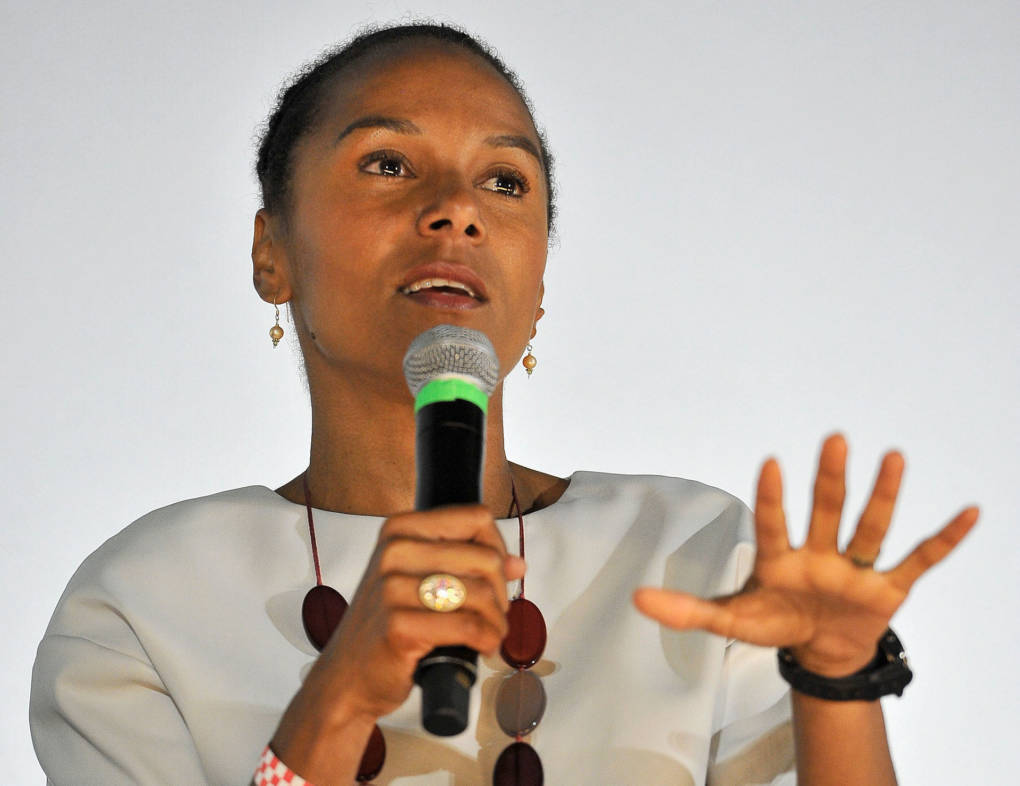
"caption": "Facebook Global Head of Diversity Maxine Williams.",
"description": "Facebook Global Head of Diversity Maxine Williams.",
"title": "MaxineW",
"credit": "Steve Jennings/Getty Images",
"status": "inherit",
"isLoading": false,
"fetchFailed": false
},
"news_11679959": {
"type": "attachments",
"id": "news_11679959",
"meta": {
"index": "attachments_1716263798",
"site": "news",
"id": "11679959",
"found": true
},
"parent": 11679947,
"imgSizes": {
"small": {
"file": "https://ww2.kqed.org/app/uploads/sites/10/2018/07/IMG_1299-520x390.jpg",
"width": 520,
"mimeType": "image/jpeg",
"height": 390
},
"twentyfourteen-full-width": {
"file": "https://ww2.kqed.org/app/uploads/sites/10/2018/07/IMG_1299-1038x576.jpg",
"width": 1038,
"mimeType": "image/jpeg",
"height": 576
},
"thumbnail": {
"file": "https://ww2.kqed.org/app/uploads/sites/10/2018/07/IMG_1299-160x120.jpg",
"width": 160,
"mimeType": "image/jpeg",
"height": 120
},
"fd-sm": {
"file": "https://ww2.kqed.org/app/uploads/sites/10/2018/07/IMG_1299-960x720.jpg",
"width": 960,
"mimeType": "image/jpeg",
"height": 720
},
"post-thumbnail": {
"file": "https://ww2.kqed.org/app/uploads/sites/10/2018/07/IMG_1299-672x372.jpg",
"width": 672,
"mimeType": "image/jpeg",
"height": 372
},
"xsmall": {
"file": "https://ww2.kqed.org/app/uploads/sites/10/2018/07/IMG_1299-375x281.jpg",
"width": 375,
"mimeType": "image/jpeg",
"height": 281
},
"kqedFullSize": {
"file": "https://ww2.kqed.org/app/uploads/sites/10/2018/07/IMG_1299-e1531328102370.jpg",
"width": 1920,
"height": 1440
},
"large": {
"file": "https://ww2.kqed.org/app/uploads/sites/10/2018/07/IMG_1299-1020x765.jpg",
"width": 1020,
"mimeType": "image/jpeg",
"height": 765
},
"xlarge": {
"file": "https://ww2.kqed.org/app/uploads/sites/10/2018/07/IMG_1299-1180x885.jpg",
"width": 1180,
"mimeType": "image/jpeg",
"height": 885
},
"complete_open_graph": {
"file": "https://ww2.kqed.org/app/uploads/sites/10/2018/07/IMG_1299-1200x900.jpg",
"width": 1200,
"mimeType": "image/jpeg",
"height": 900
},
"guest-author-50": {
"file": "https://ww2.kqed.org/app/uploads/sites/10/2018/07/IMG_1299-50x50.jpg",
"width": 50,
"mimeType": "image/jpeg",
"height": 50
},
"guest-author-96": {
"file": "https://ww2.kqed.org/app/uploads/sites/10/2018/07/IMG_1299-96x96.jpg",
"width": 96,
"mimeType": "image/jpeg",
"height": 96
},
"medium": {
"file": "https://ww2.kqed.org/app/uploads/sites/10/2018/07/IMG_1299-800x600.jpg",
"width": 800,
"mimeType": "image/jpeg",
"height": 600
},
"guest-author-64": {
"file": "https://ww2.kqed.org/app/uploads/sites/10/2018/07/IMG_1299-64x64.jpg",
"width": 64,
"mimeType": "image/jpeg",
"height": 64
},
"guest-author-32": {
"file": "https://ww2.kqed.org/app/uploads/sites/10/2018/07/IMG_1299-32x32.jpg",
"width": 32,
"mimeType": "image/jpeg",
"height": 32
},
"fd-lrg": {
"file": "https://ww2.kqed.org/app/uploads/sites/10/2018/07/IMG_1299-1920x1440.jpg",
"width": 1920,
"mimeType": "image/jpeg",
"height": 1440
},
"fd-med": {
"file": "https://ww2.kqed.org/app/uploads/sites/10/2018/07/IMG_1299-1180x885.jpg",
"width": 1180,
"mimeType": "image/jpeg",
"height": 885
},
"full-width": {
"file": "https://ww2.kqed.org/app/uploads/sites/10/2018/07/IMG_1299-1920x1440.jpg",
"width": 1920,
"mimeType": "image/jpeg",
"height": 1440
},
"detail": {
"file": "https://ww2.kqed.org/app/uploads/sites/10/2018/07/IMG_1299-150x150.jpg",
"width": 150,
"mimeType": "image/jpeg",
"height": 150
},
"guest-author-128": {
"file": "https://ww2.kqed.org/app/uploads/sites/10/2018/07/IMG_1299-128x128.jpg",
"width": 128,
"mimeType": "image/jpeg",
"height": 128
},
"xxsmall": {
"file": "https://ww2.kqed.org/app/uploads/sites/10/2018/07/IMG_1299-240x180.jpg",
"width": 240,
"mimeType": "image/jpeg",
"height": 180
}
},
"publishDate": 1531279817,
"modified": 1531632129,
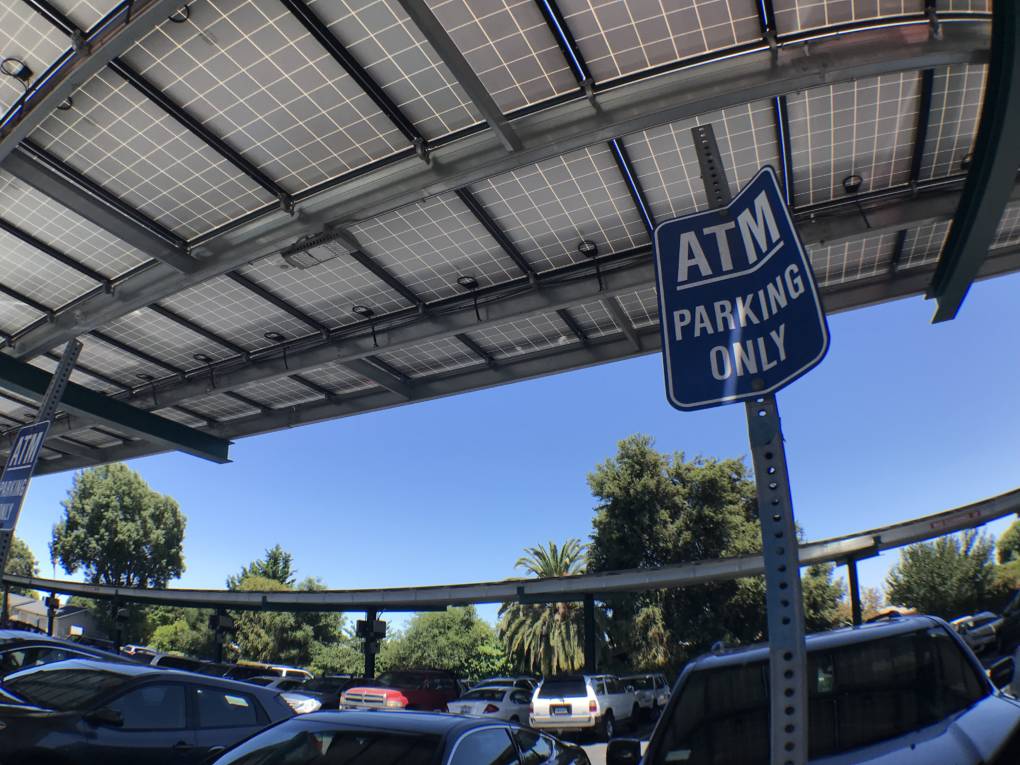
"caption": "Parking sign for an ATM near East Palo Alto Government Center.",
"description": "Parking sign for an ATM near East Palo Alto Government Center.",
"title": "East Palo Alto only has one major bank ATM and a credit union",
"credit": "Tonya Mosley/KQED",
"status": "inherit",
"isLoading": false,
"fetchFailed": false
},
"news_11679372": {
"type": "attachments",
"id": "news_11679372",
"meta": {
"index": "attachments_1716263798",
"site": "news",
"id": "11679372",
"found": true
},
"parent": 11679302,
"imgSizes": {
"small": {
"file": "https://ww2.kqed.org/app/uploads/sites/10/2018/07/coding-1841550_960_720-520x347.jpg",
"width": 520,
"mimeType": "image/jpeg",
"height": 347
},
"twentyfourteen-full-width": {
"file": "https://ww2.kqed.org/app/uploads/sites/10/2018/07/coding-1841550_960_720-960x576.jpg",
"width": 960,
"mimeType": "image/jpeg",
"height": 576
},
"thumbnail": {
"file": "https://ww2.kqed.org/app/uploads/sites/10/2018/07/coding-1841550_960_720-160x107.jpg",
"width": 160,
"mimeType": "image/jpeg",
"height": 107
},
"fd-sm": {
"file": "https://ww2.kqed.org/app/uploads/sites/10/2018/07/coding-1841550_960_720-960x640.jpg",
"width": 960,
"mimeType": "image/jpeg",
"height": 640
},
"post-thumbnail": {
"file": "https://ww2.kqed.org/app/uploads/sites/10/2018/07/coding-1841550_960_720-672x372.jpg",
"width": 672,
"mimeType": "image/jpeg",
"height": 372
},
"xsmall": {
"file": "https://ww2.kqed.org/app/uploads/sites/10/2018/07/coding-1841550_960_720-375x250.jpg",
"width": 375,
"mimeType": "image/jpeg",
"height": 250
},
"kqedFullSize": {
"file": "https://ww2.kqed.org/app/uploads/sites/10/2018/07/coding-1841550_960_720.jpg",
"width": 960,
"height": 640
},
"guest-author-50": {
"file": "https://ww2.kqed.org/app/uploads/sites/10/2018/07/coding-1841550_960_720-50x50.jpg",
"width": 50,
"mimeType": "image/jpeg",
"height": 50
},
"guest-author-96": {
"file": "https://ww2.kqed.org/app/uploads/sites/10/2018/07/coding-1841550_960_720-96x96.jpg",
"width": 96,
"mimeType": "image/jpeg",
"height": 96
},
"medium": {
"file": "https://ww2.kqed.org/app/uploads/sites/10/2018/07/coding-1841550_960_720-800x533.jpg",
"width": 800,
"mimeType": "image/jpeg",
"height": 533
},
"guest-author-64": {
"file": "https://ww2.kqed.org/app/uploads/sites/10/2018/07/coding-1841550_960_720-64x64.jpg",
"width": 64,
"mimeType": "image/jpeg",
"height": 64
},
"guest-author-32": {
"file": "https://ww2.kqed.org/app/uploads/sites/10/2018/07/coding-1841550_960_720-32x32.jpg",
"width": 32,
"mimeType": "image/jpeg",
"height": 32
},
"detail": {
"file": "https://ww2.kqed.org/app/uploads/sites/10/2018/07/coding-1841550_960_720-150x150.jpg",
"width": 150,
"mimeType": "image/jpeg",
"height": 150
},
"guest-author-128": {
"file": "https://ww2.kqed.org/app/uploads/sites/10/2018/07/coding-1841550_960_720-128x128.jpg",
"width": 128,
"mimeType": "image/jpeg",
"height": 128
},
"xxsmall": {
"file": "https://ww2.kqed.org/app/uploads/sites/10/2018/07/coding-1841550_960_720-240x160.jpg",
"width": 240,
"mimeType": "image/jpeg",
"height": 160
}
},
"publishDate": 1530918685,
"modified": 1530922842,
"caption": "A growing number of tech workers are mobilizing and exploring the idea of organizing. ",
"description": "A growing number of tech workers are mobilizing and exploring the idea of organizing. ",
"title": "coding-1841550_960_720",
"credit": "Creative Commons",
"status": "inherit",
"isLoading": false,
"fetchFailed": false
},
"news_11679157": {
"type": "attachments",
"id": "news_11679157",
"meta": {
"index": "attachments_1716263798",
"site": "news",
"id": "11679157",
"found": true
},
"parent": 11679154,
"imgSizes": {
"small": {
"file": "https://ww2.kqed.org/app/uploads/sites/10/2018/07/GettyImages-925015072-520x346.jpg",
"width": 520,
"mimeType": "image/jpeg",
"height": 346
},
"twentyfourteen-full-width": {
"file": "https://ww2.kqed.org/app/uploads/sites/10/2018/07/GettyImages-925015072-1038x576.jpg",
"width": 1038,
"mimeType": "image/jpeg",
"height": 576
},
"thumbnail": {
"file": "https://ww2.kqed.org/app/uploads/sites/10/2018/07/GettyImages-925015072-160x107.jpg",
"width": 160,
"mimeType": "image/jpeg",
"height": 107
},
"fd-sm": {
"file": "https://ww2.kqed.org/app/uploads/sites/10/2018/07/GettyImages-925015072-960x640.jpg",
"width": 960,
"mimeType": "image/jpeg",
"height": 640
},
"post-thumbnail": {
"file": "https://ww2.kqed.org/app/uploads/sites/10/2018/07/GettyImages-925015072-672x372.jpg",
"width": 672,
"mimeType": "image/jpeg",
"height": 372
},
"xsmall": {
"file": "https://ww2.kqed.org/app/uploads/sites/10/2018/07/GettyImages-925015072-375x250.jpg",
"width": 375,
"mimeType": "image/jpeg",
"height": 250
},
"kqedFullSize": {
"file": "https://ww2.kqed.org/app/uploads/sites/10/2018/07/GettyImages-925015072-e1530822631821.jpg",
"width": 1920,
"height": 1279
},
"large": {
"file": "https://ww2.kqed.org/app/uploads/sites/10/2018/07/GettyImages-925015072-1020x680.jpg",
"width": 1020,
"mimeType": "image/jpeg",
"height": 680
},
"xlarge": {
"file": "https://ww2.kqed.org/app/uploads/sites/10/2018/07/GettyImages-925015072-1180x786.jpg",
"width": 1180,
"mimeType": "image/jpeg",
"height": 786
},
"complete_open_graph": {
"file": "https://ww2.kqed.org/app/uploads/sites/10/2018/07/GettyImages-925015072-1200x800.jpg",
"width": 1200,
"mimeType": "image/jpeg",
"height": 800
},
"guest-author-50": {
"file": "https://ww2.kqed.org/app/uploads/sites/10/2018/07/GettyImages-925015072-50x50.jpg",
"width": 50,
"mimeType": "image/jpeg",
"height": 50
},
"guest-author-96": {
"file": "https://ww2.kqed.org/app/uploads/sites/10/2018/07/GettyImages-925015072-96x96.jpg",
"width": 96,
"mimeType": "image/jpeg",
"height": 96
},
"medium": {
"file": "https://ww2.kqed.org/app/uploads/sites/10/2018/07/GettyImages-925015072-800x533.jpg",
"width": 800,
"mimeType": "image/jpeg",
"height": 533
},
"guest-author-64": {
"file": "https://ww2.kqed.org/app/uploads/sites/10/2018/07/GettyImages-925015072-64x64.jpg",
"width": 64,
"mimeType": "image/jpeg",
"height": 64
},
"guest-author-32": {
"file": "https://ww2.kqed.org/app/uploads/sites/10/2018/07/GettyImages-925015072-32x32.jpg",
"width": 32,
"mimeType": "image/jpeg",
"height": 32
},
"fd-lrg": {
"file": "https://ww2.kqed.org/app/uploads/sites/10/2018/07/GettyImages-925015072-1920x1279.jpg",
"width": 1920,
"mimeType": "image/jpeg",
"height": 1279
},
"fd-med": {
"file": "https://ww2.kqed.org/app/uploads/sites/10/2018/07/GettyImages-925015072-1180x786.jpg",
"width": 1180,
"mimeType": "image/jpeg",
"height": 786
},
"full-width": {
"file": "https://ww2.kqed.org/app/uploads/sites/10/2018/07/GettyImages-925015072-1920x1279.jpg",
"width": 1920,
"mimeType": "image/jpeg",
"height": 1279
},
"detail": {
"file": "https://ww2.kqed.org/app/uploads/sites/10/2018/07/GettyImages-925015072-150x150.jpg",
"width": 150,
"mimeType": "image/jpeg",
"height": 150
},
"guest-author-128": {
"file": "https://ww2.kqed.org/app/uploads/sites/10/2018/07/GettyImages-925015072-128x128.jpg",
"width": 128,
"mimeType": "image/jpeg",
"height": 128
},
"xxsmall": {
"file": "https://ww2.kqed.org/app/uploads/sites/10/2018/07/GettyImages-925015072-240x160.jpg",
"width": 240,
"mimeType": "image/jpeg",
"height": 160
}
},
"publishDate": 1530822593,
"modified": 1530831865,
"caption": "Proponents of an open and unregulated internet attend a press conference at the U.S. Capitol on Feb. 27, 2018, in Washington, D.C.",
"description": "Proponents of an open and unregulated internet attend a news conference at the U.S. Capitol February 27, 2018 in Washington, DC.",
"title": "Democratic Senators Hold News Conf. In Support Of Net Neutrality Day Of Action",
"credit": "Win McNamee/Getty Images",
"status": "inherit",
"isLoading": false,
"fetchFailed": false
},
"news_11678262": {
"type": "attachments",
"id": "news_11678262",
"meta": {
"index": "attachments_1716263798",
"site": "news",
"id": "11678262",
"found": true
},
"parent": 11678225,
"imgSizes": {
"small": {
"file": "https://ww2.kqed.org/app/uploads/sites/10/2018/06/facebook-1084449_1920-520x390.jpg",
"width": 520,
"mimeType": "image/jpeg",
"height": 390
},
"twentyfourteen-full-width": {
"file": "https://ww2.kqed.org/app/uploads/sites/10/2018/06/facebook-1084449_1920-1038x576.jpg",
"width": 1038,
"mimeType": "image/jpeg",
"height": 576
},
"thumbnail": {
"file": "https://ww2.kqed.org/app/uploads/sites/10/2018/06/facebook-1084449_1920-160x120.jpg",
"width": 160,
"mimeType": "image/jpeg",
"height": 120
},
"fd-sm": {
"file": "https://ww2.kqed.org/app/uploads/sites/10/2018/06/facebook-1084449_1920-960x720.jpg",
"width": 960,
"mimeType": "image/jpeg",
"height": 720
},
"post-thumbnail": {
"file": "https://ww2.kqed.org/app/uploads/sites/10/2018/06/facebook-1084449_1920-672x372.jpg",
"width": 672,
"mimeType": "image/jpeg",
"height": 372
},
"xsmall": {
"file": "https://ww2.kqed.org/app/uploads/sites/10/2018/06/facebook-1084449_1920-375x281.jpg",
"width": 375,
"mimeType": "image/jpeg",
"height": 281
},
"kqedFullSize": {
"file": "https://ww2.kqed.org/app/uploads/sites/10/2018/06/facebook-1084449_1920.jpg",
"width": 1920,
"height": 1440
},
"large": {
"file": "https://ww2.kqed.org/app/uploads/sites/10/2018/06/facebook-1084449_1920-1020x765.jpg",
"width": 1020,
"mimeType": "image/jpeg",
"height": 765
},
"xlarge": {
"file": "https://ww2.kqed.org/app/uploads/sites/10/2018/06/facebook-1084449_1920-1180x885.jpg",
"width": 1180,
"mimeType": "image/jpeg",
"height": 885
},
"complete_open_graph": {
"file": "https://ww2.kqed.org/app/uploads/sites/10/2018/06/facebook-1084449_1920-1200x900.jpg",
"width": 1200,
"mimeType": "image/jpeg",
"height": 900
},
"guest-author-50": {
"file": "https://ww2.kqed.org/app/uploads/sites/10/2018/06/facebook-1084449_1920-50x50.jpg",
"width": 50,
"mimeType": "image/jpeg",
"height": 50
},
"guest-author-96": {
"file": "https://ww2.kqed.org/app/uploads/sites/10/2018/06/facebook-1084449_1920-96x96.jpg",
"width": 96,
"mimeType": "image/jpeg",
"height": 96
},
"medium": {
"file": "https://ww2.kqed.org/app/uploads/sites/10/2018/06/facebook-1084449_1920-800x600.jpg",
"width": 800,
"mimeType": "image/jpeg",
"height": 600
},
"guest-author-64": {
"file": "https://ww2.kqed.org/app/uploads/sites/10/2018/06/facebook-1084449_1920-64x64.jpg",
"width": 64,
"mimeType": "image/jpeg",
"height": 64
},
"guest-author-32": {
"file": "https://ww2.kqed.org/app/uploads/sites/10/2018/06/facebook-1084449_1920-32x32.jpg",
"width": 32,
"mimeType": "image/jpeg",
"height": 32
},
"fd-lrg": {
"file": "https://ww2.kqed.org/app/uploads/sites/10/2018/06/facebook-1084449_1920-1920x1440.jpg",
"width": 1920,
"mimeType": "image/jpeg",
"height": 1440
},
"fd-med": {
"file": "https://ww2.kqed.org/app/uploads/sites/10/2018/06/facebook-1084449_1920-1180x885.jpg",
"width": 1180,
"mimeType": "image/jpeg",
"height": 885
},
"full-width": {
"file": "https://ww2.kqed.org/app/uploads/sites/10/2018/06/facebook-1084449_1920-1920x1440.jpg",
"width": 1920,
"mimeType": "image/jpeg",
"height": 1440
},
"detail": {
"file": "https://ww2.kqed.org/app/uploads/sites/10/2018/06/facebook-1084449_1920-150x150.jpg",
"width": 150,
"mimeType": "image/jpeg",
"height": 150
},
"guest-author-128": {
"file": "https://ww2.kqed.org/app/uploads/sites/10/2018/06/facebook-1084449_1920-128x128.jpg",
"width": 128,
"mimeType": "image/jpeg",
"height": 128
},
"xxsmall": {
"file": "https://ww2.kqed.org/app/uploads/sites/10/2018/06/facebook-1084449_1920-240x180.jpg",
"width": 240,
"mimeType": "image/jpeg",
"height": 180
}
},
"publishDate": 1530307205,
"modified": 1530319969,
"caption": null,
"description": null,
"title": "facebook",
"credit": "Pixabay",
"status": "inherit",
"isLoading": false,
"fetchFailed": false
},
"news_11677578": {
"type": "attachments",
"id": "news_11677578",
"meta": {
"index": "attachments_1716263798",
"site": "news",
"id": "11677578",
"found": true
},
"parent": 11677573,
"imgSizes": {
"small": {
"file": "https://ww2.kqed.org/app/uploads/sites/10/2018/06/DuplexCall-520x390.jpg",
"width": 520,
"mimeType": "image/jpeg",
"height": 390
},
"twentyfourteen-full-width": {
"file": "https://ww2.kqed.org/app/uploads/sites/10/2018/06/DuplexCall-1038x576.jpg",
"width": 1038,
"mimeType": "image/jpeg",
"height": 576
},
"thumbnail": {
"file": "https://ww2.kqed.org/app/uploads/sites/10/2018/06/DuplexCall-160x120.jpg",
"width": 160,
"mimeType": "image/jpeg",
"height": 120
},
"fd-sm": {
"file": "https://ww2.kqed.org/app/uploads/sites/10/2018/06/DuplexCall-960x720.jpg",
"width": 960,
"mimeType": "image/jpeg",
"height": 720
},
"post-thumbnail": {
"file": "https://ww2.kqed.org/app/uploads/sites/10/2018/06/DuplexCall-672x372.jpg",
"width": 672,
"mimeType": "image/jpeg",
"height": 372
},
"xsmall": {
"file": "https://ww2.kqed.org/app/uploads/sites/10/2018/06/DuplexCall-375x281.jpg",
"width": 375,
"mimeType": "image/jpeg",
"height": 281
},
"kqedFullSize": {
"file": "https://ww2.kqed.org/app/uploads/sites/10/2018/06/DuplexCall-e1530135383104.jpg",
"width": 1920,
"height": 1440
},
"large": {
"file": "https://ww2.kqed.org/app/uploads/sites/10/2018/06/DuplexCall-1020x765.jpg",
"width": 1020,
"mimeType": "image/jpeg",
"height": 765
},
"xlarge": {
"file": "https://ww2.kqed.org/app/uploads/sites/10/2018/06/DuplexCall-1180x885.jpg",
"width": 1180,
"mimeType": "image/jpeg",
"height": 885
},
"complete_open_graph": {
"file": "https://ww2.kqed.org/app/uploads/sites/10/2018/06/DuplexCall-1200x900.jpg",
"width": 1200,
"mimeType": "image/jpeg",
"height": 900
},
"guest-author-50": {
"file": "https://ww2.kqed.org/app/uploads/sites/10/2018/06/DuplexCall-50x50.jpg",
"width": 50,
"mimeType": "image/jpeg",
"height": 50
},
"guest-author-96": {
"file": "https://ww2.kqed.org/app/uploads/sites/10/2018/06/DuplexCall-96x96.jpg",
"width": 96,
"mimeType": "image/jpeg",
"height": 96
},
"medium": {
"file": "https://ww2.kqed.org/app/uploads/sites/10/2018/06/DuplexCall-800x600.jpg",
"width": 800,
"mimeType": "image/jpeg",
"height": 600
},
"guest-author-64": {
"file": "https://ww2.kqed.org/app/uploads/sites/10/2018/06/DuplexCall-64x64.jpg",
"width": 64,
"mimeType": "image/jpeg",
"height": 64
},
"guest-author-32": {
"file": "https://ww2.kqed.org/app/uploads/sites/10/2018/06/DuplexCall-32x32.jpg",
"width": 32,
"mimeType": "image/jpeg",
"height": 32
},
"fd-lrg": {
"file": "https://ww2.kqed.org/app/uploads/sites/10/2018/06/DuplexCall-1920x1440.jpg",
"width": 1920,
"mimeType": "image/jpeg",
"height": 1440
},
"fd-med": {
"file": "https://ww2.kqed.org/app/uploads/sites/10/2018/06/DuplexCall-1180x885.jpg",
"width": 1180,
"mimeType": "image/jpeg",
"height": 885
},
"full-width": {
"file": "https://ww2.kqed.org/app/uploads/sites/10/2018/06/DuplexCall-1920x1440.jpg",
"width": 1920,
"mimeType": "image/jpeg",
"height": 1440
},
"detail": {
"file": "https://ww2.kqed.org/app/uploads/sites/10/2018/06/DuplexCall-150x150.jpg",
"width": 150,
"mimeType": "image/jpeg",
"height": 150
},
"guest-author-128": {
"file": "https://ww2.kqed.org/app/uploads/sites/10/2018/06/DuplexCall-128x128.jpg",
"width": 128,
"mimeType": "image/jpeg",
"height": 128
},
"xxsmall": {
"file": "https://ww2.kqed.org/app/uploads/sites/10/2018/06/DuplexCall-240x180.jpg",
"width": 240,
"mimeType": "image/jpeg",
"height": 180
}
},
"publishDate": 1530107192,
"modified": 1530138543,
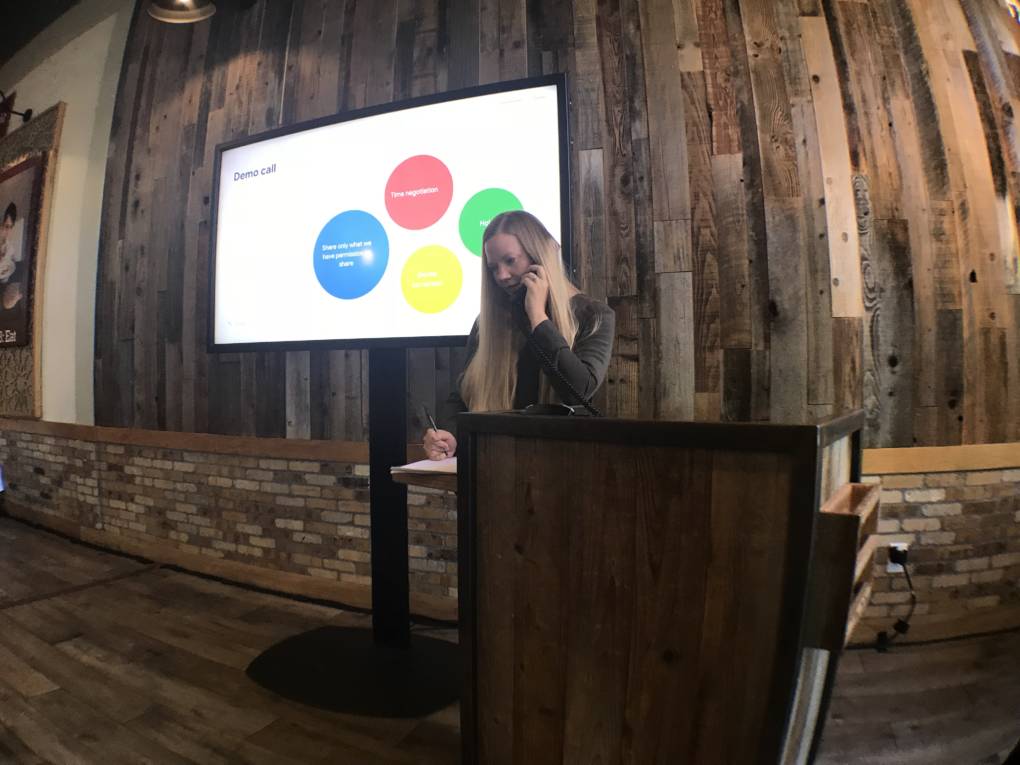
"caption": "Google Duplex demo call at Oren's Hummus Shop in Mountain View, California.",
"description": null,
"title": "Google Duplex Demo Call",
"credit": "Tonya Mosley/KQED",
"status": "inherit",
"isLoading": false,
"fetchFailed": false
},
"news_11676508": {
"type": "attachments",
"id": "news_11676508",
"meta": {
"index": "attachments_1716263798",
"site": "news",
"id": "11676508",
"found": true
},
"parent": 11676475,
"imgSizes": {
"small": {
"file": "https://ww2.kqed.org/app/uploads/sites/10/2018/06/RS30395_GettyImages-944387228-qut-520x363.jpg",
"width": 520,
"mimeType": "image/jpeg",
"height": 363
},
"twentyfourteen-full-width": {
"file": "https://ww2.kqed.org/app/uploads/sites/10/2018/06/RS30395_GettyImages-944387228-qut-1038x576.jpg",
"width": 1038,
"mimeType": "image/jpeg",
"height": 576
},
"thumbnail": {
"file": "https://ww2.kqed.org/app/uploads/sites/10/2018/06/RS30395_GettyImages-944387228-qut-160x112.jpg",
"width": 160,
"mimeType": "image/jpeg",
"height": 112
},
"fd-sm": {
"file": "https://ww2.kqed.org/app/uploads/sites/10/2018/06/RS30395_GettyImages-944387228-qut-960x671.jpg",
"width": 960,
"mimeType": "image/jpeg",
"height": 671
},
"post-thumbnail": {
"file": "https://ww2.kqed.org/app/uploads/sites/10/2018/06/RS30395_GettyImages-944387228-qut-672x372.jpg",
"width": 672,
"mimeType": "image/jpeg",
"height": 372
},
"xsmall": {
"file": "https://ww2.kqed.org/app/uploads/sites/10/2018/06/RS30395_GettyImages-944387228-qut-375x262.jpg",
"width": 375,
"mimeType": "image/jpeg",
"height": 262
},
"kqedFullSize": {
"file": "https://ww2.kqed.org/app/uploads/sites/10/2018/06/RS30395_GettyImages-944387228-qut.jpg",
"width": 1920,
"height": 1342
},
"large": {
"file": "https://ww2.kqed.org/app/uploads/sites/10/2018/06/RS30395_GettyImages-944387228-qut-1020x713.jpg",
"width": 1020,
"mimeType": "image/jpeg",
"height": 713
},
"xlarge": {
"file": "https://ww2.kqed.org/app/uploads/sites/10/2018/06/RS30395_GettyImages-944387228-qut-1180x825.jpg",
"width": 1180,
"mimeType": "image/jpeg",
"height": 825
},
"complete_open_graph": {
"file": "https://ww2.kqed.org/app/uploads/sites/10/2018/06/RS30395_GettyImages-944387228-qut-1200x839.jpg",
"width": 1200,
"mimeType": "image/jpeg",
"height": 839
},
"guest-author-50": {
"file": "https://ww2.kqed.org/app/uploads/sites/10/2018/06/RS30395_GettyImages-944387228-qut-50x50.jpg",
"width": 50,
"mimeType": "image/jpeg",
"height": 50
},
"guest-author-96": {
"file": "https://ww2.kqed.org/app/uploads/sites/10/2018/06/RS30395_GettyImages-944387228-qut-96x96.jpg",
"width": 96,
"mimeType": "image/jpeg",
"height": 96
},
"medium": {
"file": "https://ww2.kqed.org/app/uploads/sites/10/2018/06/RS30395_GettyImages-944387228-qut-800x559.jpg",
"width": 800,
"mimeType": "image/jpeg",
"height": 559
},
"guest-author-64": {
"file": "https://ww2.kqed.org/app/uploads/sites/10/2018/06/RS30395_GettyImages-944387228-qut-64x64.jpg",
"width": 64,
"mimeType": "image/jpeg",
"height": 64
},
"guest-author-32": {
"file": "https://ww2.kqed.org/app/uploads/sites/10/2018/06/RS30395_GettyImages-944387228-qut-32x32.jpg",
"width": 32,
"mimeType": "image/jpeg",
"height": 32
},
"fd-lrg": {
"file": "https://ww2.kqed.org/app/uploads/sites/10/2018/06/RS30395_GettyImages-944387228-qut-1920x1342.jpg",
"width": 1920,
"mimeType": "image/jpeg",
"height": 1342
},
"fd-med": {
"file": "https://ww2.kqed.org/app/uploads/sites/10/2018/06/RS30395_GettyImages-944387228-qut-1180x825.jpg",
"width": 1180,
"mimeType": "image/jpeg",
"height": 825
},
"full-width": {
"file": "https://ww2.kqed.org/app/uploads/sites/10/2018/06/RS30395_GettyImages-944387228-qut-1920x1342.jpg",
"width": 1920,
"mimeType": "image/jpeg",
"height": 1342
},
"detail": {
"file": "https://ww2.kqed.org/app/uploads/sites/10/2018/06/RS30395_GettyImages-944387228-qut-150x150.jpg",
"width": 150,
"mimeType": "image/jpeg",
"height": 150
},
"guest-author-128": {
"file": "https://ww2.kqed.org/app/uploads/sites/10/2018/06/RS30395_GettyImages-944387228-qut-128x128.jpg",
"width": 128,
"mimeType": "image/jpeg",
"height": 128
},
"xxsmall": {
"file": "https://ww2.kqed.org/app/uploads/sites/10/2018/06/RS30395_GettyImages-944387228-qut-240x168.jpg",
"width": 240,
"mimeType": "image/jpeg",
"height": 168
}
},
"publishDate": 1529690926,
"modified": 1529963803,
"caption": "Facebook CEO Mark Zuckerberg apologized to U.S. lawmakers for the leak of personal data in April. The leak helped fuel interest in ballot measure to protect consumer privacy.",
"description": "Facebook CEO Mark Zuckerberg apologized to US lawmakers for the leak of personal data in April. The leak helped fuel interest in ballot measure to protect consumer privacy.",
"title": "US-internet-Facebook",
"credit": "SAUL LOEB/AFP/Getty Images",
"status": "inherit",
"isLoading": false,
"fetchFailed": false
},
"news_11676715": {
"type": "attachments",
"id": "news_11676715",
"meta": {
"index": "attachments_1716263798",
"site": "news",
"id": "11676715",
"found": true
},
"parent": 11676561,
"imgSizes": {
"small": {
"file": "https://ww2.kqed.org/app/uploads/sites/10/2018/06/RS31535_Photo-Jun-21-11-31-19-AM-qut-520x390.jpg",
"width": 520,
"mimeType": "image/jpeg",
"height": 390
},
"twentyfourteen-full-width": {
"file": "https://ww2.kqed.org/app/uploads/sites/10/2018/06/RS31535_Photo-Jun-21-11-31-19-AM-qut-1038x576.jpg",
"width": 1038,
"mimeType": "image/jpeg",
"height": 576
},
"thumbnail": {
"file": "https://ww2.kqed.org/app/uploads/sites/10/2018/06/RS31535_Photo-Jun-21-11-31-19-AM-qut-160x120.jpg",
"width": 160,
"mimeType": "image/jpeg",
"height": 120
},
"fd-sm": {
"file": "https://ww2.kqed.org/app/uploads/sites/10/2018/06/RS31535_Photo-Jun-21-11-31-19-AM-qut-960x720.jpg",
"width": 960,
"mimeType": "image/jpeg",
"height": 720
},
"post-thumbnail": {
"file": "https://ww2.kqed.org/app/uploads/sites/10/2018/06/RS31535_Photo-Jun-21-11-31-19-AM-qut-672x372.jpg",
"width": 672,
"mimeType": "image/jpeg",
"height": 372
},
"xsmall": {
"file": "https://ww2.kqed.org/app/uploads/sites/10/2018/06/RS31535_Photo-Jun-21-11-31-19-AM-qut-375x281.jpg",
"width": 375,
"mimeType": "image/jpeg",
"height": 281
},
"kqedFullSize": {
"file": "https://ww2.kqed.org/app/uploads/sites/10/2018/06/RS31535_Photo-Jun-21-11-31-19-AM-qut.jpg",
"width": 1920,
"height": 1440
},
"large": {
"file": "https://ww2.kqed.org/app/uploads/sites/10/2018/06/RS31535_Photo-Jun-21-11-31-19-AM-qut-1020x765.jpg",
"width": 1020,
"mimeType": "image/jpeg",
"height": 765
},
"xlarge": {
"file": "https://ww2.kqed.org/app/uploads/sites/10/2018/06/RS31535_Photo-Jun-21-11-31-19-AM-qut-1180x885.jpg",
"width": 1180,
"mimeType": "image/jpeg",
"height": 885
},
"complete_open_graph": {
"file": "https://ww2.kqed.org/app/uploads/sites/10/2018/06/RS31535_Photo-Jun-21-11-31-19-AM-qut-1200x900.jpg",
"width": 1200,
"mimeType": "image/jpeg",
"height": 900
},
"guest-author-50": {
"file": "https://ww2.kqed.org/app/uploads/sites/10/2018/06/RS31535_Photo-Jun-21-11-31-19-AM-qut-50x50.jpg",
"width": 50,
"mimeType": "image/jpeg",
"height": 50
},
"guest-author-96": {
"file": "https://ww2.kqed.org/app/uploads/sites/10/2018/06/RS31535_Photo-Jun-21-11-31-19-AM-qut-96x96.jpg",
"width": 96,
"mimeType": "image/jpeg",
"height": 96
},
"medium": {
"file": "https://ww2.kqed.org/app/uploads/sites/10/2018/06/RS31535_Photo-Jun-21-11-31-19-AM-qut-800x600.jpg",
"width": 800,
"mimeType": "image/jpeg",
"height": 600
},
"guest-author-64": {
"file": "https://ww2.kqed.org/app/uploads/sites/10/2018/06/RS31535_Photo-Jun-21-11-31-19-AM-qut-64x64.jpg",
"width": 64,
"mimeType": "image/jpeg",
"height": 64
},
"guest-author-32": {
"file": "https://ww2.kqed.org/app/uploads/sites/10/2018/06/RS31535_Photo-Jun-21-11-31-19-AM-qut-32x32.jpg",
"width": 32,
"mimeType": "image/jpeg",
"height": 32
},
"fd-lrg": {
"file": "https://ww2.kqed.org/app/uploads/sites/10/2018/06/RS31535_Photo-Jun-21-11-31-19-AM-qut-1920x1440.jpg",
"width": 1920,
"mimeType": "image/jpeg",
"height": 1440
},
"fd-med": {
"file": "https://ww2.kqed.org/app/uploads/sites/10/2018/06/RS31535_Photo-Jun-21-11-31-19-AM-qut-1180x885.jpg",
"width": 1180,
"mimeType": "image/jpeg",
"height": 885
},
"full-width": {
"file": "https://ww2.kqed.org/app/uploads/sites/10/2018/06/RS31535_Photo-Jun-21-11-31-19-AM-qut-1920x1440.jpg",
"width": 1920,
"mimeType": "image/jpeg",
"height": 1440
},
"detail": {
"file": "https://ww2.kqed.org/app/uploads/sites/10/2018/06/RS31535_Photo-Jun-21-11-31-19-AM-qut-150x150.jpg",
"width": 150,
"mimeType": "image/jpeg",
"height": 150
},
"guest-author-128": {
"file": "https://ww2.kqed.org/app/uploads/sites/10/2018/06/RS31535_Photo-Jun-21-11-31-19-AM-qut-128x128.jpg",
"width": 128,
"mimeType": "image/jpeg",
"height": 128
},
"xxsmall": {
"file": "https://ww2.kqed.org/app/uploads/sites/10/2018/06/RS31535_Photo-Jun-21-11-31-19-AM-qut-240x180.jpg",
"width": 240,
"mimeType": "image/jpeg",
"height": 180
}
},
"publishDate": 1529712561,
"modified": 1529712583,
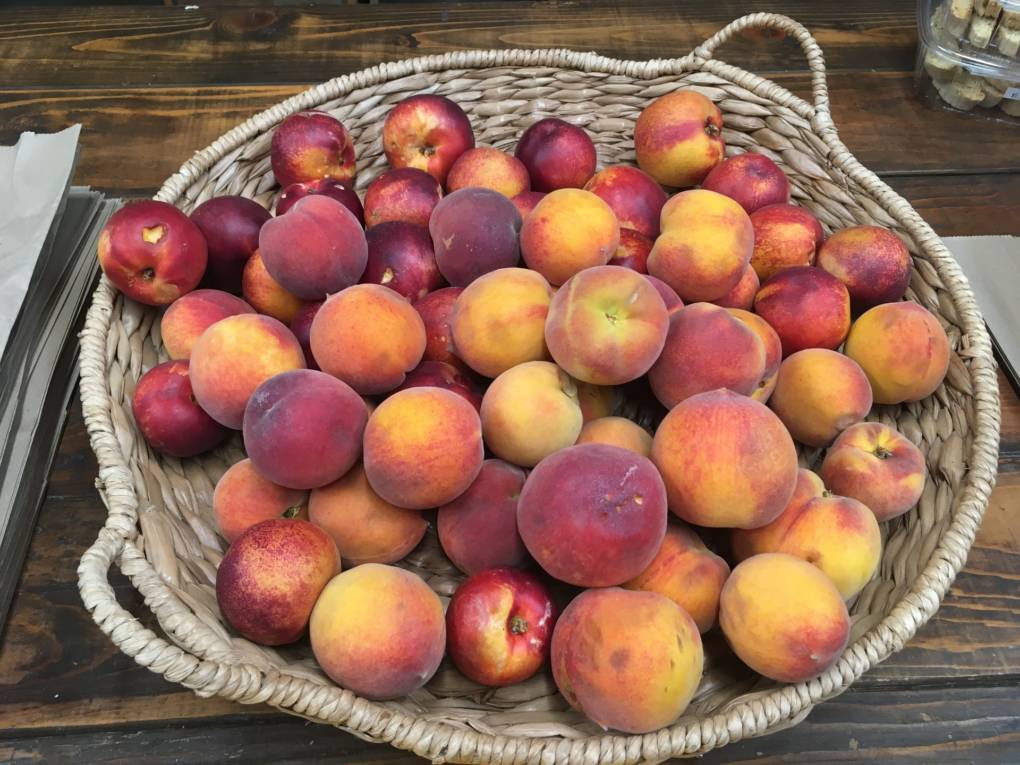
"caption": "Ostensibly \"ugly\" fruit, meaning peaches and nectarines with bruises and scars from Andy's Orchard in Morgan Hill. This reporter can attest they taste delicious.",
"description": "Ostensibly \"ugly\" fruit, meaning peaches and nectarines with bruises and scars from Andy's Orchard in Morgan Hill. This reporter can attest they taste delicious.",
"title": "RS31535_Photo Jun 21, 11 31 19 AM-qut",
"credit": "Rachael Myrow/KQED",
"status": "inherit",
"isLoading": false,
"fetchFailed": false
},
"futureofyou_442998": {
"type": "attachments",
"id": "futureofyou_442998",
"meta": {
"index": "attachments_1716263798",
"site": "futureofyou",
"id": "442998",
"found": true
},
"parent": 442997,
"imgSizes": {
"small": {
"file": "https://ww2.kqed.org/app/uploads/sites/13/2018/06/ap_17326610471272_wide-519efff92bfd94acf28bc67cc68a4e25d1e79d9c-520x292.jpg",
"width": 520,
"mimeType": "image/jpeg",
"height": 292
},
"twentyfourteen-full-width": {
"file": "https://ww2.kqed.org/app/uploads/sites/13/2018/06/ap_17326610471272_wide-519efff92bfd94acf28bc67cc68a4e25d1e79d9c-1038x576.jpg",
"width": 1038,
"mimeType": "image/jpeg",
"height": 576
},
"thumbnail": {
"file": "https://ww2.kqed.org/app/uploads/sites/13/2018/06/ap_17326610471272_wide-519efff92bfd94acf28bc67cc68a4e25d1e79d9c-160x90.jpg",
"width": 160,
"mimeType": "image/jpeg",
"height": 90
},
"fd-sm": {
"file": "https://ww2.kqed.org/app/uploads/sites/13/2018/06/ap_17326610471272_wide-519efff92bfd94acf28bc67cc68a4e25d1e79d9c-960x540.jpg",
"width": 960,
"mimeType": "image/jpeg",
"height": 540
},
"post-thumbnail": {
"file": "https://ww2.kqed.org/app/uploads/sites/13/2018/06/ap_17326610471272_wide-519efff92bfd94acf28bc67cc68a4e25d1e79d9c-672x372.jpg",
"width": 672,
"mimeType": "image/jpeg",
"height": 372
},
"xsmall": {
"file": "https://ww2.kqed.org/app/uploads/sites/13/2018/06/ap_17326610471272_wide-519efff92bfd94acf28bc67cc68a4e25d1e79d9c-375x211.jpg",
"width": 375,
"mimeType": "image/jpeg",
"height": 211
},
"kqedFullSize": {
"file": "https://ww2.kqed.org/app/uploads/sites/13/2018/06/ap_17326610471272_wide-519efff92bfd94acf28bc67cc68a4e25d1e79d9c.jpg",
"width": 3000,
"height": 1687
},
"large": {
"file": "https://ww2.kqed.org/app/uploads/sites/13/2018/06/ap_17326610471272_wide-519efff92bfd94acf28bc67cc68a4e25d1e79d9c-1020x574.jpg",
"width": 1020,
"mimeType": "image/jpeg",
"height": 574
},
"xlarge": {
"file": "https://ww2.kqed.org/app/uploads/sites/13/2018/06/ap_17326610471272_wide-519efff92bfd94acf28bc67cc68a4e25d1e79d9c-1180x664.jpg",
"width": 1180,
"mimeType": "image/jpeg",
"height": 664
},
"complete_open_graph": {
"file": "https://ww2.kqed.org/app/uploads/sites/13/2018/06/ap_17326610471272_wide-519efff92bfd94acf28bc67cc68a4e25d1e79d9c-1200x675.jpg",
"width": 1200,
"mimeType": "image/jpeg",
"height": 675
},
"guest-author-50": {
"file": "https://ww2.kqed.org/app/uploads/sites/13/2018/06/ap_17326610471272_wide-519efff92bfd94acf28bc67cc68a4e25d1e79d9c-50x50.jpg",
"width": 50,
"mimeType": "image/jpeg",
"height": 50
},
"guest-author-96": {
"file": "https://ww2.kqed.org/app/uploads/sites/13/2018/06/ap_17326610471272_wide-519efff92bfd94acf28bc67cc68a4e25d1e79d9c-96x96.jpg",
"width": 96,
"mimeType": "image/jpeg",
"height": 96
},
"medium": {
"file": "https://ww2.kqed.org/app/uploads/sites/13/2018/06/ap_17326610471272_wide-519efff92bfd94acf28bc67cc68a4e25d1e79d9c-800x450.jpg",
"width": 800,
"mimeType": "image/jpeg",
"height": 450
},
"guest-author-64": {
"file": "https://ww2.kqed.org/app/uploads/sites/13/2018/06/ap_17326610471272_wide-519efff92bfd94acf28bc67cc68a4e25d1e79d9c-64x64.jpg",
"width": 64,
"mimeType": "image/jpeg",
"height": 64
},
"guest-author-32": {
"file": "https://ww2.kqed.org/app/uploads/sites/13/2018/06/ap_17326610471272_wide-519efff92bfd94acf28bc67cc68a4e25d1e79d9c-32x32.jpg",
"width": 32,
"mimeType": "image/jpeg",
"height": 32
},
"fd-lrg": {
"file": "https://ww2.kqed.org/app/uploads/sites/13/2018/06/ap_17326610471272_wide-519efff92bfd94acf28bc67cc68a4e25d1e79d9c-1920x1080.jpg",
"width": 1920,
"mimeType": "image/jpeg",
"height": 1080
},
"fd-med": {
"file": "https://ww2.kqed.org/app/uploads/sites/13/2018/06/ap_17326610471272_wide-519efff92bfd94acf28bc67cc68a4e25d1e79d9c-1180x664.jpg",
"width": 1180,
"mimeType": "image/jpeg",
"height": 664
},
"full-width": {
"file": "https://ww2.kqed.org/app/uploads/sites/13/2018/06/ap_17326610471272_wide-519efff92bfd94acf28bc67cc68a4e25d1e79d9c-1920x1080.jpg",
"width": 1920,
"mimeType": "image/jpeg",
"height": 1080
},
"detail": {
"file": "https://ww2.kqed.org/app/uploads/sites/13/2018/06/ap_17326610471272_wide-519efff92bfd94acf28bc67cc68a4e25d1e79d9c-150x150.jpg",
"width": 150,
"mimeType": "image/jpeg",
"height": 150
},
"medium_large": {
"file": "https://ww2.kqed.org/app/uploads/sites/13/2018/06/ap_17326610471272_wide-519efff92bfd94acf28bc67cc68a4e25d1e79d9c-768x432.jpg",
"width": 768,
"mimeType": "image/jpeg",
"height": 432
},
"guest-author-128": {
"file": "https://ww2.kqed.org/app/uploads/sites/13/2018/06/ap_17326610471272_wide-519efff92bfd94acf28bc67cc68a4e25d1e79d9c-128x128.jpg",
"width": 128,
"mimeType": "image/jpeg",
"height": 128
},
"xxsmall": {
"file": "https://ww2.kqed.org/app/uploads/sites/13/2018/06/ap_17326610471272_wide-519efff92bfd94acf28bc67cc68a4e25d1e79d9c-240x135.jpg",
"width": 240,
"mimeType": "image/jpeg",
"height": 135
}
},
"publishDate": 1529685365,
"modified": 1529685365,
"caption": null,
"description": "An iPhone seen in Washington. The Supreme Court ruled that police need a warrant to track location information through cellphones.",
"title": "An iPhone seen in Washington. The Supreme Court ruled that police need a warrant to track location information through cellphones.",
"credit": null,
"status": "inherit",
"isLoading": false,
"fetchFailed": false
},
"news_11675780": {
"type": "attachments",
"id": "news_11675780",
"meta": {
"index": "attachments_1716263798",
"site": "news",
"id": "11675780",
"found": true
},
"parent": 11675763,
"imgSizes": {
"small": {
"file": "https://ww2.kqed.org/app/uploads/sites/10/2018/06/26508946447_34c8e9b8d6_k-520x390.jpg",
"width": 520,
"mimeType": "image/jpeg",
"height": 390
},
"twentyfourteen-full-width": {
"file": "https://ww2.kqed.org/app/uploads/sites/10/2018/06/26508946447_34c8e9b8d6_k-1038x576.jpg",
"width": 1038,
"mimeType": "image/jpeg",
"height": 576
},
"thumbnail": {
"file": "https://ww2.kqed.org/app/uploads/sites/10/2018/06/26508946447_34c8e9b8d6_k-160x120.jpg",
"width": 160,
"mimeType": "image/jpeg",
"height": 120
},
"fd-sm": {
"file": "https://ww2.kqed.org/app/uploads/sites/10/2018/06/26508946447_34c8e9b8d6_k-960x720.jpg",
"width": 960,
"mimeType": "image/jpeg",
"height": 720
},
"post-thumbnail": {
"file": "https://ww2.kqed.org/app/uploads/sites/10/2018/06/26508946447_34c8e9b8d6_k-672x372.jpg",
"width": 672,
"mimeType": "image/jpeg",
"height": 372
},
"xsmall": {
"file": "https://ww2.kqed.org/app/uploads/sites/10/2018/06/26508946447_34c8e9b8d6_k-375x281.jpg",
"width": 375,
"mimeType": "image/jpeg",
"height": 281
},
"kqedFullSize": {
"file": "https://ww2.kqed.org/app/uploads/sites/10/2018/06/26508946447_34c8e9b8d6_k-e1529426346544.jpg",
"width": 1920,
"height": 1440
},
"large": {
"file": "https://ww2.kqed.org/app/uploads/sites/10/2018/06/26508946447_34c8e9b8d6_k-1020x765.jpg",
"width": 1020,
"mimeType": "image/jpeg",
"height": 765
},
"xlarge": {
"file": "https://ww2.kqed.org/app/uploads/sites/10/2018/06/26508946447_34c8e9b8d6_k-1180x885.jpg",
"width": 1180,
"mimeType": "image/jpeg",
"height": 885
},
"complete_open_graph": {
"file": "https://ww2.kqed.org/app/uploads/sites/10/2018/06/26508946447_34c8e9b8d6_k-1200x900.jpg",
"width": 1200,
"mimeType": "image/jpeg",
"height": 900
},
"guest-author-50": {
"file": "https://ww2.kqed.org/app/uploads/sites/10/2018/06/26508946447_34c8e9b8d6_k-50x50.jpg",
"width": 50,
"mimeType": "image/jpeg",
"height": 50
},
"guest-author-96": {
"file": "https://ww2.kqed.org/app/uploads/sites/10/2018/06/26508946447_34c8e9b8d6_k-96x96.jpg",
"width": 96,
"mimeType": "image/jpeg",
"height": 96
},
"medium": {
"file": "https://ww2.kqed.org/app/uploads/sites/10/2018/06/26508946447_34c8e9b8d6_k-800x600.jpg",
"width": 800,
"mimeType": "image/jpeg",
"height": 600
},
"guest-author-64": {
"file": "https://ww2.kqed.org/app/uploads/sites/10/2018/06/26508946447_34c8e9b8d6_k-64x64.jpg",
"width": 64,
"mimeType": "image/jpeg",
"height": 64
},
"guest-author-32": {
"file": "https://ww2.kqed.org/app/uploads/sites/10/2018/06/26508946447_34c8e9b8d6_k-32x32.jpg",
"width": 32,
"mimeType": "image/jpeg",
"height": 32
},
"fd-lrg": {
"file": "https://ww2.kqed.org/app/uploads/sites/10/2018/06/26508946447_34c8e9b8d6_k-1920x1440.jpg",
"width": 1920,
"mimeType": "image/jpeg",
"height": 1440
},
"fd-med": {
"file": "https://ww2.kqed.org/app/uploads/sites/10/2018/06/26508946447_34c8e9b8d6_k-1180x885.jpg",
"width": 1180,
"mimeType": "image/jpeg",
"height": 885
},
"full-width": {
"file": "https://ww2.kqed.org/app/uploads/sites/10/2018/06/26508946447_34c8e9b8d6_k-1920x1440.jpg",
"width": 1920,
"mimeType": "image/jpeg",
"height": 1440
},
"detail": {
"file": "https://ww2.kqed.org/app/uploads/sites/10/2018/06/26508946447_34c8e9b8d6_k-150x150.jpg",
"width": 150,
"mimeType": "image/jpeg",
"height": 150
},
"guest-author-128": {
"file": "https://ww2.kqed.org/app/uploads/sites/10/2018/06/26508946447_34c8e9b8d6_k-128x128.jpg",
"width": 128,
"mimeType": "image/jpeg",
"height": 128
},
"xxsmall": {
"file": "https://ww2.kqed.org/app/uploads/sites/10/2018/06/26508946447_34c8e9b8d6_k-240x180.jpg",
"width": 240,
"mimeType": "image/jpeg",
"height": 180
}
},
"publishDate": 1529426287,
"modified": 1529426337,
"caption": "A LimeBike scooter parked on San Francisco's New Montgomery Street in April. ",
"description": null,
"title": "Scooters",
"credit": "Dan Brekke/KQED",
"status": "inherit",
"isLoading": false,
"fetchFailed": false
},
"news_11673255": {
"type": "attachments",
"id": "news_11673255",
"meta": {
"index": "attachments_1716263798",
"site": "news",
"id": "11673255",
"found": true
},
"parent": 11673252,
"imgSizes": {
"small": {
"file": "https://ww2.kqed.org/app/uploads/sites/10/2018/06/HelpSign-520x390.jpg",
"width": 520,
"mimeType": "image/jpeg",
"height": 390
},
"twentyfourteen-full-width": {
"file": "https://ww2.kqed.org/app/uploads/sites/10/2018/06/HelpSign-1038x576.jpg",
"width": 1038,
"mimeType": "image/jpeg",
"height": 576
},
"thumbnail": {
"file": "https://ww2.kqed.org/app/uploads/sites/10/2018/06/HelpSign-160x120.jpg",
"width": 160,
"mimeType": "image/jpeg",
"height": 120
},
"fd-sm": {
"file": "https://ww2.kqed.org/app/uploads/sites/10/2018/06/HelpSign-960x720.jpg",
"width": 960,
"mimeType": "image/jpeg",
"height": 720
},
"post-thumbnail": {
"file": "https://ww2.kqed.org/app/uploads/sites/10/2018/06/HelpSign-672x372.jpg",
"width": 672,
"mimeType": "image/jpeg",
"height": 372
},
"xsmall": {
"file": "https://ww2.kqed.org/app/uploads/sites/10/2018/06/HelpSign-375x281.jpg",
"width": 375,
"mimeType": "image/jpeg",
"height": 281
},
"kqedFullSize": {
"file": "https://ww2.kqed.org/app/uploads/sites/10/2018/06/HelpSign.jpg",
"width": 4032,
"height": 3024
},
"large": {
"file": "https://ww2.kqed.org/app/uploads/sites/10/2018/06/HelpSign-1020x765.jpg",
"width": 1020,
"mimeType": "image/jpeg",
"height": 765
},
"xlarge": {
"file": "https://ww2.kqed.org/app/uploads/sites/10/2018/06/HelpSign-1180x885.jpg",
"width": 1180,
"mimeType": "image/jpeg",
"height": 885
},
"complete_open_graph": {
"file": "https://ww2.kqed.org/app/uploads/sites/10/2018/06/HelpSign-1200x900.jpg",
"width": 1200,
"mimeType": "image/jpeg",
"height": 900
},
"guest-author-50": {
"file": "https://ww2.kqed.org/app/uploads/sites/10/2018/06/HelpSign-50x50.jpg",
"width": 50,
"mimeType": "image/jpeg",
"height": 50
},
"guest-author-96": {
"file": "https://ww2.kqed.org/app/uploads/sites/10/2018/06/HelpSign-96x96.jpg",
"width": 96,
"mimeType": "image/jpeg",
"height": 96
},
"medium": {
"file": "https://ww2.kqed.org/app/uploads/sites/10/2018/06/HelpSign-800x600.jpg",
"width": 800,
"mimeType": "image/jpeg",
"height": 600
},
"guest-author-64": {
"file": "https://ww2.kqed.org/app/uploads/sites/10/2018/06/HelpSign-64x64.jpg",
"width": 64,
"mimeType": "image/jpeg",
"height": 64
},
"guest-author-32": {
"file": "https://ww2.kqed.org/app/uploads/sites/10/2018/06/HelpSign-32x32.jpg",
"width": 32,
"mimeType": "image/jpeg",
"height": 32
},
"fd-lrg": {
"file": "https://ww2.kqed.org/app/uploads/sites/10/2018/06/HelpSign-1920x1440.jpg",
"width": 1920,
"mimeType": "image/jpeg",
"height": 1440
},
"fd-med": {
"file": "https://ww2.kqed.org/app/uploads/sites/10/2018/06/HelpSign-1180x885.jpg",
"width": 1180,
"mimeType": "image/jpeg",
"height": 885
},
"full-width": {
"file": "https://ww2.kqed.org/app/uploads/sites/10/2018/06/HelpSign-1920x1440.jpg",
"width": 1920,
"mimeType": "image/jpeg",
"height": 1440
},
"detail": {
"file": "https://ww2.kqed.org/app/uploads/sites/10/2018/06/HelpSign-150x150.jpg",
"width": 150,
"mimeType": "image/jpeg",
"height": 150
},
"guest-author-128": {
"file": "https://ww2.kqed.org/app/uploads/sites/10/2018/06/HelpSign-128x128.jpg",
"width": 128,
"mimeType": "image/jpeg",
"height": 128
},
"xxsmall": {
"file": "https://ww2.kqed.org/app/uploads/sites/10/2018/06/HelpSign-240x180.jpg",
"width": 240,
"mimeType": "image/jpeg",
"height": 180
}
},
"publishDate": 1528332961,
"modified": 1529346495,
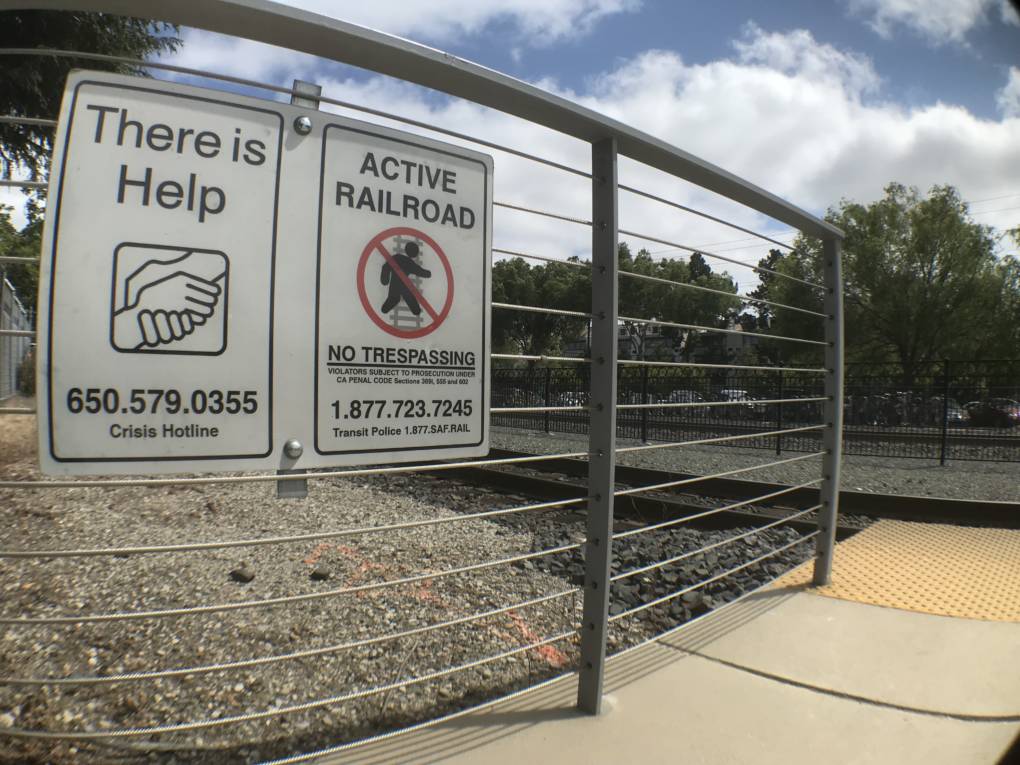
"caption": "A suicide helpline sign by the Caltrain tracks.",
"description": "A suicide helpline sign by the Caltrain tracks.",
"title": "HelpSign",
"credit": "Tonya Mosley/KQED",
"status": "inherit",
"isLoading": false,
"fetchFailed": false
},
"news_11675509": {
"type": "attachments",
"id": "news_11675509",
"meta": {
"index": "attachments_1716263798",
"site": "news",
"id": "11675509",
"found": true
},
"parent": 11675508,
"imgSizes": {
"small": {
"file": "https://ww2.kqed.org/app/uploads/sites/10/2018/06/voting-in-Maine_wide-c95e76f3e1cada72138ed31d3ed229e573c9bc31-520x292.jpg",
"width": 520,
"mimeType": "image/jpeg",
"height": 292
},
"twentyfourteen-full-width": {
"file": "https://ww2.kqed.org/app/uploads/sites/10/2018/06/voting-in-Maine_wide-c95e76f3e1cada72138ed31d3ed229e573c9bc31-1038x576.jpg",
"width": 1038,
"mimeType": "image/jpeg",
"height": 576
},
"thumbnail": {
"file": "https://ww2.kqed.org/app/uploads/sites/10/2018/06/voting-in-Maine_wide-c95e76f3e1cada72138ed31d3ed229e573c9bc31-160x90.jpg",
"width": 160,
"mimeType": "image/jpeg",
"height": 90
},
"fd-sm": {
"file": "https://ww2.kqed.org/app/uploads/sites/10/2018/06/voting-in-Maine_wide-c95e76f3e1cada72138ed31d3ed229e573c9bc31-960x540.jpg",
"width": 960,
"mimeType": "image/jpeg",
"height": 540
},
"post-thumbnail": {
"file": "https://ww2.kqed.org/app/uploads/sites/10/2018/06/voting-in-Maine_wide-c95e76f3e1cada72138ed31d3ed229e573c9bc31-672x372.jpg",
"width": 672,
"mimeType": "image/jpeg",
"height": 372
},
"xsmall": {
"file": "https://ww2.kqed.org/app/uploads/sites/10/2018/06/voting-in-Maine_wide-c95e76f3e1cada72138ed31d3ed229e573c9bc31-375x211.jpg",
"width": 375,
"mimeType": "image/jpeg",
"height": 211
},
"kqedFullSize": {
"file": "https://ww2.kqed.org/app/uploads/sites/10/2018/06/voting-in-Maine_wide-c95e76f3e1cada72138ed31d3ed229e573c9bc31.jpg",
"width": 4058,
"height": 2282
},
"large": {
"file": "https://ww2.kqed.org/app/uploads/sites/10/2018/06/voting-in-Maine_wide-c95e76f3e1cada72138ed31d3ed229e573c9bc31-1020x574.jpg",
"width": 1020,
"mimeType": "image/jpeg",
"height": 574
},
"xlarge": {
"file": "https://ww2.kqed.org/app/uploads/sites/10/2018/06/voting-in-Maine_wide-c95e76f3e1cada72138ed31d3ed229e573c9bc31-1180x664.jpg",
"width": 1180,
"mimeType": "image/jpeg",
"height": 664
},
"complete_open_graph": {
"file": "https://ww2.kqed.org/app/uploads/sites/10/2018/06/voting-in-Maine_wide-c95e76f3e1cada72138ed31d3ed229e573c9bc31-1200x675.jpg",
"width": 1200,
"mimeType": "image/jpeg",
"height": 675
},
"guest-author-50": {
"file": "https://ww2.kqed.org/app/uploads/sites/10/2018/06/voting-in-Maine_wide-c95e76f3e1cada72138ed31d3ed229e573c9bc31-50x50.jpg",
"width": 50,
"mimeType": "image/jpeg",
"height": 50
},
"guest-author-96": {
"file": "https://ww2.kqed.org/app/uploads/sites/10/2018/06/voting-in-Maine_wide-c95e76f3e1cada72138ed31d3ed229e573c9bc31-96x96.jpg",
"width": 96,
"mimeType": "image/jpeg",
"height": 96
},
"medium": {
"file": "https://ww2.kqed.org/app/uploads/sites/10/2018/06/voting-in-Maine_wide-c95e76f3e1cada72138ed31d3ed229e573c9bc31-800x450.jpg",
"width": 800,
"mimeType": "image/jpeg",
"height": 450
},
"guest-author-64": {
"file": "https://ww2.kqed.org/app/uploads/sites/10/2018/06/voting-in-Maine_wide-c95e76f3e1cada72138ed31d3ed229e573c9bc31-64x64.jpg",
"width": 64,
"mimeType": "image/jpeg",
"height": 64
},
"guest-author-32": {
"file": "https://ww2.kqed.org/app/uploads/sites/10/2018/06/voting-in-Maine_wide-c95e76f3e1cada72138ed31d3ed229e573c9bc31-32x32.jpg",
"width": 32,
"mimeType": "image/jpeg",
"height": 32
},
"fd-lrg": {
"file": "https://ww2.kqed.org/app/uploads/sites/10/2018/06/voting-in-Maine_wide-c95e76f3e1cada72138ed31d3ed229e573c9bc31-1920x1080.jpg",
"width": 1920,
"mimeType": "image/jpeg",
"height": 1080
},
"fd-med": {
"file": "https://ww2.kqed.org/app/uploads/sites/10/2018/06/voting-in-Maine_wide-c95e76f3e1cada72138ed31d3ed229e573c9bc31-1180x664.jpg",
"width": 1180,
"mimeType": "image/jpeg",
"height": 664
},
"full-width": {
"file": "https://ww2.kqed.org/app/uploads/sites/10/2018/06/voting-in-Maine_wide-c95e76f3e1cada72138ed31d3ed229e573c9bc31-1920x1080.jpg",
"width": 1920,
"mimeType": "image/jpeg",
"height": 1080
},
"detail": {
"file": "https://ww2.kqed.org/app/uploads/sites/10/2018/06/voting-in-Maine_wide-c95e76f3e1cada72138ed31d3ed229e573c9bc31-150x150.jpg",
"width": 150,
"mimeType": "image/jpeg",
"height": 150
},
"guest-author-128": {
"file": "https://ww2.kqed.org/app/uploads/sites/10/2018/06/voting-in-Maine_wide-c95e76f3e1cada72138ed31d3ed229e573c9bc31-128x128.jpg",
"width": 128,
"mimeType": "image/jpeg",
"height": 128
},
"xxsmall": {
"file": "https://ww2.kqed.org/app/uploads/sites/10/2018/06/voting-in-Maine_wide-c95e76f3e1cada72138ed31d3ed229e573c9bc31-240x135.jpg",
"width": 240,
"mimeType": "image/jpeg",
"height": 135
}
},
"publishDate": 1529338336,
"modified": 1529339634,
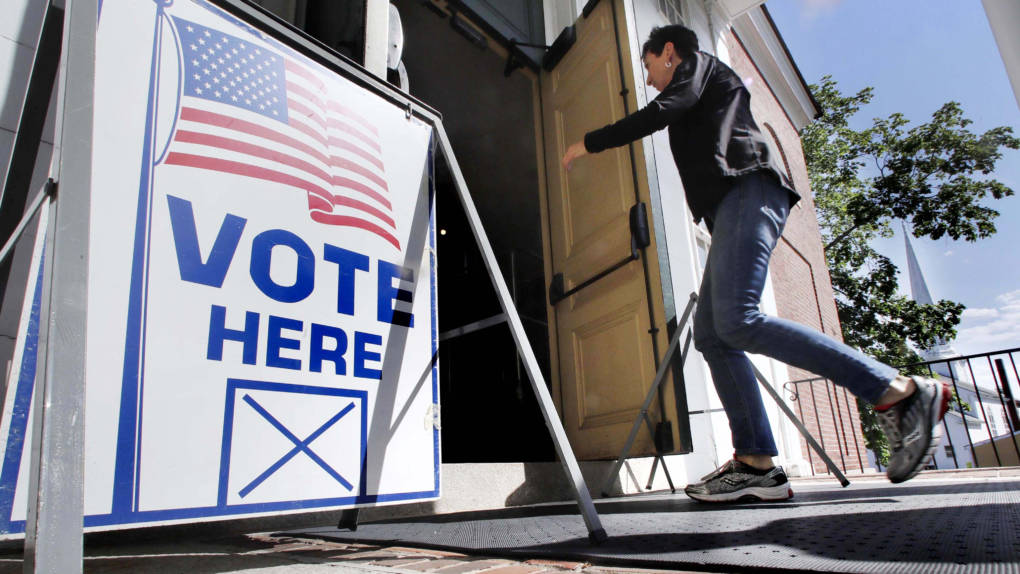
"caption": "A resident walks in to cast her vote at a polling station in Maine on June 12, in the state's primary elections. Maine is one of 17 states that has yet to apply for election security money allocated this year by congress.",
"description": "A resident walks in to cast her vote at a polling station in Maine on June 12, in the state's primary elections. Maine is one of 17 states that has yet to apply for election security money allocated this year by congress.",
"title": "A resident walks in to cast her vote at a polling station in Maine on June 12, in the state's primary elections. Maine is one of 17 states that has yet to apply for election security money allocated this year by congress.",
"credit": "Charles Krupa/AP",
"status": "inherit",
"isLoading": false,
"fetchFailed": false
}
},
"audioPlayerReducer": {
"postId": "stream_live",
"isPaused": true,
"isPlaying": false,
"pfsActive": false,
"pledgeModalIsOpen": true,
"playerDrawerIsOpen": false,
"liveAudioPlayStartedAt": 0,
"liveAudioPlayContext": ""
},
"authorsReducer": {
"byline_news_11679154": {
"type": "authors",
"id": "byline_news_11679154",
"meta": {
"override": true
},
"slug": "byline_news_11679154",
"name": "\u003cstrong>Jonathan J. Cooper \u003c/strong> \u003c/br>Associated Press",
"isLoading": false
},
"byline_futureofyou_442997": {
"type": "authors",
"id": "byline_futureofyou_442997",
"meta": {
"override": true
},
"slug": "byline_futureofyou_442997",
"name": "Nina Totenberg, NPR",
"isLoading": false
},
"byline_news_11675508": {
"type": "authors",
"id": "byline_news_11675508",
"meta": {
"override": true
},
"slug": "byline_news_11675508",
"name": "Miles Parks\u003cbr>\u003cstrong>\u003ca href=\"https://www.npr.org/people/395772167/miles-parks\">NPR\u003c/a>\u003c/strong>",
"isLoading": false
},
"danbrekke": {
"type": "authors",
"id": "222",
"meta": {
"index": "authors_1716337520",
"id": "222",
"found": true
},
"name": "Dan Brekke",
"firstName": "Dan",
"lastName": "Brekke",
"slug": "danbrekke",
"email": "dbrekke@kqed.org",
"display_author_email": true,
"staff_mastheads": [
"news",
"science"
],
"title": "KQED Editor and Reporter",
"bio": "Dan Brekke is a reporter and editor for KQED News, responsible for coverage of topics ranging from California water issues to the Bay Area's transportation challenges. In a newsroom career that began in Chicago in 1972, Dan has worked for \u003cem>The San Francisco Examiner,\u003c/em> Wired and TechTV and has been published in The New York Times, The New York Times Magazine, Business 2.0, Salon and elsewhere.\r\n\r\nSince joining KQED in 2007, Dan has reported, edited and produced both radio and online features and breaking news pieces. He has shared as both editor and reporter in four Society of Professional Journalists Norcal Excellence in Journalism awards and one Edward R. Murrow regional award. He was chosen for a spring 2017 residency at the Mesa Refuge to advance his research on California salmon.\r\n\r\nEmail Dan at: \u003ca href=\"mailto:dbrekke@kqed.org\">dbrekke@kqed.org\u003c/a>\r\n\r\n\u003cstrong>Twitter:\u003c/strong> \u003ca href=\"https://twitter.com/danbrekke\" rel=\"noopener noreferrer\">twitter.com/danbrekke\u003c/a>\r\n\u003cstrong>Facebook:\u003c/strong> \u003ca href=\"https://www.facebook.com/danbrekke\" rel=\"noopener noreferrer\">www.facebook.com/danbrekke\u003c/a>\r\n\u003cstrong>LinkedIn:\u003c/strong> \u003ca href=\"https://www.linkedin.com/in/danbrekke\" rel=\"noopener noreferrer\">www.linkedin.com/in/danbrekke\u003c/a>",
"avatar": "https://secure.gravatar.com/avatar/8f1f0d2a978fb3b23426c922c7e2af558fa36905b49c4ce76a97dc3c72d27226?s=600&d=mm&r=g",
"twitter": "danbrekke",
"bluesky": null,
"facebook": null,
"instagram": "https://www.instagram.com/dan.brekke/",
"linkedin": "https://www.linkedin.com/in/danbrekke/",
"sites": [
{
"site": "news",
"roles": [
"administrator",
"create_posts"
]
},
{
"site": "stateofhealth",
"roles": [
"editor"
]
},
{
"site": "science",
"roles": [
"editor"
]
},
{
"site": "quest",
"roles": [
"contributor"
]
},
{
"site": "food",
"roles": [
"contributor"
]
},
{
"site": "forum",
"roles": [
"contributor"
]
},
{
"site": "elections",
"roles": [
"editor"
]
},
{
"site": "liveblog",
"roles": [
"editor"
]
}
],
"headData": {
"title": "Dan Brekke | KQED",
"description": "KQED Editor and Reporter",
"ogImgSrc": "https://secure.gravatar.com/avatar/8f1f0d2a978fb3b23426c922c7e2af558fa36905b49c4ce76a97dc3c72d27226?s=600&d=mm&r=g",
"twImgSrc": "https://secure.gravatar.com/avatar/8f1f0d2a978fb3b23426c922c7e2af558fa36905b49c4ce76a97dc3c72d27226?s=600&d=mm&r=g"
},
"isLoading": false,
"link": "/author/danbrekke"
},
"rachael-myrow": {
"type": "authors",
"id": "251",
"meta": {
"index": "authors_1716337520",
"id": "251",
"found": true
},
"name": "Rachael Myrow",
"firstName": "Rachael",
"lastName": "Myrow",
"slug": "rachael-myrow",
"email": "rmyrow@kqed.org",
"display_author_email": true,
"staff_mastheads": [
"news"
],
"title": "Senior Editor of KQED's Silicon Valley News Desk",
"bio": "• I write and edit stories about how Silicon Valley power and policies shape everyday life in California. I’m also passionate about making Bay Area history and culture more accessible to a broad public. • I’ve been a journalist for most of my life, starting in high school with The Franklin Press in Los Angeles, where I grew up. While earning my first degree in English at UC Berkeley, I got my start in public radio at KALX-FM. After completing a second degree in journalism at Cal, I landed my first professional job at Marketplace, then moved on to KPCC (now LAist), and then KQED, where I hosted The California Report for more than seven years. • My reporting has appeared on NPR, The World, WBUR’s \u003ci>Here & Now\u003c/i>, and the BBC. I also guest host for KQED’s \u003ci>Forum\u003c/i>, as well as the Commonwealth Club in San Francisco. • I speak periodically on media, democracy and technology issues, and do voiceover work for documentaries and educational video projects. • Outside of the studio, you'll find me hiking Bay Area trails and whipping up Insta-ready meals in my kitchen. • I do not accept gifts, money, or favors from anyone connected to my reporting, I don't pay people for information, and I do not support or donate to political causes. • I strive to treat the people I report on with fairness, honesty, and respect. I also recognize there are often multiple sides to a story and work to verify information through multiple sources and documentation. If I get something wrong, I correct it.",
"avatar": "https://secure.gravatar.com/avatar/3ed8a3c5f26025e4a805ba634cda8cd764906b97438a6d9ce216b044e340da4e?s=600&d=blank&r=g",
"twitter": "rachaelmyrow",
"bluesky": null,
"facebook": null,
"instagram": null,
"linkedin": "https://www.linkedin.com/in/rachaelmyrow/",
"sites": [
{
"site": "arts",
"roles": [
"administrator"
]
},
{
"site": "news",
"roles": [
"edit_others_posts",
"editor"
]
},
{
"site": "futureofyou",
"roles": [
"editor"
]
},
{
"site": "bayareabites",
"roles": [
"editor"
]
},
{
"site": "stateofhealth",
"roles": [
"editor"
]
},
{
"site": "science",
"roles": [
"editor"
]
},
{
"site": "food",
"roles": [
"editor"
]
},
{
"site": "forum",
"roles": [
"editor"
]
},
{
"site": "liveblog",
"roles": [
"author"
]
}
],
"headData": {
"title": "Rachael Myrow | KQED",
"description": "Senior Editor of KQED's Silicon Valley News Desk",
"ogImgSrc": "https://secure.gravatar.com/avatar/3ed8a3c5f26025e4a805ba634cda8cd764906b97438a6d9ce216b044e340da4e?s=600&d=blank&r=g",
"twImgSrc": "https://secure.gravatar.com/avatar/3ed8a3c5f26025e4a805ba634cda8cd764906b97438a6d9ce216b044e340da4e?s=600&d=blank&r=g"
},
"isLoading": false,
"link": "/author/rachael-myrow"
},
"samharnett": {
"type": "authors",
"id": "253",
"meta": {
"index": "authors_1716337520",
"id": "253",
"found": true
},
"name": "Sam Harnett",
"firstName": "Sam",
"lastName": "Harnett",
"slug": "samharnett",
"email": "samharnett@gmail.com",
"display_author_email": false,
"staff_mastheads": [],
"title": "KQED Contributor",
"bio": "Sam Harnett covered tech and work at KQED. He is the co-creator of \u003cem>\u003ca href=\"http://www.theworldaccordingtosound.org\">The World According to Sound\u003c/a>,\u003c/em> a 90-second podcast that features different sounds and the stories behind them.\r\n\r\nBefore coming to KQED, Sam worked as an independent reporter who contributed regularly to \u003cem>The California Report, Marketplace,\u003c/em> \u003cem>The World \u003c/em>and NPR.",
"avatar": "https://secure.gravatar.com/avatar/2538b972ac02f2b9546c7a6c59a0f3d0?s=600&d=blank&r=g",
"twitter": "Samwharnett",
"facebook": null,
"instagram": null,
"linkedin": null,
"sites": [
{
"site": "news",
"roles": [
"edit_others_posts",
"subscriber"
]
},
{
"site": "stateofhealth",
"roles": [
"author"
]
},
{
"site": "science",
"roles": [
"editor"
]
},
{
"site": "quest",
"roles": [
"subscriber"
]
}
],
"headData": {
"title": "Sam Harnett | KQED",
"description": "KQED Contributor",
"ogImgSrc": "https://secure.gravatar.com/avatar/2538b972ac02f2b9546c7a6c59a0f3d0?s=600&d=blank&r=g",
"twImgSrc": "https://secure.gravatar.com/avatar/2538b972ac02f2b9546c7a6c59a0f3d0?s=600&d=blank&r=g"
},
"isLoading": false,
"link": "/author/samharnett"
},
"mlagos": {
"type": "authors",
"id": "3239",
"meta": {
"index": "authors_1716337520",
"id": "3239",
"found": true
},
"name": "Marisa Lagos",
"firstName": "Marisa",
"lastName": "Lagos",
"slug": "mlagos",
"email": "mlagos@kqed.org",
"display_author_email": false,
"staff_mastheads": [
"news"
],
"title": "KQED Contributor",
"bio": "Marisa Lagos is a correspondent for KQED’s California Politics and Government Desk and co-hosts the award-winning show and podcast, Political Breakdown. At KQED, Lagos also conducts reporting, analysis and investigations into state, local and national politics for radio, TV, online and onstage. In 2022, she and co-host, Scott Shafer, moderated the only gubernatorial debate in California. In 2020, the \u003ci>Washington Post\u003c/i> named her one of the top political journalists in California; she was nominated for a Peabody and won several other awards for her work investigating the 2017 California wildfires. She has worked at the \u003ci>San Francisco Chronicle\u003c/i>, \u003ci>San Francisco Examiner\u003c/i> and \u003ci>Los Angeles Times\u003c/i>. A UC Santa Barbara graduate, she lives in San Francisco with her two sons and husband.",
"avatar": "https://secure.gravatar.com/avatar/a261a0d3696fc066871ef96b85b5e7d2?s=600&d=blank&r=g",
"twitter": "@mlagos",
"facebook": null,
"instagram": null,
"linkedin": null,
"sites": [
{
"site": "arts",
"roles": [
"author"
]
},
{
"site": "news",
"roles": [
"editor"
]
},
{
"site": "science",
"roles": [
"editor"
]
},
{
"site": "forum",
"roles": [
"author"
]
},
{
"site": "liveblog",
"roles": [
"author"
]
}
],
"headData": {
"title": "Marisa Lagos | KQED",
"description": "KQED Contributor",
"ogImgSrc": "https://secure.gravatar.com/avatar/a261a0d3696fc066871ef96b85b5e7d2?s=600&d=blank&r=g",
"twImgSrc": "https://secure.gravatar.com/avatar/a261a0d3696fc066871ef96b85b5e7d2?s=600&d=blank&r=g"
},
"isLoading": false,
"link": "/author/mlagos"
},
"tmosley": {
"type": "authors",
"id": "11373",
"meta": {
"index": "authors_1716337520",
"id": "11373",
"found": true
},
"name": "Tonya Mosley",
"firstName": "Tonya",
"lastName": "Mosley",
"slug": "tmosley",
"email": "tmosley@kqed.org",
"display_author_email": false,
"staff_mastheads": [],
"title": "KQED Contributor",
"bio": "Tonya Mosley is a former Silicon Valley bureau chief for KQED. She served as the senior editor, leading a team of journalists covering the impacts of technology companies on the South Bay and society. Tonya is also a former host and reporter for KQED.\r\n\r\nPrior to KQED, Tonya served as a television reporter & anchor for several media outlets, including Al Jazeera America.\r\n\r\nIn 2015, Tonya was awarded a John S. Knight Journalism Fellowship at Stanford University where she co-created a workshop for journalists on the impacts of implicit bias, and co-wrote a Belgian/American experimental study on the effects of protest coverage.\r\n\r\nTonya has won several national awards for her work, most recently an Emmy Award in 2016 for her televised piece \"Beyond Ferguson,\" and a national Edward R. Murrow award for her public radio series \"Black in Seattle.\"\r\n\r\nYou can reach Tonya at: tmosley@kqed.org.",
"avatar": "https://secure.gravatar.com/avatar/0b2ea2bbfed6bafaacd21e9398c68e5e?s=600&d=blank&r=g",
"twitter": "tonyamosley",
"facebook": null,
"instagram": null,
"linkedin": null,
"sites": [
{
"site": "arts",
"roles": [
"editor"
]
},
{
"site": "news",
"roles": [
"subscriber"
]
},
{
"site": "about",
"roles": [
"author"
]
},
{
"site": "forum",
"roles": [
"author"
]
}
],
"headData": {
"title": "Tonya Mosley | KQED",
"description": "KQED Contributor",
"ogImgSrc": "https://secure.gravatar.com/avatar/0b2ea2bbfed6bafaacd21e9398c68e5e?s=600&d=blank&r=g",
"twImgSrc": "https://secure.gravatar.com/avatar/0b2ea2bbfed6bafaacd21e9398c68e5e?s=600&d=blank&r=g"
},
"isLoading": false,
"link": "/author/tmosley"
}
},
"pagesReducer": {
"news_category_technology": {
"type": "terms",
"id": "news_248",
"meta": {
"index": "terms_1716263798",
"site": "news",
"id": "248",
"score": 10.932037
},
"featImg": null,
"name": "Technology",
"description": null,
"taxonomy": "category",
"headData": {
"twImgId": null,
"twTitle": null,
"ogTitle": null,
"ogImgId": null,
"twDescription": null,
"description": null,
"title": "Technology Archives | KQED News",
"ogDescription": null
},
"ttid": 256,
"slug": "technology",
"isLoading": false,
"title": "Technology",
"pageMeta": {
"site": "news",
"WpPageTemplate": "page-topic-editorial",
"currentPage": 88
},
"blocks": [
{
"blockName": "kqed/post-list",
"attrs": {
"layout": "cardArticle2",
"query": "posts/news?category=technology",
"seeMore": false,
"paginated": true,
"page": 88
}
},
{
"blockName": "kqed/ad"
}
]
}
},
"pfsSessionReducer": {},
"postsReducer": {
"stream_live": {
"type": "live",
"id": "stream_live",
"audioUrl": "https://streams.kqed.org/kqedradio",
"title": "Live Stream",
"excerpt": "Live Stream information currently unavailable.",
"link": "/radio",
"featImg": "",
"label": {
"name": "KQED Live",
"link": "/"
}
},
"stream_kqedNewscast": {
"type": "posts",
"id": "stream_kqedNewscast",
"audioUrl": "https://www.kqed.org/.stream/anon/radio/RDnews/newscast.mp3?_=1",
"title": "KQED Newscast",
"featImg": "",
"label": {
"name": "88.5 FM",
"link": "/"
}
},
"news_11679941": {
"type": "posts",
"id": "news_11679941",
"meta": {
"index": "posts_1716263798",
"site": "news",
"id": "11679941",
"score": null,
"sort": [
1531409494000
]
},
"guestAuthors": [],
"slug": "facebook-diversity-chief-we-still-have-more-work-to-do",
"title": "Facebook Diversity Chief: 'We Still Have More Work To Do'",
"publishDate": 1531409494,
"format": "audio",
"headTitle": "Facebook Diversity Chief: ‘We Still Have More Work To Do’ | KQED",
"labelTerm": {
"term": 72,
"site": "news"
},
"content": "\u003cp>Facebook has released its fifth annual diversity report.\u003c/p>\n\u003cp>The upshot? Since 2014, there have been slight gains in the number of women in technical roles, up from 15 to 22 percent. During the same time period, the number of women in leadership roles has grown from 23 to 30 percent. Facebook also reports that within the last five years, the company has nearly doubled the number of women graduates hired in software engineering, from 16 to 30 percent.\u003c/p>\n\u003cp>However, when it comes to recruiting black and Hispanic talent in technical roles and leadership, Facebook remains flat.\u003c/p>\n\u003cp>“It’s a question of exposure and it’s a question of training. We know there is no deficit in ability,” says Maxine Williams, head of global diversity for Facebook.\u003c/p>\n\u003cfigure id=\"attachment_11679943\" class=\"wp-caption alignnone\" style=\"max-width: 800px\">\u003cimg loading=\"lazy\" decoding=\"async\" class=\"size-medium wp-image-11679943\" src=\"https://ww2.kqed.org/news/wp-content/uploads/sites/10/2018/07/FullSizeRender-2-800x599.jpg\" alt=\"Tonya Mosley of KQED, left, chats with Maxine Williams, head of global diversity at Facebook. The company's 2018 Diversity Report shows gains for women, but the workforce is still very white.\" width=\"800\" height=\"599\" srcset=\"https://cdn.kqed.org/wp-content/uploads/sites/10/2018/07/FullSizeRender-2-800x599.jpg 800w, https://cdn.kqed.org/wp-content/uploads/sites/10/2018/07/FullSizeRender-2-160x120.jpg 160w, https://cdn.kqed.org/wp-content/uploads/sites/10/2018/07/FullSizeRender-2-1020x764.jpg 1020w, https://cdn.kqed.org/wp-content/uploads/sites/10/2018/07/FullSizeRender-2-1200x899.jpg 1200w, https://cdn.kqed.org/wp-content/uploads/sites/10/2018/07/FullSizeRender-2-1920x1438.jpg 1920w, https://cdn.kqed.org/wp-content/uploads/sites/10/2018/07/FullSizeRender-2-1180x884.jpg 1180w, https://cdn.kqed.org/wp-content/uploads/sites/10/2018/07/FullSizeRender-2-960x719.jpg 960w, https://cdn.kqed.org/wp-content/uploads/sites/10/2018/07/FullSizeRender-2-240x180.jpg 240w, https://cdn.kqed.org/wp-content/uploads/sites/10/2018/07/FullSizeRender-2-375x281.jpg 375w, https://cdn.kqed.org/wp-content/uploads/sites/10/2018/07/FullSizeRender-2-520x389.jpg 520w\" sizes=\"(max-width: 800px) 100vw, 800px\">\u003cfigcaption class=\"wp-caption-text\">Tonya Mosley of KQED, left, chats with Maxine Williams, head of global diversity at Facebook. The company’s 2018 Diversity Report shows gains for women, but the workforce is still very white. \u003ccite>(Anthony Harrison)\u003c/cite>\u003c/figcaption>\u003c/figure>\n\u003cp>Williams says many colleges and universities, particularly historically black colleges, focus heavily on aspects of computer engineering that are not priorities for the company.\u003c/p>\n\u003cp>[ad fullwidth]\u003c/p>\n\u003cp>“What we look for are people who are very good in two specific subjects: data structures and algorithms,” says Williams. “I’ve been to many schools where they’re graduating 100 percent of people in their STEM subjects or even in computer science, but they they’re not teaching those subjects.”\u003c/p>\n\u003cp>Williams says Facebook has created several initiatives to combat this problem, including working with computer science professors as well as sending Facebook engineers to teach at historically black schools and historically Hispanic schools.\u003c/p>\n\u003cp>But critics like civil rights leader Jesse Jackson believe that what companies like Facebook need to do is change its diversity metrics.\u003c/p>\n\u003cp>“It’s time to take stock of what has been done; what has worked and what hasn’t,” wrote Jackson in a letter obtained by \u003ca href=\"https://www.usatoday.com/story/tech/2018/04/02/jesse-jackson-apple-amazon-facebook-google-redouble-diversity-efforts/474543002/\">USA Today\u003c/a> in April.\u003c/p>\n\u003cp>“Companies must set specific, quantifiable diversity and inclusion goals, targets and timetables. Without them, the ability to measure and be accountable for progress will be difficult,” Jackson wrote in the letter, which was addressed to Facebook, Amazon, Google and Apple.\u003c/p>\n\u003cp>Williams says Facebook is trying different ways to bring in and retain minority employees. One approach it’s using is making certain the company interviews candidates from diverse backgrounds for every opening.\u003c/p>\n\u003cp>“When you do something like that it creates a whole different muscle in your organization, where this becomes embedded as part of what we do.”\u003c/p>\n\u003cp>Williams says there is no magic number when it comes to determining if Facebook is diverse enough.\u003c/p>\n\u003cp>“We still have more work to do. We are so far away from the world’s representation — 87 percent or so of the people who use Facebook are not in North America,” Williams says. “Think about what the world looks like. It is such an incredibly diverse space. But what we have a responsibility to be is more diverse, more perspectives, more people who can reflect that diversity in the world.”\u003c/p>\n\u003cp>\u003c/p>\n\u003cp>Click \u003ca href=\"https://www.facebook.com/careers/diversity-report\">here \u003c/a>for a full look at Facebook’s 2018 Diversity Report.\u003c/p>\n\n",
"blocks": [],
"excerpt": "The company's latest diversity report finds slight gains in the number of women in technical roles. But when it comes to hiring black and Hispanic people in technical roles and leadership, Facebook continues to struggle.",
"status": "publish",
"parent": 0,
"modified": 1729029180,
"stats": {
"hasAudio": false,
"hasVideo": false,
"hasChartOrMap": false,
"iframeSrcs": [],
"hasGoogleForm": false,
"hasGallery": false,
"hasHearkenModule": false,
"hasPolis": false,
"paragraphCount": 17,
"wordCount": 548
},
"headData": {
"title": "Facebook Diversity Chief: 'We Still Have More Work To Do' | KQED",
"description": "The company's latest diversity report finds slight gains in the number of women in technical roles. But when it comes to hiring black and Hispanic people in technical roles and leadership, Facebook continues to struggle.",
"ogTitle": "",
"ogDescription": "",
"ogImgId": "",
"twTitle": "",
"twDescription": "",
"twImgId": "",
"schema": {
"@context": "https://schema.org",
"@type": "NewsArticle",
"headline": "Facebook Diversity Chief: 'We Still Have More Work To Do'",
"datePublished": "2018-07-12T08:31:34-07:00",
"dateModified": "2024-10-15T14:53:00-07:00",
"image": "https://cdn.kqed.org/wp-content/uploads/2020/02/KQED-OG-Image@1x.png",
"isAccessibleForFree": "True",
"publisher": {
"@type": "NewsMediaOrganization",
"@id": "https://www.kqed.org/#organization",
"name": "KQED",
"logo": "https://cdn.kqed.org/wp-content/uploads/2020/02/KQED-OG-Image@1x.png",
"url": "https://www.kqed.org",
"sameAs": [
"https://www.facebook.com/KQED",
"https://twitter.com/KQED",
"https://www.instagram.com/kqed/",
"https://www.tiktok.com/@kqedofficial",
"https://www.linkedin.com/company/kqed",
"https://www.youtube.com/channel/UCeC0IOo7i1P_61zVUWbJ4nw"
]
}
}
},
"audioUrl": "https://www.kqed.org/.stream/anon/radio/RDnews/2018/07/MosleyFacebookDiversity.mp3",
"sticky": false,
"path": "/news/11679941/facebook-diversity-chief-we-still-have-more-work-to-do",
"audioTrackLength": null,
"parsedContent": [
{
"type": "contentString",
"content": "\u003cdiv class=\"post-body\">\u003cp>\u003cp>Facebook has released its fifth annual diversity report.\u003c/p>\n\u003cp>The upshot? Since 2014, there have been slight gains in the number of women in technical roles, up from 15 to 22 percent. During the same time period, the number of women in leadership roles has grown from 23 to 30 percent. Facebook also reports that within the last five years, the company has nearly doubled the number of women graduates hired in software engineering, from 16 to 30 percent.\u003c/p>\n\u003cp>However, when it comes to recruiting black and Hispanic talent in technical roles and leadership, Facebook remains flat.\u003c/p>\n\u003cp>“It’s a question of exposure and it’s a question of training. We know there is no deficit in ability,” says Maxine Williams, head of global diversity for Facebook.\u003c/p>\n\u003cfigure id=\"attachment_11679943\" class=\"wp-caption alignnone\" style=\"max-width: 800px\">\u003cimg loading=\"lazy\" decoding=\"async\" class=\"size-medium wp-image-11679943\" src=\"https://ww2.kqed.org/news/wp-content/uploads/sites/10/2018/07/FullSizeRender-2-800x599.jpg\" alt=\"Tonya Mosley of KQED, left, chats with Maxine Williams, head of global diversity at Facebook. The company's 2018 Diversity Report shows gains for women, but the workforce is still very white.\" width=\"800\" height=\"599\" srcset=\"https://cdn.kqed.org/wp-content/uploads/sites/10/2018/07/FullSizeRender-2-800x599.jpg 800w, https://cdn.kqed.org/wp-content/uploads/sites/10/2018/07/FullSizeRender-2-160x120.jpg 160w, https://cdn.kqed.org/wp-content/uploads/sites/10/2018/07/FullSizeRender-2-1020x764.jpg 1020w, https://cdn.kqed.org/wp-content/uploads/sites/10/2018/07/FullSizeRender-2-1200x899.jpg 1200w, https://cdn.kqed.org/wp-content/uploads/sites/10/2018/07/FullSizeRender-2-1920x1438.jpg 1920w, https://cdn.kqed.org/wp-content/uploads/sites/10/2018/07/FullSizeRender-2-1180x884.jpg 1180w, https://cdn.kqed.org/wp-content/uploads/sites/10/2018/07/FullSizeRender-2-960x719.jpg 960w, https://cdn.kqed.org/wp-content/uploads/sites/10/2018/07/FullSizeRender-2-240x180.jpg 240w, https://cdn.kqed.org/wp-content/uploads/sites/10/2018/07/FullSizeRender-2-375x281.jpg 375w, https://cdn.kqed.org/wp-content/uploads/sites/10/2018/07/FullSizeRender-2-520x389.jpg 520w\" sizes=\"(max-width: 800px) 100vw, 800px\">\u003cfigcaption class=\"wp-caption-text\">Tonya Mosley of KQED, left, chats with Maxine Williams, head of global diversity at Facebook. The company’s 2018 Diversity Report shows gains for women, but the workforce is still very white. \u003ccite>(Anthony Harrison)\u003c/cite>\u003c/figcaption>\u003c/figure>\n\u003cp>Williams says many colleges and universities, particularly historically black colleges, focus heavily on aspects of computer engineering that are not priorities for the company.\u003c/p>\n\u003cp>\u003c/p>\u003c/div>",
"attributes": {
"named": {},
"numeric": []
}
},
{
"type": "component",
"content": "",
"name": "ad",
"attributes": {
"named": {
"label": "fullwidth"
},
"numeric": [
"fullwidth"
]
}
},
{
"type": "contentString",
"content": "\u003cdiv class=\"post-body\">\u003cp>\u003c/p>\n\u003cp>“What we look for are people who are very good in two specific subjects: data structures and algorithms,” says Williams. “I’ve been to many schools where they’re graduating 100 percent of people in their STEM subjects or even in computer science, but they they’re not teaching those subjects.”\u003c/p>\n\u003cp>Williams says Facebook has created several initiatives to combat this problem, including working with computer science professors as well as sending Facebook engineers to teach at historically black schools and historically Hispanic schools.\u003c/p>\n\u003cp>But critics like civil rights leader Jesse Jackson believe that what companies like Facebook need to do is change its diversity metrics.\u003c/p>\n\u003cp>“It’s time to take stock of what has been done; what has worked and what hasn’t,” wrote Jackson in a letter obtained by \u003ca href=\"https://www.usatoday.com/story/tech/2018/04/02/jesse-jackson-apple-amazon-facebook-google-redouble-diversity-efforts/474543002/\">USA Today\u003c/a> in April.\u003c/p>\n\u003cp>“Companies must set specific, quantifiable diversity and inclusion goals, targets and timetables. Without them, the ability to measure and be accountable for progress will be difficult,” Jackson wrote in the letter, which was addressed to Facebook, Amazon, Google and Apple.\u003c/p>\n\u003cp>Williams says Facebook is trying different ways to bring in and retain minority employees. One approach it’s using is making certain the company interviews candidates from diverse backgrounds for every opening.\u003c/p>\n\u003cp>“When you do something like that it creates a whole different muscle in your organization, where this becomes embedded as part of what we do.”\u003c/p>\n\u003cp>Williams says there is no magic number when it comes to determining if Facebook is diverse enough.\u003c/p>\n\u003cp>“We still have more work to do. We are so far away from the world’s representation — 87 percent or so of the people who use Facebook are not in North America,” Williams says. “Think about what the world looks like. It is such an incredibly diverse space. But what we have a responsibility to be is more diverse, more perspectives, more people who can reflect that diversity in the world.”\u003c/p>\n\u003cp>\u003c/p>\n\u003cp>Click \u003ca href=\"https://www.facebook.com/careers/diversity-report\">here \u003c/a>for a full look at Facebook’s 2018 Diversity Report.\u003c/p>\n\n\u003c/div>\u003c/p>",
"attributes": {
"named": {},
"numeric": []
}
}
],
"link": "/news/11679941/facebook-diversity-chief-we-still-have-more-work-to-do",
"authors": [
"11373"
],
"programs": [
"news_72"
],
"categories": [
"news_1758",
"news_34551",
"news_8",
"news_33520",
"news_248"
],
"tags": [
"news_17687",
"news_249",
"news_19542",
"news_19904",
"news_23369",
"news_1631",
"news_22396"
],
"featImg": "news_11680187",
"label": "news_72"
},
"news_11679947": {
"type": "posts",
"id": "news_11679947",
"meta": {
"index": "posts_1716263798",
"site": "news",
"id": "11679947",
"score": null,
"sort": [
1531346312000
]
},
"guestAuthors": [],
"slug": "its-like-a-tax-for-living-in-east-palo-alto-life-in-a-bank-desert",
"title": "'It's Like a Tax for Living in East Palo Alto': Life in a Bank Desert",
"publishDate": 1531346312,
"format": "audio",
"headTitle": "‘It’s Like a Tax for Living in East Palo Alto’: Life in a Bank Desert | KQED",
"labelTerm": {
"term": 72,
"site": "news"
},
"content": "\u003cp>One of the most popular places in East Palo Alto isn’t a restaurant, a park or a community gathering space. It’s a Bank of America ATM.\u003c/p>\n\u003cp>This machine, outside the East Palo Alto Government Center, is the only major bank presence in East Palo Alto, a city of nearly 30,000 residents. Maria Avilar is a regular customer of the ATM. “When it’s broke, I have to go to Redwood City or Palo Alto to take out money.”\u003c/p>\n\u003cp>Even though Redwood City and Palo Alto are only a few miles away, depending on the traffic, the drive can take anywhere from 15 minutes to an hour. There is a San Mateo Credit Union in the city, but resident Mark Dinan believes there should be more choices.\u003c/p>\n\u003cp>“Money is kind of the foundation of the American economy and to not have access to banking is really bad,” he says. Dinan owns his own business and uses Wells Fargo for banking — the closest branch and ATM is 2 miles away.\u003c/p>\n\u003cp>“I mean yes, of course you have the option of using another ATM and paying a fee, but that’s almost like a tax for living in East Palo Alto, which I don’t think is right,” he says.\u003c/p>\n\u003cp>[ad fullwidth]\u003c/p>\n\u003cp>Dinan says he has been asking Wells Fargo for years now to set up a branch office or ATM in East Palo Alto. So far, he hasn’t gotten a response. This summer, he decided to start an online petition, which he reads aloud:\u003c/p>\n\u003cp>“We call on Wells Fargo to both provide ATMs and a branch office in East Palo Alto, and to give the same level of service to residents of East Palo Alto that is provided to residents in Palo Alto, Menlo Park and other neighboring communities.”\u003c/p>\n\u003cp>When we contacted Wells Fargo about the petition, they sent us this statement:\u003c/p>\n\u003cp>“We continuously evaluate our branch network, and our physical distribution strategy is driven by customer behavior. While branches continue to be important in serving our customers’ needs, our investment in digital has also enabled us to seamlessly serve our customers online and in our mobile apps, and their growing usage of mobile banking for their day-to-day banking needs continues to reduce transactions in our branches.”\u003c/p>\n\u003cp>It wasn’t always this way in East Palo Alto. Residents like Eric Cody remember when there was a Bank of America where the McDonald’s now sits on University Avenue. And in 2011, the only remaining bank branch, California Bank & Trust, closed. According to news \u003ca href=\"https://www.mercurynews.com/2011/06/01/east-palo-altos-only-bank-to-close-in-august/\" target=\"_blank\" rel=\"noopener\">reports\u003c/a> at the time, the bank was unable to turn a profit.\u003c/p>\n\u003cp>But Maeve Elise Brown, executive director of Housing and Economic Rights Advocates, says in the case of Wells Fargo, they’re missing the point. Having a presence in a community, she says, is just as important.\u003c/p>\n\u003cp>“It’s not the same as having a banker who knows you personally, based on knowledge about who you are and how you function in the community and wants to extend you credit. Not just, “Hey this person deposited $5,000 a month for the last year,’ “she says.\u003c/p>\n\u003cp>This is reflected, Brown believes, in the lack of mortgages that black and Latino people have applied for and are granted in East Palo Alto.\u003c/p>\n\u003cp>A search through a \u003ca href=\"https://www.consumerfinance.gov/data-research/hmda/explore#filters\" target=\"_blank\" rel=\"noopener\">database\u003c/a> maintained by the Consumer Financial Protection Bureau found that in the last four years only about 33 of the more than 400 mortgages issued in the city have been granted to black and Hispanic borrowers, a population that makes up about 80 percent of the city.\u003c/p>\n\u003cp>The lack of banking options, says Brown, is a holdover from the region’s racist past — when segregation and redlining were pervasive. In 2000, for instance, the city filed \u003ca href=\"https://www.paloaltoonline.com/weekly/morgue/news/2000_Feb_18.LAWSUIT.html\" target=\"_blank\" rel=\"noopener\">a lawsuit\u003c/a> alleging that American Savings Bank had illegally discriminated against East Palo Alto residents on the basis of race. America Savings Bank later \u003ca href=\"https://fairhousing.com/news-archive/advocate/2002/california-bank-pays-206000-and-establishes-7-million-credit-line-city\" target=\"_blank\" rel=\"noopener\">settled the lawsuit with the city.\u003c/a>\u003c/p>\n\u003cp>Brown says one damaging impact of living in a bank desert is that, when there aren’t bank branches around, people are forced to find other options.\u003c/p>\n\u003cp>“We’ve seen payday lenders and other high-cost lenders who make themselves immediately available by being physically present in communities,” Brown says.\u003c/p>\n\u003cp>According to a Pew Charitable Trust \u003ca href=\"http://www.pewtrusts.org/~/media/legacy/uploadedfiles/pcs_assets/2012/pewpaydaylendingreportpdf.pdf\" target=\"_blank\" rel=\"noopener\">report\u003c/a>, the average payday loan borrower spends more than $500 a year just on interest. Resident Mark Dinan says all of this is perplexing in a city that’s now booming.\u003c/p>\n\u003cp>“It’s kind of bizarre. I mean look at a map,” Dinan says. “We have Four Seasons, we have Target. We have two Starbucks, we have IKEA, Home Depot. Any of these places could have an ATM inside.”\u003c/p>\n\u003cp>\u003c/p>\n\u003cp>A few dozen people have signed Dinan’s petition, and others have shown support on Facebook. It’s time that East Palo Alto, he says, be given the same options as its neighbors.\u003c/p>\n\n",
"blocks": [],
"excerpt": "East Palo Alto, a city of nearly 30,000 residents, has only one major bank ATM and a credit union. Residents are now petitioning for at least one bank to set up shop. ",
"status": "publish",
"parent": 0,
"modified": 1729029185,
"stats": {
"hasAudio": false,
"hasVideo": false,
"hasChartOrMap": false,
"iframeSrcs": [],
"hasGoogleForm": false,
"hasGallery": false,
"hasHearkenModule": false,
"hasPolis": false,
"paragraphCount": 22,
"wordCount": 860
},
"headData": {
"title": "'It's Like a Tax for Living in East Palo Alto': Life in a Bank Desert | KQED",
"description": "East Palo Alto, a city of nearly 30,000 residents, has only one major bank ATM and a credit union. Residents are now petitioning for at least one bank to set up shop. ",
"ogTitle": "",
"ogDescription": "",
"ogImgId": "",
"twTitle": "",
"twDescription": "",
"twImgId": "",
"schema": {
"@context": "https://schema.org",
"@type": "NewsArticle",
"headline": "'It's Like a Tax for Living in East Palo Alto': Life in a Bank Desert",
"datePublished": "2018-07-11T14:58:32-07:00",
"dateModified": "2024-10-15T14:53:05-07:00",
"image": "https://cdn.kqed.org/wp-content/uploads/2020/02/KQED-OG-Image@1x.png",
"isAccessibleForFree": "True",
"publisher": {
"@type": "NewsMediaOrganization",
"@id": "https://www.kqed.org/#organization",
"name": "KQED",
"logo": "https://cdn.kqed.org/wp-content/uploads/2020/02/KQED-OG-Image@1x.png",
"url": "https://www.kqed.org",
"sameAs": [
"https://www.facebook.com/KQED",
"https://twitter.com/KQED",
"https://www.instagram.com/kqed/",
"https://www.tiktok.com/@kqedofficial",
"https://www.linkedin.com/company/kqed",
"https://www.youtube.com/channel/UCeC0IOo7i1P_61zVUWbJ4nw"
]
}
}
},
"audioUrl": "https://www.kqed.org/.stream/anon/radio/RDnews/2018/07/MosleyEPABankingDesert.mp3",
"sticky": false,
"path": "/news/11679947/its-like-a-tax-for-living-in-east-palo-alto-life-in-a-bank-desert",
"audioTrackLength": null,
"parsedContent": [
{
"type": "contentString",
"content": "\u003cdiv class=\"post-body\">\u003cp>\u003cp>One of the most popular places in East Palo Alto isn’t a restaurant, a park or a community gathering space. It’s a Bank of America ATM.\u003c/p>\n\u003cp>This machine, outside the East Palo Alto Government Center, is the only major bank presence in East Palo Alto, a city of nearly 30,000 residents. Maria Avilar is a regular customer of the ATM. “When it’s broke, I have to go to Redwood City or Palo Alto to take out money.”\u003c/p>\n\u003cp>Even though Redwood City and Palo Alto are only a few miles away, depending on the traffic, the drive can take anywhere from 15 minutes to an hour. There is a San Mateo Credit Union in the city, but resident Mark Dinan believes there should be more choices.\u003c/p>\n\u003cp>“Money is kind of the foundation of the American economy and to not have access to banking is really bad,” he says. Dinan owns his own business and uses Wells Fargo for banking — the closest branch and ATM is 2 miles away.\u003c/p>\n\u003cp>“I mean yes, of course you have the option of using another ATM and paying a fee, but that’s almost like a tax for living in East Palo Alto, which I don’t think is right,” he says.\u003c/p>\n\u003cp>\u003c/p>\u003c/div>",
"attributes": {
"named": {},
"numeric": []
}
},
{
"type": "component",
"content": "",
"name": "ad",
"attributes": {
"named": {
"label": "fullwidth"
},
"numeric": [
"fullwidth"
]
}
},
{
"type": "contentString",
"content": "\u003cdiv class=\"post-body\">\u003cp>\u003c/p>\n\u003cp>Dinan says he has been asking Wells Fargo for years now to set up a branch office or ATM in East Palo Alto. So far, he hasn’t gotten a response. This summer, he decided to start an online petition, which he reads aloud:\u003c/p>\n\u003cp>“We call on Wells Fargo to both provide ATMs and a branch office in East Palo Alto, and to give the same level of service to residents of East Palo Alto that is provided to residents in Palo Alto, Menlo Park and other neighboring communities.”\u003c/p>\n\u003cp>When we contacted Wells Fargo about the petition, they sent us this statement:\u003c/p>\n\u003cp>“We continuously evaluate our branch network, and our physical distribution strategy is driven by customer behavior. While branches continue to be important in serving our customers’ needs, our investment in digital has also enabled us to seamlessly serve our customers online and in our mobile apps, and their growing usage of mobile banking for their day-to-day banking needs continues to reduce transactions in our branches.”\u003c/p>\n\u003cp>It wasn’t always this way in East Palo Alto. Residents like Eric Cody remember when there was a Bank of America where the McDonald’s now sits on University Avenue. And in 2011, the only remaining bank branch, California Bank & Trust, closed. According to news \u003ca href=\"https://www.mercurynews.com/2011/06/01/east-palo-altos-only-bank-to-close-in-august/\" target=\"_blank\" rel=\"noopener\">reports\u003c/a> at the time, the bank was unable to turn a profit.\u003c/p>\n\u003cp>But Maeve Elise Brown, executive director of Housing and Economic Rights Advocates, says in the case of Wells Fargo, they’re missing the point. Having a presence in a community, she says, is just as important.\u003c/p>\n\u003cp>“It’s not the same as having a banker who knows you personally, based on knowledge about who you are and how you function in the community and wants to extend you credit. Not just, “Hey this person deposited $5,000 a month for the last year,’ “she says.\u003c/p>\n\u003cp>This is reflected, Brown believes, in the lack of mortgages that black and Latino people have applied for and are granted in East Palo Alto.\u003c/p>\n\u003cp>A search through a \u003ca href=\"https://www.consumerfinance.gov/data-research/hmda/explore#filters\" target=\"_blank\" rel=\"noopener\">database\u003c/a> maintained by the Consumer Financial Protection Bureau found that in the last four years only about 33 of the more than 400 mortgages issued in the city have been granted to black and Hispanic borrowers, a population that makes up about 80 percent of the city.\u003c/p>\n\u003cp>The lack of banking options, says Brown, is a holdover from the region’s racist past — when segregation and redlining were pervasive. In 2000, for instance, the city filed \u003ca href=\"https://www.paloaltoonline.com/weekly/morgue/news/2000_Feb_18.LAWSUIT.html\" target=\"_blank\" rel=\"noopener\">a lawsuit\u003c/a> alleging that American Savings Bank had illegally discriminated against East Palo Alto residents on the basis of race. America Savings Bank later \u003ca href=\"https://fairhousing.com/news-archive/advocate/2002/california-bank-pays-206000-and-establishes-7-million-credit-line-city\" target=\"_blank\" rel=\"noopener\">settled the lawsuit with the city.\u003c/a>\u003c/p>\n\u003cp>Brown says one damaging impact of living in a bank desert is that, when there aren’t bank branches around, people are forced to find other options.\u003c/p>\n\u003cp>“We’ve seen payday lenders and other high-cost lenders who make themselves immediately available by being physically present in communities,” Brown says.\u003c/p>\n\u003cp>According to a Pew Charitable Trust \u003ca href=\"http://www.pewtrusts.org/~/media/legacy/uploadedfiles/pcs_assets/2012/pewpaydaylendingreportpdf.pdf\" target=\"_blank\" rel=\"noopener\">report\u003c/a>, the average payday loan borrower spends more than $500 a year just on interest. Resident Mark Dinan says all of this is perplexing in a city that’s now booming.\u003c/p>\n\u003cp>“It’s kind of bizarre. I mean look at a map,” Dinan says. “We have Four Seasons, we have Target. We have two Starbucks, we have IKEA, Home Depot. Any of these places could have an ATM inside.”\u003c/p>\n\u003cp>\u003c/p>\n\u003cp>A few dozen people have signed Dinan’s petition, and others have shown support on Facebook. It’s time that East Palo Alto, he says, be given the same options as its neighbors.\u003c/p>\n\n\u003c/div>\u003c/p>",
"attributes": {
"named": {},
"numeric": []
}
}
],
"link": "/news/11679947/its-like-a-tax-for-living-in-east-palo-alto-life-in-a-bank-desert",
"authors": [
"11373"
],
"programs": [
"news_72"
],
"categories": [
"news_1758",
"news_8",
"news_33520",
"news_248"
],
"tags": [
"news_4612",
"news_23369",
"news_1631",
"news_22396"
],
"featImg": "news_11679959",
"label": "news_72"
},
"news_11679302": {
"type": "posts",
"id": "news_11679302",
"meta": {
"index": "posts_1716263798",
"site": "news",
"id": "11679302",
"score": null,
"sort": [
1530923842000
]
},
"guestAuthors": [],
"slug": "in-a-direct-challenge-to-their-employers-tech-workers-begin-to-organize",
"title": "In a Direct Challenge to Their Employers, Tech Workers Begin to Organize",
"publishDate": 1530923842,
"format": "audio",
"headTitle": "In a Direct Challenge to Their Employers, Tech Workers Begin to Organize | KQED",
"labelTerm": {
"term": 72,
"site": "news"
},
"content": "\u003cp>#TechWontBuildIt.\u003c/p>\n\u003cp>This was the theme of two unprecedented meetings earlier this week in San Francisco and Seattle. Tech workers, including engineers and programmers, gathered for a forum put on by the labor advocacy group \u003ca href=\"https://techworkerscoalition.org/\" target=\"_blank\" rel=\"noopener\">Tech Workers Coalition\u003c/a>.\u003c/p>\n\u003cp>The meeting in San Francisco was standing room only. More than 100 tech workers from both small companies and major corporations like Google and Facebook talked about how to organize, challenge their powerful employers and stop the companies they work for from creating products and services they find unethical. This meeting was the latest in what is becoming a rising wave of tech worker activism and protests.\u003c/p>\n\u003cp>Much of the dissatisfaction from tech employees has taken the form of open letters to CEOs and board members. Employees at Google \u003ca href=\"https://www.kqed.org/news/11668872/google-employees-quit-in-protest-over-military-artificial-intelligence-program\" target=\"_blank\" rel=\"noopener\">recently spoke out\u003c/a> against work on military drones. The company later decided not to renew its contract with the U.S. Department of Defense. Salesforce and Microsoft workers are currently criticizing \u003ca href=\"http://blog.executivebiz.com/2018/03/cbp-to-adopt-salesforce-cloud-analytics-tech-platforms-dave-rey-comments/\" target=\"_blank\" rel=\"noopener\">contracts with immigration agencies\u003c/a> like U.S. Immigration and Customs Enforcement (ICE) and U.S. Customs and Border Protection.\u003c/p>\n\u003cp>Many of the workers at this latest meeting were fearful to talk to media and would do so only if reporters agreed to anonymity. Many of them said they were forced to sign agreements that prevent them from talking directly to the media. One worker said he had once spoken to the media, and afterward was told by his company that he would be fired if he did so again. He has since hired a lawyer.\u003c/p>\n\u003cp>[ad fullwidth]\u003c/p>\n\u003cp>Workers at the meeting said that fear of harsh reprisals by major tech companies has kept many employees from speaking their mind or organizing across companies.\u003c/p>\n\u003cp>The Tech Workers Coalition, which hosted the meeting, began as a support organization helping service workers like bus drivers and cafeteria workers on tech campuses \u003ca href=\"https://blog.sfgate.com/techchron/2015/02/23/facebook-bus-drivers-unanimously-approve-union-contract/\" target=\"_blank\" rel=\"noopener\">unionize and secure contracts with higher wages and benefits\u003c/a>. The thought was that tech companies would take the demands of service workers far more seriously if engineers and programmers on staff showed solidarity.\u003c/p>\n\u003cp>The coalition has now evolved into an advocacy and resource group to empower tech workers who want more say in what their employers build and who they work with. It is a loose group of workers with no central organizer. Those in the group actively avoid using the word “founders” because of negative associations with what they call the capitalist-driven ethos that has become pervasive in Silicon Valley.\u003c/p>\n\u003cp>At the meeting, tech workers discussed how venture capitalists and board members bent on increasing profits are leading big tech companies to unethical decisions. Several times workers referred to \u003ca href=\"https://archive.nytimes.com/www.nytimes.com/books/first/b/black-ibm.html?mcubz=1\" target=\"_blank\" rel=\"noopener\">IBM’s infamous collaboration with Nazi Germany\u003c/a>. The company won a bid to provide technology that helped the Nazis classify, organize and murder Jews. Tech workers at the meeting spoke about the leverage that they have as engineers to stop powerful tools from being built for those who would abuse them. Hence the slogan: #TechWontBuildIt.\u003c/p>\n\u003cp>\u003c/p>\n\u003cp>One woman organizer involved with the Tech Workers Coalition said she had never before seen something like this in the industry. Another tech worker came in the middle of the meeting with his wife and an infant strapped to his chest in a Baby Bjorn. He’d heard about the coalition from a colleague at work. He said he couldn’t give his name for fear of reprisal from his employer, but he said he was happy to see something like this was finally happening in the industry.\u003c/p>\n\n",
"blocks": [],
"excerpt": "Trump-era politics have spurred tech employees to question the work they are doing on behalf of their employers, and how the work is being used by the military, police, border control and federal government.",
"status": "publish",
"parent": 0,
"modified": 1740180818,
"stats": {
"hasAudio": false,
"hasVideo": false,
"hasChartOrMap": false,
"iframeSrcs": [],
"hasGoogleForm": false,
"hasGallery": false,
"hasHearkenModule": false,
"hasPolis": false,
"paragraphCount": 12,
"wordCount": 585
},
"headData": {
"title": "In a Direct Challenge to Their Employers, Tech Workers Begin to Organize | KQED",
"description": "Trump-era politics have spurred tech employees to question the work they are doing on behalf of their employers, and how the work is being used by the military, police, border control and federal government.",
"ogTitle": "",
"ogDescription": "",
"ogImgId": "",
"twTitle": "",
"twDescription": "",
"twImgId": "",
"schema": {
"@context": "https://schema.org",
"@type": "NewsArticle",
"headline": "In a Direct Challenge to Their Employers, Tech Workers Begin to Organize",
"datePublished": "2018-07-06T17:37:22-07:00",
"dateModified": "2025-02-21T15:33:38-08:00",
"image": "https://cdn.kqed.org/wp-content/uploads/2020/02/KQED-OG-Image@1x.png",
"isAccessibleForFree": "True",
"publisher": {
"@type": "NewsMediaOrganization",
"@id": "https://www.kqed.org/#organization",
"name": "KQED",
"logo": "https://cdn.kqed.org/wp-content/uploads/2020/02/KQED-OG-Image@1x.png",
"url": "https://www.kqed.org",
"sameAs": [
"https://www.facebook.com/KQED",
"https://twitter.com/KQED",
"https://www.instagram.com/kqed/",
"https://www.tiktok.com/@kqedofficial",
"https://www.linkedin.com/company/kqed",
"https://www.youtube.com/channel/UCeC0IOo7i1P_61zVUWbJ4nw"
]
}
}
},
"audioUrl": "https://www.kqed.org/.stream/anon/radio/tcr/2018/07/TechOrganizingHarnettSepulvadoenhanced2way.mp3",
"sticky": false,
"path": "/news/11679302/in-a-direct-challenge-to-their-employers-tech-workers-begin-to-organize",
"audioTrackLength": null,
"parsedContent": [
{
"type": "contentString",
"content": "\u003cdiv class=\"post-body\">\u003cp>\u003cp>#TechWontBuildIt.\u003c/p>\n\u003cp>This was the theme of two unprecedented meetings earlier this week in San Francisco and Seattle. Tech workers, including engineers and programmers, gathered for a forum put on by the labor advocacy group \u003ca href=\"https://techworkerscoalition.org/\" target=\"_blank\" rel=\"noopener\">Tech Workers Coalition\u003c/a>.\u003c/p>\n\u003cp>The meeting in San Francisco was standing room only. More than 100 tech workers from both small companies and major corporations like Google and Facebook talked about how to organize, challenge their powerful employers and stop the companies they work for from creating products and services they find unethical. This meeting was the latest in what is becoming a rising wave of tech worker activism and protests.\u003c/p>\n\u003cp>Much of the dissatisfaction from tech employees has taken the form of open letters to CEOs and board members. Employees at Google \u003ca href=\"https://www.kqed.org/news/11668872/google-employees-quit-in-protest-over-military-artificial-intelligence-program\" target=\"_blank\" rel=\"noopener\">recently spoke out\u003c/a> against work on military drones. The company later decided not to renew its contract with the U.S. Department of Defense. Salesforce and Microsoft workers are currently criticizing \u003ca href=\"http://blog.executivebiz.com/2018/03/cbp-to-adopt-salesforce-cloud-analytics-tech-platforms-dave-rey-comments/\" target=\"_blank\" rel=\"noopener\">contracts with immigration agencies\u003c/a> like U.S. Immigration and Customs Enforcement (ICE) and U.S. Customs and Border Protection.\u003c/p>\n\u003cp>Many of the workers at this latest meeting were fearful to talk to media and would do so only if reporters agreed to anonymity. Many of them said they were forced to sign agreements that prevent them from talking directly to the media. One worker said he had once spoken to the media, and afterward was told by his company that he would be fired if he did so again. He has since hired a lawyer.\u003c/p>\n\u003cp>\u003c/p>\u003c/div>",
"attributes": {
"named": {},
"numeric": []
}
},
{
"type": "component",
"content": "",
"name": "ad",
"attributes": {
"named": {
"label": "fullwidth"
},
"numeric": [
"fullwidth"
]
}
},
{
"type": "contentString",
"content": "\u003cdiv class=\"post-body\">\u003cp>\u003c/p>\n\u003cp>Workers at the meeting said that fear of harsh reprisals by major tech companies has kept many employees from speaking their mind or organizing across companies.\u003c/p>\n\u003cp>The Tech Workers Coalition, which hosted the meeting, began as a support organization helping service workers like bus drivers and cafeteria workers on tech campuses \u003ca href=\"https://blog.sfgate.com/techchron/2015/02/23/facebook-bus-drivers-unanimously-approve-union-contract/\" target=\"_blank\" rel=\"noopener\">unionize and secure contracts with higher wages and benefits\u003c/a>. The thought was that tech companies would take the demands of service workers far more seriously if engineers and programmers on staff showed solidarity.\u003c/p>\n\u003cp>The coalition has now evolved into an advocacy and resource group to empower tech workers who want more say in what their employers build and who they work with. It is a loose group of workers with no central organizer. Those in the group actively avoid using the word “founders” because of negative associations with what they call the capitalist-driven ethos that has become pervasive in Silicon Valley.\u003c/p>\n\u003cp>At the meeting, tech workers discussed how venture capitalists and board members bent on increasing profits are leading big tech companies to unethical decisions. Several times workers referred to \u003ca href=\"https://archive.nytimes.com/www.nytimes.com/books/first/b/black-ibm.html?mcubz=1\" target=\"_blank\" rel=\"noopener\">IBM’s infamous collaboration with Nazi Germany\u003c/a>. The company won a bid to provide technology that helped the Nazis classify, organize and murder Jews. Tech workers at the meeting spoke about the leverage that they have as engineers to stop powerful tools from being built for those who would abuse them. Hence the slogan: #TechWontBuildIt.\u003c/p>\n\u003cp>\u003c/p>\n\u003cp>One woman organizer involved with the Tech Workers Coalition said she had never before seen something like this in the industry. Another tech worker came in the middle of the meeting with his wife and an infant strapped to his chest in a Baby Bjorn. He’d heard about the coalition from a colleague at work. He said he couldn’t give his name for fear of reprisal from his employer, but he said he was happy to see something like this was finally happening in the industry.\u003c/p>\n\n\u003c/div>\u003c/p>",
"attributes": {
"named": {},
"numeric": []
}
}
],
"link": "/news/11679302/in-a-direct-challenge-to-their-employers-tech-workers-begin-to-organize",
"authors": [
"253"
],
"programs": [
"news_72"
],
"categories": [
"news_8",
"news_33520",
"news_248"
],
"tags": [
"news_19904",
"news_23369",
"news_1631",
"news_6387"
],
"featImg": "news_11679372",
"label": "news_72"
},
"news_11679154": {
"type": "posts",
"id": "news_11679154",
"meta": {
"index": "posts_1716263798",
"site": "news",
"id": "11679154",
"score": null,
"sort": [
1530822754000
]
},
"guestAuthors": [],
"slug": "state-senators-reach-agreement-on-net-neutrality-bill",
"title": "State Senators Reach Agreement on Net Neutrality Bill",
"publishDate": 1530822754,
"format": "standard",
"headTitle": "State Senators Reach Agreement on Net Neutrality Bill | KQED",
"labelTerm": {},
"content": "\u003cp>Key lawmakers say they’ve reached an agreement on legislation to enshrine net neutrality provisions in California law after the Federal Communications Commission dumped rules requiring an equal playing field on the internet.\u003c/p>\n\u003cp>The agreement announced Thursday comes two weeks after a state Assembly committee infuriated net neutrality advocates by scaling back the legislation. California’s bill is seen as one of the nation’s most aggressive efforts to continue net neutrality principles.\u003c/p>\n\u003cp>Democratic Sen. Scott Wiener, who wrote the bill, repudiated his own legislation when major pieces were removed. He says those provisions have been restored under his agreement with Democratic Assemblyman Miguel Santiago.\u003c/p>\n\u003cp>https://twitter.com/Scott_Wiener/status/1014946978478764032\u003c/p>\n\u003cp>Wiener says lawmakers will vote on the bill after they return in August from summer break.\u003c/p>\n\u003cp>[ad fullwidth]\u003c/p>\n\u003cp>\u003c/p>\n\u003cp>Internet companies say state-level net neutrality provisions are not practical.\u003c/p>\n\n",
"blocks": [],
"excerpt": "California's measure is seen as one of the nation's most aggressive efforts to continue net neutrality principles.",
"status": "publish",
"parent": 0,
"modified": 1721153300,
"stats": {
"hasAudio": false,
"hasVideo": false,
"hasChartOrMap": false,
"iframeSrcs": [],
"hasGoogleForm": false,
"hasGallery": false,
"hasHearkenModule": false,
"hasPolis": false,
"paragraphCount": 7,
"wordCount": 143
},
"headData": {
"title": "State Senators Reach Agreement on Net Neutrality Bill | KQED",
"description": "California's measure is seen as one of the nation's most aggressive efforts to continue net neutrality principles.",
"ogTitle": "",
"ogDescription": "",
"ogImgId": "",
"twTitle": "",
"twDescription": "",
"twImgId": "",
"schema": {
"@context": "https://schema.org",
"@type": "NewsArticle",
"headline": "State Senators Reach Agreement on Net Neutrality Bill",
"datePublished": "2018-07-05T13:32:34-07:00",
"dateModified": "2024-07-16T11:08:20-07:00",
"image": "https://cdn.kqed.org/wp-content/uploads/2020/02/KQED-OG-Image@1x.png",
"isAccessibleForFree": "True",
"publisher": {
"@type": "NewsMediaOrganization",
"@id": "https://www.kqed.org/#organization",
"name": "KQED",
"logo": "https://cdn.kqed.org/wp-content/uploads/2020/02/KQED-OG-Image@1x.png",
"url": "https://www.kqed.org",
"sameAs": [
"https://www.facebook.com/KQED",
"https://twitter.com/KQED",
"https://www.instagram.com/kqed/",
"https://www.tiktok.com/@kqedofficial",
"https://www.linkedin.com/company/kqed",
"https://www.youtube.com/channel/UCeC0IOo7i1P_61zVUWbJ4nw"
]
}
}
},
"source": "Associated Press",
"sticky": false,
"nprByline": "\u003cstrong>Jonathan J. Cooper \u003c/strong> \u003c/br>Associated Press",
"path": "/news/11679154/state-senators-reach-agreement-on-net-neutrality-bill",
"audioTrackLength": null,
"parsedContent": [
{
"type": "contentString",
"content": "\u003cdiv class=\"post-body\">\u003cp>\u003cp>Key lawmakers say they’ve reached an agreement on legislation to enshrine net neutrality provisions in California law after the Federal Communications Commission dumped rules requiring an equal playing field on the internet.\u003c/p>\n\u003cp>The agreement announced Thursday comes two weeks after a state Assembly committee infuriated net neutrality advocates by scaling back the legislation. California’s bill is seen as one of the nation’s most aggressive efforts to continue net neutrality principles.\u003c/p>\n\u003cp>Democratic Sen. Scott Wiener, who wrote the bill, repudiated his own legislation when major pieces were removed. He says those provisions have been restored under his agreement with Democratic Assemblyman Miguel Santiago.\u003c/p>\u003c/p>\u003c/div>",
"attributes": {
"named": {},
"numeric": []
}
},
{
"type": "component",
"content": "",
"name": "singleTwitterStatus",
"attributes": {
"named": {
"id": "1014946978478764032"
},
"numeric": []
}
},
{
"type": "contentString",
"content": "\u003cdiv class=\"post-body\">\u003cp>\n\u003cp>Wiener says lawmakers will vote on the bill after they return in August from summer break.\u003c/p>\n\u003cp>\u003c/p>\u003c/div>",
"attributes": {
"named": {},
"numeric": []
}
},
{
"type": "component",
"content": "",
"name": "ad",
"attributes": {
"named": {
"label": "fullwidth"
},
"numeric": [
"fullwidth"
]
}
},
{
"type": "contentString",
"content": "\u003cdiv class=\"post-body\">\u003cp>\u003c/p>\n\u003cp>\u003c/p>\n\u003cp>Internet companies say state-level net neutrality provisions are not practical.\u003c/p>\n\n\u003c/div>\u003c/p>",
"attributes": {
"named": {},
"numeric": []
}
}
],
"link": "/news/11679154/state-senators-reach-agreement-on-net-neutrality-bill",
"authors": [
"byline_news_11679154"
],
"programs": [
"news_72"
],
"categories": [
"news_8",
"news_13",
"news_248"
],
"tags": [
"news_17748",
"news_1217"
],
"featImg": "news_11679157",
"label": "source_news_11679154"
},
"news_11678225": {
"type": "posts",
"id": "news_11678225",
"meta": {
"index": "posts_1716263798",
"site": "news",
"id": "11678225",
"score": null,
"sort": [
1530374402000
]
},
"guestAuthors": [],
"slug": "help-us-track-political-ads-targeted-to-you-on-facebook",
"title": "Help Us Track Political Ads Targeted to You on Facebook",
"publishDate": 1530374402,
"format": "image",
"headTitle": "Help Us Track Political Ads Targeted to You on Facebook | KQED",
"labelTerm": {
"term": 72,
"site": "news"
},
"content": "\u003cp>\u003cem>To help us track political ads targeted to you on Facebook, click \u003ca href=\"https://projects.propublica.org/facebook-ads/#which-ads\">here.\u003c/a>\u003c/em>\u003c/p>\n\u003cp>\u003cem>If you’re interested in talking about the ads you’re seeing on Facebook, email me at: tmosley@kqed.org\u003c/em>\u003c/p>\n\u003cp>If you scrolled through Facebook at any time during the 2016 election cycle, you were likely inundated with political ads. A significant number of those ads were purchased by foreign actors, with the intent of sowing discord and influencing the election. Last fall, we \u003ca href=\"https://www.kqed.org/news/11626859/how-russian-trolls-used-silicon-valleys-influence-to-create-divisions\" target=\"_blank\" rel=\"noopener\">reported on several examples,\u003c/a> including how social media was used to spark racial animus.\u003c/p>\n\u003cp>The midterm elections are just a few short months away, and we can expect to see yet again a slew of political ads about California races on TV, radio and online. Facebook ads, however, offer a layer of sophistication beyond those you see on other platforms. Facebook advertisements are micro-targeted, meaning only you can see them, and that makes it hard to fact-check them.\u003c/p>\n\u003cp>Recently, \u003ca href=\"https://newsroom.fb.com/news/2018/05/q-and-a-on-ads-transparency/\" target=\"_blank\" rel=\"noopener\">Facebook made political advertisers verify\u003c/a> who they are and who’s paying for their ads. But it’s still hard to know what’s out there, because these ads are specifically targeted to certain demographics.\u003c/p>\n\u003cp>[ad fullwidth]\u003c/p>\n\u003cp>With your help, we want to get closer to the truth, and uncover what ads you’re seeing.\u003c/p>\n\u003cp>KQED is pleased to announce a new collaboration with \u003ca href=\"https://www.propublica.org\" target=\"_blank\" rel=\"noopener\">ProPublica\u003c/a>, recipient of the 2017 Pulitzer Prize for public service. Using a simple browser extension created by ProPublica, KQED will be able to observe and analyze tens of thousands of political ads. This project will help us report on deceptive ads that flood your feeds.\u003c/p>\n\u003cp>Here’s how it works:\u003c/p>\n\u003cp>The tool copies ads you see while scrolling through your Facebook feed. It is a browser-based plug-in that does not actually collect any data from Facebook itself. The data instead are pulled from the HTML of the ads that people pay to push into your feed directly from your browser. The plug-in does not collect any personal information.\u003c/p>\n\u003cp>\u003ca href=\"https://projects.propublica.org/political-ad-collector/#how-it-works\" target=\"_blank\" rel=\"noopener\">ProPublica’s Political Ad Collector\u003c/a> relies entirely on users like you to gather ads for its database. You can do this by downloading ProPublica’s browser add-on (for Firefox or Chrome) to contribute to this database.\u003c/p>\n\u003cp>ProPublica’s Political Ad Collector is open source and can be audited by anyone.\u003c/p>\n\u003cp>To get started, click \u003ca href=\"https://projects.propublica.org/facebook-ads/#which-ads\" target=\"_blank\" rel=\"noopener\">here.\u003c/a>\u003c/p>\n\u003cp>If you’re interested in talking about the ads you’re seeing on Facebook, email me at: tmosley@kqed.org\u003c/p>\n\u003cp>\u003c/p>\n\u003cp> \u003c/p>\n\n",
"blocks": [],
"excerpt": "KQED is pleased to announce a new collaboration with ProPublica, recipient of the 2017 Pulitzer Prize for public service. Using a simple browser extension created by ProPublica, KQED will be able to observe and analyze tens of thousands of political ads. This project will help us report on deceptive ads that flood your feeds.",
"status": "publish",
"parent": 0,
"modified": 1729029191,
"stats": {
"hasAudio": false,
"hasVideo": false,
"hasChartOrMap": false,
"iframeSrcs": [],
"hasGoogleForm": false,
"hasGallery": false,
"hasHearkenModule": false,
"hasPolis": false,
"paragraphCount": 15,
"wordCount": 423
},
"headData": {
"title": "Help Us Track Political Ads Targeted to You on Facebook | KQED",
"description": "KQED is pleased to announce a new collaboration with ProPublica, recipient of the 2017 Pulitzer Prize for public service. Using a simple browser extension created by ProPublica, KQED will be able to observe and analyze tens of thousands of political ads. This project will help us report on deceptive ads that flood your feeds.",
"ogTitle": "",
"ogDescription": "",
"ogImgId": "",
"twTitle": "",
"twDescription": "",
"twImgId": "",
"schema": {
"@context": "https://schema.org",
"@type": "NewsArticle",
"headline": "Help Us Track Political Ads Targeted to You on Facebook",
"datePublished": "2018-06-30T09:00:02-07:00",
"dateModified": "2024-10-15T14:53:11-07:00",
"image": "https://cdn.kqed.org/wp-content/uploads/2020/02/KQED-OG-Image@1x.png",
"isAccessibleForFree": "True",
"publisher": {
"@type": "NewsMediaOrganization",
"@id": "https://www.kqed.org/#organization",
"name": "KQED",
"logo": "https://cdn.kqed.org/wp-content/uploads/2020/02/KQED-OG-Image@1x.png",
"url": "https://www.kqed.org",
"sameAs": [
"https://www.facebook.com/KQED",
"https://twitter.com/KQED",
"https://www.instagram.com/kqed/",
"https://www.tiktok.com/@kqedofficial",
"https://www.linkedin.com/company/kqed",
"https://www.youtube.com/channel/UCeC0IOo7i1P_61zVUWbJ4nw"
]
}
}
},
"sticky": false,
"path": "/news/11678225/help-us-track-political-ads-targeted-to-you-on-facebook",
"audioTrackLength": null,
"parsedContent": [
{
"type": "contentString",
"content": "\u003cdiv class=\"post-body\">\u003cp>\u003cp>\u003cem>To help us track political ads targeted to you on Facebook, click \u003ca href=\"https://projects.propublica.org/facebook-ads/#which-ads\">here.\u003c/a>\u003c/em>\u003c/p>\n\u003cp>\u003cem>If you’re interested in talking about the ads you’re seeing on Facebook, email me at: tmosley@kqed.org\u003c/em>\u003c/p>\n\u003cp>If you scrolled through Facebook at any time during the 2016 election cycle, you were likely inundated with political ads. A significant number of those ads were purchased by foreign actors, with the intent of sowing discord and influencing the election. Last fall, we \u003ca href=\"https://www.kqed.org/news/11626859/how-russian-trolls-used-silicon-valleys-influence-to-create-divisions\" target=\"_blank\" rel=\"noopener\">reported on several examples,\u003c/a> including how social media was used to spark racial animus.\u003c/p>\n\u003cp>The midterm elections are just a few short months away, and we can expect to see yet again a slew of political ads about California races on TV, radio and online. Facebook ads, however, offer a layer of sophistication beyond those you see on other platforms. Facebook advertisements are micro-targeted, meaning only you can see them, and that makes it hard to fact-check them.\u003c/p>\n\u003cp>Recently, \u003ca href=\"https://newsroom.fb.com/news/2018/05/q-and-a-on-ads-transparency/\" target=\"_blank\" rel=\"noopener\">Facebook made political advertisers verify\u003c/a> who they are and who’s paying for their ads. But it’s still hard to know what’s out there, because these ads are specifically targeted to certain demographics.\u003c/p>\n\u003cp>\u003c/p>\u003c/div>",
"attributes": {
"named": {},
"numeric": []
}
},
{
"type": "component",
"content": "",
"name": "ad",
"attributes": {
"named": {
"label": "fullwidth"
},
"numeric": [
"fullwidth"
]
}
},
{
"type": "contentString",
"content": "\u003cdiv class=\"post-body\">\u003cp>\u003c/p>\n\u003cp>With your help, we want to get closer to the truth, and uncover what ads you’re seeing.\u003c/p>\n\u003cp>KQED is pleased to announce a new collaboration with \u003ca href=\"https://www.propublica.org\" target=\"_blank\" rel=\"noopener\">ProPublica\u003c/a>, recipient of the 2017 Pulitzer Prize for public service. Using a simple browser extension created by ProPublica, KQED will be able to observe and analyze tens of thousands of political ads. This project will help us report on deceptive ads that flood your feeds.\u003c/p>\n\u003cp>Here’s how it works:\u003c/p>\n\u003cp>The tool copies ads you see while scrolling through your Facebook feed. It is a browser-based plug-in that does not actually collect any data from Facebook itself. The data instead are pulled from the HTML of the ads that people pay to push into your feed directly from your browser. The plug-in does not collect any personal information.\u003c/p>\n\u003cp>\u003ca href=\"https://projects.propublica.org/political-ad-collector/#how-it-works\" target=\"_blank\" rel=\"noopener\">ProPublica’s Political Ad Collector\u003c/a> relies entirely on users like you to gather ads for its database. You can do this by downloading ProPublica’s browser add-on (for Firefox or Chrome) to contribute to this database.\u003c/p>\n\u003cp>ProPublica’s Political Ad Collector is open source and can be audited by anyone.\u003c/p>\n\u003cp>To get started, click \u003ca href=\"https://projects.propublica.org/facebook-ads/#which-ads\" target=\"_blank\" rel=\"noopener\">here.\u003c/a>\u003c/p>\n\u003cp>If you’re interested in talking about the ads you’re seeing on Facebook, email me at: tmosley@kqed.org\u003c/p>\n\u003cp>\u003c/p>\n\u003cp> \u003c/p>\n\n\u003c/div>\u003c/p>",
"attributes": {
"named": {},
"numeric": []
}
}
],
"link": "/news/11678225/help-us-track-political-ads-targeted-to-you-on-facebook",
"authors": [
"11373"
],
"programs": [
"news_72"
],
"categories": [
"news_8",
"news_33520",
"news_248"
],
"tags": [
"news_23369",
"news_23372",
"news_1631"
],
"featImg": "news_11678262",
"label": "news_72"
},
"news_11677573": {
"type": "posts",
"id": "news_11677573",
"meta": {
"index": "posts_1716263798",
"site": "news",
"id": "11677573",
"score": null,
"sort": [
1530138772000
]
},
"guestAuthors": [],
"slug": "googles-new-phone-assistant-sounds-eerily-human-is-that-a-good-thing",
"title": "Google's New Phone Assistant Sounds Eerily Human. Is That a Good Thing?",
"publishDate": 1530138772,
"format": "standard",
"headTitle": "Google’s New Phone Assistant Sounds Eerily Human. Is That a Good Thing? | KQED",
"labelTerm": {
"term": 72,
"site": "news"
},
"content": "\u003cp>In an effort to quell concerns about its newest artificial intelligence technology, Google invited a handful of reporters to a quaint hummus shop in downtown Mountain View to test it out.\u003c/p>\n\u003cp>The virtual assistant, \u003ca href=\"https://ai.googleblog.com/2018/05/duplex-ai-system-for-natural-conversation.html\" target=\"_blank\" rel=\"noopener\">Duplex,\u003c/a> made a huge splash during the \u003ca href=\"https://www.kqed.org/news/11667825/google-knows-what-we-do-online-and-may-soon-know-everything-else-about-us-too\" target=\"_blank\" rel=\"noopener\">Google I/O developer conference\u003c/a> in May. It sounded so much like a human that many people thought it was fake. Critics immediately began talking about the dangerous potential of having a robot sound like a real person.\u003c/p>\n\u003cp>“I think one thing that’s really important to understand about the system, and how it’s built, is what makes it work is that it only is able to do very narrow tasks,” explains Scott Huffman, vice president of engineering for the Google Assistant.\u003c/p>\n\u003cp>To showcase the scope of this technology, myself and a handful of reporters were each given about a minute and a half to demo the system. I took off my reporter hat and turned into a maitre d’ at Oren’s Hummus Shop, standing at the front of the restaurant answering the phone.\u003c/p>\n\u003cp>“Hi, I’m calling to make a reservation,” the Google assistant said, sounding like a 20-something woman, perhaps someone I might be friends with.\u003c/p>\n\u003cp>[ad fullwidth]\u003c/p>\n\u003cp>“Hi! How can I help you?” I asked.\u003c/p>\n\u003cp>“I’m Google’s automated booking service,” the robot said, “So I’ll record the call. Um, can I book a table for Saturday?”\u003c/p>\n\u003cp>I tried a few tricks to trip her up. At one point I talked over her and asked if she could repeat what she said. There was a pause, and then the robot replied, “Um, I’d like to make a reservation for four people please.” The robot was friendly, direct and human-sounding, even though she’s not.\u003c/p>\n\u003cp>https://youtu.be/-qCanuYrR0g\u003c/p>\n\u003cp>What’s with the “um”? Huffman says when his team initially tested the reservation system out with a robotic-sounding voice, it didn’t work. “Restaurants were more likely to hang up on it,” says Huffman.\u003c/p>\n\u003cp>A human-sounding voice, he says, with all of the “ums” and “ahs” actually gives a signal to the reservation taker that the call is not a scam or fake. Huffman says it makes the task of booking a reservation easier.\u003c/p>\n\u003cp>But critics like San Jose State professor Ahmed Banafa worry that not everyone will pick up that they’re talking to a robot, even if the assistant announces that is indeed automated.\u003c/p>\n\u003cp>“Not everybody is as tech savvy about it, even if you say, ‘I’m a robot,’ ” says Banafa. “How many people will that click with?” Banafa also wonders about the potential for hacking the system — someone with nefarious intent, for example, taking over the technology. “If I can hack into their system, then I can just get rid of that first sentence about identifying itself.”\u003c/p>\n\u003cp>Huffman says there are a lot of important questions his team is tackling before the system is available to the general public. “We want to have the right conversations happening about how the technology works, so that people can feel comfortable before we go more broadly with this kind of technology.”\u003c/p>\n\u003cp>Over the next few months, Duplex will be tested by a select group of users and restaurants. Google will introduce three types of tasks: making restaurant reservations, hair salon appointments and inquiries about holiday hours.\u003c/p>\n\u003cp>\u003c/p>\n\u003cp>Huffman says it’s not built to do much more than that, and if the assistant is asked questions beyond the task given, it will default to a human service person, who will be standing by to take over the call.\u003c/p>\n\n",
"blocks": [],
"excerpt": "Google's new Duplex AI assistant will be tested by a select group of users and restaurants over the next few months before it's available to the general public.",
"status": "publish",
"parent": 0,
"modified": 1729029194,
"stats": {
"hasAudio": false,
"hasVideo": false,
"hasChartOrMap": false,
"iframeSrcs": [],
"hasGoogleForm": false,
"hasGallery": false,
"hasHearkenModule": false,
"hasPolis": false,
"paragraphCount": 17,
"wordCount": 650
},
"headData": {
"title": "Google's New Phone Assistant Sounds Eerily Human. Is That a Good Thing? | KQED",
"description": "Google's new Duplex AI assistant will be tested by a select group of users and restaurants over the next few months before it's available to the general public.",
"ogTitle": "",
"ogDescription": "",
"ogImgId": "",
"twTitle": "",
"twDescription": "",
"twImgId": "",
"schema": {
"@context": "https://schema.org",
"@type": "NewsArticle",
"headline": "Google's New Phone Assistant Sounds Eerily Human. Is That a Good Thing?",
"datePublished": "2018-06-27T15:32:52-07:00",
"dateModified": "2024-10-15T14:53:14-07:00",
"image": "https://cdn.kqed.org/wp-content/uploads/2020/02/KQED-OG-Image@1x.png",
"isAccessibleForFree": "True",
"publisher": {
"@type": "NewsMediaOrganization",
"@id": "https://www.kqed.org/#organization",
"name": "KQED",
"logo": "https://cdn.kqed.org/wp-content/uploads/2020/02/KQED-OG-Image@1x.png",
"url": "https://www.kqed.org",
"sameAs": [
"https://www.facebook.com/KQED",
"https://twitter.com/KQED",
"https://www.instagram.com/kqed/",
"https://www.tiktok.com/@kqedofficial",
"https://www.linkedin.com/company/kqed",
"https://www.youtube.com/channel/UCeC0IOo7i1P_61zVUWbJ4nw"
]
}
}
},
"sticky": false,
"path": "/news/11677573/googles-new-phone-assistant-sounds-eerily-human-is-that-a-good-thing",
"audioTrackLength": null,
"parsedContent": [
{
"type": "contentString",
"content": "\u003cdiv class=\"post-body\">\u003cp>\u003cp>In an effort to quell concerns about its newest artificial intelligence technology, Google invited a handful of reporters to a quaint hummus shop in downtown Mountain View to test it out.\u003c/p>\n\u003cp>The virtual assistant, \u003ca href=\"https://ai.googleblog.com/2018/05/duplex-ai-system-for-natural-conversation.html\" target=\"_blank\" rel=\"noopener\">Duplex,\u003c/a> made a huge splash during the \u003ca href=\"https://www.kqed.org/news/11667825/google-knows-what-we-do-online-and-may-soon-know-everything-else-about-us-too\" target=\"_blank\" rel=\"noopener\">Google I/O developer conference\u003c/a> in May. It sounded so much like a human that many people thought it was fake. Critics immediately began talking about the dangerous potential of having a robot sound like a real person.\u003c/p>\n\u003cp>“I think one thing that’s really important to understand about the system, and how it’s built, is what makes it work is that it only is able to do very narrow tasks,” explains Scott Huffman, vice president of engineering for the Google Assistant.\u003c/p>\n\u003cp>To showcase the scope of this technology, myself and a handful of reporters were each given about a minute and a half to demo the system. I took off my reporter hat and turned into a maitre d’ at Oren’s Hummus Shop, standing at the front of the restaurant answering the phone.\u003c/p>\n\u003cp>“Hi, I’m calling to make a reservation,” the Google assistant said, sounding like a 20-something woman, perhaps someone I might be friends with.\u003c/p>\n\u003cp>\u003c/p>\u003c/div>",
"attributes": {
"named": {},
"numeric": []
}
},
{
"type": "component",
"content": "",
"name": "ad",
"attributes": {
"named": {
"label": "fullwidth"
},
"numeric": [
"fullwidth"
]
}
},
{
"type": "contentString",
"content": "\u003cdiv class=\"post-body\">\u003cp>\u003c/p>\n\u003cp>“Hi! How can I help you?” I asked.\u003c/p>\n\u003cp>“I’m Google’s automated booking service,” the robot said, “So I’ll record the call. Um, can I book a table for Saturday?”\u003c/p>\n\u003cp>I tried a few tricks to trip her up. At one point I talked over her and asked if she could repeat what she said. There was a pause, and then the robot replied, “Um, I’d like to make a reservation for four people please.” The robot was friendly, direct and human-sounding, even though she’s not.\u003c/p>\u003c/p>\u003cp>\u003cspan class='utils-parseShortcode-shortcodes-__youtubeShortcode__embedYoutube'>\n \u003cspan class='utils-parseShortcode-shortcodes-__youtubeShortcode__embedYoutubeInside'>\n \u003ciframe\n loading='lazy'\n class='utils-parseShortcode-shortcodes-__youtubeShortcode__youtubePlayer'\n type='text/html'\n src='//www.youtube.com/embed/-qCanuYrR0g'\n title='//www.youtube.com/embed/-qCanuYrR0g'\n allowfullscreen='true'\n style='border:0;'>\u003c/iframe>\n \u003c/span>\n \u003c/span>\u003c/p>\u003cp>\u003cp>What’s with the “um”? Huffman says when his team initially tested the reservation system out with a robotic-sounding voice, it didn’t work. “Restaurants were more likely to hang up on it,” says Huffman.\u003c/p>\n\u003cp>A human-sounding voice, he says, with all of the “ums” and “ahs” actually gives a signal to the reservation taker that the call is not a scam or fake. Huffman says it makes the task of booking a reservation easier.\u003c/p>\n\u003cp>But critics like San Jose State professor Ahmed Banafa worry that not everyone will pick up that they’re talking to a robot, even if the assistant announces that is indeed automated.\u003c/p>\n\u003cp>“Not everybody is as tech savvy about it, even if you say, ‘I’m a robot,’ ” says Banafa. “How many people will that click with?” Banafa also wonders about the potential for hacking the system — someone with nefarious intent, for example, taking over the technology. “If I can hack into their system, then I can just get rid of that first sentence about identifying itself.”\u003c/p>\n\u003cp>Huffman says there are a lot of important questions his team is tackling before the system is available to the general public. “We want to have the right conversations happening about how the technology works, so that people can feel comfortable before we go more broadly with this kind of technology.”\u003c/p>\n\u003cp>Over the next few months, Duplex will be tested by a select group of users and restaurants. Google will introduce three types of tasks: making restaurant reservations, hair salon appointments and inquiries about holiday hours.\u003c/p>\n\u003cp>\u003c/p>\n\u003cp>Huffman says it’s not built to do much more than that, and if the assistant is asked questions beyond the task given, it will default to a human service person, who will be standing by to take over the call.\u003c/p>\n\n\u003c/div>\u003c/p>",
"attributes": {
"named": {},
"numeric": []
}
}
],
"link": "/news/11677573/googles-new-phone-assistant-sounds-eerily-human-is-that-a-good-thing",
"authors": [
"11373"
],
"programs": [
"news_72"
],
"categories": [
"news_8",
"news_33520",
"news_248"
],
"tags": [
"news_23369",
"news_23372",
"news_23379",
"news_1631",
"news_22396"
],
"featImg": "news_11677578",
"label": "news_72"
},
"news_11676475": {
"type": "posts",
"id": "news_11676475",
"meta": {
"index": "posts_1716263798",
"site": "news",
"id": "11676475",
"score": null,
"sort": [
1529946315000
]
},
"parent": 0,
"labelTerm": {
"site": "news",
"term": 72
},
"blocks": [],
"publishDate": 1529946315,
"format": "standard",
"disqusTitle": "Compromise May Keep Privacy Initiative Off November Ballot",
"title": "Compromise May Keep Privacy Initiative Off November Ballot",
"headTitle": "The California Report | KQED News",
"content": "\u003cp>A \u003ca href=\"https://www.kqed.org/news/11660905/backers-of-california-privacy-ballot-measure-hand-deliver-letter-to-facebook\">high-profile ballot measure\u003c/a> that would impose stringent privacy laws on companies like Facebook and Google may not be put before voters, after backers and lawmakers\u003ca href=\"http://leginfo.legislature.ca.gov/faces/billNavClient.xhtml?bill_id=201720180AB375\"> reached a deal\u003c/a> late last week.\u003c/p>\n\u003cp>Under the agreement, lawmakers have until Thursday to pass legislation similar to the \u003ca href=\"https://oag.ca.gov/system/files/initiatives/pdfs/17-0039%20%28Consumer%20Privacy%20V2%29.pdf\">ballot measure\u003c/a> and get Gov. Jerry Brown to sign it. The proposed law, like the ballot measure, would let consumers ask California companies what personal information they collect and tell those companies not to share it.\u003c/p>\n\u003cp>The legislation would also prohibit companies from discriminating against consumers who opt out of sharing their privacy by charging them higher prices, \"except if the difference is reasonably related to value provided ... by the consumer's data.\"\u003c/p>\n\u003cp>One big difference between the proposed legislation and the ballot measure? The law would be much easier to change. Backers wrote the proposed ballot initiative so that future changes to it would have to be passed by 70 percent of lawmakers, a very high bar for any law. The legislation, though, could be amended by a simple majority vote of lawmakers.\u003c/p>\n\u003cp>Alastair Mactaggart, a Bay Area developer who wrote the ballot measure and has put $1.5 million of his own money behind it, said in a written statement that he's pleased with the legislation but remains ready to keep the initiative on the ballot if the bill is not signed into law by Thursday.\u003c/p>\n\u003cp>[ad fullwidth]\u003c/p>\n\u003cp>Thursday is the deadline for ballot measures to qualify for or be pulled from the November ballot.\u003c/p>\n\u003cp>\"This legislation, like the initiative, would provide simple, powerful rights to Californians: tell me what you know about me. Stop selling it. Keep it safe,\" Mactaggart said, adding that the initiative came out of a conversation with a close friend who has also been instrumental in pushing the measure.\u003c/p>\n\u003cp>\u003ca href=\"http://cal-access.sos.ca.gov/Campaign/Committees/Detail.aspx?id=1401518&view=received\">Opponents of the ballot measure\u003c/a> — including Google, Comcast and AT&T — haven't yet weighed in on the legislation. But in the past they've argued that privacy laws should be addressed by Congress, not on a state-by-state basis, because online companies serve the entire world, not just California.\u003c/p>\n\u003cp>Opponents also objected to legislating the issue at the ballot box, a problem the legislation does away with.\u003c/p>\n\u003cp>Backers of the ballot measure\u003ca href=\"https://www.kqed.org/news/11660905/backers-of-california-privacy-ballot-measure-hand-deliver-letter-to-facebook\"> got a lot of attention when they rolled it out\u003c/a> in the wake of revelations that a data mining firm that worked with President Trump's 2016 presidential campaign acquired data from 87 million Facebook users.\u003c/p>\n\u003cp>The political pressure led Facebook — which had contributed $200,00 to a political committee fighting the measure — \u003ca href=\"https://www.kqed.org/news/11661467/facebook-says-it-wont-put-more-money-into-fighting-california-privacy-measure\">to step away from the opposition\u003c/a>.\u003c/p>\n\u003cp>\u003c/p>\n\u003cp> \u003c/p>\n\n",
"disqusIdentifier": "11676475 https://ww2.kqed.org/news/?p=11676475",
"disqusUrl": "https://ww2.kqed.org/news/2018/06/25/compromise-may-keep-privacy-initiative-off-november-ballot/",
"stats": {
"hasVideo": false,
"hasChartOrMap": false,
"hasAudio": false,
"hasPolis": false,
"wordCount": 448,
"hasGoogleForm": false,
"hasGallery": false,
"hasHearkenModule": false,
"iframeSrcs": [],
"paragraphCount": 13
},
"modified": 1529964093,
"excerpt": "A privacy ballot measure may not need to go before voters after lawmakers and backers reached a deal to tackle the issue at the Capitol. ",
"headData": {
"twImgId": "",
"twTitle": "",
"ogTitle": "",
"ogImgId": "",
"twDescription": "",
"description": "A privacy ballot measure may not need to go before voters after lawmakers and backers reached a deal to tackle the issue at the Capitol. ",
"title": "Compromise May Keep Privacy Initiative Off November Ballot | KQED",
"ogDescription": "",
"schema": {
"@context": "https://schema.org",
"@type": "NewsArticle",
"headline": "Compromise May Keep Privacy Initiative Off November Ballot",
"datePublished": "2018-06-25T10:05:15-07:00",
"dateModified": "2018-06-25T15:01:33-07:00",
"image": "https://cdn.kqed.org/wp-content/uploads/2020/02/KQED-OG-Image@1x.png",
"isAccessibleForFree": "True",
"publisher": {
"@type": "NewsMediaOrganization",
"@id": "https://www.kqed.org/#organization",
"name": "KQED",
"logo": "https://cdn.kqed.org/wp-content/uploads/2020/02/KQED-OG-Image@1x.png",
"url": "https://www.kqed.org",
"sameAs": [
"https://www.facebook.com/KQED",
"https://twitter.com/KQED",
"https://www.instagram.com/kqed/",
"https://www.tiktok.com/@kqedofficial",
"https://www.linkedin.com/company/kqed",
"https://www.youtube.com/channel/UCeC0IOo7i1P_61zVUWbJ4nw"
]
}
}
},
"guestAuthors": [],
"slug": "compromise-may-keep-privacy-initiative-off-november-ballot",
"status": "publish",
"path": "/news/11676475/compromise-may-keep-privacy-initiative-off-november-ballot",
"audioTrackLength": null,
"parsedContent": [
{
"type": "contentString",
"content": "\u003cdiv class=\"post-body\">\u003cp>\u003cp>A \u003ca href=\"https://www.kqed.org/news/11660905/backers-of-california-privacy-ballot-measure-hand-deliver-letter-to-facebook\">high-profile ballot measure\u003c/a> that would impose stringent privacy laws on companies like Facebook and Google may not be put before voters, after backers and lawmakers\u003ca href=\"http://leginfo.legislature.ca.gov/faces/billNavClient.xhtml?bill_id=201720180AB375\"> reached a deal\u003c/a> late last week.\u003c/p>\n\u003cp>Under the agreement, lawmakers have until Thursday to pass legislation similar to the \u003ca href=\"https://oag.ca.gov/system/files/initiatives/pdfs/17-0039%20%28Consumer%20Privacy%20V2%29.pdf\">ballot measure\u003c/a> and get Gov. Jerry Brown to sign it. The proposed law, like the ballot measure, would let consumers ask California companies what personal information they collect and tell those companies not to share it.\u003c/p>\n\u003cp>The legislation would also prohibit companies from discriminating against consumers who opt out of sharing their privacy by charging them higher prices, \"except if the difference is reasonably related to value provided ... by the consumer's data.\"\u003c/p>\n\u003cp>One big difference between the proposed legislation and the ballot measure? The law would be much easier to change. Backers wrote the proposed ballot initiative so that future changes to it would have to be passed by 70 percent of lawmakers, a very high bar for any law. The legislation, though, could be amended by a simple majority vote of lawmakers.\u003c/p>\n\u003cp>Alastair Mactaggart, a Bay Area developer who wrote the ballot measure and has put $1.5 million of his own money behind it, said in a written statement that he's pleased with the legislation but remains ready to keep the initiative on the ballot if the bill is not signed into law by Thursday.\u003c/p>\n\u003cp>\u003c/p>\u003c/div>",
"attributes": {
"named": {},
"numeric": []
}
},
{
"type": "component",
"content": "",
"name": "ad",
"attributes": {
"named": {
"label": "fullwidth"
},
"numeric": [
"fullwidth"
]
}
},
{
"type": "contentString",
"content": "\u003cdiv class=\"post-body\">\u003cp>\u003c/p>\n\u003cp>Thursday is the deadline for ballot measures to qualify for or be pulled from the November ballot.\u003c/p>\n\u003cp>\"This legislation, like the initiative, would provide simple, powerful rights to Californians: tell me what you know about me. Stop selling it. Keep it safe,\" Mactaggart said, adding that the initiative came out of a conversation with a close friend who has also been instrumental in pushing the measure.\u003c/p>\n\u003cp>\u003ca href=\"http://cal-access.sos.ca.gov/Campaign/Committees/Detail.aspx?id=1401518&view=received\">Opponents of the ballot measure\u003c/a> — including Google, Comcast and AT&T — haven't yet weighed in on the legislation. But in the past they've argued that privacy laws should be addressed by Congress, not on a state-by-state basis, because online companies serve the entire world, not just California.\u003c/p>\n\u003cp>Opponents also objected to legislating the issue at the ballot box, a problem the legislation does away with.\u003c/p>\n\u003cp>Backers of the ballot measure\u003ca href=\"https://www.kqed.org/news/11660905/backers-of-california-privacy-ballot-measure-hand-deliver-letter-to-facebook\"> got a lot of attention when they rolled it out\u003c/a> in the wake of revelations that a data mining firm that worked with President Trump's 2016 presidential campaign acquired data from 87 million Facebook users.\u003c/p>\n\u003cp>The political pressure led Facebook — which had contributed $200,00 to a political committee fighting the measure — \u003ca href=\"https://www.kqed.org/news/11661467/facebook-says-it-wont-put-more-money-into-fighting-california-privacy-measure\">to step away from the opposition\u003c/a>.\u003c/p>\n\u003cp>\u003c/p>\n\u003cp> \u003c/p>\n\n\u003c/div>\u003c/p>",
"attributes": {
"named": {},
"numeric": []
}
}
],
"link": "/news/11676475/compromise-may-keep-privacy-initiative-off-november-ballot",
"authors": [
"3239"
],
"programs": [
"news_72"
],
"categories": [
"news_8",
"news_13",
"news_248"
],
"tags": [
"news_22845",
"news_2704",
"news_22844",
"news_20191",
"news_249",
"news_2414",
"news_2960"
],
"featImg": "news_11676508",
"label": "news_72"
},
"news_11676561": {
"type": "posts",
"id": "news_11676561",
"meta": {
"index": "posts_1716263798",
"site": "news",
"id": "11676561",
"score": null,
"sort": [
1529851837000
]
},
"guestAuthors": [],
"slug": "to-survive-as-a-fruit-farmer-in-silicon-valley-you-need-to-grow-tastier-fruit",
"title": "To Survive as a Fruit Farmer in Silicon Valley, You Need to Grow Tastier Fruit",
"publishDate": 1529851837,
"format": "audio",
"headTitle": "To Survive as a Fruit Farmer in Silicon Valley, You Need to Grow Tastier Fruit | KQED",
"labelTerm": {
"term": 72,
"site": "news"
},
"content": "\u003cp>Are you sure you’re eating the most delicious peaches you could be eating? I thought I was — until Andy Mariani of \u003ca href=\"https://andysorchard.com\" target=\"_blank\" rel=\"noopener noreferrer\">Andy’s Orchard\u003c/a> in Morgan Hill put two peaches in my hand.\u003cspan class=\"Apple-converted-space\"> \u003c/span>\u003c/p>\n\u003cp>First, I try the kind of peach I typically buy in the market: the size of a softball, with a rosy blush. Mariani tells me that blush hides the fact that peach was picked green. That’s so it’s easy to ship long distances, store for weeks on end, and display in big, attractive piles.\u003c/p>\n\u003cp>It’s crunchy, and a little bit tart. It’s not bad at all, this June Time peach, but it’s a fruit I would bake in a pie rather than eat raw.\u003c/p>\n\u003cp>Then Mariani hands me a little, yellow peach the size of a baseball. It’s an heirloom variety called “Gold Dust.” This peach is so juicy, I’m an immediate mess. And wow, is it delicious: sweet, but with a bright acidity that sets my taste buds alight.\u003c/p>\n\u003cp>These days, just a handful of lush, green orchards like Mariani’s recall the era long gone when Silicon Valley was called the Valley of Heart’s Delight \u003ci>for its stone fruit\u003c/i>: apricots, cherries, plums, and peaches.\u003c/p>\n\u003cfigure id=\"attachment_11676716\" class=\"wp-caption aligncenter\" style=\"max-width: 800px\">\u003cimg loading=\"lazy\" decoding=\"async\" class=\"size-medium wp-image-11676716\" src=\"https://ww2.kqed.org/news/wp-content/uploads/sites/10/2018/06/RS31536_Photo-Jun-21-11-45-41-AM-qut-800x527.jpg\" alt=\""Our store does fairly well for being out in middle of nowhere," says Andy Mariani of Andy's Orchard in Morgan Hill. People come from all over the Bay Area (and the US) to attend orchard tastings and stock up on heirloom fruit, especially in the summer months.\" width=\"800\" height=\"527\" srcset=\"https://cdn.kqed.org/wp-content/uploads/sites/10/2018/06/RS31536_Photo-Jun-21-11-45-41-AM-qut-800x527.jpg 800w, https://cdn.kqed.org/wp-content/uploads/sites/10/2018/06/RS31536_Photo-Jun-21-11-45-41-AM-qut-160x105.jpg 160w, https://cdn.kqed.org/wp-content/uploads/sites/10/2018/06/RS31536_Photo-Jun-21-11-45-41-AM-qut-1020x672.jpg 1020w, https://cdn.kqed.org/wp-content/uploads/sites/10/2018/06/RS31536_Photo-Jun-21-11-45-41-AM-qut-1200x791.jpg 1200w, https://cdn.kqed.org/wp-content/uploads/sites/10/2018/06/RS31536_Photo-Jun-21-11-45-41-AM-qut.jpg 1920w, https://cdn.kqed.org/wp-content/uploads/sites/10/2018/06/RS31536_Photo-Jun-21-11-45-41-AM-qut-1180x777.jpg 1180w, https://cdn.kqed.org/wp-content/uploads/sites/10/2018/06/RS31536_Photo-Jun-21-11-45-41-AM-qut-960x633.jpg 960w, https://cdn.kqed.org/wp-content/uploads/sites/10/2018/06/RS31536_Photo-Jun-21-11-45-41-AM-qut-240x158.jpg 240w, https://cdn.kqed.org/wp-content/uploads/sites/10/2018/06/RS31536_Photo-Jun-21-11-45-41-AM-qut-375x247.jpg 375w, https://cdn.kqed.org/wp-content/uploads/sites/10/2018/06/RS31536_Photo-Jun-21-11-45-41-AM-qut-520x343.jpg 520w\" sizes=\"(max-width: 800px) 100vw, 800px\">\u003cfigcaption class=\"wp-caption-text\">“Our store does fairly well for being out in middle of nowhere,” says Andy Mariani of Andy’s Orchard in Morgan Hill. People come from all over the Bay Area (and the US) to attend orchard tastings and stock up on heirloom fruit, especially in the summer months. \u003ccite>(Rachael Myrow/KQED)\u003c/cite>\u003c/figcaption>\u003c/figure>\n\u003cp>The fruit farmers left survive by serving the people who run high end restaurants and specialty markets; the kind of people who treasure heirloom varieties like the Gold Dust — and thrill to new varieties that share the same qualities.\u003c/p>\n\u003cp>[ad fullwidth]\u003c/p>\n\u003cp>“The tastiness, the juiciness, the old-fashioned kind of flavors. There’s never been a problem with demand for this kind of fruit, because it’s really, really tasty,” says Mariani, who’s a second generation farmer. His parents moved to Morgan Hill in the late 1950s from an orchard in Cupertino that sat across the street from what is now Apple’s headquarters.\u003c/p>\n\u003cp>But back before this region was called Silicon Valley, it was most famous for \u003cem>dried\u003c/em> fruit. “There wasn’t a national system of highways. You couldn’t you couldn’t truck fresh fruit to the New York markets. We had no airplanes to speak of. You had to dry your fruit to make it a more durable product,” Mariani says.\u003c/p>\n\u003cp>Only locals knew how delicious the fresh fruit was.\u003c/p>\n\u003ch4>An open secret for locals\u003c/h4>\n\u003cp>Santa Clara Valley has an advantage over other fruit-growing regions because of its geography, tucked away from the coast, but not too far from it.\u003c/p>\n\u003cfigure id=\"attachment_11676717\" class=\"wp-caption aligncenter\" style=\"max-width: 800px\">\u003cimg loading=\"lazy\" decoding=\"async\" class=\"size-medium wp-image-11676717\" src=\"https://ww2.kqed.org/news/wp-content/uploads/sites/10/2018/06/RS31533_Photo-Jun-21-10-50-59-AM-qut-800x562.jpg\" alt=\"Andy Mariani of Andy's Orchard in Morgan Hill has recently begun growing white apricots, a common sight in Central Asia. Mariani says the flesh tastes almost of melon and the kernels are sweet and edible, not unlike an almond.\" width=\"800\" height=\"562\" srcset=\"https://cdn.kqed.org/wp-content/uploads/sites/10/2018/06/RS31533_Photo-Jun-21-10-50-59-AM-qut-800x562.jpg 800w, https://cdn.kqed.org/wp-content/uploads/sites/10/2018/06/RS31533_Photo-Jun-21-10-50-59-AM-qut-160x112.jpg 160w, https://cdn.kqed.org/wp-content/uploads/sites/10/2018/06/RS31533_Photo-Jun-21-10-50-59-AM-qut-1020x716.jpg 1020w, https://cdn.kqed.org/wp-content/uploads/sites/10/2018/06/RS31533_Photo-Jun-21-10-50-59-AM-qut-1200x843.jpg 1200w, https://cdn.kqed.org/wp-content/uploads/sites/10/2018/06/RS31533_Photo-Jun-21-10-50-59-AM-qut.jpg 1920w, https://cdn.kqed.org/wp-content/uploads/sites/10/2018/06/RS31533_Photo-Jun-21-10-50-59-AM-qut-1180x828.jpg 1180w, https://cdn.kqed.org/wp-content/uploads/sites/10/2018/06/RS31533_Photo-Jun-21-10-50-59-AM-qut-960x674.jpg 960w, https://cdn.kqed.org/wp-content/uploads/sites/10/2018/06/RS31533_Photo-Jun-21-10-50-59-AM-qut-240x169.jpg 240w, https://cdn.kqed.org/wp-content/uploads/sites/10/2018/06/RS31533_Photo-Jun-21-10-50-59-AM-qut-375x263.jpg 375w, https://cdn.kqed.org/wp-content/uploads/sites/10/2018/06/RS31533_Photo-Jun-21-10-50-59-AM-qut-520x365.jpg 520w\" sizes=\"(max-width: 800px) 100vw, 800px\">\u003cfigcaption class=\"wp-caption-text\">Andy Mariani of Andy’s Orchard in Morgan Hill has recently begun growing white apricots, a common sight in Central Asia. Mariani says the flesh tastes almost of melon and the kernels are sweet and edible, not unlike an almond. \u003ccite>(Rachael Myrow/KQED)\u003c/cite>\u003c/figcaption>\u003c/figure>\n\u003cp>“It has warmth, but it also has mildness, especially at night,” Mariani explains. “After a hot day, fruit trees need to rest. A lot of times in the Central Valley, it’ll go up to 100 degrees during the day and go down to about 85 at night.”\u003c/p>\n\u003cp>In the Santa Clara Valley, the day temperatures are cooler and the night temperatures are cooler, too. That means the fruit can stay on the tree longer, and the longer the fruit stays on the trees, the more sugar it develops. The flesh is firmer, and juicier. “Tree-ripened,” it turns out, is not just an advertising slogan.\u003c/p>\n\u003cp>Tasty though they are, though, these fruits are expensive. They bruise easily, and need to be sold and consumed right away. From an economic perspective, the Central Valley wins on every score, not just because the land is cheaper.\u003c/p>\n\u003cp>That means most of the varieties you see in the markets will be ones that do well in the Central Valley’s heat. So the Blenheim apricot, a delicate creature that thrived for decades in the temperate Santa Clara Valley, has given way to the heartier, blander Patterson.\u003c/p>\n\u003cp>“They taste like cardboard,” Mariani says. “But they’re durable, you know, and very productive. You get 20 tons to the acre whereas with the Blenheim, you get you get ten.”\u003c/p>\n\u003cfigure id=\"attachment_11676718\" class=\"wp-caption aligncenter\" style=\"max-width: 800px\">\u003cimg loading=\"lazy\" decoding=\"async\" class=\"wp-image-11676718 size-medium\" src=\"https://ww2.kqed.org/news/wp-content/uploads/sites/10/2018/06/RS31532_Photo-Jun-21-10-06-24-AM-qut-800x568.jpg\" alt=\"The Gold Dust looks diminutive next to the June Time, but it tastes so much better. \" width=\"800\" height=\"568\" srcset=\"https://cdn.kqed.org/wp-content/uploads/sites/10/2018/06/RS31532_Photo-Jun-21-10-06-24-AM-qut-800x568.jpg 800w, https://cdn.kqed.org/wp-content/uploads/sites/10/2018/06/RS31532_Photo-Jun-21-10-06-24-AM-qut-160x114.jpg 160w, https://cdn.kqed.org/wp-content/uploads/sites/10/2018/06/RS31532_Photo-Jun-21-10-06-24-AM-qut-1020x725.jpg 1020w, https://cdn.kqed.org/wp-content/uploads/sites/10/2018/06/RS31532_Photo-Jun-21-10-06-24-AM-qut-1200x853.jpg 1200w, https://cdn.kqed.org/wp-content/uploads/sites/10/2018/06/RS31532_Photo-Jun-21-10-06-24-AM-qut.jpg 1920w, https://cdn.kqed.org/wp-content/uploads/sites/10/2018/06/RS31532_Photo-Jun-21-10-06-24-AM-qut-1180x838.jpg 1180w, https://cdn.kqed.org/wp-content/uploads/sites/10/2018/06/RS31532_Photo-Jun-21-10-06-24-AM-qut-960x682.jpg 960w, https://cdn.kqed.org/wp-content/uploads/sites/10/2018/06/RS31532_Photo-Jun-21-10-06-24-AM-qut-240x171.jpg 240w, https://cdn.kqed.org/wp-content/uploads/sites/10/2018/06/RS31532_Photo-Jun-21-10-06-24-AM-qut-375x266.jpg 375w, https://cdn.kqed.org/wp-content/uploads/sites/10/2018/06/RS31532_Photo-Jun-21-10-06-24-AM-qut-520x369.jpg 520w\" sizes=\"(max-width: 800px) 100vw, 800px\">\u003cfigcaption class=\"wp-caption-text\">The Gold Dust looks diminutive next to the June Time, but it tastes so much better. \u003ccite>(Rachael Myrow/KQED)\u003c/cite>\u003c/figcaption>\u003c/figure>\n\u003cp>Mariani laments the way the Patterson’s mediocre taste has deflated the market for California apricots in general, but he’s not weeping for days gone by in general. The market dominance of heartier, blander fruit provides him with a market opening to deliver the Blenheims and other varieties that make foodies swoon.\u003c/p>\n\u003ch4>Looking for a taste of home or childhood\u003c/h4>\n\u003cp>Many of the pilgrims who drive out to Andy’s Orchard in Morgan Hill come for varieties he picked up in Central Asia. Or France. Mariani won over LA-based food writer and “fruit detective” David Karp with a \u003ca href=\"https://www.nytimes.com/2004/09/01/dining/a-finicky-fruit-is-sweet-when-coddled.html\" target=\"_blank\" rel=\"noopener noreferrer\">greengage plum\u003c/a> Karp deemed better than any he tasted in the region near Toulouse.\u003c/p>\n\u003cp>“I met Andy when writing an article about apricots for Saveur 25 years ago,” Karp tells me. “I asked the Apricot Advisory Board who was a real apricot connoisseur, and they said, ‘That’s Andy Mariani.’” Over the years, Karp was so impressed, he became a business partner with Marianni, investing in the orchards and helping to stoke demand.\u003c/p>\n\u003cp>For Karp, “The Santa Clara Valley … is to certain fruits what Napa Valley is to wine.” As for Mariani’s commitment to flavor, Karp adds, “He loves certain heirloom varieties because he grew up with them and expects fruit to taste like that.”\u003c/p>\n\u003cp>Every Wednesday, Andy’s Orchard sends a van to the \u003ca href=\"https://www.smgov.net/portals/farmersmarket/\" target=\"_blank\" rel=\"noopener noreferrer\">Santa Monica Farmers Market\u003c/a>, mainly to fulfill pre-orders inspired by Karp’s glowing descriptions of what’s in season in Morgan Hill. Karp says three quarters of the fruit in the van is already sold upon arrival to Southern California chefs. Whatever’s left sells out by noon.\u003c/p>\n\u003cp>What doesn’t head to Santa Monica ends up at local Michelin-starred restaurants like \u003ca href=\"https://www.manresarestaurant.com\" target=\"_blank\" rel=\"noopener noreferrer\">Manresa\u003c/a> in Los Gatos and \u003ca href=\"http://www.maisonbaume.com\" target=\"_blank\" rel=\"noopener noreferrer\">Baumé\u003c/a> in Palo Alto, or local specialty stories like \u003ca href=\"https://www.cjolsoncherries.com\" target=\"_blank\" rel=\"noopener noreferrer\">CJ Olson’s\u003c/a> in Sunnyvale. \u003ca href=\"https://www.baldorfood.com\" target=\"_blank\" rel=\"noopener noreferrer\">Baldor\u003c/a> in New York and \u003ca href=\"http://www.orchardfruit.com\" target=\"_blank\" rel=\"noopener noreferrer\">The Orchard\u003c/a> in Brooklyn pay Mariani to fly fruit all the way to the East Coast.\u003cspan class=\"Apple-converted-space\"> The quality of Mariani’s fruit is no secret.\u003c/span>\u003c/p>\n\u003cfigure id=\"attachment_11676723\" class=\"wp-caption aligncenter\" style=\"max-width: 800px\">\u003cimg loading=\"lazy\" decoding=\"async\" class=\"size-medium wp-image-11676723\" src=\"https://ww2.kqed.org/news/wp-content/uploads/sites/10/2018/06/RS31537_Photo-Jun-22-8-57-37-AM-qut-800x781.jpg\" alt=\"Hway-ling Hsu of Sweetdragon Baking Company in San Jose says Andy is "very fussy" about his fruit. "He doesn't pick it until it's right. The first time I tried to get fruit from Andy's, I called him up to see if he had any tart cherries. He said, 'Oh yeah, I'll call you when it's ready.' So he called me a couple of weeks later and he said, 'I got those cherries you wanted. Pick them up Friday,' and I said, 'Can I pick them up Thursday?' and he said, 'What? No. They need another day on the tree.'" \" width=\"800\" height=\"781\" srcset=\"https://cdn.kqed.org/wp-content/uploads/sites/10/2018/06/RS31537_Photo-Jun-22-8-57-37-AM-qut-800x781.jpg 800w, https://cdn.kqed.org/wp-content/uploads/sites/10/2018/06/RS31537_Photo-Jun-22-8-57-37-AM-qut-160x156.jpg 160w, https://cdn.kqed.org/wp-content/uploads/sites/10/2018/06/RS31537_Photo-Jun-22-8-57-37-AM-qut-1020x996.jpg 1020w, https://cdn.kqed.org/wp-content/uploads/sites/10/2018/06/RS31537_Photo-Jun-22-8-57-37-AM-qut-1200x1172.jpg 1200w, https://cdn.kqed.org/wp-content/uploads/sites/10/2018/06/RS31537_Photo-Jun-22-8-57-37-AM-qut.jpg 1920w, https://cdn.kqed.org/wp-content/uploads/sites/10/2018/06/RS31537_Photo-Jun-22-8-57-37-AM-qut-1180x1152.jpg 1180w, https://cdn.kqed.org/wp-content/uploads/sites/10/2018/06/RS31537_Photo-Jun-22-8-57-37-AM-qut-960x938.jpg 960w, https://cdn.kqed.org/wp-content/uploads/sites/10/2018/06/RS31537_Photo-Jun-22-8-57-37-AM-qut-240x234.jpg 240w, https://cdn.kqed.org/wp-content/uploads/sites/10/2018/06/RS31537_Photo-Jun-22-8-57-37-AM-qut-375x366.jpg 375w, https://cdn.kqed.org/wp-content/uploads/sites/10/2018/06/RS31537_Photo-Jun-22-8-57-37-AM-qut-520x508.jpg 520w, https://cdn.kqed.org/wp-content/uploads/sites/10/2018/06/RS31537_Photo-Jun-22-8-57-37-AM-qut-32x32.jpg 32w, https://cdn.kqed.org/wp-content/uploads/sites/10/2018/06/RS31537_Photo-Jun-22-8-57-37-AM-qut-50x50.jpg 50w\" sizes=\"(max-width: 800px) 100vw, 800px\">\u003cfigcaption class=\"wp-caption-text\">Hway-ling Hsu of \u003ca href=\"https://sweetdragonbaking.com/pages/about-us\" target=\"_blank\" rel=\"noopener noreferrer\">Sweetdragon Baking Company\u003c/a> in San Jose says Andy is “very fussy” about his fruit. “He doesn’t pick it until it’s right. The first time I tried to get fruit from Andy’s, I called him up to see if he had any tart cherries. He said, ‘Oh yeah, I’ll call you when it’s ready.’ So he called me a couple of weeks later and he said, ‘I got those cherries you wanted. Pick them up Friday,’ and I said, ‘Can I pick them up Thursday?’ and he said, ‘What? No. They need another day on the tree.'” \u003ccite>(Rachael Myrow/KQED)\u003c/cite>\u003c/figcaption>\u003c/figure>\n\u003cp>I ask Mariani if he wishes the post World War II tech boom happened in the Central Valley — if he thinks it’s a shame a region with the perfect climate for growing fruit is paved over now with office buildings and condo complexes.\u003c/p>\n\u003cp>“It is what it is,” he says. “I can’t say, ‘I wish.’ It happened, this inexorable march through the countryside.” He adds that being one of very few fruit farmers left in the Santa Clara Valley means he can specialize in the kinds of fruit that command higher prices, the kinds of fruit that gets him excited. “You want to get up every day because something else is ripening,” he says.\u003c/p>\n\u003ch4>Developing fruit for the future\u003c/h4>\n\u003cp>Mariani can also play a part in the development of new varieties with the \u003ca href=\"https://crfg.org/welcome-to-the-website-of-the-california-rare-fruit-growers/\" target=\"_blank\" rel=\"noopener noreferrer\">California Rare Fruit Growers\u003c/a>, an amateur society of people passionate about fruit. \u003cspan class=\"Apple-converted-space\">“We started doing some hybridizations. They’re all developed for taste.”\u003c/span>\u003c/p>\n\u003cp>Unlike, say, the folks at the \u003ca href=\"https://www.ars.usda.gov/pacific-west-area/davis-ca/natl-clonal-germplasm-rep-tree-fruit-nut-crops-grapes/\" target=\"_blank\" rel=\"noopener noreferrer\">National Clonal Germplasm Repository\u003c/a> near Davis, Mariani and his friends can put flavor ahead of a myriad of other priorities: appearance, size, firmness, color, shelf life, and disease resistance.\u003cspan class=\"Apple-converted-space\"> \u003c/span>\u003c/p>\n\u003cp>“We developed a red-fleshed nectarine. The red flesh gives it kind of a tart raspberry flavor. Coupled with the fact that it has high sugar content — it’s an outstanding variety,” he says, adding that the chefs in Santa Monica love to play with his experiments in the kitchen.\u003c/p>\n\u003cfigure id=\"attachment_11676724\" class=\"wp-caption aligncenter\" style=\"max-width: 800px\">\u003cimg loading=\"lazy\" decoding=\"async\" class=\"size-medium wp-image-11676724\" src=\"https://ww2.kqed.org/news/wp-content/uploads/sites/10/2018/06/RS31534_Photo-Jun-21-11-30-14-AM-qut-800x510.jpg\" alt=\"Andy Mariani is 72 years old, but he has no plans to retire from fruit farming. "This is my retirement. It's something I like to do. I've got some passion for it," he says. \" width=\"800\" height=\"510\" srcset=\"https://cdn.kqed.org/wp-content/uploads/sites/10/2018/06/RS31534_Photo-Jun-21-11-30-14-AM-qut-800x510.jpg 800w, https://cdn.kqed.org/wp-content/uploads/sites/10/2018/06/RS31534_Photo-Jun-21-11-30-14-AM-qut-160x102.jpg 160w, https://cdn.kqed.org/wp-content/uploads/sites/10/2018/06/RS31534_Photo-Jun-21-11-30-14-AM-qut-1020x651.jpg 1020w, https://cdn.kqed.org/wp-content/uploads/sites/10/2018/06/RS31534_Photo-Jun-21-11-30-14-AM-qut-1200x766.jpg 1200w, https://cdn.kqed.org/wp-content/uploads/sites/10/2018/06/RS31534_Photo-Jun-21-11-30-14-AM-qut.jpg 1920w, https://cdn.kqed.org/wp-content/uploads/sites/10/2018/06/RS31534_Photo-Jun-21-11-30-14-AM-qut-1180x753.jpg 1180w, https://cdn.kqed.org/wp-content/uploads/sites/10/2018/06/RS31534_Photo-Jun-21-11-30-14-AM-qut-960x613.jpg 960w, https://cdn.kqed.org/wp-content/uploads/sites/10/2018/06/RS31534_Photo-Jun-21-11-30-14-AM-qut-240x153.jpg 240w, https://cdn.kqed.org/wp-content/uploads/sites/10/2018/06/RS31534_Photo-Jun-21-11-30-14-AM-qut-375x239.jpg 375w, https://cdn.kqed.org/wp-content/uploads/sites/10/2018/06/RS31534_Photo-Jun-21-11-30-14-AM-qut-520x332.jpg 520w\" sizes=\"(max-width: 800px) 100vw, 800px\">\u003cfigcaption class=\"wp-caption-text\">Andy Mariani is 72 years old, but he has no plans to retire from fruit farming. “This is my retirement. It’s something I like to do. I’ve got some passion for it,” he says. \u003ccite>(Rachael Myrow/KQED)\u003c/cite>\u003c/figcaption>\u003c/figure>\n\u003cp>On an initial foray south, the red nectarines sold out. “We had none left except for a little box of seconds — deformed and and pockmarked and all that.” A chef desperate to have them offered $50. “For that little box!”\u003c/p>\n\u003cp>While Mariani insists he doesn’t want his operation to grow too big, it is expanding — ironically, onto land owned by the urban sprawlers who’ve surrounded his orchard in what used to be farm country in Morgan Hill.\u003c/p>\n\u003cp>[ad floatright]\u003c/p>\n\u003cp>Mariani leases from them, plants orchards, and gives them a cut of the fruit. Some get curious about what it takes to become farmers themselves, but when they learn it can cost tens of thousands of dollars per acre to do what he does, they decide they’re satisfied with eating the fruit he grows on their land.\u003c/p>\n\u003ch4>Go Taste Some Silicon Valley-Grown Fruit\u003c/h4>\n\u003cul>\n\u003cli>\u003ca href=\"https://andysorchard.com\" target=\"_blank\" rel=\"noopener noreferrer\">Andy’s Orchard\u003c/a> in Morgan Hill\u003c/li>\n\u003cli>\u003ca href=\"https://www.cjolsoncherries.com\" target=\"_blank\" rel=\"noopener noreferrer\">CJ Olson’s\u003c/a> in Sunnyvale\u003c/li>\n\u003cli>\u003ca href=\"http://www.gizdich-ranch.com\" target=\"_blank\" rel=\"noopener noreferrer\">Gzidich Ranch\u003c/a> in Watsonville\u003c/li>\n\u003cli>\u003ca href=\"http://novakovichorchards.blogspm/\" target=\"_blank\" rel=\"noopener noreferrer\">Novakovich Orchards\u003c/a> in Saratoga\u003c/li>\n\u003cli>\n\u003cdiv>\u003ca href=\"http://www.swantonberryfarm.com\" target=\"_blank\" rel=\"noopener noreferrer\">Swanton Berry Farm\u003c/a> in Davenport\u003c/div>\n\u003c/li>\n\u003cli>\u003ca href=\"http://www.webbranchinc.com/farmers_upick_straw.htm\">Webb Ranch\u003c/a> in Portola Valley\u003c/li>\n\u003c/ul>\n\n",
"blocks": [],
"excerpt": "One of the last farmers in the Valley of Heart's Delight thrives providing chefs and other foodies with fabulous heirloom fruit.",
"status": "publish",
"parent": 0,
"modified": 1729029197,
"stats": {
"hasAudio": false,
"hasVideo": false,
"hasChartOrMap": false,
"iframeSrcs": [],
"hasGoogleForm": false,
"hasGallery": false,
"hasHearkenModule": false,
"hasPolis": false,
"paragraphCount": 31,
"wordCount": 1786
},
"headData": {
"title": "To Survive as a Fruit Farmer in Silicon Valley, You Need to Grow Tastier Fruit | KQED",
"description": "One of the last farmers in the Valley of Heart's Delight thrives providing chefs and other foodies with fabulous heirloom fruit.",
"ogTitle": "",
"ogDescription": "",
"ogImgId": "",
"twTitle": "",
"twDescription": "",
"twImgId": "",
"schema": {
"@context": "https://schema.org",
"@type": "NewsArticle",
"headline": "To Survive as a Fruit Farmer in Silicon Valley, You Need to Grow Tastier Fruit",
"datePublished": "2018-06-24T07:50:37-07:00",
"dateModified": "2024-10-15T14:53:17-07:00",
"image": "https://cdn.kqed.org/wp-content/uploads/2020/02/KQED-OG-Image@1x.png",
"isAccessibleForFree": "True",
"publisher": {
"@type": "NewsMediaOrganization",
"@id": "https://www.kqed.org/#organization",
"name": "KQED",
"logo": "https://cdn.kqed.org/wp-content/uploads/2020/02/KQED-OG-Image@1x.png",
"url": "https://www.kqed.org",
"sameAs": [
"https://www.facebook.com/KQED",
"https://twitter.com/KQED",
"https://www.instagram.com/kqed/",
"https://www.tiktok.com/@kqedofficial",
"https://www.linkedin.com/company/kqed",
"https://www.youtube.com/channel/UCeC0IOo7i1P_61zVUWbJ4nw"
]
}
}
},
"audioUrl": "https://www.kqed.org/.stream/anon/radio/2018/06/siliconvalleystonefruit.mp3",
"sticky": false,
"path": "/news/11676561/to-survive-as-a-fruit-farmer-in-silicon-valley-you-need-to-grow-tastier-fruit",
"audioTrackLength": null,
"parsedContent": [
{
"type": "contentString",
"content": "\u003cdiv class=\"post-body\">\u003cp>\u003cp>Are you sure you’re eating the most delicious peaches you could be eating? I thought I was — until Andy Mariani of \u003ca href=\"https://andysorchard.com\" target=\"_blank\" rel=\"noopener noreferrer\">Andy’s Orchard\u003c/a> in Morgan Hill put two peaches in my hand.\u003cspan class=\"Apple-converted-space\"> \u003c/span>\u003c/p>\n\u003cp>First, I try the kind of peach I typically buy in the market: the size of a softball, with a rosy blush. Mariani tells me that blush hides the fact that peach was picked green. That’s so it’s easy to ship long distances, store for weeks on end, and display in big, attractive piles.\u003c/p>\n\u003cp>It’s crunchy, and a little bit tart. It’s not bad at all, this June Time peach, but it’s a fruit I would bake in a pie rather than eat raw.\u003c/p>\n\u003cp>Then Mariani hands me a little, yellow peach the size of a baseball. It’s an heirloom variety called “Gold Dust.” This peach is so juicy, I’m an immediate mess. And wow, is it delicious: sweet, but with a bright acidity that sets my taste buds alight.\u003c/p>\n\u003cp>These days, just a handful of lush, green orchards like Mariani’s recall the era long gone when Silicon Valley was called the Valley of Heart’s Delight \u003ci>for its stone fruit\u003c/i>: apricots, cherries, plums, and peaches.\u003c/p>\n\u003cfigure id=\"attachment_11676716\" class=\"wp-caption aligncenter\" style=\"max-width: 800px\">\u003cimg loading=\"lazy\" decoding=\"async\" class=\"size-medium wp-image-11676716\" src=\"https://ww2.kqed.org/news/wp-content/uploads/sites/10/2018/06/RS31536_Photo-Jun-21-11-45-41-AM-qut-800x527.jpg\" alt=\""Our store does fairly well for being out in middle of nowhere," says Andy Mariani of Andy's Orchard in Morgan Hill. People come from all over the Bay Area (and the US) to attend orchard tastings and stock up on heirloom fruit, especially in the summer months.\" width=\"800\" height=\"527\" srcset=\"https://cdn.kqed.org/wp-content/uploads/sites/10/2018/06/RS31536_Photo-Jun-21-11-45-41-AM-qut-800x527.jpg 800w, https://cdn.kqed.org/wp-content/uploads/sites/10/2018/06/RS31536_Photo-Jun-21-11-45-41-AM-qut-160x105.jpg 160w, https://cdn.kqed.org/wp-content/uploads/sites/10/2018/06/RS31536_Photo-Jun-21-11-45-41-AM-qut-1020x672.jpg 1020w, https://cdn.kqed.org/wp-content/uploads/sites/10/2018/06/RS31536_Photo-Jun-21-11-45-41-AM-qut-1200x791.jpg 1200w, https://cdn.kqed.org/wp-content/uploads/sites/10/2018/06/RS31536_Photo-Jun-21-11-45-41-AM-qut.jpg 1920w, https://cdn.kqed.org/wp-content/uploads/sites/10/2018/06/RS31536_Photo-Jun-21-11-45-41-AM-qut-1180x777.jpg 1180w, https://cdn.kqed.org/wp-content/uploads/sites/10/2018/06/RS31536_Photo-Jun-21-11-45-41-AM-qut-960x633.jpg 960w, https://cdn.kqed.org/wp-content/uploads/sites/10/2018/06/RS31536_Photo-Jun-21-11-45-41-AM-qut-240x158.jpg 240w, https://cdn.kqed.org/wp-content/uploads/sites/10/2018/06/RS31536_Photo-Jun-21-11-45-41-AM-qut-375x247.jpg 375w, https://cdn.kqed.org/wp-content/uploads/sites/10/2018/06/RS31536_Photo-Jun-21-11-45-41-AM-qut-520x343.jpg 520w\" sizes=\"(max-width: 800px) 100vw, 800px\">\u003cfigcaption class=\"wp-caption-text\">“Our store does fairly well for being out in middle of nowhere,” says Andy Mariani of Andy’s Orchard in Morgan Hill. People come from all over the Bay Area (and the US) to attend orchard tastings and stock up on heirloom fruit, especially in the summer months. \u003ccite>(Rachael Myrow/KQED)\u003c/cite>\u003c/figcaption>\u003c/figure>\n\u003cp>The fruit farmers left survive by serving the people who run high end restaurants and specialty markets; the kind of people who treasure heirloom varieties like the Gold Dust — and thrill to new varieties that share the same qualities.\u003c/p>\n\u003cp>\u003c/p>\u003c/div>",
"attributes": {
"named": {},
"numeric": []
}
},
{
"type": "component",
"content": "",
"name": "ad",
"attributes": {
"named": {
"label": "fullwidth"
},
"numeric": [
"fullwidth"
]
}
},
{
"type": "contentString",
"content": "\u003cdiv class=\"post-body\">\u003cp>\u003c/p>\n\u003cp>“The tastiness, the juiciness, the old-fashioned kind of flavors. There’s never been a problem with demand for this kind of fruit, because it’s really, really tasty,” says Mariani, who’s a second generation farmer. His parents moved to Morgan Hill in the late 1950s from an orchard in Cupertino that sat across the street from what is now Apple’s headquarters.\u003c/p>\n\u003cp>But back before this region was called Silicon Valley, it was most famous for \u003cem>dried\u003c/em> fruit. “There wasn’t a national system of highways. You couldn’t you couldn’t truck fresh fruit to the New York markets. We had no airplanes to speak of. You had to dry your fruit to make it a more durable product,” Mariani says.\u003c/p>\n\u003cp>Only locals knew how delicious the fresh fruit was.\u003c/p>\n\u003ch4>An open secret for locals\u003c/h4>\n\u003cp>Santa Clara Valley has an advantage over other fruit-growing regions because of its geography, tucked away from the coast, but not too far from it.\u003c/p>\n\u003cfigure id=\"attachment_11676717\" class=\"wp-caption aligncenter\" style=\"max-width: 800px\">\u003cimg loading=\"lazy\" decoding=\"async\" class=\"size-medium wp-image-11676717\" src=\"https://ww2.kqed.org/news/wp-content/uploads/sites/10/2018/06/RS31533_Photo-Jun-21-10-50-59-AM-qut-800x562.jpg\" alt=\"Andy Mariani of Andy's Orchard in Morgan Hill has recently begun growing white apricots, a common sight in Central Asia. Mariani says the flesh tastes almost of melon and the kernels are sweet and edible, not unlike an almond.\" width=\"800\" height=\"562\" srcset=\"https://cdn.kqed.org/wp-content/uploads/sites/10/2018/06/RS31533_Photo-Jun-21-10-50-59-AM-qut-800x562.jpg 800w, https://cdn.kqed.org/wp-content/uploads/sites/10/2018/06/RS31533_Photo-Jun-21-10-50-59-AM-qut-160x112.jpg 160w, https://cdn.kqed.org/wp-content/uploads/sites/10/2018/06/RS31533_Photo-Jun-21-10-50-59-AM-qut-1020x716.jpg 1020w, https://cdn.kqed.org/wp-content/uploads/sites/10/2018/06/RS31533_Photo-Jun-21-10-50-59-AM-qut-1200x843.jpg 1200w, https://cdn.kqed.org/wp-content/uploads/sites/10/2018/06/RS31533_Photo-Jun-21-10-50-59-AM-qut.jpg 1920w, https://cdn.kqed.org/wp-content/uploads/sites/10/2018/06/RS31533_Photo-Jun-21-10-50-59-AM-qut-1180x828.jpg 1180w, https://cdn.kqed.org/wp-content/uploads/sites/10/2018/06/RS31533_Photo-Jun-21-10-50-59-AM-qut-960x674.jpg 960w, https://cdn.kqed.org/wp-content/uploads/sites/10/2018/06/RS31533_Photo-Jun-21-10-50-59-AM-qut-240x169.jpg 240w, https://cdn.kqed.org/wp-content/uploads/sites/10/2018/06/RS31533_Photo-Jun-21-10-50-59-AM-qut-375x263.jpg 375w, https://cdn.kqed.org/wp-content/uploads/sites/10/2018/06/RS31533_Photo-Jun-21-10-50-59-AM-qut-520x365.jpg 520w\" sizes=\"(max-width: 800px) 100vw, 800px\">\u003cfigcaption class=\"wp-caption-text\">Andy Mariani of Andy’s Orchard in Morgan Hill has recently begun growing white apricots, a common sight in Central Asia. Mariani says the flesh tastes almost of melon and the kernels are sweet and edible, not unlike an almond. \u003ccite>(Rachael Myrow/KQED)\u003c/cite>\u003c/figcaption>\u003c/figure>\n\u003cp>“It has warmth, but it also has mildness, especially at night,” Mariani explains. “After a hot day, fruit trees need to rest. A lot of times in the Central Valley, it’ll go up to 100 degrees during the day and go down to about 85 at night.”\u003c/p>\n\u003cp>In the Santa Clara Valley, the day temperatures are cooler and the night temperatures are cooler, too. That means the fruit can stay on the tree longer, and the longer the fruit stays on the trees, the more sugar it develops. The flesh is firmer, and juicier. “Tree-ripened,” it turns out, is not just an advertising slogan.\u003c/p>\n\u003cp>Tasty though they are, though, these fruits are expensive. They bruise easily, and need to be sold and consumed right away. From an economic perspective, the Central Valley wins on every score, not just because the land is cheaper.\u003c/p>\n\u003cp>That means most of the varieties you see in the markets will be ones that do well in the Central Valley’s heat. So the Blenheim apricot, a delicate creature that thrived for decades in the temperate Santa Clara Valley, has given way to the heartier, blander Patterson.\u003c/p>\n\u003cp>“They taste like cardboard,” Mariani says. “But they’re durable, you know, and very productive. You get 20 tons to the acre whereas with the Blenheim, you get you get ten.”\u003c/p>\n\u003cfigure id=\"attachment_11676718\" class=\"wp-caption aligncenter\" style=\"max-width: 800px\">\u003cimg loading=\"lazy\" decoding=\"async\" class=\"wp-image-11676718 size-medium\" src=\"https://ww2.kqed.org/news/wp-content/uploads/sites/10/2018/06/RS31532_Photo-Jun-21-10-06-24-AM-qut-800x568.jpg\" alt=\"The Gold Dust looks diminutive next to the June Time, but it tastes so much better. \" width=\"800\" height=\"568\" srcset=\"https://cdn.kqed.org/wp-content/uploads/sites/10/2018/06/RS31532_Photo-Jun-21-10-06-24-AM-qut-800x568.jpg 800w, https://cdn.kqed.org/wp-content/uploads/sites/10/2018/06/RS31532_Photo-Jun-21-10-06-24-AM-qut-160x114.jpg 160w, https://cdn.kqed.org/wp-content/uploads/sites/10/2018/06/RS31532_Photo-Jun-21-10-06-24-AM-qut-1020x725.jpg 1020w, https://cdn.kqed.org/wp-content/uploads/sites/10/2018/06/RS31532_Photo-Jun-21-10-06-24-AM-qut-1200x853.jpg 1200w, https://cdn.kqed.org/wp-content/uploads/sites/10/2018/06/RS31532_Photo-Jun-21-10-06-24-AM-qut.jpg 1920w, https://cdn.kqed.org/wp-content/uploads/sites/10/2018/06/RS31532_Photo-Jun-21-10-06-24-AM-qut-1180x838.jpg 1180w, https://cdn.kqed.org/wp-content/uploads/sites/10/2018/06/RS31532_Photo-Jun-21-10-06-24-AM-qut-960x682.jpg 960w, https://cdn.kqed.org/wp-content/uploads/sites/10/2018/06/RS31532_Photo-Jun-21-10-06-24-AM-qut-240x171.jpg 240w, https://cdn.kqed.org/wp-content/uploads/sites/10/2018/06/RS31532_Photo-Jun-21-10-06-24-AM-qut-375x266.jpg 375w, https://cdn.kqed.org/wp-content/uploads/sites/10/2018/06/RS31532_Photo-Jun-21-10-06-24-AM-qut-520x369.jpg 520w\" sizes=\"(max-width: 800px) 100vw, 800px\">\u003cfigcaption class=\"wp-caption-text\">The Gold Dust looks diminutive next to the June Time, but it tastes so much better. \u003ccite>(Rachael Myrow/KQED)\u003c/cite>\u003c/figcaption>\u003c/figure>\n\u003cp>Mariani laments the way the Patterson’s mediocre taste has deflated the market for California apricots in general, but he’s not weeping for days gone by in general. The market dominance of heartier, blander fruit provides him with a market opening to deliver the Blenheims and other varieties that make foodies swoon.\u003c/p>\n\u003ch4>Looking for a taste of home or childhood\u003c/h4>\n\u003cp>Many of the pilgrims who drive out to Andy’s Orchard in Morgan Hill come for varieties he picked up in Central Asia. Or France. Mariani won over LA-based food writer and “fruit detective” David Karp with a \u003ca href=\"https://www.nytimes.com/2004/09/01/dining/a-finicky-fruit-is-sweet-when-coddled.html\" target=\"_blank\" rel=\"noopener noreferrer\">greengage plum\u003c/a> Karp deemed better than any he tasted in the region near Toulouse.\u003c/p>\n\u003cp>“I met Andy when writing an article about apricots for Saveur 25 years ago,” Karp tells me. “I asked the Apricot Advisory Board who was a real apricot connoisseur, and they said, ‘That’s Andy Mariani.’” Over the years, Karp was so impressed, he became a business partner with Marianni, investing in the orchards and helping to stoke demand.\u003c/p>\n\u003cp>For Karp, “The Santa Clara Valley … is to certain fruits what Napa Valley is to wine.” As for Mariani’s commitment to flavor, Karp adds, “He loves certain heirloom varieties because he grew up with them and expects fruit to taste like that.”\u003c/p>\n\u003cp>Every Wednesday, Andy’s Orchard sends a van to the \u003ca href=\"https://www.smgov.net/portals/farmersmarket/\" target=\"_blank\" rel=\"noopener noreferrer\">Santa Monica Farmers Market\u003c/a>, mainly to fulfill pre-orders inspired by Karp’s glowing descriptions of what’s in season in Morgan Hill. Karp says three quarters of the fruit in the van is already sold upon arrival to Southern California chefs. Whatever’s left sells out by noon.\u003c/p>\n\u003cp>What doesn’t head to Santa Monica ends up at local Michelin-starred restaurants like \u003ca href=\"https://www.manresarestaurant.com\" target=\"_blank\" rel=\"noopener noreferrer\">Manresa\u003c/a> in Los Gatos and \u003ca href=\"http://www.maisonbaume.com\" target=\"_blank\" rel=\"noopener noreferrer\">Baumé\u003c/a> in Palo Alto, or local specialty stories like \u003ca href=\"https://www.cjolsoncherries.com\" target=\"_blank\" rel=\"noopener noreferrer\">CJ Olson’s\u003c/a> in Sunnyvale. \u003ca href=\"https://www.baldorfood.com\" target=\"_blank\" rel=\"noopener noreferrer\">Baldor\u003c/a> in New York and \u003ca href=\"http://www.orchardfruit.com\" target=\"_blank\" rel=\"noopener noreferrer\">The Orchard\u003c/a> in Brooklyn pay Mariani to fly fruit all the way to the East Coast.\u003cspan class=\"Apple-converted-space\"> The quality of Mariani’s fruit is no secret.\u003c/span>\u003c/p>\n\u003cfigure id=\"attachment_11676723\" class=\"wp-caption aligncenter\" style=\"max-width: 800px\">\u003cimg loading=\"lazy\" decoding=\"async\" class=\"size-medium wp-image-11676723\" src=\"https://ww2.kqed.org/news/wp-content/uploads/sites/10/2018/06/RS31537_Photo-Jun-22-8-57-37-AM-qut-800x781.jpg\" alt=\"Hway-ling Hsu of Sweetdragon Baking Company in San Jose says Andy is "very fussy" about his fruit. "He doesn't pick it until it's right. The first time I tried to get fruit from Andy's, I called him up to see if he had any tart cherries. He said, 'Oh yeah, I'll call you when it's ready.' So he called me a couple of weeks later and he said, 'I got those cherries you wanted. Pick them up Friday,' and I said, 'Can I pick them up Thursday?' and he said, 'What? No. They need another day on the tree.'" \" width=\"800\" height=\"781\" srcset=\"https://cdn.kqed.org/wp-content/uploads/sites/10/2018/06/RS31537_Photo-Jun-22-8-57-37-AM-qut-800x781.jpg 800w, https://cdn.kqed.org/wp-content/uploads/sites/10/2018/06/RS31537_Photo-Jun-22-8-57-37-AM-qut-160x156.jpg 160w, https://cdn.kqed.org/wp-content/uploads/sites/10/2018/06/RS31537_Photo-Jun-22-8-57-37-AM-qut-1020x996.jpg 1020w, https://cdn.kqed.org/wp-content/uploads/sites/10/2018/06/RS31537_Photo-Jun-22-8-57-37-AM-qut-1200x1172.jpg 1200w, https://cdn.kqed.org/wp-content/uploads/sites/10/2018/06/RS31537_Photo-Jun-22-8-57-37-AM-qut.jpg 1920w, https://cdn.kqed.org/wp-content/uploads/sites/10/2018/06/RS31537_Photo-Jun-22-8-57-37-AM-qut-1180x1152.jpg 1180w, https://cdn.kqed.org/wp-content/uploads/sites/10/2018/06/RS31537_Photo-Jun-22-8-57-37-AM-qut-960x938.jpg 960w, https://cdn.kqed.org/wp-content/uploads/sites/10/2018/06/RS31537_Photo-Jun-22-8-57-37-AM-qut-240x234.jpg 240w, https://cdn.kqed.org/wp-content/uploads/sites/10/2018/06/RS31537_Photo-Jun-22-8-57-37-AM-qut-375x366.jpg 375w, https://cdn.kqed.org/wp-content/uploads/sites/10/2018/06/RS31537_Photo-Jun-22-8-57-37-AM-qut-520x508.jpg 520w, https://cdn.kqed.org/wp-content/uploads/sites/10/2018/06/RS31537_Photo-Jun-22-8-57-37-AM-qut-32x32.jpg 32w, https://cdn.kqed.org/wp-content/uploads/sites/10/2018/06/RS31537_Photo-Jun-22-8-57-37-AM-qut-50x50.jpg 50w\" sizes=\"(max-width: 800px) 100vw, 800px\">\u003cfigcaption class=\"wp-caption-text\">Hway-ling Hsu of \u003ca href=\"https://sweetdragonbaking.com/pages/about-us\" target=\"_blank\" rel=\"noopener noreferrer\">Sweetdragon Baking Company\u003c/a> in San Jose says Andy is “very fussy” about his fruit. “He doesn’t pick it until it’s right. The first time I tried to get fruit from Andy’s, I called him up to see if he had any tart cherries. He said, ‘Oh yeah, I’ll call you when it’s ready.’ So he called me a couple of weeks later and he said, ‘I got those cherries you wanted. Pick them up Friday,’ and I said, ‘Can I pick them up Thursday?’ and he said, ‘What? No. They need another day on the tree.'” \u003ccite>(Rachael Myrow/KQED)\u003c/cite>\u003c/figcaption>\u003c/figure>\n\u003cp>I ask Mariani if he wishes the post World War II tech boom happened in the Central Valley — if he thinks it’s a shame a region with the perfect climate for growing fruit is paved over now with office buildings and condo complexes.\u003c/p>\n\u003cp>“It is what it is,” he says. “I can’t say, ‘I wish.’ It happened, this inexorable march through the countryside.” He adds that being one of very few fruit farmers left in the Santa Clara Valley means he can specialize in the kinds of fruit that command higher prices, the kinds of fruit that gets him excited. “You want to get up every day because something else is ripening,” he says.\u003c/p>\n\u003ch4>Developing fruit for the future\u003c/h4>\n\u003cp>Mariani can also play a part in the development of new varieties with the \u003ca href=\"https://crfg.org/welcome-to-the-website-of-the-california-rare-fruit-growers/\" target=\"_blank\" rel=\"noopener noreferrer\">California Rare Fruit Growers\u003c/a>, an amateur society of people passionate about fruit. \u003cspan class=\"Apple-converted-space\">“We started doing some hybridizations. They’re all developed for taste.”\u003c/span>\u003c/p>\n\u003cp>Unlike, say, the folks at the \u003ca href=\"https://www.ars.usda.gov/pacific-west-area/davis-ca/natl-clonal-germplasm-rep-tree-fruit-nut-crops-grapes/\" target=\"_blank\" rel=\"noopener noreferrer\">National Clonal Germplasm Repository\u003c/a> near Davis, Mariani and his friends can put flavor ahead of a myriad of other priorities: appearance, size, firmness, color, shelf life, and disease resistance.\u003cspan class=\"Apple-converted-space\"> \u003c/span>\u003c/p>\n\u003cp>“We developed a red-fleshed nectarine. The red flesh gives it kind of a tart raspberry flavor. Coupled with the fact that it has high sugar content — it’s an outstanding variety,” he says, adding that the chefs in Santa Monica love to play with his experiments in the kitchen.\u003c/p>\n\u003cfigure id=\"attachment_11676724\" class=\"wp-caption aligncenter\" style=\"max-width: 800px\">\u003cimg loading=\"lazy\" decoding=\"async\" class=\"size-medium wp-image-11676724\" src=\"https://ww2.kqed.org/news/wp-content/uploads/sites/10/2018/06/RS31534_Photo-Jun-21-11-30-14-AM-qut-800x510.jpg\" alt=\"Andy Mariani is 72 years old, but he has no plans to retire from fruit farming. "This is my retirement. It's something I like to do. I've got some passion for it," he says. \" width=\"800\" height=\"510\" srcset=\"https://cdn.kqed.org/wp-content/uploads/sites/10/2018/06/RS31534_Photo-Jun-21-11-30-14-AM-qut-800x510.jpg 800w, https://cdn.kqed.org/wp-content/uploads/sites/10/2018/06/RS31534_Photo-Jun-21-11-30-14-AM-qut-160x102.jpg 160w, https://cdn.kqed.org/wp-content/uploads/sites/10/2018/06/RS31534_Photo-Jun-21-11-30-14-AM-qut-1020x651.jpg 1020w, https://cdn.kqed.org/wp-content/uploads/sites/10/2018/06/RS31534_Photo-Jun-21-11-30-14-AM-qut-1200x766.jpg 1200w, https://cdn.kqed.org/wp-content/uploads/sites/10/2018/06/RS31534_Photo-Jun-21-11-30-14-AM-qut.jpg 1920w, https://cdn.kqed.org/wp-content/uploads/sites/10/2018/06/RS31534_Photo-Jun-21-11-30-14-AM-qut-1180x753.jpg 1180w, https://cdn.kqed.org/wp-content/uploads/sites/10/2018/06/RS31534_Photo-Jun-21-11-30-14-AM-qut-960x613.jpg 960w, https://cdn.kqed.org/wp-content/uploads/sites/10/2018/06/RS31534_Photo-Jun-21-11-30-14-AM-qut-240x153.jpg 240w, https://cdn.kqed.org/wp-content/uploads/sites/10/2018/06/RS31534_Photo-Jun-21-11-30-14-AM-qut-375x239.jpg 375w, https://cdn.kqed.org/wp-content/uploads/sites/10/2018/06/RS31534_Photo-Jun-21-11-30-14-AM-qut-520x332.jpg 520w\" sizes=\"(max-width: 800px) 100vw, 800px\">\u003cfigcaption class=\"wp-caption-text\">Andy Mariani is 72 years old, but he has no plans to retire from fruit farming. “This is my retirement. It’s something I like to do. I’ve got some passion for it,” he says. \u003ccite>(Rachael Myrow/KQED)\u003c/cite>\u003c/figcaption>\u003c/figure>\n\u003cp>On an initial foray south, the red nectarines sold out. “We had none left except for a little box of seconds — deformed and and pockmarked and all that.” A chef desperate to have them offered $50. “For that little box!”\u003c/p>\n\u003cp>While Mariani insists he doesn’t want his operation to grow too big, it is expanding — ironically, onto land owned by the urban sprawlers who’ve surrounded his orchard in what used to be farm country in Morgan Hill.\u003c/p>\n\u003cp>\u003c/p>\u003c/div>",
"attributes": {
"named": {},
"numeric": []
}
},
{
"type": "component",
"content": "",
"name": "ad",
"attributes": {
"named": {
"label": "floatright"
},
"numeric": [
"floatright"
]
}
},
{
"type": "contentString",
"content": "\u003cdiv class=\"post-body\">\u003cp>\u003c/p>\n\u003cp>Mariani leases from them, plants orchards, and gives them a cut of the fruit. Some get curious about what it takes to become farmers themselves, but when they learn it can cost tens of thousands of dollars per acre to do what he does, they decide they’re satisfied with eating the fruit he grows on their land.\u003c/p>\n\u003ch4>Go Taste Some Silicon Valley-Grown Fruit\u003c/h4>\n\u003cul>\n\u003cli>\u003ca href=\"https://andysorchard.com\" target=\"_blank\" rel=\"noopener noreferrer\">Andy’s Orchard\u003c/a> in Morgan Hill\u003c/li>\n\u003cli>\u003ca href=\"https://www.cjolsoncherries.com\" target=\"_blank\" rel=\"noopener noreferrer\">CJ Olson’s\u003c/a> in Sunnyvale\u003c/li>\n\u003cli>\u003ca href=\"http://www.gizdich-ranch.com\" target=\"_blank\" rel=\"noopener noreferrer\">Gzidich Ranch\u003c/a> in Watsonville\u003c/li>\n\u003cli>\u003ca href=\"http://novakovichorchards.blogspm/\" target=\"_blank\" rel=\"noopener noreferrer\">Novakovich Orchards\u003c/a> in Saratoga\u003c/li>\n\u003cli>\n\u003cdiv>\u003ca href=\"http://www.swantonberryfarm.com\" target=\"_blank\" rel=\"noopener noreferrer\">Swanton Berry Farm\u003c/a> in Davenport\u003c/div>\n\u003c/li>\n\u003cli>\u003ca href=\"http://www.webbranchinc.com/farmers_upick_straw.htm\">Webb Ranch\u003c/a> in Portola Valley\u003c/li>\n\u003c/ul>\n\n\u003c/div>\u003c/p>",
"attributes": {
"named": {},
"numeric": []
}
}
],
"link": "/news/11676561/to-survive-as-a-fruit-farmer-in-silicon-valley-you-need-to-grow-tastier-fruit",
"authors": [
"251"
],
"programs": [
"news_72"
],
"series": [
"news_18549"
],
"categories": [
"news_223",
"news_1758",
"news_8",
"news_33520",
"news_248"
],
"tags": [
"news_4092",
"news_333",
"news_2538",
"news_2011",
"news_5719",
"news_1631",
"news_1167"
],
"featImg": "news_11676715",
"label": "news_72"
},
"futureofyou_442997": {
"type": "posts",
"id": "futureofyou_442997",
"meta": {
"index": "posts_1716263798",
"site": "futureofyou",
"id": "442997",
"score": null,
"sort": [
1529685474000
]
},
"guestAuthors": [],
"slug": "in-major-privacy-win-supreme-court-says-police-need-warrant-to-track-your-cellphone",
"title": "In Major Privacy Win, Supreme Court Says Police Need Warrant To Track Your Cellphone",
"publishDate": 1529685474,
"format": "standard",
"headTitle": "In Major Privacy Win, Supreme Court Says Police Need Warrant To Track Your Cellphone | KQED",
"labelTerm": {},
"content": "\u003cp>\u003cstrong>Updated 11:02 a.m. ET\u003c/strong>\u003c/p>\n\u003cp>In a major win for privacy rights, the U.S. Supreme Court ruled Friday that police must obtain a search warrant in order to get access to cellphone location information.[contextly_sidebar id=”EQC4MEPf5TXXa6t5uevcH3tYBoVeB4VU”]\u003c/p>\n\u003cp>Chief Justice John Roberts wrote the 5-to-4 decision, joining the court’s four liberals. The majority declared that the Fourth Amendment guarantees an expectation of privacy and that allowing police to obtain moment-by-moment tracking of an individual’s cellphone location is a kind of surveillance that the framers of the Constitution did not want to occur without a search warrant.\u003c/p>\n\u003cp>The chief justice said that this sort of tracking information is akin to wearing an electronic ankle-bracelet monitoring device and that the citizens of the country are protected from that kind of monitoring unless police can show a judge that there is probable cause of a crime that justifies it.\u003c/p>\n\u003cp>He stressed, however, that this is a narrowly focused opinion that leaves intact other precedents when it comes to dealing with financial information, banking and office records.\u003c/p>\n\u003cp>[ad fullwidth]\u003c/p>\n\u003cp>Roberts noted that the decision also allows for warrantless cell-tower location information searches in emergencies and for national-security purposes.\u003c/p>\n\u003cp>The four dissenters were led by Justice Anthony Kennedy, who was joined by the court’s three most conservative members, justices Clarence Thomas, Samuel Alito and Neil Gorsuch. In a rare move, they each filed separate dissents.\u003c/p>\n\u003cp>\u003cstrong>The Background\u003c/strong>\u003c/p>\n\u003cp>The case arose out of a series of armed robberies in 2010 and 2011 — robberies, ironically, aimed at stealing hundreds of new cellphones and selling them for tens of thousands of dollars.\u003c/p>\n\u003cp>When police apprehended some members of the ring, the smaller fish implicated the leader of the ring, Timothy Carpenter. Police got a court order to get access to 127 days of cellphone tracking records for Carpenter and other members of the gang.[contextly_sidebar id=”zYniDfJm9xPDzfhQYrPVWJPU7aax5DXH”]\u003c/p>\n\u003cp>Lo and behold, Carpenter’s general location information matched the robbery locations, and that information was used to help convict him. Carpenter appealed his conviction to the Supreme Court, contending that the Constitution required that police first obtain a warrant before getting this location information from a service provider.\u003c/p>\n\u003cp>Obtaining a warrant would have required the police to show a judge that they had probable cause to believe the phone records contained evidence of a crime. What the police did instead was obtain a court order under the federal Stored Communications Act, which is easier.\u003c/p>\n\u003cp>\u003cstrong>New Technology Clashes With Old Doctrine\u003c/strong>\u003c/p>\n\u003cp>This was seven years ago, and several smartphone generations ago, too.\u003c/p>\n\u003cp>The information used at Carpenter’s trial was not exactly precise. It did not record where he was when he texted or where he was when his phone was not in use.\u003c/p>\n\u003cp>But when he made or received calls, the cellphone towers nearby recorded his general location with an accuracy range of about a half mile to 2 miles. And those calls matched up rather nicely with the vicinity of the robberies.\u003c/p>\n\u003cp>At \u003ca href=\"https://www.npr.org/2017/11/29/567348000/justices-may-impose-new-limits-on-government-access-to-cellphone-data\" target=\"_blank\" rel=\"noopener\">oral arguments in Novembe\u003c/a>r, the justices seemed torn about whether to break with the so-called third party doctrine. Adopted decades ago, that doctrine says that there is no reasonable expectation of privacy when an individual shares information with a third party — for example, the phone company, which knows what telephone numbers the individual calls and receives. Therefore, police do not have to get a search warrant to gain access to those numbers.\u003c/p>\n\u003cp>\u003c/p>\n\u003cp>But in recent years, the justices have expressed discomfort with that rule of law as applied to the modern digital age, when cellphones carried in a person’s pocket can track locations day and night, and when email and text addresses tell a huge amount about an individual’s contacts and lifestyle.\u003c/p>\n\u003cdiv class=\"fullattribution\">Copyright 2018 NPR. To see more, visit http://www.npr.org/.\u003cimg decoding=\"async\" src=\"https://www.google-analytics.com/__utm.gif?utmac=UA-5828686-4&utmdt=In+Major+Privacy+Win%2C+Supreme+Court+Rules+Police+Need+Warrant+To+Track+Your+Cellphone&utme=8(APIKey)9(MDAxOTAwOTE4MDEyMTkxMDAzNjczZDljZA004)\">\u003c/div>\n\n",
"blocks": [],
"excerpt": "The Supreme Court ruled police do need a search warrant to obtain cellphone location information routinely collected by wireless providers.",
"status": "publish",
"parent": 0,
"modified": 1721106757,
"stats": {
"hasAudio": false,
"hasVideo": false,
"hasChartOrMap": false,
"iframeSrcs": [],
"hasGoogleForm": false,
"hasGallery": false,
"hasHearkenModule": false,
"hasPolis": false,
"paragraphCount": 20,
"wordCount": 654
},
"headData": {
"title": "In Major Privacy Win, Supreme Court Says Police Need Warrant To Track Your Cellphone",
"description": "The Supreme Court ruled police do need a search warrant to obtain cellphone location information routinely collected by wireless providers.",
"ogTitle": "",
"ogDescription": "",
"ogImgId": "",
"twTitle": "",
"twDescription": "",
"twImgId": "",
"schema": {
"@context": "https://schema.org",
"@type": "Article",
"headline": "In Major Privacy Win, Supreme Court Says Police Need Warrant To Track Your Cellphone",
"datePublished": "2018-06-22T09:37:54-07:00",
"dateModified": "2024-07-15T22:12:37-07:00",
"image": "https://cdn.kqed.org/wp-content/uploads/2020/02/KQED-OG-Image@1x.png"
}
},
"source": "Technology",
"sticky": false,
"nprImageCredit": "Carolyn Kaster",
"nprByline": "Nina Totenberg, NPR",
"nprImageAgency": "AP",
"nprStoryId": "605007387",
"nprApiLink": "http://api.npr.org/query?id=605007387&apiKey=MDAxOTAwOTE4MDEyMTkxMDAzNjczZDljZA004",
"nprHtmlLink": "https://www.npr.org/2018/06/22/605007387/supreme-court-rules-police-need-warrant-to-get-location-information-from-cell-to?ft=nprml&f=605007387",
"nprRetrievedStory": "1",
"nprPubDate": "Fri, 22 Jun 2018 12:27:00 -0400",
"nprStoryDate": "Fri, 22 Jun 2018 10:41:00 -0400",
"nprLastModifiedDate": "Fri, 22 Jun 2018 12:27:44 -0400",
"path": "/futureofyou/442997/in-major-privacy-win-supreme-court-says-police-need-warrant-to-track-your-cellphone",
"audioTrackLength": null,
"parsedContent": [
{
"type": "contentString",
"content": "\u003cdiv class=\"post-body\">\u003cp>\u003cp>\u003cstrong>Updated 11:02 a.m. ET\u003c/strong>\u003c/p>\n\u003cp>In a major win for privacy rights, the U.S. Supreme Court ruled Friday that police must obtain a search warrant in order to get access to cellphone location information.\u003c/p>\u003cp>\u003c/p>\u003cp>\u003c/p>\n\u003cp>Chief Justice John Roberts wrote the 5-to-4 decision, joining the court’s four liberals. The majority declared that the Fourth Amendment guarantees an expectation of privacy and that allowing police to obtain moment-by-moment tracking of an individual’s cellphone location is a kind of surveillance that the framers of the Constitution did not want to occur without a search warrant.\u003c/p>\n\u003cp>The chief justice said that this sort of tracking information is akin to wearing an electronic ankle-bracelet monitoring device and that the citizens of the country are protected from that kind of monitoring unless police can show a judge that there is probable cause of a crime that justifies it.\u003c/p>\n\u003cp>He stressed, however, that this is a narrowly focused opinion that leaves intact other precedents when it comes to dealing with financial information, banking and office records.\u003c/p>\n\u003cp>\u003c/p>\u003c/div>",
"attributes": {
"named": {},
"numeric": []
}
},
{
"type": "component",
"content": "",
"name": "ad",
"attributes": {
"named": {
"label": "fullwidth"
},
"numeric": [
"fullwidth"
]
}
},
{
"type": "contentString",
"content": "\u003cdiv class=\"post-body\">\u003cp>\u003c/p>\n\u003cp>Roberts noted that the decision also allows for warrantless cell-tower location information searches in emergencies and for national-security purposes.\u003c/p>\n\u003cp>The four dissenters were led by Justice Anthony Kennedy, who was joined by the court’s three most conservative members, justices Clarence Thomas, Samuel Alito and Neil Gorsuch. In a rare move, they each filed separate dissents.\u003c/p>\n\u003cp>\u003cstrong>The Background\u003c/strong>\u003c/p>\n\u003cp>The case arose out of a series of armed robberies in 2010 and 2011 — robberies, ironically, aimed at stealing hundreds of new cellphones and selling them for tens of thousands of dollars.\u003c/p>\n\u003cp>When police apprehended some members of the ring, the smaller fish implicated the leader of the ring, Timothy Carpenter. Police got a court order to get access to 127 days of cellphone tracking records for Carpenter and other members of the gang.\u003c/p>\u003cp>\u003c/p>\u003cp>\u003c/p>\n\u003cp>Lo and behold, Carpenter’s general location information matched the robbery locations, and that information was used to help convict him. Carpenter appealed his conviction to the Supreme Court, contending that the Constitution required that police first obtain a warrant before getting this location information from a service provider.\u003c/p>\n\u003cp>Obtaining a warrant would have required the police to show a judge that they had probable cause to believe the phone records contained evidence of a crime. What the police did instead was obtain a court order under the federal Stored Communications Act, which is easier.\u003c/p>\n\u003cp>\u003cstrong>New Technology Clashes With Old Doctrine\u003c/strong>\u003c/p>\n\u003cp>This was seven years ago, and several smartphone generations ago, too.\u003c/p>\n\u003cp>The information used at Carpenter’s trial was not exactly precise. It did not record where he was when he texted or where he was when his phone was not in use.\u003c/p>\n\u003cp>But when he made or received calls, the cellphone towers nearby recorded his general location with an accuracy range of about a half mile to 2 miles. And those calls matched up rather nicely with the vicinity of the robberies.\u003c/p>\n\u003cp>At \u003ca href=\"https://www.npr.org/2017/11/29/567348000/justices-may-impose-new-limits-on-government-access-to-cellphone-data\" target=\"_blank\" rel=\"noopener\">oral arguments in Novembe\u003c/a>r, the justices seemed torn about whether to break with the so-called third party doctrine. Adopted decades ago, that doctrine says that there is no reasonable expectation of privacy when an individual shares information with a third party — for example, the phone company, which knows what telephone numbers the individual calls and receives. Therefore, police do not have to get a search warrant to gain access to those numbers.\u003c/p>\n\u003cp>\u003c/p>\n\u003cp>But in recent years, the justices have expressed discomfort with that rule of law as applied to the modern digital age, when cellphones carried in a person’s pocket can track locations day and night, and when email and text addresses tell a huge amount about an individual’s contacts and lifestyle.\u003c/p>\n\u003cdiv class=\"fullattribution\">Copyright 2018 NPR. To see more, visit http://www.npr.org/.\u003cimg decoding=\"async\" src=\"https://www.google-analytics.com/__utm.gif?utmac=UA-5828686-4&utmdt=In+Major+Privacy+Win%2C+Supreme+Court+Rules+Police+Need+Warrant+To+Track+Your+Cellphone&utme=8(APIKey)9(MDAxOTAwOTE4MDEyMTkxMDAzNjczZDljZA004)\">\u003c/div>\n\n\u003c/div>\u003c/p>",
"attributes": {
"named": {},
"numeric": []
}
}
],
"link": "/futureofyou/442997/in-major-privacy-win-supreme-court-says-police-need-warrant-to-track-your-cellphone",
"authors": [
"byline_futureofyou_442997"
],
"categories": [
"futureofyou_1",
"futureofyou_73"
],
"tags": [
"futureofyou_1559",
"futureofyou_301",
"futureofyou_1558",
"futureofyou_424",
"futureofyou_35"
],
"featImg": "futureofyou_442998",
"label": "source_futureofyou_442997"
},
"news_11675763": {
"type": "posts",
"id": "news_11675763",
"meta": {
"index": "posts_1716263798",
"site": "news",
"id": "11675763",
"score": null,
"sort": [
1529427279000
]
},
"parent": 0,
"labelTerm": {
"site": "news",
"term": 72
},
"blocks": [],
"publishDate": 1529427279,
"format": "standard",
"disqusTitle": "S.F. Adopts Tougher Parking Penalties for Scooter Parking Violations",
"title": "S.F. Adopts Tougher Parking Penalties for Scooter Parking Violations",
"headTitle": "The California Report | KQED News",
"content": "\u003cp>\u003cem>Updated Wednesday, June 20, to reflect the SFMTA board's unanimous passage of higher scooter parking fines.\u003c/em>\u003c/p>\n\u003cp>Sometime this month or next, San Francisco transportation officials will issue permits to as many as five firms to operate electric stand-up rental scooters in the city.\u003c/p>\n\u003cp>But even before those permits are awarded, the city is signaling it will get tough on companies that don't make sure their scooters are properly parked.\u003c/p>\n\u003cp>The San Francisco Municipal Transportation Agency board approved new rules Tuesday that would increase penalties for repeat parking offenses. \u003c/p>\n\u003cp>The scooter parking penalties would go from a flat $100 per violation to $100 for the first ticket in a 12-month period, $200 for a second offense and $500 for the third and every subsequent citation. The fines would be assessed against scooter companies, not individual riders. \u003c/p>\n\u003cp>[ad fullwidth]\u003c/p>\n\u003cp>Three companies -- Bird, LimeBike and Spin -- distributed scooters on the city's streets in March just after the Board of Supervisors began discussing steps to regulate the machines.\u003c/p>\n\u003cp>Amid \u003ca href=\"https://www.kqed.org/news/11660993/s-f-officials-contemplate-legal-action-to-rein-in-rogue-scooters\" target=\"_blank\" rel=\"noopener\">the ensuing public uproar\u003c/a>, many complaints focused on the tendency of some riders to dump their scooters just anywhere instead of parking them out of the way of pedestrians.\u003c/p>\n\u003cp>The Board of Supes subsequently passed an ordinance making it illegal for the scooter firms to operate without a permit. Thus the creation of the SFMTA's permit process.\u003c/p>\n\u003cp>The agency plans to grant permits to as many as five companies to operate a total of 1,250 scooters citywide in the initial phase of its 12-month pilot project. The agency could allow the number of scooters to double after the first six months of the pilot, which is designed to allow the city to gather data on the vehicles' use and test the companies' ability to develop parking solutions.\u003c/p>\n\u003cp>\u003ca href=\"https://www.sfmta.com/sites/default/files/reports-and-documents/2018/06/6-19-18_item_10.3_pilot_scooter_share_program_permit_-_transportation_code_amendment.pdf\" target=\"_blank\" rel=\"noopener\">A staff memo\u003c/a> prepared for Tuesday's SFMTA board meeting said the higher parking penalties are designed to ensure the scooter firms comply with city regulations.\u003c/p>\n\u003cp>\"Meaningful enforcement is an important part of an effective permit program,\" the memo says. \"And the ability to impose increased penalties for repeated violations will improve SFMTA’s ability to ensure compliance\" with permit rules.\u003c/p>\n\u003cp>Ed Reiskin, the city's director of transportation, told board members Tuesday that higher fines arose from comments the SFMTA heard while developing the pilot project \"that the fees that were originally proposed were too low and might be seen as a cost of doing business for a scofflaw company.\" \u003c/p>\n\u003cp>A total of 12 companies filed permit applications by the June 7 deadline -- including firms like Uber and Lyft that have not previously operated scooter programs.\u003c/p>\n\u003cp>Among the three companies that launched in the city in March, Bird was most aggressive in deploying its vehicles and has criticized the city's cap on the number of scooters to be deployed during the pilot project.\u003c/p>\n\u003cp>\u003c/p>\n\u003cp>The Southern California-based firm was operating more than 2,000 scooters in San Francisco by late May and has argued that the city should adopt what it calls a \"dynamic cap\" -- essentially allowing each firm to decide how many machines to place on the streets based on demand.\u003c/p>\n\n",
"disqusIdentifier": "11675763 https://ww2.kqed.org/news/?p=11675763",
"disqusUrl": "https://ww2.kqed.org/news/2018/06/19/s-f-weighs-tougher-parking-penalties-for-rental-scooters/",
"stats": {
"hasVideo": false,
"hasChartOrMap": false,
"hasAudio": false,
"hasPolis": false,
"wordCount": 525,
"hasGoogleForm": false,
"hasGallery": false,
"hasHearkenModule": false,
"iframeSrcs": [],
"paragraphCount": 17
},
"modified": 1529512743,
"excerpt": "Companies would face fines of up to $500 per citation for haphazardly parked mini-vehicles. ",
"headData": {
"twImgId": "",
"twTitle": "",
"ogTitle": "",
"ogImgId": "",
"twDescription": "",
"description": "Companies would face fines of up to $500 per citation for haphazardly parked mini-vehicles. ",
"title": "S.F. Adopts Tougher Parking Penalties for Scooter Parking Violations | KQED",
"ogDescription": "",
"schema": {
"@context": "https://schema.org",
"@type": "NewsArticle",
"headline": "S.F. Adopts Tougher Parking Penalties for Scooter Parking Violations",
"datePublished": "2018-06-19T09:54:39-07:00",
"dateModified": "2018-06-20T09:39:03-07:00",
"image": "https://cdn.kqed.org/wp-content/uploads/2020/02/KQED-OG-Image@1x.png",
"isAccessibleForFree": "True",
"publisher": {
"@type": "NewsMediaOrganization",
"@id": "https://www.kqed.org/#organization",
"name": "KQED",
"logo": "https://cdn.kqed.org/wp-content/uploads/2020/02/KQED-OG-Image@1x.png",
"url": "https://www.kqed.org",
"sameAs": [
"https://www.facebook.com/KQED",
"https://twitter.com/KQED",
"https://www.instagram.com/kqed/",
"https://www.tiktok.com/@kqedofficial",
"https://www.linkedin.com/company/kqed",
"https://www.youtube.com/channel/UCeC0IOo7i1P_61zVUWbJ4nw"
]
}
}
},
"guestAuthors": [],
"slug": "s-f-weighs-tougher-parking-penalties-for-rental-scooters",
"status": "publish",
"path": "/news/11675763/s-f-weighs-tougher-parking-penalties-for-rental-scooters",
"audioTrackLength": null,
"parsedContent": [
{
"type": "contentString",
"content": "\u003cdiv class=\"post-body\">\u003cp>\u003cp>\u003cem>Updated Wednesday, June 20, to reflect the SFMTA board's unanimous passage of higher scooter parking fines.\u003c/em>\u003c/p>\n\u003cp>Sometime this month or next, San Francisco transportation officials will issue permits to as many as five firms to operate electric stand-up rental scooters in the city.\u003c/p>\n\u003cp>But even before those permits are awarded, the city is signaling it will get tough on companies that don't make sure their scooters are properly parked.\u003c/p>\n\u003cp>The San Francisco Municipal Transportation Agency board approved new rules Tuesday that would increase penalties for repeat parking offenses. \u003c/p>\n\u003cp>The scooter parking penalties would go from a flat $100 per violation to $100 for the first ticket in a 12-month period, $200 for a second offense and $500 for the third and every subsequent citation. The fines would be assessed against scooter companies, not individual riders. \u003c/p>\n\u003cp>\u003c/p>\u003c/div>",
"attributes": {
"named": {},
"numeric": []
}
},
{
"type": "component",
"content": "",
"name": "ad",
"attributes": {
"named": {
"label": "fullwidth"
},
"numeric": [
"fullwidth"
]
}
},
{
"type": "contentString",
"content": "\u003cdiv class=\"post-body\">\u003cp>\u003c/p>\n\u003cp>Three companies -- Bird, LimeBike and Spin -- distributed scooters on the city's streets in March just after the Board of Supervisors began discussing steps to regulate the machines.\u003c/p>\n\u003cp>Amid \u003ca href=\"https://www.kqed.org/news/11660993/s-f-officials-contemplate-legal-action-to-rein-in-rogue-scooters\" target=\"_blank\" rel=\"noopener\">the ensuing public uproar\u003c/a>, many complaints focused on the tendency of some riders to dump their scooters just anywhere instead of parking them out of the way of pedestrians.\u003c/p>\n\u003cp>The Board of Supes subsequently passed an ordinance making it illegal for the scooter firms to operate without a permit. Thus the creation of the SFMTA's permit process.\u003c/p>\n\u003cp>The agency plans to grant permits to as many as five companies to operate a total of 1,250 scooters citywide in the initial phase of its 12-month pilot project. The agency could allow the number of scooters to double after the first six months of the pilot, which is designed to allow the city to gather data on the vehicles' use and test the companies' ability to develop parking solutions.\u003c/p>\n\u003cp>\u003ca href=\"https://www.sfmta.com/sites/default/files/reports-and-documents/2018/06/6-19-18_item_10.3_pilot_scooter_share_program_permit_-_transportation_code_amendment.pdf\" target=\"_blank\" rel=\"noopener\">A staff memo\u003c/a> prepared for Tuesday's SFMTA board meeting said the higher parking penalties are designed to ensure the scooter firms comply with city regulations.\u003c/p>\n\u003cp>\"Meaningful enforcement is an important part of an effective permit program,\" the memo says. \"And the ability to impose increased penalties for repeated violations will improve SFMTA’s ability to ensure compliance\" with permit rules.\u003c/p>\n\u003cp>Ed Reiskin, the city's director of transportation, told board members Tuesday that higher fines arose from comments the SFMTA heard while developing the pilot project \"that the fees that were originally proposed were too low and might be seen as a cost of doing business for a scofflaw company.\" \u003c/p>\n\u003cp>A total of 12 companies filed permit applications by the June 7 deadline -- including firms like Uber and Lyft that have not previously operated scooter programs.\u003c/p>\n\u003cp>Among the three companies that launched in the city in March, Bird was most aggressive in deploying its vehicles and has criticized the city's cap on the number of scooters to be deployed during the pilot project.\u003c/p>\n\u003cp>\u003c/p>\n\u003cp>The Southern California-based firm was operating more than 2,000 scooters in San Francisco by late May and has argued that the city should adopt what it calls a \"dynamic cap\" -- essentially allowing each firm to decide how many machines to place on the streets based on demand.\u003c/p>\n\n\u003c/div>\u003c/p>",
"attributes": {
"named": {},
"numeric": []
}
}
],
"link": "/news/11675763/s-f-weighs-tougher-parking-penalties-for-rental-scooters",
"authors": [
"222"
],
"programs": [
"news_72"
],
"categories": [
"news_8",
"news_248",
"news_1397"
],
"tags": [
"news_38",
"news_22983",
"news_1334"
],
"featImg": "news_11675780",
"label": "news_72"
},
"news_11673252": {
"type": "posts",
"id": "news_11673252",
"meta": {
"index": "posts_1716263798",
"site": "news",
"id": "11673252",
"score": null,
"sort": [
1529413229000
]
},
"guestAuthors": [],
"slug": "suicide-by-train-will-technology-offer-a-solution",
"title": "Suicide by Train: Will Technology Offer a Solution?",
"publishDate": 1529413229,
"format": "audio",
"headTitle": "Suicide by Train: Will Technology Offer a Solution? | KQED",
"labelTerm": {
"site": "news"
},
"content": "\u003cp>Caroline Camhy didn’t have a plan the night she decided to grab a lawn chair and sit along the Caltrain tracks near her home. It was Oct. 20, 2009, and all she knew was that teenagers were killing themselves, and she had to do something.\u003c/p>\n\u003cp>“At that point I had a son coming into third grade and a son coming into fifth grade, and I started to think of what was going to happen,” says Camhy, at her home office in Palo Alto. “What was I doing? Why was I here? What was I doing here? And how could I continue to live here when, just down the street, students of our local high school and middle school were taking their lives?”\u003c/p>\n\u003cp>It didn’t take long for other moms and dads to join Camhy. They’d sit in the dead of night, watching the trains barrel down the tracks. “It’s very loud. And it’s very bright and it comes very fast and it takes a long time being out there to get used to the speed at which it comes,” says Camhy.\u003c/p>\n\u003cp>It was hard to see beyond a few feet. The light was almost blinding.\u003cbr>\nBut maybe, Camhy thought, their presence would be a deterrent. Maybe what’s really needed, she thought, is for someone to sit in a chair outside, when it’s cold, and “just be there.”\u003c/p>\n\u003cp>At the height of the TrackWatch program, 150 volunteers in rotating shifts kept watch over the tracks. Camhy did it for three years, even after the city added paid security guards. And the number of suicides at Palo Alto’s four train stops went down.\u003c/p>\n\u003cfigure id=\"attachment_11673626\" class=\"wp-caption alignright\" style=\"max-width: 320px\">\u003ca href=\"https://ww2.kqed.org/news/wp-content/uploads/sites/10/2018/06/Death-By-Train-infographic.png\">\u003cimg loading=\"lazy\" decoding=\"async\" class=\"wp-image-11673626\" src=\"https://ww2.kqed.org/news/wp-content/uploads/sites/10/2018/06/Death-By-Train-infographic-160x607.png\" alt=\"\" width=\"320\" height=\"1213\" srcset=\"https://cdn.kqed.org/wp-content/uploads/sites/10/2018/06/Death-By-Train-infographic-160x607.png 160w, https://cdn.kqed.org/wp-content/uploads/sites/10/2018/06/Death-By-Train-infographic.png 800w, https://cdn.kqed.org/wp-content/uploads/sites/10/2018/06/Death-By-Train-infographic-240x910.png 240w, https://cdn.kqed.org/wp-content/uploads/sites/10/2018/06/Death-By-Train-infographic-375x1422.png 375w, https://cdn.kqed.org/wp-content/uploads/sites/10/2018/06/Death-By-Train-infographic-520x1971.png 520w\" sizes=\"(max-width: 320px) 100vw, 320px\">\u003c/a>\u003cfigcaption class=\"wp-caption-text\">Click for a timeline of Caltrain suicides on the Peninsula from 2009-2018 \u003ccite>(Tonya Mosley)\u003c/cite>\u003c/figcaption>\u003c/figure>\n\u003cp>By 2012, volunteers began to peter out, and as Camhy’s children got older, they needed her around more. It also occurred to Camhy that simply having someone sitting along the tracks was an unsustainable solution to a much deeper problem.\u003c/p>\n\u003cp>[ad fullwidth]\u003c/p>\n\u003cp>“Today, I was outside and I drove by and I noticed a guard looking at his phone. So it is very difficult to be out there for hour after hour and in all kinds of weather,” says Camhy. “And after a while, you sit out there and nothing happens. Time after time and day after day, people begin to lose focus. And so the security guards were somewhat of a mixed bag.”\u003c/p>\n\u003cp>The city says there is no way to know for certain how much of a deterrent it has been to have people watching the tracks. While train deaths on the Peninsula have gone down, schools and community groups have also invested a lot in suicide prevention and education.\u003c/p>\n\u003ch3>Cameras replace the human eye\u003c/h3>\n\u003cp>For nearly 10 years security guards in Palo Alto have kept close watch of Caltrain crossings. This summer those guards will be replaced by cameras.\u003c/p>\n\u003cp>Over the spring, the city installed surveillance cameras at its four Caltrain stops. The city hired an outside surveillance company for $1.5 million to monitor the tracks 24 hours per day. The biggest advantage, the city believes, is that cameras will be more effective than human guards because they can detect movement at night and “see” up to 1,000 feet in each direction. Humans will monitor from a remote location, and will be able to talk through a speaker to those near or on the train tracks.\u003c/p>\n\u003cp>Palo Alto resident Mike Coffee walks across the tracks on his way to work and waves to the guards each morning.\u003c/p>\n\u003cp>“You could get into all sorts things like, how tech is always looking for some facile solution for a complex problem, and I suppose it’s better than nothing,” said Coffee. “It definitely feels like it’s treating the symptom rather than the disease.”\u003c/p>\n\u003cp>But as Camhy has learned, suicide is a complex phenomenon. She realized this all those years ago when she decided to place a lawn chair at the railroad tracks and watch.\u003c/p>\n\u003cp>“A lot of these things are just hope. We try, and we hope it works, and then we see where it works. We’ll see where it doesn’t work. We try and we hope again. That is really the nature of this whole process,” says Camhy. “And I think that this switch to the electronic surveillance is definitely part of it.”\u003c/p>\n\u003cp>The switch to electronic surveillance, she believes, is the next evolution as the Palo Alto community continues to work to understand the complexities of suicide.\u003c/p>\n\u003cp>\u003c/p>\n\u003cp>The cameras will replace the human guards at the start of the new school year, in late summer.\u003c/p>\n\n",
"blocks": [],
"excerpt": "For nearly 10 years, security guards in Palo Alto have kept close watch at Caltrain crossings. This summer, they'll be replaced by cameras.",
"status": "publish",
"parent": 0,
"modified": 1729029200,
"stats": {
"hasAudio": false,
"hasVideo": false,
"hasChartOrMap": false,
"iframeSrcs": [],
"hasGoogleForm": false,
"hasGallery": false,
"hasHearkenModule": false,
"hasPolis": false,
"paragraphCount": 18,
"wordCount": 813
},
"headData": {
"title": "Suicide by Train: Will Technology Offer a Solution? | KQED",
"description": "For nearly 10 years, security guards in Palo Alto have kept close watch at Caltrain crossings. This summer, they'll be replaced by cameras.",
"ogTitle": "",
"ogDescription": "",
"ogImgId": "",
"twTitle": "",
"twDescription": "",
"twImgId": "",
"schema": {
"@context": "https://schema.org",
"@type": "NewsArticle",
"headline": "Suicide by Train: Will Technology Offer a Solution?",
"datePublished": "2018-06-19T06:00:29-07:00",
"dateModified": "2024-10-15T14:53:20-07:00",
"image": "https://cdn.kqed.org/wp-content/uploads/2020/02/KQED-OG-Image@1x.png",
"isAccessibleForFree": "True",
"publisher": {
"@type": "NewsMediaOrganization",
"@id": "https://www.kqed.org/#organization",
"name": "KQED",
"logo": "https://cdn.kqed.org/wp-content/uploads/2020/02/KQED-OG-Image@1x.png",
"url": "https://www.kqed.org",
"sameAs": [
"https://www.facebook.com/KQED",
"https://twitter.com/KQED",
"https://www.instagram.com/kqed/",
"https://www.tiktok.com/@kqedofficial",
"https://www.linkedin.com/company/kqed",
"https://www.youtube.com/channel/UCeC0IOo7i1P_61zVUWbJ4nw"
]
}
}
},
"audioUrl": "https://www.kqed.org/.stream/anon/radio/RDnews/2018/06/MosleyPACaltrainCameras.mp3",
"sticky": false,
"path": "/news/11673252/suicide-by-train-will-technology-offer-a-solution",
"audioTrackLength": null,
"parsedContent": [
{
"type": "contentString",
"content": "\u003cdiv class=\"post-body\">\u003cp>\u003cp>Caroline Camhy didn’t have a plan the night she decided to grab a lawn chair and sit along the Caltrain tracks near her home. It was Oct. 20, 2009, and all she knew was that teenagers were killing themselves, and she had to do something.\u003c/p>\n\u003cp>“At that point I had a son coming into third grade and a son coming into fifth grade, and I started to think of what was going to happen,” says Camhy, at her home office in Palo Alto. “What was I doing? Why was I here? What was I doing here? And how could I continue to live here when, just down the street, students of our local high school and middle school were taking their lives?”\u003c/p>\n\u003cp>It didn’t take long for other moms and dads to join Camhy. They’d sit in the dead of night, watching the trains barrel down the tracks. “It’s very loud. And it’s very bright and it comes very fast and it takes a long time being out there to get used to the speed at which it comes,” says Camhy.\u003c/p>\n\u003cp>It was hard to see beyond a few feet. The light was almost blinding.\u003cbr>\nBut maybe, Camhy thought, their presence would be a deterrent. Maybe what’s really needed, she thought, is for someone to sit in a chair outside, when it’s cold, and “just be there.”\u003c/p>\n\u003cp>At the height of the TrackWatch program, 150 volunteers in rotating shifts kept watch over the tracks. Camhy did it for three years, even after the city added paid security guards. And the number of suicides at Palo Alto’s four train stops went down.\u003c/p>\n\u003cfigure id=\"attachment_11673626\" class=\"wp-caption alignright\" style=\"max-width: 320px\">\u003ca href=\"https://ww2.kqed.org/news/wp-content/uploads/sites/10/2018/06/Death-By-Train-infographic.png\">\u003cimg loading=\"lazy\" decoding=\"async\" class=\"wp-image-11673626\" src=\"https://ww2.kqed.org/news/wp-content/uploads/sites/10/2018/06/Death-By-Train-infographic-160x607.png\" alt=\"\" width=\"320\" height=\"1213\" srcset=\"https://cdn.kqed.org/wp-content/uploads/sites/10/2018/06/Death-By-Train-infographic-160x607.png 160w, https://cdn.kqed.org/wp-content/uploads/sites/10/2018/06/Death-By-Train-infographic.png 800w, https://cdn.kqed.org/wp-content/uploads/sites/10/2018/06/Death-By-Train-infographic-240x910.png 240w, https://cdn.kqed.org/wp-content/uploads/sites/10/2018/06/Death-By-Train-infographic-375x1422.png 375w, https://cdn.kqed.org/wp-content/uploads/sites/10/2018/06/Death-By-Train-infographic-520x1971.png 520w\" sizes=\"(max-width: 320px) 100vw, 320px\">\u003c/a>\u003cfigcaption class=\"wp-caption-text\">Click for a timeline of Caltrain suicides on the Peninsula from 2009-2018 \u003ccite>(Tonya Mosley)\u003c/cite>\u003c/figcaption>\u003c/figure>\n\u003cp>By 2012, volunteers began to peter out, and as Camhy’s children got older, they needed her around more. It also occurred to Camhy that simply having someone sitting along the tracks was an unsustainable solution to a much deeper problem.\u003c/p>\n\u003cp>\u003c/p>\u003c/div>",
"attributes": {
"named": {},
"numeric": []
}
},
{
"type": "component",
"content": "",
"name": "ad",
"attributes": {
"named": {
"label": "fullwidth"
},
"numeric": [
"fullwidth"
]
}
},
{
"type": "contentString",
"content": "\u003cdiv class=\"post-body\">\u003cp>\u003c/p>\n\u003cp>“Today, I was outside and I drove by and I noticed a guard looking at his phone. So it is very difficult to be out there for hour after hour and in all kinds of weather,” says Camhy. “And after a while, you sit out there and nothing happens. Time after time and day after day, people begin to lose focus. And so the security guards were somewhat of a mixed bag.”\u003c/p>\n\u003cp>The city says there is no way to know for certain how much of a deterrent it has been to have people watching the tracks. While train deaths on the Peninsula have gone down, schools and community groups have also invested a lot in suicide prevention and education.\u003c/p>\n\u003ch3>Cameras replace the human eye\u003c/h3>\n\u003cp>For nearly 10 years security guards in Palo Alto have kept close watch of Caltrain crossings. This summer those guards will be replaced by cameras.\u003c/p>\n\u003cp>Over the spring, the city installed surveillance cameras at its four Caltrain stops. The city hired an outside surveillance company for $1.5 million to monitor the tracks 24 hours per day. The biggest advantage, the city believes, is that cameras will be more effective than human guards because they can detect movement at night and “see” up to 1,000 feet in each direction. Humans will monitor from a remote location, and will be able to talk through a speaker to those near or on the train tracks.\u003c/p>\n\u003cp>Palo Alto resident Mike Coffee walks across the tracks on his way to work and waves to the guards each morning.\u003c/p>\n\u003cp>“You could get into all sorts things like, how tech is always looking for some facile solution for a complex problem, and I suppose it’s better than nothing,” said Coffee. “It definitely feels like it’s treating the symptom rather than the disease.”\u003c/p>\n\u003cp>But as Camhy has learned, suicide is a complex phenomenon. She realized this all those years ago when she decided to place a lawn chair at the railroad tracks and watch.\u003c/p>\n\u003cp>“A lot of these things are just hope. We try, and we hope it works, and then we see where it works. We’ll see where it doesn’t work. We try and we hope again. That is really the nature of this whole process,” says Camhy. “And I think that this switch to the electronic surveillance is definitely part of it.”\u003c/p>\n\u003cp>The switch to electronic surveillance, she believes, is the next evolution as the Palo Alto community continues to work to understand the complexities of suicide.\u003c/p>\n\u003cp>\u003c/p>\n\u003cp>The cameras will replace the human guards at the start of the new school year, in late summer.\u003c/p>\n\n\u003c/div>\u003c/p>",
"attributes": {
"named": {},
"numeric": []
}
}
],
"link": "/news/11673252/suicide-by-train-will-technology-offer-a-solution",
"authors": [
"11373"
],
"categories": [
"news_457",
"news_8",
"news_248"
],
"tags": [
"news_510",
"news_803",
"news_2883",
"news_23369",
"news_23379",
"news_1631"
],
"featImg": "news_11673255",
"label": "news"
},
"news_11675508": {
"type": "posts",
"id": "news_11675508",
"meta": {
"index": "posts_1716263798",
"site": "news",
"id": "11675508",
"score": null,
"sort": [
1529340154000
]
},
"guestAuthors": [],
"slug": "bureaucracy-and-politics-slow-election-security-funding-to-states",
"title": "Bureaucracy and Politics Slow Election Security Funding to States",
"publishDate": 1529340154,
"format": "standard",
"headTitle": "Bureaucracy and Politics Slow Election Security Funding to States | KQED",
"labelTerm": {},
"content": "\u003cp>When Congress approved giving $380 million to states to bolster the security of their elections, state officials were caught off guard but extremely grateful. Elections are notoriously underfunded and haven’t seen a windfall like this from the federal government in more than a decade.\u003c/p>\n\u003cp>But getting that money out to all the states, and then into the hands of localities that run the elections, with enough time to have a meaningful effect on the 2018 midterm elections is a difficult proposition.\u003c/p>\n\u003cp>Three months after \u003ca href=\"https://www.npr.org/2018/03/21/595305722/senators-hold-election-security-hearing-after-releasing-recommendations-for-2018\">receiving congressional approval\u003c/a>, and now less than five months from November’s midterm elections, 33 states have filed the necessary paperwork to begin receiving money.\u003c/p>\n\u003cp>\u003ca href=\"https://ww2.kqed.org/news/wp-content/uploads/sites/10/2018/06/HAVAgrants-2018.pdf\">\u003cimg loading=\"lazy\" decoding=\"async\" class=\"aligncenter size-full wp-image-11675516\" src=\"https://ww2.kqed.org/news/wp-content/uploads/sites/10/2018/06/Screen-Shot-2018-06-18-at-9.39.36-AM.png\" alt=\"\" width=\"1404\" height=\"936\" srcset=\"https://cdn.kqed.org/wp-content/uploads/sites/10/2018/06/Screen-Shot-2018-06-18-at-9.39.36-AM.png 1404w, https://cdn.kqed.org/wp-content/uploads/sites/10/2018/06/Screen-Shot-2018-06-18-at-9.39.36-AM-160x107.png 160w, https://cdn.kqed.org/wp-content/uploads/sites/10/2018/06/Screen-Shot-2018-06-18-at-9.39.36-AM-800x533.png 800w, https://cdn.kqed.org/wp-content/uploads/sites/10/2018/06/Screen-Shot-2018-06-18-at-9.39.36-AM-1020x680.png 1020w, https://cdn.kqed.org/wp-content/uploads/sites/10/2018/06/Screen-Shot-2018-06-18-at-9.39.36-AM-1200x800.png 1200w, https://cdn.kqed.org/wp-content/uploads/sites/10/2018/06/Screen-Shot-2018-06-18-at-9.39.36-AM-1180x787.png 1180w, https://cdn.kqed.org/wp-content/uploads/sites/10/2018/06/Screen-Shot-2018-06-18-at-9.39.36-AM-960x640.png 960w, https://cdn.kqed.org/wp-content/uploads/sites/10/2018/06/Screen-Shot-2018-06-18-at-9.39.36-AM-240x160.png 240w, https://cdn.kqed.org/wp-content/uploads/sites/10/2018/06/Screen-Shot-2018-06-18-at-9.39.36-AM-375x250.png 375w, https://cdn.kqed.org/wp-content/uploads/sites/10/2018/06/Screen-Shot-2018-06-18-at-9.39.36-AM-520x347.png 520w\" sizes=\"(max-width: 1404px) 100vw, 1404px\">\u003c/a>\u003c/p>\n\u003cp>That number may seem “disconcertingly low” \u003ca href=\"https://www.politico.com/newsletters/morning-cybersecurity/2018/05/17/few-states-seek-election-security-funds-221527\">to some\u003c/a>, especially when it was just 11 in mid-May, but there is mixed consensus on what it actually says about the country’s seriousness when it comes to handling threats leading up to the 2018 election.\u003c/p>\n\u003caside class=\"alignright\">\n\u003ch3>Read More From KQED’s Election Coverage\u003c/h3>\n\u003cul>\n\u003cli>\u003ca href=\"https://www.kqed.org/elections\" target=\"_blank\" rel=\"noopener\">Elections 2018 Guide and Results\u003c/a>\u003c/li>\n\u003c/ul>\n\u003c/aside>\n\u003cp>“Judging a state’s preparedness and dedication to securing the vote based on this measure alone is a careless oversimplification,” said Thomas Hicks, the chairman of the Election Assistance Commission, which is in charge of distributing the money. He \u003ca href=\"https://www.eac.gov/news/2018/05/21/us-election-assistance-commission-chairman-thomas-hicks-on-states-efforts-to-boost-election-security-and-resiliency/\">penned a letter\u003c/a> in response to a Politico article published last month about the low number of states that had applied for the funding.\u003c/p>\n\u003cp>[ad fullwidth]\u003c/p>\n\u003cp>“The states want the money, and we want to give the money out,” Hicks told NPR in an interview. “It’s mostly that they have to deal with their legislatures, and things like that. They have to jump through some hoops back at home before they can come to us.\u003c/p>\n\u003cp>“It’s not as if states are delaying in doing this — there are just steps they need to go through.”\u003c/p>\n\u003cp>But also, just because a state \u003cem>has\u003c/em> applied for the money doesn’t mean everything is swell.\u003c/p>\n\u003cp>There are, after all, \u003ca href=\"https://www.npr.org/2018/05/08/599452050/the-u-s-voting-system-remains-vulnerable-6-months-before-election-day-what-now\">valid security questions\u003c/a> for election officials across the country: from the fact that 13 states still use electronic voting machines that don’t provide an auditable paper trail, to the \u003ca href=\"https://www.npr.org/2018/05/17/611869599/not-just-ballots-tennessee-hack-shows-election-websites-are-vulnerable-too\">security of local election websites\u003c/a> that have often never seen a major test.\u003c/p>\n\u003cp>Even if every state did prioritize its own issues, bureaucracy has slowed the process. With midterms nearing, and the \u003ca href=\"https://www.npr.org/2018/02/13/584672450/intelligence-leaders-testify-about-global-threats-in-senate-hearing\">intelligence community warning\u003c/a> about impending interference from Russia, that could be a problem.\u003c/p>\n\u003cp>Each state has a completely separate set of variables to deal with in shoring up its systems, from different attitudes about election security within their respective state governments to the disparate nature of voting methods and infrastructure across the country.\u003c/p>\n\u003cfigure id=\"attachment_11675521\" class=\"wp-caption aligncenter\" style=\"max-width: 1582px\">\u003ca href=\"https://ww2.kqed.org/news/wp-content/uploads/sites/10/2018/06/Screen-Shot-2018-06-18-at-9.44.00-AM.png\">\u003cimg loading=\"lazy\" decoding=\"async\" class=\"size-full wp-image-11675521\" src=\"https://ww2.kqed.org/news/wp-content/uploads/sites/10/2018/06/Screen-Shot-2018-06-18-at-9.44.00-AM.png\" alt=\"\" width=\"1582\" height=\"1152\" srcset=\"https://cdn.kqed.org/wp-content/uploads/sites/10/2018/06/Screen-Shot-2018-06-18-at-9.44.00-AM.png 1582w, https://cdn.kqed.org/wp-content/uploads/sites/10/2018/06/Screen-Shot-2018-06-18-at-9.44.00-AM-160x117.png 160w, https://cdn.kqed.org/wp-content/uploads/sites/10/2018/06/Screen-Shot-2018-06-18-at-9.44.00-AM-800x583.png 800w, https://cdn.kqed.org/wp-content/uploads/sites/10/2018/06/Screen-Shot-2018-06-18-at-9.44.00-AM-1020x743.png 1020w, https://cdn.kqed.org/wp-content/uploads/sites/10/2018/06/Screen-Shot-2018-06-18-at-9.44.00-AM-1200x874.png 1200w, https://cdn.kqed.org/wp-content/uploads/sites/10/2018/06/Screen-Shot-2018-06-18-at-9.44.00-AM-1180x859.png 1180w, https://cdn.kqed.org/wp-content/uploads/sites/10/2018/06/Screen-Shot-2018-06-18-at-9.44.00-AM-960x699.png 960w, https://cdn.kqed.org/wp-content/uploads/sites/10/2018/06/Screen-Shot-2018-06-18-at-9.44.00-AM-240x175.png 240w, https://cdn.kqed.org/wp-content/uploads/sites/10/2018/06/Screen-Shot-2018-06-18-at-9.44.00-AM-375x273.png 375w, https://cdn.kqed.org/wp-content/uploads/sites/10/2018/06/Screen-Shot-2018-06-18-at-9.44.00-AM-520x379.png 520w\" sizes=\"(max-width: 1582px) 100vw, 1582px\">\u003c/a>\u003cfigcaption class=\"wp-caption-text\">Source: \u003ca href=\"https://www.verifiedvoting.org/verifier/\">Verified Voting\u003c/a> \u003ccite>(Renee Klahr and Brittany Mayes/NPR)\u003c/cite>\u003c/figcaption>\u003c/figure>\n\u003cp>“The number [of states that have applied] in the abstract doesn’t worry me,” said Larry Norden, a voting expert at NYU’s Brennan Center for Justice, who has authored a \u003ca href=\"https://www.brennancenter.org/analysis/americas-voting-machines-risk-an-update\">number of articles\u003c/a> warning about outdated voting equipment in the U.S. “But there are specifics that bother me.”\u003c/p>\n\u003cp>Norden mentioned Nevada as one example; the website \u003ca href=\"https://fivethirtyeight.com/features/state-websites-are-hackable-and-that-could-compromise-election-security/?ex_cid=538twitter\">FiveThirtyEight recently published\u003c/a> an article outlining vulnerabilities with parts of the state’s website (though none were related to elections). In the story, Wayne Thorley, the state’s deputy secretary for elections, said they had not yet fixed one issue because they work “in a resource-constrained world in government.” But Nevada has yet to apply for the $4.3 million it has been allocated.\u003c/p>\n\u003cp>In an interview with NPR, Thorley explained that the delay in drawing down the federal funds is not by choice. To receive the money, the state needs approval from the governor’s finance office, as well as the Nevada legislature, which currently isn’t in session. There’s a special finance committee meeting at the end of the month, where Thorley is expecting to get approval to start spending the money by July 1.\u003c/p>\n\u003cp>The state is planning to spend the money on cybersecurity improvements and training as well as improving its auditing capabilities.\u003c/p>\n\u003cp>Hicks, the chairman of the EAC, said he expects every state to have turned in the necessary 2-3 page narrative application by the end of July. The amount each state receives is \u003ca href=\"https://www.npr.org/2018/03/27/597077701/despite-cash-from-congress-key-election-security-issue-may-not-get-fixed\">based on population\u003c/a>, and not on any metric based on that state’s level of security or need.\u003c/p>\n\u003cp>But just because a state has turned in its application doesn’t indicate election security bliss.\u003c/p>\n\u003cp>Minnesota, for instance, is one of the 33 states that has turned in the necessary paperwork to receive their portion of the money. But a \u003ca href=\"https://www.twincities.com/2018/05/18/gov-mark-dayton-lawmakers-have-117-paths-to-failure-can-they-work-them-out/\">disagreement\u003c/a> between Gov. Mark Dayton, a Democrat, and the Republican-controlled legislature over a proposed budget bill means the state won’t be able to access the $6.6 million it is due until after November’s elections.\u003c/p>\n\u003cp>“There soon will be a $6.6 million account with our name on it,” Minnesota Secretary of State Steve Simon told NPR. “Earmarked for precisely the purpose we need: election security. And we can’t touch it.”\u003c/p>\n\u003cp>Simon said his office was hoping to use a portion of the money, about $1.5 million, to hire coders for the next four years to modernize and secure the state’s voter registration system, which was built in 2004.\u003c/p>\n\u003cp>He says he “testified before legislators six different times, made numerous phone calls and held countless in-person meetings with legislators and staff” to try to convince them to separate approval for use of the election security funds from the larger budget bill, knowing that Dayton had issues with other aspects of the bill. He compared attaching approval for use of the funds to attaching the money to the Titanic.\u003c/p>\n\u003cp>“It hit an iceberg and did not come to pass,” Simon said. “It ended up a bad result, and the worst part is, a totally avoidable result.”\u003c/p>\n\u003cp>Simon, and voting officials nationwide, know ensuring voter confidence is a key task of election officials. Despite the setback on getting funding, Simon remains confident Minnesota’s elections will be secure in November. The intelligence community says despite Russian hackers targeting voter registration systems in a number of states, there’s no evidence any votes were changed.\u003c/p>\n\u003cp>California, the state set to receive the largest chunk of federal money, also has yet to apply for its share. But California Secretary of State Alex Padilla says the state was busy preparing for its June 5 primary, and he wanted to wait until afterward to release its plan for the money. The exact spending details are still being finalized, but Padilla expects the state to spend about $20 million of its $34.5 million on equipment improvements.\u003c/p>\n\u003cp>While the money is welcome for election officials, Padilla said it’s also important to put the amount in perspective. It won’t be a silver bullet. His state alone received \u003ca href=\"https://ballotpedia.org/Help_America_Vote_Act_(HAVA)_of_2002#cite_note-payments-7\">more money\u003c/a> as part of 2002’s Help America Vote Act than the entire country is receiving this year from Congress.\u003c/p>\n\u003cp>“It will put more of a dink than a dent” in the broader effort to improve election security nationwide, he said.\u003c/p>\n\u003cp>[ad floatright]\u003c/p>\n\u003cp>\u003cem>Copyright 2018 NPR. To see more, visit \u003ca href=\"http://www.npr.org/\" target=\"_blank\" rel=\"noopener\">www.npr.org\u003c/a>.\u003c/em>\u003c/p>\n\n",
"blocks": [],
"excerpt": "Congress is giving states $380 million to bolster the security of the 2018 elections. But getting that money out to local election officials has been a slow and laborious process.",
"status": "publish",
"parent": 0,
"modified": 1721105614,
"stats": {
"hasAudio": false,
"hasVideo": false,
"hasChartOrMap": false,
"iframeSrcs": [],
"hasGoogleForm": false,
"hasGallery": false,
"hasHearkenModule": false,
"hasPolis": false,
"paragraphCount": 30,
"wordCount": 1242
},
"headData": {
"title": "Bureaucracy and Politics Slow Election Security Funding to States | KQED",
"description": "Congress is giving states $380 million to bolster the security of the 2018 elections. But getting that money out to local election officials has been a slow and laborious process.",
"ogTitle": "",
"ogDescription": "",
"ogImgId": "",
"twTitle": "",
"twDescription": "",
"twImgId": "",
"schema": {
"@context": "https://schema.org",
"@type": "NewsArticle",
"headline": "Bureaucracy and Politics Slow Election Security Funding to States",
"datePublished": "2018-06-18T09:42:34-07:00",
"dateModified": "2024-07-15T21:53:34-07:00",
"image": "https://cdn.kqed.org/wp-content/uploads/2020/02/KQED-OG-Image@1x.png",
"isAccessibleForFree": "True",
"publisher": {
"@type": "NewsMediaOrganization",
"@id": "https://www.kqed.org/#organization",
"name": "KQED",
"logo": "https://cdn.kqed.org/wp-content/uploads/2020/02/KQED-OG-Image@1x.png",
"url": "https://www.kqed.org",
"sameAs": [
"https://www.facebook.com/KQED",
"https://twitter.com/KQED",
"https://www.instagram.com/kqed/",
"https://www.tiktok.com/@kqedofficial",
"https://www.linkedin.com/company/kqed",
"https://www.youtube.com/channel/UCeC0IOo7i1P_61zVUWbJ4nw"
]
}
}
},
"source": "NPR",
"sourceUrl": "https://www.npr.org/2018/06/18/617874348/bureaucracy-and-politics-slow-election-security-funding-to-states",
"sticky": false,
"nprImageCredit": "Charles Krupa",
"nprByline": "Miles Parks\u003cbr>\u003cstrong>\u003ca href=\"https://www.npr.org/people/395772167/miles-parks\">NPR\u003c/a>\u003c/strong>",
"nprImageAgency": "AP",
"nprStoryId": "617874348",
"nprApiLink": "http://api.npr.org/query?id=617874348&apiKey=MDAxOTAwOTE4MDEyMTkxMDAzNjczZDljZA004",
"nprHtmlLink": "https://www.npr.org/2018/06/18/617874348/bureaucracy-and-politics-slow-election-security-funding-to-states?ft=nprml&f=617874348",
"nprRetrievedStory": "1",
"nprPubDate": "Mon, 18 Jun 2018 08:15:00 -0400",
"nprStoryDate": "Mon, 18 Jun 2018 07:28:00 -0400",
"nprLastModifiedDate": "Mon, 18 Jun 2018 08:15:27 -0400",
"path": "/news/11675508/bureaucracy-and-politics-slow-election-security-funding-to-states",
"audioTrackLength": null,
"parsedContent": [
{
"type": "contentString",
"content": "\u003cdiv class=\"post-body\">\u003cp>\u003cp>When Congress approved giving $380 million to states to bolster the security of their elections, state officials were caught off guard but extremely grateful. Elections are notoriously underfunded and haven’t seen a windfall like this from the federal government in more than a decade.\u003c/p>\n\u003cp>But getting that money out to all the states, and then into the hands of localities that run the elections, with enough time to have a meaningful effect on the 2018 midterm elections is a difficult proposition.\u003c/p>\n\u003cp>Three months after \u003ca href=\"https://www.npr.org/2018/03/21/595305722/senators-hold-election-security-hearing-after-releasing-recommendations-for-2018\">receiving congressional approval\u003c/a>, and now less than five months from November’s midterm elections, 33 states have filed the necessary paperwork to begin receiving money.\u003c/p>\n\u003cp>\u003ca href=\"https://ww2.kqed.org/news/wp-content/uploads/sites/10/2018/06/HAVAgrants-2018.pdf\">\u003cimg loading=\"lazy\" decoding=\"async\" class=\"aligncenter size-full wp-image-11675516\" src=\"https://ww2.kqed.org/news/wp-content/uploads/sites/10/2018/06/Screen-Shot-2018-06-18-at-9.39.36-AM.png\" alt=\"\" width=\"1404\" height=\"936\" srcset=\"https://cdn.kqed.org/wp-content/uploads/sites/10/2018/06/Screen-Shot-2018-06-18-at-9.39.36-AM.png 1404w, https://cdn.kqed.org/wp-content/uploads/sites/10/2018/06/Screen-Shot-2018-06-18-at-9.39.36-AM-160x107.png 160w, https://cdn.kqed.org/wp-content/uploads/sites/10/2018/06/Screen-Shot-2018-06-18-at-9.39.36-AM-800x533.png 800w, https://cdn.kqed.org/wp-content/uploads/sites/10/2018/06/Screen-Shot-2018-06-18-at-9.39.36-AM-1020x680.png 1020w, https://cdn.kqed.org/wp-content/uploads/sites/10/2018/06/Screen-Shot-2018-06-18-at-9.39.36-AM-1200x800.png 1200w, https://cdn.kqed.org/wp-content/uploads/sites/10/2018/06/Screen-Shot-2018-06-18-at-9.39.36-AM-1180x787.png 1180w, https://cdn.kqed.org/wp-content/uploads/sites/10/2018/06/Screen-Shot-2018-06-18-at-9.39.36-AM-960x640.png 960w, https://cdn.kqed.org/wp-content/uploads/sites/10/2018/06/Screen-Shot-2018-06-18-at-9.39.36-AM-240x160.png 240w, https://cdn.kqed.org/wp-content/uploads/sites/10/2018/06/Screen-Shot-2018-06-18-at-9.39.36-AM-375x250.png 375w, https://cdn.kqed.org/wp-content/uploads/sites/10/2018/06/Screen-Shot-2018-06-18-at-9.39.36-AM-520x347.png 520w\" sizes=\"(max-width: 1404px) 100vw, 1404px\">\u003c/a>\u003c/p>\n\u003cp>That number may seem “disconcertingly low” \u003ca href=\"https://www.politico.com/newsletters/morning-cybersecurity/2018/05/17/few-states-seek-election-security-funds-221527\">to some\u003c/a>, especially when it was just 11 in mid-May, but there is mixed consensus on what it actually says about the country’s seriousness when it comes to handling threats leading up to the 2018 election.\u003c/p>\n\u003caside class=\"alignright\">\n\u003ch3>Read More From KQED’s Election Coverage\u003c/h3>\n\u003cul>\n\u003cli>\u003ca href=\"https://www.kqed.org/elections\" target=\"_blank\" rel=\"noopener\">Elections 2018 Guide and Results\u003c/a>\u003c/li>\n\u003c/ul>\n\u003c/aside>\n\u003cp>“Judging a state’s preparedness and dedication to securing the vote based on this measure alone is a careless oversimplification,” said Thomas Hicks, the chairman of the Election Assistance Commission, which is in charge of distributing the money. He \u003ca href=\"https://www.eac.gov/news/2018/05/21/us-election-assistance-commission-chairman-thomas-hicks-on-states-efforts-to-boost-election-security-and-resiliency/\">penned a letter\u003c/a> in response to a Politico article published last month about the low number of states that had applied for the funding.\u003c/p>\n\u003cp>\u003c/p>\u003c/div>",
"attributes": {
"named": {},
"numeric": []
}
},
{
"type": "component",
"content": "",
"name": "ad",
"attributes": {
"named": {
"label": "fullwidth"
},
"numeric": [
"fullwidth"
]
}
},
{
"type": "contentString",
"content": "\u003cdiv class=\"post-body\">\u003cp>\u003c/p>\n\u003cp>“The states want the money, and we want to give the money out,” Hicks told NPR in an interview. “It’s mostly that they have to deal with their legislatures, and things like that. They have to jump through some hoops back at home before they can come to us.\u003c/p>\n\u003cp>“It’s not as if states are delaying in doing this — there are just steps they need to go through.”\u003c/p>\n\u003cp>But also, just because a state \u003cem>has\u003c/em> applied for the money doesn’t mean everything is swell.\u003c/p>\n\u003cp>There are, after all, \u003ca href=\"https://www.npr.org/2018/05/08/599452050/the-u-s-voting-system-remains-vulnerable-6-months-before-election-day-what-now\">valid security questions\u003c/a> for election officials across the country: from the fact that 13 states still use electronic voting machines that don’t provide an auditable paper trail, to the \u003ca href=\"https://www.npr.org/2018/05/17/611869599/not-just-ballots-tennessee-hack-shows-election-websites-are-vulnerable-too\">security of local election websites\u003c/a> that have often never seen a major test.\u003c/p>\n\u003cp>Even if every state did prioritize its own issues, bureaucracy has slowed the process. With midterms nearing, and the \u003ca href=\"https://www.npr.org/2018/02/13/584672450/intelligence-leaders-testify-about-global-threats-in-senate-hearing\">intelligence community warning\u003c/a> about impending interference from Russia, that could be a problem.\u003c/p>\n\u003cp>Each state has a completely separate set of variables to deal with in shoring up its systems, from different attitudes about election security within their respective state governments to the disparate nature of voting methods and infrastructure across the country.\u003c/p>\n\u003cfigure id=\"attachment_11675521\" class=\"wp-caption aligncenter\" style=\"max-width: 1582px\">\u003ca href=\"https://ww2.kqed.org/news/wp-content/uploads/sites/10/2018/06/Screen-Shot-2018-06-18-at-9.44.00-AM.png\">\u003cimg loading=\"lazy\" decoding=\"async\" class=\"size-full wp-image-11675521\" src=\"https://ww2.kqed.org/news/wp-content/uploads/sites/10/2018/06/Screen-Shot-2018-06-18-at-9.44.00-AM.png\" alt=\"\" width=\"1582\" height=\"1152\" srcset=\"https://cdn.kqed.org/wp-content/uploads/sites/10/2018/06/Screen-Shot-2018-06-18-at-9.44.00-AM.png 1582w, https://cdn.kqed.org/wp-content/uploads/sites/10/2018/06/Screen-Shot-2018-06-18-at-9.44.00-AM-160x117.png 160w, https://cdn.kqed.org/wp-content/uploads/sites/10/2018/06/Screen-Shot-2018-06-18-at-9.44.00-AM-800x583.png 800w, https://cdn.kqed.org/wp-content/uploads/sites/10/2018/06/Screen-Shot-2018-06-18-at-9.44.00-AM-1020x743.png 1020w, https://cdn.kqed.org/wp-content/uploads/sites/10/2018/06/Screen-Shot-2018-06-18-at-9.44.00-AM-1200x874.png 1200w, https://cdn.kqed.org/wp-content/uploads/sites/10/2018/06/Screen-Shot-2018-06-18-at-9.44.00-AM-1180x859.png 1180w, https://cdn.kqed.org/wp-content/uploads/sites/10/2018/06/Screen-Shot-2018-06-18-at-9.44.00-AM-960x699.png 960w, https://cdn.kqed.org/wp-content/uploads/sites/10/2018/06/Screen-Shot-2018-06-18-at-9.44.00-AM-240x175.png 240w, https://cdn.kqed.org/wp-content/uploads/sites/10/2018/06/Screen-Shot-2018-06-18-at-9.44.00-AM-375x273.png 375w, https://cdn.kqed.org/wp-content/uploads/sites/10/2018/06/Screen-Shot-2018-06-18-at-9.44.00-AM-520x379.png 520w\" sizes=\"(max-width: 1582px) 100vw, 1582px\">\u003c/a>\u003cfigcaption class=\"wp-caption-text\">Source: \u003ca href=\"https://www.verifiedvoting.org/verifier/\">Verified Voting\u003c/a> \u003ccite>(Renee Klahr and Brittany Mayes/NPR)\u003c/cite>\u003c/figcaption>\u003c/figure>\n\u003cp>“The number [of states that have applied] in the abstract doesn’t worry me,” said Larry Norden, a voting expert at NYU’s Brennan Center for Justice, who has authored a \u003ca href=\"https://www.brennancenter.org/analysis/americas-voting-machines-risk-an-update\">number of articles\u003c/a> warning about outdated voting equipment in the U.S. “But there are specifics that bother me.”\u003c/p>\n\u003cp>Norden mentioned Nevada as one example; the website \u003ca href=\"https://fivethirtyeight.com/features/state-websites-are-hackable-and-that-could-compromise-election-security/?ex_cid=538twitter\">FiveThirtyEight recently published\u003c/a> an article outlining vulnerabilities with parts of the state’s website (though none were related to elections). In the story, Wayne Thorley, the state’s deputy secretary for elections, said they had not yet fixed one issue because they work “in a resource-constrained world in government.” But Nevada has yet to apply for the $4.3 million it has been allocated.\u003c/p>\n\u003cp>In an interview with NPR, Thorley explained that the delay in drawing down the federal funds is not by choice. To receive the money, the state needs approval from the governor’s finance office, as well as the Nevada legislature, which currently isn’t in session. There’s a special finance committee meeting at the end of the month, where Thorley is expecting to get approval to start spending the money by July 1.\u003c/p>\n\u003cp>The state is planning to spend the money on cybersecurity improvements and training as well as improving its auditing capabilities.\u003c/p>\n\u003cp>Hicks, the chairman of the EAC, said he expects every state to have turned in the necessary 2-3 page narrative application by the end of July. The amount each state receives is \u003ca href=\"https://www.npr.org/2018/03/27/597077701/despite-cash-from-congress-key-election-security-issue-may-not-get-fixed\">based on population\u003c/a>, and not on any metric based on that state’s level of security or need.\u003c/p>\n\u003cp>But just because a state has turned in its application doesn’t indicate election security bliss.\u003c/p>\n\u003cp>Minnesota, for instance, is one of the 33 states that has turned in the necessary paperwork to receive their portion of the money. But a \u003ca href=\"https://www.twincities.com/2018/05/18/gov-mark-dayton-lawmakers-have-117-paths-to-failure-can-they-work-them-out/\">disagreement\u003c/a> between Gov. Mark Dayton, a Democrat, and the Republican-controlled legislature over a proposed budget bill means the state won’t be able to access the $6.6 million it is due until after November’s elections.\u003c/p>\n\u003cp>“There soon will be a $6.6 million account with our name on it,” Minnesota Secretary of State Steve Simon told NPR. “Earmarked for precisely the purpose we need: election security. And we can’t touch it.”\u003c/p>\n\u003cp>Simon said his office was hoping to use a portion of the money, about $1.5 million, to hire coders for the next four years to modernize and secure the state’s voter registration system, which was built in 2004.\u003c/p>\n\u003cp>He says he “testified before legislators six different times, made numerous phone calls and held countless in-person meetings with legislators and staff” to try to convince them to separate approval for use of the election security funds from the larger budget bill, knowing that Dayton had issues with other aspects of the bill. He compared attaching approval for use of the funds to attaching the money to the Titanic.\u003c/p>\n\u003cp>“It hit an iceberg and did not come to pass,” Simon said. “It ended up a bad result, and the worst part is, a totally avoidable result.”\u003c/p>\n\u003cp>Simon, and voting officials nationwide, know ensuring voter confidence is a key task of election officials. Despite the setback on getting funding, Simon remains confident Minnesota’s elections will be secure in November. The intelligence community says despite Russian hackers targeting voter registration systems in a number of states, there’s no evidence any votes were changed.\u003c/p>\n\u003cp>California, the state set to receive the largest chunk of federal money, also has yet to apply for its share. But California Secretary of State Alex Padilla says the state was busy preparing for its June 5 primary, and he wanted to wait until afterward to release its plan for the money. The exact spending details are still being finalized, but Padilla expects the state to spend about $20 million of its $34.5 million on equipment improvements.\u003c/p>\n\u003cp>While the money is welcome for election officials, Padilla said it’s also important to put the amount in perspective. It won’t be a silver bullet. His state alone received \u003ca href=\"https://ballotpedia.org/Help_America_Vote_Act_(HAVA)_of_2002#cite_note-payments-7\">more money\u003c/a> as part of 2002’s Help America Vote Act than the entire country is receiving this year from Congress.\u003c/p>\n\u003cp>“It will put more of a dink than a dent” in the broader effort to improve election security nationwide, he said.\u003c/p>\n\u003cp>\u003c/p>\u003c/div>",
"attributes": {
"named": {},
"numeric": []
}
},
{
"type": "component",
"content": "",
"name": "ad",
"attributes": {
"named": {
"label": "floatright"
},
"numeric": [
"floatright"
]
}
},
{
"type": "contentString",
"content": "\u003cdiv class=\"post-body\">\u003cp>\u003c/p>\n\u003cp>\u003cem>Copyright 2018 NPR. To see more, visit \u003ca href=\"http://www.npr.org/\" target=\"_blank\" rel=\"noopener\">www.npr.org\u003c/a>.\u003c/em>\u003c/p>\n\n\u003c/div>\u003c/p>",
"attributes": {
"named": {},
"numeric": []
}
}
],
"link": "/news/11675508/bureaucracy-and-politics-slow-election-security-funding-to-states",
"authors": [
"byline_news_11675508"
],
"programs": [
"news_72"
],
"categories": [
"news_8",
"news_13",
"news_248"
],
"tags": [
"news_19112",
"news_23394",
"news_20469",
"news_2027"
],
"affiliates": [
"news_253"
],
"featImg": "news_11675509",
"label": "source_news_11675508"
}
},
"podcastsReducer": {
"isFetching": false,
"fetchFailed": false,
"hasFetched": false,
"podcasts": {}
},
"radioProgramsReducer": {
"isFetching": false,
"fetchFailed": false,
"hasFetched": false,
"radioPrograms": {}
},
"radioSearchSegmentsReducer": {},
"programsReducer": {
"all-things-considered": {
"id": "all-things-considered",
"title": "All Things Considered",
"info": "Every weekday, \u003cem>All Things Considered\u003c/em> hosts Robert Siegel, Audie Cornish, Ari Shapiro, and Kelly McEvers present the program's trademark mix of news, interviews, commentaries, reviews, and offbeat features. Michel Martin hosts on the weekends.",
"airtime": "MON-FRI 1pm-2pm, 4:30pm-6:30pm\u003cbr />SAT-SUN 5pm-6pm",
"imageSrc": "https://cdn.kqed.org/wp-content/uploads/2024/04/All-Things-Considered-Podcast-Tile-360x360-1.jpg",
"officialWebsiteLink": "https://www.npr.org/programs/all-things-considered/",
"meta": {
"site": "news",
"source": "npr"
},
"link": "/radio/program/all-things-considered"
},
"american-suburb-podcast": {
"id": "american-suburb-podcast",
"title": "American Suburb: The Podcast",
"tagline": "The flip side of gentrification, told through one town",
"info": "Gentrification is changing cities across America, forcing people from neighborhoods they have long called home. Call them the displaced. Now those priced out of the Bay Area are looking for a better life in an unlikely place. American Suburb follows this migration to one California town along the Delta, 45 miles from San Francisco. But is this once sleepy suburb ready for them?",
"imageSrc": "https://cdn.kqed.org/wp-content/uploads/2024/04/American-Suburb-Podcast-Tile-703x703-1.jpg",
"officialWebsiteLink": "/news/series/american-suburb-podcast",
"meta": {
"site": "news",
"source": "kqed",
"order": 19
},
"link": "/news/series/american-suburb-podcast/",
"subscribe": {
"npr": "https://rpb3r.app.goo.gl/RBrW",
"apple": "https://itunes.apple.com/WebObjects/MZStore.woa/wa/viewPodcast?mt=2&id=1287748328",
"tuneIn": "https://tunein.com/radio/American-Suburb-p1086805/",
"rss": "https://ww2.kqed.org/news/series/american-suburb-podcast/feed/podcast",
"google": "https://podcasts.google.com/feed/aHR0cHM6Ly9mZWVkcy5tZWdhcGhvbmUuZm0vS1FJTkMzMDExODgxNjA5"
}
},
"baycurious": {
"id": "baycurious",
"title": "Bay Curious",
"tagline": "Exploring the Bay Area, one question at a time",
"info": "KQED’s new podcast, Bay Curious, gets to the bottom of the mysteries — both profound and peculiar — that give the Bay Area its unique identity. And we’ll do it with your help! You ask the questions. You decide what Bay Curious investigates. And you join us on the journey to find the answers.",
"imageSrc": "https://cdn.kqed.org/wp-content/uploads/2024/04/Bay-Curious-Podcast-Tile-703x703-1.jpg",
"imageAlt": "KQED Bay Curious",
"officialWebsiteLink": "/news/series/baycurious",
"meta": {
"site": "news",
"source": "kqed",
"order": 3
},
"link": "/podcasts/baycurious",
"subscribe": {
"apple": "https://podcasts.apple.com/us/podcast/bay-curious/id1172473406",
"npr": "https://www.npr.org/podcasts/500557090/bay-curious",
"rss": "https://ww2.kqed.org/news/category/bay-curious-podcast/feed/podcast",
"amazon": "https://music.amazon.com/podcasts/9a90d476-aa04-455d-9a4c-0871ed6216d4/bay-curious",
"stitcher": "https://www.stitcher.com/podcast/kqed/bay-curious",
"spotify": "https://open.spotify.com/show/6O76IdmhixfijmhTZLIJ8k"
}
},
"bbc-world-service": {
"id": "bbc-world-service",
"title": "BBC World Service",
"info": "The day's top stories from BBC News compiled twice daily in the week, once at weekends.",
"airtime": "MON-FRI 9pm-10pm, TUE-FRI 1am-2am",
"imageSrc": "https://cdn.kqed.org/wp-content/uploads/2024/04/BBC-World-Service-Podcast-Tile-360x360-1.jpg",
"officialWebsiteLink": "https://www.bbc.co.uk/sounds/play/live:bbc_world_service",
"meta": {
"site": "news",
"source": "BBC World Service"
},
"link": "/radio/program/bbc-world-service",
"subscribe": {
"apple": "https://itunes.apple.com/us/podcast/global-news-podcast/id135067274?mt=2",
"tuneIn": "https://tunein.com/radio/BBC-World-Service-p455581/",
"rss": "https://podcasts.files.bbci.co.uk/p02nq0gn.rss"
}
},
"californiareport": {
"id": "californiareport",
"title": "The California Report",
"tagline": "California, day by day",
"info": "KQED’s statewide radio news program providing daily coverage of issues, trends and public policy decisions.",
"imageSrc": "https://cdn.kqed.org/wp-content/uploads/2024/04/The-California-Report-Podcast-Tile-703x703-1.jpg",
"imageAlt": "KQED The California Report",
"officialWebsiteLink": "/californiareport",
"meta": {
"site": "news",
"source": "kqed",
"order": 8
},
"link": "/californiareport",
"subscribe": {
"apple": "https://podcasts.apple.com/us/podcast/kqeds-the-california-report/id79681292",
"amazon": "https://music.amazon.com/podcasts/26099305-72af-4542-9dde-ac1807fe36d5/kqed-s-the-california-report",
"npr": "https://www.npr.org/podcasts/432285393/the-california-report",
"stitcher": "https://www.stitcher.com/podcast/kqedfm-kqeds-the-california-report-podcast-8838",
"rss": "https://ww2.kqed.org/news/tag/tcram/feed/podcast"
}
},
"californiareportmagazine": {
"id": "californiareportmagazine",
"title": "The California Report Magazine",
"tagline": "Your state, your stories",
"info": "Every week, The California Report Magazine takes you on a road trip for the ears: to visit the places and meet the people who make California unique. The in-depth storytelling podcast from the California Report.",
"airtime": "FRI 4:30pm-5pm, 6:30pm-7pm, 11pm-11:30pm",
"imageSrc": "https://cdn.kqed.org/wp-content/uploads/2024/04/The-California-Report-Magazine-Podcast-Tile-703x703-1.jpg",
"imageAlt": "KQED The California Report Magazine",
"officialWebsiteLink": "/californiareportmagazine",
"meta": {
"site": "news",
"source": "kqed",
"order": 10
},
"link": "/californiareportmagazine",
"subscribe": {
"apple": "https://podcasts.apple.com/us/podcast/the-california-report-magazine/id1314750545",
"google": "https://podcasts.google.com/feed/aHR0cHM6Ly9mZWVkcy5tZWdhcGhvbmUuZm0vS1FJTkM3NjkwNjk1OTAz",
"npr": "https://www.npr.org/podcasts/564733126/the-california-report-magazine",
"stitcher": "https://www.stitcher.com/podcast/kqed/the-california-report-magazine",
"rss": "https://ww2.kqed.org/news/tag/tcrmag/feed/podcast"
}
},
"city-arts": {
"id": "city-arts",
"title": "City Arts & Lectures",
"info": "A one-hour radio program to hear celebrated writers, artists and thinkers address contemporary ideas and values, often discussing the creative process. Please note: tapes or transcripts are not available",
"imageSrc": "https://ww2.kqed.org/radio/wp-content/uploads/sites/50/2018/05/cityartsandlecture-300x300.jpg",
"officialWebsiteLink": "https://www.cityarts.net/",
"airtime": "SUN 1pm-2pm, TUE 10pm, WED 1am",
"meta": {
"site": "news",
"source": "City Arts & Lectures"
},
"link": "https://www.cityarts.net",
"subscribe": {
"tuneIn": "https://tunein.com/radio/City-Arts-and-Lectures-p692/",
"rss": "https://www.cityarts.net/feed/"
}
},
"closealltabs": {
"id": "closealltabs",
"title": "Close All Tabs",
"tagline": "Your irreverent guide to the trends redefining our world",
"info": "Close All Tabs breaks down how digital culture shapes our world through thoughtful insights and irreverent humor.",
"imageSrc": "https://cdn.kqed.org/wp-content/uploads/2025/02/CAT_2_Tile-scaled.jpg",
"imageAlt": "KQED Close All Tabs",
"officialWebsiteLink": "/podcasts/closealltabs",
"meta": {
"site": "news",
"source": "kqed",
"order": 1
},
"link": "/podcasts/closealltabs",
"subscribe": {
"apple": "https://podcasts.apple.com/us/podcast/close-all-tabs/id214663465",
"rss": "https://feeds.megaphone.fm/KQINC6993880386",
"amazon": "https://music.amazon.com/podcasts/92d9d4ac-67a3-4eed-b10a-fb45d45b1ef2/close-all-tabs",
"spotify": "https://open.spotify.com/show/6LAJFHnGK1pYXYzv6SIol6?si=deb0cae19813417c"
}
},
"code-switch-life-kit": {
"id": "code-switch-life-kit",
"title": "Code Switch / Life Kit",
"info": "\u003cem>Code Switch\u003c/em>, which listeners will hear in the first part of the hour, has fearless and much-needed conversations about race. Hosted by journalists of color, the show tackles the subject of race head-on, exploring how it impacts every part of society — from politics and pop culture to history, sports and more.\u003cbr />\u003cbr />\u003cem>Life Kit\u003c/em>, which will be in the second part of the hour, guides you through spaces and feelings no one prepares you for — from finances to mental health, from workplace microaggressions to imposter syndrome, from relationships to parenting. The show features experts with real world experience and shares their knowledge. Because everyone needs a little help being human.\u003cbr />\u003cbr />\u003ca href=\"https://www.npr.org/podcasts/510312/codeswitch\">\u003cem>Code Switch\u003c/em> offical site and podcast\u003c/a>\u003cbr />\u003ca href=\"https://www.npr.org/lifekit\">\u003cem>Life Kit\u003c/em> offical site and podcast\u003c/a>\u003cbr />",
"airtime": "SUN 9pm-10pm",
"imageSrc": "https://cdn.kqed.org/wp-content/uploads/2024/04/Code-Switch-Life-Kit-Podcast-Tile-360x360-1.jpg",
"meta": {
"site": "radio",
"source": "npr"
},
"link": "/radio/program/code-switch-life-kit",
"subscribe": {
"apple": "https://podcasts.apple.com/podcast/1112190608?mt=2&at=11l79Y&ct=nprdirectory",
"google": "https://podcasts.google.com/feed/aHR0cHM6Ly93d3cubnByLm9yZy9yc3MvcG9kY2FzdC5waHA_aWQ9NTEwMzEy",
"spotify": "https://open.spotify.com/show/3bExJ9JQpkwNhoHvaIIuyV",
"rss": "https://feeds.npr.org/510312/podcast.xml"
}
},
"commonwealth-club": {
"id": "commonwealth-club",
"title": "Commonwealth Club of California Podcast",
"info": "The Commonwealth Club of California is the nation's oldest and largest public affairs forum. As a non-partisan forum, The Club brings to the public airwaves diverse viewpoints on important topics. The Club's weekly radio broadcast - the oldest in the U.S., dating back to 1924 - is carried across the nation on public radio stations and is now podcasting. Our website archive features audio of our recent programs, as well as selected speeches from our long and distinguished history. This podcast feed is usually updated twice a week and is always un-edited.",
"airtime": "THU 10pm, FRI 1am",
"imageSrc": "https://cdn.kqed.org/wp-content/uploads/2024/04/Commonwealth-Club-Podcast-Tile-360x360-1.jpg",
"officialWebsiteLink": "https://www.commonwealthclub.org/podcasts",
"meta": {
"site": "news",
"source": "Commonwealth Club of California"
},
"link": "/radio/program/commonwealth-club",
"subscribe": {
"apple": "https://itunes.apple.com/us/podcast/commonwealth-club-of-california-podcast/id976334034?mt=2",
"google": "https://podcasts.google.com/feed/aHR0cDovL3d3dy5jb21tb253ZWFsdGhjbHViLm9yZy9hdWRpby9wb2RjYXN0L3dlZWtseS54bWw",
"tuneIn": "https://tunein.com/radio/Commonwealth-Club-of-California-p1060/"
}
},
"forum": {
"id": "forum",
"title": "Forum",
"tagline": "The conversation starts here",
"info": "KQED’s live call-in program discussing local, state, national and international issues, as well as in-depth interviews.",
"airtime": "MON-FRI 9am-11am, 10pm-11pm",
"imageSrc": "https://cdn.kqed.org/wp-content/uploads/2024/04/Forum-Podcast-Tile-703x703-1.jpg",
"imageAlt": "KQED Forum with Mina Kim and Alexis Madrigal",
"officialWebsiteLink": "/forum",
"meta": {
"site": "news",
"source": "kqed",
"order": 9
},
"link": "/forum",
"subscribe": {
"apple": "https://podcasts.apple.com/us/podcast/kqeds-forum/id73329719",
"google": "https://podcasts.google.com/feed/aHR0cHM6Ly9mZWVkcy5tZWdhcGhvbmUuZm0vS1FJTkM5NTU3MzgxNjMz",
"npr": "https://www.npr.org/podcasts/432307980/forum",
"stitcher": "https://www.stitcher.com/podcast/kqedfm-kqeds-forum-podcast",
"rss": "https://feeds.megaphone.fm/KQINC9557381633"
}
},
"freakonomics-radio": {
"id": "freakonomics-radio",
"title": "Freakonomics Radio",
"info": "Freakonomics Radio is a one-hour award-winning podcast and public-radio project hosted by Stephen Dubner, with co-author Steve Levitt as a regular guest. It is produced in partnership with WNYC.",
"imageSrc": "https://ww2.kqed.org/news/wp-content/uploads/sites/10/2018/05/freakonomicsRadio.png",
"officialWebsiteLink": "http://freakonomics.com/",
"airtime": "SUN 1am-2am, SAT 3pm-4pm",
"meta": {
"site": "radio",
"source": "WNYC"
},
"link": "/radio/program/freakonomics-radio",
"subscribe": {
"npr": "https://rpb3r.app.goo.gl/4s8b",
"apple": "https://itunes.apple.com/us/podcast/freakonomics-radio/id354668519",
"tuneIn": "https://tunein.com/podcasts/WNYC-Podcasts/Freakonomics-Radio-p272293/",
"rss": "https://feeds.feedburner.com/freakonomicsradio"
}
},
"fresh-air": {
"id": "fresh-air",
"title": "Fresh Air",
"info": "Hosted by Terry Gross, \u003cem>Fresh Air from WHYY\u003c/em> is the Peabody Award-winning weekday magazine of contemporary arts and issues. One of public radio's most popular programs, Fresh Air features intimate conversations with today's biggest luminaries.",
"airtime": "MON-FRI 7pm-8pm",
"imageSrc": "https://cdn.kqed.org/wp-content/uploads/2024/04/Fresh-Air-Podcast-Tile-360x360-1.jpg",
"officialWebsiteLink": "https://www.npr.org/programs/fresh-air/",
"meta": {
"site": "radio",
"source": "npr"
},
"link": "/radio/program/fresh-air",
"subscribe": {
"npr": "https://rpb3r.app.goo.gl/4s8b",
"apple": "https://itunes.apple.com/WebObjects/MZStore.woa/wa/viewPodcast?s=143441&mt=2&id=214089682&at=11l79Y&ct=nprdirectory",
"tuneIn": "https://tunein.com/radio/Fresh-Air-p17/",
"rss": "https://feeds.npr.org/381444908/podcast.xml"
}
},
"here-and-now": {
"id": "here-and-now",
"title": "Here & Now",
"info": "A live production of NPR and WBUR Boston, in collaboration with stations across the country, Here & Now reflects the fluid world of news as it's happening in the middle of the day, with timely, in-depth news, interviews and conversation. Hosted by Robin Young, Jeremy Hobson and Tonya Mosley.",
"airtime": "MON-THU 11am-12pm",
"imageSrc": "https://cdn.kqed.org/wp-content/uploads/2024/04/Here-And-Now-Podcast-Tile-360x360-1.jpg",
"officialWebsiteLink": "http://www.wbur.org/hereandnow",
"meta": {
"site": "news",
"source": "npr"
},
"link": "/radio/program/here-and-now",
"subsdcribe": {
"apple": "https://itunes.apple.com/WebObjects/MZStore.woa/wa/viewPodcast?mt=2&id=426698661",
"tuneIn": "https://tunein.com/radio/Here--Now-p211/",
"rss": "https://feeds.npr.org/510051/podcast.xml"
}
},
"hidden-brain": {
"id": "hidden-brain",
"title": "Hidden Brain",
"info": "Shankar Vedantam uses science and storytelling to reveal the unconscious patterns that drive human behavior, shape our choices and direct our relationships.",
"imageSrc": "https://ww2.kqed.org/radio/wp-content/uploads/sites/50/2018/05/hiddenbrain.jpg",
"officialWebsiteLink": "https://www.npr.org/series/423302056/hidden-brain",
"airtime": "SUN 7pm-8pm",
"meta": {
"site": "news",
"source": "NPR"
},
"link": "/radio/program/hidden-brain",
"subscribe": {
"apple": "https://itunes.apple.com/us/podcast/hidden-brain/id1028908750?mt=2",
"tuneIn": "https://tunein.com/podcasts/Science-Podcasts/Hidden-Brain-p787503/",
"rss": "https://feeds.npr.org/510308/podcast.xml"
}
},
"how-i-built-this": {
"id": "how-i-built-this",
"title": "How I Built This with Guy Raz",
"info": "Guy Raz dives into the stories behind some of the world's best known companies. How I Built This weaves a narrative journey about innovators, entrepreneurs and idealists—and the movements they built.",
"imageSrc": "https://ww2.kqed.org/news/wp-content/uploads/sites/10/2018/05/howIBuiltThis.png",
"officialWebsiteLink": "https://www.npr.org/podcasts/510313/how-i-built-this",
"airtime": "SUN 7:30pm-8pm",
"meta": {
"site": "news",
"source": "npr"
},
"link": "/radio/program/how-i-built-this",
"subscribe": {
"npr": "https://rpb3r.app.goo.gl/3zxy",
"apple": "https://itunes.apple.com/us/podcast/how-i-built-this-with-guy-raz/id1150510297?mt=2",
"tuneIn": "https://tunein.com/podcasts/Arts--Culture-Podcasts/How-I-Built-This-p910896/",
"rss": "https://feeds.npr.org/510313/podcast.xml"
}
},
"hyphenacion": {
"id": "hyphenacion",
"title": "Hyphenación",
"tagline": "Where conversation and cultura meet",
"info": "What kind of no sabo word is Hyphenación? For us, it’s about living within a hyphenation. Like being a third-gen Mexican-American from the Texas border now living that Bay Area Chicano life. Like Xorje! Each week we bring together a couple of hyphenated Latinos to talk all about personal life choices: family, careers, relationships, belonging … everything is on the table. ",
"imageSrc": "https://cdn.kqed.org/wp-content/uploads/2025/03/Hyphenacion_FinalAssets_PodcastTile.png",
"imageAlt": "KQED Hyphenación",
"officialWebsiteLink": "/podcasts/hyphenacion",
"meta": {
"site": "news",
"source": "kqed",
"order": 15
},
"link": "/podcasts/hyphenacion",
"subscribe": {
"apple": "https://podcasts.apple.com/us/podcast/hyphenaci%C3%B3n/id1191591838",
"spotify": "https://open.spotify.com/show/2p3Fifq96nw9BPcmFdIq0o?si=39209f7b25774f38",
"youtube": "https://www.youtube.com/c/kqedarts",
"amazon": "https://music.amazon.com/podcasts/6c3dd23c-93fb-4aab-97ba-1725fa6315f1/hyphenaci%C3%B3n",
"rss": "https://feeds.megaphone.fm/KQINC2275451163"
}
},
"jerrybrown": {
"id": "jerrybrown",
"title": "The Political Mind of Jerry Brown",
"tagline": "Lessons from a lifetime in politics",
"info": "The Political Mind of Jerry Brown brings listeners the wisdom of the former Governor, Mayor, and presidential candidate. Scott Shafer interviewed Brown for more than 40 hours, covering the former governor's life and half-century in the political game – and Brown has some lessons he'd like to share. ",
"imageSrc": "https://cdn.kqed.org/wp-content/uploads/2024/04/The-Political-Mind-of-Jerry-Brown-Podcast-Tile-703x703-1.jpg",
"imageAlt": "KQED The Political Mind of Jerry Brown",
"officialWebsiteLink": "/podcasts/jerrybrown",
"meta": {
"site": "news",
"source": "kqed",
"order": 18
},
"link": "/podcasts/jerrybrown",
"subscribe": {
"npr": "https://www.npr.org/podcasts/790253322/the-political-mind-of-jerry-brown",
"apple": "https://itunes.apple.com/us/podcast/id1492194549",
"rss": "https://ww2.kqed.org/news/series/jerrybrown/feed/podcast/",
"tuneIn": "http://tun.in/pjGcK",
"stitcher": "https://www.stitcher.com/podcast/kqed/the-political-mind-of-jerry-brown",
"spotify": "https://open.spotify.com/show/54C1dmuyFyKMFttY6X2j6r?si=K8SgRCoISNK6ZbjpXrX5-w",
"amazon": "https://music.amazon.com/podcasts/44420f75-3b0e-4301-ab3b-16da6b09e543/the-political-mind-of-jerry-brown"
}
},
"latino-usa": {
"id": "latino-usa",
"title": "Latino USA",
"airtime": "MON 1am-2am, SUN 6pm-7pm",
"info": "Latino USA, the radio journal of news and culture, is the only national, English-language radio program produced from a Latino perspective.",
"imageSrc": "https://ww2.kqed.org/radio/wp-content/uploads/sites/50/2018/04/latinoUsa.jpg",
"officialWebsiteLink": "http://latinousa.org/",
"meta": {
"site": "news",
"source": "npr"
},
"link": "/radio/program/latino-usa",
"subscribe": {
"npr": "https://rpb3r.app.goo.gl/xtTd",
"apple": "https://itunes.apple.com/WebObjects/MZStore.woa/wa/viewPodcast?s=143441&mt=2&id=79681317&at=11l79Y&ct=nprdirectory",
"tuneIn": "https://tunein.com/radio/Latino-USA-p621/",
"rss": "https://feeds.npr.org/510016/podcast.xml"
}
},
"marketplace": {
"id": "marketplace",
"title": "Marketplace",
"info": "Our flagship program, helmed by Kai Ryssdal, examines what the day in money delivered, through stories, conversations, newsworthy numbers and more. Updated Monday through Friday at about 3:30 p.m. PT.",
"airtime": "MON-FRI 4pm-4:30pm, MON-WED 6:30pm-7pm",
"imageSrc": "https://cdn.kqed.org/wp-content/uploads/2024/04/Marketplace-Podcast-Tile-360x360-1.jpg",
"officialWebsiteLink": "https://www.marketplace.org/",
"meta": {
"site": "news",
"source": "American Public Media"
},
"link": "/radio/program/marketplace",
"subscribe": {
"apple": "https://itunes.apple.com/WebObjects/MZStore.woa/wa/viewPodcast?s=143441&mt=2&id=201853034&at=11l79Y&ct=nprdirectory",
"tuneIn": "https://tunein.com/radio/APM-Marketplace-p88/",
"rss": "https://feeds.publicradio.org/public_feeds/marketplace-pm/rss/rss"
}
},
"masters-of-scale": {
"id": "masters-of-scale",
"title": "Masters of Scale",
"info": "Masters of Scale is an original podcast in which LinkedIn co-founder and Greylock Partner Reid Hoffman sets out to describe and prove theories that explain how great entrepreneurs take their companies from zero to a gazillion in ingenious fashion.",
"airtime": "Every other Wednesday June 12 through October 16 at 8pm (repeats Thursdays at 2am)",
"imageSrc": "https://cdn.kqed.org/wp-content/uploads/2024/04/Masters-of-Scale-Podcast-Tile-360x360-1.jpg",
"officialWebsiteLink": "https://mastersofscale.com/",
"meta": {
"site": "radio",
"source": "WaitWhat"
},
"link": "/radio/program/masters-of-scale",
"subscribe": {
"apple": "http://mastersofscale.app.link/",
"rss": "https://rss.art19.com/masters-of-scale"
}
},
"mindshift": {
"id": "mindshift",
"title": "MindShift",
"tagline": "A podcast about the future of learning and how we raise our kids",
"info": "The MindShift podcast explores the innovations in education that are shaping how kids learn. Hosts Ki Sung and Katrina Schwartz introduce listeners to educators, researchers, parents and students who are developing effective ways to improve how kids learn. We cover topics like how fed-up administrators are developing surprising tactics to deal with classroom disruptions; how listening to podcasts are helping kids develop reading skills; the consequences of overparenting; and why interdisciplinary learning can engage students on all ends of the traditional achievement spectrum. This podcast is part of the MindShift education site, a division of KQED News. KQED is an NPR/PBS member station based in San Francisco. You can also visit the MindShift website for episodes and supplemental blog posts or tweet us \u003ca href=\"https://twitter.com/MindShiftKQED\">@MindShiftKQED\u003c/a> or visit us at \u003ca href=\"/mindshift\">MindShift.KQED.org\u003c/a>",
"imageSrc": "https://cdn.kqed.org/wp-content/uploads/2024/04/Mindshift-Podcast-Tile-703x703-1.jpg",
"imageAlt": "KQED MindShift: How We Will Learn",
"officialWebsiteLink": "/mindshift/",
"meta": {
"site": "news",
"source": "kqed",
"order": 12
},
"link": "/podcasts/mindshift",
"subscribe": {
"apple": "https://podcasts.apple.com/us/podcast/mindshift-podcast/id1078765985",
"google": "https://podcasts.google.com/feed/aHR0cHM6Ly9mZWVkcy5tZWdhcGhvbmUuZm0vS1FJTkM1NzY0NjAwNDI5",
"npr": "https://www.npr.org/podcasts/464615685/mind-shift-podcast",
"stitcher": "https://www.stitcher.com/podcast/kqed/stories-teachers-share",
"spotify": "https://open.spotify.com/show/0MxSpNYZKNprFLCl7eEtyx"
}
},
"morning-edition": {
"id": "morning-edition",
"title": "Morning Edition",
"info": "\u003cem>Morning Edition\u003c/em> takes listeners around the country and the world with multi-faceted stories and commentaries every weekday. Hosts Steve Inskeep, David Greene and Rachel Martin bring you the latest breaking news and features to prepare you for the day.",
"airtime": "MON-FRI 3am-9am",
"imageSrc": "https://cdn.kqed.org/wp-content/uploads/2024/04/Morning-Edition-Podcast-Tile-360x360-1.jpg",
"officialWebsiteLink": "https://www.npr.org/programs/morning-edition/",
"meta": {
"site": "news",
"source": "npr"
},
"link": "/radio/program/morning-edition"
},
"onourwatch": {
"id": "onourwatch",
"title": "On Our Watch",
"tagline": "Deeply-reported investigative journalism",
"info": "For decades, the process for how police police themselves has been inconsistent – if not opaque. In some states, like California, these proceedings were completely hidden. After a new police transparency law unsealed scores of internal affairs files, our reporters set out to examine these cases and the shadow world of police discipline. On Our Watch brings listeners into the rooms where officers are questioned and witnesses are interrogated to find out who this system is really protecting. Is it the officers, or the public they've sworn to serve?",
"imageSrc": "https://cdn.kqed.org/wp-content/uploads/2024/04/On-Our-Watch-Podcast-Tile-703x703-1.jpg",
"imageAlt": "On Our Watch from NPR and KQED",
"officialWebsiteLink": "/podcasts/onourwatch",
"meta": {
"site": "news",
"source": "kqed",
"order": 11
},
"link": "/podcasts/onourwatch",
"subscribe": {
"apple": "https://podcasts.apple.com/podcast/id1567098962",
"google": "https://podcasts.google.com/feed/aHR0cHM6Ly9mZWVkcy5ucHIub3JnLzUxMDM2MC9wb2RjYXN0LnhtbD9zYz1nb29nbGVwb2RjYXN0cw",
"npr": "https://rpb3r.app.goo.gl/onourwatch",
"spotify": "https://open.spotify.com/show/0OLWoyizopu6tY1XiuX70x",
"tuneIn": "https://tunein.com/radio/On-Our-Watch-p1436229/",
"stitcher": "https://www.stitcher.com/show/on-our-watch",
"rss": "https://feeds.npr.org/510360/podcast.xml"
}
},
"on-the-media": {
"id": "on-the-media",
"title": "On The Media",
"info": "Our weekly podcast explores how the media 'sausage' is made, casts an incisive eye on fluctuations in the marketplace of ideas, and examines threats to the freedom of information and expression in America and abroad. For one hour a week, the show tries to lift the veil from the process of \"making media,\" especially news media, because it's through that lens that we see the world and the world sees us",
"airtime": "SUN 2pm-3pm, MON 12am-1am",
"imageSrc": "https://ww2.kqed.org/radio/wp-content/uploads/sites/50/2018/04/onTheMedia.png",
"officialWebsiteLink": "https://www.wnycstudios.org/shows/otm",
"meta": {
"site": "news",
"source": "wnyc"
},
"link": "/radio/program/on-the-media",
"subscribe": {
"apple": "https://itunes.apple.com/us/podcast/on-the-media/id73330715?mt=2",
"tuneIn": "https://tunein.com/radio/On-the-Media-p69/",
"rss": "http://feeds.wnyc.org/onthemedia"
}
},
"pbs-newshour": {
"id": "pbs-newshour",
"title": "PBS NewsHour",
"info": "Analysis, background reports and updates from the PBS NewsHour putting today's news in context.",
"airtime": "MON-FRI 3pm-4pm",
"imageSrc": "https://cdn.kqed.org/wp-content/uploads/2024/04/PBS-News-Hour-Podcast-Tile-360x360-1.jpg",
"officialWebsiteLink": "https://www.pbs.org/newshour/",
"meta": {
"site": "news",
"source": "pbs"
},
"link": "/radio/program/pbs-newshour",
"subscribe": {
"apple": "https://itunes.apple.com/us/podcast/pbs-newshour-full-show/id394432287?mt=2",
"tuneIn": "https://tunein.com/radio/PBS-NewsHour---Full-Show-p425698/",
"rss": "https://www.pbs.org/newshour/feeds/rss/podcasts/show"
}
},
"perspectives": {
"id": "perspectives",
"title": "Perspectives",
"tagline": "KQED's series of daily listener commentaries since 1991",
"info": "KQED's series of daily listener commentaries since 1991.",
"imageSrc": "https://cdn.kqed.org/wp-content/uploads/2025/01/Perspectives_Tile_Final.jpg",
"imageAlt": "KQED Perspectives",
"officialWebsiteLink": "/perspectives/",
"meta": {
"site": "radio",
"source": "kqed",
"order": 14
},
"link": "/perspectives",
"subscribe": {
"apple": "https://podcasts.apple.com/us/podcast/id73801135",
"npr": "https://www.npr.org/podcasts/432309616/perspectives",
"rss": "https://ww2.kqed.org/perspectives/category/perspectives/feed/",
"google": "https://podcasts.google.com/feed/aHR0cHM6Ly93dzIua3FlZC5vcmcvcGVyc3BlY3RpdmVzL2NhdGVnb3J5L3BlcnNwZWN0aXZlcy9mZWVkLw"
}
},
"planet-money": {
"id": "planet-money",
"title": "Planet Money",
"info": "The economy explained. Imagine you could call up a friend and say, Meet me at the bar and tell me what's going on with the economy. Now imagine that's actually a fun evening.",
"airtime": "SUN 3pm-4pm",
"imageSrc": "https://ww2.kqed.org/radio/wp-content/uploads/sites/50/2018/04/planetmoney.jpg",
"officialWebsiteLink": "https://www.npr.org/sections/money/",
"meta": {
"site": "news",
"source": "npr"
},
"link": "/radio/program/planet-money",
"subscribe": {
"npr": "https://rpb3r.app.goo.gl/M4f5",
"apple": "https://itunes.apple.com/us/podcast/planet-money/id290783428?mt=2",
"tuneIn": "https://tunein.com/podcasts/Business--Economics-Podcasts/Planet-Money-p164680/",
"rss": "https://feeds.npr.org/510289/podcast.xml"
}
},
"politicalbreakdown": {
"id": "politicalbreakdown",
"title": "Political Breakdown",
"tagline": "Politics from a personal perspective",
"info": "Political Breakdown is a new series that explores the political intersection of California and the nation. Each week hosts Scott Shafer and Marisa Lagos are joined with a new special guest to unpack politics -- with personality — and offer an insider’s glimpse at how politics happens.",
"airtime": "THU 6:30pm-7pm",
"imageSrc": "https://cdn.kqed.org/wp-content/uploads/2024/04/Political-Breakdown-2024-Podcast-Tile-703x703-1.jpg",
"imageAlt": "KQED Political Breakdown",
"officialWebsiteLink": "/podcasts/politicalbreakdown",
"meta": {
"site": "radio",
"source": "kqed",
"order": 5
},
"link": "/podcasts/politicalbreakdown",
"subscribe": {
"apple": "https://podcasts.apple.com/us/podcast/political-breakdown/id1327641087",
"amazon": "https://music.amazon.com/podcasts/e0c2d153-ad36-4c8d-901d-f1da6a724824/political-breakdown",
"npr": "https://www.npr.org/podcasts/572155894/political-breakdown",
"stitcher": "https://www.stitcher.com/podcast/kqed/political-breakdown",
"spotify": "https://open.spotify.com/show/07RVyIjIdk2WDuVehvBMoN",
"rss": "https://ww2.kqed.org/news/tag/political-breakdown/feed/podcast"
}
},
"possible": {
"id": "possible",
"title": "Possible",
"info": "Possible is hosted by entrepreneur Reid Hoffman and writer Aria Finger. Together in Possible, Hoffman and Finger lead enlightening discussions about building a brighter collective future. The show features interviews with visionary guests like Trevor Noah, Sam Altman and Janette Sadik-Khan. Possible paints an optimistic portrait of the world we can create through science, policy, business, art and our shared humanity. It asks: What if everything goes right for once? How can we get there? Each episode also includes a short fiction story generated by advanced AI GPT-4, serving as a thought-provoking springboard to speculate how humanity could leverage technology for good.",
"airtime": "SUN 2pm",
"imageSrc": "https://cdn.kqed.org/wp-content/uploads/2024/04/Possible-Podcast-Tile-360x360-1.jpg",
"officialWebsiteLink": "https://www.possible.fm/",
"meta": {
"site": "news",
"source": "Possible"
},
"link": "/radio/program/possible",
"subscribe": {
"apple": "https://podcasts.apple.com/us/podcast/possible/id1677184070",
"spotify": "https://open.spotify.com/show/730YpdUSNlMyPQwNnyjp4k"
}
},
"pri-the-world": {
"id": "pri-the-world",
"title": "PRI's The World: Latest Edition",
"info": "Each weekday, host Marco Werman and his team of producers bring you the world's most interesting stories in an hour of radio that reminds us just how small our planet really is.",
"airtime": "MON-FRI 2pm-3pm",
"imageSrc": "https://cdn.kqed.org/wp-content/uploads/2024/04/The-World-Podcast-Tile-360x360-1.jpg",
"officialWebsiteLink": "https://www.pri.org/programs/the-world",
"meta": {
"site": "news",
"source": "PRI"
},
"link": "/radio/program/pri-the-world",
"subscribe": {
"apple": "https://itunes.apple.com/us/podcast/pris-the-world-latest-edition/id278196007?mt=2",
"tuneIn": "https://tunein.com/podcasts/News--Politics-Podcasts/PRIs-The-World-p24/",
"rss": "http://feeds.feedburner.com/pri/theworld"
}
},
"radiolab": {
"id": "radiolab",
"title": "Radiolab",
"info": "A two-time Peabody Award-winner, Radiolab is an investigation told through sounds and stories, and centered around one big idea. In the Radiolab world, information sounds like music and science and culture collide. Hosted by Jad Abumrad and Robert Krulwich, the show is designed for listeners who demand skepticism, but appreciate wonder. WNYC Studios is the producer of other leading podcasts including Freakonomics Radio, Death, Sex & Money, On the Media and many more.",
"airtime": "SUN 12am-1am, SAT 2pm-3pm",
"imageSrc": "https://ww2.kqed.org/radio/wp-content/uploads/sites/50/2018/04/radiolab1400.png",
"officialWebsiteLink": "https://www.wnycstudios.org/shows/radiolab/",
"meta": {
"site": "science",
"source": "WNYC"
},
"link": "/radio/program/radiolab",
"subscribe": {
"apple": "https://itunes.apple.com/us/podcast/radiolab/id152249110?mt=2",
"tuneIn": "https://tunein.com/radio/RadioLab-p68032/",
"rss": "https://feeds.wnyc.org/radiolab"
}
},
"reveal": {
"id": "reveal",
"title": "Reveal",
"info": "Created by The Center for Investigative Reporting and PRX, Reveal is public radios first one-hour weekly radio show and podcast dedicated to investigative reporting. Credible, fact based and without a partisan agenda, Reveal combines the power and artistry of driveway moment storytelling with data-rich reporting on critically important issues. The result is stories that inform and inspire, arming our listeners with information to right injustices, hold the powerful accountable and improve lives.Reveal is hosted by Al Letson and showcases the award-winning work of CIR and newsrooms large and small across the nation. In a radio and podcast market crowded with choices, Reveal focuses on important and often surprising stories that illuminate the world for our listeners.",
"airtime": "SAT 4pm-5pm",
"imageSrc": "https://ww2.kqed.org/radio/wp-content/uploads/sites/50/2018/04/reveal300px.png",
"officialWebsiteLink": "https://www.revealnews.org/episodes/",
"meta": {
"site": "news",
"source": "npr"
},
"link": "/radio/program/reveal",
"subscribe": {
"apple": "https://itunes.apple.com/us/podcast/reveal/id886009669",
"tuneIn": "https://tunein.com/radio/Reveal-p679597/",
"rss": "http://feeds.revealradio.org/revealpodcast"
}
},
"rightnowish": {
"id": "rightnowish",
"title": "Rightnowish",
"tagline": "Art is where you find it",
"info": "Rightnowish digs into life in the Bay Area right now… ish. Journalist Pendarvis Harshaw takes us to galleries painted on the sides of liquor stores in West Oakland. We'll dance in warehouses in the Bayview, make smoothies with kids in South Berkeley, and listen to classical music in a 1984 Cutlass Supreme in Richmond. Every week, Pen talks to movers and shakers about how the Bay Area shapes what they create, and how they shape the place we call home.",
"imageSrc": "https://cdn.kqed.org/wp-content/uploads/2024/04/Rightnowish-Podcast-Tile-500x500-1.jpg",
"imageAlt": "KQED Rightnowish with Pendarvis Harshaw",
"officialWebsiteLink": "/podcasts/rightnowish",
"meta": {
"site": "arts",
"source": "kqed",
"order": 16
},
"link": "/podcasts/rightnowish",
"subscribe": {
"npr": "https://www.npr.org/podcasts/721590300/rightnowish",
"rss": "https://ww2.kqed.org/arts/programs/rightnowish/feed/podcast",
"apple": "https://podcasts.apple.com/us/podcast/rightnowish/id1482187648",
"stitcher": "https://www.stitcher.com/podcast/kqed/rightnowish",
"google": "https://podcasts.google.com/feed/aHR0cHM6Ly9mZWVkcy5tZWdhcGhvbmUuZm0vS1FJTkMxMjU5MTY3NDc4",
"spotify": "https://open.spotify.com/show/7kEJuafTzTVan7B78ttz1I"
}
},
"science-friday": {
"id": "science-friday",
"title": "Science Friday",
"info": "Science Friday is a weekly science talk show, broadcast live over public radio stations nationwide. Each week, the show focuses on science topics that are in the news and tries to bring an educated, balanced discussion to bear on the scientific issues at hand. Panels of expert guests join host Ira Flatow, a veteran science journalist, to discuss science and to take questions from listeners during the call-in portion of the program.",
"airtime": "FRI 11am-1pm",
"imageSrc": "https://cdn.kqed.org/wp-content/uploads/2024/04/Science-Friday-Podcast-Tile-360x360-1.jpg",
"officialWebsiteLink": "https://www.wnycstudios.org/shows/science-friday",
"meta": {
"site": "news",
"source": "npr"
},
"link": "/radio/program/science-friday",
"subscribe": {
"apple": "https://itunes.apple.com/WebObjects/MZStore.woa/wa/viewPodcast?s=143441&mt=2&id=73329284&at=11l79Y&ct=nprdirectory",
"tuneIn": "https://tunein.com/radio/Science-Friday-p394/",
"rss": "http://feeds.wnyc.org/science-friday"
}
},
"snap-judgment": {
"id": "snap-judgment",
"title": "Snap Judgment",
"tagline": "Real stories with killer beats",
"info": "The Snap Judgment radio show and podcast mixes real stories with killer beats to produce cinematic, dramatic radio. Snap's musical brand of storytelling dares listeners to see the world through the eyes of another. This is storytelling... with a BEAT!! Snap first aired on public radio stations nationwide in July 2010. Today, Snap Judgment airs on over 450 public radio stations and is brought to the airwaves by KQED & PRX.",
"airtime": "SAT 1pm-2pm, 9pm-10pm",
"imageSrc": "https://cdn.kqed.org/wp-content/uploads/2024/05/Snap-Judgment-Podcast-Tile-703x703-1.jpg",
"imageAlt": "KQED Snap Judgment",
"officialWebsiteLink": "https://snapjudgment.org",
"meta": {
"site": "arts",
"source": "kqed",
"order": 4
},
"link": "https://snapjudgment.org",
"subscribe": {
"apple": "https://podcasts.apple.com/us/podcast/snap-judgment/id283657561",
"npr": "https://www.npr.org/podcasts/449018144/snap-judgment",
"stitcher": "https://www.pandora.com/podcast/snap-judgment/PC:241?source=stitcher-sunset",
"spotify": "https://open.spotify.com/show/3Cct7ZWmxHNAtLgBTqjC5v",
"rss": "https://snap.feed.snapjudgment.org/"
}
},
"soldout": {
"id": "soldout",
"title": "SOLD OUT: Rethinking Housing in America",
"tagline": "A new future for housing",
"info": "Sold Out: Rethinking Housing in America",
"imageSrc": "https://cdn.kqed.org/wp-content/uploads/2024/04/Sold-Out-Podcast-Tile-703x703-1.jpg",
"imageAlt": "KQED Sold Out: Rethinking Housing in America",
"officialWebsiteLink": "/podcasts/soldout",
"meta": {
"site": "news",
"source": "kqed",
"order": 13
},
"link": "/podcasts/soldout",
"subscribe": {
"npr": "https://www.npr.org/podcasts/911586047/s-o-l-d-o-u-t-a-new-future-for-housing",
"apple": "https://podcasts.apple.com/us/podcast/introducing-sold-out-rethinking-housing-in-america/id1531354937",
"rss": "https://feeds.megaphone.fm/soldout",
"spotify": "https://open.spotify.com/show/38dTBSk2ISFoPiyYNoKn1X",
"stitcher": "https://www.stitcher.com/podcast/kqed/sold-out-rethinking-housing-in-america",
"tunein": "https://tunein.com/radio/SOLD-OUT-Rethinking-Housing-in-America-p1365871/"
}
},
"spooked": {
"id": "spooked",
"title": "Spooked",
"tagline": "True-life supernatural stories",
"info": "",
"imageSrc": "https://cdn.kqed.org/wp-content/uploads/2024/10/Spooked-Podcast-Tile-703x703-1.jpg",
"imageAlt": "KQED Spooked",
"officialWebsiteLink": "https://spookedpodcast.org/",
"meta": {
"site": "news",
"source": "kqed",
"order": 7
},
"link": "https://spookedpodcast.org/",
"subscribe": {
"apple": "https://podcasts.apple.com/us/podcast/spooked/id1279361017",
"npr": "https://www.npr.org/podcasts/549547848/snap-judgment-presents-spooked",
"spotify": "https://open.spotify.com/show/76571Rfl3m7PLJQZKQIGCT",
"rss": "https://feeds.simplecast.com/TBotaapn"
}
},
"tech-nation": {
"id": "tech-nation",
"title": "Tech Nation Radio Podcast",
"info": "Tech Nation is a weekly public radio program, hosted by Dr. Moira Gunn. Founded in 1993, it has grown from a simple interview show to a multi-faceted production, featuring conversations with noted technology and science leaders, and a weekly science and technology-related commentary.",
"airtime": "FRI 10pm",
"imageSrc": "https://cdn.kqed.org/wp-content/uploads/2024/04/Tech-Nation-Radio-Podcast-Tile-360x360-1.jpg",
"officialWebsiteLink": "http://technation.podomatic.com/",
"meta": {
"site": "science",
"source": "Tech Nation Media"
},
"link": "/radio/program/tech-nation",
"subscribe": {
"rss": "https://technation.podomatic.com/rss2.xml"
}
},
"ted-radio-hour": {
"id": "ted-radio-hour",
"title": "TED Radio Hour",
"info": "The TED Radio Hour is a journey through fascinating ideas, astonishing inventions, fresh approaches to old problems, and new ways to think and create.",
"airtime": "SUN 3pm-4pm, SAT 10pm-11pm",
"imageSrc": "https://ww2.kqed.org/radio/wp-content/uploads/sites/50/2018/04/tedRadioHour.jpg",
"officialWebsiteLink": "https://www.npr.org/programs/ted-radio-hour/?showDate=2018-06-22",
"meta": {
"site": "news",
"source": "npr"
},
"link": "/radio/program/ted-radio-hour",
"subscribe": {
"npr": "https://rpb3r.app.goo.gl/8vsS",
"apple": "https://itunes.apple.com/WebObjects/MZStore.woa/wa/viewPodcast?s=143441&mt=2&id=523121474&at=11l79Y&ct=nprdirectory",
"tuneIn": "https://tunein.com/radio/TED-Radio-Hour-p418021/",
"rss": "https://feeds.npr.org/510298/podcast.xml"
}
},
"thebay": {
"id": "thebay",
"title": "The Bay",
"tagline": "Local news to keep you rooted",
"info": "Host Devin Katayama walks you through the biggest story of the day with reporters and newsmakers.",
"imageSrc": "https://cdn.kqed.org/wp-content/uploads/2024/04/The-Bay-Podcast-Tile-703x703-1.jpg",
"imageAlt": "KQED The Bay",
"officialWebsiteLink": "/podcasts/thebay",
"meta": {
"site": "radio",
"source": "kqed",
"order": 2
},
"link": "/podcasts/thebay",
"subscribe": {
"apple": "https://podcasts.apple.com/us/podcast/the-bay/id1350043452",
"amazon": "https://music.amazon.com/podcasts/d800ea4c-7a2c-42f2-b861-edaf78a5db0b/the-bay",
"npr": "https://www.npr.org/podcasts/586725995/the-bay",
"stitcher": "https://www.stitcher.com/podcast/kqed/the-bay",
"spotify": "https://open.spotify.com/show/4BIKBKIujizLHlIlBNaAqQ",
"rss": "https://feeds.megaphone.fm/KQINC8259786327"
}
},
"thelatest": {
"id": "thelatest",
"title": "The Latest",
"tagline": "Trusted local news in real time",
"info": "",
"imageSrc": "https://cdn.kqed.org/wp-content/uploads/2025/05/The-Latest-2025-Podcast-Tile-703x703-1.jpg",
"imageAlt": "KQED The Latest",
"officialWebsiteLink": "/thelatest",
"meta": {
"site": "news",
"source": "kqed",
"order": 6
},
"link": "/thelatest",
"subscribe": {
"apple": "https://podcasts.apple.com/us/podcast/the-latest-from-kqed/id1197721799",
"npr": "https://www.npr.org/podcasts/1257949365/the-latest-from-k-q-e-d",
"spotify": "https://open.spotify.com/show/5KIIXMgM9GTi5AepwOYvIZ?si=bd3053fec7244dba",
"rss": "https://feeds.megaphone.fm/KQINC9137121918"
}
},
"theleap": {
"id": "theleap",
"title": "The Leap",
"tagline": "What if you closed your eyes, and jumped?",
"info": "Stories about people making dramatic, risky changes, told by award-winning public radio reporter Judy Campbell.",
"imageSrc": "https://cdn.kqed.org/wp-content/uploads/2024/04/The-Leap-Podcast-Tile-703x703-1.jpg",
"imageAlt": "KQED The Leap",
"officialWebsiteLink": "/podcasts/theleap",
"meta": {
"site": "news",
"source": "kqed",
"order": 17
},
"link": "/podcasts/theleap",
"subscribe": {
"apple": "https://podcasts.apple.com/us/podcast/the-leap/id1046668171",
"npr": "https://www.npr.org/podcasts/447248267/the-leap",
"stitcher": "https://www.stitcher.com/podcast/kqed/the-leap",
"spotify": "https://open.spotify.com/show/3sSlVHHzU0ytLwuGs1SD1U",
"rss": "https://ww2.kqed.org/news/programs/the-leap/feed/podcast"
}
},
"the-moth-radio-hour": {
"id": "the-moth-radio-hour",
"title": "The Moth Radio Hour",
"info": "Since its launch in 1997, The Moth has presented thousands of true stories, told live and without notes, to standing-room-only crowds worldwide. Moth storytellers stand alone, under a spotlight, with only a microphone and a roomful of strangers. The storyteller and the audience embark on a high-wire act of shared experience which is both terrifying and exhilarating. Since 2008, The Moth podcast has featured many of our favorite stories told live on Moth stages around the country. For information on all of our programs and live events, visit themoth.org.",
"airtime": "SAT 8pm-9pm and SUN 11am-12pm",
"imageSrc": "https://ww2.kqed.org/radio/wp-content/uploads/sites/50/2018/04/theMoth.jpg",
"officialWebsiteLink": "https://themoth.org/",
"meta": {
"site": "arts",
"source": "prx"
},
"link": "/radio/program/the-moth-radio-hour",
"subscribe": {
"apple": "https://itunes.apple.com/us/podcast/the-moth-podcast/id275699983?mt=2",
"tuneIn": "https://tunein.com/radio/The-Moth-p273888/",
"rss": "http://feeds.themoth.org/themothpodcast"
}
},
"the-new-yorker-radio-hour": {
"id": "the-new-yorker-radio-hour",
"title": "The New Yorker Radio Hour",
"info": "The New Yorker Radio Hour is a weekly program presented by the magazine's editor, David Remnick, and produced by WNYC Studios and The New Yorker. Each episode features a diverse mix of interviews, profiles, storytelling, and an occasional burst of humor inspired by the magazine, and shaped by its writers, artists, and editors. This isn't a radio version of a magazine, but something all its own, reflecting the rich possibilities of audio storytelling and conversation. Theme music for the show was composed and performed by Merrill Garbus of tUnE-YArDs.",
"airtime": "SAT 10am-11am",
"imageSrc": "https://cdn.kqed.org/wp-content/uploads/2024/04/The-New-Yorker-Podcast-Tile-360x360-1.jpg",
"officialWebsiteLink": "https://www.wnycstudios.org/shows/tnyradiohour",
"meta": {
"site": "arts",
"source": "WNYC"
},
"link": "/radio/program/the-new-yorker-radio-hour",
"subscribe": {
"apple": "https://itunes.apple.com/us/podcast/id1050430296",
"tuneIn": "https://tunein.com/podcasts/WNYC-Podcasts/New-Yorker-Radio-Hour-p803804/",
"rss": "https://feeds.feedburner.com/newyorkerradiohour"
}
},
"the-sam-sanders-show": {
"id": "the-sam-sanders-show",
"title": "The Sam Sanders Show",
"info": "One of public radio's most dynamic voices, Sam Sanders helped launch The NPR Politics Podcast and hosted NPR's hit show It's Been A Minute. Now, the award-winning host returns with something brand new, The Sam Sanders Show. Every week, Sam Sanders and friends dig into the culture that shapes our lives: what's driving the biggest trends, how artists really think, and even the memes you can't stop scrolling past. Sam is beloved for his way of unpacking the world and bringing you up close to fresh currents and engaging conversations. The Sam Sanders Show is smart, funny and always a good time.",
"airtime": "FRI 12-1pm AND SAT 11am-12pm",
"imageSrc": "https://cdn.kqed.org/wp-content/uploads/2025/11/The-Sam-Sanders-Show-Podcast-Tile-400x400-1.jpg",
"officialWebsiteLink": "https://www.kcrw.com/shows/the-sam-sanders-show/latest",
"meta": {
"site": "arts",
"source": "KCRW"
},
"link": "https://www.kcrw.com/shows/the-sam-sanders-show/latest",
"subscribe": {
"rss": "https://feed.cdnstream1.com/zjb/feed/download/ac/28/59/ac28594c-e1d0-4231-8728-61865cdc80e8.xml"
}
},
"the-splendid-table": {
"id": "the-splendid-table",
"title": "The Splendid Table",
"info": "\u003cem>The Splendid Table\u003c/em> hosts our nation's conversations about cooking, sustainability and food culture.",
"imageSrc": "https://cdn.kqed.org/wp-content/uploads/2024/04/The-Splendid-Table-Podcast-Tile-360x360-1.jpg",
"officialWebsiteLink": "https://www.splendidtable.org/",
"airtime": "SUN 10-11 pm",
"meta": {
"site": "radio",
"source": "npr"
},
"link": "/radio/program/the-splendid-table"
},
"this-american-life": {
"id": "this-american-life",
"title": "This American Life",
"info": "This American Life is a weekly public radio show, heard by 2.2 million people on more than 500 stations. Another 2.5 million people download the weekly podcast. It is hosted by Ira Glass, produced in collaboration with Chicago Public Media, delivered to stations by PRX The Public Radio Exchange, and has won all of the major broadcasting awards.",
"airtime": "SAT 12pm-1pm, 7pm-8pm",
"imageSrc": "https://ww2.kqed.org/radio/wp-content/uploads/sites/50/2018/04/thisAmericanLife.png",
"officialWebsiteLink": "https://www.thisamericanlife.org/",
"meta": {
"site": "news",
"source": "wbez"
},
"link": "/radio/program/this-american-life",
"subscribe": {
"apple": "https://itunes.apple.com/WebObjects/MZStore.woa/wa/viewPodcast?s=143441&mt=2&id=201671138&at=11l79Y&ct=nprdirectory",
"rss": "https://www.thisamericanlife.org/podcast/rss.xml"
}
},
"tinydeskradio": {
"id": "tinydeskradio",
"title": "Tiny Desk Radio",
"info": "We're bringing the best of Tiny Desk to the airwaves, only on public radio.",
"airtime": "SUN 8pm and SAT 9pm",
"imageSrc": "https://cdn.kqed.org/wp-content/uploads/2025/04/300x300-For-Member-Station-Logo-Tiny-Desk-Radio-@2x.png",
"officialWebsiteLink": "https://www.npr.org/series/g-s1-52030/tiny-desk-radio",
"meta": {
"site": "news",
"source": "npr"
},
"link": "/radio/program/tinydeskradio",
"subscribe": {
"rss": "https://feeds.npr.org/g-s1-52030/rss.xml"
}
},
"wait-wait-dont-tell-me": {
"id": "wait-wait-dont-tell-me",
"title": "Wait Wait... Don't Tell Me!",
"info": "Peter Sagal and Bill Kurtis host the weekly NPR News quiz show alongside some of the best and brightest news and entertainment personalities.",
"airtime": "SUN 10am-11am, SAT 11am-12pm, SAT 6pm-7pm",
"imageSrc": "https://cdn.kqed.org/wp-content/uploads/2024/04/Wait-Wait-Podcast-Tile-300x300-1.jpg",
"officialWebsiteLink": "https://www.npr.org/programs/wait-wait-dont-tell-me/",
"meta": {
"site": "news",
"source": "npr"
},
"link": "/radio/program/wait-wait-dont-tell-me",
"subscribe": {
"npr": "https://rpb3r.app.goo.gl/Xogv",
"apple": "https://itunes.apple.com/WebObjects/MZStore.woa/wa/viewPodcast?s=143441&mt=2&id=121493804&at=11l79Y&ct=nprdirectory",
"tuneIn": "https://tunein.com/radio/Wait-Wait-Dont-Tell-Me-p46/",
"rss": "https://feeds.npr.org/344098539/podcast.xml"
}
},
"weekend-edition-saturday": {
"id": "weekend-edition-saturday",
"title": "Weekend Edition Saturday",
"info": "Weekend Edition Saturday wraps up the week's news and offers a mix of analysis and features on a wide range of topics, including arts, sports, entertainment, and human interest stories. The two-hour program is hosted by NPR's Peabody Award-winning Scott Simon.",
"airtime": "SAT 5am-10am",
"imageSrc": "https://cdn.kqed.org/wp-content/uploads/2024/04/Weekend-Edition-Podcast-Tile-360x360-1.jpg",
"officialWebsiteLink": "https://www.npr.org/programs/weekend-edition-saturday/",
"meta": {
"site": "news",
"source": "npr"
},
"link": "/radio/program/weekend-edition-saturday"
},
"weekend-edition-sunday": {
"id": "weekend-edition-sunday",
"title": "Weekend Edition Sunday",
"info": "Weekend Edition Sunday features interviews with newsmakers, artists, scientists, politicians, musicians, writers, theologians and historians. The program has covered news events from Nelson Mandela's 1990 release from a South African prison to the capture of Saddam Hussein.",
"airtime": "SUN 5am-10am",
"imageSrc": "https://cdn.kqed.org/wp-content/uploads/2024/04/Weekend-Edition-Podcast-Tile-360x360-1.jpg",
"officialWebsiteLink": "https://www.npr.org/programs/weekend-edition-sunday/",
"meta": {
"site": "news",
"source": "npr"
},
"link": "/radio/program/weekend-edition-sunday"
}
},
"racesReducer": {},
"racesGenElectionReducer": {},
"racesGenElection2026Reducer": {},
"racesGenElection2026PresidentialReducer": {},
"radioSchedulesReducer": {},
"listsReducer": {
"posts/news?category=technology": {
"isFetching": false,
"latestQuery": {
"from": 1044,
"size": 12
},
"vitalsOnly": false,
"totalRequested": 12,
"isLoading": false,
"isLoadingMore": true,
"total": {
"value": 2462,
"relation": "eq"
},
"items": [
"news_11679941",
"news_11679947",
"news_11679302",
"news_11679154",
"news_11678225",
"news_11677573",
"news_11676475",
"news_11676561",
"futureofyou_442997",
"news_11675763",
"news_11673252",
"news_11675508"
],
"complete": true
}
},
"recallGuideReducer": {
"intros": {},
"policy": {},
"candidates": {}
},
"savedArticleReducer": {
"articles": [],
"status": {}
},
"newslettersReducer": {
"isFetching": false,
"fetchFailed": false,
"hasFetched": false,
"newsletters": {},
"isSubscribing": false,
"isUnsubscribing": false,
"subscribedNewsletters": {}
},
"termsReducer": {
"about": {
"name": "About",
"type": "terms",
"id": "about",
"slug": "about",
"link": "/about",
"taxonomy": "site"
},
"arts": {
"name": "Arts & Culture",
"grouping": [
"arts",
"pop",
"trulyca"
],
"description": "KQED Arts provides daily in-depth coverage of the Bay Area's music, art, film, performing arts, literature and arts news, as well as cultural commentary and criticism.",
"type": "terms",
"id": "arts",
"slug": "arts",
"link": "/arts",
"taxonomy": "site"
},
"artschool": {
"name": "Art School",
"parent": "arts",
"type": "terms",
"id": "artschool",
"slug": "artschool",
"link": "/artschool",
"taxonomy": "site"
},
"bayareabites": {
"name": "KQED food",
"grouping": [
"food",
"bayareabites",
"checkplease"
],
"parent": "food",
"type": "terms",
"id": "bayareabites",
"slug": "bayareabites",
"link": "/food",
"taxonomy": "site"
},
"bayareahiphop": {
"name": "Bay Area Hiphop",
"type": "terms",
"id": "bayareahiphop",
"slug": "bayareahiphop",
"link": "/bayareahiphop",
"taxonomy": "site"
},
"campaign21": {
"name": "Campaign 21",
"type": "terms",
"id": "campaign21",
"slug": "campaign21",
"link": "/campaign21",
"taxonomy": "site"
},
"careers": {
"name": "Careers",
"type": "terms",
"id": "careers",
"slug": "careers",
"link": "/careers",
"taxonomy": "site"
},
"checkplease": {
"name": "KQED food",
"grouping": [
"food",
"bayareabites",
"checkplease"
],
"parent": "food",
"type": "terms",
"id": "checkplease",
"slug": "checkplease",
"link": "/food",
"taxonomy": "site"
},
"education": {
"name": "Education",
"grouping": [
"education"
],
"type": "terms",
"id": "education",
"slug": "education",
"link": "/education",
"taxonomy": "site"
},
"elections": {
"name": "Elections",
"type": "terms",
"id": "elections",
"slug": "elections",
"link": "/elections",
"taxonomy": "site"
},
"events": {
"name": "Events",
"type": "terms",
"id": "events",
"slug": "events",
"link": "/events",
"taxonomy": "site"
},
"event": {
"name": "Event",
"alias": "events",
"type": "terms",
"id": "event",
"slug": "event",
"link": "/event",
"taxonomy": "site"
},
"filmschoolshorts": {
"name": "Film School Shorts",
"type": "terms",
"id": "filmschoolshorts",
"slug": "filmschoolshorts",
"link": "/filmschoolshorts",
"taxonomy": "site"
},
"food": {
"name": "KQED food",
"grouping": [
"food",
"bayareabites",
"checkplease"
],
"type": "terms",
"id": "food",
"slug": "food",
"link": "/food",
"taxonomy": "site"
},
"forum": {
"name": "Forum",
"relatedContentQuery": "posts/forum?",
"parent": "news",
"type": "terms",
"id": "forum",
"slug": "forum",
"link": "/forum",
"taxonomy": "site"
},
"futureofyou": {
"name": "Future of You",
"grouping": [
"science",
"futureofyou"
],
"parent": "science",
"type": "terms",
"id": "futureofyou",
"slug": "futureofyou",
"link": "/futureofyou",
"taxonomy": "site"
},
"jpepinheart": {
"name": "KQED food",
"relatedContentQuery": "posts/food,bayareabites,checkplease",
"parent": "food",
"type": "terms",
"id": "jpepinheart",
"slug": "jpepinheart",
"link": "/food",
"taxonomy": "site"
},
"liveblog": {
"name": "Live Blog",
"type": "terms",
"id": "liveblog",
"slug": "liveblog",
"link": "/liveblog",
"taxonomy": "site"
},
"livetv": {
"name": "Live TV",
"parent": "tv",
"type": "terms",
"id": "livetv",
"slug": "livetv",
"link": "/livetv",
"taxonomy": "site"
},
"lowdown": {
"name": "The Lowdown",
"relatedContentQuery": "posts/lowdown?",
"parent": "news",
"type": "terms",
"id": "lowdown",
"slug": "lowdown",
"link": "/lowdown",
"taxonomy": "site"
},
"mindshift": {
"name": "Mindshift",
"parent": "news",
"description": "MindShift explores the future of education by highlighting the innovative – and sometimes counterintuitive – ways educators and parents are helping all children succeed.",
"type": "terms",
"id": "mindshift",
"slug": "mindshift",
"link": "/mindshift",
"taxonomy": "site"
},
"news": {
"name": "News",
"grouping": [
"news",
"forum"
],
"type": "terms",
"id": "news",
"slug": "news",
"link": "/news",
"taxonomy": "site"
},
"newsletters": {
"name": "newsletters",
"type": "terms",
"id": "newsletters",
"slug": "newsletters",
"link": "/newsletters",
"taxonomy": "site"
},
"perspectives": {
"name": "Perspectives",
"parent": "radio",
"type": "terms",
"id": "perspectives",
"slug": "perspectives",
"link": "/perspectives",
"taxonomy": "site"
},
"podcasts": {
"name": "Podcasts",
"type": "terms",
"id": "podcasts",
"slug": "podcasts",
"link": "/podcasts",
"taxonomy": "site"
},
"pop": {
"name": "Pop",
"parent": "arts",
"type": "terms",
"id": "pop",
"slug": "pop",
"link": "/pop",
"taxonomy": "site"
},
"pressroom": {
"name": "Pressroom",
"type": "terms",
"id": "pressroom",
"slug": "pressroom",
"link": "/pressroom",
"taxonomy": "site"
},
"quest": {
"name": "Quest",
"parent": "science",
"type": "terms",
"id": "quest",
"slug": "quest",
"link": "/quest",
"taxonomy": "site"
},
"radio": {
"name": "Radio",
"grouping": [
"forum",
"perspectives"
],
"description": "Listen to KQED Public Radio – home of Forum and The California Report – on 88.5 FM in San Francisco, 89.3 FM in Sacramento, 88.3 FM in Santa Rosa and 88.1 FM in Martinez.",
"type": "terms",
"id": "radio",
"slug": "radio",
"link": "/radio",
"taxonomy": "site"
},
"root": {
"name": "KQED",
"image": "https://ww2.kqed.org/app/uploads/2020/02/KQED-OG-Image@1x.png",
"imageWidth": 1200,
"imageHeight": 630,
"headData": {
"title": "KQED | News, Radio, Podcasts, TV | Public Media for Northern California",
"description": "KQED provides public radio, television, and independent reporting on issues that matter to the Bay Area. We’re the NPR and PBS member station for Northern California."
},
"type": "terms",
"id": "root",
"slug": "root",
"link": "/root",
"taxonomy": "site"
},
"science": {
"name": "Science",
"grouping": [
"science",
"futureofyou"
],
"description": "KQED Science brings you award-winning science and environment coverage from the Bay Area and beyond.",
"type": "terms",
"id": "science",
"slug": "science",
"link": "/science",
"taxonomy": "site"
},
"stateofhealth": {
"name": "State of Health",
"parent": "science",
"type": "terms",
"id": "stateofhealth",
"slug": "stateofhealth",
"link": "/stateofhealth",
"taxonomy": "site"
},
"support": {
"name": "Support",
"type": "terms",
"id": "support",
"slug": "support",
"link": "/support",
"taxonomy": "site"
},
"thedolist": {
"name": "The Do List",
"parent": "arts",
"type": "terms",
"id": "thedolist",
"slug": "thedolist",
"link": "/thedolist",
"taxonomy": "site"
},
"trulyca": {
"name": "Truly CA",
"grouping": [
"arts",
"pop",
"trulyca"
],
"parent": "arts",
"type": "terms",
"id": "trulyca",
"slug": "trulyca",
"link": "/trulyca",
"taxonomy": "site"
},
"tv": {
"name": "TV",
"type": "terms",
"id": "tv",
"slug": "tv",
"link": "/tv",
"taxonomy": "site"
},
"voterguide": {
"name": "Voter Guide",
"parent": "elections",
"alias": "elections",
"type": "terms",
"id": "voterguide",
"slug": "voterguide",
"link": "/voterguide",
"taxonomy": "site"
},
"guiaelectoral": {
"name": "Guia Electoral",
"parent": "elections",
"alias": "elections",
"type": "terms",
"id": "guiaelectoral",
"slug": "guiaelectoral",
"link": "/guiaelectoral",
"taxonomy": "site"
},
"news_category_technology": {
"isLoading": true
},
"news_248": {
"type": "terms",
"id": "news_248",
"meta": {
"index": "terms_1716263798",
"site": "news",
"id": "248",
"found": true
},
"relationships": {},
"featImg": null,
"name": "Technology",
"description": null,
"taxonomy": "category",
"headData": {
"twImgId": null,
"twTitle": null,
"ogTitle": null,
"ogImgId": null,
"twDescription": null,
"description": null,
"title": "Technology Archives | KQED News",
"ogDescription": null
},
"ttid": 256,
"slug": "technology",
"isLoading": false,
"link": "/news/category/technology"
},
"source_news_11679154": {
"type": "terms",
"id": "source_news_11679154",
"meta": {
"override": true
},
"name": "Associated Press",
"isLoading": false
},
"source_futureofyou_442997": {
"type": "terms",
"id": "source_futureofyou_442997",
"meta": {
"override": true
},
"name": "Technology",
"isLoading": false
},
"source_news_11675508": {
"type": "terms",
"id": "source_news_11675508",
"meta": {
"override": true
},
"name": "NPR",
"link": "https://www.npr.org/2018/06/18/617874348/bureaucracy-and-politics-slow-election-security-funding-to-states",
"isLoading": false
},
"news_72": {
"type": "terms",
"id": "news_72",
"meta": {
"index": "terms_1716263798",
"site": "news",
"id": "72",
"found": true
},
"relationships": {},
"featImg": "https://ww2.kqed.org/app/uploads/sites/10/2014/10/TCR-2-Logo-Web-Banners-03.png",
"name": "The California Report",
"description": null,
"taxonomy": "program",
"headData": {
"twImgId": null,
"twTitle": null,
"ogTitle": null,
"ogImgId": null,
"twDescription": null,
"description": null,
"title": "The California Report Archives | KQED News",
"ogDescription": null
},
"ttid": 6969,
"slug": "the-california-report",
"isLoading": false,
"link": "/news/program/the-california-report"
},
"news_1758": {
"type": "terms",
"id": "news_1758",
"meta": {
"index": "terms_1716263798",
"site": "news",
"id": "1758",
"found": true
},
"relationships": {},
"featImg": null,
"name": "Economy",
"description": null,
"taxonomy": "category",
"headData": {
"twImgId": null,
"twTitle": null,
"ogTitle": null,
"ogImgId": null,
"twDescription": null,
"description": "Full coverage of the economy",
"title": "Economy Archives | KQED News",
"ogDescription": null
},
"ttid": 2648,
"slug": "economy",
"isLoading": false,
"link": "/news/category/economy"
},
"news_34551": {
"type": "terms",
"id": "news_34551",
"meta": {
"index": "terms_1716263798",
"site": "news",
"id": "34551",
"found": true
},
"relationships": {},
"name": "Labor",
"slug": "labor",
"taxonomy": "category",
"description": "We examine worker safety, workplace regulation, employment trends and union organizing.",
"featImg": null,
"headData": {
"title": "Labor | KQED News",
"description": "We examine worker safety, workplace regulation, employment trends and union organizing.",
"ogTitle": null,
"ogDescription": null,
"ogImgId": null,
"twTitle": null,
"twDescription": null,
"twImgId": null
},
"ttid": 34568,
"isLoading": false,
"link": "/news/category/labor"
},
"news_8": {
"type": "terms",
"id": "news_8",
"meta": {
"index": "terms_1716263798",
"site": "news",
"id": "8",
"found": true
},
"relationships": {},
"featImg": null,
"name": "News",
"description": null,
"taxonomy": "category",
"headData": {
"twImgId": null,
"twTitle": null,
"ogTitle": null,
"ogImgId": null,
"twDescription": null,
"description": null,
"title": "News Archives | KQED News",
"ogDescription": null
},
"ttid": 8,
"slug": "news",
"isLoading": false,
"link": "/news/category/news"
},
"news_33520": {
"type": "terms",
"id": "news_33520",
"meta": {
"index": "terms_1716263798",
"site": "news",
"id": "33520",
"found": true
},
"relationships": {},
"featImg": null,
"name": "Podcast",
"description": null,
"taxonomy": "category",
"headData": {
"twImgId": null,
"twTitle": null,
"ogTitle": null,
"ogImgId": null,
"twDescription": null,
"description": null,
"title": "Podcast Archives | KQED News",
"ogDescription": null
},
"ttid": 33537,
"slug": "podcast",
"isLoading": false,
"link": "/news/category/podcast"
},
"news_17687": {
"type": "terms",
"id": "news_17687",
"meta": {
"index": "terms_1716263798",
"site": "news",
"id": "17687",
"found": true
},
"relationships": {},
"featImg": null,
"name": "diversity",
"description": null,
"taxonomy": "tag",
"headData": {
"twImgId": null,
"twTitle": null,
"ogTitle": null,
"ogImgId": null,
"twDescription": null,
"description": null,
"title": "diversity Archives | KQED News",
"ogDescription": null
},
"ttid": 17721,
"slug": "diversity",
"isLoading": false,
"link": "/news/tag/diversity"
},
"news_249": {
"type": "terms",
"id": "news_249",
"meta": {
"index": "terms_1716263798",
"site": "news",
"id": "249",
"found": true
},
"relationships": {},
"featImg": null,
"name": "Facebook",
"description": null,
"taxonomy": "tag",
"headData": {
"twImgId": null,
"twTitle": null,
"ogTitle": null,
"ogImgId": null,
"twDescription": null,
"description": null,
"title": "Facebook Archives | KQED News",
"ogDescription": null
},
"ttid": 257,
"slug": "facebook",
"isLoading": false,
"link": "/news/tag/facebook"
},
"news_19542": {
"type": "terms",
"id": "news_19542",
"meta": {
"index": "terms_1716263798",
"site": "news",
"id": "19542",
"found": true
},
"relationships": {},
"featImg": null,
"name": "featured",
"description": null,
"taxonomy": "tag",
"headData": {
"twImgId": null,
"twTitle": null,
"ogTitle": null,
"ogImgId": null,
"twDescription": null,
"description": null,
"title": "featured Archives | KQED News",
"ogDescription": null
},
"ttid": 19559,
"slug": "featured",
"isLoading": false,
"link": "/news/tag/featured"
},
"news_19904": {
"type": "terms",
"id": "news_19904",
"meta": {
"index": "terms_1716263798",
"site": "news",
"id": "19904",
"found": true
},
"relationships": {},
"name": "Labor",
"slug": "labor",
"taxonomy": "tag",
"description": null,
"featImg": null,
"headData": {
"title": "Labor | KQED News",
"description": null,
"ogTitle": null,
"ogDescription": null,
"ogImgId": null,
"twTitle": null,
"twDescription": null,
"twImgId": null
},
"ttid": 19921,
"isLoading": false,
"link": "/news/tag/labor"
},
"news_23369": {
"type": "terms",
"id": "news_23369",
"meta": {
"index": "terms_1716263798",
"site": "news",
"id": "23369",
"found": true
},
"relationships": {},
"featImg": null,
"name": "SV feature",
"description": null,
"taxonomy": "tag",
"headData": {
"twImgId": null,
"twTitle": null,
"ogTitle": null,
"ogImgId": null,
"twDescription": null,
"description": null,
"title": "SV feature Archives | KQED News",
"ogDescription": null
},
"ttid": 23386,
"slug": "sv-feature",
"isLoading": false,
"link": "/news/tag/sv-feature"
},
"news_1631": {
"type": "terms",
"id": "news_1631",
"meta": {
"index": "terms_1716263798",
"site": "news",
"id": "1631",
"found": true
},
"relationships": {},
"name": "Technology",
"slug": "technology",
"taxonomy": "tag",
"description": null,
"featImg": null,
"headData": {
"title": "Technology | KQED News",
"description": null,
"ogTitle": null,
"ogDescription": null,
"ogImgId": null,
"twTitle": null,
"twDescription": null,
"twImgId": null
},
"ttid": 1643,
"isLoading": false,
"link": "/news/tag/technology"
},
"news_22396": {
"type": "terms",
"id": "news_22396",
"meta": {
"index": "terms_1716263798",
"site": "news",
"id": "22396",
"found": true
},
"relationships": {},
"featImg": null,
"name": "Tonya Mosley",
"description": null,
"taxonomy": "tag",
"headData": {
"twImgId": null,
"twTitle": null,
"ogTitle": null,
"ogImgId": null,
"twDescription": null,
"description": null,
"title": "Tonya Mosley Archives | KQED News",
"ogDescription": null
},
"ttid": 22413,
"slug": "tonya-mosley",
"isLoading": false,
"link": "/news/tag/tonya-mosley"
},
"news_4612": {
"type": "terms",
"id": "news_4612",
"meta": {
"index": "terms_1716263798",
"site": "news",
"id": "4612",
"found": true
},
"relationships": {},
"featImg": null,
"name": "East Palo Alto",
"description": null,
"taxonomy": "tag",
"headData": {
"twImgId": null,
"twTitle": null,
"ogTitle": null,
"ogImgId": null,
"twDescription": null,
"description": null,
"title": "East Palo Alto Archives | KQED News",
"ogDescription": null
},
"ttid": 4631,
"slug": "east-palo-alto",
"isLoading": false,
"link": "/news/tag/east-palo-alto"
},
"news_6387": {
"type": "terms",
"id": "news_6387",
"meta": {
"index": "terms_1716263798",
"site": "news",
"id": "6387",
"found": true
},
"relationships": {},
"featImg": null,
"name": "work",
"description": null,
"taxonomy": "tag",
"headData": {
"twImgId": null,
"twTitle": null,
"ogTitle": null,
"ogImgId": null,
"twDescription": null,
"description": null,
"title": "work Archives | KQED News",
"ogDescription": null
},
"ttid": 6411,
"slug": "work",
"isLoading": false,
"link": "/news/tag/work"
},
"news_13": {
"type": "terms",
"id": "news_13",
"meta": {
"index": "terms_1716263798",
"site": "news",
"id": "13",
"found": true
},
"relationships": {},
"name": "Politics",
"slug": "politics",
"taxonomy": "category",
"description": null,
"featImg": null,
"headData": {
"title": "Politics | KQED News",
"description": null,
"ogTitle": null,
"ogDescription": null,
"ogImgId": null,
"twTitle": null,
"twDescription": null,
"twImgId": null
},
"ttid": 13,
"isLoading": false,
"link": "/news/category/politics"
},
"news_17748": {
"type": "terms",
"id": "news_17748",
"meta": {
"index": "terms_1716263798",
"site": "news",
"id": "17748",
"found": true
},
"relationships": {},
"featImg": null,
"name": "net neutrality",
"description": null,
"taxonomy": "tag",
"headData": {
"twImgId": null,
"twTitle": null,
"ogTitle": null,
"ogImgId": null,
"twDescription": null,
"description": null,
"title": "net neutrality Archives | KQED News",
"ogDescription": null
},
"ttid": 17782,
"slug": "net-neutrality",
"isLoading": false,
"link": "/news/tag/net-neutrality"
},
"news_1217": {
"type": "terms",
"id": "news_1217",
"meta": {
"index": "terms_1716263798",
"site": "news",
"id": "1217",
"found": true
},
"relationships": {},
"featImg": null,
"name": "Scott Wiener",
"description": null,
"taxonomy": "tag",
"headData": {
"twImgId": null,
"twTitle": null,
"ogTitle": null,
"ogImgId": null,
"twDescription": null,
"description": null,
"title": "Scott Wiener Archives | KQED News",
"ogDescription": null
},
"ttid": 1229,
"slug": "scott-wiener",
"isLoading": false,
"link": "/news/tag/scott-wiener"
},
"news_23372": {
"type": "terms",
"id": "news_23372",
"meta": {
"index": "terms_1716263798",
"site": "news",
"id": "23372",
"found": true
},
"relationships": {},
"featImg": null,
"name": "SVaccountability",
"description": null,
"taxonomy": "tag",
"headData": {
"twImgId": null,
"twTitle": null,
"ogTitle": null,
"ogImgId": null,
"twDescription": null,
"description": null,
"title": "SVaccountability Archives | KQED News",
"ogDescription": null
},
"ttid": 23389,
"slug": "svaccountability",
"isLoading": false,
"link": "/news/tag/svaccountability"
},
"news_23379": {
"type": "terms",
"id": "news_23379",
"meta": {
"index": "terms_1716263798",
"site": "news",
"id": "23379",
"found": true
},
"relationships": {},
"featImg": null,
"name": "svculture",
"description": null,
"taxonomy": "tag",
"headData": {
"twImgId": null,
"twTitle": null,
"ogTitle": null,
"ogImgId": null,
"twDescription": null,
"description": null,
"title": "svculture Archives | KQED News",
"ogDescription": null
},
"ttid": 23396,
"slug": "svculture",
"isLoading": false,
"link": "/news/tag/svculture"
},
"news_22845": {
"type": "terms",
"id": "news_22845",
"meta": {
"index": "terms_1716263798",
"site": "news",
"id": "22845",
"found": true
},
"relationships": {},
"featImg": null,
"name": "California Consumer Privacy Act",
"description": null,
"taxonomy": "tag",
"headData": {
"twImgId": null,
"twTitle": null,
"ogTitle": null,
"ogImgId": null,
"twDescription": null,
"description": null,
"title": "California Consumer Privacy Act Archives | KQED News",
"ogDescription": null
},
"ttid": 22862,
"slug": "california-consumer-privacy-act",
"isLoading": false,
"link": "/news/tag/california-consumer-privacy-act"
},
"news_2704": {
"type": "terms",
"id": "news_2704",
"meta": {
"index": "terms_1716263798",
"site": "news",
"id": "2704",
"found": true
},
"relationships": {},
"featImg": null,
"name": "California Legislature",
"description": null,
"taxonomy": "tag",
"headData": {
"twImgId": null,
"twTitle": null,
"ogTitle": null,
"ogImgId": null,
"twDescription": null,
"description": null,
"title": "California Legislature Archives | KQED News",
"ogDescription": null
},
"ttid": 2722,
"slug": "california-legislature",
"isLoading": false,
"link": "/news/tag/california-legislature"
},
"news_22844": {
"type": "terms",
"id": "news_22844",
"meta": {
"index": "terms_1716263798",
"site": "news",
"id": "22844",
"found": true
},
"relationships": {},
"featImg": null,
"name": "Data Privacy",
"description": null,
"taxonomy": "tag",
"headData": {
"twImgId": null,
"twTitle": null,
"ogTitle": null,
"ogImgId": null,
"twDescription": null,
"description": null,
"title": "Data Privacy Archives | KQED News",
"ogDescription": null
},
"ttid": 22861,
"slug": "data-privacy",
"isLoading": false,
"link": "/news/tag/data-privacy"
},
"news_20191": {
"type": "terms",
"id": "news_20191",
"meta": {
"index": "terms_1716263798",
"site": "news",
"id": "20191",
"found": true
},
"relationships": {},
"featImg": null,
"name": "election 2018",
"description": null,
"taxonomy": "tag",
"headData": {
"twImgId": null,
"twTitle": null,
"ogTitle": null,
"ogImgId": null,
"twDescription": null,
"description": null,
"title": "election 2018 Archives | KQED News",
"ogDescription": null
},
"ttid": 20208,
"slug": "election-2018",
"isLoading": false,
"link": "/news/tag/election-2018"
},
"news_2414": {
"type": "terms",
"id": "news_2414",
"meta": {
"index": "terms_1716263798",
"site": "news",
"id": "2414",
"found": true
},
"relationships": {},
"featImg": null,
"name": "Internet Privacy",
"description": null,
"taxonomy": "tag",
"headData": {
"twImgId": null,
"twTitle": null,
"ogTitle": null,
"ogImgId": null,
"twDescription": null,
"description": null,
"title": "Internet Privacy Archives | KQED News",
"ogDescription": null
},
"ttid": 2429,
"slug": "internet-privacy",
"isLoading": false,
"link": "/news/tag/internet-privacy"
},
"news_2960": {
"type": "terms",
"id": "news_2960",
"meta": {
"index": "terms_1716263798",
"site": "news",
"id": "2960",
"found": true
},
"relationships": {},
"featImg": null,
"name": "legislation",
"description": null,
"taxonomy": "tag",
"headData": {
"twImgId": null,
"twTitle": null,
"ogTitle": null,
"ogImgId": null,
"twDescription": null,
"description": null,
"title": "legislation Archives | KQED News",
"ogDescription": null
},
"ttid": 2978,
"slug": "legislation",
"isLoading": false,
"link": "/news/tag/legislation"
},
"news_18549": {
"type": "terms",
"id": "news_18549",
"meta": {
"index": "terms_1716263798",
"site": "news",
"id": "18549",
"found": true
},
"relationships": {},
"featImg": null,
"name": "Priced Out",
"description": "It seems that almost everyone in the Bay Area has a housing horror story to tell. Anecdotes abound of renters spending months looking for a new place, and the pound of flesh extracted when they do find one. Equally scary are the stories from aspiring, seemingly qualified homeowners who are turned away by banks. \r\n \r\nThroughout 2014, KQED brought out the facts and stories behind the Bay Area housing crisis as part of our series called ‘Priced Out.’ We told the stories of people struggling and surviving amidst the increasing cost of living. We examined the changing neighborhoods and cities in the Bay Area, looked at who is getting evicted and why, as well as the potential solutions that have emerged.",
"taxonomy": "series",
"headData": {
"twImgId": null,
"twTitle": null,
"ogTitle": null,
"ogImgId": null,
"twDescription": null,
"description": "It seems that almost everyone in the Bay Area has a housing horror story to tell. Anecdotes abound of renters spending months looking for a new place, and the pound of flesh extracted when they do find one. Equally scary are the stories from aspiring, seemingly qualified homeowners who are turned away by banks. Throughout 2014, KQED brought out the facts and stories behind the Bay Area housing crisis as part of our series called ‘Priced Out.’ We told the stories of people struggling and surviving amidst the increasing cost of living. We examined the changing neighborhoods and cities in the Bay Area, looked at who is getting evicted and why, as well as the potential solutions that have emerged.",
"title": "Priced Out Archives | KQED News",
"ogDescription": null
},
"ttid": 5066,
"slug": "priced-out",
"isLoading": false,
"link": "/news/series/priced-out"
},
"news_223": {
"type": "terms",
"id": "news_223",
"meta": {
"index": "terms_1716263798",
"site": "news",
"id": "223",
"found": true
},
"relationships": {},
"featImg": null,
"name": "Arts and Culture",
"description": null,
"taxonomy": "category",
"headData": {
"twImgId": null,
"twTitle": null,
"ogTitle": null,
"ogImgId": null,
"twDescription": null,
"description": null,
"title": "Arts and Culture Archives | KQED News",
"ogDescription": null
},
"ttid": 231,
"slug": "arts-and-culture",
"isLoading": false,
"link": "/news/category/arts-and-culture"
},
"news_4092": {
"type": "terms",
"id": "news_4092",
"meta": {
"index": "terms_1716263798",
"site": "news",
"id": "4092",
"found": true
},
"relationships": {},
"featImg": null,
"name": "agriculture",
"description": null,
"taxonomy": "tag",
"headData": {
"twImgId": null,
"twTitle": null,
"ogTitle": null,
"ogImgId": null,
"twDescription": null,
"description": null,
"title": "agriculture Archives | KQED News",
"ogDescription": null
},
"ttid": 4111,
"slug": "agriculture-2",
"isLoading": false,
"link": "/news/tag/agriculture-2"
},
"news_333": {
"type": "terms",
"id": "news_333",
"meta": {
"index": "terms_1716263798",
"site": "news",
"id": "333",
"found": true
},
"relationships": {},
"featImg": null,
"name": "Food",
"description": null,
"taxonomy": "tag",
"headData": {
"twImgId": null,
"twTitle": null,
"ogTitle": null,
"ogImgId": null,
"twDescription": null,
"description": null,
"title": "Food Archives | KQED News",
"ogDescription": null
},
"ttid": 341,
"slug": "food",
"isLoading": false,
"link": "/news/tag/food"
},
"news_2538": {
"type": "terms",
"id": "news_2538",
"meta": {
"index": "terms_1716263798",
"site": "news",
"id": "2538",
"found": true
},
"relationships": {},
"featImg": null,
"name": "morgan hill",
"description": null,
"taxonomy": "tag",
"headData": {
"twImgId": null,
"twTitle": null,
"ogTitle": null,
"ogImgId": null,
"twDescription": null,
"description": null,
"title": "morgan hill Archives | KQED News",
"ogDescription": null
},
"ttid": 2553,
"slug": "morgan-hill",
"isLoading": false,
"link": "/news/tag/morgan-hill"
},
"news_2011": {
"type": "terms",
"id": "news_2011",
"meta": {
"index": "terms_1716263798",
"site": "news",
"id": "2011",
"found": true
},
"relationships": {},
"featImg": null,
"name": "Rachael Myrow",
"description": null,
"taxonomy": "tag",
"headData": {
"twImgId": null,
"twTitle": null,
"ogTitle": null,
"ogImgId": null,
"twDescription": null,
"description": null,
"title": "Rachael Myrow Archives | KQED News",
"ogDescription": null
},
"ttid": 2026,
"slug": "rachael-myrow-2",
"isLoading": false,
"link": "/news/tag/rachael-myrow-2"
},
"news_5719": {
"type": "terms",
"id": "news_5719",
"meta": {
"index": "terms_1716263798",
"site": "news",
"id": "5719",
"found": true
},
"relationships": {},
"name": "Santa Clara Valley",
"slug": "santa-clara-valley",
"taxonomy": "tag",
"description": null,
"featImg": null,
"headData": {
"title": "Santa Clara Valley | KQED News",
"description": null,
"ogTitle": null,
"ogDescription": null,
"ogImgId": null,
"twTitle": null,
"twDescription": null,
"twImgId": null,
"metaRobotsNoIndex": "noindex"
},
"ttid": 5743,
"isLoading": false,
"link": "/news/tag/santa-clara-valley"
},
"news_1167": {
"type": "terms",
"id": "news_1167",
"meta": {
"index": "terms_1716263798",
"site": "news",
"id": "1167",
"found": true
},
"relationships": {},
"featImg": null,
"name": "urban agriculture",
"description": null,
"taxonomy": "tag",
"headData": {
"twImgId": null,
"twTitle": null,
"ogTitle": null,
"ogImgId": null,
"twDescription": null,
"description": null,
"title": "urban agriculture Archives | KQED News",
"ogDescription": null
},
"ttid": 1178,
"slug": "urban-agriculture",
"isLoading": false,
"link": "/news/tag/urban-agriculture"
},
"futureofyou_1": {
"type": "terms",
"id": "futureofyou_1",
"meta": {
"index": "terms_1716263798",
"site": "futureofyou",
"id": "1",
"found": true
},
"relationships": {},
"featImg": null,
"name": "KQED Future Of You",
"description": null,
"taxonomy": "category",
"headData": {
"twImgId": null,
"twTitle": null,
"ogTitle": null,
"ogImgId": null,
"twDescription": null,
"description": null,
"title": "KQED Future Of You Archives | KQED Arts",
"ogDescription": null
},
"ttid": 1,
"slug": "future-of-you",
"isLoading": false,
"link": "/futureofyou/category/future-of-you"
},
"futureofyou_73": {
"type": "terms",
"id": "futureofyou_73",
"meta": {
"index": "terms_1716263798",
"site": "futureofyou",
"id": "73",
"found": true
},
"relationships": {},
"featImg": null,
"name": "KQED News",
"description": null,
"taxonomy": "category",
"headData": {
"twImgId": null,
"twTitle": null,
"ogTitle": null,
"ogImgId": null,
"twDescription": null,
"description": null,
"title": "KQED News Archives | KQED Arts",
"ogDescription": null
},
"ttid": 73,
"slug": "kqed-news",
"isLoading": false,
"link": "/futureofyou/category/kqed-news"
},
"futureofyou_1559": {
"type": "terms",
"id": "futureofyou_1559",
"meta": {
"index": "terms_1716263798",
"site": "futureofyou",
"id": "1559",
"found": true
},
"relationships": {},
"featImg": null,
"name": "cell phone",
"description": null,
"taxonomy": "tag",
"headData": {
"twImgId": null,
"twTitle": null,
"ogTitle": null,
"ogImgId": null,
"twDescription": null,
"description": null,
"title": "cell phone Archives | KQED Arts",
"ogDescription": null
},
"ttid": 1559,
"slug": "cell-phone",
"isLoading": false,
"link": "/futureofyou/tag/cell-phone"
},
"futureofyou_301": {
"type": "terms",
"id": "futureofyou_301",
"meta": {
"index": "terms_1716263798",
"site": "futureofyou",
"id": "301",
"found": true
},
"relationships": {},
"featImg": null,
"name": "data",
"description": null,
"taxonomy": "tag",
"headData": {
"twImgId": null,
"twTitle": null,
"ogTitle": null,
"ogImgId": null,
"twDescription": null,
"description": null,
"title": "data Archives | KQED Arts",
"ogDescription": null
},
"ttid": 301,
"slug": "data",
"isLoading": false,
"link": "/futureofyou/tag/data"
},
"futureofyou_1558": {
"type": "terms",
"id": "futureofyou_1558",
"meta": {
"index": "terms_1716263798",
"site": "futureofyou",
"id": "1558",
"found": true
},
"relationships": {},
"featImg": null,
"name": "police",
"description": null,
"taxonomy": "tag",
"headData": {
"twImgId": null,
"twTitle": null,
"ogTitle": null,
"ogImgId": null,
"twDescription": null,
"description": null,
"title": "police Archives | KQED Arts",
"ogDescription": null
},
"ttid": 1558,
"slug": "police",
"isLoading": false,
"link": "/futureofyou/tag/police"
},
"futureofyou_424": {
"type": "terms",
"id": "futureofyou_424",
"meta": {
"index": "terms_1716263798",
"site": "futureofyou",
"id": "424",
"found": true
},
"relationships": {},
"featImg": null,
"name": "privacy",
"description": null,
"taxonomy": "tag",
"headData": {
"twImgId": null,
"twTitle": null,
"ogTitle": null,
"ogImgId": null,
"twDescription": null,
"description": null,
"title": "privacy Archives | KQED Arts",
"ogDescription": null
},
"ttid": 424,
"slug": "privacy",
"isLoading": false,
"link": "/futureofyou/tag/privacy"
},
"futureofyou_35": {
"type": "terms",
"id": "futureofyou_35",
"meta": {
"index": "terms_1716263798",
"site": "futureofyou",
"id": "35",
"found": true
},
"relationships": {},
"featImg": null,
"name": "technology",
"description": null,
"taxonomy": "tag",
"headData": {
"twImgId": null,
"twTitle": null,
"ogTitle": null,
"ogImgId": null,
"twDescription": null,
"description": null,
"title": "technology Archives | KQED Arts",
"ogDescription": null
},
"ttid": 35,
"slug": "technology",
"isLoading": false,
"link": "/futureofyou/tag/technology"
},
"news_1397": {
"type": "terms",
"id": "news_1397",
"meta": {
"index": "terms_1716263798",
"site": "news",
"id": "1397",
"found": true
},
"relationships": {},
"featImg": null,
"name": "Transportation",
"description": null,
"taxonomy": "category",
"headData": {
"twImgId": null,
"twTitle": null,
"ogTitle": null,
"ogImgId": null,
"twDescription": null,
"description": null,
"title": "Transportation Archives | KQED News",
"ogDescription": null
},
"ttid": 1409,
"slug": "transportation",
"isLoading": false,
"link": "/news/category/transportation"
},
"news_38": {
"type": "terms",
"id": "news_38",
"meta": {
"index": "terms_1716263798",
"site": "news",
"id": "38",
"found": true
},
"relationships": {},
"featImg": null,
"name": "San Francisco",
"description": null,
"taxonomy": "tag",
"headData": {
"twImgId": null,
"twTitle": null,
"ogTitle": null,
"ogImgId": null,
"twDescription": null,
"description": null,
"title": "San Francisco Archives | KQED News",
"ogDescription": null
},
"ttid": 58,
"slug": "san-francisco",
"isLoading": false,
"link": "/news/tag/san-francisco"
},
"news_22983": {
"type": "terms",
"id": "news_22983",
"meta": {
"index": "terms_1716263798",
"site": "news",
"id": "22983",
"found": true
},
"relationships": {},
"featImg": null,
"name": "scooters",
"description": null,
"taxonomy": "tag",
"headData": {
"twImgId": null,
"twTitle": null,
"ogTitle": null,
"ogImgId": null,
"twDescription": null,
"description": null,
"title": "scooters Archives | KQED News",
"ogDescription": null
},
"ttid": 23000,
"slug": "scooters",
"isLoading": false,
"link": "/news/tag/scooters"
},
"news_1334": {
"type": "terms",
"id": "news_1334",
"meta": {
"index": "terms_1716263798",
"site": "news",
"id": "1334",
"found": true
},
"relationships": {},
"featImg": null,
"name": "SFMTA",
"description": null,
"taxonomy": "tag",
"headData": {
"twImgId": null,
"twTitle": null,
"ogTitle": null,
"ogImgId": null,
"twDescription": null,
"description": null,
"title": "SFMTA Archives | KQED News",
"ogDescription": null
},
"ttid": 1346,
"slug": "sfmta",
"isLoading": false,
"link": "/news/tag/sfmta"
},
"news_457": {
"type": "terms",
"id": "news_457",
"meta": {
"index": "terms_1716263798",
"site": "news",
"id": "457",
"found": true
},
"relationships": {},
"featImg": null,
"name": "Health",
"description": null,
"taxonomy": "category",
"headData": {
"twImgId": null,
"twTitle": null,
"ogTitle": null,
"ogImgId": null,
"twDescription": null,
"description": null,
"title": "Health Archives | KQED News",
"ogDescription": null
},
"ttid": 16998,
"slug": "health",
"isLoading": false,
"link": "/news/category/health"
},
"news_510": {
"type": "terms",
"id": "news_510",
"meta": {
"index": "terms_1716263798",
"site": "news",
"id": "510",
"found": true
},
"relationships": {},
"featImg": null,
"name": "Caltrain",
"description": null,
"taxonomy": "tag",
"headData": {
"twImgId": null,
"twTitle": null,
"ogTitle": null,
"ogImgId": null,
"twDescription": null,
"description": null,
"title": "Caltrain Archives | KQED News",
"ogDescription": null
},
"ttid": 519,
"slug": "caltrain",
"isLoading": false,
"link": "/news/tag/caltrain"
},
"news_803": {
"type": "terms",
"id": "news_803",
"meta": {
"index": "terms_1716263798",
"site": "news",
"id": "803",
"found": true
},
"relationships": {},
"featImg": null,
"name": "Palo Alto",
"description": null,
"taxonomy": "tag",
"headData": {
"twImgId": null,
"twTitle": null,
"ogTitle": null,
"ogImgId": null,
"twDescription": null,
"description": null,
"title": "Palo Alto Archives | KQED News",
"ogDescription": null
},
"ttid": 813,
"slug": "palo-alto",
"isLoading": false,
"link": "/news/tag/palo-alto"
},
"news_2883": {
"type": "terms",
"id": "news_2883",
"meta": {
"index": "terms_1716263798",
"site": "news",
"id": "2883",
"found": true
},
"relationships": {},
"featImg": null,
"name": "suicide",
"description": null,
"taxonomy": "tag",
"headData": {
"twImgId": null,
"twTitle": null,
"ogTitle": null,
"ogImgId": null,
"twDescription": null,
"description": null,
"title": "suicide Archives | KQED News",
"ogDescription": null
},
"ttid": 2901,
"slug": "suicide",
"isLoading": false,
"link": "/news/tag/suicide"
},
"news_19112": {
"type": "terms",
"id": "news_19112",
"meta": {
"index": "terms_1716263798",
"site": "news",
"id": "19112",
"found": true
},
"relationships": {},
"featImg": null,
"name": "Alex Padilla",
"description": null,
"taxonomy": "tag",
"headData": {
"twImgId": null,
"twTitle": null,
"ogTitle": null,
"ogImgId": null,
"twDescription": null,
"description": null,
"title": "Alex Padilla Archives | KQED News",
"ogDescription": null
},
"ttid": 19129,
"slug": "alex-padilla",
"isLoading": false,
"link": "/news/tag/alex-padilla"
},
"news_23394": {
"type": "terms",
"id": "news_23394",
"meta": {
"index": "terms_1716263798",
"site": "news",
"id": "23394",
"found": true
},
"relationships": {},
"featImg": null,
"name": "elections",
"description": null,
"taxonomy": "tag",
"headData": {
"twImgId": null,
"twTitle": null,
"ogTitle": null,
"ogImgId": null,
"twDescription": null,
"description": null,
"title": "elections Archives | KQED News",
"ogDescription": null
},
"ttid": 23411,
"slug": "elections",
"isLoading": false,
"link": "/news/tag/elections"
},
"news_20469": {
"type": "terms",
"id": "news_20469",
"meta": {
"index": "terms_1716263798",
"site": "news",
"id": "20469",
"found": true
},
"relationships": {},
"featImg": null,
"name": "Voter Fraud",
"description": null,
"taxonomy": "tag",
"headData": {
"twImgId": null,
"twTitle": null,
"ogTitle": null,
"ogImgId": null,
"twDescription": null,
"description": null,
"title": "Voter Fraud Archives | KQED News",
"ogDescription": null
},
"ttid": 20486,
"slug": "voter-fraud",
"isLoading": false,
"link": "/news/tag/voter-fraud"
},
"news_2027": {
"type": "terms",
"id": "news_2027",
"meta": {
"index": "terms_1716263798",
"site": "news",
"id": "2027",
"found": true
},
"relationships": {},
"featImg": null,
"name": "voting",
"description": null,
"taxonomy": "tag",
"headData": {
"twImgId": null,
"twTitle": null,
"ogTitle": null,
"ogImgId": null,
"twDescription": null,
"description": null,
"title": "voting Archives | KQED News",
"ogDescription": null
},
"ttid": 2042,
"slug": "voting",
"isLoading": false,
"link": "/news/tag/voting"
},
"news_253": {
"type": "terms",
"id": "news_253",
"meta": {
"index": "terms_1716263798",
"site": "news",
"id": "253",
"found": true
},
"relationships": {},
"featImg": null,
"name": "NPR",
"description": null,
"taxonomy": "affiliate",
"headData": {
"twImgId": null,
"twTitle": null,
"ogTitle": null,
"ogImgId": null,
"twDescription": null,
"description": "KQED is the NPR station for the Bay Area, providing award-winning news, programming, and community engagement.",
"title": "NPR Archives - Get the Latest News and Reports from California | KQED",
"ogDescription": null
},
"ttid": 7083,
"slug": "npr",
"isLoading": false,
"link": "/news/affiliate/npr"
}
},
"userPermissionsReducer": {
"wpLoggedIn": false
},
"eventsReducer": {},
"fssReducer": {},
"tvDailyScheduleReducer": {},
"tvWeeklyScheduleReducer": {},
"tvPrimetimeScheduleReducer": {},
"tvMonthlyScheduleReducer": {},
"userAccountReducer": {
"user": {
"email": null,
"emailStatus": "EMAIL_UNVALIDATED",
"loggedStatus": "LOGGED_OUT",
"loggingChecked": false,
"articles": [],
"firstName": null,
"lastName": null,
"phoneNumber": null,
"fetchingMembership": false,
"membershipError": false,
"memberships": [
{
"id": null,
"startDate": null,
"firstName": null,
"lastName": null,
"familyNumber": null,
"memberNumber": null,
"memberSince": null,
"expirationDate": null,
"pfsEligible": false,
"isSustaining": false,
"membershipLevel": "Prospect",
"membershipStatus": "Non Member",
"lastGiftDate": null,
"renewalDate": null,
"lastDonationAmount": null
}
]
},
"authModal": {
"isOpen": false,
"view": "LANDING_VIEW"
},
"error": null
},
"youthMediaReducer": {},
"checkPleaseReducer": {
"filterData": {
"region": {
"key": "Restaurant Region",
"filters": [
"Any Region"
]
},
"cuisine": {
"key": "Restaurant Cuisine",
"filters": [
"Any Cuisine"
]
}
},
"restaurantDataById": {},
"restaurantIdsSorted": [],
"error": null
},
"userAgentReducer": {
"userAgent": "Mozilla/5.0 AppleWebKit/537.36 (KHTML, like Gecko; compatible; ClaudeBot/1.0; +claudebot@anthropic.com)",
"isBot": true
},
"requestOutcomesReducer": {
"notFound": []
}
}