window.__IS_SSR__=true
window.__INITIAL_STATE__={
"attachmentsReducer": {
"audio_0": {
"type": "attachments",
"id": "audio_0",
"imgSizes": {
"kqedFullSize": {
"file": "https://ww2.kqed.org/news/wp-content/themes/KQED-unified/img/audio_bgs/background0.jpg"
}
}
},
"audio_1": {
"type": "attachments",
"id": "audio_1",
"imgSizes": {
"kqedFullSize": {
"file": "https://ww2.kqed.org/news/wp-content/themes/KQED-unified/img/audio_bgs/background1.jpg"
}
}
},
"audio_2": {
"type": "attachments",
"id": "audio_2",
"imgSizes": {
"kqedFullSize": {
"file": "https://ww2.kqed.org/news/wp-content/themes/KQED-unified/img/audio_bgs/background2.jpg"
}
}
},
"audio_3": {
"type": "attachments",
"id": "audio_3",
"imgSizes": {
"kqedFullSize": {
"file": "https://ww2.kqed.org/news/wp-content/themes/KQED-unified/img/audio_bgs/background3.jpg"
}
}
},
"audio_4": {
"type": "attachments",
"id": "audio_4",
"imgSizes": {
"kqedFullSize": {
"file": "https://ww2.kqed.org/news/wp-content/themes/KQED-unified/img/audio_bgs/background4.jpg"
}
}
},
"placeholder": {
"type": "attachments",
"id": "placeholder",
"imgSizes": {
"thumbnail": {
"file": "https://cdn.kqed.org/wp-content/uploads/2024/12/KQED-Default-Image-816638274-2000x1333-1-160x107.jpg",
"width": 160,
"height": 107,
"mimeType": "image/jpeg"
},
"medium": {
"file": "https://cdn.kqed.org/wp-content/uploads/2024/12/KQED-Default-Image-816638274-2000x1333-1-800x533.jpg",
"width": 800,
"height": 533,
"mimeType": "image/jpeg"
},
"medium_large": {
"file": "https://cdn.kqed.org/wp-content/uploads/2024/12/KQED-Default-Image-816638274-2000x1333-1-768x512.jpg",
"width": 768,
"height": 512,
"mimeType": "image/jpeg"
},
"large": {
"file": "https://cdn.kqed.org/wp-content/uploads/2024/12/KQED-Default-Image-816638274-2000x1333-1-1020x680.jpg",
"width": 1020,
"height": 680,
"mimeType": "image/jpeg"
},
"1536x1536": {
"file": "https://cdn.kqed.org/wp-content/uploads/2024/12/KQED-Default-Image-816638274-2000x1333-1-1536x1024.jpg",
"width": 1536,
"height": 1024,
"mimeType": "image/jpeg"
},
"fd-lrg": {
"file": "https://cdn.kqed.org/wp-content/uploads/2024/12/KQED-Default-Image-816638274-2000x1333-1-1536x1024.jpg",
"width": 1536,
"height": 1024,
"mimeType": "image/jpeg"
},
"fd-med": {
"file": "https://cdn.kqed.org/wp-content/uploads/2024/12/KQED-Default-Image-816638274-2000x1333-1-1020x680.jpg",
"width": 1020,
"height": 680,
"mimeType": "image/jpeg"
},
"fd-sm": {
"file": "https://cdn.kqed.org/wp-content/uploads/2024/12/KQED-Default-Image-816638274-2000x1333-1-800x533.jpg",
"width": 800,
"height": 533,
"mimeType": "image/jpeg"
},
"post-thumbnail": {
"file": "https://cdn.kqed.org/wp-content/uploads/2024/12/KQED-Default-Image-816638274-2000x1333-1-672x372.jpg",
"width": 672,
"height": 372,
"mimeType": "image/jpeg"
},
"twentyfourteen-full-width": {
"file": "https://cdn.kqed.org/wp-content/uploads/2024/12/KQED-Default-Image-816638274-2000x1333-1-1038x576.jpg",
"width": 1038,
"height": 576,
"mimeType": "image/jpeg"
},
"xxsmall": {
"file": "https://cdn.kqed.org/wp-content/uploads/2024/12/KQED-Default-Image-816638274-2000x1333-1-160x107.jpg",
"width": 160,
"height": 107,
"mimeType": "image/jpeg"
},
"xsmall": {
"file": "https://cdn.kqed.org/wp-content/uploads/2024/12/KQED-Default-Image-816638274-2000x1333-1-672x372.jpg",
"width": 672,
"height": 372,
"mimeType": "image/jpeg"
},
"small": {
"file": "https://cdn.kqed.org/wp-content/uploads/2024/12/KQED-Default-Image-816638274-2000x1333-1-672x372.jpg",
"width": 672,
"height": 372,
"mimeType": "image/jpeg"
},
"xlarge": {
"file": "https://cdn.kqed.org/wp-content/uploads/2024/12/KQED-Default-Image-816638274-2000x1333-1-1020x680.jpg",
"width": 1020,
"height": 680,
"mimeType": "image/jpeg"
},
"full-width": {
"file": "https://cdn.kqed.org/wp-content/uploads/2024/12/KQED-Default-Image-816638274-2000x1333-1-1920x1280.jpg",
"width": 1920,
"height": 1280,
"mimeType": "image/jpeg"
},
"guest-author-32": {
"file": "https://cdn.kqed.org/wp-content/uploads/2025/01/KQED-Default-Image-816638274-1333x1333-1-160x160.jpg",
"width": 32,
"height": 32,
"mimeType": "image/jpeg"
},
"guest-author-50": {
"file": "https://cdn.kqed.org/wp-content/uploads/2025/01/KQED-Default-Image-816638274-1333x1333-1-160x160.jpg",
"width": 50,
"height": 50,
"mimeType": "image/jpeg"
},
"guest-author-64": {
"file": "https://cdn.kqed.org/wp-content/uploads/2025/01/KQED-Default-Image-816638274-1333x1333-1-160x160.jpg",
"width": 64,
"height": 64,
"mimeType": "image/jpeg"
},
"guest-author-96": {
"file": "https://cdn.kqed.org/wp-content/uploads/2025/01/KQED-Default-Image-816638274-1333x1333-1-160x160.jpg",
"width": 96,
"height": 96,
"mimeType": "image/jpeg"
},
"guest-author-128": {
"file": "https://cdn.kqed.org/wp-content/uploads/2025/01/KQED-Default-Image-816638274-1333x1333-1-160x160.jpg",
"width": 128,
"height": 128,
"mimeType": "image/jpeg"
},
"detail": {
"file": "https://cdn.kqed.org/wp-content/uploads/2025/01/KQED-Default-Image-816638274-1333x1333-1-160x160.jpg",
"width": 160,
"height": 160,
"mimeType": "image/jpeg"
},
"kqedFullSize": {
"file": "https://cdn.kqed.org/wp-content/uploads/2024/12/KQED-Default-Image-816638274-2000x1333-1.jpg",
"width": 2000,
"height": 1333
}
}
},
"news_11731512": {
"type": "attachments",
"id": "news_11731512",
"meta": {
"index": "attachments_1716263798",
"site": "news",
"id": "11731512",
"found": true
},
"parent": 11731449,
"imgSizes": {
"twentyfourteen-full-width": {
"file": "https://ww2.kqed.org/app/uploads/sites/10/2019/03/social-media-1920-1038x576.jpg",
"width": 1038,
"mimeType": "image/jpeg",
"height": 576
},
"thumbnail": {
"file": "https://ww2.kqed.org/app/uploads/sites/10/2019/03/social-media-1920-160x107.jpg",
"width": 160,
"mimeType": "image/jpeg",
"height": 107
},
"post-thumbnail": {
"file": "https://ww2.kqed.org/app/uploads/sites/10/2019/03/social-media-1920-672x372.jpg",
"width": 672,
"mimeType": "image/jpeg",
"height": 372
},
"kqedFullSize": {
"file": "https://ww2.kqed.org/app/uploads/sites/10/2019/03/social-media-1920.jpg",
"width": 1920,
"height": 1280
},
"large": {
"file": "https://ww2.kqed.org/app/uploads/sites/10/2019/03/social-media-1920-1020x680.jpg",
"width": 1020,
"mimeType": "image/jpeg",
"height": 680
},
"complete_open_graph": {
"file": "https://ww2.kqed.org/app/uploads/sites/10/2019/03/social-media-1920-1200x800.jpg",
"width": 1200,
"mimeType": "image/jpeg",
"height": 800
},
"guest-author-50": {
"file": "https://ww2.kqed.org/app/uploads/sites/10/2019/03/social-media-1920-50x50.jpg",
"width": 50,
"mimeType": "image/jpeg",
"height": 50
},
"guest-author-96": {
"file": "https://ww2.kqed.org/app/uploads/sites/10/2019/03/social-media-1920-96x96.jpg",
"width": 96,
"mimeType": "image/jpeg",
"height": 96
},
"medium": {
"file": "https://ww2.kqed.org/app/uploads/sites/10/2019/03/social-media-1920-800x533.jpg",
"width": 800,
"mimeType": "image/jpeg",
"height": 533
},
"guest-author-64": {
"file": "https://ww2.kqed.org/app/uploads/sites/10/2019/03/social-media-1920-64x64.jpg",
"width": 64,
"mimeType": "image/jpeg",
"height": 64
},
"guest-author-32": {
"file": "https://ww2.kqed.org/app/uploads/sites/10/2019/03/social-media-1920-32x32.jpg",
"width": 32,
"mimeType": "image/jpeg",
"height": 32
},
"full-width": {
"file": "https://ww2.kqed.org/app/uploads/sites/10/2019/03/social-media-1920-1920x1280.jpg",
"width": 1920,
"mimeType": "image/jpeg",
"height": 1280
},
"guest-author-128": {
"file": "https://ww2.kqed.org/app/uploads/sites/10/2019/03/social-media-1920-128x128.jpg",
"width": 128,
"mimeType": "image/jpeg",
"height": 128
}
},
"publishDate": 1552055629,
"modified": 1552055669,
"caption": "A mobile phone screen displays the icons for the social networking apps Facebook, Twitter and Instagram, taken in Manchester, England on March 22, 2018.",
"description": null,
"title": "social-media-1920",
"credit": "Oli Scarff/AFP/Getty Images",
"status": "inherit",
"isLoading": false,
"fetchFailed": false
},
"news_11731119": {
"type": "attachments",
"id": "news_11731119",
"meta": {
"index": "attachments_1716263798",
"site": "news",
"id": "11731119",
"found": true
},
"parent": 11731044,
"imgSizes": {
"twentyfourteen-full-width": {
"file": "https://ww2.kqed.org/app/uploads/sites/10/2019/03/GettyImages-1128846145-1024x576.jpg",
"width": 1024,
"mimeType": "image/jpeg",
"height": 576
},
"thumbnail": {
"file": "https://ww2.kqed.org/app/uploads/sites/10/2019/03/GettyImages-1128846145-160x107.jpg",
"width": 160,
"mimeType": "image/jpeg",
"height": 107
},
"post-thumbnail": {
"file": "https://ww2.kqed.org/app/uploads/sites/10/2019/03/GettyImages-1128846145-672x372.jpg",
"width": 672,
"mimeType": "image/jpeg",
"height": 372
},
"kqedFullSize": {
"file": "https://ww2.kqed.org/app/uploads/sites/10/2019/03/GettyImages-1128846145.jpg",
"width": 1024,
"height": 683
},
"large": {
"file": "https://ww2.kqed.org/app/uploads/sites/10/2019/03/GettyImages-1128846145-1020x680.jpg",
"width": 1020,
"mimeType": "image/jpeg",
"height": 680
},
"guest-author-50": {
"file": "https://ww2.kqed.org/app/uploads/sites/10/2019/03/GettyImages-1128846145-50x50.jpg",
"width": 50,
"mimeType": "image/jpeg",
"height": 50
},
"guest-author-96": {
"file": "https://ww2.kqed.org/app/uploads/sites/10/2019/03/GettyImages-1128846145-96x96.jpg",
"width": 96,
"mimeType": "image/jpeg",
"height": 96
},
"medium": {
"file": "https://ww2.kqed.org/app/uploads/sites/10/2019/03/GettyImages-1128846145-800x534.jpg",
"width": 800,
"mimeType": "image/jpeg",
"height": 534
},
"guest-author-64": {
"file": "https://ww2.kqed.org/app/uploads/sites/10/2019/03/GettyImages-1128846145-64x64.jpg",
"width": 64,
"mimeType": "image/jpeg",
"height": 64
},
"guest-author-32": {
"file": "https://ww2.kqed.org/app/uploads/sites/10/2019/03/GettyImages-1128846145-32x32.jpg",
"width": 32,
"mimeType": "image/jpeg",
"height": 32
},
"guest-author-128": {
"file": "https://ww2.kqed.org/app/uploads/sites/10/2019/03/GettyImages-1128846145-128x128.jpg",
"width": 128,
"mimeType": "image/jpeg",
"height": 128
}
},
"publishDate": 1551917622,
"modified": 1551917685,
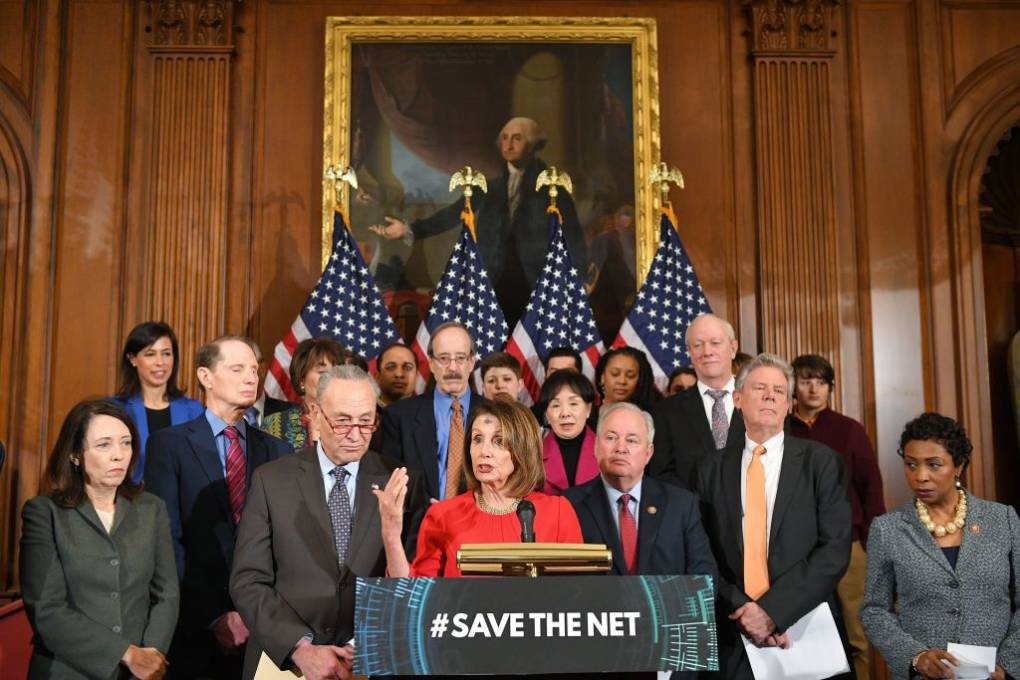
"caption": "House Speaker Nancy Pelosi and Senate Leader Chuck Schumer announce net neutrality protections legislation.",
"description": "House Speaker Nancy Pelosi and Senate Leader Chuck Schumer announce net neutrality protections legislation.",
"title": "US-POLITICS-CONGRESS-NET-NEUTRALITY-IT",
"credit": "MANDEL NGAN/AFP/Getty Images",
"status": "inherit",
"isLoading": false,
"fetchFailed": false
},
"news_11730255": {
"type": "attachments",
"id": "news_11730255",
"meta": {
"index": "attachments_1716263798",
"site": "news",
"id": "11730255",
"found": true
},
"parent": 11730244,
"imgSizes": {
"twentyfourteen-full-width": {
"file": "https://ww2.kqed.org/app/uploads/sites/10/2019/03/RS8747_SF-Protest-48-1038x576.jpg",
"width": 1038,
"mimeType": "image/jpeg",
"height": 576
},
"thumbnail": {
"file": "https://ww2.kqed.org/app/uploads/sites/10/2019/03/RS8747_SF-Protest-48-160x107.jpg",
"width": 160,
"mimeType": "image/jpeg",
"height": 107
},
"post-thumbnail": {
"file": "https://ww2.kqed.org/app/uploads/sites/10/2019/03/RS8747_SF-Protest-48-672x372.jpg",
"width": 672,
"mimeType": "image/jpeg",
"height": 372
},
"kqedFullSize": {
"file": "https://ww2.kqed.org/app/uploads/sites/10/2019/03/RS8747_SF-Protest-48-e1551558595810.jpg",
"width": 1920,
"height": 1280
},
"large": {
"file": "https://ww2.kqed.org/app/uploads/sites/10/2019/03/RS8747_SF-Protest-48-1020x680.jpg",
"width": 1020,
"mimeType": "image/jpeg",
"height": 680
},
"complete_open_graph": {
"file": "https://ww2.kqed.org/app/uploads/sites/10/2019/03/RS8747_SF-Protest-48-1200x800.jpg",
"width": 1200,
"mimeType": "image/jpeg",
"height": 800
},
"guest-author-50": {
"file": "https://ww2.kqed.org/app/uploads/sites/10/2019/03/RS8747_SF-Protest-48-50x50.jpg",
"width": 50,
"mimeType": "image/jpeg",
"height": 50
},
"guest-author-96": {
"file": "https://ww2.kqed.org/app/uploads/sites/10/2019/03/RS8747_SF-Protest-48-96x96.jpg",
"width": 96,
"mimeType": "image/jpeg",
"height": 96
},
"medium": {
"file": "https://ww2.kqed.org/app/uploads/sites/10/2019/03/RS8747_SF-Protest-48-800x533.jpg",
"width": 800,
"mimeType": "image/jpeg",
"height": 533
},
"guest-author-64": {
"file": "https://ww2.kqed.org/app/uploads/sites/10/2019/03/RS8747_SF-Protest-48-64x64.jpg",
"width": 64,
"mimeType": "image/jpeg",
"height": 64
},
"guest-author-32": {
"file": "https://ww2.kqed.org/app/uploads/sites/10/2019/03/RS8747_SF-Protest-48-32x32.jpg",
"width": 32,
"mimeType": "image/jpeg",
"height": 32
},
"full-width": {
"file": "https://ww2.kqed.org/app/uploads/sites/10/2019/03/RS8747_SF-Protest-48-1920x1280.jpg",
"width": 1920,
"mimeType": "image/jpeg",
"height": 1280
},
"guest-author-128": {
"file": "https://ww2.kqed.org/app/uploads/sites/10/2019/03/RS8747_SF-Protest-48-128x128.jpg",
"width": 128,
"mimeType": "image/jpeg",
"height": 128
}
},
"publishDate": 1551558480,
"modified": 1551562388,
"caption": "Privacy advocates would like for the first privacy law to be broader, while businesses and tech companies want it narrowed.",
"description": null,
"title": "RS8747_SF Protest-48",
"credit": "Jeremy Raff/KQED",
"status": "inherit",
"isLoading": false,
"fetchFailed": false
},
"news_11730130": {
"type": "attachments",
"id": "news_11730130",
"meta": {
"index": "attachments_1716263798",
"site": "news",
"id": "11730130",
"found": true
},
"parent": 11730124,
"imgSizes": {
"twentyfourteen-full-width": {
"file": "https://ww2.kqed.org/app/uploads/sites/10/2019/03/618-MARQUEE_1-1038x576.jpg",
"width": 1038,
"mimeType": "image/jpeg",
"height": 576
},
"thumbnail": {
"file": "https://ww2.kqed.org/app/uploads/sites/10/2019/03/618-MARQUEE_1-160x90.jpg",
"width": 160,
"mimeType": "image/jpeg",
"height": 90
},
"post-thumbnail": {
"file": "https://ww2.kqed.org/app/uploads/sites/10/2019/03/618-MARQUEE_1-672x372.jpg",
"width": 672,
"mimeType": "image/jpeg",
"height": 372
},
"kqedFullSize": {
"file": "https://ww2.kqed.org/app/uploads/sites/10/2019/03/618-MARQUEE_1.jpg",
"width": 1280,
"height": 720
},
"large": {
"file": "https://ww2.kqed.org/app/uploads/sites/10/2019/03/618-MARQUEE_1-1020x574.jpg",
"width": 1020,
"mimeType": "image/jpeg",
"height": 574
},
"complete_open_graph": {
"file": "https://ww2.kqed.org/app/uploads/sites/10/2019/03/618-MARQUEE_1-1200x675.jpg",
"width": 1200,
"mimeType": "image/jpeg",
"height": 675
},
"guest-author-50": {
"file": "https://ww2.kqed.org/app/uploads/sites/10/2019/03/618-MARQUEE_1-50x50.jpg",
"width": 50,
"mimeType": "image/jpeg",
"height": 50
},
"guest-author-96": {
"file": "https://ww2.kqed.org/app/uploads/sites/10/2019/03/618-MARQUEE_1-96x96.jpg",
"width": 96,
"mimeType": "image/jpeg",
"height": 96
},
"medium": {
"file": "https://ww2.kqed.org/app/uploads/sites/10/2019/03/618-MARQUEE_1-800x450.jpg",
"width": 800,
"mimeType": "image/jpeg",
"height": 450
},
"guest-author-64": {
"file": "https://ww2.kqed.org/app/uploads/sites/10/2019/03/618-MARQUEE_1-64x64.jpg",
"width": 64,
"mimeType": "image/jpeg",
"height": 64
},
"guest-author-32": {
"file": "https://ww2.kqed.org/app/uploads/sites/10/2019/03/618-MARQUEE_1-32x32.jpg",
"width": 32,
"mimeType": "image/jpeg",
"height": 32
},
"guest-author-128": {
"file": "https://ww2.kqed.org/app/uploads/sites/10/2019/03/618-MARQUEE_1-128x128.jpg",
"width": 128,
"mimeType": "image/jpeg",
"height": 128
}
},
"publishDate": 1551485346,
"modified": 1551485346,
"caption": null,
"description": null,
"title": "618 MARQUEE_1",
"credit": null,
"status": "inherit",
"isLoading": false,
"fetchFailed": false
},
"news_11730056": {
"type": "attachments",
"id": "news_11730056",
"meta": {
"index": "attachments_1716263798",
"site": "news",
"id": "11730056",
"found": true
},
"parent": 11730055,
"imgSizes": {
"twentyfourteen-full-width": {
"file": "https://ww2.kqed.org/app/uploads/sites/10/2019/03/rtx6ntz2_wide-54a7fa45c42624e56356de01b0bd9331be67ffd5-1038x576.jpg",
"width": 1038,
"mimeType": "image/jpeg",
"height": 576
},
"thumbnail": {
"file": "https://ww2.kqed.org/app/uploads/sites/10/2019/03/rtx6ntz2_wide-54a7fa45c42624e56356de01b0bd9331be67ffd5-160x90.jpg",
"width": 160,
"mimeType": "image/jpeg",
"height": 90
},
"post-thumbnail": {
"file": "https://ww2.kqed.org/app/uploads/sites/10/2019/03/rtx6ntz2_wide-54a7fa45c42624e56356de01b0bd9331be67ffd5-672x372.jpg",
"width": 672,
"mimeType": "image/jpeg",
"height": 372
},
"kqedFullSize": {
"file": "https://ww2.kqed.org/app/uploads/sites/10/2019/03/rtx6ntz2_wide-54a7fa45c42624e56356de01b0bd9331be67ffd5.jpg",
"width": 2048,
"height": 1152
},
"large": {
"file": "https://ww2.kqed.org/app/uploads/sites/10/2019/03/rtx6ntz2_wide-54a7fa45c42624e56356de01b0bd9331be67ffd5-1020x574.jpg",
"width": 1020,
"mimeType": "image/jpeg",
"height": 574
},
"complete_open_graph": {
"file": "https://ww2.kqed.org/app/uploads/sites/10/2019/03/rtx6ntz2_wide-54a7fa45c42624e56356de01b0bd9331be67ffd5-1200x675.jpg",
"width": 1200,
"mimeType": "image/jpeg",
"height": 675
},
"guest-author-50": {
"file": "https://ww2.kqed.org/app/uploads/sites/10/2019/03/rtx6ntz2_wide-54a7fa45c42624e56356de01b0bd9331be67ffd5-50x50.jpg",
"width": 50,
"mimeType": "image/jpeg",
"height": 50
},
"guest-author-96": {
"file": "https://ww2.kqed.org/app/uploads/sites/10/2019/03/rtx6ntz2_wide-54a7fa45c42624e56356de01b0bd9331be67ffd5-96x96.jpg",
"width": 96,
"mimeType": "image/jpeg",
"height": 96
},
"medium": {
"file": "https://ww2.kqed.org/app/uploads/sites/10/2019/03/rtx6ntz2_wide-54a7fa45c42624e56356de01b0bd9331be67ffd5-800x450.jpg",
"width": 800,
"mimeType": "image/jpeg",
"height": 450
},
"guest-author-64": {
"file": "https://ww2.kqed.org/app/uploads/sites/10/2019/03/rtx6ntz2_wide-54a7fa45c42624e56356de01b0bd9331be67ffd5-64x64.jpg",
"width": 64,
"mimeType": "image/jpeg",
"height": 64
},
"guest-author-32": {
"file": "https://ww2.kqed.org/app/uploads/sites/10/2019/03/rtx6ntz2_wide-54a7fa45c42624e56356de01b0bd9331be67ffd5-32x32.jpg",
"width": 32,
"mimeType": "image/jpeg",
"height": 32
},
"full-width": {
"file": "https://ww2.kqed.org/app/uploads/sites/10/2019/03/rtx6ntz2_wide-54a7fa45c42624e56356de01b0bd9331be67ffd5-1920x1080.jpg",
"width": 1920,
"mimeType": "image/jpeg",
"height": 1080
},
"guest-author-128": {
"file": "https://ww2.kqed.org/app/uploads/sites/10/2019/03/rtx6ntz2_wide-54a7fa45c42624e56356de01b0bd9331be67ffd5-128x128.jpg",
"width": 128,
"mimeType": "image/jpeg",
"height": 128
}
},
"publishDate": 1551472989,
"modified": 1551473310,
"caption": "YouTube says it will ban comments on videos featuring young minors, including cases where the videos are deemed to be \"at risk\" of attracting pedophiles' attention.",
"description": "YouTube says it will ban comments on videos featuring young minors, including cases where the videos are deemed to be \"at risk\" of attracting pedophiles' attention.",
"title": "YouTube says it will ban comments on videos featuring young minors, including cases where the videos are deemed to be \"at risk\" of attracting pedophiles' attention.",
"credit": "Lucy Nicholson/Reuters",
"status": "inherit",
"isLoading": false,
"fetchFailed": false
},
"news_11572756": {
"type": "attachments",
"id": "news_11572756",
"meta": {
"index": "attachments_1716263798",
"site": "news",
"id": "11572756",
"found": true
},
"parent": 0,
"imgSizes": {
"small": {
"file": "https://ww2.kqed.org/app/uploads/sites/10/2017/07/tcr_archive_background-520x195.jpg",
"width": 520,
"mimeType": "image/jpeg",
"height": 195
},
"twentyfourteen-full-width": {
"file": "https://ww2.kqed.org/app/uploads/sites/10/2017/07/tcr_archive_background-1038x450.jpg",
"width": 1038,
"mimeType": "image/jpeg",
"height": 450
},
"thumbnail": {
"file": "https://ww2.kqed.org/app/uploads/sites/10/2017/07/tcr_archive_background-160x60.jpg",
"width": 160,
"mimeType": "image/jpeg",
"height": 60
},
"fd-sm": {
"file": "https://ww2.kqed.org/app/uploads/sites/10/2017/07/tcr_archive_background-960x360.jpg",
"width": 960,
"mimeType": "image/jpeg",
"height": 360
},
"post-thumbnail": {
"file": "https://ww2.kqed.org/app/uploads/sites/10/2017/07/tcr_archive_background-672x372.jpg",
"width": 672,
"mimeType": "image/jpeg",
"height": 372
},
"xsmall": {
"file": "https://ww2.kqed.org/app/uploads/sites/10/2017/07/tcr_archive_background-375x141.jpg",
"width": 375,
"mimeType": "image/jpeg",
"height": 141
},
"kqedFullSize": {
"file": "https://ww2.kqed.org/app/uploads/sites/10/2017/07/tcr_archive_background.jpg",
"width": 1200,
"height": 450
},
"large": {
"file": "https://ww2.kqed.org/app/uploads/sites/10/2017/07/tcr_archive_background-1020x383.jpg",
"width": 1020,
"mimeType": "image/jpeg",
"height": 383
},
"xlarge": {
"file": "https://ww2.kqed.org/app/uploads/sites/10/2017/07/tcr_archive_background-1180x443.jpg",
"width": 1180,
"mimeType": "image/jpeg",
"height": 443
},
"guest-author-50": {
"file": "https://ww2.kqed.org/app/uploads/sites/10/2017/07/tcr_archive_background-50x50.jpg",
"width": 50,
"mimeType": "image/jpeg",
"height": 50
},
"guest-author-96": {
"file": "https://ww2.kqed.org/app/uploads/sites/10/2017/07/tcr_archive_background-96x96.jpg",
"width": 96,
"mimeType": "image/jpeg",
"height": 96
},
"medium": {
"file": "https://ww2.kqed.org/app/uploads/sites/10/2017/07/tcr_archive_background-800x300.jpg",
"width": 800,
"mimeType": "image/jpeg",
"height": 300
},
"guest-author-64": {
"file": "https://ww2.kqed.org/app/uploads/sites/10/2017/07/tcr_archive_background-64x64.jpg",
"width": 64,
"mimeType": "image/jpeg",
"height": 64
},
"guest-author-32": {
"file": "https://ww2.kqed.org/app/uploads/sites/10/2017/07/tcr_archive_background-32x32.jpg",
"width": 32,
"mimeType": "image/jpeg",
"height": 32
},
"fd-med": {
"file": "https://ww2.kqed.org/app/uploads/sites/10/2017/07/tcr_archive_background-1180x443.jpg",
"width": 1180,
"mimeType": "image/jpeg",
"height": 443
},
"detail": {
"file": "https://ww2.kqed.org/app/uploads/sites/10/2017/07/tcr_archive_background-150x150.jpg",
"width": 150,
"mimeType": "image/jpeg",
"height": 150
},
"guest-author-128": {
"file": "https://ww2.kqed.org/app/uploads/sites/10/2017/07/tcr_archive_background-128x128.jpg",
"width": 128,
"mimeType": "image/jpeg",
"height": 128
},
"xxsmall": {
"file": "https://ww2.kqed.org/app/uploads/sites/10/2017/07/tcr_archive_background-240x90.jpg",
"width": 240,
"mimeType": "image/jpeg",
"height": 90
}
},
"publishDate": 1500316142,
"modified": 1500316142,
"caption": null,
"description": null,
"title": "tcr_archive_background",
"credit": null,
"status": "inherit",
"isLoading": false,
"fetchFailed": false
},
"news_11729776": {
"type": "attachments",
"id": "news_11729776",
"meta": {
"index": "attachments_1716263798",
"site": "news",
"id": "11729776",
"found": true
},
"parent": 11729726,
"imgSizes": {
"twentyfourteen-full-width": {
"file": "https://ww2.kqed.org/app/uploads/sites/10/2019/02/GoogleWalkout-1038x576.jpg",
"width": 1038,
"mimeType": "image/jpeg",
"height": 576
},
"thumbnail": {
"file": "https://ww2.kqed.org/app/uploads/sites/10/2019/02/GoogleWalkout-160x107.jpg",
"width": 160,
"mimeType": "image/jpeg",
"height": 107
},
"post-thumbnail": {
"file": "https://ww2.kqed.org/app/uploads/sites/10/2019/02/GoogleWalkout-672x372.jpg",
"width": 672,
"mimeType": "image/jpeg",
"height": 372
},
"kqedFullSize": {
"file": "https://ww2.kqed.org/app/uploads/sites/10/2019/02/GoogleWalkout.jpg",
"width": 1920,
"height": 1280
},
"large": {
"file": "https://ww2.kqed.org/app/uploads/sites/10/2019/02/GoogleWalkout-1020x680.jpg",
"width": 1020,
"mimeType": "image/jpeg",
"height": 680
},
"complete_open_graph": {
"file": "https://ww2.kqed.org/app/uploads/sites/10/2019/02/GoogleWalkout-1200x800.jpg",
"width": 1200,
"mimeType": "image/jpeg",
"height": 800
},
"guest-author-50": {
"file": "https://ww2.kqed.org/app/uploads/sites/10/2019/02/GoogleWalkout-50x50.jpg",
"width": 50,
"mimeType": "image/jpeg",
"height": 50
},
"guest-author-96": {
"file": "https://ww2.kqed.org/app/uploads/sites/10/2019/02/GoogleWalkout-96x96.jpg",
"width": 96,
"mimeType": "image/jpeg",
"height": 96
},
"medium": {
"file": "https://ww2.kqed.org/app/uploads/sites/10/2019/02/GoogleWalkout-800x533.jpg",
"width": 800,
"mimeType": "image/jpeg",
"height": 533
},
"guest-author-64": {
"file": "https://ww2.kqed.org/app/uploads/sites/10/2019/02/GoogleWalkout-64x64.jpg",
"width": 64,
"mimeType": "image/jpeg",
"height": 64
},
"guest-author-32": {
"file": "https://ww2.kqed.org/app/uploads/sites/10/2019/02/GoogleWalkout-32x32.jpg",
"width": 32,
"mimeType": "image/jpeg",
"height": 32
},
"full-width": {
"file": "https://ww2.kqed.org/app/uploads/sites/10/2019/02/GoogleWalkout-1920x1280.jpg",
"width": 1920,
"mimeType": "image/jpeg",
"height": 1280
},
"guest-author-128": {
"file": "https://ww2.kqed.org/app/uploads/sites/10/2019/02/GoogleWalkout-128x128.jpg",
"width": 128,
"mimeType": "image/jpeg",
"height": 128
}
},
"publishDate": 1551388334,
"modified": 1551390689,
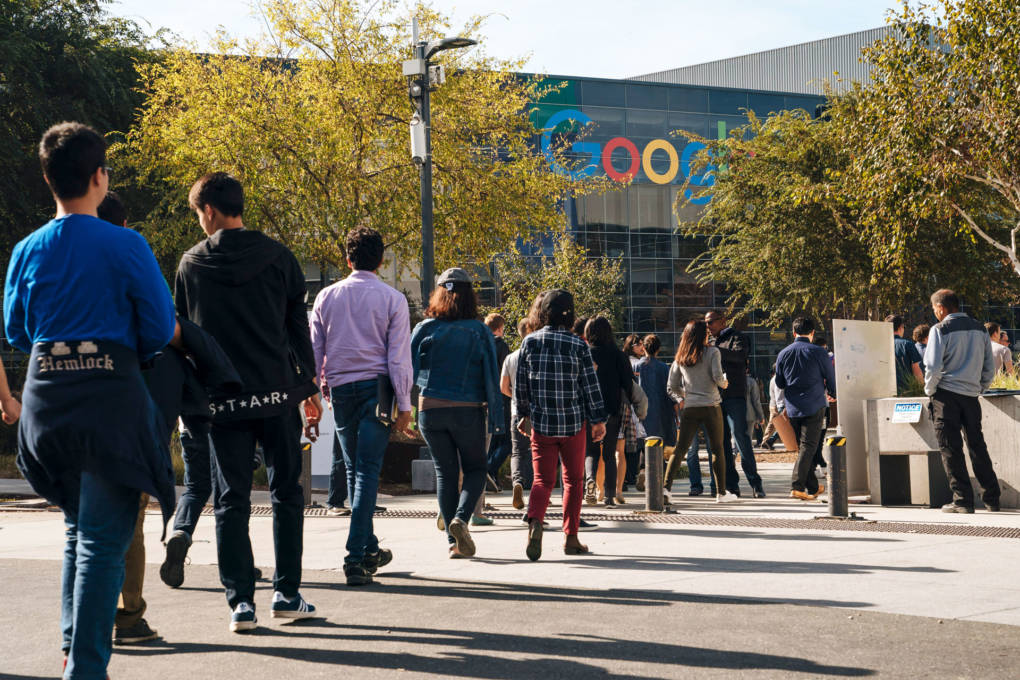
"caption": "Google employees walk off the job to protest the company's handling of sexual misconduct claims, on Nov. 1, 2018, in Mountain View. The tech worker movement to end arbitration began with that protest.",
"description": "Google employees walk off the job to protest the company's handling of sexual misconduct claims, on Nov. 1, 2018, in Mountain View. The tech worker movement to end arbitration began with that protest.",
"title": "GoogleWalkout",
"credit": "Mason Trinca/Getty Images",
"status": "inherit",
"isLoading": false,
"fetchFailed": false
},
"news_11729208": {
"type": "attachments",
"id": "news_11729208",
"meta": {
"index": "attachments_1716263798",
"site": "news",
"id": "11729208",
"found": true
},
"parent": 11729086,
"imgSizes": {
"twentyfourteen-full-width": {
"file": "https://ww2.kqed.org/app/uploads/sites/10/2019/02/NewsomPhones-1038x576.jpg",
"width": 1038,
"mimeType": "image/jpeg",
"height": 576
},
"thumbnail": {
"file": "https://ww2.kqed.org/app/uploads/sites/10/2019/02/NewsomPhones-160x106.jpg",
"width": 160,
"mimeType": "image/jpeg",
"height": 106
},
"post-thumbnail": {
"file": "https://ww2.kqed.org/app/uploads/sites/10/2019/02/NewsomPhones-672x372.jpg",
"width": 672,
"mimeType": "image/jpeg",
"height": 372
},
"kqedFullSize": {
"file": "https://ww2.kqed.org/app/uploads/sites/10/2019/02/NewsomPhones.jpg",
"width": 1920,
"height": 1273
},
"large": {
"file": "https://ww2.kqed.org/app/uploads/sites/10/2019/02/NewsomPhones-1020x676.jpg",
"width": 1020,
"mimeType": "image/jpeg",
"height": 676
},
"complete_open_graph": {
"file": "https://ww2.kqed.org/app/uploads/sites/10/2019/02/NewsomPhones-1200x796.jpg",
"width": 1200,
"mimeType": "image/jpeg",
"height": 796
},
"guest-author-50": {
"file": "https://ww2.kqed.org/app/uploads/sites/10/2019/02/NewsomPhones-50x50.jpg",
"width": 50,
"mimeType": "image/jpeg",
"height": 50
},
"guest-author-96": {
"file": "https://ww2.kqed.org/app/uploads/sites/10/2019/02/NewsomPhones-96x96.jpg",
"width": 96,
"mimeType": "image/jpeg",
"height": 96
},
"medium": {
"file": "https://ww2.kqed.org/app/uploads/sites/10/2019/02/NewsomPhones-800x530.jpg",
"width": 800,
"mimeType": "image/jpeg",
"height": 530
},
"guest-author-64": {
"file": "https://ww2.kqed.org/app/uploads/sites/10/2019/02/NewsomPhones-64x64.jpg",
"width": 64,
"mimeType": "image/jpeg",
"height": 64
},
"guest-author-32": {
"file": "https://ww2.kqed.org/app/uploads/sites/10/2019/02/NewsomPhones-32x32.jpg",
"width": 32,
"mimeType": "image/jpeg",
"height": 32
},
"full-width": {
"file": "https://ww2.kqed.org/app/uploads/sites/10/2019/02/NewsomPhones-1920x1273.jpg",
"width": 1920,
"mimeType": "image/jpeg",
"height": 1273
},
"guest-author-128": {
"file": "https://ww2.kqed.org/app/uploads/sites/10/2019/02/NewsomPhones-128x128.jpg",
"width": 128,
"mimeType": "image/jpeg",
"height": 128
}
},
"publishDate": 1551226637,
"modified": 1551226730,
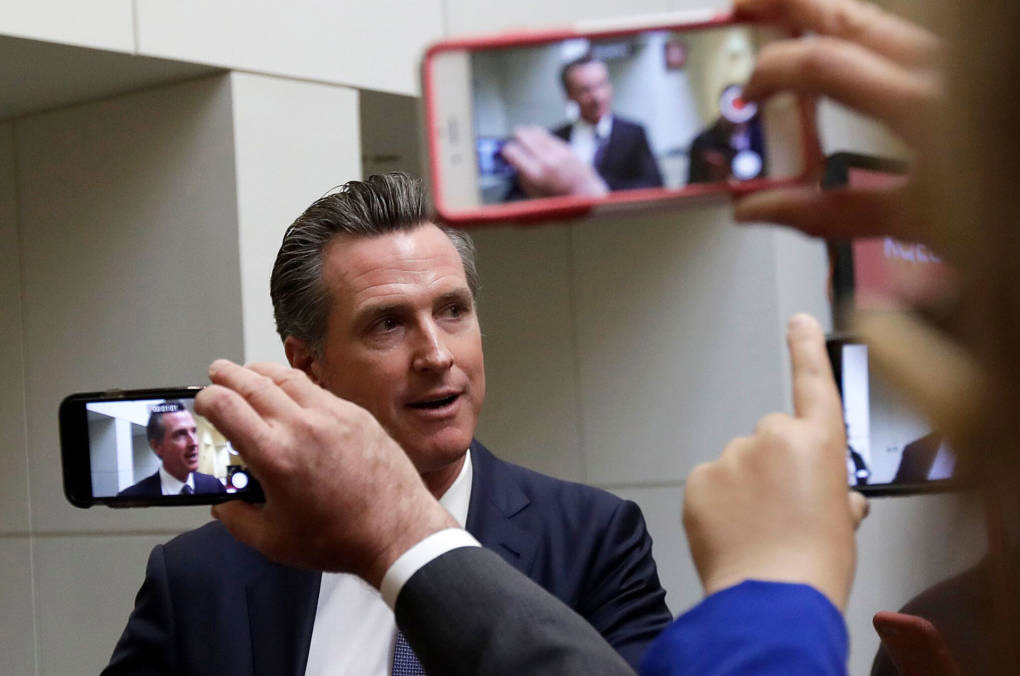
"caption": "In his recent State of the State address, Gov. Gavin Newsom said California consumers should make money from all their data. ",
"description": "In his recent State of the State address, Gov. Gavin Newsom said California consumers should make money from all their data. ",
"title": "NewsomPhones",
"credit": "Jeff Chiu/AP/Pool",
"status": "inherit",
"isLoading": false,
"fetchFailed": false
},
"news_10400479": {
"type": "attachments",
"id": "news_10400479",
"meta": {
"index": "attachments_1716263798",
"site": "news",
"id": "10400479",
"found": true
},
"parent": 10399927,
"imgSizes": {
"twentyfourteen-full-width": {
"file": "https://ww2.kqed.org/app/uploads/sites/10/2015/01/Liccardo-Inauguration3-e1420663084223-997x576.jpg",
"width": 997,
"mimeType": "image/jpeg",
"height": 576
},
"thumbnail": {
"file": "https://ww2.kqed.org/app/uploads/sites/10/2015/01/Liccardo-Inauguration3-e1420663084223-400x280.jpg",
"width": 400,
"mimeType": "image/jpeg",
"height": 280
},
"post-thumbnail": {
"file": "https://ww2.kqed.org/app/uploads/sites/10/2015/01/Liccardo-Inauguration3-e1420663084223-672x372.jpg",
"width": 672,
"mimeType": "image/jpeg",
"height": 372
},
"kqedFullSize": {
"file": "https://ww2.kqed.org/app/uploads/sites/10/2015/01/Liccardo-Inauguration3-e1420663084223.jpg",
"width": 997,
"height": 700
},
"guest-author-96": {
"file": "https://ww2.kqed.org/app/uploads/sites/10/2015/01/Liccardo-Inauguration3-e1420663084223-96x96.jpg",
"width": 96,
"mimeType": "image/jpeg",
"height": 96
},
"medium": {
"file": "https://ww2.kqed.org/app/uploads/sites/10/2015/01/Liccardo-Inauguration3-e1420663084223-800x561.jpg",
"width": 800,
"mimeType": "image/jpeg",
"height": 561
},
"guest-author-64": {
"file": "https://ww2.kqed.org/app/uploads/sites/10/2015/01/Liccardo-Inauguration3-e1420663084223-64x64.jpg",
"width": 64,
"mimeType": "image/jpeg",
"height": 64
},
"detail": {
"file": "https://ww2.kqed.org/app/uploads/sites/10/2015/01/Liccardo-Inauguration3-e1420663084223-75x75.jpg",
"width": 75,
"mimeType": "image/jpeg",
"height": 75
},
"guest-author-32": {
"file": "https://ww2.kqed.org/app/uploads/sites/10/2015/01/Liccardo-Inauguration3-e1420663084223-32x32.jpg",
"width": 32,
"mimeType": "image/jpeg",
"height": 32
},
"guest-author-128": {
"file": "https://ww2.kqed.org/app/uploads/sites/10/2015/01/Liccardo-Inauguration3-e1420663084223-128x128.jpg",
"width": 128,
"mimeType": "image/jpeg",
"height": 128
}
},
"publishDate": 1420660566,
"modified": 1551223056,
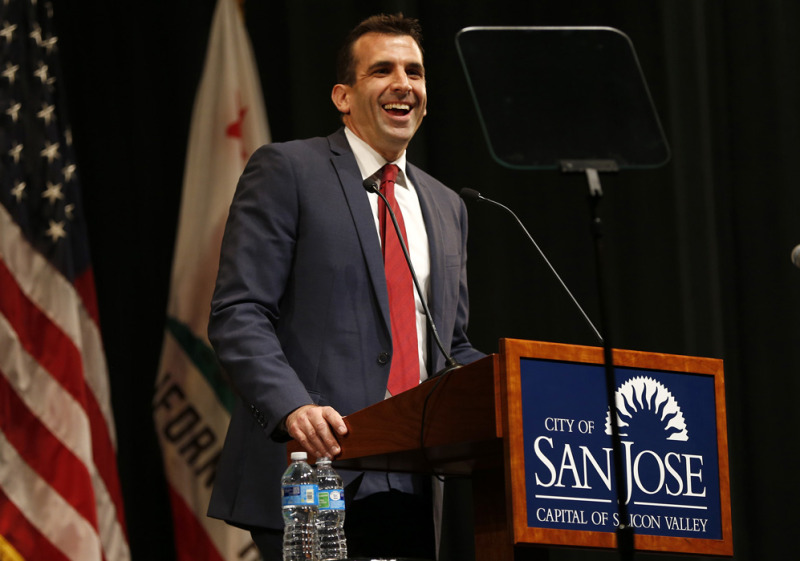
"caption": "San Jose Mayor Sam Liccardo addresses the audience at his inaugural ceremony. ",
"description": "San Jose Mayor Sam Liccardo addresses the audience at his inaugural ceremony. ",
"title": "Sam Liccardo-San Jose",
"credit": "Courtesy of Nhat V. Meyer/Bay Area News Group",
"status": "inherit",
"isLoading": false,
"fetchFailed": false
}
},
"audioPlayerReducer": {
"postId": "stream_live",
"isPaused": true,
"isPlaying": false,
"pfsActive": false,
"pledgeModalIsOpen": true,
"playerDrawerIsOpen": false,
"liveAudioPlayStartedAt": 0,
"liveAudioPlayContext": ""
},
"authorsReducer": {
"byline_news_11730244": {
"type": "authors",
"id": "byline_news_11730244",
"meta": {
"override": true
},
"slug": "byline_news_11730244",
"name": "Laurel Rosenhall",
"isLoading": false
},
"byline_news_11730055": {
"type": "authors",
"id": "byline_news_11730055",
"meta": {
"override": true
},
"slug": "byline_news_11730055",
"name": "Bill Chappell\u003cbr>\u003cstrong>\u003ca href=\"https://www.npr.org/2019/03/01/699282111/youtube-bans-comments-on-videos-deemed-vulnerable-to-pedophiles\">NPR\u003c/strong>\u003c/a>",
"isLoading": false
},
"kqed": {
"type": "authors",
"id": "236",
"meta": {
"index": "authors_1716337520",
"id": "236",
"found": true
},
"name": "KQED News Staff",
"firstName": "KQED News Staff",
"lastName": null,
"slug": "kqed",
"email": "faq@kqed.org",
"display_author_email": false,
"staff_mastheads": [],
"title": null,
"bio": null,
"avatar": "https://secure.gravatar.com/avatar/ef0e801a68c4c54afa9180db14084167?s=600&d=blank&r=g",
"twitter": null,
"facebook": null,
"instagram": null,
"linkedin": null,
"sites": [
{
"site": "arts",
"roles": [
"contributor"
]
},
{
"site": "news",
"roles": [
"editor"
]
},
{
"site": "futureofyou",
"roles": [
"author"
]
}
],
"headData": {
"title": "KQED News Staff | KQED",
"description": null,
"ogImgSrc": "https://secure.gravatar.com/avatar/ef0e801a68c4c54afa9180db14084167?s=600&d=blank&r=g",
"twImgSrc": "https://secure.gravatar.com/avatar/ef0e801a68c4c54afa9180db14084167?s=600&d=blank&r=g"
},
"isLoading": false,
"link": "/author/kqed"
},
"rachael-myrow": {
"type": "authors",
"id": "251",
"meta": {
"index": "authors_1716337520",
"id": "251",
"found": true
},
"name": "Rachael Myrow",
"firstName": "Rachael",
"lastName": "Myrow",
"slug": "rachael-myrow",
"email": "rmyrow@kqed.org",
"display_author_email": true,
"staff_mastheads": [
"news"
],
"title": "Senior Editor of KQED's Silicon Valley News Desk",
"bio": "• I write and edit stories about how Silicon Valley power and policies shape everyday life in California. I’m also passionate about making Bay Area history and culture more accessible to a broad public. • I’ve been a journalist for most of my life, starting in high school with The Franklin Press in Los Angeles, where I grew up. While earning my first degree in English at UC Berkeley, I got my start in public radio at KALX-FM. After completing a second degree in journalism at Cal, I landed my first professional job at Marketplace, then moved on to KPCC (now LAist), and then KQED, where I hosted The California Report for more than seven years. • My reporting has appeared on NPR, The World, WBUR’s \u003ci>Here & Now\u003c/i>, and the BBC. I also guest host for KQED’s \u003ci>Forum\u003c/i>, as well as the Commonwealth Club in San Francisco. • I speak periodically on media, democracy and technology issues, and do voiceover work for documentaries and educational video projects. • Outside of the studio, you'll find me hiking Bay Area trails and whipping up Insta-ready meals in my kitchen. • I do not accept gifts, money, or favors from anyone connected to my reporting, I don't pay people for information, and I do not support or donate to political causes. • I strive to treat the people I report on with fairness, honesty, and respect. I also recognize there are often multiple sides to a story and work to verify information through multiple sources and documentation. If I get something wrong, I correct it.",
"avatar": "https://secure.gravatar.com/avatar/3ed8a3c5f26025e4a805ba634cda8cd764906b97438a6d9ce216b044e340da4e?s=600&d=blank&r=g",
"twitter": "rachaelmyrow",
"bluesky": null,
"facebook": null,
"instagram": null,
"linkedin": "https://www.linkedin.com/in/rachaelmyrow/",
"sites": [
{
"site": "arts",
"roles": [
"administrator"
]
},
{
"site": "news",
"roles": [
"edit_others_posts",
"editor"
]
},
{
"site": "futureofyou",
"roles": [
"editor"
]
},
{
"site": "bayareabites",
"roles": [
"editor"
]
},
{
"site": "stateofhealth",
"roles": [
"editor"
]
},
{
"site": "science",
"roles": [
"editor"
]
},
{
"site": "food",
"roles": [
"editor"
]
},
{
"site": "forum",
"roles": [
"editor"
]
},
{
"site": "liveblog",
"roles": [
"author"
]
}
],
"headData": {
"title": "Rachael Myrow | KQED",
"description": "Senior Editor of KQED's Silicon Valley News Desk",
"ogImgSrc": "https://secure.gravatar.com/avatar/3ed8a3c5f26025e4a805ba634cda8cd764906b97438a6d9ce216b044e340da4e?s=600&d=blank&r=g",
"twImgSrc": "https://secure.gravatar.com/avatar/3ed8a3c5f26025e4a805ba634cda8cd764906b97438a6d9ce216b044e340da4e?s=600&d=blank&r=g"
},
"isLoading": false,
"link": "/author/rachael-myrow"
},
"samharnett": {
"type": "authors",
"id": "253",
"meta": {
"index": "authors_1716337520",
"id": "253",
"found": true
},
"name": "Sam Harnett",
"firstName": "Sam",
"lastName": "Harnett",
"slug": "samharnett",
"email": "samharnett@gmail.com",
"display_author_email": false,
"staff_mastheads": [],
"title": "KQED Contributor",
"bio": "Sam Harnett covered tech and work at KQED. He is the co-creator of \u003cem>\u003ca href=\"http://www.theworldaccordingtosound.org\">The World According to Sound\u003c/a>,\u003c/em> a 90-second podcast that features different sounds and the stories behind them.\r\n\r\nBefore coming to KQED, Sam worked as an independent reporter who contributed regularly to \u003cem>The California Report, Marketplace,\u003c/em> \u003cem>The World \u003c/em>and NPR.",
"avatar": "https://secure.gravatar.com/avatar/2538b972ac02f2b9546c7a6c59a0f3d0?s=600&d=blank&r=g",
"twitter": "Samwharnett",
"facebook": null,
"instagram": null,
"linkedin": null,
"sites": [
{
"site": "news",
"roles": [
"edit_others_posts",
"subscriber"
]
},
{
"site": "stateofhealth",
"roles": [
"author"
]
},
{
"site": "science",
"roles": [
"editor"
]
},
{
"site": "quest",
"roles": [
"subscriber"
]
}
],
"headData": {
"title": "Sam Harnett | KQED",
"description": "KQED Contributor",
"ogImgSrc": "https://secure.gravatar.com/avatar/2538b972ac02f2b9546c7a6c59a0f3d0?s=600&d=blank&r=g",
"twImgSrc": "https://secure.gravatar.com/avatar/2538b972ac02f2b9546c7a6c59a0f3d0?s=600&d=blank&r=g"
},
"isLoading": false,
"link": "/author/samharnett"
},
"mlagos": {
"type": "authors",
"id": "3239",
"meta": {
"index": "authors_1716337520",
"id": "3239",
"found": true
},
"name": "Marisa Lagos",
"firstName": "Marisa",
"lastName": "Lagos",
"slug": "mlagos",
"email": "mlagos@kqed.org",
"display_author_email": false,
"staff_mastheads": [
"news"
],
"title": "KQED Contributor",
"bio": "Marisa Lagos is a correspondent for KQED’s California Politics and Government Desk and co-hosts the award-winning show and podcast, Political Breakdown. At KQED, Lagos also conducts reporting, analysis and investigations into state, local and national politics for radio, TV, online and onstage. In 2022, she and co-host, Scott Shafer, moderated the only gubernatorial debate in California. In 2020, the \u003ci>Washington Post\u003c/i> named her one of the top political journalists in California; she was nominated for a Peabody and won several other awards for her work investigating the 2017 California wildfires. She has worked at the \u003ci>San Francisco Chronicle\u003c/i>, \u003ci>San Francisco Examiner\u003c/i> and \u003ci>Los Angeles Times\u003c/i>. A UC Santa Barbara graduate, she lives in San Francisco with her two sons and husband.",
"avatar": "https://secure.gravatar.com/avatar/a261a0d3696fc066871ef96b85b5e7d2?s=600&d=blank&r=g",
"twitter": "@mlagos",
"facebook": null,
"instagram": null,
"linkedin": null,
"sites": [
{
"site": "arts",
"roles": [
"author"
]
},
{
"site": "news",
"roles": [
"editor"
]
},
{
"site": "science",
"roles": [
"editor"
]
},
{
"site": "forum",
"roles": [
"author"
]
},
{
"site": "liveblog",
"roles": [
"author"
]
}
],
"headData": {
"title": "Marisa Lagos | KQED",
"description": "KQED Contributor",
"ogImgSrc": "https://secure.gravatar.com/avatar/a261a0d3696fc066871ef96b85b5e7d2?s=600&d=blank&r=g",
"twImgSrc": "https://secure.gravatar.com/avatar/a261a0d3696fc066871ef96b85b5e7d2?s=600&d=blank&r=g"
},
"isLoading": false,
"link": "/author/mlagos"
}
},
"pagesReducer": {
"news_category_technology": {
"type": "terms",
"id": "news_248",
"meta": {
"index": "terms_1716263798",
"site": "news",
"id": "248",
"score": 10.9318695
},
"featImg": null,
"name": "Technology",
"description": null,
"taxonomy": "category",
"headData": {
"twImgId": null,
"twTitle": null,
"ogTitle": null,
"ogImgId": null,
"twDescription": null,
"description": null,
"title": "Technology Archives | KQED News",
"ogDescription": null
},
"ttid": 256,
"slug": "technology",
"isLoading": false,
"title": "Technology",
"pageMeta": {
"site": "news",
"WpPageTemplate": "page-topic-editorial",
"currentPage": 73
},
"blocks": [
{
"blockName": "kqed/post-list",
"attrs": {
"layout": "cardArticle2",
"query": "posts/news?category=technology",
"seeMore": false,
"paginated": true,
"page": 73
}
},
{
"blockName": "kqed/ad"
}
]
}
},
"pfsSessionReducer": {},
"postsReducer": {
"stream_live": {
"type": "live",
"id": "stream_live",
"audioUrl": "https://streams.kqed.org/kqedradio",
"title": "Live Stream",
"excerpt": "Live Stream information currently unavailable.",
"link": "/radio",
"featImg": "",
"label": {
"name": "KQED Live",
"link": "/"
}
},
"stream_kqedNewscast": {
"type": "posts",
"id": "stream_kqedNewscast",
"audioUrl": "https://www.kqed.org/.stream/anon/radio/RDnews/newscast.mp3?_=1",
"title": "KQED Newscast",
"featImg": "",
"label": {
"name": "88.5 FM",
"link": "/"
}
},
"news_11731449": {
"type": "posts",
"id": "news_11731449",
"meta": {
"index": "posts_1716263798",
"site": "news",
"id": "11731449",
"score": null,
"sort": [
1552057640000
]
},
"guestAuthors": [],
"slug": "landmark-california-data-privacy-law-leads-to-slew-of-state-federal-proposals",
"title": "Landmark California Data Privacy Law Leads to Slew of State, Federal Proposals",
"publishDate": 1552057640,
"format": "audio",
"headTitle": "Landmark California Data Privacy Law Leads to Slew of State, Federal Proposals | KQED",
"labelTerm": {
"term": 72,
"site": "news"
},
"content": "\u003cp>Last summer, California lawmakers unanimously passed a landmark data privacy law in response to growing concerns over how online companies are using people’s personal information.\u003c/p>\n\u003cp>Less than a year later, it’s clear that the sweeping law, which takes effect next year, marked more of a beginning than an end to the data privacy debate.\u003c/p>\n\u003cp>[aside postID=\"news_11730244,news_11729086\" label=\"More Privacy Law Coverage\"]\u003c/p>\n\u003cp>The California attorney general, who is tasked with implementing and enforcing the California Consumer Privacy Act, or CCPA, is still in the middle of soliciting public input on what regulations should look like. But in the meantime, more than a dozen California lawmakers have introduced over 40 bills this year that would build on the CCPA.\u003c/p>\n\u003cp>And outside the Golden State, eight other states are using the California law as a model for their own legislation; a ninth is using the European Union’s law as a blueprint. Nationally, there’s finally some action in Washington, D.C., where Congress has begun debating numerous bills, and the Trump administration is expected to come out with its own proposals in the coming weeks or months.\u003c/p>\n\u003cp>[ad fullwidth]\u003c/p>\n\u003cp>Meanwhile, private companies continue to try and get ahead of the problem: Facebook CEO Mark Zuckerberg announced plans this week to transform the social media company into a “privacy focused” platform.\u003c/p>\n\u003cp>“When the California privacy initiative went through the Legislature, there was a collective gasp here in Washington,” said Tim Lordan, executive director of the Internet Education Association, a nonprofit group that does not take policy positions. “It was like, ‘Oh my gosh, there’s no stopping this thing, how is this going to play out?’ It started dawning on people that this is happening.”\u003c/p>\n\u003cp>[pullquote citation=\"Tim Lordan, executive director of the Internet Education Association\"]‘When the California privacy initiative went through the Legislature, there was a collective gasp here in Washington. It was like, ‘Oh my gosh, there’s no stopping this thing, how is this going to play out?’ It started dawning on people that this is happening.’[/pullquote]\u003c/p>\n\u003cp>The California law came after years of inaction not just in Congress, but in Sacramento as well, where lawmakers were equally reticent to take on the complicated regulation of a huge, powerful player: the tech industry. California lawmakers’ were forced to the table after an even more sweeping initiative than the CCPA, authored by real estate developer Alastair Mactaggart, qualified for the November ballot.\u003c/p>\n\u003cp>After negotiating with Mactaggart and others, California came up with legislation that will allow state residents to ask large businesses what personal information has been collected by a company about them and let consumers tell the company to erase that information. If they don’t comply, the attorney general can take civil action.\u003c/p>\n\u003cp>Mactaggart, who heads a group called Californians for Consumer Privacy, said he’s glad the Legislature took up the issue because they can now easily tweak the law as public debate and technology progresses. A ballot can only be changed by another vote of the electorate.\u003c/p>\n\u003cp>“This is a fast-moving and complicated area,” he said. “I think we’re in good shape right now. There are a couple of cleanup items that do need to get addressed … and I’ve never been someone who said this is the last word, because we’re in an ongoing relationship between we the people and this new technology that’s come along.”\u003c/p>\n\u003cp>Lawmakers think there’s more to be done than Mactaggart, however. The new bills proposed in Sacramento run the gamut, from minor technical amendments to more sweeping changes. One would let consumers sue companies for violating the law. Another would require data brokers to register with the state.\u003c/p>\n\u003cp>And a package of four bills authored by a group of Republican assemblymen would tackle a number of hot-button issues. One bill would require social media companies to fully delete someone’s data when they close an account; another would require minors under the age of 16 to get consent from their parents before they create a social media account; a third would mandate that data breach victims are notified within 72 hours of a company discovering the breach; and a fourth would bar smart-speaker companies from storing or data mining voice recordings.\u003c/p>\n\u003cp>In California, at least, the issue is a squarely bipartisan one, said Assemblyman Jordan Cunningham, R-San Luis Obispo.\u003c/p>\n\u003cp>“When I talk to my constituents about it, they are overwhelmingly supportive of the notion of individual privacy and the importance of passing laws that make sure that the individual consumer doesn’t get lost in this rush to new technologies,” he said. “I think the CCPA was a great step. I think it’s been widely hailed as the strongest digital privacy law in the country. And I think that’s right. But I think we need action in a couple other areas.”\u003c/p>\n\u003cp>[pullquote citation=\"Assemblyman Jordan Cunningham, R-San Luis Obispo\"]‘When I talk to my constituents about it, they are overwhelmingly supportive of the notion of individual privacy and the importance of passing laws that make sure that the individual consumer doesn’t get lost in this rush to new technologies. I think the CCPA was a great step. I think it’s been widely hailed as the strongest digital privacy law in the country. And I think that’s right. But I think we need action in a couple other areas.’[/pullquote]\u003c/p>\n\u003cp>But business groups like the Internet Association — a national tech lobbying group — argue that expanding the law before next year is premature. Robert Callahan, vice president of state government affairs at the Internet Association, said the CCPA was rushed through the Legislature last year with the understanding that some tweaks should be made before it takes effect in 2020 — but just tweaks.\u003c/p>\n\u003cp>“A number of those bills are looking to drastically alter the operation of CCPA before the law even goes into effect. They’d really alter the fundamentals of the laws,” he said. “Frankly I would say those efforts are a bit of a distraction to really what California’s primary focus needs to be, which is getting the current law on the books done right before it goes into effect next year.”\u003c/p>\n\u003cp>Meanwhile, tech companies would still prefer to see a national law instead of a patchwork of state rules. Terrell McSweeny, a former commissioner with the Federal Trade Commission, said one of the big issues now being debated in Washington, D.C. is whether anything passed by Congress would pre-empt state laws — something California leaders vehemently oppose.\u003c/p>\n\u003cp>“That is an area that’s going to be hotly debated,” McSweeny said. “On the one hand, proponents of pre-emption point to the fact that having one framework would make it easier for everybody and would make it easier for consumers to also understand what their rights are and potentially reduce burdens. … And on the other hand, folks (are worried that) what might be agreed to at the federal level would reduce protections for citizens of certain states.”\u003c/p>\n\u003cp>[ad floatright]\u003c/p>\n\u003cp>Californians involved in the discussions, including Mactaggart, said they are hopeful that California’s sizable House delegation will fight any efforts to override the state’s groundbreaking law. \u003c/p>\n\n",
"blocks": [],
"excerpt": "More than a dozen California lawmakers have introduced over 40 bills this year that would build on the California Consumer Privacy Act.",
"status": "publish",
"parent": 0,
"modified": 1729028967,
"stats": {
"hasAudio": false,
"hasVideo": false,
"hasChartOrMap": false,
"iframeSrcs": [],
"hasGoogleForm": false,
"hasGallery": false,
"hasHearkenModule": false,
"hasPolis": false,
"paragraphCount": 24,
"wordCount": 1278
},
"headData": {
"title": "Landmark California Data Privacy Law Leads to Slew of State, Federal Proposals | KQED",
"description": "More than a dozen California lawmakers have introduced over 40 bills this year that would build on the California Consumer Privacy Act.",
"ogTitle": "",
"ogDescription": "",
"ogImgId": "",
"twTitle": "",
"twDescription": "",
"twImgId": "",
"schema": {
"@context": "https://schema.org",
"@type": "NewsArticle",
"headline": "Landmark California Data Privacy Law Leads to Slew of State, Federal Proposals",
"datePublished": "2019-03-08T07:07:20-08:00",
"dateModified": "2024-10-15T14:49:27-07:00",
"image": "https://cdn.kqed.org/wp-content/uploads/2020/02/KQED-OG-Image@1x.png",
"isAccessibleForFree": "True",
"publisher": {
"@type": "NewsMediaOrganization",
"@id": "https://www.kqed.org/#organization",
"name": "KQED",
"logo": "https://cdn.kqed.org/wp-content/uploads/2020/02/KQED-OG-Image@1x.png",
"url": "https://www.kqed.org",
"sameAs": [
"https://www.facebook.com/KQED",
"https://twitter.com/KQED",
"https://www.instagram.com/kqed/",
"https://www.tiktok.com/@kqedofficial",
"https://www.linkedin.com/company/kqed",
"https://www.youtube.com/channel/UCeC0IOo7i1P_61zVUWbJ4nw"
]
}
}
},
"audioUrl": "https://www.kqed.org/.stream/anon/radio/tcr/2019/03/DataPrivacyLAGOS.mp3",
"sticky": false,
"audioTrackLength": 168,
"path": "/news/11731449/landmark-california-data-privacy-law-leads-to-slew-of-state-federal-proposals",
"parsedContent": [
{
"type": "contentString",
"content": "\u003cdiv class=\"post-body\">\u003cp>\u003cp>Last summer, California lawmakers unanimously passed a landmark data privacy law in response to growing concerns over how online companies are using people’s personal information.\u003c/p>\n\u003cp>Less than a year later, it’s clear that the sweeping law, which takes effect next year, marked more of a beginning than an end to the data privacy debate.\u003c/p>\n\u003cp>\u003c/p>\u003c/div>",
"attributes": {
"named": {},
"numeric": []
}
},
{
"type": "component",
"content": "",
"name": "aside",
"attributes": {
"named": {
"postid": "news_11730244,news_11729086",
"label": "More Privacy Law Coverage "
},
"numeric": []
}
},
{
"type": "contentString",
"content": "\u003cdiv class=\"post-body\">\u003cp>\u003c/p>\n\u003cp>The California attorney general, who is tasked with implementing and enforcing the California Consumer Privacy Act, or CCPA, is still in the middle of soliciting public input on what regulations should look like. But in the meantime, more than a dozen California lawmakers have introduced over 40 bills this year that would build on the CCPA.\u003c/p>\n\u003cp>And outside the Golden State, eight other states are using the California law as a model for their own legislation; a ninth is using the European Union’s law as a blueprint. Nationally, there’s finally some action in Washington, D.C., where Congress has begun debating numerous bills, and the Trump administration is expected to come out with its own proposals in the coming weeks or months.\u003c/p>\n\u003cp>\u003c/p>\u003c/div>",
"attributes": {
"named": {},
"numeric": []
}
},
{
"type": "component",
"content": "",
"name": "ad",
"attributes": {
"named": {
"label": "fullwidth"
},
"numeric": [
"fullwidth"
]
}
},
{
"type": "contentString",
"content": "\u003cdiv class=\"post-body\">\u003cp>\u003c/p>\n\u003cp>Meanwhile, private companies continue to try and get ahead of the problem: Facebook CEO Mark Zuckerberg announced plans this week to transform the social media company into a “privacy focused” platform.\u003c/p>\n\u003cp>“When the California privacy initiative went through the Legislature, there was a collective gasp here in Washington,” said Tim Lordan, executive director of the Internet Education Association, a nonprofit group that does not take policy positions. “It was like, ‘Oh my gosh, there’s no stopping this thing, how is this going to play out?’ It started dawning on people that this is happening.”\u003c/p>\n\u003cp>\u003c/p>\u003c/div>",
"attributes": {
"named": {},
"numeric": []
}
},
{
"type": "component",
"content": "‘When the California privacy initiative went through the Legislature, there was a collective gasp here in Washington. It was like, ‘Oh my gosh, there’s no stopping this thing, how is this going to play out?’ It started dawning on people that this is happening.’",
"name": "pullquote",
"attributes": {
"named": {
"citation": "Tim Lordan, executive director of the Internet Education Association",
"label": ""
},
"numeric": []
}
},
{
"type": "contentString",
"content": "\u003cdiv class=\"post-body\">\u003cp>\u003c/p>\n\u003cp>The California law came after years of inaction not just in Congress, but in Sacramento as well, where lawmakers were equally reticent to take on the complicated regulation of a huge, powerful player: the tech industry. California lawmakers’ were forced to the table after an even more sweeping initiative than the CCPA, authored by real estate developer Alastair Mactaggart, qualified for the November ballot.\u003c/p>\n\u003cp>After negotiating with Mactaggart and others, California came up with legislation that will allow state residents to ask large businesses what personal information has been collected by a company about them and let consumers tell the company to erase that information. If they don’t comply, the attorney general can take civil action.\u003c/p>\n\u003cp>Mactaggart, who heads a group called Californians for Consumer Privacy, said he’s glad the Legislature took up the issue because they can now easily tweak the law as public debate and technology progresses. A ballot can only be changed by another vote of the electorate.\u003c/p>\n\u003cp>“This is a fast-moving and complicated area,” he said. “I think we’re in good shape right now. There are a couple of cleanup items that do need to get addressed … and I’ve never been someone who said this is the last word, because we’re in an ongoing relationship between we the people and this new technology that’s come along.”\u003c/p>\n\u003cp>Lawmakers think there’s more to be done than Mactaggart, however. The new bills proposed in Sacramento run the gamut, from minor technical amendments to more sweeping changes. One would let consumers sue companies for violating the law. Another would require data brokers to register with the state.\u003c/p>\n\u003cp>And a package of four bills authored by a group of Republican assemblymen would tackle a number of hot-button issues. One bill would require social media companies to fully delete someone’s data when they close an account; another would require minors under the age of 16 to get consent from their parents before they create a social media account; a third would mandate that data breach victims are notified within 72 hours of a company discovering the breach; and a fourth would bar smart-speaker companies from storing or data mining voice recordings.\u003c/p>\n\u003cp>In California, at least, the issue is a squarely bipartisan one, said Assemblyman Jordan Cunningham, R-San Luis Obispo.\u003c/p>\n\u003cp>“When I talk to my constituents about it, they are overwhelmingly supportive of the notion of individual privacy and the importance of passing laws that make sure that the individual consumer doesn’t get lost in this rush to new technologies,” he said. “I think the CCPA was a great step. I think it’s been widely hailed as the strongest digital privacy law in the country. And I think that’s right. But I think we need action in a couple other areas.”\u003c/p>\n\u003cp>\u003c/p>\u003c/div>",
"attributes": {
"named": {},
"numeric": []
}
},
{
"type": "component",
"content": "‘When I talk to my constituents about it, they are overwhelmingly supportive of the notion of individual privacy and the importance of passing laws that make sure that the individual consumer doesn’t get lost in this rush to new technologies. I think the CCPA was a great step. I think it’s been widely hailed as the strongest digital privacy law in the country. And I think that’s right. But I think we need action in a couple other areas.’",
"name": "pullquote",
"attributes": {
"named": {
"citation": "Assemblyman Jordan Cunningham, R-San Luis Obispo",
"label": ""
},
"numeric": []
}
},
{
"type": "contentString",
"content": "\u003cdiv class=\"post-body\">\u003cp>\u003c/p>\n\u003cp>But business groups like the Internet Association — a national tech lobbying group — argue that expanding the law before next year is premature. Robert Callahan, vice president of state government affairs at the Internet Association, said the CCPA was rushed through the Legislature last year with the understanding that some tweaks should be made before it takes effect in 2020 — but just tweaks.\u003c/p>\n\u003cp>“A number of those bills are looking to drastically alter the operation of CCPA before the law even goes into effect. They’d really alter the fundamentals of the laws,” he said. “Frankly I would say those efforts are a bit of a distraction to really what California’s primary focus needs to be, which is getting the current law on the books done right before it goes into effect next year.”\u003c/p>\n\u003cp>Meanwhile, tech companies would still prefer to see a national law instead of a patchwork of state rules. Terrell McSweeny, a former commissioner with the Federal Trade Commission, said one of the big issues now being debated in Washington, D.C. is whether anything passed by Congress would pre-empt state laws — something California leaders vehemently oppose.\u003c/p>\n\u003cp>“That is an area that’s going to be hotly debated,” McSweeny said. “On the one hand, proponents of pre-emption point to the fact that having one framework would make it easier for everybody and would make it easier for consumers to also understand what their rights are and potentially reduce burdens. … And on the other hand, folks (are worried that) what might be agreed to at the federal level would reduce protections for citizens of certain states.”\u003c/p>\n\u003cp>\u003c/p>\u003c/div>",
"attributes": {
"named": {},
"numeric": []
}
},
{
"type": "component",
"content": "",
"name": "ad",
"attributes": {
"named": {
"label": "floatright"
},
"numeric": [
"floatright"
]
}
},
{
"type": "contentString",
"content": "\u003cdiv class=\"post-body\">\u003cp>\u003c/p>\n\u003cp>Californians involved in the discussions, including Mactaggart, said they are hopeful that California’s sizable House delegation will fight any efforts to override the state’s groundbreaking law. \u003c/p>\n\n\u003c/div>\u003c/p>",
"attributes": {
"named": {},
"numeric": []
}
}
],
"link": "/news/11731449/landmark-california-data-privacy-law-leads-to-slew-of-state-federal-proposals",
"authors": [
"3239"
],
"programs": [
"news_72"
],
"categories": [
"news_6188",
"news_8",
"news_33520",
"news_13",
"news_248"
],
"tags": [
"news_2704",
"news_20149",
"news_22844",
"news_249",
"news_1631"
],
"featImg": "news_11731512",
"label": "news_72"
},
"news_11731044": {
"type": "posts",
"id": "news_11731044",
"meta": {
"index": "posts_1716263798",
"site": "news",
"id": "11731044",
"score": null,
"sort": [
1551919803000
]
},
"guestAuthors": [],
"slug": "democrats-take-another-stab-at-reinstating-net-neutrality-regulation",
"title": "Democrats Take Another Stab at Reinstating Net Neutrality Regulation",
"publishDate": 1551919803,
"format": "audio",
"headTitle": "Democrats Take Another Stab at Reinstating Net Neutrality Regulation | KQED",
"labelTerm": {
"site": "news"
},
"content": "\u003cp>A new law being proposed by Congressional Democrats (mostly), the \u003ca href=\"https://energycommerce.house.gov/sites/democrats.energycommerce.house.gov/files/documents/Save%20the%20Internet%20Act%20Legislative%20Text.pdf\" target=\"_blank\" rel=\"noopener\">Save the Internet Act,\u003c/a> aims to restore net neutrality rules — \u003ca href=\"https://www.kqed.org/news/11674148/your-internet-use-could-change-as-net-neutrality-ends\" target=\"_blank\" rel=\"noopener\">repealed last year\u003c/a> by the Federal Communications Commission (FCC).\u003c/p>\n\u003cp>[aside tag=\"net-neutrality\" label=\"Net Neutrality\"]The act would codify the FCC’s 2015 \u003ca href=\"https://www.fcc.gov/document/fcc-releases-open-internet-order\" target=\"_blank\" rel=\"noopener noreferrer\">Open Internet Order, \u003c/a>which itself codified the principle that internet service providers must not discriminate (or charge different rates) based on user, content, website, platform or application.\u003c/p>\n\u003cp>In late 2017, the FCC under President Donald Trump rolled back that order, which prompted widespread attacks from consumer advocates and Silicon Valley companies big and small.\u003c/p>\n\u003cp>Shortly thereafter, there was a legislative attempt to restore the net neutrality rules. That passed the Republican-controlled Senate, but not the House. This year, Democrats rule the House, and Speaker Nancy Pelosi expressed optimism this new legislation has a chance of making it to President Trump’s desk. What he might choose to do at that point is entirely unclear.\u003c/p>\n\u003cp>“This is about freedom. It’s about cost. Giving to entrepreneurs and small businesses a level playing field, and ensuring American innovation can continue to be the envy of the world,” said Pelosi at a press conference.\u003c/p>\n\u003cp>[ad fullwidth]\u003c/p>\n\u003cp>“We call on Republicans to join the vast majority of Americans who oppose the FCC’s horribly misguided decision and support this legislation to restore net neutrality,” added Senate Democratic Leader Chuck Schumer.\u003c/p>\n\u003cp>\u003c!-- iframe plugin v.4.3 wordpress.org/plugins/iframe/ -->\u003cbr>\n\u003ciframe loading=\"lazy\" style=\"border: none; overflow: hidden;\" src=\"https://www.facebook.com/plugins/video.php?href=https%3A%2F%2Fwww.facebook.com%2FNancyPelosi%2Fvideos%2F446566292830701%2F&show_text=0&width=560\" width=\"560\" height=\"315\" frameborder=\"0\" scrolling=\"no\" class=\"iframe-class\">\u003c/iframe>\u003c/p>\n\u003cp>Already there are three bills from Republicans supportive of the FCC’s net neutrality repeal and thus seeking to carve a middle path between what net neutrality advocates want and what the FCC passed in 2017.\u003c/p>\n\u003cp>FCC Chairman Ajit Pai remains defiant in the face of criticism. His spokeswoman, Tina Pelkey, issued the following statement in response to the \u003ca href=\"https://energycommerce.house.gov/sites/democrats.energycommerce.house.gov/files/documents/Save%20the%20Internet%20Act%20Legislative%20Text.pdf\" target=\"_blank\" rel=\"noopener\">Save the Internet Act\u003c/a>:\u003c/p>\n\u003cp>[pullquote citation=\"Tina Pelkey, spokeswoman for the FCC Chairman\"]‘The FCC’s return in 2017 to the bipartisan, light-touch approach to internet regulation has been a success.’[/pullquote]“The FCC’s return in 2017 to the bipartisan, light-touch approach to internet regulation has been a success. This time-tested framework has preserved the free and open internet. It has promoted transparency in order to better inform consumer choice. It has unleashed private investment, resulting in more fiber being deployed in 2018 than any year before and download speeds increasing by an astounding 36 percent. And it has proven wrong the many hysterical predictions of doom from 2017.”\u003c/p>\n\u003cp>Pai’s Democratic colleagues on the FCC issued their own statements at odds with his take.\u003c/p>\n\u003cp>Geoffrey Starks, nominated by President Trump to fill the Democratic seat on the FCC, wrote, “The American people have demanded a free and open internet and I am pleased that Congress has responded with today’s legislation. I continue to believe that the FCC’s 2015 Net Neutrality rules were the right approach and the bill introduced today takes us back in that direction.”\u003c/p>\n\u003cp>\u003c/p>\n\u003cp>Commissioner Jessica Rosenworcel, also a Democrat, was even more blunt in her applause for the new legislation. “The FCC was on the wrong side of the law, the wrong side of history, and the wrong side of the American public when it rolled back net neutrality.”\u003c/p>\n\n",
"blocks": [],
"excerpt": "Democrats have introduced a second legislative effort to return to Obama-era net neutrality rules.",
"status": "publish",
"parent": 0,
"modified": 1729028971,
"stats": {
"hasAudio": false,
"hasVideo": false,
"hasChartOrMap": false,
"iframeSrcs": [],
"hasGoogleForm": false,
"hasGallery": false,
"hasHearkenModule": false,
"hasPolis": false,
"paragraphCount": 15,
"wordCount": 559
},
"headData": {
"title": "Democrats Take Another Stab at Reinstating Net Neutrality Regulation | KQED",
"description": "Democrats have introduced a second legislative effort to return to Obama-era net neutrality rules.",
"ogTitle": "",
"ogDescription": "",
"ogImgId": "",
"twTitle": "",
"twDescription": "",
"twImgId": "",
"schema": {
"@context": "https://schema.org",
"@type": "NewsArticle",
"headline": "Democrats Take Another Stab at Reinstating Net Neutrality Regulation",
"datePublished": "2019-03-06T16:50:03-08:00",
"dateModified": "2024-10-15T14:49:31-07:00",
"image": "https://cdn.kqed.org/wp-content/uploads/2020/02/KQED-OG-Image@1x.png",
"isAccessibleForFree": "True",
"publisher": {
"@type": "NewsMediaOrganization",
"@id": "https://www.kqed.org/#organization",
"name": "KQED",
"logo": "https://cdn.kqed.org/wp-content/uploads/2020/02/KQED-OG-Image@1x.png",
"url": "https://www.kqed.org",
"sameAs": [
"https://www.facebook.com/KQED",
"https://twitter.com/KQED",
"https://www.instagram.com/kqed/",
"https://www.tiktok.com/@kqedofficial",
"https://www.linkedin.com/company/kqed",
"https://www.youtube.com/channel/UCeC0IOo7i1P_61zVUWbJ4nw"
]
}
}
},
"audioUrl": "https://www.kqed.org/.stream/anon/radio/RDnews/2019/03/Myrow2wayNetNeutrality.mp3",
"sticky": false,
"audioTrackLength": 214,
"path": "/news/11731044/democrats-take-another-stab-at-reinstating-net-neutrality-regulation",
"parsedContent": [
{
"type": "contentString",
"content": "\u003cdiv class=\"post-body\">\u003cp>\u003cp>A new law being proposed by Congressional Democrats (mostly), the \u003ca href=\"https://energycommerce.house.gov/sites/democrats.energycommerce.house.gov/files/documents/Save%20the%20Internet%20Act%20Legislative%20Text.pdf\" target=\"_blank\" rel=\"noopener\">Save the Internet Act,\u003c/a> aims to restore net neutrality rules — \u003ca href=\"https://www.kqed.org/news/11674148/your-internet-use-could-change-as-net-neutrality-ends\" target=\"_blank\" rel=\"noopener\">repealed last year\u003c/a> by the Federal Communications Commission (FCC).\u003c/p>\n\u003cp>\u003c/p>\u003c/div>",
"attributes": {
"named": {},
"numeric": []
}
},
{
"type": "component",
"content": "",
"name": "aside",
"attributes": {
"named": {
"tag": "net-neutrality",
"label": "Net Neutrality "
},
"numeric": []
}
},
{
"type": "contentString",
"content": "\u003cdiv class=\"post-body\">\u003cp>The act would codify the FCC’s 2015 \u003ca href=\"https://www.fcc.gov/document/fcc-releases-open-internet-order\" target=\"_blank\" rel=\"noopener noreferrer\">Open Internet Order, \u003c/a>which itself codified the principle that internet service providers must not discriminate (or charge different rates) based on user, content, website, platform or application.\u003c/p>\n\u003cp>In late 2017, the FCC under President Donald Trump rolled back that order, which prompted widespread attacks from consumer advocates and Silicon Valley companies big and small.\u003c/p>\n\u003cp>Shortly thereafter, there was a legislative attempt to restore the net neutrality rules. That passed the Republican-controlled Senate, but not the House. This year, Democrats rule the House, and Speaker Nancy Pelosi expressed optimism this new legislation has a chance of making it to President Trump’s desk. What he might choose to do at that point is entirely unclear.\u003c/p>\n\u003cp>“This is about freedom. It’s about cost. Giving to entrepreneurs and small businesses a level playing field, and ensuring American innovation can continue to be the envy of the world,” said Pelosi at a press conference.\u003c/p>\n\u003cp>\u003c/p>\u003c/div>",
"attributes": {
"named": {},
"numeric": []
}
},
{
"type": "component",
"content": "",
"name": "ad",
"attributes": {
"named": {
"label": "fullwidth"
},
"numeric": [
"fullwidth"
]
}
},
{
"type": "contentString",
"content": "\u003cdiv class=\"post-body\">\u003cp>\u003c/p>\n\u003cp>“We call on Republicans to join the vast majority of Americans who oppose the FCC’s horribly misguided decision and support this legislation to restore net neutrality,” added Senate Democratic Leader Chuck Schumer.\u003c/p>\n\u003cp>\u003c!-- iframe plugin v.4.3 wordpress.org/plugins/iframe/ -->\u003cbr>\n\u003ciframe loading=\"lazy\" style=\"border: none; overflow: hidden;\" src=\"https://www.facebook.com/plugins/video.php?href=https%3A%2F%2Fwww.facebook.com%2FNancyPelosi%2Fvideos%2F446566292830701%2F&show_text=0&width=560\" width=\"560\" height=\"315\" frameborder=\"0\" scrolling=\"no\" class=\"iframe-class\">\u003c/iframe>\u003c/p>\n\u003cp>Already there are three bills from Republicans supportive of the FCC’s net neutrality repeal and thus seeking to carve a middle path between what net neutrality advocates want and what the FCC passed in 2017.\u003c/p>\n\u003cp>FCC Chairman Ajit Pai remains defiant in the face of criticism. His spokeswoman, Tina Pelkey, issued the following statement in response to the \u003ca href=\"https://energycommerce.house.gov/sites/democrats.energycommerce.house.gov/files/documents/Save%20the%20Internet%20Act%20Legislative%20Text.pdf\" target=\"_blank\" rel=\"noopener\">Save the Internet Act\u003c/a>:\u003c/p>\n\u003cp>\u003c/p>\u003c/div>",
"attributes": {
"named": {},
"numeric": []
}
},
{
"type": "component",
"content": "‘The FCC’s return in 2017 to the bipartisan, light-touch approach to internet regulation has been a success.’",
"name": "pullquote",
"attributes": {
"named": {
"citation": "Tina Pelkey, spokeswoman for the FCC Chairman",
"label": ""
},
"numeric": []
}
},
{
"type": "contentString",
"content": "\u003cdiv class=\"post-body\">\u003cp>“The FCC’s return in 2017 to the bipartisan, light-touch approach to internet regulation has been a success. This time-tested framework has preserved the free and open internet. It has promoted transparency in order to better inform consumer choice. It has unleashed private investment, resulting in more fiber being deployed in 2018 than any year before and download speeds increasing by an astounding 36 percent. And it has proven wrong the many hysterical predictions of doom from 2017.”\u003c/p>\n\u003cp>Pai’s Democratic colleagues on the FCC issued their own statements at odds with his take.\u003c/p>\n\u003cp>Geoffrey Starks, nominated by President Trump to fill the Democratic seat on the FCC, wrote, “The American people have demanded a free and open internet and I am pleased that Congress has responded with today’s legislation. I continue to believe that the FCC’s 2015 Net Neutrality rules were the right approach and the bill introduced today takes us back in that direction.”\u003c/p>\n\u003cp>\u003c/p>\n\u003cp>Commissioner Jessica Rosenworcel, also a Democrat, was even more blunt in her applause for the new legislation. “The FCC was on the wrong side of the law, the wrong side of history, and the wrong side of the American public when it rolled back net neutrality.”\u003c/p>\n\n\u003c/div>\u003c/p>",
"attributes": {
"named": {},
"numeric": []
}
}
],
"link": "/news/11731044/democrats-take-another-stab-at-reinstating-net-neutrality-regulation",
"authors": [
"251"
],
"categories": [
"news_8",
"news_13",
"news_248"
],
"tags": [
"news_22057",
"news_177",
"news_17748",
"news_17968",
"news_1631"
],
"featImg": "news_11731119",
"label": "news"
},
"news_11730244": {
"type": "posts",
"id": "news_11730244",
"meta": {
"index": "posts_1716263798",
"site": "news",
"id": "11730244",
"score": null,
"sort": [
1551562144000
]
},
"parent": 0,
"labelTerm": {},
"blocks": [],
"publishDate": 1551562144,
"format": "standard",
"disqusTitle": "How Possible Changes to California’s Data Privacy Laws Could Change the Game for Tech Companies and Individuals",
"title": "How Possible Changes to California’s Data Privacy Laws Could Change the Game for Tech Companies and Individuals",
"headTitle": "The California Report | KQED News",
"content": "\u003cp>When California passed the nation’s first law giving consumers control over their personal data last year, legislators built in an unusual buffer: an extra year to change the law before it takes effect in 2020.\u003c/p>\n\u003cp>Lawmakers and lobbyists are now making use of the time, submitting at least 20 bills in recent weeks that would adjust, tweak—or perhaps ultimately gut—California’s unique privacy protections. Privacy advocates are fighting to make the law even broader, while businesses and tech companies want to see it narrowed.\u003c/p>\n\u003cp>[aside postID=\"news_11729086\" label=\"Personal data has become the currency of the Internet. \"]\u003c/p>\n\u003cp>The dynamic could force lawmakers to choose between constituents who overwhelmingly \u003ca href=\"http://www.pewresearch.org/fact-tank/2018/03/27/americans-complicated-feelings-about-social-media-in-an-era-of-privacy-concerns/\" target=\"_blank\" rel=\"noopener\">feel\u003c/a> they have lost control of how their personal information is collected and used, and businesses (including many campaign donors) who argue that broad privacy protections could fundamentally damage the internet economy.\u003c/p>\n\u003cp>The issue landed in the Capitol with huge urgency because of a San Francisco real estate developer named Alastair Mactaggart. Last year—haunted, \u003ca href=\"https://www.nytimes.com/2018/08/14/magazine/facebook-google-privacy-data.html\" target=\"_blank\" rel=\"noopener\">he has said\u003c/a>, by a dinner party chat with a Google engineer who told him Americans would be stunned to know what the tech giant knew about them—he spent $3.2 million to put a data privacy law on the ballot. Tech companies \u003ca href=\"https://calmatters.org/articles/facebook-even-as-it-apologizes-for-scandal-funds-campaign-to-block-a-california-data-privacy-measure/\" target=\"_blank\" rel=\"noopener\">poured\u003c/a> $1 million into an a campaign to fight it, then decided they’d rather seek a compromise in the Legislature. Lawmakers rushed to pass a privacy law last summer, and \u003ca href=\"https://calmatters.org/articles/special-interests-win-as-lawmakers-cut-last-minute-deals-to-pull-initiatives-off-your-ballot/\" target=\"_blank\" rel=\"noopener\">Mactaggart pulled his measure off the ballot\u003c/a>.\u003c/p>\n\u003cp>[ad fullwidth]\u003c/p>\n\u003cp>“I was aware when I withdrew the initiative that that would open us up to the possibility of change, both bad and good,” Mactaggart said to a panel of lawmakers this month. “I believe you guys are going to do a great job defending this bill, and making sure that when it goes into effect next year it’s a great bill for California and for the world.”\u003c/p>\n\u003cp>The law requires that companies tell customers what information it collects about them and who they sell the data to. It also requires that companies give customers an easy way to opt out of having their data sold, and limits how much more they can charge those who do.\u003c/p>\n\u003cp>It’s too soon to say exactly how or whether lawmakers will wind up changing the privacy law. Many of the bills that have been introduced are mere placeholders, and it’s still early in the legislative year. A lot can change before lawmakers cast their final votes in September. But a few general themes have already emerged. Here’s what to watch as California’s privacy battle unfolds:\u003c/p>\n\u003ch2>Teeth are a big Fight\u003c/h2>\n\u003cp>A key aspect of last year’s compromise between tech companies and privacy advocates was minimizing the opportunity for lawsuits. Under the deal they reached, the law only allows lawsuits over data breaches. But that’s now up for debate, with new bills giving Californians the right to sue companies that break other aspects of the privacy law, such as if they don’t give customers the opportunity to opt out of having their data sold or don’t delete data upon customers’ requests.\u003c/p>\n\u003cp>“In order to make sure they comply with the law, we need to make sure people can exercise their rights,” said Democratic Sen. Hannah-Beth Jackson of Santa Barbara, who is carrying a bill that would expand the ability to sue under the privacy law. “If you don’t violate the law, you are not going to get sued.”\u003c/p>\n\u003cp>Big business is likely to push back hard.\u003c/p>\n\u003cp>[aside postID=\"news_11660958\" label=\"Here are a few ways to protect your data (and your friends') online.\"]\u003c/p>\n\u003cp>Chamber of Commerce lobbyist Sarah Boot said changing the privacy law to allow for more lawsuits would trigger “a class action bonanza.”\u003c/p>\n\u003cp>“Frankly, our court system can’t handle that. California businesses can’t handle it. And the California economy can’t handle that,” Boot said in a hearing before Jackson’s bill was introduced.\u003c/p>\n\u003cp>Another flashpoint is a change the tech industry wants—limiting which bits of information consumers can opt out of having sold. Tech companies argue that the law should be narrowed so they can still exchange non-identifiable information with advertisers about, for instance, users’ devices and operating systems.\u003c/p>\n\u003cp>“Treating this as the sale of personal information jeopardizes the underpinnings of the internet,” said Internet Association lobbyist Kevin McKinley.\u003c/p>\n\u003cp>Privacy advocates caution that some changes that seem small may actually weaken the law.\u003c/p>\n\u003cp>“Powerful tech companies and their clever lobbyists know how complex privacy policies are and what they may present as a small tweak here and there can fundamentally change the entire law and completely obliterate the rights people have,” said a statement from Jim Steyer, CEO of Common Sense Media, a nonprofit that is part of a coalition of privacy advocates.\u003c/p>\n\u003ch2>Politics Aren’t on Usual Lines\u003c/h2>\n\u003cp>Lawmakers passed the privacy bill last year with a sweeping bipartisan vote, and the issue continues to resonate across the political spectrum.\u003c/p>\n\u003cp>Republicans—trying to make themselves relevant in a Legislature where Democrats have an enormous majority—have introduced a package of privacy bills, including one that would require social media companies to permanently delete data when people delete their account, and another that would prohibit companies from saving the voice commands people give smart speakers such as Amazon’s Alexa.\u003c/p>\n\u003cp>GOP Assemblyman Jordan Cunningham said he’s gotten some blowback from business lobbyists who are used to having Republicans on their side.\u003c/p>\n\u003cp>“Some people are like, ‘What are you guys doing?’” said Cunningham, of San Luis Obispo.\u003c/p>\n\u003cp>“Privacy is a nonpartisan issue to me. It’s a nonpartisan issue to my constituents. When I talk to people in my district, they uniformly want this stuff. They know their data is being used in ways they’re not aware of.\"\u003c/p>\n\u003cp>”Democrats control the legislative process, so one political question to watch is whether they allow Republican privacy bills to advance, or quietly kill them by preventing them from coming up for a vote.\u003c/p>\n\u003cp>The other political question is whether Democrats themselves will split over any of the proposals, as happens on many fights in the Capitol that impact big business.\u003c/p>\n\u003cp>“I think there will be a real battle between the pragmatists and the idealists,” said Steve Maviglio, a Democratic political consultant who worked on the tech companies’ brief campaign against the privacy ballot measure. “That’s where it’s going to lie.”\u003c/p>\n\u003ch2>Washington is a Wildcard\u003c/h2>\n\u003cp>While California is debating changes to its privacy law, federal lawmakers are also considering a nationwide version. At a pair of hearings this week in Washington, House Democrats \u003ca href=\"https://www.washingtonpost.com/technology/2019/02/26/democrats-vow-congress-will-assert-itself-against-tech-starting-with-silicon-valleys-privacy-practices/?noredirect=on&utm_term=.b8bf7d538ed4\" target=\"_blank\" rel=\"noopener\">vowed\u003c/a> to get tough on tech companies and Senate Republicans \u003ca href=\"https://thehill.com/policy/technology/431853-lawmakers-slam-industry-reps-at-privacy-hearing\" target=\"_blank\" rel=\"noopener\">said\u003c/a> they would like to pass a national privacy law that overrides California’s.\u003c/p>\n\u003cp>Internet companies would prefer a single national law to a patchwork of rules across the states.\u003c/p>\n\u003cp>Privacy advocates, meanwhile, have argued that any nationwide privacy law should be structured to set a tough minimum baseline of privacy protections that state laws could build on.\u003c/p>\n\u003cp>Built into the argument is the sense, on both sides, that California’s size and market influence will do for internet regulation what it did for rules around auto emissions—force the industry to essentially default to California’s regulations as the national standard.\u003c/p>\n\u003cp>There, too, California politics could be a factor.\u003c/p>\n\u003cp>Mactaggart says he thinks it’s unlikely that Congress will pass a law that would substantially weaken California’s, given the size of the state and the prominence Californians hold in the House—both the speaker, Democrat Nancy Pelosi, and the minority leader, Republican Kevin McCarthy, hail from the Golden State.\u003c/p>\n\u003cp>“It’s going to be hard for them to step in and gut a law that protects one in eight Americans,” Mactaggart said.\u003c/p>\n\u003cp>[ad floatright]\u003c/p>\n\u003cp>\u003ca href=\"http://CALmatters.org\" target=\"_blank\" rel=\"noopener\">CALmatters.org\u003c/a> \u003cem>is a nonprofit, nonpartisan media venture explaining California policies and politics.\u003c/em>\u003c/p>\n\n",
"disqusIdentifier": "11730244 https://ww2.kqed.org/news/?p=11730244",
"disqusUrl": "https://ww2.kqed.org/news/2019/03/02/how-possible-changes-to-californias-data-privacy-laws-could-change-the-game-for-tech-companies-and-individuals/",
"stats": {
"hasVideo": false,
"hasChartOrMap": false,
"hasAudio": false,
"hasPolis": false,
"wordCount": 1385,
"hasGoogleForm": false,
"hasGallery": false,
"hasHearkenModule": false,
"iframeSrcs": [],
"paragraphCount": 36
},
"modified": 1551562395,
"excerpt": "California's landmark data privacy law won't take effect until 2020. In the meantime, lawmakers are fine-tuning it. Here's what to watch.",
"headData": {
"twImgId": "",
"twTitle": "",
"ogTitle": "",
"ogImgId": "",
"twDescription": "",
"description": "California's landmark data privacy law won't take effect until 2020. In the meantime, lawmakers are fine-tuning it. Here's what to watch.",
"title": "How Possible Changes to California’s Data Privacy Laws Could Change the Game for Tech Companies and Individuals | KQED",
"ogDescription": "",
"schema": {
"@context": "https://schema.org",
"@type": "NewsArticle",
"headline": "How Possible Changes to California’s Data Privacy Laws Could Change the Game for Tech Companies and Individuals",
"datePublished": "2019-03-02T13:29:04-08:00",
"dateModified": "2019-03-02T13:33:15-08:00",
"image": "https://cdn.kqed.org/wp-content/uploads/2020/02/KQED-OG-Image@1x.png",
"isAccessibleForFree": "True",
"publisher": {
"@type": "NewsMediaOrganization",
"@id": "https://www.kqed.org/#organization",
"name": "KQED",
"logo": "https://cdn.kqed.org/wp-content/uploads/2020/02/KQED-OG-Image@1x.png",
"url": "https://www.kqed.org",
"sameAs": [
"https://www.facebook.com/KQED",
"https://twitter.com/KQED",
"https://www.instagram.com/kqed/",
"https://www.tiktok.com/@kqedofficial",
"https://www.linkedin.com/company/kqed",
"https://www.youtube.com/channel/UCeC0IOo7i1P_61zVUWbJ4nw"
]
}
}
},
"guestAuthors": [],
"slug": "how-possible-changes-to-californias-data-privacy-laws-could-change-the-game-for-tech-companies-and-individuals",
"status": "publish",
"sourceUrl": "https://calmatters.org/",
"nprByline": "Laurel Rosenhall",
"source": "CALmatters",
"path": "/news/11730244/how-possible-changes-to-californias-data-privacy-laws-could-change-the-game-for-tech-companies-and-individuals",
"audioTrackLength": null,
"parsedContent": [
{
"type": "contentString",
"content": "\u003cdiv class=\"post-body\">\u003cp>\u003cp>When California passed the nation’s first law giving consumers control over their personal data last year, legislators built in an unusual buffer: an extra year to change the law before it takes effect in 2020.\u003c/p>\n\u003cp>Lawmakers and lobbyists are now making use of the time, submitting at least 20 bills in recent weeks that would adjust, tweak—or perhaps ultimately gut—California’s unique privacy protections. Privacy advocates are fighting to make the law even broader, while businesses and tech companies want to see it narrowed.\u003c/p>\n\u003cp>\u003c/p>\u003c/div>",
"attributes": {
"named": {},
"numeric": []
}
},
{
"type": "component",
"content": "",
"name": "aside",
"attributes": {
"named": {
"postid": "news_11729086",
"label": "Personal data has become the currency of the Internet. "
},
"numeric": []
}
},
{
"type": "contentString",
"content": "\u003cdiv class=\"post-body\">\u003cp>\u003c/p>\n\u003cp>The dynamic could force lawmakers to choose between constituents who overwhelmingly \u003ca href=\"http://www.pewresearch.org/fact-tank/2018/03/27/americans-complicated-feelings-about-social-media-in-an-era-of-privacy-concerns/\" target=\"_blank\" rel=\"noopener\">feel\u003c/a> they have lost control of how their personal information is collected and used, and businesses (including many campaign donors) who argue that broad privacy protections could fundamentally damage the internet economy.\u003c/p>\n\u003cp>The issue landed in the Capitol with huge urgency because of a San Francisco real estate developer named Alastair Mactaggart. Last year—haunted, \u003ca href=\"https://www.nytimes.com/2018/08/14/magazine/facebook-google-privacy-data.html\" target=\"_blank\" rel=\"noopener\">he has said\u003c/a>, by a dinner party chat with a Google engineer who told him Americans would be stunned to know what the tech giant knew about them—he spent $3.2 million to put a data privacy law on the ballot. Tech companies \u003ca href=\"https://calmatters.org/articles/facebook-even-as-it-apologizes-for-scandal-funds-campaign-to-block-a-california-data-privacy-measure/\" target=\"_blank\" rel=\"noopener\">poured\u003c/a> $1 million into an a campaign to fight it, then decided they’d rather seek a compromise in the Legislature. Lawmakers rushed to pass a privacy law last summer, and \u003ca href=\"https://calmatters.org/articles/special-interests-win-as-lawmakers-cut-last-minute-deals-to-pull-initiatives-off-your-ballot/\" target=\"_blank\" rel=\"noopener\">Mactaggart pulled his measure off the ballot\u003c/a>.\u003c/p>\n\u003cp>\u003c/p>\u003c/div>",
"attributes": {
"named": {},
"numeric": []
}
},
{
"type": "component",
"content": "",
"name": "ad",
"attributes": {
"named": {
"label": "fullwidth"
},
"numeric": [
"fullwidth"
]
}
},
{
"type": "contentString",
"content": "\u003cdiv class=\"post-body\">\u003cp>\u003c/p>\n\u003cp>“I was aware when I withdrew the initiative that that would open us up to the possibility of change, both bad and good,” Mactaggart said to a panel of lawmakers this month. “I believe you guys are going to do a great job defending this bill, and making sure that when it goes into effect next year it’s a great bill for California and for the world.”\u003c/p>\n\u003cp>The law requires that companies tell customers what information it collects about them and who they sell the data to. It also requires that companies give customers an easy way to opt out of having their data sold, and limits how much more they can charge those who do.\u003c/p>\n\u003cp>It’s too soon to say exactly how or whether lawmakers will wind up changing the privacy law. Many of the bills that have been introduced are mere placeholders, and it’s still early in the legislative year. A lot can change before lawmakers cast their final votes in September. But a few general themes have already emerged. Here’s what to watch as California’s privacy battle unfolds:\u003c/p>\n\u003ch2>Teeth are a big Fight\u003c/h2>\n\u003cp>A key aspect of last year’s compromise between tech companies and privacy advocates was minimizing the opportunity for lawsuits. Under the deal they reached, the law only allows lawsuits over data breaches. But that’s now up for debate, with new bills giving Californians the right to sue companies that break other aspects of the privacy law, such as if they don’t give customers the opportunity to opt out of having their data sold or don’t delete data upon customers’ requests.\u003c/p>\n\u003cp>“In order to make sure they comply with the law, we need to make sure people can exercise their rights,” said Democratic Sen. Hannah-Beth Jackson of Santa Barbara, who is carrying a bill that would expand the ability to sue under the privacy law. “If you don’t violate the law, you are not going to get sued.”\u003c/p>\n\u003cp>Big business is likely to push back hard.\u003c/p>\n\u003cp>\u003c/p>\u003c/div>",
"attributes": {
"named": {},
"numeric": []
}
},
{
"type": "component",
"content": "",
"name": "aside",
"attributes": {
"named": {
"postid": "news_11660958",
"label": "Here are a few ways to protect your data (and your friends') online. "
},
"numeric": []
}
},
{
"type": "contentString",
"content": "\u003cdiv class=\"post-body\">\u003cp>\u003c/p>\n\u003cp>Chamber of Commerce lobbyist Sarah Boot said changing the privacy law to allow for more lawsuits would trigger “a class action bonanza.”\u003c/p>\n\u003cp>“Frankly, our court system can’t handle that. California businesses can’t handle it. And the California economy can’t handle that,” Boot said in a hearing before Jackson’s bill was introduced.\u003c/p>\n\u003cp>Another flashpoint is a change the tech industry wants—limiting which bits of information consumers can opt out of having sold. Tech companies argue that the law should be narrowed so they can still exchange non-identifiable information with advertisers about, for instance, users’ devices and operating systems.\u003c/p>\n\u003cp>“Treating this as the sale of personal information jeopardizes the underpinnings of the internet,” said Internet Association lobbyist Kevin McKinley.\u003c/p>\n\u003cp>Privacy advocates caution that some changes that seem small may actually weaken the law.\u003c/p>\n\u003cp>“Powerful tech companies and their clever lobbyists know how complex privacy policies are and what they may present as a small tweak here and there can fundamentally change the entire law and completely obliterate the rights people have,” said a statement from Jim Steyer, CEO of Common Sense Media, a nonprofit that is part of a coalition of privacy advocates.\u003c/p>\n\u003ch2>Politics Aren’t on Usual Lines\u003c/h2>\n\u003cp>Lawmakers passed the privacy bill last year with a sweeping bipartisan vote, and the issue continues to resonate across the political spectrum.\u003c/p>\n\u003cp>Republicans—trying to make themselves relevant in a Legislature where Democrats have an enormous majority—have introduced a package of privacy bills, including one that would require social media companies to permanently delete data when people delete their account, and another that would prohibit companies from saving the voice commands people give smart speakers such as Amazon’s Alexa.\u003c/p>\n\u003cp>GOP Assemblyman Jordan Cunningham said he’s gotten some blowback from business lobbyists who are used to having Republicans on their side.\u003c/p>\n\u003cp>“Some people are like, ‘What are you guys doing?’” said Cunningham, of San Luis Obispo.\u003c/p>\n\u003cp>“Privacy is a nonpartisan issue to me. It’s a nonpartisan issue to my constituents. When I talk to people in my district, they uniformly want this stuff. They know their data is being used in ways they’re not aware of.\"\u003c/p>\n\u003cp>”Democrats control the legislative process, so one political question to watch is whether they allow Republican privacy bills to advance, or quietly kill them by preventing them from coming up for a vote.\u003c/p>\n\u003cp>The other political question is whether Democrats themselves will split over any of the proposals, as happens on many fights in the Capitol that impact big business.\u003c/p>\n\u003cp>“I think there will be a real battle between the pragmatists and the idealists,” said Steve Maviglio, a Democratic political consultant who worked on the tech companies’ brief campaign against the privacy ballot measure. “That’s where it’s going to lie.”\u003c/p>\n\u003ch2>Washington is a Wildcard\u003c/h2>\n\u003cp>While California is debating changes to its privacy law, federal lawmakers are also considering a nationwide version. At a pair of hearings this week in Washington, House Democrats \u003ca href=\"https://www.washingtonpost.com/technology/2019/02/26/democrats-vow-congress-will-assert-itself-against-tech-starting-with-silicon-valleys-privacy-practices/?noredirect=on&utm_term=.b8bf7d538ed4\" target=\"_blank\" rel=\"noopener\">vowed\u003c/a> to get tough on tech companies and Senate Republicans \u003ca href=\"https://thehill.com/policy/technology/431853-lawmakers-slam-industry-reps-at-privacy-hearing\" target=\"_blank\" rel=\"noopener\">said\u003c/a> they would like to pass a national privacy law that overrides California’s.\u003c/p>\n\u003cp>Internet companies would prefer a single national law to a patchwork of rules across the states.\u003c/p>\n\u003cp>Privacy advocates, meanwhile, have argued that any nationwide privacy law should be structured to set a tough minimum baseline of privacy protections that state laws could build on.\u003c/p>\n\u003cp>Built into the argument is the sense, on both sides, that California’s size and market influence will do for internet regulation what it did for rules around auto emissions—force the industry to essentially default to California’s regulations as the national standard.\u003c/p>\n\u003cp>There, too, California politics could be a factor.\u003c/p>\n\u003cp>Mactaggart says he thinks it’s unlikely that Congress will pass a law that would substantially weaken California’s, given the size of the state and the prominence Californians hold in the House—both the speaker, Democrat Nancy Pelosi, and the minority leader, Republican Kevin McCarthy, hail from the Golden State.\u003c/p>\n\u003cp>“It’s going to be hard for them to step in and gut a law that protects one in eight Americans,” Mactaggart said.\u003c/p>\n\u003cp>\u003c/p>\u003c/div>",
"attributes": {
"named": {},
"numeric": []
}
},
{
"type": "component",
"content": "",
"name": "ad",
"attributes": {
"named": {
"label": "floatright"
},
"numeric": [
"floatright"
]
}
},
{
"type": "contentString",
"content": "\u003cdiv class=\"post-body\">\u003cp>\u003c/p>\n\u003cp>\u003ca href=\"http://CALmatters.org\" target=\"_blank\" rel=\"noopener\">CALmatters.org\u003c/a> \u003cem>is a nonprofit, nonpartisan media venture explaining California policies and politics.\u003c/em>\u003c/p>\n\n\u003c/div>\u003c/p>",
"attributes": {
"named": {},
"numeric": []
}
}
],
"link": "/news/11730244/how-possible-changes-to-californias-data-privacy-laws-could-change-the-game-for-tech-companies-and-individuals",
"authors": [
"byline_news_11730244"
],
"programs": [
"news_72"
],
"categories": [
"news_8",
"news_248"
],
"tags": [
"news_22307",
"news_22844",
"news_1859",
"news_1631"
],
"affiliates": [
"news_18481"
],
"featImg": "news_11730255",
"label": "source_news_11730244"
},
"news_11730124": {
"type": "posts",
"id": "news_11730124",
"meta": {
"index": "posts_1716263798",
"site": "news",
"id": "11730124",
"score": null,
"sort": [
1551491252000
]
},
"guestAuthors": [],
"slug": "cohen-hearing-ca-gop-north-korea-talks-police-misconduct",
"title": "Cohen Hearing and California GOP, North Korea Talks Collapse, Investigating Police Misconduct",
"publishDate": 1551491252,
"format": "video",
"headTitle": "Cohen Hearing and California GOP, North Korea Talks Collapse, Investigating Police Misconduct | KQED",
"labelTerm": {
"term": 7052,
"site": "news"
},
"content": "\u003cp>\u003cb>Cohen Hearing and California GOP\u003c/b>\u003cbr>\n\u003cspan style=\"font-weight: 400\">Michael Cohen, President Trump’s former personal lawyer, delivered a scathing account Wednesday of what he says was a lying, cheating president who used his money and power to hide illegal behavior. Cohen told Congress that Trump remained involved in paying hush money to a porn film actress even after arriving in the White House and directed him to lie about it. California lawmakers played a prominent role in the hearing on Capitol Hill, with some of the most pointed questions coming from Silicon Valley congressman Ro Khanna and Southern California Rep. Katie Hill. Meanwhile, California’s Republican Party recently picked a new leader, Jessica Patterson, the first woman and first Latina to chair the state GOP. \u003c/span>\u003c/p>\n\u003cp>\u003cb>Guests:\u003c/b>\u003c/p>\n\u003cul>\n\u003cli style=\"font-weight: 400\">\u003cspan style=\"font-weight: 400\">Tal Kopan, Washington, D.C., correspondent, San Francisco Chronicle\u003c/span>\u003c/li>\n\u003cli style=\"font-weight: 400\">\u003cspan style=\"font-weight: 400\">Jason Clark, Bay Area regional vice chair, California Republican Party\u003c/span>\u003c/li>\n\u003cli style=\"font-weight: 400\">\u003cspan style=\"font-weight: 400\">Scott Shafer, KQED senior editor of politics and government \u003c/span>\u003c/li>\n\u003c/ul>\n\u003cp>\u003cb>U.S. and North Korea Summit Collapse\u003c/b>\u003cbr>\n\u003cspan style=\"font-weight: 400\">President Trump and North Korean leader Kim Jong Un abruptly ended their summit in Vietnam this week after they failed to reach a deal to denuclearize the Korean Peninsula. Trump said North Korea wanted the lifting of all international sanctions in exchange for closing some but not all nuclear sites. But North Korea’s foreign minister disagreed, contending North Korea wanted only partial sanctions relief to end its enrichment of nuclear material. No announcement has been made on future talks. Still, Secretary of State Mike Pompeo and Trump stressed that progress had been made since the first meeting between the two leaders last year in Singapore. \u003c/span>\u003c/p>\n\u003cp>\u003cb>Guest:\u003c/b>\u003cspan style=\"font-weight: 400\"> Yong Suk Lee, deputy director, Korea Program at Stanford University\u003c/span>\u003c/p>\n\u003cp>\u003cb>Investigating Police Misconduct\u003c/b>\u003cbr>\n\u003cspan style=\"font-weight: 400\">A joint investigation by several news organizations — including KQED — has brought to light a lengthy, previously secret list of police officers accused of crimes. A new California law allows the media and the public to request certain police records that were previously inaccessible. Newly released records reveal that in the last 10 years, nearly 12,000 peace officers and prospective officers have committed crimes ranging from shoplifting to embezzlement to murder. Attorney General Xavier Becerra is responding forcefully, threatening legal action against the reporters who obtained the documents legally through Public Records Act requests.\u003c/span>\u003c/p>\n\u003cp>[ad fullwidth]\u003c/p>\n\u003cp>\u003c/p>\n\u003cp>\u003cb>Guests:\u003c/b>\u003cspan style=\"font-weight: 400\"> \u003c/span>\u003c/p>\n\u003cul>\n\u003cli style=\"font-weight: 400\">\u003cspan style=\"font-weight: 400\">Robert Lewis, investigative reporter, UC Berkeley Investigative Reporting Program\u003c/span>\u003c/li>\n\u003cli style=\"font-weight: 400\">\u003cspan style=\"font-weight: 400\">Thomas Peele, investigative reporter, East Bay Times\u003c/span>\u003c/li>\n\u003c/ul>\n\n",
"blocks": [],
"excerpt": "President Trump declared a national emergency, citing “an invasion of our country”, to circumvent Congress and access roughly eight billion dollars to build a wall at the U.S.-Mexico border. ",
"status": "publish",
"parent": 0,
"modified": 1727475763,
"stats": {
"hasAudio": false,
"hasVideo": false,
"hasChartOrMap": false,
"iframeSrcs": [],
"hasGoogleForm": false,
"hasGallery": false,
"hasHearkenModule": false,
"hasPolis": false,
"paragraphCount": 8,
"wordCount": 402
},
"headData": {
"title": "Cohen Hearing and California GOP, North Korea Talks Collapse, Investigating Police Misconduct | KQED",
"description": "President Trump declared a national emergency, citing “an invasion of our country”, to circumvent Congress and access roughly eight billion dollars to build a wall at the U.S.-Mexico border. ",
"ogTitle": "",
"ogDescription": "",
"ogImgId": "",
"twTitle": "",
"twDescription": "",
"twImgId": "",
"schema": {
"@context": "https://schema.org",
"@type": "NewsArticle",
"headline": "Cohen Hearing and California GOP, North Korea Talks Collapse, Investigating Police Misconduct",
"datePublished": "2019-03-01T17:47:32-08:00",
"dateModified": "2024-09-27T15:22:43-07:00",
"image": "https://cdn.kqed.org/wp-content/uploads/2020/02/KQED-OG-Image@1x.png",
"isAccessibleForFree": "True",
"publisher": {
"@type": "NewsMediaOrganization",
"@id": "https://www.kqed.org/#organization",
"name": "KQED",
"logo": "https://cdn.kqed.org/wp-content/uploads/2020/02/KQED-OG-Image@1x.png",
"url": "https://www.kqed.org",
"sameAs": [
"https://www.facebook.com/KQED",
"https://twitter.com/KQED",
"https://www.instagram.com/kqed/",
"https://www.tiktok.com/@kqedofficial",
"https://www.linkedin.com/company/kqed",
"https://www.youtube.com/channel/UCeC0IOo7i1P_61zVUWbJ4nw"
]
}
}
},
"videoEmbed": "https://youtu.be/X2wJqyu-o9I",
"sticky": false,
"path": "/news/11730124/cohen-hearing-ca-gop-north-korea-talks-police-misconduct",
"audioTrackLength": null,
"parsedContent": [
{
"type": "contentString",
"content": "\u003cdiv class=\"post-body\">\u003cp>\u003cp>\u003cb>Cohen Hearing and California GOP\u003c/b>\u003cbr>\n\u003cspan style=\"font-weight: 400\">Michael Cohen, President Trump’s former personal lawyer, delivered a scathing account Wednesday of what he says was a lying, cheating president who used his money and power to hide illegal behavior. Cohen told Congress that Trump remained involved in paying hush money to a porn film actress even after arriving in the White House and directed him to lie about it. California lawmakers played a prominent role in the hearing on Capitol Hill, with some of the most pointed questions coming from Silicon Valley congressman Ro Khanna and Southern California Rep. Katie Hill. Meanwhile, California’s Republican Party recently picked a new leader, Jessica Patterson, the first woman and first Latina to chair the state GOP. \u003c/span>\u003c/p>\n\u003cp>\u003cb>Guests:\u003c/b>\u003c/p>\n\u003cul>\n\u003cli style=\"font-weight: 400\">\u003cspan style=\"font-weight: 400\">Tal Kopan, Washington, D.C., correspondent, San Francisco Chronicle\u003c/span>\u003c/li>\n\u003cli style=\"font-weight: 400\">\u003cspan style=\"font-weight: 400\">Jason Clark, Bay Area regional vice chair, California Republican Party\u003c/span>\u003c/li>\n\u003cli style=\"font-weight: 400\">\u003cspan style=\"font-weight: 400\">Scott Shafer, KQED senior editor of politics and government \u003c/span>\u003c/li>\n\u003c/ul>\n\u003cp>\u003cb>U.S. and North Korea Summit Collapse\u003c/b>\u003cbr>\n\u003cspan style=\"font-weight: 400\">President Trump and North Korean leader Kim Jong Un abruptly ended their summit in Vietnam this week after they failed to reach a deal to denuclearize the Korean Peninsula. Trump said North Korea wanted the lifting of all international sanctions in exchange for closing some but not all nuclear sites. But North Korea’s foreign minister disagreed, contending North Korea wanted only partial sanctions relief to end its enrichment of nuclear material. No announcement has been made on future talks. Still, Secretary of State Mike Pompeo and Trump stressed that progress had been made since the first meeting between the two leaders last year in Singapore. \u003c/span>\u003c/p>\n\u003cp>\u003cb>Guest:\u003c/b>\u003cspan style=\"font-weight: 400\"> Yong Suk Lee, deputy director, Korea Program at Stanford University\u003c/span>\u003c/p>\n\u003cp>\u003cb>Investigating Police Misconduct\u003c/b>\u003cbr>\n\u003cspan style=\"font-weight: 400\">A joint investigation by several news organizations — including KQED — has brought to light a lengthy, previously secret list of police officers accused of crimes. A new California law allows the media and the public to request certain police records that were previously inaccessible. Newly released records reveal that in the last 10 years, nearly 12,000 peace officers and prospective officers have committed crimes ranging from shoplifting to embezzlement to murder. Attorney General Xavier Becerra is responding forcefully, threatening legal action against the reporters who obtained the documents legally through Public Records Act requests.\u003c/span>\u003c/p>\n\u003cp>\u003c/p>\u003c/div>",
"attributes": {
"named": {},
"numeric": []
}
},
{
"type": "component",
"content": "",
"name": "ad",
"attributes": {
"named": {
"label": "fullwidth"
},
"numeric": [
"fullwidth"
]
}
},
{
"type": "contentString",
"content": "\u003cdiv class=\"post-body\">\u003cp>\u003c/p>\n\u003cp>\u003c/p>\n\u003cp>\u003cb>Guests:\u003c/b>\u003cspan style=\"font-weight: 400\"> \u003c/span>\u003c/p>\n\u003cul>\n\u003cli style=\"font-weight: 400\">\u003cspan style=\"font-weight: 400\">Robert Lewis, investigative reporter, UC Berkeley Investigative Reporting Program\u003c/span>\u003c/li>\n\u003cli style=\"font-weight: 400\">\u003cspan style=\"font-weight: 400\">Thomas Peele, investigative reporter, East Bay Times\u003c/span>\u003c/li>\n\u003c/ul>\n\n\u003c/div>\u003c/p>",
"attributes": {
"named": {},
"numeric": []
}
}
],
"link": "/news/11730124/cohen-hearing-ca-gop-north-korea-talks-police-misconduct",
"authors": [
"236"
],
"programs": [
"news_7052"
],
"categories": [
"news_1169",
"news_6188",
"news_8",
"news_13",
"news_248"
],
"tags": [
"news_1871",
"news_1323",
"news_20297",
"news_19177",
"news_22945",
"news_2166",
"news_17968",
"news_6238",
"news_25132",
"news_163",
"news_25049",
"news_20378"
],
"featImg": "news_11730130",
"label": "news_7052"
},
"news_11730055": {
"type": "posts",
"id": "news_11730055",
"meta": {
"index": "posts_1716263798",
"site": "news",
"id": "11730055",
"score": null,
"sort": [
1551473798000
]
},
"parent": 0,
"labelTerm": {},
"blocks": [],
"publishDate": 1551473798,
"format": "standard",
"disqusTitle": "YouTube Bans Comments On Videos Deemed Vulnerable to Pedophiles Amid Ad Pullback",
"title": "YouTube Bans Comments On Videos Deemed Vulnerable to Pedophiles Amid Ad Pullback",
"headTitle": "The California Report | KQED News",
"content": "\u003cp>YouTube is disabling comments on millions of videos featuring minors, responding to accusations that pedophiles use comments to network and share links. The move comes a week after Disney, Fortnite maker Epic Games and other companies pulled their ads from YouTube. \u003c/p>\n\u003cp>YouTube says it has already disabled comments on \"tens of millions of videos that could be subject to predatory behavior,\" and that it will broaden that effort in coming months to include more videos that feature young minors. \u003c/p>\n\u003cp>The company also plans to bar comments on videos featuring older minors if they're deemed to be \"at risk\" of attracting pedophiles' attention.\u003c/p>\n\u003cp>Reflecting the delicate complexities of policing a firehose of both content and comments, reaction to \u003ca href=\"https://youtube-creators.googleblog.com/2019/02/more-updates-on-our-actions-related-to.html\">YouTube's announcement\u003c/a> ranges from those who welcome it as a responsible change and those who criticize it as heavy-handed — and possibly damaging innocent video creators. \u003c/p>\n\u003cp>YouTube's new comment policy is the latest response to concerns that \u003ca href=\"https://www.npr.org/2019/02/22/696949013/advertisers-abandon-youtube-over-concerns-that-pedophiles-lurk-in-comments-secti\">made headlines last week\u003c/a>, when Matt Watson, a content creator on YouTube, \u003ca href=\"https://www.youtube.com/watch?v=O13G5A5w5P0\">posted a video\u003c/a> accusing the service of \"facilitating the sexual exploitation of children.\" Some of those videos also were monetized through ads, Watson said. He also accused YouTube's algorithm of serving up new child-related videos to predators.\u003c/p>\n\u003cp>[ad fullwidth]\u003c/p>\n\u003cp>[aside hero=\"https://ww2.kqed.org/wp-content/uploads/sites/10/2018/04/GettyImages-162821381-1180x785.jpg\" label=\"Internet Comments and Moderation\" link1=\"https://www.kqed.org/news/11660761/child-advocates-ask-federal-trade-commission-to-investigate-youtube,Child Advocates and Consumer Groups Ask FTC to Investigate YouTube\" link2=\"https://www.kqed.org/news/11685073/youtube-apple-and-facebook-ban-infowars-which-decries-mega-purge,YouTube, Apple and Facebook Ban Infowars, Which Decries 'Mega Purge'\" link3=\"https://www.kqed.org/news/11664645/facebook-discloses-how-it-decides-to-censor-posts,Facebook Discloses How It Decides to Censor Posts\" link4=\"https://www.kqed.org/news/11702239/why-its-so-hard-to-scrub-hate-speech-off-social-media,Why It's So Hard to Scrub Hate Speech Off Social Media\"]\u003cbr>\nWatson's video touched off a number of reactions — from anger and disgust at predators, to questions about how the company should stop the misuse of its service. Within the community of YouTube creators, there also were warnings that if advertisers flee and YouTube adopts a broad shift, it could bring a new \"Adpocalypse\" similar to that of 2016 and 2017, when advertisers fled the service and it moved against content that included hate speech and extremism. \u003c/p>\n\u003cp>The firestorm was touched off last week, after Watson described what he called \"a wormhole into a soft-core pedophilia ring,\" in which predators hijack comment sections to highlight video frames or footage that could be seen as sexualizing children in otherwise innocuous videos. \u003c/p>\n\u003cp>In some cases, the pedophiles have shared links to child pornography. In others, they simply sent one another to videos that showed children performing gymnastics, eating or playing with makeup. As they formed a shadow social media network, Watson said, the predators even shared contact info with each other.\u003c/p>\n\u003cp>After Watson posted his video about the problem, YouTube advertisers such as Disney, Nestle, AT&T and Hasbro hit pause on their ad spending, saying they needed to act to protect their brands.\u003c/p>\n\u003cp>That has led some creators to label the incident \"Adpocalypse 2\" — and they vented their anger at both YouTube for its approach and Watson for the way in which he raised the issue.\u003c/p>\n\u003cp>\"Your platform is very sophisticated at predicting what will keep an individual clicking and watching more videos,\" Twitter user Tay Zonday \u003ca href=\"https://twitter.com/YouTube/status/1101182097719345152\">wrote in response to YouTube's statement\u003c/a>. \"It tracks more than 1,000 data points on each person. That same AI can be deployed to expose, purge and report bad actors. Blaming content is knee-jerk and imperfect.\"\u003c/p>\n\u003cp>https://twitter.com/YouTube/status/1101182097719345152\u003c/p>\n\u003cp>Others called for YouTube to track offenders and report them to the police. Critics have also said the issues Watson raised are ones that YouTube and its community have been working for years to address. And after Watson called out others for their impropriety, his own character also has been questioned. \u003c/p>\n\u003cp>Watson published his attack on YouTube on a relatively new account — but his critics soon found an older account, where he had posted videos about picking up women, including a segment in which he yells out of a car window to a backpack-wearing girl or young woman on the sidewalk, \"Hi. Interested in shooting an adult video?\" \u003c/p>\n\u003cp>The videos were \u003ca href=\"https://www.youtube.com/watch?v=aLsYQYHHqoM\">highlighted by Daniel Keem\u003c/a>, also known as Keemstar, the host of YouTube channel DramaAlert, who called them \"very, very creepy.\" He also disagreed with Watson's call for big marketers to pull ads from YouTube.\u003c/p>\n\u003cp>\"If advertisers leave YouTube, this isn't going to stop the pedos in the comments section,\" Keem said in a video posted last week. \"This is just going to hurt the livelihood of YouTubers big and small.\"\u003c/p>\n\u003cp>In response, \u003ca href=\"https://www.youtube.com/watch?v=rQQLLAQrbpg\">Watson said\u003c/a> the videos were from a \"comedy channel\" in which he filmed pranks in public. And he accused Keem of trying to distract people from issues around YouTube's comment and advertising policies. \u003c/p>\n\u003cp>\"I'm cool with what I did,\" Watson said of his video about predators on YouTube, adding that he had accomplished more than he expected.\u003c/p>\n\u003cp>When it announced its policy update Thursday, YouTube said it has already removed millions of objectionable comments and that it worked to create a new \"classifier\" to tag and remove predatory comments.\u003c/p>\n\u003cp>\"This classifier does not affect the monetization of your video,\" the service added in its note to YouTube video creators. And it said the new tag will help it \"detect and remove 2X more individual comments.\" \u003c/p>\n\u003cp>\u003c/p>\n\u003cp>\u003cem>Copyright 2019 \u003ca href=\"https://www.npr.org\" rel=\"noopener\" target=\"_blank\">NPR\u003c/a>. \u003c/em>\u003c/p>\n\n",
"disqusIdentifier": "11730055 https://ww2.kqed.org/news/?p=11730055",
"disqusUrl": "https://ww2.kqed.org/news/2019/03/01/youtube-bans-comments-on-videos-deemed-vulnerable-to-pedophiles-amid-ad-pullback/",
"stats": {
"hasVideo": false,
"hasChartOrMap": false,
"hasAudio": false,
"hasPolis": false,
"wordCount": 960,
"hasGoogleForm": false,
"hasGallery": false,
"hasHearkenModule": false,
"iframeSrcs": [],
"paragraphCount": 22
},
"modified": 1551473798,
"excerpt": "YouTube says it has already disabled comments on \"tens of millions of videos that could be subject to predatory behavior.\"",
"headData": {
"twImgId": "",
"twTitle": "",
"ogTitle": "",
"ogImgId": "",
"twDescription": "",
"description": "YouTube says it has already disabled comments on "tens of millions of videos that could be subject to predatory behavior."",
"title": "YouTube Bans Comments On Videos Deemed Vulnerable to Pedophiles Amid Ad Pullback | KQED",
"ogDescription": "",
"schema": {
"@context": "https://schema.org",
"@type": "NewsArticle",
"headline": "YouTube Bans Comments On Videos Deemed Vulnerable to Pedophiles Amid Ad Pullback",
"datePublished": "2019-03-01T12:56:38-08:00",
"dateModified": "2019-03-01T12:56:38-08:00",
"image": "https://cdn.kqed.org/wp-content/uploads/2020/02/KQED-OG-Image@1x.png",
"isAccessibleForFree": "True",
"publisher": {
"@type": "NewsMediaOrganization",
"@id": "https://www.kqed.org/#organization",
"name": "KQED",
"logo": "https://cdn.kqed.org/wp-content/uploads/2020/02/KQED-OG-Image@1x.png",
"url": "https://www.kqed.org",
"sameAs": [
"https://www.facebook.com/KQED",
"https://twitter.com/KQED",
"https://www.instagram.com/kqed/",
"https://www.tiktok.com/@kqedofficial",
"https://www.linkedin.com/company/kqed",
"https://www.youtube.com/channel/UCeC0IOo7i1P_61zVUWbJ4nw"
]
}
}
},
"guestAuthors": [],
"slug": "youtube-bans-comments-on-videos-deemed-vulnerable-to-pedophiles-amid-ad-pullback",
"status": "publish",
"sourceUrl": "https://www.npr.org/2019/03/01/699282111/youtube-bans-comments-on-videos-deemed-vulnerable-to-pedophiles",
"nprApiLink": "http://api.npr.org/query?id=699282111&apiKey=MDAxOTAwOTE4MDEyMTkxMDAzNjczZDljZA004",
"nprByline": "Bill Chappell\u003cbr>\u003cstrong>\u003ca href=\"https://www.npr.org/2019/03/01/699282111/youtube-bans-comments-on-videos-deemed-vulnerable-to-pedophiles\">NPR\u003c/strong>\u003c/a>",
"nprStoryDate": "Fri, 01 Mar 2019 10:46:03 -0500",
"nprLastModifiedDate": "Fri, 01 Mar 2019 13:59:44 -0500",
"nprHtmlLink": "https://www.npr.org/2019/03/01/699282111/youtube-bans-comments-on-videos-deemed-vulnerable-to-pedophiles?ft=nprml&f=699282111",
"nprImageAgency": "Reuters",
"nprImageCredit": "Lucy Nicholson",
"source": "NPR",
"nprStoryId": "699282111",
"nprRetrievedStory": "1",
"nprPubDate": "Fri, 01 Mar 2019 13:59:00 -0500",
"path": "/news/11730055/youtube-bans-comments-on-videos-deemed-vulnerable-to-pedophiles-amid-ad-pullback",
"audioTrackLength": null,
"parsedContent": [
{
"type": "contentString",
"content": "\u003cdiv class=\"post-body\">\u003cp>\u003cp>YouTube is disabling comments on millions of videos featuring minors, responding to accusations that pedophiles use comments to network and share links. The move comes a week after Disney, Fortnite maker Epic Games and other companies pulled their ads from YouTube. \u003c/p>\n\u003cp>YouTube says it has already disabled comments on \"tens of millions of videos that could be subject to predatory behavior,\" and that it will broaden that effort in coming months to include more videos that feature young minors. \u003c/p>\n\u003cp>The company also plans to bar comments on videos featuring older minors if they're deemed to be \"at risk\" of attracting pedophiles' attention.\u003c/p>\n\u003cp>Reflecting the delicate complexities of policing a firehose of both content and comments, reaction to \u003ca href=\"https://youtube-creators.googleblog.com/2019/02/more-updates-on-our-actions-related-to.html\">YouTube's announcement\u003c/a> ranges from those who welcome it as a responsible change and those who criticize it as heavy-handed — and possibly damaging innocent video creators. \u003c/p>\n\u003cp>YouTube's new comment policy is the latest response to concerns that \u003ca href=\"https://www.npr.org/2019/02/22/696949013/advertisers-abandon-youtube-over-concerns-that-pedophiles-lurk-in-comments-secti\">made headlines last week\u003c/a>, when Matt Watson, a content creator on YouTube, \u003ca href=\"https://www.youtube.com/watch?v=O13G5A5w5P0\">posted a video\u003c/a> accusing the service of \"facilitating the sexual exploitation of children.\" Some of those videos also were monetized through ads, Watson said. He also accused YouTube's algorithm of serving up new child-related videos to predators.\u003c/p>\n\u003cp>\u003c/p>\u003c/div>",
"attributes": {
"named": {},
"numeric": []
}
},
{
"type": "component",
"content": "",
"name": "ad",
"attributes": {
"named": {
"label": "fullwidth"
},
"numeric": [
"fullwidth"
]
}
},
{
"type": "contentString",
"content": "\u003cdiv class=\"post-body\">\u003cp>\u003c/p>\n\u003cp>\u003c/p>\u003c/div>",
"attributes": {
"named": {},
"numeric": []
}
},
{
"type": "component",
"content": "",
"name": "aside",
"attributes": {
"named": {
"hero": "https://ww2.kqed.org/wp-content/uploads/sites/10/2018/04/GettyImages-162821381-1180x785.jpg",
"label": "Internet Comments and Moderation ",
"link1": "https://www.kqed.org/news/11660761/child-advocates-ask-federal-trade-commission-to-investigate-youtube,Child Advocates and Consumer Groups Ask FTC to Investigate YouTube",
"link2": "https://www.kqed.org/news/11685073/youtube-apple-and-facebook-ban-infowars-which-decries-mega-purge,YouTube, Apple and Facebook Ban Infowars, Which Decries 'Mega Purge'",
"link3": "https://www.kqed.org/news/11664645/facebook-discloses-how-it-decides-to-censor-posts,Facebook Discloses How It Decides to Censor Posts",
"link4": "https://www.kqed.org/news/11702239/why-its-so-hard-to-scrub-hate-speech-off-social-media,Why It's So Hard to Scrub Hate Speech Off Social Media"
},
"numeric": []
}
},
{
"type": "contentString",
"content": "\u003cdiv class=\"post-body\">\u003cp>\u003cbr>\nWatson's video touched off a number of reactions — from anger and disgust at predators, to questions about how the company should stop the misuse of its service. Within the community of YouTube creators, there also were warnings that if advertisers flee and YouTube adopts a broad shift, it could bring a new \"Adpocalypse\" similar to that of 2016 and 2017, when advertisers fled the service and it moved against content that included hate speech and extremism. \u003c/p>\n\u003cp>The firestorm was touched off last week, after Watson described what he called \"a wormhole into a soft-core pedophilia ring,\" in which predators hijack comment sections to highlight video frames or footage that could be seen as sexualizing children in otherwise innocuous videos. \u003c/p>\n\u003cp>In some cases, the pedophiles have shared links to child pornography. In others, they simply sent one another to videos that showed children performing gymnastics, eating or playing with makeup. As they formed a shadow social media network, Watson said, the predators even shared contact info with each other.\u003c/p>\n\u003cp>After Watson posted his video about the problem, YouTube advertisers such as Disney, Nestle, AT&T and Hasbro hit pause on their ad spending, saying they needed to act to protect their brands.\u003c/p>\n\u003cp>That has led some creators to label the incident \"Adpocalypse 2\" — and they vented their anger at both YouTube for its approach and Watson for the way in which he raised the issue.\u003c/p>\n\u003cp>\"Your platform is very sophisticated at predicting what will keep an individual clicking and watching more videos,\" Twitter user Tay Zonday \u003ca href=\"https://twitter.com/YouTube/status/1101182097719345152\">wrote in response to YouTube's statement\u003c/a>. \"It tracks more than 1,000 data points on each person. That same AI can be deployed to expose, purge and report bad actors. Blaming content is knee-jerk and imperfect.\"\u003c/p>\u003c/p>\u003c/div>",
"attributes": {
"named": {},
"numeric": []
}
},
{
"type": "component",
"content": "",
"name": "singleTwitterStatus",
"attributes": {
"named": {
"id": "1101182097719345152"
},
"numeric": []
}
},
{
"type": "contentString",
"content": "\u003cdiv class=\"post-body\">\u003cp>\n\u003cp>Others called for YouTube to track offenders and report them to the police. Critics have also said the issues Watson raised are ones that YouTube and its community have been working for years to address. And after Watson called out others for their impropriety, his own character also has been questioned. \u003c/p>\n\u003cp>Watson published his attack on YouTube on a relatively new account — but his critics soon found an older account, where he had posted videos about picking up women, including a segment in which he yells out of a car window to a backpack-wearing girl or young woman on the sidewalk, \"Hi. Interested in shooting an adult video?\" \u003c/p>\n\u003cp>The videos were \u003ca href=\"https://www.youtube.com/watch?v=aLsYQYHHqoM\">highlighted by Daniel Keem\u003c/a>, also known as Keemstar, the host of YouTube channel DramaAlert, who called them \"very, very creepy.\" He also disagreed with Watson's call for big marketers to pull ads from YouTube.\u003c/p>\n\u003cp>\"If advertisers leave YouTube, this isn't going to stop the pedos in the comments section,\" Keem said in a video posted last week. \"This is just going to hurt the livelihood of YouTubers big and small.\"\u003c/p>\n\u003cp>In response, \u003ca href=\"https://www.youtube.com/watch?v=rQQLLAQrbpg\">Watson said\u003c/a> the videos were from a \"comedy channel\" in which he filmed pranks in public. And he accused Keem of trying to distract people from issues around YouTube's comment and advertising policies. \u003c/p>\n\u003cp>\"I'm cool with what I did,\" Watson said of his video about predators on YouTube, adding that he had accomplished more than he expected.\u003c/p>\n\u003cp>When it announced its policy update Thursday, YouTube said it has already removed millions of objectionable comments and that it worked to create a new \"classifier\" to tag and remove predatory comments.\u003c/p>\n\u003cp>\"This classifier does not affect the monetization of your video,\" the service added in its note to YouTube video creators. And it said the new tag will help it \"detect and remove 2X more individual comments.\" \u003c/p>\n\u003cp>\u003c/p>\n\u003cp>\u003cem>Copyright 2019 \u003ca href=\"https://www.npr.org\" rel=\"noopener\" target=\"_blank\">NPR\u003c/a>. \u003c/em>\u003c/p>\n\n\u003c/div>\u003c/p>",
"attributes": {
"named": {},
"numeric": []
}
}
],
"link": "/news/11730055/youtube-bans-comments-on-videos-deemed-vulnerable-to-pedophiles-amid-ad-pullback",
"authors": [
"byline_news_11730055"
],
"programs": [
"news_72"
],
"categories": [
"news_8",
"news_248"
],
"tags": [
"news_3137",
"news_22585"
],
"affiliates": [
"news_253"
],
"featImg": "news_11730056",
"label": "source_news_11730055"
},
"news_11729953": {
"type": "posts",
"id": "news_11729953",
"meta": {
"index": "posts_1716263798",
"site": "news",
"id": "11729953",
"score": null,
"sort": [
1551459052000
]
},
"parent": 0,
"labelTerm": {},
"blocks": [],
"publishDate": 1551459052,
"format": "audio",
"disqusTitle": "PG&E Says It May Have Started the Camp Fire",
"title": "PG&E Says It May Have Started the Camp Fire",
"headTitle": "KQED News",
"content": "\u003ch2>\u003ca href=\"https://www.kqed.org/news/11729842/pge-says-its-equipment-likely-caused-camp-fire-as-investigation-continues\">PG&E Says It May Have Started the Camp Fire\u003c/a>\u003c/h2>\n\u003cp>PG&E has issued a grim new earnings report highlighted by the announcement the utility believes it's \"probable\" that one of its power lines sparked the devastating Camp Fire in Butte County last November.\u003cbr>\n\u003cem>Reporter: Dan Brekke\u003c/em>\u003c/p>\n\u003ch2>\u003ca href=\"https://www.kqed.org/news/11729791/2020-democratic-presidential-hopefuls-support-marijuana-legalization-bill\">California Cannibis Grow Operations Face Licensing Problems\u003c/a>\u003c/h2>\n\u003cp>California representatives Barbara Lee and Ro Khanna along with Senator and presidential candidate Cory Booker re-introduced a bill Thursday calling for an end to federal laws against marijuana. In California, it became legal to sell recreational marijuana in California on January 1, 2018. That is, with a license. But there's been many bumps on the road to legalization.\u003cbr>\n\u003cem>Guest: David Downs\u003c/em>\u003c/p>\n\u003ch2>\u003ca href=\"https://www.kqed.org/news/11729958/l-a-looks-to-crack-down-on-illegal-pot-shops\">L.A. Looks to Crack Down on Illegal Pot Shops\u003c/a>\u003c/h2>\n\u003cp>Hundreds of marijuana shops in Los Angeles are operating without the legal permits. Now the city is taking a novel approach to get the shops into compliance by shutting off the utilities, the water and the power, of these businesses.\u003cbr>\n\u003cem>Reporter: Avishay Artsy\u003c/em>\u003c/p>\n\u003ch2>\u003ca href=\"https://ww2.kqed.org/news/2019/03/01/new-ordinance-could-provide-work-stability-for-l-a-employees/\">New Ordinance Could Provide Work Stability for L.A. Employees\u003c/a>\u003c/h2>\n\u003cp>The Los Angeles City Council plans to introduce a motion today to help employees know what hours they’ll be working weeks in advance and what they’ll be paid.\u003cbr>\n\u003cem>Reporter: Larry Buhl\u003c/em>\u003c/p>\n\u003ch2>\u003ca href=\"https://ww2.kqed.org/news/2019/03/01/facebook-moderators-stressed-from-filtering-graphic-content/\">Facebook Moderators Stressed From Filtering Graphic Content\u003c/a>\u003c/h2>\n\u003cp>One of the big stories in tech this week was brought to the fore by an expose by the website The Verge about the people who monitor content on social media platforms. The report says monitors who work at Facebook now suffer from PTSD-like symptoms from hours of filtering through graphic sexual and violent content.\u003cbr>\n\u003cem>Guest: Rachael Myrow\u003c/em>\u003c/p>\n\u003cp>[ad fullwidth]\u003c/p>\u003cp>\u003c/p>\n",
"disqusIdentifier": "11729953 https://ww2.kqed.org/news/?p=11729953",
"disqusUrl": "https://ww2.kqed.org/news/2019/03/01/pge-says-it-may-have-started-the-camp-fire/",
"stats": {
"hasVideo": false,
"hasChartOrMap": false,
"hasAudio": false,
"hasPolis": false,
"wordCount": 286,
"hasGoogleForm": false,
"hasGallery": false,
"hasHearkenModule": false,
"iframeSrcs": [],
"paragraphCount": 7
},
"modified": 1551466477,
"excerpt": null,
"headData": {
"twImgId": "",
"twTitle": "",
"ogTitle": "",
"ogImgId": "",
"twDescription": "",
"description": "PG&E Says It May Have Started the Camp Fire PG&E has issued a grim new earnings report highlighted by the announcement the utility believes it's "probable" that one of its power lines sparked the devastating Camp Fire in Butte County last November. Reporter: Dan Brekke California Cannibis Grow Operations Face Licensing Problems California representatives Barbara",
"title": "PG&E Says It May Have Started the Camp Fire | KQED",
"ogDescription": "",
"schema": {
"@context": "https://schema.org",
"@type": "NewsArticle",
"headline": "PG&E Says It May Have Started the Camp Fire",
"datePublished": "2019-03-01T08:50:52-08:00",
"dateModified": "2019-03-01T10:54:37-08:00",
"image": "https://cdn.kqed.org/wp-content/uploads/2020/02/KQED-OG-Image@1x.png",
"isAccessibleForFree": "True",
"publisher": {
"@type": "NewsMediaOrganization",
"@id": "https://www.kqed.org/#organization",
"name": "KQED",
"logo": "https://cdn.kqed.org/wp-content/uploads/2020/02/KQED-OG-Image@1x.png",
"url": "https://www.kqed.org",
"sameAs": [
"https://www.facebook.com/KQED",
"https://twitter.com/KQED",
"https://www.instagram.com/kqed/",
"https://www.tiktok.com/@kqedofficial",
"https://www.linkedin.com/company/kqed",
"https://www.youtube.com/channel/UCeC0IOo7i1P_61zVUWbJ4nw"
]
}
}
},
"guestAuthors": [],
"slug": "pge-says-it-may-have-started-the-camp-fire",
"status": "publish",
"sourceUrl": "https://www.kqed.org/news/tag/tcrarchive",
"audioUrl": "https://www.kqed.org/.stream/anon/radio/tcr/2019/03/TCRAM20190301Podcast.mp3",
"audioTrackLength": 734,
"source": "Morning Report",
"path": "/news/11729953/pge-says-it-may-have-started-the-camp-fire",
"audioDuration": 734000,
"parsedContent": [
{
"type": "contentString",
"content": "\u003cdiv class=\"post-body\">\u003cp>\u003ch2>\u003ca href=\"https://www.kqed.org/news/11729842/pge-says-its-equipment-likely-caused-camp-fire-as-investigation-continues\">PG&E Says It May Have Started the Camp Fire\u003c/a>\u003c/h2>\n\u003cp>PG&E has issued a grim new earnings report highlighted by the announcement the utility believes it's \"probable\" that one of its power lines sparked the devastating Camp Fire in Butte County last November.\u003cbr>\n\u003cem>Reporter: Dan Brekke\u003c/em>\u003c/p>\n\u003ch2>\u003ca href=\"https://www.kqed.org/news/11729791/2020-democratic-presidential-hopefuls-support-marijuana-legalization-bill\">California Cannibis Grow Operations Face Licensing Problems\u003c/a>\u003c/h2>\n\u003cp>California representatives Barbara Lee and Ro Khanna along with Senator and presidential candidate Cory Booker re-introduced a bill Thursday calling for an end to federal laws against marijuana. In California, it became legal to sell recreational marijuana in California on January 1, 2018. That is, with a license. But there's been many bumps on the road to legalization.\u003cbr>\n\u003cem>Guest: David Downs\u003c/em>\u003c/p>\n\u003ch2>\u003ca href=\"https://www.kqed.org/news/11729958/l-a-looks-to-crack-down-on-illegal-pot-shops\">L.A. Looks to Crack Down on Illegal Pot Shops\u003c/a>\u003c/h2>\n\u003cp>Hundreds of marijuana shops in Los Angeles are operating without the legal permits. Now the city is taking a novel approach to get the shops into compliance by shutting off the utilities, the water and the power, of these businesses.\u003cbr>\n\u003cem>Reporter: Avishay Artsy\u003c/em>\u003c/p>\n\u003ch2>\u003ca href=\"https://ww2.kqed.org/news/2019/03/01/new-ordinance-could-provide-work-stability-for-l-a-employees/\">New Ordinance Could Provide Work Stability for L.A. Employees\u003c/a>\u003c/h2>\n\u003cp>The Los Angeles City Council plans to introduce a motion today to help employees know what hours they’ll be working weeks in advance and what they’ll be paid.\u003cbr>\n\u003cem>Reporter: Larry Buhl\u003c/em>\u003c/p>\n\u003ch2>\u003ca href=\"https://ww2.kqed.org/news/2019/03/01/facebook-moderators-stressed-from-filtering-graphic-content/\">Facebook Moderators Stressed From Filtering Graphic Content\u003c/a>\u003c/h2>\n\u003cp>One of the big stories in tech this week was brought to the fore by an expose by the website The Verge about the people who monitor content on social media platforms. The report says monitors who work at Facebook now suffer from PTSD-like symptoms from hours of filtering through graphic sexual and violent content.\u003cbr>\n\u003cem>Guest: Rachael Myrow\u003c/em>\u003c/p>\n\u003cp>\u003c/p>\u003c/div>",
"attributes": {
"named": {},
"numeric": []
}
},
{
"type": "component",
"content": "",
"name": "ad",
"attributes": {
"named": {
"label": "fullwidth"
},
"numeric": [
"fullwidth"
]
}
},
{
"type": "contentString",
"content": "\u003cdiv class=\"post-body\">\u003cp>\u003c/p>\u003cp>\u003c/p>\n\u003c/div>\u003c/p>",
"attributes": {
"named": {},
"numeric": []
}
}
],
"link": "/news/11729953/pge-says-it-may-have-started-the-camp-fire",
"authors": [
"236"
],
"categories": [
"news_19906",
"news_13",
"news_248"
],
"tags": [
"news_21998",
"news_21268"
],
"featImg": "news_11572756",
"label": "source_news_11729953"
},
"news_11729726": {
"type": "posts",
"id": "news_11729726",
"meta": {
"index": "posts_1716263798",
"site": "news",
"id": "11729726",
"score": null,
"sort": [
1551404533000
]
},
"parent": 0,
"labelTerm": {
"site": "news"
},
"blocks": [],
"publishDate": 1551404533,
"format": "audio",
"disqusTitle": "Google Employees Visit Washington in Push to End Mandatory Arbitration for All Workers",
"title": "Google Employees Visit Washington in Push to End Mandatory Arbitration for All Workers",
"headTitle": "KQED News",
"content": "\u003cp>A group of Google employees visited Capitol Hill on Thursday to support legislation to curb mandatory arbitration, which forces workers to handle employment disputes behind closed doors.\u003c/p>\n\u003cp>They call themselves \"Googlers for Ending Forced Arbitration,\" and they just came off a big victory in Silicon Valley. The group succeeded in getting Google to stop requiring its full-time employees to sign arbitration clauses. Now, they're trying to build on that momentum to end the practice for all workers.\u003c/p>\n\u003cp>The group went to Washington to present a bill co-sponsored by Bay Area congresswoman Jackie Speier. It aims to end forced arbitration for workers of all types in all industries.\u003c/p>\n\u003cp>This tech worker movement to end mandatory arbitration started with \u003ca href=\"https://www.kqed.org/news/11714714/time-is-up-employee-unrest-grows-at-silicon-valley-companies\">a protest against sexual harassment at Google\u003c/a>.\u003c/p>\n\u003caside class=\"pullquote alignright\">'We demand structural change in the name of transparency, accountability and equity. We demand an end to forced arbitration.'\u003ccite> Google employee Celie O’Neil-Hart \u003c/cite>\u003c/aside>\n\u003cp>Tens of thousands of Google workers walked out last November, saying mandatory arbitration was silencing workers, especially around instances of sexual harassment.\u003c/p>\n\u003cp>\"We demand structural change in the name of transparency, accountability and equity,\" said Google employee Celie O’Neil-Hart, who spoke at the protest. \"We demand an end to forced arbitration.\"\u003c/p>\n\u003cp>Mandatory arbitration clauses force workers to settle disputes with their employer not in court, but behind closed doors with a company-appointed moderator. That means cases of sexual harassment, wage theft and discrimination may never become public the way they might in a court hearing.\u003c/p>\n\u003cp>“What we really object to is this idea that you as an employee don’t have a choice in how you access justice,\" said Tanuja Gupta, one of the Google employees visiting Washington.\u003c/p>\n\u003cp>[ad fullwidth]\u003c/p>\n\u003cp>Google did not respond to request for comment on this story.\u003c/p>\n\u003cp>Christine Hines, legislative director for the National Association of Consumer Advocates, said settling employee matters behind closed doors makes it harder to learn what’s going on inside corporations.\u003c/p>\n\u003caside class=\"alignright\">\n\u003ch3>\u003ca href=\"https://www.kqed.org/news/11701484/google-reveals-48-employees-fired-for-sexual-harassment-in-last-2-years\">Google Reveals 48 Employees Fired for Sexual Harassment in Last 2 Years\u003c/a>\u003c/h3>\n\u003cfigure>\u003ca href=\"https://www.kqed.org/news/11701484/google-reveals-48-employees-fired-for-sexual-harassment-in-last-2-years\">\u003cimg src=\"https://ww2.kqed.org/wp-content/uploads/sites/10/2018/10/AndyRubin-1180x844.jpg\" alt=\"\">\u003c/a>\u003c/figure>\n\u003c/aside>\n\u003cp>\"It not only hurts their workers,\" Hines said, \"it hurts society at large, that we don’t know about the systemic misconduct of the corporation.\"\u003c/p>\n\u003cp>Hines pointed out that mandatory arbitration was not originally intended for workers. When the Federal Arbitration Act was enacted in 1925, it was used by corporations to resolve contract disputes. The idea was that companies could go to arbitration instead of suing and heading to court every time they had a disagreement.\u003c/p>\n\u003cp>But starting in the 1980s, a series of Supreme Court cases expanded mandatory arbitration. They made it legal for corporations to have consumers and workers sign away their right to go to court. In the last decade, court decisions have gone further, making it so that mandatory arbitration clauses can now have workers and consumers waive their right to participate in class-action lawsuits.\u003c/p>\n\u003cp>Sanjukta Paul, a law professor at Wayne State University, said that for workers, mandatory arbitration is a really new thing.\u003c/p>\n\u003cp>In the early 1990s, a small percentage of workers had these clauses in their contracts. By the early 2000s that number was up to a quarter of all U.S. workers. Today, over half of the nation's workforce signs away their rights to courts.\u003c/p>\n\u003caside class=\"alignright\">\n\u003ch3>\u003ca href=\"https://www.kqed.org/news/11725956/apple-google-criticized-for-carrying-app-that-lets-saudi-men-track-their-wives\">Apple, Google Criticized For Carrying App That Lets Saudi Men Track Their Wives\u003c/a>\u003c/h3>\n\u003cfigure>\u003ca href=\"https://www.kqed.org/news/11725956/apple-google-criticized-for-carrying-app-that-lets-saudi-men-track-their-wives\">\u003cimg src=\"https://ww2.kqed.org/wp-content/uploads/sites/10/2019/02/absher-app_wide-cf0a19d261b88dd764d1fedebe098ce539351f88.jpg\" alt=\"\">\u003c/a>\u003c/figure>\n\u003c/aside>\n\u003cp>Paul said mandatory arbitration has become “a condition of working and therefore a condition of making a living. The more that this becomes the standard industry practice, the more you don’t really have a choice to avoid it.”\u003c/p>\n\u003cp>The push to end mandatory arbitration at Google is part of \u003ca href=\"https://www.kqed.org/news/11679302/in-a-direct-challenge-to-their-employers-tech-workers-begin-to-organize\">a growing culture of activism among tech workers\u003c/a>. Ever since the 2016 election, tech workers have become more outspoken politically, especially around how their companies are being run and what they are building.\u003c/p>\n\u003cp>Under pressure from employees, companies like Adobe, Intuit and now Google have ended mandatory arbitration for full-time employees. But over half of Google’s workers are contractors — and they still have mandatory arbitration in their contracts.\u003c/p>\n\u003cp>One contract worker, who doesn’t want to use her name for fear of reprisal, showed me the part of her contract that deals with mandatory arbitration. In the seven-page document, it was the only part that was in bold and in all caps. Here’s what it says:\u003c/p>\n\u003cblockquote>\u003cp>In consideration of my assignment with Google and its promise to arbitrate all disputes, I agree that, except as provided below, Google and I waive any right to a judge or jury trial in any dispute.\u003c/p>\u003c/blockquote>\n\u003cp>Her contract is with a third-party staffing company, even though she works at Google. At this point Google is not requiring those staffing companies to remove the mandatory arbitration clause from their contracts.\u003c/p>\n\u003cp>The worker said she’s happy that full-time employees at Google are no longer forced into arbitration, but she’d like to see the same change applied to contractors.\u003c/p>\n\u003cp>If the Googlers for Ending Forced Arbitration get what they want, then employees and contractors in all industries will no longer be subject to mandatory arbitration.\u003c/p>\n\u003cp>\u003c/p>\n",
"disqusIdentifier": "11729726 https://ww2.kqed.org/news/?p=11729726",
"disqusUrl": "https://ww2.kqed.org/news/2019/02/28/google-employees-visit-washington-in-push-to-end-mandatory-arbitration-for-all-workers/",
"stats": {
"hasVideo": false,
"hasChartOrMap": false,
"hasAudio": false,
"hasPolis": false,
"wordCount": 867,
"hasGoogleForm": false,
"hasGallery": false,
"hasHearkenModule": false,
"iframeSrcs": [],
"paragraphCount": 25
},
"modified": 1551404533,
"excerpt": "The movement to end mandatory arbitration began with protests over sexual harassment at Google last fall.",
"headData": {
"twImgId": "",
"twTitle": "",
"ogTitle": "",
"ogImgId": "",
"twDescription": "",
"description": "The movement to end mandatory arbitration began with protests over sexual harassment at Google last fall.",
"title": "Google Employees Visit Washington in Push to End Mandatory Arbitration for All Workers | KQED",
"ogDescription": "",
"schema": {
"@context": "https://schema.org",
"@type": "NewsArticle",
"headline": "Google Employees Visit Washington in Push to End Mandatory Arbitration for All Workers",
"datePublished": "2019-02-28T17:42:13-08:00",
"dateModified": "2019-02-28T17:42:13-08:00",
"image": "https://cdn.kqed.org/wp-content/uploads/2020/02/KQED-OG-Image@1x.png",
"isAccessibleForFree": "True",
"publisher": {
"@type": "NewsMediaOrganization",
"@id": "https://www.kqed.org/#organization",
"name": "KQED",
"logo": "https://cdn.kqed.org/wp-content/uploads/2020/02/KQED-OG-Image@1x.png",
"url": "https://www.kqed.org",
"sameAs": [
"https://www.facebook.com/KQED",
"https://twitter.com/KQED",
"https://www.instagram.com/kqed/",
"https://www.tiktok.com/@kqedofficial",
"https://www.linkedin.com/company/kqed",
"https://www.youtube.com/channel/UCeC0IOo7i1P_61zVUWbJ4nw"
]
}
}
},
"guestAuthors": [],
"slug": "google-employees-visit-washington-in-push-to-end-mandatory-arbitration-for-all-workers",
"status": "publish",
"audioUrl": "https://www.kqed.org/.stream/anon/radio/RDnews/2019/02/HarnettForcedArbitration.mp3",
"audioTrackLength": 205,
"path": "/news/11729726/google-employees-visit-washington-in-push-to-end-mandatory-arbitration-for-all-workers",
"audioDuration": 221000,
"parsedContent": [
{
"type": "contentString",
"content": "\u003cdiv class=\"post-body\">\u003cp>\u003cp>A group of Google employees visited Capitol Hill on Thursday to support legislation to curb mandatory arbitration, which forces workers to handle employment disputes behind closed doors.\u003c/p>\n\u003cp>They call themselves \"Googlers for Ending Forced Arbitration,\" and they just came off a big victory in Silicon Valley. The group succeeded in getting Google to stop requiring its full-time employees to sign arbitration clauses. Now, they're trying to build on that momentum to end the practice for all workers.\u003c/p>\n\u003cp>The group went to Washington to present a bill co-sponsored by Bay Area congresswoman Jackie Speier. It aims to end forced arbitration for workers of all types in all industries.\u003c/p>\n\u003cp>This tech worker movement to end mandatory arbitration started with \u003ca href=\"https://www.kqed.org/news/11714714/time-is-up-employee-unrest-grows-at-silicon-valley-companies\">a protest against sexual harassment at Google\u003c/a>.\u003c/p>\n\u003caside class=\"pullquote alignright\">'We demand structural change in the name of transparency, accountability and equity. We demand an end to forced arbitration.'\u003ccite> Google employee Celie O’Neil-Hart \u003c/cite>\u003c/aside>\n\u003cp>Tens of thousands of Google workers walked out last November, saying mandatory arbitration was silencing workers, especially around instances of sexual harassment.\u003c/p>\n\u003cp>\"We demand structural change in the name of transparency, accountability and equity,\" said Google employee Celie O’Neil-Hart, who spoke at the protest. \"We demand an end to forced arbitration.\"\u003c/p>\n\u003cp>Mandatory arbitration clauses force workers to settle disputes with their employer not in court, but behind closed doors with a company-appointed moderator. That means cases of sexual harassment, wage theft and discrimination may never become public the way they might in a court hearing.\u003c/p>\n\u003cp>“What we really object to is this idea that you as an employee don’t have a choice in how you access justice,\" said Tanuja Gupta, one of the Google employees visiting Washington.\u003c/p>\n\u003cp>\u003c/p>\u003c/div>",
"attributes": {
"named": {},
"numeric": []
}
},
{
"type": "component",
"content": "",
"name": "ad",
"attributes": {
"named": {
"label": "fullwidth"
},
"numeric": [
"fullwidth"
]
}
},
{
"type": "contentString",
"content": "\u003cdiv class=\"post-body\">\u003cp>\u003c/p>\n\u003cp>Google did not respond to request for comment on this story.\u003c/p>\n\u003cp>Christine Hines, legislative director for the National Association of Consumer Advocates, said settling employee matters behind closed doors makes it harder to learn what’s going on inside corporations.\u003c/p>\n\u003caside class=\"alignright\">\n\u003ch3>\u003ca href=\"https://www.kqed.org/news/11701484/google-reveals-48-employees-fired-for-sexual-harassment-in-last-2-years\">Google Reveals 48 Employees Fired for Sexual Harassment in Last 2 Years\u003c/a>\u003c/h3>\n\u003cfigure>\u003ca href=\"https://www.kqed.org/news/11701484/google-reveals-48-employees-fired-for-sexual-harassment-in-last-2-years\">\u003cimg src=\"https://ww2.kqed.org/wp-content/uploads/sites/10/2018/10/AndyRubin-1180x844.jpg\" alt=\"\">\u003c/a>\u003c/figure>\n\u003c/aside>\n\u003cp>\"It not only hurts their workers,\" Hines said, \"it hurts society at large, that we don’t know about the systemic misconduct of the corporation.\"\u003c/p>\n\u003cp>Hines pointed out that mandatory arbitration was not originally intended for workers. When the Federal Arbitration Act was enacted in 1925, it was used by corporations to resolve contract disputes. The idea was that companies could go to arbitration instead of suing and heading to court every time they had a disagreement.\u003c/p>\n\u003cp>But starting in the 1980s, a series of Supreme Court cases expanded mandatory arbitration. They made it legal for corporations to have consumers and workers sign away their right to go to court. In the last decade, court decisions have gone further, making it so that mandatory arbitration clauses can now have workers and consumers waive their right to participate in class-action lawsuits.\u003c/p>\n\u003cp>Sanjukta Paul, a law professor at Wayne State University, said that for workers, mandatory arbitration is a really new thing.\u003c/p>\n\u003cp>In the early 1990s, a small percentage of workers had these clauses in their contracts. By the early 2000s that number was up to a quarter of all U.S. workers. Today, over half of the nation's workforce signs away their rights to courts.\u003c/p>\n\u003caside class=\"alignright\">\n\u003ch3>\u003ca href=\"https://www.kqed.org/news/11725956/apple-google-criticized-for-carrying-app-that-lets-saudi-men-track-their-wives\">Apple, Google Criticized For Carrying App That Lets Saudi Men Track Their Wives\u003c/a>\u003c/h3>\n\u003cfigure>\u003ca href=\"https://www.kqed.org/news/11725956/apple-google-criticized-for-carrying-app-that-lets-saudi-men-track-their-wives\">\u003cimg src=\"https://ww2.kqed.org/wp-content/uploads/sites/10/2019/02/absher-app_wide-cf0a19d261b88dd764d1fedebe098ce539351f88.jpg\" alt=\"\">\u003c/a>\u003c/figure>\n\u003c/aside>\n\u003cp>Paul said mandatory arbitration has become “a condition of working and therefore a condition of making a living. The more that this becomes the standard industry practice, the more you don’t really have a choice to avoid it.”\u003c/p>\n\u003cp>The push to end mandatory arbitration at Google is part of \u003ca href=\"https://www.kqed.org/news/11679302/in-a-direct-challenge-to-their-employers-tech-workers-begin-to-organize\">a growing culture of activism among tech workers\u003c/a>. Ever since the 2016 election, tech workers have become more outspoken politically, especially around how their companies are being run and what they are building.\u003c/p>\n\u003cp>Under pressure from employees, companies like Adobe, Intuit and now Google have ended mandatory arbitration for full-time employees. But over half of Google’s workers are contractors — and they still have mandatory arbitration in their contracts.\u003c/p>\n\u003cp>One contract worker, who doesn’t want to use her name for fear of reprisal, showed me the part of her contract that deals with mandatory arbitration. In the seven-page document, it was the only part that was in bold and in all caps. Here’s what it says:\u003c/p>\n\u003cblockquote>\u003cp>In consideration of my assignment with Google and its promise to arbitrate all disputes, I agree that, except as provided below, Google and I waive any right to a judge or jury trial in any dispute.\u003c/p>\u003c/blockquote>\n\u003cp>Her contract is with a third-party staffing company, even though she works at Google. At this point Google is not requiring those staffing companies to remove the mandatory arbitration clause from their contracts.\u003c/p>\n\u003cp>The worker said she’s happy that full-time employees at Google are no longer forced into arbitration, but she’d like to see the same change applied to contractors.\u003c/p>\n\u003cp>If the Googlers for Ending Forced Arbitration get what they want, then employees and contractors in all industries will no longer be subject to mandatory arbitration.\u003c/p>\n\u003cp>\u003c/p>\n\u003c/div>\u003c/p>",
"attributes": {
"named": {},
"numeric": []
}
}
],
"link": "/news/11729726/google-employees-visit-washington-in-push-to-end-mandatory-arbitration-for-all-workers",
"authors": [
"253"
],
"categories": [
"news_6188",
"news_8",
"news_13",
"news_248"
],
"tags": [
"news_20149",
"news_93",
"news_19904",
"news_21804",
"news_2838"
],
"featImg": "news_11729776",
"label": "news"
},
"news_11729680": {
"type": "posts",
"id": "news_11729680",
"meta": {
"index": "posts_1716263798",
"site": "news",
"id": "11729680",
"score": null,
"sort": [
1551372845000
]
},
"parent": 0,
"labelTerm": {
"site": "news"
},
"blocks": [],
"publishDate": 1551372845,
"format": "audio",
"disqusTitle": "Berkeley Looking to Sever Ties with ICE Friendly Tech Companies",
"title": "Berkeley Looking to Sever Ties with ICE Friendly Tech Companies",
"headTitle": "KQED News",
"content": "\u003cp>In the Bay Area, Berkeley is trying to do what might seem impossible. They’re looking at ways to boycott Amazon and other tech companies that work with Immigration and Customs Enforcement. But it turns out that's hard to do.\u003cbr>\n\u003cem>Guest: Sam Harnett\u003c/em>\u003c/p>\n\u003cp>[ad fullwidth]\u003c/p>\u003cp>\u003c/p>\n",
"disqusIdentifier": "11729680 https://ww2.kqed.org/news/?p=11729680",
"disqusUrl": "https://ww2.kqed.org/news/2019/02/28/berkeley-looking-to-sever-ties-with-ice-friendly-tech-companies/",
"stats": {
"hasVideo": false,
"hasChartOrMap": false,
"hasAudio": false,
"hasPolis": false,
"wordCount": 47,
"hasGoogleForm": false,
"hasGallery": false,
"hasHearkenModule": false,
"iframeSrcs": [],
"paragraphCount": 3
},
"modified": 1551378339,
"excerpt": null,
"headData": {
"twImgId": "",
"twTitle": "",
"ogTitle": "",
"ogImgId": "",
"twDescription": "",
"description": "In the Bay Area, Berkeley is trying to do what might seem impossible. They’re looking at ways to boycott Amazon and other tech companies that work with Immigration and Customs Enforcement. But it turns out that's hard to do. Guest: Sam Harnett",
"title": "Berkeley Looking to Sever Ties with ICE Friendly Tech Companies | KQED",
"ogDescription": "",
"schema": {
"@context": "https://schema.org",
"@type": "NewsArticle",
"headline": "Berkeley Looking to Sever Ties with ICE Friendly Tech Companies",
"datePublished": "2019-02-28T08:54:05-08:00",
"dateModified": "2019-02-28T10:25:39-08:00",
"image": "https://cdn.kqed.org/wp-content/uploads/2020/02/KQED-OG-Image@1x.png",
"isAccessibleForFree": "True",
"publisher": {
"@type": "NewsMediaOrganization",
"@id": "https://www.kqed.org/#organization",
"name": "KQED",
"logo": "https://cdn.kqed.org/wp-content/uploads/2020/02/KQED-OG-Image@1x.png",
"url": "https://www.kqed.org",
"sameAs": [
"https://www.facebook.com/KQED",
"https://twitter.com/KQED",
"https://www.instagram.com/kqed/",
"https://www.tiktok.com/@kqedofficial",
"https://www.linkedin.com/company/kqed",
"https://www.youtube.com/channel/UCeC0IOo7i1P_61zVUWbJ4nw"
]
}
}
},
"guestAuthors": [],
"slug": "berkeley-looking-to-sever-ties-with-ice-friendly-tech-companies",
"status": "publish",
"audioUrl": "https://www.kqed.org/.stream/anon/radio/tcr/2019/02/BerkTechBanHarnetttcram190228.mp3",
"path": "/news/11729680/berkeley-looking-to-sever-ties-with-ice-friendly-tech-companies",
"audioTrackLength": null,
"parsedContent": [
{
"type": "contentString",
"content": "\u003cdiv class=\"post-body\">\u003cp>\u003cp>In the Bay Area, Berkeley is trying to do what might seem impossible. They’re looking at ways to boycott Amazon and other tech companies that work with Immigration and Customs Enforcement. But it turns out that's hard to do.\u003cbr>\n\u003cem>Guest: Sam Harnett\u003c/em>\u003c/p>\n\u003cp>\u003c/p>\u003c/div>",
"attributes": {
"named": {},
"numeric": []
}
},
{
"type": "component",
"content": "",
"name": "ad",
"attributes": {
"named": {
"label": "fullwidth"
},
"numeric": [
"fullwidth"
]
}
},
{
"type": "contentString",
"content": "\u003cdiv class=\"post-body\">\u003cp>\u003c/p>\u003cp>\u003c/p>\n\u003c/div>\u003c/p>",
"attributes": {
"named": {},
"numeric": []
}
}
],
"link": "/news/11729680/berkeley-looking-to-sever-ties-with-ice-friendly-tech-companies",
"authors": [
"236"
],
"categories": [
"news_248"
],
"featImg": "news_11572756",
"label": "news"
},
"news_11729086": {
"type": "posts",
"id": "news_11729086",
"meta": {
"index": "posts_1716263798",
"site": "news",
"id": "11729086",
"score": null,
"sort": [
1551228004000
]
},
"guestAuthors": [],
"slug": "why-privacy-advocates-are-worried-about-newsoms-call-for-a-digital-dividend",
"title": "Why Privacy Advocates Are Worried About Newsom's Call for a 'Digital Dividend'",
"publishDate": 1551228004,
"format": "audio",
"headTitle": "Why Privacy Advocates Are Worried About Newsom’s Call for a ‘Digital Dividend’ | KQED",
"labelTerm": {
"term": 72,
"site": "news"
},
"content": "\u003cp>[dropcap]W[/dropcap]hat you do online. When you’re home. When you’re not. Where you shop. Who you friend and date. What apps you download and how you use them. Your age, sex, income, credit score, and location day and night. We trade thousands and thousands of points of data like this every day to use websites like Facebook, services like Gmail and apps like Tinder.\u003c/p>\n\u003cp>Personal data has become the currency of the Internet. Things are free online because you’re paying with your data. Companies mine that data, and then monetize it through advertising.\u003c/p>\n\u003cp>Big data collectors like Google and Facebook record not only what you do on their sites, but also elsewhere on the Internet through tracking devices like browser cookies. They combine all that information with data they acquire and purchase from third parties. \u003ca href=\"https://www.kqed.org/news/11657315/heres-the-data-facebook-has-on-users-and-how-the-company-gathers-it\">The result is a big ball of data\u003c/a> about you that can be used by advertisers for marketing.\u003c/p>\n\u003caside class=\"pullquote alignright\">‘This digital dividend scheme is really a trick for consumers to get them to agree to allow their information to be collected even more.’\u003ccite>Jeffrey Chester, Center for Digital Democracy\u003c/cite>\u003c/aside>\n\u003cp>Most smaller data collectors, like say a free smartphone game, sell the data they gather to brokers. Companies that have platforms to reach eyeballs — like Google and Facebook — roll up their own balls of user data and charge advertisers to target marketing to its users based on that information.\u003c/p>\n\u003cp>In his state of the state address, Gov. Gavin Newsom \u003ca href=\"https://www.kqed.org/news/11726287/gov-gavin-newsom-wants-users-to-profit-from-online-data\" rel=\"noopener\" target=\"_blank\">said consumers should make money from all their data\u003c/a>. \u003c/p>\n\u003cp>“I’ve asked my team to develop a proposal for a new ‘data dividend’ for Californians, because we recognize that your data has value and it belongs to you,” he said.\u003c/p>\n\u003cp>This idea isn’t new. \u003c/p>\n\u003cp>Private companies like Datacoup and Meeco have \u003ca href=\"https://www.marketplace.org/2014/08/27/tech/how-sell-your-private-data-if-you-really-want\">tried to get consumers to sell their data\u003c/a> directly to advertisers. The problem these companies have run into is that even selling even your most personal, intimate details won’t actually bring you that much money.\u003c/p>\n\u003cp>That’s because one individual’s information isn’t worth that much on its own. Even U.S. consumers, who, because of their buying power, have the most valuable personal information in the world, have only been able to make tens of dollars a month on these data marketplaces.\u003c/p>\n\u003cp>Data really starts to gain value when companies have information on millions or billions of users, and when they control the mediums for advertisers to access those users.\u003c/p>\n\u003cp>[ad fullwidth]\u003c/p>\n\u003cp>When news came out that Gov. Newsom wanted to pursue a digital dividend, some suggested that this could be trouble for companies like Google and Facebook. Could they survive if they were forced to pay users for their data?\u003c/p>\n\u003cp>But it’s all speculation so far. There are no details on how the dividend would work. Would companies have to provide cash? Would they have to give customers an option of paying to keep their data private? Or could Facebook and Google make their services free in exchange for user data, which is what they’re already doing?\u003c/p>\n\u003cp>Google and Facebook have not made a public comment about Newsom’s proposal.\u003c/p>\n\u003caside class=\"alignright\">\n\u003ch3>\u003ca href=\"https://www.kqed.org/news/11657315/heres-the-data-facebook-has-on-users-and-how-the-company-gathers-it\">Here’s the Data Facebook Has on Users and How the Company Gathers It\u003c/a>\u003c/h3>\n\u003cfigure>\u003ca href=\"https://www.kqed.org/news/11657315/heres-the-data-facebook-has-on-users-and-how-the-company-gathers-it\">\u003cimg decoding=\"async\" src=\"https://ww2.kqed.org/wp-content/uploads/sites/10/2017/06/RS23343_GettyImages-624830956-qut-1180x787.jpg\" alt=\"\">\u003c/a>\u003c/figure>\n\u003c/aside>\n\u003cp>It is impossible to tell how, if at all, the dividend would impact the business model at Google, Facebook or any other company that traffics in our personal data.\u003c/p>\n\u003cp>What we do know is that privacy advocates have not rallied around the call for a digital dividend. \u003c/p>\n\u003cp>Jeffrey Chester, for one, is concerned that Newsom and others are even floating the idea of paying people for data.\u003c/p>\n\u003cp>Chester is with the Center for Digital Democracy, a privacy advocacy group. He said giving people a digital dividend could actually speed up the collection of data rather than slow it down because it will regularize the idea that our personal information should be bought and sold.\u003c/p>\n\u003cp>“This digital dividend scheme is really a trick for consumers to get them to agree to allow their information to be collected even more than what’s going on today,” Chester said. What we really need to do, Chester said, is to protect data from being collected and used by corporations to shape our experiences online and off.\u003c/p>\n\u003cp>The stakes are high Chester said. Our online data has not only become the currency of the internet, it is increasingly being used to shape how we think of ourselves and each other. It is the grist for the algorithms that construct our online worlds.\u003c/p>\n\u003cp>What ads do you see online? What discounts are you offered? What stories pop up in your social media feed? Who should you friend? Who are you paired with on a dating app? What restaurants are recommended to you? What videos are shown to your children? What data are the companies making these decisions looking at? Who collected it? How accurate is it? How is it changing the way you see the world?\u003c/p>\n\u003cp>How much money, really, is it worth to have a say in these answers?\u003c/p>\n\u003cp>\u003c/p>\n",
"blocks": [],
"excerpt": "Gov. Gavin Newsom said California consumers should get a cut of the cash internet companies make off their personal data. But some privacy advocates aren’t on board.",
"status": "publish",
"parent": 0,
"modified": 1722643878,
"stats": {
"hasAudio": false,
"hasVideo": false,
"hasChartOrMap": false,
"iframeSrcs": [],
"hasGoogleForm": false,
"hasGallery": false,
"hasHearkenModule": false,
"hasPolis": false,
"paragraphCount": 23,
"wordCount": 867
},
"headData": {
"title": "Why Privacy Advocates Are Worried About Newsom's Call for a 'Digital Dividend' | KQED",
"description": "Gov. Gavin Newsom said California consumers should get a cut of the cash internet companies make off their personal data. But some privacy advocates aren’t on board.",
"ogTitle": "",
"ogDescription": "",
"ogImgId": "",
"twTitle": "",
"twDescription": "",
"twImgId": "",
"schema": {
"@context": "https://schema.org",
"@type": "NewsArticle",
"headline": "Why Privacy Advocates Are Worried About Newsom's Call for a 'Digital Dividend'",
"datePublished": "2019-02-26T16:40:04-08:00",
"dateModified": "2024-08-02T17:11:18-07:00",
"image": "https://cdn.kqed.org/wp-content/uploads/2020/02/KQED-OG-Image@1x.png",
"isAccessibleForFree": "True",
"publisher": {
"@type": "NewsMediaOrganization",
"@id": "https://www.kqed.org/#organization",
"name": "KQED",
"logo": "https://cdn.kqed.org/wp-content/uploads/2020/02/KQED-OG-Image@1x.png",
"url": "https://www.kqed.org",
"sameAs": [
"https://www.facebook.com/KQED",
"https://twitter.com/KQED",
"https://www.instagram.com/kqed/",
"https://www.tiktok.com/@kqedofficial",
"https://www.linkedin.com/company/kqed",
"https://www.youtube.com/channel/UCeC0IOo7i1P_61zVUWbJ4nw"
]
}
}
},
"audioUrl": "https://www.kqed.org/.stream/anon/radio/tcr/2019/02/HarnettDigitalDividends.mp3",
"sticky": false,
"audioTrackLength": 131,
"path": "/news/11729086/why-privacy-advocates-are-worried-about-newsoms-call-for-a-digital-dividend",
"parsedContent": [
{
"type": "contentString",
"content": "\u003cdiv class=\"post-body\">\u003cp>\u003cp>\u003c/p>\u003cp>\u003cspan class=\"utils-parseShortcode-shortcodes-__dropcapShortcode__dropcap\">W\u003c/span>\u003c/p>\u003cp>hat you do online. When you’re home. When you’re not. Where you shop. Who you friend and date. What apps you download and how you use them. Your age, sex, income, credit score, and location day and night. We trade thousands and thousands of points of data like this every day to use websites like Facebook, services like Gmail and apps like Tinder.\u003c/p>\n\u003cp>Personal data has become the currency of the Internet. Things are free online because you’re paying with your data. Companies mine that data, and then monetize it through advertising.\u003c/p>\n\u003cp>Big data collectors like Google and Facebook record not only what you do on their sites, but also elsewhere on the Internet through tracking devices like browser cookies. They combine all that information with data they acquire and purchase from third parties. \u003ca href=\"https://www.kqed.org/news/11657315/heres-the-data-facebook-has-on-users-and-how-the-company-gathers-it\">The result is a big ball of data\u003c/a> about you that can be used by advertisers for marketing.\u003c/p>\n\u003caside class=\"pullquote alignright\">‘This digital dividend scheme is really a trick for consumers to get them to agree to allow their information to be collected even more.’\u003ccite>Jeffrey Chester, Center for Digital Democracy\u003c/cite>\u003c/aside>\n\u003cp>Most smaller data collectors, like say a free smartphone game, sell the data they gather to brokers. Companies that have platforms to reach eyeballs — like Google and Facebook — roll up their own balls of user data and charge advertisers to target marketing to its users based on that information.\u003c/p>\n\u003cp>In his state of the state address, Gov. Gavin Newsom \u003ca href=\"https://www.kqed.org/news/11726287/gov-gavin-newsom-wants-users-to-profit-from-online-data\" rel=\"noopener\" target=\"_blank\">said consumers should make money from all their data\u003c/a>. \u003c/p>\n\u003cp>“I’ve asked my team to develop a proposal for a new ‘data dividend’ for Californians, because we recognize that your data has value and it belongs to you,” he said.\u003c/p>\n\u003cp>This idea isn’t new. \u003c/p>\n\u003cp>Private companies like Datacoup and Meeco have \u003ca href=\"https://www.marketplace.org/2014/08/27/tech/how-sell-your-private-data-if-you-really-want\">tried to get consumers to sell their data\u003c/a> directly to advertisers. The problem these companies have run into is that even selling even your most personal, intimate details won’t actually bring you that much money.\u003c/p>\n\u003cp>That’s because one individual’s information isn’t worth that much on its own. Even U.S. consumers, who, because of their buying power, have the most valuable personal information in the world, have only been able to make tens of dollars a month on these data marketplaces.\u003c/p>\n\u003cp>Data really starts to gain value when companies have information on millions or billions of users, and when they control the mediums for advertisers to access those users.\u003c/p>\n\u003cp>\u003c/p>\u003c/div>",
"attributes": {
"named": {},
"numeric": []
}
},
{
"type": "component",
"content": "",
"name": "ad",
"attributes": {
"named": {
"label": "fullwidth"
},
"numeric": [
"fullwidth"
]
}
},
{
"type": "contentString",
"content": "\u003cdiv class=\"post-body\">\u003cp>\u003c/p>\n\u003cp>When news came out that Gov. Newsom wanted to pursue a digital dividend, some suggested that this could be trouble for companies like Google and Facebook. Could they survive if they were forced to pay users for their data?\u003c/p>\n\u003cp>But it’s all speculation so far. There are no details on how the dividend would work. Would companies have to provide cash? Would they have to give customers an option of paying to keep their data private? Or could Facebook and Google make their services free in exchange for user data, which is what they’re already doing?\u003c/p>\n\u003cp>Google and Facebook have not made a public comment about Newsom’s proposal.\u003c/p>\n\u003caside class=\"alignright\">\n\u003ch3>\u003ca href=\"https://www.kqed.org/news/11657315/heres-the-data-facebook-has-on-users-and-how-the-company-gathers-it\">Here’s the Data Facebook Has on Users and How the Company Gathers It\u003c/a>\u003c/h3>\n\u003cfigure>\u003ca href=\"https://www.kqed.org/news/11657315/heres-the-data-facebook-has-on-users-and-how-the-company-gathers-it\">\u003cimg decoding=\"async\" src=\"https://ww2.kqed.org/wp-content/uploads/sites/10/2017/06/RS23343_GettyImages-624830956-qut-1180x787.jpg\" alt=\"\">\u003c/a>\u003c/figure>\n\u003c/aside>\n\u003cp>It is impossible to tell how, if at all, the dividend would impact the business model at Google, Facebook or any other company that traffics in our personal data.\u003c/p>\n\u003cp>What we do know is that privacy advocates have not rallied around the call for a digital dividend. \u003c/p>\n\u003cp>Jeffrey Chester, for one, is concerned that Newsom and others are even floating the idea of paying people for data.\u003c/p>\n\u003cp>Chester is with the Center for Digital Democracy, a privacy advocacy group. He said giving people a digital dividend could actually speed up the collection of data rather than slow it down because it will regularize the idea that our personal information should be bought and sold.\u003c/p>\n\u003cp>“This digital dividend scheme is really a trick for consumers to get them to agree to allow their information to be collected even more than what’s going on today,” Chester said. What we really need to do, Chester said, is to protect data from being collected and used by corporations to shape our experiences online and off.\u003c/p>\n\u003cp>The stakes are high Chester said. Our online data has not only become the currency of the internet, it is increasingly being used to shape how we think of ourselves and each other. It is the grist for the algorithms that construct our online worlds.\u003c/p>\n\u003cp>What ads do you see online? What discounts are you offered? What stories pop up in your social media feed? Who should you friend? Who are you paired with on a dating app? What restaurants are recommended to you? What videos are shown to your children? What data are the companies making these decisions looking at? Who collected it? How accurate is it? How is it changing the way you see the world?\u003c/p>\n\u003cp>How much money, really, is it worth to have a say in these answers?\u003c/p>\n\u003cp>\u003c/p>\n\u003c/div>\u003c/p>",
"attributes": {
"named": {},
"numeric": []
}
}
],
"link": "/news/11729086/why-privacy-advocates-are-worried-about-newsoms-call-for-a-digital-dividend",
"authors": [
"253"
],
"programs": [
"news_72"
],
"categories": [
"news_1758",
"news_6188",
"news_8",
"news_13",
"news_248"
],
"tags": [
"news_22844",
"news_249",
"news_16",
"news_93",
"news_2451",
"news_2125",
"news_720",
"news_1631"
],
"featImg": "news_11729208",
"label": "news_72"
},
"news_11729124": {
"type": "posts",
"id": "news_11729124",
"meta": {
"index": "posts_1716263798",
"site": "news",
"id": "11729124",
"score": null,
"sort": [
1551224795000
]
},
"guestAuthors": [],
"slug": "san-jose-mayor-apologizes-for-not-disclosing-condo-near-google-project",
"title": "San Jose Mayor Apologizes for Late Disclosure on Condo Near Google Project",
"publishDate": 1551224795,
"format": "standard",
"headTitle": "San Jose Mayor Apologizes for Late Disclosure on Condo Near Google Project | KQED",
"labelTerm": {
"site": "news"
},
"content": "\u003cp>San Jose Mayor Sam Liccardo has asked the state’s \u003ca href=\"http://www.fppc.ca.gov\" target=\"_blank\" rel=\"noopener\">Fair Political Practices Commission\u003c/a> to weigh in on his belated disclosure of ownership of a property that, years later, happens to be located near the proposed Google development downtown.\u003c/p>\n\u003cp>When Liccardo and Jessica Garcia-Kohl were married in 2013, she already owned the condo. But, as first reported by the \u003ca href=\"https://sanjosespotlight.com/mayor-sam-liccardo-failed-to-disclose-property-near-google-development/\" target=\"_blank\" rel=\"noopener\">San Jose Spotlight\u003c/a>, Liccardo didn’t publicly disclose his joint interest in the unit until 2018 — when talks were already well underway for a multimillion-dollar city land sale to Google about a mile from the condo.\u003c/p>\n\u003cp>[aside hero=\"https://ww2.kqed.org/wp-content/uploads/sites/10/2018/02/RS378_Google_082411-1180x744.jpg\" label=\"Google in San Jose\" link1=\"https://www.kqed.org/news/11709962/despite-fierce-opposition-san-jose-city-council-unanimously-approves-major-public-land-sale-to-google,Despite Fierce Opposition, San Jose Approves Major Public Land Sale to Google\" link2=\"https://www.kqed.org/news/11709388/a-220m-google-village-in-the-bay-areas-largest-city,A $220 Million Google 'Village' in the Bay Area's Largest City\" link3=\"https://www.kqed.org/forum/2010101860444/google-eyes-san-jose-for-campus-for-20000-employees,Google Eyes San Jose for Campus for 20,000 Employees\"]“The short answer is, I screwed up,” Liccardo told KQED. “Basically, when we got married, I should have disclosed the fact that I owned this condo.”\u003c/p>\n\u003cp>The mayor said he remembered he needed to file the proper paperwork with state authorities when the couple decided to sell the property. According to the San Jose Spotlight, it was sold in March 2018 for $745,000.\u003c/p>\n\u003cp>Why did they decide to sell it? Not, Liccardo said, to capitalize on the rising real estate market locally. “There’s really no connection. We were having more and more problems with the condo — plumbing and other issues — and we decided we wanted to get out.”\u003c/p>\n\u003cp>[ad fullwidth]\u003c/p>\n\u003cp>Liccardo added he’s still living and owning nearby. “Everybody knows that, because it’s on my website. There was never any doubt about the fact that I, along with tens of thousands of other folks who own property downtown — our homes — might benefit if there’s economic development downtown.”\u003c/p>\n\u003cp>San Jose’s city attorney says the law doesn’t find conflict of interest unless a property is within 500 feet of a development. But critics of the sale to Google say it’s one more thing that doesn’t look good about the deal.\u003c/p>\n\u003cp>“Some people are making a lot of money off of this deal and there’s other people who are going to lose everything,” said Sandy Perry, president of the \u003ca href=\"https://ahnscc.wordpress.com\" target=\"_blank\" rel=\"noopener\">Affordable Housing Network of Santa Clara County\u003c/a>. “They’re just being crushed by the tech industry moving into Silicon Valley, and the rents are going through the roof.”\u003c/p>\n\u003cp>Perry believes Liccardo should have recused himself from voting on the Google project. Instead, he cast two votes in favor of it.\u003c/p>\n\u003cp>\u003c/p>\n\u003cp>Scott Wagers wouldn’t go that far. The pastor at \u003ca href=\"http://chamministry.com\" target=\"_blank\" rel=\"noopener\">CHAM Deliverance Ministry\u003c/a> works with local politicians on behalf of the homeless and believes Liccardo is well-meaning. However, he said, “It doesn’t look good. I don’t mistrust him personally, but it creates distrust.”\u003c/p>\n\n",
"blocks": [],
"excerpt": "When Sam Liccardo got married in 2013, his wife already owned a condo. But he didn’t disclose his joint interest in the unit until 2018 — when talks were well underway for a multimillion-dollar city land sale to Google about a mile away.",
"status": "publish",
"parent": 0,
"modified": 1729028975,
"stats": {
"hasAudio": false,
"hasVideo": false,
"hasChartOrMap": false,
"iframeSrcs": [],
"hasGoogleForm": false,
"hasGallery": false,
"hasHearkenModule": false,
"hasPolis": false,
"paragraphCount": 12,
"wordCount": 578
},
"headData": {
"title": "San Jose Mayor Apologizes for Late Disclosure on Condo Near Google Project | KQED",
"description": "When Sam Liccardo got married in 2013, his wife already owned a condo. But he didn’t disclose his joint interest in the unit until 2018 — when talks were well underway for a multimillion-dollar city land sale to Google about a mile away.",
"ogTitle": "",
"ogDescription": "",
"ogImgId": "",
"twTitle": "",
"twDescription": "",
"twImgId": "",
"schema": {
"@context": "https://schema.org",
"@type": "NewsArticle",
"headline": "San Jose Mayor Apologizes for Late Disclosure on Condo Near Google Project",
"datePublished": "2019-02-26T15:46:35-08:00",
"dateModified": "2024-10-15T14:49:35-07:00",
"image": "https://cdn.kqed.org/wp-content/uploads/2020/02/KQED-OG-Image@1x.png",
"isAccessibleForFree": "True",
"publisher": {
"@type": "NewsMediaOrganization",
"@id": "https://www.kqed.org/#organization",
"name": "KQED",
"logo": "https://cdn.kqed.org/wp-content/uploads/2020/02/KQED-OG-Image@1x.png",
"url": "https://www.kqed.org",
"sameAs": [
"https://www.facebook.com/KQED",
"https://twitter.com/KQED",
"https://www.instagram.com/kqed/",
"https://www.tiktok.com/@kqedofficial",
"https://www.linkedin.com/company/kqed",
"https://www.youtube.com/channel/UCeC0IOo7i1P_61zVUWbJ4nw"
]
}
}
},
"sticky": false,
"path": "/news/11729124/san-jose-mayor-apologizes-for-not-disclosing-condo-near-google-project",
"audioTrackLength": null,
"parsedContent": [
{
"type": "contentString",
"content": "\u003cdiv class=\"post-body\">\u003cp>\u003cp>San Jose Mayor Sam Liccardo has asked the state’s \u003ca href=\"http://www.fppc.ca.gov\" target=\"_blank\" rel=\"noopener\">Fair Political Practices Commission\u003c/a> to weigh in on his belated disclosure of ownership of a property that, years later, happens to be located near the proposed Google development downtown.\u003c/p>\n\u003cp>When Liccardo and Jessica Garcia-Kohl were married in 2013, she already owned the condo. But, as first reported by the \u003ca href=\"https://sanjosespotlight.com/mayor-sam-liccardo-failed-to-disclose-property-near-google-development/\" target=\"_blank\" rel=\"noopener\">San Jose Spotlight\u003c/a>, Liccardo didn’t publicly disclose his joint interest in the unit until 2018 — when talks were already well underway for a multimillion-dollar city land sale to Google about a mile from the condo.\u003c/p>\n\u003cp>\u003c/p>\u003c/div>",
"attributes": {
"named": {},
"numeric": []
}
},
{
"type": "component",
"content": "",
"name": "aside",
"attributes": {
"named": {
"hero": "https://ww2.kqed.org/wp-content/uploads/sites/10/2018/02/RS378_Google_082411-1180x744.jpg",
"label": "Google in San Jose ",
"link1": "https://www.kqed.org/news/11709962/despite-fierce-opposition-san-jose-city-council-unanimously-approves-major-public-land-sale-to-google,Despite Fierce Opposition, San Jose Approves Major Public Land Sale to Google",
"link2": "https://www.kqed.org/news/11709388/a-220m-google-village-in-the-bay-areas-largest-city,A $220 Million Google 'Village' in the Bay Area's Largest City",
"link3": "https://www.kqed.org/forum/2010101860444/google-eyes-san-jose-for-campus-for-20000-employees,Google Eyes San Jose for Campus for 20,000 Employees"
},
"numeric": []
}
},
{
"type": "contentString",
"content": "\u003cdiv class=\"post-body\">\u003cp>“The short answer is, I screwed up,” Liccardo told KQED. “Basically, when we got married, I should have disclosed the fact that I owned this condo.”\u003c/p>\n\u003cp>The mayor said he remembered he needed to file the proper paperwork with state authorities when the couple decided to sell the property. According to the San Jose Spotlight, it was sold in March 2018 for $745,000.\u003c/p>\n\u003cp>Why did they decide to sell it? Not, Liccardo said, to capitalize on the rising real estate market locally. “There’s really no connection. We were having more and more problems with the condo — plumbing and other issues — and we decided we wanted to get out.”\u003c/p>\n\u003cp>\u003c/p>\u003c/div>",
"attributes": {
"named": {},
"numeric": []
}
},
{
"type": "component",
"content": "",
"name": "ad",
"attributes": {
"named": {
"label": "fullwidth"
},
"numeric": [
"fullwidth"
]
}
},
{
"type": "contentString",
"content": "\u003cdiv class=\"post-body\">\u003cp>\u003c/p>\n\u003cp>Liccardo added he’s still living and owning nearby. “Everybody knows that, because it’s on my website. There was never any doubt about the fact that I, along with tens of thousands of other folks who own property downtown — our homes — might benefit if there’s economic development downtown.”\u003c/p>\n\u003cp>San Jose’s city attorney says the law doesn’t find conflict of interest unless a property is within 500 feet of a development. But critics of the sale to Google say it’s one more thing that doesn’t look good about the deal.\u003c/p>\n\u003cp>“Some people are making a lot of money off of this deal and there’s other people who are going to lose everything,” said Sandy Perry, president of the \u003ca href=\"https://ahnscc.wordpress.com\" target=\"_blank\" rel=\"noopener\">Affordable Housing Network of Santa Clara County\u003c/a>. “They’re just being crushed by the tech industry moving into Silicon Valley, and the rents are going through the roof.”\u003c/p>\n\u003cp>Perry believes Liccardo should have recused himself from voting on the Google project. Instead, he cast two votes in favor of it.\u003c/p>\n\u003cp>\u003c/p>\n\u003cp>Scott Wagers wouldn’t go that far. The pastor at \u003ca href=\"http://chamministry.com\" target=\"_blank\" rel=\"noopener\">CHAM Deliverance Ministry\u003c/a> works with local politicians on behalf of the homeless and believes Liccardo is well-meaning. However, he said, “It doesn’t look good. I don’t mistrust him personally, but it creates distrust.”\u003c/p>\n\n\u003c/div>\u003c/p>",
"attributes": {
"named": {},
"numeric": []
}
}
],
"link": "/news/11729124/san-jose-mayor-apologizes-for-not-disclosing-condo-near-google-project",
"authors": [
"251"
],
"categories": [
"news_1758",
"news_6266",
"news_8",
"news_248"
],
"tags": [
"news_3921",
"news_93",
"news_17968",
"news_6413",
"news_1631"
],
"featImg": "news_10400479",
"label": "news"
},
"news_11728997": {
"type": "posts",
"id": "news_11728997",
"meta": {
"index": "posts_1716263798",
"site": "news",
"id": "11728997",
"score": null,
"sort": [
1551202959000
]
},
"parent": 0,
"labelTerm": {
"site": "news"
},
"blocks": [],
"publishDate": 1551202959,
"format": "audio",
"disqusTitle": "Should Californians Get a Share of the Profits from Their Data?",
"title": "Should Californians Get a Share of the Profits from Their Data?",
"headTitle": "KQED News",
"content": "\u003cp>Google and Facebook and most other “free” online services and apps make money by mining and monetizing personal data, which has become the currency of the internet. Governor Newsom says it’s time the Californians sharing their data get to share in the profits.\u003cbr>\n\u003cem>Reporter: Sam Harnett\u003c/em>\u003c/p>\n\u003cp>[ad fullwidth]\u003c/p>\u003cp>\u003c/p>\n",
"disqusIdentifier": "11728997 https://ww2.kqed.org/news/?p=11728997",
"disqusUrl": "https://ww2.kqed.org/news/2019/02/26/should-californians-get-a-share-of-the-profits-from-their-data/",
"stats": {
"hasVideo": false,
"hasChartOrMap": false,
"hasAudio": false,
"hasPolis": false,
"wordCount": 52,
"hasGoogleForm": false,
"hasGallery": false,
"hasHearkenModule": false,
"iframeSrcs": [],
"paragraphCount": 3
},
"modified": 1551202986,
"excerpt": null,
"headData": {
"twImgId": "",
"twTitle": "",
"ogTitle": "",
"ogImgId": "",
"twDescription": "",
"description": "Google and Facebook and most other “free” online services and apps make money by mining and monetizing personal data, which has become the currency of the internet. Governor Newsom says it’s time the Californians sharing their data get to share in the profits. Reporter: Sam Harnett",
"title": "Should Californians Get a Share of the Profits from Their Data? | KQED",
"ogDescription": "",
"schema": {
"@context": "https://schema.org",
"@type": "NewsArticle",
"headline": "Should Californians Get a Share of the Profits from Their Data?",
"datePublished": "2019-02-26T09:42:39-08:00",
"dateModified": "2019-02-26T09:43:06-08:00",
"image": "https://cdn.kqed.org/wp-content/uploads/2020/02/KQED-OG-Image@1x.png",
"isAccessibleForFree": "True",
"publisher": {
"@type": "NewsMediaOrganization",
"@id": "https://www.kqed.org/#organization",
"name": "KQED",
"logo": "https://cdn.kqed.org/wp-content/uploads/2020/02/KQED-OG-Image@1x.png",
"url": "https://www.kqed.org",
"sameAs": [
"https://www.facebook.com/KQED",
"https://twitter.com/KQED",
"https://www.instagram.com/kqed/",
"https://www.tiktok.com/@kqedofficial",
"https://www.linkedin.com/company/kqed",
"https://www.youtube.com/channel/UCeC0IOo7i1P_61zVUWbJ4nw"
]
}
}
},
"guestAuthors": [],
"slug": "should-californians-get-a-share-of-the-profits-from-their-data",
"status": "publish",
"audioUrl": "https://www.kqed.org/.stream/anon/radio/tcr/2019/02/HarnettDigitalDividends.mp3",
"audioTrackLength": 131,
"path": "/news/11728997/should-californians-get-a-share-of-the-profits-from-their-data",
"parsedContent": [
{
"type": "contentString",
"content": "\u003cdiv class=\"post-body\">\u003cp>\u003cp>Google and Facebook and most other “free” online services and apps make money by mining and monetizing personal data, which has become the currency of the internet. Governor Newsom says it’s time the Californians sharing their data get to share in the profits.\u003cbr>\n\u003cem>Reporter: Sam Harnett\u003c/em>\u003c/p>\n\u003cp>\u003c/p>\u003c/div>",
"attributes": {
"named": {},
"numeric": []
}
},
{
"type": "component",
"content": "",
"name": "ad",
"attributes": {
"named": {
"label": "fullwidth"
},
"numeric": [
"fullwidth"
]
}
},
{
"type": "contentString",
"content": "\u003cdiv class=\"post-body\">\u003cp>\u003c/p>\u003cp>\u003c/p>\n\u003c/div>\u003c/p>",
"attributes": {
"named": {},
"numeric": []
}
}
],
"link": "/news/11728997/should-californians-get-a-share-of-the-profits-from-their-data",
"authors": [
"236"
],
"categories": [
"news_248"
],
"featImg": "news_11572756",
"label": "news"
},
"news_11729002": {
"type": "posts",
"id": "news_11729002",
"meta": {
"index": "posts_1716263798",
"site": "news",
"id": "11729002",
"score": null,
"sort": [
1551202769000
]
},
"parent": 0,
"labelTerm": {
"site": "news"
},
"blocks": [],
"publishDate": 1551202769,
"format": "audio",
"disqusTitle": "Federal Regulators Want Musk Held in Contempt for Pair of Tesla Tweets",
"title": "Federal Regulators Want Musk Held in Contempt for Pair of Tesla Tweets",
"headTitle": "KQED News",
"content": "\u003cp>Tesla CEO Elon Musk is hot water with the U.S. Securities and Exchange Commission again for his recent Twitter activity. The SEC is asking a New York federal judge to hold Musk in contempt of court for tweeting about vehicle production numbers, which could potentially impact the company's stock.\u003c/p>\n\u003cp>[ad fullwidth]\u003c/p>\u003cp>\u003c/p>\n",
"disqusIdentifier": "11729002 https://ww2.kqed.org/news/?p=11729002",
"disqusUrl": "https://ww2.kqed.org/news/2019/02/26/federal-regulators-want-musk-held-in-contempt-for-pair-of-tesla-tweets-2/",
"stats": {
"hasVideo": false,
"hasChartOrMap": false,
"hasAudio": false,
"hasPolis": false,
"wordCount": 53,
"hasGoogleForm": false,
"hasGallery": false,
"hasHearkenModule": false,
"iframeSrcs": [],
"paragraphCount": 3
},
"modified": 1551202769,
"excerpt": null,
"headData": {
"twImgId": "",
"twTitle": "",
"ogTitle": "",
"ogImgId": "",
"twDescription": "",
"description": "Tesla CEO Elon Musk is hot water with the U.S. Securities and Exchange Commission again for his recent Twitter activity. The SEC is asking a New York federal judge to hold Musk in contempt of court for tweeting about vehicle production numbers, which could potentially impact the company's stock.",
"title": "Federal Regulators Want Musk Held in Contempt for Pair of Tesla Tweets | KQED",
"ogDescription": "",
"schema": {
"@context": "https://schema.org",
"@type": "NewsArticle",
"headline": "Federal Regulators Want Musk Held in Contempt for Pair of Tesla Tweets",
"datePublished": "2019-02-26T09:39:29-08:00",
"dateModified": "2019-02-26T09:39:29-08:00",
"image": "https://cdn.kqed.org/wp-content/uploads/2020/02/KQED-OG-Image@1x.png",
"isAccessibleForFree": "True",
"publisher": {
"@type": "NewsMediaOrganization",
"@id": "https://www.kqed.org/#organization",
"name": "KQED",
"logo": "https://cdn.kqed.org/wp-content/uploads/2020/02/KQED-OG-Image@1x.png",
"url": "https://www.kqed.org",
"sameAs": [
"https://www.facebook.com/KQED",
"https://twitter.com/KQED",
"https://www.instagram.com/kqed/",
"https://www.tiktok.com/@kqedofficial",
"https://www.linkedin.com/company/kqed",
"https://www.youtube.com/channel/UCeC0IOo7i1P_61zVUWbJ4nw"
]
}
}
},
"guestAuthors": [],
"slug": "federal-regulators-want-musk-held-in-contempt-for-pair-of-tesla-tweets-2",
"status": "publish",
"audioUrl": "https://www.kqed.org/.stream/anon/radio/tcr/2019/02/TeslaSEC.mp3",
"path": "/news/11729002/federal-regulators-want-musk-held-in-contempt-for-pair-of-tesla-tweets-2",
"audioTrackLength": null,
"parsedContent": [
{
"type": "contentString",
"content": "\u003cdiv class=\"post-body\">\u003cp>\u003cp>Tesla CEO Elon Musk is hot water with the U.S. Securities and Exchange Commission again for his recent Twitter activity. The SEC is asking a New York federal judge to hold Musk in contempt of court for tweeting about vehicle production numbers, which could potentially impact the company's stock.\u003c/p>\n\u003cp>\u003c/p>\u003c/div>",
"attributes": {
"named": {},
"numeric": []
}
},
{
"type": "component",
"content": "",
"name": "ad",
"attributes": {
"named": {
"label": "fullwidth"
},
"numeric": [
"fullwidth"
]
}
},
{
"type": "contentString",
"content": "\u003cdiv class=\"post-body\">\u003cp>\u003c/p>\u003cp>\u003c/p>\n\u003c/div>\u003c/p>",
"attributes": {
"named": {},
"numeric": []
}
}
],
"link": "/news/11729002/federal-regulators-want-musk-held-in-contempt-for-pair-of-tesla-tweets-2",
"authors": [
"236"
],
"categories": [
"news_248"
],
"featImg": "news_11572756",
"label": "news"
}
},
"podcastsReducer": {
"isFetching": false,
"fetchFailed": false,
"hasFetched": false,
"podcasts": {}
},
"radioProgramsReducer": {
"isFetching": false,
"fetchFailed": false,
"hasFetched": false,
"radioPrograms": {}
},
"radioSearchSegmentsReducer": {},
"programsReducer": {
"all-things-considered": {
"id": "all-things-considered",
"title": "All Things Considered",
"info": "Every weekday, \u003cem>All Things Considered\u003c/em> hosts Robert Siegel, Audie Cornish, Ari Shapiro, and Kelly McEvers present the program's trademark mix of news, interviews, commentaries, reviews, and offbeat features. Michel Martin hosts on the weekends.",
"airtime": "MON-FRI 1pm-2pm, 4:30pm-6:30pm\u003cbr />SAT-SUN 5pm-6pm",
"imageSrc": "https://cdn.kqed.org/wp-content/uploads/2024/04/All-Things-Considered-Podcast-Tile-360x360-1.jpg",
"officialWebsiteLink": "https://www.npr.org/programs/all-things-considered/",
"meta": {
"site": "news",
"source": "npr"
},
"link": "/radio/program/all-things-considered"
},
"american-suburb-podcast": {
"id": "american-suburb-podcast",
"title": "American Suburb: The Podcast",
"tagline": "The flip side of gentrification, told through one town",
"info": "Gentrification is changing cities across America, forcing people from neighborhoods they have long called home. Call them the displaced. Now those priced out of the Bay Area are looking for a better life in an unlikely place. American Suburb follows this migration to one California town along the Delta, 45 miles from San Francisco. But is this once sleepy suburb ready for them?",
"imageSrc": "https://cdn.kqed.org/wp-content/uploads/2024/04/American-Suburb-Podcast-Tile-703x703-1.jpg",
"officialWebsiteLink": "/news/series/american-suburb-podcast",
"meta": {
"site": "news",
"source": "kqed",
"order": 19
},
"link": "/news/series/american-suburb-podcast/",
"subscribe": {
"npr": "https://rpb3r.app.goo.gl/RBrW",
"apple": "https://itunes.apple.com/WebObjects/MZStore.woa/wa/viewPodcast?mt=2&id=1287748328",
"tuneIn": "https://tunein.com/radio/American-Suburb-p1086805/",
"rss": "https://ww2.kqed.org/news/series/american-suburb-podcast/feed/podcast",
"google": "https://podcasts.google.com/feed/aHR0cHM6Ly9mZWVkcy5tZWdhcGhvbmUuZm0vS1FJTkMzMDExODgxNjA5"
}
},
"baycurious": {
"id": "baycurious",
"title": "Bay Curious",
"tagline": "Exploring the Bay Area, one question at a time",
"info": "KQED’s new podcast, Bay Curious, gets to the bottom of the mysteries — both profound and peculiar — that give the Bay Area its unique identity. And we’ll do it with your help! You ask the questions. You decide what Bay Curious investigates. And you join us on the journey to find the answers.",
"imageSrc": "https://cdn.kqed.org/wp-content/uploads/2024/04/Bay-Curious-Podcast-Tile-703x703-1.jpg",
"imageAlt": "KQED Bay Curious",
"officialWebsiteLink": "/news/series/baycurious",
"meta": {
"site": "news",
"source": "kqed",
"order": 3
},
"link": "/podcasts/baycurious",
"subscribe": {
"apple": "https://podcasts.apple.com/us/podcast/bay-curious/id1172473406",
"npr": "https://www.npr.org/podcasts/500557090/bay-curious",
"rss": "https://ww2.kqed.org/news/category/bay-curious-podcast/feed/podcast",
"amazon": "https://music.amazon.com/podcasts/9a90d476-aa04-455d-9a4c-0871ed6216d4/bay-curious",
"stitcher": "https://www.stitcher.com/podcast/kqed/bay-curious",
"spotify": "https://open.spotify.com/show/6O76IdmhixfijmhTZLIJ8k"
}
},
"bbc-world-service": {
"id": "bbc-world-service",
"title": "BBC World Service",
"info": "The day's top stories from BBC News compiled twice daily in the week, once at weekends.",
"airtime": "MON-FRI 9pm-10pm, TUE-FRI 1am-2am",
"imageSrc": "https://cdn.kqed.org/wp-content/uploads/2024/04/BBC-World-Service-Podcast-Tile-360x360-1.jpg",
"officialWebsiteLink": "https://www.bbc.co.uk/sounds/play/live:bbc_world_service",
"meta": {
"site": "news",
"source": "BBC World Service"
},
"link": "/radio/program/bbc-world-service",
"subscribe": {
"apple": "https://itunes.apple.com/us/podcast/global-news-podcast/id135067274?mt=2",
"tuneIn": "https://tunein.com/radio/BBC-World-Service-p455581/",
"rss": "https://podcasts.files.bbci.co.uk/p02nq0gn.rss"
}
},
"californiareport": {
"id": "californiareport",
"title": "The California Report",
"tagline": "California, day by day",
"info": "KQED’s statewide radio news program providing daily coverage of issues, trends and public policy decisions.",
"imageSrc": "https://cdn.kqed.org/wp-content/uploads/2024/04/The-California-Report-Podcast-Tile-703x703-1.jpg",
"imageAlt": "KQED The California Report",
"officialWebsiteLink": "/californiareport",
"meta": {
"site": "news",
"source": "kqed",
"order": 8
},
"link": "/californiareport",
"subscribe": {
"apple": "https://podcasts.apple.com/us/podcast/kqeds-the-california-report/id79681292",
"amazon": "https://music.amazon.com/podcasts/26099305-72af-4542-9dde-ac1807fe36d5/kqed-s-the-california-report",
"npr": "https://www.npr.org/podcasts/432285393/the-california-report",
"stitcher": "https://www.stitcher.com/podcast/kqedfm-kqeds-the-california-report-podcast-8838",
"rss": "https://ww2.kqed.org/news/tag/tcram/feed/podcast"
}
},
"californiareportmagazine": {
"id": "californiareportmagazine",
"title": "The California Report Magazine",
"tagline": "Your state, your stories",
"info": "Every week, The California Report Magazine takes you on a road trip for the ears: to visit the places and meet the people who make California unique. The in-depth storytelling podcast from the California Report.",
"airtime": "FRI 4:30pm-5pm, 6:30pm-7pm, 11pm-11:30pm",
"imageSrc": "https://cdn.kqed.org/wp-content/uploads/2024/04/The-California-Report-Magazine-Podcast-Tile-703x703-1.jpg",
"imageAlt": "KQED The California Report Magazine",
"officialWebsiteLink": "/californiareportmagazine",
"meta": {
"site": "news",
"source": "kqed",
"order": 10
},
"link": "/californiareportmagazine",
"subscribe": {
"apple": "https://podcasts.apple.com/us/podcast/the-california-report-magazine/id1314750545",
"google": "https://podcasts.google.com/feed/aHR0cHM6Ly9mZWVkcy5tZWdhcGhvbmUuZm0vS1FJTkM3NjkwNjk1OTAz",
"npr": "https://www.npr.org/podcasts/564733126/the-california-report-magazine",
"stitcher": "https://www.stitcher.com/podcast/kqed/the-california-report-magazine",
"rss": "https://ww2.kqed.org/news/tag/tcrmag/feed/podcast"
}
},
"city-arts": {
"id": "city-arts",
"title": "City Arts & Lectures",
"info": "A one-hour radio program to hear celebrated writers, artists and thinkers address contemporary ideas and values, often discussing the creative process. Please note: tapes or transcripts are not available",
"imageSrc": "https://ww2.kqed.org/radio/wp-content/uploads/sites/50/2018/05/cityartsandlecture-300x300.jpg",
"officialWebsiteLink": "https://www.cityarts.net/",
"airtime": "SUN 1pm-2pm, TUE 10pm, WED 1am",
"meta": {
"site": "news",
"source": "City Arts & Lectures"
},
"link": "https://www.cityarts.net",
"subscribe": {
"tuneIn": "https://tunein.com/radio/City-Arts-and-Lectures-p692/",
"rss": "https://www.cityarts.net/feed/"
}
},
"closealltabs": {
"id": "closealltabs",
"title": "Close All Tabs",
"tagline": "Your irreverent guide to the trends redefining our world",
"info": "Close All Tabs breaks down how digital culture shapes our world through thoughtful insights and irreverent humor.",
"imageSrc": "https://cdn.kqed.org/wp-content/uploads/2025/02/CAT_2_Tile-scaled.jpg",
"imageAlt": "KQED Close All Tabs",
"officialWebsiteLink": "/podcasts/closealltabs",
"meta": {
"site": "news",
"source": "kqed",
"order": 1
},
"link": "/podcasts/closealltabs",
"subscribe": {
"apple": "https://podcasts.apple.com/us/podcast/close-all-tabs/id214663465",
"rss": "https://feeds.megaphone.fm/KQINC6993880386",
"amazon": "https://music.amazon.com/podcasts/92d9d4ac-67a3-4eed-b10a-fb45d45b1ef2/close-all-tabs",
"spotify": "https://open.spotify.com/show/6LAJFHnGK1pYXYzv6SIol6?si=deb0cae19813417c"
}
},
"code-switch-life-kit": {
"id": "code-switch-life-kit",
"title": "Code Switch / Life Kit",
"info": "\u003cem>Code Switch\u003c/em>, which listeners will hear in the first part of the hour, has fearless and much-needed conversations about race. Hosted by journalists of color, the show tackles the subject of race head-on, exploring how it impacts every part of society — from politics and pop culture to history, sports and more.\u003cbr />\u003cbr />\u003cem>Life Kit\u003c/em>, which will be in the second part of the hour, guides you through spaces and feelings no one prepares you for — from finances to mental health, from workplace microaggressions to imposter syndrome, from relationships to parenting. The show features experts with real world experience and shares their knowledge. Because everyone needs a little help being human.\u003cbr />\u003cbr />\u003ca href=\"https://www.npr.org/podcasts/510312/codeswitch\">\u003cem>Code Switch\u003c/em> offical site and podcast\u003c/a>\u003cbr />\u003ca href=\"https://www.npr.org/lifekit\">\u003cem>Life Kit\u003c/em> offical site and podcast\u003c/a>\u003cbr />",
"airtime": "SUN 9pm-10pm",
"imageSrc": "https://cdn.kqed.org/wp-content/uploads/2024/04/Code-Switch-Life-Kit-Podcast-Tile-360x360-1.jpg",
"meta": {
"site": "radio",
"source": "npr"
},
"link": "/radio/program/code-switch-life-kit",
"subscribe": {
"apple": "https://podcasts.apple.com/podcast/1112190608?mt=2&at=11l79Y&ct=nprdirectory",
"google": "https://podcasts.google.com/feed/aHR0cHM6Ly93d3cubnByLm9yZy9yc3MvcG9kY2FzdC5waHA_aWQ9NTEwMzEy",
"spotify": "https://open.spotify.com/show/3bExJ9JQpkwNhoHvaIIuyV",
"rss": "https://feeds.npr.org/510312/podcast.xml"
}
},
"commonwealth-club": {
"id": "commonwealth-club",
"title": "Commonwealth Club of California Podcast",
"info": "The Commonwealth Club of California is the nation's oldest and largest public affairs forum. As a non-partisan forum, The Club brings to the public airwaves diverse viewpoints on important topics. The Club's weekly radio broadcast - the oldest in the U.S., dating back to 1924 - is carried across the nation on public radio stations and is now podcasting. Our website archive features audio of our recent programs, as well as selected speeches from our long and distinguished history. This podcast feed is usually updated twice a week and is always un-edited.",
"airtime": "THU 10pm, FRI 1am",
"imageSrc": "https://cdn.kqed.org/wp-content/uploads/2024/04/Commonwealth-Club-Podcast-Tile-360x360-1.jpg",
"officialWebsiteLink": "https://www.commonwealthclub.org/podcasts",
"meta": {
"site": "news",
"source": "Commonwealth Club of California"
},
"link": "/radio/program/commonwealth-club",
"subscribe": {
"apple": "https://itunes.apple.com/us/podcast/commonwealth-club-of-california-podcast/id976334034?mt=2",
"google": "https://podcasts.google.com/feed/aHR0cDovL3d3dy5jb21tb253ZWFsdGhjbHViLm9yZy9hdWRpby9wb2RjYXN0L3dlZWtseS54bWw",
"tuneIn": "https://tunein.com/radio/Commonwealth-Club-of-California-p1060/"
}
},
"forum": {
"id": "forum",
"title": "Forum",
"tagline": "The conversation starts here",
"info": "KQED’s live call-in program discussing local, state, national and international issues, as well as in-depth interviews.",
"airtime": "MON-FRI 9am-11am, 10pm-11pm",
"imageSrc": "https://cdn.kqed.org/wp-content/uploads/2024/04/Forum-Podcast-Tile-703x703-1.jpg",
"imageAlt": "KQED Forum with Mina Kim and Alexis Madrigal",
"officialWebsiteLink": "/forum",
"meta": {
"site": "news",
"source": "kqed",
"order": 9
},
"link": "/forum",
"subscribe": {
"apple": "https://podcasts.apple.com/us/podcast/kqeds-forum/id73329719",
"google": "https://podcasts.google.com/feed/aHR0cHM6Ly9mZWVkcy5tZWdhcGhvbmUuZm0vS1FJTkM5NTU3MzgxNjMz",
"npr": "https://www.npr.org/podcasts/432307980/forum",
"stitcher": "https://www.stitcher.com/podcast/kqedfm-kqeds-forum-podcast",
"rss": "https://feeds.megaphone.fm/KQINC9557381633"
}
},
"freakonomics-radio": {
"id": "freakonomics-radio",
"title": "Freakonomics Radio",
"info": "Freakonomics Radio is a one-hour award-winning podcast and public-radio project hosted by Stephen Dubner, with co-author Steve Levitt as a regular guest. It is produced in partnership with WNYC.",
"imageSrc": "https://ww2.kqed.org/news/wp-content/uploads/sites/10/2018/05/freakonomicsRadio.png",
"officialWebsiteLink": "http://freakonomics.com/",
"airtime": "SUN 1am-2am, SAT 3pm-4pm",
"meta": {
"site": "radio",
"source": "WNYC"
},
"link": "/radio/program/freakonomics-radio",
"subscribe": {
"npr": "https://rpb3r.app.goo.gl/4s8b",
"apple": "https://itunes.apple.com/us/podcast/freakonomics-radio/id354668519",
"tuneIn": "https://tunein.com/podcasts/WNYC-Podcasts/Freakonomics-Radio-p272293/",
"rss": "https://feeds.feedburner.com/freakonomicsradio"
}
},
"fresh-air": {
"id": "fresh-air",
"title": "Fresh Air",
"info": "Hosted by Terry Gross, \u003cem>Fresh Air from WHYY\u003c/em> is the Peabody Award-winning weekday magazine of contemporary arts and issues. One of public radio's most popular programs, Fresh Air features intimate conversations with today's biggest luminaries.",
"airtime": "MON-FRI 7pm-8pm",
"imageSrc": "https://cdn.kqed.org/wp-content/uploads/2024/04/Fresh-Air-Podcast-Tile-360x360-1.jpg",
"officialWebsiteLink": "https://www.npr.org/programs/fresh-air/",
"meta": {
"site": "radio",
"source": "npr"
},
"link": "/radio/program/fresh-air",
"subscribe": {
"npr": "https://rpb3r.app.goo.gl/4s8b",
"apple": "https://itunes.apple.com/WebObjects/MZStore.woa/wa/viewPodcast?s=143441&mt=2&id=214089682&at=11l79Y&ct=nprdirectory",
"tuneIn": "https://tunein.com/radio/Fresh-Air-p17/",
"rss": "https://feeds.npr.org/381444908/podcast.xml"
}
},
"here-and-now": {
"id": "here-and-now",
"title": "Here & Now",
"info": "A live production of NPR and WBUR Boston, in collaboration with stations across the country, Here & Now reflects the fluid world of news as it's happening in the middle of the day, with timely, in-depth news, interviews and conversation. Hosted by Robin Young, Jeremy Hobson and Tonya Mosley.",
"airtime": "MON-THU 11am-12pm",
"imageSrc": "https://cdn.kqed.org/wp-content/uploads/2024/04/Here-And-Now-Podcast-Tile-360x360-1.jpg",
"officialWebsiteLink": "http://www.wbur.org/hereandnow",
"meta": {
"site": "news",
"source": "npr"
},
"link": "/radio/program/here-and-now",
"subsdcribe": {
"apple": "https://itunes.apple.com/WebObjects/MZStore.woa/wa/viewPodcast?mt=2&id=426698661",
"tuneIn": "https://tunein.com/radio/Here--Now-p211/",
"rss": "https://feeds.npr.org/510051/podcast.xml"
}
},
"hidden-brain": {
"id": "hidden-brain",
"title": "Hidden Brain",
"info": "Shankar Vedantam uses science and storytelling to reveal the unconscious patterns that drive human behavior, shape our choices and direct our relationships.",
"imageSrc": "https://ww2.kqed.org/radio/wp-content/uploads/sites/50/2018/05/hiddenbrain.jpg",
"officialWebsiteLink": "https://www.npr.org/series/423302056/hidden-brain",
"airtime": "SUN 7pm-8pm",
"meta": {
"site": "news",
"source": "NPR"
},
"link": "/radio/program/hidden-brain",
"subscribe": {
"apple": "https://itunes.apple.com/us/podcast/hidden-brain/id1028908750?mt=2",
"tuneIn": "https://tunein.com/podcasts/Science-Podcasts/Hidden-Brain-p787503/",
"rss": "https://feeds.npr.org/510308/podcast.xml"
}
},
"how-i-built-this": {
"id": "how-i-built-this",
"title": "How I Built This with Guy Raz",
"info": "Guy Raz dives into the stories behind some of the world's best known companies. How I Built This weaves a narrative journey about innovators, entrepreneurs and idealists—and the movements they built.",
"imageSrc": "https://ww2.kqed.org/news/wp-content/uploads/sites/10/2018/05/howIBuiltThis.png",
"officialWebsiteLink": "https://www.npr.org/podcasts/510313/how-i-built-this",
"airtime": "SUN 7:30pm-8pm",
"meta": {
"site": "news",
"source": "npr"
},
"link": "/radio/program/how-i-built-this",
"subscribe": {
"npr": "https://rpb3r.app.goo.gl/3zxy",
"apple": "https://itunes.apple.com/us/podcast/how-i-built-this-with-guy-raz/id1150510297?mt=2",
"tuneIn": "https://tunein.com/podcasts/Arts--Culture-Podcasts/How-I-Built-This-p910896/",
"rss": "https://feeds.npr.org/510313/podcast.xml"
}
},
"hyphenacion": {
"id": "hyphenacion",
"title": "Hyphenación",
"tagline": "Where conversation and cultura meet",
"info": "What kind of no sabo word is Hyphenación? For us, it’s about living within a hyphenation. Like being a third-gen Mexican-American from the Texas border now living that Bay Area Chicano life. Like Xorje! Each week we bring together a couple of hyphenated Latinos to talk all about personal life choices: family, careers, relationships, belonging … everything is on the table. ",
"imageSrc": "https://cdn.kqed.org/wp-content/uploads/2025/03/Hyphenacion_FinalAssets_PodcastTile.png",
"imageAlt": "KQED Hyphenación",
"officialWebsiteLink": "/podcasts/hyphenacion",
"meta": {
"site": "news",
"source": "kqed",
"order": 15
},
"link": "/podcasts/hyphenacion",
"subscribe": {
"apple": "https://podcasts.apple.com/us/podcast/hyphenaci%C3%B3n/id1191591838",
"spotify": "https://open.spotify.com/show/2p3Fifq96nw9BPcmFdIq0o?si=39209f7b25774f38",
"youtube": "https://www.youtube.com/c/kqedarts",
"amazon": "https://music.amazon.com/podcasts/6c3dd23c-93fb-4aab-97ba-1725fa6315f1/hyphenaci%C3%B3n",
"rss": "https://feeds.megaphone.fm/KQINC2275451163"
}
},
"jerrybrown": {
"id": "jerrybrown",
"title": "The Political Mind of Jerry Brown",
"tagline": "Lessons from a lifetime in politics",
"info": "The Political Mind of Jerry Brown brings listeners the wisdom of the former Governor, Mayor, and presidential candidate. Scott Shafer interviewed Brown for more than 40 hours, covering the former governor's life and half-century in the political game – and Brown has some lessons he'd like to share. ",
"imageSrc": "https://cdn.kqed.org/wp-content/uploads/2024/04/The-Political-Mind-of-Jerry-Brown-Podcast-Tile-703x703-1.jpg",
"imageAlt": "KQED The Political Mind of Jerry Brown",
"officialWebsiteLink": "/podcasts/jerrybrown",
"meta": {
"site": "news",
"source": "kqed",
"order": 18
},
"link": "/podcasts/jerrybrown",
"subscribe": {
"npr": "https://www.npr.org/podcasts/790253322/the-political-mind-of-jerry-brown",
"apple": "https://itunes.apple.com/us/podcast/id1492194549",
"rss": "https://ww2.kqed.org/news/series/jerrybrown/feed/podcast/",
"tuneIn": "http://tun.in/pjGcK",
"stitcher": "https://www.stitcher.com/podcast/kqed/the-political-mind-of-jerry-brown",
"spotify": "https://open.spotify.com/show/54C1dmuyFyKMFttY6X2j6r?si=K8SgRCoISNK6ZbjpXrX5-w",
"amazon": "https://music.amazon.com/podcasts/44420f75-3b0e-4301-ab3b-16da6b09e543/the-political-mind-of-jerry-brown"
}
},
"latino-usa": {
"id": "latino-usa",
"title": "Latino USA",
"airtime": "MON 1am-2am, SUN 6pm-7pm",
"info": "Latino USA, the radio journal of news and culture, is the only national, English-language radio program produced from a Latino perspective.",
"imageSrc": "https://ww2.kqed.org/radio/wp-content/uploads/sites/50/2018/04/latinoUsa.jpg",
"officialWebsiteLink": "http://latinousa.org/",
"meta": {
"site": "news",
"source": "npr"
},
"link": "/radio/program/latino-usa",
"subscribe": {
"npr": "https://rpb3r.app.goo.gl/xtTd",
"apple": "https://itunes.apple.com/WebObjects/MZStore.woa/wa/viewPodcast?s=143441&mt=2&id=79681317&at=11l79Y&ct=nprdirectory",
"tuneIn": "https://tunein.com/radio/Latino-USA-p621/",
"rss": "https://feeds.npr.org/510016/podcast.xml"
}
},
"marketplace": {
"id": "marketplace",
"title": "Marketplace",
"info": "Our flagship program, helmed by Kai Ryssdal, examines what the day in money delivered, through stories, conversations, newsworthy numbers and more. Updated Monday through Friday at about 3:30 p.m. PT.",
"airtime": "MON-FRI 4pm-4:30pm, MON-WED 6:30pm-7pm",
"imageSrc": "https://cdn.kqed.org/wp-content/uploads/2024/04/Marketplace-Podcast-Tile-360x360-1.jpg",
"officialWebsiteLink": "https://www.marketplace.org/",
"meta": {
"site": "news",
"source": "American Public Media"
},
"link": "/radio/program/marketplace",
"subscribe": {
"apple": "https://itunes.apple.com/WebObjects/MZStore.woa/wa/viewPodcast?s=143441&mt=2&id=201853034&at=11l79Y&ct=nprdirectory",
"tuneIn": "https://tunein.com/radio/APM-Marketplace-p88/",
"rss": "https://feeds.publicradio.org/public_feeds/marketplace-pm/rss/rss"
}
},
"masters-of-scale": {
"id": "masters-of-scale",
"title": "Masters of Scale",
"info": "Masters of Scale is an original podcast in which LinkedIn co-founder and Greylock Partner Reid Hoffman sets out to describe and prove theories that explain how great entrepreneurs take their companies from zero to a gazillion in ingenious fashion.",
"airtime": "Every other Wednesday June 12 through October 16 at 8pm (repeats Thursdays at 2am)",
"imageSrc": "https://cdn.kqed.org/wp-content/uploads/2024/04/Masters-of-Scale-Podcast-Tile-360x360-1.jpg",
"officialWebsiteLink": "https://mastersofscale.com/",
"meta": {
"site": "radio",
"source": "WaitWhat"
},
"link": "/radio/program/masters-of-scale",
"subscribe": {
"apple": "http://mastersofscale.app.link/",
"rss": "https://rss.art19.com/masters-of-scale"
}
},
"mindshift": {
"id": "mindshift",
"title": "MindShift",
"tagline": "A podcast about the future of learning and how we raise our kids",
"info": "The MindShift podcast explores the innovations in education that are shaping how kids learn. Hosts Ki Sung and Katrina Schwartz introduce listeners to educators, researchers, parents and students who are developing effective ways to improve how kids learn. We cover topics like how fed-up administrators are developing surprising tactics to deal with classroom disruptions; how listening to podcasts are helping kids develop reading skills; the consequences of overparenting; and why interdisciplinary learning can engage students on all ends of the traditional achievement spectrum. This podcast is part of the MindShift education site, a division of KQED News. KQED is an NPR/PBS member station based in San Francisco. You can also visit the MindShift website for episodes and supplemental blog posts or tweet us \u003ca href=\"https://twitter.com/MindShiftKQED\">@MindShiftKQED\u003c/a> or visit us at \u003ca href=\"/mindshift\">MindShift.KQED.org\u003c/a>",
"imageSrc": "https://cdn.kqed.org/wp-content/uploads/2024/04/Mindshift-Podcast-Tile-703x703-1.jpg",
"imageAlt": "KQED MindShift: How We Will Learn",
"officialWebsiteLink": "/mindshift/",
"meta": {
"site": "news",
"source": "kqed",
"order": 12
},
"link": "/podcasts/mindshift",
"subscribe": {
"apple": "https://podcasts.apple.com/us/podcast/mindshift-podcast/id1078765985",
"google": "https://podcasts.google.com/feed/aHR0cHM6Ly9mZWVkcy5tZWdhcGhvbmUuZm0vS1FJTkM1NzY0NjAwNDI5",
"npr": "https://www.npr.org/podcasts/464615685/mind-shift-podcast",
"stitcher": "https://www.stitcher.com/podcast/kqed/stories-teachers-share",
"spotify": "https://open.spotify.com/show/0MxSpNYZKNprFLCl7eEtyx"
}
},
"morning-edition": {
"id": "morning-edition",
"title": "Morning Edition",
"info": "\u003cem>Morning Edition\u003c/em> takes listeners around the country and the world with multi-faceted stories and commentaries every weekday. Hosts Steve Inskeep, David Greene and Rachel Martin bring you the latest breaking news and features to prepare you for the day.",
"airtime": "MON-FRI 3am-9am",
"imageSrc": "https://cdn.kqed.org/wp-content/uploads/2024/04/Morning-Edition-Podcast-Tile-360x360-1.jpg",
"officialWebsiteLink": "https://www.npr.org/programs/morning-edition/",
"meta": {
"site": "news",
"source": "npr"
},
"link": "/radio/program/morning-edition"
},
"onourwatch": {
"id": "onourwatch",
"title": "On Our Watch",
"tagline": "Deeply-reported investigative journalism",
"info": "For decades, the process for how police police themselves has been inconsistent – if not opaque. In some states, like California, these proceedings were completely hidden. After a new police transparency law unsealed scores of internal affairs files, our reporters set out to examine these cases and the shadow world of police discipline. On Our Watch brings listeners into the rooms where officers are questioned and witnesses are interrogated to find out who this system is really protecting. Is it the officers, or the public they've sworn to serve?",
"imageSrc": "https://cdn.kqed.org/wp-content/uploads/2024/04/On-Our-Watch-Podcast-Tile-703x703-1.jpg",
"imageAlt": "On Our Watch from NPR and KQED",
"officialWebsiteLink": "/podcasts/onourwatch",
"meta": {
"site": "news",
"source": "kqed",
"order": 11
},
"link": "/podcasts/onourwatch",
"subscribe": {
"apple": "https://podcasts.apple.com/podcast/id1567098962",
"google": "https://podcasts.google.com/feed/aHR0cHM6Ly9mZWVkcy5ucHIub3JnLzUxMDM2MC9wb2RjYXN0LnhtbD9zYz1nb29nbGVwb2RjYXN0cw",
"npr": "https://rpb3r.app.goo.gl/onourwatch",
"spotify": "https://open.spotify.com/show/0OLWoyizopu6tY1XiuX70x",
"tuneIn": "https://tunein.com/radio/On-Our-Watch-p1436229/",
"stitcher": "https://www.stitcher.com/show/on-our-watch",
"rss": "https://feeds.npr.org/510360/podcast.xml"
}
},
"on-the-media": {
"id": "on-the-media",
"title": "On The Media",
"info": "Our weekly podcast explores how the media 'sausage' is made, casts an incisive eye on fluctuations in the marketplace of ideas, and examines threats to the freedom of information and expression in America and abroad. For one hour a week, the show tries to lift the veil from the process of \"making media,\" especially news media, because it's through that lens that we see the world and the world sees us",
"airtime": "SUN 2pm-3pm, MON 12am-1am",
"imageSrc": "https://ww2.kqed.org/radio/wp-content/uploads/sites/50/2018/04/onTheMedia.png",
"officialWebsiteLink": "https://www.wnycstudios.org/shows/otm",
"meta": {
"site": "news",
"source": "wnyc"
},
"link": "/radio/program/on-the-media",
"subscribe": {
"apple": "https://itunes.apple.com/us/podcast/on-the-media/id73330715?mt=2",
"tuneIn": "https://tunein.com/radio/On-the-Media-p69/",
"rss": "http://feeds.wnyc.org/onthemedia"
}
},
"pbs-newshour": {
"id": "pbs-newshour",
"title": "PBS NewsHour",
"info": "Analysis, background reports and updates from the PBS NewsHour putting today's news in context.",
"airtime": "MON-FRI 3pm-4pm",
"imageSrc": "https://cdn.kqed.org/wp-content/uploads/2024/04/PBS-News-Hour-Podcast-Tile-360x360-1.jpg",
"officialWebsiteLink": "https://www.pbs.org/newshour/",
"meta": {
"site": "news",
"source": "pbs"
},
"link": "/radio/program/pbs-newshour",
"subscribe": {
"apple": "https://itunes.apple.com/us/podcast/pbs-newshour-full-show/id394432287?mt=2",
"tuneIn": "https://tunein.com/radio/PBS-NewsHour---Full-Show-p425698/",
"rss": "https://www.pbs.org/newshour/feeds/rss/podcasts/show"
}
},
"perspectives": {
"id": "perspectives",
"title": "Perspectives",
"tagline": "KQED's series of daily listener commentaries since 1991",
"info": "KQED's series of daily listener commentaries since 1991.",
"imageSrc": "https://cdn.kqed.org/wp-content/uploads/2025/01/Perspectives_Tile_Final.jpg",
"imageAlt": "KQED Perspectives",
"officialWebsiteLink": "/perspectives/",
"meta": {
"site": "radio",
"source": "kqed",
"order": 14
},
"link": "/perspectives",
"subscribe": {
"apple": "https://podcasts.apple.com/us/podcast/id73801135",
"npr": "https://www.npr.org/podcasts/432309616/perspectives",
"rss": "https://ww2.kqed.org/perspectives/category/perspectives/feed/",
"google": "https://podcasts.google.com/feed/aHR0cHM6Ly93dzIua3FlZC5vcmcvcGVyc3BlY3RpdmVzL2NhdGVnb3J5L3BlcnNwZWN0aXZlcy9mZWVkLw"
}
},
"planet-money": {
"id": "planet-money",
"title": "Planet Money",
"info": "The economy explained. Imagine you could call up a friend and say, Meet me at the bar and tell me what's going on with the economy. Now imagine that's actually a fun evening.",
"airtime": "SUN 3pm-4pm",
"imageSrc": "https://ww2.kqed.org/radio/wp-content/uploads/sites/50/2018/04/planetmoney.jpg",
"officialWebsiteLink": "https://www.npr.org/sections/money/",
"meta": {
"site": "news",
"source": "npr"
},
"link": "/radio/program/planet-money",
"subscribe": {
"npr": "https://rpb3r.app.goo.gl/M4f5",
"apple": "https://itunes.apple.com/us/podcast/planet-money/id290783428?mt=2",
"tuneIn": "https://tunein.com/podcasts/Business--Economics-Podcasts/Planet-Money-p164680/",
"rss": "https://feeds.npr.org/510289/podcast.xml"
}
},
"politicalbreakdown": {
"id": "politicalbreakdown",
"title": "Political Breakdown",
"tagline": "Politics from a personal perspective",
"info": "Political Breakdown is a new series that explores the political intersection of California and the nation. Each week hosts Scott Shafer and Marisa Lagos are joined with a new special guest to unpack politics -- with personality — and offer an insider’s glimpse at how politics happens.",
"airtime": "THU 6:30pm-7pm",
"imageSrc": "https://cdn.kqed.org/wp-content/uploads/2024/04/Political-Breakdown-2024-Podcast-Tile-703x703-1.jpg",
"imageAlt": "KQED Political Breakdown",
"officialWebsiteLink": "/podcasts/politicalbreakdown",
"meta": {
"site": "radio",
"source": "kqed",
"order": 5
},
"link": "/podcasts/politicalbreakdown",
"subscribe": {
"apple": "https://podcasts.apple.com/us/podcast/political-breakdown/id1327641087",
"amazon": "https://music.amazon.com/podcasts/e0c2d153-ad36-4c8d-901d-f1da6a724824/political-breakdown",
"npr": "https://www.npr.org/podcasts/572155894/political-breakdown",
"stitcher": "https://www.stitcher.com/podcast/kqed/political-breakdown",
"spotify": "https://open.spotify.com/show/07RVyIjIdk2WDuVehvBMoN",
"rss": "https://ww2.kqed.org/news/tag/political-breakdown/feed/podcast"
}
},
"possible": {
"id": "possible",
"title": "Possible",
"info": "Possible is hosted by entrepreneur Reid Hoffman and writer Aria Finger. Together in Possible, Hoffman and Finger lead enlightening discussions about building a brighter collective future. The show features interviews with visionary guests like Trevor Noah, Sam Altman and Janette Sadik-Khan. Possible paints an optimistic portrait of the world we can create through science, policy, business, art and our shared humanity. It asks: What if everything goes right for once? How can we get there? Each episode also includes a short fiction story generated by advanced AI GPT-4, serving as a thought-provoking springboard to speculate how humanity could leverage technology for good.",
"airtime": "SUN 2pm",
"imageSrc": "https://cdn.kqed.org/wp-content/uploads/2024/04/Possible-Podcast-Tile-360x360-1.jpg",
"officialWebsiteLink": "https://www.possible.fm/",
"meta": {
"site": "news",
"source": "Possible"
},
"link": "/radio/program/possible",
"subscribe": {
"apple": "https://podcasts.apple.com/us/podcast/possible/id1677184070",
"spotify": "https://open.spotify.com/show/730YpdUSNlMyPQwNnyjp4k"
}
},
"pri-the-world": {
"id": "pri-the-world",
"title": "PRI's The World: Latest Edition",
"info": "Each weekday, host Marco Werman and his team of producers bring you the world's most interesting stories in an hour of radio that reminds us just how small our planet really is.",
"airtime": "MON-FRI 2pm-3pm",
"imageSrc": "https://cdn.kqed.org/wp-content/uploads/2024/04/The-World-Podcast-Tile-360x360-1.jpg",
"officialWebsiteLink": "https://www.pri.org/programs/the-world",
"meta": {
"site": "news",
"source": "PRI"
},
"link": "/radio/program/pri-the-world",
"subscribe": {
"apple": "https://itunes.apple.com/us/podcast/pris-the-world-latest-edition/id278196007?mt=2",
"tuneIn": "https://tunein.com/podcasts/News--Politics-Podcasts/PRIs-The-World-p24/",
"rss": "http://feeds.feedburner.com/pri/theworld"
}
},
"radiolab": {
"id": "radiolab",
"title": "Radiolab",
"info": "A two-time Peabody Award-winner, Radiolab is an investigation told through sounds and stories, and centered around one big idea. In the Radiolab world, information sounds like music and science and culture collide. Hosted by Jad Abumrad and Robert Krulwich, the show is designed for listeners who demand skepticism, but appreciate wonder. WNYC Studios is the producer of other leading podcasts including Freakonomics Radio, Death, Sex & Money, On the Media and many more.",
"airtime": "SUN 12am-1am, SAT 2pm-3pm",
"imageSrc": "https://ww2.kqed.org/radio/wp-content/uploads/sites/50/2018/04/radiolab1400.png",
"officialWebsiteLink": "https://www.wnycstudios.org/shows/radiolab/",
"meta": {
"site": "science",
"source": "WNYC"
},
"link": "/radio/program/radiolab",
"subscribe": {
"apple": "https://itunes.apple.com/us/podcast/radiolab/id152249110?mt=2",
"tuneIn": "https://tunein.com/radio/RadioLab-p68032/",
"rss": "https://feeds.wnyc.org/radiolab"
}
},
"reveal": {
"id": "reveal",
"title": "Reveal",
"info": "Created by The Center for Investigative Reporting and PRX, Reveal is public radios first one-hour weekly radio show and podcast dedicated to investigative reporting. Credible, fact based and without a partisan agenda, Reveal combines the power and artistry of driveway moment storytelling with data-rich reporting on critically important issues. The result is stories that inform and inspire, arming our listeners with information to right injustices, hold the powerful accountable and improve lives.Reveal is hosted by Al Letson and showcases the award-winning work of CIR and newsrooms large and small across the nation. In a radio and podcast market crowded with choices, Reveal focuses on important and often surprising stories that illuminate the world for our listeners.",
"airtime": "SAT 4pm-5pm",
"imageSrc": "https://ww2.kqed.org/radio/wp-content/uploads/sites/50/2018/04/reveal300px.png",
"officialWebsiteLink": "https://www.revealnews.org/episodes/",
"meta": {
"site": "news",
"source": "npr"
},
"link": "/radio/program/reveal",
"subscribe": {
"apple": "https://itunes.apple.com/us/podcast/reveal/id886009669",
"tuneIn": "https://tunein.com/radio/Reveal-p679597/",
"rss": "http://feeds.revealradio.org/revealpodcast"
}
},
"rightnowish": {
"id": "rightnowish",
"title": "Rightnowish",
"tagline": "Art is where you find it",
"info": "Rightnowish digs into life in the Bay Area right now… ish. Journalist Pendarvis Harshaw takes us to galleries painted on the sides of liquor stores in West Oakland. We'll dance in warehouses in the Bayview, make smoothies with kids in South Berkeley, and listen to classical music in a 1984 Cutlass Supreme in Richmond. Every week, Pen talks to movers and shakers about how the Bay Area shapes what they create, and how they shape the place we call home.",
"imageSrc": "https://cdn.kqed.org/wp-content/uploads/2024/04/Rightnowish-Podcast-Tile-500x500-1.jpg",
"imageAlt": "KQED Rightnowish with Pendarvis Harshaw",
"officialWebsiteLink": "/podcasts/rightnowish",
"meta": {
"site": "arts",
"source": "kqed",
"order": 16
},
"link": "/podcasts/rightnowish",
"subscribe": {
"npr": "https://www.npr.org/podcasts/721590300/rightnowish",
"rss": "https://ww2.kqed.org/arts/programs/rightnowish/feed/podcast",
"apple": "https://podcasts.apple.com/us/podcast/rightnowish/id1482187648",
"stitcher": "https://www.stitcher.com/podcast/kqed/rightnowish",
"google": "https://podcasts.google.com/feed/aHR0cHM6Ly9mZWVkcy5tZWdhcGhvbmUuZm0vS1FJTkMxMjU5MTY3NDc4",
"spotify": "https://open.spotify.com/show/7kEJuafTzTVan7B78ttz1I"
}
},
"science-friday": {
"id": "science-friday",
"title": "Science Friday",
"info": "Science Friday is a weekly science talk show, broadcast live over public radio stations nationwide. Each week, the show focuses on science topics that are in the news and tries to bring an educated, balanced discussion to bear on the scientific issues at hand. Panels of expert guests join host Ira Flatow, a veteran science journalist, to discuss science and to take questions from listeners during the call-in portion of the program.",
"airtime": "FRI 11am-1pm",
"imageSrc": "https://cdn.kqed.org/wp-content/uploads/2024/04/Science-Friday-Podcast-Tile-360x360-1.jpg",
"officialWebsiteLink": "https://www.wnycstudios.org/shows/science-friday",
"meta": {
"site": "news",
"source": "npr"
},
"link": "/radio/program/science-friday",
"subscribe": {
"apple": "https://itunes.apple.com/WebObjects/MZStore.woa/wa/viewPodcast?s=143441&mt=2&id=73329284&at=11l79Y&ct=nprdirectory",
"tuneIn": "https://tunein.com/radio/Science-Friday-p394/",
"rss": "http://feeds.wnyc.org/science-friday"
}
},
"snap-judgment": {
"id": "snap-judgment",
"title": "Snap Judgment",
"tagline": "Real stories with killer beats",
"info": "The Snap Judgment radio show and podcast mixes real stories with killer beats to produce cinematic, dramatic radio. Snap's musical brand of storytelling dares listeners to see the world through the eyes of another. This is storytelling... with a BEAT!! Snap first aired on public radio stations nationwide in July 2010. Today, Snap Judgment airs on over 450 public radio stations and is brought to the airwaves by KQED & PRX.",
"airtime": "SAT 1pm-2pm, 9pm-10pm",
"imageSrc": "https://cdn.kqed.org/wp-content/uploads/2024/05/Snap-Judgment-Podcast-Tile-703x703-1.jpg",
"imageAlt": "KQED Snap Judgment",
"officialWebsiteLink": "https://snapjudgment.org",
"meta": {
"site": "arts",
"source": "kqed",
"order": 4
},
"link": "https://snapjudgment.org",
"subscribe": {
"apple": "https://podcasts.apple.com/us/podcast/snap-judgment/id283657561",
"npr": "https://www.npr.org/podcasts/449018144/snap-judgment",
"stitcher": "https://www.pandora.com/podcast/snap-judgment/PC:241?source=stitcher-sunset",
"spotify": "https://open.spotify.com/show/3Cct7ZWmxHNAtLgBTqjC5v",
"rss": "https://snap.feed.snapjudgment.org/"
}
},
"soldout": {
"id": "soldout",
"title": "SOLD OUT: Rethinking Housing in America",
"tagline": "A new future for housing",
"info": "Sold Out: Rethinking Housing in America",
"imageSrc": "https://cdn.kqed.org/wp-content/uploads/2024/04/Sold-Out-Podcast-Tile-703x703-1.jpg",
"imageAlt": "KQED Sold Out: Rethinking Housing in America",
"officialWebsiteLink": "/podcasts/soldout",
"meta": {
"site": "news",
"source": "kqed",
"order": 13
},
"link": "/podcasts/soldout",
"subscribe": {
"npr": "https://www.npr.org/podcasts/911586047/s-o-l-d-o-u-t-a-new-future-for-housing",
"apple": "https://podcasts.apple.com/us/podcast/introducing-sold-out-rethinking-housing-in-america/id1531354937",
"rss": "https://feeds.megaphone.fm/soldout",
"spotify": "https://open.spotify.com/show/38dTBSk2ISFoPiyYNoKn1X",
"stitcher": "https://www.stitcher.com/podcast/kqed/sold-out-rethinking-housing-in-america",
"tunein": "https://tunein.com/radio/SOLD-OUT-Rethinking-Housing-in-America-p1365871/"
}
},
"spooked": {
"id": "spooked",
"title": "Spooked",
"tagline": "True-life supernatural stories",
"info": "",
"imageSrc": "https://cdn.kqed.org/wp-content/uploads/2024/10/Spooked-Podcast-Tile-703x703-1.jpg",
"imageAlt": "KQED Spooked",
"officialWebsiteLink": "https://spookedpodcast.org/",
"meta": {
"site": "news",
"source": "kqed",
"order": 7
},
"link": "https://spookedpodcast.org/",
"subscribe": {
"apple": "https://podcasts.apple.com/us/podcast/spooked/id1279361017",
"npr": "https://www.npr.org/podcasts/549547848/snap-judgment-presents-spooked",
"spotify": "https://open.spotify.com/show/76571Rfl3m7PLJQZKQIGCT",
"rss": "https://feeds.simplecast.com/TBotaapn"
}
},
"tech-nation": {
"id": "tech-nation",
"title": "Tech Nation Radio Podcast",
"info": "Tech Nation is a weekly public radio program, hosted by Dr. Moira Gunn. Founded in 1993, it has grown from a simple interview show to a multi-faceted production, featuring conversations with noted technology and science leaders, and a weekly science and technology-related commentary.",
"airtime": "FRI 10pm",
"imageSrc": "https://cdn.kqed.org/wp-content/uploads/2024/04/Tech-Nation-Radio-Podcast-Tile-360x360-1.jpg",
"officialWebsiteLink": "http://technation.podomatic.com/",
"meta": {
"site": "science",
"source": "Tech Nation Media"
},
"link": "/radio/program/tech-nation",
"subscribe": {
"rss": "https://technation.podomatic.com/rss2.xml"
}
},
"ted-radio-hour": {
"id": "ted-radio-hour",
"title": "TED Radio Hour",
"info": "The TED Radio Hour is a journey through fascinating ideas, astonishing inventions, fresh approaches to old problems, and new ways to think and create.",
"airtime": "SUN 3pm-4pm, SAT 10pm-11pm",
"imageSrc": "https://ww2.kqed.org/radio/wp-content/uploads/sites/50/2018/04/tedRadioHour.jpg",
"officialWebsiteLink": "https://www.npr.org/programs/ted-radio-hour/?showDate=2018-06-22",
"meta": {
"site": "news",
"source": "npr"
},
"link": "/radio/program/ted-radio-hour",
"subscribe": {
"npr": "https://rpb3r.app.goo.gl/8vsS",
"apple": "https://itunes.apple.com/WebObjects/MZStore.woa/wa/viewPodcast?s=143441&mt=2&id=523121474&at=11l79Y&ct=nprdirectory",
"tuneIn": "https://tunein.com/radio/TED-Radio-Hour-p418021/",
"rss": "https://feeds.npr.org/510298/podcast.xml"
}
},
"thebay": {
"id": "thebay",
"title": "The Bay",
"tagline": "Local news to keep you rooted",
"info": "Host Devin Katayama walks you through the biggest story of the day with reporters and newsmakers.",
"imageSrc": "https://cdn.kqed.org/wp-content/uploads/2024/04/The-Bay-Podcast-Tile-703x703-1.jpg",
"imageAlt": "KQED The Bay",
"officialWebsiteLink": "/podcasts/thebay",
"meta": {
"site": "radio",
"source": "kqed",
"order": 2
},
"link": "/podcasts/thebay",
"subscribe": {
"apple": "https://podcasts.apple.com/us/podcast/the-bay/id1350043452",
"amazon": "https://music.amazon.com/podcasts/d800ea4c-7a2c-42f2-b861-edaf78a5db0b/the-bay",
"npr": "https://www.npr.org/podcasts/586725995/the-bay",
"stitcher": "https://www.stitcher.com/podcast/kqed/the-bay",
"spotify": "https://open.spotify.com/show/4BIKBKIujizLHlIlBNaAqQ",
"rss": "https://feeds.megaphone.fm/KQINC8259786327"
}
},
"thelatest": {
"id": "thelatest",
"title": "The Latest",
"tagline": "Trusted local news in real time",
"info": "",
"imageSrc": "https://cdn.kqed.org/wp-content/uploads/2025/05/The-Latest-2025-Podcast-Tile-703x703-1.jpg",
"imageAlt": "KQED The Latest",
"officialWebsiteLink": "/thelatest",
"meta": {
"site": "news",
"source": "kqed",
"order": 6
},
"link": "/thelatest",
"subscribe": {
"apple": "https://podcasts.apple.com/us/podcast/the-latest-from-kqed/id1197721799",
"npr": "https://www.npr.org/podcasts/1257949365/the-latest-from-k-q-e-d",
"spotify": "https://open.spotify.com/show/5KIIXMgM9GTi5AepwOYvIZ?si=bd3053fec7244dba",
"rss": "https://feeds.megaphone.fm/KQINC9137121918"
}
},
"theleap": {
"id": "theleap",
"title": "The Leap",
"tagline": "What if you closed your eyes, and jumped?",
"info": "Stories about people making dramatic, risky changes, told by award-winning public radio reporter Judy Campbell.",
"imageSrc": "https://cdn.kqed.org/wp-content/uploads/2024/04/The-Leap-Podcast-Tile-703x703-1.jpg",
"imageAlt": "KQED The Leap",
"officialWebsiteLink": "/podcasts/theleap",
"meta": {
"site": "news",
"source": "kqed",
"order": 17
},
"link": "/podcasts/theleap",
"subscribe": {
"apple": "https://podcasts.apple.com/us/podcast/the-leap/id1046668171",
"npr": "https://www.npr.org/podcasts/447248267/the-leap",
"stitcher": "https://www.stitcher.com/podcast/kqed/the-leap",
"spotify": "https://open.spotify.com/show/3sSlVHHzU0ytLwuGs1SD1U",
"rss": "https://ww2.kqed.org/news/programs/the-leap/feed/podcast"
}
},
"the-moth-radio-hour": {
"id": "the-moth-radio-hour",
"title": "The Moth Radio Hour",
"info": "Since its launch in 1997, The Moth has presented thousands of true stories, told live and without notes, to standing-room-only crowds worldwide. Moth storytellers stand alone, under a spotlight, with only a microphone and a roomful of strangers. The storyteller and the audience embark on a high-wire act of shared experience which is both terrifying and exhilarating. Since 2008, The Moth podcast has featured many of our favorite stories told live on Moth stages around the country. For information on all of our programs and live events, visit themoth.org.",
"airtime": "SAT 8pm-9pm and SUN 11am-12pm",
"imageSrc": "https://ww2.kqed.org/radio/wp-content/uploads/sites/50/2018/04/theMoth.jpg",
"officialWebsiteLink": "https://themoth.org/",
"meta": {
"site": "arts",
"source": "prx"
},
"link": "/radio/program/the-moth-radio-hour",
"subscribe": {
"apple": "https://itunes.apple.com/us/podcast/the-moth-podcast/id275699983?mt=2",
"tuneIn": "https://tunein.com/radio/The-Moth-p273888/",
"rss": "http://feeds.themoth.org/themothpodcast"
}
},
"the-new-yorker-radio-hour": {
"id": "the-new-yorker-radio-hour",
"title": "The New Yorker Radio Hour",
"info": "The New Yorker Radio Hour is a weekly program presented by the magazine's editor, David Remnick, and produced by WNYC Studios and The New Yorker. Each episode features a diverse mix of interviews, profiles, storytelling, and an occasional burst of humor inspired by the magazine, and shaped by its writers, artists, and editors. This isn't a radio version of a magazine, but something all its own, reflecting the rich possibilities of audio storytelling and conversation. Theme music for the show was composed and performed by Merrill Garbus of tUnE-YArDs.",
"airtime": "SAT 10am-11am",
"imageSrc": "https://cdn.kqed.org/wp-content/uploads/2024/04/The-New-Yorker-Podcast-Tile-360x360-1.jpg",
"officialWebsiteLink": "https://www.wnycstudios.org/shows/tnyradiohour",
"meta": {
"site": "arts",
"source": "WNYC"
},
"link": "/radio/program/the-new-yorker-radio-hour",
"subscribe": {
"apple": "https://itunes.apple.com/us/podcast/id1050430296",
"tuneIn": "https://tunein.com/podcasts/WNYC-Podcasts/New-Yorker-Radio-Hour-p803804/",
"rss": "https://feeds.feedburner.com/newyorkerradiohour"
}
},
"the-sam-sanders-show": {
"id": "the-sam-sanders-show",
"title": "The Sam Sanders Show",
"info": "One of public radio's most dynamic voices, Sam Sanders helped launch The NPR Politics Podcast and hosted NPR's hit show It's Been A Minute. Now, the award-winning host returns with something brand new, The Sam Sanders Show. Every week, Sam Sanders and friends dig into the culture that shapes our lives: what's driving the biggest trends, how artists really think, and even the memes you can't stop scrolling past. Sam is beloved for his way of unpacking the world and bringing you up close to fresh currents and engaging conversations. The Sam Sanders Show is smart, funny and always a good time.",
"airtime": "FRI 12-1pm AND SAT 11am-12pm",
"imageSrc": "https://cdn.kqed.org/wp-content/uploads/2025/11/The-Sam-Sanders-Show-Podcast-Tile-400x400-1.jpg",
"officialWebsiteLink": "https://www.kcrw.com/shows/the-sam-sanders-show/latest",
"meta": {
"site": "arts",
"source": "KCRW"
},
"link": "https://www.kcrw.com/shows/the-sam-sanders-show/latest",
"subscribe": {
"rss": "https://feed.cdnstream1.com/zjb/feed/download/ac/28/59/ac28594c-e1d0-4231-8728-61865cdc80e8.xml"
}
},
"the-splendid-table": {
"id": "the-splendid-table",
"title": "The Splendid Table",
"info": "\u003cem>The Splendid Table\u003c/em> hosts our nation's conversations about cooking, sustainability and food culture.",
"imageSrc": "https://cdn.kqed.org/wp-content/uploads/2024/04/The-Splendid-Table-Podcast-Tile-360x360-1.jpg",
"officialWebsiteLink": "https://www.splendidtable.org/",
"airtime": "SUN 10-11 pm",
"meta": {
"site": "radio",
"source": "npr"
},
"link": "/radio/program/the-splendid-table"
},
"this-american-life": {
"id": "this-american-life",
"title": "This American Life",
"info": "This American Life is a weekly public radio show, heard by 2.2 million people on more than 500 stations. Another 2.5 million people download the weekly podcast. It is hosted by Ira Glass, produced in collaboration with Chicago Public Media, delivered to stations by PRX The Public Radio Exchange, and has won all of the major broadcasting awards.",
"airtime": "SAT 12pm-1pm, 7pm-8pm",
"imageSrc": "https://ww2.kqed.org/radio/wp-content/uploads/sites/50/2018/04/thisAmericanLife.png",
"officialWebsiteLink": "https://www.thisamericanlife.org/",
"meta": {
"site": "news",
"source": "wbez"
},
"link": "/radio/program/this-american-life",
"subscribe": {
"apple": "https://itunes.apple.com/WebObjects/MZStore.woa/wa/viewPodcast?s=143441&mt=2&id=201671138&at=11l79Y&ct=nprdirectory",
"rss": "https://www.thisamericanlife.org/podcast/rss.xml"
}
},
"tinydeskradio": {
"id": "tinydeskradio",
"title": "Tiny Desk Radio",
"info": "We're bringing the best of Tiny Desk to the airwaves, only on public radio.",
"airtime": "SUN 8pm and SAT 9pm",
"imageSrc": "https://cdn.kqed.org/wp-content/uploads/2025/04/300x300-For-Member-Station-Logo-Tiny-Desk-Radio-@2x.png",
"officialWebsiteLink": "https://www.npr.org/series/g-s1-52030/tiny-desk-radio",
"meta": {
"site": "news",
"source": "npr"
},
"link": "/radio/program/tinydeskradio",
"subscribe": {
"rss": "https://feeds.npr.org/g-s1-52030/rss.xml"
}
},
"wait-wait-dont-tell-me": {
"id": "wait-wait-dont-tell-me",
"title": "Wait Wait... Don't Tell Me!",
"info": "Peter Sagal and Bill Kurtis host the weekly NPR News quiz show alongside some of the best and brightest news and entertainment personalities.",
"airtime": "SUN 10am-11am, SAT 11am-12pm, SAT 6pm-7pm",
"imageSrc": "https://cdn.kqed.org/wp-content/uploads/2024/04/Wait-Wait-Podcast-Tile-300x300-1.jpg",
"officialWebsiteLink": "https://www.npr.org/programs/wait-wait-dont-tell-me/",
"meta": {
"site": "news",
"source": "npr"
},
"link": "/radio/program/wait-wait-dont-tell-me",
"subscribe": {
"npr": "https://rpb3r.app.goo.gl/Xogv",
"apple": "https://itunes.apple.com/WebObjects/MZStore.woa/wa/viewPodcast?s=143441&mt=2&id=121493804&at=11l79Y&ct=nprdirectory",
"tuneIn": "https://tunein.com/radio/Wait-Wait-Dont-Tell-Me-p46/",
"rss": "https://feeds.npr.org/344098539/podcast.xml"
}
},
"weekend-edition-saturday": {
"id": "weekend-edition-saturday",
"title": "Weekend Edition Saturday",
"info": "Weekend Edition Saturday wraps up the week's news and offers a mix of analysis and features on a wide range of topics, including arts, sports, entertainment, and human interest stories. The two-hour program is hosted by NPR's Peabody Award-winning Scott Simon.",
"airtime": "SAT 5am-10am",
"imageSrc": "https://cdn.kqed.org/wp-content/uploads/2024/04/Weekend-Edition-Podcast-Tile-360x360-1.jpg",
"officialWebsiteLink": "https://www.npr.org/programs/weekend-edition-saturday/",
"meta": {
"site": "news",
"source": "npr"
},
"link": "/radio/program/weekend-edition-saturday"
},
"weekend-edition-sunday": {
"id": "weekend-edition-sunday",
"title": "Weekend Edition Sunday",
"info": "Weekend Edition Sunday features interviews with newsmakers, artists, scientists, politicians, musicians, writers, theologians and historians. The program has covered news events from Nelson Mandela's 1990 release from a South African prison to the capture of Saddam Hussein.",
"airtime": "SUN 5am-10am",
"imageSrc": "https://cdn.kqed.org/wp-content/uploads/2024/04/Weekend-Edition-Podcast-Tile-360x360-1.jpg",
"officialWebsiteLink": "https://www.npr.org/programs/weekend-edition-sunday/",
"meta": {
"site": "news",
"source": "npr"
},
"link": "/radio/program/weekend-edition-sunday"
}
},
"racesReducer": {},
"racesGenElectionReducer": {},
"racesGenElection2026Reducer": {},
"racesGenElection2026PresidentialReducer": {},
"radioSchedulesReducer": {},
"listsReducer": {
"posts/news?category=technology": {
"isFetching": false,
"latestQuery": {
"from": 864,
"size": 12
},
"vitalsOnly": false,
"totalRequested": 12,
"isLoading": false,
"isLoadingMore": true,
"total": {
"value": 2461,
"relation": "eq"
},
"items": [
"news_11731449",
"news_11731044",
"news_11730244",
"news_11730124",
"news_11730055",
"news_11729953",
"news_11729726",
"news_11729680",
"news_11729086",
"news_11729124",
"news_11728997",
"news_11729002"
],
"complete": true
}
},
"recallGuideReducer": {
"intros": {},
"policy": {},
"candidates": {}
},
"savedArticleReducer": {
"articles": [],
"status": {}
},
"newslettersReducer": {
"isFetching": false,
"fetchFailed": false,
"hasFetched": false,
"newsletters": {},
"isSubscribing": false,
"isUnsubscribing": false,
"subscribedNewsletters": {}
},
"termsReducer": {
"about": {
"name": "About",
"type": "terms",
"id": "about",
"slug": "about",
"link": "/about",
"taxonomy": "site"
},
"arts": {
"name": "Arts & Culture",
"grouping": [
"arts",
"pop",
"trulyca"
],
"description": "KQED Arts provides daily in-depth coverage of the Bay Area's music, art, film, performing arts, literature and arts news, as well as cultural commentary and criticism.",
"type": "terms",
"id": "arts",
"slug": "arts",
"link": "/arts",
"taxonomy": "site"
},
"artschool": {
"name": "Art School",
"parent": "arts",
"type": "terms",
"id": "artschool",
"slug": "artschool",
"link": "/artschool",
"taxonomy": "site"
},
"bayareabites": {
"name": "KQED food",
"grouping": [
"food",
"bayareabites",
"checkplease"
],
"parent": "food",
"type": "terms",
"id": "bayareabites",
"slug": "bayareabites",
"link": "/food",
"taxonomy": "site"
},
"bayareahiphop": {
"name": "Bay Area Hiphop",
"type": "terms",
"id": "bayareahiphop",
"slug": "bayareahiphop",
"link": "/bayareahiphop",
"taxonomy": "site"
},
"campaign21": {
"name": "Campaign 21",
"type": "terms",
"id": "campaign21",
"slug": "campaign21",
"link": "/campaign21",
"taxonomy": "site"
},
"careers": {
"name": "Careers",
"type": "terms",
"id": "careers",
"slug": "careers",
"link": "/careers",
"taxonomy": "site"
},
"checkplease": {
"name": "KQED food",
"grouping": [
"food",
"bayareabites",
"checkplease"
],
"parent": "food",
"type": "terms",
"id": "checkplease",
"slug": "checkplease",
"link": "/food",
"taxonomy": "site"
},
"education": {
"name": "Education",
"grouping": [
"education"
],
"type": "terms",
"id": "education",
"slug": "education",
"link": "/education",
"taxonomy": "site"
},
"elections": {
"name": "Elections",
"type": "terms",
"id": "elections",
"slug": "elections",
"link": "/elections",
"taxonomy": "site"
},
"events": {
"name": "Events",
"type": "terms",
"id": "events",
"slug": "events",
"link": "/events",
"taxonomy": "site"
},
"event": {
"name": "Event",
"alias": "events",
"type": "terms",
"id": "event",
"slug": "event",
"link": "/event",
"taxonomy": "site"
},
"filmschoolshorts": {
"name": "Film School Shorts",
"type": "terms",
"id": "filmschoolshorts",
"slug": "filmschoolshorts",
"link": "/filmschoolshorts",
"taxonomy": "site"
},
"food": {
"name": "KQED food",
"grouping": [
"food",
"bayareabites",
"checkplease"
],
"type": "terms",
"id": "food",
"slug": "food",
"link": "/food",
"taxonomy": "site"
},
"forum": {
"name": "Forum",
"relatedContentQuery": "posts/forum?",
"parent": "news",
"type": "terms",
"id": "forum",
"slug": "forum",
"link": "/forum",
"taxonomy": "site"
},
"futureofyou": {
"name": "Future of You",
"grouping": [
"science",
"futureofyou"
],
"parent": "science",
"type": "terms",
"id": "futureofyou",
"slug": "futureofyou",
"link": "/futureofyou",
"taxonomy": "site"
},
"jpepinheart": {
"name": "KQED food",
"relatedContentQuery": "posts/food,bayareabites,checkplease",
"parent": "food",
"type": "terms",
"id": "jpepinheart",
"slug": "jpepinheart",
"link": "/food",
"taxonomy": "site"
},
"liveblog": {
"name": "Live Blog",
"type": "terms",
"id": "liveblog",
"slug": "liveblog",
"link": "/liveblog",
"taxonomy": "site"
},
"livetv": {
"name": "Live TV",
"parent": "tv",
"type": "terms",
"id": "livetv",
"slug": "livetv",
"link": "/livetv",
"taxonomy": "site"
},
"lowdown": {
"name": "The Lowdown",
"relatedContentQuery": "posts/lowdown?",
"parent": "news",
"type": "terms",
"id": "lowdown",
"slug": "lowdown",
"link": "/lowdown",
"taxonomy": "site"
},
"mindshift": {
"name": "Mindshift",
"parent": "news",
"description": "MindShift explores the future of education by highlighting the innovative – and sometimes counterintuitive – ways educators and parents are helping all children succeed.",
"type": "terms",
"id": "mindshift",
"slug": "mindshift",
"link": "/mindshift",
"taxonomy": "site"
},
"news": {
"name": "News",
"grouping": [
"news",
"forum"
],
"type": "terms",
"id": "news",
"slug": "news",
"link": "/news",
"taxonomy": "site"
},
"newsletters": {
"name": "newsletters",
"type": "terms",
"id": "newsletters",
"slug": "newsletters",
"link": "/newsletters",
"taxonomy": "site"
},
"perspectives": {
"name": "Perspectives",
"parent": "radio",
"type": "terms",
"id": "perspectives",
"slug": "perspectives",
"link": "/perspectives",
"taxonomy": "site"
},
"podcasts": {
"name": "Podcasts",
"type": "terms",
"id": "podcasts",
"slug": "podcasts",
"link": "/podcasts",
"taxonomy": "site"
},
"pop": {
"name": "Pop",
"parent": "arts",
"type": "terms",
"id": "pop",
"slug": "pop",
"link": "/pop",
"taxonomy": "site"
},
"pressroom": {
"name": "Pressroom",
"type": "terms",
"id": "pressroom",
"slug": "pressroom",
"link": "/pressroom",
"taxonomy": "site"
},
"quest": {
"name": "Quest",
"parent": "science",
"type": "terms",
"id": "quest",
"slug": "quest",
"link": "/quest",
"taxonomy": "site"
},
"radio": {
"name": "Radio",
"grouping": [
"forum",
"perspectives"
],
"description": "Listen to KQED Public Radio – home of Forum and The California Report – on 88.5 FM in San Francisco, 89.3 FM in Sacramento, 88.3 FM in Santa Rosa and 88.1 FM in Martinez.",
"type": "terms",
"id": "radio",
"slug": "radio",
"link": "/radio",
"taxonomy": "site"
},
"root": {
"name": "KQED",
"image": "https://ww2.kqed.org/app/uploads/2020/02/KQED-OG-Image@1x.png",
"imageWidth": 1200,
"imageHeight": 630,
"headData": {
"title": "KQED | News, Radio, Podcasts, TV | Public Media for Northern California",
"description": "KQED provides public radio, television, and independent reporting on issues that matter to the Bay Area. We’re the NPR and PBS member station for Northern California."
},
"type": "terms",
"id": "root",
"slug": "root",
"link": "/root",
"taxonomy": "site"
},
"science": {
"name": "Science",
"grouping": [
"science",
"futureofyou"
],
"description": "KQED Science brings you award-winning science and environment coverage from the Bay Area and beyond.",
"type": "terms",
"id": "science",
"slug": "science",
"link": "/science",
"taxonomy": "site"
},
"stateofhealth": {
"name": "State of Health",
"parent": "science",
"type": "terms",
"id": "stateofhealth",
"slug": "stateofhealth",
"link": "/stateofhealth",
"taxonomy": "site"
},
"support": {
"name": "Support",
"type": "terms",
"id": "support",
"slug": "support",
"link": "/support",
"taxonomy": "site"
},
"thedolist": {
"name": "The Do List",
"parent": "arts",
"type": "terms",
"id": "thedolist",
"slug": "thedolist",
"link": "/thedolist",
"taxonomy": "site"
},
"trulyca": {
"name": "Truly CA",
"grouping": [
"arts",
"pop",
"trulyca"
],
"parent": "arts",
"type": "terms",
"id": "trulyca",
"slug": "trulyca",
"link": "/trulyca",
"taxonomy": "site"
},
"tv": {
"name": "TV",
"type": "terms",
"id": "tv",
"slug": "tv",
"link": "/tv",
"taxonomy": "site"
},
"voterguide": {
"name": "Voter Guide",
"parent": "elections",
"alias": "elections",
"type": "terms",
"id": "voterguide",
"slug": "voterguide",
"link": "/voterguide",
"taxonomy": "site"
},
"guiaelectoral": {
"name": "Guia Electoral",
"parent": "elections",
"alias": "elections",
"type": "terms",
"id": "guiaelectoral",
"slug": "guiaelectoral",
"link": "/guiaelectoral",
"taxonomy": "site"
},
"news_category_technology": {
"isLoading": true
},
"news_248": {
"type": "terms",
"id": "news_248",
"meta": {
"index": "terms_1716263798",
"site": "news",
"id": "248",
"found": true
},
"relationships": {},
"featImg": null,
"name": "Technology",
"description": null,
"taxonomy": "category",
"headData": {
"twImgId": null,
"twTitle": null,
"ogTitle": null,
"ogImgId": null,
"twDescription": null,
"description": null,
"title": "Technology Archives | KQED News",
"ogDescription": null
},
"ttid": 256,
"slug": "technology",
"isLoading": false,
"link": "/news/category/technology"
},
"source_news_11730244": {
"type": "terms",
"id": "source_news_11730244",
"meta": {
"override": true
},
"name": "CALmatters",
"link": "https://calmatters.org/",
"isLoading": false
},
"source_news_11730055": {
"type": "terms",
"id": "source_news_11730055",
"meta": {
"override": true
},
"name": "NPR",
"link": "https://www.npr.org/2019/03/01/699282111/youtube-bans-comments-on-videos-deemed-vulnerable-to-pedophiles",
"isLoading": false
},
"source_news_11729953": {
"type": "terms",
"id": "source_news_11729953",
"meta": {
"override": true
},
"name": "Morning Report",
"link": "https://www.kqed.org/news/tag/tcrarchive",
"isLoading": false
},
"news_72": {
"type": "terms",
"id": "news_72",
"meta": {
"index": "terms_1716263798",
"site": "news",
"id": "72",
"found": true
},
"relationships": {},
"featImg": "https://ww2.kqed.org/app/uploads/sites/10/2014/10/TCR-2-Logo-Web-Banners-03.png",
"name": "The California Report",
"description": null,
"taxonomy": "program",
"headData": {
"twImgId": null,
"twTitle": null,
"ogTitle": null,
"ogImgId": null,
"twDescription": null,
"description": null,
"title": "The California Report Archives | KQED News",
"ogDescription": null
},
"ttid": 6969,
"slug": "the-california-report",
"isLoading": false,
"link": "/news/program/the-california-report"
},
"news_6188": {
"type": "terms",
"id": "news_6188",
"meta": {
"index": "terms_1716263798",
"site": "news",
"id": "6188",
"found": true
},
"relationships": {},
"featImg": null,
"name": "Law and Justice",
"description": null,
"taxonomy": "category",
"headData": {
"twImgId": null,
"twTitle": null,
"ogTitle": null,
"ogImgId": null,
"twDescription": null,
"description": null,
"title": "Law and Justice Archives | KQED News",
"ogDescription": null
},
"ttid": 6212,
"slug": "law-and-justice",
"isLoading": false,
"link": "/news/category/law-and-justice"
},
"news_8": {
"type": "terms",
"id": "news_8",
"meta": {
"index": "terms_1716263798",
"site": "news",
"id": "8",
"found": true
},
"relationships": {},
"featImg": null,
"name": "News",
"description": null,
"taxonomy": "category",
"headData": {
"twImgId": null,
"twTitle": null,
"ogTitle": null,
"ogImgId": null,
"twDescription": null,
"description": null,
"title": "News Archives | KQED News",
"ogDescription": null
},
"ttid": 8,
"slug": "news",
"isLoading": false,
"link": "/news/category/news"
},
"news_33520": {
"type": "terms",
"id": "news_33520",
"meta": {
"index": "terms_1716263798",
"site": "news",
"id": "33520",
"found": true
},
"relationships": {},
"featImg": null,
"name": "Podcast",
"description": null,
"taxonomy": "category",
"headData": {
"twImgId": null,
"twTitle": null,
"ogTitle": null,
"ogImgId": null,
"twDescription": null,
"description": null,
"title": "Podcast Archives | KQED News",
"ogDescription": null
},
"ttid": 33537,
"slug": "podcast",
"isLoading": false,
"link": "/news/category/podcast"
},
"news_13": {
"type": "terms",
"id": "news_13",
"meta": {
"index": "terms_1716263798",
"site": "news",
"id": "13",
"found": true
},
"relationships": {},
"name": "Politics",
"slug": "politics",
"taxonomy": "category",
"description": null,
"featImg": null,
"headData": {
"title": "Politics | KQED News",
"description": null,
"ogTitle": null,
"ogDescription": null,
"ogImgId": null,
"twTitle": null,
"twDescription": null,
"twImgId": null
},
"ttid": 13,
"isLoading": false,
"link": "/news/category/politics"
},
"news_2704": {
"type": "terms",
"id": "news_2704",
"meta": {
"index": "terms_1716263798",
"site": "news",
"id": "2704",
"found": true
},
"relationships": {},
"featImg": null,
"name": "California Legislature",
"description": null,
"taxonomy": "tag",
"headData": {
"twImgId": null,
"twTitle": null,
"ogTitle": null,
"ogImgId": null,
"twDescription": null,
"description": null,
"title": "California Legislature Archives | KQED News",
"ogDescription": null
},
"ttid": 2722,
"slug": "california-legislature",
"isLoading": false,
"link": "/news/tag/california-legislature"
},
"news_20149": {
"type": "terms",
"id": "news_20149",
"meta": {
"index": "terms_1716263798",
"site": "news",
"id": "20149",
"found": true
},
"relationships": {},
"featImg": null,
"name": "Congress",
"description": null,
"taxonomy": "tag",
"headData": {
"twImgId": null,
"twTitle": null,
"ogTitle": null,
"ogImgId": null,
"twDescription": null,
"description": null,
"title": "Congress Archives | KQED News",
"ogDescription": null
},
"ttid": 20166,
"slug": "congress",
"isLoading": false,
"link": "/news/tag/congress"
},
"news_22844": {
"type": "terms",
"id": "news_22844",
"meta": {
"index": "terms_1716263798",
"site": "news",
"id": "22844",
"found": true
},
"relationships": {},
"featImg": null,
"name": "Data Privacy",
"description": null,
"taxonomy": "tag",
"headData": {
"twImgId": null,
"twTitle": null,
"ogTitle": null,
"ogImgId": null,
"twDescription": null,
"description": null,
"title": "Data Privacy Archives | KQED News",
"ogDescription": null
},
"ttid": 22861,
"slug": "data-privacy",
"isLoading": false,
"link": "/news/tag/data-privacy"
},
"news_249": {
"type": "terms",
"id": "news_249",
"meta": {
"index": "terms_1716263798",
"site": "news",
"id": "249",
"found": true
},
"relationships": {},
"featImg": null,
"name": "Facebook",
"description": null,
"taxonomy": "tag",
"headData": {
"twImgId": null,
"twTitle": null,
"ogTitle": null,
"ogImgId": null,
"twDescription": null,
"description": null,
"title": "Facebook Archives | KQED News",
"ogDescription": null
},
"ttid": 257,
"slug": "facebook",
"isLoading": false,
"link": "/news/tag/facebook"
},
"news_1631": {
"type": "terms",
"id": "news_1631",
"meta": {
"index": "terms_1716263798",
"site": "news",
"id": "1631",
"found": true
},
"relationships": {},
"name": "Technology",
"slug": "technology",
"taxonomy": "tag",
"description": null,
"featImg": null,
"headData": {
"title": "Technology | KQED News",
"description": null,
"ogTitle": null,
"ogDescription": null,
"ogImgId": null,
"twTitle": null,
"twDescription": null,
"twImgId": null
},
"ttid": 1643,
"isLoading": false,
"link": "/news/tag/technology"
},
"news_22057": {
"type": "terms",
"id": "news_22057",
"meta": {
"index": "terms_1716263798",
"site": "news",
"id": "22057",
"found": true
},
"relationships": {},
"featImg": null,
"name": "FCC",
"description": null,
"taxonomy": "tag",
"headData": {
"twImgId": null,
"twTitle": null,
"ogTitle": null,
"ogImgId": null,
"twDescription": null,
"description": null,
"title": "FCC Archives | KQED News",
"ogDescription": null
},
"ttid": 22074,
"slug": "fcc",
"isLoading": false,
"link": "/news/tag/fcc"
},
"news_177": {
"type": "terms",
"id": "news_177",
"meta": {
"index": "terms_1716263798",
"site": "news",
"id": "177",
"found": true
},
"relationships": {},
"featImg": null,
"name": "Nancy Pelosi",
"description": null,
"taxonomy": "tag",
"headData": {
"twImgId": null,
"twTitle": null,
"ogTitle": null,
"ogImgId": null,
"twDescription": null,
"description": null,
"title": "Nancy Pelosi Archives | KQED News",
"ogDescription": null
},
"ttid": 184,
"slug": "nancy-pelosi",
"isLoading": false,
"link": "/news/tag/nancy-pelosi"
},
"news_17748": {
"type": "terms",
"id": "news_17748",
"meta": {
"index": "terms_1716263798",
"site": "news",
"id": "17748",
"found": true
},
"relationships": {},
"featImg": null,
"name": "net neutrality",
"description": null,
"taxonomy": "tag",
"headData": {
"twImgId": null,
"twTitle": null,
"ogTitle": null,
"ogImgId": null,
"twDescription": null,
"description": null,
"title": "net neutrality Archives | KQED News",
"ogDescription": null
},
"ttid": 17782,
"slug": "net-neutrality",
"isLoading": false,
"link": "/news/tag/net-neutrality"
},
"news_17968": {
"type": "terms",
"id": "news_17968",
"meta": {
"index": "terms_1716263798",
"site": "news",
"id": "17968",
"found": true
},
"relationships": {},
"name": "Politics",
"slug": "politics",
"taxonomy": "tag",
"description": null,
"featImg": null,
"headData": {
"title": "Politics | KQED News",
"description": null,
"ogTitle": null,
"ogDescription": null,
"ogImgId": null,
"twTitle": null,
"twDescription": null,
"twImgId": null
},
"ttid": 18002,
"isLoading": false,
"link": "/news/tag/politics"
},
"news_22307": {
"type": "terms",
"id": "news_22307",
"meta": {
"index": "terms_1716263798",
"site": "news",
"id": "22307",
"found": true
},
"relationships": {},
"featImg": null,
"name": "california laws",
"description": null,
"taxonomy": "tag",
"headData": {
"twImgId": null,
"twTitle": null,
"ogTitle": null,
"ogImgId": null,
"twDescription": null,
"description": null,
"title": "california laws Archives | KQED News",
"ogDescription": null
},
"ttid": 22324,
"slug": "california-laws",
"isLoading": false,
"link": "/news/tag/california-laws"
},
"news_1859": {
"type": "terms",
"id": "news_1859",
"meta": {
"index": "terms_1716263798",
"site": "news",
"id": "1859",
"found": true
},
"relationships": {},
"featImg": null,
"name": "privacy",
"description": null,
"taxonomy": "tag",
"headData": {
"twImgId": null,
"twTitle": null,
"ogTitle": null,
"ogImgId": null,
"twDescription": null,
"description": null,
"title": "privacy Archives | KQED News",
"ogDescription": null
},
"ttid": 1874,
"slug": "privacy",
"isLoading": false,
"link": "/news/tag/privacy"
},
"news_18481": {
"type": "terms",
"id": "news_18481",
"meta": {
"index": "terms_1716263798",
"site": "news",
"id": "18481",
"found": true
},
"relationships": {},
"featImg": null,
"name": "CALmatters",
"description": null,
"taxonomy": "affiliate",
"headData": {
"twImgId": null,
"twTitle": null,
"ogTitle": null,
"ogImgId": null,
"twDescription": null,
"description": null,
"title": "CALmatters Archives | KQED Arts",
"ogDescription": null
},
"ttid": 18515,
"slug": "calmatters",
"isLoading": false,
"link": "/news/affiliate/calmatters"
},
"news_7052": {
"type": "terms",
"id": "news_7052",
"meta": {
"index": "terms_1716263798",
"site": "news",
"id": "7052",
"found": true
},
"relationships": {
"ogImgId": {
"data": {
"type": "attachments",
"id": "news_117396"
}
}
},
"featImg": "https://ww2.kqed.org/app/uploads/sites/10/2014/10/KQED-Newsroom-Logo-Web-Banners-051.png",
"name": "KQED Newsroom",
"description": null,
"taxonomy": "program",
"headData": {
"twImgId": null,
"twTitle": null,
"ogTitle": "KQED Newsroom",
"ogImgId": "news_117396",
"twDescription": null,
"description": "KQED Newsroom airs every Friday on KQED-9",
"title": "KQED Newsroom | KQED Arts",
"ogDescription": "KQED Newsroom is our weekly show highlighting the issues that matter most to the people of Northern California."
},
"ttid": 7078,
"slug": "kqed-newsroom",
"isLoading": false,
"link": "/news/program/kqed-newsroom"
},
"news_1169": {
"type": "terms",
"id": "news_1169",
"meta": {
"index": "terms_1716263798",
"site": "news",
"id": "1169",
"found": true
},
"relationships": {},
"featImg": null,
"name": "Immigration",
"description": null,
"taxonomy": "category",
"headData": {
"twImgId": null,
"twTitle": null,
"ogTitle": null,
"ogImgId": null,
"twDescription": null,
"description": null,
"title": "Immigration Archives | KQED News",
"ogDescription": null
},
"ttid": 1180,
"slug": "immigration",
"isLoading": false,
"link": "/news/category/immigration"
},
"news_1871": {
"type": "terms",
"id": "news_1871",
"meta": {
"index": "terms_1716263798",
"site": "news",
"id": "1871",
"found": true
},
"relationships": {},
"featImg": null,
"name": "California GOP",
"description": null,
"taxonomy": "tag",
"headData": {
"twImgId": null,
"twTitle": null,
"ogTitle": null,
"ogImgId": null,
"twDescription": null,
"description": null,
"title": "California GOP Archives | KQED News",
"ogDescription": null
},
"ttid": 1886,
"slug": "california-gop",
"isLoading": false,
"link": "/news/tag/california-gop"
},
"news_1323": {
"type": "terms",
"id": "news_1323",
"meta": {
"index": "terms_1716263798",
"site": "news",
"id": "1323",
"found": true
},
"relationships": {},
"featImg": null,
"name": "Donald Trump",
"description": null,
"taxonomy": "tag",
"headData": {
"twImgId": null,
"twTitle": null,
"ogTitle": null,
"ogImgId": null,
"twDescription": null,
"description": null,
"title": "Donald Trump Archives | KQED News",
"ogDescription": null
},
"ttid": 1335,
"slug": "donald-trump",
"isLoading": false,
"link": "/news/tag/donald-trump"
},
"news_20297": {
"type": "terms",
"id": "news_20297",
"meta": {
"index": "terms_1716263798",
"site": "news",
"id": "20297",
"found": true
},
"relationships": {},
"featImg": "https://ww2.kqed.org/app/uploads/sites/10/2014/10/KQED-Newsroom-Logo-Web-Banners-051.png",
"name": "KQED Newsroom Full Episodes",
"description": null,
"taxonomy": "tag",
"headData": {
"twImgId": null,
"twTitle": null,
"ogTitle": null,
"ogImgId": null,
"twDescription": null,
"description": null,
"title": "KQED Newsroom Full Episodes Archives | KQED News",
"ogDescription": null
},
"ttid": 20314,
"slug": "kqed-newsroom-episode",
"isLoading": false,
"link": "/news/tag/kqed-newsroom-episode"
},
"news_19177": {
"type": "terms",
"id": "news_19177",
"meta": {
"index": "terms_1716263798",
"site": "news",
"id": "19177",
"found": true
},
"relationships": {},
"featImg": null,
"name": "kqed-newsroom-featured",
"description": null,
"taxonomy": "tag",
"headData": {
"twImgId": null,
"twTitle": null,
"ogTitle": null,
"ogImgId": null,
"twDescription": null,
"description": null,
"title": "kqed-newsroom-featured Archives | KQED News",
"ogDescription": null
},
"ttid": 19194,
"slug": "kqed-newsroom-featured",
"isLoading": false,
"link": "/news/tag/kqed-newsroom-featured"
},
"news_22945": {
"type": "terms",
"id": "news_22945",
"meta": {
"index": "terms_1716263798",
"site": "news",
"id": "22945",
"found": true
},
"relationships": {},
"featImg": null,
"name": "Michael Cohen",
"description": null,
"taxonomy": "tag",
"headData": {
"twImgId": null,
"twTitle": null,
"ogTitle": null,
"ogImgId": null,
"twDescription": null,
"description": null,
"title": "Michael Cohen Archives | KQED News",
"ogDescription": null
},
"ttid": 22962,
"slug": "michael-cohen",
"isLoading": false,
"link": "/news/tag/michael-cohen"
},
"news_2166": {
"type": "terms",
"id": "news_2166",
"meta": {
"index": "terms_1716263798",
"site": "news",
"id": "2166",
"found": true
},
"relationships": {},
"featImg": null,
"name": "North Korea",
"description": null,
"taxonomy": "tag",
"headData": {
"twImgId": null,
"twTitle": null,
"ogTitle": null,
"ogImgId": null,
"twDescription": null,
"description": null,
"title": "North Korea Archives | KQED News",
"ogDescription": null
},
"ttid": 2181,
"slug": "north-korea",
"isLoading": false,
"link": "/news/tag/north-korea"
},
"news_6238": {
"type": "terms",
"id": "news_6238",
"meta": {
"index": "terms_1716263798",
"site": "news",
"id": "6238",
"found": true
},
"relationships": {},
"featImg": null,
"name": "Ro Khanna",
"description": null,
"taxonomy": "tag",
"headData": {
"twImgId": null,
"twTitle": null,
"ogTitle": null,
"ogImgId": null,
"twDescription": null,
"description": null,
"title": "Ro Khanna Archives | KQED News",
"ogDescription": null
},
"ttid": 6262,
"slug": "ro-khanna",
"isLoading": false,
"link": "/news/tag/ro-khanna"
},
"news_25132": {
"type": "terms",
"id": "news_25132",
"meta": {
"index": "terms_1716263798",
"site": "news",
"id": "25132",
"found": true
},
"relationships": {},
"featImg": null,
"name": "SB 1421",
"description": null,
"taxonomy": "tag",
"headData": {
"twImgId": null,
"twTitle": null,
"ogTitle": null,
"ogImgId": null,
"twDescription": null,
"description": null,
"title": "SB 1421 Archives | KQED News",
"ogDescription": null
},
"ttid": 25149,
"slug": "sb-1421",
"isLoading": false,
"link": "/news/tag/sb-1421"
},
"news_163": {
"type": "terms",
"id": "news_163",
"meta": {
"index": "terms_1716263798",
"site": "news",
"id": "163",
"found": true
},
"relationships": {},
"featImg": null,
"name": "Scott Shafer",
"description": null,
"taxonomy": "tag",
"headData": {
"twImgId": null,
"twTitle": null,
"ogTitle": null,
"ogImgId": null,
"twDescription": null,
"description": null,
"title": "Scott Shafer Archives | KQED News",
"ogDescription": null
},
"ttid": 170,
"slug": "scott-shafer",
"isLoading": false,
"link": "/news/tag/scott-shafer"
},
"news_25049": {
"type": "terms",
"id": "news_25049",
"meta": {
"index": "terms_1716263798",
"site": "news",
"id": "25049",
"found": true
},
"relationships": {},
"featImg": null,
"name": "tal kopan",
"description": null,
"taxonomy": "tag",
"headData": {
"twImgId": null,
"twTitle": null,
"ogTitle": null,
"ogImgId": null,
"twDescription": null,
"description": null,
"title": "tal kopan Archives | KQED News",
"ogDescription": null
},
"ttid": 25066,
"slug": "tal-kopan",
"isLoading": false,
"link": "/news/tag/tal-kopan"
},
"news_20378": {
"type": "terms",
"id": "news_20378",
"meta": {
"index": "terms_1716263798",
"site": "news",
"id": "20378",
"found": true
},
"relationships": {},
"featImg": null,
"name": "Xavier Becerra",
"description": null,
"taxonomy": "tag",
"headData": {
"twImgId": null,
"twTitle": null,
"ogTitle": null,
"ogImgId": null,
"twDescription": null,
"description": null,
"title": "Xavier Becerra Archives | KQED News",
"ogDescription": null
},
"ttid": 20395,
"slug": "xavier-becerra",
"isLoading": false,
"link": "/news/tag/xavier-becerra"
},
"news_3137": {
"type": "terms",
"id": "news_3137",
"meta": {
"index": "terms_1716263798",
"site": "news",
"id": "3137",
"found": true
},
"relationships": {},
"featImg": null,
"name": "internet",
"description": null,
"taxonomy": "tag",
"headData": {
"twImgId": null,
"twTitle": null,
"ogTitle": null,
"ogImgId": null,
"twDescription": null,
"description": null,
"title": "internet Archives | KQED News",
"ogDescription": null
},
"ttid": 3155,
"slug": "internet",
"isLoading": false,
"link": "/news/tag/internet"
},
"news_22585": {
"type": "terms",
"id": "news_22585",
"meta": {
"index": "terms_1716263798",
"site": "news",
"id": "22585",
"found": true
},
"relationships": {},
"featImg": null,
"name": "YouTube",
"description": null,
"taxonomy": "tag",
"headData": {
"twImgId": null,
"twTitle": null,
"ogTitle": null,
"ogImgId": null,
"twDescription": null,
"description": null,
"title": "YouTube Archives | KQED News",
"ogDescription": null
},
"ttid": 22602,
"slug": "youtube",
"isLoading": false,
"link": "/news/tag/youtube"
},
"news_253": {
"type": "terms",
"id": "news_253",
"meta": {
"index": "terms_1716263798",
"site": "news",
"id": "253",
"found": true
},
"relationships": {},
"featImg": null,
"name": "NPR",
"description": null,
"taxonomy": "affiliate",
"headData": {
"twImgId": null,
"twTitle": null,
"ogTitle": null,
"ogImgId": null,
"twDescription": null,
"description": "KQED is the NPR station for the Bay Area, providing award-winning news, programming, and community engagement.",
"title": "NPR Archives - Get the Latest News and Reports from California | KQED",
"ogDescription": null
},
"ttid": 7083,
"slug": "npr",
"isLoading": false,
"link": "/news/affiliate/npr"
},
"news_19906": {
"type": "terms",
"id": "news_19906",
"meta": {
"index": "terms_1716263798",
"site": "news",
"id": "19906",
"found": true
},
"relationships": {},
"featImg": null,
"name": "Environment",
"description": null,
"taxonomy": "category",
"headData": {
"twImgId": null,
"twTitle": null,
"ogTitle": null,
"ogImgId": null,
"twDescription": null,
"description": null,
"title": "Environment Archives | KQED News",
"ogDescription": null
},
"ttid": 19923,
"slug": "environment",
"isLoading": false,
"link": "/news/category/environment"
},
"news_21998": {
"type": "terms",
"id": "news_21998",
"meta": {
"index": "terms_1716263798",
"site": "news",
"id": "21998",
"found": true
},
"relationships": {},
"featImg": null,
"name": "TCRAM",
"description": null,
"taxonomy": "tag",
"headData": {
"twImgId": null,
"twTitle": null,
"ogTitle": null,
"ogImgId": null,
"twDescription": null,
"description": null,
"title": "TCRAM Archives | KQED News",
"ogDescription": null
},
"ttid": 22015,
"slug": "tcram",
"isLoading": false,
"link": "/news/tag/tcram"
},
"news_21268": {
"type": "terms",
"id": "news_21268",
"meta": {
"index": "terms_1716263798",
"site": "news",
"id": "21268",
"found": true
},
"relationships": {},
"featImg": null,
"name": "tcrarchive",
"description": null,
"taxonomy": "tag",
"headData": {
"twImgId": null,
"twTitle": null,
"ogTitle": null,
"ogImgId": null,
"twDescription": null,
"description": null,
"title": "tcrarchive Archives | KQED News",
"ogDescription": null
},
"ttid": 21285,
"slug": "tcrarchive",
"isLoading": false,
"link": "/news/tag/tcrarchive"
},
"news_93": {
"type": "terms",
"id": "news_93",
"meta": {
"index": "terms_1716263798",
"site": "news",
"id": "93",
"found": true
},
"relationships": {},
"featImg": null,
"name": "Google",
"description": null,
"taxonomy": "tag",
"headData": {
"twImgId": null,
"twTitle": null,
"ogTitle": null,
"ogImgId": null,
"twDescription": null,
"description": null,
"title": "Google Archives | KQED News",
"ogDescription": null
},
"ttid": 96,
"slug": "google",
"isLoading": false,
"link": "/news/tag/google"
},
"news_19904": {
"type": "terms",
"id": "news_19904",
"meta": {
"index": "terms_1716263798",
"site": "news",
"id": "19904",
"found": true
},
"relationships": {},
"name": "Labor",
"slug": "labor",
"taxonomy": "tag",
"description": null,
"featImg": null,
"headData": {
"title": "Labor | KQED News",
"description": null,
"ogTitle": null,
"ogDescription": null,
"ogImgId": null,
"twTitle": null,
"twDescription": null,
"twImgId": null
},
"ttid": 19921,
"isLoading": false,
"link": "/news/tag/labor"
},
"news_21804": {
"type": "terms",
"id": "news_21804",
"meta": {
"index": "terms_1716263798",
"site": "news",
"id": "21804",
"found": true
},
"relationships": {},
"featImg": null,
"name": "MeToo",
"description": null,
"taxonomy": "tag",
"headData": {
"twImgId": null,
"twTitle": null,
"ogTitle": null,
"ogImgId": null,
"twDescription": null,
"description": null,
"title": "MeToo Archives | KQED News",
"ogDescription": null
},
"ttid": 21821,
"slug": "metoo",
"isLoading": false,
"link": "/news/tag/metoo"
},
"news_2838": {
"type": "terms",
"id": "news_2838",
"meta": {
"index": "terms_1716263798",
"site": "news",
"id": "2838",
"found": true
},
"relationships": {},
"featImg": null,
"name": "sexual harassment",
"description": null,
"taxonomy": "tag",
"headData": {
"twImgId": null,
"twTitle": null,
"ogTitle": null,
"ogImgId": null,
"twDescription": null,
"description": null,
"title": "sexual harassment Archives | KQED News",
"ogDescription": null
},
"ttid": 2856,
"slug": "sexual-harassment",
"isLoading": false,
"link": "/news/tag/sexual-harassment"
},
"news_1758": {
"type": "terms",
"id": "news_1758",
"meta": {
"index": "terms_1716263798",
"site": "news",
"id": "1758",
"found": true
},
"relationships": {},
"featImg": null,
"name": "Economy",
"description": null,
"taxonomy": "category",
"headData": {
"twImgId": null,
"twTitle": null,
"ogTitle": null,
"ogImgId": null,
"twDescription": null,
"description": "Full coverage of the economy",
"title": "Economy Archives | KQED News",
"ogDescription": null
},
"ttid": 2648,
"slug": "economy",
"isLoading": false,
"link": "/news/category/economy"
},
"news_16": {
"type": "terms",
"id": "news_16",
"meta": {
"index": "terms_1716263798",
"site": "news",
"id": "16",
"found": true
},
"relationships": {},
"featImg": null,
"name": "Gavin Newsom",
"description": null,
"taxonomy": "tag",
"headData": {
"twImgId": null,
"twTitle": null,
"ogTitle": null,
"ogImgId": null,
"twDescription": null,
"description": null,
"title": "Gavin Newsom Archives | KQED News",
"ogDescription": null
},
"ttid": 16,
"slug": "gavin-newsom",
"isLoading": false,
"link": "/news/tag/gavin-newsom"
},
"news_2451": {
"type": "terms",
"id": "news_2451",
"meta": {
"index": "terms_1716263798",
"site": "news",
"id": "2451",
"found": true
},
"relationships": {},
"featImg": null,
"name": "Instagram",
"description": null,
"taxonomy": "tag",
"headData": {
"twImgId": null,
"twTitle": null,
"ogTitle": null,
"ogImgId": null,
"twDescription": null,
"description": null,
"title": "Instagram Archives | KQED News",
"ogDescription": null
},
"ttid": 2466,
"slug": "instagram",
"isLoading": false,
"link": "/news/tag/instagram"
},
"news_2125": {
"type": "terms",
"id": "news_2125",
"meta": {
"index": "terms_1716263798",
"site": "news",
"id": "2125",
"found": true
},
"relationships": {},
"featImg": null,
"name": "online privacy",
"description": null,
"taxonomy": "tag",
"headData": {
"twImgId": null,
"twTitle": null,
"ogTitle": null,
"ogImgId": null,
"twDescription": null,
"description": null,
"title": "online privacy Archives | KQED News",
"ogDescription": null
},
"ttid": 2140,
"slug": "online-privacy",
"isLoading": false,
"link": "/news/tag/online-privacy"
},
"news_720": {
"type": "terms",
"id": "news_720",
"meta": {
"index": "terms_1716263798",
"site": "news",
"id": "720",
"found": true
},
"relationships": {},
"featImg": null,
"name": "State of the State",
"description": null,
"taxonomy": "tag",
"headData": {
"twImgId": null,
"twTitle": null,
"ogTitle": null,
"ogImgId": null,
"twDescription": null,
"description": null,
"title": "State of the State Archives | KQED News",
"ogDescription": null
},
"ttid": 729,
"slug": "state-of-the-state",
"isLoading": false,
"link": "/news/tag/state-of-the-state"
},
"news_6266": {
"type": "terms",
"id": "news_6266",
"meta": {
"index": "terms_1716263798",
"site": "news",
"id": "6266",
"found": true
},
"relationships": {},
"featImg": null,
"name": "Housing",
"description": null,
"taxonomy": "category",
"headData": {
"twImgId": null,
"twTitle": null,
"ogTitle": null,
"ogImgId": null,
"twDescription": null,
"description": null,
"title": "Housing Archives | KQED News",
"ogDescription": null
},
"ttid": 6290,
"slug": "housing",
"isLoading": false,
"link": "/news/category/housing"
},
"news_3921": {
"type": "terms",
"id": "news_3921",
"meta": {
"index": "terms_1716263798",
"site": "news",
"id": "3921",
"found": true
},
"relationships": {},
"featImg": null,
"name": "affordable housing",
"description": null,
"taxonomy": "tag",
"headData": {
"twImgId": null,
"twTitle": null,
"ogTitle": null,
"ogImgId": null,
"twDescription": null,
"description": null,
"title": "affordable housing Archives | KQED News",
"ogDescription": null
},
"ttid": 3940,
"slug": "affordable-housing",
"isLoading": false,
"link": "/news/tag/affordable-housing"
},
"news_6413": {
"type": "terms",
"id": "news_6413",
"meta": {
"index": "terms_1716263798",
"site": "news",
"id": "6413",
"found": true
},
"relationships": {},
"featImg": null,
"name": "Sam Liccardo",
"description": null,
"taxonomy": "tag",
"headData": {
"twImgId": null,
"twTitle": null,
"ogTitle": null,
"ogImgId": null,
"twDescription": null,
"description": null,
"title": "Sam Liccardo Archives | KQED News",
"ogDescription": null
},
"ttid": 6437,
"slug": "sam-liccardo",
"isLoading": false,
"link": "/news/tag/sam-liccardo"
}
},
"userPermissionsReducer": {
"wpLoggedIn": false
},
"eventsReducer": {},
"fssReducer": {},
"tvDailyScheduleReducer": {},
"tvWeeklyScheduleReducer": {},
"tvPrimetimeScheduleReducer": {},
"tvMonthlyScheduleReducer": {},
"userAccountReducer": {
"user": {
"email": null,
"emailStatus": "EMAIL_UNVALIDATED",
"loggedStatus": "LOGGED_OUT",
"loggingChecked": false,
"articles": [],
"firstName": null,
"lastName": null,
"phoneNumber": null,
"fetchingMembership": false,
"membershipError": false,
"memberships": [
{
"id": null,
"startDate": null,
"firstName": null,
"lastName": null,
"familyNumber": null,
"memberNumber": null,
"memberSince": null,
"expirationDate": null,
"pfsEligible": false,
"isSustaining": false,
"membershipLevel": "Prospect",
"membershipStatus": "Non Member",
"lastGiftDate": null,
"renewalDate": null,
"lastDonationAmount": null
}
]
},
"authModal": {
"isOpen": false,
"view": "LANDING_VIEW"
},
"error": null
},
"youthMediaReducer": {},
"checkPleaseReducer": {
"filterData": {
"region": {
"key": "Restaurant Region",
"filters": [
"Any Region"
]
},
"cuisine": {
"key": "Restaurant Cuisine",
"filters": [
"Any Cuisine"
]
}
},
"restaurantDataById": {},
"restaurantIdsSorted": [],
"error": null
},
"userAgentReducer": {
"userAgent": "Mozilla/5.0 AppleWebKit/537.36 (KHTML, like Gecko; compatible; ClaudeBot/1.0; +claudebot@anthropic.com)",
"isBot": true
},
"requestOutcomesReducer": {
"notFound": []
}
}