window.__IS_SSR__=true
window.__INITIAL_STATE__={
"attachmentsReducer": {
"audio_0": {
"type": "attachments",
"id": "audio_0",
"imgSizes": {
"kqedFullSize": {
"file": "https://ww2.kqed.org/news/wp-content/themes/KQED-unified/img/audio_bgs/background0.jpg"
}
}
},
"audio_1": {
"type": "attachments",
"id": "audio_1",
"imgSizes": {
"kqedFullSize": {
"file": "https://ww2.kqed.org/news/wp-content/themes/KQED-unified/img/audio_bgs/background1.jpg"
}
}
},
"audio_2": {
"type": "attachments",
"id": "audio_2",
"imgSizes": {
"kqedFullSize": {
"file": "https://ww2.kqed.org/news/wp-content/themes/KQED-unified/img/audio_bgs/background2.jpg"
}
}
},
"audio_3": {
"type": "attachments",
"id": "audio_3",
"imgSizes": {
"kqedFullSize": {
"file": "https://ww2.kqed.org/news/wp-content/themes/KQED-unified/img/audio_bgs/background3.jpg"
}
}
},
"audio_4": {
"type": "attachments",
"id": "audio_4",
"imgSizes": {
"kqedFullSize": {
"file": "https://ww2.kqed.org/news/wp-content/themes/KQED-unified/img/audio_bgs/background4.jpg"
}
}
},
"placeholder": {
"type": "attachments",
"id": "placeholder",
"imgSizes": {
"thumbnail": {
"file": "https://cdn.kqed.org/wp-content/uploads/2024/12/KQED-Default-Image-816638274-2000x1333-1-160x107.jpg",
"width": 160,
"height": 107,
"mimeType": "image/jpeg"
},
"medium": {
"file": "https://cdn.kqed.org/wp-content/uploads/2024/12/KQED-Default-Image-816638274-2000x1333-1-800x533.jpg",
"width": 800,
"height": 533,
"mimeType": "image/jpeg"
},
"medium_large": {
"file": "https://cdn.kqed.org/wp-content/uploads/2024/12/KQED-Default-Image-816638274-2000x1333-1-768x512.jpg",
"width": 768,
"height": 512,
"mimeType": "image/jpeg"
},
"large": {
"file": "https://cdn.kqed.org/wp-content/uploads/2024/12/KQED-Default-Image-816638274-2000x1333-1-1020x680.jpg",
"width": 1020,
"height": 680,
"mimeType": "image/jpeg"
},
"1536x1536": {
"file": "https://cdn.kqed.org/wp-content/uploads/2024/12/KQED-Default-Image-816638274-2000x1333-1-1536x1024.jpg",
"width": 1536,
"height": 1024,
"mimeType": "image/jpeg"
},
"fd-lrg": {
"file": "https://cdn.kqed.org/wp-content/uploads/2024/12/KQED-Default-Image-816638274-2000x1333-1-1536x1024.jpg",
"width": 1536,
"height": 1024,
"mimeType": "image/jpeg"
},
"fd-med": {
"file": "https://cdn.kqed.org/wp-content/uploads/2024/12/KQED-Default-Image-816638274-2000x1333-1-1020x680.jpg",
"width": 1020,
"height": 680,
"mimeType": "image/jpeg"
},
"fd-sm": {
"file": "https://cdn.kqed.org/wp-content/uploads/2024/12/KQED-Default-Image-816638274-2000x1333-1-800x533.jpg",
"width": 800,
"height": 533,
"mimeType": "image/jpeg"
},
"post-thumbnail": {
"file": "https://cdn.kqed.org/wp-content/uploads/2024/12/KQED-Default-Image-816638274-2000x1333-1-672x372.jpg",
"width": 672,
"height": 372,
"mimeType": "image/jpeg"
},
"twentyfourteen-full-width": {
"file": "https://cdn.kqed.org/wp-content/uploads/2024/12/KQED-Default-Image-816638274-2000x1333-1-1038x576.jpg",
"width": 1038,
"height": 576,
"mimeType": "image/jpeg"
},
"xxsmall": {
"file": "https://cdn.kqed.org/wp-content/uploads/2024/12/KQED-Default-Image-816638274-2000x1333-1-160x107.jpg",
"width": 160,
"height": 107,
"mimeType": "image/jpeg"
},
"xsmall": {
"file": "https://cdn.kqed.org/wp-content/uploads/2024/12/KQED-Default-Image-816638274-2000x1333-1-672x372.jpg",
"width": 672,
"height": 372,
"mimeType": "image/jpeg"
},
"small": {
"file": "https://cdn.kqed.org/wp-content/uploads/2024/12/KQED-Default-Image-816638274-2000x1333-1-672x372.jpg",
"width": 672,
"height": 372,
"mimeType": "image/jpeg"
},
"xlarge": {
"file": "https://cdn.kqed.org/wp-content/uploads/2024/12/KQED-Default-Image-816638274-2000x1333-1-1020x680.jpg",
"width": 1020,
"height": 680,
"mimeType": "image/jpeg"
},
"full-width": {
"file": "https://cdn.kqed.org/wp-content/uploads/2024/12/KQED-Default-Image-816638274-2000x1333-1-1920x1280.jpg",
"width": 1920,
"height": 1280,
"mimeType": "image/jpeg"
},
"guest-author-32": {
"file": "https://cdn.kqed.org/wp-content/uploads/2025/01/KQED-Default-Image-816638274-1333x1333-1-160x160.jpg",
"width": 32,
"height": 32,
"mimeType": "image/jpeg"
},
"guest-author-50": {
"file": "https://cdn.kqed.org/wp-content/uploads/2025/01/KQED-Default-Image-816638274-1333x1333-1-160x160.jpg",
"width": 50,
"height": 50,
"mimeType": "image/jpeg"
},
"guest-author-64": {
"file": "https://cdn.kqed.org/wp-content/uploads/2025/01/KQED-Default-Image-816638274-1333x1333-1-160x160.jpg",
"width": 64,
"height": 64,
"mimeType": "image/jpeg"
},
"guest-author-96": {
"file": "https://cdn.kqed.org/wp-content/uploads/2025/01/KQED-Default-Image-816638274-1333x1333-1-160x160.jpg",
"width": 96,
"height": 96,
"mimeType": "image/jpeg"
},
"guest-author-128": {
"file": "https://cdn.kqed.org/wp-content/uploads/2025/01/KQED-Default-Image-816638274-1333x1333-1-160x160.jpg",
"width": 128,
"height": 128,
"mimeType": "image/jpeg"
},
"detail": {
"file": "https://cdn.kqed.org/wp-content/uploads/2025/01/KQED-Default-Image-816638274-1333x1333-1-160x160.jpg",
"width": 160,
"height": 160,
"mimeType": "image/jpeg"
},
"kqedFullSize": {
"file": "https://cdn.kqed.org/wp-content/uploads/2024/12/KQED-Default-Image-816638274-2000x1333-1.jpg",
"width": 2000,
"height": 1333
}
}
},
"news_11572756": {
"type": "attachments",
"id": "news_11572756",
"meta": {
"index": "attachments_1716263798",
"site": "news",
"id": "11572756",
"found": true
},
"parent": 0,
"imgSizes": {
"small": {
"file": "https://ww2.kqed.org/app/uploads/sites/10/2017/07/tcr_archive_background-520x195.jpg",
"width": 520,
"mimeType": "image/jpeg",
"height": 195
},
"twentyfourteen-full-width": {
"file": "https://ww2.kqed.org/app/uploads/sites/10/2017/07/tcr_archive_background-1038x450.jpg",
"width": 1038,
"mimeType": "image/jpeg",
"height": 450
},
"thumbnail": {
"file": "https://ww2.kqed.org/app/uploads/sites/10/2017/07/tcr_archive_background-160x60.jpg",
"width": 160,
"mimeType": "image/jpeg",
"height": 60
},
"fd-sm": {
"file": "https://ww2.kqed.org/app/uploads/sites/10/2017/07/tcr_archive_background-960x360.jpg",
"width": 960,
"mimeType": "image/jpeg",
"height": 360
},
"post-thumbnail": {
"file": "https://ww2.kqed.org/app/uploads/sites/10/2017/07/tcr_archive_background-672x372.jpg",
"width": 672,
"mimeType": "image/jpeg",
"height": 372
},
"xsmall": {
"file": "https://ww2.kqed.org/app/uploads/sites/10/2017/07/tcr_archive_background-375x141.jpg",
"width": 375,
"mimeType": "image/jpeg",
"height": 141
},
"kqedFullSize": {
"file": "https://ww2.kqed.org/app/uploads/sites/10/2017/07/tcr_archive_background.jpg",
"width": 1200,
"height": 450
},
"large": {
"file": "https://ww2.kqed.org/app/uploads/sites/10/2017/07/tcr_archive_background-1020x383.jpg",
"width": 1020,
"mimeType": "image/jpeg",
"height": 383
},
"xlarge": {
"file": "https://ww2.kqed.org/app/uploads/sites/10/2017/07/tcr_archive_background-1180x443.jpg",
"width": 1180,
"mimeType": "image/jpeg",
"height": 443
},
"guest-author-50": {
"file": "https://ww2.kqed.org/app/uploads/sites/10/2017/07/tcr_archive_background-50x50.jpg",
"width": 50,
"mimeType": "image/jpeg",
"height": 50
},
"guest-author-96": {
"file": "https://ww2.kqed.org/app/uploads/sites/10/2017/07/tcr_archive_background-96x96.jpg",
"width": 96,
"mimeType": "image/jpeg",
"height": 96
},
"medium": {
"file": "https://ww2.kqed.org/app/uploads/sites/10/2017/07/tcr_archive_background-800x300.jpg",
"width": 800,
"mimeType": "image/jpeg",
"height": 300
},
"guest-author-64": {
"file": "https://ww2.kqed.org/app/uploads/sites/10/2017/07/tcr_archive_background-64x64.jpg",
"width": 64,
"mimeType": "image/jpeg",
"height": 64
},
"guest-author-32": {
"file": "https://ww2.kqed.org/app/uploads/sites/10/2017/07/tcr_archive_background-32x32.jpg",
"width": 32,
"mimeType": "image/jpeg",
"height": 32
},
"fd-med": {
"file": "https://ww2.kqed.org/app/uploads/sites/10/2017/07/tcr_archive_background-1180x443.jpg",
"width": 1180,
"mimeType": "image/jpeg",
"height": 443
},
"detail": {
"file": "https://ww2.kqed.org/app/uploads/sites/10/2017/07/tcr_archive_background-150x150.jpg",
"width": 150,
"mimeType": "image/jpeg",
"height": 150
},
"guest-author-128": {
"file": "https://ww2.kqed.org/app/uploads/sites/10/2017/07/tcr_archive_background-128x128.jpg",
"width": 128,
"mimeType": "image/jpeg",
"height": 128
},
"xxsmall": {
"file": "https://ww2.kqed.org/app/uploads/sites/10/2017/07/tcr_archive_background-240x90.jpg",
"width": 240,
"mimeType": "image/jpeg",
"height": 90
}
},
"publishDate": 1500316142,
"modified": 1500316142,
"caption": null,
"description": null,
"title": "tcr_archive_background",
"credit": null,
"status": "inherit",
"isLoading": false,
"fetchFailed": false
},
"news_11695506": {
"type": "attachments",
"id": "news_11695506",
"meta": {
"index": "attachments_1716263798",
"site": "news",
"id": "11695506",
"found": true
},
"parent": 11695502,
"imgSizes": {
"small": {
"file": "https://ww2.kqed.org/app/uploads/sites/10/2018/09/RS20971_GettyImages-479833756-qut-520x347.jpg",
"width": 520,
"mimeType": "image/jpeg",
"height": 347
},
"twentyfourteen-full-width": {
"file": "https://ww2.kqed.org/app/uploads/sites/10/2018/09/RS20971_GettyImages-479833756-qut-1038x576.jpg",
"width": 1038,
"mimeType": "image/jpeg",
"height": 576
},
"thumbnail": {
"file": "https://ww2.kqed.org/app/uploads/sites/10/2018/09/RS20971_GettyImages-479833756-qut-160x107.jpg",
"width": 160,
"mimeType": "image/jpeg",
"height": 107
},
"fd-sm": {
"file": "https://ww2.kqed.org/app/uploads/sites/10/2018/09/RS20971_GettyImages-479833756-qut-960x640.jpg",
"width": 960,
"mimeType": "image/jpeg",
"height": 640
},
"post-thumbnail": {
"file": "https://ww2.kqed.org/app/uploads/sites/10/2018/09/RS20971_GettyImages-479833756-qut-672x372.jpg",
"width": 672,
"mimeType": "image/jpeg",
"height": 372
},
"xsmall": {
"file": "https://ww2.kqed.org/app/uploads/sites/10/2018/09/RS20971_GettyImages-479833756-qut-375x250.jpg",
"width": 375,
"mimeType": "image/jpeg",
"height": 250
},
"kqedFullSize": {
"file": "https://ww2.kqed.org/app/uploads/sites/10/2018/09/RS20971_GettyImages-479833756-qut.jpg",
"width": 1920,
"height": 1280
},
"large": {
"file": "https://ww2.kqed.org/app/uploads/sites/10/2018/09/RS20971_GettyImages-479833756-qut-1020x680.jpg",
"width": 1020,
"mimeType": "image/jpeg",
"height": 680
},
"xlarge": {
"file": "https://ww2.kqed.org/app/uploads/sites/10/2018/09/RS20971_GettyImages-479833756-qut-1180x787.jpg",
"width": 1180,
"mimeType": "image/jpeg",
"height": 787
},
"complete_open_graph": {
"file": "https://ww2.kqed.org/app/uploads/sites/10/2018/09/RS20971_GettyImages-479833756-qut-1200x800.jpg",
"width": 1200,
"mimeType": "image/jpeg",
"height": 800
},
"guest-author-50": {
"file": "https://ww2.kqed.org/app/uploads/sites/10/2018/09/RS20971_GettyImages-479833756-qut-50x50.jpg",
"width": 50,
"mimeType": "image/jpeg",
"height": 50
},
"guest-author-96": {
"file": "https://ww2.kqed.org/app/uploads/sites/10/2018/09/RS20971_GettyImages-479833756-qut-96x96.jpg",
"width": 96,
"mimeType": "image/jpeg",
"height": 96
},
"medium": {
"file": "https://ww2.kqed.org/app/uploads/sites/10/2018/09/RS20971_GettyImages-479833756-qut-800x533.jpg",
"width": 800,
"mimeType": "image/jpeg",
"height": 533
},
"guest-author-64": {
"file": "https://ww2.kqed.org/app/uploads/sites/10/2018/09/RS20971_GettyImages-479833756-qut-64x64.jpg",
"width": 64,
"mimeType": "image/jpeg",
"height": 64
},
"guest-author-32": {
"file": "https://ww2.kqed.org/app/uploads/sites/10/2018/09/RS20971_GettyImages-479833756-qut-32x32.jpg",
"width": 32,
"mimeType": "image/jpeg",
"height": 32
},
"fd-lrg": {
"file": "https://ww2.kqed.org/app/uploads/sites/10/2018/09/RS20971_GettyImages-479833756-qut-1920x1280.jpg",
"width": 1920,
"mimeType": "image/jpeg",
"height": 1280
},
"fd-med": {
"file": "https://ww2.kqed.org/app/uploads/sites/10/2018/09/RS20971_GettyImages-479833756-qut-1180x787.jpg",
"width": 1180,
"mimeType": "image/jpeg",
"height": 787
},
"full-width": {
"file": "https://ww2.kqed.org/app/uploads/sites/10/2018/09/RS20971_GettyImages-479833756-qut-1920x1280.jpg",
"width": 1920,
"mimeType": "image/jpeg",
"height": 1280
},
"detail": {
"file": "https://ww2.kqed.org/app/uploads/sites/10/2018/09/RS20971_GettyImages-479833756-qut-150x150.jpg",
"width": 150,
"mimeType": "image/jpeg",
"height": 150
},
"guest-author-128": {
"file": "https://ww2.kqed.org/app/uploads/sites/10/2018/09/RS20971_GettyImages-479833756-qut-128x128.jpg",
"width": 128,
"mimeType": "image/jpeg",
"height": 128
},
"xxsmall": {
"file": "https://ww2.kqed.org/app/uploads/sites/10/2018/09/RS20971_GettyImages-479833756-qut-240x160.jpg",
"width": 240,
"mimeType": "image/jpeg",
"height": 160
}
},
"publishDate": 1538259271,
"modified": 1551144511,
"caption": "The U.S. Securities and Exchange Commission is seeking a contempt of court order against Telsa CEO Elon Musk for a pair of tweets last week in which he speculated on the company's vehicle production in 2019. ",
"description": "Tesla CEO Elon Musk has agreed to a settlement with the Securities and Exchange Commission just two days after the SEC sued Musk for fraud.",
"title": "Elon Musk",
"credit": "Scott Olson/Getty Images",
"status": "inherit",
"isLoading": false,
"fetchFailed": false
},
"news_11728789": {
"type": "attachments",
"id": "news_11728789",
"meta": {
"index": "attachments_1716263798",
"site": "news",
"id": "11728789",
"found": true
},
"parent": 11728784,
"imgSizes": {
"twentyfourteen-full-width": {
"file": "https://ww2.kqed.org/app/uploads/sites/10/2019/02/GettyImages-669929018-1038x576.jpg",
"width": 1038,
"mimeType": "image/jpeg",
"height": 576
},
"thumbnail": {
"file": "https://ww2.kqed.org/app/uploads/sites/10/2019/02/GettyImages-669929018-160x108.jpg",
"width": 160,
"mimeType": "image/jpeg",
"height": 108
},
"post-thumbnail": {
"file": "https://ww2.kqed.org/app/uploads/sites/10/2019/02/GettyImages-669929018-672x372.jpg",
"width": 672,
"mimeType": "image/jpeg",
"height": 372
},
"kqedFullSize": {
"file": "https://ww2.kqed.org/app/uploads/sites/10/2019/02/GettyImages-669929018-e1551126456850.jpg",
"width": 1920,
"height": 1295
},
"large": {
"file": "https://ww2.kqed.org/app/uploads/sites/10/2019/02/GettyImages-669929018-1020x688.jpg",
"width": 1020,
"mimeType": "image/jpeg",
"height": 688
},
"complete_open_graph": {
"file": "https://ww2.kqed.org/app/uploads/sites/10/2019/02/GettyImages-669929018-1200x809.jpg",
"width": 1200,
"mimeType": "image/jpeg",
"height": 809
},
"guest-author-50": {
"file": "https://ww2.kqed.org/app/uploads/sites/10/2019/02/GettyImages-669929018-50x50.jpg",
"width": 50,
"mimeType": "image/jpeg",
"height": 50
},
"guest-author-96": {
"file": "https://ww2.kqed.org/app/uploads/sites/10/2019/02/GettyImages-669929018-96x96.jpg",
"width": 96,
"mimeType": "image/jpeg",
"height": 96
},
"medium": {
"file": "https://ww2.kqed.org/app/uploads/sites/10/2019/02/GettyImages-669929018-800x539.jpg",
"width": 800,
"mimeType": "image/jpeg",
"height": 539
},
"guest-author-64": {
"file": "https://ww2.kqed.org/app/uploads/sites/10/2019/02/GettyImages-669929018-64x64.jpg",
"width": 64,
"mimeType": "image/jpeg",
"height": 64
},
"guest-author-32": {
"file": "https://ww2.kqed.org/app/uploads/sites/10/2019/02/GettyImages-669929018-32x32.jpg",
"width": 32,
"mimeType": "image/jpeg",
"height": 32
},
"full-width": {
"file": "https://ww2.kqed.org/app/uploads/sites/10/2019/02/GettyImages-669929018-1920x1294.jpg",
"width": 1920,
"mimeType": "image/jpeg",
"height": 1294
},
"detail": {
"file": "https://ww2.kqed.org/app/uploads/sites/10/2019/02/GettyImages-669929018-150x150.jpg",
"width": 150,
"mimeType": "image/jpeg",
"height": 150
},
"guest-author-128": {
"file": "https://ww2.kqed.org/app/uploads/sites/10/2019/02/GettyImages-669929018-128x128.jpg",
"width": 128,
"mimeType": "image/jpeg",
"height": 128
}
},
"publishDate": 1551126439,
"modified": 1551131559,
"caption": "President Donald Trump holds up his \"Buy American, Hire American\" executive order after signing it on April 18, 2017.",
"description": "President Donald Trump holds up his \"Buy American, Hire American\" executive order after signing it on April 18, 2017.",
"title": "US-POLITICS-TRUMP",
"credit": "Saul Loeb/AFP/Getty Images",
"status": "inherit",
"isLoading": false,
"fetchFailed": false
},
"news_11727795": {
"type": "attachments",
"id": "news_11727795",
"meta": {
"index": "attachments_1716263798",
"site": "news",
"id": "11727795",
"found": true
},
"parent": 11727794,
"imgSizes": {
"twentyfourteen-full-width": {
"file": "https://ww2.kqed.org/app/uploads/sites/10/2019/02/gettyimages-936177628-ca93aa0ec54efdaee714f3095c3a80da775aaf5f-1038x576.jpg",
"width": 1038,
"mimeType": "image/jpeg",
"height": 576
},
"thumbnail": {
"file": "https://ww2.kqed.org/app/uploads/sites/10/2019/02/gettyimages-936177628-ca93aa0ec54efdaee714f3095c3a80da775aaf5f-160x120.jpg",
"width": 160,
"mimeType": "image/jpeg",
"height": 120
},
"post-thumbnail": {
"file": "https://ww2.kqed.org/app/uploads/sites/10/2019/02/gettyimages-936177628-ca93aa0ec54efdaee714f3095c3a80da775aaf5f-672x372.jpg",
"width": 672,
"mimeType": "image/jpeg",
"height": 372
},
"kqedFullSize": {
"file": "https://ww2.kqed.org/app/uploads/sites/10/2019/02/gettyimages-936177628-ca93aa0ec54efdaee714f3095c3a80da775aaf5f-e1550785056542.jpg",
"width": 1920,
"height": 1440
},
"large": {
"file": "https://ww2.kqed.org/app/uploads/sites/10/2019/02/gettyimages-936177628-ca93aa0ec54efdaee714f3095c3a80da775aaf5f-1020x765.jpg",
"width": 1020,
"mimeType": "image/jpeg",
"height": 765
},
"complete_open_graph": {
"file": "https://ww2.kqed.org/app/uploads/sites/10/2019/02/gettyimages-936177628-ca93aa0ec54efdaee714f3095c3a80da775aaf5f-1200x900.jpg",
"width": 1200,
"mimeType": "image/jpeg",
"height": 900
},
"guest-author-50": {
"file": "https://ww2.kqed.org/app/uploads/sites/10/2019/02/gettyimages-936177628-ca93aa0ec54efdaee714f3095c3a80da775aaf5f-50x50.jpg",
"width": 50,
"mimeType": "image/jpeg",
"height": 50
},
"guest-author-96": {
"file": "https://ww2.kqed.org/app/uploads/sites/10/2019/02/gettyimages-936177628-ca93aa0ec54efdaee714f3095c3a80da775aaf5f-96x96.jpg",
"width": 96,
"mimeType": "image/jpeg",
"height": 96
},
"medium": {
"file": "https://ww2.kqed.org/app/uploads/sites/10/2019/02/gettyimages-936177628-ca93aa0ec54efdaee714f3095c3a80da775aaf5f-800x600.jpg",
"width": 800,
"mimeType": "image/jpeg",
"height": 600
},
"guest-author-64": {
"file": "https://ww2.kqed.org/app/uploads/sites/10/2019/02/gettyimages-936177628-ca93aa0ec54efdaee714f3095c3a80da775aaf5f-64x64.jpg",
"width": 64,
"mimeType": "image/jpeg",
"height": 64
},
"guest-author-32": {
"file": "https://ww2.kqed.org/app/uploads/sites/10/2019/02/gettyimages-936177628-ca93aa0ec54efdaee714f3095c3a80da775aaf5f-32x32.jpg",
"width": 32,
"mimeType": "image/jpeg",
"height": 32
},
"full-width": {
"file": "https://ww2.kqed.org/app/uploads/sites/10/2019/02/gettyimages-936177628-ca93aa0ec54efdaee714f3095c3a80da775aaf5f-1920x1440.jpg",
"width": 1920,
"mimeType": "image/jpeg",
"height": 1440
},
"detail": {
"file": "https://ww2.kqed.org/app/uploads/sites/10/2019/02/gettyimages-936177628-ca93aa0ec54efdaee714f3095c3a80da775aaf5f-150x150.jpg",
"width": 150,
"mimeType": "image/jpeg",
"height": 150
},
"guest-author-128": {
"file": "https://ww2.kqed.org/app/uploads/sites/10/2019/02/gettyimages-936177628-ca93aa0ec54efdaee714f3095c3a80da775aaf5f-128x128.jpg",
"width": 128,
"mimeType": "image/jpeg",
"height": 128
}
},
"publishDate": 1550777203,
"modified": 1550782747,
"caption": "Advocacy groups are asking the Federal Trade Commission to open an investigation into Facebook practices that let children make in-game purchases without their parents' permission.",
"description": "Advocacy groups are asking the Federal Trade Commission to open an investigation into Facebook practices that let children make in-game purchases without their parents' permission.",
"title": "Advocacy groups are asking the Federal Trade Commission to open an investigation into Facebook practices that let children make in-game purchases without their parents' permission.",
"credit": "Josh Edelson/AFP/Getty Images",
"status": "inherit",
"isLoading": false,
"fetchFailed": false
},
"news_11727306": {
"type": "attachments",
"id": "news_11727306",
"meta": {
"index": "attachments_1716263798",
"site": "news",
"id": "11727306",
"found": true
},
"parent": 11727288,
"imgSizes": {
"twentyfourteen-full-width": {
"file": "https://ww2.kqed.org/app/uploads/sites/10/2019/02/GettyImages-944764212-1038x576.jpg",
"width": 1038,
"mimeType": "image/jpeg",
"height": 576
},
"thumbnail": {
"file": "https://ww2.kqed.org/app/uploads/sites/10/2019/02/GettyImages-944764212-160x107.jpg",
"width": 160,
"mimeType": "image/jpeg",
"height": 107
},
"post-thumbnail": {
"file": "https://ww2.kqed.org/app/uploads/sites/10/2019/02/GettyImages-944764212-672x372.jpg",
"width": 672,
"mimeType": "image/jpeg",
"height": 372
},
"kqedFullSize": {
"file": "https://ww2.kqed.org/app/uploads/sites/10/2019/02/GettyImages-944764212-e1550606744666.jpg",
"width": 1920,
"height": 1280
},
"large": {
"file": "https://ww2.kqed.org/app/uploads/sites/10/2019/02/GettyImages-944764212-1020x680.jpg",
"width": 1020,
"mimeType": "image/jpeg",
"height": 680
},
"complete_open_graph": {
"file": "https://ww2.kqed.org/app/uploads/sites/10/2019/02/GettyImages-944764212-1200x800.jpg",
"width": 1200,
"mimeType": "image/jpeg",
"height": 800
},
"guest-author-50": {
"file": "https://ww2.kqed.org/app/uploads/sites/10/2019/02/GettyImages-944764212-50x50.jpg",
"width": 50,
"mimeType": "image/jpeg",
"height": 50
},
"guest-author-96": {
"file": "https://ww2.kqed.org/app/uploads/sites/10/2019/02/GettyImages-944764212-96x96.jpg",
"width": 96,
"mimeType": "image/jpeg",
"height": 96
},
"medium": {
"file": "https://ww2.kqed.org/app/uploads/sites/10/2019/02/GettyImages-944764212-800x533.jpg",
"width": 800,
"mimeType": "image/jpeg",
"height": 533
},
"guest-author-64": {
"file": "https://ww2.kqed.org/app/uploads/sites/10/2019/02/GettyImages-944764212-64x64.jpg",
"width": 64,
"mimeType": "image/jpeg",
"height": 64
},
"guest-author-32": {
"file": "https://ww2.kqed.org/app/uploads/sites/10/2019/02/GettyImages-944764212-32x32.jpg",
"width": 32,
"mimeType": "image/jpeg",
"height": 32
},
"full-width": {
"file": "https://ww2.kqed.org/app/uploads/sites/10/2019/02/GettyImages-944764212-1920x1280.jpg",
"width": 1920,
"mimeType": "image/jpeg",
"height": 1280
},
"detail": {
"file": "https://ww2.kqed.org/app/uploads/sites/10/2019/02/GettyImages-944764212-150x150.jpg",
"width": 150,
"mimeType": "image/jpeg",
"height": 150
},
"guest-author-128": {
"file": "https://ww2.kqed.org/app/uploads/sites/10/2019/02/GettyImages-944764212-128x128.jpg",
"width": 128,
"mimeType": "image/jpeg",
"height": 128
}
},
"publishDate": 1550606709,
"modified": 1550607526,
"caption": "Facebook CEO Mark Zuckerberg testified before Senate committees in April. But he hasn't appeared before British Parliament, despite its requests for him to do so.",
"description": "Facebook CEO Mark Zuckerberg testified before Senate committees in April. But he hasn't appeared before British Parliament, despite its requests for him to do so.",
"title": "US-INTERNET-FACEBOOK",
"credit": "Saul Loeb/AFP/Getty Images",
"status": "inherit",
"isLoading": false,
"fetchFailed": false
},
"news_11727007": {
"type": "attachments",
"id": "news_11727007",
"meta": {
"index": "attachments_1716263798",
"site": "news",
"id": "11727007",
"found": true
},
"parent": 11726935,
"imgSizes": {
"twentyfourteen-full-width": {
"file": "https://ww2.kqed.org/app/uploads/sites/10/2019/02/RS13910_20150105_boomtown_rwc_jt-9-qut-1038x576.jpg",
"width": 1038,
"mimeType": "image/jpeg",
"height": 576
},
"thumbnail": {
"file": "https://ww2.kqed.org/app/uploads/sites/10/2019/02/RS13910_20150105_boomtown_rwc_jt-9-qut-160x107.jpg",
"width": 160,
"mimeType": "image/jpeg",
"height": 107
},
"post-thumbnail": {
"file": "https://ww2.kqed.org/app/uploads/sites/10/2019/02/RS13910_20150105_boomtown_rwc_jt-9-qut-672x372.jpg",
"width": 672,
"mimeType": "image/jpeg",
"height": 372
},
"kqedFullSize": {
"file": "https://ww2.kqed.org/app/uploads/sites/10/2019/02/RS13910_20150105_boomtown_rwc_jt-9-qut.jpg",
"width": 1440,
"height": 961
},
"large": {
"file": "https://ww2.kqed.org/app/uploads/sites/10/2019/02/RS13910_20150105_boomtown_rwc_jt-9-qut-1020x681.jpg",
"width": 1020,
"mimeType": "image/jpeg",
"height": 681
},
"complete_open_graph": {
"file": "https://ww2.kqed.org/app/uploads/sites/10/2019/02/RS13910_20150105_boomtown_rwc_jt-9-qut-1200x801.jpg",
"width": 1200,
"mimeType": "image/jpeg",
"height": 801
},
"guest-author-50": {
"file": "https://ww2.kqed.org/app/uploads/sites/10/2019/02/RS13910_20150105_boomtown_rwc_jt-9-qut-50x50.jpg",
"width": 50,
"mimeType": "image/jpeg",
"height": 50
},
"guest-author-96": {
"file": "https://ww2.kqed.org/app/uploads/sites/10/2019/02/RS13910_20150105_boomtown_rwc_jt-9-qut-96x96.jpg",
"width": 96,
"mimeType": "image/jpeg",
"height": 96
},
"medium": {
"file": "https://ww2.kqed.org/app/uploads/sites/10/2019/02/RS13910_20150105_boomtown_rwc_jt-9-qut-800x534.jpg",
"width": 800,
"mimeType": "image/jpeg",
"height": 534
},
"guest-author-64": {
"file": "https://ww2.kqed.org/app/uploads/sites/10/2019/02/RS13910_20150105_boomtown_rwc_jt-9-qut-64x64.jpg",
"width": 64,
"mimeType": "image/jpeg",
"height": 64
},
"guest-author-32": {
"file": "https://ww2.kqed.org/app/uploads/sites/10/2019/02/RS13910_20150105_boomtown_rwc_jt-9-qut-32x32.jpg",
"width": 32,
"mimeType": "image/jpeg",
"height": 32
},
"detail": {
"file": "https://ww2.kqed.org/app/uploads/sites/10/2019/02/RS13910_20150105_boomtown_rwc_jt-9-qut-150x150.jpg",
"width": 150,
"mimeType": "image/jpeg",
"height": 150
},
"guest-author-128": {
"file": "https://ww2.kqed.org/app/uploads/sites/10/2019/02/RS13910_20150105_boomtown_rwc_jt-9-qut-128x128.jpg",
"width": 128,
"mimeType": "image/jpeg",
"height": 128
}
},
"publishDate": 1550371382,
"modified": 1550371471,
"caption": "Rush hour traffic on Woodside Rd. in Redwood City. According to a new survey, commute times have increased by more than 20 percent over the past ten years in Silicon Valley.",
"description": "Rush hour traffic on Woodside Rd. in Redwood City. According to a new survey, commute times have increased by more than 20 percent over the past ten years in Silicon Valley.",
"title": "RS13910_20150105_boomtown_rwc_jt-9-qut",
"credit": "James Tensuan/KQED",
"status": "inherit",
"isLoading": false,
"fetchFailed": false
},
"news_11726817": {
"type": "attachments",
"id": "news_11726817",
"meta": {
"index": "attachments_1716263798",
"site": "news",
"id": "11726817",
"found": true
},
"parent": 11726603,
"imgSizes": {
"twentyfourteen-full-width": {
"file": "https://ww2.kqed.org/app/uploads/sites/10/2019/02/NR617_MARQUE-1038x576.jpg",
"width": 1038,
"mimeType": "image/jpeg",
"height": 576
},
"thumbnail": {
"file": "https://ww2.kqed.org/app/uploads/sites/10/2019/02/NR617_MARQUE-160x90.jpg",
"width": 160,
"mimeType": "image/jpeg",
"height": 90
},
"post-thumbnail": {
"file": "https://ww2.kqed.org/app/uploads/sites/10/2019/02/NR617_MARQUE-672x372.jpg",
"width": 672,
"mimeType": "image/jpeg",
"height": 372
},
"kqedFullSize": {
"file": "https://ww2.kqed.org/app/uploads/sites/10/2019/02/NR617_MARQUE.jpg",
"width": 1280,
"height": 720
},
"large": {
"file": "https://ww2.kqed.org/app/uploads/sites/10/2019/02/NR617_MARQUE-1020x574.jpg",
"width": 1020,
"mimeType": "image/jpeg",
"height": 574
},
"complete_open_graph": {
"file": "https://ww2.kqed.org/app/uploads/sites/10/2019/02/NR617_MARQUE-1200x675.jpg",
"width": 1200,
"mimeType": "image/jpeg",
"height": 675
},
"guest-author-50": {
"file": "https://ww2.kqed.org/app/uploads/sites/10/2019/02/NR617_MARQUE-50x50.jpg",
"width": 50,
"mimeType": "image/jpeg",
"height": 50
},
"guest-author-96": {
"file": "https://ww2.kqed.org/app/uploads/sites/10/2019/02/NR617_MARQUE-96x96.jpg",
"width": 96,
"mimeType": "image/jpeg",
"height": 96
},
"medium": {
"file": "https://ww2.kqed.org/app/uploads/sites/10/2019/02/NR617_MARQUE-800x450.jpg",
"width": 800,
"mimeType": "image/jpeg",
"height": 450
},
"guest-author-64": {
"file": "https://ww2.kqed.org/app/uploads/sites/10/2019/02/NR617_MARQUE-64x64.jpg",
"width": 64,
"mimeType": "image/jpeg",
"height": 64
},
"guest-author-32": {
"file": "https://ww2.kqed.org/app/uploads/sites/10/2019/02/NR617_MARQUE-32x32.jpg",
"width": 32,
"mimeType": "image/jpeg",
"height": 32
},
"detail": {
"file": "https://ww2.kqed.org/app/uploads/sites/10/2019/02/NR617_MARQUE-150x150.jpg",
"width": 150,
"mimeType": "image/jpeg",
"height": 150
},
"guest-author-128": {
"file": "https://ww2.kqed.org/app/uploads/sites/10/2019/02/NR617_MARQUE-128x128.jpg",
"width": 128,
"mimeType": "image/jpeg",
"height": 128
}
},
"publishDate": 1550281509,
"modified": 1550281509,
"caption": null,
"description": null,
"title": "NR617_MARQUE",
"credit": null,
"status": "inherit",
"isLoading": false,
"fetchFailed": false
},
"news_11726712": {
"type": "attachments",
"id": "news_11726712",
"meta": {
"index": "attachments_1716263798",
"site": "news",
"id": "11726712",
"found": true
},
"parent": 11726676,
"imgSizes": {
"twentyfourteen-full-width": {
"file": "https://ww2.kqed.org/app/uploads/sites/10/2019/02/GoogleSign-1038x576.jpg",
"width": 1038,
"mimeType": "image/jpeg",
"height": 576
},
"thumbnail": {
"file": "https://ww2.kqed.org/app/uploads/sites/10/2019/02/GoogleSign-160x105.jpg",
"width": 160,
"mimeType": "image/jpeg",
"height": 105
},
"post-thumbnail": {
"file": "https://ww2.kqed.org/app/uploads/sites/10/2019/02/GoogleSign-672x372.jpg",
"width": 672,
"mimeType": "image/jpeg",
"height": 372
},
"kqedFullSize": {
"file": "https://ww2.kqed.org/app/uploads/sites/10/2019/02/GoogleSign.jpg",
"width": 1920,
"height": 1263
},
"large": {
"file": "https://ww2.kqed.org/app/uploads/sites/10/2019/02/GoogleSign-1020x671.jpg",
"width": 1020,
"mimeType": "image/jpeg",
"height": 671
},
"complete_open_graph": {
"file": "https://ww2.kqed.org/app/uploads/sites/10/2019/02/GoogleSign-1200x789.jpg",
"width": 1200,
"mimeType": "image/jpeg",
"height": 789
},
"guest-author-50": {
"file": "https://ww2.kqed.org/app/uploads/sites/10/2019/02/GoogleSign-50x50.jpg",
"width": 50,
"mimeType": "image/jpeg",
"height": 50
},
"guest-author-96": {
"file": "https://ww2.kqed.org/app/uploads/sites/10/2019/02/GoogleSign-96x96.jpg",
"width": 96,
"mimeType": "image/jpeg",
"height": 96
},
"medium": {
"file": "https://ww2.kqed.org/app/uploads/sites/10/2019/02/GoogleSign-800x526.jpg",
"width": 800,
"mimeType": "image/jpeg",
"height": 526
},
"guest-author-64": {
"file": "https://ww2.kqed.org/app/uploads/sites/10/2019/02/GoogleSign-64x64.jpg",
"width": 64,
"mimeType": "image/jpeg",
"height": 64
},
"guest-author-32": {
"file": "https://ww2.kqed.org/app/uploads/sites/10/2019/02/GoogleSign-32x32.jpg",
"width": 32,
"mimeType": "image/jpeg",
"height": 32
},
"full-width": {
"file": "https://ww2.kqed.org/app/uploads/sites/10/2019/02/GoogleSign-1920x1263.jpg",
"width": 1920,
"mimeType": "image/jpeg",
"height": 1263
},
"detail": {
"file": "https://ww2.kqed.org/app/uploads/sites/10/2019/02/GoogleSign-150x150.jpg",
"width": 150,
"mimeType": "image/jpeg",
"height": 150
},
"guest-author-128": {
"file": "https://ww2.kqed.org/app/uploads/sites/10/2019/02/GoogleSign-128x128.jpg",
"width": 128,
"mimeType": "image/jpeg",
"height": 128
}
},
"publishDate": 1550270224,
"modified": 1568050438,
"caption": "A sign is posted outside Google headquarters in Mountain View. The tech giant is planning to build a campus in San Jose.",
"description": "A sign is posted outside Google headquarters in Mountain View. The tech giant is planning to build a campus in San Jose.",
"title": "GoogleSign",
"credit": "Josh Edelson/AFP/Getty Images",
"status": "inherit",
"isLoading": false,
"fetchFailed": false
},
"news_11726405": {
"type": "attachments",
"id": "news_11726405",
"meta": {
"index": "attachments_1716263798",
"site": "news",
"id": "11726405",
"found": true
},
"parent": 11725974,
"imgSizes": {
"twentyfourteen-full-width": {
"file": "https://ww2.kqed.org/app/uploads/sites/10/2019/02/1_PznyVkXTqbozlJh_Iq6xsQ-1038x576.jpeg",
"width": 1038,
"mimeType": "image/jpeg",
"height": 576
},
"thumbnail": {
"file": "https://ww2.kqed.org/app/uploads/sites/10/2019/02/1_PznyVkXTqbozlJh_Iq6xsQ-160x107.jpeg",
"width": 160,
"mimeType": "image/jpeg",
"height": 107
},
"post-thumbnail": {
"file": "https://ww2.kqed.org/app/uploads/sites/10/2019/02/1_PznyVkXTqbozlJh_Iq6xsQ-672x372.jpeg",
"width": 672,
"mimeType": "image/jpeg",
"height": 372
},
"kqedFullSize": {
"file": "https://ww2.kqed.org/app/uploads/sites/10/2019/02/1_PznyVkXTqbozlJh_Iq6xsQ.jpeg",
"width": 1600,
"height": 1066
},
"large": {
"file": "https://ww2.kqed.org/app/uploads/sites/10/2019/02/1_PznyVkXTqbozlJh_Iq6xsQ-1020x680.jpeg",
"width": 1020,
"mimeType": "image/jpeg",
"height": 680
},
"complete_open_graph": {
"file": "https://ww2.kqed.org/app/uploads/sites/10/2019/02/1_PznyVkXTqbozlJh_Iq6xsQ-1200x800.jpeg",
"width": 1200,
"mimeType": "image/jpeg",
"height": 800
},
"guest-author-50": {
"file": "https://ww2.kqed.org/app/uploads/sites/10/2019/02/1_PznyVkXTqbozlJh_Iq6xsQ-50x50.jpeg",
"width": 50,
"mimeType": "image/jpeg",
"height": 50
},
"guest-author-96": {
"file": "https://ww2.kqed.org/app/uploads/sites/10/2019/02/1_PznyVkXTqbozlJh_Iq6xsQ-96x96.jpeg",
"width": 96,
"mimeType": "image/jpeg",
"height": 96
},
"medium": {
"file": "https://ww2.kqed.org/app/uploads/sites/10/2019/02/1_PznyVkXTqbozlJh_Iq6xsQ-800x533.jpeg",
"width": 800,
"mimeType": "image/jpeg",
"height": 533
},
"guest-author-64": {
"file": "https://ww2.kqed.org/app/uploads/sites/10/2019/02/1_PznyVkXTqbozlJh_Iq6xsQ-64x64.jpeg",
"width": 64,
"mimeType": "image/jpeg",
"height": 64
},
"guest-author-32": {
"file": "https://ww2.kqed.org/app/uploads/sites/10/2019/02/1_PznyVkXTqbozlJh_Iq6xsQ-32x32.jpeg",
"width": 32,
"mimeType": "image/jpeg",
"height": 32
},
"detail": {
"file": "https://ww2.kqed.org/app/uploads/sites/10/2019/02/1_PznyVkXTqbozlJh_Iq6xsQ-150x150.jpeg",
"width": 150,
"mimeType": "image/jpeg",
"height": 150
},
"guest-author-128": {
"file": "https://ww2.kqed.org/app/uploads/sites/10/2019/02/1_PznyVkXTqbozlJh_Iq6xsQ-128x128.jpeg",
"width": 128,
"mimeType": "image/jpeg",
"height": 128
}
},
"publishDate": 1550190493,
"modified": 1550190537,
"caption": "An Instacart worker fulfilling an order.",
"description": "An Instacart worker fulfilling an order.",
"title": "1_PznyVkXTqbozlJh_Iq6xsQ",
"credit": "Courtesy of Instacart",
"status": "inherit",
"isLoading": false,
"fetchFailed": false
},
"news_11726321": {
"type": "attachments",
"id": "news_11726321",
"meta": {
"index": "attachments_1716263798",
"site": "news",
"id": "11726321",
"found": true
},
"parent": 11726287,
"imgSizes": {
"twentyfourteen-full-width": {
"file": "https://ww2.kqed.org/app/uploads/sites/10/2019/02/GettyImages-1058495780-1038x576.jpg",
"width": 1038,
"mimeType": "image/jpeg",
"height": 576
},
"thumbnail": {
"file": "https://ww2.kqed.org/app/uploads/sites/10/2019/02/GettyImages-1058495780-160x105.jpg",
"width": 160,
"mimeType": "image/jpeg",
"height": 105
},
"post-thumbnail": {
"file": "https://ww2.kqed.org/app/uploads/sites/10/2019/02/GettyImages-1058495780-672x372.jpg",
"width": 672,
"mimeType": "image/jpeg",
"height": 372
},
"kqedFullSize": {
"file": "https://ww2.kqed.org/app/uploads/sites/10/2019/02/GettyImages-1058495780-e1550177751962.jpg",
"width": 1920,
"height": 1265
},
"large": {
"file": "https://ww2.kqed.org/app/uploads/sites/10/2019/02/GettyImages-1058495780-1020x672.jpg",
"width": 1020,
"mimeType": "image/jpeg",
"height": 672
},
"complete_open_graph": {
"file": "https://ww2.kqed.org/app/uploads/sites/10/2019/02/GettyImages-1058495780-1200x791.jpg",
"width": 1200,
"mimeType": "image/jpeg",
"height": 791
},
"guest-author-50": {
"file": "https://ww2.kqed.org/app/uploads/sites/10/2019/02/GettyImages-1058495780-50x50.jpg",
"width": 50,
"mimeType": "image/jpeg",
"height": 50
},
"guest-author-96": {
"file": "https://ww2.kqed.org/app/uploads/sites/10/2019/02/GettyImages-1058495780-96x96.jpg",
"width": 96,
"mimeType": "image/jpeg",
"height": 96
},
"medium": {
"file": "https://ww2.kqed.org/app/uploads/sites/10/2019/02/GettyImages-1058495780-800x527.jpg",
"width": 800,
"mimeType": "image/jpeg",
"height": 527
},
"guest-author-64": {
"file": "https://ww2.kqed.org/app/uploads/sites/10/2019/02/GettyImages-1058495780-64x64.jpg",
"width": 64,
"mimeType": "image/jpeg",
"height": 64
},
"guest-author-32": {
"file": "https://ww2.kqed.org/app/uploads/sites/10/2019/02/GettyImages-1058495780-32x32.jpg",
"width": 32,
"mimeType": "image/jpeg",
"height": 32
},
"full-width": {
"file": "https://ww2.kqed.org/app/uploads/sites/10/2019/02/GettyImages-1058495780-1920x1265.jpg",
"width": 1920,
"mimeType": "image/jpeg",
"height": 1265
},
"detail": {
"file": "https://ww2.kqed.org/app/uploads/sites/10/2019/02/GettyImages-1058495780-150x150.jpg",
"width": 150,
"mimeType": "image/jpeg",
"height": 150
},
"guest-author-128": {
"file": "https://ww2.kqed.org/app/uploads/sites/10/2019/02/GettyImages-1058495780-128x128.jpg",
"width": 128,
"mimeType": "image/jpeg",
"height": 128
}
},
"publishDate": 1550177710,
"modified": 1550177746,
"caption": "Gavin Newsom speaking after being elected Governor in Nov. 2018.",
"description": "Gavin Newsom speaking after being elected Governor in Nov. 2018.",
"title": "Democratic Gubernatorial Candidate Gavin Newsom Holds Election Night Event In LA",
"credit": "Kevork Djansezian/Getty Images",
"status": "inherit",
"isLoading": false,
"fetchFailed": false
},
"news_11725963": {
"type": "attachments",
"id": "news_11725963",
"meta": {
"index": "attachments_1716263798",
"site": "news",
"id": "11725963",
"found": true
},
"parent": 11725956,
"imgSizes": {
"thumbnail": {
"file": "https://ww2.kqed.org/app/uploads/sites/10/2019/02/absher-app_wide-cf0a19d261b88dd764d1fedebe098ce539351f88-160x90.jpg",
"width": 160,
"mimeType": "image/jpeg",
"height": 90
},
"post-thumbnail": {
"file": "https://ww2.kqed.org/app/uploads/sites/10/2019/02/absher-app_wide-cf0a19d261b88dd764d1fedebe098ce539351f88-672x372.jpg",
"width": 672,
"mimeType": "image/jpeg",
"height": 372
},
"kqedFullSize": {
"file": "https://ww2.kqed.org/app/uploads/sites/10/2019/02/absher-app_wide-cf0a19d261b88dd764d1fedebe098ce539351f88.jpg",
"width": 740,
"height": 416
},
"guest-author-50": {
"file": "https://ww2.kqed.org/app/uploads/sites/10/2019/02/absher-app_wide-cf0a19d261b88dd764d1fedebe098ce539351f88-50x50.jpg",
"width": 50,
"mimeType": "image/jpeg",
"height": 50
},
"guest-author-96": {
"file": "https://ww2.kqed.org/app/uploads/sites/10/2019/02/absher-app_wide-cf0a19d261b88dd764d1fedebe098ce539351f88-96x96.jpg",
"width": 96,
"mimeType": "image/jpeg",
"height": 96
},
"guest-author-64": {
"file": "https://ww2.kqed.org/app/uploads/sites/10/2019/02/absher-app_wide-cf0a19d261b88dd764d1fedebe098ce539351f88-64x64.jpg",
"width": 64,
"mimeType": "image/jpeg",
"height": 64
},
"detail": {
"file": "https://ww2.kqed.org/app/uploads/sites/10/2019/02/absher-app_wide-cf0a19d261b88dd764d1fedebe098ce539351f88-150x150.jpg",
"width": 150,
"mimeType": "image/jpeg",
"height": 150
},
"guest-author-32": {
"file": "https://ww2.kqed.org/app/uploads/sites/10/2019/02/absher-app_wide-cf0a19d261b88dd764d1fedebe098ce539351f88-32x32.jpg",
"width": 32,
"mimeType": "image/jpeg",
"height": 32
},
"guest-author-128": {
"file": "https://ww2.kqed.org/app/uploads/sites/10/2019/02/absher-app_wide-cf0a19d261b88dd764d1fedebe098ce539351f88-128x128.jpg",
"width": 128,
"mimeType": "image/jpeg",
"height": 128
}
},
"publishDate": 1550094749,
"modified": 1550094766,
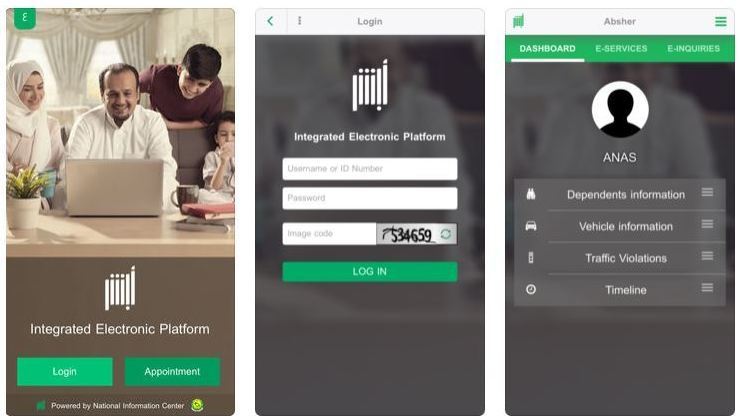
"caption": "The Absher app, available in the Apple and Google apps stores in Saudi Arabia, allows men to track the whereabouts of their wives and daughters.",
"description": null,
"title": "absher-app",
"credit": "NPR",
"status": "inherit",
"isLoading": false,
"fetchFailed": false
},
"news_11726031": {
"type": "attachments",
"id": "news_11726031",
"meta": {
"index": "attachments_1716263798",
"site": "news",
"id": "11726031",
"found": true
},
"parent": 11725899,
"imgSizes": {
"twentyfourteen-full-width": {
"file": "https://ww2.kqed.org/app/uploads/sites/10/2019/02/gettyimages-1090897618-8387242cec71c22ebb6b4b4e9a4fd0a273aee763-s1600-c85-1038x576.jpg",
"width": 1038,
"mimeType": "image/jpeg",
"height": 576
},
"thumbnail": {
"file": "https://ww2.kqed.org/app/uploads/sites/10/2019/02/gettyimages-1090897618-8387242cec71c22ebb6b4b4e9a4fd0a273aee763-s1600-c85-160x120.jpg",
"width": 160,
"mimeType": "image/jpeg",
"height": 120
},
"post-thumbnail": {
"file": "https://ww2.kqed.org/app/uploads/sites/10/2019/02/gettyimages-1090897618-8387242cec71c22ebb6b4b4e9a4fd0a273aee763-s1600-c85-672x372.jpg",
"width": 672,
"mimeType": "image/jpeg",
"height": 372
},
"kqedFullSize": {
"file": "https://ww2.kqed.org/app/uploads/sites/10/2019/02/gettyimages-1090897618-8387242cec71c22ebb6b4b4e9a4fd0a273aee763-s1600-c85.jpg",
"width": 1600,
"height": 1199
},
"large": {
"file": "https://ww2.kqed.org/app/uploads/sites/10/2019/02/gettyimages-1090897618-8387242cec71c22ebb6b4b4e9a4fd0a273aee763-s1600-c85-1020x764.jpg",
"width": 1020,
"mimeType": "image/jpeg",
"height": 764
},
"complete_open_graph": {
"file": "https://ww2.kqed.org/app/uploads/sites/10/2019/02/gettyimages-1090897618-8387242cec71c22ebb6b4b4e9a4fd0a273aee763-s1600-c85-1200x899.jpg",
"width": 1200,
"mimeType": "image/jpeg",
"height": 899
},
"guest-author-50": {
"file": "https://ww2.kqed.org/app/uploads/sites/10/2019/02/gettyimages-1090897618-8387242cec71c22ebb6b4b4e9a4fd0a273aee763-s1600-c85-50x50.jpg",
"width": 50,
"mimeType": "image/jpeg",
"height": 50
},
"guest-author-96": {
"file": "https://ww2.kqed.org/app/uploads/sites/10/2019/02/gettyimages-1090897618-8387242cec71c22ebb6b4b4e9a4fd0a273aee763-s1600-c85-96x96.jpg",
"width": 96,
"mimeType": "image/jpeg",
"height": 96
},
"medium": {
"file": "https://ww2.kqed.org/app/uploads/sites/10/2019/02/gettyimages-1090897618-8387242cec71c22ebb6b4b4e9a4fd0a273aee763-s1600-c85-800x600.jpg",
"width": 800,
"mimeType": "image/jpeg",
"height": 600
},
"guest-author-64": {
"file": "https://ww2.kqed.org/app/uploads/sites/10/2019/02/gettyimages-1090897618-8387242cec71c22ebb6b4b4e9a4fd0a273aee763-s1600-c85-64x64.jpg",
"width": 64,
"mimeType": "image/jpeg",
"height": 64
},
"guest-author-32": {
"file": "https://ww2.kqed.org/app/uploads/sites/10/2019/02/gettyimages-1090897618-8387242cec71c22ebb6b4b4e9a4fd0a273aee763-s1600-c85-32x32.jpg",
"width": 32,
"mimeType": "image/jpeg",
"height": 32
},
"detail": {
"file": "https://ww2.kqed.org/app/uploads/sites/10/2019/02/gettyimages-1090897618-8387242cec71c22ebb6b4b4e9a4fd0a273aee763-s1600-c85-150x150.jpg",
"width": 150,
"mimeType": "image/jpeg",
"height": 150
},
"guest-author-128": {
"file": "https://ww2.kqed.org/app/uploads/sites/10/2019/02/gettyimages-1090897618-8387242cec71c22ebb6b4b4e9a4fd0a273aee763-s1600-c85-128x128.jpg",
"width": 128,
"mimeType": "image/jpeg",
"height": 128
}
},
"publishDate": 1550100857,
"modified": 1550100884,
"caption": "The SEC has accused a former Apple executive of using advance information about the company's finances to sell off stock and avoid losses.",
"description": "The SEC has accused a former Apple executive of using advance information about the company's finances to sell off stock and avoid losses.\n",
"title": "gettyimages-1090897618-8387242cec71c22ebb6b4b4e9a4fd0a273aee763-s1600-c85",
"credit": "Drew Angerer/Getty Images",
"status": "inherit",
"isLoading": false,
"fetchFailed": false
}
},
"audioPlayerReducer": {
"postId": "stream_live",
"isPaused": true,
"isPlaying": false,
"pfsActive": false,
"pledgeModalIsOpen": true,
"playerDrawerIsOpen": false,
"liveAudioPlayStartedAt": 0,
"liveAudioPlayContext": ""
},
"authorsReducer": {
"byline_news_11728914": {
"type": "authors",
"id": "byline_news_11728914",
"meta": {
"override": true
},
"slug": "byline_news_11728914",
"name": "\u003cstrong>Michael Liedtke\u003cbr />Associated Press\u003c/strong>",
"isLoading": false
},
"byline_news_11728784": {
"type": "authors",
"id": "byline_news_11728784",
"meta": {
"override": true
},
"slug": "byline_news_11728784",
"name": "Matt Sedensky \u003cbr> Associated Press",
"isLoading": false
},
"byline_news_11727794": {
"type": "authors",
"id": "byline_news_11727794",
"meta": {
"override": true
},
"slug": "byline_news_11727794",
"name": "Laura Sydell",
"isLoading": false
},
"byline_news_11727288": {
"type": "authors",
"id": "byline_news_11727288",
"meta": {
"override": true
},
"slug": "byline_news_11727288",
"name": "\u003ca href=\"https://www.npr.org/people/463234136/laurel-wamsley\">Laurel Wamsley\u003c/a>\u003cbr> \u003cstrong>\u003ca href=\"https://www.npr.org\">NPR\u003c/a>\u003c/strong>",
"isLoading": false
},
"byline_news_11726676": {
"type": "authors",
"id": "byline_news_11726676",
"meta": {
"override": true
},
"slug": "byline_news_11726676",
"name": "\u003cstrong>\u003ca href=\"https://www.npr.org/people/297147616/jasmine-garsd\">Jasmine Garsd\u003c/a>\u003c/strong>",
"isLoading": false
},
"byline_news_11726287": {
"type": "authors",
"id": "byline_news_11726287",
"meta": {
"override": true
},
"slug": "byline_news_11726287",
"name": "Don Thompson\u003cbr>\u003cstrong>Associated Press\u003c/strong>",
"isLoading": false
},
"byline_news_11725956": {
"type": "authors",
"id": "byline_news_11725956",
"meta": {
"override": true
},
"slug": "byline_news_11725956",
"name": "Laura Sydell",
"isLoading": false
},
"byline_news_11725899": {
"type": "authors",
"id": "byline_news_11725899",
"meta": {
"override": true
},
"slug": "byline_news_11725899",
"name": "Laurel Wamsley",
"isLoading": false
},
"kqed": {
"type": "authors",
"id": "236",
"meta": {
"index": "authors_1716337520",
"id": "236",
"found": true
},
"name": "KQED News Staff",
"firstName": "KQED News Staff",
"lastName": null,
"slug": "kqed",
"email": "faq@kqed.org",
"display_author_email": false,
"staff_mastheads": [],
"title": null,
"bio": null,
"avatar": "https://secure.gravatar.com/avatar/ef0e801a68c4c54afa9180db14084167?s=600&d=blank&r=g",
"twitter": null,
"facebook": null,
"instagram": null,
"linkedin": null,
"sites": [
{
"site": "arts",
"roles": [
"contributor"
]
},
{
"site": "news",
"roles": [
"editor"
]
},
{
"site": "futureofyou",
"roles": [
"author"
]
}
],
"headData": {
"title": "KQED News Staff | KQED",
"description": null,
"ogImgSrc": "https://secure.gravatar.com/avatar/ef0e801a68c4c54afa9180db14084167?s=600&d=blank&r=g",
"twImgSrc": "https://secure.gravatar.com/avatar/ef0e801a68c4c54afa9180db14084167?s=600&d=blank&r=g"
},
"isLoading": false,
"link": "/author/kqed"
},
"samharnett": {
"type": "authors",
"id": "253",
"meta": {
"index": "authors_1716337520",
"id": "253",
"found": true
},
"name": "Sam Harnett",
"firstName": "Sam",
"lastName": "Harnett",
"slug": "samharnett",
"email": "samharnett@gmail.com",
"display_author_email": false,
"staff_mastheads": [],
"title": "KQED Contributor",
"bio": "Sam Harnett covered tech and work at KQED. He is the co-creator of \u003cem>\u003ca href=\"http://www.theworldaccordingtosound.org\">The World According to Sound\u003c/a>,\u003c/em> a 90-second podcast that features different sounds and the stories behind them.\r\n\r\nBefore coming to KQED, Sam worked as an independent reporter who contributed regularly to \u003cem>The California Report, Marketplace,\u003c/em> \u003cem>The World \u003c/em>and NPR.",
"avatar": "https://secure.gravatar.com/avatar/2538b972ac02f2b9546c7a6c59a0f3d0?s=600&d=blank&r=g",
"twitter": "Samwharnett",
"facebook": null,
"instagram": null,
"linkedin": null,
"sites": [
{
"site": "news",
"roles": [
"edit_others_posts",
"subscriber"
]
},
{
"site": "stateofhealth",
"roles": [
"author"
]
},
{
"site": "science",
"roles": [
"editor"
]
},
{
"site": "quest",
"roles": [
"subscriber"
]
}
],
"headData": {
"title": "Sam Harnett | KQED",
"description": "KQED Contributor",
"ogImgSrc": "https://secure.gravatar.com/avatar/2538b972ac02f2b9546c7a6c59a0f3d0?s=600&d=blank&r=g",
"twImgSrc": "https://secure.gravatar.com/avatar/2538b972ac02f2b9546c7a6c59a0f3d0?s=600&d=blank&r=g"
},
"isLoading": false,
"link": "/author/samharnett"
},
"zschiffer": {
"type": "authors",
"id": "11588",
"meta": {
"index": "authors_1716337520",
"id": "11588",
"found": true
},
"name": "Zoe Schiffer",
"firstName": "Zoe",
"lastName": "Schiffer",
"slug": "zschiffer",
"email": "zschiffer@KQED.org",
"display_author_email": false,
"staff_mastheads": [],
"title": null,
"bio": "Zoe Schiffer works at KQED's Silicon Valley Bureau, reporting on tech and culture. Previously, she freelanced for Vox's Racked, The Bold Italic, SF Gate, and SF Evergreen. She holds a B.A. in Political Science from UC Berkeley, and is working on a graduate degree in Journalism from Stanford. Outside of work you can find her reading, writing poetry, and running around Lake Merritt. Twitter: @ZoeSchiffer",
"avatar": "https://secure.gravatar.com/avatar/bbb1270a17cf7dbab05a089151407d8f?s=600&d=blank&r=g",
"twitter": "@ZoeSchiffer",
"facebook": null,
"instagram": null,
"linkedin": null,
"sites": [
{
"site": "news",
"roles": [
"author"
]
}
],
"headData": {
"title": "Zoe Schiffer | KQED",
"description": null,
"ogImgSrc": "https://secure.gravatar.com/avatar/bbb1270a17cf7dbab05a089151407d8f?s=600&d=blank&r=g",
"twImgSrc": "https://secure.gravatar.com/avatar/bbb1270a17cf7dbab05a089151407d8f?s=600&d=blank&r=g"
},
"isLoading": false,
"link": "/author/zschiffer"
}
},
"pagesReducer": {
"news_category_technology": {
"type": "terms",
"id": "news_248",
"meta": {
"index": "terms_1716263798",
"site": "news",
"id": "248",
"score": 10.9318695
},
"featImg": null,
"name": "Technology",
"description": null,
"taxonomy": "category",
"headData": {
"twImgId": null,
"twTitle": null,
"ogTitle": null,
"ogImgId": null,
"twDescription": null,
"description": null,
"title": "Technology Archives | KQED News",
"ogDescription": null
},
"ttid": 256,
"slug": "technology",
"isLoading": false,
"title": "Technology",
"pageMeta": {
"site": "news",
"WpPageTemplate": "page-topic-editorial",
"currentPage": 74
},
"blocks": [
{
"blockName": "kqed/post-list",
"attrs": {
"layout": "cardArticle2",
"query": "posts/news?category=technology",
"seeMore": false,
"paginated": true,
"page": 74
}
},
{
"blockName": "kqed/ad"
}
]
}
},
"pfsSessionReducer": {},
"postsReducer": {
"stream_live": {
"type": "live",
"id": "stream_live",
"audioUrl": "https://streams.kqed.org/kqedradio",
"title": "Live Stream",
"excerpt": "Live Stream information currently unavailable.",
"link": "/radio",
"featImg": "",
"label": {
"name": "KQED Live",
"link": "/"
}
},
"stream_kqedNewscast": {
"type": "posts",
"id": "stream_kqedNewscast",
"audioUrl": "https://www.kqed.org/.stream/anon/radio/RDnews/newscast.mp3?_=1",
"title": "KQED Newscast",
"featImg": "",
"label": {
"name": "88.5 FM",
"link": "/"
}
},
"news_11728981": {
"type": "posts",
"id": "news_11728981",
"meta": {
"index": "posts_1716263798",
"site": "news",
"id": "11728981",
"score": null,
"sort": [
1551189350000
]
},
"parent": 0,
"labelTerm": {},
"blocks": [],
"publishDate": 1551189350,
"format": "audio",
"disqusTitle": "Ending Cash Bail Is on Hold Until 2020, But Critics Aren’t Waiting to Push Reforms",
"title": "Ending Cash Bail Is on Hold Until 2020, But Critics Aren’t Waiting to Push Reforms",
"headTitle": "KQED News",
"content": "\u003ch2>\u003ca href=\"https://www.kqed.org/news/11728806/ending-cash-bail-is-on-hold-until-2020-but-critics-arent-waiting-to-push-reforms\">Ending Cash Bail Is on Hold Until 2020, But Critics Aren’t Waiting to Push Reforms\u003c/a>\u003c/h2>\n\u003cp>A new state law to eliminate cash bail is now on hold. It will remain so until voters have a chance to weigh in next year. But how the state treats defendants pretrial is continuing to evolve.\u003cbr>\n\u003cem>Reporter: Marisa Lagos\u003c/em>\u003c/p>\n\u003ch2>\u003ca href=\"https://www.kqed.org/news/11728995/pge-workers-want-their-bonuses-back\">PG&E Workers Want Their Bonuses Back\u003c/a>\u003c/h2>\n\u003cp>PG&E workers are demanding that the company reconsider its decision not to pay $130 million in performance-related compensation. The move will affect about 14,000 of its employees.\u003cbr>\n\u003cem>Reporter: Sara Hossaini\u003c/em>\u003c/p>\n\u003ch2>\u003ca href=\"https://www.kqed.org/news/11728957/california-keeps-a-secret-list-of-criminal-cops-but-says-you-cant-have-it\">Thousands of California Police Officers Convicted of Crimes Over Last Decade\u003c/a>\u003c/h2>\n\u003cp>Journalists working out of UC Berkeley’s Investigative Reporting Program have obtained a list showing thousands of California police officers were convicted of crimes over the past decade. Some convictions came long after cops retired, or were on applicant’s records. Others were fired only after they were arrested and some even kept their jobs.\u003cbr>\n\u003cem>Guest: Robert Lewis\u003c/em>\u003c/p>\n\u003ch2>\u003ca href=\"https://www.kqed.org/news/11728997/should-californians-get-a-share-of-the-profits-from-their-data\">Should Californians Get a Share of the Profits from Their Data?\u003c/a>\u003c/h2>\n\u003cp>Google and Facebook and most other “free” online services and apps make money by mining and monetizing personal data, which has become the currency of the internet. Governor Newsom says it’s time the Californians sharing their data get to share in the profits.\u003cbr>\n\u003cem>Reporter: Sam Harnett\u003c/em>\u003c/p>\n\u003ch2>\u003ca href=\"https://www.scpr.org/news/2019/02/08/88184/la-immigrants-are-being-scared-away-from-the-healt/\">California Immigrants Are Being Scared Away From the Health Care They Need\u003c/a>\u003c/h2>\n\u003cp>A recent report finds California immigrants who don't have legal status here need better access to mental health care.\u003cbr>\n\u003cem>Reporter: Alyssa Jeong Perry\u003c/em>\u003c/p>\n\u003ch2>\u003ca href=\"https://www.kqed.org/news/11729000/are-charter-schools-to-blame-for-teacher-strikes\">Are Charter Schools to Blame for Teacher Strikes?\u003c/a>\u003c/h2>\n\u003cp>The teachers union in Oakland says charter schools have taken critical resources away from the school district. That argument is similar to one we heard during the teachers strike in L.A. There’s a series of bills being considered by lawmakers in Sacramento that try to increase oversight of charter schools.\u003cbr>\n\u003cem>Guest: John Fensterwald\u003c/em>\u003c/p>\n\u003ch2>\u003ca href=\"https://www.kqed.org/news/11729002/federal-regulators-want-musk-held-in-contempt-for-pair-of-tesla-tweets-2\">Federal Regulators Want Musk Held in Contempt for Pair of Tesla Tweets\u003c/a>\u003c/h2>\n\u003cp>Tesla CEO Elon Musk is hot water with the U.S. Securities and Exchange Commission again for his recent Twitter activity. The SEC is asking a New York federal judge to hold Musk in contempt of court for tweeting about vehicle production numbers, which could potentially impact the company's stock.\u003c/p>\n\u003cp>[ad fullwidth]\u003c/p>\u003cp>\u003c/p>\n",
"disqusIdentifier": "11728981 https://ww2.kqed.org/news/?p=11728981",
"disqusUrl": "https://ww2.kqed.org/news/2019/02/26/ending-cash-bail-is-on-hold-until-2020-but-critics-arent-waiting-to-push-reforms-2/",
"stats": {
"hasVideo": false,
"hasChartOrMap": false,
"hasAudio": false,
"hasPolis": false,
"wordCount": 396,
"hasGoogleForm": false,
"hasGallery": false,
"hasHearkenModule": false,
"iframeSrcs": [],
"paragraphCount": 9
},
"modified": 1551203084,
"excerpt": null,
"headData": {
"twImgId": "",
"twTitle": "",
"ogTitle": "",
"ogImgId": "",
"twDescription": "",
"description": "Ending Cash Bail Is on Hold Until 2020, But Critics Aren’t Waiting to Push Reforms A new state law to eliminate cash bail is now on hold. It will remain so until voters have a chance to weigh in next year. But how the state treats defendants pretrial is continuing to evolve. Reporter: Marisa Lagos",
"title": "Ending Cash Bail Is on Hold Until 2020, But Critics Aren’t Waiting to Push Reforms | KQED",
"ogDescription": "",
"schema": {
"@context": "https://schema.org",
"@type": "NewsArticle",
"headline": "Ending Cash Bail Is on Hold Until 2020, But Critics Aren’t Waiting to Push Reforms",
"datePublished": "2019-02-26T05:55:50-08:00",
"dateModified": "2019-02-26T09:44:44-08:00",
"image": "https://cdn.kqed.org/wp-content/uploads/2020/02/KQED-OG-Image@1x.png",
"isAccessibleForFree": "True",
"publisher": {
"@type": "NewsMediaOrganization",
"@id": "https://www.kqed.org/#organization",
"name": "KQED",
"logo": "https://cdn.kqed.org/wp-content/uploads/2020/02/KQED-OG-Image@1x.png",
"url": "https://www.kqed.org",
"sameAs": [
"https://www.facebook.com/KQED",
"https://twitter.com/KQED",
"https://www.instagram.com/kqed/",
"https://www.tiktok.com/@kqedofficial",
"https://www.linkedin.com/company/kqed",
"https://www.youtube.com/channel/UCeC0IOo7i1P_61zVUWbJ4nw"
]
}
}
},
"guestAuthors": [],
"slug": "ending-cash-bail-is-on-hold-until-2020-but-critics-arent-waiting-to-push-reforms-2",
"status": "publish",
"sourceUrl": "https://www.kqed.org/news/tag/tcrarchive/",
"audioUrl": "https://www.kqed.org/.stream/anon/radio/tcr/2019/02/TCRPodcast226.mp3",
"audioTrackLength": 668,
"source": "Morning Report",
"path": "/news/11728981/ending-cash-bail-is-on-hold-until-2020-but-critics-arent-waiting-to-push-reforms-2",
"audioDuration": 685000,
"parsedContent": [
{
"type": "contentString",
"content": "\u003cdiv class=\"post-body\">\u003cp>\u003ch2>\u003ca href=\"https://www.kqed.org/news/11728806/ending-cash-bail-is-on-hold-until-2020-but-critics-arent-waiting-to-push-reforms\">Ending Cash Bail Is on Hold Until 2020, But Critics Aren’t Waiting to Push Reforms\u003c/a>\u003c/h2>\n\u003cp>A new state law to eliminate cash bail is now on hold. It will remain so until voters have a chance to weigh in next year. But how the state treats defendants pretrial is continuing to evolve.\u003cbr>\n\u003cem>Reporter: Marisa Lagos\u003c/em>\u003c/p>\n\u003ch2>\u003ca href=\"https://www.kqed.org/news/11728995/pge-workers-want-their-bonuses-back\">PG&E Workers Want Their Bonuses Back\u003c/a>\u003c/h2>\n\u003cp>PG&E workers are demanding that the company reconsider its decision not to pay $130 million in performance-related compensation. The move will affect about 14,000 of its employees.\u003cbr>\n\u003cem>Reporter: Sara Hossaini\u003c/em>\u003c/p>\n\u003ch2>\u003ca href=\"https://www.kqed.org/news/11728957/california-keeps-a-secret-list-of-criminal-cops-but-says-you-cant-have-it\">Thousands of California Police Officers Convicted of Crimes Over Last Decade\u003c/a>\u003c/h2>\n\u003cp>Journalists working out of UC Berkeley’s Investigative Reporting Program have obtained a list showing thousands of California police officers were convicted of crimes over the past decade. Some convictions came long after cops retired, or were on applicant’s records. Others were fired only after they were arrested and some even kept their jobs.\u003cbr>\n\u003cem>Guest: Robert Lewis\u003c/em>\u003c/p>\n\u003ch2>\u003ca href=\"https://www.kqed.org/news/11728997/should-californians-get-a-share-of-the-profits-from-their-data\">Should Californians Get a Share of the Profits from Their Data?\u003c/a>\u003c/h2>\n\u003cp>Google and Facebook and most other “free” online services and apps make money by mining and monetizing personal data, which has become the currency of the internet. Governor Newsom says it’s time the Californians sharing their data get to share in the profits.\u003cbr>\n\u003cem>Reporter: Sam Harnett\u003c/em>\u003c/p>\n\u003ch2>\u003ca href=\"https://www.scpr.org/news/2019/02/08/88184/la-immigrants-are-being-scared-away-from-the-healt/\">California Immigrants Are Being Scared Away From the Health Care They Need\u003c/a>\u003c/h2>\n\u003cp>A recent report finds California immigrants who don't have legal status here need better access to mental health care.\u003cbr>\n\u003cem>Reporter: Alyssa Jeong Perry\u003c/em>\u003c/p>\n\u003ch2>\u003ca href=\"https://www.kqed.org/news/11729000/are-charter-schools-to-blame-for-teacher-strikes\">Are Charter Schools to Blame for Teacher Strikes?\u003c/a>\u003c/h2>\n\u003cp>The teachers union in Oakland says charter schools have taken critical resources away from the school district. That argument is similar to one we heard during the teachers strike in L.A. There’s a series of bills being considered by lawmakers in Sacramento that try to increase oversight of charter schools.\u003cbr>\n\u003cem>Guest: John Fensterwald\u003c/em>\u003c/p>\n\u003ch2>\u003ca href=\"https://www.kqed.org/news/11729002/federal-regulators-want-musk-held-in-contempt-for-pair-of-tesla-tweets-2\">Federal Regulators Want Musk Held in Contempt for Pair of Tesla Tweets\u003c/a>\u003c/h2>\n\u003cp>Tesla CEO Elon Musk is hot water with the U.S. Securities and Exchange Commission again for his recent Twitter activity. The SEC is asking a New York federal judge to hold Musk in contempt of court for tweeting about vehicle production numbers, which could potentially impact the company's stock.\u003c/p>\n\u003cp>\u003c/p>\u003c/div>",
"attributes": {
"named": {},
"numeric": []
}
},
{
"type": "component",
"content": "",
"name": "ad",
"attributes": {
"named": {
"label": "fullwidth"
},
"numeric": [
"fullwidth"
]
}
},
{
"type": "contentString",
"content": "\u003cdiv class=\"post-body\">\u003cp>\u003c/p>\u003cp>\u003c/p>\n\u003c/div>\u003c/p>",
"attributes": {
"named": {},
"numeric": []
}
}
],
"link": "/news/11728981/ending-cash-bail-is-on-hold-until-2020-but-critics-arent-waiting-to-push-reforms-2",
"authors": [
"236"
],
"categories": [
"news_6188",
"news_13",
"news_248"
],
"tags": [
"news_21998",
"news_21268"
],
"featImg": "news_11572756",
"label": "source_news_11728981"
},
"news_11728914": {
"type": "posts",
"id": "news_11728914",
"meta": {
"index": "posts_1716263798",
"site": "news",
"id": "11728914",
"score": null,
"sort": [
1551144707000
]
},
"parent": 0,
"labelTerm": {
"site": "news",
"term": 72
},
"blocks": [],
"publishDate": 1551144707,
"format": "audio",
"disqusTitle": "Federal Regulators Want Musk Held in Contempt for Pair of Tesla Tweets",
"title": "Federal Regulators Want Musk Held in Contempt for Pair of Tesla Tweets",
"headTitle": "The California Report | KQED News",
"content": "\u003cp>Tesla CEO Elon Musk's tweeting habits have triggered another legal challenge from stock market regulators worried about him using his Twitter account to mislead investors.\u003c/p>\n\u003cp>The latest dust-up emerged late Monday when the Securities and Exchange Commission asked a federal court in New York to hold Musk in contempt for violating a $40 million settlement he begrudgingly reached with the U.S. stock market's chief regulatory agency five months ago.\u003c/p>\n\u003cp>Allegations that Musk broke the agreement could renew a debate about whether he has become too reckless to continue as Tesla. This even though many analysts still consider his vision to be instrumental to the future success of the electric car maker he co-founded.\u003c/p>\n\u003cp>Tesla's stock dropped about 4 percent in after-hours trading Monday.\u003c/p>\n\u003cp>Contempt charges are typically brought against individuals who defy a court order. The SEC settlement was approved by a judge last fall, exposing Musk to potential fines or even jail time if he is found to be in contempt.\u003c/p>\n\u003cp>[ad fullwidth]\u003c/p>\n\u003cp>Tesla didn't immediately respond to requests for comment about the SEC's latest move. But letters from the company's attorneys included in Monday's filing argue that Musk remains in compliance with the settlement.\u003c/p>\n\u003cp>The SEC had sued Musk last September for using his Twitter account in August to announce he had secured financing for a potential buyout of Tesla — news that caused the company's stock to swing wildly. He later backed off that buyout idea, but regulators concluded he never had lined up the money to pull off the deal that probably would have required at least $25 billion to pull off.\u003c/p>\n\u003cp>Musk initially contended that he hadn't done anything wrong before reluctantly agreeing to have future tweets that could affect Tesla's stock be pre-approved.\u003c/p>\n\u003cp>Now the SEC is alleging that Musk broke the terms of that agreement with a Feb. 19 tweet projecting that Tesla would make about 500,000 cars this year. \u003c/p>\n\u003cp>About four hours after that tweet, Musk altered his statement, saying he meant that Tesla had started to manufacture cars at a weekly clip that would translate into an annualized production rate of 500,000 cars, with 400,000 delivered in calendar 2019.\u003c/p>\n\u003cp>https://twitter.com/elonmusk/status/1098080063801585664\u003c/p>\n\u003cp>Musk acknowledged he didn't get company approval for the initial Feb. 19 tweet, according to the SEC, even though car manufacturing statistics can affect stock prices of automakers. In his defense, Musk said he didn't think his tweet needed clearance because he was basing the information that had been disclosed in late January. Both Feb. 19 tweets occurred while the U.S. stock market was closed.\u003c/p>\n\u003cp>But those factors evidently didn't sway the SEC, which illustrated Musk's allegedly contemptuous behavior with some of the comments he made during a television interview with \"60 Minutes\" that aired last Dec. 9.\u003c/p>\n\u003cp>In that interview, Musk said no one at Tesla was screening the tweets he posts to his account, which now has 25 million followers. When pressed how Tesla officials could know whether his tweets might be violating the SEC settlement if they weren't reading them before they were posted, Musk replied: \"Well, I guess we might make some mistakes. Who knows?\"\u003c/p>\n\u003cp>The SEC also pointed out that during the same interview, Musk declared: \"I want to be clear. I do not respect the SEC. I do not respect them.\"\u003c/p>\n\u003cp>\u003c/p>\n\u003cp>Tesla's legal team realized Musk may have crossed a line with his Feb. 19 tweet about car manufacturing, according to the SEC. After that tweet posted, a Tesla lawyer \"immediately arranged to meet with Musk and draft the corrective statement that Musk tweeted out over four hours later.\"\u003c/p>\n\n",
"disqusIdentifier": "11728914 https://ww2.kqed.org/news/?p=11728914",
"disqusUrl": "https://ww2.kqed.org/news/2019/02/25/federal-regulators-want-musk-held-in-contempt-for-pair-of-tesla-tweets/",
"stats": {
"hasVideo": false,
"hasChartOrMap": false,
"hasAudio": false,
"hasPolis": false,
"wordCount": 624,
"hasGoogleForm": false,
"hasGallery": false,
"hasHearkenModule": false,
"iframeSrcs": [],
"paragraphCount": 17
},
"modified": 1551214966,
"excerpt": "Securities and Exchange Commission say Tesla CEO violated settlement under which he had agreed to have online messages screened before posting. ",
"headData": {
"twImgId": "",
"twTitle": "",
"ogTitle": "",
"ogImgId": "",
"twDescription": "",
"description": "Securities and Exchange Commission say Tesla CEO violated settlement under which he had agreed to have online messages screened before posting. ",
"title": "Federal Regulators Want Musk Held in Contempt for Pair of Tesla Tweets | KQED",
"ogDescription": "",
"schema": {
"@context": "https://schema.org",
"@type": "NewsArticle",
"headline": "Federal Regulators Want Musk Held in Contempt for Pair of Tesla Tweets",
"datePublished": "2019-02-25T17:31:47-08:00",
"dateModified": "2019-02-26T13:02:46-08:00",
"image": "https://cdn.kqed.org/wp-content/uploads/2020/02/KQED-OG-Image@1x.png",
"isAccessibleForFree": "True",
"publisher": {
"@type": "NewsMediaOrganization",
"@id": "https://www.kqed.org/#organization",
"name": "KQED",
"logo": "https://cdn.kqed.org/wp-content/uploads/2020/02/KQED-OG-Image@1x.png",
"url": "https://www.kqed.org",
"sameAs": [
"https://www.facebook.com/KQED",
"https://twitter.com/KQED",
"https://www.instagram.com/kqed/",
"https://www.tiktok.com/@kqedofficial",
"https://www.linkedin.com/company/kqed",
"https://www.youtube.com/channel/UCeC0IOo7i1P_61zVUWbJ4nw"
]
}
}
},
"guestAuthors": [],
"slug": "federal-regulators-want-musk-held-in-contempt-for-pair-of-tesla-tweets",
"status": "publish",
"audioUrl": "https://www.kqed.org/.stream/anon/radio/tcr/2019/02/TeslaSEC.mp3",
"nprByline": "\u003cstrong>Michael Liedtke\u003cbr />Associated Press\u003c/strong>",
"audioTrackLength": 68,
"WpOldSlug": "federal-regulators-wnat-musk-held-in-contempt-for-pair-of-tesla-tweets",
"path": "/news/11728914/federal-regulators-want-musk-held-in-contempt-for-pair-of-tesla-tweets",
"audioDuration": 81000,
"parsedContent": [
{
"type": "contentString",
"content": "\u003cdiv class=\"post-body\">\u003cp>\u003cp>Tesla CEO Elon Musk's tweeting habits have triggered another legal challenge from stock market regulators worried about him using his Twitter account to mislead investors.\u003c/p>\n\u003cp>The latest dust-up emerged late Monday when the Securities and Exchange Commission asked a federal court in New York to hold Musk in contempt for violating a $40 million settlement he begrudgingly reached with the U.S. stock market's chief regulatory agency five months ago.\u003c/p>\n\u003cp>Allegations that Musk broke the agreement could renew a debate about whether he has become too reckless to continue as Tesla. This even though many analysts still consider his vision to be instrumental to the future success of the electric car maker he co-founded.\u003c/p>\n\u003cp>Tesla's stock dropped about 4 percent in after-hours trading Monday.\u003c/p>\n\u003cp>Contempt charges are typically brought against individuals who defy a court order. The SEC settlement was approved by a judge last fall, exposing Musk to potential fines or even jail time if he is found to be in contempt.\u003c/p>\n\u003cp>\u003c/p>\u003c/div>",
"attributes": {
"named": {},
"numeric": []
}
},
{
"type": "component",
"content": "",
"name": "ad",
"attributes": {
"named": {
"label": "fullwidth"
},
"numeric": [
"fullwidth"
]
}
},
{
"type": "contentString",
"content": "\u003cdiv class=\"post-body\">\u003cp>\u003c/p>\n\u003cp>Tesla didn't immediately respond to requests for comment about the SEC's latest move. But letters from the company's attorneys included in Monday's filing argue that Musk remains in compliance with the settlement.\u003c/p>\n\u003cp>The SEC had sued Musk last September for using his Twitter account in August to announce he had secured financing for a potential buyout of Tesla — news that caused the company's stock to swing wildly. He later backed off that buyout idea, but regulators concluded he never had lined up the money to pull off the deal that probably would have required at least $25 billion to pull off.\u003c/p>\n\u003cp>Musk initially contended that he hadn't done anything wrong before reluctantly agreeing to have future tweets that could affect Tesla's stock be pre-approved.\u003c/p>\n\u003cp>Now the SEC is alleging that Musk broke the terms of that agreement with a Feb. 19 tweet projecting that Tesla would make about 500,000 cars this year. \u003c/p>\n\u003cp>About four hours after that tweet, Musk altered his statement, saying he meant that Tesla had started to manufacture cars at a weekly clip that would translate into an annualized production rate of 500,000 cars, with 400,000 delivered in calendar 2019.\u003c/p>\u003c/p>\u003c/div>",
"attributes": {
"named": {},
"numeric": []
}
},
{
"type": "component",
"content": "",
"name": "singleTwitterStatus",
"attributes": {
"named": {
"id": "1098080063801585664"
},
"numeric": []
}
},
{
"type": "contentString",
"content": "\u003cdiv class=\"post-body\">\u003cp>\n\u003cp>Musk acknowledged he didn't get company approval for the initial Feb. 19 tweet, according to the SEC, even though car manufacturing statistics can affect stock prices of automakers. In his defense, Musk said he didn't think his tweet needed clearance because he was basing the information that had been disclosed in late January. Both Feb. 19 tweets occurred while the U.S. stock market was closed.\u003c/p>\n\u003cp>But those factors evidently didn't sway the SEC, which illustrated Musk's allegedly contemptuous behavior with some of the comments he made during a television interview with \"60 Minutes\" that aired last Dec. 9.\u003c/p>\n\u003cp>In that interview, Musk said no one at Tesla was screening the tweets he posts to his account, which now has 25 million followers. When pressed how Tesla officials could know whether his tweets might be violating the SEC settlement if they weren't reading them before they were posted, Musk replied: \"Well, I guess we might make some mistakes. Who knows?\"\u003c/p>\n\u003cp>The SEC also pointed out that during the same interview, Musk declared: \"I want to be clear. I do not respect the SEC. I do not respect them.\"\u003c/p>\n\u003cp>\u003c/p>\n\u003cp>Tesla's legal team realized Musk may have crossed a line with his Feb. 19 tweet about car manufacturing, according to the SEC. After that tweet posted, a Tesla lawyer \"immediately arranged to meet with Musk and draft the corrective statement that Musk tweeted out over four hours later.\"\u003c/p>\n\n\u003c/div>\u003c/p>",
"attributes": {
"named": {},
"numeric": []
}
}
],
"link": "/news/11728914/federal-regulators-want-musk-held-in-contempt-for-pair-of-tesla-tweets",
"authors": [
"byline_news_11728914"
],
"programs": [
"news_72"
],
"categories": [
"news_8",
"news_248",
"news_1397"
],
"tags": [
"news_3897",
"news_3374",
"news_57"
],
"featImg": "news_11695506",
"label": "news_72"
},
"news_11728784": {
"type": "posts",
"id": "news_11728784",
"meta": {
"index": "posts_1716263798",
"site": "news",
"id": "11728784",
"score": null,
"sort": [
1551131799000
]
},
"guestAuthors": [],
"slug": "workers-h-1b-visas-in-doubt-as-trump-immigration-crackdown-widens",
"title": "Workers' H-1B Visas in Doubt as Trump Immigration Crackdown Widens",
"publishDate": 1551131799,
"format": "standard",
"headTitle": "Workers’ H-1B Visas in Doubt as Trump Immigration Crackdown Widens | KQED",
"labelTerm": {
"term": 72,
"site": "news"
},
"content": "\u003cp>Immigrants with specialized skills are being denied work visas or seeing applications get caught up in lengthy bureaucratic tangles under federal changes that some consider a contradiction to President Donald Trump’s promise of a continued pathway to the U.S. for the most talented foreigners.\u003c/p>\n\u003cp>Getting what’s known as an H-1B visa has never been a sure thing — the number issued annually is capped at 85,000 and applicants need to enter a lottery to even be considered. But some immigration attorneys, as well as those who hire such workers, say they’ve seen unprecedented disruptions in the approval process since Trump took office in 2017.\u003c/p>\n\u003caside class=\"alignright\">\n\u003ch3>\u003ca href=\"https://www.kqed.org/news/11652014/trump-administration-restricts-h-1b-worker-visas-coveted-by-high-tech\">Trump Administration Restricts H-1B Worker Visas Coveted By High Tech\u003c/a>\u003c/h3>\n\u003cfigure>\u003ca href=\"https://www.kqed.org/news/11652014/trump-administration-restricts-h-1b-worker-visas-coveted-by-high-tech\">\u003cimg decoding=\"async\" src=\"https://ww2.kqed.org/wp-content/uploads/sites/10/2018/02/uscis-1_custom-377f855cafc2d8e2550bcdb050dddc14d2df3573.jpg\" alt=\"\">\u003c/a>\u003c/figure>\n\u003c/aside>\n\u003cp>“You see all these arguments that we want the best and the brightest coming here,” said John Goslow, an immigration attorney in Ann Arbor, Michigan. “Yet we’re seeing a full-frontal assault on just all aspects of immigration.”\u003c/p>\n\u003cp>For American businesses, it has a bottom-line impact.\u003c/p>\n\u003cp>Link Wilson, an architect who co-founded a firm in Bloomington, Minnesota, said finding enough qualified workers within the U.S. has been a problem for years, in part due to a shortage of architects. He said employers who turn to international applicants do so as a last resort, putting up with legal fees and ever-expanding visa approval times because they have no other choice.\u003c/p>\n\u003cp>[ad fullwidth]\u003c/p>\n\u003cp>“We’re just at the point where there’s no one else to hire,” said Wilson, who estimates his firm turned away about $1 million in projects last year because it didn’t have enough staff to handle them.\u003c/p>\n\u003cp>Three months after taking office, Trump issued his “Buy American and Hire American” \u003ca href=\"https://www.whitehouse.gov/presidential-actions/presidential-executive-order-buy-american-hire-american/\">executive order\u003c/a> , directing Cabinet officials to suggest reforms to ensure that H-1B visas are awarded to the “most-skilled or highest-paid” applicants to help promote the hiring of Americans for jobs that might otherwise go to immigrants.\u003c/p>\n\u003cp>Subsequent memos have allowed for greater discretion in denying applications without first requesting additional information from an applicant, tossed the deference given to people seeking to renew their H-1Bs, and raised concern that the government would revoke work permits for the \u003ca href=\"https://www.kqed.org/news/11707255/what-silicon-valley-could-lose-if-trump-revokes-h-1b-spousal-work-visas\" target=\"_blank\" rel=\"noopener\">spouses of H-1B holders\u003c/a>. One order restricted companies’ ability to use H-1B workers off-site at a customer’s place of business, while another temporarily rescinded the option of paying for faster application processing.\u003c/p>\n\u003caside class=\"alignright\">\n\u003ch3>\u003ca href=\"https://www.kqed.org/news/11707158/indian-entrepreneurs-with-no-green-cards-pursue-silicon-valley-dreams-elsewhere\">Indian Entrepreneurs With No Green Cards Pursue Silicon Valley Dreams Elsewhere\u003c/a>\u003c/h3>\n\u003cfigure>\u003ca href=\"https://www.kqed.org/news/11707158/indian-entrepreneurs-with-no-green-cards-pursue-silicon-valley-dreams-elsewhere\">\u003cimg decoding=\"async\" src=\"https://ww2.kqed.org/wp-content/uploads/sites/10/2018/11/USA_FamilyPhoto-1020x681.jpeg\" alt=\"\">\u003c/a>\u003c/figure>\n\u003c/aside>\n\u003cp>Attorneys who handle these applications say one of the biggest shifts is an increase in “requests for evidence,” or RFEs, from U.S. Citizenship and Immigration Services. An RFE can delay a visa for months or longer as applicants and employers are forced to submit additional documentation over things such as the applicability of a college degree to a prospective job or whether the wage being offered is appropriate. If the responses are unsatisfactory, a visa may be denied.\u003c/p>\n\u003cp>“They’re just blocking the avenues so that employers will get frustrated and they won’t employ foreign nationals,” said Dakshini Sen, an immigration lawyer in Houston whose caseload is mostly H-1B applications. “We have to write and write and write and explain and explain and explain each and every point.”\u003c/p>\n\u003cp>\u003ca href=\"https://www.uscis.gov/sites/default/files/USCIS/Resources/Reports%20and%20Studies/Immigration%20Forms%20Data/BAHA/h-1B-quarterly-requests-for-evidence-2015-2019-Q1-top-30-employers.pdf\" target=\"_blank\" rel=\"noopener\">USCIS data\u003c/a> released on Friday shows an increase in the number of completed H-1B applications receiving an RFE, from about 21 percent in the 2016 fiscal year to 38 percent last fiscal year. The number continued to rise in the first quarter of this fiscal year, to 60 percent.\u003c/p>\n\u003cp>A growing number of applications with such requests were ultimately denied, while the approval rate among all applicants has fallen. Approvals also dipped in two other visa programs for foreign workers, including one for individuals with extraordinary abilities in areas such as science, sports and the arts.\u003c/p>\n\u003cp>Jessica Collins, a spokeswoman for USCIS, linked the changes to the president’s executive order, saying the goal was to reduce “frivolous” petitions and that “it is incumbent upon the petitioner, not the government” to prove eligibility.\u003c/p>\n\u003cp>Some employers note traditional three-year renewable terms of H-1Bs have also been changing; one \u003ca href=\"https://nfap.com/wp-content/uploads/2018/10/Doc-1-Complaint.pdf\" target=\"_blank\" rel=\"noopener\">lawsuit\u003c/a> by an organization representing information technology companies claims some visas were valid for only a few days or had expired before they were even received.\u003c/p>\n\u003caside class=\"alignright\">\n\u003ch3>\u003ca href=\"https://www.kqed.org/news/11712941/deported-oakland-nurse-reunites-with-children-in-the-bay-area-after-16-months\">Deported Oakland Nurse Reunites With Children in the Bay Area After 16 Months\u003c/a>\u003c/h3>\n\u003cfigure>\u003ca href=\"https://www.kqed.org/news/11712941/deported-oakland-nurse-reunites-with-children-in-the-bay-area-after-16-months\">\u003cimg decoding=\"async\" src=\"https://ww2.kqed.org/news/wp-content/uploads/sites/10/2018/12/RS34481_Maria-qut.jpg\" alt=\"\">\u003c/a>\u003c/figure>\n\u003c/aside>\n\u003cp>Meantime, a vague \u003ca href=\"https://www.reginfo.gov/public/do/eAgendaViewRule?RIN=1615-AC13&pubId=201810\">entry\u003c/a> published in the Federal Register last fall advised that the Department of Homeland Security would propose additional revisions to focus on attracting “the best and the brightest” and to “ensure employers pay appropriate wages” to H-1B visa holders, which has raised alarms that the administration will move to narrow the definition of who qualifies.\u003c/p>\n\u003cp>Caught in the crosshairs are workers like Leo Wang.\u003c/p>\n\u003cp>Wang, 32, spent six years after college in his native China learning all he could about data and analytics. He got into the University of Southern California, interned at a major venture capital firm and wasted no time after finishing his master’s before starting on another degree. He couch-surfed, passed up an enticing foreign job offer and amassed educational debt all in pursuit of the dream that ultimately came true: A six-figure Silicon Valley job.\u003c/p>\n\u003cp>As long as it took Wang to achieve his goal, it disappeared in record time.\u003c/p>\n\u003cp>Wang was working at Seagate Technology under an immigration provision known as Optional Practical Training, which gives those on student visas permission to work. But that expired last year, and because his H-1B application was in flux, he was forced to take a leave from Seagate and withdraw from the master’s program he was pursuing at Berkeley. He says he and his company dutifully responded to an RFE, compiling examples of his work at Seagate. But on Jan. 11, Wang got a final answer: He was denied an H-1B.\u003c/p>\n\u003cp>“All I wanted was to be able to see my American dream,” he said.\u003c/p>\n\u003cp>Sandra Feist, an immigration attorney in Minneapolis, said talented foreigners discouraged by the visa process are beginning to look at opportunities in other countries, and she questions what that means for America’s future, especially if top-tier researchers who could contribute to science and medicine are turned away.\u003c/p>\n\u003caside class=\"pullquote alignright\">‘At a time when the number of job vacancies are reaching historic highs due to labor shortages, now is not the time to restrict access to talent.’\u003ccite>a letter from CEOs for companies including Apple, Ford and Coca-Cola to Homeland Security Secretary Kirstjen Nielsen\u003c/cite>\u003c/aside>\n\u003cp>One of her clients, a computer systems analyst from India with a master’s degree from a U.S. college, filed his petition for an H-1B in April 2017 with 101 pages of documentation. He received an RFE, and a 176-page response was filed, with additional paperwork attempting to prove just how complicated the position was. He was denied. Feist filed a 282-page appeal, requesting that the file be reopened. Though the appeal was approved, there was a second RFE, which Feist said raises the same issues she already responded to.\u003c/p>\n\u003cp>With a U.S. work visa unlikely, that client is applying for permanent residency in Canada with his wife and U.S. citizen child.\u003c/p>\n\u003cp>CEOs for companies including Apple, Ford and Coca-Cola penned a \u003ca href=\"https://www.businessroundtable.org/letter-to-department-of-homeland-security-on-immigration-policies\">letter\u003c/a> to Homeland Security Secretary Kirstjen Nielsen in August, saying immigration policy changes were undermining economic growth. “At a time when the number of job vacancies are reaching historic highs due to labor shortages,” they said, “now is not the time to restrict access to talent.”\u003c/p>\n\u003cp>A provision for immigration based on skills, education and employer needs dates back to the Immigration and Nationality Act of 1952, and the visa now known as the H-1B has until recently enjoyed wide support among politicians on both the left and the right. A Pew Research Center \u003ca href=\"http://www.pewglobal.org/2019/01/22/majority-of-u-s-public-supports-high-skilled-immigration/\">survey\u003c/a> last year found broad approval for high-skilled immigrants among the public, as well, with support at 83 percent among Democrats polled and 73 percent of Republicans.\u003c/p>\n\u003caside class=\"alignright\">\n\u003ch3>\u003ca href=\"https://www.kqed.org/news/11648086/confusion-over-tps-work-permits-worries-employers-immigrants\">Employers, Immigrants Grapple With Uncertainty Over TPS Work Permits\u003c/a>\u003c/h3>\n\u003cfigure>\u003ca href=\"https://www.kqed.org/news/11648086/confusion-over-tps-work-permits-worries-employers-immigrants\">\u003cimg decoding=\"async\" src=\"https://ww2.kqed.org/wp-content/uploads/sites/10/2018/02/RS29269_IMG_1354-qut-1180x787.jpg\" alt=\"\">\u003c/a>\u003c/figure>\n\u003c/aside>\n\u003cp>Trump has vacillated on the issue. During a March 2016 presidential debate, then-candidate Trump was asked about his opposition to visas for skilled workers, to which he \u003ca href=\"https://www.washingtonpost.com/news/the-fix/wp/2016/03/03/the-fox-news-gop-debate-transcript-annotated/?utm_term=.34ce5b34c70d\" target=\"_blank\" rel=\"noopener\">said\u003c/a>, “I’m changing” and that he saw such policies as a way to keep top international students in the U.S. “We absolutely have to be able to keep the brain power in this country,” he said.\u003c/p>\n\u003cp>His campaign followed that with a \u003ca href=\"http://web.archive.org/web/20160416001802/https:/www.donaldjtrump.com/press-releases/donald-j.-trump-position-on-visas\" target=\"_blank\" rel=\"noopener\">statement\u003c/a> saying: “The H-1B program is neither high-skilled nor immigration: these are temporary foreign workers, imported from abroad, for the explicit purpose of substituting for American workers at lower pay.”\u003c/p>\n\u003cp>Last month, Trump again reverted to a more conciliatory note, \u003ca href=\"https://mobile.twitter.com/realDonaldTrump/status/1083705208834834433\" target=\"_blank\" rel=\"noopener\">tweeting\u003c/a> that H1-B holders “can rest assured that changes are soon coming which will bring both simplicity and certainty to your stay, including a potential path to citizenship.”\u003c/p>\n\u003cp>Back in China now, Wang isn’t sure what to make of Trump’s words. He’s talked to a friend from Seagate, now at a Swedish firm, about openings there, and a former boss in Singapore has some prospects for him as well.\u003c/p>\n\u003cp>[ad floatright]\u003c/p>\n\u003cp>“I still believe in the American dream,” he says. “It’s just that I personally have to pursue it somewhere else.”\u003c/p>\n\n",
"blocks": [],
"excerpt": "Immigrants with specialized skills are being denied work visas under federal changes some consider a contradiction to President Trump's promise of a continued pathway to the U.S. for the most talented foreigners.",
"status": "publish",
"parent": 0,
"modified": 1729028978,
"stats": {
"hasAudio": false,
"hasVideo": false,
"hasChartOrMap": false,
"iframeSrcs": [],
"hasGoogleForm": false,
"hasGallery": false,
"hasHearkenModule": false,
"hasPolis": false,
"paragraphCount": 32,
"wordCount": 1634
},
"headData": {
"title": "Workers' H-1B Visas in Doubt as Trump Immigration Crackdown Widens | KQED",
"description": "Immigrants with specialized skills are being denied work visas under federal changes some consider a contradiction to President Trump's promise of a continued pathway to the U.S. for the most talented foreigners.",
"ogTitle": "",
"ogDescription": "",
"ogImgId": "",
"twTitle": "",
"twDescription": "",
"twImgId": "",
"schema": {
"@context": "https://schema.org",
"@type": "NewsArticle",
"headline": "Workers' H-1B Visas in Doubt as Trump Immigration Crackdown Widens",
"datePublished": "2019-02-25T13:56:39-08:00",
"dateModified": "2024-10-15T14:49:38-07:00",
"image": "https://cdn.kqed.org/wp-content/uploads/2020/02/KQED-OG-Image@1x.png",
"isAccessibleForFree": "True",
"publisher": {
"@type": "NewsMediaOrganization",
"@id": "https://www.kqed.org/#organization",
"name": "KQED",
"logo": "https://cdn.kqed.org/wp-content/uploads/2020/02/KQED-OG-Image@1x.png",
"url": "https://www.kqed.org",
"sameAs": [
"https://www.facebook.com/KQED",
"https://twitter.com/KQED",
"https://www.instagram.com/kqed/",
"https://www.tiktok.com/@kqedofficial",
"https://www.linkedin.com/company/kqed",
"https://www.youtube.com/channel/UCeC0IOo7i1P_61zVUWbJ4nw"
]
}
}
},
"sticky": false,
"nprByline": "Matt Sedensky \u003cbr> Associated Press",
"path": "/news/11728784/workers-h-1b-visas-in-doubt-as-trump-immigration-crackdown-widens",
"audioTrackLength": null,
"parsedContent": [
{
"type": "contentString",
"content": "\u003cdiv class=\"post-body\">\u003cp>\u003cp>Immigrants with specialized skills are being denied work visas or seeing applications get caught up in lengthy bureaucratic tangles under federal changes that some consider a contradiction to President Donald Trump’s promise of a continued pathway to the U.S. for the most talented foreigners.\u003c/p>\n\u003cp>Getting what’s known as an H-1B visa has never been a sure thing — the number issued annually is capped at 85,000 and applicants need to enter a lottery to even be considered. But some immigration attorneys, as well as those who hire such workers, say they’ve seen unprecedented disruptions in the approval process since Trump took office in 2017.\u003c/p>\n\u003caside class=\"alignright\">\n\u003ch3>\u003ca href=\"https://www.kqed.org/news/11652014/trump-administration-restricts-h-1b-worker-visas-coveted-by-high-tech\">Trump Administration Restricts H-1B Worker Visas Coveted By High Tech\u003c/a>\u003c/h3>\n\u003cfigure>\u003ca href=\"https://www.kqed.org/news/11652014/trump-administration-restricts-h-1b-worker-visas-coveted-by-high-tech\">\u003cimg decoding=\"async\" src=\"https://ww2.kqed.org/wp-content/uploads/sites/10/2018/02/uscis-1_custom-377f855cafc2d8e2550bcdb050dddc14d2df3573.jpg\" alt=\"\">\u003c/a>\u003c/figure>\n\u003c/aside>\n\u003cp>“You see all these arguments that we want the best and the brightest coming here,” said John Goslow, an immigration attorney in Ann Arbor, Michigan. “Yet we’re seeing a full-frontal assault on just all aspects of immigration.”\u003c/p>\n\u003cp>For American businesses, it has a bottom-line impact.\u003c/p>\n\u003cp>Link Wilson, an architect who co-founded a firm in Bloomington, Minnesota, said finding enough qualified workers within the U.S. has been a problem for years, in part due to a shortage of architects. He said employers who turn to international applicants do so as a last resort, putting up with legal fees and ever-expanding visa approval times because they have no other choice.\u003c/p>\n\u003cp>\u003c/p>\u003c/div>",
"attributes": {
"named": {},
"numeric": []
}
},
{
"type": "component",
"content": "",
"name": "ad",
"attributes": {
"named": {
"label": "fullwidth"
},
"numeric": [
"fullwidth"
]
}
},
{
"type": "contentString",
"content": "\u003cdiv class=\"post-body\">\u003cp>\u003c/p>\n\u003cp>“We’re just at the point where there’s no one else to hire,” said Wilson, who estimates his firm turned away about $1 million in projects last year because it didn’t have enough staff to handle them.\u003c/p>\n\u003cp>Three months after taking office, Trump issued his “Buy American and Hire American” \u003ca href=\"https://www.whitehouse.gov/presidential-actions/presidential-executive-order-buy-american-hire-american/\">executive order\u003c/a> , directing Cabinet officials to suggest reforms to ensure that H-1B visas are awarded to the “most-skilled or highest-paid” applicants to help promote the hiring of Americans for jobs that might otherwise go to immigrants.\u003c/p>\n\u003cp>Subsequent memos have allowed for greater discretion in denying applications without first requesting additional information from an applicant, tossed the deference given to people seeking to renew their H-1Bs, and raised concern that the government would revoke work permits for the \u003ca href=\"https://www.kqed.org/news/11707255/what-silicon-valley-could-lose-if-trump-revokes-h-1b-spousal-work-visas\" target=\"_blank\" rel=\"noopener\">spouses of H-1B holders\u003c/a>. One order restricted companies’ ability to use H-1B workers off-site at a customer’s place of business, while another temporarily rescinded the option of paying for faster application processing.\u003c/p>\n\u003caside class=\"alignright\">\n\u003ch3>\u003ca href=\"https://www.kqed.org/news/11707158/indian-entrepreneurs-with-no-green-cards-pursue-silicon-valley-dreams-elsewhere\">Indian Entrepreneurs With No Green Cards Pursue Silicon Valley Dreams Elsewhere\u003c/a>\u003c/h3>\n\u003cfigure>\u003ca href=\"https://www.kqed.org/news/11707158/indian-entrepreneurs-with-no-green-cards-pursue-silicon-valley-dreams-elsewhere\">\u003cimg decoding=\"async\" src=\"https://ww2.kqed.org/wp-content/uploads/sites/10/2018/11/USA_FamilyPhoto-1020x681.jpeg\" alt=\"\">\u003c/a>\u003c/figure>\n\u003c/aside>\n\u003cp>Attorneys who handle these applications say one of the biggest shifts is an increase in “requests for evidence,” or RFEs, from U.S. Citizenship and Immigration Services. An RFE can delay a visa for months or longer as applicants and employers are forced to submit additional documentation over things such as the applicability of a college degree to a prospective job or whether the wage being offered is appropriate. If the responses are unsatisfactory, a visa may be denied.\u003c/p>\n\u003cp>“They’re just blocking the avenues so that employers will get frustrated and they won’t employ foreign nationals,” said Dakshini Sen, an immigration lawyer in Houston whose caseload is mostly H-1B applications. “We have to write and write and write and explain and explain and explain each and every point.”\u003c/p>\n\u003cp>\u003ca href=\"https://www.uscis.gov/sites/default/files/USCIS/Resources/Reports%20and%20Studies/Immigration%20Forms%20Data/BAHA/h-1B-quarterly-requests-for-evidence-2015-2019-Q1-top-30-employers.pdf\" target=\"_blank\" rel=\"noopener\">USCIS data\u003c/a> released on Friday shows an increase in the number of completed H-1B applications receiving an RFE, from about 21 percent in the 2016 fiscal year to 38 percent last fiscal year. The number continued to rise in the first quarter of this fiscal year, to 60 percent.\u003c/p>\n\u003cp>A growing number of applications with such requests were ultimately denied, while the approval rate among all applicants has fallen. Approvals also dipped in two other visa programs for foreign workers, including one for individuals with extraordinary abilities in areas such as science, sports and the arts.\u003c/p>\n\u003cp>Jessica Collins, a spokeswoman for USCIS, linked the changes to the president’s executive order, saying the goal was to reduce “frivolous” petitions and that “it is incumbent upon the petitioner, not the government” to prove eligibility.\u003c/p>\n\u003cp>Some employers note traditional three-year renewable terms of H-1Bs have also been changing; one \u003ca href=\"https://nfap.com/wp-content/uploads/2018/10/Doc-1-Complaint.pdf\" target=\"_blank\" rel=\"noopener\">lawsuit\u003c/a> by an organization representing information technology companies claims some visas were valid for only a few days or had expired before they were even received.\u003c/p>\n\u003caside class=\"alignright\">\n\u003ch3>\u003ca href=\"https://www.kqed.org/news/11712941/deported-oakland-nurse-reunites-with-children-in-the-bay-area-after-16-months\">Deported Oakland Nurse Reunites With Children in the Bay Area After 16 Months\u003c/a>\u003c/h3>\n\u003cfigure>\u003ca href=\"https://www.kqed.org/news/11712941/deported-oakland-nurse-reunites-with-children-in-the-bay-area-after-16-months\">\u003cimg decoding=\"async\" src=\"https://ww2.kqed.org/news/wp-content/uploads/sites/10/2018/12/RS34481_Maria-qut.jpg\" alt=\"\">\u003c/a>\u003c/figure>\n\u003c/aside>\n\u003cp>Meantime, a vague \u003ca href=\"https://www.reginfo.gov/public/do/eAgendaViewRule?RIN=1615-AC13&pubId=201810\">entry\u003c/a> published in the Federal Register last fall advised that the Department of Homeland Security would propose additional revisions to focus on attracting “the best and the brightest” and to “ensure employers pay appropriate wages” to H-1B visa holders, which has raised alarms that the administration will move to narrow the definition of who qualifies.\u003c/p>\n\u003cp>Caught in the crosshairs are workers like Leo Wang.\u003c/p>\n\u003cp>Wang, 32, spent six years after college in his native China learning all he could about data and analytics. He got into the University of Southern California, interned at a major venture capital firm and wasted no time after finishing his master’s before starting on another degree. He couch-surfed, passed up an enticing foreign job offer and amassed educational debt all in pursuit of the dream that ultimately came true: A six-figure Silicon Valley job.\u003c/p>\n\u003cp>As long as it took Wang to achieve his goal, it disappeared in record time.\u003c/p>\n\u003cp>Wang was working at Seagate Technology under an immigration provision known as Optional Practical Training, which gives those on student visas permission to work. But that expired last year, and because his H-1B application was in flux, he was forced to take a leave from Seagate and withdraw from the master’s program he was pursuing at Berkeley. He says he and his company dutifully responded to an RFE, compiling examples of his work at Seagate. But on Jan. 11, Wang got a final answer: He was denied an H-1B.\u003c/p>\n\u003cp>“All I wanted was to be able to see my American dream,” he said.\u003c/p>\n\u003cp>Sandra Feist, an immigration attorney in Minneapolis, said talented foreigners discouraged by the visa process are beginning to look at opportunities in other countries, and she questions what that means for America’s future, especially if top-tier researchers who could contribute to science and medicine are turned away.\u003c/p>\n\u003caside class=\"pullquote alignright\">‘At a time when the number of job vacancies are reaching historic highs due to labor shortages, now is not the time to restrict access to talent.’\u003ccite>a letter from CEOs for companies including Apple, Ford and Coca-Cola to Homeland Security Secretary Kirstjen Nielsen\u003c/cite>\u003c/aside>\n\u003cp>One of her clients, a computer systems analyst from India with a master’s degree from a U.S. college, filed his petition for an H-1B in April 2017 with 101 pages of documentation. He received an RFE, and a 176-page response was filed, with additional paperwork attempting to prove just how complicated the position was. He was denied. Feist filed a 282-page appeal, requesting that the file be reopened. Though the appeal was approved, there was a second RFE, which Feist said raises the same issues she already responded to.\u003c/p>\n\u003cp>With a U.S. work visa unlikely, that client is applying for permanent residency in Canada with his wife and U.S. citizen child.\u003c/p>\n\u003cp>CEOs for companies including Apple, Ford and Coca-Cola penned a \u003ca href=\"https://www.businessroundtable.org/letter-to-department-of-homeland-security-on-immigration-policies\">letter\u003c/a> to Homeland Security Secretary Kirstjen Nielsen in August, saying immigration policy changes were undermining economic growth. “At a time when the number of job vacancies are reaching historic highs due to labor shortages,” they said, “now is not the time to restrict access to talent.”\u003c/p>\n\u003cp>A provision for immigration based on skills, education and employer needs dates back to the Immigration and Nationality Act of 1952, and the visa now known as the H-1B has until recently enjoyed wide support among politicians on both the left and the right. A Pew Research Center \u003ca href=\"http://www.pewglobal.org/2019/01/22/majority-of-u-s-public-supports-high-skilled-immigration/\">survey\u003c/a> last year found broad approval for high-skilled immigrants among the public, as well, with support at 83 percent among Democrats polled and 73 percent of Republicans.\u003c/p>\n\u003caside class=\"alignright\">\n\u003ch3>\u003ca href=\"https://www.kqed.org/news/11648086/confusion-over-tps-work-permits-worries-employers-immigrants\">Employers, Immigrants Grapple With Uncertainty Over TPS Work Permits\u003c/a>\u003c/h3>\n\u003cfigure>\u003ca href=\"https://www.kqed.org/news/11648086/confusion-over-tps-work-permits-worries-employers-immigrants\">\u003cimg decoding=\"async\" src=\"https://ww2.kqed.org/wp-content/uploads/sites/10/2018/02/RS29269_IMG_1354-qut-1180x787.jpg\" alt=\"\">\u003c/a>\u003c/figure>\n\u003c/aside>\n\u003cp>Trump has vacillated on the issue. During a March 2016 presidential debate, then-candidate Trump was asked about his opposition to visas for skilled workers, to which he \u003ca href=\"https://www.washingtonpost.com/news/the-fix/wp/2016/03/03/the-fox-news-gop-debate-transcript-annotated/?utm_term=.34ce5b34c70d\" target=\"_blank\" rel=\"noopener\">said\u003c/a>, “I’m changing” and that he saw such policies as a way to keep top international students in the U.S. “We absolutely have to be able to keep the brain power in this country,” he said.\u003c/p>\n\u003cp>His campaign followed that with a \u003ca href=\"http://web.archive.org/web/20160416001802/https:/www.donaldjtrump.com/press-releases/donald-j.-trump-position-on-visas\" target=\"_blank\" rel=\"noopener\">statement\u003c/a> saying: “The H-1B program is neither high-skilled nor immigration: these are temporary foreign workers, imported from abroad, for the explicit purpose of substituting for American workers at lower pay.”\u003c/p>\n\u003cp>Last month, Trump again reverted to a more conciliatory note, \u003ca href=\"https://mobile.twitter.com/realDonaldTrump/status/1083705208834834433\" target=\"_blank\" rel=\"noopener\">tweeting\u003c/a> that H1-B holders “can rest assured that changes are soon coming which will bring both simplicity and certainty to your stay, including a potential path to citizenship.”\u003c/p>\n\u003cp>Back in China now, Wang isn’t sure what to make of Trump’s words. He’s talked to a friend from Seagate, now at a Swedish firm, about openings there, and a former boss in Singapore has some prospects for him as well.\u003c/p>\n\u003cp>\u003c/p>\u003c/div>",
"attributes": {
"named": {},
"numeric": []
}
},
{
"type": "component",
"content": "",
"name": "ad",
"attributes": {
"named": {
"label": "floatright"
},
"numeric": [
"floatright"
]
}
},
{
"type": "contentString",
"content": "\u003cdiv class=\"post-body\">\u003cp>\u003c/p>\n\u003cp>“I still believe in the American dream,” he says. “It’s just that I personally have to pursue it somewhere else.”\u003c/p>\n\n\u003c/div>\u003c/p>",
"attributes": {
"named": {},
"numeric": []
}
}
],
"link": "/news/11728784/workers-h-1b-visas-in-doubt-as-trump-immigration-crackdown-widens",
"authors": [
"byline_news_11728784"
],
"programs": [
"news_72"
],
"categories": [
"news_1169",
"news_8",
"news_33520",
"news_13",
"news_248"
],
"tags": [
"news_1323",
"news_20202",
"news_1631",
"news_22530"
],
"featImg": "news_11728789",
"label": "news_72"
},
"news_11727794": {
"type": "posts",
"id": "news_11727794",
"meta": {
"index": "posts_1716263798",
"site": "news",
"id": "11727794",
"score": null,
"sort": [
1550783049000
]
},
"parent": 0,
"labelTerm": {},
"blocks": [],
"publishDate": 1550783049,
"format": "standard",
"disqusTitle": "Advocates Ask FTC 'to Hold Facebook Accountable' for In-Game Purchases by Kids",
"title": "Advocates Ask FTC 'to Hold Facebook Accountable' for In-Game Purchases by Kids",
"headTitle": "The California Report | KQED News",
"content": "\u003cp>In 2011, Glynnis Bohannon gave her 12-year-old son permission to charge $20 on her credit card to play a game on Facebook called Ninja Saga. Neither of them saw any signs that the credit card information had been stored and was racking up charges as her son played and made additional in-game purchases. Bohannon says her son didn't realize it would end up costing nearly $1,000.\u003c/p>\n\u003cp>Bohannon was the main plaintiff in a \u003ca href=\"http://ia800303.us.archive.org/1/items/gov.uscourts.cand.254070/gov.uscourts.cand.254070.1.7.pdf\">2012 class-action lawsuit\u003c/a> that Facebook settled in 2016. The suit was brought on behalf of parents whose minor children unknowingly made purchases on their parents' credit cards.\u003c/p>\n\u003cp>On Thursday, more than a dozen groups that advocate for children's rights and privacy rights said they're asking the Federal Trade Commission to investigate whether Facebook has engaged in illegal, unfair or deceptive practices by enticing children to spend money on in-game purchases without their parents' consent.\u003c/p>\n\u003cp>\"Facebook's scamming of children is not only unethical and reprehensible — it's likely a violation of consumer protection laws,\" said Josh Golin, executive director of Campaign for Commercial-Free Childhood. \"Time and time again, we see that Facebook plays by its own rules regardless of the cost to children, families and society. We urge the FTC to hold Facebook accountable.\"\u003c/p>\n\u003cp>The request for an FTC investigation comes after a court granted a request by the \u003ca href=\"https://www.revealnews.org/article/facebook-knowingly-duped-game-playing-kids-and-their-parents-out-of-money/\">Center For Investigative Reporting \u003c/a>to unseal documents from the 2012 class-action suit.\u003c/p>\n\u003cp>[ad fullwidth]\u003c/p>\n\u003cp>In another document, cited in a release by the advocacy groups, Facebook employees called an underage girl a \"whale\" — a term used by casinos to refer to someone who spends a lot of money.\u003c/p>\n\u003cp>Parents also say Facebook made it challenging to find out how to report what happened and often would not reimburse parents.\u003c/p>\n\u003cp>Among the revelations from the unsealed documents is that Facebook employees did come up with ways to prevent children from unwittingly stacking up charges on their parents' credit cards. But employees were told it would cut into Facebook revenues. According to \u003ca href=\"https://www.documentcloud.org/documents/5694580-Exhibit-K.html#document/p2/a477366\">one document\u003c/a>, Facebook told developers not to avoid what it called \"friendly fraud.\"\u003c/p>\n\u003cp>Jim Steyer, CEO of Common Sense Media, says the unsealed documents show \"the attitude of the company and the culture that underlay these decisions and the deceptive practices. So that alone speaks volumes and says we need to crack down on this.\"\u003c/p>\n\u003cp>Common Sense Media, the Campaign for a Commercial-Free Childhood and the Center for Digital Democracy are among the groups asking the FTC to investigate Facebook. An FTC spokeswoman said the agency received the groups' request but had no additional comment.\u003c/p>\n\u003cp>In a statement to NPR on Thursday, a Facebook spokesperson said:\u003c/p>\n\u003cblockquote>\u003cp>\"We want people to have safe and enjoyable gaming experiences on Facebook, so providing resources to seek refunds for unauthorized purchases made in games is an important part of the platform. We have in place mechanisms to prevent fraud at the time of purchase and we offer people the option to dispute purchases and seek refunds.\u003c/p>\n\u003cp>\"As part of our long history of working with parents and experts to offer tools for families navigating Facebook and the web, Facebook also has safeguards in place regarding minors' purchases. In 2016, we updated our terms and now provide dedicated resources for refund requests related to purchases made by minors on Facebook, including special training for our reviewers.\"\u003c/p>\u003c/blockquote>\n\u003cp>\u003ca href=\"https://law.justia.com/cases/federal/district-courts/california/candce/5:2012cv01894/254070/159/\">In the 2016 settlement\u003c/a>, Facebook agreed to make certain changes to its practices. For example, it had to inform app developers that any purchases made by minors could be voided.\u003c/p>\n\u003cp>But Steyer of Common Sense Media says the settlement isn't sufficient. \"At least it brought to light some of the unfair and deceptive practices and the privacy violations. But it didn't really protect all children and families and consumers in this country, which is the job of the FTC.\"\u003c/p>\n\u003cp>\u003c/p>\n\u003cp>Facebook isn't the only tech company to engage in this kind of conduct. Apple, Google and Amazon have been accused of similar behavior. Settlement agreements with the FTC required those companies to modify their billing practices to ensure express consent from parents for in-app purchases. The settlements also required tens of millions in refunds.\u003c/p>\n\u003cdiv class=\"fullattribution\">Copyright 2019 NPR. To see more, visit https://www.npr.org.\u003cimg src=\"https://www.google-analytics.com/__utm.gif?utmac=UA-5828686-4&utmdt=Advocates+Ask+FTC+%27To+Hold+Facebook+Accountable%27+For+In-Game+Purchases+By+Kids&utme=8(APIKey)9(MDAxOTAwOTE4MDEyMTkxMDAzNjczZDljZA004)\">\u003c/div>\n\n",
"disqusIdentifier": "11727794 https://ww2.kqed.org/news/?p=11727794",
"disqusUrl": "https://ww2.kqed.org/news/2019/02/21/advocates-ask-ftc-to-hold-facebook-accountable-for-in-game-purchases-by-kids/",
"stats": {
"hasVideo": false,
"hasChartOrMap": false,
"hasAudio": false,
"hasPolis": false,
"wordCount": 715,
"hasGoogleForm": false,
"hasGallery": false,
"hasHearkenModule": false,
"iframeSrcs": [],
"paragraphCount": 18
},
"modified": 1550800455,
"excerpt": "Following the unsealing of court documents, children's rights groups are asking the FTC to open an investigation into practices that allow such purchases without parental permission.",
"headData": {
"twImgId": "",
"twTitle": "",
"ogTitle": "",
"ogImgId": "",
"twDescription": "",
"description": "Following the unsealing of court documents, children's rights groups are asking the FTC to open an investigation into practices that allow such purchases without parental permission.",
"title": "Advocates Ask FTC 'to Hold Facebook Accountable' for In-Game Purchases by Kids | KQED",
"ogDescription": "",
"schema": {
"@context": "https://schema.org",
"@type": "NewsArticle",
"headline": "Advocates Ask FTC 'to Hold Facebook Accountable' for In-Game Purchases by Kids",
"datePublished": "2019-02-21T13:04:09-08:00",
"dateModified": "2019-02-21T17:54:15-08:00",
"image": "https://cdn.kqed.org/wp-content/uploads/2020/02/KQED-OG-Image@1x.png",
"isAccessibleForFree": "True",
"publisher": {
"@type": "NewsMediaOrganization",
"@id": "https://www.kqed.org/#organization",
"name": "KQED",
"logo": "https://cdn.kqed.org/wp-content/uploads/2020/02/KQED-OG-Image@1x.png",
"url": "https://www.kqed.org",
"sameAs": [
"https://www.facebook.com/KQED",
"https://twitter.com/KQED",
"https://www.instagram.com/kqed/",
"https://www.tiktok.com/@kqedofficial",
"https://www.linkedin.com/company/kqed",
"https://www.youtube.com/channel/UCeC0IOo7i1P_61zVUWbJ4nw"
]
}
}
},
"guestAuthors": [],
"slug": "advocates-ask-ftc-to-hold-facebook-accountable-for-in-game-purchases-by-kids",
"status": "publish",
"sourceUrl": "https://www.npr.org/",
"nprApiLink": "http://api.npr.org/query?id=696430478&apiKey=MDAxOTAwOTE4MDEyMTkxMDAzNjczZDljZA004",
"nprByline": "Laura Sydell",
"nprStoryDate": "Thu, 21 Feb 2019 10:00:02 -0500",
"nprLastModifiedDate": "Thu, 21 Feb 2019 12:48:08 -0500",
"nprHtmlLink": "https://www.npr.org/2019/02/21/696430478/advocates-ask-ftc-to-investigate-facebook-deception-over-kids-in-game-purchases?ft=nprml&f=696430478",
"nprImageAgency": "AFP/Getty Images",
"nprImageCredit": "Josh Edelson",
"source": "NPR",
"nprStoryId": "696430478",
"nprRetrievedStory": "1",
"nprPubDate": "Thu, 21 Feb 2019 12:48:00 -0500",
"path": "/news/11727794/advocates-ask-ftc-to-hold-facebook-accountable-for-in-game-purchases-by-kids",
"audioTrackLength": null,
"parsedContent": [
{
"type": "contentString",
"content": "\u003cdiv class=\"post-body\">\u003cp>\u003cp>In 2011, Glynnis Bohannon gave her 12-year-old son permission to charge $20 on her credit card to play a game on Facebook called Ninja Saga. Neither of them saw any signs that the credit card information had been stored and was racking up charges as her son played and made additional in-game purchases. Bohannon says her son didn't realize it would end up costing nearly $1,000.\u003c/p>\n\u003cp>Bohannon was the main plaintiff in a \u003ca href=\"http://ia800303.us.archive.org/1/items/gov.uscourts.cand.254070/gov.uscourts.cand.254070.1.7.pdf\">2012 class-action lawsuit\u003c/a> that Facebook settled in 2016. The suit was brought on behalf of parents whose minor children unknowingly made purchases on their parents' credit cards.\u003c/p>\n\u003cp>On Thursday, more than a dozen groups that advocate for children's rights and privacy rights said they're asking the Federal Trade Commission to investigate whether Facebook has engaged in illegal, unfair or deceptive practices by enticing children to spend money on in-game purchases without their parents' consent.\u003c/p>\n\u003cp>\"Facebook's scamming of children is not only unethical and reprehensible — it's likely a violation of consumer protection laws,\" said Josh Golin, executive director of Campaign for Commercial-Free Childhood. \"Time and time again, we see that Facebook plays by its own rules regardless of the cost to children, families and society. We urge the FTC to hold Facebook accountable.\"\u003c/p>\n\u003cp>The request for an FTC investigation comes after a court granted a request by the \u003ca href=\"https://www.revealnews.org/article/facebook-knowingly-duped-game-playing-kids-and-their-parents-out-of-money/\">Center For Investigative Reporting \u003c/a>to unseal documents from the 2012 class-action suit.\u003c/p>\n\u003cp>\u003c/p>\u003c/div>",
"attributes": {
"named": {},
"numeric": []
}
},
{
"type": "component",
"content": "",
"name": "ad",
"attributes": {
"named": {
"label": "fullwidth"
},
"numeric": [
"fullwidth"
]
}
},
{
"type": "contentString",
"content": "\u003cdiv class=\"post-body\">\u003cp>\u003c/p>\n\u003cp>In another document, cited in a release by the advocacy groups, Facebook employees called an underage girl a \"whale\" — a term used by casinos to refer to someone who spends a lot of money.\u003c/p>\n\u003cp>Parents also say Facebook made it challenging to find out how to report what happened and often would not reimburse parents.\u003c/p>\n\u003cp>Among the revelations from the unsealed documents is that Facebook employees did come up with ways to prevent children from unwittingly stacking up charges on their parents' credit cards. But employees were told it would cut into Facebook revenues. According to \u003ca href=\"https://www.documentcloud.org/documents/5694580-Exhibit-K.html#document/p2/a477366\">one document\u003c/a>, Facebook told developers not to avoid what it called \"friendly fraud.\"\u003c/p>\n\u003cp>Jim Steyer, CEO of Common Sense Media, says the unsealed documents show \"the attitude of the company and the culture that underlay these decisions and the deceptive practices. So that alone speaks volumes and says we need to crack down on this.\"\u003c/p>\n\u003cp>Common Sense Media, the Campaign for a Commercial-Free Childhood and the Center for Digital Democracy are among the groups asking the FTC to investigate Facebook. An FTC spokeswoman said the agency received the groups' request but had no additional comment.\u003c/p>\n\u003cp>In a statement to NPR on Thursday, a Facebook spokesperson said:\u003c/p>\n\u003cblockquote>\u003cp>\"We want people to have safe and enjoyable gaming experiences on Facebook, so providing resources to seek refunds for unauthorized purchases made in games is an important part of the platform. We have in place mechanisms to prevent fraud at the time of purchase and we offer people the option to dispute purchases and seek refunds.\u003c/p>\n\u003cp>\"As part of our long history of working with parents and experts to offer tools for families navigating Facebook and the web, Facebook also has safeguards in place regarding minors' purchases. In 2016, we updated our terms and now provide dedicated resources for refund requests related to purchases made by minors on Facebook, including special training for our reviewers.\"\u003c/p>\u003c/blockquote>\n\u003cp>\u003ca href=\"https://law.justia.com/cases/federal/district-courts/california/candce/5:2012cv01894/254070/159/\">In the 2016 settlement\u003c/a>, Facebook agreed to make certain changes to its practices. For example, it had to inform app developers that any purchases made by minors could be voided.\u003c/p>\n\u003cp>But Steyer of Common Sense Media says the settlement isn't sufficient. \"At least it brought to light some of the unfair and deceptive practices and the privacy violations. But it didn't really protect all children and families and consumers in this country, which is the job of the FTC.\"\u003c/p>\n\u003cp>\u003c/p>\n\u003cp>Facebook isn't the only tech company to engage in this kind of conduct. Apple, Google and Amazon have been accused of similar behavior. Settlement agreements with the FTC required those companies to modify their billing practices to ensure express consent from parents for in-app purchases. The settlements also required tens of millions in refunds.\u003c/p>\n\u003cdiv class=\"fullattribution\">Copyright 2019 NPR. To see more, visit https://www.npr.org.\u003cimg src=\"https://www.google-analytics.com/__utm.gif?utmac=UA-5828686-4&utmdt=Advocates+Ask+FTC+%27To+Hold+Facebook+Accountable%27+For+In-Game+Purchases+By+Kids&utme=8(APIKey)9(MDAxOTAwOTE4MDEyMTkxMDAzNjczZDljZA004)\">\u003c/div>\n\n\u003c/div>\u003c/p>",
"attributes": {
"named": {},
"numeric": []
}
}
],
"link": "/news/11727794/advocates-ask-ftc-to-hold-facebook-accountable-for-in-game-purchases-by-kids",
"authors": [
"byline_news_11727794"
],
"programs": [
"news_72"
],
"categories": [
"news_8",
"news_248"
],
"tags": [
"news_249",
"news_3655",
"news_20002"
],
"affiliates": [
"news_253"
],
"featImg": "news_11727795",
"label": "source_news_11727794"
},
"news_11727288": {
"type": "posts",
"id": "news_11727288",
"meta": {
"index": "posts_1716263798",
"site": "news",
"id": "11727288",
"score": null,
"sort": [
1550607867000
]
},
"guestAuthors": [],
"slug": "facebook-has-behaved-like-digital-gangsters-u-k-parliament-report-says",
"title": "Facebook Has Behaved Like 'Digital Gangsters,' U.K. Parliament Report Says",
"publishDate": 1550607867,
"format": "audio",
"headTitle": "Facebook Has Behaved Like ‘Digital Gangsters,’ U.K. Parliament Report Says | KQED",
"labelTerm": {},
"content": "\u003cp>A new report from British lawmakers on how social media is used to spread disinformation finds that Facebook and other big tech companies are failing their users and dodging accountability.\u003c/p>\n\u003cp>“The guiding principle of the ‘move fast and break things’ culture often seems to be that it is better to apologise than ask permission,” said Damian Collins, chair of the Digital, Culture, Media and Sport Committee that drafted the report. “We need a radical shift in the balance of power between the platforms and the people. The age of inadequate self regulation must come to an end.”\u003c/p>\n\u003cp>\u003ca href=\"https://publications.parliament.uk/pa/cm201719/cmselect/cmcumeds/1791/179102.htm\" target=\"_blank\" rel=\"noopener\">The 108-page report\u003c/a> is often scathing on Facebook’s practices and corporate conduct. The committee’s inquiry into disinformation began in September 2017, as revelations emerged that Facebook had been used to spread disinformation during the U.S. presidential election and the U.K. Brexit referendum vote, both in 2016. In March 2018, \u003ca href=\"https://www.npr.org/sections/thetwo-way/2018/03/27/597279596/they-don-t-care-whistleblower-says-cambridge-analytica-seeks-to-undermine-democr\" target=\"_blank\" rel=\"noopener\">the Cambridge Analytica scandal\u003c/a> broke, and showed how users’ data could be harvested and misappropriated.\u003c/p>\n\u003caside class=\"alignright\">\n\u003ch3>\u003ca href=\"https://www.kqed.org/news/11713801/facebooks-terrible-horrible-no-good-very-bad-year\">Facebook’s Terrible, Horrible, No Good, Very Bad Year\u003c/a>\u003c/h3>\n\u003cfigure>\u003ca href=\"https://www.kqed.org/news/11713801/facebooks-terrible-horrible-no-good-very-bad-year\">\u003cimg decoding=\"async\" src=\"https://ww2.kqed.org/wp-content/uploads/sites/10/2018/12/RS2408_facebook20120516-1020x680.jpg\" alt=\"\">\u003c/a>\u003c/figure>\n\u003c/aside>\n\u003cp>“Companies like Facebook should not be allowed to behave like ‘digital gangsters’ in the online world, considering themselves to be ahead of and beyond the law,” the authors write.\u003c/p>\n\u003cp>Social media companies have been able to evade responsibility by claiming to be merely “platforms,” the committee notes. They recommend the formulation of a new category of tech company — neither exactly a “platform” or “publisher” — that clarifies companies’ liability for harmful content posted by users.\u003c/p>\n\u003cp>[ad fullwidth]\u003c/p>\n\u003cp>The committee is particularly irritated by Mark Zuckerberg’s refusal to appear before Parliament. “Facebook seems willing neither to be regulated nor scrutinized,” it notes. “By choosing not to appear before the Committee and by choosing not to respond personally to any of our invitations, Mark Zuckerberg has shown contempt” toward Parliament and an international committee of legislators, they write.\u003c/p>\n\u003cp>\u003cstrong>Greater government oversight\u003c/strong>\u003c/p>\n\u003cp>In its interim report, the lawmakers called for the U.K.’s \u003ca href=\"https://ico.org.uk/\" target=\"_blank\" rel=\"noopener\">Information Commissioner’s Office\u003c/a> to be an effective “sheriff in the Wild West of the Internet.” The authors add that the ICO “needs to have the same if not more technical expert knowledge as those organisations under scrutiny,” and that a levy on tech companies in the U.K. be used to pay for its work.\u003c/p>\n\u003cp>Some of the report’s recommendations take aim at tech companies’ most tightly held information. It suggests that an independent regulator have the power to obtain any information from social media companies that are relevant to its inquiries, including what data are held on an individual user, if the user requests it. The regulator “should also have access to tech companies’ security mechanisms and algorithms, to ensure they are operating responsibly.” This public body, it says, should be able to be take complaints from the public about social media companies.\u003c/p>\n\u003cp>The report also recommends an investigation into whether Facebook has engaged in anti-competitive practices, “to decide whether Facebook is unfairly using its dominant market position in social media to decide which businesses should succeed or fail.”\u003c/p>\n\u003cp>\u003cstrong>Facebook “open to meaningful regulation”\u003c/strong>\u003c/p>\n\u003cp>In a statement, Facebook says it “share[s] the Committee’s concerns about false news and election integrity and are pleased to have made a significant contribution to their investigation,” but it does not directly deny its findings.\u003c/p>\n\u003cp>“We are open to meaningful regulation and support the committee’s recommendation for electoral law reform,” Karim Palant, Facebook’s U.K. public policy manager, says in the statement. “No other channel for political advertising is as transparent and offers the tools that we do. We also support effective privacy legislation that holds companies to high standards in their use of data and transparency for users.”\u003c/p>\n\u003caside class=\"alignright\">\n\u003ch3>\u003ca href=\"https://www.kqed.org/news/11714976/facebook-memories-for-2018\">Mark Fiore: Facebook Memories for 2018\u003c/a>\u003c/h3>\n\u003cfigure>\u003ca href=\"https://www.kqed.org/news/11714976/facebook-memories-for-2018\">\u003cimg decoding=\"async\" src=\"https://ww2.kqed.org/wp-content/uploads/sites/10/2018/12/memories_122818_final-1020x705.jpg\" alt=\"\">\u003c/a>\u003c/figure>\n\u003c/aside>\n\u003cp>“While we still have more to do, we are not the same company we were a year ago,” Palant says, pointing to the company’s tripling the size of the team of people whose job it is to “detect and protect users from bad content.”\u003c/p>\n\u003cp>While the committee’s report focuses on social media companies and how to more effectively regulate them, its last recommendation speaks to the social media platforms’ users, too, as it calls for “more pause for thought.”\u003c/p>\n\u003cp>\u003c/p>\n\u003cp>“More obstacles or ‘friction’ should be both incorporated into social media platforms and into users’ own activities—to give people time to consider what they are writing and sharing,” they write. “Techniques for slowing down interaction online should be taught, so that people themselves question both what they write and what they read—and that they pause and think further, before they make a judgement online.”\u003c/p>\n\u003cdiv class=\"fullattribution\">Copyright 2019 \u003ca href=\"http://www.npr.org\">NPR\u003c/a>.\u003c/div>\n\n",
"blocks": [],
"excerpt": "\"The age of inadequate self-regulation must come to an end,\" says Damian Collins, chair of the committee behind the report, which is often scathing on Facebook's practices and corporate conduct.",
"status": "publish",
"parent": 0,
"modified": 1729028983,
"stats": {
"hasAudio": false,
"hasVideo": false,
"hasChartOrMap": false,
"iframeSrcs": [],
"hasGoogleForm": false,
"hasGallery": false,
"hasHearkenModule": false,
"hasPolis": false,
"paragraphCount": 18,
"wordCount": 844
},
"headData": {
"title": "Facebook Has Behaved Like 'Digital Gangsters,' U.K. Parliament Report Says | KQED",
"description": ""The age of inadequate self-regulation must come to an end," says Damian Collins, chair of the committee behind the report, which is often scathing on Facebook's practices and corporate conduct.",
"ogTitle": "",
"ogDescription": "",
"ogImgId": "",
"twTitle": "",
"twDescription": "",
"twImgId": "",
"schema": {
"@context": "https://schema.org",
"@type": "NewsArticle",
"headline": "Facebook Has Behaved Like 'Digital Gangsters,' U.K. Parliament Report Says",
"datePublished": "2019-02-19T12:24:27-08:00",
"dateModified": "2024-10-15T14:49:43-07:00",
"image": "https://cdn.kqed.org/wp-content/uploads/2020/02/KQED-OG-Image@1x.png",
"isAccessibleForFree": "True",
"publisher": {
"@type": "NewsMediaOrganization",
"@id": "https://www.kqed.org/#organization",
"name": "KQED",
"logo": "https://cdn.kqed.org/wp-content/uploads/2020/02/KQED-OG-Image@1x.png",
"url": "https://www.kqed.org",
"sameAs": [
"https://www.facebook.com/KQED",
"https://twitter.com/KQED",
"https://www.instagram.com/kqed/",
"https://www.tiktok.com/@kqedofficial",
"https://www.linkedin.com/company/kqed",
"https://www.youtube.com/channel/UCeC0IOo7i1P_61zVUWbJ4nw"
]
}
}
},
"source": "NPR",
"sourceUrl": "https://www.npr.org",
"audioUrl": "https://www.kqed.org/.stream/anon/radio/tcr/2019/02/MyrowUKCultureSec.mp3",
"sticky": false,
"nprImageCredit": "Alex Wong",
"nprByline": "\u003ca href=\"https://www.npr.org/people/463234136/laurel-wamsley\">Laurel Wamsley\u003c/a>\u003cbr> \u003cstrong>\u003ca href=\"https://www.npr.org\">NPR\u003c/a>\u003c/strong>",
"nprImageAgency": "Getty Images",
"nprStoryId": "695729829",
"nprApiLink": "http://api.npr.org/query?id=695729829&apiKey=MDAxOTAwOTE4MDEyMTkxMDAzNjczZDljZA004",
"nprHtmlLink": "https://www.npr.org/2019/02/18/695729829/facebook-has-been-behaving-like-digital-gangsters-u-k-parliament-report-says?ft=nprml&f=695729829",
"nprRetrievedStory": "1",
"nprPubDate": "Mon, 18 Feb 2019 16:42:00 -0500",
"nprStoryDate": "Mon, 18 Feb 2019 16:41:33 -0500",
"nprLastModifiedDate": "Mon, 18 Feb 2019 16:43:22 -0500",
"audioTrackLength": 112,
"path": "/news/11727288/facebook-has-behaved-like-digital-gangsters-u-k-parliament-report-says",
"parsedContent": [
{
"type": "contentString",
"content": "\u003cdiv class=\"post-body\">\u003cp>\u003cp>A new report from British lawmakers on how social media is used to spread disinformation finds that Facebook and other big tech companies are failing their users and dodging accountability.\u003c/p>\n\u003cp>“The guiding principle of the ‘move fast and break things’ culture often seems to be that it is better to apologise than ask permission,” said Damian Collins, chair of the Digital, Culture, Media and Sport Committee that drafted the report. “We need a radical shift in the balance of power between the platforms and the people. The age of inadequate self regulation must come to an end.”\u003c/p>\n\u003cp>\u003ca href=\"https://publications.parliament.uk/pa/cm201719/cmselect/cmcumeds/1791/179102.htm\" target=\"_blank\" rel=\"noopener\">The 108-page report\u003c/a> is often scathing on Facebook’s practices and corporate conduct. The committee’s inquiry into disinformation began in September 2017, as revelations emerged that Facebook had been used to spread disinformation during the U.S. presidential election and the U.K. Brexit referendum vote, both in 2016. In March 2018, \u003ca href=\"https://www.npr.org/sections/thetwo-way/2018/03/27/597279596/they-don-t-care-whistleblower-says-cambridge-analytica-seeks-to-undermine-democr\" target=\"_blank\" rel=\"noopener\">the Cambridge Analytica scandal\u003c/a> broke, and showed how users’ data could be harvested and misappropriated.\u003c/p>\n\u003caside class=\"alignright\">\n\u003ch3>\u003ca href=\"https://www.kqed.org/news/11713801/facebooks-terrible-horrible-no-good-very-bad-year\">Facebook’s Terrible, Horrible, No Good, Very Bad Year\u003c/a>\u003c/h3>\n\u003cfigure>\u003ca href=\"https://www.kqed.org/news/11713801/facebooks-terrible-horrible-no-good-very-bad-year\">\u003cimg decoding=\"async\" src=\"https://ww2.kqed.org/wp-content/uploads/sites/10/2018/12/RS2408_facebook20120516-1020x680.jpg\" alt=\"\">\u003c/a>\u003c/figure>\n\u003c/aside>\n\u003cp>“Companies like Facebook should not be allowed to behave like ‘digital gangsters’ in the online world, considering themselves to be ahead of and beyond the law,” the authors write.\u003c/p>\n\u003cp>Social media companies have been able to evade responsibility by claiming to be merely “platforms,” the committee notes. They recommend the formulation of a new category of tech company — neither exactly a “platform” or “publisher” — that clarifies companies’ liability for harmful content posted by users.\u003c/p>\n\u003cp>\u003c/p>\u003c/div>",
"attributes": {
"named": {},
"numeric": []
}
},
{
"type": "component",
"content": "",
"name": "ad",
"attributes": {
"named": {
"label": "fullwidth"
},
"numeric": [
"fullwidth"
]
}
},
{
"type": "contentString",
"content": "\u003cdiv class=\"post-body\">\u003cp>\u003c/p>\n\u003cp>The committee is particularly irritated by Mark Zuckerberg’s refusal to appear before Parliament. “Facebook seems willing neither to be regulated nor scrutinized,” it notes. “By choosing not to appear before the Committee and by choosing not to respond personally to any of our invitations, Mark Zuckerberg has shown contempt” toward Parliament and an international committee of legislators, they write.\u003c/p>\n\u003cp>\u003cstrong>Greater government oversight\u003c/strong>\u003c/p>\n\u003cp>In its interim report, the lawmakers called for the U.K.’s \u003ca href=\"https://ico.org.uk/\" target=\"_blank\" rel=\"noopener\">Information Commissioner’s Office\u003c/a> to be an effective “sheriff in the Wild West of the Internet.” The authors add that the ICO “needs to have the same if not more technical expert knowledge as those organisations under scrutiny,” and that a levy on tech companies in the U.K. be used to pay for its work.\u003c/p>\n\u003cp>Some of the report’s recommendations take aim at tech companies’ most tightly held information. It suggests that an independent regulator have the power to obtain any information from social media companies that are relevant to its inquiries, including what data are held on an individual user, if the user requests it. The regulator “should also have access to tech companies’ security mechanisms and algorithms, to ensure they are operating responsibly.” This public body, it says, should be able to be take complaints from the public about social media companies.\u003c/p>\n\u003cp>The report also recommends an investigation into whether Facebook has engaged in anti-competitive practices, “to decide whether Facebook is unfairly using its dominant market position in social media to decide which businesses should succeed or fail.”\u003c/p>\n\u003cp>\u003cstrong>Facebook “open to meaningful regulation”\u003c/strong>\u003c/p>\n\u003cp>In a statement, Facebook says it “share[s] the Committee’s concerns about false news and election integrity and are pleased to have made a significant contribution to their investigation,” but it does not directly deny its findings.\u003c/p>\n\u003cp>“We are open to meaningful regulation and support the committee’s recommendation for electoral law reform,” Karim Palant, Facebook’s U.K. public policy manager, says in the statement. “No other channel for political advertising is as transparent and offers the tools that we do. We also support effective privacy legislation that holds companies to high standards in their use of data and transparency for users.”\u003c/p>\n\u003caside class=\"alignright\">\n\u003ch3>\u003ca href=\"https://www.kqed.org/news/11714976/facebook-memories-for-2018\">Mark Fiore: Facebook Memories for 2018\u003c/a>\u003c/h3>\n\u003cfigure>\u003ca href=\"https://www.kqed.org/news/11714976/facebook-memories-for-2018\">\u003cimg decoding=\"async\" src=\"https://ww2.kqed.org/wp-content/uploads/sites/10/2018/12/memories_122818_final-1020x705.jpg\" alt=\"\">\u003c/a>\u003c/figure>\n\u003c/aside>\n\u003cp>“While we still have more to do, we are not the same company we were a year ago,” Palant says, pointing to the company’s tripling the size of the team of people whose job it is to “detect and protect users from bad content.”\u003c/p>\n\u003cp>While the committee’s report focuses on social media companies and how to more effectively regulate them, its last recommendation speaks to the social media platforms’ users, too, as it calls for “more pause for thought.”\u003c/p>\n\u003cp>\u003c/p>\n\u003cp>“More obstacles or ‘friction’ should be both incorporated into social media platforms and into users’ own activities—to give people time to consider what they are writing and sharing,” they write. “Techniques for slowing down interaction online should be taught, so that people themselves question both what they write and what they read—and that they pause and think further, before they make a judgement online.”\u003c/p>\n\u003cdiv class=\"fullattribution\">Copyright 2019 \u003ca href=\"http://www.npr.org\">NPR\u003c/a>.\u003c/div>\n\n\u003c/div>\u003c/p>",
"attributes": {
"named": {},
"numeric": []
}
}
],
"link": "/news/11727288/facebook-has-behaved-like-digital-gangsters-u-k-parliament-report-says",
"authors": [
"byline_news_11727288"
],
"programs": [
"news_72"
],
"categories": [
"news_8",
"news_33520",
"news_248"
],
"tags": [
"news_22844",
"news_249",
"news_250",
"news_1089",
"news_1631"
],
"affiliates": [
"news_253"
],
"featImg": "news_11727306",
"label": "source_news_11727288"
},
"news_11726935": {
"type": "posts",
"id": "news_11726935",
"meta": {
"index": "posts_1716263798",
"site": "news",
"id": "11726935",
"score": null,
"sort": [
1550372069000
]
},
"guestAuthors": [],
"slug": "the-bay-areas-economy-is-booming-but-so-is-the-traffic",
"title": "Silicon Valley's Economy Is Booming, But So Is the Traffic",
"publishDate": 1550372069,
"format": "audio",
"headTitle": "Silicon Valley’s Economy Is Booming, But So Is the Traffic | KQED",
"labelTerm": {
"site": "news"
},
"content": "\u003cp>Silicon Valley is booming, and with it comes new real estate development, higher salaries and more traffic, according to a new survey released on Friday.\u003c/p>\n\u003cp>According to this year’s economic survey from \u003ca href=\"https://jointventure.org\" target=\"_blank\" rel=\"noopener\">Joint Venture Silicon Valley\u003c/a>, commute times have increased by more than 20 percent over the past 10 years, adding an additional 43 hours of driving time per commuter annually. The report was released at the nonprofit’s annual State of the Valley event.\u003c/p>\n\u003cp>“It’s rolling now to a crescendo,” said Russell Hancock, CEO and President of Joint Venture. “Cities are also realizing that when they have employers in their boundaries it creates externalities, and one of those is traffic jams.”\u003c/p>\n\u003cp>The report also finds the cost of housing plays into the traffic problem. Over the past two years, the median home price has increased by $300,000, bringing it to $1.2 million last year. Compare that to $221,000 — the median price in the U.S. overall.\u003c/p>\n\u003cp>The number of homes on the market has also decreased significantly. In 2018, there were half as many home sales as there were in 2004.\u003c/p>\n\u003cp>[ad fullwidth]\u003c/p>\n\u003cp>“The inventory is at historic lows, people are actually holding on to their houses” instead of downsizing in retirement, Hancock said.\u003c/p>\n\u003cp>This adds up to more local employees — 95,000 in 2017 — who are forced to live so far away from their jobs that they end up commuting more than three hours a day. Caltrain ridership has reached an all-time high, but not everybody lives along the rail lines.\u003c/p>\n\u003cp>The cost of transportation needs in Silicon Valley rose by 4 percent over the past four years, after adjusting for inflation. This compares to a decrease in the cost of transportation needs of 12 percent statewide over the same period, according to the index.\u003c/p>\n\u003cp>But if housing costs and traffic are driving tens of thousands of people to leave the region, the migration \u003ci>out\u003c/i> is almost exactly matched by the migration coming \u003ci>in\u003c/i>. Silicon Valley lost roughly 22,300 people last year but gained roughly 20,500.\u003c/p>\n\u003cp>In Los Angeles, where congestion is \u003ca href=\"https://la.curbed.com/2019/2/13/18222225/los-angeles-traffic-worst-nation-hours\" target=\"_blank\" rel=\"noopener\">old news\u003c/a>, Mayor Eric Garcetti is overseeing a \u003ca href=\"https://www.lamayor.org/statement-mayor-garcetti-introduction-twenty-eight-28-initiative\" target=\"_blank\" rel=\"noopener\">major transit plan\u003c/a> to bring 100 miles of new rail line to the city.\u003c/p>\n\u003cp>“We’re really looking at what we’re doing with a once, not just in a generation, but once in a century investment in transportation,” Gracetti said during his keynote at the State of the Valley event.\u003c/p>\n\u003cp>But the report isn’t all doom and gloom. While Silicon Valley faces major challenges, there are still enormous opportunities.\u003c/p>\n\u003cp>The median household income here is higher than it has ever been. In 2017, it grew by 5 percent, bringing it to $118,400 annually. Unemployment is also fairly low, at 2.3 percent compared to 3.9 percent in California overall.\u003c/p>\n\u003cp>“Our success is greater than other parts of the country and our failures are greater than other parts of the country,” Garcetti said of Silicon Valley.\u003c/p>\n\u003cp>\u003c/p>\n\u003cp>Unemployment for black or African-American residents has also decreased. It’s currently at 5 percent, which, though higher than the overall rate, is 7 percent lower than it was in 2011.\u003c/p>\n\n",
"blocks": [],
"excerpt": "Joint Venture Silicon Valley’s latest economic snapshot finds mounting housing costs and traffic woes.",
"status": "publish",
"parent": 0,
"modified": 1729028987,
"stats": {
"hasAudio": false,
"hasVideo": false,
"hasChartOrMap": false,
"iframeSrcs": [],
"hasGoogleForm": false,
"hasGallery": false,
"hasHearkenModule": false,
"hasPolis": false,
"paragraphCount": 17,
"wordCount": 552
},
"headData": {
"title": "Silicon Valley's Economy Is Booming, But So Is the Traffic | KQED",
"description": "Joint Venture Silicon Valley’s latest economic snapshot finds mounting housing costs and traffic woes.",
"ogTitle": "",
"ogDescription": "",
"ogImgId": "",
"twTitle": "",
"twDescription": "",
"twImgId": "",
"schema": {
"@context": "https://schema.org",
"@type": "NewsArticle",
"headline": "Silicon Valley's Economy Is Booming, But So Is the Traffic",
"datePublished": "2019-02-16T18:54:29-08:00",
"dateModified": "2024-10-15T14:49:47-07:00",
"image": "https://cdn.kqed.org/wp-content/uploads/2020/02/KQED-OG-Image@1x.png",
"isAccessibleForFree": "True",
"publisher": {
"@type": "NewsMediaOrganization",
"@id": "https://www.kqed.org/#organization",
"name": "KQED",
"logo": "https://cdn.kqed.org/wp-content/uploads/2020/02/KQED-OG-Image@1x.png",
"url": "https://www.kqed.org",
"sameAs": [
"https://www.facebook.com/KQED",
"https://twitter.com/KQED",
"https://www.instagram.com/kqed/",
"https://www.tiktok.com/@kqedofficial",
"https://www.linkedin.com/company/kqed",
"https://www.youtube.com/channel/UCeC0IOo7i1P_61zVUWbJ4nw"
]
}
}
},
"audioUrl": "https://www.kqed.org/.stream/anon/radio/RDnews/2019/02/SchifferSVJointVenture.mp3",
"sticky": false,
"audioTrackLength": 64,
"path": "/news/11726935/the-bay-areas-economy-is-booming-but-so-is-the-traffic",
"parsedContent": [
{
"type": "contentString",
"content": "\u003cdiv class=\"post-body\">\u003cp>\u003cp>Silicon Valley is booming, and with it comes new real estate development, higher salaries and more traffic, according to a new survey released on Friday.\u003c/p>\n\u003cp>According to this year’s economic survey from \u003ca href=\"https://jointventure.org\" target=\"_blank\" rel=\"noopener\">Joint Venture Silicon Valley\u003c/a>, commute times have increased by more than 20 percent over the past 10 years, adding an additional 43 hours of driving time per commuter annually. The report was released at the nonprofit’s annual State of the Valley event.\u003c/p>\n\u003cp>“It’s rolling now to a crescendo,” said Russell Hancock, CEO and President of Joint Venture. “Cities are also realizing that when they have employers in their boundaries it creates externalities, and one of those is traffic jams.”\u003c/p>\n\u003cp>The report also finds the cost of housing plays into the traffic problem. Over the past two years, the median home price has increased by $300,000, bringing it to $1.2 million last year. Compare that to $221,000 — the median price in the U.S. overall.\u003c/p>\n\u003cp>The number of homes on the market has also decreased significantly. In 2018, there were half as many home sales as there were in 2004.\u003c/p>\n\u003cp>\u003c/p>\u003c/div>",
"attributes": {
"named": {},
"numeric": []
}
},
{
"type": "component",
"content": "",
"name": "ad",
"attributes": {
"named": {
"label": "fullwidth"
},
"numeric": [
"fullwidth"
]
}
},
{
"type": "contentString",
"content": "\u003cdiv class=\"post-body\">\u003cp>\u003c/p>\n\u003cp>“The inventory is at historic lows, people are actually holding on to their houses” instead of downsizing in retirement, Hancock said.\u003c/p>\n\u003cp>This adds up to more local employees — 95,000 in 2017 — who are forced to live so far away from their jobs that they end up commuting more than three hours a day. Caltrain ridership has reached an all-time high, but not everybody lives along the rail lines.\u003c/p>\n\u003cp>The cost of transportation needs in Silicon Valley rose by 4 percent over the past four years, after adjusting for inflation. This compares to a decrease in the cost of transportation needs of 12 percent statewide over the same period, according to the index.\u003c/p>\n\u003cp>But if housing costs and traffic are driving tens of thousands of people to leave the region, the migration \u003ci>out\u003c/i> is almost exactly matched by the migration coming \u003ci>in\u003c/i>. Silicon Valley lost roughly 22,300 people last year but gained roughly 20,500.\u003c/p>\n\u003cp>In Los Angeles, where congestion is \u003ca href=\"https://la.curbed.com/2019/2/13/18222225/los-angeles-traffic-worst-nation-hours\" target=\"_blank\" rel=\"noopener\">old news\u003c/a>, Mayor Eric Garcetti is overseeing a \u003ca href=\"https://www.lamayor.org/statement-mayor-garcetti-introduction-twenty-eight-28-initiative\" target=\"_blank\" rel=\"noopener\">major transit plan\u003c/a> to bring 100 miles of new rail line to the city.\u003c/p>\n\u003cp>“We’re really looking at what we’re doing with a once, not just in a generation, but once in a century investment in transportation,” Gracetti said during his keynote at the State of the Valley event.\u003c/p>\n\u003cp>But the report isn’t all doom and gloom. While Silicon Valley faces major challenges, there are still enormous opportunities.\u003c/p>\n\u003cp>The median household income here is higher than it has ever been. In 2017, it grew by 5 percent, bringing it to $118,400 annually. Unemployment is also fairly low, at 2.3 percent compared to 3.9 percent in California overall.\u003c/p>\n\u003cp>“Our success is greater than other parts of the country and our failures are greater than other parts of the country,” Garcetti said of Silicon Valley.\u003c/p>\n\u003cp>\u003c/p>\n\u003cp>Unemployment for black or African-American residents has also decreased. It’s currently at 5 percent, which, though higher than the overall rate, is 7 percent lower than it was in 2011.\u003c/p>\n\n\u003c/div>\u003c/p>",
"attributes": {
"named": {},
"numeric": []
}
}
],
"link": "/news/11726935/the-bay-areas-economy-is-booming-but-so-is-the-traffic",
"authors": [
"11588"
],
"categories": [
"news_1758",
"news_6266",
"news_8",
"news_248",
"news_1397"
],
"tags": [
"news_24805",
"news_20837",
"news_1631"
],
"featImg": "news_11727007",
"label": "news"
},
"news_11726603": {
"type": "posts",
"id": "news_11726603",
"meta": {
"index": "posts_1716263798",
"site": "news",
"id": "11726603",
"score": null,
"sort": [
1550281544000
]
},
"guestAuthors": [],
"slug": "national-emergency-and-state-of-the-state-congresswoman-anna-eshoo-zucked",
"title": "National Emergency and State of the State, Congresswoman Anna Eshoo, “Zucked”",
"publishDate": 1550281544,
"format": "video",
"headTitle": "National Emergency and State of the State, Congresswoman Anna Eshoo, “Zucked” | KQED",
"labelTerm": {
"term": 7052,
"site": "news"
},
"content": "\u003cp>\u003cb>National Emergency and State of the State\u003cbr>\n\u003c/b>\u003cspan style=\"font-weight: 400\">Citing “an invasion of our country,” President Trump declared a national emergency today to circumvent Congress and obtain additional funds to build a wall at the U.S.-Mexico border. The declaration allows him to access roughly $8 billion, including nearly $4 billion earmarked for military construction projects. California Gov. Gavin Newsom called the president’s declaration “a national disgrace” and vowed legal action. Also this week, the governor delivered his first State of the State speech from Sacramento. He scaled back costly projects championed by his predecessor, Jerry Brown, including high-speed rail and the construction of two tunnels to move water from the Delta, while championing state funding incentives to spur local communities to build affordable housing. \u003c/span>\u003c/p>\n\u003cp>\u003cb>Guests:\u003c/b>\u003c/p>\n\u003cul>\n\u003cli style=\"font-weight: 400\">\u003cspan style=\"font-weight: 400\">Katie Orr, KQED politics and government reporter\u003c/span>\u003c/li>\n\u003cli style=\"font-weight: 400\">\u003cspan style=\"font-weight: 400\">Tal Kopan, Washington correspondent, San Francisco Chronicle\u003c/span>\u003c/li>\n\u003cli style=\"font-weight: 400\">\u003cspan style=\"font-weight: 400\">Sean Walsh, GOP political strategist, Wilson Walsh George Ross Consulting \u003c/span>\u003c/li>\n\u003c/ul>\n\u003cp>\u003cb>Congresswoman Anna Eshoo\u003cbr>\n\u003c/b>\u003cspan style=\"font-weight: 400\">The new Congress boasts a record number of women lawmakers on Capitol Hill and many of them are in key leadership positions, including Anna Eshoo. The Palo Alto congresswoman is chair of the Health Subcommittee of the House Energy and Commerce Committee. This week, she held a hearing to discuss four bills introduced by her and fellow Democrats to shore up protections for people with pre-existing conditions and to educate consumers about the risks of short-term medical plans being promoted by the Trump administration. Meanwhile, divisions are emerging among congressional Democrats over single-payer “Medicare for All” legislation. \u003c/span>\u003c/p>\n\u003cp>\u003cb>Guest:\u003c/b>\u003cspan style=\"font-weight: 400\"> U.S. Rep. Anna Eshoo (D-Palo Alto)\u003cbr>\n\u003c/span>\u003c/p>\n\u003cp>\u003cb>“Zucked”\u003cbr>\n\u003c/b>\u003cspan style=\"font-weight: 400\">More than 2 billion people around the world log onto Facebook to do everything from sharing family vacation photos to scrolling through news feeds and streaming live events. But its explosive growth since its launch 15 years ago has come at a price. Multiple data breaches, including one last year affecting tens of millions of users, as well as the proliferation of misinformation campaigns to influence national elections, have prompted congressional hearings and public backlash to Facebook and its CEO, Mark Zuckerberg. Now, a new book by a venture capitalist and early Facebook investor explains why he thinks Facebook is a “clear and present danger to democracy” and what can be done about it.\u003cbr>\n\u003c/span>\u003cb>Guest:\u003c/b>\u003cspan style=\"font-weight: 400\"> Roger McNamee, author, “Zucked”\u003c/span> \u003cspan style=\"font-weight: 400\"> \u003c/span>\u003c/p>\n\u003cp>[ad fullwidth]\u003c/p>\u003cp>\u003c/p>\n",
"blocks": [],
"excerpt": "President Trump declared a national emergency, citing “an invasion of our country”, to circumvent Congress and access roughly eight billion dollars to build a wall at the U.S.-Mexico border. ",
"status": "publish",
"parent": 0,
"modified": 1727475778,
"stats": {
"hasAudio": false,
"hasVideo": false,
"hasChartOrMap": false,
"iframeSrcs": [],
"hasGoogleForm": false,
"hasGallery": false,
"hasHearkenModule": false,
"hasPolis": false,
"paragraphCount": 7,
"wordCount": 405
},
"headData": {
"title": "National Emergency and State of the State, Congresswoman Anna Eshoo, “Zucked” | KQED",
"description": "President Trump declared a national emergency, citing “an invasion of our country”, to circumvent Congress and access roughly eight billion dollars to build a wall at the U.S.-Mexico border. ",
"ogTitle": "",
"ogDescription": "",
"ogImgId": "",
"twTitle": "",
"twDescription": "",
"twImgId": "",
"schema": {
"@context": "https://schema.org",
"@type": "NewsArticle",
"headline": "National Emergency and State of the State, Congresswoman Anna Eshoo, “Zucked”",
"datePublished": "2019-02-15T17:45:44-08:00",
"dateModified": "2024-09-27T15:22:58-07:00",
"image": "https://cdn.kqed.org/wp-content/uploads/2020/02/KQED-OG-Image@1x.png",
"isAccessibleForFree": "True",
"publisher": {
"@type": "NewsMediaOrganization",
"@id": "https://www.kqed.org/#organization",
"name": "KQED",
"logo": "https://cdn.kqed.org/wp-content/uploads/2020/02/KQED-OG-Image@1x.png",
"url": "https://www.kqed.org",
"sameAs": [
"https://www.facebook.com/KQED",
"https://twitter.com/KQED",
"https://www.instagram.com/kqed/",
"https://www.tiktok.com/@kqedofficial",
"https://www.linkedin.com/company/kqed",
"https://www.youtube.com/channel/UCeC0IOo7i1P_61zVUWbJ4nw"
]
}
}
},
"videoEmbed": "https://youtu.be/feWvxaSmWo4",
"sticky": false,
"path": "/news/11726603/national-emergency-and-state-of-the-state-congresswoman-anna-eshoo-zucked",
"audioTrackLength": null,
"parsedContent": [
{
"type": "contentString",
"content": "\u003cdiv class=\"post-body\">\u003cp>\u003cp>\u003cb>National Emergency and State of the State\u003cbr>\n\u003c/b>\u003cspan style=\"font-weight: 400\">Citing “an invasion of our country,” President Trump declared a national emergency today to circumvent Congress and obtain additional funds to build a wall at the U.S.-Mexico border. The declaration allows him to access roughly $8 billion, including nearly $4 billion earmarked for military construction projects. California Gov. Gavin Newsom called the president’s declaration “a national disgrace” and vowed legal action. Also this week, the governor delivered his first State of the State speech from Sacramento. He scaled back costly projects championed by his predecessor, Jerry Brown, including high-speed rail and the construction of two tunnels to move water from the Delta, while championing state funding incentives to spur local communities to build affordable housing. \u003c/span>\u003c/p>\n\u003cp>\u003cb>Guests:\u003c/b>\u003c/p>\n\u003cul>\n\u003cli style=\"font-weight: 400\">\u003cspan style=\"font-weight: 400\">Katie Orr, KQED politics and government reporter\u003c/span>\u003c/li>\n\u003cli style=\"font-weight: 400\">\u003cspan style=\"font-weight: 400\">Tal Kopan, Washington correspondent, San Francisco Chronicle\u003c/span>\u003c/li>\n\u003cli style=\"font-weight: 400\">\u003cspan style=\"font-weight: 400\">Sean Walsh, GOP political strategist, Wilson Walsh George Ross Consulting \u003c/span>\u003c/li>\n\u003c/ul>\n\u003cp>\u003cb>Congresswoman Anna Eshoo\u003cbr>\n\u003c/b>\u003cspan style=\"font-weight: 400\">The new Congress boasts a record number of women lawmakers on Capitol Hill and many of them are in key leadership positions, including Anna Eshoo. The Palo Alto congresswoman is chair of the Health Subcommittee of the House Energy and Commerce Committee. This week, she held a hearing to discuss four bills introduced by her and fellow Democrats to shore up protections for people with pre-existing conditions and to educate consumers about the risks of short-term medical plans being promoted by the Trump administration. Meanwhile, divisions are emerging among congressional Democrats over single-payer “Medicare for All” legislation. \u003c/span>\u003c/p>\n\u003cp>\u003cb>Guest:\u003c/b>\u003cspan style=\"font-weight: 400\"> U.S. Rep. Anna Eshoo (D-Palo Alto)\u003cbr>\n\u003c/span>\u003c/p>\n\u003cp>\u003cb>“Zucked”\u003cbr>\n\u003c/b>\u003cspan style=\"font-weight: 400\">More than 2 billion people around the world log onto Facebook to do everything from sharing family vacation photos to scrolling through news feeds and streaming live events. But its explosive growth since its launch 15 years ago has come at a price. Multiple data breaches, including one last year affecting tens of millions of users, as well as the proliferation of misinformation campaigns to influence national elections, have prompted congressional hearings and public backlash to Facebook and its CEO, Mark Zuckerberg. Now, a new book by a venture capitalist and early Facebook investor explains why he thinks Facebook is a “clear and present danger to democracy” and what can be done about it.\u003cbr>\n\u003c/span>\u003cb>Guest:\u003c/b>\u003cspan style=\"font-weight: 400\"> Roger McNamee, author, “Zucked”\u003c/span> \u003cspan style=\"font-weight: 400\"> \u003c/span>\u003c/p>\n\u003cp>\u003c/p>\u003c/div>",
"attributes": {
"named": {},
"numeric": []
}
},
{
"type": "component",
"content": "",
"name": "ad",
"attributes": {
"named": {
"label": "fullwidth"
},
"numeric": [
"fullwidth"
]
}
},
{
"type": "contentString",
"content": "\u003cdiv class=\"post-body\">\u003cp>\u003c/p>\u003cp>\u003c/p>\n\u003c/div>\u003c/p>",
"attributes": {
"named": {},
"numeric": []
}
}
],
"link": "/news/11726603/national-emergency-and-state-of-the-state-congresswoman-anna-eshoo-zucked",
"authors": [
"236"
],
"programs": [
"news_7052"
],
"categories": [
"news_1169",
"news_6188",
"news_8",
"news_13",
"news_248"
],
"tags": [
"news_2409",
"news_21275",
"news_20594",
"news_1323",
"news_249",
"news_16",
"news_20870",
"news_20297",
"news_19177",
"news_25048",
"news_17968",
"news_20871",
"news_720",
"news_25049",
"news_21628"
],
"featImg": "news_11726817",
"label": "news_7052"
},
"news_11726676": {
"type": "posts",
"id": "news_11726676",
"meta": {
"index": "posts_1716263798",
"site": "news",
"id": "11726676",
"score": null,
"sort": [
1550270801000
]
},
"guestAuthors": [],
"slug": "as-amazon-drops-nyc-plans-san-jose-looks-smart-for-not-offering-incentives",
"title": "As Amazon Drops NYC Plans, San Jose Looks Smart for Not Offering Incentives",
"publishDate": 1550270801,
"format": "standard",
"headTitle": "As Amazon Drops NYC Plans, San Jose Looks Smart for Not Offering Incentives | KQED",
"labelTerm": {},
"content": "\u003cp>A mayor from a Bay Area city that tried to land big tech companies might be starting to look pretty smart after Amazon canceled its plans for a New York City headquarters. Activists and local politicians said New York had given up too much for too little.\u003c/p>\n\u003cp>But it doesn’t have to be that way, according to San Jose Mayor Sam Liccardo, who refused to offer Amazon and another tech giant, Google, any incentives to locate in his city.\u003c/p>\n\u003cp>Amazon’s decision to \u003ca href=\"https://www.npr.org/2019/02/14/694740118/amazon-drops-plans-for-new-york-headquarters\">back out\u003c/a> of the \u003ca href=\"https://www.kqed.org/news/11713070/google-commences-1b-expansion-in-new-york-city\" target=\"_blank\" rel=\"noopener\">New York City plan\u003c/a> followed opposition from activists and local politicians over the hefty tax breaks and incentives the company would’ve gotten when it moved in.\u003c/p>\n\u003caside class=\"pullquote alignright\">‘If you’re offering incentives, those are dollars you could use to be building out transit, to … supporting an ecosystem of talent development.’\u003ccite>San Jose Mayor Sam Liccardo\u003c/cite>\u003c/aside>\n\u003cp>As big tech companies expand nationwide, cities continue to grapple with how to make sure they are benefiting. San Jose is one example.\u003c/p>\n\u003cp>Last year, when Amazon was looking for a city \u003ca href=\"https://www.npr.org/sections/alltechconsidered/2017/09/18/551773552/cities-try-convincing-amazon-they-re-ready-for-its-new-headquarters\">to house its second headquarters\u003c/a>, Liccardo threw San Jose’s hat in the ring. But unlike the various cities that promised generous tax incentives, San Jose offered Amazon no money.\u003c/p>\n\u003cp>[ad fullwidth]\u003c/p>\n\u003cp>“If you’re offering incentives, those are dollars you could use to be building out transit, to … supporting an ecosystem of talent development,” Liccardo says.\u003c/p>\n\u003cp>When Amazon ultimately picked New York for one of its new campuses, many activists said it made no sense for one of the world’s wealthiest companies to get gig tax breaks and other incentives. It caused such a local outrage, \u003ca href=\"https://www.npr.org/2019/02/14/694740118/amazon-drops-plans-for-new-york-headquarters\">Amazon announced it was pulling out\u003c/a>.\u003c/p>\n\u003cp>“The lesson for cities really ought to be, don’t take the bait. And don’t even offer the bait,” Liccardo says.\u003c/p>\n\u003caside class=\"alignright\">\n\u003ch3>\u003ca href=\"https://www.kqed.org/news/11710256/the-google-land-rush\">The Google Land Rush\u003c/a>\u003c/h3>\n\u003cfigure>\u003ca href=\"https://www.kqed.org/news/11710256/the-google-land-rush\">\u003cimg decoding=\"async\" src=\"https://ww2.kqed.org/wp-content/uploads/sites/10/2018/12/welcometo_120518_final-1020x649.jpg\" alt=\"\">\u003c/a>\u003c/figure>\n\u003c/aside>\n\u003cp>Which is not to say he doesn’t want Big Tech headquartered in San Jose — Adobe, Cisco and eBay are based there.\u003c/p>\n\u003cp>“We’re the only major city in the United States that actually has a smaller daytime population than nighttime population,” Liccardo says. “And, as a result, our residents spend a lot of time commuting. We’re right up there with the worst cities in commutes and obviously it drives up the housing costs. And so we get the worst of both worlds.”\u003c/p>\n\u003cfigure id=\"attachment_11726713\" class=\"wp-caption alignright\" style=\"max-width: 800px\">\u003cimg loading=\"lazy\" decoding=\"async\" src=\"https://ww2.kqed.org/news/wp-content/uploads/sites/10/2019/02/ap_454227697688_enl-ab56b9778e011bcd7ad96d8c9cba597df4712bef-s1400-800x1117.jpg\" alt=\"San Jose Mayor Sam Liccardo.\" width=\"800\" height=\"1117\" class=\"size-medium wp-image-11726713\" srcset=\"https://cdn.kqed.org/wp-content/uploads/sites/10/2019/02/ap_454227697688_enl-ab56b9778e011bcd7ad96d8c9cba597df4712bef-s1400-800x1117.jpg 800w, https://cdn.kqed.org/wp-content/uploads/sites/10/2019/02/ap_454227697688_enl-ab56b9778e011bcd7ad96d8c9cba597df4712bef-s1400-160x223.jpg 160w, https://cdn.kqed.org/wp-content/uploads/sites/10/2019/02/ap_454227697688_enl-ab56b9778e011bcd7ad96d8c9cba597df4712bef-s1400-1020x1424.jpg 1020w, https://cdn.kqed.org/wp-content/uploads/sites/10/2019/02/ap_454227697688_enl-ab56b9778e011bcd7ad96d8c9cba597df4712bef-s1400-860x1200.jpg 860w, https://cdn.kqed.org/wp-content/uploads/sites/10/2019/02/ap_454227697688_enl-ab56b9778e011bcd7ad96d8c9cba597df4712bef-s1400.jpg 1400w\" sizes=\"auto, (max-width: 800px) 100vw, 800px\">\u003cfigcaption class=\"wp-caption-text\">San Jose Mayor Sam Liccardo. \u003ccite>(Tony Avelar/Invision/AP)\u003c/cite>\u003c/figcaption>\u003c/figure>\n\u003cp>Liccardo says when he was approached by Google, which was interested in building a campus in San Jose, the company didn’t ask for incentives and his government didn’t offer any. Rather, the mayor says the city is requiring that 25 percent of the housing built around the campus be rent-restricted and affordable. Like most of the Bay Area, the cost of living in San Jose has skyrocketed, largely driven by the tech boom.\u003c/p>\n\u003cp>Google, which is headquartered nearby Mountain View, is projected to bring \u003ca href=\"https://www.mercurynews.com/2018/11/28/google-village-could-bring-24000-jobs-to-downtown-san-jose-study/\">tens of thousands of jobs\u003c/a> to San Jose. And Liccardo says the company agreed to fees on development to help fund affordable housing.\u003c/p>\n\u003cp>Google is planning to develop as much as 8 million square feet in downtown San Jose. The city lacks the allure of San Francisco or neighboring Palo Alto, so it’s not hard to see why some are so excited to develop it.\u003c/p>\n\u003cp>But plenty of locals and activists are not happy with Google moving in.\u003c/p>\n\u003cp>Jeff Buchanan, the policy director at Working Partnerships USA, a community labor coalition, says that even if San Jose isn’t offering big tax breaks, that doesn’t mean Google’s move will be good for the city.\u003c/p>\n\u003cp>“Maybe we’re not offering billions in tax rebates,” he says. “But we’re offering really valuable public land in an area where prices are going through the roof. Google is just on the beneficial side of things going their way, without having to give anything back.”\u003c/p>\n\u003cp>Like many activists in the various cities where tech is expanding, Buchanan has questions about the details: How exactly is housing going to be kept affordable? And, of all those jobs coming to town, how many will go to locals?\u003c/p>\n\u003caside class=\"alignright\">\n\u003ch3>\u003ca href=\"https://www.kqed.org/news/11723268/details-emerge-on-san-joses-100-million-pledge-to-build-more-affordable-housing\">Details Emerge on San Jose’s $100 Million Pledge to Build More Affordable Housing\u003c/a>\u003c/h3>\n\u003cfigure>\u003ca href=\"https://www.kqed.org/news/11723268/details-emerge-on-san-joses-100-million-pledge-to-build-more-affordable-housing\">\u003cimg decoding=\"async\" src=\"https://ww2.kqed.org/wp-content/uploads/sites/10/2019/02/67e331_eab4d73496c2473f9957aefb8a8fe1a9mv2_d_4000_2304_s_2.jpg\" alt=\"\">\u003c/a>\u003c/figure>\n\u003c/aside>\n\u003cp>“When you look at Google’s workforce,” Buchanan says, “only about \u003ca href=\"https://diversity.google/annual-report/\">7 percent\u003c/a> are either Latino or African-American. You look at the population of San Jose, and it just looks incredibly different than who it is that Google is actually hiring.”\u003c/p>\n\u003cp>Expensive housing has been a problem for people like Joseph Chavez. A few years ago, it was so bad that his family — like so many others — had to leave San Jose.\u003c/p>\n\u003cp>“The prices are so outrageous, we’ve got to move to the Central Valley to actually have affordable homes,” he explains. “So with Google coming here, it might be a bad idea. Rent’s going to go sky high.”\u003c/p>\n\u003cp>But Chavez works in construction, and he’s hoping to work on the new San Jose Google site. “More jobs means more opportunities. More opportunity means everybody gets to eat. If it pays well, you might be able to make it,” he says.\u003c/p>\n\u003cp>\u003c/p>\n\u003cp>Whether he’ll be able to make it in San Jose after the Google campus gets built, that’s an open question.\u003c/p>\n\u003cdiv class=\"fullattribution\">Copyright 2019 NPR. To see more, visit \u003ca href=\"https://www.npr.org\">https://www.npr.org\u003c/a>.\u003cimg decoding=\"async\" src=\"https://www.google-analytics.com/__utm.gif?utmac=UA-5828686-4&utmdt=This+City+Told+Amazon+And+Google%3A+No+Incentives+For+You&utme=8(APIKey)9(MDAxOTAwOTE4MDEyMTkxMDAzNjczZDljZA004)\">\u003c/div>\n\n",
"blocks": [],
"excerpt": "Amazon canceled plans for a New York City HQ after meeting stiff opposition over big tax breaks and other incentives. San Jose's mayor refused to offer similar incentives but landed Google anyway.",
"status": "publish",
"parent": 0,
"modified": 1740180637,
"stats": {
"hasAudio": false,
"hasVideo": false,
"hasChartOrMap": false,
"iframeSrcs": [],
"hasGoogleForm": false,
"hasGallery": false,
"hasHearkenModule": false,
"hasPolis": false,
"paragraphCount": 24,
"wordCount": 947
},
"headData": {
"title": "As Amazon Drops NYC Plans, San Jose Looks Smart for Not Offering Incentives | KQED",
"description": "Amazon canceled plans for a New York City HQ after meeting stiff opposition over big tax breaks and other incentives. San Jose's mayor refused to offer similar incentives but landed Google anyway.",
"ogTitle": "",
"ogDescription": "",
"ogImgId": "",
"twTitle": "",
"twDescription": "",
"twImgId": "",
"schema": {
"@context": "https://schema.org",
"@type": "NewsArticle",
"headline": "As Amazon Drops NYC Plans, San Jose Looks Smart for Not Offering Incentives",
"datePublished": "2019-02-15T14:46:41-08:00",
"dateModified": "2025-02-21T15:30:37-08:00",
"image": "https://cdn.kqed.org/wp-content/uploads/2020/02/KQED-OG-Image@1x.png",
"isAccessibleForFree": "True",
"publisher": {
"@type": "NewsMediaOrganization",
"@id": "https://www.kqed.org/#organization",
"name": "KQED",
"logo": "https://cdn.kqed.org/wp-content/uploads/2020/02/KQED-OG-Image@1x.png",
"url": "https://www.kqed.org",
"sameAs": [
"https://www.facebook.com/KQED",
"https://twitter.com/KQED",
"https://www.instagram.com/kqed/",
"https://www.tiktok.com/@kqedofficial",
"https://www.linkedin.com/company/kqed",
"https://www.youtube.com/channel/UCeC0IOo7i1P_61zVUWbJ4nw"
]
}
}
},
"source": "NPR",
"sourceUrl": "https://www.npr.org",
"sticky": false,
"nprImageCredit": "Marcio Jose Sanchez",
"nprByline": "\u003cstrong>\u003ca href=\"https://www.npr.org/people/297147616/jasmine-garsd\">Jasmine Garsd\u003c/a>\u003c/strong>",
"nprImageAgency": "AP",
"nprStoryId": "695156096",
"nprApiLink": "http://api.npr.org/query?id=695156096&apiKey=MDAxOTAwOTE4MDEyMTkxMDAzNjczZDljZA004",
"nprHtmlLink": "https://www.npr.org/2019/02/15/695156096/this-city-told-amazon-and-google-no-incentives-for-you?ft=nprml&f=695156096",
"nprRetrievedStory": "1",
"nprPubDate": "Fri, 15 Feb 2019 15:34:00 -0500",
"nprStoryDate": "Fri, 15 Feb 2019 15:25:23 -0500",
"nprLastModifiedDate": "Fri, 15 Feb 2019 15:34:41 -0500",
"path": "/news/11726676/as-amazon-drops-nyc-plans-san-jose-looks-smart-for-not-offering-incentives",
"audioTrackLength": null,
"parsedContent": [
{
"type": "contentString",
"content": "\u003cdiv class=\"post-body\">\u003cp>\u003cp>A mayor from a Bay Area city that tried to land big tech companies might be starting to look pretty smart after Amazon canceled its plans for a New York City headquarters. Activists and local politicians said New York had given up too much for too little.\u003c/p>\n\u003cp>But it doesn’t have to be that way, according to San Jose Mayor Sam Liccardo, who refused to offer Amazon and another tech giant, Google, any incentives to locate in his city.\u003c/p>\n\u003cp>Amazon’s decision to \u003ca href=\"https://www.npr.org/2019/02/14/694740118/amazon-drops-plans-for-new-york-headquarters\">back out\u003c/a> of the \u003ca href=\"https://www.kqed.org/news/11713070/google-commences-1b-expansion-in-new-york-city\" target=\"_blank\" rel=\"noopener\">New York City plan\u003c/a> followed opposition from activists and local politicians over the hefty tax breaks and incentives the company would’ve gotten when it moved in.\u003c/p>\n\u003caside class=\"pullquote alignright\">‘If you’re offering incentives, those are dollars you could use to be building out transit, to … supporting an ecosystem of talent development.’\u003ccite>San Jose Mayor Sam Liccardo\u003c/cite>\u003c/aside>\n\u003cp>As big tech companies expand nationwide, cities continue to grapple with how to make sure they are benefiting. San Jose is one example.\u003c/p>\n\u003cp>Last year, when Amazon was looking for a city \u003ca href=\"https://www.npr.org/sections/alltechconsidered/2017/09/18/551773552/cities-try-convincing-amazon-they-re-ready-for-its-new-headquarters\">to house its second headquarters\u003c/a>, Liccardo threw San Jose’s hat in the ring. But unlike the various cities that promised generous tax incentives, San Jose offered Amazon no money.\u003c/p>\n\u003cp>\u003c/p>\u003c/div>",
"attributes": {
"named": {},
"numeric": []
}
},
{
"type": "component",
"content": "",
"name": "ad",
"attributes": {
"named": {
"label": "fullwidth"
},
"numeric": [
"fullwidth"
]
}
},
{
"type": "contentString",
"content": "\u003cdiv class=\"post-body\">\u003cp>\u003c/p>\n\u003cp>“If you’re offering incentives, those are dollars you could use to be building out transit, to … supporting an ecosystem of talent development,” Liccardo says.\u003c/p>\n\u003cp>When Amazon ultimately picked New York for one of its new campuses, many activists said it made no sense for one of the world’s wealthiest companies to get gig tax breaks and other incentives. It caused such a local outrage, \u003ca href=\"https://www.npr.org/2019/02/14/694740118/amazon-drops-plans-for-new-york-headquarters\">Amazon announced it was pulling out\u003c/a>.\u003c/p>\n\u003cp>“The lesson for cities really ought to be, don’t take the bait. And don’t even offer the bait,” Liccardo says.\u003c/p>\n\u003caside class=\"alignright\">\n\u003ch3>\u003ca href=\"https://www.kqed.org/news/11710256/the-google-land-rush\">The Google Land Rush\u003c/a>\u003c/h3>\n\u003cfigure>\u003ca href=\"https://www.kqed.org/news/11710256/the-google-land-rush\">\u003cimg decoding=\"async\" src=\"https://ww2.kqed.org/wp-content/uploads/sites/10/2018/12/welcometo_120518_final-1020x649.jpg\" alt=\"\">\u003c/a>\u003c/figure>\n\u003c/aside>\n\u003cp>Which is not to say he doesn’t want Big Tech headquartered in San Jose — Adobe, Cisco and eBay are based there.\u003c/p>\n\u003cp>“We’re the only major city in the United States that actually has a smaller daytime population than nighttime population,” Liccardo says. “And, as a result, our residents spend a lot of time commuting. We’re right up there with the worst cities in commutes and obviously it drives up the housing costs. And so we get the worst of both worlds.”\u003c/p>\n\u003cfigure id=\"attachment_11726713\" class=\"wp-caption alignright\" style=\"max-width: 800px\">\u003cimg loading=\"lazy\" decoding=\"async\" src=\"https://ww2.kqed.org/news/wp-content/uploads/sites/10/2019/02/ap_454227697688_enl-ab56b9778e011bcd7ad96d8c9cba597df4712bef-s1400-800x1117.jpg\" alt=\"San Jose Mayor Sam Liccardo.\" width=\"800\" height=\"1117\" class=\"size-medium wp-image-11726713\" srcset=\"https://cdn.kqed.org/wp-content/uploads/sites/10/2019/02/ap_454227697688_enl-ab56b9778e011bcd7ad96d8c9cba597df4712bef-s1400-800x1117.jpg 800w, https://cdn.kqed.org/wp-content/uploads/sites/10/2019/02/ap_454227697688_enl-ab56b9778e011bcd7ad96d8c9cba597df4712bef-s1400-160x223.jpg 160w, https://cdn.kqed.org/wp-content/uploads/sites/10/2019/02/ap_454227697688_enl-ab56b9778e011bcd7ad96d8c9cba597df4712bef-s1400-1020x1424.jpg 1020w, https://cdn.kqed.org/wp-content/uploads/sites/10/2019/02/ap_454227697688_enl-ab56b9778e011bcd7ad96d8c9cba597df4712bef-s1400-860x1200.jpg 860w, https://cdn.kqed.org/wp-content/uploads/sites/10/2019/02/ap_454227697688_enl-ab56b9778e011bcd7ad96d8c9cba597df4712bef-s1400.jpg 1400w\" sizes=\"auto, (max-width: 800px) 100vw, 800px\">\u003cfigcaption class=\"wp-caption-text\">San Jose Mayor Sam Liccardo. \u003ccite>(Tony Avelar/Invision/AP)\u003c/cite>\u003c/figcaption>\u003c/figure>\n\u003cp>Liccardo says when he was approached by Google, which was interested in building a campus in San Jose, the company didn’t ask for incentives and his government didn’t offer any. Rather, the mayor says the city is requiring that 25 percent of the housing built around the campus be rent-restricted and affordable. Like most of the Bay Area, the cost of living in San Jose has skyrocketed, largely driven by the tech boom.\u003c/p>\n\u003cp>Google, which is headquartered nearby Mountain View, is projected to bring \u003ca href=\"https://www.mercurynews.com/2018/11/28/google-village-could-bring-24000-jobs-to-downtown-san-jose-study/\">tens of thousands of jobs\u003c/a> to San Jose. And Liccardo says the company agreed to fees on development to help fund affordable housing.\u003c/p>\n\u003cp>Google is planning to develop as much as 8 million square feet in downtown San Jose. The city lacks the allure of San Francisco or neighboring Palo Alto, so it’s not hard to see why some are so excited to develop it.\u003c/p>\n\u003cp>But plenty of locals and activists are not happy with Google moving in.\u003c/p>\n\u003cp>Jeff Buchanan, the policy director at Working Partnerships USA, a community labor coalition, says that even if San Jose isn’t offering big tax breaks, that doesn’t mean Google’s move will be good for the city.\u003c/p>\n\u003cp>“Maybe we’re not offering billions in tax rebates,” he says. “But we’re offering really valuable public land in an area where prices are going through the roof. Google is just on the beneficial side of things going their way, without having to give anything back.”\u003c/p>\n\u003cp>Like many activists in the various cities where tech is expanding, Buchanan has questions about the details: How exactly is housing going to be kept affordable? And, of all those jobs coming to town, how many will go to locals?\u003c/p>\n\u003caside class=\"alignright\">\n\u003ch3>\u003ca href=\"https://www.kqed.org/news/11723268/details-emerge-on-san-joses-100-million-pledge-to-build-more-affordable-housing\">Details Emerge on San Jose’s $100 Million Pledge to Build More Affordable Housing\u003c/a>\u003c/h3>\n\u003cfigure>\u003ca href=\"https://www.kqed.org/news/11723268/details-emerge-on-san-joses-100-million-pledge-to-build-more-affordable-housing\">\u003cimg decoding=\"async\" src=\"https://ww2.kqed.org/wp-content/uploads/sites/10/2019/02/67e331_eab4d73496c2473f9957aefb8a8fe1a9mv2_d_4000_2304_s_2.jpg\" alt=\"\">\u003c/a>\u003c/figure>\n\u003c/aside>\n\u003cp>“When you look at Google’s workforce,” Buchanan says, “only about \u003ca href=\"https://diversity.google/annual-report/\">7 percent\u003c/a> are either Latino or African-American. You look at the population of San Jose, and it just looks incredibly different than who it is that Google is actually hiring.”\u003c/p>\n\u003cp>Expensive housing has been a problem for people like Joseph Chavez. A few years ago, it was so bad that his family — like so many others — had to leave San Jose.\u003c/p>\n\u003cp>“The prices are so outrageous, we’ve got to move to the Central Valley to actually have affordable homes,” he explains. “So with Google coming here, it might be a bad idea. Rent’s going to go sky high.”\u003c/p>\n\u003cp>But Chavez works in construction, and he’s hoping to work on the new San Jose Google site. “More jobs means more opportunities. More opportunity means everybody gets to eat. If it pays well, you might be able to make it,” he says.\u003c/p>\n\u003cp>\u003c/p>\n\u003cp>Whether he’ll be able to make it in San Jose after the Google campus gets built, that’s an open question.\u003c/p>\n\u003cdiv class=\"fullattribution\">Copyright 2019 NPR. To see more, visit \u003ca href=\"https://www.npr.org\">https://www.npr.org\u003c/a>.\u003cimg decoding=\"async\" src=\"https://www.google-analytics.com/__utm.gif?utmac=UA-5828686-4&utmdt=This+City+Told+Amazon+And+Google%3A+No+Incentives+For+You&utme=8(APIKey)9(MDAxOTAwOTE4MDEyMTkxMDAzNjczZDljZA004)\">\u003c/div>\n\n\u003c/div>\u003c/p>",
"attributes": {
"named": {},
"numeric": []
}
}
],
"link": "/news/11726676/as-amazon-drops-nyc-plans-san-jose-looks-smart-for-not-offering-incentives",
"authors": [
"byline_news_11726676"
],
"programs": [
"news_72"
],
"categories": [
"news_1758",
"news_6266",
"news_8",
"news_33520",
"news_248"
],
"tags": [
"news_1611",
"news_93",
"news_6413",
"news_18541",
"news_1631"
],
"affiliates": [
"news_253"
],
"featImg": "news_11726712",
"label": "source_news_11726676"
},
"news_11726341": {
"type": "posts",
"id": "news_11726341",
"meta": {
"index": "posts_1716263798",
"site": "news",
"id": "11726341",
"score": null,
"sort": [
1550242863000
]
},
"parent": 0,
"labelTerm": {
"site": "news",
"term": 72
},
"blocks": [],
"publishDate": 1550242863,
"format": "standard",
"disqusTitle": "Instacart Ends Controversial Tip Policy; DoorDash and Amazon Flex Don't",
"title": "Instacart Ends Controversial Tip Policy; DoorDash and Amazon Flex Don't",
"headTitle": "The California Report | KQED News",
"content": "\u003cp>When you tip someone, you assume the money you're leaving goes directly to them as a bonus on top of what they're being paid as your bartender, cab driver or waiter. You don't assume the company they work for would then decide to pay them less or more based on what you tip.\u003c/p>\n\u003cp>But this is exactly what was happening at the food delivery company Instacart, and what still seems to be happening at DoorDash and Amazon Flex.\u003c/p>\n\u003cp>In a statement, DoorDash defended its policy as transparent and supported by \"Dashers\" — what it calls its food delivery workers. Amazon Flex did not respond to requests for comments about how they're handling tips and compensation.\u003c/p>\n\u003cp>We know how Instacart was handling tips because, under pressure from workers and media reports, the company publicly reversed its policies in early February. This was after Instacart used the complexity of its payment structure to obfuscate how it was using tips to offset worker compensation.\u003c/p>\n\u003cp>From the outside, it’s difficult to know how gig platforms like Instacart, DoorDash or Lyft calculate what they pay their workers or how they price their services. In both cases, algorithms crunch real-time data to spit out numbers — and the inner-workings of those algorithms can change at any moment. Pricing and pay is often dynamic, based on conditions like the supply and demand of the gig worker. Both customers and workers have routinely complained about a lack of clarity.\u003c/p>\n\u003cp>[ad fullwidth]\u003c/p>\n\u003cp>Here’s how Instacart’s payment structure works: When a customer orders groceries, the company computes a payment — what it calls a “batch” — for the worker based on a bunch of factors, like how many items are in the order and how far the worker has to travel to deliver them.\u003c/p>\n\u003cfigure id=\"attachment_11726399\" class=\"wp-caption alignright\" style=\"max-width: 640px\">\u003ca href=\"https://ww2.kqed.org/news/wp-content/uploads/sites/10/2019/02/Ghoulia20bon20-20Julia20something.jpg\">\u003cimg class=\"size-large wp-image-11726399\" src=\"https://ww2.kqed.org/news/wp-content/uploads/sites/10/2019/02/Ghoulia20bon20-20Julia20something-1020x1814.jpg\" alt=\"\" width=\"640\" height=\"1138\" srcset=\"https://ww2.kqed.org/app/uploads/sites/10/2019/02/Ghoulia20bon20-20Julia20something-1020x1814.jpg 1020w, https://ww2.kqed.org/app/uploads/sites/10/2019/02/Ghoulia20bon20-20Julia20something-160x285.jpg 160w, https://ww2.kqed.org/app/uploads/sites/10/2019/02/Ghoulia20bon20-20Julia20something-800x1423.jpg 800w, https://ww2.kqed.org/app/uploads/sites/10/2019/02/Ghoulia20bon20-20Julia20something-675x1200.jpg 675w, https://ww2.kqed.org/app/uploads/sites/10/2019/02/Ghoulia20bon20-20Julia20something.jpg 1133w\" sizes=\"(max-width: 640px) 100vw, 640px\">\u003c/a>\u003cfigcaption class=\"wp-caption-text\">An Instacart payment to one of its workers. \u003ccite>(Courtesy of Working Washington)\u003c/cite>\u003c/figcaption>\u003c/figure>\n\u003cp>Customers also enter the tip amount ahead of time, with the idea that if a customer is really dying for kumquats and kombucha, then a high tip can encourage Instacart workers to take and complete the order speedily. The batch amount and the tip are all paid through the customer’s phone to Instacart, which then pays out the total to the worker.\u003c/p>\n\u003cp>The controversy over tips started ramping up for Instacart last October, when it restructured how it paid workers. There was instant backlash, with workers saying they were earning far less than they did before, which Instacart denied.\u003c/p>\n\u003cp>In response to worker complaints, the company set a minimum payment floor of $10 per delivery. That minimum included both the customer tip and the “batch” payment calculated by Instacart. And this is where the slipperiness slips in.\u003c/p>\n\u003cp>Instacart used customer tips to ensure it was meeting its minimum payment floor. If customers tipped low and the worker did not make the $10 minimum per order, then Instacart would chip in extra money to make sure they did. If customers tipped high, then Instacart didn’t kick in additional funds — effectively lowering the actual payment for the job.\u003c/p>\n\u003cp>Workers said it boiled down to this: When they got low tips, they got higher compensation from Instacart; and when they got high tips, they got lower compensation from the company.\u003c/p>\n\u003cp>Through an advocacy group called Working Washington, Instacart workers posted stories and screenshots online detailing their grievances. \u003ca href=\"http://www.workingwa.org/instacart-eighty-cents/\" target=\"_blank\" rel=\"noopener\">In one case\u003c/a>, a worker's actual payment from Instacart for an hour-long delivery was just 80 cents — with a $10 tip from the customer. Instacart said that case was an anomaly. On Jan. 14, over 1,500 workers \u003ca href=\"http://www.workingwa.org/blog/2019/1/14/instacarts-transparent-new-pay-structure-underpayment-tip-theft-and-black-box-algorithms\">signed an open letter\u003c/a> objecting to how the company was compensating them.\u003c/p>\n\u003cfigure id=\"attachment_11726395\" class=\"wp-caption aligncenter\" style=\"max-width: 1270px\">\u003ca href=\"https://ww2.kqed.org/news/wp-content/uploads/sites/10/2019/02/tomfullsmaller.png\">\u003cimg class=\"size-full wp-image-11726395\" src=\"https://ww2.kqed.org/news/wp-content/uploads/sites/10/2019/02/tomfullsmaller.png\" alt=\"\" width=\"1270\" height=\"900\" srcset=\"https://ww2.kqed.org/app/uploads/sites/10/2019/02/tomfullsmaller.png 1270w, https://ww2.kqed.org/app/uploads/sites/10/2019/02/tomfullsmaller-160x113.png 160w, https://ww2.kqed.org/app/uploads/sites/10/2019/02/tomfullsmaller-800x567.png 800w, https://ww2.kqed.org/app/uploads/sites/10/2019/02/tomfullsmaller-1020x723.png 1020w, https://ww2.kqed.org/app/uploads/sites/10/2019/02/tomfullsmaller-1200x850.png 1200w\" sizes=\"(max-width: 1270px) 100vw, 1270px\">\u003c/a>\u003cfigcaption class=\"wp-caption-text\">An example posted with Working Washington, including their highlighting, of when Instacart used a tip to offset worker compensation. \u003ccite>(Courtesy of Working Washington)\u003c/cite>\u003c/figcaption>\u003c/figure>\n\u003cp>In an email to KQED in early February, a spokesperson from Instacart said, “Our shoppers also always receive 100% of the tips given to them by our customers.” This is true. But what is also true is those customer tips were being used so the company had to pay less in compensation to meet its promised minimum.\u003c/p>\n\u003cp>DoorDash implemented a similar policy back in 2017. In an email to KQED, a DoorDash spokesperson wrote:\u003c/p>\n\u003cp>\"Based on Dasher input, it was designed to ensure that Dashers are more fairly compensated for every delivery. DoorDash always pays Dashers a fixed base pay, plus 100% of customer tips. We will continue to protect Dashers with boost pay in cases where earnings would otherwise be insufficient to cover the effort. Since implementing this pay model in 2017, Dasher retention and overall satisfaction have increased significantly, while average delivery times have decreased.\"\u003c/p>\n\u003cp>What these companies are doing is essentially what’s called a tip credit, which is legal in most states. It means an employer can pay tipped workers less than minimum wage, as long as the tips bring the workers over the minimum wage threshold. If the tips don’t, then the employer must chip in extra in wages.\u003c/p>\n\u003cp>\u003ca href=\"https://www.nolo.com/legal-encyclopedia/california-laws-tipped-employees.html\">Tip credits are illegal in California.\u003c/a> Employees must be paid minimum wage, and they keep any tips on top of that wage. Employers are not supposed to deduct anything from tips or use them to adjust compensation. In restaurants, non-tipped workers and management are not even supposed to touch the tips — a convention put in place to stop tip theft.\u003c/p>\n\u003caside class=\"pullquote alignright\">\u003cstrong>'Tips should always be separate\u003c/strong> from Instacart’s contribution to shopper compensation.'\u003ccite>Apoorva Mehta,\u003cbr>\nInstacart’s CEO\u003c/cite>\u003c/aside>\n\u003cp>However, that doesn't make what Instacart was doing or what DoorDash, and reportedly Amazon Flex, continue to do illegal. That’s because of how the company classifies its workers.\u003c/p>\n\u003cp>Instacart, DoorDash and Amazon Flex all follow the typical gig model used by Lyft, Uber and others. They classify workers as independent contractors, not as employees. This means they are not protected by minimum wage laws and therefore California's law against tip credits. Instacart and other gig companies can change the amount of tips and compensation paid to these workers as they see fit.\u003c/p>\n\u003cp>In the case of Instacart, the blowback from workers and customers was enough that the company decided to revamp its policy.\u003c/p>\n\u003cp>\u003ca href=\"https://medium.com/shopper-news/state-of-pay-doing-right-by-our-shoppers-81de4b66580\" target=\"_blank\" rel=\"noopener\">In an open letter\u003c/a>, Instacart’s CEO, Apoorva Mehta, wrote, “Tips should always be separate from Instacart’s contribution to shopper compensation.” Mehta also said, “All batches will have a higher guaranteed compensation floor for shoppers, paid for by Instacart,” and noted that Instacart would retroactively compensate shoppers for payments when tips had been included to meet minimums.\u003c/p>\n\u003cp>Working Washington has celebrated getting Instacart to change its policies and is trying to use this as a springboard for more organizing among gig workers.\u003c/p>\n\u003cp>[ad floatright]\u003c/p>\n\u003cp>But DoorDash is still using the same tip model, as is Amazon Flex reportedly, which affects thousands of gig workers. And as long as workers in the gig economy are contractors, then all of their earnings — tips included — will continue to be at the discretion of the company developing the app and setting the algorithms.\u003c/p>\n\n",
"disqusIdentifier": "11726341 https://ww2.kqed.org/news/?p=11726341",
"disqusUrl": "https://ww2.kqed.org/news/2019/02/15/instacart-ends-controversial-tip-policy-doordash-and-amazon-flex-dont/",
"stats": {
"hasVideo": false,
"hasChartOrMap": false,
"hasAudio": false,
"hasPolis": false,
"wordCount": 1204,
"hasGoogleForm": false,
"hasGallery": false,
"hasHearkenModule": false,
"iframeSrcs": [],
"paragraphCount": 25
},
"modified": 1550261381,
"excerpt": "In the gig economy, it's hard to understand what workers are being paid and why.",
"headData": {
"twImgId": "",
"twTitle": "",
"ogTitle": "",
"ogImgId": "",
"twDescription": "",
"description": "In the gig economy, it's hard to understand what workers are being paid and why.",
"title": "Instacart Ends Controversial Tip Policy; DoorDash and Amazon Flex Don't | KQED",
"ogDescription": "",
"schema": {
"@context": "https://schema.org",
"@type": "NewsArticle",
"headline": "Instacart Ends Controversial Tip Policy; DoorDash and Amazon Flex Don't",
"datePublished": "2019-02-15T07:01:03-08:00",
"dateModified": "2019-02-15T12:09:41-08:00",
"image": "https://cdn.kqed.org/wp-content/uploads/2020/02/KQED-OG-Image@1x.png",
"isAccessibleForFree": "True",
"publisher": {
"@type": "NewsMediaOrganization",
"@id": "https://www.kqed.org/#organization",
"name": "KQED",
"logo": "https://cdn.kqed.org/wp-content/uploads/2020/02/KQED-OG-Image@1x.png",
"url": "https://www.kqed.org",
"sameAs": [
"https://www.facebook.com/KQED",
"https://twitter.com/KQED",
"https://www.instagram.com/kqed/",
"https://www.tiktok.com/@kqedofficial",
"https://www.linkedin.com/company/kqed",
"https://www.youtube.com/channel/UCeC0IOo7i1P_61zVUWbJ4nw"
]
}
}
},
"guestAuthors": [],
"slug": "instacart-ends-controversial-tip-policy-doordash-and-amazon-flex-dont",
"status": "publish",
"path": "/news/11726341/instacart-ends-controversial-tip-policy-doordash-and-amazon-flex-dont",
"audioTrackLength": null,
"parsedContent": [
{
"type": "contentString",
"content": "\u003cdiv class=\"post-body\">\u003cp>\u003cp>When you tip someone, you assume the money you're leaving goes directly to them as a bonus on top of what they're being paid as your bartender, cab driver or waiter. You don't assume the company they work for would then decide to pay them less or more based on what you tip.\u003c/p>\n\u003cp>But this is exactly what was happening at the food delivery company Instacart, and what still seems to be happening at DoorDash and Amazon Flex.\u003c/p>\n\u003cp>In a statement, DoorDash defended its policy as transparent and supported by \"Dashers\" — what it calls its food delivery workers. Amazon Flex did not respond to requests for comments about how they're handling tips and compensation.\u003c/p>\n\u003cp>We know how Instacart was handling tips because, under pressure from workers and media reports, the company publicly reversed its policies in early February. This was after Instacart used the complexity of its payment structure to obfuscate how it was using tips to offset worker compensation.\u003c/p>\n\u003cp>From the outside, it’s difficult to know how gig platforms like Instacart, DoorDash or Lyft calculate what they pay their workers or how they price their services. In both cases, algorithms crunch real-time data to spit out numbers — and the inner-workings of those algorithms can change at any moment. Pricing and pay is often dynamic, based on conditions like the supply and demand of the gig worker. Both customers and workers have routinely complained about a lack of clarity.\u003c/p>\n\u003cp>\u003c/p>\u003c/div>",
"attributes": {
"named": {},
"numeric": []
}
},
{
"type": "component",
"content": "",
"name": "ad",
"attributes": {
"named": {
"label": "fullwidth"
},
"numeric": [
"fullwidth"
]
}
},
{
"type": "contentString",
"content": "\u003cdiv class=\"post-body\">\u003cp>\u003c/p>\n\u003cp>Here’s how Instacart’s payment structure works: When a customer orders groceries, the company computes a payment — what it calls a “batch” — for the worker based on a bunch of factors, like how many items are in the order and how far the worker has to travel to deliver them.\u003c/p>\n\u003cfigure id=\"attachment_11726399\" class=\"wp-caption alignright\" style=\"max-width: 640px\">\u003ca href=\"https://ww2.kqed.org/news/wp-content/uploads/sites/10/2019/02/Ghoulia20bon20-20Julia20something.jpg\">\u003cimg class=\"size-large wp-image-11726399\" src=\"https://ww2.kqed.org/news/wp-content/uploads/sites/10/2019/02/Ghoulia20bon20-20Julia20something-1020x1814.jpg\" alt=\"\" width=\"640\" height=\"1138\" srcset=\"https://ww2.kqed.org/app/uploads/sites/10/2019/02/Ghoulia20bon20-20Julia20something-1020x1814.jpg 1020w, https://ww2.kqed.org/app/uploads/sites/10/2019/02/Ghoulia20bon20-20Julia20something-160x285.jpg 160w, https://ww2.kqed.org/app/uploads/sites/10/2019/02/Ghoulia20bon20-20Julia20something-800x1423.jpg 800w, https://ww2.kqed.org/app/uploads/sites/10/2019/02/Ghoulia20bon20-20Julia20something-675x1200.jpg 675w, https://ww2.kqed.org/app/uploads/sites/10/2019/02/Ghoulia20bon20-20Julia20something.jpg 1133w\" sizes=\"(max-width: 640px) 100vw, 640px\">\u003c/a>\u003cfigcaption class=\"wp-caption-text\">An Instacart payment to one of its workers. \u003ccite>(Courtesy of Working Washington)\u003c/cite>\u003c/figcaption>\u003c/figure>\n\u003cp>Customers also enter the tip amount ahead of time, with the idea that if a customer is really dying for kumquats and kombucha, then a high tip can encourage Instacart workers to take and complete the order speedily. The batch amount and the tip are all paid through the customer’s phone to Instacart, which then pays out the total to the worker.\u003c/p>\n\u003cp>The controversy over tips started ramping up for Instacart last October, when it restructured how it paid workers. There was instant backlash, with workers saying they were earning far less than they did before, which Instacart denied.\u003c/p>\n\u003cp>In response to worker complaints, the company set a minimum payment floor of $10 per delivery. That minimum included both the customer tip and the “batch” payment calculated by Instacart. And this is where the slipperiness slips in.\u003c/p>\n\u003cp>Instacart used customer tips to ensure it was meeting its minimum payment floor. If customers tipped low and the worker did not make the $10 minimum per order, then Instacart would chip in extra money to make sure they did. If customers tipped high, then Instacart didn’t kick in additional funds — effectively lowering the actual payment for the job.\u003c/p>\n\u003cp>Workers said it boiled down to this: When they got low tips, they got higher compensation from Instacart; and when they got high tips, they got lower compensation from the company.\u003c/p>\n\u003cp>Through an advocacy group called Working Washington, Instacart workers posted stories and screenshots online detailing their grievances. \u003ca href=\"http://www.workingwa.org/instacart-eighty-cents/\" target=\"_blank\" rel=\"noopener\">In one case\u003c/a>, a worker's actual payment from Instacart for an hour-long delivery was just 80 cents — with a $10 tip from the customer. Instacart said that case was an anomaly. On Jan. 14, over 1,500 workers \u003ca href=\"http://www.workingwa.org/blog/2019/1/14/instacarts-transparent-new-pay-structure-underpayment-tip-theft-and-black-box-algorithms\">signed an open letter\u003c/a> objecting to how the company was compensating them.\u003c/p>\n\u003cfigure id=\"attachment_11726395\" class=\"wp-caption aligncenter\" style=\"max-width: 1270px\">\u003ca href=\"https://ww2.kqed.org/news/wp-content/uploads/sites/10/2019/02/tomfullsmaller.png\">\u003cimg class=\"size-full wp-image-11726395\" src=\"https://ww2.kqed.org/news/wp-content/uploads/sites/10/2019/02/tomfullsmaller.png\" alt=\"\" width=\"1270\" height=\"900\" srcset=\"https://ww2.kqed.org/app/uploads/sites/10/2019/02/tomfullsmaller.png 1270w, https://ww2.kqed.org/app/uploads/sites/10/2019/02/tomfullsmaller-160x113.png 160w, https://ww2.kqed.org/app/uploads/sites/10/2019/02/tomfullsmaller-800x567.png 800w, https://ww2.kqed.org/app/uploads/sites/10/2019/02/tomfullsmaller-1020x723.png 1020w, https://ww2.kqed.org/app/uploads/sites/10/2019/02/tomfullsmaller-1200x850.png 1200w\" sizes=\"(max-width: 1270px) 100vw, 1270px\">\u003c/a>\u003cfigcaption class=\"wp-caption-text\">An example posted with Working Washington, including their highlighting, of when Instacart used a tip to offset worker compensation. \u003ccite>(Courtesy of Working Washington)\u003c/cite>\u003c/figcaption>\u003c/figure>\n\u003cp>In an email to KQED in early February, a spokesperson from Instacart said, “Our shoppers also always receive 100% of the tips given to them by our customers.” This is true. But what is also true is those customer tips were being used so the company had to pay less in compensation to meet its promised minimum.\u003c/p>\n\u003cp>DoorDash implemented a similar policy back in 2017. In an email to KQED, a DoorDash spokesperson wrote:\u003c/p>\n\u003cp>\"Based on Dasher input, it was designed to ensure that Dashers are more fairly compensated for every delivery. DoorDash always pays Dashers a fixed base pay, plus 100% of customer tips. We will continue to protect Dashers with boost pay in cases where earnings would otherwise be insufficient to cover the effort. Since implementing this pay model in 2017, Dasher retention and overall satisfaction have increased significantly, while average delivery times have decreased.\"\u003c/p>\n\u003cp>What these companies are doing is essentially what’s called a tip credit, which is legal in most states. It means an employer can pay tipped workers less than minimum wage, as long as the tips bring the workers over the minimum wage threshold. If the tips don’t, then the employer must chip in extra in wages.\u003c/p>\n\u003cp>\u003ca href=\"https://www.nolo.com/legal-encyclopedia/california-laws-tipped-employees.html\">Tip credits are illegal in California.\u003c/a> Employees must be paid minimum wage, and they keep any tips on top of that wage. Employers are not supposed to deduct anything from tips or use them to adjust compensation. In restaurants, non-tipped workers and management are not even supposed to touch the tips — a convention put in place to stop tip theft.\u003c/p>\n\u003caside class=\"pullquote alignright\">\u003cstrong>'Tips should always be separate\u003c/strong> from Instacart’s contribution to shopper compensation.'\u003ccite>Apoorva Mehta,\u003cbr>\nInstacart’s CEO\u003c/cite>\u003c/aside>\n\u003cp>However, that doesn't make what Instacart was doing or what DoorDash, and reportedly Amazon Flex, continue to do illegal. That’s because of how the company classifies its workers.\u003c/p>\n\u003cp>Instacart, DoorDash and Amazon Flex all follow the typical gig model used by Lyft, Uber and others. They classify workers as independent contractors, not as employees. This means they are not protected by minimum wage laws and therefore California's law against tip credits. Instacart and other gig companies can change the amount of tips and compensation paid to these workers as they see fit.\u003c/p>\n\u003cp>In the case of Instacart, the blowback from workers and customers was enough that the company decided to revamp its policy.\u003c/p>\n\u003cp>\u003ca href=\"https://medium.com/shopper-news/state-of-pay-doing-right-by-our-shoppers-81de4b66580\" target=\"_blank\" rel=\"noopener\">In an open letter\u003c/a>, Instacart’s CEO, Apoorva Mehta, wrote, “Tips should always be separate from Instacart’s contribution to shopper compensation.” Mehta also said, “All batches will have a higher guaranteed compensation floor for shoppers, paid for by Instacart,” and noted that Instacart would retroactively compensate shoppers for payments when tips had been included to meet minimums.\u003c/p>\n\u003cp>Working Washington has celebrated getting Instacart to change its policies and is trying to use this as a springboard for more organizing among gig workers.\u003c/p>\n\u003cp>\u003c/p>\u003c/div>",
"attributes": {
"named": {},
"numeric": []
}
},
{
"type": "component",
"content": "",
"name": "ad",
"attributes": {
"named": {
"label": "floatright"
},
"numeric": [
"floatright"
]
}
},
{
"type": "contentString",
"content": "\u003cdiv class=\"post-body\">\u003cp>\u003c/p>\n\u003cp>But DoorDash is still using the same tip model, as is Amazon Flex reportedly, which affects thousands of gig workers. And as long as workers in the gig economy are contractors, then all of their earnings — tips included — will continue to be at the discretion of the company developing the app and setting the algorithms.\u003c/p>\n\n\u003c/div>\u003c/p>",
"attributes": {
"named": {},
"numeric": []
}
}
],
"link": "/news/11726341/instacart-ends-controversial-tip-policy-doordash-and-amazon-flex-dont",
"authors": [
"253"
],
"programs": [
"news_72"
],
"categories": [
"news_1758",
"news_24114",
"news_8",
"news_248"
],
"tags": [
"news_17994",
"news_25039"
],
"featImg": "news_11726405",
"label": "news_72"
},
"news_11726287": {
"type": "posts",
"id": "news_11726287",
"meta": {
"index": "posts_1716263798",
"site": "news",
"id": "11726287",
"score": null,
"sort": [
1550177768000
]
},
"parent": 0,
"labelTerm": {
"site": "news",
"term": 72
},
"blocks": [],
"publishDate": 1550177768,
"format": "standard",
"disqusTitle": "Gov. Gavin Newsom Wants Users to Profit From Online Data",
"title": "Gov. Gavin Newsom Wants Users to Profit From Online Data",
"headTitle": "The California Report | KQED News",
"content": "\u003cp>California Governor Gavin Newsom set off a flurry of speculation after he said the state's consumers should get a piece of the billions of dollars that technology companies make by capitalizing on personal data they collect.\u003c/p>\n\u003cp>The new governor has asked aides to develop a proposal for a \"data dividend\" for California residents, but provided no hints about whether he might be suggesting a tax on tech companies, an individual refund to their customers or something else.\u003c/p>\n\u003cp>\"Companies that make billions of dollars collecting, curating and monetizing our personal data have a duty to protect it,\" Newsom said in his first \u003ca href=\"https://www.kqed.org/news/11725969/state-of-the-state-five-ways-gavin-newsom-made-clear-hes-not-jerry-brown\" rel=\"noopener\" target=\"_blank\">State of the State\u003c/a> speech Tuesday. \"California's consumers should also be able to share in the wealth that is created from their data.\"\u003c/p>\n\u003cp>Tech companies, for example, sell the data to outside businesses that target ads to users. The European Union and Spain's socialist government last year each proposed taxing big internet companies like Google, Facebook and Amazon.\u003c/p>\n\u003cp>Common Sense Media, which helped pass California's nation-leading \u003ca href=\"https://www.kqed.org/news/11676475/compromise-may-keep-privacy-initiative-off-november-ballot\" rel=\"noopener\" target=\"_blank\">digital privacy law\u003c/a> last year, plans to propose legislation in coming weeks that would reflect Newsom's proposal, founder and CEO James Steyer said, without providing details.\u003c/p>\n\u003cp>[ad fullwidth]\u003c/p>\n\u003cp>Starting next year, California's privacy law will require companies to tell customers upon request what personal data they have collected and why, which categories of third parties have received it, and allow consumers to delete their information and not sell it.\u003c/p>\n\u003cp>U.S. Sen. Mark Warner of Virginia, ranking Democrat on the Senate Intelligence Committee, is considering federal legislation requiring companies like Facebook and Google to provide users with annual estimates of what their data is worth.\u003c/p>\n\u003cp>\u003ca href=\"https://www.axios.com/newsletters/axios-media-trends-399c6131-4601-4626-8e2a-04bab898aa4f.html?chunk=4\" rel=\"noopener\" target=\"_blank\">Axios\u003c/a> calculated that the average Facebook user is worth $7.37 to the company, while a Twitter user is worth $2.83, and a Reddit user, about 30 cents. The calculation basically divides the companies' annual revenue by their monthly active users.\u003c/p>\n\u003cp>Steyer, from Common Sense Media, promised \"landmark legislation\" that will change the way consumers view the value and privacy of their online information. Most consumers don't realize that companies \"are taking your data at extremely detailed levels and selling it and monetizing it,\" he said.\u003c/p>\n\u003cp>\"You're basically saying, 'It's my data,'\" Steyer said. \"And if you do use it, I would like a portion of that because you're monetizing my personal information. That's a big deal, and that will represent an enormous step forward for consumers in California and all across the country.\"\u003c/p>\n\u003cp>Newsom's office would not say who is leading his review. Newsom \"is open to constructive input\" from national experts and lawmakers, spokesman Brian Ferguson said in a statement.\u003c/p>\n\u003cp>The governor's office pointed to proposals elsewhere to put a tax on data, including one that died in the Washington state Legislature in 2017. That measure would have taxed receipts from the sale of state residents' personal data at a rate of 3.3 percent.\u003c/p>\n\u003cp>Mahsau Daee of the Internet Association said the industry will look forward to reviewing the governor's eventual proposal but that \"free and low-cost, data-driven online services offer Californians — and all Americans — enormous benefits.\"\u003c/p>\n\u003cp>Jeffrey Chester, executive director of the Center for Digital Democracy, said Newsom \"is off to the wrong start\" on protecting consumer privacy.\u003c/p>\n\u003cp>\"They shouldn't be tricked into giving away their privacy for a small discount,\" he said in an email. \"Selling it for a few bucks isn't the answer and will make the problem worse.\"\u003c/p>\n\u003cp>Dan Goldstein, president the digital marketing agency Page 1 Solutions, said a tax might not benefit consumers, while some sort of profit-sharing plan would likely return a \"pittance of a benefit\" to individuals.\u003c/p>\n\u003cp>Tech giants Facebook and Google did not immediately comment.\u003c/p>\n\u003cp>Facebook co-founder Chris Hughes last year suggested that users could band together to negotiate payments or a data tax could be administered, similar to a fund that annually shares oil profits with Alaska residents.\u003c/p>\n\u003cp>Newsom's announcement excited lawmakers who authored California's privacy law, but they had no additional information about it.\u003c/p>\n\u003cp>\u003c/p>\n\u003cp>Democratic Assemblyman Ed Chau, who is chairman of the Assembly Committee on Privacy and Consumer Protection, said the proposal \"highlights the value of data, which has often been described as the new oil in this technological data-driven economy.\"\u003c/p>\n\n",
"disqusIdentifier": "11726287 https://ww2.kqed.org/news/?p=11726287",
"disqusUrl": "https://ww2.kqed.org/news/2019/02/14/gov-gavin-newsom-wants-users-to-profit-from-online-data/",
"stats": {
"hasVideo": false,
"hasChartOrMap": false,
"hasAudio": false,
"hasPolis": false,
"wordCount": 725,
"hasGoogleForm": false,
"hasGallery": false,
"hasHearkenModule": false,
"iframeSrcs": [],
"paragraphCount": 22
},
"modified": 1550179348,
"excerpt": "In his State of the State, the new governor said California consumers should be able \"to share in the wealth that is created from their data.\"",
"headData": {
"twImgId": "",
"twTitle": "",
"ogTitle": "",
"ogImgId": "",
"twDescription": "",
"description": "In his State of the State, the new governor said California consumers should be able "to share in the wealth that is created from their data."",
"title": "Gov. Gavin Newsom Wants Users to Profit From Online Data | KQED",
"ogDescription": "",
"schema": {
"@context": "https://schema.org",
"@type": "NewsArticle",
"headline": "Gov. Gavin Newsom Wants Users to Profit From Online Data",
"datePublished": "2019-02-14T12:56:08-08:00",
"dateModified": "2019-02-14T13:22:28-08:00",
"image": "https://cdn.kqed.org/wp-content/uploads/2020/02/KQED-OG-Image@1x.png",
"isAccessibleForFree": "True",
"publisher": {
"@type": "NewsMediaOrganization",
"@id": "https://www.kqed.org/#organization",
"name": "KQED",
"logo": "https://cdn.kqed.org/wp-content/uploads/2020/02/KQED-OG-Image@1x.png",
"url": "https://www.kqed.org",
"sameAs": [
"https://www.facebook.com/KQED",
"https://twitter.com/KQED",
"https://www.instagram.com/kqed/",
"https://www.tiktok.com/@kqedofficial",
"https://www.linkedin.com/company/kqed",
"https://www.youtube.com/channel/UCeC0IOo7i1P_61zVUWbJ4nw"
]
}
}
},
"guestAuthors": [],
"slug": "gov-gavin-newsom-wants-users-to-profit-from-online-data",
"status": "publish",
"nprByline": "Don Thompson\u003cbr>\u003cstrong>Associated Press\u003c/strong>",
"path": "/news/11726287/gov-gavin-newsom-wants-users-to-profit-from-online-data",
"audioTrackLength": null,
"parsedContent": [
{
"type": "contentString",
"content": "\u003cdiv class=\"post-body\">\u003cp>\u003cp>California Governor Gavin Newsom set off a flurry of speculation after he said the state's consumers should get a piece of the billions of dollars that technology companies make by capitalizing on personal data they collect.\u003c/p>\n\u003cp>The new governor has asked aides to develop a proposal for a \"data dividend\" for California residents, but provided no hints about whether he might be suggesting a tax on tech companies, an individual refund to their customers or something else.\u003c/p>\n\u003cp>\"Companies that make billions of dollars collecting, curating and monetizing our personal data have a duty to protect it,\" Newsom said in his first \u003ca href=\"https://www.kqed.org/news/11725969/state-of-the-state-five-ways-gavin-newsom-made-clear-hes-not-jerry-brown\" rel=\"noopener\" target=\"_blank\">State of the State\u003c/a> speech Tuesday. \"California's consumers should also be able to share in the wealth that is created from their data.\"\u003c/p>\n\u003cp>Tech companies, for example, sell the data to outside businesses that target ads to users. The European Union and Spain's socialist government last year each proposed taxing big internet companies like Google, Facebook and Amazon.\u003c/p>\n\u003cp>Common Sense Media, which helped pass California's nation-leading \u003ca href=\"https://www.kqed.org/news/11676475/compromise-may-keep-privacy-initiative-off-november-ballot\" rel=\"noopener\" target=\"_blank\">digital privacy law\u003c/a> last year, plans to propose legislation in coming weeks that would reflect Newsom's proposal, founder and CEO James Steyer said, without providing details.\u003c/p>\n\u003cp>\u003c/p>\u003c/div>",
"attributes": {
"named": {},
"numeric": []
}
},
{
"type": "component",
"content": "",
"name": "ad",
"attributes": {
"named": {
"label": "fullwidth"
},
"numeric": [
"fullwidth"
]
}
},
{
"type": "contentString",
"content": "\u003cdiv class=\"post-body\">\u003cp>\u003c/p>\n\u003cp>Starting next year, California's privacy law will require companies to tell customers upon request what personal data they have collected and why, which categories of third parties have received it, and allow consumers to delete their information and not sell it.\u003c/p>\n\u003cp>U.S. Sen. Mark Warner of Virginia, ranking Democrat on the Senate Intelligence Committee, is considering federal legislation requiring companies like Facebook and Google to provide users with annual estimates of what their data is worth.\u003c/p>\n\u003cp>\u003ca href=\"https://www.axios.com/newsletters/axios-media-trends-399c6131-4601-4626-8e2a-04bab898aa4f.html?chunk=4\" rel=\"noopener\" target=\"_blank\">Axios\u003c/a> calculated that the average Facebook user is worth $7.37 to the company, while a Twitter user is worth $2.83, and a Reddit user, about 30 cents. The calculation basically divides the companies' annual revenue by their monthly active users.\u003c/p>\n\u003cp>Steyer, from Common Sense Media, promised \"landmark legislation\" that will change the way consumers view the value and privacy of their online information. Most consumers don't realize that companies \"are taking your data at extremely detailed levels and selling it and monetizing it,\" he said.\u003c/p>\n\u003cp>\"You're basically saying, 'It's my data,'\" Steyer said. \"And if you do use it, I would like a portion of that because you're monetizing my personal information. That's a big deal, and that will represent an enormous step forward for consumers in California and all across the country.\"\u003c/p>\n\u003cp>Newsom's office would not say who is leading his review. Newsom \"is open to constructive input\" from national experts and lawmakers, spokesman Brian Ferguson said in a statement.\u003c/p>\n\u003cp>The governor's office pointed to proposals elsewhere to put a tax on data, including one that died in the Washington state Legislature in 2017. That measure would have taxed receipts from the sale of state residents' personal data at a rate of 3.3 percent.\u003c/p>\n\u003cp>Mahsau Daee of the Internet Association said the industry will look forward to reviewing the governor's eventual proposal but that \"free and low-cost, data-driven online services offer Californians — and all Americans — enormous benefits.\"\u003c/p>\n\u003cp>Jeffrey Chester, executive director of the Center for Digital Democracy, said Newsom \"is off to the wrong start\" on protecting consumer privacy.\u003c/p>\n\u003cp>\"They shouldn't be tricked into giving away their privacy for a small discount,\" he said in an email. \"Selling it for a few bucks isn't the answer and will make the problem worse.\"\u003c/p>\n\u003cp>Dan Goldstein, president the digital marketing agency Page 1 Solutions, said a tax might not benefit consumers, while some sort of profit-sharing plan would likely return a \"pittance of a benefit\" to individuals.\u003c/p>\n\u003cp>Tech giants Facebook and Google did not immediately comment.\u003c/p>\n\u003cp>Facebook co-founder Chris Hughes last year suggested that users could band together to negotiate payments or a data tax could be administered, similar to a fund that annually shares oil profits with Alaska residents.\u003c/p>\n\u003cp>Newsom's announcement excited lawmakers who authored California's privacy law, but they had no additional information about it.\u003c/p>\n\u003cp>\u003c/p>\n\u003cp>Democratic Assemblyman Ed Chau, who is chairman of the Assembly Committee on Privacy and Consumer Protection, said the proposal \"highlights the value of data, which has often been described as the new oil in this technological data-driven economy.\"\u003c/p>\n\n\u003c/div>\u003c/p>",
"attributes": {
"named": {},
"numeric": []
}
}
],
"link": "/news/11726287/gov-gavin-newsom-wants-users-to-profit-from-online-data",
"authors": [
"byline_news_11726287"
],
"programs": [
"news_72"
],
"categories": [
"news_8",
"news_13",
"news_248"
],
"tags": [
"news_22844",
"news_16",
"news_720"
],
"featImg": "news_11726321",
"label": "news_72"
},
"news_11725956": {
"type": "posts",
"id": "news_11725956",
"meta": {
"index": "posts_1716263798",
"site": "news",
"id": "11725956",
"score": null,
"sort": [
1550095024000
]
},
"guestAuthors": [],
"slug": "apple-google-criticized-for-carrying-app-that-lets-saudi-men-track-their-wives",
"title": "Apple, Google Criticized For Carrying App That Lets Saudi Men Track Their Wives",
"publishDate": 1550095024,
"format": "standard",
"headTitle": "Apple, Google Criticized For Carrying App That Lets Saudi Men Track Their Wives | KQED",
"labelTerm": {},
"content": "\u003cp>Apple and Google are getting blowback from U.S. human rights activists and lawmakers for carrying an app that lets Saudi men track the whereabouts of their wives and daughters.\u003c/p>\n\u003cp>The app, called Absher, and available in both app stores in Saudi Arabia, was created by the National Information Center, which is a project of the Saudi Ministry of Interior\u003ca href=\"https://www.moi.gov.sa/wps/portal/Home/sectors/nic/\"> according to a Saudi government website\u003c/a> .\u003c/p>\n\u003cp>The \u003ca href=\"https://itunes.apple.com/us/app/%D8%A3%D8%A8%D8%B4%D8%B1/id1004966456#?platform=iphone\">description of the app \u003c/a>in \u003ca href=\"https://play.google.com/store/apps/details?id=sa.gov.moi&hl=en\">both stores\u003c/a> says that with Absher, “you can safely browse your profile or your family members, or [laborers] working for you, and perform a wide range of eServices online.”\u003c/p>\n\u003cp>In Saudi Arabia, women’s lives are highly restricted. For example, according to Human Rights Watch, women have always needed permission from a male guardian, usually a father or husband, to leave the country. In the past, paper forms were required prior to travel. The Absher app makes this process a lot more convenient for Saudi men.\u003c/p>\n\u003cp>“It’s really designed with the men in mind,” says Rothna Begum, a senior researcher on women’s rights at Human Rights Watch. “Of course, it’s incredibly demeaning, insulting and humiliating for the women, and downright abusive in many cases, because you’re allowing men absolute control over women’s movements.”\u003c/p>\n\u003cp>[ad fullwidth]\u003c/p>\n\u003cp>This week, Sen. Ron Wyden, D-Ore., \u003ca href=\"https://www.businessinsider.com/absher-senator-ron-wyden-demands-apple-google-remove-saudi-govt-app-2019-2\">sent a letter\u003c/a> to both companies asking them to remove the app. “Saudi men can also reportedly use Absher to receive real-time text message alerts every time these women enter or leave the country or to prevent these women from leaving the country,” he wrote.\u003c/p>\n\u003cp>In an interview with NPR on Monday, Apple CEO Tim Cook said he wasn’t aware of the app.\u003c/p>\n\u003cp>“I haven’t heard about it,” Cook said. “But obviously we’ll take a look at it if that’s the case.”\u003c/p>\n\u003cp>NPR also reached out to Google, but the company has not responded.\u003c/p>\n\u003cp>Apple and Google have faced previous controversies over apps in their stores. \u003ca href=\"https://developer.apple.com/app-store/review/guidelines/\">Both stores\u003c/a> have policies \u003ca href=\"https://play.google.com/about/developer-content-policy-print/\">banning inappropriate content\u003c/a> such as the promotion of hate speech, graphic violence, bullying and harassment. The companies have \u003ca href=\"https://www.scribd.com/document/366675400/12-1-17-Letter-From-Rep-Lieu-to-Tim-Cook\">faced some backlash\u003c/a> over these policies, particularly around how they might impact small businesses.\u003c/p>\n\u003cp>Begum, of Human Rights Watch, says she can see how the companies might not have initially realized that the app could be used for monitoring women. “It has other services that are quite generic and normal government services,” she says.\u003c/p>\n\u003cp>Apple and Google have different systems for flagging inappropriate apps. Apple prescreens apps, and Begum says Google relies on its users to alert it about violations. But, she says, each company needs to boost scrutiny of government-supported apps, especially when they are created by repressive regimes.\u003c/p>\n\u003cp>“They should consider the human rights implications … especially when it’s offered by a government,” Begun says. “When they’re evaluating whether an app should be allowed … providers really should consider the broader context or the purpose of the app, how it’s being used in practice and whether it’s facilitating abuse.”\u003c/p>\n\u003cp>Ironically, Absher has also been \u003ca href=\"https://www.nytimes.com/2019/01/11/world/middleeast/saudi-arabia-women-flee.html\">helpful to a some women trying to escape \u003c/a>the repressive Saudi regime. Begum says some women have managed to secretly change the settings in the app on their male guardian’s phone so that it allows them to travel.\u003c/p>\n\u003cp>However, she says, Google and Apple need to push back against the Saudi government and either disable the app entirely or disable the features that enable men to track women in their families. “By not saying anything, they’ve allowed the government to facilitate the abuse,” she says.\u003c/p>\n\u003cp>\u003c/p>\n\u003cp>In his letter to Google and Apple, Wyden wrote: “It is hardly news that the Saudi monarchy seeks to restrict and repress Saudi women, but American companies should not enable or facilitate the Saudi government’s patriarchy.”\u003c/p>\n\u003cdiv class=\"fullattribution\">Copyright 2019 NPR. To see more, visit https://www.npr.org.\u003cimg decoding=\"async\" src=\"https://www.google-analytics.com/__utm.gif?utmac=UA-5828686-4&utmdt=Apple%2C+Google+Criticized+For+Carrying+App+That+Lets+Saudi+Men+Track+Their+Wives&utme=8(APIKey)9(MDAxOTAwOTE4MDEyMTkxMDAzNjczZDljZA004)\">\u003c/div>\n\n",
"blocks": [],
"excerpt": "The app has gotten the attention of some human rights groups and lawmakers in the U.S. who are now asking the two tech companies to remove it. ",
"status": "publish",
"parent": 0,
"modified": 1721113853,
"stats": {
"hasAudio": false,
"hasVideo": false,
"hasChartOrMap": false,
"iframeSrcs": [],
"hasGoogleForm": false,
"hasGallery": false,
"hasHearkenModule": false,
"hasPolis": false,
"paragraphCount": 18,
"wordCount": 687
},
"headData": {
"title": "Apple, Google Criticized For Carrying App That Lets Saudi Men Track Their Wives | KQED",
"description": "The app has gotten the attention of some human rights groups and lawmakers in the U.S. who are now asking the two tech companies to remove it. ",
"ogTitle": "",
"ogDescription": "",
"ogImgId": "",
"twTitle": "",
"twDescription": "",
"twImgId": "",
"schema": {
"@context": "https://schema.org",
"@type": "NewsArticle",
"headline": "Apple, Google Criticized For Carrying App That Lets Saudi Men Track Their Wives",
"datePublished": "2019-02-13T13:57:04-08:00",
"dateModified": "2024-07-16T00:10:53-07:00",
"image": "https://cdn.kqed.org/wp-content/uploads/2020/02/KQED-OG-Image@1x.png",
"isAccessibleForFree": "True",
"publisher": {
"@type": "NewsMediaOrganization",
"@id": "https://www.kqed.org/#organization",
"name": "KQED",
"logo": "https://cdn.kqed.org/wp-content/uploads/2020/02/KQED-OG-Image@1x.png",
"url": "https://www.kqed.org",
"sameAs": [
"https://www.facebook.com/KQED",
"https://twitter.com/KQED",
"https://www.instagram.com/kqed/",
"https://www.tiktok.com/@kqedofficial",
"https://www.linkedin.com/company/kqed",
"https://www.youtube.com/channel/UCeC0IOo7i1P_61zVUWbJ4nw"
]
}
}
},
"source": "NPR",
"sourceUrl": "https://www.npr.org/",
"sticky": false,
"nprByline": "Laura Sydell",
"nprImageAgency": "Apple App Store/Screenshot by NPR",
"nprStoryId": "693994447",
"nprApiLink": "http://api.npr.org/query?id=693994447&apiKey=MDAxOTAwOTE4MDEyMTkxMDAzNjczZDljZA004",
"nprHtmlLink": "https://www.npr.org/2019/02/12/693994447/apple-google-criticized-for-carrying-app-that-lets-saudi-men-track-their-wives?ft=nprml&f=693994447",
"nprRetrievedStory": "1",
"nprPubDate": "Wed, 13 Feb 2019 09:18:00 -0500",
"nprStoryDate": "Tue, 12 Feb 2019 18:33:00 -0500",
"nprLastModifiedDate": "Wed, 13 Feb 2019 15:51:24 -0500",
"path": "/news/11725956/apple-google-criticized-for-carrying-app-that-lets-saudi-men-track-their-wives",
"audioTrackLength": null,
"parsedContent": [
{
"type": "contentString",
"content": "\u003cdiv class=\"post-body\">\u003cp>\u003cp>Apple and Google are getting blowback from U.S. human rights activists and lawmakers for carrying an app that lets Saudi men track the whereabouts of their wives and daughters.\u003c/p>\n\u003cp>The app, called Absher, and available in both app stores in Saudi Arabia, was created by the National Information Center, which is a project of the Saudi Ministry of Interior\u003ca href=\"https://www.moi.gov.sa/wps/portal/Home/sectors/nic/\"> according to a Saudi government website\u003c/a> .\u003c/p>\n\u003cp>The \u003ca href=\"https://itunes.apple.com/us/app/%D8%A3%D8%A8%D8%B4%D8%B1/id1004966456#?platform=iphone\">description of the app \u003c/a>in \u003ca href=\"https://play.google.com/store/apps/details?id=sa.gov.moi&hl=en\">both stores\u003c/a> says that with Absher, “you can safely browse your profile or your family members, or [laborers] working for you, and perform a wide range of eServices online.”\u003c/p>\n\u003cp>In Saudi Arabia, women’s lives are highly restricted. For example, according to Human Rights Watch, women have always needed permission from a male guardian, usually a father or husband, to leave the country. In the past, paper forms were required prior to travel. The Absher app makes this process a lot more convenient for Saudi men.\u003c/p>\n\u003cp>“It’s really designed with the men in mind,” says Rothna Begum, a senior researcher on women’s rights at Human Rights Watch. “Of course, it’s incredibly demeaning, insulting and humiliating for the women, and downright abusive in many cases, because you’re allowing men absolute control over women’s movements.”\u003c/p>\n\u003cp>\u003c/p>\u003c/div>",
"attributes": {
"named": {},
"numeric": []
}
},
{
"type": "component",
"content": "",
"name": "ad",
"attributes": {
"named": {
"label": "fullwidth"
},
"numeric": [
"fullwidth"
]
}
},
{
"type": "contentString",
"content": "\u003cdiv class=\"post-body\">\u003cp>\u003c/p>\n\u003cp>This week, Sen. Ron Wyden, D-Ore., \u003ca href=\"https://www.businessinsider.com/absher-senator-ron-wyden-demands-apple-google-remove-saudi-govt-app-2019-2\">sent a letter\u003c/a> to both companies asking them to remove the app. “Saudi men can also reportedly use Absher to receive real-time text message alerts every time these women enter or leave the country or to prevent these women from leaving the country,” he wrote.\u003c/p>\n\u003cp>In an interview with NPR on Monday, Apple CEO Tim Cook said he wasn’t aware of the app.\u003c/p>\n\u003cp>“I haven’t heard about it,” Cook said. “But obviously we’ll take a look at it if that’s the case.”\u003c/p>\n\u003cp>NPR also reached out to Google, but the company has not responded.\u003c/p>\n\u003cp>Apple and Google have faced previous controversies over apps in their stores. \u003ca href=\"https://developer.apple.com/app-store/review/guidelines/\">Both stores\u003c/a> have policies \u003ca href=\"https://play.google.com/about/developer-content-policy-print/\">banning inappropriate content\u003c/a> such as the promotion of hate speech, graphic violence, bullying and harassment. The companies have \u003ca href=\"https://www.scribd.com/document/366675400/12-1-17-Letter-From-Rep-Lieu-to-Tim-Cook\">faced some backlash\u003c/a> over these policies, particularly around how they might impact small businesses.\u003c/p>\n\u003cp>Begum, of Human Rights Watch, says she can see how the companies might not have initially realized that the app could be used for monitoring women. “It has other services that are quite generic and normal government services,” she says.\u003c/p>\n\u003cp>Apple and Google have different systems for flagging inappropriate apps. Apple prescreens apps, and Begum says Google relies on its users to alert it about violations. But, she says, each company needs to boost scrutiny of government-supported apps, especially when they are created by repressive regimes.\u003c/p>\n\u003cp>“They should consider the human rights implications … especially when it’s offered by a government,” Begun says. “When they’re evaluating whether an app should be allowed … providers really should consider the broader context or the purpose of the app, how it’s being used in practice and whether it’s facilitating abuse.”\u003c/p>\n\u003cp>Ironically, Absher has also been \u003ca href=\"https://www.nytimes.com/2019/01/11/world/middleeast/saudi-arabia-women-flee.html\">helpful to a some women trying to escape \u003c/a>the repressive Saudi regime. Begum says some women have managed to secretly change the settings in the app on their male guardian’s phone so that it allows them to travel.\u003c/p>\n\u003cp>However, she says, Google and Apple need to push back against the Saudi government and either disable the app entirely or disable the features that enable men to track women in their families. “By not saying anything, they’ve allowed the government to facilitate the abuse,” she says.\u003c/p>\n\u003cp>\u003c/p>\n\u003cp>In his letter to Google and Apple, Wyden wrote: “It is hardly news that the Saudi monarchy seeks to restrict and repress Saudi women, but American companies should not enable or facilitate the Saudi government’s patriarchy.”\u003c/p>\n\u003cdiv class=\"fullattribution\">Copyright 2019 NPR. To see more, visit https://www.npr.org.\u003cimg decoding=\"async\" src=\"https://www.google-analytics.com/__utm.gif?utmac=UA-5828686-4&utmdt=Apple%2C+Google+Criticized+For+Carrying+App+That+Lets+Saudi+Men+Track+Their+Wives&utme=8(APIKey)9(MDAxOTAwOTE4MDEyMTkxMDAzNjczZDljZA004)\">\u003c/div>\n\n\u003c/div>\u003c/p>",
"attributes": {
"named": {},
"numeric": []
}
}
],
"link": "/news/11725956/apple-google-criticized-for-carrying-app-that-lets-saudi-men-track-their-wives",
"authors": [
"byline_news_11725956"
],
"categories": [
"news_8",
"news_248"
],
"tags": [
"news_19182",
"news_93",
"news_23749",
"news_1631",
"news_1917"
],
"affiliates": [
"news_253"
],
"featImg": "news_11725963",
"label": "source_news_11725956"
},
"news_11725899": {
"type": "posts",
"id": "news_11725899",
"meta": {
"index": "posts_1716263798",
"site": "news",
"id": "11725899",
"score": null,
"sort": [
1550089800000
]
},
"guestAuthors": [],
"slug": "ex-apple-exec-who-oversaw-insider-trading-policy-profited-on-inside-info-sec-says",
"title": "Former Apple Executive Accused of Insider Trading by SEC",
"publishDate": 1550089800,
"format": "standard",
"headTitle": "Former Apple Executive Accused of Insider Trading by SEC | KQED",
"labelTerm": {},
"content": "\u003cp>\u003cstrong>Updated at 12:30 p.m. PST\u003c/strong>\u003c/p>\n\u003cp>The U.S. Securities and Exchange Commission says the executive who was in charge of Apple’s insider trading policy himself committed insider trading in 2015 and 2016 —\u003cstrong> \u003c/strong>in one case, selling off about $10 million in Apple stock in advance of a quarterly earnings announcement.\u003c/p>\n\u003cp>That executive is Gene Levoff, who was until last year Apple’s senior director of corporate law and corporate secretary. \u003ca href=\"https://www.sec.gov/litigation/complaints/2019/comp-pr2019-10.pdf\">According to a complaint\u003c/a> filed Wednesday in U.S. District Court in New Jersey, as head of the company’s corporate law group, Levoff was responsible for ensuring compliance with Apple’s insider trading policy, as well as determining the criteria for those employees — including himself — restricted from trading around quarterly earnings announcements.\u003c/p>\n\u003cp>But the SEC says that on at least three occasions in 2015 and 2016, Levoff used inside information about Apple’s finances to avoid losses or make a profit for himself by trading Apple stock:\u003c/p>\n\u003cblockquote>\n\u003cp>“For example, in July 2015 Levoff received material nonpublic financial data that showed Apple would miss analysts’ third quarter estimates for iPhone unit sales. Between July 17 and the public release of Apple’s quarterly earnings information on July 21, Levoff sold approximately $10 million dollars of Apple stock — virtually all of his Apple holdings — from his personal brokerage accounts. Apple’s stock dropped more than four percent when it publicly disclosed its quarterly financial data. By trading on this material nonpublic information, Levoff avoided approximately $345,000 in losses.”\u003c/p>\n\u003c/blockquote>\n\u003cp>The Department of Justice also announced \u003ca href=\"https://www.justice.gov/usao-nj/pr/former-director-corporate-law-global-technology-company-charged-insider-trading\">it has charged\u003c/a> Levoff with one count of securities fraud. The criminal charge carries a potential penalty of 20 years in prison and a $5 million fine.\u003c/p>\n\u003cp>[ad fullwidth]\u003c/p>\n\u003cp>Levoff, 44, became Apple’s senior director of corporate law in 2013, after five years as its director of corporate law. He was also chair of the company’s Disclosure Committee — where he was was privy to “material nonpublic information about Apple’s financial results” — from September 2008 until July 2018, when he was placed on leave. He was fired from Apple in September 2018.\u003c/p>\n\u003cp>The SEC’s complaint points the finger squarely at Levoff, and not at Apple, which it says took steps to prevent employees from trading on material nonpublic information, including undisclosed financial results: “Apple had an insider trading policy that applied to all employees. Many employees, including Levoff, also received notice when restricted trading periods, known as ‘blackout’ periods, were in effect. The notices, emailed to employees subject to the blackout periods, reminded them of the insider trading policy, and since at least 2015, included a link to the insider trading policy.”\u003c/p>\n\u003cp>According to the complaint, Levoff’s role including sending, or supervising the sending, of those notification emails to individuals subject to trading restrictions around Apple’s quarterly earnings announcements. \u003c/p>\n\u003cp>In 2015, Levoff also initiated and implemented an update to Apple’s insider trading policy.\u003c/p>\n\u003caside class=\"alignright\">\n\u003ch3>\u003ca href=\"https://www.kqed.org/news/11722000/apple-disables-group-facetime-after-security-flaw-let-callers-secretly-eavesdrop\">Apple Disables Group FaceTime After Security Flaw Let Callers Secretly Eavesdrop\u003c/a>\u003c/h3>\n\u003cfigure>\u003ca href=\"https://www.kqed.org/news/11722000/apple-disables-group-facetime-after-security-flaw-let-callers-secretly-eavesdrop\">\u003cimg decoding=\"async\" src=\"https://ww2.kqed.org/wp-content/uploads/sites/10/2019/01/ap_18155675767680-83d2a42c023f8f59749887b47d08d49f225aedf9-1020x765.jpg\" alt=\"\">\u003c/a>\u003c/figure>\n\u003c/aside>\n\u003cp>Apple did not immediately reply to NPR’s request for a comment. \u003c/p>\n\u003cp>The complaint alleges that Levoff had committed insider trading on three previous occasions in 2011 and 2012: “In each instance, after receiving an email stating that Apple’s pre-earnings release blackout period had begun, Levoff bought thousands of shares of Apple stock before the company released its earnings to the public. He then sold them shortly after the public positive\u003cbr>announcements of Apple’s quarterly earnings.”\u003c/p>\n\u003cp>Levoff made about $245,000 in profit from those trades, according to the complaint.\u003c/p>\n\u003cp>The SEC wants Levoff to pay back the profits gained and losses avoided because of his alleged actions, which the commission says amounts to approximately $382,000. It also seeks a monetary penalty against Levoff and to bar him from serving as an officer or director of a public company in the future.\u003c/p>\n\u003cp>\u003c/p>\n\u003cp>Levoff is being sued in U.S. District Court in New Jersey. The computer servers on which many of the trades were executed are located in New Jersey, the SEC says. \u003c/p>\n\u003cdiv class=\"fullattribution\">Copyright 2019 NPR. To see more, visit https://www.npr.org.\u003cimg decoding=\"async\" src=\"https://www.google-analytics.com/__utm.gif?utmac=UA-5828686-4&utmdt=Former+Apple+Executive+Accused+Of+Insider+Trading+By+SEC&utme=8(APIKey)9(MDAxOTAwOTE4MDEyMTkxMDAzNjczZDljZA004)\">\u003c/div>\n\n",
"blocks": [],
"excerpt": "The agency says Gene Levoff used prior knowledge of earnings to buy and sell millions of dollars in Apple stock, even as he was responsible for overseeing compliance with rules on insider trading.",
"status": "publish",
"parent": 0,
"modified": 1721149149,
"stats": {
"hasAudio": false,
"hasVideo": false,
"hasChartOrMap": false,
"iframeSrcs": [],
"hasGoogleForm": false,
"hasGallery": false,
"hasHearkenModule": false,
"hasPolis": false,
"paragraphCount": 17,
"wordCount": 719
},
"headData": {
"title": "Former Apple Executive Accused of Insider Trading by SEC | KQED",
"description": "The agency says Gene Levoff used prior knowledge of earnings to buy and sell millions of dollars in Apple stock, even as he was responsible for overseeing compliance with rules on insider trading.",
"ogTitle": "",
"ogDescription": "",
"ogImgId": "",
"twTitle": "",
"twDescription": "",
"twImgId": "",
"schema": {
"@context": "https://schema.org",
"@type": "NewsArticle",
"headline": "Former Apple Executive Accused of Insider Trading by SEC",
"datePublished": "2019-02-13T12:30:00-08:00",
"dateModified": "2024-07-16T09:59:09-07:00",
"image": "https://cdn.kqed.org/wp-content/uploads/2020/02/KQED-OG-Image@1x.png",
"isAccessibleForFree": "True",
"publisher": {
"@type": "NewsMediaOrganization",
"@id": "https://www.kqed.org/#organization",
"name": "KQED",
"logo": "https://cdn.kqed.org/wp-content/uploads/2020/02/KQED-OG-Image@1x.png",
"url": "https://www.kqed.org",
"sameAs": [
"https://www.facebook.com/KQED",
"https://twitter.com/KQED",
"https://www.instagram.com/kqed/",
"https://www.tiktok.com/@kqedofficial",
"https://www.linkedin.com/company/kqed",
"https://www.youtube.com/channel/UCeC0IOo7i1P_61zVUWbJ4nw"
]
}
}
},
"source": "NPR",
"sourceUrl": "https://www.npr.org/",
"sticky": false,
"nprImageCredit": "Drew Angerer",
"nprByline": "Laurel Wamsley",
"nprImageAgency": "Getty Images",
"nprStoryId": "694315163",
"nprApiLink": "http://api.npr.org/query?id=694315163&apiKey=MDAxOTAwOTE4MDEyMTkxMDAzNjczZDljZA004",
"nprHtmlLink": "https://www.npr.org/2019/02/13/694315163/ex-apple-exec-who-oversaw-insider-trading-policy-profited-on-inside-info-sec-say?ft=nprml&f=694315163",
"nprRetrievedStory": "1",
"nprPubDate": "Wed, 13 Feb 2019 17:47:00 -0500",
"nprStoryDate": "Wed, 13 Feb 2019 14:30:00 -0500",
"nprLastModifiedDate": "Wed, 13 Feb 2019 17:47:30 -0500",
"path": "/news/11725899/ex-apple-exec-who-oversaw-insider-trading-policy-profited-on-inside-info-sec-says",
"audioTrackLength": null,
"parsedContent": [
{
"type": "contentString",
"content": "\u003cdiv class=\"post-body\">\u003cp>\u003cp>\u003cstrong>Updated at 12:30 p.m. PST\u003c/strong>\u003c/p>\n\u003cp>The U.S. Securities and Exchange Commission says the executive who was in charge of Apple’s insider trading policy himself committed insider trading in 2015 and 2016 —\u003cstrong> \u003c/strong>in one case, selling off about $10 million in Apple stock in advance of a quarterly earnings announcement.\u003c/p>\n\u003cp>That executive is Gene Levoff, who was until last year Apple’s senior director of corporate law and corporate secretary. \u003ca href=\"https://www.sec.gov/litigation/complaints/2019/comp-pr2019-10.pdf\">According to a complaint\u003c/a> filed Wednesday in U.S. District Court in New Jersey, as head of the company’s corporate law group, Levoff was responsible for ensuring compliance with Apple’s insider trading policy, as well as determining the criteria for those employees — including himself — restricted from trading around quarterly earnings announcements.\u003c/p>\n\u003cp>But the SEC says that on at least three occasions in 2015 and 2016, Levoff used inside information about Apple’s finances to avoid losses or make a profit for himself by trading Apple stock:\u003c/p>\n\u003cblockquote>\n\u003cp>“For example, in July 2015 Levoff received material nonpublic financial data that showed Apple would miss analysts’ third quarter estimates for iPhone unit sales. Between July 17 and the public release of Apple’s quarterly earnings information on July 21, Levoff sold approximately $10 million dollars of Apple stock — virtually all of his Apple holdings — from his personal brokerage accounts. Apple’s stock dropped more than four percent when it publicly disclosed its quarterly financial data. By trading on this material nonpublic information, Levoff avoided approximately $345,000 in losses.”\u003c/p>\n\u003c/blockquote>\n\u003cp>The Department of Justice also announced \u003ca href=\"https://www.justice.gov/usao-nj/pr/former-director-corporate-law-global-technology-company-charged-insider-trading\">it has charged\u003c/a> Levoff with one count of securities fraud. The criminal charge carries a potential penalty of 20 years in prison and a $5 million fine.\u003c/p>\n\u003cp>\u003c/p>\u003c/div>",
"attributes": {
"named": {},
"numeric": []
}
},
{
"type": "component",
"content": "",
"name": "ad",
"attributes": {
"named": {
"label": "fullwidth"
},
"numeric": [
"fullwidth"
]
}
},
{
"type": "contentString",
"content": "\u003cdiv class=\"post-body\">\u003cp>\u003c/p>\n\u003cp>Levoff, 44, became Apple’s senior director of corporate law in 2013, after five years as its director of corporate law. He was also chair of the company’s Disclosure Committee — where he was was privy to “material nonpublic information about Apple’s financial results” — from September 2008 until July 2018, when he was placed on leave. He was fired from Apple in September 2018.\u003c/p>\n\u003cp>The SEC’s complaint points the finger squarely at Levoff, and not at Apple, which it says took steps to prevent employees from trading on material nonpublic information, including undisclosed financial results: “Apple had an insider trading policy that applied to all employees. Many employees, including Levoff, also received notice when restricted trading periods, known as ‘blackout’ periods, were in effect. The notices, emailed to employees subject to the blackout periods, reminded them of the insider trading policy, and since at least 2015, included a link to the insider trading policy.”\u003c/p>\n\u003cp>According to the complaint, Levoff’s role including sending, or supervising the sending, of those notification emails to individuals subject to trading restrictions around Apple’s quarterly earnings announcements. \u003c/p>\n\u003cp>In 2015, Levoff also initiated and implemented an update to Apple’s insider trading policy.\u003c/p>\n\u003caside class=\"alignright\">\n\u003ch3>\u003ca href=\"https://www.kqed.org/news/11722000/apple-disables-group-facetime-after-security-flaw-let-callers-secretly-eavesdrop\">Apple Disables Group FaceTime After Security Flaw Let Callers Secretly Eavesdrop\u003c/a>\u003c/h3>\n\u003cfigure>\u003ca href=\"https://www.kqed.org/news/11722000/apple-disables-group-facetime-after-security-flaw-let-callers-secretly-eavesdrop\">\u003cimg decoding=\"async\" src=\"https://ww2.kqed.org/wp-content/uploads/sites/10/2019/01/ap_18155675767680-83d2a42c023f8f59749887b47d08d49f225aedf9-1020x765.jpg\" alt=\"\">\u003c/a>\u003c/figure>\n\u003c/aside>\n\u003cp>Apple did not immediately reply to NPR’s request for a comment. \u003c/p>\n\u003cp>The complaint alleges that Levoff had committed insider trading on three previous occasions in 2011 and 2012: “In each instance, after receiving an email stating that Apple’s pre-earnings release blackout period had begun, Levoff bought thousands of shares of Apple stock before the company released its earnings to the public. He then sold them shortly after the public positive\u003cbr>announcements of Apple’s quarterly earnings.”\u003c/p>\n\u003cp>Levoff made about $245,000 in profit from those trades, according to the complaint.\u003c/p>\n\u003cp>The SEC wants Levoff to pay back the profits gained and losses avoided because of his alleged actions, which the commission says amounts to approximately $382,000. It also seeks a monetary penalty against Levoff and to bar him from serving as an officer or director of a public company in the future.\u003c/p>\n\u003cp>\u003c/p>\n\u003cp>Levoff is being sued in U.S. District Court in New Jersey. The computer servers on which many of the trades were executed are located in New Jersey, the SEC says. \u003c/p>\n\u003cdiv class=\"fullattribution\">Copyright 2019 NPR. To see more, visit https://www.npr.org.\u003cimg decoding=\"async\" src=\"https://www.google-analytics.com/__utm.gif?utmac=UA-5828686-4&utmdt=Former+Apple+Executive+Accused+Of+Insider+Trading+By+SEC&utme=8(APIKey)9(MDAxOTAwOTE4MDEyMTkxMDAzNjczZDljZA004)\">\u003c/div>\n\n\u003c/div>\u003c/p>",
"attributes": {
"named": {},
"numeric": []
}
}
],
"link": "/news/11725899/ex-apple-exec-who-oversaw-insider-trading-policy-profited-on-inside-info-sec-says",
"authors": [
"byline_news_11725899"
],
"programs": [
"news_72"
],
"categories": [
"news_6188",
"news_8",
"news_248"
],
"tags": [
"news_19182",
"news_3374"
],
"affiliates": [
"news_253"
],
"featImg": "news_11726031",
"label": "source_news_11725899"
}
},
"podcastsReducer": {
"isFetching": false,
"fetchFailed": false,
"hasFetched": false,
"podcasts": {}
},
"radioProgramsReducer": {
"isFetching": false,
"fetchFailed": false,
"hasFetched": false,
"radioPrograms": {}
},
"radioSearchSegmentsReducer": {},
"programsReducer": {
"all-things-considered": {
"id": "all-things-considered",
"title": "All Things Considered",
"info": "Every weekday, \u003cem>All Things Considered\u003c/em> hosts Robert Siegel, Audie Cornish, Ari Shapiro, and Kelly McEvers present the program's trademark mix of news, interviews, commentaries, reviews, and offbeat features. Michel Martin hosts on the weekends.",
"airtime": "MON-FRI 1pm-2pm, 4:30pm-6:30pm\u003cbr />SAT-SUN 5pm-6pm",
"imageSrc": "https://cdn.kqed.org/wp-content/uploads/2024/04/All-Things-Considered-Podcast-Tile-360x360-1.jpg",
"officialWebsiteLink": "https://www.npr.org/programs/all-things-considered/",
"meta": {
"site": "news",
"source": "npr"
},
"link": "/radio/program/all-things-considered"
},
"american-suburb-podcast": {
"id": "american-suburb-podcast",
"title": "American Suburb: The Podcast",
"tagline": "The flip side of gentrification, told through one town",
"info": "Gentrification is changing cities across America, forcing people from neighborhoods they have long called home. Call them the displaced. Now those priced out of the Bay Area are looking for a better life in an unlikely place. American Suburb follows this migration to one California town along the Delta, 45 miles from San Francisco. But is this once sleepy suburb ready for them?",
"imageSrc": "https://cdn.kqed.org/wp-content/uploads/2024/04/American-Suburb-Podcast-Tile-703x703-1.jpg",
"officialWebsiteLink": "/news/series/american-suburb-podcast",
"meta": {
"site": "news",
"source": "kqed",
"order": 19
},
"link": "/news/series/american-suburb-podcast/",
"subscribe": {
"npr": "https://rpb3r.app.goo.gl/RBrW",
"apple": "https://itunes.apple.com/WebObjects/MZStore.woa/wa/viewPodcast?mt=2&id=1287748328",
"tuneIn": "https://tunein.com/radio/American-Suburb-p1086805/",
"rss": "https://ww2.kqed.org/news/series/american-suburb-podcast/feed/podcast",
"google": "https://podcasts.google.com/feed/aHR0cHM6Ly9mZWVkcy5tZWdhcGhvbmUuZm0vS1FJTkMzMDExODgxNjA5"
}
},
"baycurious": {
"id": "baycurious",
"title": "Bay Curious",
"tagline": "Exploring the Bay Area, one question at a time",
"info": "KQED’s new podcast, Bay Curious, gets to the bottom of the mysteries — both profound and peculiar — that give the Bay Area its unique identity. And we’ll do it with your help! You ask the questions. You decide what Bay Curious investigates. And you join us on the journey to find the answers.",
"imageSrc": "https://cdn.kqed.org/wp-content/uploads/2024/04/Bay-Curious-Podcast-Tile-703x703-1.jpg",
"imageAlt": "KQED Bay Curious",
"officialWebsiteLink": "/news/series/baycurious",
"meta": {
"site": "news",
"source": "kqed",
"order": 3
},
"link": "/podcasts/baycurious",
"subscribe": {
"apple": "https://podcasts.apple.com/us/podcast/bay-curious/id1172473406",
"npr": "https://www.npr.org/podcasts/500557090/bay-curious",
"rss": "https://ww2.kqed.org/news/category/bay-curious-podcast/feed/podcast",
"amazon": "https://music.amazon.com/podcasts/9a90d476-aa04-455d-9a4c-0871ed6216d4/bay-curious",
"stitcher": "https://www.stitcher.com/podcast/kqed/bay-curious",
"spotify": "https://open.spotify.com/show/6O76IdmhixfijmhTZLIJ8k"
}
},
"bbc-world-service": {
"id": "bbc-world-service",
"title": "BBC World Service",
"info": "The day's top stories from BBC News compiled twice daily in the week, once at weekends.",
"airtime": "MON-FRI 9pm-10pm, TUE-FRI 1am-2am",
"imageSrc": "https://cdn.kqed.org/wp-content/uploads/2024/04/BBC-World-Service-Podcast-Tile-360x360-1.jpg",
"officialWebsiteLink": "https://www.bbc.co.uk/sounds/play/live:bbc_world_service",
"meta": {
"site": "news",
"source": "BBC World Service"
},
"link": "/radio/program/bbc-world-service",
"subscribe": {
"apple": "https://itunes.apple.com/us/podcast/global-news-podcast/id135067274?mt=2",
"tuneIn": "https://tunein.com/radio/BBC-World-Service-p455581/",
"rss": "https://podcasts.files.bbci.co.uk/p02nq0gn.rss"
}
},
"californiareport": {
"id": "californiareport",
"title": "The California Report",
"tagline": "California, day by day",
"info": "KQED’s statewide radio news program providing daily coverage of issues, trends and public policy decisions.",
"imageSrc": "https://cdn.kqed.org/wp-content/uploads/2024/04/The-California-Report-Podcast-Tile-703x703-1.jpg",
"imageAlt": "KQED The California Report",
"officialWebsiteLink": "/californiareport",
"meta": {
"site": "news",
"source": "kqed",
"order": 8
},
"link": "/californiareport",
"subscribe": {
"apple": "https://podcasts.apple.com/us/podcast/kqeds-the-california-report/id79681292",
"amazon": "https://music.amazon.com/podcasts/26099305-72af-4542-9dde-ac1807fe36d5/kqed-s-the-california-report",
"npr": "https://www.npr.org/podcasts/432285393/the-california-report",
"stitcher": "https://www.stitcher.com/podcast/kqedfm-kqeds-the-california-report-podcast-8838",
"rss": "https://ww2.kqed.org/news/tag/tcram/feed/podcast"
}
},
"californiareportmagazine": {
"id": "californiareportmagazine",
"title": "The California Report Magazine",
"tagline": "Your state, your stories",
"info": "Every week, The California Report Magazine takes you on a road trip for the ears: to visit the places and meet the people who make California unique. The in-depth storytelling podcast from the California Report.",
"airtime": "FRI 4:30pm-5pm, 6:30pm-7pm, 11pm-11:30pm",
"imageSrc": "https://cdn.kqed.org/wp-content/uploads/2024/04/The-California-Report-Magazine-Podcast-Tile-703x703-1.jpg",
"imageAlt": "KQED The California Report Magazine",
"officialWebsiteLink": "/californiareportmagazine",
"meta": {
"site": "news",
"source": "kqed",
"order": 10
},
"link": "/californiareportmagazine",
"subscribe": {
"apple": "https://podcasts.apple.com/us/podcast/the-california-report-magazine/id1314750545",
"google": "https://podcasts.google.com/feed/aHR0cHM6Ly9mZWVkcy5tZWdhcGhvbmUuZm0vS1FJTkM3NjkwNjk1OTAz",
"npr": "https://www.npr.org/podcasts/564733126/the-california-report-magazine",
"stitcher": "https://www.stitcher.com/podcast/kqed/the-california-report-magazine",
"rss": "https://ww2.kqed.org/news/tag/tcrmag/feed/podcast"
}
},
"city-arts": {
"id": "city-arts",
"title": "City Arts & Lectures",
"info": "A one-hour radio program to hear celebrated writers, artists and thinkers address contemporary ideas and values, often discussing the creative process. Please note: tapes or transcripts are not available",
"imageSrc": "https://ww2.kqed.org/radio/wp-content/uploads/sites/50/2018/05/cityartsandlecture-300x300.jpg",
"officialWebsiteLink": "https://www.cityarts.net/",
"airtime": "SUN 1pm-2pm, TUE 10pm, WED 1am",
"meta": {
"site": "news",
"source": "City Arts & Lectures"
},
"link": "https://www.cityarts.net",
"subscribe": {
"tuneIn": "https://tunein.com/radio/City-Arts-and-Lectures-p692/",
"rss": "https://www.cityarts.net/feed/"
}
},
"closealltabs": {
"id": "closealltabs",
"title": "Close All Tabs",
"tagline": "Your irreverent guide to the trends redefining our world",
"info": "Close All Tabs breaks down how digital culture shapes our world through thoughtful insights and irreverent humor.",
"imageSrc": "https://cdn.kqed.org/wp-content/uploads/2025/02/CAT_2_Tile-scaled.jpg",
"imageAlt": "KQED Close All Tabs",
"officialWebsiteLink": "/podcasts/closealltabs",
"meta": {
"site": "news",
"source": "kqed",
"order": 1
},
"link": "/podcasts/closealltabs",
"subscribe": {
"apple": "https://podcasts.apple.com/us/podcast/close-all-tabs/id214663465",
"rss": "https://feeds.megaphone.fm/KQINC6993880386",
"amazon": "https://music.amazon.com/podcasts/92d9d4ac-67a3-4eed-b10a-fb45d45b1ef2/close-all-tabs",
"spotify": "https://open.spotify.com/show/6LAJFHnGK1pYXYzv6SIol6?si=deb0cae19813417c"
}
},
"code-switch-life-kit": {
"id": "code-switch-life-kit",
"title": "Code Switch / Life Kit",
"info": "\u003cem>Code Switch\u003c/em>, which listeners will hear in the first part of the hour, has fearless and much-needed conversations about race. Hosted by journalists of color, the show tackles the subject of race head-on, exploring how it impacts every part of society — from politics and pop culture to history, sports and more.\u003cbr />\u003cbr />\u003cem>Life Kit\u003c/em>, which will be in the second part of the hour, guides you through spaces and feelings no one prepares you for — from finances to mental health, from workplace microaggressions to imposter syndrome, from relationships to parenting. The show features experts with real world experience and shares their knowledge. Because everyone needs a little help being human.\u003cbr />\u003cbr />\u003ca href=\"https://www.npr.org/podcasts/510312/codeswitch\">\u003cem>Code Switch\u003c/em> offical site and podcast\u003c/a>\u003cbr />\u003ca href=\"https://www.npr.org/lifekit\">\u003cem>Life Kit\u003c/em> offical site and podcast\u003c/a>\u003cbr />",
"airtime": "SUN 9pm-10pm",
"imageSrc": "https://cdn.kqed.org/wp-content/uploads/2024/04/Code-Switch-Life-Kit-Podcast-Tile-360x360-1.jpg",
"meta": {
"site": "radio",
"source": "npr"
},
"link": "/radio/program/code-switch-life-kit",
"subscribe": {
"apple": "https://podcasts.apple.com/podcast/1112190608?mt=2&at=11l79Y&ct=nprdirectory",
"google": "https://podcasts.google.com/feed/aHR0cHM6Ly93d3cubnByLm9yZy9yc3MvcG9kY2FzdC5waHA_aWQ9NTEwMzEy",
"spotify": "https://open.spotify.com/show/3bExJ9JQpkwNhoHvaIIuyV",
"rss": "https://feeds.npr.org/510312/podcast.xml"
}
},
"commonwealth-club": {
"id": "commonwealth-club",
"title": "Commonwealth Club of California Podcast",
"info": "The Commonwealth Club of California is the nation's oldest and largest public affairs forum. As a non-partisan forum, The Club brings to the public airwaves diverse viewpoints on important topics. The Club's weekly radio broadcast - the oldest in the U.S., dating back to 1924 - is carried across the nation on public radio stations and is now podcasting. Our website archive features audio of our recent programs, as well as selected speeches from our long and distinguished history. This podcast feed is usually updated twice a week and is always un-edited.",
"airtime": "THU 10pm, FRI 1am",
"imageSrc": "https://cdn.kqed.org/wp-content/uploads/2024/04/Commonwealth-Club-Podcast-Tile-360x360-1.jpg",
"officialWebsiteLink": "https://www.commonwealthclub.org/podcasts",
"meta": {
"site": "news",
"source": "Commonwealth Club of California"
},
"link": "/radio/program/commonwealth-club",
"subscribe": {
"apple": "https://itunes.apple.com/us/podcast/commonwealth-club-of-california-podcast/id976334034?mt=2",
"google": "https://podcasts.google.com/feed/aHR0cDovL3d3dy5jb21tb253ZWFsdGhjbHViLm9yZy9hdWRpby9wb2RjYXN0L3dlZWtseS54bWw",
"tuneIn": "https://tunein.com/radio/Commonwealth-Club-of-California-p1060/"
}
},
"forum": {
"id": "forum",
"title": "Forum",
"tagline": "The conversation starts here",
"info": "KQED’s live call-in program discussing local, state, national and international issues, as well as in-depth interviews.",
"airtime": "MON-FRI 9am-11am, 10pm-11pm",
"imageSrc": "https://cdn.kqed.org/wp-content/uploads/2024/04/Forum-Podcast-Tile-703x703-1.jpg",
"imageAlt": "KQED Forum with Mina Kim and Alexis Madrigal",
"officialWebsiteLink": "/forum",
"meta": {
"site": "news",
"source": "kqed",
"order": 9
},
"link": "/forum",
"subscribe": {
"apple": "https://podcasts.apple.com/us/podcast/kqeds-forum/id73329719",
"google": "https://podcasts.google.com/feed/aHR0cHM6Ly9mZWVkcy5tZWdhcGhvbmUuZm0vS1FJTkM5NTU3MzgxNjMz",
"npr": "https://www.npr.org/podcasts/432307980/forum",
"stitcher": "https://www.stitcher.com/podcast/kqedfm-kqeds-forum-podcast",
"rss": "https://feeds.megaphone.fm/KQINC9557381633"
}
},
"freakonomics-radio": {
"id": "freakonomics-radio",
"title": "Freakonomics Radio",
"info": "Freakonomics Radio is a one-hour award-winning podcast and public-radio project hosted by Stephen Dubner, with co-author Steve Levitt as a regular guest. It is produced in partnership with WNYC.",
"imageSrc": "https://ww2.kqed.org/news/wp-content/uploads/sites/10/2018/05/freakonomicsRadio.png",
"officialWebsiteLink": "http://freakonomics.com/",
"airtime": "SUN 1am-2am, SAT 3pm-4pm",
"meta": {
"site": "radio",
"source": "WNYC"
},
"link": "/radio/program/freakonomics-radio",
"subscribe": {
"npr": "https://rpb3r.app.goo.gl/4s8b",
"apple": "https://itunes.apple.com/us/podcast/freakonomics-radio/id354668519",
"tuneIn": "https://tunein.com/podcasts/WNYC-Podcasts/Freakonomics-Radio-p272293/",
"rss": "https://feeds.feedburner.com/freakonomicsradio"
}
},
"fresh-air": {
"id": "fresh-air",
"title": "Fresh Air",
"info": "Hosted by Terry Gross, \u003cem>Fresh Air from WHYY\u003c/em> is the Peabody Award-winning weekday magazine of contemporary arts and issues. One of public radio's most popular programs, Fresh Air features intimate conversations with today's biggest luminaries.",
"airtime": "MON-FRI 7pm-8pm",
"imageSrc": "https://cdn.kqed.org/wp-content/uploads/2024/04/Fresh-Air-Podcast-Tile-360x360-1.jpg",
"officialWebsiteLink": "https://www.npr.org/programs/fresh-air/",
"meta": {
"site": "radio",
"source": "npr"
},
"link": "/radio/program/fresh-air",
"subscribe": {
"npr": "https://rpb3r.app.goo.gl/4s8b",
"apple": "https://itunes.apple.com/WebObjects/MZStore.woa/wa/viewPodcast?s=143441&mt=2&id=214089682&at=11l79Y&ct=nprdirectory",
"tuneIn": "https://tunein.com/radio/Fresh-Air-p17/",
"rss": "https://feeds.npr.org/381444908/podcast.xml"
}
},
"here-and-now": {
"id": "here-and-now",
"title": "Here & Now",
"info": "A live production of NPR and WBUR Boston, in collaboration with stations across the country, Here & Now reflects the fluid world of news as it's happening in the middle of the day, with timely, in-depth news, interviews and conversation. Hosted by Robin Young, Jeremy Hobson and Tonya Mosley.",
"airtime": "MON-THU 11am-12pm",
"imageSrc": "https://cdn.kqed.org/wp-content/uploads/2024/04/Here-And-Now-Podcast-Tile-360x360-1.jpg",
"officialWebsiteLink": "http://www.wbur.org/hereandnow",
"meta": {
"site": "news",
"source": "npr"
},
"link": "/radio/program/here-and-now",
"subsdcribe": {
"apple": "https://itunes.apple.com/WebObjects/MZStore.woa/wa/viewPodcast?mt=2&id=426698661",
"tuneIn": "https://tunein.com/radio/Here--Now-p211/",
"rss": "https://feeds.npr.org/510051/podcast.xml"
}
},
"hidden-brain": {
"id": "hidden-brain",
"title": "Hidden Brain",
"info": "Shankar Vedantam uses science and storytelling to reveal the unconscious patterns that drive human behavior, shape our choices and direct our relationships.",
"imageSrc": "https://ww2.kqed.org/radio/wp-content/uploads/sites/50/2018/05/hiddenbrain.jpg",
"officialWebsiteLink": "https://www.npr.org/series/423302056/hidden-brain",
"airtime": "SUN 7pm-8pm",
"meta": {
"site": "news",
"source": "NPR"
},
"link": "/radio/program/hidden-brain",
"subscribe": {
"apple": "https://itunes.apple.com/us/podcast/hidden-brain/id1028908750?mt=2",
"tuneIn": "https://tunein.com/podcasts/Science-Podcasts/Hidden-Brain-p787503/",
"rss": "https://feeds.npr.org/510308/podcast.xml"
}
},
"how-i-built-this": {
"id": "how-i-built-this",
"title": "How I Built This with Guy Raz",
"info": "Guy Raz dives into the stories behind some of the world's best known companies. How I Built This weaves a narrative journey about innovators, entrepreneurs and idealists—and the movements they built.",
"imageSrc": "https://ww2.kqed.org/news/wp-content/uploads/sites/10/2018/05/howIBuiltThis.png",
"officialWebsiteLink": "https://www.npr.org/podcasts/510313/how-i-built-this",
"airtime": "SUN 7:30pm-8pm",
"meta": {
"site": "news",
"source": "npr"
},
"link": "/radio/program/how-i-built-this",
"subscribe": {
"npr": "https://rpb3r.app.goo.gl/3zxy",
"apple": "https://itunes.apple.com/us/podcast/how-i-built-this-with-guy-raz/id1150510297?mt=2",
"tuneIn": "https://tunein.com/podcasts/Arts--Culture-Podcasts/How-I-Built-This-p910896/",
"rss": "https://feeds.npr.org/510313/podcast.xml"
}
},
"hyphenacion": {
"id": "hyphenacion",
"title": "Hyphenación",
"tagline": "Where conversation and cultura meet",
"info": "What kind of no sabo word is Hyphenación? For us, it’s about living within a hyphenation. Like being a third-gen Mexican-American from the Texas border now living that Bay Area Chicano life. Like Xorje! Each week we bring together a couple of hyphenated Latinos to talk all about personal life choices: family, careers, relationships, belonging … everything is on the table. ",
"imageSrc": "https://cdn.kqed.org/wp-content/uploads/2025/03/Hyphenacion_FinalAssets_PodcastTile.png",
"imageAlt": "KQED Hyphenación",
"officialWebsiteLink": "/podcasts/hyphenacion",
"meta": {
"site": "news",
"source": "kqed",
"order": 15
},
"link": "/podcasts/hyphenacion",
"subscribe": {
"apple": "https://podcasts.apple.com/us/podcast/hyphenaci%C3%B3n/id1191591838",
"spotify": "https://open.spotify.com/show/2p3Fifq96nw9BPcmFdIq0o?si=39209f7b25774f38",
"youtube": "https://www.youtube.com/c/kqedarts",
"amazon": "https://music.amazon.com/podcasts/6c3dd23c-93fb-4aab-97ba-1725fa6315f1/hyphenaci%C3%B3n",
"rss": "https://feeds.megaphone.fm/KQINC2275451163"
}
},
"jerrybrown": {
"id": "jerrybrown",
"title": "The Political Mind of Jerry Brown",
"tagline": "Lessons from a lifetime in politics",
"info": "The Political Mind of Jerry Brown brings listeners the wisdom of the former Governor, Mayor, and presidential candidate. Scott Shafer interviewed Brown for more than 40 hours, covering the former governor's life and half-century in the political game – and Brown has some lessons he'd like to share. ",
"imageSrc": "https://cdn.kqed.org/wp-content/uploads/2024/04/The-Political-Mind-of-Jerry-Brown-Podcast-Tile-703x703-1.jpg",
"imageAlt": "KQED The Political Mind of Jerry Brown",
"officialWebsiteLink": "/podcasts/jerrybrown",
"meta": {
"site": "news",
"source": "kqed",
"order": 18
},
"link": "/podcasts/jerrybrown",
"subscribe": {
"npr": "https://www.npr.org/podcasts/790253322/the-political-mind-of-jerry-brown",
"apple": "https://itunes.apple.com/us/podcast/id1492194549",
"rss": "https://ww2.kqed.org/news/series/jerrybrown/feed/podcast/",
"tuneIn": "http://tun.in/pjGcK",
"stitcher": "https://www.stitcher.com/podcast/kqed/the-political-mind-of-jerry-brown",
"spotify": "https://open.spotify.com/show/54C1dmuyFyKMFttY6X2j6r?si=K8SgRCoISNK6ZbjpXrX5-w",
"amazon": "https://music.amazon.com/podcasts/44420f75-3b0e-4301-ab3b-16da6b09e543/the-political-mind-of-jerry-brown"
}
},
"latino-usa": {
"id": "latino-usa",
"title": "Latino USA",
"airtime": "MON 1am-2am, SUN 6pm-7pm",
"info": "Latino USA, the radio journal of news and culture, is the only national, English-language radio program produced from a Latino perspective.",
"imageSrc": "https://ww2.kqed.org/radio/wp-content/uploads/sites/50/2018/04/latinoUsa.jpg",
"officialWebsiteLink": "http://latinousa.org/",
"meta": {
"site": "news",
"source": "npr"
},
"link": "/radio/program/latino-usa",
"subscribe": {
"npr": "https://rpb3r.app.goo.gl/xtTd",
"apple": "https://itunes.apple.com/WebObjects/MZStore.woa/wa/viewPodcast?s=143441&mt=2&id=79681317&at=11l79Y&ct=nprdirectory",
"tuneIn": "https://tunein.com/radio/Latino-USA-p621/",
"rss": "https://feeds.npr.org/510016/podcast.xml"
}
},
"marketplace": {
"id": "marketplace",
"title": "Marketplace",
"info": "Our flagship program, helmed by Kai Ryssdal, examines what the day in money delivered, through stories, conversations, newsworthy numbers and more. Updated Monday through Friday at about 3:30 p.m. PT.",
"airtime": "MON-FRI 4pm-4:30pm, MON-WED 6:30pm-7pm",
"imageSrc": "https://cdn.kqed.org/wp-content/uploads/2024/04/Marketplace-Podcast-Tile-360x360-1.jpg",
"officialWebsiteLink": "https://www.marketplace.org/",
"meta": {
"site": "news",
"source": "American Public Media"
},
"link": "/radio/program/marketplace",
"subscribe": {
"apple": "https://itunes.apple.com/WebObjects/MZStore.woa/wa/viewPodcast?s=143441&mt=2&id=201853034&at=11l79Y&ct=nprdirectory",
"tuneIn": "https://tunein.com/radio/APM-Marketplace-p88/",
"rss": "https://feeds.publicradio.org/public_feeds/marketplace-pm/rss/rss"
}
},
"masters-of-scale": {
"id": "masters-of-scale",
"title": "Masters of Scale",
"info": "Masters of Scale is an original podcast in which LinkedIn co-founder and Greylock Partner Reid Hoffman sets out to describe and prove theories that explain how great entrepreneurs take their companies from zero to a gazillion in ingenious fashion.",
"airtime": "Every other Wednesday June 12 through October 16 at 8pm (repeats Thursdays at 2am)",
"imageSrc": "https://cdn.kqed.org/wp-content/uploads/2024/04/Masters-of-Scale-Podcast-Tile-360x360-1.jpg",
"officialWebsiteLink": "https://mastersofscale.com/",
"meta": {
"site": "radio",
"source": "WaitWhat"
},
"link": "/radio/program/masters-of-scale",
"subscribe": {
"apple": "http://mastersofscale.app.link/",
"rss": "https://rss.art19.com/masters-of-scale"
}
},
"mindshift": {
"id": "mindshift",
"title": "MindShift",
"tagline": "A podcast about the future of learning and how we raise our kids",
"info": "The MindShift podcast explores the innovations in education that are shaping how kids learn. Hosts Ki Sung and Katrina Schwartz introduce listeners to educators, researchers, parents and students who are developing effective ways to improve how kids learn. We cover topics like how fed-up administrators are developing surprising tactics to deal with classroom disruptions; how listening to podcasts are helping kids develop reading skills; the consequences of overparenting; and why interdisciplinary learning can engage students on all ends of the traditional achievement spectrum. This podcast is part of the MindShift education site, a division of KQED News. KQED is an NPR/PBS member station based in San Francisco. You can also visit the MindShift website for episodes and supplemental blog posts or tweet us \u003ca href=\"https://twitter.com/MindShiftKQED\">@MindShiftKQED\u003c/a> or visit us at \u003ca href=\"/mindshift\">MindShift.KQED.org\u003c/a>",
"imageSrc": "https://cdn.kqed.org/wp-content/uploads/2024/04/Mindshift-Podcast-Tile-703x703-1.jpg",
"imageAlt": "KQED MindShift: How We Will Learn",
"officialWebsiteLink": "/mindshift/",
"meta": {
"site": "news",
"source": "kqed",
"order": 12
},
"link": "/podcasts/mindshift",
"subscribe": {
"apple": "https://podcasts.apple.com/us/podcast/mindshift-podcast/id1078765985",
"google": "https://podcasts.google.com/feed/aHR0cHM6Ly9mZWVkcy5tZWdhcGhvbmUuZm0vS1FJTkM1NzY0NjAwNDI5",
"npr": "https://www.npr.org/podcasts/464615685/mind-shift-podcast",
"stitcher": "https://www.stitcher.com/podcast/kqed/stories-teachers-share",
"spotify": "https://open.spotify.com/show/0MxSpNYZKNprFLCl7eEtyx"
}
},
"morning-edition": {
"id": "morning-edition",
"title": "Morning Edition",
"info": "\u003cem>Morning Edition\u003c/em> takes listeners around the country and the world with multi-faceted stories and commentaries every weekday. Hosts Steve Inskeep, David Greene and Rachel Martin bring you the latest breaking news and features to prepare you for the day.",
"airtime": "MON-FRI 3am-9am",
"imageSrc": "https://cdn.kqed.org/wp-content/uploads/2024/04/Morning-Edition-Podcast-Tile-360x360-1.jpg",
"officialWebsiteLink": "https://www.npr.org/programs/morning-edition/",
"meta": {
"site": "news",
"source": "npr"
},
"link": "/radio/program/morning-edition"
},
"onourwatch": {
"id": "onourwatch",
"title": "On Our Watch",
"tagline": "Deeply-reported investigative journalism",
"info": "For decades, the process for how police police themselves has been inconsistent – if not opaque. In some states, like California, these proceedings were completely hidden. After a new police transparency law unsealed scores of internal affairs files, our reporters set out to examine these cases and the shadow world of police discipline. On Our Watch brings listeners into the rooms where officers are questioned and witnesses are interrogated to find out who this system is really protecting. Is it the officers, or the public they've sworn to serve?",
"imageSrc": "https://cdn.kqed.org/wp-content/uploads/2024/04/On-Our-Watch-Podcast-Tile-703x703-1.jpg",
"imageAlt": "On Our Watch from NPR and KQED",
"officialWebsiteLink": "/podcasts/onourwatch",
"meta": {
"site": "news",
"source": "kqed",
"order": 11
},
"link": "/podcasts/onourwatch",
"subscribe": {
"apple": "https://podcasts.apple.com/podcast/id1567098962",
"google": "https://podcasts.google.com/feed/aHR0cHM6Ly9mZWVkcy5ucHIub3JnLzUxMDM2MC9wb2RjYXN0LnhtbD9zYz1nb29nbGVwb2RjYXN0cw",
"npr": "https://rpb3r.app.goo.gl/onourwatch",
"spotify": "https://open.spotify.com/show/0OLWoyizopu6tY1XiuX70x",
"tuneIn": "https://tunein.com/radio/On-Our-Watch-p1436229/",
"stitcher": "https://www.stitcher.com/show/on-our-watch",
"rss": "https://feeds.npr.org/510360/podcast.xml"
}
},
"on-the-media": {
"id": "on-the-media",
"title": "On The Media",
"info": "Our weekly podcast explores how the media 'sausage' is made, casts an incisive eye on fluctuations in the marketplace of ideas, and examines threats to the freedom of information and expression in America and abroad. For one hour a week, the show tries to lift the veil from the process of \"making media,\" especially news media, because it's through that lens that we see the world and the world sees us",
"airtime": "SUN 2pm-3pm, MON 12am-1am",
"imageSrc": "https://ww2.kqed.org/radio/wp-content/uploads/sites/50/2018/04/onTheMedia.png",
"officialWebsiteLink": "https://www.wnycstudios.org/shows/otm",
"meta": {
"site": "news",
"source": "wnyc"
},
"link": "/radio/program/on-the-media",
"subscribe": {
"apple": "https://itunes.apple.com/us/podcast/on-the-media/id73330715?mt=2",
"tuneIn": "https://tunein.com/radio/On-the-Media-p69/",
"rss": "http://feeds.wnyc.org/onthemedia"
}
},
"pbs-newshour": {
"id": "pbs-newshour",
"title": "PBS NewsHour",
"info": "Analysis, background reports and updates from the PBS NewsHour putting today's news in context.",
"airtime": "MON-FRI 3pm-4pm",
"imageSrc": "https://cdn.kqed.org/wp-content/uploads/2024/04/PBS-News-Hour-Podcast-Tile-360x360-1.jpg",
"officialWebsiteLink": "https://www.pbs.org/newshour/",
"meta": {
"site": "news",
"source": "pbs"
},
"link": "/radio/program/pbs-newshour",
"subscribe": {
"apple": "https://itunes.apple.com/us/podcast/pbs-newshour-full-show/id394432287?mt=2",
"tuneIn": "https://tunein.com/radio/PBS-NewsHour---Full-Show-p425698/",
"rss": "https://www.pbs.org/newshour/feeds/rss/podcasts/show"
}
},
"perspectives": {
"id": "perspectives",
"title": "Perspectives",
"tagline": "KQED's series of daily listener commentaries since 1991",
"info": "KQED's series of daily listener commentaries since 1991.",
"imageSrc": "https://cdn.kqed.org/wp-content/uploads/2025/01/Perspectives_Tile_Final.jpg",
"imageAlt": "KQED Perspectives",
"officialWebsiteLink": "/perspectives/",
"meta": {
"site": "radio",
"source": "kqed",
"order": 14
},
"link": "/perspectives",
"subscribe": {
"apple": "https://podcasts.apple.com/us/podcast/id73801135",
"npr": "https://www.npr.org/podcasts/432309616/perspectives",
"rss": "https://ww2.kqed.org/perspectives/category/perspectives/feed/",
"google": "https://podcasts.google.com/feed/aHR0cHM6Ly93dzIua3FlZC5vcmcvcGVyc3BlY3RpdmVzL2NhdGVnb3J5L3BlcnNwZWN0aXZlcy9mZWVkLw"
}
},
"planet-money": {
"id": "planet-money",
"title": "Planet Money",
"info": "The economy explained. Imagine you could call up a friend and say, Meet me at the bar and tell me what's going on with the economy. Now imagine that's actually a fun evening.",
"airtime": "SUN 3pm-4pm",
"imageSrc": "https://ww2.kqed.org/radio/wp-content/uploads/sites/50/2018/04/planetmoney.jpg",
"officialWebsiteLink": "https://www.npr.org/sections/money/",
"meta": {
"site": "news",
"source": "npr"
},
"link": "/radio/program/planet-money",
"subscribe": {
"npr": "https://rpb3r.app.goo.gl/M4f5",
"apple": "https://itunes.apple.com/us/podcast/planet-money/id290783428?mt=2",
"tuneIn": "https://tunein.com/podcasts/Business--Economics-Podcasts/Planet-Money-p164680/",
"rss": "https://feeds.npr.org/510289/podcast.xml"
}
},
"politicalbreakdown": {
"id": "politicalbreakdown",
"title": "Political Breakdown",
"tagline": "Politics from a personal perspective",
"info": "Political Breakdown is a new series that explores the political intersection of California and the nation. Each week hosts Scott Shafer and Marisa Lagos are joined with a new special guest to unpack politics -- with personality — and offer an insider’s glimpse at how politics happens.",
"airtime": "THU 6:30pm-7pm",
"imageSrc": "https://cdn.kqed.org/wp-content/uploads/2024/04/Political-Breakdown-2024-Podcast-Tile-703x703-1.jpg",
"imageAlt": "KQED Political Breakdown",
"officialWebsiteLink": "/podcasts/politicalbreakdown",
"meta": {
"site": "radio",
"source": "kqed",
"order": 5
},
"link": "/podcasts/politicalbreakdown",
"subscribe": {
"apple": "https://podcasts.apple.com/us/podcast/political-breakdown/id1327641087",
"amazon": "https://music.amazon.com/podcasts/e0c2d153-ad36-4c8d-901d-f1da6a724824/political-breakdown",
"npr": "https://www.npr.org/podcasts/572155894/political-breakdown",
"stitcher": "https://www.stitcher.com/podcast/kqed/political-breakdown",
"spotify": "https://open.spotify.com/show/07RVyIjIdk2WDuVehvBMoN",
"rss": "https://ww2.kqed.org/news/tag/political-breakdown/feed/podcast"
}
},
"possible": {
"id": "possible",
"title": "Possible",
"info": "Possible is hosted by entrepreneur Reid Hoffman and writer Aria Finger. Together in Possible, Hoffman and Finger lead enlightening discussions about building a brighter collective future. The show features interviews with visionary guests like Trevor Noah, Sam Altman and Janette Sadik-Khan. Possible paints an optimistic portrait of the world we can create through science, policy, business, art and our shared humanity. It asks: What if everything goes right for once? How can we get there? Each episode also includes a short fiction story generated by advanced AI GPT-4, serving as a thought-provoking springboard to speculate how humanity could leverage technology for good.",
"airtime": "SUN 2pm",
"imageSrc": "https://cdn.kqed.org/wp-content/uploads/2024/04/Possible-Podcast-Tile-360x360-1.jpg",
"officialWebsiteLink": "https://www.possible.fm/",
"meta": {
"site": "news",
"source": "Possible"
},
"link": "/radio/program/possible",
"subscribe": {
"apple": "https://podcasts.apple.com/us/podcast/possible/id1677184070",
"spotify": "https://open.spotify.com/show/730YpdUSNlMyPQwNnyjp4k"
}
},
"pri-the-world": {
"id": "pri-the-world",
"title": "PRI's The World: Latest Edition",
"info": "Each weekday, host Marco Werman and his team of producers bring you the world's most interesting stories in an hour of radio that reminds us just how small our planet really is.",
"airtime": "MON-FRI 2pm-3pm",
"imageSrc": "https://cdn.kqed.org/wp-content/uploads/2024/04/The-World-Podcast-Tile-360x360-1.jpg",
"officialWebsiteLink": "https://www.pri.org/programs/the-world",
"meta": {
"site": "news",
"source": "PRI"
},
"link": "/radio/program/pri-the-world",
"subscribe": {
"apple": "https://itunes.apple.com/us/podcast/pris-the-world-latest-edition/id278196007?mt=2",
"tuneIn": "https://tunein.com/podcasts/News--Politics-Podcasts/PRIs-The-World-p24/",
"rss": "http://feeds.feedburner.com/pri/theworld"
}
},
"radiolab": {
"id": "radiolab",
"title": "Radiolab",
"info": "A two-time Peabody Award-winner, Radiolab is an investigation told through sounds and stories, and centered around one big idea. In the Radiolab world, information sounds like music and science and culture collide. Hosted by Jad Abumrad and Robert Krulwich, the show is designed for listeners who demand skepticism, but appreciate wonder. WNYC Studios is the producer of other leading podcasts including Freakonomics Radio, Death, Sex & Money, On the Media and many more.",
"airtime": "SUN 12am-1am, SAT 2pm-3pm",
"imageSrc": "https://ww2.kqed.org/radio/wp-content/uploads/sites/50/2018/04/radiolab1400.png",
"officialWebsiteLink": "https://www.wnycstudios.org/shows/radiolab/",
"meta": {
"site": "science",
"source": "WNYC"
},
"link": "/radio/program/radiolab",
"subscribe": {
"apple": "https://itunes.apple.com/us/podcast/radiolab/id152249110?mt=2",
"tuneIn": "https://tunein.com/radio/RadioLab-p68032/",
"rss": "https://feeds.wnyc.org/radiolab"
}
},
"reveal": {
"id": "reveal",
"title": "Reveal",
"info": "Created by The Center for Investigative Reporting and PRX, Reveal is public radios first one-hour weekly radio show and podcast dedicated to investigative reporting. Credible, fact based and without a partisan agenda, Reveal combines the power and artistry of driveway moment storytelling with data-rich reporting on critically important issues. The result is stories that inform and inspire, arming our listeners with information to right injustices, hold the powerful accountable and improve lives.Reveal is hosted by Al Letson and showcases the award-winning work of CIR and newsrooms large and small across the nation. In a radio and podcast market crowded with choices, Reveal focuses on important and often surprising stories that illuminate the world for our listeners.",
"airtime": "SAT 4pm-5pm",
"imageSrc": "https://ww2.kqed.org/radio/wp-content/uploads/sites/50/2018/04/reveal300px.png",
"officialWebsiteLink": "https://www.revealnews.org/episodes/",
"meta": {
"site": "news",
"source": "npr"
},
"link": "/radio/program/reveal",
"subscribe": {
"apple": "https://itunes.apple.com/us/podcast/reveal/id886009669",
"tuneIn": "https://tunein.com/radio/Reveal-p679597/",
"rss": "http://feeds.revealradio.org/revealpodcast"
}
},
"rightnowish": {
"id": "rightnowish",
"title": "Rightnowish",
"tagline": "Art is where you find it",
"info": "Rightnowish digs into life in the Bay Area right now… ish. Journalist Pendarvis Harshaw takes us to galleries painted on the sides of liquor stores in West Oakland. We'll dance in warehouses in the Bayview, make smoothies with kids in South Berkeley, and listen to classical music in a 1984 Cutlass Supreme in Richmond. Every week, Pen talks to movers and shakers about how the Bay Area shapes what they create, and how they shape the place we call home.",
"imageSrc": "https://cdn.kqed.org/wp-content/uploads/2024/04/Rightnowish-Podcast-Tile-500x500-1.jpg",
"imageAlt": "KQED Rightnowish with Pendarvis Harshaw",
"officialWebsiteLink": "/podcasts/rightnowish",
"meta": {
"site": "arts",
"source": "kqed",
"order": 16
},
"link": "/podcasts/rightnowish",
"subscribe": {
"npr": "https://www.npr.org/podcasts/721590300/rightnowish",
"rss": "https://ww2.kqed.org/arts/programs/rightnowish/feed/podcast",
"apple": "https://podcasts.apple.com/us/podcast/rightnowish/id1482187648",
"stitcher": "https://www.stitcher.com/podcast/kqed/rightnowish",
"google": "https://podcasts.google.com/feed/aHR0cHM6Ly9mZWVkcy5tZWdhcGhvbmUuZm0vS1FJTkMxMjU5MTY3NDc4",
"spotify": "https://open.spotify.com/show/7kEJuafTzTVan7B78ttz1I"
}
},
"science-friday": {
"id": "science-friday",
"title": "Science Friday",
"info": "Science Friday is a weekly science talk show, broadcast live over public radio stations nationwide. Each week, the show focuses on science topics that are in the news and tries to bring an educated, balanced discussion to bear on the scientific issues at hand. Panels of expert guests join host Ira Flatow, a veteran science journalist, to discuss science and to take questions from listeners during the call-in portion of the program.",
"airtime": "FRI 11am-1pm",
"imageSrc": "https://cdn.kqed.org/wp-content/uploads/2024/04/Science-Friday-Podcast-Tile-360x360-1.jpg",
"officialWebsiteLink": "https://www.wnycstudios.org/shows/science-friday",
"meta": {
"site": "news",
"source": "npr"
},
"link": "/radio/program/science-friday",
"subscribe": {
"apple": "https://itunes.apple.com/WebObjects/MZStore.woa/wa/viewPodcast?s=143441&mt=2&id=73329284&at=11l79Y&ct=nprdirectory",
"tuneIn": "https://tunein.com/radio/Science-Friday-p394/",
"rss": "http://feeds.wnyc.org/science-friday"
}
},
"snap-judgment": {
"id": "snap-judgment",
"title": "Snap Judgment",
"tagline": "Real stories with killer beats",
"info": "The Snap Judgment radio show and podcast mixes real stories with killer beats to produce cinematic, dramatic radio. Snap's musical brand of storytelling dares listeners to see the world through the eyes of another. This is storytelling... with a BEAT!! Snap first aired on public radio stations nationwide in July 2010. Today, Snap Judgment airs on over 450 public radio stations and is brought to the airwaves by KQED & PRX.",
"airtime": "SAT 1pm-2pm, 9pm-10pm",
"imageSrc": "https://cdn.kqed.org/wp-content/uploads/2024/05/Snap-Judgment-Podcast-Tile-703x703-1.jpg",
"imageAlt": "KQED Snap Judgment",
"officialWebsiteLink": "https://snapjudgment.org",
"meta": {
"site": "arts",
"source": "kqed",
"order": 4
},
"link": "https://snapjudgment.org",
"subscribe": {
"apple": "https://podcasts.apple.com/us/podcast/snap-judgment/id283657561",
"npr": "https://www.npr.org/podcasts/449018144/snap-judgment",
"stitcher": "https://www.pandora.com/podcast/snap-judgment/PC:241?source=stitcher-sunset",
"spotify": "https://open.spotify.com/show/3Cct7ZWmxHNAtLgBTqjC5v",
"rss": "https://snap.feed.snapjudgment.org/"
}
},
"soldout": {
"id": "soldout",
"title": "SOLD OUT: Rethinking Housing in America",
"tagline": "A new future for housing",
"info": "Sold Out: Rethinking Housing in America",
"imageSrc": "https://cdn.kqed.org/wp-content/uploads/2024/04/Sold-Out-Podcast-Tile-703x703-1.jpg",
"imageAlt": "KQED Sold Out: Rethinking Housing in America",
"officialWebsiteLink": "/podcasts/soldout",
"meta": {
"site": "news",
"source": "kqed",
"order": 13
},
"link": "/podcasts/soldout",
"subscribe": {
"npr": "https://www.npr.org/podcasts/911586047/s-o-l-d-o-u-t-a-new-future-for-housing",
"apple": "https://podcasts.apple.com/us/podcast/introducing-sold-out-rethinking-housing-in-america/id1531354937",
"rss": "https://feeds.megaphone.fm/soldout",
"spotify": "https://open.spotify.com/show/38dTBSk2ISFoPiyYNoKn1X",
"stitcher": "https://www.stitcher.com/podcast/kqed/sold-out-rethinking-housing-in-america",
"tunein": "https://tunein.com/radio/SOLD-OUT-Rethinking-Housing-in-America-p1365871/"
}
},
"spooked": {
"id": "spooked",
"title": "Spooked",
"tagline": "True-life supernatural stories",
"info": "",
"imageSrc": "https://cdn.kqed.org/wp-content/uploads/2024/10/Spooked-Podcast-Tile-703x703-1.jpg",
"imageAlt": "KQED Spooked",
"officialWebsiteLink": "https://spookedpodcast.org/",
"meta": {
"site": "news",
"source": "kqed",
"order": 7
},
"link": "https://spookedpodcast.org/",
"subscribe": {
"apple": "https://podcasts.apple.com/us/podcast/spooked/id1279361017",
"npr": "https://www.npr.org/podcasts/549547848/snap-judgment-presents-spooked",
"spotify": "https://open.spotify.com/show/76571Rfl3m7PLJQZKQIGCT",
"rss": "https://feeds.simplecast.com/TBotaapn"
}
},
"tech-nation": {
"id": "tech-nation",
"title": "Tech Nation Radio Podcast",
"info": "Tech Nation is a weekly public radio program, hosted by Dr. Moira Gunn. Founded in 1993, it has grown from a simple interview show to a multi-faceted production, featuring conversations with noted technology and science leaders, and a weekly science and technology-related commentary.",
"airtime": "FRI 10pm",
"imageSrc": "https://cdn.kqed.org/wp-content/uploads/2024/04/Tech-Nation-Radio-Podcast-Tile-360x360-1.jpg",
"officialWebsiteLink": "http://technation.podomatic.com/",
"meta": {
"site": "science",
"source": "Tech Nation Media"
},
"link": "/radio/program/tech-nation",
"subscribe": {
"rss": "https://technation.podomatic.com/rss2.xml"
}
},
"ted-radio-hour": {
"id": "ted-radio-hour",
"title": "TED Radio Hour",
"info": "The TED Radio Hour is a journey through fascinating ideas, astonishing inventions, fresh approaches to old problems, and new ways to think and create.",
"airtime": "SUN 3pm-4pm, SAT 10pm-11pm",
"imageSrc": "https://ww2.kqed.org/radio/wp-content/uploads/sites/50/2018/04/tedRadioHour.jpg",
"officialWebsiteLink": "https://www.npr.org/programs/ted-radio-hour/?showDate=2018-06-22",
"meta": {
"site": "news",
"source": "npr"
},
"link": "/radio/program/ted-radio-hour",
"subscribe": {
"npr": "https://rpb3r.app.goo.gl/8vsS",
"apple": "https://itunes.apple.com/WebObjects/MZStore.woa/wa/viewPodcast?s=143441&mt=2&id=523121474&at=11l79Y&ct=nprdirectory",
"tuneIn": "https://tunein.com/radio/TED-Radio-Hour-p418021/",
"rss": "https://feeds.npr.org/510298/podcast.xml"
}
},
"thebay": {
"id": "thebay",
"title": "The Bay",
"tagline": "Local news to keep you rooted",
"info": "Host Devin Katayama walks you through the biggest story of the day with reporters and newsmakers.",
"imageSrc": "https://cdn.kqed.org/wp-content/uploads/2024/04/The-Bay-Podcast-Tile-703x703-1.jpg",
"imageAlt": "KQED The Bay",
"officialWebsiteLink": "/podcasts/thebay",
"meta": {
"site": "radio",
"source": "kqed",
"order": 2
},
"link": "/podcasts/thebay",
"subscribe": {
"apple": "https://podcasts.apple.com/us/podcast/the-bay/id1350043452",
"amazon": "https://music.amazon.com/podcasts/d800ea4c-7a2c-42f2-b861-edaf78a5db0b/the-bay",
"npr": "https://www.npr.org/podcasts/586725995/the-bay",
"stitcher": "https://www.stitcher.com/podcast/kqed/the-bay",
"spotify": "https://open.spotify.com/show/4BIKBKIujizLHlIlBNaAqQ",
"rss": "https://feeds.megaphone.fm/KQINC8259786327"
}
},
"thelatest": {
"id": "thelatest",
"title": "The Latest",
"tagline": "Trusted local news in real time",
"info": "",
"imageSrc": "https://cdn.kqed.org/wp-content/uploads/2025/05/The-Latest-2025-Podcast-Tile-703x703-1.jpg",
"imageAlt": "KQED The Latest",
"officialWebsiteLink": "/thelatest",
"meta": {
"site": "news",
"source": "kqed",
"order": 6
},
"link": "/thelatest",
"subscribe": {
"apple": "https://podcasts.apple.com/us/podcast/the-latest-from-kqed/id1197721799",
"npr": "https://www.npr.org/podcasts/1257949365/the-latest-from-k-q-e-d",
"spotify": "https://open.spotify.com/show/5KIIXMgM9GTi5AepwOYvIZ?si=bd3053fec7244dba",
"rss": "https://feeds.megaphone.fm/KQINC9137121918"
}
},
"theleap": {
"id": "theleap",
"title": "The Leap",
"tagline": "What if you closed your eyes, and jumped?",
"info": "Stories about people making dramatic, risky changes, told by award-winning public radio reporter Judy Campbell.",
"imageSrc": "https://cdn.kqed.org/wp-content/uploads/2024/04/The-Leap-Podcast-Tile-703x703-1.jpg",
"imageAlt": "KQED The Leap",
"officialWebsiteLink": "/podcasts/theleap",
"meta": {
"site": "news",
"source": "kqed",
"order": 17
},
"link": "/podcasts/theleap",
"subscribe": {
"apple": "https://podcasts.apple.com/us/podcast/the-leap/id1046668171",
"npr": "https://www.npr.org/podcasts/447248267/the-leap",
"stitcher": "https://www.stitcher.com/podcast/kqed/the-leap",
"spotify": "https://open.spotify.com/show/3sSlVHHzU0ytLwuGs1SD1U",
"rss": "https://ww2.kqed.org/news/programs/the-leap/feed/podcast"
}
},
"the-moth-radio-hour": {
"id": "the-moth-radio-hour",
"title": "The Moth Radio Hour",
"info": "Since its launch in 1997, The Moth has presented thousands of true stories, told live and without notes, to standing-room-only crowds worldwide. Moth storytellers stand alone, under a spotlight, with only a microphone and a roomful of strangers. The storyteller and the audience embark on a high-wire act of shared experience which is both terrifying and exhilarating. Since 2008, The Moth podcast has featured many of our favorite stories told live on Moth stages around the country. For information on all of our programs and live events, visit themoth.org.",
"airtime": "SAT 8pm-9pm and SUN 11am-12pm",
"imageSrc": "https://ww2.kqed.org/radio/wp-content/uploads/sites/50/2018/04/theMoth.jpg",
"officialWebsiteLink": "https://themoth.org/",
"meta": {
"site": "arts",
"source": "prx"
},
"link": "/radio/program/the-moth-radio-hour",
"subscribe": {
"apple": "https://itunes.apple.com/us/podcast/the-moth-podcast/id275699983?mt=2",
"tuneIn": "https://tunein.com/radio/The-Moth-p273888/",
"rss": "http://feeds.themoth.org/themothpodcast"
}
},
"the-new-yorker-radio-hour": {
"id": "the-new-yorker-radio-hour",
"title": "The New Yorker Radio Hour",
"info": "The New Yorker Radio Hour is a weekly program presented by the magazine's editor, David Remnick, and produced by WNYC Studios and The New Yorker. Each episode features a diverse mix of interviews, profiles, storytelling, and an occasional burst of humor inspired by the magazine, and shaped by its writers, artists, and editors. This isn't a radio version of a magazine, but something all its own, reflecting the rich possibilities of audio storytelling and conversation. Theme music for the show was composed and performed by Merrill Garbus of tUnE-YArDs.",
"airtime": "SAT 10am-11am",
"imageSrc": "https://cdn.kqed.org/wp-content/uploads/2024/04/The-New-Yorker-Podcast-Tile-360x360-1.jpg",
"officialWebsiteLink": "https://www.wnycstudios.org/shows/tnyradiohour",
"meta": {
"site": "arts",
"source": "WNYC"
},
"link": "/radio/program/the-new-yorker-radio-hour",
"subscribe": {
"apple": "https://itunes.apple.com/us/podcast/id1050430296",
"tuneIn": "https://tunein.com/podcasts/WNYC-Podcasts/New-Yorker-Radio-Hour-p803804/",
"rss": "https://feeds.feedburner.com/newyorkerradiohour"
}
},
"the-sam-sanders-show": {
"id": "the-sam-sanders-show",
"title": "The Sam Sanders Show",
"info": "One of public radio's most dynamic voices, Sam Sanders helped launch The NPR Politics Podcast and hosted NPR's hit show It's Been A Minute. Now, the award-winning host returns with something brand new, The Sam Sanders Show. Every week, Sam Sanders and friends dig into the culture that shapes our lives: what's driving the biggest trends, how artists really think, and even the memes you can't stop scrolling past. Sam is beloved for his way of unpacking the world and bringing you up close to fresh currents and engaging conversations. The Sam Sanders Show is smart, funny and always a good time.",
"airtime": "FRI 12-1pm AND SAT 11am-12pm",
"imageSrc": "https://cdn.kqed.org/wp-content/uploads/2025/11/The-Sam-Sanders-Show-Podcast-Tile-400x400-1.jpg",
"officialWebsiteLink": "https://www.kcrw.com/shows/the-sam-sanders-show/latest",
"meta": {
"site": "arts",
"source": "KCRW"
},
"link": "https://www.kcrw.com/shows/the-sam-sanders-show/latest",
"subscribe": {
"rss": "https://feed.cdnstream1.com/zjb/feed/download/ac/28/59/ac28594c-e1d0-4231-8728-61865cdc80e8.xml"
}
},
"the-splendid-table": {
"id": "the-splendid-table",
"title": "The Splendid Table",
"info": "\u003cem>The Splendid Table\u003c/em> hosts our nation's conversations about cooking, sustainability and food culture.",
"imageSrc": "https://cdn.kqed.org/wp-content/uploads/2024/04/The-Splendid-Table-Podcast-Tile-360x360-1.jpg",
"officialWebsiteLink": "https://www.splendidtable.org/",
"airtime": "SUN 10-11 pm",
"meta": {
"site": "radio",
"source": "npr"
},
"link": "/radio/program/the-splendid-table"
},
"this-american-life": {
"id": "this-american-life",
"title": "This American Life",
"info": "This American Life is a weekly public radio show, heard by 2.2 million people on more than 500 stations. Another 2.5 million people download the weekly podcast. It is hosted by Ira Glass, produced in collaboration with Chicago Public Media, delivered to stations by PRX The Public Radio Exchange, and has won all of the major broadcasting awards.",
"airtime": "SAT 12pm-1pm, 7pm-8pm",
"imageSrc": "https://ww2.kqed.org/radio/wp-content/uploads/sites/50/2018/04/thisAmericanLife.png",
"officialWebsiteLink": "https://www.thisamericanlife.org/",
"meta": {
"site": "news",
"source": "wbez"
},
"link": "/radio/program/this-american-life",
"subscribe": {
"apple": "https://itunes.apple.com/WebObjects/MZStore.woa/wa/viewPodcast?s=143441&mt=2&id=201671138&at=11l79Y&ct=nprdirectory",
"rss": "https://www.thisamericanlife.org/podcast/rss.xml"
}
},
"tinydeskradio": {
"id": "tinydeskradio",
"title": "Tiny Desk Radio",
"info": "We're bringing the best of Tiny Desk to the airwaves, only on public radio.",
"airtime": "SUN 8pm and SAT 9pm",
"imageSrc": "https://cdn.kqed.org/wp-content/uploads/2025/04/300x300-For-Member-Station-Logo-Tiny-Desk-Radio-@2x.png",
"officialWebsiteLink": "https://www.npr.org/series/g-s1-52030/tiny-desk-radio",
"meta": {
"site": "news",
"source": "npr"
},
"link": "/radio/program/tinydeskradio",
"subscribe": {
"rss": "https://feeds.npr.org/g-s1-52030/rss.xml"
}
},
"wait-wait-dont-tell-me": {
"id": "wait-wait-dont-tell-me",
"title": "Wait Wait... Don't Tell Me!",
"info": "Peter Sagal and Bill Kurtis host the weekly NPR News quiz show alongside some of the best and brightest news and entertainment personalities.",
"airtime": "SUN 10am-11am, SAT 11am-12pm, SAT 6pm-7pm",
"imageSrc": "https://cdn.kqed.org/wp-content/uploads/2024/04/Wait-Wait-Podcast-Tile-300x300-1.jpg",
"officialWebsiteLink": "https://www.npr.org/programs/wait-wait-dont-tell-me/",
"meta": {
"site": "news",
"source": "npr"
},
"link": "/radio/program/wait-wait-dont-tell-me",
"subscribe": {
"npr": "https://rpb3r.app.goo.gl/Xogv",
"apple": "https://itunes.apple.com/WebObjects/MZStore.woa/wa/viewPodcast?s=143441&mt=2&id=121493804&at=11l79Y&ct=nprdirectory",
"tuneIn": "https://tunein.com/radio/Wait-Wait-Dont-Tell-Me-p46/",
"rss": "https://feeds.npr.org/344098539/podcast.xml"
}
},
"weekend-edition-saturday": {
"id": "weekend-edition-saturday",
"title": "Weekend Edition Saturday",
"info": "Weekend Edition Saturday wraps up the week's news and offers a mix of analysis and features on a wide range of topics, including arts, sports, entertainment, and human interest stories. The two-hour program is hosted by NPR's Peabody Award-winning Scott Simon.",
"airtime": "SAT 5am-10am",
"imageSrc": "https://cdn.kqed.org/wp-content/uploads/2024/04/Weekend-Edition-Podcast-Tile-360x360-1.jpg",
"officialWebsiteLink": "https://www.npr.org/programs/weekend-edition-saturday/",
"meta": {
"site": "news",
"source": "npr"
},
"link": "/radio/program/weekend-edition-saturday"
},
"weekend-edition-sunday": {
"id": "weekend-edition-sunday",
"title": "Weekend Edition Sunday",
"info": "Weekend Edition Sunday features interviews with newsmakers, artists, scientists, politicians, musicians, writers, theologians and historians. The program has covered news events from Nelson Mandela's 1990 release from a South African prison to the capture of Saddam Hussein.",
"airtime": "SUN 5am-10am",
"imageSrc": "https://cdn.kqed.org/wp-content/uploads/2024/04/Weekend-Edition-Podcast-Tile-360x360-1.jpg",
"officialWebsiteLink": "https://www.npr.org/programs/weekend-edition-sunday/",
"meta": {
"site": "news",
"source": "npr"
},
"link": "/radio/program/weekend-edition-sunday"
}
},
"racesReducer": {},
"racesGenElectionReducer": {},
"racesGenElection2026Reducer": {},
"racesGenElection2026PresidentialReducer": {},
"radioSchedulesReducer": {},
"listsReducer": {
"posts/news?category=technology": {
"isFetching": false,
"latestQuery": {
"from": 876,
"size": 12
},
"vitalsOnly": false,
"totalRequested": 12,
"isLoading": false,
"isLoadingMore": true,
"total": {
"value": 2461,
"relation": "eq"
},
"items": [
"news_11728981",
"news_11728914",
"news_11728784",
"news_11727794",
"news_11727288",
"news_11726935",
"news_11726603",
"news_11726676",
"news_11726341",
"news_11726287",
"news_11725956",
"news_11725899"
],
"complete": true
}
},
"recallGuideReducer": {
"intros": {},
"policy": {},
"candidates": {}
},
"savedArticleReducer": {
"articles": [],
"status": {}
},
"newslettersReducer": {
"isFetching": false,
"fetchFailed": false,
"hasFetched": false,
"newsletters": {},
"isSubscribing": false,
"isUnsubscribing": false,
"subscribedNewsletters": {}
},
"termsReducer": {
"about": {
"name": "About",
"type": "terms",
"id": "about",
"slug": "about",
"link": "/about",
"taxonomy": "site"
},
"arts": {
"name": "Arts & Culture",
"grouping": [
"arts",
"pop",
"trulyca"
],
"description": "KQED Arts provides daily in-depth coverage of the Bay Area's music, art, film, performing arts, literature and arts news, as well as cultural commentary and criticism.",
"type": "terms",
"id": "arts",
"slug": "arts",
"link": "/arts",
"taxonomy": "site"
},
"artschool": {
"name": "Art School",
"parent": "arts",
"type": "terms",
"id": "artschool",
"slug": "artschool",
"link": "/artschool",
"taxonomy": "site"
},
"bayareabites": {
"name": "KQED food",
"grouping": [
"food",
"bayareabites",
"checkplease"
],
"parent": "food",
"type": "terms",
"id": "bayareabites",
"slug": "bayareabites",
"link": "/food",
"taxonomy": "site"
},
"bayareahiphop": {
"name": "Bay Area Hiphop",
"type": "terms",
"id": "bayareahiphop",
"slug": "bayareahiphop",
"link": "/bayareahiphop",
"taxonomy": "site"
},
"campaign21": {
"name": "Campaign 21",
"type": "terms",
"id": "campaign21",
"slug": "campaign21",
"link": "/campaign21",
"taxonomy": "site"
},
"careers": {
"name": "Careers",
"type": "terms",
"id": "careers",
"slug": "careers",
"link": "/careers",
"taxonomy": "site"
},
"checkplease": {
"name": "KQED food",
"grouping": [
"food",
"bayareabites",
"checkplease"
],
"parent": "food",
"type": "terms",
"id": "checkplease",
"slug": "checkplease",
"link": "/food",
"taxonomy": "site"
},
"education": {
"name": "Education",
"grouping": [
"education"
],
"type": "terms",
"id": "education",
"slug": "education",
"link": "/education",
"taxonomy": "site"
},
"elections": {
"name": "Elections",
"type": "terms",
"id": "elections",
"slug": "elections",
"link": "/elections",
"taxonomy": "site"
},
"events": {
"name": "Events",
"type": "terms",
"id": "events",
"slug": "events",
"link": "/events",
"taxonomy": "site"
},
"event": {
"name": "Event",
"alias": "events",
"type": "terms",
"id": "event",
"slug": "event",
"link": "/event",
"taxonomy": "site"
},
"filmschoolshorts": {
"name": "Film School Shorts",
"type": "terms",
"id": "filmschoolshorts",
"slug": "filmschoolshorts",
"link": "/filmschoolshorts",
"taxonomy": "site"
},
"food": {
"name": "KQED food",
"grouping": [
"food",
"bayareabites",
"checkplease"
],
"type": "terms",
"id": "food",
"slug": "food",
"link": "/food",
"taxonomy": "site"
},
"forum": {
"name": "Forum",
"relatedContentQuery": "posts/forum?",
"parent": "news",
"type": "terms",
"id": "forum",
"slug": "forum",
"link": "/forum",
"taxonomy": "site"
},
"futureofyou": {
"name": "Future of You",
"grouping": [
"science",
"futureofyou"
],
"parent": "science",
"type": "terms",
"id": "futureofyou",
"slug": "futureofyou",
"link": "/futureofyou",
"taxonomy": "site"
},
"jpepinheart": {
"name": "KQED food",
"relatedContentQuery": "posts/food,bayareabites,checkplease",
"parent": "food",
"type": "terms",
"id": "jpepinheart",
"slug": "jpepinheart",
"link": "/food",
"taxonomy": "site"
},
"liveblog": {
"name": "Live Blog",
"type": "terms",
"id": "liveblog",
"slug": "liveblog",
"link": "/liveblog",
"taxonomy": "site"
},
"livetv": {
"name": "Live TV",
"parent": "tv",
"type": "terms",
"id": "livetv",
"slug": "livetv",
"link": "/livetv",
"taxonomy": "site"
},
"lowdown": {
"name": "The Lowdown",
"relatedContentQuery": "posts/lowdown?",
"parent": "news",
"type": "terms",
"id": "lowdown",
"slug": "lowdown",
"link": "/lowdown",
"taxonomy": "site"
},
"mindshift": {
"name": "Mindshift",
"parent": "news",
"description": "MindShift explores the future of education by highlighting the innovative – and sometimes counterintuitive – ways educators and parents are helping all children succeed.",
"type": "terms",
"id": "mindshift",
"slug": "mindshift",
"link": "/mindshift",
"taxonomy": "site"
},
"news": {
"name": "News",
"grouping": [
"news",
"forum"
],
"type": "terms",
"id": "news",
"slug": "news",
"link": "/news",
"taxonomy": "site"
},
"newsletters": {
"name": "newsletters",
"type": "terms",
"id": "newsletters",
"slug": "newsletters",
"link": "/newsletters",
"taxonomy": "site"
},
"perspectives": {
"name": "Perspectives",
"parent": "radio",
"type": "terms",
"id": "perspectives",
"slug": "perspectives",
"link": "/perspectives",
"taxonomy": "site"
},
"podcasts": {
"name": "Podcasts",
"type": "terms",
"id": "podcasts",
"slug": "podcasts",
"link": "/podcasts",
"taxonomy": "site"
},
"pop": {
"name": "Pop",
"parent": "arts",
"type": "terms",
"id": "pop",
"slug": "pop",
"link": "/pop",
"taxonomy": "site"
},
"pressroom": {
"name": "Pressroom",
"type": "terms",
"id": "pressroom",
"slug": "pressroom",
"link": "/pressroom",
"taxonomy": "site"
},
"quest": {
"name": "Quest",
"parent": "science",
"type": "terms",
"id": "quest",
"slug": "quest",
"link": "/quest",
"taxonomy": "site"
},
"radio": {
"name": "Radio",
"grouping": [
"forum",
"perspectives"
],
"description": "Listen to KQED Public Radio – home of Forum and The California Report – on 88.5 FM in San Francisco, 89.3 FM in Sacramento, 88.3 FM in Santa Rosa and 88.1 FM in Martinez.",
"type": "terms",
"id": "radio",
"slug": "radio",
"link": "/radio",
"taxonomy": "site"
},
"root": {
"name": "KQED",
"image": "https://ww2.kqed.org/app/uploads/2020/02/KQED-OG-Image@1x.png",
"imageWidth": 1200,
"imageHeight": 630,
"headData": {
"title": "KQED | News, Radio, Podcasts, TV | Public Media for Northern California",
"description": "KQED provides public radio, television, and independent reporting on issues that matter to the Bay Area. We’re the NPR and PBS member station for Northern California."
},
"type": "terms",
"id": "root",
"slug": "root",
"link": "/root",
"taxonomy": "site"
},
"science": {
"name": "Science",
"grouping": [
"science",
"futureofyou"
],
"description": "KQED Science brings you award-winning science and environment coverage from the Bay Area and beyond.",
"type": "terms",
"id": "science",
"slug": "science",
"link": "/science",
"taxonomy": "site"
},
"stateofhealth": {
"name": "State of Health",
"parent": "science",
"type": "terms",
"id": "stateofhealth",
"slug": "stateofhealth",
"link": "/stateofhealth",
"taxonomy": "site"
},
"support": {
"name": "Support",
"type": "terms",
"id": "support",
"slug": "support",
"link": "/support",
"taxonomy": "site"
},
"thedolist": {
"name": "The Do List",
"parent": "arts",
"type": "terms",
"id": "thedolist",
"slug": "thedolist",
"link": "/thedolist",
"taxonomy": "site"
},
"trulyca": {
"name": "Truly CA",
"grouping": [
"arts",
"pop",
"trulyca"
],
"parent": "arts",
"type": "terms",
"id": "trulyca",
"slug": "trulyca",
"link": "/trulyca",
"taxonomy": "site"
},
"tv": {
"name": "TV",
"type": "terms",
"id": "tv",
"slug": "tv",
"link": "/tv",
"taxonomy": "site"
},
"voterguide": {
"name": "Voter Guide",
"parent": "elections",
"alias": "elections",
"type": "terms",
"id": "voterguide",
"slug": "voterguide",
"link": "/voterguide",
"taxonomy": "site"
},
"guiaelectoral": {
"name": "Guia Electoral",
"parent": "elections",
"alias": "elections",
"type": "terms",
"id": "guiaelectoral",
"slug": "guiaelectoral",
"link": "/guiaelectoral",
"taxonomy": "site"
},
"news_category_technology": {
"isLoading": true
},
"news_248": {
"type": "terms",
"id": "news_248",
"meta": {
"index": "terms_1716263798",
"site": "news",
"id": "248",
"found": true
},
"relationships": {},
"featImg": null,
"name": "Technology",
"description": null,
"taxonomy": "category",
"headData": {
"twImgId": null,
"twTitle": null,
"ogTitle": null,
"ogImgId": null,
"twDescription": null,
"description": null,
"title": "Technology Archives | KQED News",
"ogDescription": null
},
"ttid": 256,
"slug": "technology",
"isLoading": false,
"link": "/news/category/technology"
},
"source_news_11728981": {
"type": "terms",
"id": "source_news_11728981",
"meta": {
"override": true
},
"name": "Morning Report",
"link": "https://www.kqed.org/news/tag/tcrarchive/",
"isLoading": false
},
"source_news_11727794": {
"type": "terms",
"id": "source_news_11727794",
"meta": {
"override": true
},
"name": "NPR",
"link": "https://www.npr.org/",
"isLoading": false
},
"source_news_11727288": {
"type": "terms",
"id": "source_news_11727288",
"meta": {
"override": true
},
"name": "NPR",
"link": "https://www.npr.org",
"isLoading": false
},
"source_news_11726676": {
"type": "terms",
"id": "source_news_11726676",
"meta": {
"override": true
},
"name": "NPR",
"link": "https://www.npr.org",
"isLoading": false
},
"source_news_11725956": {
"type": "terms",
"id": "source_news_11725956",
"meta": {
"override": true
},
"name": "NPR",
"link": "https://www.npr.org/",
"isLoading": false
},
"source_news_11725899": {
"type": "terms",
"id": "source_news_11725899",
"meta": {
"override": true
},
"name": "NPR",
"link": "https://www.npr.org/",
"isLoading": false
},
"news_6188": {
"type": "terms",
"id": "news_6188",
"meta": {
"index": "terms_1716263798",
"site": "news",
"id": "6188",
"found": true
},
"relationships": {},
"featImg": null,
"name": "Law and Justice",
"description": null,
"taxonomy": "category",
"headData": {
"twImgId": null,
"twTitle": null,
"ogTitle": null,
"ogImgId": null,
"twDescription": null,
"description": null,
"title": "Law and Justice Archives | KQED News",
"ogDescription": null
},
"ttid": 6212,
"slug": "law-and-justice",
"isLoading": false,
"link": "/news/category/law-and-justice"
},
"news_13": {
"type": "terms",
"id": "news_13",
"meta": {
"index": "terms_1716263798",
"site": "news",
"id": "13",
"found": true
},
"relationships": {},
"name": "Politics",
"slug": "politics",
"taxonomy": "category",
"description": null,
"featImg": null,
"headData": {
"title": "Politics | KQED News",
"description": null,
"ogTitle": null,
"ogDescription": null,
"ogImgId": null,
"twTitle": null,
"twDescription": null,
"twImgId": null
},
"ttid": 13,
"isLoading": false,
"link": "/news/category/politics"
},
"news_21998": {
"type": "terms",
"id": "news_21998",
"meta": {
"index": "terms_1716263798",
"site": "news",
"id": "21998",
"found": true
},
"relationships": {},
"featImg": null,
"name": "TCRAM",
"description": null,
"taxonomy": "tag",
"headData": {
"twImgId": null,
"twTitle": null,
"ogTitle": null,
"ogImgId": null,
"twDescription": null,
"description": null,
"title": "TCRAM Archives | KQED News",
"ogDescription": null
},
"ttid": 22015,
"slug": "tcram",
"isLoading": false,
"link": "/news/tag/tcram"
},
"news_21268": {
"type": "terms",
"id": "news_21268",
"meta": {
"index": "terms_1716263798",
"site": "news",
"id": "21268",
"found": true
},
"relationships": {},
"featImg": null,
"name": "tcrarchive",
"description": null,
"taxonomy": "tag",
"headData": {
"twImgId": null,
"twTitle": null,
"ogTitle": null,
"ogImgId": null,
"twDescription": null,
"description": null,
"title": "tcrarchive Archives | KQED News",
"ogDescription": null
},
"ttid": 21285,
"slug": "tcrarchive",
"isLoading": false,
"link": "/news/tag/tcrarchive"
},
"news_72": {
"type": "terms",
"id": "news_72",
"meta": {
"index": "terms_1716263798",
"site": "news",
"id": "72",
"found": true
},
"relationships": {},
"featImg": "https://ww2.kqed.org/app/uploads/sites/10/2014/10/TCR-2-Logo-Web-Banners-03.png",
"name": "The California Report",
"description": null,
"taxonomy": "program",
"headData": {
"twImgId": null,
"twTitle": null,
"ogTitle": null,
"ogImgId": null,
"twDescription": null,
"description": null,
"title": "The California Report Archives | KQED News",
"ogDescription": null
},
"ttid": 6969,
"slug": "the-california-report",
"isLoading": false,
"link": "/news/program/the-california-report"
},
"news_8": {
"type": "terms",
"id": "news_8",
"meta": {
"index": "terms_1716263798",
"site": "news",
"id": "8",
"found": true
},
"relationships": {},
"featImg": null,
"name": "News",
"description": null,
"taxonomy": "category",
"headData": {
"twImgId": null,
"twTitle": null,
"ogTitle": null,
"ogImgId": null,
"twDescription": null,
"description": null,
"title": "News Archives | KQED News",
"ogDescription": null
},
"ttid": 8,
"slug": "news",
"isLoading": false,
"link": "/news/category/news"
},
"news_1397": {
"type": "terms",
"id": "news_1397",
"meta": {
"index": "terms_1716263798",
"site": "news",
"id": "1397",
"found": true
},
"relationships": {},
"featImg": null,
"name": "Transportation",
"description": null,
"taxonomy": "category",
"headData": {
"twImgId": null,
"twTitle": null,
"ogTitle": null,
"ogImgId": null,
"twDescription": null,
"description": null,
"title": "Transportation Archives | KQED News",
"ogDescription": null
},
"ttid": 1409,
"slug": "transportation",
"isLoading": false,
"link": "/news/category/transportation"
},
"news_3897": {
"type": "terms",
"id": "news_3897",
"meta": {
"index": "terms_1716263798",
"site": "news",
"id": "3897",
"found": true
},
"relationships": {},
"featImg": null,
"name": "Elon Musk",
"description": null,
"taxonomy": "tag",
"headData": {
"twImgId": null,
"twTitle": null,
"ogTitle": null,
"ogImgId": null,
"twDescription": null,
"description": null,
"title": "Elon Musk Archives | KQED News",
"ogDescription": null
},
"ttid": 3916,
"slug": "elon-musk",
"isLoading": false,
"link": "/news/tag/elon-musk"
},
"news_3374": {
"type": "terms",
"id": "news_3374",
"meta": {
"index": "terms_1716263798",
"site": "news",
"id": "3374",
"found": true
},
"relationships": {},
"featImg": null,
"name": "Securities and Exchange Commission",
"description": null,
"taxonomy": "tag",
"headData": {
"twImgId": null,
"twTitle": null,
"ogTitle": null,
"ogImgId": null,
"twDescription": null,
"description": null,
"title": "Securities and Exchange Commission Archives | KQED News",
"ogDescription": null
},
"ttid": 3392,
"slug": "securities-and-exchange-commission",
"isLoading": false,
"link": "/news/tag/securities-and-exchange-commission"
},
"news_57": {
"type": "terms",
"id": "news_57",
"meta": {
"index": "terms_1716263798",
"site": "news",
"id": "57",
"found": true
},
"relationships": {},
"featImg": null,
"name": "Tesla",
"description": null,
"taxonomy": "tag",
"headData": {
"twImgId": null,
"twTitle": null,
"ogTitle": null,
"ogImgId": null,
"twDescription": null,
"description": null,
"title": "Tesla Archives | KQED News",
"ogDescription": null
},
"ttid": 57,
"slug": "tesla",
"isLoading": false,
"link": "/news/tag/tesla"
},
"news_1169": {
"type": "terms",
"id": "news_1169",
"meta": {
"index": "terms_1716263798",
"site": "news",
"id": "1169",
"found": true
},
"relationships": {},
"featImg": null,
"name": "Immigration",
"description": null,
"taxonomy": "category",
"headData": {
"twImgId": null,
"twTitle": null,
"ogTitle": null,
"ogImgId": null,
"twDescription": null,
"description": null,
"title": "Immigration Archives | KQED News",
"ogDescription": null
},
"ttid": 1180,
"slug": "immigration",
"isLoading": false,
"link": "/news/category/immigration"
},
"news_33520": {
"type": "terms",
"id": "news_33520",
"meta": {
"index": "terms_1716263798",
"site": "news",
"id": "33520",
"found": true
},
"relationships": {},
"featImg": null,
"name": "Podcast",
"description": null,
"taxonomy": "category",
"headData": {
"twImgId": null,
"twTitle": null,
"ogTitle": null,
"ogImgId": null,
"twDescription": null,
"description": null,
"title": "Podcast Archives | KQED News",
"ogDescription": null
},
"ttid": 33537,
"slug": "podcast",
"isLoading": false,
"link": "/news/category/podcast"
},
"news_1323": {
"type": "terms",
"id": "news_1323",
"meta": {
"index": "terms_1716263798",
"site": "news",
"id": "1323",
"found": true
},
"relationships": {},
"featImg": null,
"name": "Donald Trump",
"description": null,
"taxonomy": "tag",
"headData": {
"twImgId": null,
"twTitle": null,
"ogTitle": null,
"ogImgId": null,
"twDescription": null,
"description": null,
"title": "Donald Trump Archives | KQED News",
"ogDescription": null
},
"ttid": 1335,
"slug": "donald-trump",
"isLoading": false,
"link": "/news/tag/donald-trump"
},
"news_20202": {
"type": "terms",
"id": "news_20202",
"meta": {
"index": "terms_1716263798",
"site": "news",
"id": "20202",
"found": true
},
"relationships": {},
"featImg": null,
"name": "immigration",
"description": null,
"taxonomy": "tag",
"headData": {
"twImgId": null,
"twTitle": null,
"ogTitle": null,
"ogImgId": null,
"twDescription": null,
"description": null,
"title": "immigration Archives | KQED News",
"ogDescription": null
},
"ttid": 20219,
"slug": "immigration",
"isLoading": false,
"link": "/news/tag/immigration"
},
"news_1631": {
"type": "terms",
"id": "news_1631",
"meta": {
"index": "terms_1716263798",
"site": "news",
"id": "1631",
"found": true
},
"relationships": {},
"name": "Technology",
"slug": "technology",
"taxonomy": "tag",
"description": null,
"featImg": null,
"headData": {
"title": "Technology | KQED News",
"description": null,
"ogTitle": null,
"ogDescription": null,
"ogImgId": null,
"twTitle": null,
"twDescription": null,
"twImgId": null
},
"ttid": 1643,
"isLoading": false,
"link": "/news/tag/technology"
},
"news_22530": {
"type": "terms",
"id": "news_22530",
"meta": {
"index": "terms_1716263798",
"site": "news",
"id": "22530",
"found": true
},
"relationships": {},
"featImg": null,
"name": "U.S.Citizenship and Immigration Services",
"description": null,
"taxonomy": "tag",
"headData": {
"twImgId": null,
"twTitle": null,
"ogTitle": null,
"ogImgId": null,
"twDescription": null,
"description": null,
"title": "U.S.Citizenship and Immigration Services Archives | KQED News",
"ogDescription": null
},
"ttid": 22547,
"slug": "u-s-citizenship-and-immigration-services",
"isLoading": false,
"link": "/news/tag/u-s-citizenship-and-immigration-services"
},
"news_249": {
"type": "terms",
"id": "news_249",
"meta": {
"index": "terms_1716263798",
"site": "news",
"id": "249",
"found": true
},
"relationships": {},
"featImg": null,
"name": "Facebook",
"description": null,
"taxonomy": "tag",
"headData": {
"twImgId": null,
"twTitle": null,
"ogTitle": null,
"ogImgId": null,
"twDescription": null,
"description": null,
"title": "Facebook Archives | KQED News",
"ogDescription": null
},
"ttid": 257,
"slug": "facebook",
"isLoading": false,
"link": "/news/tag/facebook"
},
"news_3655": {
"type": "terms",
"id": "news_3655",
"meta": {
"index": "terms_1716263798",
"site": "news",
"id": "3655",
"found": true
},
"relationships": {},
"featImg": null,
"name": "FTC",
"description": null,
"taxonomy": "tag",
"headData": {
"twImgId": null,
"twTitle": null,
"ogTitle": null,
"ogImgId": null,
"twDescription": null,
"description": null,
"title": "FTC Archives | KQED News",
"ogDescription": null
},
"ttid": 3673,
"slug": "ftc",
"isLoading": false,
"link": "/news/tag/ftc"
},
"news_20002": {
"type": "terms",
"id": "news_20002",
"meta": {
"index": "terms_1716263798",
"site": "news",
"id": "20002",
"found": true
},
"relationships": {},
"featImg": null,
"name": "gaming",
"description": null,
"taxonomy": "tag",
"headData": {
"twImgId": null,
"twTitle": null,
"ogTitle": null,
"ogImgId": null,
"twDescription": null,
"description": null,
"title": "gaming Archives | KQED News",
"ogDescription": null
},
"ttid": 20019,
"slug": "gaming",
"isLoading": false,
"link": "/news/tag/gaming"
},
"news_253": {
"type": "terms",
"id": "news_253",
"meta": {
"index": "terms_1716263798",
"site": "news",
"id": "253",
"found": true
},
"relationships": {},
"featImg": null,
"name": "NPR",
"description": null,
"taxonomy": "affiliate",
"headData": {
"twImgId": null,
"twTitle": null,
"ogTitle": null,
"ogImgId": null,
"twDescription": null,
"description": "KQED is the NPR station for the Bay Area, providing award-winning news, programming, and community engagement.",
"title": "NPR Archives - Get the Latest News and Reports from California | KQED",
"ogDescription": null
},
"ttid": 7083,
"slug": "npr",
"isLoading": false,
"link": "/news/affiliate/npr"
},
"news_22844": {
"type": "terms",
"id": "news_22844",
"meta": {
"index": "terms_1716263798",
"site": "news",
"id": "22844",
"found": true
},
"relationships": {},
"featImg": null,
"name": "Data Privacy",
"description": null,
"taxonomy": "tag",
"headData": {
"twImgId": null,
"twTitle": null,
"ogTitle": null,
"ogImgId": null,
"twDescription": null,
"description": null,
"title": "Data Privacy Archives | KQED News",
"ogDescription": null
},
"ttid": 22861,
"slug": "data-privacy",
"isLoading": false,
"link": "/news/tag/data-privacy"
},
"news_250": {
"type": "terms",
"id": "news_250",
"meta": {
"index": "terms_1716263798",
"site": "news",
"id": "250",
"found": true
},
"relationships": {},
"featImg": null,
"name": "Mark Zuckerberg",
"description": null,
"taxonomy": "tag",
"headData": {
"twImgId": null,
"twTitle": null,
"ogTitle": null,
"ogImgId": null,
"twDescription": null,
"description": null,
"title": "Mark Zuckerberg Archives | KQED News",
"ogDescription": null
},
"ttid": 258,
"slug": "mark-zuckerberg",
"isLoading": false,
"link": "/news/tag/mark-zuckerberg"
},
"news_1089": {
"type": "terms",
"id": "news_1089",
"meta": {
"index": "terms_1716263798",
"site": "news",
"id": "1089",
"found": true
},
"relationships": {},
"featImg": null,
"name": "social media",
"description": null,
"taxonomy": "tag",
"headData": {
"twImgId": null,
"twTitle": null,
"ogTitle": null,
"ogImgId": null,
"twDescription": null,
"description": null,
"title": "social media Archives | KQED News",
"ogDescription": null
},
"ttid": 1100,
"slug": "social-media",
"isLoading": false,
"link": "/news/tag/social-media"
},
"news_1758": {
"type": "terms",
"id": "news_1758",
"meta": {
"index": "terms_1716263798",
"site": "news",
"id": "1758",
"found": true
},
"relationships": {},
"featImg": null,
"name": "Economy",
"description": null,
"taxonomy": "category",
"headData": {
"twImgId": null,
"twTitle": null,
"ogTitle": null,
"ogImgId": null,
"twDescription": null,
"description": "Full coverage of the economy",
"title": "Economy Archives | KQED News",
"ogDescription": null
},
"ttid": 2648,
"slug": "economy",
"isLoading": false,
"link": "/news/category/economy"
},
"news_6266": {
"type": "terms",
"id": "news_6266",
"meta": {
"index": "terms_1716263798",
"site": "news",
"id": "6266",
"found": true
},
"relationships": {},
"featImg": null,
"name": "Housing",
"description": null,
"taxonomy": "category",
"headData": {
"twImgId": null,
"twTitle": null,
"ogTitle": null,
"ogImgId": null,
"twDescription": null,
"description": null,
"title": "Housing Archives | KQED News",
"ogDescription": null
},
"ttid": 6290,
"slug": "housing",
"isLoading": false,
"link": "/news/category/housing"
},
"news_24805": {
"type": "terms",
"id": "news_24805",
"meta": {
"index": "terms_1716263798",
"site": "news",
"id": "24805",
"found": true
},
"relationships": {},
"featImg": null,
"name": "affordable housing crisis",
"description": null,
"taxonomy": "tag",
"headData": {
"twImgId": null,
"twTitle": null,
"ogTitle": null,
"ogImgId": null,
"twDescription": null,
"description": null,
"title": "affordable housing crisis Archives | KQED News",
"ogDescription": null
},
"ttid": 24822,
"slug": "affordable-housing-crisis",
"isLoading": false,
"link": "/news/tag/affordable-housing-crisis"
},
"news_20837": {
"type": "terms",
"id": "news_20837",
"meta": {
"index": "terms_1716263798",
"site": "news",
"id": "20837",
"found": true
},
"relationships": {},
"featImg": null,
"name": "eric garcetti",
"description": null,
"taxonomy": "tag",
"headData": {
"twImgId": null,
"twTitle": null,
"ogTitle": null,
"ogImgId": null,
"twDescription": null,
"description": null,
"title": "eric garcetti Archives | KQED News",
"ogDescription": null
},
"ttid": 20854,
"slug": "eric-garcetti",
"isLoading": false,
"link": "/news/tag/eric-garcetti"
},
"news_7052": {
"type": "terms",
"id": "news_7052",
"meta": {
"index": "terms_1716263798",
"site": "news",
"id": "7052",
"found": true
},
"relationships": {
"ogImgId": {
"data": {
"type": "attachments",
"id": "news_117396"
}
}
},
"featImg": "https://ww2.kqed.org/app/uploads/sites/10/2014/10/KQED-Newsroom-Logo-Web-Banners-051.png",
"name": "KQED Newsroom",
"description": null,
"taxonomy": "program",
"headData": {
"twImgId": null,
"twTitle": null,
"ogTitle": "KQED Newsroom",
"ogImgId": "news_117396",
"twDescription": null,
"description": "KQED Newsroom airs every Friday on KQED-9",
"title": "KQED Newsroom | KQED Arts",
"ogDescription": "KQED Newsroom is our weekly show highlighting the issues that matter most to the people of Northern California."
},
"ttid": 7078,
"slug": "kqed-newsroom",
"isLoading": false,
"link": "/news/program/kqed-newsroom"
},
"news_2409": {
"type": "terms",
"id": "news_2409",
"meta": {
"index": "terms_1716263798",
"site": "news",
"id": "2409",
"found": true
},
"relationships": {},
"featImg": null,
"name": "Affordable Care Act",
"description": null,
"taxonomy": "tag",
"headData": {
"twImgId": null,
"twTitle": null,
"ogTitle": null,
"ogImgId": null,
"twDescription": null,
"description": null,
"title": "Affordable Care Act Archives | KQED News",
"ogDescription": null
},
"ttid": 2424,
"slug": "affordable-care-act",
"isLoading": false,
"link": "/news/tag/affordable-care-act"
},
"news_21275": {
"type": "terms",
"id": "news_21275",
"meta": {
"index": "terms_1716263798",
"site": "news",
"id": "21275",
"found": true
},
"relationships": {},
"featImg": null,
"name": "anna eshoo",
"description": null,
"taxonomy": "tag",
"headData": {
"twImgId": null,
"twTitle": null,
"ogTitle": null,
"ogImgId": null,
"twDescription": null,
"description": null,
"title": "anna eshoo Archives | KQED News",
"ogDescription": null
},
"ttid": 21292,
"slug": "anna-eshoo",
"isLoading": false,
"link": "/news/tag/anna-eshoo"
},
"news_20594": {
"type": "terms",
"id": "news_20594",
"meta": {
"index": "terms_1716263798",
"site": "news",
"id": "20594",
"found": true
},
"relationships": {},
"featImg": null,
"name": "border security",
"description": null,
"taxonomy": "tag",
"headData": {
"twImgId": null,
"twTitle": null,
"ogTitle": null,
"ogImgId": null,
"twDescription": null,
"description": null,
"title": "border security Archives | KQED News",
"ogDescription": null
},
"ttid": 20611,
"slug": "border-security",
"isLoading": false,
"link": "/news/tag/border-security"
},
"news_16": {
"type": "terms",
"id": "news_16",
"meta": {
"index": "terms_1716263798",
"site": "news",
"id": "16",
"found": true
},
"relationships": {},
"featImg": null,
"name": "Gavin Newsom",
"description": null,
"taxonomy": "tag",
"headData": {
"twImgId": null,
"twTitle": null,
"ogTitle": null,
"ogImgId": null,
"twDescription": null,
"description": null,
"title": "Gavin Newsom Archives | KQED News",
"ogDescription": null
},
"ttid": 16,
"slug": "gavin-newsom",
"isLoading": false,
"link": "/news/tag/gavin-newsom"
},
"news_20870": {
"type": "terms",
"id": "news_20870",
"meta": {
"index": "terms_1716263798",
"site": "news",
"id": "20870",
"found": true
},
"relationships": {},
"featImg": null,
"name": "katie orr",
"description": null,
"taxonomy": "tag",
"headData": {
"twImgId": null,
"twTitle": null,
"ogTitle": null,
"ogImgId": null,
"twDescription": null,
"description": null,
"title": "katie orr Archives | KQED News",
"ogDescription": null
},
"ttid": 20887,
"slug": "katie-orr",
"isLoading": false,
"link": "/news/tag/katie-orr"
},
"news_20297": {
"type": "terms",
"id": "news_20297",
"meta": {
"index": "terms_1716263798",
"site": "news",
"id": "20297",
"found": true
},
"relationships": {},
"featImg": "https://ww2.kqed.org/app/uploads/sites/10/2014/10/KQED-Newsroom-Logo-Web-Banners-051.png",
"name": "KQED Newsroom Full Episodes",
"description": null,
"taxonomy": "tag",
"headData": {
"twImgId": null,
"twTitle": null,
"ogTitle": null,
"ogImgId": null,
"twDescription": null,
"description": null,
"title": "KQED Newsroom Full Episodes Archives | KQED News",
"ogDescription": null
},
"ttid": 20314,
"slug": "kqed-newsroom-episode",
"isLoading": false,
"link": "/news/tag/kqed-newsroom-episode"
},
"news_19177": {
"type": "terms",
"id": "news_19177",
"meta": {
"index": "terms_1716263798",
"site": "news",
"id": "19177",
"found": true
},
"relationships": {},
"featImg": null,
"name": "kqed-newsroom-featured",
"description": null,
"taxonomy": "tag",
"headData": {
"twImgId": null,
"twTitle": null,
"ogTitle": null,
"ogImgId": null,
"twDescription": null,
"description": null,
"title": "kqed-newsroom-featured Archives | KQED News",
"ogDescription": null
},
"ttid": 19194,
"slug": "kqed-newsroom-featured",
"isLoading": false,
"link": "/news/tag/kqed-newsroom-featured"
},
"news_25048": {
"type": "terms",
"id": "news_25048",
"meta": {
"index": "terms_1716263798",
"site": "news",
"id": "25048",
"found": true
},
"relationships": {},
"featImg": null,
"name": "national emergency",
"description": null,
"taxonomy": "tag",
"headData": {
"twImgId": null,
"twTitle": null,
"ogTitle": null,
"ogImgId": null,
"twDescription": null,
"description": null,
"title": "national emergency Archives | KQED News",
"ogDescription": null
},
"ttid": 25065,
"slug": "national-emergency",
"isLoading": false,
"link": "/news/tag/national-emergency"
},
"news_17968": {
"type": "terms",
"id": "news_17968",
"meta": {
"index": "terms_1716263798",
"site": "news",
"id": "17968",
"found": true
},
"relationships": {},
"name": "Politics",
"slug": "politics",
"taxonomy": "tag",
"description": null,
"featImg": null,
"headData": {
"title": "Politics | KQED News",
"description": null,
"ogTitle": null,
"ogDescription": null,
"ogImgId": null,
"twTitle": null,
"twDescription": null,
"twImgId": null
},
"ttid": 18002,
"isLoading": false,
"link": "/news/tag/politics"
},
"news_20871": {
"type": "terms",
"id": "news_20871",
"meta": {
"index": "terms_1716263798",
"site": "news",
"id": "20871",
"found": true
},
"relationships": {},
"featImg": null,
"name": "sean walsh",
"description": null,
"taxonomy": "tag",
"headData": {
"twImgId": null,
"twTitle": null,
"ogTitle": null,
"ogImgId": null,
"twDescription": null,
"description": null,
"title": "sean walsh Archives | KQED News",
"ogDescription": null
},
"ttid": 20888,
"slug": "sean-walsh",
"isLoading": false,
"link": "/news/tag/sean-walsh"
},
"news_720": {
"type": "terms",
"id": "news_720",
"meta": {
"index": "terms_1716263798",
"site": "news",
"id": "720",
"found": true
},
"relationships": {},
"featImg": null,
"name": "State of the State",
"description": null,
"taxonomy": "tag",
"headData": {
"twImgId": null,
"twTitle": null,
"ogTitle": null,
"ogImgId": null,
"twDescription": null,
"description": null,
"title": "State of the State Archives | KQED News",
"ogDescription": null
},
"ttid": 729,
"slug": "state-of-the-state",
"isLoading": false,
"link": "/news/tag/state-of-the-state"
},
"news_25049": {
"type": "terms",
"id": "news_25049",
"meta": {
"index": "terms_1716263798",
"site": "news",
"id": "25049",
"found": true
},
"relationships": {},
"featImg": null,
"name": "tal kopan",
"description": null,
"taxonomy": "tag",
"headData": {
"twImgId": null,
"twTitle": null,
"ogTitle": null,
"ogImgId": null,
"twDescription": null,
"description": null,
"title": "tal kopan Archives | KQED News",
"ogDescription": null
},
"ttid": 25066,
"slug": "tal-kopan",
"isLoading": false,
"link": "/news/tag/tal-kopan"
},
"news_21628": {
"type": "terms",
"id": "news_21628",
"meta": {
"index": "terms_1716263798",
"site": "news",
"id": "21628",
"found": true
},
"relationships": {},
"featImg": null,
"name": "US Mexico border",
"description": null,
"taxonomy": "tag",
"headData": {
"twImgId": null,
"twTitle": null,
"ogTitle": null,
"ogImgId": null,
"twDescription": null,
"description": null,
"title": "US Mexico border Archives | KQED News",
"ogDescription": null
},
"ttid": 21645,
"slug": "us-mexico-border",
"isLoading": false,
"link": "/news/tag/us-mexico-border"
},
"news_1611": {
"type": "terms",
"id": "news_1611",
"meta": {
"index": "terms_1716263798",
"site": "news",
"id": "1611",
"found": true
},
"relationships": {},
"featImg": null,
"name": "Amazon",
"description": null,
"taxonomy": "tag",
"headData": {
"twImgId": null,
"twTitle": null,
"ogTitle": null,
"ogImgId": null,
"twDescription": null,
"description": null,
"title": "Amazon Archives | KQED News",
"ogDescription": null
},
"ttid": 1623,
"slug": "amazon",
"isLoading": false,
"link": "/news/tag/amazon"
},
"news_93": {
"type": "terms",
"id": "news_93",
"meta": {
"index": "terms_1716263798",
"site": "news",
"id": "93",
"found": true
},
"relationships": {},
"featImg": null,
"name": "Google",
"description": null,
"taxonomy": "tag",
"headData": {
"twImgId": null,
"twTitle": null,
"ogTitle": null,
"ogImgId": null,
"twDescription": null,
"description": null,
"title": "Google Archives | KQED News",
"ogDescription": null
},
"ttid": 96,
"slug": "google",
"isLoading": false,
"link": "/news/tag/google"
},
"news_6413": {
"type": "terms",
"id": "news_6413",
"meta": {
"index": "terms_1716263798",
"site": "news",
"id": "6413",
"found": true
},
"relationships": {},
"featImg": null,
"name": "Sam Liccardo",
"description": null,
"taxonomy": "tag",
"headData": {
"twImgId": null,
"twTitle": null,
"ogTitle": null,
"ogImgId": null,
"twDescription": null,
"description": null,
"title": "Sam Liccardo Archives | KQED News",
"ogDescription": null
},
"ttid": 6437,
"slug": "sam-liccardo",
"isLoading": false,
"link": "/news/tag/sam-liccardo"
},
"news_18541": {
"type": "terms",
"id": "news_18541",
"meta": {
"index": "terms_1716263798",
"site": "news",
"id": "18541",
"found": true
},
"relationships": {},
"featImg": null,
"name": "San Jose",
"description": null,
"taxonomy": "tag",
"headData": {
"twImgId": null,
"twTitle": null,
"ogTitle": null,
"ogImgId": null,
"twDescription": null,
"description": null,
"title": "San Jose Archives | KQED News",
"ogDescription": null
},
"ttid": 91,
"slug": "san-jose",
"isLoading": false,
"link": "/news/tag/san-jose"
},
"news_24114": {
"type": "terms",
"id": "news_24114",
"meta": {
"index": "terms_1716263798",
"site": "news",
"id": "24114",
"found": true
},
"relationships": {},
"featImg": null,
"name": "Food",
"description": null,
"taxonomy": "category",
"headData": {
"twImgId": null,
"twTitle": null,
"ogTitle": null,
"ogImgId": null,
"twDescription": null,
"description": null,
"title": "Food Archives | KQED News",
"ogDescription": null
},
"ttid": 24131,
"slug": "food",
"isLoading": false,
"link": "/news/category/food"
},
"news_17994": {
"type": "terms",
"id": "news_17994",
"meta": {
"index": "terms_1716263798",
"site": "news",
"id": "17994",
"found": true
},
"relationships": {},
"featImg": null,
"name": "gig economy",
"description": null,
"taxonomy": "tag",
"headData": {
"twImgId": null,
"twTitle": null,
"ogTitle": null,
"ogImgId": null,
"twDescription": null,
"description": null,
"title": "gig economy Archives | KQED News",
"ogDescription": null
},
"ttid": 18028,
"slug": "gig-economy",
"isLoading": false,
"link": "/news/tag/gig-economy"
},
"news_25039": {
"type": "terms",
"id": "news_25039",
"meta": {
"index": "terms_1716263798",
"site": "news",
"id": "25039",
"found": true
},
"relationships": {},
"featImg": null,
"name": "Instacart",
"description": null,
"taxonomy": "tag",
"headData": {
"twImgId": null,
"twTitle": null,
"ogTitle": null,
"ogImgId": null,
"twDescription": null,
"description": null,
"title": "Instacart Archives | KQED News",
"ogDescription": null
},
"ttid": 25056,
"slug": "instacart",
"isLoading": false,
"link": "/news/tag/instacart"
},
"news_19182": {
"type": "terms",
"id": "news_19182",
"meta": {
"index": "terms_1716263798",
"site": "news",
"id": "19182",
"found": true
},
"relationships": {},
"featImg": null,
"name": "Apple",
"description": null,
"taxonomy": "tag",
"headData": {
"twImgId": null,
"twTitle": null,
"ogTitle": null,
"ogImgId": null,
"twDescription": null,
"description": null,
"title": "Apple Archives | KQED News",
"ogDescription": null
},
"ttid": 19199,
"slug": "apple",
"isLoading": false,
"link": "/news/tag/apple"
},
"news_23749": {
"type": "terms",
"id": "news_23749",
"meta": {
"index": "terms_1716263798",
"site": "news",
"id": "23749",
"found": true
},
"relationships": {},
"featImg": null,
"name": "Saudi Arabia",
"description": null,
"taxonomy": "tag",
"headData": {
"twImgId": null,
"twTitle": null,
"ogTitle": null,
"ogImgId": null,
"twDescription": null,
"description": null,
"title": "Saudi Arabia Archives | KQED News",
"ogDescription": null
},
"ttid": 23766,
"slug": "saudi-arabia",
"isLoading": false,
"link": "/news/tag/saudi-arabia"
},
"news_1917": {
"type": "terms",
"id": "news_1917",
"meta": {
"index": "terms_1716263798",
"site": "news",
"id": "1917",
"found": true
},
"relationships": {},
"featImg": null,
"name": "women's rights",
"description": null,
"taxonomy": "tag",
"headData": {
"twImgId": null,
"twTitle": null,
"ogTitle": null,
"ogImgId": null,
"twDescription": null,
"description": null,
"title": "women's rights Archives | KQED News",
"ogDescription": null
},
"ttid": 1932,
"slug": "womens-rights",
"isLoading": false,
"link": "/news/tag/womens-rights"
}
},
"userPermissionsReducer": {
"wpLoggedIn": false
},
"eventsReducer": {},
"fssReducer": {},
"tvDailyScheduleReducer": {},
"tvWeeklyScheduleReducer": {},
"tvPrimetimeScheduleReducer": {},
"tvMonthlyScheduleReducer": {},
"userAccountReducer": {
"user": {
"email": null,
"emailStatus": "EMAIL_UNVALIDATED",
"loggedStatus": "LOGGED_OUT",
"loggingChecked": false,
"articles": [],
"firstName": null,
"lastName": null,
"phoneNumber": null,
"fetchingMembership": false,
"membershipError": false,
"memberships": [
{
"id": null,
"startDate": null,
"firstName": null,
"lastName": null,
"familyNumber": null,
"memberNumber": null,
"memberSince": null,
"expirationDate": null,
"pfsEligible": false,
"isSustaining": false,
"membershipLevel": "Prospect",
"membershipStatus": "Non Member",
"lastGiftDate": null,
"renewalDate": null,
"lastDonationAmount": null
}
]
},
"authModal": {
"isOpen": false,
"view": "LANDING_VIEW"
},
"error": null
},
"youthMediaReducer": {},
"checkPleaseReducer": {
"filterData": {
"region": {
"key": "Restaurant Region",
"filters": [
"Any Region"
]
},
"cuisine": {
"key": "Restaurant Cuisine",
"filters": [
"Any Cuisine"
]
}
},
"restaurantDataById": {},
"restaurantIdsSorted": [],
"error": null
},
"userAgentReducer": {
"userAgent": "Mozilla/5.0 AppleWebKit/537.36 (KHTML, like Gecko; compatible; ClaudeBot/1.0; +claudebot@anthropic.com)",
"isBot": true
},
"requestOutcomesReducer": {
"notFound": []
}
}