window.__IS_SSR__=true
window.__INITIAL_STATE__={
"attachmentsReducer": {
"audio_0": {
"type": "attachments",
"id": "audio_0",
"imgSizes": {
"kqedFullSize": {
"file": "https://ww2.kqed.org/news/wp-content/themes/KQED-unified/img/audio_bgs/background0.jpg"
}
}
},
"audio_1": {
"type": "attachments",
"id": "audio_1",
"imgSizes": {
"kqedFullSize": {
"file": "https://ww2.kqed.org/news/wp-content/themes/KQED-unified/img/audio_bgs/background1.jpg"
}
}
},
"audio_2": {
"type": "attachments",
"id": "audio_2",
"imgSizes": {
"kqedFullSize": {
"file": "https://ww2.kqed.org/news/wp-content/themes/KQED-unified/img/audio_bgs/background2.jpg"
}
}
},
"audio_3": {
"type": "attachments",
"id": "audio_3",
"imgSizes": {
"kqedFullSize": {
"file": "https://ww2.kqed.org/news/wp-content/themes/KQED-unified/img/audio_bgs/background3.jpg"
}
}
},
"audio_4": {
"type": "attachments",
"id": "audio_4",
"imgSizes": {
"kqedFullSize": {
"file": "https://ww2.kqed.org/news/wp-content/themes/KQED-unified/img/audio_bgs/background4.jpg"
}
}
},
"placeholder": {
"type": "attachments",
"id": "placeholder",
"imgSizes": {
"thumbnail": {
"file": "https://cdn.kqed.org/wp-content/uploads/2024/12/KQED-Default-Image-816638274-2000x1333-1-160x107.jpg",
"width": 160,
"height": 107,
"mimeType": "image/jpeg"
},
"medium": {
"file": "https://cdn.kqed.org/wp-content/uploads/2024/12/KQED-Default-Image-816638274-2000x1333-1-800x533.jpg",
"width": 800,
"height": 533,
"mimeType": "image/jpeg"
},
"medium_large": {
"file": "https://cdn.kqed.org/wp-content/uploads/2024/12/KQED-Default-Image-816638274-2000x1333-1-768x512.jpg",
"width": 768,
"height": 512,
"mimeType": "image/jpeg"
},
"large": {
"file": "https://cdn.kqed.org/wp-content/uploads/2024/12/KQED-Default-Image-816638274-2000x1333-1-1020x680.jpg",
"width": 1020,
"height": 680,
"mimeType": "image/jpeg"
},
"1536x1536": {
"file": "https://cdn.kqed.org/wp-content/uploads/2024/12/KQED-Default-Image-816638274-2000x1333-1-1536x1024.jpg",
"width": 1536,
"height": 1024,
"mimeType": "image/jpeg"
},
"fd-lrg": {
"file": "https://cdn.kqed.org/wp-content/uploads/2024/12/KQED-Default-Image-816638274-2000x1333-1-1536x1024.jpg",
"width": 1536,
"height": 1024,
"mimeType": "image/jpeg"
},
"fd-med": {
"file": "https://cdn.kqed.org/wp-content/uploads/2024/12/KQED-Default-Image-816638274-2000x1333-1-1020x680.jpg",
"width": 1020,
"height": 680,
"mimeType": "image/jpeg"
},
"fd-sm": {
"file": "https://cdn.kqed.org/wp-content/uploads/2024/12/KQED-Default-Image-816638274-2000x1333-1-800x533.jpg",
"width": 800,
"height": 533,
"mimeType": "image/jpeg"
},
"post-thumbnail": {
"file": "https://cdn.kqed.org/wp-content/uploads/2024/12/KQED-Default-Image-816638274-2000x1333-1-672x372.jpg",
"width": 672,
"height": 372,
"mimeType": "image/jpeg"
},
"twentyfourteen-full-width": {
"file": "https://cdn.kqed.org/wp-content/uploads/2024/12/KQED-Default-Image-816638274-2000x1333-1-1038x576.jpg",
"width": 1038,
"height": 576,
"mimeType": "image/jpeg"
},
"xxsmall": {
"file": "https://cdn.kqed.org/wp-content/uploads/2024/12/KQED-Default-Image-816638274-2000x1333-1-160x107.jpg",
"width": 160,
"height": 107,
"mimeType": "image/jpeg"
},
"xsmall": {
"file": "https://cdn.kqed.org/wp-content/uploads/2024/12/KQED-Default-Image-816638274-2000x1333-1-672x372.jpg",
"width": 672,
"height": 372,
"mimeType": "image/jpeg"
},
"small": {
"file": "https://cdn.kqed.org/wp-content/uploads/2024/12/KQED-Default-Image-816638274-2000x1333-1-672x372.jpg",
"width": 672,
"height": 372,
"mimeType": "image/jpeg"
},
"xlarge": {
"file": "https://cdn.kqed.org/wp-content/uploads/2024/12/KQED-Default-Image-816638274-2000x1333-1-1020x680.jpg",
"width": 1020,
"height": 680,
"mimeType": "image/jpeg"
},
"full-width": {
"file": "https://cdn.kqed.org/wp-content/uploads/2024/12/KQED-Default-Image-816638274-2000x1333-1-1920x1280.jpg",
"width": 1920,
"height": 1280,
"mimeType": "image/jpeg"
},
"guest-author-32": {
"file": "https://cdn.kqed.org/wp-content/uploads/2025/01/KQED-Default-Image-816638274-1333x1333-1-160x160.jpg",
"width": 32,
"height": 32,
"mimeType": "image/jpeg"
},
"guest-author-50": {
"file": "https://cdn.kqed.org/wp-content/uploads/2025/01/KQED-Default-Image-816638274-1333x1333-1-160x160.jpg",
"width": 50,
"height": 50,
"mimeType": "image/jpeg"
},
"guest-author-64": {
"file": "https://cdn.kqed.org/wp-content/uploads/2025/01/KQED-Default-Image-816638274-1333x1333-1-160x160.jpg",
"width": 64,
"height": 64,
"mimeType": "image/jpeg"
},
"guest-author-96": {
"file": "https://cdn.kqed.org/wp-content/uploads/2025/01/KQED-Default-Image-816638274-1333x1333-1-160x160.jpg",
"width": 96,
"height": 96,
"mimeType": "image/jpeg"
},
"guest-author-128": {
"file": "https://cdn.kqed.org/wp-content/uploads/2025/01/KQED-Default-Image-816638274-1333x1333-1-160x160.jpg",
"width": 128,
"height": 128,
"mimeType": "image/jpeg"
},
"detail": {
"file": "https://cdn.kqed.org/wp-content/uploads/2025/01/KQED-Default-Image-816638274-1333x1333-1-160x160.jpg",
"width": 160,
"height": 160,
"mimeType": "image/jpeg"
},
"kqedFullSize": {
"file": "https://cdn.kqed.org/wp-content/uploads/2024/12/KQED-Default-Image-816638274-2000x1333-1.jpg",
"width": 2000,
"height": 1333
}
}
},
"news_11984250": {
"type": "attachments",
"id": "news_11984250",
"meta": {
"index": "attachments_1716263798",
"site": "news",
"id": "11984250",
"found": true
},
"parent": 11984246,
"imgSizes": {
"twentyfourteen-full-width": {
"file": "https://cdn.kqed.org/wp-content/uploads/sites/10/2024/04/San-Jose-overview-1038x576.jpg",
"width": 1038,
"mimeType": "image/jpeg",
"height": 576
},
"thumbnail": {
"file": "https://cdn.kqed.org/wp-content/uploads/sites/10/2024/04/San-Jose-overview-160x120.jpg",
"width": 160,
"mimeType": "image/jpeg",
"height": 120
},
"post-thumbnail": {
"file": "https://cdn.kqed.org/wp-content/uploads/sites/10/2024/04/San-Jose-overview-672x372.jpg",
"width": 672,
"mimeType": "image/jpeg",
"height": 372
},
"kqedFullSize": {
"file": "https://cdn.kqed.org/wp-content/uploads/sites/10/2024/04/San-Jose-overview.jpg",
"width": 2000,
"height": 1506
},
"large": {
"file": "https://cdn.kqed.org/wp-content/uploads/sites/10/2024/04/San-Jose-overview-1020x768.jpg",
"width": 1020,
"mimeType": "image/jpeg",
"height": 768
},
"1536x1536": {
"file": "https://cdn.kqed.org/wp-content/uploads/sites/10/2024/04/San-Jose-overview-1536x1157.jpg",
"width": 1536,
"mimeType": "image/jpeg",
"height": 1157
},
"full-width": {
"file": "https://cdn.kqed.org/wp-content/uploads/sites/10/2024/04/San-Jose-overview-1920x1446.jpg",
"width": 1920,
"mimeType": "image/jpeg",
"height": 1446
},
"medium": {
"file": "https://cdn.kqed.org/wp-content/uploads/sites/10/2024/04/San-Jose-overview-800x602.jpg",
"width": 800,
"mimeType": "image/jpeg",
"height": 602
}
},
"publishDate": 1714172424,
"modified": 1714173015,
"caption": "An aerial photo of San José from City Hall on April 16, 2024. ",
"description": null,
"title": "San Jose overview",
"credit": "Joseph Geha/KQED",
"status": "inherit",
"altTag": null,
"isLoading": false,
"fetchFailed": false
},
"news_12009995": {
"type": "attachments",
"id": "news_12009995",
"meta": {
"index": "attachments_1716263798",
"site": "news",
"id": "12009995",
"found": true
},
"title": "Over the shoulder view of young woman logging in online account with Two-Factor Authentication (2FA) security system visa smart phone and laptop",
"publishDate": 1729214726,
"status": "inherit",
"parent": 12009964,
"modified": 1729361766,
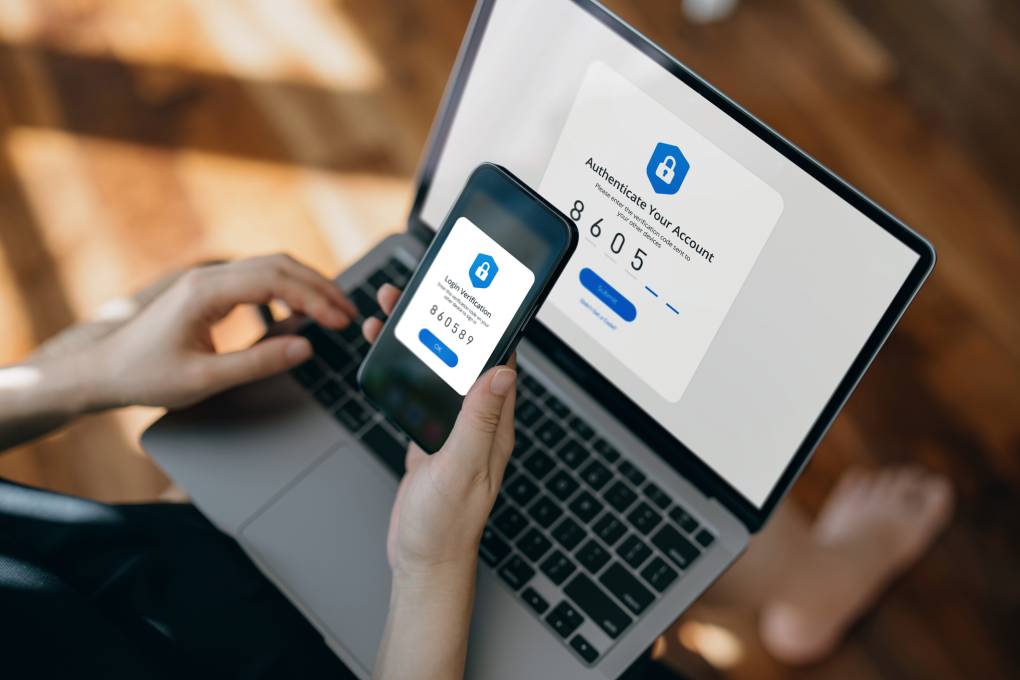
"caption": "The Identity Theft Resource Center recommends replacing your online passwords by setting up passkeys, if they are offered, on your accounts.",
"credit": "Oscar Wong/Getty Images",
"altTag": null,
"description": null,
"imgSizes": {
"medium": {
"file": "https://cdn.kqed.org/wp-content/uploads/sites/10/2024/10/GettyImages-1774781438-800x533.jpg",
"width": 800,
"height": 533,
"mimeType": "image/jpeg"
},
"large": {
"file": "https://cdn.kqed.org/wp-content/uploads/sites/10/2024/10/GettyImages-1774781438-1020x680.jpg",
"width": 1020,
"height": 680,
"mimeType": "image/jpeg"
},
"thumbnail": {
"file": "https://cdn.kqed.org/wp-content/uploads/sites/10/2024/10/GettyImages-1774781438-160x107.jpg",
"width": 160,
"height": 107,
"mimeType": "image/jpeg"
},
"1536x1536": {
"file": "https://cdn.kqed.org/wp-content/uploads/sites/10/2024/10/GettyImages-1774781438-1536x1024.jpg",
"width": 1536,
"height": 1024,
"mimeType": "image/jpeg"
},
"2048x2048": {
"file": "https://cdn.kqed.org/wp-content/uploads/sites/10/2024/10/GettyImages-1774781438-2048x1365.jpg",
"width": 2048,
"height": 1365,
"mimeType": "image/jpeg"
},
"post-thumbnail": {
"file": "https://cdn.kqed.org/wp-content/uploads/sites/10/2024/10/GettyImages-1774781438-672x372.jpg",
"width": 672,
"height": 372,
"mimeType": "image/jpeg"
},
"twentyfourteen-full-width": {
"file": "https://cdn.kqed.org/wp-content/uploads/sites/10/2024/10/GettyImages-1774781438-1038x576.jpg",
"width": 1038,
"height": 576,
"mimeType": "image/jpeg"
},
"full-width": {
"file": "https://cdn.kqed.org/wp-content/uploads/sites/10/2024/10/GettyImages-1774781438-1920x1280.jpg",
"width": 1920,
"height": 1280,
"mimeType": "image/jpeg"
},
"kqedFullSize": {
"file": "https://cdn.kqed.org/wp-content/uploads/sites/10/2024/10/GettyImages-1774781438.jpg",
"width": 2121,
"height": 1414
}
},
"isLoading": false,
"fetchFailed": false
},
"news_11796751": {
"type": "attachments",
"id": "news_11796751",
"meta": {
"index": "attachments_1716263798",
"site": "news",
"id": "11796751",
"found": true
},
"title": "Investigation Continues Into Tesla Driver's Death While In Autopilot Mode",
"publishDate": 1579299477,
"status": "inherit",
"parent": 11796657,
"modified": 1729283665,
"caption": "Tesla vehicles sit parked outside of a new Tesla showroom and service center in New York. ",
"credit": "Spencer Platt/Getty Images",
"altTag": null,
"description": null,
"imgSizes": {
"thumbnail": {
"file": "https://cdn.kqed.org/wp-content/uploads/sites/10/2020/01/GettyImages-545144484-160x107.jpg",
"width": 160,
"height": 107,
"mimeType": "image/jpeg"
},
"medium": {
"file": "https://cdn.kqed.org/wp-content/uploads/sites/10/2020/01/GettyImages-545144484-800x533.jpg",
"width": 800,
"height": 533,
"mimeType": "image/jpeg"
},
"large": {
"file": "https://cdn.kqed.org/wp-content/uploads/sites/10/2020/01/GettyImages-545144484-1020x680.jpg",
"width": 1020,
"height": 680,
"mimeType": "image/jpeg"
},
"post-thumbnail": {
"file": "https://cdn.kqed.org/wp-content/uploads/sites/10/2020/01/GettyImages-545144484-672x372.jpg",
"width": 672,
"height": 372,
"mimeType": "image/jpeg"
},
"twentyfourteen-full-width": {
"file": "https://cdn.kqed.org/wp-content/uploads/sites/10/2020/01/GettyImages-545144484-1038x576.jpg",
"width": 1038,
"height": 576,
"mimeType": "image/jpeg"
},
"full-width": {
"file": "https://cdn.kqed.org/wp-content/uploads/sites/10/2020/01/GettyImages-545144484-1920x1280.jpg",
"width": 1920,
"height": 1280,
"mimeType": "image/jpeg"
},
"apple_news_ca_landscape_12_9": {
"file": "https://cdn.kqed.org/wp-content/uploads/sites/10/2020/01/GettyImages-545144484-1832x1374.jpg",
"width": 1832,
"height": 1374,
"mimeType": "image/jpeg"
},
"apple_news_ca_landscape_9_7": {
"file": "https://cdn.kqed.org/wp-content/uploads/sites/10/2020/01/GettyImages-545144484-1376x1032.jpg",
"width": 1376,
"height": 1032,
"mimeType": "image/jpeg"
},
"apple_news_ca_landscape_5_5": {
"file": "https://cdn.kqed.org/wp-content/uploads/sites/10/2020/01/GettyImages-545144484-1044x783.jpg",
"width": 1044,
"height": 783,
"mimeType": "image/jpeg"
},
"apple_news_ca_landscape_4_7": {
"file": "https://cdn.kqed.org/wp-content/uploads/sites/10/2020/01/GettyImages-545144484-632x474.jpg",
"width": 632,
"height": 474,
"mimeType": "image/jpeg"
},
"apple_news_ca_landscape_4_0": {
"file": "https://cdn.kqed.org/wp-content/uploads/sites/10/2020/01/GettyImages-545144484-536x402.jpg",
"width": 536,
"height": 402,
"mimeType": "image/jpeg"
},
"apple_news_ca_portrait_12_9": {
"file": "https://cdn.kqed.org/wp-content/uploads/sites/10/2020/01/GettyImages-545144484-1122x1496.jpg",
"width": 1122,
"height": 1496,
"mimeType": "image/jpeg"
},
"apple_news_ca_portrait_9_7": {
"file": "https://cdn.kqed.org/wp-content/uploads/sites/10/2020/01/GettyImages-545144484-840x1120.jpg",
"width": 840,
"height": 1120,
"mimeType": "image/jpeg"
},
"apple_news_ca_portrait_5_5": {
"file": "https://cdn.kqed.org/wp-content/uploads/sites/10/2020/01/GettyImages-545144484-687x916.jpg",
"width": 687,
"height": 916,
"mimeType": "image/jpeg"
},
"apple_news_ca_portrait_4_7": {
"file": "https://cdn.kqed.org/wp-content/uploads/sites/10/2020/01/GettyImages-545144484-414x552.jpg",
"width": 414,
"height": 552,
"mimeType": "image/jpeg"
},
"apple_news_ca_portrait_4_0": {
"file": "https://cdn.kqed.org/wp-content/uploads/sites/10/2020/01/GettyImages-545144484-354x472.jpg",
"width": 354,
"height": 472,
"mimeType": "image/jpeg"
},
"apple_news_ca_square_12_9": {
"file": "https://cdn.kqed.org/wp-content/uploads/sites/10/2020/01/GettyImages-545144484-1472x1472.jpg",
"width": 1472,
"height": 1472,
"mimeType": "image/jpeg"
},
"apple_news_ca_square_9_7": {
"file": "https://cdn.kqed.org/wp-content/uploads/sites/10/2020/01/GettyImages-545144484-1104x1104.jpg",
"width": 1104,
"height": 1104,
"mimeType": "image/jpeg"
},
"apple_news_ca_square_5_5": {
"file": "https://cdn.kqed.org/wp-content/uploads/sites/10/2020/01/GettyImages-545144484-912x912.jpg",
"width": 912,
"height": 912,
"mimeType": "image/jpeg"
},
"apple_news_ca_square_4_7": {
"file": "https://cdn.kqed.org/wp-content/uploads/sites/10/2020/01/GettyImages-545144484-550x550.jpg",
"width": 550,
"height": 550,
"mimeType": "image/jpeg"
},
"apple_news_ca_square_4_0": {
"file": "https://cdn.kqed.org/wp-content/uploads/sites/10/2020/01/GettyImages-545144484-470x470.jpg",
"width": 470,
"height": 470,
"mimeType": "image/jpeg"
},
"kqedFullSize": {
"file": "https://cdn.kqed.org/wp-content/uploads/sites/10/2020/01/GettyImages-545144484.jpg",
"width": 3000,
"height": 2000
}
},
"isLoading": false,
"fetchFailed": false
},
"news_12009946": {
"type": "attachments",
"id": "news_12009946",
"meta": {
"index": "attachments_1716263798",
"site": "news",
"id": "12009946",
"found": true
},
"title": "Cropped hand of woman using mobile device with Two-Factor Authentication (2FA) security while logging in securely to her laptop. Privacy protection, internet and mobile security",
"publishDate": 1729207811,
"status": "inherit",
"parent": 12009921,
"modified": 1729277347,
"caption": "The FBI’s Internet Crime Complaint Center received nearly 56,000 reports related to personal data breaches in 2023.",
"credit": "Getty Images",
"altTag": "Cropped hand of a woman using a mobile device with Two-Factor Authentication (2FA) security while logging in securely to her laptop. Privacy protection, internet and mobile security.",
"description": null,
"imgSizes": {
"medium": {
"file": "https://cdn.kqed.org/wp-content/uploads/sites/10/2024/10/GettyImages-1431662905-800x533.jpg",
"width": 800,
"height": 533,
"mimeType": "image/jpeg"
},
"large": {
"file": "https://cdn.kqed.org/wp-content/uploads/sites/10/2024/10/GettyImages-1431662905-1020x680.jpg",
"width": 1020,
"height": 680,
"mimeType": "image/jpeg"
},
"thumbnail": {
"file": "https://cdn.kqed.org/wp-content/uploads/sites/10/2024/10/GettyImages-1431662905-160x107.jpg",
"width": 160,
"height": 107,
"mimeType": "image/jpeg"
},
"1536x1536": {
"file": "https://cdn.kqed.org/wp-content/uploads/sites/10/2024/10/GettyImages-1431662905-1536x1024.jpg",
"width": 1536,
"height": 1024,
"mimeType": "image/jpeg"
},
"2048x2048": {
"file": "https://cdn.kqed.org/wp-content/uploads/sites/10/2024/10/GettyImages-1431662905-2048x1365.jpg",
"width": 2048,
"height": 1365,
"mimeType": "image/jpeg"
},
"post-thumbnail": {
"file": "https://cdn.kqed.org/wp-content/uploads/sites/10/2024/10/GettyImages-1431662905-672x372.jpg",
"width": 672,
"height": 372,
"mimeType": "image/jpeg"
},
"twentyfourteen-full-width": {
"file": "https://cdn.kqed.org/wp-content/uploads/sites/10/2024/10/GettyImages-1431662905-1038x576.jpg",
"width": 1038,
"height": 576,
"mimeType": "image/jpeg"
},
"full-width": {
"file": "https://cdn.kqed.org/wp-content/uploads/sites/10/2024/10/GettyImages-1431662905-1920x1280.jpg",
"width": 1920,
"height": 1280,
"mimeType": "image/jpeg"
},
"kqedFullSize": {
"file": "https://cdn.kqed.org/wp-content/uploads/sites/10/2024/10/GettyImages-1431662905.jpg",
"width": 2121,
"height": 1414
}
},
"isLoading": false,
"fetchFailed": false
},
"news_12009495": {
"type": "attachments",
"id": "news_12009495",
"meta": {
"index": "attachments_1716263798",
"site": "news",
"id": "12009495",
"found": true
},
"title": "California Cuts Back On Rooftop Solar Incentives As State Struggles To Offload Excess Power",
"publishDate": 1729020813,
"status": "inherit",
"parent": 12009493,
"modified": 1729020958,
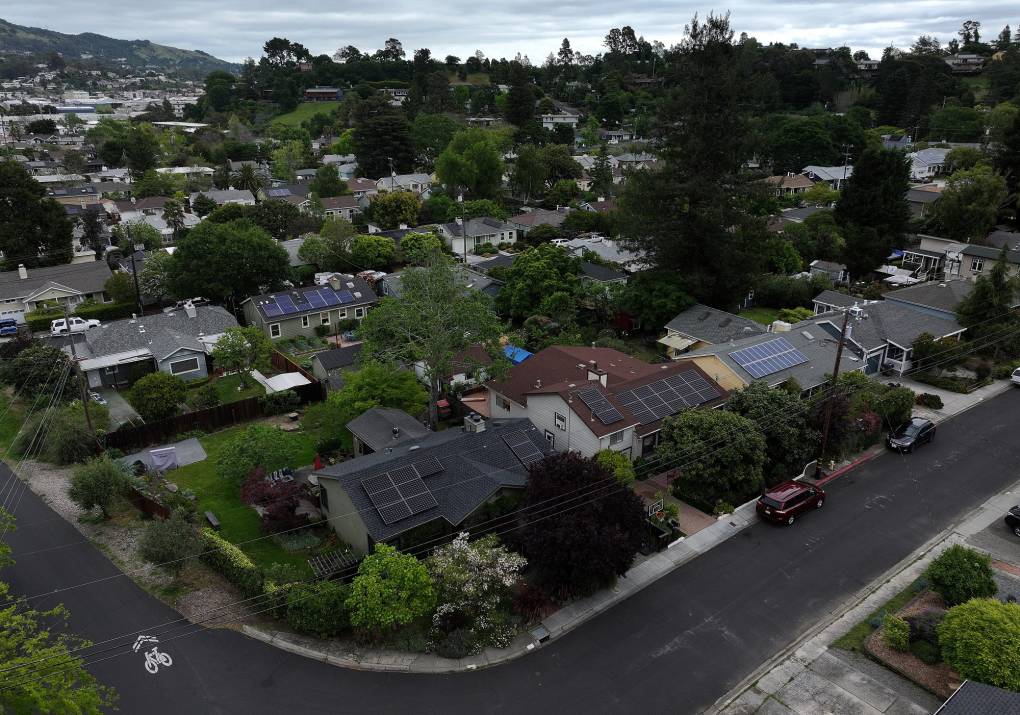
"caption": "A neighborhood in San Rafael on April 25, 2024. ",
"credit": "Justin Sullivan/Getty Images",
"altTag": null,
"description": null,
"imgSizes": {
"medium": {
"file": "https://cdn.kqed.org/wp-content/uploads/sites/10/2024/10/SanRafaelMarinCountGetty-800x561.jpg",
"width": 800,
"height": 561,
"mimeType": "image/jpeg"
},
"large": {
"file": "https://cdn.kqed.org/wp-content/uploads/sites/10/2024/10/SanRafaelMarinCountGetty-1020x715.jpg",
"width": 1020,
"height": 715,
"mimeType": "image/jpeg"
},
"thumbnail": {
"file": "https://cdn.kqed.org/wp-content/uploads/sites/10/2024/10/SanRafaelMarinCountGetty-160x112.jpg",
"width": 160,
"height": 112,
"mimeType": "image/jpeg"
},
"1536x1536": {
"file": "https://cdn.kqed.org/wp-content/uploads/sites/10/2024/10/SanRafaelMarinCountGetty-1536x1077.jpg",
"width": 1536,
"height": 1077,
"mimeType": "image/jpeg"
},
"post-thumbnail": {
"file": "https://cdn.kqed.org/wp-content/uploads/sites/10/2024/10/SanRafaelMarinCountGetty-672x372.jpg",
"width": 672,
"height": 372,
"mimeType": "image/jpeg"
},
"twentyfourteen-full-width": {
"file": "https://cdn.kqed.org/wp-content/uploads/sites/10/2024/10/SanRafaelMarinCountGetty-1038x576.jpg",
"width": 1038,
"height": 576,
"mimeType": "image/jpeg"
},
"full-width": {
"file": "https://cdn.kqed.org/wp-content/uploads/sites/10/2024/10/SanRafaelMarinCountGetty-1920x1346.jpg",
"width": 1920,
"height": 1346,
"mimeType": "image/jpeg"
},
"kqedFullSize": {
"file": "https://cdn.kqed.org/wp-content/uploads/sites/10/2024/10/SanRafaelMarinCountGetty.jpg",
"width": 2000,
"height": 1402
}
},
"isLoading": false,
"fetchFailed": false
},
"news_12008708": {
"type": "attachments",
"id": "news_12008708",
"meta": {
"index": "attachments_1716263798",
"site": "news",
"id": "12008708",
"found": true
},
"title": "Google logo",
"publishDate": 1728491508,
"status": "inherit",
"parent": 12008707,
"modified": 1728491749,
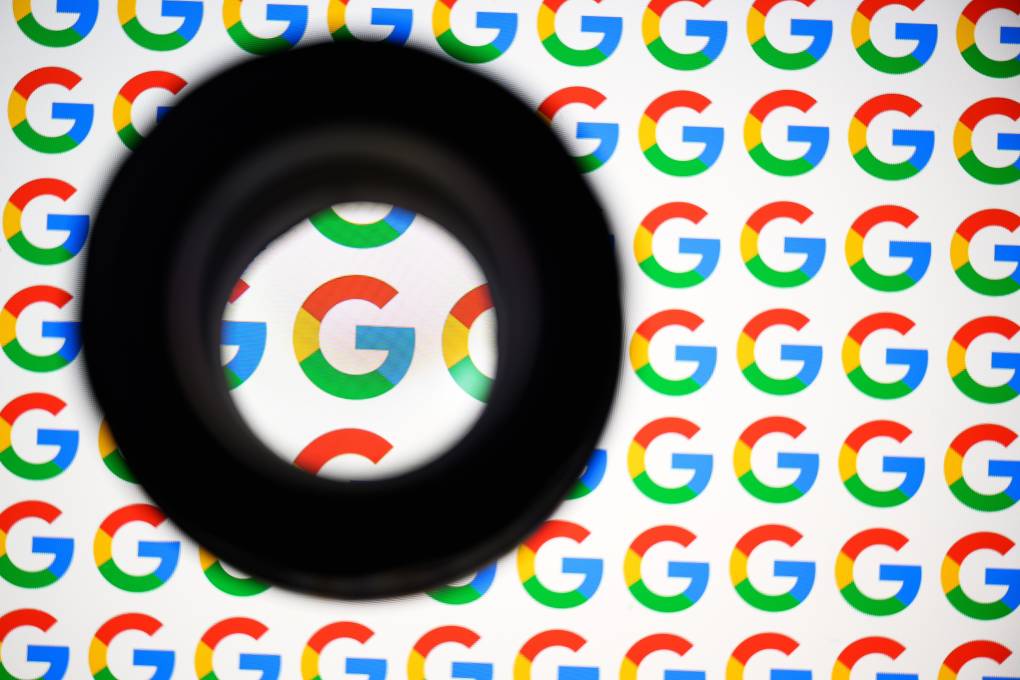
"caption": "The Justice Department sued Google for allegedly using its dominance to control the search engine market. In August, a federal judge ruled in favor of the government and now must decide how to sanction the company.",
"credit": "Leon Neal/Getty Images Europe",
"altTag": "An illustration of the multicolored Google logos with a magnifying glass over one 'G' in particular.",
"description": "LONDON, ENGLAND - SEPTEMBER 17: In this photo illustration, the Google logo is seen through a magnifying loupe on a screen on September 17, 2024 in London, England. Tomorrow the Competition Appeal Tribunal hears a £7bn class action suit against Google on behalf of UK consumers - CAT hearing brought by Consumer Voice. They accuse Google of anti-competitive practices and abuse of market dominance and seek £7.3 billion in compensation to be split between all UK consumers. The claim centres around Google setting its own services as the default on almost all mobile phones in the UK, driving up advertising prices and forcing consumers to pay more than they would in a more competitive market. (Photo Illustration by Leon Neal/Getty Images)",
"imgSizes": {
"medium": {
"file": "https://cdn.kqed.org/wp-content/uploads/sites/10/2024/10/gettyimages-2172554211-800x533.jpeg",
"width": 800,
"height": 533,
"mimeType": "image/jpeg"
},
"large": {
"file": "https://cdn.kqed.org/wp-content/uploads/sites/10/2024/10/gettyimages-2172554211-1020x680.jpeg",
"width": 1020,
"height": 680,
"mimeType": "image/jpeg"
},
"thumbnail": {
"file": "https://cdn.kqed.org/wp-content/uploads/sites/10/2024/10/gettyimages-2172554211-160x107.jpeg",
"width": 160,
"height": 107,
"mimeType": "image/jpeg"
},
"1536x1536": {
"file": "https://cdn.kqed.org/wp-content/uploads/sites/10/2024/10/gettyimages-2172554211-1536x1024.jpeg",
"width": 1536,
"height": 1024,
"mimeType": "image/jpeg"
},
"2048x2048": {
"file": "https://cdn.kqed.org/wp-content/uploads/sites/10/2024/10/gettyimages-2172554211-2048x1365.jpeg",
"width": 2048,
"height": 1365,
"mimeType": "image/jpeg"
},
"post-thumbnail": {
"file": "https://cdn.kqed.org/wp-content/uploads/sites/10/2024/10/gettyimages-2172554211-672x372.jpeg",
"width": 672,
"height": 372,
"mimeType": "image/jpeg"
},
"twentyfourteen-full-width": {
"file": "https://cdn.kqed.org/wp-content/uploads/sites/10/2024/10/gettyimages-2172554211-1038x576.jpeg",
"width": 1038,
"height": 576,
"mimeType": "image/jpeg"
},
"full-width": {
"file": "https://cdn.kqed.org/wp-content/uploads/sites/10/2024/10/gettyimages-2172554211-1920x1280.jpeg",
"width": 1920,
"height": 1280,
"mimeType": "image/jpeg"
},
"kqedFullSize": {
"file": "https://cdn.kqed.org/wp-content/uploads/sites/10/2024/10/gettyimages-2172554211-scaled.jpeg",
"width": 2560,
"height": 1707
}
},
"isLoading": false,
"fetchFailed": false
},
"news_12008512": {
"type": "attachments",
"id": "news_12008512",
"meta": {
"index": "attachments_1716263798",
"site": "news",
"id": "12008512",
"found": true
},
"title": "Rob Bonta",
"publishDate": 1728416477,
"status": "inherit",
"parent": 12008456,
"modified": 1728416519,
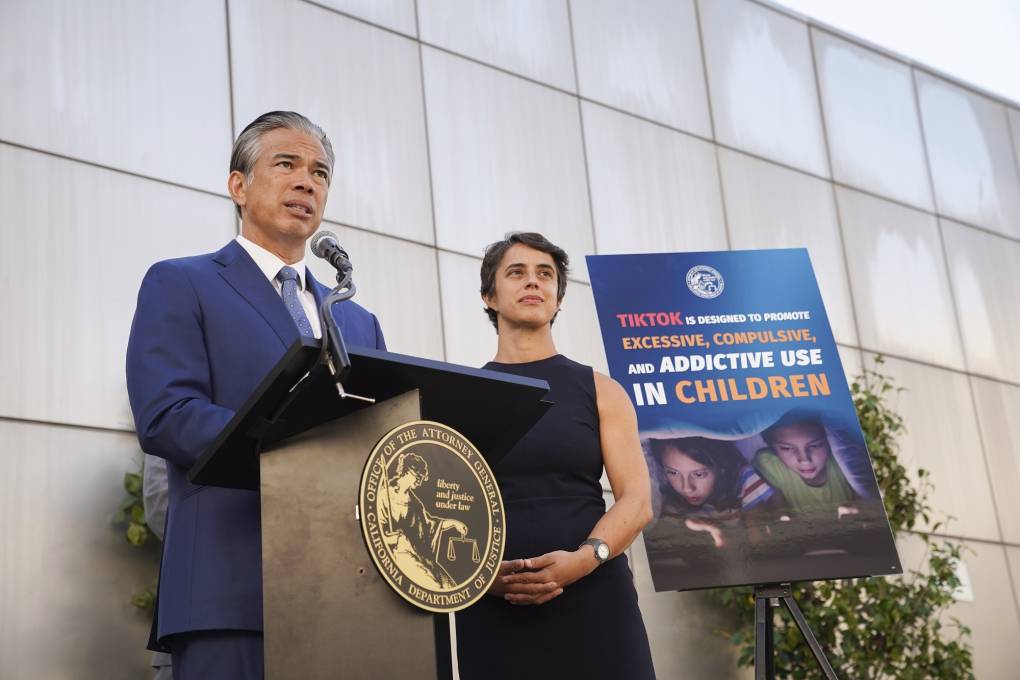
"caption": "California Attorney General Rob Bonta speaks during a press conference announcing a bipartisan coalition of attorney generals filing lawsuits against TikTok for violation of state consumer protection laws on Tuesday, Oct. 8, 2024, in San Francisco.",
"credit": "Minh Connors/AP Photo",
"altTag": null,
"description": null,
"imgSizes": {
"medium": {
"file": "https://cdn.kqed.org/wp-content/uploads/sites/10/2024/10/CATikTokLawsuitAP1-800x533.jpg",
"width": 800,
"height": 533,
"mimeType": "image/jpeg"
},
"large": {
"file": "https://cdn.kqed.org/wp-content/uploads/sites/10/2024/10/CATikTokLawsuitAP1-1020x680.jpg",
"width": 1020,
"height": 680,
"mimeType": "image/jpeg"
},
"thumbnail": {
"file": "https://cdn.kqed.org/wp-content/uploads/sites/10/2024/10/CATikTokLawsuitAP1-160x107.jpg",
"width": 160,
"height": 107,
"mimeType": "image/jpeg"
},
"1536x1536": {
"file": "https://cdn.kqed.org/wp-content/uploads/sites/10/2024/10/CATikTokLawsuitAP1-1536x1024.jpg",
"width": 1536,
"height": 1024,
"mimeType": "image/jpeg"
},
"post-thumbnail": {
"file": "https://cdn.kqed.org/wp-content/uploads/sites/10/2024/10/CATikTokLawsuitAP1-672x372.jpg",
"width": 672,
"height": 372,
"mimeType": "image/jpeg"
},
"twentyfourteen-full-width": {
"file": "https://cdn.kqed.org/wp-content/uploads/sites/10/2024/10/CATikTokLawsuitAP1-1038x576.jpg",
"width": 1038,
"height": 576,
"mimeType": "image/jpeg"
},
"full-width": {
"file": "https://cdn.kqed.org/wp-content/uploads/sites/10/2024/10/CATikTokLawsuitAP1-1920x1280.jpg",
"width": 1920,
"height": 1280,
"mimeType": "image/jpeg"
},
"kqedFullSize": {
"file": "https://cdn.kqed.org/wp-content/uploads/sites/10/2024/10/CATikTokLawsuitAP1.jpg",
"width": 2000,
"height": 1333
}
},
"isLoading": false,
"fetchFailed": false
},
"news_12008321": {
"type": "attachments",
"id": "news_12008321",
"meta": {
"index": "attachments_1716263798",
"site": "news",
"id": "12008321",
"found": true
},
"title": "San Francisco Ride Hailing Lawsuit",
"publishDate": 1728334457,
"status": "inherit",
"parent": 12008292,
"modified": 1744762102,
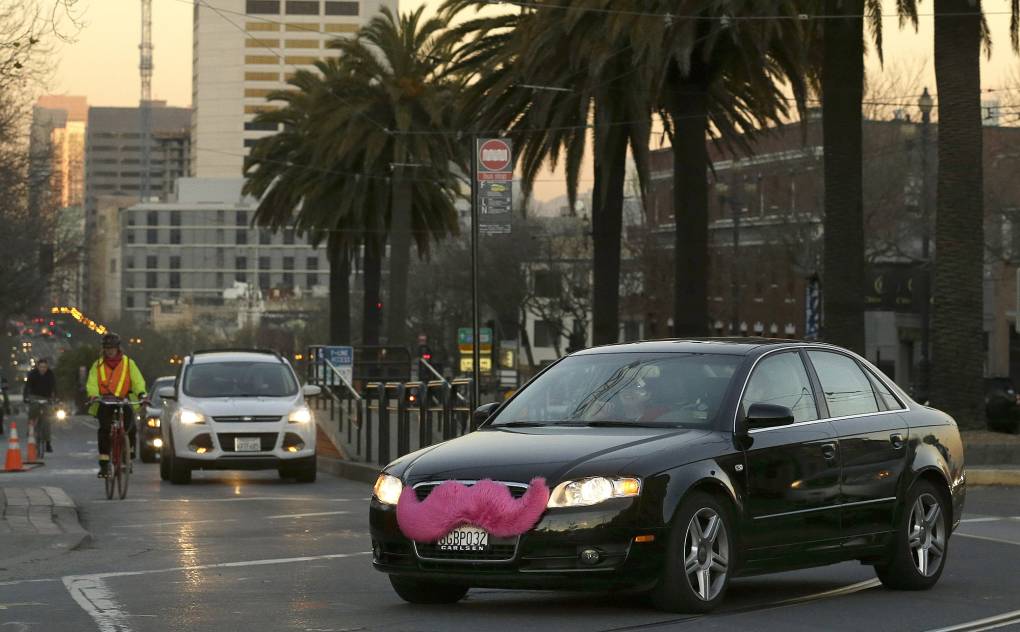
"caption": "A Lyft car crosses Market Street in San Francisco on Feb. 8, 2018. ",
"credit": "Jeff Chiu/AP Photo",
"altTag": null,
"description": null,
"imgSizes": {
"medium": {
"file": "https://cdn.kqed.org/wp-content/uploads/sites/10/2024/10/SFLyftDriverAP-800x496.jpg",
"width": 800,
"height": 496,
"mimeType": "image/jpeg"
},
"large": {
"file": "https://cdn.kqed.org/wp-content/uploads/sites/10/2024/10/SFLyftDriverAP-1020x632.jpg",
"width": 1020,
"height": 632,
"mimeType": "image/jpeg"
},
"thumbnail": {
"file": "https://cdn.kqed.org/wp-content/uploads/sites/10/2024/10/SFLyftDriverAP-160x99.jpg",
"width": 160,
"height": 99,
"mimeType": "image/jpeg"
},
"1536x1536": {
"file": "https://cdn.kqed.org/wp-content/uploads/sites/10/2024/10/SFLyftDriverAP-1536x952.jpg",
"width": 1536,
"height": 952,
"mimeType": "image/jpeg"
},
"post-thumbnail": {
"file": "https://cdn.kqed.org/wp-content/uploads/sites/10/2024/10/SFLyftDriverAP-672x372.jpg",
"width": 672,
"height": 372,
"mimeType": "image/jpeg"
},
"twentyfourteen-full-width": {
"file": "https://cdn.kqed.org/wp-content/uploads/sites/10/2024/10/SFLyftDriverAP-1038x576.jpg",
"width": 1038,
"height": 576,
"mimeType": "image/jpeg"
},
"full-width": {
"file": "https://cdn.kqed.org/wp-content/uploads/sites/10/2024/10/SFLyftDriverAP-1920x1190.jpg",
"width": 1920,
"height": 1190,
"mimeType": "image/jpeg"
},
"kqedFullSize": {
"file": "https://cdn.kqed.org/wp-content/uploads/sites/10/2024/10/SFLyftDriverAP.jpg",
"width": 2000,
"height": 1240
}
},
"isLoading": false,
"fetchFailed": false
},
"news_12008144": {
"type": "attachments",
"id": "news_12008144",
"meta": {
"index": "attachments_1716263798",
"site": "news",
"id": "12008144",
"found": true
},
"title": "100224-TheMarkup-PoliticalViolence-Final_3000X2000_reduced copy",
"publishDate": 1728167789,
"status": "inherit",
"parent": 12008143,
"modified": 1728167804,
"caption": null,
"credit": "Illustration by Blake Cale for CalMatters",
"altTag": null,
"description": null,
"imgSizes": {
"medium": {
"file": "https://cdn.kqed.org/wp-content/uploads/sites/10/2024/10/100224-TheMarkup-PoliticalViolence-Final_3000X2000_reduced-copy-800x533.jpg",
"width": 800,
"height": 533,
"mimeType": "image/jpeg"
},
"large": {
"file": "https://cdn.kqed.org/wp-content/uploads/sites/10/2024/10/100224-TheMarkup-PoliticalViolence-Final_3000X2000_reduced-copy-1020x680.jpg",
"width": 1020,
"height": 680,
"mimeType": "image/jpeg"
},
"thumbnail": {
"file": "https://cdn.kqed.org/wp-content/uploads/sites/10/2024/10/100224-TheMarkup-PoliticalViolence-Final_3000X2000_reduced-copy-160x107.jpg",
"width": 160,
"height": 107,
"mimeType": "image/jpeg"
},
"1536x1536": {
"file": "https://cdn.kqed.org/wp-content/uploads/sites/10/2024/10/100224-TheMarkup-PoliticalViolence-Final_3000X2000_reduced-copy-1536x1024.jpg",
"width": 1536,
"height": 1024,
"mimeType": "image/jpeg"
},
"post-thumbnail": {
"file": "https://cdn.kqed.org/wp-content/uploads/sites/10/2024/10/100224-TheMarkup-PoliticalViolence-Final_3000X2000_reduced-copy-672x372.jpg",
"width": 672,
"height": 372,
"mimeType": "image/jpeg"
},
"twentyfourteen-full-width": {
"file": "https://cdn.kqed.org/wp-content/uploads/sites/10/2024/10/100224-TheMarkup-PoliticalViolence-Final_3000X2000_reduced-copy-1038x576.jpg",
"width": 1038,
"height": 576,
"mimeType": "image/jpeg"
},
"full-width": {
"file": "https://cdn.kqed.org/wp-content/uploads/sites/10/2024/10/100224-TheMarkup-PoliticalViolence-Final_3000X2000_reduced-copy-1920x1280.jpg",
"width": 1920,
"height": 1280,
"mimeType": "image/jpeg"
},
"kqedFullSize": {
"file": "https://cdn.kqed.org/wp-content/uploads/sites/10/2024/10/100224-TheMarkup-PoliticalViolence-Final_3000X2000_reduced-copy.jpg",
"width": 2000,
"height": 1333
}
},
"isLoading": false,
"fetchFailed": false
},
"news_12008128": {
"type": "attachments",
"id": "news_12008128",
"meta": {
"index": "attachments_1716263798",
"site": "news",
"id": "12008128",
"found": true
},
"title": "081616_Mark-Berman_GETTY_CM_01 copy",
"publishDate": 1728153055,
"status": "inherit",
"parent": 12008127,
"modified": 1728153083,
"caption": "The FDA in 2018 sued the late Dr. Mark Berman and two of his stem cell businesses seeking to regulate treatments at the clinics. Six years later, the 9th Circuit Court of Appeals sided with the FDA and wrote that the therapies should be regulated by the agency. ",
"credit": "Patrick T. Fallon for The Washington Post via Getty Images",
"altTag": null,
"description": null,
"imgSizes": {
"medium": {
"file": "https://cdn.kqed.org/wp-content/uploads/sites/10/2024/10/081616_Mark-Berman_GETTY_CM_01-copy-800x533.jpg",
"width": 800,
"height": 533,
"mimeType": "image/jpeg"
},
"large": {
"file": "https://cdn.kqed.org/wp-content/uploads/sites/10/2024/10/081616_Mark-Berman_GETTY_CM_01-copy-1020x680.jpg",
"width": 1020,
"height": 680,
"mimeType": "image/jpeg"
},
"thumbnail": {
"file": "https://cdn.kqed.org/wp-content/uploads/sites/10/2024/10/081616_Mark-Berman_GETTY_CM_01-copy-160x107.jpg",
"width": 160,
"height": 107,
"mimeType": "image/jpeg"
},
"1536x1536": {
"file": "https://cdn.kqed.org/wp-content/uploads/sites/10/2024/10/081616_Mark-Berman_GETTY_CM_01-copy-1536x1024.jpg",
"width": 1536,
"height": 1024,
"mimeType": "image/jpeg"
},
"post-thumbnail": {
"file": "https://cdn.kqed.org/wp-content/uploads/sites/10/2024/10/081616_Mark-Berman_GETTY_CM_01-copy-672x372.jpg",
"width": 672,
"height": 372,
"mimeType": "image/jpeg"
},
"twentyfourteen-full-width": {
"file": "https://cdn.kqed.org/wp-content/uploads/sites/10/2024/10/081616_Mark-Berman_GETTY_CM_01-copy-1038x576.jpg",
"width": 1038,
"height": 576,
"mimeType": "image/jpeg"
},
"full-width": {
"file": "https://cdn.kqed.org/wp-content/uploads/sites/10/2024/10/081616_Mark-Berman_GETTY_CM_01-copy-1920x1280.jpg",
"width": 1920,
"height": 1280,
"mimeType": "image/jpeg"
},
"kqedFullSize": {
"file": "https://cdn.kqed.org/wp-content/uploads/sites/10/2024/10/081616_Mark-Berman_GETTY_CM_01-copy.jpg",
"width": 2000,
"height": 1333
}
},
"isLoading": false,
"fetchFailed": false
},
"news_12007587": {
"type": "attachments",
"id": "news_12007587",
"meta": {
"index": "attachments_1716263798",
"site": "news",
"id": "12007587",
"found": true
},
"title": "100124-NVIDIA-CORPORATE-TAXES-GH-CM copy",
"publishDate": 1727907779,
"status": "inherit",
"parent": 12007585,
"modified": 1727907798,
"caption": null,
"credit": "Illustration by Gabriel Hongsdusit/CalMatters",
"altTag": null,
"description": null,
"imgSizes": {
"medium": {
"file": "https://cdn.kqed.org/wp-content/uploads/sites/10/2024/10/100124-NVIDIA-CORPORATE-TAXES-GH-CM-copy-800x533.jpg",
"width": 800,
"height": 533,
"mimeType": "image/jpeg"
},
"large": {
"file": "https://cdn.kqed.org/wp-content/uploads/sites/10/2024/10/100124-NVIDIA-CORPORATE-TAXES-GH-CM-copy-1020x680.jpg",
"width": 1020,
"height": 680,
"mimeType": "image/jpeg"
},
"thumbnail": {
"file": "https://cdn.kqed.org/wp-content/uploads/sites/10/2024/10/100124-NVIDIA-CORPORATE-TAXES-GH-CM-copy-160x107.jpg",
"width": 160,
"height": 107,
"mimeType": "image/jpeg"
},
"1536x1536": {
"file": "https://cdn.kqed.org/wp-content/uploads/sites/10/2024/10/100124-NVIDIA-CORPORATE-TAXES-GH-CM-copy-1536x1024.jpg",
"width": 1536,
"height": 1024,
"mimeType": "image/jpeg"
},
"post-thumbnail": {
"file": "https://cdn.kqed.org/wp-content/uploads/sites/10/2024/10/100124-NVIDIA-CORPORATE-TAXES-GH-CM-copy-672x372.jpg",
"width": 672,
"height": 372,
"mimeType": "image/jpeg"
},
"twentyfourteen-full-width": {
"file": "https://cdn.kqed.org/wp-content/uploads/sites/10/2024/10/100124-NVIDIA-CORPORATE-TAXES-GH-CM-copy-1038x576.jpg",
"width": 1038,
"height": 576,
"mimeType": "image/jpeg"
},
"full-width": {
"file": "https://cdn.kqed.org/wp-content/uploads/sites/10/2024/10/100124-NVIDIA-CORPORATE-TAXES-GH-CM-copy-1920x1280.jpg",
"width": 1920,
"height": 1280,
"mimeType": "image/jpeg"
},
"kqedFullSize": {
"file": "https://cdn.kqed.org/wp-content/uploads/sites/10/2024/10/100124-NVIDIA-CORPORATE-TAXES-GH-CM-copy.jpg",
"width": 2000,
"height": 1333
}
},
"isLoading": false,
"fetchFailed": false
},
"news_12006141": {
"type": "attachments",
"id": "news_12006141",
"meta": {
"index": "attachments_1716263798",
"site": "news",
"id": "12006141",
"found": true
},
"title": "240923-AI IN POLICING-MD-11-KQED",
"publishDate": 1727195605,
"status": "inherit",
"parent": 0,
"modified": 1727903821,
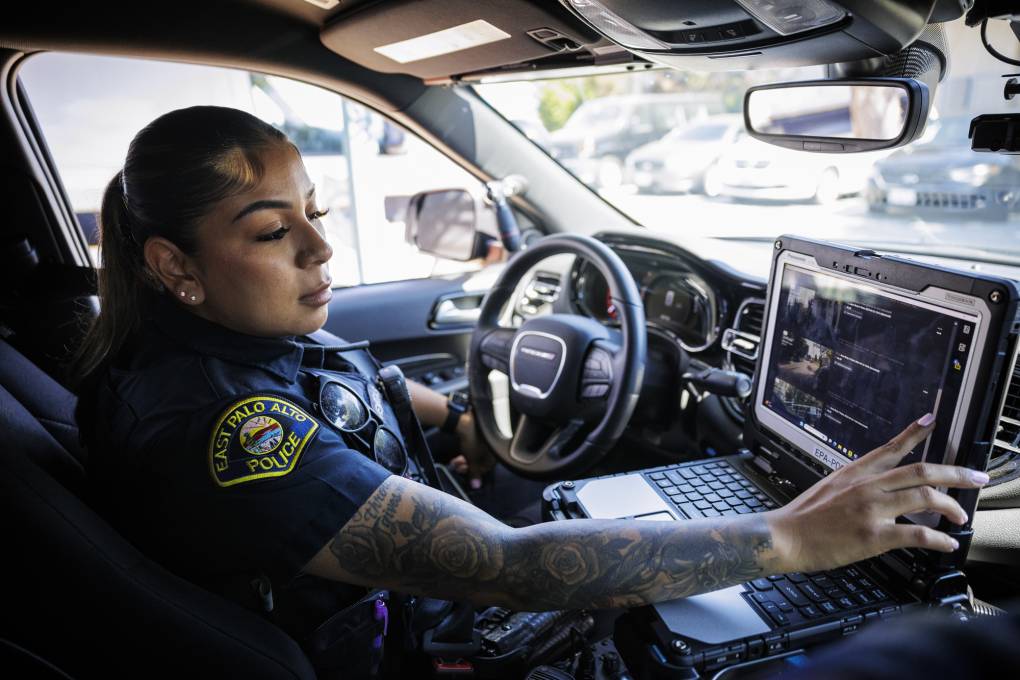
"caption": "East Palo Alto Police Officer Wendy Venegas reviews footage from her body camera in her police vehicle after responding to a call in East Palo Alto on Sept. 23, 2024.",
"credit": "Martin do Nascimento/KQED",
"altTag": "A woman dressed in a police uniform sits in a police vehicle and touches the screen of a laptop.",
"description": null,
"imgSizes": {
"medium": {
"file": "https://cdn.kqed.org/wp-content/uploads/sites/10/2024/09/240923-AI-IN-POLICING-MD-11-KQED-800x533.jpg",
"width": 800,
"height": 533,
"mimeType": "image/jpeg"
},
"large": {
"file": "https://cdn.kqed.org/wp-content/uploads/sites/10/2024/09/240923-AI-IN-POLICING-MD-11-KQED-1020x680.jpg",
"width": 1020,
"height": 680,
"mimeType": "image/jpeg"
},
"thumbnail": {
"file": "https://cdn.kqed.org/wp-content/uploads/sites/10/2024/09/240923-AI-IN-POLICING-MD-11-KQED-160x107.jpg",
"width": 160,
"height": 107,
"mimeType": "image/jpeg"
},
"1536x1536": {
"file": "https://cdn.kqed.org/wp-content/uploads/sites/10/2024/09/240923-AI-IN-POLICING-MD-11-KQED-1536x1024.jpg",
"width": 1536,
"height": 1024,
"mimeType": "image/jpeg"
},
"post-thumbnail": {
"file": "https://cdn.kqed.org/wp-content/uploads/sites/10/2024/09/240923-AI-IN-POLICING-MD-11-KQED-672x372.jpg",
"width": 672,
"height": 372,
"mimeType": "image/jpeg"
},
"twentyfourteen-full-width": {
"file": "https://cdn.kqed.org/wp-content/uploads/sites/10/2024/09/240923-AI-IN-POLICING-MD-11-KQED-1038x576.jpg",
"width": 1038,
"height": 576,
"mimeType": "image/jpeg"
},
"full-width": {
"file": "https://cdn.kqed.org/wp-content/uploads/sites/10/2024/09/240923-AI-IN-POLICING-MD-11-KQED-1920x1280.jpg",
"width": 1920,
"height": 1280,
"mimeType": "image/jpeg"
},
"kqedFullSize": {
"file": "https://cdn.kqed.org/wp-content/uploads/sites/10/2024/09/240923-AI-IN-POLICING-MD-11-KQED.jpg",
"width": 2000,
"height": 1333
}
},
"isLoading": false,
"fetchFailed": false
}
},
"audioPlayerReducer": {
"postId": "stream_live",
"isPaused": true,
"isPlaying": false,
"pfsActive": false,
"pledgeModalIsOpen": true,
"playerDrawerIsOpen": false,
"liveAudioPlayStartedAt": 0,
"liveAudioPlayContext": ""
},
"authorsReducer": {
"byline_news_12009964": {
"type": "authors",
"id": "byline_news_12009964",
"meta": {
"override": true
},
"slug": "byline_news_12009964",
"name": "Jon Brooks",
"isLoading": false
},
"byline_news_12010070": {
"type": "authors",
"id": "byline_news_12010070",
"meta": {
"override": true
},
"slug": "byline_news_12010070",
"name": "Tom Krisher, The Associated Press",
"isLoading": false
},
"byline_news_12009493": {
"type": "authors",
"id": "byline_news_12009493",
"meta": {
"override": true
},
"slug": "byline_news_12009493",
"name": "Samantha Kennedy",
"isLoading": false
},
"byline_news_12008707": {
"type": "authors",
"id": "byline_news_12008707",
"meta": {
"override": true
},
"slug": "byline_news_12008707",
"name": "Dara Kerr, NPR",
"isLoading": false
},
"byline_news_12008143": {
"type": "authors",
"id": "byline_news_12008143",
"meta": {
"override": true
},
"slug": "byline_news_12008143",
"name": "\u003ca href=\"https://calmatters.org/author/colin-lecher/\">Colin Lecher\u003c/a> and \u003ca href=\"https://calmatters.org/author/tomas-apodaca/\">Tomas Apodaca\u003c/a>, CalMatters",
"isLoading": false
},
"byline_news_12008127": {
"type": "authors",
"id": "byline_news_12008127",
"meta": {
"override": true
},
"slug": "byline_news_12008127",
"name": "\u003ca href=\"https://calmatters.org/author/anaibarra/\">Ana B. Ibarra\u003c/a>, CalMatters",
"isLoading": false
},
"byline_news_12007585": {
"type": "authors",
"id": "byline_news_12007585",
"meta": {
"override": true
},
"slug": "byline_news_12007585",
"name": "\u003ca href=\"https://calmatters.org/author/levi-sumagaysay/\">Levi Sumagaysay\u003c/a>, CalMatters",
"isLoading": false
},
"jbrooks": {
"type": "authors",
"id": "80",
"meta": {
"index": "authors_1716337520",
"id": "80",
"found": true
},
"name": "Jon Brooks",
"firstName": "Jon",
"lastName": "Brooks",
"slug": "jbrooks",
"email": "jbrooks@kqed.org",
"display_author_email": true,
"staff_mastheads": [
"science"
],
"title": "Digital Editor",
"bio": "Jon Brooks is a former Digital Editor for KQED Science. He is the former editor of KQED’s daily news blog, News Fix. In 2014, he won a California Journalism Award for his coverage of ride services like Uber and Lyft and the taxi industry. A veteran blogger, he previously worked for Yahoo! in various news writing and editing roles. Jon is also a playwright whose work has been produced in San Francisco, New York, Italy, and around the U.S. He has written about film for his own blog and studied film at Boston University.",
"avatar": "https://secure.gravatar.com/avatar/98887f7ed1c876ed414d4c915e969584?s=600&d=blank&r=g",
"twitter": "jbrooksfoy",
"facebook": null,
"instagram": null,
"linkedin": null,
"sites": [
{
"site": "arts",
"roles": [
"Contributor",
"editor"
]
},
{
"site": "news",
"roles": [
"author"
]
},
{
"site": "futureofyou",
"roles": [
"administrator"
]
},
{
"site": "mindshift",
"roles": [
"editor"
]
},
{
"site": "stateofhealth",
"roles": [
"editor"
]
},
{
"site": "science",
"roles": [
"administrator"
]
},
{
"site": "quest",
"roles": [
"editor"
]
}
],
"headData": {
"title": "Jon Brooks | KQED",
"description": "Digital Editor",
"ogImgSrc": "https://secure.gravatar.com/avatar/98887f7ed1c876ed414d4c915e969584?s=600&d=blank&r=g",
"twImgSrc": "https://secure.gravatar.com/avatar/98887f7ed1c876ed414d4c915e969584?s=600&d=blank&r=g"
},
"isLoading": false,
"link": "/author/jbrooks"
},
"rachael-myrow": {
"type": "authors",
"id": "251",
"meta": {
"index": "authors_1716337520",
"id": "251",
"found": true
},
"name": "Rachael Myrow",
"firstName": "Rachael",
"lastName": "Myrow",
"slug": "rachael-myrow",
"email": "rmyrow@kqed.org",
"display_author_email": true,
"staff_mastheads": [
"news"
],
"title": "Senior Editor of KQED's Silicon Valley News Desk",
"bio": "• I write and edit stories about how Silicon Valley power and policies shape everyday life in California. I’m also passionate about making Bay Area history and culture more accessible to a broad public. • I’ve been a journalist for most of my life, starting in high school with The Franklin Press in Los Angeles, where I grew up. While earning my first degree in English at UC Berkeley, I got my start in public radio at KALX-FM. After completing a second degree in journalism at Cal, I landed my first professional job at Marketplace, then moved on to KPCC (now LAist), and then KQED, where I hosted The California Report for more than seven years. • My reporting has appeared on NPR, The World, WBUR’s \u003ci>Here & Now\u003c/i>, and the BBC. I also guest host for KQED’s \u003ci>Forum\u003c/i>, as well as the Commonwealth Club in San Francisco. • I speak periodically on media, democracy and technology issues, and do voiceover work for documentaries and educational video projects. • Outside of the studio, you'll find me hiking Bay Area trails and whipping up Insta-ready meals in my kitchen. • I do not accept gifts, money, or favors from anyone connected to my reporting, I don't pay people for information, and I do not support or donate to political causes. • I strive to treat the people I report on with fairness, honesty, and respect. I also recognize there are often multiple sides to a story and work to verify information through multiple sources and documentation. If I get something wrong, I correct it.",
"avatar": "https://secure.gravatar.com/avatar/3ed8a3c5f26025e4a805ba634cda8cd764906b97438a6d9ce216b044e340da4e?s=600&d=blank&r=g",
"twitter": "rachaelmyrow",
"bluesky": null,
"facebook": null,
"instagram": null,
"linkedin": "https://www.linkedin.com/in/rachaelmyrow/",
"sites": [
{
"site": "arts",
"roles": [
"administrator"
]
},
{
"site": "news",
"roles": [
"edit_others_posts",
"editor"
]
},
{
"site": "futureofyou",
"roles": [
"editor"
]
},
{
"site": "bayareabites",
"roles": [
"editor"
]
},
{
"site": "stateofhealth",
"roles": [
"editor"
]
},
{
"site": "science",
"roles": [
"editor"
]
},
{
"site": "food",
"roles": [
"editor"
]
},
{
"site": "forum",
"roles": [
"editor"
]
},
{
"site": "liveblog",
"roles": [
"author"
]
}
],
"headData": {
"title": "Rachael Myrow | KQED",
"description": "Senior Editor of KQED's Silicon Valley News Desk",
"ogImgSrc": "https://secure.gravatar.com/avatar/3ed8a3c5f26025e4a805ba634cda8cd764906b97438a6d9ce216b044e340da4e?s=600&d=blank&r=g",
"twImgSrc": "https://secure.gravatar.com/avatar/3ed8a3c5f26025e4a805ba634cda8cd764906b97438a6d9ce216b044e340da4e?s=600&d=blank&r=g"
},
"isLoading": false,
"link": "/author/rachael-myrow"
},
"slewis": {
"type": "authors",
"id": "8676",
"meta": {
"index": "authors_1716337520",
"id": "8676",
"found": true
},
"name": "Sukey Lewis",
"firstName": "Sukey",
"lastName": "Lewis",
"slug": "slewis",
"email": "slewis@kqed.org",
"display_author_email": true,
"staff_mastheads": [
"news"
],
"title": "KQED Contributor",
"bio": "Sukey Lewis is a criminal justice reporter and host of \u003cem>On Our Watch\u003c/em>, a new podcast from NPR and KQED about the shadow world of police discipline. In 2018, she co-founded the California Reporting Project, a coalition of newsrooms across the state focused on obtaining previously sealed internal affairs records from law enforcement. In addition to her reporting on police accountability, Sukey has investigated the bail bonds industry, California's wildfires and the high cost of prison phone calls. Sukey earned a master's degree in journalism from the University of California at Berkeley. Send news tips to slewis@kqed.org.",
"avatar": "https://secure.gravatar.com/avatar/03fd6b21024f99d8b0a1966654586de7?s=600&d=blank&r=g",
"twitter": "SukeyLewis",
"facebook": null,
"instagram": null,
"linkedin": null,
"sites": [
{
"site": "news",
"roles": [
"author",
"edit_others_posts"
]
}
],
"headData": {
"title": "Sukey Lewis | KQED",
"description": "KQED Contributor",
"ogImgSrc": "https://secure.gravatar.com/avatar/03fd6b21024f99d8b0a1966654586de7?s=600&d=blank&r=g",
"twImgSrc": "https://secure.gravatar.com/avatar/03fd6b21024f99d8b0a1966654586de7?s=600&d=blank&r=g"
},
"isLoading": false,
"link": "/author/slewis"
},
"jgeha": {
"type": "authors",
"id": "11906",
"meta": {
"index": "authors_1716337520",
"id": "11906",
"found": true
},
"name": "Joseph Geha",
"firstName": "Joseph",
"lastName": "Geha",
"slug": "jgeha",
"email": "jgeha@kqed.org",
"display_author_email": false,
"staff_mastheads": [
"news",
"science"
],
"title": "KQED Contributor",
"bio": null,
"avatar": "https://secure.gravatar.com/avatar/ea84d2b6dd93d6369d453edf19dd583f117cd1759d2d9c9c92f9de77017354fe?s=600&d=blank&r=g",
"twitter": null,
"bluesky": null,
"facebook": null,
"instagram": null,
"linkedin": null,
"sites": [
{
"site": "news",
"roles": [
"editor"
]
},
{
"site": "liveblog",
"roles": [
"author"
]
}
],
"headData": {
"title": "Joseph Geha | KQED",
"description": "KQED Contributor",
"ogImgSrc": "https://secure.gravatar.com/avatar/ea84d2b6dd93d6369d453edf19dd583f117cd1759d2d9c9c92f9de77017354fe?s=600&d=blank&r=g",
"twImgSrc": "https://secure.gravatar.com/avatar/ea84d2b6dd93d6369d453edf19dd583f117cd1759d2d9c9c92f9de77017354fe?s=600&d=blank&r=g"
},
"isLoading": false,
"link": "/author/jgeha"
},
"emanoukian": {
"type": "authors",
"id": "11925",
"meta": {
"index": "authors_1716337520",
"id": "11925",
"found": true
},
"name": "Elize Manoukian",
"firstName": "Elize",
"lastName": "Manoukian",
"slug": "emanoukian",
"email": "emanoukian@KQED.org",
"display_author_email": false,
"staff_mastheads": [
"news"
],
"title": "Digital News Editor",
"bio": "Elize Manoukian is an award-winning audio producer and Senior Editor on the Express Desk, KQED's digital news platform. Her work has appeared on KPFA, Interlochen Public Radio, Oregon Public Broadcast, the New York Daily News, LA Times and the San Diego Union-Tribune.",
"avatar": "https://secure.gravatar.com/avatar/4525f1a8e46ccb30933b32653d9772064cfefe3fa655eb45b3b3a80341f6bdad?s=600&d=blank&r=g",
"twitter": null,
"bluesky": null,
"facebook": null,
"instagram": null,
"linkedin": null,
"sites": [
{
"site": "arts",
"roles": [
"editor"
]
},
{
"site": "news",
"roles": [
"editor"
]
},
{
"site": "science",
"roles": [
"editor"
]
}
],
"headData": {
"title": "Elize Manoukian | KQED",
"description": "Digital News Editor",
"ogImgSrc": "https://secure.gravatar.com/avatar/4525f1a8e46ccb30933b32653d9772064cfefe3fa655eb45b3b3a80341f6bdad?s=600&d=blank&r=g",
"twImgSrc": "https://secure.gravatar.com/avatar/4525f1a8e46ccb30933b32653d9772064cfefe3fa655eb45b3b3a80341f6bdad?s=600&d=blank&r=g"
},
"isLoading": false,
"link": "/author/emanoukian"
}
},
"pagesReducer": {
"news_category_technology": {
"type": "terms",
"id": "news_248",
"meta": {
"index": "terms_1716263798",
"site": "news",
"id": "248",
"score": 10.931067
},
"featImg": null,
"name": "Technology",
"description": null,
"taxonomy": "category",
"headData": {
"twImgId": null,
"twTitle": null,
"ogTitle": null,
"ogImgId": null,
"twDescription": null,
"description": null,
"title": "Technology Archives | KQED News",
"ogDescription": null
},
"ttid": 256,
"slug": "technology",
"isLoading": false,
"title": "Technology",
"pageMeta": {
"site": "news",
"WpPageTemplate": "page-topic-editorial",
"currentPage": 21
},
"blocks": [
{
"blockName": "kqed/post-list",
"attrs": {
"layout": "cardArticle2",
"query": "posts/news?category=technology",
"seeMore": false,
"paginated": true,
"page": 21
}
},
{
"blockName": "kqed/ad"
}
]
}
},
"pfsSessionReducer": {},
"postsReducer": {
"stream_live": {
"type": "live",
"id": "stream_live",
"audioUrl": "https://streams.kqed.org/kqedradio",
"title": "Live Stream",
"excerpt": "Live Stream information currently unavailable.",
"link": "/radio",
"featImg": "",
"label": {
"name": "KQED Live",
"link": "/"
}
},
"stream_kqedNewscast": {
"type": "posts",
"id": "stream_kqedNewscast",
"audioUrl": "https://www.kqed.org/.stream/anon/radio/RDnews/newscast.mp3?_=1",
"title": "KQED Newscast",
"featImg": "",
"label": {
"name": "88.5 FM",
"link": "/"
}
},
"news_12009822": {
"type": "posts",
"id": "news_12009822",
"meta": {
"index": "posts_1716263798",
"site": "news",
"id": "12009822",
"score": null,
"sort": [
1729526400000
]
},
"guestAuthors": [],
"slug": "stanford-ai-model-helps-locate-racist-deeds-in-santa-clara-county",
"title": "Stanford AI Model Helps Locate Racist Deeds in Santa Clara County",
"publishDate": 1729526400,
"format": "standard",
"headTitle": "Stanford AI Model Helps Locate Racist Deeds in Santa Clara County | KQED",
"labelTerm": {
"site": "news"
},
"content": "\u003cp>Even in \u003ca href=\"https://www.kqed.org/news/tag/santa-clara\">Santa Clara\u003c/a> County, home to many of the companies and centers of innovation that have earned Silicon Valley its name, governments often do things in an old-fashioned manner.\u003c/p>\n\u003cp>So when California lawmakers handed down a mandate in 2021 that all counties in the state needed to cull their property deed records to find and redact racially restrictive covenants, Santa Clara County put two employees on the daunting task.\u003c/p>\n\u003cp>They began in 2022 what they expected might be an up to five-year project to manually sift through tens of millions of pages of paper and digitized property deed records. They were looking for racist language that barred people of specific races or ethnicities from owning properties in the county.\u003c/p>\n\u003cp>“I mean, it was literally eyes on paper turning pages, then it was eyes on the computer going through those same type of pages on the reels. And they did an excellent job,” said Louis Chiaramonte, the county’s assistant clerk-recorder.\u003c/p>\n\u003cp>The county’s team only made its way through around 100,000 records, finding about 400 of the thousands of defunct racist clauses that are tucked into documents related to ownership of homes and control of blocks and neighborhoods of the South Bay.\u003c/p>\n\u003cp>That’s when the county and \u003ca href=\"https://reglab.stanford.edu/\">Stanford University’s RegLab\u003c/a>, a hub for research and development into how government agencies can perform core services more efficiently, partnered to bring the power of AI language models onto the job, significantly speeding up the process.\u003c/p>\n\u003cp>[ad fullwidth]\u003c/p>\n\u003cp>After curating racist covenant documents from seven counties across the nation, the RegLab researchers trained an open-source language model on those examples. They then put it to work, scanning 5.2 million Santa Clara County deed records from 1902 through 1980.\u003c/p>\n\u003cp>It took about a week.\u003c/p>\n\u003cp>“What our project really shows is there’s a very different and compelling path forward to achieving these kinds of tasks that don’t suffer the kinds of cost overruns that have historically really plagued government technology contracting,” said Daniel Ho, a professor and the director of the RegLab.\u003c/p>\n\u003cp>Los Angeles County, for example, \u003ca href=\"https://www.latimes.com/california/story/2024-02-06/l-a-county-will-remove-racist-restrictive-covenant-language-from-millions-of-documents\">outsourced the work\u003c/a> to a contractor for about $8 million in a process expected to take about seven years to finish, Ho said.\u003c/p>\n\u003cp>Chiaramonte said the RegLab model helped Santa Clara County accelerate the process of flagging and mapping about 7,500 restrictive covenants. From there, the covenants are reviewed and sent to the county’s lawyers for final approval before a new, modified version of the deed is recorded. About 4,500 have been completed, and the original deeds remain unchanged for historical reference.\u003c/p>\n\u003cp>“It’s just amazing. I’m very thankful that this opportunity presented itself, and we’re able to work with them, Chiaramonte said. “And it appears that this language model tool that they have is extremely effective and has produced meaningful changes to how we could approach things in the future.”\u003c/p>\n\u003cp>The county employees who started the work will shift their focus to manually culling through the remaining records from 1850 to 1901 — most of which were handwritten — and digitizing newer records from after 1981.\u003c/p>\n\u003cp>\u003c!-- iframe plugin v.4.3 wordpress.org/plugins/iframe/ -->\u003cbr>\n\u003ciframe loading=\"lazy\" src=\"https://reglab.github.io/racialcovenants/static/maps/dotmap_embedded.html\" width=\"1000\" height=\"700\" scrolling=\"yes\" class=\"iframe-class\" frameborder=\"0\">\u003c/iframe>\u003c/p>\n\u003cp>\u003ci>Map by \u003ca href=\"https://reglab.github.io/racialcovenants/\">Stanford University’s RegLab\u003c/a>\u003c/i>\u003c/p>\n\u003cp>Faiz Surani, one of the co-authors of the \u003ca href=\"https://reglab.github.io/racialcovenants/\">research paper on the project\u003c/a>, noted that the curation of examples and the training of the open-source model was the bulk of the front-end work, and it needed to be precise. The team trained the model to recognize not just simple keywords but also to identify a covenant even when a document scan is degraded, common strings of words and where in the document covenants are often located.\u003c/p>\n\u003cp>“If you ask ChatGPT to detect racial covenants, it’ll do a decent job out of the box,” Surani said. “The challenge is when you are going over 5 million, 10 million, 20 million records, you need to be virtually perfect, or else you’re going to be missing something or you’re going to be buried under a pile of false positives.”\u003c/p>\n\u003cp>Surani and Ho said the model has so far shown itself to be nearly 100% accurate in finding covenants in the records it searched. In all, the AI-based technology was able to save about 86,000 person-hours for the county.\u003c/p>\n\u003cp>The racist covenants and restrictions often included racial epithets. The covenants were less often seen in the very early 20th century because it was still legal to zone by race. After the nation outlawed that practice as unconstitutional in 1917, deed restrictions became more commonplace as a way to use private transactions to maintain segregation.\u003c/p>\n\u003cp>“The language in these covenants became more targeted and explicit. Deed records reveal widespread exclusion of specific ethnic groups, including African Americans, Chinese, Japanese, and other non-Caucasian communities. Terms such as ‘Negro,’ ‘Mongolian,’ and ‘colored’ were commonly employed to delineate the racial boundaries of acceptable property owners and tenants,” the RegLab’s research paper said.\u003c/p>\n\u003cfigure id=\"attachment_12010146\" class=\"wp-caption aligncenter\" style=\"max-width: 1953px\">\u003cimg loading=\"lazy\" decoding=\"async\" class=\"size-full wp-image-12010146\" src=\"https://cdn.kqed.org/wp-content/uploads/sites/10/2024/10/241018-Covenant-Example-2-KQED.png\" alt=\"\" width=\"1953\" height=\"612\" srcset=\"https://cdn.kqed.org/wp-content/uploads/sites/10/2024/10/241018-Covenant-Example-2-KQED.png 1953w, https://cdn.kqed.org/wp-content/uploads/sites/10/2024/10/241018-Covenant-Example-2-KQED-800x251.png 800w, https://cdn.kqed.org/wp-content/uploads/sites/10/2024/10/241018-Covenant-Example-2-KQED-1020x320.png 1020w, https://cdn.kqed.org/wp-content/uploads/sites/10/2024/10/241018-Covenant-Example-2-KQED-160x50.png 160w, https://cdn.kqed.org/wp-content/uploads/sites/10/2024/10/241018-Covenant-Example-2-KQED-1536x481.png 1536w, https://cdn.kqed.org/wp-content/uploads/sites/10/2024/10/241018-Covenant-Example-2-KQED-1920x602.png 1920w\" sizes=\"auto, (max-width: 1953px) 100vw, 1953px\">\u003cfigcaption class=\"wp-caption-text\">An example of racist covenant clauses found in thousands of Santa Clara County deed records that were flagged by an AI-powered tool from Stanford University’s RegLab. \u003ccite>(Courtesy Stanford RegLab)\u003c/cite>\u003c/figcaption>\u003c/figure>\n\u003cp>Ho said he is optimistic the technology could be used to help governments look for other violations of California’s fair housing laws, including protections based on veteran status, family status, income and religion.\u003c/p>\n\u003cp>Surani said that as someone who identifies as Asian American, he was struck by the bluntness and banality of how the covenants were included in contracts.\u003c/p>\n\u003cp>“There will be one provision which says, you know, you have to install a sewage tank. The next provision, only Caucasians may live here. The next provision, you can’t construct an outhouse here,” he said.\u003c/p>\n\u003cp>Surani said another “gut punch” was how the research helped crystallize the widespread nature of the covenants.\u003c/p>\n\u003cp>“We find entire towns — not just neighborhoods — towns that were racially restricted from their founding,” Surani said, such as Redwood Estates, an unincorporated town along Highway 17 in the county.\u003c/p>\n\u003cp>There were heavy concentrations around Stanford and even a city-owned cemetery in San José with dozens of covenants allowing only white people to be interred.\u003c/p>\n\u003cp>Overall, Ho said the research showed that in 1950, about a decade after the peak use of covenants, about one in every four housing units in the county was under some sort of racially restrictive covenant.\u003c/p>\n\u003cp>[aside label='Related Coverage' tag='santa-clara']\u003c/p>\n\u003cp>He estimates that about 10 developers were responsible for roughly a third of all the covenants in the county, suggesting that a small group had a major influence on how Santa Clara County was plotted and built.\u003c/p>\n\u003cp>Some successful developers, like Joseph Eichler, chose not to include such covenants in their home tracts, “contrary to some historical scholarship, which notes that at that time, you would have lost business and would have gone out of business by not including that,” Ho said.\u003c/p>\n\u003cp>Walter Wilson, a co-founder of the Minority Business Consortium and \u003ca href=\"https://www.kqed.org/news/11988184/african-american-cultural-center-planned-for-south-bay-gets-federal-grant\">an advocate for African Americans and Black people in the South Bay\u003c/a>, said these long-unenforceable covenants were one of the biggest ways long-term wealth was concentrated in the hands of a few and laid the foundation for \u003ca href=\"https://www.kqed.org/news/11984246/less-than-1-of-santa-clara-county-contracts-go-to-black-and-latino-businesses-study-shows\">ongoing systemic discrimination\u003c/a>.\u003c/p>\n\u003cp>“That still continues to this day by design,” Wilson said. “Among those people in those communities and the folks who control the politics, there’s almost an unwritten word, where they won’t even say it.\u003c/p>\n\u003cp>“But you don’t see very many Black people in Cupertino. You don’t see very many Latinos in Cupertino.”\u003c/p>\n\u003cp>He added: “California racism is the most dangerous in the world because it is just under the surface. It lies just under the law.”\u003c/p>\n\u003cp>Wilson said it’s exciting to see technology being used to address written discrimination but suggests the technology should also be targeted at current racist systems and practices.\u003c/p>\n\u003cp>“How is it addressing real discrimination that’s impacting people’s lives?” he said.\u003c/p>\n\u003cp>[ad floatright]\u003c/p>\n",
"blocks": [],
"excerpt": "Santa Clara County’s effort to find racially restrictive covenants in the county’s property deed records has been accelerated by AI technology developed at Stanford University's RegLab.\r\n",
"status": "publish",
"parent": 0,
"modified": 1740181215,
"stats": {
"hasAudio": false,
"hasVideo": false,
"hasChartOrMap": true,
"iframeSrcs": [
"https://reglab.github.io/racialcovenants/static/maps/dotmap_embedded.html"
],
"hasGoogleForm": false,
"hasGallery": false,
"hasHearkenModule": false,
"hasPolis": false,
"paragraphCount": 38,
"wordCount": 1393
},
"headData": {
"title": "Stanford AI Model Helps Locate Racist Deeds in Santa Clara County | KQED",
"description": "Santa Clara County’s effort to find racially restrictive covenants in the county’s property deed records has been accelerated by AI technology developed at Stanford University's RegLab.\r\n",
"ogTitle": "",
"ogDescription": "",
"ogImgId": "",
"twTitle": "",
"twDescription": "",
"twImgId": "",
"schema": {
"@context": "https://schema.org",
"@type": "NewsArticle",
"headline": "Stanford AI Model Helps Locate Racist Deeds in Santa Clara County",
"datePublished": "2024-10-21T09:00:00-07:00",
"dateModified": "2025-02-21T15:40:15-08:00",
"image": "https://cdn.kqed.org/wp-content/uploads/2020/02/KQED-OG-Image@1x.png",
"isAccessibleForFree": "True",
"publisher": {
"@type": "NewsMediaOrganization",
"@id": "https://www.kqed.org/#organization",
"name": "KQED",
"logo": "https://cdn.kqed.org/wp-content/uploads/2020/02/KQED-OG-Image@1x.png",
"url": "https://www.kqed.org",
"sameAs": [
"https://www.facebook.com/KQED",
"https://twitter.com/KQED",
"https://www.instagram.com/kqed/",
"https://www.tiktok.com/@kqedofficial",
"https://www.linkedin.com/company/kqed",
"https://www.youtube.com/channel/UCeC0IOo7i1P_61zVUWbJ4nw"
]
}
}
},
"sticky": false,
"nprStoryId": "kqed-12009822",
"excludeFromSiteSearch": "Include",
"articleAge": "0",
"path": "/news/12009822/stanford-ai-model-helps-locate-racist-deeds-in-santa-clara-county",
"audioTrackLength": null,
"parsedContent": [
{
"type": "contentString",
"content": "\u003cdiv class=\"post-body\">\u003cp>\u003cp>Even in \u003ca href=\"https://www.kqed.org/news/tag/santa-clara\">Santa Clara\u003c/a> County, home to many of the companies and centers of innovation that have earned Silicon Valley its name, governments often do things in an old-fashioned manner.\u003c/p>\n\u003cp>So when California lawmakers handed down a mandate in 2021 that all counties in the state needed to cull their property deed records to find and redact racially restrictive covenants, Santa Clara County put two employees on the daunting task.\u003c/p>\n\u003cp>They began in 2022 what they expected might be an up to five-year project to manually sift through tens of millions of pages of paper and digitized property deed records. They were looking for racist language that barred people of specific races or ethnicities from owning properties in the county.\u003c/p>\n\u003cp>“I mean, it was literally eyes on paper turning pages, then it was eyes on the computer going through those same type of pages on the reels. And they did an excellent job,” said Louis Chiaramonte, the county’s assistant clerk-recorder.\u003c/p>\n\u003cp>The county’s team only made its way through around 100,000 records, finding about 400 of the thousands of defunct racist clauses that are tucked into documents related to ownership of homes and control of blocks and neighborhoods of the South Bay.\u003c/p>\n\u003cp>That’s when the county and \u003ca href=\"https://reglab.stanford.edu/\">Stanford University’s RegLab\u003c/a>, a hub for research and development into how government agencies can perform core services more efficiently, partnered to bring the power of AI language models onto the job, significantly speeding up the process.\u003c/p>\n\u003cp>\u003c/p>\u003c/div>",
"attributes": {
"named": {},
"numeric": []
}
},
{
"type": "component",
"content": "",
"name": "ad",
"attributes": {
"named": {
"label": "fullwidth"
},
"numeric": [
"fullwidth"
]
}
},
{
"type": "contentString",
"content": "\u003cdiv class=\"post-body\">\u003cp>\u003c/p>\n\u003cp>After curating racist covenant documents from seven counties across the nation, the RegLab researchers trained an open-source language model on those examples. They then put it to work, scanning 5.2 million Santa Clara County deed records from 1902 through 1980.\u003c/p>\n\u003cp>It took about a week.\u003c/p>\n\u003cp>“What our project really shows is there’s a very different and compelling path forward to achieving these kinds of tasks that don’t suffer the kinds of cost overruns that have historically really plagued government technology contracting,” said Daniel Ho, a professor and the director of the RegLab.\u003c/p>\n\u003cp>Los Angeles County, for example, \u003ca href=\"https://www.latimes.com/california/story/2024-02-06/l-a-county-will-remove-racist-restrictive-covenant-language-from-millions-of-documents\">outsourced the work\u003c/a> to a contractor for about $8 million in a process expected to take about seven years to finish, Ho said.\u003c/p>\n\u003cp>Chiaramonte said the RegLab model helped Santa Clara County accelerate the process of flagging and mapping about 7,500 restrictive covenants. From there, the covenants are reviewed and sent to the county’s lawyers for final approval before a new, modified version of the deed is recorded. About 4,500 have been completed, and the original deeds remain unchanged for historical reference.\u003c/p>\n\u003cp>“It’s just amazing. I’m very thankful that this opportunity presented itself, and we’re able to work with them, Chiaramonte said. “And it appears that this language model tool that they have is extremely effective and has produced meaningful changes to how we could approach things in the future.”\u003c/p>\n\u003cp>The county employees who started the work will shift their focus to manually culling through the remaining records from 1850 to 1901 — most of which were handwritten — and digitizing newer records from after 1981.\u003c/p>\n\u003cp>\u003c!-- iframe plugin v.4.3 wordpress.org/plugins/iframe/ -->\u003cbr>\n\u003ciframe loading=\"lazy\" src=\"https://reglab.github.io/racialcovenants/static/maps/dotmap_embedded.html\" width=\"1000\" height=\"700\" scrolling=\"yes\" class=\"iframe-class\" frameborder=\"0\">\u003c/iframe>\u003c/p>\n\u003cp>\u003ci>Map by \u003ca href=\"https://reglab.github.io/racialcovenants/\">Stanford University’s RegLab\u003c/a>\u003c/i>\u003c/p>\n\u003cp>Faiz Surani, one of the co-authors of the \u003ca href=\"https://reglab.github.io/racialcovenants/\">research paper on the project\u003c/a>, noted that the curation of examples and the training of the open-source model was the bulk of the front-end work, and it needed to be precise. The team trained the model to recognize not just simple keywords but also to identify a covenant even when a document scan is degraded, common strings of words and where in the document covenants are often located.\u003c/p>\n\u003cp>“If you ask ChatGPT to detect racial covenants, it’ll do a decent job out of the box,” Surani said. “The challenge is when you are going over 5 million, 10 million, 20 million records, you need to be virtually perfect, or else you’re going to be missing something or you’re going to be buried under a pile of false positives.”\u003c/p>\n\u003cp>Surani and Ho said the model has so far shown itself to be nearly 100% accurate in finding covenants in the records it searched. In all, the AI-based technology was able to save about 86,000 person-hours for the county.\u003c/p>\n\u003cp>The racist covenants and restrictions often included racial epithets. The covenants were less often seen in the very early 20th century because it was still legal to zone by race. After the nation outlawed that practice as unconstitutional in 1917, deed restrictions became more commonplace as a way to use private transactions to maintain segregation.\u003c/p>\n\u003cp>“The language in these covenants became more targeted and explicit. Deed records reveal widespread exclusion of specific ethnic groups, including African Americans, Chinese, Japanese, and other non-Caucasian communities. Terms such as ‘Negro,’ ‘Mongolian,’ and ‘colored’ were commonly employed to delineate the racial boundaries of acceptable property owners and tenants,” the RegLab’s research paper said.\u003c/p>\n\u003cfigure id=\"attachment_12010146\" class=\"wp-caption aligncenter\" style=\"max-width: 1953px\">\u003cimg loading=\"lazy\" decoding=\"async\" class=\"size-full wp-image-12010146\" src=\"https://cdn.kqed.org/wp-content/uploads/sites/10/2024/10/241018-Covenant-Example-2-KQED.png\" alt=\"\" width=\"1953\" height=\"612\" srcset=\"https://cdn.kqed.org/wp-content/uploads/sites/10/2024/10/241018-Covenant-Example-2-KQED.png 1953w, https://cdn.kqed.org/wp-content/uploads/sites/10/2024/10/241018-Covenant-Example-2-KQED-800x251.png 800w, https://cdn.kqed.org/wp-content/uploads/sites/10/2024/10/241018-Covenant-Example-2-KQED-1020x320.png 1020w, https://cdn.kqed.org/wp-content/uploads/sites/10/2024/10/241018-Covenant-Example-2-KQED-160x50.png 160w, https://cdn.kqed.org/wp-content/uploads/sites/10/2024/10/241018-Covenant-Example-2-KQED-1536x481.png 1536w, https://cdn.kqed.org/wp-content/uploads/sites/10/2024/10/241018-Covenant-Example-2-KQED-1920x602.png 1920w\" sizes=\"auto, (max-width: 1953px) 100vw, 1953px\">\u003cfigcaption class=\"wp-caption-text\">An example of racist covenant clauses found in thousands of Santa Clara County deed records that were flagged by an AI-powered tool from Stanford University’s RegLab. \u003ccite>(Courtesy Stanford RegLab)\u003c/cite>\u003c/figcaption>\u003c/figure>\n\u003cp>Ho said he is optimistic the technology could be used to help governments look for other violations of California’s fair housing laws, including protections based on veteran status, family status, income and religion.\u003c/p>\n\u003cp>Surani said that as someone who identifies as Asian American, he was struck by the bluntness and banality of how the covenants were included in contracts.\u003c/p>\n\u003cp>“There will be one provision which says, you know, you have to install a sewage tank. The next provision, only Caucasians may live here. The next provision, you can’t construct an outhouse here,” he said.\u003c/p>\n\u003cp>Surani said another “gut punch” was how the research helped crystallize the widespread nature of the covenants.\u003c/p>\n\u003cp>“We find entire towns — not just neighborhoods — towns that were racially restricted from their founding,” Surani said, such as Redwood Estates, an unincorporated town along Highway 17 in the county.\u003c/p>\n\u003cp>There were heavy concentrations around Stanford and even a city-owned cemetery in San José with dozens of covenants allowing only white people to be interred.\u003c/p>\n\u003cp>Overall, Ho said the research showed that in 1950, about a decade after the peak use of covenants, about one in every four housing units in the county was under some sort of racially restrictive covenant.\u003c/p>\n\u003cp>\u003c/p>\u003c/div>",
"attributes": {
"named": {},
"numeric": []
}
},
{
"type": "component",
"content": "",
"name": "aside",
"attributes": {
"named": {
"label": "Related Coverage ",
"tag": "santa-clara"
},
"numeric": []
}
},
{
"type": "contentString",
"content": "\u003cdiv class=\"post-body\">\u003cp>\u003c/p>\n\u003cp>He estimates that about 10 developers were responsible for roughly a third of all the covenants in the county, suggesting that a small group had a major influence on how Santa Clara County was plotted and built.\u003c/p>\n\u003cp>Some successful developers, like Joseph Eichler, chose not to include such covenants in their home tracts, “contrary to some historical scholarship, which notes that at that time, you would have lost business and would have gone out of business by not including that,” Ho said.\u003c/p>\n\u003cp>Walter Wilson, a co-founder of the Minority Business Consortium and \u003ca href=\"https://www.kqed.org/news/11988184/african-american-cultural-center-planned-for-south-bay-gets-federal-grant\">an advocate for African Americans and Black people in the South Bay\u003c/a>, said these long-unenforceable covenants were one of the biggest ways long-term wealth was concentrated in the hands of a few and laid the foundation for \u003ca href=\"https://www.kqed.org/news/11984246/less-than-1-of-santa-clara-county-contracts-go-to-black-and-latino-businesses-study-shows\">ongoing systemic discrimination\u003c/a>.\u003c/p>\n\u003cp>“That still continues to this day by design,” Wilson said. “Among those people in those communities and the folks who control the politics, there’s almost an unwritten word, where they won’t even say it.\u003c/p>\n\u003cp>“But you don’t see very many Black people in Cupertino. You don’t see very many Latinos in Cupertino.”\u003c/p>\n\u003cp>He added: “California racism is the most dangerous in the world because it is just under the surface. It lies just under the law.”\u003c/p>\n\u003cp>Wilson said it’s exciting to see technology being used to address written discrimination but suggests the technology should also be targeted at current racist systems and practices.\u003c/p>\n\u003cp>“How is it addressing real discrimination that’s impacting people’s lives?” he said.\u003c/p>\n\u003cp>\u003c/p>\u003c/div>",
"attributes": {
"named": {},
"numeric": []
}
},
{
"type": "component",
"content": "",
"name": "ad",
"attributes": {
"named": {
"label": "floatright"
},
"numeric": [
"floatright"
]
}
},
{
"type": "contentString",
"content": "\u003cdiv class=\"post-body\">\u003cp>\u003c/p>\n\u003c/div>\u003c/p>",
"attributes": {
"named": {},
"numeric": []
}
}
],
"link": "/news/12009822/stanford-ai-model-helps-locate-racist-deeds-in-santa-clara-county",
"authors": [
"11906"
],
"categories": [
"news_31795",
"news_6266",
"news_8",
"news_248"
],
"tags": [
"news_25184",
"news_32664",
"news_28095",
"news_30069",
"news_20228",
"news_27626",
"news_1775",
"news_25329",
"news_28180",
"news_18188",
"news_34586",
"news_178",
"news_1928"
],
"featImg": "news_11984250",
"label": "news"
},
"news_12009964": {
"type": "posts",
"id": "news_12009964",
"meta": {
"index": "posts_1716263798",
"site": "news",
"id": "12009964",
"score": null,
"sort": [
1729335646000
]
},
"guestAuthors": [],
"slug": "what-do-i-do-if-someone-has-taken-control-of-my-phone",
"title": "Hacker Took Control of Your Phone? Here's What to Do",
"publishDate": 1729335646,
"format": "standard",
"headTitle": "Hacker Took Control of Your Phone? Here’s What to Do | KQED",
"labelTerm": {
"site": "news"
},
"content": "\u003cp>The FBI’s Internet Crime Complaint Center received nearly 56,000 reports related to personal data breaches in 2023. And according to the \u003ca href=\"https://www.idtheftcenter.org/\">Identity Theft Resource Center\u003c/a> in San Diego County, a nonprofit that offers free advice to victims of such data breaches, California, the most populous state, had the most overall complaints in the United States last year.\u003c/p>\n\u003cp>I wrote earlier about my own experience of having my phone hacked in \u003ca href=\"https://www.kqed.org/news/12009921/its-time-to-get-paranoid-about-your-phone-says-this-security-expert\">this KQED story\u003c/a> — and how phones have become the newest target of such data breaches. \u003ca href=\"https://www.kqed.org/news/12009921/its-time-to-get-paranoid-about-your-phone-says-this-security-expert\">Read more about which settings to enable to reduce your chances of suffering a data breach\u003c/a>.\u003c/p>\n\u003cp>But if this does happen to you, what should you do? I spoke to the head of the Identity Theft Resource Center’s victim services team to find out the steps you should immediately take if your phone is breached by someone you don’t know. (KQED is honoring the organization’s request to keep her name anonymous, as the Center says it’s the frequent target of digital attacks in retaliation for its work.)\u003c/p>\n\u003cp>[ad fullwidth]\u003c/p>\n\u003ch2>Remove the malicious software\u003c/h2>\n\u003cp>Even if the attackers have been inside your phone for a short time, you should assume they have seen a lot of critical information, and you should act accordingly.\u003c/p>\n\u003cp>First, you should scrub your device or computer of any malware or spyware you might find through scanning and removal tools offered by a legitimate, recognizable company. For Windows computers, Microsoft offers a \u003ca href=\"https://www.microsoft.com/en-us/download/details.aspx?id=9905\">malicious software removal tool\u003c/a>.\u003c/p>\n\u003cp>If you still see signs of infection, such as slowness, freezing up or unexpected shutdowns, you may have to wipe your entire machine, which resets it to its factory state. Keep in mind that if you reinstall a backup of your data onto a newly scrubbed device or computer — from an external drive, for instance — you have to make sure your backup source doesn’t also include the malware.\u003c/p>\n\u003cp>If you aren’t comfortable doing this yourself, major tech retail companies like Apple and Microsoft offer services you can use.\u003c/p>\n\u003cp>Abandoning your hardware altogether isn’t usually required if it has been wiped and reset, the Identity Theft Resource Center says. However, some malware can remain well-hidden, and it’s possible your computer or device might become reinfected. If you know for sure that is the case, or if you are \u003cem>still\u003c/em> seeing signs of infection, it might be time to get a new one. (This is what I did with both my computer and phone. I felt so thoroughly spied upon that I thought about getting rid of my TV, my Blu-Ray player and my cats as well.)\u003c/p>\n\u003ch2>Don’t reset passwords too early\u003c/h2>\n\u003cp>If you go online to reset passwords and take other steps to protect yourself but do it with a device that is still compromised, the hackers may see the changes you’ve made, and you’ll be right back where you started.\u003c/p>\n\u003cp>Keep this in mind as well: If someone has stolen your iCloud or Google credentials — which is what happened to me — getting a new phone, a new cell provider, a new phone number or even all three won’t help.\u003c/p>\n\u003cp>That’s because it’s the individual Apple/iCloud or Google account itself that the hackers penetrated. If you think that may be the case for your iCloud account, go to an Apple Store and have them walk you through getting a new ID. For Google, you can take the steps \u003ca href=\"https://support.google.com/accounts/answer/6294825\">listed here\u003c/a>.\u003c/p>\n\u003ch2>Secure your assets and prevent ID theft\u003c/h2>\n\u003cp>You will need to take steps to prevent criminals from using any information they obtain to impersonate you.\u003c/p>\n\u003cp>\u003cstrong>1. Credit reports\u003c/strong>\u003c/p>\n\u003cp>Contact all three credit reporting agencies to place a fraud alert and security freeze on your credit reports. You should also obtain credit reports and review them for any activity you don’t recognize.\u003c/p>\n\u003cp>\u003ca href=\"https://www.equifax.com/personal/credit-report-services/credit-freeze/\">Equifax\u003c/a>: 1-800-525-6285\u003c/p>\n\u003cp>\u003ca href=\"https://www.experian.com/freeze/center.html\">Experian\u003c/a>: 1-888-397-3742\u003c/p>\n\u003cp>\u003ca href=\"https://www.experian.com/freeze/center.html\">Transunion\u003c/a>: 1-800-680-7289\u003c/p>\n\u003cp>\u003cstrong>2. Financial Institutions\u003c/strong>\u003c/p>\n\u003cp>Once you know your devices are safe, update all your passwords and add \u003ca href=\"https://www.cisa.gov/MFA\">multifactor authentication\u003c/a> — a combination of two or more identity verification methods — to your accounts. You may also need to do your banking in person for a while until you are sure all your devices are safe.\u003c/p>\n\u003cp>Contact your financial institutions to let them know what has occurred and ask them what additional steps you should take. At some, you can register a verbal password, which you will have to give to make any transaction. (Just don’t lose it.)\u003c/p>\n\u003cp>Consider changing your answers to the security questions that banks and other organizations use — just make them up. Again, make sure you record those fake answers for future use.\u003c/p>\n\u003cp>\u003cstrong>3. Driver’s license\u003c/strong>\u003c/p>\n\u003cp>You can submit a California DMV \u003ca href=\"https://www.dmv.ca.gov/portal/uploads/2020/07/inv35.pdf\">Fraud Review of Driver License/Identification form\u003c/a> to \u003ca href=\"mailto:dlfraud@dmv.ca.gov\">dlfraud@dmv.ca.gov\u003c/a> to request the agency look for any potential fraud using your information. On the form, you can explain how your driver’s license may have been compromised.\u003c/p>\n\u003cp>\u003cstrong>4. Social Security account\u003c/strong>\u003c/p>\n\u003cp>When your device is safe, create a \u003ca href=\"https://www.ssa.gov/myaccount/\">my Social Security\u003c/a> account online, if you don’t already have one, so you can monitor the wages and income being reported and see if anything looks amiss.\u003c/p>\n\u003cp>\u003cstrong>5. Taxes\u003c/strong>\u003c/p>\n\u003cp>\u003ca href=\"https://www.irs.gov/identity-theft-fraud-scams/get-an-identity-protection-pin\">Obtain an identity protection (IP) PIN\u003c/a> from the IRS. This six-digit number will help verify your identity when you file, and it will also prevent identity thieves from filing tax returns in your name. Anyone with a Social Security Number or an Individual Taxpayer Identification number can get a PIN.\u003c/p>\n\u003cp>Another safeguard is to file your taxes as early as possible, beating any potential fraudsters to the punch.\u003c/p>\n\u003cp>If you think your device has been compromised, see this \u003ca href=\"https://www.irs.gov/newsroom/when-to-file-an-identity-theft-affidavit\">IRS page\u003c/a> on the signs to look for that may indicate tax-related identity theft and what you should do. For California state taxes, see this \u003ca href=\"https://www.ftb.ca.gov/help/scams/identity-theft.html\">Franchise Tax Board Identity Theft page\u003c/a>.\u003c/p>\n\u003cp>\u003cstrong>6. Passkeys\u003c/strong>\u003c/p>\n\u003cp>The Identity Theft Resource Center recommends replacing your online passwords by setting up passkeys if they are offered, on your accounts. Passkeys are considered to be more secure than passwords because they generate a random code linked to the biometric identification method (fingerprint or face verification, for instance) you will use each time you log in to your device. The codes are invisible and inaccessible to any user, and because they are not stored by the institutions where you have accounts, they cannot be stolen in a data breach. This is not the case with passwords.\u003c/p>\n\u003cp>The ITRC says if you use passkeys, it’s critical that you activate the locking feature on your phone so that you have to verify yourself to regain access. That’s because if the device is stolen or your Apple or Google IDs are compromised, the thief may be able to gain easier access to your online accounts than if you still used passwords. You should also use and familiarize yourself with the Find My Device feature for \u003ca href=\"https://www.icloud.com/find\">iPhones\u003c/a> or Androids, so you can shut the phone off remotely if it is compromised.\u003c/p>\n\u003cp>\u003cstrong>7. Identity Theft Protection\u003c/strong>\u003c/p>\n\u003cp>You may want to consider signing up with an Identity Theft Protection company, which monitors activity on your credit cards and financial accounts and can search for breaches of your personal information on the dark web.\u003c/p>\n\u003cp>[ad floatright]\u003c/p>\n",
"blocks": [],
"excerpt": "If hackers gain access to your phone, what are the steps you should immediately take to reduce your chances of identity theft?",
"status": "publish",
"parent": 0,
"modified": 1740181223,
"stats": {
"hasAudio": false,
"hasVideo": false,
"hasChartOrMap": false,
"iframeSrcs": [],
"hasGoogleForm": false,
"hasGallery": false,
"hasHearkenModule": false,
"hasPolis": false,
"paragraphCount": 36,
"wordCount": 1247
},
"headData": {
"title": "Hacker Took Control of Your Phone? Here's What to Do | KQED",
"description": "If hackers gain access to your phone, what are the steps you should immediately take to reduce your chances of identity theft?",
"ogTitle": "",
"ogDescription": "",
"ogImgId": "",
"twTitle": "",
"twDescription": "",
"twImgId": "",
"schema": {
"@context": "https://schema.org",
"@type": "NewsArticle",
"headline": "Hacker Took Control of Your Phone? Here's What to Do",
"datePublished": "2024-10-19T04:00:46-07:00",
"dateModified": "2025-02-21T15:40:23-08:00",
"image": "https://cdn.kqed.org/wp-content/uploads/2020/02/KQED-OG-Image@1x.png",
"isAccessibleForFree": "True",
"publisher": {
"@type": "NewsMediaOrganization",
"@id": "https://www.kqed.org/#organization",
"name": "KQED",
"logo": "https://cdn.kqed.org/wp-content/uploads/2020/02/KQED-OG-Image@1x.png",
"url": "https://www.kqed.org",
"sameAs": [
"https://www.facebook.com/KQED",
"https://twitter.com/KQED",
"https://www.instagram.com/kqed/",
"https://www.tiktok.com/@kqedofficial",
"https://www.linkedin.com/company/kqed",
"https://www.youtube.com/channel/UCeC0IOo7i1P_61zVUWbJ4nw"
]
}
}
},
"sticky": false,
"nprByline": "Jon Brooks",
"nprStoryId": "kqed-12009964",
"excludeFromSiteSearch": "Include",
"showOnAuthorArchivePages": "No",
"articleAge": "0",
"path": "/news/12009964/what-do-i-do-if-someone-has-taken-control-of-my-phone",
"audioTrackLength": null,
"parsedContent": [
{
"type": "contentString",
"content": "\u003cdiv class=\"post-body\">\u003cp>\u003cp>The FBI’s Internet Crime Complaint Center received nearly 56,000 reports related to personal data breaches in 2023. And according to the \u003ca href=\"https://www.idtheftcenter.org/\">Identity Theft Resource Center\u003c/a> in San Diego County, a nonprofit that offers free advice to victims of such data breaches, California, the most populous state, had the most overall complaints in the United States last year.\u003c/p>\n\u003cp>I wrote earlier about my own experience of having my phone hacked in \u003ca href=\"https://www.kqed.org/news/12009921/its-time-to-get-paranoid-about-your-phone-says-this-security-expert\">this KQED story\u003c/a> — and how phones have become the newest target of such data breaches. \u003ca href=\"https://www.kqed.org/news/12009921/its-time-to-get-paranoid-about-your-phone-says-this-security-expert\">Read more about which settings to enable to reduce your chances of suffering a data breach\u003c/a>.\u003c/p>\n\u003cp>But if this does happen to you, what should you do? I spoke to the head of the Identity Theft Resource Center’s victim services team to find out the steps you should immediately take if your phone is breached by someone you don’t know. (KQED is honoring the organization’s request to keep her name anonymous, as the Center says it’s the frequent target of digital attacks in retaliation for its work.)\u003c/p>\n\u003cp>\u003c/p>\u003c/div>",
"attributes": {
"named": {},
"numeric": []
}
},
{
"type": "component",
"content": "",
"name": "ad",
"attributes": {
"named": {
"label": "fullwidth"
},
"numeric": [
"fullwidth"
]
}
},
{
"type": "contentString",
"content": "\u003cdiv class=\"post-body\">\u003cp>\u003c/p>\n\u003ch2>Remove the malicious software\u003c/h2>\n\u003cp>Even if the attackers have been inside your phone for a short time, you should assume they have seen a lot of critical information, and you should act accordingly.\u003c/p>\n\u003cp>First, you should scrub your device or computer of any malware or spyware you might find through scanning and removal tools offered by a legitimate, recognizable company. For Windows computers, Microsoft offers a \u003ca href=\"https://www.microsoft.com/en-us/download/details.aspx?id=9905\">malicious software removal tool\u003c/a>.\u003c/p>\n\u003cp>If you still see signs of infection, such as slowness, freezing up or unexpected shutdowns, you may have to wipe your entire machine, which resets it to its factory state. Keep in mind that if you reinstall a backup of your data onto a newly scrubbed device or computer — from an external drive, for instance — you have to make sure your backup source doesn’t also include the malware.\u003c/p>\n\u003cp>If you aren’t comfortable doing this yourself, major tech retail companies like Apple and Microsoft offer services you can use.\u003c/p>\n\u003cp>Abandoning your hardware altogether isn’t usually required if it has been wiped and reset, the Identity Theft Resource Center says. However, some malware can remain well-hidden, and it’s possible your computer or device might become reinfected. If you know for sure that is the case, or if you are \u003cem>still\u003c/em> seeing signs of infection, it might be time to get a new one. (This is what I did with both my computer and phone. I felt so thoroughly spied upon that I thought about getting rid of my TV, my Blu-Ray player and my cats as well.)\u003c/p>\n\u003ch2>Don’t reset passwords too early\u003c/h2>\n\u003cp>If you go online to reset passwords and take other steps to protect yourself but do it with a device that is still compromised, the hackers may see the changes you’ve made, and you’ll be right back where you started.\u003c/p>\n\u003cp>Keep this in mind as well: If someone has stolen your iCloud or Google credentials — which is what happened to me — getting a new phone, a new cell provider, a new phone number or even all three won’t help.\u003c/p>\n\u003cp>That’s because it’s the individual Apple/iCloud or Google account itself that the hackers penetrated. If you think that may be the case for your iCloud account, go to an Apple Store and have them walk you through getting a new ID. For Google, you can take the steps \u003ca href=\"https://support.google.com/accounts/answer/6294825\">listed here\u003c/a>.\u003c/p>\n\u003ch2>Secure your assets and prevent ID theft\u003c/h2>\n\u003cp>You will need to take steps to prevent criminals from using any information they obtain to impersonate you.\u003c/p>\n\u003cp>\u003cstrong>1. Credit reports\u003c/strong>\u003c/p>\n\u003cp>Contact all three credit reporting agencies to place a fraud alert and security freeze on your credit reports. You should also obtain credit reports and review them for any activity you don’t recognize.\u003c/p>\n\u003cp>\u003ca href=\"https://www.equifax.com/personal/credit-report-services/credit-freeze/\">Equifax\u003c/a>: 1-800-525-6285\u003c/p>\n\u003cp>\u003ca href=\"https://www.experian.com/freeze/center.html\">Experian\u003c/a>: 1-888-397-3742\u003c/p>\n\u003cp>\u003ca href=\"https://www.experian.com/freeze/center.html\">Transunion\u003c/a>: 1-800-680-7289\u003c/p>\n\u003cp>\u003cstrong>2. Financial Institutions\u003c/strong>\u003c/p>\n\u003cp>Once you know your devices are safe, update all your passwords and add \u003ca href=\"https://www.cisa.gov/MFA\">multifactor authentication\u003c/a> — a combination of two or more identity verification methods — to your accounts. You may also need to do your banking in person for a while until you are sure all your devices are safe.\u003c/p>\n\u003cp>Contact your financial institutions to let them know what has occurred and ask them what additional steps you should take. At some, you can register a verbal password, which you will have to give to make any transaction. (Just don’t lose it.)\u003c/p>\n\u003cp>Consider changing your answers to the security questions that banks and other organizations use — just make them up. Again, make sure you record those fake answers for future use.\u003c/p>\n\u003cp>\u003cstrong>3. Driver’s license\u003c/strong>\u003c/p>\n\u003cp>You can submit a California DMV \u003ca href=\"https://www.dmv.ca.gov/portal/uploads/2020/07/inv35.pdf\">Fraud Review of Driver License/Identification form\u003c/a> to \u003ca href=\"mailto:dlfraud@dmv.ca.gov\">dlfraud@dmv.ca.gov\u003c/a> to request the agency look for any potential fraud using your information. On the form, you can explain how your driver’s license may have been compromised.\u003c/p>\n\u003cp>\u003cstrong>4. Social Security account\u003c/strong>\u003c/p>\n\u003cp>When your device is safe, create a \u003ca href=\"https://www.ssa.gov/myaccount/\">my Social Security\u003c/a> account online, if you don’t already have one, so you can monitor the wages and income being reported and see if anything looks amiss.\u003c/p>\n\u003cp>\u003cstrong>5. Taxes\u003c/strong>\u003c/p>\n\u003cp>\u003ca href=\"https://www.irs.gov/identity-theft-fraud-scams/get-an-identity-protection-pin\">Obtain an identity protection (IP) PIN\u003c/a> from the IRS. This six-digit number will help verify your identity when you file, and it will also prevent identity thieves from filing tax returns in your name. Anyone with a Social Security Number or an Individual Taxpayer Identification number can get a PIN.\u003c/p>\n\u003cp>Another safeguard is to file your taxes as early as possible, beating any potential fraudsters to the punch.\u003c/p>\n\u003cp>If you think your device has been compromised, see this \u003ca href=\"https://www.irs.gov/newsroom/when-to-file-an-identity-theft-affidavit\">IRS page\u003c/a> on the signs to look for that may indicate tax-related identity theft and what you should do. For California state taxes, see this \u003ca href=\"https://www.ftb.ca.gov/help/scams/identity-theft.html\">Franchise Tax Board Identity Theft page\u003c/a>.\u003c/p>\n\u003cp>\u003cstrong>6. Passkeys\u003c/strong>\u003c/p>\n\u003cp>The Identity Theft Resource Center recommends replacing your online passwords by setting up passkeys if they are offered, on your accounts. Passkeys are considered to be more secure than passwords because they generate a random code linked to the biometric identification method (fingerprint or face verification, for instance) you will use each time you log in to your device. The codes are invisible and inaccessible to any user, and because they are not stored by the institutions where you have accounts, they cannot be stolen in a data breach. This is not the case with passwords.\u003c/p>\n\u003cp>The ITRC says if you use passkeys, it’s critical that you activate the locking feature on your phone so that you have to verify yourself to regain access. That’s because if the device is stolen or your Apple or Google IDs are compromised, the thief may be able to gain easier access to your online accounts than if you still used passwords. You should also use and familiarize yourself with the Find My Device feature for \u003ca href=\"https://www.icloud.com/find\">iPhones\u003c/a> or Androids, so you can shut the phone off remotely if it is compromised.\u003c/p>\n\u003cp>\u003cstrong>7. Identity Theft Protection\u003c/strong>\u003c/p>\n\u003cp>You may want to consider signing up with an Identity Theft Protection company, which monitors activity on your credit cards and financial accounts and can search for breaches of your personal information on the dark web.\u003c/p>\n\u003cp>\u003c/p>\u003c/div>",
"attributes": {
"named": {},
"numeric": []
}
},
{
"type": "component",
"content": "",
"name": "ad",
"attributes": {
"named": {
"label": "floatright"
},
"numeric": [
"floatright"
]
}
},
{
"type": "contentString",
"content": "\u003cdiv class=\"post-body\">\u003cp>\u003c/p>\n\u003c/div>\u003c/p>",
"attributes": {
"named": {},
"numeric": []
}
}
],
"link": "/news/12009964/what-do-i-do-if-someone-has-taken-control-of-my-phone",
"authors": [
"byline_news_12009964"
],
"categories": [
"news_8",
"news_248"
],
"tags": [
"news_32707",
"news_17619",
"news_1432",
"news_34586"
],
"featImg": "news_12009995",
"label": "news"
},
"news_12010070": {
"type": "posts",
"id": "news_12010070",
"meta": {
"index": "posts_1716263798",
"site": "news",
"id": "12010070",
"score": null,
"sort": [
1729292458000
]
},
"guestAuthors": [],
"slug": "feds-investigate-tesla-after-deadly-full-self-driving-crash",
"title": "Feds Investigate Tesla After Deadly 'Full Self-Driving' Crash",
"publishDate": 1729292458,
"format": "standard",
"headTitle": "Feds Investigate Tesla After Deadly ‘Full Self-Driving’ Crash | KQED",
"labelTerm": {
"site": "news"
},
"content": "\u003cp>The U.S. government’s road safety agency is investigating Tesla’s “Full Self-Driving” system after getting reports of crashes in low-visibility conditions, including one that killed a pedestrian.\u003c/p>\n\u003cp>The National Highway Traffic Safety Administration said in documents that it opened the probe on Thursday after the company reported four crashes when Teslas encountered sun glare, fog and airborne dust.\u003c/p>\n\u003cp>In addition to the pedestrian’s death, another crash involved an injury, the agency said.\u003c/p>\n\u003cp>Investigators will look into the ability of “Full Self-Driving” to “detect and respond appropriately to reduced roadway visibility conditions, and if so, the contributing circumstances for these crashes.”\u003c/p>\n\u003cp>The investigation covers roughly 2.4 million Teslas from the 2016 through 2024 model years.\u003c/p>\n\u003cp>[ad fullwidth]\u003c/p>\n\u003cp>A message was left early Friday seeking comment from Tesla, which has repeatedly said the system cannot drive itself and human drivers must be ready to intervene at all times.\u003c/p>\n\u003cp>Last week, Tesla held an event at a Hollywood studio to unveil a fully autonomous robotaxi without a steering wheel or pedals. Musk, who has promised autonomous vehicles before, said the company plans to have autonomous Models Y and 3 running without human drivers next year. Robotaxis without steering wheels would be available in 2026, starting in California and Texas, he said.\u003c/p>\n\u003cfigure id=\"attachment_11997842\" class=\"wp-caption alignnone\" style=\"max-width: 800px\">\u003cimg loading=\"lazy\" decoding=\"async\" class=\"size-medium wp-image-11997842\" src=\"https://cdn.kqed.org/wp-content/uploads/sites/10/2024/07/GettyImages-2158244120-800x534.jpg\" alt=\"\" width=\"800\" height=\"534\" srcset=\"https://cdn.kqed.org/wp-content/uploads/sites/10/2024/07/GettyImages-2158244120-800x534.jpg 800w, https://cdn.kqed.org/wp-content/uploads/sites/10/2024/07/GettyImages-2158244120-1020x681.jpg 1020w, https://cdn.kqed.org/wp-content/uploads/sites/10/2024/07/GettyImages-2158244120-160x107.jpg 160w, https://cdn.kqed.org/wp-content/uploads/sites/10/2024/07/GettyImages-2158244120-1536x1025.jpg 1536w, https://cdn.kqed.org/wp-content/uploads/sites/10/2024/07/GettyImages-2158244120.jpg 1920w\" sizes=\"auto, (max-width: 800px) 100vw, 800px\">\u003cfigcaption class=\"wp-caption-text\">Elon Musk at an event on June 19, 2024, in Cannes, France. \u003ccite>(Marc Piasecki/Getty Images)\u003c/cite>\u003c/figcaption>\u003c/figure>\n\u003cp>The investigation’s impact on Tesla’s self-driving ambitions isn’t clear. NHTSA would have to approve any robotaxi without pedals or a steering wheel, and it’s unlikely that would happen while the investigation is in progress. However, if the company tries to deploy autonomous vehicles in its existing models, that likely would fall to state regulations. There are no federal regulations specifically focused on autonomous vehicles, although they must meet broader safety rules.\u003c/p>\n\u003cp>NHTSA also said it would look into whether any other similar crashes involving “Full Self-Driving” have happened in low visibility conditions, and it will seek information from the company on whether any updates affected the system’s performance in those conditions.\u003c/p>\n\u003cp>“In particular, this review will assess the timing, purpose and capabilities of any such updates, as well as Tesla’s assessment of their safety impact,” the documents said.\u003c/p>\n\u003cp>[aside label='Related Coverage' tag='tesla']\u003c/p>\n\u003cp>Tesla reported the four crashes to NHTSA under an order from the agency covering all automakers. An agency database said the pedestrian was killed in Rimrock, Arizona, in November of 2023 after being hit by a 2021 Tesla Model Y. Rimrock is about 100 miles north of Phoenix.\u003c/p>\n\u003cp>The Arizona Department of Public Safety said in a statement that the crash happened just after 5 p.m. Nov. 27 on Interstate 17. Two vehicles collided on the freeway, blocking the left lane. A Toyota 4Runner stopped, and two people got out to help with traffic control. A red Tesla Model Y then hit the 4Runner and one of the people who exited from it. A 71-year-old woman from Mesa, Arizona, was pronounced dead at the scene. Further details weren’t immediately available.\u003c/p>\n\u003cp>Tesla has twice recalled “Full Self-Driving” under pressure from NHTSA, which in July sought information from law enforcement and the company after a Tesla using the system struck and killed a motorcyclist near Seattle.\u003c/p>\n\u003cp>The recalls were issued because the system was programmed to run stop signs at slow speeds and because the system disobeyed other traffic laws. Both problems were to be fixed with online software updates.\u003c/p>\n\u003cp>Critics have said that Tesla’s system, which uses only cameras to spot hazards, doesn’t have proper sensors to be fully self-driving. Nearly all other companies working on autonomous vehicles use radar and laser sensors in addition to cameras to see better in the dark or poor visibility conditions.\u003c/p>\n\u003cp>Musk has said that humans drive with only eyesight, so cars should be able to drive with just cameras. He has called lidar (light detection and ranging), which uses lasers to detect objects, a “fool’s errand.”\u003c/p>\n\u003cfigure id=\"attachment_11872864\" class=\"wp-caption alignnone\" style=\"max-width: 800px\">\u003cimg loading=\"lazy\" decoding=\"async\" class=\"size-medium wp-image-11872864\" src=\"https://cdn.kqed.org/wp-content/uploads/sites/10/2021/05/1920_GettyImages-1224454538-800x450.jpg\" alt=\"\" width=\"800\" height=\"450\" srcset=\"https://cdn.kqed.org/wp-content/uploads/sites/10/2021/05/1920_GettyImages-1224454538-800x450.jpg 800w, https://cdn.kqed.org/wp-content/uploads/sites/10/2021/05/1920_GettyImages-1224454538-1020x574.jpg 1020w, https://cdn.kqed.org/wp-content/uploads/sites/10/2021/05/1920_GettyImages-1224454538-160x90.jpg 160w, https://cdn.kqed.org/wp-content/uploads/sites/10/2021/05/1920_GettyImages-1224454538-1536x864.jpg 1536w, https://cdn.kqed.org/wp-content/uploads/sites/10/2021/05/1920_GettyImages-1224454538-2048x1152.jpg 2048w, https://cdn.kqed.org/wp-content/uploads/sites/10/2021/05/1920_GettyImages-1224454538-1920x1080.jpg 1920w\" sizes=\"auto, (max-width: 800px) 100vw, 800px\">\u003cfigcaption class=\"wp-caption-text\">An aerial view of the Tesla Fremont Factory on May 12, 2020, in Fremont, California. \u003ccite>(Justin Sullivan/Getty Images)\u003c/cite>\u003c/figcaption>\u003c/figure>\n\u003cp>The “Full Self-Driving” recalls arrived after a three-year investigation into Tesla’s less-sophisticated Autopilot system crashing into emergency and other vehicles parked on highways, many with warning lights flashing.\u003c/p>\n\u003cp>That investigation was closed last April after the agency pressured Tesla into recalling its vehicles to bolster a weak system that made sure drivers were paying attention. A few weeks after the recall, NHTSA began investigating whether the recall was working.\u003c/p>\n\u003cp>NHTSA began its Autopilot crash investigation in 2021 after receiving 11 reports that Teslas that were using Autopilot struck parked emergency vehicles. In documents explaining why the investigation was ended, NHTSA said it ultimately found 467 crashes involving Autopilot, resulting in 54 injuries and 14 deaths. Autopilot is a fancy version of cruise control, while “Full Self-Driving” has been billed by Musk as capable of driving without human intervention.\u003c/p>\n\u003cp>The investigation that was opened Thursday enters new territory for NHTSA, which previously had viewed Tesla’s systems as assisting drivers rather than driving themselves. With the new probe, the agency focuses on the capabilities of “Full Self-Driving” rather than simply ensuring drivers are paying attention.\u003c/p>\n\u003cp>Michael Brooks, executive director of the nonprofit Center for Auto Safety, said the previous investigation of Autopilot didn’t look at why the Teslas weren’t seeing and stopping for emergency vehicles.\u003c/p>\n\u003cp>\u003c/p>\n\u003cp>“Before, they were kind of putting the onus on the driver rather than the car,” he said. “Here they’re saying these systems are not capable of appropriately detecting safety hazards whether the drivers are paying attention or not.”\u003c/p>\n\n",
"blocks": [],
"excerpt": "A federal road safety agency is investigating Tesla after reports of crashes in low-visibility conditions.",
"status": "publish",
"parent": 0,
"modified": 1740181230,
"stats": {
"hasAudio": false,
"hasVideo": false,
"hasChartOrMap": false,
"iframeSrcs": [],
"hasGoogleForm": false,
"hasGallery": false,
"hasHearkenModule": false,
"hasPolis": false,
"paragraphCount": 25,
"wordCount": 996
},
"headData": {
"title": "Feds Investigate Tesla After Deadly 'Full Self-Driving' Crash | KQED",
"description": "A federal road safety agency is investigating Tesla after reports of crashes in low-visibility conditions.",
"ogTitle": "",
"ogDescription": "",
"ogImgId": "",
"twTitle": "",
"twDescription": "",
"twImgId": "",
"schema": {
"@context": "https://schema.org",
"@type": "NewsArticle",
"headline": "Feds Investigate Tesla After Deadly 'Full Self-Driving' Crash",
"datePublished": "2024-10-18T16:00:58-07:00",
"dateModified": "2025-02-21T15:40:30-08:00",
"image": "https://cdn.kqed.org/wp-content/uploads/2020/02/KQED-OG-Image@1x.png",
"isAccessibleForFree": "True",
"publisher": {
"@type": "NewsMediaOrganization",
"@id": "https://www.kqed.org/#organization",
"name": "KQED",
"logo": "https://cdn.kqed.org/wp-content/uploads/2020/02/KQED-OG-Image@1x.png",
"url": "https://www.kqed.org",
"sameAs": [
"https://www.facebook.com/KQED",
"https://twitter.com/KQED",
"https://www.instagram.com/kqed/",
"https://www.tiktok.com/@kqedofficial",
"https://www.linkedin.com/company/kqed",
"https://www.youtube.com/channel/UCeC0IOo7i1P_61zVUWbJ4nw"
]
}
}
},
"sticky": false,
"nprByline": "Tom Krisher, The Associated Press",
"nprStoryId": "kqed-12010070",
"excludeFromSiteSearch": "Include",
"showOnAuthorArchivePages": "No",
"articleAge": "0",
"path": "/news/12010070/feds-investigate-tesla-after-deadly-full-self-driving-crash",
"audioTrackLength": null,
"parsedContent": [
{
"type": "contentString",
"content": "\u003cdiv class=\"post-body\">\u003cp>\u003cp>The U.S. government’s road safety agency is investigating Tesla’s “Full Self-Driving” system after getting reports of crashes in low-visibility conditions, including one that killed a pedestrian.\u003c/p>\n\u003cp>The National Highway Traffic Safety Administration said in documents that it opened the probe on Thursday after the company reported four crashes when Teslas encountered sun glare, fog and airborne dust.\u003c/p>\n\u003cp>In addition to the pedestrian’s death, another crash involved an injury, the agency said.\u003c/p>\n\u003cp>Investigators will look into the ability of “Full Self-Driving” to “detect and respond appropriately to reduced roadway visibility conditions, and if so, the contributing circumstances for these crashes.”\u003c/p>\n\u003cp>The investigation covers roughly 2.4 million Teslas from the 2016 through 2024 model years.\u003c/p>\n\u003cp>\u003c/p>\u003c/div>",
"attributes": {
"named": {},
"numeric": []
}
},
{
"type": "component",
"content": "",
"name": "ad",
"attributes": {
"named": {
"label": "fullwidth"
},
"numeric": [
"fullwidth"
]
}
},
{
"type": "contentString",
"content": "\u003cdiv class=\"post-body\">\u003cp>\u003c/p>\n\u003cp>A message was left early Friday seeking comment from Tesla, which has repeatedly said the system cannot drive itself and human drivers must be ready to intervene at all times.\u003c/p>\n\u003cp>Last week, Tesla held an event at a Hollywood studio to unveil a fully autonomous robotaxi without a steering wheel or pedals. Musk, who has promised autonomous vehicles before, said the company plans to have autonomous Models Y and 3 running without human drivers next year. Robotaxis without steering wheels would be available in 2026, starting in California and Texas, he said.\u003c/p>\n\u003cfigure id=\"attachment_11997842\" class=\"wp-caption alignnone\" style=\"max-width: 800px\">\u003cimg loading=\"lazy\" decoding=\"async\" class=\"size-medium wp-image-11997842\" src=\"https://cdn.kqed.org/wp-content/uploads/sites/10/2024/07/GettyImages-2158244120-800x534.jpg\" alt=\"\" width=\"800\" height=\"534\" srcset=\"https://cdn.kqed.org/wp-content/uploads/sites/10/2024/07/GettyImages-2158244120-800x534.jpg 800w, https://cdn.kqed.org/wp-content/uploads/sites/10/2024/07/GettyImages-2158244120-1020x681.jpg 1020w, https://cdn.kqed.org/wp-content/uploads/sites/10/2024/07/GettyImages-2158244120-160x107.jpg 160w, https://cdn.kqed.org/wp-content/uploads/sites/10/2024/07/GettyImages-2158244120-1536x1025.jpg 1536w, https://cdn.kqed.org/wp-content/uploads/sites/10/2024/07/GettyImages-2158244120.jpg 1920w\" sizes=\"auto, (max-width: 800px) 100vw, 800px\">\u003cfigcaption class=\"wp-caption-text\">Elon Musk at an event on June 19, 2024, in Cannes, France. \u003ccite>(Marc Piasecki/Getty Images)\u003c/cite>\u003c/figcaption>\u003c/figure>\n\u003cp>The investigation’s impact on Tesla’s self-driving ambitions isn’t clear. NHTSA would have to approve any robotaxi without pedals or a steering wheel, and it’s unlikely that would happen while the investigation is in progress. However, if the company tries to deploy autonomous vehicles in its existing models, that likely would fall to state regulations. There are no federal regulations specifically focused on autonomous vehicles, although they must meet broader safety rules.\u003c/p>\n\u003cp>NHTSA also said it would look into whether any other similar crashes involving “Full Self-Driving” have happened in low visibility conditions, and it will seek information from the company on whether any updates affected the system’s performance in those conditions.\u003c/p>\n\u003cp>“In particular, this review will assess the timing, purpose and capabilities of any such updates, as well as Tesla’s assessment of their safety impact,” the documents said.\u003c/p>\n\u003cp>\u003c/p>\u003c/div>",
"attributes": {
"named": {},
"numeric": []
}
},
{
"type": "component",
"content": "",
"name": "aside",
"attributes": {
"named": {
"label": "Related Coverage ",
"tag": "tesla"
},
"numeric": []
}
},
{
"type": "contentString",
"content": "\u003cdiv class=\"post-body\">\u003cp>\u003c/p>\n\u003cp>Tesla reported the four crashes to NHTSA under an order from the agency covering all automakers. An agency database said the pedestrian was killed in Rimrock, Arizona, in November of 2023 after being hit by a 2021 Tesla Model Y. Rimrock is about 100 miles north of Phoenix.\u003c/p>\n\u003cp>The Arizona Department of Public Safety said in a statement that the crash happened just after 5 p.m. Nov. 27 on Interstate 17. Two vehicles collided on the freeway, blocking the left lane. A Toyota 4Runner stopped, and two people got out to help with traffic control. A red Tesla Model Y then hit the 4Runner and one of the people who exited from it. A 71-year-old woman from Mesa, Arizona, was pronounced dead at the scene. Further details weren’t immediately available.\u003c/p>\n\u003cp>Tesla has twice recalled “Full Self-Driving” under pressure from NHTSA, which in July sought information from law enforcement and the company after a Tesla using the system struck and killed a motorcyclist near Seattle.\u003c/p>\n\u003cp>The recalls were issued because the system was programmed to run stop signs at slow speeds and because the system disobeyed other traffic laws. Both problems were to be fixed with online software updates.\u003c/p>\n\u003cp>Critics have said that Tesla’s system, which uses only cameras to spot hazards, doesn’t have proper sensors to be fully self-driving. Nearly all other companies working on autonomous vehicles use radar and laser sensors in addition to cameras to see better in the dark or poor visibility conditions.\u003c/p>\n\u003cp>Musk has said that humans drive with only eyesight, so cars should be able to drive with just cameras. He has called lidar (light detection and ranging), which uses lasers to detect objects, a “fool’s errand.”\u003c/p>\n\u003cfigure id=\"attachment_11872864\" class=\"wp-caption alignnone\" style=\"max-width: 800px\">\u003cimg loading=\"lazy\" decoding=\"async\" class=\"size-medium wp-image-11872864\" src=\"https://cdn.kqed.org/wp-content/uploads/sites/10/2021/05/1920_GettyImages-1224454538-800x450.jpg\" alt=\"\" width=\"800\" height=\"450\" srcset=\"https://cdn.kqed.org/wp-content/uploads/sites/10/2021/05/1920_GettyImages-1224454538-800x450.jpg 800w, https://cdn.kqed.org/wp-content/uploads/sites/10/2021/05/1920_GettyImages-1224454538-1020x574.jpg 1020w, https://cdn.kqed.org/wp-content/uploads/sites/10/2021/05/1920_GettyImages-1224454538-160x90.jpg 160w, https://cdn.kqed.org/wp-content/uploads/sites/10/2021/05/1920_GettyImages-1224454538-1536x864.jpg 1536w, https://cdn.kqed.org/wp-content/uploads/sites/10/2021/05/1920_GettyImages-1224454538-2048x1152.jpg 2048w, https://cdn.kqed.org/wp-content/uploads/sites/10/2021/05/1920_GettyImages-1224454538-1920x1080.jpg 1920w\" sizes=\"auto, (max-width: 800px) 100vw, 800px\">\u003cfigcaption class=\"wp-caption-text\">An aerial view of the Tesla Fremont Factory on May 12, 2020, in Fremont, California. \u003ccite>(Justin Sullivan/Getty Images)\u003c/cite>\u003c/figcaption>\u003c/figure>\n\u003cp>The “Full Self-Driving” recalls arrived after a three-year investigation into Tesla’s less-sophisticated Autopilot system crashing into emergency and other vehicles parked on highways, many with warning lights flashing.\u003c/p>\n\u003cp>That investigation was closed last April after the agency pressured Tesla into recalling its vehicles to bolster a weak system that made sure drivers were paying attention. A few weeks after the recall, NHTSA began investigating whether the recall was working.\u003c/p>\n\u003cp>NHTSA began its Autopilot crash investigation in 2021 after receiving 11 reports that Teslas that were using Autopilot struck parked emergency vehicles. In documents explaining why the investigation was ended, NHTSA said it ultimately found 467 crashes involving Autopilot, resulting in 54 injuries and 14 deaths. Autopilot is a fancy version of cruise control, while “Full Self-Driving” has been billed by Musk as capable of driving without human intervention.\u003c/p>\n\u003cp>The investigation that was opened Thursday enters new territory for NHTSA, which previously had viewed Tesla’s systems as assisting drivers rather than driving themselves. With the new probe, the agency focuses on the capabilities of “Full Self-Driving” rather than simply ensuring drivers are paying attention.\u003c/p>\n\u003cp>Michael Brooks, executive director of the nonprofit Center for Auto Safety, said the previous investigation of Autopilot didn’t look at why the Teslas weren’t seeing and stopping for emergency vehicles.\u003c/p>\n\u003cp>\u003c/p>\n\u003cp>“Before, they were kind of putting the onus on the driver rather than the car,” he said. “Here they’re saying these systems are not capable of appropriately detecting safety hazards whether the drivers are paying attention or not.”\u003c/p>\n\n\u003c/div>\u003c/p>",
"attributes": {
"named": {},
"numeric": []
}
}
],
"link": "/news/12010070/feds-investigate-tesla-after-deadly-full-self-driving-crash",
"authors": [
"byline_news_12010070"
],
"categories": [
"news_8",
"news_248",
"news_1397"
],
"tags": [
"news_34681",
"news_3897",
"news_18078",
"news_34586",
"news_1631",
"news_57",
"news_20517",
"news_4523"
],
"featImg": "news_11796751",
"label": "news"
},
"news_12009921": {
"type": "posts",
"id": "news_12009921",
"meta": {
"index": "posts_1716263798",
"site": "news",
"id": "12009921",
"score": null,
"sort": [
1729261829000
]
},
"guestAuthors": [],
"slug": "its-time-to-get-paranoid-about-your-phone-says-this-security-expert",
"title": "It’s Time to Get Paranoid About Your Phone, Says This Security Expert",
"publishDate": 1729261829,
"format": "standard",
"headTitle": "It’s Time to Get Paranoid About Your Phone, Says This Security Expert | KQED",
"labelTerm": {
"site": "news"
},
"content": "\u003cp>The FBI’s Internet Crime Complaint Center received nearly 56,000 reports related to personal data breaches in 2023. When the 2024 report comes out, that statistic will include me.\u003c/p>\n\u003cp>In April, I clicked on something I shouldn’t have, and \u003ci>presto\u003c/i>, my life was turned upside down. The link installed malware on my desktop, allowing the perpetrators to control it from afar. These ghosts in my machine relegated me to watching helplessly as they seized control of my mouse and killed the volume on videos they didn’t much care for — like the one on how to rid your computer of hackers.\u003c/p>\n\u003cp>But that wasn’t the end of it. From my home computer, these intruders obtained my iCloud ID, which expanded their reach to my iPhone — to the point where they could prevent me from texting or using the internet.\u003c/p>\n\u003cp>I’ve never felt so vulnerable in my life.[aside postID=\"news_11992954\" hero='https://cdn.kqed.org/wp-content/uploads/sites/10/2024/07/GettyImages-1006643110-1020x680.jpg']One place I turned to for help was the \u003ca href=\"https://www.idtheftcenter.org/\">Identity Theft Resource Center\u003c/a>, in San Diego County. This nonprofit provides free, personalized plans to victims of a data breach. They’re used to hearing from Californians like me — among the states, California was No. 1 last year in terms of overall complaints and No. 6 per capita.\u003c/p>\n\u003cp>“One of the things we have learned over 25 years is that if you have that first indicator of compromise, there are probably more,” said James Lee, the organization’s chief operating officer. “And there are things you need to do to protect yourself.” In May, Lee \u003ca href=\"https://www.c-span.org/video/?535489-1/data-security-executives-testify-safeguarding-consumer-data\" target=\"_blank\" rel=\"noopener\">testified\u003c/a> on the topic before a Senate Commerce subcommittee, where he said, “We may, in fact, be at the very beginning of what is a golden age of identity crime.”\u003c/p>\n\u003cp>His organization now routinely sees victims with financial losses in the six- and seven-figures due largely to crypto and \u003ca href=\"https://www.fbi.gov/how-we-can-help-you/scams-and-safety/common-frauds-and-scams/romance-scams\">romance scams\u003c/a>, in which fraudsters enter into an online relationship with someone for the sole purpose of inveigling money out of them. Probably not coincidentally, the rate of victims who have said in an annual survey conducted by the center that they have considered suicide has increased almost eight-fold, from a steady 2%–3% pre-2020 to 16% in 2023.\u003c/p>\n\u003cp>[ad fullwidth]\u003c/p>\n\u003cp>I recently spoke to Lee about the specific situation of somebody gaining unauthorized access to your phone, which is not something I thought could happen. Before it did, that is.\u003c/p>\n\u003cp>\u003ci>This interview has been edited for length and clarity.\u003c/i>\u003c/p>\n\u003cp>\u003cb>Jon Brooks: One thing I realized during this episode: Literally everything is available through people’s phones now. Banking, health info, personal emails, contact info, sending money and buying things. Criminals having unfettered access to all that was truly frightening.\u003c/b>\u003c/p>\n\u003cp>James Lee: Yes, we have to be far more protective of our phones than we are now. The level of paranoia has got to go up\u003cb>. \u003c/b>This device is increasingly your lifeline. And we’re getting to the point where you’ve got all your credit cards and all your account access on it. Even your driver’s license and your passport, because we’re rapidly moving to that digital ID realm.\u003c/p>\n\u003cp>\u003cb>What are the things you should do to protect your phone?\u003c/b>\u003ci> \u003c/i>\u003c/p>\n\u003cp>The first thing you do when you get the phone is set up the biometric security and the lock screen. When you’re not using the phone, it will lock, and you have to use your finger or your face to unlock it. You can also unlock it using a PIN.\u003c/p>\n\u003cp>The second thing is to configure the device so you can turn it off at any time with the Find My applications for either \u003ca href=\"https://www.apple.com/icloud/find-my/\">Apple\u003c/a> or \u003ca href=\"https://www.google.com/android/find/\">Android\u003c/a>. Those tools allow you to shut down the phone if you do lose it, which would help keep the bad guys from taking advantage of the fact that they now have your device.\u003c/p>\n\u003cp>\u003cb>And what are the immediate things you should do if your phone is lost, stolen or otherwise compromised?\u003c/b>\u003c/p>\n\u003cp>If you know for a fact that your phone or other device has been taken by a criminal or even if you just leave it in an Uber or something, you can “brick” it — delete everything through the Find My function. Or if you think you have a chance of recovering the phone, you can turn it off through that and report it to your carrier so they can flag it on the network. If someone then attempts to add it to a new or existing account, it will trigger an alert and the phone will be blocked from the network.\u003c/p>\n\u003cp>Next, you change your passwords. (Preemptively, you might want to note what passwords will be the most important to change if you do lose the phone.) ID thieves are all about scale and speed, and if you throw up a roadblock, they’re going to leave you alone; they’ll just move on rather than try to dig in.\u003c/p>\n\u003cp>\u003cb>Is subscribing to an antivirus program useful, either for desktops or phones?\u003c/b>\u003c/p>\n\u003cp>[aside postID=\"news_11973657\" hero='https://cdn.kqed.org/wp-content/uploads/sites/10/2024/01/IMG_0592-1020x765.jpg']On desktops, if it helps you feel safe, yes. But most people don’t need separate antivirus protection because it’s built into their OS, browser and cloud-based software from mainstream software providers. One thing to keep in mind: It’s risky to download third-party software from a website unless it’s from one of the mainstream app markets or from a well-known and secure software company.\u003c/p>\n\u003cp>Phones and tablets are architecturally different from laptops and desktops and don’t need antivirus software at all.\u003c/p>\n\u003cp>The key to maintaining safe and secure software today is making sure you’ve configured the auto-update feature on all of your devices. Auto-updates are the reason you no longer need separate antivirus software. Though, you will need to double-check sometimes on certain apps and programs to make sure an update was installed.\u003c/p>\n\u003cp>\u003cb>Eventually, I got free of the hackers by going to the Apple Store and changing my Apple ID, the one I use to get into iCloud and download apps, etc.\u003c/b>\u003c/p>\n\u003cp>Yes, in the Apple ecosystem, your Apple ID, which is also your iCloud credential, is the keys to the kingdom because it connects all your devices. So if that Apple ID was somewhere on your computer or device in a document online that was compromised, then somebody in this world of identity crime is immediately going to see its value because, with your Apple ID, they can get to anything on any of your devices — they can add, delete, change your configurations, privacy settings, passwords. The fix for all this is exactly what you did: You go to the Apple Store and change your Apple ID. If you lose control of your Google login, that can lead to similar bad outcomes — it’s actually more common to see Google credentials than Apple in ID marketplaces.\u003c/p>\n\u003cp>\u003cb>As discussed, I foolishly kept all my passwords on one page on Google Docs, which I thought would be safe. But if not in the cloud, where are you supposed to keep your passwords and login info?\u003c/b>\u003c/p>\n\u003cp>That’s a great question, which we get all the time. We do ourselves a disservice in cybersecurity because we forget to update people. So you see a lot of advice that was great 10–15 years ago but not so much today. We used to tell people to never write down your passwords. You know what? It’s perfectly acceptable to write down your passwords. Just keep them somewhere where other people won’t see them.\u003c/p>\n\u003cp>The average person now has somewhere around a hundred different account passwords and logins to keep track of. That’s impossible for all but the rarest of individuals to remember. So, all of the browsers today have a password manager and password creation tool built in, where they have the ability to create a unique password and keep track of it. For most people, that’s fine. The browsers are some of the most secure software that exists. For people who need a little more protection or want a little more peace of mind, they can download a password manager.\u003c/p>\n\u003cp>These tools will also prevent you from having the same password on every account. People who try to avoid the issue of remembering all those passwords get in trouble with that: The bad guys know if they get one of our passwords, the chances are it’ll work on our other accounts. It’s very important that people pay attention to the issue of not reusing passwords. A lot of massive company data breaches are the result of somebody’s password being compromised.\u003c/p>\n\u003cp>\u003cb>Some victims of people infiltrating their phone or computer have reported there were no attempts to steal from their financial accounts, which was also the case in my incident. \u003c/b>\u003c/p>\n\u003cp>The perpetrators are not really interested in your money; they’re interested in attacks they can automate or scale. Attacking individual by individual and taking their money out of their bank account or running up their credit cards would also increase the likelihood of getting caught. What they do depends on their ultimate motivation. If it’s purely financial, most likely, they’re harvesting your personal information to turn around and impersonate you by trying to open up a bank account where maybe they’re going to hide the money they’re stealing from other places. Or they’ll impersonate you to try to get a government benefit like unemployment or to get a credit card. These are things they can convert to cash quickly then move on to the next target. You won’t find out about it for months or years.\u003c/p>\n\u003cp>And now there’s also the element of nation-states collecting information purely for intelligence purposes and to test-drive the tools they have. In some of the largest data breaches the last few years, the information has never appeared in an identity marketplace. We know those were nation-state attacks, and we know they were done for the purpose of gathering information about where people travel and if they could be co-opted or used to gather information for espionage or intelligence. There are also countries who are very skilled at using these techniques to gather information about businesses for the purpose of gaining competitive advantages. So, the kinds of attack you and others have experienced could very well be executed by nation-states.\u003c/p>\n\u003cp>\u003cb>Recently, I was at two different phone stores where I heard customers who failed these intricate tests about their personal information, which their cell providers were requiring in order for them to regain access to their accounts. These people just couldn’t remember what sounded like fairly obscure details about their past financial transactions or long-ago residences. Has digital security gotten too complex for the average consumer?\u003c/b>\u003c/p>\n\u003cp>Actually, yes. That’s a general trend that’s frustrating and, in many cases, harmful. But it’s a direct result of the sheer volume of data breaches we’ve had over the years. The way we authenticate people by and large is by providing information, but that information has been compromised year after year after year. So it makes it very easy for the bad guys to impersonate someone and makes it difficult for the person who is the real individual to say, “Hey, that’s not me. I’m me.” This is probably most evident in wireless telecom because that tends to be one of the first places identity criminals go to take advantage of a stolen personality or to create what we call a synthetic identity. That’s where they might steal my Social Security number, your name and a third person’s address. Then, because of the way a business may verify you, it will allow that account to be opened, and the bad guys will actually pay the bill because the longer that identity is used without a problem, the more legitimate it becomes. Then they open other accounts, and eventually, they get to the point where that synthetic identity that’s taking advantage of three different people’s information becomes a real identity in the system we set up for our economy to function.\u003c/p>\n\u003cp>\u003cb>What do people frequently get wrong about protecting their cybersecurity?\u003c/b>\u003c/p>\n\u003cp>[aside postID=\"news_11873288\" hero='https://ww2.kqed.org/app/uploads/sites/10/2021/05/iStock-1220974008-1020x680.jpg']Probably the most common misconception is “It will never happen to me.” Or “I don’t have anything a criminal would want.” The reality is everyone is at risk. Even if you are not the direct target, your information can be used any number of ways to commit an identity crime, from applying for government benefits to infiltrating a company or having their driver’s license information stolen in a data breach and then converted to a physical license with the criminal’s photo and description but the address and license number of the rightful owner. Driver’s licenses have become very valuable since the pandemic. In the last two years, because that credential is so good, entire state driver’s license databases have been stolen. We tend to view taking care of our cyber security as the responsibility of somebody else. The company will take care of me; the phone manufacturer will take care of me; the phone carrier will take care of me. My bank will take care of me. That’s all true to an extent. But we also have personal responsibility to make sure we’ve configured that phone correctly, that we keep our software updated. You know, we have to get much more comfortable in being active participants in our own protection than we have been historically. And that’s a culture change, which is tough.\u003c/p>\n\u003cp>\u003cb>Can you talk about the growing importance of what the industry calls “passkeys” — not passwords — when people log in to their accounts? \u003c/b>\u003c/p>\n\u003cp>We’re entering this transition from passwords to \u003ca href=\"https://www.zdnet.com/article/passkeys-what-are-they-and-how-to-get-started/\">passkeys\u003c/a>, which is a device-based protection. Passkeys replace passwords with a token on your actual device. You’ll never see it, and you’ll have no access to it. How it works is once you open your phone or tablet or laptop, you authenticate yourself with a biometric like your face or your finger or maybe it’s a PIN code. Then, you can access accounts and services without further authentication.\u003cb> \u003c/b>\u003c/p>\n\u003cp>So that means we have to be far more protective of our phones than we are today. If someone accesses your phone and all you have are passkeys, they can access everything you have if the phone isn’t locked.\u003c/p>\n\u003cp>\u003cb>So why, then, is the industry moving toward passkeys?\u003c/b>\u003c/p>\n\u003cp>Because with passkey, you cannot self-compromise, getting tricked into telling somebody your password as part of a phishing or social engineering attack. And because on the receiving end, there is no database sitting there with credentials. So somebody cannot break into the company, access the database and steal your login and password. Logging in becomes a much more secure transaction, and that will eliminate a lot of identity crime and data breaches. Google has already moved to this on all of its services. Uber uses it, too. But it’s going to take years to be fully implemented.\u003c/p>\n\u003cp>\u003cb>So, if I understand you right, using passkeys is a safer way to access your apps because there is no password that can be stolen. But it’s a double-edged sword because if somebody gains access to your phone, they could have the same easy no-password access to your data that you have.\u003c/b>\u003c/p>\n\u003cp>Correct. Passwords and credentials are one of the first things the bad guys want because they have more value than even a Social Security number. In an identity marketplace, buyers get your Social Security number free, but your Gmail account may cost $60.\u003c/p>\n\u003cp>But while very effective in keeping remote thieves away from your data and accounts, passkeys make it very important that you use the security tools built into your phone or other device to keep criminals out.\u003c/p>\n\u003cp>[ad floatright]\u003c/p>\n",
"blocks": [],
"excerpt": "When a former KQED News editor clicked on something he shouldn’t have, hackers took control of his computer and phone, and his world was turned upside down. Here’s what digital security experts told him about what to do next and how everyone can protect themselves against ID theft.",
"status": "publish",
"parent": 0,
"modified": 1731691128,
"stats": {
"hasAudio": false,
"hasVideo": false,
"hasChartOrMap": false,
"iframeSrcs": [],
"hasGoogleForm": false,
"hasGallery": false,
"hasHearkenModule": false,
"hasPolis": false,
"paragraphCount": 43,
"wordCount": 2805
},
"headData": {
"title": "It’s Time to Get Paranoid About Your Phone, Says This Security Expert | KQED",
"description": "When a former KQED News editor clicked on something he shouldn’t have, hackers took control of his computer and phone, and his world was turned upside down. Here’s what digital security experts told him about what to do next and how everyone can protect themselves against ID theft.",
"ogTitle": "",
"ogDescription": "",
"ogImgId": "",
"twTitle": "",
"twDescription": "",
"twImgId": "",
"schema": {
"@context": "https://schema.org",
"@type": "NewsArticle",
"headline": "It’s Time to Get Paranoid About Your Phone, Says This Security Expert",
"datePublished": "2024-10-18T07:30:29-07:00",
"dateModified": "2024-11-15T09:18:48-08:00",
"image": "https://cdn.kqed.org/wp-content/uploads/2020/02/KQED-OG-Image@1x.png",
"isAccessibleForFree": "True",
"publisher": {
"@type": "NewsMediaOrganization",
"@id": "https://www.kqed.org/#organization",
"name": "KQED",
"logo": "https://cdn.kqed.org/wp-content/uploads/2020/02/KQED-OG-Image@1x.png",
"url": "https://www.kqed.org",
"sameAs": [
"https://www.facebook.com/KQED",
"https://twitter.com/KQED",
"https://www.instagram.com/kqed/",
"https://www.tiktok.com/@kqedofficial",
"https://www.linkedin.com/company/kqed",
"https://www.youtube.com/channel/UCeC0IOo7i1P_61zVUWbJ4nw"
]
}
}
},
"sticky": false,
"nprStoryId": "kqed-12009921",
"excludeFromSiteSearch": "Include",
"articleAge": "0",
"path": "/news/12009921/its-time-to-get-paranoid-about-your-phone-says-this-security-expert",
"audioTrackLength": null,
"parsedContent": [
{
"type": "contentString",
"content": "\u003cdiv class=\"post-body\">\u003cp>\u003cp>The FBI’s Internet Crime Complaint Center received nearly 56,000 reports related to personal data breaches in 2023. When the 2024 report comes out, that statistic will include me.\u003c/p>\n\u003cp>In April, I clicked on something I shouldn’t have, and \u003ci>presto\u003c/i>, my life was turned upside down. The link installed malware on my desktop, allowing the perpetrators to control it from afar. These ghosts in my machine relegated me to watching helplessly as they seized control of my mouse and killed the volume on videos they didn’t much care for — like the one on how to rid your computer of hackers.\u003c/p>\n\u003cp>But that wasn’t the end of it. From my home computer, these intruders obtained my iCloud ID, which expanded their reach to my iPhone — to the point where they could prevent me from texting or using the internet.\u003c/p>\n\u003cp>I’ve never felt so vulnerable in my life.\u003c/p>\u003c/div>",
"attributes": {
"named": {},
"numeric": []
}
},
{
"type": "component",
"content": "",
"name": "aside",
"attributes": {
"named": {
"postid": "news_11992954",
"hero": "https://cdn.kqed.org/wp-content/uploads/sites/10/2024/07/GettyImages-1006643110-1020x680.jpg",
"label": ""
},
"numeric": []
}
},
{
"type": "contentString",
"content": "\u003cdiv class=\"post-body\">\u003cp>One place I turned to for help was the \u003ca href=\"https://www.idtheftcenter.org/\">Identity Theft Resource Center\u003c/a>, in San Diego County. This nonprofit provides free, personalized plans to victims of a data breach. They’re used to hearing from Californians like me — among the states, California was No. 1 last year in terms of overall complaints and No. 6 per capita.\u003c/p>\n\u003cp>“One of the things we have learned over 25 years is that if you have that first indicator of compromise, there are probably more,” said James Lee, the organization’s chief operating officer. “And there are things you need to do to protect yourself.” In May, Lee \u003ca href=\"https://www.c-span.org/video/?535489-1/data-security-executives-testify-safeguarding-consumer-data\" target=\"_blank\" rel=\"noopener\">testified\u003c/a> on the topic before a Senate Commerce subcommittee, where he said, “We may, in fact, be at the very beginning of what is a golden age of identity crime.”\u003c/p>\n\u003cp>His organization now routinely sees victims with financial losses in the six- and seven-figures due largely to crypto and \u003ca href=\"https://www.fbi.gov/how-we-can-help-you/scams-and-safety/common-frauds-and-scams/romance-scams\">romance scams\u003c/a>, in which fraudsters enter into an online relationship with someone for the sole purpose of inveigling money out of them. Probably not coincidentally, the rate of victims who have said in an annual survey conducted by the center that they have considered suicide has increased almost eight-fold, from a steady 2%–3% pre-2020 to 16% in 2023.\u003c/p>\n\u003cp>\u003c/p>\u003c/div>",
"attributes": {
"named": {},
"numeric": []
}
},
{
"type": "component",
"content": "",
"name": "ad",
"attributes": {
"named": {
"label": "fullwidth"
},
"numeric": [
"fullwidth"
]
}
},
{
"type": "contentString",
"content": "\u003cdiv class=\"post-body\">\u003cp>\u003c/p>\n\u003cp>I recently spoke to Lee about the specific situation of somebody gaining unauthorized access to your phone, which is not something I thought could happen. Before it did, that is.\u003c/p>\n\u003cp>\u003ci>This interview has been edited for length and clarity.\u003c/i>\u003c/p>\n\u003cp>\u003cb>Jon Brooks: One thing I realized during this episode: Literally everything is available through people’s phones now. Banking, health info, personal emails, contact info, sending money and buying things. Criminals having unfettered access to all that was truly frightening.\u003c/b>\u003c/p>\n\u003cp>James Lee: Yes, we have to be far more protective of our phones than we are now. The level of paranoia has got to go up\u003cb>. \u003c/b>This device is increasingly your lifeline. And we’re getting to the point where you’ve got all your credit cards and all your account access on it. Even your driver’s license and your passport, because we’re rapidly moving to that digital ID realm.\u003c/p>\n\u003cp>\u003cb>What are the things you should do to protect your phone?\u003c/b>\u003ci> \u003c/i>\u003c/p>\n\u003cp>The first thing you do when you get the phone is set up the biometric security and the lock screen. When you’re not using the phone, it will lock, and you have to use your finger or your face to unlock it. You can also unlock it using a PIN.\u003c/p>\n\u003cp>The second thing is to configure the device so you can turn it off at any time with the Find My applications for either \u003ca href=\"https://www.apple.com/icloud/find-my/\">Apple\u003c/a> or \u003ca href=\"https://www.google.com/android/find/\">Android\u003c/a>. Those tools allow you to shut down the phone if you do lose it, which would help keep the bad guys from taking advantage of the fact that they now have your device.\u003c/p>\n\u003cp>\u003cb>And what are the immediate things you should do if your phone is lost, stolen or otherwise compromised?\u003c/b>\u003c/p>\n\u003cp>If you know for a fact that your phone or other device has been taken by a criminal or even if you just leave it in an Uber or something, you can “brick” it — delete everything through the Find My function. Or if you think you have a chance of recovering the phone, you can turn it off through that and report it to your carrier so they can flag it on the network. If someone then attempts to add it to a new or existing account, it will trigger an alert and the phone will be blocked from the network.\u003c/p>\n\u003cp>Next, you change your passwords. (Preemptively, you might want to note what passwords will be the most important to change if you do lose the phone.) ID thieves are all about scale and speed, and if you throw up a roadblock, they’re going to leave you alone; they’ll just move on rather than try to dig in.\u003c/p>\n\u003cp>\u003cb>Is subscribing to an antivirus program useful, either for desktops or phones?\u003c/b>\u003c/p>\n\u003cp>\u003c/p>\u003c/div>",
"attributes": {
"named": {},
"numeric": []
}
},
{
"type": "component",
"content": "",
"name": "aside",
"attributes": {
"named": {
"postid": "news_11973657",
"hero": "https://cdn.kqed.org/wp-content/uploads/sites/10/2024/01/IMG_0592-1020x765.jpg",
"label": ""
},
"numeric": []
}
},
{
"type": "contentString",
"content": "\u003cdiv class=\"post-body\">\u003cp>On desktops, if it helps you feel safe, yes. But most people don’t need separate antivirus protection because it’s built into their OS, browser and cloud-based software from mainstream software providers. One thing to keep in mind: It’s risky to download third-party software from a website unless it’s from one of the mainstream app markets or from a well-known and secure software company.\u003c/p>\n\u003cp>Phones and tablets are architecturally different from laptops and desktops and don’t need antivirus software at all.\u003c/p>\n\u003cp>The key to maintaining safe and secure software today is making sure you’ve configured the auto-update feature on all of your devices. Auto-updates are the reason you no longer need separate antivirus software. Though, you will need to double-check sometimes on certain apps and programs to make sure an update was installed.\u003c/p>\n\u003cp>\u003cb>Eventually, I got free of the hackers by going to the Apple Store and changing my Apple ID, the one I use to get into iCloud and download apps, etc.\u003c/b>\u003c/p>\n\u003cp>Yes, in the Apple ecosystem, your Apple ID, which is also your iCloud credential, is the keys to the kingdom because it connects all your devices. So if that Apple ID was somewhere on your computer or device in a document online that was compromised, then somebody in this world of identity crime is immediately going to see its value because, with your Apple ID, they can get to anything on any of your devices — they can add, delete, change your configurations, privacy settings, passwords. The fix for all this is exactly what you did: You go to the Apple Store and change your Apple ID. If you lose control of your Google login, that can lead to similar bad outcomes — it’s actually more common to see Google credentials than Apple in ID marketplaces.\u003c/p>\n\u003cp>\u003cb>As discussed, I foolishly kept all my passwords on one page on Google Docs, which I thought would be safe. But if not in the cloud, where are you supposed to keep your passwords and login info?\u003c/b>\u003c/p>\n\u003cp>That’s a great question, which we get all the time. We do ourselves a disservice in cybersecurity because we forget to update people. So you see a lot of advice that was great 10–15 years ago but not so much today. We used to tell people to never write down your passwords. You know what? It’s perfectly acceptable to write down your passwords. Just keep them somewhere where other people won’t see them.\u003c/p>\n\u003cp>The average person now has somewhere around a hundred different account passwords and logins to keep track of. That’s impossible for all but the rarest of individuals to remember. So, all of the browsers today have a password manager and password creation tool built in, where they have the ability to create a unique password and keep track of it. For most people, that’s fine. The browsers are some of the most secure software that exists. For people who need a little more protection or want a little more peace of mind, they can download a password manager.\u003c/p>\n\u003cp>These tools will also prevent you from having the same password on every account. People who try to avoid the issue of remembering all those passwords get in trouble with that: The bad guys know if they get one of our passwords, the chances are it’ll work on our other accounts. It’s very important that people pay attention to the issue of not reusing passwords. A lot of massive company data breaches are the result of somebody’s password being compromised.\u003c/p>\n\u003cp>\u003cb>Some victims of people infiltrating their phone or computer have reported there were no attempts to steal from their financial accounts, which was also the case in my incident. \u003c/b>\u003c/p>\n\u003cp>The perpetrators are not really interested in your money; they’re interested in attacks they can automate or scale. Attacking individual by individual and taking their money out of their bank account or running up their credit cards would also increase the likelihood of getting caught. What they do depends on their ultimate motivation. If it’s purely financial, most likely, they’re harvesting your personal information to turn around and impersonate you by trying to open up a bank account where maybe they’re going to hide the money they’re stealing from other places. Or they’ll impersonate you to try to get a government benefit like unemployment or to get a credit card. These are things they can convert to cash quickly then move on to the next target. You won’t find out about it for months or years.\u003c/p>\n\u003cp>And now there’s also the element of nation-states collecting information purely for intelligence purposes and to test-drive the tools they have. In some of the largest data breaches the last few years, the information has never appeared in an identity marketplace. We know those were nation-state attacks, and we know they were done for the purpose of gathering information about where people travel and if they could be co-opted or used to gather information for espionage or intelligence. There are also countries who are very skilled at using these techniques to gather information about businesses for the purpose of gaining competitive advantages. So, the kinds of attack you and others have experienced could very well be executed by nation-states.\u003c/p>\n\u003cp>\u003cb>Recently, I was at two different phone stores where I heard customers who failed these intricate tests about their personal information, which their cell providers were requiring in order for them to regain access to their accounts. These people just couldn’t remember what sounded like fairly obscure details about their past financial transactions or long-ago residences. Has digital security gotten too complex for the average consumer?\u003c/b>\u003c/p>\n\u003cp>Actually, yes. That’s a general trend that’s frustrating and, in many cases, harmful. But it’s a direct result of the sheer volume of data breaches we’ve had over the years. The way we authenticate people by and large is by providing information, but that information has been compromised year after year after year. So it makes it very easy for the bad guys to impersonate someone and makes it difficult for the person who is the real individual to say, “Hey, that’s not me. I’m me.” This is probably most evident in wireless telecom because that tends to be one of the first places identity criminals go to take advantage of a stolen personality or to create what we call a synthetic identity. That’s where they might steal my Social Security number, your name and a third person’s address. Then, because of the way a business may verify you, it will allow that account to be opened, and the bad guys will actually pay the bill because the longer that identity is used without a problem, the more legitimate it becomes. Then they open other accounts, and eventually, they get to the point where that synthetic identity that’s taking advantage of three different people’s information becomes a real identity in the system we set up for our economy to function.\u003c/p>\n\u003cp>\u003cb>What do people frequently get wrong about protecting their cybersecurity?\u003c/b>\u003c/p>\n\u003cp>\u003c/p>\u003c/div>",
"attributes": {
"named": {},
"numeric": []
}
},
{
"type": "component",
"content": "",
"name": "aside",
"attributes": {
"named": {
"postid": "news_11873288",
"hero": "https://ww2.kqed.org/app/uploads/sites/10/2021/05/iStock-1220974008-1020x680.jpg",
"label": ""
},
"numeric": []
}
},
{
"type": "contentString",
"content": "\u003cdiv class=\"post-body\">\u003cp>Probably the most common misconception is “It will never happen to me.” Or “I don’t have anything a criminal would want.” The reality is everyone is at risk. Even if you are not the direct target, your information can be used any number of ways to commit an identity crime, from applying for government benefits to infiltrating a company or having their driver’s license information stolen in a data breach and then converted to a physical license with the criminal’s photo and description but the address and license number of the rightful owner. Driver’s licenses have become very valuable since the pandemic. In the last two years, because that credential is so good, entire state driver’s license databases have been stolen. We tend to view taking care of our cyber security as the responsibility of somebody else. The company will take care of me; the phone manufacturer will take care of me; the phone carrier will take care of me. My bank will take care of me. That’s all true to an extent. But we also have personal responsibility to make sure we’ve configured that phone correctly, that we keep our software updated. You know, we have to get much more comfortable in being active participants in our own protection than we have been historically. And that’s a culture change, which is tough.\u003c/p>\n\u003cp>\u003cb>Can you talk about the growing importance of what the industry calls “passkeys” — not passwords — when people log in to their accounts? \u003c/b>\u003c/p>\n\u003cp>We’re entering this transition from passwords to \u003ca href=\"https://www.zdnet.com/article/passkeys-what-are-they-and-how-to-get-started/\">passkeys\u003c/a>, which is a device-based protection. Passkeys replace passwords with a token on your actual device. You’ll never see it, and you’ll have no access to it. How it works is once you open your phone or tablet or laptop, you authenticate yourself with a biometric like your face or your finger or maybe it’s a PIN code. Then, you can access accounts and services without further authentication.\u003cb> \u003c/b>\u003c/p>\n\u003cp>So that means we have to be far more protective of our phones than we are today. If someone accesses your phone and all you have are passkeys, they can access everything you have if the phone isn’t locked.\u003c/p>\n\u003cp>\u003cb>So why, then, is the industry moving toward passkeys?\u003c/b>\u003c/p>\n\u003cp>Because with passkey, you cannot self-compromise, getting tricked into telling somebody your password as part of a phishing or social engineering attack. And because on the receiving end, there is no database sitting there with credentials. So somebody cannot break into the company, access the database and steal your login and password. Logging in becomes a much more secure transaction, and that will eliminate a lot of identity crime and data breaches. Google has already moved to this on all of its services. Uber uses it, too. But it’s going to take years to be fully implemented.\u003c/p>\n\u003cp>\u003cb>So, if I understand you right, using passkeys is a safer way to access your apps because there is no password that can be stolen. But it’s a double-edged sword because if somebody gains access to your phone, they could have the same easy no-password access to your data that you have.\u003c/b>\u003c/p>\n\u003cp>Correct. Passwords and credentials are one of the first things the bad guys want because they have more value than even a Social Security number. In an identity marketplace, buyers get your Social Security number free, but your Gmail account may cost $60.\u003c/p>\n\u003cp>But while very effective in keeping remote thieves away from your data and accounts, passkeys make it very important that you use the security tools built into your phone or other device to keep criminals out.\u003c/p>\n\u003cp>\u003c/p>\u003c/div>",
"attributes": {
"named": {},
"numeric": []
}
},
{
"type": "component",
"content": "",
"name": "ad",
"attributes": {
"named": {
"label": "floatright"
},
"numeric": [
"floatright"
]
}
},
{
"type": "contentString",
"content": "\u003cdiv class=\"post-body\">\u003cp>\u003c/p>\n\u003c/div>\u003c/p>",
"attributes": {
"named": {},
"numeric": []
}
}
],
"link": "/news/12009921/its-time-to-get-paranoid-about-your-phone-says-this-security-expert",
"authors": [
"80"
],
"categories": [
"news_8",
"news_248"
],
"tags": [
"news_32707",
"news_17725",
"news_22757",
"news_17619",
"news_1631"
],
"featImg": "news_12009946",
"label": "news"
},
"news_12009493": {
"type": "posts",
"id": "news_12009493",
"meta": {
"index": "posts_1716263798",
"site": "news",
"id": "12009493",
"score": null,
"sort": [
1729096149000
]
},
"guestAuthors": [],
"slug": "marin-county-eyes-future-all-electric-buildings-cut-greenhouse-gas-emissions",
"title": "Marin County Eyes a Future of All-Electric Buildings to Cut Greenhouse Gas Emissions",
"publishDate": 1729096149,
"format": "standard",
"headTitle": "Marin County Eyes a Future of All-Electric Buildings to Cut Greenhouse Gas Emissions | KQED",
"labelTerm": {
"site": "news"
},
"content": "\u003cp>\u003ca href=\"https://www.kqed.org/news/tag/marin-county\">Marin County\u003c/a> supervisors approved a countywide road map on Tuesday to reach its goal of an \u003ca href=\"https://www.kqed.org/science/1992348/is-it-time-for-an-essential-california-energy-code-to-get-a-climate-edit\">all-electric future\u003c/a>.\u003c/p>\n\u003cp>The plan, which comes after a 2022 Marin County Civil Grand Jury \u003ca href=\"https://www.marincounty.gov/sites/g/files/fdkgoe241/files/2024-01/electrifying-marins-buildingsa-countywide-approach.pdf\">report \u003c/a>noting the need for coordinated implementation to meet goals for reducing greenhouse gas emissions, makes 10 recommendations that include a neighborhood-scale electrification project, streamlining the permit process and offering permit discounts to reduce the cost of appliance upgrades.\u003c/p>\n\u003cp>The building electrification road map aligns with regional and \u003ca href=\"https://www.kqed.org/news/12003847/california-eyes-a-push-toward-electric-heat-pumps-instead-of-gas-powered-heaters\">state efforts to reduce carbon emissions\u003c/a>. In 2023, the Bay Area Air Quality Management District banned the sale of new gas-powered furnaces and water heaters starting in 2027 — a move that, \u003ca href=\"https://www.baaqmd.gov/news-and-events/page-resources/2023-news/031523-ba-rules\">according to the district\u003c/a>, would reduce health impacts by nearly $900 million annually in the region.\u003c/p>\n\u003cp>[ad fullwidth]\u003c/p>\n\u003cp>Last month, \u003ca href=\"https://www.kqed.org/news/12006711/newsom-signs-bill-to-help-california-neighborhoods-ditch-gas-and-go-all-electric\">Gov. Gavin Newsom signed Senate Bill 1221\u003c/a>, which seeks to help with the state’s goal of reaching carbon neutrality by 2045 by launching up to 30 neighborhood-scale electrification pilot projects as an alternative for certain communities needing new gas lines.\u003c/p>\n\u003cp>If implemented, the Marin County road map expects recommendations to be rolled out by local governments over the next six to seven years.\u003c/p>\n\u003cp>Dana Armanino, Marin’s sustainability planner, said at Tuesday’s Board of Supervisors meeting that the county has “not been resting and waiting” since the 2022 Grand Jury report, pointing to a recent allocation to the \u003ca href=\"https://www.marincounty.gov/departments/cda/sustainability/electrify-marin/electrify-marin-rebate-program\">Electrify Marin program\u003c/a>, which provides rebates to eligible households when they replace a gas or propane appliance, and an online resource hub for building electrification.\u003c/p>\n\u003cp>[aside postID=science_1984963 hero='https://ww2.kqed.org/app/uploads/sites/35/2023/10/102321-ELECTRIC-AVE-LEDE-2-KQED-1020x680.jpg']\u003c/p>\n\u003cp>The road map has the backing of the Marin Conservation League, which analyzes county environmental policy, board member Ken Strong said.\u003c/p>\n\u003cp>“We think it’s a great step, and we will be advocating in the local jurisdictions for this to be adopted,” Strong said.\u003c/p>\n\u003cp>The plan is “solely advisory,” according to staff, and requires the collaboration of not just local officials in each jurisdiction but also community members, including developers, community-based organizations, residents and real estate agents.\u003c/p>\n\u003cp>It’s “intended to be a shared endeavor,” Armanino told the board. “Much like all climate action strategies, a collective action will be required to successfully implement the actions identified in the road map.”\u003c/p>\n\u003cp>Supervisor Katie Rice said the county’s aging residential buildings — over 90% of them were built before 2000 — are a challenge to electrifying buildings across the county.\u003c/p>\n\u003cp>However, about 17,000 of those buildings, according to the plan, are in the “sweet spot for electrification opportunities” because of their likely aging appliances and systems that will need replacement.\u003c/p>\n\u003cp>Rice, who called the plan “excellent work,” suggested that an annual electrification fair be held to boost awareness and participation.\u003c/p>\n\u003cp>“We need folks to be planning ahead and anticipating replacing appliances,” Rice said. “I do think those hands-on fairs really make a difference for folks.”\u003c/p>\n\u003cp>\u003c/p>\n",
"blocks": [],
"excerpt": "Amid regional and state efforts to reduce emissions in the face of climate change, the Marin County Board of Supervisors approved a yearslong building electrification road map.",
"status": "publish",
"parent": 0,
"modified": 1731691148,
"stats": {
"hasAudio": false,
"hasVideo": false,
"hasChartOrMap": false,
"iframeSrcs": [],
"hasGoogleForm": false,
"hasGallery": false,
"hasHearkenModule": false,
"hasPolis": false,
"paragraphCount": 17,
"wordCount": 523
},
"headData": {
"title": "Marin County Eyes a Future of All-Electric Buildings to Cut Greenhouse Gas Emissions | KQED",
"description": "Amid regional and state efforts to reduce emissions in the face of climate change, the Marin County Board of Supervisors approved a yearslong building electrification road map.",
"ogTitle": "",
"ogDescription": "",
"ogImgId": "",
"twTitle": "",
"twDescription": "",
"twImgId": "",
"schema": {
"@context": "https://schema.org",
"@type": "NewsArticle",
"headline": "Marin County Eyes a Future of All-Electric Buildings to Cut Greenhouse Gas Emissions",
"datePublished": "2024-10-16T09:29:09-07:00",
"dateModified": "2024-11-15T09:19:08-08:00",
"image": "https://cdn.kqed.org/wp-content/uploads/2020/02/KQED-OG-Image@1x.png",
"isAccessibleForFree": "True",
"publisher": {
"@type": "NewsMediaOrganization",
"@id": "https://www.kqed.org/#organization",
"name": "KQED",
"logo": "https://cdn.kqed.org/wp-content/uploads/2020/02/KQED-OG-Image@1x.png",
"url": "https://www.kqed.org",
"sameAs": [
"https://www.facebook.com/KQED",
"https://twitter.com/KQED",
"https://www.instagram.com/kqed/",
"https://www.tiktok.com/@kqedofficial",
"https://www.linkedin.com/company/kqed",
"https://www.youtube.com/channel/UCeC0IOo7i1P_61zVUWbJ4nw"
]
}
}
},
"sticky": false,
"nprByline": "Samantha Kennedy",
"nprStoryId": "kqed-12009493",
"excludeFromSiteSearch": "Include",
"showOnAuthorArchivePages": "No",
"articleAge": "0",
"path": "/news/12009493/marin-county-eyes-future-all-electric-buildings-cut-greenhouse-gas-emissions",
"audioTrackLength": null,
"parsedContent": [
{
"type": "contentString",
"content": "\u003cdiv class=\"post-body\">\u003cp>\u003cp>\u003ca href=\"https://www.kqed.org/news/tag/marin-county\">Marin County\u003c/a> supervisors approved a countywide road map on Tuesday to reach its goal of an \u003ca href=\"https://www.kqed.org/science/1992348/is-it-time-for-an-essential-california-energy-code-to-get-a-climate-edit\">all-electric future\u003c/a>.\u003c/p>\n\u003cp>The plan, which comes after a 2022 Marin County Civil Grand Jury \u003ca href=\"https://www.marincounty.gov/sites/g/files/fdkgoe241/files/2024-01/electrifying-marins-buildingsa-countywide-approach.pdf\">report \u003c/a>noting the need for coordinated implementation to meet goals for reducing greenhouse gas emissions, makes 10 recommendations that include a neighborhood-scale electrification project, streamlining the permit process and offering permit discounts to reduce the cost of appliance upgrades.\u003c/p>\n\u003cp>The building electrification road map aligns with regional and \u003ca href=\"https://www.kqed.org/news/12003847/california-eyes-a-push-toward-electric-heat-pumps-instead-of-gas-powered-heaters\">state efforts to reduce carbon emissions\u003c/a>. In 2023, the Bay Area Air Quality Management District banned the sale of new gas-powered furnaces and water heaters starting in 2027 — a move that, \u003ca href=\"https://www.baaqmd.gov/news-and-events/page-resources/2023-news/031523-ba-rules\">according to the district\u003c/a>, would reduce health impacts by nearly $900 million annually in the region.\u003c/p>\n\u003cp>\u003c/p>\u003c/div>",
"attributes": {
"named": {},
"numeric": []
}
},
{
"type": "component",
"content": "",
"name": "ad",
"attributes": {
"named": {
"label": "fullwidth"
},
"numeric": [
"fullwidth"
]
}
},
{
"type": "contentString",
"content": "\u003cdiv class=\"post-body\">\u003cp>\u003c/p>\n\u003cp>Last month, \u003ca href=\"https://www.kqed.org/news/12006711/newsom-signs-bill-to-help-california-neighborhoods-ditch-gas-and-go-all-electric\">Gov. Gavin Newsom signed Senate Bill 1221\u003c/a>, which seeks to help with the state’s goal of reaching carbon neutrality by 2045 by launching up to 30 neighborhood-scale electrification pilot projects as an alternative for certain communities needing new gas lines.\u003c/p>\n\u003cp>If implemented, the Marin County road map expects recommendations to be rolled out by local governments over the next six to seven years.\u003c/p>\n\u003cp>Dana Armanino, Marin’s sustainability planner, said at Tuesday’s Board of Supervisors meeting that the county has “not been resting and waiting” since the 2022 Grand Jury report, pointing to a recent allocation to the \u003ca href=\"https://www.marincounty.gov/departments/cda/sustainability/electrify-marin/electrify-marin-rebate-program\">Electrify Marin program\u003c/a>, which provides rebates to eligible households when they replace a gas or propane appliance, and an online resource hub for building electrification.\u003c/p>\n\u003cp>\u003c/p>\u003c/div>",
"attributes": {
"named": {},
"numeric": []
}
},
{
"type": "component",
"content": "",
"name": "aside",
"attributes": {
"named": {
"postid": "science_1984963",
"hero": "https://ww2.kqed.org/app/uploads/sites/35/2023/10/102321-ELECTRIC-AVE-LEDE-2-KQED-1020x680.jpg",
"label": ""
},
"numeric": []
}
},
{
"type": "contentString",
"content": "\u003cdiv class=\"post-body\">\u003cp>\u003c/p>\n\u003cp>The road map has the backing of the Marin Conservation League, which analyzes county environmental policy, board member Ken Strong said.\u003c/p>\n\u003cp>“We think it’s a great step, and we will be advocating in the local jurisdictions for this to be adopted,” Strong said.\u003c/p>\n\u003cp>The plan is “solely advisory,” according to staff, and requires the collaboration of not just local officials in each jurisdiction but also community members, including developers, community-based organizations, residents and real estate agents.\u003c/p>\n\u003cp>It’s “intended to be a shared endeavor,” Armanino told the board. “Much like all climate action strategies, a collective action will be required to successfully implement the actions identified in the road map.”\u003c/p>\n\u003cp>Supervisor Katie Rice said the county’s aging residential buildings — over 90% of them were built before 2000 — are a challenge to electrifying buildings across the county.\u003c/p>\n\u003cp>However, about 17,000 of those buildings, according to the plan, are in the “sweet spot for electrification opportunities” because of their likely aging appliances and systems that will need replacement.\u003c/p>\n\u003cp>Rice, who called the plan “excellent work,” suggested that an annual electrification fair be held to boost awareness and participation.\u003c/p>\n\u003cp>“We need folks to be planning ahead and anticipating replacing appliances,” Rice said. “I do think those hands-on fairs really make a difference for folks.”\u003c/p>\n\u003cp>\u003c/p>\n\u003c/div>\u003c/p>",
"attributes": {
"named": {},
"numeric": []
}
}
],
"link": "/news/12009493/marin-county-eyes-future-all-electric-buildings-cut-greenhouse-gas-emissions",
"authors": [
"byline_news_12009493"
],
"categories": [
"news_31795",
"news_6266",
"news_8",
"news_248"
],
"tags": [
"news_18538",
"news_21349",
"news_255",
"news_30472",
"news_27626",
"news_1775",
"news_3729",
"news_31571",
"news_1631"
],
"featImg": "news_12009495",
"label": "news"
},
"news_12008707": {
"type": "posts",
"id": "news_12008707",
"meta": {
"index": "posts_1716263798",
"site": "news",
"id": "12008707",
"score": null,
"sort": [
1728496813000
]
},
"guestAuthors": [],
"slug": "justice-department-calls-for-sanctions-against-google-in-landmark-antitrust-case",
"title": "Justice Department Calls for Sanctions Against Google in Landmark Antitrust Case",
"publishDate": 1728496813,
"format": "standard",
"headTitle": "Justice Department Calls for Sanctions Against Google in Landmark Antitrust Case | KQED",
"labelTerm": {
"term": 253,
"site": "news"
},
"content": "\u003cp>The Department of Justice is proposing a series of sanctions against Google to ensure it can no longer monopolize the search engine market. In a filing late Tuesday night, the government laid out its framework for reining in the tech giant.\u003c/p>\n\u003cp>Proposals include possibly putting an end to exclusive agreements Google has with companies like Apple and Samsung, and prohibiting certain kinds of data tracking. The government wrote that it’s considering “behavioral and structural” remedies that would ensure Google couldn’t use its Chrome browser or Android phone in a way that advantages its search engine, but didn’t outline what the structural remedies would be.\u003c/p>\n\u003cp>“Google’s anticompetitive conduct resulted in interlocking and pernicious harms,” reads the filing. The markets Google controls, it continues, “are indispensable to the lives of all Americans, whether as individuals or as business owners, and the importance of effectively unfettering these markets and restoring competition cannot be overstated.”\u003c/p>\n\u003cp>The 32-page filing follows federal Judge Amit Mehta’s ruling in August that Google had acted illegally to maintain a monopoly on the search engine market. That ruling was the culmination of an antitrust lawsuit that the Justice Department \u003ca href=\"https://www.npr.org/2020/10/20/925736276/google-abuses-its-monopoly-power-over-search-justice-department-says-in-lawsuit\">\u003cu>filed against Google in 2020\u003c/u>\u003c/a>, which was joined by 38 state attorneys general.\u003c/p>\n\u003cp>The Justice Department accused Google of illegally orchestrating its business dealings to ensure its search engine dominated the market. After a \u003ca href=\"https://www.npr.org/2023/09/12/1198558372/doj-google-monopoly-antitrust-trial-search-engine\">\u003cu>10-week trial last fall\u003c/u>\u003c/a>, Mehta ruled in favor of the Justice Department. Google has said it will appeal this decision.\u003c/p>\n\u003cp>[ad fullwidth]\u003c/p>\n\u003cp>The government’s filing on Tuesday is its initial set of proposals to seek remedies against Google. In the filing, the Justice Department said it intends to go through court-ordered discovery for further evidence to support its stance. It will file a more refined framework in November and Google will have a chance to propose its own remedies in December.\u003c/p>\n\u003cp>In a \u003ca href=\"https://blog.google/outreach-initiatives/public-policy/doj-search-remedies-framework/\">blog post\u003c/a> published Tuesday night, Google’s vice president of global affairs, Lee-Anne Mulholland, wrote, “We are concerned the DOJ is already signaling requests that go far beyond the specific legal issues in this case.”\u003c/p>\n\u003cp>Mulholland appears to be interpreting the government’s filing as calling for the breakup of Google’s Chrome and Android businesses. She argues that those businesses have cost the company billions to develop. They are free and have open-source code that has benefited competitors and customers, she wrote.\u003c/p>\n\u003cp>“Make no mistake: Breaking them off would change their business models, raise the cost of devices, and undermine Android and Google Play in their robust competition with Apple’s iPhone and App Store,” she continued.\u003c/p>\n\u003cp>This is a major turning point in the regulation of Big Tech. Monopolies aren’t illegal in and of themselves, but using monopoly power to maintain market dominance is against the law.\u003c/p>\n\u003cp>The last antitrust case of this magnitude to make it to trial was in 1998 when the \u003ca href=\"https://www.justice.gov/atr/us-v-microsoft-courts-findings-fact\">\u003cu>Justice Department sued Microsoft\u003c/u>\u003c/a>. That lawsuit centered around claims that Microsoft illegally grouped its various products together in a way that both stifled competition and compelled people to use its products.\u003c/p>\n\u003cp>A judge ruled in favor of the Justice Department back then, saying \u003ca href=\"https://www.nytimes.com/2000/04/04/business/us-vs-microsoft-overview-us-judge-says-microsoft-violated-antitrust-laws-with.html\">\u003cu>Microsoft violated antitrust laws\u003c/u>\u003c/a> and held “an oppressive thumb on the scale of competitive fortune.”\u003c/p>\n\u003cp>Over the last quarter of a century, tech companies have amassed enormous power and now play a crucial part in most people’s daily lives. Google’s parent Alphabet is one of the most valuable companies in the world – now worth more than $2 trillion — and the word “Google” is synonymous with searching the internet.\u003c/p>\n\u003cp>The company controls around \u003ca href=\"https://www.similarweb.com/engines/\">\u003cu>90% of the U.S. search engine market\u003c/u>\u003c/a>, while its closest competitors, Bing and Yahoo, each have around 3% of the market share.\u003c/p>\n\u003cp>If Mehta agrees with the Justice Department and decides to put stringent limits on Google’s reach, it could have a ripple effect throughout the industry.\u003c/p>\n\u003ch2>What the Justice Department wants from Google\u003c/h2>\n\u003cp>The thrust of the Justice Department’s case against Google focused on exclusive agreements the company made with device manufacturers, like Apple and Samsung. During the trial, internal documents and witnesses revealed that Google had paid billions of dollars per year to ensure it was the default search engine on smartphones, like the iPhone, and on web browsers, like Mozilla’s Firefox.\u003c/p>\n\u003cp>Witness testimony revealed the eye-popping sums Google paid its partners. For example, in 2021 alone, Google\u003ca href=\"https://www.npr.org/2024/05/02/1248152695/google-doj-monopoly-trial-antitrust-closing-arguments\">\u003cu> spent a total of $26.3 billion on its deals\u003c/u>\u003c/a> to be the default search engine. Apple had the most lucrative partnership with Google, bringing in $18 billion from the search giant that one year, \u003ca href=\"https://www.nytimes.com/2023/10/26/technology/google-apple-search-spotlight.html?partner=slack&smid=sl-share\">\u003cu>according to the\u003c/u>\u003cem>\u003cu> New York Times\u003c/u>\u003c/em>\u003c/a>.\u003c/p>\n\u003cp>The government argued that these exclusive agreements made it difficult for rivals to edge in and left consumers with fewer choices. Google’s lawyers argued these were agreements that the search engine’s partners chose to enter on their own accords.\u003c/p>\n\u003cp>The Justice Department wrote in its Tuesday night filing that one of the remedies it’s evaluating is limiting or prohibiting the agreements. “Fully remedying these harms requires not only ending Google’s control of distribution today but also ensuring Google cannot control the distribution of tomorrow,” the filing states.\u003c/p>\n\u003cp>During the monthslong trial last year, Google argued that its search engine is the most popular because it is the best product out there and that people prefer it. When Google’s CEO Sundar Pichai testified, he said paying billions of dollars to ensure its search is the default made sense. [aside postID=\"news_11999009,news_11986133,news_11983333\" label=\"Related Stories\"]\u003c/p>\n\u003cp>“We want to make it very, very seamless and easy for users to use our service,” Pichai said.\u003c/p>\n\u003cp>The search engine DuckDuckGo is a much smaller rival to Google. In a \u003ca href=\"https://spreadprivacy.com/creating-enduring-competition-in-the-search-market/\">\u003cu>blog post\u003c/u>\u003c/a> last month, CEO Gabriel Weinberg wrote that restricting Google’s exclusive contracts would level the playing field.\u003c/p>\n\u003cp>“Google likes to claim everyone chooses Google,” Weinberg wrote. “But most consumers don’t: They just go with the default.”\u003c/p>\n\u003cp>In its filing, the Justice Department says it is evaluating other remedies, such as controlling how much data tracking Google carries out online. The government says the tracking raises “genuine privacy concerns” that could not only harm users but “deny scale to rivals.” Additionally, the Justice Department evaluated Google’s advertising business and said it’s considering remedies that would “create more competition and lower the barriers to entry.”\u003c/p>\n\u003cp>Once the Justice Department and Google issue further proposals in November and December, another trial will take place next April. Mehta will also preside over that case and will hear both sides as they argue their cases for possible remedies.\u003c/p>\n\u003cp>Google just \u003ca href=\"https://www.theverge.com/24237832/google-monopoly-trial-ad-tech-antitrust-us-search\">\u003cu>wrapped up the bulk of another trial\u003c/u>\u003c/a> brought by the Justice Department over its advertising business, in which the government alleged that the company illegally controls ad tools for publishers and advertisers. Closing arguments for that case are expected in November.\u003c/p>\n\u003cp>The U.S. government has targeted several other Big Tech companies in antitrust cases. Over the past few years, it’s sued \u003ca href=\"https://www.npr.org/2023/09/26/1191099421/amazon-ftc-lawsuit-antitrust-monopoly\">\u003cu>Amazon\u003c/u>\u003c/a>, \u003ca href=\"https://www.npr.org/2024/03/21/1239802162/apple-iphone-doj-monopoly-antitrust-lawsuit\">\u003cu>Apple\u003c/u>\u003c/a> and Facebook parent \u003ca href=\"https://www.npr.org/2021/08/19/1029310979/federal-trade-commission-refiles-suit-accusing-facebook-of-illegal-monopoly\">\u003cu>Meta\u003c/u>\u003c/a>, which owns Facebook and Instagram, over business practices the government says hurt both rivals and consumers.\u003c/p>\n\u003cp>In its case against Google, the government used the 1998 Microsoft suit as a blueprint. Bill Kovacic, an antitrust law professor at the George Washington University Law School and a former chair of the Federal Trade Commission, told NPR in August that the Justice Department’s win against Google could pave the way for other lawsuits.\u003c/p>\n\u003cp>“It establishes a foundation for obtaining a notable remedy in this case involving Google,” he said. “And it gives momentum to the Department of Justice and Federal Trade Commission prosecutions of other major tech companies.”\u003c/p>\n\u003cp>[ad floatright]\u003c/p>\n\u003cp>\u003cem>Editor’s note: Apple Card and Apple News are among NPR’s financial supporters.\u003c/em>\u003c/p>\n\n",
"blocks": [],
"excerpt": "After a federal judge ruled in August that Google illegally monopolizes the search engine market, the Department of Justice now says the company must be reined in.",
"status": "publish",
"parent": 0,
"modified": 1740181238,
"stats": {
"hasAudio": false,
"hasVideo": false,
"hasChartOrMap": false,
"iframeSrcs": [],
"hasGoogleForm": false,
"hasGallery": false,
"hasHearkenModule": false,
"hasPolis": false,
"paragraphCount": 32,
"wordCount": 1363
},
"headData": {
"title": "Justice Department Calls for Sanctions Against Google in Landmark Antitrust Case | KQED",
"description": "After a federal judge ruled in August that Google illegally monopolizes the search engine market, the Department of Justice now says the company must be reined in.",
"ogTitle": "",
"ogDescription": "",
"ogImgId": "",
"twTitle": "",
"twDescription": "",
"twImgId": "",
"schema": {
"@context": "https://schema.org",
"@type": "NewsArticle",
"headline": "Justice Department Calls for Sanctions Against Google in Landmark Antitrust Case",
"datePublished": "2024-10-09T11:00:13-07:00",
"dateModified": "2025-02-21T15:40:38-08:00",
"image": "https://cdn.kqed.org/wp-content/uploads/2020/02/KQED-OG-Image@1x.png",
"isAccessibleForFree": "True",
"publisher": {
"@type": "NewsMediaOrganization",
"@id": "https://www.kqed.org/#organization",
"name": "KQED",
"logo": "https://cdn.kqed.org/wp-content/uploads/2020/02/KQED-OG-Image@1x.png",
"url": "https://www.kqed.org",
"sameAs": [
"https://www.facebook.com/KQED",
"https://twitter.com/KQED",
"https://www.instagram.com/kqed/",
"https://www.tiktok.com/@kqedofficial",
"https://www.linkedin.com/company/kqed",
"https://www.youtube.com/channel/UCeC0IOo7i1P_61zVUWbJ4nw"
]
}
}
},
"sticky": false,
"nprByline": "Dara Kerr, NPR",
"nprStoryId": "nx-s1-5146006",
"nprHtmlLink": "https://www.npr.org/2024/10/09/nx-s1-5146006/justice-department-sanctions-google-search-engine-lawsuit",
"nprRetrievedStory": "1",
"nprPubDate": "2024-10-09T00:38:03.762-04:00",
"nprStoryDate": "2024-10-09T00:38:03.762-04:00",
"nprLastModifiedDate": "2024-10-09T00:38:03.762-04:00",
"excludeFromSiteSearch": "Include",
"showOnAuthorArchivePages": "No",
"articleAge": "0",
"path": "/news/12008707/justice-department-calls-for-sanctions-against-google-in-landmark-antitrust-case",
"audioTrackLength": null,
"parsedContent": [
{
"type": "contentString",
"content": "\u003cdiv class=\"post-body\">\u003cp>\u003cp>The Department of Justice is proposing a series of sanctions against Google to ensure it can no longer monopolize the search engine market. In a filing late Tuesday night, the government laid out its framework for reining in the tech giant.\u003c/p>\n\u003cp>Proposals include possibly putting an end to exclusive agreements Google has with companies like Apple and Samsung, and prohibiting certain kinds of data tracking. The government wrote that it’s considering “behavioral and structural” remedies that would ensure Google couldn’t use its Chrome browser or Android phone in a way that advantages its search engine, but didn’t outline what the structural remedies would be.\u003c/p>\n\u003cp>“Google’s anticompetitive conduct resulted in interlocking and pernicious harms,” reads the filing. The markets Google controls, it continues, “are indispensable to the lives of all Americans, whether as individuals or as business owners, and the importance of effectively unfettering these markets and restoring competition cannot be overstated.”\u003c/p>\n\u003cp>The 32-page filing follows federal Judge Amit Mehta’s ruling in August that Google had acted illegally to maintain a monopoly on the search engine market. That ruling was the culmination of an antitrust lawsuit that the Justice Department \u003ca href=\"https://www.npr.org/2020/10/20/925736276/google-abuses-its-monopoly-power-over-search-justice-department-says-in-lawsuit\">\u003cu>filed against Google in 2020\u003c/u>\u003c/a>, which was joined by 38 state attorneys general.\u003c/p>\n\u003cp>The Justice Department accused Google of illegally orchestrating its business dealings to ensure its search engine dominated the market. After a \u003ca href=\"https://www.npr.org/2023/09/12/1198558372/doj-google-monopoly-antitrust-trial-search-engine\">\u003cu>10-week trial last fall\u003c/u>\u003c/a>, Mehta ruled in favor of the Justice Department. Google has said it will appeal this decision.\u003c/p>\n\u003cp>\u003c/p>\u003c/div>",
"attributes": {
"named": {},
"numeric": []
}
},
{
"type": "component",
"content": "",
"name": "ad",
"attributes": {
"named": {
"label": "fullwidth"
},
"numeric": [
"fullwidth"
]
}
},
{
"type": "contentString",
"content": "\u003cdiv class=\"post-body\">\u003cp>\u003c/p>\n\u003cp>The government’s filing on Tuesday is its initial set of proposals to seek remedies against Google. In the filing, the Justice Department said it intends to go through court-ordered discovery for further evidence to support its stance. It will file a more refined framework in November and Google will have a chance to propose its own remedies in December.\u003c/p>\n\u003cp>In a \u003ca href=\"https://blog.google/outreach-initiatives/public-policy/doj-search-remedies-framework/\">blog post\u003c/a> published Tuesday night, Google’s vice president of global affairs, Lee-Anne Mulholland, wrote, “We are concerned the DOJ is already signaling requests that go far beyond the specific legal issues in this case.”\u003c/p>\n\u003cp>Mulholland appears to be interpreting the government’s filing as calling for the breakup of Google’s Chrome and Android businesses. She argues that those businesses have cost the company billions to develop. They are free and have open-source code that has benefited competitors and customers, she wrote.\u003c/p>\n\u003cp>“Make no mistake: Breaking them off would change their business models, raise the cost of devices, and undermine Android and Google Play in their robust competition with Apple’s iPhone and App Store,” she continued.\u003c/p>\n\u003cp>This is a major turning point in the regulation of Big Tech. Monopolies aren’t illegal in and of themselves, but using monopoly power to maintain market dominance is against the law.\u003c/p>\n\u003cp>The last antitrust case of this magnitude to make it to trial was in 1998 when the \u003ca href=\"https://www.justice.gov/atr/us-v-microsoft-courts-findings-fact\">\u003cu>Justice Department sued Microsoft\u003c/u>\u003c/a>. That lawsuit centered around claims that Microsoft illegally grouped its various products together in a way that both stifled competition and compelled people to use its products.\u003c/p>\n\u003cp>A judge ruled in favor of the Justice Department back then, saying \u003ca href=\"https://www.nytimes.com/2000/04/04/business/us-vs-microsoft-overview-us-judge-says-microsoft-violated-antitrust-laws-with.html\">\u003cu>Microsoft violated antitrust laws\u003c/u>\u003c/a> and held “an oppressive thumb on the scale of competitive fortune.”\u003c/p>\n\u003cp>Over the last quarter of a century, tech companies have amassed enormous power and now play a crucial part in most people’s daily lives. Google’s parent Alphabet is one of the most valuable companies in the world – now worth more than $2 trillion — and the word “Google” is synonymous with searching the internet.\u003c/p>\n\u003cp>The company controls around \u003ca href=\"https://www.similarweb.com/engines/\">\u003cu>90% of the U.S. search engine market\u003c/u>\u003c/a>, while its closest competitors, Bing and Yahoo, each have around 3% of the market share.\u003c/p>\n\u003cp>If Mehta agrees with the Justice Department and decides to put stringent limits on Google’s reach, it could have a ripple effect throughout the industry.\u003c/p>\n\u003ch2>What the Justice Department wants from Google\u003c/h2>\n\u003cp>The thrust of the Justice Department’s case against Google focused on exclusive agreements the company made with device manufacturers, like Apple and Samsung. During the trial, internal documents and witnesses revealed that Google had paid billions of dollars per year to ensure it was the default search engine on smartphones, like the iPhone, and on web browsers, like Mozilla’s Firefox.\u003c/p>\n\u003cp>Witness testimony revealed the eye-popping sums Google paid its partners. For example, in 2021 alone, Google\u003ca href=\"https://www.npr.org/2024/05/02/1248152695/google-doj-monopoly-trial-antitrust-closing-arguments\">\u003cu> spent a total of $26.3 billion on its deals\u003c/u>\u003c/a> to be the default search engine. Apple had the most lucrative partnership with Google, bringing in $18 billion from the search giant that one year, \u003ca href=\"https://www.nytimes.com/2023/10/26/technology/google-apple-search-spotlight.html?partner=slack&smid=sl-share\">\u003cu>according to the\u003c/u>\u003cem>\u003cu> New York Times\u003c/u>\u003c/em>\u003c/a>.\u003c/p>\n\u003cp>The government argued that these exclusive agreements made it difficult for rivals to edge in and left consumers with fewer choices. Google’s lawyers argued these were agreements that the search engine’s partners chose to enter on their own accords.\u003c/p>\n\u003cp>The Justice Department wrote in its Tuesday night filing that one of the remedies it’s evaluating is limiting or prohibiting the agreements. “Fully remedying these harms requires not only ending Google’s control of distribution today but also ensuring Google cannot control the distribution of tomorrow,” the filing states.\u003c/p>\n\u003cp>During the monthslong trial last year, Google argued that its search engine is the most popular because it is the best product out there and that people prefer it. When Google’s CEO Sundar Pichai testified, he said paying billions of dollars to ensure its search is the default made sense. \u003c/p>\u003c/div>",
"attributes": {
"named": {},
"numeric": []
}
},
{
"type": "component",
"content": "",
"name": "aside",
"attributes": {
"named": {
"postid": "news_11999009,news_11986133,news_11983333",
"label": "Related Stories "
},
"numeric": []
}
},
{
"type": "contentString",
"content": "\u003cdiv class=\"post-body\">\u003cp>\u003c/p>\n\u003cp>“We want to make it very, very seamless and easy for users to use our service,” Pichai said.\u003c/p>\n\u003cp>The search engine DuckDuckGo is a much smaller rival to Google. In a \u003ca href=\"https://spreadprivacy.com/creating-enduring-competition-in-the-search-market/\">\u003cu>blog post\u003c/u>\u003c/a> last month, CEO Gabriel Weinberg wrote that restricting Google’s exclusive contracts would level the playing field.\u003c/p>\n\u003cp>“Google likes to claim everyone chooses Google,” Weinberg wrote. “But most consumers don’t: They just go with the default.”\u003c/p>\n\u003cp>In its filing, the Justice Department says it is evaluating other remedies, such as controlling how much data tracking Google carries out online. The government says the tracking raises “genuine privacy concerns” that could not only harm users but “deny scale to rivals.” Additionally, the Justice Department evaluated Google’s advertising business and said it’s considering remedies that would “create more competition and lower the barriers to entry.”\u003c/p>\n\u003cp>Once the Justice Department and Google issue further proposals in November and December, another trial will take place next April. Mehta will also preside over that case and will hear both sides as they argue their cases for possible remedies.\u003c/p>\n\u003cp>Google just \u003ca href=\"https://www.theverge.com/24237832/google-monopoly-trial-ad-tech-antitrust-us-search\">\u003cu>wrapped up the bulk of another trial\u003c/u>\u003c/a> brought by the Justice Department over its advertising business, in which the government alleged that the company illegally controls ad tools for publishers and advertisers. Closing arguments for that case are expected in November.\u003c/p>\n\u003cp>The U.S. government has targeted several other Big Tech companies in antitrust cases. Over the past few years, it’s sued \u003ca href=\"https://www.npr.org/2023/09/26/1191099421/amazon-ftc-lawsuit-antitrust-monopoly\">\u003cu>Amazon\u003c/u>\u003c/a>, \u003ca href=\"https://www.npr.org/2024/03/21/1239802162/apple-iphone-doj-monopoly-antitrust-lawsuit\">\u003cu>Apple\u003c/u>\u003c/a> and Facebook parent \u003ca href=\"https://www.npr.org/2021/08/19/1029310979/federal-trade-commission-refiles-suit-accusing-facebook-of-illegal-monopoly\">\u003cu>Meta\u003c/u>\u003c/a>, which owns Facebook and Instagram, over business practices the government says hurt both rivals and consumers.\u003c/p>\n\u003cp>In its case against Google, the government used the 1998 Microsoft suit as a blueprint. Bill Kovacic, an antitrust law professor at the George Washington University Law School and a former chair of the Federal Trade Commission, told NPR in August that the Justice Department’s win against Google could pave the way for other lawsuits.\u003c/p>\n\u003cp>“It establishes a foundation for obtaining a notable remedy in this case involving Google,” he said. “And it gives momentum to the Department of Justice and Federal Trade Commission prosecutions of other major tech companies.”\u003c/p>\n\u003cp>\u003c/p>\u003c/div>",
"attributes": {
"named": {},
"numeric": []
}
},
{
"type": "component",
"content": "",
"name": "ad",
"attributes": {
"named": {
"label": "floatright"
},
"numeric": [
"floatright"
]
}
},
{
"type": "contentString",
"content": "\u003cdiv class=\"post-body\">\u003cp>\u003c/p>\n\u003cp>\u003cem>Editor’s note: Apple Card and Apple News are among NPR’s financial supporters.\u003c/em>\u003c/p>\n\n\u003c/div>\u003c/p>",
"attributes": {
"named": {},
"numeric": []
}
}
],
"link": "/news/12008707/justice-department-calls-for-sanctions-against-google-in-landmark-antitrust-case",
"authors": [
"byline_news_12008707"
],
"categories": [
"news_8",
"news_248"
],
"tags": [
"news_23736",
"news_93",
"news_34626",
"news_2240",
"news_34627",
"news_33170",
"news_34586"
],
"affiliates": [
"news_253"
],
"featImg": "news_12008708",
"label": "news_253"
},
"news_12008456": {
"type": "posts",
"id": "news_12008456",
"meta": {
"index": "posts_1716263798",
"site": "news",
"id": "12008456",
"score": null,
"sort": [
1728480608000
]
},
"guestAuthors": [],
"slug": "california-sues-tiktok-in-major-lawsuit-alleges-it-exploits-young-users",
"title": "California Sues TikTok in Major Lawsuit, Alleges It Exploits Young Users",
"publishDate": 1728480608,
"format": "standard",
"headTitle": "California Sues TikTok in Major Lawsuit, Alleges It Exploits Young Users | KQED",
"labelTerm": {
"site": "news"
},
"content": "\u003cp>\u003ca href=\"https://www.kqed.org/news/tag/california\">California\u003c/a> and New York are leading the charge of more than a dozen states suing\u003ca href=\"https://www.kqed.org/news/tag/tiktok\"> TikTok\u003c/a>, accusing the social media giant of designing addictive features to keep kids hooked on the platform.\u003c/p>\n\u003cp>The 81-page, heavily redacted complaint filed by California Attorney General Rob Bonta in Santa Clara County on Tuesday alleges that TikTok violated California’s Unfair Competition Law and False Advertising Law by collecting the personal information of young users. It also claims that the company’s scheme of purported safety features and tools misled the public about the app’s dangers and instead promoted harmful content to children.\u003c/p>\n\u003cp>Bonta and New York Attorney General Letitia Brown co-led the coalition of attorneys general from 13 states and the District of Columbia, with each filing its own lawsuit alleging that TikTok violated consumer laws and damaged the mental health of children.\u003c/p>\n\u003cp>[ad fullwidth]\u003c/p>\n\u003cp>Bonta’s office started investigating TikTok’s potential harms in 2022. California filed a similar lawsuit against Facebook’s parent company, Meta, last year.\u003c/p>\n\u003cp>In a Tuesday press conference at the San Francisco Public Library, Bonta called youth addiction “a key and central pillar to TikTok’s business model.”\u003c/p>\n\u003cp>“They specifically prey on young people’s vulnerabilities and their developing brains,” Bonta said. “They have an algorithm that’s designed to suck our kids in and keep them on.”\u003c/p>\n\u003cfigure id=\"attachment_12008466\" class=\"wp-caption aligncenter\" style=\"max-width: 2000px\">\u003cimg loading=\"lazy\" decoding=\"async\" class=\"size-full wp-image-12008466\" src=\"https://cdn.kqed.org/wp-content/uploads/sites/10/2024/10/TikTokGetty.jpg\" alt=\"\" width=\"2000\" height=\"1498\" srcset=\"https://cdn.kqed.org/wp-content/uploads/sites/10/2024/10/TikTokGetty.jpg 2000w, https://cdn.kqed.org/wp-content/uploads/sites/10/2024/10/TikTokGetty-800x599.jpg 800w, https://cdn.kqed.org/wp-content/uploads/sites/10/2024/10/TikTokGetty-1020x764.jpg 1020w, https://cdn.kqed.org/wp-content/uploads/sites/10/2024/10/TikTokGetty-160x120.jpg 160w, https://cdn.kqed.org/wp-content/uploads/sites/10/2024/10/TikTokGetty-1536x1150.jpg 1536w, https://cdn.kqed.org/wp-content/uploads/sites/10/2024/10/TikTokGetty-1920x1438.jpg 1920w\" sizes=\"auto, (max-width: 2000px) 100vw, 2000px\">\u003cfigcaption class=\"wp-caption-text\">California Attorney General Rob Bonta is leading a multi-state lawsuit against TikTok, accusing the company of exploiting and harming young users. Bonta filed the suit in Santa Clara County Superior Court and announced the action at San Francisco’s main library on Tuesday. \u003ccite>(Dan Kitwood/Getty Images)\u003c/cite>\u003c/figcaption>\u003c/figure>\n\u003cp>Bonta outlined several features of the app that state regulators say harm the mental health of young people — especially girls — including beauty filters, infinite scrolling, push notifications and likes.\u003c/p>\n\u003cp>“The use of these features, which are manipulative and harmful, is intentional,” Bonta said.\u003c/p>\n\u003cp>TikTok spokesperson Jason Grosse told KQED the company strongly disagrees with the claims made by Bonta, which he called “inaccurate and misleading.”\u003c/p>\n\u003cp>“We’re proud of and remain deeply committed to the work we’ve done to protect teens, and we will continue to update and improve our product,” he said.\u003c/p>\n\u003cp>Grosse noted that the lawsuit followed more than two years of negotiations with the 12 states.\u003c/p>\n\u003cp>“It is incredibly disappointing they have taken this step rather than work with us on constructive solutions to industry-wide challenges,” he said.\u003c/p>\n\u003cp>[aside postID=news_11999273 hero='https://cdn.kqed.org/wp-content/uploads/sites/10/2024/08/TikTokGetty-1020x706.jpg']\u003c/p>\n\u003cp>TikTok faced Congressional scrutiny last year when CEO Shou Zi Chew was grilled by lawmakers about the safety and security of the immensely popular app. Chew testified that while the vast majority of TikTok users are over 18, the company has invested in measures to protect young people who use the app.\u003c/p>\n\u003cp>TikTok also faces legal threats at the federal level. In April, President Joe Biden signed into law legislation to ban or force a sale of TikTok by ByteDance, the app’s parent company. TikTok has 16 million users in California and an outsized influence in Silicon Valley, where it expanded its offices in San Jose earlier this year. According to California’s complaint, San Jose and neighboring Mountain View are “the hub” for the app’s Trust and Safety Team, which protects user data and is intended to specialize in youth safety.\u003c/p>\n\u003cp>A 2022 Pew Research Center \u003ca href=\"https://www.pewresearch.org/internet/2022/08/10/teens-social-media-and-technology-2022/\">report\u003c/a> found that 67% of U.S. teens ages 13-17 use TikTok, and 16% of all teens said they use the app almost constantly.\u003c/p>\n\u003cp>A \u003ca href=\"https://www.ucsf.edu/news/2024/10/428581/preteens-more-screen-time-tied-depression-anxiety-later\">UCSF study\u003c/a> published Monday found that for preteens, longer screen time increases the likelihood that nine- and 10-year-olds will develop symptoms of mental illness. The lead author, Dr. Jason Nagata, an associate professor of pediatrics at UCSF, pointed out that even though the minimum age requirement for social media use, including TikTok, is 13, the study found that two-thirds of the students had social media accounts.\u003c/p>\n\u003cp>“Robust age verification is not currently present, and many kids are able to lie about their age and get TikTok accounts,” Nagata said.\u003c/p>\n\u003cp>The UCSF study also found that the impact on mental health also varied by race, with Black and Asian youth reporting weaker associations between screen time use and mental health than their white peers.\u003c/p>\n\u003cp>“I think it is also possible that through social media, minority groups — whether it’s racial or ethnic minorities or even LGBT youth — may be able to connect with others on social media, even if they don’t have that community in their immediate in-person environment,” Nagata said.\u003c/p>\n\u003cp>\u003cem>KQED’s \u003ca href=\"https://www.kqed.org/author/lesleymcclurg\">Leslie McClurg\u003c/a> contributed to this report.\u003c/em>\u003c/p>\n\u003cp>\u003c/p>\n",
"blocks": [],
"excerpt": "Attorney General Rob Bonta announced the lawsuit on Tuesday against the social media company for misleading the public and getting kids addicted to the app. ",
"status": "publish",
"parent": 0,
"modified": 1740181244,
"stats": {
"hasAudio": false,
"hasVideo": false,
"hasChartOrMap": false,
"iframeSrcs": [],
"hasGoogleForm": false,
"hasGallery": false,
"hasHearkenModule": false,
"hasPolis": false,
"paragraphCount": 23,
"wordCount": 823
},
"headData": {
"title": "California Sues TikTok in Major Lawsuit, Alleges It Exploits Young Users | KQED",
"description": "Attorney General Rob Bonta announced the lawsuit on Tuesday against the social media company for misleading the public and getting kids addicted to the app. ",
"ogTitle": "",
"ogDescription": "",
"ogImgId": "",
"twTitle": "",
"twDescription": "",
"twImgId": "",
"schema": {
"@context": "https://schema.org",
"@type": "NewsArticle",
"headline": "California Sues TikTok in Major Lawsuit, Alleges It Exploits Young Users",
"datePublished": "2024-10-09T06:30:08-07:00",
"dateModified": "2025-02-21T15:40:44-08:00",
"image": "https://cdn.kqed.org/wp-content/uploads/2020/02/KQED-OG-Image@1x.png",
"isAccessibleForFree": "True",
"publisher": {
"@type": "NewsMediaOrganization",
"@id": "https://www.kqed.org/#organization",
"name": "KQED",
"logo": "https://cdn.kqed.org/wp-content/uploads/2020/02/KQED-OG-Image@1x.png",
"url": "https://www.kqed.org",
"sameAs": [
"https://www.facebook.com/KQED",
"https://twitter.com/KQED",
"https://www.instagram.com/kqed/",
"https://www.tiktok.com/@kqedofficial",
"https://www.linkedin.com/company/kqed",
"https://www.youtube.com/channel/UCeC0IOo7i1P_61zVUWbJ4nw"
]
}
}
},
"sticky": false,
"nprStoryId": "kqed-12008456",
"excludeFromSiteSearch": "Include",
"articleAge": "0",
"path": "/news/12008456/california-sues-tiktok-in-major-lawsuit-alleges-it-exploits-young-users",
"audioTrackLength": null,
"parsedContent": [
{
"type": "contentString",
"content": "\u003cdiv class=\"post-body\">\u003cp>\u003cp>\u003ca href=\"https://www.kqed.org/news/tag/california\">California\u003c/a> and New York are leading the charge of more than a dozen states suing\u003ca href=\"https://www.kqed.org/news/tag/tiktok\"> TikTok\u003c/a>, accusing the social media giant of designing addictive features to keep kids hooked on the platform.\u003c/p>\n\u003cp>The 81-page, heavily redacted complaint filed by California Attorney General Rob Bonta in Santa Clara County on Tuesday alleges that TikTok violated California’s Unfair Competition Law and False Advertising Law by collecting the personal information of young users. It also claims that the company’s scheme of purported safety features and tools misled the public about the app’s dangers and instead promoted harmful content to children.\u003c/p>\n\u003cp>Bonta and New York Attorney General Letitia Brown co-led the coalition of attorneys general from 13 states and the District of Columbia, with each filing its own lawsuit alleging that TikTok violated consumer laws and damaged the mental health of children.\u003c/p>\n\u003cp>\u003c/p>\u003c/div>",
"attributes": {
"named": {},
"numeric": []
}
},
{
"type": "component",
"content": "",
"name": "ad",
"attributes": {
"named": {
"label": "fullwidth"
},
"numeric": [
"fullwidth"
]
}
},
{
"type": "contentString",
"content": "\u003cdiv class=\"post-body\">\u003cp>\u003c/p>\n\u003cp>Bonta’s office started investigating TikTok’s potential harms in 2022. California filed a similar lawsuit against Facebook’s parent company, Meta, last year.\u003c/p>\n\u003cp>In a Tuesday press conference at the San Francisco Public Library, Bonta called youth addiction “a key and central pillar to TikTok’s business model.”\u003c/p>\n\u003cp>“They specifically prey on young people’s vulnerabilities and their developing brains,” Bonta said. “They have an algorithm that’s designed to suck our kids in and keep them on.”\u003c/p>\n\u003cfigure id=\"attachment_12008466\" class=\"wp-caption aligncenter\" style=\"max-width: 2000px\">\u003cimg loading=\"lazy\" decoding=\"async\" class=\"size-full wp-image-12008466\" src=\"https://cdn.kqed.org/wp-content/uploads/sites/10/2024/10/TikTokGetty.jpg\" alt=\"\" width=\"2000\" height=\"1498\" srcset=\"https://cdn.kqed.org/wp-content/uploads/sites/10/2024/10/TikTokGetty.jpg 2000w, https://cdn.kqed.org/wp-content/uploads/sites/10/2024/10/TikTokGetty-800x599.jpg 800w, https://cdn.kqed.org/wp-content/uploads/sites/10/2024/10/TikTokGetty-1020x764.jpg 1020w, https://cdn.kqed.org/wp-content/uploads/sites/10/2024/10/TikTokGetty-160x120.jpg 160w, https://cdn.kqed.org/wp-content/uploads/sites/10/2024/10/TikTokGetty-1536x1150.jpg 1536w, https://cdn.kqed.org/wp-content/uploads/sites/10/2024/10/TikTokGetty-1920x1438.jpg 1920w\" sizes=\"auto, (max-width: 2000px) 100vw, 2000px\">\u003cfigcaption class=\"wp-caption-text\">California Attorney General Rob Bonta is leading a multi-state lawsuit against TikTok, accusing the company of exploiting and harming young users. Bonta filed the suit in Santa Clara County Superior Court and announced the action at San Francisco’s main library on Tuesday. \u003ccite>(Dan Kitwood/Getty Images)\u003c/cite>\u003c/figcaption>\u003c/figure>\n\u003cp>Bonta outlined several features of the app that state regulators say harm the mental health of young people — especially girls — including beauty filters, infinite scrolling, push notifications and likes.\u003c/p>\n\u003cp>“The use of these features, which are manipulative and harmful, is intentional,” Bonta said.\u003c/p>\n\u003cp>TikTok spokesperson Jason Grosse told KQED the company strongly disagrees with the claims made by Bonta, which he called “inaccurate and misleading.”\u003c/p>\n\u003cp>“We’re proud of and remain deeply committed to the work we’ve done to protect teens, and we will continue to update and improve our product,” he said.\u003c/p>\n\u003cp>Grosse noted that the lawsuit followed more than two years of negotiations with the 12 states.\u003c/p>\n\u003cp>“It is incredibly disappointing they have taken this step rather than work with us on constructive solutions to industry-wide challenges,” he said.\u003c/p>\n\u003cp>\u003c/p>\u003c/div>",
"attributes": {
"named": {},
"numeric": []
}
},
{
"type": "component",
"content": "",
"name": "aside",
"attributes": {
"named": {
"postid": "news_11999273",
"hero": "https://cdn.kqed.org/wp-content/uploads/sites/10/2024/08/TikTokGetty-1020x706.jpg",
"label": ""
},
"numeric": []
}
},
{
"type": "contentString",
"content": "\u003cdiv class=\"post-body\">\u003cp>\u003c/p>\n\u003cp>TikTok faced Congressional scrutiny last year when CEO Shou Zi Chew was grilled by lawmakers about the safety and security of the immensely popular app. Chew testified that while the vast majority of TikTok users are over 18, the company has invested in measures to protect young people who use the app.\u003c/p>\n\u003cp>TikTok also faces legal threats at the federal level. In April, President Joe Biden signed into law legislation to ban or force a sale of TikTok by ByteDance, the app’s parent company. TikTok has 16 million users in California and an outsized influence in Silicon Valley, where it expanded its offices in San Jose earlier this year. According to California’s complaint, San Jose and neighboring Mountain View are “the hub” for the app’s Trust and Safety Team, which protects user data and is intended to specialize in youth safety.\u003c/p>\n\u003cp>A 2022 Pew Research Center \u003ca href=\"https://www.pewresearch.org/internet/2022/08/10/teens-social-media-and-technology-2022/\">report\u003c/a> found that 67% of U.S. teens ages 13-17 use TikTok, and 16% of all teens said they use the app almost constantly.\u003c/p>\n\u003cp>A \u003ca href=\"https://www.ucsf.edu/news/2024/10/428581/preteens-more-screen-time-tied-depression-anxiety-later\">UCSF study\u003c/a> published Monday found that for preteens, longer screen time increases the likelihood that nine- and 10-year-olds will develop symptoms of mental illness. The lead author, Dr. Jason Nagata, an associate professor of pediatrics at UCSF, pointed out that even though the minimum age requirement for social media use, including TikTok, is 13, the study found that two-thirds of the students had social media accounts.\u003c/p>\n\u003cp>“Robust age verification is not currently present, and many kids are able to lie about their age and get TikTok accounts,” Nagata said.\u003c/p>\n\u003cp>The UCSF study also found that the impact on mental health also varied by race, with Black and Asian youth reporting weaker associations between screen time use and mental health than their white peers.\u003c/p>\n\u003cp>“I think it is also possible that through social media, minority groups — whether it’s racial or ethnic minorities or even LGBT youth — may be able to connect with others on social media, even if they don’t have that community in their immediate in-person environment,” Nagata said.\u003c/p>\n\u003cp>\u003cem>KQED’s \u003ca href=\"https://www.kqed.org/author/lesleymcclurg\">Leslie McClurg\u003c/a> contributed to this report.\u003c/em>\u003c/p>\n\u003cp>\u003c/p>\n\u003c/div>\u003c/p>",
"attributes": {
"named": {},
"numeric": []
}
}
],
"link": "/news/12008456/california-sues-tiktok-in-major-lawsuit-alleges-it-exploits-young-users",
"authors": [
"11925"
],
"categories": [
"news_457",
"news_8",
"news_248"
],
"tags": [
"news_18538",
"news_18543",
"news_34586",
"news_1631",
"news_21121",
"news_29435",
"news_98"
],
"featImg": "news_12008512",
"label": "news"
},
"news_12008292": {
"type": "posts",
"id": "news_12008292",
"meta": {
"index": "posts_1716263798",
"site": "news",
"id": "12008292",
"score": null,
"sort": [
1728335044000
]
},
"guestAuthors": [],
"slug": "uber-and-lyfts-appeal-in-california-labor-case-wont-be-heard-by-supreme-court",
"title": "Uber and Lyft’s Appeal in California Labor Case Won’t Be Heard by Supreme Court",
"publishDate": 1728335044,
"format": "standard",
"headTitle": "Uber and Lyft’s Appeal in California Labor Case Won’t Be Heard by Supreme Court | KQED",
"labelTerm": {
"site": "news"
},
"content": "\u003cp>U.S. Supreme Court justices on Monday declined to hear an appeal from \u003ca href=\"https://www.kqed.org/news/tag/uber\">Uber\u003c/a> and \u003ca href=\"https://www.kqed.org/news/tag/lyft\">Lyft\u003c/a> that sought to block California state labor lawsuits over back pay for drivers.\u003c/p>\n\u003cp>The decision — or lack thereof — let stand a California appeals court ruling from 2023 that allowed the state lawsuits to proceed because state officials never agreed to be bound by employer arbitration agreements.\u003c/p>\n\u003cp>“The California Court of Appeal basically said, look, these state agencies, they get to go into court, and they have the authority to undertake enforcement actions to enforce the law,” said Cheryl Sabnis, who practices employer-side labor law in San Francisco for Vedder Price.\u003c/p>\n\u003cp>“This is not a private dispute necessarily between an individual and a company where you would definitely see a motion to compel arbitration. You know, often those are granted. This is a very different animal,” she added.\u003c/p>\n\u003cp>[ad fullwidth]\u003c/p>\n\u003ch2>Here’s what you need to know:\u003c/h2>\n\u003cp>Four years ago, California Atty. Gen. Rob Bonta and Labor Commissioner Lilia Garcia-Brower sued the ride-hailing companies for the “misclassification of drivers as independent contractors” rather than as employees. The suit sought money “for unpaid wages and penalties owed to workers which will be distributed to all drivers who worked for Uber or Lyft during the time period covered by the lawsuits.”\u003c/p>\n\u003cp>The lawsuit continued even after voters approved Proposition 22 in 2020 to uphold the authority of companies to classify drivers as independent contractors. Uber, Lyft and DoorDash, among other companies, spent more than $200 million to back the ballot measure, which was approved by 59% of voters in November 2020. The initiative was in response to \u003ca href=\"https://www.kqed.org/news/tag/ab5\">Assembly Bill 5\u003c/a>, a state law that made it more difficult to classify drivers as independent contractors.\u003c/p>\n\u003cfigure id=\"attachment_11959050\" class=\"wp-caption aligncenter\" style=\"max-width: 2000px\">\u003cimg loading=\"lazy\" decoding=\"async\" class=\"size-full wp-image-11959050\" src=\"https://cdn.kqed.org/wp-content/uploads/sites/10/2023/08/230824-UBER-Getty-RB-KQED.jpg\" alt='A white bumpersticker with the word \"Uber\" written on it on a car bumper.' width=\"2000\" height=\"1333\" srcset=\"https://cdn.kqed.org/wp-content/uploads/sites/10/2023/08/230824-UBER-Getty-RB-KQED.jpg 2000w, https://cdn.kqed.org/wp-content/uploads/sites/10/2023/08/230824-UBER-Getty-RB-KQED-800x533.jpg 800w, https://cdn.kqed.org/wp-content/uploads/sites/10/2023/08/230824-UBER-Getty-RB-KQED-1020x680.jpg 1020w, https://cdn.kqed.org/wp-content/uploads/sites/10/2023/08/230824-UBER-Getty-RB-KQED-160x107.jpg 160w, https://cdn.kqed.org/wp-content/uploads/sites/10/2023/08/230824-UBER-Getty-RB-KQED-1536x1024.jpg 1536w, https://cdn.kqed.org/wp-content/uploads/sites/10/2023/08/230824-UBER-Getty-RB-KQED-1920x1280.jpg 1920w\" sizes=\"(max-width: 2000px) 100vw, 2000px\">\u003cfigcaption class=\"wp-caption-text\">An Uber sticker is seen on a car on Aug. 20, 2020 in Los Angeles. \u003ccite>(Robyn Beck/AFP via Getty Images)\u003c/cite>\u003c/figcaption>\u003c/figure>\n\u003cp>In its ruling last year, the state appeals court in San Francisco said California officials were not suing on behalf of drivers so much as enforcing state labor laws. “The public officials who brought these actions do not derive their authority from individual drivers but from their independent statutory authority to bring civil enforcement actions,” \u003ca href=\"https://casetext.com/case/in-re-uber-techs-wage-hour-cases\">Justice Jon Streeter wrote\u003c/a> for the California Court of Appeal.\u003c/p>\n\u003cp>In January, the state Supreme Court refused to hear an appeal. Uber and Lyft then asked the U.S. Supreme Court to weigh in.\u003c/p>\n\u003cp>The California attorney general’s office applauded the high court’s move on Monday. “We’re pleased by the U.S. Supreme Court’s decision to deny certiorari in this case, allowing the case to proceed in the California Superior Court,” the office said in a statement, adding that it “remains committed to defending the rights of California workers to receive the benefits and protections to which they are legally entitled.”\u003c/p>\n\u003ch2>Driving the story\u003c/h2>\n\u003cp>Uber and Lyft have been locked in a years-long battle with the state of California over how to classify gig workers. In their\u003ca href=\"https://www.scotusblog.com/case-files/cases/uber-technologies-inc-v-california/\"> appeal to the Supreme Court, lawyers for Uber\u003c/a> and Lyft, joined by a coalition of California employers, contended that the Federal Arbitration Act overrides state laws and blocks state lawsuits seeking money for employees who already agreed to arbitrate claims as individuals.\u003c/p>\n\u003cp>[aside postID=news_12007450 hero='https://ww2.kqed.org/app/uploads/sites/10/2017/10/RS27783_GettyImages-461843616-qut-1180x782.jpg']\u003c/p>\n\u003cp>The U.S. Supreme Court \u003ca href=\"https://www.supremecourt.gov/docket/docketfiles/html/public/23-1130.html\">provided no explanatio\u003c/a>n along with its determination not to hear appeals from\u003ca href=\"https://www.kqed.org/news/tag/uber\"> Uber\u003c/a> and\u003ca href=\"https://www.kqed.org/news/tag/lyft\"> Lyft\u003c/a> asking to block state labor lawsuits over back pay for drivers. That kicks the case back to state courts, but it means there’s a continuing lack of clarity, according to UC Santa Cruz sociology professor Steve McKay, who directs the university’s Center for Labor and Community.\u003c/p>\n\u003cp>“When we have a system where employers pay for a lot of the benefits, who’s covered and how? And that’s actually falling more and more to the state to provide that then if employers aren’t doing it,” McKay said.\u003c/p>\n\u003cp>There’s a lot of money at stake, he explained.\u003c/p>\n\u003cp>“When you’re an independent contractor, you’re not covered by worker protections such as wage and hour laws, anti-discrimination laws, and laws providing the ability for collective bargaining. If you’re a contractor, you don’t receive unemployment benefits. When you’re temporarily jobless, you don’t get worker’s comp if you’re injured, and you’re responsible for paying all the payroll tax,” McKay said.\u003c/p>\n\u003ch2>The company take\u003c/h2>\n\u003cp>Two years ago, the justices struck down part of California state law that\u003ca href=\"https://www.supremecourt.gov/opinions/21pdf/20-1573_8p6h.pdf\"> authorized private attorneys to sue\u003c/a> on behalf of a group of employees, even though they had agreed to be bound by individual arbitration.\u003c/p>\n\u003cp>Theane Evangelis, counsel for Uber, wrote in a statement to KQED, “While the Supreme Court did not take this opportunity to weigh in now, it should do so in the future, holding once again that the FAA preempts state efforts to undermine arbitration agreements.”\u003c/p>\n\u003cp>“It is also important to note that the Supreme Court is still considering our constitutional challenge to AB5,” she continued. “As we explained in detail in our complaint in that case — and to which a three-judge panel of the Ninth Circuit unanimously agreed — in enacting AB5, the California legislature unfairly targeted my clients out of animus rather than reason. We’re asking the U.S. Supreme Court to grant review and give us our day in court.”\u003c/p>\n\u003cp>\u003c/p>\n",
"blocks": [],
"excerpt": "The U.S. Supreme Court declined to hear an appeal from Uber and Lyft, letting a California appeals court decision stand in a labor lawsuit that sought back pay for drivers.",
"status": "publish",
"parent": 0,
"modified": 1729026954,
"stats": {
"hasAudio": false,
"hasVideo": false,
"hasChartOrMap": false,
"iframeSrcs": [],
"hasGoogleForm": false,
"hasGallery": false,
"hasHearkenModule": false,
"hasPolis": false,
"paragraphCount": 20,
"wordCount": 959
},
"headData": {
"title": "Uber and Lyft’s Appeal in California Labor Case Won’t Be Heard by Supreme Court | KQED",
"description": "The U.S. Supreme Court declined to hear an appeal from Uber and Lyft, letting a California appeals court decision stand in a labor lawsuit that sought back pay for drivers.",
"ogTitle": "",
"ogDescription": "",
"ogImgId": "",
"twTitle": "",
"twDescription": "",
"twImgId": "",
"schema": {
"@context": "https://schema.org",
"@type": "NewsArticle",
"headline": "Uber and Lyft’s Appeal in California Labor Case Won’t Be Heard by Supreme Court",
"datePublished": "2024-10-07T14:04:04-07:00",
"dateModified": "2024-10-15T14:15:54-07:00",
"image": "https://cdn.kqed.org/wp-content/uploads/2020/02/KQED-OG-Image@1x.png",
"isAccessibleForFree": "True",
"publisher": {
"@type": "NewsMediaOrganization",
"@id": "https://www.kqed.org/#organization",
"name": "KQED",
"logo": "https://cdn.kqed.org/wp-content/uploads/2020/02/KQED-OG-Image@1x.png",
"url": "https://www.kqed.org",
"sameAs": [
"https://www.facebook.com/KQED",
"https://twitter.com/KQED",
"https://www.instagram.com/kqed/",
"https://www.tiktok.com/@kqedofficial",
"https://www.linkedin.com/company/kqed",
"https://www.youtube.com/channel/UCeC0IOo7i1P_61zVUWbJ4nw"
]
}
}
},
"audioUrl": "https://traffic.omny.fm/d/clips/0af137ef-751e-4b19-a055-aaef00d2d578/ffca7e9f-6831-41c5-bcaf-aaef00f5a073/96a3a249-242b-4d68-9074-b2030109a695/audio.mp3",
"sticky": false,
"nprStoryId": "kqed-12008292",
"excludeFromSiteSearch": "Include",
"articleAge": "0",
"path": "/news/12008292/uber-and-lyfts-appeal-in-california-labor-case-wont-be-heard-by-supreme-court",
"audioTrackLength": null,
"parsedContent": [
{
"type": "contentString",
"content": "\u003cdiv class=\"post-body\">\u003cp>\u003cp>U.S. Supreme Court justices on Monday declined to hear an appeal from \u003ca href=\"https://www.kqed.org/news/tag/uber\">Uber\u003c/a> and \u003ca href=\"https://www.kqed.org/news/tag/lyft\">Lyft\u003c/a> that sought to block California state labor lawsuits over back pay for drivers.\u003c/p>\n\u003cp>The decision — or lack thereof — let stand a California appeals court ruling from 2023 that allowed the state lawsuits to proceed because state officials never agreed to be bound by employer arbitration agreements.\u003c/p>\n\u003cp>“The California Court of Appeal basically said, look, these state agencies, they get to go into court, and they have the authority to undertake enforcement actions to enforce the law,” said Cheryl Sabnis, who practices employer-side labor law in San Francisco for Vedder Price.\u003c/p>\n\u003cp>“This is not a private dispute necessarily between an individual and a company where you would definitely see a motion to compel arbitration. You know, often those are granted. This is a very different animal,” she added.\u003c/p>\n\u003cp>\u003c/p>\u003c/div>",
"attributes": {
"named": {},
"numeric": []
}
},
{
"type": "component",
"content": "",
"name": "ad",
"attributes": {
"named": {
"label": "fullwidth"
},
"numeric": [
"fullwidth"
]
}
},
{
"type": "contentString",
"content": "\u003cdiv class=\"post-body\">\u003cp>\u003c/p>\n\u003ch2>Here’s what you need to know:\u003c/h2>\n\u003cp>Four years ago, California Atty. Gen. Rob Bonta and Labor Commissioner Lilia Garcia-Brower sued the ride-hailing companies for the “misclassification of drivers as independent contractors” rather than as employees. The suit sought money “for unpaid wages and penalties owed to workers which will be distributed to all drivers who worked for Uber or Lyft during the time period covered by the lawsuits.”\u003c/p>\n\u003cp>The lawsuit continued even after voters approved Proposition 22 in 2020 to uphold the authority of companies to classify drivers as independent contractors. Uber, Lyft and DoorDash, among other companies, spent more than $200 million to back the ballot measure, which was approved by 59% of voters in November 2020. The initiative was in response to \u003ca href=\"https://www.kqed.org/news/tag/ab5\">Assembly Bill 5\u003c/a>, a state law that made it more difficult to classify drivers as independent contractors.\u003c/p>\n\u003cfigure id=\"attachment_11959050\" class=\"wp-caption aligncenter\" style=\"max-width: 2000px\">\u003cimg loading=\"lazy\" decoding=\"async\" class=\"size-full wp-image-11959050\" src=\"https://cdn.kqed.org/wp-content/uploads/sites/10/2023/08/230824-UBER-Getty-RB-KQED.jpg\" alt='A white bumpersticker with the word \"Uber\" written on it on a car bumper.' width=\"2000\" height=\"1333\" srcset=\"https://cdn.kqed.org/wp-content/uploads/sites/10/2023/08/230824-UBER-Getty-RB-KQED.jpg 2000w, https://cdn.kqed.org/wp-content/uploads/sites/10/2023/08/230824-UBER-Getty-RB-KQED-800x533.jpg 800w, https://cdn.kqed.org/wp-content/uploads/sites/10/2023/08/230824-UBER-Getty-RB-KQED-1020x680.jpg 1020w, https://cdn.kqed.org/wp-content/uploads/sites/10/2023/08/230824-UBER-Getty-RB-KQED-160x107.jpg 160w, https://cdn.kqed.org/wp-content/uploads/sites/10/2023/08/230824-UBER-Getty-RB-KQED-1536x1024.jpg 1536w, https://cdn.kqed.org/wp-content/uploads/sites/10/2023/08/230824-UBER-Getty-RB-KQED-1920x1280.jpg 1920w\" sizes=\"(max-width: 2000px) 100vw, 2000px\">\u003cfigcaption class=\"wp-caption-text\">An Uber sticker is seen on a car on Aug. 20, 2020 in Los Angeles. \u003ccite>(Robyn Beck/AFP via Getty Images)\u003c/cite>\u003c/figcaption>\u003c/figure>\n\u003cp>In its ruling last year, the state appeals court in San Francisco said California officials were not suing on behalf of drivers so much as enforcing state labor laws. “The public officials who brought these actions do not derive their authority from individual drivers but from their independent statutory authority to bring civil enforcement actions,” \u003ca href=\"https://casetext.com/case/in-re-uber-techs-wage-hour-cases\">Justice Jon Streeter wrote\u003c/a> for the California Court of Appeal.\u003c/p>\n\u003cp>In January, the state Supreme Court refused to hear an appeal. Uber and Lyft then asked the U.S. Supreme Court to weigh in.\u003c/p>\n\u003cp>The California attorney general’s office applauded the high court’s move on Monday. “We’re pleased by the U.S. Supreme Court’s decision to deny certiorari in this case, allowing the case to proceed in the California Superior Court,” the office said in a statement, adding that it “remains committed to defending the rights of California workers to receive the benefits and protections to which they are legally entitled.”\u003c/p>\n\u003ch2>Driving the story\u003c/h2>\n\u003cp>Uber and Lyft have been locked in a years-long battle with the state of California over how to classify gig workers. In their\u003ca href=\"https://www.scotusblog.com/case-files/cases/uber-technologies-inc-v-california/\"> appeal to the Supreme Court, lawyers for Uber\u003c/a> and Lyft, joined by a coalition of California employers, contended that the Federal Arbitration Act overrides state laws and blocks state lawsuits seeking money for employees who already agreed to arbitrate claims as individuals.\u003c/p>\n\u003cp>\u003c/p>\u003c/div>",
"attributes": {
"named": {},
"numeric": []
}
},
{
"type": "component",
"content": "",
"name": "aside",
"attributes": {
"named": {
"postid": "news_12007450",
"hero": "https://ww2.kqed.org/app/uploads/sites/10/2017/10/RS27783_GettyImages-461843616-qut-1180x782.jpg",
"label": ""
},
"numeric": []
}
},
{
"type": "contentString",
"content": "\u003cdiv class=\"post-body\">\u003cp>\u003c/p>\n\u003cp>The U.S. Supreme Court \u003ca href=\"https://www.supremecourt.gov/docket/docketfiles/html/public/23-1130.html\">provided no explanatio\u003c/a>n along with its determination not to hear appeals from\u003ca href=\"https://www.kqed.org/news/tag/uber\"> Uber\u003c/a> and\u003ca href=\"https://www.kqed.org/news/tag/lyft\"> Lyft\u003c/a> asking to block state labor lawsuits over back pay for drivers. That kicks the case back to state courts, but it means there’s a continuing lack of clarity, according to UC Santa Cruz sociology professor Steve McKay, who directs the university’s Center for Labor and Community.\u003c/p>\n\u003cp>“When we have a system where employers pay for a lot of the benefits, who’s covered and how? And that’s actually falling more and more to the state to provide that then if employers aren’t doing it,” McKay said.\u003c/p>\n\u003cp>There’s a lot of money at stake, he explained.\u003c/p>\n\u003cp>“When you’re an independent contractor, you’re not covered by worker protections such as wage and hour laws, anti-discrimination laws, and laws providing the ability for collective bargaining. If you’re a contractor, you don’t receive unemployment benefits. When you’re temporarily jobless, you don’t get worker’s comp if you’re injured, and you’re responsible for paying all the payroll tax,” McKay said.\u003c/p>\n\u003ch2>The company take\u003c/h2>\n\u003cp>Two years ago, the justices struck down part of California state law that\u003ca href=\"https://www.supremecourt.gov/opinions/21pdf/20-1573_8p6h.pdf\"> authorized private attorneys to sue\u003c/a> on behalf of a group of employees, even though they had agreed to be bound by individual arbitration.\u003c/p>\n\u003cp>Theane Evangelis, counsel for Uber, wrote in a statement to KQED, “While the Supreme Court did not take this opportunity to weigh in now, it should do so in the future, holding once again that the FAA preempts state efforts to undermine arbitration agreements.”\u003c/p>\n\u003cp>“It is also important to note that the Supreme Court is still considering our constitutional challenge to AB5,” she continued. “As we explained in detail in our complaint in that case — and to which a three-judge panel of the Ninth Circuit unanimously agreed — in enacting AB5, the California legislature unfairly targeted my clients out of animus rather than reason. We’re asking the U.S. Supreme Court to grant review and give us our day in court.”\u003c/p>\n\u003cp>\u003c/p>\n\u003c/div>\u003c/p>",
"attributes": {
"named": {},
"numeric": []
}
}
],
"link": "/news/12008292/uber-and-lyfts-appeal-in-california-labor-case-wont-be-heard-by-supreme-court",
"authors": [
"251"
],
"categories": [
"news_34551",
"news_8",
"news_248"
],
"tags": [
"news_18538",
"news_27626",
"news_34164",
"news_17994",
"news_26585",
"news_19904",
"news_21891",
"news_4524",
"news_18183",
"news_23667",
"news_201",
"news_34586",
"news_1631",
"news_1172",
"news_4523"
],
"featImg": "news_12008321",
"label": "news"
},
"news_12008143": {
"type": "posts",
"id": "news_12008143",
"meta": {
"index": "posts_1716263798",
"site": "news",
"id": "12008143",
"score": null,
"sort": [
1728241241000
]
},
"guestAuthors": [],
"slug": "how-meta-brings-in-millions-off-political-violence",
"title": "How Meta Brings in Millions Off Political Violence",
"publishDate": 1728241241,
"format": "standard",
"headTitle": "How Meta Brings in Millions Off Political Violence | KQED",
"labelTerm": {
"term": 18481,
"site": "news"
},
"content": "\u003cp>After the attempted assassination of Donald Trump in July, the merchandise started showing up on Facebook.\u003c/p>\n\u003cp>Trump, fist in the air, face bloodied from a bullet, appeared on everything. Coffee mugs. Hawaiian shirts. Trading cards. Commemorative coins. Heart ornaments. Ads for these products used images captured at the scene by \u003ca href=\"https://www.nytimes.com/2024/07/14/arts/design/trump-photo-raised-fist.html\">Doug Mills\u003c/a> for the New York Times and \u003ca href=\"https://www.theatlantic.com/politics/archive/2024/07/trump-assassination-attempt-evan-vucci/679011/\">Evan Vucci\u003c/a> for the Associated Press, showing Trump yelling “fight” after the shooting. The Trump campaign itself even \u003ca href=\"https://www.facebook.com/ads/library/?id=513229838128846\">offered some gear\u003c/a> commemorating his survival.\u003c/p>\n\u003cp>As the Secret Service drew scrutiny and law enforcement searched for a motive, online advertisers saw a business opportunity in the moment, pumping out Facebook ads to supporters hungry for merch.\u003c/p>\n\u003cfigure id=\"attachment_12008148\" class=\"wp-caption alignright\" style=\"max-width: 800px\">\u003cimg loading=\"lazy\" decoding=\"async\" class=\"size-medium wp-image-12008148\" src=\"https://cdn.kqed.org/wp-content/uploads/sites/10/2024/10/100324-FB-AD-CM-TM-SCREENSHOT-1-copy-800x1298.jpg\" alt=\"\" width=\"800\" height=\"1298\" srcset=\"https://cdn.kqed.org/wp-content/uploads/sites/10/2024/10/100324-FB-AD-CM-TM-SCREENSHOT-1-copy-800x1298.jpg 800w, https://cdn.kqed.org/wp-content/uploads/sites/10/2024/10/100324-FB-AD-CM-TM-SCREENSHOT-1-copy-160x260.jpg 160w, https://cdn.kqed.org/wp-content/uploads/sites/10/2024/10/100324-FB-AD-CM-TM-SCREENSHOT-1-copy.jpg 896w\" sizes=\"(max-width: 800px) 100vw, 800px\">\u003cfigcaption class=\"wp-caption-text\">CalMatters and The Markup ran a simple search of Meta’s Ad Library and found ads for merchandise related to Trump’s assassination attempt.\u003c/figcaption>\u003c/figure>\n\u003cp>In the 10 weeks after the shooting, advertisers paid Meta between $593,000 and $813,000 for political ads that explicitly mentioned the assassination attempt, according to The Markup’s analysis. (Meta provides only estimates of spending and reach for ads in its database.)\u003c/p>\n\u003cp>Even Facebook itself \u003ca href=\"https://www.nytimes.com/2018/11/06/technology/myanmar-facebook.html\">has acknowledged\u003c/a> that polarizing content and misinformation on its platform has incited real-life violence. An analysis by CalMatters and The Markup found that the reverse is also true: real-world violence can sometimes open new revenue opportunities for Meta.\u003c/p>\n\u003cp>While the spending on assassination ads represents a sliver of Meta’s $100 billion-plus ad revenue, the company also builds its bottom line when tragedies like war and mass shootings occur, in the United States and beyond. After the October 7th attack on Israel last year and the country’s response in Gaza, Meta saw a major increase in dollars spent related to the conflict, according to our review.\u003c/p>\n\u003cp>Tech advocacy groups and others question whether Facebook should even profit from violence and whether its ability to do so violates the company’s own principles of not calling for violence. The company said advertisers often respond to current events and that ads that run on its platform are reviewed and must meet the company’s standards.\u003c/p>\n\u003cp>If you count all of the political ads mentioning Israel since the attack through the last week of September, organizations and individuals paid Meta between $14.8 million and $22.1 million for ads seen between 1.5 billion and 1.7 billion times on Meta’s platforms. Meta made much less for ads mentioning Israel during the same period the year before: between $2.4 million and $4 million for ads that were seen between 373 million and 445 million times. At the high end of Meta’s estimates, this was a 450% increase in Israel-related ad dollars for the company. (In our analysis, we converted foreign currency purchases to current U.S. dollars.)\u003c/p>\n\u003cp>\u003cimg loading=\"lazy\" decoding=\"async\" class=\"aligncenter size-full wp-image-12008173\" src=\"https://cdn.kqed.org/wp-content/uploads/sites/10/2024/10/Image-10-5-24-at-4.28%E2%80%AFPM-scaled-e1728171034139.jpg\" alt=\"\" width=\"1331\" height=\"844\" srcset=\"https://cdn.kqed.org/wp-content/uploads/sites/10/2024/10/Image-10-5-24-at-4.28 PM-scaled-e1728171034139.jpg 1331w, https://cdn.kqed.org/wp-content/uploads/sites/10/2024/10/Image-10-5-24-at-4.28 PM-scaled-e1728171034139-800x507.jpg 800w, https://cdn.kqed.org/wp-content/uploads/sites/10/2024/10/Image-10-5-24-at-4.28 PM-scaled-e1728171034139-1020x647.jpg 1020w, https://cdn.kqed.org/wp-content/uploads/sites/10/2024/10/Image-10-5-24-at-4.28 PM-scaled-e1728171034139-160x101.jpg 160w\" sizes=\"(max-width: 1331px) 100vw, 1331px\">\u003c/p>\n\u003cp>The American Israel Public Affairs Committee, a lobbying group that promotes Israel, was the major spender on ads mentioning Israel. In the six months after October 7th, its spending increased more than 300% over the previous six months, to between $1.8 million and $2.7 million, as the organization peppered Facebook and Instagram with ads defending Israel’s actions in Gaza and pressuring politicians to support the country.\u003c/p>\n\u003cp>As the war has roiled the region, AIPAC paid Meta about as much for ads in the 15 weeks following October 7th as the entire year before.\u003c/p>\n\u003cp>“Our effort is directed to encouraging pro-Israel Americans to stand with our democratic ally as it battles Iranian proxies in the aftermath of the barbaric Hamas attack of October 7th,” Marshall Wittmann, a spokesperson for AIPAC, said in an emailed statement.\u003c/p>\n\u003cp>(See the data on our \u003ca href=\"https://github.com/the-markup/investigation-meta-political-violence-ads\">Github repo\u003c/a>).\u003c/p>\n\u003cfigure id=\"attachment_12008154\" class=\"wp-caption alignleft\" style=\"max-width: 800px\">\u003cimg loading=\"lazy\" decoding=\"async\" class=\"size-medium wp-image-12008154\" src=\"https://cdn.kqed.org/wp-content/uploads/sites/10/2024/10/100324-FB-AD-CM-TM-SCREENSHOT-2-copy-800x1298.jpg\" alt=\"\" width=\"800\" height=\"1298\" srcset=\"https://cdn.kqed.org/wp-content/uploads/sites/10/2024/10/100324-FB-AD-CM-TM-SCREENSHOT-2-copy-800x1298.jpg 800w, https://cdn.kqed.org/wp-content/uploads/sites/10/2024/10/100324-FB-AD-CM-TM-SCREENSHOT-2-copy-160x260.jpg 160w, https://cdn.kqed.org/wp-content/uploads/sites/10/2024/10/100324-FB-AD-CM-TM-SCREENSHOT-2-copy.jpg 896w\" sizes=\"(max-width: 800px) 100vw, 800px\">\u003cfigcaption class=\"wp-caption-text\">CalMatters and The Markup ran a simple search of Meta’s Ad Library and found ads for merchandise related to Trump’s assassination attempt.\u003c/figcaption>\u003c/figure>\n\u003cp>Other ad campaigns mentioning Israel supported different sides of the conflict. Doctors Without Borders, for example, used advertising to highlight the humanitarian crisis in Gaza. Other ads defended and promoted Israel. The Christian Broadcasting Network tied the October 7th attack to a claim in an ad that Iran’s “final, deadly goal” was “to establish a modern caliphate—an Islamic-founded, tyrannical government—across the world.”\u003c/p>\n\u003cp>Meta, the parent company of Facebook and Instagram, takes in the vast majority of its revenue \u003ca href=\"https://www.forbes.com/sites/dereksaul/2023/10/25/meta-earnings-record-profits-sales-as-ads-stay-robust-during-zuckerbergs-year-of-efficiency/\">from targeted advertising\u003c/a>. The company tracks users online to profile their habits and, when a business or organization wants to reach them, lets those businesses pay to send ads to people who might be interested. Those ads might be tied to something perfectly wholesome, like gardening. But the company’s algorithms don’t distinguish between simple hobbies and something darker.\u003c/p>\n\u003cp>Meta spokesperson Tracy Clayton said in an emailed statement that Meta did not ultimately profit from political violence, as advertisers broadly back away from advertising during times of strife for fear their ads will be promoted alongside news of the violence.\u003c/p>\n\u003cp>Clayton noted Meta’s chief financial officer recently said on an earnings call that it is “hard for us to attribute demand softness directly to any specific geopolitical event” but had seen lower ad spending “correlating with the start of the conflict” in the Middle East, and had seen similar at the start of the war in Ukraine.\u003c/p>\n\u003cp>“Advertisers responding to current events are nothing new, and it’s seen across the media landscape, including on television, radio, and online news outlets,” Clayton said. “All ads that run on our platform must go through a review process and adhere to our advertising and community standards, and Meta offers an extra layer of transparency by making them publicly available in our Ad Library.”\u003c/p>\n\u003cp>[ad fullwidth]\u003c/p>\n\u003cp>CalMatters and The Markup used Meta’s own tools to calculate how much Meta makes from spikes in advertising when instances of political violence happen, reviewing thousands of ads through both manual review and with the assistance of \u003ca href=\"https://www.llama.com/\">an AI model\u003c/a> offered by Meta itself. (We also made improvements to Meta Research’s scripts for accessing the Ad Library API, and \u003ca href=\"https://github.com/the-markup/Ad-Library-API-Script-Repository/\">we’re sharing our changes\u003c/a>.)\u003c/p>\n\u003cp>To examine the assassination attempt merchandise, we ran a simple search of \u003ca href=\"https://www.facebook.com/ads/library/\">Meta’s Ad Library\u003c/a> for ads that mentioned “assassination,” including any in our analysis that also mentioned “Trump” and hundreds of others that didn’t mention the former president by name but were clearly related to the shooting.\u003c/p>\n\u003cp>“First they jail him, now they try to end him,” one ad read. A conspiratorial ad for a commemorative two-dollar bill claimed “the assassination attempt was their Plan B,” while “Plan A was to make Biden abandon the presidential campaign.” Some ads used clips from the film JFK to suggest an unseen, malevolent force was at work in the shooting.\u003c/p>\n\u003cfigure id=\"attachment_12008157\" class=\"wp-caption alignright\" style=\"max-width: 800px\">\u003cimg loading=\"lazy\" decoding=\"async\" class=\"size-medium wp-image-12008157\" src=\"https://cdn.kqed.org/wp-content/uploads/sites/10/2024/10/100324-FB-AD-CM-TM-SCREENSHOT-3-copy-800x1576.jpg\" alt=\"\" width=\"800\" height=\"1576\" srcset=\"https://cdn.kqed.org/wp-content/uploads/sites/10/2024/10/100324-FB-AD-CM-TM-SCREENSHOT-3-copy-800x1576.jpg 800w, https://cdn.kqed.org/wp-content/uploads/sites/10/2024/10/100324-FB-AD-CM-TM-SCREENSHOT-3-copy-160x315.jpg 160w, https://cdn.kqed.org/wp-content/uploads/sites/10/2024/10/100324-FB-AD-CM-TM-SCREENSHOT-3-copy-780x1536.jpg 780w, https://cdn.kqed.org/wp-content/uploads/sites/10/2024/10/100324-FB-AD-CM-TM-SCREENSHOT-3-copy.jpg 896w\" sizes=\"(max-width: 800px) 100vw, 800px\">\u003cfigcaption class=\"wp-caption-text\">CalMatters and The Markup found that gun advocates used the presidential assassination attempt to promote products and services on Facebook, including this advertisement for a firearms safety course.\u003c/figcaption>\u003c/figure>\n\u003cp>Gun advocates paid for ads, using the assassination attempt as a foreboding call to action. One ad promoting a firearms safety course noted that “November is fast approaching.” A clothing business said in an ad that, since “the government can’t save you” from foreign enemies, Americans “need to be self-reliant, self-made, and self-sufficient.”\u003c/p>\n\u003cp>“Because when those bullets zip by, you are clearly on your own,” the ad read.\u003c/p>\n\u003cp>Most of those ads did not appear to violate Meta’s policies, although some may have broken its \u003ca href=\"https://transparency.meta.com/policies/community-standards/violence-incitement/\">ban against\u003c/a> showing weapons while alleging “election-related corruption.” But even the ones that didn’t clearly violate Meta’s rules still place the company in an uncomfortable position, as the business takes in advertising dollars from posts tied to grim news cycles.\u003c/p>\n\u003cp>CEO Mark Zuckerberg himself commented on the first Trump assassination attempt, saying \u003ca href=\"https://www.bloomberg.com/news/articles/2024-07-19/mark-zuckerberg-calls-donald-trump-badass-without-endorsing-for-president\">in an interview\u003c/a> that it was “one of the most badass things I’ve ever seen in my life.” Trump has now survived a second apparent assassination attempt, and Zuckerberg’s company has made millions of dollars through political advertising tied to these and other violent acts.\u003c/p>\n\u003cp>Katie Paul, director of the Tech Transparency Project, a nonprofit advocacy organization, said “it’s not a surprise” that ads around political violence would pop up after incidents “if Meta is not making any effort even on a good day to effectively enforce their policies.”\u003c/p>\n\u003cp>“There’s huge problems with their advertising broadly,” she said. “They’re profiting off of a lot of harmful things, really without any sort of repercussions.”\u003c/p>\n\u003ch2>A Trump-fueled business and cash from war\u003c/h2>\n\u003cp>Many businesses paying for the assassination ads sold pro-Trump gear before the shooting — and some might have spent a similar amount on ads if the shooting never happened.\u003c/p>\n\u003cp>But for some, the assassination attempt effectively became an entire business strategy, according to the review of Meta advertising data.\u003c/p>\n\u003cp>A clothing company called Red First, which offers everything from customized shirts for pet owners to flags saying “Hillary belongs in prison,” offered assassination-related merchandise through a network of pages with names like 50 Stars Nation and Red White and Blue Zone.\u003c/p>\n\u003cp>The company, which operates in California and Vietnam, according to Meta’s required disclosures, has spent more than $1.8 million since February 2023 to promote ads through its various pages. But in the wake of the shooting, the company pivoted to merchandise around the event.\u003c/p>\n\u003cfigure id=\"attachment_12008160\" class=\"wp-caption alignleft\" style=\"max-width: 800px\">\u003cimg loading=\"lazy\" decoding=\"async\" class=\"size-medium wp-image-12008160\" src=\"https://cdn.kqed.org/wp-content/uploads/sites/10/2024/10/100324-FB-AD-CM-TM-SCREENSHOT-4-copy-800x1571.jpg\" alt=\"\" width=\"800\" height=\"1571\" srcset=\"https://cdn.kqed.org/wp-content/uploads/sites/10/2024/10/100324-FB-AD-CM-TM-SCREENSHOT-4-copy-800x1571.jpg 800w, https://cdn.kqed.org/wp-content/uploads/sites/10/2024/10/100324-FB-AD-CM-TM-SCREENSHOT-4-copy-160x314.jpg 160w, https://cdn.kqed.org/wp-content/uploads/sites/10/2024/10/100324-FB-AD-CM-TM-SCREENSHOT-4-copy-782x1536.jpg 782w, https://cdn.kqed.org/wp-content/uploads/sites/10/2024/10/100324-FB-AD-CM-TM-SCREENSHOT-4-copy.jpg 896w\" sizes=\"(max-width: 800px) 100vw, 800px\">\u003cfigcaption class=\"wp-caption-text\">CalMatters and The Markup found that gun advocates used the presidential assassination attempt to promote products and services on Facebook, including this advertisement for a firearms safety course.\u003c/figcaption>\u003c/figure>\n\u003cp>Red First’s ads were relatively innocuous compared to some that sprang up after the shooting – they promoted Trump, not the shooting, and not the idea of retaliation for it. One shirt showed an illustration of Trump, middle fingers in the air, and the words “you missed bigly.” The company has also offered Kamala Harris merchandise, recently launching a page dedicated to it as well.\u003c/p>\n\u003cp>But the ads related to the shooting simultaneously sold products, promoted Trump, and let Meta reap advertising cash from the incident.\u003c/p>\n\u003cp>Many of the thousands of ads posted by the company didn’t explicitly use the word “assassination,” but clearly referenced the event in other ways, using slogans like “he will overcome,” “fight fight fight,” “legends never die,” and “shooting makes me stronger.”\u003c/p>\n\u003cp>To suss out which ads were related to the shooting, we reviewed more than 4,200 ads from the company’s different pages with the assistance of a large language model \u003ca href=\"https://www.llama.com/\">named Llama\u003c/a>, a Meta AI model.\u003c/p>\n\u003cp>We programmed the model to evaluate the text of each ad to determine whether it was related to the assassination attempt, then manually reviewed hundreds of its classifications to ensure it was working as expected.\u003c/p>\n\u003cp>After our review, we determined that more than 2,600 of those more than 4,200 ads were related to the assassination attempt. The total Red First paid to Meta in the 10 weeks after the shooting for those ads: between $473,000 and $798,000.\u003c/p>\n\u003cp>Red First lists a phone number and street address in Southern California, but didn’t respond to phone or email, and the listed address is for a mail-opening service.\u003c/p>\n\u003ch2>The NRA and violent ads around the globe\u003c/h2>\n\u003cp>The advocacy organization the Tech Transparency Project has charted how the National Rifle Association has \u003ca href=\"https://www.techtransparencyproject.org/articles/profiting-from-tragedy\">paid to promote pro-gun views\u003c/a> on Meta and Google’s ad platforms after mass shootings. Despite calls from tech company executives for gun control, those companies profit from NRA spending that spikes after shootings, the group has pointed out.\u003c/p>\n\u003cp>After the mass school shooting in Parkland, Fla., the NRA increased its spending on Google and Facebook ads, the Tech Transparency Project noted in one report. In 2018, the year of the shooting, Meta received “more than $2 million in advertising fees from the NRA starting in May of that year,” the report found, which also found that “NRA ad spending reached its highest levels on Google and soared on Facebook” following a week of mass shootings the following year that left dozens of people dead.\u003c/p>\n\u003cp>\u003ca href=\"https://www.techtransparencyproject.org/articles/how-facebook-profits-insurrection\">Just days\u003c/a> before the January 6th insurrection, the Tech Transparency Project found that Meta hosted ads offering gun holsters and rifle accessories in far-right Facebook groups.\u003c/p>\n\u003cp>Internationally, Meta has often lapsed in its pledge to keep violent content off its platforms.\u003c/p>\n\u003cp>Meta’s ad policies forbid calling for violence. But when faced with crucial tests of its content moderation practices, the company has repeatedly failed to detect and remove inflammatory ads. \u003ca href=\"https://www.nytimes.com/2018/11/06/technology/myanmar-facebook.html\">A 2018 report\u003c/a>, commissioned by Facebook itself, found that its platform had been used to incite violence in Myanmar, and that the company hadn’t done enough to prevent it.\u003c/p>\n\u003cp>Alia Al Ghussain, a researcher on technology issues at Amnesty International, said that as troubling as some ads might be in English, ads in other languages may be even more likely to pass Meta’s content moderation. “In most of the non-English-speaking world, Facebook doesn’t have the resources that it needs to moderate the content on the platform effectively and safely,” she said.\u003c/p>\n\u003cp>Despite later admitting responsibility for violence in Myanmar, the company continues to be faulted for gaps in its international moderation work. Another advocacy organization found in a test that the company approved calls for \u003ca href=\"https://www.theguardian.com/us-news/2022/jun/09/facebook-hate-speech-test-fail-meta\">the murder of ethnic groups in Ethiopia\u003c/a>. More recently, a similar test by \u003ca href=\"https://theintercept.com/2023/11/21/facebook-ad-israel-palestine-violence/\">an advocacy organization found\u003c/a> that ads explicitly calling for violence against Palestinians—a flagrant violation of Meta’s rules—were still approved to run by the company.\u003c/p>\n\u003cp>“If ads which are presenting a risk of stoking tension or spreading misinformation are being approved in the US, in English, it really makes me fearful for what is happening in other countries in non-English-speaking languages,” Al Ghussain said.\u003c/p>\n\u003cp>[ad floatright]\u003c/p>\n",
"blocks": [],
"excerpt": "Ads connected to the attempted assassination of Donald Trump and Israel’s war in Gaza brought Facebook millions.",
"status": "publish",
"parent": 0,
"modified": 1729026959,
"stats": {
"hasAudio": false,
"hasVideo": false,
"hasChartOrMap": false,
"iframeSrcs": [],
"hasGoogleForm": false,
"hasGallery": false,
"hasHearkenModule": false,
"hasPolis": false,
"paragraphCount": 48,
"wordCount": 2438
},
"headData": {
"title": "How Meta Brings in Millions Off Political Violence | KQED",
"description": "Ads connected to the attempted assassination of Donald Trump and Israel’s war in Gaza brought Facebook millions.",
"ogTitle": "",
"ogDescription": "",
"ogImgId": "",
"twTitle": "",
"twDescription": "",
"twImgId": "",
"schema": {
"@context": "https://schema.org",
"@type": "NewsArticle",
"headline": "How Meta Brings in Millions Off Political Violence",
"datePublished": "2024-10-06T12:00:41-07:00",
"dateModified": "2024-10-15T14:15:59-07:00",
"image": "https://cdn.kqed.org/wp-content/uploads/2020/02/KQED-OG-Image@1x.png",
"isAccessibleForFree": "True",
"publisher": {
"@type": "NewsMediaOrganization",
"@id": "https://www.kqed.org/#organization",
"name": "KQED",
"logo": "https://cdn.kqed.org/wp-content/uploads/2020/02/KQED-OG-Image@1x.png",
"url": "https://www.kqed.org",
"sameAs": [
"https://www.facebook.com/KQED",
"https://twitter.com/KQED",
"https://www.instagram.com/kqed/",
"https://www.tiktok.com/@kqedofficial",
"https://www.linkedin.com/company/kqed",
"https://www.youtube.com/channel/UCeC0IOo7i1P_61zVUWbJ4nw"
]
}
}
},
"sticky": false,
"nprByline": "\u003ca href=\"https://calmatters.org/author/colin-lecher/\">Colin Lecher\u003c/a> and \u003ca href=\"https://calmatters.org/author/tomas-apodaca/\">Tomas Apodaca\u003c/a>, CalMatters",
"nprStoryId": "kqed-12008143",
"excludeFromSiteSearch": "Include",
"showOnAuthorArchivePages": "No",
"articleAge": "0",
"path": "/news/12008143/how-meta-brings-in-millions-off-political-violence",
"audioTrackLength": null,
"parsedContent": [
{
"type": "contentString",
"content": "\u003cdiv class=\"post-body\">\u003cp>\u003cp>After the attempted assassination of Donald Trump in July, the merchandise started showing up on Facebook.\u003c/p>\n\u003cp>Trump, fist in the air, face bloodied from a bullet, appeared on everything. Coffee mugs. Hawaiian shirts. Trading cards. Commemorative coins. Heart ornaments. Ads for these products used images captured at the scene by \u003ca href=\"https://www.nytimes.com/2024/07/14/arts/design/trump-photo-raised-fist.html\">Doug Mills\u003c/a> for the New York Times and \u003ca href=\"https://www.theatlantic.com/politics/archive/2024/07/trump-assassination-attempt-evan-vucci/679011/\">Evan Vucci\u003c/a> for the Associated Press, showing Trump yelling “fight” after the shooting. The Trump campaign itself even \u003ca href=\"https://www.facebook.com/ads/library/?id=513229838128846\">offered some gear\u003c/a> commemorating his survival.\u003c/p>\n\u003cp>As the Secret Service drew scrutiny and law enforcement searched for a motive, online advertisers saw a business opportunity in the moment, pumping out Facebook ads to supporters hungry for merch.\u003c/p>\n\u003cfigure id=\"attachment_12008148\" class=\"wp-caption alignright\" style=\"max-width: 800px\">\u003cimg loading=\"lazy\" decoding=\"async\" class=\"size-medium wp-image-12008148\" src=\"https://cdn.kqed.org/wp-content/uploads/sites/10/2024/10/100324-FB-AD-CM-TM-SCREENSHOT-1-copy-800x1298.jpg\" alt=\"\" width=\"800\" height=\"1298\" srcset=\"https://cdn.kqed.org/wp-content/uploads/sites/10/2024/10/100324-FB-AD-CM-TM-SCREENSHOT-1-copy-800x1298.jpg 800w, https://cdn.kqed.org/wp-content/uploads/sites/10/2024/10/100324-FB-AD-CM-TM-SCREENSHOT-1-copy-160x260.jpg 160w, https://cdn.kqed.org/wp-content/uploads/sites/10/2024/10/100324-FB-AD-CM-TM-SCREENSHOT-1-copy.jpg 896w\" sizes=\"(max-width: 800px) 100vw, 800px\">\u003cfigcaption class=\"wp-caption-text\">CalMatters and The Markup ran a simple search of Meta’s Ad Library and found ads for merchandise related to Trump’s assassination attempt.\u003c/figcaption>\u003c/figure>\n\u003cp>In the 10 weeks after the shooting, advertisers paid Meta between $593,000 and $813,000 for political ads that explicitly mentioned the assassination attempt, according to The Markup’s analysis. (Meta provides only estimates of spending and reach for ads in its database.)\u003c/p>\n\u003cp>Even Facebook itself \u003ca href=\"https://www.nytimes.com/2018/11/06/technology/myanmar-facebook.html\">has acknowledged\u003c/a> that polarizing content and misinformation on its platform has incited real-life violence. An analysis by CalMatters and The Markup found that the reverse is also true: real-world violence can sometimes open new revenue opportunities for Meta.\u003c/p>\n\u003cp>While the spending on assassination ads represents a sliver of Meta’s $100 billion-plus ad revenue, the company also builds its bottom line when tragedies like war and mass shootings occur, in the United States and beyond. After the October 7th attack on Israel last year and the country’s response in Gaza, Meta saw a major increase in dollars spent related to the conflict, according to our review.\u003c/p>\n\u003cp>Tech advocacy groups and others question whether Facebook should even profit from violence and whether its ability to do so violates the company’s own principles of not calling for violence. The company said advertisers often respond to current events and that ads that run on its platform are reviewed and must meet the company’s standards.\u003c/p>\n\u003cp>If you count all of the political ads mentioning Israel since the attack through the last week of September, organizations and individuals paid Meta between $14.8 million and $22.1 million for ads seen between 1.5 billion and 1.7 billion times on Meta’s platforms. Meta made much less for ads mentioning Israel during the same period the year before: between $2.4 million and $4 million for ads that were seen between 373 million and 445 million times. At the high end of Meta’s estimates, this was a 450% increase in Israel-related ad dollars for the company. (In our analysis, we converted foreign currency purchases to current U.S. dollars.)\u003c/p>\n\u003cp>\u003cimg loading=\"lazy\" decoding=\"async\" class=\"aligncenter size-full wp-image-12008173\" src=\"https://cdn.kqed.org/wp-content/uploads/sites/10/2024/10/Image-10-5-24-at-4.28%E2%80%AFPM-scaled-e1728171034139.jpg\" alt=\"\" width=\"1331\" height=\"844\" srcset=\"https://cdn.kqed.org/wp-content/uploads/sites/10/2024/10/Image-10-5-24-at-4.28 PM-scaled-e1728171034139.jpg 1331w, https://cdn.kqed.org/wp-content/uploads/sites/10/2024/10/Image-10-5-24-at-4.28 PM-scaled-e1728171034139-800x507.jpg 800w, https://cdn.kqed.org/wp-content/uploads/sites/10/2024/10/Image-10-5-24-at-4.28 PM-scaled-e1728171034139-1020x647.jpg 1020w, https://cdn.kqed.org/wp-content/uploads/sites/10/2024/10/Image-10-5-24-at-4.28 PM-scaled-e1728171034139-160x101.jpg 160w\" sizes=\"(max-width: 1331px) 100vw, 1331px\">\u003c/p>\n\u003cp>The American Israel Public Affairs Committee, a lobbying group that promotes Israel, was the major spender on ads mentioning Israel. In the six months after October 7th, its spending increased more than 300% over the previous six months, to between $1.8 million and $2.7 million, as the organization peppered Facebook and Instagram with ads defending Israel’s actions in Gaza and pressuring politicians to support the country.\u003c/p>\n\u003cp>As the war has roiled the region, AIPAC paid Meta about as much for ads in the 15 weeks following October 7th as the entire year before.\u003c/p>\n\u003cp>“Our effort is directed to encouraging pro-Israel Americans to stand with our democratic ally as it battles Iranian proxies in the aftermath of the barbaric Hamas attack of October 7th,” Marshall Wittmann, a spokesperson for AIPAC, said in an emailed statement.\u003c/p>\n\u003cp>(See the data on our \u003ca href=\"https://github.com/the-markup/investigation-meta-political-violence-ads\">Github repo\u003c/a>).\u003c/p>\n\u003cfigure id=\"attachment_12008154\" class=\"wp-caption alignleft\" style=\"max-width: 800px\">\u003cimg loading=\"lazy\" decoding=\"async\" class=\"size-medium wp-image-12008154\" src=\"https://cdn.kqed.org/wp-content/uploads/sites/10/2024/10/100324-FB-AD-CM-TM-SCREENSHOT-2-copy-800x1298.jpg\" alt=\"\" width=\"800\" height=\"1298\" srcset=\"https://cdn.kqed.org/wp-content/uploads/sites/10/2024/10/100324-FB-AD-CM-TM-SCREENSHOT-2-copy-800x1298.jpg 800w, https://cdn.kqed.org/wp-content/uploads/sites/10/2024/10/100324-FB-AD-CM-TM-SCREENSHOT-2-copy-160x260.jpg 160w, https://cdn.kqed.org/wp-content/uploads/sites/10/2024/10/100324-FB-AD-CM-TM-SCREENSHOT-2-copy.jpg 896w\" sizes=\"(max-width: 800px) 100vw, 800px\">\u003cfigcaption class=\"wp-caption-text\">CalMatters and The Markup ran a simple search of Meta’s Ad Library and found ads for merchandise related to Trump’s assassination attempt.\u003c/figcaption>\u003c/figure>\n\u003cp>Other ad campaigns mentioning Israel supported different sides of the conflict. Doctors Without Borders, for example, used advertising to highlight the humanitarian crisis in Gaza. Other ads defended and promoted Israel. The Christian Broadcasting Network tied the October 7th attack to a claim in an ad that Iran’s “final, deadly goal” was “to establish a modern caliphate—an Islamic-founded, tyrannical government—across the world.”\u003c/p>\n\u003cp>Meta, the parent company of Facebook and Instagram, takes in the vast majority of its revenue \u003ca href=\"https://www.forbes.com/sites/dereksaul/2023/10/25/meta-earnings-record-profits-sales-as-ads-stay-robust-during-zuckerbergs-year-of-efficiency/\">from targeted advertising\u003c/a>. The company tracks users online to profile their habits and, when a business or organization wants to reach them, lets those businesses pay to send ads to people who might be interested. Those ads might be tied to something perfectly wholesome, like gardening. But the company’s algorithms don’t distinguish between simple hobbies and something darker.\u003c/p>\n\u003cp>Meta spokesperson Tracy Clayton said in an emailed statement that Meta did not ultimately profit from political violence, as advertisers broadly back away from advertising during times of strife for fear their ads will be promoted alongside news of the violence.\u003c/p>\n\u003cp>Clayton noted Meta’s chief financial officer recently said on an earnings call that it is “hard for us to attribute demand softness directly to any specific geopolitical event” but had seen lower ad spending “correlating with the start of the conflict” in the Middle East, and had seen similar at the start of the war in Ukraine.\u003c/p>\n\u003cp>“Advertisers responding to current events are nothing new, and it’s seen across the media landscape, including on television, radio, and online news outlets,” Clayton said. “All ads that run on our platform must go through a review process and adhere to our advertising and community standards, and Meta offers an extra layer of transparency by making them publicly available in our Ad Library.”\u003c/p>\n\u003cp>\u003c/p>\u003c/div>",
"attributes": {
"named": {},
"numeric": []
}
},
{
"type": "component",
"content": "",
"name": "ad",
"attributes": {
"named": {
"label": "fullwidth"
},
"numeric": [
"fullwidth"
]
}
},
{
"type": "contentString",
"content": "\u003cdiv class=\"post-body\">\u003cp>\u003c/p>\n\u003cp>CalMatters and The Markup used Meta’s own tools to calculate how much Meta makes from spikes in advertising when instances of political violence happen, reviewing thousands of ads through both manual review and with the assistance of \u003ca href=\"https://www.llama.com/\">an AI model\u003c/a> offered by Meta itself. (We also made improvements to Meta Research’s scripts for accessing the Ad Library API, and \u003ca href=\"https://github.com/the-markup/Ad-Library-API-Script-Repository/\">we’re sharing our changes\u003c/a>.)\u003c/p>\n\u003cp>To examine the assassination attempt merchandise, we ran a simple search of \u003ca href=\"https://www.facebook.com/ads/library/\">Meta’s Ad Library\u003c/a> for ads that mentioned “assassination,” including any in our analysis that also mentioned “Trump” and hundreds of others that didn’t mention the former president by name but were clearly related to the shooting.\u003c/p>\n\u003cp>“First they jail him, now they try to end him,” one ad read. A conspiratorial ad for a commemorative two-dollar bill claimed “the assassination attempt was their Plan B,” while “Plan A was to make Biden abandon the presidential campaign.” Some ads used clips from the film JFK to suggest an unseen, malevolent force was at work in the shooting.\u003c/p>\n\u003cfigure id=\"attachment_12008157\" class=\"wp-caption alignright\" style=\"max-width: 800px\">\u003cimg loading=\"lazy\" decoding=\"async\" class=\"size-medium wp-image-12008157\" src=\"https://cdn.kqed.org/wp-content/uploads/sites/10/2024/10/100324-FB-AD-CM-TM-SCREENSHOT-3-copy-800x1576.jpg\" alt=\"\" width=\"800\" height=\"1576\" srcset=\"https://cdn.kqed.org/wp-content/uploads/sites/10/2024/10/100324-FB-AD-CM-TM-SCREENSHOT-3-copy-800x1576.jpg 800w, https://cdn.kqed.org/wp-content/uploads/sites/10/2024/10/100324-FB-AD-CM-TM-SCREENSHOT-3-copy-160x315.jpg 160w, https://cdn.kqed.org/wp-content/uploads/sites/10/2024/10/100324-FB-AD-CM-TM-SCREENSHOT-3-copy-780x1536.jpg 780w, https://cdn.kqed.org/wp-content/uploads/sites/10/2024/10/100324-FB-AD-CM-TM-SCREENSHOT-3-copy.jpg 896w\" sizes=\"(max-width: 800px) 100vw, 800px\">\u003cfigcaption class=\"wp-caption-text\">CalMatters and The Markup found that gun advocates used the presidential assassination attempt to promote products and services on Facebook, including this advertisement for a firearms safety course.\u003c/figcaption>\u003c/figure>\n\u003cp>Gun advocates paid for ads, using the assassination attempt as a foreboding call to action. One ad promoting a firearms safety course noted that “November is fast approaching.” A clothing business said in an ad that, since “the government can’t save you” from foreign enemies, Americans “need to be self-reliant, self-made, and self-sufficient.”\u003c/p>\n\u003cp>“Because when those bullets zip by, you are clearly on your own,” the ad read.\u003c/p>\n\u003cp>Most of those ads did not appear to violate Meta’s policies, although some may have broken its \u003ca href=\"https://transparency.meta.com/policies/community-standards/violence-incitement/\">ban against\u003c/a> showing weapons while alleging “election-related corruption.” But even the ones that didn’t clearly violate Meta’s rules still place the company in an uncomfortable position, as the business takes in advertising dollars from posts tied to grim news cycles.\u003c/p>\n\u003cp>CEO Mark Zuckerberg himself commented on the first Trump assassination attempt, saying \u003ca href=\"https://www.bloomberg.com/news/articles/2024-07-19/mark-zuckerberg-calls-donald-trump-badass-without-endorsing-for-president\">in an interview\u003c/a> that it was “one of the most badass things I’ve ever seen in my life.” Trump has now survived a second apparent assassination attempt, and Zuckerberg’s company has made millions of dollars through political advertising tied to these and other violent acts.\u003c/p>\n\u003cp>Katie Paul, director of the Tech Transparency Project, a nonprofit advocacy organization, said “it’s not a surprise” that ads around political violence would pop up after incidents “if Meta is not making any effort even on a good day to effectively enforce their policies.”\u003c/p>\n\u003cp>“There’s huge problems with their advertising broadly,” she said. “They’re profiting off of a lot of harmful things, really without any sort of repercussions.”\u003c/p>\n\u003ch2>A Trump-fueled business and cash from war\u003c/h2>\n\u003cp>Many businesses paying for the assassination ads sold pro-Trump gear before the shooting — and some might have spent a similar amount on ads if the shooting never happened.\u003c/p>\n\u003cp>But for some, the assassination attempt effectively became an entire business strategy, according to the review of Meta advertising data.\u003c/p>\n\u003cp>A clothing company called Red First, which offers everything from customized shirts for pet owners to flags saying “Hillary belongs in prison,” offered assassination-related merchandise through a network of pages with names like 50 Stars Nation and Red White and Blue Zone.\u003c/p>\n\u003cp>The company, which operates in California and Vietnam, according to Meta’s required disclosures, has spent more than $1.8 million since February 2023 to promote ads through its various pages. But in the wake of the shooting, the company pivoted to merchandise around the event.\u003c/p>\n\u003cfigure id=\"attachment_12008160\" class=\"wp-caption alignleft\" style=\"max-width: 800px\">\u003cimg loading=\"lazy\" decoding=\"async\" class=\"size-medium wp-image-12008160\" src=\"https://cdn.kqed.org/wp-content/uploads/sites/10/2024/10/100324-FB-AD-CM-TM-SCREENSHOT-4-copy-800x1571.jpg\" alt=\"\" width=\"800\" height=\"1571\" srcset=\"https://cdn.kqed.org/wp-content/uploads/sites/10/2024/10/100324-FB-AD-CM-TM-SCREENSHOT-4-copy-800x1571.jpg 800w, https://cdn.kqed.org/wp-content/uploads/sites/10/2024/10/100324-FB-AD-CM-TM-SCREENSHOT-4-copy-160x314.jpg 160w, https://cdn.kqed.org/wp-content/uploads/sites/10/2024/10/100324-FB-AD-CM-TM-SCREENSHOT-4-copy-782x1536.jpg 782w, https://cdn.kqed.org/wp-content/uploads/sites/10/2024/10/100324-FB-AD-CM-TM-SCREENSHOT-4-copy.jpg 896w\" sizes=\"(max-width: 800px) 100vw, 800px\">\u003cfigcaption class=\"wp-caption-text\">CalMatters and The Markup found that gun advocates used the presidential assassination attempt to promote products and services on Facebook, including this advertisement for a firearms safety course.\u003c/figcaption>\u003c/figure>\n\u003cp>Red First’s ads were relatively innocuous compared to some that sprang up after the shooting – they promoted Trump, not the shooting, and not the idea of retaliation for it. One shirt showed an illustration of Trump, middle fingers in the air, and the words “you missed bigly.” The company has also offered Kamala Harris merchandise, recently launching a page dedicated to it as well.\u003c/p>\n\u003cp>But the ads related to the shooting simultaneously sold products, promoted Trump, and let Meta reap advertising cash from the incident.\u003c/p>\n\u003cp>Many of the thousands of ads posted by the company didn’t explicitly use the word “assassination,” but clearly referenced the event in other ways, using slogans like “he will overcome,” “fight fight fight,” “legends never die,” and “shooting makes me stronger.”\u003c/p>\n\u003cp>To suss out which ads were related to the shooting, we reviewed more than 4,200 ads from the company’s different pages with the assistance of a large language model \u003ca href=\"https://www.llama.com/\">named Llama\u003c/a>, a Meta AI model.\u003c/p>\n\u003cp>We programmed the model to evaluate the text of each ad to determine whether it was related to the assassination attempt, then manually reviewed hundreds of its classifications to ensure it was working as expected.\u003c/p>\n\u003cp>After our review, we determined that more than 2,600 of those more than 4,200 ads were related to the assassination attempt. The total Red First paid to Meta in the 10 weeks after the shooting for those ads: between $473,000 and $798,000.\u003c/p>\n\u003cp>Red First lists a phone number and street address in Southern California, but didn’t respond to phone or email, and the listed address is for a mail-opening service.\u003c/p>\n\u003ch2>The NRA and violent ads around the globe\u003c/h2>\n\u003cp>The advocacy organization the Tech Transparency Project has charted how the National Rifle Association has \u003ca href=\"https://www.techtransparencyproject.org/articles/profiting-from-tragedy\">paid to promote pro-gun views\u003c/a> on Meta and Google’s ad platforms after mass shootings. Despite calls from tech company executives for gun control, those companies profit from NRA spending that spikes after shootings, the group has pointed out.\u003c/p>\n\u003cp>After the mass school shooting in Parkland, Fla., the NRA increased its spending on Google and Facebook ads, the Tech Transparency Project noted in one report. In 2018, the year of the shooting, Meta received “more than $2 million in advertising fees from the NRA starting in May of that year,” the report found, which also found that “NRA ad spending reached its highest levels on Google and soared on Facebook” following a week of mass shootings the following year that left dozens of people dead.\u003c/p>\n\u003cp>\u003ca href=\"https://www.techtransparencyproject.org/articles/how-facebook-profits-insurrection\">Just days\u003c/a> before the January 6th insurrection, the Tech Transparency Project found that Meta hosted ads offering gun holsters and rifle accessories in far-right Facebook groups.\u003c/p>\n\u003cp>Internationally, Meta has often lapsed in its pledge to keep violent content off its platforms.\u003c/p>\n\u003cp>Meta’s ad policies forbid calling for violence. But when faced with crucial tests of its content moderation practices, the company has repeatedly failed to detect and remove inflammatory ads. \u003ca href=\"https://www.nytimes.com/2018/11/06/technology/myanmar-facebook.html\">A 2018 report\u003c/a>, commissioned by Facebook itself, found that its platform had been used to incite violence in Myanmar, and that the company hadn’t done enough to prevent it.\u003c/p>\n\u003cp>Alia Al Ghussain, a researcher on technology issues at Amnesty International, said that as troubling as some ads might be in English, ads in other languages may be even more likely to pass Meta’s content moderation. “In most of the non-English-speaking world, Facebook doesn’t have the resources that it needs to moderate the content on the platform effectively and safely,” she said.\u003c/p>\n\u003cp>Despite later admitting responsibility for violence in Myanmar, the company continues to be faulted for gaps in its international moderation work. Another advocacy organization found in a test that the company approved calls for \u003ca href=\"https://www.theguardian.com/us-news/2022/jun/09/facebook-hate-speech-test-fail-meta\">the murder of ethnic groups in Ethiopia\u003c/a>. More recently, a similar test by \u003ca href=\"https://theintercept.com/2023/11/21/facebook-ad-israel-palestine-violence/\">an advocacy organization found\u003c/a> that ads explicitly calling for violence against Palestinians—a flagrant violation of Meta’s rules—were still approved to run by the company.\u003c/p>\n\u003cp>“If ads which are presenting a risk of stoking tension or spreading misinformation are being approved in the US, in English, it really makes me fearful for what is happening in other countries in non-English-speaking languages,” Al Ghussain said.\u003c/p>\n\u003cp>\u003c/p>\u003c/div>",
"attributes": {
"named": {},
"numeric": []
}
},
{
"type": "component",
"content": "",
"name": "ad",
"attributes": {
"named": {
"label": "floatright"
},
"numeric": [
"floatright"
]
}
},
{
"type": "contentString",
"content": "\u003cdiv class=\"post-body\">\u003cp>\u003c/p>\n\u003c/div>\u003c/p>",
"attributes": {
"named": {},
"numeric": []
}
}
],
"link": "/news/12008143/how-meta-brings-in-millions-off-political-violence",
"authors": [
"byline_news_12008143"
],
"categories": [
"news_8",
"news_13",
"news_248"
],
"tags": [
"news_1323",
"news_249",
"news_250",
"news_30214",
"news_29111",
"news_34586"
],
"affiliates": [
"news_18481"
],
"featImg": "news_12008144",
"label": "news_18481"
},
"news_12008127": {
"type": "posts",
"id": "news_12008127",
"meta": {
"index": "posts_1716263798",
"site": "news",
"id": "12008127",
"score": null,
"sort": [
1728162010000
]
},
"guestAuthors": [],
"slug": "how-a-court-ruling-could-affect-california-stem-cell-clinics-that-use-unproven-therapies",
"title": "How a Court Ruling Affects California Stem Cell Clinics That Use Unproven Therapies",
"publishDate": 1728162010,
"format": "standard",
"headTitle": "How a Court Ruling Affects California Stem Cell Clinics That Use Unproven Therapies | KQED",
"labelTerm": {
"term": 18481,
"site": "news"
},
"content": "\u003cp>Stem cell clinics have popped up throughout California, promising cures and relief for arthritis, Alzheimer’s and other conditions through cutting-edge technologies. Some, however, are offering services that have not been approved by federal health regulators.\u003c/p>\n\u003cp>The U.S. Food and Drug Administration last week gained a significant court win against stem cell clinics that promote and administer unproven therapies.\u003c/p>\n\u003cp>A three-judge panel on \u003ca href=\"https://cdn.ca9.uscourts.gov/datastore/opinions/2024/09/27/22-56014.pdf\">the 9th U.S. Circuit Court of Appeals ruled (PDF)\u003c/a> that the FDA can regulate two affiliated Southern California stem cell clinics and their treatments after a lower court had exempted them from regulation.\u003c/p>\n\u003cp>[ad fullwidth]\u003c/p>\n\u003cp>The decision, experts say, reasserts the FDA’s authority over regenerative medicine at a time when clinics advertising these types of stem cell products are booming. Unproven therapies have led to \u003ca href=\"https://www.pewtrusts.org/en/research-and-analysis/issue-briefs/2021/06/harms-linked-to-unapproved-stem-cell-interventions-highlight-need-for-greater-fda-enforcement\">infections, disabilities and even death\u003c/a>, according to adverse reaction reports.\u003c/p>\n\u003cp>The case dates to 2018, when the FDA sued the California Stem Cell Treatment Center Inc., which has clinics in Rancho Mirage and Beverly Hills, for “improperly manufacturing and labeling” an unapproved product.\u003c/p>\n\u003cp>The FDA sought to stop the clinics from administering a so-called therapy that takes fat tissue from a patient to create a mixture of cells known as stromal vascular fraction. This is then injected back into the patient to treat a problem area, such as the knee for osteoarthritis.\u003c/p>\n\u003cp>“In recent years, clinics offering similar stem cell mixtures have proliferated despite concerns over whether such treatments are safe and effective,” one of the 9th Circuit judges wrote.\u003c/p>\n\u003cp>As stated in the appeals court ruling, the clinics advertised technology that could alleviate dozens of medical conditions, including arthritis, multiple sclerosis, Parkinson’s and heart problems, among others.\u003c/p>\n\u003cp>Because these treatments are not covered by insurance, people seeking these products pay tens of thousands of dollars out of pocket. A 12-treatment option could cost $41,500, the decision documents show.\u003c/p>\n\u003cp>The stem cell clinics countered that the treatment should be exempt from FDA oversight because it was more like a surgery than a new drug. \u003ca href=\"https://www.latimes.com/business/story/2022-08-31/federal-judge-tosses-lawsuit-targeting-stem-cell-clinic\">In 2022, a federal judge ruled in favor of the clinics\u003c/a> and the FDA appealed.\u003c/p>\n\u003cp>Experts say this most recent ruling strengthens the FDA’s authority over stem cell therapies and will help keep patients safe. It also \u003ca href=\"https://www.nbcnews.com/health/health-news/fda-wins-case-against-florida-stem-cell-clinic-harmed-three-n1013641\">matches the outcome of an earlier case\u003c/a> where the \u003ca href=\"https://www.justice.gov/opa/pr/florida-company-barred-using-experimental-stem-cell-drugs-patients\">FDA sued a Florida stem cell clinic\u003c/a> for administering a similar product and won, barring the clinic from selling such treatment.\u003c/p>\n\u003cp>“Now there is a coherent federal legal picture that this product can be regulated by the FDA as a drug. As a result, these cells cannot legally be used on patients by stem cell clinics without working with the agency first,” Paul Knoepfler, a professor of cell biology and human anatomy at the University of California, Davis, said via email. “Hundreds of clinics had been marketing them around the U.S. without FDA permission.”\u003c/p>\n\u003cp>An FDA spokesperson declined to comment on the ruling, saying the agency does not comment on ongoing litigation. Attorneys for the clinics did not return requests for comment.\u003c/p>\n\u003ch2>The landscape of stem cell therapies\u003c/h2>\n\u003cp>The FDA has issued multiple public warnings about stem cell treatments because of their popularity. In its notices, the FDA writes that \u003ca href=\"https://www.fda.gov/vaccines-blood-biologics/consumers-biologics/consumer-alert-regenerative-medicine-products-including-stem-cells-and-exosomes\">the only treatments approved for consumers\u003c/a> consist of blood-forming stem cells, which are used to fight certain cancers or blood disorders. The list of therapies ready for commercial use is short, experts say. Other types of stem cell treatments have been approved for clinical trials only.[aside label=\"Related Stories\" postID=\"news_12001344,news_12003006,news_12007157\"]Every drug and therapy approved in the U.S. has to first go through a rigorous and lengthy process that includes a clinical trial to prove it is both safe and effective.\u003c/p>\n\u003cp>“Please know that if you are being charged for these products or offered these products outside of a clinical trial, you are likely being deceived and offered a product illegally,” \u003ca href=\"https://www.fda.gov/vaccines-blood-biologics/consumers-biologics/important-patient-and-consumer-information-about-regenerative-medicine-therapies\">the FDA wrote in a warning\u003c/a> to consumers in 2021.\u003c/p>\n\u003cp>Unapproved stem cell products are not only illegal but also dangerous. In a high profile case, three elderly women went blind after receiving an unproven fat tissue-based stem cell treatment for macular degeneration at a Florida clinic, the same one that was later sued by the FDA. \u003ca href=\"https://www.statnews.com/2017/03/15/stem-cell-patients-blind-macular-degeneration/\">According to news reports\u003c/a> from when the case was first made public, the women sought treatments because they had difficulty reading fine print. After the procedures, the women suffered detached retinas, vision loss and bleeding inside the eye.\u003c/p>\n\u003ch2>‘You see them on billboards’\u003c/h2>\n\u003cp>The California Institute for Regenerative Medicine, the multibillion-dollar agency voters authorized in 2004 to fund stem cell research, also \u003ca href=\"https://www.cirm.ca.gov/participating-clinical-trial/\">warns on its website\u003c/a> against companies that promote “bogus therapies.”\u003c/p>\n\u003cp>“The general public knows that stem cells are a very important field that continues to develop, and they believe, as we certainly do, that they’re going to be the source of therapies and cures. The problem is these companies make it sound like we’re there already, and that’s just not the case,” said \u003ca href=\"https://www.cirm.ca.gov/about-cirm/cirm-leadership/\">Jonathan Thomas\u003c/a>, president of the agency.\u003c/p>\n\u003cp>Thomas said last week’s ruling is important because not only does it send a message to clinics that they can’t provide treatments without regulation, but it also gives a nod to researchers who are doing legitimate stem cell work and following the rules.\u003c/p>\n\u003cp>It’s also a warning for consumers, he said.\u003c/p>\n\u003cp>It is difficult to track these clinics advertising unapproved cures, so it is unclear how many are operating today. “We just know that they are proliferating because you see signs for them … you see them on billboards, you see ads, you see all sorts of things,” Thomas told CalMatters.\u003c/p>\n\u003cp>People who are considering a stem cell treatment should ask if the therapy has been approved by the FDA. Thomas said the public should be wary if a stem cell clinic says they are exempt from federal regulation. “Anytime you hear anything like that, I would say that’s a huge red flag,” he said.\u003c/p>\n\u003cp>\u003c/p>\n",
"blocks": [],
"excerpt": "The decision, experts say, reasserts the FDA’s authority over regenerative medicine at a time when clinics advertising these types of stem cell products are booming. ",
"status": "publish",
"parent": 0,
"modified": 1738185273,
"stats": {
"hasAudio": false,
"hasVideo": false,
"hasChartOrMap": false,
"iframeSrcs": [],
"hasGoogleForm": false,
"hasGallery": false,
"hasHearkenModule": false,
"hasPolis": false,
"paragraphCount": 24,
"wordCount": 1056
},
"headData": {
"title": "How a Court Ruling Affects California Stem Cell Clinics That Use Unproven Therapies | KQED",
"description": "The decision, experts say, reasserts the FDA’s authority over regenerative medicine at a time when clinics advertising these types of stem cell products are booming. ",
"ogTitle": "",
"ogDescription": "",
"ogImgId": "",
"twTitle": "",
"twDescription": "",
"twImgId": "",
"schema": {
"@context": "https://schema.org",
"@type": "NewsArticle",
"headline": "How a Court Ruling Affects California Stem Cell Clinics That Use Unproven Therapies",
"datePublished": "2024-10-05T14:00:10-07:00",
"dateModified": "2025-01-29T13:14:33-08:00",
"image": "https://cdn.kqed.org/wp-content/uploads/2020/02/KQED-OG-Image@1x.png",
"isAccessibleForFree": "True",
"publisher": {
"@type": "NewsMediaOrganization",
"@id": "https://www.kqed.org/#organization",
"name": "KQED",
"logo": "https://cdn.kqed.org/wp-content/uploads/2020/02/KQED-OG-Image@1x.png",
"url": "https://www.kqed.org",
"sameAs": [
"https://www.facebook.com/KQED",
"https://twitter.com/KQED",
"https://www.instagram.com/kqed/",
"https://www.tiktok.com/@kqedofficial",
"https://www.linkedin.com/company/kqed",
"https://www.youtube.com/channel/UCeC0IOo7i1P_61zVUWbJ4nw"
]
}
}
},
"sticky": false,
"nprByline": "\u003ca href=\"https://calmatters.org/author/anaibarra/\">Ana B. Ibarra\u003c/a>, CalMatters",
"excludeFromSiteSearch": "Include",
"showOnAuthorArchivePages": "No",
"articleAge": "0",
"path": "/news/12008127/how-a-court-ruling-could-affect-california-stem-cell-clinics-that-use-unproven-therapies",
"audioTrackLength": null,
"parsedContent": [
{
"type": "contentString",
"content": "\u003cdiv class=\"post-body\">\u003cp>\u003cp>Stem cell clinics have popped up throughout California, promising cures and relief for arthritis, Alzheimer’s and other conditions through cutting-edge technologies. Some, however, are offering services that have not been approved by federal health regulators.\u003c/p>\n\u003cp>The U.S. Food and Drug Administration last week gained a significant court win against stem cell clinics that promote and administer unproven therapies.\u003c/p>\n\u003cp>A three-judge panel on \u003ca href=\"https://cdn.ca9.uscourts.gov/datastore/opinions/2024/09/27/22-56014.pdf\">the 9th U.S. Circuit Court of Appeals ruled (PDF)\u003c/a> that the FDA can regulate two affiliated Southern California stem cell clinics and their treatments after a lower court had exempted them from regulation.\u003c/p>\n\u003cp>\u003c/p>\u003c/div>",
"attributes": {
"named": {},
"numeric": []
}
},
{
"type": "component",
"content": "",
"name": "ad",
"attributes": {
"named": {
"label": "fullwidth"
},
"numeric": [
"fullwidth"
]
}
},
{
"type": "contentString",
"content": "\u003cdiv class=\"post-body\">\u003cp>\u003c/p>\n\u003cp>The decision, experts say, reasserts the FDA’s authority over regenerative medicine at a time when clinics advertising these types of stem cell products are booming. Unproven therapies have led to \u003ca href=\"https://www.pewtrusts.org/en/research-and-analysis/issue-briefs/2021/06/harms-linked-to-unapproved-stem-cell-interventions-highlight-need-for-greater-fda-enforcement\">infections, disabilities and even death\u003c/a>, according to adverse reaction reports.\u003c/p>\n\u003cp>The case dates to 2018, when the FDA sued the California Stem Cell Treatment Center Inc., which has clinics in Rancho Mirage and Beverly Hills, for “improperly manufacturing and labeling” an unapproved product.\u003c/p>\n\u003cp>The FDA sought to stop the clinics from administering a so-called therapy that takes fat tissue from a patient to create a mixture of cells known as stromal vascular fraction. This is then injected back into the patient to treat a problem area, such as the knee for osteoarthritis.\u003c/p>\n\u003cp>“In recent years, clinics offering similar stem cell mixtures have proliferated despite concerns over whether such treatments are safe and effective,” one of the 9th Circuit judges wrote.\u003c/p>\n\u003cp>As stated in the appeals court ruling, the clinics advertised technology that could alleviate dozens of medical conditions, including arthritis, multiple sclerosis, Parkinson’s and heart problems, among others.\u003c/p>\n\u003cp>Because these treatments are not covered by insurance, people seeking these products pay tens of thousands of dollars out of pocket. A 12-treatment option could cost $41,500, the decision documents show.\u003c/p>\n\u003cp>The stem cell clinics countered that the treatment should be exempt from FDA oversight because it was more like a surgery than a new drug. \u003ca href=\"https://www.latimes.com/business/story/2022-08-31/federal-judge-tosses-lawsuit-targeting-stem-cell-clinic\">In 2022, a federal judge ruled in favor of the clinics\u003c/a> and the FDA appealed.\u003c/p>\n\u003cp>Experts say this most recent ruling strengthens the FDA’s authority over stem cell therapies and will help keep patients safe. It also \u003ca href=\"https://www.nbcnews.com/health/health-news/fda-wins-case-against-florida-stem-cell-clinic-harmed-three-n1013641\">matches the outcome of an earlier case\u003c/a> where the \u003ca href=\"https://www.justice.gov/opa/pr/florida-company-barred-using-experimental-stem-cell-drugs-patients\">FDA sued a Florida stem cell clinic\u003c/a> for administering a similar product and won, barring the clinic from selling such treatment.\u003c/p>\n\u003cp>“Now there is a coherent federal legal picture that this product can be regulated by the FDA as a drug. As a result, these cells cannot legally be used on patients by stem cell clinics without working with the agency first,” Paul Knoepfler, a professor of cell biology and human anatomy at the University of California, Davis, said via email. “Hundreds of clinics had been marketing them around the U.S. without FDA permission.”\u003c/p>\n\u003cp>An FDA spokesperson declined to comment on the ruling, saying the agency does not comment on ongoing litigation. Attorneys for the clinics did not return requests for comment.\u003c/p>\n\u003ch2>The landscape of stem cell therapies\u003c/h2>\n\u003cp>The FDA has issued multiple public warnings about stem cell treatments because of their popularity. In its notices, the FDA writes that \u003ca href=\"https://www.fda.gov/vaccines-blood-biologics/consumers-biologics/consumer-alert-regenerative-medicine-products-including-stem-cells-and-exosomes\">the only treatments approved for consumers\u003c/a> consist of blood-forming stem cells, which are used to fight certain cancers or blood disorders. The list of therapies ready for commercial use is short, experts say. Other types of stem cell treatments have been approved for clinical trials only.\u003c/p>\u003c/div>",
"attributes": {
"named": {},
"numeric": []
}
},
{
"type": "component",
"content": "",
"name": "aside",
"attributes": {
"named": {
"label": "Related Stories ",
"postid": "news_12001344,news_12003006,news_12007157"
},
"numeric": []
}
},
{
"type": "contentString",
"content": "\u003cdiv class=\"post-body\">\u003cp>Every drug and therapy approved in the U.S. has to first go through a rigorous and lengthy process that includes a clinical trial to prove it is both safe and effective.\u003c/p>\n\u003cp>“Please know that if you are being charged for these products or offered these products outside of a clinical trial, you are likely being deceived and offered a product illegally,” \u003ca href=\"https://www.fda.gov/vaccines-blood-biologics/consumers-biologics/important-patient-and-consumer-information-about-regenerative-medicine-therapies\">the FDA wrote in a warning\u003c/a> to consumers in 2021.\u003c/p>\n\u003cp>Unapproved stem cell products are not only illegal but also dangerous. In a high profile case, three elderly women went blind after receiving an unproven fat tissue-based stem cell treatment for macular degeneration at a Florida clinic, the same one that was later sued by the FDA. \u003ca href=\"https://www.statnews.com/2017/03/15/stem-cell-patients-blind-macular-degeneration/\">According to news reports\u003c/a> from when the case was first made public, the women sought treatments because they had difficulty reading fine print. After the procedures, the women suffered detached retinas, vision loss and bleeding inside the eye.\u003c/p>\n\u003ch2>‘You see them on billboards’\u003c/h2>\n\u003cp>The California Institute for Regenerative Medicine, the multibillion-dollar agency voters authorized in 2004 to fund stem cell research, also \u003ca href=\"https://www.cirm.ca.gov/participating-clinical-trial/\">warns on its website\u003c/a> against companies that promote “bogus therapies.”\u003c/p>\n\u003cp>“The general public knows that stem cells are a very important field that continues to develop, and they believe, as we certainly do, that they’re going to be the source of therapies and cures. The problem is these companies make it sound like we’re there already, and that’s just not the case,” said \u003ca href=\"https://www.cirm.ca.gov/about-cirm/cirm-leadership/\">Jonathan Thomas\u003c/a>, president of the agency.\u003c/p>\n\u003cp>Thomas said last week’s ruling is important because not only does it send a message to clinics that they can’t provide treatments without regulation, but it also gives a nod to researchers who are doing legitimate stem cell work and following the rules.\u003c/p>\n\u003cp>It’s also a warning for consumers, he said.\u003c/p>\n\u003cp>It is difficult to track these clinics advertising unapproved cures, so it is unclear how many are operating today. “We just know that they are proliferating because you see signs for them … you see them on billboards, you see ads, you see all sorts of things,” Thomas told CalMatters.\u003c/p>\n\u003cp>People who are considering a stem cell treatment should ask if the therapy has been approved by the FDA. Thomas said the public should be wary if a stem cell clinic says they are exempt from federal regulation. “Anytime you hear anything like that, I would say that’s a huge red flag,” he said.\u003c/p>\n\u003cp>\u003c/p>\n\u003c/div>\u003c/p>",
"attributes": {
"named": {},
"numeric": []
}
}
],
"link": "/news/12008127/how-a-court-ruling-could-affect-california-stem-cell-clinics-that-use-unproven-therapies",
"authors": [
"byline_news_12008127"
],
"categories": [
"news_457",
"news_8",
"news_356",
"news_248"
],
"tags": [
"news_20402",
"news_18543"
],
"affiliates": [
"news_18481"
],
"featImg": "news_12008128",
"label": "news_18481"
},
"news_12007585": {
"type": "posts",
"id": "news_12007585",
"meta": {
"index": "posts_1716263798",
"site": "news",
"id": "12007585",
"score": null,
"sort": [
1727978403000
]
},
"guestAuthors": [],
"slug": "california-saw-a-huge-tax-windfall-this-summer-that-points-to-silicon-valley",
"title": "California Saw a Huge Tax Windfall This Summer That Points to Silicon Valley",
"publishDate": 1727978403,
"format": "standard",
"headTitle": "California Saw a Huge Tax Windfall This Summer That Points to Silicon Valley | KQED",
"labelTerm": {
"term": 18481,
"site": "news"
},
"content": "\u003cp>No sooner had Gov. Gavin Newsom cut billions of dollars in spending to close a budget deficit in June than California received an unexpected tax windfall, one that has people in the Capitol speculating about where the avalanche of money came from.\u003c/p>\n\u003cp>More corporate taxes than expected poured into state coffers this summer, with cash receipts exceeding forecasts by nearly $2 billion since April. An especially big surge came in July, and state officials and accounting experts think the extra receipts came from a small number of companies — most likely one or more Silicon Valley tech firms, with artificial intelligence chipmaker Nvidia a leading candidate.\u003c/p>\n\u003cp>The influx highlights a growing tension in California between its tendency to further regulate tech companies — the governor has signed six bills governing the use of artificial intelligence so far this year — and its \u003ca href=\"https://calmatters.org/economy/2024/01/ca-tech-tax-withholding/\">reliance on them for tax revenue\u003c/a>.\u003c/p>\n\u003cp>[ad fullwidth]\u003c/p>\n\u003cp>On a single day, July 16, the state received more than $800 million than expected in corporate tax payments, “by far its single biggest day of collections” for a July going back at least four decades, state deputy legislative analyst Brian Uhler told CalMatters. (He excluded 2020 because the pandemic delayed tax deadlines.)\u003c/p>\n\u003cp>This July, the Finance Department said it collected about $1.4 billion in corporate taxes, nearly three times the agency’s forecast of $500 million. In June, corporate taxes were $263 million above forecast, and in May, $752 million over. “The July average was likely due to large payments by a small number of companies and may not necessarily be indicative of overall corporation tax revenue trends,” the department \u003ca href=\"https://dof.ca.gov/wp-content/uploads/sites/352/2024/08/Finance-Bulletin-August-2024.pdf\">said in its monthly bulletin (PDF)\u003c/a>.\u003c/p>\n\u003cp>Tax records are confidential, and representatives from both the Finance Department and the Franchise Tax Board stressed that nobody at the state is allowed to discuss details or information from specific tax returns or payments.\u003c/p>\n\u003cp>But the July influx in corporate tax payments was likely related to changes in state tax rules adopted in June, according to state and accounting experts who spoke with CalMatters. The tax changes, intended to help close the deficit, include a suspension of a deduction businesses can claim to offset profit, called the net operating loss deduction, as well as a $5 million limit on how much businesses can claim for research and development and other tax credits.\u003c/p>\n\u003cp>It’s possible that companies expecting to have outsized profit realized they owed more in taxes and needed to make large estimated tax payments immediately after the changes were enacted, accounting experts said. Corporations that expect to owe taxes are required to make quarterly estimated tax payments and can incur penalties if the payments are late. \u003ca href=\"https://www.lao.ca.gov/Publications/Report/4902\">State analysts believe\u003c/a> the new taxes could disproportionately come from “businesses in riskier or more innovative industries — such as the technology, motion picture, and transportation sectors,” as they put it when the changes were proposed.\u003c/p>\n\u003cp>In California, a red-hot tech company fits the bill of outsized profits and risky innovation: Nvidia, which is raking in record amounts of money because of the artificial intelligence boom.\u003c/p>\n\u003cp>As other companies scramble to get ahead in the AI race, they are buying Nvidia’s chips and propelling the company to new heights. On Aug. 28, Nvidia reported second-quarter net income of $16.6 billion, which was more than double its profit from the same period last year — and about the same amount spent by \u003ca href=\"https://www.opensecrets.org/news/2022/11/total-cost-of-2022-state-and-federal-elections-projected-to-exceed-16-7-billion/\">all state and federal campaigns\u003c/a> in the last election.\u003c/p>\n\u003cp>Nvidia’s annual financial report from 2023 shows that it had $1.5 billion in unused California tax credits for research and development. Between the cap on that tax credit and the suspension of the loss deduction the company could have claimed against its rising profit, Nvidia probably realized it would have a larger tax bill, accounting experts told CalMatters. That’s why it may have been the company or one of the companies that made the sizable estimated tax payment to the state.\u003c/p>\n\u003cp>Nvidia’s most recent quarterly filing provides additional clues: The company paid a total of $7.21 billion in income taxes in the second quarter, a whopping 31-fold increase from the $227 million it paid in taxes in the same period last year. For the first six months of its 2024 fiscal year, Nvidia paid $7.45 billion in income taxes, compared with $328 million in the first half of 2023. Those totals included federal and state taxes. California has a flat corporate tax rate of 8.84% of a company’s net income, while the federal tax rate is a flat 21%.\u003c/p>\n\u003cp>If Nvidia was largely responsible for the July tax windfall, due to an estimated tax payment, the company likely expects a lot of taxable income this year, said Francine McKenna, an independent financial journalist who writes the Dig newsletter and has taught financial accounting at the University of Pennsylvania’s Wharton business school. McKenna said if that’s the case, and because there’s a limit on how much the company can claim in terms of other tax credits, Nvidia will likely make another sizable estimated tax payment in the third quarter.\u003c/p>\n\u003cp>An Nvidia spokesperson would not comment. Neither would a spokesperson for Gov. Gavin Newsom.\u003c/p>\n\u003cp>“I’d expect payments from other companies as well, potentially,” said Brett Whitaker, a former tax executive at Ernst & Young, Nike and Mattel who now teaches corporate tax accounting at Indiana University. “They depend on these credits often to avoid paying tax, so suspending them could drive tax for many.”\u003c/p>\n\u003cp>Whitaker said most companies try to take advantage of R&D tax credits: “Big Four (accounting) firms have entire teams dedicated solely to this effort.” But he added that the credits are especially commonly used by tech companies and others whose businesses rely on innovation.\u003c/p>\n\u003cp>It’s hard to tell exactly when those other estimated tax payments will come and how significant they will be, Finance Department spokesperson H.D. Palmer said.\u003c/p>\n\u003cp>Estimated tax payments are due in April, June, September and January, but those payments are not always made on time so can come in at any time, according to the Franchise Tax Board.\u003c/p>\n\u003cp>A CalMatters examination of Silicon Valley’s biggest tech companies’ financial filings with the federal Securities and Exchange Commission suggests that some of them may also be affected by the tax changes. That means the companies could make estimated tax payments that could be similar in size to the ones the state received in July.\u003c/p>\n\u003cp>Apple, Google parent Alphabet and Facebook parent Meta are among the companies whose financial filings show they have past losses, which they could normally deduct, and/or unused research and development tax credits in the state.\u003c/p>\n\u003cp>As of last Dec. 31, Alphabet had $18.6 billion in old losses in California. The tech giant also had $6.3 billion in research and development credits.\u003cstrong> \u003c/strong>As of the same date, Meta had $2.78 billion in past losses in the state, as well as $4.08 billion in unspecified state tax credits from prior periods. And as of Sept. 30, 2023, Apple had $3 billion in research and development credits. All these companies are highly profitable, and whatever deductions and credits they were expecting to use are now either on hold or limited.\u003c/p>\n\u003cp>According to \u003ca href=\"https://digitaldemocracy.calmatters.org/bills/ca_202320240sb167?slug=CA_202320240SB167\">the analysis of the budget bill that included the tax changes\u003c/a>, California’s deduction suspension and tax-credit limits could increase state revenue by $5.95 billion this fiscal year, $5.5 billion the following fiscal year and $3.4 billion the year after that.\u003c/p>\n\u003cp>[aside label=\"Related Stories\" postID=\"news_11972309,news_11992607,forum_2010101906396\"]\u003c/p>\n\u003cp>The tax changes split state lawmakers mostly along party lines when the governor proposed them in his budget earlier this year. Democrats characterized the changes as necessary, while Republicans decried them as a burden on businesses.\u003c/p>\n\u003cp>Democratic state Sen. Scott Wiener from San Francisco, a supporter of the changes, said in an emailed statement to CalMatters: “It is important not to read too much into any single month revenue numbers, but we believe that tough decisions we made this year will strengthen the state’s fiscal health going forward while protecting our core programs and benefiting the overall economy.”\u003c/p>\n\u003cp>Sen. Roger Niello, a Republican from Roseville, an opponent of the changes and a former accountant, told CalMatters he checked with his fiscal staff as well as the Legislative Analyst’s Office about the bigger-than-expected corporate tax payments in July. “It’s reasonable to consider that it’s because of tax changes, but they really don’t know,” he said.”It does appear to be from large deposits from a few companies.”\u003c/p>\n\u003cp>Niello said the state has disallowed the deduction for operating losses in nearly half of the years between 2008 and 2027, citing a finding by the Legislative Analyst’s Office in \u003ca href=\"https://www.lao.ca.gov/Publications/Report/4902\">a May report\u003c/a>. The deductions are supposed to help make taxes roughly even for businesses with similar total profits over the course of multiple years.\u003c/p>\n\u003cp>Suspending that deduction “appears to be a go-to measure by the state for accounting for revenue shortfalls,” Niello said. “It’s something that businesses cannot rely on now.”\u003c/p>\n\u003cp>In addition to the tax changes, California tech firms have navigated various legislative fights and new regulations this year. The biggest battle was over a bill to force them to test powerful artificial intelligence models for their potential to enable cyberattacks, the creation of weapons of mass destruction, and other threats to infrastructure. Several big tech companies opposed the legislation, saying it would hinder innovation, while prominent whistleblowers said it would help mitigate the reckless pursuit of tech profits. The measure, from Wiener, cleared the Legislature \u003ca href=\"https://calmatters.org/economy/2024/09/california-artificial-intelligence-bill-veto/\">only to be vetoed\u003c/a> by Gov. Gavin Newsom this past weekend. The \u003ca href=\"https://calmatters.org/explainers/new-california-laws-2024/\">governor also signed into law bills\u003c/a> that would \u003ca href=\"https://calmatters.org/politics/elections/2024/02/ai-elections-bill-package/\">protect voters from deepfakes\u003c/a> and allow victims of doxxing to \u003ca href=\"https://calmatters.org/politics/capitol/2024/06/doxxing-bill-california/\">sue their attackers in civil court\u003c/a>.\u003c/p>\n\u003cp>[ad floatright]\u003c/p>\n",
"blocks": [],
"excerpt": "California was nearly $2 billion over forecast in corporate tax receipts this summer. A tax change meant to help the budget deficit helped drive the surge.",
"status": "publish",
"parent": 0,
"modified": 1740178960,
"stats": {
"hasAudio": false,
"hasVideo": false,
"hasChartOrMap": false,
"iframeSrcs": [],
"hasGoogleForm": false,
"hasGallery": false,
"hasHearkenModule": false,
"hasPolis": false,
"paragraphCount": 31,
"wordCount": 1716
},
"headData": {
"title": "California Saw a Huge Tax Windfall This Summer That Points to Silicon Valley | KQED",
"description": "California was nearly $2 billion over forecast in corporate tax receipts this summer. A tax change meant to help the budget deficit helped drive the surge.",
"ogTitle": "",
"ogDescription": "",
"ogImgId": "",
"twTitle": "",
"twDescription": "",
"twImgId": "",
"schema": {
"@context": "https://schema.org",
"@type": "NewsArticle",
"headline": "California Saw a Huge Tax Windfall This Summer That Points to Silicon Valley",
"datePublished": "2024-10-03T11:00:03-07:00",
"dateModified": "2025-02-21T15:02:40-08:00",
"image": "https://cdn.kqed.org/wp-content/uploads/2020/02/KQED-OG-Image@1x.png",
"isAccessibleForFree": "True",
"publisher": {
"@type": "NewsMediaOrganization",
"@id": "https://www.kqed.org/#organization",
"name": "KQED",
"logo": "https://cdn.kqed.org/wp-content/uploads/2020/02/KQED-OG-Image@1x.png",
"url": "https://www.kqed.org",
"sameAs": [
"https://www.facebook.com/KQED",
"https://twitter.com/KQED",
"https://www.instagram.com/kqed/",
"https://www.tiktok.com/@kqedofficial",
"https://www.linkedin.com/company/kqed",
"https://www.youtube.com/channel/UCeC0IOo7i1P_61zVUWbJ4nw"
]
}
}
},
"sticky": false,
"nprByline": "\u003ca href=\"https://calmatters.org/author/levi-sumagaysay/\">Levi Sumagaysay\u003c/a>, CalMatters",
"nprStoryId": "kqed-12007585",
"excludeFromSiteSearch": "Include",
"showOnAuthorArchivePages": "No",
"articleAge": "0",
"path": "/news/12007585/california-saw-a-huge-tax-windfall-this-summer-that-points-to-silicon-valley",
"audioTrackLength": null,
"parsedContent": [
{
"type": "contentString",
"content": "\u003cdiv class=\"post-body\">\u003cp>\u003cp>No sooner had Gov. Gavin Newsom cut billions of dollars in spending to close a budget deficit in June than California received an unexpected tax windfall, one that has people in the Capitol speculating about where the avalanche of money came from.\u003c/p>\n\u003cp>More corporate taxes than expected poured into state coffers this summer, with cash receipts exceeding forecasts by nearly $2 billion since April. An especially big surge came in July, and state officials and accounting experts think the extra receipts came from a small number of companies — most likely one or more Silicon Valley tech firms, with artificial intelligence chipmaker Nvidia a leading candidate.\u003c/p>\n\u003cp>The influx highlights a growing tension in California between its tendency to further regulate tech companies — the governor has signed six bills governing the use of artificial intelligence so far this year — and its \u003ca href=\"https://calmatters.org/economy/2024/01/ca-tech-tax-withholding/\">reliance on them for tax revenue\u003c/a>.\u003c/p>\n\u003cp>\u003c/p>\u003c/div>",
"attributes": {
"named": {},
"numeric": []
}
},
{
"type": "component",
"content": "",
"name": "ad",
"attributes": {
"named": {
"label": "fullwidth"
},
"numeric": [
"fullwidth"
]
}
},
{
"type": "contentString",
"content": "\u003cdiv class=\"post-body\">\u003cp>\u003c/p>\n\u003cp>On a single day, July 16, the state received more than $800 million than expected in corporate tax payments, “by far its single biggest day of collections” for a July going back at least four decades, state deputy legislative analyst Brian Uhler told CalMatters. (He excluded 2020 because the pandemic delayed tax deadlines.)\u003c/p>\n\u003cp>This July, the Finance Department said it collected about $1.4 billion in corporate taxes, nearly three times the agency’s forecast of $500 million. In June, corporate taxes were $263 million above forecast, and in May, $752 million over. “The July average was likely due to large payments by a small number of companies and may not necessarily be indicative of overall corporation tax revenue trends,” the department \u003ca href=\"https://dof.ca.gov/wp-content/uploads/sites/352/2024/08/Finance-Bulletin-August-2024.pdf\">said in its monthly bulletin (PDF)\u003c/a>.\u003c/p>\n\u003cp>Tax records are confidential, and representatives from both the Finance Department and the Franchise Tax Board stressed that nobody at the state is allowed to discuss details or information from specific tax returns or payments.\u003c/p>\n\u003cp>But the July influx in corporate tax payments was likely related to changes in state tax rules adopted in June, according to state and accounting experts who spoke with CalMatters. The tax changes, intended to help close the deficit, include a suspension of a deduction businesses can claim to offset profit, called the net operating loss deduction, as well as a $5 million limit on how much businesses can claim for research and development and other tax credits.\u003c/p>\n\u003cp>It’s possible that companies expecting to have outsized profit realized they owed more in taxes and needed to make large estimated tax payments immediately after the changes were enacted, accounting experts said. Corporations that expect to owe taxes are required to make quarterly estimated tax payments and can incur penalties if the payments are late. \u003ca href=\"https://www.lao.ca.gov/Publications/Report/4902\">State analysts believe\u003c/a> the new taxes could disproportionately come from “businesses in riskier or more innovative industries — such as the technology, motion picture, and transportation sectors,” as they put it when the changes were proposed.\u003c/p>\n\u003cp>In California, a red-hot tech company fits the bill of outsized profits and risky innovation: Nvidia, which is raking in record amounts of money because of the artificial intelligence boom.\u003c/p>\n\u003cp>As other companies scramble to get ahead in the AI race, they are buying Nvidia’s chips and propelling the company to new heights. On Aug. 28, Nvidia reported second-quarter net income of $16.6 billion, which was more than double its profit from the same period last year — and about the same amount spent by \u003ca href=\"https://www.opensecrets.org/news/2022/11/total-cost-of-2022-state-and-federal-elections-projected-to-exceed-16-7-billion/\">all state and federal campaigns\u003c/a> in the last election.\u003c/p>\n\u003cp>Nvidia’s annual financial report from 2023 shows that it had $1.5 billion in unused California tax credits for research and development. Between the cap on that tax credit and the suspension of the loss deduction the company could have claimed against its rising profit, Nvidia probably realized it would have a larger tax bill, accounting experts told CalMatters. That’s why it may have been the company or one of the companies that made the sizable estimated tax payment to the state.\u003c/p>\n\u003cp>Nvidia’s most recent quarterly filing provides additional clues: The company paid a total of $7.21 billion in income taxes in the second quarter, a whopping 31-fold increase from the $227 million it paid in taxes in the same period last year. For the first six months of its 2024 fiscal year, Nvidia paid $7.45 billion in income taxes, compared with $328 million in the first half of 2023. Those totals included federal and state taxes. California has a flat corporate tax rate of 8.84% of a company’s net income, while the federal tax rate is a flat 21%.\u003c/p>\n\u003cp>If Nvidia was largely responsible for the July tax windfall, due to an estimated tax payment, the company likely expects a lot of taxable income this year, said Francine McKenna, an independent financial journalist who writes the Dig newsletter and has taught financial accounting at the University of Pennsylvania’s Wharton business school. McKenna said if that’s the case, and because there’s a limit on how much the company can claim in terms of other tax credits, Nvidia will likely make another sizable estimated tax payment in the third quarter.\u003c/p>\n\u003cp>An Nvidia spokesperson would not comment. Neither would a spokesperson for Gov. Gavin Newsom.\u003c/p>\n\u003cp>“I’d expect payments from other companies as well, potentially,” said Brett Whitaker, a former tax executive at Ernst & Young, Nike and Mattel who now teaches corporate tax accounting at Indiana University. “They depend on these credits often to avoid paying tax, so suspending them could drive tax for many.”\u003c/p>\n\u003cp>Whitaker said most companies try to take advantage of R&D tax credits: “Big Four (accounting) firms have entire teams dedicated solely to this effort.” But he added that the credits are especially commonly used by tech companies and others whose businesses rely on innovation.\u003c/p>\n\u003cp>It’s hard to tell exactly when those other estimated tax payments will come and how significant they will be, Finance Department spokesperson H.D. Palmer said.\u003c/p>\n\u003cp>Estimated tax payments are due in April, June, September and January, but those payments are not always made on time so can come in at any time, according to the Franchise Tax Board.\u003c/p>\n\u003cp>A CalMatters examination of Silicon Valley’s biggest tech companies’ financial filings with the federal Securities and Exchange Commission suggests that some of them may also be affected by the tax changes. That means the companies could make estimated tax payments that could be similar in size to the ones the state received in July.\u003c/p>\n\u003cp>Apple, Google parent Alphabet and Facebook parent Meta are among the companies whose financial filings show they have past losses, which they could normally deduct, and/or unused research and development tax credits in the state.\u003c/p>\n\u003cp>As of last Dec. 31, Alphabet had $18.6 billion in old losses in California. The tech giant also had $6.3 billion in research and development credits.\u003cstrong> \u003c/strong>As of the same date, Meta had $2.78 billion in past losses in the state, as well as $4.08 billion in unspecified state tax credits from prior periods. And as of Sept. 30, 2023, Apple had $3 billion in research and development credits. All these companies are highly profitable, and whatever deductions and credits they were expecting to use are now either on hold or limited.\u003c/p>\n\u003cp>According to \u003ca href=\"https://digitaldemocracy.calmatters.org/bills/ca_202320240sb167?slug=CA_202320240SB167\">the analysis of the budget bill that included the tax changes\u003c/a>, California’s deduction suspension and tax-credit limits could increase state revenue by $5.95 billion this fiscal year, $5.5 billion the following fiscal year and $3.4 billion the year after that.\u003c/p>\n\u003cp>\u003c/p>\u003c/div>",
"attributes": {
"named": {},
"numeric": []
}
},
{
"type": "component",
"content": "",
"name": "aside",
"attributes": {
"named": {
"label": "Related Stories ",
"postid": "news_11972309,news_11992607,forum_2010101906396"
},
"numeric": []
}
},
{
"type": "contentString",
"content": "\u003cdiv class=\"post-body\">\u003cp>\u003c/p>\n\u003cp>The tax changes split state lawmakers mostly along party lines when the governor proposed them in his budget earlier this year. Democrats characterized the changes as necessary, while Republicans decried them as a burden on businesses.\u003c/p>\n\u003cp>Democratic state Sen. Scott Wiener from San Francisco, a supporter of the changes, said in an emailed statement to CalMatters: “It is important not to read too much into any single month revenue numbers, but we believe that tough decisions we made this year will strengthen the state’s fiscal health going forward while protecting our core programs and benefiting the overall economy.”\u003c/p>\n\u003cp>Sen. Roger Niello, a Republican from Roseville, an opponent of the changes and a former accountant, told CalMatters he checked with his fiscal staff as well as the Legislative Analyst’s Office about the bigger-than-expected corporate tax payments in July. “It’s reasonable to consider that it’s because of tax changes, but they really don’t know,” he said.”It does appear to be from large deposits from a few companies.”\u003c/p>\n\u003cp>Niello said the state has disallowed the deduction for operating losses in nearly half of the years between 2008 and 2027, citing a finding by the Legislative Analyst’s Office in \u003ca href=\"https://www.lao.ca.gov/Publications/Report/4902\">a May report\u003c/a>. The deductions are supposed to help make taxes roughly even for businesses with similar total profits over the course of multiple years.\u003c/p>\n\u003cp>Suspending that deduction “appears to be a go-to measure by the state for accounting for revenue shortfalls,” Niello said. “It’s something that businesses cannot rely on now.”\u003c/p>\n\u003cp>In addition to the tax changes, California tech firms have navigated various legislative fights and new regulations this year. The biggest battle was over a bill to force them to test powerful artificial intelligence models for their potential to enable cyberattacks, the creation of weapons of mass destruction, and other threats to infrastructure. Several big tech companies opposed the legislation, saying it would hinder innovation, while prominent whistleblowers said it would help mitigate the reckless pursuit of tech profits. The measure, from Wiener, cleared the Legislature \u003ca href=\"https://calmatters.org/economy/2024/09/california-artificial-intelligence-bill-veto/\">only to be vetoed\u003c/a> by Gov. Gavin Newsom this past weekend. The \u003ca href=\"https://calmatters.org/explainers/new-california-laws-2024/\">governor also signed into law bills\u003c/a> that would \u003ca href=\"https://calmatters.org/politics/elections/2024/02/ai-elections-bill-package/\">protect voters from deepfakes\u003c/a> and allow victims of doxxing to \u003ca href=\"https://calmatters.org/politics/capitol/2024/06/doxxing-bill-california/\">sue their attackers in civil court\u003c/a>.\u003c/p>\n\u003cp>\u003c/p>\u003c/div>",
"attributes": {
"named": {},
"numeric": []
}
},
{
"type": "component",
"content": "",
"name": "ad",
"attributes": {
"named": {
"label": "floatright"
},
"numeric": [
"floatright"
]
}
},
{
"type": "contentString",
"content": "\u003cdiv class=\"post-body\">\u003cp>\u003c/p>\n\u003c/div>\u003c/p>",
"attributes": {
"named": {},
"numeric": []
}
}
],
"link": "/news/12007585/california-saw-a-huge-tax-windfall-this-summer-that-points-to-silicon-valley",
"authors": [
"byline_news_12007585"
],
"categories": [
"news_31795",
"news_1758",
"news_8",
"news_248"
],
"tags": [
"news_402",
"news_3651",
"news_34586",
"news_423",
"news_1631"
],
"affiliates": [
"news_18481"
],
"featImg": "news_12007587",
"label": "news_18481"
},
"news_12007520": {
"type": "posts",
"id": "news_12007520",
"meta": {
"index": "posts_1716263798",
"site": "news",
"id": "12007520",
"score": null,
"sort": [
1727953230000
]
},
"guestAuthors": [],
"slug": "how-artificial-intelligence-is-changing-the-reports-police-write",
"title": "How Artificial Intelligence Is Changing The Reports Police Write",
"publishDate": 1727953230,
"format": "standard",
"headTitle": "How Artificial Intelligence Is Changing The Reports Police Write | KQED",
"labelTerm": {
"term": 72,
"site": "news"
},
"content": "\u003cp>[dropcap]O[/dropcap]fficer Wendy Venegas spoke softly in Spanish to the 14-year-old standing on the side of a narrow residential road in East Palo Alto. The girl’s face was puffy from crying as she quietly explained what had happened.\u003c/p>\n\u003cp>The girl said her father had caught her and her boyfriend “doing stuff” that morning, and her dad had either struck or pushed the boy, Venegas later explained. Now, the police had arrived to interview all three of them. So far, this was all standard procedure.\u003c/p>\n\u003cp>But when it came time to turn this incident into a report, Venegas would have help from a new assistant: a cutting-edge artificial intelligence tool called Draft One.\u003c/p>\n\u003cp>East Palo Alto, a small working-class city that can feel a world away from its Silicon Valley neighbors, is among a handful of California departments, including Campbell, San Mateo, Bishop and Fresno, that have started to use or test the AI-powered software developed by Axon, an industry leader in body cameras and tasers. Axon said the program can help officers produce more objective reports in less time. But as more agencies adopt these kinds of tools, some experts wonder if they give artificial intelligence too big a part in the criminal justice system.\u003c/p>\n\u003cp>“We forget that that document plays a really central role in decisions that change people’s lives,” said Andrew Ferguson, a criminal law professor at American University Washington College of Law who wrote the first law review \u003ca href=\"https://papers.ssrn.com/sol3/papers.cfm?abstract_id=4897632\">article\u003c/a> on AI-assisted police reports, which he expects to publish next year.\u003c/p>\n\u003cfigure id=\"attachment_12007615\" class=\"wp-caption aligncenter\" style=\"max-width: 2000px\">\u003ca href=\"https://cdn.kqed.org/wp-content/uploads/sites/10/2024/10/240923-AI-IN-POLICING-MD-15-KQED-5.jpg\">\u003cimg loading=\"lazy\" decoding=\"async\" class=\"size-full wp-image-12007615\" src=\"https://cdn.kqed.org/wp-content/uploads/sites/10/2024/10/240923-AI-IN-POLICING-MD-15-KQED-5.jpg\" alt=\"A woman dressed in a police uniform sits at a desk in an office looking at a computer screen.\" width=\"2000\" height=\"1333\" srcset=\"https://cdn.kqed.org/wp-content/uploads/sites/10/2024/10/240923-AI-IN-POLICING-MD-15-KQED-5.jpg 2000w, https://cdn.kqed.org/wp-content/uploads/sites/10/2024/10/240923-AI-IN-POLICING-MD-15-KQED-5-800x533.jpg 800w, https://cdn.kqed.org/wp-content/uploads/sites/10/2024/10/240923-AI-IN-POLICING-MD-15-KQED-5-1020x680.jpg 1020w, https://cdn.kqed.org/wp-content/uploads/sites/10/2024/10/240923-AI-IN-POLICING-MD-15-KQED-5-160x107.jpg 160w, https://cdn.kqed.org/wp-content/uploads/sites/10/2024/10/240923-AI-IN-POLICING-MD-15-KQED-5-1536x1024.jpg 1536w, https://cdn.kqed.org/wp-content/uploads/sites/10/2024/10/240923-AI-IN-POLICING-MD-15-KQED-5-1920x1280.jpg 1920w\" sizes=\"(max-width: 2000px) 100vw, 2000px\">\u003c/a>\u003cfigcaption class=\"wp-caption-text\">East Palo Alto Police Officer Wendy Venegas reviews body camera footage and uses Axon’s Draft One AI-based system to draft reports based on the audio from the camera at police headquarters in East Palo Alto on Sept. 23, 2024. \u003ccite>(Martin do Nascimento/KQED)\u003c/cite>\u003c/figcaption>\u003c/figure>\n\u003cp>From documenting the details of complex homicides to recording the basics of a stolen bicycle, police reports have been at the heart of police work.\u003c/p>\n\u003cp>[ad fullwidth]\u003c/p>\n\u003cp>“They actually are kind of the building block of the criminal justice system because they are the official sort of memorialization of what happened, when, and sometimes why,” Ferguson said.\u003c/p>\n\u003cp>Prosecutors make charging decisions, judges make bail decisions and people make decisions about their own defense based — at least in part — on what is on this initial piece of paper.\u003c/p>\n\u003cp>“If part of that is being shaped by AI, it raises some real concerns about whether we can rely on it,” Ferguson said. The potential for error or bias introduced by AI is still being studied. But, he added, law enforcement leaders have an understandable desire to improve efficiency.\u003c/p>\n\u003cfigure id=\"attachment_12006137\" class=\"wp-caption aligncenter\" style=\"max-width: 2000px\">\u003ca href=\"https://cdn.kqed.org/wp-content/uploads/sites/10/2024/09/240923-AI-IN-POLICING-MD-03-KQED.jpg?ver=1727233046\">\u003cimg loading=\"lazy\" decoding=\"async\" class=\"size-full wp-image-12006137\" src=\"https://cdn.kqed.org/wp-content/uploads/sites/10/2024/09/240923-AI-IN-POLICING-MD-03-KQED.jpg\" alt=\"A woman wearing a pink shirt stands in front of a man and woman dressed in police uniforms.\" width=\"2000\" height=\"1333\" srcset=\"https://cdn.kqed.org/wp-content/uploads/sites/10/2024/09/240923-AI-IN-POLICING-MD-03-KQED.jpg 2000w, https://cdn.kqed.org/wp-content/uploads/sites/10/2024/09/240923-AI-IN-POLICING-MD-03-KQED-800x533.jpg 800w, https://cdn.kqed.org/wp-content/uploads/sites/10/2024/09/240923-AI-IN-POLICING-MD-03-KQED-1020x680.jpg 1020w, https://cdn.kqed.org/wp-content/uploads/sites/10/2024/09/240923-AI-IN-POLICING-MD-03-KQED-160x107.jpg 160w, https://cdn.kqed.org/wp-content/uploads/sites/10/2024/09/240923-AI-IN-POLICING-MD-03-KQED-1536x1024.jpg 1536w, https://cdn.kqed.org/wp-content/uploads/sites/10/2024/09/240923-AI-IN-POLICING-MD-03-KQED-1920x1280.jpg 1920w\" sizes=\"(max-width: 2000px) 100vw, 2000px\">\u003c/a>\u003cfigcaption class=\"wp-caption-text\">East Palo Alto Police Officers Wendy Venegas (left) and Spencer Lawrence take a statement from a subject while responding to a call in East Palo Alto on Sept. 23, 2024. \u003ccite>(Martin do Nascimento/KQED)\u003c/cite>\u003c/figcaption>\u003c/figure>\n\u003cp>Axon is marketing its Draft One tool as a force multiplier, which is attractive to many police departments struggling to recruit and retain officers, a \u003ca href=\"https://www.theiacp.org/sites/default/files/239416_IACP_RecruitmentBR_HR_0.pdf\">crisis\u003c/a> that many in law enforcement say was exacerbated by the murder of George Floyd and the subsequent protests.\u003c/p>\n\u003cp>“The pendulum is swinging, but many of them are still 15, 20% below their targeted force numbers,” Axon founder Rick Smith said on an August earnings call with shareholders. “And so that’s where we’re hearing this sort of magical feedback, where they’re like, ‘Man, with Draft One, if it’s freeing up 20, 25% of my officers’ day from writing reports, that’s almost like a 20% bump in my, in my force power overnight.’”\u003c/p>\n\u003cp>East Palo Alto Chief Jeff Liu said his agency isn’t immune to these staffing concerns. The department is budgeted for 36 sworn officers, including the chief, but he’s currently short eight positions. He doesn’t see Draft One as a turn-key solution but hopes it can help officers spend more time on the streets.\u003c/p>\n\u003cp>“If this AI is going to speed up the reports, but without compromising accuracy, I think it’s a win,” he said. East Palo Alto’s \u003ca href=\"https://d3n9y02raazwpg.cloudfront.net/cityofepa/0b769671-d804-11ee-98bb-0050569183fa-3408cd31-ecd7-4429-9d91-65986d552499-1721442774.pdf\">contract\u003c/a> shows Draft One costs the city about $70 per body camera per month or about $40,000 per year.\u003c/p>\n\u003cfigure id=\"attachment_12006138\" class=\"wp-caption aligncenter\" style=\"max-width: 2000px\">\u003ca href=\"https://cdn.kqed.org/wp-content/uploads/sites/10/2024/09/240923-AI-IN-POLICING-MD-06-KQED.jpg\">\u003cimg loading=\"lazy\" decoding=\"async\" class=\"size-full wp-image-12006138\" src=\"https://cdn.kqed.org/wp-content/uploads/sites/10/2024/09/240923-AI-IN-POLICING-MD-06-KQED.jpg\" alt=\"The torso of a person dressed in a police uniform holds a hand over a body camera.\" width=\"2000\" height=\"1333\" srcset=\"https://cdn.kqed.org/wp-content/uploads/sites/10/2024/09/240923-AI-IN-POLICING-MD-06-KQED.jpg 2000w, https://cdn.kqed.org/wp-content/uploads/sites/10/2024/09/240923-AI-IN-POLICING-MD-06-KQED-800x533.jpg 800w, https://cdn.kqed.org/wp-content/uploads/sites/10/2024/09/240923-AI-IN-POLICING-MD-06-KQED-1020x680.jpg 1020w, https://cdn.kqed.org/wp-content/uploads/sites/10/2024/09/240923-AI-IN-POLICING-MD-06-KQED-160x107.jpg 160w, https://cdn.kqed.org/wp-content/uploads/sites/10/2024/09/240923-AI-IN-POLICING-MD-06-KQED-1536x1024.jpg 1536w, https://cdn.kqed.org/wp-content/uploads/sites/10/2024/09/240923-AI-IN-POLICING-MD-06-KQED-1920x1280.jpg 1920w\" sizes=\"(max-width: 2000px) 100vw, 2000px\">\u003c/a>\u003cfigcaption class=\"wp-caption-text\">East Palo Alto Police Officer Wendy Venegas’ Axon body camera in East Palo Alto on Sept. 23, 2024. \u003ccite>(Martin do Nascimento/KQED)\u003c/cite>\u003c/figcaption>\u003c/figure>\n\u003cp>Liu said while he doesn’t write many reports these days, he does use Chat GPT to draft social media posts and even condolence letters, which he then customizes in his own voice. Working with the popular AI chatbot made him more open to Draft One, he said. Draft One uses the same underlying AI as \u003ca href=\"https://openai.com/index/chatgpt/\">Chat GPT\u003c/a>, but departmental data is stored on a secure government cloud service developed by Microsoft.\u003c/p>\n\u003cp>Axon is not the only company that offers this service. \u003ca href=\"https://truleo.co/\">Truleo\u003c/a> — a company that uses AI to analyze vast swaths of bodycam footage to make sure officers are acting professionally — offers a similar report-writing program, but it hasn’t been marketed or adopted as widely as Axon’s Draft One.\u003c/p>\n\u003cp>In nearby Santa Clara County, Campbell police Capt. Ian White said that in his department’s first month of testing Draft One, officers said it saved them about 50 hours overall. The police department in Fort Collins, Colorado, found that, on average, reports written with Draft One were produced in eight minutes, while those not using the software took 23 minutes.\u003c/p>\n\u003cp>But the first independent \u003ca class=\"c-link\" href=\"https://link.springer.com/article/10.1007/s11292-024-09644-7\" target=\"_blank\" rel=\"noopener noreferrer\" data-stringify-link=\"https://link.springer.com/article/10.1007/s11292-024-09644-7\" data-sk=\"tooltip_parent\">study\u003c/a> of the Draft One software published this week in The Journal of Experimental Criminology, did not corroborate the time savings that White and others reported. Researchers at the University of South Carolina did a randomized controlled trial with a New Hampshire police department over the past year, which found officers who used Draft One didn’t write reports any faster than those in the control group.\u003c/p>\n\u003cp>Assistant Professor Ian Adams, who led the study, said he can’t yet draw conclusions about why there were no time-savings — he and his colleagues are still looking into that — but he said the results surprised him. He also cautioned against giving his findings too much weight. “It is in one agency, about one outcome at one point in time,” Adams said.\u003c/p>\n\u003cp>His team is still researching whether there could be other benefits like accuracy or completeness. If technology like Draft One can produce better-written reports, he said, “maybe they get returned for editing or revision less [often], and so you could maybe see systemic savings.”\u003c/p>\n\u003cfigure id=\"attachment_12006142\" class=\"wp-caption aligncenter\" style=\"max-width: 2000px\">\u003ca href=\"https://cdn.kqed.org/wp-content/uploads/sites/10/2024/09/240923-AI-IN-POLICING-MD-13-KQED.jpg?ver=1727270167\">\u003cimg loading=\"lazy\" decoding=\"async\" class=\"size-full wp-image-12006142\" src=\"https://cdn.kqed.org/wp-content/uploads/sites/10/2024/09/240923-AI-IN-POLICING-MD-13-KQED.jpg\" alt=\"A woman dressed in a police uniform sits at a desk in an office looking at a computer screen.\" width=\"2000\" height=\"1333\" srcset=\"https://cdn.kqed.org/wp-content/uploads/sites/10/2024/09/240923-AI-IN-POLICING-MD-13-KQED.jpg 2000w, https://cdn.kqed.org/wp-content/uploads/sites/10/2024/09/240923-AI-IN-POLICING-MD-13-KQED-800x533.jpg 800w, https://cdn.kqed.org/wp-content/uploads/sites/10/2024/09/240923-AI-IN-POLICING-MD-13-KQED-1020x680.jpg 1020w, https://cdn.kqed.org/wp-content/uploads/sites/10/2024/09/240923-AI-IN-POLICING-MD-13-KQED-160x107.jpg 160w, https://cdn.kqed.org/wp-content/uploads/sites/10/2024/09/240923-AI-IN-POLICING-MD-13-KQED-1536x1024.jpg 1536w, https://cdn.kqed.org/wp-content/uploads/sites/10/2024/09/240923-AI-IN-POLICING-MD-13-KQED-1920x1280.jpg 1920w\" sizes=\"(max-width: 2000px) 100vw, 2000px\">\u003c/a>\u003cfigcaption class=\"wp-caption-text\">East Palo Alto Police Officer Wendy Venegas reviews body camera footage and uses Axon’s Draft One AI-based software to draft reports based on the audio from the camera at police headquarters in East Palo Alto on Sept. 23, 2024. \u003ccite>(Martin do Nascimento/KQED)\u003c/cite>\u003c/figcaption>\u003c/figure>\n\u003cp>Officer Venegas in East Palo Alto said the program helps her overcome writer’s block, especially after a long day on patrol. She can just push the Draft One button on her computer, and a narrative based on the audio transcript of her bodycam footage appears within seconds.\u003c/p>\n\u003cp>“When you don’t know what words you’re trying to write, and then you just look, and you’re like, ‘Oh, that’s exactly what I was thinking!’ That’s the best,” she said. Draft One is also changing the way she works in the field. Because the report is based on the audio transcript, Venegas said she will purposefully talk about what is happening during an incident.\u003c/p>\n\u003cp>“I’ll be like, ‘Did you see that? The mirror is broken,’” Venegas said. “‘Did you see that? There’s stuff on the floor. The knife, the bloody knife, is on the floor.’”\u003c/p>\n\u003cp>Axon product designer Noah Spitzer-Williams said this was one of the most surprising and fascinating side-effects of the software: it incentivizes officers to be more verbal overall, even talking into their camera’s microphone to provide context — like the parole status of a subject or whether a weapon has been reported before arriving at a scene — so the audio transcript contains key details that Draft One puts in the report.\u003c/p>\n\u003cp>“Then, during the interaction, the officer is asking more questions,” Spitzer-Williams said. “They’re echoing back statements like, ‘Okay, Jimmy. You’re giving me consent to search your backpack.’”\u003c/p>\n\u003cp>Spitzer-Williams said this also helps community relations because officers are explaining what they’re doing and why.\u003c/p>\n\u003cp>But \u003ca href=\"https://www.aclu.org/news/privacy-technology/acting-and-directing-police-cameras\">research\u003c/a> by the American Civil Liberties Union shows the ways officers’ real-time narration has also been used to manipulate evidence. A common example is when officers shout “stop resisting” to justify use of force even when the individual is complying. Axon’s Spitzer-Williams said he doesn’t believe Draft One will make this “real concern” any worse.\u003c/p>\n\u003cp>Spitzer-Williams also pointed to an Axon \u003ca href=\"https://a.storyblok.com/f/198504/x/7a83779017/axon_marketing_draft-one_double-blind-study_fnl.pdf\">study\u003c/a> that found reports written by the software tended to use less biased language than reports written by officers.\u003c/p>\n\u003cp>Back in a conference room at the East Palo Alto Police Department, Venegas read from her AI-generated report. “September 23, 2024, at approximately 10:49, I, Officer Venegas, responded to a call for service involving a minor and a domestic disturbance.’”\u003c/p>\n\u003cp>The program produced a good rough draft, she said, but it has some limitations. At this point, Draft One only understands English, so it got some things wrong, like who was speaking and who was related to whom.\u003c/p>\n\u003cp>“Sometimes it makes small mistakes like that,” Venegas said, “Which are easy to correct.”\u003c/p>\n\u003cfigure id=\"attachment_12006139\" class=\"wp-caption aligncenter\" style=\"max-width: 2000px\">\u003ca href=\"https://cdn.kqed.org/wp-content/uploads/sites/10/2024/09/240923-AI-IN-POLICING-MD-08-KQED.jpg\">\u003cimg loading=\"lazy\" decoding=\"async\" class=\"size-full wp-image-12006139\" src=\"https://cdn.kqed.org/wp-content/uploads/sites/10/2024/09/240923-AI-IN-POLICING-MD-08-KQED.jpg\" alt=\"Three people dressed in police uniforms stand around outside next to a man with a white t-shirt.\" width=\"2000\" height=\"1333\" srcset=\"https://cdn.kqed.org/wp-content/uploads/sites/10/2024/09/240923-AI-IN-POLICING-MD-08-KQED.jpg 2000w, https://cdn.kqed.org/wp-content/uploads/sites/10/2024/09/240923-AI-IN-POLICING-MD-08-KQED-800x533.jpg 800w, https://cdn.kqed.org/wp-content/uploads/sites/10/2024/09/240923-AI-IN-POLICING-MD-08-KQED-1020x680.jpg 1020w, https://cdn.kqed.org/wp-content/uploads/sites/10/2024/09/240923-AI-IN-POLICING-MD-08-KQED-160x107.jpg 160w, https://cdn.kqed.org/wp-content/uploads/sites/10/2024/09/240923-AI-IN-POLICING-MD-08-KQED-1536x1024.jpg 1536w, https://cdn.kqed.org/wp-content/uploads/sites/10/2024/09/240923-AI-IN-POLICING-MD-08-KQED-1920x1280.jpg 1920w\" sizes=\"(max-width: 2000px) 100vw, 2000px\">\u003c/a>\u003cfigcaption class=\"wp-caption-text\">East Palo Alto Police Officers (from left) Guadalupe Juarez, Spencer Lawrence and Wendy Venegas speak with a subject while responding to a call in East Palo Alto on Sept. 23, 2024. \u003ccite>(Martin do Nascimento/KQED)\u003c/cite>\u003c/figcaption>\u003c/figure>\n\u003cp>Some in the criminal justice sector said these seemingly small mistakes point to bigger questions of authorship, which can become critical in the adjudication process. Dr. Matthew Guariglia, a policy analyst for the Electronic Frontier Foundation, said he’s concerned these reports are “going to destroy the ability to cross-examine officers. Because if an officer is caught in a lie on the stand, they can always just say, ‘Well, the AI wrote that.’” [aside postID=\"news_12002254,news_12005186,news_12007087\" label=\"Related Stories\"]\u003c/p>\n\u003cp>Capt. Ian White of the Campbell Police Department, which has been using the software since May, said his department’s policy ensures officers take responsibility for authoring the reports produced by Draft One. Even if an officer “screwed up” and an error was introduced into the report, he said, it should be easily resolvable by reviewing what he called the “gold standard” of evidence: the bodycam video.\u003c/p>\n\u003cp>“There’s error in any human activity,” White said. He thinks AI will make things more accurate, not less.\u003c/p>\n\u003cp>San Mateo County Assistant District Attorney Rebecca Baum, who has been talking with East Palo Alto and San Mateo police departments about their shift toward AI-assisted reports, said her office is cautiously optimistic about the new program. Her chief concern is that body cameras, and especially body camera audio, don’t capture everything that happens during an incident.\u003c/p>\n\u003cp>“Witness demeanor, if someone’s under the influence of drugs or alcohol, if there’s injuries,” Baum said, “this is not coming through from an audio recording of the body camera.”\u003c/p>\n\u003cfigure id=\"attachment_12007590\" class=\"wp-caption aligncenter\" style=\"max-width: 2000px\">\u003ca href=\"https://cdn.kqed.org/wp-content/uploads/sites/10/2024/10/240923-AI-IN-POLICING-MD-16.-KQED.jpg\">\u003cimg loading=\"lazy\" decoding=\"async\" class=\"size-full wp-image-12007590\" src=\"https://cdn.kqed.org/wp-content/uploads/sites/10/2024/10/240923-AI-IN-POLICING-MD-16.-KQED.jpg\" alt=\"An image of a computer screen with text highlighted in blue.\" width=\"2000\" height=\"1333\" srcset=\"https://cdn.kqed.org/wp-content/uploads/sites/10/2024/10/240923-AI-IN-POLICING-MD-16.-KQED.jpg 2000w, https://cdn.kqed.org/wp-content/uploads/sites/10/2024/10/240923-AI-IN-POLICING-MD-16.-KQED-800x533.jpg 800w, https://cdn.kqed.org/wp-content/uploads/sites/10/2024/10/240923-AI-IN-POLICING-MD-16.-KQED-1020x680.jpg 1020w, https://cdn.kqed.org/wp-content/uploads/sites/10/2024/10/240923-AI-IN-POLICING-MD-16.-KQED-160x107.jpg 160w, https://cdn.kqed.org/wp-content/uploads/sites/10/2024/10/240923-AI-IN-POLICING-MD-16.-KQED-1536x1024.jpg 1536w, https://cdn.kqed.org/wp-content/uploads/sites/10/2024/10/240923-AI-IN-POLICING-MD-16.-KQED-1920x1280.jpg 1920w\" sizes=\"(max-width: 2000px) 100vw, 2000px\">\u003c/a>\u003cfigcaption class=\"wp-caption-text\">East Palo Alto Police Officer Wendy Venegas reviews the draft report generated by Axon Draft One’s based on the audio from her body camera at police headquarters in East Palo Alto on Sept. 23, 2024. \u003ccite>(Martin do Nascimento/KQED)\u003c/cite>\u003c/figcaption>\u003c/figure>\n\u003cp>Officers need to remain very engaged in the process of writing these reports, Baum said, so they don’t leave something out — particularly information that shows a person might be innocent, which prosecutors have a duty to turn over.\u003c/p>\n\u003cp>For its part, Axon has also built a number of safeguards into the application to ensure that an officer goes through the report in detail to proofread it and make sure it’s accurate.\u003c/p>\n\u003cp>On the computer screen, Officer Venegas demonstrated how each paragraph of the report includes comments that need to be resolved before she can move the report out of Draft One and into the departmental system.\u003c/p>\n\u003cp>And at the very bottom of the screen, Venegas pointed to a box she has to click, a final step that Spitzer-Williams, of Axon, said is “arguably the most important,” given the potential ramifications of each report.\u003c/p>\n\u003cp>“I acknowledge that this report was generated using Draft One by Axon,” Venegas read aloud. “And that I further acknowledge that I have viewed the report in detail, made any necessary edits, and believe it to be an accurate representation of my recollection of the reported events. If needed, I’m willing to testify to the accuracy of this report.”\u003c/p>\n\u003cp>[ad floatright]\u003c/p>\n\u003cp>\u003cem>This story is a collaboration between \u003ca href=\"https://www.kqed.org/\">KQED\u003c/a>, The Guardian US, and the \u003ca href=\"https://www.kqed.org/californianewsroom\">California Newsroom\u003c/a>.\u003c/em>\u003c/p>\n\n",
"blocks": [],
"excerpt": "East Palo Alto is among a handful of California departments that have started to use or test the AI-powered software developed by Axon, an industry leader in body cameras and tasers. Some experts wonder if they give AI too big a part in the criminal justice system. ",
"status": "publish",
"parent": 0,
"modified": 1728321043,
"stats": {
"hasAudio": false,
"hasVideo": false,
"hasChartOrMap": false,
"iframeSrcs": [],
"hasGoogleForm": false,
"hasGallery": false,
"hasHearkenModule": false,
"hasPolis": false,
"paragraphCount": 43,
"wordCount": 2265
},
"headData": {
"title": "How Artificial Intelligence Is Changing The Reports Police Write | KQED",
"description": "East Palo Alto is among a handful of California departments that have started to use or test the AI-powered software developed by Axon, an industry leader in body cameras and tasers. Some experts wonder if they give AI too big a part in the criminal justice system. ",
"ogTitle": "",
"ogDescription": "",
"ogImgId": "",
"twTitle": "",
"twDescription": "",
"twImgId": "",
"schema": {
"@context": "https://schema.org",
"@type": "NewsArticle",
"headline": "How Artificial Intelligence Is Changing The Reports Police Write",
"datePublished": "2024-10-03T04:00:30-07:00",
"dateModified": "2024-10-07T10:10:43-07:00",
"image": "https://cdn.kqed.org/wp-content/uploads/2020/02/KQED-OG-Image@1x.png",
"isAccessibleForFree": "True",
"publisher": {
"@type": "NewsMediaOrganization",
"@id": "https://www.kqed.org/#organization",
"name": "KQED",
"logo": "https://cdn.kqed.org/wp-content/uploads/2020/02/KQED-OG-Image@1x.png",
"url": "https://www.kqed.org",
"sameAs": [
"https://www.facebook.com/KQED",
"https://twitter.com/KQED",
"https://www.instagram.com/kqed/",
"https://www.tiktok.com/@kqedofficial",
"https://www.linkedin.com/company/kqed",
"https://www.youtube.com/channel/UCeC0IOo7i1P_61zVUWbJ4nw"
]
}
}
},
"audioUrl": "https://traffic.omny.fm/d/clips/0af137ef-751e-4b19-a055-aaef00d2d578/ffca7e9f-6831-41c5-bcaf-aaef00f5a073/d07a1c25-3592-4792-a8d7-b1fe00fcbb4a/audio.mp3",
"sticky": false,
"nprStoryId": "kqed-12007520",
"excludeFromSiteSearch": "Include",
"articleAge": "0",
"path": "/news/12007520/how-artificial-intelligence-is-changing-the-reports-police-write",
"audioTrackLength": null,
"parsedContent": [
{
"type": "contentString",
"content": "\u003cdiv class=\"post-body\">\u003cp>\u003cp>\u003c/p>\u003cp>\u003cspan class=\"utils-parseShortcode-shortcodes-__dropcapShortcode__dropcap\">O\u003c/span>\u003c/p>\u003cp>fficer Wendy Venegas spoke softly in Spanish to the 14-year-old standing on the side of a narrow residential road in East Palo Alto. The girl’s face was puffy from crying as she quietly explained what had happened.\u003c/p>\n\u003cp>The girl said her father had caught her and her boyfriend “doing stuff” that morning, and her dad had either struck or pushed the boy, Venegas later explained. Now, the police had arrived to interview all three of them. So far, this was all standard procedure.\u003c/p>\n\u003cp>But when it came time to turn this incident into a report, Venegas would have help from a new assistant: a cutting-edge artificial intelligence tool called Draft One.\u003c/p>\n\u003cp>East Palo Alto, a small working-class city that can feel a world away from its Silicon Valley neighbors, is among a handful of California departments, including Campbell, San Mateo, Bishop and Fresno, that have started to use or test the AI-powered software developed by Axon, an industry leader in body cameras and tasers. Axon said the program can help officers produce more objective reports in less time. But as more agencies adopt these kinds of tools, some experts wonder if they give artificial intelligence too big a part in the criminal justice system.\u003c/p>\n\u003cp>“We forget that that document plays a really central role in decisions that change people’s lives,” said Andrew Ferguson, a criminal law professor at American University Washington College of Law who wrote the first law review \u003ca href=\"https://papers.ssrn.com/sol3/papers.cfm?abstract_id=4897632\">article\u003c/a> on AI-assisted police reports, which he expects to publish next year.\u003c/p>\n\u003cfigure id=\"attachment_12007615\" class=\"wp-caption aligncenter\" style=\"max-width: 2000px\">\u003ca href=\"https://cdn.kqed.org/wp-content/uploads/sites/10/2024/10/240923-AI-IN-POLICING-MD-15-KQED-5.jpg\">\u003cimg loading=\"lazy\" decoding=\"async\" class=\"size-full wp-image-12007615\" src=\"https://cdn.kqed.org/wp-content/uploads/sites/10/2024/10/240923-AI-IN-POLICING-MD-15-KQED-5.jpg\" alt=\"A woman dressed in a police uniform sits at a desk in an office looking at a computer screen.\" width=\"2000\" height=\"1333\" srcset=\"https://cdn.kqed.org/wp-content/uploads/sites/10/2024/10/240923-AI-IN-POLICING-MD-15-KQED-5.jpg 2000w, https://cdn.kqed.org/wp-content/uploads/sites/10/2024/10/240923-AI-IN-POLICING-MD-15-KQED-5-800x533.jpg 800w, https://cdn.kqed.org/wp-content/uploads/sites/10/2024/10/240923-AI-IN-POLICING-MD-15-KQED-5-1020x680.jpg 1020w, https://cdn.kqed.org/wp-content/uploads/sites/10/2024/10/240923-AI-IN-POLICING-MD-15-KQED-5-160x107.jpg 160w, https://cdn.kqed.org/wp-content/uploads/sites/10/2024/10/240923-AI-IN-POLICING-MD-15-KQED-5-1536x1024.jpg 1536w, https://cdn.kqed.org/wp-content/uploads/sites/10/2024/10/240923-AI-IN-POLICING-MD-15-KQED-5-1920x1280.jpg 1920w\" sizes=\"(max-width: 2000px) 100vw, 2000px\">\u003c/a>\u003cfigcaption class=\"wp-caption-text\">East Palo Alto Police Officer Wendy Venegas reviews body camera footage and uses Axon’s Draft One AI-based system to draft reports based on the audio from the camera at police headquarters in East Palo Alto on Sept. 23, 2024. \u003ccite>(Martin do Nascimento/KQED)\u003c/cite>\u003c/figcaption>\u003c/figure>\n\u003cp>From documenting the details of complex homicides to recording the basics of a stolen bicycle, police reports have been at the heart of police work.\u003c/p>\n\u003cp>\u003c/p>\u003c/div>",
"attributes": {
"named": {},
"numeric": []
}
},
{
"type": "component",
"content": "",
"name": "ad",
"attributes": {
"named": {
"label": "fullwidth"
},
"numeric": [
"fullwidth"
]
}
},
{
"type": "contentString",
"content": "\u003cdiv class=\"post-body\">\u003cp>\u003c/p>\n\u003cp>“They actually are kind of the building block of the criminal justice system because they are the official sort of memorialization of what happened, when, and sometimes why,” Ferguson said.\u003c/p>\n\u003cp>Prosecutors make charging decisions, judges make bail decisions and people make decisions about their own defense based — at least in part — on what is on this initial piece of paper.\u003c/p>\n\u003cp>“If part of that is being shaped by AI, it raises some real concerns about whether we can rely on it,” Ferguson said. The potential for error or bias introduced by AI is still being studied. But, he added, law enforcement leaders have an understandable desire to improve efficiency.\u003c/p>\n\u003cfigure id=\"attachment_12006137\" class=\"wp-caption aligncenter\" style=\"max-width: 2000px\">\u003ca href=\"https://cdn.kqed.org/wp-content/uploads/sites/10/2024/09/240923-AI-IN-POLICING-MD-03-KQED.jpg?ver=1727233046\">\u003cimg loading=\"lazy\" decoding=\"async\" class=\"size-full wp-image-12006137\" src=\"https://cdn.kqed.org/wp-content/uploads/sites/10/2024/09/240923-AI-IN-POLICING-MD-03-KQED.jpg\" alt=\"A woman wearing a pink shirt stands in front of a man and woman dressed in police uniforms.\" width=\"2000\" height=\"1333\" srcset=\"https://cdn.kqed.org/wp-content/uploads/sites/10/2024/09/240923-AI-IN-POLICING-MD-03-KQED.jpg 2000w, https://cdn.kqed.org/wp-content/uploads/sites/10/2024/09/240923-AI-IN-POLICING-MD-03-KQED-800x533.jpg 800w, https://cdn.kqed.org/wp-content/uploads/sites/10/2024/09/240923-AI-IN-POLICING-MD-03-KQED-1020x680.jpg 1020w, https://cdn.kqed.org/wp-content/uploads/sites/10/2024/09/240923-AI-IN-POLICING-MD-03-KQED-160x107.jpg 160w, https://cdn.kqed.org/wp-content/uploads/sites/10/2024/09/240923-AI-IN-POLICING-MD-03-KQED-1536x1024.jpg 1536w, https://cdn.kqed.org/wp-content/uploads/sites/10/2024/09/240923-AI-IN-POLICING-MD-03-KQED-1920x1280.jpg 1920w\" sizes=\"(max-width: 2000px) 100vw, 2000px\">\u003c/a>\u003cfigcaption class=\"wp-caption-text\">East Palo Alto Police Officers Wendy Venegas (left) and Spencer Lawrence take a statement from a subject while responding to a call in East Palo Alto on Sept. 23, 2024. \u003ccite>(Martin do Nascimento/KQED)\u003c/cite>\u003c/figcaption>\u003c/figure>\n\u003cp>Axon is marketing its Draft One tool as a force multiplier, which is attractive to many police departments struggling to recruit and retain officers, a \u003ca href=\"https://www.theiacp.org/sites/default/files/239416_IACP_RecruitmentBR_HR_0.pdf\">crisis\u003c/a> that many in law enforcement say was exacerbated by the murder of George Floyd and the subsequent protests.\u003c/p>\n\u003cp>“The pendulum is swinging, but many of them are still 15, 20% below their targeted force numbers,” Axon founder Rick Smith said on an August earnings call with shareholders. “And so that’s where we’re hearing this sort of magical feedback, where they’re like, ‘Man, with Draft One, if it’s freeing up 20, 25% of my officers’ day from writing reports, that’s almost like a 20% bump in my, in my force power overnight.’”\u003c/p>\n\u003cp>East Palo Alto Chief Jeff Liu said his agency isn’t immune to these staffing concerns. The department is budgeted for 36 sworn officers, including the chief, but he’s currently short eight positions. He doesn’t see Draft One as a turn-key solution but hopes it can help officers spend more time on the streets.\u003c/p>\n\u003cp>“If this AI is going to speed up the reports, but without compromising accuracy, I think it’s a win,” he said. East Palo Alto’s \u003ca href=\"https://d3n9y02raazwpg.cloudfront.net/cityofepa/0b769671-d804-11ee-98bb-0050569183fa-3408cd31-ecd7-4429-9d91-65986d552499-1721442774.pdf\">contract\u003c/a> shows Draft One costs the city about $70 per body camera per month or about $40,000 per year.\u003c/p>\n\u003cfigure id=\"attachment_12006138\" class=\"wp-caption aligncenter\" style=\"max-width: 2000px\">\u003ca href=\"https://cdn.kqed.org/wp-content/uploads/sites/10/2024/09/240923-AI-IN-POLICING-MD-06-KQED.jpg\">\u003cimg loading=\"lazy\" decoding=\"async\" class=\"size-full wp-image-12006138\" src=\"https://cdn.kqed.org/wp-content/uploads/sites/10/2024/09/240923-AI-IN-POLICING-MD-06-KQED.jpg\" alt=\"The torso of a person dressed in a police uniform holds a hand over a body camera.\" width=\"2000\" height=\"1333\" srcset=\"https://cdn.kqed.org/wp-content/uploads/sites/10/2024/09/240923-AI-IN-POLICING-MD-06-KQED.jpg 2000w, https://cdn.kqed.org/wp-content/uploads/sites/10/2024/09/240923-AI-IN-POLICING-MD-06-KQED-800x533.jpg 800w, https://cdn.kqed.org/wp-content/uploads/sites/10/2024/09/240923-AI-IN-POLICING-MD-06-KQED-1020x680.jpg 1020w, https://cdn.kqed.org/wp-content/uploads/sites/10/2024/09/240923-AI-IN-POLICING-MD-06-KQED-160x107.jpg 160w, https://cdn.kqed.org/wp-content/uploads/sites/10/2024/09/240923-AI-IN-POLICING-MD-06-KQED-1536x1024.jpg 1536w, https://cdn.kqed.org/wp-content/uploads/sites/10/2024/09/240923-AI-IN-POLICING-MD-06-KQED-1920x1280.jpg 1920w\" sizes=\"(max-width: 2000px) 100vw, 2000px\">\u003c/a>\u003cfigcaption class=\"wp-caption-text\">East Palo Alto Police Officer Wendy Venegas’ Axon body camera in East Palo Alto on Sept. 23, 2024. \u003ccite>(Martin do Nascimento/KQED)\u003c/cite>\u003c/figcaption>\u003c/figure>\n\u003cp>Liu said while he doesn’t write many reports these days, he does use Chat GPT to draft social media posts and even condolence letters, which he then customizes in his own voice. Working with the popular AI chatbot made him more open to Draft One, he said. Draft One uses the same underlying AI as \u003ca href=\"https://openai.com/index/chatgpt/\">Chat GPT\u003c/a>, but departmental data is stored on a secure government cloud service developed by Microsoft.\u003c/p>\n\u003cp>Axon is not the only company that offers this service. \u003ca href=\"https://truleo.co/\">Truleo\u003c/a> — a company that uses AI to analyze vast swaths of bodycam footage to make sure officers are acting professionally — offers a similar report-writing program, but it hasn’t been marketed or adopted as widely as Axon’s Draft One.\u003c/p>\n\u003cp>In nearby Santa Clara County, Campbell police Capt. Ian White said that in his department’s first month of testing Draft One, officers said it saved them about 50 hours overall. The police department in Fort Collins, Colorado, found that, on average, reports written with Draft One were produced in eight minutes, while those not using the software took 23 minutes.\u003c/p>\n\u003cp>But the first independent \u003ca class=\"c-link\" href=\"https://link.springer.com/article/10.1007/s11292-024-09644-7\" target=\"_blank\" rel=\"noopener noreferrer\" data-stringify-link=\"https://link.springer.com/article/10.1007/s11292-024-09644-7\" data-sk=\"tooltip_parent\">study\u003c/a> of the Draft One software published this week in The Journal of Experimental Criminology, did not corroborate the time savings that White and others reported. Researchers at the University of South Carolina did a randomized controlled trial with a New Hampshire police department over the past year, which found officers who used Draft One didn’t write reports any faster than those in the control group.\u003c/p>\n\u003cp>Assistant Professor Ian Adams, who led the study, said he can’t yet draw conclusions about why there were no time-savings — he and his colleagues are still looking into that — but he said the results surprised him. He also cautioned against giving his findings too much weight. “It is in one agency, about one outcome at one point in time,” Adams said.\u003c/p>\n\u003cp>His team is still researching whether there could be other benefits like accuracy or completeness. If technology like Draft One can produce better-written reports, he said, “maybe they get returned for editing or revision less [often], and so you could maybe see systemic savings.”\u003c/p>\n\u003cfigure id=\"attachment_12006142\" class=\"wp-caption aligncenter\" style=\"max-width: 2000px\">\u003ca href=\"https://cdn.kqed.org/wp-content/uploads/sites/10/2024/09/240923-AI-IN-POLICING-MD-13-KQED.jpg?ver=1727270167\">\u003cimg loading=\"lazy\" decoding=\"async\" class=\"size-full wp-image-12006142\" src=\"https://cdn.kqed.org/wp-content/uploads/sites/10/2024/09/240923-AI-IN-POLICING-MD-13-KQED.jpg\" alt=\"A woman dressed in a police uniform sits at a desk in an office looking at a computer screen.\" width=\"2000\" height=\"1333\" srcset=\"https://cdn.kqed.org/wp-content/uploads/sites/10/2024/09/240923-AI-IN-POLICING-MD-13-KQED.jpg 2000w, https://cdn.kqed.org/wp-content/uploads/sites/10/2024/09/240923-AI-IN-POLICING-MD-13-KQED-800x533.jpg 800w, https://cdn.kqed.org/wp-content/uploads/sites/10/2024/09/240923-AI-IN-POLICING-MD-13-KQED-1020x680.jpg 1020w, https://cdn.kqed.org/wp-content/uploads/sites/10/2024/09/240923-AI-IN-POLICING-MD-13-KQED-160x107.jpg 160w, https://cdn.kqed.org/wp-content/uploads/sites/10/2024/09/240923-AI-IN-POLICING-MD-13-KQED-1536x1024.jpg 1536w, https://cdn.kqed.org/wp-content/uploads/sites/10/2024/09/240923-AI-IN-POLICING-MD-13-KQED-1920x1280.jpg 1920w\" sizes=\"(max-width: 2000px) 100vw, 2000px\">\u003c/a>\u003cfigcaption class=\"wp-caption-text\">East Palo Alto Police Officer Wendy Venegas reviews body camera footage and uses Axon’s Draft One AI-based software to draft reports based on the audio from the camera at police headquarters in East Palo Alto on Sept. 23, 2024. \u003ccite>(Martin do Nascimento/KQED)\u003c/cite>\u003c/figcaption>\u003c/figure>\n\u003cp>Officer Venegas in East Palo Alto said the program helps her overcome writer’s block, especially after a long day on patrol. She can just push the Draft One button on her computer, and a narrative based on the audio transcript of her bodycam footage appears within seconds.\u003c/p>\n\u003cp>“When you don’t know what words you’re trying to write, and then you just look, and you’re like, ‘Oh, that’s exactly what I was thinking!’ That’s the best,” she said. Draft One is also changing the way she works in the field. Because the report is based on the audio transcript, Venegas said she will purposefully talk about what is happening during an incident.\u003c/p>\n\u003cp>“I’ll be like, ‘Did you see that? The mirror is broken,’” Venegas said. “‘Did you see that? There’s stuff on the floor. The knife, the bloody knife, is on the floor.’”\u003c/p>\n\u003cp>Axon product designer Noah Spitzer-Williams said this was one of the most surprising and fascinating side-effects of the software: it incentivizes officers to be more verbal overall, even talking into their camera’s microphone to provide context — like the parole status of a subject or whether a weapon has been reported before arriving at a scene — so the audio transcript contains key details that Draft One puts in the report.\u003c/p>\n\u003cp>“Then, during the interaction, the officer is asking more questions,” Spitzer-Williams said. “They’re echoing back statements like, ‘Okay, Jimmy. You’re giving me consent to search your backpack.’”\u003c/p>\n\u003cp>Spitzer-Williams said this also helps community relations because officers are explaining what they’re doing and why.\u003c/p>\n\u003cp>But \u003ca href=\"https://www.aclu.org/news/privacy-technology/acting-and-directing-police-cameras\">research\u003c/a> by the American Civil Liberties Union shows the ways officers’ real-time narration has also been used to manipulate evidence. A common example is when officers shout “stop resisting” to justify use of force even when the individual is complying. Axon’s Spitzer-Williams said he doesn’t believe Draft One will make this “real concern” any worse.\u003c/p>\n\u003cp>Spitzer-Williams also pointed to an Axon \u003ca href=\"https://a.storyblok.com/f/198504/x/7a83779017/axon_marketing_draft-one_double-blind-study_fnl.pdf\">study\u003c/a> that found reports written by the software tended to use less biased language than reports written by officers.\u003c/p>\n\u003cp>Back in a conference room at the East Palo Alto Police Department, Venegas read from her AI-generated report. “September 23, 2024, at approximately 10:49, I, Officer Venegas, responded to a call for service involving a minor and a domestic disturbance.’”\u003c/p>\n\u003cp>The program produced a good rough draft, she said, but it has some limitations. At this point, Draft One only understands English, so it got some things wrong, like who was speaking and who was related to whom.\u003c/p>\n\u003cp>“Sometimes it makes small mistakes like that,” Venegas said, “Which are easy to correct.”\u003c/p>\n\u003cfigure id=\"attachment_12006139\" class=\"wp-caption aligncenter\" style=\"max-width: 2000px\">\u003ca href=\"https://cdn.kqed.org/wp-content/uploads/sites/10/2024/09/240923-AI-IN-POLICING-MD-08-KQED.jpg\">\u003cimg loading=\"lazy\" decoding=\"async\" class=\"size-full wp-image-12006139\" src=\"https://cdn.kqed.org/wp-content/uploads/sites/10/2024/09/240923-AI-IN-POLICING-MD-08-KQED.jpg\" alt=\"Three people dressed in police uniforms stand around outside next to a man with a white t-shirt.\" width=\"2000\" height=\"1333\" srcset=\"https://cdn.kqed.org/wp-content/uploads/sites/10/2024/09/240923-AI-IN-POLICING-MD-08-KQED.jpg 2000w, https://cdn.kqed.org/wp-content/uploads/sites/10/2024/09/240923-AI-IN-POLICING-MD-08-KQED-800x533.jpg 800w, https://cdn.kqed.org/wp-content/uploads/sites/10/2024/09/240923-AI-IN-POLICING-MD-08-KQED-1020x680.jpg 1020w, https://cdn.kqed.org/wp-content/uploads/sites/10/2024/09/240923-AI-IN-POLICING-MD-08-KQED-160x107.jpg 160w, https://cdn.kqed.org/wp-content/uploads/sites/10/2024/09/240923-AI-IN-POLICING-MD-08-KQED-1536x1024.jpg 1536w, https://cdn.kqed.org/wp-content/uploads/sites/10/2024/09/240923-AI-IN-POLICING-MD-08-KQED-1920x1280.jpg 1920w\" sizes=\"(max-width: 2000px) 100vw, 2000px\">\u003c/a>\u003cfigcaption class=\"wp-caption-text\">East Palo Alto Police Officers (from left) Guadalupe Juarez, Spencer Lawrence and Wendy Venegas speak with a subject while responding to a call in East Palo Alto on Sept. 23, 2024. \u003ccite>(Martin do Nascimento/KQED)\u003c/cite>\u003c/figcaption>\u003c/figure>\n\u003cp>Some in the criminal justice sector said these seemingly small mistakes point to bigger questions of authorship, which can become critical in the adjudication process. Dr. Matthew Guariglia, a policy analyst for the Electronic Frontier Foundation, said he’s concerned these reports are “going to destroy the ability to cross-examine officers. Because if an officer is caught in a lie on the stand, they can always just say, ‘Well, the AI wrote that.’” \u003c/p>\u003c/div>",
"attributes": {
"named": {},
"numeric": []
}
},
{
"type": "component",
"content": "",
"name": "aside",
"attributes": {
"named": {
"postid": "news_12002254,news_12005186,news_12007087",
"label": "Related Stories "
},
"numeric": []
}
},
{
"type": "contentString",
"content": "\u003cdiv class=\"post-body\">\u003cp>\u003c/p>\n\u003cp>Capt. Ian White of the Campbell Police Department, which has been using the software since May, said his department’s policy ensures officers take responsibility for authoring the reports produced by Draft One. Even if an officer “screwed up” and an error was introduced into the report, he said, it should be easily resolvable by reviewing what he called the “gold standard” of evidence: the bodycam video.\u003c/p>\n\u003cp>“There’s error in any human activity,” White said. He thinks AI will make things more accurate, not less.\u003c/p>\n\u003cp>San Mateo County Assistant District Attorney Rebecca Baum, who has been talking with East Palo Alto and San Mateo police departments about their shift toward AI-assisted reports, said her office is cautiously optimistic about the new program. Her chief concern is that body cameras, and especially body camera audio, don’t capture everything that happens during an incident.\u003c/p>\n\u003cp>“Witness demeanor, if someone’s under the influence of drugs or alcohol, if there’s injuries,” Baum said, “this is not coming through from an audio recording of the body camera.”\u003c/p>\n\u003cfigure id=\"attachment_12007590\" class=\"wp-caption aligncenter\" style=\"max-width: 2000px\">\u003ca href=\"https://cdn.kqed.org/wp-content/uploads/sites/10/2024/10/240923-AI-IN-POLICING-MD-16.-KQED.jpg\">\u003cimg loading=\"lazy\" decoding=\"async\" class=\"size-full wp-image-12007590\" src=\"https://cdn.kqed.org/wp-content/uploads/sites/10/2024/10/240923-AI-IN-POLICING-MD-16.-KQED.jpg\" alt=\"An image of a computer screen with text highlighted in blue.\" width=\"2000\" height=\"1333\" srcset=\"https://cdn.kqed.org/wp-content/uploads/sites/10/2024/10/240923-AI-IN-POLICING-MD-16.-KQED.jpg 2000w, https://cdn.kqed.org/wp-content/uploads/sites/10/2024/10/240923-AI-IN-POLICING-MD-16.-KQED-800x533.jpg 800w, https://cdn.kqed.org/wp-content/uploads/sites/10/2024/10/240923-AI-IN-POLICING-MD-16.-KQED-1020x680.jpg 1020w, https://cdn.kqed.org/wp-content/uploads/sites/10/2024/10/240923-AI-IN-POLICING-MD-16.-KQED-160x107.jpg 160w, https://cdn.kqed.org/wp-content/uploads/sites/10/2024/10/240923-AI-IN-POLICING-MD-16.-KQED-1536x1024.jpg 1536w, https://cdn.kqed.org/wp-content/uploads/sites/10/2024/10/240923-AI-IN-POLICING-MD-16.-KQED-1920x1280.jpg 1920w\" sizes=\"(max-width: 2000px) 100vw, 2000px\">\u003c/a>\u003cfigcaption class=\"wp-caption-text\">East Palo Alto Police Officer Wendy Venegas reviews the draft report generated by Axon Draft One’s based on the audio from her body camera at police headquarters in East Palo Alto on Sept. 23, 2024. \u003ccite>(Martin do Nascimento/KQED)\u003c/cite>\u003c/figcaption>\u003c/figure>\n\u003cp>Officers need to remain very engaged in the process of writing these reports, Baum said, so they don’t leave something out — particularly information that shows a person might be innocent, which prosecutors have a duty to turn over.\u003c/p>\n\u003cp>For its part, Axon has also built a number of safeguards into the application to ensure that an officer goes through the report in detail to proofread it and make sure it’s accurate.\u003c/p>\n\u003cp>On the computer screen, Officer Venegas demonstrated how each paragraph of the report includes comments that need to be resolved before she can move the report out of Draft One and into the departmental system.\u003c/p>\n\u003cp>And at the very bottom of the screen, Venegas pointed to a box she has to click, a final step that Spitzer-Williams, of Axon, said is “arguably the most important,” given the potential ramifications of each report.\u003c/p>\n\u003cp>“I acknowledge that this report was generated using Draft One by Axon,” Venegas read aloud. “And that I further acknowledge that I have viewed the report in detail, made any necessary edits, and believe it to be an accurate representation of my recollection of the reported events. If needed, I’m willing to testify to the accuracy of this report.”\u003c/p>\n\u003cp>\u003c/p>\u003c/div>",
"attributes": {
"named": {},
"numeric": []
}
},
{
"type": "component",
"content": "",
"name": "ad",
"attributes": {
"named": {
"label": "floatright"
},
"numeric": [
"floatright"
]
}
},
{
"type": "contentString",
"content": "\u003cdiv class=\"post-body\">\u003cp>\u003c/p>\n\u003cp>\u003cem>This story is a collaboration between \u003ca href=\"https://www.kqed.org/\">KQED\u003c/a>, The Guardian US, and the \u003ca href=\"https://www.kqed.org/californianewsroom\">California Newsroom\u003c/a>.\u003c/em>\u003c/p>\n\n\u003c/div>\u003c/p>",
"attributes": {
"named": {},
"numeric": []
}
}
],
"link": "/news/12007520/how-artificial-intelligence-is-changing-the-reports-police-write",
"authors": [
"8676"
],
"programs": [
"news_72"
],
"categories": [
"news_34167",
"news_8",
"news_248"
],
"tags": [
"news_25184",
"news_33136",
"news_32668",
"news_21593",
"news_27626"
],
"featImg": "news_12006141",
"label": "news_72"
}
},
"podcastsReducer": {
"isFetching": false,
"fetchFailed": false,
"hasFetched": false,
"podcasts": {}
},
"radioProgramsReducer": {
"isFetching": false,
"fetchFailed": false,
"hasFetched": false,
"radioPrograms": {}
},
"radioSearchSegmentsReducer": {},
"programsReducer": {
"all-things-considered": {
"id": "all-things-considered",
"title": "All Things Considered",
"info": "Every weekday, \u003cem>All Things Considered\u003c/em> hosts Robert Siegel, Audie Cornish, Ari Shapiro, and Kelly McEvers present the program's trademark mix of news, interviews, commentaries, reviews, and offbeat features. Michel Martin hosts on the weekends.",
"airtime": "MON-FRI 1pm-2pm, 4:30pm-6:30pm\u003cbr />SAT-SUN 5pm-6pm",
"imageSrc": "https://cdn.kqed.org/wp-content/uploads/2024/04/All-Things-Considered-Podcast-Tile-360x360-1.jpg",
"officialWebsiteLink": "https://www.npr.org/programs/all-things-considered/",
"meta": {
"site": "news",
"source": "npr"
},
"link": "/radio/program/all-things-considered"
},
"american-suburb-podcast": {
"id": "american-suburb-podcast",
"title": "American Suburb: The Podcast",
"tagline": "The flip side of gentrification, told through one town",
"info": "Gentrification is changing cities across America, forcing people from neighborhoods they have long called home. Call them the displaced. Now those priced out of the Bay Area are looking for a better life in an unlikely place. American Suburb follows this migration to one California town along the Delta, 45 miles from San Francisco. But is this once sleepy suburb ready for them?",
"imageSrc": "https://cdn.kqed.org/wp-content/uploads/2024/04/American-Suburb-Podcast-Tile-703x703-1.jpg",
"officialWebsiteLink": "/news/series/american-suburb-podcast",
"meta": {
"site": "news",
"source": "kqed",
"order": 19
},
"link": "/news/series/american-suburb-podcast/",
"subscribe": {
"npr": "https://rpb3r.app.goo.gl/RBrW",
"apple": "https://itunes.apple.com/WebObjects/MZStore.woa/wa/viewPodcast?mt=2&id=1287748328",
"tuneIn": "https://tunein.com/radio/American-Suburb-p1086805/",
"rss": "https://ww2.kqed.org/news/series/american-suburb-podcast/feed/podcast",
"google": "https://podcasts.google.com/feed/aHR0cHM6Ly9mZWVkcy5tZWdhcGhvbmUuZm0vS1FJTkMzMDExODgxNjA5"
}
},
"baycurious": {
"id": "baycurious",
"title": "Bay Curious",
"tagline": "Exploring the Bay Area, one question at a time",
"info": "KQED’s new podcast, Bay Curious, gets to the bottom of the mysteries — both profound and peculiar — that give the Bay Area its unique identity. And we’ll do it with your help! You ask the questions. You decide what Bay Curious investigates. And you join us on the journey to find the answers.",
"imageSrc": "https://cdn.kqed.org/wp-content/uploads/2024/04/Bay-Curious-Podcast-Tile-703x703-1.jpg",
"imageAlt": "KQED Bay Curious",
"officialWebsiteLink": "/news/series/baycurious",
"meta": {
"site": "news",
"source": "kqed",
"order": 3
},
"link": "/podcasts/baycurious",
"subscribe": {
"apple": "https://podcasts.apple.com/us/podcast/bay-curious/id1172473406",
"npr": "https://www.npr.org/podcasts/500557090/bay-curious",
"rss": "https://ww2.kqed.org/news/category/bay-curious-podcast/feed/podcast",
"amazon": "https://music.amazon.com/podcasts/9a90d476-aa04-455d-9a4c-0871ed6216d4/bay-curious",
"stitcher": "https://www.stitcher.com/podcast/kqed/bay-curious",
"spotify": "https://open.spotify.com/show/6O76IdmhixfijmhTZLIJ8k"
}
},
"bbc-world-service": {
"id": "bbc-world-service",
"title": "BBC World Service",
"info": "The day's top stories from BBC News compiled twice daily in the week, once at weekends.",
"airtime": "MON-FRI 9pm-10pm, TUE-FRI 1am-2am",
"imageSrc": "https://cdn.kqed.org/wp-content/uploads/2024/04/BBC-World-Service-Podcast-Tile-360x360-1.jpg",
"officialWebsiteLink": "https://www.bbc.co.uk/sounds/play/live:bbc_world_service",
"meta": {
"site": "news",
"source": "BBC World Service"
},
"link": "/radio/program/bbc-world-service",
"subscribe": {
"apple": "https://itunes.apple.com/us/podcast/global-news-podcast/id135067274?mt=2",
"tuneIn": "https://tunein.com/radio/BBC-World-Service-p455581/",
"rss": "https://podcasts.files.bbci.co.uk/p02nq0gn.rss"
}
},
"californiareport": {
"id": "californiareport",
"title": "The California Report",
"tagline": "California, day by day",
"info": "KQED’s statewide radio news program providing daily coverage of issues, trends and public policy decisions.",
"imageSrc": "https://cdn.kqed.org/wp-content/uploads/2024/04/The-California-Report-Podcast-Tile-703x703-1.jpg",
"imageAlt": "KQED The California Report",
"officialWebsiteLink": "/californiareport",
"meta": {
"site": "news",
"source": "kqed",
"order": 8
},
"link": "/californiareport",
"subscribe": {
"apple": "https://podcasts.apple.com/us/podcast/kqeds-the-california-report/id79681292",
"amazon": "https://music.amazon.com/podcasts/26099305-72af-4542-9dde-ac1807fe36d5/kqed-s-the-california-report",
"npr": "https://www.npr.org/podcasts/432285393/the-california-report",
"stitcher": "https://www.stitcher.com/podcast/kqedfm-kqeds-the-california-report-podcast-8838",
"rss": "https://ww2.kqed.org/news/tag/tcram/feed/podcast"
}
},
"californiareportmagazine": {
"id": "californiareportmagazine",
"title": "The California Report Magazine",
"tagline": "Your state, your stories",
"info": "Every week, The California Report Magazine takes you on a road trip for the ears: to visit the places and meet the people who make California unique. The in-depth storytelling podcast from the California Report.",
"airtime": "FRI 4:30pm-5pm, 6:30pm-7pm, 11pm-11:30pm",
"imageSrc": "https://cdn.kqed.org/wp-content/uploads/2024/04/The-California-Report-Magazine-Podcast-Tile-703x703-1.jpg",
"imageAlt": "KQED The California Report Magazine",
"officialWebsiteLink": "/californiareportmagazine",
"meta": {
"site": "news",
"source": "kqed",
"order": 10
},
"link": "/californiareportmagazine",
"subscribe": {
"apple": "https://podcasts.apple.com/us/podcast/the-california-report-magazine/id1314750545",
"google": "https://podcasts.google.com/feed/aHR0cHM6Ly9mZWVkcy5tZWdhcGhvbmUuZm0vS1FJTkM3NjkwNjk1OTAz",
"npr": "https://www.npr.org/podcasts/564733126/the-california-report-magazine",
"stitcher": "https://www.stitcher.com/podcast/kqed/the-california-report-magazine",
"rss": "https://ww2.kqed.org/news/tag/tcrmag/feed/podcast"
}
},
"city-arts": {
"id": "city-arts",
"title": "City Arts & Lectures",
"info": "A one-hour radio program to hear celebrated writers, artists and thinkers address contemporary ideas and values, often discussing the creative process. Please note: tapes or transcripts are not available",
"imageSrc": "https://ww2.kqed.org/radio/wp-content/uploads/sites/50/2018/05/cityartsandlecture-300x300.jpg",
"officialWebsiteLink": "https://www.cityarts.net/",
"airtime": "SUN 1pm-2pm, TUE 10pm, WED 1am",
"meta": {
"site": "news",
"source": "City Arts & Lectures"
},
"link": "https://www.cityarts.net",
"subscribe": {
"tuneIn": "https://tunein.com/radio/City-Arts-and-Lectures-p692/",
"rss": "https://www.cityarts.net/feed/"
}
},
"closealltabs": {
"id": "closealltabs",
"title": "Close All Tabs",
"tagline": "Your irreverent guide to the trends redefining our world",
"info": "Close All Tabs breaks down how digital culture shapes our world through thoughtful insights and irreverent humor.",
"imageSrc": "https://cdn.kqed.org/wp-content/uploads/2025/02/CAT_2_Tile-scaled.jpg",
"imageAlt": "KQED Close All Tabs",
"officialWebsiteLink": "/podcasts/closealltabs",
"meta": {
"site": "news",
"source": "kqed",
"order": 1
},
"link": "/podcasts/closealltabs",
"subscribe": {
"apple": "https://podcasts.apple.com/us/podcast/close-all-tabs/id214663465",
"rss": "https://feeds.megaphone.fm/KQINC6993880386",
"amazon": "https://music.amazon.com/podcasts/92d9d4ac-67a3-4eed-b10a-fb45d45b1ef2/close-all-tabs",
"spotify": "https://open.spotify.com/show/6LAJFHnGK1pYXYzv6SIol6?si=deb0cae19813417c"
}
},
"code-switch-life-kit": {
"id": "code-switch-life-kit",
"title": "Code Switch / Life Kit",
"info": "\u003cem>Code Switch\u003c/em>, which listeners will hear in the first part of the hour, has fearless and much-needed conversations about race. Hosted by journalists of color, the show tackles the subject of race head-on, exploring how it impacts every part of society — from politics and pop culture to history, sports and more.\u003cbr />\u003cbr />\u003cem>Life Kit\u003c/em>, which will be in the second part of the hour, guides you through spaces and feelings no one prepares you for — from finances to mental health, from workplace microaggressions to imposter syndrome, from relationships to parenting. The show features experts with real world experience and shares their knowledge. Because everyone needs a little help being human.\u003cbr />\u003cbr />\u003ca href=\"https://www.npr.org/podcasts/510312/codeswitch\">\u003cem>Code Switch\u003c/em> offical site and podcast\u003c/a>\u003cbr />\u003ca href=\"https://www.npr.org/lifekit\">\u003cem>Life Kit\u003c/em> offical site and podcast\u003c/a>\u003cbr />",
"airtime": "SUN 9pm-10pm",
"imageSrc": "https://cdn.kqed.org/wp-content/uploads/2024/04/Code-Switch-Life-Kit-Podcast-Tile-360x360-1.jpg",
"meta": {
"site": "radio",
"source": "npr"
},
"link": "/radio/program/code-switch-life-kit",
"subscribe": {
"apple": "https://podcasts.apple.com/podcast/1112190608?mt=2&at=11l79Y&ct=nprdirectory",
"google": "https://podcasts.google.com/feed/aHR0cHM6Ly93d3cubnByLm9yZy9yc3MvcG9kY2FzdC5waHA_aWQ9NTEwMzEy",
"spotify": "https://open.spotify.com/show/3bExJ9JQpkwNhoHvaIIuyV",
"rss": "https://feeds.npr.org/510312/podcast.xml"
}
},
"commonwealth-club": {
"id": "commonwealth-club",
"title": "Commonwealth Club of California Podcast",
"info": "The Commonwealth Club of California is the nation's oldest and largest public affairs forum. As a non-partisan forum, The Club brings to the public airwaves diverse viewpoints on important topics. The Club's weekly radio broadcast - the oldest in the U.S., dating back to 1924 - is carried across the nation on public radio stations and is now podcasting. Our website archive features audio of our recent programs, as well as selected speeches from our long and distinguished history. This podcast feed is usually updated twice a week and is always un-edited.",
"airtime": "THU 10pm, FRI 1am",
"imageSrc": "https://cdn.kqed.org/wp-content/uploads/2024/04/Commonwealth-Club-Podcast-Tile-360x360-1.jpg",
"officialWebsiteLink": "https://www.commonwealthclub.org/podcasts",
"meta": {
"site": "news",
"source": "Commonwealth Club of California"
},
"link": "/radio/program/commonwealth-club",
"subscribe": {
"apple": "https://itunes.apple.com/us/podcast/commonwealth-club-of-california-podcast/id976334034?mt=2",
"google": "https://podcasts.google.com/feed/aHR0cDovL3d3dy5jb21tb253ZWFsdGhjbHViLm9yZy9hdWRpby9wb2RjYXN0L3dlZWtseS54bWw",
"tuneIn": "https://tunein.com/radio/Commonwealth-Club-of-California-p1060/"
}
},
"forum": {
"id": "forum",
"title": "Forum",
"tagline": "The conversation starts here",
"info": "KQED’s live call-in program discussing local, state, national and international issues, as well as in-depth interviews.",
"airtime": "MON-FRI 9am-11am, 10pm-11pm",
"imageSrc": "https://cdn.kqed.org/wp-content/uploads/2024/04/Forum-Podcast-Tile-703x703-1.jpg",
"imageAlt": "KQED Forum with Mina Kim and Alexis Madrigal",
"officialWebsiteLink": "/forum",
"meta": {
"site": "news",
"source": "kqed",
"order": 9
},
"link": "/forum",
"subscribe": {
"apple": "https://podcasts.apple.com/us/podcast/kqeds-forum/id73329719",
"google": "https://podcasts.google.com/feed/aHR0cHM6Ly9mZWVkcy5tZWdhcGhvbmUuZm0vS1FJTkM5NTU3MzgxNjMz",
"npr": "https://www.npr.org/podcasts/432307980/forum",
"stitcher": "https://www.stitcher.com/podcast/kqedfm-kqeds-forum-podcast",
"rss": "https://feeds.megaphone.fm/KQINC9557381633"
}
},
"freakonomics-radio": {
"id": "freakonomics-radio",
"title": "Freakonomics Radio",
"info": "Freakonomics Radio is a one-hour award-winning podcast and public-radio project hosted by Stephen Dubner, with co-author Steve Levitt as a regular guest. It is produced in partnership with WNYC.",
"imageSrc": "https://ww2.kqed.org/news/wp-content/uploads/sites/10/2018/05/freakonomicsRadio.png",
"officialWebsiteLink": "http://freakonomics.com/",
"airtime": "SUN 1am-2am, SAT 3pm-4pm",
"meta": {
"site": "radio",
"source": "WNYC"
},
"link": "/radio/program/freakonomics-radio",
"subscribe": {
"npr": "https://rpb3r.app.goo.gl/4s8b",
"apple": "https://itunes.apple.com/us/podcast/freakonomics-radio/id354668519",
"tuneIn": "https://tunein.com/podcasts/WNYC-Podcasts/Freakonomics-Radio-p272293/",
"rss": "https://feeds.feedburner.com/freakonomicsradio"
}
},
"fresh-air": {
"id": "fresh-air",
"title": "Fresh Air",
"info": "Hosted by Terry Gross, \u003cem>Fresh Air from WHYY\u003c/em> is the Peabody Award-winning weekday magazine of contemporary arts and issues. One of public radio's most popular programs, Fresh Air features intimate conversations with today's biggest luminaries.",
"airtime": "MON-FRI 7pm-8pm",
"imageSrc": "https://cdn.kqed.org/wp-content/uploads/2024/04/Fresh-Air-Podcast-Tile-360x360-1.jpg",
"officialWebsiteLink": "https://www.npr.org/programs/fresh-air/",
"meta": {
"site": "radio",
"source": "npr"
},
"link": "/radio/program/fresh-air",
"subscribe": {
"npr": "https://rpb3r.app.goo.gl/4s8b",
"apple": "https://itunes.apple.com/WebObjects/MZStore.woa/wa/viewPodcast?s=143441&mt=2&id=214089682&at=11l79Y&ct=nprdirectory",
"tuneIn": "https://tunein.com/radio/Fresh-Air-p17/",
"rss": "https://feeds.npr.org/381444908/podcast.xml"
}
},
"here-and-now": {
"id": "here-and-now",
"title": "Here & Now",
"info": "A live production of NPR and WBUR Boston, in collaboration with stations across the country, Here & Now reflects the fluid world of news as it's happening in the middle of the day, with timely, in-depth news, interviews and conversation. Hosted by Robin Young, Jeremy Hobson and Tonya Mosley.",
"airtime": "MON-THU 11am-12pm",
"imageSrc": "https://cdn.kqed.org/wp-content/uploads/2024/04/Here-And-Now-Podcast-Tile-360x360-1.jpg",
"officialWebsiteLink": "http://www.wbur.org/hereandnow",
"meta": {
"site": "news",
"source": "npr"
},
"link": "/radio/program/here-and-now",
"subsdcribe": {
"apple": "https://itunes.apple.com/WebObjects/MZStore.woa/wa/viewPodcast?mt=2&id=426698661",
"tuneIn": "https://tunein.com/radio/Here--Now-p211/",
"rss": "https://feeds.npr.org/510051/podcast.xml"
}
},
"hidden-brain": {
"id": "hidden-brain",
"title": "Hidden Brain",
"info": "Shankar Vedantam uses science and storytelling to reveal the unconscious patterns that drive human behavior, shape our choices and direct our relationships.",
"imageSrc": "https://ww2.kqed.org/radio/wp-content/uploads/sites/50/2018/05/hiddenbrain.jpg",
"officialWebsiteLink": "https://www.npr.org/series/423302056/hidden-brain",
"airtime": "SUN 7pm-8pm",
"meta": {
"site": "news",
"source": "NPR"
},
"link": "/radio/program/hidden-brain",
"subscribe": {
"apple": "https://itunes.apple.com/us/podcast/hidden-brain/id1028908750?mt=2",
"tuneIn": "https://tunein.com/podcasts/Science-Podcasts/Hidden-Brain-p787503/",
"rss": "https://feeds.npr.org/510308/podcast.xml"
}
},
"how-i-built-this": {
"id": "how-i-built-this",
"title": "How I Built This with Guy Raz",
"info": "Guy Raz dives into the stories behind some of the world's best known companies. How I Built This weaves a narrative journey about innovators, entrepreneurs and idealists—and the movements they built.",
"imageSrc": "https://ww2.kqed.org/news/wp-content/uploads/sites/10/2018/05/howIBuiltThis.png",
"officialWebsiteLink": "https://www.npr.org/podcasts/510313/how-i-built-this",
"airtime": "SUN 7:30pm-8pm",
"meta": {
"site": "news",
"source": "npr"
},
"link": "/radio/program/how-i-built-this",
"subscribe": {
"npr": "https://rpb3r.app.goo.gl/3zxy",
"apple": "https://itunes.apple.com/us/podcast/how-i-built-this-with-guy-raz/id1150510297?mt=2",
"tuneIn": "https://tunein.com/podcasts/Arts--Culture-Podcasts/How-I-Built-This-p910896/",
"rss": "https://feeds.npr.org/510313/podcast.xml"
}
},
"hyphenacion": {
"id": "hyphenacion",
"title": "Hyphenación",
"tagline": "Where conversation and cultura meet",
"info": "What kind of no sabo word is Hyphenación? For us, it’s about living within a hyphenation. Like being a third-gen Mexican-American from the Texas border now living that Bay Area Chicano life. Like Xorje! Each week we bring together a couple of hyphenated Latinos to talk all about personal life choices: family, careers, relationships, belonging … everything is on the table. ",
"imageSrc": "https://cdn.kqed.org/wp-content/uploads/2025/03/Hyphenacion_FinalAssets_PodcastTile.png",
"imageAlt": "KQED Hyphenación",
"officialWebsiteLink": "/podcasts/hyphenacion",
"meta": {
"site": "news",
"source": "kqed",
"order": 15
},
"link": "/podcasts/hyphenacion",
"subscribe": {
"apple": "https://podcasts.apple.com/us/podcast/hyphenaci%C3%B3n/id1191591838",
"spotify": "https://open.spotify.com/show/2p3Fifq96nw9BPcmFdIq0o?si=39209f7b25774f38",
"youtube": "https://www.youtube.com/c/kqedarts",
"amazon": "https://music.amazon.com/podcasts/6c3dd23c-93fb-4aab-97ba-1725fa6315f1/hyphenaci%C3%B3n",
"rss": "https://feeds.megaphone.fm/KQINC2275451163"
}
},
"jerrybrown": {
"id": "jerrybrown",
"title": "The Political Mind of Jerry Brown",
"tagline": "Lessons from a lifetime in politics",
"info": "The Political Mind of Jerry Brown brings listeners the wisdom of the former Governor, Mayor, and presidential candidate. Scott Shafer interviewed Brown for more than 40 hours, covering the former governor's life and half-century in the political game – and Brown has some lessons he'd like to share. ",
"imageSrc": "https://cdn.kqed.org/wp-content/uploads/2024/04/The-Political-Mind-of-Jerry-Brown-Podcast-Tile-703x703-1.jpg",
"imageAlt": "KQED The Political Mind of Jerry Brown",
"officialWebsiteLink": "/podcasts/jerrybrown",
"meta": {
"site": "news",
"source": "kqed",
"order": 18
},
"link": "/podcasts/jerrybrown",
"subscribe": {
"npr": "https://www.npr.org/podcasts/790253322/the-political-mind-of-jerry-brown",
"apple": "https://itunes.apple.com/us/podcast/id1492194549",
"rss": "https://ww2.kqed.org/news/series/jerrybrown/feed/podcast/",
"tuneIn": "http://tun.in/pjGcK",
"stitcher": "https://www.stitcher.com/podcast/kqed/the-political-mind-of-jerry-brown",
"spotify": "https://open.spotify.com/show/54C1dmuyFyKMFttY6X2j6r?si=K8SgRCoISNK6ZbjpXrX5-w",
"amazon": "https://music.amazon.com/podcasts/44420f75-3b0e-4301-ab3b-16da6b09e543/the-political-mind-of-jerry-brown"
}
},
"latino-usa": {
"id": "latino-usa",
"title": "Latino USA",
"airtime": "MON 1am-2am, SUN 6pm-7pm",
"info": "Latino USA, the radio journal of news and culture, is the only national, English-language radio program produced from a Latino perspective.",
"imageSrc": "https://ww2.kqed.org/radio/wp-content/uploads/sites/50/2018/04/latinoUsa.jpg",
"officialWebsiteLink": "http://latinousa.org/",
"meta": {
"site": "news",
"source": "npr"
},
"link": "/radio/program/latino-usa",
"subscribe": {
"npr": "https://rpb3r.app.goo.gl/xtTd",
"apple": "https://itunes.apple.com/WebObjects/MZStore.woa/wa/viewPodcast?s=143441&mt=2&id=79681317&at=11l79Y&ct=nprdirectory",
"tuneIn": "https://tunein.com/radio/Latino-USA-p621/",
"rss": "https://feeds.npr.org/510016/podcast.xml"
}
},
"marketplace": {
"id": "marketplace",
"title": "Marketplace",
"info": "Our flagship program, helmed by Kai Ryssdal, examines what the day in money delivered, through stories, conversations, newsworthy numbers and more. Updated Monday through Friday at about 3:30 p.m. PT.",
"airtime": "MON-FRI 4pm-4:30pm, MON-WED 6:30pm-7pm",
"imageSrc": "https://cdn.kqed.org/wp-content/uploads/2024/04/Marketplace-Podcast-Tile-360x360-1.jpg",
"officialWebsiteLink": "https://www.marketplace.org/",
"meta": {
"site": "news",
"source": "American Public Media"
},
"link": "/radio/program/marketplace",
"subscribe": {
"apple": "https://itunes.apple.com/WebObjects/MZStore.woa/wa/viewPodcast?s=143441&mt=2&id=201853034&at=11l79Y&ct=nprdirectory",
"tuneIn": "https://tunein.com/radio/APM-Marketplace-p88/",
"rss": "https://feeds.publicradio.org/public_feeds/marketplace-pm/rss/rss"
}
},
"masters-of-scale": {
"id": "masters-of-scale",
"title": "Masters of Scale",
"info": "Masters of Scale is an original podcast in which LinkedIn co-founder and Greylock Partner Reid Hoffman sets out to describe and prove theories that explain how great entrepreneurs take their companies from zero to a gazillion in ingenious fashion.",
"airtime": "Every other Wednesday June 12 through October 16 at 8pm (repeats Thursdays at 2am)",
"imageSrc": "https://cdn.kqed.org/wp-content/uploads/2024/04/Masters-of-Scale-Podcast-Tile-360x360-1.jpg",
"officialWebsiteLink": "https://mastersofscale.com/",
"meta": {
"site": "radio",
"source": "WaitWhat"
},
"link": "/radio/program/masters-of-scale",
"subscribe": {
"apple": "http://mastersofscale.app.link/",
"rss": "https://rss.art19.com/masters-of-scale"
}
},
"mindshift": {
"id": "mindshift",
"title": "MindShift",
"tagline": "A podcast about the future of learning and how we raise our kids",
"info": "The MindShift podcast explores the innovations in education that are shaping how kids learn. Hosts Ki Sung and Katrina Schwartz introduce listeners to educators, researchers, parents and students who are developing effective ways to improve how kids learn. We cover topics like how fed-up administrators are developing surprising tactics to deal with classroom disruptions; how listening to podcasts are helping kids develop reading skills; the consequences of overparenting; and why interdisciplinary learning can engage students on all ends of the traditional achievement spectrum. This podcast is part of the MindShift education site, a division of KQED News. KQED is an NPR/PBS member station based in San Francisco. You can also visit the MindShift website for episodes and supplemental blog posts or tweet us \u003ca href=\"https://twitter.com/MindShiftKQED\">@MindShiftKQED\u003c/a> or visit us at \u003ca href=\"/mindshift\">MindShift.KQED.org\u003c/a>",
"imageSrc": "https://cdn.kqed.org/wp-content/uploads/2024/04/Mindshift-Podcast-Tile-703x703-1.jpg",
"imageAlt": "KQED MindShift: How We Will Learn",
"officialWebsiteLink": "/mindshift/",
"meta": {
"site": "news",
"source": "kqed",
"order": 12
},
"link": "/podcasts/mindshift",
"subscribe": {
"apple": "https://podcasts.apple.com/us/podcast/mindshift-podcast/id1078765985",
"google": "https://podcasts.google.com/feed/aHR0cHM6Ly9mZWVkcy5tZWdhcGhvbmUuZm0vS1FJTkM1NzY0NjAwNDI5",
"npr": "https://www.npr.org/podcasts/464615685/mind-shift-podcast",
"stitcher": "https://www.stitcher.com/podcast/kqed/stories-teachers-share",
"spotify": "https://open.spotify.com/show/0MxSpNYZKNprFLCl7eEtyx"
}
},
"morning-edition": {
"id": "morning-edition",
"title": "Morning Edition",
"info": "\u003cem>Morning Edition\u003c/em> takes listeners around the country and the world with multi-faceted stories and commentaries every weekday. Hosts Steve Inskeep, David Greene and Rachel Martin bring you the latest breaking news and features to prepare you for the day.",
"airtime": "MON-FRI 3am-9am",
"imageSrc": "https://cdn.kqed.org/wp-content/uploads/2024/04/Morning-Edition-Podcast-Tile-360x360-1.jpg",
"officialWebsiteLink": "https://www.npr.org/programs/morning-edition/",
"meta": {
"site": "news",
"source": "npr"
},
"link": "/radio/program/morning-edition"
},
"onourwatch": {
"id": "onourwatch",
"title": "On Our Watch",
"tagline": "Deeply-reported investigative journalism",
"info": "For decades, the process for how police police themselves has been inconsistent – if not opaque. In some states, like California, these proceedings were completely hidden. After a new police transparency law unsealed scores of internal affairs files, our reporters set out to examine these cases and the shadow world of police discipline. On Our Watch brings listeners into the rooms where officers are questioned and witnesses are interrogated to find out who this system is really protecting. Is it the officers, or the public they've sworn to serve?",
"imageSrc": "https://cdn.kqed.org/wp-content/uploads/2024/04/On-Our-Watch-Podcast-Tile-703x703-1.jpg",
"imageAlt": "On Our Watch from NPR and KQED",
"officialWebsiteLink": "/podcasts/onourwatch",
"meta": {
"site": "news",
"source": "kqed",
"order": 11
},
"link": "/podcasts/onourwatch",
"subscribe": {
"apple": "https://podcasts.apple.com/podcast/id1567098962",
"google": "https://podcasts.google.com/feed/aHR0cHM6Ly9mZWVkcy5ucHIub3JnLzUxMDM2MC9wb2RjYXN0LnhtbD9zYz1nb29nbGVwb2RjYXN0cw",
"npr": "https://rpb3r.app.goo.gl/onourwatch",
"spotify": "https://open.spotify.com/show/0OLWoyizopu6tY1XiuX70x",
"tuneIn": "https://tunein.com/radio/On-Our-Watch-p1436229/",
"stitcher": "https://www.stitcher.com/show/on-our-watch",
"rss": "https://feeds.npr.org/510360/podcast.xml"
}
},
"on-the-media": {
"id": "on-the-media",
"title": "On The Media",
"info": "Our weekly podcast explores how the media 'sausage' is made, casts an incisive eye on fluctuations in the marketplace of ideas, and examines threats to the freedom of information and expression in America and abroad. For one hour a week, the show tries to lift the veil from the process of \"making media,\" especially news media, because it's through that lens that we see the world and the world sees us",
"airtime": "SUN 2pm-3pm, MON 12am-1am",
"imageSrc": "https://ww2.kqed.org/radio/wp-content/uploads/sites/50/2018/04/onTheMedia.png",
"officialWebsiteLink": "https://www.wnycstudios.org/shows/otm",
"meta": {
"site": "news",
"source": "wnyc"
},
"link": "/radio/program/on-the-media",
"subscribe": {
"apple": "https://itunes.apple.com/us/podcast/on-the-media/id73330715?mt=2",
"tuneIn": "https://tunein.com/radio/On-the-Media-p69/",
"rss": "http://feeds.wnyc.org/onthemedia"
}
},
"pbs-newshour": {
"id": "pbs-newshour",
"title": "PBS NewsHour",
"info": "Analysis, background reports and updates from the PBS NewsHour putting today's news in context.",
"airtime": "MON-FRI 3pm-4pm",
"imageSrc": "https://cdn.kqed.org/wp-content/uploads/2024/04/PBS-News-Hour-Podcast-Tile-360x360-1.jpg",
"officialWebsiteLink": "https://www.pbs.org/newshour/",
"meta": {
"site": "news",
"source": "pbs"
},
"link": "/radio/program/pbs-newshour",
"subscribe": {
"apple": "https://itunes.apple.com/us/podcast/pbs-newshour-full-show/id394432287?mt=2",
"tuneIn": "https://tunein.com/radio/PBS-NewsHour---Full-Show-p425698/",
"rss": "https://www.pbs.org/newshour/feeds/rss/podcasts/show"
}
},
"perspectives": {
"id": "perspectives",
"title": "Perspectives",
"tagline": "KQED's series of daily listener commentaries since 1991",
"info": "KQED's series of daily listener commentaries since 1991.",
"imageSrc": "https://cdn.kqed.org/wp-content/uploads/2025/01/Perspectives_Tile_Final.jpg",
"imageAlt": "KQED Perspectives",
"officialWebsiteLink": "/perspectives/",
"meta": {
"site": "radio",
"source": "kqed",
"order": 14
},
"link": "/perspectives",
"subscribe": {
"apple": "https://podcasts.apple.com/us/podcast/id73801135",
"npr": "https://www.npr.org/podcasts/432309616/perspectives",
"rss": "https://ww2.kqed.org/perspectives/category/perspectives/feed/",
"google": "https://podcasts.google.com/feed/aHR0cHM6Ly93dzIua3FlZC5vcmcvcGVyc3BlY3RpdmVzL2NhdGVnb3J5L3BlcnNwZWN0aXZlcy9mZWVkLw"
}
},
"planet-money": {
"id": "planet-money",
"title": "Planet Money",
"info": "The economy explained. Imagine you could call up a friend and say, Meet me at the bar and tell me what's going on with the economy. Now imagine that's actually a fun evening.",
"airtime": "SUN 3pm-4pm",
"imageSrc": "https://ww2.kqed.org/radio/wp-content/uploads/sites/50/2018/04/planetmoney.jpg",
"officialWebsiteLink": "https://www.npr.org/sections/money/",
"meta": {
"site": "news",
"source": "npr"
},
"link": "/radio/program/planet-money",
"subscribe": {
"npr": "https://rpb3r.app.goo.gl/M4f5",
"apple": "https://itunes.apple.com/us/podcast/planet-money/id290783428?mt=2",
"tuneIn": "https://tunein.com/podcasts/Business--Economics-Podcasts/Planet-Money-p164680/",
"rss": "https://feeds.npr.org/510289/podcast.xml"
}
},
"politicalbreakdown": {
"id": "politicalbreakdown",
"title": "Political Breakdown",
"tagline": "Politics from a personal perspective",
"info": "Political Breakdown is a new series that explores the political intersection of California and the nation. Each week hosts Scott Shafer and Marisa Lagos are joined with a new special guest to unpack politics -- with personality — and offer an insider’s glimpse at how politics happens.",
"airtime": "THU 6:30pm-7pm",
"imageSrc": "https://cdn.kqed.org/wp-content/uploads/2024/04/Political-Breakdown-2024-Podcast-Tile-703x703-1.jpg",
"imageAlt": "KQED Political Breakdown",
"officialWebsiteLink": "/podcasts/politicalbreakdown",
"meta": {
"site": "radio",
"source": "kqed",
"order": 5
},
"link": "/podcasts/politicalbreakdown",
"subscribe": {
"apple": "https://podcasts.apple.com/us/podcast/political-breakdown/id1327641087",
"amazon": "https://music.amazon.com/podcasts/e0c2d153-ad36-4c8d-901d-f1da6a724824/political-breakdown",
"npr": "https://www.npr.org/podcasts/572155894/political-breakdown",
"stitcher": "https://www.stitcher.com/podcast/kqed/political-breakdown",
"spotify": "https://open.spotify.com/show/07RVyIjIdk2WDuVehvBMoN",
"rss": "https://ww2.kqed.org/news/tag/political-breakdown/feed/podcast"
}
},
"possible": {
"id": "possible",
"title": "Possible",
"info": "Possible is hosted by entrepreneur Reid Hoffman and writer Aria Finger. Together in Possible, Hoffman and Finger lead enlightening discussions about building a brighter collective future. The show features interviews with visionary guests like Trevor Noah, Sam Altman and Janette Sadik-Khan. Possible paints an optimistic portrait of the world we can create through science, policy, business, art and our shared humanity. It asks: What if everything goes right for once? How can we get there? Each episode also includes a short fiction story generated by advanced AI GPT-4, serving as a thought-provoking springboard to speculate how humanity could leverage technology for good.",
"airtime": "SUN 2pm",
"imageSrc": "https://cdn.kqed.org/wp-content/uploads/2024/04/Possible-Podcast-Tile-360x360-1.jpg",
"officialWebsiteLink": "https://www.possible.fm/",
"meta": {
"site": "news",
"source": "Possible"
},
"link": "/radio/program/possible",
"subscribe": {
"apple": "https://podcasts.apple.com/us/podcast/possible/id1677184070",
"spotify": "https://open.spotify.com/show/730YpdUSNlMyPQwNnyjp4k"
}
},
"pri-the-world": {
"id": "pri-the-world",
"title": "PRI's The World: Latest Edition",
"info": "Each weekday, host Marco Werman and his team of producers bring you the world's most interesting stories in an hour of radio that reminds us just how small our planet really is.",
"airtime": "MON-FRI 2pm-3pm",
"imageSrc": "https://cdn.kqed.org/wp-content/uploads/2024/04/The-World-Podcast-Tile-360x360-1.jpg",
"officialWebsiteLink": "https://www.pri.org/programs/the-world",
"meta": {
"site": "news",
"source": "PRI"
},
"link": "/radio/program/pri-the-world",
"subscribe": {
"apple": "https://itunes.apple.com/us/podcast/pris-the-world-latest-edition/id278196007?mt=2",
"tuneIn": "https://tunein.com/podcasts/News--Politics-Podcasts/PRIs-The-World-p24/",
"rss": "http://feeds.feedburner.com/pri/theworld"
}
},
"radiolab": {
"id": "radiolab",
"title": "Radiolab",
"info": "A two-time Peabody Award-winner, Radiolab is an investigation told through sounds and stories, and centered around one big idea. In the Radiolab world, information sounds like music and science and culture collide. Hosted by Jad Abumrad and Robert Krulwich, the show is designed for listeners who demand skepticism, but appreciate wonder. WNYC Studios is the producer of other leading podcasts including Freakonomics Radio, Death, Sex & Money, On the Media and many more.",
"airtime": "SUN 12am-1am, SAT 2pm-3pm",
"imageSrc": "https://ww2.kqed.org/radio/wp-content/uploads/sites/50/2018/04/radiolab1400.png",
"officialWebsiteLink": "https://www.wnycstudios.org/shows/radiolab/",
"meta": {
"site": "science",
"source": "WNYC"
},
"link": "/radio/program/radiolab",
"subscribe": {
"apple": "https://itunes.apple.com/us/podcast/radiolab/id152249110?mt=2",
"tuneIn": "https://tunein.com/radio/RadioLab-p68032/",
"rss": "https://feeds.wnyc.org/radiolab"
}
},
"reveal": {
"id": "reveal",
"title": "Reveal",
"info": "Created by The Center for Investigative Reporting and PRX, Reveal is public radios first one-hour weekly radio show and podcast dedicated to investigative reporting. Credible, fact based and without a partisan agenda, Reveal combines the power and artistry of driveway moment storytelling with data-rich reporting on critically important issues. The result is stories that inform and inspire, arming our listeners with information to right injustices, hold the powerful accountable and improve lives.Reveal is hosted by Al Letson and showcases the award-winning work of CIR and newsrooms large and small across the nation. In a radio and podcast market crowded with choices, Reveal focuses on important and often surprising stories that illuminate the world for our listeners.",
"airtime": "SAT 4pm-5pm",
"imageSrc": "https://ww2.kqed.org/radio/wp-content/uploads/sites/50/2018/04/reveal300px.png",
"officialWebsiteLink": "https://www.revealnews.org/episodes/",
"meta": {
"site": "news",
"source": "npr"
},
"link": "/radio/program/reveal",
"subscribe": {
"apple": "https://itunes.apple.com/us/podcast/reveal/id886009669",
"tuneIn": "https://tunein.com/radio/Reveal-p679597/",
"rss": "http://feeds.revealradio.org/revealpodcast"
}
},
"rightnowish": {
"id": "rightnowish",
"title": "Rightnowish",
"tagline": "Art is where you find it",
"info": "Rightnowish digs into life in the Bay Area right now… ish. Journalist Pendarvis Harshaw takes us to galleries painted on the sides of liquor stores in West Oakland. We'll dance in warehouses in the Bayview, make smoothies with kids in South Berkeley, and listen to classical music in a 1984 Cutlass Supreme in Richmond. Every week, Pen talks to movers and shakers about how the Bay Area shapes what they create, and how they shape the place we call home.",
"imageSrc": "https://cdn.kqed.org/wp-content/uploads/2024/04/Rightnowish-Podcast-Tile-500x500-1.jpg",
"imageAlt": "KQED Rightnowish with Pendarvis Harshaw",
"officialWebsiteLink": "/podcasts/rightnowish",
"meta": {
"site": "arts",
"source": "kqed",
"order": 16
},
"link": "/podcasts/rightnowish",
"subscribe": {
"npr": "https://www.npr.org/podcasts/721590300/rightnowish",
"rss": "https://ww2.kqed.org/arts/programs/rightnowish/feed/podcast",
"apple": "https://podcasts.apple.com/us/podcast/rightnowish/id1482187648",
"stitcher": "https://www.stitcher.com/podcast/kqed/rightnowish",
"google": "https://podcasts.google.com/feed/aHR0cHM6Ly9mZWVkcy5tZWdhcGhvbmUuZm0vS1FJTkMxMjU5MTY3NDc4",
"spotify": "https://open.spotify.com/show/7kEJuafTzTVan7B78ttz1I"
}
},
"science-friday": {
"id": "science-friday",
"title": "Science Friday",
"info": "Science Friday is a weekly science talk show, broadcast live over public radio stations nationwide. Each week, the show focuses on science topics that are in the news and tries to bring an educated, balanced discussion to bear on the scientific issues at hand. Panels of expert guests join host Ira Flatow, a veteran science journalist, to discuss science and to take questions from listeners during the call-in portion of the program.",
"airtime": "FRI 11am-1pm",
"imageSrc": "https://cdn.kqed.org/wp-content/uploads/2024/04/Science-Friday-Podcast-Tile-360x360-1.jpg",
"officialWebsiteLink": "https://www.wnycstudios.org/shows/science-friday",
"meta": {
"site": "news",
"source": "npr"
},
"link": "/radio/program/science-friday",
"subscribe": {
"apple": "https://itunes.apple.com/WebObjects/MZStore.woa/wa/viewPodcast?s=143441&mt=2&id=73329284&at=11l79Y&ct=nprdirectory",
"tuneIn": "https://tunein.com/radio/Science-Friday-p394/",
"rss": "http://feeds.wnyc.org/science-friday"
}
},
"snap-judgment": {
"id": "snap-judgment",
"title": "Snap Judgment",
"tagline": "Real stories with killer beats",
"info": "The Snap Judgment radio show and podcast mixes real stories with killer beats to produce cinematic, dramatic radio. Snap's musical brand of storytelling dares listeners to see the world through the eyes of another. This is storytelling... with a BEAT!! Snap first aired on public radio stations nationwide in July 2010. Today, Snap Judgment airs on over 450 public radio stations and is brought to the airwaves by KQED & PRX.",
"airtime": "SAT 1pm-2pm, 9pm-10pm",
"imageSrc": "https://cdn.kqed.org/wp-content/uploads/2024/05/Snap-Judgment-Podcast-Tile-703x703-1.jpg",
"imageAlt": "KQED Snap Judgment",
"officialWebsiteLink": "https://snapjudgment.org",
"meta": {
"site": "arts",
"source": "kqed",
"order": 4
},
"link": "https://snapjudgment.org",
"subscribe": {
"apple": "https://podcasts.apple.com/us/podcast/snap-judgment/id283657561",
"npr": "https://www.npr.org/podcasts/449018144/snap-judgment",
"stitcher": "https://www.pandora.com/podcast/snap-judgment/PC:241?source=stitcher-sunset",
"spotify": "https://open.spotify.com/show/3Cct7ZWmxHNAtLgBTqjC5v",
"rss": "https://snap.feed.snapjudgment.org/"
}
},
"soldout": {
"id": "soldout",
"title": "SOLD OUT: Rethinking Housing in America",
"tagline": "A new future for housing",
"info": "Sold Out: Rethinking Housing in America",
"imageSrc": "https://cdn.kqed.org/wp-content/uploads/2024/04/Sold-Out-Podcast-Tile-703x703-1.jpg",
"imageAlt": "KQED Sold Out: Rethinking Housing in America",
"officialWebsiteLink": "/podcasts/soldout",
"meta": {
"site": "news",
"source": "kqed",
"order": 13
},
"link": "/podcasts/soldout",
"subscribe": {
"npr": "https://www.npr.org/podcasts/911586047/s-o-l-d-o-u-t-a-new-future-for-housing",
"apple": "https://podcasts.apple.com/us/podcast/introducing-sold-out-rethinking-housing-in-america/id1531354937",
"rss": "https://feeds.megaphone.fm/soldout",
"spotify": "https://open.spotify.com/show/38dTBSk2ISFoPiyYNoKn1X",
"stitcher": "https://www.stitcher.com/podcast/kqed/sold-out-rethinking-housing-in-america",
"tunein": "https://tunein.com/radio/SOLD-OUT-Rethinking-Housing-in-America-p1365871/"
}
},
"spooked": {
"id": "spooked",
"title": "Spooked",
"tagline": "True-life supernatural stories",
"info": "",
"imageSrc": "https://cdn.kqed.org/wp-content/uploads/2024/10/Spooked-Podcast-Tile-703x703-1.jpg",
"imageAlt": "KQED Spooked",
"officialWebsiteLink": "https://spookedpodcast.org/",
"meta": {
"site": "news",
"source": "kqed",
"order": 7
},
"link": "https://spookedpodcast.org/",
"subscribe": {
"apple": "https://podcasts.apple.com/us/podcast/spooked/id1279361017",
"npr": "https://www.npr.org/podcasts/549547848/snap-judgment-presents-spooked",
"spotify": "https://open.spotify.com/show/76571Rfl3m7PLJQZKQIGCT",
"rss": "https://feeds.simplecast.com/TBotaapn"
}
},
"tech-nation": {
"id": "tech-nation",
"title": "Tech Nation Radio Podcast",
"info": "Tech Nation is a weekly public radio program, hosted by Dr. Moira Gunn. Founded in 1993, it has grown from a simple interview show to a multi-faceted production, featuring conversations with noted technology and science leaders, and a weekly science and technology-related commentary.",
"airtime": "FRI 10pm",
"imageSrc": "https://cdn.kqed.org/wp-content/uploads/2024/04/Tech-Nation-Radio-Podcast-Tile-360x360-1.jpg",
"officialWebsiteLink": "http://technation.podomatic.com/",
"meta": {
"site": "science",
"source": "Tech Nation Media"
},
"link": "/radio/program/tech-nation",
"subscribe": {
"rss": "https://technation.podomatic.com/rss2.xml"
}
},
"ted-radio-hour": {
"id": "ted-radio-hour",
"title": "TED Radio Hour",
"info": "The TED Radio Hour is a journey through fascinating ideas, astonishing inventions, fresh approaches to old problems, and new ways to think and create.",
"airtime": "SUN 3pm-4pm, SAT 10pm-11pm",
"imageSrc": "https://ww2.kqed.org/radio/wp-content/uploads/sites/50/2018/04/tedRadioHour.jpg",
"officialWebsiteLink": "https://www.npr.org/programs/ted-radio-hour/?showDate=2018-06-22",
"meta": {
"site": "news",
"source": "npr"
},
"link": "/radio/program/ted-radio-hour",
"subscribe": {
"npr": "https://rpb3r.app.goo.gl/8vsS",
"apple": "https://itunes.apple.com/WebObjects/MZStore.woa/wa/viewPodcast?s=143441&mt=2&id=523121474&at=11l79Y&ct=nprdirectory",
"tuneIn": "https://tunein.com/radio/TED-Radio-Hour-p418021/",
"rss": "https://feeds.npr.org/510298/podcast.xml"
}
},
"thebay": {
"id": "thebay",
"title": "The Bay",
"tagline": "Local news to keep you rooted",
"info": "Host Devin Katayama walks you through the biggest story of the day with reporters and newsmakers.",
"imageSrc": "https://cdn.kqed.org/wp-content/uploads/2024/04/The-Bay-Podcast-Tile-703x703-1.jpg",
"imageAlt": "KQED The Bay",
"officialWebsiteLink": "/podcasts/thebay",
"meta": {
"site": "radio",
"source": "kqed",
"order": 2
},
"link": "/podcasts/thebay",
"subscribe": {
"apple": "https://podcasts.apple.com/us/podcast/the-bay/id1350043452",
"amazon": "https://music.amazon.com/podcasts/d800ea4c-7a2c-42f2-b861-edaf78a5db0b/the-bay",
"npr": "https://www.npr.org/podcasts/586725995/the-bay",
"stitcher": "https://www.stitcher.com/podcast/kqed/the-bay",
"spotify": "https://open.spotify.com/show/4BIKBKIujizLHlIlBNaAqQ",
"rss": "https://feeds.megaphone.fm/KQINC8259786327"
}
},
"thelatest": {
"id": "thelatest",
"title": "The Latest",
"tagline": "Trusted local news in real time",
"info": "",
"imageSrc": "https://cdn.kqed.org/wp-content/uploads/2025/05/The-Latest-2025-Podcast-Tile-703x703-1.jpg",
"imageAlt": "KQED The Latest",
"officialWebsiteLink": "/thelatest",
"meta": {
"site": "news",
"source": "kqed",
"order": 6
},
"link": "/thelatest",
"subscribe": {
"apple": "https://podcasts.apple.com/us/podcast/the-latest-from-kqed/id1197721799",
"npr": "https://www.npr.org/podcasts/1257949365/the-latest-from-k-q-e-d",
"spotify": "https://open.spotify.com/show/5KIIXMgM9GTi5AepwOYvIZ?si=bd3053fec7244dba",
"rss": "https://feeds.megaphone.fm/KQINC9137121918"
}
},
"theleap": {
"id": "theleap",
"title": "The Leap",
"tagline": "What if you closed your eyes, and jumped?",
"info": "Stories about people making dramatic, risky changes, told by award-winning public radio reporter Judy Campbell.",
"imageSrc": "https://cdn.kqed.org/wp-content/uploads/2024/04/The-Leap-Podcast-Tile-703x703-1.jpg",
"imageAlt": "KQED The Leap",
"officialWebsiteLink": "/podcasts/theleap",
"meta": {
"site": "news",
"source": "kqed",
"order": 17
},
"link": "/podcasts/theleap",
"subscribe": {
"apple": "https://podcasts.apple.com/us/podcast/the-leap/id1046668171",
"npr": "https://www.npr.org/podcasts/447248267/the-leap",
"stitcher": "https://www.stitcher.com/podcast/kqed/the-leap",
"spotify": "https://open.spotify.com/show/3sSlVHHzU0ytLwuGs1SD1U",
"rss": "https://ww2.kqed.org/news/programs/the-leap/feed/podcast"
}
},
"the-moth-radio-hour": {
"id": "the-moth-radio-hour",
"title": "The Moth Radio Hour",
"info": "Since its launch in 1997, The Moth has presented thousands of true stories, told live and without notes, to standing-room-only crowds worldwide. Moth storytellers stand alone, under a spotlight, with only a microphone and a roomful of strangers. The storyteller and the audience embark on a high-wire act of shared experience which is both terrifying and exhilarating. Since 2008, The Moth podcast has featured many of our favorite stories told live on Moth stages around the country. For information on all of our programs and live events, visit themoth.org.",
"airtime": "SAT 8pm-9pm and SUN 11am-12pm",
"imageSrc": "https://ww2.kqed.org/radio/wp-content/uploads/sites/50/2018/04/theMoth.jpg",
"officialWebsiteLink": "https://themoth.org/",
"meta": {
"site": "arts",
"source": "prx"
},
"link": "/radio/program/the-moth-radio-hour",
"subscribe": {
"apple": "https://itunes.apple.com/us/podcast/the-moth-podcast/id275699983?mt=2",
"tuneIn": "https://tunein.com/radio/The-Moth-p273888/",
"rss": "http://feeds.themoth.org/themothpodcast"
}
},
"the-new-yorker-radio-hour": {
"id": "the-new-yorker-radio-hour",
"title": "The New Yorker Radio Hour",
"info": "The New Yorker Radio Hour is a weekly program presented by the magazine's editor, David Remnick, and produced by WNYC Studios and The New Yorker. Each episode features a diverse mix of interviews, profiles, storytelling, and an occasional burst of humor inspired by the magazine, and shaped by its writers, artists, and editors. This isn't a radio version of a magazine, but something all its own, reflecting the rich possibilities of audio storytelling and conversation. Theme music for the show was composed and performed by Merrill Garbus of tUnE-YArDs.",
"airtime": "SAT 10am-11am",
"imageSrc": "https://cdn.kqed.org/wp-content/uploads/2024/04/The-New-Yorker-Podcast-Tile-360x360-1.jpg",
"officialWebsiteLink": "https://www.wnycstudios.org/shows/tnyradiohour",
"meta": {
"site": "arts",
"source": "WNYC"
},
"link": "/radio/program/the-new-yorker-radio-hour",
"subscribe": {
"apple": "https://itunes.apple.com/us/podcast/id1050430296",
"tuneIn": "https://tunein.com/podcasts/WNYC-Podcasts/New-Yorker-Radio-Hour-p803804/",
"rss": "https://feeds.feedburner.com/newyorkerradiohour"
}
},
"the-sam-sanders-show": {
"id": "the-sam-sanders-show",
"title": "The Sam Sanders Show",
"info": "One of public radio's most dynamic voices, Sam Sanders helped launch The NPR Politics Podcast and hosted NPR's hit show It's Been A Minute. Now, the award-winning host returns with something brand new, The Sam Sanders Show. Every week, Sam Sanders and friends dig into the culture that shapes our lives: what's driving the biggest trends, how artists really think, and even the memes you can't stop scrolling past. Sam is beloved for his way of unpacking the world and bringing you up close to fresh currents and engaging conversations. The Sam Sanders Show is smart, funny and always a good time.",
"airtime": "FRI 12-1pm AND SAT 11am-12pm",
"imageSrc": "https://cdn.kqed.org/wp-content/uploads/2025/11/The-Sam-Sanders-Show-Podcast-Tile-400x400-1.jpg",
"officialWebsiteLink": "https://www.kcrw.com/shows/the-sam-sanders-show/latest",
"meta": {
"site": "arts",
"source": "KCRW"
},
"link": "https://www.kcrw.com/shows/the-sam-sanders-show/latest",
"subscribe": {
"rss": "https://feed.cdnstream1.com/zjb/feed/download/ac/28/59/ac28594c-e1d0-4231-8728-61865cdc80e8.xml"
}
},
"the-splendid-table": {
"id": "the-splendid-table",
"title": "The Splendid Table",
"info": "\u003cem>The Splendid Table\u003c/em> hosts our nation's conversations about cooking, sustainability and food culture.",
"imageSrc": "https://cdn.kqed.org/wp-content/uploads/2024/04/The-Splendid-Table-Podcast-Tile-360x360-1.jpg",
"officialWebsiteLink": "https://www.splendidtable.org/",
"airtime": "SUN 10-11 pm",
"meta": {
"site": "radio",
"source": "npr"
},
"link": "/radio/program/the-splendid-table"
},
"this-american-life": {
"id": "this-american-life",
"title": "This American Life",
"info": "This American Life is a weekly public radio show, heard by 2.2 million people on more than 500 stations. Another 2.5 million people download the weekly podcast. It is hosted by Ira Glass, produced in collaboration with Chicago Public Media, delivered to stations by PRX The Public Radio Exchange, and has won all of the major broadcasting awards.",
"airtime": "SAT 12pm-1pm, 7pm-8pm",
"imageSrc": "https://ww2.kqed.org/radio/wp-content/uploads/sites/50/2018/04/thisAmericanLife.png",
"officialWebsiteLink": "https://www.thisamericanlife.org/",
"meta": {
"site": "news",
"source": "wbez"
},
"link": "/radio/program/this-american-life",
"subscribe": {
"apple": "https://itunes.apple.com/WebObjects/MZStore.woa/wa/viewPodcast?s=143441&mt=2&id=201671138&at=11l79Y&ct=nprdirectory",
"rss": "https://www.thisamericanlife.org/podcast/rss.xml"
}
},
"tinydeskradio": {
"id": "tinydeskradio",
"title": "Tiny Desk Radio",
"info": "We're bringing the best of Tiny Desk to the airwaves, only on public radio.",
"airtime": "SUN 8pm and SAT 9pm",
"imageSrc": "https://cdn.kqed.org/wp-content/uploads/2025/04/300x300-For-Member-Station-Logo-Tiny-Desk-Radio-@2x.png",
"officialWebsiteLink": "https://www.npr.org/series/g-s1-52030/tiny-desk-radio",
"meta": {
"site": "news",
"source": "npr"
},
"link": "/radio/program/tinydeskradio",
"subscribe": {
"rss": "https://feeds.npr.org/g-s1-52030/rss.xml"
}
},
"wait-wait-dont-tell-me": {
"id": "wait-wait-dont-tell-me",
"title": "Wait Wait... Don't Tell Me!",
"info": "Peter Sagal and Bill Kurtis host the weekly NPR News quiz show alongside some of the best and brightest news and entertainment personalities.",
"airtime": "SUN 10am-11am, SAT 11am-12pm, SAT 6pm-7pm",
"imageSrc": "https://cdn.kqed.org/wp-content/uploads/2024/04/Wait-Wait-Podcast-Tile-300x300-1.jpg",
"officialWebsiteLink": "https://www.npr.org/programs/wait-wait-dont-tell-me/",
"meta": {
"site": "news",
"source": "npr"
},
"link": "/radio/program/wait-wait-dont-tell-me",
"subscribe": {
"npr": "https://rpb3r.app.goo.gl/Xogv",
"apple": "https://itunes.apple.com/WebObjects/MZStore.woa/wa/viewPodcast?s=143441&mt=2&id=121493804&at=11l79Y&ct=nprdirectory",
"tuneIn": "https://tunein.com/radio/Wait-Wait-Dont-Tell-Me-p46/",
"rss": "https://feeds.npr.org/344098539/podcast.xml"
}
},
"weekend-edition-saturday": {
"id": "weekend-edition-saturday",
"title": "Weekend Edition Saturday",
"info": "Weekend Edition Saturday wraps up the week's news and offers a mix of analysis and features on a wide range of topics, including arts, sports, entertainment, and human interest stories. The two-hour program is hosted by NPR's Peabody Award-winning Scott Simon.",
"airtime": "SAT 5am-10am",
"imageSrc": "https://cdn.kqed.org/wp-content/uploads/2024/04/Weekend-Edition-Podcast-Tile-360x360-1.jpg",
"officialWebsiteLink": "https://www.npr.org/programs/weekend-edition-saturday/",
"meta": {
"site": "news",
"source": "npr"
},
"link": "/radio/program/weekend-edition-saturday"
},
"weekend-edition-sunday": {
"id": "weekend-edition-sunday",
"title": "Weekend Edition Sunday",
"info": "Weekend Edition Sunday features interviews with newsmakers, artists, scientists, politicians, musicians, writers, theologians and historians. The program has covered news events from Nelson Mandela's 1990 release from a South African prison to the capture of Saddam Hussein.",
"airtime": "SUN 5am-10am",
"imageSrc": "https://cdn.kqed.org/wp-content/uploads/2024/04/Weekend-Edition-Podcast-Tile-360x360-1.jpg",
"officialWebsiteLink": "https://www.npr.org/programs/weekend-edition-sunday/",
"meta": {
"site": "news",
"source": "npr"
},
"link": "/radio/program/weekend-edition-sunday"
}
},
"racesReducer": {},
"racesGenElectionReducer": {},
"racesGenElection2026Reducer": {},
"racesGenElection2026PresidentialReducer": {},
"radioSchedulesReducer": {},
"listsReducer": {
"posts/news?category=technology": {
"isFetching": false,
"latestQuery": {
"from": 240,
"size": 12
},
"vitalsOnly": false,
"totalRequested": 12,
"isLoading": false,
"isLoadingMore": true,
"total": {
"value": 2460,
"relation": "eq"
},
"items": [
"news_12009822",
"news_12009964",
"news_12010070",
"news_12009921",
"news_12009493",
"news_12008707",
"news_12008456",
"news_12008292",
"news_12008143",
"news_12008127",
"news_12007585",
"news_12007520"
],
"complete": true
}
},
"recallGuideReducer": {
"intros": {},
"policy": {},
"candidates": {}
},
"savedArticleReducer": {
"articles": [],
"status": {}
},
"newslettersReducer": {
"isFetching": false,
"fetchFailed": false,
"hasFetched": false,
"newsletters": {},
"isSubscribing": false,
"isUnsubscribing": false,
"subscribedNewsletters": {}
},
"termsReducer": {
"about": {
"name": "About",
"type": "terms",
"id": "about",
"slug": "about",
"link": "/about",
"taxonomy": "site"
},
"arts": {
"name": "Arts & Culture",
"grouping": [
"arts",
"pop",
"trulyca"
],
"description": "KQED Arts provides daily in-depth coverage of the Bay Area's music, art, film, performing arts, literature and arts news, as well as cultural commentary and criticism.",
"type": "terms",
"id": "arts",
"slug": "arts",
"link": "/arts",
"taxonomy": "site"
},
"artschool": {
"name": "Art School",
"parent": "arts",
"type": "terms",
"id": "artschool",
"slug": "artschool",
"link": "/artschool",
"taxonomy": "site"
},
"bayareabites": {
"name": "KQED food",
"grouping": [
"food",
"bayareabites",
"checkplease"
],
"parent": "food",
"type": "terms",
"id": "bayareabites",
"slug": "bayareabites",
"link": "/food",
"taxonomy": "site"
},
"bayareahiphop": {
"name": "Bay Area Hiphop",
"type": "terms",
"id": "bayareahiphop",
"slug": "bayareahiphop",
"link": "/bayareahiphop",
"taxonomy": "site"
},
"campaign21": {
"name": "Campaign 21",
"type": "terms",
"id": "campaign21",
"slug": "campaign21",
"link": "/campaign21",
"taxonomy": "site"
},
"careers": {
"name": "Careers",
"type": "terms",
"id": "careers",
"slug": "careers",
"link": "/careers",
"taxonomy": "site"
},
"checkplease": {
"name": "KQED food",
"grouping": [
"food",
"bayareabites",
"checkplease"
],
"parent": "food",
"type": "terms",
"id": "checkplease",
"slug": "checkplease",
"link": "/food",
"taxonomy": "site"
},
"education": {
"name": "Education",
"grouping": [
"education"
],
"type": "terms",
"id": "education",
"slug": "education",
"link": "/education",
"taxonomy": "site"
},
"elections": {
"name": "Elections",
"type": "terms",
"id": "elections",
"slug": "elections",
"link": "/elections",
"taxonomy": "site"
},
"events": {
"name": "Events",
"type": "terms",
"id": "events",
"slug": "events",
"link": "/events",
"taxonomy": "site"
},
"event": {
"name": "Event",
"alias": "events",
"type": "terms",
"id": "event",
"slug": "event",
"link": "/event",
"taxonomy": "site"
},
"filmschoolshorts": {
"name": "Film School Shorts",
"type": "terms",
"id": "filmschoolshorts",
"slug": "filmschoolshorts",
"link": "/filmschoolshorts",
"taxonomy": "site"
},
"food": {
"name": "KQED food",
"grouping": [
"food",
"bayareabites",
"checkplease"
],
"type": "terms",
"id": "food",
"slug": "food",
"link": "/food",
"taxonomy": "site"
},
"forum": {
"name": "Forum",
"relatedContentQuery": "posts/forum?",
"parent": "news",
"type": "terms",
"id": "forum",
"slug": "forum",
"link": "/forum",
"taxonomy": "site"
},
"futureofyou": {
"name": "Future of You",
"grouping": [
"science",
"futureofyou"
],
"parent": "science",
"type": "terms",
"id": "futureofyou",
"slug": "futureofyou",
"link": "/futureofyou",
"taxonomy": "site"
},
"jpepinheart": {
"name": "KQED food",
"relatedContentQuery": "posts/food,bayareabites,checkplease",
"parent": "food",
"type": "terms",
"id": "jpepinheart",
"slug": "jpepinheart",
"link": "/food",
"taxonomy": "site"
},
"liveblog": {
"name": "Live Blog",
"type": "terms",
"id": "liveblog",
"slug": "liveblog",
"link": "/liveblog",
"taxonomy": "site"
},
"livetv": {
"name": "Live TV",
"parent": "tv",
"type": "terms",
"id": "livetv",
"slug": "livetv",
"link": "/livetv",
"taxonomy": "site"
},
"lowdown": {
"name": "The Lowdown",
"relatedContentQuery": "posts/lowdown?",
"parent": "news",
"type": "terms",
"id": "lowdown",
"slug": "lowdown",
"link": "/lowdown",
"taxonomy": "site"
},
"mindshift": {
"name": "Mindshift",
"parent": "news",
"description": "MindShift explores the future of education by highlighting the innovative – and sometimes counterintuitive – ways educators and parents are helping all children succeed.",
"type": "terms",
"id": "mindshift",
"slug": "mindshift",
"link": "/mindshift",
"taxonomy": "site"
},
"news": {
"name": "News",
"grouping": [
"news",
"forum"
],
"type": "terms",
"id": "news",
"slug": "news",
"link": "/news",
"taxonomy": "site"
},
"newsletters": {
"name": "newsletters",
"type": "terms",
"id": "newsletters",
"slug": "newsletters",
"link": "/newsletters",
"taxonomy": "site"
},
"perspectives": {
"name": "Perspectives",
"parent": "radio",
"type": "terms",
"id": "perspectives",
"slug": "perspectives",
"link": "/perspectives",
"taxonomy": "site"
},
"podcasts": {
"name": "Podcasts",
"type": "terms",
"id": "podcasts",
"slug": "podcasts",
"link": "/podcasts",
"taxonomy": "site"
},
"pop": {
"name": "Pop",
"parent": "arts",
"type": "terms",
"id": "pop",
"slug": "pop",
"link": "/pop",
"taxonomy": "site"
},
"pressroom": {
"name": "Pressroom",
"type": "terms",
"id": "pressroom",
"slug": "pressroom",
"link": "/pressroom",
"taxonomy": "site"
},
"quest": {
"name": "Quest",
"parent": "science",
"type": "terms",
"id": "quest",
"slug": "quest",
"link": "/quest",
"taxonomy": "site"
},
"radio": {
"name": "Radio",
"grouping": [
"forum",
"perspectives"
],
"description": "Listen to KQED Public Radio – home of Forum and The California Report – on 88.5 FM in San Francisco, 89.3 FM in Sacramento, 88.3 FM in Santa Rosa and 88.1 FM in Martinez.",
"type": "terms",
"id": "radio",
"slug": "radio",
"link": "/radio",
"taxonomy": "site"
},
"root": {
"name": "KQED",
"image": "https://ww2.kqed.org/app/uploads/2020/02/KQED-OG-Image@1x.png",
"imageWidth": 1200,
"imageHeight": 630,
"headData": {
"title": "KQED | News, Radio, Podcasts, TV | Public Media for Northern California",
"description": "KQED provides public radio, television, and independent reporting on issues that matter to the Bay Area. We’re the NPR and PBS member station for Northern California."
},
"type": "terms",
"id": "root",
"slug": "root",
"link": "/root",
"taxonomy": "site"
},
"science": {
"name": "Science",
"grouping": [
"science",
"futureofyou"
],
"description": "KQED Science brings you award-winning science and environment coverage from the Bay Area and beyond.",
"type": "terms",
"id": "science",
"slug": "science",
"link": "/science",
"taxonomy": "site"
},
"stateofhealth": {
"name": "State of Health",
"parent": "science",
"type": "terms",
"id": "stateofhealth",
"slug": "stateofhealth",
"link": "/stateofhealth",
"taxonomy": "site"
},
"support": {
"name": "Support",
"type": "terms",
"id": "support",
"slug": "support",
"link": "/support",
"taxonomy": "site"
},
"thedolist": {
"name": "The Do List",
"parent": "arts",
"type": "terms",
"id": "thedolist",
"slug": "thedolist",
"link": "/thedolist",
"taxonomy": "site"
},
"trulyca": {
"name": "Truly CA",
"grouping": [
"arts",
"pop",
"trulyca"
],
"parent": "arts",
"type": "terms",
"id": "trulyca",
"slug": "trulyca",
"link": "/trulyca",
"taxonomy": "site"
},
"tv": {
"name": "TV",
"type": "terms",
"id": "tv",
"slug": "tv",
"link": "/tv",
"taxonomy": "site"
},
"voterguide": {
"name": "Voter Guide",
"parent": "elections",
"alias": "elections",
"type": "terms",
"id": "voterguide",
"slug": "voterguide",
"link": "/voterguide",
"taxonomy": "site"
},
"guiaelectoral": {
"name": "Guia Electoral",
"parent": "elections",
"alias": "elections",
"type": "terms",
"id": "guiaelectoral",
"slug": "guiaelectoral",
"link": "/guiaelectoral",
"taxonomy": "site"
},
"news_category_technology": {
"isLoading": true
},
"news_248": {
"type": "terms",
"id": "news_248",
"meta": {
"index": "terms_1716263798",
"site": "news",
"id": "248",
"found": true
},
"relationships": {},
"featImg": null,
"name": "Technology",
"description": null,
"taxonomy": "category",
"headData": {
"twImgId": null,
"twTitle": null,
"ogTitle": null,
"ogImgId": null,
"twDescription": null,
"description": null,
"title": "Technology Archives | KQED News",
"ogDescription": null
},
"ttid": 256,
"slug": "technology",
"isLoading": false,
"link": "/news/category/technology"
},
"news_31795": {
"type": "terms",
"id": "news_31795",
"meta": {
"index": "terms_1716263798",
"site": "news",
"id": "31795",
"found": true
},
"relationships": {},
"featImg": null,
"name": "California",
"description": null,
"taxonomy": "category",
"headData": {
"twImgId": null,
"twTitle": null,
"ogTitle": null,
"ogImgId": null,
"twDescription": null,
"description": null,
"title": "California Archives | KQED News",
"ogDescription": null
},
"ttid": 31812,
"slug": "california",
"isLoading": false,
"link": "/news/category/california"
},
"news_6266": {
"type": "terms",
"id": "news_6266",
"meta": {
"index": "terms_1716263798",
"site": "news",
"id": "6266",
"found": true
},
"relationships": {},
"featImg": null,
"name": "Housing",
"description": null,
"taxonomy": "category",
"headData": {
"twImgId": null,
"twTitle": null,
"ogTitle": null,
"ogImgId": null,
"twDescription": null,
"description": null,
"title": "Housing Archives | KQED News",
"ogDescription": null
},
"ttid": 6290,
"slug": "housing",
"isLoading": false,
"link": "/news/category/housing"
},
"news_8": {
"type": "terms",
"id": "news_8",
"meta": {
"index": "terms_1716263798",
"site": "news",
"id": "8",
"found": true
},
"relationships": {},
"featImg": null,
"name": "News",
"description": null,
"taxonomy": "category",
"headData": {
"twImgId": null,
"twTitle": null,
"ogTitle": null,
"ogImgId": null,
"twDescription": null,
"description": null,
"title": "News Archives | KQED News",
"ogDescription": null
},
"ttid": 8,
"slug": "news",
"isLoading": false,
"link": "/news/category/news"
},
"news_25184": {
"type": "terms",
"id": "news_25184",
"meta": {
"index": "terms_1716263798",
"site": "news",
"id": "25184",
"found": true
},
"relationships": {},
"featImg": null,
"name": "AI",
"description": null,
"taxonomy": "tag",
"headData": {
"twImgId": null,
"twTitle": null,
"ogTitle": null,
"ogImgId": null,
"twDescription": null,
"description": null,
"title": "AI Archives | KQED News",
"ogDescription": null
},
"ttid": 25201,
"slug": "ai",
"isLoading": false,
"link": "/news/tag/ai"
},
"news_32664": {
"type": "terms",
"id": "news_32664",
"meta": {
"index": "terms_1716263798",
"site": "news",
"id": "32664",
"found": true
},
"relationships": {},
"name": "AI software",
"slug": "ai-software",
"taxonomy": "tag",
"description": null,
"featImg": null,
"headData": {
"title": "AI software | KQED News",
"description": null,
"ogTitle": null,
"ogDescription": null,
"ogImgId": null,
"twTitle": null,
"twDescription": null,
"twImgId": null
},
"ttid": 32681,
"isLoading": false,
"link": "/news/tag/ai-software"
},
"news_28095": {
"type": "terms",
"id": "news_28095",
"meta": {
"index": "terms_1716263798",
"site": "news",
"id": "28095",
"found": true
},
"relationships": {},
"featImg": null,
"name": "anti-racism",
"description": null,
"taxonomy": "tag",
"headData": {
"twImgId": null,
"twTitle": null,
"ogTitle": null,
"ogImgId": null,
"twDescription": null,
"description": null,
"title": "anti-racism Archives | KQED News",
"ogDescription": null
},
"ttid": 28112,
"slug": "anti-racism",
"isLoading": false,
"link": "/news/tag/anti-racism"
},
"news_30069": {
"type": "terms",
"id": "news_30069",
"meta": {
"index": "terms_1716263798",
"site": "news",
"id": "30069",
"found": true
},
"relationships": {},
"featImg": null,
"name": "california law",
"description": null,
"taxonomy": "tag",
"headData": {
"twImgId": null,
"twTitle": null,
"ogTitle": null,
"ogImgId": null,
"twDescription": null,
"description": null,
"title": "california law Archives | KQED News",
"ogDescription": null
},
"ttid": 30086,
"slug": "california-law",
"isLoading": false,
"link": "/news/tag/california-law"
},
"news_20228": {
"type": "terms",
"id": "news_20228",
"meta": {
"index": "terms_1716263798",
"site": "news",
"id": "20228",
"found": true
},
"relationships": {},
"featImg": null,
"name": "discrimination",
"description": null,
"taxonomy": "tag",
"headData": {
"twImgId": null,
"twTitle": null,
"ogTitle": null,
"ogImgId": null,
"twDescription": null,
"description": null,
"title": "discrimination Archives | KQED News",
"ogDescription": null
},
"ttid": 20245,
"slug": "discrimination",
"isLoading": false,
"link": "/news/tag/discrimination"
},
"news_27626": {
"type": "terms",
"id": "news_27626",
"meta": {
"index": "terms_1716263798",
"site": "news",
"id": "27626",
"found": true
},
"relationships": {},
"featImg": null,
"name": "featured-news",
"description": null,
"taxonomy": "tag",
"headData": {
"twImgId": null,
"twTitle": null,
"ogTitle": null,
"ogImgId": null,
"twDescription": null,
"description": null,
"title": "featured-news Archives | KQED News",
"ogDescription": null
},
"ttid": 27643,
"slug": "featured-news",
"isLoading": false,
"link": "/news/tag/featured-news"
},
"news_1775": {
"type": "terms",
"id": "news_1775",
"meta": {
"index": "terms_1716263798",
"site": "news",
"id": "1775",
"found": true
},
"relationships": {},
"featImg": null,
"name": "housing",
"description": null,
"taxonomy": "tag",
"headData": {
"twImgId": null,
"twTitle": null,
"ogTitle": null,
"ogImgId": null,
"twDescription": null,
"description": null,
"title": "housing Archives | KQED News",
"ogDescription": null
},
"ttid": 1790,
"slug": "housing",
"isLoading": false,
"link": "/news/tag/housing"
},
"news_25329": {
"type": "terms",
"id": "news_25329",
"meta": {
"index": "terms_1716263798",
"site": "news",
"id": "25329",
"found": true
},
"relationships": {},
"featImg": null,
"name": "housing discrimination",
"description": null,
"taxonomy": "tag",
"headData": {
"twImgId": null,
"twTitle": null,
"ogTitle": null,
"ogImgId": null,
"twDescription": null,
"description": null,
"title": "housing discrimination Archives | KQED News",
"ogDescription": null
},
"ttid": 25346,
"slug": "housing-discrimination",
"isLoading": false,
"link": "/news/tag/housing-discrimination"
},
"news_28180": {
"type": "terms",
"id": "news_28180",
"meta": {
"index": "terms_1716263798",
"site": "news",
"id": "28180",
"found": true
},
"relationships": {},
"featImg": null,
"name": "racial discrimination",
"description": null,
"taxonomy": "tag",
"headData": {
"twImgId": null,
"twTitle": null,
"ogTitle": null,
"ogImgId": null,
"twDescription": null,
"description": null,
"title": "racial discrimination Archives | KQED News",
"ogDescription": null
},
"ttid": 28197,
"slug": "racial-discrimination",
"isLoading": false,
"link": "/news/tag/racial-discrimination"
},
"news_18188": {
"type": "terms",
"id": "news_18188",
"meta": {
"index": "terms_1716263798",
"site": "news",
"id": "18188",
"found": true
},
"relationships": {},
"featImg": null,
"name": "Santa Clara County",
"description": null,
"taxonomy": "tag",
"headData": {
"twImgId": null,
"twTitle": null,
"ogTitle": null,
"ogImgId": null,
"twDescription": null,
"description": null,
"title": "Santa Clara County Archives | KQED News",
"ogDescription": null
},
"ttid": 18222,
"slug": "santa-clara-county",
"isLoading": false,
"link": "/news/tag/santa-clara-county"
},
"news_34586": {
"type": "terms",
"id": "news_34586",
"meta": {
"index": "terms_1716263798",
"site": "news",
"id": "34586",
"found": true
},
"relationships": {},
"name": "Silicon Valley",
"slug": "silicon-valley",
"taxonomy": "tag",
"description": null,
"featImg": null,
"headData": {
"title": "Silicon Valley | KQED News",
"description": null,
"ogTitle": null,
"ogDescription": null,
"ogImgId": null,
"twTitle": null,
"twDescription": null,
"twImgId": null
},
"ttid": 34603,
"isLoading": false,
"link": "/news/tag/silicon-valley"
},
"news_178": {
"type": "terms",
"id": "news_178",
"meta": {
"index": "terms_1716263798",
"site": "news",
"id": "178",
"found": true
},
"relationships": {},
"featImg": null,
"name": "Stanford",
"description": null,
"taxonomy": "tag",
"headData": {
"twImgId": null,
"twTitle": null,
"ogTitle": null,
"ogImgId": null,
"twDescription": null,
"description": null,
"title": "Stanford Archives | KQED News",
"ogDescription": null
},
"ttid": 185,
"slug": "stanford",
"isLoading": false,
"link": "/news/tag/stanford"
},
"news_1928": {
"type": "terms",
"id": "news_1928",
"meta": {
"index": "terms_1716263798",
"site": "news",
"id": "1928",
"found": true
},
"relationships": {},
"featImg": null,
"name": "Stanford University",
"description": null,
"taxonomy": "tag",
"headData": {
"twImgId": null,
"twTitle": null,
"ogTitle": null,
"ogImgId": null,
"twDescription": null,
"description": null,
"title": "Stanford University Archives | KQED News",
"ogDescription": null
},
"ttid": 1943,
"slug": "stanford-university",
"isLoading": false,
"link": "/news/tag/stanford-university"
},
"news_33738": {
"type": "terms",
"id": "news_33738",
"meta": {
"index": "terms_1716263798",
"site": "news",
"id": "33738",
"found": true
},
"relationships": {},
"featImg": null,
"name": "California",
"description": null,
"taxonomy": "interest",
"headData": {
"twImgId": null,
"twTitle": null,
"ogTitle": null,
"ogImgId": null,
"twDescription": null,
"description": null,
"title": "California Archives | KQED News",
"ogDescription": null
},
"ttid": 33755,
"slug": "california",
"isLoading": false,
"link": "/news/interest/california"
},
"news_33739": {
"type": "terms",
"id": "news_33739",
"meta": {
"index": "terms_1716263798",
"site": "news",
"id": "33739",
"found": true
},
"relationships": {},
"featImg": null,
"name": "Housing",
"description": null,
"taxonomy": "interest",
"headData": {
"twImgId": null,
"twTitle": null,
"ogTitle": null,
"ogImgId": null,
"twDescription": null,
"description": null,
"title": "Housing Archives | KQED News",
"ogDescription": null
},
"ttid": 33756,
"slug": "housing",
"isLoading": false,
"link": "/news/interest/housing"
},
"news_33733": {
"type": "terms",
"id": "news_33733",
"meta": {
"index": "terms_1716263798",
"site": "news",
"id": "33733",
"found": true
},
"relationships": {},
"featImg": null,
"name": "News",
"description": null,
"taxonomy": "interest",
"headData": {
"twImgId": null,
"twTitle": null,
"ogTitle": null,
"ogImgId": null,
"twDescription": null,
"description": null,
"title": "News Archives | KQED News",
"ogDescription": null
},
"ttid": 33750,
"slug": "news",
"isLoading": false,
"link": "/news/interest/news"
},
"news_33732": {
"type": "terms",
"id": "news_33732",
"meta": {
"index": "terms_1716263798",
"site": "news",
"id": "33732",
"found": true
},
"relationships": {},
"featImg": null,
"name": "Technology",
"description": null,
"taxonomy": "interest",
"headData": {
"twImgId": null,
"twTitle": null,
"ogTitle": null,
"ogImgId": null,
"twDescription": null,
"description": null,
"title": "Technology Archives | KQED News",
"ogDescription": null
},
"ttid": 33749,
"slug": "technology",
"isLoading": false,
"link": "/news/interest/technology"
},
"news_32707": {
"type": "terms",
"id": "news_32707",
"meta": {
"index": "terms_1716263798",
"site": "news",
"id": "32707",
"found": true
},
"relationships": {},
"featImg": null,
"name": "audience-news",
"description": null,
"taxonomy": "tag",
"headData": {
"twImgId": null,
"twTitle": null,
"ogTitle": null,
"ogImgId": null,
"twDescription": null,
"description": null,
"title": "audience-news Archives | KQED News",
"ogDescription": null
},
"ttid": 32724,
"slug": "audience-news",
"isLoading": false,
"link": "/news/tag/audience-news"
},
"news_17619": {
"type": "terms",
"id": "news_17619",
"meta": {
"index": "terms_1716263798",
"site": "news",
"id": "17619",
"found": true
},
"relationships": {},
"featImg": null,
"name": "cybersecurity",
"description": null,
"taxonomy": "tag",
"headData": {
"twImgId": null,
"twTitle": null,
"ogTitle": null,
"ogImgId": null,
"twDescription": null,
"description": null,
"title": "cybersecurity Archives | KQED News",
"ogDescription": null
},
"ttid": 17653,
"slug": "cybersecurity",
"isLoading": false,
"link": "/news/tag/cybersecurity"
},
"news_1432": {
"type": "terms",
"id": "news_1432",
"meta": {
"index": "terms_1716263798",
"site": "news",
"id": "1432",
"found": true
},
"relationships": {},
"featImg": null,
"name": "identity theft",
"description": null,
"taxonomy": "tag",
"headData": {
"twImgId": null,
"twTitle": null,
"ogTitle": null,
"ogImgId": null,
"twDescription": null,
"description": null,
"title": "identity theft Archives | KQED News",
"ogDescription": null
},
"ttid": 1444,
"slug": "identity-theft",
"isLoading": false,
"link": "/news/tag/identity-theft"
},
"news_1397": {
"type": "terms",
"id": "news_1397",
"meta": {
"index": "terms_1716263798",
"site": "news",
"id": "1397",
"found": true
},
"relationships": {},
"featImg": null,
"name": "Transportation",
"description": null,
"taxonomy": "category",
"headData": {
"twImgId": null,
"twTitle": null,
"ogTitle": null,
"ogImgId": null,
"twDescription": null,
"description": null,
"title": "Transportation Archives | KQED News",
"ogDescription": null
},
"ttid": 1409,
"slug": "transportation",
"isLoading": false,
"link": "/news/category/transportation"
},
"news_34681": {
"type": "terms",
"id": "news_34681",
"meta": {
"index": "terms_1716263798",
"site": "news",
"id": "34681",
"found": true
},
"relationships": {},
"name": "automobiles",
"slug": "automobiles",
"taxonomy": "tag",
"description": null,
"featImg": null,
"headData": {
"title": "automobiles | KQED News",
"description": null,
"ogTitle": null,
"ogDescription": null,
"ogImgId": null,
"twTitle": null,
"twDescription": null,
"twImgId": null
},
"ttid": 34698,
"isLoading": false,
"link": "/news/tag/automobiles"
},
"news_3897": {
"type": "terms",
"id": "news_3897",
"meta": {
"index": "terms_1716263798",
"site": "news",
"id": "3897",
"found": true
},
"relationships": {},
"featImg": null,
"name": "Elon Musk",
"description": null,
"taxonomy": "tag",
"headData": {
"twImgId": null,
"twTitle": null,
"ogTitle": null,
"ogImgId": null,
"twDescription": null,
"description": null,
"title": "Elon Musk Archives | KQED News",
"ogDescription": null
},
"ttid": 3916,
"slug": "elon-musk",
"isLoading": false,
"link": "/news/tag/elon-musk"
},
"news_18078": {
"type": "terms",
"id": "news_18078",
"meta": {
"index": "terms_1716263798",
"site": "news",
"id": "18078",
"found": true
},
"relationships": {},
"featImg": null,
"name": "self-driving cars",
"description": null,
"taxonomy": "tag",
"headData": {
"twImgId": null,
"twTitle": null,
"ogTitle": null,
"ogImgId": null,
"twDescription": null,
"description": null,
"title": "self-driving cars Archives | KQED News",
"ogDescription": null
},
"ttid": 18112,
"slug": "self-driving-cars",
"isLoading": false,
"link": "/news/tag/self-driving-cars"
},
"news_1631": {
"type": "terms",
"id": "news_1631",
"meta": {
"index": "terms_1716263798",
"site": "news",
"id": "1631",
"found": true
},
"relationships": {},
"name": "Technology",
"slug": "technology",
"taxonomy": "tag",
"description": null,
"featImg": null,
"headData": {
"title": "Technology | KQED News",
"description": null,
"ogTitle": null,
"ogDescription": null,
"ogImgId": null,
"twTitle": null,
"twDescription": null,
"twImgId": null
},
"ttid": 1643,
"isLoading": false,
"link": "/news/tag/technology"
},
"news_57": {
"type": "terms",
"id": "news_57",
"meta": {
"index": "terms_1716263798",
"site": "news",
"id": "57",
"found": true
},
"relationships": {},
"featImg": null,
"name": "Tesla",
"description": null,
"taxonomy": "tag",
"headData": {
"twImgId": null,
"twTitle": null,
"ogTitle": null,
"ogImgId": null,
"twDescription": null,
"description": null,
"title": "Tesla Archives | KQED News",
"ogDescription": null
},
"ttid": 57,
"slug": "tesla",
"isLoading": false,
"link": "/news/tag/tesla"
},
"news_20517": {
"type": "terms",
"id": "news_20517",
"meta": {
"index": "terms_1716263798",
"site": "news",
"id": "20517",
"found": true
},
"relationships": {},
"featImg": null,
"name": "transportation",
"description": null,
"taxonomy": "tag",
"headData": {
"twImgId": null,
"twTitle": null,
"ogTitle": null,
"ogImgId": null,
"twDescription": null,
"description": null,
"title": "transportation Archives | KQED News",
"ogDescription": null
},
"ttid": 20534,
"slug": "transportation",
"isLoading": false,
"link": "/news/tag/transportation"
},
"news_4523": {
"type": "terms",
"id": "news_4523",
"meta": {
"index": "terms_1716263798",
"site": "news",
"id": "4523",
"found": true
},
"relationships": {},
"featImg": null,
"name": "Uber",
"description": null,
"taxonomy": "tag",
"headData": {
"twImgId": null,
"twTitle": null,
"ogTitle": null,
"ogImgId": null,
"twDescription": null,
"description": null,
"title": "Uber Archives | KQED News",
"ogDescription": null
},
"ttid": 4542,
"slug": "uber",
"isLoading": false,
"link": "/news/tag/uber"
},
"news_17725": {
"type": "terms",
"id": "news_17725",
"meta": {
"index": "terms_1716263798",
"site": "news",
"id": "17725",
"found": true
},
"relationships": {},
"featImg": null,
"name": "criminal justice",
"description": null,
"taxonomy": "tag",
"headData": {
"twImgId": null,
"twTitle": null,
"ogTitle": null,
"ogImgId": null,
"twDescription": null,
"description": null,
"title": "criminal justice Archives | KQED News",
"ogDescription": null
},
"ttid": 17759,
"slug": "criminal-justice",
"isLoading": false,
"link": "/news/tag/criminal-justice"
},
"news_22757": {
"type": "terms",
"id": "news_22757",
"meta": {
"index": "terms_1716263798",
"site": "news",
"id": "22757",
"found": true
},
"relationships": {},
"featImg": null,
"name": "cryptocurrency",
"description": null,
"taxonomy": "tag",
"headData": {
"twImgId": null,
"twTitle": null,
"ogTitle": null,
"ogImgId": null,
"twDescription": null,
"description": null,
"title": "cryptocurrency Archives | KQED News",
"ogDescription": null
},
"ttid": 22774,
"slug": "cryptocurrency",
"isLoading": false,
"link": "/news/tag/cryptocurrency"
},
"news_18538": {
"type": "terms",
"id": "news_18538",
"meta": {
"index": "terms_1716263798",
"site": "news",
"id": "18538",
"found": true
},
"relationships": {},
"featImg": null,
"name": "California",
"description": null,
"taxonomy": "tag",
"headData": {
"twImgId": null,
"twTitle": null,
"ogTitle": null,
"ogImgId": null,
"twDescription": null,
"description": null,
"title": "California Archives | KQED News",
"ogDescription": null
},
"ttid": 31,
"slug": "california",
"isLoading": false,
"link": "/news/tag/california"
},
"news_21349": {
"type": "terms",
"id": "news_21349",
"meta": {
"index": "terms_1716263798",
"site": "news",
"id": "21349",
"found": true
},
"relationships": {},
"featImg": null,
"name": "clean energy",
"description": null,
"taxonomy": "tag",
"headData": {
"twImgId": null,
"twTitle": null,
"ogTitle": null,
"ogImgId": null,
"twDescription": null,
"description": null,
"title": "clean energy Archives | KQED News",
"ogDescription": null
},
"ttid": 21366,
"slug": "clean-energy",
"isLoading": false,
"link": "/news/tag/clean-energy"
},
"news_255": {
"type": "terms",
"id": "news_255",
"meta": {
"index": "terms_1716263798",
"site": "news",
"id": "255",
"found": true
},
"relationships": {},
"featImg": null,
"name": "climate change",
"description": null,
"taxonomy": "tag",
"headData": {
"twImgId": null,
"twTitle": null,
"ogTitle": null,
"ogImgId": null,
"twDescription": null,
"description": null,
"title": "climate change Archives | KQED News",
"ogDescription": null
},
"ttid": 263,
"slug": "climate-change",
"isLoading": false,
"link": "/news/tag/climate-change"
},
"news_30472": {
"type": "terms",
"id": "news_30472",
"meta": {
"index": "terms_1716263798",
"site": "news",
"id": "30472",
"found": true
},
"relationships": {},
"featImg": null,
"name": "electrical grid",
"description": null,
"taxonomy": "tag",
"headData": {
"twImgId": null,
"twTitle": null,
"ogTitle": null,
"ogImgId": null,
"twDescription": null,
"description": null,
"title": "electrical grid Archives | KQED News",
"ogDescription": null
},
"ttid": 30489,
"slug": "electrical-grid",
"isLoading": false,
"link": "/news/tag/electrical-grid"
},
"news_3729": {
"type": "terms",
"id": "news_3729",
"meta": {
"index": "terms_1716263798",
"site": "news",
"id": "3729",
"found": true
},
"relationships": {},
"featImg": null,
"name": "Marin County",
"description": null,
"taxonomy": "tag",
"headData": {
"twImgId": null,
"twTitle": null,
"ogTitle": null,
"ogImgId": null,
"twDescription": null,
"description": null,
"title": "Marin County Archives | KQED News",
"ogDescription": null
},
"ttid": 3747,
"slug": "marin-county",
"isLoading": false,
"link": "/news/tag/marin-county"
},
"news_31571": {
"type": "terms",
"id": "news_31571",
"meta": {
"index": "terms_1716263798",
"site": "news",
"id": "31571",
"found": true
},
"relationships": {},
"featImg": null,
"name": "power electricity",
"description": null,
"taxonomy": "tag",
"headData": {
"twImgId": null,
"twTitle": null,
"ogTitle": null,
"ogImgId": null,
"twDescription": null,
"description": null,
"title": "power electricity Archives | KQED News",
"ogDescription": null
},
"ttid": 31588,
"slug": "power-electricity",
"isLoading": false,
"link": "/news/tag/power-electricity"
},
"news_23736": {
"type": "terms",
"id": "news_23736",
"meta": {
"index": "terms_1716263798",
"site": "news",
"id": "23736",
"found": true
},
"relationships": {},
"featImg": null,
"name": "antitrust",
"description": null,
"taxonomy": "tag",
"headData": {
"twImgId": null,
"twTitle": null,
"ogTitle": null,
"ogImgId": null,
"twDescription": null,
"description": null,
"title": "antitrust Archives | KQED News",
"ogDescription": null
},
"ttid": 23753,
"slug": "antitrust",
"isLoading": false,
"link": "/news/tag/antitrust"
},
"news_93": {
"type": "terms",
"id": "news_93",
"meta": {
"index": "terms_1716263798",
"site": "news",
"id": "93",
"found": true
},
"relationships": {},
"featImg": null,
"name": "Google",
"description": null,
"taxonomy": "tag",
"headData": {
"twImgId": null,
"twTitle": null,
"ogTitle": null,
"ogImgId": null,
"twDescription": null,
"description": null,
"title": "Google Archives | KQED News",
"ogDescription": null
},
"ttid": 96,
"slug": "google",
"isLoading": false,
"link": "/news/tag/google"
},
"news_34626": {
"type": "terms",
"id": "news_34626",
"meta": {
"index": "terms_1716263798",
"site": "news",
"id": "34626",
"found": true
},
"relationships": {},
"name": "Google Search",
"slug": "google-search",
"taxonomy": "tag",
"description": null,
"featImg": null,
"headData": {
"title": "Google Search | KQED News",
"description": null,
"ogTitle": null,
"ogDescription": null,
"ogImgId": null,
"twTitle": null,
"twDescription": null,
"twImgId": null,
"metaRobotsNoIndex": "noindex"
},
"ttid": 34643,
"isLoading": false,
"link": "/news/tag/google-search"
},
"news_2240": {
"type": "terms",
"id": "news_2240",
"meta": {
"index": "terms_1716263798",
"site": "news",
"id": "2240",
"found": true
},
"relationships": {},
"featImg": null,
"name": "Justice Department",
"description": null,
"taxonomy": "tag",
"headData": {
"twImgId": null,
"twTitle": null,
"ogTitle": null,
"ogImgId": null,
"twDescription": null,
"description": null,
"title": "Justice Department Archives | KQED News",
"ogDescription": null
},
"ttid": 2255,
"slug": "justice-department",
"isLoading": false,
"link": "/news/tag/justice-department"
},
"news_34627": {
"type": "terms",
"id": "news_34627",
"meta": {
"index": "terms_1716263798",
"site": "news",
"id": "34627",
"found": true
},
"relationships": {},
"name": "merrick garland",
"slug": "merrick-garland",
"taxonomy": "tag",
"description": null,
"featImg": null,
"headData": {
"title": "merrick garland | KQED News",
"description": null,
"ogTitle": null,
"ogDescription": null,
"ogImgId": null,
"twTitle": null,
"twDescription": null,
"twImgId": null,
"metaRobotsNoIndex": "noindex"
},
"ttid": 34644,
"isLoading": false,
"link": "/news/tag/merrick-garland"
},
"news_33170": {
"type": "terms",
"id": "news_33170",
"meta": {
"index": "terms_1716263798",
"site": "news",
"id": "33170",
"found": true
},
"relationships": {},
"name": "monopoly",
"slug": "monopoly",
"taxonomy": "tag",
"description": null,
"featImg": null,
"headData": {
"title": "monopoly | KQED News",
"description": null,
"ogTitle": null,
"ogDescription": null,
"ogImgId": null,
"twTitle": null,
"twDescription": null,
"twImgId": null,
"metaRobotsNoIndex": "noindex"
},
"ttid": 33187,
"isLoading": false,
"link": "/news/tag/monopoly"
},
"news_253": {
"type": "terms",
"id": "news_253",
"meta": {
"index": "terms_1716263798",
"site": "news",
"id": "253",
"found": true
},
"relationships": {},
"featImg": null,
"name": "NPR",
"description": null,
"taxonomy": "affiliate",
"headData": {
"twImgId": null,
"twTitle": null,
"ogTitle": null,
"ogImgId": null,
"twDescription": null,
"description": "KQED is the NPR station for the Bay Area, providing award-winning news, programming, and community engagement.",
"title": "NPR Archives - Get the Latest News and Reports from California | KQED",
"ogDescription": null
},
"ttid": 7083,
"slug": "npr",
"isLoading": false,
"link": "/news/affiliate/npr"
},
"news_457": {
"type": "terms",
"id": "news_457",
"meta": {
"index": "terms_1716263798",
"site": "news",
"id": "457",
"found": true
},
"relationships": {},
"featImg": null,
"name": "Health",
"description": null,
"taxonomy": "category",
"headData": {
"twImgId": null,
"twTitle": null,
"ogTitle": null,
"ogImgId": null,
"twDescription": null,
"description": null,
"title": "Health Archives | KQED News",
"ogDescription": null
},
"ttid": 16998,
"slug": "health",
"isLoading": false,
"link": "/news/category/health"
},
"news_18543": {
"type": "terms",
"id": "news_18543",
"meta": {
"index": "terms_1716263798",
"site": "news",
"id": "18543",
"found": true
},
"relationships": {},
"featImg": null,
"name": "Health",
"description": null,
"taxonomy": "tag",
"headData": {
"twImgId": null,
"twTitle": null,
"ogTitle": null,
"ogImgId": null,
"twDescription": null,
"description": null,
"title": "Health Archives | KQED News",
"ogDescription": null
},
"ttid": 466,
"slug": "health",
"isLoading": false,
"link": "/news/tag/health"
},
"news_21121": {
"type": "terms",
"id": "news_21121",
"meta": {
"index": "terms_1716263798",
"site": "news",
"id": "21121",
"found": true
},
"relationships": {},
"featImg": null,
"name": "Teenagers",
"description": null,
"taxonomy": "tag",
"headData": {
"twImgId": null,
"twTitle": null,
"ogTitle": null,
"ogImgId": null,
"twDescription": null,
"description": null,
"title": "Teenagers Archives | KQED News",
"ogDescription": null
},
"ttid": 21138,
"slug": "teenagers",
"isLoading": false,
"link": "/news/tag/teenagers"
},
"news_29435": {
"type": "terms",
"id": "news_29435",
"meta": {
"index": "terms_1716263798",
"site": "news",
"id": "29435",
"found": true
},
"relationships": {},
"featImg": null,
"name": "tiktok",
"description": null,
"taxonomy": "tag",
"headData": {
"twImgId": null,
"twTitle": null,
"ogTitle": null,
"ogImgId": null,
"twDescription": null,
"description": null,
"title": "tiktok Archives | KQED News",
"ogDescription": null
},
"ttid": 29452,
"slug": "tiktok",
"isLoading": false,
"link": "/news/tag/tiktok"
},
"news_98": {
"type": "terms",
"id": "news_98",
"meta": {
"index": "terms_1716263798",
"site": "news",
"id": "98",
"found": true
},
"relationships": {},
"featImg": null,
"name": "Youth",
"description": null,
"taxonomy": "tag",
"headData": {
"twImgId": null,
"twTitle": null,
"ogTitle": null,
"ogImgId": null,
"twDescription": null,
"description": null,
"title": "Youth Archives | KQED News",
"ogDescription": null
},
"ttid": 101,
"slug": "youth",
"isLoading": false,
"link": "/news/tag/youth"
},
"news_33747": {
"type": "terms",
"id": "news_33747",
"meta": {
"index": "terms_1716263798",
"site": "news",
"id": "33747",
"found": true
},
"relationships": {},
"featImg": null,
"name": "Health",
"description": null,
"taxonomy": "interest",
"headData": {
"twImgId": null,
"twTitle": null,
"ogTitle": null,
"ogImgId": null,
"twDescription": null,
"description": null,
"title": "Health Archives | KQED News",
"ogDescription": null
},
"ttid": 33764,
"slug": "health",
"isLoading": false,
"link": "/news/interest/health"
},
"news_34551": {
"type": "terms",
"id": "news_34551",
"meta": {
"index": "terms_1716263798",
"site": "news",
"id": "34551",
"found": true
},
"relationships": {},
"name": "Labor",
"slug": "labor",
"taxonomy": "category",
"description": "We examine worker safety, workplace regulation, employment trends and union organizing.",
"featImg": null,
"headData": {
"title": "Labor | KQED News",
"description": "We examine worker safety, workplace regulation, employment trends and union organizing.",
"ogTitle": null,
"ogDescription": null,
"ogImgId": null,
"twTitle": null,
"twDescription": null,
"twImgId": null
},
"ttid": 34568,
"isLoading": false,
"link": "/news/category/labor"
},
"news_34164": {
"type": "terms",
"id": "news_34164",
"meta": {
"index": "terms_1716263798",
"site": "news",
"id": "34164",
"found": true
},
"relationships": {},
"name": "gig companies",
"slug": "gig-companies",
"taxonomy": "tag",
"description": null,
"featImg": null,
"headData": {
"title": "gig companies Archives | KQED News",
"description": null,
"ogTitle": null,
"ogDescription": null,
"ogImgId": null,
"twTitle": null,
"twDescription": null,
"twImgId": null
},
"ttid": 34181,
"isLoading": false,
"link": "/news/tag/gig-companies"
},
"news_17994": {
"type": "terms",
"id": "news_17994",
"meta": {
"index": "terms_1716263798",
"site": "news",
"id": "17994",
"found": true
},
"relationships": {},
"featImg": null,
"name": "gig economy",
"description": null,
"taxonomy": "tag",
"headData": {
"twImgId": null,
"twTitle": null,
"ogTitle": null,
"ogImgId": null,
"twDescription": null,
"description": null,
"title": "gig economy Archives | KQED News",
"ogDescription": null
},
"ttid": 18028,
"slug": "gig-economy",
"isLoading": false,
"link": "/news/tag/gig-economy"
},
"news_26585": {
"type": "terms",
"id": "news_26585",
"meta": {
"index": "terms_1716263798",
"site": "news",
"id": "26585",
"found": true
},
"relationships": {},
"featImg": null,
"name": "gig workers",
"description": null,
"taxonomy": "tag",
"headData": {
"twImgId": null,
"twTitle": null,
"ogTitle": null,
"ogImgId": null,
"twDescription": null,
"description": null,
"title": "gig workers Archives | KQED News",
"ogDescription": null
},
"ttid": 26602,
"slug": "gig-workers",
"isLoading": false,
"link": "/news/tag/gig-workers"
},
"news_19904": {
"type": "terms",
"id": "news_19904",
"meta": {
"index": "terms_1716263798",
"site": "news",
"id": "19904",
"found": true
},
"relationships": {},
"name": "Labor",
"slug": "labor",
"taxonomy": "tag",
"description": null,
"featImg": null,
"headData": {
"title": "Labor | KQED News",
"description": null,
"ogTitle": null,
"ogDescription": null,
"ogImgId": null,
"twTitle": null,
"twDescription": null,
"twImgId": null
},
"ttid": 19921,
"isLoading": false,
"link": "/news/tag/labor"
},
"news_21891": {
"type": "terms",
"id": "news_21891",
"meta": {
"index": "terms_1716263798",
"site": "news",
"id": "21891",
"found": true
},
"relationships": {},
"featImg": null,
"name": "lawsuits",
"description": null,
"taxonomy": "tag",
"headData": {
"twImgId": null,
"twTitle": null,
"ogTitle": null,
"ogImgId": null,
"twDescription": null,
"description": null,
"title": "lawsuits Archives | KQED News",
"ogDescription": null
},
"ttid": 21908,
"slug": "lawsuits",
"isLoading": false,
"link": "/news/tag/lawsuits"
},
"news_4524": {
"type": "terms",
"id": "news_4524",
"meta": {
"index": "terms_1716263798",
"site": "news",
"id": "4524",
"found": true
},
"relationships": {},
"featImg": null,
"name": "Lyft",
"description": null,
"taxonomy": "tag",
"headData": {
"twImgId": null,
"twTitle": null,
"ogTitle": null,
"ogImgId": null,
"twDescription": null,
"description": null,
"title": "Lyft Archives | KQED News",
"ogDescription": null
},
"ttid": 4543,
"slug": "lyft",
"isLoading": false,
"link": "/news/tag/lyft"
},
"news_18183": {
"type": "terms",
"id": "news_18183",
"meta": {
"index": "terms_1716263798",
"site": "news",
"id": "18183",
"found": true
},
"relationships": {},
"featImg": null,
"name": "ride services",
"description": null,
"taxonomy": "tag",
"headData": {
"twImgId": null,
"twTitle": null,
"ogTitle": null,
"ogImgId": null,
"twDescription": null,
"description": null,
"title": "ride services Archives | KQED News",
"ogDescription": null
},
"ttid": 18217,
"slug": "ride-services",
"isLoading": false,
"link": "/news/tag/ride-services"
},
"news_23667": {
"type": "terms",
"id": "news_23667",
"meta": {
"index": "terms_1716263798",
"site": "news",
"id": "23667",
"found": true
},
"relationships": {},
"featImg": null,
"name": "ride-hailing",
"description": null,
"taxonomy": "tag",
"headData": {
"twImgId": null,
"twTitle": null,
"ogTitle": null,
"ogImgId": null,
"twDescription": null,
"description": null,
"title": "ride-hailing Archives | KQED News",
"ogDescription": null
},
"ttid": 23684,
"slug": "ride-hailing",
"isLoading": false,
"link": "/news/tag/ride-hailing"
},
"news_201": {
"type": "terms",
"id": "news_201",
"meta": {
"index": "terms_1716263798",
"site": "news",
"id": "201",
"found": true
},
"relationships": {},
"featImg": null,
"name": "SCOTUS",
"description": null,
"taxonomy": "tag",
"headData": {
"twImgId": null,
"twTitle": null,
"ogTitle": null,
"ogImgId": null,
"twDescription": null,
"description": null,
"title": "SCOTUS Archives | KQED News",
"ogDescription": null
},
"ttid": 209,
"slug": "scotus",
"isLoading": false,
"link": "/news/tag/scotus"
},
"news_1172": {
"type": "terms",
"id": "news_1172",
"meta": {
"index": "terms_1716263798",
"site": "news",
"id": "1172",
"found": true
},
"relationships": {},
"featImg": null,
"name": "U.S. Supreme Court",
"description": null,
"taxonomy": "tag",
"headData": {
"twImgId": null,
"twTitle": null,
"ogTitle": null,
"ogImgId": null,
"twDescription": null,
"description": null,
"title": "U.S. Supreme Court Archives | KQED News",
"ogDescription": null
},
"ttid": 1183,
"slug": "u-s-supreme-court",
"isLoading": false,
"link": "/news/tag/u-s-supreme-court"
},
"news_13": {
"type": "terms",
"id": "news_13",
"meta": {
"index": "terms_1716263798",
"site": "news",
"id": "13",
"found": true
},
"relationships": {},
"name": "Politics",
"slug": "politics",
"taxonomy": "category",
"description": null,
"featImg": null,
"headData": {
"title": "Politics | KQED News",
"description": null,
"ogTitle": null,
"ogDescription": null,
"ogImgId": null,
"twTitle": null,
"twDescription": null,
"twImgId": null
},
"ttid": 13,
"isLoading": false,
"link": "/news/category/politics"
},
"news_1323": {
"type": "terms",
"id": "news_1323",
"meta": {
"index": "terms_1716263798",
"site": "news",
"id": "1323",
"found": true
},
"relationships": {},
"featImg": null,
"name": "Donald Trump",
"description": null,
"taxonomy": "tag",
"headData": {
"twImgId": null,
"twTitle": null,
"ogTitle": null,
"ogImgId": null,
"twDescription": null,
"description": null,
"title": "Donald Trump Archives | KQED News",
"ogDescription": null
},
"ttid": 1335,
"slug": "donald-trump",
"isLoading": false,
"link": "/news/tag/donald-trump"
},
"news_249": {
"type": "terms",
"id": "news_249",
"meta": {
"index": "terms_1716263798",
"site": "news",
"id": "249",
"found": true
},
"relationships": {},
"featImg": null,
"name": "Facebook",
"description": null,
"taxonomy": "tag",
"headData": {
"twImgId": null,
"twTitle": null,
"ogTitle": null,
"ogImgId": null,
"twDescription": null,
"description": null,
"title": "Facebook Archives | KQED News",
"ogDescription": null
},
"ttid": 257,
"slug": "facebook",
"isLoading": false,
"link": "/news/tag/facebook"
},
"news_250": {
"type": "terms",
"id": "news_250",
"meta": {
"index": "terms_1716263798",
"site": "news",
"id": "250",
"found": true
},
"relationships": {},
"featImg": null,
"name": "Mark Zuckerberg",
"description": null,
"taxonomy": "tag",
"headData": {
"twImgId": null,
"twTitle": null,
"ogTitle": null,
"ogImgId": null,
"twDescription": null,
"description": null,
"title": "Mark Zuckerberg Archives | KQED News",
"ogDescription": null
},
"ttid": 258,
"slug": "mark-zuckerberg",
"isLoading": false,
"link": "/news/tag/mark-zuckerberg"
},
"news_30214": {
"type": "terms",
"id": "news_30214",
"meta": {
"index": "terms_1716263798",
"site": "news",
"id": "30214",
"found": true
},
"relationships": {},
"featImg": null,
"name": "Meta",
"description": null,
"taxonomy": "tag",
"headData": {
"twImgId": null,
"twTitle": null,
"ogTitle": null,
"ogImgId": null,
"twDescription": null,
"description": null,
"title": "Meta Archives | KQED News",
"ogDescription": null
},
"ttid": 30231,
"slug": "meta",
"isLoading": false,
"link": "/news/tag/meta"
},
"news_29111": {
"type": "terms",
"id": "news_29111",
"meta": {
"index": "terms_1716263798",
"site": "news",
"id": "29111",
"found": true
},
"relationships": {},
"name": "Presidential Election",
"slug": "presidential-election",
"taxonomy": "tag",
"description": null,
"featImg": null,
"headData": {
"title": "Presidential Election Archives | KQED News",
"description": null,
"ogTitle": null,
"ogDescription": null,
"ogImgId": null,
"twTitle": null,
"twDescription": null,
"twImgId": null
},
"ttid": 29128,
"isLoading": false,
"link": "/news/tag/presidential-election"
},
"news_18481": {
"type": "terms",
"id": "news_18481",
"meta": {
"index": "terms_1716263798",
"site": "news",
"id": "18481",
"found": true
},
"relationships": {},
"featImg": null,
"name": "CALmatters",
"description": null,
"taxonomy": "affiliate",
"headData": {
"twImgId": null,
"twTitle": null,
"ogTitle": null,
"ogImgId": null,
"twDescription": null,
"description": null,
"title": "CALmatters Archives | KQED Arts",
"ogDescription": null
},
"ttid": 18515,
"slug": "calmatters",
"isLoading": false,
"link": "/news/affiliate/calmatters"
},
"news_356": {
"type": "terms",
"id": "news_356",
"meta": {
"index": "terms_1716263798",
"site": "news",
"id": "356",
"found": true
},
"relationships": {},
"featImg": null,
"name": "Science",
"description": null,
"taxonomy": "category",
"headData": {
"twImgId": null,
"twTitle": null,
"ogTitle": null,
"ogImgId": null,
"twDescription": null,
"description": null,
"title": "Science Archives | KQED News",
"ogDescription": null
},
"ttid": 364,
"slug": "science",
"isLoading": false,
"link": "/news/category/science"
},
"news_20402": {
"type": "terms",
"id": "news_20402",
"meta": {
"index": "terms_1716263798",
"site": "news",
"id": "20402",
"found": true
},
"relationships": {},
"featImg": null,
"name": "FDA",
"description": null,
"taxonomy": "tag",
"headData": {
"twImgId": null,
"twTitle": null,
"ogTitle": null,
"ogImgId": null,
"twDescription": null,
"description": null,
"title": "FDA Archives | KQED News",
"ogDescription": null
},
"ttid": 20419,
"slug": "fda",
"isLoading": false,
"link": "/news/tag/fda"
},
"news_33737": {
"type": "terms",
"id": "news_33737",
"meta": {
"index": "terms_1716263798",
"site": "news",
"id": "33737",
"found": true
},
"relationships": {},
"featImg": null,
"name": "Science",
"description": null,
"taxonomy": "interest",
"headData": {
"twImgId": null,
"twTitle": null,
"ogTitle": null,
"ogImgId": null,
"twDescription": null,
"description": null,
"title": "Science Archives | KQED News",
"ogDescription": null
},
"ttid": 33754,
"slug": "science",
"isLoading": false,
"link": "/news/interest/science"
},
"news_1758": {
"type": "terms",
"id": "news_1758",
"meta": {
"index": "terms_1716263798",
"site": "news",
"id": "1758",
"found": true
},
"relationships": {},
"featImg": null,
"name": "Economy",
"description": null,
"taxonomy": "category",
"headData": {
"twImgId": null,
"twTitle": null,
"ogTitle": null,
"ogImgId": null,
"twDescription": null,
"description": "Full coverage of the economy",
"title": "Economy Archives | KQED News",
"ogDescription": null
},
"ttid": 2648,
"slug": "economy",
"isLoading": false,
"link": "/news/category/economy"
},
"news_402": {
"type": "terms",
"id": "news_402",
"meta": {
"index": "terms_1716263798",
"site": "news",
"id": "402",
"found": true
},
"relationships": {},
"featImg": null,
"name": "California budget",
"description": null,
"taxonomy": "tag",
"headData": {
"twImgId": null,
"twTitle": null,
"ogTitle": null,
"ogImgId": null,
"twDescription": null,
"description": null,
"title": "California budget Archives | KQED News",
"ogDescription": null
},
"ttid": 410,
"slug": "california-budget",
"isLoading": false,
"link": "/news/tag/california-budget"
},
"news_3651": {
"type": "terms",
"id": "news_3651",
"meta": {
"index": "terms_1716263798",
"site": "news",
"id": "3651",
"found": true
},
"relationships": {},
"featImg": null,
"name": "California economy",
"description": null,
"taxonomy": "tag",
"headData": {
"twImgId": null,
"twTitle": null,
"ogTitle": null,
"ogImgId": null,
"twDescription": null,
"description": null,
"title": "California economy Archives | KQED News",
"ogDescription": null
},
"ttid": 3669,
"slug": "california-economy",
"isLoading": false,
"link": "/news/tag/california-economy"
},
"news_423": {
"type": "terms",
"id": "news_423",
"meta": {
"index": "terms_1716263798",
"site": "news",
"id": "423",
"found": true
},
"relationships": {},
"featImg": null,
"name": "taxes",
"description": null,
"taxonomy": "tag",
"headData": {
"twImgId": null,
"twTitle": null,
"ogTitle": null,
"ogImgId": null,
"twDescription": null,
"description": null,
"title": "taxes Archives | KQED News",
"ogDescription": null
},
"ttid": 432,
"slug": "taxes",
"isLoading": false,
"link": "/news/tag/taxes"
},
"news_72": {
"type": "terms",
"id": "news_72",
"meta": {
"index": "terms_1716263798",
"site": "news",
"id": "72",
"found": true
},
"relationships": {},
"featImg": "https://ww2.kqed.org/app/uploads/sites/10/2014/10/TCR-2-Logo-Web-Banners-03.png",
"name": "The California Report",
"description": null,
"taxonomy": "program",
"headData": {
"twImgId": null,
"twTitle": null,
"ogTitle": null,
"ogImgId": null,
"twDescription": null,
"description": null,
"title": "The California Report Archives | KQED News",
"ogDescription": null
},
"ttid": 6969,
"slug": "the-california-report",
"isLoading": false,
"link": "/news/program/the-california-report"
},
"news_34167": {
"type": "terms",
"id": "news_34167",
"meta": {
"index": "terms_1716263798",
"site": "news",
"id": "34167",
"found": true
},
"relationships": {},
"name": "Criminal Justice",
"slug": "criminal-justice",
"taxonomy": "category",
"description": null,
"featImg": null,
"headData": {
"title": "Criminal Justice Archives | KQED News",
"description": null,
"ogTitle": null,
"ogDescription": null,
"ogImgId": null,
"twTitle": null,
"twDescription": null,
"twImgId": null
},
"ttid": 34184,
"isLoading": false,
"link": "/news/category/criminal-justice"
},
"news_33136": {
"type": "terms",
"id": "news_33136",
"meta": {
"index": "terms_1716263798",
"site": "news",
"id": "33136",
"found": true
},
"relationships": {},
"featImg": null,
"name": "california police",
"description": null,
"taxonomy": "tag",
"headData": {
"twImgId": null,
"twTitle": null,
"ogTitle": null,
"ogImgId": null,
"twDescription": null,
"description": null,
"title": "california police Archives | KQED News",
"ogDescription": null
},
"ttid": 33153,
"slug": "california-police",
"isLoading": false,
"link": "/news/tag/california-police"
},
"news_32668": {
"type": "terms",
"id": "news_32668",
"meta": {
"index": "terms_1716263798",
"site": "news",
"id": "32668",
"found": true
},
"relationships": {},
"featImg": null,
"name": "ChatGPT",
"description": null,
"taxonomy": "tag",
"headData": {
"twImgId": null,
"twTitle": null,
"ogTitle": null,
"ogImgId": null,
"twDescription": null,
"description": null,
"title": "ChatGPT Archives | KQED News",
"ogDescription": null
},
"ttid": 32685,
"slug": "chatgpt",
"isLoading": false,
"link": "/news/tag/chatgpt"
},
"news_21593": {
"type": "terms",
"id": "news_21593",
"meta": {
"index": "terms_1716263798",
"site": "news",
"id": "21593",
"found": true
},
"relationships": {},
"featImg": null,
"name": "data",
"description": null,
"taxonomy": "tag",
"headData": {
"twImgId": null,
"twTitle": null,
"ogTitle": null,
"ogImgId": null,
"twDescription": null,
"description": null,
"title": "data Archives | KQED News",
"ogDescription": null
},
"ttid": 21610,
"slug": "data",
"isLoading": false,
"link": "/news/tag/data"
},
"news_33745": {
"type": "terms",
"id": "news_33745",
"meta": {
"index": "terms_1716263798",
"site": "news",
"id": "33745",
"found": true
},
"relationships": {},
"featImg": null,
"name": "Criminal Justice",
"description": null,
"taxonomy": "interest",
"headData": {
"twImgId": null,
"twTitle": null,
"ogTitle": null,
"ogImgId": null,
"twDescription": null,
"description": null,
"title": "Criminal Justice Archives | KQED News",
"ogDescription": null
},
"ttid": 33762,
"slug": "criminal-justice",
"isLoading": false,
"link": "/news/interest/criminal-justice"
}
},
"userPermissionsReducer": {
"wpLoggedIn": false
},
"eventsReducer": {},
"fssReducer": {},
"tvDailyScheduleReducer": {},
"tvWeeklyScheduleReducer": {},
"tvPrimetimeScheduleReducer": {},
"tvMonthlyScheduleReducer": {},
"userAccountReducer": {
"user": {
"email": null,
"emailStatus": "EMAIL_UNVALIDATED",
"loggedStatus": "LOGGED_OUT",
"loggingChecked": false,
"articles": [],
"firstName": null,
"lastName": null,
"phoneNumber": null,
"fetchingMembership": false,
"membershipError": false,
"memberships": [
{
"id": null,
"startDate": null,
"firstName": null,
"lastName": null,
"familyNumber": null,
"memberNumber": null,
"memberSince": null,
"expirationDate": null,
"pfsEligible": false,
"isSustaining": false,
"membershipLevel": "Prospect",
"membershipStatus": "Non Member",
"lastGiftDate": null,
"renewalDate": null,
"lastDonationAmount": null
}
]
},
"authModal": {
"isOpen": false,
"view": "LANDING_VIEW"
},
"error": null
},
"youthMediaReducer": {},
"checkPleaseReducer": {
"filterData": {
"region": {
"key": "Restaurant Region",
"filters": [
"Any Region"
]
},
"cuisine": {
"key": "Restaurant Cuisine",
"filters": [
"Any Cuisine"
]
}
},
"restaurantDataById": {},
"restaurantIdsSorted": [],
"error": null
},
"userAgentReducer": {
"userAgent": "Mozilla/5.0 AppleWebKit/537.36 (KHTML, like Gecko; compatible; ClaudeBot/1.0; +claudebot@anthropic.com)",
"isBot": true
},
"requestOutcomesReducer": {
"notFound": []
}
}