window.__IS_SSR__=true
window.__INITIAL_STATE__={
"attachmentsReducer": {
"audio_0": {
"type": "attachments",
"id": "audio_0",
"imgSizes": {
"kqedFullSize": {
"file": "https://ww2.kqed.org/news/wp-content/themes/KQED-unified/img/audio_bgs/background0.jpg"
}
}
},
"audio_1": {
"type": "attachments",
"id": "audio_1",
"imgSizes": {
"kqedFullSize": {
"file": "https://ww2.kqed.org/news/wp-content/themes/KQED-unified/img/audio_bgs/background1.jpg"
}
}
},
"audio_2": {
"type": "attachments",
"id": "audio_2",
"imgSizes": {
"kqedFullSize": {
"file": "https://ww2.kqed.org/news/wp-content/themes/KQED-unified/img/audio_bgs/background2.jpg"
}
}
},
"audio_3": {
"type": "attachments",
"id": "audio_3",
"imgSizes": {
"kqedFullSize": {
"file": "https://ww2.kqed.org/news/wp-content/themes/KQED-unified/img/audio_bgs/background3.jpg"
}
}
},
"audio_4": {
"type": "attachments",
"id": "audio_4",
"imgSizes": {
"kqedFullSize": {
"file": "https://ww2.kqed.org/news/wp-content/themes/KQED-unified/img/audio_bgs/background4.jpg"
}
}
},
"placeholder": {
"type": "attachments",
"id": "placeholder",
"imgSizes": {
"thumbnail": {
"file": "https://cdn.kqed.org/wp-content/uploads/2024/12/KQED-Default-Image-816638274-2000x1333-1-160x107.jpg",
"width": 160,
"height": 107,
"mimeType": "image/jpeg"
},
"medium": {
"file": "https://cdn.kqed.org/wp-content/uploads/2024/12/KQED-Default-Image-816638274-2000x1333-1-800x533.jpg",
"width": 800,
"height": 533,
"mimeType": "image/jpeg"
},
"medium_large": {
"file": "https://cdn.kqed.org/wp-content/uploads/2024/12/KQED-Default-Image-816638274-2000x1333-1-768x512.jpg",
"width": 768,
"height": 512,
"mimeType": "image/jpeg"
},
"large": {
"file": "https://cdn.kqed.org/wp-content/uploads/2024/12/KQED-Default-Image-816638274-2000x1333-1-1020x680.jpg",
"width": 1020,
"height": 680,
"mimeType": "image/jpeg"
},
"1536x1536": {
"file": "https://cdn.kqed.org/wp-content/uploads/2024/12/KQED-Default-Image-816638274-2000x1333-1-1536x1024.jpg",
"width": 1536,
"height": 1024,
"mimeType": "image/jpeg"
},
"fd-lrg": {
"file": "https://cdn.kqed.org/wp-content/uploads/2024/12/KQED-Default-Image-816638274-2000x1333-1-1536x1024.jpg",
"width": 1536,
"height": 1024,
"mimeType": "image/jpeg"
},
"fd-med": {
"file": "https://cdn.kqed.org/wp-content/uploads/2024/12/KQED-Default-Image-816638274-2000x1333-1-1020x680.jpg",
"width": 1020,
"height": 680,
"mimeType": "image/jpeg"
},
"fd-sm": {
"file": "https://cdn.kqed.org/wp-content/uploads/2024/12/KQED-Default-Image-816638274-2000x1333-1-800x533.jpg",
"width": 800,
"height": 533,
"mimeType": "image/jpeg"
},
"post-thumbnail": {
"file": "https://cdn.kqed.org/wp-content/uploads/2024/12/KQED-Default-Image-816638274-2000x1333-1-672x372.jpg",
"width": 672,
"height": 372,
"mimeType": "image/jpeg"
},
"twentyfourteen-full-width": {
"file": "https://cdn.kqed.org/wp-content/uploads/2024/12/KQED-Default-Image-816638274-2000x1333-1-1038x576.jpg",
"width": 1038,
"height": 576,
"mimeType": "image/jpeg"
},
"xxsmall": {
"file": "https://cdn.kqed.org/wp-content/uploads/2024/12/KQED-Default-Image-816638274-2000x1333-1-160x107.jpg",
"width": 160,
"height": 107,
"mimeType": "image/jpeg"
},
"xsmall": {
"file": "https://cdn.kqed.org/wp-content/uploads/2024/12/KQED-Default-Image-816638274-2000x1333-1-672x372.jpg",
"width": 672,
"height": 372,
"mimeType": "image/jpeg"
},
"small": {
"file": "https://cdn.kqed.org/wp-content/uploads/2024/12/KQED-Default-Image-816638274-2000x1333-1-672x372.jpg",
"width": 672,
"height": 372,
"mimeType": "image/jpeg"
},
"xlarge": {
"file": "https://cdn.kqed.org/wp-content/uploads/2024/12/KQED-Default-Image-816638274-2000x1333-1-1020x680.jpg",
"width": 1020,
"height": 680,
"mimeType": "image/jpeg"
},
"full-width": {
"file": "https://cdn.kqed.org/wp-content/uploads/2024/12/KQED-Default-Image-816638274-2000x1333-1-1920x1280.jpg",
"width": 1920,
"height": 1280,
"mimeType": "image/jpeg"
},
"guest-author-32": {
"file": "https://cdn.kqed.org/wp-content/uploads/2025/01/KQED-Default-Image-816638274-1333x1333-1-160x160.jpg",
"width": 32,
"height": 32,
"mimeType": "image/jpeg"
},
"guest-author-50": {
"file": "https://cdn.kqed.org/wp-content/uploads/2025/01/KQED-Default-Image-816638274-1333x1333-1-160x160.jpg",
"width": 50,
"height": 50,
"mimeType": "image/jpeg"
},
"guest-author-64": {
"file": "https://cdn.kqed.org/wp-content/uploads/2025/01/KQED-Default-Image-816638274-1333x1333-1-160x160.jpg",
"width": 64,
"height": 64,
"mimeType": "image/jpeg"
},
"guest-author-96": {
"file": "https://cdn.kqed.org/wp-content/uploads/2025/01/KQED-Default-Image-816638274-1333x1333-1-160x160.jpg",
"width": 96,
"height": 96,
"mimeType": "image/jpeg"
},
"guest-author-128": {
"file": "https://cdn.kqed.org/wp-content/uploads/2025/01/KQED-Default-Image-816638274-1333x1333-1-160x160.jpg",
"width": 128,
"height": 128,
"mimeType": "image/jpeg"
},
"detail": {
"file": "https://cdn.kqed.org/wp-content/uploads/2025/01/KQED-Default-Image-816638274-1333x1333-1-160x160.jpg",
"width": 160,
"height": 160,
"mimeType": "image/jpeg"
},
"kqedFullSize": {
"file": "https://cdn.kqed.org/wp-content/uploads/2024/12/KQED-Default-Image-816638274-2000x1333-1.jpg",
"width": 2000,
"height": 1333
}
}
},
"news_12020428": {
"type": "attachments",
"id": "news_12020428",
"meta": {
"index": "attachments_1716263798",
"site": "news",
"id": "12020428",
"found": true
},
"title": "082924_StateCapitolSession_FM_CM_01",
"publishDate": 1736192782,
"status": "inherit",
"parent": 12020419,
"modified": 1737570759,
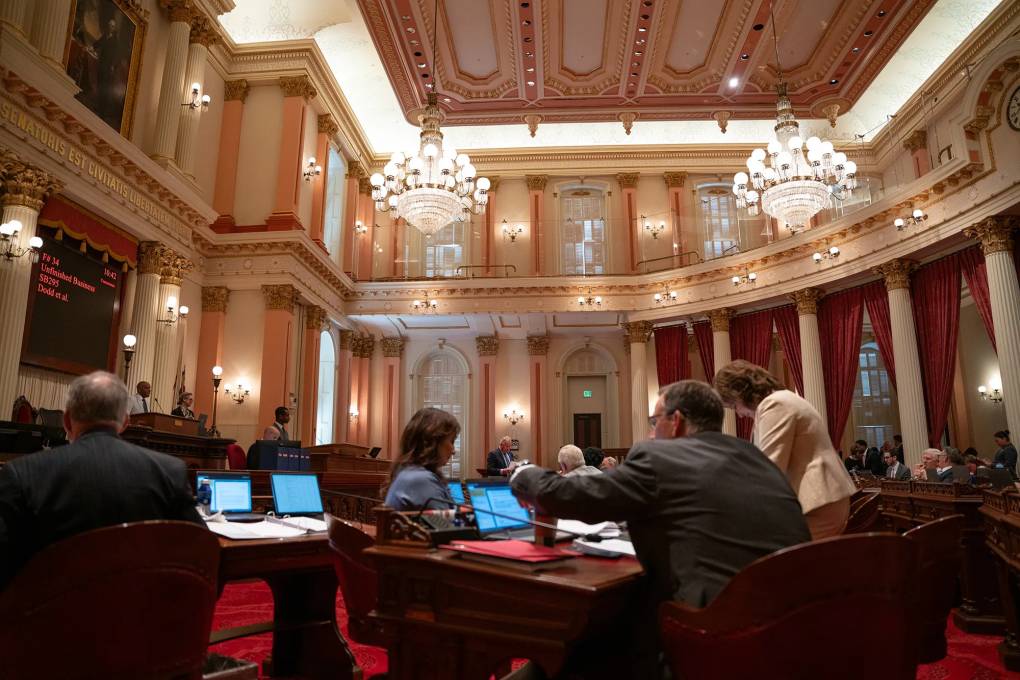
"caption": "The state Senate during a floor session of the California Legislature at the state Capitol in Sacramento on Aug. 29, 2024.",
"credit": "Florence Middleton/CalMatters",
"altTag": null,
"description": null,
"imgSizes": {
"medium": {
"file": "https://cdn.kqed.org/wp-content/uploads/sites/10/2025/01/082924_StateCapitolSession_FM_CM_01-800x533.jpg",
"width": 800,
"height": 533,
"mimeType": "image/jpeg"
},
"large": {
"file": "https://cdn.kqed.org/wp-content/uploads/sites/10/2025/01/082924_StateCapitolSession_FM_CM_01-1020x680.jpg",
"width": 1020,
"height": 680,
"mimeType": "image/jpeg"
},
"thumbnail": {
"file": "https://cdn.kqed.org/wp-content/uploads/sites/10/2025/01/082924_StateCapitolSession_FM_CM_01-160x107.jpg",
"width": 160,
"height": 107,
"mimeType": "image/jpeg"
},
"1536x1536": {
"file": "https://cdn.kqed.org/wp-content/uploads/sites/10/2025/01/082924_StateCapitolSession_FM_CM_01-1536x1024.jpg",
"width": 1536,
"height": 1024,
"mimeType": "image/jpeg"
},
"post-thumbnail": {
"file": "https://cdn.kqed.org/wp-content/uploads/sites/10/2025/01/082924_StateCapitolSession_FM_CM_01-672x372.jpg",
"width": 672,
"height": 372,
"mimeType": "image/jpeg"
},
"twentyfourteen-full-width": {
"file": "https://cdn.kqed.org/wp-content/uploads/sites/10/2025/01/082924_StateCapitolSession_FM_CM_01-1038x576.jpg",
"width": 1038,
"height": 576,
"mimeType": "image/jpeg"
},
"full-width": {
"file": "https://cdn.kqed.org/wp-content/uploads/sites/10/2025/01/082924_StateCapitolSession_FM_CM_01-1920x1280.jpg",
"width": 1920,
"height": 1280,
"mimeType": "image/jpeg"
},
"kqedFullSize": {
"file": "https://cdn.kqed.org/wp-content/uploads/sites/10/2025/01/082924_StateCapitolSession_FM_CM_01.jpg",
"width": 2000,
"height": 1333
}
},
"isLoading": false,
"fetchFailed": false
},
"news_12020246": {
"type": "attachments",
"id": "news_12020246",
"meta": {
"index": "attachments_1716263798",
"site": "news",
"id": "12020246",
"found": true
},
"title": "Photo Illustrations - Stock Pictures",
"publishDate": 1735928496,
"status": "inherit",
"parent": 12020244,
"modified": 1735929934,
"caption": "A woman holds a cellphone in front of the Siri logo displayed on a computer screen on April 29, 2024, in Edmonton, Canada.",
"credit": "Artur Widak/NurPhoto via Getty Images",
"altTag": null,
"description": null,
"imgSizes": {
"medium": {
"file": "https://cdn.kqed.org/wp-content/uploads/sites/10/2025/01/GettyImages-2150495048-800x571.jpg",
"width": 800,
"height": 571,
"mimeType": "image/jpeg"
},
"large": {
"file": "https://cdn.kqed.org/wp-content/uploads/sites/10/2025/01/GettyImages-2150495048-1020x729.jpg",
"width": 1020,
"height": 729,
"mimeType": "image/jpeg"
},
"thumbnail": {
"file": "https://cdn.kqed.org/wp-content/uploads/sites/10/2025/01/GettyImages-2150495048-160x114.jpg",
"width": 160,
"height": 114,
"mimeType": "image/jpeg"
},
"1536x1536": {
"file": "https://cdn.kqed.org/wp-content/uploads/sites/10/2025/01/GettyImages-2150495048-1536x1097.jpg",
"width": 1536,
"height": 1097,
"mimeType": "image/jpeg"
},
"2048x2048": {
"file": "https://cdn.kqed.org/wp-content/uploads/sites/10/2025/01/GettyImages-2150495048-2048x1463.jpg",
"width": 2048,
"height": 1463,
"mimeType": "image/jpeg"
},
"post-thumbnail": {
"file": "https://cdn.kqed.org/wp-content/uploads/sites/10/2025/01/GettyImages-2150495048-672x372.jpg",
"width": 672,
"height": 372,
"mimeType": "image/jpeg"
},
"twentyfourteen-full-width": {
"file": "https://cdn.kqed.org/wp-content/uploads/sites/10/2025/01/GettyImages-2150495048-1038x576.jpg",
"width": 1038,
"height": 576,
"mimeType": "image/jpeg"
},
"full-width": {
"file": "https://cdn.kqed.org/wp-content/uploads/sites/10/2025/01/GettyImages-2150495048-1920x1371.jpg",
"width": 1920,
"height": 1371,
"mimeType": "image/jpeg"
},
"kqedFullSize": {
"file": "https://cdn.kqed.org/wp-content/uploads/sites/10/2025/01/GettyImages-2150495048-scaled.jpg",
"width": 2560,
"height": 1828
}
},
"isLoading": false,
"fetchFailed": false
},
"news_12019335": {
"type": "attachments",
"id": "news_12019335",
"meta": {
"index": "attachments_1716263798",
"site": "news",
"id": "12019335",
"found": true
},
"title": "GoogleQuantumAI_WillowChip_Closeup04",
"publishDate": 1734719379,
"status": "inherit",
"parent": 12018788,
"modified": 1734719419,
"caption": "Google’s quantum computer chip, Willow.",
"credit": "Courtesy of Google Quantum AI",
"altTag": null,
"description": null,
"imgSizes": {
"medium": {
"file": "https://cdn.kqed.org/wp-content/uploads/sites/10/2024/12/GoogleQuantumAI_WillowChip_Closeup04-800x533.jpg",
"width": 800,
"height": 533,
"mimeType": "image/jpeg"
},
"large": {
"file": "https://cdn.kqed.org/wp-content/uploads/sites/10/2024/12/GoogleQuantumAI_WillowChip_Closeup04-1020x680.jpg",
"width": 1020,
"height": 680,
"mimeType": "image/jpeg"
},
"thumbnail": {
"file": "https://cdn.kqed.org/wp-content/uploads/sites/10/2024/12/GoogleQuantumAI_WillowChip_Closeup04-160x107.jpg",
"width": 160,
"height": 107,
"mimeType": "image/jpeg"
},
"1536x1536": {
"file": "https://cdn.kqed.org/wp-content/uploads/sites/10/2024/12/GoogleQuantumAI_WillowChip_Closeup04-1536x1024.jpg",
"width": 1536,
"height": 1024,
"mimeType": "image/jpeg"
},
"post-thumbnail": {
"file": "https://cdn.kqed.org/wp-content/uploads/sites/10/2024/12/GoogleQuantumAI_WillowChip_Closeup04-672x372.jpg",
"width": 672,
"height": 372,
"mimeType": "image/jpeg"
},
"twentyfourteen-full-width": {
"file": "https://cdn.kqed.org/wp-content/uploads/sites/10/2024/12/GoogleQuantumAI_WillowChip_Closeup04-1038x576.jpg",
"width": 1038,
"height": 576,
"mimeType": "image/jpeg"
},
"full-width": {
"file": "https://cdn.kqed.org/wp-content/uploads/sites/10/2024/12/GoogleQuantumAI_WillowChip_Closeup04-1920x1280.jpg",
"width": 1920,
"height": 1280,
"mimeType": "image/jpeg"
},
"kqedFullSize": {
"file": "https://cdn.kqed.org/wp-content/uploads/sites/10/2024/12/GoogleQuantumAI_WillowChip_Closeup04.jpg",
"width": 2000,
"height": 1333
}
},
"isLoading": false,
"fetchFailed": false
},
"news_12018248": {
"type": "attachments",
"id": "news_12018248",
"meta": {
"index": "attachments_1716263798",
"site": "news",
"id": "12018248",
"found": true
},
"title": "proliferation of e-bikes in the South Bay",
"publishDate": 1734126874,
"status": "inherit",
"parent": 12018160,
"modified": 1744932692,
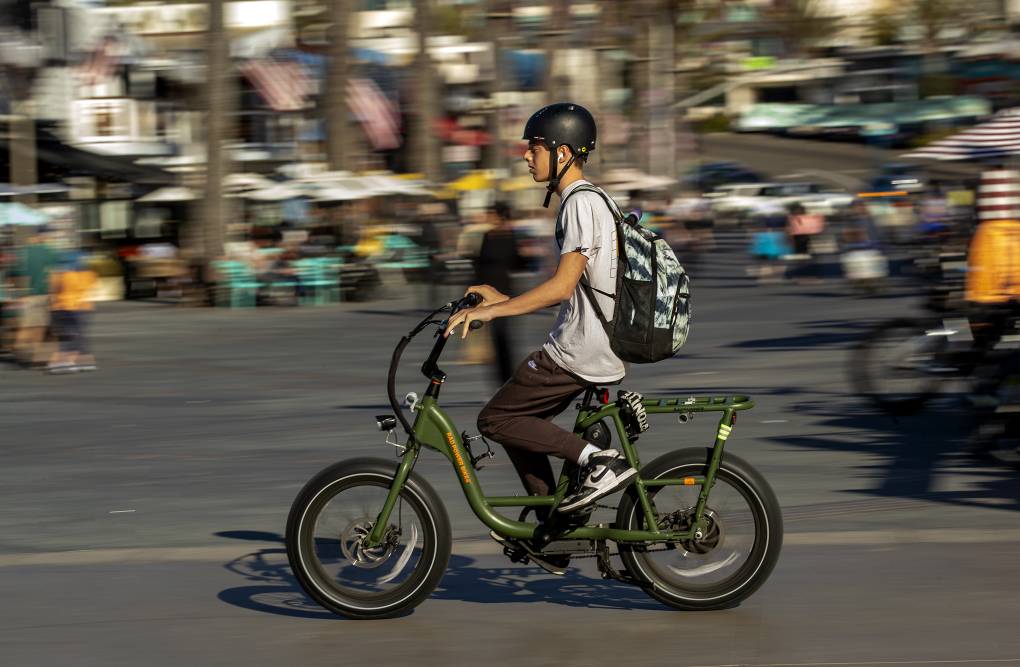
"caption": "A person rides his e-bike on the Strand in Hermosa Beach. In Hermosa Beach, it's against city code to use electric power on the Strand, but many e-bike riders do so anyway.",
"credit": "Mel Melcon/Los Angeles Times via Getty Images",
"altTag": null,
"description": null,
"imgSizes": {
"medium": {
"file": "https://cdn.kqed.org/wp-content/uploads/sites/10/2024/12/GettyImages-1782799957-800x523.jpg",
"width": 800,
"height": 523,
"mimeType": "image/jpeg"
},
"large": {
"file": "https://cdn.kqed.org/wp-content/uploads/sites/10/2024/12/GettyImages-1782799957-1020x667.jpg",
"width": 1020,
"height": 667,
"mimeType": "image/jpeg"
},
"thumbnail": {
"file": "https://cdn.kqed.org/wp-content/uploads/sites/10/2024/12/GettyImages-1782799957-160x105.jpg",
"width": 160,
"height": 105,
"mimeType": "image/jpeg"
},
"1536x1536": {
"file": "https://cdn.kqed.org/wp-content/uploads/sites/10/2024/12/GettyImages-1782799957-1536x1004.jpg",
"width": 1536,
"height": 1004,
"mimeType": "image/jpeg"
},
"2048x2048": {
"file": "https://cdn.kqed.org/wp-content/uploads/sites/10/2024/12/GettyImages-1782799957-2048x1338.jpg",
"width": 2048,
"height": 1338,
"mimeType": "image/jpeg"
},
"post-thumbnail": {
"file": "https://cdn.kqed.org/wp-content/uploads/sites/10/2024/12/GettyImages-1782799957-672x372.jpg",
"width": 672,
"height": 372,
"mimeType": "image/jpeg"
},
"twentyfourteen-full-width": {
"file": "https://cdn.kqed.org/wp-content/uploads/sites/10/2024/12/GettyImages-1782799957-1038x576.jpg",
"width": 1038,
"height": 576,
"mimeType": "image/jpeg"
},
"full-width": {
"file": "https://cdn.kqed.org/wp-content/uploads/sites/10/2024/12/GettyImages-1782799957-1920x1255.jpg",
"width": 1920,
"height": 1255,
"mimeType": "image/jpeg"
},
"kqedFullSize": {
"file": "https://cdn.kqed.org/wp-content/uploads/sites/10/2024/12/GettyImages-1782799957-scaled.jpg",
"width": 2560,
"height": 1673
}
},
"isLoading": false,
"fetchFailed": false
},
"news_12017565": {
"type": "attachments",
"id": "news_12017565",
"meta": {
"index": "attachments_1716263798",
"site": "news",
"id": "12017565",
"found": true
},
"title": "San Francisco Democrats Rally For Kamala Harris After Biden Drops Out",
"publishDate": 1733882527,
"status": "inherit",
"parent": 12017551,
"modified": 1733942134,
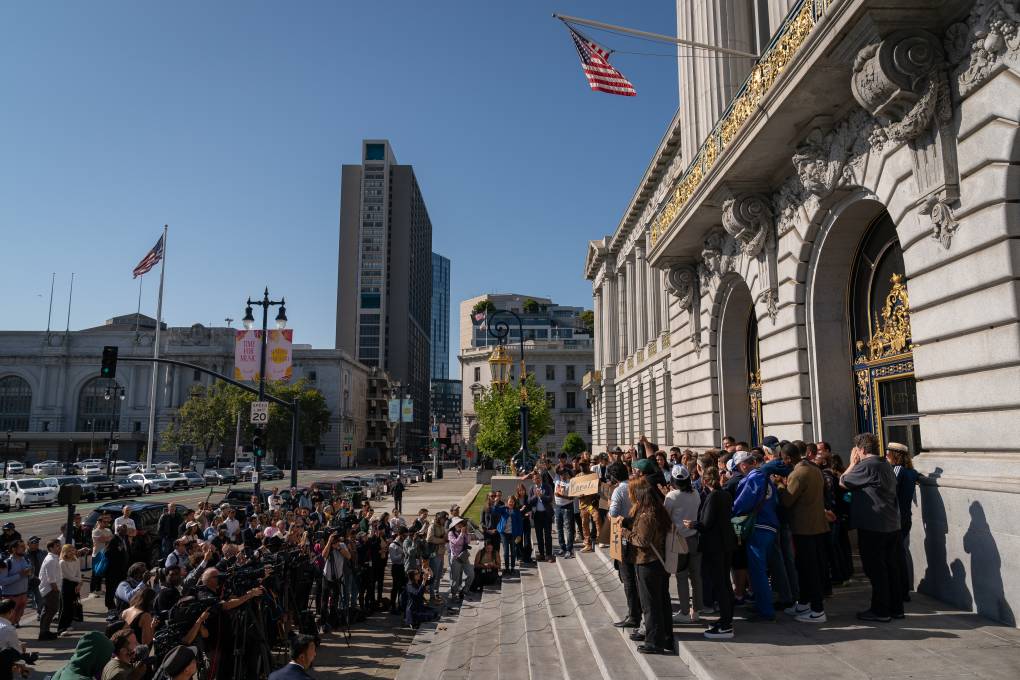
"caption": "Members of the San Francisco Democratic Party rally in support of Kamala Harris, following the announcement by U.S. President Joe Biden that he is dropping out of the 2024 presidential race, on July 22, 2024, at City Hall in San Francisco.",
"credit": "Loren Elliott/Getty Images",
"altTag": "Several people stand in front of SF City Hall under a waving American flag.",
"description": null,
"imgSizes": {
"medium": {
"file": "https://cdn.kqed.org/wp-content/uploads/sites/10/2024/12/GettyImages-2162428471-800x533.jpg",
"width": 800,
"height": 533,
"mimeType": "image/jpeg"
},
"large": {
"file": "https://cdn.kqed.org/wp-content/uploads/sites/10/2024/12/GettyImages-2162428471-1020x680.jpg",
"width": 1020,
"height": 680,
"mimeType": "image/jpeg"
},
"thumbnail": {
"file": "https://cdn.kqed.org/wp-content/uploads/sites/10/2024/12/GettyImages-2162428471-160x107.jpg",
"width": 160,
"height": 107,
"mimeType": "image/jpeg"
},
"1536x1536": {
"file": "https://cdn.kqed.org/wp-content/uploads/sites/10/2024/12/GettyImages-2162428471-1536x1024.jpg",
"width": 1536,
"height": 1024,
"mimeType": "image/jpeg"
},
"2048x2048": {
"file": "https://cdn.kqed.org/wp-content/uploads/sites/10/2024/12/GettyImages-2162428471-2048x1365.jpg",
"width": 2048,
"height": 1365,
"mimeType": "image/jpeg"
},
"post-thumbnail": {
"file": "https://cdn.kqed.org/wp-content/uploads/sites/10/2024/12/GettyImages-2162428471-672x372.jpg",
"width": 672,
"height": 372,
"mimeType": "image/jpeg"
},
"twentyfourteen-full-width": {
"file": "https://cdn.kqed.org/wp-content/uploads/sites/10/2024/12/GettyImages-2162428471-1038x576.jpg",
"width": 1038,
"height": 576,
"mimeType": "image/jpeg"
},
"full-width": {
"file": "https://cdn.kqed.org/wp-content/uploads/sites/10/2024/12/GettyImages-2162428471-1920x1280.jpg",
"width": 1920,
"height": 1280,
"mimeType": "image/jpeg"
},
"kqedFullSize": {
"file": "https://cdn.kqed.org/wp-content/uploads/sites/10/2024/12/GettyImages-2162428471-scaled.jpg",
"width": 2560,
"height": 1707
}
},
"isLoading": false,
"fetchFailed": false
},
"news_12016476": {
"type": "attachments",
"id": "news_12016476",
"meta": {
"index": "attachments_1716263798",
"site": "news",
"id": "12016476",
"found": true
},
"title": "IMG_8102",
"publishDate": 1733264749,
"status": "inherit",
"parent": 12016475,
"modified": 1733268477,
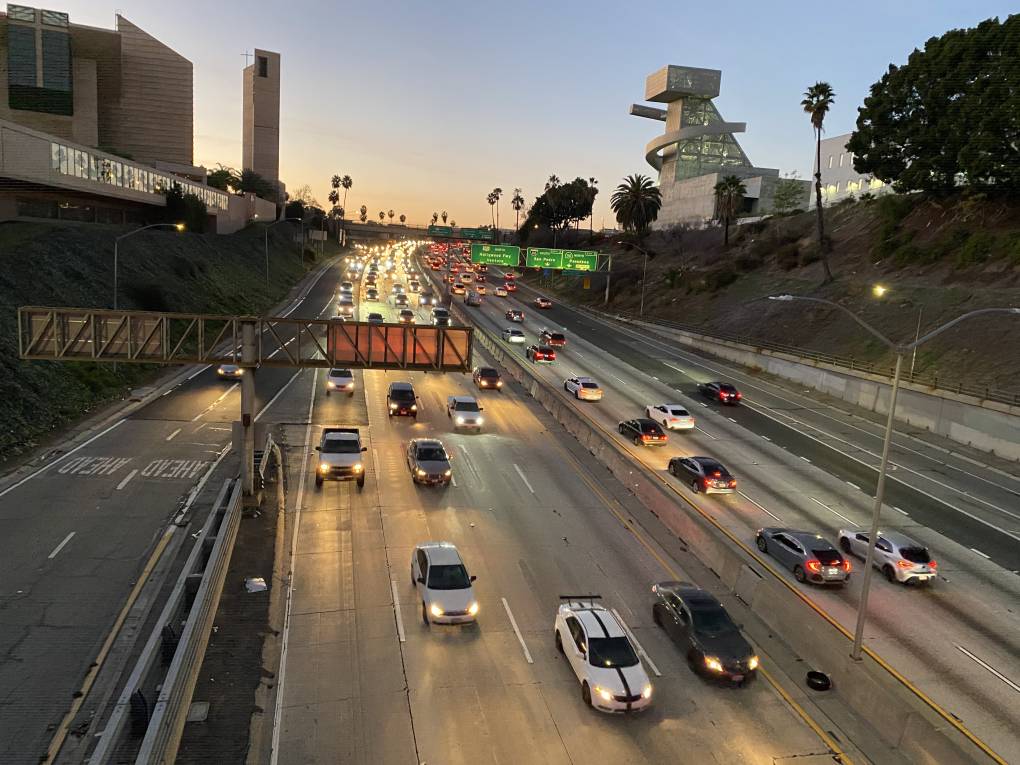
"caption": "Cars drive along U.S. Route 101 in downtown Los Angeles.",
"credit": "Saul Gonzalez/KQED",
"altTag": null,
"description": null,
"imgSizes": {
"medium": {
"file": "https://cdn.kqed.org/wp-content/uploads/sites/10/2024/12/IMG_8102-800x600.jpeg",
"width": 800,
"height": 600,
"mimeType": "image/jpeg"
},
"large": {
"file": "https://cdn.kqed.org/wp-content/uploads/sites/10/2024/12/IMG_8102-1020x765.jpeg",
"width": 1020,
"height": 765,
"mimeType": "image/jpeg"
},
"thumbnail": {
"file": "https://cdn.kqed.org/wp-content/uploads/sites/10/2024/12/IMG_8102-160x120.jpeg",
"width": 160,
"height": 120,
"mimeType": "image/jpeg"
},
"1536x1536": {
"file": "https://cdn.kqed.org/wp-content/uploads/sites/10/2024/12/IMG_8102-1536x1152.jpeg",
"width": 1536,
"height": 1152,
"mimeType": "image/jpeg"
},
"2048x2048": {
"file": "https://cdn.kqed.org/wp-content/uploads/sites/10/2024/12/IMG_8102-2048x1536.jpeg",
"width": 2048,
"height": 1536,
"mimeType": "image/jpeg"
},
"post-thumbnail": {
"file": "https://cdn.kqed.org/wp-content/uploads/sites/10/2024/12/IMG_8102-672x372.jpeg",
"width": 672,
"height": 372,
"mimeType": "image/jpeg"
},
"twentyfourteen-full-width": {
"file": "https://cdn.kqed.org/wp-content/uploads/sites/10/2024/12/IMG_8102-1038x576.jpeg",
"width": 1038,
"height": 576,
"mimeType": "image/jpeg"
},
"full-width": {
"file": "https://cdn.kqed.org/wp-content/uploads/sites/10/2024/12/IMG_8102-1920x1440.jpeg",
"width": 1920,
"height": 1440,
"mimeType": "image/jpeg"
},
"kqedFullSize": {
"file": "https://cdn.kqed.org/wp-content/uploads/sites/10/2024/12/IMG_8102-scaled.jpeg",
"width": 2560,
"height": 1920
}
},
"isLoading": false,
"fetchFailed": false
},
"news_12015743": {
"type": "attachments",
"id": "news_12015743",
"meta": {
"index": "attachments_1716263798",
"site": "news",
"id": "12015743",
"found": true
},
"title": "Google Headquarters in Mountain View, California",
"publishDate": 1732555955,
"status": "inherit",
"parent": 12015740,
"modified": 1732556011,
"caption": "A view of Google Headquarters in Mountain View, Santa Clara County, on Aug. 22, 2024. ",
"credit": "Tayfun Coskun/Anadolu via Getty Images",
"altTag": null,
"description": null,
"imgSizes": {
"medium": {
"file": "https://cdn.kqed.org/wp-content/uploads/sites/10/2024/11/GettyImages-2167175697-800x534.jpg",
"width": 800,
"height": 534,
"mimeType": "image/jpeg"
},
"large": {
"file": "https://cdn.kqed.org/wp-content/uploads/sites/10/2024/11/GettyImages-2167175697-1020x680.jpg",
"width": 1020,
"height": 680,
"mimeType": "image/jpeg"
},
"thumbnail": {
"file": "https://cdn.kqed.org/wp-content/uploads/sites/10/2024/11/GettyImages-2167175697-160x107.jpg",
"width": 160,
"height": 107,
"mimeType": "image/jpeg"
},
"post-thumbnail": {
"file": "https://cdn.kqed.org/wp-content/uploads/sites/10/2024/11/GettyImages-2167175697-672x372.jpg",
"width": 672,
"height": 372,
"mimeType": "image/jpeg"
},
"twentyfourteen-full-width": {
"file": "https://cdn.kqed.org/wp-content/uploads/sites/10/2024/11/GettyImages-2167175697-1024x576.jpg",
"width": 1024,
"height": 576,
"mimeType": "image/jpeg"
},
"kqedFullSize": {
"file": "https://cdn.kqed.org/wp-content/uploads/sites/10/2024/11/GettyImages-2167175697.jpg",
"width": 1024,
"height": 683
}
},
"isLoading": false,
"fetchFailed": false
},
"news_12015316": {
"type": "attachments",
"id": "news_12015316",
"meta": {
"index": "attachments_1716263798",
"site": "news",
"id": "12015316",
"found": true
},
"title": "241121-SFMayorElectDanielLurie-03-BL",
"publishDate": 1732218356,
"status": "inherit",
"parent": 0,
"modified": 1732229445,
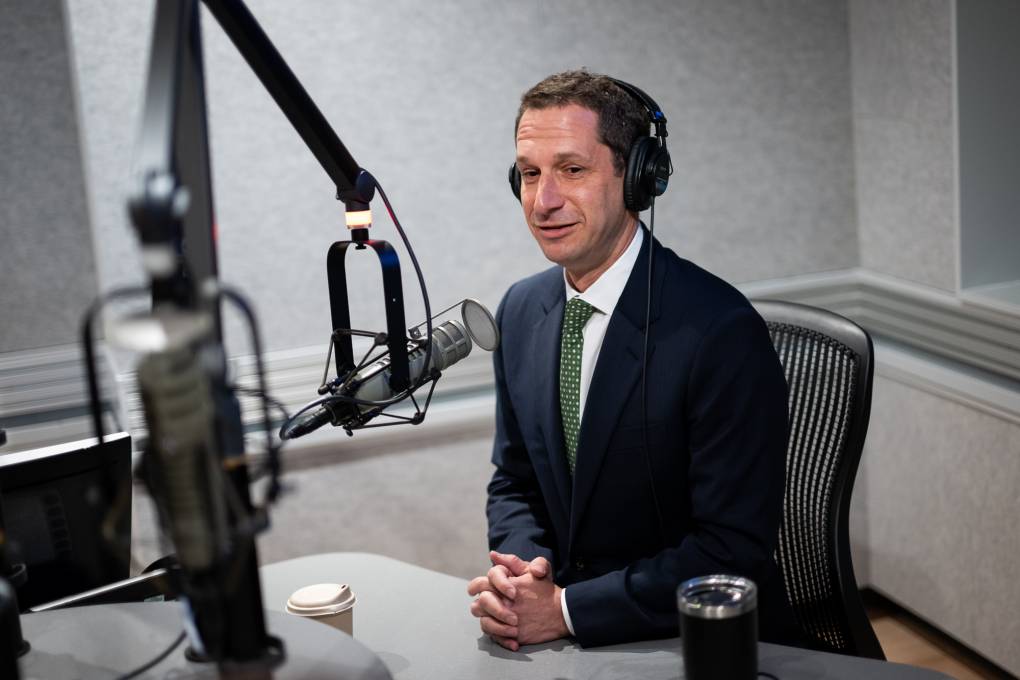
"caption": "Mayor-elect Daniel Lurie speaks with KQED politics reporters Marisa Lagos and Scott Shafer for Political Breakdown at the KQED offices in San Francisco on Nov. 21, 2024.",
"credit": "Beth LaBerge/KQED",
"altTag": null,
"description": null,
"imgSizes": {
"medium": {
"file": "https://cdn.kqed.org/wp-content/uploads/sites/10/2024/11/241121-SFMayorElectDanielLurie-03-BL-800x533.jpg",
"width": 800,
"height": 533,
"mimeType": "image/jpeg"
},
"large": {
"file": "https://cdn.kqed.org/wp-content/uploads/sites/10/2024/11/241121-SFMayorElectDanielLurie-03-BL-1020x680.jpg",
"width": 1020,
"height": 680,
"mimeType": "image/jpeg"
},
"thumbnail": {
"file": "https://cdn.kqed.org/wp-content/uploads/sites/10/2024/11/241121-SFMayorElectDanielLurie-03-BL-160x107.jpg",
"width": 160,
"height": 107,
"mimeType": "image/jpeg"
},
"1536x1536": {
"file": "https://cdn.kqed.org/wp-content/uploads/sites/10/2024/11/241121-SFMayorElectDanielLurie-03-BL-1536x1024.jpg",
"width": 1536,
"height": 1024,
"mimeType": "image/jpeg"
},
"post-thumbnail": {
"file": "https://cdn.kqed.org/wp-content/uploads/sites/10/2024/11/241121-SFMayorElectDanielLurie-03-BL-672x372.jpg",
"width": 672,
"height": 372,
"mimeType": "image/jpeg"
},
"twentyfourteen-full-width": {
"file": "https://cdn.kqed.org/wp-content/uploads/sites/10/2024/11/241121-SFMayorElectDanielLurie-03-BL-1038x576.jpg",
"width": 1038,
"height": 576,
"mimeType": "image/jpeg"
},
"full-width": {
"file": "https://cdn.kqed.org/wp-content/uploads/sites/10/2024/11/241121-SFMayorElectDanielLurie-03-BL-1920x1280.jpg",
"width": 1920,
"height": 1280,
"mimeType": "image/jpeg"
},
"kqedFullSize": {
"file": "https://cdn.kqed.org/wp-content/uploads/sites/10/2024/11/241121-SFMayorElectDanielLurie-03-BL.jpg",
"width": 2000,
"height": 1333
}
},
"isLoading": false,
"fetchFailed": false
},
"news_12014179": {
"type": "attachments",
"id": "news_12014179",
"meta": {
"index": "attachments_1716263798",
"site": "news",
"id": "12014179",
"found": true
},
"title": "Trump Campaign",
"publishDate": 1731461786,
"status": "inherit",
"parent": 12014081,
"modified": 1739045390,
"caption": "Elon Musk speaks at a Republican campaign rally at Madison Square Garden in New York, NY on Sunday, Oct. 27, 2024.",
"credit": "Jabin Botsford/The Washington Post via Getty Images",
"altTag": null,
"description": null,
"imgSizes": {
"medium": {
"file": "https://cdn.kqed.org/wp-content/uploads/sites/10/2024/11/GettyImages-2181962905-800x533.jpg",
"width": 800,
"height": 533,
"mimeType": "image/jpeg"
},
"large": {
"file": "https://cdn.kqed.org/wp-content/uploads/sites/10/2024/11/GettyImages-2181962905-1020x680.jpg",
"width": 1020,
"height": 680,
"mimeType": "image/jpeg"
},
"thumbnail": {
"file": "https://cdn.kqed.org/wp-content/uploads/sites/10/2024/11/GettyImages-2181962905-160x107.jpg",
"width": 160,
"height": 107,
"mimeType": "image/jpeg"
},
"1536x1536": {
"file": "https://cdn.kqed.org/wp-content/uploads/sites/10/2024/11/GettyImages-2181962905-1536x1024.jpg",
"width": 1536,
"height": 1024,
"mimeType": "image/jpeg"
},
"2048x2048": {
"file": "https://cdn.kqed.org/wp-content/uploads/sites/10/2024/11/GettyImages-2181962905-2048x1365.jpg",
"width": 2048,
"height": 1365,
"mimeType": "image/jpeg"
},
"post-thumbnail": {
"file": "https://cdn.kqed.org/wp-content/uploads/sites/10/2024/11/GettyImages-2181962905-672x372.jpg",
"width": 672,
"height": 372,
"mimeType": "image/jpeg"
},
"twentyfourteen-full-width": {
"file": "https://cdn.kqed.org/wp-content/uploads/sites/10/2024/11/GettyImages-2181962905-1038x576.jpg",
"width": 1038,
"height": 576,
"mimeType": "image/jpeg"
},
"full-width": {
"file": "https://cdn.kqed.org/wp-content/uploads/sites/10/2024/11/GettyImages-2181962905-1920x1280.jpg",
"width": 1920,
"height": 1280,
"mimeType": "image/jpeg"
},
"kqedFullSize": {
"file": "https://cdn.kqed.org/wp-content/uploads/sites/10/2024/11/GettyImages-2181962905-scaled.jpg",
"width": 2560,
"height": 1707
}
},
"isLoading": false,
"fetchFailed": false
},
"news_12012243": {
"type": "attachments",
"id": "news_12012243",
"meta": {
"index": "attachments_1716263798",
"site": "news",
"id": "12012243",
"found": true
},
"title": "241011-CONGRESSIONALDEBATENBC_COHEN-22-KQED",
"publishDate": 1730502179,
"status": "inherit",
"parent": 0,
"modified": 1730883635,
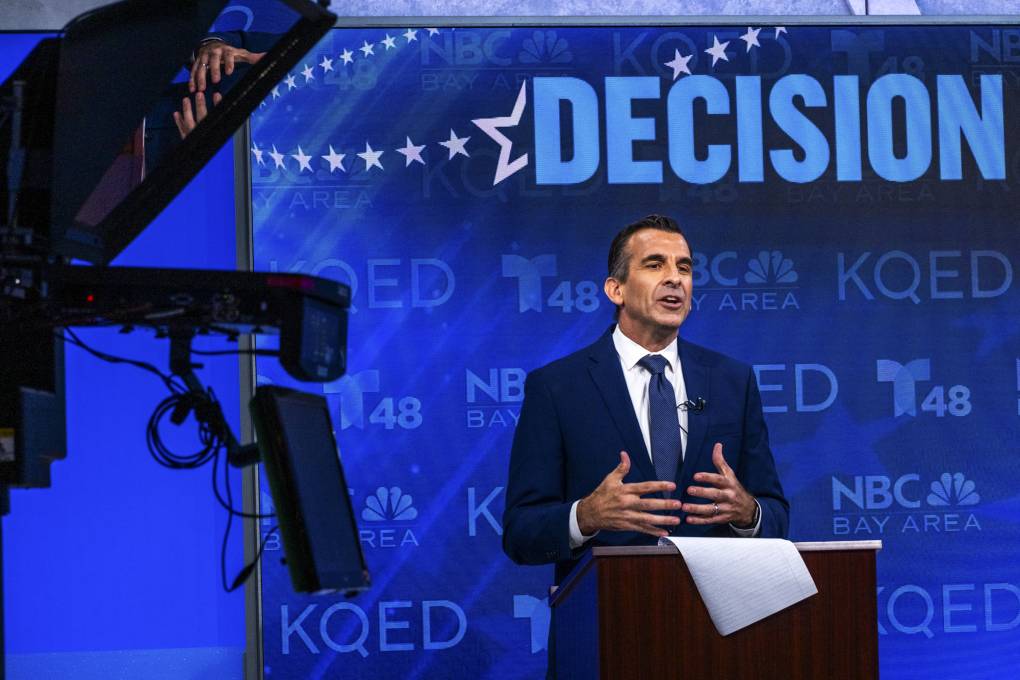
"caption": "Former San José Mayor Sam Liccardo debates Assemblymember Evan Low at the NBC offices in San José on Friday, Oct. 11, 2024.",
"credit": "Camille Cohen for KQED/POOL",
"altTag": "A man in a suit and tie speak behind a podium, with a blue-lit screen behind hime that says 'Decision 2024'",
"description": null,
"imgSizes": {
"medium": {
"file": "https://cdn.kqed.org/wp-content/uploads/sites/10/2024/11/241011-CONGRESSIONALDEBATENBC_COHEN-22-KQED-800x534.jpg",
"width": 800,
"height": 534,
"mimeType": "image/jpeg"
},
"large": {
"file": "https://cdn.kqed.org/wp-content/uploads/sites/10/2024/11/241011-CONGRESSIONALDEBATENBC_COHEN-22-KQED-1020x680.jpg",
"width": 1020,
"height": 680,
"mimeType": "image/jpeg"
},
"thumbnail": {
"file": "https://cdn.kqed.org/wp-content/uploads/sites/10/2024/11/241011-CONGRESSIONALDEBATENBC_COHEN-22-KQED-160x107.jpg",
"width": 160,
"height": 107,
"mimeType": "image/jpeg"
},
"1536x1536": {
"file": "https://cdn.kqed.org/wp-content/uploads/sites/10/2024/11/241011-CONGRESSIONALDEBATENBC_COHEN-22-KQED-1536x1025.jpg",
"width": 1536,
"height": 1025,
"mimeType": "image/jpeg"
},
"post-thumbnail": {
"file": "https://cdn.kqed.org/wp-content/uploads/sites/10/2024/11/241011-CONGRESSIONALDEBATENBC_COHEN-22-KQED-672x372.jpg",
"width": 672,
"height": 372,
"mimeType": "image/jpeg"
},
"twentyfourteen-full-width": {
"file": "https://cdn.kqed.org/wp-content/uploads/sites/10/2024/11/241011-CONGRESSIONALDEBATENBC_COHEN-22-KQED-1038x576.jpg",
"width": 1038,
"height": 576,
"mimeType": "image/jpeg"
},
"full-width": {
"file": "https://cdn.kqed.org/wp-content/uploads/sites/10/2024/11/241011-CONGRESSIONALDEBATENBC_COHEN-22-KQED-1920x1281.jpg",
"width": 1920,
"height": 1281,
"mimeType": "image/jpeg"
},
"kqedFullSize": {
"file": "https://cdn.kqed.org/wp-content/uploads/sites/10/2024/11/241011-CONGRESSIONALDEBATENBC_COHEN-22-KQED.jpg",
"width": 2000,
"height": 1334
}
},
"isLoading": false,
"fetchFailed": false
},
"news_12013002": {
"type": "attachments",
"id": "news_12013002",
"meta": {
"index": "attachments_1716263798",
"site": "news",
"id": "12013002",
"found": true
},
"title": "241105-ELECTIONNIGHT-29-BL-KQED",
"publishDate": 1730875707,
"status": "inherit",
"parent": 0,
"modified": 1730884350,
"caption": "Supervisor Aaron Peskin speaks during an election night party at Bimbo's in San Francisco on Nov. 5, 2024.",
"credit": "Beth LaBerge/KQED",
"altTag": null,
"description": null,
"imgSizes": {
"medium": {
"file": "https://cdn.kqed.org/wp-content/uploads/sites/10/2024/11/241105-ELECTIONNIGHT-29-BL-KQED-800x533.jpg",
"width": 800,
"height": 533,
"mimeType": "image/jpeg"
},
"large": {
"file": "https://cdn.kqed.org/wp-content/uploads/sites/10/2024/11/241105-ELECTIONNIGHT-29-BL-KQED-1020x680.jpg",
"width": 1020,
"height": 680,
"mimeType": "image/jpeg"
},
"thumbnail": {
"file": "https://cdn.kqed.org/wp-content/uploads/sites/10/2024/11/241105-ELECTIONNIGHT-29-BL-KQED-160x107.jpg",
"width": 160,
"height": 107,
"mimeType": "image/jpeg"
},
"1536x1536": {
"file": "https://cdn.kqed.org/wp-content/uploads/sites/10/2024/11/241105-ELECTIONNIGHT-29-BL-KQED-1536x1024.jpg",
"width": 1536,
"height": 1024,
"mimeType": "image/jpeg"
},
"post-thumbnail": {
"file": "https://cdn.kqed.org/wp-content/uploads/sites/10/2024/11/241105-ELECTIONNIGHT-29-BL-KQED-672x372.jpg",
"width": 672,
"height": 372,
"mimeType": "image/jpeg"
},
"twentyfourteen-full-width": {
"file": "https://cdn.kqed.org/wp-content/uploads/sites/10/2024/11/241105-ELECTIONNIGHT-29-BL-KQED-1038x576.jpg",
"width": 1038,
"height": 576,
"mimeType": "image/jpeg"
},
"full-width": {
"file": "https://cdn.kqed.org/wp-content/uploads/sites/10/2024/11/241105-ELECTIONNIGHT-29-BL-KQED-1920x1280.jpg",
"width": 1920,
"height": 1280,
"mimeType": "image/jpeg"
},
"kqedFullSize": {
"file": "https://cdn.kqed.org/wp-content/uploads/sites/10/2024/11/241105-ELECTIONNIGHT-29-BL-KQED.jpg",
"width": 2000,
"height": 1333
}
},
"isLoading": false,
"fetchFailed": false
},
"news_12010370": {
"type": "attachments",
"id": "news_12010370",
"meta": {
"index": "attachments_1716263798",
"site": "news",
"id": "12010370",
"found": true
},
"title": "Unfinished Live 2022 - Day 2",
"publishDate": 1729529442,
"status": "inherit",
"parent": 12010369,
"modified": 1729533849,
"caption": "Internet Archive founder Brewster Kahle speaks onstage during Unfinished Live at The Shed on Sept. 22, 2022, in New York City.",
"credit": "Roy Rochlin/Getty Images",
"altTag": "A middle-aged white man with grey hair, wearing a blazer, speaks on a stage.",
"description": "NEW YORK, NEW YORK - SEPTEMBER 22: for Unfinished Live )",
"imgSizes": {
"medium": {
"file": "https://cdn.kqed.org/wp-content/uploads/sites/10/2024/10/gettyimages-1426356126-800x533.jpeg",
"width": 800,
"height": 533,
"mimeType": "image/jpeg"
},
"large": {
"file": "https://cdn.kqed.org/wp-content/uploads/sites/10/2024/10/gettyimages-1426356126-1020x680.jpeg",
"width": 1020,
"height": 680,
"mimeType": "image/jpeg"
},
"thumbnail": {
"file": "https://cdn.kqed.org/wp-content/uploads/sites/10/2024/10/gettyimages-1426356126-160x107.jpeg",
"width": 160,
"height": 107,
"mimeType": "image/jpeg"
},
"1536x1536": {
"file": "https://cdn.kqed.org/wp-content/uploads/sites/10/2024/10/gettyimages-1426356126-1536x1024.jpeg",
"width": 1536,
"height": 1024,
"mimeType": "image/jpeg"
},
"2048x2048": {
"file": "https://cdn.kqed.org/wp-content/uploads/sites/10/2024/10/gettyimages-1426356126-2048x1365.jpeg",
"width": 2048,
"height": 1365,
"mimeType": "image/jpeg"
},
"post-thumbnail": {
"file": "https://cdn.kqed.org/wp-content/uploads/sites/10/2024/10/gettyimages-1426356126-672x372.jpeg",
"width": 672,
"height": 372,
"mimeType": "image/jpeg"
},
"twentyfourteen-full-width": {
"file": "https://cdn.kqed.org/wp-content/uploads/sites/10/2024/10/gettyimages-1426356126-1038x576.jpeg",
"width": 1038,
"height": 576,
"mimeType": "image/jpeg"
},
"full-width": {
"file": "https://cdn.kqed.org/wp-content/uploads/sites/10/2024/10/gettyimages-1426356126-1920x1280.jpeg",
"width": 1920,
"height": 1280,
"mimeType": "image/jpeg"
},
"kqedFullSize": {
"file": "https://cdn.kqed.org/wp-content/uploads/sites/10/2024/10/gettyimages-1426356126-scaled.jpeg",
"width": 2560,
"height": 1706
}
},
"isLoading": false,
"fetchFailed": false
}
},
"audioPlayerReducer": {
"postId": "stream_live",
"isPaused": true,
"isPlaying": false,
"pfsActive": false,
"pledgeModalIsOpen": true,
"playerDrawerIsOpen": false,
"liveAudioPlayStartedAt": 0,
"liveAudioPlayContext": ""
},
"authorsReducer": {
"byline_news_12020419": {
"type": "authors",
"id": "byline_news_12020419",
"meta": {
"override": true
},
"slug": "byline_news_12020419",
"name": "Alexei Koseff, CalMatters",
"isLoading": false
},
"byline_news_12020244": {
"type": "authors",
"id": "byline_news_12020244",
"meta": {
"override": true
},
"slug": "byline_news_12020244",
"name": "Michael Liedtke, Associated Press",
"isLoading": false
},
"byline_news_12015740": {
"type": "authors",
"id": "byline_news_12015740",
"meta": {
"override": true
},
"slug": "byline_news_12015740",
"name": "Matthew Barakat, The Associated Press",
"isLoading": false
},
"byline_news_12010369": {
"type": "authors",
"id": "byline_news_12010369",
"meta": {
"override": true
},
"slug": "byline_news_12010369",
"name": "Emma Bowman, NPR",
"isLoading": false
},
"gmarzorati": {
"type": "authors",
"id": "227",
"meta": {
"index": "authors_1716337520",
"id": "227",
"found": true
},
"name": "Guy Marzorati",
"firstName": "Guy",
"lastName": "Marzorati",
"slug": "gmarzorati",
"email": "gmarzorati@KQED.org",
"display_author_email": true,
"staff_mastheads": [
"news"
],
"title": "Correspondent",
"bio": "Guy Marzorati is a correspondent on KQED's California Politics and Government Desk, based in San Jose. A graduate of Santa Clara University, Guy joined KQED in 2013. He reports on state and local politics and produces KQED's digital voter guide.",
"avatar": "https://secure.gravatar.com/avatar/e7038b8dbfd55b104369b76b1cd0b9de?s=600&d=blank&r=g",
"twitter": "guymarzorati",
"facebook": null,
"instagram": null,
"linkedin": null,
"sites": [
{
"site": "",
"roles": [
"editor"
]
},
{
"site": "news",
"roles": [
"editor"
]
},
{
"site": "science",
"roles": [
"editor"
]
},
{
"site": "forum",
"roles": [
"editor"
]
},
{
"site": "elections",
"roles": [
"editor"
]
},
{
"site": "liveblog",
"roles": [
"editor"
]
}
],
"headData": {
"title": "Guy Marzorati | KQED",
"description": "Correspondent",
"ogImgSrc": "https://secure.gravatar.com/avatar/e7038b8dbfd55b104369b76b1cd0b9de?s=600&d=blank&r=g",
"twImgSrc": "https://secure.gravatar.com/avatar/e7038b8dbfd55b104369b76b1cd0b9de?s=600&d=blank&r=g"
},
"isLoading": false,
"link": "/author/gmarzorati"
},
"rachael-myrow": {
"type": "authors",
"id": "251",
"meta": {
"index": "authors_1716337520",
"id": "251",
"found": true
},
"name": "Rachael Myrow",
"firstName": "Rachael",
"lastName": "Myrow",
"slug": "rachael-myrow",
"email": "rmyrow@kqed.org",
"display_author_email": true,
"staff_mastheads": [
"news"
],
"title": "Senior Editor of KQED's Silicon Valley News Desk",
"bio": "• I write and edit stories about how Silicon Valley power and policies shape everyday life in California. I’m also passionate about making Bay Area history and culture more accessible to a broad public. • I’ve been a journalist for most of my life, starting in high school with The Franklin Press in Los Angeles, where I grew up. While earning my first degree in English at UC Berkeley, I got my start in public radio at KALX-FM. After completing a second degree in journalism at Cal, I landed my first professional job at Marketplace, then moved on to KPCC (now LAist), and then KQED, where I hosted The California Report for more than seven years. • My reporting has appeared on NPR, The World, WBUR’s \u003ci>Here & Now\u003c/i>, and the BBC. I also guest host for KQED’s \u003ci>Forum\u003c/i>, as well as the Commonwealth Club in San Francisco. • I speak periodically on media, democracy and technology issues, and do voiceover work for documentaries and educational video projects. • Outside of the studio, you'll find me hiking Bay Area trails and whipping up Insta-ready meals in my kitchen. • I do not accept gifts, money, or favors from anyone connected to my reporting, I don't pay people for information, and I do not support or donate to political causes. • I strive to treat the people I report on with fairness, honesty, and respect. I also recognize there are often multiple sides to a story and work to verify information through multiple sources and documentation. If I get something wrong, I correct it.",
"avatar": "https://secure.gravatar.com/avatar/3ed8a3c5f26025e4a805ba634cda8cd764906b97438a6d9ce216b044e340da4e?s=600&d=blank&r=g",
"twitter": "rachaelmyrow",
"bluesky": null,
"facebook": null,
"instagram": null,
"linkedin": "https://www.linkedin.com/in/rachaelmyrow/",
"sites": [
{
"site": "arts",
"roles": [
"administrator"
]
},
{
"site": "news",
"roles": [
"edit_others_posts",
"editor"
]
},
{
"site": "futureofyou",
"roles": [
"editor"
]
},
{
"site": "bayareabites",
"roles": [
"editor"
]
},
{
"site": "stateofhealth",
"roles": [
"editor"
]
},
{
"site": "science",
"roles": [
"editor"
]
},
{
"site": "food",
"roles": [
"editor"
]
},
{
"site": "forum",
"roles": [
"editor"
]
},
{
"site": "liveblog",
"roles": [
"author"
]
}
],
"headData": {
"title": "Rachael Myrow | KQED",
"description": "Senior Editor of KQED's Silicon Valley News Desk",
"ogImgSrc": "https://secure.gravatar.com/avatar/3ed8a3c5f26025e4a805ba634cda8cd764906b97438a6d9ce216b044e340da4e?s=600&d=blank&r=g",
"twImgSrc": "https://secure.gravatar.com/avatar/3ed8a3c5f26025e4a805ba634cda8cd764906b97438a6d9ce216b044e340da4e?s=600&d=blank&r=g"
},
"isLoading": false,
"link": "/author/rachael-myrow"
},
"scottshafer": {
"type": "authors",
"id": "255",
"meta": {
"index": "authors_1716337520",
"id": "255",
"found": true
},
"name": "Scott Shafer",
"firstName": "Scott",
"lastName": "Shafer",
"slug": "scottshafer",
"email": "sshafer@kqed.org",
"display_author_email": false,
"staff_mastheads": [
"news"
],
"title": "KQED Contributor",
"bio": "Scott Shafer is a senior editor with the KQED Politics and Government desk. He is co-host of Political Breakdown, the award-winning radio show and podcast with a personal take on the world of politics. Scott came to KQED in 1998 to host the statewide\u003cem> California Report\u003c/em>. Prior to that he had extended stints in politics and government\u003cem>.\u003c/em> He uses that inside experience at KQED in his, reporting, hosting and analysis for the politics desk. Scott collaborated \u003cem>Political Breakdown a\u003c/em>nd on \u003cem>The Political Mind of Jerry Brown, \u003c/em>an eight-part series about the life and extraordinary political career of the former governor. For fun, he plays water polo with the San Francisco Tsunami.",
"avatar": "https://secure.gravatar.com/avatar/a62ebae45b79d7aed1a39a0e3bf68104?s=600&d=blank&r=g",
"twitter": "scottshafer",
"bluesky": null,
"facebook": null,
"instagram": null,
"linkedin": null,
"sites": [
{
"site": "news",
"roles": [
"editor"
]
},
{
"site": "stateofhealth",
"roles": [
"author"
]
},
{
"site": "science",
"roles": [
"author"
]
},
{
"site": "forum",
"roles": [
"subscriber"
]
},
{
"site": "liveblog",
"roles": [
"author"
]
}
],
"headData": {
"title": "Scott Shafer | KQED",
"description": "KQED Contributor",
"ogImgSrc": "https://secure.gravatar.com/avatar/a62ebae45b79d7aed1a39a0e3bf68104?s=600&d=blank&r=g",
"twImgSrc": "https://secure.gravatar.com/avatar/a62ebae45b79d7aed1a39a0e3bf68104?s=600&d=blank&r=g"
},
"isLoading": false,
"link": "/author/scottshafer"
},
"sgonzalez": {
"type": "authors",
"id": "11621",
"meta": {
"index": "authors_1716337520",
"id": "11621",
"found": true
},
"name": "Saul Gonzalez",
"firstName": "Saul",
"lastName": "Gonzalez",
"slug": "sgonzalez",
"email": "sgonzalez@KQED.org",
"display_author_email": false,
"staff_mastheads": [
"news"
],
"title": "Host, The California Report",
"bio": "A Golden State native, Saul has been the Los Angeles co-host of \u003cem>The California Report\u003c/em>since 2019, covering such issues as homelessness and housing policy, the state's response to climate change and the ravages of the Covid pandemic. Whenever possible, tries to be outside of the studio, connecting these big issues to the daily lives of Californians experiencing them in very personal ways.\r\n\r\nBefore joining KQED, Saul worked for the PBS \u003cem>NewsHour, Religion & Ethics Newsweekly, \u003c/em>and public radio affiliate KCRW in Santa Monica, where he also hosted the podcast series \"There Goes the Neighborhood\" about gentrification. For his work, Saul has been honored with several Emmys and is a two-time winner of the L.A. Press Club's Radio Journalist of the Year Award.\r\n\r\nWhen not working, Saul spends his time trying to hone his amateur photography skills and spending as much time as possible in bookstores and coffee houses.",
"avatar": "https://secure.gravatar.com/avatar/06e10f8ad252ef896cc4dc6bbee5f901?s=600&d=blank&r=g",
"twitter": null,
"facebook": null,
"instagram": null,
"linkedin": null,
"sites": [
{
"site": "news",
"roles": [
"author"
]
}
],
"headData": {
"title": "Saul Gonzalez | KQED",
"description": "Host, The California Report",
"ogImgSrc": "https://secure.gravatar.com/avatar/06e10f8ad252ef896cc4dc6bbee5f901?s=600&d=blank&r=g",
"twImgSrc": "https://secure.gravatar.com/avatar/06e10f8ad252ef896cc4dc6bbee5f901?s=600&d=blank&r=g"
},
"isLoading": false,
"link": "/author/sgonzalez"
},
"ccabreralomeli": {
"type": "authors",
"id": "11708",
"meta": {
"index": "authors_1716337520",
"id": "11708",
"found": true
},
"name": "Carlos Cabrera-Lomelí",
"firstName": "Carlos",
"lastName": "Cabrera-Lomelí",
"slug": "ccabreralomeli",
"email": "ccabreralomeli@KQED.org",
"display_author_email": true,
"staff_mastheads": [
"news"
],
"title": "Community Reporter",
"bio": "Carlos Cabrera-Lomelí is a community reporter with KQED's digital engagement team. He also reports and co-produces for KQED's bilingual news hub KQED en Español. He grew up in San Francisco's Mission District and has previously worked with Univision, 48 Hills and REFORMA in Mexico City.",
"avatar": "https://secure.gravatar.com/avatar/c309be9665e484f887b818c89e273ecc673004f426f36b24d00a4d813a2e0518?s=600&d=blank&r=g",
"twitter": "@LomeliCabrera",
"bluesky": null,
"facebook": null,
"instagram": null,
"linkedin": null,
"sites": [
{
"site": "arts",
"roles": [
"editor"
]
},
{
"site": "news",
"roles": [
"editor"
]
},
{
"site": "about",
"roles": [
"editor"
]
},
{
"site": "science",
"roles": [
"editor"
]
},
{
"site": "perspectives",
"roles": [
"editor"
]
},
{
"site": "elections",
"roles": [
"editor"
]
},
{
"site": "liveblog",
"roles": [
"contributor"
]
}
],
"headData": {
"title": "Carlos Cabrera-Lomelí | KQED",
"description": "Community Reporter",
"ogImgSrc": "https://secure.gravatar.com/avatar/c309be9665e484f887b818c89e273ecc673004f426f36b24d00a4d813a2e0518?s=600&d=blank&r=g",
"twImgSrc": "https://secure.gravatar.com/avatar/c309be9665e484f887b818c89e273ecc673004f426f36b24d00a4d813a2e0518?s=600&d=blank&r=g"
},
"isLoading": false,
"link": "/author/ccabreralomeli"
},
"sjohnson": {
"type": "authors",
"id": "11840",
"meta": {
"index": "authors_1716337520",
"id": "11840",
"found": true
},
"name": "Sydney Johnson",
"firstName": "Sydney",
"lastName": "Johnson",
"slug": "sjohnson",
"email": "sjohnson@kqed.org",
"display_author_email": false,
"staff_mastheads": [
"news"
],
"title": "KQED Reporter",
"bio": "Sydney Johnson is a general assignment reporter at KQED. She previously reported on public health and city government at the San Francisco Examiner, and before that, she covered statewide education policy for EdSource. Her reporting has won multiple local, state and national awards. Sydney is a graduate of the University of California, Berkeley and lives in San Francisco.",
"avatar": "https://secure.gravatar.com/avatar/97855f2719b72ad6190b7c535fe642c8?s=600&d=blank&r=g",
"twitter": "sydneyfjohnson",
"facebook": null,
"instagram": null,
"linkedin": null,
"sites": [
{
"site": "news",
"roles": [
"editor"
]
}
],
"headData": {
"title": "Sydney Johnson | KQED",
"description": "KQED Reporter",
"ogImgSrc": "https://secure.gravatar.com/avatar/97855f2719b72ad6190b7c535fe642c8?s=600&d=blank&r=g",
"twImgSrc": "https://secure.gravatar.com/avatar/97855f2719b72ad6190b7c535fe642c8?s=600&d=blank&r=g"
},
"isLoading": false,
"link": "/author/sjohnson"
},
"emanoukian": {
"type": "authors",
"id": "11925",
"meta": {
"index": "authors_1716337520",
"id": "11925",
"found": true
},
"name": "Elize Manoukian",
"firstName": "Elize",
"lastName": "Manoukian",
"slug": "emanoukian",
"email": "emanoukian@KQED.org",
"display_author_email": false,
"staff_mastheads": [
"news"
],
"title": "Digital News Editor",
"bio": "Elize Manoukian is an award-winning audio producer and Senior Editor on the Express Desk, KQED's digital news platform. Her work has appeared on KPFA, Interlochen Public Radio, Oregon Public Broadcast, the New York Daily News, LA Times and the San Diego Union-Tribune.",
"avatar": "https://secure.gravatar.com/avatar/4525f1a8e46ccb30933b32653d9772064cfefe3fa655eb45b3b3a80341f6bdad?s=600&d=blank&r=g",
"twitter": null,
"bluesky": null,
"facebook": null,
"instagram": null,
"linkedin": null,
"sites": [
{
"site": "arts",
"roles": [
"editor"
]
},
{
"site": "news",
"roles": [
"editor"
]
},
{
"site": "science",
"roles": [
"editor"
]
}
],
"headData": {
"title": "Elize Manoukian | KQED",
"description": "Digital News Editor",
"ogImgSrc": "https://secure.gravatar.com/avatar/4525f1a8e46ccb30933b32653d9772064cfefe3fa655eb45b3b3a80341f6bdad?s=600&d=blank&r=g",
"twImgSrc": "https://secure.gravatar.com/avatar/4525f1a8e46ccb30933b32653d9772064cfefe3fa655eb45b3b3a80341f6bdad?s=600&d=blank&r=g"
},
"isLoading": false,
"link": "/author/emanoukian"
}
},
"pagesReducer": {
"news_category_technology": {
"type": "terms",
"id": "news_248",
"meta": {
"index": "terms_1716263798",
"site": "news",
"id": "248",
"score": 10.93111
},
"featImg": null,
"name": "Technology",
"description": null,
"taxonomy": "category",
"headData": {
"twImgId": null,
"twTitle": null,
"ogTitle": null,
"ogImgId": null,
"twDescription": null,
"description": null,
"title": "Technology Archives | KQED News",
"ogDescription": null
},
"ttid": 256,
"slug": "technology",
"isLoading": false,
"title": "Technology",
"pageMeta": {
"site": "news",
"WpPageTemplate": "page-topic-editorial",
"currentPage": 20
},
"blocks": [
{
"blockName": "kqed/post-list",
"attrs": {
"layout": "cardArticle2",
"query": "posts/news?category=technology",
"seeMore": false,
"paginated": true,
"page": 20
}
},
{
"blockName": "kqed/ad"
}
]
}
},
"pfsSessionReducer": {},
"postsReducer": {
"stream_live": {
"type": "live",
"id": "stream_live",
"audioUrl": "https://streams.kqed.org/kqedradio",
"title": "Live Stream",
"excerpt": "Live Stream information currently unavailable.",
"link": "/radio",
"featImg": "",
"label": {
"name": "KQED Live",
"link": "/"
}
},
"stream_kqedNewscast": {
"type": "posts",
"id": "stream_kqedNewscast",
"audioUrl": "https://www.kqed.org/.stream/anon/radio/RDnews/newscast.mp3?_=1",
"title": "KQED Newscast",
"featImg": "",
"label": {
"name": "88.5 FM",
"link": "/"
}
},
"news_12020419": {
"type": "posts",
"id": "news_12020419",
"meta": {
"index": "posts_1716263798",
"site": "news",
"id": "12020419",
"score": null,
"sort": [
1736200850000
]
},
"guestAuthors": [],
"slug": "5-big-priorities-california-lawmakers-aim-to-tackle-in-2025",
"title": "5 Big Priorities California Lawmakers Aim to Tackle in 2025",
"publishDate": 1736200850,
"format": "standard",
"headTitle": "5 Big Priorities California Lawmakers Aim to Tackle in 2025 | KQED",
"labelTerm": {},
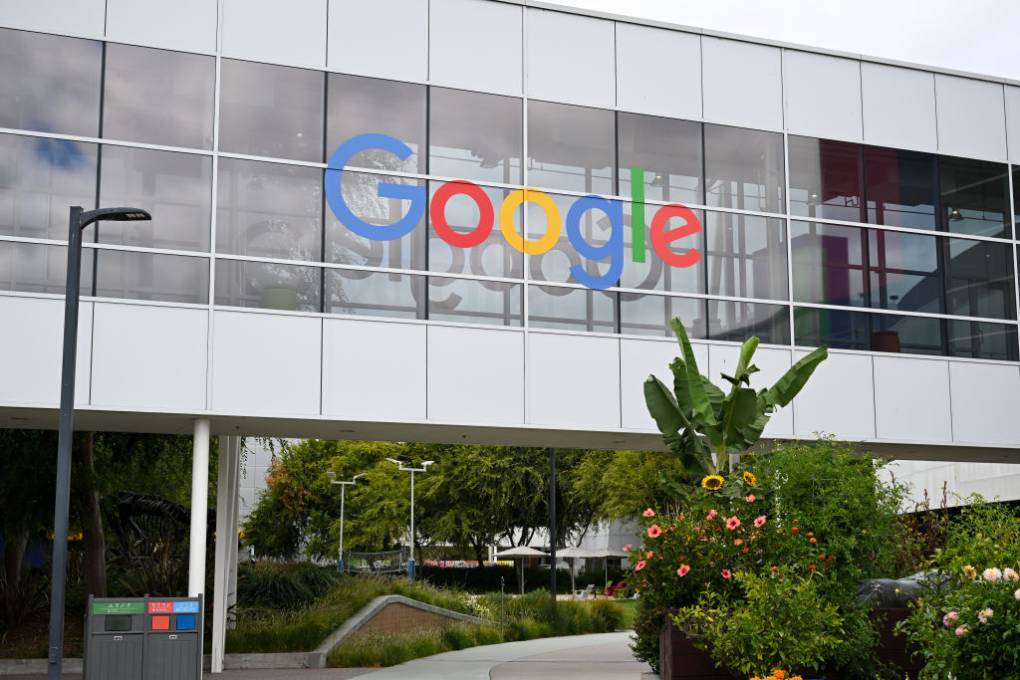
"content": "\u003cp>With the election and the holidays behind them, the California Legislature returns to Sacramento today to kick off a new session in earnest. It will be several more months before the political wrangling over the state budget and thousands of proposed bills truly ramps up, but priorities are emerging as lawmakers try to stake their claim on the hottest issues of the day. Here are some stories to watch at the Capitol in 2025:\u003c/p>\n\u003ch2>Tackling affordability\u003c/h2>\n\u003cp>After a disappointing election for Democrats, legislative leaders reemerged with a message aimed at easing voters’ anxieties about how expensive California is. Senate President Pro Tem Mike McGuire, a Healdsburg Democrat, and Assembly Speaker Robert Rivas, a Salinas Democrat, both told CalMatters last month that their focus this session will be \u003ca href=\"https://calmatters.org/politics/capitol/2024/12/california-legislature-rivas-mcguire-newsom/\">advancing policies that lower the cost of living for working Californians\u003c/a>, including by building more housing, making energy cheaper and improving public infrastructure.\u003c/p>\n\u003cp>“Our only way forward is to acknowledge that we have to do better,” Rivas said. “It’s clear — we haven’t done enough.”\u003c/p>\n\u003cp>Their colleagues have responded so far with bills that would \u003ca href=\"https://digitaldemocracy.calmatters.org/bills/ca_202520260ab6?_gl=1*itv6kb*_gcl_au*Nzk3MzE2MDMuMTczMTAyMjU2Mg..*_ga*Mjk2NjI4MjAxLjE3MzEwMjI1NjI.*_ga_5TKXNLE5NK*MTczNjE4OTA2NC4zNy4xLjE3MzYxOTMyNjEuNTkuMC4w*_ga_DX0K9PCWYH*MTczNjE4OTA2NC4zNy4xLjE3MzYxOTMxNDAuMC4wLjA.*_ga_GNY4L81DZE*MTczNjE4OTA2NC4zNy4xLjE3MzYxOTMxNDAuMC4wLjA.\">ease construction standards\u003c/a> for small apartment buildings and \u003ca href=\"https://digitaldemocracy.calmatters.org/bills/ca_202520260ab30?_gl=1*itv6kb*_gcl_au*Nzk3MzE2MDMuMTczMTAyMjU2Mg..*_ga*Mjk2NjI4MjAxLjE3MzEwMjI1NjI.*_ga_5TKXNLE5NK*MTczNjE4OTA2NC4zNy4xLjE3MzYxOTMyNjEuNTkuMC4w*_ga_DX0K9PCWYH*MTczNjE4OTA2NC4zNy4xLjE3MzYxOTMxNDAuMC4wLjA.*_ga_GNY4L81DZE*MTczNjE4OTA2NC4zNy4xLjE3MzYxOTMxNDAuMC4wLjA.\">increase the amount of ethanol\u003c/a> that can be blended with gasoline, an effort to reduce prices at the pump. Expect many more proposals as legislators finalize their agendas in the weeks ahead.\u003c/p>\n\u003cp>But Democrats, who hold a three-quarters supermajority in both houses, face an arduous messaging war with the emboldened Republican minority, which flipped three seats in November. GOP lawmakers quickly introduced far-reaching measures — \u003ca href=\"https://digitaldemocracy.calmatters.org/bills/ca_202520260ab23?_gl=1*87651r*_gcl_au*Nzk3MzE2MDMuMTczMTAyMjU2Mg..*_ga*Mjk2NjI4MjAxLjE3MzEwMjI1NjI.*_ga_5TKXNLE5NK*MTczNjE4OTA2NC4zNy4xLjE3MzYxOTMyNjEuNTkuMC4w*_ga_DX0K9PCWYH*MTczNjE4OTA2NC4zNy4xLjE3MzYxOTMxNDAuMC4wLjA.*_ga_GNY4L81DZE*MTczNjE4OTA2NC4zNy4xLjE3MzYxOTMxNDAuMC4wLjA.\">ending gas and electricity taxes\u003c/a>, \u003ca href=\"https://digitaldemocracy.calmatters.org/bills/ca_202520260sb2?_gl=1*87651r*_gcl_au*Nzk3MzE2MDMuMTczMTAyMjU2Mg..*_ga*Mjk2NjI4MjAxLjE3MzEwMjI1NjI.*_ga_5TKXNLE5NK*MTczNjE4OTA2NC4zNy4xLjE3MzYxOTMyNjEuNTkuMC4w*_ga_DX0K9PCWYH*MTczNjE4OTA2NC4zNy4xLjE3MzYxOTMxNDAuMC4wLjA.*_ga_GNY4L81DZE*MTczNjE4OTA2NC4zNy4xLjE3MzYxOTMxNDAuMC4wLjA.\">voiding low-carbon fuel standards\u003c/a>, \u003ca href=\"https://digitaldemocracy.calmatters.org/bills/ca_202520260sb17?_gl=1*87651r*_gcl_au*Nzk3MzE2MDMuMTczMTAyMjU2Mg..*_ga*Mjk2NjI4MjAxLjE3MzEwMjI1NjI.*_ga_5TKXNLE5NK*MTczNjE4OTA2NC4zNy4xLjE3MzYxOTMyNjEuNTkuMC4w*_ga_DX0K9PCWYH*MTczNjE4OTA2NC4zNy4xLjE3MzYxOTMxNDAuMC4wLjA.*_ga_GNY4L81DZE*MTczNjE4OTA2NC4zNy4xLjE3MzYxOTMxNDAuMC4wLjA.\">exempting tipped wages from taxation\u003c/a> — that will almost certainly go nowhere but stand to make Democrats’ efforts look less consequential by comparison.\u003c/p>\n\u003cp>“I would call it an invitation to the Democrats,” Assembly Republican Leader James Gallagher of Yuba City said in an interview. “In order to actually do something about affordability, they have to back away from the policies they’ve championed.”\u003c/p>\n\u003cp>\u003cspan style=\"font-weight: 400\">[ad fullwidth]\u003c/span>\u003c/p>\n\u003ch2>Resistance 2.0\u003c/h2>\n\u003cp>While the response from California politicians to Donald Trump’s victory in the November presidential election has been far more subdued than it was eight years ago, they are still gearing up for a fight.\u003c/p>\n\u003cp>Days after Trump’s win, Democratic Gov. Gavin Newsom \u003ca href=\"https://calmatters.org/politics/capitol/2024/11/gavin-newsom-special-session-trump-resistance/\">called for a special session\u003c/a> to set aside funding for the state to take his Republican administration to court. Democratic lawmakers plan to rush in the coming weeks to \u003ca href=\"https://leginfo.legislature.ca.gov/faces/billNavClient.xhtml?bill_id=202520261AB1\">appropriate $25 million\u003c/a> for legal resources before Trump takes office on Jan. 20.\u003c/p>\n\u003cp>Though some have warned against getting sidetracked by another showdown with the president, legislators are also already putting forward proposals to safeguard Californians against actions they anticipate Trump will take. These include bills to \u003ca href=\"https://digitaldemocracy.calmatters.org/bills/ca_202520260ab54?_gl=1*mwy5ql*_gcl_au*Nzk3MzE2MDMuMTczMTAyMjU2Mg..*_ga*Mjk2NjI4MjAxLjE3MzEwMjI1NjI.*_ga_5TKXNLE5NK*MTczNjE4OTA2NC4zNy4xLjE3MzYxOTMyNjEuNTkuMC4w*_ga_DX0K9PCWYH*MTczNjE4OTA2NC4zNy4xLjE3MzYxOTMxNDAuMC4wLjA.*_ga_GNY4L81DZE*MTczNjE4OTA2NC4zNy4xLjE3MzYxOTMxNDAuMC4wLjA.\">ensure access to medication abortion\u003c/a>, make contraceptives \u003ca href=\"https://digitaldemocracy.calmatters.org/bills/ca_202520260ab50?_gl=1*10jpkwb*_gcl_au*Nzk3MzE2MDMuMTczMTAyMjU2Mg..*_ga*Mjk2NjI4MjAxLjE3MzEwMjI1NjI.*_ga_5TKXNLE5NK*MTczNjE4OTA2NC4zNy4xLjE3MzYxOTMyNjEuNTkuMC4w*_ga_DX0K9PCWYH*MTczNjE4OTA2NC4zNy4xLjE3MzYxOTMxNDAuMC4wLjA.*_ga_GNY4L81DZE*MTczNjE4OTA2NC4zNy4xLjE3MzYxOTMxNDAuMC4wLjA.\">more readily available over the counter\u003c/a>, and \u003ca href=\"https://digitaldemocracy.calmatters.org/bills/ca_202520260ab45?_gl=1*10jpkwb*_gcl_au*Nzk3MzE2MDMuMTczMTAyMjU2Mg..*_ga*Mjk2NjI4MjAxLjE3MzEwMjI1NjI.*_ga_5TKXNLE5NK*MTczNjE4OTA2NC4zNy4xLjE3MzYxOTMyNjEuNTkuMC4w*_ga_DX0K9PCWYH*MTczNjE4OTA2NC4zNy4xLjE3MzYxOTMxNDAuMC4wLjA.*_ga_GNY4L81DZE*MTczNjE4OTA2NC4zNy4xLjE3MzYxOTMxNDAuMC4wLjA.\">protect the privacy of patients\u003c/a> getting abortions in California, as well as to further limit \u003ca href=\"https://digitaldemocracy.calmatters.org/bills/ca_202520260ab15?_gl=1*1ks1761*_gcl_au*Nzk3MzE2MDMuMTczMTAyMjU2Mg..*_ga*Mjk2NjI4MjAxLjE3MzEwMjI1NjI.*_ga_5TKXNLE5NK*MTczNjE4OTA2NC4zNy4xLjE3MzYxOTMyNjEuNTkuMC4w*_ga_DX0K9PCWYH*MTczNjE4OTA2NC4zNy4xLjE3MzYxOTMxNDAuMC4wLjA.*_ga_GNY4L81DZE*MTczNjE4OTA2NC4zNy4xLjE3MzYxOTMxNDAuMC4wLjA.\">collaboration by state prisons\u003c/a> and \u003ca href=\"https://digitaldemocracy.calmatters.org/bills/ca_202520260sb48?slug=CA_202520260SB48&_gl=1*1ks1761*_gcl_au*Nzk3MzE2MDMuMTczMTAyMjU2Mg..*_ga*Mjk2NjI4MjAxLjE3MzEwMjI1NjI.*_ga_5TKXNLE5NK*MTczNjE4OTA2NC4zNy4xLjE3MzYxOTMyNjEuNTkuMC4w*_ga_DX0K9PCWYH*MTczNjE4OTA2NC4zNy4xLjE3MzYxOTMxNDAuMC4wLjA.*_ga_GNY4L81DZE*MTczNjE4OTA2NC4zNy4xLjE3MzYxOTMxNDAuMC4wLjA.\">school districts\u003c/a> with federal immigrant enforcement.\u003c/p>\n\u003cp>“The United States of America is in the calm before the storm. The hurricane is about to hit,” McGuire told CalMatters last month. “And shame on us if we’re not battening down the hatches.”\u003c/p>\n\u003cp>However, even California shifted toward Trump in November: He \u003ca href=\"https://calmatters.org/politics/elections/2024/12/california-election-results-trump-vote-2024/\">gained vote share\u003c/a> in all but one county, albeit by only enough for him to reach 38% of the statewide vote. Newly elected Assemblymember Carl DeMaio, a San Diego Republican, said in an interview that the GOP has an opportunity to capitalize on an overwhelming “appetite for change” among Californians.\u003c/p>\n\u003cp>While Democrats are “dividing and distracting” the public with their fight against Trump instead of “getting things done,” DeMaio said, he plans to use his popular conservative podcast as a daily platform to ramp up public pressure on the Legislature to shift course. He has introduced a 10-bill package challenging liberal orthodoxy on \u003ca href=\"https://digitaldemocracy.calmatters.org/bills/ca_202520260ab18?_gl=1*1xiywcm*_gcl_au*Nzk3MzE2MDMuMTczMTAyMjU2Mg..*_ga*Mjk2NjI4MjAxLjE3MzEwMjI1NjI.*_ga_5TKXNLE5NK*MTczNjE4OTA2NC4zNy4xLjE3MzYxOTMyNjEuNTkuMC4w*_ga_DX0K9PCWYH*MTczNjE4OTA2NC4zNy4xLjE3MzYxOTMxNDAuMC4wLjA.*_ga_GNY4L81DZE*MTczNjE4OTA2NC4zNy4xLjE3MzYxOTMxNDAuMC4wLjA.\">border security\u003c/a>, \u003ca href=\"https://digitaldemocracy.calmatters.org/bills/ca_202520260ab25?_gl=1*1xiywcm*_gcl_au*Nzk3MzE2MDMuMTczMTAyMjU2Mg..*_ga*Mjk2NjI4MjAxLjE3MzEwMjI1NjI.*_ga_5TKXNLE5NK*MTczNjE4OTA2NC4zNy4xLjE3MzYxOTMyNjEuNTkuMC4w*_ga_DX0K9PCWYH*MTczNjE4OTA2NC4zNy4xLjE3MzYxOTMxNDAuMC4wLjA.*_ga_GNY4L81DZE*MTczNjE4OTA2NC4zNy4xLjE3MzYxOTMxNDAuMC4wLjA.\">voter identification requirements\u003c/a>, \u003ca href=\"https://digitaldemocracy.calmatters.org/bills/ca_202520260ab21?_gl=1*1xiywcm*_gcl_au*Nzk3MzE2MDMuMTczMTAyMjU2Mg..*_ga*Mjk2NjI4MjAxLjE3MzEwMjI1NjI.*_ga_5TKXNLE5NK*MTczNjE4OTA2NC4zNy4xLjE3MzYxOTMyNjEuNTkuMC4w*_ga_DX0K9PCWYH*MTczNjE4OTA2NC4zNy4xLjE3MzYxOTMxNDAuMC4wLjA.*_ga_GNY4L81DZE*MTczNjE4OTA2NC4zNy4xLjE3MzYxOTMxNDAuMC4wLjA.\">tax increases\u003c/a> and \u003ca href=\"https://digitaldemocracy.calmatters.org/bills/ca_202520260ab22?_gl=1*1xiywcm*_gcl_au*Nzk3MzE2MDMuMTczMTAyMjU2Mg..*_ga*Mjk2NjI4MjAxLjE3MzEwMjI1NjI.*_ga_5TKXNLE5NK*MTczNjE4OTA2NC4zNy4xLjE3MzYxOTMyNjEuNTkuMC4w*_ga_DX0K9PCWYH*MTczNjE4OTA2NC4zNy4xLjE3MzYxOTMxNDAuMC4wLjA.*_ga_GNY4L81DZE*MTczNjE4OTA2NC4zNy4xLjE3MzYxOTMxNDAuMC4wLjA.\">early prison releases\u003c/a>.\u003c/p>\n\u003cp>“The political system is untethered from where the public is,” DeMaio said. “The only way politicians see the light is when they feel the heat.”\u003c/p>\n\u003ch2>Budget woes\u003c/h2>\n\u003cp>Fiscal advisers to the Legislature warned in November that \u003ca href=\"https://calmatters.org/politics/capitol/2024/11/california-budget-deficit-legislative-analyst/\">California’s finances are precarious\u003c/a>: roughly balanced for now but barreling toward increasing deficits in the years ahead. Fear of losing federal funding under Trump, who has repeatedly threatened to withhold disaster aid from the state, is adding another layer of uncertainty.\u003c/p>\n\u003cp>Yet even as legislative leaders endorsed a cautious approach to the upcoming state budget, Newsom has \u003ca href=\"https://calmatters.org/newsletter/gavin-newsom-legislature-electric-vehicles/\">floated several new programs\u003c/a> with hefty price tags — from expanding the film and television production tax credit to reviving a rebate for electric vehicles. His full budget proposal is due by the end of this week.\u003c/p>\n\u003cp>Lawmakers have yet to meet to discuss their priorities, so it’s unclear how much they will be at odds with the governor as they work to pass a spending plan by the end of June.\u003c/p>\n\u003cp>Assemblymember Jesse Gabriel, an Encino Democrat who leads the Assembly budget committee, said the Legislature will carefully vet Newsom’s proposals, but any new programs it approves will likely require spending cuts elsewhere.\u003c/p>\n\u003cp>“We’re very clear-eyed about the fact that there’s potentially a lot of tough choices ahead,” Gabriel said in an interview.\u003c/p>\n\u003cp>So he expects the Legislature will lean more into its oversight role through the budget process this year to determine which programs are actually moving the needle and delivering results. “If they’re not working as intended, then they don’t deserve continued funding,” he said.\u003c/p>\n\u003cfigure id=\"attachment_11985621\" class=\"wp-caption aligncenter\" style=\"max-width: 2560px\">\u003cimg loading=\"lazy\" decoding=\"async\" class=\"size-full wp-image-11985621\" src=\"https://cdn.kqed.org/wp-content/uploads/sites/10/2024/05/AP24130599594139-scaled.jpg\" alt=\"A white, middle-aged man in a suit and white shirt with no tie gestures to his right while speaking into a microphone outdoors.\" width=\"2560\" height=\"1707\" srcset=\"https://cdn.kqed.org/wp-content/uploads/sites/10/2024/05/AP24130599594139-scaled.jpg 2560w, https://cdn.kqed.org/wp-content/uploads/sites/10/2024/05/AP24130599594139-800x533.jpg 800w, https://cdn.kqed.org/wp-content/uploads/sites/10/2024/05/AP24130599594139-1020x680.jpg 1020w, https://cdn.kqed.org/wp-content/uploads/sites/10/2024/05/AP24130599594139-160x107.jpg 160w, https://cdn.kqed.org/wp-content/uploads/sites/10/2024/05/AP24130599594139-1536x1024.jpg 1536w, https://cdn.kqed.org/wp-content/uploads/sites/10/2024/05/AP24130599594139-2048x1365.jpg 2048w, https://cdn.kqed.org/wp-content/uploads/sites/10/2024/05/AP24130599594139-1920x1280.jpg 1920w\" sizes=\"auto, (max-width: 2560px) 100vw, 2560px\">\u003cfigcaption class=\"wp-caption-text\">California Gov. Gavin Newsom speaks in Larkspur, Marin County, on April 16, 2024. California could soon deploy generative artificial intelligence tools to help reduce traffic jams, make roads safer and provide tax guidance, among other things, under new agreements announced on May 9, 2024, as part of Gov. Gavin Newsom’s efforts to harness the power of new technologies for public services. \u003ccite>(Jeff Chiu/AP Photo)\u003c/cite>\u003c/figcaption>\u003c/figure>\n\u003ch2>Tilting at tech giants\u003c/h2>\n\u003cp>California remains at the center of tech innovation — and is increasingly at the forefront of regulating it, too. That tension over how to rein in potential abuses of Silicon Valley without kneecapping an industry \u003ca href=\"https://calmatters.org/economy/technology/2024/10/ca-corporate-tax-revenue-surge/\">vital to the state’s economy\u003c/a> has become inescapable at the Capitol, especially with the rise of artificial intelligence.\u003c/p>\n\u003cp>“We still want to be a leader in AI. We don’t want China to surpass us,” Gallagher said. “The trick is really finding the right balance. I think there’s going to be a lot of discussion on this front.”\u003c/p>\n\u003cp>Lawmakers introduced a gusher of AI legislation last year, though major tech companies managed to \u003ca href=\"https://calmatters.org/economy/2024/09/california-artificial-intelligence-bill-veto/\">beat back the most ambitious proposal\u003c/a>, which would have required them to test their models for potential harms to society, by winning Newsom over to their side.\u003c/p>\n\u003cp>Expect the clashes to intensify this session as legislators seek to weigh in on everything from \u003ca href=\"https://digitaldemocracy.calmatters.org/bills/ca_202520260ab33?_gl=1*8mk32m*_gcl_au*Nzk3MzE2MDMuMTczMTAyMjU2Mg..*_ga*Mjk2NjI4MjAxLjE3MzEwMjI1NjI.*_ga_5TKXNLE5NK*MTczNjE4OTA2NC4zNy4xLjE3MzYxOTMyNjEuNTkuMC4w*_ga_DX0K9PCWYH*MTczNjE4OTA2NC4zNy4xLjE3MzYxOTMxNDAuMC4wLjA.*_ga_GNY4L81DZE*MTczNjE4OTA2NC4zNy4xLjE3MzYxOTMxNDAuMC4wLjA.\">autonomous vehicles\u003c/a> to \u003ca href=\"https://digitaldemocracy.calmatters.org/bills/ca_202520260sb11?_gl=1*8mk32m*_gcl_au*Nzk3MzE2MDMuMTczMTAyMjU2Mg..*_ga*Mjk2NjI4MjAxLjE3MzEwMjI1NjI.*_ga_5TKXNLE5NK*MTczNjE4OTA2NC4zNy4xLjE3MzYxOTMyNjEuNTkuMC4w*_ga_DX0K9PCWYH*MTczNjE4OTA2NC4zNy4xLjE3MzYxOTMxNDAuMC4wLjA.*_ga_GNY4L81DZE*MTczNjE4OTA2NC4zNy4xLjE3MzYxOTMxNDAuMC4wLjA.\">false impersonation assisted by AI\u003c/a>.\u003c/p>\n\u003cp>Social media use among young people is another charged debate. A bill to hold platforms \u003ca href=\"https://digitaldemocracy.calmatters.org/bills/ca_202520260ab2?_gl=1*8mk32m*_gcl_au*Nzk3MzE2MDMuMTczMTAyMjU2Mg..*_ga*Mjk2NjI4MjAxLjE3MzEwMjI1NjI.*_ga_5TKXNLE5NK*MTczNjE4OTA2NC4zNy4xLjE3MzYxOTMyNjEuNTkuMC4w*_ga_DX0K9PCWYH*MTczNjE4OTA2NC4zNy4xLjE3MzYxOTMxNDAuMC4wLjA.*_ga_GNY4L81DZE*MTczNjE4OTA2NC4zNy4xLjE3MzYxOTMxNDAuMC4wLjA.\">liable for causing harm to children\u003c/a> is back after dying last year amid fierce industry opposition. With the backing of Attorney General Rob Bonta, lawmakers may also consider \u003ca href=\"https://digitaldemocracy.calmatters.org/bills/ca_202520260ab56?_gl=1*8mk32m*_gcl_au*Nzk3MzE2MDMuMTczMTAyMjU2Mg..*_ga*Mjk2NjI4MjAxLjE3MzEwMjI1NjI.*_ga_5TKXNLE5NK*MTczNjE4OTA2NC4zNy4xLjE3MzYxOTMyNjEuNTkuMC4w*_ga_DX0K9PCWYH*MTczNjE4OTA2NC4zNy4xLjE3MzYxOTMxNDAuMC4wLjA.*_ga_GNY4L81DZE*MTczNjE4OTA2NC4zNy4xLjE3MzYxOTMxNDAuMC4wLjA.\">creating mental health warning labels\u003c/a> for social media.\u003c/p>\n\u003ch2>\u003cstrong>Return of reparations\u003c/strong>\u003c/h2>\n\u003cp>The previous legislative session \u003ca href=\"https://calmatters.org/california-divide/2024/08/california-reparations-bills-3/\">exploded into unexpected rancor\u003c/a> just before its conclusion last summer when key Black legislators tabled a pair of bills that would have established a new state agency to work on reparations for descendants of slaves, bitterly disappointing activists.\u003c/p>\n\u003cp>[aside tag='california-legislature' label='More Legislature Coverage']\u003c/p>\n\u003cp>Though a dozen other reparations-related measures were signed into law, the disagreement about how far and how fast to push for a policy that does not enjoy broad public approval \u003ca href=\"https://calmatters.org/california-divide/2024/09/california-reparations-whats-next/\">opened a schism in the movement\u003c/a> that could undermine its political momentum.\u003c/p>\n\u003cp>Lawmakers have introduced a handful of follow-up bills this session, including to \u003ca href=\"https://digitaldemocracy.calmatters.org/bills/ca_202520260ab7?_gl=1*m7m0wc*_gcl_au*Nzk3MzE2MDMuMTczMTAyMjU2Mg..*_ga*Mjk2NjI4MjAxLjE3MzEwMjI1NjI.*_ga_5TKXNLE5NK*MTczNjE4OTA2NC4zNy4xLjE3MzYxOTMyNjEuNTkuMC4w*_ga_DX0K9PCWYH*MTczNjE4OTA2NC4zNy4xLjE3MzYxOTMxNDAuMC4wLjA.*_ga_GNY4L81DZE*MTczNjE4OTA2NC4zNy4xLjE3MzYxOTMxNDAuMC4wLjA.\">establish admissions preferences\u003c/a> at California universities and \u003ca href=\"https://digitaldemocracy.calmatters.org/bills/ca_202520260ab57?_gl=1*m7m0wc*_gcl_au*Nzk3MzE2MDMuMTczMTAyMjU2Mg..*_ga*Mjk2NjI4MjAxLjE3MzEwMjI1NjI.*_ga_5TKXNLE5NK*MTczNjE4OTA2NC4zNy4xLjE3MzYxOTMyNjEuNTkuMC4w*_ga_DX0K9PCWYH*MTczNjE4OTA2NC4zNy4xLjE3MzYxOTMxNDAuMC4wLjA.*_ga_GNY4L81DZE*MTczNjE4OTA2NC4zNy4xLjE3MzYxOTMxNDAuMC4wLjA.\">set aside money in a home purchase assistance program\u003c/a> for descendants of slaves.\u003c/p>\n\u003cp>Assemblymember Tina McKinnor, a Los Angeles Democrat, revived a proposal to provide compensation to people whose property was taken by the government through \u003ca href=\"https://digitaldemocracy.calmatters.org/bills/ca_202520260ab62?_gl=1*2opvlq*_gcl_au*Nzk3MzE2MDMuMTczMTAyMjU2Mg..*_ga*Mjk2NjI4MjAxLjE3MzEwMjI1NjI.*_ga_5TKXNLE5NK*MTczNjE4OTA2NC4zNy4xLjE3MzYxOTMyNjEuNTkuMC4w*_ga_DX0K9PCWYH*MTczNjE4OTA2NC4zNy4xLjE3MzYxOTMxNDAuMC4wLjA.*_ga_GNY4L81DZE*MTczNjE4OTA2NC4zNy4xLjE3MzYxOTMxNDAuMC4wLjA.\">racially motivated use of eminent domain\u003c/a>, a bill Newsom vetoed last year. She said reparations proponents must continue to take baby steps to build support for their ultimate goal of cash payments to descendants of slaves, which she expected would take five to 10 years.\u003c/p>\n\u003cp>“As leaders, we have to do things sometimes that are unpopular,” McKinnor said in an interview. “I know last year, it ended in a bang. That’s not going to stop the Black Caucus from our plans.”\u003c/p>\n\u003cp>[ad floatright]\u003c/p>\n",
"blocks": [],
"excerpt": "Lawmakers return to the Capitol today to tackle lowering the cost of living, addressing a second Trump presidency, trimming state spending, harnessing tech, and reparations.",
"status": "publish",
"parent": 0,
"modified": 1736198355,
"stats": {
"hasAudio": false,
"hasVideo": false,
"hasChartOrMap": false,
"iframeSrcs": [],
"hasGoogleForm": false,
"hasGallery": false,
"hasHearkenModule": false,
"hasPolis": false,
"paragraphCount": 32,
"wordCount": 1496
},
"headData": {
"title": "5 Big Priorities California Lawmakers Aim to Tackle in 2025 | KQED",
"description": "Lawmakers return to the Capitol today to tackle lowering the cost of living, addressing a second Trump presidency, trimming state spending, harnessing tech, and reparations.",
"ogTitle": "",
"ogDescription": "",
"ogImgId": "",
"twTitle": "",
"twDescription": "",
"twImgId": "",
"schema": {
"@context": "https://schema.org",
"@type": "NewsArticle",
"headline": "5 Big Priorities California Lawmakers Aim to Tackle in 2025",
"datePublished": "2025-01-06T14:00:50-08:00",
"dateModified": "2025-01-06T13:19:15-08:00",
"image": "https://cdn.kqed.org/wp-content/uploads/2020/02/KQED-OG-Image@1x.png",
"isAccessibleForFree": "True",
"publisher": {
"@type": "NewsMediaOrganization",
"@id": "https://www.kqed.org/#organization",
"name": "KQED",
"logo": "https://cdn.kqed.org/wp-content/uploads/2020/02/KQED-OG-Image@1x.png",
"url": "https://www.kqed.org",
"sameAs": [
"https://www.facebook.com/KQED",
"https://twitter.com/KQED",
"https://www.instagram.com/kqed/",
"https://www.tiktok.com/@kqedofficial",
"https://www.linkedin.com/company/kqed",
"https://www.youtube.com/channel/UCeC0IOo7i1P_61zVUWbJ4nw"
]
}
}
},
"source": "CalMatters",
"sourceUrl": "https://calmatters.org/",
"sticky": false,
"nprByline": "Alexei Koseff, CalMatters",
"excludeFromSiteSearch": "Include",
"showOnAuthorArchivePages": "No",
"articleAge": "0",
"path": "/news/12020419/5-big-priorities-california-lawmakers-aim-to-tackle-in-2025",
"audioTrackLength": null,
"parsedContent": [
{
"type": "contentString",
"content": "\u003cdiv class=\"post-body\">\u003cp>\u003cp>With the election and the holidays behind them, the California Legislature returns to Sacramento today to kick off a new session in earnest. It will be several more months before the political wrangling over the state budget and thousands of proposed bills truly ramps up, but priorities are emerging as lawmakers try to stake their claim on the hottest issues of the day. Here are some stories to watch at the Capitol in 2025:\u003c/p>\n\u003ch2>Tackling affordability\u003c/h2>\n\u003cp>After a disappointing election for Democrats, legislative leaders reemerged with a message aimed at easing voters’ anxieties about how expensive California is. Senate President Pro Tem Mike McGuire, a Healdsburg Democrat, and Assembly Speaker Robert Rivas, a Salinas Democrat, both told CalMatters last month that their focus this session will be \u003ca href=\"https://calmatters.org/politics/capitol/2024/12/california-legislature-rivas-mcguire-newsom/\">advancing policies that lower the cost of living for working Californians\u003c/a>, including by building more housing, making energy cheaper and improving public infrastructure.\u003c/p>\n\u003cp>“Our only way forward is to acknowledge that we have to do better,” Rivas said. “It’s clear — we haven’t done enough.”\u003c/p>\n\u003cp>Their colleagues have responded so far with bills that would \u003ca href=\"https://digitaldemocracy.calmatters.org/bills/ca_202520260ab6?_gl=1*itv6kb*_gcl_au*Nzk3MzE2MDMuMTczMTAyMjU2Mg..*_ga*Mjk2NjI4MjAxLjE3MzEwMjI1NjI.*_ga_5TKXNLE5NK*MTczNjE4OTA2NC4zNy4xLjE3MzYxOTMyNjEuNTkuMC4w*_ga_DX0K9PCWYH*MTczNjE4OTA2NC4zNy4xLjE3MzYxOTMxNDAuMC4wLjA.*_ga_GNY4L81DZE*MTczNjE4OTA2NC4zNy4xLjE3MzYxOTMxNDAuMC4wLjA.\">ease construction standards\u003c/a> for small apartment buildings and \u003ca href=\"https://digitaldemocracy.calmatters.org/bills/ca_202520260ab30?_gl=1*itv6kb*_gcl_au*Nzk3MzE2MDMuMTczMTAyMjU2Mg..*_ga*Mjk2NjI4MjAxLjE3MzEwMjI1NjI.*_ga_5TKXNLE5NK*MTczNjE4OTA2NC4zNy4xLjE3MzYxOTMyNjEuNTkuMC4w*_ga_DX0K9PCWYH*MTczNjE4OTA2NC4zNy4xLjE3MzYxOTMxNDAuMC4wLjA.*_ga_GNY4L81DZE*MTczNjE4OTA2NC4zNy4xLjE3MzYxOTMxNDAuMC4wLjA.\">increase the amount of ethanol\u003c/a> that can be blended with gasoline, an effort to reduce prices at the pump. Expect many more proposals as legislators finalize their agendas in the weeks ahead.\u003c/p>\n\u003cp>But Democrats, who hold a three-quarters supermajority in both houses, face an arduous messaging war with the emboldened Republican minority, which flipped three seats in November. GOP lawmakers quickly introduced far-reaching measures — \u003ca href=\"https://digitaldemocracy.calmatters.org/bills/ca_202520260ab23?_gl=1*87651r*_gcl_au*Nzk3MzE2MDMuMTczMTAyMjU2Mg..*_ga*Mjk2NjI4MjAxLjE3MzEwMjI1NjI.*_ga_5TKXNLE5NK*MTczNjE4OTA2NC4zNy4xLjE3MzYxOTMyNjEuNTkuMC4w*_ga_DX0K9PCWYH*MTczNjE4OTA2NC4zNy4xLjE3MzYxOTMxNDAuMC4wLjA.*_ga_GNY4L81DZE*MTczNjE4OTA2NC4zNy4xLjE3MzYxOTMxNDAuMC4wLjA.\">ending gas and electricity taxes\u003c/a>, \u003ca href=\"https://digitaldemocracy.calmatters.org/bills/ca_202520260sb2?_gl=1*87651r*_gcl_au*Nzk3MzE2MDMuMTczMTAyMjU2Mg..*_ga*Mjk2NjI4MjAxLjE3MzEwMjI1NjI.*_ga_5TKXNLE5NK*MTczNjE4OTA2NC4zNy4xLjE3MzYxOTMyNjEuNTkuMC4w*_ga_DX0K9PCWYH*MTczNjE4OTA2NC4zNy4xLjE3MzYxOTMxNDAuMC4wLjA.*_ga_GNY4L81DZE*MTczNjE4OTA2NC4zNy4xLjE3MzYxOTMxNDAuMC4wLjA.\">voiding low-carbon fuel standards\u003c/a>, \u003ca href=\"https://digitaldemocracy.calmatters.org/bills/ca_202520260sb17?_gl=1*87651r*_gcl_au*Nzk3MzE2MDMuMTczMTAyMjU2Mg..*_ga*Mjk2NjI4MjAxLjE3MzEwMjI1NjI.*_ga_5TKXNLE5NK*MTczNjE4OTA2NC4zNy4xLjE3MzYxOTMyNjEuNTkuMC4w*_ga_DX0K9PCWYH*MTczNjE4OTA2NC4zNy4xLjE3MzYxOTMxNDAuMC4wLjA.*_ga_GNY4L81DZE*MTczNjE4OTA2NC4zNy4xLjE3MzYxOTMxNDAuMC4wLjA.\">exempting tipped wages from taxation\u003c/a> — that will almost certainly go nowhere but stand to make Democrats’ efforts look less consequential by comparison.\u003c/p>\n\u003cp>“I would call it an invitation to the Democrats,” Assembly Republican Leader James Gallagher of Yuba City said in an interview. “In order to actually do something about affordability, they have to back away from the policies they’ve championed.”\u003c/p>\n\u003cp>\u003cspan style=\"font-weight: 400\">\u003c/p>\u003c/div>",
"attributes": {
"named": {},
"numeric": []
}
},
{
"type": "component",
"content": "",
"name": "ad",
"attributes": {
"named": {
"label": "fullwidth"
},
"numeric": [
"fullwidth"
]
}
},
{
"type": "contentString",
"content": "\u003cdiv class=\"post-body\">\u003cp>\u003c/span>\u003c/p>\n\u003ch2>Resistance 2.0\u003c/h2>\n\u003cp>While the response from California politicians to Donald Trump’s victory in the November presidential election has been far more subdued than it was eight years ago, they are still gearing up for a fight.\u003c/p>\n\u003cp>Days after Trump’s win, Democratic Gov. Gavin Newsom \u003ca href=\"https://calmatters.org/politics/capitol/2024/11/gavin-newsom-special-session-trump-resistance/\">called for a special session\u003c/a> to set aside funding for the state to take his Republican administration to court. Democratic lawmakers plan to rush in the coming weeks to \u003ca href=\"https://leginfo.legislature.ca.gov/faces/billNavClient.xhtml?bill_id=202520261AB1\">appropriate $25 million\u003c/a> for legal resources before Trump takes office on Jan. 20.\u003c/p>\n\u003cp>Though some have warned against getting sidetracked by another showdown with the president, legislators are also already putting forward proposals to safeguard Californians against actions they anticipate Trump will take. These include bills to \u003ca href=\"https://digitaldemocracy.calmatters.org/bills/ca_202520260ab54?_gl=1*mwy5ql*_gcl_au*Nzk3MzE2MDMuMTczMTAyMjU2Mg..*_ga*Mjk2NjI4MjAxLjE3MzEwMjI1NjI.*_ga_5TKXNLE5NK*MTczNjE4OTA2NC4zNy4xLjE3MzYxOTMyNjEuNTkuMC4w*_ga_DX0K9PCWYH*MTczNjE4OTA2NC4zNy4xLjE3MzYxOTMxNDAuMC4wLjA.*_ga_GNY4L81DZE*MTczNjE4OTA2NC4zNy4xLjE3MzYxOTMxNDAuMC4wLjA.\">ensure access to medication abortion\u003c/a>, make contraceptives \u003ca href=\"https://digitaldemocracy.calmatters.org/bills/ca_202520260ab50?_gl=1*10jpkwb*_gcl_au*Nzk3MzE2MDMuMTczMTAyMjU2Mg..*_ga*Mjk2NjI4MjAxLjE3MzEwMjI1NjI.*_ga_5TKXNLE5NK*MTczNjE4OTA2NC4zNy4xLjE3MzYxOTMyNjEuNTkuMC4w*_ga_DX0K9PCWYH*MTczNjE4OTA2NC4zNy4xLjE3MzYxOTMxNDAuMC4wLjA.*_ga_GNY4L81DZE*MTczNjE4OTA2NC4zNy4xLjE3MzYxOTMxNDAuMC4wLjA.\">more readily available over the counter\u003c/a>, and \u003ca href=\"https://digitaldemocracy.calmatters.org/bills/ca_202520260ab45?_gl=1*10jpkwb*_gcl_au*Nzk3MzE2MDMuMTczMTAyMjU2Mg..*_ga*Mjk2NjI4MjAxLjE3MzEwMjI1NjI.*_ga_5TKXNLE5NK*MTczNjE4OTA2NC4zNy4xLjE3MzYxOTMyNjEuNTkuMC4w*_ga_DX0K9PCWYH*MTczNjE4OTA2NC4zNy4xLjE3MzYxOTMxNDAuMC4wLjA.*_ga_GNY4L81DZE*MTczNjE4OTA2NC4zNy4xLjE3MzYxOTMxNDAuMC4wLjA.\">protect the privacy of patients\u003c/a> getting abortions in California, as well as to further limit \u003ca href=\"https://digitaldemocracy.calmatters.org/bills/ca_202520260ab15?_gl=1*1ks1761*_gcl_au*Nzk3MzE2MDMuMTczMTAyMjU2Mg..*_ga*Mjk2NjI4MjAxLjE3MzEwMjI1NjI.*_ga_5TKXNLE5NK*MTczNjE4OTA2NC4zNy4xLjE3MzYxOTMyNjEuNTkuMC4w*_ga_DX0K9PCWYH*MTczNjE4OTA2NC4zNy4xLjE3MzYxOTMxNDAuMC4wLjA.*_ga_GNY4L81DZE*MTczNjE4OTA2NC4zNy4xLjE3MzYxOTMxNDAuMC4wLjA.\">collaboration by state prisons\u003c/a> and \u003ca href=\"https://digitaldemocracy.calmatters.org/bills/ca_202520260sb48?slug=CA_202520260SB48&_gl=1*1ks1761*_gcl_au*Nzk3MzE2MDMuMTczMTAyMjU2Mg..*_ga*Mjk2NjI4MjAxLjE3MzEwMjI1NjI.*_ga_5TKXNLE5NK*MTczNjE4OTA2NC4zNy4xLjE3MzYxOTMyNjEuNTkuMC4w*_ga_DX0K9PCWYH*MTczNjE4OTA2NC4zNy4xLjE3MzYxOTMxNDAuMC4wLjA.*_ga_GNY4L81DZE*MTczNjE4OTA2NC4zNy4xLjE3MzYxOTMxNDAuMC4wLjA.\">school districts\u003c/a> with federal immigrant enforcement.\u003c/p>\n\u003cp>“The United States of America is in the calm before the storm. The hurricane is about to hit,” McGuire told CalMatters last month. “And shame on us if we’re not battening down the hatches.”\u003c/p>\n\u003cp>However, even California shifted toward Trump in November: He \u003ca href=\"https://calmatters.org/politics/elections/2024/12/california-election-results-trump-vote-2024/\">gained vote share\u003c/a> in all but one county, albeit by only enough for him to reach 38% of the statewide vote. Newly elected Assemblymember Carl DeMaio, a San Diego Republican, said in an interview that the GOP has an opportunity to capitalize on an overwhelming “appetite for change” among Californians.\u003c/p>\n\u003cp>While Democrats are “dividing and distracting” the public with their fight against Trump instead of “getting things done,” DeMaio said, he plans to use his popular conservative podcast as a daily platform to ramp up public pressure on the Legislature to shift course. He has introduced a 10-bill package challenging liberal orthodoxy on \u003ca href=\"https://digitaldemocracy.calmatters.org/bills/ca_202520260ab18?_gl=1*1xiywcm*_gcl_au*Nzk3MzE2MDMuMTczMTAyMjU2Mg..*_ga*Mjk2NjI4MjAxLjE3MzEwMjI1NjI.*_ga_5TKXNLE5NK*MTczNjE4OTA2NC4zNy4xLjE3MzYxOTMyNjEuNTkuMC4w*_ga_DX0K9PCWYH*MTczNjE4OTA2NC4zNy4xLjE3MzYxOTMxNDAuMC4wLjA.*_ga_GNY4L81DZE*MTczNjE4OTA2NC4zNy4xLjE3MzYxOTMxNDAuMC4wLjA.\">border security\u003c/a>, \u003ca href=\"https://digitaldemocracy.calmatters.org/bills/ca_202520260ab25?_gl=1*1xiywcm*_gcl_au*Nzk3MzE2MDMuMTczMTAyMjU2Mg..*_ga*Mjk2NjI4MjAxLjE3MzEwMjI1NjI.*_ga_5TKXNLE5NK*MTczNjE4OTA2NC4zNy4xLjE3MzYxOTMyNjEuNTkuMC4w*_ga_DX0K9PCWYH*MTczNjE4OTA2NC4zNy4xLjE3MzYxOTMxNDAuMC4wLjA.*_ga_GNY4L81DZE*MTczNjE4OTA2NC4zNy4xLjE3MzYxOTMxNDAuMC4wLjA.\">voter identification requirements\u003c/a>, \u003ca href=\"https://digitaldemocracy.calmatters.org/bills/ca_202520260ab21?_gl=1*1xiywcm*_gcl_au*Nzk3MzE2MDMuMTczMTAyMjU2Mg..*_ga*Mjk2NjI4MjAxLjE3MzEwMjI1NjI.*_ga_5TKXNLE5NK*MTczNjE4OTA2NC4zNy4xLjE3MzYxOTMyNjEuNTkuMC4w*_ga_DX0K9PCWYH*MTczNjE4OTA2NC4zNy4xLjE3MzYxOTMxNDAuMC4wLjA.*_ga_GNY4L81DZE*MTczNjE4OTA2NC4zNy4xLjE3MzYxOTMxNDAuMC4wLjA.\">tax increases\u003c/a> and \u003ca href=\"https://digitaldemocracy.calmatters.org/bills/ca_202520260ab22?_gl=1*1xiywcm*_gcl_au*Nzk3MzE2MDMuMTczMTAyMjU2Mg..*_ga*Mjk2NjI4MjAxLjE3MzEwMjI1NjI.*_ga_5TKXNLE5NK*MTczNjE4OTA2NC4zNy4xLjE3MzYxOTMyNjEuNTkuMC4w*_ga_DX0K9PCWYH*MTczNjE4OTA2NC4zNy4xLjE3MzYxOTMxNDAuMC4wLjA.*_ga_GNY4L81DZE*MTczNjE4OTA2NC4zNy4xLjE3MzYxOTMxNDAuMC4wLjA.\">early prison releases\u003c/a>.\u003c/p>\n\u003cp>“The political system is untethered from where the public is,” DeMaio said. “The only way politicians see the light is when they feel the heat.”\u003c/p>\n\u003ch2>Budget woes\u003c/h2>\n\u003cp>Fiscal advisers to the Legislature warned in November that \u003ca href=\"https://calmatters.org/politics/capitol/2024/11/california-budget-deficit-legislative-analyst/\">California’s finances are precarious\u003c/a>: roughly balanced for now but barreling toward increasing deficits in the years ahead. Fear of losing federal funding under Trump, who has repeatedly threatened to withhold disaster aid from the state, is adding another layer of uncertainty.\u003c/p>\n\u003cp>Yet even as legislative leaders endorsed a cautious approach to the upcoming state budget, Newsom has \u003ca href=\"https://calmatters.org/newsletter/gavin-newsom-legislature-electric-vehicles/\">floated several new programs\u003c/a> with hefty price tags — from expanding the film and television production tax credit to reviving a rebate for electric vehicles. His full budget proposal is due by the end of this week.\u003c/p>\n\u003cp>Lawmakers have yet to meet to discuss their priorities, so it’s unclear how much they will be at odds with the governor as they work to pass a spending plan by the end of June.\u003c/p>\n\u003cp>Assemblymember Jesse Gabriel, an Encino Democrat who leads the Assembly budget committee, said the Legislature will carefully vet Newsom’s proposals, but any new programs it approves will likely require spending cuts elsewhere.\u003c/p>\n\u003cp>“We’re very clear-eyed about the fact that there’s potentially a lot of tough choices ahead,” Gabriel said in an interview.\u003c/p>\n\u003cp>So he expects the Legislature will lean more into its oversight role through the budget process this year to determine which programs are actually moving the needle and delivering results. “If they’re not working as intended, then they don’t deserve continued funding,” he said.\u003c/p>\n\u003cfigure id=\"attachment_11985621\" class=\"wp-caption aligncenter\" style=\"max-width: 2560px\">\u003cimg loading=\"lazy\" decoding=\"async\" class=\"size-full wp-image-11985621\" src=\"https://cdn.kqed.org/wp-content/uploads/sites/10/2024/05/AP24130599594139-scaled.jpg\" alt=\"A white, middle-aged man in a suit and white shirt with no tie gestures to his right while speaking into a microphone outdoors.\" width=\"2560\" height=\"1707\" srcset=\"https://cdn.kqed.org/wp-content/uploads/sites/10/2024/05/AP24130599594139-scaled.jpg 2560w, https://cdn.kqed.org/wp-content/uploads/sites/10/2024/05/AP24130599594139-800x533.jpg 800w, https://cdn.kqed.org/wp-content/uploads/sites/10/2024/05/AP24130599594139-1020x680.jpg 1020w, https://cdn.kqed.org/wp-content/uploads/sites/10/2024/05/AP24130599594139-160x107.jpg 160w, https://cdn.kqed.org/wp-content/uploads/sites/10/2024/05/AP24130599594139-1536x1024.jpg 1536w, https://cdn.kqed.org/wp-content/uploads/sites/10/2024/05/AP24130599594139-2048x1365.jpg 2048w, https://cdn.kqed.org/wp-content/uploads/sites/10/2024/05/AP24130599594139-1920x1280.jpg 1920w\" sizes=\"auto, (max-width: 2560px) 100vw, 2560px\">\u003cfigcaption class=\"wp-caption-text\">California Gov. Gavin Newsom speaks in Larkspur, Marin County, on April 16, 2024. California could soon deploy generative artificial intelligence tools to help reduce traffic jams, make roads safer and provide tax guidance, among other things, under new agreements announced on May 9, 2024, as part of Gov. Gavin Newsom’s efforts to harness the power of new technologies for public services. \u003ccite>(Jeff Chiu/AP Photo)\u003c/cite>\u003c/figcaption>\u003c/figure>\n\u003ch2>Tilting at tech giants\u003c/h2>\n\u003cp>California remains at the center of tech innovation — and is increasingly at the forefront of regulating it, too. That tension over how to rein in potential abuses of Silicon Valley without kneecapping an industry \u003ca href=\"https://calmatters.org/economy/technology/2024/10/ca-corporate-tax-revenue-surge/\">vital to the state’s economy\u003c/a> has become inescapable at the Capitol, especially with the rise of artificial intelligence.\u003c/p>\n\u003cp>“We still want to be a leader in AI. We don’t want China to surpass us,” Gallagher said. “The trick is really finding the right balance. I think there’s going to be a lot of discussion on this front.”\u003c/p>\n\u003cp>Lawmakers introduced a gusher of AI legislation last year, though major tech companies managed to \u003ca href=\"https://calmatters.org/economy/2024/09/california-artificial-intelligence-bill-veto/\">beat back the most ambitious proposal\u003c/a>, which would have required them to test their models for potential harms to society, by winning Newsom over to their side.\u003c/p>\n\u003cp>Expect the clashes to intensify this session as legislators seek to weigh in on everything from \u003ca href=\"https://digitaldemocracy.calmatters.org/bills/ca_202520260ab33?_gl=1*8mk32m*_gcl_au*Nzk3MzE2MDMuMTczMTAyMjU2Mg..*_ga*Mjk2NjI4MjAxLjE3MzEwMjI1NjI.*_ga_5TKXNLE5NK*MTczNjE4OTA2NC4zNy4xLjE3MzYxOTMyNjEuNTkuMC4w*_ga_DX0K9PCWYH*MTczNjE4OTA2NC4zNy4xLjE3MzYxOTMxNDAuMC4wLjA.*_ga_GNY4L81DZE*MTczNjE4OTA2NC4zNy4xLjE3MzYxOTMxNDAuMC4wLjA.\">autonomous vehicles\u003c/a> to \u003ca href=\"https://digitaldemocracy.calmatters.org/bills/ca_202520260sb11?_gl=1*8mk32m*_gcl_au*Nzk3MzE2MDMuMTczMTAyMjU2Mg..*_ga*Mjk2NjI4MjAxLjE3MzEwMjI1NjI.*_ga_5TKXNLE5NK*MTczNjE4OTA2NC4zNy4xLjE3MzYxOTMyNjEuNTkuMC4w*_ga_DX0K9PCWYH*MTczNjE4OTA2NC4zNy4xLjE3MzYxOTMxNDAuMC4wLjA.*_ga_GNY4L81DZE*MTczNjE4OTA2NC4zNy4xLjE3MzYxOTMxNDAuMC4wLjA.\">false impersonation assisted by AI\u003c/a>.\u003c/p>\n\u003cp>Social media use among young people is another charged debate. A bill to hold platforms \u003ca href=\"https://digitaldemocracy.calmatters.org/bills/ca_202520260ab2?_gl=1*8mk32m*_gcl_au*Nzk3MzE2MDMuMTczMTAyMjU2Mg..*_ga*Mjk2NjI4MjAxLjE3MzEwMjI1NjI.*_ga_5TKXNLE5NK*MTczNjE4OTA2NC4zNy4xLjE3MzYxOTMyNjEuNTkuMC4w*_ga_DX0K9PCWYH*MTczNjE4OTA2NC4zNy4xLjE3MzYxOTMxNDAuMC4wLjA.*_ga_GNY4L81DZE*MTczNjE4OTA2NC4zNy4xLjE3MzYxOTMxNDAuMC4wLjA.\">liable for causing harm to children\u003c/a> is back after dying last year amid fierce industry opposition. With the backing of Attorney General Rob Bonta, lawmakers may also consider \u003ca href=\"https://digitaldemocracy.calmatters.org/bills/ca_202520260ab56?_gl=1*8mk32m*_gcl_au*Nzk3MzE2MDMuMTczMTAyMjU2Mg..*_ga*Mjk2NjI4MjAxLjE3MzEwMjI1NjI.*_ga_5TKXNLE5NK*MTczNjE4OTA2NC4zNy4xLjE3MzYxOTMyNjEuNTkuMC4w*_ga_DX0K9PCWYH*MTczNjE4OTA2NC4zNy4xLjE3MzYxOTMxNDAuMC4wLjA.*_ga_GNY4L81DZE*MTczNjE4OTA2NC4zNy4xLjE3MzYxOTMxNDAuMC4wLjA.\">creating mental health warning labels\u003c/a> for social media.\u003c/p>\n\u003ch2>\u003cstrong>Return of reparations\u003c/strong>\u003c/h2>\n\u003cp>The previous legislative session \u003ca href=\"https://calmatters.org/california-divide/2024/08/california-reparations-bills-3/\">exploded into unexpected rancor\u003c/a> just before its conclusion last summer when key Black legislators tabled a pair of bills that would have established a new state agency to work on reparations for descendants of slaves, bitterly disappointing activists.\u003c/p>\n\u003cp>\u003c/p>\u003c/div>",
"attributes": {
"named": {},
"numeric": []
}
},
{
"type": "component",
"content": "",
"name": "aside",
"attributes": {
"named": {
"tag": "california-legislature",
"label": "More Legislature Coverage "
},
"numeric": []
}
},
{
"type": "contentString",
"content": "\u003cdiv class=\"post-body\">\u003cp>\u003c/p>\n\u003cp>Though a dozen other reparations-related measures were signed into law, the disagreement about how far and how fast to push for a policy that does not enjoy broad public approval \u003ca href=\"https://calmatters.org/california-divide/2024/09/california-reparations-whats-next/\">opened a schism in the movement\u003c/a> that could undermine its political momentum.\u003c/p>\n\u003cp>Lawmakers have introduced a handful of follow-up bills this session, including to \u003ca href=\"https://digitaldemocracy.calmatters.org/bills/ca_202520260ab7?_gl=1*m7m0wc*_gcl_au*Nzk3MzE2MDMuMTczMTAyMjU2Mg..*_ga*Mjk2NjI4MjAxLjE3MzEwMjI1NjI.*_ga_5TKXNLE5NK*MTczNjE4OTA2NC4zNy4xLjE3MzYxOTMyNjEuNTkuMC4w*_ga_DX0K9PCWYH*MTczNjE4OTA2NC4zNy4xLjE3MzYxOTMxNDAuMC4wLjA.*_ga_GNY4L81DZE*MTczNjE4OTA2NC4zNy4xLjE3MzYxOTMxNDAuMC4wLjA.\">establish admissions preferences\u003c/a> at California universities and \u003ca href=\"https://digitaldemocracy.calmatters.org/bills/ca_202520260ab57?_gl=1*m7m0wc*_gcl_au*Nzk3MzE2MDMuMTczMTAyMjU2Mg..*_ga*Mjk2NjI4MjAxLjE3MzEwMjI1NjI.*_ga_5TKXNLE5NK*MTczNjE4OTA2NC4zNy4xLjE3MzYxOTMyNjEuNTkuMC4w*_ga_DX0K9PCWYH*MTczNjE4OTA2NC4zNy4xLjE3MzYxOTMxNDAuMC4wLjA.*_ga_GNY4L81DZE*MTczNjE4OTA2NC4zNy4xLjE3MzYxOTMxNDAuMC4wLjA.\">set aside money in a home purchase assistance program\u003c/a> for descendants of slaves.\u003c/p>\n\u003cp>Assemblymember Tina McKinnor, a Los Angeles Democrat, revived a proposal to provide compensation to people whose property was taken by the government through \u003ca href=\"https://digitaldemocracy.calmatters.org/bills/ca_202520260ab62?_gl=1*2opvlq*_gcl_au*Nzk3MzE2MDMuMTczMTAyMjU2Mg..*_ga*Mjk2NjI4MjAxLjE3MzEwMjI1NjI.*_ga_5TKXNLE5NK*MTczNjE4OTA2NC4zNy4xLjE3MzYxOTMyNjEuNTkuMC4w*_ga_DX0K9PCWYH*MTczNjE4OTA2NC4zNy4xLjE3MzYxOTMxNDAuMC4wLjA.*_ga_GNY4L81DZE*MTczNjE4OTA2NC4zNy4xLjE3MzYxOTMxNDAuMC4wLjA.\">racially motivated use of eminent domain\u003c/a>, a bill Newsom vetoed last year. She said reparations proponents must continue to take baby steps to build support for their ultimate goal of cash payments to descendants of slaves, which she expected would take five to 10 years.\u003c/p>\n\u003cp>“As leaders, we have to do things sometimes that are unpopular,” McKinnor said in an interview. “I know last year, it ended in a bang. That’s not going to stop the Black Caucus from our plans.”\u003c/p>\n\u003cp>\u003c/p>\u003c/div>",
"attributes": {
"named": {},
"numeric": []
}
},
{
"type": "component",
"content": "",
"name": "ad",
"attributes": {
"named": {
"label": "floatright"
},
"numeric": [
"floatright"
]
}
},
{
"type": "contentString",
"content": "\u003cdiv class=\"post-body\">\u003cp>\u003c/p>\n\u003c/div>\u003c/p>",
"attributes": {
"named": {},
"numeric": []
}
}
],
"link": "/news/12020419/5-big-priorities-california-lawmakers-aim-to-tackle-in-2025",
"authors": [
"byline_news_12020419"
],
"categories": [
"news_31795",
"news_1169",
"news_8",
"news_13",
"news_34199",
"news_248"
],
"tags": [
"news_30251",
"news_23790",
"news_19985",
"news_2704",
"news_32695",
"news_1323",
"news_16",
"news_21791",
"news_30877",
"news_423"
],
"affiliates": [
"news_18481"
],
"featImg": "news_12020428",
"label": "source_news_12020419"
},
"news_12020244": {
"type": "posts",
"id": "news_12020244",
"meta": {
"index": "posts_1716263798",
"site": "news",
"id": "12020244",
"score": null,
"sort": [
1735930851000
]
},
"guestAuthors": [],
"slug": "apple-to-settle-siri-eavesdropping-lawsuit-for-95-million",
"title": "Apple to Pay $95 Million to Settle Lawsuit Accusing Siri of Eavesdropping",
"publishDate": 1735930851,
"format": "standard",
"headTitle": "Apple to Pay $95 Million to Settle Lawsuit Accusing Siri of Eavesdropping | KQED",
"labelTerm": {
"site": "news"
},
"content": "\u003cp>\u003cem>This story was updated at 12:45 p.m.\u003c/em>\u003c/p>\n\u003cp>Apple has agreed to pay $95 million to settle a lawsuit accusing the privacy-minded company of deploying its virtual assistant Siri \u003ca href=\"https://apnews.com/general-news-d600e35bac2745ddb4f72a0a4c0f4818\">to eavesdrop\u003c/a> on people using its iPhone and other trendy devices.\u003c/p>\n\u003cp>The proposed settlement, \u003ca href=\"https://apnews.com/article/apple-siri-iphone-lawsuit-settlement-9b8ab3e079ae6962435f38eddb937b39\">filed Tuesday in an Oakland federal court\u003c/a>, would resolve a five-year-old lawsuit revolving around allegations that Apple surreptitiously activated Siri to record conversations through iPhones and other devices equipped with the virtual assistant for more than a decade.\u003c/p>\n\u003cp>The Wood Law Firm, which specializes in class-action lawsuits, filed the complaint against Apple in August 2019, shortly after the issue was unearthed by The Guardian newspaper.\u003c/p>\n\u003cp>The alleged recordings occurred even when people didn’t seek to activate the virtual assistant with the trigger words, “Hey, Siri.” Some of the recorded conversations were then shared with advertisers in an attempt to sell their products to consumers more likely to be interested in the goods and services, the lawsuit asserted.\u003c/p>\n\u003cp>\u003cspan style=\"font-weight: 400\">[ad fullwidth]\u003c/span>\u003c/p>\n\u003cp>The allegations about a snoopy Siri contradicted Apple’s long-running commitment to \u003ca href=\"https://apnews.com/article/government-and-politics-donald-trump-apple-inc-europe-technology-8bc1e327dcaa316e07b41533d275734c\">protect the privacy\u003c/a> of its customers — a crusade that CEO Tim Cook has often framed as a fight to preserve “a fundamental human right.”\u003c/p>\n\u003cp>If the allegations were true, Apple may have violated federal wiretapping laws and other statutes designed to protect people’s privacy. But Apple adamantly denied any wrongdoing and maintained that it would have been cleared of any misconduct had the case gone to trial. Lawyers representing the consumers asserted that Apple’s misbehavior was so egregious that the company could have been liable for $1.5 billion in damages if it lost the case.\u003c/p>\n\u003cp>Although Apple hasn’t explained the reasons for making the settlement, major companies often decide it makes more sense to resolve class-action cases rather than to continue to run up legal costs and risk the chance of potentially bad publicity. The lawsuit also targeted one of Apple’s core values framing privacy as a “fundamental human right.”\u003c/p>\n\u003cp>The settlement still must be approved by U.S. District Judge Jeffrey White. Lawyers in the case have proposed scheduling a Feb. 14 court hearing in Oakland to review the terms.\u003c/p>\n\u003cp>[aside tag='technology' label='More Technology News']\u003c/p>\n\u003cp>If the settlement is approved, tens of millions of consumers who owned iPhones and other Apple devices from Sept. 17, 2014, through the end of last year could file claims. Each consumer could receive up to $20 per Siri-equipped device covered by the settlement, although the payment could be reduced or increased, depending on the volume of claims. Only 3% to 5% of eligible consumers are expected to file claims, according to estimates in court documents.\u003c/p>\n\u003cp>Eligible consumers will be limited to seeking compensation on a maximum of five devices.\u003c/p>\n\u003cp>The settlement represents a sliver of the $705 billion in profits that Apple has pocketed since September 2014.\u003c/p>\n\u003cp>The attorneys who filed the lawsuit may seek up to $29.6 million from the settlement fund to cover their fees and other expenses, according to court documents.\u003c/p>\n\u003cp>A case similar to the one filed against Siri is still active in a San Jose federal court against Google and the virtual assistant in its Android software, which has been widely used in smartphones for years.\u003c/p>\n\u003cfigure id=\"attachment_12020285\" class=\"wp-caption aligncenter\" style=\"max-width: 2560px\">\u003cimg loading=\"lazy\" decoding=\"async\" class=\"size-full wp-image-12020285\" src=\"https://cdn.kqed.org/wp-content/uploads/sites/10/2025/01/GettyImages-1246654680-scaled.jpg\" alt=\"\" width=\"2560\" height=\"1706\" srcset=\"https://cdn.kqed.org/wp-content/uploads/sites/10/2025/01/GettyImages-1246654680-scaled.jpg 2560w, https://cdn.kqed.org/wp-content/uploads/sites/10/2025/01/GettyImages-1246654680-800x533.jpg 800w, https://cdn.kqed.org/wp-content/uploads/sites/10/2025/01/GettyImages-1246654680-1020x680.jpg 1020w, https://cdn.kqed.org/wp-content/uploads/sites/10/2025/01/GettyImages-1246654680-160x107.jpg 160w, https://cdn.kqed.org/wp-content/uploads/sites/10/2025/01/GettyImages-1246654680-1536x1024.jpg 1536w, https://cdn.kqed.org/wp-content/uploads/sites/10/2025/01/GettyImages-1246654680-2048x1365.jpg 2048w, https://cdn.kqed.org/wp-content/uploads/sites/10/2025/01/GettyImages-1246654680-1920x1280.jpg 1920w\" sizes=\"auto, (max-width: 2560px) 100vw, 2560px\">\u003cfigcaption class=\"wp-caption-text\">Siri icon displayed on a phone screen is seen in this illustration photo taken on January 29, 2023. \u003ccite>(Jakub Porzycki/NurPhoto via Getty Images)\u003c/cite>\u003c/figcaption>\u003c/figure>\n\u003ch2>How do I disable Siri?\u003c/h2>\n\u003cp>You can turn Apple’s virtual assistant off by following these simple steps:\u003c/p>\n\u003cp>1. Navigate to Settings Siri & Search.\u003c/p>\n\u003cp>2. Toggle off Listen for ‘Hey Siri’ and press the Side button for Siri.\u003c/p>\n\u003cp>3. Tap Turn Off Siri when a pop-up window appears.\u003c/p>\n\u003cp>You can also disable individual apps’ access to your iPhone’s mic by doing the following: Navigate to Settings (select the app) then toggle off Microphone.\u003c/p>\n\u003cp>\u003c/p>\n",
"blocks": [],
"excerpt": "Apple to pay $95 million, settling a lawsuit accusing the company of deploying its virtual assistant Siri to eavesdrop on people. ",
"status": "publish",
"parent": 0,
"modified": 1735937314,
"stats": {
"hasAudio": false,
"hasVideo": false,
"hasChartOrMap": false,
"iframeSrcs": [],
"hasGoogleForm": false,
"hasGallery": false,
"hasHearkenModule": false,
"hasPolis": false,
"paragraphCount": 22,
"wordCount": 667
},
"headData": {
"title": "Apple to Pay $95 Million to Settle Lawsuit Accusing Siri of Eavesdropping | KQED",
"description": "Apple to pay $95 million, settling a lawsuit accusing the company of deploying its virtual assistant Siri to eavesdrop on people. ",
"ogTitle": "",
"ogDescription": "",
"ogImgId": "",
"twTitle": "",
"twDescription": "",
"twImgId": "",
"schema": {
"@context": "https://schema.org",
"@type": "NewsArticle",
"headline": "Apple to Pay $95 Million to Settle Lawsuit Accusing Siri of Eavesdropping",
"datePublished": "2025-01-03T11:00:51-08:00",
"dateModified": "2025-01-03T12:48:34-08:00",
"image": "https://cdn.kqed.org/wp-content/uploads/2020/02/KQED-OG-Image@1x.png",
"isAccessibleForFree": "True",
"publisher": {
"@type": "NewsMediaOrganization",
"@id": "https://www.kqed.org/#organization",
"name": "KQED",
"logo": "https://cdn.kqed.org/wp-content/uploads/2020/02/KQED-OG-Image@1x.png",
"url": "https://www.kqed.org",
"sameAs": [
"https://www.facebook.com/KQED",
"https://twitter.com/KQED",
"https://www.instagram.com/kqed/",
"https://www.tiktok.com/@kqedofficial",
"https://www.linkedin.com/company/kqed",
"https://www.youtube.com/channel/UCeC0IOo7i1P_61zVUWbJ4nw"
]
}
}
},
"sticky": false,
"nprByline": "Michael Liedtke, Associated Press",
"nprStoryId": "kqed-12020244",
"excludeFromSiteSearch": "Include",
"showOnAuthorArchivePages": "No",
"articleAge": "0",
"path": "/news/12020244/apple-to-settle-siri-eavesdropping-lawsuit-for-95-million",
"audioTrackLength": null,
"parsedContent": [
{
"type": "contentString",
"content": "\u003cdiv class=\"post-body\">\u003cp>\u003cp>\u003cem>This story was updated at 12:45 p.m.\u003c/em>\u003c/p>\n\u003cp>Apple has agreed to pay $95 million to settle a lawsuit accusing the privacy-minded company of deploying its virtual assistant Siri \u003ca href=\"https://apnews.com/general-news-d600e35bac2745ddb4f72a0a4c0f4818\">to eavesdrop\u003c/a> on people using its iPhone and other trendy devices.\u003c/p>\n\u003cp>The proposed settlement, \u003ca href=\"https://apnews.com/article/apple-siri-iphone-lawsuit-settlement-9b8ab3e079ae6962435f38eddb937b39\">filed Tuesday in an Oakland federal court\u003c/a>, would resolve a five-year-old lawsuit revolving around allegations that Apple surreptitiously activated Siri to record conversations through iPhones and other devices equipped with the virtual assistant for more than a decade.\u003c/p>\n\u003cp>The Wood Law Firm, which specializes in class-action lawsuits, filed the complaint against Apple in August 2019, shortly after the issue was unearthed by The Guardian newspaper.\u003c/p>\n\u003cp>The alleged recordings occurred even when people didn’t seek to activate the virtual assistant with the trigger words, “Hey, Siri.” Some of the recorded conversations were then shared with advertisers in an attempt to sell their products to consumers more likely to be interested in the goods and services, the lawsuit asserted.\u003c/p>\n\u003cp>\u003cspan style=\"font-weight: 400\">\u003c/p>\u003c/div>",
"attributes": {
"named": {},
"numeric": []
}
},
{
"type": "component",
"content": "",
"name": "ad",
"attributes": {
"named": {
"label": "fullwidth"
},
"numeric": [
"fullwidth"
]
}
},
{
"type": "contentString",
"content": "\u003cdiv class=\"post-body\">\u003cp>\u003c/span>\u003c/p>\n\u003cp>The allegations about a snoopy Siri contradicted Apple’s long-running commitment to \u003ca href=\"https://apnews.com/article/government-and-politics-donald-trump-apple-inc-europe-technology-8bc1e327dcaa316e07b41533d275734c\">protect the privacy\u003c/a> of its customers — a crusade that CEO Tim Cook has often framed as a fight to preserve “a fundamental human right.”\u003c/p>\n\u003cp>If the allegations were true, Apple may have violated federal wiretapping laws and other statutes designed to protect people’s privacy. But Apple adamantly denied any wrongdoing and maintained that it would have been cleared of any misconduct had the case gone to trial. Lawyers representing the consumers asserted that Apple’s misbehavior was so egregious that the company could have been liable for $1.5 billion in damages if it lost the case.\u003c/p>\n\u003cp>Although Apple hasn’t explained the reasons for making the settlement, major companies often decide it makes more sense to resolve class-action cases rather than to continue to run up legal costs and risk the chance of potentially bad publicity. The lawsuit also targeted one of Apple’s core values framing privacy as a “fundamental human right.”\u003c/p>\n\u003cp>The settlement still must be approved by U.S. District Judge Jeffrey White. Lawyers in the case have proposed scheduling a Feb. 14 court hearing in Oakland to review the terms.\u003c/p>\n\u003cp>\u003c/p>\u003c/div>",
"attributes": {
"named": {},
"numeric": []
}
},
{
"type": "component",
"content": "",
"name": "aside",
"attributes": {
"named": {
"tag": "technology",
"label": "More Technology News "
},
"numeric": []
}
},
{
"type": "contentString",
"content": "\u003cdiv class=\"post-body\">\u003cp>\u003c/p>\n\u003cp>If the settlement is approved, tens of millions of consumers who owned iPhones and other Apple devices from Sept. 17, 2014, through the end of last year could file claims. Each consumer could receive up to $20 per Siri-equipped device covered by the settlement, although the payment could be reduced or increased, depending on the volume of claims. Only 3% to 5% of eligible consumers are expected to file claims, according to estimates in court documents.\u003c/p>\n\u003cp>Eligible consumers will be limited to seeking compensation on a maximum of five devices.\u003c/p>\n\u003cp>The settlement represents a sliver of the $705 billion in profits that Apple has pocketed since September 2014.\u003c/p>\n\u003cp>The attorneys who filed the lawsuit may seek up to $29.6 million from the settlement fund to cover their fees and other expenses, according to court documents.\u003c/p>\n\u003cp>A case similar to the one filed against Siri is still active in a San Jose federal court against Google and the virtual assistant in its Android software, which has been widely used in smartphones for years.\u003c/p>\n\u003cfigure id=\"attachment_12020285\" class=\"wp-caption aligncenter\" style=\"max-width: 2560px\">\u003cimg loading=\"lazy\" decoding=\"async\" class=\"size-full wp-image-12020285\" src=\"https://cdn.kqed.org/wp-content/uploads/sites/10/2025/01/GettyImages-1246654680-scaled.jpg\" alt=\"\" width=\"2560\" height=\"1706\" srcset=\"https://cdn.kqed.org/wp-content/uploads/sites/10/2025/01/GettyImages-1246654680-scaled.jpg 2560w, https://cdn.kqed.org/wp-content/uploads/sites/10/2025/01/GettyImages-1246654680-800x533.jpg 800w, https://cdn.kqed.org/wp-content/uploads/sites/10/2025/01/GettyImages-1246654680-1020x680.jpg 1020w, https://cdn.kqed.org/wp-content/uploads/sites/10/2025/01/GettyImages-1246654680-160x107.jpg 160w, https://cdn.kqed.org/wp-content/uploads/sites/10/2025/01/GettyImages-1246654680-1536x1024.jpg 1536w, https://cdn.kqed.org/wp-content/uploads/sites/10/2025/01/GettyImages-1246654680-2048x1365.jpg 2048w, https://cdn.kqed.org/wp-content/uploads/sites/10/2025/01/GettyImages-1246654680-1920x1280.jpg 1920w\" sizes=\"auto, (max-width: 2560px) 100vw, 2560px\">\u003cfigcaption class=\"wp-caption-text\">Siri icon displayed on a phone screen is seen in this illustration photo taken on January 29, 2023. \u003ccite>(Jakub Porzycki/NurPhoto via Getty Images)\u003c/cite>\u003c/figcaption>\u003c/figure>\n\u003ch2>How do I disable Siri?\u003c/h2>\n\u003cp>You can turn Apple’s virtual assistant off by following these simple steps:\u003c/p>\n\u003cp>1. Navigate to Settings Siri & Search.\u003c/p>\n\u003cp>2. Toggle off Listen for ‘Hey Siri’ and press the Side button for Siri.\u003c/p>\n\u003cp>3. Tap Turn Off Siri when a pop-up window appears.\u003c/p>\n\u003cp>You can also disable individual apps’ access to your iPhone’s mic by doing the following: Navigate to Settings (select the app) then toggle off Microphone.\u003c/p>\n\u003cp>\u003c/p>\n\u003c/div>\u003c/p>",
"attributes": {
"named": {},
"numeric": []
}
}
],
"link": "/news/12020244/apple-to-settle-siri-eavesdropping-lawsuit-for-95-million",
"authors": [
"byline_news_12020244"
],
"categories": [
"news_31795",
"news_6188",
"news_28250",
"news_8",
"news_248"
],
"tags": [
"news_19182",
"news_17825",
"news_610",
"news_20199",
"news_34054",
"news_3064"
],
"featImg": "news_12020246",
"label": "news"
},
"news_12018788": {
"type": "posts",
"id": "news_12018788",
"meta": {
"index": "posts_1716263798",
"site": "news",
"id": "12018788",
"score": null,
"sort": [
1734719753000
]
},
"guestAuthors": [],
"slug": "google-unveils-willow-quantum-chip-solves-complicated-problems-5-minutes",
"title": "Google Unveils Willow Quantum Chip That Solves Complicated Problems in 5 Minutes",
"publishDate": 1734719753,
"format": "standard",
"headTitle": "Google Unveils Willow Quantum Chip That Solves Complicated Problems in 5 Minutes | KQED",
"labelTerm": {
"site": "news"
},
"content": "\u003cp>Google made a big splash \u003ca href=\"https://blog.google/technology/research/google-willow-quantum-chip/\">unveiling Willow, a quantum chip\u003c/a> that, among other things, needs just five minutes to solve a problem that would take conventional supercomputers around 10 septillion years.\u003c/p>\n\u003cp>That’s a 1 followed by 25 zeros.\u003c/p>\n\u003cp>Think of quantum computing as turbo-charged computing. The classical computer in your laptop or phone uses binary bits to process information — either a 0 or a 1, either on or off. Everything a computer does, whether simple or complex, is the result of billions of zeros and ones working together.\u003c/p>\n\u003cp>[ad fullwidth]\u003c/p>\n\u003cp>A quantum bit, or qubit, sits in a state of possibility between a 0 and a 1. A qubit exists in a superposition, a fundamental concept in quantum mechanics where a quantum system exists in multiple states at the same time. When measured, it collapses to either 0 or 1.\u003c/p>\n\u003cp>When an interaction between two qubits is engineered — what quantum experts refer to as “entanglement” — the qubits consider interconnected possibilities simultaneously, processing information in ways standard computers simply can’t.\u003c/p>\n\u003cfigure id=\"attachment_12019338\" class=\"wp-caption aligncenter\" style=\"max-width: 2000px\">\u003cimg loading=\"lazy\" decoding=\"async\" class=\"size-full wp-image-12019338\" src=\"https://cdn.kqed.org/wp-content/uploads/sites/10/2024/12/QuantumAI.jpg\" alt=\"\" width=\"2000\" height=\"1500\" srcset=\"https://cdn.kqed.org/wp-content/uploads/sites/10/2024/12/QuantumAI.jpg 2000w, https://cdn.kqed.org/wp-content/uploads/sites/10/2024/12/QuantumAI-800x600.jpg 800w, https://cdn.kqed.org/wp-content/uploads/sites/10/2024/12/QuantumAI-1020x765.jpg 1020w, https://cdn.kqed.org/wp-content/uploads/sites/10/2024/12/QuantumAI-160x120.jpg 160w, https://cdn.kqed.org/wp-content/uploads/sites/10/2024/12/QuantumAI-1536x1152.jpg 1536w, https://cdn.kqed.org/wp-content/uploads/sites/10/2024/12/QuantumAI-1920x1440.jpg 1920w\" sizes=\"auto, (max-width: 2000px) 100vw, 2000px\">\u003cfigcaption class=\"wp-caption-text\">On the floor of the Q2B conference at the Santa Clara Convention Center on December 10, 2024. \u003ccite>(Rachael Myrow/KQED)\u003c/cite>\u003c/figcaption>\u003c/figure>\n\u003cp>“We just built a fabulous new quantum chip, and we used it to do two interesting computations with it,” said Hartmut Neven, the founder of \u003ca href=\"https://quantumai.google/\">Google Quantum AI\u003c/a>.\u003c/p>\n\u003cp>Right now, there’s not a long list of practical applications for quantum computing, but when you want to crunch a lot of data fast, quantum computing might be the tool companies use. Especially if corporations want to develop new drugs, car batteries or nuclear reactors.\u003c/p>\n\u003cp>Consumers who work for a living should care because one day, quantum computing is going to break out of the lab and into your daily life.\u003c/p>\n\u003cp>Neven made the big announcement about Willow at the \u003ca href=\"https://q2b.qcware.com/2024-conferences/silicon-valley/\">Q2B\u003c/a> conference in Santa Clara last week.\u003c/p>\n\u003cp>[aside postID=science_1995370 hero='https://cdn.kqed.org/wp-content/uploads/sites/35/2024/12/20240506_EVFile-9_qed-1020x680.jpg']\u003c/p>\n\u003cp>“I think there’s a sigh of relief in the community overall that certain things that were theoretically predicted, like how to do error correction, and that’s a technical term for an important technique you need … it was, in theory, always understood that this should work,” Neven said. “But we showed it for the first time in practice.”\u003c/p>\n\u003cp>Quantum researchers KQED spoke to at the conference applauded Google’s announcement, and not just because it pushes quantum computing forward. Venture capital investment in quantum computing research has dropped in the last two years due in part to the growing interest and investment in AI.\u003c/p>\n\u003cp>According to the European quantum computer manufacturer \u003ca href=\"https://www.meetiqm.com/newsroom/press-releases/state-of-quantum-report-2024#:~:text=A%2050%25%20drop%20occurred%20in,%241.2%20billion%20in%202023%20globally\">IQM\u003c/a>, there’s been a 50% drop in venture capital invested into quantum startups in two years — from $2.2 billion in 2022 to around $1.2 billion in 2023. The hope is that Willow restores interest.\u003c/p>\n\u003cp>“The fact that Google is doing this work, along with others like IBM, is really wonderful for the industry,” said David Rivas, chief technology officer of Berkeley-based Rigetti Computing.\u003c/p>\n\u003cp>But that’s not to say the world needs to choose between the two technologies. Quantum experts see scientists using Generative AI and quantum in tandem — if not now, then sometime in the near future. Quantum computing could help AI tackle higher-dimensional, probabilistic and optimization-heavy challenges like, for instance, delivering a short list of possible treatments for diseases AI could focus on.\u003c/p>\n\u003cp>“These are two different technologies. Both will turn out to be the most transformational of our time,” Neven said. “But there are many things that AI or machine learning can do that quantum mechanics would be much better suited to do.”\u003c/p>\n\u003cp>\u003c/p>\n",
"blocks": [],
"excerpt": "Computing experts hope Google’s quantum chip breakthrough will attract more investment.",
"status": "publish",
"parent": 0,
"modified": 1740181182,
"stats": {
"hasAudio": false,
"hasVideo": false,
"hasChartOrMap": false,
"iframeSrcs": [],
"hasGoogleForm": false,
"hasGallery": false,
"hasHearkenModule": false,
"hasPolis": false,
"paragraphCount": 18,
"wordCount": 636
},
"headData": {
"title": "Google Unveils Willow Quantum Chip That Solves Complicated Problems in 5 Minutes | KQED",
"description": "Computing experts hope Google’s quantum chip breakthrough will attract more investment.",
"ogTitle": "",
"ogDescription": "",
"ogImgId": "",
"twTitle": "",
"twDescription": "",
"twImgId": "",
"schema": {
"@context": "https://schema.org",
"@type": "NewsArticle",
"headline": "Google Unveils Willow Quantum Chip That Solves Complicated Problems in 5 Minutes",
"datePublished": "2024-12-20T10:35:53-08:00",
"dateModified": "2025-02-21T15:39:42-08:00",
"image": "https://cdn.kqed.org/wp-content/uploads/2020/02/KQED-OG-Image@1x.png",
"isAccessibleForFree": "True",
"publisher": {
"@type": "NewsMediaOrganization",
"@id": "https://www.kqed.org/#organization",
"name": "KQED",
"logo": "https://cdn.kqed.org/wp-content/uploads/2020/02/KQED-OG-Image@1x.png",
"url": "https://www.kqed.org",
"sameAs": [
"https://www.facebook.com/KQED",
"https://twitter.com/KQED",
"https://www.instagram.com/kqed/",
"https://www.tiktok.com/@kqedofficial",
"https://www.linkedin.com/company/kqed",
"https://www.youtube.com/channel/UCeC0IOo7i1P_61zVUWbJ4nw"
]
}
}
},
"audioUrl": "https://traffic.omny.fm/d/clips/0af137ef-751e-4b19-a055-aaef00d2d578/ffca7e9f-6831-41c5-bcaf-aaef00f5a073/60dcd20e-9f56-46fa-8385-b24501107678/audio.mp3",
"sticky": false,
"nprStoryId": "kqed-12018788",
"excludeFromSiteSearch": "Include",
"articleAge": "0",
"path": "/news/12018788/google-unveils-willow-quantum-chip-solves-complicated-problems-5-minutes",
"audioTrackLength": null,
"parsedContent": [
{
"type": "contentString",
"content": "\u003cdiv class=\"post-body\">\u003cp>\u003cp>Google made a big splash \u003ca href=\"https://blog.google/technology/research/google-willow-quantum-chip/\">unveiling Willow, a quantum chip\u003c/a> that, among other things, needs just five minutes to solve a problem that would take conventional supercomputers around 10 septillion years.\u003c/p>\n\u003cp>That’s a 1 followed by 25 zeros.\u003c/p>\n\u003cp>Think of quantum computing as turbo-charged computing. The classical computer in your laptop or phone uses binary bits to process information — either a 0 or a 1, either on or off. Everything a computer does, whether simple or complex, is the result of billions of zeros and ones working together.\u003c/p>\n\u003cp>\u003c/p>\u003c/div>",
"attributes": {
"named": {},
"numeric": []
}
},
{
"type": "component",
"content": "",
"name": "ad",
"attributes": {
"named": {
"label": "fullwidth"
},
"numeric": [
"fullwidth"
]
}
},
{
"type": "contentString",
"content": "\u003cdiv class=\"post-body\">\u003cp>\u003c/p>\n\u003cp>A quantum bit, or qubit, sits in a state of possibility between a 0 and a 1. A qubit exists in a superposition, a fundamental concept in quantum mechanics where a quantum system exists in multiple states at the same time. When measured, it collapses to either 0 or 1.\u003c/p>\n\u003cp>When an interaction between two qubits is engineered — what quantum experts refer to as “entanglement” — the qubits consider interconnected possibilities simultaneously, processing information in ways standard computers simply can’t.\u003c/p>\n\u003cfigure id=\"attachment_12019338\" class=\"wp-caption aligncenter\" style=\"max-width: 2000px\">\u003cimg loading=\"lazy\" decoding=\"async\" class=\"size-full wp-image-12019338\" src=\"https://cdn.kqed.org/wp-content/uploads/sites/10/2024/12/QuantumAI.jpg\" alt=\"\" width=\"2000\" height=\"1500\" srcset=\"https://cdn.kqed.org/wp-content/uploads/sites/10/2024/12/QuantumAI.jpg 2000w, https://cdn.kqed.org/wp-content/uploads/sites/10/2024/12/QuantumAI-800x600.jpg 800w, https://cdn.kqed.org/wp-content/uploads/sites/10/2024/12/QuantumAI-1020x765.jpg 1020w, https://cdn.kqed.org/wp-content/uploads/sites/10/2024/12/QuantumAI-160x120.jpg 160w, https://cdn.kqed.org/wp-content/uploads/sites/10/2024/12/QuantumAI-1536x1152.jpg 1536w, https://cdn.kqed.org/wp-content/uploads/sites/10/2024/12/QuantumAI-1920x1440.jpg 1920w\" sizes=\"auto, (max-width: 2000px) 100vw, 2000px\">\u003cfigcaption class=\"wp-caption-text\">On the floor of the Q2B conference at the Santa Clara Convention Center on December 10, 2024. \u003ccite>(Rachael Myrow/KQED)\u003c/cite>\u003c/figcaption>\u003c/figure>\n\u003cp>“We just built a fabulous new quantum chip, and we used it to do two interesting computations with it,” said Hartmut Neven, the founder of \u003ca href=\"https://quantumai.google/\">Google Quantum AI\u003c/a>.\u003c/p>\n\u003cp>Right now, there’s not a long list of practical applications for quantum computing, but when you want to crunch a lot of data fast, quantum computing might be the tool companies use. Especially if corporations want to develop new drugs, car batteries or nuclear reactors.\u003c/p>\n\u003cp>Consumers who work for a living should care because one day, quantum computing is going to break out of the lab and into your daily life.\u003c/p>\n\u003cp>Neven made the big announcement about Willow at the \u003ca href=\"https://q2b.qcware.com/2024-conferences/silicon-valley/\">Q2B\u003c/a> conference in Santa Clara last week.\u003c/p>\n\u003cp>\u003c/p>\u003c/div>",
"attributes": {
"named": {},
"numeric": []
}
},
{
"type": "component",
"content": "",
"name": "aside",
"attributes": {
"named": {
"postid": "science_1995370",
"hero": "https://cdn.kqed.org/wp-content/uploads/sites/35/2024/12/20240506_EVFile-9_qed-1020x680.jpg",
"label": ""
},
"numeric": []
}
},
{
"type": "contentString",
"content": "\u003cdiv class=\"post-body\">\u003cp>\u003c/p>\n\u003cp>“I think there’s a sigh of relief in the community overall that certain things that were theoretically predicted, like how to do error correction, and that’s a technical term for an important technique you need … it was, in theory, always understood that this should work,” Neven said. “But we showed it for the first time in practice.”\u003c/p>\n\u003cp>Quantum researchers KQED spoke to at the conference applauded Google’s announcement, and not just because it pushes quantum computing forward. Venture capital investment in quantum computing research has dropped in the last two years due in part to the growing interest and investment in AI.\u003c/p>\n\u003cp>According to the European quantum computer manufacturer \u003ca href=\"https://www.meetiqm.com/newsroom/press-releases/state-of-quantum-report-2024#:~:text=A%2050%25%20drop%20occurred%20in,%241.2%20billion%20in%202023%20globally\">IQM\u003c/a>, there’s been a 50% drop in venture capital invested into quantum startups in two years — from $2.2 billion in 2022 to around $1.2 billion in 2023. The hope is that Willow restores interest.\u003c/p>\n\u003cp>“The fact that Google is doing this work, along with others like IBM, is really wonderful for the industry,” said David Rivas, chief technology officer of Berkeley-based Rigetti Computing.\u003c/p>\n\u003cp>But that’s not to say the world needs to choose between the two technologies. Quantum experts see scientists using Generative AI and quantum in tandem — if not now, then sometime in the near future. Quantum computing could help AI tackle higher-dimensional, probabilistic and optimization-heavy challenges like, for instance, delivering a short list of possible treatments for diseases AI could focus on.\u003c/p>\n\u003cp>“These are two different technologies. Both will turn out to be the most transformational of our time,” Neven said. “But there are many things that AI or machine learning can do that quantum mechanics would be much better suited to do.”\u003c/p>\n\u003cp>\u003c/p>\n\u003c/div>\u003c/p>",
"attributes": {
"named": {},
"numeric": []
}
}
],
"link": "/news/12018788/google-unveils-willow-quantum-chip-solves-complicated-problems-5-minutes",
"authors": [
"251"
],
"categories": [
"news_31795",
"news_8",
"news_248"
],
"tags": [
"news_18538",
"news_28199",
"news_93",
"news_3187",
"news_34586",
"news_1631"
],
"featImg": "news_12019335",
"label": "news"
},
"news_12018160": {
"type": "posts",
"id": "news_12018160",
"meta": {
"index": "posts_1716263798",
"site": "news",
"id": "12018160",
"score": null,
"sort": [
1734566113000
]
},
"guestAuthors": [],
"slug": "california-will-give-you-up-to-2000-for-an-e-bike-if-youre-eligible",
"title": "California Could Give You Up To $2,000 For an E-Bike — Applications Now Open",
"publishDate": 1734566113,
"format": "standard",
"headTitle": "California Could Give You Up To $2,000 For an E-Bike — Applications Now Open | KQED",
"labelTerm": {
"site": "news"
},
"content": "\u003cp>\u003cstrong>Looking for information about the 2025 California E-Bike Incentive Project application? This story is about the 2024 program and has outdated information but \u003ca href=\"https://www.kqed.org/news/12036516/california-ebike-incentive-project-voucher-lottery-when-do-applications-open-2025-april\">our guide on the latest round is now available\u003c/a>.\u003c/strong>\u003c/p>\n\u003cp>A new multimillion-dollar state fund is offering Californians up to $2,000 each to buy a brand new electric bicycle, \u003ca href=\"#apply-ebike-voucher\">if they qualify\u003c/a> — and \u003ca href=\"https://ebikeincentives.org/apply/\">applications opened on Wednesday at 6 p.m. PDT\u003c/a>.\u003c/p>\n\u003cp>The \u003ca href=\"https://ebikeincentives.org/\">California E-Bike Incentive Project\u003c/a> will provide $7.5 million to help lower- and middle-income families buy an e-bike, which can help riders to cover long distances faster for journeys like commutes and make it easier to transport young kids or groceries.\u003c/p>\n\u003cul>\n\u003cli>\u003cstrong>Jump straight to: \u003ca href=\"#apply-ebike-voucher\">How to apply for California’s e-bike vouchers\u003c/a>\u003c/strong>\u003c/li>\n\u003c/ul>\n\u003cp>The program, from the California Air Resources Board (CARB), offers $1,750 in vouchers to each qualifying individual — along with an extra $250 if they meet additional income requirements. The voucher can be used at hundreds of participating e-bike retailers all over the state to cover the cost of an e-bike, with the program covering a wide range of e-bikes to match the needs of each rider.\u003c/p>\n\u003cp>State officials say that by helping thousands of Californians buy their own e-bike, the program will give more people access to a no-emissions mode of getting around that fits their lifestyle — especially if they don’t have access to dependable public transportation or the capacity to ride a regular bicycle every day. “Bicycles are a great climate change-fighting tool,” said Kendra Ramsey, executive director of the California Bicycle Coalition, which supports the voucher program.\u003c/p>\n\u003cp>However, only 1,500 vouchers will be given out during this first round of applications, or about 10% of the total money that will be given out. “More vouchers will be released in subsequent application windows,” Ramsey told KQED Forum. “If someone doesn’t get in this time, they will still have other opportunities.” So, in order to get a voucher during this round, Ramsey recommends “folks go to the site before [Wednesday], find out what they need to apply and have that information all ready.”\u003c/p>\n\u003cp>Keep reading for everything you need to know about applying for California’s e-bike voucher program once \u003ca href=\"https://ebikeincentives.org/apply/\">applications have opened on Wednesday evening\u003c/a>, including who qualifies for the money, how applications work and what kinds of e-bikes can be purchased.\u003c/p>\n\u003ch2>\u003ca id=\"apply-ebike-voucher\">\u003c/a>Who is eligible to apply for an e-bike voucher?\u003c/h2>\n\u003cp>There are only two requirements to apply for the voucher program starting \u003ca href=\"https://ebikeincentives.org/apply/\">Wednesday, Dec. 18, at 6 p.m.\u003c/a>:\u003c/p>\n\u003cul>\n\u003cli>You must be a California resident 18 years of age or older.\u003c/li>\n\u003cli>You must report a household income of 300% of the Federal Poverty Level (FPL) or less.\u003c/li>\n\u003c/ul>\n\u003cp>In order to meet the residency requirement, you’ll just need a state ID. While for the income requirement, keep in mind that the program takes into account how many people are in your household, including your spouse, kids, parents or roommates. You can check if you qualify using the chart below from CARB:\u003c/p>\n\u003cp>\u003cimg loading=\"lazy\" decoding=\"async\" class=\"aligncenter size-full wp-image-12018184\" src=\"https://cdn.kqed.org/wp-content/uploads/sites/10/2024/12/Image-12-13-24-at-11.30%E2%80%AFAM-scaled-e1734118378975.jpg\" alt=\"\" width=\"1263\" height=\"986\" srcset=\"https://cdn.kqed.org/wp-content/uploads/sites/10/2024/12/Image-12-13-24-at-11.30 AM-scaled-e1734118378975.jpg 1263w, https://cdn.kqed.org/wp-content/uploads/sites/10/2024/12/Image-12-13-24-at-11.30 AM-scaled-e1734118378975-800x625.jpg 800w, https://cdn.kqed.org/wp-content/uploads/sites/10/2024/12/Image-12-13-24-at-11.30 AM-scaled-e1734118378975-1020x796.jpg 1020w, https://cdn.kqed.org/wp-content/uploads/sites/10/2024/12/Image-12-13-24-at-11.30 AM-scaled-e1734118378975-160x125.jpg 160w\" sizes=\"auto, (max-width: 1263px) 100vw, 1263px\">\u003c/p>\n\u003cp>There are many ways to prove your income when completing the application. The preferred way is to upload your \u003ca href=\"https://www.irs.gov/individuals/get-transcript\">IRS tax transcript\u003c/a>, a document that includes only the most essential information you’ll find on your 1040. To access your IRS tax transcript, you’ll need to make an \u003ca href=\"https://www.irs.gov/payments/online-account-for-individuals\">IRS Individual Online Account\u003c/a> at irs.gov.\u003c/p>\n\u003cp>You can also upload other types of documents for this requirement, including:\u003c/p>\n\u003cul>\n\u003cli>Your W-2 or pay stubs for the past three months.\u003c/li>\n\u003cli>A 1099 if you are self-employed.\u003c/li>\n\u003cli>An award letter confirming you’re unemployed and are receiving benefits from a state or federal agency.\u003c/li>\n\u003c/ul>\n\u003cp>(And while there is \u003ca href=\"https://ebikeincentives.org/wp-content/uploads/2024/12/Income-Documentation-List-v1.2-linked.pdf\">a whole list of documents you can provide to check off this requirement [PDF]\u003c/a>, you just need to provide one.)\u003c/p>\n\u003cp>If you intend to apply, make sure you have this information ready before applications open at 6 p.m. on Wednesday, Dec. 18. Once applications are open, you will be assigned a queue number, said Ramsey from the California Bicycle Coalition.\u003c/p>\n\u003cp>That number, she explained, “is in the order [you] entered the site.” So the sooner you get started on your application, higher are the chances you’ll make it to the first 1,500 vouchers awarded.\u003c/p>\n\u003ch2>\u003cstrong>Once I’ve submitted my application, can I get my e-bike?\u003c/strong>\u003c/h2>\n\u003cp>Not yet. Once CARB has your application, they’ll take several weeks to process it and let you know if you’ve been selected for the first round of vouchers — or if there’s anything missing from your materials. According to the agency, this process could take up to 60 days, so it’s very likely that you won’t have a new e-bike in time for the holidays.\u003c/p>\n\u003cp>If everything looks good on your application and you’re chosen to receive a voucher, you’ll soon receive information through the email you provided that explains how to make your purchase.\u003c/p>\n\u003cp>[ad fullwidth]\u003c/p>\n\u003ch2>\u003cstrong>I’m eligible and submitted an application but wasn’t awarded the voucher. Why?\u003c/strong>\u003c/h2>\n\u003cp>If you weren’t chosen this time around, it’s likely you turned in your application by the time the first 1,500 vouchers were given out.[aside label=\"More KQED Guides\" tag=\"kqed-guides\"]\u003c/p>\n\u003cp>But if you weren’t lucky this time around, remember: more vouchers will be given out every 2–3 months until program funding runs out.\u003c/p>\n\u003ch2>\u003cstrong>If I do get a voucher, can I buy an e-bike wherever I want?\u003c/strong>\u003c/h2>\n\u003cp>Not necessarily. The program has a list of hundreds of bike shops, athletic stores and other businesses all over California that are approved retailers for the program. You can find a store that’s closest to you \u003ca href=\"https://ebikeincentives.org/approved-retailer-map/\">using this map\u003c/a> and see what’s available, including approved home delivery, based on your zip code.\u003c/p>\n\u003cp>Not all bikes at an approved retailer are included in the program, as your voucher only covers the cost of three types of e-bikes:\u003c/p>\n\u003cul>\n\u003cli>Class 1–3 e-bikes, with top speeds of 28 miles per hour.\u003c/li>\n\u003cli>Cargo e-bikes.\u003c/li>\n\u003cli>Adaptive e-bikes (adult electric trikes, handcycles, recumbents, wheelchair tandems).\u003c/li>\n\u003c/ul>\n\u003cp>\u003ca href=\"https://ebikeincentives.org/eligible-e-bikes/\">Check out the full list of requirements for the e-bike you choose.\u003c/a> But don’t worry: “You don’t need to know which e-bike you want when you apply,” Ramsey said.\u003c/p>\n\u003cp>There are many different types of e-bikes, and while some focus on speed or sleek design, other e-bikes are designed to help specific needs of parents, delivery workers, older adults and people with disabilities. When buying an e-bike, let folks at the store know all the different ways you foresee using it so they can help you decide the model that’s best for your lifestyle.\u003c/p>\n\u003cp>\u003cem>This guide includes reporting from KQED’s Mina Kim. An earlier version of this guide originally published on Dec. 14.\u003c/em>\u003c/p>\n\u003cp>[ad floatright]\u003c/p>\n",
"blocks": [],
"excerpt": "The California E-Bike Incentive Project offers $1,750 in vouchers to each qualifying individual — along with an extra $250 if they meet additional income requirements.",
"status": "publish",
"parent": 0,
"modified": 1745346063,
"stats": {
"hasAudio": false,
"hasVideo": false,
"hasChartOrMap": false,
"iframeSrcs": [],
"hasGoogleForm": false,
"hasGallery": false,
"hasHearkenModule": false,
"hasPolis": false,
"paragraphCount": 26,
"wordCount": 1194
},
"headData": {
"title": "California Could Give You Up To $2,000 For an E-Bike — Applications Now Open | KQED",
"description": "The California E-Bike Incentive Project offers $1,750 in vouchers to each qualifying individual — along with an extra $250 if they meet additional income requirements.",
"ogTitle": "",
"ogDescription": "",
"ogImgId": "",
"twTitle": "",
"twDescription": "",
"twImgId": "",
"schema": {
"@context": "https://schema.org",
"@type": "NewsArticle",
"headline": "California Could Give You Up To $2,000 For an E-Bike — Applications Now Open",
"datePublished": "2024-12-18T15:55:13-08:00",
"dateModified": "2025-04-22T11:21:03-07:00",
"image": "https://cdn.kqed.org/wp-content/uploads/2020/02/KQED-OG-Image@1x.png",
"isAccessibleForFree": "True",
"publisher": {
"@type": "NewsMediaOrganization",
"@id": "https://www.kqed.org/#organization",
"name": "KQED",
"logo": "https://cdn.kqed.org/wp-content/uploads/2020/02/KQED-OG-Image@1x.png",
"url": "https://www.kqed.org",
"sameAs": [
"https://www.facebook.com/KQED",
"https://twitter.com/KQED",
"https://www.instagram.com/kqed/",
"https://www.tiktok.com/@kqedofficial",
"https://www.linkedin.com/company/kqed",
"https://www.youtube.com/channel/UCeC0IOo7i1P_61zVUWbJ4nw"
]
}
}
},
"sticky": false,
"nprStoryId": "kqed-12018160",
"templateType": "standard",
"featuredImageType": "standard",
"excludeFromSiteSearch": "Include",
"articleAge": "0",
"path": "/news/12018160/california-will-give-you-up-to-2000-for-an-e-bike-if-youre-eligible",
"audioTrackLength": null,
"parsedContent": [
{
"type": "contentString",
"content": "\u003cdiv class=\"post-body\">\u003cp>\u003cp>\u003cstrong>Looking for information about the 2025 California E-Bike Incentive Project application? This story is about the 2024 program and has outdated information but \u003ca href=\"https://www.kqed.org/news/12036516/california-ebike-incentive-project-voucher-lottery-when-do-applications-open-2025-april\">our guide on the latest round is now available\u003c/a>.\u003c/strong>\u003c/p>\n\u003cp>A new multimillion-dollar state fund is offering Californians up to $2,000 each to buy a brand new electric bicycle, \u003ca href=\"#apply-ebike-voucher\">if they qualify\u003c/a> — and \u003ca href=\"https://ebikeincentives.org/apply/\">applications opened on Wednesday at 6 p.m. PDT\u003c/a>.\u003c/p>\n\u003cp>The \u003ca href=\"https://ebikeincentives.org/\">California E-Bike Incentive Project\u003c/a> will provide $7.5 million to help lower- and middle-income families buy an e-bike, which can help riders to cover long distances faster for journeys like commutes and make it easier to transport young kids or groceries.\u003c/p>\n\u003cul>\n\u003cli>\u003cstrong>Jump straight to: \u003ca href=\"#apply-ebike-voucher\">How to apply for California’s e-bike vouchers\u003c/a>\u003c/strong>\u003c/li>\n\u003c/ul>\n\u003cp>The program, from the California Air Resources Board (CARB), offers $1,750 in vouchers to each qualifying individual — along with an extra $250 if they meet additional income requirements. The voucher can be used at hundreds of participating e-bike retailers all over the state to cover the cost of an e-bike, with the program covering a wide range of e-bikes to match the needs of each rider.\u003c/p>\n\u003cp>State officials say that by helping thousands of Californians buy their own e-bike, the program will give more people access to a no-emissions mode of getting around that fits their lifestyle — especially if they don’t have access to dependable public transportation or the capacity to ride a regular bicycle every day. “Bicycles are a great climate change-fighting tool,” said Kendra Ramsey, executive director of the California Bicycle Coalition, which supports the voucher program.\u003c/p>\n\u003cp>However, only 1,500 vouchers will be given out during this first round of applications, or about 10% of the total money that will be given out. “More vouchers will be released in subsequent application windows,” Ramsey told KQED Forum. “If someone doesn’t get in this time, they will still have other opportunities.” So, in order to get a voucher during this round, Ramsey recommends “folks go to the site before [Wednesday], find out what they need to apply and have that information all ready.”\u003c/p>\n\u003cp>Keep reading for everything you need to know about applying for California’s e-bike voucher program once \u003ca href=\"https://ebikeincentives.org/apply/\">applications have opened on Wednesday evening\u003c/a>, including who qualifies for the money, how applications work and what kinds of e-bikes can be purchased.\u003c/p>\n\u003ch2>\u003ca id=\"apply-ebike-voucher\">\u003c/a>Who is eligible to apply for an e-bike voucher?\u003c/h2>\n\u003cp>There are only two requirements to apply for the voucher program starting \u003ca href=\"https://ebikeincentives.org/apply/\">Wednesday, Dec. 18, at 6 p.m.\u003c/a>:\u003c/p>\n\u003cul>\n\u003cli>You must be a California resident 18 years of age or older.\u003c/li>\n\u003cli>You must report a household income of 300% of the Federal Poverty Level (FPL) or less.\u003c/li>\n\u003c/ul>\n\u003cp>In order to meet the residency requirement, you’ll just need a state ID. While for the income requirement, keep in mind that the program takes into account how many people are in your household, including your spouse, kids, parents or roommates. You can check if you qualify using the chart below from CARB:\u003c/p>\n\u003cp>\u003cimg loading=\"lazy\" decoding=\"async\" class=\"aligncenter size-full wp-image-12018184\" src=\"https://cdn.kqed.org/wp-content/uploads/sites/10/2024/12/Image-12-13-24-at-11.30%E2%80%AFAM-scaled-e1734118378975.jpg\" alt=\"\" width=\"1263\" height=\"986\" srcset=\"https://cdn.kqed.org/wp-content/uploads/sites/10/2024/12/Image-12-13-24-at-11.30 AM-scaled-e1734118378975.jpg 1263w, https://cdn.kqed.org/wp-content/uploads/sites/10/2024/12/Image-12-13-24-at-11.30 AM-scaled-e1734118378975-800x625.jpg 800w, https://cdn.kqed.org/wp-content/uploads/sites/10/2024/12/Image-12-13-24-at-11.30 AM-scaled-e1734118378975-1020x796.jpg 1020w, https://cdn.kqed.org/wp-content/uploads/sites/10/2024/12/Image-12-13-24-at-11.30 AM-scaled-e1734118378975-160x125.jpg 160w\" sizes=\"auto, (max-width: 1263px) 100vw, 1263px\">\u003c/p>\n\u003cp>There are many ways to prove your income when completing the application. The preferred way is to upload your \u003ca href=\"https://www.irs.gov/individuals/get-transcript\">IRS tax transcript\u003c/a>, a document that includes only the most essential information you’ll find on your 1040. To access your IRS tax transcript, you’ll need to make an \u003ca href=\"https://www.irs.gov/payments/online-account-for-individuals\">IRS Individual Online Account\u003c/a> at irs.gov.\u003c/p>\n\u003cp>You can also upload other types of documents for this requirement, including:\u003c/p>\n\u003cul>\n\u003cli>Your W-2 or pay stubs for the past three months.\u003c/li>\n\u003cli>A 1099 if you are self-employed.\u003c/li>\n\u003cli>An award letter confirming you’re unemployed and are receiving benefits from a state or federal agency.\u003c/li>\n\u003c/ul>\n\u003cp>(And while there is \u003ca href=\"https://ebikeincentives.org/wp-content/uploads/2024/12/Income-Documentation-List-v1.2-linked.pdf\">a whole list of documents you can provide to check off this requirement [PDF]\u003c/a>, you just need to provide one.)\u003c/p>\n\u003cp>If you intend to apply, make sure you have this information ready before applications open at 6 p.m. on Wednesday, Dec. 18. Once applications are open, you will be assigned a queue number, said Ramsey from the California Bicycle Coalition.\u003c/p>\n\u003cp>That number, she explained, “is in the order [you] entered the site.” So the sooner you get started on your application, higher are the chances you’ll make it to the first 1,500 vouchers awarded.\u003c/p>\n\u003ch2>\u003cstrong>Once I’ve submitted my application, can I get my e-bike?\u003c/strong>\u003c/h2>\n\u003cp>Not yet. Once CARB has your application, they’ll take several weeks to process it and let you know if you’ve been selected for the first round of vouchers — or if there’s anything missing from your materials. According to the agency, this process could take up to 60 days, so it’s very likely that you won’t have a new e-bike in time for the holidays.\u003c/p>\n\u003cp>If everything looks good on your application and you’re chosen to receive a voucher, you’ll soon receive information through the email you provided that explains how to make your purchase.\u003c/p>\n\u003cp>\u003c/p>\u003c/div>",
"attributes": {
"named": {},
"numeric": []
}
},
{
"type": "component",
"content": "",
"name": "ad",
"attributes": {
"named": {
"label": "fullwidth"
},
"numeric": [
"fullwidth"
]
}
},
{
"type": "contentString",
"content": "\u003cdiv class=\"post-body\">\u003cp>\u003c/p>\n\u003ch2>\u003cstrong>I’m eligible and submitted an application but wasn’t awarded the voucher. Why?\u003c/strong>\u003c/h2>\n\u003cp>If you weren’t chosen this time around, it’s likely you turned in your application by the time the first 1,500 vouchers were given out.\u003c/p>\u003c/div>",
"attributes": {
"named": {},
"numeric": []
}
},
{
"type": "component",
"content": "",
"name": "aside",
"attributes": {
"named": {
"label": "More KQED Guides ",
"tag": "kqed-guides"
},
"numeric": []
}
},
{
"type": "contentString",
"content": "\u003cdiv class=\"post-body\">\u003cp>\u003c/p>\n\u003cp>But if you weren’t lucky this time around, remember: more vouchers will be given out every 2–3 months until program funding runs out.\u003c/p>\n\u003ch2>\u003cstrong>If I do get a voucher, can I buy an e-bike wherever I want?\u003c/strong>\u003c/h2>\n\u003cp>Not necessarily. The program has a list of hundreds of bike shops, athletic stores and other businesses all over California that are approved retailers for the program. You can find a store that’s closest to you \u003ca href=\"https://ebikeincentives.org/approved-retailer-map/\">using this map\u003c/a> and see what’s available, including approved home delivery, based on your zip code.\u003c/p>\n\u003cp>Not all bikes at an approved retailer are included in the program, as your voucher only covers the cost of three types of e-bikes:\u003c/p>\n\u003cul>\n\u003cli>Class 1–3 e-bikes, with top speeds of 28 miles per hour.\u003c/li>\n\u003cli>Cargo e-bikes.\u003c/li>\n\u003cli>Adaptive e-bikes (adult electric trikes, handcycles, recumbents, wheelchair tandems).\u003c/li>\n\u003c/ul>\n\u003cp>\u003ca href=\"https://ebikeincentives.org/eligible-e-bikes/\">Check out the full list of requirements for the e-bike you choose.\u003c/a> But don’t worry: “You don’t need to know which e-bike you want when you apply,” Ramsey said.\u003c/p>\n\u003cp>There are many different types of e-bikes, and while some focus on speed or sleek design, other e-bikes are designed to help specific needs of parents, delivery workers, older adults and people with disabilities. When buying an e-bike, let folks at the store know all the different ways you foresee using it so they can help you decide the model that’s best for your lifestyle.\u003c/p>\n\u003cp>\u003cem>This guide includes reporting from KQED’s Mina Kim. An earlier version of this guide originally published on Dec. 14.\u003c/em>\u003c/p>\n\u003cp>\u003c/p>\u003c/div>",
"attributes": {
"named": {},
"numeric": []
}
},
{
"type": "component",
"content": "",
"name": "ad",
"attributes": {
"named": {
"label": "floatright"
},
"numeric": [
"floatright"
]
}
},
{
"type": "contentString",
"content": "\u003cdiv class=\"post-body\">\u003cp>\u003c/p>\n\u003c/div>\u003c/p>",
"attributes": {
"named": {},
"numeric": []
}
}
],
"link": "/news/12018160/california-will-give-you-up-to-2000-for-an-e-bike-if-youre-eligible",
"authors": [
"11708"
],
"categories": [
"news_34165",
"news_19906",
"news_457",
"news_8",
"news_248",
"news_1397"
],
"tags": [
"news_32707",
"news_578",
"news_18555",
"news_21348",
"news_26702"
],
"featImg": "news_12018248",
"label": "news"
},
"news_12017551": {
"type": "posts",
"id": "news_12017551",
"meta": {
"index": "posts_1716263798",
"site": "news",
"id": "12017551",
"score": null,
"sort": [
1733918459000
]
},
"guestAuthors": [],
"slug": "is-san-francisco-a-bellwether-for-cryptocurrency-influence-on-local-elections",
"title": "Is San Francisco a Bellwether for Cryptocurrency Influence on Local Elections?",
"publishDate": 1733918459,
"format": "standard",
"headTitle": "Is San Francisco a Bellwether for Cryptocurrency Influence on Local Elections? | KQED",
"labelTerm": {
"site": "news"
},
"content": "\u003cp>\u003cem>Updated at noon Dec. 13\u003c/em>\u003c/p>\n\u003cp>San Francisco has emerged as a microcosm of how tech and cryptocurrency leaders are expanding their growing political influence from local to national elections.\u003c/p>\n\u003cp>The 2024 election saw the city’s most expensive political action committee (PAC), created and funded by billionaire investors, successfully defeat incumbent Supervisor Dean Preston. But other campaigns with big tech money behind them, like efforts to elect a more right-leaning mayor or to unseat progressive Supervisor Connie Chan, fell flat.\u003c/p>\n\u003cp>The mixed outcomes show the limits of campaign spending in local politics, but political analysts and campaign finance experts say that won’t stop billionaires from trying in San Francisco and, increasingly, in other cities.\u003c/p>\n\u003cp>[ad fullwidth]\u003c/p>\n\u003cp>“They realize that they have skin in the game even at the local level, and it behooves them to try and have candidates on these city councils or county board of supervisors that are friendly to their policy views,” said Sean McMorris, who leads the transparency, ethics and accountability program at California Common Cause. “You will see it, I believe, in bigger cities where there are more opportunities for special interests to increase their bottom lines.”\u003c/p>\n\u003cp>Silicon Valley power players have poured money into local elections for decades. But political analysts and grassroots organizers say tech and cryptocurrency billionaires’ spending went even further this past election cycle, which brought in more than $62 million in total donations. Mayor-elect Daniel Lurie raised about $16 million — about half of which was self-funded — making his campaign the most expensive in the city’s history.\u003c/p>\n\u003cp>Chris Larsen, an early donor for Mayor London Breed who co-founded the cryptocurrency company Ripple Labs, donated more than $1 million to San Francisco races this year, largely into a PAC supporting the mayor created by the Abundance Network, a YIMBY (Yes In My Backyard) political organizing group. Started in San Francisco in 2022, the Abundance Network has expanded to Oakland, Santa Monica and has plans to grow into New York City.\u003c/p>\n\u003cp>Breed lost her bid for a second term to philanthropist Daniel Lurie, but Larsen’s investments paid off in the local supervisor race for District 5, where he donated $50,000 to a PAC started by GrowSF, another moderate political organizing group working to unseat the board’s sole Democratic Socialist, Dean Preston.\u003c/p>\n\u003cp>“What was absolutely clear was the huge amount of spending in our race by tech millionaires and billionaires against progressive candidates. That was certainly the case in District 5,” Preston told KQED. “It was much more of just a negative attack disinformation campaign on me rather than propping up a different candidate.”\u003c/p>\n\u003cp>Political watchdogs digesting this year’s election are seeing similar efforts across the Bay and nation.\u003c/p>\n\u003cp>Coinbase’s Jesse Pollak helped the Abundance Network raise nearly $500,000 to back a moderate slate of candidates for city council in Oakland.\u003c/p>\n\u003cp>In California, a Super PAC backed by crypto industry leaders spent nearly $10 million on ads against Katie Porter’s run for Senate. The progressive candidate lost to fellow Democrat Adam Schiff in the March primary.\u003c/p>\n\u003cp>Nationally, Silicon Valley poured more than $394.1 million into the presidential election this year, according to the \u003cem>\u003ca href=\"https://www.theguardian.com/us-news/2024/dec/07/campaign-spending-crypto-tech-influence\">Guardian\u003c/a>\u003c/em>. While most came from Elon Musk supporting Donald Trump, players like Larsen, who donated about $13 million to Vice President Kamala Harris’ campaign, also made a significant contribution.\u003c/p>\n\u003cp>“Ripple and Coinbase specifically are two cryptocurrency companies spending on the local level and people connected to them directly are pushing big money behind local politics,” said Jeremy Mack, executive director of the \u003ca href=\"https://www.phoenixprojectnow.com/\">Phoenix Project\u003c/a>, a nonprofit tracking money and influence in San Francisco politics. “Those two companies also ended up becoming the two biggest backers of nationwide cryptocurrency PACs that spent huge on elections across the country, largely both to unseat progressives and get the Republicans elected.”\u003c/p>\n\u003cp>The Abundance Network and GrowSF are just a few of the political organizing groups that have sprung up in San Francisco since the pandemic, tapping into some residents’ frustration over the city’s struggles with homelessness, a drug overdose crisis and crime. Others included TogetherSF, backed by tech billionaire Michael Moritz, and Stop Crime SF.\u003c/p>\n\u003cp>Throughout the 2024 election cycle, tech leaders like Garry Tan, CEO of Y-Combinator and a board member of GrowSF, got directly involved with local political action and messaging. Tan became a prominent critic of Preston on social media, along with Musk, who notably called for the supervisor to be \u003ca href=\"https://x.com/elonmusk/status/1709236386841170389?s=20\">“thrown in prison” on social media platform X\u003c/a>.\u003c/p>\n\u003cp>But tech money alone didn’t sway voters. Nancy Tung, who was elected chair of the San Francisco Democratic Party this spring as part of the board’s shift to a moderate-majority, points to how Supervisor Chan held her seat with big donations from organized labor, defeating efforts from GrowSF and TogetherSF to replace Chan with a moderate Democrat, Marjan Philhour.\u003c/p>\n\u003cp>“There is big money on both sides,” Tung told \u003ca href=\"https://www.kqed.org/news/12017320/s-f-democratic-partys-nancy-tung-on-steering-the-party-toward-the-middle\">KQED’s Political Breakdown\u003c/a>. “The misconception is that there is money being spent only on one side. Really what it is, is that voters decide.”\u003c/p>\n\u003cp>Democrat Bilal Mahmood, who unseated Preston, said the outcome came down to messaging and voters wanting change.[aside tag=\"politics,crypto\" label=\"More Related Stories\"]“Money was not the deciding factor of who won or lost in this race,” Mahmood told KQED. “[Preston] lost because his messaging was out of touch with what the district wanted. There’s now people in tech who are involved at the grassroots level, and that’s on both sides as well.”\u003c/p>\n\u003cp>Big donors themselves did not agree on candidates across the board, another reason why some efforts succeeded and others didn’t in San Francisco, said progressive political consultant Jim Ross.\u003c/p>\n\u003cp>“When you look at that District 5 race, they were able to use their money to back a new candidate and get people to knock on doors and develop strong messaging that was compelling to people in that district,” Ross said.\u003c/p>\n\u003cp>But, the rapid emergence of so many political groups at the local level in San Francisco was unique this election, Ross added. “In the past, we had one or two, but it seems like every day there was a new billionaire-backed political action committee.”\u003c/p>\n\u003cp>McMorris of Common Cause and others say strengthening campaign finance laws could help level the playing field as elections grow expensive and candidates increasingly have to navigate disinformation campaigns from special interest groups.\u003c/p>\n\u003cp>“Really, the worst lesson tech billionaires will draw from [this election] is that funding massive disinformation campaigns against progressives works,” Preston said. “Progressives will need to be prepared for that and need to battle more on rebutting disinformation early and making sure that allies and progressive donors step up.”\u003c/p>\n\u003cp>\u003cem>Correction: This story has been updated to reflect the total amount of campaign donations this past election cycle.\u003c/em>\u003c/p>\n\u003cp>[ad floatright]\u003c/p>\n",
"blocks": [],
"excerpt": "As tech and crypto investors put money into hyper-local politics in San Francisco, similar efforts are taking root across the state and nation. \r\n",
"status": "publish",
"parent": 0,
"modified": 1734381130,
"stats": {
"hasAudio": false,
"hasVideo": false,
"hasChartOrMap": false,
"iframeSrcs": [],
"hasGoogleForm": false,
"hasGallery": false,
"hasHearkenModule": false,
"hasPolis": false,
"paragraphCount": 27,
"wordCount": 1194
},
"headData": {
"title": "Is San Francisco a Bellwether for Cryptocurrency Influence on Local Elections? | KQED",
"description": "As tech and crypto investors put money into hyper-local politics in San Francisco, similar efforts are taking root across the state and nation. \r\n",
"ogTitle": "",
"ogDescription": "",
"ogImgId": "",
"twTitle": "",
"twDescription": "",
"twImgId": "",
"schema": {
"@context": "https://schema.org",
"@type": "NewsArticle",
"headline": "Is San Francisco a Bellwether for Cryptocurrency Influence on Local Elections?",
"datePublished": "2024-12-11T04:00:59-08:00",
"dateModified": "2024-12-16T12:32:10-08:00",
"image": "https://cdn.kqed.org/wp-content/uploads/2020/02/KQED-OG-Image@1x.png",
"isAccessibleForFree": "True",
"publisher": {
"@type": "NewsMediaOrganization",
"@id": "https://www.kqed.org/#organization",
"name": "KQED",
"logo": "https://cdn.kqed.org/wp-content/uploads/2020/02/KQED-OG-Image@1x.png",
"url": "https://www.kqed.org",
"sameAs": [
"https://www.facebook.com/KQED",
"https://twitter.com/KQED",
"https://www.instagram.com/kqed/",
"https://www.tiktok.com/@kqedofficial",
"https://www.linkedin.com/company/kqed",
"https://www.youtube.com/channel/UCeC0IOo7i1P_61zVUWbJ4nw"
]
}
}
},
"audioUrl": "https://traffic.omny.fm/d/clips/0af137ef-751e-4b19-a055-aaef00d2d578/ffca7e9f-6831-41c5-bcaf-aaef00f5a073/1e09cead-f89e-4f86-b6a5-b248011662a1/audio.mp3",
"sticky": false,
"nprStoryId": "kqed-12017551",
"excludeFromSiteSearch": "Include",
"articleAge": "0",
"path": "/news/12017551/is-san-francisco-a-bellwether-for-cryptocurrency-influence-on-local-elections",
"audioTrackLength": null,
"parsedContent": [
{
"type": "contentString",
"content": "\u003cdiv class=\"post-body\">\u003cp>\u003cp>\u003cem>Updated at noon Dec. 13\u003c/em>\u003c/p>\n\u003cp>San Francisco has emerged as a microcosm of how tech and cryptocurrency leaders are expanding their growing political influence from local to national elections.\u003c/p>\n\u003cp>The 2024 election saw the city’s most expensive political action committee (PAC), created and funded by billionaire investors, successfully defeat incumbent Supervisor Dean Preston. But other campaigns with big tech money behind them, like efforts to elect a more right-leaning mayor or to unseat progressive Supervisor Connie Chan, fell flat.\u003c/p>\n\u003cp>The mixed outcomes show the limits of campaign spending in local politics, but political analysts and campaign finance experts say that won’t stop billionaires from trying in San Francisco and, increasingly, in other cities.\u003c/p>\n\u003cp>\u003c/p>\u003c/div>",
"attributes": {
"named": {},
"numeric": []
}
},
{
"type": "component",
"content": "",
"name": "ad",
"attributes": {
"named": {
"label": "fullwidth"
},
"numeric": [
"fullwidth"
]
}
},
{
"type": "contentString",
"content": "\u003cdiv class=\"post-body\">\u003cp>\u003c/p>\n\u003cp>“They realize that they have skin in the game even at the local level, and it behooves them to try and have candidates on these city councils or county board of supervisors that are friendly to their policy views,” said Sean McMorris, who leads the transparency, ethics and accountability program at California Common Cause. “You will see it, I believe, in bigger cities where there are more opportunities for special interests to increase their bottom lines.”\u003c/p>\n\u003cp>Silicon Valley power players have poured money into local elections for decades. But political analysts and grassroots organizers say tech and cryptocurrency billionaires’ spending went even further this past election cycle, which brought in more than $62 million in total donations. Mayor-elect Daniel Lurie raised about $16 million — about half of which was self-funded — making his campaign the most expensive in the city’s history.\u003c/p>\n\u003cp>Chris Larsen, an early donor for Mayor London Breed who co-founded the cryptocurrency company Ripple Labs, donated more than $1 million to San Francisco races this year, largely into a PAC supporting the mayor created by the Abundance Network, a YIMBY (Yes In My Backyard) political organizing group. Started in San Francisco in 2022, the Abundance Network has expanded to Oakland, Santa Monica and has plans to grow into New York City.\u003c/p>\n\u003cp>Breed lost her bid for a second term to philanthropist Daniel Lurie, but Larsen’s investments paid off in the local supervisor race for District 5, where he donated $50,000 to a PAC started by GrowSF, another moderate political organizing group working to unseat the board’s sole Democratic Socialist, Dean Preston.\u003c/p>\n\u003cp>“What was absolutely clear was the huge amount of spending in our race by tech millionaires and billionaires against progressive candidates. That was certainly the case in District 5,” Preston told KQED. “It was much more of just a negative attack disinformation campaign on me rather than propping up a different candidate.”\u003c/p>\n\u003cp>Political watchdogs digesting this year’s election are seeing similar efforts across the Bay and nation.\u003c/p>\n\u003cp>Coinbase’s Jesse Pollak helped the Abundance Network raise nearly $500,000 to back a moderate slate of candidates for city council in Oakland.\u003c/p>\n\u003cp>In California, a Super PAC backed by crypto industry leaders spent nearly $10 million on ads against Katie Porter’s run for Senate. The progressive candidate lost to fellow Democrat Adam Schiff in the March primary.\u003c/p>\n\u003cp>Nationally, Silicon Valley poured more than $394.1 million into the presidential election this year, according to the \u003cem>\u003ca href=\"https://www.theguardian.com/us-news/2024/dec/07/campaign-spending-crypto-tech-influence\">Guardian\u003c/a>\u003c/em>. While most came from Elon Musk supporting Donald Trump, players like Larsen, who donated about $13 million to Vice President Kamala Harris’ campaign, also made a significant contribution.\u003c/p>\n\u003cp>“Ripple and Coinbase specifically are two cryptocurrency companies spending on the local level and people connected to them directly are pushing big money behind local politics,” said Jeremy Mack, executive director of the \u003ca href=\"https://www.phoenixprojectnow.com/\">Phoenix Project\u003c/a>, a nonprofit tracking money and influence in San Francisco politics. “Those two companies also ended up becoming the two biggest backers of nationwide cryptocurrency PACs that spent huge on elections across the country, largely both to unseat progressives and get the Republicans elected.”\u003c/p>\n\u003cp>The Abundance Network and GrowSF are just a few of the political organizing groups that have sprung up in San Francisco since the pandemic, tapping into some residents’ frustration over the city’s struggles with homelessness, a drug overdose crisis and crime. Others included TogetherSF, backed by tech billionaire Michael Moritz, and Stop Crime SF.\u003c/p>\n\u003cp>Throughout the 2024 election cycle, tech leaders like Garry Tan, CEO of Y-Combinator and a board member of GrowSF, got directly involved with local political action and messaging. Tan became a prominent critic of Preston on social media, along with Musk, who notably called for the supervisor to be \u003ca href=\"https://x.com/elonmusk/status/1709236386841170389?s=20\">“thrown in prison” on social media platform X\u003c/a>.\u003c/p>\n\u003cp>But tech money alone didn’t sway voters. Nancy Tung, who was elected chair of the San Francisco Democratic Party this spring as part of the board’s shift to a moderate-majority, points to how Supervisor Chan held her seat with big donations from organized labor, defeating efforts from GrowSF and TogetherSF to replace Chan with a moderate Democrat, Marjan Philhour.\u003c/p>\n\u003cp>“There is big money on both sides,” Tung told \u003ca href=\"https://www.kqed.org/news/12017320/s-f-democratic-partys-nancy-tung-on-steering-the-party-toward-the-middle\">KQED’s Political Breakdown\u003c/a>. “The misconception is that there is money being spent only on one side. Really what it is, is that voters decide.”\u003c/p>\n\u003cp>Democrat Bilal Mahmood, who unseated Preston, said the outcome came down to messaging and voters wanting change.\u003c/p>\u003c/div>",
"attributes": {
"named": {},
"numeric": []
}
},
{
"type": "component",
"content": "",
"name": "aside",
"attributes": {
"named": {
"tag": "politics,crypto",
"label": "More Related Stories "
},
"numeric": []
}
},
{
"type": "contentString",
"content": "\u003cdiv class=\"post-body\">\u003cp>“Money was not the deciding factor of who won or lost in this race,” Mahmood told KQED. “[Preston] lost because his messaging was out of touch with what the district wanted. There’s now people in tech who are involved at the grassroots level, and that’s on both sides as well.”\u003c/p>\n\u003cp>Big donors themselves did not agree on candidates across the board, another reason why some efforts succeeded and others didn’t in San Francisco, said progressive political consultant Jim Ross.\u003c/p>\n\u003cp>“When you look at that District 5 race, they were able to use their money to back a new candidate and get people to knock on doors and develop strong messaging that was compelling to people in that district,” Ross said.\u003c/p>\n\u003cp>But, the rapid emergence of so many political groups at the local level in San Francisco was unique this election, Ross added. “In the past, we had one or two, but it seems like every day there was a new billionaire-backed political action committee.”\u003c/p>\n\u003cp>McMorris of Common Cause and others say strengthening campaign finance laws could help level the playing field as elections grow expensive and candidates increasingly have to navigate disinformation campaigns from special interest groups.\u003c/p>\n\u003cp>“Really, the worst lesson tech billionaires will draw from [this election] is that funding massive disinformation campaigns against progressives works,” Preston said. “Progressives will need to be prepared for that and need to battle more on rebutting disinformation early and making sure that allies and progressive donors step up.”\u003c/p>\n\u003cp>\u003cem>Correction: This story has been updated to reflect the total amount of campaign donations this past election cycle.\u003c/em>\u003c/p>\n\u003cp>\u003c/p>\u003c/div>",
"attributes": {
"named": {},
"numeric": []
}
},
{
"type": "component",
"content": "",
"name": "ad",
"attributes": {
"named": {
"label": "floatright"
},
"numeric": [
"floatright"
]
}
},
{
"type": "contentString",
"content": "\u003cdiv class=\"post-body\">\u003cp>\u003c/p>\n\u003c/div>\u003c/p>",
"attributes": {
"named": {},
"numeric": []
}
}
],
"link": "/news/12017551/is-san-francisco-a-bellwether-for-cryptocurrency-influence-on-local-elections",
"authors": [
"11840"
],
"categories": [
"news_1758",
"news_28250",
"news_8",
"news_13",
"news_248"
],
"tags": [
"news_22757",
"news_32839",
"news_27626",
"news_38"
],
"featImg": "news_12017565",
"label": "news"
},
"news_12016475": {
"type": "posts",
"id": "news_12016475",
"meta": {
"index": "posts_1716263798",
"site": "news",
"id": "12016475",
"score": null,
"sort": [
1733313604000
]
},
"guestAuthors": [],
"slug": "despite-trumps-threats-california-doubles-down-on-electric-vehicles",
"title": "Despite Trump’s Threats, California Doubles Down on Electric Vehicles",
"publishDate": 1733313604,
"format": "standard",
"headTitle": "Despite Trump’s Threats, California Doubles Down on Electric Vehicles | KQED",
"labelTerm": {
"site": "news"
},
"content": "\u003cp>At this year’s Los Angeles Auto Show, automakers made big bets on zero-emission vehicles. Very big.\u003c/p>\n\u003cp>Commercial car makers like Kia and Cadillac unveiled three-row, family-friendly electric SUVs to appeal to American tastes for larger cars.\u003c/p>\n\u003cp>These honking big vehicles don’t need engines or fuel. But they’re debuting at a dicey moment for the industry.\u003c/p>\n\u003cp>With Donald Trump’s return to the White House in January, advocates in California are concerned about the future of zero-emission vehicles, regardless of size, purpose or environmental impact.\u003c/p>\n\u003cp>Their fear? \u003ca href=\"https://www.kqed.org/news/12016258/californias-embrace-of-zero-emission-vehicles-could-hit-a-wall-with-the-new-trump-presidency\">Trump will repeal tax credits\u003c/a> for purchasing the vehicles, as promised during his campaign.\u003c/p>\n\u003cp>[ad fullwidth]\u003c/p>\n\u003cp>“It’s quite disappointing, knowing how helpful that tax credit and other incentives have been, especially for those who don’t have a lot of financial means to afford these vehicles,” said Cecelia Sullivan, president emeritus of the North Bay Electric Auto Association (NBEAA).\u003c/p>\n\u003cp>“This is going to be a real test of the durability of federal policies surrounding EVs,” said policy analyst Ingrid Malmgren, with the advocacy group Plug In America.\u003c/p>\n\u003cp>The tax credits Trump targeted were originally introduced as part of President Joe Biden’s Inflation Reduction Act, passed in 2022. The bill provides buyers who \u003ca href=\"https://www.energy.gov/energysaver/new-and-used-clean-vehicle-tax-credits#:~:text=The%20taxpayer%27s%20modified%20adjusted%20gross,on%20another%20taxpayer%27s%20tax%20return.\">meet certain criteria\u003c/a> with up to $7,500 for new EVs and up to $4,000 for used ones. Starting in 2024, customers were able to opt to transfer the credits directly to eligible dealers instead, for a discount upfront.\u003c/p>\n\u003cp>There are already more than two million zero-emission vehicles on California’s roads, according to the \u003ca href=\"https://www.veloz.org/ev-market-report/\">state’s latest available data\u003c/a>. Malmgren said lifting tax credits may make it harder for many drivers to be able to afford an EV in the future.\u003c/p>\n\u003cp>“People who have a lot of money are still going to be able to buy fancy cars, whether they’re EVs or gas cars,” she added. “But if EVs end up being more expensive because these tax credits are taken away or regulations are removed, then the people who will be most impacted are the people who don’t have as much.”\u003c/p>\n\u003cfigure id=\"attachment_12016485\" class=\"wp-caption aligncenter\" style=\"max-width: 2560px\">\u003cimg loading=\"lazy\" decoding=\"async\" class=\"wp-image-12016485 size-full\" src=\"https://cdn.kqed.org/wp-content/uploads/sites/10/2024/12/IMG_5809-scaled.jpg\" alt=\"\" width=\"2560\" height=\"1920\" srcset=\"https://cdn.kqed.org/wp-content/uploads/sites/10/2024/12/IMG_5809-scaled.jpg 2560w, https://cdn.kqed.org/wp-content/uploads/sites/10/2024/12/IMG_5809-800x600.jpg 800w, https://cdn.kqed.org/wp-content/uploads/sites/10/2024/12/IMG_5809-1020x765.jpg 1020w, https://cdn.kqed.org/wp-content/uploads/sites/10/2024/12/IMG_5809-160x120.jpg 160w, https://cdn.kqed.org/wp-content/uploads/sites/10/2024/12/IMG_5809-1536x1152.jpg 1536w, https://cdn.kqed.org/wp-content/uploads/sites/10/2024/12/IMG_5809-2048x1536.jpg 2048w, https://cdn.kqed.org/wp-content/uploads/sites/10/2024/12/IMG_5809-1920x1440.jpg 1920w\" sizes=\"(max-width: 2560px) 100vw, 2560px\">\u003cfigcaption class=\"wp-caption-text\">A Toyota electric vehicle on display at the Los Angeles Auto Show on Nov. 21 at the Los Angeles Convention Center. \u003ccite>(Saul Gonzalez/KQED)\u003c/cite>\u003c/figcaption>\u003c/figure>\n\u003cp>In response to Trump’s threats to end the credits, Gov. Gavin Newsom announced a plan to restart California’s Clean Vehicle Rebate Program, which ended in 2023.\u003c/p>\n\u003cp>“We will intervene if the Trump administration eliminates the federal tax credit, doubling down on our commitment to clean air and green jobs in California,” Newsom said in a statement. “We’re not turning back on a clean transportation future — we’re going to make it more affordable for people to drive vehicles that don’t pollute.”\u003c/p>\n\u003cp>The program provided up to $7,500 for the purchase or lease of a zero-emission vehicle. During its lifetime, the program funded nearly 600,000 vehicles and saved more than 450 million gallons of fuel, according to a \u003ca href=\"https://www.gov.ca.gov/2024/11/25/as-california-achieves-historic-milestone-governor-newsom-commits-to-restarting-states-zev-rebate-program-if-federal-tax-credit-is-eliminated/\">state press release\u003c/a>.\u003c/p>\n\u003cp>Newsom’s proposed rebates would come from the state’s Greenhouse Gas Reduction Fund, paid for by polluters under the state’s cap-and-trade program, according to the governor’s statement. That fund pays for clean transportation, sustainable housing and other programs that benefit historically disadvantaged communities in the state.\u003c/p>\n\u003cfigure id=\"attachment_12016486\" class=\"wp-caption aligncenter\" style=\"max-width: 2560px\">\u003cimg loading=\"lazy\" decoding=\"async\" class=\"wp-image-12016486 size-full\" src=\"https://cdn.kqed.org/wp-content/uploads/sites/10/2024/12/IMG_5466-scaled.jpg\" alt=\"\" width=\"2560\" height=\"1920\" srcset=\"https://cdn.kqed.org/wp-content/uploads/sites/10/2024/12/IMG_5466-scaled.jpg 2560w, https://cdn.kqed.org/wp-content/uploads/sites/10/2024/12/IMG_5466-800x600.jpg 800w, https://cdn.kqed.org/wp-content/uploads/sites/10/2024/12/IMG_5466-1020x765.jpg 1020w, https://cdn.kqed.org/wp-content/uploads/sites/10/2024/12/IMG_5466-160x120.jpg 160w, https://cdn.kqed.org/wp-content/uploads/sites/10/2024/12/IMG_5466-1536x1152.jpg 1536w, https://cdn.kqed.org/wp-content/uploads/sites/10/2024/12/IMG_5466-2048x1536.jpg 2048w, https://cdn.kqed.org/wp-content/uploads/sites/10/2024/12/IMG_5466-1920x1440.jpg 1920w\" sizes=\"(max-width: 2560px) 100vw, 2560px\">\u003cfigcaption class=\"wp-caption-text\">An employee of Phoenix-based brand Nikola operates an electric semi-truck during a demonstration at a commercial zero emission vehicle event, co-sponsored by the California Air Resources Board, at the Los Angeles County Fairgrounds in Pomona, on Nov 13, 2024.. \u003ccite>(Saul Gonzalez/KQED)\u003c/cite>\u003c/figcaption>\u003c/figure>\n\u003cp>California’s rebuttal is the latest in the state’s ongoing battle with the incoming administration over environment, abortion access, immigration and other political issues.\u003c/p>\n\u003cp>State lawmakers \u003ca href=\"https://www.kqed.org/news/12016294/california-democrats-prepare-for-trump-vow-renewed-focus-affordability\">convened a special session\u003c/a> on Monday to pad the budget of the state’s Department of Justice in preparation. As during his first term, the Trump administration is \u003ca href=\"https://www.kqed.org/news/11997168/california-largely-won-its-climate-fight-with-trump-round-2-could-be-tougher\">expected to take aim\u003c/a> at California’s authority to set auto emissions stricter than federal standards.\u003c/p>\n\u003cp>While Trump cannot unilaterally eliminate the electric vehicle tax credits, his transition team views the consumer EV credit as an easy target, believing that eliminating it would get broad consensus in a Republican-controlled Congress, \u003ca href=\"https://www.reuters.com/business/autos-transportation/trumps-transition-team-aims-kill-biden-ev-tax-credit-2024-11-14/\">Reuters reported\u003c/a>.\u003c/p>\n\u003cp>Tesla CEO Elon Musk, who emerged as a key player in the upcoming Trump administration, effectively \u003ca href=\"https://x.com/elonmusk/status/1813112958157005259\">endorsed the credit’s elimination\u003c/a> on his social media platform X. As the most popular EV maker on the market, Tesla’s competitors are more reliant upon the credits to support sales.\u003c/p>\n\u003cp>\u003cspan style=\"font-weight: 400\">[aside label='Related Coverage' tag='electric-cars']\u003c/span>\u003c/p>\n\u003cp>However, other advocates are not as concerned about the industry’s longevity. Sullivan, of the NBEAA, pointed out that some municipalities, including the \u003ca href=\"https://www.baaqmd.gov/funding-and-incentives/residents/clean-cars-for-all\">Bay Area Air Quality Management District\u003c/a>, offer their own grants for income-eligible residents to replace their cars with electric vehicles.\u003c/p>\n\u003cp>“There are still local programs and opportunities for state governments and lower down to provide incentives,” Sullivan said.\u003c/p>\n\u003cp>Bruce Tuter, a Supervisor at California’s Air Resources Board, is drawing hope from the momentum of the electric and hydrogen vehicle market, like those unveiled at this month’s L.A. Auto Show.\u003c/p>\n\u003cp>A lot of Californians are driving electric cars, Tuter told KQED. No matter Trump’s goals, the zero-emission vehicle market may be too big to fail.\u003c/p>\n\u003cp>\u003c/p>\n\u003cp>“There are a lot of jobs that have been created in producing these vehicles and producing all the parts that go into those vehicles,” Tuter said. “There is a lot of positive economic pressure to continue with these kinds of vehicles.”\u003c/p>\n\n",
"blocks": [],
"excerpt": "California’s electric vehicle consumer and industry advocates are cautiously moving ahead despite Trump’s threats to kill EV tax credits. ",
"status": "publish",
"parent": 0,
"modified": 1733333509,
"stats": {
"hasAudio": false,
"hasVideo": false,
"hasChartOrMap": false,
"iframeSrcs": [],
"hasGoogleForm": false,
"hasGallery": false,
"hasHearkenModule": false,
"hasPolis": false,
"paragraphCount": 26,
"wordCount": 976
},
"headData": {
"title": "Despite Trump’s Threats, California Doubles Down on Electric Vehicles | KQED",
"description": "California’s electric vehicle consumer and industry advocates are cautiously moving ahead despite Trump’s threats to kill EV tax credits. ",
"ogTitle": "",
"ogDescription": "",
"ogImgId": "",
"twTitle": "",
"twDescription": "",
"twImgId": "",
"schema": {
"@context": "https://schema.org",
"@type": "NewsArticle",
"headline": "Despite Trump’s Threats, California Doubles Down on Electric Vehicles",
"datePublished": "2024-12-04T04:00:04-08:00",
"dateModified": "2024-12-04T09:31:49-08:00",
"image": "https://cdn.kqed.org/wp-content/uploads/2020/02/KQED-OG-Image@1x.png",
"isAccessibleForFree": "True",
"publisher": {
"@type": "NewsMediaOrganization",
"@id": "https://www.kqed.org/#organization",
"name": "KQED",
"logo": "https://cdn.kqed.org/wp-content/uploads/2020/02/KQED-OG-Image@1x.png",
"url": "https://www.kqed.org",
"sameAs": [
"https://www.facebook.com/KQED",
"https://twitter.com/KQED",
"https://www.instagram.com/kqed/",
"https://www.tiktok.com/@kqedofficial",
"https://www.linkedin.com/company/kqed",
"https://www.youtube.com/channel/UCeC0IOo7i1P_61zVUWbJ4nw"
]
}
}
},
"sticky": false,
"nprStoryId": "kqed-12016475",
"excludeFromSiteSearch": "Include",
"articleAge": "0",
"path": "/news/12016475/despite-trumps-threats-california-doubles-down-on-electric-vehicles",
"audioTrackLength": null,
"parsedContent": [
{
"type": "contentString",
"content": "\u003cdiv class=\"post-body\">\u003cp>\u003cp>At this year’s Los Angeles Auto Show, automakers made big bets on zero-emission vehicles. Very big.\u003c/p>\n\u003cp>Commercial car makers like Kia and Cadillac unveiled three-row, family-friendly electric SUVs to appeal to American tastes for larger cars.\u003c/p>\n\u003cp>These honking big vehicles don’t need engines or fuel. But they’re debuting at a dicey moment for the industry.\u003c/p>\n\u003cp>With Donald Trump’s return to the White House in January, advocates in California are concerned about the future of zero-emission vehicles, regardless of size, purpose or environmental impact.\u003c/p>\n\u003cp>Their fear? \u003ca href=\"https://www.kqed.org/news/12016258/californias-embrace-of-zero-emission-vehicles-could-hit-a-wall-with-the-new-trump-presidency\">Trump will repeal tax credits\u003c/a> for purchasing the vehicles, as promised during his campaign.\u003c/p>\n\u003cp>\u003c/p>\u003c/div>",
"attributes": {
"named": {},
"numeric": []
}
},
{
"type": "component",
"content": "",
"name": "ad",
"attributes": {
"named": {
"label": "fullwidth"
},
"numeric": [
"fullwidth"
]
}
},
{
"type": "contentString",
"content": "\u003cdiv class=\"post-body\">\u003cp>\u003c/p>\n\u003cp>“It’s quite disappointing, knowing how helpful that tax credit and other incentives have been, especially for those who don’t have a lot of financial means to afford these vehicles,” said Cecelia Sullivan, president emeritus of the North Bay Electric Auto Association (NBEAA).\u003c/p>\n\u003cp>“This is going to be a real test of the durability of federal policies surrounding EVs,” said policy analyst Ingrid Malmgren, with the advocacy group Plug In America.\u003c/p>\n\u003cp>The tax credits Trump targeted were originally introduced as part of President Joe Biden’s Inflation Reduction Act, passed in 2022. The bill provides buyers who \u003ca href=\"https://www.energy.gov/energysaver/new-and-used-clean-vehicle-tax-credits#:~:text=The%20taxpayer%27s%20modified%20adjusted%20gross,on%20another%20taxpayer%27s%20tax%20return.\">meet certain criteria\u003c/a> with up to $7,500 for new EVs and up to $4,000 for used ones. Starting in 2024, customers were able to opt to transfer the credits directly to eligible dealers instead, for a discount upfront.\u003c/p>\n\u003cp>There are already more than two million zero-emission vehicles on California’s roads, according to the \u003ca href=\"https://www.veloz.org/ev-market-report/\">state’s latest available data\u003c/a>. Malmgren said lifting tax credits may make it harder for many drivers to be able to afford an EV in the future.\u003c/p>\n\u003cp>“People who have a lot of money are still going to be able to buy fancy cars, whether they’re EVs or gas cars,” she added. “But if EVs end up being more expensive because these tax credits are taken away or regulations are removed, then the people who will be most impacted are the people who don’t have as much.”\u003c/p>\n\u003cfigure id=\"attachment_12016485\" class=\"wp-caption aligncenter\" style=\"max-width: 2560px\">\u003cimg loading=\"lazy\" decoding=\"async\" class=\"wp-image-12016485 size-full\" src=\"https://cdn.kqed.org/wp-content/uploads/sites/10/2024/12/IMG_5809-scaled.jpg\" alt=\"\" width=\"2560\" height=\"1920\" srcset=\"https://cdn.kqed.org/wp-content/uploads/sites/10/2024/12/IMG_5809-scaled.jpg 2560w, https://cdn.kqed.org/wp-content/uploads/sites/10/2024/12/IMG_5809-800x600.jpg 800w, https://cdn.kqed.org/wp-content/uploads/sites/10/2024/12/IMG_5809-1020x765.jpg 1020w, https://cdn.kqed.org/wp-content/uploads/sites/10/2024/12/IMG_5809-160x120.jpg 160w, https://cdn.kqed.org/wp-content/uploads/sites/10/2024/12/IMG_5809-1536x1152.jpg 1536w, https://cdn.kqed.org/wp-content/uploads/sites/10/2024/12/IMG_5809-2048x1536.jpg 2048w, https://cdn.kqed.org/wp-content/uploads/sites/10/2024/12/IMG_5809-1920x1440.jpg 1920w\" sizes=\"(max-width: 2560px) 100vw, 2560px\">\u003cfigcaption class=\"wp-caption-text\">A Toyota electric vehicle on display at the Los Angeles Auto Show on Nov. 21 at the Los Angeles Convention Center. \u003ccite>(Saul Gonzalez/KQED)\u003c/cite>\u003c/figcaption>\u003c/figure>\n\u003cp>In response to Trump’s threats to end the credits, Gov. Gavin Newsom announced a plan to restart California’s Clean Vehicle Rebate Program, which ended in 2023.\u003c/p>\n\u003cp>“We will intervene if the Trump administration eliminates the federal tax credit, doubling down on our commitment to clean air and green jobs in California,” Newsom said in a statement. “We’re not turning back on a clean transportation future — we’re going to make it more affordable for people to drive vehicles that don’t pollute.”\u003c/p>\n\u003cp>The program provided up to $7,500 for the purchase or lease of a zero-emission vehicle. During its lifetime, the program funded nearly 600,000 vehicles and saved more than 450 million gallons of fuel, according to a \u003ca href=\"https://www.gov.ca.gov/2024/11/25/as-california-achieves-historic-milestone-governor-newsom-commits-to-restarting-states-zev-rebate-program-if-federal-tax-credit-is-eliminated/\">state press release\u003c/a>.\u003c/p>\n\u003cp>Newsom’s proposed rebates would come from the state’s Greenhouse Gas Reduction Fund, paid for by polluters under the state’s cap-and-trade program, according to the governor’s statement. That fund pays for clean transportation, sustainable housing and other programs that benefit historically disadvantaged communities in the state.\u003c/p>\n\u003cfigure id=\"attachment_12016486\" class=\"wp-caption aligncenter\" style=\"max-width: 2560px\">\u003cimg loading=\"lazy\" decoding=\"async\" class=\"wp-image-12016486 size-full\" src=\"https://cdn.kqed.org/wp-content/uploads/sites/10/2024/12/IMG_5466-scaled.jpg\" alt=\"\" width=\"2560\" height=\"1920\" srcset=\"https://cdn.kqed.org/wp-content/uploads/sites/10/2024/12/IMG_5466-scaled.jpg 2560w, https://cdn.kqed.org/wp-content/uploads/sites/10/2024/12/IMG_5466-800x600.jpg 800w, https://cdn.kqed.org/wp-content/uploads/sites/10/2024/12/IMG_5466-1020x765.jpg 1020w, https://cdn.kqed.org/wp-content/uploads/sites/10/2024/12/IMG_5466-160x120.jpg 160w, https://cdn.kqed.org/wp-content/uploads/sites/10/2024/12/IMG_5466-1536x1152.jpg 1536w, https://cdn.kqed.org/wp-content/uploads/sites/10/2024/12/IMG_5466-2048x1536.jpg 2048w, https://cdn.kqed.org/wp-content/uploads/sites/10/2024/12/IMG_5466-1920x1440.jpg 1920w\" sizes=\"(max-width: 2560px) 100vw, 2560px\">\u003cfigcaption class=\"wp-caption-text\">An employee of Phoenix-based brand Nikola operates an electric semi-truck during a demonstration at a commercial zero emission vehicle event, co-sponsored by the California Air Resources Board, at the Los Angeles County Fairgrounds in Pomona, on Nov 13, 2024.. \u003ccite>(Saul Gonzalez/KQED)\u003c/cite>\u003c/figcaption>\u003c/figure>\n\u003cp>California’s rebuttal is the latest in the state’s ongoing battle with the incoming administration over environment, abortion access, immigration and other political issues.\u003c/p>\n\u003cp>State lawmakers \u003ca href=\"https://www.kqed.org/news/12016294/california-democrats-prepare-for-trump-vow-renewed-focus-affordability\">convened a special session\u003c/a> on Monday to pad the budget of the state’s Department of Justice in preparation. As during his first term, the Trump administration is \u003ca href=\"https://www.kqed.org/news/11997168/california-largely-won-its-climate-fight-with-trump-round-2-could-be-tougher\">expected to take aim\u003c/a> at California’s authority to set auto emissions stricter than federal standards.\u003c/p>\n\u003cp>While Trump cannot unilaterally eliminate the electric vehicle tax credits, his transition team views the consumer EV credit as an easy target, believing that eliminating it would get broad consensus in a Republican-controlled Congress, \u003ca href=\"https://www.reuters.com/business/autos-transportation/trumps-transition-team-aims-kill-biden-ev-tax-credit-2024-11-14/\">Reuters reported\u003c/a>.\u003c/p>\n\u003cp>Tesla CEO Elon Musk, who emerged as a key player in the upcoming Trump administration, effectively \u003ca href=\"https://x.com/elonmusk/status/1813112958157005259\">endorsed the credit’s elimination\u003c/a> on his social media platform X. As the most popular EV maker on the market, Tesla’s competitors are more reliant upon the credits to support sales.\u003c/p>\n\u003cp>\u003cspan style=\"font-weight: 400\">\u003c/p>\u003c/div>",
"attributes": {
"named": {},
"numeric": []
}
},
{
"type": "component",
"content": "",
"name": "aside",
"attributes": {
"named": {
"label": "Related Coverage ",
"tag": "electric-cars"
},
"numeric": []
}
},
{
"type": "contentString",
"content": "\u003cdiv class=\"post-body\">\u003cp>\u003c/span>\u003c/p>\n\u003cp>However, other advocates are not as concerned about the industry’s longevity. Sullivan, of the NBEAA, pointed out that some municipalities, including the \u003ca href=\"https://www.baaqmd.gov/funding-and-incentives/residents/clean-cars-for-all\">Bay Area Air Quality Management District\u003c/a>, offer their own grants for income-eligible residents to replace their cars with electric vehicles.\u003c/p>\n\u003cp>“There are still local programs and opportunities for state governments and lower down to provide incentives,” Sullivan said.\u003c/p>\n\u003cp>Bruce Tuter, a Supervisor at California’s Air Resources Board, is drawing hope from the momentum of the electric and hydrogen vehicle market, like those unveiled at this month’s L.A. Auto Show.\u003c/p>\n\u003cp>A lot of Californians are driving electric cars, Tuter told KQED. No matter Trump’s goals, the zero-emission vehicle market may be too big to fail.\u003c/p>\n\u003cp>\u003c/p>\n\u003cp>“There are a lot of jobs that have been created in producing these vehicles and producing all the parts that go into those vehicles,” Tuter said. “There is a lot of positive economic pressure to continue with these kinds of vehicles.”\u003c/p>\n\n\u003c/div>\u003c/p>",
"attributes": {
"named": {},
"numeric": []
}
}
],
"link": "/news/12016475/despite-trumps-threats-california-doubles-down-on-electric-vehicles",
"authors": [
"11621",
"11925"
],
"categories": [
"news_19906",
"news_8",
"news_248",
"news_1397"
],
"tags": [
"news_255",
"news_1323",
"news_21348",
"news_20023",
"news_27626",
"news_57"
],
"featImg": "news_12016476",
"label": "news"
},
"news_12015740": {
"type": "posts",
"id": "news_12015740",
"meta": {
"index": "posts_1716263798",
"site": "news",
"id": "12015740",
"score": null,
"sort": [
1732559404000
]
},
"guestAuthors": [],
"slug": "judge-to-hear-arguments-on-whether-googles-advertising-tech-constitutes-a-monopoly",
"title": "Judge Hears Closing Arguments on Whether Google's Advertising Tech Constitutes a Monopoly",
"publishDate": 1732559404,
"format": "standard",
"headTitle": "Judge Hears Closing Arguments on Whether Google’s Advertising Tech Constitutes a Monopoly | KQED",
"labelTerm": {
"site": "news"
},
"content": "\u003cp>\u003cem>Updated 12:25 p.m. Monday\u003c/em>\u003c/p>\n\u003cp>Google, already facing a possible breakup of the company \u003ca href=\"https://apnews.com/article/google-search-monopoly-penalty-justice-department-84e07fec51c5c59751d846118cb900a7\">over its ubiquitous search engine\u003c/a>, is fighting to beat back another attack by the U.S. Department of Justice alleging monopolistic conduct, this time over technology that puts \u003ca href=\"https://apnews.com/hub/marketing-and-advertising\">online advertising\u003c/a> in front of consumers.\u003c/p>\n\u003cp>The Justice Department and Google made closing arguments Monday in a trial alleging Google’s advertising technology constitutes an illegal monopoly.\u003c/p>\n\u003cp>U.S. District Judge Leonie Brinkema in Alexandria, Virginia, will decide the case and is expected to issue a written ruling by the end of the year. If Brinkema finds Google has engaged in illegal, monopolistic conduct, she will then hold further hearings to explore what remedies should be imposed.\u003c/p>\n\u003cp>[ad fullwidth]\u003c/p>\n\u003cp>The Justice Department, along with a coalition of states, has already said it believes Google should be forced to sell off parts of its ad tech business, which generates tens of billions of dollars annually for the Mountain View, California-based company.\u003c/p>\n\u003cp>After roughly a month of trial testimony earlier this year, \u003ca href=\"https://apnews.com/article/google-antitrust-ad-tech-virginia-opening-7a19f525287f782609a5316b1fdb08f0\">the arguments in the case remain\u003c/a> the same.\u003c/p>\n\u003cp>During three hours of arguments Monday, Brinkema, who sometimes tips her hand during legal arguments, did little to indicate how she might rule. She did, though, question the applicability of a key antitrust case Google cites in its defense.\u003c/p>\n\u003cp>The Justice Department contends Google built and maintained a monopoly in “open-web display advertising,” essentially the rectangular ads that appear on the top and right-hand side of the page when one browses websites.\u003c/p>\n\u003cp>Google dominates all facets of the market. A technology called DoubleClick is used pervasively by news sites and other online publishers, while Google Ads maintains a cache of advertisers large and small looking to place their ads on the right webpage in front of the right consumer.\u003c/p>\n\u003cp>In between is another Google product, AdExchange, that conducts nearly instantaneous auctions matching advertisers to publishers.\u003c/p>\n\u003cp>In court papers, Justice Department lawyers say Google “is more concerned with acquiring and preserving its trifecta of monopolies than serving its own publisher and advertiser customers or winning on the merits.”\u003c/p>\n\u003cp>As a result, content providers and news organizations have never been able to generate the online revenue they should due to Google’s excessive fees for brokering transactions between advertisers and publishers, the government says.\u003c/p>\n\u003cp>Google argues \u003ca href=\"https://apnews.com/article/google-antitrust-case-advertising-technology-64dc88ff8ede9db77f80b243ba3605a3\">the government’s case improperly focuses\u003c/a> on a narrow niche of online advertising. If one looks more broadly at online advertising to include social media, streaming TV services, and app-based advertising, Google says it controls as little as 10% of the market, a share that is dwindling as it faces increased and evolving competition.\u003c/p>\n\u003cp>Google alleges in court papers that the government’s lawsuit “boil(s) down to the persistent complaints of a handful of Google’s rivals and several mammoth publishers.”\u003c/p>\n\u003cp>Google also says it has invested billions in technology that facilitates the efficient match of advertisers to interested consumers and it should not be forced to share its technology and success with competitors.\u003c/p>\n\u003cp>“Requiring a company to do further engineering work to make its technology and customers accessible by all of its competitors on their preferred terms has never been compelled by U.S. antitrust law,” the company wrote.\u003c/p>\n\u003cp>Brinkema, during Monday’s arguments, also sought clarity on Google’s market share, a number the two sides dispute, depending on how broadly the market is defined.[aside label=\"Related Stories\" postID=\"news_12008707,forum_2010101906758,news_11999009\"]Historically, courts have been unwilling to declare an illegal monopoly in markets in which a company holds less than a 70% market share. Google says that when online display advertising is viewed as a whole, it holds only a 10% market share, and dwindling.\u003c/p>\n\u003cp>The Justice Department contends, though, that when focusing on open-web display advertising, Google controls 91% of the market for publisher ad servers and 87% of the market for advertiser ad networks.\u003c/p>\n\u003cp>Google says that the “open web display advertising” market is gerrymandered by the Justice Department to make Google look bad, and that nobody in the industry looks at that category of ads without considering the ability of advertisers to switch to other forms of advertising, like in mobile apps.\u003c/p>\n\u003cp>The Justice Department also contends that the public is harmed by the excessive rates Google charges to facilitate ad purchases, saying the company takes 36 cents on the dollar when it facilitates the transaction end to end.\u003c/p>\n\u003cp>Google says its “take rate” has dropped to 31% and continues to decrease, and it says that rate is lower than that of its competitors.\u003c/p>\n\u003cp>“When you have an integrated system, one of the benefits is lower prices,” Google lawyer Karen Dunn said Monday.\u003c/p>\n\u003cp>The Virginia case is separate from an ongoing lawsuit brought against Google in the District of Columbia over its namesake search engine. In that case, the judge determined it constitutes an illegal monopoly but has not decided what remedy to impose.\u003c/p>\n\u003cp>The Justice Department said last week it will seek to force Google to \u003ca href=\"https://apnews.com/article/google-search-monopoly-penalty-justice-department-84e07fec51c5c59751d846118cb900a7\">sell its Chrome web browser\u003c/a>, among a host of other penalties. Google has said the department’s request is overkill and unhinged from legitimate regulation.\u003c/p>\n\u003cp>In Monday’s arguments, Justice Department lawyer Aaron Teitelbaum cited the search engine case when he highlighted an email from a Google executive, David Rosenblatt, who said in a 2009 email that Google’s goal was to “do to display what Google did to search,” which Teitelbaum said showed the company’s intent to achieve market dominance.\u003c/p>\n\u003cp>“Google did not achieve its trifecta of monopolies by accident,” Teitelbaum said.\u003c/p>\n\u003cp>\u003c/p>\n",
"blocks": [],
"excerpt": "The Justice Department and a coalition of states have already said they believe Google should be forced to sell off its ad tech business, which generates tens of billions of dollars annually for the Mountain View-based company.",
"status": "publish",
"parent": 0,
"modified": 1740181207,
"stats": {
"hasAudio": false,
"hasVideo": false,
"hasChartOrMap": false,
"iframeSrcs": [],
"hasGoogleForm": false,
"hasGallery": false,
"hasHearkenModule": false,
"hasPolis": false,
"paragraphCount": 28,
"wordCount": 966
},
"headData": {
"title": "Judge Hears Closing Arguments on Whether Google's Advertising Tech Constitutes a Monopoly | KQED",
"description": "The Justice Department and a coalition of states have already said they believe Google should be forced to sell off its ad tech business, which generates tens of billions of dollars annually for the Mountain View-based company.",
"ogTitle": "",
"ogDescription": "",
"ogImgId": "",
"twTitle": "",
"twDescription": "",
"twImgId": "",
"schema": {
"@context": "https://schema.org",
"@type": "NewsArticle",
"headline": "Judge Hears Closing Arguments on Whether Google's Advertising Tech Constitutes a Monopoly",
"datePublished": "2024-11-25T10:30:04-08:00",
"dateModified": "2025-02-21T15:40:07-08:00",
"image": "https://cdn.kqed.org/wp-content/uploads/2020/02/KQED-OG-Image@1x.png",
"isAccessibleForFree": "True",
"publisher": {
"@type": "NewsMediaOrganization",
"@id": "https://www.kqed.org/#organization",
"name": "KQED",
"logo": "https://cdn.kqed.org/wp-content/uploads/2020/02/KQED-OG-Image@1x.png",
"url": "https://www.kqed.org",
"sameAs": [
"https://www.facebook.com/KQED",
"https://twitter.com/KQED",
"https://www.instagram.com/kqed/",
"https://www.tiktok.com/@kqedofficial",
"https://www.linkedin.com/company/kqed",
"https://www.youtube.com/channel/UCeC0IOo7i1P_61zVUWbJ4nw"
]
}
}
},
"sticky": false,
"nprByline": "Matthew Barakat, The Associated Press",
"nprStoryId": "kqed-12015740",
"excludeFromSiteSearch": "Include",
"showOnAuthorArchivePages": "No",
"articleAge": "0",
"path": "/news/12015740/judge-to-hear-arguments-on-whether-googles-advertising-tech-constitutes-a-monopoly",
"audioTrackLength": null,
"parsedContent": [
{
"type": "contentString",
"content": "\u003cdiv class=\"post-body\">\u003cp>\u003cp>\u003cem>Updated 12:25 p.m. Monday\u003c/em>\u003c/p>\n\u003cp>Google, already facing a possible breakup of the company \u003ca href=\"https://apnews.com/article/google-search-monopoly-penalty-justice-department-84e07fec51c5c59751d846118cb900a7\">over its ubiquitous search engine\u003c/a>, is fighting to beat back another attack by the U.S. Department of Justice alleging monopolistic conduct, this time over technology that puts \u003ca href=\"https://apnews.com/hub/marketing-and-advertising\">online advertising\u003c/a> in front of consumers.\u003c/p>\n\u003cp>The Justice Department and Google made closing arguments Monday in a trial alleging Google’s advertising technology constitutes an illegal monopoly.\u003c/p>\n\u003cp>U.S. District Judge Leonie Brinkema in Alexandria, Virginia, will decide the case and is expected to issue a written ruling by the end of the year. If Brinkema finds Google has engaged in illegal, monopolistic conduct, she will then hold further hearings to explore what remedies should be imposed.\u003c/p>\n\u003cp>\u003c/p>\u003c/div>",
"attributes": {
"named": {},
"numeric": []
}
},
{
"type": "component",
"content": "",
"name": "ad",
"attributes": {
"named": {
"label": "fullwidth"
},
"numeric": [
"fullwidth"
]
}
},
{
"type": "contentString",
"content": "\u003cdiv class=\"post-body\">\u003cp>\u003c/p>\n\u003cp>The Justice Department, along with a coalition of states, has already said it believes Google should be forced to sell off parts of its ad tech business, which generates tens of billions of dollars annually for the Mountain View, California-based company.\u003c/p>\n\u003cp>After roughly a month of trial testimony earlier this year, \u003ca href=\"https://apnews.com/article/google-antitrust-ad-tech-virginia-opening-7a19f525287f782609a5316b1fdb08f0\">the arguments in the case remain\u003c/a> the same.\u003c/p>\n\u003cp>During three hours of arguments Monday, Brinkema, who sometimes tips her hand during legal arguments, did little to indicate how she might rule. She did, though, question the applicability of a key antitrust case Google cites in its defense.\u003c/p>\n\u003cp>The Justice Department contends Google built and maintained a monopoly in “open-web display advertising,” essentially the rectangular ads that appear on the top and right-hand side of the page when one browses websites.\u003c/p>\n\u003cp>Google dominates all facets of the market. A technology called DoubleClick is used pervasively by news sites and other online publishers, while Google Ads maintains a cache of advertisers large and small looking to place their ads on the right webpage in front of the right consumer.\u003c/p>\n\u003cp>In between is another Google product, AdExchange, that conducts nearly instantaneous auctions matching advertisers to publishers.\u003c/p>\n\u003cp>In court papers, Justice Department lawyers say Google “is more concerned with acquiring and preserving its trifecta of monopolies than serving its own publisher and advertiser customers or winning on the merits.”\u003c/p>\n\u003cp>As a result, content providers and news organizations have never been able to generate the online revenue they should due to Google’s excessive fees for brokering transactions between advertisers and publishers, the government says.\u003c/p>\n\u003cp>Google argues \u003ca href=\"https://apnews.com/article/google-antitrust-case-advertising-technology-64dc88ff8ede9db77f80b243ba3605a3\">the government’s case improperly focuses\u003c/a> on a narrow niche of online advertising. If one looks more broadly at online advertising to include social media, streaming TV services, and app-based advertising, Google says it controls as little as 10% of the market, a share that is dwindling as it faces increased and evolving competition.\u003c/p>\n\u003cp>Google alleges in court papers that the government’s lawsuit “boil(s) down to the persistent complaints of a handful of Google’s rivals and several mammoth publishers.”\u003c/p>\n\u003cp>Google also says it has invested billions in technology that facilitates the efficient match of advertisers to interested consumers and it should not be forced to share its technology and success with competitors.\u003c/p>\n\u003cp>“Requiring a company to do further engineering work to make its technology and customers accessible by all of its competitors on their preferred terms has never been compelled by U.S. antitrust law,” the company wrote.\u003c/p>\n\u003cp>Brinkema, during Monday’s arguments, also sought clarity on Google’s market share, a number the two sides dispute, depending on how broadly the market is defined.\u003c/p>\u003c/div>",
"attributes": {
"named": {},
"numeric": []
}
},
{
"type": "component",
"content": "",
"name": "aside",
"attributes": {
"named": {
"label": "Related Stories ",
"postid": "news_12008707,forum_2010101906758,news_11999009"
},
"numeric": []
}
},
{
"type": "contentString",
"content": "\u003cdiv class=\"post-body\">\u003cp>Historically, courts have been unwilling to declare an illegal monopoly in markets in which a company holds less than a 70% market share. Google says that when online display advertising is viewed as a whole, it holds only a 10% market share, and dwindling.\u003c/p>\n\u003cp>The Justice Department contends, though, that when focusing on open-web display advertising, Google controls 91% of the market for publisher ad servers and 87% of the market for advertiser ad networks.\u003c/p>\n\u003cp>Google says that the “open web display advertising” market is gerrymandered by the Justice Department to make Google look bad, and that nobody in the industry looks at that category of ads without considering the ability of advertisers to switch to other forms of advertising, like in mobile apps.\u003c/p>\n\u003cp>The Justice Department also contends that the public is harmed by the excessive rates Google charges to facilitate ad purchases, saying the company takes 36 cents on the dollar when it facilitates the transaction end to end.\u003c/p>\n\u003cp>Google says its “take rate” has dropped to 31% and continues to decrease, and it says that rate is lower than that of its competitors.\u003c/p>\n\u003cp>“When you have an integrated system, one of the benefits is lower prices,” Google lawyer Karen Dunn said Monday.\u003c/p>\n\u003cp>The Virginia case is separate from an ongoing lawsuit brought against Google in the District of Columbia over its namesake search engine. In that case, the judge determined it constitutes an illegal monopoly but has not decided what remedy to impose.\u003c/p>\n\u003cp>The Justice Department said last week it will seek to force Google to \u003ca href=\"https://apnews.com/article/google-search-monopoly-penalty-justice-department-84e07fec51c5c59751d846118cb900a7\">sell its Chrome web browser\u003c/a>, among a host of other penalties. Google has said the department’s request is overkill and unhinged from legitimate regulation.\u003c/p>\n\u003cp>In Monday’s arguments, Justice Department lawyer Aaron Teitelbaum cited the search engine case when he highlighted an email from a Google executive, David Rosenblatt, who said in a 2009 email that Google’s goal was to “do to display what Google did to search,” which Teitelbaum said showed the company’s intent to achieve market dominance.\u003c/p>\n\u003cp>“Google did not achieve its trifecta of monopolies by accident,” Teitelbaum said.\u003c/p>\n\u003cp>\u003c/p>\n\u003c/div>\u003c/p>",
"attributes": {
"named": {},
"numeric": []
}
}
],
"link": "/news/12015740/judge-to-hear-arguments-on-whether-googles-advertising-tech-constitutes-a-monopoly",
"authors": [
"byline_news_12015740"
],
"categories": [
"news_6188",
"news_8",
"news_248"
],
"tags": [
"news_21267",
"news_93",
"news_33170",
"news_34586"
],
"featImg": "news_12015743",
"label": "news"
},
"news_12015128": {
"type": "posts",
"id": "news_12015128",
"meta": {
"index": "posts_1716263798",
"site": "news",
"id": "12015128",
"score": null,
"sort": [
1732305280000
]
},
"guestAuthors": [],
"slug": "sfs-next-mayor-wants-city-lean-into-ai-stay-out-regulating",
"title": "SF’s Next Mayor Wants the City to Lean Into AI — and Stay Out of Regulating It",
"publishDate": 1732305280,
"format": "standard",
"headTitle": "SF’s Next Mayor Wants the City to Lean Into AI — and Stay Out of Regulating It | KQED",
"labelTerm": {
"site": "news"
},
"content": "\u003cp>Mayor-elect \u003ca href=\"https://www.kqed.org/news/tag/daniel-lurie\">Daniel Lurie\u003c/a> is making a play for San Francisco to be the center of the artificial intelligence boom — and wants to leave regulation of the burgeoning industry to higher government.\u003c/p>\n\u003cp>Lurie, a Levi Strauss heir who tapped \u003ca href=\"https://www.kqed.org/news/12014714/san-francisco-mayor-elect-daniel-lurie-taps-openai-founder-transition-team\">OpenAI founder Sam Altman to serve on his transition team\u003c/a>, promised voters he’d do more to bring back technology companies and workers that abandoned the city during the pandemic, with a special focus on AI. San Francisco’s economy has had a slower post-pandemic recovery than several other major metro areas, according to data from the controller’s office.\u003c/p>\n\u003cp>“We are the home of AI, and we should lean into it. We should absolutely make sure guardrails are in place, but I don’t think that’s the job of the mayor of San Francisco,” Lurie \u003ca href=\"https://www.kqed.org/news/12015305/how-daniel-lurie-will-balance-the-need-for-insider-knowledge-with-outsider-perspective\">told KQED’s Political Breakdown\u003c/a>. “We need help nationally and internationally for that.”\u003c/p>\n\u003cp>[ad fullwidth]\u003c/p>\n\u003cp>Lurie’s inclusion of Altman on his transition team announced this week has raised some eyebrows, as the \u003cem>San Francisco Standard\u003c/em> first reported that OpenAI is actively \u003ca href=\"https://sfstandard.com/2024/11/19/openai-sam-altman-daniel-lurie-san-francisco/\">lobbying City Hall for tax breaks\u003c/a>. Mayor London Breed had previously rejected such efforts.\u003c/p>\n\u003cp>In the interview with KQED’s Political Breakdown, Lurie said he has “never” spoken with Altman about tax breaks.\u003c/p>\n\u003cp>The transition team, including former Stockton Mayor Michael Tubbs and former City Controller Ben Rosenfield, will advise Lurie as he plans for his first 100 days\u003ca href=\"https://www.kqed.org/news/12013667/daniel-lurie-san-franciscos-next-mayor-what-will-that-look-like\"> after taking office in January\u003c/a>. However, the selections are largely meant to symbolize priority areas rather than actual policy plans or permanent staff picks, political consultant Jim Ross said.\u003c/p>\n\u003cp>[aside postID=news_12015342 hero='https://cdn.kqed.org/wp-content/uploads/sites/10/2024/11/240305-Election-File-EB-KSM-19_qed-1020x680.jpg']\u003c/p>\n\u003cp>“Mayoral transitions are largely symbolic. The real question or the real issue is who is he going to bring in as his staff and who is he going to hire as chief of staff and budget and policy team,” Ross said. “The tech community in San Francisco has been looking for tax breaks for 15 years. It’s not new or unusual.”\u003c/p>\n\u003cp>Lurie, \u003ca href=\"https://www.kqed.org/news/12014282/bay-area-voters-embrace-political-outsiders-in-historic-mayoral-shake-ups\">a political newcomer\u003c/a> with no prior elected government experience, ran his campaign against what he often described as corrupt “City Hall insiders.” He blamed the elected officials running against him, all with years of experience in City Hall, for not solving the city’s biggest challenges, such as homelessness, public safety and corruption in local government.\u003c/p>\n\u003cp>He also vowed to bring a heightened focus on accountability and made big promises like opening up 1,500 emergency shelter beds within his first six months in office and 2,500 interim housing units in two years.\u003c/p>\n\u003cp>With the election behind him and his first day ahead, Lurie said he plans to meet with business leaders like Salesforce CEO Marc Benioff and the heads of Gap and Levi’s.\u003c/p>\n\u003cp>He also intends to speak with former New York City Mayor Michael Bloomberg, whom he said he looks up to. Bloomberg had endorsed Breed and \u003ca href=\"https://www.kqed.org/news/12003004/michael-bloomberg-gives-1-million-to-back-mayor-london-breeds-reelection\">donated nearly $1.5 million to her reelection campaign\u003c/a>. The director of Lurie’s transition team, Sara Fenske Bahat, helped steer 9/11 recovery projects in New York City and worked with Bloomberg.\u003c/p>\n\u003cp>“I am going to infuse as much knowledge from [Bloomberg] and his team as possible,” Lurie said, adding that he hopes to attend the Bloomberg-Harvard City Leadership Initiative, a program for mayors and city leaders around the country.\u003c/p>\n\u003cp>Lurie said he’s already spoken to Vice President Kamala Harris, who called to congratulate and pass on wisdom after his win.\u003c/p>\n\u003cp>“I had some incredible advice from the vice president who called and said, ‘Optimism is key to service,’” he said. “I believe implicitly in the promise of San Francisco. People need to hear that from their mayor. And the people around the country need to hear that San Francisco should not be counted out.”\u003c/p>\n\u003cp>\u003c/p>\n",
"blocks": [],
"excerpt": "San Francisco Mayor-elect Daniel Lurie told KQED that artificial intelligence regulation should be left to state, national and international governments.",
"status": "publish",
"parent": 0,
"modified": 1732555541,
"stats": {
"hasAudio": false,
"hasVideo": false,
"hasChartOrMap": false,
"iframeSrcs": [],
"hasGoogleForm": false,
"hasGallery": false,
"hasHearkenModule": false,
"hasPolis": false,
"paragraphCount": 17,
"wordCount": 686
},
"headData": {
"title": "SF’s Next Mayor Wants the City to Lean Into AI — and Stay Out of Regulating It | KQED",
"description": "San Francisco Mayor-elect Daniel Lurie told KQED that artificial intelligence regulation should be left to state, national and international governments.",
"ogTitle": "",
"ogDescription": "",
"ogImgId": "",
"twTitle": "",
"twDescription": "",
"twImgId": "",
"schema": {
"@context": "https://schema.org",
"@type": "NewsArticle",
"headline": "SF’s Next Mayor Wants the City to Lean Into AI — and Stay Out of Regulating It",
"datePublished": "2024-11-22T11:54:40-08:00",
"dateModified": "2024-11-25T09:25:41-08:00",
"image": "https://cdn.kqed.org/wp-content/uploads/2020/02/KQED-OG-Image@1x.png",
"isAccessibleForFree": "True",
"publisher": {
"@type": "NewsMediaOrganization",
"@id": "https://www.kqed.org/#organization",
"name": "KQED",
"logo": "https://cdn.kqed.org/wp-content/uploads/2020/02/KQED-OG-Image@1x.png",
"url": "https://www.kqed.org",
"sameAs": [
"https://www.facebook.com/KQED",
"https://twitter.com/KQED",
"https://www.instagram.com/kqed/",
"https://www.tiktok.com/@kqedofficial",
"https://www.linkedin.com/company/kqed",
"https://www.youtube.com/channel/UCeC0IOo7i1P_61zVUWbJ4nw"
]
}
}
},
"sticky": false,
"nprStoryId": "kqed-12015128",
"excludeFromSiteSearch": "Include",
"articleAge": "0",
"path": "/news/12015128/sfs-next-mayor-wants-city-lean-into-ai-stay-out-regulating",
"audioTrackLength": null,
"parsedContent": [
{
"type": "contentString",
"content": "\u003cdiv class=\"post-body\">\u003cp>\u003cp>Mayor-elect \u003ca href=\"https://www.kqed.org/news/tag/daniel-lurie\">Daniel Lurie\u003c/a> is making a play for San Francisco to be the center of the artificial intelligence boom — and wants to leave regulation of the burgeoning industry to higher government.\u003c/p>\n\u003cp>Lurie, a Levi Strauss heir who tapped \u003ca href=\"https://www.kqed.org/news/12014714/san-francisco-mayor-elect-daniel-lurie-taps-openai-founder-transition-team\">OpenAI founder Sam Altman to serve on his transition team\u003c/a>, promised voters he’d do more to bring back technology companies and workers that abandoned the city during the pandemic, with a special focus on AI. San Francisco’s economy has had a slower post-pandemic recovery than several other major metro areas, according to data from the controller’s office.\u003c/p>\n\u003cp>“We are the home of AI, and we should lean into it. We should absolutely make sure guardrails are in place, but I don’t think that’s the job of the mayor of San Francisco,” Lurie \u003ca href=\"https://www.kqed.org/news/12015305/how-daniel-lurie-will-balance-the-need-for-insider-knowledge-with-outsider-perspective\">told KQED’s Political Breakdown\u003c/a>. “We need help nationally and internationally for that.”\u003c/p>\n\u003cp>\u003c/p>\u003c/div>",
"attributes": {
"named": {},
"numeric": []
}
},
{
"type": "component",
"content": "",
"name": "ad",
"attributes": {
"named": {
"label": "fullwidth"
},
"numeric": [
"fullwidth"
]
}
},
{
"type": "contentString",
"content": "\u003cdiv class=\"post-body\">\u003cp>\u003c/p>\n\u003cp>Lurie’s inclusion of Altman on his transition team announced this week has raised some eyebrows, as the \u003cem>San Francisco Standard\u003c/em> first reported that OpenAI is actively \u003ca href=\"https://sfstandard.com/2024/11/19/openai-sam-altman-daniel-lurie-san-francisco/\">lobbying City Hall for tax breaks\u003c/a>. Mayor London Breed had previously rejected such efforts.\u003c/p>\n\u003cp>In the interview with KQED’s Political Breakdown, Lurie said he has “never” spoken with Altman about tax breaks.\u003c/p>\n\u003cp>The transition team, including former Stockton Mayor Michael Tubbs and former City Controller Ben Rosenfield, will advise Lurie as he plans for his first 100 days\u003ca href=\"https://www.kqed.org/news/12013667/daniel-lurie-san-franciscos-next-mayor-what-will-that-look-like\"> after taking office in January\u003c/a>. However, the selections are largely meant to symbolize priority areas rather than actual policy plans or permanent staff picks, political consultant Jim Ross said.\u003c/p>\n\u003cp>\u003c/p>\u003c/div>",
"attributes": {
"named": {},
"numeric": []
}
},
{
"type": "component",
"content": "",
"name": "aside",
"attributes": {
"named": {
"postid": "news_12015342",
"hero": "https://cdn.kqed.org/wp-content/uploads/sites/10/2024/11/240305-Election-File-EB-KSM-19_qed-1020x680.jpg",
"label": ""
},
"numeric": []
}
},
{
"type": "contentString",
"content": "\u003cdiv class=\"post-body\">\u003cp>\u003c/p>\n\u003cp>“Mayoral transitions are largely symbolic. The real question or the real issue is who is he going to bring in as his staff and who is he going to hire as chief of staff and budget and policy team,” Ross said. “The tech community in San Francisco has been looking for tax breaks for 15 years. It’s not new or unusual.”\u003c/p>\n\u003cp>Lurie, \u003ca href=\"https://www.kqed.org/news/12014282/bay-area-voters-embrace-political-outsiders-in-historic-mayoral-shake-ups\">a political newcomer\u003c/a> with no prior elected government experience, ran his campaign against what he often described as corrupt “City Hall insiders.” He blamed the elected officials running against him, all with years of experience in City Hall, for not solving the city’s biggest challenges, such as homelessness, public safety and corruption in local government.\u003c/p>\n\u003cp>He also vowed to bring a heightened focus on accountability and made big promises like opening up 1,500 emergency shelter beds within his first six months in office and 2,500 interim housing units in two years.\u003c/p>\n\u003cp>With the election behind him and his first day ahead, Lurie said he plans to meet with business leaders like Salesforce CEO Marc Benioff and the heads of Gap and Levi’s.\u003c/p>\n\u003cp>He also intends to speak with former New York City Mayor Michael Bloomberg, whom he said he looks up to. Bloomberg had endorsed Breed and \u003ca href=\"https://www.kqed.org/news/12003004/michael-bloomberg-gives-1-million-to-back-mayor-london-breeds-reelection\">donated nearly $1.5 million to her reelection campaign\u003c/a>. The director of Lurie’s transition team, Sara Fenske Bahat, helped steer 9/11 recovery projects in New York City and worked with Bloomberg.\u003c/p>\n\u003cp>“I am going to infuse as much knowledge from [Bloomberg] and his team as possible,” Lurie said, adding that he hopes to attend the Bloomberg-Harvard City Leadership Initiative, a program for mayors and city leaders around the country.\u003c/p>\n\u003cp>Lurie said he’s already spoken to Vice President Kamala Harris, who called to congratulate and pass on wisdom after his win.\u003c/p>\n\u003cp>“I had some incredible advice from the vice president who called and said, ‘Optimism is key to service,’” he said. “I believe implicitly in the promise of San Francisco. People need to hear that from their mayor. And the people around the country need to hear that San Francisco should not be counted out.”\u003c/p>\n\u003cp>\u003c/p>\n\u003c/div>\u003c/p>",
"attributes": {
"named": {},
"numeric": []
}
}
],
"link": "/news/12015128/sfs-next-mayor-wants-city-lean-into-ai-stay-out-regulating",
"authors": [
"11840"
],
"categories": [
"news_31795",
"news_8",
"news_13",
"news_248"
],
"tags": [
"news_34055",
"news_32839",
"news_27626",
"news_34377",
"news_17968",
"news_38",
"news_34371"
],
"featImg": "news_12015316",
"label": "news"
},
"news_12014081": {
"type": "posts",
"id": "news_12014081",
"meta": {
"index": "posts_1716263798",
"site": "news",
"id": "12014081",
"score": null,
"sort": [
1731461855000
]
},
"guestAuthors": [],
"slug": "how-a-republican-trifecta-could-change-tech-policy",
"title": "How A Republican Trifecta Could Change Tech Policy",
"publishDate": 1731461855,
"format": "audio",
"headTitle": "How A Republican Trifecta Could Change Tech Policy | KQED",
"labelTerm": {
"term": 33544,
"site": "news"
},
"content": "\u003cp>Republicans have won the presidency and Senate majority and appear on the cusp of holding a narrow majority in the House of Representatives. How might a Republican governing trifecta affect tech policy — on everything from AI to cryptocurrency, consumer privacy, antitrust lawsuits and TikTok? Scott talks with Cristiano Lima-Strong, a tech policy reporter and co-author of The Washington Post’s Tech Brief newsletter.\u003c/p>\n\u003cp>[ad fullwidth]\u003c/p>\u003cp>\u003c/p>\n",
"blocks": [],
"excerpt": null,
"status": "publish",
"parent": 0,
"modified": 1740178954,
"stats": {
"hasAudio": false,
"hasVideo": false,
"hasChartOrMap": false,
"iframeSrcs": [],
"hasGoogleForm": false,
"hasGallery": false,
"hasHearkenModule": false,
"hasPolis": false,
"paragraphCount": 3,
"wordCount": 69
},
"headData": {
"title": "How A Republican Trifecta Could Change Tech Policy | KQED",
"description": "Republicans have won the presidency and Senate majority and appear on the cusp of holding a narrow majority in the House of Representatives. How might a Republican governing trifecta affect tech policy — on everything from AI to cryptocurrency, consumer privacy, antitrust lawsuits and TikTok? Scott talks with Cristiano Lima-Strong, a tech policy reporter and co-author of The Washington Post's Tech Brief newsletter.",
"ogTitle": "",
"ogDescription": "",
"ogImgId": "",
"twTitle": "",
"twDescription": "",
"twImgId": "",
"schema": {
"@context": "https://schema.org",
"@type": "NewsArticle",
"headline": "How A Republican Trifecta Could Change Tech Policy",
"datePublished": "2024-11-12T17:37:35-08:00",
"dateModified": "2025-02-21T15:02:34-08:00",
"image": "https://cdn.kqed.org/wp-content/uploads/2020/02/KQED-OG-Image@1x.png",
"isAccessibleForFree": "True",
"publisher": {
"@type": "NewsMediaOrganization",
"@id": "https://www.kqed.org/#organization",
"name": "KQED",
"logo": "https://cdn.kqed.org/wp-content/uploads/2020/02/KQED-OG-Image@1x.png",
"url": "https://www.kqed.org",
"sameAs": [
"https://www.facebook.com/KQED",
"https://twitter.com/KQED",
"https://www.instagram.com/kqed/",
"https://www.tiktok.com/@kqedofficial",
"https://www.linkedin.com/company/kqed",
"https://www.youtube.com/channel/UCeC0IOo7i1P_61zVUWbJ4nw"
]
}
}
},
"audioUrl": "https://www.podtrac.com/pts/redirect.mp3/chrt.fm/track/G6C7C3/traffic.megaphone.fm/KQINC2211798837.mp3?updated=1731462141",
"sticky": false,
"nprStoryId": "kqed-12014081",
"excludeFromSiteSearch": "Include",
"articleAge": "0",
"path": "/news/12014081/how-a-republican-trifecta-could-change-tech-policy",
"audioTrackLength": null,
"parsedContent": [
{
"type": "contentString",
"content": "\u003cdiv class=\"post-body\">\u003cp>\u003cp>Republicans have won the presidency and Senate majority and appear on the cusp of holding a narrow majority in the House of Representatives. How might a Republican governing trifecta affect tech policy — on everything from AI to cryptocurrency, consumer privacy, antitrust lawsuits and TikTok? Scott talks with Cristiano Lima-Strong, a tech policy reporter and co-author of The Washington Post’s Tech Brief newsletter.\u003c/p>\n\u003cp>\u003c/p>\u003c/div>",
"attributes": {
"named": {},
"numeric": []
}
},
{
"type": "component",
"content": "",
"name": "ad",
"attributes": {
"named": {
"label": "fullwidth"
},
"numeric": [
"fullwidth"
]
}
},
{
"type": "contentString",
"content": "\u003cdiv class=\"post-body\">\u003cp>\u003c/p>\u003cp>\u003c/p>\n\u003c/div>\u003c/p>",
"attributes": {
"named": {},
"numeric": []
}
}
],
"link": "/news/12014081/how-a-republican-trifecta-could-change-tech-policy",
"authors": [
"255"
],
"programs": [
"news_33544"
],
"categories": [
"news_248",
"news_21291"
],
"tags": [
"news_25184",
"news_1323",
"news_22235",
"news_17968",
"news_34624",
"news_34586",
"news_1631"
],
"featImg": "news_12014179",
"label": "news_33544"
},
"news_12012653": {
"type": "posts",
"id": "news_12012653",
"meta": {
"index": "posts_1716263798",
"site": "news",
"id": "12012653",
"score": null,
"sort": [
1730941556000
]
},
"guestAuthors": [],
"slug": "sam-liccardo-wins-congressional-race",
"title": "Sam Liccardo Defeats Evan Low in Contentious South Bay Race for Congress",
"publishDate": 1730941556,
"format": "standard",
"headTitle": "Sam Liccardo Defeats Evan Low in Contentious South Bay Race for Congress | KQED",
"labelTerm": {
"site": "news"
},
"content": "\u003cp>\u003cb>\u003ci>\u003ca href=\"https://www.kqed.org/liveblog/election-2024\">Follow KQED’s live blog for the latest election updates\u003c/a>\u003c/i>\u003c/b>\u003c/p>\n\u003cp>\u003cem>Updated 5 p.m. Wednesday\u003c/em>\u003c/p>\n\u003cp>Former San José Mayor Sam Liccardo defeated state Assemblymember Evan Low, a fellow Democrat, in a contentious race for Congress to represent a large swath of the South Bay.\u003c/p>\n\u003cp>Liccardo, who\u003ca href=\"https://results.enr.clarityelections.com/CA/Santa_Clara/122582/web.345435/#/summary\"> had captured more than 59%\u003c/a> of the vote as of Wednesday, will claim the 16th District seat currently held by outgoing Rep. Anna Eshoo, who has served in the House since 1993.\u003c/p>\n\u003cp>The Associated Press called the race late Wednesday afternoon.\u003c/p>\n\u003cp>At his election watch party Tuesday evening in San José’s Santana Row, the mood grew jubilant as early returns showed Liccardo with a commanding lead over Low.\u003c/p>\n\u003cp>Liccardo vowed, if elected, to reach across the political aisle.[aside label=\"Live 2024 Election Results\" link1='https://www.kqed.org/elections/results/santaclara,Santa Clara County: Stay informed with the latest results for elected leaders and measures passed' hero=https://cdn.kqed.org/wp-content/uploads/sites/80/2024/10/Aside-Results-Local-Elections-Santa-Clara-County-1200x1200-1.png]“We have to first start with an appreciation that we are all Americans, and we are all facing massive challenges together,” he said. “My hope and my fervent effort will be about how we can reach across the aisle regardless who the president of the United States is, to try to build relationships of trust, to enable us to tackle our biggest challenges, because we cannot do it while we’re divided.”\u003c/p>\n\u003cp>With little separating the two candidates’ policy platforms, the race between Liccardo and Low was instead defined by withering attacks over political and personal ethics. The two sparred over the \u003ca href=\"https://www.kqed.org/news/11995771/heres-who-funded-the-controversial-recount-for-congress-in-silicon-valley\">funding of a controversial recount in the primary\u003c/a>, campaign spending, and even Liccardo’s recent bout with laryngitis.\u003c/p>\n\u003cp>The general election ended where it began amid a hailstorm of campaign jousting and accusations of political impropriety.\u003c/p>\n\u003cp>While Liccardo led a crowded field of candidates in the March primary, Low and Santa Clara County Supervisor Joe Simitian finished in a tie for second. Before a three-candidate general election could proceed, a group of Liccardo allies requested and funded a recount, \u003ca href=\"https://www.kqed.org/news/11984495/evan-low-takes-second-place-in-silicon-valley-congressional-race-after-recount-breaks-historic-tie\">which elevated Low ahead of Simitian\u003c/a> by five votes.\u003c/p>\n\u003cp>[ad fullwidth]\u003c/p>\n\u003cp>Low accused Liccardo of \u003ca href=\"https://www.kqed.org/news/11995771/heres-who-funded-the-controversial-recount-for-congress-in-silicon-valley\">masterminding the recount to narrow his field of opponents\u003c/a>, while Liccardo blasted Low for attempting to halt the legal count.\u003c/p>\n\u003cp>The two continued to hurl allegations at each other for months.\u003c/p>\n\u003cp>Last month, Liccardo \u003ca href=\"https://www.mercurynews.com/2024/10/02/evan-low-hit-with-fec-complaint-accusing-him-of-illegally-using-money-from-his-state-campaign-account-for-his-congressional-bid/\">accused Low of illegally spending\u003c/a> more than $500,000, using funds he had raised for his Assembly reelection bid, on a TV advertisement touting his record in the Legislature. Liccardo argued the ad was clearly intended to promote Low’s run for the House, a violation of federal election law.[aside label='More Election Coverage' tag='election-2024']Low and his allies hit back, calling Liccardo a “defunder” of the San José Police Department (police staffing declined while Liccardo was on the City Council but increased during his two terms as mayor) and initially questioning the veracity of a laryngitis diagnosis that prompted \u003ca href=\"https://www.kqed.org/news/12007347/former-san-jose-mayor-sam-liccardo-drops-out-of-congressional-debate\">Liccardo to postpone the only broadcast debate\u003c/a> of the election.\u003c/p>\n\u003cp>The fighting \u003ca href=\"https://www.kqed.org/news/12009103/silicon-valley-house-candidates-sam-liccardo-evan-low-spar-in-congressional-debate\">came to a head at an early October debate\u003c/a> in San José, in which Low and Liccardo exchanged broadsides before a live TV and radio audience and revealed a few areas of disagreement on policy. Liccardo said he supports Proposition 36, the statewide ballot measure allowing prosecutors to seek \u003ca href=\"https://www.kqed.org/news/12011368/tough-on-crime-initiative-divides-south-bay-democratic-candidates\">tougher sentences for repeat offenders charged with theft and drug possession\u003c/a>, which Low opposes. And Low said he disagrees with Congress’ decision to force a sale of TikTok from its Chinese parent company, a move Liccardo said he supports.\u003c/p>\n\u003cp>Millions in campaign spending amplified the tit-for-tat. Liccardo had spent $4.7 million through mid-October and was boosted by $1.9 million in general election outside spending, most of which came from a super PAC largely funded by former New York City Mayor Michael Bloomberg.\u003c/p>\n\u003cp>Low’s campaign, meanwhile, had spent $2.6 million and benefited from $2.1 million in spending from an array of super PACS, including a nurses union and groups backing LGBTQ+ rights and candidates.\u003c/p>\n\u003cp>\u003c/p>\n",
"blocks": [],
"excerpt": "With little separating the two candidates’ policy platforms, the race between former San José Mayor Sam Liccardo and state Assemblymember Evan Low was instead defined by withering attacks over political and personal ethics.",
"status": "publish",
"parent": 0,
"modified": 1731691320,
"stats": {
"hasAudio": false,
"hasVideo": false,
"hasChartOrMap": false,
"iframeSrcs": [],
"hasGoogleForm": false,
"hasGallery": false,
"hasHearkenModule": false,
"hasPolis": false,
"paragraphCount": 18,
"wordCount": 711
},
"headData": {
"title": "Sam Liccardo Defeats Evan Low in Contentious South Bay Race for Congress | KQED",
"description": "With little separating the two candidates’ policy platforms, the race between former San José Mayor Sam Liccardo and state Assemblymember Evan Low was instead defined by withering attacks over political and personal ethics.",
"ogTitle": "",
"ogDescription": "",
"ogImgId": "",
"twTitle": "",
"twDescription": "",
"twImgId": "",
"schema": {
"@context": "https://schema.org",
"@type": "NewsArticle",
"headline": "Sam Liccardo Defeats Evan Low in Contentious South Bay Race for Congress",
"datePublished": "2024-11-06T17:05:56-08:00",
"dateModified": "2024-11-15T09:22:00-08:00",
"image": "https://cdn.kqed.org/wp-content/uploads/2020/02/KQED-OG-Image@1x.png",
"isAccessibleForFree": "True",
"publisher": {
"@type": "NewsMediaOrganization",
"@id": "https://www.kqed.org/#organization",
"name": "KQED",
"logo": "https://cdn.kqed.org/wp-content/uploads/2020/02/KQED-OG-Image@1x.png",
"url": "https://www.kqed.org",
"sameAs": [
"https://www.facebook.com/KQED",
"https://twitter.com/KQED",
"https://www.instagram.com/kqed/",
"https://www.tiktok.com/@kqedofficial",
"https://www.linkedin.com/company/kqed",
"https://www.youtube.com/channel/UCeC0IOo7i1P_61zVUWbJ4nw"
]
}
}
},
"sticky": false,
"WpOldSlug": "evan-low-or-sam-liccardo-defeats-sam-liccardo-or-evan-low-in-contentious-race-south-bay-race-for-congress",
"nprStoryId": "kqed-12012653",
"excludeFromSiteSearch": "Include",
"articleAge": "0",
"path": "/news/12012653/sam-liccardo-wins-congressional-race",
"audioTrackLength": null,
"parsedContent": [
{
"type": "contentString",
"content": "\u003cdiv class=\"post-body\">\u003cp>\u003cp>\u003cb>\u003ci>\u003ca href=\"https://www.kqed.org/liveblog/election-2024\">Follow KQED’s live blog for the latest election updates\u003c/a>\u003c/i>\u003c/b>\u003c/p>\n\u003cp>\u003cem>Updated 5 p.m. Wednesday\u003c/em>\u003c/p>\n\u003cp>Former San José Mayor Sam Liccardo defeated state Assemblymember Evan Low, a fellow Democrat, in a contentious race for Congress to represent a large swath of the South Bay.\u003c/p>\n\u003cp>Liccardo, who\u003ca href=\"https://results.enr.clarityelections.com/CA/Santa_Clara/122582/web.345435/#/summary\"> had captured more than 59%\u003c/a> of the vote as of Wednesday, will claim the 16th District seat currently held by outgoing Rep. Anna Eshoo, who has served in the House since 1993.\u003c/p>\n\u003cp>The Associated Press called the race late Wednesday afternoon.\u003c/p>\n\u003cp>At his election watch party Tuesday evening in San José’s Santana Row, the mood grew jubilant as early returns showed Liccardo with a commanding lead over Low.\u003c/p>\n\u003cp>Liccardo vowed, if elected, to reach across the political aisle.\u003c/p>\u003c/div>",
"attributes": {
"named": {},
"numeric": []
}
},
{
"type": "component",
"content": "",
"name": "aside",
"attributes": {
"named": {
"label": "Live 2024 Election Results ",
"link1": "https://www.kqed.org/elections/results/santaclara,Santa Clara County: Stay informed with the latest results for elected leaders and measures passed",
"hero": "https://cdn.kqed.org/wp-content/uploads/sites/80/2024/10/Aside-Results-Local-Elections-Santa-Clara-County-1200x1200-1.png"
},
"numeric": []
}
},
{
"type": "contentString",
"content": "\u003cdiv class=\"post-body\">\u003cp>“We have to first start with an appreciation that we are all Americans, and we are all facing massive challenges together,” he said. “My hope and my fervent effort will be about how we can reach across the aisle regardless who the president of the United States is, to try to build relationships of trust, to enable us to tackle our biggest challenges, because we cannot do it while we’re divided.”\u003c/p>\n\u003cp>With little separating the two candidates’ policy platforms, the race between Liccardo and Low was instead defined by withering attacks over political and personal ethics. The two sparred over the \u003ca href=\"https://www.kqed.org/news/11995771/heres-who-funded-the-controversial-recount-for-congress-in-silicon-valley\">funding of a controversial recount in the primary\u003c/a>, campaign spending, and even Liccardo’s recent bout with laryngitis.\u003c/p>\n\u003cp>The general election ended where it began amid a hailstorm of campaign jousting and accusations of political impropriety.\u003c/p>\n\u003cp>While Liccardo led a crowded field of candidates in the March primary, Low and Santa Clara County Supervisor Joe Simitian finished in a tie for second. Before a three-candidate general election could proceed, a group of Liccardo allies requested and funded a recount, \u003ca href=\"https://www.kqed.org/news/11984495/evan-low-takes-second-place-in-silicon-valley-congressional-race-after-recount-breaks-historic-tie\">which elevated Low ahead of Simitian\u003c/a> by five votes.\u003c/p>\n\u003cp>\u003c/p>\u003c/div>",
"attributes": {
"named": {},
"numeric": []
}
},
{
"type": "component",
"content": "",
"name": "ad",
"attributes": {
"named": {
"label": "fullwidth"
},
"numeric": [
"fullwidth"
]
}
},
{
"type": "contentString",
"content": "\u003cdiv class=\"post-body\">\u003cp>\u003c/p>\n\u003cp>Low accused Liccardo of \u003ca href=\"https://www.kqed.org/news/11995771/heres-who-funded-the-controversial-recount-for-congress-in-silicon-valley\">masterminding the recount to narrow his field of opponents\u003c/a>, while Liccardo blasted Low for attempting to halt the legal count.\u003c/p>\n\u003cp>The two continued to hurl allegations at each other for months.\u003c/p>\n\u003cp>Last month, Liccardo \u003ca href=\"https://www.mercurynews.com/2024/10/02/evan-low-hit-with-fec-complaint-accusing-him-of-illegally-using-money-from-his-state-campaign-account-for-his-congressional-bid/\">accused Low of illegally spending\u003c/a> more than $500,000, using funds he had raised for his Assembly reelection bid, on a TV advertisement touting his record in the Legislature. Liccardo argued the ad was clearly intended to promote Low’s run for the House, a violation of federal election law.\u003c/p>\u003c/div>",
"attributes": {
"named": {},
"numeric": []
}
},
{
"type": "component",
"content": "",
"name": "aside",
"attributes": {
"named": {
"label": "More Election Coverage ",
"tag": "election-2024"
},
"numeric": []
}
},
{
"type": "contentString",
"content": "\u003cdiv class=\"post-body\">\u003cp>Low and his allies hit back, calling Liccardo a “defunder” of the San José Police Department (police staffing declined while Liccardo was on the City Council but increased during his two terms as mayor) and initially questioning the veracity of a laryngitis diagnosis that prompted \u003ca href=\"https://www.kqed.org/news/12007347/former-san-jose-mayor-sam-liccardo-drops-out-of-congressional-debate\">Liccardo to postpone the only broadcast debate\u003c/a> of the election.\u003c/p>\n\u003cp>The fighting \u003ca href=\"https://www.kqed.org/news/12009103/silicon-valley-house-candidates-sam-liccardo-evan-low-spar-in-congressional-debate\">came to a head at an early October debate\u003c/a> in San José, in which Low and Liccardo exchanged broadsides before a live TV and radio audience and revealed a few areas of disagreement on policy. Liccardo said he supports Proposition 36, the statewide ballot measure allowing prosecutors to seek \u003ca href=\"https://www.kqed.org/news/12011368/tough-on-crime-initiative-divides-south-bay-democratic-candidates\">tougher sentences for repeat offenders charged with theft and drug possession\u003c/a>, which Low opposes. And Low said he disagrees with Congress’ decision to force a sale of TikTok from its Chinese parent company, a move Liccardo said he supports.\u003c/p>\n\u003cp>Millions in campaign spending amplified the tit-for-tat. Liccardo had spent $4.7 million through mid-October and was boosted by $1.9 million in general election outside spending, most of which came from a super PAC largely funded by former New York City Mayor Michael Bloomberg.\u003c/p>\n\u003cp>Low’s campaign, meanwhile, had spent $2.6 million and benefited from $2.1 million in spending from an array of super PACS, including a nurses union and groups backing LGBTQ+ rights and candidates.\u003c/p>\n\u003cp>\u003c/p>\n\u003c/div>\u003c/p>",
"attributes": {
"named": {},
"numeric": []
}
}
],
"link": "/news/12012653/sam-liccardo-wins-congressional-race",
"authors": [
"227"
],
"categories": [
"news_8",
"news_13",
"news_248"
],
"tags": [
"news_20149",
"news_32839",
"news_34584",
"news_27626",
"news_17968",
"news_6413",
"news_34586",
"news_21285"
],
"featImg": "news_12012243",
"label": "news"
},
"news_12012377": {
"type": "posts",
"id": "news_12012377",
"meta": {
"index": "posts_1716263798",
"site": "news",
"id": "12012377",
"score": null,
"sort": [
1730920547000
]
},
"guestAuthors": [],
"slug": "san-franciscos-most-expensive-ballot-measure-prop-d-headed-for-defeat",
"title": "San Francisco’s Most Expensive Ballot Measure, Proposition D, Headed for Defeat",
"publishDate": 1730920547,
"format": "standard",
"headTitle": "San Francisco’s Most Expensive Ballot Measure, Proposition D, Headed for Defeat | KQED",
"labelTerm": {
"site": "news"
},
"content": "\u003cp>Proposition D, a local ballot measure that would cut \u003ca href=\"https://www.kqed.org/news/tag/san-francisco\">San Francisco’s\u003c/a> nearly 130 commissions in half and cap the total at 65, appears headed for defeat.\u003c/p>\n\u003cp>The preliminary results come amid one of the most expensive election cycles in San Francisco’s history, with a number of wealthy technology and real estate billionaires financially backing local races, including Proposition D.\u003c/p>\n\u003cp>As of early Wednesday morning, the commission reform measure had 55% “no” votes and 45% voting “yes.” The next update will be shared on Thursday.\u003c/p>\n\u003cp>[ad fullwidth]\u003c/p>\n\u003cp>\u003ca href=\"https://www.kqed.org/news/12004606/commission-reform-clash-heres-how-mayoral-candidates-want-to-rewrite-san-franciscos-charter\">Proposition D was put forward\u003c/a> by TogetherSF, a billionaire-backed political organizing group seeking to give the mayor more direct authority by cutting down the number of citizen oversight commissions.\u003c/p>\n\u003cp>It has become the most expensive proposition on the ballot primarily due to large donations from Silicon Valley billionaires like venture capitalist Micahel Moritz and real estate developer Thomas Coates. Total contributions for the ballot measure reached nearly $9.4 million, according to publicly available campaign finance data.\u003c/p>\n\u003cfigure id=\"attachment_12012997\" class=\"wp-caption aligncenter\" style=\"max-width: 2000px\">\u003cimg loading=\"lazy\" decoding=\"async\" class=\"size-full wp-image-12012997\" src=\"https://cdn.kqed.org/wp-content/uploads/sites/10/2024/11/241105-ELECTION-NIGHT-FARREL-CCL-01-KQED.jpg\" alt=\"\" width=\"2000\" height=\"1334\" srcset=\"https://cdn.kqed.org/wp-content/uploads/sites/10/2024/11/241105-ELECTION-NIGHT-FARREL-CCL-01-KQED.jpg 2000w, https://cdn.kqed.org/wp-content/uploads/sites/10/2024/11/241105-ELECTION-NIGHT-FARREL-CCL-01-KQED-800x534.jpg 800w, https://cdn.kqed.org/wp-content/uploads/sites/10/2024/11/241105-ELECTION-NIGHT-FARREL-CCL-01-KQED-1020x680.jpg 1020w, https://cdn.kqed.org/wp-content/uploads/sites/10/2024/11/241105-ELECTION-NIGHT-FARREL-CCL-01-KQED-160x107.jpg 160w, https://cdn.kqed.org/wp-content/uploads/sites/10/2024/11/241105-ELECTION-NIGHT-FARREL-CCL-01-KQED-1536x1025.jpg 1536w, https://cdn.kqed.org/wp-content/uploads/sites/10/2024/11/241105-ELECTION-NIGHT-FARREL-CCL-01-KQED-1920x1281.jpg 1920w\" sizes=\"(max-width: 2000px) 100vw, 2000px\">\u003cfigcaption class=\"wp-caption-text\">Mayoral candidate Mark Farrell speaks to reporters after conceding the San Francisco mayor’s race on Nov. 5, 2024. \u003ccite>(Carlos Cabrera-Lomeli/KQED)\u003c/cite>\u003c/figcaption>\u003c/figure>\n\u003cp>The measure also came under scrutiny for ties to mayoral candidate Mark Farrell, who conceded the race on Tuesday night after early returns showed him trailing opponents Mayor London Breed, Board of Supervisors President Aaron Peskin and philanthropist Daniel Lurie, who was \u003ca href=\"https://www.kqed.org/news/12012353/daniel-lurie-leads-as-early-results-for-san-franciscos-mayors-race-come-in\">leading in the mayoral race as of Wednesday morning\u003c/a>.\u003c/p>\n\u003cp>Farrell, a former San Francisco mayor and supervisor, was hit with the city’s largest campaign ethics fine just one day before polls closed for double-dipping resources from his mayoral campaign and the Proposition D campaign. Farrell \u003ca href=\"https://www.kqed.org/news/12012419/sf-mayoral-candidate-mark-farrell-pay-largest-ethics-fine-citys-history\">agreed to pay nearly $108,000\u003c/a> to settle eight counts of campaign finance violations, according to the San Francisco Ethics Commission.\u003c/p>\n\u003cp>Farrell and leaders of TogetherSF did not respond to requests for comment before publication.\u003c/p>\n\u003cp>[aside label=\"Live 2024 Election Results\" link1='https://www.kqed.org/elections/results/sanfrancisco,San Francisco: Stay informed with the latest results for elected leaders and measures passed' hero=https://cdn.kqed.org/wp-content/uploads/sites/80/2024/10/Aside-Results-Local-Elections-San-Francisco-1200x1200-1.png]\u003c/p>\n\u003cp>“This really was not about Mark Farrell. This was really about some very, very powerful forces who invested more money in a mayor’s race than has ever happened in the history of San Francisco by a huge amount,” Peskin told KQED on Tuesday night. “What his concession shows is that billionaires like Michael Moritz and Bill Obendorf and their agenda have been completely rejected by the people of San Francisco.”\u003c/p>\n\u003cp>Individual campaign contributions to candidates are capped at $500. However, the same limits don’t apply to ballot measures. While other candidates, including Peskin and Breed, also backed certain ballot measures, members of the ethics commission said that Farrell’s strategies blatantly flaunted campaign finance rules by using funds for Proposition D to cover things like staffing costs for his mayoral campaign.\u003c/p>\n\u003cp>Meanwhile, a directly competing measure from Peskin, Proposition E, was similarly aimed to reform the city’s commission system. That measure, however, did not create an arbitrary cap on the number of commissions. Instead, it would create a task force to set recommendations for any changes or cutting commissions.\u003c/p>\n\u003cp>Early results suggest voters will pass Peskin’s version of the charter and commission reform proposal, overriding Proposition D.\u003c/p>\n\u003cp>Commissions are government bodies made up of community members and are designed to provide public input and oversight on a variety of city departments and programs, including the library, police, arts and entertainment and public health.\u003c/p>\n\u003cp>Supporters of Proposition D said that commissions have made it harder for elected officials to make direct decisions and have hampered government efficiency. However, critics of the measure and supporters of Proposition E said that the commissions provide important checks and balances, arguing that there should be a more thorough review process before stripping away any commissions.\u003c/p>\n\u003cp>“This is a city that still loves. This is a city that still takes care of one another,” Peskin told a room full of supporters on Tuesday night at an election party at Bimbo’s 365 Club, a music venue in North Beach. “This is a city that refuses to be pushed in the wrong direction by a handful of wealthy billionaires.”\u003c/p>\n\u003cp>\u003c/p>\n",
"blocks": [],
"excerpt": "The preliminary results come amid one of the most expensive election cycles in San Francisco’s history.",
"status": "publish",
"parent": 0,
"modified": 1731691346,
"stats": {
"hasAudio": false,
"hasVideo": false,
"hasChartOrMap": false,
"iframeSrcs": [],
"hasGoogleForm": false,
"hasGallery": false,
"hasHearkenModule": false,
"hasPolis": false,
"paragraphCount": 18,
"wordCount": 740
},
"headData": {
"title": "San Francisco’s Most Expensive Ballot Measure, Proposition D, Headed for Defeat | KQED",
"description": "The preliminary results come amid one of the most expensive election cycles in San Francisco’s history.",
"ogTitle": "",
"ogDescription": "",
"ogImgId": "",
"twTitle": "",
"twDescription": "",
"twImgId": "",
"schema": {
"@context": "https://schema.org",
"@type": "NewsArticle",
"headline": "San Francisco’s Most Expensive Ballot Measure, Proposition D, Headed for Defeat",
"datePublished": "2024-11-06T11:15:47-08:00",
"dateModified": "2024-11-15T09:22:26-08:00",
"image": "https://cdn.kqed.org/wp-content/uploads/2020/02/KQED-OG-Image@1x.png",
"isAccessibleForFree": "True",
"publisher": {
"@type": "NewsMediaOrganization",
"@id": "https://www.kqed.org/#organization",
"name": "KQED",
"logo": "https://cdn.kqed.org/wp-content/uploads/2020/02/KQED-OG-Image@1x.png",
"url": "https://www.kqed.org",
"sameAs": [
"https://www.facebook.com/KQED",
"https://twitter.com/KQED",
"https://www.instagram.com/kqed/",
"https://www.tiktok.com/@kqedofficial",
"https://www.linkedin.com/company/kqed",
"https://www.youtube.com/channel/UCeC0IOo7i1P_61zVUWbJ4nw"
]
}
}
},
"sticky": false,
"nprStoryId": "kqed-12012377",
"excludeFromSiteSearch": "Include",
"articleAge": "0",
"path": "/news/12012377/san-franciscos-most-expensive-ballot-measure-prop-d-headed-for-defeat",
"audioTrackLength": null,
"parsedContent": [
{
"type": "contentString",
"content": "\u003cdiv class=\"post-body\">\u003cp>\u003cp>Proposition D, a local ballot measure that would cut \u003ca href=\"https://www.kqed.org/news/tag/san-francisco\">San Francisco’s\u003c/a> nearly 130 commissions in half and cap the total at 65, appears headed for defeat.\u003c/p>\n\u003cp>The preliminary results come amid one of the most expensive election cycles in San Francisco’s history, with a number of wealthy technology and real estate billionaires financially backing local races, including Proposition D.\u003c/p>\n\u003cp>As of early Wednesday morning, the commission reform measure had 55% “no” votes and 45% voting “yes.” The next update will be shared on Thursday.\u003c/p>\n\u003cp>\u003c/p>\u003c/div>",
"attributes": {
"named": {},
"numeric": []
}
},
{
"type": "component",
"content": "",
"name": "ad",
"attributes": {
"named": {
"label": "fullwidth"
},
"numeric": [
"fullwidth"
]
}
},
{
"type": "contentString",
"content": "\u003cdiv class=\"post-body\">\u003cp>\u003c/p>\n\u003cp>\u003ca href=\"https://www.kqed.org/news/12004606/commission-reform-clash-heres-how-mayoral-candidates-want-to-rewrite-san-franciscos-charter\">Proposition D was put forward\u003c/a> by TogetherSF, a billionaire-backed political organizing group seeking to give the mayor more direct authority by cutting down the number of citizen oversight commissions.\u003c/p>\n\u003cp>It has become the most expensive proposition on the ballot primarily due to large donations from Silicon Valley billionaires like venture capitalist Micahel Moritz and real estate developer Thomas Coates. Total contributions for the ballot measure reached nearly $9.4 million, according to publicly available campaign finance data.\u003c/p>\n\u003cfigure id=\"attachment_12012997\" class=\"wp-caption aligncenter\" style=\"max-width: 2000px\">\u003cimg loading=\"lazy\" decoding=\"async\" class=\"size-full wp-image-12012997\" src=\"https://cdn.kqed.org/wp-content/uploads/sites/10/2024/11/241105-ELECTION-NIGHT-FARREL-CCL-01-KQED.jpg\" alt=\"\" width=\"2000\" height=\"1334\" srcset=\"https://cdn.kqed.org/wp-content/uploads/sites/10/2024/11/241105-ELECTION-NIGHT-FARREL-CCL-01-KQED.jpg 2000w, https://cdn.kqed.org/wp-content/uploads/sites/10/2024/11/241105-ELECTION-NIGHT-FARREL-CCL-01-KQED-800x534.jpg 800w, https://cdn.kqed.org/wp-content/uploads/sites/10/2024/11/241105-ELECTION-NIGHT-FARREL-CCL-01-KQED-1020x680.jpg 1020w, https://cdn.kqed.org/wp-content/uploads/sites/10/2024/11/241105-ELECTION-NIGHT-FARREL-CCL-01-KQED-160x107.jpg 160w, https://cdn.kqed.org/wp-content/uploads/sites/10/2024/11/241105-ELECTION-NIGHT-FARREL-CCL-01-KQED-1536x1025.jpg 1536w, https://cdn.kqed.org/wp-content/uploads/sites/10/2024/11/241105-ELECTION-NIGHT-FARREL-CCL-01-KQED-1920x1281.jpg 1920w\" sizes=\"(max-width: 2000px) 100vw, 2000px\">\u003cfigcaption class=\"wp-caption-text\">Mayoral candidate Mark Farrell speaks to reporters after conceding the San Francisco mayor’s race on Nov. 5, 2024. \u003ccite>(Carlos Cabrera-Lomeli/KQED)\u003c/cite>\u003c/figcaption>\u003c/figure>\n\u003cp>The measure also came under scrutiny for ties to mayoral candidate Mark Farrell, who conceded the race on Tuesday night after early returns showed him trailing opponents Mayor London Breed, Board of Supervisors President Aaron Peskin and philanthropist Daniel Lurie, who was \u003ca href=\"https://www.kqed.org/news/12012353/daniel-lurie-leads-as-early-results-for-san-franciscos-mayors-race-come-in\">leading in the mayoral race as of Wednesday morning\u003c/a>.\u003c/p>\n\u003cp>Farrell, a former San Francisco mayor and supervisor, was hit with the city’s largest campaign ethics fine just one day before polls closed for double-dipping resources from his mayoral campaign and the Proposition D campaign. Farrell \u003ca href=\"https://www.kqed.org/news/12012419/sf-mayoral-candidate-mark-farrell-pay-largest-ethics-fine-citys-history\">agreed to pay nearly $108,000\u003c/a> to settle eight counts of campaign finance violations, according to the San Francisco Ethics Commission.\u003c/p>\n\u003cp>Farrell and leaders of TogetherSF did not respond to requests for comment before publication.\u003c/p>\n\u003cp>\u003c/p>\u003c/div>",
"attributes": {
"named": {},
"numeric": []
}
},
{
"type": "component",
"content": "",
"name": "aside",
"attributes": {
"named": {
"label": "Live 2024 Election Results ",
"link1": "https://www.kqed.org/elections/results/sanfrancisco,San Francisco: Stay informed with the latest results for elected leaders and measures passed",
"hero": "https://cdn.kqed.org/wp-content/uploads/sites/80/2024/10/Aside-Results-Local-Elections-San-Francisco-1200x1200-1.png"
},
"numeric": []
}
},
{
"type": "contentString",
"content": "\u003cdiv class=\"post-body\">\u003cp>\u003c/p>\n\u003cp>“This really was not about Mark Farrell. This was really about some very, very powerful forces who invested more money in a mayor’s race than has ever happened in the history of San Francisco by a huge amount,” Peskin told KQED on Tuesday night. “What his concession shows is that billionaires like Michael Moritz and Bill Obendorf and their agenda have been completely rejected by the people of San Francisco.”\u003c/p>\n\u003cp>Individual campaign contributions to candidates are capped at $500. However, the same limits don’t apply to ballot measures. While other candidates, including Peskin and Breed, also backed certain ballot measures, members of the ethics commission said that Farrell’s strategies blatantly flaunted campaign finance rules by using funds for Proposition D to cover things like staffing costs for his mayoral campaign.\u003c/p>\n\u003cp>Meanwhile, a directly competing measure from Peskin, Proposition E, was similarly aimed to reform the city’s commission system. That measure, however, did not create an arbitrary cap on the number of commissions. Instead, it would create a task force to set recommendations for any changes or cutting commissions.\u003c/p>\n\u003cp>Early results suggest voters will pass Peskin’s version of the charter and commission reform proposal, overriding Proposition D.\u003c/p>\n\u003cp>Commissions are government bodies made up of community members and are designed to provide public input and oversight on a variety of city departments and programs, including the library, police, arts and entertainment and public health.\u003c/p>\n\u003cp>Supporters of Proposition D said that commissions have made it harder for elected officials to make direct decisions and have hampered government efficiency. However, critics of the measure and supporters of Proposition E said that the commissions provide important checks and balances, arguing that there should be a more thorough review process before stripping away any commissions.\u003c/p>\n\u003cp>“This is a city that still loves. This is a city that still takes care of one another,” Peskin told a room full of supporters on Tuesday night at an election party at Bimbo’s 365 Club, a music venue in North Beach. “This is a city that refuses to be pushed in the wrong direction by a handful of wealthy billionaires.”\u003c/p>\n\u003cp>\u003c/p>\n\u003c/div>\u003c/p>",
"attributes": {
"named": {},
"numeric": []
}
}
],
"link": "/news/12012377/san-franciscos-most-expensive-ballot-measure-prop-d-headed-for-defeat",
"authors": [
"11840"
],
"categories": [
"news_31795",
"news_8",
"news_13",
"news_248"
],
"tags": [
"news_195",
"news_34061",
"news_18538",
"news_28778",
"news_34055",
"news_32839",
"news_23394",
"news_27626",
"news_34377",
"news_6931",
"news_22439",
"news_17968",
"news_38",
"news_34371",
"news_34586"
],
"featImg": "news_12013002",
"label": "news"
},
"news_12010369": {
"type": "posts",
"id": "news_12010369",
"meta": {
"index": "posts_1716263798",
"site": "news",
"id": "12010369",
"score": null,
"sort": [
1729530353000
]
},
"guestAuthors": [],
"slug": "hackers-steal-information-from-31-million-internet-archive-users",
"title": "Hackers Steal Information From 31 Million Internet Archive Users",
"publishDate": 1729530353,
"format": "standard",
"headTitle": "Hackers Steal Information From 31 Million Internet Archive Users | KQED",
"labelTerm": {
"term": 253,
"site": "news"
},
"content": "\u003cp>A hack this month on the world’s largest archive of the internet — \u003ca href=\"https://www.npr.org/2023/01/27/1151702292/how-do-you-create-an-internet-archive-of-all-human-knowledge\">whose mission\u003c/a> is to provide “universal access to all knowledge” — has compromised millions of users’ information and forced a temporary shutdown of its services.\u003c/p>\n\u003cp>The attack on the Internet Archive leaked identifying information from more than 31 million user accounts, including patron email addresses and encrypted passwords, according to the website \u003ca href=\"https://haveibeenpwned.com/\">Have I Been Pwnd\u003c/a>, which tracks accounts that may be compromised in a data breach.\u003c/p>\n\u003cp>[aside label=\"more on cybersecurity\" tag=\"cybersecurity\"]The Internet Archive, a nonprofit based in San Francisco that operates on a shoestring budget, provides free access to its enormous digitized library of websites, current and past software applications and print materials. The organization said its vast cache of archival material “is safe” following the breach.\u003c/p>\n\u003cp>IA said that it took down the entire site temporarily to “access and improve our security.” By Friday, most of its services were back online, including its archive tool of websites, \u003ca href=\"https://www.npr.org/2023/01/27/1151702292/how-do-you-create-an-internet-archive-of-all-human-knowledge\">the Wayback Machine\u003c/a>. The IA said it was working “around the clock” and through the weekend to restore the rest of its services securely.\u003c/p>\n\u003cp>“In coming days, more services will resume, some starting in read-only mode as full restoration will take more time,” read a blog entry from IA founder \u003ca href=\"https://blog.archive.org/2024/10/18/internet-archive-services-update-2024-10-17/\">Brewster Kahle posted Friday\u003c/a>.\u003c/p>\n\u003cp>News of the attack surfaced on Oct. 9, with visitors to archive.org sharing screenshots showing that the website’s JavaScript had been defaced with a message that the Internet Archive had been breached:\u003c/p>\n\u003cp>[ad fullwidth]“Have you ever felt like the Internet Archive runs on sticks and is constantly on the verge of suffering a catastrophic security breach? It just happened. See 31 million of you on [Have I Been Pwnd],” read the JavaScript alert that momentarily appeared on the site.\u003c/p>\n\u003cp>“We’re taking a cautious, deliberate approach to rebuild and strengthen our defenses. Our priority is ensuring the Internet Archive comes online stronger and more secure,” Kahle said in his blog post.\u003c/p>\n\u003cp>He noted other recent cyberattacks on libraries — the \u003ca href=\"https://www.bl.uk/cyber-incident/\">British Library\u003c/a>, \u003ca href=\"https://www.seattletimes.com/seattle-news/seattle-public-library-still-reeling-from-may-cyberattack/\">Seattle Public Library\u003c/a>, \u003ca href=\"https://www.cbc.ca/news/canada/toronto/toronto-library-ransomware-recovery-1.7126412\">Toronto Public Library\u003c/a> and \u003ca href=\"https://www.cbc.ca/news/canada/calgary/calgary-public-library-investigation-cyberattack-1.7353097\">Calgary Public Library\u003c/a>.\u003c/p>\n\u003cp>“We hope these attacks are not indicative of a trend,” he said.\u003c/p>\n\u003cp>In May, the Internet Archive saw its first attack since its founding in 1996, \u003ca href=\"https://www.washingtonpost.com/nation/2024/10/18/internet-archive-hack-wayback/\">Kahle told\u003cem> The Washington Post\u003c/em>\u003c/a>, and intermittent outages have followed.\u003c/p>\n\u003cp>Since \u003ca href=\"https://www.npr.org/2020/03/30/823797545/authors-publishers-condemn-the-national-emergency-library-as-piracy\">2020\u003c/a>, the Internet Archive has been dogged by lawsuits over its digitization of \u003ca href=\"https://www.wired.com/story/internet-archive-loses-hachette-books-case-appeal/\">copyrighted books\u003c/a> and \u003ca href=\"https://www.rollingstone.com/music/music-features/internet-archive-major-label-music-lawsuit-1235105273/\">music\u003c/a>. Kahle told the \u003cem>Post \u003c/em>the costly fines from the lawsuits could amount to a death blow for the archive.\u003c/p>\n\u003cp>The nonprofit has yet to share further updates on the breach of sensitive information. NPR has reached out to the Internet Archive for more details about the attack and how its patrons were affected.\u003c/p>\n\u003cp>\u003c/p>\n",
"blocks": [],
"excerpt": "The digital library's website was defaced earlier this month with a message from hackers boasting the theft of users' sensitive records, including email addresses and encrypted passwords. Internet Archive, a San Francisco nonprofit, said it's working to bolster security.",
"status": "publish",
"parent": 0,
"modified": 1740181210,
"stats": {
"hasAudio": false,
"hasVideo": false,
"hasChartOrMap": false,
"iframeSrcs": [],
"hasGoogleForm": false,
"hasGallery": false,
"hasHearkenModule": false,
"hasPolis": false,
"paragraphCount": 14,
"wordCount": 484
},
"headData": {
"title": "Hackers Steal Information From 31 Million Internet Archive Users | KQED",
"description": "The digital library's website was defaced earlier this month with a message from hackers boasting the theft of users' sensitive records, including email addresses and encrypted passwords. Internet Archive, a San Francisco nonprofit, said it's working to bolster security.",
"ogTitle": "",
"ogDescription": "",
"ogImgId": "",
"twTitle": "",
"twDescription": "",
"twImgId": "",
"schema": {
"@context": "https://schema.org",
"@type": "NewsArticle",
"headline": "Hackers Steal Information From 31 Million Internet Archive Users",
"datePublished": "2024-10-21T10:05:53-07:00",
"dateModified": "2025-02-21T15:40:10-08:00",
"image": "https://cdn.kqed.org/wp-content/uploads/2020/02/KQED-OG-Image@1x.png",
"isAccessibleForFree": "True",
"publisher": {
"@type": "NewsMediaOrganization",
"@id": "https://www.kqed.org/#organization",
"name": "KQED",
"logo": "https://cdn.kqed.org/wp-content/uploads/2020/02/KQED-OG-Image@1x.png",
"url": "https://www.kqed.org",
"sameAs": [
"https://www.facebook.com/KQED",
"https://twitter.com/KQED",
"https://www.instagram.com/kqed/",
"https://www.tiktok.com/@kqedofficial",
"https://www.linkedin.com/company/kqed",
"https://www.youtube.com/channel/UCeC0IOo7i1P_61zVUWbJ4nw"
]
}
}
},
"sticky": false,
"nprByline": "Emma Bowman, NPR",
"nprStoryId": "nx-s1-5159000",
"nprHtmlLink": "https://www.npr.org/2024/10/20/nx-s1-5159000/internet-archive-hack-leak-wayback-machine",
"nprRetrievedStory": "1",
"nprPubDate": "2024-10-20T21:02:57.822-04:00",
"nprStoryDate": "2024-10-20T21:02:57.822-04:00",
"nprLastModifiedDate": "2024-10-20T21:08:46.822-04:00",
"excludeFromSiteSearch": "Include",
"showOnAuthorArchivePages": "No",
"articleAge": "0",
"path": "/news/12010369/hackers-steal-information-from-31-million-internet-archive-users",
"audioTrackLength": null,
"parsedContent": [
{
"type": "contentString",
"content": "\u003cdiv class=\"post-body\">\u003cp>\u003cp>A hack this month on the world’s largest archive of the internet — \u003ca href=\"https://www.npr.org/2023/01/27/1151702292/how-do-you-create-an-internet-archive-of-all-human-knowledge\">whose mission\u003c/a> is to provide “universal access to all knowledge” — has compromised millions of users’ information and forced a temporary shutdown of its services.\u003c/p>\n\u003cp>The attack on the Internet Archive leaked identifying information from more than 31 million user accounts, including patron email addresses and encrypted passwords, according to the website \u003ca href=\"https://haveibeenpwned.com/\">Have I Been Pwnd\u003c/a>, which tracks accounts that may be compromised in a data breach.\u003c/p>\n\u003cp>\u003c/p>\u003c/div>",
"attributes": {
"named": {},
"numeric": []
}
},
{
"type": "component",
"content": "",
"name": "aside",
"attributes": {
"named": {
"label": "more on cybersecurity ",
"tag": "cybersecurity"
},
"numeric": []
}
},
{
"type": "contentString",
"content": "\u003cdiv class=\"post-body\">\u003cp>The Internet Archive, a nonprofit based in San Francisco that operates on a shoestring budget, provides free access to its enormous digitized library of websites, current and past software applications and print materials. The organization said its vast cache of archival material “is safe” following the breach.\u003c/p>\n\u003cp>IA said that it took down the entire site temporarily to “access and improve our security.” By Friday, most of its services were back online, including its archive tool of websites, \u003ca href=\"https://www.npr.org/2023/01/27/1151702292/how-do-you-create-an-internet-archive-of-all-human-knowledge\">the Wayback Machine\u003c/a>. The IA said it was working “around the clock” and through the weekend to restore the rest of its services securely.\u003c/p>\n\u003cp>“In coming days, more services will resume, some starting in read-only mode as full restoration will take more time,” read a blog entry from IA founder \u003ca href=\"https://blog.archive.org/2024/10/18/internet-archive-services-update-2024-10-17/\">Brewster Kahle posted Friday\u003c/a>.\u003c/p>\n\u003cp>News of the attack surfaced on Oct. 9, with visitors to archive.org sharing screenshots showing that the website’s JavaScript had been defaced with a message that the Internet Archive had been breached:\u003c/p>\n\u003cp>\u003c/p>\u003c/div>",
"attributes": {
"named": {},
"numeric": []
}
},
{
"type": "component",
"content": "",
"name": "ad",
"attributes": {
"named": {
"label": "fullwidth"
},
"numeric": [
"fullwidth"
]
}
},
{
"type": "contentString",
"content": "\u003cdiv class=\"post-body\">\u003cp>“Have you ever felt like the Internet Archive runs on sticks and is constantly on the verge of suffering a catastrophic security breach? It just happened. See 31 million of you on [Have I Been Pwnd],” read the JavaScript alert that momentarily appeared on the site.\u003c/p>\n\u003cp>“We’re taking a cautious, deliberate approach to rebuild and strengthen our defenses. Our priority is ensuring the Internet Archive comes online stronger and more secure,” Kahle said in his blog post.\u003c/p>\n\u003cp>He noted other recent cyberattacks on libraries — the \u003ca href=\"https://www.bl.uk/cyber-incident/\">British Library\u003c/a>, \u003ca href=\"https://www.seattletimes.com/seattle-news/seattle-public-library-still-reeling-from-may-cyberattack/\">Seattle Public Library\u003c/a>, \u003ca href=\"https://www.cbc.ca/news/canada/toronto/toronto-library-ransomware-recovery-1.7126412\">Toronto Public Library\u003c/a> and \u003ca href=\"https://www.cbc.ca/news/canada/calgary/calgary-public-library-investigation-cyberattack-1.7353097\">Calgary Public Library\u003c/a>.\u003c/p>\n\u003cp>“We hope these attacks are not indicative of a trend,” he said.\u003c/p>\n\u003cp>In May, the Internet Archive saw its first attack since its founding in 1996, \u003ca href=\"https://www.washingtonpost.com/nation/2024/10/18/internet-archive-hack-wayback/\">Kahle told\u003cem> The Washington Post\u003c/em>\u003c/a>, and intermittent outages have followed.\u003c/p>\n\u003cp>Since \u003ca href=\"https://www.npr.org/2020/03/30/823797545/authors-publishers-condemn-the-national-emergency-library-as-piracy\">2020\u003c/a>, the Internet Archive has been dogged by lawsuits over its digitization of \u003ca href=\"https://www.wired.com/story/internet-archive-loses-hachette-books-case-appeal/\">copyrighted books\u003c/a> and \u003ca href=\"https://www.rollingstone.com/music/music-features/internet-archive-major-label-music-lawsuit-1235105273/\">music\u003c/a>. Kahle told the \u003cem>Post \u003c/em>the costly fines from the lawsuits could amount to a death blow for the archive.\u003c/p>\n\u003cp>The nonprofit has yet to share further updates on the breach of sensitive information. NPR has reached out to the Internet Archive for more details about the attack and how its patrons were affected.\u003c/p>\n\u003cp>\u003c/p>\n\u003c/div>\u003c/p>",
"attributes": {
"named": {},
"numeric": []
}
}
],
"link": "/news/12010369/hackers-steal-information-from-31-million-internet-archive-users",
"authors": [
"byline_news_12010369"
],
"categories": [
"news_8",
"news_248"
],
"tags": [
"news_17619",
"news_2736",
"news_2125",
"news_34586",
"news_1631"
],
"affiliates": [
"news_253"
],
"featImg": "news_12010370",
"label": "news_253"
}
},
"podcastsReducer": {
"isFetching": false,
"fetchFailed": false,
"hasFetched": false,
"podcasts": {}
},
"radioProgramsReducer": {
"isFetching": false,
"fetchFailed": false,
"hasFetched": false,
"radioPrograms": {}
},
"radioSearchSegmentsReducer": {},
"programsReducer": {
"all-things-considered": {
"id": "all-things-considered",
"title": "All Things Considered",
"info": "Every weekday, \u003cem>All Things Considered\u003c/em> hosts Robert Siegel, Audie Cornish, Ari Shapiro, and Kelly McEvers present the program's trademark mix of news, interviews, commentaries, reviews, and offbeat features. Michel Martin hosts on the weekends.",
"airtime": "MON-FRI 1pm-2pm, 4:30pm-6:30pm\u003cbr />SAT-SUN 5pm-6pm",
"imageSrc": "https://cdn.kqed.org/wp-content/uploads/2024/04/All-Things-Considered-Podcast-Tile-360x360-1.jpg",
"officialWebsiteLink": "https://www.npr.org/programs/all-things-considered/",
"meta": {
"site": "news",
"source": "npr"
},
"link": "/radio/program/all-things-considered"
},
"american-suburb-podcast": {
"id": "american-suburb-podcast",
"title": "American Suburb: The Podcast",
"tagline": "The flip side of gentrification, told through one town",
"info": "Gentrification is changing cities across America, forcing people from neighborhoods they have long called home. Call them the displaced. Now those priced out of the Bay Area are looking for a better life in an unlikely place. American Suburb follows this migration to one California town along the Delta, 45 miles from San Francisco. But is this once sleepy suburb ready for them?",
"imageSrc": "https://cdn.kqed.org/wp-content/uploads/2024/04/American-Suburb-Podcast-Tile-703x703-1.jpg",
"officialWebsiteLink": "/news/series/american-suburb-podcast",
"meta": {
"site": "news",
"source": "kqed",
"order": 19
},
"link": "/news/series/american-suburb-podcast/",
"subscribe": {
"npr": "https://rpb3r.app.goo.gl/RBrW",
"apple": "https://itunes.apple.com/WebObjects/MZStore.woa/wa/viewPodcast?mt=2&id=1287748328",
"tuneIn": "https://tunein.com/radio/American-Suburb-p1086805/",
"rss": "https://ww2.kqed.org/news/series/american-suburb-podcast/feed/podcast",
"google": "https://podcasts.google.com/feed/aHR0cHM6Ly9mZWVkcy5tZWdhcGhvbmUuZm0vS1FJTkMzMDExODgxNjA5"
}
},
"baycurious": {
"id": "baycurious",
"title": "Bay Curious",
"tagline": "Exploring the Bay Area, one question at a time",
"info": "KQED’s new podcast, Bay Curious, gets to the bottom of the mysteries — both profound and peculiar — that give the Bay Area its unique identity. And we’ll do it with your help! You ask the questions. You decide what Bay Curious investigates. And you join us on the journey to find the answers.",
"imageSrc": "https://cdn.kqed.org/wp-content/uploads/2024/04/Bay-Curious-Podcast-Tile-703x703-1.jpg",
"imageAlt": "KQED Bay Curious",
"officialWebsiteLink": "/news/series/baycurious",
"meta": {
"site": "news",
"source": "kqed",
"order": 3
},
"link": "/podcasts/baycurious",
"subscribe": {
"apple": "https://podcasts.apple.com/us/podcast/bay-curious/id1172473406",
"npr": "https://www.npr.org/podcasts/500557090/bay-curious",
"rss": "https://ww2.kqed.org/news/category/bay-curious-podcast/feed/podcast",
"amazon": "https://music.amazon.com/podcasts/9a90d476-aa04-455d-9a4c-0871ed6216d4/bay-curious",
"stitcher": "https://www.stitcher.com/podcast/kqed/bay-curious",
"spotify": "https://open.spotify.com/show/6O76IdmhixfijmhTZLIJ8k"
}
},
"bbc-world-service": {
"id": "bbc-world-service",
"title": "BBC World Service",
"info": "The day's top stories from BBC News compiled twice daily in the week, once at weekends.",
"airtime": "MON-FRI 9pm-10pm, TUE-FRI 1am-2am",
"imageSrc": "https://cdn.kqed.org/wp-content/uploads/2024/04/BBC-World-Service-Podcast-Tile-360x360-1.jpg",
"officialWebsiteLink": "https://www.bbc.co.uk/sounds/play/live:bbc_world_service",
"meta": {
"site": "news",
"source": "BBC World Service"
},
"link": "/radio/program/bbc-world-service",
"subscribe": {
"apple": "https://itunes.apple.com/us/podcast/global-news-podcast/id135067274?mt=2",
"tuneIn": "https://tunein.com/radio/BBC-World-Service-p455581/",
"rss": "https://podcasts.files.bbci.co.uk/p02nq0gn.rss"
}
},
"californiareport": {
"id": "californiareport",
"title": "The California Report",
"tagline": "California, day by day",
"info": "KQED’s statewide radio news program providing daily coverage of issues, trends and public policy decisions.",
"imageSrc": "https://cdn.kqed.org/wp-content/uploads/2024/04/The-California-Report-Podcast-Tile-703x703-1.jpg",
"imageAlt": "KQED The California Report",
"officialWebsiteLink": "/californiareport",
"meta": {
"site": "news",
"source": "kqed",
"order": 8
},
"link": "/californiareport",
"subscribe": {
"apple": "https://podcasts.apple.com/us/podcast/kqeds-the-california-report/id79681292",
"amazon": "https://music.amazon.com/podcasts/26099305-72af-4542-9dde-ac1807fe36d5/kqed-s-the-california-report",
"npr": "https://www.npr.org/podcasts/432285393/the-california-report",
"stitcher": "https://www.stitcher.com/podcast/kqedfm-kqeds-the-california-report-podcast-8838",
"rss": "https://ww2.kqed.org/news/tag/tcram/feed/podcast"
}
},
"californiareportmagazine": {
"id": "californiareportmagazine",
"title": "The California Report Magazine",
"tagline": "Your state, your stories",
"info": "Every week, The California Report Magazine takes you on a road trip for the ears: to visit the places and meet the people who make California unique. The in-depth storytelling podcast from the California Report.",
"airtime": "FRI 4:30pm-5pm, 6:30pm-7pm, 11pm-11:30pm",
"imageSrc": "https://cdn.kqed.org/wp-content/uploads/2024/04/The-California-Report-Magazine-Podcast-Tile-703x703-1.jpg",
"imageAlt": "KQED The California Report Magazine",
"officialWebsiteLink": "/californiareportmagazine",
"meta": {
"site": "news",
"source": "kqed",
"order": 10
},
"link": "/californiareportmagazine",
"subscribe": {
"apple": "https://podcasts.apple.com/us/podcast/the-california-report-magazine/id1314750545",
"google": "https://podcasts.google.com/feed/aHR0cHM6Ly9mZWVkcy5tZWdhcGhvbmUuZm0vS1FJTkM3NjkwNjk1OTAz",
"npr": "https://www.npr.org/podcasts/564733126/the-california-report-magazine",
"stitcher": "https://www.stitcher.com/podcast/kqed/the-california-report-magazine",
"rss": "https://ww2.kqed.org/news/tag/tcrmag/feed/podcast"
}
},
"city-arts": {
"id": "city-arts",
"title": "City Arts & Lectures",
"info": "A one-hour radio program to hear celebrated writers, artists and thinkers address contemporary ideas and values, often discussing the creative process. Please note: tapes or transcripts are not available",
"imageSrc": "https://ww2.kqed.org/radio/wp-content/uploads/sites/50/2018/05/cityartsandlecture-300x300.jpg",
"officialWebsiteLink": "https://www.cityarts.net/",
"airtime": "SUN 1pm-2pm, TUE 10pm, WED 1am",
"meta": {
"site": "news",
"source": "City Arts & Lectures"
},
"link": "https://www.cityarts.net",
"subscribe": {
"tuneIn": "https://tunein.com/radio/City-Arts-and-Lectures-p692/",
"rss": "https://www.cityarts.net/feed/"
}
},
"closealltabs": {
"id": "closealltabs",
"title": "Close All Tabs",
"tagline": "Your irreverent guide to the trends redefining our world",
"info": "Close All Tabs breaks down how digital culture shapes our world through thoughtful insights and irreverent humor.",
"imageSrc": "https://cdn.kqed.org/wp-content/uploads/2025/02/CAT_2_Tile-scaled.jpg",
"imageAlt": "KQED Close All Tabs",
"officialWebsiteLink": "/podcasts/closealltabs",
"meta": {
"site": "news",
"source": "kqed",
"order": 1
},
"link": "/podcasts/closealltabs",
"subscribe": {
"apple": "https://podcasts.apple.com/us/podcast/close-all-tabs/id214663465",
"rss": "https://feeds.megaphone.fm/KQINC6993880386",
"amazon": "https://music.amazon.com/podcasts/92d9d4ac-67a3-4eed-b10a-fb45d45b1ef2/close-all-tabs",
"spotify": "https://open.spotify.com/show/6LAJFHnGK1pYXYzv6SIol6?si=deb0cae19813417c"
}
},
"code-switch-life-kit": {
"id": "code-switch-life-kit",
"title": "Code Switch / Life Kit",
"info": "\u003cem>Code Switch\u003c/em>, which listeners will hear in the first part of the hour, has fearless and much-needed conversations about race. Hosted by journalists of color, the show tackles the subject of race head-on, exploring how it impacts every part of society — from politics and pop culture to history, sports and more.\u003cbr />\u003cbr />\u003cem>Life Kit\u003c/em>, which will be in the second part of the hour, guides you through spaces and feelings no one prepares you for — from finances to mental health, from workplace microaggressions to imposter syndrome, from relationships to parenting. The show features experts with real world experience and shares their knowledge. Because everyone needs a little help being human.\u003cbr />\u003cbr />\u003ca href=\"https://www.npr.org/podcasts/510312/codeswitch\">\u003cem>Code Switch\u003c/em> offical site and podcast\u003c/a>\u003cbr />\u003ca href=\"https://www.npr.org/lifekit\">\u003cem>Life Kit\u003c/em> offical site and podcast\u003c/a>\u003cbr />",
"airtime": "SUN 9pm-10pm",
"imageSrc": "https://cdn.kqed.org/wp-content/uploads/2024/04/Code-Switch-Life-Kit-Podcast-Tile-360x360-1.jpg",
"meta": {
"site": "radio",
"source": "npr"
},
"link": "/radio/program/code-switch-life-kit",
"subscribe": {
"apple": "https://podcasts.apple.com/podcast/1112190608?mt=2&at=11l79Y&ct=nprdirectory",
"google": "https://podcasts.google.com/feed/aHR0cHM6Ly93d3cubnByLm9yZy9yc3MvcG9kY2FzdC5waHA_aWQ9NTEwMzEy",
"spotify": "https://open.spotify.com/show/3bExJ9JQpkwNhoHvaIIuyV",
"rss": "https://feeds.npr.org/510312/podcast.xml"
}
},
"commonwealth-club": {
"id": "commonwealth-club",
"title": "Commonwealth Club of California Podcast",
"info": "The Commonwealth Club of California is the nation's oldest and largest public affairs forum. As a non-partisan forum, The Club brings to the public airwaves diverse viewpoints on important topics. The Club's weekly radio broadcast - the oldest in the U.S., dating back to 1924 - is carried across the nation on public radio stations and is now podcasting. Our website archive features audio of our recent programs, as well as selected speeches from our long and distinguished history. This podcast feed is usually updated twice a week and is always un-edited.",
"airtime": "THU 10pm, FRI 1am",
"imageSrc": "https://cdn.kqed.org/wp-content/uploads/2024/04/Commonwealth-Club-Podcast-Tile-360x360-1.jpg",
"officialWebsiteLink": "https://www.commonwealthclub.org/podcasts",
"meta": {
"site": "news",
"source": "Commonwealth Club of California"
},
"link": "/radio/program/commonwealth-club",
"subscribe": {
"apple": "https://itunes.apple.com/us/podcast/commonwealth-club-of-california-podcast/id976334034?mt=2",
"google": "https://podcasts.google.com/feed/aHR0cDovL3d3dy5jb21tb253ZWFsdGhjbHViLm9yZy9hdWRpby9wb2RjYXN0L3dlZWtseS54bWw",
"tuneIn": "https://tunein.com/radio/Commonwealth-Club-of-California-p1060/"
}
},
"forum": {
"id": "forum",
"title": "Forum",
"tagline": "The conversation starts here",
"info": "KQED’s live call-in program discussing local, state, national and international issues, as well as in-depth interviews.",
"airtime": "MON-FRI 9am-11am, 10pm-11pm",
"imageSrc": "https://cdn.kqed.org/wp-content/uploads/2024/04/Forum-Podcast-Tile-703x703-1.jpg",
"imageAlt": "KQED Forum with Mina Kim and Alexis Madrigal",
"officialWebsiteLink": "/forum",
"meta": {
"site": "news",
"source": "kqed",
"order": 9
},
"link": "/forum",
"subscribe": {
"apple": "https://podcasts.apple.com/us/podcast/kqeds-forum/id73329719",
"google": "https://podcasts.google.com/feed/aHR0cHM6Ly9mZWVkcy5tZWdhcGhvbmUuZm0vS1FJTkM5NTU3MzgxNjMz",
"npr": "https://www.npr.org/podcasts/432307980/forum",
"stitcher": "https://www.stitcher.com/podcast/kqedfm-kqeds-forum-podcast",
"rss": "https://feeds.megaphone.fm/KQINC9557381633"
}
},
"freakonomics-radio": {
"id": "freakonomics-radio",
"title": "Freakonomics Radio",
"info": "Freakonomics Radio is a one-hour award-winning podcast and public-radio project hosted by Stephen Dubner, with co-author Steve Levitt as a regular guest. It is produced in partnership with WNYC.",
"imageSrc": "https://ww2.kqed.org/news/wp-content/uploads/sites/10/2018/05/freakonomicsRadio.png",
"officialWebsiteLink": "http://freakonomics.com/",
"airtime": "SUN 1am-2am, SAT 3pm-4pm",
"meta": {
"site": "radio",
"source": "WNYC"
},
"link": "/radio/program/freakonomics-radio",
"subscribe": {
"npr": "https://rpb3r.app.goo.gl/4s8b",
"apple": "https://itunes.apple.com/us/podcast/freakonomics-radio/id354668519",
"tuneIn": "https://tunein.com/podcasts/WNYC-Podcasts/Freakonomics-Radio-p272293/",
"rss": "https://feeds.feedburner.com/freakonomicsradio"
}
},
"fresh-air": {
"id": "fresh-air",
"title": "Fresh Air",
"info": "Hosted by Terry Gross, \u003cem>Fresh Air from WHYY\u003c/em> is the Peabody Award-winning weekday magazine of contemporary arts and issues. One of public radio's most popular programs, Fresh Air features intimate conversations with today's biggest luminaries.",
"airtime": "MON-FRI 7pm-8pm",
"imageSrc": "https://cdn.kqed.org/wp-content/uploads/2024/04/Fresh-Air-Podcast-Tile-360x360-1.jpg",
"officialWebsiteLink": "https://www.npr.org/programs/fresh-air/",
"meta": {
"site": "radio",
"source": "npr"
},
"link": "/radio/program/fresh-air",
"subscribe": {
"npr": "https://rpb3r.app.goo.gl/4s8b",
"apple": "https://itunes.apple.com/WebObjects/MZStore.woa/wa/viewPodcast?s=143441&mt=2&id=214089682&at=11l79Y&ct=nprdirectory",
"tuneIn": "https://tunein.com/radio/Fresh-Air-p17/",
"rss": "https://feeds.npr.org/381444908/podcast.xml"
}
},
"here-and-now": {
"id": "here-and-now",
"title": "Here & Now",
"info": "A live production of NPR and WBUR Boston, in collaboration with stations across the country, Here & Now reflects the fluid world of news as it's happening in the middle of the day, with timely, in-depth news, interviews and conversation. Hosted by Robin Young, Jeremy Hobson and Tonya Mosley.",
"airtime": "MON-THU 11am-12pm",
"imageSrc": "https://cdn.kqed.org/wp-content/uploads/2024/04/Here-And-Now-Podcast-Tile-360x360-1.jpg",
"officialWebsiteLink": "http://www.wbur.org/hereandnow",
"meta": {
"site": "news",
"source": "npr"
},
"link": "/radio/program/here-and-now",
"subsdcribe": {
"apple": "https://itunes.apple.com/WebObjects/MZStore.woa/wa/viewPodcast?mt=2&id=426698661",
"tuneIn": "https://tunein.com/radio/Here--Now-p211/",
"rss": "https://feeds.npr.org/510051/podcast.xml"
}
},
"hidden-brain": {
"id": "hidden-brain",
"title": "Hidden Brain",
"info": "Shankar Vedantam uses science and storytelling to reveal the unconscious patterns that drive human behavior, shape our choices and direct our relationships.",
"imageSrc": "https://ww2.kqed.org/radio/wp-content/uploads/sites/50/2018/05/hiddenbrain.jpg",
"officialWebsiteLink": "https://www.npr.org/series/423302056/hidden-brain",
"airtime": "SUN 7pm-8pm",
"meta": {
"site": "news",
"source": "NPR"
},
"link": "/radio/program/hidden-brain",
"subscribe": {
"apple": "https://itunes.apple.com/us/podcast/hidden-brain/id1028908750?mt=2",
"tuneIn": "https://tunein.com/podcasts/Science-Podcasts/Hidden-Brain-p787503/",
"rss": "https://feeds.npr.org/510308/podcast.xml"
}
},
"how-i-built-this": {
"id": "how-i-built-this",
"title": "How I Built This with Guy Raz",
"info": "Guy Raz dives into the stories behind some of the world's best known companies. How I Built This weaves a narrative journey about innovators, entrepreneurs and idealists—and the movements they built.",
"imageSrc": "https://ww2.kqed.org/news/wp-content/uploads/sites/10/2018/05/howIBuiltThis.png",
"officialWebsiteLink": "https://www.npr.org/podcasts/510313/how-i-built-this",
"airtime": "SUN 7:30pm-8pm",
"meta": {
"site": "news",
"source": "npr"
},
"link": "/radio/program/how-i-built-this",
"subscribe": {
"npr": "https://rpb3r.app.goo.gl/3zxy",
"apple": "https://itunes.apple.com/us/podcast/how-i-built-this-with-guy-raz/id1150510297?mt=2",
"tuneIn": "https://tunein.com/podcasts/Arts--Culture-Podcasts/How-I-Built-This-p910896/",
"rss": "https://feeds.npr.org/510313/podcast.xml"
}
},
"hyphenacion": {
"id": "hyphenacion",
"title": "Hyphenación",
"tagline": "Where conversation and cultura meet",
"info": "What kind of no sabo word is Hyphenación? For us, it’s about living within a hyphenation. Like being a third-gen Mexican-American from the Texas border now living that Bay Area Chicano life. Like Xorje! Each week we bring together a couple of hyphenated Latinos to talk all about personal life choices: family, careers, relationships, belonging … everything is on the table. ",
"imageSrc": "https://cdn.kqed.org/wp-content/uploads/2025/03/Hyphenacion_FinalAssets_PodcastTile.png",
"imageAlt": "KQED Hyphenación",
"officialWebsiteLink": "/podcasts/hyphenacion",
"meta": {
"site": "news",
"source": "kqed",
"order": 15
},
"link": "/podcasts/hyphenacion",
"subscribe": {
"apple": "https://podcasts.apple.com/us/podcast/hyphenaci%C3%B3n/id1191591838",
"spotify": "https://open.spotify.com/show/2p3Fifq96nw9BPcmFdIq0o?si=39209f7b25774f38",
"youtube": "https://www.youtube.com/c/kqedarts",
"amazon": "https://music.amazon.com/podcasts/6c3dd23c-93fb-4aab-97ba-1725fa6315f1/hyphenaci%C3%B3n",
"rss": "https://feeds.megaphone.fm/KQINC2275451163"
}
},
"jerrybrown": {
"id": "jerrybrown",
"title": "The Political Mind of Jerry Brown",
"tagline": "Lessons from a lifetime in politics",
"info": "The Political Mind of Jerry Brown brings listeners the wisdom of the former Governor, Mayor, and presidential candidate. Scott Shafer interviewed Brown for more than 40 hours, covering the former governor's life and half-century in the political game – and Brown has some lessons he'd like to share. ",
"imageSrc": "https://cdn.kqed.org/wp-content/uploads/2024/04/The-Political-Mind-of-Jerry-Brown-Podcast-Tile-703x703-1.jpg",
"imageAlt": "KQED The Political Mind of Jerry Brown",
"officialWebsiteLink": "/podcasts/jerrybrown",
"meta": {
"site": "news",
"source": "kqed",
"order": 18
},
"link": "/podcasts/jerrybrown",
"subscribe": {
"npr": "https://www.npr.org/podcasts/790253322/the-political-mind-of-jerry-brown",
"apple": "https://itunes.apple.com/us/podcast/id1492194549",
"rss": "https://ww2.kqed.org/news/series/jerrybrown/feed/podcast/",
"tuneIn": "http://tun.in/pjGcK",
"stitcher": "https://www.stitcher.com/podcast/kqed/the-political-mind-of-jerry-brown",
"spotify": "https://open.spotify.com/show/54C1dmuyFyKMFttY6X2j6r?si=K8SgRCoISNK6ZbjpXrX5-w",
"amazon": "https://music.amazon.com/podcasts/44420f75-3b0e-4301-ab3b-16da6b09e543/the-political-mind-of-jerry-brown"
}
},
"latino-usa": {
"id": "latino-usa",
"title": "Latino USA",
"airtime": "MON 1am-2am, SUN 6pm-7pm",
"info": "Latino USA, the radio journal of news and culture, is the only national, English-language radio program produced from a Latino perspective.",
"imageSrc": "https://ww2.kqed.org/radio/wp-content/uploads/sites/50/2018/04/latinoUsa.jpg",
"officialWebsiteLink": "http://latinousa.org/",
"meta": {
"site": "news",
"source": "npr"
},
"link": "/radio/program/latino-usa",
"subscribe": {
"npr": "https://rpb3r.app.goo.gl/xtTd",
"apple": "https://itunes.apple.com/WebObjects/MZStore.woa/wa/viewPodcast?s=143441&mt=2&id=79681317&at=11l79Y&ct=nprdirectory",
"tuneIn": "https://tunein.com/radio/Latino-USA-p621/",
"rss": "https://feeds.npr.org/510016/podcast.xml"
}
},
"marketplace": {
"id": "marketplace",
"title": "Marketplace",
"info": "Our flagship program, helmed by Kai Ryssdal, examines what the day in money delivered, through stories, conversations, newsworthy numbers and more. Updated Monday through Friday at about 3:30 p.m. PT.",
"airtime": "MON-FRI 4pm-4:30pm, MON-WED 6:30pm-7pm",
"imageSrc": "https://cdn.kqed.org/wp-content/uploads/2024/04/Marketplace-Podcast-Tile-360x360-1.jpg",
"officialWebsiteLink": "https://www.marketplace.org/",
"meta": {
"site": "news",
"source": "American Public Media"
},
"link": "/radio/program/marketplace",
"subscribe": {
"apple": "https://itunes.apple.com/WebObjects/MZStore.woa/wa/viewPodcast?s=143441&mt=2&id=201853034&at=11l79Y&ct=nprdirectory",
"tuneIn": "https://tunein.com/radio/APM-Marketplace-p88/",
"rss": "https://feeds.publicradio.org/public_feeds/marketplace-pm/rss/rss"
}
},
"masters-of-scale": {
"id": "masters-of-scale",
"title": "Masters of Scale",
"info": "Masters of Scale is an original podcast in which LinkedIn co-founder and Greylock Partner Reid Hoffman sets out to describe and prove theories that explain how great entrepreneurs take their companies from zero to a gazillion in ingenious fashion.",
"airtime": "Every other Wednesday June 12 through October 16 at 8pm (repeats Thursdays at 2am)",
"imageSrc": "https://cdn.kqed.org/wp-content/uploads/2024/04/Masters-of-Scale-Podcast-Tile-360x360-1.jpg",
"officialWebsiteLink": "https://mastersofscale.com/",
"meta": {
"site": "radio",
"source": "WaitWhat"
},
"link": "/radio/program/masters-of-scale",
"subscribe": {
"apple": "http://mastersofscale.app.link/",
"rss": "https://rss.art19.com/masters-of-scale"
}
},
"mindshift": {
"id": "mindshift",
"title": "MindShift",
"tagline": "A podcast about the future of learning and how we raise our kids",
"info": "The MindShift podcast explores the innovations in education that are shaping how kids learn. Hosts Ki Sung and Katrina Schwartz introduce listeners to educators, researchers, parents and students who are developing effective ways to improve how kids learn. We cover topics like how fed-up administrators are developing surprising tactics to deal with classroom disruptions; how listening to podcasts are helping kids develop reading skills; the consequences of overparenting; and why interdisciplinary learning can engage students on all ends of the traditional achievement spectrum. This podcast is part of the MindShift education site, a division of KQED News. KQED is an NPR/PBS member station based in San Francisco. You can also visit the MindShift website for episodes and supplemental blog posts or tweet us \u003ca href=\"https://twitter.com/MindShiftKQED\">@MindShiftKQED\u003c/a> or visit us at \u003ca href=\"/mindshift\">MindShift.KQED.org\u003c/a>",
"imageSrc": "https://cdn.kqed.org/wp-content/uploads/2024/04/Mindshift-Podcast-Tile-703x703-1.jpg",
"imageAlt": "KQED MindShift: How We Will Learn",
"officialWebsiteLink": "/mindshift/",
"meta": {
"site": "news",
"source": "kqed",
"order": 12
},
"link": "/podcasts/mindshift",
"subscribe": {
"apple": "https://podcasts.apple.com/us/podcast/mindshift-podcast/id1078765985",
"google": "https://podcasts.google.com/feed/aHR0cHM6Ly9mZWVkcy5tZWdhcGhvbmUuZm0vS1FJTkM1NzY0NjAwNDI5",
"npr": "https://www.npr.org/podcasts/464615685/mind-shift-podcast",
"stitcher": "https://www.stitcher.com/podcast/kqed/stories-teachers-share",
"spotify": "https://open.spotify.com/show/0MxSpNYZKNprFLCl7eEtyx"
}
},
"morning-edition": {
"id": "morning-edition",
"title": "Morning Edition",
"info": "\u003cem>Morning Edition\u003c/em> takes listeners around the country and the world with multi-faceted stories and commentaries every weekday. Hosts Steve Inskeep, David Greene and Rachel Martin bring you the latest breaking news and features to prepare you for the day.",
"airtime": "MON-FRI 3am-9am",
"imageSrc": "https://cdn.kqed.org/wp-content/uploads/2024/04/Morning-Edition-Podcast-Tile-360x360-1.jpg",
"officialWebsiteLink": "https://www.npr.org/programs/morning-edition/",
"meta": {
"site": "news",
"source": "npr"
},
"link": "/radio/program/morning-edition"
},
"onourwatch": {
"id": "onourwatch",
"title": "On Our Watch",
"tagline": "Deeply-reported investigative journalism",
"info": "For decades, the process for how police police themselves has been inconsistent – if not opaque. In some states, like California, these proceedings were completely hidden. After a new police transparency law unsealed scores of internal affairs files, our reporters set out to examine these cases and the shadow world of police discipline. On Our Watch brings listeners into the rooms where officers are questioned and witnesses are interrogated to find out who this system is really protecting. Is it the officers, or the public they've sworn to serve?",
"imageSrc": "https://cdn.kqed.org/wp-content/uploads/2024/04/On-Our-Watch-Podcast-Tile-703x703-1.jpg",
"imageAlt": "On Our Watch from NPR and KQED",
"officialWebsiteLink": "/podcasts/onourwatch",
"meta": {
"site": "news",
"source": "kqed",
"order": 11
},
"link": "/podcasts/onourwatch",
"subscribe": {
"apple": "https://podcasts.apple.com/podcast/id1567098962",
"google": "https://podcasts.google.com/feed/aHR0cHM6Ly9mZWVkcy5ucHIub3JnLzUxMDM2MC9wb2RjYXN0LnhtbD9zYz1nb29nbGVwb2RjYXN0cw",
"npr": "https://rpb3r.app.goo.gl/onourwatch",
"spotify": "https://open.spotify.com/show/0OLWoyizopu6tY1XiuX70x",
"tuneIn": "https://tunein.com/radio/On-Our-Watch-p1436229/",
"stitcher": "https://www.stitcher.com/show/on-our-watch",
"rss": "https://feeds.npr.org/510360/podcast.xml"
}
},
"on-the-media": {
"id": "on-the-media",
"title": "On The Media",
"info": "Our weekly podcast explores how the media 'sausage' is made, casts an incisive eye on fluctuations in the marketplace of ideas, and examines threats to the freedom of information and expression in America and abroad. For one hour a week, the show tries to lift the veil from the process of \"making media,\" especially news media, because it's through that lens that we see the world and the world sees us",
"airtime": "SUN 2pm-3pm, MON 12am-1am",
"imageSrc": "https://ww2.kqed.org/radio/wp-content/uploads/sites/50/2018/04/onTheMedia.png",
"officialWebsiteLink": "https://www.wnycstudios.org/shows/otm",
"meta": {
"site": "news",
"source": "wnyc"
},
"link": "/radio/program/on-the-media",
"subscribe": {
"apple": "https://itunes.apple.com/us/podcast/on-the-media/id73330715?mt=2",
"tuneIn": "https://tunein.com/radio/On-the-Media-p69/",
"rss": "http://feeds.wnyc.org/onthemedia"
}
},
"pbs-newshour": {
"id": "pbs-newshour",
"title": "PBS NewsHour",
"info": "Analysis, background reports and updates from the PBS NewsHour putting today's news in context.",
"airtime": "MON-FRI 3pm-4pm",
"imageSrc": "https://cdn.kqed.org/wp-content/uploads/2024/04/PBS-News-Hour-Podcast-Tile-360x360-1.jpg",
"officialWebsiteLink": "https://www.pbs.org/newshour/",
"meta": {
"site": "news",
"source": "pbs"
},
"link": "/radio/program/pbs-newshour",
"subscribe": {
"apple": "https://itunes.apple.com/us/podcast/pbs-newshour-full-show/id394432287?mt=2",
"tuneIn": "https://tunein.com/radio/PBS-NewsHour---Full-Show-p425698/",
"rss": "https://www.pbs.org/newshour/feeds/rss/podcasts/show"
}
},
"perspectives": {
"id": "perspectives",
"title": "Perspectives",
"tagline": "KQED's series of daily listener commentaries since 1991",
"info": "KQED's series of daily listener commentaries since 1991.",
"imageSrc": "https://cdn.kqed.org/wp-content/uploads/2025/01/Perspectives_Tile_Final.jpg",
"imageAlt": "KQED Perspectives",
"officialWebsiteLink": "/perspectives/",
"meta": {
"site": "radio",
"source": "kqed",
"order": 14
},
"link": "/perspectives",
"subscribe": {
"apple": "https://podcasts.apple.com/us/podcast/id73801135",
"npr": "https://www.npr.org/podcasts/432309616/perspectives",
"rss": "https://ww2.kqed.org/perspectives/category/perspectives/feed/",
"google": "https://podcasts.google.com/feed/aHR0cHM6Ly93dzIua3FlZC5vcmcvcGVyc3BlY3RpdmVzL2NhdGVnb3J5L3BlcnNwZWN0aXZlcy9mZWVkLw"
}
},
"planet-money": {
"id": "planet-money",
"title": "Planet Money",
"info": "The economy explained. Imagine you could call up a friend and say, Meet me at the bar and tell me what's going on with the economy. Now imagine that's actually a fun evening.",
"airtime": "SUN 3pm-4pm",
"imageSrc": "https://ww2.kqed.org/radio/wp-content/uploads/sites/50/2018/04/planetmoney.jpg",
"officialWebsiteLink": "https://www.npr.org/sections/money/",
"meta": {
"site": "news",
"source": "npr"
},
"link": "/radio/program/planet-money",
"subscribe": {
"npr": "https://rpb3r.app.goo.gl/M4f5",
"apple": "https://itunes.apple.com/us/podcast/planet-money/id290783428?mt=2",
"tuneIn": "https://tunein.com/podcasts/Business--Economics-Podcasts/Planet-Money-p164680/",
"rss": "https://feeds.npr.org/510289/podcast.xml"
}
},
"politicalbreakdown": {
"id": "politicalbreakdown",
"title": "Political Breakdown",
"tagline": "Politics from a personal perspective",
"info": "Political Breakdown is a new series that explores the political intersection of California and the nation. Each week hosts Scott Shafer and Marisa Lagos are joined with a new special guest to unpack politics -- with personality — and offer an insider’s glimpse at how politics happens.",
"airtime": "THU 6:30pm-7pm",
"imageSrc": "https://cdn.kqed.org/wp-content/uploads/2024/04/Political-Breakdown-2024-Podcast-Tile-703x703-1.jpg",
"imageAlt": "KQED Political Breakdown",
"officialWebsiteLink": "/podcasts/politicalbreakdown",
"meta": {
"site": "radio",
"source": "kqed",
"order": 5
},
"link": "/podcasts/politicalbreakdown",
"subscribe": {
"apple": "https://podcasts.apple.com/us/podcast/political-breakdown/id1327641087",
"amazon": "https://music.amazon.com/podcasts/e0c2d153-ad36-4c8d-901d-f1da6a724824/political-breakdown",
"npr": "https://www.npr.org/podcasts/572155894/political-breakdown",
"stitcher": "https://www.stitcher.com/podcast/kqed/political-breakdown",
"spotify": "https://open.spotify.com/show/07RVyIjIdk2WDuVehvBMoN",
"rss": "https://ww2.kqed.org/news/tag/political-breakdown/feed/podcast"
}
},
"possible": {
"id": "possible",
"title": "Possible",
"info": "Possible is hosted by entrepreneur Reid Hoffman and writer Aria Finger. Together in Possible, Hoffman and Finger lead enlightening discussions about building a brighter collective future. The show features interviews with visionary guests like Trevor Noah, Sam Altman and Janette Sadik-Khan. Possible paints an optimistic portrait of the world we can create through science, policy, business, art and our shared humanity. It asks: What if everything goes right for once? How can we get there? Each episode also includes a short fiction story generated by advanced AI GPT-4, serving as a thought-provoking springboard to speculate how humanity could leverage technology for good.",
"airtime": "SUN 2pm",
"imageSrc": "https://cdn.kqed.org/wp-content/uploads/2024/04/Possible-Podcast-Tile-360x360-1.jpg",
"officialWebsiteLink": "https://www.possible.fm/",
"meta": {
"site": "news",
"source": "Possible"
},
"link": "/radio/program/possible",
"subscribe": {
"apple": "https://podcasts.apple.com/us/podcast/possible/id1677184070",
"spotify": "https://open.spotify.com/show/730YpdUSNlMyPQwNnyjp4k"
}
},
"pri-the-world": {
"id": "pri-the-world",
"title": "PRI's The World: Latest Edition",
"info": "Each weekday, host Marco Werman and his team of producers bring you the world's most interesting stories in an hour of radio that reminds us just how small our planet really is.",
"airtime": "MON-FRI 2pm-3pm",
"imageSrc": "https://cdn.kqed.org/wp-content/uploads/2024/04/The-World-Podcast-Tile-360x360-1.jpg",
"officialWebsiteLink": "https://www.pri.org/programs/the-world",
"meta": {
"site": "news",
"source": "PRI"
},
"link": "/radio/program/pri-the-world",
"subscribe": {
"apple": "https://itunes.apple.com/us/podcast/pris-the-world-latest-edition/id278196007?mt=2",
"tuneIn": "https://tunein.com/podcasts/News--Politics-Podcasts/PRIs-The-World-p24/",
"rss": "http://feeds.feedburner.com/pri/theworld"
}
},
"radiolab": {
"id": "radiolab",
"title": "Radiolab",
"info": "A two-time Peabody Award-winner, Radiolab is an investigation told through sounds and stories, and centered around one big idea. In the Radiolab world, information sounds like music and science and culture collide. Hosted by Jad Abumrad and Robert Krulwich, the show is designed for listeners who demand skepticism, but appreciate wonder. WNYC Studios is the producer of other leading podcasts including Freakonomics Radio, Death, Sex & Money, On the Media and many more.",
"airtime": "SUN 12am-1am, SAT 2pm-3pm",
"imageSrc": "https://ww2.kqed.org/radio/wp-content/uploads/sites/50/2018/04/radiolab1400.png",
"officialWebsiteLink": "https://www.wnycstudios.org/shows/radiolab/",
"meta": {
"site": "science",
"source": "WNYC"
},
"link": "/radio/program/radiolab",
"subscribe": {
"apple": "https://itunes.apple.com/us/podcast/radiolab/id152249110?mt=2",
"tuneIn": "https://tunein.com/radio/RadioLab-p68032/",
"rss": "https://feeds.wnyc.org/radiolab"
}
},
"reveal": {
"id": "reveal",
"title": "Reveal",
"info": "Created by The Center for Investigative Reporting and PRX, Reveal is public radios first one-hour weekly radio show and podcast dedicated to investigative reporting. Credible, fact based and without a partisan agenda, Reveal combines the power and artistry of driveway moment storytelling with data-rich reporting on critically important issues. The result is stories that inform and inspire, arming our listeners with information to right injustices, hold the powerful accountable and improve lives.Reveal is hosted by Al Letson and showcases the award-winning work of CIR and newsrooms large and small across the nation. In a radio and podcast market crowded with choices, Reveal focuses on important and often surprising stories that illuminate the world for our listeners.",
"airtime": "SAT 4pm-5pm",
"imageSrc": "https://ww2.kqed.org/radio/wp-content/uploads/sites/50/2018/04/reveal300px.png",
"officialWebsiteLink": "https://www.revealnews.org/episodes/",
"meta": {
"site": "news",
"source": "npr"
},
"link": "/radio/program/reveal",
"subscribe": {
"apple": "https://itunes.apple.com/us/podcast/reveal/id886009669",
"tuneIn": "https://tunein.com/radio/Reveal-p679597/",
"rss": "http://feeds.revealradio.org/revealpodcast"
}
},
"rightnowish": {
"id": "rightnowish",
"title": "Rightnowish",
"tagline": "Art is where you find it",
"info": "Rightnowish digs into life in the Bay Area right now… ish. Journalist Pendarvis Harshaw takes us to galleries painted on the sides of liquor stores in West Oakland. We'll dance in warehouses in the Bayview, make smoothies with kids in South Berkeley, and listen to classical music in a 1984 Cutlass Supreme in Richmond. Every week, Pen talks to movers and shakers about how the Bay Area shapes what they create, and how they shape the place we call home.",
"imageSrc": "https://cdn.kqed.org/wp-content/uploads/2024/04/Rightnowish-Podcast-Tile-500x500-1.jpg",
"imageAlt": "KQED Rightnowish with Pendarvis Harshaw",
"officialWebsiteLink": "/podcasts/rightnowish",
"meta": {
"site": "arts",
"source": "kqed",
"order": 16
},
"link": "/podcasts/rightnowish",
"subscribe": {
"npr": "https://www.npr.org/podcasts/721590300/rightnowish",
"rss": "https://ww2.kqed.org/arts/programs/rightnowish/feed/podcast",
"apple": "https://podcasts.apple.com/us/podcast/rightnowish/id1482187648",
"stitcher": "https://www.stitcher.com/podcast/kqed/rightnowish",
"google": "https://podcasts.google.com/feed/aHR0cHM6Ly9mZWVkcy5tZWdhcGhvbmUuZm0vS1FJTkMxMjU5MTY3NDc4",
"spotify": "https://open.spotify.com/show/7kEJuafTzTVan7B78ttz1I"
}
},
"science-friday": {
"id": "science-friday",
"title": "Science Friday",
"info": "Science Friday is a weekly science talk show, broadcast live over public radio stations nationwide. Each week, the show focuses on science topics that are in the news and tries to bring an educated, balanced discussion to bear on the scientific issues at hand. Panels of expert guests join host Ira Flatow, a veteran science journalist, to discuss science and to take questions from listeners during the call-in portion of the program.",
"airtime": "FRI 11am-1pm",
"imageSrc": "https://cdn.kqed.org/wp-content/uploads/2024/04/Science-Friday-Podcast-Tile-360x360-1.jpg",
"officialWebsiteLink": "https://www.wnycstudios.org/shows/science-friday",
"meta": {
"site": "news",
"source": "npr"
},
"link": "/radio/program/science-friday",
"subscribe": {
"apple": "https://itunes.apple.com/WebObjects/MZStore.woa/wa/viewPodcast?s=143441&mt=2&id=73329284&at=11l79Y&ct=nprdirectory",
"tuneIn": "https://tunein.com/radio/Science-Friday-p394/",
"rss": "http://feeds.wnyc.org/science-friday"
}
},
"snap-judgment": {
"id": "snap-judgment",
"title": "Snap Judgment",
"tagline": "Real stories with killer beats",
"info": "The Snap Judgment radio show and podcast mixes real stories with killer beats to produce cinematic, dramatic radio. Snap's musical brand of storytelling dares listeners to see the world through the eyes of another. This is storytelling... with a BEAT!! Snap first aired on public radio stations nationwide in July 2010. Today, Snap Judgment airs on over 450 public radio stations and is brought to the airwaves by KQED & PRX.",
"airtime": "SAT 1pm-2pm, 9pm-10pm",
"imageSrc": "https://cdn.kqed.org/wp-content/uploads/2024/05/Snap-Judgment-Podcast-Tile-703x703-1.jpg",
"imageAlt": "KQED Snap Judgment",
"officialWebsiteLink": "https://snapjudgment.org",
"meta": {
"site": "arts",
"source": "kqed",
"order": 4
},
"link": "https://snapjudgment.org",
"subscribe": {
"apple": "https://podcasts.apple.com/us/podcast/snap-judgment/id283657561",
"npr": "https://www.npr.org/podcasts/449018144/snap-judgment",
"stitcher": "https://www.pandora.com/podcast/snap-judgment/PC:241?source=stitcher-sunset",
"spotify": "https://open.spotify.com/show/3Cct7ZWmxHNAtLgBTqjC5v",
"rss": "https://snap.feed.snapjudgment.org/"
}
},
"soldout": {
"id": "soldout",
"title": "SOLD OUT: Rethinking Housing in America",
"tagline": "A new future for housing",
"info": "Sold Out: Rethinking Housing in America",
"imageSrc": "https://cdn.kqed.org/wp-content/uploads/2024/04/Sold-Out-Podcast-Tile-703x703-1.jpg",
"imageAlt": "KQED Sold Out: Rethinking Housing in America",
"officialWebsiteLink": "/podcasts/soldout",
"meta": {
"site": "news",
"source": "kqed",
"order": 13
},
"link": "/podcasts/soldout",
"subscribe": {
"npr": "https://www.npr.org/podcasts/911586047/s-o-l-d-o-u-t-a-new-future-for-housing",
"apple": "https://podcasts.apple.com/us/podcast/introducing-sold-out-rethinking-housing-in-america/id1531354937",
"rss": "https://feeds.megaphone.fm/soldout",
"spotify": "https://open.spotify.com/show/38dTBSk2ISFoPiyYNoKn1X",
"stitcher": "https://www.stitcher.com/podcast/kqed/sold-out-rethinking-housing-in-america",
"tunein": "https://tunein.com/radio/SOLD-OUT-Rethinking-Housing-in-America-p1365871/"
}
},
"spooked": {
"id": "spooked",
"title": "Spooked",
"tagline": "True-life supernatural stories",
"info": "",
"imageSrc": "https://cdn.kqed.org/wp-content/uploads/2024/10/Spooked-Podcast-Tile-703x703-1.jpg",
"imageAlt": "KQED Spooked",
"officialWebsiteLink": "https://spookedpodcast.org/",
"meta": {
"site": "news",
"source": "kqed",
"order": 7
},
"link": "https://spookedpodcast.org/",
"subscribe": {
"apple": "https://podcasts.apple.com/us/podcast/spooked/id1279361017",
"npr": "https://www.npr.org/podcasts/549547848/snap-judgment-presents-spooked",
"spotify": "https://open.spotify.com/show/76571Rfl3m7PLJQZKQIGCT",
"rss": "https://feeds.simplecast.com/TBotaapn"
}
},
"tech-nation": {
"id": "tech-nation",
"title": "Tech Nation Radio Podcast",
"info": "Tech Nation is a weekly public radio program, hosted by Dr. Moira Gunn. Founded in 1993, it has grown from a simple interview show to a multi-faceted production, featuring conversations with noted technology and science leaders, and a weekly science and technology-related commentary.",
"airtime": "FRI 10pm",
"imageSrc": "https://cdn.kqed.org/wp-content/uploads/2024/04/Tech-Nation-Radio-Podcast-Tile-360x360-1.jpg",
"officialWebsiteLink": "http://technation.podomatic.com/",
"meta": {
"site": "science",
"source": "Tech Nation Media"
},
"link": "/radio/program/tech-nation",
"subscribe": {
"rss": "https://technation.podomatic.com/rss2.xml"
}
},
"ted-radio-hour": {
"id": "ted-radio-hour",
"title": "TED Radio Hour",
"info": "The TED Radio Hour is a journey through fascinating ideas, astonishing inventions, fresh approaches to old problems, and new ways to think and create.",
"airtime": "SUN 3pm-4pm, SAT 10pm-11pm",
"imageSrc": "https://ww2.kqed.org/radio/wp-content/uploads/sites/50/2018/04/tedRadioHour.jpg",
"officialWebsiteLink": "https://www.npr.org/programs/ted-radio-hour/?showDate=2018-06-22",
"meta": {
"site": "news",
"source": "npr"
},
"link": "/radio/program/ted-radio-hour",
"subscribe": {
"npr": "https://rpb3r.app.goo.gl/8vsS",
"apple": "https://itunes.apple.com/WebObjects/MZStore.woa/wa/viewPodcast?s=143441&mt=2&id=523121474&at=11l79Y&ct=nprdirectory",
"tuneIn": "https://tunein.com/radio/TED-Radio-Hour-p418021/",
"rss": "https://feeds.npr.org/510298/podcast.xml"
}
},
"thebay": {
"id": "thebay",
"title": "The Bay",
"tagline": "Local news to keep you rooted",
"info": "Host Devin Katayama walks you through the biggest story of the day with reporters and newsmakers.",
"imageSrc": "https://cdn.kqed.org/wp-content/uploads/2024/04/The-Bay-Podcast-Tile-703x703-1.jpg",
"imageAlt": "KQED The Bay",
"officialWebsiteLink": "/podcasts/thebay",
"meta": {
"site": "radio",
"source": "kqed",
"order": 2
},
"link": "/podcasts/thebay",
"subscribe": {
"apple": "https://podcasts.apple.com/us/podcast/the-bay/id1350043452",
"amazon": "https://music.amazon.com/podcasts/d800ea4c-7a2c-42f2-b861-edaf78a5db0b/the-bay",
"npr": "https://www.npr.org/podcasts/586725995/the-bay",
"stitcher": "https://www.stitcher.com/podcast/kqed/the-bay",
"spotify": "https://open.spotify.com/show/4BIKBKIujizLHlIlBNaAqQ",
"rss": "https://feeds.megaphone.fm/KQINC8259786327"
}
},
"thelatest": {
"id": "thelatest",
"title": "The Latest",
"tagline": "Trusted local news in real time",
"info": "",
"imageSrc": "https://cdn.kqed.org/wp-content/uploads/2025/05/The-Latest-2025-Podcast-Tile-703x703-1.jpg",
"imageAlt": "KQED The Latest",
"officialWebsiteLink": "/thelatest",
"meta": {
"site": "news",
"source": "kqed",
"order": 6
},
"link": "/thelatest",
"subscribe": {
"apple": "https://podcasts.apple.com/us/podcast/the-latest-from-kqed/id1197721799",
"npr": "https://www.npr.org/podcasts/1257949365/the-latest-from-k-q-e-d",
"spotify": "https://open.spotify.com/show/5KIIXMgM9GTi5AepwOYvIZ?si=bd3053fec7244dba",
"rss": "https://feeds.megaphone.fm/KQINC9137121918"
}
},
"theleap": {
"id": "theleap",
"title": "The Leap",
"tagline": "What if you closed your eyes, and jumped?",
"info": "Stories about people making dramatic, risky changes, told by award-winning public radio reporter Judy Campbell.",
"imageSrc": "https://cdn.kqed.org/wp-content/uploads/2024/04/The-Leap-Podcast-Tile-703x703-1.jpg",
"imageAlt": "KQED The Leap",
"officialWebsiteLink": "/podcasts/theleap",
"meta": {
"site": "news",
"source": "kqed",
"order": 17
},
"link": "/podcasts/theleap",
"subscribe": {
"apple": "https://podcasts.apple.com/us/podcast/the-leap/id1046668171",
"npr": "https://www.npr.org/podcasts/447248267/the-leap",
"stitcher": "https://www.stitcher.com/podcast/kqed/the-leap",
"spotify": "https://open.spotify.com/show/3sSlVHHzU0ytLwuGs1SD1U",
"rss": "https://ww2.kqed.org/news/programs/the-leap/feed/podcast"
}
},
"the-moth-radio-hour": {
"id": "the-moth-radio-hour",
"title": "The Moth Radio Hour",
"info": "Since its launch in 1997, The Moth has presented thousands of true stories, told live and without notes, to standing-room-only crowds worldwide. Moth storytellers stand alone, under a spotlight, with only a microphone and a roomful of strangers. The storyteller and the audience embark on a high-wire act of shared experience which is both terrifying and exhilarating. Since 2008, The Moth podcast has featured many of our favorite stories told live on Moth stages around the country. For information on all of our programs and live events, visit themoth.org.",
"airtime": "SAT 8pm-9pm and SUN 11am-12pm",
"imageSrc": "https://ww2.kqed.org/radio/wp-content/uploads/sites/50/2018/04/theMoth.jpg",
"officialWebsiteLink": "https://themoth.org/",
"meta": {
"site": "arts",
"source": "prx"
},
"link": "/radio/program/the-moth-radio-hour",
"subscribe": {
"apple": "https://itunes.apple.com/us/podcast/the-moth-podcast/id275699983?mt=2",
"tuneIn": "https://tunein.com/radio/The-Moth-p273888/",
"rss": "http://feeds.themoth.org/themothpodcast"
}
},
"the-new-yorker-radio-hour": {
"id": "the-new-yorker-radio-hour",
"title": "The New Yorker Radio Hour",
"info": "The New Yorker Radio Hour is a weekly program presented by the magazine's editor, David Remnick, and produced by WNYC Studios and The New Yorker. Each episode features a diverse mix of interviews, profiles, storytelling, and an occasional burst of humor inspired by the magazine, and shaped by its writers, artists, and editors. This isn't a radio version of a magazine, but something all its own, reflecting the rich possibilities of audio storytelling and conversation. Theme music for the show was composed and performed by Merrill Garbus of tUnE-YArDs.",
"airtime": "SAT 10am-11am",
"imageSrc": "https://cdn.kqed.org/wp-content/uploads/2024/04/The-New-Yorker-Podcast-Tile-360x360-1.jpg",
"officialWebsiteLink": "https://www.wnycstudios.org/shows/tnyradiohour",
"meta": {
"site": "arts",
"source": "WNYC"
},
"link": "/radio/program/the-new-yorker-radio-hour",
"subscribe": {
"apple": "https://itunes.apple.com/us/podcast/id1050430296",
"tuneIn": "https://tunein.com/podcasts/WNYC-Podcasts/New-Yorker-Radio-Hour-p803804/",
"rss": "https://feeds.feedburner.com/newyorkerradiohour"
}
},
"the-sam-sanders-show": {
"id": "the-sam-sanders-show",
"title": "The Sam Sanders Show",
"info": "One of public radio's most dynamic voices, Sam Sanders helped launch The NPR Politics Podcast and hosted NPR's hit show It's Been A Minute. Now, the award-winning host returns with something brand new, The Sam Sanders Show. Every week, Sam Sanders and friends dig into the culture that shapes our lives: what's driving the biggest trends, how artists really think, and even the memes you can't stop scrolling past. Sam is beloved for his way of unpacking the world and bringing you up close to fresh currents and engaging conversations. The Sam Sanders Show is smart, funny and always a good time.",
"airtime": "FRI 12-1pm AND SAT 11am-12pm",
"imageSrc": "https://cdn.kqed.org/wp-content/uploads/2025/11/The-Sam-Sanders-Show-Podcast-Tile-400x400-1.jpg",
"officialWebsiteLink": "https://www.kcrw.com/shows/the-sam-sanders-show/latest",
"meta": {
"site": "arts",
"source": "KCRW"
},
"link": "https://www.kcrw.com/shows/the-sam-sanders-show/latest",
"subscribe": {
"rss": "https://feed.cdnstream1.com/zjb/feed/download/ac/28/59/ac28594c-e1d0-4231-8728-61865cdc80e8.xml"
}
},
"the-splendid-table": {
"id": "the-splendid-table",
"title": "The Splendid Table",
"info": "\u003cem>The Splendid Table\u003c/em> hosts our nation's conversations about cooking, sustainability and food culture.",
"imageSrc": "https://cdn.kqed.org/wp-content/uploads/2024/04/The-Splendid-Table-Podcast-Tile-360x360-1.jpg",
"officialWebsiteLink": "https://www.splendidtable.org/",
"airtime": "SUN 10-11 pm",
"meta": {
"site": "radio",
"source": "npr"
},
"link": "/radio/program/the-splendid-table"
},
"this-american-life": {
"id": "this-american-life",
"title": "This American Life",
"info": "This American Life is a weekly public radio show, heard by 2.2 million people on more than 500 stations. Another 2.5 million people download the weekly podcast. It is hosted by Ira Glass, produced in collaboration with Chicago Public Media, delivered to stations by PRX The Public Radio Exchange, and has won all of the major broadcasting awards.",
"airtime": "SAT 12pm-1pm, 7pm-8pm",
"imageSrc": "https://ww2.kqed.org/radio/wp-content/uploads/sites/50/2018/04/thisAmericanLife.png",
"officialWebsiteLink": "https://www.thisamericanlife.org/",
"meta": {
"site": "news",
"source": "wbez"
},
"link": "/radio/program/this-american-life",
"subscribe": {
"apple": "https://itunes.apple.com/WebObjects/MZStore.woa/wa/viewPodcast?s=143441&mt=2&id=201671138&at=11l79Y&ct=nprdirectory",
"rss": "https://www.thisamericanlife.org/podcast/rss.xml"
}
},
"tinydeskradio": {
"id": "tinydeskradio",
"title": "Tiny Desk Radio",
"info": "We're bringing the best of Tiny Desk to the airwaves, only on public radio.",
"airtime": "SUN 8pm and SAT 9pm",
"imageSrc": "https://cdn.kqed.org/wp-content/uploads/2025/04/300x300-For-Member-Station-Logo-Tiny-Desk-Radio-@2x.png",
"officialWebsiteLink": "https://www.npr.org/series/g-s1-52030/tiny-desk-radio",
"meta": {
"site": "news",
"source": "npr"
},
"link": "/radio/program/tinydeskradio",
"subscribe": {
"rss": "https://feeds.npr.org/g-s1-52030/rss.xml"
}
},
"wait-wait-dont-tell-me": {
"id": "wait-wait-dont-tell-me",
"title": "Wait Wait... Don't Tell Me!",
"info": "Peter Sagal and Bill Kurtis host the weekly NPR News quiz show alongside some of the best and brightest news and entertainment personalities.",
"airtime": "SUN 10am-11am, SAT 11am-12pm, SAT 6pm-7pm",
"imageSrc": "https://cdn.kqed.org/wp-content/uploads/2024/04/Wait-Wait-Podcast-Tile-300x300-1.jpg",
"officialWebsiteLink": "https://www.npr.org/programs/wait-wait-dont-tell-me/",
"meta": {
"site": "news",
"source": "npr"
},
"link": "/radio/program/wait-wait-dont-tell-me",
"subscribe": {
"npr": "https://rpb3r.app.goo.gl/Xogv",
"apple": "https://itunes.apple.com/WebObjects/MZStore.woa/wa/viewPodcast?s=143441&mt=2&id=121493804&at=11l79Y&ct=nprdirectory",
"tuneIn": "https://tunein.com/radio/Wait-Wait-Dont-Tell-Me-p46/",
"rss": "https://feeds.npr.org/344098539/podcast.xml"
}
},
"weekend-edition-saturday": {
"id": "weekend-edition-saturday",
"title": "Weekend Edition Saturday",
"info": "Weekend Edition Saturday wraps up the week's news and offers a mix of analysis and features on a wide range of topics, including arts, sports, entertainment, and human interest stories. The two-hour program is hosted by NPR's Peabody Award-winning Scott Simon.",
"airtime": "SAT 5am-10am",
"imageSrc": "https://cdn.kqed.org/wp-content/uploads/2024/04/Weekend-Edition-Podcast-Tile-360x360-1.jpg",
"officialWebsiteLink": "https://www.npr.org/programs/weekend-edition-saturday/",
"meta": {
"site": "news",
"source": "npr"
},
"link": "/radio/program/weekend-edition-saturday"
},
"weekend-edition-sunday": {
"id": "weekend-edition-sunday",
"title": "Weekend Edition Sunday",
"info": "Weekend Edition Sunday features interviews with newsmakers, artists, scientists, politicians, musicians, writers, theologians and historians. The program has covered news events from Nelson Mandela's 1990 release from a South African prison to the capture of Saddam Hussein.",
"airtime": "SUN 5am-10am",
"imageSrc": "https://cdn.kqed.org/wp-content/uploads/2024/04/Weekend-Edition-Podcast-Tile-360x360-1.jpg",
"officialWebsiteLink": "https://www.npr.org/programs/weekend-edition-sunday/",
"meta": {
"site": "news",
"source": "npr"
},
"link": "/radio/program/weekend-edition-sunday"
}
},
"racesReducer": {},
"racesGenElectionReducer": {},
"racesGenElection2026Reducer": {},
"racesGenElection2026PresidentialReducer": {},
"radioSchedulesReducer": {},
"listsReducer": {
"posts/news?category=technology": {
"isFetching": false,
"latestQuery": {
"from": 228,
"size": 12
},
"vitalsOnly": false,
"totalRequested": 12,
"isLoading": false,
"isLoadingMore": true,
"total": {
"value": 2460,
"relation": "eq"
},
"items": [
"news_12020419",
"news_12020244",
"news_12018788",
"news_12018160",
"news_12017551",
"news_12016475",
"news_12015740",
"news_12015128",
"news_12014081",
"news_12012653",
"news_12012377",
"news_12010369"
],
"complete": true
}
},
"recallGuideReducer": {
"intros": {},
"policy": {},
"candidates": {}
},
"savedArticleReducer": {
"articles": [],
"status": {}
},
"newslettersReducer": {
"isFetching": false,
"fetchFailed": false,
"hasFetched": false,
"newsletters": {},
"isSubscribing": false,
"isUnsubscribing": false,
"subscribedNewsletters": {}
},
"termsReducer": {
"about": {
"name": "About",
"type": "terms",
"id": "about",
"slug": "about",
"link": "/about",
"taxonomy": "site"
},
"arts": {
"name": "Arts & Culture",
"grouping": [
"arts",
"pop",
"trulyca"
],
"description": "KQED Arts provides daily in-depth coverage of the Bay Area's music, art, film, performing arts, literature and arts news, as well as cultural commentary and criticism.",
"type": "terms",
"id": "arts",
"slug": "arts",
"link": "/arts",
"taxonomy": "site"
},
"artschool": {
"name": "Art School",
"parent": "arts",
"type": "terms",
"id": "artschool",
"slug": "artschool",
"link": "/artschool",
"taxonomy": "site"
},
"bayareabites": {
"name": "KQED food",
"grouping": [
"food",
"bayareabites",
"checkplease"
],
"parent": "food",
"type": "terms",
"id": "bayareabites",
"slug": "bayareabites",
"link": "/food",
"taxonomy": "site"
},
"bayareahiphop": {
"name": "Bay Area Hiphop",
"type": "terms",
"id": "bayareahiphop",
"slug": "bayareahiphop",
"link": "/bayareahiphop",
"taxonomy": "site"
},
"campaign21": {
"name": "Campaign 21",
"type": "terms",
"id": "campaign21",
"slug": "campaign21",
"link": "/campaign21",
"taxonomy": "site"
},
"careers": {
"name": "Careers",
"type": "terms",
"id": "careers",
"slug": "careers",
"link": "/careers",
"taxonomy": "site"
},
"checkplease": {
"name": "KQED food",
"grouping": [
"food",
"bayareabites",
"checkplease"
],
"parent": "food",
"type": "terms",
"id": "checkplease",
"slug": "checkplease",
"link": "/food",
"taxonomy": "site"
},
"education": {
"name": "Education",
"grouping": [
"education"
],
"type": "terms",
"id": "education",
"slug": "education",
"link": "/education",
"taxonomy": "site"
},
"elections": {
"name": "Elections",
"type": "terms",
"id": "elections",
"slug": "elections",
"link": "/elections",
"taxonomy": "site"
},
"events": {
"name": "Events",
"type": "terms",
"id": "events",
"slug": "events",
"link": "/events",
"taxonomy": "site"
},
"event": {
"name": "Event",
"alias": "events",
"type": "terms",
"id": "event",
"slug": "event",
"link": "/event",
"taxonomy": "site"
},
"filmschoolshorts": {
"name": "Film School Shorts",
"type": "terms",
"id": "filmschoolshorts",
"slug": "filmschoolshorts",
"link": "/filmschoolshorts",
"taxonomy": "site"
},
"food": {
"name": "KQED food",
"grouping": [
"food",
"bayareabites",
"checkplease"
],
"type": "terms",
"id": "food",
"slug": "food",
"link": "/food",
"taxonomy": "site"
},
"forum": {
"name": "Forum",
"relatedContentQuery": "posts/forum?",
"parent": "news",
"type": "terms",
"id": "forum",
"slug": "forum",
"link": "/forum",
"taxonomy": "site"
},
"futureofyou": {
"name": "Future of You",
"grouping": [
"science",
"futureofyou"
],
"parent": "science",
"type": "terms",
"id": "futureofyou",
"slug": "futureofyou",
"link": "/futureofyou",
"taxonomy": "site"
},
"jpepinheart": {
"name": "KQED food",
"relatedContentQuery": "posts/food,bayareabites,checkplease",
"parent": "food",
"type": "terms",
"id": "jpepinheart",
"slug": "jpepinheart",
"link": "/food",
"taxonomy": "site"
},
"liveblog": {
"name": "Live Blog",
"type": "terms",
"id": "liveblog",
"slug": "liveblog",
"link": "/liveblog",
"taxonomy": "site"
},
"livetv": {
"name": "Live TV",
"parent": "tv",
"type": "terms",
"id": "livetv",
"slug": "livetv",
"link": "/livetv",
"taxonomy": "site"
},
"lowdown": {
"name": "The Lowdown",
"relatedContentQuery": "posts/lowdown?",
"parent": "news",
"type": "terms",
"id": "lowdown",
"slug": "lowdown",
"link": "/lowdown",
"taxonomy": "site"
},
"mindshift": {
"name": "Mindshift",
"parent": "news",
"description": "MindShift explores the future of education by highlighting the innovative – and sometimes counterintuitive – ways educators and parents are helping all children succeed.",
"type": "terms",
"id": "mindshift",
"slug": "mindshift",
"link": "/mindshift",
"taxonomy": "site"
},
"news": {
"name": "News",
"grouping": [
"news",
"forum"
],
"type": "terms",
"id": "news",
"slug": "news",
"link": "/news",
"taxonomy": "site"
},
"newsletters": {
"name": "newsletters",
"type": "terms",
"id": "newsletters",
"slug": "newsletters",
"link": "/newsletters",
"taxonomy": "site"
},
"perspectives": {
"name": "Perspectives",
"parent": "radio",
"type": "terms",
"id": "perspectives",
"slug": "perspectives",
"link": "/perspectives",
"taxonomy": "site"
},
"podcasts": {
"name": "Podcasts",
"type": "terms",
"id": "podcasts",
"slug": "podcasts",
"link": "/podcasts",
"taxonomy": "site"
},
"pop": {
"name": "Pop",
"parent": "arts",
"type": "terms",
"id": "pop",
"slug": "pop",
"link": "/pop",
"taxonomy": "site"
},
"pressroom": {
"name": "Pressroom",
"type": "terms",
"id": "pressroom",
"slug": "pressroom",
"link": "/pressroom",
"taxonomy": "site"
},
"quest": {
"name": "Quest",
"parent": "science",
"type": "terms",
"id": "quest",
"slug": "quest",
"link": "/quest",
"taxonomy": "site"
},
"radio": {
"name": "Radio",
"grouping": [
"forum",
"perspectives"
],
"description": "Listen to KQED Public Radio – home of Forum and The California Report – on 88.5 FM in San Francisco, 89.3 FM in Sacramento, 88.3 FM in Santa Rosa and 88.1 FM in Martinez.",
"type": "terms",
"id": "radio",
"slug": "radio",
"link": "/radio",
"taxonomy": "site"
},
"root": {
"name": "KQED",
"image": "https://ww2.kqed.org/app/uploads/2020/02/KQED-OG-Image@1x.png",
"imageWidth": 1200,
"imageHeight": 630,
"headData": {
"title": "KQED | News, Radio, Podcasts, TV | Public Media for Northern California",
"description": "KQED provides public radio, television, and independent reporting on issues that matter to the Bay Area. We’re the NPR and PBS member station for Northern California."
},
"type": "terms",
"id": "root",
"slug": "root",
"link": "/root",
"taxonomy": "site"
},
"science": {
"name": "Science",
"grouping": [
"science",
"futureofyou"
],
"description": "KQED Science brings you award-winning science and environment coverage from the Bay Area and beyond.",
"type": "terms",
"id": "science",
"slug": "science",
"link": "/science",
"taxonomy": "site"
},
"stateofhealth": {
"name": "State of Health",
"parent": "science",
"type": "terms",
"id": "stateofhealth",
"slug": "stateofhealth",
"link": "/stateofhealth",
"taxonomy": "site"
},
"support": {
"name": "Support",
"type": "terms",
"id": "support",
"slug": "support",
"link": "/support",
"taxonomy": "site"
},
"thedolist": {
"name": "The Do List",
"parent": "arts",
"type": "terms",
"id": "thedolist",
"slug": "thedolist",
"link": "/thedolist",
"taxonomy": "site"
},
"trulyca": {
"name": "Truly CA",
"grouping": [
"arts",
"pop",
"trulyca"
],
"parent": "arts",
"type": "terms",
"id": "trulyca",
"slug": "trulyca",
"link": "/trulyca",
"taxonomy": "site"
},
"tv": {
"name": "TV",
"type": "terms",
"id": "tv",
"slug": "tv",
"link": "/tv",
"taxonomy": "site"
},
"voterguide": {
"name": "Voter Guide",
"parent": "elections",
"alias": "elections",
"type": "terms",
"id": "voterguide",
"slug": "voterguide",
"link": "/voterguide",
"taxonomy": "site"
},
"guiaelectoral": {
"name": "Guia Electoral",
"parent": "elections",
"alias": "elections",
"type": "terms",
"id": "guiaelectoral",
"slug": "guiaelectoral",
"link": "/guiaelectoral",
"taxonomy": "site"
},
"news_category_technology": {
"isLoading": true
},
"news_248": {
"type": "terms",
"id": "news_248",
"meta": {
"index": "terms_1716263798",
"site": "news",
"id": "248",
"found": true
},
"relationships": {},
"featImg": null,
"name": "Technology",
"description": null,
"taxonomy": "category",
"headData": {
"twImgId": null,
"twTitle": null,
"ogTitle": null,
"ogImgId": null,
"twDescription": null,
"description": null,
"title": "Technology Archives | KQED News",
"ogDescription": null
},
"ttid": 256,
"slug": "technology",
"isLoading": false,
"link": "/news/category/technology"
},
"source_news_12020419": {
"type": "terms",
"id": "source_news_12020419",
"meta": {
"override": true
},
"name": "CalMatters",
"link": "https://calmatters.org/",
"isLoading": false
},
"news_31795": {
"type": "terms",
"id": "news_31795",
"meta": {
"index": "terms_1716263798",
"site": "news",
"id": "31795",
"found": true
},
"relationships": {},
"featImg": null,
"name": "California",
"description": null,
"taxonomy": "category",
"headData": {
"twImgId": null,
"twTitle": null,
"ogTitle": null,
"ogImgId": null,
"twDescription": null,
"description": null,
"title": "California Archives | KQED News",
"ogDescription": null
},
"ttid": 31812,
"slug": "california",
"isLoading": false,
"link": "/news/category/california"
},
"news_1169": {
"type": "terms",
"id": "news_1169",
"meta": {
"index": "terms_1716263798",
"site": "news",
"id": "1169",
"found": true
},
"relationships": {},
"featImg": null,
"name": "Immigration",
"description": null,
"taxonomy": "category",
"headData": {
"twImgId": null,
"twTitle": null,
"ogTitle": null,
"ogImgId": null,
"twDescription": null,
"description": null,
"title": "Immigration Archives | KQED News",
"ogDescription": null
},
"ttid": 1180,
"slug": "immigration",
"isLoading": false,
"link": "/news/category/immigration"
},
"news_8": {
"type": "terms",
"id": "news_8",
"meta": {
"index": "terms_1716263798",
"site": "news",
"id": "8",
"found": true
},
"relationships": {},
"featImg": null,
"name": "News",
"description": null,
"taxonomy": "category",
"headData": {
"twImgId": null,
"twTitle": null,
"ogTitle": null,
"ogImgId": null,
"twDescription": null,
"description": null,
"title": "News Archives | KQED News",
"ogDescription": null
},
"ttid": 8,
"slug": "news",
"isLoading": false,
"link": "/news/category/news"
},
"news_13": {
"type": "terms",
"id": "news_13",
"meta": {
"index": "terms_1716263798",
"site": "news",
"id": "13",
"found": true
},
"relationships": {},
"name": "Politics",
"slug": "politics",
"taxonomy": "category",
"description": null,
"featImg": null,
"headData": {
"title": "Politics | KQED News",
"description": null,
"ogTitle": null,
"ogDescription": null,
"ogImgId": null,
"twTitle": null,
"twDescription": null,
"twImgId": null
},
"ttid": 13,
"isLoading": false,
"link": "/news/category/politics"
},
"news_34199": {
"type": "terms",
"id": "news_34199",
"meta": {
"index": "terms_1716263798",
"site": "news",
"id": "34199",
"found": true
},
"relationships": {},
"name": "Reparations",
"slug": "reparations",
"taxonomy": "category",
"description": null,
"featImg": null,
"headData": {
"title": "Reparations Archives | KQED News",
"description": null,
"ogTitle": null,
"ogDescription": null,
"ogImgId": null,
"twTitle": null,
"twDescription": null,
"twImgId": null
},
"ttid": 34216,
"isLoading": false,
"link": "/news/category/reparations"
},
"news_30251": {
"type": "terms",
"id": "news_30251",
"meta": {
"index": "terms_1716263798",
"site": "news",
"id": "30251",
"found": true
},
"relationships": {},
"featImg": null,
"name": "abortion access",
"description": null,
"taxonomy": "tag",
"headData": {
"twImgId": null,
"twTitle": null,
"ogTitle": null,
"ogImgId": null,
"twDescription": null,
"description": null,
"title": "abortion access Archives | KQED News",
"ogDescription": null
},
"ttid": 30268,
"slug": "abortion-access",
"isLoading": false,
"link": "/news/tag/abortion-access"
},
"news_23790": {
"type": "terms",
"id": "news_23790",
"meta": {
"index": "terms_1716263798",
"site": "news",
"id": "23790",
"found": true
},
"relationships": {},
"name": "abortion pill",
"slug": "abortion-pill",
"taxonomy": "tag",
"description": null,
"featImg": null,
"headData": {
"title": "abortion pill | KQED News",
"description": null,
"ogTitle": null,
"ogDescription": null,
"ogImgId": null,
"twTitle": null,
"twDescription": null,
"twImgId": null,
"metaRobotsNoIndex": "noindex"
},
"ttid": 23807,
"isLoading": false,
"link": "/news/tag/abortion-pill"
},
"news_19985": {
"type": "terms",
"id": "news_19985",
"meta": {
"index": "terms_1716263798",
"site": "news",
"id": "19985",
"found": true
},
"relationships": {},
"featImg": null,
"name": "birth control",
"description": null,
"taxonomy": "tag",
"headData": {
"twImgId": null,
"twTitle": null,
"ogTitle": null,
"ogImgId": null,
"twDescription": null,
"description": null,
"title": "birth control Archives | KQED News",
"ogDescription": null
},
"ttid": 20002,
"slug": "birth-control",
"isLoading": false,
"link": "/news/tag/birth-control"
},
"news_2704": {
"type": "terms",
"id": "news_2704",
"meta": {
"index": "terms_1716263798",
"site": "news",
"id": "2704",
"found": true
},
"relationships": {},
"featImg": null,
"name": "California Legislature",
"description": null,
"taxonomy": "tag",
"headData": {
"twImgId": null,
"twTitle": null,
"ogTitle": null,
"ogImgId": null,
"twDescription": null,
"description": null,
"title": "California Legislature Archives | KQED News",
"ogDescription": null
},
"ttid": 2722,
"slug": "california-legislature",
"isLoading": false,
"link": "/news/tag/california-legislature"
},
"news_32695": {
"type": "terms",
"id": "news_32695",
"meta": {
"index": "terms_1716263798",
"site": "news",
"id": "32695",
"found": true
},
"relationships": {},
"featImg": null,
"name": "construction",
"description": null,
"taxonomy": "tag",
"headData": {
"twImgId": null,
"twTitle": null,
"ogTitle": null,
"ogImgId": null,
"twDescription": null,
"description": null,
"title": "construction Archives | KQED News",
"ogDescription": null
},
"ttid": 32712,
"slug": "construction",
"isLoading": false,
"link": "/news/tag/construction"
},
"news_1323": {
"type": "terms",
"id": "news_1323",
"meta": {
"index": "terms_1716263798",
"site": "news",
"id": "1323",
"found": true
},
"relationships": {},
"featImg": null,
"name": "Donald Trump",
"description": null,
"taxonomy": "tag",
"headData": {
"twImgId": null,
"twTitle": null,
"ogTitle": null,
"ogImgId": null,
"twDescription": null,
"description": null,
"title": "Donald Trump Archives | KQED News",
"ogDescription": null
},
"ttid": 1335,
"slug": "donald-trump",
"isLoading": false,
"link": "/news/tag/donald-trump"
},
"news_16": {
"type": "terms",
"id": "news_16",
"meta": {
"index": "terms_1716263798",
"site": "news",
"id": "16",
"found": true
},
"relationships": {},
"featImg": null,
"name": "Gavin Newsom",
"description": null,
"taxonomy": "tag",
"headData": {
"twImgId": null,
"twTitle": null,
"ogTitle": null,
"ogImgId": null,
"twDescription": null,
"description": null,
"title": "Gavin Newsom Archives | KQED News",
"ogDescription": null
},
"ttid": 16,
"slug": "gavin-newsom",
"isLoading": false,
"link": "/news/tag/gavin-newsom"
},
"news_21791": {
"type": "terms",
"id": "news_21791",
"meta": {
"index": "terms_1716263798",
"site": "news",
"id": "21791",
"found": true
},
"relationships": {},
"featImg": null,
"name": "immigration enforcement",
"description": null,
"taxonomy": "tag",
"headData": {
"twImgId": null,
"twTitle": null,
"ogTitle": null,
"ogImgId": null,
"twDescription": null,
"description": null,
"title": "immigration enforcement Archives | KQED News",
"ogDescription": null
},
"ttid": 21808,
"slug": "immigration-enforcement",
"isLoading": false,
"link": "/news/tag/immigration-enforcement"
},
"news_30877": {
"type": "terms",
"id": "news_30877",
"meta": {
"index": "terms_1716263798",
"site": "news",
"id": "30877",
"found": true
},
"relationships": {},
"featImg": null,
"name": "inflation",
"description": null,
"taxonomy": "tag",
"headData": {
"twImgId": null,
"twTitle": null,
"ogTitle": null,
"ogImgId": null,
"twDescription": null,
"description": null,
"title": "inflation Archives | KQED News",
"ogDescription": null
},
"ttid": 30894,
"slug": "inflation",
"isLoading": false,
"link": "/news/tag/inflation"
},
"news_423": {
"type": "terms",
"id": "news_423",
"meta": {
"index": "terms_1716263798",
"site": "news",
"id": "423",
"found": true
},
"relationships": {},
"featImg": null,
"name": "taxes",
"description": null,
"taxonomy": "tag",
"headData": {
"twImgId": null,
"twTitle": null,
"ogTitle": null,
"ogImgId": null,
"twDescription": null,
"description": null,
"title": "taxes Archives | KQED News",
"ogDescription": null
},
"ttid": 432,
"slug": "taxes",
"isLoading": false,
"link": "/news/tag/taxes"
},
"news_18481": {
"type": "terms",
"id": "news_18481",
"meta": {
"index": "terms_1716263798",
"site": "news",
"id": "18481",
"found": true
},
"relationships": {},
"featImg": null,
"name": "CALmatters",
"description": null,
"taxonomy": "affiliate",
"headData": {
"twImgId": null,
"twTitle": null,
"ogTitle": null,
"ogImgId": null,
"twDescription": null,
"description": null,
"title": "CALmatters Archives | KQED Arts",
"ogDescription": null
},
"ttid": 18515,
"slug": "calmatters",
"isLoading": false,
"link": "/news/affiliate/calmatters"
},
"news_33738": {
"type": "terms",
"id": "news_33738",
"meta": {
"index": "terms_1716263798",
"site": "news",
"id": "33738",
"found": true
},
"relationships": {},
"featImg": null,
"name": "California",
"description": null,
"taxonomy": "interest",
"headData": {
"twImgId": null,
"twTitle": null,
"ogTitle": null,
"ogImgId": null,
"twDescription": null,
"description": null,
"title": "California Archives | KQED News",
"ogDescription": null
},
"ttid": 33755,
"slug": "california",
"isLoading": false,
"link": "/news/interest/california"
},
"news_33734": {
"type": "terms",
"id": "news_33734",
"meta": {
"index": "terms_1716263798",
"site": "news",
"id": "33734",
"found": true
},
"relationships": {},
"featImg": null,
"name": "Local Politics",
"description": null,
"taxonomy": "interest",
"headData": {
"twImgId": null,
"twTitle": null,
"ogTitle": null,
"ogImgId": null,
"twDescription": null,
"description": null,
"title": "Local Politics Archives | KQED News",
"ogDescription": null
},
"ttid": 33751,
"slug": "local-politics",
"isLoading": false,
"link": "/news/interest/local-politics"
},
"news_33733": {
"type": "terms",
"id": "news_33733",
"meta": {
"index": "terms_1716263798",
"site": "news",
"id": "33733",
"found": true
},
"relationships": {},
"featImg": null,
"name": "News",
"description": null,
"taxonomy": "interest",
"headData": {
"twImgId": null,
"twTitle": null,
"ogTitle": null,
"ogImgId": null,
"twDescription": null,
"description": null,
"title": "News Archives | KQED News",
"ogDescription": null
},
"ttid": 33750,
"slug": "news",
"isLoading": false,
"link": "/news/interest/news"
},
"news_33732": {
"type": "terms",
"id": "news_33732",
"meta": {
"index": "terms_1716263798",
"site": "news",
"id": "33732",
"found": true
},
"relationships": {},
"featImg": null,
"name": "Technology",
"description": null,
"taxonomy": "interest",
"headData": {
"twImgId": null,
"twTitle": null,
"ogTitle": null,
"ogImgId": null,
"twDescription": null,
"description": null,
"title": "Technology Archives | KQED News",
"ogDescription": null
},
"ttid": 33749,
"slug": "technology",
"isLoading": false,
"link": "/news/interest/technology"
},
"news_6188": {
"type": "terms",
"id": "news_6188",
"meta": {
"index": "terms_1716263798",
"site": "news",
"id": "6188",
"found": true
},
"relationships": {},
"featImg": null,
"name": "Law and Justice",
"description": null,
"taxonomy": "category",
"headData": {
"twImgId": null,
"twTitle": null,
"ogTitle": null,
"ogImgId": null,
"twDescription": null,
"description": null,
"title": "Law and Justice Archives | KQED News",
"ogDescription": null
},
"ttid": 6212,
"slug": "law-and-justice",
"isLoading": false,
"link": "/news/category/law-and-justice"
},
"news_28250": {
"type": "terms",
"id": "news_28250",
"meta": {
"index": "terms_1716263798",
"site": "news",
"id": "28250",
"found": true
},
"relationships": {},
"featImg": null,
"name": "Local",
"description": null,
"taxonomy": "category",
"headData": {
"twImgId": null,
"twTitle": null,
"ogTitle": null,
"ogImgId": null,
"twDescription": null,
"description": null,
"title": "Local Archives | KQED News",
"ogDescription": null
},
"ttid": 28267,
"slug": "local",
"isLoading": false,
"link": "/news/category/local"
},
"news_19182": {
"type": "terms",
"id": "news_19182",
"meta": {
"index": "terms_1716263798",
"site": "news",
"id": "19182",
"found": true
},
"relationships": {},
"featImg": null,
"name": "Apple",
"description": null,
"taxonomy": "tag",
"headData": {
"twImgId": null,
"twTitle": null,
"ogTitle": null,
"ogImgId": null,
"twDescription": null,
"description": null,
"title": "Apple Archives | KQED News",
"ogDescription": null
},
"ttid": 19199,
"slug": "apple",
"isLoading": false,
"link": "/news/tag/apple"
},
"news_17825": {
"type": "terms",
"id": "news_17825",
"meta": {
"index": "terms_1716263798",
"site": "news",
"id": "17825",
"found": true
},
"relationships": {},
"featImg": null,
"name": "courts",
"description": null,
"taxonomy": "tag",
"headData": {
"twImgId": null,
"twTitle": null,
"ogTitle": null,
"ogImgId": null,
"twDescription": null,
"description": null,
"title": "courts Archives | KQED News",
"ogDescription": null
},
"ttid": 17859,
"slug": "courts",
"isLoading": false,
"link": "/news/tag/courts"
},
"news_610": {
"type": "terms",
"id": "news_610",
"meta": {
"index": "terms_1716263798",
"site": "news",
"id": "610",
"found": true
},
"relationships": {},
"featImg": null,
"name": "iPhone",
"description": null,
"taxonomy": "tag",
"headData": {
"twImgId": null,
"twTitle": null,
"ogTitle": null,
"ogImgId": null,
"twDescription": null,
"description": null,
"title": "iPhone Archives | KQED News",
"ogDescription": null
},
"ttid": 619,
"slug": "iphone",
"isLoading": false,
"link": "/news/tag/iphone"
},
"news_20199": {
"type": "terms",
"id": "news_20199",
"meta": {
"index": "terms_1716263798",
"site": "news",
"id": "20199",
"found": true
},
"relationships": {},
"featImg": null,
"name": "lawsuit",
"description": null,
"taxonomy": "tag",
"headData": {
"twImgId": null,
"twTitle": null,
"ogTitle": null,
"ogImgId": null,
"twDescription": null,
"description": null,
"title": "lawsuit Archives | KQED News",
"ogDescription": null
},
"ttid": 20216,
"slug": "lawsuit",
"isLoading": false,
"link": "/news/tag/lawsuit"
},
"news_34054": {
"type": "terms",
"id": "news_34054",
"meta": {
"index": "terms_1716263798",
"site": "news",
"id": "34054",
"found": true
},
"relationships": {},
"featImg": null,
"name": "oakland",
"description": null,
"taxonomy": "tag",
"headData": {
"twImgId": null,
"twTitle": null,
"ogTitle": null,
"ogImgId": null,
"twDescription": null,
"description": null,
"title": "oakland Archives | KQED News",
"ogDescription": null
},
"ttid": 34071,
"slug": "oakland",
"isLoading": false,
"link": "/news/tag/oakland"
},
"news_3064": {
"type": "terms",
"id": "news_3064",
"meta": {
"index": "terms_1716263798",
"site": "news",
"id": "3064",
"found": true
},
"relationships": {},
"featImg": null,
"name": "settlement",
"description": null,
"taxonomy": "tag",
"headData": {
"twImgId": null,
"twTitle": null,
"ogTitle": null,
"ogImgId": null,
"twDescription": null,
"description": null,
"title": "settlement Archives | KQED News",
"ogDescription": null
},
"ttid": 3082,
"slug": "settlement",
"isLoading": false,
"link": "/news/tag/settlement"
},
"news_33745": {
"type": "terms",
"id": "news_33745",
"meta": {
"index": "terms_1716263798",
"site": "news",
"id": "33745",
"found": true
},
"relationships": {},
"featImg": null,
"name": "Criminal Justice",
"description": null,
"taxonomy": "interest",
"headData": {
"twImgId": null,
"twTitle": null,
"ogTitle": null,
"ogImgId": null,
"twDescription": null,
"description": null,
"title": "Criminal Justice Archives | KQED News",
"ogDescription": null
},
"ttid": 33762,
"slug": "criminal-justice",
"isLoading": false,
"link": "/news/interest/criminal-justice"
},
"news_33730": {
"type": "terms",
"id": "news_33730",
"meta": {
"index": "terms_1716263798",
"site": "news",
"id": "33730",
"found": true
},
"relationships": {},
"featImg": null,
"name": "Oakland",
"description": null,
"taxonomy": "interest",
"headData": {
"twImgId": null,
"twTitle": null,
"ogTitle": null,
"ogImgId": null,
"twDescription": null,
"description": null,
"title": "Oakland Archives | KQED News",
"ogDescription": null
},
"ttid": 33747,
"slug": "oakland",
"isLoading": false,
"link": "/news/interest/oakland"
},
"news_33731": {
"type": "terms",
"id": "news_33731",
"meta": {
"index": "terms_1716263798",
"site": "news",
"id": "33731",
"found": true
},
"relationships": {},
"featImg": null,
"name": "South Bay",
"description": null,
"taxonomy": "interest",
"headData": {
"twImgId": null,
"twTitle": null,
"ogTitle": null,
"ogImgId": null,
"twDescription": null,
"description": null,
"title": "South Bay Archives | KQED News",
"ogDescription": null
},
"ttid": 33748,
"slug": "south-bay",
"isLoading": false,
"link": "/news/interest/south-bay"
},
"news_18538": {
"type": "terms",
"id": "news_18538",
"meta": {
"index": "terms_1716263798",
"site": "news",
"id": "18538",
"found": true
},
"relationships": {},
"featImg": null,
"name": "California",
"description": null,
"taxonomy": "tag",
"headData": {
"twImgId": null,
"twTitle": null,
"ogTitle": null,
"ogImgId": null,
"twDescription": null,
"description": null,
"title": "California Archives | KQED News",
"ogDescription": null
},
"ttid": 31,
"slug": "california",
"isLoading": false,
"link": "/news/tag/california"
},
"news_28199": {
"type": "terms",
"id": "news_28199",
"meta": {
"index": "terms_1716263798",
"site": "news",
"id": "28199",
"found": true
},
"relationships": {},
"featImg": null,
"name": "featured-science",
"description": null,
"taxonomy": "tag",
"headData": {
"twImgId": null,
"twTitle": null,
"ogTitle": null,
"ogImgId": null,
"twDescription": null,
"description": null,
"title": "featured-science Archives | KQED News",
"ogDescription": null
},
"ttid": 28216,
"slug": "featured-science",
"isLoading": false,
"link": "/news/tag/featured-science"
},
"news_93": {
"type": "terms",
"id": "news_93",
"meta": {
"index": "terms_1716263798",
"site": "news",
"id": "93",
"found": true
},
"relationships": {},
"featImg": null,
"name": "Google",
"description": null,
"taxonomy": "tag",
"headData": {
"twImgId": null,
"twTitle": null,
"ogTitle": null,
"ogImgId": null,
"twDescription": null,
"description": null,
"title": "Google Archives | KQED News",
"ogDescription": null
},
"ttid": 96,
"slug": "google",
"isLoading": false,
"link": "/news/tag/google"
},
"news_3187": {
"type": "terms",
"id": "news_3187",
"meta": {
"index": "terms_1716263798",
"site": "news",
"id": "3187",
"found": true
},
"relationships": {},
"featImg": null,
"name": "science",
"description": null,
"taxonomy": "tag",
"headData": {
"twImgId": null,
"twTitle": null,
"ogTitle": null,
"ogImgId": null,
"twDescription": null,
"description": null,
"title": "science Archives | KQED News",
"ogDescription": null
},
"ttid": 3205,
"slug": "science-2",
"isLoading": false,
"link": "/news/tag/science-2"
},
"news_34586": {
"type": "terms",
"id": "news_34586",
"meta": {
"index": "terms_1716263798",
"site": "news",
"id": "34586",
"found": true
},
"relationships": {},
"name": "Silicon Valley",
"slug": "silicon-valley",
"taxonomy": "tag",
"description": null,
"featImg": null,
"headData": {
"title": "Silicon Valley | KQED News",
"description": null,
"ogTitle": null,
"ogDescription": null,
"ogImgId": null,
"twTitle": null,
"twDescription": null,
"twImgId": null
},
"ttid": 34603,
"isLoading": false,
"link": "/news/tag/silicon-valley"
},
"news_1631": {
"type": "terms",
"id": "news_1631",
"meta": {
"index": "terms_1716263798",
"site": "news",
"id": "1631",
"found": true
},
"relationships": {},
"name": "Technology",
"slug": "technology",
"taxonomy": "tag",
"description": null,
"featImg": null,
"headData": {
"title": "Technology | KQED News",
"description": null,
"ogTitle": null,
"ogDescription": null,
"ogImgId": null,
"twTitle": null,
"twDescription": null,
"twImgId": null
},
"ttid": 1643,
"isLoading": false,
"link": "/news/tag/technology"
},
"news_33737": {
"type": "terms",
"id": "news_33737",
"meta": {
"index": "terms_1716263798",
"site": "news",
"id": "33737",
"found": true
},
"relationships": {},
"featImg": null,
"name": "Science",
"description": null,
"taxonomy": "interest",
"headData": {
"twImgId": null,
"twTitle": null,
"ogTitle": null,
"ogImgId": null,
"twDescription": null,
"description": null,
"title": "Science Archives | KQED News",
"ogDescription": null
},
"ttid": 33754,
"slug": "science",
"isLoading": false,
"link": "/news/interest/science"
},
"news_34165": {
"type": "terms",
"id": "news_34165",
"meta": {
"index": "terms_1716263798",
"site": "news",
"id": "34165",
"found": true
},
"relationships": {},
"name": "Climate",
"slug": "climate",
"taxonomy": "category",
"description": null,
"featImg": null,
"headData": {
"title": "Climate Archives | KQED News",
"description": null,
"ogTitle": null,
"ogDescription": null,
"ogImgId": null,
"twTitle": null,
"twDescription": null,
"twImgId": null
},
"ttid": 34182,
"isLoading": false,
"link": "/news/category/climate"
},
"news_19906": {
"type": "terms",
"id": "news_19906",
"meta": {
"index": "terms_1716263798",
"site": "news",
"id": "19906",
"found": true
},
"relationships": {},
"featImg": null,
"name": "Environment",
"description": null,
"taxonomy": "category",
"headData": {
"twImgId": null,
"twTitle": null,
"ogTitle": null,
"ogImgId": null,
"twDescription": null,
"description": null,
"title": "Environment Archives | KQED News",
"ogDescription": null
},
"ttid": 19923,
"slug": "environment",
"isLoading": false,
"link": "/news/category/environment"
},
"news_457": {
"type": "terms",
"id": "news_457",
"meta": {
"index": "terms_1716263798",
"site": "news",
"id": "457",
"found": true
},
"relationships": {},
"featImg": null,
"name": "Health",
"description": null,
"taxonomy": "category",
"headData": {
"twImgId": null,
"twTitle": null,
"ogTitle": null,
"ogImgId": null,
"twDescription": null,
"description": null,
"title": "Health Archives | KQED News",
"ogDescription": null
},
"ttid": 16998,
"slug": "health",
"isLoading": false,
"link": "/news/category/health"
},
"news_1397": {
"type": "terms",
"id": "news_1397",
"meta": {
"index": "terms_1716263798",
"site": "news",
"id": "1397",
"found": true
},
"relationships": {},
"featImg": null,
"name": "Transportation",
"description": null,
"taxonomy": "category",
"headData": {
"twImgId": null,
"twTitle": null,
"ogTitle": null,
"ogImgId": null,
"twDescription": null,
"description": null,
"title": "Transportation Archives | KQED News",
"ogDescription": null
},
"ttid": 1409,
"slug": "transportation",
"isLoading": false,
"link": "/news/category/transportation"
},
"news_32707": {
"type": "terms",
"id": "news_32707",
"meta": {
"index": "terms_1716263798",
"site": "news",
"id": "32707",
"found": true
},
"relationships": {},
"featImg": null,
"name": "audience-news",
"description": null,
"taxonomy": "tag",
"headData": {
"twImgId": null,
"twTitle": null,
"ogTitle": null,
"ogImgId": null,
"twDescription": null,
"description": null,
"title": "audience-news Archives | KQED News",
"ogDescription": null
},
"ttid": 32724,
"slug": "audience-news",
"isLoading": false,
"link": "/news/tag/audience-news"
},
"news_578": {
"type": "terms",
"id": "news_578",
"meta": {
"index": "terms_1716263798",
"site": "news",
"id": "578",
"found": true
},
"relationships": {},
"featImg": null,
"name": "bicycles",
"description": null,
"taxonomy": "tag",
"headData": {
"twImgId": null,
"twTitle": null,
"ogTitle": null,
"ogImgId": null,
"twDescription": null,
"description": null,
"title": "bicycles Archives | KQED News",
"ogDescription": null
},
"ttid": 587,
"slug": "bicycles",
"isLoading": false,
"link": "/news/tag/bicycles"
},
"news_18555": {
"type": "terms",
"id": "news_18555",
"meta": {
"index": "terms_1716263798",
"site": "news",
"id": "18555",
"found": true
},
"relationships": {},
"featImg": null,
"name": "cycling",
"description": null,
"taxonomy": "tag",
"headData": {
"twImgId": null,
"twTitle": null,
"ogTitle": null,
"ogImgId": null,
"twDescription": null,
"description": null,
"title": "cycling Archives | KQED News",
"ogDescription": null
},
"ttid": 18572,
"slug": "cycling",
"isLoading": false,
"link": "/news/tag/cycling"
},
"news_21348": {
"type": "terms",
"id": "news_21348",
"meta": {
"index": "terms_1716263798",
"site": "news",
"id": "21348",
"found": true
},
"relationships": {},
"featImg": null,
"name": "electric vehicles;",
"description": null,
"taxonomy": "tag",
"headData": {
"twImgId": null,
"twTitle": null,
"ogTitle": null,
"ogImgId": null,
"twDescription": null,
"description": null,
"title": "electric vehicles; Archives | KQED News",
"ogDescription": null
},
"ttid": 21365,
"slug": "electric-vehicles",
"isLoading": false,
"link": "/news/tag/electric-vehicles"
},
"news_26702": {
"type": "terms",
"id": "news_26702",
"meta": {
"index": "terms_1716263798",
"site": "news",
"id": "26702",
"found": true
},
"relationships": {},
"featImg": null,
"name": "KQED guides",
"description": null,
"taxonomy": "tag",
"headData": {
"twImgId": null,
"twTitle": null,
"ogTitle": null,
"ogImgId": null,
"twDescription": null,
"description": null,
"title": "KQED guides Archives | KQED News",
"ogDescription": null
},
"ttid": 26719,
"slug": "kqed-guides",
"isLoading": false,
"link": "/news/tag/kqed-guides"
},
"news_33750": {
"type": "terms",
"id": "news_33750",
"meta": {
"index": "terms_1716263798",
"site": "news",
"id": "33750",
"found": true
},
"relationships": {},
"featImg": null,
"name": "Climate",
"description": null,
"taxonomy": "interest",
"headData": {
"twImgId": null,
"twTitle": null,
"ogTitle": null,
"ogImgId": null,
"twDescription": null,
"description": null,
"title": "Climate Archives | KQED News",
"ogDescription": null
},
"ttid": 33767,
"slug": "climate",
"isLoading": false,
"link": "/news/interest/climate"
},
"news_33747": {
"type": "terms",
"id": "news_33747",
"meta": {
"index": "terms_1716263798",
"site": "news",
"id": "33747",
"found": true
},
"relationships": {},
"featImg": null,
"name": "Health",
"description": null,
"taxonomy": "interest",
"headData": {
"twImgId": null,
"twTitle": null,
"ogTitle": null,
"ogImgId": null,
"twDescription": null,
"description": null,
"title": "Health Archives | KQED News",
"ogDescription": null
},
"ttid": 33764,
"slug": "health",
"isLoading": false,
"link": "/news/interest/health"
},
"news_1758": {
"type": "terms",
"id": "news_1758",
"meta": {
"index": "terms_1716263798",
"site": "news",
"id": "1758",
"found": true
},
"relationships": {},
"featImg": null,
"name": "Economy",
"description": null,
"taxonomy": "category",
"headData": {
"twImgId": null,
"twTitle": null,
"ogTitle": null,
"ogImgId": null,
"twDescription": null,
"description": "Full coverage of the economy",
"title": "Economy Archives | KQED News",
"ogDescription": null
},
"ttid": 2648,
"slug": "economy",
"isLoading": false,
"link": "/news/category/economy"
},
"news_22757": {
"type": "terms",
"id": "news_22757",
"meta": {
"index": "terms_1716263798",
"site": "news",
"id": "22757",
"found": true
},
"relationships": {},
"featImg": null,
"name": "cryptocurrency",
"description": null,
"taxonomy": "tag",
"headData": {
"twImgId": null,
"twTitle": null,
"ogTitle": null,
"ogImgId": null,
"twDescription": null,
"description": null,
"title": "cryptocurrency Archives | KQED News",
"ogDescription": null
},
"ttid": 22774,
"slug": "cryptocurrency",
"isLoading": false,
"link": "/news/tag/cryptocurrency"
},
"news_32839": {
"type": "terms",
"id": "news_32839",
"meta": {
"index": "terms_1716263798",
"site": "news",
"id": "32839",
"found": true
},
"relationships": {},
"featImg": null,
"name": "Election 2024",
"description": null,
"taxonomy": "tag",
"headData": {
"twImgId": null,
"twTitle": null,
"ogTitle": null,
"ogImgId": null,
"twDescription": null,
"description": null,
"title": "Election 2024 Archives | KQED News",
"ogDescription": null
},
"ttid": 32856,
"slug": "election-2024",
"isLoading": false,
"link": "/news/tag/election-2024"
},
"news_27626": {
"type": "terms",
"id": "news_27626",
"meta": {
"index": "terms_1716263798",
"site": "news",
"id": "27626",
"found": true
},
"relationships": {},
"featImg": null,
"name": "featured-news",
"description": null,
"taxonomy": "tag",
"headData": {
"twImgId": null,
"twTitle": null,
"ogTitle": null,
"ogImgId": null,
"twDescription": null,
"description": null,
"title": "featured-news Archives | KQED News",
"ogDescription": null
},
"ttid": 27643,
"slug": "featured-news",
"isLoading": false,
"link": "/news/tag/featured-news"
},
"news_38": {
"type": "terms",
"id": "news_38",
"meta": {
"index": "terms_1716263798",
"site": "news",
"id": "38",
"found": true
},
"relationships": {},
"featImg": null,
"name": "San Francisco",
"description": null,
"taxonomy": "tag",
"headData": {
"twImgId": null,
"twTitle": null,
"ogTitle": null,
"ogImgId": null,
"twDescription": null,
"description": null,
"title": "San Francisco Archives | KQED News",
"ogDescription": null
},
"ttid": 58,
"slug": "san-francisco",
"isLoading": false,
"link": "/news/tag/san-francisco"
},
"news_33729": {
"type": "terms",
"id": "news_33729",
"meta": {
"index": "terms_1716263798",
"site": "news",
"id": "33729",
"found": true
},
"relationships": {},
"featImg": null,
"name": "San Francisco",
"description": null,
"taxonomy": "interest",
"headData": {
"twImgId": null,
"twTitle": null,
"ogTitle": null,
"ogImgId": null,
"twDescription": null,
"description": null,
"title": "San Francisco Archives | KQED News",
"ogDescription": null
},
"ttid": 33746,
"slug": "san-francisco",
"isLoading": false,
"link": "/news/interest/san-francisco"
},
"news_255": {
"type": "terms",
"id": "news_255",
"meta": {
"index": "terms_1716263798",
"site": "news",
"id": "255",
"found": true
},
"relationships": {},
"featImg": null,
"name": "climate change",
"description": null,
"taxonomy": "tag",
"headData": {
"twImgId": null,
"twTitle": null,
"ogTitle": null,
"ogImgId": null,
"twDescription": null,
"description": null,
"title": "climate change Archives | KQED News",
"ogDescription": null
},
"ttid": 263,
"slug": "climate-change",
"isLoading": false,
"link": "/news/tag/climate-change"
},
"news_20023": {
"type": "terms",
"id": "news_20023",
"meta": {
"index": "terms_1716263798",
"site": "news",
"id": "20023",
"found": true
},
"relationships": {},
"featImg": null,
"name": "environment",
"description": null,
"taxonomy": "tag",
"headData": {
"twImgId": null,
"twTitle": null,
"ogTitle": null,
"ogImgId": null,
"twDescription": null,
"description": null,
"title": "environment Archives | KQED News",
"ogDescription": null
},
"ttid": 20040,
"slug": "environment",
"isLoading": false,
"link": "/news/tag/environment"
},
"news_57": {
"type": "terms",
"id": "news_57",
"meta": {
"index": "terms_1716263798",
"site": "news",
"id": "57",
"found": true
},
"relationships": {},
"featImg": null,
"name": "Tesla",
"description": null,
"taxonomy": "tag",
"headData": {
"twImgId": null,
"twTitle": null,
"ogTitle": null,
"ogImgId": null,
"twDescription": null,
"description": null,
"title": "Tesla Archives | KQED News",
"ogDescription": null
},
"ttid": 57,
"slug": "tesla",
"isLoading": false,
"link": "/news/tag/tesla"
},
"news_21267": {
"type": "terms",
"id": "news_21267",
"meta": {
"index": "terms_1716263798",
"site": "news",
"id": "21267",
"found": true
},
"relationships": {},
"featImg": null,
"name": "Advertising",
"description": null,
"taxonomy": "tag",
"headData": {
"twImgId": null,
"twTitle": null,
"ogTitle": null,
"ogImgId": null,
"twDescription": null,
"description": null,
"title": "Advertising Archives | KQED News",
"ogDescription": null
},
"ttid": 21284,
"slug": "advertising",
"isLoading": false,
"link": "/news/tag/advertising"
},
"news_33170": {
"type": "terms",
"id": "news_33170",
"meta": {
"index": "terms_1716263798",
"site": "news",
"id": "33170",
"found": true
},
"relationships": {},
"name": "monopoly",
"slug": "monopoly",
"taxonomy": "tag",
"description": null,
"featImg": null,
"headData": {
"title": "monopoly | KQED News",
"description": null,
"ogTitle": null,
"ogDescription": null,
"ogImgId": null,
"twTitle": null,
"twDescription": null,
"twImgId": null,
"metaRobotsNoIndex": "noindex"
},
"ttid": 33187,
"isLoading": false,
"link": "/news/tag/monopoly"
},
"news_34055": {
"type": "terms",
"id": "news_34055",
"meta": {
"index": "terms_1716263798",
"site": "news",
"id": "34055",
"found": true
},
"relationships": {},
"name": "Daniel Lurie",
"slug": "daniel-lurie",
"taxonomy": "tag",
"description": null,
"featImg": null,
"headData": {
"title": "Daniel Lurie | KQED News",
"description": null,
"ogTitle": null,
"ogDescription": null,
"ogImgId": null,
"twTitle": null,
"twDescription": null,
"twImgId": null
},
"ttid": 34072,
"isLoading": false,
"link": "/news/tag/daniel-lurie"
},
"news_34377": {
"type": "terms",
"id": "news_34377",
"meta": {
"index": "terms_1716263798",
"site": "news",
"id": "34377",
"found": true
},
"relationships": {},
"name": "featured-politics",
"slug": "featured-politics",
"taxonomy": "tag",
"description": null,
"featImg": null,
"headData": {
"title": "featured-politics Archives | KQED News",
"description": null,
"ogTitle": null,
"ogDescription": null,
"ogImgId": null,
"twTitle": null,
"twDescription": null,
"twImgId": null
},
"ttid": 34394,
"isLoading": false,
"link": "/news/tag/featured-politics"
},
"news_17968": {
"type": "terms",
"id": "news_17968",
"meta": {
"index": "terms_1716263798",
"site": "news",
"id": "17968",
"found": true
},
"relationships": {},
"name": "Politics",
"slug": "politics",
"taxonomy": "tag",
"description": null,
"featImg": null,
"headData": {
"title": "Politics | KQED News",
"description": null,
"ogTitle": null,
"ogDescription": null,
"ogImgId": null,
"twTitle": null,
"twDescription": null,
"twImgId": null
},
"ttid": 18002,
"isLoading": false,
"link": "/news/tag/politics"
},
"news_34371": {
"type": "terms",
"id": "news_34371",
"meta": {
"index": "terms_1716263798",
"site": "news",
"id": "34371",
"found": true
},
"relationships": {},
"name": "San Francisco Mayor Election",
"slug": "san-francisco-mayor-election",
"taxonomy": "tag",
"description": null,
"featImg": null,
"headData": {
"title": "San Francisco Mayor Election Archives | KQED News",
"description": null,
"ogTitle": null,
"ogDescription": null,
"ogImgId": null,
"twTitle": null,
"twDescription": null,
"twImgId": null
},
"ttid": 34388,
"isLoading": false,
"link": "/news/tag/san-francisco-mayor-election"
},
"news_33544": {
"type": "terms",
"id": "news_33544",
"meta": {
"index": "terms_1716263798",
"site": "news",
"id": "33544",
"found": true
},
"relationships": {},
"featImg": null,
"name": "Political Breakdown",
"description": null,
"taxonomy": "program",
"headData": {
"twImgId": null,
"twTitle": null,
"ogTitle": null,
"ogImgId": null,
"twDescription": null,
"description": null,
"title": "Political Breakdown Archives | KQED News",
"ogDescription": null
},
"ttid": 33561,
"slug": "political-breakdown",
"isLoading": false,
"link": "/news/program/political-breakdown"
},
"news_21291": {
"type": "terms",
"id": "news_21291",
"meta": {
"index": "terms_1716263798",
"site": "news",
"id": "21291",
"found": true
},
"relationships": {},
"featImg": null,
"name": "Uncategorized",
"description": null,
"taxonomy": "category",
"headData": {
"twImgId": null,
"twTitle": null,
"ogTitle": null,
"ogImgId": null,
"twDescription": null,
"description": null,
"title": "Uncategorized Archives | KQED News",
"ogDescription": null
},
"ttid": 21308,
"slug": "uncategorized",
"isLoading": false,
"link": "/news/category/uncategorized"
},
"news_25184": {
"type": "terms",
"id": "news_25184",
"meta": {
"index": "terms_1716263798",
"site": "news",
"id": "25184",
"found": true
},
"relationships": {},
"featImg": null,
"name": "AI",
"description": null,
"taxonomy": "tag",
"headData": {
"twImgId": null,
"twTitle": null,
"ogTitle": null,
"ogImgId": null,
"twDescription": null,
"description": null,
"title": "AI Archives | KQED News",
"ogDescription": null
},
"ttid": 25201,
"slug": "ai",
"isLoading": false,
"link": "/news/tag/ai"
},
"news_22235": {
"type": "terms",
"id": "news_22235",
"meta": {
"index": "terms_1716263798",
"site": "news",
"id": "22235",
"found": true
},
"relationships": {},
"featImg": null,
"name": "Political Breakdown",
"description": "\u003cimg class=\"alignnone size-medium wp-image-11638190\" src=\"https://ww2.kqed.org/news/wp-content/uploads/sites/10/2018/01/PB-for-FB-links.png\" alt=\"\" />\r\n\r\nJoin hosts\u003cstrong> Scott Shafer\u003c/strong> and \u003cstrong>Marisa Lagos\u003c/strong> as they unpack the week in politics with a California perspective. Featuring interviews with reporters and other insiders involved in the craft of politics—including elected officials, candidates, pollsters, campaign managers, fundraisers, and other political players—\u003ci>Political Breakdown \u003c/i>pulls back the curtain to offer an insider’s glimpse at how politics works today.\r\n\r\n\u003ca href=\"https://itunes.apple.com/us/podcast/political-breakdown/id1327641087?mt=2\">\u003cimg src=\"https://ww2.kqed.org/news/wp-content/uploads/sites/10/2018/01/Listen_on_Apple_Podcasts_sRGB_US-e1515635079510.png\" />\u003c/a>",
"taxonomy": "tag",
"headData": {
"twImgId": null,
"twTitle": null,
"ogTitle": null,
"ogImgId": null,
"twDescription": null,
"description": "Join hosts Scott Shafer and Marisa Lagos as they unpack the week in politics with a California perspective. Featuring interviews with reporters and other insiders involved in the craft of politics—including elected officials, candidates, pollsters, campaign managers, fundraisers, and other political players—Political Breakdown pulls back the curtain to offer an insider’s glimpse at how politics works today.",
"title": "Political Breakdown Archives | KQED News",
"ogDescription": null
},
"ttid": 22252,
"slug": "political-breakdown",
"isLoading": false,
"link": "/news/tag/political-breakdown"
},
"news_34624": {
"type": "terms",
"id": "news_34624",
"meta": {
"index": "terms_1716263798",
"site": "news",
"id": "34624",
"found": true
},
"relationships": {},
"name": "politics featured",
"slug": "politics-featured",
"taxonomy": "tag",
"description": null,
"featImg": null,
"headData": {
"title": "politics featured | KQED News",
"description": null,
"ogTitle": null,
"ogDescription": null,
"ogImgId": null,
"twTitle": null,
"twDescription": null,
"twImgId": null
},
"ttid": 34641,
"isLoading": false,
"link": "/news/tag/politics-featured"
},
"news_20149": {
"type": "terms",
"id": "news_20149",
"meta": {
"index": "terms_1716263798",
"site": "news",
"id": "20149",
"found": true
},
"relationships": {},
"featImg": null,
"name": "Congress",
"description": null,
"taxonomy": "tag",
"headData": {
"twImgId": null,
"twTitle": null,
"ogTitle": null,
"ogImgId": null,
"twDescription": null,
"description": null,
"title": "Congress Archives | KQED News",
"ogDescription": null
},
"ttid": 20166,
"slug": "congress",
"isLoading": false,
"link": "/news/tag/congress"
},
"news_34584": {
"type": "terms",
"id": "news_34584",
"meta": {
"index": "terms_1716263798",
"site": "news",
"id": "34584",
"found": true
},
"relationships": {},
"name": "Evan Low",
"slug": "evan-low",
"taxonomy": "tag",
"description": null,
"featImg": null,
"headData": {
"title": "Evan Low | KQED News",
"description": null,
"ogTitle": null,
"ogDescription": null,
"ogImgId": null,
"twTitle": null,
"twDescription": null,
"twImgId": null,
"metaRobotsNoIndex": "noindex"
},
"ttid": 34601,
"isLoading": false,
"link": "/news/tag/evan-low"
},
"news_6413": {
"type": "terms",
"id": "news_6413",
"meta": {
"index": "terms_1716263798",
"site": "news",
"id": "6413",
"found": true
},
"relationships": {},
"featImg": null,
"name": "Sam Liccardo",
"description": null,
"taxonomy": "tag",
"headData": {
"twImgId": null,
"twTitle": null,
"ogTitle": null,
"ogImgId": null,
"twDescription": null,
"description": null,
"title": "Sam Liccardo Archives | KQED News",
"ogDescription": null
},
"ttid": 6437,
"slug": "sam-liccardo",
"isLoading": false,
"link": "/news/tag/sam-liccardo"
},
"news_21285": {
"type": "terms",
"id": "news_21285",
"meta": {
"index": "terms_1716263798",
"site": "news",
"id": "21285",
"found": true
},
"relationships": {},
"featImg": null,
"name": "South Bay",
"description": null,
"taxonomy": "tag",
"headData": {
"twImgId": null,
"twTitle": null,
"ogTitle": null,
"ogImgId": null,
"twDescription": null,
"description": null,
"title": "South Bay Archives | KQED News",
"ogDescription": null
},
"ttid": 21302,
"slug": "south-bay",
"isLoading": false,
"link": "/news/tag/south-bay"
},
"news_195": {
"type": "terms",
"id": "news_195",
"meta": {
"index": "terms_1716263798",
"site": "news",
"id": "195",
"found": true
},
"relationships": {},
"featImg": null,
"name": "Aaron Peskin",
"description": null,
"taxonomy": "tag",
"headData": {
"twImgId": null,
"twTitle": null,
"ogTitle": null,
"ogImgId": null,
"twDescription": null,
"description": null,
"title": "Aaron Peskin Archives | KQED News",
"ogDescription": null
},
"ttid": 203,
"slug": "aaron-peskin",
"isLoading": false,
"link": "/news/tag/aaron-peskin"
},
"news_34061": {
"type": "terms",
"id": "news_34061",
"meta": {
"index": "terms_1716263798",
"site": "news",
"id": "34061",
"found": true
},
"relationships": {},
"featImg": null,
"name": "billionaires",
"description": null,
"taxonomy": "tag",
"headData": {
"twImgId": null,
"twTitle": null,
"ogTitle": null,
"ogImgId": null,
"twDescription": null,
"description": null,
"title": "billionaires Archives | KQED News",
"ogDescription": null
},
"ttid": 34078,
"slug": "billionaires",
"isLoading": false,
"link": "/news/tag/billionaires"
},
"news_28778": {
"type": "terms",
"id": "news_28778",
"meta": {
"index": "terms_1716263798",
"site": "news",
"id": "28778",
"found": true
},
"relationships": {},
"featImg": null,
"name": "california propositions",
"description": null,
"taxonomy": "tag",
"headData": {
"twImgId": null,
"twTitle": null,
"ogTitle": null,
"ogImgId": null,
"twDescription": null,
"description": null,
"title": "california propositions Archives | KQED News",
"ogDescription": null
},
"ttid": 28795,
"slug": "california-propositions",
"isLoading": false,
"link": "/news/tag/california-propositions"
},
"news_23394": {
"type": "terms",
"id": "news_23394",
"meta": {
"index": "terms_1716263798",
"site": "news",
"id": "23394",
"found": true
},
"relationships": {},
"featImg": null,
"name": "elections",
"description": null,
"taxonomy": "tag",
"headData": {
"twImgId": null,
"twTitle": null,
"ogTitle": null,
"ogImgId": null,
"twDescription": null,
"description": null,
"title": "elections Archives | KQED News",
"ogDescription": null
},
"ttid": 23411,
"slug": "elections",
"isLoading": false,
"link": "/news/tag/elections"
},
"news_6931": {
"type": "terms",
"id": "news_6931",
"meta": {
"index": "terms_1716263798",
"site": "news",
"id": "6931",
"found": true
},
"relationships": {},
"featImg": null,
"name": "London Breed",
"description": null,
"taxonomy": "tag",
"headData": {
"twImgId": null,
"twTitle": null,
"ogTitle": null,
"ogImgId": null,
"twDescription": null,
"description": null,
"title": "London Breed Archives | KQED News",
"ogDescription": null
},
"ttid": 6955,
"slug": "london-breed",
"isLoading": false,
"link": "/news/tag/london-breed"
},
"news_22439": {
"type": "terms",
"id": "news_22439",
"meta": {
"index": "terms_1716263798",
"site": "news",
"id": "22439",
"found": true
},
"relationships": {},
"featImg": null,
"name": "Mark Farrell",
"description": null,
"taxonomy": "tag",
"headData": {
"twImgId": null,
"twTitle": null,
"ogTitle": null,
"ogImgId": null,
"twDescription": null,
"description": null,
"title": "Mark Farrell Archives | KQED News",
"ogDescription": null
},
"ttid": 22456,
"slug": "mark-farrell",
"isLoading": false,
"link": "/news/tag/mark-farrell"
},
"news_17619": {
"type": "terms",
"id": "news_17619",
"meta": {
"index": "terms_1716263798",
"site": "news",
"id": "17619",
"found": true
},
"relationships": {},
"featImg": null,
"name": "cybersecurity",
"description": null,
"taxonomy": "tag",
"headData": {
"twImgId": null,
"twTitle": null,
"ogTitle": null,
"ogImgId": null,
"twDescription": null,
"description": null,
"title": "cybersecurity Archives | KQED News",
"ogDescription": null
},
"ttid": 17653,
"slug": "cybersecurity",
"isLoading": false,
"link": "/news/tag/cybersecurity"
},
"news_2736": {
"type": "terms",
"id": "news_2736",
"meta": {
"index": "terms_1716263798",
"site": "news",
"id": "2736",
"found": true
},
"relationships": {},
"featImg": null,
"name": "hackers",
"description": null,
"taxonomy": "tag",
"headData": {
"twImgId": null,
"twTitle": null,
"ogTitle": null,
"ogImgId": null,
"twDescription": null,
"description": null,
"title": "hackers Archives | KQED News",
"ogDescription": null
},
"ttid": 2754,
"slug": "hackers",
"isLoading": false,
"link": "/news/tag/hackers"
},
"news_2125": {
"type": "terms",
"id": "news_2125",
"meta": {
"index": "terms_1716263798",
"site": "news",
"id": "2125",
"found": true
},
"relationships": {},
"featImg": null,
"name": "online privacy",
"description": null,
"taxonomy": "tag",
"headData": {
"twImgId": null,
"twTitle": null,
"ogTitle": null,
"ogImgId": null,
"twDescription": null,
"description": null,
"title": "online privacy Archives | KQED News",
"ogDescription": null
},
"ttid": 2140,
"slug": "online-privacy",
"isLoading": false,
"link": "/news/tag/online-privacy"
},
"news_253": {
"type": "terms",
"id": "news_253",
"meta": {
"index": "terms_1716263798",
"site": "news",
"id": "253",
"found": true
},
"relationships": {},
"featImg": null,
"name": "NPR",
"description": null,
"taxonomy": "affiliate",
"headData": {
"twImgId": null,
"twTitle": null,
"ogTitle": null,
"ogImgId": null,
"twDescription": null,
"description": "KQED is the NPR station for the Bay Area, providing award-winning news, programming, and community engagement.",
"title": "NPR Archives - Get the Latest News and Reports from California | KQED",
"ogDescription": null
},
"ttid": 7083,
"slug": "npr",
"isLoading": false,
"link": "/news/affiliate/npr"
}
},
"userPermissionsReducer": {
"wpLoggedIn": false
},
"eventsReducer": {},
"fssReducer": {},
"tvDailyScheduleReducer": {},
"tvWeeklyScheduleReducer": {},
"tvPrimetimeScheduleReducer": {},
"tvMonthlyScheduleReducer": {},
"userAccountReducer": {
"user": {
"email": null,
"emailStatus": "EMAIL_UNVALIDATED",
"loggedStatus": "LOGGED_OUT",
"loggingChecked": false,
"articles": [],
"firstName": null,
"lastName": null,
"phoneNumber": null,
"fetchingMembership": false,
"membershipError": false,
"memberships": [
{
"id": null,
"startDate": null,
"firstName": null,
"lastName": null,
"familyNumber": null,
"memberNumber": null,
"memberSince": null,
"expirationDate": null,
"pfsEligible": false,
"isSustaining": false,
"membershipLevel": "Prospect",
"membershipStatus": "Non Member",
"lastGiftDate": null,
"renewalDate": null,
"lastDonationAmount": null
}
]
},
"authModal": {
"isOpen": false,
"view": "LANDING_VIEW"
},
"error": null
},
"youthMediaReducer": {},
"checkPleaseReducer": {
"filterData": {
"region": {
"key": "Restaurant Region",
"filters": [
"Any Region"
]
},
"cuisine": {
"key": "Restaurant Cuisine",
"filters": [
"Any Cuisine"
]
}
},
"restaurantDataById": {},
"restaurantIdsSorted": [],
"error": null
},
"userAgentReducer": {
"userAgent": "Mozilla/5.0 AppleWebKit/537.36 (KHTML, like Gecko; compatible; ClaudeBot/1.0; +claudebot@anthropic.com)",
"isBot": true
},
"requestOutcomesReducer": {
"notFound": []
}
}