window.__IS_SSR__=true
window.__INITIAL_STATE__={
"attachmentsReducer": {
"audio_0": {
"type": "attachments",
"id": "audio_0",
"imgSizes": {
"kqedFullSize": {
"file": "https://ww2.kqed.org/news/wp-content/themes/KQED-unified/img/audio_bgs/background0.jpg"
}
}
},
"audio_1": {
"type": "attachments",
"id": "audio_1",
"imgSizes": {
"kqedFullSize": {
"file": "https://ww2.kqed.org/news/wp-content/themes/KQED-unified/img/audio_bgs/background1.jpg"
}
}
},
"audio_2": {
"type": "attachments",
"id": "audio_2",
"imgSizes": {
"kqedFullSize": {
"file": "https://ww2.kqed.org/news/wp-content/themes/KQED-unified/img/audio_bgs/background2.jpg"
}
}
},
"audio_3": {
"type": "attachments",
"id": "audio_3",
"imgSizes": {
"kqedFullSize": {
"file": "https://ww2.kqed.org/news/wp-content/themes/KQED-unified/img/audio_bgs/background3.jpg"
}
}
},
"audio_4": {
"type": "attachments",
"id": "audio_4",
"imgSizes": {
"kqedFullSize": {
"file": "https://ww2.kqed.org/news/wp-content/themes/KQED-unified/img/audio_bgs/background4.jpg"
}
}
},
"placeholder": {
"type": "attachments",
"id": "placeholder",
"imgSizes": {
"thumbnail": {
"file": "https://cdn.kqed.org/wp-content/uploads/2024/12/KQED-Default-Image-816638274-2000x1333-1-160x107.jpg",
"width": 160,
"height": 107,
"mimeType": "image/jpeg"
},
"medium": {
"file": "https://cdn.kqed.org/wp-content/uploads/2024/12/KQED-Default-Image-816638274-2000x1333-1-800x533.jpg",
"width": 800,
"height": 533,
"mimeType": "image/jpeg"
},
"medium_large": {
"file": "https://cdn.kqed.org/wp-content/uploads/2024/12/KQED-Default-Image-816638274-2000x1333-1-768x512.jpg",
"width": 768,
"height": 512,
"mimeType": "image/jpeg"
},
"large": {
"file": "https://cdn.kqed.org/wp-content/uploads/2024/12/KQED-Default-Image-816638274-2000x1333-1-1020x680.jpg",
"width": 1020,
"height": 680,
"mimeType": "image/jpeg"
},
"1536x1536": {
"file": "https://cdn.kqed.org/wp-content/uploads/2024/12/KQED-Default-Image-816638274-2000x1333-1-1536x1024.jpg",
"width": 1536,
"height": 1024,
"mimeType": "image/jpeg"
},
"fd-lrg": {
"file": "https://cdn.kqed.org/wp-content/uploads/2024/12/KQED-Default-Image-816638274-2000x1333-1-1536x1024.jpg",
"width": 1536,
"height": 1024,
"mimeType": "image/jpeg"
},
"fd-med": {
"file": "https://cdn.kqed.org/wp-content/uploads/2024/12/KQED-Default-Image-816638274-2000x1333-1-1020x680.jpg",
"width": 1020,
"height": 680,
"mimeType": "image/jpeg"
},
"fd-sm": {
"file": "https://cdn.kqed.org/wp-content/uploads/2024/12/KQED-Default-Image-816638274-2000x1333-1-800x533.jpg",
"width": 800,
"height": 533,
"mimeType": "image/jpeg"
},
"post-thumbnail": {
"file": "https://cdn.kqed.org/wp-content/uploads/2024/12/KQED-Default-Image-816638274-2000x1333-1-672x372.jpg",
"width": 672,
"height": 372,
"mimeType": "image/jpeg"
},
"twentyfourteen-full-width": {
"file": "https://cdn.kqed.org/wp-content/uploads/2024/12/KQED-Default-Image-816638274-2000x1333-1-1038x576.jpg",
"width": 1038,
"height": 576,
"mimeType": "image/jpeg"
},
"xxsmall": {
"file": "https://cdn.kqed.org/wp-content/uploads/2024/12/KQED-Default-Image-816638274-2000x1333-1-160x107.jpg",
"width": 160,
"height": 107,
"mimeType": "image/jpeg"
},
"xsmall": {
"file": "https://cdn.kqed.org/wp-content/uploads/2024/12/KQED-Default-Image-816638274-2000x1333-1-672x372.jpg",
"width": 672,
"height": 372,
"mimeType": "image/jpeg"
},
"small": {
"file": "https://cdn.kqed.org/wp-content/uploads/2024/12/KQED-Default-Image-816638274-2000x1333-1-672x372.jpg",
"width": 672,
"height": 372,
"mimeType": "image/jpeg"
},
"xlarge": {
"file": "https://cdn.kqed.org/wp-content/uploads/2024/12/KQED-Default-Image-816638274-2000x1333-1-1020x680.jpg",
"width": 1020,
"height": 680,
"mimeType": "image/jpeg"
},
"full-width": {
"file": "https://cdn.kqed.org/wp-content/uploads/2024/12/KQED-Default-Image-816638274-2000x1333-1-1920x1280.jpg",
"width": 1920,
"height": 1280,
"mimeType": "image/jpeg"
},
"guest-author-32": {
"file": "https://cdn.kqed.org/wp-content/uploads/2025/01/KQED-Default-Image-816638274-1333x1333-1-160x160.jpg",
"width": 32,
"height": 32,
"mimeType": "image/jpeg"
},
"guest-author-50": {
"file": "https://cdn.kqed.org/wp-content/uploads/2025/01/KQED-Default-Image-816638274-1333x1333-1-160x160.jpg",
"width": 50,
"height": 50,
"mimeType": "image/jpeg"
},
"guest-author-64": {
"file": "https://cdn.kqed.org/wp-content/uploads/2025/01/KQED-Default-Image-816638274-1333x1333-1-160x160.jpg",
"width": 64,
"height": 64,
"mimeType": "image/jpeg"
},
"guest-author-96": {
"file": "https://cdn.kqed.org/wp-content/uploads/2025/01/KQED-Default-Image-816638274-1333x1333-1-160x160.jpg",
"width": 96,
"height": 96,
"mimeType": "image/jpeg"
},
"guest-author-128": {
"file": "https://cdn.kqed.org/wp-content/uploads/2025/01/KQED-Default-Image-816638274-1333x1333-1-160x160.jpg",
"width": 128,
"height": 128,
"mimeType": "image/jpeg"
},
"detail": {
"file": "https://cdn.kqed.org/wp-content/uploads/2025/01/KQED-Default-Image-816638274-1333x1333-1-160x160.jpg",
"width": 160,
"height": 160,
"mimeType": "image/jpeg"
},
"kqedFullSize": {
"file": "https://cdn.kqed.org/wp-content/uploads/2024/12/KQED-Default-Image-816638274-2000x1333-1.jpg",
"width": 2000,
"height": 1333
}
}
},
"news_134492": {
"type": "attachments",
"id": "news_134492",
"meta": {
"index": "attachments_1716263798",
"site": "news",
"id": "134492",
"found": true
},
"parent": 134475,
"imgSizes": {
"kqedFullSize": {
"file": "https://ww2.kqed.org/app/uploads/sites/10/2014/04/699487712_efff9943f2_o.jpg",
"width": 1537,
"height": 1024
}
},
"publishDate": 1398717113,
"modified": 1398717113,
"caption": "“A cell phone is, in essence, a portal into the most private and sensitive information in our lives,\" Stanford Law Professor Jeff Fisher. (Pieter Ouwerkerk/Flickr)",
"description": "“A cell phone is, in essence, a portal into the most private and sensitive information in our lives,\" Stanford Law Professor Jeff Fisher. (Pieter Ouwerkerk/Flickr)",
"title": "699487712_efff9943f2_o",
"credit": null,
"status": "inherit",
"isLoading": false,
"fetchFailed": false
},
"news_133881": {
"type": "attachments",
"id": "news_133881",
"meta": {
"index": "attachments_1716263798",
"site": "news",
"id": "133881",
"found": true
},
"parent": 133840,
"imgSizes": {
"kqedFullSize": {
"file": "https://ww2.kqed.org/app/uploads/sites/10/2014/04/brown.jpg",
"width": 640,
"height": 360
}
},
"publishDate": 1398391848,
"modified": 1398391848,
"caption": "Gov. Jerry Brown. (Monica Lam/KQED)",
"description": "Gov. Jerry Brown. (Monica Lam/KQED)",
"title": "brown",
"credit": null,
"status": "inherit",
"isLoading": false,
"fetchFailed": false
},
"news_133793": {
"type": "attachments",
"id": "news_133793",
"meta": {
"index": "attachments_1716263798",
"site": "news",
"id": "133793",
"found": true
},
"parent": 133776,
"imgSizes": {
"kqedFullSize": {
"file": "https://ww2.kqed.org/app/uploads/sites/10/2014/04/RS2192_iPadSJobs_081811-lpr.jpg",
"width": 1500,
"height": 1048
}
},
"publishDate": 1398378828,
"modified": 1398378828,
"caption": "Steve Jobs introduces the second-generation iPad in March 2011 at the Moscone Center in San Francisco. (Kimihiro Hoshino/KQED)\n",
"description": null,
"title": "RS2192_iPadSJobs_081811-lpr",
"credit": null,
"status": "inherit",
"isLoading": false,
"fetchFailed": false
},
"news_133673": {
"type": "attachments",
"id": "news_133673",
"meta": {
"index": "attachments_1716263798",
"site": "news",
"id": "133673",
"found": true
},
"parent": 133657,
"imgSizes": {
"kqedFullSize": {
"file": "https://ww2.kqed.org/app/uploads/sites/10/2014/04/RS378_Google_082411-lpr.jpg",
"width": 1580,
"height": 996
}
},
"publishDate": 1398291571,
"modified": 1435192093,
"caption": "Google headquarters in Mountain View. ",
"description": "Google headquarters in Mountain View. (Justin Sullivan/Getty Images)",
"title": "Google headquarters",
"credit": "Justin Sullivan/Getty Images",
"status": "inherit",
"isLoading": false,
"fetchFailed": false
},
"news_129848": {
"type": "attachments",
"id": "news_129848",
"meta": {
"index": "attachments_1716263798",
"site": "news",
"id": "129848",
"found": true
},
"parent": 129840,
"imgSizes": {
"kqedFullSize": {
"file": "https://ww2.kqed.org/app/uploads/sites/10/2014/03/152882416-640x425.jpg",
"width": 640,
"height": 425
}
},
"publishDate": 1395186799,
"modified": 1395186799,
"caption": "Filipino Muslims in September 2012, part of worldwide protest against an anti-Muslim film produced in the United States. (Noel Celis/AFP-Getty Images)",
"description": "Filipino Muslims in September 2012, part of worldwide protest against an anti-Muslim film produced in the United States. (Noel Celis/AFP-Getty Images)",
"title": "152882416-640x425",
"credit": null,
"status": "inherit",
"isLoading": false,
"fetchFailed": false
},
"news_132354": {
"type": "attachments",
"id": "news_132354",
"meta": {
"index": "attachments_1716263798",
"site": "news",
"id": "132354",
"found": true
},
"parent": 132344,
"imgSizes": {
"kqedFullSize": {
"file": "https://ww2.kqed.org/app/uploads/sites/10/2014/04/GlassStache.jpg",
"width": 640,
"height": 400
}
},
"publishDate": 1397248716,
"modified": 1397248716,
"caption": "Google engineer Ian McKellar wears Google Glass during the Google I/O developers conference at the Moscone Center on May 15, 2013. (Justin Sullivan/Getty Images)",
"description": "Google engineer Ian McKellar wears Google Glass during the Google I/O developers conference at the Moscone Center on May 15, 2013. (Justin Sullivan/Getty Images)",
"title": "GlassStache",
"credit": null,
"status": "inherit",
"isLoading": false,
"fetchFailed": false
},
"news_131740": {
"type": "attachments",
"id": "news_131740",
"meta": {
"index": "attachments_1716263798",
"site": "news",
"id": "131740",
"found": true
},
"parent": 131551,
"imgSizes": {
"kqedFullSize": {
"file": "https://ww2.kqed.org/app/uploads/sites/10/2014/04/Silicon-Valley-640.jpg",
"width": 640,
"height": 400
}
},
"publishDate": 1396654432,
"modified": 1396654432,
"caption": "HBO's new comedy series \"Silicon Valley\" premiered on Sunday night.",
"description": "HBO's new comedy series \"Silicon Valley\" premiered on Sunday night.",
"title": "Silicon-Valley-640",
"credit": null,
"status": "inherit",
"isLoading": false,
"fetchFailed": false
},
"news_131572": {
"type": "attachments",
"id": "news_131572",
"meta": {
"index": "attachments_1716263798",
"site": "news",
"id": "131572",
"found": true
},
"parent": 131545,
"imgSizes": {
"kqedFullSize": {
"file": "https://ww2.kqed.org/app/uploads/sites/10/2014/04/Brendan_Eich_Mozilla_Foundation_official_photo.jpg",
"width": 220,
"height": 220
}
},
"publishDate": 1396565530,
"modified": 1396565530,
"caption": "Brendan Eich (Mozilla)",
"description": null,
"title": "Brendan_Eich_Mozilla_Foundation_official_photo",
"credit": null,
"status": "inherit",
"isLoading": false,
"fetchFailed": false
},
"news_131613": {
"type": "attachments",
"id": "news_131613",
"meta": {
"index": "attachments_1716263798",
"site": "news",
"id": "131613",
"found": true
},
"parent": 131590,
"imgSizes": {
"kqedFullSize": {
"file": "https://ww2.kqed.org/app/uploads/sites/10/2014/04/13567278745_520540aaf9_b.jpg",
"width": 1024,
"height": 683
}
},
"publishDate": 1396573998,
"modified": 1396573998,
"caption": null,
"description": null,
"title": "13567278745_520540aaf9_b",
"credit": null,
"status": "inherit",
"isLoading": false,
"fetchFailed": false
},
"news_10341127": {
"type": "attachments",
"id": "news_10341127",
"meta": {
"index": "attachments_1716263798",
"site": "news",
"id": "10341127",
"found": true
},
"parent": 10141126,
"imgSizes": {
"thumbnail": {
"file": "https://ww2.kqed.org/app/uploads/sites/10/2014/09/siliconvalley-400x225.jpg",
"width": 400,
"mimeType": "image/jpeg",
"height": 225
},
"kqedFullSize": {
"file": "https://ww2.kqed.org/app/uploads/sites/10/2014/09/siliconvalley.jpg",
"width": 640,
"height": 360
},
"guest-author-96": {
"file": "https://ww2.kqed.org/app/uploads/sites/10/2014/09/siliconvalley-96x96.jpg",
"width": 96,
"mimeType": "image/jpeg",
"height": 96
},
"guest-author-64": {
"file": "https://ww2.kqed.org/app/uploads/sites/10/2014/09/siliconvalley-64x64.jpg",
"width": 64,
"mimeType": "image/jpeg",
"height": 64
},
"detail": {
"file": "https://ww2.kqed.org/app/uploads/sites/10/2014/09/siliconvalley-75x75.jpg",
"width": 75,
"mimeType": "image/jpeg",
"height": 75
},
"guest-author-32": {
"file": "https://ww2.kqed.org/app/uploads/sites/10/2014/09/siliconvalley-32x32.jpg",
"width": 32,
"mimeType": "image/jpeg",
"height": 32
},
"guest-author-128": {
"file": "https://ww2.kqed.org/app/uploads/sites/10/2014/09/siliconvalley-128x128.jpg",
"width": 128,
"mimeType": "image/jpeg",
"height": 128
}
},
"publishDate": 1410552228,
"modified": 1410552228,
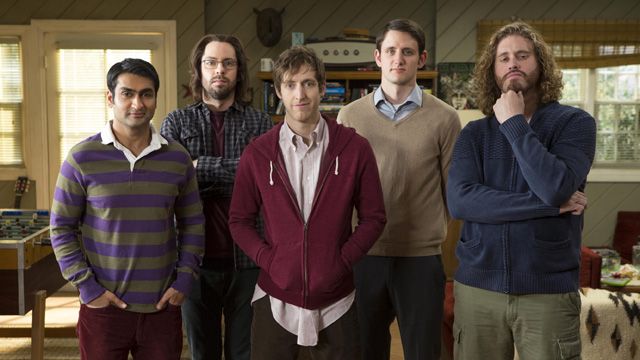
"caption": "\"Silicon Valley\" actors (from left to right): Kumail Nanjiani, Martin Starr, Thomas Middleditch, Zach Woods, T.J. Miller. (Isabella Vosmikova/HBO)",
"description": null,
"title": "siliconvalley",
"credit": null,
"status": "inherit",
"isLoading": false,
"fetchFailed": false
}
},
"audioPlayerReducer": {
"postId": "stream_live",
"isPaused": true,
"isPlaying": false,
"pfsActive": false,
"pledgeModalIsOpen": true,
"playerDrawerIsOpen": false,
"liveAudioPlayStartedAt": 0,
"liveAudioPlayContext": ""
},
"authorsReducer": {
"jbrooks": {
"type": "authors",
"id": "80",
"meta": {
"index": "authors_1716337520",
"id": "80",
"found": true
},
"name": "Jon Brooks",
"firstName": "Jon",
"lastName": "Brooks",
"slug": "jbrooks",
"email": "jbrooks@kqed.org",
"display_author_email": true,
"staff_mastheads": [
"science"
],
"title": "Digital Editor",
"bio": "Jon Brooks is a former Digital Editor for KQED Science. He is the former editor of KQED’s daily news blog, News Fix. In 2014, he won a California Journalism Award for his coverage of ride services like Uber and Lyft and the taxi industry. A veteran blogger, he previously worked for Yahoo! in various news writing and editing roles. Jon is also a playwright whose work has been produced in San Francisco, New York, Italy, and around the U.S. He has written about film for his own blog and studied film at Boston University.",
"avatar": "https://secure.gravatar.com/avatar/98887f7ed1c876ed414d4c915e969584?s=600&d=blank&r=g",
"twitter": "jbrooksfoy",
"facebook": null,
"instagram": null,
"linkedin": null,
"sites": [
{
"site": "arts",
"roles": [
"Contributor",
"editor"
]
},
{
"site": "news",
"roles": [
"author"
]
},
{
"site": "futureofyou",
"roles": [
"administrator"
]
},
{
"site": "mindshift",
"roles": [
"editor"
]
},
{
"site": "stateofhealth",
"roles": [
"editor"
]
},
{
"site": "science",
"roles": [
"administrator"
]
},
{
"site": "quest",
"roles": [
"editor"
]
}
],
"headData": {
"title": "Jon Brooks | KQED",
"description": "Digital Editor",
"ogImgSrc": "https://secure.gravatar.com/avatar/98887f7ed1c876ed414d4c915e969584?s=600&d=blank&r=g",
"twImgSrc": "https://secure.gravatar.com/avatar/98887f7ed1c876ed414d4c915e969584?s=600&d=blank&r=g"
},
"isLoading": false,
"link": "/author/jbrooks"
},
"agrossberg": {
"type": "authors",
"id": "188",
"meta": {
"index": "authors_1716337520",
"id": "188",
"found": true
},
"name": "Adam Grossberg",
"firstName": "Adam",
"lastName": "Grossberg",
"slug": "agrossberg",
"email": "agrossberg@KQED.org",
"display_author_email": false,
"staff_mastheads": [],
"title": "KQED Contributor",
"bio": "Adam Grossberg is a former video producer at KQED News. Prior to coming to KQED, he produced videos for PBS, The New York Times, Current TV and The Center for Investigative Reporting. His work has received an Excellence in Journalism award from the Society of Professional Journalists, a regional Murrow award and two Northern California Emmy awards. He is a graduate of the UC Berkeley Graduate School of Journalism.",
"avatar": "https://secure.gravatar.com/avatar/8e96dbdaaf98f5959a2c778289e0f9b5?s=600&d=blank&r=g",
"twitter": null,
"facebook": null,
"instagram": null,
"linkedin": null,
"sites": [
{
"site": "arts",
"roles": [
"contributor"
]
},
{
"site": "news",
"roles": [
"subscriber"
]
},
{
"site": "stateofhealth",
"roles": [
"editor"
]
},
{
"site": "science",
"roles": [
"editor"
]
}
],
"headData": {
"title": "Adam Grossberg | KQED",
"description": "KQED Contributor",
"ogImgSrc": "https://secure.gravatar.com/avatar/8e96dbdaaf98f5959a2c778289e0f9b5?s=600&d=blank&r=g",
"twImgSrc": "https://secure.gravatar.com/avatar/8e96dbdaaf98f5959a2c778289e0f9b5?s=600&d=blank&r=g"
},
"isLoading": false,
"link": "/author/agrossberg"
},
"jmyers": {
"type": "authors",
"id": "232",
"meta": {
"index": "authors_1716337520",
"id": "232",
"found": true
},
"name": "John Myers",
"firstName": "John",
"lastName": "Myers",
"slug": "jmyers",
"email": "jmyers@kqed.org",
"display_author_email": false,
"staff_mastheads": [],
"title": null,
"bio": "John Myers is Senior Editor of KQED's new California Politics and Government Desk. A veteran of almost two decades of political coverage, he was KQED's longest serving statehouse bureau chief and recently was political editor for Sacramento's ABC affiliate, News10 (KXTV). John was moderator of the only 2014 gubernatorial debate, and was named by \u003cem>The Washington Post\u003c/em> to two \"Best Of\" lists: the 2015 list of top state politics reporters and 2014's list of America's most influential statehouse reporters.",
"avatar": "https://secure.gravatar.com/avatar/c0ac98482caf0b8229a792662b38722a?s=600&d=blank&r=g",
"twitter": "johnmyers",
"facebook": null,
"instagram": null,
"linkedin": null,
"sites": [
{
"site": "news",
"roles": [
"subscriber"
]
}
],
"headData": {
"title": "John Myers | KQED",
"description": null,
"ogImgSrc": "https://secure.gravatar.com/avatar/c0ac98482caf0b8229a792662b38722a?s=600&d=blank&r=g",
"twImgSrc": "https://secure.gravatar.com/avatar/c0ac98482caf0b8229a792662b38722a?s=600&d=blank&r=g"
},
"isLoading": false,
"link": "/author/jmyers"
},
"kqed": {
"type": "authors",
"id": "236",
"meta": {
"index": "authors_1716337520",
"id": "236",
"found": true
},
"name": "KQED News Staff",
"firstName": "KQED News Staff",
"lastName": null,
"slug": "kqed",
"email": "faq@kqed.org",
"display_author_email": false,
"staff_mastheads": [],
"title": null,
"bio": null,
"avatar": "https://secure.gravatar.com/avatar/ef0e801a68c4c54afa9180db14084167?s=600&d=blank&r=g",
"twitter": null,
"facebook": null,
"instagram": null,
"linkedin": null,
"sites": [
{
"site": "arts",
"roles": [
"contributor"
]
},
{
"site": "news",
"roles": [
"editor"
]
},
{
"site": "futureofyou",
"roles": [
"author"
]
}
],
"headData": {
"title": "KQED News Staff | KQED",
"description": null,
"ogImgSrc": "https://secure.gravatar.com/avatar/ef0e801a68c4c54afa9180db14084167?s=600&d=blank&r=g",
"twImgSrc": "https://secure.gravatar.com/avatar/ef0e801a68c4c54afa9180db14084167?s=600&d=blank&r=g"
},
"isLoading": false,
"link": "/author/kqed"
},
"kqednewsstaffandwires": {
"type": "authors",
"id": "237",
"meta": {
"index": "authors_1716337520",
"id": "237",
"found": true
},
"name": "KQED News Staff and Wires",
"firstName": "KQED News Staff and Wires",
"lastName": null,
"slug": "kqednewsstaffandwires",
"email": "onlinenewsstaff@kqed.org",
"display_author_email": false,
"staff_mastheads": [],
"title": null,
"bio": null,
"avatar": "https://secure.gravatar.com/avatar/72295af8ebbfbd19a4948f5271285664?s=600&d=blank&r=g",
"twitter": null,
"facebook": null,
"instagram": null,
"linkedin": null,
"sites": [
{
"site": "arts",
"roles": [
"contributor"
]
},
{
"site": "news",
"roles": [
"contributor"
]
},
{
"site": "lowdown",
"roles": [
"author"
]
},
{
"site": "stateofhealth",
"roles": [
"contributor"
]
},
{
"site": "food",
"roles": [
"author"
]
}
],
"headData": {
"title": "KQED News Staff and Wires | KQED",
"description": null,
"ogImgSrc": "https://secure.gravatar.com/avatar/72295af8ebbfbd19a4948f5271285664?s=600&d=blank&r=g",
"twImgSrc": "https://secure.gravatar.com/avatar/72295af8ebbfbd19a4948f5271285664?s=600&d=blank&r=g"
},
"isLoading": false,
"link": "/author/kqednewsstaffandwires"
},
"patyollin": {
"type": "authors",
"id": "247",
"meta": {
"index": "authors_1716337520",
"id": "247",
"found": true
},
"name": "Patricia Yollin",
"firstName": "Patricia",
"lastName": "Yollin",
"slug": "patyollin",
"email": "pyollin@kqed.org",
"display_author_email": false,
"staff_mastheads": [],
"title": "KQED Contributor",
"bio": "Pat Yollin has written about lots of stuff, including organ transplants, wayward penguins at the San Francisco Zoo, the comeback of the cream puff, New York on the fifth anniversary of 9/11, a Slow Food gathering in Italy, and the microcredit movement in Northern California. Among her favorite stories: an interview with George Lucas at Skywalker Ranch that broke the story about his plan to build a cultural museum, and a pirate Trader Joe's operation in Vancouver that prompted the grocery chain to sue -- and lose. She joined KQED in 2013 and was previously a reporter and editor at the San Francisco Chronicle, the Hearst-owned San Francisco Examiner and the Hayward Daily Review.",
"avatar": "https://secure.gravatar.com/avatar/0a18ac41a263665c04b25b2c7d6b817c?s=600&d=blank&r=g",
"twitter": null,
"facebook": null,
"instagram": null,
"linkedin": null,
"sites": [
{
"site": "arts",
"roles": [
"subscriber"
]
},
{
"site": "news",
"roles": [
"subscriber"
]
},
{
"site": "futureofyou",
"roles": [
"editor"
]
},
{
"site": "lowdown",
"roles": [
"editor"
]
},
{
"site": "stateofhealth",
"roles": [
"editor"
]
}
],
"headData": {
"title": "Patricia Yollin | KQED",
"description": "KQED Contributor",
"ogImgSrc": "https://secure.gravatar.com/avatar/0a18ac41a263665c04b25b2c7d6b817c?s=600&d=blank&r=g",
"twImgSrc": "https://secure.gravatar.com/avatar/0a18ac41a263665c04b25b2c7d6b817c?s=600&d=blank&r=g"
},
"isLoading": false,
"link": "/author/patyollin"
},
"scottshafer": {
"type": "authors",
"id": "255",
"meta": {
"index": "authors_1716337520",
"id": "255",
"found": true
},
"name": "Scott Shafer",
"firstName": "Scott",
"lastName": "Shafer",
"slug": "scottshafer",
"email": "sshafer@kqed.org",
"display_author_email": false,
"staff_mastheads": [
"news"
],
"title": "KQED Contributor",
"bio": "Scott Shafer is a senior editor with the KQED Politics and Government desk. He is co-host of Political Breakdown, the award-winning radio show and podcast with a personal take on the world of politics. Scott came to KQED in 1998 to host the statewide\u003cem> California Report\u003c/em>. Prior to that he had extended stints in politics and government\u003cem>.\u003c/em> He uses that inside experience at KQED in his, reporting, hosting and analysis for the politics desk. Scott collaborated \u003cem>Political Breakdown a\u003c/em>nd on \u003cem>The Political Mind of Jerry Brown, \u003c/em>an eight-part series about the life and extraordinary political career of the former governor. For fun, he plays water polo with the San Francisco Tsunami.",
"avatar": "https://secure.gravatar.com/avatar/a62ebae45b79d7aed1a39a0e3bf68104?s=600&d=blank&r=g",
"twitter": "scottshafer",
"bluesky": null,
"facebook": null,
"instagram": null,
"linkedin": null,
"sites": [
{
"site": "news",
"roles": [
"editor"
]
},
{
"site": "stateofhealth",
"roles": [
"author"
]
},
{
"site": "science",
"roles": [
"author"
]
},
{
"site": "forum",
"roles": [
"subscriber"
]
},
{
"site": "liveblog",
"roles": [
"author"
]
}
],
"headData": {
"title": "Scott Shafer | KQED",
"description": "KQED Contributor",
"ogImgSrc": "https://secure.gravatar.com/avatar/a62ebae45b79d7aed1a39a0e3bf68104?s=600&d=blank&r=g",
"twImgSrc": "https://secure.gravatar.com/avatar/a62ebae45b79d7aed1a39a0e3bf68104?s=600&d=blank&r=g"
},
"isLoading": false,
"link": "/author/scottshafer"
}
},
"pagesReducer": {
"news_category_technology": {
"type": "terms",
"id": "news_248",
"meta": {
"index": "terms_1716263798",
"site": "news",
"id": "248",
"score": 10.931152
},
"featImg": null,
"name": "Technology",
"description": null,
"taxonomy": "category",
"headData": {
"twImgId": null,
"twTitle": null,
"ogTitle": null,
"ogImgId": null,
"twDescription": null,
"description": null,
"title": "Technology Archives | KQED News",
"ogDescription": null
},
"ttid": 256,
"slug": "technology",
"isLoading": false,
"title": "Technology",
"pageMeta": {
"site": "news",
"WpPageTemplate": "page-topic-editorial",
"currentPage": 155
},
"blocks": [
{
"blockName": "kqed/post-list",
"attrs": {
"layout": "cardArticle2",
"query": "posts/news?category=technology",
"seeMore": false,
"paginated": true,
"page": 155
}
},
{
"blockName": "kqed/ad"
}
]
}
},
"pfsSessionReducer": {},
"postsReducer": {
"stream_live": {
"type": "live",
"id": "stream_live",
"audioUrl": "https://streams.kqed.org/kqedradio",
"title": "Live Stream",
"excerpt": "Live Stream information currently unavailable.",
"link": "/radio",
"featImg": "",
"label": {
"name": "KQED Live",
"link": "/"
}
},
"stream_kqedNewscast": {
"type": "posts",
"id": "stream_kqedNewscast",
"audioUrl": "https://www.kqed.org/.stream/anon/radio/RDnews/newscast.mp3?_=1",
"title": "KQED Newscast",
"featImg": "",
"label": {
"name": "88.5 FM",
"link": "/"
}
},
"news_134475": {
"type": "posts",
"id": "news_134475",
"meta": {
"index": "posts_1716263798",
"site": "news",
"id": "134475",
"score": null,
"sort": [
1398871502000
]
},
"guestAuthors": [],
"slug": "are-warrantless-cellphone-searches-constitutional-court-to-decide",
"title": "Update: Supreme Court Hears Arguments on Cellphone Searches",
"publishDate": 1398871502,
"format": "aside",
"headTitle": "Update: Supreme Court Hears Arguments on Cellphone Searches | KQED",
"labelTerm": {
"term": 6944,
"site": "news"
},
"content": "\u003cfigure id=\"attachment_134492\" class=\"wp-caption alignright\" style=\"max-width: 400px\">\u003ca href=\"http://ww2.kqed.org/news/wp-content/uploads/sites/10/2014/04/699487712_efff9943f2_o.jpg\">\u003cimg loading=\"lazy\" decoding=\"async\" class=\"wp-image-134492\" src=\"http://ww2.kqed.org/news/wp-content/uploads/sites/10/2014/04/699487712_efff9943f2_o-640x426.jpg\" alt=\"Roughly 90% of adults in the United States have cellphones. (Pieter Ouwerkerk/Flickr)\" width=\"400\" height=\"266\">\u003c/a>\u003cfigcaption class=\"wp-caption-text\">Roughly 90 percent of adults in the United States have cellphones. (Pieter Ouwerkerk/Flickr)\u003c/figcaption>\u003c/figure>\n\u003cp>\u003cstrong>Update Wednesday, April 30: \u003c/strong> The two-hour oral arguments in Riley v. California at the Supreme Court on Tuesday were, according to press accounts, lively.\u003c/p>\n\u003cp>The more liberal justices (Kagan, Sotomayor, Breyer and Ginsburg) seemed most concerned about warrantless searches of cellphones.\u003c/p>\n\u003cp>“People carry their lives on cellphones,” said Justice Kagan at one point.\u003c/p>\n\u003cp>Justice Anthony Kennedy, who is often the SCOTUS tiebreaker, and Justice Antonin Scalia both indicated interest in some kind of “middle ground” decision.\u003c/p>\n\u003cp>“It seems absurd you should be able to search that person’s iPhone because of an arrest for a minor crime,” Scalia said. Those kinds of comments suggested an ultimate decision short of a “bright line” all-or-nothing ruling, such as “you must have a warrant to search a cell phone at any time for any reason.”\u003c/p>\n\u003cp>[ad fullwidth]\u003c/p>\n\u003cp>The justices, who are sometimes portrayed as “less than with it” when it comes to technology (will there ever be cameras in the courtroom?) seemed to go out of their way to show their hipness.\u003c/p>\n\u003cp>Chief Justice John Roberts wondered if some data on cellphones might not be legally protected, given how public it already is. “What about something (from) Facebook or Twitter? The privacy interest in a Facebook account is at least diminished,” he said. Someone out there is sure to have “liked” that comment.\u003c/p>\n\u003cp>Here’s some of the coverage of the arguments:\u003c/p>\n\u003cul>\n\u003cli>\u003cstrong>SCOTUSBlog:\u003c/strong> \u003ca href=\"http://www.scotusblog.com/2014/04/argument-analysis-limiting-a-search-sure-but-how/\" target=\"_blank\" rel=\"noopener\">Argument analysis: Limiting a search? Sure, but how?\u003c/a>\u003c/li>\n\u003cli>\u003cstrong>NPR’s Nina Totenberg:\u003c/strong> \u003ca href=\"http://www.npr.org/2014/04/29/308068253/supreme-court-considers-where-lines-drawn-in-cell-phone-searches?utm_campaign=storyshare&utm_source=share&utm_medium=twitter\" target=\"_blank\" rel=\"noopener\">Court struggles to adapt modern technology to traditional legal rules\u003c/a>\u003c/li>\n\u003cli>\u003cstrong>New York Times:\u003c/strong> \u003ca href=\"http://www.nytimes.com/2014/04/30/us/justices-seem-torn-on-cellphone-warrants.html?ref=us&_r=1\" target=\"_blank\" rel=\"noopener\">Justices Appear Divided on Cellphone Warrants\u003c/a>\u003c/li>\n\u003cli>\u003cstrong>Truthdig: \u003c/strong>\u003ca href=\"http://www.truthdig.com/report/item/two_felons_could_force_the_supreme_court_to_protect_privacy_in_the_digital_\" target=\"_blank\" rel=\"noopener\">Two felons could force the Supreme Court to protect privacy in the digital age\u003c/a>\u003c/li>\n\u003c/ul>\n\u003cp>A ruling on the issue is expected by the end of June.\u003c/p>\n\u003cp>\u003cstrong>Original post (Monday, April 28):\u003c/strong> Early one morning in 2009, college student David Riley was pulled over by San Diego police. Riley’s plates had expired tags and he was driving with a suspended license.\u003c/p>\n\u003cp>In the course of searching his car, the police found two concealed and loaded handguns.\u003c/p>\n\u003cp>Riley was placed under arrest and the officer took a Samsung smartphone from his pocket. That phone — and everything stored on it — was later searched by the police without a warrant. The contents of the phone were used to connect Riley to gang activity, leading to several charges, including attempted murder. He was sentenced to 15 years to life.\u003c/p>\n\u003cp>\u003ca href=\"http://www.law.stanford.edu/profile/jeffrey-l-fisher\" target=\"_blank\" rel=\"noopener\">Stanford Law Professor Jeff Fisher\u003c/a>, who is Riley’s attorney, explains that police “found photographs and videos of Mr. Riley near a red car — a car that had been involved in an altercation where shots were fired.”\u003c/p>\n\u003cp>His conviction and the warrantless phone search were later upheld by the California Supreme Court, which had previously ruled that such searches are constitutional. Now Riley is asking the U.S. Supreme Court to declare that such searches violate the Fourth Amendment’s ban on “unreasonable searches and seizures.” The case will be heard Tuesday.\u003c/p>\n\u003cp>\u003ciframe loading=\"lazy\" src=\"https://w.soundcloud.com/player/?url=https%3A//api.soundcloud.com/tracks/146960041&color=ff5500&auto_play=false&hide_related=false&show_artwork=true\" width=\"100%\" height=\"166\" frameborder=\"no\" scrolling=\"no\">\u003c/iframe>\u003c/p>\n\u003cp>“A cellphone is, in essence, a portal into the most private and sensitive information in our lives,” Fisher says. “Our work, our personal life, our banking, our medical records — all the way down the line.”\u003c/p>\n\u003cp>In its \u003ca href=\"http://www.volokh.com/wp-content/uploads/2013/08/Riley-cert-petition-final-1.pdf\" target=\"_blank\" rel=\"noopener\">brief to the Supreme Court\u003c/a>, the government contends the Fourth Amendment \u003cem>allows\u003c/em> the search of objects found on someone arrested, including a cellphone. That information, they argue, “is not different in kind from wallets, address books, personal papers and other items that have long been subject to examination.”\u003c/p>\n\u003caside class=\"pullquote alignleft\">‘A cellphone is, in essence, a portal into the most private and sensitive information in our lives.’\u003ccite>— Professor Jeff Fisher\u003cbr>\nStanford Law School\u003c/cite>\u003c/aside>\n\u003cp>Law enforcement groups agree. Richard Littlehale represents the \u003ca href=\"https://www.ascia.org\" target=\"_blank\" rel=\"noopener\">Association of State Criminal Investigative Agencies\u003c/a>, part of a consortium of groups asking the court to uphold these searches. Littlehale says that in the future more and more evidence is going to be found in digital formats. Unless police are allowed to immediately search a smartphone, he says, evidence could be lost forever.\u003c/p>\n\u003cp>“We need to get out there more and explain why we need these records and make our case to the courts and make our case to the public that this evidence is important in our quest to protect them,” Littlehale says.\u003c/p>\n\u003cp>Privacy advocates say the fear of losing potential evidence is overblown, arguing that there are ways to preserve the information on cellphones until the police have a search warrant. They argue that the amount and sensitivity of information stored on cellphones require a higher level of privacy.\u003c/p>\n\u003cp>In addition to \u003ca href=\"http://www.scotusblog.com/case-files/cases/riley-v-california/\" target=\"_blank\" rel=\"noopener\">Riley v. California\u003c/a>, the Supreme Court on Tuesday will also hear a second case, \u003ca href=\"http://media.ca1.uscourts.gov/pdf.opinions/11-1792P-01A.pdf\" target=\"_blank\" rel=\"noopener\">U.S. v. Wurie\u003c/a>, arising from a 2007 Boston case in which police searched the call log of a flip phone, leading to gun and drug charges. Last year, a federal appeals court ruled that evidence was obtained illegally, the opposite finding to the California case.\u003c/p>\n\u003cp>The pervasiveness of mobile phones — nine out of 10 adults in the U.S. have cellphones — make these cases the most important in the Supreme Court’s criminal docket this term, according to UC Hastings Law Professor Rory Little.\u003c/p>\n\u003cp>“These cases have been sort of brewing for years,” Little says. “How’s the Fourth Amendment going to be applied in the 21st century when the framers had no conception of any of the technology that we now have to deal with?”\u003c/p>\n\u003cp>Unlike some issues, Little says, this one may not break along the usual liberal-conservative lines. For example, conservative Justice Antonin Scalia often expresses concern about law enforcement’s encroachment on personal privacy.\u003c/p>\n\u003cp>In the end, Little says, the court may not issue a sweeping decision. “My prediction is they will move incrementally. They won’t decide a case which then decides every issue for the future.”\u003c/p>\n\u003cp>\u003cem>Watch Scott Shafer’s interview with UC Hastings Law Professor Rory Little and San Jose Mercury News Reporter Michelle Quinn, on “KQED Newsroom.”\u003c/em>\u003c/p>\n\u003cdiv class=\"single-video\">[youtube http://www.youtube.com/watch?v=4hEaiqvOutk&w=560&h=315]\u003c/div>\n\u003cp>[ad floatright]\u003c/p>\n\u003cp>\u003cem>\u003ca href=\"http://www.kqed.org/tv/programs/newsroom/\" target=\"_blank\" rel=\"noopener\">KQED NEWSROOM\u003c/a> is a weekly news magazine program on television, radio and online. Watch Fridays at 8 p.m. on KQED Public Television 9, listen on Sundays at 6 p.m. on KQED Public Radio 88.5 FM and watch on demand \u003ca href=\"http://www.kqed.org/tv/programs/newsroom/\" target=\"_blank\" rel=\"noopener\">here\u003c/a>.\u003c/em>\u003c/p>\n\n",
"blocks": [],
"excerpt": "At issue: Whether sifting through phone contents without court OK violates ban on unreasonable searches.",
"status": "publish",
"parent": 0,
"modified": 1721106961,
"stats": {
"hasAudio": true,
"hasVideo": true,
"hasChartOrMap": false,
"iframeSrcs": [],
"hasGoogleForm": false,
"hasGallery": false,
"hasHearkenModule": false,
"hasPolis": false,
"paragraphCount": 29,
"wordCount": 1122
},
"headData": {
"title": "Update: Supreme Court Hears Arguments on Cellphone Searches | KQED",
"description": "At issue: Whether sifting through phone contents without court OK violates ban on unreasonable searches.",
"ogTitle": "",
"ogDescription": "",
"ogImgId": "",
"twTitle": "",
"twDescription": "",
"twImgId": "",
"schema": {
"@context": "https://schema.org",
"@type": "NewsArticle",
"headline": "Update: Supreme Court Hears Arguments on Cellphone Searches",
"datePublished": "2014-04-30T08:25:02-07:00",
"dateModified": "2024-07-15T22:16:01-07:00",
"image": "https://cdn.kqed.org/wp-content/uploads/2020/02/KQED-OG-Image@1x.png",
"isAccessibleForFree": "True",
"publisher": {
"@type": "NewsMediaOrganization",
"@id": "https://www.kqed.org/#organization",
"name": "KQED",
"logo": "https://cdn.kqed.org/wp-content/uploads/2020/02/KQED-OG-Image@1x.png",
"url": "https://www.kqed.org",
"sameAs": [
"https://www.facebook.com/KQED",
"https://twitter.com/KQED",
"https://www.instagram.com/kqed/",
"https://www.tiktok.com/@kqedofficial",
"https://www.linkedin.com/company/kqed",
"https://www.youtube.com/channel/UCeC0IOo7i1P_61zVUWbJ4nw"
]
}
}
},
"sticky": false,
"customPermalink": "us-supreme-court-hears-case-on-warrantless-cellphone-searches/",
"path": "/news/134475/are-warrantless-cellphone-searches-constitutional-court-to-decide",
"audioTrackLength": null,
"parsedContent": [
{
"type": "contentString",
"content": "\u003cdiv class=\"post-body\">\u003cp>\u003cfigure id=\"attachment_134492\" class=\"wp-caption alignright\" style=\"max-width: 400px\">\u003ca href=\"http://ww2.kqed.org/news/wp-content/uploads/sites/10/2014/04/699487712_efff9943f2_o.jpg\">\u003cimg loading=\"lazy\" decoding=\"async\" class=\"wp-image-134492\" src=\"http://ww2.kqed.org/news/wp-content/uploads/sites/10/2014/04/699487712_efff9943f2_o-640x426.jpg\" alt=\"Roughly 90% of adults in the United States have cellphones. (Pieter Ouwerkerk/Flickr)\" width=\"400\" height=\"266\">\u003c/a>\u003cfigcaption class=\"wp-caption-text\">Roughly 90 percent of adults in the United States have cellphones. (Pieter Ouwerkerk/Flickr)\u003c/figcaption>\u003c/figure>\n\u003cp>\u003cstrong>Update Wednesday, April 30: \u003c/strong> The two-hour oral arguments in Riley v. California at the Supreme Court on Tuesday were, according to press accounts, lively.\u003c/p>\n\u003cp>The more liberal justices (Kagan, Sotomayor, Breyer and Ginsburg) seemed most concerned about warrantless searches of cellphones.\u003c/p>\n\u003cp>“People carry their lives on cellphones,” said Justice Kagan at one point.\u003c/p>\n\u003cp>Justice Anthony Kennedy, who is often the SCOTUS tiebreaker, and Justice Antonin Scalia both indicated interest in some kind of “middle ground” decision.\u003c/p>\n\u003cp>“It seems absurd you should be able to search that person’s iPhone because of an arrest for a minor crime,” Scalia said. Those kinds of comments suggested an ultimate decision short of a “bright line” all-or-nothing ruling, such as “you must have a warrant to search a cell phone at any time for any reason.”\u003c/p>\n\u003cp>\u003c/p>\u003c/div>",
"attributes": {
"named": {},
"numeric": []
}
},
{
"type": "component",
"content": "",
"name": "ad",
"attributes": {
"named": {
"label": "fullwidth"
},
"numeric": [
"fullwidth"
]
}
},
{
"type": "contentString",
"content": "\u003cdiv class=\"post-body\">\u003cp>\u003c/p>\n\u003cp>The justices, who are sometimes portrayed as “less than with it” when it comes to technology (will there ever be cameras in the courtroom?) seemed to go out of their way to show their hipness.\u003c/p>\n\u003cp>Chief Justice John Roberts wondered if some data on cellphones might not be legally protected, given how public it already is. “What about something (from) Facebook or Twitter? The privacy interest in a Facebook account is at least diminished,” he said. Someone out there is sure to have “liked” that comment.\u003c/p>\n\u003cp>Here’s some of the coverage of the arguments:\u003c/p>\n\u003cul>\n\u003cli>\u003cstrong>SCOTUSBlog:\u003c/strong> \u003ca href=\"http://www.scotusblog.com/2014/04/argument-analysis-limiting-a-search-sure-but-how/\" target=\"_blank\" rel=\"noopener\">Argument analysis: Limiting a search? Sure, but how?\u003c/a>\u003c/li>\n\u003cli>\u003cstrong>NPR’s Nina Totenberg:\u003c/strong> \u003ca href=\"http://www.npr.org/2014/04/29/308068253/supreme-court-considers-where-lines-drawn-in-cell-phone-searches?utm_campaign=storyshare&utm_source=share&utm_medium=twitter\" target=\"_blank\" rel=\"noopener\">Court struggles to adapt modern technology to traditional legal rules\u003c/a>\u003c/li>\n\u003cli>\u003cstrong>New York Times:\u003c/strong> \u003ca href=\"http://www.nytimes.com/2014/04/30/us/justices-seem-torn-on-cellphone-warrants.html?ref=us&_r=1\" target=\"_blank\" rel=\"noopener\">Justices Appear Divided on Cellphone Warrants\u003c/a>\u003c/li>\n\u003cli>\u003cstrong>Truthdig: \u003c/strong>\u003ca href=\"http://www.truthdig.com/report/item/two_felons_could_force_the_supreme_court_to_protect_privacy_in_the_digital_\" target=\"_blank\" rel=\"noopener\">Two felons could force the Supreme Court to protect privacy in the digital age\u003c/a>\u003c/li>\n\u003c/ul>\n\u003cp>A ruling on the issue is expected by the end of June.\u003c/p>\n\u003cp>\u003cstrong>Original post (Monday, April 28):\u003c/strong> Early one morning in 2009, college student David Riley was pulled over by San Diego police. Riley’s plates had expired tags and he was driving with a suspended license.\u003c/p>\n\u003cp>In the course of searching his car, the police found two concealed and loaded handguns.\u003c/p>\n\u003cp>Riley was placed under arrest and the officer took a Samsung smartphone from his pocket. That phone — and everything stored on it — was later searched by the police without a warrant. The contents of the phone were used to connect Riley to gang activity, leading to several charges, including attempted murder. He was sentenced to 15 years to life.\u003c/p>\n\u003cp>\u003ca href=\"http://www.law.stanford.edu/profile/jeffrey-l-fisher\" target=\"_blank\" rel=\"noopener\">Stanford Law Professor Jeff Fisher\u003c/a>, who is Riley’s attorney, explains that police “found photographs and videos of Mr. Riley near a red car — a car that had been involved in an altercation where shots were fired.”\u003c/p>\n\u003cp>His conviction and the warrantless phone search were later upheld by the California Supreme Court, which had previously ruled that such searches are constitutional. Now Riley is asking the U.S. Supreme Court to declare that such searches violate the Fourth Amendment’s ban on “unreasonable searches and seizures.” The case will be heard Tuesday.\u003c/p>\n\u003cp>\u003ciframe loading=\"lazy\" src=\"https://w.soundcloud.com/player/?url=https%3A//api.soundcloud.com/tracks/146960041&color=ff5500&auto_play=false&hide_related=false&show_artwork=true\" width=\"100%\" height=\"166\" frameborder=\"no\" scrolling=\"no\">\u003c/iframe>\u003c/p>\n\u003cp>“A cellphone is, in essence, a portal into the most private and sensitive information in our lives,” Fisher says. “Our work, our personal life, our banking, our medical records — all the way down the line.”\u003c/p>\n\u003cp>In its \u003ca href=\"http://www.volokh.com/wp-content/uploads/2013/08/Riley-cert-petition-final-1.pdf\" target=\"_blank\" rel=\"noopener\">brief to the Supreme Court\u003c/a>, the government contends the Fourth Amendment \u003cem>allows\u003c/em> the search of objects found on someone arrested, including a cellphone. That information, they argue, “is not different in kind from wallets, address books, personal papers and other items that have long been subject to examination.”\u003c/p>\n\u003caside class=\"pullquote alignleft\">‘A cellphone is, in essence, a portal into the most private and sensitive information in our lives.’\u003ccite>— Professor Jeff Fisher\u003cbr>\nStanford Law School\u003c/cite>\u003c/aside>\n\u003cp>Law enforcement groups agree. Richard Littlehale represents the \u003ca href=\"https://www.ascia.org\" target=\"_blank\" rel=\"noopener\">Association of State Criminal Investigative Agencies\u003c/a>, part of a consortium of groups asking the court to uphold these searches. Littlehale says that in the future more and more evidence is going to be found in digital formats. Unless police are allowed to immediately search a smartphone, he says, evidence could be lost forever.\u003c/p>\n\u003cp>“We need to get out there more and explain why we need these records and make our case to the courts and make our case to the public that this evidence is important in our quest to protect them,” Littlehale says.\u003c/p>\n\u003cp>Privacy advocates say the fear of losing potential evidence is overblown, arguing that there are ways to preserve the information on cellphones until the police have a search warrant. They argue that the amount and sensitivity of information stored on cellphones require a higher level of privacy.\u003c/p>\n\u003cp>In addition to \u003ca href=\"http://www.scotusblog.com/case-files/cases/riley-v-california/\" target=\"_blank\" rel=\"noopener\">Riley v. California\u003c/a>, the Supreme Court on Tuesday will also hear a second case, \u003ca href=\"http://media.ca1.uscourts.gov/pdf.opinions/11-1792P-01A.pdf\" target=\"_blank\" rel=\"noopener\">U.S. v. Wurie\u003c/a>, arising from a 2007 Boston case in which police searched the call log of a flip phone, leading to gun and drug charges. Last year, a federal appeals court ruled that evidence was obtained illegally, the opposite finding to the California case.\u003c/p>\n\u003cp>The pervasiveness of mobile phones — nine out of 10 adults in the U.S. have cellphones — make these cases the most important in the Supreme Court’s criminal docket this term, according to UC Hastings Law Professor Rory Little.\u003c/p>\n\u003cp>“These cases have been sort of brewing for years,” Little says. “How’s the Fourth Amendment going to be applied in the 21st century when the framers had no conception of any of the technology that we now have to deal with?”\u003c/p>\n\u003cp>Unlike some issues, Little says, this one may not break along the usual liberal-conservative lines. For example, conservative Justice Antonin Scalia often expresses concern about law enforcement’s encroachment on personal privacy.\u003c/p>\n\u003cp>In the end, Little says, the court may not issue a sweeping decision. “My prediction is they will move incrementally. They won’t decide a case which then decides every issue for the future.”\u003c/p>\n\u003cp>\u003cem>Watch Scott Shafer’s interview with UC Hastings Law Professor Rory Little and San Jose Mercury News Reporter Michelle Quinn, on “KQED Newsroom.”\u003c/em>\u003c/p>\n\u003cdiv class=\"single-video\">\u003c/p>\u003cp>\u003cspan class='utils-parseShortcode-shortcodes-__youtubeShortcode__embedYoutube'>\n \u003cspan class='utils-parseShortcode-shortcodes-__youtubeShortcode__embedYoutubeInside'>\n \u003ciframe\n loading='lazy'\n class='utils-parseShortcode-shortcodes-__youtubeShortcode__youtubePlayer'\n type='text/html'\n src='//www.youtube.com/embed/4hEaiqvOutk'\n title='//www.youtube.com/embed/4hEaiqvOutk'\n allowfullscreen='true'\n style='border:0;'>\u003c/iframe>\n \u003c/span>\n \u003c/span>\u003c/p>\u003cp>\u003c/div>\n\u003cp>\u003c/p>\u003c/div>",
"attributes": {
"named": {},
"numeric": []
}
},
{
"type": "component",
"content": "",
"name": "ad",
"attributes": {
"named": {
"label": "floatright"
},
"numeric": [
"floatright"
]
}
},
{
"type": "contentString",
"content": "\u003cdiv class=\"post-body\">\u003cp>\u003c/p>\n\u003cp>\u003cem>\u003ca href=\"http://www.kqed.org/tv/programs/newsroom/\" target=\"_blank\" rel=\"noopener\">KQED NEWSROOM\u003c/a> is a weekly news magazine program on television, radio and online. Watch Fridays at 8 p.m. on KQED Public Television 9, listen on Sundays at 6 p.m. on KQED Public Radio 88.5 FM and watch on demand \u003ca href=\"http://www.kqed.org/tv/programs/newsroom/\" target=\"_blank\" rel=\"noopener\">here\u003c/a>.\u003c/em>\u003c/p>\n\n\u003c/div>\u003c/p>",
"attributes": {
"named": {},
"numeric": []
}
}
],
"link": "/news/134475/are-warrantless-cellphone-searches-constitutional-court-to-decide",
"authors": [
"255"
],
"programs": [
"news_6944"
],
"categories": [
"news_6188",
"news_248"
],
"tags": [
"news_17725",
"news_116",
"news_17968",
"news_4950",
"news_1631",
"news_1172"
],
"featImg": "news_134492",
"label": "news_6944"
},
"news_133840": {
"type": "posts",
"id": "news_133840",
"meta": {
"index": "posts_1716263798",
"site": "news",
"id": "133840",
"score": null,
"sort": [
1398389073000
]
},
"parent": 0,
"labelTerm": {
"site": "news",
"term": 6944
},
"blocks": [],
"publishDate": 1398389073,
"format": "aside",
"disqusTitle": "Interview: Jerry Brown Defends His Record on Income Inequality",
"title": "Interview: Jerry Brown Defends His Record on Income Inequality",
"headTitle": "California Election Watch 2014 | News Fix | KQED News",
"content": "\u003cfigure id=\"attachment_133881\" class=\"wp-caption aligncenter\" style=\"max-width: 640px\">\u003cimg class=\"size-full wp-image-133881 \" src=\"http://ww2.kqed.org/news/wp-content/uploads/sites/10/2014/04/brown.jpg\" alt=\"Gov. Jerry Brown at the Governor's Mansion. (Monica Lam/KQED)\" width=\"640\" height=\"360\">\u003cfigcaption class=\"wp-caption-text\">Gov. Jerry Brown at the Governor's Mansion. (Monica Lam/KQED)\u003c/figcaption>\u003c/figure>\n\u003cp>Gov. Jerry Brown says the plight of California's poor is part of a larger, global rise in income inequality. But he suggests that there's some justification for the anger seen at protests in San Francisco and beyond.\u003c/p>\n\u003cp>In a wide-ranging interview with KQED on Thursday in Sacramento, Brown defended his record on the issue of income inequality, even as he's been criticized on both sides of the current political debate — including by one of his potential Republican challengers — for not doing enough.\u003c/p>\n\u003cp>“We're taking many steps,\" he said. \"I'm sure there'll be many more.\"\u003c/p>\n\u003cp>The governor's comments came as the Legislature was formally convening in special session to consider his plans for an enhanced state budget reserve fund. That session is expected to run concurrently with the other tasks of lawmakers at the state Capitol over the next several weeks.\u003c/p>\n\u003cp>And some of his fellow Democrats want much more to be done to deal with what public polls show is a sense among many Californians that the gap is growing between the haves and have-nots. This week, state Senate Democrats introduced \u003ca href=\"http://www.bizjournals.com/sanfrancisco/blog/2014/04/calif-wage-disparity-ceo-workers-bill-taxes.html\" target=\"_blank\">legislation to raise taxes on some highly paid CEOs\u003c/a>.\u003c/p>\n\u003cp>[ad fullwidth]\u003c/p>\n\u003cp>\"There's a definite and growing discontent,\" Brown said. \"It's true: executives get paid enormous salaries.\"\u003c/p>\n\u003cp>In particular, the debate over rich versus poor has sparked protests by groups in the Bay Area over the sharp rise in high-tech salaries and housing prices — most visibly, the angry crowds that have followed commuter buses \u003ca href=\"http://ww2.kqed.org/news/2014/03/25/new-poll-san-francisco-tech-shuttles\" target=\"_blank\">chartered by Google and other tech companies for their employees\u003c/a>.\u003c/p>\n\u003cp>Do the protesters have a point?\u003c/p>\n\u003cp>\"They have a point,\" Brown said. \"The return on assets is better than the return on labor, and people’s ability to make salaries.\"\u003c/p>\n\u003cp>But Brown argues the forces at play are, in most ways, out of the control of either him or other state elected officials.\u003c/p>\n\u003cp>\"To try to close the gap, which is a global phenomenon, based on technology, return on assets, on global flows of capital, one little state can't do that,\" he said.\u003c/p>\n\u003cp>Even so, the governor defended his efforts to battle income inequality by pointing to a higher minimum wage and to the law granting driving permits for those without legal immigration status. He also touted the 2013 shift of \u003ca href=\"http://www.lao.ca.gov/reports/2013/edu/lcff/lcff-072913.aspx\" target=\"_blank\">more education dollars to school districts with high numbers of kids from low-income families and who are English learners\u003c/a>.\u003c/p>\n\u003cp>\"We can’t equalize everything, or you’d need state control like the old Soviet Union,” Brown said. “And we’re not going there.\"\u003c/p>\n\u003cp>The governor also declined to say how he’d wrangle a deal on a debate that is much smaller but will be closely watched over the next few weeks: how to modify plans for a state budget \"rainy day\" reserve fund. Brown will face opposition from both parties on the issue, and most likely strike a bipartisan deal due to the trio of state Senate Democrats forced to sit on the sidelines after corruption and felony charges.\u003c/p>\n\u003cp>\u003c/p>\n\u003cp>\"I'm trying to forge enough support that we get the two-thirds vote required,” Brown said. “And that’s challenging.\"\u003c/p>\n\n",
"disqusIdentifier": "133840 http://ww2.kqed.org/news/?p=133840",
"disqusUrl": "https://ww2.kqed.org/news/2014/04/24/interview-jerry-brown-defends-his-record-on-income-inequality/",
"stats": {
"hasVideo": false,
"hasChartOrMap": false,
"hasAudio": false,
"hasPolis": false,
"wordCount": 555,
"hasGoogleForm": false,
"hasGallery": false,
"hasHearkenModule": false,
"iframeSrcs": [],
"paragraphCount": 17
},
"modified": 1412972752,
"excerpt": "'We can’t equalize everything, or you’d need state control like the old Soviet Union. We're not going there.'",
"headData": {
"twImgId": "",
"twTitle": "",
"ogTitle": "",
"ogImgId": "",
"twDescription": "",
"description": "'We can’t equalize everything, or you’d need state control like the old Soviet Union. We're not going there.'",
"title": "Interview: Jerry Brown Defends His Record on Income Inequality | KQED",
"ogDescription": "",
"schema": {
"@context": "https://schema.org",
"@type": "NewsArticle",
"headline": "Interview: Jerry Brown Defends His Record on Income Inequality",
"datePublished": "2014-04-24T18:24:33-07:00",
"dateModified": "2014-10-10T13:25:52-07:00",
"image": "https://cdn.kqed.org/wp-content/uploads/2020/02/KQED-OG-Image@1x.png",
"isAccessibleForFree": "True",
"publisher": {
"@type": "NewsMediaOrganization",
"@id": "https://www.kqed.org/#organization",
"name": "KQED",
"logo": "https://cdn.kqed.org/wp-content/uploads/2020/02/KQED-OG-Image@1x.png",
"url": "https://www.kqed.org",
"sameAs": [
"https://www.facebook.com/KQED",
"https://twitter.com/KQED",
"https://www.instagram.com/kqed/",
"https://www.tiktok.com/@kqedofficial",
"https://www.linkedin.com/company/kqed",
"https://www.youtube.com/channel/UCeC0IOo7i1P_61zVUWbJ4nw"
]
}
}
},
"guestAuthors": [],
"slug": "interview-jerry-brown-defends-his-record-on-income-inequality",
"status": "publish",
"customPermalink": "2014/04/24/brown-defends-his-record-on-income-inequality/",
"path": "/news/133840/interview-jerry-brown-defends-his-record-on-income-inequality",
"audioTrackLength": null,
"parsedContent": [
{
"type": "contentString",
"content": "\u003cdiv class=\"post-body\">\u003cp>\u003cfigure id=\"attachment_133881\" class=\"wp-caption aligncenter\" style=\"max-width: 640px\">\u003cimg class=\"size-full wp-image-133881 \" src=\"http://ww2.kqed.org/news/wp-content/uploads/sites/10/2014/04/brown.jpg\" alt=\"Gov. Jerry Brown at the Governor's Mansion. (Monica Lam/KQED)\" width=\"640\" height=\"360\">\u003cfigcaption class=\"wp-caption-text\">Gov. Jerry Brown at the Governor's Mansion. (Monica Lam/KQED)\u003c/figcaption>\u003c/figure>\n\u003cp>Gov. Jerry Brown says the plight of California's poor is part of a larger, global rise in income inequality. But he suggests that there's some justification for the anger seen at protests in San Francisco and beyond.\u003c/p>\n\u003cp>In a wide-ranging interview with KQED on Thursday in Sacramento, Brown defended his record on the issue of income inequality, even as he's been criticized on both sides of the current political debate — including by one of his potential Republican challengers — for not doing enough.\u003c/p>\n\u003cp>“We're taking many steps,\" he said. \"I'm sure there'll be many more.\"\u003c/p>\n\u003cp>The governor's comments came as the Legislature was formally convening in special session to consider his plans for an enhanced state budget reserve fund. That session is expected to run concurrently with the other tasks of lawmakers at the state Capitol over the next several weeks.\u003c/p>\n\u003cp>And some of his fellow Democrats want much more to be done to deal with what public polls show is a sense among many Californians that the gap is growing between the haves and have-nots. This week, state Senate Democrats introduced \u003ca href=\"http://www.bizjournals.com/sanfrancisco/blog/2014/04/calif-wage-disparity-ceo-workers-bill-taxes.html\" target=\"_blank\">legislation to raise taxes on some highly paid CEOs\u003c/a>.\u003c/p>\n\u003cp>\u003c/p>\u003c/div>",
"attributes": {
"named": {},
"numeric": []
}
},
{
"type": "component",
"content": "",
"name": "ad",
"attributes": {
"named": {
"label": "fullwidth"
},
"numeric": [
"fullwidth"
]
}
},
{
"type": "contentString",
"content": "\u003cdiv class=\"post-body\">\u003cp>\u003c/p>\n\u003cp>\"There's a definite and growing discontent,\" Brown said. \"It's true: executives get paid enormous salaries.\"\u003c/p>\n\u003cp>In particular, the debate over rich versus poor has sparked protests by groups in the Bay Area over the sharp rise in high-tech salaries and housing prices — most visibly, the angry crowds that have followed commuter buses \u003ca href=\"http://ww2.kqed.org/news/2014/03/25/new-poll-san-francisco-tech-shuttles\" target=\"_blank\">chartered by Google and other tech companies for their employees\u003c/a>.\u003c/p>\n\u003cp>Do the protesters have a point?\u003c/p>\n\u003cp>\"They have a point,\" Brown said. \"The return on assets is better than the return on labor, and people’s ability to make salaries.\"\u003c/p>\n\u003cp>But Brown argues the forces at play are, in most ways, out of the control of either him or other state elected officials.\u003c/p>\n\u003cp>\"To try to close the gap, which is a global phenomenon, based on technology, return on assets, on global flows of capital, one little state can't do that,\" he said.\u003c/p>\n\u003cp>Even so, the governor defended his efforts to battle income inequality by pointing to a higher minimum wage and to the law granting driving permits for those without legal immigration status. He also touted the 2013 shift of \u003ca href=\"http://www.lao.ca.gov/reports/2013/edu/lcff/lcff-072913.aspx\" target=\"_blank\">more education dollars to school districts with high numbers of kids from low-income families and who are English learners\u003c/a>.\u003c/p>\n\u003cp>\"We can’t equalize everything, or you’d need state control like the old Soviet Union,” Brown said. “And we’re not going there.\"\u003c/p>\n\u003cp>The governor also declined to say how he’d wrangle a deal on a debate that is much smaller but will be closely watched over the next few weeks: how to modify plans for a state budget \"rainy day\" reserve fund. Brown will face opposition from both parties on the issue, and most likely strike a bipartisan deal due to the trio of state Senate Democrats forced to sit on the sidelines after corruption and felony charges.\u003c/p>\n\u003cp>\u003c/p>\n\u003cp>\"I'm trying to forge enough support that we get the two-thirds vote required,” Brown said. “And that’s challenging.\"\u003c/p>\n\n\u003c/div>\u003c/p>",
"attributes": {
"named": {},
"numeric": []
}
}
],
"link": "/news/133840/interview-jerry-brown-defends-his-record-on-income-inequality",
"authors": [
"232"
],
"programs": [
"news_6944"
],
"series": [
"news_6304"
],
"categories": [
"news_13",
"news_248"
],
"tags": [
"news_5530",
"news_5269",
"news_5096",
"news_30",
"news_854"
],
"featImg": "news_133881",
"label": "news_6944"
},
"news_133776": {
"type": "posts",
"id": "news_133776",
"meta": {
"index": "posts_1716263798",
"site": "news",
"id": "133776",
"score": null,
"sort": [
1398381435000
]
},
"parent": 0,
"labelTerm": {
"site": "news",
"term": 6944
},
"blocks": [],
"publishDate": 1398381435,
"format": "aside",
"disqusTitle": "Settlement Reached in High-Tech Workers' Poaching Suit",
"title": "Settlement Reached in High-Tech Workers' Poaching Suit",
"headTitle": "News Fix | KQED News",
"content": "\u003cfigure id=\"attachment_133793\" class=\"wp-caption aligncenter\" style=\"max-width: 640px\">\u003ca href=\"http://ww2.kqed.org/news/wp-content/uploads/sites/10/2014/04/RS2192_iPadSJobs_081811-lpr.jpg\">\u003cimg class=\"size-medium wp-image-133793\" src=\"http://ww2.kqed.org/news/wp-content/uploads/sites/10/2014/04/RS2192_iPadSJobs_081811-lpr-640x447.jpg\" alt=\"Steve Jobs introduces the second-generation iPad in March 2011 at the Moscone Center in San Francisco. (Kimihiro Hoshino/KQED)\" width=\"640\" height=\"447\">\u003c/a>\u003cfigcaption class=\"wp-caption-text\">Steve Jobs introduces the second-generation iPad in March 2011 at the Moscone Center in San Francisco. (Kimihiro Hoshino/Getty Images)\u003c/figcaption>\u003c/figure>\n\u003cp>\u003cstrong>By Associated Press and KQED\u003c/strong>\u003c/p>\n\u003cp>Google, Apple, Intel and Adobe have settled a class-action lawsuit alleging they conspired to prevent their engineers and highly sought technology workers from getting better job offers from one another.\u003c/p>\n\u003cp>The agreement announced Thursday averts a Silicon Valley trial that threatened to expose the tactics that billionaire executives such as late Apple Inc. CEO Steve Jobs and former Google CEO Eric Schmidt deployed to corral lower-paid employees working on a variety of products and online services.\u003c/p>\n\u003cp>The trial had been scheduled to begin May 27 in San Jose.\u003c/p>\n\u003cp>Terms of the settlement aren't being revealed yet. An attorney representing the workers in the case says the details will be filed in court by May 27.\u003c/p>\n\u003cp>[ad fullwidth]\u003c/p>\n\u003cp>The suit was seeking $3 billion in damages on behalf of 64,600 workers.\u003c/p>\n\u003cp>Howard Mintz of the \u003ca href=\"http://www.mercurynews.com/crime-courts/ci_25630192/apple-google-adobe-and-intuit-settle-silicon-valley#\" target=\"_blank\">San Jose Mercury News\u003c/a> reported that \"the case already has blown the lid off on the way the Valley's most powerful executives dealt with the region's hypercompetitive job market.\"\u003c/p>\n\u003cblockquote>\u003cp>(It revealed) internal emails with damaging remarks about suppressing recruitment between 2005 and 2009. In one such 2005 email exchange, Jobs reportedly told Google co-founder Sergey Brin: \"If you hire a single one of these people, that means war.\"\u003c/p>\n\u003cp>Recently released documents show that one Valley power, Facebook, rebuffed pressure to take part in the no-poaching agreements. Koh in a recent ruling noted how Facebook refused to take part in \"Google's anti-solicitation agreements.\"\u003c/p>\n\u003cp>The judge has repeatedly found there was ample evidence of anti-competitive conduct for the case to proceed to trial. Pixar and Lucasfilm, as well as Intuit, previously settled in the case for about $20 million.\u003c/p>\u003c/blockquote>\n\u003cp>The Merc story noted that Kelly Dermody, a lawyer for the workers, declined to discuss specifics or whether the settlement would likely affect Valley hiring practices.\u003c/p>\n\u003cp>According to AppleInsider, it was suggested earlier this month that Apple and others could pay a \"blindingly high\" \u003ca href=\"http://appleinsider.com/articles/14/04/08/apple-google-others-could-pay-blindingly-high-9b-in-anti-poaching-class-action-suit\">$9 billion\u003c/a> to settle the lawsuit, because of a \"mountain of evidence\" that seemed to implicate the companies for participating in an alleged no-hire cartel.\u003c/p>\n\u003cp>\u003ca href=\"http://appleinsider.com/articles/14/04/24/apple-reaches-settlement-in-silicon-valley-anti-poaching-lawsuit\" target=\"_blank\">AppleInsider\u003c/a> also wrote:\u003c/p>\n\u003cblockquote>\u003cp>The employees involved in the suit were seeking a payment of about $90,000 per person — a considerable sum that they apparently felt confident about because of the strong evidence presented in the case. Some of the key evidence involved late Apple co-founder Steve Jobs, who \u003ca href=\"http://appleinsider.com/articles/14/03/24/steve-jobs-threatened-war-as-google-tried-to-poach-safari-engineers-for-nascent-browser-team\">placed a call\u003c/a> to Google's Sergey Brin and threatened \"war\" over recruitment efforts from the rival company.\u003c/p>\n\u003cp>Jobs also made \u003ca href=\"http://appleinsider.com/articles/13/01/22/steve-jobs-allegedly-threatened-palm-with-patent-suit-to-force-anti-poaching-agreement\">similar requests\u003c/a> of other top company execs like Edward Colligan, former CEO of erstwhile handset maker Palm, who refused to enter any such agreement, saying that it was \"likely illegal.\" Apple was also revealed to have \u003ca href=\"http://appleinsider.com/articles/14/01/15/apple-google-anti-poaching-class-action-suit-to-proceed-after-court-refuses-appeal-\">sent out an email\u003c/a> identifying that Google employees were part of a \"hands-off\" list.\u003c/p>\n\u003cp>The U.S. Department of Justice leveled its own lawsuit regarding the matter after investigating Apple, Adobe, Google, Intel, Intuit and Pixar for the same anti-poaching measures. Like in this class-action suit, the defendants \u003ca href=\"http://appleinsider.com/articles/10/09/24/us_department_of_justice_orders_apple_to_end_anticompetitive_deals.html\">ultimately settled\u003c/a> that case with the DOJ in 2010.\u003c/p>\u003c/blockquote>\n\u003cp>\u003ca href=\"http://www.macrumors.com/2014/04/24/apple-google-anti-poaching-settlement/\" target=\"_blank\">Mac Rumors\u003c/a> noted that no-solicitation agreements dated back to 2005 and — in addition to Apple, Google, Intel, and Adobe — involved Intuit, Lucasfilm and Pixar, \u003ca href=\"http://www.macrumors.com/2014/03/24/google-apple-anti-poaching-agreements/\">among others\u003c/a>.\u003c/p>\n\u003cp>According to \u003ca href=\"http://pando.com/2014/01/23/the-techtopus-how-silicon-valleys-most-celebrated-ceos-conspired-to-drive-down-100000-tech-engineers-wages/\" target=\"_blank\">a background piece\u003c/a> done by PandoDaily in January:\u003c/p>\n\u003cblockquote>\u003cp>The secret wage-theft agreements between Apple, Google, Intel, Adobe, Intuit and Pixar (now owned by Disney) are described in court papers obtained by PandoDaily as “an overarching conspiracy” in violation of the Sherman Antitrust Act and the Clayton Antitrust Act, and at times it reads like something lifted straight out of the robber baron era that produced those laws. Today’s inequality crisis is America’s \u003ca href=\"http://economix.blogs.nytimes.com/2013/09/10/the-rich-get-richer-through-the-recovery/?_r=0\" target=\"_blank\">worst on record\u003c/a> since statistics were first recorded a hundred years ago — the only comparison would be to the era of the railroad tycoons in the late 19th century.\u003c/p>\u003c/blockquote>\n\u003cp>\u003ca href=\"http://pando.com/2014/03/22/revealed-apple-and-googles-wage-fixing-cartel-involved-dozens-more-companies-over-one-million-employees/\" target=\"_blank\">In another post on March 22,\u003c/a> PandoDaily detailed how the arrangements among companies worked and maintained that the conspiracy extended beyond Silicon Valley.\u003c/p>\n\u003cp>\u003c/p>\n\u003cp>A \u003ca href=\"http://www.nytimes.com/2014/04/21/business/in-silicon-valley-thriller-a-settlement-may-preclude-the-finale.html\" target=\"_blank\">New York Times\u003c/a> piece four days ago predicted a settlement:\u003c/p>\n\u003cblockquote>\u003cp>The companies certainly have good reasons to make the case disappear. They do not want to open themselves up to weeks of damaging testimony replete with emails and other evidence the plaintiffs plan to present, many of which have already been made public and been chewed over by the press.\u003c/p>\n\u003cp>Then there is the uncertain calculus of a potential jury’s makeup at a moment when Silicon Valley companies \u003ca title=\"New York Times article. \" href=\"http://www.nytimes.com/2014/02/01/technology/tech-rides-are-focus-of-hostility-in-bay-area.html\">are regarded with increasing distrust\u003c/a> by some of the people who live there.\u003c/p>\u003c/blockquote>\n\n",
"disqusIdentifier": "133776 http://ww2.kqed.org/news/?p=133776",
"disqusUrl": "https://ww2.kqed.org/news/2014/04/24/settlement-reached-in-high-tech-workers-poaching-suit/",
"stats": {
"hasVideo": false,
"hasChartOrMap": false,
"hasAudio": false,
"hasPolis": false,
"wordCount": 823,
"hasGoogleForm": false,
"hasGallery": false,
"hasHearkenModule": false,
"iframeSrcs": [],
"paragraphCount": 25
},
"modified": 1398388324,
"excerpt": "More than 64,000 employees took on Apple, Google, Adobe and Intel over companies' hiring practices.",
"headData": {
"twImgId": "",
"twTitle": "",
"ogTitle": "",
"ogImgId": "",
"twDescription": "",
"description": "More than 64,000 employees took on Apple, Google, Adobe and Intel over companies' hiring practices.",
"title": "Settlement Reached in High-Tech Workers' Poaching Suit | KQED",
"ogDescription": "",
"schema": {
"@context": "https://schema.org",
"@type": "NewsArticle",
"headline": "Settlement Reached in High-Tech Workers' Poaching Suit",
"datePublished": "2014-04-24T16:17:15-07:00",
"dateModified": "2014-04-24T18:12:04-07:00",
"image": "https://cdn.kqed.org/wp-content/uploads/2020/02/KQED-OG-Image@1x.png",
"isAccessibleForFree": "True",
"publisher": {
"@type": "NewsMediaOrganization",
"@id": "https://www.kqed.org/#organization",
"name": "KQED",
"logo": "https://cdn.kqed.org/wp-content/uploads/2020/02/KQED-OG-Image@1x.png",
"url": "https://www.kqed.org",
"sameAs": [
"https://www.facebook.com/KQED",
"https://twitter.com/KQED",
"https://www.instagram.com/kqed/",
"https://www.tiktok.com/@kqedofficial",
"https://www.linkedin.com/company/kqed",
"https://www.youtube.com/channel/UCeC0IOo7i1P_61zVUWbJ4nw"
]
}
}
},
"guestAuthors": [],
"slug": "settlement-reached-in-high-tech-workers-poaching-suit",
"status": "publish",
"customPermalink": "2014/04/24/Settlement-Reached-In-High-Tech-Workers-Suit/",
"path": "/news/133776/settlement-reached-in-high-tech-workers-poaching-suit",
"audioTrackLength": null,
"parsedContent": [
{
"type": "contentString",
"content": "\u003cdiv class=\"post-body\">\u003cp>\u003cfigure id=\"attachment_133793\" class=\"wp-caption aligncenter\" style=\"max-width: 640px\">\u003ca href=\"http://ww2.kqed.org/news/wp-content/uploads/sites/10/2014/04/RS2192_iPadSJobs_081811-lpr.jpg\">\u003cimg class=\"size-medium wp-image-133793\" src=\"http://ww2.kqed.org/news/wp-content/uploads/sites/10/2014/04/RS2192_iPadSJobs_081811-lpr-640x447.jpg\" alt=\"Steve Jobs introduces the second-generation iPad in March 2011 at the Moscone Center in San Francisco. (Kimihiro Hoshino/KQED)\" width=\"640\" height=\"447\">\u003c/a>\u003cfigcaption class=\"wp-caption-text\">Steve Jobs introduces the second-generation iPad in March 2011 at the Moscone Center in San Francisco. (Kimihiro Hoshino/Getty Images)\u003c/figcaption>\u003c/figure>\n\u003cp>\u003cstrong>By Associated Press and KQED\u003c/strong>\u003c/p>\n\u003cp>Google, Apple, Intel and Adobe have settled a class-action lawsuit alleging they conspired to prevent their engineers and highly sought technology workers from getting better job offers from one another.\u003c/p>\n\u003cp>The agreement announced Thursday averts a Silicon Valley trial that threatened to expose the tactics that billionaire executives such as late Apple Inc. CEO Steve Jobs and former Google CEO Eric Schmidt deployed to corral lower-paid employees working on a variety of products and online services.\u003c/p>\n\u003cp>The trial had been scheduled to begin May 27 in San Jose.\u003c/p>\n\u003cp>Terms of the settlement aren't being revealed yet. An attorney representing the workers in the case says the details will be filed in court by May 27.\u003c/p>\n\u003cp>\u003c/p>\u003c/div>",
"attributes": {
"named": {},
"numeric": []
}
},
{
"type": "component",
"content": "",
"name": "ad",
"attributes": {
"named": {
"label": "fullwidth"
},
"numeric": [
"fullwidth"
]
}
},
{
"type": "contentString",
"content": "\u003cdiv class=\"post-body\">\u003cp>\u003c/p>\n\u003cp>The suit was seeking $3 billion in damages on behalf of 64,600 workers.\u003c/p>\n\u003cp>Howard Mintz of the \u003ca href=\"http://www.mercurynews.com/crime-courts/ci_25630192/apple-google-adobe-and-intuit-settle-silicon-valley#\" target=\"_blank\">San Jose Mercury News\u003c/a> reported that \"the case already has blown the lid off on the way the Valley's most powerful executives dealt with the region's hypercompetitive job market.\"\u003c/p>\n\u003cblockquote>\u003cp>(It revealed) internal emails with damaging remarks about suppressing recruitment between 2005 and 2009. In one such 2005 email exchange, Jobs reportedly told Google co-founder Sergey Brin: \"If you hire a single one of these people, that means war.\"\u003c/p>\n\u003cp>Recently released documents show that one Valley power, Facebook, rebuffed pressure to take part in the no-poaching agreements. Koh in a recent ruling noted how Facebook refused to take part in \"Google's anti-solicitation agreements.\"\u003c/p>\n\u003cp>The judge has repeatedly found there was ample evidence of anti-competitive conduct for the case to proceed to trial. Pixar and Lucasfilm, as well as Intuit, previously settled in the case for about $20 million.\u003c/p>\u003c/blockquote>\n\u003cp>The Merc story noted that Kelly Dermody, a lawyer for the workers, declined to discuss specifics or whether the settlement would likely affect Valley hiring practices.\u003c/p>\n\u003cp>According to AppleInsider, it was suggested earlier this month that Apple and others could pay a \"blindingly high\" \u003ca href=\"http://appleinsider.com/articles/14/04/08/apple-google-others-could-pay-blindingly-high-9b-in-anti-poaching-class-action-suit\">$9 billion\u003c/a> to settle the lawsuit, because of a \"mountain of evidence\" that seemed to implicate the companies for participating in an alleged no-hire cartel.\u003c/p>\n\u003cp>\u003ca href=\"http://appleinsider.com/articles/14/04/24/apple-reaches-settlement-in-silicon-valley-anti-poaching-lawsuit\" target=\"_blank\">AppleInsider\u003c/a> also wrote:\u003c/p>\n\u003cblockquote>\u003cp>The employees involved in the suit were seeking a payment of about $90,000 per person — a considerable sum that they apparently felt confident about because of the strong evidence presented in the case. Some of the key evidence involved late Apple co-founder Steve Jobs, who \u003ca href=\"http://appleinsider.com/articles/14/03/24/steve-jobs-threatened-war-as-google-tried-to-poach-safari-engineers-for-nascent-browser-team\">placed a call\u003c/a> to Google's Sergey Brin and threatened \"war\" over recruitment efforts from the rival company.\u003c/p>\n\u003cp>Jobs also made \u003ca href=\"http://appleinsider.com/articles/13/01/22/steve-jobs-allegedly-threatened-palm-with-patent-suit-to-force-anti-poaching-agreement\">similar requests\u003c/a> of other top company execs like Edward Colligan, former CEO of erstwhile handset maker Palm, who refused to enter any such agreement, saying that it was \"likely illegal.\" Apple was also revealed to have \u003ca href=\"http://appleinsider.com/articles/14/01/15/apple-google-anti-poaching-class-action-suit-to-proceed-after-court-refuses-appeal-\">sent out an email\u003c/a> identifying that Google employees were part of a \"hands-off\" list.\u003c/p>\n\u003cp>The U.S. Department of Justice leveled its own lawsuit regarding the matter after investigating Apple, Adobe, Google, Intel, Intuit and Pixar for the same anti-poaching measures. Like in this class-action suit, the defendants \u003ca href=\"http://appleinsider.com/articles/10/09/24/us_department_of_justice_orders_apple_to_end_anticompetitive_deals.html\">ultimately settled\u003c/a> that case with the DOJ in 2010.\u003c/p>\u003c/blockquote>\n\u003cp>\u003ca href=\"http://www.macrumors.com/2014/04/24/apple-google-anti-poaching-settlement/\" target=\"_blank\">Mac Rumors\u003c/a> noted that no-solicitation agreements dated back to 2005 and — in addition to Apple, Google, Intel, and Adobe — involved Intuit, Lucasfilm and Pixar, \u003ca href=\"http://www.macrumors.com/2014/03/24/google-apple-anti-poaching-agreements/\">among others\u003c/a>.\u003c/p>\n\u003cp>According to \u003ca href=\"http://pando.com/2014/01/23/the-techtopus-how-silicon-valleys-most-celebrated-ceos-conspired-to-drive-down-100000-tech-engineers-wages/\" target=\"_blank\">a background piece\u003c/a> done by PandoDaily in January:\u003c/p>\n\u003cblockquote>\u003cp>The secret wage-theft agreements between Apple, Google, Intel, Adobe, Intuit and Pixar (now owned by Disney) are described in court papers obtained by PandoDaily as “an overarching conspiracy” in violation of the Sherman Antitrust Act and the Clayton Antitrust Act, and at times it reads like something lifted straight out of the robber baron era that produced those laws. Today’s inequality crisis is America’s \u003ca href=\"http://economix.blogs.nytimes.com/2013/09/10/the-rich-get-richer-through-the-recovery/?_r=0\" target=\"_blank\">worst on record\u003c/a> since statistics were first recorded a hundred years ago — the only comparison would be to the era of the railroad tycoons in the late 19th century.\u003c/p>\u003c/blockquote>\n\u003cp>\u003ca href=\"http://pando.com/2014/03/22/revealed-apple-and-googles-wage-fixing-cartel-involved-dozens-more-companies-over-one-million-employees/\" target=\"_blank\">In another post on March 22,\u003c/a> PandoDaily detailed how the arrangements among companies worked and maintained that the conspiracy extended beyond Silicon Valley.\u003c/p>\n\u003cp>\u003c/p>\n\u003cp>A \u003ca href=\"http://www.nytimes.com/2014/04/21/business/in-silicon-valley-thriller-a-settlement-may-preclude-the-finale.html\" target=\"_blank\">New York Times\u003c/a> piece four days ago predicted a settlement:\u003c/p>\n\u003cblockquote>\u003cp>The companies certainly have good reasons to make the case disappear. They do not want to open themselves up to weeks of damaging testimony replete with emails and other evidence the plaintiffs plan to present, many of which have already been made public and been chewed over by the press.\u003c/p>\n\u003cp>Then there is the uncertain calculus of a potential jury’s makeup at a moment when Silicon Valley companies \u003ca title=\"New York Times article. \" href=\"http://www.nytimes.com/2014/02/01/technology/tech-rides-are-focus-of-hostility-in-bay-area.html\">are regarded with increasing distrust\u003c/a> by some of the people who live there.\u003c/p>\u003c/blockquote>\n\n\u003c/div>\u003c/p>",
"attributes": {
"named": {},
"numeric": []
}
}
],
"link": "/news/133776/settlement-reached-in-high-tech-workers-poaching-suit",
"authors": [
"247"
],
"programs": [
"news_6944"
],
"categories": [
"news_248"
],
"featImg": "news_133793",
"label": "news_6944"
},
"news_133657": {
"type": "posts",
"id": "news_133657",
"meta": {
"index": "posts_1716263798",
"site": "news",
"id": "133657",
"score": null,
"sort": [
1398351640000
]
},
"parent": 0,
"labelTerm": {
"site": "news",
"term": 6944
},
"blocks": [],
"publishDate": 1398351640,
"format": "aside",
"disqusTitle": "Google's 'Street View' Becomes a Wayback Machine",
"title": "Google's 'Street View' Becomes a Wayback Machine",
"headTitle": "News Fix | KQED News",
"content": "\u003cfigure id=\"attachment_133673\" class=\"wp-caption aligncenter\" style=\"max-width: 640px\">\u003ca href=\"http://ww2.kqed.org/news/wp-content/uploads/sites/10/2014/04/RS378_Google_082411-lpr.jpg\">\u003cimg class=\"size-medium wp-image-133673\" src=\"http://ww2.kqed.org/news/wp-content/uploads/sites/10/2014/04/RS378_Google_082411-lpr-640x403.jpg\" alt=\"Google headquarters in Mountain View. (Justin Sullivan/Getty Images)\" width=\"640\" height=\"403\">\u003c/a>\u003cfigcaption class=\"wp-caption-text\">Google headquarters in Mountain View. (Justin Sullivan/Getty Images) \u003ccite>(Justin Sullivan/Getty Images)\u003c/cite>\u003c/figcaption>\u003c/figure>\n\u003cp>\u003cstrong>\u003cspan style=\"color: #000000\">By Michael Liedtke, Associated Press Technology Writer\u003c/span>\u003c/strong>\u003c/p>\n\u003cp>\u003cstrong>\u003c/strong>\u003cspan style=\"color: #000000\">Trips down memory lane are now available on Google's digital maps.\u003c/span>\u003c/p>\n\u003cdiv>\n\u003cp>\u003cspan style=\"color: #000000\">The new twist on time travel debuted Wednesday as part of the \"Street View\" feature in Google's maps, a navigational tool that attracts more than 1 billion visitors each month.\u003c/span>\u003c/p>\n\u003cp>\u003cspan style=\"color: #000000\">Street View snapshots will now include an option to see what neighborhoods and landmarks looked like at different periods in the last seven years, as Google Inc. has been dispatching camera-toting cars to take street-level pictures for its maps.\u003c/span>\u003c/p>\n\u003cp>\u003cspan style=\"color: #000000\">Google Inc. intends to keep adding pictures to the digital time capsules as its photo-taking cars continue to cruise the same streets gathering updates.\u003c/span>\u003c/p>\n\u003cp>\u003cspan style=\"color: #000000\">\"As time goes by, many of these images are going to become vintage,\" predicted Vinay Shet, a Google Product manager who oversaw the company's glimpse into the past. \"We want our maps to be comprehensive as we build a digital mirror of the world.\"\u003c/span>\u003c/p>\n\u003cp>\u003cspan style=\"color: #000000\">Like everything else on Google's map, the time-tripping option is free. Google makes money off its maps from advertising, so the Mountain View company is constantly coming up with new attractions to keep people coming back.\u003c/span>\u003c/p>\n\u003cp>\u003cspan style=\"color: #000000\">Even though the photos date back only to 2007, some of them illustrate dramatic changes. Some photos show how neighborhoods in cities like Tohoku, Japan, looked before and after a 9.0-magnitude earthquake struck in March 2011. Others show the gradual recovery of New Orleans neighborhoods in the years following the devastation of Hurricane Katrina. Scrolling over to Washington, D.C., will provide a look at the restoration of the historic Howard Theatre in the nation's capital.\u003c/span>\u003c/p>\n\u003cp>\u003cspan style=\"color: #000000\">In New York, the Street View map presents a string of photos illustrating the changing skyline as the Freedom Tower at the World Trade Center was built. Even looking at the evolution of Times Square during the past seven years can evoke nostalgic feelings while gazing at a giant billboard advertising a flip-style cellphone in 2007.\u003c/span>\u003c/p>\n\u003cp>\u003cspan style=\"color: #000000\">The visual retrospectives aren't available throughout Google's maps, although Shet says there should be at least one look back in time for just about every neighborhood that can be viewed through the Street View format.\u003c/span>\u003c/p>\n\u003cp>\u003cspan style=\"color: #000000\">Google's new feature is displaying more photos of major city centers over time than suburban streets because the company's camera-bearing cars return to densely populated areas more frequently.\u003c/span>\u003c/p>\n\u003cp>\u003cspan style=\"color: #000000\">Adding the photos from the past will roughly double the total imagery in Street View once the rollout is completed in the next two days. Google declined to say how many pictures are already in Street View, which spans 55 countries. The look-back feature will be available in all but three of those countries: Germany and Switzerland, where government regulations restrict Google's use of the past images, and South Africa, where technical problems have slowed the feature's rollout.\u003c/span>\u003c/p>\n\u003cp>\u003cspan style=\"color: #000000\">When a retrospective is available in Street View, a small clock appears in the left corner of the current picture of a location. Clicking on the clock produces a visual portal into different time periods.\u003c/span>\u003c/p>\n\u003cp>\u003cspan style=\"color: #000000\">The trips can be emotional. For instance, Street View's scenes often include people who happened to be in the frame when Google's cars took the picture. Over time, some of these people will die and Google expects those pictures will have special meaning for survivors and other descendants.\u003c/span>\u003c/p>\n\u003cp>\u003cspan style=\"color: #000000\">Some Street View pictures posted through the years have also upset people who were captured in activities or visiting places that they wanted to keep private. Google now blurs the images of people who contact the company asking to be shielded from Street View. Masking will be available on the older photos too, Shet said, even if it's just because a person didn't like the way he or she looked a few years ago.\u003c/span>\u003c/p>\n\u003c/div>\n\u003cp>[ad fullwidth]\u003c/p>\u003cp>\u003c/p>\n",
"disqusIdentifier": "133657 http://ww2.kqed.org/news/?p=133657",
"disqusUrl": "https://ww2.kqed.org/news/2014/04/24/googles-street-view-becomes-a-wayback-machine/",
"stats": {
"hasVideo": false,
"hasChartOrMap": false,
"hasAudio": false,
"hasPolis": false,
"wordCount": 713,
"hasGoogleForm": false,
"hasGallery": false,
"hasHearkenModule": false,
"iframeSrcs": [],
"paragraphCount": 17
},
"modified": 1398353105,
"excerpt": "New map feature allows time travel to see what neighborhoods and landmarks looked like seven years ago.",
"headData": {
"twImgId": "",
"twTitle": "",
"ogTitle": "",
"ogImgId": "",
"twDescription": "",
"description": "New map feature allows time travel to see what neighborhoods and landmarks looked like seven years ago.",
"title": "Google's 'Street View' Becomes a Wayback Machine | KQED",
"ogDescription": "",
"schema": {
"@context": "https://schema.org",
"@type": "NewsArticle",
"headline": "Google's 'Street View' Becomes a Wayback Machine",
"datePublished": "2014-04-24T08:00:40-07:00",
"dateModified": "2014-04-24T08:25:05-07:00",
"image": "https://cdn.kqed.org/wp-content/uploads/2020/02/KQED-OG-Image@1x.png",
"isAccessibleForFree": "True",
"publisher": {
"@type": "NewsMediaOrganization",
"@id": "https://www.kqed.org/#organization",
"name": "KQED",
"logo": "https://cdn.kqed.org/wp-content/uploads/2020/02/KQED-OG-Image@1x.png",
"url": "https://www.kqed.org",
"sameAs": [
"https://www.facebook.com/KQED",
"https://twitter.com/KQED",
"https://www.instagram.com/kqed/",
"https://www.tiktok.com/@kqedofficial",
"https://www.linkedin.com/company/kqed",
"https://www.youtube.com/channel/UCeC0IOo7i1P_61zVUWbJ4nw"
]
}
}
},
"guestAuthors": [],
"slug": "googles-street-view-becomes-a-wayback-machine",
"status": "publish",
"customPermalink": "2014/04/23/",
"path": "/news/133657/googles-street-view-becomes-a-wayback-machine",
"audioTrackLength": null,
"parsedContent": [
{
"type": "contentString",
"content": "\u003cdiv class=\"post-body\">\u003cp>\u003cfigure id=\"attachment_133673\" class=\"wp-caption aligncenter\" style=\"max-width: 640px\">\u003ca href=\"http://ww2.kqed.org/news/wp-content/uploads/sites/10/2014/04/RS378_Google_082411-lpr.jpg\">\u003cimg class=\"size-medium wp-image-133673\" src=\"http://ww2.kqed.org/news/wp-content/uploads/sites/10/2014/04/RS378_Google_082411-lpr-640x403.jpg\" alt=\"Google headquarters in Mountain View. (Justin Sullivan/Getty Images)\" width=\"640\" height=\"403\">\u003c/a>\u003cfigcaption class=\"wp-caption-text\">Google headquarters in Mountain View. (Justin Sullivan/Getty Images) \u003ccite>(Justin Sullivan/Getty Images)\u003c/cite>\u003c/figcaption>\u003c/figure>\n\u003cp>\u003cstrong>\u003cspan style=\"color: #000000\">By Michael Liedtke, Associated Press Technology Writer\u003c/span>\u003c/strong>\u003c/p>\n\u003cp>\u003cstrong>\u003c/strong>\u003cspan style=\"color: #000000\">Trips down memory lane are now available on Google's digital maps.\u003c/span>\u003c/p>\n\u003cdiv>\n\u003cp>\u003cspan style=\"color: #000000\">The new twist on time travel debuted Wednesday as part of the \"Street View\" feature in Google's maps, a navigational tool that attracts more than 1 billion visitors each month.\u003c/span>\u003c/p>\n\u003cp>\u003cspan style=\"color: #000000\">Street View snapshots will now include an option to see what neighborhoods and landmarks looked like at different periods in the last seven years, as Google Inc. has been dispatching camera-toting cars to take street-level pictures for its maps.\u003c/span>\u003c/p>\n\u003cp>\u003cspan style=\"color: #000000\">Google Inc. intends to keep adding pictures to the digital time capsules as its photo-taking cars continue to cruise the same streets gathering updates.\u003c/span>\u003c/p>\n\u003cp>\u003cspan style=\"color: #000000\">\"As time goes by, many of these images are going to become vintage,\" predicted Vinay Shet, a Google Product manager who oversaw the company's glimpse into the past. \"We want our maps to be comprehensive as we build a digital mirror of the world.\"\u003c/span>\u003c/p>\n\u003cp>\u003cspan style=\"color: #000000\">Like everything else on Google's map, the time-tripping option is free. Google makes money off its maps from advertising, so the Mountain View company is constantly coming up with new attractions to keep people coming back.\u003c/span>\u003c/p>\n\u003cp>\u003cspan style=\"color: #000000\">Even though the photos date back only to 2007, some of them illustrate dramatic changes. Some photos show how neighborhoods in cities like Tohoku, Japan, looked before and after a 9.0-magnitude earthquake struck in March 2011. Others show the gradual recovery of New Orleans neighborhoods in the years following the devastation of Hurricane Katrina. Scrolling over to Washington, D.C., will provide a look at the restoration of the historic Howard Theatre in the nation's capital.\u003c/span>\u003c/p>\n\u003cp>\u003cspan style=\"color: #000000\">In New York, the Street View map presents a string of photos illustrating the changing skyline as the Freedom Tower at the World Trade Center was built. Even looking at the evolution of Times Square during the past seven years can evoke nostalgic feelings while gazing at a giant billboard advertising a flip-style cellphone in 2007.\u003c/span>\u003c/p>\n\u003cp>\u003cspan style=\"color: #000000\">The visual retrospectives aren't available throughout Google's maps, although Shet says there should be at least one look back in time for just about every neighborhood that can be viewed through the Street View format.\u003c/span>\u003c/p>\n\u003cp>\u003cspan style=\"color: #000000\">Google's new feature is displaying more photos of major city centers over time than suburban streets because the company's camera-bearing cars return to densely populated areas more frequently.\u003c/span>\u003c/p>\n\u003cp>\u003cspan style=\"color: #000000\">Adding the photos from the past will roughly double the total imagery in Street View once the rollout is completed in the next two days. Google declined to say how many pictures are already in Street View, which spans 55 countries. The look-back feature will be available in all but three of those countries: Germany and Switzerland, where government regulations restrict Google's use of the past images, and South Africa, where technical problems have slowed the feature's rollout.\u003c/span>\u003c/p>\n\u003cp>\u003cspan style=\"color: #000000\">When a retrospective is available in Street View, a small clock appears in the left corner of the current picture of a location. Clicking on the clock produces a visual portal into different time periods.\u003c/span>\u003c/p>\n\u003cp>\u003cspan style=\"color: #000000\">The trips can be emotional. For instance, Street View's scenes often include people who happened to be in the frame when Google's cars took the picture. Over time, some of these people will die and Google expects those pictures will have special meaning for survivors and other descendants.\u003c/span>\u003c/p>\n\u003cp>\u003cspan style=\"color: #000000\">Some Street View pictures posted through the years have also upset people who were captured in activities or visiting places that they wanted to keep private. Google now blurs the images of people who contact the company asking to be shielded from Street View. Masking will be available on the older photos too, Shet said, even if it's just because a person didn't like the way he or she looked a few years ago.\u003c/span>\u003c/p>\n\u003c/div>\n\u003cp>\u003c/p>\u003c/div>",
"attributes": {
"named": {},
"numeric": []
}
},
{
"type": "component",
"content": "",
"name": "ad",
"attributes": {
"named": {
"label": "fullwidth"
},
"numeric": [
"fullwidth"
]
}
},
{
"type": "contentString",
"content": "\u003cdiv class=\"post-body\">\u003cp>\u003c/p>\u003cp>\u003c/p>\n\u003c/div>\u003c/p>",
"attributes": {
"named": {},
"numeric": []
}
}
],
"link": "/news/133657/googles-street-view-becomes-a-wayback-machine",
"authors": [
"237"
],
"programs": [
"news_6944"
],
"categories": [
"news_248"
],
"tags": [
"news_93",
"news_4818"
],
"featImg": "news_133673",
"label": "news_6944"
},
"news_129840": {
"type": "posts",
"id": "news_129840",
"meta": {
"index": "posts_1716263798",
"site": "news",
"id": "129840",
"score": null,
"sort": [
1397837015000
]
},
"parent": 0,
"labelTerm": {
"site": "news",
"term": 6944
},
"blocks": [],
"publishDate": 1397837015,
"format": "aside",
"disqusTitle": "Legal Experts, Media and Tech Leaders Support Google in Anti-Muslim Film Case",
"title": "Legal Experts, Media and Tech Leaders Support Google in Anti-Muslim Film Case",
"headTitle": "News Fix | KQED News",
"content": "\u003cp>\u003cstrong>By Nora Elmeligy\u003c/strong>\u003c/p>\n\u003cfigure id=\"attachment_129848\" class=\"wp-caption alignnone\" style=\"max-width: 640px\">\u003ca href=\"http://ww2.kqed.org/news/2014/03/18/129840/152882416-640x425/\" rel=\"attachment wp-att-129848\">\u003cimg class=\"size-full wp-image-129848\" src=\"http://ww2.kqed.org/news/wp-content/uploads/sites/10/2014/03/152882416-640x425.jpg\" alt=\"Filipino Muslims in September 2012, part of worldwide protest against an anti-Muslim film produced in the United States. (Noel Celis/AFP-Getty Images)\" width=\"640\" height=\"425\">\u003c/a>\u003cfigcaption class=\"wp-caption-text\">Filipino Muslims in September 2012, part of worldwide protest against an anti-Muslim film produced in the United States. (Noel Celis/AFP-Getty Images)\u003c/figcaption>\u003c/figure>\n\u003cp>Earlier this week, a large number of interested parties submitted nine\u003ca href=\"http://www.ca9.uscourts.gov/content/view.php?pk_id=0000000725\"> amicus briefs\u003c/a> in support of Google’s petition for a rehearing of a ruling by a 9th U.S. Circuit Court of Appeals panel, which ordered the company to take down the controversial video, “Innocence of Muslims,” from YouTube.\u003c/p>\n\u003cp>Those submitting the briefs included 34 Internet and copyright law professors, 17 tech companies -- including Facebook and Twitter -- and 18 media companies, including NPR.\u003c/p>\n\u003cp>The briefs all argued that the ruling ordering Google to take down the video violates the fundamental right of online sites to host content that they did not create.\u003c/p>\n\u003cp>In one of the briefs, a large group of legal experts \u003ca href=\"http://cdn.ca9.uscourts.gov/datastore/general/2014/04/15/12-57302%20Amicus%20by%20Internet%20Law%20Professors.pdf\">argued\u003c/a> that the ruling violates a section of copyright law that “provides the legal foundation for many of the most popular websites that enable users to communicate with each other or the world at large.”\u003c/p>\n\u003cp>[ad fullwidth]\u003c/p>\n\u003cp>In essence, they argued that if this decision is not reversed, those who are featured in any video would have far too much power over both the content creators and the content hosts going forward.\u003c/p>\n\u003cp>Social media companies, including Facebook, \u003ca href=\"http://cdn.ca9.uscourts.gov/datastore/general/2014/04/15/12-57302%20Amicus%20by%20Adobe%20et%20al.pdf\">stated \u003c/a>that even though they compete with each other and with Google, they unanimously urged the court to rehear the appeal.\u003c/p>\n\u003cp>Speaking to its own interests, \u003ca href=\"http://cdn.ca9.uscourts.gov/datastore/general/2014/04/14/12-57302%20Amicus%20by%20Netflix.pdf\">Netflix \u003c/a>stated that despite the “odious” nature of the video, “the panel majority risks wreaking havoc with established copyright and business rules on which all third party distributors, including Netflix, depend.”\u003c/p>\n\u003cp>Floor64, the company that puts out Techdirt, acknowledged the harm that this video might have done to an American actress, Cindy Lee Garcia, whose image appeared in the video in a way she did not permit, but wrote in its \u003ca href=\"http://cdn.ca9.uscourts.gov/datastore/general/2014/04/14/12-57302%20Amicus%20by%20Floor64.pdf\">brief \u003c/a>that honoring Garcia’s copyright “won't make (the video) cease to exist or the matter any less important.”\u003c/p>\n\u003cp>\u003cstrong>Background\u003c/strong>\u003c/p>\n\u003cp>The video, which was posted to YouTube in July 2012, was produced by a convicted felon who has gone by at least six pseudonyms, and depicted the Muslim prophet Muhammad in a highly negative light. Actress Garcia had a five-second appearance in the video, and said she agreed to act in it under the premise that it was a \"desert adventure\" movie trailer.\u003c/p>\n\u003cp>In fact, according to a \u003ca href=\"http://digitalcommons.law.scu.edu/cgi/viewcontent.cgi?article=1662&context=historical\">brief\u003c/a> filed by her lawyer, Garcia said that the producer, Mark Basseley Youssef, had dubbed over her words to make it seem like she called the prophet a pedophile. She was not aware of the changes made to her performance until she received calls from reporters about the controversy ignited by the video.\u003c/p>\n\u003cp>She also said she lost her job and has received death threats due to her role in the video.\u003c/p>\n\u003cp>As word of the video spread around the world in the summer and fall of 2012, demonstrations and \u003ca href=\"http://en.wikipedia.org/wiki/Reactions_to_Innocence_of_Muslims\">violent protests\u003c/a> broke out in Egypt and spread to other Arab and Muslim nations and to some Western countries. The protests led to hundreds of injuries and more than 50 deaths.\u003c/p>\n\u003cp>On Sept. 11 that year, a group of local Islamist militants launched a brutal attack on the U.S. diplomatic compound in Benghazi, Libya, killing four Americans, including U.S. Ambassador \u003ca href=\"http://en.wikipedia.org/wiki/J._Christopher_Stevens\">J. Christopher Stevens\u003c/a>. “Innocence of Muslims” was cited in national political debates as a possible factor in the Benghazi attack.\u003c/p>\n\u003cp>After unsuccessful attempts to have Google remove the video from YouTube, Garcia and her lawyer, Cris Armenta, applied for a copyright to her performance. Reuters reported the response of the U.S. Copyright Office:\u003c/p>\n\u003cp>\"For copyright registration purposes, a motion picture is a single integrated work. Assuming Ms. Garcia's contribution was limited to her acting performance, we cannot register her performance apart from the motion picture.\"\u003c/p>\n\u003cp>She sued Google, claiming a copyright to her brief appearance, and hoping to win on the grounds that said copyright was violated when her performance was used in a way she didn't intend.\u003c/p>\n\u003caside class=\"pullquote alignleft\">Internet and copyright law experts nationwide have responded very critically to the decision, voicing the hope that it will be reversed.\u003c/aside>\n\u003cp>Contrary to a district court’s earlier ruling and\u003cem> \u003c/em>the Copyright Office’s decision, two of the three judges on the appellate panel ruled on Garcia’s side, granting her claim on the basis that the producer, Youssef, had violated any license he had with Garcia’s performance when he lied about the nature of the video, leading to real threats against her life.\u003c/p>\n\u003cp>\u003cstrong>Content of Video 'Beside the Point'\u003c/strong>\u003c/p>\n\u003cp>But according to Eric Goldman, director of the High Tech Law Institute at Santa Clara University, and a co-author of one of the \u003ca href=\"http://cdn.ca9.uscourts.gov/datastore/general/2014/04/15/12-57302%20Amicus%20by%20Internet%20Law%20Professors.pdf\">amicus briefs\u003c/a> filed this week, the content of the video is actually beside the point. He said the crux of the ruling is copyright law, and the February ruling establishes a troubling precedent affecting almost all filmmakers and video content creators.\u003c/p>\n\u003cp>Goldman outlines the following scenario: An actor agrees to appear in a film, but later decides he doesn't like how his performance turned out, or that his vision differs from the producer's.\u003c/p>\n\u003cp>Under this ruling, an actor could theoretically override the production (i.e., a film) by requiring his performance (no matter how brief) be removed, potentially rendering the production entirely impossible.\u003c/p>\n\u003cp>This same power could theoretically lie in the hands of anyone depicted in a user-generated video on YouTube. And the extra work required by producers to eliminate these types of conflicts could ultimately result in higher costs for media consumers.\u003c/p>\n\u003cp>Internet and copyright law experts nationwide, including Goldman, have responded very critically to the decision, voicing the hope that it will be reversed.\u003c/p>\n\u003cp>Goldman said that copyright law should never have been brought into this case at all. Garcia’s concerns would typically have been taken up with the video’s producer, Youssef. Since Youssef was an absentee in the case, Google was forced to step in on his behalf -- another flaw with the case, as Google was not affiliated with production of the video.\u003c/p>\n\u003cp>[ad floatright]\u003c/p>\n\u003cp>Currently, the 11 judges of the 9th Circuit are reviewing Google’s request and have until May 7 to announce whether they will hear the case again.\u003c/p>\n\n",
"disqusIdentifier": "129840 http://ww2.kqed.org/news/?p=129840",
"disqusUrl": "https://ww2.kqed.org/news/2014/04/18/tech-giants-media-companies-legal-experts-support-google-in-anti-muslim-film-case/",
"stats": {
"hasVideo": false,
"hasChartOrMap": false,
"hasAudio": false,
"hasPolis": false,
"wordCount": 1079,
"hasGoogleForm": false,
"hasGallery": false,
"hasHearkenModule": false,
"iframeSrcs": [],
"paragraphCount": 29
},
"modified": 1397840110,
"excerpt": "Coalition argues federal ruling undermines right of online sites to host content they did not create.",
"headData": {
"twImgId": "",
"twTitle": "",
"ogTitle": "",
"ogImgId": "",
"twDescription": "",
"description": "Coalition argues federal ruling undermines right of online sites to host content they did not create.",
"title": "Legal Experts, Media and Tech Leaders Support Google in Anti-Muslim Film Case | KQED",
"ogDescription": "",
"schema": {
"@context": "https://schema.org",
"@type": "NewsArticle",
"headline": "Legal Experts, Media and Tech Leaders Support Google in Anti-Muslim Film Case",
"datePublished": "2014-04-18T09:03:35-07:00",
"dateModified": "2014-04-18T09:55:10-07:00",
"image": "https://cdn.kqed.org/wp-content/uploads/2020/02/KQED-OG-Image@1x.png",
"isAccessibleForFree": "True",
"publisher": {
"@type": "NewsMediaOrganization",
"@id": "https://www.kqed.org/#organization",
"name": "KQED",
"logo": "https://cdn.kqed.org/wp-content/uploads/2020/02/KQED-OG-Image@1x.png",
"url": "https://www.kqed.org",
"sameAs": [
"https://www.facebook.com/KQED",
"https://twitter.com/KQED",
"https://www.instagram.com/kqed/",
"https://www.tiktok.com/@kqedofficial",
"https://www.linkedin.com/company/kqed",
"https://www.youtube.com/channel/UCeC0IOo7i1P_61zVUWbJ4nw"
]
}
}
},
"guestAuthors": [],
"slug": "tech-giants-media-companies-legal-experts-support-google-in-anti-muslim-film-case",
"status": "publish",
"customPermalink": "2014/03/18/129840/anti-muslim-film-google-youtube/",
"path": "/news/129840/tech-giants-media-companies-legal-experts-support-google-in-anti-muslim-film-case",
"audioTrackLength": null,
"parsedContent": [
{
"type": "contentString",
"content": "\u003cdiv class=\"post-body\">\u003cp>\u003cp>\u003cstrong>By Nora Elmeligy\u003c/strong>\u003c/p>\n\u003cfigure id=\"attachment_129848\" class=\"wp-caption alignnone\" style=\"max-width: 640px\">\u003ca href=\"http://ww2.kqed.org/news/2014/03/18/129840/152882416-640x425/\" rel=\"attachment wp-att-129848\">\u003cimg class=\"size-full wp-image-129848\" src=\"http://ww2.kqed.org/news/wp-content/uploads/sites/10/2014/03/152882416-640x425.jpg\" alt=\"Filipino Muslims in September 2012, part of worldwide protest against an anti-Muslim film produced in the United States. (Noel Celis/AFP-Getty Images)\" width=\"640\" height=\"425\">\u003c/a>\u003cfigcaption class=\"wp-caption-text\">Filipino Muslims in September 2012, part of worldwide protest against an anti-Muslim film produced in the United States. (Noel Celis/AFP-Getty Images)\u003c/figcaption>\u003c/figure>\n\u003cp>Earlier this week, a large number of interested parties submitted nine\u003ca href=\"http://www.ca9.uscourts.gov/content/view.php?pk_id=0000000725\"> amicus briefs\u003c/a> in support of Google’s petition for a rehearing of a ruling by a 9th U.S. Circuit Court of Appeals panel, which ordered the company to take down the controversial video, “Innocence of Muslims,” from YouTube.\u003c/p>\n\u003cp>Those submitting the briefs included 34 Internet and copyright law professors, 17 tech companies -- including Facebook and Twitter -- and 18 media companies, including NPR.\u003c/p>\n\u003cp>The briefs all argued that the ruling ordering Google to take down the video violates the fundamental right of online sites to host content that they did not create.\u003c/p>\n\u003cp>In one of the briefs, a large group of legal experts \u003ca href=\"http://cdn.ca9.uscourts.gov/datastore/general/2014/04/15/12-57302%20Amicus%20by%20Internet%20Law%20Professors.pdf\">argued\u003c/a> that the ruling violates a section of copyright law that “provides the legal foundation for many of the most popular websites that enable users to communicate with each other or the world at large.”\u003c/p>\n\u003cp>\u003c/p>\u003c/div>",
"attributes": {
"named": {},
"numeric": []
}
},
{
"type": "component",
"content": "",
"name": "ad",
"attributes": {
"named": {
"label": "fullwidth"
},
"numeric": [
"fullwidth"
]
}
},
{
"type": "contentString",
"content": "\u003cdiv class=\"post-body\">\u003cp>\u003c/p>\n\u003cp>In essence, they argued that if this decision is not reversed, those who are featured in any video would have far too much power over both the content creators and the content hosts going forward.\u003c/p>\n\u003cp>Social media companies, including Facebook, \u003ca href=\"http://cdn.ca9.uscourts.gov/datastore/general/2014/04/15/12-57302%20Amicus%20by%20Adobe%20et%20al.pdf\">stated \u003c/a>that even though they compete with each other and with Google, they unanimously urged the court to rehear the appeal.\u003c/p>\n\u003cp>Speaking to its own interests, \u003ca href=\"http://cdn.ca9.uscourts.gov/datastore/general/2014/04/14/12-57302%20Amicus%20by%20Netflix.pdf\">Netflix \u003c/a>stated that despite the “odious” nature of the video, “the panel majority risks wreaking havoc with established copyright and business rules on which all third party distributors, including Netflix, depend.”\u003c/p>\n\u003cp>Floor64, the company that puts out Techdirt, acknowledged the harm that this video might have done to an American actress, Cindy Lee Garcia, whose image appeared in the video in a way she did not permit, but wrote in its \u003ca href=\"http://cdn.ca9.uscourts.gov/datastore/general/2014/04/14/12-57302%20Amicus%20by%20Floor64.pdf\">brief \u003c/a>that honoring Garcia’s copyright “won't make (the video) cease to exist or the matter any less important.”\u003c/p>\n\u003cp>\u003cstrong>Background\u003c/strong>\u003c/p>\n\u003cp>The video, which was posted to YouTube in July 2012, was produced by a convicted felon who has gone by at least six pseudonyms, and depicted the Muslim prophet Muhammad in a highly negative light. Actress Garcia had a five-second appearance in the video, and said she agreed to act in it under the premise that it was a \"desert adventure\" movie trailer.\u003c/p>\n\u003cp>In fact, according to a \u003ca href=\"http://digitalcommons.law.scu.edu/cgi/viewcontent.cgi?article=1662&context=historical\">brief\u003c/a> filed by her lawyer, Garcia said that the producer, Mark Basseley Youssef, had dubbed over her words to make it seem like she called the prophet a pedophile. She was not aware of the changes made to her performance until she received calls from reporters about the controversy ignited by the video.\u003c/p>\n\u003cp>She also said she lost her job and has received death threats due to her role in the video.\u003c/p>\n\u003cp>As word of the video spread around the world in the summer and fall of 2012, demonstrations and \u003ca href=\"http://en.wikipedia.org/wiki/Reactions_to_Innocence_of_Muslims\">violent protests\u003c/a> broke out in Egypt and spread to other Arab and Muslim nations and to some Western countries. The protests led to hundreds of injuries and more than 50 deaths.\u003c/p>\n\u003cp>On Sept. 11 that year, a group of local Islamist militants launched a brutal attack on the U.S. diplomatic compound in Benghazi, Libya, killing four Americans, including U.S. Ambassador \u003ca href=\"http://en.wikipedia.org/wiki/J._Christopher_Stevens\">J. Christopher Stevens\u003c/a>. “Innocence of Muslims” was cited in national political debates as a possible factor in the Benghazi attack.\u003c/p>\n\u003cp>After unsuccessful attempts to have Google remove the video from YouTube, Garcia and her lawyer, Cris Armenta, applied for a copyright to her performance. Reuters reported the response of the U.S. Copyright Office:\u003c/p>\n\u003cp>\"For copyright registration purposes, a motion picture is a single integrated work. Assuming Ms. Garcia's contribution was limited to her acting performance, we cannot register her performance apart from the motion picture.\"\u003c/p>\n\u003cp>She sued Google, claiming a copyright to her brief appearance, and hoping to win on the grounds that said copyright was violated when her performance was used in a way she didn't intend.\u003c/p>\n\u003caside class=\"pullquote alignleft\">Internet and copyright law experts nationwide have responded very critically to the decision, voicing the hope that it will be reversed.\u003c/aside>\n\u003cp>Contrary to a district court’s earlier ruling and\u003cem> \u003c/em>the Copyright Office’s decision, two of the three judges on the appellate panel ruled on Garcia’s side, granting her claim on the basis that the producer, Youssef, had violated any license he had with Garcia’s performance when he lied about the nature of the video, leading to real threats against her life.\u003c/p>\n\u003cp>\u003cstrong>Content of Video 'Beside the Point'\u003c/strong>\u003c/p>\n\u003cp>But according to Eric Goldman, director of the High Tech Law Institute at Santa Clara University, and a co-author of one of the \u003ca href=\"http://cdn.ca9.uscourts.gov/datastore/general/2014/04/15/12-57302%20Amicus%20by%20Internet%20Law%20Professors.pdf\">amicus briefs\u003c/a> filed this week, the content of the video is actually beside the point. He said the crux of the ruling is copyright law, and the February ruling establishes a troubling precedent affecting almost all filmmakers and video content creators.\u003c/p>\n\u003cp>Goldman outlines the following scenario: An actor agrees to appear in a film, but later decides he doesn't like how his performance turned out, or that his vision differs from the producer's.\u003c/p>\n\u003cp>Under this ruling, an actor could theoretically override the production (i.e., a film) by requiring his performance (no matter how brief) be removed, potentially rendering the production entirely impossible.\u003c/p>\n\u003cp>This same power could theoretically lie in the hands of anyone depicted in a user-generated video on YouTube. And the extra work required by producers to eliminate these types of conflicts could ultimately result in higher costs for media consumers.\u003c/p>\n\u003cp>Internet and copyright law experts nationwide, including Goldman, have responded very critically to the decision, voicing the hope that it will be reversed.\u003c/p>\n\u003cp>Goldman said that copyright law should never have been brought into this case at all. Garcia’s concerns would typically have been taken up with the video’s producer, Youssef. Since Youssef was an absentee in the case, Google was forced to step in on his behalf -- another flaw with the case, as Google was not affiliated with production of the video.\u003c/p>\n\u003cp>\u003c/p>\u003c/div>",
"attributes": {
"named": {},
"numeric": []
}
},
{
"type": "component",
"content": "",
"name": "ad",
"attributes": {
"named": {
"label": "floatright"
},
"numeric": [
"floatright"
]
}
},
{
"type": "contentString",
"content": "\u003cdiv class=\"post-body\">\u003cp>\u003c/p>\n\u003cp>Currently, the 11 judges of the 9th Circuit are reviewing Google’s request and have until May 7 to announce whether they will hear the case again.\u003c/p>\n\n\u003c/div>\u003c/p>",
"attributes": {
"named": {},
"numeric": []
}
}
],
"link": "/news/129840/tech-giants-media-companies-legal-experts-support-google-in-anti-muslim-film-case",
"authors": [
"236"
],
"programs": [
"news_6944"
],
"categories": [
"news_6188",
"news_248"
],
"tags": [
"news_93"
],
"featImg": "news_129848",
"label": "news_6944"
},
"news_132344": {
"type": "posts",
"id": "news_132344",
"meta": {
"index": "posts_1716263798",
"site": "news",
"id": "132344",
"score": null,
"sort": [
1397520029000
]
},
"parent": 0,
"labelTerm": {
"site": "news",
"term": 6944
},
"blocks": [],
"publishDate": 1397520029,
"format": "aside",
"disqusTitle": "Google Glass Welcomes the Masses -- For One Day Only",
"title": "Google Glass Welcomes the Masses -- For One Day Only",
"headTitle": "News Fix | KQED News",
"content": "\u003cfigure id=\"attachment_132354\" class=\"wp-caption alignright\" style=\"max-width: 369px\">\u003ca href=\"http://ww2.kqed.org/news/wp-content/uploads/sites/10/2014/04/GlassStache.jpg\">\u003cimg class=\" wp-image-132354 \" src=\"http://ww2.kqed.org/news/wp-content/uploads/sites/10/2014/04/GlassStache.jpg\" alt=\"Google engineer Ian McKellar wears Google Glass during the Google I/O developers conference at the Moscone Center on May 15, 2013. (Justin Sullivan/Getty Images)\" width=\"369\" height=\"230\">\u003c/a>\u003cfigcaption class=\"wp-caption-text\">Google engineer Ian McKellar wears Google Glass during the Google I/O developers conference at Moscone Center on May 15, 2013. (Justin Sullivan/Getty Images)\u003c/figcaption>\u003c/figure>\n\u003cp>Getting a big tax return and not sure what to do with it? For \u003cem>just\u003c/em> $1,500 (plus tax), you can join the exclusive face-computer club whose members are often referred to as “Glassholes.”\u003c/p>\n\u003cp>On Tuesday, Google is loosening the velvet reins of the “Explorer” program and letting anyone plunk down the cash for Google Glass. Google will even throw in a free sunglass shade or lens frame.\u003c/p>\n\u003cp>Amid \u003ca href=\"http://ww2.kqed.org/news/2014/03/11/google-glass-hits-a-speed-bump/\">privacy concerns\u003c/a> and class-war heckles, the move is Google’s first attempt to get Glass into the hands of the masses. On a recent \u003ca href=\"https://plus.google.com/+GoogleGlass/posts/HaUCDHtRvcn\" target=\"_blank\">Google+ posting\u003c/a>, the company said:\u003c/p>\n\u003cblockquote>\u003cp>“Our Explorers are moms, bakers, surgeons, rockers, and each new Explorer has brought a new perspective that is making Glass better. But every day we get requests from those of you who haven’t found a way into the program yet, and we want your feedback too”\u003c/p>\u003c/blockquote>\n\u003cp>Until now, the privilege of owning the controversial face computer has been reserved to participants in smaller campaigns. When the product launched at Google I/O in 2012, 2,000 pre-orders were accepted. Then last year the company doled out about 8,000 Google Glasses to winners of the #ifihadglass Twitter campaign. Now any old \"mom or baker\" can join the club.\u003c/p>\n\u003caside class=\"left\">\n\u003cimg class=\"alignleft\" style=\"margin-bottom: 10px\" src=\"http://u.s.kqed.net/2014/04/11/gglass.jpg\" alt=\"\" width=\"300\" height=\"300\">\u003cbr>\n\u003cstrong>Google Glass is _____. Share your response on Twitter with \u003ca href=\"https://twitter.com/KQEDnews\" target=\"_blank\">@KQEDnews\u003c/a>\u003c/strong>\u003cbr>\n\u003c/aside>\n\u003cp>For those Glass wearers worried that their elite status will be tarnished by an influx of randoms, don’t worry -- this egalitarianism is strictly limited. The sale is a one-day-only event, and supplies are limited. After April 15, Google Glass will return to being a symbol of the geek elite. As Wired’s Mat Honan writes, “Glass is a class divide on your face.”\u003c/p>\n\u003cp>[ad fullwidth]\u003c/p>\n\u003cp>\"The question is what does it do for someone other than serve as a status artifact on their face? The smartphone is a very productive technology. Does the Google Glass substantially enhance your ability to do things beyond what you can already do with your smartphone?” asks \u003ca href=\"http://fredturner.stanford.edu/\" target=\"_blank\">Fred Turner\u003c/a>, who studies media and technology at Stanford.\u003c/p>\n\u003cp>Turner says that part of the problem is that Silicon Valley is marketing to itself.\u003c/p>\n\u003cp>\"If you actually go to the Google Glass marketing website, you see a picture of a male biker and female golfer: wealthy, hyper individuated, really very much in pursuit of their own individual success, all of which are characteristics of a kind of Silicon Valley type and make sense in the Valley, but that’s not what the world is made of; Valley folks who want to enhance their personal productivity by being online while they ride their bikes,” he said.\u003c/p>\n\u003cp>And while some tech workers might trade privacy for productivity, many people feel differently.\u003c/p>\n\u003cp>According to a recent report put out by market research firm Toluna, 72 percent of Americans would not purchase Glass because of privacy concerns. Also listed among reasons people don’t want the product: safety, distractibility and concerns about being mugged.\u003c/p>\n\u003cp>In an article about \u003ca href=\"http://www.wired.com/2013/12/glasshole/\" target=\"_blank\">his experiences wearing Glass\u003c/a>, Honan wrote: \"Again and again, I made people very uncomfortable. That made me very uncomfortable. ... People get angry at Glass. They get angry at you for wearing Glass.”\u003c/p>\n\u003cp>If that sounds like fun, bookmark \u003ca href=\"http://www.google.com/glass/start/how-to-get-one/\" target=\"_blank\">this page\u003c/a>, set your alarms for 6 a.m. on April 15, and get ready to click \"refresh.\" And oh yeah, don't forget the $1,500.\u003c/p>\n\u003cp>\u003c/p>\n\u003cp>\u003ciframe src=\"https://w.soundcloud.com/player/?url=https%3A//api.soundcloud.com/tracks/144736902&color=ff5500&auto_play=false&hide_related=false&show_artwork=true\" frameborder=\"no\" scrolling=\"no\" width=\"100%\" height=\"166\">\u003c/iframe>\u003c/p>\n\n",
"disqusIdentifier": "132344 http://ww2.kqed.org/news/?p=132344",
"disqusUrl": "https://ww2.kqed.org/news/2014/04/14/google-glass-welcomes-the-masses-for-one-day-only/",
"stats": {
"hasVideo": false,
"hasChartOrMap": false,
"hasAudio": true,
"hasPolis": false,
"wordCount": 608,
"hasGoogleForm": false,
"hasGallery": false,
"hasHearkenModule": false,
"iframeSrcs": [],
"paragraphCount": 16
},
"modified": 1397583400,
"excerpt": "April 15 sale briefly opens exclusive club at 6 a.m. for a price -- $1,500.",
"headData": {
"twImgId": "",
"twTitle": "",
"ogTitle": "",
"ogImgId": "",
"twDescription": "",
"description": "April 15 sale briefly opens exclusive club at 6 a.m. for a price -- $1,500.",
"title": "Google Glass Welcomes the Masses -- For One Day Only | KQED",
"ogDescription": "",
"schema": {
"@context": "https://schema.org",
"@type": "NewsArticle",
"headline": "Google Glass Welcomes the Masses -- For One Day Only",
"datePublished": "2014-04-14T17:00:29-07:00",
"dateModified": "2014-04-15T10:36:40-07:00",
"image": "https://cdn.kqed.org/wp-content/uploads/2020/02/KQED-OG-Image@1x.png",
"isAccessibleForFree": "True",
"publisher": {
"@type": "NewsMediaOrganization",
"@id": "https://www.kqed.org/#organization",
"name": "KQED",
"logo": "https://cdn.kqed.org/wp-content/uploads/2020/02/KQED-OG-Image@1x.png",
"url": "https://www.kqed.org",
"sameAs": [
"https://www.facebook.com/KQED",
"https://twitter.com/KQED",
"https://www.instagram.com/kqed/",
"https://www.tiktok.com/@kqedofficial",
"https://www.linkedin.com/company/kqed",
"https://www.youtube.com/channel/UCeC0IOo7i1P_61zVUWbJ4nw"
]
}
}
},
"guestAuthors": [],
"slug": "google-glass-welcomes-the-masses-for-one-day-only",
"status": "publish",
"customPermalink": "2014/04/11/132344/google-glass-one-day-sale/",
"path": "/news/132344/google-glass-welcomes-the-masses-for-one-day-only",
"audioTrackLength": null,
"parsedContent": [
{
"type": "contentString",
"content": "\u003cdiv class=\"post-body\">\u003cp>\u003cfigure id=\"attachment_132354\" class=\"wp-caption alignright\" style=\"max-width: 369px\">\u003ca href=\"http://ww2.kqed.org/news/wp-content/uploads/sites/10/2014/04/GlassStache.jpg\">\u003cimg class=\" wp-image-132354 \" src=\"http://ww2.kqed.org/news/wp-content/uploads/sites/10/2014/04/GlassStache.jpg\" alt=\"Google engineer Ian McKellar wears Google Glass during the Google I/O developers conference at the Moscone Center on May 15, 2013. (Justin Sullivan/Getty Images)\" width=\"369\" height=\"230\">\u003c/a>\u003cfigcaption class=\"wp-caption-text\">Google engineer Ian McKellar wears Google Glass during the Google I/O developers conference at Moscone Center on May 15, 2013. (Justin Sullivan/Getty Images)\u003c/figcaption>\u003c/figure>\n\u003cp>Getting a big tax return and not sure what to do with it? For \u003cem>just\u003c/em> $1,500 (plus tax), you can join the exclusive face-computer club whose members are often referred to as “Glassholes.”\u003c/p>\n\u003cp>On Tuesday, Google is loosening the velvet reins of the “Explorer” program and letting anyone plunk down the cash for Google Glass. Google will even throw in a free sunglass shade or lens frame.\u003c/p>\n\u003cp>Amid \u003ca href=\"http://ww2.kqed.org/news/2014/03/11/google-glass-hits-a-speed-bump/\">privacy concerns\u003c/a> and class-war heckles, the move is Google’s first attempt to get Glass into the hands of the masses. On a recent \u003ca href=\"https://plus.google.com/+GoogleGlass/posts/HaUCDHtRvcn\" target=\"_blank\">Google+ posting\u003c/a>, the company said:\u003c/p>\n\u003cblockquote>\u003cp>“Our Explorers are moms, bakers, surgeons, rockers, and each new Explorer has brought a new perspective that is making Glass better. But every day we get requests from those of you who haven’t found a way into the program yet, and we want your feedback too”\u003c/p>\u003c/blockquote>\n\u003cp>Until now, the privilege of owning the controversial face computer has been reserved to participants in smaller campaigns. When the product launched at Google I/O in 2012, 2,000 pre-orders were accepted. Then last year the company doled out about 8,000 Google Glasses to winners of the #ifihadglass Twitter campaign. Now any old \"mom or baker\" can join the club.\u003c/p>\n\u003caside class=\"left\">\n\u003cimg class=\"alignleft\" style=\"margin-bottom: 10px\" src=\"http://u.s.kqed.net/2014/04/11/gglass.jpg\" alt=\"\" width=\"300\" height=\"300\">\u003cbr>\n\u003cstrong>Google Glass is _____. Share your response on Twitter with \u003ca href=\"https://twitter.com/KQEDnews\" target=\"_blank\">@KQEDnews\u003c/a>\u003c/strong>\u003cbr>\n\u003c/aside>\n\u003cp>For those Glass wearers worried that their elite status will be tarnished by an influx of randoms, don’t worry -- this egalitarianism is strictly limited. The sale is a one-day-only event, and supplies are limited. After April 15, Google Glass will return to being a symbol of the geek elite. As Wired’s Mat Honan writes, “Glass is a class divide on your face.”\u003c/p>\n\u003cp>\u003c/p>\u003c/div>",
"attributes": {
"named": {},
"numeric": []
}
},
{
"type": "component",
"content": "",
"name": "ad",
"attributes": {
"named": {
"label": "fullwidth"
},
"numeric": [
"fullwidth"
]
}
},
{
"type": "contentString",
"content": "\u003cdiv class=\"post-body\">\u003cp>\u003c/p>\n\u003cp>\"The question is what does it do for someone other than serve as a status artifact on their face? The smartphone is a very productive technology. Does the Google Glass substantially enhance your ability to do things beyond what you can already do with your smartphone?” asks \u003ca href=\"http://fredturner.stanford.edu/\" target=\"_blank\">Fred Turner\u003c/a>, who studies media and technology at Stanford.\u003c/p>\n\u003cp>Turner says that part of the problem is that Silicon Valley is marketing to itself.\u003c/p>\n\u003cp>\"If you actually go to the Google Glass marketing website, you see a picture of a male biker and female golfer: wealthy, hyper individuated, really very much in pursuit of their own individual success, all of which are characteristics of a kind of Silicon Valley type and make sense in the Valley, but that’s not what the world is made of; Valley folks who want to enhance their personal productivity by being online while they ride their bikes,” he said.\u003c/p>\n\u003cp>And while some tech workers might trade privacy for productivity, many people feel differently.\u003c/p>\n\u003cp>According to a recent report put out by market research firm Toluna, 72 percent of Americans would not purchase Glass because of privacy concerns. Also listed among reasons people don’t want the product: safety, distractibility and concerns about being mugged.\u003c/p>\n\u003cp>In an article about \u003ca href=\"http://www.wired.com/2013/12/glasshole/\" target=\"_blank\">his experiences wearing Glass\u003c/a>, Honan wrote: \"Again and again, I made people very uncomfortable. That made me very uncomfortable. ... People get angry at Glass. They get angry at you for wearing Glass.”\u003c/p>\n\u003cp>If that sounds like fun, bookmark \u003ca href=\"http://www.google.com/glass/start/how-to-get-one/\" target=\"_blank\">this page\u003c/a>, set your alarms for 6 a.m. on April 15, and get ready to click \"refresh.\" And oh yeah, don't forget the $1,500.\u003c/p>\n\u003cp>\u003c/p>\n\u003cp>\u003ciframe src=\"https://w.soundcloud.com/player/?url=https%3A//api.soundcloud.com/tracks/144736902&color=ff5500&auto_play=false&hide_related=false&show_artwork=true\" frameborder=\"no\" scrolling=\"no\" width=\"100%\" height=\"166\">\u003c/iframe>\u003c/p>\n\n\u003c/div>\u003c/p>",
"attributes": {
"named": {},
"numeric": []
}
}
],
"link": "/news/132344/google-glass-welcomes-the-masses-for-one-day-only",
"authors": [
"188"
],
"programs": [
"news_6944"
],
"categories": [
"news_8",
"news_248"
],
"tags": [
"news_6123",
"news_4402",
"news_205",
"news_1859",
"news_38",
"news_1631"
],
"featImg": "news_132354",
"label": "news_6944"
},
"news_131551": {
"type": "posts",
"id": "news_131551",
"meta": {
"index": "posts_1716263798",
"site": "news",
"id": "131551",
"score": null,
"sort": [
1396882859000
]
},
"guestAuthors": [],
"slug": "best-silicon-valley-satires",
"title": "Best Silicon Valley Satires",
"publishDate": 1396882859,
"format": "aside",
"headTitle": "Best Silicon Valley Satires | KQED",
"labelTerm": {
"term": 6944,
"site": "news"
},
"content": "\u003cdiv class=\"single-video\">\u003ciframe loading=\"lazy\" src=\"//www.youtube.com/embed/35ia6rbnX_M\" frameborder=\"0\" width=\"560\" height=\"315\">\u003c/iframe>\u003c/div>\n\u003cp>\u003cem>\u003cem>On the most recent episode of \u003ca title=\"KQED Newsroom\" href=\"http://www.kqed.org/tv/programs/newsroom/\" target=\"_blank\" rel=\"noopener\">KQED Newsroom\u003c/a>, PBS’ Steve Goldbloom and KQED News Contributor Aarti Shahani discussed the new HBO series, “Silicon Valley,” and why the tech hub is such a great target. Watch the segment above.\u003c/em>\u003cbr>\n\u003c/em>\u003c/p>\n\u003cp>Now that you’re in the mood for good satire, we’ve pulled together some of the tech mockery in honor of the new show’s premiere last night. From SNL takedowns of tech-journalists and iPhone fanboys, to Bravo’s ill-fated “Start-Ups: Silicon Valley” reality show that is truly stranger than fiction.\u003c/p>\n\u003cp>What’s your favorite Silicon Valley spoof? Let us know in the comments.\u003c/p>\n\u003cp>\u003cstrong>Silicon Valley\u003c/strong> (HBO, 2014)\u003cbr>\nIn case you missed the show last night, here’s a brief look at Mike Judge’s new series.\u003c/p>\n\u003cdiv class=\"single-video\">\u003ciframe loading=\"lazy\" src=\"//www.youtube.com/embed/69V__a49xtw\" frameborder=\"0\" width=\"560\" height=\"315\">\u003c/iframe>\u003c/div>\n\u003cp>\u003cstrong>Betas\u003c/strong> (Amazon, 2013)\u003cbr>\nOne of Amazon’s first forays into original programming, Betas follows a group of friends as they try to get their new app up and running. Sounds familiar.\u003c/p>\n\u003cdiv class=\"single-video\">\u003ciframe loading=\"lazy\" src=\"//www.youtube.com/embed/X89Oteb3kWw\" frameborder=\"0\" width=\"560\" height=\"315\">\u003c/iframe>\u003c/div>\n\u003cp>\u003cstrong>“Tech Talk” \u003c/strong>(Saturday Night Live, 2012)\u003cbr>\nA terrific takedown of tech journalists and iPhone complainers everywhere.\u003c/p>\n\u003cdiv class=\"single-video\">\u003ciframe loading=\"lazy\" src=\"https://screen.yahoo.com/kate-mckinnon-snl-skits/tech-talk-iphone-5-000000818.html?format=embed\" frameborder=\"0\" scrolling=\"no\" width=\"560\" height=\"315\">\u003c/iframe>\u003c/div>\n\u003cp>\u003cstrong>@TheOnion\u003c/strong>\u003cbr>\nThe Onion. Enough said.\u003c/p>\n\u003cdiv class=\"single-video\">\u003ciframe loading=\"lazy\" src=\"//www.youtube.com/embed/zpNgsU9o4ik\" frameborder=\"0\" width=\"560\" height=\"315\">\u003c/iframe>\u003c/div>\n\u003cfigure id=\"attachment_131743\" class=\"wp-caption aligncenter\" style=\"max-width: 606px\">\u003ca href=\"http://www.theonion.com/articles/silicon-valley-town-pinning-tourism-hopes-on-world,20258/\">\u003cimg loading=\"lazy\" decoding=\"async\" class=\"size-full wp-image-131743 \" src=\"http://ww2.kqed.org/news/wp-content/uploads/sites/10/2014/04/Screen-Shot-2014-04-04-at-4.37.15-PM.png\" alt=\"@TheOnion\" width=\"606\" height=\"176\">\u003c/a>\u003cfigcaption class=\"wp-caption-text\">@TheOnion, April 28,2011\u003c/figcaption>\u003c/figure>\n\u003cp> \u003c/p>\n\u003cp>[ad fullwidth]\u003c/p>\n\u003cp>\u003cstrong>Everything But The News \u003c/strong>(PBS, 2014)\u003cbr>\nA public media plug for an unlikely source of media commentary: new PBS Web series starring Steve Goldbloom. If you haven’t seen it yet, you’re missing out.\u003c/p>\n\u003cdiv class=\"single-video\">\u003ciframe loading=\"lazy\" src=\"//www.youtube.com/embed/reakBnyHumo?list=PL1mtdjDVOoOoYi9dkJ6YEm15_qFqwo0cy\" frameborder=\"0\" width=\"560\" height=\"315\">\u003c/iframe>\u003c/div>\n\u003cp>\u003cstrong>Triumph of the Nerds \u003c/strong>(PBS, 1996)\u003cbr>\nExcellent three-hour PBS documentary from the mid-’90s. Subtitled: “The Rise of Accidental Empires,” the film gives an early look at Steve Jobs, Bill Gates, Paul Allen and many others. Find the whole film on YouTube.\u003c/p>\n\u003cdiv class=\"single-video\">\u003ciframe loading=\"lazy\" src=\"//www.youtube.com/embed/1BjnLqvWUXo\" frameborder=\"0\" width=\"560\" height=\"315\">\u003c/iframe>\u003c/div>\n\u003cp>\u003cstrong>Start-Ups: Silicon Valley \u003c/strong>(Bravo, 2012)\u003cbr>\nThere’s no better way to satirize Silicon Valley then by simply pointing a camera at tech-bros like Dwight. (We’re happy this show got canceled, too)\u003c/p>\n\u003cdiv class=\"single-video\">\u003ciframe loading=\"lazy\" src=\"http://player.theplatform.com/p/PHSl-B/yT7k3t_YLXoZ/embed/select/_2B7_1pfR_Tg\" frameborder=\"0\" width=\"560\" height=\"315\">\u003c/iframe>\u003c/div>\n\u003cp>\u003c/p>\n\u003cp>\u003cstrong>iSteve \u003c/strong>(Funny or Die, 2013)\u003cbr>\nAn under-the-radar feature-length riff on the life of Steve Jobs, starring Justin Long, John Hodgman’s Mac counterpart in Apple’s “Get a Mac” commercials.\u003c/p>\n\u003cdiv class=\"single-video\">\n\u003cp>\u003ciframe loading=\"lazy\" src=\"http://www.funnyordie.com/embed/450f72ee08\" frameborder=\"0\" width=\"560\" height=\"315\">\u003c/iframe>\u003c/p>\n\u003cdiv style=\"text-align: left;font-size: x-small;margin-top: 0;width: 640px\">\u003c/div>\n\u003c/div>\n\n",
"blocks": [],
"excerpt": "Check out some of the best Silicon Valley spoofs, satires and takedowns.",
"status": "publish",
"parent": 0,
"modified": 1729029880,
"stats": {
"hasAudio": false,
"hasVideo": true,
"hasChartOrMap": true,
"iframeSrcs": [
"https://screen.yahoo.com/kate-mckinnon-snl-skits/tech-talk-iphone-5-000000818.html",
"http://player.theplatform.com/p/PHSl-B/yT7k3t_YLXoZ/embed/select/_2B7_1pfR_Tg",
"http://www.funnyordie.com/embed/450f72ee08"
],
"hasGoogleForm": false,
"hasGallery": false,
"hasHearkenModule": false,
"hasPolis": false,
"paragraphCount": 14,
"wordCount": 363
},
"headData": {
"title": "Best Silicon Valley Satires | KQED",
"description": "Check out some of the best Silicon Valley spoofs, satires and takedowns.",
"ogTitle": "",
"ogDescription": "",
"ogImgId": "",
"twTitle": "",
"twDescription": "",
"twImgId": "",
"schema": {
"@context": "https://schema.org",
"@type": "NewsArticle",
"headline": "Best Silicon Valley Satires",
"datePublished": "2014-04-07T08:00:59-07:00",
"dateModified": "2024-10-15T15:04:40-07:00",
"image": "https://cdn.kqed.org/wp-content/uploads/2020/02/KQED-OG-Image@1x.png",
"isAccessibleForFree": "True",
"publisher": {
"@type": "NewsMediaOrganization",
"@id": "https://www.kqed.org/#organization",
"name": "KQED",
"logo": "https://cdn.kqed.org/wp-content/uploads/2020/02/KQED-OG-Image@1x.png",
"url": "https://www.kqed.org",
"sameAs": [
"https://www.facebook.com/KQED",
"https://twitter.com/KQED",
"https://www.instagram.com/kqed/",
"https://www.tiktok.com/@kqedofficial",
"https://www.linkedin.com/company/kqed",
"https://www.youtube.com/channel/UCeC0IOo7i1P_61zVUWbJ4nw"
]
}
}
},
"sticky": false,
"customPermalink": "2014/04/03/best-silicon-valley-satires/",
"path": "/news/131551/best-silicon-valley-satires",
"audioTrackLength": null,
"parsedContent": [
{
"type": "contentString",
"content": "\u003cdiv class=\"post-body\">\u003cp>\u003cdiv class=\"single-video\">\u003ciframe loading=\"lazy\" src=\"//www.youtube.com/embed/35ia6rbnX_M\" frameborder=\"0\" width=\"560\" height=\"315\">\u003c/iframe>\u003c/div>\n\u003cp>\u003cem>\u003cem>On the most recent episode of \u003ca title=\"KQED Newsroom\" href=\"http://www.kqed.org/tv/programs/newsroom/\" target=\"_blank\" rel=\"noopener\">KQED Newsroom\u003c/a>, PBS’ Steve Goldbloom and KQED News Contributor Aarti Shahani discussed the new HBO series, “Silicon Valley,” and why the tech hub is such a great target. Watch the segment above.\u003c/em>\u003cbr>\n\u003c/em>\u003c/p>\n\u003cp>Now that you’re in the mood for good satire, we’ve pulled together some of the tech mockery in honor of the new show’s premiere last night. From SNL takedowns of tech-journalists and iPhone fanboys, to Bravo’s ill-fated “Start-Ups: Silicon Valley” reality show that is truly stranger than fiction.\u003c/p>\n\u003cp>What’s your favorite Silicon Valley spoof? Let us know in the comments.\u003c/p>\n\u003cp>\u003cstrong>Silicon Valley\u003c/strong> (HBO, 2014)\u003cbr>\nIn case you missed the show last night, here’s a brief look at Mike Judge’s new series.\u003c/p>\n\u003cdiv class=\"single-video\">\u003ciframe loading=\"lazy\" src=\"//www.youtube.com/embed/69V__a49xtw\" frameborder=\"0\" width=\"560\" height=\"315\">\u003c/iframe>\u003c/div>\n\u003cp>\u003cstrong>Betas\u003c/strong> (Amazon, 2013)\u003cbr>\nOne of Amazon’s first forays into original programming, Betas follows a group of friends as they try to get their new app up and running. Sounds familiar.\u003c/p>\n\u003cdiv class=\"single-video\">\u003ciframe loading=\"lazy\" src=\"//www.youtube.com/embed/X89Oteb3kWw\" frameborder=\"0\" width=\"560\" height=\"315\">\u003c/iframe>\u003c/div>\n\u003cp>\u003cstrong>“Tech Talk” \u003c/strong>(Saturday Night Live, 2012)\u003cbr>\nA terrific takedown of tech journalists and iPhone complainers everywhere.\u003c/p>\n\u003cdiv class=\"single-video\">\u003ciframe loading=\"lazy\" src=\"https://screen.yahoo.com/kate-mckinnon-snl-skits/tech-talk-iphone-5-000000818.html?format=embed\" frameborder=\"0\" scrolling=\"no\" width=\"560\" height=\"315\">\u003c/iframe>\u003c/div>\n\u003cp>\u003cstrong>@TheOnion\u003c/strong>\u003cbr>\nThe Onion. Enough said.\u003c/p>\n\u003cdiv class=\"single-video\">\u003ciframe loading=\"lazy\" src=\"//www.youtube.com/embed/zpNgsU9o4ik\" frameborder=\"0\" width=\"560\" height=\"315\">\u003c/iframe>\u003c/div>\n\u003cfigure id=\"attachment_131743\" class=\"wp-caption aligncenter\" style=\"max-width: 606px\">\u003ca href=\"http://www.theonion.com/articles/silicon-valley-town-pinning-tourism-hopes-on-world,20258/\">\u003cimg loading=\"lazy\" decoding=\"async\" class=\"size-full wp-image-131743 \" src=\"http://ww2.kqed.org/news/wp-content/uploads/sites/10/2014/04/Screen-Shot-2014-04-04-at-4.37.15-PM.png\" alt=\"@TheOnion\" width=\"606\" height=\"176\">\u003c/a>\u003cfigcaption class=\"wp-caption-text\">@TheOnion, April 28,2011\u003c/figcaption>\u003c/figure>\n\u003cp> \u003c/p>\n\u003cp>\u003c/p>\u003c/div>",
"attributes": {
"named": {},
"numeric": []
}
},
{
"type": "component",
"content": "",
"name": "ad",
"attributes": {
"named": {
"label": "fullwidth"
},
"numeric": [
"fullwidth"
]
}
},
{
"type": "contentString",
"content": "\u003cdiv class=\"post-body\">\u003cp>\u003c/p>\n\u003cp>\u003cstrong>Everything But The News \u003c/strong>(PBS, 2014)\u003cbr>\nA public media plug for an unlikely source of media commentary: new PBS Web series starring Steve Goldbloom. If you haven’t seen it yet, you’re missing out.\u003c/p>\n\u003cdiv class=\"single-video\">\u003ciframe loading=\"lazy\" src=\"//www.youtube.com/embed/reakBnyHumo?list=PL1mtdjDVOoOoYi9dkJ6YEm15_qFqwo0cy\" frameborder=\"0\" width=\"560\" height=\"315\">\u003c/iframe>\u003c/div>\n\u003cp>\u003cstrong>Triumph of the Nerds \u003c/strong>(PBS, 1996)\u003cbr>\nExcellent three-hour PBS documentary from the mid-’90s. Subtitled: “The Rise of Accidental Empires,” the film gives an early look at Steve Jobs, Bill Gates, Paul Allen and many others. Find the whole film on YouTube.\u003c/p>\n\u003cdiv class=\"single-video\">\u003ciframe loading=\"lazy\" src=\"//www.youtube.com/embed/1BjnLqvWUXo\" frameborder=\"0\" width=\"560\" height=\"315\">\u003c/iframe>\u003c/div>\n\u003cp>\u003cstrong>Start-Ups: Silicon Valley \u003c/strong>(Bravo, 2012)\u003cbr>\nThere’s no better way to satirize Silicon Valley then by simply pointing a camera at tech-bros like Dwight. (We’re happy this show got canceled, too)\u003c/p>\n\u003cdiv class=\"single-video\">\u003ciframe loading=\"lazy\" src=\"http://player.theplatform.com/p/PHSl-B/yT7k3t_YLXoZ/embed/select/_2B7_1pfR_Tg\" frameborder=\"0\" width=\"560\" height=\"315\">\u003c/iframe>\u003c/div>\n\u003cp>\u003c/p>\n\u003cp>\u003cstrong>iSteve \u003c/strong>(Funny or Die, 2013)\u003cbr>\nAn under-the-radar feature-length riff on the life of Steve Jobs, starring Justin Long, John Hodgman’s Mac counterpart in Apple’s “Get a Mac” commercials.\u003c/p>\n\u003cdiv class=\"single-video\">\n\u003cp>\u003ciframe loading=\"lazy\" src=\"http://www.funnyordie.com/embed/450f72ee08\" frameborder=\"0\" width=\"560\" height=\"315\">\u003c/iframe>\u003c/p>\n\u003cdiv style=\"text-align: left;font-size: x-small;margin-top: 0;width: 640px\">\u003c/div>\n\u003c/div>\n\n\u003c/div>\u003c/p>",
"attributes": {
"named": {},
"numeric": []
}
}
],
"link": "/news/131551/best-silicon-valley-satires",
"authors": [
"188"
],
"programs": [
"news_6944"
],
"categories": [
"news_223",
"news_248"
],
"tags": [
"news_205",
"news_6088",
"news_38",
"news_1631",
"news_472",
"news_150"
],
"featImg": "news_131740",
"label": "news_6944"
},
"news_131665": {
"type": "posts",
"id": "news_131665",
"meta": {
"index": "posts_1716263798",
"site": "news",
"id": "131665",
"score": null,
"sort": [
1396651069000
]
},
"parent": 0,
"labelTerm": {
"site": "news",
"term": 6944
},
"blocks": [],
"publishDate": 1396651069,
"format": "aside",
"disqusTitle": "Andrew Sullivan Slams Campaign Against Mozilla CEO",
"title": "Andrew Sullivan Slams Campaign Against Mozilla CEO",
"headTitle": "News Fix | KQED News",
"content": "\u003cfigure id=\"attachment_131572\" class=\"wp-caption alignleft\" style=\"max-width: 220px\">\u003cimg class=\"size-full wp-image-131572 \" src=\"http://ww2.kqed.org/news/wp-content/uploads/sites/10/2014/04/Brendan_Eich_Mozilla_Foundation_official_photo.jpg\" alt=\"Brendan Eich (Mozilla)\" width=\"220\" height=\"220\">\u003cfigcaption class=\"wp-caption-text\">Brendan Eich (Mozilla)\u003c/figcaption>\u003c/figure>\n\u003cp>LGBT rights advocates have been on a considerable roll the last few years. \u003ca href=\"http://ww2.kqed.org/news/2013/06/25/proposition-8-supreme-court/\" target=\"_blank\">Supreme Court victories\u003c/a>, unprecedentedly favorable \u003ca href=\"http://www.washingtonpost.com/politics/support-for-same-sex-marriage-hits-new-high-half-say-constitution-guarantees-right/2014/03/04/f737e87e-a3e5-11e3-a5fa-55f0c77bf39c_story.html\" target=\"_blank\">public opinion polls\u003c/a>, pop cultural \u003ca href=\"http://www.hbo.com/looking#/\" target=\"_blank\">milestones\u003c/a>, and perhaps the most underrated achievement in contemporary American life -- the \u003ca href=\"http://ww2.kqed.org/news/2014/04/03/harvey-milk-stamp/\" target=\"_blank\">imprimatur\u003c/a> of the United States Postal Service.\u003c/p>\n\u003cp>In fact, you might ask: Are we at the point where opposition to LGBT rights is so dépassé as to be unacceptable in the public sphere?\u003c/p>\n\u003cp>We can at least consider that possibility after the resignation of Brendan Eich, CEO of Mozilla, due to public pressure over a 2008 contribution he made to the campaign of Proposition 8 -- the voter-approved ban on same-sex marriage, later thrown out by an appellate court. Mozilla initially defended itself by \u003ca href=\"https://blog.mozilla.org/blog/2014/03/29/mozilla-supports-lgbt-equality/\" target=\"_blank\">publicly declarin\u003c/a>g its \"official support of equality and inclusion for LGBT people,\" but the furor did not die, gaining more momentum after the dating website OkCupid called on its users to dump Mozilla's Firefox browser because Eich was \"an opponent of equal rights for gay couples.\"\u003c/p>\n\u003cp>The controversy comes right after another Silicon Valley exec, Jacquelline Fuller of Google, \u003ca href=\"http://www.huffingtonpost.com/2014/04/03/world-vision-google-board-member-resigns-gay-marriage_n_5085554.html?utm_hp_ref=religion\" target=\"_blank\">resigned\u003c/a> from the board of World Vision, a Christian aid group, after its U.S. affiliate \u003ca href=\"http://www.christianitytoday.com/ct/2014/march-web-only/world-vision-why-hiring-gay-christians-same-sex-marriage.html\" target=\"_blank\">reversed a short-lived policy\u003c/a> of hiring Christians in legal, same-sex marriages.\u003c/p>\n\u003cp>After Eich's resignation yesterday, KQED's Charla Bear \u003ca href=\"https://soundcloud.com/kqed/mozilla-ceo-resigns-over\" target=\"_blank\">spoke to tech pundit Kara Swisher\u003c/a>, who thought Eich's failure to apologize for the donation or to overtly recant his position spurred people inside the company to favor his resignation.\u003c/p>\n\u003cp>[ad fullwidth]\u003c/p>\n\u003cp>Below are some opinions published in the aftermath of Eich's departure. Perhaps the most interesting comes from Andrew Sullivan, a longtime supporter of same-sex rights. Sullivan was fairly scathing in two posts criticizing the pressure put on Mozilla, and which he titled \"\u003ca href=\"http://dish.andrewsullivan.com/2014/04/03/the-hounding-of-brendan-eich/\" target=\"_blank\">The Hounding of a Heretic\u003c/a>.\"\u003c/p>\n\u003cblockquote>\u003cp>The guy who had the gall to express his First Amendment rights and favor Prop. 8 in California by donating $1,000 has just been scalped by some gay activists. ... Will he now be forced to walk through the streets in shame? Why not the stocks? The whole episode disgusts me – as it should disgust anyone interested in a tolerant and diverse society. If this is the gay rights movement today – hounding our opponents with a fanaticism more like the religious right than anyone else – then count me out. If we are about intimidating the free speech of others, we are no better than the anti-gay bullies who came before us.\u003c/p>\u003c/blockquote>\n\u003cp>And in another \u003ca href=\"http://dish.andrewsullivan.com/2014/04/03/the-hounding-of-a-heretic-ctd/\" target=\"_blank\">post \u003c/a>...\u003c/p>\n\u003cblockquote>\u003cp>He did not understand that in order to be a CEO of a company, you have to renounce your heresy! There is only one permissible opinion at Mozilla, and all dissidents must be purged! Yep, that’s left-liberal tolerance in a nut-shell. No, he wasn’t a victim of government censorship or intimidation. He was a victim of the free market in which people can choose to express their opinions by boycotts, free speech and the like. He still has his full First Amendment rights. But what we’re talking about is the obvious and ugly intolerance of parts of the gay movement, who have reacted to years of being subjected to social obloquy by returning the favor.\u003c/p>\u003c/blockquote>\n\u003cp>Sullivan notes that his \"in-tray is inundated with your dissents.\"\u003c/p>\n\u003cp>Here's one of them, from HuffPost Gay Voices Editor-at-Large Michelangelo Signorile, titled \"\u003ca href=\"http://www.huffingtonpost.com/michelangelo-signorile/dear-andrew-sullivan-left_b_5088417.html\" target=\"_blank\">Dear Andrew Sullivan, 'Left-Liberal Intolerance' Did Not Bring Down Mozilla's CEO\u003c/a>.\u003c/p>\n\u003cblockquote>\u003cp>(I)t wasn't the Prop 8 contribution, and Eich's refusal to renounce it, that eventually did Eich in. He was \u003ca href=\"http://commonspace.wordpress.com/2014/03/30/mozilla-is-messy/\" target=\"_hplink\">being defended\u003c/a> by company executives last week and throughout the early part of this week, even as the dating site OKCupid \u003ca href=\"http://www.towleroad.com/2014/03/okcupid-blocks-firefox-users-over-ceo-brendan-eichs-anti-gay-views.html%20Edit\" target=\"_hplink\">had urged users\u003c/a> to boycott Firefox. Eich even \u003ca href=\"http://www.towleroad.com/2014/04/eichint.html\" target=\"_hplink\">gave an interview\u003c/a> on Tuesday suggesting he was staying put. Eich only announced he was stepping down after it was revealed late Wednesday that he'd \u003ca href=\"http://www.theguardian.com/technology/2014/apr/02/controversial-mozilla-ceo-made-donations-right-wing-candidates-brendan-eich\" target=\"_hplink\">given money\u003c/a> to Pat Buchanan's presidential campaign in 1992, and later to Ron Paul's campaign. Suddenly, in addition to defending a CEO who gave money to homophobic efforts, Mozilla would have to defend a CEO who supported Buchanan, a far-right extremist and isolationist who's been accused of racist and anti-Semitic attacks, and who also was, rightly, driven off MSNBC -- though that took \u003ca href=\"http://thinkprogress.org/media/2012/02/17/427875/why-msnbc-dumped-pat-buchanan-his-10-most-outrageous-statements/\" target=\"_hplink\">years longer\u003c/a> to accomplish than the few weeks it took to purge Alec Baldwin. \u003ca href=\"http://www.huffingtonpost.com/michelangelo-signorile/dear-andrew-sullivan-left_b_5088417.html\" target=\"_blank\">Full article\u003c/a>\u003c/p>\u003c/blockquote>\n\u003cp> \u003c/p>\n\u003cp>\u003cem>More editorials from around the Web:\u003c/em>\u003c/p>\n\u003cp> \u003c/p>\n\u003cblockquote>\u003cp>\u003ca title=\"The Internet is tolerant. Don't agree? Keep out.\" href=\"http://www.sfgate.com/opinion/saunders/article/The-Internet-is-tolerant-Don-t-agree-Keep-out-5371850.php\" target=\"_blank\">The Internet is tolerant. Don't agree? Keep out.\u003c/a> (Debra J. Saunders, San Francisco Chronicle)\u003c/p>\n\u003cp>Eich wasn't a prominent pusher of Prop. 8. He didn't mix his politics with business, in which case critics would have grounds to cite the nexus between Eich's personal beliefs and corporate success. He wrote a personal check for $1,000. In tech circles, that's snack money....\u003c/p>\n\u003cp>Sadly, winning has made some advocates ... less tolerant, not more so. It's not enough that they won, they have to make opponents grovel in penance. No need for stockades in 2014 when you can dangle stock options and flame nonbelievers via Twitter.\u003c/p>\n\u003cp>It's like political time travel. Advocates demand that public figures renounce their 2008 opposition to same-sex marriage as illegitimate. If \u003ca href=\"http://www.sfgate.com/?controllerName=search&action=search&channel=opinion%2Fsaunders&search=1&inlineLink=1&query=%22Barack+Obama%22\">Barack Obama\u003c/a> and \u003ca href=\"http://www.sfgate.com/?controllerName=search&action=search&channel=opinion%2Fsaunders&search=1&inlineLink=1&query=%22Hillary+Clinton%22\">Hillary Clinton\u003c/a> could do it, surely soulless CEOs can do it too.\u003c/p>\n\u003cp>Let me posit that there were some antigay bigots who supported Prop. 8. But there also were a lot of Californians who wrestled with the issue but chose to stick with a more traditional conclusion. A yes vote didn't mean they hate their gay friends and family members. \u003ca href=\"http://www.sfgate.com/opinion/saunders/article/The-Internet-is-tolerant-Don-t-agree-Keep-out-5371850.php\" target=\"_blank\">Full article\u003c/a>\u003c/p>\u003c/blockquote>\n\u003cp> \u003c/p>\n\u003cblockquote>\u003cp>\u003ca href=\"http://www.slate.com/blogs/outward/201/04/04/brendan_eich_supported_prop_8_which_was_worse_than_you_remember.html\" target=\"_blank\">Just a Reminder: The Campaign for Prop 8 Was Unprecedentedly Cruel\u003c/a> (Mark Joseph Stern, Slate)\u003c/p>\n\u003cp>Because Prop 8 is now dead, and because its passage was largely overshadowed by President Barack Obama’s election victory, it’s easy to forget the vicious tactics of the pro-Prop 8 campaign. Or, I should say, it’s easy to forget them if you’re not gay—because almost every gay person I know remembers the passage of Prop 8 as the most traumatic and degrading anti-gay event in recent American history.\u003c/p>\n\u003cdiv>\n\u003cp>The tactics used by pro-Prop 8 campaigners were not merely homophobic. They were laser-focused to exploit Californians’ deepest and most irrational fears about gay people, indoctrinating an entire state with cruelly anti-gay propaganda. Early on, Prop 8’s supporters decided to focus their campaign primarily on children, stoking parents’ fears about gay people brainwashing their kids with pro-gay messages or, implicitly, turning their children gay. \u003ca href=\"http://www.slate.com/blogs/outward/201/04/04/brendan_eich_supported_prop_8_which_was_worse_than_you_remember.html\" target=\"_blank\">Full article with commercials\u003c/a>\u003c/p>\n\u003c/div>\n\u003c/blockquote>\n\u003cp> \u003c/p>\n\u003cblockquote>\u003cp>\u003ca href=\"http://www.mercurynews.com/michelle-quinn/ci_25489008/quinn-brendan-eich-mozillas-former-chief-executive-needed\" target=\"_blank\">Brendan Quinn, Mozilla's former chief executive, needed to tell us more\u003c/a> (Michelle Quinn, San Jose Mercury News)\u003c/p>\n\u003cp>I'm sorry to see Mozilla's Brendan Eich go, but in this era of transparency, he didn't do enough to save his job.\u003c/p>\n\u003cp>He failed to realize that these days, the CEO of a tech company is more like a politician than a business executive, operating in the glare of intense public scrutiny.\u003c/p>\n\u003cp>And in not explaining why he made a $1,000 donation to support Proposition 8, the anti-gay marriage ballot initiative, or clarifying his views now, he let the bubbling controversy over his stance fester and reach a point in which his only option was to step down....\u003c/p>\n\u003cp>Some people will say a mob drummed him out of the Internet village. That intolerance and political correctness ruled the day.\u003c/p>\n\u003cp>But that's not it. Like an elected official, he needed to say more about who he is, to earn credibility. He needed to do that for himself and for Mozilla. \u003ca href=\"http://www.mercurynews.com/michelle-quinn/ci_25489008/quinn-brendan-eich-mozillas-former-chief-executive-needed\" target=\"_blank\">Full article\u003c/a>\u003c/p>\u003c/blockquote>\n\u003cp> \u003c/p>\n\u003cblockquote>\u003cp>\u003ca href=\"http://www.slate.com/articles/news_and_politics/frame_game/2014/04/brendan_eich_quits_mozilla_let_s_purge_all_the_antigay_donors_to_prop_8.html\" target=\"_blank\">Purge the Bigots\u003c/a> (William Saletan, Slate)\u003c/p>\n\u003cp>Some of my colleagues are celebrating. They call Eich a bigot who got what he deserved. I agree. But let’s not stop here. If we’re serious about enforcing the new standard, thousands of other employees who donated to the same anti-gay ballot measure must be punished.\u003c/p>\n\u003cp>More than 35,000 people gave money to the campaign for Proposition 8, the 2008 ballot measure that declared, “Only marriage between a man and a woman is valid or recognized in California.” You can download the entire list, via the Los Angeles Times, as a compressed spreadsheet. (Click the link that says, “Download CSV.”) Each row lists the donor’s employer. If you organize the data by company, you can add up the total number of donors and dollars that came from people associated with that company....\u003c/p>\n\u003cp>Thirty-seven companies in the database are linked to more than 1,300 employees who gave nearly $1 million in combined contributions to the campaign for Prop 8. Twenty-five tech companies are linked to 435 employees who gave more than $300,000. Many of these employees gave $1,000 apiece, if not more. Some, like Eich, are probably senior executives.\u003c/p>\n\u003cp>Why do these bigots still have jobs? Let’s go get them....\u003c/p>\n\u003cp>If we’re serious about taking down corporate officers who supported Proposition 8, and boycotting employers who promote them, we'd better get cracking on the rest of the list. Otherwise, perhaps we should put down the pitchforks. \u003ca href=\"http://www.slate.com/articles/news_and_politics/frame_game/2014/04/brendan_eich_quits_mozilla_let_s_purge_all_the_antigay_donors_to_prop_8.html\" target=\"_blank\">Full article\u003c/a>\u003c/p>\u003c/blockquote>\n\u003cp>\u003ca href=\"http://www.salon.com/2014/04/04/okcupids_gay_rights_stunt_has_its_limits_taking_a_deeper_look_at_the_savvy_ploy/\" target=\"_blank\">OkCupid's gay rights stunt has its limits\u003c/a> (Josh Eidelson, Salon)\u003c/p>\n\u003cblockquote>\u003cp>Eich was an understandable target; consumer pressure on a CEO over a political donation is infinitely more defensible than \u003ca href=\"http://www.salon.com/2012/10/18/kochs_to_workers_vote_mitt_or_else/\">termination\u003c/a> of a lower-level employee over a bumper sticker. But Eich was also an easy target, one who exemplifies the way boycott talk gets focused on whether a CEO shares our personal convictions, rather than on how a company wields its power (it also illustrates the \u003ca href=\"http://www.salon.com/2013/11/21/sorry_frank_bruni_liz_cheney_is_no_worse_than_congress/\">special status\u003c/a> of gay marriage in the media). \u003ca href=\"http://www.salon.com/2014/02/05/thats_cold_whole_foods_polar_vortex_firing_spurs_chicago_strike/\">Firing\u003c/a> a mom for staying home with her son during the polar vortex is a better reason to boycott Whole Foods than its CEO’s anti-Obamacare O\u003ca href=\"http://www.huffingtonpost.com/2013/01/16/whole-foods-ceo-obamacare-fascism_n_2488029.html\">p-Ed\u003c/a>; Chick-fil-A’s \u003ca href=\"http://www.salon.com/2012/08/03/chick_fil_a_too_sinful_to_fry_chicken/\">alleged efforts\u003c/a>to impose Christian conservatism on its employees should alarm us more than its CEO’s comments to the press. While Eich’s 2008 donation is a legitimate cause for consternation – and a worthier one than, say, a quote to a reporter – it’s a worse basis on which to choose a browser than how the company currently stacks up in its treatment of LGBT employees. The best potential effect of scrutiny over an old donation would be extracting concessions on a company’s current policies and politics.CEOs aren’t gods who earn our fealty or identification based on admiration. Rather, they – and more important, the corporations they represent – are economic and political actors who should be pressured to redirect – or, better, redistribute – their power toward progressive ends. \u003ca href=\"http://www.salon.com/2014/04/04/okcupids_gay_rights_stunt_has_its_limits_taking_a_deeper_look_at_the_savvy_ploy/\" target=\"_blank\">Full article\u003c/a>\u003c/p>\u003c/blockquote>\n\u003cp>\u003ca href=\"http://www.slate.com/blogs/future_tense/2014/04/03/brendan_eich_why_mozilla_s_ceo_had_to_resign_over_gay_marriage_views.html\" target=\"_blank\">If You're Against Gay Marriage, You're a Bad CEO\u003c/a> (Will Oremus, Slate)\u003c/p>\n\u003cblockquote>\u003cp>The notion that your political views shouldn’t affect your employment is a persuasive one. Where would we be as a democracy if Republicans were barred from jobs at Democrat-led companies, or vice versa?\u003c/p>\n\u003cdiv>\n\u003cp>But this is different. Opposing gay marriage in America today is not akin to opposing tax hikes or even the war in Afghanistan. It’s more akin to opposing interracial marriage: It bespeaks a conviction that some people do not deserve the same basic rights as others. An organization like Mozilla might tolerate that in an underling, and it might even tolerate it in a CTO. But in a CEO—the ultimate decision-maker and public face of an organization—it sends an awful message. That’s doubly so for an organization devoted to openness and freedom on the Web—not to mention one with numerous gay employees...\u003c/p>\n\u003cp>It’s an even bigger problem for a tech company in Silicon Valley, where competition for top engineers is fierce. Mozilla’s edge over goliaths like Google and Facebook is that it offers employees a chance to work for an organization whose values they can truly believe in. A bigoted boss, no matter how well-meaning, undermines that appeal. \u003ca href=\"http://www.slate.com/blogs/future_tense/2014/04/03/brendan_eich_why_mozilla_s_ceo_had_to_resign_over_gay_marriage_views.html\" target=\"_blank\">Full article\u003c/a>\u003c/p>\n\u003c/div>\n\u003c/blockquote>\n\u003cp>[ad floatright]\u003c/p>\n\u003cp> \u003c/p>\n\u003cblockquote>\u003cp>\u003ca href=\"http://www.theatlantic.com/politics/archive/2014/04/mozillas-gay-marriage-litmus-test-violates-liberal-values/360156/\" target=\"_blank\">Mozilla's Gay-Marriage Litmus Test Violates Liberal Values\u003c/a> (Conor Friedersdorf, The Atlantic)\u003c/p>\n\u003cp>Calls for (Eich's) ouster were premised on the notion that all support for Proposition 8 was hateful, \u003cem>and\u003c/em> that a CEO should be judged not just by his or her conduct in the professional realm, but also by political causes he or she supports as a private citizen.\u003c/p>\n\u003cp>If that attitude spreads, it will damage our society.\u003c/p>\n\u003cp>Consider an issue like abortion, which divides the country in a particularly intense way, with opponents earnestly regarding it as the murder of an innocent baby and many abortion-rights supporters earnestly believing that a fetus is not a human life, and that outlawing it is a horrific assault on a woman's bodily autonomy. The political debate over abortion is likely to continue long past all of our deaths. Would American society be better off if stakeholders in various corporations began to investigate leadership's political activities on abortion and to lobby for the termination of anyone who took what they regard to be the immoral, damaging position?\u003c/p>\n\u003cp>It isn't difficult to see the wisdom in inculcating the norm that the political and the professional are separate realms, for following it makes so many people and institutions better off in a diverse, pluralistic society. The contrary approach would certainly have a chilling effect on political speech and civic participation, as does Mozilla's behavior toward Eich.\u003c/p>\n\u003cp>Its implications are particularly worrisome because whatever you think of gay marriage, the general practice of punishing people in business for bygone political donations is most likely to entrench powerful interests and weaken the ability of the powerless to challenge the status quo. There is very likely hypocrisy at work too. Does anyone doubt that had a business fired a CEO six years ago for making a political donation \u003cem>against\u003c/em> Prop 8, liberals silent during this controversy (or supportive of the resignation) would've argued that contributions have nothing to do with a CEO's ability to do his job? They'd have called that firing an illiberal outrage, but today they're averse to vocally disagreeing with allies. \u003ca href=\"http://www.theatlantic.com/politics/archive/2014/04/mozillas-gay-marriage-litmus-test-violates-liberal-values/360156/\" target=\"_blank\">Full article\u003c/a>\u003c/p>\u003c/blockquote>\n\n",
"disqusIdentifier": "131665 http://ww2.kqed.org/news/?p=131665",
"disqusUrl": "https://ww2.kqed.org/news/2014/04/04/andrew-sullivan-slams-campaign-against-mozilla-ceo/",
"stats": {
"hasVideo": false,
"hasChartOrMap": false,
"hasAudio": false,
"hasPolis": false,
"wordCount": 2422,
"hasGoogleForm": false,
"hasGallery": false,
"hasHearkenModule": false,
"iframeSrcs": [],
"paragraphCount": 47
},
"modified": 1396892359,
"excerpt": "Editorials from around the Web on the ouster of Brendan Eich, criticized for a Prop. 8 contribution.",
"headData": {
"twImgId": "",
"twTitle": "",
"ogTitle": "",
"ogImgId": "",
"twDescription": "",
"description": "Editorials from around the Web on the ouster of Brendan Eich, criticized for a Prop. 8 contribution.",
"title": "Andrew Sullivan Slams Campaign Against Mozilla CEO | KQED",
"ogDescription": "",
"schema": {
"@context": "https://schema.org",
"@type": "NewsArticle",
"headline": "Andrew Sullivan Slams Campaign Against Mozilla CEO",
"datePublished": "2014-04-04T15:37:49-07:00",
"dateModified": "2014-04-07T10:39:19-07:00",
"image": "https://cdn.kqed.org/wp-content/uploads/2020/02/KQED-OG-Image@1x.png",
"isAccessibleForFree": "True",
"publisher": {
"@type": "NewsMediaOrganization",
"@id": "https://www.kqed.org/#organization",
"name": "KQED",
"logo": "https://cdn.kqed.org/wp-content/uploads/2020/02/KQED-OG-Image@1x.png",
"url": "https://www.kqed.org",
"sameAs": [
"https://www.facebook.com/KQED",
"https://twitter.com/KQED",
"https://www.instagram.com/kqed/",
"https://www.tiktok.com/@kqedofficial",
"https://www.linkedin.com/company/kqed",
"https://www.youtube.com/channel/UCeC0IOo7i1P_61zVUWbJ4nw"
]
}
}
},
"guestAuthors": [],
"slug": "andrew-sullivan-slams-campaign-against-mozilla-ceo",
"status": "publish",
"customPermalink": "2014/04/04/mozilla-ceo-editorials/",
"path": "/news/131665/andrew-sullivan-slams-campaign-against-mozilla-ceo",
"audioTrackLength": null,
"parsedContent": [
{
"type": "contentString",
"content": "\u003cdiv class=\"post-body\">\u003cp>\u003cfigure id=\"attachment_131572\" class=\"wp-caption alignleft\" style=\"max-width: 220px\">\u003cimg class=\"size-full wp-image-131572 \" src=\"http://ww2.kqed.org/news/wp-content/uploads/sites/10/2014/04/Brendan_Eich_Mozilla_Foundation_official_photo.jpg\" alt=\"Brendan Eich (Mozilla)\" width=\"220\" height=\"220\">\u003cfigcaption class=\"wp-caption-text\">Brendan Eich (Mozilla)\u003c/figcaption>\u003c/figure>\n\u003cp>LGBT rights advocates have been on a considerable roll the last few years. \u003ca href=\"http://ww2.kqed.org/news/2013/06/25/proposition-8-supreme-court/\" target=\"_blank\">Supreme Court victories\u003c/a>, unprecedentedly favorable \u003ca href=\"http://www.washingtonpost.com/politics/support-for-same-sex-marriage-hits-new-high-half-say-constitution-guarantees-right/2014/03/04/f737e87e-a3e5-11e3-a5fa-55f0c77bf39c_story.html\" target=\"_blank\">public opinion polls\u003c/a>, pop cultural \u003ca href=\"http://www.hbo.com/looking#/\" target=\"_blank\">milestones\u003c/a>, and perhaps the most underrated achievement in contemporary American life -- the \u003ca href=\"http://ww2.kqed.org/news/2014/04/03/harvey-milk-stamp/\" target=\"_blank\">imprimatur\u003c/a> of the United States Postal Service.\u003c/p>\n\u003cp>In fact, you might ask: Are we at the point where opposition to LGBT rights is so dépassé as to be unacceptable in the public sphere?\u003c/p>\n\u003cp>We can at least consider that possibility after the resignation of Brendan Eich, CEO of Mozilla, due to public pressure over a 2008 contribution he made to the campaign of Proposition 8 -- the voter-approved ban on same-sex marriage, later thrown out by an appellate court. Mozilla initially defended itself by \u003ca href=\"https://blog.mozilla.org/blog/2014/03/29/mozilla-supports-lgbt-equality/\" target=\"_blank\">publicly declarin\u003c/a>g its \"official support of equality and inclusion for LGBT people,\" but the furor did not die, gaining more momentum after the dating website OkCupid called on its users to dump Mozilla's Firefox browser because Eich was \"an opponent of equal rights for gay couples.\"\u003c/p>\n\u003cp>The controversy comes right after another Silicon Valley exec, Jacquelline Fuller of Google, \u003ca href=\"http://www.huffingtonpost.com/2014/04/03/world-vision-google-board-member-resigns-gay-marriage_n_5085554.html?utm_hp_ref=religion\" target=\"_blank\">resigned\u003c/a> from the board of World Vision, a Christian aid group, after its U.S. affiliate \u003ca href=\"http://www.christianitytoday.com/ct/2014/march-web-only/world-vision-why-hiring-gay-christians-same-sex-marriage.html\" target=\"_blank\">reversed a short-lived policy\u003c/a> of hiring Christians in legal, same-sex marriages.\u003c/p>\n\u003cp>After Eich's resignation yesterday, KQED's Charla Bear \u003ca href=\"https://soundcloud.com/kqed/mozilla-ceo-resigns-over\" target=\"_blank\">spoke to tech pundit Kara Swisher\u003c/a>, who thought Eich's failure to apologize for the donation or to overtly recant his position spurred people inside the company to favor his resignation.\u003c/p>\n\u003cp>\u003c/p>\u003c/div>",
"attributes": {
"named": {},
"numeric": []
}
},
{
"type": "component",
"content": "",
"name": "ad",
"attributes": {
"named": {
"label": "fullwidth"
},
"numeric": [
"fullwidth"
]
}
},
{
"type": "contentString",
"content": "\u003cdiv class=\"post-body\">\u003cp>\u003c/p>\n\u003cp>Below are some opinions published in the aftermath of Eich's departure. Perhaps the most interesting comes from Andrew Sullivan, a longtime supporter of same-sex rights. Sullivan was fairly scathing in two posts criticizing the pressure put on Mozilla, and which he titled \"\u003ca href=\"http://dish.andrewsullivan.com/2014/04/03/the-hounding-of-brendan-eich/\" target=\"_blank\">The Hounding of a Heretic\u003c/a>.\"\u003c/p>\n\u003cblockquote>\u003cp>The guy who had the gall to express his First Amendment rights and favor Prop. 8 in California by donating $1,000 has just been scalped by some gay activists. ... Will he now be forced to walk through the streets in shame? Why not the stocks? The whole episode disgusts me – as it should disgust anyone interested in a tolerant and diverse society. If this is the gay rights movement today – hounding our opponents with a fanaticism more like the religious right than anyone else – then count me out. If we are about intimidating the free speech of others, we are no better than the anti-gay bullies who came before us.\u003c/p>\u003c/blockquote>\n\u003cp>And in another \u003ca href=\"http://dish.andrewsullivan.com/2014/04/03/the-hounding-of-a-heretic-ctd/\" target=\"_blank\">post \u003c/a>...\u003c/p>\n\u003cblockquote>\u003cp>He did not understand that in order to be a CEO of a company, you have to renounce your heresy! There is only one permissible opinion at Mozilla, and all dissidents must be purged! Yep, that’s left-liberal tolerance in a nut-shell. No, he wasn’t a victim of government censorship or intimidation. He was a victim of the free market in which people can choose to express their opinions by boycotts, free speech and the like. He still has his full First Amendment rights. But what we’re talking about is the obvious and ugly intolerance of parts of the gay movement, who have reacted to years of being subjected to social obloquy by returning the favor.\u003c/p>\u003c/blockquote>\n\u003cp>Sullivan notes that his \"in-tray is inundated with your dissents.\"\u003c/p>\n\u003cp>Here's one of them, from HuffPost Gay Voices Editor-at-Large Michelangelo Signorile, titled \"\u003ca href=\"http://www.huffingtonpost.com/michelangelo-signorile/dear-andrew-sullivan-left_b_5088417.html\" target=\"_blank\">Dear Andrew Sullivan, 'Left-Liberal Intolerance' Did Not Bring Down Mozilla's CEO\u003c/a>.\u003c/p>\n\u003cblockquote>\u003cp>(I)t wasn't the Prop 8 contribution, and Eich's refusal to renounce it, that eventually did Eich in. He was \u003ca href=\"http://commonspace.wordpress.com/2014/03/30/mozilla-is-messy/\" target=\"_hplink\">being defended\u003c/a> by company executives last week and throughout the early part of this week, even as the dating site OKCupid \u003ca href=\"http://www.towleroad.com/2014/03/okcupid-blocks-firefox-users-over-ceo-brendan-eichs-anti-gay-views.html%20Edit\" target=\"_hplink\">had urged users\u003c/a> to boycott Firefox. Eich even \u003ca href=\"http://www.towleroad.com/2014/04/eichint.html\" target=\"_hplink\">gave an interview\u003c/a> on Tuesday suggesting he was staying put. Eich only announced he was stepping down after it was revealed late Wednesday that he'd \u003ca href=\"http://www.theguardian.com/technology/2014/apr/02/controversial-mozilla-ceo-made-donations-right-wing-candidates-brendan-eich\" target=\"_hplink\">given money\u003c/a> to Pat Buchanan's presidential campaign in 1992, and later to Ron Paul's campaign. Suddenly, in addition to defending a CEO who gave money to homophobic efforts, Mozilla would have to defend a CEO who supported Buchanan, a far-right extremist and isolationist who's been accused of racist and anti-Semitic attacks, and who also was, rightly, driven off MSNBC -- though that took \u003ca href=\"http://thinkprogress.org/media/2012/02/17/427875/why-msnbc-dumped-pat-buchanan-his-10-most-outrageous-statements/\" target=\"_hplink\">years longer\u003c/a> to accomplish than the few weeks it took to purge Alec Baldwin. \u003ca href=\"http://www.huffingtonpost.com/michelangelo-signorile/dear-andrew-sullivan-left_b_5088417.html\" target=\"_blank\">Full article\u003c/a>\u003c/p>\u003c/blockquote>\n\u003cp> \u003c/p>\n\u003cp>\u003cem>More editorials from around the Web:\u003c/em>\u003c/p>\n\u003cp> \u003c/p>\n\u003cblockquote>\u003cp>\u003ca title=\"The Internet is tolerant. Don't agree? Keep out.\" href=\"http://www.sfgate.com/opinion/saunders/article/The-Internet-is-tolerant-Don-t-agree-Keep-out-5371850.php\" target=\"_blank\">The Internet is tolerant. Don't agree? Keep out.\u003c/a> (Debra J. Saunders, San Francisco Chronicle)\u003c/p>\n\u003cp>Eich wasn't a prominent pusher of Prop. 8. He didn't mix his politics with business, in which case critics would have grounds to cite the nexus between Eich's personal beliefs and corporate success. He wrote a personal check for $1,000. In tech circles, that's snack money....\u003c/p>\n\u003cp>Sadly, winning has made some advocates ... less tolerant, not more so. It's not enough that they won, they have to make opponents grovel in penance. No need for stockades in 2014 when you can dangle stock options and flame nonbelievers via Twitter.\u003c/p>\n\u003cp>It's like political time travel. Advocates demand that public figures renounce their 2008 opposition to same-sex marriage as illegitimate. If \u003ca href=\"http://www.sfgate.com/?controllerName=search&action=search&channel=opinion%2Fsaunders&search=1&inlineLink=1&query=%22Barack+Obama%22\">Barack Obama\u003c/a> and \u003ca href=\"http://www.sfgate.com/?controllerName=search&action=search&channel=opinion%2Fsaunders&search=1&inlineLink=1&query=%22Hillary+Clinton%22\">Hillary Clinton\u003c/a> could do it, surely soulless CEOs can do it too.\u003c/p>\n\u003cp>Let me posit that there were some antigay bigots who supported Prop. 8. But there also were a lot of Californians who wrestled with the issue but chose to stick with a more traditional conclusion. A yes vote didn't mean they hate their gay friends and family members. \u003ca href=\"http://www.sfgate.com/opinion/saunders/article/The-Internet-is-tolerant-Don-t-agree-Keep-out-5371850.php\" target=\"_blank\">Full article\u003c/a>\u003c/p>\u003c/blockquote>\n\u003cp> \u003c/p>\n\u003cblockquote>\u003cp>\u003ca href=\"http://www.slate.com/blogs/outward/201/04/04/brendan_eich_supported_prop_8_which_was_worse_than_you_remember.html\" target=\"_blank\">Just a Reminder: The Campaign for Prop 8 Was Unprecedentedly Cruel\u003c/a> (Mark Joseph Stern, Slate)\u003c/p>\n\u003cp>Because Prop 8 is now dead, and because its passage was largely overshadowed by President Barack Obama’s election victory, it’s easy to forget the vicious tactics of the pro-Prop 8 campaign. Or, I should say, it’s easy to forget them if you’re not gay—because almost every gay person I know remembers the passage of Prop 8 as the most traumatic and degrading anti-gay event in recent American history.\u003c/p>\n\u003cdiv>\n\u003cp>The tactics used by pro-Prop 8 campaigners were not merely homophobic. They were laser-focused to exploit Californians’ deepest and most irrational fears about gay people, indoctrinating an entire state with cruelly anti-gay propaganda. Early on, Prop 8’s supporters decided to focus their campaign primarily on children, stoking parents’ fears about gay people brainwashing their kids with pro-gay messages or, implicitly, turning their children gay. \u003ca href=\"http://www.slate.com/blogs/outward/201/04/04/brendan_eich_supported_prop_8_which_was_worse_than_you_remember.html\" target=\"_blank\">Full article with commercials\u003c/a>\u003c/p>\n\u003c/div>\n\u003c/blockquote>\n\u003cp> \u003c/p>\n\u003cblockquote>\u003cp>\u003ca href=\"http://www.mercurynews.com/michelle-quinn/ci_25489008/quinn-brendan-eich-mozillas-former-chief-executive-needed\" target=\"_blank\">Brendan Quinn, Mozilla's former chief executive, needed to tell us more\u003c/a> (Michelle Quinn, San Jose Mercury News)\u003c/p>\n\u003cp>I'm sorry to see Mozilla's Brendan Eich go, but in this era of transparency, he didn't do enough to save his job.\u003c/p>\n\u003cp>He failed to realize that these days, the CEO of a tech company is more like a politician than a business executive, operating in the glare of intense public scrutiny.\u003c/p>\n\u003cp>And in not explaining why he made a $1,000 donation to support Proposition 8, the anti-gay marriage ballot initiative, or clarifying his views now, he let the bubbling controversy over his stance fester and reach a point in which his only option was to step down....\u003c/p>\n\u003cp>Some people will say a mob drummed him out of the Internet village. That intolerance and political correctness ruled the day.\u003c/p>\n\u003cp>But that's not it. Like an elected official, he needed to say more about who he is, to earn credibility. He needed to do that for himself and for Mozilla. \u003ca href=\"http://www.mercurynews.com/michelle-quinn/ci_25489008/quinn-brendan-eich-mozillas-former-chief-executive-needed\" target=\"_blank\">Full article\u003c/a>\u003c/p>\u003c/blockquote>\n\u003cp> \u003c/p>\n\u003cblockquote>\u003cp>\u003ca href=\"http://www.slate.com/articles/news_and_politics/frame_game/2014/04/brendan_eich_quits_mozilla_let_s_purge_all_the_antigay_donors_to_prop_8.html\" target=\"_blank\">Purge the Bigots\u003c/a> (William Saletan, Slate)\u003c/p>\n\u003cp>Some of my colleagues are celebrating. They call Eich a bigot who got what he deserved. I agree. But let’s not stop here. If we’re serious about enforcing the new standard, thousands of other employees who donated to the same anti-gay ballot measure must be punished.\u003c/p>\n\u003cp>More than 35,000 people gave money to the campaign for Proposition 8, the 2008 ballot measure that declared, “Only marriage between a man and a woman is valid or recognized in California.” You can download the entire list, via the Los Angeles Times, as a compressed spreadsheet. (Click the link that says, “Download CSV.”) Each row lists the donor’s employer. If you organize the data by company, you can add up the total number of donors and dollars that came from people associated with that company....\u003c/p>\n\u003cp>Thirty-seven companies in the database are linked to more than 1,300 employees who gave nearly $1 million in combined contributions to the campaign for Prop 8. Twenty-five tech companies are linked to 435 employees who gave more than $300,000. Many of these employees gave $1,000 apiece, if not more. Some, like Eich, are probably senior executives.\u003c/p>\n\u003cp>Why do these bigots still have jobs? Let’s go get them....\u003c/p>\n\u003cp>If we’re serious about taking down corporate officers who supported Proposition 8, and boycotting employers who promote them, we'd better get cracking on the rest of the list. Otherwise, perhaps we should put down the pitchforks. \u003ca href=\"http://www.slate.com/articles/news_and_politics/frame_game/2014/04/brendan_eich_quits_mozilla_let_s_purge_all_the_antigay_donors_to_prop_8.html\" target=\"_blank\">Full article\u003c/a>\u003c/p>\u003c/blockquote>\n\u003cp>\u003ca href=\"http://www.salon.com/2014/04/04/okcupids_gay_rights_stunt_has_its_limits_taking_a_deeper_look_at_the_savvy_ploy/\" target=\"_blank\">OkCupid's gay rights stunt has its limits\u003c/a> (Josh Eidelson, Salon)\u003c/p>\n\u003cblockquote>\u003cp>Eich was an understandable target; consumer pressure on a CEO over a political donation is infinitely more defensible than \u003ca href=\"http://www.salon.com/2012/10/18/kochs_to_workers_vote_mitt_or_else/\">termination\u003c/a> of a lower-level employee over a bumper sticker. But Eich was also an easy target, one who exemplifies the way boycott talk gets focused on whether a CEO shares our personal convictions, rather than on how a company wields its power (it also illustrates the \u003ca href=\"http://www.salon.com/2013/11/21/sorry_frank_bruni_liz_cheney_is_no_worse_than_congress/\">special status\u003c/a> of gay marriage in the media). \u003ca href=\"http://www.salon.com/2014/02/05/thats_cold_whole_foods_polar_vortex_firing_spurs_chicago_strike/\">Firing\u003c/a> a mom for staying home with her son during the polar vortex is a better reason to boycott Whole Foods than its CEO’s anti-Obamacare O\u003ca href=\"http://www.huffingtonpost.com/2013/01/16/whole-foods-ceo-obamacare-fascism_n_2488029.html\">p-Ed\u003c/a>; Chick-fil-A’s \u003ca href=\"http://www.salon.com/2012/08/03/chick_fil_a_too_sinful_to_fry_chicken/\">alleged efforts\u003c/a>to impose Christian conservatism on its employees should alarm us more than its CEO’s comments to the press. While Eich’s 2008 donation is a legitimate cause for consternation – and a worthier one than, say, a quote to a reporter – it’s a worse basis on which to choose a browser than how the company currently stacks up in its treatment of LGBT employees. The best potential effect of scrutiny over an old donation would be extracting concessions on a company’s current policies and politics.CEOs aren’t gods who earn our fealty or identification based on admiration. Rather, they – and more important, the corporations they represent – are economic and political actors who should be pressured to redirect – or, better, redistribute – their power toward progressive ends. \u003ca href=\"http://www.salon.com/2014/04/04/okcupids_gay_rights_stunt_has_its_limits_taking_a_deeper_look_at_the_savvy_ploy/\" target=\"_blank\">Full article\u003c/a>\u003c/p>\u003c/blockquote>\n\u003cp>\u003ca href=\"http://www.slate.com/blogs/future_tense/2014/04/03/brendan_eich_why_mozilla_s_ceo_had_to_resign_over_gay_marriage_views.html\" target=\"_blank\">If You're Against Gay Marriage, You're a Bad CEO\u003c/a> (Will Oremus, Slate)\u003c/p>\n\u003cblockquote>\u003cp>The notion that your political views shouldn’t affect your employment is a persuasive one. Where would we be as a democracy if Republicans were barred from jobs at Democrat-led companies, or vice versa?\u003c/p>\n\u003cdiv>\n\u003cp>But this is different. Opposing gay marriage in America today is not akin to opposing tax hikes or even the war in Afghanistan. It’s more akin to opposing interracial marriage: It bespeaks a conviction that some people do not deserve the same basic rights as others. An organization like Mozilla might tolerate that in an underling, and it might even tolerate it in a CTO. But in a CEO—the ultimate decision-maker and public face of an organization—it sends an awful message. That’s doubly so for an organization devoted to openness and freedom on the Web—not to mention one with numerous gay employees...\u003c/p>\n\u003cp>It’s an even bigger problem for a tech company in Silicon Valley, where competition for top engineers is fierce. Mozilla’s edge over goliaths like Google and Facebook is that it offers employees a chance to work for an organization whose values they can truly believe in. A bigoted boss, no matter how well-meaning, undermines that appeal. \u003ca href=\"http://www.slate.com/blogs/future_tense/2014/04/03/brendan_eich_why_mozilla_s_ceo_had_to_resign_over_gay_marriage_views.html\" target=\"_blank\">Full article\u003c/a>\u003c/p>\n\u003c/div>\n\u003c/blockquote>\n\u003cp>\u003c/p>\u003c/div>",
"attributes": {
"named": {},
"numeric": []
}
},
{
"type": "component",
"content": "",
"name": "ad",
"attributes": {
"named": {
"label": "floatright"
},
"numeric": [
"floatright"
]
}
},
{
"type": "contentString",
"content": "\u003cdiv class=\"post-body\">\u003cp>\u003c/p>\n\u003cp> \u003c/p>\n\u003cblockquote>\u003cp>\u003ca href=\"http://www.theatlantic.com/politics/archive/2014/04/mozillas-gay-marriage-litmus-test-violates-liberal-values/360156/\" target=\"_blank\">Mozilla's Gay-Marriage Litmus Test Violates Liberal Values\u003c/a> (Conor Friedersdorf, The Atlantic)\u003c/p>\n\u003cp>Calls for (Eich's) ouster were premised on the notion that all support for Proposition 8 was hateful, \u003cem>and\u003c/em> that a CEO should be judged not just by his or her conduct in the professional realm, but also by political causes he or she supports as a private citizen.\u003c/p>\n\u003cp>If that attitude spreads, it will damage our society.\u003c/p>\n\u003cp>Consider an issue like abortion, which divides the country in a particularly intense way, with opponents earnestly regarding it as the murder of an innocent baby and many abortion-rights supporters earnestly believing that a fetus is not a human life, and that outlawing it is a horrific assault on a woman's bodily autonomy. The political debate over abortion is likely to continue long past all of our deaths. Would American society be better off if stakeholders in various corporations began to investigate leadership's political activities on abortion and to lobby for the termination of anyone who took what they regard to be the immoral, damaging position?\u003c/p>\n\u003cp>It isn't difficult to see the wisdom in inculcating the norm that the political and the professional are separate realms, for following it makes so many people and institutions better off in a diverse, pluralistic society. The contrary approach would certainly have a chilling effect on political speech and civic participation, as does Mozilla's behavior toward Eich.\u003c/p>\n\u003cp>Its implications are particularly worrisome because whatever you think of gay marriage, the general practice of punishing people in business for bygone political donations is most likely to entrench powerful interests and weaken the ability of the powerless to challenge the status quo. There is very likely hypocrisy at work too. Does anyone doubt that had a business fired a CEO six years ago for making a political donation \u003cem>against\u003c/em> Prop 8, liberals silent during this controversy (or supportive of the resignation) would've argued that contributions have nothing to do with a CEO's ability to do his job? They'd have called that firing an illiberal outrage, but today they're averse to vocally disagreeing with allies. \u003ca href=\"http://www.theatlantic.com/politics/archive/2014/04/mozillas-gay-marriage-litmus-test-violates-liberal-values/360156/\" target=\"_blank\">Full article\u003c/a>\u003c/p>\u003c/blockquote>\n\n\u003c/div>\u003c/p>",
"attributes": {
"named": {},
"numeric": []
}
}
],
"link": "/news/131665/andrew-sullivan-slams-campaign-against-mozilla-ceo",
"authors": [
"80"
],
"programs": [
"news_6944"
],
"categories": [
"news_248"
],
"tags": [
"news_6082",
"news_82",
"news_4518"
],
"featImg": "news_131572",
"label": "news_6944"
},
"news_131590": {
"type": "posts",
"id": "news_131590",
"meta": {
"index": "posts_1716263798",
"site": "news",
"id": "131590",
"score": null,
"sort": [
1396645349000
]
},
"parent": 0,
"labelTerm": {
"site": "news",
"term": 6944
},
"blocks": [],
"publishDate": 1396645349,
"format": "aside",
"disqusTitle": "News Pix: Lightning Strikes Berkeley, Gay Cowboys, and the Aftermath of the Rim Fire",
"title": "News Pix: Lightning Strikes Berkeley, Gay Cowboys, and the Aftermath of the Rim Fire",
"headTitle": "News Fix | KQED News",
"content": "\u003cp>\u003ca href=\"http://ww2.kqed.org/news/wp-content/uploads/sites/10/2014/04/13567278745_520540aaf9_b.jpg\">\u003cimg class=\"aligncenter size-medium wp-image-131613\" src=\"http://ww2.kqed.org/news/wp-content/uploads/sites/10/2014/04/13567278745_520540aaf9_b-640x426.jpg\" alt=\"13567278745_520540aaf9_b\" width=\"640\" height=\"426\">\u003c/a>\u003cbr>\nOn Monday, \u003ca href=\"http://ww2.kqed.org/news/2014/04/01/lightning_bay_area\" target=\"_blank\">lightning struck\u003c/a> a redwood tree in Berkeley. Another bolt hit an Alaska Airlines flight operated by Horizon at Oakland International Airport. And in Sausalito, lightning hit another redwood tree, shattering windows at two homes. (Dan Brekke/KQED)\u003c/p>\n\u003cp>\u003ca href=\"http://ww2.kqed.org/news/wp-content/uploads/sites/10/2014/04/2014-03-29-13.29.07.jpg\">\u003cimg class=\"aligncenter size-medium wp-image-131609\" src=\"http://ww2.kqed.org/news/wp-content/uploads/sites/10/2014/04/2014-03-29-13.29.07-640x480.jpg\" alt=\"2014-03-29 13.29.07\" width=\"640\" height=\"480\">\u003c/a>\u003cbr>\nA fire ravaged the historic lodge at Wilbur Hot Springs on Saturday. No one was injured, but the fire did significant damage to the popular retreat in Colusa County. The fire appeared to have started in the kitchen and spread to the second floor of the wooden 1863 structure. Owners Richard and Jolee Wilbur said in \u003ca href=\"http://www.wilburhotsprings.com/index.htm\" target=\"_blank\">a note online\u003c/a> that they are hoping to reopen for day-use visits and camping soon. (Zan Rubin/KQED)\u003c/p>\n\u003cp>\u003ca href=\"http://ww2.kqed.org/news/wp-content/uploads/sites/10/2014/04/rodeo.jpg\">\u003cimg class=\"aligncenter size-medium wp-image-131591\" src=\"http://ww2.kqed.org/news/wp-content/uploads/sites/10/2014/04/rodeo-640x426.jpg\" alt=\"rodeo\" width=\"640\" height=\"426\">\u003c/a>\u003cbr>\nDeanna Trujillo-James is one of hundreds of competitors in \u003ca href=\"http://peninsulapress.com/2014/03/25/gay-competitors-rodeo/\" target=\"_blank\">gay rodeos \u003c/a>across the country. In the small towns in the Bay Area where they sometimes compete — like the mountain town of La Honda in San Mateo County — cowboys like Trujillo-James get a lot of attention. \"When we show up, people shout, 'Gay cowboys are here!' We bring in a lot of business to these small communities,\" she said. (Photo courtesy of Deanna Trujillo-James/\u003ca href=\"http://peninsulapress.com/\" target=\"_blank\">Peninsula Press\u003c/a>)\u003c/p>\n\u003cp>\u003ca href=\"http://ww2.kqed.org/news/wp-content/uploads/sites/10/2014/04/google2-e1396383999838.jpg\">\u003cimg class=\"aligncenter size-medium wp-image-131220\" src=\"http://ww2.kqed.org/news/wp-content/uploads/sites/10/2014/04/google2-640x480.jpg\" alt=\"google2\" width=\"640\" height=\"480\">\u003c/a>\u003cbr>\nOpponents of San Francisco’s tech shuttles \u003ca href=\"http://ww2.kqed.org/news/2014/04/01/google-bus-San-Francisco-Supervisors/\" target=\"_blank\">lost an environmental appeal\u003c/a> at the Board of Supervisors on Tuesday. Earlier that day, protesters delayed a Google bus in the Mission. (Zach Mack/KQED)\u003c/p>\n\u003cp>\u003ciframe src=\"http://projects1.kqed.org/rimfire/rimfiresliders.html\" frameborder=\"0\" width=\"640\" height=\"720\">\u003c/iframe>\u003cbr>\nThe \u003ca href=\"http://blogs.kqed.org/science/2014/04/02/yosemite-opens-areas-closed-after-last-summers-huge-rim-fire/\" target=\"_blank\">Rim Fire burned\u003c/a> more than a quarter-million acres last summer, including about 77,000 acres inside Yosemite National Park, leaving a stark and denuded landscape of dead trees.\u003c/p>\n\u003cp>[ad fullwidth]\u003c/p>\n\u003cp>\u003c/p>\n\u003cp>Park closures during and after the fire crippled businesses that cater to visitors from around the world. The photo above shows the same location in the Stanislaus National Forest before the fire, and about two weeks after it. Fire scientist Scott Stephens of the University of California, Berkeley, was measuring plots and taking a timber inventory with graduate students when the fire forced them to evacuate. Stephens said when he returned to the area in late September, he had to locate it using GPS, as it had changed so much he couldn’t recognize it.\u003c/p>\n\n",
"disqusIdentifier": "131590 http://ww2.kqed.org/news/?p=131590",
"disqusUrl": "https://ww2.kqed.org/news/2014/04/04/news-pix-lightning-strikes-berkeley-gay-cowboys-and-the-aftermath-of-the-rim-fire/",
"stats": {
"hasVideo": false,
"hasChartOrMap": false,
"hasAudio": false,
"hasPolis": false,
"wordCount": 355,
"hasGoogleForm": false,
"hasGallery": false,
"hasHearkenModule": false,
"iframeSrcs": [],
"paragraphCount": 8
},
"modified": 1398475531,
"excerpt": "Fires and lightning caused havoc statewide, and hundreds of cowboys turned out for a gay rodeo.",
"headData": {
"twImgId": "",
"twTitle": "",
"ogTitle": "",
"ogImgId": "",
"twDescription": "",
"description": "Fires and lightning caused havoc statewide, and hundreds of cowboys turned out for a gay rodeo.",
"title": "News Pix: Lightning Strikes Berkeley, Gay Cowboys, and the Aftermath of the Rim Fire | KQED",
"ogDescription": "",
"schema": {
"@context": "https://schema.org",
"@type": "NewsArticle",
"headline": "News Pix: Lightning Strikes Berkeley, Gay Cowboys, and the Aftermath of the Rim Fire",
"datePublished": "2014-04-04T14:02:29-07:00",
"dateModified": "2014-04-25T18:25:31-07:00",
"image": "https://cdn.kqed.org/wp-content/uploads/2020/02/KQED-OG-Image@1x.png",
"isAccessibleForFree": "True",
"publisher": {
"@type": "NewsMediaOrganization",
"@id": "https://www.kqed.org/#organization",
"name": "KQED",
"logo": "https://cdn.kqed.org/wp-content/uploads/2020/02/KQED-OG-Image@1x.png",
"url": "https://www.kqed.org",
"sameAs": [
"https://www.facebook.com/KQED",
"https://twitter.com/KQED",
"https://www.instagram.com/kqed/",
"https://www.tiktok.com/@kqedofficial",
"https://www.linkedin.com/company/kqed",
"https://www.youtube.com/channel/UCeC0IOo7i1P_61zVUWbJ4nw"
]
}
}
},
"guestAuthors": [],
"slug": "news-pix-lightning-strikes-berkeley-gay-cowboys-and-the-aftermath-of-the-rim-fire",
"status": "publish",
"customPermalink": "2014/04/03/news-pix-lightning-strikes-berkeley/",
"path": "/news/131590/news-pix-lightning-strikes-berkeley-gay-cowboys-and-the-aftermath-of-the-rim-fire",
"audioTrackLength": null,
"parsedContent": [
{
"type": "contentString",
"content": "\u003cdiv class=\"post-body\">\u003cp>\u003cp>\u003ca href=\"http://ww2.kqed.org/news/wp-content/uploads/sites/10/2014/04/13567278745_520540aaf9_b.jpg\">\u003cimg class=\"aligncenter size-medium wp-image-131613\" src=\"http://ww2.kqed.org/news/wp-content/uploads/sites/10/2014/04/13567278745_520540aaf9_b-640x426.jpg\" alt=\"13567278745_520540aaf9_b\" width=\"640\" height=\"426\">\u003c/a>\u003cbr>\nOn Monday, \u003ca href=\"http://ww2.kqed.org/news/2014/04/01/lightning_bay_area\" target=\"_blank\">lightning struck\u003c/a> a redwood tree in Berkeley. Another bolt hit an Alaska Airlines flight operated by Horizon at Oakland International Airport. And in Sausalito, lightning hit another redwood tree, shattering windows at two homes. (Dan Brekke/KQED)\u003c/p>\n\u003cp>\u003ca href=\"http://ww2.kqed.org/news/wp-content/uploads/sites/10/2014/04/2014-03-29-13.29.07.jpg\">\u003cimg class=\"aligncenter size-medium wp-image-131609\" src=\"http://ww2.kqed.org/news/wp-content/uploads/sites/10/2014/04/2014-03-29-13.29.07-640x480.jpg\" alt=\"2014-03-29 13.29.07\" width=\"640\" height=\"480\">\u003c/a>\u003cbr>\nA fire ravaged the historic lodge at Wilbur Hot Springs on Saturday. No one was injured, but the fire did significant damage to the popular retreat in Colusa County. The fire appeared to have started in the kitchen and spread to the second floor of the wooden 1863 structure. Owners Richard and Jolee Wilbur said in \u003ca href=\"http://www.wilburhotsprings.com/index.htm\" target=\"_blank\">a note online\u003c/a> that they are hoping to reopen for day-use visits and camping soon. (Zan Rubin/KQED)\u003c/p>\n\u003cp>\u003ca href=\"http://ww2.kqed.org/news/wp-content/uploads/sites/10/2014/04/rodeo.jpg\">\u003cimg class=\"aligncenter size-medium wp-image-131591\" src=\"http://ww2.kqed.org/news/wp-content/uploads/sites/10/2014/04/rodeo-640x426.jpg\" alt=\"rodeo\" width=\"640\" height=\"426\">\u003c/a>\u003cbr>\nDeanna Trujillo-James is one of hundreds of competitors in \u003ca href=\"http://peninsulapress.com/2014/03/25/gay-competitors-rodeo/\" target=\"_blank\">gay rodeos \u003c/a>across the country. In the small towns in the Bay Area where they sometimes compete — like the mountain town of La Honda in San Mateo County — cowboys like Trujillo-James get a lot of attention. \"When we show up, people shout, 'Gay cowboys are here!' We bring in a lot of business to these small communities,\" she said. (Photo courtesy of Deanna Trujillo-James/\u003ca href=\"http://peninsulapress.com/\" target=\"_blank\">Peninsula Press\u003c/a>)\u003c/p>\n\u003cp>\u003ca href=\"http://ww2.kqed.org/news/wp-content/uploads/sites/10/2014/04/google2-e1396383999838.jpg\">\u003cimg class=\"aligncenter size-medium wp-image-131220\" src=\"http://ww2.kqed.org/news/wp-content/uploads/sites/10/2014/04/google2-640x480.jpg\" alt=\"google2\" width=\"640\" height=\"480\">\u003c/a>\u003cbr>\nOpponents of San Francisco’s tech shuttles \u003ca href=\"http://ww2.kqed.org/news/2014/04/01/google-bus-San-Francisco-Supervisors/\" target=\"_blank\">lost an environmental appeal\u003c/a> at the Board of Supervisors on Tuesday. Earlier that day, protesters delayed a Google bus in the Mission. (Zach Mack/KQED)\u003c/p>\n\u003cp>\u003ciframe src=\"http://projects1.kqed.org/rimfire/rimfiresliders.html\" frameborder=\"0\" width=\"640\" height=\"720\">\u003c/iframe>\u003cbr>\nThe \u003ca href=\"http://blogs.kqed.org/science/2014/04/02/yosemite-opens-areas-closed-after-last-summers-huge-rim-fire/\" target=\"_blank\">Rim Fire burned\u003c/a> more than a quarter-million acres last summer, including about 77,000 acres inside Yosemite National Park, leaving a stark and denuded landscape of dead trees.\u003c/p>\n\u003cp>\u003c/p>\u003c/div>",
"attributes": {
"named": {},
"numeric": []
}
},
{
"type": "component",
"content": "",
"name": "ad",
"attributes": {
"named": {
"label": "fullwidth"
},
"numeric": [
"fullwidth"
]
}
},
{
"type": "contentString",
"content": "\u003cdiv class=\"post-body\">\u003cp>\u003c/p>\n\u003cp>\u003c/p>\n\u003cp>Park closures during and after the fire crippled businesses that cater to visitors from around the world. The photo above shows the same location in the Stanislaus National Forest before the fire, and about two weeks after it. Fire scientist Scott Stephens of the University of California, Berkeley, was measuring plots and taking a timber inventory with graduate students when the fire forced them to evacuate. Stephens said when he returned to the area in late September, he had to locate it using GPS, as it had changed so much he couldn’t recognize it.\u003c/p>\n\n\u003c/div>\u003c/p>",
"attributes": {
"named": {},
"numeric": []
}
}
],
"link": "/news/131590/news-pix-lightning-strikes-berkeley-gay-cowboys-and-the-aftermath-of-the-rim-fire",
"authors": [
"236"
],
"programs": [
"news_6944"
],
"categories": [
"news_19906",
"news_248",
"news_1397"
],
"tags": [
"news_212",
"news_787",
"news_6033",
"news_82",
"news_3729",
"news_881",
"news_3094",
"news_4745",
"news_38"
],
"featImg": "news_131613",
"label": "news_6944"
},
"news_131631": {
"type": "posts",
"id": "news_131631",
"meta": {
"index": "posts_1716263798",
"site": "news",
"id": "131631",
"score": null,
"sort": [
1396626666000
]
},
"parent": 0,
"labelTerm": {
"site": "news",
"term": 6944
},
"blocks": [],
"publishDate": 1396626666,
"format": "aside",
"disqusTitle": "Good Read: Google Is Having Trouble Trying to Trademark the Word ‘Glass’",
"title": "Good Read: Google Is Having Trouble Trying to Trademark the Word ‘Glass’",
"headTitle": "News Fix | KQED News",
"content": "\u003cp>\u003cimg class=\"aligncenter size-full wp-image-131633\" src=\"http://ww2.kqed.org/news/wp-content/uploads/sites/10/2014/04/googleglass.jpg\" alt=\"googleglass\" width=\"553\" height=\"369\">\u003c/p>\n\u003cp>The \u003ca href=\"http://blogs.wsj.com/law/2014/04/03/cracks-in-googles-bid-to-trademark-glass/\" target=\"_blank\">Wall Street Journal reports\u003c/a> the U.S. Trademark Office is balking at Google's attempt to trademark the \u003ca href=\"http://www.google.com/intl/en/about/products/\" target=\"_blank\">latest noun\u003c/a> affixed to its corporate moniker.\u003c/p>\n\u003cblockquote>\u003cp>Google, which has successfully trademarked the term “Google Glass,” submitted an application last year for a trademark on just the single word “Glass,” \u003ca href=\"http://online.wsj.com/public/resources/documents/0403glass.pdf\">displayed with the same futuristic font\u003c/a> used in its marketing campaign. But the U.S. Patent and Trademark Office is holding up the company’s bid.\u003c/p>\n\u003cp>\u003ca href=\"http://online.wsj.com/public/resources/documents/googleglassuspto.pdf\">In a letter to the company\u003c/a> last fall, a trademark examiner raised two main objections. One concern was that the trademark was too similar to other existing or pending computer software trademarks that contain the word “glass,” creating a risk of consumer confusion.\u003c/p>\u003c/blockquote>\n\u003cp>Here's the best part, if you're thinking of entering a career as a patent and trademark civil servant:\u003c/p>\n\u003cblockquote>\u003cp>Trademark attorneys for Google, Anne Peck and Katie Krajeck from Cooley LLP, wrote back to the trademark office examiner two weeks ago with a 1,928-page letter in defense of the application. (About 1,900 pages of the letter are just clips of articles about Google Glass.)\u003c/p>\u003c/blockquote>\n\u003cp>\u003ca href=\"http://www.litkicks.com/SeymourGlass#.Uz7UP1fM18E\" target=\"_blank\">Franny, Zooey and Seymour Glass\u003c/a> were unavailable for comment.\u003c/p>\n\u003cp>\u003ca href=\"http://blogs.wsj.com/digits/2014/04/03/cracks-in-googles-bid-to-trademark-glass/?mod=WSJBlog\" target=\"_blank\">Read the full WSJ article here\u003c/a>.\u003c/p>\n\u003cp>[ad fullwidth]\u003c/p>\u003cp>\u003c/p>\n",
"disqusIdentifier": "131631 http://ww2.kqed.org/news/?p=131631",
"disqusUrl": "https://ww2.kqed.org/news/2014/04/04/good-read-google-is-having-trouble-trying-to-trademark-the-word-glass/",
"stats": {
"hasVideo": false,
"hasChartOrMap": false,
"hasAudio": false,
"hasPolis": false,
"wordCount": 213,
"hasGoogleForm": false,
"hasGallery": false,
"hasHearkenModule": false,
"iframeSrcs": [],
"paragraphCount": 10
},
"modified": 1399488720,
"excerpt": "The Wall Street Journal reports on Google’s attempt to trademark the common noun.",
"headData": {
"twImgId": "",
"twTitle": "",
"ogTitle": "",
"ogImgId": "",
"twDescription": "",
"description": "The Wall Street Journal reports on Google’s attempt to trademark the common noun.",
"title": "Good Read: Google Is Having Trouble Trying to Trademark the Word ‘Glass’ | KQED",
"ogDescription": "",
"schema": {
"@context": "https://schema.org",
"@type": "NewsArticle",
"headline": "Good Read: Google Is Having Trouble Trying to Trademark the Word ‘Glass’",
"datePublished": "2014-04-04T08:51:06-07:00",
"dateModified": "2014-05-07T11:52:00-07:00",
"image": "https://cdn.kqed.org/wp-content/uploads/2020/02/KQED-OG-Image@1x.png",
"isAccessibleForFree": "True",
"publisher": {
"@type": "NewsMediaOrganization",
"@id": "https://www.kqed.org/#organization",
"name": "KQED",
"logo": "https://cdn.kqed.org/wp-content/uploads/2020/02/KQED-OG-Image@1x.png",
"url": "https://www.kqed.org",
"sameAs": [
"https://www.facebook.com/KQED",
"https://twitter.com/KQED",
"https://www.instagram.com/kqed/",
"https://www.tiktok.com/@kqedofficial",
"https://www.linkedin.com/company/kqed",
"https://www.youtube.com/channel/UCeC0IOo7i1P_61zVUWbJ4nw"
]
}
}
},
"guestAuthors": [],
"slug": "good-read-google-is-having-trouble-trying-to-trademark-the-word-glass",
"status": "publish",
"path": "/news/131631/good-read-google-is-having-trouble-trying-to-trademark-the-word-glass",
"audioTrackLength": null,
"parsedContent": [
{
"type": "contentString",
"content": "\u003cdiv class=\"post-body\">\u003cp>\u003cp>\u003cimg class=\"aligncenter size-full wp-image-131633\" src=\"http://ww2.kqed.org/news/wp-content/uploads/sites/10/2014/04/googleglass.jpg\" alt=\"googleglass\" width=\"553\" height=\"369\">\u003c/p>\n\u003cp>The \u003ca href=\"http://blogs.wsj.com/law/2014/04/03/cracks-in-googles-bid-to-trademark-glass/\" target=\"_blank\">Wall Street Journal reports\u003c/a> the U.S. Trademark Office is balking at Google's attempt to trademark the \u003ca href=\"http://www.google.com/intl/en/about/products/\" target=\"_blank\">latest noun\u003c/a> affixed to its corporate moniker.\u003c/p>\n\u003cblockquote>\u003cp>Google, which has successfully trademarked the term “Google Glass,” submitted an application last year for a trademark on just the single word “Glass,” \u003ca href=\"http://online.wsj.com/public/resources/documents/0403glass.pdf\">displayed with the same futuristic font\u003c/a> used in its marketing campaign. But the U.S. Patent and Trademark Office is holding up the company’s bid.\u003c/p>\n\u003cp>\u003ca href=\"http://online.wsj.com/public/resources/documents/googleglassuspto.pdf\">In a letter to the company\u003c/a> last fall, a trademark examiner raised two main objections. One concern was that the trademark was too similar to other existing or pending computer software trademarks that contain the word “glass,” creating a risk of consumer confusion.\u003c/p>\u003c/blockquote>\n\u003cp>Here's the best part, if you're thinking of entering a career as a patent and trademark civil servant:\u003c/p>\n\u003cblockquote>\u003cp>Trademark attorneys for Google, Anne Peck and Katie Krajeck from Cooley LLP, wrote back to the trademark office examiner two weeks ago with a 1,928-page letter in defense of the application. (About 1,900 pages of the letter are just clips of articles about Google Glass.)\u003c/p>\u003c/blockquote>\n\u003cp>\u003ca href=\"http://www.litkicks.com/SeymourGlass#.Uz7UP1fM18E\" target=\"_blank\">Franny, Zooey and Seymour Glass\u003c/a> were unavailable for comment.\u003c/p>\n\u003cp>\u003ca href=\"http://blogs.wsj.com/digits/2014/04/03/cracks-in-googles-bid-to-trademark-glass/?mod=WSJBlog\" target=\"_blank\">Read the full WSJ article here\u003c/a>.\u003c/p>\n\u003cp>\u003c/p>\u003c/div>",
"attributes": {
"named": {},
"numeric": []
}
},
{
"type": "component",
"content": "",
"name": "ad",
"attributes": {
"named": {
"label": "fullwidth"
},
"numeric": [
"fullwidth"
]
}
},
{
"type": "contentString",
"content": "\u003cdiv class=\"post-body\">\u003cp>\u003c/p>\u003cp>\u003c/p>\n\u003c/div>\u003c/p>",
"attributes": {
"named": {},
"numeric": []
}
}
],
"link": "/news/131631/good-read-google-is-having-trouble-trying-to-trademark-the-word-glass",
"authors": [
"80"
],
"programs": [
"news_6944"
],
"categories": [
"news_1758",
"news_248"
],
"tags": [
"news_93",
"news_4402"
],
"label": "news_6944"
},
"news_10341126": {
"type": "posts",
"id": "news_10341126",
"meta": {
"index": "posts_1716263798",
"site": "news",
"id": "10341126",
"score": null,
"sort": [
1396598409000
]
},
"guestAuthors": [],
"slug": "silicon-valley-comes-to-hbo",
"title": "Silicon Valley Comes to HBO",
"publishDate": 1396598409,
"format": "standard",
"headTitle": "Silicon Valley Comes to HBO | KQED",
"labelTerm": {
"term": 72,
"site": "news"
},
"content": "\u003cp>http://www.kqed.org/.stream/anon/radio/tcrmag/2014/04/20140404ftcrmag.mp3\u003c/p>\n\u003cp>Finally today Silicon Valley: The comedy. HBO’s new eight-episode series called “Silicon Valley” premieres this weekend. It’s inspired by the high-tech Gold Rush, the world of algorithms and app developers co-created by actor and writer Mike Judge, who brought us “Beavis and Butthead.” \u003c/p>\n\u003cp>In this clip, a pitch is being made to an incubator founder:\u003c/p>\n\u003cp>http://youtu.be/_zTpwNR5Bf4\u003c/p>\n\u003cp>To make sure the tech details in Silicon Valley were spot-on, HBO brought in Jonathan Dotan, whose career has straddled the tech industry and Hollywood.\u003c/p>\n\u003cp>[ad fullwidth]\u003c/p>\n\u003cp>“We actually had to go get two Stanford researchers, one professor, and a graduate student to help us define all the things that relate to this technology,” says Dolan. “And then there was a network of 12 consultants from CTOs, lawyers and programmers that helped us get every single detail right.”\u003c/p>\n\u003cp>But Dotan says Silicon Valley isn’t just for geeks. It pokes fun at the show’s characters, who are chasing the Next Big Thing.\u003c/p>\n\u003cp>“So we definitely look at billionaires and the show takes a look at basically a high-stakes game between two billionaires fighting for control of this technology,” he says. “I think a lot of the satire is kind of built on those lives, outlandish lives.”\u003c/p>\n\u003cp>Dotan says that while HBO hopes “Silicon Valley” will appeal to a broader audience, the writers did put in what he calls “dog whistle jokes,” which only techies might catch.\u003c/p>\n\u003cp>“Yeah, a broad audience might not even know that it’s a joke,” he explains, “but in Silicon Valley or people that are in technology, they just fall over saying, ‘How in the world can you possibly make a joke about the standard image that’s used in compression technology?”\u003c/p>\n\u003cp>Silicon Valley debuts Sunday night on HBO.\u003c/p>\n\u003cp>And you can watch the trailer here:\u003c/p>\n\u003cp>\u003c/p>\n\u003cp>http://youtu.be/69V__a49xtw\u003c/p>\n\n",
"blocks": [],
"excerpt": "The show about algorithms and app developers is co-created by Mike Judge, who brought us \"Beavis and Butthead.\"",
"status": "publish",
"parent": 0,
"modified": 1729029883,
"stats": {
"hasAudio": true,
"hasVideo": false,
"hasChartOrMap": false,
"iframeSrcs": [],
"hasGoogleForm": false,
"hasGallery": false,
"hasHearkenModule": false,
"hasPolis": false,
"paragraphCount": 12,
"wordCount": 350
},
"headData": {
"title": "Silicon Valley Comes to HBO | KQED",
"description": "The show about algorithms and app developers is co-created by Mike Judge, who brought us "Beavis and Butthead."",
"ogTitle": "",
"ogDescription": "",
"ogImgId": "",
"twTitle": "",
"twDescription": "",
"twImgId": "",
"schema": {
"@context": "https://schema.org",
"@type": "NewsArticle",
"headline": "Silicon Valley Comes to HBO",
"datePublished": "2014-04-04T01:00:09-07:00",
"dateModified": "2024-10-15T15:04:43-07:00",
"image": "https://cdn.kqed.org/wp-content/uploads/2020/02/KQED-OG-Image@1x.png",
"isAccessibleForFree": "True",
"publisher": {
"@type": "NewsMediaOrganization",
"@id": "https://www.kqed.org/#organization",
"name": "KQED",
"logo": "https://cdn.kqed.org/wp-content/uploads/2020/02/KQED-OG-Image@1x.png",
"url": "https://www.kqed.org",
"sameAs": [
"https://www.facebook.com/KQED",
"https://twitter.com/KQED",
"https://www.instagram.com/kqed/",
"https://www.tiktok.com/@kqedofficial",
"https://www.linkedin.com/company/kqed",
"https://www.youtube.com/channel/UCeC0IOo7i1P_61zVUWbJ4nw"
]
}
}
},
"sticky": false,
"path": "/news/10341126/silicon-valley-comes-to-hbo",
"audioUrl": "http://www.kqed.org/.stream/anon/radio/tcrmag/2014/04/20140404ftcrmag.mp3",
"audioDuration": null,
"audioTrackLength": null,
"parsedContent": [
{
"type": "contentString",
"content": "\u003cdiv class=\"post-body\">\u003cp>\u003c/p>\u003c/div>",
"attributes": {
"named": {},
"numeric": []
}
},
{
"type": "component",
"content": "",
"name": "audioLink",
"attributes": {
"named": {
"src": "http://www.kqed.org/.stream/anon/radio/tcrmag/2014/04/20140404ftcrmag.mp3"
},
"numeric": []
}
},
{
"type": "contentString",
"content": "\u003cdiv class=\"post-body\">\u003cp>\u003cp>Finally today Silicon Valley: The comedy. HBO’s new eight-episode series called “Silicon Valley” premieres this weekend. It’s inspired by the high-tech Gold Rush, the world of algorithms and app developers co-created by actor and writer Mike Judge, who brought us “Beavis and Butthead.” \u003c/p>\n\u003cp>In this clip, a pitch is being made to an incubator founder:\u003c/p>\u003c/p>\u003cp>\u003cspan class='utils-parseShortcode-shortcodes-__youtubeShortcode__embedYoutube'>\n \u003cspan class='utils-parseShortcode-shortcodes-__youtubeShortcode__embedYoutubeInside'>\n \u003ciframe\n loading='lazy'\n class='utils-parseShortcode-shortcodes-__youtubeShortcode__youtubePlayer'\n type='text/html'\n src='//www.youtube.com/embed/_zTpwNR5Bf4'\n title='//www.youtube.com/embed/_zTpwNR5Bf4'\n allowfullscreen='true'\n style='border:0;'>\u003c/iframe>\n \u003c/span>\n \u003c/span>\u003c/p>\u003cp>\u003cp>To make sure the tech details in Silicon Valley were spot-on, HBO brought in Jonathan Dotan, whose career has straddled the tech industry and Hollywood.\u003c/p>\n\u003cp>\u003c/p>\u003c/div>",
"attributes": {
"named": {},
"numeric": []
}
},
{
"type": "component",
"content": "",
"name": "ad",
"attributes": {
"named": {
"label": "fullwidth"
},
"numeric": [
"fullwidth"
]
}
},
{
"type": "contentString",
"content": "\u003cdiv class=\"post-body\">\u003cp>\u003c/p>\n\u003cp>“We actually had to go get two Stanford researchers, one professor, and a graduate student to help us define all the things that relate to this technology,” says Dolan. “And then there was a network of 12 consultants from CTOs, lawyers and programmers that helped us get every single detail right.”\u003c/p>\n\u003cp>But Dotan says Silicon Valley isn’t just for geeks. It pokes fun at the show’s characters, who are chasing the Next Big Thing.\u003c/p>\n\u003cp>“So we definitely look at billionaires and the show takes a look at basically a high-stakes game between two billionaires fighting for control of this technology,” he says. “I think a lot of the satire is kind of built on those lives, outlandish lives.”\u003c/p>\n\u003cp>Dotan says that while HBO hopes “Silicon Valley” will appeal to a broader audience, the writers did put in what he calls “dog whistle jokes,” which only techies might catch.\u003c/p>\n\u003cp>“Yeah, a broad audience might not even know that it’s a joke,” he explains, “but in Silicon Valley or people that are in technology, they just fall over saying, ‘How in the world can you possibly make a joke about the standard image that’s used in compression technology?”\u003c/p>\n\u003cp>Silicon Valley debuts Sunday night on HBO.\u003c/p>\n\u003cp>And you can watch the trailer here:\u003c/p>\n\u003cp>\u003c/p>\u003c/p>\u003cp>\u003cspan class='utils-parseShortcode-shortcodes-__youtubeShortcode__embedYoutube'>\n \u003cspan class='utils-parseShortcode-shortcodes-__youtubeShortcode__embedYoutubeInside'>\n \u003ciframe\n loading='lazy'\n class='utils-parseShortcode-shortcodes-__youtubeShortcode__youtubePlayer'\n type='text/html'\n src='//www.youtube.com/embed/69V__a49xtw'\n title='//www.youtube.com/embed/69V__a49xtw'\n allowfullscreen='true'\n style='border:0;'>\u003c/iframe>\n \u003c/span>\n \u003c/span>\u003c/p>\u003cp>\n\u003c/div>\u003c/p>",
"attributes": {
"named": {},
"numeric": []
}
}
],
"link": "/news/10341126/silicon-valley-comes-to-hbo",
"authors": [
"255"
],
"programs": [
"news_72"
],
"categories": [
"news_223",
"news_33520",
"news_248"
],
"tags": [
"news_1631"
],
"featImg": "news_10341127",
"label": "news_72"
},
"news_131545": {
"type": "posts",
"id": "news_131545",
"meta": {
"index": "posts_1716263798",
"site": "news",
"id": "131545",
"score": null,
"sort": [
1396567207000
]
},
"parent": 0,
"labelTerm": {
"site": "news",
"term": 6944
},
"blocks": [],
"publishDate": 1396567207,
"format": "aside",
"disqusTitle": "Mozilla CEO Resigns Over Donation to Prop. 8 Campaign",
"title": "Mozilla CEO Resigns Over Donation to Prop. 8 Campaign",
"headTitle": "News Fix | KQED News",
"content": "\u003cp>After a controversy erupted over his 2008 contribution to the Proposition 8 campaign, Brendan Eich has resigned as the CEO of Mozilla, the nonprofit \u003ca href=\"https://blog.mozilla.org/blog/2014/04/03/brendan-eich-steps-down-as-mozilla-ceo/\" target=\"_blank\">company announced in a blog post\u003c/a> today. Mozilla is best known for its web browser, Firefox.\u003c/p>\n\u003cfigure id=\"attachment_131572\" class=\"wp-caption alignright\" style=\"max-width: 220px\">\u003cimg class=\"size-full wp-image-131572 \" src=\"http://ww2.kqed.org/news/wp-content/uploads/sites/10/2014/04/Brendan_Eich_Mozilla_Foundation_official_photo.jpg\" alt=\"Brendan Eich (Mozilla)\" width=\"220\" height=\"220\">\u003cfigcaption class=\"wp-caption-text\">Brendan Eich (Mozilla)\u003c/figcaption>\u003c/figure>\n\u003cp>\"Mozilla prides itself on being held to a different standard and, this past week, we didn’t live up to it,\" wrote Mitchell Baker, executive chairwoman of the Mountain View company. \"We know why people are hurt and angry, and they are right: It’s because we haven’t stayed true to ourselves.\"\u003c/p>\n\u003cp>Later in the post, she wrote, \"Mozilla believes both in equality and freedom of speech. Equality is necessary for meaningful speech. And you need free speech to fight for equality. Figuring out how to stand for both at the same time can be hard.\"\u003c/p>\n\u003cp>\"Times changed and he got on the wrong side of history,\" says Kara Swisher, an executive editor for the tech blog Re/code. \"While it may have been relatively acceptable in 2008, in today's world, with the changes that are going on, I think a lot of the employees felt they didn't want to work for someone who hadn't changed his beliefs in that time period.\"\u003c/p>\n\u003cp>\u003ciframe src=\"https://w.soundcloud.com/player/?url=https%3A//api.soundcloud.com/tracks/142952966&color=ff5500&auto_play=false&hide_related=false&show_artwork=true\" frameborder=\"no\" scrolling=\"no\" width=\"100%\" height=\"166\">\u003c/iframe>\u003c/p>\n\u003cp>[ad fullwidth]\u003c/p>\n\u003cp>Eich, who is a co-founder of Mozilla and the creator of JavaScript, was appointed \u003ca href=\"http://techcrunch.com/2014/03/24/mozilla-appoints-javascript-creator-brendan-eich-as-its-new-ceo/\" target=\"_blank\">CEO just 11 days ago\u003c/a>. Outrage over his contribution \u003ca href=\"http://articles.latimes.com/2012/apr/04/business/la-fi-tn-brendan-eich-prop-8-contribution-20120404\" target=\"_blank\">first took hold on Twitter in 2012\u003c/a>.\u003c/p>\n\u003cp>A couple of days after he took the Mozilla reins, he wrote a \u003ca href=\"https://brendaneich.com/2014/03/inclusiveness-at-mozilla/\" target=\"_blank\">blog post\u003c/a> in which he affirmed Mozilla's \"commitment to equality in everything we do,\" and to work with \"LGBT communities and allies.\" He wrote:\u003c/p>\n\u003cblockquote>\u003cp>You will see exemplary behavior from me toward everyone in our community, no matter who they are; and the same toward all those whom we hope will join, and for those who use our products. Mozilla’s inclusive health benefits policies will not regress in any way. And I will not tolerate behavior among community members that violates our Community Participation Guidelines or (for employees) our inclusive and non-discriminatory employment policies.\u003c/p>\u003c/blockquote>\n\u003cp>Mozilla then \u003ca href=\"https://blog.mozilla.org/blog/2014/03/29/mozilla-supports-lgbt-equality/\" target=\"_blank\">posted a statement\u003c/a> saying it supports LGBT equality.\u003c/p>\n\u003cp>But the dating website OkCupid used Firefox against the company, when early this week it started flashing users who accessed its site through Firefox the following message:\u003c/p>\n\u003cblockquote>\u003cp>Hello there, Mozilla Firefox user. Pardon this interruption of your OkCupid experience.\u003c/p>\n\u003cp>Mozilla’s new CEO, Brendan Eich, is an opponent of equal rights for gay couples. We would therefore prefer that our users not use Mozilla software to access OkCupid.\u003c/p>\n\u003cp>Politics is normally not the business of a website, and we all know there’s a lot more wrong with the world than misguided CEOs. So you might wonder why we’re asserting ourselves today. This is why: we’ve devoted the last ten years to bringing people—all people—together. If individuals like Mr. Eich had their way, then roughly 8% of the relationships we’ve worked so hard to bring about would be illegal. Equality for gay relationships is personally important to many of us here at OkCupid. But it’s professionally important to the entire company. OkCupid is for creating love. Those who seek to deny love and instead enforce misery, shame, and frustration are our enemies, and we wish them nothing but failure.\u003c/p>\n\u003cp>If you want to keep using Firefox, the link at the bottom will take you through to the site.\u003c/p>\n\u003cp>However, we urge you to consider different software for accessing OkCupid.\u003c/p>\u003c/blockquote>\n\u003cp>Eich subsequently gave \u003ca href=\"http://www.cnet.com/news/mozilla-ceo-gay-marriage-firestorm-could-hurt-firefox-cause-q-a/\" target=\"_blank\">an interview to CNET\u003c/a> in which he said he was sorry his donation had \"caused pain.\"\u003c/p>\n\u003cp>\"I saw that in friends' eyes, (friends) who are LGBT. I saw that in 2012. I am sorry for causing that pain,\" he said.\u003c/p>\n\u003cp>But he refused to back away from his previous position:\u003c/p>\n\u003cblockquote>\u003cp>If you had the opportunity to donate to a Proposition 8 cause today, would you do so?\u003c/p>\n\u003cp>Eich: I hadn't thought about that. It seems that's a dead issue. I don't want to answer hypotheticals. Separating personal beliefs here is the real key here. The threat we're facing isn't to me or my reputation, it's to Mozilla.\u003c/p>\n\u003cp>You haven't really explicitly laid it out, so I'll just ask you: how do you feel gay-marriage rights? How did you feel about it in 2008, and how do you feel about it today?\u003c/p>\n\u003cp>Eich: I prefer not to talk about my beliefs. One of the things about my principles of inclusiveness is not just that you leave it at the door, but that you don't require others to put targets on themselves by labeling their beliefs, because that will present problems and will be seen as divisive.\u003c/p>\u003c/blockquote>\n\u003cp>\u003c/p>\n\u003cp>OKCupid told ABC News that it ended its boycott Wednesday. It's unclear what role, if any, Eich will now play at Mozilla. \"What’s next for Mozilla’s leadership is still being discussed,\" Baker wrote today.\u003c/p>\n\n",
"disqusIdentifier": "131545 http://ww2.kqed.org/news/?p=131545",
"disqusUrl": "https://ww2.kqed.org/news/2014/04/03/mozilla-ceo-resigns-over-donation-to-prop-8-campaign/",
"stats": {
"hasVideo": false,
"hasChartOrMap": false,
"hasAudio": true,
"hasPolis": false,
"wordCount": 846,
"hasGoogleForm": false,
"hasGallery": false,
"hasHearkenModule": false,
"iframeSrcs": [],
"paragraphCount": 25
},
"modified": 1396572434,
"excerpt": "He took over company, best known for its Firefox browser, only 11 days ago.",
"headData": {
"twImgId": "",
"twTitle": "",
"ogTitle": "",
"ogImgId": "",
"twDescription": "",
"description": "He took over company, best known for its Firefox browser, only 11 days ago.",
"title": "Mozilla CEO Resigns Over Donation to Prop. 8 Campaign | KQED",
"ogDescription": "",
"schema": {
"@context": "https://schema.org",
"@type": "NewsArticle",
"headline": "Mozilla CEO Resigns Over Donation to Prop. 8 Campaign",
"datePublished": "2014-04-03T16:20:07-07:00",
"dateModified": "2014-04-03T17:47:14-07:00",
"image": "https://cdn.kqed.org/wp-content/uploads/2020/02/KQED-OG-Image@1x.png",
"isAccessibleForFree": "True",
"publisher": {
"@type": "NewsMediaOrganization",
"@id": "https://www.kqed.org/#organization",
"name": "KQED",
"logo": "https://cdn.kqed.org/wp-content/uploads/2020/02/KQED-OG-Image@1x.png",
"url": "https://www.kqed.org",
"sameAs": [
"https://www.facebook.com/KQED",
"https://twitter.com/KQED",
"https://www.instagram.com/kqed/",
"https://www.tiktok.com/@kqedofficial",
"https://www.linkedin.com/company/kqed",
"https://www.youtube.com/channel/UCeC0IOo7i1P_61zVUWbJ4nw"
]
}
}
},
"guestAuthors": [],
"slug": "mozilla-ceo-resigns-over-donation-to-prop-8-campaign",
"status": "publish",
"customPermalink": "2014/04/03/mozilla-ceo-resigns-over-donation-to-prop.8-campaign/",
"path": "/news/131545/mozilla-ceo-resigns-over-donation-to-prop-8-campaign",
"audioTrackLength": null,
"parsedContent": [
{
"type": "contentString",
"content": "\u003cdiv class=\"post-body\">\u003cp>\u003cp>After a controversy erupted over his 2008 contribution to the Proposition 8 campaign, Brendan Eich has resigned as the CEO of Mozilla, the nonprofit \u003ca href=\"https://blog.mozilla.org/blog/2014/04/03/brendan-eich-steps-down-as-mozilla-ceo/\" target=\"_blank\">company announced in a blog post\u003c/a> today. Mozilla is best known for its web browser, Firefox.\u003c/p>\n\u003cfigure id=\"attachment_131572\" class=\"wp-caption alignright\" style=\"max-width: 220px\">\u003cimg class=\"size-full wp-image-131572 \" src=\"http://ww2.kqed.org/news/wp-content/uploads/sites/10/2014/04/Brendan_Eich_Mozilla_Foundation_official_photo.jpg\" alt=\"Brendan Eich (Mozilla)\" width=\"220\" height=\"220\">\u003cfigcaption class=\"wp-caption-text\">Brendan Eich (Mozilla)\u003c/figcaption>\u003c/figure>\n\u003cp>\"Mozilla prides itself on being held to a different standard and, this past week, we didn’t live up to it,\" wrote Mitchell Baker, executive chairwoman of the Mountain View company. \"We know why people are hurt and angry, and they are right: It’s because we haven’t stayed true to ourselves.\"\u003c/p>\n\u003cp>Later in the post, she wrote, \"Mozilla believes both in equality and freedom of speech. Equality is necessary for meaningful speech. And you need free speech to fight for equality. Figuring out how to stand for both at the same time can be hard.\"\u003c/p>\n\u003cp>\"Times changed and he got on the wrong side of history,\" says Kara Swisher, an executive editor for the tech blog Re/code. \"While it may have been relatively acceptable in 2008, in today's world, with the changes that are going on, I think a lot of the employees felt they didn't want to work for someone who hadn't changed his beliefs in that time period.\"\u003c/p>\n\u003cp>\u003ciframe src=\"https://w.soundcloud.com/player/?url=https%3A//api.soundcloud.com/tracks/142952966&color=ff5500&auto_play=false&hide_related=false&show_artwork=true\" frameborder=\"no\" scrolling=\"no\" width=\"100%\" height=\"166\">\u003c/iframe>\u003c/p>\n\u003cp>\u003c/p>\u003c/div>",
"attributes": {
"named": {},
"numeric": []
}
},
{
"type": "component",
"content": "",
"name": "ad",
"attributes": {
"named": {
"label": "fullwidth"
},
"numeric": [
"fullwidth"
]
}
},
{
"type": "contentString",
"content": "\u003cdiv class=\"post-body\">\u003cp>\u003c/p>\n\u003cp>Eich, who is a co-founder of Mozilla and the creator of JavaScript, was appointed \u003ca href=\"http://techcrunch.com/2014/03/24/mozilla-appoints-javascript-creator-brendan-eich-as-its-new-ceo/\" target=\"_blank\">CEO just 11 days ago\u003c/a>. Outrage over his contribution \u003ca href=\"http://articles.latimes.com/2012/apr/04/business/la-fi-tn-brendan-eich-prop-8-contribution-20120404\" target=\"_blank\">first took hold on Twitter in 2012\u003c/a>.\u003c/p>\n\u003cp>A couple of days after he took the Mozilla reins, he wrote a \u003ca href=\"https://brendaneich.com/2014/03/inclusiveness-at-mozilla/\" target=\"_blank\">blog post\u003c/a> in which he affirmed Mozilla's \"commitment to equality in everything we do,\" and to work with \"LGBT communities and allies.\" He wrote:\u003c/p>\n\u003cblockquote>\u003cp>You will see exemplary behavior from me toward everyone in our community, no matter who they are; and the same toward all those whom we hope will join, and for those who use our products. Mozilla’s inclusive health benefits policies will not regress in any way. And I will not tolerate behavior among community members that violates our Community Participation Guidelines or (for employees) our inclusive and non-discriminatory employment policies.\u003c/p>\u003c/blockquote>\n\u003cp>Mozilla then \u003ca href=\"https://blog.mozilla.org/blog/2014/03/29/mozilla-supports-lgbt-equality/\" target=\"_blank\">posted a statement\u003c/a> saying it supports LGBT equality.\u003c/p>\n\u003cp>But the dating website OkCupid used Firefox against the company, when early this week it started flashing users who accessed its site through Firefox the following message:\u003c/p>\n\u003cblockquote>\u003cp>Hello there, Mozilla Firefox user. Pardon this interruption of your OkCupid experience.\u003c/p>\n\u003cp>Mozilla’s new CEO, Brendan Eich, is an opponent of equal rights for gay couples. We would therefore prefer that our users not use Mozilla software to access OkCupid.\u003c/p>\n\u003cp>Politics is normally not the business of a website, and we all know there’s a lot more wrong with the world than misguided CEOs. So you might wonder why we’re asserting ourselves today. This is why: we’ve devoted the last ten years to bringing people—all people—together. If individuals like Mr. Eich had their way, then roughly 8% of the relationships we’ve worked so hard to bring about would be illegal. Equality for gay relationships is personally important to many of us here at OkCupid. But it’s professionally important to the entire company. OkCupid is for creating love. Those who seek to deny love and instead enforce misery, shame, and frustration are our enemies, and we wish them nothing but failure.\u003c/p>\n\u003cp>If you want to keep using Firefox, the link at the bottom will take you through to the site.\u003c/p>\n\u003cp>However, we urge you to consider different software for accessing OkCupid.\u003c/p>\u003c/blockquote>\n\u003cp>Eich subsequently gave \u003ca href=\"http://www.cnet.com/news/mozilla-ceo-gay-marriage-firestorm-could-hurt-firefox-cause-q-a/\" target=\"_blank\">an interview to CNET\u003c/a> in which he said he was sorry his donation had \"caused pain.\"\u003c/p>\n\u003cp>\"I saw that in friends' eyes, (friends) who are LGBT. I saw that in 2012. I am sorry for causing that pain,\" he said.\u003c/p>\n\u003cp>But he refused to back away from his previous position:\u003c/p>\n\u003cblockquote>\u003cp>If you had the opportunity to donate to a Proposition 8 cause today, would you do so?\u003c/p>\n\u003cp>Eich: I hadn't thought about that. It seems that's a dead issue. I don't want to answer hypotheticals. Separating personal beliefs here is the real key here. The threat we're facing isn't to me or my reputation, it's to Mozilla.\u003c/p>\n\u003cp>You haven't really explicitly laid it out, so I'll just ask you: how do you feel gay-marriage rights? How did you feel about it in 2008, and how do you feel about it today?\u003c/p>\n\u003cp>Eich: I prefer not to talk about my beliefs. One of the things about my principles of inclusiveness is not just that you leave it at the door, but that you don't require others to put targets on themselves by labeling their beliefs, because that will present problems and will be seen as divisive.\u003c/p>\u003c/blockquote>\n\u003cp>\u003c/p>\n\u003cp>OKCupid told ABC News that it ended its boycott Wednesday. It's unclear what role, if any, Eich will now play at Mozilla. \"What’s next for Mozilla’s leadership is still being discussed,\" Baker wrote today.\u003c/p>\n\n\u003c/div>\u003c/p>",
"attributes": {
"named": {},
"numeric": []
}
}
],
"link": "/news/131545/mozilla-ceo-resigns-over-donation-to-prop-8-campaign",
"authors": [
"80"
],
"programs": [
"news_6944"
],
"categories": [
"news_248"
],
"tags": [
"news_6082",
"news_4543",
"news_4518",
"news_126",
"news_322"
],
"featImg": "news_131572",
"label": "news_6944"
}
},
"podcastsReducer": {
"isFetching": false,
"fetchFailed": false,
"hasFetched": false,
"podcasts": {}
},
"radioProgramsReducer": {
"isFetching": false,
"fetchFailed": false,
"hasFetched": false,
"radioPrograms": {}
},
"radioSearchSegmentsReducer": {},
"programsReducer": {
"all-things-considered": {
"id": "all-things-considered",
"title": "All Things Considered",
"info": "Every weekday, \u003cem>All Things Considered\u003c/em> hosts Robert Siegel, Audie Cornish, Ari Shapiro, and Kelly McEvers present the program's trademark mix of news, interviews, commentaries, reviews, and offbeat features. Michel Martin hosts on the weekends.",
"airtime": "MON-FRI 1pm-2pm, 4:30pm-6:30pm\u003cbr />SAT-SUN 5pm-6pm",
"imageSrc": "https://cdn.kqed.org/wp-content/uploads/2024/04/All-Things-Considered-Podcast-Tile-360x360-1.jpg",
"officialWebsiteLink": "https://www.npr.org/programs/all-things-considered/",
"meta": {
"site": "news",
"source": "npr"
},
"link": "/radio/program/all-things-considered"
},
"american-suburb-podcast": {
"id": "american-suburb-podcast",
"title": "American Suburb: The Podcast",
"tagline": "The flip side of gentrification, told through one town",
"info": "Gentrification is changing cities across America, forcing people from neighborhoods they have long called home. Call them the displaced. Now those priced out of the Bay Area are looking for a better life in an unlikely place. American Suburb follows this migration to one California town along the Delta, 45 miles from San Francisco. But is this once sleepy suburb ready for them?",
"imageSrc": "https://cdn.kqed.org/wp-content/uploads/2024/04/American-Suburb-Podcast-Tile-703x703-1.jpg",
"officialWebsiteLink": "/news/series/american-suburb-podcast",
"meta": {
"site": "news",
"source": "kqed",
"order": 19
},
"link": "/news/series/american-suburb-podcast/",
"subscribe": {
"npr": "https://rpb3r.app.goo.gl/RBrW",
"apple": "https://itunes.apple.com/WebObjects/MZStore.woa/wa/viewPodcast?mt=2&id=1287748328",
"tuneIn": "https://tunein.com/radio/American-Suburb-p1086805/",
"rss": "https://ww2.kqed.org/news/series/american-suburb-podcast/feed/podcast",
"google": "https://podcasts.google.com/feed/aHR0cHM6Ly9mZWVkcy5tZWdhcGhvbmUuZm0vS1FJTkMzMDExODgxNjA5"
}
},
"baycurious": {
"id": "baycurious",
"title": "Bay Curious",
"tagline": "Exploring the Bay Area, one question at a time",
"info": "KQED’s new podcast, Bay Curious, gets to the bottom of the mysteries — both profound and peculiar — that give the Bay Area its unique identity. And we’ll do it with your help! You ask the questions. You decide what Bay Curious investigates. And you join us on the journey to find the answers.",
"imageSrc": "https://cdn.kqed.org/wp-content/uploads/2024/04/Bay-Curious-Podcast-Tile-703x703-1.jpg",
"imageAlt": "KQED Bay Curious",
"officialWebsiteLink": "/news/series/baycurious",
"meta": {
"site": "news",
"source": "kqed",
"order": 3
},
"link": "/podcasts/baycurious",
"subscribe": {
"apple": "https://podcasts.apple.com/us/podcast/bay-curious/id1172473406",
"npr": "https://www.npr.org/podcasts/500557090/bay-curious",
"rss": "https://ww2.kqed.org/news/category/bay-curious-podcast/feed/podcast",
"amazon": "https://music.amazon.com/podcasts/9a90d476-aa04-455d-9a4c-0871ed6216d4/bay-curious",
"stitcher": "https://www.stitcher.com/podcast/kqed/bay-curious",
"spotify": "https://open.spotify.com/show/6O76IdmhixfijmhTZLIJ8k"
}
},
"bbc-world-service": {
"id": "bbc-world-service",
"title": "BBC World Service",
"info": "The day's top stories from BBC News compiled twice daily in the week, once at weekends.",
"airtime": "MON-FRI 9pm-10pm, TUE-FRI 1am-2am",
"imageSrc": "https://cdn.kqed.org/wp-content/uploads/2024/04/BBC-World-Service-Podcast-Tile-360x360-1.jpg",
"officialWebsiteLink": "https://www.bbc.co.uk/sounds/play/live:bbc_world_service",
"meta": {
"site": "news",
"source": "BBC World Service"
},
"link": "/radio/program/bbc-world-service",
"subscribe": {
"apple": "https://itunes.apple.com/us/podcast/global-news-podcast/id135067274?mt=2",
"tuneIn": "https://tunein.com/radio/BBC-World-Service-p455581/",
"rss": "https://podcasts.files.bbci.co.uk/p02nq0gn.rss"
}
},
"californiareport": {
"id": "californiareport",
"title": "The California Report",
"tagline": "California, day by day",
"info": "KQED’s statewide radio news program providing daily coverage of issues, trends and public policy decisions.",
"imageSrc": "https://cdn.kqed.org/wp-content/uploads/2024/04/The-California-Report-Podcast-Tile-703x703-1.jpg",
"imageAlt": "KQED The California Report",
"officialWebsiteLink": "/californiareport",
"meta": {
"site": "news",
"source": "kqed",
"order": 8
},
"link": "/californiareport",
"subscribe": {
"apple": "https://podcasts.apple.com/us/podcast/kqeds-the-california-report/id79681292",
"amazon": "https://music.amazon.com/podcasts/26099305-72af-4542-9dde-ac1807fe36d5/kqed-s-the-california-report",
"npr": "https://www.npr.org/podcasts/432285393/the-california-report",
"stitcher": "https://www.stitcher.com/podcast/kqedfm-kqeds-the-california-report-podcast-8838",
"rss": "https://ww2.kqed.org/news/tag/tcram/feed/podcast"
}
},
"californiareportmagazine": {
"id": "californiareportmagazine",
"title": "The California Report Magazine",
"tagline": "Your state, your stories",
"info": "Every week, The California Report Magazine takes you on a road trip for the ears: to visit the places and meet the people who make California unique. The in-depth storytelling podcast from the California Report.",
"airtime": "FRI 4:30pm-5pm, 6:30pm-7pm, 11pm-11:30pm",
"imageSrc": "https://cdn.kqed.org/wp-content/uploads/2024/04/The-California-Report-Magazine-Podcast-Tile-703x703-1.jpg",
"imageAlt": "KQED The California Report Magazine",
"officialWebsiteLink": "/californiareportmagazine",
"meta": {
"site": "news",
"source": "kqed",
"order": 10
},
"link": "/californiareportmagazine",
"subscribe": {
"apple": "https://podcasts.apple.com/us/podcast/the-california-report-magazine/id1314750545",
"google": "https://podcasts.google.com/feed/aHR0cHM6Ly9mZWVkcy5tZWdhcGhvbmUuZm0vS1FJTkM3NjkwNjk1OTAz",
"npr": "https://www.npr.org/podcasts/564733126/the-california-report-magazine",
"stitcher": "https://www.stitcher.com/podcast/kqed/the-california-report-magazine",
"rss": "https://ww2.kqed.org/news/tag/tcrmag/feed/podcast"
}
},
"city-arts": {
"id": "city-arts",
"title": "City Arts & Lectures",
"info": "A one-hour radio program to hear celebrated writers, artists and thinkers address contemporary ideas and values, often discussing the creative process. Please note: tapes or transcripts are not available",
"imageSrc": "https://ww2.kqed.org/radio/wp-content/uploads/sites/50/2018/05/cityartsandlecture-300x300.jpg",
"officialWebsiteLink": "https://www.cityarts.net/",
"airtime": "SUN 1pm-2pm, TUE 10pm, WED 1am",
"meta": {
"site": "news",
"source": "City Arts & Lectures"
},
"link": "https://www.cityarts.net",
"subscribe": {
"tuneIn": "https://tunein.com/radio/City-Arts-and-Lectures-p692/",
"rss": "https://www.cityarts.net/feed/"
}
},
"closealltabs": {
"id": "closealltabs",
"title": "Close All Tabs",
"tagline": "Your irreverent guide to the trends redefining our world",
"info": "Close All Tabs breaks down how digital culture shapes our world through thoughtful insights and irreverent humor.",
"imageSrc": "https://cdn.kqed.org/wp-content/uploads/2025/02/CAT_2_Tile-scaled.jpg",
"imageAlt": "KQED Close All Tabs",
"officialWebsiteLink": "/podcasts/closealltabs",
"meta": {
"site": "news",
"source": "kqed",
"order": 1
},
"link": "/podcasts/closealltabs",
"subscribe": {
"apple": "https://podcasts.apple.com/us/podcast/close-all-tabs/id214663465",
"rss": "https://feeds.megaphone.fm/KQINC6993880386",
"amazon": "https://music.amazon.com/podcasts/92d9d4ac-67a3-4eed-b10a-fb45d45b1ef2/close-all-tabs",
"spotify": "https://open.spotify.com/show/6LAJFHnGK1pYXYzv6SIol6?si=deb0cae19813417c"
}
},
"code-switch-life-kit": {
"id": "code-switch-life-kit",
"title": "Code Switch / Life Kit",
"info": "\u003cem>Code Switch\u003c/em>, which listeners will hear in the first part of the hour, has fearless and much-needed conversations about race. Hosted by journalists of color, the show tackles the subject of race head-on, exploring how it impacts every part of society — from politics and pop culture to history, sports and more.\u003cbr />\u003cbr />\u003cem>Life Kit\u003c/em>, which will be in the second part of the hour, guides you through spaces and feelings no one prepares you for — from finances to mental health, from workplace microaggressions to imposter syndrome, from relationships to parenting. The show features experts with real world experience and shares their knowledge. Because everyone needs a little help being human.\u003cbr />\u003cbr />\u003ca href=\"https://www.npr.org/podcasts/510312/codeswitch\">\u003cem>Code Switch\u003c/em> offical site and podcast\u003c/a>\u003cbr />\u003ca href=\"https://www.npr.org/lifekit\">\u003cem>Life Kit\u003c/em> offical site and podcast\u003c/a>\u003cbr />",
"airtime": "SUN 9pm-10pm",
"imageSrc": "https://cdn.kqed.org/wp-content/uploads/2024/04/Code-Switch-Life-Kit-Podcast-Tile-360x360-1.jpg",
"meta": {
"site": "radio",
"source": "npr"
},
"link": "/radio/program/code-switch-life-kit",
"subscribe": {
"apple": "https://podcasts.apple.com/podcast/1112190608?mt=2&at=11l79Y&ct=nprdirectory",
"google": "https://podcasts.google.com/feed/aHR0cHM6Ly93d3cubnByLm9yZy9yc3MvcG9kY2FzdC5waHA_aWQ9NTEwMzEy",
"spotify": "https://open.spotify.com/show/3bExJ9JQpkwNhoHvaIIuyV",
"rss": "https://feeds.npr.org/510312/podcast.xml"
}
},
"commonwealth-club": {
"id": "commonwealth-club",
"title": "Commonwealth Club of California Podcast",
"info": "The Commonwealth Club of California is the nation's oldest and largest public affairs forum. As a non-partisan forum, The Club brings to the public airwaves diverse viewpoints on important topics. The Club's weekly radio broadcast - the oldest in the U.S., dating back to 1924 - is carried across the nation on public radio stations and is now podcasting. Our website archive features audio of our recent programs, as well as selected speeches from our long and distinguished history. This podcast feed is usually updated twice a week and is always un-edited.",
"airtime": "THU 10pm, FRI 1am",
"imageSrc": "https://cdn.kqed.org/wp-content/uploads/2024/04/Commonwealth-Club-Podcast-Tile-360x360-1.jpg",
"officialWebsiteLink": "https://www.commonwealthclub.org/podcasts",
"meta": {
"site": "news",
"source": "Commonwealth Club of California"
},
"link": "/radio/program/commonwealth-club",
"subscribe": {
"apple": "https://itunes.apple.com/us/podcast/commonwealth-club-of-california-podcast/id976334034?mt=2",
"google": "https://podcasts.google.com/feed/aHR0cDovL3d3dy5jb21tb253ZWFsdGhjbHViLm9yZy9hdWRpby9wb2RjYXN0L3dlZWtseS54bWw",
"tuneIn": "https://tunein.com/radio/Commonwealth-Club-of-California-p1060/"
}
},
"forum": {
"id": "forum",
"title": "Forum",
"tagline": "The conversation starts here",
"info": "KQED’s live call-in program discussing local, state, national and international issues, as well as in-depth interviews.",
"airtime": "MON-FRI 9am-11am, 10pm-11pm",
"imageSrc": "https://cdn.kqed.org/wp-content/uploads/2024/04/Forum-Podcast-Tile-703x703-1.jpg",
"imageAlt": "KQED Forum with Mina Kim and Alexis Madrigal",
"officialWebsiteLink": "/forum",
"meta": {
"site": "news",
"source": "kqed",
"order": 9
},
"link": "/forum",
"subscribe": {
"apple": "https://podcasts.apple.com/us/podcast/kqeds-forum/id73329719",
"google": "https://podcasts.google.com/feed/aHR0cHM6Ly9mZWVkcy5tZWdhcGhvbmUuZm0vS1FJTkM5NTU3MzgxNjMz",
"npr": "https://www.npr.org/podcasts/432307980/forum",
"stitcher": "https://www.stitcher.com/podcast/kqedfm-kqeds-forum-podcast",
"rss": "https://feeds.megaphone.fm/KQINC9557381633"
}
},
"freakonomics-radio": {
"id": "freakonomics-radio",
"title": "Freakonomics Radio",
"info": "Freakonomics Radio is a one-hour award-winning podcast and public-radio project hosted by Stephen Dubner, with co-author Steve Levitt as a regular guest. It is produced in partnership with WNYC.",
"imageSrc": "https://ww2.kqed.org/news/wp-content/uploads/sites/10/2018/05/freakonomicsRadio.png",
"officialWebsiteLink": "http://freakonomics.com/",
"airtime": "SUN 1am-2am, SAT 3pm-4pm",
"meta": {
"site": "radio",
"source": "WNYC"
},
"link": "/radio/program/freakonomics-radio",
"subscribe": {
"npr": "https://rpb3r.app.goo.gl/4s8b",
"apple": "https://itunes.apple.com/us/podcast/freakonomics-radio/id354668519",
"tuneIn": "https://tunein.com/podcasts/WNYC-Podcasts/Freakonomics-Radio-p272293/",
"rss": "https://feeds.feedburner.com/freakonomicsradio"
}
},
"fresh-air": {
"id": "fresh-air",
"title": "Fresh Air",
"info": "Hosted by Terry Gross, \u003cem>Fresh Air from WHYY\u003c/em> is the Peabody Award-winning weekday magazine of contemporary arts and issues. One of public radio's most popular programs, Fresh Air features intimate conversations with today's biggest luminaries.",
"airtime": "MON-FRI 7pm-8pm",
"imageSrc": "https://cdn.kqed.org/wp-content/uploads/2024/04/Fresh-Air-Podcast-Tile-360x360-1.jpg",
"officialWebsiteLink": "https://www.npr.org/programs/fresh-air/",
"meta": {
"site": "radio",
"source": "npr"
},
"link": "/radio/program/fresh-air",
"subscribe": {
"npr": "https://rpb3r.app.goo.gl/4s8b",
"apple": "https://itunes.apple.com/WebObjects/MZStore.woa/wa/viewPodcast?s=143441&mt=2&id=214089682&at=11l79Y&ct=nprdirectory",
"tuneIn": "https://tunein.com/radio/Fresh-Air-p17/",
"rss": "https://feeds.npr.org/381444908/podcast.xml"
}
},
"here-and-now": {
"id": "here-and-now",
"title": "Here & Now",
"info": "A live production of NPR and WBUR Boston, in collaboration with stations across the country, Here & Now reflects the fluid world of news as it's happening in the middle of the day, with timely, in-depth news, interviews and conversation. Hosted by Robin Young, Jeremy Hobson and Tonya Mosley.",
"airtime": "MON-THU 11am-12pm",
"imageSrc": "https://cdn.kqed.org/wp-content/uploads/2024/04/Here-And-Now-Podcast-Tile-360x360-1.jpg",
"officialWebsiteLink": "http://www.wbur.org/hereandnow",
"meta": {
"site": "news",
"source": "npr"
},
"link": "/radio/program/here-and-now",
"subsdcribe": {
"apple": "https://itunes.apple.com/WebObjects/MZStore.woa/wa/viewPodcast?mt=2&id=426698661",
"tuneIn": "https://tunein.com/radio/Here--Now-p211/",
"rss": "https://feeds.npr.org/510051/podcast.xml"
}
},
"hidden-brain": {
"id": "hidden-brain",
"title": "Hidden Brain",
"info": "Shankar Vedantam uses science and storytelling to reveal the unconscious patterns that drive human behavior, shape our choices and direct our relationships.",
"imageSrc": "https://ww2.kqed.org/radio/wp-content/uploads/sites/50/2018/05/hiddenbrain.jpg",
"officialWebsiteLink": "https://www.npr.org/series/423302056/hidden-brain",
"airtime": "SUN 7pm-8pm",
"meta": {
"site": "news",
"source": "NPR"
},
"link": "/radio/program/hidden-brain",
"subscribe": {
"apple": "https://itunes.apple.com/us/podcast/hidden-brain/id1028908750?mt=2",
"tuneIn": "https://tunein.com/podcasts/Science-Podcasts/Hidden-Brain-p787503/",
"rss": "https://feeds.npr.org/510308/podcast.xml"
}
},
"how-i-built-this": {
"id": "how-i-built-this",
"title": "How I Built This with Guy Raz",
"info": "Guy Raz dives into the stories behind some of the world's best known companies. How I Built This weaves a narrative journey about innovators, entrepreneurs and idealists—and the movements they built.",
"imageSrc": "https://ww2.kqed.org/news/wp-content/uploads/sites/10/2018/05/howIBuiltThis.png",
"officialWebsiteLink": "https://www.npr.org/podcasts/510313/how-i-built-this",
"airtime": "SUN 7:30pm-8pm",
"meta": {
"site": "news",
"source": "npr"
},
"link": "/radio/program/how-i-built-this",
"subscribe": {
"npr": "https://rpb3r.app.goo.gl/3zxy",
"apple": "https://itunes.apple.com/us/podcast/how-i-built-this-with-guy-raz/id1150510297?mt=2",
"tuneIn": "https://tunein.com/podcasts/Arts--Culture-Podcasts/How-I-Built-This-p910896/",
"rss": "https://feeds.npr.org/510313/podcast.xml"
}
},
"hyphenacion": {
"id": "hyphenacion",
"title": "Hyphenación",
"tagline": "Where conversation and cultura meet",
"info": "What kind of no sabo word is Hyphenación? For us, it’s about living within a hyphenation. Like being a third-gen Mexican-American from the Texas border now living that Bay Area Chicano life. Like Xorje! Each week we bring together a couple of hyphenated Latinos to talk all about personal life choices: family, careers, relationships, belonging … everything is on the table. ",
"imageSrc": "https://cdn.kqed.org/wp-content/uploads/2025/03/Hyphenacion_FinalAssets_PodcastTile.png",
"imageAlt": "KQED Hyphenación",
"officialWebsiteLink": "/podcasts/hyphenacion",
"meta": {
"site": "news",
"source": "kqed",
"order": 15
},
"link": "/podcasts/hyphenacion",
"subscribe": {
"apple": "https://podcasts.apple.com/us/podcast/hyphenaci%C3%B3n/id1191591838",
"spotify": "https://open.spotify.com/show/2p3Fifq96nw9BPcmFdIq0o?si=39209f7b25774f38",
"youtube": "https://www.youtube.com/c/kqedarts",
"amazon": "https://music.amazon.com/podcasts/6c3dd23c-93fb-4aab-97ba-1725fa6315f1/hyphenaci%C3%B3n",
"rss": "https://feeds.megaphone.fm/KQINC2275451163"
}
},
"jerrybrown": {
"id": "jerrybrown",
"title": "The Political Mind of Jerry Brown",
"tagline": "Lessons from a lifetime in politics",
"info": "The Political Mind of Jerry Brown brings listeners the wisdom of the former Governor, Mayor, and presidential candidate. Scott Shafer interviewed Brown for more than 40 hours, covering the former governor's life and half-century in the political game – and Brown has some lessons he'd like to share. ",
"imageSrc": "https://cdn.kqed.org/wp-content/uploads/2024/04/The-Political-Mind-of-Jerry-Brown-Podcast-Tile-703x703-1.jpg",
"imageAlt": "KQED The Political Mind of Jerry Brown",
"officialWebsiteLink": "/podcasts/jerrybrown",
"meta": {
"site": "news",
"source": "kqed",
"order": 18
},
"link": "/podcasts/jerrybrown",
"subscribe": {
"npr": "https://www.npr.org/podcasts/790253322/the-political-mind-of-jerry-brown",
"apple": "https://itunes.apple.com/us/podcast/id1492194549",
"rss": "https://ww2.kqed.org/news/series/jerrybrown/feed/podcast/",
"tuneIn": "http://tun.in/pjGcK",
"stitcher": "https://www.stitcher.com/podcast/kqed/the-political-mind-of-jerry-brown",
"spotify": "https://open.spotify.com/show/54C1dmuyFyKMFttY6X2j6r?si=K8SgRCoISNK6ZbjpXrX5-w",
"amazon": "https://music.amazon.com/podcasts/44420f75-3b0e-4301-ab3b-16da6b09e543/the-political-mind-of-jerry-brown"
}
},
"latino-usa": {
"id": "latino-usa",
"title": "Latino USA",
"airtime": "MON 1am-2am, SUN 6pm-7pm",
"info": "Latino USA, the radio journal of news and culture, is the only national, English-language radio program produced from a Latino perspective.",
"imageSrc": "https://ww2.kqed.org/radio/wp-content/uploads/sites/50/2018/04/latinoUsa.jpg",
"officialWebsiteLink": "http://latinousa.org/",
"meta": {
"site": "news",
"source": "npr"
},
"link": "/radio/program/latino-usa",
"subscribe": {
"npr": "https://rpb3r.app.goo.gl/xtTd",
"apple": "https://itunes.apple.com/WebObjects/MZStore.woa/wa/viewPodcast?s=143441&mt=2&id=79681317&at=11l79Y&ct=nprdirectory",
"tuneIn": "https://tunein.com/radio/Latino-USA-p621/",
"rss": "https://feeds.npr.org/510016/podcast.xml"
}
},
"marketplace": {
"id": "marketplace",
"title": "Marketplace",
"info": "Our flagship program, helmed by Kai Ryssdal, examines what the day in money delivered, through stories, conversations, newsworthy numbers and more. Updated Monday through Friday at about 3:30 p.m. PT.",
"airtime": "MON-FRI 4pm-4:30pm, MON-WED 6:30pm-7pm",
"imageSrc": "https://cdn.kqed.org/wp-content/uploads/2024/04/Marketplace-Podcast-Tile-360x360-1.jpg",
"officialWebsiteLink": "https://www.marketplace.org/",
"meta": {
"site": "news",
"source": "American Public Media"
},
"link": "/radio/program/marketplace",
"subscribe": {
"apple": "https://itunes.apple.com/WebObjects/MZStore.woa/wa/viewPodcast?s=143441&mt=2&id=201853034&at=11l79Y&ct=nprdirectory",
"tuneIn": "https://tunein.com/radio/APM-Marketplace-p88/",
"rss": "https://feeds.publicradio.org/public_feeds/marketplace-pm/rss/rss"
}
},
"masters-of-scale": {
"id": "masters-of-scale",
"title": "Masters of Scale",
"info": "Masters of Scale is an original podcast in which LinkedIn co-founder and Greylock Partner Reid Hoffman sets out to describe and prove theories that explain how great entrepreneurs take their companies from zero to a gazillion in ingenious fashion.",
"airtime": "Every other Wednesday June 12 through October 16 at 8pm (repeats Thursdays at 2am)",
"imageSrc": "https://cdn.kqed.org/wp-content/uploads/2024/04/Masters-of-Scale-Podcast-Tile-360x360-1.jpg",
"officialWebsiteLink": "https://mastersofscale.com/",
"meta": {
"site": "radio",
"source": "WaitWhat"
},
"link": "/radio/program/masters-of-scale",
"subscribe": {
"apple": "http://mastersofscale.app.link/",
"rss": "https://rss.art19.com/masters-of-scale"
}
},
"mindshift": {
"id": "mindshift",
"title": "MindShift",
"tagline": "A podcast about the future of learning and how we raise our kids",
"info": "The MindShift podcast explores the innovations in education that are shaping how kids learn. Hosts Ki Sung and Katrina Schwartz introduce listeners to educators, researchers, parents and students who are developing effective ways to improve how kids learn. We cover topics like how fed-up administrators are developing surprising tactics to deal with classroom disruptions; how listening to podcasts are helping kids develop reading skills; the consequences of overparenting; and why interdisciplinary learning can engage students on all ends of the traditional achievement spectrum. This podcast is part of the MindShift education site, a division of KQED News. KQED is an NPR/PBS member station based in San Francisco. You can also visit the MindShift website for episodes and supplemental blog posts or tweet us \u003ca href=\"https://twitter.com/MindShiftKQED\">@MindShiftKQED\u003c/a> or visit us at \u003ca href=\"/mindshift\">MindShift.KQED.org\u003c/a>",
"imageSrc": "https://cdn.kqed.org/wp-content/uploads/2024/04/Mindshift-Podcast-Tile-703x703-1.jpg",
"imageAlt": "KQED MindShift: How We Will Learn",
"officialWebsiteLink": "/mindshift/",
"meta": {
"site": "news",
"source": "kqed",
"order": 12
},
"link": "/podcasts/mindshift",
"subscribe": {
"apple": "https://podcasts.apple.com/us/podcast/mindshift-podcast/id1078765985",
"google": "https://podcasts.google.com/feed/aHR0cHM6Ly9mZWVkcy5tZWdhcGhvbmUuZm0vS1FJTkM1NzY0NjAwNDI5",
"npr": "https://www.npr.org/podcasts/464615685/mind-shift-podcast",
"stitcher": "https://www.stitcher.com/podcast/kqed/stories-teachers-share",
"spotify": "https://open.spotify.com/show/0MxSpNYZKNprFLCl7eEtyx"
}
},
"morning-edition": {
"id": "morning-edition",
"title": "Morning Edition",
"info": "\u003cem>Morning Edition\u003c/em> takes listeners around the country and the world with multi-faceted stories and commentaries every weekday. Hosts Steve Inskeep, David Greene and Rachel Martin bring you the latest breaking news and features to prepare you for the day.",
"airtime": "MON-FRI 3am-9am",
"imageSrc": "https://cdn.kqed.org/wp-content/uploads/2024/04/Morning-Edition-Podcast-Tile-360x360-1.jpg",
"officialWebsiteLink": "https://www.npr.org/programs/morning-edition/",
"meta": {
"site": "news",
"source": "npr"
},
"link": "/radio/program/morning-edition"
},
"onourwatch": {
"id": "onourwatch",
"title": "On Our Watch",
"tagline": "Deeply-reported investigative journalism",
"info": "For decades, the process for how police police themselves has been inconsistent – if not opaque. In some states, like California, these proceedings were completely hidden. After a new police transparency law unsealed scores of internal affairs files, our reporters set out to examine these cases and the shadow world of police discipline. On Our Watch brings listeners into the rooms where officers are questioned and witnesses are interrogated to find out who this system is really protecting. Is it the officers, or the public they've sworn to serve?",
"imageSrc": "https://cdn.kqed.org/wp-content/uploads/2024/04/On-Our-Watch-Podcast-Tile-703x703-1.jpg",
"imageAlt": "On Our Watch from NPR and KQED",
"officialWebsiteLink": "/podcasts/onourwatch",
"meta": {
"site": "news",
"source": "kqed",
"order": 11
},
"link": "/podcasts/onourwatch",
"subscribe": {
"apple": "https://podcasts.apple.com/podcast/id1567098962",
"google": "https://podcasts.google.com/feed/aHR0cHM6Ly9mZWVkcy5ucHIub3JnLzUxMDM2MC9wb2RjYXN0LnhtbD9zYz1nb29nbGVwb2RjYXN0cw",
"npr": "https://rpb3r.app.goo.gl/onourwatch",
"spotify": "https://open.spotify.com/show/0OLWoyizopu6tY1XiuX70x",
"tuneIn": "https://tunein.com/radio/On-Our-Watch-p1436229/",
"stitcher": "https://www.stitcher.com/show/on-our-watch",
"rss": "https://feeds.npr.org/510360/podcast.xml"
}
},
"on-the-media": {
"id": "on-the-media",
"title": "On The Media",
"info": "Our weekly podcast explores how the media 'sausage' is made, casts an incisive eye on fluctuations in the marketplace of ideas, and examines threats to the freedom of information and expression in America and abroad. For one hour a week, the show tries to lift the veil from the process of \"making media,\" especially news media, because it's through that lens that we see the world and the world sees us",
"airtime": "SUN 2pm-3pm, MON 12am-1am",
"imageSrc": "https://ww2.kqed.org/radio/wp-content/uploads/sites/50/2018/04/onTheMedia.png",
"officialWebsiteLink": "https://www.wnycstudios.org/shows/otm",
"meta": {
"site": "news",
"source": "wnyc"
},
"link": "/radio/program/on-the-media",
"subscribe": {
"apple": "https://itunes.apple.com/us/podcast/on-the-media/id73330715?mt=2",
"tuneIn": "https://tunein.com/radio/On-the-Media-p69/",
"rss": "http://feeds.wnyc.org/onthemedia"
}
},
"pbs-newshour": {
"id": "pbs-newshour",
"title": "PBS NewsHour",
"info": "Analysis, background reports and updates from the PBS NewsHour putting today's news in context.",
"airtime": "MON-FRI 3pm-4pm",
"imageSrc": "https://cdn.kqed.org/wp-content/uploads/2024/04/PBS-News-Hour-Podcast-Tile-360x360-1.jpg",
"officialWebsiteLink": "https://www.pbs.org/newshour/",
"meta": {
"site": "news",
"source": "pbs"
},
"link": "/radio/program/pbs-newshour",
"subscribe": {
"apple": "https://itunes.apple.com/us/podcast/pbs-newshour-full-show/id394432287?mt=2",
"tuneIn": "https://tunein.com/radio/PBS-NewsHour---Full-Show-p425698/",
"rss": "https://www.pbs.org/newshour/feeds/rss/podcasts/show"
}
},
"perspectives": {
"id": "perspectives",
"title": "Perspectives",
"tagline": "KQED's series of daily listener commentaries since 1991",
"info": "KQED's series of daily listener commentaries since 1991.",
"imageSrc": "https://cdn.kqed.org/wp-content/uploads/2025/01/Perspectives_Tile_Final.jpg",
"imageAlt": "KQED Perspectives",
"officialWebsiteLink": "/perspectives/",
"meta": {
"site": "radio",
"source": "kqed",
"order": 14
},
"link": "/perspectives",
"subscribe": {
"apple": "https://podcasts.apple.com/us/podcast/id73801135",
"npr": "https://www.npr.org/podcasts/432309616/perspectives",
"rss": "https://ww2.kqed.org/perspectives/category/perspectives/feed/",
"google": "https://podcasts.google.com/feed/aHR0cHM6Ly93dzIua3FlZC5vcmcvcGVyc3BlY3RpdmVzL2NhdGVnb3J5L3BlcnNwZWN0aXZlcy9mZWVkLw"
}
},
"planet-money": {
"id": "planet-money",
"title": "Planet Money",
"info": "The economy explained. Imagine you could call up a friend and say, Meet me at the bar and tell me what's going on with the economy. Now imagine that's actually a fun evening.",
"airtime": "SUN 3pm-4pm",
"imageSrc": "https://ww2.kqed.org/radio/wp-content/uploads/sites/50/2018/04/planetmoney.jpg",
"officialWebsiteLink": "https://www.npr.org/sections/money/",
"meta": {
"site": "news",
"source": "npr"
},
"link": "/radio/program/planet-money",
"subscribe": {
"npr": "https://rpb3r.app.goo.gl/M4f5",
"apple": "https://itunes.apple.com/us/podcast/planet-money/id290783428?mt=2",
"tuneIn": "https://tunein.com/podcasts/Business--Economics-Podcasts/Planet-Money-p164680/",
"rss": "https://feeds.npr.org/510289/podcast.xml"
}
},
"politicalbreakdown": {
"id": "politicalbreakdown",
"title": "Political Breakdown",
"tagline": "Politics from a personal perspective",
"info": "Political Breakdown is a new series that explores the political intersection of California and the nation. Each week hosts Scott Shafer and Marisa Lagos are joined with a new special guest to unpack politics -- with personality — and offer an insider’s glimpse at how politics happens.",
"airtime": "THU 6:30pm-7pm",
"imageSrc": "https://cdn.kqed.org/wp-content/uploads/2024/04/Political-Breakdown-2024-Podcast-Tile-703x703-1.jpg",
"imageAlt": "KQED Political Breakdown",
"officialWebsiteLink": "/podcasts/politicalbreakdown",
"meta": {
"site": "radio",
"source": "kqed",
"order": 5
},
"link": "/podcasts/politicalbreakdown",
"subscribe": {
"apple": "https://podcasts.apple.com/us/podcast/political-breakdown/id1327641087",
"amazon": "https://music.amazon.com/podcasts/e0c2d153-ad36-4c8d-901d-f1da6a724824/political-breakdown",
"npr": "https://www.npr.org/podcasts/572155894/political-breakdown",
"stitcher": "https://www.stitcher.com/podcast/kqed/political-breakdown",
"spotify": "https://open.spotify.com/show/07RVyIjIdk2WDuVehvBMoN",
"rss": "https://ww2.kqed.org/news/tag/political-breakdown/feed/podcast"
}
},
"possible": {
"id": "possible",
"title": "Possible",
"info": "Possible is hosted by entrepreneur Reid Hoffman and writer Aria Finger. Together in Possible, Hoffman and Finger lead enlightening discussions about building a brighter collective future. The show features interviews with visionary guests like Trevor Noah, Sam Altman and Janette Sadik-Khan. Possible paints an optimistic portrait of the world we can create through science, policy, business, art and our shared humanity. It asks: What if everything goes right for once? How can we get there? Each episode also includes a short fiction story generated by advanced AI GPT-4, serving as a thought-provoking springboard to speculate how humanity could leverage technology for good.",
"airtime": "SUN 2pm",
"imageSrc": "https://cdn.kqed.org/wp-content/uploads/2024/04/Possible-Podcast-Tile-360x360-1.jpg",
"officialWebsiteLink": "https://www.possible.fm/",
"meta": {
"site": "news",
"source": "Possible"
},
"link": "/radio/program/possible",
"subscribe": {
"apple": "https://podcasts.apple.com/us/podcast/possible/id1677184070",
"spotify": "https://open.spotify.com/show/730YpdUSNlMyPQwNnyjp4k"
}
},
"pri-the-world": {
"id": "pri-the-world",
"title": "PRI's The World: Latest Edition",
"info": "Each weekday, host Marco Werman and his team of producers bring you the world's most interesting stories in an hour of radio that reminds us just how small our planet really is.",
"airtime": "MON-FRI 2pm-3pm",
"imageSrc": "https://cdn.kqed.org/wp-content/uploads/2024/04/The-World-Podcast-Tile-360x360-1.jpg",
"officialWebsiteLink": "https://www.pri.org/programs/the-world",
"meta": {
"site": "news",
"source": "PRI"
},
"link": "/radio/program/pri-the-world",
"subscribe": {
"apple": "https://itunes.apple.com/us/podcast/pris-the-world-latest-edition/id278196007?mt=2",
"tuneIn": "https://tunein.com/podcasts/News--Politics-Podcasts/PRIs-The-World-p24/",
"rss": "http://feeds.feedburner.com/pri/theworld"
}
},
"radiolab": {
"id": "radiolab",
"title": "Radiolab",
"info": "A two-time Peabody Award-winner, Radiolab is an investigation told through sounds and stories, and centered around one big idea. In the Radiolab world, information sounds like music and science and culture collide. Hosted by Jad Abumrad and Robert Krulwich, the show is designed for listeners who demand skepticism, but appreciate wonder. WNYC Studios is the producer of other leading podcasts including Freakonomics Radio, Death, Sex & Money, On the Media and many more.",
"airtime": "SUN 12am-1am, SAT 2pm-3pm",
"imageSrc": "https://ww2.kqed.org/radio/wp-content/uploads/sites/50/2018/04/radiolab1400.png",
"officialWebsiteLink": "https://www.wnycstudios.org/shows/radiolab/",
"meta": {
"site": "science",
"source": "WNYC"
},
"link": "/radio/program/radiolab",
"subscribe": {
"apple": "https://itunes.apple.com/us/podcast/radiolab/id152249110?mt=2",
"tuneIn": "https://tunein.com/radio/RadioLab-p68032/",
"rss": "https://feeds.wnyc.org/radiolab"
}
},
"reveal": {
"id": "reveal",
"title": "Reveal",
"info": "Created by The Center for Investigative Reporting and PRX, Reveal is public radios first one-hour weekly radio show and podcast dedicated to investigative reporting. Credible, fact based and without a partisan agenda, Reveal combines the power and artistry of driveway moment storytelling with data-rich reporting on critically important issues. The result is stories that inform and inspire, arming our listeners with information to right injustices, hold the powerful accountable and improve lives.Reveal is hosted by Al Letson and showcases the award-winning work of CIR and newsrooms large and small across the nation. In a radio and podcast market crowded with choices, Reveal focuses on important and often surprising stories that illuminate the world for our listeners.",
"airtime": "SAT 4pm-5pm",
"imageSrc": "https://ww2.kqed.org/radio/wp-content/uploads/sites/50/2018/04/reveal300px.png",
"officialWebsiteLink": "https://www.revealnews.org/episodes/",
"meta": {
"site": "news",
"source": "npr"
},
"link": "/radio/program/reveal",
"subscribe": {
"apple": "https://itunes.apple.com/us/podcast/reveal/id886009669",
"tuneIn": "https://tunein.com/radio/Reveal-p679597/",
"rss": "http://feeds.revealradio.org/revealpodcast"
}
},
"rightnowish": {
"id": "rightnowish",
"title": "Rightnowish",
"tagline": "Art is where you find it",
"info": "Rightnowish digs into life in the Bay Area right now… ish. Journalist Pendarvis Harshaw takes us to galleries painted on the sides of liquor stores in West Oakland. We'll dance in warehouses in the Bayview, make smoothies with kids in South Berkeley, and listen to classical music in a 1984 Cutlass Supreme in Richmond. Every week, Pen talks to movers and shakers about how the Bay Area shapes what they create, and how they shape the place we call home.",
"imageSrc": "https://cdn.kqed.org/wp-content/uploads/2024/04/Rightnowish-Podcast-Tile-500x500-1.jpg",
"imageAlt": "KQED Rightnowish with Pendarvis Harshaw",
"officialWebsiteLink": "/podcasts/rightnowish",
"meta": {
"site": "arts",
"source": "kqed",
"order": 16
},
"link": "/podcasts/rightnowish",
"subscribe": {
"npr": "https://www.npr.org/podcasts/721590300/rightnowish",
"rss": "https://ww2.kqed.org/arts/programs/rightnowish/feed/podcast",
"apple": "https://podcasts.apple.com/us/podcast/rightnowish/id1482187648",
"stitcher": "https://www.stitcher.com/podcast/kqed/rightnowish",
"google": "https://podcasts.google.com/feed/aHR0cHM6Ly9mZWVkcy5tZWdhcGhvbmUuZm0vS1FJTkMxMjU5MTY3NDc4",
"spotify": "https://open.spotify.com/show/7kEJuafTzTVan7B78ttz1I"
}
},
"science-friday": {
"id": "science-friday",
"title": "Science Friday",
"info": "Science Friday is a weekly science talk show, broadcast live over public radio stations nationwide. Each week, the show focuses on science topics that are in the news and tries to bring an educated, balanced discussion to bear on the scientific issues at hand. Panels of expert guests join host Ira Flatow, a veteran science journalist, to discuss science and to take questions from listeners during the call-in portion of the program.",
"airtime": "FRI 11am-1pm",
"imageSrc": "https://cdn.kqed.org/wp-content/uploads/2024/04/Science-Friday-Podcast-Tile-360x360-1.jpg",
"officialWebsiteLink": "https://www.wnycstudios.org/shows/science-friday",
"meta": {
"site": "news",
"source": "npr"
},
"link": "/radio/program/science-friday",
"subscribe": {
"apple": "https://itunes.apple.com/WebObjects/MZStore.woa/wa/viewPodcast?s=143441&mt=2&id=73329284&at=11l79Y&ct=nprdirectory",
"tuneIn": "https://tunein.com/radio/Science-Friday-p394/",
"rss": "http://feeds.wnyc.org/science-friday"
}
},
"snap-judgment": {
"id": "snap-judgment",
"title": "Snap Judgment",
"tagline": "Real stories with killer beats",
"info": "The Snap Judgment radio show and podcast mixes real stories with killer beats to produce cinematic, dramatic radio. Snap's musical brand of storytelling dares listeners to see the world through the eyes of another. This is storytelling... with a BEAT!! Snap first aired on public radio stations nationwide in July 2010. Today, Snap Judgment airs on over 450 public radio stations and is brought to the airwaves by KQED & PRX.",
"airtime": "SAT 1pm-2pm, 9pm-10pm",
"imageSrc": "https://cdn.kqed.org/wp-content/uploads/2024/05/Snap-Judgment-Podcast-Tile-703x703-1.jpg",
"imageAlt": "KQED Snap Judgment",
"officialWebsiteLink": "https://snapjudgment.org",
"meta": {
"site": "arts",
"source": "kqed",
"order": 4
},
"link": "https://snapjudgment.org",
"subscribe": {
"apple": "https://podcasts.apple.com/us/podcast/snap-judgment/id283657561",
"npr": "https://www.npr.org/podcasts/449018144/snap-judgment",
"stitcher": "https://www.pandora.com/podcast/snap-judgment/PC:241?source=stitcher-sunset",
"spotify": "https://open.spotify.com/show/3Cct7ZWmxHNAtLgBTqjC5v",
"rss": "https://snap.feed.snapjudgment.org/"
}
},
"soldout": {
"id": "soldout",
"title": "SOLD OUT: Rethinking Housing in America",
"tagline": "A new future for housing",
"info": "Sold Out: Rethinking Housing in America",
"imageSrc": "https://cdn.kqed.org/wp-content/uploads/2024/04/Sold-Out-Podcast-Tile-703x703-1.jpg",
"imageAlt": "KQED Sold Out: Rethinking Housing in America",
"officialWebsiteLink": "/podcasts/soldout",
"meta": {
"site": "news",
"source": "kqed",
"order": 13
},
"link": "/podcasts/soldout",
"subscribe": {
"npr": "https://www.npr.org/podcasts/911586047/s-o-l-d-o-u-t-a-new-future-for-housing",
"apple": "https://podcasts.apple.com/us/podcast/introducing-sold-out-rethinking-housing-in-america/id1531354937",
"rss": "https://feeds.megaphone.fm/soldout",
"spotify": "https://open.spotify.com/show/38dTBSk2ISFoPiyYNoKn1X",
"stitcher": "https://www.stitcher.com/podcast/kqed/sold-out-rethinking-housing-in-america",
"tunein": "https://tunein.com/radio/SOLD-OUT-Rethinking-Housing-in-America-p1365871/"
}
},
"spooked": {
"id": "spooked",
"title": "Spooked",
"tagline": "True-life supernatural stories",
"info": "",
"imageSrc": "https://cdn.kqed.org/wp-content/uploads/2024/10/Spooked-Podcast-Tile-703x703-1.jpg",
"imageAlt": "KQED Spooked",
"officialWebsiteLink": "https://spookedpodcast.org/",
"meta": {
"site": "news",
"source": "kqed",
"order": 7
},
"link": "https://spookedpodcast.org/",
"subscribe": {
"apple": "https://podcasts.apple.com/us/podcast/spooked/id1279361017",
"npr": "https://www.npr.org/podcasts/549547848/snap-judgment-presents-spooked",
"spotify": "https://open.spotify.com/show/76571Rfl3m7PLJQZKQIGCT",
"rss": "https://feeds.simplecast.com/TBotaapn"
}
},
"tech-nation": {
"id": "tech-nation",
"title": "Tech Nation Radio Podcast",
"info": "Tech Nation is a weekly public radio program, hosted by Dr. Moira Gunn. Founded in 1993, it has grown from a simple interview show to a multi-faceted production, featuring conversations with noted technology and science leaders, and a weekly science and technology-related commentary.",
"airtime": "FRI 10pm",
"imageSrc": "https://cdn.kqed.org/wp-content/uploads/2024/04/Tech-Nation-Radio-Podcast-Tile-360x360-1.jpg",
"officialWebsiteLink": "http://technation.podomatic.com/",
"meta": {
"site": "science",
"source": "Tech Nation Media"
},
"link": "/radio/program/tech-nation",
"subscribe": {
"rss": "https://technation.podomatic.com/rss2.xml"
}
},
"ted-radio-hour": {
"id": "ted-radio-hour",
"title": "TED Radio Hour",
"info": "The TED Radio Hour is a journey through fascinating ideas, astonishing inventions, fresh approaches to old problems, and new ways to think and create.",
"airtime": "SUN 3pm-4pm, SAT 10pm-11pm",
"imageSrc": "https://ww2.kqed.org/radio/wp-content/uploads/sites/50/2018/04/tedRadioHour.jpg",
"officialWebsiteLink": "https://www.npr.org/programs/ted-radio-hour/?showDate=2018-06-22",
"meta": {
"site": "news",
"source": "npr"
},
"link": "/radio/program/ted-radio-hour",
"subscribe": {
"npr": "https://rpb3r.app.goo.gl/8vsS",
"apple": "https://itunes.apple.com/WebObjects/MZStore.woa/wa/viewPodcast?s=143441&mt=2&id=523121474&at=11l79Y&ct=nprdirectory",
"tuneIn": "https://tunein.com/radio/TED-Radio-Hour-p418021/",
"rss": "https://feeds.npr.org/510298/podcast.xml"
}
},
"thebay": {
"id": "thebay",
"title": "The Bay",
"tagline": "Local news to keep you rooted",
"info": "Host Devin Katayama walks you through the biggest story of the day with reporters and newsmakers.",
"imageSrc": "https://cdn.kqed.org/wp-content/uploads/2024/04/The-Bay-Podcast-Tile-703x703-1.jpg",
"imageAlt": "KQED The Bay",
"officialWebsiteLink": "/podcasts/thebay",
"meta": {
"site": "radio",
"source": "kqed",
"order": 2
},
"link": "/podcasts/thebay",
"subscribe": {
"apple": "https://podcasts.apple.com/us/podcast/the-bay/id1350043452",
"amazon": "https://music.amazon.com/podcasts/d800ea4c-7a2c-42f2-b861-edaf78a5db0b/the-bay",
"npr": "https://www.npr.org/podcasts/586725995/the-bay",
"stitcher": "https://www.stitcher.com/podcast/kqed/the-bay",
"spotify": "https://open.spotify.com/show/4BIKBKIujizLHlIlBNaAqQ",
"rss": "https://feeds.megaphone.fm/KQINC8259786327"
}
},
"thelatest": {
"id": "thelatest",
"title": "The Latest",
"tagline": "Trusted local news in real time",
"info": "",
"imageSrc": "https://cdn.kqed.org/wp-content/uploads/2025/05/The-Latest-2025-Podcast-Tile-703x703-1.jpg",
"imageAlt": "KQED The Latest",
"officialWebsiteLink": "/thelatest",
"meta": {
"site": "news",
"source": "kqed",
"order": 6
},
"link": "/thelatest",
"subscribe": {
"apple": "https://podcasts.apple.com/us/podcast/the-latest-from-kqed/id1197721799",
"npr": "https://www.npr.org/podcasts/1257949365/the-latest-from-k-q-e-d",
"spotify": "https://open.spotify.com/show/5KIIXMgM9GTi5AepwOYvIZ?si=bd3053fec7244dba",
"rss": "https://feeds.megaphone.fm/KQINC9137121918"
}
},
"theleap": {
"id": "theleap",
"title": "The Leap",
"tagline": "What if you closed your eyes, and jumped?",
"info": "Stories about people making dramatic, risky changes, told by award-winning public radio reporter Judy Campbell.",
"imageSrc": "https://cdn.kqed.org/wp-content/uploads/2024/04/The-Leap-Podcast-Tile-703x703-1.jpg",
"imageAlt": "KQED The Leap",
"officialWebsiteLink": "/podcasts/theleap",
"meta": {
"site": "news",
"source": "kqed",
"order": 17
},
"link": "/podcasts/theleap",
"subscribe": {
"apple": "https://podcasts.apple.com/us/podcast/the-leap/id1046668171",
"npr": "https://www.npr.org/podcasts/447248267/the-leap",
"stitcher": "https://www.stitcher.com/podcast/kqed/the-leap",
"spotify": "https://open.spotify.com/show/3sSlVHHzU0ytLwuGs1SD1U",
"rss": "https://ww2.kqed.org/news/programs/the-leap/feed/podcast"
}
},
"the-moth-radio-hour": {
"id": "the-moth-radio-hour",
"title": "The Moth Radio Hour",
"info": "Since its launch in 1997, The Moth has presented thousands of true stories, told live and without notes, to standing-room-only crowds worldwide. Moth storytellers stand alone, under a spotlight, with only a microphone and a roomful of strangers. The storyteller and the audience embark on a high-wire act of shared experience which is both terrifying and exhilarating. Since 2008, The Moth podcast has featured many of our favorite stories told live on Moth stages around the country. For information on all of our programs and live events, visit themoth.org.",
"airtime": "SAT 8pm-9pm and SUN 11am-12pm",
"imageSrc": "https://ww2.kqed.org/radio/wp-content/uploads/sites/50/2018/04/theMoth.jpg",
"officialWebsiteLink": "https://themoth.org/",
"meta": {
"site": "arts",
"source": "prx"
},
"link": "/radio/program/the-moth-radio-hour",
"subscribe": {
"apple": "https://itunes.apple.com/us/podcast/the-moth-podcast/id275699983?mt=2",
"tuneIn": "https://tunein.com/radio/The-Moth-p273888/",
"rss": "http://feeds.themoth.org/themothpodcast"
}
},
"the-new-yorker-radio-hour": {
"id": "the-new-yorker-radio-hour",
"title": "The New Yorker Radio Hour",
"info": "The New Yorker Radio Hour is a weekly program presented by the magazine's editor, David Remnick, and produced by WNYC Studios and The New Yorker. Each episode features a diverse mix of interviews, profiles, storytelling, and an occasional burst of humor inspired by the magazine, and shaped by its writers, artists, and editors. This isn't a radio version of a magazine, but something all its own, reflecting the rich possibilities of audio storytelling and conversation. Theme music for the show was composed and performed by Merrill Garbus of tUnE-YArDs.",
"airtime": "SAT 10am-11am",
"imageSrc": "https://cdn.kqed.org/wp-content/uploads/2024/04/The-New-Yorker-Podcast-Tile-360x360-1.jpg",
"officialWebsiteLink": "https://www.wnycstudios.org/shows/tnyradiohour",
"meta": {
"site": "arts",
"source": "WNYC"
},
"link": "/radio/program/the-new-yorker-radio-hour",
"subscribe": {
"apple": "https://itunes.apple.com/us/podcast/id1050430296",
"tuneIn": "https://tunein.com/podcasts/WNYC-Podcasts/New-Yorker-Radio-Hour-p803804/",
"rss": "https://feeds.feedburner.com/newyorkerradiohour"
}
},
"the-sam-sanders-show": {
"id": "the-sam-sanders-show",
"title": "The Sam Sanders Show",
"info": "One of public radio's most dynamic voices, Sam Sanders helped launch The NPR Politics Podcast and hosted NPR's hit show It's Been A Minute. Now, the award-winning host returns with something brand new, The Sam Sanders Show. Every week, Sam Sanders and friends dig into the culture that shapes our lives: what's driving the biggest trends, how artists really think, and even the memes you can't stop scrolling past. Sam is beloved for his way of unpacking the world and bringing you up close to fresh currents and engaging conversations. The Sam Sanders Show is smart, funny and always a good time.",
"airtime": "FRI 12-1pm AND SAT 11am-12pm",
"imageSrc": "https://cdn.kqed.org/wp-content/uploads/2025/11/The-Sam-Sanders-Show-Podcast-Tile-400x400-1.jpg",
"officialWebsiteLink": "https://www.kcrw.com/shows/the-sam-sanders-show/latest",
"meta": {
"site": "arts",
"source": "KCRW"
},
"link": "https://www.kcrw.com/shows/the-sam-sanders-show/latest",
"subscribe": {
"rss": "https://feed.cdnstream1.com/zjb/feed/download/ac/28/59/ac28594c-e1d0-4231-8728-61865cdc80e8.xml"
}
},
"the-splendid-table": {
"id": "the-splendid-table",
"title": "The Splendid Table",
"info": "\u003cem>The Splendid Table\u003c/em> hosts our nation's conversations about cooking, sustainability and food culture.",
"imageSrc": "https://cdn.kqed.org/wp-content/uploads/2024/04/The-Splendid-Table-Podcast-Tile-360x360-1.jpg",
"officialWebsiteLink": "https://www.splendidtable.org/",
"airtime": "SUN 10-11 pm",
"meta": {
"site": "radio",
"source": "npr"
},
"link": "/radio/program/the-splendid-table"
},
"this-american-life": {
"id": "this-american-life",
"title": "This American Life",
"info": "This American Life is a weekly public radio show, heard by 2.2 million people on more than 500 stations. Another 2.5 million people download the weekly podcast. It is hosted by Ira Glass, produced in collaboration with Chicago Public Media, delivered to stations by PRX The Public Radio Exchange, and has won all of the major broadcasting awards.",
"airtime": "SAT 12pm-1pm, 7pm-8pm",
"imageSrc": "https://ww2.kqed.org/radio/wp-content/uploads/sites/50/2018/04/thisAmericanLife.png",
"officialWebsiteLink": "https://www.thisamericanlife.org/",
"meta": {
"site": "news",
"source": "wbez"
},
"link": "/radio/program/this-american-life",
"subscribe": {
"apple": "https://itunes.apple.com/WebObjects/MZStore.woa/wa/viewPodcast?s=143441&mt=2&id=201671138&at=11l79Y&ct=nprdirectory",
"rss": "https://www.thisamericanlife.org/podcast/rss.xml"
}
},
"tinydeskradio": {
"id": "tinydeskradio",
"title": "Tiny Desk Radio",
"info": "We're bringing the best of Tiny Desk to the airwaves, only on public radio.",
"airtime": "SUN 8pm and SAT 9pm",
"imageSrc": "https://cdn.kqed.org/wp-content/uploads/2025/04/300x300-For-Member-Station-Logo-Tiny-Desk-Radio-@2x.png",
"officialWebsiteLink": "https://www.npr.org/series/g-s1-52030/tiny-desk-radio",
"meta": {
"site": "news",
"source": "npr"
},
"link": "/radio/program/tinydeskradio",
"subscribe": {
"rss": "https://feeds.npr.org/g-s1-52030/rss.xml"
}
},
"wait-wait-dont-tell-me": {
"id": "wait-wait-dont-tell-me",
"title": "Wait Wait... Don't Tell Me!",
"info": "Peter Sagal and Bill Kurtis host the weekly NPR News quiz show alongside some of the best and brightest news and entertainment personalities.",
"airtime": "SUN 10am-11am, SAT 11am-12pm, SAT 6pm-7pm",
"imageSrc": "https://cdn.kqed.org/wp-content/uploads/2024/04/Wait-Wait-Podcast-Tile-300x300-1.jpg",
"officialWebsiteLink": "https://www.npr.org/programs/wait-wait-dont-tell-me/",
"meta": {
"site": "news",
"source": "npr"
},
"link": "/radio/program/wait-wait-dont-tell-me",
"subscribe": {
"npr": "https://rpb3r.app.goo.gl/Xogv",
"apple": "https://itunes.apple.com/WebObjects/MZStore.woa/wa/viewPodcast?s=143441&mt=2&id=121493804&at=11l79Y&ct=nprdirectory",
"tuneIn": "https://tunein.com/radio/Wait-Wait-Dont-Tell-Me-p46/",
"rss": "https://feeds.npr.org/344098539/podcast.xml"
}
},
"weekend-edition-saturday": {
"id": "weekend-edition-saturday",
"title": "Weekend Edition Saturday",
"info": "Weekend Edition Saturday wraps up the week's news and offers a mix of analysis and features on a wide range of topics, including arts, sports, entertainment, and human interest stories. The two-hour program is hosted by NPR's Peabody Award-winning Scott Simon.",
"airtime": "SAT 5am-10am",
"imageSrc": "https://cdn.kqed.org/wp-content/uploads/2024/04/Weekend-Edition-Podcast-Tile-360x360-1.jpg",
"officialWebsiteLink": "https://www.npr.org/programs/weekend-edition-saturday/",
"meta": {
"site": "news",
"source": "npr"
},
"link": "/radio/program/weekend-edition-saturday"
},
"weekend-edition-sunday": {
"id": "weekend-edition-sunday",
"title": "Weekend Edition Sunday",
"info": "Weekend Edition Sunday features interviews with newsmakers, artists, scientists, politicians, musicians, writers, theologians and historians. The program has covered news events from Nelson Mandela's 1990 release from a South African prison to the capture of Saddam Hussein.",
"airtime": "SUN 5am-10am",
"imageSrc": "https://cdn.kqed.org/wp-content/uploads/2024/04/Weekend-Edition-Podcast-Tile-360x360-1.jpg",
"officialWebsiteLink": "https://www.npr.org/programs/weekend-edition-sunday/",
"meta": {
"site": "news",
"source": "npr"
},
"link": "/radio/program/weekend-edition-sunday"
}
},
"racesReducer": {},
"racesGenElectionReducer": {},
"racesGenElection2026Reducer": {},
"racesGenElection2026PresidentialReducer": {},
"radioSchedulesReducer": {},
"listsReducer": {
"posts/news?category=technology": {
"isFetching": false,
"latestQuery": {
"from": 1848,
"size": 12
},
"vitalsOnly": false,
"totalRequested": 12,
"isLoading": false,
"isLoadingMore": true,
"total": {
"value": 2461,
"relation": "eq"
},
"items": [
"news_134475",
"news_133840",
"news_133776",
"news_133657",
"news_129840",
"news_132344",
"news_131551",
"news_131665",
"news_131590",
"news_131631",
"news_10341126",
"news_131545"
],
"complete": true
}
},
"recallGuideReducer": {
"intros": {},
"policy": {},
"candidates": {}
},
"savedArticleReducer": {
"articles": [],
"status": {}
},
"newslettersReducer": {
"isFetching": false,
"fetchFailed": false,
"hasFetched": false,
"newsletters": {},
"isSubscribing": false,
"isUnsubscribing": false,
"subscribedNewsletters": {}
},
"termsReducer": {
"about": {
"name": "About",
"type": "terms",
"id": "about",
"slug": "about",
"link": "/about",
"taxonomy": "site"
},
"arts": {
"name": "Arts & Culture",
"grouping": [
"arts",
"pop",
"trulyca"
],
"description": "KQED Arts provides daily in-depth coverage of the Bay Area's music, art, film, performing arts, literature and arts news, as well as cultural commentary and criticism.",
"type": "terms",
"id": "arts",
"slug": "arts",
"link": "/arts",
"taxonomy": "site"
},
"artschool": {
"name": "Art School",
"parent": "arts",
"type": "terms",
"id": "artschool",
"slug": "artschool",
"link": "/artschool",
"taxonomy": "site"
},
"bayareabites": {
"name": "KQED food",
"grouping": [
"food",
"bayareabites",
"checkplease"
],
"parent": "food",
"type": "terms",
"id": "bayareabites",
"slug": "bayareabites",
"link": "/food",
"taxonomy": "site"
},
"bayareahiphop": {
"name": "Bay Area Hiphop",
"type": "terms",
"id": "bayareahiphop",
"slug": "bayareahiphop",
"link": "/bayareahiphop",
"taxonomy": "site"
},
"campaign21": {
"name": "Campaign 21",
"type": "terms",
"id": "campaign21",
"slug": "campaign21",
"link": "/campaign21",
"taxonomy": "site"
},
"careers": {
"name": "Careers",
"type": "terms",
"id": "careers",
"slug": "careers",
"link": "/careers",
"taxonomy": "site"
},
"checkplease": {
"name": "KQED food",
"grouping": [
"food",
"bayareabites",
"checkplease"
],
"parent": "food",
"type": "terms",
"id": "checkplease",
"slug": "checkplease",
"link": "/food",
"taxonomy": "site"
},
"education": {
"name": "Education",
"grouping": [
"education"
],
"type": "terms",
"id": "education",
"slug": "education",
"link": "/education",
"taxonomy": "site"
},
"elections": {
"name": "Elections",
"type": "terms",
"id": "elections",
"slug": "elections",
"link": "/elections",
"taxonomy": "site"
},
"events": {
"name": "Events",
"type": "terms",
"id": "events",
"slug": "events",
"link": "/events",
"taxonomy": "site"
},
"event": {
"name": "Event",
"alias": "events",
"type": "terms",
"id": "event",
"slug": "event",
"link": "/event",
"taxonomy": "site"
},
"filmschoolshorts": {
"name": "Film School Shorts",
"type": "terms",
"id": "filmschoolshorts",
"slug": "filmschoolshorts",
"link": "/filmschoolshorts",
"taxonomy": "site"
},
"food": {
"name": "KQED food",
"grouping": [
"food",
"bayareabites",
"checkplease"
],
"type": "terms",
"id": "food",
"slug": "food",
"link": "/food",
"taxonomy": "site"
},
"forum": {
"name": "Forum",
"relatedContentQuery": "posts/forum?",
"parent": "news",
"type": "terms",
"id": "forum",
"slug": "forum",
"link": "/forum",
"taxonomy": "site"
},
"futureofyou": {
"name": "Future of You",
"grouping": [
"science",
"futureofyou"
],
"parent": "science",
"type": "terms",
"id": "futureofyou",
"slug": "futureofyou",
"link": "/futureofyou",
"taxonomy": "site"
},
"jpepinheart": {
"name": "KQED food",
"relatedContentQuery": "posts/food,bayareabites,checkplease",
"parent": "food",
"type": "terms",
"id": "jpepinheart",
"slug": "jpepinheart",
"link": "/food",
"taxonomy": "site"
},
"liveblog": {
"name": "Live Blog",
"type": "terms",
"id": "liveblog",
"slug": "liveblog",
"link": "/liveblog",
"taxonomy": "site"
},
"livetv": {
"name": "Live TV",
"parent": "tv",
"type": "terms",
"id": "livetv",
"slug": "livetv",
"link": "/livetv",
"taxonomy": "site"
},
"lowdown": {
"name": "The Lowdown",
"relatedContentQuery": "posts/lowdown?",
"parent": "news",
"type": "terms",
"id": "lowdown",
"slug": "lowdown",
"link": "/lowdown",
"taxonomy": "site"
},
"mindshift": {
"name": "Mindshift",
"parent": "news",
"description": "MindShift explores the future of education by highlighting the innovative – and sometimes counterintuitive – ways educators and parents are helping all children succeed.",
"type": "terms",
"id": "mindshift",
"slug": "mindshift",
"link": "/mindshift",
"taxonomy": "site"
},
"news": {
"name": "News",
"grouping": [
"news",
"forum"
],
"type": "terms",
"id": "news",
"slug": "news",
"link": "/news",
"taxonomy": "site"
},
"newsletters": {
"name": "newsletters",
"type": "terms",
"id": "newsletters",
"slug": "newsletters",
"link": "/newsletters",
"taxonomy": "site"
},
"perspectives": {
"name": "Perspectives",
"parent": "radio",
"type": "terms",
"id": "perspectives",
"slug": "perspectives",
"link": "/perspectives",
"taxonomy": "site"
},
"podcasts": {
"name": "Podcasts",
"type": "terms",
"id": "podcasts",
"slug": "podcasts",
"link": "/podcasts",
"taxonomy": "site"
},
"pop": {
"name": "Pop",
"parent": "arts",
"type": "terms",
"id": "pop",
"slug": "pop",
"link": "/pop",
"taxonomy": "site"
},
"pressroom": {
"name": "Pressroom",
"type": "terms",
"id": "pressroom",
"slug": "pressroom",
"link": "/pressroom",
"taxonomy": "site"
},
"quest": {
"name": "Quest",
"parent": "science",
"type": "terms",
"id": "quest",
"slug": "quest",
"link": "/quest",
"taxonomy": "site"
},
"radio": {
"name": "Radio",
"grouping": [
"forum",
"perspectives"
],
"description": "Listen to KQED Public Radio – home of Forum and The California Report – on 88.5 FM in San Francisco, 89.3 FM in Sacramento, 88.3 FM in Santa Rosa and 88.1 FM in Martinez.",
"type": "terms",
"id": "radio",
"slug": "radio",
"link": "/radio",
"taxonomy": "site"
},
"root": {
"name": "KQED",
"image": "https://ww2.kqed.org/app/uploads/2020/02/KQED-OG-Image@1x.png",
"imageWidth": 1200,
"imageHeight": 630,
"headData": {
"title": "KQED | News, Radio, Podcasts, TV | Public Media for Northern California",
"description": "KQED provides public radio, television, and independent reporting on issues that matter to the Bay Area. We’re the NPR and PBS member station for Northern California."
},
"type": "terms",
"id": "root",
"slug": "root",
"link": "/root",
"taxonomy": "site"
},
"science": {
"name": "Science",
"grouping": [
"science",
"futureofyou"
],
"description": "KQED Science brings you award-winning science and environment coverage from the Bay Area and beyond.",
"type": "terms",
"id": "science",
"slug": "science",
"link": "/science",
"taxonomy": "site"
},
"stateofhealth": {
"name": "State of Health",
"parent": "science",
"type": "terms",
"id": "stateofhealth",
"slug": "stateofhealth",
"link": "/stateofhealth",
"taxonomy": "site"
},
"support": {
"name": "Support",
"type": "terms",
"id": "support",
"slug": "support",
"link": "/support",
"taxonomy": "site"
},
"thedolist": {
"name": "The Do List",
"parent": "arts",
"type": "terms",
"id": "thedolist",
"slug": "thedolist",
"link": "/thedolist",
"taxonomy": "site"
},
"trulyca": {
"name": "Truly CA",
"grouping": [
"arts",
"pop",
"trulyca"
],
"parent": "arts",
"type": "terms",
"id": "trulyca",
"slug": "trulyca",
"link": "/trulyca",
"taxonomy": "site"
},
"tv": {
"name": "TV",
"type": "terms",
"id": "tv",
"slug": "tv",
"link": "/tv",
"taxonomy": "site"
},
"voterguide": {
"name": "Voter Guide",
"parent": "elections",
"alias": "elections",
"type": "terms",
"id": "voterguide",
"slug": "voterguide",
"link": "/voterguide",
"taxonomy": "site"
},
"guiaelectoral": {
"name": "Guia Electoral",
"parent": "elections",
"alias": "elections",
"type": "terms",
"id": "guiaelectoral",
"slug": "guiaelectoral",
"link": "/guiaelectoral",
"taxonomy": "site"
},
"news_category_technology": {
"isLoading": true
},
"news_248": {
"type": "terms",
"id": "news_248",
"meta": {
"index": "terms_1716263798",
"site": "news",
"id": "248",
"found": true
},
"relationships": {},
"featImg": null,
"name": "Technology",
"description": null,
"taxonomy": "category",
"headData": {
"twImgId": null,
"twTitle": null,
"ogTitle": null,
"ogImgId": null,
"twDescription": null,
"description": null,
"title": "Technology Archives | KQED News",
"ogDescription": null
},
"ttid": 256,
"slug": "technology",
"isLoading": false,
"link": "/news/category/technology"
},
"news_6944": {
"type": "terms",
"id": "news_6944",
"meta": {
"index": "terms_1716263798",
"site": "news",
"id": "6944",
"found": true
},
"relationships": {},
"featImg": "https://ww2.kqed.org/app/uploads/sites/10/2014/10/News-Fix-Logo-Web-Banners-04.png",
"name": "News Fix",
"description": null,
"taxonomy": "program",
"headData": {
"twImgId": null,
"twTitle": null,
"ogTitle": null,
"ogImgId": null,
"twDescription": null,
"description": "The News Fix is a daily news podcast from KQED that breaks down the latest headlines and provides in-depth analysis of the stories that matter to the Bay Area.",
"title": "News Fix - Daily Dose of Bay Area News | KQED",
"ogDescription": null
},
"ttid": 6968,
"slug": "news-fix",
"isLoading": false,
"link": "/news/program/news-fix"
},
"news_6188": {
"type": "terms",
"id": "news_6188",
"meta": {
"index": "terms_1716263798",
"site": "news",
"id": "6188",
"found": true
},
"relationships": {},
"featImg": null,
"name": "Law and Justice",
"description": null,
"taxonomy": "category",
"headData": {
"twImgId": null,
"twTitle": null,
"ogTitle": null,
"ogImgId": null,
"twDescription": null,
"description": null,
"title": "Law and Justice Archives | KQED News",
"ogDescription": null
},
"ttid": 6212,
"slug": "law-and-justice",
"isLoading": false,
"link": "/news/category/law-and-justice"
},
"news_17725": {
"type": "terms",
"id": "news_17725",
"meta": {
"index": "terms_1716263798",
"site": "news",
"id": "17725",
"found": true
},
"relationships": {},
"featImg": null,
"name": "criminal justice",
"description": null,
"taxonomy": "tag",
"headData": {
"twImgId": null,
"twTitle": null,
"ogTitle": null,
"ogImgId": null,
"twDescription": null,
"description": null,
"title": "criminal justice Archives | KQED News",
"ogDescription": null
},
"ttid": 17759,
"slug": "criminal-justice",
"isLoading": false,
"link": "/news/tag/criminal-justice"
},
"news_116": {
"type": "terms",
"id": "news_116",
"meta": {
"index": "terms_1716263798",
"site": "news",
"id": "116",
"found": true
},
"relationships": {},
"featImg": null,
"name": "police",
"description": null,
"taxonomy": "tag",
"headData": {
"twImgId": null,
"twTitle": null,
"ogTitle": null,
"ogImgId": null,
"twDescription": null,
"description": null,
"title": "police Archives | KQED News",
"ogDescription": null
},
"ttid": 120,
"slug": "police",
"isLoading": false,
"link": "/news/tag/police"
},
"news_17968": {
"type": "terms",
"id": "news_17968",
"meta": {
"index": "terms_1716263798",
"site": "news",
"id": "17968",
"found": true
},
"relationships": {},
"name": "Politics",
"slug": "politics",
"taxonomy": "tag",
"description": null,
"featImg": null,
"headData": {
"title": "Politics | KQED News",
"description": null,
"ogTitle": null,
"ogDescription": null,
"ogImgId": null,
"twTitle": null,
"twDescription": null,
"twImgId": null
},
"ttid": 18002,
"isLoading": false,
"link": "/news/tag/politics"
},
"news_4950": {
"type": "terms",
"id": "news_4950",
"meta": {
"index": "terms_1716263798",
"site": "news",
"id": "4950",
"found": true
},
"relationships": {},
"featImg": null,
"name": "smartphones",
"description": null,
"taxonomy": "tag",
"headData": {
"twImgId": null,
"twTitle": null,
"ogTitle": null,
"ogImgId": null,
"twDescription": null,
"description": null,
"title": "smartphones Archives | KQED News",
"ogDescription": null
},
"ttid": 4969,
"slug": "smartphones",
"isLoading": false,
"link": "/news/tag/smartphones"
},
"news_1631": {
"type": "terms",
"id": "news_1631",
"meta": {
"index": "terms_1716263798",
"site": "news",
"id": "1631",
"found": true
},
"relationships": {},
"name": "Technology",
"slug": "technology",
"taxonomy": "tag",
"description": null,
"featImg": null,
"headData": {
"title": "Technology | KQED News",
"description": null,
"ogTitle": null,
"ogDescription": null,
"ogImgId": null,
"twTitle": null,
"twDescription": null,
"twImgId": null
},
"ttid": 1643,
"isLoading": false,
"link": "/news/tag/technology"
},
"news_1172": {
"type": "terms",
"id": "news_1172",
"meta": {
"index": "terms_1716263798",
"site": "news",
"id": "1172",
"found": true
},
"relationships": {},
"featImg": null,
"name": "U.S. Supreme Court",
"description": null,
"taxonomy": "tag",
"headData": {
"twImgId": null,
"twTitle": null,
"ogTitle": null,
"ogImgId": null,
"twDescription": null,
"description": null,
"title": "U.S. Supreme Court Archives | KQED News",
"ogDescription": null
},
"ttid": 1183,
"slug": "u-s-supreme-court",
"isLoading": false,
"link": "/news/tag/u-s-supreme-court"
},
"news_6304": {
"type": "terms",
"id": "news_6304",
"meta": {
"index": "terms_1716263798",
"site": "news",
"id": "6304",
"found": true
},
"relationships": {},
"featImg": null,
"name": "California Election Watch 2014",
"description": "\u003cstyle>\r\n.column-left{ float: left; width: 33%; }\r\n.column-right{ float: right; width: 33%; }\r\n.column-center{ display: inline-block; width: 33%; }\r\n.archive-title{display:none;}\r\n@media screen and (max-width: 680px) {\r\n.column-left, .column-right, .column-center { float: none; width: auto; }\r\n}\r\n\u003c/style>\r\n\u003cimg class=\"aligncenter size-medium wp-image-10343791\" src=\"http://u.s.kqed.net/2014/10/14/cewseries.png\" alt=\"\" width=\"500px\" />\r\n\u003cdiv class=\"column-left\">\r\n\u003ch3>Get The Latest\u003c/h3>\r\n\u003cul>\r\n\u003cli>\u003ca href=\"https://twitter.com/kqednews\" target=\"_blank\">Follow @KQEDNews\u003c/a>\u003c/li>\r\n\u003c/ul>\r\n\u003ch3>Propositions\u003c/h3>\r\n\u003cul>\r\n\u003cli>\u003ca href=\"http://ww2.kqed.org/news/tag/proposition-1/\" target=\"_blank\">Prop 1\u003c/a>\u003c/li>\r\n\u003cli>\u003ca href=\"http://ww2.kqed.org/news/tag/proposition-2/\" target=\"_blank\">Prop 2\u003c/a>\u003c/li>\r\n\u003cli>\u003ca href=\"http://ww2.kqed.org/news/tag/proposition-45/\" target=\"_blank\">Prop 45\u003c/a>\u003c/li>\r\n\u003cli>\u003ca href=\"http://ww2.kqed.org/news/tag/proposition-46/\" target=\"_blank\">Prop 46\u003c/a>\u003c/li>\r\n\u003cli>\u003ca href=\"http://ww2.kqed.org/news/tag/proposition-47/\" target=\"_blank\">Prop 47\u003c/a>\u003c/li>\r\n\u003cli>\u003ca href=\"http://ww2.kqed.org/news/tag/proposition-48/\" target=\"_blank\">Prop 48\u003c/a>\u003c/li>\r\n\u003c/ul>\r\n\u003c/div>\r\n\u003cdiv class=\"column-center\">\r\n\u003ch3>Statewide Races\u003c/h3>\r\n\u003cul>\r\n\u003cli>\u003ca href=\"http://ww2.kqed.org/news/tag/governor/\" target=\"_blank\">Governor\u003c/a>\u003c/li>\r\n\u003cli>\u003ca href=\"http://ww2.kqed.org/news/tag/lieutenant-governor/\" target=\"_blank\">Lieutenant Governor\u003c/a>\u003c/li>\r\n\u003cli>\u003ca href=\"http://ww2.kqed.org/news/tag/attorney-general/\" target=\"_blank\">Attorney General\u003c/a>\u003c/li>\r\n\u003cli>\u003ca href=\"http://ww2.kqed.org/news/tag/secretary-of-state\" target=\"_blank\">Secretary of State\u003c/a>\u003c/li>\r\n\u003cli>\u003ca href=\"http://ww2.kqed.org/news/tag/controller\" target=\"_blank\">Controller\u003c/a>\u003c/li>\r\n\u003cli>\u003ca href=\"http://ww2.kqed.org/news/tag/treasurer\" target=\"_blank\">Treasurer\u003c/a>\u003c/li>\r\n\u003cli>\u003ca href=\"http://ww2.kqed.org/news/tag/insurance-commissioner\" target=\"_blank\">Insurance Commissioner\u003c/a>\u003c/li>\r\n\u003cli>\u003ca href=\"http://ww2.kqed.org/news/tag/Superintendent-of-Public-Instruction\" target=\"_blank\">Superintendent of Public Instruction\u003c/a>\u003c/li>\r\n\u003c/ul>\r\n\u003c/div>\r\n\u003cdiv class=\"column-right\">\r\n\u003ch3>Local Measures & Races\u003c/h3>\r\n\u003cul>\r\n\u003cli>\u003ca href=\"http://ww2.kqed.org/news/tag/soda-tax\" target=\"_blank\">Soda Tax\u003c/a>\u003c/li>\r\n\u003cli>\u003ca href=\"http://ww2.kqed.org/news/tag/17th-congressional-district\" target=\"_blank\">Congressional District 17\u003c/a>\u003c/li>\r\n\u003cli>\u003ca href=\"http://ww2.kqed.org/news/tag/district-17\" target=\"_blank\">Assembly District 17\u003c/a>\u003c/li>\r\n\u003cli>\u003ca href=\"http://ww2.kqed.org/news/tag/oakland-mayor\" target=\"_blank\">Oakland Mayoral\u003c/a>\u003c/li>\r\n\u003cli>\u003ca href=\"http://ww2.kqed.org/news/tag/san-jose-mayor\" target=\"_blank\">San Jose Mayoral\u003c/a>\u003c/li>\r\n\u003c/ul>\r\n\u003ch3>Guides\u003c/h3>\r\n\u003cul>\r\n\u003cli>\u003ca href=\"http://ww2.kqed.org/news/2014/10/03/california-watch-2014-election-guide\" target=\"_blank\">KQED Election Guide\u003c/a>\u003c/li>\r\n\u003cbr />\r\n\u003c/ul>\r\n\u003c/div>\r\n\u003ch2>Latest Coverage\u003c/h2>",
"taxonomy": "series",
"headData": {
"twImgId": null,
"twTitle": null,
"ogTitle": null,
"ogImgId": null,
"twDescription": null,
"description": "Get The Latest Follow @KQEDNews Propositions Prop 1 Prop 2 Prop 45 Prop 46 Prop 47 Prop 48 Statewide Races Governor Lieutenant Governor Attorney General Secretary of State Controller Treasurer Insurance Commissioner Superintendent of Public Instruction Local Measures & Races Soda Tax Congressional District 17 Assembly District 17 Oakland Mayoral San Jose Mayoral Guides KQED Election Guide Latest Coverage",
"title": "California Election Watch 2014 Archives | KQED News",
"ogDescription": null
},
"ttid": 6328,
"slug": "election-watch-2014",
"isLoading": false,
"link": "/news/series/election-watch-2014"
},
"news_13": {
"type": "terms",
"id": "news_13",
"meta": {
"index": "terms_1716263798",
"site": "news",
"id": "13",
"found": true
},
"relationships": {},
"name": "Politics",
"slug": "politics",
"taxonomy": "category",
"description": null,
"featImg": null,
"headData": {
"title": "Politics | KQED News",
"description": null,
"ogTitle": null,
"ogDescription": null,
"ogImgId": null,
"twTitle": null,
"twDescription": null,
"twImgId": null
},
"ttid": 13,
"isLoading": false,
"link": "/news/category/politics"
},
"news_5269": {
"type": "terms",
"id": "news_5269",
"meta": {
"index": "terms_1716263798",
"site": "news",
"id": "5269",
"found": true
},
"relationships": {},
"featImg": null,
"name": "Google buses",
"description": null,
"taxonomy": "tag",
"headData": {
"twImgId": null,
"twTitle": null,
"ogTitle": null,
"ogImgId": null,
"twDescription": null,
"description": null,
"title": "Google buses Archives | KQED News",
"ogDescription": null
},
"ttid": 5291,
"slug": "google-buses",
"isLoading": false,
"link": "/news/tag/google-buses"
},
"news_5096": {
"type": "terms",
"id": "news_5096",
"meta": {
"index": "terms_1716263798",
"site": "news",
"id": "5096",
"found": true
},
"relationships": {},
"featImg": null,
"name": "income inequality",
"description": null,
"taxonomy": "tag",
"headData": {
"twImgId": null,
"twTitle": null,
"ogTitle": null,
"ogImgId": null,
"twDescription": null,
"description": null,
"title": "income inequality Archives | KQED News",
"ogDescription": null
},
"ttid": 5117,
"slug": "income-inequality",
"isLoading": false,
"link": "/news/tag/income-inequality"
},
"news_30": {
"type": "terms",
"id": "news_30",
"meta": {
"index": "terms_1716263798",
"site": "news",
"id": "30",
"found": true
},
"relationships": {},
"featImg": null,
"name": "Jerry Brown",
"description": null,
"taxonomy": "tag",
"headData": {
"twImgId": null,
"twTitle": null,
"ogTitle": null,
"ogImgId": null,
"twDescription": null,
"description": null,
"title": "Jerry Brown Archives | KQED News",
"ogDescription": null
},
"ttid": 30,
"slug": "jerry-brown",
"isLoading": false,
"link": "/news/tag/jerry-brown"
},
"news_854": {
"type": "terms",
"id": "news_854",
"meta": {
"index": "terms_1716263798",
"site": "news",
"id": "854",
"found": true
},
"relationships": {},
"featImg": null,
"name": "Poverty Issues",
"description": null,
"taxonomy": "tag",
"headData": {
"twImgId": null,
"twTitle": null,
"ogTitle": null,
"ogImgId": null,
"twDescription": null,
"description": null,
"title": "Poverty Issues Archives | KQED News",
"ogDescription": null
},
"ttid": 864,
"slug": "poverty-issues",
"isLoading": false,
"link": "/news/tag/poverty-issues"
},
"news_93": {
"type": "terms",
"id": "news_93",
"meta": {
"index": "terms_1716263798",
"site": "news",
"id": "93",
"found": true
},
"relationships": {},
"featImg": null,
"name": "Google",
"description": null,
"taxonomy": "tag",
"headData": {
"twImgId": null,
"twTitle": null,
"ogTitle": null,
"ogImgId": null,
"twDescription": null,
"description": null,
"title": "Google Archives | KQED News",
"ogDescription": null
},
"ttid": 96,
"slug": "google",
"isLoading": false,
"link": "/news/tag/google"
},
"news_4818": {
"type": "terms",
"id": "news_4818",
"meta": {
"index": "terms_1716263798",
"site": "news",
"id": "4818",
"found": true
},
"relationships": {},
"featImg": null,
"name": "Street View",
"description": null,
"taxonomy": "tag",
"headData": {
"twImgId": null,
"twTitle": null,
"ogTitle": null,
"ogImgId": null,
"twDescription": null,
"description": null,
"title": "Street View Archives | KQED News",
"ogDescription": null
},
"ttid": 4837,
"slug": "street-view",
"isLoading": false,
"link": "/news/tag/street-view"
},
"news_8": {
"type": "terms",
"id": "news_8",
"meta": {
"index": "terms_1716263798",
"site": "news",
"id": "8",
"found": true
},
"relationships": {},
"featImg": null,
"name": "News",
"description": null,
"taxonomy": "category",
"headData": {
"twImgId": null,
"twTitle": null,
"ogTitle": null,
"ogImgId": null,
"twDescription": null,
"description": null,
"title": "News Archives | KQED News",
"ogDescription": null
},
"ttid": 8,
"slug": "news",
"isLoading": false,
"link": "/news/category/news"
},
"news_6123": {
"type": "terms",
"id": "news_6123",
"meta": {
"index": "terms_1716263798",
"site": "news",
"id": "6123",
"found": true
},
"relationships": {},
"featImg": null,
"name": "glasshole",
"description": null,
"taxonomy": "tag",
"headData": {
"twImgId": null,
"twTitle": null,
"ogTitle": null,
"ogImgId": null,
"twDescription": null,
"description": null,
"title": "glasshole Archives | KQED News",
"ogDescription": null
},
"ttid": 6147,
"slug": "glasshole",
"isLoading": false,
"link": "/news/tag/glasshole"
},
"news_4402": {
"type": "terms",
"id": "news_4402",
"meta": {
"index": "terms_1716263798",
"site": "news",
"id": "4402",
"found": true
},
"relationships": {},
"featImg": null,
"name": "Google Glass",
"description": null,
"taxonomy": "tag",
"headData": {
"twImgId": null,
"twTitle": null,
"ogTitle": null,
"ogImgId": null,
"twDescription": null,
"description": null,
"title": "Google Glass Archives | KQED News",
"ogDescription": null
},
"ttid": 4421,
"slug": "google-glass",
"isLoading": false,
"link": "/news/tag/google-glass"
},
"news_205": {
"type": "terms",
"id": "news_205",
"meta": {
"index": "terms_1716263798",
"site": "news",
"id": "205",
"found": true
},
"relationships": {},
"featImg": null,
"name": "Media",
"description": null,
"taxonomy": "tag",
"headData": {
"twImgId": null,
"twTitle": null,
"ogTitle": null,
"ogImgId": null,
"twDescription": null,
"description": null,
"title": "Media Archives | KQED News",
"ogDescription": null
},
"ttid": 213,
"slug": "media",
"isLoading": false,
"link": "/news/tag/media"
},
"news_1859": {
"type": "terms",
"id": "news_1859",
"meta": {
"index": "terms_1716263798",
"site": "news",
"id": "1859",
"found": true
},
"relationships": {},
"featImg": null,
"name": "privacy",
"description": null,
"taxonomy": "tag",
"headData": {
"twImgId": null,
"twTitle": null,
"ogTitle": null,
"ogImgId": null,
"twDescription": null,
"description": null,
"title": "privacy Archives | KQED News",
"ogDescription": null
},
"ttid": 1874,
"slug": "privacy",
"isLoading": false,
"link": "/news/tag/privacy"
},
"news_38": {
"type": "terms",
"id": "news_38",
"meta": {
"index": "terms_1716263798",
"site": "news",
"id": "38",
"found": true
},
"relationships": {},
"featImg": null,
"name": "San Francisco",
"description": null,
"taxonomy": "tag",
"headData": {
"twImgId": null,
"twTitle": null,
"ogTitle": null,
"ogImgId": null,
"twDescription": null,
"description": null,
"title": "San Francisco Archives | KQED News",
"ogDescription": null
},
"ttid": 58,
"slug": "san-francisco",
"isLoading": false,
"link": "/news/tag/san-francisco"
},
"news_223": {
"type": "terms",
"id": "news_223",
"meta": {
"index": "terms_1716263798",
"site": "news",
"id": "223",
"found": true
},
"relationships": {},
"featImg": null,
"name": "Arts and Culture",
"description": null,
"taxonomy": "category",
"headData": {
"twImgId": null,
"twTitle": null,
"ogTitle": null,
"ogImgId": null,
"twDescription": null,
"description": null,
"title": "Arts and Culture Archives | KQED News",
"ogDescription": null
},
"ttid": 231,
"slug": "arts-and-culture",
"isLoading": false,
"link": "/news/category/arts-and-culture"
},
"news_6088": {
"type": "terms",
"id": "news_6088",
"meta": {
"index": "terms_1716263798",
"site": "news",
"id": "6088",
"found": true
},
"relationships": {},
"name": "mike judge",
"slug": "mike-judge",
"taxonomy": "tag",
"description": null,
"featImg": null,
"headData": {
"title": "mike judge | KQED News",
"description": null,
"ogTitle": null,
"ogDescription": null,
"ogImgId": null,
"twTitle": null,
"twDescription": null,
"twImgId": null,
"metaRobotsNoIndex": "noindex"
},
"ttid": 6112,
"isLoading": false,
"link": "/news/tag/mike-judge"
},
"news_472": {
"type": "terms",
"id": "news_472",
"meta": {
"index": "terms_1716263798",
"site": "news",
"id": "472",
"found": true
},
"relationships": {},
"featImg": null,
"name": "television",
"description": null,
"taxonomy": "tag",
"headData": {
"twImgId": null,
"twTitle": null,
"ogTitle": null,
"ogImgId": null,
"twDescription": null,
"description": null,
"title": "television Archives | KQED News",
"ogDescription": null
},
"ttid": 481,
"slug": "television",
"isLoading": false,
"link": "/news/tag/television"
},
"news_150": {
"type": "terms",
"id": "news_150",
"meta": {
"index": "terms_1716263798",
"site": "news",
"id": "150",
"found": true
},
"relationships": {},
"featImg": null,
"name": "video",
"description": null,
"taxonomy": "tag",
"headData": {
"twImgId": null,
"twTitle": null,
"ogTitle": null,
"ogImgId": null,
"twDescription": null,
"description": null,
"title": "video Archives | KQED News",
"ogDescription": null
},
"ttid": 157,
"slug": "video",
"isLoading": false,
"link": "/news/tag/video"
},
"news_6082": {
"type": "terms",
"id": "news_6082",
"meta": {
"index": "terms_1716263798",
"site": "news",
"id": "6082",
"found": true
},
"relationships": {},
"featImg": null,
"name": "Brendan Eich",
"description": null,
"taxonomy": "tag",
"headData": {
"twImgId": null,
"twTitle": null,
"ogTitle": null,
"ogImgId": null,
"twDescription": null,
"description": null,
"title": "Brendan Eich Archives | KQED News",
"ogDescription": null
},
"ttid": 6106,
"slug": "brendan-eich",
"isLoading": false,
"link": "/news/tag/brendan-eich"
},
"news_82": {
"type": "terms",
"id": "news_82",
"meta": {
"index": "terms_1716263798",
"site": "news",
"id": "82",
"found": true
},
"relationships": {},
"featImg": null,
"name": "LGBT",
"description": null,
"taxonomy": "tag",
"headData": {
"twImgId": null,
"twTitle": null,
"ogTitle": null,
"ogImgId": null,
"twDescription": null,
"description": null,
"title": "LGBT Archives | KQED News",
"ogDescription": null
},
"ttid": 83,
"slug": "lgbt",
"isLoading": false,
"link": "/news/tag/lgbt"
},
"news_4518": {
"type": "terms",
"id": "news_4518",
"meta": {
"index": "terms_1716263798",
"site": "news",
"id": "4518",
"found": true
},
"relationships": {},
"name": "Mozilla",
"slug": "mozilla",
"taxonomy": "tag",
"description": null,
"featImg": null,
"headData": {
"title": "Mozilla | KQED News",
"description": null,
"ogTitle": null,
"ogDescription": null,
"ogImgId": null,
"twTitle": null,
"twDescription": null,
"twImgId": null,
"metaRobotsNoIndex": "noindex"
},
"ttid": 4537,
"isLoading": false,
"link": "/news/tag/mozilla"
},
"news_19906": {
"type": "terms",
"id": "news_19906",
"meta": {
"index": "terms_1716263798",
"site": "news",
"id": "19906",
"found": true
},
"relationships": {},
"featImg": null,
"name": "Environment",
"description": null,
"taxonomy": "category",
"headData": {
"twImgId": null,
"twTitle": null,
"ogTitle": null,
"ogImgId": null,
"twDescription": null,
"description": null,
"title": "Environment Archives | KQED News",
"ogDescription": null
},
"ttid": 19923,
"slug": "environment",
"isLoading": false,
"link": "/news/category/environment"
},
"news_1397": {
"type": "terms",
"id": "news_1397",
"meta": {
"index": "terms_1716263798",
"site": "news",
"id": "1397",
"found": true
},
"relationships": {},
"featImg": null,
"name": "Transportation",
"description": null,
"taxonomy": "category",
"headData": {
"twImgId": null,
"twTitle": null,
"ogTitle": null,
"ogImgId": null,
"twDescription": null,
"description": null,
"title": "Transportation Archives | KQED News",
"ogDescription": null
},
"ttid": 1409,
"slug": "transportation",
"isLoading": false,
"link": "/news/category/transportation"
},
"news_212": {
"type": "terms",
"id": "news_212",
"meta": {
"index": "terms_1716263798",
"site": "news",
"id": "212",
"found": true
},
"relationships": {},
"featImg": null,
"name": "Fire",
"description": null,
"taxonomy": "tag",
"headData": {
"twImgId": null,
"twTitle": null,
"ogTitle": null,
"ogImgId": null,
"twDescription": null,
"description": null,
"title": "Fire Archives | KQED News",
"ogDescription": null
},
"ttid": 220,
"slug": "fire",
"isLoading": false,
"link": "/news/tag/fire"
},
"news_787": {
"type": "terms",
"id": "news_787",
"meta": {
"index": "terms_1716263798",
"site": "news",
"id": "787",
"found": true
},
"relationships": {},
"featImg": null,
"name": "fire",
"description": null,
"taxonomy": "tag",
"headData": {
"twImgId": null,
"twTitle": null,
"ogTitle": null,
"ogImgId": null,
"twDescription": null,
"description": null,
"title": "fire Archives | KQED News",
"ogDescription": null
},
"ttid": 797,
"slug": "fire-2",
"isLoading": false,
"link": "/news/tag/fire-2"
},
"news_6033": {
"type": "terms",
"id": "news_6033",
"meta": {
"index": "terms_1716263798",
"site": "news",
"id": "6033",
"found": true
},
"relationships": {},
"name": "gay rodeo",
"slug": "gay-rodeo",
"taxonomy": "tag",
"description": null,
"featImg": null,
"headData": {
"title": "gay rodeo | KQED News",
"description": null,
"ogTitle": null,
"ogDescription": null,
"ogImgId": null,
"twTitle": null,
"twDescription": null,
"twImgId": null,
"metaRobotsNoIndex": "noindex"
},
"ttid": 6057,
"isLoading": false,
"link": "/news/tag/gay-rodeo"
},
"news_3729": {
"type": "terms",
"id": "news_3729",
"meta": {
"index": "terms_1716263798",
"site": "news",
"id": "3729",
"found": true
},
"relationships": {},
"featImg": null,
"name": "Marin County",
"description": null,
"taxonomy": "tag",
"headData": {
"twImgId": null,
"twTitle": null,
"ogTitle": null,
"ogImgId": null,
"twDescription": null,
"description": null,
"title": "Marin County Archives | KQED News",
"ogDescription": null
},
"ttid": 3747,
"slug": "marin-county",
"isLoading": false,
"link": "/news/tag/marin-county"
},
"news_881": {
"type": "terms",
"id": "news_881",
"meta": {
"index": "terms_1716263798",
"site": "news",
"id": "881",
"found": true
},
"relationships": {},
"featImg": null,
"name": "Natural Disasters",
"description": null,
"taxonomy": "tag",
"headData": {
"twImgId": null,
"twTitle": null,
"ogTitle": null,
"ogImgId": null,
"twDescription": null,
"description": null,
"title": "Natural Disasters Archives | KQED News",
"ogDescription": null
},
"ttid": 891,
"slug": "natural-disasters",
"isLoading": false,
"link": "/news/tag/natural-disasters"
},
"news_3094": {
"type": "terms",
"id": "news_3094",
"meta": {
"index": "terms_1716263798",
"site": "news",
"id": "3094",
"found": true
},
"relationships": {},
"featImg": null,
"name": "News Pix",
"description": null,
"taxonomy": "tag",
"headData": {
"twImgId": null,
"twTitle": null,
"ogTitle": null,
"ogImgId": null,
"twDescription": null,
"description": null,
"title": "News Pix Archives | KQED News",
"ogDescription": null
},
"ttid": 3112,
"slug": "news-pix",
"isLoading": false,
"link": "/news/tag/news-pix"
},
"news_4745": {
"type": "terms",
"id": "news_4745",
"meta": {
"index": "terms_1716263798",
"site": "news",
"id": "4745",
"found": true
},
"relationships": {},
"featImg": null,
"name": "Rim Fire",
"description": null,
"taxonomy": "tag",
"headData": {
"twImgId": null,
"twTitle": null,
"ogTitle": null,
"ogImgId": null,
"twDescription": null,
"description": null,
"title": "Rim Fire Archives | KQED News",
"ogDescription": null
},
"ttid": 4764,
"slug": "rim-fire",
"isLoading": false,
"link": "/news/tag/rim-fire"
},
"news_1758": {
"type": "terms",
"id": "news_1758",
"meta": {
"index": "terms_1716263798",
"site": "news",
"id": "1758",
"found": true
},
"relationships": {},
"featImg": null,
"name": "Economy",
"description": null,
"taxonomy": "category",
"headData": {
"twImgId": null,
"twTitle": null,
"ogTitle": null,
"ogImgId": null,
"twDescription": null,
"description": "Full coverage of the economy",
"title": "Economy Archives | KQED News",
"ogDescription": null
},
"ttid": 2648,
"slug": "economy",
"isLoading": false,
"link": "/news/category/economy"
},
"news_72": {
"type": "terms",
"id": "news_72",
"meta": {
"index": "terms_1716263798",
"site": "news",
"id": "72",
"found": true
},
"relationships": {},
"featImg": "https://ww2.kqed.org/app/uploads/sites/10/2014/10/TCR-2-Logo-Web-Banners-03.png",
"name": "The California Report",
"description": null,
"taxonomy": "program",
"headData": {
"twImgId": null,
"twTitle": null,
"ogTitle": null,
"ogImgId": null,
"twDescription": null,
"description": null,
"title": "The California Report Archives | KQED News",
"ogDescription": null
},
"ttid": 6969,
"slug": "the-california-report",
"isLoading": false,
"link": "/news/program/the-california-report"
},
"news_33520": {
"type": "terms",
"id": "news_33520",
"meta": {
"index": "terms_1716263798",
"site": "news",
"id": "33520",
"found": true
},
"relationships": {},
"featImg": null,
"name": "Podcast",
"description": null,
"taxonomy": "category",
"headData": {
"twImgId": null,
"twTitle": null,
"ogTitle": null,
"ogImgId": null,
"twDescription": null,
"description": null,
"title": "Podcast Archives | KQED News",
"ogDescription": null
},
"ttid": 33537,
"slug": "podcast",
"isLoading": false,
"link": "/news/category/podcast"
},
"news_4543": {
"type": "terms",
"id": "news_4543",
"meta": {
"index": "terms_1716263798",
"site": "news",
"id": "4543",
"found": true
},
"relationships": {},
"name": "Firefox",
"slug": "firefox",
"taxonomy": "tag",
"description": null,
"featImg": null,
"headData": {
"title": "Firefox | KQED News",
"description": null,
"ogTitle": null,
"ogDescription": null,
"ogImgId": null,
"twTitle": null,
"twDescription": null,
"twImgId": null,
"metaRobotsNoIndex": "noindex"
},
"ttid": 4562,
"isLoading": false,
"link": "/news/tag/firefox"
},
"news_126": {
"type": "terms",
"id": "news_126",
"meta": {
"index": "terms_1716263798",
"site": "news",
"id": "126",
"found": true
},
"relationships": {},
"featImg": null,
"name": "Proposition 8",
"description": null,
"taxonomy": "tag",
"headData": {
"twImgId": null,
"twTitle": null,
"ogTitle": null,
"ogImgId": null,
"twDescription": null,
"description": null,
"title": "Proposition 8 Archives | KQED News",
"ogDescription": null
},
"ttid": 130,
"slug": "proposition-8",
"isLoading": false,
"link": "/news/tag/proposition-8"
},
"news_322": {
"type": "terms",
"id": "news_322",
"meta": {
"index": "terms_1716263798",
"site": "news",
"id": "322",
"found": true
},
"relationships": {},
"featImg": null,
"name": "same-sex marriage",
"description": null,
"taxonomy": "tag",
"headData": {
"twImgId": null,
"twTitle": null,
"ogTitle": null,
"ogImgId": null,
"twDescription": null,
"description": null,
"title": "same-sex marriage Archives | KQED News",
"ogDescription": null
},
"ttid": 330,
"slug": "same-sex-marriage",
"isLoading": false,
"link": "/news/tag/same-sex-marriage"
}
},
"userPermissionsReducer": {
"wpLoggedIn": false
},
"eventsReducer": {},
"fssReducer": {},
"tvDailyScheduleReducer": {},
"tvWeeklyScheduleReducer": {},
"tvPrimetimeScheduleReducer": {},
"tvMonthlyScheduleReducer": {},
"userAccountReducer": {
"user": {
"email": null,
"emailStatus": "EMAIL_UNVALIDATED",
"loggedStatus": "LOGGED_OUT",
"loggingChecked": false,
"articles": [],
"firstName": null,
"lastName": null,
"phoneNumber": null,
"fetchingMembership": false,
"membershipError": false,
"memberships": [
{
"id": null,
"startDate": null,
"firstName": null,
"lastName": null,
"familyNumber": null,
"memberNumber": null,
"memberSince": null,
"expirationDate": null,
"pfsEligible": false,
"isSustaining": false,
"membershipLevel": "Prospect",
"membershipStatus": "Non Member",
"lastGiftDate": null,
"renewalDate": null,
"lastDonationAmount": null
}
]
},
"authModal": {
"isOpen": false,
"view": "LANDING_VIEW"
},
"error": null
},
"youthMediaReducer": {},
"checkPleaseReducer": {
"filterData": {
"region": {
"key": "Restaurant Region",
"filters": [
"Any Region"
]
},
"cuisine": {
"key": "Restaurant Cuisine",
"filters": [
"Any Cuisine"
]
}
},
"restaurantDataById": {},
"restaurantIdsSorted": [],
"error": null
},
"userAgentReducer": {
"userAgent": "Mozilla/5.0 AppleWebKit/537.36 (KHTML, like Gecko; compatible; ClaudeBot/1.0; +claudebot@anthropic.com)",
"isBot": true
},
"requestOutcomesReducer": {
"notFound": []
}
}