window.__IS_SSR__=true
window.__INITIAL_STATE__={
"attachmentsReducer": {
"audio_0": {
"type": "attachments",
"id": "audio_0",
"imgSizes": {
"kqedFullSize": {
"file": "https://ww2.kqed.org/news/wp-content/themes/KQED-unified/img/audio_bgs/background0.jpg"
}
}
},
"audio_1": {
"type": "attachments",
"id": "audio_1",
"imgSizes": {
"kqedFullSize": {
"file": "https://ww2.kqed.org/news/wp-content/themes/KQED-unified/img/audio_bgs/background1.jpg"
}
}
},
"audio_2": {
"type": "attachments",
"id": "audio_2",
"imgSizes": {
"kqedFullSize": {
"file": "https://ww2.kqed.org/news/wp-content/themes/KQED-unified/img/audio_bgs/background2.jpg"
}
}
},
"audio_3": {
"type": "attachments",
"id": "audio_3",
"imgSizes": {
"kqedFullSize": {
"file": "https://ww2.kqed.org/news/wp-content/themes/KQED-unified/img/audio_bgs/background3.jpg"
}
}
},
"audio_4": {
"type": "attachments",
"id": "audio_4",
"imgSizes": {
"kqedFullSize": {
"file": "https://ww2.kqed.org/news/wp-content/themes/KQED-unified/img/audio_bgs/background4.jpg"
}
}
},
"placeholder": {
"type": "attachments",
"id": "placeholder",
"imgSizes": {
"thumbnail": {
"file": "https://cdn.kqed.org/wp-content/uploads/2024/12/KQED-Default-Image-816638274-2000x1333-1-160x107.jpg",
"width": 160,
"height": 107,
"mimeType": "image/jpeg"
},
"medium": {
"file": "https://cdn.kqed.org/wp-content/uploads/2024/12/KQED-Default-Image-816638274-2000x1333-1-800x533.jpg",
"width": 800,
"height": 533,
"mimeType": "image/jpeg"
},
"medium_large": {
"file": "https://cdn.kqed.org/wp-content/uploads/2024/12/KQED-Default-Image-816638274-2000x1333-1-768x512.jpg",
"width": 768,
"height": 512,
"mimeType": "image/jpeg"
},
"large": {
"file": "https://cdn.kqed.org/wp-content/uploads/2024/12/KQED-Default-Image-816638274-2000x1333-1-1020x680.jpg",
"width": 1020,
"height": 680,
"mimeType": "image/jpeg"
},
"1536x1536": {
"file": "https://cdn.kqed.org/wp-content/uploads/2024/12/KQED-Default-Image-816638274-2000x1333-1-1536x1024.jpg",
"width": 1536,
"height": 1024,
"mimeType": "image/jpeg"
},
"fd-lrg": {
"file": "https://cdn.kqed.org/wp-content/uploads/2024/12/KQED-Default-Image-816638274-2000x1333-1-1536x1024.jpg",
"width": 1536,
"height": 1024,
"mimeType": "image/jpeg"
},
"fd-med": {
"file": "https://cdn.kqed.org/wp-content/uploads/2024/12/KQED-Default-Image-816638274-2000x1333-1-1020x680.jpg",
"width": 1020,
"height": 680,
"mimeType": "image/jpeg"
},
"fd-sm": {
"file": "https://cdn.kqed.org/wp-content/uploads/2024/12/KQED-Default-Image-816638274-2000x1333-1-800x533.jpg",
"width": 800,
"height": 533,
"mimeType": "image/jpeg"
},
"post-thumbnail": {
"file": "https://cdn.kqed.org/wp-content/uploads/2024/12/KQED-Default-Image-816638274-2000x1333-1-672x372.jpg",
"width": 672,
"height": 372,
"mimeType": "image/jpeg"
},
"twentyfourteen-full-width": {
"file": "https://cdn.kqed.org/wp-content/uploads/2024/12/KQED-Default-Image-816638274-2000x1333-1-1038x576.jpg",
"width": 1038,
"height": 576,
"mimeType": "image/jpeg"
},
"xxsmall": {
"file": "https://cdn.kqed.org/wp-content/uploads/2024/12/KQED-Default-Image-816638274-2000x1333-1-160x107.jpg",
"width": 160,
"height": 107,
"mimeType": "image/jpeg"
},
"xsmall": {
"file": "https://cdn.kqed.org/wp-content/uploads/2024/12/KQED-Default-Image-816638274-2000x1333-1-672x372.jpg",
"width": 672,
"height": 372,
"mimeType": "image/jpeg"
},
"small": {
"file": "https://cdn.kqed.org/wp-content/uploads/2024/12/KQED-Default-Image-816638274-2000x1333-1-672x372.jpg",
"width": 672,
"height": 372,
"mimeType": "image/jpeg"
},
"xlarge": {
"file": "https://cdn.kqed.org/wp-content/uploads/2024/12/KQED-Default-Image-816638274-2000x1333-1-1020x680.jpg",
"width": 1020,
"height": 680,
"mimeType": "image/jpeg"
},
"full-width": {
"file": "https://cdn.kqed.org/wp-content/uploads/2024/12/KQED-Default-Image-816638274-2000x1333-1-1920x1280.jpg",
"width": 1920,
"height": 1280,
"mimeType": "image/jpeg"
},
"guest-author-32": {
"file": "https://cdn.kqed.org/wp-content/uploads/2025/01/KQED-Default-Image-816638274-1333x1333-1-160x160.jpg",
"width": 32,
"height": 32,
"mimeType": "image/jpeg"
},
"guest-author-50": {
"file": "https://cdn.kqed.org/wp-content/uploads/2025/01/KQED-Default-Image-816638274-1333x1333-1-160x160.jpg",
"width": 50,
"height": 50,
"mimeType": "image/jpeg"
},
"guest-author-64": {
"file": "https://cdn.kqed.org/wp-content/uploads/2025/01/KQED-Default-Image-816638274-1333x1333-1-160x160.jpg",
"width": 64,
"height": 64,
"mimeType": "image/jpeg"
},
"guest-author-96": {
"file": "https://cdn.kqed.org/wp-content/uploads/2025/01/KQED-Default-Image-816638274-1333x1333-1-160x160.jpg",
"width": 96,
"height": 96,
"mimeType": "image/jpeg"
},
"guest-author-128": {
"file": "https://cdn.kqed.org/wp-content/uploads/2025/01/KQED-Default-Image-816638274-1333x1333-1-160x160.jpg",
"width": 128,
"height": 128,
"mimeType": "image/jpeg"
},
"detail": {
"file": "https://cdn.kqed.org/wp-content/uploads/2025/01/KQED-Default-Image-816638274-1333x1333-1-160x160.jpg",
"width": 160,
"height": 160,
"mimeType": "image/jpeg"
},
"kqedFullSize": {
"file": "https://cdn.kqed.org/wp-content/uploads/2024/12/KQED-Default-Image-816638274-2000x1333-1.jpg",
"width": 2000,
"height": 1333
}
}
},
"news_131424": {
"type": "attachments",
"id": "news_131424",
"meta": {
"index": "attachments_1716263798",
"site": "news",
"id": "131424",
"found": true
},
"parent": 131406,
"imgSizes": {
"kqedFullSize": {
"file": "https://ww2.kqed.org/app/uploads/sites/10/2014/04/yahoobus-e1396474898874.jpg",
"width": 640,
"height": 480
}
},
"publishDate": 1396474884,
"modified": 1396474884,
"caption": null,
"description": null,
"title": "yahoobus",
"credit": null,
"status": "inherit",
"isLoading": false,
"fetchFailed": false
},
"news_131220": {
"type": "attachments",
"id": "news_131220",
"meta": {
"index": "attachments_1716263798",
"site": "news",
"id": "131220",
"found": true
},
"parent": 131201,
"imgSizes": {
"kqedFullSize": {
"file": "https://ww2.kqed.org/app/uploads/sites/10/2014/04/google2-e1396383999838.jpg",
"width": 640,
"height": 480
}
},
"publishDate": 1396383973,
"modified": 1396383973,
"caption": null,
"description": null,
"title": "google2",
"credit": null,
"status": "inherit",
"isLoading": false,
"fetchFailed": false
},
"news_131168": {
"type": "attachments",
"id": "news_131168",
"meta": {
"index": "attachments_1716263798",
"site": "news",
"id": "131168",
"found": true
},
"parent": 130949,
"imgSizes": {
"kqedFullSize": {
"file": "https://ww2.kqed.org/app/uploads/sites/10/2014/04/RS2361_108330194-lpr.jpg",
"width": 1566,
"height": 1004
}
},
"publishDate": 1396376393,
"modified": 1396376393,
"caption": "In 2013, Big Tech was the #4 Big Spender on lobbying, behind Big Health, Big Insurance and Big Oil & Gas. (Saul Loeb/Getty Images)",
"description": "In 2013, Big Tech was the #4 Big Spender on lobbying, behind Big Health, Big Insurance and Big Oil & Gas. (Saul Loeb/Getty Images)",
"title": "RS2361_108330194-lpr",
"credit": null,
"status": "inherit",
"isLoading": false,
"fetchFailed": false
},
"news_131033": {
"type": "attachments",
"id": "news_131033",
"meta": {
"index": "attachments_1716263798",
"site": "news",
"id": "131033",
"found": true
},
"parent": 131012,
"imgSizes": {
"kqedFullSize": {
"file": "https://ww2.kqed.org/app/uploads/sites/10/2014/03/708_transform.jpg",
"width": 541,
"height": 360
}
},
"publishDate": 1396300410,
"modified": 1396300410,
"caption": "(Damien Meyer/AFP-Getty Images)",
"description": "(Damien Meyer/AFP-Getty Images)",
"title": "Smartphones",
"credit": null,
"status": "inherit",
"isLoading": false,
"fetchFailed": false
},
"news_130845": {
"type": "attachments",
"id": "news_130845",
"meta": {
"index": "attachments_1716263798",
"site": "news",
"id": "130845",
"found": true
},
"parent": 130839,
"imgSizes": {
"kqedFullSize": {
"file": "https://ww2.kqed.org/app/uploads/sites/10/2014/03/FB-Drone21.png",
"width": 1574,
"height": 737
}
},
"publishDate": 1396038620,
"modified": 1396038620,
"caption": "Facebook Concept Drone. (Facebook)",
"description": null,
"title": "FB Drone2",
"credit": null,
"status": "inherit",
"isLoading": false,
"fetchFailed": false
},
"news_130435": {
"type": "attachments",
"id": "news_130435",
"meta": {
"index": "attachments_1716263798",
"site": "news",
"id": "130435",
"found": true
},
"parent": 130408,
"imgSizes": {
"kqedFullSize": {
"file": "https://ww2.kqed.org/app/uploads/sites/10/2014/03/RS5753_TechBuses20130722-lpr.jpg",
"width": 1388,
"height": 1133
}
},
"publishDate": 1395796163,
"modified": 1395796163,
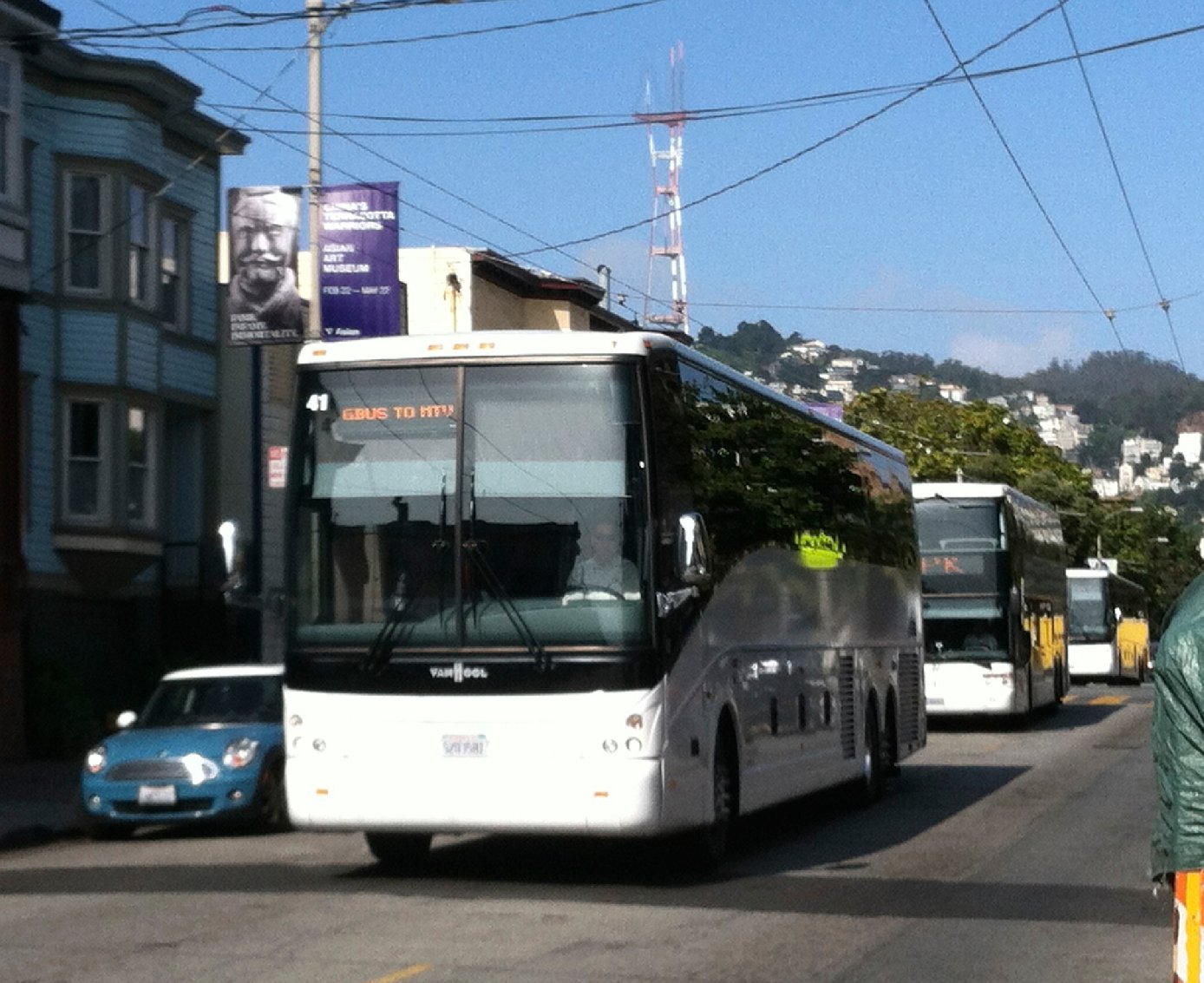
"caption": "A private shuttle bus passes through San Francisco's Mission District. (David Gartner/Flickr)",
"description": null,
"title": "RS5753_TechBuses20130722-lpr",
"credit": null,
"status": "inherit",
"isLoading": false,
"fetchFailed": false
},
"news_130232": {
"type": "attachments",
"id": "news_130232",
"meta": {
"index": "attachments_1716263798",
"site": "news",
"id": "130232",
"found": true
},
"parent": 130126,
"imgSizes": {
"kqedFullSize": {
"file": "https://ww2.kqed.org/app/uploads/sites/10/2014/03/bird_photo-e1395693576460.jpg",
"width": 640,
"height": 480
}
},
"publishDate": 1395693428,
"modified": 1395693428,
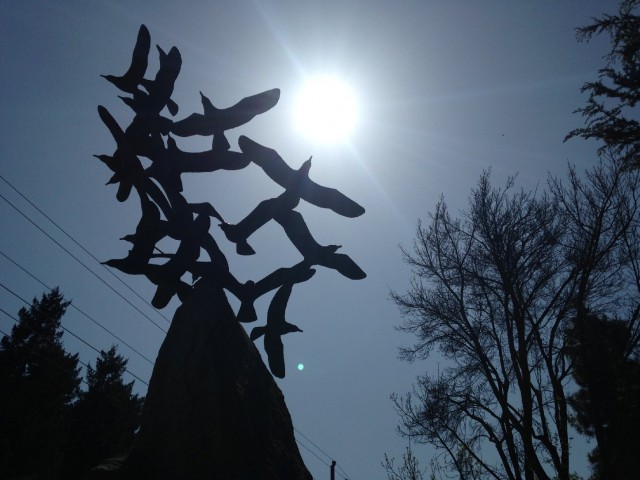
"caption": "Bird statue at Google headquarters in Mountainview. (Samantha Clark/KQED)",
"description": null,
"title": "bird_photo",
"credit": null,
"status": "inherit",
"isLoading": false,
"fetchFailed": false
},
"science_15579": {
"type": "attachments",
"id": "science_15579",
"meta": {
"index": "attachments_1716263798",
"site": "science",
"id": "15579",
"found": true
},
"parent": 15578,
"imgSizes": {
"kqedFullSize": {
"file": "https://ww2.kqed.org/app/uploads/sites/35/2014/03/Apollo-7-astronauts.jpg",
"width": 640,
"height": 360
}
},
"publishDate": 1395359653,
"modified": 1395359653,
"caption": "The Apollo 7 crew, from left to right: Command Module pilot, Don F. Eisele, Commander, Walter M. Schirra Jr. and Lunar Module pilot, Walter Cunningham. (NASA)",
"description": null,
"title": "Apollo 7 astronauts",
"credit": null,
"status": "inherit",
"isLoading": false,
"fetchFailed": false
},
"news_130085": {
"type": "attachments",
"id": "news_130085",
"meta": {
"index": "attachments_1716263798",
"site": "news",
"id": "130085",
"found": true
},
"parent": 130084,
"imgSizes": {
"kqedFullSize": {
"file": "https://ww2.kqed.org/app/uploads/sites/10/2014/03/Dinosaur.jpg",
"width": 1280,
"height": 900
}
},
"publishDate": 1395430356,
"modified": 1395430356,
"caption": null,
"description": null,
"title": "Dinosaur",
"credit": null,
"status": "inherit",
"isLoading": false,
"fetchFailed": false
},
"news_130018": {
"type": "attachments",
"id": "news_130018",
"meta": {
"index": "attachments_1716263798",
"site": "news",
"id": "130018",
"found": true
},
"parent": 129999,
"imgSizes": {
"kqedFullSize": {
"file": "https://ww2.kqed.org/app/uploads/sites/10/2014/03/RS9195_Alonzo-Mendoza-port.jpg",
"width": 1536,
"height": 1024
}
},
"publishDate": 1395352975,
"modified": 1395352975,
"caption": null,
"description": null,
"title": "RS9195_Alonzo Mendoza port",
"credit": null,
"status": "inherit",
"isLoading": false,
"fetchFailed": false
},
"news_129963": {
"type": "attachments",
"id": "news_129963",
"meta": {
"index": "attachments_1716263798",
"site": "news",
"id": "129963",
"found": true
},
"parent": 129948,
"imgSizes": {
"kqedFullSize": {
"file": "https://ww2.kqed.org/app/uploads/sites/10/2014/03/photo.jpg",
"width": 1448,
"height": 1086
}
},
"publishDate": 1395279438,
"modified": 1395279438,
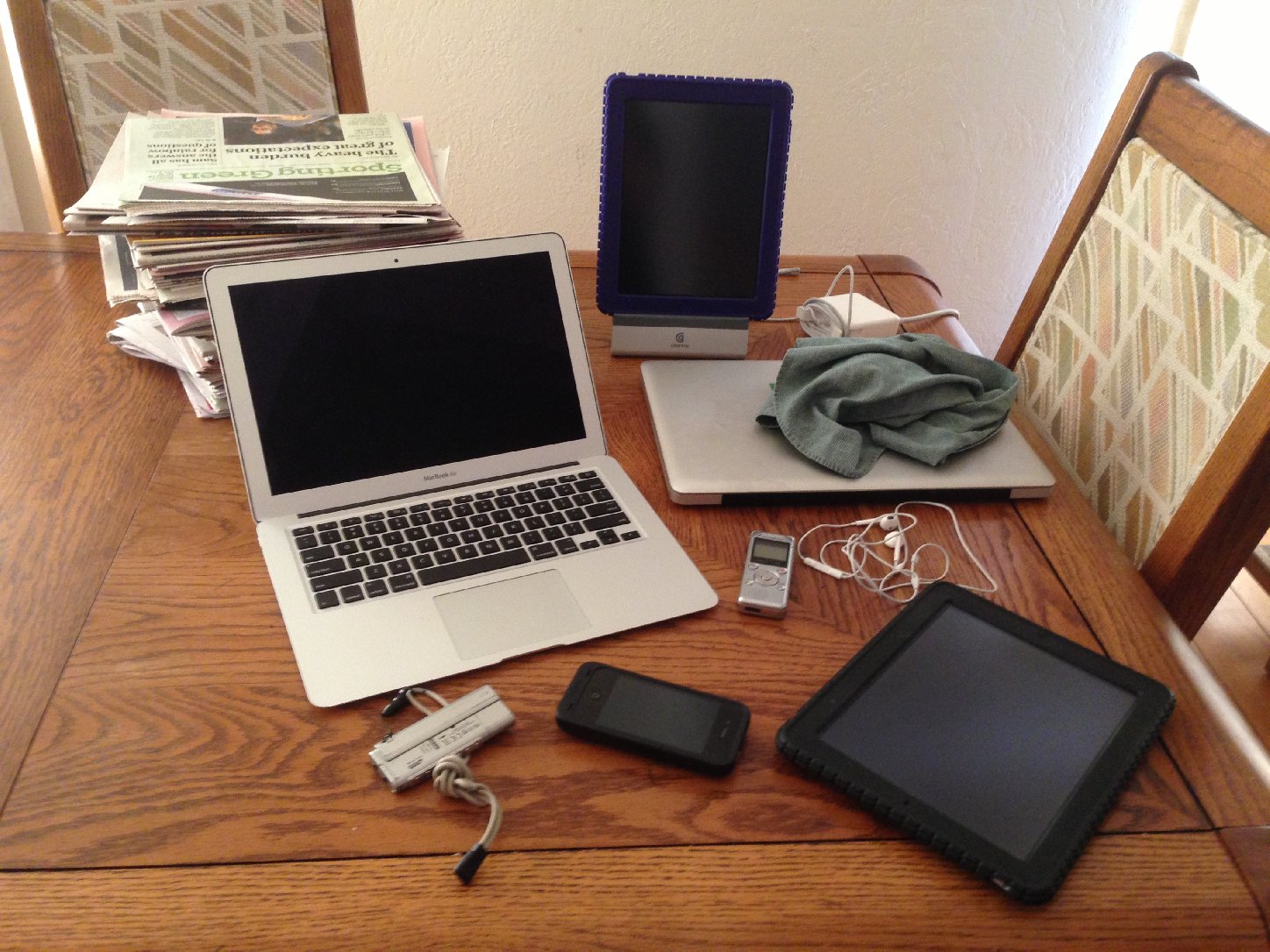
"caption": "These kinds of devices are the kinds of things that can easily lead to an EDI, otherwise known as an electronic display of insensitivity. (Patricia Yollin/KQED)",
"description": null,
"title": "Digital Divisiveness",
"credit": null,
"status": "inherit",
"isLoading": false,
"fetchFailed": false
},
"news_129681": {
"type": "attachments",
"id": "news_129681",
"meta": {
"index": "attachments_1716263798",
"site": "news",
"id": "129681",
"found": true
},
"parent": 129679,
"imgSizes": {
"kqedFullSize": {
"file": "https://ww2.kqed.org/app/uploads/sites/10/2014/03/RS9079_DSC_9671-lpr.jpg",
"width": 1537,
"height": 1023
}
},
"publishDate": 1395098577,
"modified": 1395098577,
"caption": "Bryon Muccular and Matthew Jones work at the Black Male Achievement hackathon in Oakland, Calif. (Jeremy Raff/KQED)",
"description": "Bryon Muccular and Matthew Jones work at the Black Male Achievement hackathon in Oakland, Calif. (Jeremy Raff/KQED)",
"title": "RS9079_DSC_9671-lpr",
"credit": null,
"status": "inherit",
"isLoading": false,
"fetchFailed": false
}
},
"audioPlayerReducer": {
"postId": "stream_live",
"isPaused": true,
"isPlaying": false,
"pfsActive": false,
"pledgeModalIsOpen": true,
"playerDrawerIsOpen": false,
"liveAudioPlayStartedAt": 0,
"liveAudioPlayContext": ""
},
"authorsReducer": {
"jbrooks": {
"type": "authors",
"id": "80",
"meta": {
"index": "authors_1716337520",
"id": "80",
"found": true
},
"name": "Jon Brooks",
"firstName": "Jon",
"lastName": "Brooks",
"slug": "jbrooks",
"email": "jbrooks@kqed.org",
"display_author_email": true,
"staff_mastheads": [
"science"
],
"title": "Digital Editor",
"bio": "Jon Brooks is a former Digital Editor for KQED Science. He is the former editor of KQED’s daily news blog, News Fix. In 2014, he won a California Journalism Award for his coverage of ride services like Uber and Lyft and the taxi industry. A veteran blogger, he previously worked for Yahoo! in various news writing and editing roles. Jon is also a playwright whose work has been produced in San Francisco, New York, Italy, and around the U.S. He has written about film for his own blog and studied film at Boston University.",
"avatar": "https://secure.gravatar.com/avatar/98887f7ed1c876ed414d4c915e969584?s=600&d=blank&r=g",
"twitter": "jbrooksfoy",
"facebook": null,
"instagram": null,
"linkedin": null,
"sites": [
{
"site": "arts",
"roles": [
"Contributor",
"editor"
]
},
{
"site": "news",
"roles": [
"author"
]
},
{
"site": "futureofyou",
"roles": [
"administrator"
]
},
{
"site": "mindshift",
"roles": [
"editor"
]
},
{
"site": "stateofhealth",
"roles": [
"editor"
]
},
{
"site": "science",
"roles": [
"administrator"
]
},
{
"site": "quest",
"roles": [
"editor"
]
}
],
"headData": {
"title": "Jon Brooks | KQED",
"description": "Digital Editor",
"ogImgSrc": "https://secure.gravatar.com/avatar/98887f7ed1c876ed414d4c915e969584?s=600&d=blank&r=g",
"twImgSrc": "https://secure.gravatar.com/avatar/98887f7ed1c876ed414d4c915e969584?s=600&d=blank&r=g"
},
"isLoading": false,
"link": "/author/jbrooks"
},
"amystanden": {
"type": "authors",
"id": "210",
"meta": {
"index": "authors_1716337520",
"id": "210",
"found": true
},
"name": "Amy Standen",
"firstName": "Amy",
"lastName": "Standen",
"slug": "amystanden",
"email": "astanden@kqed.org",
"display_author_email": false,
"staff_mastheads": [],
"title": "KQED Contributor",
"bio": "Amy Standen (@amystanden) is co-host of #\u003ca href=\"https://ww2.kqed.org/news/programs/the-leap\">TheLeapPodcast\u003c/a> (subscribe on iTunes or Stitcher!) and host of KQED and PBSDigital Studios' science video series, \u003ca href=\"https://www.youtube.com/user/KQEDDeepLook\">Deep Look\u003c/a>. Her science radio stories appear on KQED and NPR.\r\n\r\nEmail her at astanden@kqed.org",
"avatar": "https://secure.gravatar.com/avatar/3d021b72de685a788b0487b059d0a6a1?s=600&d=blank&r=g",
"twitter": null,
"facebook": null,
"instagram": null,
"linkedin": null,
"sites": [
{
"site": "news",
"roles": [
"subscriber"
]
},
{
"site": "futureofyou",
"roles": [
"subscriber"
]
},
{
"site": "stateofhealth",
"roles": [
"subscriber"
]
},
{
"site": "science",
"roles": []
},
{
"site": "quest",
"roles": [
"subscriber"
]
}
],
"headData": {
"title": "Amy Standen | KQED",
"description": "KQED Contributor",
"ogImgSrc": "https://secure.gravatar.com/avatar/3d021b72de685a788b0487b059d0a6a1?s=600&d=blank&r=g",
"twImgSrc": "https://secure.gravatar.com/avatar/3d021b72de685a788b0487b059d0a6a1?s=600&d=blank&r=g"
},
"isLoading": false,
"link": "/author/amystanden"
},
"anatintocalis": {
"type": "authors",
"id": "211",
"meta": {
"index": "authors_1716337520",
"id": "211",
"found": true
},
"name": "Ana Tintocalis",
"firstName": "Ana",
"lastName": "Tintocalis",
"slug": "anatintocalis",
"email": "atintocalis@kqed.org",
"display_author_email": false,
"staff_mastheads": [],
"title": null,
"bio": null,
"avatar": "https://secure.gravatar.com/avatar/722c50f51f04eff38fa0e5a3f1d29450?s=600&d=blank&r=g",
"twitter": null,
"facebook": null,
"instagram": null,
"linkedin": null,
"sites": [
{
"site": "news",
"roles": [
"subscriber"
]
},
{
"site": "stateofhealth",
"roles": [
"subscriber"
]
}
],
"headData": {
"title": "Ana Tintocalis | KQED",
"description": null,
"ogImgSrc": "https://secure.gravatar.com/avatar/722c50f51f04eff38fa0e5a3f1d29450?s=600&d=blank&r=g",
"twImgSrc": "https://secure.gravatar.com/avatar/722c50f51f04eff38fa0e5a3f1d29450?s=600&d=blank&r=g"
},
"isLoading": false,
"link": "/author/anatintocalis"
},
"davidweir": {
"type": "authors",
"id": "223",
"meta": {
"index": "authors_1716337520",
"id": "223",
"found": true
},
"name": "David Weir",
"firstName": "David",
"lastName": "Weir",
"slug": "davidweir",
"email": "dweir@kqed.org",
"display_author_email": false,
"staff_mastheads": [],
"title": "KQED Contributor",
"bio": "David Weir is KQED's senior editor for digital news. He previously worked at \u003cem>Rolling Stone,\u003c/em> Salon, Wired Digital, Excite@Home,\u003cem> Mother Jones,\u003c/em> and as a co-founder and executive director of the Center for Investigative Reporting.\r\n\r\nOver the past 40 years, he and his teams have won dozens of awards, including a National Magazine Award, an IRE Award and a Webby. He has authored or co-authored four books, including (with Mark Schapiro) \u003cem>Circle of Poison.\u003c/em>\r\n\r\nHe has a ba\u003cspan class=\"example\">chelor's degree\u003c/span> in journalism from the University of Michigan, and has taught journalism at the University of California at Berkeley, Stanford and San Francisco State.",
"avatar": "https://secure.gravatar.com/avatar/c6642c16c4d2d2de5e6f067edf92b9c8?s=600&d=blank&r=g",
"twitter": null,
"facebook": null,
"instagram": null,
"linkedin": null,
"sites": [
{
"site": "arts",
"roles": [
"editor"
]
},
{
"site": "news",
"roles": [
"subscriber"
]
},
{
"site": "lowdown",
"roles": [
"editor"
]
},
{
"site": "stateofhealth",
"roles": [
"administrator"
]
},
{
"site": "science",
"roles": [
"editor"
]
}
],
"headData": {
"title": "David Weir | KQED",
"description": "KQED Contributor",
"ogImgSrc": "https://secure.gravatar.com/avatar/c6642c16c4d2d2de5e6f067edf92b9c8?s=600&d=blank&r=g",
"twImgSrc": "https://secure.gravatar.com/avatar/c6642c16c4d2d2de5e6f067edf92b9c8?s=600&d=blank&r=g"
},
"isLoading": false,
"link": "/author/davidweir"
},
"jeremyraff": {
"type": "authors",
"id": "230",
"meta": {
"index": "authors_1716337520",
"id": "230",
"found": true
},
"name": "Jeremy Raff",
"firstName": "Jeremy",
"lastName": "Raff",
"slug": "jeremyraff",
"email": "jeremyraff@gmail.com",
"display_author_email": false,
"staff_mastheads": [],
"title": null,
"bio": "Jeremy Raff is a multimedia producer interested in migration, rural change, and health disparities. He produces KQED's community health series\u003ca href=\"http://blogs.kqed.org/stateofhealth/series/vital-signs/\" target=\"_blank\" rel=\"noopener\"> Vital Signs\u003c/a>. Reach him at jraff@kqed.org",
"avatar": "https://secure.gravatar.com/avatar/1444299e18b67b815fbbdc87a85e7dff?s=600&d=blank&r=g",
"twitter": null,
"facebook": null,
"instagram": null,
"linkedin": null,
"sites": [
{
"site": "news",
"roles": [
"subscriber"
]
},
{
"site": "stateofhealth",
"roles": [
"subscriber"
]
}
],
"headData": {
"title": "Jeremy Raff | KQED",
"description": null,
"ogImgSrc": "https://secure.gravatar.com/avatar/1444299e18b67b815fbbdc87a85e7dff?s=600&d=blank&r=g",
"twImgSrc": "https://secure.gravatar.com/avatar/1444299e18b67b815fbbdc87a85e7dff?s=600&d=blank&r=g"
},
"isLoading": false,
"link": "/author/jeremyraff"
},
"katrinaschwartz": {
"type": "authors",
"id": "234",
"meta": {
"index": "authors_1716337520",
"id": "234",
"found": true
},
"name": "Katrina Schwartz",
"firstName": "Katrina",
"lastName": "Schwartz",
"slug": "katrinaschwartz",
"email": "kschwartz@kqed.org",
"display_author_email": false,
"staff_mastheads": [
"news"
],
"title": "Producer",
"bio": "Katrina Schwartz is a journalist based in San Francisco. She's worked at KPCC public radio in LA and has reported on air and online for KQED since 2010. She covered how teaching and learning is changing for MindShift between 2012 and 2020. She is the co-host of the MindShift podcast and now produces KQED's Bay Curious podcast.",
"avatar": "https://secure.gravatar.com/avatar/edb4ee79070447a018538c9aae6eeecf28786515b8a0c30e43b6b7dce5aa44c8?s=600&d=blank&r=g",
"twitter": "kschwart",
"bluesky": null,
"facebook": null,
"instagram": null,
"linkedin": null,
"sites": [
{
"site": "",
"roles": [
"editor"
]
},
{
"site": "news",
"roles": [
"editor"
]
},
{
"site": "mindshift",
"roles": [
"administrator"
]
},
{
"site": "stateofhealth",
"roles": [
"author"
]
},
{
"site": "science",
"roles": [
"editor"
]
}
],
"headData": {
"title": "Katrina Schwartz | KQED",
"description": "Producer",
"ogImgSrc": "https://secure.gravatar.com/avatar/edb4ee79070447a018538c9aae6eeecf28786515b8a0c30e43b6b7dce5aa44c8?s=600&d=blank&r=g",
"twImgSrc": "https://secure.gravatar.com/avatar/edb4ee79070447a018538c9aae6eeecf28786515b8a0c30e43b6b7dce5aa44c8?s=600&d=blank&r=g"
},
"isLoading": false,
"link": "/author/katrinaschwartz"
},
"kqed": {
"type": "authors",
"id": "236",
"meta": {
"index": "authors_1716337520",
"id": "236",
"found": true
},
"name": "KQED News Staff",
"firstName": "KQED News Staff",
"lastName": null,
"slug": "kqed",
"email": "faq@kqed.org",
"display_author_email": false,
"staff_mastheads": [],
"title": null,
"bio": null,
"avatar": "https://secure.gravatar.com/avatar/ef0e801a68c4c54afa9180db14084167?s=600&d=blank&r=g",
"twitter": null,
"facebook": null,
"instagram": null,
"linkedin": null,
"sites": [
{
"site": "arts",
"roles": [
"contributor"
]
},
{
"site": "news",
"roles": [
"editor"
]
},
{
"site": "futureofyou",
"roles": [
"author"
]
}
],
"headData": {
"title": "KQED News Staff | KQED",
"description": null,
"ogImgSrc": "https://secure.gravatar.com/avatar/ef0e801a68c4c54afa9180db14084167?s=600&d=blank&r=g",
"twImgSrc": "https://secure.gravatar.com/avatar/ef0e801a68c4c54afa9180db14084167?s=600&d=blank&r=g"
},
"isLoading": false,
"link": "/author/kqed"
},
"kqednewsstaffandwires": {
"type": "authors",
"id": "237",
"meta": {
"index": "authors_1716337520",
"id": "237",
"found": true
},
"name": "KQED News Staff and Wires",
"firstName": "KQED News Staff and Wires",
"lastName": null,
"slug": "kqednewsstaffandwires",
"email": "onlinenewsstaff@kqed.org",
"display_author_email": false,
"staff_mastheads": [],
"title": null,
"bio": null,
"avatar": "https://secure.gravatar.com/avatar/72295af8ebbfbd19a4948f5271285664?s=600&d=blank&r=g",
"twitter": null,
"facebook": null,
"instagram": null,
"linkedin": null,
"sites": [
{
"site": "arts",
"roles": [
"contributor"
]
},
{
"site": "news",
"roles": [
"contributor"
]
},
{
"site": "lowdown",
"roles": [
"author"
]
},
{
"site": "stateofhealth",
"roles": [
"contributor"
]
},
{
"site": "food",
"roles": [
"author"
]
}
],
"headData": {
"title": "KQED News Staff and Wires | KQED",
"description": null,
"ogImgSrc": "https://secure.gravatar.com/avatar/72295af8ebbfbd19a4948f5271285664?s=600&d=blank&r=g",
"twImgSrc": "https://secure.gravatar.com/avatar/72295af8ebbfbd19a4948f5271285664?s=600&d=blank&r=g"
},
"isLoading": false,
"link": "/author/kqednewsstaffandwires"
},
"mlam": {
"type": "authors",
"id": "244",
"meta": {
"index": "authors_1716337520",
"id": "244",
"found": true
},
"name": "Monica Lam",
"firstName": "Monica Z.",
"lastName": "Lam",
"slug": "mlam",
"email": "mlam@kqed.org",
"display_author_email": true,
"staff_mastheads": [
"news"
],
"title": "KQED Senior Producer",
"bio": "Monica is senior producer of the weekly current affairs program, \"KQED Newsroom.\" She's also served as senior editor of digital content at KQED. She likes to report and edit as well as produce video and take photos.\r\n\r\nBefore joining KQED, Monica worked at the Center for Investigative Reporting, where she examined conditions inside \u003cspan style=\"font-weight: 400;\">maximum security \u003c/span>prisons and abuse in state-run institutions for the developmentally disabled. Prior to that, she produced and directed \u003cem>Journey of the Bonesetter's Daughter,\u003c/em> a documentary that follows novelist Amy Tan as she creates an opera based on her family history.\r\n\r\nMonica's work has been honored with a duPont Award, five Emmys, regional and national Murrow Awards, and has been recognized by Investigative Reporters and Editors, the Society of Professional Journalists, Religion Newswriters Association and the San Francisco Peninsula Press Club. Monica studied urban studies at Stanford University and earned a master's in journalism at University of California at Berkeley. Follow her on twitter: @monicazlam",
"avatar": "https://secure.gravatar.com/avatar/018c474b2b71f43e0e6ca9b15a0ad36f?s=600&d=blank&r=g",
"twitter": "@monicazlam",
"facebook": null,
"instagram": null,
"linkedin": null,
"sites": [
{
"site": "arts",
"roles": [
"administrator"
]
},
{
"site": "news",
"roles": [
"editor"
]
},
{
"site": "trulyca",
"roles": [
"editor"
]
},
{
"site": "science",
"roles": [
"editor"
]
},
{
"site": "breakingnews",
"roles": [
"editor"
]
}
],
"headData": {
"title": "Monica Lam | KQED",
"description": "KQED Senior Producer",
"ogImgSrc": "https://secure.gravatar.com/avatar/018c474b2b71f43e0e6ca9b15a0ad36f?s=600&d=blank&r=g",
"twImgSrc": "https://secure.gravatar.com/avatar/018c474b2b71f43e0e6ca9b15a0ad36f?s=600&d=blank&r=g"
},
"isLoading": false,
"link": "/author/mlam"
},
"patyollin": {
"type": "authors",
"id": "247",
"meta": {
"index": "authors_1716337520",
"id": "247",
"found": true
},
"name": "Patricia Yollin",
"firstName": "Patricia",
"lastName": "Yollin",
"slug": "patyollin",
"email": "pyollin@kqed.org",
"display_author_email": false,
"staff_mastheads": [],
"title": "KQED Contributor",
"bio": "Pat Yollin has written about lots of stuff, including organ transplants, wayward penguins at the San Francisco Zoo, the comeback of the cream puff, New York on the fifth anniversary of 9/11, a Slow Food gathering in Italy, and the microcredit movement in Northern California. Among her favorite stories: an interview with George Lucas at Skywalker Ranch that broke the story about his plan to build a cultural museum, and a pirate Trader Joe's operation in Vancouver that prompted the grocery chain to sue -- and lose. She joined KQED in 2013 and was previously a reporter and editor at the San Francisco Chronicle, the Hearst-owned San Francisco Examiner and the Hayward Daily Review.",
"avatar": "https://secure.gravatar.com/avatar/0a18ac41a263665c04b25b2c7d6b817c?s=600&d=blank&r=g",
"twitter": null,
"facebook": null,
"instagram": null,
"linkedin": null,
"sites": [
{
"site": "arts",
"roles": [
"subscriber"
]
},
{
"site": "news",
"roles": [
"subscriber"
]
},
{
"site": "futureofyou",
"roles": [
"editor"
]
},
{
"site": "lowdown",
"roles": [
"editor"
]
},
{
"site": "stateofhealth",
"roles": [
"editor"
]
}
],
"headData": {
"title": "Patricia Yollin | KQED",
"description": "KQED Contributor",
"ogImgSrc": "https://secure.gravatar.com/avatar/0a18ac41a263665c04b25b2c7d6b817c?s=600&d=blank&r=g",
"twImgSrc": "https://secure.gravatar.com/avatar/0a18ac41a263665c04b25b2c7d6b817c?s=600&d=blank&r=g"
},
"isLoading": false,
"link": "/author/patyollin"
},
"rachael-myrow": {
"type": "authors",
"id": "251",
"meta": {
"index": "authors_1716337520",
"id": "251",
"found": true
},
"name": "Rachael Myrow",
"firstName": "Rachael",
"lastName": "Myrow",
"slug": "rachael-myrow",
"email": "rmyrow@kqed.org",
"display_author_email": true,
"staff_mastheads": [
"news"
],
"title": "Senior Editor of KQED's Silicon Valley News Desk",
"bio": "• I write and edit stories about how Silicon Valley power and policies shape everyday life in California. I’m also passionate about making Bay Area history and culture more accessible to a broad public. • I’ve been a journalist for most of my life, starting in high school with The Franklin Press in Los Angeles, where I grew up. While earning my first degree in English at UC Berkeley, I got my start in public radio at KALX-FM. After completing a second degree in journalism at Cal, I landed my first professional job at Marketplace, then moved on to KPCC (now LAist), and then KQED, where I hosted The California Report for more than seven years. • My reporting has appeared on NPR, The World, WBUR’s \u003ci>Here & Now\u003c/i>, and the BBC. I also guest host for KQED’s \u003ci>Forum\u003c/i>, as well as the Commonwealth Club in San Francisco. • I speak periodically on media, democracy and technology issues, and do voiceover work for documentaries and educational video projects. • Outside of the studio, you'll find me hiking Bay Area trails and whipping up Insta-ready meals in my kitchen. • I do not accept gifts, money, or favors from anyone connected to my reporting, I don't pay people for information, and I do not support or donate to political causes. • I strive to treat the people I report on with fairness, honesty, and respect. I also recognize there are often multiple sides to a story and work to verify information through multiple sources and documentation. If I get something wrong, I correct it.",
"avatar": "https://secure.gravatar.com/avatar/3ed8a3c5f26025e4a805ba634cda8cd764906b97438a6d9ce216b044e340da4e?s=600&d=blank&r=g",
"twitter": "rachaelmyrow",
"bluesky": null,
"facebook": null,
"instagram": null,
"linkedin": "https://www.linkedin.com/in/rachaelmyrow/",
"sites": [
{
"site": "arts",
"roles": [
"administrator"
]
},
{
"site": "news",
"roles": [
"edit_others_posts",
"editor"
]
},
{
"site": "futureofyou",
"roles": [
"editor"
]
},
{
"site": "bayareabites",
"roles": [
"editor"
]
},
{
"site": "stateofhealth",
"roles": [
"editor"
]
},
{
"site": "science",
"roles": [
"editor"
]
},
{
"site": "food",
"roles": [
"editor"
]
},
{
"site": "forum",
"roles": [
"editor"
]
},
{
"site": "liveblog",
"roles": [
"author"
]
}
],
"headData": {
"title": "Rachael Myrow | KQED",
"description": "Senior Editor of KQED's Silicon Valley News Desk",
"ogImgSrc": "https://secure.gravatar.com/avatar/3ed8a3c5f26025e4a805ba634cda8cd764906b97438a6d9ce216b044e340da4e?s=600&d=blank&r=g",
"twImgSrc": "https://secure.gravatar.com/avatar/3ed8a3c5f26025e4a805ba634cda8cd764906b97438a6d9ce216b044e340da4e?s=600&d=blank&r=g"
},
"isLoading": false,
"link": "/author/rachael-myrow"
},
"kdomara": {
"type": "authors",
"id": "1459",
"meta": {
"index": "authors_1716337520",
"id": "1459",
"found": true
},
"name": "Kelly O'Mara",
"firstName": "Kelly",
"lastName": "O'Mara",
"slug": "kdomara",
"email": "komara@kqed.org",
"display_author_email": false,
"staff_mastheads": [
"news"
],
"title": "KQED Contributor",
"bio": "Kelly O'Mara is a writer and reporter in the San Francisco Bay Area. She writes about food, health, sports, travel, business and California news. Her work has appeared on KQED, online for Outside Magazine, epsnW, VICE and in Competitor Magazine, among others. Follow Kelly on Twitter \u003ca href=\"https://twitter.com/kellydomara\">@kellydomara\u003c/a>.",
"avatar": "https://secure.gravatar.com/avatar/768fec7412028b72f13bdd0f5f9d8186?s=600&d=blank&r=g",
"twitter": null,
"facebook": null,
"instagram": null,
"linkedin": null,
"sites": [
{
"site": "arts",
"roles": []
},
{
"site": "news",
"roles": []
},
{
"site": "bayareabites",
"roles": []
},
{
"site": "stateofhealth",
"roles": []
},
{
"site": "science",
"roles": []
},
{
"site": "checkplease",
"roles": [
"editor"
]
},
{
"site": "food",
"roles": []
},
{
"site": "forum",
"roles": [
"editor"
]
},
{
"site": "liveblog",
"roles": [
"editor"
]
}
],
"headData": {
"title": "Kelly O'Mara | KQED",
"description": "KQED Contributor",
"ogImgSrc": "https://secure.gravatar.com/avatar/768fec7412028b72f13bdd0f5f9d8186?s=600&d=blank&r=g",
"twImgSrc": "https://secure.gravatar.com/avatar/768fec7412028b72f13bdd0f5f9d8186?s=600&d=blank&r=g"
},
"isLoading": false,
"link": "/author/kdomara"
}
},
"pagesReducer": {
"news_category_technology": {
"type": "terms",
"id": "news_248",
"meta": {
"index": "terms_1716263798",
"site": "news",
"id": "248",
"score": 10.931152
},
"featImg": null,
"name": "Technology",
"description": null,
"taxonomy": "category",
"headData": {
"twImgId": null,
"twTitle": null,
"ogTitle": null,
"ogImgId": null,
"twDescription": null,
"description": null,
"title": "Technology Archives | KQED News",
"ogDescription": null
},
"ttid": 256,
"slug": "technology",
"isLoading": false,
"title": "Technology",
"pageMeta": {
"site": "news",
"WpPageTemplate": "page-topic-editorial",
"currentPage": 156
},
"blocks": [
{
"blockName": "kqed/post-list",
"attrs": {
"layout": "cardArticle2",
"query": "posts/news?category=technology",
"seeMore": false,
"paginated": true,
"page": 156
}
},
{
"blockName": "kqed/ad"
}
]
}
},
"pfsSessionReducer": {},
"postsReducer": {
"stream_live": {
"type": "live",
"id": "stream_live",
"audioUrl": "https://streams.kqed.org/kqedradio",
"title": "Live Stream",
"excerpt": "Live Stream information currently unavailable.",
"link": "/radio",
"featImg": "",
"label": {
"name": "KQED Live",
"link": "/"
}
},
"stream_kqedNewscast": {
"type": "posts",
"id": "stream_kqedNewscast",
"audioUrl": "https://www.kqed.org/.stream/anon/radio/RDnews/newscast.mp3?_=1",
"title": "KQED Newscast",
"featImg": "",
"label": {
"name": "88.5 FM",
"link": "/"
}
},
"news_131406": {
"type": "posts",
"id": "news_131406",
"meta": {
"index": "posts_1716263798",
"site": "news",
"id": "131406",
"score": null,
"sort": [
1396474763000
]
},
"parent": 0,
"labelTerm": {
"site": "news",
"term": 6944
},
"blocks": [],
"publishDate": 1396474763,
"format": "aside",
"disqusTitle": "Protesters Block Yahoo Shuttle at MacArthur BART Station",
"title": "Protesters Block Yahoo Shuttle at MacArthur BART Station",
"headTitle": "News Fix | KQED News",
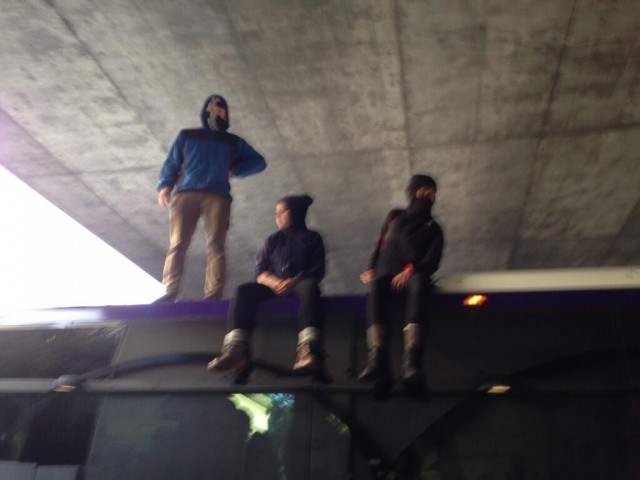
"content": "\u003cfigure id=\"attachment_131417\" class=\"wp-caption alignleft\" style=\"max-width: 367px\">\u003cimg class=\"size-full wp-image-131417\" src=\"http://ww2.kqed.org/news/wp-content/uploads/sites/10/2014/04/yhoobus.jpg\" alt=\"Protesters on top of a Yahoo bus Wednesday. (Defend the Bay)\" width=\"367\" height=\"367\">\u003cfigcaption class=\"wp-caption-text\">Protesters on top of a Yahoo bus Wednesday. (Defend the Bay)\u003c/figcaption>\u003c/figure>\n\u003cp>Today in tech-shuttle protesting: Oakland.\u003c/p>\n\u003cp>Bay City News says BART police responded to reports around 7:30 a.m. of dozens of protesters blocking buses at Oakland's MacArthur BART station. The group dispersed peacefully, according to police.\u003c/p>\n\u003cp>The Chronicle posted \u003ca href=\"http://blog.sfgate.com/techchron/2014/04/02/protesters-block-vomit-on-yahoo-bus-in-oakland/\" target=\"_blank\">this account\u003c/a> with photos of an unfurled banner in front of a Yahoo bus. The banner says: \"Capital is the driver, gentrification is the vehicle, techies on the bus.\"\u003c/p>\n\u003cp>The report says the windshield of the bus may have been vomited on -- here's a \u003ca href=\"https://twitter.com/revscript/status/451380896076029953/photo/1\" target=\"_blank\">photo\u003c/a> if you feel inclined to examine the evidence. The Chron says an Apple bus may have been targeted as well.\u003c/p>\n\u003cp>\u003ca href=\"http://www.indybay.org/newsitems/2014/04/02/18753431.php\" target=\"_blank\">More photos at Indybay\u003c/a>.\u003c/p>\n\u003cp>[ad fullwidth]\u003c/p>\n\u003cp>According to Bay City News, organizers said today's protest was part of a \"Defend the Bay Area\" week of actions scheduled to last through Saturday.\u003c/p>\n\u003cp>Yesterday, protesters blocked a Google shuttle bus in San Francisco's Mission District. That didn't stop the San Francisco Board of Supervisors from \u003ca href=\"http://ww2.kqed.org/news/2014/04/01/google-bus-San-Francisco-Supervisors/\" target=\"_blank\">voting last night to go ahead with a program\u003c/a> that would allow private shuttles to pay for permission to use city bus stops -- but only at $1 a stop per day.\u003c/p>\n\u003cp>The vote was 8-2, with supervisors David Campos and John Avalos voting to oppose rejecting the appeal. Opponents are considering filing a lawsuit over the pilot program.\u003c/p>\n\u003cp>\u003c/p>\n\u003cp>\u003cem>Bryan Goebel contributed to this report.\u003c/em>\u003c/p>\n\n",
"disqusIdentifier": "131406 http://ww2.kqed.org/news/?p=131406",
"disqusUrl": "https://ww2.kqed.org/news/2014/04/02/protesters-block-yahoo-shuttle-at-macarthur-bart-station/",
"stats": {
"hasVideo": false,
"hasChartOrMap": false,
"hasAudio": false,
"hasPolis": false,
"wordCount": 241,
"hasGoogleForm": false,
"hasGallery": false,
"hasHearkenModule": false,
"iframeSrcs": [],
"paragraphCount": 11
},
"modified": 1396478927,
"excerpt": "The latest in a series of demonstrations against tech buses.",
"headData": {
"twImgId": "",
"twTitle": "",
"ogTitle": "",
"ogImgId": "",
"twDescription": "",
"description": "The latest in a series of demonstrations against tech buses.",
"title": "Protesters Block Yahoo Shuttle at MacArthur BART Station | KQED",
"ogDescription": "",
"schema": {
"@context": "https://schema.org",
"@type": "NewsArticle",
"headline": "Protesters Block Yahoo Shuttle at MacArthur BART Station",
"datePublished": "2014-04-02T14:39:23-07:00",
"dateModified": "2014-04-02T15:48:47-07:00",
"image": "https://cdn.kqed.org/wp-content/uploads/2020/02/KQED-OG-Image@1x.png",
"isAccessibleForFree": "True",
"publisher": {
"@type": "NewsMediaOrganization",
"@id": "https://www.kqed.org/#organization",
"name": "KQED",
"logo": "https://cdn.kqed.org/wp-content/uploads/2020/02/KQED-OG-Image@1x.png",
"url": "https://www.kqed.org",
"sameAs": [
"https://www.facebook.com/KQED",
"https://twitter.com/KQED",
"https://www.instagram.com/kqed/",
"https://www.tiktok.com/@kqedofficial",
"https://www.linkedin.com/company/kqed",
"https://www.youtube.com/channel/UCeC0IOo7i1P_61zVUWbJ4nw"
]
}
}
},
"guestAuthors": [],
"slug": "protesters-block-yahoo-shuttle-at-macarthur-bart-station",
"status": "publish",
"customPermalink": "2014/04/02/oakland-tech-bus-protest/",
"path": "/news/131406/protesters-block-yahoo-shuttle-at-macarthur-bart-station",
"audioTrackLength": null,
"parsedContent": [
{
"type": "contentString",
"content": "\u003cdiv class=\"post-body\">\u003cp>\u003cfigure id=\"attachment_131417\" class=\"wp-caption alignleft\" style=\"max-width: 367px\">\u003cimg class=\"size-full wp-image-131417\" src=\"http://ww2.kqed.org/news/wp-content/uploads/sites/10/2014/04/yhoobus.jpg\" alt=\"Protesters on top of a Yahoo bus Wednesday. (Defend the Bay)\" width=\"367\" height=\"367\">\u003cfigcaption class=\"wp-caption-text\">Protesters on top of a Yahoo bus Wednesday. (Defend the Bay)\u003c/figcaption>\u003c/figure>\n\u003cp>Today in tech-shuttle protesting: Oakland.\u003c/p>\n\u003cp>Bay City News says BART police responded to reports around 7:30 a.m. of dozens of protesters blocking buses at Oakland's MacArthur BART station. The group dispersed peacefully, according to police.\u003c/p>\n\u003cp>The Chronicle posted \u003ca href=\"http://blog.sfgate.com/techchron/2014/04/02/protesters-block-vomit-on-yahoo-bus-in-oakland/\" target=\"_blank\">this account\u003c/a> with photos of an unfurled banner in front of a Yahoo bus. The banner says: \"Capital is the driver, gentrification is the vehicle, techies on the bus.\"\u003c/p>\n\u003cp>The report says the windshield of the bus may have been vomited on -- here's a \u003ca href=\"https://twitter.com/revscript/status/451380896076029953/photo/1\" target=\"_blank\">photo\u003c/a> if you feel inclined to examine the evidence. The Chron says an Apple bus may have been targeted as well.\u003c/p>\n\u003cp>\u003ca href=\"http://www.indybay.org/newsitems/2014/04/02/18753431.php\" target=\"_blank\">More photos at Indybay\u003c/a>.\u003c/p>\n\u003cp>\u003c/p>\u003c/div>",
"attributes": {
"named": {},
"numeric": []
}
},
{
"type": "component",
"content": "",
"name": "ad",
"attributes": {
"named": {
"label": "fullwidth"
},
"numeric": [
"fullwidth"
]
}
},
{
"type": "contentString",
"content": "\u003cdiv class=\"post-body\">\u003cp>\u003c/p>\n\u003cp>According to Bay City News, organizers said today's protest was part of a \"Defend the Bay Area\" week of actions scheduled to last through Saturday.\u003c/p>\n\u003cp>Yesterday, protesters blocked a Google shuttle bus in San Francisco's Mission District. That didn't stop the San Francisco Board of Supervisors from \u003ca href=\"http://ww2.kqed.org/news/2014/04/01/google-bus-San-Francisco-Supervisors/\" target=\"_blank\">voting last night to go ahead with a program\u003c/a> that would allow private shuttles to pay for permission to use city bus stops -- but only at $1 a stop per day.\u003c/p>\n\u003cp>The vote was 8-2, with supervisors David Campos and John Avalos voting to oppose rejecting the appeal. Opponents are considering filing a lawsuit over the pilot program.\u003c/p>\n\u003cp>\u003c/p>\n\u003cp>\u003cem>Bryan Goebel contributed to this report.\u003c/em>\u003c/p>\n\n\u003c/div>\u003c/p>",
"attributes": {
"named": {},
"numeric": []
}
}
],
"link": "/news/131406/protesters-block-yahoo-shuttle-at-macarthur-bart-station",
"authors": [
"80"
],
"programs": [
"news_6944"
],
"categories": [
"news_6266",
"news_248"
],
"tags": [
"news_5384",
"news_18"
],
"featImg": "news_131424",
"label": "news_6944"
},
"news_131201": {
"type": "posts",
"id": "news_131201",
"meta": {
"index": "posts_1716263798",
"site": "news",
"id": "131201",
"score": null,
"sort": [
1396455635000
]
},
"parent": 0,
"labelTerm": {
"site": "news",
"term": 6944
},
"blocks": [],
"publishDate": 1396455635,
"format": "aside",
"disqusTitle": "San Francisco Supervisors Deny Appeal of Google Bus Law",
"title": "San Francisco Supervisors Deny Appeal of Google Bus Law",
"headTitle": "News Fix | KQED News",
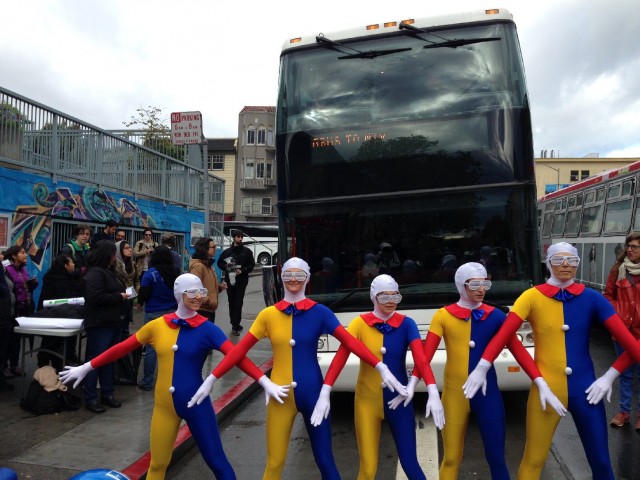
"content": "\u003cfigure id=\"attachment_131220\" class=\"wp-caption aligncenter\" style=\"max-width: 640px\">\u003cimg class=\"size-medium wp-image-131220\" src=\"http://ww2.kqed.org/news/wp-content/uploads/sites/10/2014/04/google2-640x480.jpg\" alt=\"Protesters delay a Google bus in the Mission today. (Photo by Zach Mack)\" width=\"640\" height=\"480\">\u003cfigcaption class=\"wp-caption-text\">Protesters delay a Google bus in the Mission today. (Photo by Zach Mack)\u003c/figcaption>\u003c/figure>\n\u003cp> \u003c/p>\n\u003cp>\u003cstrong>Update 2 Wednesday: \u003c/strong>In Oakland today, \u003ca href=\"http://ww2.kqed.org/news/2014/04/02/oakland-tech-bus-protest/\" target=\"_blank\">another tech bus protest\u003c/a>.\u003c/p>\n\u003cp>\u003cstrong>Update 1 Wednesday\u003c/strong>: Opponents of San Francisco's tech shuttles have \u003ca href=\"http://www.sfgate.com/bayarea/article/Appeal-targeting-S-F-tech-shuttles-shot-down-5369085.php\" target=\"_blank\">lost an environmental appeal\u003c/a> to the San Francisco Board of Supervisors.\u003c/p>\n\u003cp>Late last night, the board voted to go ahead with a program that would allow private employee shuttles to pay for permission to use city bus stops -- but only at $1 a stop per day.\u003c/p>\n\u003cp>The vote was 8-2, with supervisors David Campos and John Avalos voting to oppose rejecting the appeal.\u003c/p>\n\u003cp>[ad fullwidth]\u003c/p>\n\u003cp>Opponents' attorney Richard Drury told the board there should be an environmental review first. \"You don't approve a project and then find out what are the impacts by measuring air quality, pedestrian safety risks, after the buses are already out of the gate,\" he said.\u003c/p>\n\u003cp>Opponents are considering filing a lawsuit over the pilot program.\u003c/p>\n\u003cp>The bus controversy is so intense that master's candidates have been doing their theses on it. Here's one from a UC Berkeley student called \"\u003ca href=\"http://svenworld.com/wp-content/uploads/2014/01/Goldman_PRFinal.pdf\" target=\"_blank\">The Google Shuttle Effect: Gentrification and San Francisco's Dot Com Boom 2.0\u003c/a>.\" And here's a more recent one from UC Berkeley called \"\u003ca href=\"http://www.danielledai.com/academic/dai-weinzimmer-shuttles.pdf\" target=\"_blank\">Riding First Class: Impacts of Silicon Valley Shuttles on Commute & Residential Location Choice\u003c/a>.\"\u003c/p>\n\u003cp>The latter asked and answered the question: \"Does the provision of shuttles and knowledge of shuttle stop locations influence commute mode and residential location choice? In short -- yes.\"\u003c/p>\n\u003cblockquote>\u003cp>The data show that nearly half of current shuttle riders would drive alone if the shuttles were not provided, supporting the positive impacts of the shuttles provided, on environmental and congestion reduction goals.\u003c/p>\n\u003cp>On the other hand, since 20% say they would use public transit were the\u003cbr>\nshuttles not available, the shuttles do have an impact on public transit ridership and finances. With regards to residential choices, the data indicate that many are choosing to live farther away from their workplace than they otherwise would. Additionally, 22% of shuttle riders have already moved farther from their jobs since accepting their offer, suggesting that shuttles enable some commuters to live in San Francisco who would otherwise live closer to work.\u003c/p>\u003c/blockquote>\n\u003cp>--Bryan Goebel and Jon Brooks\u003c/p>\n\u003cp>\u003cem>Previous post\u003c/em>\u003c/p>\n\u003cp>SAN FRANCISCO (Bay City News and KQED) -- Google \u003ca href=\"http://thenextweb.com/google/2014/03/31/round-googles-jokes-april-fools-day-2014/\" target=\"_blank\">played a lot of April Fools' Day jokes today\u003c/a>, but this wasn't one of them.\u003c/p>\n\u003cp>Protesters decked out in colorful outfits, some walking on \u003ca href=\"https://www.youtube.com/watch?v=MEfhz53rWXU\" target=\"_blank\">stilts\u003c/a>, handed out fake \"Gmuni\" passes as they blocked a Google commuter bus in the city's Mission District this morning. (\u003ca href=\"http://sanfrancisco.cbslocal.com/video?autoStart=true&topVideoCatNo=default&clipId=10007012\" target=\"_blank\">Video from KPIX here\u003c/a>.) The action was just the latest in a string of protests against the shuttle service, which to some has become the No. 1 symbol of gentrification in an \u003ca href=\"http://ww2.kqed.org/news/2014/03/27/how-much-to-afford-a-1-bedroom-apartment-in-san-francisco/\" target=\"_blank\">increasingly unaffordable San Francisco\u003c/a>.\u003c/p>\n\u003cp>The protest came ahead of a San Francisco Board of Supervisors hearing this afternoon on a pilot program to charge private shuttle buses for using public bus stops.\u003c/p>\n\u003cp>[contextly_sidebar id=\"72b4bf907427a06d75a90f0cff481c5f\"]\u003c/p>\n\u003cp>Police said they were called around 9 a.m. as a group of 20 to 30 people blocked a private shuttle bus at 24th and Valencia streets.\u003c/p>\n\u003cp>Officers told the group to disperse and the bus, apparently transporting Google workers, was able to move around 9:15 a.m., police said. No one was arrested or injured during the brief protest.\u003c/p>\n\u003cp>The \u003ca href=\"http://www.heart-of-the-city.org/\" target=\"_blank\">Heart of the City Collective\u003c/a>, which has been staging protests at tech commuter bus stops throughout the city since December 2013, said on its website that it organized today's action.\u003c/p>\n\u003cfigure id=\"attachment_131211\" class=\"wp-caption aligncenter\" style=\"max-width: 640px\">\u003cimg class=\"size-medium wp-image-131211\" src=\"http://ww2.kqed.org/news/wp-content/uploads/sites/10/2014/04/gbus11-640x480.jpg\" alt=\"(Photo by Zach Mack)\" width=\"640\" height=\"480\">\u003cfigcaption class=\"wp-caption-text\">(Photo by Zach Mack/KQED)\u003c/figcaption>\u003c/figure>\n\u003cp>In a statement on the protesters' website, the group wrote, \"Let's take back the city!\" and included a list of demands, including the halting of private shuttles from public bus zone use and making Muni free for all residents.\u003c/p>\n\u003cp>The group called for \"tech companies (to) pay for their impact on housing and public infrastructure\" and to fund affordable housing initiatives.\u003c/p>\n\u003cp>A recent phone poll by the Bay Area Council actually \u003ca href=\"http://sanfrancisco.cbslocal.com/2014/03/25/poll-finds-support-for-sfs-commuter-shuttles-and-their-regulation/\" target=\"_blank\"> showed wide support for the buses\u003c/a> in the city. \u003ca href=\"http://www.motherjones.com/blue-marble/2014/03/how-do-san-franciscans-really-feel-about-google-buses\" target=\"_blank\">Mother Jones\u003c/a> and the \u003ca href=\"http://www.sfbg.com/politics/2014/03/25/poll-says-sf-loves-tech-buses-doesnt-ask-spanish-speakers\" target=\"_blank\">Bay Guardian\u003c/a> this week questioned the objectivity and accuracy of the poll.\u003c/p>\n\u003cp>The Board of Supervisors is scheduled to hold a hearing today on an appeal of a San Francisco Municipal Transportation Agency pilot program concerning the shuttle buses, slated to start July 1. (\u003ca href=\"http://sanfrancisco.granicus.com/MediaPlayer.php?publish_id=6\" target=\"_blank\">Watch today's board meeting live\u003c/a> at 2 p.m.)\u003c/p>\n\u003cp>The 18-month program would charge private shuttles $1 per stop to use designated Muni stops. Some opponents have called that a \u003ca href=\"https://www.facebook.com/events/1476478739231261/?ref=22\" target=\"_blank\">giveaway\u003c/a> to rich tech companies like Google, Apple and Facebook.\u003c/p>\n\u003cp>Opponents appealed the planning process after the SFMTA board of directors approved the program in January with a California Environmental Quality Act exemption.\u003c/p>\n\u003cfigure id=\"attachment_131212\" class=\"wp-caption aligncenter\" style=\"max-width: 640px\">\u003cimg class=\"size-medium wp-image-131212\" src=\"http://ww2.kqed.org/news/wp-content/uploads/sites/10/2014/04/gbus3-640x480.jpg\" alt=\"gbus3\" width=\"640\" height=\"480\">\u003cfigcaption class=\"wp-caption-text\">(Photo by Zach Mack/KQED)\u003c/figcaption>\u003c/figure>\n\u003cp>The appellants, including members of Service Employees International Union Local 1021, affordable housing advocates and other community activists, are calling for an environmental review to study the impact of the new shuttle program.\u003c/p>\n\u003cp>If the board accepts the appeal, the start of the program would be delayed to include a more thorough CEQA review.\u003c/p>\n\u003cp>This morning's protesters said in a statement that SFMTA and the city government \"will decide if these corporations can continue to use public bus zones for a mere $1 per stop.\u003c/p>\n\u003cp>\u003c/p>\n\u003cp>\"Meanwhile, underfunded Muni is considering a fare hike. Why fund Muni on the backs of poor and working class people while rich corporations use public infrastructure for pennies?\" the group wrote.\u003c/p>\n\n",
"disqusIdentifier": "131201 http://ww2.kqed.org/news/?p=131201",
"disqusUrl": "https://ww2.kqed.org/news/2014/04/02/ahead-of-san-francisco-supervisors-hearing-another-google-bus-protest/",
"stats": {
"hasVideo": false,
"hasChartOrMap": false,
"hasAudio": false,
"hasPolis": false,
"wordCount": 912,
"hasGoogleForm": false,
"hasGallery": false,
"hasHearkenModule": false,
"iframeSrcs": [],
"paragraphCount": 31
},
"modified": 1396478447,
"excerpt": "Opponents of tech shuttles had fought city plan to charge the buses $1 per stop per day.",
"headData": {
"twImgId": "",
"twTitle": "",
"ogTitle": "",
"ogImgId": "",
"twDescription": "",
"description": "Opponents of tech shuttles had fought city plan to charge the buses $1 per stop per day.",
"title": "San Francisco Supervisors Deny Appeal of Google Bus Law | KQED",
"ogDescription": "",
"schema": {
"@context": "https://schema.org",
"@type": "NewsArticle",
"headline": "San Francisco Supervisors Deny Appeal of Google Bus Law",
"datePublished": "2014-04-02T09:20:35-07:00",
"dateModified": "2014-04-02T15:40:47-07:00",
"image": "https://cdn.kqed.org/wp-content/uploads/2020/02/KQED-OG-Image@1x.png",
"isAccessibleForFree": "True",
"publisher": {
"@type": "NewsMediaOrganization",
"@id": "https://www.kqed.org/#organization",
"name": "KQED",
"logo": "https://cdn.kqed.org/wp-content/uploads/2020/02/KQED-OG-Image@1x.png",
"url": "https://www.kqed.org",
"sameAs": [
"https://www.facebook.com/KQED",
"https://twitter.com/KQED",
"https://www.instagram.com/kqed/",
"https://www.tiktok.com/@kqedofficial",
"https://www.linkedin.com/company/kqed",
"https://www.youtube.com/channel/UCeC0IOo7i1P_61zVUWbJ4nw"
]
}
}
},
"guestAuthors": [],
"slug": "ahead-of-san-francisco-supervisors-hearing-another-google-bus-protest",
"status": "publish",
"customPermalink": "2014/04/01/google-bus-San-Francisco-Supervisors/",
"path": "/news/131201/ahead-of-san-francisco-supervisors-hearing-another-google-bus-protest",
"audioTrackLength": null,
"parsedContent": [
{
"type": "contentString",
"content": "\u003cdiv class=\"post-body\">\u003cp>\u003cfigure id=\"attachment_131220\" class=\"wp-caption aligncenter\" style=\"max-width: 640px\">\u003cimg class=\"size-medium wp-image-131220\" src=\"http://ww2.kqed.org/news/wp-content/uploads/sites/10/2014/04/google2-640x480.jpg\" alt=\"Protesters delay a Google bus in the Mission today. (Photo by Zach Mack)\" width=\"640\" height=\"480\">\u003cfigcaption class=\"wp-caption-text\">Protesters delay a Google bus in the Mission today. (Photo by Zach Mack)\u003c/figcaption>\u003c/figure>\n\u003cp> \u003c/p>\n\u003cp>\u003cstrong>Update 2 Wednesday: \u003c/strong>In Oakland today, \u003ca href=\"http://ww2.kqed.org/news/2014/04/02/oakland-tech-bus-protest/\" target=\"_blank\">another tech bus protest\u003c/a>.\u003c/p>\n\u003cp>\u003cstrong>Update 1 Wednesday\u003c/strong>: Opponents of San Francisco's tech shuttles have \u003ca href=\"http://www.sfgate.com/bayarea/article/Appeal-targeting-S-F-tech-shuttles-shot-down-5369085.php\" target=\"_blank\">lost an environmental appeal\u003c/a> to the San Francisco Board of Supervisors.\u003c/p>\n\u003cp>Late last night, the board voted to go ahead with a program that would allow private employee shuttles to pay for permission to use city bus stops -- but only at $1 a stop per day.\u003c/p>\n\u003cp>The vote was 8-2, with supervisors David Campos and John Avalos voting to oppose rejecting the appeal.\u003c/p>\n\u003cp>\u003c/p>\u003c/div>",
"attributes": {
"named": {},
"numeric": []
}
},
{
"type": "component",
"content": "",
"name": "ad",
"attributes": {
"named": {
"label": "fullwidth"
},
"numeric": [
"fullwidth"
]
}
},
{
"type": "contentString",
"content": "\u003cdiv class=\"post-body\">\u003cp>\u003c/p>\n\u003cp>Opponents' attorney Richard Drury told the board there should be an environmental review first. \"You don't approve a project and then find out what are the impacts by measuring air quality, pedestrian safety risks, after the buses are already out of the gate,\" he said.\u003c/p>\n\u003cp>Opponents are considering filing a lawsuit over the pilot program.\u003c/p>\n\u003cp>The bus controversy is so intense that master's candidates have been doing their theses on it. Here's one from a UC Berkeley student called \"\u003ca href=\"http://svenworld.com/wp-content/uploads/2014/01/Goldman_PRFinal.pdf\" target=\"_blank\">The Google Shuttle Effect: Gentrification and San Francisco's Dot Com Boom 2.0\u003c/a>.\" And here's a more recent one from UC Berkeley called \"\u003ca href=\"http://www.danielledai.com/academic/dai-weinzimmer-shuttles.pdf\" target=\"_blank\">Riding First Class: Impacts of Silicon Valley Shuttles on Commute & Residential Location Choice\u003c/a>.\"\u003c/p>\n\u003cp>The latter asked and answered the question: \"Does the provision of shuttles and knowledge of shuttle stop locations influence commute mode and residential location choice? In short -- yes.\"\u003c/p>\n\u003cblockquote>\u003cp>The data show that nearly half of current shuttle riders would drive alone if the shuttles were not provided, supporting the positive impacts of the shuttles provided, on environmental and congestion reduction goals.\u003c/p>\n\u003cp>On the other hand, since 20% say they would use public transit were the\u003cbr>\nshuttles not available, the shuttles do have an impact on public transit ridership and finances. With regards to residential choices, the data indicate that many are choosing to live farther away from their workplace than they otherwise would. Additionally, 22% of shuttle riders have already moved farther from their jobs since accepting their offer, suggesting that shuttles enable some commuters to live in San Francisco who would otherwise live closer to work.\u003c/p>\u003c/blockquote>\n\u003cp>--Bryan Goebel and Jon Brooks\u003c/p>\n\u003cp>\u003cem>Previous post\u003c/em>\u003c/p>\n\u003cp>SAN FRANCISCO (Bay City News and KQED) -- Google \u003ca href=\"http://thenextweb.com/google/2014/03/31/round-googles-jokes-april-fools-day-2014/\" target=\"_blank\">played a lot of April Fools' Day jokes today\u003c/a>, but this wasn't one of them.\u003c/p>\n\u003cp>Protesters decked out in colorful outfits, some walking on \u003ca href=\"https://www.youtube.com/watch?v=MEfhz53rWXU\" target=\"_blank\">stilts\u003c/a>, handed out fake \"Gmuni\" passes as they blocked a Google commuter bus in the city's Mission District this morning. (\u003ca href=\"http://sanfrancisco.cbslocal.com/video?autoStart=true&topVideoCatNo=default&clipId=10007012\" target=\"_blank\">Video from KPIX here\u003c/a>.) The action was just the latest in a string of protests against the shuttle service, which to some has become the No. 1 symbol of gentrification in an \u003ca href=\"http://ww2.kqed.org/news/2014/03/27/how-much-to-afford-a-1-bedroom-apartment-in-san-francisco/\" target=\"_blank\">increasingly unaffordable San Francisco\u003c/a>.\u003c/p>\n\u003cp>The protest came ahead of a San Francisco Board of Supervisors hearing this afternoon on a pilot program to charge private shuttle buses for using public bus stops.\u003c/p>\n\u003cp>\u003c/p>\u003cp>\u003c/p>\u003cp>\u003c/p>\n\u003cp>Police said they were called around 9 a.m. as a group of 20 to 30 people blocked a private shuttle bus at 24th and Valencia streets.\u003c/p>\n\u003cp>Officers told the group to disperse and the bus, apparently transporting Google workers, was able to move around 9:15 a.m., police said. No one was arrested or injured during the brief protest.\u003c/p>\n\u003cp>The \u003ca href=\"http://www.heart-of-the-city.org/\" target=\"_blank\">Heart of the City Collective\u003c/a>, which has been staging protests at tech commuter bus stops throughout the city since December 2013, said on its website that it organized today's action.\u003c/p>\n\u003cfigure id=\"attachment_131211\" class=\"wp-caption aligncenter\" style=\"max-width: 640px\">\u003cimg class=\"size-medium wp-image-131211\" src=\"http://ww2.kqed.org/news/wp-content/uploads/sites/10/2014/04/gbus11-640x480.jpg\" alt=\"(Photo by Zach Mack)\" width=\"640\" height=\"480\">\u003cfigcaption class=\"wp-caption-text\">(Photo by Zach Mack/KQED)\u003c/figcaption>\u003c/figure>\n\u003cp>In a statement on the protesters' website, the group wrote, \"Let's take back the city!\" and included a list of demands, including the halting of private shuttles from public bus zone use and making Muni free for all residents.\u003c/p>\n\u003cp>The group called for \"tech companies (to) pay for their impact on housing and public infrastructure\" and to fund affordable housing initiatives.\u003c/p>\n\u003cp>A recent phone poll by the Bay Area Council actually \u003ca href=\"http://sanfrancisco.cbslocal.com/2014/03/25/poll-finds-support-for-sfs-commuter-shuttles-and-their-regulation/\" target=\"_blank\"> showed wide support for the buses\u003c/a> in the city. \u003ca href=\"http://www.motherjones.com/blue-marble/2014/03/how-do-san-franciscans-really-feel-about-google-buses\" target=\"_blank\">Mother Jones\u003c/a> and the \u003ca href=\"http://www.sfbg.com/politics/2014/03/25/poll-says-sf-loves-tech-buses-doesnt-ask-spanish-speakers\" target=\"_blank\">Bay Guardian\u003c/a> this week questioned the objectivity and accuracy of the poll.\u003c/p>\n\u003cp>The Board of Supervisors is scheduled to hold a hearing today on an appeal of a San Francisco Municipal Transportation Agency pilot program concerning the shuttle buses, slated to start July 1. (\u003ca href=\"http://sanfrancisco.granicus.com/MediaPlayer.php?publish_id=6\" target=\"_blank\">Watch today's board meeting live\u003c/a> at 2 p.m.)\u003c/p>\n\u003cp>The 18-month program would charge private shuttles $1 per stop to use designated Muni stops. Some opponents have called that a \u003ca href=\"https://www.facebook.com/events/1476478739231261/?ref=22\" target=\"_blank\">giveaway\u003c/a> to rich tech companies like Google, Apple and Facebook.\u003c/p>\n\u003cp>Opponents appealed the planning process after the SFMTA board of directors approved the program in January with a California Environmental Quality Act exemption.\u003c/p>\n\u003cfigure id=\"attachment_131212\" class=\"wp-caption aligncenter\" style=\"max-width: 640px\">\u003cimg class=\"size-medium wp-image-131212\" src=\"http://ww2.kqed.org/news/wp-content/uploads/sites/10/2014/04/gbus3-640x480.jpg\" alt=\"gbus3\" width=\"640\" height=\"480\">\u003cfigcaption class=\"wp-caption-text\">(Photo by Zach Mack/KQED)\u003c/figcaption>\u003c/figure>\n\u003cp>The appellants, including members of Service Employees International Union Local 1021, affordable housing advocates and other community activists, are calling for an environmental review to study the impact of the new shuttle program.\u003c/p>\n\u003cp>If the board accepts the appeal, the start of the program would be delayed to include a more thorough CEQA review.\u003c/p>\n\u003cp>This morning's protesters said in a statement that SFMTA and the city government \"will decide if these corporations can continue to use public bus zones for a mere $1 per stop.\u003c/p>\n\u003cp>\u003c/p>\n\u003cp>\"Meanwhile, underfunded Muni is considering a fare hike. Why fund Muni on the backs of poor and working class people while rich corporations use public infrastructure for pennies?\" the group wrote.\u003c/p>\n\n\u003c/div>\u003c/p>",
"attributes": {
"named": {},
"numeric": []
}
}
],
"link": "/news/131201/ahead-of-san-francisco-supervisors-hearing-another-google-bus-protest",
"authors": [
"236"
],
"programs": [
"news_6944"
],
"categories": [
"news_6266",
"news_248",
"news_1397"
],
"tags": [
"news_5384"
],
"featImg": "news_131220",
"label": "news_6944"
},
"news_130949": {
"type": "posts",
"id": "news_130949",
"meta": {
"index": "posts_1716263798",
"site": "news",
"id": "130949",
"score": null,
"sort": [
1396440004000
]
},
"guestAuthors": [],
"slug": "silicon-valley-spends-big-bucks-lobbying-in-washington-dc",
"title": "Silicon Valley Spends Big Bucks Lobbying in Washington, D.C.",
"publishDate": 1396440004,
"format": "aside",
"headTitle": "Silicon Valley Spends Big Bucks Lobbying in Washington, D.C. | KQED",
"labelTerm": {
"term": 6944,
"site": "news"
},
"content": "\u003cfigure id=\"attachment_131168\" class=\"wp-caption alignright\" style=\"max-width: 300px\">\u003cimg loading=\"lazy\" decoding=\"async\" class=\"size-thumbnail wp-image-131168\" src=\"http://ww2.kqed.org/news/wp-content/uploads/sites/10/2014/04/RS2361_108330194-lpr-300x300.jpg\" alt=\"In 2013, Big Tech was the No.4 Big Spender on lobbying, behind Big Health, Big Insurance and Big Oil & Gas. (Saul Loeb/Getty Images)\" width=\"300\" height=\"300\">\u003cfigcaption class=\"wp-caption-text\">In 2013, Big Tech was the No.4 Big Spender on lobbying, behind Big Health, Big Insurance and Big Oil & Gas. (Saul Loeb/Getty Images)\u003c/figcaption>\u003c/figure>\n\u003cp>\u003cem>\u003ca href=\"http://www.californiareport.org/archive/R201404020850/c\" target=\"_blank\" rel=\"noopener\">Listen to the story on The California Report\u003c/a>\u003c/em>\u003c/p>\n\u003cp>This week, a \u003ca href=\"http://www.eventbrite.com/directory?q=startup+event&loc=Washington%2C+DC\">delegation\u003c/a> of representatives from Silicon Valley start-ups is making the rounds in Washington, D.C., to press for patent reform legislation. Even in an election year, proponents are optimistic they can garner bipartisan support to tackle what many consider a cancer in high tech: \u003ca href=\"http://www.thisamericanlife.org/radio-archives/episode/441/when-patents-attack\">patent lawsuits\u003c/a>.\u003c/p>\n\u003cp>Julie Samuels is executive director of the group organizing this week’s lobbying trip: \u003ca href=\"http://engine.is/\">Engine\u003c/a>. “The House of Representatives last December passed a bill, and the White House has already said it would sign it. And it looks like the Senate is hopefully going to pass a similar bill that will make this better.”\u003c/p>\n\u003cp>Engine goes to bat for small firms in tech — as opposed to, say, \u003ca href=\"http://www.fwd.us/about_us\">Fwd.us\u003c/a> a lobbying organization that’s garnered national attention with big names like Mark Zuckerberg of Facebook, Marissa Mayer of Yahoo and Bill Gates of Microsoft. Samuels says tech companies big and small share many of the same interests: patent reform, net neutrality, cybersecurity, copyrights, taxes and immigration.\u003c/p>\n\u003cp>The list is growing, along with Silicon Valley’s clout in the nation’s capital. Sarah Bryner is research director at the \u003ca href=\"http://www.opensecrets.org/\">Center for Responsive Politics\u003c/a>, a campaign finance watchdog. She says that in 2013 Big Tech was the \u003ca href=\"http://www.opensecrets.org/lobby/top.php?indexType=i&showYear=2013\">#4 Big Spende\u003c/a>r on lobbying, behind Big Health, Big Insurance and Big Oil & Gas.\u003c/p>\n\u003ctable class=\"tableizer-table\">\n\u003ctbody>\n\u003ctr class=\"tableizer-firstrow\">\n\u003cth>Industry\u003c/th>\n\u003cth>Total\u003c/th>\n\u003c/tr>\n\u003ctr>\n\u003ctd>Pharmaceuticals/Health Products\u003c/td>\n\u003ctd>$225,715,937\u003c/td>\n\u003c/tr>\n\u003ctr>\n\u003ctd>Insurance\u003c/td>\n\u003ctd>$153,116,559\u003c/td>\n\u003c/tr>\n\u003ctr>\n\u003ctd>Oil & Gas\u003c/td>\n\u003ctd>$144,682,462\u003c/td>\n\u003c/tr>\n\u003ctr>\n\u003ctd>\u003cstrong>Computers/Internet\u003c/strong>\u003c/td>\n\u003ctd>\u003cstrong>$140,297,606\u003c/strong>\u003c/td>\n\u003c/tr>\n\u003ctr>\n\u003ctd>Electric Utilities\u003c/td>\n\u003ctd>$129,618,239\u003c/td>\n\u003c/tr>\n\u003ctr>\n\u003ctd>TV/Movies/Music\u003c/td>\n\u003ctd>$117,972,447\u003c/td>\n\u003c/tr>\n\u003ctr>\n\u003ctd>Business Associations\u003c/td>\n\u003ctd>$108,371,903\u003c/td>\n\u003c/tr>\n\u003c/tbody>\n\u003c/table>\n\u003cp>\u003ca href=\"http://www.opensecrets.org/lobby/top.php?indexType=i&showYear=2013\" target=\"_blank\" rel=\"noopener\">See the full report.\u003c/a>\u003c/p>\n\u003cp>[ad fullwidth]\u003c/p>\n\u003cp>“Since 1998, which is the earliest year that I have data for, the industry has increased their lobbying by 258 percent, and that’s more than double the rate at which the lobbying industry as a whole has increased their activity.”\u003c/p>\n\u003cp>Silicon Valley has been lobbying in Washington, D.C., for a half-century now. \u003ca href=\"http://www8.hp.com/us/en/hp-information/about-hp/history/overview.html\">Hewlett-Packard\u003c/a>, one of the first major Valley firms\u003ca href=\"http://www8.hp.com/us/en/hp-information/about-hp/history/overview.html\">,\u003c/a> was a military contractor. One of its co-founders, \u003ca href=\"http://en.wikipedia.org/wiki/David_Packard\">David Packard\u003c/a>, served in the Defense Department during the Nixon administration. Bryner says the \u003cem>kinds\u003c/em> of tech companies that \u003cem>top\u003c/em> the list of big spenders have changed as the industry has changed over the years: from a focus on hardware, to software, to social media.\u003c/p>\n\u003cp>“You still have traditional tech companies like IBM and Oracle and HP all at the top. But now, you see not necessarily newer — but newer to the game — players like Yahoo, and Facebook is climbing, and Twitter just hired a lobbyist this last year.”\u003c/p>\n\u003cp>In 2013, Google was No.1 by a wide margin, having spent $14 million on lobbying.\u003c/p>\n\u003ctable class=\"tableizer-table\">\n\u003ctbody>\n\u003ctr class=\"tableizer-firstrow\">\n\u003cth>Client/Parent\u003c/th>\n\u003cth>Total\u003c/th>\n\u003c/tr>\n\u003ctr>\n\u003ctd>Google Inc\u003c/td>\n\u003ctd>$14,060,000\u003c/td>\n\u003c/tr>\n\u003ctr>\n\u003ctd>Microsoft Corp\u003c/td>\n\u003ctd>$10,490,000\u003c/td>\n\u003c/tr>\n\u003ctr>\n\u003ctd>Oracle Corp\u003c/td>\n\u003ctd>$7,190,000\u003c/td>\n\u003c/tr>\n\u003ctr>\n\u003ctd>Hewlett-Packard\u003c/td>\n\u003ctd>$6,921,692\u003c/td>\n\u003c/tr>\n\u003ctr>\n\u003ctd>Facebook Inc\u003c/td>\n\u003ctd>$6,430,000\u003c/td>\n\u003c/tr>\n\u003ctr>\n\u003ctd>IBM Corp\u003c/td>\n\u003ctd>$5,950,000\u003c/td>\n\u003c/tr>\n\u003ctr>\n\u003ctd>Entertainment Software Assn\u003c/td>\n\u003ctd>$5,210,000\u003c/td>\n\u003c/tr>\n\u003ctr>\n\u003ctd>Intel Corp\u003c/td>\n\u003ctd>$4,393,750\u003c/td>\n\u003c/tr>\n\u003ctr>\n\u003ctd>Amazon.com\u003c/td>\n\u003ctd>$3,456,831\u003c/td>\n\u003c/tr>\n\u003ctr>\n\u003ctd>Apple Inc\u003c/td>\n\u003ctd>$3,370,000\u003c/td>\n\u003c/tr>\n\u003c/tbody>\n\u003c/table>\n\u003cp>\u003ca href=\"http://www.opensecrets.org/lobby/indusclient.php?id=B12&year=2013\" target=\"_blank\" rel=\"noopener\">See the full report.\u003c/a>\u003c/p>\n\u003cp>“Google actually is one of the few companies that hired a former member of Congress on their own staff to do lobbying,” Bryner notes. “Most companies that hire [former] members of Congress do so using lobbying firms based in D.C., but Google \u003ca href=\"http://www.nytimes.com/2013/06/03/business/susan-molinari-adds-to-googles-political-firepower.html?pagewanted=all\">hired Susan Molinari\u003c/a> of New York from their own payroll. And that’s unusual.”\u003c/p>\n\u003cp>That said, all the big tech companies hire professional schmoozers, including former politicians, to cultivate relationships. They offer advice on bills and on anything else of interest to industry – like regulations and government contracts.\u003c/p>\n\u003cp>“Everyone sort of thinks of lobbying as sort of men in suits talking to Congress people in the hallways,” Bryner says, “but there’s a lot of lobbying of the administration. Including the White House. Even though President Obama has sort of made it a policy to not invite lobbyists to the White House, lobbying of the presidency has increased in the last several years.”\u003c/p>\n\u003cp>In the last several years, it’s become increasingly difficult to get legislation through Congress. Individually and through groups, tech titans have spent a lot of money trying to get comprehensive immigration reform passed -– to no avail. But they’re still spending, holding private fundraisers here in Northern California for key Democrats –- and Republicans –- from all over the country. Just a couple of weeks ago, House Judiciary Committee Chair Bob Goodlatte \u003ca href=\"http://www.californiareport.org/archive/R201403190850/a\">paid a visit to the Bay Area\u003c/a> for the latest in a series of private fundraisers put on by TechNet, a bipartisan network of tech executives.\u003cstrong>\u003c/strong>\u003c/p>\n\u003cfigure id=\"attachment_130989\" class=\"wp-caption alignleft\" style=\"max-width: 640px\">\u003ca href=\"http://ww2.kqed.org/news/2014/03/31/silicon-valley-the-4-lobbying-force-in-washington-dc/img_6883/\" rel=\"attachment wp-att-130989\">\u003cimg loading=\"lazy\" decoding=\"async\" class=\" wp-image-130989 \" src=\"http://ww2.kqed.org/news/wp-content/uploads/sites/10/2014/03/IMG_6883-640x360.jpg\" alt=\"Attendees at a recent Fwd.us panel discussion fortify themselves for a long wait on immigration reform in Washington, D.C. (Credit: Fwd.us/Lucas Waldron)\" width=\"640\" height=\"360\">\u003c/a>\u003cfigcaption class=\"wp-caption-text\">Attendees at a recent Fwd.us panel discussion fortify themselves for a long wait on immigration reform in Washington, D.C. (Credit: Fwd.us/Lucas Waldron)\u003c/figcaption>\u003c/figure>\n\u003cp>Last week, Julie Samuels, from Engine, moderated yet another panel discussion in San Francisco on the challenge of expanding the labor pool in tech. Right off the bat, she acknowledged the argument that companies should do more to find and cultivate homegrown talent.\u003c/p>\n\u003cp>“It’s really hard to find good engineers, and there are two sides of this. It’s the businesses who can’t find people, but it’s also the people who want to be there and can’t get there.”\u003c/p>\n\u003cp>The event was held at a start-up incubator called \u003ca href=\"http://www.parisoma.com/\">PariSoma\u003c/a>, and organized by Fwd.us. The crowd was young, hip and international. Mexican native Miguel Cervera is a software engineer at \u003ca href=\"@MiguelCervera\">Twitter\u003c/a>. Over sliders and beer, the 23-year-old expressed distress over the lack of movement on immigration reform.\u003cstrong>\u003c/strong>\u003c/p>\n\u003cp>“I would like to see for the people to stop thinking that we are coming here to steal jobs,” Cervera said. “As an immigrant, that’s how I feel, that –- maybe not here in the city, the city is really open in that aspect — but in other places, I feel like if I am Mexican, and I am coming here, they think I am here to steal some other U.S. citizens’ jobs.”\u003c/p>\n\u003cp>[ad floatright]\u003c/p>\n\u003cp>But even outside Silicon Valley, American opinion may be changing faster than Cervera realizes. A February bipartisan \u003ca href=\"http://www.fwd.us/poll_support_immigration_reform\">poll\u003c/a> that Fwd.us likes to quote found a thousand likely general election voters nationwide overwhelmingly support immigration reform. Whatever happens in D.C. – or doesn’t – Silicon Valley money is working hard to keep immigration reform near the top of the legislative agenda. Patent reform, however, could graduate from the Senate Judiciary Committee as early as this month.\u003c/p>\n\n",
"blocks": [],
"excerpt": "Big Tech is fourth now, right behind Big Health, Big Insurance, and Big Oil and Gas.",
"status": "publish",
"parent": 0,
"modified": 1729029885,
"stats": {
"hasAudio": false,
"hasVideo": false,
"hasChartOrMap": false,
"iframeSrcs": [],
"hasGoogleForm": false,
"hasGallery": false,
"hasHearkenModule": false,
"hasPolis": false,
"paragraphCount": 22,
"wordCount": 1147
},
"headData": {
"title": "Silicon Valley Spends Big Bucks Lobbying in Washington, D.C. | KQED",
"description": "Big Tech is fourth now, right behind Big Health, Big Insurance, and Big Oil and Gas.",
"ogTitle": "",
"ogDescription": "",
"ogImgId": "",
"twTitle": "",
"twDescription": "",
"twImgId": "",
"schema": {
"@context": "https://schema.org",
"@type": "NewsArticle",
"headline": "Silicon Valley Spends Big Bucks Lobbying in Washington, D.C.",
"datePublished": "2014-04-02T05:00:04-07:00",
"dateModified": "2024-10-15T15:04:45-07:00",
"image": "https://cdn.kqed.org/wp-content/uploads/2020/02/KQED-OG-Image@1x.png",
"isAccessibleForFree": "True",
"publisher": {
"@type": "NewsMediaOrganization",
"@id": "https://www.kqed.org/#organization",
"name": "KQED",
"logo": "https://cdn.kqed.org/wp-content/uploads/2020/02/KQED-OG-Image@1x.png",
"url": "https://www.kqed.org",
"sameAs": [
"https://www.facebook.com/KQED",
"https://twitter.com/KQED",
"https://www.instagram.com/kqed/",
"https://www.tiktok.com/@kqedofficial",
"https://www.linkedin.com/company/kqed",
"https://www.youtube.com/channel/UCeC0IOo7i1P_61zVUWbJ4nw"
]
}
}
},
"sticky": false,
"customPermalink": "2014/03/31/silicon-valley-big-bucks-lobbying-force-in-washington-dc/",
"path": "/news/130949/silicon-valley-spends-big-bucks-lobbying-in-washington-dc",
"audioTrackLength": null,
"parsedContent": [
{
"type": "contentString",
"content": "\u003cdiv class=\"post-body\">\u003cp>\u003cfigure id=\"attachment_131168\" class=\"wp-caption alignright\" style=\"max-width: 300px\">\u003cimg loading=\"lazy\" decoding=\"async\" class=\"size-thumbnail wp-image-131168\" src=\"http://ww2.kqed.org/news/wp-content/uploads/sites/10/2014/04/RS2361_108330194-lpr-300x300.jpg\" alt=\"In 2013, Big Tech was the No.4 Big Spender on lobbying, behind Big Health, Big Insurance and Big Oil & Gas. (Saul Loeb/Getty Images)\" width=\"300\" height=\"300\">\u003cfigcaption class=\"wp-caption-text\">In 2013, Big Tech was the No.4 Big Spender on lobbying, behind Big Health, Big Insurance and Big Oil & Gas. (Saul Loeb/Getty Images)\u003c/figcaption>\u003c/figure>\n\u003cp>\u003cem>\u003ca href=\"http://www.californiareport.org/archive/R201404020850/c\" target=\"_blank\" rel=\"noopener\">Listen to the story on The California Report\u003c/a>\u003c/em>\u003c/p>\n\u003cp>This week, a \u003ca href=\"http://www.eventbrite.com/directory?q=startup+event&loc=Washington%2C+DC\">delegation\u003c/a> of representatives from Silicon Valley start-ups is making the rounds in Washington, D.C., to press for patent reform legislation. Even in an election year, proponents are optimistic they can garner bipartisan support to tackle what many consider a cancer in high tech: \u003ca href=\"http://www.thisamericanlife.org/radio-archives/episode/441/when-patents-attack\">patent lawsuits\u003c/a>.\u003c/p>\n\u003cp>Julie Samuels is executive director of the group organizing this week’s lobbying trip: \u003ca href=\"http://engine.is/\">Engine\u003c/a>. “The House of Representatives last December passed a bill, and the White House has already said it would sign it. And it looks like the Senate is hopefully going to pass a similar bill that will make this better.”\u003c/p>\n\u003cp>Engine goes to bat for small firms in tech — as opposed to, say, \u003ca href=\"http://www.fwd.us/about_us\">Fwd.us\u003c/a> a lobbying organization that’s garnered national attention with big names like Mark Zuckerberg of Facebook, Marissa Mayer of Yahoo and Bill Gates of Microsoft. Samuels says tech companies big and small share many of the same interests: patent reform, net neutrality, cybersecurity, copyrights, taxes and immigration.\u003c/p>\n\u003cp>The list is growing, along with Silicon Valley’s clout in the nation’s capital. Sarah Bryner is research director at the \u003ca href=\"http://www.opensecrets.org/\">Center for Responsive Politics\u003c/a>, a campaign finance watchdog. She says that in 2013 Big Tech was the \u003ca href=\"http://www.opensecrets.org/lobby/top.php?indexType=i&showYear=2013\">#4 Big Spende\u003c/a>r on lobbying, behind Big Health, Big Insurance and Big Oil & Gas.\u003c/p>\n\u003ctable class=\"tableizer-table\">\n\u003ctbody>\n\u003ctr class=\"tableizer-firstrow\">\n\u003cth>Industry\u003c/th>\n\u003cth>Total\u003c/th>\n\u003c/tr>\n\u003ctr>\n\u003ctd>Pharmaceuticals/Health Products\u003c/td>\n\u003ctd>$225,715,937\u003c/td>\n\u003c/tr>\n\u003ctr>\n\u003ctd>Insurance\u003c/td>\n\u003ctd>$153,116,559\u003c/td>\n\u003c/tr>\n\u003ctr>\n\u003ctd>Oil & Gas\u003c/td>\n\u003ctd>$144,682,462\u003c/td>\n\u003c/tr>\n\u003ctr>\n\u003ctd>\u003cstrong>Computers/Internet\u003c/strong>\u003c/td>\n\u003ctd>\u003cstrong>$140,297,606\u003c/strong>\u003c/td>\n\u003c/tr>\n\u003ctr>\n\u003ctd>Electric Utilities\u003c/td>\n\u003ctd>$129,618,239\u003c/td>\n\u003c/tr>\n\u003ctr>\n\u003ctd>TV/Movies/Music\u003c/td>\n\u003ctd>$117,972,447\u003c/td>\n\u003c/tr>\n\u003ctr>\n\u003ctd>Business Associations\u003c/td>\n\u003ctd>$108,371,903\u003c/td>\n\u003c/tr>\n\u003c/tbody>\n\u003c/table>\n\u003cp>\u003ca href=\"http://www.opensecrets.org/lobby/top.php?indexType=i&showYear=2013\" target=\"_blank\" rel=\"noopener\">See the full report.\u003c/a>\u003c/p>\n\u003cp>\u003c/p>\u003c/div>",
"attributes": {
"named": {},
"numeric": []
}
},
{
"type": "component",
"content": "",
"name": "ad",
"attributes": {
"named": {
"label": "fullwidth"
},
"numeric": [
"fullwidth"
]
}
},
{
"type": "contentString",
"content": "\u003cdiv class=\"post-body\">\u003cp>\u003c/p>\n\u003cp>“Since 1998, which is the earliest year that I have data for, the industry has increased their lobbying by 258 percent, and that’s more than double the rate at which the lobbying industry as a whole has increased their activity.”\u003c/p>\n\u003cp>Silicon Valley has been lobbying in Washington, D.C., for a half-century now. \u003ca href=\"http://www8.hp.com/us/en/hp-information/about-hp/history/overview.html\">Hewlett-Packard\u003c/a>, one of the first major Valley firms\u003ca href=\"http://www8.hp.com/us/en/hp-information/about-hp/history/overview.html\">,\u003c/a> was a military contractor. One of its co-founders, \u003ca href=\"http://en.wikipedia.org/wiki/David_Packard\">David Packard\u003c/a>, served in the Defense Department during the Nixon administration. Bryner says the \u003cem>kinds\u003c/em> of tech companies that \u003cem>top\u003c/em> the list of big spenders have changed as the industry has changed over the years: from a focus on hardware, to software, to social media.\u003c/p>\n\u003cp>“You still have traditional tech companies like IBM and Oracle and HP all at the top. But now, you see not necessarily newer — but newer to the game — players like Yahoo, and Facebook is climbing, and Twitter just hired a lobbyist this last year.”\u003c/p>\n\u003cp>In 2013, Google was No.1 by a wide margin, having spent $14 million on lobbying.\u003c/p>\n\u003ctable class=\"tableizer-table\">\n\u003ctbody>\n\u003ctr class=\"tableizer-firstrow\">\n\u003cth>Client/Parent\u003c/th>\n\u003cth>Total\u003c/th>\n\u003c/tr>\n\u003ctr>\n\u003ctd>Google Inc\u003c/td>\n\u003ctd>$14,060,000\u003c/td>\n\u003c/tr>\n\u003ctr>\n\u003ctd>Microsoft Corp\u003c/td>\n\u003ctd>$10,490,000\u003c/td>\n\u003c/tr>\n\u003ctr>\n\u003ctd>Oracle Corp\u003c/td>\n\u003ctd>$7,190,000\u003c/td>\n\u003c/tr>\n\u003ctr>\n\u003ctd>Hewlett-Packard\u003c/td>\n\u003ctd>$6,921,692\u003c/td>\n\u003c/tr>\n\u003ctr>\n\u003ctd>Facebook Inc\u003c/td>\n\u003ctd>$6,430,000\u003c/td>\n\u003c/tr>\n\u003ctr>\n\u003ctd>IBM Corp\u003c/td>\n\u003ctd>$5,950,000\u003c/td>\n\u003c/tr>\n\u003ctr>\n\u003ctd>Entertainment Software Assn\u003c/td>\n\u003ctd>$5,210,000\u003c/td>\n\u003c/tr>\n\u003ctr>\n\u003ctd>Intel Corp\u003c/td>\n\u003ctd>$4,393,750\u003c/td>\n\u003c/tr>\n\u003ctr>\n\u003ctd>Amazon.com\u003c/td>\n\u003ctd>$3,456,831\u003c/td>\n\u003c/tr>\n\u003ctr>\n\u003ctd>Apple Inc\u003c/td>\n\u003ctd>$3,370,000\u003c/td>\n\u003c/tr>\n\u003c/tbody>\n\u003c/table>\n\u003cp>\u003ca href=\"http://www.opensecrets.org/lobby/indusclient.php?id=B12&year=2013\" target=\"_blank\" rel=\"noopener\">See the full report.\u003c/a>\u003c/p>\n\u003cp>“Google actually is one of the few companies that hired a former member of Congress on their own staff to do lobbying,” Bryner notes. “Most companies that hire [former] members of Congress do so using lobbying firms based in D.C., but Google \u003ca href=\"http://www.nytimes.com/2013/06/03/business/susan-molinari-adds-to-googles-political-firepower.html?pagewanted=all\">hired Susan Molinari\u003c/a> of New York from their own payroll. And that’s unusual.”\u003c/p>\n\u003cp>That said, all the big tech companies hire professional schmoozers, including former politicians, to cultivate relationships. They offer advice on bills and on anything else of interest to industry – like regulations and government contracts.\u003c/p>\n\u003cp>“Everyone sort of thinks of lobbying as sort of men in suits talking to Congress people in the hallways,” Bryner says, “but there’s a lot of lobbying of the administration. Including the White House. Even though President Obama has sort of made it a policy to not invite lobbyists to the White House, lobbying of the presidency has increased in the last several years.”\u003c/p>\n\u003cp>In the last several years, it’s become increasingly difficult to get legislation through Congress. Individually and through groups, tech titans have spent a lot of money trying to get comprehensive immigration reform passed -– to no avail. But they’re still spending, holding private fundraisers here in Northern California for key Democrats –- and Republicans –- from all over the country. Just a couple of weeks ago, House Judiciary Committee Chair Bob Goodlatte \u003ca href=\"http://www.californiareport.org/archive/R201403190850/a\">paid a visit to the Bay Area\u003c/a> for the latest in a series of private fundraisers put on by TechNet, a bipartisan network of tech executives.\u003cstrong>\u003c/strong>\u003c/p>\n\u003cfigure id=\"attachment_130989\" class=\"wp-caption alignleft\" style=\"max-width: 640px\">\u003ca href=\"http://ww2.kqed.org/news/2014/03/31/silicon-valley-the-4-lobbying-force-in-washington-dc/img_6883/\" rel=\"attachment wp-att-130989\">\u003cimg loading=\"lazy\" decoding=\"async\" class=\" wp-image-130989 \" src=\"http://ww2.kqed.org/news/wp-content/uploads/sites/10/2014/03/IMG_6883-640x360.jpg\" alt=\"Attendees at a recent Fwd.us panel discussion fortify themselves for a long wait on immigration reform in Washington, D.C. (Credit: Fwd.us/Lucas Waldron)\" width=\"640\" height=\"360\">\u003c/a>\u003cfigcaption class=\"wp-caption-text\">Attendees at a recent Fwd.us panel discussion fortify themselves for a long wait on immigration reform in Washington, D.C. (Credit: Fwd.us/Lucas Waldron)\u003c/figcaption>\u003c/figure>\n\u003cp>Last week, Julie Samuels, from Engine, moderated yet another panel discussion in San Francisco on the challenge of expanding the labor pool in tech. Right off the bat, she acknowledged the argument that companies should do more to find and cultivate homegrown talent.\u003c/p>\n\u003cp>“It’s really hard to find good engineers, and there are two sides of this. It’s the businesses who can’t find people, but it’s also the people who want to be there and can’t get there.”\u003c/p>\n\u003cp>The event was held at a start-up incubator called \u003ca href=\"http://www.parisoma.com/\">PariSoma\u003c/a>, and organized by Fwd.us. The crowd was young, hip and international. Mexican native Miguel Cervera is a software engineer at \u003ca href=\"@MiguelCervera\">Twitter\u003c/a>. Over sliders and beer, the 23-year-old expressed distress over the lack of movement on immigration reform.\u003cstrong>\u003c/strong>\u003c/p>\n\u003cp>“I would like to see for the people to stop thinking that we are coming here to steal jobs,” Cervera said. “As an immigrant, that’s how I feel, that –- maybe not here in the city, the city is really open in that aspect — but in other places, I feel like if I am Mexican, and I am coming here, they think I am here to steal some other U.S. citizens’ jobs.”\u003c/p>\n\u003cp>\u003c/p>\u003c/div>",
"attributes": {
"named": {},
"numeric": []
}
},
{
"type": "component",
"content": "",
"name": "ad",
"attributes": {
"named": {
"label": "floatright"
},
"numeric": [
"floatright"
]
}
},
{
"type": "contentString",
"content": "\u003cdiv class=\"post-body\">\u003cp>\u003c/p>\n\u003cp>But even outside Silicon Valley, American opinion may be changing faster than Cervera realizes. A February bipartisan \u003ca href=\"http://www.fwd.us/poll_support_immigration_reform\">poll\u003c/a> that Fwd.us likes to quote found a thousand likely general election voters nationwide overwhelmingly support immigration reform. Whatever happens in D.C. – or doesn’t – Silicon Valley money is working hard to keep immigration reform near the top of the legislative agenda. Patent reform, however, could graduate from the Senate Judiciary Committee as early as this month.\u003c/p>\n\n\u003c/div>\u003c/p>",
"attributes": {
"named": {},
"numeric": []
}
}
],
"link": "/news/130949/silicon-valley-spends-big-bucks-lobbying-in-washington-dc",
"authors": [
"251"
],
"programs": [
"news_6944"
],
"categories": [
"news_1758",
"news_1169",
"news_34551",
"news_13",
"news_248"
],
"tags": [
"news_152",
"news_740",
"news_19904",
"news_3172",
"news_1631"
],
"featImg": "news_131168",
"label": "news_6944"
},
"news_131012": {
"type": "posts",
"id": "news_131012",
"meta": {
"index": "posts_1716263798",
"site": "news",
"id": "131012",
"score": null,
"sort": [
1396301569000
]
},
"guestAuthors": [],
"slug": "apples-chance-of-success-uncertain-in-patent-suit-against-samsung",
"title": "Apple's Latest Suit Against Samsung May Target Google",
"publishDate": 1396301569,
"format": "aside",
"headTitle": "Apple’s Latest Suit Against Samsung May Target Google | KQED",
"labelTerm": {
"term": 6944,
"site": "news"
},
"content": "\u003cfigure id=\"attachment_131033\" class=\"wp-caption alignnone\" style=\"max-width: 541px\">\u003ca href=\"http://ww2.kqed.org/news/wp-content/uploads/sites/10/2014/03/708_transform.jpg\">\u003cimg loading=\"lazy\" decoding=\"async\" class=\"size-full wp-image-131033\" src=\"http://ww2.kqed.org/news/wp-content/uploads/sites/10/2014/03/708_transform.jpg\" alt=\"An iPhone and Samsung phone seen side by side (Damien Meyer/AFP/Getty Images)\" width=\"541\" height=\"360\">\u003c/a>\u003cfigcaption class=\"wp-caption-text\">An iPhone and Samsung phone seen side by side (Damien Meyer/AFP/Getty Images)\u003c/figcaption>\u003c/figure>\n\u003cp>\u003cstrong>By Mina Kim and the Associated Press\u003c/strong>\u003c/p>\n\u003cp>Jury selection began Monday in the latest legal battle between the fiercest rivals in the world of smartphones, with Apple and Samsung accusing each other, once again, of ripping off designs and features.\u003c/p>\n\u003cp>The trial in Silicon Valley marks the latest round in a long-running series of lawsuits between the two tech giants that underscore a much larger concern about what is allowed to be patented.\u003c/p>\n\u003cp>“There’s a widespread suspicion that lots of the kinds of software patents at issue are written in ways that cover more ground than what Apple or any other tech firm actually invented,” Notre Dame law professor Mark McKenna said. “Overly broad patents allow companies to block competition.”\u003c/p>\n\u003cp>The latest Apple-Samsung case will be tried less than two years after a federal jury found Samsung was infringing on Apple patents. Samsung was ordered to pay about $900 million but is appealing and has been allowed to continue selling products using the technology.\u003c/p>\n\u003caside class=\"pullquote alignleft\"> “[Samsung] is where the money is.”\u003cbr>\n\u003ccite>— Professor Mark Lemley\u003c/cite>\u003cbr>\n\u003c/aside>\n\u003cp>Dozens of attorneys gathered in U.S. District Court in San Jose for the latest legal skirmish in which the Cupertino company, Apple Inc., accuses Korean-based Samsung of infringing on five patents on newer devices, including Galaxy smartphones and tablets.\u003c/p>\n\u003cp>[ad fullwidth]\u003c/p>\n\u003cp>The first case between the two companies focused largely on the overall look of the phones — similar shapes, rounded corners, icon design — but this case revolves largely around software. Some of the features in question include: Autocomplete, tap-from-search and “Slide to Unlock” functions.\u003c/p>\n\u003cp>Mark Lemley, a law professor at Stanford University who teaches patent law, believes instead of suing Samsung, Apple could have gone after Google; the maker of the Android operating system running on Samsung’s phones. So why not sue Google?\u003c/p>\n\u003cp>“This is where the money is,” Lemley said. “The Android OS is open source, Google doesn’t sell it to anybody. Samsung makes a lot of money selling phones, and it’s much easier to persuade a jury to force Samsung to give up some of its phone revenue than it is to go after a company that has given away open source software for free.”\u003c/p>\n\u003cp>In the suit, Apple demands that Samsung pay a $40 royalty for each Samsung device running software allegedly conceived by Apple. Lemley thinks that is a “very aggressive” number.\u003c/p>\n\u003cp>“It’s hard to say that having ‘Slide-to-Unlock’ and Autocomplete and a couple of the features are really responsible for what could easily be 20 percent of the entire value of the phone,” Lemley added.\u003c/p>\n\u003cp>If Apple prevails in the case, the cost to Samsung could reach $2 billion. The figure is more than five times more than the amount sought in the previous trial and well above other precedents between smartphone companies.\u003c/p>\n\u003cp>Lemley believes the litigation is in part because of Apple’s worry that competitors are eroding their market share — competitors that are all using Android OS.\u003c/p>\n\u003cp>\u003c/p>\n\u003cp>\u003ciframe loading=\"lazy\" src=\"https://w.soundcloud.com/player/?url=https%3A//api.soundcloud.com/tracks/142436048&color=ff5500&auto_play=false&hide_related=false&show_artwork=true\" frameborder=\"no\" scrolling=\"no\" width=\"100%\" height=\"166\">\u003c/iframe>\u003c/p>\n\n",
"blocks": [],
"excerpt": "The trial in Silicon Valley marks the latest round in a long-running series of lawsuits between the two tech giants that underscore a much larger concern about what is allowed to be patented.",
"status": "publish",
"parent": 0,
"modified": 1729029888,
"stats": {
"hasAudio": true,
"hasVideo": false,
"hasChartOrMap": false,
"iframeSrcs": [],
"hasGoogleForm": false,
"hasGallery": false,
"hasHearkenModule": false,
"hasPolis": false,
"paragraphCount": 16,
"wordCount": 545
},
"headData": {
"title": "Apple's Latest Suit Against Samsung May Target Google | KQED",
"description": "The trial in Silicon Valley marks the latest round in a long-running series of lawsuits between the two tech giants that underscore a much larger concern about what is allowed to be patented.",
"ogTitle": "",
"ogDescription": "",
"ogImgId": "",
"twTitle": "",
"twDescription": "",
"twImgId": "",
"schema": {
"@context": "https://schema.org",
"@type": "NewsArticle",
"headline": "Apple's Latest Suit Against Samsung May Target Google",
"datePublished": "2014-03-31T14:32:49-07:00",
"dateModified": "2024-10-15T15:04:48-07:00",
"image": "https://cdn.kqed.org/wp-content/uploads/2020/02/KQED-OG-Image@1x.png",
"isAccessibleForFree": "True",
"publisher": {
"@type": "NewsMediaOrganization",
"@id": "https://www.kqed.org/#organization",
"name": "KQED",
"logo": "https://cdn.kqed.org/wp-content/uploads/2020/02/KQED-OG-Image@1x.png",
"url": "https://www.kqed.org",
"sameAs": [
"https://www.facebook.com/KQED",
"https://twitter.com/KQED",
"https://www.instagram.com/kqed/",
"https://www.tiktok.com/@kqedofficial",
"https://www.linkedin.com/company/kqed",
"https://www.youtube.com/channel/UCeC0IOo7i1P_61zVUWbJ4nw"
]
}
}
},
"sticky": false,
"customPermalink": "2014/03/31/apple-samsung-patent-lawsuit/",
"path": "/news/131012/apples-chance-of-success-uncertain-in-patent-suit-against-samsung",
"audioTrackLength": null,
"parsedContent": [
{
"type": "contentString",
"content": "\u003cdiv class=\"post-body\">\u003cp>\u003cfigure id=\"attachment_131033\" class=\"wp-caption alignnone\" style=\"max-width: 541px\">\u003ca href=\"http://ww2.kqed.org/news/wp-content/uploads/sites/10/2014/03/708_transform.jpg\">\u003cimg loading=\"lazy\" decoding=\"async\" class=\"size-full wp-image-131033\" src=\"http://ww2.kqed.org/news/wp-content/uploads/sites/10/2014/03/708_transform.jpg\" alt=\"An iPhone and Samsung phone seen side by side (Damien Meyer/AFP/Getty Images)\" width=\"541\" height=\"360\">\u003c/a>\u003cfigcaption class=\"wp-caption-text\">An iPhone and Samsung phone seen side by side (Damien Meyer/AFP/Getty Images)\u003c/figcaption>\u003c/figure>\n\u003cp>\u003cstrong>By Mina Kim and the Associated Press\u003c/strong>\u003c/p>\n\u003cp>Jury selection began Monday in the latest legal battle between the fiercest rivals in the world of smartphones, with Apple and Samsung accusing each other, once again, of ripping off designs and features.\u003c/p>\n\u003cp>The trial in Silicon Valley marks the latest round in a long-running series of lawsuits between the two tech giants that underscore a much larger concern about what is allowed to be patented.\u003c/p>\n\u003cp>“There’s a widespread suspicion that lots of the kinds of software patents at issue are written in ways that cover more ground than what Apple or any other tech firm actually invented,” Notre Dame law professor Mark McKenna said. “Overly broad patents allow companies to block competition.”\u003c/p>\n\u003cp>The latest Apple-Samsung case will be tried less than two years after a federal jury found Samsung was infringing on Apple patents. Samsung was ordered to pay about $900 million but is appealing and has been allowed to continue selling products using the technology.\u003c/p>\n\u003caside class=\"pullquote alignleft\"> “[Samsung] is where the money is.”\u003cbr>\n\u003ccite>— Professor Mark Lemley\u003c/cite>\u003cbr>\n\u003c/aside>\n\u003cp>Dozens of attorneys gathered in U.S. District Court in San Jose for the latest legal skirmish in which the Cupertino company, Apple Inc., accuses Korean-based Samsung of infringing on five patents on newer devices, including Galaxy smartphones and tablets.\u003c/p>\n\u003cp>\u003c/p>\u003c/div>",
"attributes": {
"named": {},
"numeric": []
}
},
{
"type": "component",
"content": "",
"name": "ad",
"attributes": {
"named": {
"label": "fullwidth"
},
"numeric": [
"fullwidth"
]
}
},
{
"type": "contentString",
"content": "\u003cdiv class=\"post-body\">\u003cp>\u003c/p>\n\u003cp>The first case between the two companies focused largely on the overall look of the phones — similar shapes, rounded corners, icon design — but this case revolves largely around software. Some of the features in question include: Autocomplete, tap-from-search and “Slide to Unlock” functions.\u003c/p>\n\u003cp>Mark Lemley, a law professor at Stanford University who teaches patent law, believes instead of suing Samsung, Apple could have gone after Google; the maker of the Android operating system running on Samsung’s phones. So why not sue Google?\u003c/p>\n\u003cp>“This is where the money is,” Lemley said. “The Android OS is open source, Google doesn’t sell it to anybody. Samsung makes a lot of money selling phones, and it’s much easier to persuade a jury to force Samsung to give up some of its phone revenue than it is to go after a company that has given away open source software for free.”\u003c/p>\n\u003cp>In the suit, Apple demands that Samsung pay a $40 royalty for each Samsung device running software allegedly conceived by Apple. Lemley thinks that is a “very aggressive” number.\u003c/p>\n\u003cp>“It’s hard to say that having ‘Slide-to-Unlock’ and Autocomplete and a couple of the features are really responsible for what could easily be 20 percent of the entire value of the phone,” Lemley added.\u003c/p>\n\u003cp>If Apple prevails in the case, the cost to Samsung could reach $2 billion. The figure is more than five times more than the amount sought in the previous trial and well above other precedents between smartphone companies.\u003c/p>\n\u003cp>Lemley believes the litigation is in part because of Apple’s worry that competitors are eroding their market share — competitors that are all using Android OS.\u003c/p>\n\u003cp>\u003c/p>\n\u003cp>\u003ciframe loading=\"lazy\" src=\"https://w.soundcloud.com/player/?url=https%3A//api.soundcloud.com/tracks/142436048&color=ff5500&auto_play=false&hide_related=false&show_artwork=true\" frameborder=\"no\" scrolling=\"no\" width=\"100%\" height=\"166\">\u003c/iframe>\u003c/p>\n\n\u003c/div>\u003c/p>",
"attributes": {
"named": {},
"numeric": []
}
}
],
"link": "/news/131012/apples-chance-of-success-uncertain-in-patent-suit-against-samsung",
"authors": [
"237"
],
"programs": [
"news_6944"
],
"categories": [
"news_1758",
"news_6188",
"news_248"
],
"tags": [
"news_93",
"news_933",
"news_2844",
"news_18541",
"news_4950",
"news_1631"
],
"featImg": "news_131033",
"label": "news_6944"
},
"news_130839": {
"type": "posts",
"id": "news_130839",
"meta": {
"index": "posts_1716263798",
"site": "news",
"id": "130839",
"score": null,
"sort": [
1396039248000
]
},
"parent": 0,
"labelTerm": {
"site": "news",
"term": 6944
},
"blocks": [],
"publishDate": 1396039248,
"format": "aside",
"disqusTitle": "Facebook's Drone Strategy: To Build an 'Internet in the Sky' ",
"title": "Facebook's Drone Strategy: To Build an 'Internet in the Sky' ",
"headTitle": "News Fix | KQED News",
"content": "\u003cfigure id=\"attachment_130845\" class=\"wp-caption alignnone\" style=\"max-width: 640px\">\u003ca href=\"http://ww2.kqed.org/news/2014/03/28/130839/facebook-drones-internet-in-sky/fb-drone2/\" rel=\"attachment wp-att-130845\">\u003cimg class=\"size-medium wp-image-130845\" src=\"http://ww2.kqed.org/news/wp-content/uploads/sites/10/2014/03/FB-Drone21-640x299.png\" alt=\"Facebook Concept Drone. (Facebook)\" width=\"640\" height=\"299\">\u003c/a>\u003cfigcaption class=\"wp-caption-text\">Facebook Concept Drone. (Facebook)\u003c/figcaption>\u003c/figure>\n\u003cp>Here in the heart of hyperconnected Silicon Valley it is hard for many of us to fathom that two out of three people around the globe still do not have access to the Internet.\u003c/p>\n\u003cp>But that's the case, a fact not lost on leaders at companies like Facebook and Google. The latest evidence is Facebook's \u003ca href=\"http://www.nytimes.com/2014/03/28/technology/a-new-facebook-lab-is-intent-on-delivering-internet-access-by-drone.html?emc=edit_th_20140328&nl=todaysheadlines&nlid=57875746&_r=0\">announcement\u003c/a> yesterday that it is setting up a new lab geared to exploring how the company can build what one of its engineers calls \"an Internet in the sky.\"\u003c/p>\n\u003cp>That also underscores the reason Facebook yesterday acquired a British company called Ascenta. Its founders helped to create the Zephyr, a solar-powered drone. The idea is to create a network of new types of satellites, drones and other unmanned aircraft that can beam Internet access down to the two-thirds of the world's population that currently remain unconnected.\u003c/p>\n\u003cp>Facebook CEO Mark Zuckerberg has been talking about the social network giant's global strategy a lot over recent months:\u003c/p>\n\u003cp>“Now the focus for us is actually kind of retooling — you’re going to see us retooling the company in a lot of ways — to go take on a lot of harder problems that fulfill this mission,” \u003ca href=\"http://ww2.kqed.org/news/2014/02/20/127028/facebook-buys-whatsapp-global-audience\">Zuckerberg said\u003c/a> at a tech conference. “So, for example, connecting the next 5 billion people. It’s going to be really hard because a lot of them don’t have Internet access.”\u003c/p>\n\u003cp>[ad fullwidth]\u003c/p>\n\u003cp>Zuckerberg has also been putting a lot of money where his mouth is.\u003c/p>\n\u003cp>The acquisition of \u003ca href=\"http://ww2.kqed.org/news/2014/02/20/127028/facebook-buys-whatsapp-global-audience\">WhatsApp\u003c/a> last month in a deal that could end up costing as much as $19 billion gives Facebook control over a fast-growing texting service that is widely used overseas, as well as by people in the U.S. with family and friends overseas.\u003c/p>\n\u003cp>\u003c/p>\n\u003cp>The Ascenta acquisition is the latest move in Zuckerberg's ongoing strategy.\u003c/p>\n\n",
"disqusIdentifier": "130839 http://ww2.kqed.org/news/?p=130839",
"disqusUrl": "https://ww2.kqed.org/news/2014/03/28/facebooks-drone-strategy-to-build-an-internet-in-the-sky/",
"stats": {
"hasVideo": false,
"hasChartOrMap": false,
"hasAudio": false,
"hasPolis": false,
"wordCount": 323,
"hasGoogleForm": false,
"hasGallery": false,
"hasHearkenModule": false,
"iframeSrcs": [],
"paragraphCount": 10
},
"modified": 1396042660,
"excerpt": "Mark Zuckerberg's company has acquired a British drone firm to help expand global connectivity.",
"headData": {
"twImgId": "",
"twTitle": "",
"ogTitle": "",
"ogImgId": "",
"twDescription": "",
"description": "Mark Zuckerberg's company has acquired a British drone firm to help expand global connectivity.",
"title": "Facebook's Drone Strategy: To Build an 'Internet in the Sky' | KQED",
"ogDescription": "",
"schema": {
"@context": "https://schema.org",
"@type": "NewsArticle",
"headline": "Facebook's Drone Strategy: To Build an 'Internet in the Sky' ",
"datePublished": "2014-03-28T13:40:48-07:00",
"dateModified": "2014-03-28T14:37:40-07:00",
"image": "https://cdn.kqed.org/wp-content/uploads/2020/02/KQED-OG-Image@1x.png",
"isAccessibleForFree": "True",
"publisher": {
"@type": "NewsMediaOrganization",
"@id": "https://www.kqed.org/#organization",
"name": "KQED",
"logo": "https://cdn.kqed.org/wp-content/uploads/2020/02/KQED-OG-Image@1x.png",
"url": "https://www.kqed.org",
"sameAs": [
"https://www.facebook.com/KQED",
"https://twitter.com/KQED",
"https://www.instagram.com/kqed/",
"https://www.tiktok.com/@kqedofficial",
"https://www.linkedin.com/company/kqed",
"https://www.youtube.com/channel/UCeC0IOo7i1P_61zVUWbJ4nw"
]
}
}
},
"guestAuthors": [],
"slug": "facebooks-drone-strategy-to-build-an-internet-in-the-sky",
"status": "publish",
"customPermalink": "2014/03/28/130839/facebook-drones-internet-in-sky/",
"path": "/news/130839/facebooks-drone-strategy-to-build-an-internet-in-the-sky",
"audioTrackLength": null,
"parsedContent": [
{
"type": "contentString",
"content": "\u003cdiv class=\"post-body\">\u003cp>\u003cfigure id=\"attachment_130845\" class=\"wp-caption alignnone\" style=\"max-width: 640px\">\u003ca href=\"http://ww2.kqed.org/news/2014/03/28/130839/facebook-drones-internet-in-sky/fb-drone2/\" rel=\"attachment wp-att-130845\">\u003cimg class=\"size-medium wp-image-130845\" src=\"http://ww2.kqed.org/news/wp-content/uploads/sites/10/2014/03/FB-Drone21-640x299.png\" alt=\"Facebook Concept Drone. (Facebook)\" width=\"640\" height=\"299\">\u003c/a>\u003cfigcaption class=\"wp-caption-text\">Facebook Concept Drone. (Facebook)\u003c/figcaption>\u003c/figure>\n\u003cp>Here in the heart of hyperconnected Silicon Valley it is hard for many of us to fathom that two out of three people around the globe still do not have access to the Internet.\u003c/p>\n\u003cp>But that's the case, a fact not lost on leaders at companies like Facebook and Google. The latest evidence is Facebook's \u003ca href=\"http://www.nytimes.com/2014/03/28/technology/a-new-facebook-lab-is-intent-on-delivering-internet-access-by-drone.html?emc=edit_th_20140328&nl=todaysheadlines&nlid=57875746&_r=0\">announcement\u003c/a> yesterday that it is setting up a new lab geared to exploring how the company can build what one of its engineers calls \"an Internet in the sky.\"\u003c/p>\n\u003cp>That also underscores the reason Facebook yesterday acquired a British company called Ascenta. Its founders helped to create the Zephyr, a solar-powered drone. The idea is to create a network of new types of satellites, drones and other unmanned aircraft that can beam Internet access down to the two-thirds of the world's population that currently remain unconnected.\u003c/p>\n\u003cp>Facebook CEO Mark Zuckerberg has been talking about the social network giant's global strategy a lot over recent months:\u003c/p>\n\u003cp>“Now the focus for us is actually kind of retooling — you’re going to see us retooling the company in a lot of ways — to go take on a lot of harder problems that fulfill this mission,” \u003ca href=\"http://ww2.kqed.org/news/2014/02/20/127028/facebook-buys-whatsapp-global-audience\">Zuckerberg said\u003c/a> at a tech conference. “So, for example, connecting the next 5 billion people. It’s going to be really hard because a lot of them don’t have Internet access.”\u003c/p>\n\u003cp>\u003c/p>\u003c/div>",
"attributes": {
"named": {},
"numeric": []
}
},
{
"type": "component",
"content": "",
"name": "ad",
"attributes": {
"named": {
"label": "fullwidth"
},
"numeric": [
"fullwidth"
]
}
},
{
"type": "contentString",
"content": "\u003cdiv class=\"post-body\">\u003cp>\u003c/p>\n\u003cp>Zuckerberg has also been putting a lot of money where his mouth is.\u003c/p>\n\u003cp>The acquisition of \u003ca href=\"http://ww2.kqed.org/news/2014/02/20/127028/facebook-buys-whatsapp-global-audience\">WhatsApp\u003c/a> last month in a deal that could end up costing as much as $19 billion gives Facebook control over a fast-growing texting service that is widely used overseas, as well as by people in the U.S. with family and friends overseas.\u003c/p>\n\u003cp>\u003c/p>\n\u003cp>The Ascenta acquisition is the latest move in Zuckerberg's ongoing strategy.\u003c/p>\n\n\u003c/div>\u003c/p>",
"attributes": {
"named": {},
"numeric": []
}
}
],
"link": "/news/130839/facebooks-drone-strategy-to-build-an-internet-in-the-sky",
"authors": [
"223"
],
"programs": [
"news_6944"
],
"categories": [
"news_248"
],
"tags": [
"news_6051",
"news_249",
"news_250",
"news_6050"
],
"featImg": "news_130845",
"label": "news_6944"
},
"news_130408": {
"type": "posts",
"id": "news_130408",
"meta": {
"index": "posts_1716263798",
"site": "news",
"id": "130408",
"score": null,
"sort": [
1395793749000
]
},
"guestAuthors": [],
"slug": "new-poll-suggests-san-franciscans-support-tech-shuttles-this-month",
"title": "New Poll Suggests San Franciscans Support Tech Shuttles -- This Month",
"publishDate": 1395793749,
"format": "aside",
"headTitle": "New Poll Suggests San Franciscans Support Tech Shuttles — This Month | KQED",
"labelTerm": {
"term": 6944,
"site": "news"
},
"content": "\u003cfigure id=\"attachment_130435\" class=\"wp-caption aligncenter\" style=\"max-width: 640px\">\u003ca href=\"http://ww2.kqed.org/news/wp-content/uploads/sites/10/2014/03/RS5753_TechBuses20130722-lpr.jpg\">\u003cimg loading=\"lazy\" decoding=\"async\" class=\"size-medium wp-image-130435\" src=\"http://ww2.kqed.org/news/wp-content/uploads/sites/10/2014/03/RS5753_TechBuses20130722-lpr-640x522.jpg\" alt=\"A private shuttle bus passes through San Francisco's Mission District. (David Gartner/Flickr)\" width=\"640\" height=\"522\">\u003c/a>\u003cfigcaption class=\"wp-caption-text\">A private shuttle bus passes through San Francisco’s Mission District. (David Gartner/Flickr)\u003c/figcaption>\u003c/figure>\n\u003cp>\u003ca href=\"http://documents.bayareacouncil.org/sfshuttlepreso.pdf\" target=\"_blank\">A \u003c/a>poll released today by \u003ca href=\"http://www.emcresearch.com/\" target=\"_blank\">EMC Research\u003c/a> and commissioned by \u003ca href=\"http://www.bayareacouncil.org/\" target=\"_blank\">the Bay Area Council\u003c/a>, a pro-business group, suggests that people are not as upset about “Google buses” or tech shuttles as anecdotal evidence would lead you to believe. Protests, \u003ca href=\"http://ww2.kqed.org/news/2013/12/09/activists/\" target=\"_blank\">previously covered by KQED\u003c/a>, have attracted attention from around the country as buses shuttling employees to tech jobs in the South Bay were surrounding by activists.\u003c/p>\n\u003cp>But not everyone is angry. The new poll found that a majority — 57 percent of the 500 likely voters polled — had a favorable or somewhat favorable impression of tech employee shuttle buses, while 15 percent said they had never heard of such a thing. The telephone survey also found that those surveyed had an even more favorable impression of tech workers and the impact of recent tech sector growth on the city. \u003ca href=\"http://ww2.kqed.org/news/2014/02/20/activists-appeal-san-francisco-tech-bus-plan\" target=\"_blank\">A plan to allow the shuttles to use some city Muni stops also garnered support\u003c/a>, because people believe the tech shuttle buses decrease traffic and pollution. However, 70 percent also said they supported some form of regulation of the shuttle buses. The poll focused almost solely on tech shuttles and perceptions of tech workers.\u003c/p>\n\u003cp>Read the full poll results:\u003c/p>\n\u003cdiv>\n\u003cdiv class=\"embedly\">\u003ciframe loading=\"lazy\" src=\"//cdn.embedly.com/widgets/media.html?src=http%3A%2F%2Fwww.scribd.com%2Fembeds%2F214537200%2Fcontent&url=http%3A%2F%2Fwww.scribd.com%2Fdoc%2F214537200%2FSan-Francisco-Shuttle-Survey&image=http%3A%2F%2Fimgv2-4.scribdassets.com%2Fimg%2Fword_document%2F214537200%2F111x142%2F6486b2d5fd%2F1395790521&key=981697b3caaa4776a9e96c1890128d7f&type=text%2Fhtml&schema=scribd\" frameborder=\"0\" scrolling=\"no\" width=\"600\" height=\"800\">\u003c/iframe>\n\u003cdiv class=\"embedly-clear\">\u003c/div>\n\u003cp>\u003cspan class=\"embedly-powered\" style=\"float: right\">\u003ca title=\"Powered by Embedly\" href=\"http://embed.ly/code?url=http%3A%2F%2Fwww.scribd.com%2Fdoc%2F214542313%2FSurvey-on-Tech-Shuttles-San-Francsico\" target=\"_blank\">\u003cimg decoding=\"async\" src=\"http://static.embed.ly/images/logos/embedly-powered-small-light.png\" alt=\"Embedly Powered\">\u003c/a>\u003c/span>\u003c/p>\n\u003cdiv class=\"media-attribution\">via \u003ca class=\"media-attribution-link\" href=\"http://www.scribd.com/\" target=\"_blank\">Scribd\u003c/a>\u003c/div>\n\u003cdiv class=\"embedly-clear\">\u003c/div>\n\u003c/div>\n\u003c/div>\n\u003cp>Interestingly, EMC Research conducted a different study back in November, which more broadly examined the attitudes of San Francisco residents. That study, called \u003ca href=\"http://thesanfranciscosurvey.com/2013november/\" target=\"_blank\">The San Francisco Survey\u003c/a>, asked residents broader questions on their feelings about housing, the problems they face and the economic changes in the Bay Area.\u003c/p>\n\u003cp>Just five months ago, 84 percent of the people polled said they felt that the tech growth has greatly impacted the cost of living in the city. Did their opinions change since then or did the questions change? Ted Gullickson, of the San Francisco Tenants Union, told KQED reporter Sara Hossaini that he wasn’t surprised by today’s survey finding support for tech shuttles — because it didn’t bring up living costs or housing prices.\u003c/p>\n\u003cp>[ad fullwidth]\u003c/p>\n\u003cp>Read the November survey:\u003c/p>\n\u003cdiv>\n\u003cdiv class=\"embedly\">\u003ciframe loading=\"lazy\" src=\"//cdn.embedly.com/widgets/media.html?src=http%3A%2F%2Fwww.scribd.com%2Fembeds%2F214545312%2Fcontent&url=http%3A%2F%2Fwww.scribd.com%2Fdoc%2F214545312%2FThe-San-Francisco-Survey&image=http%3A%2F%2Fimgv2-3.scribdassets.com%2Fimg%2Fword_document%2F214545312%2F111x142%2F3e25a652ec%2F1395793515&key=981697b3caaa4776a9e96c1890128d7f&type=text%2Fhtml&schema=scribd\" frameborder=\"0\" scrolling=\"no\" width=\"600\" height=\"800\">\u003c/iframe>\n\u003cdiv class=\"embedly-clear\">\u003c/div>\n\u003cp>\u003cspan class=\"embedly-powered\" style=\"float: right\">\u003ca title=\"Powered by Embedly\" href=\"http://embed.ly/code?url=http%3A%2F%2Fwww.scribd.com%2Fdoc%2F214545312%2FThe-San-Francisco-Survey\" target=\"_blank\">\u003cimg decoding=\"async\" src=\"http://static.embed.ly/images/logos/embedly-powered-small-light.png\" alt=\"Embedly Powered\">\u003c/a>\u003c/span>\u003c/p>\n\u003cdiv class=\"media-attribution\">via \u003ca class=\"media-attribution-link\" href=\"http://www.scribd.com/\" target=\"_blank\">Scribd\u003c/a>\u003c/div>\n\u003cdiv class=\"embedly-clear\">\u003c/div>\n\u003c/div>\n\u003c/div>\n\u003cp>\u003c/p>\n\u003cp> \u003c/p>\n\n",
"blocks": [],
"excerpt": "Survey also found favorable opinions of tech workers and impact on city of tech sector growth.",
"status": "publish",
"parent": 0,
"modified": 1740180745,
"stats": {
"hasAudio": false,
"hasVideo": false,
"hasChartOrMap": true,
"iframeSrcs": [
"//cdn.embedly.com/widgets/media.html"
],
"hasGoogleForm": false,
"hasGallery": false,
"hasHearkenModule": false,
"hasPolis": false,
"paragraphCount": 10,
"wordCount": 358
},
"headData": {
"title": "New Poll Suggests San Franciscans Support Tech Shuttles -- This Month | KQED",
"description": "Survey also found favorable opinions of tech workers and impact on city of tech sector growth.",
"ogTitle": "",
"ogDescription": "",
"ogImgId": "",
"twTitle": "",
"twDescription": "",
"twImgId": "",
"schema": {
"@context": "https://schema.org",
"@type": "NewsArticle",
"headline": "New Poll Suggests San Franciscans Support Tech Shuttles -- This Month",
"datePublished": "2014-03-25T17:29:09-07:00",
"dateModified": "2025-02-21T15:32:25-08:00",
"image": "https://cdn.kqed.org/wp-content/uploads/2020/02/KQED-OG-Image@1x.png",
"isAccessibleForFree": "True",
"publisher": {
"@type": "NewsMediaOrganization",
"@id": "https://www.kqed.org/#organization",
"name": "KQED",
"logo": "https://cdn.kqed.org/wp-content/uploads/2020/02/KQED-OG-Image@1x.png",
"url": "https://www.kqed.org",
"sameAs": [
"https://www.facebook.com/KQED",
"https://twitter.com/KQED",
"https://www.instagram.com/kqed/",
"https://www.tiktok.com/@kqedofficial",
"https://www.linkedin.com/company/kqed",
"https://www.youtube.com/channel/UCeC0IOo7i1P_61zVUWbJ4nw"
]
}
}
},
"sticky": false,
"customPermalink": "2014/03/25/new-poll-san-francisco-tech-shuttles/",
"path": "/news/130408/new-poll-suggests-san-franciscans-support-tech-shuttles-this-month",
"audioTrackLength": null,
"parsedContent": [
{
"type": "contentString",
"content": "\u003cdiv class=\"post-body\">\u003cp>\u003cfigure id=\"attachment_130435\" class=\"wp-caption aligncenter\" style=\"max-width: 640px\">\u003ca href=\"http://ww2.kqed.org/news/wp-content/uploads/sites/10/2014/03/RS5753_TechBuses20130722-lpr.jpg\">\u003cimg loading=\"lazy\" decoding=\"async\" class=\"size-medium wp-image-130435\" src=\"http://ww2.kqed.org/news/wp-content/uploads/sites/10/2014/03/RS5753_TechBuses20130722-lpr-640x522.jpg\" alt=\"A private shuttle bus passes through San Francisco's Mission District. (David Gartner/Flickr)\" width=\"640\" height=\"522\">\u003c/a>\u003cfigcaption class=\"wp-caption-text\">A private shuttle bus passes through San Francisco’s Mission District. (David Gartner/Flickr)\u003c/figcaption>\u003c/figure>\n\u003cp>\u003ca href=\"http://documents.bayareacouncil.org/sfshuttlepreso.pdf\" target=\"_blank\">A \u003c/a>poll released today by \u003ca href=\"http://www.emcresearch.com/\" target=\"_blank\">EMC Research\u003c/a> and commissioned by \u003ca href=\"http://www.bayareacouncil.org/\" target=\"_blank\">the Bay Area Council\u003c/a>, a pro-business group, suggests that people are not as upset about “Google buses” or tech shuttles as anecdotal evidence would lead you to believe. Protests, \u003ca href=\"http://ww2.kqed.org/news/2013/12/09/activists/\" target=\"_blank\">previously covered by KQED\u003c/a>, have attracted attention from around the country as buses shuttling employees to tech jobs in the South Bay were surrounding by activists.\u003c/p>\n\u003cp>But not everyone is angry. The new poll found that a majority — 57 percent of the 500 likely voters polled — had a favorable or somewhat favorable impression of tech employee shuttle buses, while 15 percent said they had never heard of such a thing. The telephone survey also found that those surveyed had an even more favorable impression of tech workers and the impact of recent tech sector growth on the city. \u003ca href=\"http://ww2.kqed.org/news/2014/02/20/activists-appeal-san-francisco-tech-bus-plan\" target=\"_blank\">A plan to allow the shuttles to use some city Muni stops also garnered support\u003c/a>, because people believe the tech shuttle buses decrease traffic and pollution. However, 70 percent also said they supported some form of regulation of the shuttle buses. The poll focused almost solely on tech shuttles and perceptions of tech workers.\u003c/p>\n\u003cp>Read the full poll results:\u003c/p>\n\u003cdiv>\n\u003cdiv class=\"embedly\">\u003ciframe loading=\"lazy\" src=\"//cdn.embedly.com/widgets/media.html?src=http%3A%2F%2Fwww.scribd.com%2Fembeds%2F214537200%2Fcontent&url=http%3A%2F%2Fwww.scribd.com%2Fdoc%2F214537200%2FSan-Francisco-Shuttle-Survey&image=http%3A%2F%2Fimgv2-4.scribdassets.com%2Fimg%2Fword_document%2F214537200%2F111x142%2F6486b2d5fd%2F1395790521&key=981697b3caaa4776a9e96c1890128d7f&type=text%2Fhtml&schema=scribd\" frameborder=\"0\" scrolling=\"no\" width=\"600\" height=\"800\">\u003c/iframe>\n\u003cdiv class=\"embedly-clear\">\u003c/div>\n\u003cp>\u003cspan class=\"embedly-powered\" style=\"float: right\">\u003ca title=\"Powered by Embedly\" href=\"http://embed.ly/code?url=http%3A%2F%2Fwww.scribd.com%2Fdoc%2F214542313%2FSurvey-on-Tech-Shuttles-San-Francsico\" target=\"_blank\">\u003cimg decoding=\"async\" src=\"http://static.embed.ly/images/logos/embedly-powered-small-light.png\" alt=\"Embedly Powered\">\u003c/a>\u003c/span>\u003c/p>\n\u003cdiv class=\"media-attribution\">via \u003ca class=\"media-attribution-link\" href=\"http://www.scribd.com/\" target=\"_blank\">Scribd\u003c/a>\u003c/div>\n\u003cdiv class=\"embedly-clear\">\u003c/div>\n\u003c/div>\n\u003c/div>\n\u003cp>Interestingly, EMC Research conducted a different study back in November, which more broadly examined the attitudes of San Francisco residents. That study, called \u003ca href=\"http://thesanfranciscosurvey.com/2013november/\" target=\"_blank\">The San Francisco Survey\u003c/a>, asked residents broader questions on their feelings about housing, the problems they face and the economic changes in the Bay Area.\u003c/p>\n\u003cp>Just five months ago, 84 percent of the people polled said they felt that the tech growth has greatly impacted the cost of living in the city. Did their opinions change since then or did the questions change? Ted Gullickson, of the San Francisco Tenants Union, told KQED reporter Sara Hossaini that he wasn’t surprised by today’s survey finding support for tech shuttles — because it didn’t bring up living costs or housing prices.\u003c/p>\n\u003cp>\u003c/p>\u003c/div>",
"attributes": {
"named": {},
"numeric": []
}
},
{
"type": "component",
"content": "",
"name": "ad",
"attributes": {
"named": {
"label": "fullwidth"
},
"numeric": [
"fullwidth"
]
}
},
{
"type": "contentString",
"content": "\u003cdiv class=\"post-body\">\u003cp>\u003c/p>\n\u003cp>Read the November survey:\u003c/p>\n\u003cdiv>\n\u003cdiv class=\"embedly\">\u003ciframe loading=\"lazy\" src=\"//cdn.embedly.com/widgets/media.html?src=http%3A%2F%2Fwww.scribd.com%2Fembeds%2F214545312%2Fcontent&url=http%3A%2F%2Fwww.scribd.com%2Fdoc%2F214545312%2FThe-San-Francisco-Survey&image=http%3A%2F%2Fimgv2-3.scribdassets.com%2Fimg%2Fword_document%2F214545312%2F111x142%2F3e25a652ec%2F1395793515&key=981697b3caaa4776a9e96c1890128d7f&type=text%2Fhtml&schema=scribd\" frameborder=\"0\" scrolling=\"no\" width=\"600\" height=\"800\">\u003c/iframe>\n\u003cdiv class=\"embedly-clear\">\u003c/div>\n\u003cp>\u003cspan class=\"embedly-powered\" style=\"float: right\">\u003ca title=\"Powered by Embedly\" href=\"http://embed.ly/code?url=http%3A%2F%2Fwww.scribd.com%2Fdoc%2F214545312%2FThe-San-Francisco-Survey\" target=\"_blank\">\u003cimg decoding=\"async\" src=\"http://static.embed.ly/images/logos/embedly-powered-small-light.png\" alt=\"Embedly Powered\">\u003c/a>\u003c/span>\u003c/p>\n\u003cdiv class=\"media-attribution\">via \u003ca class=\"media-attribution-link\" href=\"http://www.scribd.com/\" target=\"_blank\">Scribd\u003c/a>\u003c/div>\n\u003cdiv class=\"embedly-clear\">\u003c/div>\n\u003c/div>\n\u003c/div>\n\u003cp>\u003c/p>\n\u003cp> \u003c/p>\n\n\u003c/div>\u003c/p>",
"attributes": {
"named": {},
"numeric": []
}
}
],
"link": "/news/130408/new-poll-suggests-san-franciscans-support-tech-shuttles-this-month",
"authors": [
"1459"
],
"programs": [
"news_6944"
],
"categories": [
"news_248",
"news_1397"
],
"tags": [
"news_5269",
"news_320",
"news_4974",
"news_38",
"news_1631",
"news_20517"
],
"featImg": "news_130435",
"label": "news_6944"
},
"news_130126": {
"type": "posts",
"id": "news_130126",
"meta": {
"index": "posts_1716263798",
"site": "news",
"id": "130126",
"score": null,
"sort": [
1395759609000
]
},
"guestAuthors": [],
"slug": "silicon-valley-companies-embrace-bird-friendly-building-designs",
"title": "Silicon Valley Companies Embrace Bird-Friendly Building Designs",
"publishDate": 1395759609,
"format": "aside",
"headTitle": "Silicon Valley Companies Embrace Bird-Friendly Building Designs | KQED",
"labelTerm": {
"term": 6944,
"site": "news"
},
"content": "\u003cp>\u003cstrong>By Samantha Clark\u003c/strong>\u003c/p>\n\u003cfigure id=\"attachment_130232\" class=\"wp-caption alignnone\" style=\"max-width: 640px\">\u003ca href=\"http://ww2.kqed.org/news/2014/03/21/tech-giants-adding-bird-friendly-design-to-campuses/bird_photo/\" rel=\"attachment wp-att-130232\">\u003cimg loading=\"lazy\" decoding=\"async\" class=\"size-medium wp-image-130232\" src=\"http://ww2.kqed.org/news/wp-content/uploads/sites/10/2014/03/bird_photo-640x480.jpg\" alt=\"Bird statue at Google headquarters in Mountainview. (Samantha Clark/KQED)\" width=\"640\" height=\"480\">\u003c/a>\u003cfigcaption class=\"wp-caption-text\">Bird statue at Google headquarters in Mountain View. (Samantha Clark/KQED)\u003c/figcaption>\u003c/figure>\n\u003cp>\u003cem>\u003cstrong>\u003c/strong>\u003c/em>The glossy high-rises in the Bay Area, including parts of Silicon Valley, may look sleek and modern to us, but to birds they look like the open air. Unable to perceive glass and enticed by plants and food inside buildings, birds often fly headfirst into windows and die.\u003c/p>\n\u003cp>This issue is being addressed by some of the largest tech companies, many of which line the bay’s sloughs and marshes. Companies such as Intuit, Facebook, Apple and Google have been working and talking with local Audubon societies and other environmental organizations to come up with building and landscape plans that are not only aimed at preventing bird deaths but also providing habitat with landscaping and green roofs.\u003c/p>\n\u003cp>According to the American Bird Conservancy, \u003ca href=\"http://www.abcbirds.org/abcprograms/policy/collisions/\">hundreds of millions\u003c/a> of birds die in North America in collisions with man-made structures, mostly plate-glass-covered office buildings. Recent studies have shown that these deaths from window crashes may account for 1 to 5 percent of all bird deaths.\u003c/p>\n\u003cp>Those numbers don’t include other urban threats to birds, including air pollution, habitat loss, artificial lights (which confuse birds), traffic and noise.\u003c/p>\n\u003cp>[ad fullwidth]\u003c/p>\n\u003cp>“There’s no doubt that birds colliding with buildings is a concern,” said Alicia King, a spokeswoman for U.S. Fish and Wildlife. “In urban areas, it’s an issue, especially ones considered flyways.”\u003c/p>\n\u003cp>\u003cstrong>Bay Area Going to the Birds\u003c/strong>\u003c/p>\n\u003cp>More than 400 bird species can be found at times in the Bay Area, which falls along the \u003ca href=\"http://en.wikipedia.org/wiki/Pacific_Flyway\">Pacific Flyway\u003c/a>, a migratory path for birds stretching from Alaska to Argentina.\u003c/p>\n\u003cp>To address this problem, a few Bay Area cities have implemented bird-friendly building policies. San Francisco started strict regulations in 2011, followed by Oakland last year and Sunnyvale this year.\u003c/p>\n\u003cp>\u003cstrong>\u003c/strong>The focus on birds is part of a shift within the sustainability movement, which emphasizes revamping consumption and energy to include nature – something Shani Kleinhaus, an environmental advocate with the \u003ca href=\"http://www.scvas.org/index.php\">Santa Clara Valley Audubon Society\u003c/a>, hopes will catch on.\u003c/p>\n\u003cp>“An emphasis on birds would really bring back a lot of other elements of natural ecosystems, like the plants that the birds like,” she said. “If you have birds, you have a really healthy ecosystem.”\u003c/p>\n\u003caside class=\"pullquote alignleft\"> Many of the newer and planned campuses for tech companies have park-like settings, with pathways through greenery. \u003c/aside>\n\u003cp>Birds eat insects, help pollinate plants and disperse seeds in a mutualistic relationship. Like the proverbial canary in the coal mine, birds are a bellwether of environmental health — for better or worse.\u003c/p>\n\u003cp>Many of the newer and planned campuses for tech companies have park-like settings, with pathways through greenery. There is bird nest monitoring for egrets at Google in Mountain View, for example, and one for bluebirds at Intuit, as well as full-grown trees and a living roof at Facebook.\u003c/p>\n\u003cp>The social network giant, which implemented many of San Francisco’s standards for bird-safe buildings, plans to minimize light pollution and turn off unnecessary lighting at night during spring and fall migrations.\u003c/p>\n\u003cp>“Facebook has a commitment to protecting the environment, which is particularly important since the campus is situated adjacent to protected marshland,” said John Tenanes, Facebook’s director of real estate. “Our employees also enjoy spending time outdoors. When we were planning our new building and grounds, we wanted the new facility to fit these values.”\u003c/p>\n\u003cp>Facebook, which has headquarters in Menlo Park, wants its new campuses to have an innovative workspace design that inspires creativity in its products, Tenanes said. The idea is that hard-working employees won’t have to go away to get away.\u003c/p>\n\u003cp>Apple is proud of its new headquarters design, a futuristic doughnut surrounded by a man-made forest, and reached out to environmental groups with concerns on its heavy glass usage. The serene environment in Cupertino is meant to reflect Apple’s principles of “innovation, ease of use and beauty,” Apple said in a project description filed for approval by the city.\u003c/p>\n\u003cp>\u003cstrong>Birds and Corporate Values\u003c/strong>\u003c/p>\n\u003cp>By integrating nature within their Silicon Valley campuses, the companies are also creating brick-and-mortar monuments that represent what they say are their company values.\u003c/p>\n\u003cp>“I wouldn’t call it restoration because it really is a different creation,” Kleinhaus said. “It’s ‘how do we bring nature into our campuses to create a more harmonious campus?’ ”\u003c/p>\n\u003cp>Bird-friendly design is one way these companies also hope to encourage innovation and improve workers’ cognitive abilities.\u003c/p>\n\u003cp>“Intuit has this core value of owning your responsibilities,” said Michael Gulasch, real estate director of Intuit, based in Mountain View. “We are part of this community, we need to be good citizens, it’s our responsibility to own the habitat concerns and wildlife concerns because we (abut) right adjacent to the parks.”\u003c/p>\n\u003caside class=\"pullquote alignleft\"> Bird-friendly design is one way these companies also hope to encourage innovation and improve workers’ cognitive abilities. \u003c/aside>\n\u003cp>The bird element is a natural extension of Intuit’s ideas about sustainability and community, he said.\u003c/p>\n\u003cp>Finally, you might ask, what about that well-known local tech company that has a bird as its icon? Well, Twitter’s headquarters in an older building the mid-Market area of San Francisco is an exception to the rule of modern, glass high-rises.\u003c/p>\n\u003cp>But the company does give a nod to its affection for birds in a number of symbolic ways.\u003c/p>\n\u003cp>For example, its corporate cafeteria is called @birdfeeder, and in the company’s informal meeting areas, \u003ca href=\"http://www.nytimes.com/2014/03/02/technology/the-monuments-of-tech.html?_r=0\">sticks and twigs\u003c/a> on the walls and ceilings convey the idea that nests are under construction overhead.\u003c/p>\n\u003cp>\u003c/p>\n\u003cp>\u003ciframe loading=\"lazy\" src=\"https://w.soundcloud.com/player/?url=https%3A//api.soundcloud.com/tracks/141249865%3Fsecret_token%3Ds-vte1A&color=ff5500&auto_play=false&hide_related=false&show_artwork=true\" frameborder=\"no\" scrolling=\"no\" width=\"100%\" height=\"166\">\u003c/iframe>\u003c/p>\n\n",
"blocks": [],
"excerpt": "Facebook, Apple, Intuit and Google plant trees, pathways and habitats for birds at their headquarters.",
"status": "publish",
"parent": 0,
"modified": 1729029891,
"stats": {
"hasAudio": true,
"hasVideo": false,
"hasChartOrMap": false,
"iframeSrcs": [],
"hasGoogleForm": false,
"hasGallery": false,
"hasHearkenModule": false,
"hasPolis": false,
"paragraphCount": 29,
"wordCount": 975
},
"headData": {
"title": "Silicon Valley Companies Embrace Bird-Friendly Building Designs | KQED",
"description": "Facebook, Apple, Intuit and Google plant trees, pathways and habitats for birds at their headquarters.",
"ogTitle": "",
"ogDescription": "",
"ogImgId": "",
"twTitle": "",
"twDescription": "",
"twImgId": "",
"schema": {
"@context": "https://schema.org",
"@type": "NewsArticle",
"headline": "Silicon Valley Companies Embrace Bird-Friendly Building Designs",
"datePublished": "2014-03-25T08:00:09-07:00",
"dateModified": "2024-10-15T15:04:51-07:00",
"image": "https://cdn.kqed.org/wp-content/uploads/2020/02/KQED-OG-Image@1x.png",
"isAccessibleForFree": "True",
"publisher": {
"@type": "NewsMediaOrganization",
"@id": "https://www.kqed.org/#organization",
"name": "KQED",
"logo": "https://cdn.kqed.org/wp-content/uploads/2020/02/KQED-OG-Image@1x.png",
"url": "https://www.kqed.org",
"sameAs": [
"https://www.facebook.com/KQED",
"https://twitter.com/KQED",
"https://www.instagram.com/kqed/",
"https://www.tiktok.com/@kqedofficial",
"https://www.linkedin.com/company/kqed",
"https://www.youtube.com/channel/UCeC0IOo7i1P_61zVUWbJ4nw"
]
}
}
},
"sticky": false,
"customPermalink": "2014/03/21/tech-giants-adding-bird-friendly-design-to-campuses/",
"path": "/news/130126/silicon-valley-companies-embrace-bird-friendly-building-designs",
"audioTrackLength": null,
"parsedContent": [
{
"type": "contentString",
"content": "\u003cdiv class=\"post-body\">\u003cp>\u003cp>\u003cstrong>By Samantha Clark\u003c/strong>\u003c/p>\n\u003cfigure id=\"attachment_130232\" class=\"wp-caption alignnone\" style=\"max-width: 640px\">\u003ca href=\"http://ww2.kqed.org/news/2014/03/21/tech-giants-adding-bird-friendly-design-to-campuses/bird_photo/\" rel=\"attachment wp-att-130232\">\u003cimg loading=\"lazy\" decoding=\"async\" class=\"size-medium wp-image-130232\" src=\"http://ww2.kqed.org/news/wp-content/uploads/sites/10/2014/03/bird_photo-640x480.jpg\" alt=\"Bird statue at Google headquarters in Mountainview. (Samantha Clark/KQED)\" width=\"640\" height=\"480\">\u003c/a>\u003cfigcaption class=\"wp-caption-text\">Bird statue at Google headquarters in Mountain View. (Samantha Clark/KQED)\u003c/figcaption>\u003c/figure>\n\u003cp>\u003cem>\u003cstrong>\u003c/strong>\u003c/em>The glossy high-rises in the Bay Area, including parts of Silicon Valley, may look sleek and modern to us, but to birds they look like the open air. Unable to perceive glass and enticed by plants and food inside buildings, birds often fly headfirst into windows and die.\u003c/p>\n\u003cp>This issue is being addressed by some of the largest tech companies, many of which line the bay’s sloughs and marshes. Companies such as Intuit, Facebook, Apple and Google have been working and talking with local Audubon societies and other environmental organizations to come up with building and landscape plans that are not only aimed at preventing bird deaths but also providing habitat with landscaping and green roofs.\u003c/p>\n\u003cp>According to the American Bird Conservancy, \u003ca href=\"http://www.abcbirds.org/abcprograms/policy/collisions/\">hundreds of millions\u003c/a> of birds die in North America in collisions with man-made structures, mostly plate-glass-covered office buildings. Recent studies have shown that these deaths from window crashes may account for 1 to 5 percent of all bird deaths.\u003c/p>\n\u003cp>Those numbers don’t include other urban threats to birds, including air pollution, habitat loss, artificial lights (which confuse birds), traffic and noise.\u003c/p>\n\u003cp>\u003c/p>\u003c/div>",
"attributes": {
"named": {},
"numeric": []
}
},
{
"type": "component",
"content": "",
"name": "ad",
"attributes": {
"named": {
"label": "fullwidth"
},
"numeric": [
"fullwidth"
]
}
},
{
"type": "contentString",
"content": "\u003cdiv class=\"post-body\">\u003cp>\u003c/p>\n\u003cp>“There’s no doubt that birds colliding with buildings is a concern,” said Alicia King, a spokeswoman for U.S. Fish and Wildlife. “In urban areas, it’s an issue, especially ones considered flyways.”\u003c/p>\n\u003cp>\u003cstrong>Bay Area Going to the Birds\u003c/strong>\u003c/p>\n\u003cp>More than 400 bird species can be found at times in the Bay Area, which falls along the \u003ca href=\"http://en.wikipedia.org/wiki/Pacific_Flyway\">Pacific Flyway\u003c/a>, a migratory path for birds stretching from Alaska to Argentina.\u003c/p>\n\u003cp>To address this problem, a few Bay Area cities have implemented bird-friendly building policies. San Francisco started strict regulations in 2011, followed by Oakland last year and Sunnyvale this year.\u003c/p>\n\u003cp>\u003cstrong>\u003c/strong>The focus on birds is part of a shift within the sustainability movement, which emphasizes revamping consumption and energy to include nature – something Shani Kleinhaus, an environmental advocate with the \u003ca href=\"http://www.scvas.org/index.php\">Santa Clara Valley Audubon Society\u003c/a>, hopes will catch on.\u003c/p>\n\u003cp>“An emphasis on birds would really bring back a lot of other elements of natural ecosystems, like the plants that the birds like,” she said. “If you have birds, you have a really healthy ecosystem.”\u003c/p>\n\u003caside class=\"pullquote alignleft\"> Many of the newer and planned campuses for tech companies have park-like settings, with pathways through greenery. \u003c/aside>\n\u003cp>Birds eat insects, help pollinate plants and disperse seeds in a mutualistic relationship. Like the proverbial canary in the coal mine, birds are a bellwether of environmental health — for better or worse.\u003c/p>\n\u003cp>Many of the newer and planned campuses for tech companies have park-like settings, with pathways through greenery. There is bird nest monitoring for egrets at Google in Mountain View, for example, and one for bluebirds at Intuit, as well as full-grown trees and a living roof at Facebook.\u003c/p>\n\u003cp>The social network giant, which implemented many of San Francisco’s standards for bird-safe buildings, plans to minimize light pollution and turn off unnecessary lighting at night during spring and fall migrations.\u003c/p>\n\u003cp>“Facebook has a commitment to protecting the environment, which is particularly important since the campus is situated adjacent to protected marshland,” said John Tenanes, Facebook’s director of real estate. “Our employees also enjoy spending time outdoors. When we were planning our new building and grounds, we wanted the new facility to fit these values.”\u003c/p>\n\u003cp>Facebook, which has headquarters in Menlo Park, wants its new campuses to have an innovative workspace design that inspires creativity in its products, Tenanes said. The idea is that hard-working employees won’t have to go away to get away.\u003c/p>\n\u003cp>Apple is proud of its new headquarters design, a futuristic doughnut surrounded by a man-made forest, and reached out to environmental groups with concerns on its heavy glass usage. The serene environment in Cupertino is meant to reflect Apple’s principles of “innovation, ease of use and beauty,” Apple said in a project description filed for approval by the city.\u003c/p>\n\u003cp>\u003cstrong>Birds and Corporate Values\u003c/strong>\u003c/p>\n\u003cp>By integrating nature within their Silicon Valley campuses, the companies are also creating brick-and-mortar monuments that represent what they say are their company values.\u003c/p>\n\u003cp>“I wouldn’t call it restoration because it really is a different creation,” Kleinhaus said. “It’s ‘how do we bring nature into our campuses to create a more harmonious campus?’ ”\u003c/p>\n\u003cp>Bird-friendly design is one way these companies also hope to encourage innovation and improve workers’ cognitive abilities.\u003c/p>\n\u003cp>“Intuit has this core value of owning your responsibilities,” said Michael Gulasch, real estate director of Intuit, based in Mountain View. “We are part of this community, we need to be good citizens, it’s our responsibility to own the habitat concerns and wildlife concerns because we (abut) right adjacent to the parks.”\u003c/p>\n\u003caside class=\"pullquote alignleft\"> Bird-friendly design is one way these companies also hope to encourage innovation and improve workers’ cognitive abilities. \u003c/aside>\n\u003cp>The bird element is a natural extension of Intuit’s ideas about sustainability and community, he said.\u003c/p>\n\u003cp>Finally, you might ask, what about that well-known local tech company that has a bird as its icon? Well, Twitter’s headquarters in an older building the mid-Market area of San Francisco is an exception to the rule of modern, glass high-rises.\u003c/p>\n\u003cp>But the company does give a nod to its affection for birds in a number of symbolic ways.\u003c/p>\n\u003cp>For example, its corporate cafeteria is called @birdfeeder, and in the company’s informal meeting areas, \u003ca href=\"http://www.nytimes.com/2014/03/02/technology/the-monuments-of-tech.html?_r=0\">sticks and twigs\u003c/a> on the walls and ceilings convey the idea that nests are under construction overhead.\u003c/p>\n\u003cp>\u003c/p>\n\u003cp>\u003ciframe loading=\"lazy\" src=\"https://w.soundcloud.com/player/?url=https%3A//api.soundcloud.com/tracks/141249865%3Fsecret_token%3Ds-vte1A&color=ff5500&auto_play=false&hide_related=false&show_artwork=true\" frameborder=\"no\" scrolling=\"no\" width=\"100%\" height=\"166\">\u003c/iframe>\u003c/p>\n\n\u003c/div>\u003c/p>",
"attributes": {
"named": {},
"numeric": []
}
}
],
"link": "/news/130126/silicon-valley-companies-embrace-bird-friendly-building-designs",
"authors": [
"236"
],
"programs": [
"news_6944"
],
"categories": [
"news_19906",
"news_6266",
"news_248"
],
"tags": [
"news_2426",
"news_249",
"news_93",
"news_1631"
],
"featImg": "news_130232",
"label": "news_6944"
},
"science_15578": {
"type": "posts",
"id": "science_15578",
"meta": {
"index": "posts_1716263798",
"site": "science",
"id": "15578",
"score": null,
"sort": [
1395667813000
]
},
"parent": 0,
"labelTerm": {
"site": "science"
},
"blocks": [],
"publishDate": 1395667813,
"format": "aside",
"title": "NASA Sends Fruit Flies to Space to Prep for Mars Missions",
"headTitle": "NASA Sends Fruit Flies to Space to Prep for Mars Missions | KQED",
"content": "\u003cdiv class=\"audio-wrap\">\n\u003ch2>Listen:\u003c/h2>\n\u003cp>http://www.kqed.org/.stream/anon/radio/science/2014/03/20140324science.mp3\u003c/p>\n\u003c/div>\n\u003cfigure id=\"attachment_15579\" class=\"wp-caption aligncenter\" style=\"max-width: 640px\">\u003ca href=\"http://ww2.kqed.org/science/wp-content/uploads/sites/35/2014/03/Apollo-7-astronauts.jpg\">\u003cimg loading=\"lazy\" decoding=\"async\" class=\"size-full wp-image-15579 \" src=\"http://ww2.kqed.org/science/wp-content/uploads/sites/35/2014/03/Apollo-7-astronauts.jpg\" alt=\"The Apollo 7 crew, from left to right: Command Module pilot, Donn F. Eisele, Commander, Walter M. Schirra Jr. and Lunar Module pilot, Walter Cunningham. (NASA)\" width=\"640\" height=\"360\">\u003c/a>\u003cfigcaption class=\"wp-caption-text\">In 1968, two members of the Apollo 7 crew developed head colds. Crankiness ensued. Crew members, from the left, are Command Module Pilot Donn Eisele, Commander Walter Schirra, Jr. and Lunar Module Pilot Walter Cunningham. (NASA)\u003c/figcaption>\u003c/figure>\n\u003cp>Scientists at NASA’s \u003ca href=\"http://www.nasa.gov/centers/ames/home/#.UyzQ_oXDX_k\">Ames Research Center\u003c/a> in Mountain View are sending fruit flies (among other creatures) up to the International Space Station, hoping to better predict some of the physical challenges that may befall astronauts when, sometime after 2030, NASA sends up the first human mission to Mars.\u003c/p>\n\u003cp>NASA has already learned some of these lessons the hard way. For instance: Having a head cold in space is no picnic.\u003c/p>\n\u003cfigure id=\"attachment_15581\" class=\"wp-caption alignright\" style=\"max-width: 288px\">\u003ca href=\"http://ww2.kqed.org/science/wp-content/uploads/sites/35/2014/03/9400_transform-288x162.jpg\">\u003cimg loading=\"lazy\" decoding=\"async\" class=\"size-medium wp-image-15581 \" src=\"http://ww2.kqed.org/science/wp-content/uploads/sites/35/2014/03/9400_transform-288x162.jpg\" alt=\"In the first live television transmission from space, astronauts Don Eisele and Walter Schirra Jr. deliver a message to viewers. (NASA)\" width=\"288\" height=\"162\">\u003c/a>\u003cfigcaption class=\"wp-caption-text\">In the first live television transmission from space, astronauts Donn F. Eisele and Walter M. Schirra Jr. deliver a message to viewers. (NASA)\u003c/figcaption>\u003c/figure>\n\u003cp>\u003cstrong>The First Colds in Space\u003c/strong>\u003c/p>\n\u003cp>In 1968, NASA needed some good press.\u003c/p>\n\u003cp>The year before had been a disaster. All three crew members of the Apollo 1 Mission had died in a cabin fire before the spaceship even launched.\u003c/p>\n\u003cp>[ad fullwidth]\u003c/p>\n\u003cp>If NASA was going to put a man on the moon by the end of the decade, it needed to win back public confidence in the program. And it would do so on live television during the Apollo 7 mission.\u003c/p>\n\u003cp>Apollo 7 launched on October 11, 1968, with a plan to bring three astronauts safely into Earth’s orbit, and then back home again.\u003c/p>\n\u003cp>For the first time, Americans got to see what astronauts looked like floating around in zero gravity. On live television, they watched Command Module Pilot Donn Eisele, Commander Walter Schirra, Jr. and Lunar Module Pilot Walter Cunningham eat meals, bat a lens cap around the cabin and send radio reports to ground control.\u003c/p>\n\u003caside class=\"pullquote alignleft\">Perhaps you’ve never considered the effect of zero gravity on snot?\u003c/aside>\n\u003cp>“Wally took one Actifed,” Cunningham reported. “He feels fine; he’s just got a little stuffy nose.”\u003c/p>\n\u003cp>Cunningham and Schirra indeed had head colds, and the stuffy noses turned out not to be such a “little” thing.\u003c/p>\n\u003cp>The astronauts had trouble sleeping. They worried about their eardrums rupturing. Their interactions with ground control became testy, particularly on the subject of whether or not they would wear helmets upon reentry.\u003c/p>\n\u003cp>\u003cstrong>A New Policy: Quarantine\u003c/strong>\u003c/p>\n\u003cp>So after Apollo 7, NASA set a new policy: Astronauts would now be quarantined before each launch to make sure they’re healthy.\u003c/p>\n\u003cp>But the quarantine isn’t a guarantee.\u003c/p>\n\u003cp>NASA astronaut \u003ca href=\"http://www.jsc.nasa.gov/Bios/htmlbios/barratt-mr.html\">Mike Barratt\u003c/a> caught a cold during his six-month stay on the International Space Station in 2009. “It was probably the most miserable cold I’ve ever had,” he told me.\u003c/p>\n\u003cfigure id=\"attachment_15591\" class=\"wp-caption alignright\" style=\"max-width: 294px\">\u003cimg loading=\"lazy\" decoding=\"async\" class=\"wp-image-15591 \" src=\"http://ww2.kqed.org/science/wp-content/uploads/sites/35/2014/03/International_Space_Station_after_undocking_of_STS-132-1024x652.jpg\" alt=\"The International Space Station. (NASA)\" width=\"294\" height=\"188\">\u003cfigcaption class=\"wp-caption-text\">The International Space Station. (NASA)\u003c/figcaption>\u003c/figure>\n\u003cp>Perhaps you’ve never considered the effect of zero gravity on snot? Barratt hadn’t either.\u003c/p>\n\u003cp>On Earth, Barratt said, “where you’d have a little gravity to help you drain things, all that was absent there. Everything kind of pools where it is.”\u003c/p>\n\u003cp>So Barratt invented a zero-gravity nose-blowing technique, involving swinging his body in an arc as his hands clasped a metal handrail.\u003c/p>\n\u003cp>That move created a sort of artificial gravity, Barratt said, propelling mucus out of his head.\u003c/p>\n\u003cp>“You do what you gotta do,” he said.\u003c/p>\n\u003cp>\u003cstrong>Finding Work-Arounds in Zero Gravity \u003c/strong>\u003c/p>\n\u003cp>Humans evolved with gravity. Take it away and we start looking for work-arounds.\u003c/p>\n\u003cp>Some of these are well known. For instance: in space, muscles atrophy, especially in the legs.\u003c/p>\n\u003cp>“From the waist up, they look strong,” Barratt said, describing how this affects humans. “From the waist down they look more like Kermit the Frog.”\u003c/p>\n\u003cp>So astronauts spend an enormous amount of time exercising—two or three hours a day.\u003c/p>\n\u003cp>Then there’s the eyes. No one’s quite sure why, but over the course of a mission, some astronauts report problems with both nearsightedness and distance vision.\u003c/p>\n\u003cp>\u003ca href=\"http://www.jsc.nasa.gov/Bios/htmlbios/marshburn-th.html\">Tom Marshburn\u003c/a>, who has completed two missions to the International Space Station as a space surgeon, said he’s learned to bring multiple pairs of eyeglasses to suit his changing vision while in space.\u003c/p>\n\u003cfigure id=\"attachment_15584\" class=\"wp-caption alignright\" style=\"max-width: 285px\">\u003ca href=\"http://ww2.kqed.org/science/wp-content/uploads/sites/35/2014/03/Drosophila_SingleFly.jpg\">\u003cimg loading=\"lazy\" decoding=\"async\" class=\"wp-image-15584 \" src=\"http://ww2.kqed.org/science/wp-content/uploads/sites/35/2014/03/Drosophila_SingleFly.jpg\" alt=\"A single drosophila, or fruit fly. (Dominic Hart/NASA)\" width=\"285\" height=\"241\">\u003c/a>\u003cfigcaption class=\"wp-caption-text\">A single drosophila, or fruit fly. (Dominic Hart/NASA)\u003c/figcaption>\u003c/figure>\n\u003cp>“It’s the only solution we have right now,” Marshburn said.\u003c/p>\n\u003cp>\u003cstrong>Mars Mission Brings Higher Stakes\u003c/strong>\u003c/p>\n\u003cp>This is minor stuff on the International Space Station, a mere two-day trip from Earth.\u003c/p>\n\u003cp>But consider that by 2030, NASA wants to start sending people to Mars and back—a mission that could last five years.\u003c/p>\n\u003cp>Anticipating the ensuing physical problems of such a mission is the job of scientists like \u003ca href=\"http://women.nasa.gov/sharmila-bhattacharya-2/\">Sharmila Bhattacharya\u003c/a>.\u003c/p>\n\u003cp>Battacharya is a scientist at NASA’s Ames Research Center, where she runs a lab in the Space Biosciences Division.\u003c/p>\n\u003cp>Her research focuses on fruit flies—Drosophila melanogaster—and is part of a major NASA effort to send bugs (including beetles, worms, bees and spiders) up to the International Space Station to see how space affects their biology.\u003c/p>\n\u003cp>Next week, Bhattacharya plans to travel to Florida to watch the lift-off for the first of 2014’s three scheduled fruit fly missions.\u003c/p>\n\u003cfigure id=\"attachment_15586\" class=\"wp-caption alignright\" style=\"max-width: 301px\">\u003ca href=\"http://ww2.kqed.org/science/wp-content/uploads/sites/35/2014/03/ACD14-0023-028-1024x982.jpg\">\u003cimg loading=\"lazy\" decoding=\"async\" class=\" wp-image-15586 \" src=\"http://ww2.kqed.org/science/wp-content/uploads/sites/35/2014/03/ACD14-0023-028-1024x982.jpg\" alt=\"Ames researchers Curran Reddy and Sharmila Bhattacharya are studying the effects of zero gravity on fruit flies' cardiovascular systems. (Dominic Hart/NASA)\" width=\"301\" height=\"288\">\u003c/a>\u003cfigcaption class=\"wp-caption-text\">Ames researchers Curran Reddy and Sharmila Bhattacharya are studying cardiovascular health on fruit flies in space.(Dominic Hart/NASA)\u003c/figcaption>\u003c/figure>\n\u003cp>Since the demise of the NASA’s space shuttle program, the agency has relied on private contractors—specifically Tesla founder Elon Musk’s company SpaceX—to carry astronauts and science experiments to the International Space Station.\u003c/p>\n\u003cp>Bhattacharya’s launch, \u003ca href=\"http://www.spacex.com/news/2014/03/11/upcoming-mission-falcon-9-and-dragon-launching-space-station\">scheduled for March 30 or April 2\u003c/a>, will be the first effort to see how zero gravity affects the structure and function of the drosophila’s \u003ca href=\"http://www.nasa.gov/ames/research/space-biosciences/heart-flies-spacex-3/\">cardiovascular system\u003c/a>.\u003c/p>\n\u003cp>\u003cstrong>Weaker Flies, Stronger Microbes\u003c/strong>\u003cstrong>\u003c/strong>\u003c/p>\n\u003cp>Bhattacharya says one of the most \u003ca href=\"http://www.ncbi.nlm.nih.gov/pmc/articles/PMC3019151/\">intriguing discoveries\u003c/a> so far has to do with the flies’ white blood cells.\u003c/p>\n\u003cp class=\"size-medium wp-image-15586\">“There are changes in the distribution of blood cells,” says Bhattacharya. “And, of course, blood cells are critical to immune function.”\u003c/p>\n\u003cp>While the flies’ immune systems appear to become weaker in space, certain microbes—the kinds that might make a fruit fly sick—actually get stronger. Bhattacharya says it’s potentially a deadly combination.\u003c/p>\n\u003cp>“Couple increased virulence of a pathogen with the decremented immune system of the host,” she said, “and that could be a problem for long-term space flight.”\u003c/p>\n\u003cp>Battacharya will test that theory in fruit flies on a mission next fall. She says she expects to have results by late 2015.\u003c/p>\n\u003cp>NASA astronauts I talked to said they believe all these problems can be overcome with a little ingenuity.\u003c/p>\n\u003caside class=\"pullquote alignleft\">\nAt some point on the mission to Mars the view of Earth will disappear, and it will be ‘just the blackness of space and stars outside the window.’\u003c/aside>\n\u003cp>But there are some challenges that cannot be researched in advance. Take, for example, the psychological challenge of humanity’s longest expedition.\u003c/p>\n\u003cp>\u003cstrong>The View Back Home \u003c/strong>\u003c/p>\n\u003cp>Marshburn said when astronauts have free time on the International Space Station, they tend to congregate in the cupola, a place that offers unparalleled views of Earth.\u003c/p>\n\u003cp>“It’s a huge boost to look out the window at our planet while we orbit the space station,” he said. “To see it in all its glory and its beauty.”\u003c/p>\n\u003cp>This view is a big reason astronauts go into space in the first place. And at some point during that trip to Mars, it will disappear.\u003c/p>\n\u003cp>For the first time in our two million-plus years of existence, humans will lose that visual tether to the place we all come from. A period of time when, Marshburn said, the view will be “just the blackness of space and stars outside the window.”\u003c/p>\n\u003cp>It will be thrilling, says Marshburn. It could also be deeply disconcerting.\u003c/p>\n\u003cp>His advice to those lucky astronauts? Stay busy.\u003c/p>\n\u003cp>[ad floatright]\u003c/p>\n\u003cp>http://youtu.be/8SfyE9qsG8k\u003c/p>\n\n",
"stats": {
"hasVideo": false,
"hasChartOrMap": false,
"hasAudio": true,
"hasPolis": false,
"wordCount": 1354,
"hasGoogleForm": false,
"hasGallery": false,
"hasHearkenModule": false,
"iframeSrcs": [],
"paragraphCount": 53
},
"modified": 1704933961,
"excerpt": "Getting sick in space is no picnic. So scientists are sending bugs to the International Space Station, hoping to better predict some of the physical challenges that may befall astronauts when NASA eventually sends the first human mission to Mars.",
"headData": {
"twImgId": "",
"twTitle": "",
"ogTitle": "",
"ogImgId": "",
"twDescription": "",
"description": "Getting sick in space is no picnic. So scientists are sending bugs to the International Space Station, hoping to better predict some of the physical challenges that may befall astronauts when NASA eventually sends the first human mission to Mars.",
"title": "NASA Sends Fruit Flies to Space to Prep for Mars Missions | KQED",
"ogDescription": "",
"schema": {
"@context": "https://schema.org",
"@type": "Article",
"headline": "NASA Sends Fruit Flies to Space to Prep for Mars Missions",
"datePublished": "2014-03-24T06:30:13-07:00",
"dateModified": "2024-01-10T16:46:01-08:00",
"image": "https://cdn.kqed.org/wp-content/uploads/2020/02/KQED-OG-Image@1x.png"
}
},
"guestAuthors": [],
"slug": "nasa-sends-fruit-flies-to-space-to-prep-for-mars-missions",
"status": "publish",
"audioUrl": "http://www.kqed.org/.stream/anon/radio/science/2014/03/20140324science.mp3",
"sticky": false,
"path": "/science/15578/nasa-sends-fruit-flies-to-space-to-prep-for-mars-missions",
"audioTrackLength": null,
"parsedContent": [
{
"type": "contentString",
"content": "\u003cdiv class=\"post-body\">\u003cp>\u003cdiv class=\"audio-wrap\">\n\u003ch2>Listen:\u003c/h2>\u003c/p>\u003c/div>",
"attributes": {
"named": {},
"numeric": []
}
},
{
"type": "component",
"content": "",
"name": "audioLink",
"attributes": {
"named": {
"src": "http://www.kqed.org/.stream/anon/radio/science/2014/03/20140324science.mp3"
},
"numeric": []
}
},
{
"type": "contentString",
"content": "\u003cdiv class=\"post-body\">\u003cp>\u003c/div>\n\u003cfigure id=\"attachment_15579\" class=\"wp-caption aligncenter\" style=\"max-width: 640px\">\u003ca href=\"http://ww2.kqed.org/science/wp-content/uploads/sites/35/2014/03/Apollo-7-astronauts.jpg\">\u003cimg loading=\"lazy\" decoding=\"async\" class=\"size-full wp-image-15579 \" src=\"http://ww2.kqed.org/science/wp-content/uploads/sites/35/2014/03/Apollo-7-astronauts.jpg\" alt=\"The Apollo 7 crew, from left to right: Command Module pilot, Donn F. Eisele, Commander, Walter M. Schirra Jr. and Lunar Module pilot, Walter Cunningham. (NASA)\" width=\"640\" height=\"360\">\u003c/a>\u003cfigcaption class=\"wp-caption-text\">In 1968, two members of the Apollo 7 crew developed head colds. Crankiness ensued. Crew members, from the left, are Command Module Pilot Donn Eisele, Commander Walter Schirra, Jr. and Lunar Module Pilot Walter Cunningham. (NASA)\u003c/figcaption>\u003c/figure>\n\u003cp>Scientists at NASA’s \u003ca href=\"http://www.nasa.gov/centers/ames/home/#.UyzQ_oXDX_k\">Ames Research Center\u003c/a> in Mountain View are sending fruit flies (among other creatures) up to the International Space Station, hoping to better predict some of the physical challenges that may befall astronauts when, sometime after 2030, NASA sends up the first human mission to Mars.\u003c/p>\n\u003cp>NASA has already learned some of these lessons the hard way. For instance: Having a head cold in space is no picnic.\u003c/p>\n\u003cfigure id=\"attachment_15581\" class=\"wp-caption alignright\" style=\"max-width: 288px\">\u003ca href=\"http://ww2.kqed.org/science/wp-content/uploads/sites/35/2014/03/9400_transform-288x162.jpg\">\u003cimg loading=\"lazy\" decoding=\"async\" class=\"size-medium wp-image-15581 \" src=\"http://ww2.kqed.org/science/wp-content/uploads/sites/35/2014/03/9400_transform-288x162.jpg\" alt=\"In the first live television transmission from space, astronauts Don Eisele and Walter Schirra Jr. deliver a message to viewers. (NASA)\" width=\"288\" height=\"162\">\u003c/a>\u003cfigcaption class=\"wp-caption-text\">In the first live television transmission from space, astronauts Donn F. Eisele and Walter M. Schirra Jr. deliver a message to viewers. (NASA)\u003c/figcaption>\u003c/figure>\n\u003cp>\u003cstrong>The First Colds in Space\u003c/strong>\u003c/p>\n\u003cp>In 1968, NASA needed some good press.\u003c/p>\n\u003cp>The year before had been a disaster. All three crew members of the Apollo 1 Mission had died in a cabin fire before the spaceship even launched.\u003c/p>\n\u003cp>\u003c/p>\u003c/div>",
"attributes": {
"named": {},
"numeric": []
}
},
{
"type": "component",
"content": "",
"name": "ad",
"attributes": {
"named": {
"label": "fullwidth"
},
"numeric": [
"fullwidth"
]
}
},
{
"type": "contentString",
"content": "\u003cdiv class=\"post-body\">\u003cp>\u003c/p>\n\u003cp>If NASA was going to put a man on the moon by the end of the decade, it needed to win back public confidence in the program. And it would do so on live television during the Apollo 7 mission.\u003c/p>\n\u003cp>Apollo 7 launched on October 11, 1968, with a plan to bring three astronauts safely into Earth’s orbit, and then back home again.\u003c/p>\n\u003cp>For the first time, Americans got to see what astronauts looked like floating around in zero gravity. On live television, they watched Command Module Pilot Donn Eisele, Commander Walter Schirra, Jr. and Lunar Module Pilot Walter Cunningham eat meals, bat a lens cap around the cabin and send radio reports to ground control.\u003c/p>\n\u003caside class=\"pullquote alignleft\">Perhaps you’ve never considered the effect of zero gravity on snot?\u003c/aside>\n\u003cp>“Wally took one Actifed,” Cunningham reported. “He feels fine; he’s just got a little stuffy nose.”\u003c/p>\n\u003cp>Cunningham and Schirra indeed had head colds, and the stuffy noses turned out not to be such a “little” thing.\u003c/p>\n\u003cp>The astronauts had trouble sleeping. They worried about their eardrums rupturing. Their interactions with ground control became testy, particularly on the subject of whether or not they would wear helmets upon reentry.\u003c/p>\n\u003cp>\u003cstrong>A New Policy: Quarantine\u003c/strong>\u003c/p>\n\u003cp>So after Apollo 7, NASA set a new policy: Astronauts would now be quarantined before each launch to make sure they’re healthy.\u003c/p>\n\u003cp>But the quarantine isn’t a guarantee.\u003c/p>\n\u003cp>NASA astronaut \u003ca href=\"http://www.jsc.nasa.gov/Bios/htmlbios/barratt-mr.html\">Mike Barratt\u003c/a> caught a cold during his six-month stay on the International Space Station in 2009. “It was probably the most miserable cold I’ve ever had,” he told me.\u003c/p>\n\u003cfigure id=\"attachment_15591\" class=\"wp-caption alignright\" style=\"max-width: 294px\">\u003cimg loading=\"lazy\" decoding=\"async\" class=\"wp-image-15591 \" src=\"http://ww2.kqed.org/science/wp-content/uploads/sites/35/2014/03/International_Space_Station_after_undocking_of_STS-132-1024x652.jpg\" alt=\"The International Space Station. (NASA)\" width=\"294\" height=\"188\">\u003cfigcaption class=\"wp-caption-text\">The International Space Station. (NASA)\u003c/figcaption>\u003c/figure>\n\u003cp>Perhaps you’ve never considered the effect of zero gravity on snot? Barratt hadn’t either.\u003c/p>\n\u003cp>On Earth, Barratt said, “where you’d have a little gravity to help you drain things, all that was absent there. Everything kind of pools where it is.”\u003c/p>\n\u003cp>So Barratt invented a zero-gravity nose-blowing technique, involving swinging his body in an arc as his hands clasped a metal handrail.\u003c/p>\n\u003cp>That move created a sort of artificial gravity, Barratt said, propelling mucus out of his head.\u003c/p>\n\u003cp>“You do what you gotta do,” he said.\u003c/p>\n\u003cp>\u003cstrong>Finding Work-Arounds in Zero Gravity \u003c/strong>\u003c/p>\n\u003cp>Humans evolved with gravity. Take it away and we start looking for work-arounds.\u003c/p>\n\u003cp>Some of these are well known. For instance: in space, muscles atrophy, especially in the legs.\u003c/p>\n\u003cp>“From the waist up, they look strong,” Barratt said, describing how this affects humans. “From the waist down they look more like Kermit the Frog.”\u003c/p>\n\u003cp>So astronauts spend an enormous amount of time exercising—two or three hours a day.\u003c/p>\n\u003cp>Then there’s the eyes. No one’s quite sure why, but over the course of a mission, some astronauts report problems with both nearsightedness and distance vision.\u003c/p>\n\u003cp>\u003ca href=\"http://www.jsc.nasa.gov/Bios/htmlbios/marshburn-th.html\">Tom Marshburn\u003c/a>, who has completed two missions to the International Space Station as a space surgeon, said he’s learned to bring multiple pairs of eyeglasses to suit his changing vision while in space.\u003c/p>\n\u003cfigure id=\"attachment_15584\" class=\"wp-caption alignright\" style=\"max-width: 285px\">\u003ca href=\"http://ww2.kqed.org/science/wp-content/uploads/sites/35/2014/03/Drosophila_SingleFly.jpg\">\u003cimg loading=\"lazy\" decoding=\"async\" class=\"wp-image-15584 \" src=\"http://ww2.kqed.org/science/wp-content/uploads/sites/35/2014/03/Drosophila_SingleFly.jpg\" alt=\"A single drosophila, or fruit fly. (Dominic Hart/NASA)\" width=\"285\" height=\"241\">\u003c/a>\u003cfigcaption class=\"wp-caption-text\">A single drosophila, or fruit fly. (Dominic Hart/NASA)\u003c/figcaption>\u003c/figure>\n\u003cp>“It’s the only solution we have right now,” Marshburn said.\u003c/p>\n\u003cp>\u003cstrong>Mars Mission Brings Higher Stakes\u003c/strong>\u003c/p>\n\u003cp>This is minor stuff on the International Space Station, a mere two-day trip from Earth.\u003c/p>\n\u003cp>But consider that by 2030, NASA wants to start sending people to Mars and back—a mission that could last five years.\u003c/p>\n\u003cp>Anticipating the ensuing physical problems of such a mission is the job of scientists like \u003ca href=\"http://women.nasa.gov/sharmila-bhattacharya-2/\">Sharmila Bhattacharya\u003c/a>.\u003c/p>\n\u003cp>Battacharya is a scientist at NASA’s Ames Research Center, where she runs a lab in the Space Biosciences Division.\u003c/p>\n\u003cp>Her research focuses on fruit flies—Drosophila melanogaster—and is part of a major NASA effort to send bugs (including beetles, worms, bees and spiders) up to the International Space Station to see how space affects their biology.\u003c/p>\n\u003cp>Next week, Bhattacharya plans to travel to Florida to watch the lift-off for the first of 2014’s three scheduled fruit fly missions.\u003c/p>\n\u003cfigure id=\"attachment_15586\" class=\"wp-caption alignright\" style=\"max-width: 301px\">\u003ca href=\"http://ww2.kqed.org/science/wp-content/uploads/sites/35/2014/03/ACD14-0023-028-1024x982.jpg\">\u003cimg loading=\"lazy\" decoding=\"async\" class=\" wp-image-15586 \" src=\"http://ww2.kqed.org/science/wp-content/uploads/sites/35/2014/03/ACD14-0023-028-1024x982.jpg\" alt=\"Ames researchers Curran Reddy and Sharmila Bhattacharya are studying the effects of zero gravity on fruit flies' cardiovascular systems. (Dominic Hart/NASA)\" width=\"301\" height=\"288\">\u003c/a>\u003cfigcaption class=\"wp-caption-text\">Ames researchers Curran Reddy and Sharmila Bhattacharya are studying cardiovascular health on fruit flies in space.(Dominic Hart/NASA)\u003c/figcaption>\u003c/figure>\n\u003cp>Since the demise of the NASA’s space shuttle program, the agency has relied on private contractors—specifically Tesla founder Elon Musk’s company SpaceX—to carry astronauts and science experiments to the International Space Station.\u003c/p>\n\u003cp>Bhattacharya’s launch, \u003ca href=\"http://www.spacex.com/news/2014/03/11/upcoming-mission-falcon-9-and-dragon-launching-space-station\">scheduled for March 30 or April 2\u003c/a>, will be the first effort to see how zero gravity affects the structure and function of the drosophila’s \u003ca href=\"http://www.nasa.gov/ames/research/space-biosciences/heart-flies-spacex-3/\">cardiovascular system\u003c/a>.\u003c/p>\n\u003cp>\u003cstrong>Weaker Flies, Stronger Microbes\u003c/strong>\u003cstrong>\u003c/strong>\u003c/p>\n\u003cp>Bhattacharya says one of the most \u003ca href=\"http://www.ncbi.nlm.nih.gov/pmc/articles/PMC3019151/\">intriguing discoveries\u003c/a> so far has to do with the flies’ white blood cells.\u003c/p>\n\u003cp class=\"size-medium wp-image-15586\">“There are changes in the distribution of blood cells,” says Bhattacharya. “And, of course, blood cells are critical to immune function.”\u003c/p>\n\u003cp>While the flies’ immune systems appear to become weaker in space, certain microbes—the kinds that might make a fruit fly sick—actually get stronger. Bhattacharya says it’s potentially a deadly combination.\u003c/p>\n\u003cp>“Couple increased virulence of a pathogen with the decremented immune system of the host,” she said, “and that could be a problem for long-term space flight.”\u003c/p>\n\u003cp>Battacharya will test that theory in fruit flies on a mission next fall. She says she expects to have results by late 2015.\u003c/p>\n\u003cp>NASA astronauts I talked to said they believe all these problems can be overcome with a little ingenuity.\u003c/p>\n\u003caside class=\"pullquote alignleft\">\nAt some point on the mission to Mars the view of Earth will disappear, and it will be ‘just the blackness of space and stars outside the window.’\u003c/aside>\n\u003cp>But there are some challenges that cannot be researched in advance. Take, for example, the psychological challenge of humanity’s longest expedition.\u003c/p>\n\u003cp>\u003cstrong>The View Back Home \u003c/strong>\u003c/p>\n\u003cp>Marshburn said when astronauts have free time on the International Space Station, they tend to congregate in the cupola, a place that offers unparalleled views of Earth.\u003c/p>\n\u003cp>“It’s a huge boost to look out the window at our planet while we orbit the space station,” he said. “To see it in all its glory and its beauty.”\u003c/p>\n\u003cp>This view is a big reason astronauts go into space in the first place. And at some point during that trip to Mars, it will disappear.\u003c/p>\n\u003cp>For the first time in our two million-plus years of existence, humans will lose that visual tether to the place we all come from. A period of time when, Marshburn said, the view will be “just the blackness of space and stars outside the window.”\u003c/p>\n\u003cp>It will be thrilling, says Marshburn. It could also be deeply disconcerting.\u003c/p>\n\u003cp>His advice to those lucky astronauts? Stay busy.\u003c/p>\n\u003cp>\u003c/p>\u003c/div>",
"attributes": {
"named": {},
"numeric": []
}
},
{
"type": "component",
"content": "",
"name": "ad",
"attributes": {
"named": {
"label": "floatright"
},
"numeric": [
"floatright"
]
}
},
{
"type": "contentString",
"content": "\u003cdiv class=\"post-body\">\u003cp>\u003c/p>\u003c/p>\u003cp>\u003cspan class='utils-parseShortcode-shortcodes-__youtubeShortcode__embedYoutube'>\n \u003cspan class='utils-parseShortcode-shortcodes-__youtubeShortcode__embedYoutubeInside'>\n \u003ciframe\n loading='lazy'\n class='utils-parseShortcode-shortcodes-__youtubeShortcode__youtubePlayer'\n type='text/html'\n src='//www.youtube.com/embed/8SfyE9qsG8k'\n title='//www.youtube.com/embed/8SfyE9qsG8k'\n allowfullscreen='true'\n style='border:0;'>\u003c/iframe>\n \u003c/span>\n \u003c/span>\u003c/p>\u003cp>\n\u003c/div>\u003c/p>",
"attributes": {
"named": {},
"numeric": []
}
}
],
"link": "/science/15578/nasa-sends-fruit-flies-to-space-to-prep-for-mars-missions",
"authors": [
"210"
],
"categories": [
"science_28",
"science_46",
"science_30",
"science_39",
"science_40",
"science_43"
],
"tags": [
"science_5175"
],
"featImg": "science_15579",
"label": "science"
},
"news_130084": {
"type": "posts",
"id": "news_130084",
"meta": {
"index": "posts_1716263798",
"site": "news",
"id": "130084",
"score": null,
"sort": [
1395433710000
]
},
"parent": 0,
"labelTerm": {
"site": "news",
"term": 6944
},
"blocks": [],
"publishDate": 1395433710,
"format": "aside",
"disqusTitle": "News Pix: Quirky Berkeley, Physics of Skateboarding and Coding in Salinas",
"title": "News Pix: Quirky Berkeley, Physics of Skateboarding and Coding in Salinas",
"headTitle": "News Fix | KQED News",
"content": "\u003cp>\u003ca href=\"http://ww2.kqed.org/news/wp-content/uploads/sites/10/2014/03/salinascoding.jpg\">\u003cimg class=\"aligncenter size-medium wp-image-130097\" src=\"http://ww2.kqed.org/news/wp-content/uploads/sites/10/2014/03/salinascoding-640x450.jpg\" alt=\"salinascoding\" width=\"640\" height=\"450\">\u003c/a>\u003cbr>\nAlonso Mendoza, 21, is one of 32 students enrolled in an \u003ca href=\"http://ww2.kqed.org/news/2014/03/20/from-fields-to-computer-science/\" target=\"_blank\">accelerated computer science degree program\u003c/a> offered through Hartnell Community College and California State University, Monterey Bay. Mendoza stands outside his home on the east side of Salinas. He hopes a computer science degree will lift himself and his family away from a life of field work. (Ana Tintocalis/KQED)\u003c/p>\n\u003cp>\u003ca href=\"http://ww2.kqed.org/news/wp-content/uploads/sites/10/2014/03/Dinosaur.jpg\">\u003cimg class=\"aligncenter size-medium wp-image-130085\" src=\"http://ww2.kqed.org/news/wp-content/uploads/sites/10/2014/03/Dinosaur-640x450.jpg\" alt=\"Dinosaur\" width=\"640\" height=\"450\">\u003c/a>\u003cbr>\nDinosaurs may be long extinct, but \u003ca href=\"http://www.berkeleyside.com/2014/03/20/how-quirky-is-berkeley-check-out-these-dinosaurs/\" target=\"_blank\">they survive in Berkeley front yards\u003c/a>, where small, medium or big, they stand as declarations of individualism in a city of individualists. (Tom Dalzell/\u003ca href=\"http://www.berkeleyside.com/\" target=\"_blank\">Berkeleyside\u003c/a>)\u003c/p>\n\u003cp>\u003ca href=\"http://ww2.kqed.org/news/wp-content/uploads/sites/10/2014/03/skateboarding-physics2.jpg\">\u003cimg class=\"aligncenter size-medium wp-image-130088\" src=\"http://ww2.kqed.org/news/wp-content/uploads/sites/10/2014/03/skateboarding-physics2-640x450.jpg\" alt=\"skateboarding-physics2\" width=\"640\" height=\"450\">\u003c/a>\u003cbr>\nMichael Totten, an 18-year-old freshman at Contra Costa College, has been skateboarding since the age of 3. The Richmond Public Library hosted an event on Thursday, March 20, to \u003ca href=\"http://richmondconfidential.org/2014/03/20/skateboarding-event-teaches-kids-about-physics-at-nicholl-park/\" target=\"_blank\">connect kids to the physics \u003c/a>of skateboarding. “Even though they don’t traditionally think of science as something that’s fun that they like to do, they’re all scientists when they skateboard,” said teen librarian and event organizer Angela Cox. A van on loan from the San Francisco Exploratorium explains concepts like center of gravity, wheel hardness and centrifugal force. (Sukey Lewis/\u003ca href=\"http://richmondconfidential.org/\" target=\"_blank\">Richmond Confidential\u003c/a>)\u003c/p>\n\u003cp>\u003ca href=\"http://ww2.kqed.org/news/wp-content/uploads/sites/10/2014/03/skateboards.jpg\">\u003cimg class=\"aligncenter size-medium wp-image-130089\" src=\"http://ww2.kqed.org/news/wp-content/uploads/sites/10/2014/03/skateboards-640x426.jpg\" alt=\"skateboards\" width=\"640\" height=\"426\">\u003c/a>\u003cbr>\n\"All these kids are really into skateboarding, but they don't know all the intricacies, the engineering and mathematics, that go along with the thing they love to do,\" the van's creator, Eric Dimond, explained to ESPN last June.\"If we bring up these concepts like durometer, or friction, or momentum, those are, like, school terms. But if we can associate those things with something that they love, they're more engaged with it.\" (Sukey Lewis/\u003ca href=\"http://richmondconfidential.org/\" target=\"_blank\">Richmond Confidential\u003c/a>)\u003c/p>\n\u003cp>\u003ca href=\"http://ww2.kqed.org/news/wp-content/uploads/sites/10/2014/03/Telegraph-food-truck.jpg\">\u003cimg class=\"aligncenter size-medium wp-image-130091\" src=\"http://ww2.kqed.org/news/wp-content/uploads/sites/10/2014/03/Telegraph-food-truck-640x450.jpg\" alt=\"Telegraph-food-truck\" width=\"640\" height=\"450\">\u003c/a>\u003cbr>\nMonday, March 17, saw the last \u003ca href=\"http://www.berkeleyside.com/2014/03/17/off-the-grid-pulls-plug-on-southside-berkeley-market/\" target=\"_blank\">Off The Grid Southside Berkeley food truck market\u003c/a>, which has been taking place once a week there since it launched in July 2012. This leaves Berkeley with just one Off The Grid market, at the North Berkeley BART station. (Nancy Rubin/\u003ca href=\"http://www.berkeleyside.com/\" target=\"_blank\">Berkeleyside\u003c/a>)\u003c/p>\n\u003cp>[ad fullwidth]\u003c/p>\n\u003cp>\u003c/p>\n\u003cp>\u003ca href=\"http://ww2.kqed.org/news/wp-content/uploads/sites/10/2014/03/Wendy.jpg\">\u003cimg class=\"aligncenter size-medium wp-image-130090\" src=\"http://ww2.kqed.org/news/wp-content/uploads/sites/10/2014/03/Wendy-640x450.jpg\" alt=\"Wendy\" width=\"640\" height=\"450\">\u003c/a>\u003cbr>\nSan Francisco illustrator Wendy MacNaughton has been sketching and observing Bay Area residents for years. Her new book, “Meanwhile in San Francisco: The City in Its Own Words,” illustrates her wanderings through the city, getting to know its residents and neighborhoods. (Photo courtesy of Mark Ellinger)\u003c/p>\n\n",
"disqusIdentifier": "130084 http://ww2.kqed.org/news/?p=130084",
"disqusUrl": "https://ww2.kqed.org/news/2014/03/21/news-pix-quirky-berkeley-physics-of-skateboarding-and-coding-for-equity/",
"stats": {
"hasVideo": false,
"hasChartOrMap": false,
"hasAudio": false,
"hasPolis": false,
"wordCount": 369,
"hasGoogleForm": false,
"hasGallery": false,
"hasHearkenModule": false,
"iframeSrcs": [],
"paragraphCount": 8
},
"modified": 1395437654,
"excerpt": "The week's news in photos from around the bay.",
"headData": {
"twImgId": "",
"twTitle": "",
"ogTitle": "",
"ogImgId": "",
"twDescription": "",
"description": "The week's news in photos from around the bay.",
"title": "News Pix: Quirky Berkeley, Physics of Skateboarding and Coding in Salinas | KQED",
"ogDescription": "",
"schema": {
"@context": "https://schema.org",
"@type": "NewsArticle",
"headline": "News Pix: Quirky Berkeley, Physics of Skateboarding and Coding in Salinas",
"datePublished": "2014-03-21T13:28:30-07:00",
"dateModified": "2014-03-21T14:34:14-07:00",
"image": "https://cdn.kqed.org/wp-content/uploads/2020/02/KQED-OG-Image@1x.png",
"isAccessibleForFree": "True",
"publisher": {
"@type": "NewsMediaOrganization",
"@id": "https://www.kqed.org/#organization",
"name": "KQED",
"logo": "https://cdn.kqed.org/wp-content/uploads/2020/02/KQED-OG-Image@1x.png",
"url": "https://www.kqed.org",
"sameAs": [
"https://www.facebook.com/KQED",
"https://twitter.com/KQED",
"https://www.instagram.com/kqed/",
"https://www.tiktok.com/@kqedofficial",
"https://www.linkedin.com/company/kqed",
"https://www.youtube.com/channel/UCeC0IOo7i1P_61zVUWbJ4nw"
]
}
}
},
"guestAuthors": [],
"slug": "news-pix-quirky-berkeley-physics-of-skateboarding-and-coding-for-equity",
"status": "publish",
"customPermalink": "2014/03/21/news-pix-quirky-berkeley-skateboarding-physics-and-san-francisco-watercolors/",
"path": "/news/130084/news-pix-quirky-berkeley-physics-of-skateboarding-and-coding-for-equity",
"audioTrackLength": null,
"parsedContent": [
{
"type": "contentString",
"content": "\u003cdiv class=\"post-body\">\u003cp>\u003cp>\u003ca href=\"http://ww2.kqed.org/news/wp-content/uploads/sites/10/2014/03/salinascoding.jpg\">\u003cimg class=\"aligncenter size-medium wp-image-130097\" src=\"http://ww2.kqed.org/news/wp-content/uploads/sites/10/2014/03/salinascoding-640x450.jpg\" alt=\"salinascoding\" width=\"640\" height=\"450\">\u003c/a>\u003cbr>\nAlonso Mendoza, 21, is one of 32 students enrolled in an \u003ca href=\"http://ww2.kqed.org/news/2014/03/20/from-fields-to-computer-science/\" target=\"_blank\">accelerated computer science degree program\u003c/a> offered through Hartnell Community College and California State University, Monterey Bay. Mendoza stands outside his home on the east side of Salinas. He hopes a computer science degree will lift himself and his family away from a life of field work. (Ana Tintocalis/KQED)\u003c/p>\n\u003cp>\u003ca href=\"http://ww2.kqed.org/news/wp-content/uploads/sites/10/2014/03/Dinosaur.jpg\">\u003cimg class=\"aligncenter size-medium wp-image-130085\" src=\"http://ww2.kqed.org/news/wp-content/uploads/sites/10/2014/03/Dinosaur-640x450.jpg\" alt=\"Dinosaur\" width=\"640\" height=\"450\">\u003c/a>\u003cbr>\nDinosaurs may be long extinct, but \u003ca href=\"http://www.berkeleyside.com/2014/03/20/how-quirky-is-berkeley-check-out-these-dinosaurs/\" target=\"_blank\">they survive in Berkeley front yards\u003c/a>, where small, medium or big, they stand as declarations of individualism in a city of individualists. (Tom Dalzell/\u003ca href=\"http://www.berkeleyside.com/\" target=\"_blank\">Berkeleyside\u003c/a>)\u003c/p>\n\u003cp>\u003ca href=\"http://ww2.kqed.org/news/wp-content/uploads/sites/10/2014/03/skateboarding-physics2.jpg\">\u003cimg class=\"aligncenter size-medium wp-image-130088\" src=\"http://ww2.kqed.org/news/wp-content/uploads/sites/10/2014/03/skateboarding-physics2-640x450.jpg\" alt=\"skateboarding-physics2\" width=\"640\" height=\"450\">\u003c/a>\u003cbr>\nMichael Totten, an 18-year-old freshman at Contra Costa College, has been skateboarding since the age of 3. The Richmond Public Library hosted an event on Thursday, March 20, to \u003ca href=\"http://richmondconfidential.org/2014/03/20/skateboarding-event-teaches-kids-about-physics-at-nicholl-park/\" target=\"_blank\">connect kids to the physics \u003c/a>of skateboarding. “Even though they don’t traditionally think of science as something that’s fun that they like to do, they’re all scientists when they skateboard,” said teen librarian and event organizer Angela Cox. A van on loan from the San Francisco Exploratorium explains concepts like center of gravity, wheel hardness and centrifugal force. (Sukey Lewis/\u003ca href=\"http://richmondconfidential.org/\" target=\"_blank\">Richmond Confidential\u003c/a>)\u003c/p>\n\u003cp>\u003ca href=\"http://ww2.kqed.org/news/wp-content/uploads/sites/10/2014/03/skateboards.jpg\">\u003cimg class=\"aligncenter size-medium wp-image-130089\" src=\"http://ww2.kqed.org/news/wp-content/uploads/sites/10/2014/03/skateboards-640x426.jpg\" alt=\"skateboards\" width=\"640\" height=\"426\">\u003c/a>\u003cbr>\n\"All these kids are really into skateboarding, but they don't know all the intricacies, the engineering and mathematics, that go along with the thing they love to do,\" the van's creator, Eric Dimond, explained to ESPN last June.\"If we bring up these concepts like durometer, or friction, or momentum, those are, like, school terms. But if we can associate those things with something that they love, they're more engaged with it.\" (Sukey Lewis/\u003ca href=\"http://richmondconfidential.org/\" target=\"_blank\">Richmond Confidential\u003c/a>)\u003c/p>\n\u003cp>\u003ca href=\"http://ww2.kqed.org/news/wp-content/uploads/sites/10/2014/03/Telegraph-food-truck.jpg\">\u003cimg class=\"aligncenter size-medium wp-image-130091\" src=\"http://ww2.kqed.org/news/wp-content/uploads/sites/10/2014/03/Telegraph-food-truck-640x450.jpg\" alt=\"Telegraph-food-truck\" width=\"640\" height=\"450\">\u003c/a>\u003cbr>\nMonday, March 17, saw the last \u003ca href=\"http://www.berkeleyside.com/2014/03/17/off-the-grid-pulls-plug-on-southside-berkeley-market/\" target=\"_blank\">Off The Grid Southside Berkeley food truck market\u003c/a>, which has been taking place once a week there since it launched in July 2012. This leaves Berkeley with just one Off The Grid market, at the North Berkeley BART station. (Nancy Rubin/\u003ca href=\"http://www.berkeleyside.com/\" target=\"_blank\">Berkeleyside\u003c/a>)\u003c/p>\n\u003cp>\u003c/p>\u003c/div>",
"attributes": {
"named": {},
"numeric": []
}
},
{
"type": "component",
"content": "",
"name": "ad",
"attributes": {
"named": {
"label": "fullwidth"
},
"numeric": [
"fullwidth"
]
}
},
{
"type": "contentString",
"content": "\u003cdiv class=\"post-body\">\u003cp>\u003c/p>\n\u003cp>\u003c/p>\n\u003cp>\u003ca href=\"http://ww2.kqed.org/news/wp-content/uploads/sites/10/2014/03/Wendy.jpg\">\u003cimg class=\"aligncenter size-medium wp-image-130090\" src=\"http://ww2.kqed.org/news/wp-content/uploads/sites/10/2014/03/Wendy-640x450.jpg\" alt=\"Wendy\" width=\"640\" height=\"450\">\u003c/a>\u003cbr>\nSan Francisco illustrator Wendy MacNaughton has been sketching and observing Bay Area residents for years. Her new book, “Meanwhile in San Francisco: The City in Its Own Words,” illustrates her wanderings through the city, getting to know its residents and neighborhoods. (Photo courtesy of Mark Ellinger)\u003c/p>\n\n\u003c/div>\u003c/p>",
"attributes": {
"named": {},
"numeric": []
}
}
],
"link": "/news/130084/news-pix-quirky-berkeley-physics-of-skateboarding-and-coding-for-equity",
"authors": [
"234"
],
"programs": [
"news_6944"
],
"categories": [
"news_223",
"news_18540",
"news_248"
],
"tags": [
"news_333",
"news_3094",
"news_579",
"news_98"
],
"featImg": "news_130085",
"label": "news_6944"
},
"news_129999": {
"type": "posts",
"id": "news_129999",
"meta": {
"index": "posts_1716263798",
"site": "news",
"id": "129999",
"score": null,
"sort": [
1395414051000
]
},
"parent": 0,
"labelTerm": {
"site": "news",
"term": 6944
},
"blocks": [],
"publishDate": 1395414051,
"format": "aside",
"disqusTitle": "From Fields to Code, College Program Helps Farmworkers Make the Leap",
"title": "From Fields to Code, College Program Helps Farmworkers Make the Leap",
"headTitle": "Immigrant Shift: The Changing California Workforce | News Fix | KQED News",
"content": "\u003cp>[youtube http://www.youtube.com/watch?v=IwE4dDISldY?rel=0&w=640&h=360]\u003cem>Leticia Sanchez hopes learning computer science will help her land a high-paying career that will let her support her family, and allow her mother to stop working in the lettuce fields. Video by Jeremy Raff.\u003c/em>\u003c/p>\n\u003cp>\u003cspan style=\"font-size: 4.6875em;float: left;line-height: 0.733em;padding: 0.05em 0.1em 0 0;font-family: times, serif, georgia\">R\u003c/span>ogelio Mendoza mows the front lawn outside his family’s modest home in Salinas. It’s a warm weekday evening, and his wife, Norma, is cooking dinner for their three boys.\u003c/p>\n\u003cp>“Carne, beans and some posole … that’s what’s we’re having today,” says Norma as she serves her oldest son, Alonso, who just came home from a long day of classes at Hartnell Community College in Salinas.\u003c/p>\n\u003cp>The-21-year-old is the first in the family to attend college.\u003c/p>\n\u003cfigure id=\"attachment_130022\" class=\"wp-caption alignleft\" style=\"max-width: 384px\">\u003cimg class=\" wp-image-130022 \" src=\"http://ww2.kqed.org/news/wp-content/uploads/sites/10/2014/03/RS9195_Alonzo-Mendoza-port1-640x426.jpg\" alt=\"Alonzo Mendoza is a computer science student at the community college in Salinas, CA. "I don't want him to spend his life in the fields like his father," said Mendoza's mother, Nora. (Jeremy Raff/KQED)\" width=\"384\" height=\"256\">\u003cfigcaption class=\"wp-caption-text\">Alonzo Mendoza is a computer science student at the community college in Salinas, CA. \"I don't want him to spend his life in the fields like his father,\" said his mother, Nora. (Jeremy Raff/KQED)\u003c/figcaption>\u003c/figure>\n\u003cp>Alonso says some days he feels like “his head is going to explode” with so much new information. But he admits that schoolwork is much better than farmwork.\u003c/p>\n\u003cp>[ad fullwidth]\u003c/p>\n\u003cp>“Having your back hurt, and your arms hurt ... you can’t compare that kind of tired to having your mind stress over homework,” Alonso says.\u003c/p>\n\u003cp>The Mendoza family is a farmworker family.\u003c/p>\n\u003cp>Alonso's father, Rogelio, has been planting and harvesting in the fields for more than 30 years. Alonso joins his dad during the summers spending long hours picking lettuce and strawberries.\u003c/p>\n\u003cp>“You get home … and you don’t even want to talk to nobody,” Alonso recalls. “I would fall asleep on the floor … then wake up and it’s already time to go back to work.”\u003c/p>\n\u003cp>Experiencing that kind of manual labor motivated Alonso to graduate from high school.\u003c/p>\n\u003cp>He says teenagers who drop out of school tend to work in three places: the mall, a fast-food restaurant or the fields.\u003c/p>\n\u003cp>“(Young people) don't see themselves doing something big in life,\" he says. \"They get paid $10 an hour and they settle for that.\"\u003c/p>\n\u003cp>But Alonso refuses to settle.\u003c/p>\n\u003cp>About a year ago, he was registering for his classes at Hartnell College when he learned about the \u003ca href=\"https://sites.google.com/site/csitin3/\" target=\"_blank\">Computer Science and Information Technology-In-3 Program\u003c/a>, an accelerated degree program specifically for students of farmworker families.\u003c/p>\n\u003cp>In partnership with California State University, Monterey Bay, Hartnell is promising a bachelor’s degree in computer science in just three years.\u003c/p>\n\u003cp>[contextly_sidebar id=\"a3a8c35d23cb79bc87033ae6c3afe1ec\"]\u003c/p>\n\u003cp>Alonso applied and was accepted. His mother ensays it was like winning the lottery.\u003c/p>\n\u003cp>For years the family has been hustling hard to earn more money. Norma was able to secure a real estate license several years ago, but hasn’t been able to find steady work.\u003c/p>\n\u003cp>Rogelio tried to work in construction, but then the recession hit and he returned to the fields.\u003c/p>\n\u003cp>“The idea was to give our kids a nice place to live, a nicer house, a nicer future,” says Norma. “But the economy went down and we couldn’t find a good job.”\u003c/p>\n\u003cp>For the past five years the family has been living on Rogelio's farmworker wages.\u003c/p>\n\u003cp>Now the pressure is on Alonso.\u003c/p>\n\u003cp>He joins 32 other students who spend 40 or more hours a week at Hartnell and CSU-Monterey Bay, cramming four years of computer science instruction into just three years.\u003c/p>\n\u003cp>Instructors say these young people face a steep learning curve.\u003c/p>\n\u003cp>Many of the students have not mastered calculus, a skill needed for this line of work, and others still need remediation in English.\u003c/p>\n\u003cp>Instructors say another challenge is the lack of academic support at home to help them with understanding programming languages and algorithms.\u003c/p>\n\u003cp>Student Daniel Diaz says his dad thought computer science was about fixing computers. \u003cstrong>\u003c/strong>\u003c/p>\n\u003cp>“When I'm at home, I'm by myself,” Diaz says. “My mom always asks me, ‘Why are you always in your room and on your computer?’ ”\u003c/p>\n\u003cp>Program organizers admit the academic experience can be isolating, which is why they keep students together as much as possible during the school day. Student-led support groups were also formed so that these young people can share their thoughts and concerns.\u003c/p>\n\u003cfigure id=\"attachment_130024\" class=\"wp-caption alignright\" style=\"max-width: 384px\">\u003cimg class=\" wp-image-130024 \" src=\"http://ww2.kqed.org/news/wp-content/uploads/sites/10/2014/03/RS9194_Alonzo-Mendoza-bastketball-lpr-640x426.jpg\" alt=\"Alonzo Mendoza plays basketball in the backyard with his two younger brothers after school. (Jeremy Raff/KQED)\" width=\"384\" height=\"256\">\u003cfigcaption class=\"wp-caption-text\">Alonzo Mendoza plays basketball in the backyard with his two younger brothers after school. (Jeremy Raff/KQED)\u003c/figcaption>\u003c/figure>\n\u003cp>“Having that peer-support mentorship will help a lot of these students navigate what would otherwise be a very challenging process,” says Melvin Jimenez, CSIT-In-3 program manager.\u003c/p>\n\u003cp>Of the 32 young people who are enrolled, only one has dropped out. The students complete their first year in the program this May.\u003c/p>\n\u003cp>Jimenez's challenge over the next couple months will be to convince Silicon Valley tech firms to take a leap of faith and offer these students an internship.\u003c/p>\n\u003cp>“Lucky for us, Silicon Valley is down the street, and there’s thousands and thousands of great companies that can offer them jobs that they haven’t heard of yet,” Jimenez says.\u003c/p>\n\u003cp>The starting salary of a programmer ranges from $50,000 to $80,000 a year.\u003c/p>\n\u003cp>Alonso Mendoza is banking on that possibility.\u003c/p>\n\u003cp>\u003c/p>\n\u003cp>He really believes this computer science degree will change his family's future. His goal is to earn enough money so his dad will no longer have to work in the fields.\u003c/p>\n\n",
"disqusIdentifier": "129999 http://ww2.kqed.org/news/?p=129999",
"disqusUrl": "https://ww2.kqed.org/news/2014/03/21/from-fields-to-code-college-program-helps-farmworkers-make-the-leap/",
"stats": {
"hasVideo": true,
"hasChartOrMap": false,
"hasAudio": false,
"hasPolis": false,
"wordCount": 933,
"hasGoogleForm": false,
"hasGallery": false,
"hasHearkenModule": false,
"iframeSrcs": [],
"paragraphCount": 38
},
"modified": 1435190798,
"excerpt": "Hartnell College is offering a bachelor’s degree in computer science in just three years.",
"headData": {
"twImgId": "",
"twTitle": "",
"ogTitle": "",
"ogImgId": "",
"twDescription": "",
"description": "Hartnell College is offering a bachelor’s degree in computer science in just three years.",
"title": "From Fields to Code, College Program Helps Farmworkers Make the Leap | KQED",
"ogDescription": "",
"schema": {
"@context": "https://schema.org",
"@type": "NewsArticle",
"headline": "From Fields to Code, College Program Helps Farmworkers Make the Leap",
"datePublished": "2014-03-21T08:00:51-07:00",
"dateModified": "2015-06-24T17:06:38-07:00",
"image": "https://cdn.kqed.org/wp-content/uploads/2020/02/KQED-OG-Image@1x.png",
"isAccessibleForFree": "True",
"publisher": {
"@type": "NewsMediaOrganization",
"@id": "https://www.kqed.org/#organization",
"name": "KQED",
"logo": "https://cdn.kqed.org/wp-content/uploads/2020/02/KQED-OG-Image@1x.png",
"url": "https://www.kqed.org",
"sameAs": [
"https://www.facebook.com/KQED",
"https://twitter.com/KQED",
"https://www.instagram.com/kqed/",
"https://www.tiktok.com/@kqedofficial",
"https://www.linkedin.com/company/kqed",
"https://www.youtube.com/channel/UCeC0IOo7i1P_61zVUWbJ4nw"
]
}
}
},
"guestAuthors": [],
"slug": "from-fields-to-code-college-program-helps-farmworkers-make-the-leap",
"status": "publish",
"customPermalink": "2014/03/20/from-fields-to-computer-science/",
"path": "/news/129999/from-fields-to-code-college-program-helps-farmworkers-make-the-leap",
"audioTrackLength": null,
"parsedContent": [
{
"type": "contentString",
"content": "\u003cdiv class=\"post-body\">\u003cp>\u003cp>\u003c/p>\u003cp>\u003cspan class='utils-parseShortcode-shortcodes-__youtubeShortcode__embedYoutube'>\n \u003cspan class='utils-parseShortcode-shortcodes-__youtubeShortcode__embedYoutubeInside'>\n \u003ciframe\n loading='lazy'\n class='utils-parseShortcode-shortcodes-__youtubeShortcode__youtubePlayer'\n type='text/html'\n src='//www.youtube.com/embed/IwE4dDISldY?rel=0'\n title='//www.youtube.com/embed/IwE4dDISldY?rel=0'\n allowfullscreen='true'\n style='border:0;'>\u003c/iframe>\n \u003c/span>\n \u003c/span>\u003c/p>\u003cp>\u003cem>Leticia Sanchez hopes learning computer science will help her land a high-paying career that will let her support her family, and allow her mother to stop working in the lettuce fields. Video by Jeremy Raff.\u003c/em>\u003c/p>\n\u003cp>\u003cspan style=\"font-size: 4.6875em;float: left;line-height: 0.733em;padding: 0.05em 0.1em 0 0;font-family: times, serif, georgia\">R\u003c/span>ogelio Mendoza mows the front lawn outside his family’s modest home in Salinas. It’s a warm weekday evening, and his wife, Norma, is cooking dinner for their three boys.\u003c/p>\n\u003cp>“Carne, beans and some posole … that’s what’s we’re having today,” says Norma as she serves her oldest son, Alonso, who just came home from a long day of classes at Hartnell Community College in Salinas.\u003c/p>\n\u003cp>The-21-year-old is the first in the family to attend college.\u003c/p>\n\u003cfigure id=\"attachment_130022\" class=\"wp-caption alignleft\" style=\"max-width: 384px\">\u003cimg class=\" wp-image-130022 \" src=\"http://ww2.kqed.org/news/wp-content/uploads/sites/10/2014/03/RS9195_Alonzo-Mendoza-port1-640x426.jpg\" alt=\"Alonzo Mendoza is a computer science student at the community college in Salinas, CA. "I don't want him to spend his life in the fields like his father," said Mendoza's mother, Nora. (Jeremy Raff/KQED)\" width=\"384\" height=\"256\">\u003cfigcaption class=\"wp-caption-text\">Alonzo Mendoza is a computer science student at the community college in Salinas, CA. \"I don't want him to spend his life in the fields like his father,\" said his mother, Nora. (Jeremy Raff/KQED)\u003c/figcaption>\u003c/figure>\n\u003cp>Alonso says some days he feels like “his head is going to explode” with so much new information. But he admits that schoolwork is much better than farmwork.\u003c/p>\n\u003cp>\u003c/p>\u003c/div>",
"attributes": {
"named": {},
"numeric": []
}
},
{
"type": "component",
"content": "",
"name": "ad",
"attributes": {
"named": {
"label": "fullwidth"
},
"numeric": [
"fullwidth"
]
}
},
{
"type": "contentString",
"content": "\u003cdiv class=\"post-body\">\u003cp>\u003c/p>\n\u003cp>“Having your back hurt, and your arms hurt ... you can’t compare that kind of tired to having your mind stress over homework,” Alonso says.\u003c/p>\n\u003cp>The Mendoza family is a farmworker family.\u003c/p>\n\u003cp>Alonso's father, Rogelio, has been planting and harvesting in the fields for more than 30 years. Alonso joins his dad during the summers spending long hours picking lettuce and strawberries.\u003c/p>\n\u003cp>“You get home … and you don’t even want to talk to nobody,” Alonso recalls. “I would fall asleep on the floor … then wake up and it’s already time to go back to work.”\u003c/p>\n\u003cp>Experiencing that kind of manual labor motivated Alonso to graduate from high school.\u003c/p>\n\u003cp>He says teenagers who drop out of school tend to work in three places: the mall, a fast-food restaurant or the fields.\u003c/p>\n\u003cp>“(Young people) don't see themselves doing something big in life,\" he says. \"They get paid $10 an hour and they settle for that.\"\u003c/p>\n\u003cp>But Alonso refuses to settle.\u003c/p>\n\u003cp>About a year ago, he was registering for his classes at Hartnell College when he learned about the \u003ca href=\"https://sites.google.com/site/csitin3/\" target=\"_blank\">Computer Science and Information Technology-In-3 Program\u003c/a>, an accelerated degree program specifically for students of farmworker families.\u003c/p>\n\u003cp>In partnership with California State University, Monterey Bay, Hartnell is promising a bachelor’s degree in computer science in just three years.\u003c/p>\n\u003cp>\u003c/p>\u003cp>\u003c/p>\u003cp>\u003c/p>\n\u003cp>Alonso applied and was accepted. His mother ensays it was like winning the lottery.\u003c/p>\n\u003cp>For years the family has been hustling hard to earn more money. Norma was able to secure a real estate license several years ago, but hasn’t been able to find steady work.\u003c/p>\n\u003cp>Rogelio tried to work in construction, but then the recession hit and he returned to the fields.\u003c/p>\n\u003cp>“The idea was to give our kids a nice place to live, a nicer house, a nicer future,” says Norma. “But the economy went down and we couldn’t find a good job.”\u003c/p>\n\u003cp>For the past five years the family has been living on Rogelio's farmworker wages.\u003c/p>\n\u003cp>Now the pressure is on Alonso.\u003c/p>\n\u003cp>He joins 32 other students who spend 40 or more hours a week at Hartnell and CSU-Monterey Bay, cramming four years of computer science instruction into just three years.\u003c/p>\n\u003cp>Instructors say these young people face a steep learning curve.\u003c/p>\n\u003cp>Many of the students have not mastered calculus, a skill needed for this line of work, and others still need remediation in English.\u003c/p>\n\u003cp>Instructors say another challenge is the lack of academic support at home to help them with understanding programming languages and algorithms.\u003c/p>\n\u003cp>Student Daniel Diaz says his dad thought computer science was about fixing computers. \u003cstrong>\u003c/strong>\u003c/p>\n\u003cp>“When I'm at home, I'm by myself,” Diaz says. “My mom always asks me, ‘Why are you always in your room and on your computer?’ ”\u003c/p>\n\u003cp>Program organizers admit the academic experience can be isolating, which is why they keep students together as much as possible during the school day. Student-led support groups were also formed so that these young people can share their thoughts and concerns.\u003c/p>\n\u003cfigure id=\"attachment_130024\" class=\"wp-caption alignright\" style=\"max-width: 384px\">\u003cimg class=\" wp-image-130024 \" src=\"http://ww2.kqed.org/news/wp-content/uploads/sites/10/2014/03/RS9194_Alonzo-Mendoza-bastketball-lpr-640x426.jpg\" alt=\"Alonzo Mendoza plays basketball in the backyard with his two younger brothers after school. (Jeremy Raff/KQED)\" width=\"384\" height=\"256\">\u003cfigcaption class=\"wp-caption-text\">Alonzo Mendoza plays basketball in the backyard with his two younger brothers after school. (Jeremy Raff/KQED)\u003c/figcaption>\u003c/figure>\n\u003cp>“Having that peer-support mentorship will help a lot of these students navigate what would otherwise be a very challenging process,” says Melvin Jimenez, CSIT-In-3 program manager.\u003c/p>\n\u003cp>Of the 32 young people who are enrolled, only one has dropped out. The students complete their first year in the program this May.\u003c/p>\n\u003cp>Jimenez's challenge over the next couple months will be to convince Silicon Valley tech firms to take a leap of faith and offer these students an internship.\u003c/p>\n\u003cp>“Lucky for us, Silicon Valley is down the street, and there’s thousands and thousands of great companies that can offer them jobs that they haven’t heard of yet,” Jimenez says.\u003c/p>\n\u003cp>The starting salary of a programmer ranges from $50,000 to $80,000 a year.\u003c/p>\n\u003cp>Alonso Mendoza is banking on that possibility.\u003c/p>\n\u003cp>\u003c/p>\n\u003cp>He really believes this computer science degree will change his family's future. His goal is to earn enough money so his dad will no longer have to work in the fields.\u003c/p>\n\n\u003c/div>\u003c/p>",
"attributes": {
"named": {},
"numeric": []
}
}
],
"link": "/news/129999/from-fields-to-code-college-program-helps-farmworkers-make-the-leap",
"authors": [
"211",
"230"
],
"programs": [
"news_6944"
],
"series": [
"news_18211"
],
"categories": [
"news_13",
"news_248"
],
"tags": [
"news_98"
],
"featImg": "news_130018",
"label": "news_6944"
},
"news_129948": {
"type": "posts",
"id": "news_129948",
"meta": {
"index": "posts_1716263798",
"site": "news",
"id": "129948",
"score": null,
"sort": [
1395327611000
]
},
"guestAuthors": [],
"slug": "study-our-digital-devices-are-ruining-our-relationships",
"title": "Study: Our Digital Devices Are Ruining Our Relationships",
"publishDate": 1395327611,
"format": "aside",
"headTitle": "Study: Our Digital Devices Are Ruining Our Relationships | KQED",
"labelTerm": {
"term": 6944,
"site": "news"
},
"content": "\u003cfigure id=\"attachment_129963\" class=\"wp-caption aligncenter\" style=\"max-width: 640px\">\u003ca href=\"http://ww2.kqed.org/news/wp-content/uploads/sites/10/2014/03/photo.jpg\">\u003cimg loading=\"lazy\" decoding=\"async\" class=\"size-medium wp-image-129963\" src=\"http://ww2.kqed.org/news/wp-content/uploads/sites/10/2014/03/photo-640x480.jpg\" alt=\"These kinds of devices are the kinds of things that can easily lead to an EDI, otherwise known as an electronic display of insensitivity. (Patricia Yollin/KQED)\" width=\"640\" height=\"480\">\u003c/a>\u003cfigcaption class=\"wp-caption-text\">These devices are the kinds of things that can easily lead to an EDI, otherwise known as an electronic display of insensitivity. (Patricia Yollin/KQED)\u003c/figcaption>\u003c/figure>\n\u003cp>There’s a rampant epidemic of EDI that is spreading all over the country. And it seems to only be getting worse.\u003c/p>\n\u003cp>EDI — not to be confused with an EMF, an IED or the EDD — is an electronic display of insensitivity. Apparently, this kind of social abomination is everywhere.\u003c/p>\n\u003cp>[contextly_sidebar id=”701ac8e6f09934a6cbae36320a35816d”]\u003c/p>\n\u003cp>According to a research study of 2,025 people that was released on Wednesday, nine out of 10 participants said that, at least once a week, friends or relatives stop paying attention to them because they’d rather check out what’s happening on their digital devices. Eighty-nine percent report damaged relationships as a result of insensitive or inappropriate use of technology, and one in four say that an EDI has resulted in a serious rift.\u003c/p>\n\u003cp>And 87 percent of those surveyed maintain that EDIs are worse and more common today that they were just a year ago.\u003c/p>\n\u003cp>[ad fullwidth]\u003c/p>\n\u003cp>The study of digital divisiveness was conducted and paid for by \u003ca href=\"http://www.vitalsmarts.com\">VitalSmarts\u003c/a>, a company in Utah focused on corporate training and leadership development; the researchers coined the term EDI.\u003c/p>\n\u003cp>There appears to be a big gap between theory and practice: More than 90 percent of respondents agreed that people should not check their social media profiles or answer texts while they’re driving, in church or school, at the dinner table or during a customer service interaction. And yet the study found that 93 percent regularly witnessed someone committing an EDI while driving, 67 percent at the dinner table, 52 percent during a customer service interaction, 35 percent at church and 25 percent at school.\u003c/p>\n\u003caside class=\"pullquote alignleft\">Judging by the study, it seems that things are out of control and humans are on the losing side of the digital divide.\u003c/aside>\n\u003cp>Judging by the study, it seems that things are out of control and humans are on the losing side of the digital divide. One in three people said they cope with an EDI by ignoring it – in some cases because they figure it will be over soon or don’t want to offend the oaf who’s committing it.\u003c/p>\n\u003cp>Even when it’s a close relationship, people are still wimps about speaking up. The survey said nearly two out of three people don’t have a clue “how to effectively reduce the impact of others’ inappropriate use of technology.”\u003c/p>\n\u003cp>So, how do you compete with a device? It’s possible that you can’t because — given how people behave when they’re walking down the street, taking public transit or hanging out in a cafe — the device will almost always win.\u003c/p>\n\u003cp>Predictably, however, the co-founders of VitalSmarts, who also wrote a New York Times best-seller called “Crucial Conversations,” have some suggestions:\u003c/p>\n\u003cul>\n\u003cli>Take the high road and assume that people have the best intentions and their EDIs are urgent.\u003c/li>\n\u003cli>Set specific boundaries.\u003c/li>\n\u003cli>Describe the consequences of an EDI rather than disparage the offender’s moral character.\u003c/li>\n\u003cli>Don’t measure your influence by whether people comply.\u003c/li>\n\u003cli>If nothing else works, let it go and move on.\u003c/li>\n\u003c/ul>\n\u003cp>When asked if he ever commits an EDI, Joseph Grenny, one of the researchers and a co-author of “Crucial Conversations,” told KQED: “Yes. I have gotten good about pulling over when driving to text. But I succumb at times to looking at incoming ones.”\u003c/p>\n\u003cp>Grenny said, “The best path out of our impulsive present is to begin to notice its effects on our emotional lives. I’ve begun to use a mantra — ‘this won’t feel good’ — to remind myself that addictive connection to technology is costing me peace and connection.”\u003c/p>\n\u003cp>The behavior, he said, is a result of intentional design — sound engineering and brain science have influenced designs that trigger impulsive responses in us.\u003c/p>\n\u003caside class=\"pullquote alignleft\">EDI is a result of intentional design — sound engineering and brain science have influenced designs that trigger impulsive responses in us.\u003c/aside>\n\u003cp>“This is why the only way out is greater consciousness of consequences,” Grenny said. “Or shutting the bloody things off.”\u003c/p>\n\u003cp>Those surveyed were asked for the most dramatic, obnoxious or funny examples of an EDI that they had experienced. They had no trouble coming up with stuff: A young woman in a movie theater reluctantly stopped texting upon request, but left her Bluetooth headset on — and the flashing blue light was more annoying than the glow of the phone. Someone who was texting walked into a sign post. A woman on an anniversary date with her husband said he was on the phone the entire time and went outside to continue the conversation after he finished eating.\u003c/p>\n\u003cp>One man wrote: “In my next life, I’m coming back as a smart phone, so the chicks will dig me. My wife, a teacher, decompresses by spending her entire evening (2.5-3 hours) with her phone, looking at videos, reading articles, messaging, researching what she’s barely watching on TV, etc. If we exchange two sentences, that’s a breakthrough. Extremely frustrating. I have to tell her to put her phone down & turn off the TV to have her undivided attention for a conversation. After 10-15 minutes, she cannot refrain from picking up her phone again.”\u003c/p>\n\u003cp>\u003c/p>\n\u003cp>Of all the examples, this was perhaps the most egregious: A cellphone went off at the end of a funeral as the casket was rolling down the aisle. And the ring tone was: “Gentlemen, start your engines!”\u003c/p>\n\n",
"blocks": [],
"excerpt": "Researchers coin term for this socially oblivious behavior: EDI, or electronic display of insensitivity.",
"status": "publish",
"parent": 0,
"modified": 1721106764,
"stats": {
"hasAudio": false,
"hasVideo": false,
"hasChartOrMap": false,
"iframeSrcs": [],
"hasGoogleForm": false,
"hasGallery": false,
"hasHearkenModule": false,
"hasPolis": false,
"paragraphCount": 20,
"wordCount": 974
},
"headData": {
"title": "Study: Our Digital Devices Are Ruining Our Relationships | KQED",
"description": "Researchers coin term for this socially oblivious behavior: EDI, or electronic display of insensitivity.",
"ogTitle": "",
"ogDescription": "",
"ogImgId": "",
"twTitle": "",
"twDescription": "",
"twImgId": "",
"schema": {
"@context": "https://schema.org",
"@type": "NewsArticle",
"headline": "Study: Our Digital Devices Are Ruining Our Relationships",
"datePublished": "2014-03-20T08:00:11-07:00",
"dateModified": "2024-07-15T22:12:44-07:00",
"image": "https://cdn.kqed.org/wp-content/uploads/2020/02/KQED-OG-Image@1x.png",
"isAccessibleForFree": "True",
"publisher": {
"@type": "NewsMediaOrganization",
"@id": "https://www.kqed.org/#organization",
"name": "KQED",
"logo": "https://cdn.kqed.org/wp-content/uploads/2020/02/KQED-OG-Image@1x.png",
"url": "https://www.kqed.org",
"sameAs": [
"https://www.facebook.com/KQED",
"https://twitter.com/KQED",
"https://www.instagram.com/kqed/",
"https://www.tiktok.com/@kqedofficial",
"https://www.linkedin.com/company/kqed",
"https://www.youtube.com/channel/UCeC0IOo7i1P_61zVUWbJ4nw"
]
}
}
},
"sticky": false,
"customPermalink": "2014/03/19/digital-devices-are-ruining-human-relationships-study-finds/",
"path": "/news/129948/study-our-digital-devices-are-ruining-our-relationships",
"audioTrackLength": null,
"parsedContent": [
{
"type": "contentString",
"content": "\u003cdiv class=\"post-body\">\u003cp>\u003cfigure id=\"attachment_129963\" class=\"wp-caption aligncenter\" style=\"max-width: 640px\">\u003ca href=\"http://ww2.kqed.org/news/wp-content/uploads/sites/10/2014/03/photo.jpg\">\u003cimg loading=\"lazy\" decoding=\"async\" class=\"size-medium wp-image-129963\" src=\"http://ww2.kqed.org/news/wp-content/uploads/sites/10/2014/03/photo-640x480.jpg\" alt=\"These kinds of devices are the kinds of things that can easily lead to an EDI, otherwise known as an electronic display of insensitivity. (Patricia Yollin/KQED)\" width=\"640\" height=\"480\">\u003c/a>\u003cfigcaption class=\"wp-caption-text\">These devices are the kinds of things that can easily lead to an EDI, otherwise known as an electronic display of insensitivity. (Patricia Yollin/KQED)\u003c/figcaption>\u003c/figure>\n\u003cp>There’s a rampant epidemic of EDI that is spreading all over the country. And it seems to only be getting worse.\u003c/p>\n\u003cp>EDI — not to be confused with an EMF, an IED or the EDD — is an electronic display of insensitivity. Apparently, this kind of social abomination is everywhere.\u003c/p>\n\u003cp>\u003c/p>\u003cp>\u003c/p>\u003cp>\u003c/p>\n\u003cp>According to a research study of 2,025 people that was released on Wednesday, nine out of 10 participants said that, at least once a week, friends or relatives stop paying attention to them because they’d rather check out what’s happening on their digital devices. Eighty-nine percent report damaged relationships as a result of insensitive or inappropriate use of technology, and one in four say that an EDI has resulted in a serious rift.\u003c/p>\n\u003cp>And 87 percent of those surveyed maintain that EDIs are worse and more common today that they were just a year ago.\u003c/p>\n\u003cp>\u003c/p>\u003c/div>",
"attributes": {
"named": {},
"numeric": []
}
},
{
"type": "component",
"content": "",
"name": "ad",
"attributes": {
"named": {
"label": "fullwidth"
},
"numeric": [
"fullwidth"
]
}
},
{
"type": "contentString",
"content": "\u003cdiv class=\"post-body\">\u003cp>\u003c/p>\n\u003cp>The study of digital divisiveness was conducted and paid for by \u003ca href=\"http://www.vitalsmarts.com\">VitalSmarts\u003c/a>, a company in Utah focused on corporate training and leadership development; the researchers coined the term EDI.\u003c/p>\n\u003cp>There appears to be a big gap between theory and practice: More than 90 percent of respondents agreed that people should not check their social media profiles or answer texts while they’re driving, in church or school, at the dinner table or during a customer service interaction. And yet the study found that 93 percent regularly witnessed someone committing an EDI while driving, 67 percent at the dinner table, 52 percent during a customer service interaction, 35 percent at church and 25 percent at school.\u003c/p>\n\u003caside class=\"pullquote alignleft\">Judging by the study, it seems that things are out of control and humans are on the losing side of the digital divide.\u003c/aside>\n\u003cp>Judging by the study, it seems that things are out of control and humans are on the losing side of the digital divide. One in three people said they cope with an EDI by ignoring it – in some cases because they figure it will be over soon or don’t want to offend the oaf who’s committing it.\u003c/p>\n\u003cp>Even when it’s a close relationship, people are still wimps about speaking up. The survey said nearly two out of three people don’t have a clue “how to effectively reduce the impact of others’ inappropriate use of technology.”\u003c/p>\n\u003cp>So, how do you compete with a device? It’s possible that you can’t because — given how people behave when they’re walking down the street, taking public transit or hanging out in a cafe — the device will almost always win.\u003c/p>\n\u003cp>Predictably, however, the co-founders of VitalSmarts, who also wrote a New York Times best-seller called “Crucial Conversations,” have some suggestions:\u003c/p>\n\u003cul>\n\u003cli>Take the high road and assume that people have the best intentions and their EDIs are urgent.\u003c/li>\n\u003cli>Set specific boundaries.\u003c/li>\n\u003cli>Describe the consequences of an EDI rather than disparage the offender’s moral character.\u003c/li>\n\u003cli>Don’t measure your influence by whether people comply.\u003c/li>\n\u003cli>If nothing else works, let it go and move on.\u003c/li>\n\u003c/ul>\n\u003cp>When asked if he ever commits an EDI, Joseph Grenny, one of the researchers and a co-author of “Crucial Conversations,” told KQED: “Yes. I have gotten good about pulling over when driving to text. But I succumb at times to looking at incoming ones.”\u003c/p>\n\u003cp>Grenny said, “The best path out of our impulsive present is to begin to notice its effects on our emotional lives. I’ve begun to use a mantra — ‘this won’t feel good’ — to remind myself that addictive connection to technology is costing me peace and connection.”\u003c/p>\n\u003cp>The behavior, he said, is a result of intentional design — sound engineering and brain science have influenced designs that trigger impulsive responses in us.\u003c/p>\n\u003caside class=\"pullquote alignleft\">EDI is a result of intentional design — sound engineering and brain science have influenced designs that trigger impulsive responses in us.\u003c/aside>\n\u003cp>“This is why the only way out is greater consciousness of consequences,” Grenny said. “Or shutting the bloody things off.”\u003c/p>\n\u003cp>Those surveyed were asked for the most dramatic, obnoxious or funny examples of an EDI that they had experienced. They had no trouble coming up with stuff: A young woman in a movie theater reluctantly stopped texting upon request, but left her Bluetooth headset on — and the flashing blue light was more annoying than the glow of the phone. Someone who was texting walked into a sign post. A woman on an anniversary date with her husband said he was on the phone the entire time and went outside to continue the conversation after he finished eating.\u003c/p>\n\u003cp>One man wrote: “In my next life, I’m coming back as a smart phone, so the chicks will dig me. My wife, a teacher, decompresses by spending her entire evening (2.5-3 hours) with her phone, looking at videos, reading articles, messaging, researching what she’s barely watching on TV, etc. If we exchange two sentences, that’s a breakthrough. Extremely frustrating. I have to tell her to put her phone down & turn off the TV to have her undivided attention for a conversation. After 10-15 minutes, she cannot refrain from picking up her phone again.”\u003c/p>\n\u003cp>\u003c/p>\n\u003cp>Of all the examples, this was perhaps the most egregious: A cellphone went off at the end of a funeral as the casket was rolling down the aisle. And the ring tone was: “Gentlemen, start your engines!”\u003c/p>\n\n\u003c/div>\u003c/p>",
"attributes": {
"named": {},
"numeric": []
}
}
],
"link": "/news/129948/study-our-digital-devices-are-ruining-our-relationships",
"authors": [
"247"
],
"programs": [
"news_6944"
],
"categories": [
"news_248"
],
"tags": [
"news_1631"
],
"featImg": "news_129963",
"label": "news_6944"
},
"news_129679": {
"type": "posts",
"id": "news_129679",
"meta": {
"index": "posts_1716263798",
"site": "news",
"id": "129679",
"score": null,
"sort": [
1395154824000
]
},
"parent": 0,
"labelTerm": {
"site": "news",
"term": 6944
},
"blocks": [],
"publishDate": 1395154824,
"format": "aside",
"disqusTitle": "Program Nurtures Tech Genius Among Oakland's Teens",
"title": "Program Nurtures Tech Genius Among Oakland's Teens",
"headTitle": "News Fix | KQED News",
"content": "\u003cp>\u003cstrong>By Aarti Shahani and Monica Lam\u003cbr>\nVideo by Jeremy Raff\u003cbr>\n\u003c/strong>\u003cbr>\n[youtube http://www.youtube.com/watch?v=5tnXsnAaEF4?rel=0]\u003cbr>\n\u003cem>George Hofstetter worked to build an app for black private school students. \u003c/em>\u003c/p>\n\u003cp>Languages like Python, Java and C++ are the backbone of the Internet economy, but they're not part of the school curriculum. While educators and lawmakers in California debate whether programming belongs in the classroom, a handful of startups and investors in Oakland have decided it's time for local teenagers to code.\u003c/p>\n\u003cp>\u003cstrong>Hacking the Hackathon\u003c/strong>\u003c/p>\n\u003cp>For the nonprofit Hidden Genius Project, the goal is to see the diversity of the East Bay eventually reflected in the high-tech sector.\u003c/p>\n\u003cp>High school sophomore Johnnel White takes a train, a bus and a long walk to get from his home in south Vallejo to coding classes at Hidden Genius’ downtown Oakland location.\u003c/p>\n\u003cp>[ad fullwidth]\u003c/p>\n\u003cp>“I wanted to change my life instead of being in a ghetto every day, growing up around people smoking and doing drugs,” White says.\u003c/p>\n\u003cp>A few weeks ago, White had a chance to test his growing knowledge during a hackathon for “Black Achievement.” Teams of teenagers and adult mentors spent the weekend at a local incubator in Oakland, hacking away at apps to deal with their own everyday problems -- from what to eat to whether to show up to school.\u003c/p>\n\u003cp>[contextly_sidebar id=\"d33ceecaf04a08b6ad4253e47730fa1f\"]\u003c/p>\n\u003cp>White's team is building a fitness app with a cartoon bird that gets thinner the more the user exercises. His parents are not here and, he says, he had to hustle them to get the train fare.\u003c/p>\n\u003cp>Imani Saint-Jean is one of several moms in the room. She isn't just giving moral support. She realizes she needs coding skills herself to survive in the job market, so when she enrolled her teenage daughter in another coding program, Black Girls Code, she started doing the take-home quizzes, too.\u003c/p>\n\u003cp>“Most of the applications or software for coding were really technical and hard to decode for an adult, and so I went straight to youth-targeted programs,” Saint-Jean says.\u003c/p>\n\u003cp>At the end of the weekend, each team pitches their ideas for new software and mobile apps to a panel of judges and a community audience.\u003c/p>\n\u003cp>White takes the mic and demonstrates a prototype of his team’s fitness app, with sample videos of himself and his teammates doing jumping jacks and other exercises.\u003c/p>\n\u003cp>Another team wants to build a social networking app for black private school students. San Leandro eighth-grader George Hofstetter says he got the idea from his own experience as one of the few black students at a private middle school.\u003c/p>\n\u003cp>“It’s predominantly white,” Hofstetter says. “There’s not as many African Americans in private schools as there are in public schools.”\u003c/p>\n\u003cfigure id=\"attachment_129686\" class=\"wp-caption alignleft\" style=\"max-width: 640px\">\u003cimg class=\"size-medium wp-image-129686\" src=\"http://ww2.kqed.org/news/wp-content/uploads/sites/10/2014/03/RS9159_DSC_9645-lpr-640x425.jpg\" alt=\"Johnnel White pitches his app to a panel of judges and community audience. (Monica Lam/KQED)\" width=\"640\" height=\"425\">\u003cfigcaption class=\"wp-caption-text\">Johnnel White pitches his app to a panel of judges and community audience. (Monica Lam/KQED)\u003c/figcaption>\u003c/figure>\n\u003cp>\u003cstrong>Oakland’s Startup Scene\u003c/strong>\u003c/p>\n\u003cp>Oakland is home to a handful of Internet companies like the music-streaming site Pandora. Organizers of this hackathon want the emerging startup scene to be full of homegrown talent.\u003c/p>\n\u003cp>Kalimah Priforce -- who describes himself as a \"hackademic\" -- is a tech entrepreneur who started in a very different place. He grew up in foster care and, while he found a way out, his little brother did not.\u003c/p>\n\u003cp>“He stayed in the group home system until he was 18 and then he aged out and he was killed a couple of months later,” Priforce recalls. “So that was when I decided to focus on becoming an educator.\"\u003c/p>\n\u003cp>Black and Latino kids spend plenty of time using technology, but Priforce wants to see the consumers become the producers -- and make high-tech products that respond to real-life needs. He imagines a simple app to help women who may be getting harassed on the streets.\u003c/p>\n\u003cp>\"With one swipe you can notify everyone who you love that's on a prearranged list,” Priforce imagines. “And it sends an SMS to them and lets them know where you're at and that you feel unsafe.\"\u003c/p>\n\u003cp>Hackathon funder Mitch Kapor is investing in Oakland the way other venture capitalists are investing in incubators abroad. His foundation has put over $1 million into local startups this last year alone.\u003c/p>\n\u003cp>“I’ve always been looking around corners,” Kapor says. His friends on Sand Hill Road might not get it yet, but Kapor says the East Bay is full of untapped potential and he’ll be the first to tap it.\u003c/p>\n\u003cp>“When I got started in personal computers in 1978, nobody took them seriously, and when I started looking at investing in Internet companies in 1993, nobody took it seriously,” says Kapor. “So this really isn’t any different.”\u003c/p>\n\u003cfigure id=\"attachment_129690\" class=\"wp-caption alignleft\" style=\"max-width: 640px\">\u003cimg class=\"size-medium wp-image-129690\" src=\"http://ww2.kqed.org/news/wp-content/uploads/sites/10/2014/03/RS9076_DSC_9653-lpr-640x425.jpg\" alt=\"The panel of judges listens as each hackathon group presents their idea. (Monica Lam/KQED)\" width=\"640\" height=\"425\">\u003cfigcaption class=\"wp-caption-text\">The panel of judges listens as each hackathon group presents their idea. (Monica Lam/KQED)\u003c/figcaption>\u003c/figure>\n\u003cp>\u003cstrong>Work Behind the Scenes\u003c/strong>\u003c/p>\n\u003cp>In February, President Barack Obama announced a new initiative called “My Brother’s Keeper” to help young men of color succeed in school and professionally. But that work takes a lot more than a weekend of intensive -- albeit exciting -- engagement.\u003c/p>\n\u003cp>The Hidden Genius project is tasked with creating an ongoing culture of learning. The kids who are accepted by the program must commit to a summer-long intensive course in coding and twice-weekly classes throughout the school year. White and the other teens who come here bring their other homework -- and their other challenges.\u003c/p>\n\u003cp>One evening Hidden Genius student Bryon Muccular turned to his instructor, Kurt Collins, for help with Spanish. The Salesian High sophomore saw his grade drop during the semester, so he confided in his mentor, “I don't usually ask for help but see -- you know how to speak Spanish, right? I've heard you speak Spanish.”\u003c/p>\n\u003cp>“I'm not going to be a good Spanish tutor for you,” Collins tells him, but says he’ll help find another tutor. “I know somebody better, all right?”\u003c/p>\n\u003cp>In this room, learning a computer language is the beginning -- not the end -- of education.\u003c/p>\n\u003cp>[ad floatright]\u003c/p>\n\u003cp>\u003cem>A version of \u003ca href=\"https://www.youtube.com/watch?v=7J0lkO3cKio\" target=\"_blank\">this story originally appeared\u003c/a> on KQED NEWSROOM, a weekly news magazine program on television, radio and online. Watch Fridays at 8 p.m. on KQED Public Television 9, listen on Sundays at 6 p.m. on KQED Public Radio 88.5 FM and watch on demand here.\u003c/em>\u003c/p>\n\n",
"disqusIdentifier": "129679 http://ww2.kqed.org/news/?p=129679",
"disqusUrl": "https://ww2.kqed.org/news/2014/03/18/program-nurtures-tech-genius-among-oaklands-teens/",
"stats": {
"hasVideo": true,
"hasChartOrMap": false,
"hasAudio": false,
"hasPolis": false,
"wordCount": 1091,
"hasGoogleForm": false,
"hasGallery": false,
"hasHearkenModule": false,
"iframeSrcs": [],
"paragraphCount": 33
},
"modified": 1475885360,
"excerpt": "A nonprofit in Oakland aims to increase diversity in the tech sector by creating home-grown talent.",
"headData": {
"twImgId": "",
"twTitle": "",
"ogTitle": "",
"ogImgId": "",
"twDescription": "",
"description": "A nonprofit in Oakland aims to increase diversity in the tech sector by creating home-grown talent.",
"title": "Program Nurtures Tech Genius Among Oakland's Teens | KQED",
"ogDescription": "",
"schema": {
"@context": "https://schema.org",
"@type": "NewsArticle",
"headline": "Program Nurtures Tech Genius Among Oakland's Teens",
"datePublished": "2014-03-18T08:00:24-07:00",
"dateModified": "2016-10-07T17:09:20-07:00",
"image": "https://cdn.kqed.org/wp-content/uploads/2020/02/KQED-OG-Image@1x.png",
"isAccessibleForFree": "True",
"publisher": {
"@type": "NewsMediaOrganization",
"@id": "https://www.kqed.org/#organization",
"name": "KQED",
"logo": "https://cdn.kqed.org/wp-content/uploads/2020/02/KQED-OG-Image@1x.png",
"url": "https://www.kqed.org",
"sameAs": [
"https://www.facebook.com/KQED",
"https://twitter.com/KQED",
"https://www.instagram.com/kqed/",
"https://www.tiktok.com/@kqedofficial",
"https://www.linkedin.com/company/kqed",
"https://www.youtube.com/channel/UCeC0IOo7i1P_61zVUWbJ4nw"
]
}
}
},
"guestAuthors": [],
"slug": "program-nurtures-tech-genius-among-oaklands-teens",
"status": "publish",
"customPermalink": "2014/03/17/program-nurtures-tech-genius-among-oakland-teens/",
"nprStoryId": "497118304",
"path": "/news/129679/program-nurtures-tech-genius-among-oaklands-teens",
"audioTrackLength": null,
"parsedContent": [
{
"type": "contentString",
"content": "\u003cdiv class=\"post-body\">\u003cp>\u003cp>\u003cstrong>By Aarti Shahani and Monica Lam\u003cbr>\nVideo by Jeremy Raff\u003cbr>\n\u003c/strong>\u003cbr>\n\u003c/p>\u003cp>\u003cspan class='utils-parseShortcode-shortcodes-__youtubeShortcode__embedYoutube'>\n \u003cspan class='utils-parseShortcode-shortcodes-__youtubeShortcode__embedYoutubeInside'>\n \u003ciframe\n loading='lazy'\n class='utils-parseShortcode-shortcodes-__youtubeShortcode__youtubePlayer'\n type='text/html'\n src='//www.youtube.com/embed/5tnXsnAaEF4?rel=0'\n title='//www.youtube.com/embed/5tnXsnAaEF4?rel=0'\n allowfullscreen='true'\n style='border:0;'>\u003c/iframe>\n \u003c/span>\n \u003c/span>\u003c/p>\u003cp>\u003cbr>\n\u003cem>George Hofstetter worked to build an app for black private school students. \u003c/em>\u003c/p>\n\u003cp>Languages like Python, Java and C++ are the backbone of the Internet economy, but they're not part of the school curriculum. While educators and lawmakers in California debate whether programming belongs in the classroom, a handful of startups and investors in Oakland have decided it's time for local teenagers to code.\u003c/p>\n\u003cp>\u003cstrong>Hacking the Hackathon\u003c/strong>\u003c/p>\n\u003cp>For the nonprofit Hidden Genius Project, the goal is to see the diversity of the East Bay eventually reflected in the high-tech sector.\u003c/p>\n\u003cp>High school sophomore Johnnel White takes a train, a bus and a long walk to get from his home in south Vallejo to coding classes at Hidden Genius’ downtown Oakland location.\u003c/p>\n\u003cp>\u003c/p>\u003c/div>",
"attributes": {
"named": {},
"numeric": []
}
},
{
"type": "component",
"content": "",
"name": "ad",
"attributes": {
"named": {
"label": "fullwidth"
},
"numeric": [
"fullwidth"
]
}
},
{
"type": "contentString",
"content": "\u003cdiv class=\"post-body\">\u003cp>\u003c/p>\n\u003cp>“I wanted to change my life instead of being in a ghetto every day, growing up around people smoking and doing drugs,” White says.\u003c/p>\n\u003cp>A few weeks ago, White had a chance to test his growing knowledge during a hackathon for “Black Achievement.” Teams of teenagers and adult mentors spent the weekend at a local incubator in Oakland, hacking away at apps to deal with their own everyday problems -- from what to eat to whether to show up to school.\u003c/p>\n\u003cp>\u003c/p>\u003cp>\u003c/p>\u003cp>\u003c/p>\n\u003cp>White's team is building a fitness app with a cartoon bird that gets thinner the more the user exercises. His parents are not here and, he says, he had to hustle them to get the train fare.\u003c/p>\n\u003cp>Imani Saint-Jean is one of several moms in the room. She isn't just giving moral support. She realizes she needs coding skills herself to survive in the job market, so when she enrolled her teenage daughter in another coding program, Black Girls Code, she started doing the take-home quizzes, too.\u003c/p>\n\u003cp>“Most of the applications or software for coding were really technical and hard to decode for an adult, and so I went straight to youth-targeted programs,” Saint-Jean says.\u003c/p>\n\u003cp>At the end of the weekend, each team pitches their ideas for new software and mobile apps to a panel of judges and a community audience.\u003c/p>\n\u003cp>White takes the mic and demonstrates a prototype of his team’s fitness app, with sample videos of himself and his teammates doing jumping jacks and other exercises.\u003c/p>\n\u003cp>Another team wants to build a social networking app for black private school students. San Leandro eighth-grader George Hofstetter says he got the idea from his own experience as one of the few black students at a private middle school.\u003c/p>\n\u003cp>“It’s predominantly white,” Hofstetter says. “There’s not as many African Americans in private schools as there are in public schools.”\u003c/p>\n\u003cfigure id=\"attachment_129686\" class=\"wp-caption alignleft\" style=\"max-width: 640px\">\u003cimg class=\"size-medium wp-image-129686\" src=\"http://ww2.kqed.org/news/wp-content/uploads/sites/10/2014/03/RS9159_DSC_9645-lpr-640x425.jpg\" alt=\"Johnnel White pitches his app to a panel of judges and community audience. (Monica Lam/KQED)\" width=\"640\" height=\"425\">\u003cfigcaption class=\"wp-caption-text\">Johnnel White pitches his app to a panel of judges and community audience. (Monica Lam/KQED)\u003c/figcaption>\u003c/figure>\n\u003cp>\u003cstrong>Oakland’s Startup Scene\u003c/strong>\u003c/p>\n\u003cp>Oakland is home to a handful of Internet companies like the music-streaming site Pandora. Organizers of this hackathon want the emerging startup scene to be full of homegrown talent.\u003c/p>\n\u003cp>Kalimah Priforce -- who describes himself as a \"hackademic\" -- is a tech entrepreneur who started in a very different place. He grew up in foster care and, while he found a way out, his little brother did not.\u003c/p>\n\u003cp>“He stayed in the group home system until he was 18 and then he aged out and he was killed a couple of months later,” Priforce recalls. “So that was when I decided to focus on becoming an educator.\"\u003c/p>\n\u003cp>Black and Latino kids spend plenty of time using technology, but Priforce wants to see the consumers become the producers -- and make high-tech products that respond to real-life needs. He imagines a simple app to help women who may be getting harassed on the streets.\u003c/p>\n\u003cp>\"With one swipe you can notify everyone who you love that's on a prearranged list,” Priforce imagines. “And it sends an SMS to them and lets them know where you're at and that you feel unsafe.\"\u003c/p>\n\u003cp>Hackathon funder Mitch Kapor is investing in Oakland the way other venture capitalists are investing in incubators abroad. His foundation has put over $1 million into local startups this last year alone.\u003c/p>\n\u003cp>“I’ve always been looking around corners,” Kapor says. His friends on Sand Hill Road might not get it yet, but Kapor says the East Bay is full of untapped potential and he’ll be the first to tap it.\u003c/p>\n\u003cp>“When I got started in personal computers in 1978, nobody took them seriously, and when I started looking at investing in Internet companies in 1993, nobody took it seriously,” says Kapor. “So this really isn’t any different.”\u003c/p>\n\u003cfigure id=\"attachment_129690\" class=\"wp-caption alignleft\" style=\"max-width: 640px\">\u003cimg class=\"size-medium wp-image-129690\" src=\"http://ww2.kqed.org/news/wp-content/uploads/sites/10/2014/03/RS9076_DSC_9653-lpr-640x425.jpg\" alt=\"The panel of judges listens as each hackathon group presents their idea. (Monica Lam/KQED)\" width=\"640\" height=\"425\">\u003cfigcaption class=\"wp-caption-text\">The panel of judges listens as each hackathon group presents their idea. (Monica Lam/KQED)\u003c/figcaption>\u003c/figure>\n\u003cp>\u003cstrong>Work Behind the Scenes\u003c/strong>\u003c/p>\n\u003cp>In February, President Barack Obama announced a new initiative called “My Brother’s Keeper” to help young men of color succeed in school and professionally. But that work takes a lot more than a weekend of intensive -- albeit exciting -- engagement.\u003c/p>\n\u003cp>The Hidden Genius project is tasked with creating an ongoing culture of learning. The kids who are accepted by the program must commit to a summer-long intensive course in coding and twice-weekly classes throughout the school year. White and the other teens who come here bring their other homework -- and their other challenges.\u003c/p>\n\u003cp>One evening Hidden Genius student Bryon Muccular turned to his instructor, Kurt Collins, for help with Spanish. The Salesian High sophomore saw his grade drop during the semester, so he confided in his mentor, “I don't usually ask for help but see -- you know how to speak Spanish, right? I've heard you speak Spanish.”\u003c/p>\n\u003cp>“I'm not going to be a good Spanish tutor for you,” Collins tells him, but says he’ll help find another tutor. “I know somebody better, all right?”\u003c/p>\n\u003cp>In this room, learning a computer language is the beginning -- not the end -- of education.\u003c/p>\n\u003cp>\u003c/p>\u003c/div>",
"attributes": {
"named": {},
"numeric": []
}
},
{
"type": "component",
"content": "",
"name": "ad",
"attributes": {
"named": {
"label": "floatright"
},
"numeric": [
"floatright"
]
}
},
{
"type": "contentString",
"content": "\u003cdiv class=\"post-body\">\u003cp>\u003c/p>\n\u003cp>\u003cem>A version of \u003ca href=\"https://www.youtube.com/watch?v=7J0lkO3cKio\" target=\"_blank\">this story originally appeared\u003c/a> on KQED NEWSROOM, a weekly news magazine program on television, radio and online. Watch Fridays at 8 p.m. on KQED Public Television 9, listen on Sundays at 6 p.m. on KQED Public Radio 88.5 FM and watch on demand here.\u003c/em>\u003c/p>\n\n\u003c/div>\u003c/p>",
"attributes": {
"named": {},
"numeric": []
}
}
],
"link": "/news/129679/program-nurtures-tech-genius-among-oaklands-teens",
"authors": [
"236",
"230",
"244"
],
"programs": [
"news_6944"
],
"categories": [
"news_248"
],
"tags": [
"news_18",
"news_98"
],
"featImg": "news_129681",
"label": "news_6944"
}
},
"podcastsReducer": {
"isFetching": false,
"fetchFailed": false,
"hasFetched": false,
"podcasts": {}
},
"radioProgramsReducer": {
"isFetching": false,
"fetchFailed": false,
"hasFetched": false,
"radioPrograms": {}
},
"radioSearchSegmentsReducer": {},
"programsReducer": {
"all-things-considered": {
"id": "all-things-considered",
"title": "All Things Considered",
"info": "Every weekday, \u003cem>All Things Considered\u003c/em> hosts Robert Siegel, Audie Cornish, Ari Shapiro, and Kelly McEvers present the program's trademark mix of news, interviews, commentaries, reviews, and offbeat features. Michel Martin hosts on the weekends.",
"airtime": "MON-FRI 1pm-2pm, 4:30pm-6:30pm\u003cbr />SAT-SUN 5pm-6pm",
"imageSrc": "https://cdn.kqed.org/wp-content/uploads/2024/04/All-Things-Considered-Podcast-Tile-360x360-1.jpg",
"officialWebsiteLink": "https://www.npr.org/programs/all-things-considered/",
"meta": {
"site": "news",
"source": "npr"
},
"link": "/radio/program/all-things-considered"
},
"american-suburb-podcast": {
"id": "american-suburb-podcast",
"title": "American Suburb: The Podcast",
"tagline": "The flip side of gentrification, told through one town",
"info": "Gentrification is changing cities across America, forcing people from neighborhoods they have long called home. Call them the displaced. Now those priced out of the Bay Area are looking for a better life in an unlikely place. American Suburb follows this migration to one California town along the Delta, 45 miles from San Francisco. But is this once sleepy suburb ready for them?",
"imageSrc": "https://cdn.kqed.org/wp-content/uploads/2024/04/American-Suburb-Podcast-Tile-703x703-1.jpg",
"officialWebsiteLink": "/news/series/american-suburb-podcast",
"meta": {
"site": "news",
"source": "kqed",
"order": 19
},
"link": "/news/series/american-suburb-podcast/",
"subscribe": {
"npr": "https://rpb3r.app.goo.gl/RBrW",
"apple": "https://itunes.apple.com/WebObjects/MZStore.woa/wa/viewPodcast?mt=2&id=1287748328",
"tuneIn": "https://tunein.com/radio/American-Suburb-p1086805/",
"rss": "https://ww2.kqed.org/news/series/american-suburb-podcast/feed/podcast",
"google": "https://podcasts.google.com/feed/aHR0cHM6Ly9mZWVkcy5tZWdhcGhvbmUuZm0vS1FJTkMzMDExODgxNjA5"
}
},
"baycurious": {
"id": "baycurious",
"title": "Bay Curious",
"tagline": "Exploring the Bay Area, one question at a time",
"info": "KQED’s new podcast, Bay Curious, gets to the bottom of the mysteries — both profound and peculiar — that give the Bay Area its unique identity. And we’ll do it with your help! You ask the questions. You decide what Bay Curious investigates. And you join us on the journey to find the answers.",
"imageSrc": "https://cdn.kqed.org/wp-content/uploads/2024/04/Bay-Curious-Podcast-Tile-703x703-1.jpg",
"imageAlt": "KQED Bay Curious",
"officialWebsiteLink": "/news/series/baycurious",
"meta": {
"site": "news",
"source": "kqed",
"order": 3
},
"link": "/podcasts/baycurious",
"subscribe": {
"apple": "https://podcasts.apple.com/us/podcast/bay-curious/id1172473406",
"npr": "https://www.npr.org/podcasts/500557090/bay-curious",
"rss": "https://ww2.kqed.org/news/category/bay-curious-podcast/feed/podcast",
"amazon": "https://music.amazon.com/podcasts/9a90d476-aa04-455d-9a4c-0871ed6216d4/bay-curious",
"stitcher": "https://www.stitcher.com/podcast/kqed/bay-curious",
"spotify": "https://open.spotify.com/show/6O76IdmhixfijmhTZLIJ8k"
}
},
"bbc-world-service": {
"id": "bbc-world-service",
"title": "BBC World Service",
"info": "The day's top stories from BBC News compiled twice daily in the week, once at weekends.",
"airtime": "MON-FRI 9pm-10pm, TUE-FRI 1am-2am",
"imageSrc": "https://cdn.kqed.org/wp-content/uploads/2024/04/BBC-World-Service-Podcast-Tile-360x360-1.jpg",
"officialWebsiteLink": "https://www.bbc.co.uk/sounds/play/live:bbc_world_service",
"meta": {
"site": "news",
"source": "BBC World Service"
},
"link": "/radio/program/bbc-world-service",
"subscribe": {
"apple": "https://itunes.apple.com/us/podcast/global-news-podcast/id135067274?mt=2",
"tuneIn": "https://tunein.com/radio/BBC-World-Service-p455581/",
"rss": "https://podcasts.files.bbci.co.uk/p02nq0gn.rss"
}
},
"californiareport": {
"id": "californiareport",
"title": "The California Report",
"tagline": "California, day by day",
"info": "KQED’s statewide radio news program providing daily coverage of issues, trends and public policy decisions.",
"imageSrc": "https://cdn.kqed.org/wp-content/uploads/2024/04/The-California-Report-Podcast-Tile-703x703-1.jpg",
"imageAlt": "KQED The California Report",
"officialWebsiteLink": "/californiareport",
"meta": {
"site": "news",
"source": "kqed",
"order": 8
},
"link": "/californiareport",
"subscribe": {
"apple": "https://podcasts.apple.com/us/podcast/kqeds-the-california-report/id79681292",
"amazon": "https://music.amazon.com/podcasts/26099305-72af-4542-9dde-ac1807fe36d5/kqed-s-the-california-report",
"npr": "https://www.npr.org/podcasts/432285393/the-california-report",
"stitcher": "https://www.stitcher.com/podcast/kqedfm-kqeds-the-california-report-podcast-8838",
"rss": "https://ww2.kqed.org/news/tag/tcram/feed/podcast"
}
},
"californiareportmagazine": {
"id": "californiareportmagazine",
"title": "The California Report Magazine",
"tagline": "Your state, your stories",
"info": "Every week, The California Report Magazine takes you on a road trip for the ears: to visit the places and meet the people who make California unique. The in-depth storytelling podcast from the California Report.",
"airtime": "FRI 4:30pm-5pm, 6:30pm-7pm, 11pm-11:30pm",
"imageSrc": "https://cdn.kqed.org/wp-content/uploads/2024/04/The-California-Report-Magazine-Podcast-Tile-703x703-1.jpg",
"imageAlt": "KQED The California Report Magazine",
"officialWebsiteLink": "/californiareportmagazine",
"meta": {
"site": "news",
"source": "kqed",
"order": 10
},
"link": "/californiareportmagazine",
"subscribe": {
"apple": "https://podcasts.apple.com/us/podcast/the-california-report-magazine/id1314750545",
"google": "https://podcasts.google.com/feed/aHR0cHM6Ly9mZWVkcy5tZWdhcGhvbmUuZm0vS1FJTkM3NjkwNjk1OTAz",
"npr": "https://www.npr.org/podcasts/564733126/the-california-report-magazine",
"stitcher": "https://www.stitcher.com/podcast/kqed/the-california-report-magazine",
"rss": "https://ww2.kqed.org/news/tag/tcrmag/feed/podcast"
}
},
"city-arts": {
"id": "city-arts",
"title": "City Arts & Lectures",
"info": "A one-hour radio program to hear celebrated writers, artists and thinkers address contemporary ideas and values, often discussing the creative process. Please note: tapes or transcripts are not available",
"imageSrc": "https://ww2.kqed.org/radio/wp-content/uploads/sites/50/2018/05/cityartsandlecture-300x300.jpg",
"officialWebsiteLink": "https://www.cityarts.net/",
"airtime": "SUN 1pm-2pm, TUE 10pm, WED 1am",
"meta": {
"site": "news",
"source": "City Arts & Lectures"
},
"link": "https://www.cityarts.net",
"subscribe": {
"tuneIn": "https://tunein.com/radio/City-Arts-and-Lectures-p692/",
"rss": "https://www.cityarts.net/feed/"
}
},
"closealltabs": {
"id": "closealltabs",
"title": "Close All Tabs",
"tagline": "Your irreverent guide to the trends redefining our world",
"info": "Close All Tabs breaks down how digital culture shapes our world through thoughtful insights and irreverent humor.",
"imageSrc": "https://cdn.kqed.org/wp-content/uploads/2025/02/CAT_2_Tile-scaled.jpg",
"imageAlt": "KQED Close All Tabs",
"officialWebsiteLink": "/podcasts/closealltabs",
"meta": {
"site": "news",
"source": "kqed",
"order": 1
},
"link": "/podcasts/closealltabs",
"subscribe": {
"apple": "https://podcasts.apple.com/us/podcast/close-all-tabs/id214663465",
"rss": "https://feeds.megaphone.fm/KQINC6993880386",
"amazon": "https://music.amazon.com/podcasts/92d9d4ac-67a3-4eed-b10a-fb45d45b1ef2/close-all-tabs",
"spotify": "https://open.spotify.com/show/6LAJFHnGK1pYXYzv6SIol6?si=deb0cae19813417c"
}
},
"code-switch-life-kit": {
"id": "code-switch-life-kit",
"title": "Code Switch / Life Kit",
"info": "\u003cem>Code Switch\u003c/em>, which listeners will hear in the first part of the hour, has fearless and much-needed conversations about race. Hosted by journalists of color, the show tackles the subject of race head-on, exploring how it impacts every part of society — from politics and pop culture to history, sports and more.\u003cbr />\u003cbr />\u003cem>Life Kit\u003c/em>, which will be in the second part of the hour, guides you through spaces and feelings no one prepares you for — from finances to mental health, from workplace microaggressions to imposter syndrome, from relationships to parenting. The show features experts with real world experience and shares their knowledge. Because everyone needs a little help being human.\u003cbr />\u003cbr />\u003ca href=\"https://www.npr.org/podcasts/510312/codeswitch\">\u003cem>Code Switch\u003c/em> offical site and podcast\u003c/a>\u003cbr />\u003ca href=\"https://www.npr.org/lifekit\">\u003cem>Life Kit\u003c/em> offical site and podcast\u003c/a>\u003cbr />",
"airtime": "SUN 9pm-10pm",
"imageSrc": "https://cdn.kqed.org/wp-content/uploads/2024/04/Code-Switch-Life-Kit-Podcast-Tile-360x360-1.jpg",
"meta": {
"site": "radio",
"source": "npr"
},
"link": "/radio/program/code-switch-life-kit",
"subscribe": {
"apple": "https://podcasts.apple.com/podcast/1112190608?mt=2&at=11l79Y&ct=nprdirectory",
"google": "https://podcasts.google.com/feed/aHR0cHM6Ly93d3cubnByLm9yZy9yc3MvcG9kY2FzdC5waHA_aWQ9NTEwMzEy",
"spotify": "https://open.spotify.com/show/3bExJ9JQpkwNhoHvaIIuyV",
"rss": "https://feeds.npr.org/510312/podcast.xml"
}
},
"commonwealth-club": {
"id": "commonwealth-club",
"title": "Commonwealth Club of California Podcast",
"info": "The Commonwealth Club of California is the nation's oldest and largest public affairs forum. As a non-partisan forum, The Club brings to the public airwaves diverse viewpoints on important topics. The Club's weekly radio broadcast - the oldest in the U.S., dating back to 1924 - is carried across the nation on public radio stations and is now podcasting. Our website archive features audio of our recent programs, as well as selected speeches from our long and distinguished history. This podcast feed is usually updated twice a week and is always un-edited.",
"airtime": "THU 10pm, FRI 1am",
"imageSrc": "https://cdn.kqed.org/wp-content/uploads/2024/04/Commonwealth-Club-Podcast-Tile-360x360-1.jpg",
"officialWebsiteLink": "https://www.commonwealthclub.org/podcasts",
"meta": {
"site": "news",
"source": "Commonwealth Club of California"
},
"link": "/radio/program/commonwealth-club",
"subscribe": {
"apple": "https://itunes.apple.com/us/podcast/commonwealth-club-of-california-podcast/id976334034?mt=2",
"google": "https://podcasts.google.com/feed/aHR0cDovL3d3dy5jb21tb253ZWFsdGhjbHViLm9yZy9hdWRpby9wb2RjYXN0L3dlZWtseS54bWw",
"tuneIn": "https://tunein.com/radio/Commonwealth-Club-of-California-p1060/"
}
},
"forum": {
"id": "forum",
"title": "Forum",
"tagline": "The conversation starts here",
"info": "KQED’s live call-in program discussing local, state, national and international issues, as well as in-depth interviews.",
"airtime": "MON-FRI 9am-11am, 10pm-11pm",
"imageSrc": "https://cdn.kqed.org/wp-content/uploads/2024/04/Forum-Podcast-Tile-703x703-1.jpg",
"imageAlt": "KQED Forum with Mina Kim and Alexis Madrigal",
"officialWebsiteLink": "/forum",
"meta": {
"site": "news",
"source": "kqed",
"order": 9
},
"link": "/forum",
"subscribe": {
"apple": "https://podcasts.apple.com/us/podcast/kqeds-forum/id73329719",
"google": "https://podcasts.google.com/feed/aHR0cHM6Ly9mZWVkcy5tZWdhcGhvbmUuZm0vS1FJTkM5NTU3MzgxNjMz",
"npr": "https://www.npr.org/podcasts/432307980/forum",
"stitcher": "https://www.stitcher.com/podcast/kqedfm-kqeds-forum-podcast",
"rss": "https://feeds.megaphone.fm/KQINC9557381633"
}
},
"freakonomics-radio": {
"id": "freakonomics-radio",
"title": "Freakonomics Radio",
"info": "Freakonomics Radio is a one-hour award-winning podcast and public-radio project hosted by Stephen Dubner, with co-author Steve Levitt as a regular guest. It is produced in partnership with WNYC.",
"imageSrc": "https://ww2.kqed.org/news/wp-content/uploads/sites/10/2018/05/freakonomicsRadio.png",
"officialWebsiteLink": "http://freakonomics.com/",
"airtime": "SUN 1am-2am, SAT 3pm-4pm",
"meta": {
"site": "radio",
"source": "WNYC"
},
"link": "/radio/program/freakonomics-radio",
"subscribe": {
"npr": "https://rpb3r.app.goo.gl/4s8b",
"apple": "https://itunes.apple.com/us/podcast/freakonomics-radio/id354668519",
"tuneIn": "https://tunein.com/podcasts/WNYC-Podcasts/Freakonomics-Radio-p272293/",
"rss": "https://feeds.feedburner.com/freakonomicsradio"
}
},
"fresh-air": {
"id": "fresh-air",
"title": "Fresh Air",
"info": "Hosted by Terry Gross, \u003cem>Fresh Air from WHYY\u003c/em> is the Peabody Award-winning weekday magazine of contemporary arts and issues. One of public radio's most popular programs, Fresh Air features intimate conversations with today's biggest luminaries.",
"airtime": "MON-FRI 7pm-8pm",
"imageSrc": "https://cdn.kqed.org/wp-content/uploads/2024/04/Fresh-Air-Podcast-Tile-360x360-1.jpg",
"officialWebsiteLink": "https://www.npr.org/programs/fresh-air/",
"meta": {
"site": "radio",
"source": "npr"
},
"link": "/radio/program/fresh-air",
"subscribe": {
"npr": "https://rpb3r.app.goo.gl/4s8b",
"apple": "https://itunes.apple.com/WebObjects/MZStore.woa/wa/viewPodcast?s=143441&mt=2&id=214089682&at=11l79Y&ct=nprdirectory",
"tuneIn": "https://tunein.com/radio/Fresh-Air-p17/",
"rss": "https://feeds.npr.org/381444908/podcast.xml"
}
},
"here-and-now": {
"id": "here-and-now",
"title": "Here & Now",
"info": "A live production of NPR and WBUR Boston, in collaboration with stations across the country, Here & Now reflects the fluid world of news as it's happening in the middle of the day, with timely, in-depth news, interviews and conversation. Hosted by Robin Young, Jeremy Hobson and Tonya Mosley.",
"airtime": "MON-THU 11am-12pm",
"imageSrc": "https://cdn.kqed.org/wp-content/uploads/2024/04/Here-And-Now-Podcast-Tile-360x360-1.jpg",
"officialWebsiteLink": "http://www.wbur.org/hereandnow",
"meta": {
"site": "news",
"source": "npr"
},
"link": "/radio/program/here-and-now",
"subsdcribe": {
"apple": "https://itunes.apple.com/WebObjects/MZStore.woa/wa/viewPodcast?mt=2&id=426698661",
"tuneIn": "https://tunein.com/radio/Here--Now-p211/",
"rss": "https://feeds.npr.org/510051/podcast.xml"
}
},
"hidden-brain": {
"id": "hidden-brain",
"title": "Hidden Brain",
"info": "Shankar Vedantam uses science and storytelling to reveal the unconscious patterns that drive human behavior, shape our choices and direct our relationships.",
"imageSrc": "https://ww2.kqed.org/radio/wp-content/uploads/sites/50/2018/05/hiddenbrain.jpg",
"officialWebsiteLink": "https://www.npr.org/series/423302056/hidden-brain",
"airtime": "SUN 7pm-8pm",
"meta": {
"site": "news",
"source": "NPR"
},
"link": "/radio/program/hidden-brain",
"subscribe": {
"apple": "https://itunes.apple.com/us/podcast/hidden-brain/id1028908750?mt=2",
"tuneIn": "https://tunein.com/podcasts/Science-Podcasts/Hidden-Brain-p787503/",
"rss": "https://feeds.npr.org/510308/podcast.xml"
}
},
"how-i-built-this": {
"id": "how-i-built-this",
"title": "How I Built This with Guy Raz",
"info": "Guy Raz dives into the stories behind some of the world's best known companies. How I Built This weaves a narrative journey about innovators, entrepreneurs and idealists—and the movements they built.",
"imageSrc": "https://ww2.kqed.org/news/wp-content/uploads/sites/10/2018/05/howIBuiltThis.png",
"officialWebsiteLink": "https://www.npr.org/podcasts/510313/how-i-built-this",
"airtime": "SUN 7:30pm-8pm",
"meta": {
"site": "news",
"source": "npr"
},
"link": "/radio/program/how-i-built-this",
"subscribe": {
"npr": "https://rpb3r.app.goo.gl/3zxy",
"apple": "https://itunes.apple.com/us/podcast/how-i-built-this-with-guy-raz/id1150510297?mt=2",
"tuneIn": "https://tunein.com/podcasts/Arts--Culture-Podcasts/How-I-Built-This-p910896/",
"rss": "https://feeds.npr.org/510313/podcast.xml"
}
},
"hyphenacion": {
"id": "hyphenacion",
"title": "Hyphenación",
"tagline": "Where conversation and cultura meet",
"info": "What kind of no sabo word is Hyphenación? For us, it’s about living within a hyphenation. Like being a third-gen Mexican-American from the Texas border now living that Bay Area Chicano life. Like Xorje! Each week we bring together a couple of hyphenated Latinos to talk all about personal life choices: family, careers, relationships, belonging … everything is on the table. ",
"imageSrc": "https://cdn.kqed.org/wp-content/uploads/2025/03/Hyphenacion_FinalAssets_PodcastTile.png",
"imageAlt": "KQED Hyphenación",
"officialWebsiteLink": "/podcasts/hyphenacion",
"meta": {
"site": "news",
"source": "kqed",
"order": 15
},
"link": "/podcasts/hyphenacion",
"subscribe": {
"apple": "https://podcasts.apple.com/us/podcast/hyphenaci%C3%B3n/id1191591838",
"spotify": "https://open.spotify.com/show/2p3Fifq96nw9BPcmFdIq0o?si=39209f7b25774f38",
"youtube": "https://www.youtube.com/c/kqedarts",
"amazon": "https://music.amazon.com/podcasts/6c3dd23c-93fb-4aab-97ba-1725fa6315f1/hyphenaci%C3%B3n",
"rss": "https://feeds.megaphone.fm/KQINC2275451163"
}
},
"jerrybrown": {
"id": "jerrybrown",
"title": "The Political Mind of Jerry Brown",
"tagline": "Lessons from a lifetime in politics",
"info": "The Political Mind of Jerry Brown brings listeners the wisdom of the former Governor, Mayor, and presidential candidate. Scott Shafer interviewed Brown for more than 40 hours, covering the former governor's life and half-century in the political game – and Brown has some lessons he'd like to share. ",
"imageSrc": "https://cdn.kqed.org/wp-content/uploads/2024/04/The-Political-Mind-of-Jerry-Brown-Podcast-Tile-703x703-1.jpg",
"imageAlt": "KQED The Political Mind of Jerry Brown",
"officialWebsiteLink": "/podcasts/jerrybrown",
"meta": {
"site": "news",
"source": "kqed",
"order": 18
},
"link": "/podcasts/jerrybrown",
"subscribe": {
"npr": "https://www.npr.org/podcasts/790253322/the-political-mind-of-jerry-brown",
"apple": "https://itunes.apple.com/us/podcast/id1492194549",
"rss": "https://ww2.kqed.org/news/series/jerrybrown/feed/podcast/",
"tuneIn": "http://tun.in/pjGcK",
"stitcher": "https://www.stitcher.com/podcast/kqed/the-political-mind-of-jerry-brown",
"spotify": "https://open.spotify.com/show/54C1dmuyFyKMFttY6X2j6r?si=K8SgRCoISNK6ZbjpXrX5-w",
"amazon": "https://music.amazon.com/podcasts/44420f75-3b0e-4301-ab3b-16da6b09e543/the-political-mind-of-jerry-brown"
}
},
"latino-usa": {
"id": "latino-usa",
"title": "Latino USA",
"airtime": "MON 1am-2am, SUN 6pm-7pm",
"info": "Latino USA, the radio journal of news and culture, is the only national, English-language radio program produced from a Latino perspective.",
"imageSrc": "https://ww2.kqed.org/radio/wp-content/uploads/sites/50/2018/04/latinoUsa.jpg",
"officialWebsiteLink": "http://latinousa.org/",
"meta": {
"site": "news",
"source": "npr"
},
"link": "/radio/program/latino-usa",
"subscribe": {
"npr": "https://rpb3r.app.goo.gl/xtTd",
"apple": "https://itunes.apple.com/WebObjects/MZStore.woa/wa/viewPodcast?s=143441&mt=2&id=79681317&at=11l79Y&ct=nprdirectory",
"tuneIn": "https://tunein.com/radio/Latino-USA-p621/",
"rss": "https://feeds.npr.org/510016/podcast.xml"
}
},
"marketplace": {
"id": "marketplace",
"title": "Marketplace",
"info": "Our flagship program, helmed by Kai Ryssdal, examines what the day in money delivered, through stories, conversations, newsworthy numbers and more. Updated Monday through Friday at about 3:30 p.m. PT.",
"airtime": "MON-FRI 4pm-4:30pm, MON-WED 6:30pm-7pm",
"imageSrc": "https://cdn.kqed.org/wp-content/uploads/2024/04/Marketplace-Podcast-Tile-360x360-1.jpg",
"officialWebsiteLink": "https://www.marketplace.org/",
"meta": {
"site": "news",
"source": "American Public Media"
},
"link": "/radio/program/marketplace",
"subscribe": {
"apple": "https://itunes.apple.com/WebObjects/MZStore.woa/wa/viewPodcast?s=143441&mt=2&id=201853034&at=11l79Y&ct=nprdirectory",
"tuneIn": "https://tunein.com/radio/APM-Marketplace-p88/",
"rss": "https://feeds.publicradio.org/public_feeds/marketplace-pm/rss/rss"
}
},
"masters-of-scale": {
"id": "masters-of-scale",
"title": "Masters of Scale",
"info": "Masters of Scale is an original podcast in which LinkedIn co-founder and Greylock Partner Reid Hoffman sets out to describe and prove theories that explain how great entrepreneurs take their companies from zero to a gazillion in ingenious fashion.",
"airtime": "Every other Wednesday June 12 through October 16 at 8pm (repeats Thursdays at 2am)",
"imageSrc": "https://cdn.kqed.org/wp-content/uploads/2024/04/Masters-of-Scale-Podcast-Tile-360x360-1.jpg",
"officialWebsiteLink": "https://mastersofscale.com/",
"meta": {
"site": "radio",
"source": "WaitWhat"
},
"link": "/radio/program/masters-of-scale",
"subscribe": {
"apple": "http://mastersofscale.app.link/",
"rss": "https://rss.art19.com/masters-of-scale"
}
},
"mindshift": {
"id": "mindshift",
"title": "MindShift",
"tagline": "A podcast about the future of learning and how we raise our kids",
"info": "The MindShift podcast explores the innovations in education that are shaping how kids learn. Hosts Ki Sung and Katrina Schwartz introduce listeners to educators, researchers, parents and students who are developing effective ways to improve how kids learn. We cover topics like how fed-up administrators are developing surprising tactics to deal with classroom disruptions; how listening to podcasts are helping kids develop reading skills; the consequences of overparenting; and why interdisciplinary learning can engage students on all ends of the traditional achievement spectrum. This podcast is part of the MindShift education site, a division of KQED News. KQED is an NPR/PBS member station based in San Francisco. You can also visit the MindShift website for episodes and supplemental blog posts or tweet us \u003ca href=\"https://twitter.com/MindShiftKQED\">@MindShiftKQED\u003c/a> or visit us at \u003ca href=\"/mindshift\">MindShift.KQED.org\u003c/a>",
"imageSrc": "https://cdn.kqed.org/wp-content/uploads/2024/04/Mindshift-Podcast-Tile-703x703-1.jpg",
"imageAlt": "KQED MindShift: How We Will Learn",
"officialWebsiteLink": "/mindshift/",
"meta": {
"site": "news",
"source": "kqed",
"order": 12
},
"link": "/podcasts/mindshift",
"subscribe": {
"apple": "https://podcasts.apple.com/us/podcast/mindshift-podcast/id1078765985",
"google": "https://podcasts.google.com/feed/aHR0cHM6Ly9mZWVkcy5tZWdhcGhvbmUuZm0vS1FJTkM1NzY0NjAwNDI5",
"npr": "https://www.npr.org/podcasts/464615685/mind-shift-podcast",
"stitcher": "https://www.stitcher.com/podcast/kqed/stories-teachers-share",
"spotify": "https://open.spotify.com/show/0MxSpNYZKNprFLCl7eEtyx"
}
},
"morning-edition": {
"id": "morning-edition",
"title": "Morning Edition",
"info": "\u003cem>Morning Edition\u003c/em> takes listeners around the country and the world with multi-faceted stories and commentaries every weekday. Hosts Steve Inskeep, David Greene and Rachel Martin bring you the latest breaking news and features to prepare you for the day.",
"airtime": "MON-FRI 3am-9am",
"imageSrc": "https://cdn.kqed.org/wp-content/uploads/2024/04/Morning-Edition-Podcast-Tile-360x360-1.jpg",
"officialWebsiteLink": "https://www.npr.org/programs/morning-edition/",
"meta": {
"site": "news",
"source": "npr"
},
"link": "/radio/program/morning-edition"
},
"onourwatch": {
"id": "onourwatch",
"title": "On Our Watch",
"tagline": "Deeply-reported investigative journalism",
"info": "For decades, the process for how police police themselves has been inconsistent – if not opaque. In some states, like California, these proceedings were completely hidden. After a new police transparency law unsealed scores of internal affairs files, our reporters set out to examine these cases and the shadow world of police discipline. On Our Watch brings listeners into the rooms where officers are questioned and witnesses are interrogated to find out who this system is really protecting. Is it the officers, or the public they've sworn to serve?",
"imageSrc": "https://cdn.kqed.org/wp-content/uploads/2024/04/On-Our-Watch-Podcast-Tile-703x703-1.jpg",
"imageAlt": "On Our Watch from NPR and KQED",
"officialWebsiteLink": "/podcasts/onourwatch",
"meta": {
"site": "news",
"source": "kqed",
"order": 11
},
"link": "/podcasts/onourwatch",
"subscribe": {
"apple": "https://podcasts.apple.com/podcast/id1567098962",
"google": "https://podcasts.google.com/feed/aHR0cHM6Ly9mZWVkcy5ucHIub3JnLzUxMDM2MC9wb2RjYXN0LnhtbD9zYz1nb29nbGVwb2RjYXN0cw",
"npr": "https://rpb3r.app.goo.gl/onourwatch",
"spotify": "https://open.spotify.com/show/0OLWoyizopu6tY1XiuX70x",
"tuneIn": "https://tunein.com/radio/On-Our-Watch-p1436229/",
"stitcher": "https://www.stitcher.com/show/on-our-watch",
"rss": "https://feeds.npr.org/510360/podcast.xml"
}
},
"on-the-media": {
"id": "on-the-media",
"title": "On The Media",
"info": "Our weekly podcast explores how the media 'sausage' is made, casts an incisive eye on fluctuations in the marketplace of ideas, and examines threats to the freedom of information and expression in America and abroad. For one hour a week, the show tries to lift the veil from the process of \"making media,\" especially news media, because it's through that lens that we see the world and the world sees us",
"airtime": "SUN 2pm-3pm, MON 12am-1am",
"imageSrc": "https://ww2.kqed.org/radio/wp-content/uploads/sites/50/2018/04/onTheMedia.png",
"officialWebsiteLink": "https://www.wnycstudios.org/shows/otm",
"meta": {
"site": "news",
"source": "wnyc"
},
"link": "/radio/program/on-the-media",
"subscribe": {
"apple": "https://itunes.apple.com/us/podcast/on-the-media/id73330715?mt=2",
"tuneIn": "https://tunein.com/radio/On-the-Media-p69/",
"rss": "http://feeds.wnyc.org/onthemedia"
}
},
"pbs-newshour": {
"id": "pbs-newshour",
"title": "PBS NewsHour",
"info": "Analysis, background reports and updates from the PBS NewsHour putting today's news in context.",
"airtime": "MON-FRI 3pm-4pm",
"imageSrc": "https://cdn.kqed.org/wp-content/uploads/2024/04/PBS-News-Hour-Podcast-Tile-360x360-1.jpg",
"officialWebsiteLink": "https://www.pbs.org/newshour/",
"meta": {
"site": "news",
"source": "pbs"
},
"link": "/radio/program/pbs-newshour",
"subscribe": {
"apple": "https://itunes.apple.com/us/podcast/pbs-newshour-full-show/id394432287?mt=2",
"tuneIn": "https://tunein.com/radio/PBS-NewsHour---Full-Show-p425698/",
"rss": "https://www.pbs.org/newshour/feeds/rss/podcasts/show"
}
},
"perspectives": {
"id": "perspectives",
"title": "Perspectives",
"tagline": "KQED's series of daily listener commentaries since 1991",
"info": "KQED's series of daily listener commentaries since 1991.",
"imageSrc": "https://cdn.kqed.org/wp-content/uploads/2025/01/Perspectives_Tile_Final.jpg",
"imageAlt": "KQED Perspectives",
"officialWebsiteLink": "/perspectives/",
"meta": {
"site": "radio",
"source": "kqed",
"order": 14
},
"link": "/perspectives",
"subscribe": {
"apple": "https://podcasts.apple.com/us/podcast/id73801135",
"npr": "https://www.npr.org/podcasts/432309616/perspectives",
"rss": "https://ww2.kqed.org/perspectives/category/perspectives/feed/",
"google": "https://podcasts.google.com/feed/aHR0cHM6Ly93dzIua3FlZC5vcmcvcGVyc3BlY3RpdmVzL2NhdGVnb3J5L3BlcnNwZWN0aXZlcy9mZWVkLw"
}
},
"planet-money": {
"id": "planet-money",
"title": "Planet Money",
"info": "The economy explained. Imagine you could call up a friend and say, Meet me at the bar and tell me what's going on with the economy. Now imagine that's actually a fun evening.",
"airtime": "SUN 3pm-4pm",
"imageSrc": "https://ww2.kqed.org/radio/wp-content/uploads/sites/50/2018/04/planetmoney.jpg",
"officialWebsiteLink": "https://www.npr.org/sections/money/",
"meta": {
"site": "news",
"source": "npr"
},
"link": "/radio/program/planet-money",
"subscribe": {
"npr": "https://rpb3r.app.goo.gl/M4f5",
"apple": "https://itunes.apple.com/us/podcast/planet-money/id290783428?mt=2",
"tuneIn": "https://tunein.com/podcasts/Business--Economics-Podcasts/Planet-Money-p164680/",
"rss": "https://feeds.npr.org/510289/podcast.xml"
}
},
"politicalbreakdown": {
"id": "politicalbreakdown",
"title": "Political Breakdown",
"tagline": "Politics from a personal perspective",
"info": "Political Breakdown is a new series that explores the political intersection of California and the nation. Each week hosts Scott Shafer and Marisa Lagos are joined with a new special guest to unpack politics -- with personality — and offer an insider’s glimpse at how politics happens.",
"airtime": "THU 6:30pm-7pm",
"imageSrc": "https://cdn.kqed.org/wp-content/uploads/2024/04/Political-Breakdown-2024-Podcast-Tile-703x703-1.jpg",
"imageAlt": "KQED Political Breakdown",
"officialWebsiteLink": "/podcasts/politicalbreakdown",
"meta": {
"site": "radio",
"source": "kqed",
"order": 5
},
"link": "/podcasts/politicalbreakdown",
"subscribe": {
"apple": "https://podcasts.apple.com/us/podcast/political-breakdown/id1327641087",
"amazon": "https://music.amazon.com/podcasts/e0c2d153-ad36-4c8d-901d-f1da6a724824/political-breakdown",
"npr": "https://www.npr.org/podcasts/572155894/political-breakdown",
"stitcher": "https://www.stitcher.com/podcast/kqed/political-breakdown",
"spotify": "https://open.spotify.com/show/07RVyIjIdk2WDuVehvBMoN",
"rss": "https://ww2.kqed.org/news/tag/political-breakdown/feed/podcast"
}
},
"possible": {
"id": "possible",
"title": "Possible",
"info": "Possible is hosted by entrepreneur Reid Hoffman and writer Aria Finger. Together in Possible, Hoffman and Finger lead enlightening discussions about building a brighter collective future. The show features interviews with visionary guests like Trevor Noah, Sam Altman and Janette Sadik-Khan. Possible paints an optimistic portrait of the world we can create through science, policy, business, art and our shared humanity. It asks: What if everything goes right for once? How can we get there? Each episode also includes a short fiction story generated by advanced AI GPT-4, serving as a thought-provoking springboard to speculate how humanity could leverage technology for good.",
"airtime": "SUN 2pm",
"imageSrc": "https://cdn.kqed.org/wp-content/uploads/2024/04/Possible-Podcast-Tile-360x360-1.jpg",
"officialWebsiteLink": "https://www.possible.fm/",
"meta": {
"site": "news",
"source": "Possible"
},
"link": "/radio/program/possible",
"subscribe": {
"apple": "https://podcasts.apple.com/us/podcast/possible/id1677184070",
"spotify": "https://open.spotify.com/show/730YpdUSNlMyPQwNnyjp4k"
}
},
"pri-the-world": {
"id": "pri-the-world",
"title": "PRI's The World: Latest Edition",
"info": "Each weekday, host Marco Werman and his team of producers bring you the world's most interesting stories in an hour of radio that reminds us just how small our planet really is.",
"airtime": "MON-FRI 2pm-3pm",
"imageSrc": "https://cdn.kqed.org/wp-content/uploads/2024/04/The-World-Podcast-Tile-360x360-1.jpg",
"officialWebsiteLink": "https://www.pri.org/programs/the-world",
"meta": {
"site": "news",
"source": "PRI"
},
"link": "/radio/program/pri-the-world",
"subscribe": {
"apple": "https://itunes.apple.com/us/podcast/pris-the-world-latest-edition/id278196007?mt=2",
"tuneIn": "https://tunein.com/podcasts/News--Politics-Podcasts/PRIs-The-World-p24/",
"rss": "http://feeds.feedburner.com/pri/theworld"
}
},
"radiolab": {
"id": "radiolab",
"title": "Radiolab",
"info": "A two-time Peabody Award-winner, Radiolab is an investigation told through sounds and stories, and centered around one big idea. In the Radiolab world, information sounds like music and science and culture collide. Hosted by Jad Abumrad and Robert Krulwich, the show is designed for listeners who demand skepticism, but appreciate wonder. WNYC Studios is the producer of other leading podcasts including Freakonomics Radio, Death, Sex & Money, On the Media and many more.",
"airtime": "SUN 12am-1am, SAT 2pm-3pm",
"imageSrc": "https://ww2.kqed.org/radio/wp-content/uploads/sites/50/2018/04/radiolab1400.png",
"officialWebsiteLink": "https://www.wnycstudios.org/shows/radiolab/",
"meta": {
"site": "science",
"source": "WNYC"
},
"link": "/radio/program/radiolab",
"subscribe": {
"apple": "https://itunes.apple.com/us/podcast/radiolab/id152249110?mt=2",
"tuneIn": "https://tunein.com/radio/RadioLab-p68032/",
"rss": "https://feeds.wnyc.org/radiolab"
}
},
"reveal": {
"id": "reveal",
"title": "Reveal",
"info": "Created by The Center for Investigative Reporting and PRX, Reveal is public radios first one-hour weekly radio show and podcast dedicated to investigative reporting. Credible, fact based and without a partisan agenda, Reveal combines the power and artistry of driveway moment storytelling with data-rich reporting on critically important issues. The result is stories that inform and inspire, arming our listeners with information to right injustices, hold the powerful accountable and improve lives.Reveal is hosted by Al Letson and showcases the award-winning work of CIR and newsrooms large and small across the nation. In a radio and podcast market crowded with choices, Reveal focuses on important and often surprising stories that illuminate the world for our listeners.",
"airtime": "SAT 4pm-5pm",
"imageSrc": "https://ww2.kqed.org/radio/wp-content/uploads/sites/50/2018/04/reveal300px.png",
"officialWebsiteLink": "https://www.revealnews.org/episodes/",
"meta": {
"site": "news",
"source": "npr"
},
"link": "/radio/program/reveal",
"subscribe": {
"apple": "https://itunes.apple.com/us/podcast/reveal/id886009669",
"tuneIn": "https://tunein.com/radio/Reveal-p679597/",
"rss": "http://feeds.revealradio.org/revealpodcast"
}
},
"rightnowish": {
"id": "rightnowish",
"title": "Rightnowish",
"tagline": "Art is where you find it",
"info": "Rightnowish digs into life in the Bay Area right now… ish. Journalist Pendarvis Harshaw takes us to galleries painted on the sides of liquor stores in West Oakland. We'll dance in warehouses in the Bayview, make smoothies with kids in South Berkeley, and listen to classical music in a 1984 Cutlass Supreme in Richmond. Every week, Pen talks to movers and shakers about how the Bay Area shapes what they create, and how they shape the place we call home.",
"imageSrc": "https://cdn.kqed.org/wp-content/uploads/2024/04/Rightnowish-Podcast-Tile-500x500-1.jpg",
"imageAlt": "KQED Rightnowish with Pendarvis Harshaw",
"officialWebsiteLink": "/podcasts/rightnowish",
"meta": {
"site": "arts",
"source": "kqed",
"order": 16
},
"link": "/podcasts/rightnowish",
"subscribe": {
"npr": "https://www.npr.org/podcasts/721590300/rightnowish",
"rss": "https://ww2.kqed.org/arts/programs/rightnowish/feed/podcast",
"apple": "https://podcasts.apple.com/us/podcast/rightnowish/id1482187648",
"stitcher": "https://www.stitcher.com/podcast/kqed/rightnowish",
"google": "https://podcasts.google.com/feed/aHR0cHM6Ly9mZWVkcy5tZWdhcGhvbmUuZm0vS1FJTkMxMjU5MTY3NDc4",
"spotify": "https://open.spotify.com/show/7kEJuafTzTVan7B78ttz1I"
}
},
"science-friday": {
"id": "science-friday",
"title": "Science Friday",
"info": "Science Friday is a weekly science talk show, broadcast live over public radio stations nationwide. Each week, the show focuses on science topics that are in the news and tries to bring an educated, balanced discussion to bear on the scientific issues at hand. Panels of expert guests join host Ira Flatow, a veteran science journalist, to discuss science and to take questions from listeners during the call-in portion of the program.",
"airtime": "FRI 11am-1pm",
"imageSrc": "https://cdn.kqed.org/wp-content/uploads/2024/04/Science-Friday-Podcast-Tile-360x360-1.jpg",
"officialWebsiteLink": "https://www.wnycstudios.org/shows/science-friday",
"meta": {
"site": "news",
"source": "npr"
},
"link": "/radio/program/science-friday",
"subscribe": {
"apple": "https://itunes.apple.com/WebObjects/MZStore.woa/wa/viewPodcast?s=143441&mt=2&id=73329284&at=11l79Y&ct=nprdirectory",
"tuneIn": "https://tunein.com/radio/Science-Friday-p394/",
"rss": "http://feeds.wnyc.org/science-friday"
}
},
"snap-judgment": {
"id": "snap-judgment",
"title": "Snap Judgment",
"tagline": "Real stories with killer beats",
"info": "The Snap Judgment radio show and podcast mixes real stories with killer beats to produce cinematic, dramatic radio. Snap's musical brand of storytelling dares listeners to see the world through the eyes of another. This is storytelling... with a BEAT!! Snap first aired on public radio stations nationwide in July 2010. Today, Snap Judgment airs on over 450 public radio stations and is brought to the airwaves by KQED & PRX.",
"airtime": "SAT 1pm-2pm, 9pm-10pm",
"imageSrc": "https://cdn.kqed.org/wp-content/uploads/2024/05/Snap-Judgment-Podcast-Tile-703x703-1.jpg",
"imageAlt": "KQED Snap Judgment",
"officialWebsiteLink": "https://snapjudgment.org",
"meta": {
"site": "arts",
"source": "kqed",
"order": 4
},
"link": "https://snapjudgment.org",
"subscribe": {
"apple": "https://podcasts.apple.com/us/podcast/snap-judgment/id283657561",
"npr": "https://www.npr.org/podcasts/449018144/snap-judgment",
"stitcher": "https://www.pandora.com/podcast/snap-judgment/PC:241?source=stitcher-sunset",
"spotify": "https://open.spotify.com/show/3Cct7ZWmxHNAtLgBTqjC5v",
"rss": "https://snap.feed.snapjudgment.org/"
}
},
"soldout": {
"id": "soldout",
"title": "SOLD OUT: Rethinking Housing in America",
"tagline": "A new future for housing",
"info": "Sold Out: Rethinking Housing in America",
"imageSrc": "https://cdn.kqed.org/wp-content/uploads/2024/04/Sold-Out-Podcast-Tile-703x703-1.jpg",
"imageAlt": "KQED Sold Out: Rethinking Housing in America",
"officialWebsiteLink": "/podcasts/soldout",
"meta": {
"site": "news",
"source": "kqed",
"order": 13
},
"link": "/podcasts/soldout",
"subscribe": {
"npr": "https://www.npr.org/podcasts/911586047/s-o-l-d-o-u-t-a-new-future-for-housing",
"apple": "https://podcasts.apple.com/us/podcast/introducing-sold-out-rethinking-housing-in-america/id1531354937",
"rss": "https://feeds.megaphone.fm/soldout",
"spotify": "https://open.spotify.com/show/38dTBSk2ISFoPiyYNoKn1X",
"stitcher": "https://www.stitcher.com/podcast/kqed/sold-out-rethinking-housing-in-america",
"tunein": "https://tunein.com/radio/SOLD-OUT-Rethinking-Housing-in-America-p1365871/"
}
},
"spooked": {
"id": "spooked",
"title": "Spooked",
"tagline": "True-life supernatural stories",
"info": "",
"imageSrc": "https://cdn.kqed.org/wp-content/uploads/2024/10/Spooked-Podcast-Tile-703x703-1.jpg",
"imageAlt": "KQED Spooked",
"officialWebsiteLink": "https://spookedpodcast.org/",
"meta": {
"site": "news",
"source": "kqed",
"order": 7
},
"link": "https://spookedpodcast.org/",
"subscribe": {
"apple": "https://podcasts.apple.com/us/podcast/spooked/id1279361017",
"npr": "https://www.npr.org/podcasts/549547848/snap-judgment-presents-spooked",
"spotify": "https://open.spotify.com/show/76571Rfl3m7PLJQZKQIGCT",
"rss": "https://feeds.simplecast.com/TBotaapn"
}
},
"tech-nation": {
"id": "tech-nation",
"title": "Tech Nation Radio Podcast",
"info": "Tech Nation is a weekly public radio program, hosted by Dr. Moira Gunn. Founded in 1993, it has grown from a simple interview show to a multi-faceted production, featuring conversations with noted technology and science leaders, and a weekly science and technology-related commentary.",
"airtime": "FRI 10pm",
"imageSrc": "https://cdn.kqed.org/wp-content/uploads/2024/04/Tech-Nation-Radio-Podcast-Tile-360x360-1.jpg",
"officialWebsiteLink": "http://technation.podomatic.com/",
"meta": {
"site": "science",
"source": "Tech Nation Media"
},
"link": "/radio/program/tech-nation",
"subscribe": {
"rss": "https://technation.podomatic.com/rss2.xml"
}
},
"ted-radio-hour": {
"id": "ted-radio-hour",
"title": "TED Radio Hour",
"info": "The TED Radio Hour is a journey through fascinating ideas, astonishing inventions, fresh approaches to old problems, and new ways to think and create.",
"airtime": "SUN 3pm-4pm, SAT 10pm-11pm",
"imageSrc": "https://ww2.kqed.org/radio/wp-content/uploads/sites/50/2018/04/tedRadioHour.jpg",
"officialWebsiteLink": "https://www.npr.org/programs/ted-radio-hour/?showDate=2018-06-22",
"meta": {
"site": "news",
"source": "npr"
},
"link": "/radio/program/ted-radio-hour",
"subscribe": {
"npr": "https://rpb3r.app.goo.gl/8vsS",
"apple": "https://itunes.apple.com/WebObjects/MZStore.woa/wa/viewPodcast?s=143441&mt=2&id=523121474&at=11l79Y&ct=nprdirectory",
"tuneIn": "https://tunein.com/radio/TED-Radio-Hour-p418021/",
"rss": "https://feeds.npr.org/510298/podcast.xml"
}
},
"thebay": {
"id": "thebay",
"title": "The Bay",
"tagline": "Local news to keep you rooted",
"info": "Host Devin Katayama walks you through the biggest story of the day with reporters and newsmakers.",
"imageSrc": "https://cdn.kqed.org/wp-content/uploads/2024/04/The-Bay-Podcast-Tile-703x703-1.jpg",
"imageAlt": "KQED The Bay",
"officialWebsiteLink": "/podcasts/thebay",
"meta": {
"site": "radio",
"source": "kqed",
"order": 2
},
"link": "/podcasts/thebay",
"subscribe": {
"apple": "https://podcasts.apple.com/us/podcast/the-bay/id1350043452",
"amazon": "https://music.amazon.com/podcasts/d800ea4c-7a2c-42f2-b861-edaf78a5db0b/the-bay",
"npr": "https://www.npr.org/podcasts/586725995/the-bay",
"stitcher": "https://www.stitcher.com/podcast/kqed/the-bay",
"spotify": "https://open.spotify.com/show/4BIKBKIujizLHlIlBNaAqQ",
"rss": "https://feeds.megaphone.fm/KQINC8259786327"
}
},
"thelatest": {
"id": "thelatest",
"title": "The Latest",
"tagline": "Trusted local news in real time",
"info": "",
"imageSrc": "https://cdn.kqed.org/wp-content/uploads/2025/05/The-Latest-2025-Podcast-Tile-703x703-1.jpg",
"imageAlt": "KQED The Latest",
"officialWebsiteLink": "/thelatest",
"meta": {
"site": "news",
"source": "kqed",
"order": 6
},
"link": "/thelatest",
"subscribe": {
"apple": "https://podcasts.apple.com/us/podcast/the-latest-from-kqed/id1197721799",
"npr": "https://www.npr.org/podcasts/1257949365/the-latest-from-k-q-e-d",
"spotify": "https://open.spotify.com/show/5KIIXMgM9GTi5AepwOYvIZ?si=bd3053fec7244dba",
"rss": "https://feeds.megaphone.fm/KQINC9137121918"
}
},
"theleap": {
"id": "theleap",
"title": "The Leap",
"tagline": "What if you closed your eyes, and jumped?",
"info": "Stories about people making dramatic, risky changes, told by award-winning public radio reporter Judy Campbell.",
"imageSrc": "https://cdn.kqed.org/wp-content/uploads/2024/04/The-Leap-Podcast-Tile-703x703-1.jpg",
"imageAlt": "KQED The Leap",
"officialWebsiteLink": "/podcasts/theleap",
"meta": {
"site": "news",
"source": "kqed",
"order": 17
},
"link": "/podcasts/theleap",
"subscribe": {
"apple": "https://podcasts.apple.com/us/podcast/the-leap/id1046668171",
"npr": "https://www.npr.org/podcasts/447248267/the-leap",
"stitcher": "https://www.stitcher.com/podcast/kqed/the-leap",
"spotify": "https://open.spotify.com/show/3sSlVHHzU0ytLwuGs1SD1U",
"rss": "https://ww2.kqed.org/news/programs/the-leap/feed/podcast"
}
},
"the-moth-radio-hour": {
"id": "the-moth-radio-hour",
"title": "The Moth Radio Hour",
"info": "Since its launch in 1997, The Moth has presented thousands of true stories, told live and without notes, to standing-room-only crowds worldwide. Moth storytellers stand alone, under a spotlight, with only a microphone and a roomful of strangers. The storyteller and the audience embark on a high-wire act of shared experience which is both terrifying and exhilarating. Since 2008, The Moth podcast has featured many of our favorite stories told live on Moth stages around the country. For information on all of our programs and live events, visit themoth.org.",
"airtime": "SAT 8pm-9pm and SUN 11am-12pm",
"imageSrc": "https://ww2.kqed.org/radio/wp-content/uploads/sites/50/2018/04/theMoth.jpg",
"officialWebsiteLink": "https://themoth.org/",
"meta": {
"site": "arts",
"source": "prx"
},
"link": "/radio/program/the-moth-radio-hour",
"subscribe": {
"apple": "https://itunes.apple.com/us/podcast/the-moth-podcast/id275699983?mt=2",
"tuneIn": "https://tunein.com/radio/The-Moth-p273888/",
"rss": "http://feeds.themoth.org/themothpodcast"
}
},
"the-new-yorker-radio-hour": {
"id": "the-new-yorker-radio-hour",
"title": "The New Yorker Radio Hour",
"info": "The New Yorker Radio Hour is a weekly program presented by the magazine's editor, David Remnick, and produced by WNYC Studios and The New Yorker. Each episode features a diverse mix of interviews, profiles, storytelling, and an occasional burst of humor inspired by the magazine, and shaped by its writers, artists, and editors. This isn't a radio version of a magazine, but something all its own, reflecting the rich possibilities of audio storytelling and conversation. Theme music for the show was composed and performed by Merrill Garbus of tUnE-YArDs.",
"airtime": "SAT 10am-11am",
"imageSrc": "https://cdn.kqed.org/wp-content/uploads/2024/04/The-New-Yorker-Podcast-Tile-360x360-1.jpg",
"officialWebsiteLink": "https://www.wnycstudios.org/shows/tnyradiohour",
"meta": {
"site": "arts",
"source": "WNYC"
},
"link": "/radio/program/the-new-yorker-radio-hour",
"subscribe": {
"apple": "https://itunes.apple.com/us/podcast/id1050430296",
"tuneIn": "https://tunein.com/podcasts/WNYC-Podcasts/New-Yorker-Radio-Hour-p803804/",
"rss": "https://feeds.feedburner.com/newyorkerradiohour"
}
},
"the-sam-sanders-show": {
"id": "the-sam-sanders-show",
"title": "The Sam Sanders Show",
"info": "One of public radio's most dynamic voices, Sam Sanders helped launch The NPR Politics Podcast and hosted NPR's hit show It's Been A Minute. Now, the award-winning host returns with something brand new, The Sam Sanders Show. Every week, Sam Sanders and friends dig into the culture that shapes our lives: what's driving the biggest trends, how artists really think, and even the memes you can't stop scrolling past. Sam is beloved for his way of unpacking the world and bringing you up close to fresh currents and engaging conversations. The Sam Sanders Show is smart, funny and always a good time.",
"airtime": "FRI 12-1pm AND SAT 11am-12pm",
"imageSrc": "https://cdn.kqed.org/wp-content/uploads/2025/11/The-Sam-Sanders-Show-Podcast-Tile-400x400-1.jpg",
"officialWebsiteLink": "https://www.kcrw.com/shows/the-sam-sanders-show/latest",
"meta": {
"site": "arts",
"source": "KCRW"
},
"link": "https://www.kcrw.com/shows/the-sam-sanders-show/latest",
"subscribe": {
"rss": "https://feed.cdnstream1.com/zjb/feed/download/ac/28/59/ac28594c-e1d0-4231-8728-61865cdc80e8.xml"
}
},
"the-splendid-table": {
"id": "the-splendid-table",
"title": "The Splendid Table",
"info": "\u003cem>The Splendid Table\u003c/em> hosts our nation's conversations about cooking, sustainability and food culture.",
"imageSrc": "https://cdn.kqed.org/wp-content/uploads/2024/04/The-Splendid-Table-Podcast-Tile-360x360-1.jpg",
"officialWebsiteLink": "https://www.splendidtable.org/",
"airtime": "SUN 10-11 pm",
"meta": {
"site": "radio",
"source": "npr"
},
"link": "/radio/program/the-splendid-table"
},
"this-american-life": {
"id": "this-american-life",
"title": "This American Life",
"info": "This American Life is a weekly public radio show, heard by 2.2 million people on more than 500 stations. Another 2.5 million people download the weekly podcast. It is hosted by Ira Glass, produced in collaboration with Chicago Public Media, delivered to stations by PRX The Public Radio Exchange, and has won all of the major broadcasting awards.",
"airtime": "SAT 12pm-1pm, 7pm-8pm",
"imageSrc": "https://ww2.kqed.org/radio/wp-content/uploads/sites/50/2018/04/thisAmericanLife.png",
"officialWebsiteLink": "https://www.thisamericanlife.org/",
"meta": {
"site": "news",
"source": "wbez"
},
"link": "/radio/program/this-american-life",
"subscribe": {
"apple": "https://itunes.apple.com/WebObjects/MZStore.woa/wa/viewPodcast?s=143441&mt=2&id=201671138&at=11l79Y&ct=nprdirectory",
"rss": "https://www.thisamericanlife.org/podcast/rss.xml"
}
},
"tinydeskradio": {
"id": "tinydeskradio",
"title": "Tiny Desk Radio",
"info": "We're bringing the best of Tiny Desk to the airwaves, only on public radio.",
"airtime": "SUN 8pm and SAT 9pm",
"imageSrc": "https://cdn.kqed.org/wp-content/uploads/2025/04/300x300-For-Member-Station-Logo-Tiny-Desk-Radio-@2x.png",
"officialWebsiteLink": "https://www.npr.org/series/g-s1-52030/tiny-desk-radio",
"meta": {
"site": "news",
"source": "npr"
},
"link": "/radio/program/tinydeskradio",
"subscribe": {
"rss": "https://feeds.npr.org/g-s1-52030/rss.xml"
}
},
"wait-wait-dont-tell-me": {
"id": "wait-wait-dont-tell-me",
"title": "Wait Wait... Don't Tell Me!",
"info": "Peter Sagal and Bill Kurtis host the weekly NPR News quiz show alongside some of the best and brightest news and entertainment personalities.",
"airtime": "SUN 10am-11am, SAT 11am-12pm, SAT 6pm-7pm",
"imageSrc": "https://cdn.kqed.org/wp-content/uploads/2024/04/Wait-Wait-Podcast-Tile-300x300-1.jpg",
"officialWebsiteLink": "https://www.npr.org/programs/wait-wait-dont-tell-me/",
"meta": {
"site": "news",
"source": "npr"
},
"link": "/radio/program/wait-wait-dont-tell-me",
"subscribe": {
"npr": "https://rpb3r.app.goo.gl/Xogv",
"apple": "https://itunes.apple.com/WebObjects/MZStore.woa/wa/viewPodcast?s=143441&mt=2&id=121493804&at=11l79Y&ct=nprdirectory",
"tuneIn": "https://tunein.com/radio/Wait-Wait-Dont-Tell-Me-p46/",
"rss": "https://feeds.npr.org/344098539/podcast.xml"
}
},
"weekend-edition-saturday": {
"id": "weekend-edition-saturday",
"title": "Weekend Edition Saturday",
"info": "Weekend Edition Saturday wraps up the week's news and offers a mix of analysis and features on a wide range of topics, including arts, sports, entertainment, and human interest stories. The two-hour program is hosted by NPR's Peabody Award-winning Scott Simon.",
"airtime": "SAT 5am-10am",
"imageSrc": "https://cdn.kqed.org/wp-content/uploads/2024/04/Weekend-Edition-Podcast-Tile-360x360-1.jpg",
"officialWebsiteLink": "https://www.npr.org/programs/weekend-edition-saturday/",
"meta": {
"site": "news",
"source": "npr"
},
"link": "/radio/program/weekend-edition-saturday"
},
"weekend-edition-sunday": {
"id": "weekend-edition-sunday",
"title": "Weekend Edition Sunday",
"info": "Weekend Edition Sunday features interviews with newsmakers, artists, scientists, politicians, musicians, writers, theologians and historians. The program has covered news events from Nelson Mandela's 1990 release from a South African prison to the capture of Saddam Hussein.",
"airtime": "SUN 5am-10am",
"imageSrc": "https://cdn.kqed.org/wp-content/uploads/2024/04/Weekend-Edition-Podcast-Tile-360x360-1.jpg",
"officialWebsiteLink": "https://www.npr.org/programs/weekend-edition-sunday/",
"meta": {
"site": "news",
"source": "npr"
},
"link": "/radio/program/weekend-edition-sunday"
}
},
"racesReducer": {},
"racesGenElectionReducer": {},
"racesGenElection2026Reducer": {},
"racesGenElection2026PresidentialReducer": {},
"radioSchedulesReducer": {},
"listsReducer": {
"posts/news?category=technology": {
"isFetching": false,
"latestQuery": {
"from": 1860,
"size": 12
},
"vitalsOnly": false,
"totalRequested": 12,
"isLoading": false,
"isLoadingMore": true,
"total": {
"value": 2461,
"relation": "eq"
},
"items": [
"news_131406",
"news_131201",
"news_130949",
"news_131012",
"news_130839",
"news_130408",
"news_130126",
"science_15578",
"news_130084",
"news_129999",
"news_129948",
"news_129679"
],
"complete": true
}
},
"recallGuideReducer": {
"intros": {},
"policy": {},
"candidates": {}
},
"savedArticleReducer": {
"articles": [],
"status": {}
},
"newslettersReducer": {
"isFetching": false,
"fetchFailed": false,
"hasFetched": false,
"newsletters": {},
"isSubscribing": false,
"isUnsubscribing": false,
"subscribedNewsletters": {}
},
"termsReducer": {
"about": {
"name": "About",
"type": "terms",
"id": "about",
"slug": "about",
"link": "/about",
"taxonomy": "site"
},
"arts": {
"name": "Arts & Culture",
"grouping": [
"arts",
"pop",
"trulyca"
],
"description": "KQED Arts provides daily in-depth coverage of the Bay Area's music, art, film, performing arts, literature and arts news, as well as cultural commentary and criticism.",
"type": "terms",
"id": "arts",
"slug": "arts",
"link": "/arts",
"taxonomy": "site"
},
"artschool": {
"name": "Art School",
"parent": "arts",
"type": "terms",
"id": "artschool",
"slug": "artschool",
"link": "/artschool",
"taxonomy": "site"
},
"bayareabites": {
"name": "KQED food",
"grouping": [
"food",
"bayareabites",
"checkplease"
],
"parent": "food",
"type": "terms",
"id": "bayareabites",
"slug": "bayareabites",
"link": "/food",
"taxonomy": "site"
},
"bayareahiphop": {
"name": "Bay Area Hiphop",
"type": "terms",
"id": "bayareahiphop",
"slug": "bayareahiphop",
"link": "/bayareahiphop",
"taxonomy": "site"
},
"campaign21": {
"name": "Campaign 21",
"type": "terms",
"id": "campaign21",
"slug": "campaign21",
"link": "/campaign21",
"taxonomy": "site"
},
"careers": {
"name": "Careers",
"type": "terms",
"id": "careers",
"slug": "careers",
"link": "/careers",
"taxonomy": "site"
},
"checkplease": {
"name": "KQED food",
"grouping": [
"food",
"bayareabites",
"checkplease"
],
"parent": "food",
"type": "terms",
"id": "checkplease",
"slug": "checkplease",
"link": "/food",
"taxonomy": "site"
},
"education": {
"name": "Education",
"grouping": [
"education"
],
"type": "terms",
"id": "education",
"slug": "education",
"link": "/education",
"taxonomy": "site"
},
"elections": {
"name": "Elections",
"type": "terms",
"id": "elections",
"slug": "elections",
"link": "/elections",
"taxonomy": "site"
},
"events": {
"name": "Events",
"type": "terms",
"id": "events",
"slug": "events",
"link": "/events",
"taxonomy": "site"
},
"event": {
"name": "Event",
"alias": "events",
"type": "terms",
"id": "event",
"slug": "event",
"link": "/event",
"taxonomy": "site"
},
"filmschoolshorts": {
"name": "Film School Shorts",
"type": "terms",
"id": "filmschoolshorts",
"slug": "filmschoolshorts",
"link": "/filmschoolshorts",
"taxonomy": "site"
},
"food": {
"name": "KQED food",
"grouping": [
"food",
"bayareabites",
"checkplease"
],
"type": "terms",
"id": "food",
"slug": "food",
"link": "/food",
"taxonomy": "site"
},
"forum": {
"name": "Forum",
"relatedContentQuery": "posts/forum?",
"parent": "news",
"type": "terms",
"id": "forum",
"slug": "forum",
"link": "/forum",
"taxonomy": "site"
},
"futureofyou": {
"name": "Future of You",
"grouping": [
"science",
"futureofyou"
],
"parent": "science",
"type": "terms",
"id": "futureofyou",
"slug": "futureofyou",
"link": "/futureofyou",
"taxonomy": "site"
},
"jpepinheart": {
"name": "KQED food",
"relatedContentQuery": "posts/food,bayareabites,checkplease",
"parent": "food",
"type": "terms",
"id": "jpepinheart",
"slug": "jpepinheart",
"link": "/food",
"taxonomy": "site"
},
"liveblog": {
"name": "Live Blog",
"type": "terms",
"id": "liveblog",
"slug": "liveblog",
"link": "/liveblog",
"taxonomy": "site"
},
"livetv": {
"name": "Live TV",
"parent": "tv",
"type": "terms",
"id": "livetv",
"slug": "livetv",
"link": "/livetv",
"taxonomy": "site"
},
"lowdown": {
"name": "The Lowdown",
"relatedContentQuery": "posts/lowdown?",
"parent": "news",
"type": "terms",
"id": "lowdown",
"slug": "lowdown",
"link": "/lowdown",
"taxonomy": "site"
},
"mindshift": {
"name": "Mindshift",
"parent": "news",
"description": "MindShift explores the future of education by highlighting the innovative – and sometimes counterintuitive – ways educators and parents are helping all children succeed.",
"type": "terms",
"id": "mindshift",
"slug": "mindshift",
"link": "/mindshift",
"taxonomy": "site"
},
"news": {
"name": "News",
"grouping": [
"news",
"forum"
],
"type": "terms",
"id": "news",
"slug": "news",
"link": "/news",
"taxonomy": "site"
},
"newsletters": {
"name": "newsletters",
"type": "terms",
"id": "newsletters",
"slug": "newsletters",
"link": "/newsletters",
"taxonomy": "site"
},
"perspectives": {
"name": "Perspectives",
"parent": "radio",
"type": "terms",
"id": "perspectives",
"slug": "perspectives",
"link": "/perspectives",
"taxonomy": "site"
},
"podcasts": {
"name": "Podcasts",
"type": "terms",
"id": "podcasts",
"slug": "podcasts",
"link": "/podcasts",
"taxonomy": "site"
},
"pop": {
"name": "Pop",
"parent": "arts",
"type": "terms",
"id": "pop",
"slug": "pop",
"link": "/pop",
"taxonomy": "site"
},
"pressroom": {
"name": "Pressroom",
"type": "terms",
"id": "pressroom",
"slug": "pressroom",
"link": "/pressroom",
"taxonomy": "site"
},
"quest": {
"name": "Quest",
"parent": "science",
"type": "terms",
"id": "quest",
"slug": "quest",
"link": "/quest",
"taxonomy": "site"
},
"radio": {
"name": "Radio",
"grouping": [
"forum",
"perspectives"
],
"description": "Listen to KQED Public Radio – home of Forum and The California Report – on 88.5 FM in San Francisco, 89.3 FM in Sacramento, 88.3 FM in Santa Rosa and 88.1 FM in Martinez.",
"type": "terms",
"id": "radio",
"slug": "radio",
"link": "/radio",
"taxonomy": "site"
},
"root": {
"name": "KQED",
"image": "https://ww2.kqed.org/app/uploads/2020/02/KQED-OG-Image@1x.png",
"imageWidth": 1200,
"imageHeight": 630,
"headData": {
"title": "KQED | News, Radio, Podcasts, TV | Public Media for Northern California",
"description": "KQED provides public radio, television, and independent reporting on issues that matter to the Bay Area. We’re the NPR and PBS member station for Northern California."
},
"type": "terms",
"id": "root",
"slug": "root",
"link": "/root",
"taxonomy": "site"
},
"science": {
"name": "Science",
"grouping": [
"science",
"futureofyou"
],
"description": "KQED Science brings you award-winning science and environment coverage from the Bay Area and beyond.",
"type": "terms",
"id": "science",
"slug": "science",
"link": "/science",
"taxonomy": "site"
},
"stateofhealth": {
"name": "State of Health",
"parent": "science",
"type": "terms",
"id": "stateofhealth",
"slug": "stateofhealth",
"link": "/stateofhealth",
"taxonomy": "site"
},
"support": {
"name": "Support",
"type": "terms",
"id": "support",
"slug": "support",
"link": "/support",
"taxonomy": "site"
},
"thedolist": {
"name": "The Do List",
"parent": "arts",
"type": "terms",
"id": "thedolist",
"slug": "thedolist",
"link": "/thedolist",
"taxonomy": "site"
},
"trulyca": {
"name": "Truly CA",
"grouping": [
"arts",
"pop",
"trulyca"
],
"parent": "arts",
"type": "terms",
"id": "trulyca",
"slug": "trulyca",
"link": "/trulyca",
"taxonomy": "site"
},
"tv": {
"name": "TV",
"type": "terms",
"id": "tv",
"slug": "tv",
"link": "/tv",
"taxonomy": "site"
},
"voterguide": {
"name": "Voter Guide",
"parent": "elections",
"alias": "elections",
"type": "terms",
"id": "voterguide",
"slug": "voterguide",
"link": "/voterguide",
"taxonomy": "site"
},
"guiaelectoral": {
"name": "Guia Electoral",
"parent": "elections",
"alias": "elections",
"type": "terms",
"id": "guiaelectoral",
"slug": "guiaelectoral",
"link": "/guiaelectoral",
"taxonomy": "site"
},
"news_category_technology": {
"isLoading": true
},
"news_248": {
"type": "terms",
"id": "news_248",
"meta": {
"index": "terms_1716263798",
"site": "news",
"id": "248",
"found": true
},
"relationships": {},
"featImg": null,
"name": "Technology",
"description": null,
"taxonomy": "category",
"headData": {
"twImgId": null,
"twTitle": null,
"ogTitle": null,
"ogImgId": null,
"twDescription": null,
"description": null,
"title": "Technology Archives | KQED News",
"ogDescription": null
},
"ttid": 256,
"slug": "technology",
"isLoading": false,
"link": "/news/category/technology"
},
"news_6944": {
"type": "terms",
"id": "news_6944",
"meta": {
"index": "terms_1716263798",
"site": "news",
"id": "6944",
"found": true
},
"relationships": {},
"featImg": "https://ww2.kqed.org/app/uploads/sites/10/2014/10/News-Fix-Logo-Web-Banners-04.png",
"name": "News Fix",
"description": null,
"taxonomy": "program",
"headData": {
"twImgId": null,
"twTitle": null,
"ogTitle": null,
"ogImgId": null,
"twDescription": null,
"description": "The News Fix is a daily news podcast from KQED that breaks down the latest headlines and provides in-depth analysis of the stories that matter to the Bay Area.",
"title": "News Fix - Daily Dose of Bay Area News | KQED",
"ogDescription": null
},
"ttid": 6968,
"slug": "news-fix",
"isLoading": false,
"link": "/news/program/news-fix"
},
"news_6266": {
"type": "terms",
"id": "news_6266",
"meta": {
"index": "terms_1716263798",
"site": "news",
"id": "6266",
"found": true
},
"relationships": {},
"featImg": null,
"name": "Housing",
"description": null,
"taxonomy": "category",
"headData": {
"twImgId": null,
"twTitle": null,
"ogTitle": null,
"ogImgId": null,
"twDescription": null,
"description": null,
"title": "Housing Archives | KQED News",
"ogDescription": null
},
"ttid": 6290,
"slug": "housing",
"isLoading": false,
"link": "/news/category/housing"
},
"news_5384": {
"type": "terms",
"id": "news_5384",
"meta": {
"index": "terms_1716263798",
"site": "news",
"id": "5384",
"found": true
},
"relationships": {},
"featImg": null,
"name": "Google bus",
"description": null,
"taxonomy": "tag",
"headData": {
"twImgId": null,
"twTitle": null,
"ogTitle": null,
"ogImgId": null,
"twDescription": null,
"description": null,
"title": "Google bus Archives | KQED News",
"ogDescription": null
},
"ttid": 5407,
"slug": "google-bus",
"isLoading": false,
"link": "/news/tag/google-bus"
},
"news_1397": {
"type": "terms",
"id": "news_1397",
"meta": {
"index": "terms_1716263798",
"site": "news",
"id": "1397",
"found": true
},
"relationships": {},
"featImg": null,
"name": "Transportation",
"description": null,
"taxonomy": "category",
"headData": {
"twImgId": null,
"twTitle": null,
"ogTitle": null,
"ogImgId": null,
"twDescription": null,
"description": null,
"title": "Transportation Archives | KQED News",
"ogDescription": null
},
"ttid": 1409,
"slug": "transportation",
"isLoading": false,
"link": "/news/category/transportation"
},
"news_1758": {
"type": "terms",
"id": "news_1758",
"meta": {
"index": "terms_1716263798",
"site": "news",
"id": "1758",
"found": true
},
"relationships": {},
"featImg": null,
"name": "Economy",
"description": null,
"taxonomy": "category",
"headData": {
"twImgId": null,
"twTitle": null,
"ogTitle": null,
"ogImgId": null,
"twDescription": null,
"description": "Full coverage of the economy",
"title": "Economy Archives | KQED News",
"ogDescription": null
},
"ttid": 2648,
"slug": "economy",
"isLoading": false,
"link": "/news/category/economy"
},
"news_1169": {
"type": "terms",
"id": "news_1169",
"meta": {
"index": "terms_1716263798",
"site": "news",
"id": "1169",
"found": true
},
"relationships": {},
"featImg": null,
"name": "Immigration",
"description": null,
"taxonomy": "category",
"headData": {
"twImgId": null,
"twTitle": null,
"ogTitle": null,
"ogImgId": null,
"twDescription": null,
"description": null,
"title": "Immigration Archives | KQED News",
"ogDescription": null
},
"ttid": 1180,
"slug": "immigration",
"isLoading": false,
"link": "/news/category/immigration"
},
"news_34551": {
"type": "terms",
"id": "news_34551",
"meta": {
"index": "terms_1716263798",
"site": "news",
"id": "34551",
"found": true
},
"relationships": {},
"name": "Labor",
"slug": "labor",
"taxonomy": "category",
"description": "We examine worker safety, workplace regulation, employment trends and union organizing.",
"featImg": null,
"headData": {
"title": "Labor | KQED News",
"description": "We examine worker safety, workplace regulation, employment trends and union organizing.",
"ogTitle": null,
"ogDescription": null,
"ogImgId": null,
"twTitle": null,
"twDescription": null,
"twImgId": null
},
"ttid": 34568,
"isLoading": false,
"link": "/news/category/labor"
},
"news_13": {
"type": "terms",
"id": "news_13",
"meta": {
"index": "terms_1716263798",
"site": "news",
"id": "13",
"found": true
},
"relationships": {},
"name": "Politics",
"slug": "politics",
"taxonomy": "category",
"description": null,
"featImg": null,
"headData": {
"title": "Politics | KQED News",
"description": null,
"ogTitle": null,
"ogDescription": null,
"ogImgId": null,
"twTitle": null,
"twDescription": null,
"twImgId": null
},
"ttid": 13,
"isLoading": false,
"link": "/news/category/politics"
},
"news_152": {
"type": "terms",
"id": "news_152",
"meta": {
"index": "terms_1716263798",
"site": "news",
"id": "152",
"found": true
},
"relationships": {},
"featImg": null,
"name": "Government",
"description": null,
"taxonomy": "tag",
"headData": {
"twImgId": null,
"twTitle": null,
"ogTitle": null,
"ogImgId": null,
"twDescription": null,
"description": null,
"title": "Government Archives | KQED News",
"ogDescription": null
},
"ttid": 159,
"slug": "government",
"isLoading": false,
"link": "/news/tag/government"
},
"news_740": {
"type": "terms",
"id": "news_740",
"meta": {
"index": "terms_1716263798",
"site": "news",
"id": "740",
"found": true
},
"relationships": {},
"featImg": null,
"name": "International",
"description": null,
"taxonomy": "tag",
"headData": {
"twImgId": null,
"twTitle": null,
"ogTitle": null,
"ogImgId": null,
"twDescription": null,
"description": null,
"title": "International Archives | KQED News",
"ogDescription": null
},
"ttid": 749,
"slug": "international",
"isLoading": false,
"link": "/news/tag/international"
},
"news_19904": {
"type": "terms",
"id": "news_19904",
"meta": {
"index": "terms_1716263798",
"site": "news",
"id": "19904",
"found": true
},
"relationships": {},
"name": "Labor",
"slug": "labor",
"taxonomy": "tag",
"description": null,
"featImg": null,
"headData": {
"title": "Labor | KQED News",
"description": null,
"ogTitle": null,
"ogDescription": null,
"ogImgId": null,
"twTitle": null,
"twDescription": null,
"twImgId": null
},
"ttid": 19921,
"isLoading": false,
"link": "/news/tag/labor"
},
"news_3172": {
"type": "terms",
"id": "news_3172",
"meta": {
"index": "terms_1716263798",
"site": "news",
"id": "3172",
"found": true
},
"relationships": {},
"featImg": null,
"name": "lobbying",
"description": null,
"taxonomy": "tag",
"headData": {
"twImgId": null,
"twTitle": null,
"ogTitle": null,
"ogImgId": null,
"twDescription": null,
"description": null,
"title": "lobbying Archives | KQED News",
"ogDescription": null
},
"ttid": 3190,
"slug": "lobbying",
"isLoading": false,
"link": "/news/tag/lobbying"
},
"news_1631": {
"type": "terms",
"id": "news_1631",
"meta": {
"index": "terms_1716263798",
"site": "news",
"id": "1631",
"found": true
},
"relationships": {},
"name": "Technology",
"slug": "technology",
"taxonomy": "tag",
"description": null,
"featImg": null,
"headData": {
"title": "Technology | KQED News",
"description": null,
"ogTitle": null,
"ogDescription": null,
"ogImgId": null,
"twTitle": null,
"twDescription": null,
"twImgId": null
},
"ttid": 1643,
"isLoading": false,
"link": "/news/tag/technology"
},
"news_6188": {
"type": "terms",
"id": "news_6188",
"meta": {
"index": "terms_1716263798",
"site": "news",
"id": "6188",
"found": true
},
"relationships": {},
"featImg": null,
"name": "Law and Justice",
"description": null,
"taxonomy": "category",
"headData": {
"twImgId": null,
"twTitle": null,
"ogTitle": null,
"ogImgId": null,
"twDescription": null,
"description": null,
"title": "Law and Justice Archives | KQED News",
"ogDescription": null
},
"ttid": 6212,
"slug": "law-and-justice",
"isLoading": false,
"link": "/news/category/law-and-justice"
},
"news_93": {
"type": "terms",
"id": "news_93",
"meta": {
"index": "terms_1716263798",
"site": "news",
"id": "93",
"found": true
},
"relationships": {},
"featImg": null,
"name": "Google",
"description": null,
"taxonomy": "tag",
"headData": {
"twImgId": null,
"twTitle": null,
"ogTitle": null,
"ogImgId": null,
"twDescription": null,
"description": null,
"title": "Google Archives | KQED News",
"ogDescription": null
},
"ttid": 96,
"slug": "google",
"isLoading": false,
"link": "/news/tag/google"
},
"news_933": {
"type": "terms",
"id": "news_933",
"meta": {
"index": "terms_1716263798",
"site": "news",
"id": "933",
"found": true
},
"relationships": {},
"featImg": null,
"name": "patents",
"description": null,
"taxonomy": "tag",
"headData": {
"twImgId": null,
"twTitle": null,
"ogTitle": null,
"ogImgId": null,
"twDescription": null,
"description": null,
"title": "patents Archives | KQED News",
"ogDescription": null
},
"ttid": 943,
"slug": "patents",
"isLoading": false,
"link": "/news/tag/patents"
},
"news_2844": {
"type": "terms",
"id": "news_2844",
"meta": {
"index": "terms_1716263798",
"site": "news",
"id": "2844",
"found": true
},
"relationships": {},
"featImg": null,
"name": "Samsung",
"description": null,
"taxonomy": "tag",
"headData": {
"twImgId": null,
"twTitle": null,
"ogTitle": null,
"ogImgId": null,
"twDescription": null,
"description": null,
"title": "Samsung Archives | KQED News",
"ogDescription": null
},
"ttid": 2862,
"slug": "samsung",
"isLoading": false,
"link": "/news/tag/samsung"
},
"news_18541": {
"type": "terms",
"id": "news_18541",
"meta": {
"index": "terms_1716263798",
"site": "news",
"id": "18541",
"found": true
},
"relationships": {},
"featImg": null,
"name": "San Jose",
"description": null,
"taxonomy": "tag",
"headData": {
"twImgId": null,
"twTitle": null,
"ogTitle": null,
"ogImgId": null,
"twDescription": null,
"description": null,
"title": "San Jose Archives | KQED News",
"ogDescription": null
},
"ttid": 91,
"slug": "san-jose",
"isLoading": false,
"link": "/news/tag/san-jose"
},
"news_4950": {
"type": "terms",
"id": "news_4950",
"meta": {
"index": "terms_1716263798",
"site": "news",
"id": "4950",
"found": true
},
"relationships": {},
"featImg": null,
"name": "smartphones",
"description": null,
"taxonomy": "tag",
"headData": {
"twImgId": null,
"twTitle": null,
"ogTitle": null,
"ogImgId": null,
"twDescription": null,
"description": null,
"title": "smartphones Archives | KQED News",
"ogDescription": null
},
"ttid": 4969,
"slug": "smartphones",
"isLoading": false,
"link": "/news/tag/smartphones"
},
"news_6051": {
"type": "terms",
"id": "news_6051",
"meta": {
"index": "terms_1716263798",
"site": "news",
"id": "6051",
"found": true
},
"relationships": {},
"name": "Ascenta",
"slug": "ascenta",
"taxonomy": "tag",
"description": null,
"featImg": null,
"headData": {
"title": "Ascenta | KQED News",
"description": null,
"ogTitle": null,
"ogDescription": null,
"ogImgId": null,
"twTitle": null,
"twDescription": null,
"twImgId": null,
"metaRobotsNoIndex": "noindex"
},
"ttid": 6075,
"isLoading": false,
"link": "/news/tag/ascenta"
},
"news_249": {
"type": "terms",
"id": "news_249",
"meta": {
"index": "terms_1716263798",
"site": "news",
"id": "249",
"found": true
},
"relationships": {},
"featImg": null,
"name": "Facebook",
"description": null,
"taxonomy": "tag",
"headData": {
"twImgId": null,
"twTitle": null,
"ogTitle": null,
"ogImgId": null,
"twDescription": null,
"description": null,
"title": "Facebook Archives | KQED News",
"ogDescription": null
},
"ttid": 257,
"slug": "facebook",
"isLoading": false,
"link": "/news/tag/facebook"
},
"news_250": {
"type": "terms",
"id": "news_250",
"meta": {
"index": "terms_1716263798",
"site": "news",
"id": "250",
"found": true
},
"relationships": {},
"featImg": null,
"name": "Mark Zuckerberg",
"description": null,
"taxonomy": "tag",
"headData": {
"twImgId": null,
"twTitle": null,
"ogTitle": null,
"ogImgId": null,
"twDescription": null,
"description": null,
"title": "Mark Zuckerberg Archives | KQED News",
"ogDescription": null
},
"ttid": 258,
"slug": "mark-zuckerberg",
"isLoading": false,
"link": "/news/tag/mark-zuckerberg"
},
"news_6050": {
"type": "terms",
"id": "news_6050",
"meta": {
"index": "terms_1716263798",
"site": "news",
"id": "6050",
"found": true
},
"relationships": {},
"featImg": null,
"name": "Zephyr",
"description": null,
"taxonomy": "tag",
"headData": {
"twImgId": null,
"twTitle": null,
"ogTitle": null,
"ogImgId": null,
"twDescription": null,
"description": null,
"title": "Zephyr Archives | KQED News",
"ogDescription": null
},
"ttid": 6074,
"slug": "zephyr",
"isLoading": false,
"link": "/news/tag/zephyr"
},
"news_5269": {
"type": "terms",
"id": "news_5269",
"meta": {
"index": "terms_1716263798",
"site": "news",
"id": "5269",
"found": true
},
"relationships": {},
"featImg": null,
"name": "Google buses",
"description": null,
"taxonomy": "tag",
"headData": {
"twImgId": null,
"twTitle": null,
"ogTitle": null,
"ogImgId": null,
"twDescription": null,
"description": null,
"title": "Google buses Archives | KQED News",
"ogDescription": null
},
"ttid": 5291,
"slug": "google-buses",
"isLoading": false,
"link": "/news/tag/google-buses"
},
"news_320": {
"type": "terms",
"id": "news_320",
"meta": {
"index": "terms_1716263798",
"site": "news",
"id": "320",
"found": true
},
"relationships": {},
"featImg": null,
"name": "Muni",
"description": null,
"taxonomy": "tag",
"headData": {
"twImgId": null,
"twTitle": null,
"ogTitle": null,
"ogImgId": null,
"twDescription": null,
"description": null,
"title": "Muni Archives | KQED News",
"ogDescription": null
},
"ttid": 328,
"slug": "muni",
"isLoading": false,
"link": "/news/tag/muni"
},
"news_4974": {
"type": "terms",
"id": "news_4974",
"meta": {
"index": "terms_1716263798",
"site": "news",
"id": "4974",
"found": true
},
"relationships": {},
"name": "public opinion",
"slug": "public-opinion",
"taxonomy": "tag",
"description": null,
"featImg": null,
"headData": {
"title": "public opinion | KQED News",
"description": null,
"ogTitle": null,
"ogDescription": null,
"ogImgId": null,
"twTitle": null,
"twDescription": null,
"twImgId": null,
"metaRobotsNoIndex": "noindex"
},
"ttid": 4993,
"isLoading": false,
"link": "/news/tag/public-opinion"
},
"news_38": {
"type": "terms",
"id": "news_38",
"meta": {
"index": "terms_1716263798",
"site": "news",
"id": "38",
"found": true
},
"relationships": {},
"featImg": null,
"name": "San Francisco",
"description": null,
"taxonomy": "tag",
"headData": {
"twImgId": null,
"twTitle": null,
"ogTitle": null,
"ogImgId": null,
"twDescription": null,
"description": null,
"title": "San Francisco Archives | KQED News",
"ogDescription": null
},
"ttid": 58,
"slug": "san-francisco",
"isLoading": false,
"link": "/news/tag/san-francisco"
},
"news_20517": {
"type": "terms",
"id": "news_20517",
"meta": {
"index": "terms_1716263798",
"site": "news",
"id": "20517",
"found": true
},
"relationships": {},
"featImg": null,
"name": "transportation",
"description": null,
"taxonomy": "tag",
"headData": {
"twImgId": null,
"twTitle": null,
"ogTitle": null,
"ogImgId": null,
"twDescription": null,
"description": null,
"title": "transportation Archives | KQED News",
"ogDescription": null
},
"ttid": 20534,
"slug": "transportation",
"isLoading": false,
"link": "/news/tag/transportation"
},
"news_19906": {
"type": "terms",
"id": "news_19906",
"meta": {
"index": "terms_1716263798",
"site": "news",
"id": "19906",
"found": true
},
"relationships": {},
"featImg": null,
"name": "Environment",
"description": null,
"taxonomy": "category",
"headData": {
"twImgId": null,
"twTitle": null,
"ogTitle": null,
"ogImgId": null,
"twDescription": null,
"description": null,
"title": "Environment Archives | KQED News",
"ogDescription": null
},
"ttid": 19923,
"slug": "environment",
"isLoading": false,
"link": "/news/category/environment"
},
"news_2426": {
"type": "terms",
"id": "news_2426",
"meta": {
"index": "terms_1716263798",
"site": "news",
"id": "2426",
"found": true
},
"relationships": {},
"featImg": null,
"name": "birds",
"description": null,
"taxonomy": "tag",
"headData": {
"twImgId": null,
"twTitle": null,
"ogTitle": null,
"ogImgId": null,
"twDescription": null,
"description": null,
"title": "birds Archives | KQED News",
"ogDescription": null
},
"ttid": 2441,
"slug": "birds",
"isLoading": false,
"link": "/news/tag/birds"
},
"science_28": {
"type": "terms",
"id": "science_28",
"meta": {
"index": "terms_1716263798",
"site": "science",
"id": "28",
"found": true
},
"relationships": {},
"featImg": null,
"name": "Astronomy",
"description": "Explore the universe with KQED Science! Dive into the latest astronomy news, discover celestial events, and unravel the mysteries of outer space.",
"taxonomy": "category",
"headData": {
"twImgId": null,
"twTitle": null,
"ogTitle": null,
"ogImgId": null,
"twDescription": null,
"description": "Explore the universe with KQED Science! Dive into the latest astronomy news, discover celestial events, and unravel the mysteries of outer space.",
"title": "Astronomy Articles | KQED Science",
"ogDescription": null
},
"ttid": 30,
"slug": "astronomy",
"isLoading": false,
"link": "/science/category/astronomy"
},
"science_46": {
"type": "terms",
"id": "science_46",
"meta": {
"index": "terms_1716263798",
"site": "science",
"id": "46",
"found": true
},
"relationships": {},
"featImg": null,
"name": "Audio",
"description": null,
"taxonomy": "category",
"headData": {
"twImgId": null,
"twTitle": null,
"ogTitle": null,
"ogImgId": null,
"twDescription": null,
"description": null,
"title": "Audio Archives | KQED Science",
"ogDescription": null
},
"ttid": 48,
"slug": "audio",
"isLoading": false,
"link": "/science/category/audio"
},
"science_30": {
"type": "terms",
"id": "science_30",
"meta": {
"index": "terms_1716263798",
"site": "science",
"id": "30",
"found": true
},
"relationships": {},
"featImg": null,
"name": "Biology",
"description": null,
"taxonomy": "category",
"headData": {
"twImgId": null,
"twTitle": null,
"ogTitle": null,
"ogImgId": null,
"twDescription": null,
"description": null,
"title": "Biology Archives | KQED Science",
"ogDescription": null
},
"ttid": 32,
"slug": "biology",
"isLoading": false,
"link": "/science/category/biology"
},
"science_39": {
"type": "terms",
"id": "science_39",
"meta": {
"index": "terms_1716263798",
"site": "science",
"id": "39",
"found": true
},
"relationships": {},
"featImg": null,
"name": "Health",
"description": null,
"taxonomy": "category",
"headData": {
"twImgId": null,
"twTitle": null,
"ogTitle": null,
"ogImgId": null,
"twDescription": null,
"description": null,
"title": "Health Archives | KQED Science",
"ogDescription": null
},
"ttid": 41,
"slug": "health",
"isLoading": false,
"link": "/science/category/health"
},
"science_40": {
"type": "terms",
"id": "science_40",
"meta": {
"index": "terms_1716263798",
"site": "science",
"id": "40",
"found": true
},
"relationships": {},
"featImg": null,
"name": "News",
"description": null,
"taxonomy": "category",
"headData": {
"twImgId": null,
"twTitle": null,
"ogTitle": null,
"ogImgId": null,
"twDescription": null,
"description": null,
"title": "News Archives | KQED Science",
"ogDescription": null
},
"ttid": 42,
"slug": "news",
"isLoading": false,
"link": "/science/category/news"
},
"science_43": {
"type": "terms",
"id": "science_43",
"meta": {
"index": "terms_1716263798",
"site": "science",
"id": "43",
"found": true
},
"relationships": {},
"featImg": null,
"name": "Radio",
"description": null,
"taxonomy": "category",
"headData": {
"twImgId": null,
"twTitle": null,
"ogTitle": null,
"ogImgId": null,
"twDescription": null,
"description": null,
"title": "Radio Archives | KQED Science",
"ogDescription": null
},
"ttid": 45,
"slug": "radio",
"isLoading": false,
"link": "/science/category/radio"
},
"science_5175": {
"type": "terms",
"id": "science_5175",
"meta": {
"index": "terms_1716263798",
"site": "science",
"id": "5175",
"found": true
},
"relationships": {},
"featImg": null,
"name": "NASA",
"description": null,
"taxonomy": "tag",
"headData": {
"twImgId": null,
"twTitle": null,
"ogTitle": null,
"ogImgId": null,
"twDescription": null,
"description": null,
"title": "NASA Archives | KQED Science",
"ogDescription": null
},
"ttid": 5175,
"slug": "nasa",
"isLoading": false,
"link": "/science/tag/nasa"
},
"news_223": {
"type": "terms",
"id": "news_223",
"meta": {
"index": "terms_1716263798",
"site": "news",
"id": "223",
"found": true
},
"relationships": {},
"featImg": null,
"name": "Arts and Culture",
"description": null,
"taxonomy": "category",
"headData": {
"twImgId": null,
"twTitle": null,
"ogTitle": null,
"ogImgId": null,
"twDescription": null,
"description": null,
"title": "Arts and Culture Archives | KQED News",
"ogDescription": null
},
"ttid": 231,
"slug": "arts-and-culture",
"isLoading": false,
"link": "/news/category/arts-and-culture"
},
"news_18540": {
"type": "terms",
"id": "news_18540",
"meta": {
"index": "terms_1716263798",
"site": "news",
"id": "18540",
"found": true
},
"relationships": {},
"featImg": null,
"name": "Education",
"description": null,
"taxonomy": "category",
"headData": {
"twImgId": null,
"twTitle": null,
"ogTitle": null,
"ogImgId": null,
"twDescription": null,
"description": null,
"title": "Education Archives | KQED News",
"ogDescription": null
},
"ttid": 2595,
"slug": "education",
"isLoading": false,
"link": "/news/category/education"
},
"news_333": {
"type": "terms",
"id": "news_333",
"meta": {
"index": "terms_1716263798",
"site": "news",
"id": "333",
"found": true
},
"relationships": {},
"featImg": null,
"name": "Food",
"description": null,
"taxonomy": "tag",
"headData": {
"twImgId": null,
"twTitle": null,
"ogTitle": null,
"ogImgId": null,
"twDescription": null,
"description": null,
"title": "Food Archives | KQED News",
"ogDescription": null
},
"ttid": 341,
"slug": "food",
"isLoading": false,
"link": "/news/tag/food"
},
"news_3094": {
"type": "terms",
"id": "news_3094",
"meta": {
"index": "terms_1716263798",
"site": "news",
"id": "3094",
"found": true
},
"relationships": {},
"featImg": null,
"name": "News Pix",
"description": null,
"taxonomy": "tag",
"headData": {
"twImgId": null,
"twTitle": null,
"ogTitle": null,
"ogImgId": null,
"twDescription": null,
"description": null,
"title": "News Pix Archives | KQED News",
"ogDescription": null
},
"ttid": 3112,
"slug": "news-pix",
"isLoading": false,
"link": "/news/tag/news-pix"
},
"news_579": {
"type": "terms",
"id": "news_579",
"meta": {
"index": "terms_1716263798",
"site": "news",
"id": "579",
"found": true
},
"relationships": {},
"featImg": null,
"name": "Richmond",
"description": null,
"taxonomy": "tag",
"headData": {
"twImgId": null,
"twTitle": null,
"ogTitle": null,
"ogImgId": null,
"twDescription": null,
"description": null,
"title": "Richmond Archives | KQED News",
"ogDescription": null
},
"ttid": 2717,
"slug": "richmond",
"isLoading": false,
"link": "/news/tag/richmond"
},
"news_98": {
"type": "terms",
"id": "news_98",
"meta": {
"index": "terms_1716263798",
"site": "news",
"id": "98",
"found": true
},
"relationships": {},
"featImg": null,
"name": "Youth",
"description": null,
"taxonomy": "tag",
"headData": {
"twImgId": null,
"twTitle": null,
"ogTitle": null,
"ogImgId": null,
"twDescription": null,
"description": null,
"title": "Youth Archives | KQED News",
"ogDescription": null
},
"ttid": 101,
"slug": "youth",
"isLoading": false,
"link": "/news/tag/youth"
},
"news_18211": {
"type": "terms",
"id": "news_18211",
"meta": {
"index": "terms_1716263798",
"site": "news",
"id": "18211",
"found": true
},
"relationships": {},
"featImg": "https://ww2.kqed.org/app/uploads/sites/10/2015/07/ImmShiftFeat1.jpg",
"name": "Immigrant Shift: The Changing California Workforce",
"description": "\u003ch1>\u003cstrong>Immigrant Shift\u003c/strong>\u003c/h1>\r\n\u003ch2>The Changing California Workforce\u003c/h2>\r\n\r\nCalifornia has the seventh-largest economy in the world, and immigrants have a long history in building that prosperity. Today, one out of every three working people in California is an immigrant – and their share has grown in recent decades. Our economy is shaped by these workers and entrepreneurs – 6 million people who’ve found a job in the Golden State.\r\n\r\nIn our series “Immigrant Shift,” KQED and The California Report will explore the work they do, the challenges they face and the policies that affect them. How California's immigrant workers actually fare will mean a lot for the state's future.",
"taxonomy": "series",
"headData": {
"twImgId": null,
"twTitle": null,
"ogTitle": null,
"ogImgId": null,
"twDescription": null,
"description": "Immigrant Shift The Changing California Workforce California has the seventh-largest economy in the world, and immigrants have a long history in building that prosperity. Today, one out of every three working people in California is an immigrant – and their share has grown in recent decades. Our economy is shaped by these workers and entrepreneurs – 6 million people who’ve found a job in the Golden State. In our series “Immigrant Shift,” KQED and The California Report will explore the work they do, the challenges they face and the policies that affect them. How California's immigrant workers actually fare will mean a lot for the state's future.",
"title": "Immigrant Shift: The Changing California Workforce Archives | KQED News",
"ogDescription": null
},
"ttid": 18245,
"slug": "california-immigrants-at-work",
"isLoading": false,
"link": "/news/series/california-immigrants-at-work"
}
},
"userPermissionsReducer": {
"wpLoggedIn": false
},
"eventsReducer": {},
"fssReducer": {},
"tvDailyScheduleReducer": {},
"tvWeeklyScheduleReducer": {},
"tvPrimetimeScheduleReducer": {},
"tvMonthlyScheduleReducer": {},
"userAccountReducer": {
"user": {
"email": null,
"emailStatus": "EMAIL_UNVALIDATED",
"loggedStatus": "LOGGED_OUT",
"loggingChecked": false,
"articles": [],
"firstName": null,
"lastName": null,
"phoneNumber": null,
"fetchingMembership": false,
"membershipError": false,
"memberships": [
{
"id": null,
"startDate": null,
"firstName": null,
"lastName": null,
"familyNumber": null,
"memberNumber": null,
"memberSince": null,
"expirationDate": null,
"pfsEligible": false,
"isSustaining": false,
"membershipLevel": "Prospect",
"membershipStatus": "Non Member",
"lastGiftDate": null,
"renewalDate": null,
"lastDonationAmount": null
}
]
},
"authModal": {
"isOpen": false,
"view": "LANDING_VIEW"
},
"error": null
},
"youthMediaReducer": {},
"checkPleaseReducer": {
"filterData": {
"region": {
"key": "Restaurant Region",
"filters": [
"Any Region"
]
},
"cuisine": {
"key": "Restaurant Cuisine",
"filters": [
"Any Cuisine"
]
}
},
"restaurantDataById": {},
"restaurantIdsSorted": [],
"error": null
},
"userAgentReducer": {
"userAgent": "Mozilla/5.0 AppleWebKit/537.36 (KHTML, like Gecko; compatible; ClaudeBot/1.0; +claudebot@anthropic.com)",
"isBot": true
},
"requestOutcomesReducer": {
"notFound": []
}
}