window.__IS_SSR__=true
window.__INITIAL_STATE__={
"attachmentsReducer": {
"audio_0": {
"type": "attachments",
"id": "audio_0",
"imgSizes": {
"kqedFullSize": {
"file": "https://ww2.kqed.org/news/wp-content/themes/KQED-unified/img/audio_bgs/background0.jpg"
}
}
},
"audio_1": {
"type": "attachments",
"id": "audio_1",
"imgSizes": {
"kqedFullSize": {
"file": "https://ww2.kqed.org/news/wp-content/themes/KQED-unified/img/audio_bgs/background1.jpg"
}
}
},
"audio_2": {
"type": "attachments",
"id": "audio_2",
"imgSizes": {
"kqedFullSize": {
"file": "https://ww2.kqed.org/news/wp-content/themes/KQED-unified/img/audio_bgs/background2.jpg"
}
}
},
"audio_3": {
"type": "attachments",
"id": "audio_3",
"imgSizes": {
"kqedFullSize": {
"file": "https://ww2.kqed.org/news/wp-content/themes/KQED-unified/img/audio_bgs/background3.jpg"
}
}
},
"audio_4": {
"type": "attachments",
"id": "audio_4",
"imgSizes": {
"kqedFullSize": {
"file": "https://ww2.kqed.org/news/wp-content/themes/KQED-unified/img/audio_bgs/background4.jpg"
}
}
},
"placeholder": {
"type": "attachments",
"id": "placeholder",
"imgSizes": {
"thumbnail": {
"file": "https://cdn.kqed.org/wp-content/uploads/2024/12/KQED-Default-Image-816638274-2000x1333-1-160x107.jpg",
"width": 160,
"height": 107,
"mimeType": "image/jpeg"
},
"medium": {
"file": "https://cdn.kqed.org/wp-content/uploads/2024/12/KQED-Default-Image-816638274-2000x1333-1-800x533.jpg",
"width": 800,
"height": 533,
"mimeType": "image/jpeg"
},
"medium_large": {
"file": "https://cdn.kqed.org/wp-content/uploads/2024/12/KQED-Default-Image-816638274-2000x1333-1-768x512.jpg",
"width": 768,
"height": 512,
"mimeType": "image/jpeg"
},
"large": {
"file": "https://cdn.kqed.org/wp-content/uploads/2024/12/KQED-Default-Image-816638274-2000x1333-1-1020x680.jpg",
"width": 1020,
"height": 680,
"mimeType": "image/jpeg"
},
"1536x1536": {
"file": "https://cdn.kqed.org/wp-content/uploads/2024/12/KQED-Default-Image-816638274-2000x1333-1-1536x1024.jpg",
"width": 1536,
"height": 1024,
"mimeType": "image/jpeg"
},
"fd-lrg": {
"file": "https://cdn.kqed.org/wp-content/uploads/2024/12/KQED-Default-Image-816638274-2000x1333-1-1536x1024.jpg",
"width": 1536,
"height": 1024,
"mimeType": "image/jpeg"
},
"fd-med": {
"file": "https://cdn.kqed.org/wp-content/uploads/2024/12/KQED-Default-Image-816638274-2000x1333-1-1020x680.jpg",
"width": 1020,
"height": 680,
"mimeType": "image/jpeg"
},
"fd-sm": {
"file": "https://cdn.kqed.org/wp-content/uploads/2024/12/KQED-Default-Image-816638274-2000x1333-1-800x533.jpg",
"width": 800,
"height": 533,
"mimeType": "image/jpeg"
},
"post-thumbnail": {
"file": "https://cdn.kqed.org/wp-content/uploads/2024/12/KQED-Default-Image-816638274-2000x1333-1-672x372.jpg",
"width": 672,
"height": 372,
"mimeType": "image/jpeg"
},
"twentyfourteen-full-width": {
"file": "https://cdn.kqed.org/wp-content/uploads/2024/12/KQED-Default-Image-816638274-2000x1333-1-1038x576.jpg",
"width": 1038,
"height": 576,
"mimeType": "image/jpeg"
},
"xxsmall": {
"file": "https://cdn.kqed.org/wp-content/uploads/2024/12/KQED-Default-Image-816638274-2000x1333-1-160x107.jpg",
"width": 160,
"height": 107,
"mimeType": "image/jpeg"
},
"xsmall": {
"file": "https://cdn.kqed.org/wp-content/uploads/2024/12/KQED-Default-Image-816638274-2000x1333-1-672x372.jpg",
"width": 672,
"height": 372,
"mimeType": "image/jpeg"
},
"small": {
"file": "https://cdn.kqed.org/wp-content/uploads/2024/12/KQED-Default-Image-816638274-2000x1333-1-672x372.jpg",
"width": 672,
"height": 372,
"mimeType": "image/jpeg"
},
"xlarge": {
"file": "https://cdn.kqed.org/wp-content/uploads/2024/12/KQED-Default-Image-816638274-2000x1333-1-1020x680.jpg",
"width": 1020,
"height": 680,
"mimeType": "image/jpeg"
},
"full-width": {
"file": "https://cdn.kqed.org/wp-content/uploads/2024/12/KQED-Default-Image-816638274-2000x1333-1-1920x1280.jpg",
"width": 1920,
"height": 1280,
"mimeType": "image/jpeg"
},
"guest-author-32": {
"file": "https://cdn.kqed.org/wp-content/uploads/2025/01/KQED-Default-Image-816638274-1333x1333-1-160x160.jpg",
"width": 32,
"height": 32,
"mimeType": "image/jpeg"
},
"guest-author-50": {
"file": "https://cdn.kqed.org/wp-content/uploads/2025/01/KQED-Default-Image-816638274-1333x1333-1-160x160.jpg",
"width": 50,
"height": 50,
"mimeType": "image/jpeg"
},
"guest-author-64": {
"file": "https://cdn.kqed.org/wp-content/uploads/2025/01/KQED-Default-Image-816638274-1333x1333-1-160x160.jpg",
"width": 64,
"height": 64,
"mimeType": "image/jpeg"
},
"guest-author-96": {
"file": "https://cdn.kqed.org/wp-content/uploads/2025/01/KQED-Default-Image-816638274-1333x1333-1-160x160.jpg",
"width": 96,
"height": 96,
"mimeType": "image/jpeg"
},
"guest-author-128": {
"file": "https://cdn.kqed.org/wp-content/uploads/2025/01/KQED-Default-Image-816638274-1333x1333-1-160x160.jpg",
"width": 128,
"height": 128,
"mimeType": "image/jpeg"
},
"detail": {
"file": "https://cdn.kqed.org/wp-content/uploads/2025/01/KQED-Default-Image-816638274-1333x1333-1-160x160.jpg",
"width": 160,
"height": 160,
"mimeType": "image/jpeg"
},
"kqedFullSize": {
"file": "https://cdn.kqed.org/wp-content/uploads/2024/12/KQED-Default-Image-816638274-2000x1333-1.jpg",
"width": 2000,
"height": 1333
}
}
},
"news_133673": {
"type": "attachments",
"id": "news_133673",
"meta": {
"index": "attachments_1716263798",
"site": "news",
"id": "133673",
"found": true
},
"parent": 133657,
"imgSizes": {
"kqedFullSize": {
"file": "https://ww2.kqed.org/app/uploads/sites/10/2014/04/RS378_Google_082411-lpr.jpg",
"width": 1580,
"height": 996
}
},
"publishDate": 1398291571,
"modified": 1435192093,
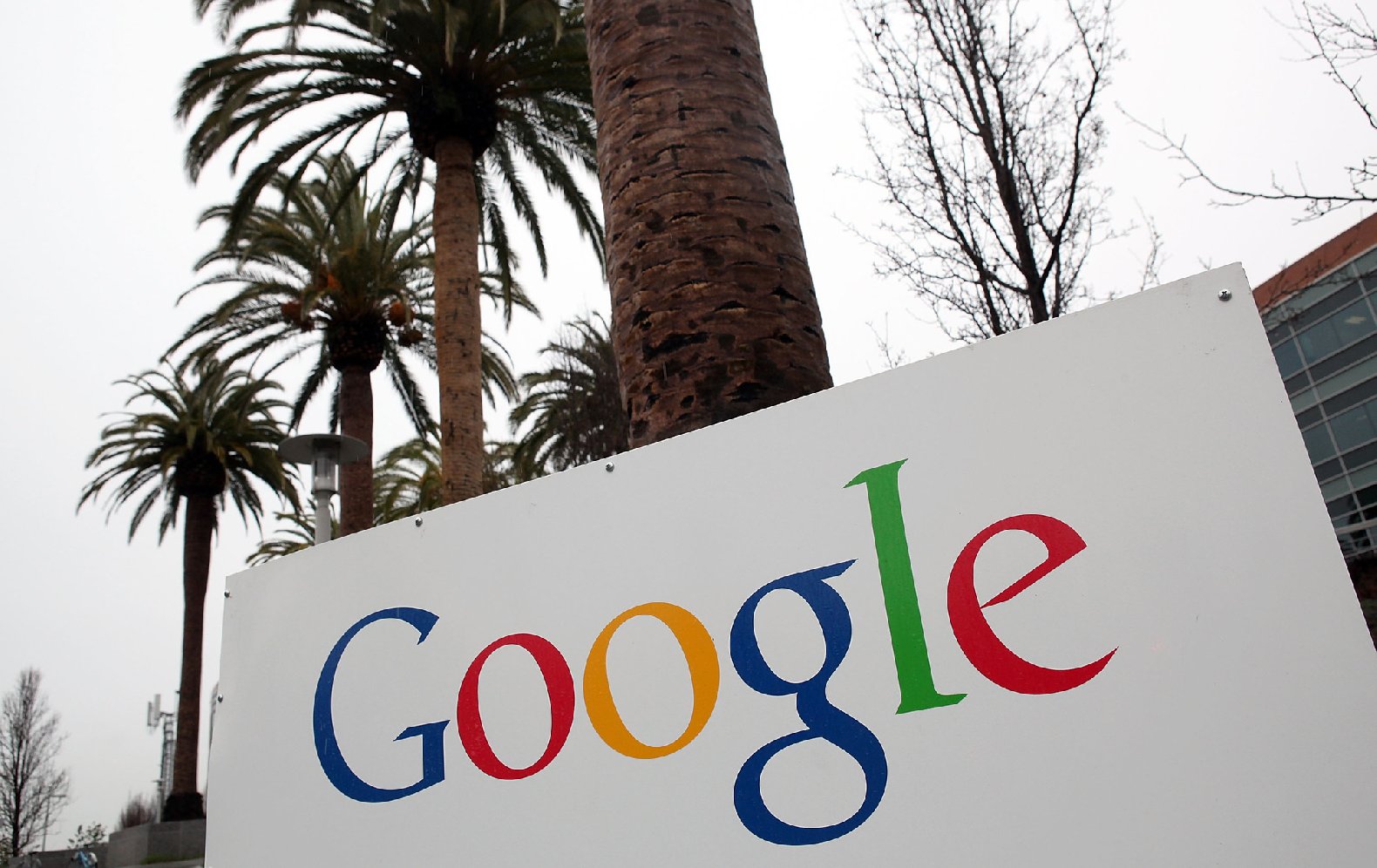
"caption": "Google headquarters in Mountain View. ",
"description": "Google headquarters in Mountain View. (Justin Sullivan/Getty Images)",
"title": "Google headquarters",
"credit": "Justin Sullivan/Getty Images",
"status": "inherit",
"isLoading": false,
"fetchFailed": false
},
"news_84589": {
"type": "attachments",
"id": "news_84589",
"meta": {
"index": "attachments_1716263798",
"site": "news",
"id": "84589",
"found": true
},
"parent": 84572,
"imgSizes": {
"kqedFullSize": {
"file": "https://ww2.kqed.org/app/uploads/sites/10/2013/01/PhotoWeek121026homelessness.jpg",
"width": 640,
"height": 450
}
},
"publishDate": 1357257807,
"modified": 1357257807,
"caption": null,
"description": null,
"title": "PhotoWeek121026homelessness",
"credit": null,
"status": "inherit",
"isLoading": false,
"fetchFailed": false
},
"news_135675": {
"type": "attachments",
"id": "news_135675",
"meta": {
"index": "attachments_1716263798",
"site": "news",
"id": "135675",
"found": true
},
"parent": 135667,
"imgSizes": {
"kqedFullSize": {
"file": "https://ww2.kqed.org/app/uploads/sites/10/2014/05/IMG_3506.jpg",
"width": 3264,
"height": 2448
}
},
"publishDate": 1399916385,
"modified": 1399916385,
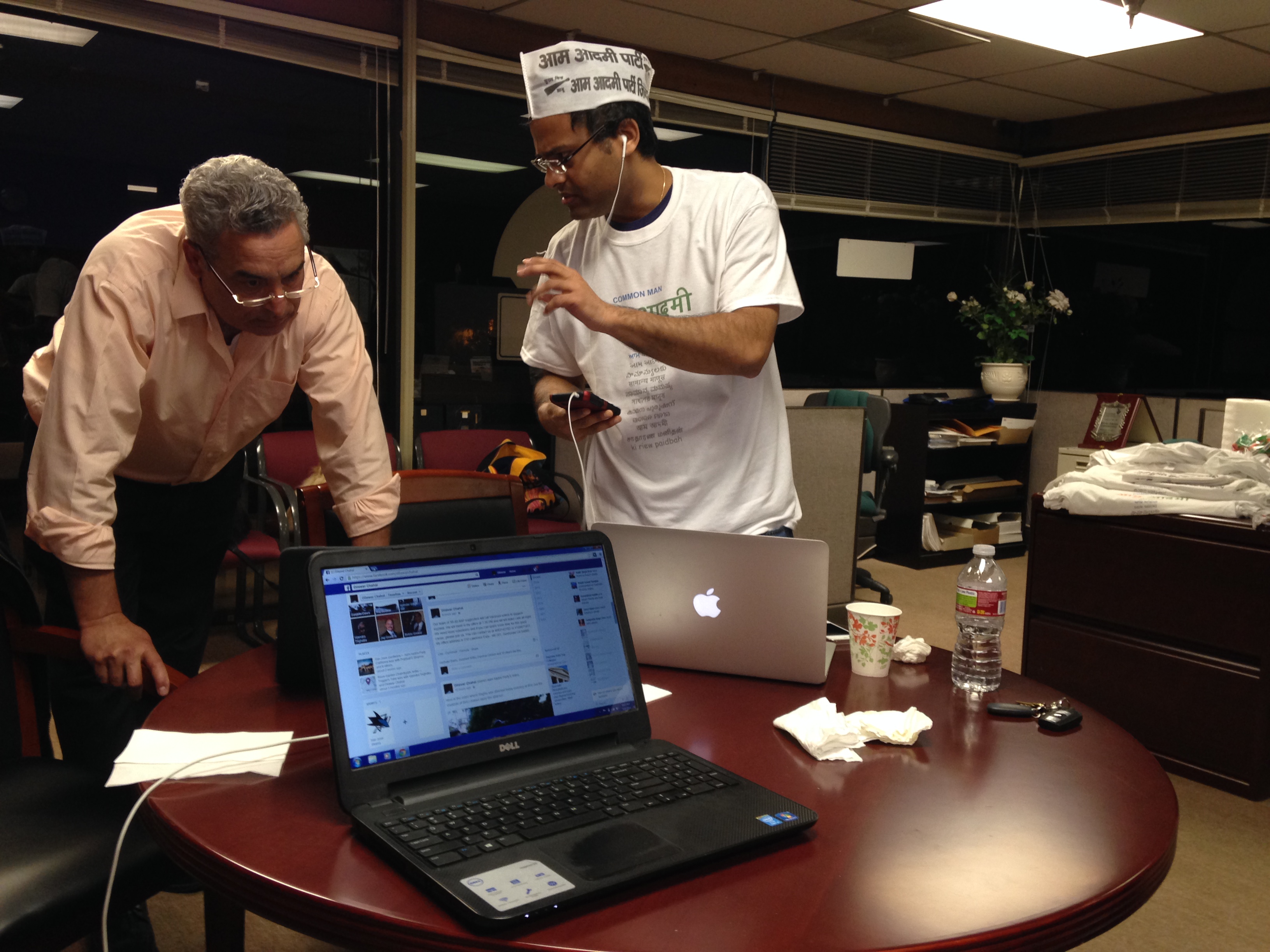
"caption": "Abhishek Goswami, right, explains to fellow Aam Aadmi Party volunteer Dilawar Chahal how the phone calling works. (Samantha Clark/KQED)",
"description": null,
"title": "IMG_3506",
"credit": null,
"status": "inherit",
"isLoading": false,
"fetchFailed": false
},
"news_135578": {
"type": "attachments",
"id": "news_135578",
"meta": {
"index": "attachments_1716263798",
"site": "news",
"id": "135578",
"found": true
},
"parent": 135575,
"imgSizes": {
"kqedFullSize": {
"file": "https://ww2.kqed.org/app/uploads/sites/10/2014/05/jose-antonio-vargas-e1405439808551.jpg",
"width": 320,
"height": 213
}
},
"publishDate": 1399669283,
"modified": 1399669283,
"caption": "Jose Antonio Vargas testifies during a Senate Judiciary Committee hearing on 'Comprehensive Immigration Reform,' in Washington DC, February, 2013. (Allison Shelley/Getty Images)",
"description": "Jose Antonio Vargas testifies during a Senate Judiciary Committee hearing on 'Comprehensive Immigration Reform,' in Washington DC, February, 2013. (Allison Shelley/Getty Images)",
"title": "jose-antonio-vargas",
"credit": null,
"status": "inherit",
"isLoading": false,
"fetchFailed": false
},
"news_10340913": {
"type": "attachments",
"id": "news_10340913",
"meta": {
"index": "attachments_1716263798",
"site": "news",
"id": "10340913",
"found": true
},
"parent": 10140912,
"imgSizes": {
"thumbnail": {
"file": "https://ww2.kqed.org/app/uploads/sites/10/2014/09/GoogleAfricaOffice-400x225.jpg",
"width": 400,
"mimeType": "image/jpeg",
"height": 225
},
"kqedFullSize": {
"file": "https://ww2.kqed.org/app/uploads/sites/10/2014/09/GoogleAfricaOffice.jpg",
"width": 640,
"height": 360
},
"guest-author-96": {
"file": "https://ww2.kqed.org/app/uploads/sites/10/2014/09/GoogleAfricaOffice-96x96.jpg",
"width": 96,
"mimeType": "image/jpeg",
"height": 96
},
"guest-author-64": {
"file": "https://ww2.kqed.org/app/uploads/sites/10/2014/09/GoogleAfricaOffice-64x64.jpg",
"width": 64,
"mimeType": "image/jpeg",
"height": 64
},
"detail": {
"file": "https://ww2.kqed.org/app/uploads/sites/10/2014/09/GoogleAfricaOffice-75x75.jpg",
"width": 75,
"mimeType": "image/jpeg",
"height": 75
},
"guest-author-32": {
"file": "https://ww2.kqed.org/app/uploads/sites/10/2014/09/GoogleAfricaOffice-32x32.jpg",
"width": 32,
"mimeType": "image/jpeg",
"height": 32
},
"guest-author-128": {
"file": "https://ww2.kqed.org/app/uploads/sites/10/2014/09/GoogleAfricaOffice-128x128.jpg",
"width": 128,
"mimeType": "image/jpeg",
"height": 128
}
},
"publishDate": 1410392956,
"modified": 1410392956,
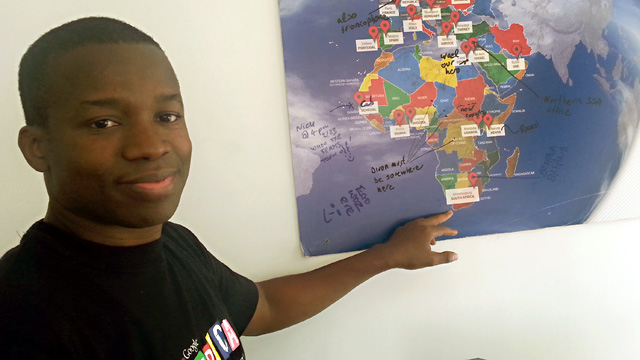
"caption": "Tidjane Deme, 40, is the founder of Google's office in Dakar. While Google Maps doesn't work in the city, Deme says all of Africa will soon be connected. (Aarti Shahani/KQED)",
"description": null,
"title": "GoogleAfricaOffice",
"credit": null,
"status": "inherit",
"isLoading": false,
"fetchFailed": false
},
"news_131033": {
"type": "attachments",
"id": "news_131033",
"meta": {
"index": "attachments_1716263798",
"site": "news",
"id": "131033",
"found": true
},
"parent": 131012,
"imgSizes": {
"kqedFullSize": {
"file": "https://ww2.kqed.org/app/uploads/sites/10/2014/03/708_transform.jpg",
"width": 541,
"height": 360
}
},
"publishDate": 1396300410,
"modified": 1396300410,
"caption": "(Damien Meyer/AFP-Getty Images)",
"description": "(Damien Meyer/AFP-Getty Images)",
"title": "Smartphones",
"credit": null,
"status": "inherit",
"isLoading": false,
"fetchFailed": false
},
"news_135105": {
"type": "attachments",
"id": "news_135105",
"meta": {
"index": "attachments_1716263798",
"site": "news",
"id": "135105",
"found": true
},
"parent": 135048,
"imgSizes": {
"kqedFullSize": {
"file": "https://ww2.kqed.org/app/uploads/sites/10/2014/05/hondakhanna2-1-of-1.jpg",
"width": 1130,
"height": 808
}
},
"publishDate": 1399319327,
"modified": 1399319327,
"caption": "A capacity crowd listens intently to Congressman Mike Honda, Ro Khanna and Joel Vanlandingham at the Fremont City Council Chambers on Saturday. (Rachael Myrow/KQED)",
"description": "A capacity crowd listens intently to Congressman Mike Honda, Ro Khanna and Joel Vanlandingham at the Fremont City Council Chambers on Saturday. (Rachael Myrow/KQED)",
"title": "Honda-Khanna",
"credit": null,
"status": "inherit",
"isLoading": false,
"fetchFailed": false
},
"news_134982": {
"type": "attachments",
"id": "news_134982",
"meta": {
"index": "attachments_1716263798",
"site": "news",
"id": "134982",
"found": true
},
"parent": 134965,
"imgSizes": {
"kqedFullSize": {
"file": "https://ww2.kqed.org/app/uploads/sites/10/2014/05/ieeemilestone-1-of-1.jpg",
"width": 1491,
"height": 1055
}
},
"publishDate": 1399074877,
"modified": 1399074877,
"caption": "Plaque honoring Gary Kildall, who developed pioneering operating system for personal computers. (Krista Almanzan/KQED)",
"description": "Plaque honoring Gary Kildall, who developed pioneering operating system for personal computers. (Krista Almanzan/KQED)",
"title": "IEEE-Kildall",
"credit": null,
"status": "inherit",
"isLoading": false,
"fetchFailed": false
},
"news_134900": {
"type": "attachments",
"id": "news_134900",
"meta": {
"index": "attachments_1716263798",
"site": "news",
"id": "134900",
"found": true
},
"parent": 134897,
"imgSizes": {
"kqedFullSize": {
"file": "https://ww2.kqed.org/app/uploads/sites/10/2014/05/late-muni.png",
"width": 1280,
"height": 899
}
},
"publishDate": 1399053038,
"modified": 1399053038,
"caption": null,
"description": null,
"title": "late muni",
"credit": null,
"status": "inherit",
"isLoading": false,
"fetchFailed": false
},
"news_127502": {
"type": "attachments",
"id": "news_127502",
"meta": {
"index": "attachments_1716263798",
"site": "news",
"id": "127502",
"found": true
},
"parent": 127442,
"imgSizes": {
"kqedFullSize": {
"file": "https://ww2.kqed.org/app/uploads/sites/10/2014/02/RS8537_IMG_9782-scr.jpg",
"width": 850,
"height": 567
}
},
"publishDate": 1393286859,
"modified": 1393286859,
"caption": "Workers board a private bus at 24th and Valencia streets. (Mark Andrew Boyer/KQED)",
"description": "Workers board a private bus at 24th and Valencia streets. (Mark Andrew Boyer/KQED)",
"title": "Tech bus",
"credit": null,
"status": "inherit",
"isLoading": false,
"fetchFailed": false
},
"news_134806": {
"type": "attachments",
"id": "news_134806",
"meta": {
"index": "attachments_1716263798",
"site": "news",
"id": "134806",
"found": true
},
"parent": 134804,
"imgSizes": {
"kqedFullSize": {
"file": "https://ww2.kqed.org/app/uploads/sites/10/2014/05/97027111-e1421882497693.jpg",
"width": 1440,
"height": 939
}
},
"publishDate": 1398966403,
"modified": 1421884964,
"caption": "eBay headquarters in San Jose.",
"description": "eBay headquarters in San Jose.",
"title": "eBay",
"credit": "Justin Sullivan/Getty Images",
"status": "inherit",
"isLoading": false,
"fetchFailed": false
},
"news_134714": {
"type": "attachments",
"id": "news_134714",
"meta": {
"index": "attachments_1716263798",
"site": "news",
"id": "134714",
"found": true
},
"parent": 134700,
"imgSizes": {
"kqedFullSize": {
"file": "https://ww2.kqed.org/app/uploads/sites/10/2014/04/IMG_3470-copy.jpg",
"width": 800,
"height": 533
}
},
"publishDate": 1398881627,
"modified": 1398881627,
"caption": "Kathryn Blum holds a handmade sign at Tuesday's Airbnb rally (Mark Andrew Boyer/KQED)",
"description": null,
"title": "IMG_3470-copy",
"credit": null,
"status": "inherit",
"isLoading": false,
"fetchFailed": false
}
},
"audioPlayerReducer": {
"postId": "stream_live",
"isPaused": true,
"isPlaying": false,
"pfsActive": false,
"pledgeModalIsOpen": true,
"playerDrawerIsOpen": false,
"liveAudioPlayStartedAt": 0,
"liveAudioPlayContext": ""
},
"authorsReducer": {
"98603": {
"type": "authors",
"id": "98603",
"meta": {
"override": true
},
"slug": "98603",
"name": "Aarti Shahani",
"firstName": "Aarti",
"lastName": "Shahani",
"bio": "",
"email": "ashahani@kqed.org",
"isLoading": false
},
"danbrekke": {
"type": "authors",
"id": "222",
"meta": {
"index": "authors_1716337520",
"id": "222",
"found": true
},
"name": "Dan Brekke",
"firstName": "Dan",
"lastName": "Brekke",
"slug": "danbrekke",
"email": "dbrekke@kqed.org",
"display_author_email": true,
"staff_mastheads": [
"news",
"science"
],
"title": "KQED Editor and Reporter",
"bio": "Dan Brekke is a reporter and editor for KQED News, responsible for coverage of topics ranging from California water issues to the Bay Area's transportation challenges. In a newsroom career that began in Chicago in 1972, Dan has worked for \u003cem>The San Francisco Examiner,\u003c/em> Wired and TechTV and has been published in The New York Times, The New York Times Magazine, Business 2.0, Salon and elsewhere.\r\n\r\nSince joining KQED in 2007, Dan has reported, edited and produced both radio and online features and breaking news pieces. He has shared as both editor and reporter in four Society of Professional Journalists Norcal Excellence in Journalism awards and one Edward R. Murrow regional award. He was chosen for a spring 2017 residency at the Mesa Refuge to advance his research on California salmon.\r\n\r\nEmail Dan at: \u003ca href=\"mailto:dbrekke@kqed.org\">dbrekke@kqed.org\u003c/a>\r\n\r\n\u003cstrong>Twitter:\u003c/strong> \u003ca href=\"https://twitter.com/danbrekke\" rel=\"noopener noreferrer\">twitter.com/danbrekke\u003c/a>\r\n\u003cstrong>Facebook:\u003c/strong> \u003ca href=\"https://www.facebook.com/danbrekke\" rel=\"noopener noreferrer\">www.facebook.com/danbrekke\u003c/a>\r\n\u003cstrong>LinkedIn:\u003c/strong> \u003ca href=\"https://www.linkedin.com/in/danbrekke\" rel=\"noopener noreferrer\">www.linkedin.com/in/danbrekke\u003c/a>",
"avatar": "https://secure.gravatar.com/avatar/8f1f0d2a978fb3b23426c922c7e2af558fa36905b49c4ce76a97dc3c72d27226?s=600&d=mm&r=g",
"twitter": "danbrekke",
"bluesky": null,
"facebook": null,
"instagram": "https://www.instagram.com/dan.brekke/",
"linkedin": "https://www.linkedin.com/in/danbrekke/",
"sites": [
{
"site": "news",
"roles": [
"administrator",
"create_posts"
]
},
{
"site": "stateofhealth",
"roles": [
"editor"
]
},
{
"site": "science",
"roles": [
"editor"
]
},
{
"site": "quest",
"roles": [
"contributor"
]
},
{
"site": "food",
"roles": [
"contributor"
]
},
{
"site": "forum",
"roles": [
"contributor"
]
},
{
"site": "elections",
"roles": [
"editor"
]
},
{
"site": "liveblog",
"roles": [
"editor"
]
}
],
"headData": {
"title": "Dan Brekke | KQED",
"description": "KQED Editor and Reporter",
"ogImgSrc": "https://secure.gravatar.com/avatar/8f1f0d2a978fb3b23426c922c7e2af558fa36905b49c4ce76a97dc3c72d27226?s=600&d=mm&r=g",
"twImgSrc": "https://secure.gravatar.com/avatar/8f1f0d2a978fb3b23426c922c7e2af558fa36905b49c4ce76a97dc3c72d27226?s=600&d=mm&r=g"
},
"isLoading": false,
"link": "/author/danbrekke"
},
"joshuajohnson": {
"type": "authors",
"id": "233",
"meta": {
"index": "authors_1716337520",
"id": "233",
"found": true
},
"name": "Joshua Johnson",
"firstName": "Joshua",
"lastName": "Johnson",
"slug": "joshuajohnson",
"email": "jejohnson@kqed.org",
"display_author_email": false,
"staff_mastheads": [],
"title": null,
"bio": "Joshua Johnson is the creator and host of \u003cem>\u003ca href=\"http://www.truthbetoldshow.org\">Truth Be Told\u003c/a>,\u003c/em> a special series on race from KQED and PRI. Prior to creating the show, he served as the station's morning news anchor for five-and-half years.\r\n\r\nPrior to joining KQED, Joshua spent six years as an anchor/reporter for WLRN Miami Herald News. He's a native of South Florida, with degrees from the University of Miami. His reporting and newscasting have won awards from the Radio Television Digital News Association and from the National Association of Black Journalists. Joshua is also active in his union, SAG-AFTRA. He lives in San Francisco.",
"avatar": "https://secure.gravatar.com/avatar/2abea375594cdd54e4837846e3561fa4?s=600&d=blank&r=g",
"twitter": "@JEJohnson322",
"facebook": null,
"instagram": null,
"linkedin": null,
"sites": [
{
"site": "news",
"roles": [
"subscriber"
]
}
],
"headData": {
"title": "Joshua Johnson | KQED",
"description": null,
"ogImgSrc": "https://secure.gravatar.com/avatar/2abea375594cdd54e4837846e3561fa4?s=600&d=blank&r=g",
"twImgSrc": "https://secure.gravatar.com/avatar/2abea375594cdd54e4837846e3561fa4?s=600&d=blank&r=g"
},
"isLoading": false,
"link": "/author/joshuajohnson"
},
"katrinaschwartz": {
"type": "authors",
"id": "234",
"meta": {
"index": "authors_1716337520",
"id": "234",
"found": true
},
"name": "Katrina Schwartz",
"firstName": "Katrina",
"lastName": "Schwartz",
"slug": "katrinaschwartz",
"email": "kschwartz@kqed.org",
"display_author_email": false,
"staff_mastheads": [
"news"
],
"title": "Producer",
"bio": "Katrina Schwartz is a journalist based in San Francisco. She's worked at KPCC public radio in LA and has reported on air and online for KQED since 2010. She covered how teaching and learning is changing for MindShift between 2012 and 2020. She is the co-host of the MindShift podcast and now produces KQED's Bay Curious podcast.",
"avatar": "https://secure.gravatar.com/avatar/edb4ee79070447a018538c9aae6eeecf28786515b8a0c30e43b6b7dce5aa44c8?s=600&d=blank&r=g",
"twitter": "kschwart",
"bluesky": null,
"facebook": null,
"instagram": null,
"linkedin": null,
"sites": [
{
"site": "",
"roles": [
"editor"
]
},
{
"site": "news",
"roles": [
"editor"
]
},
{
"site": "mindshift",
"roles": [
"administrator"
]
},
{
"site": "stateofhealth",
"roles": [
"author"
]
},
{
"site": "science",
"roles": [
"editor"
]
}
],
"headData": {
"title": "Katrina Schwartz | KQED",
"description": "Producer",
"ogImgSrc": "https://secure.gravatar.com/avatar/edb4ee79070447a018538c9aae6eeecf28786515b8a0c30e43b6b7dce5aa44c8?s=600&d=blank&r=g",
"twImgSrc": "https://secure.gravatar.com/avatar/edb4ee79070447a018538c9aae6eeecf28786515b8a0c30e43b6b7dce5aa44c8?s=600&d=blank&r=g"
},
"isLoading": false,
"link": "/author/katrinaschwartz"
},
"kqed": {
"type": "authors",
"id": "236",
"meta": {
"index": "authors_1716337520",
"id": "236",
"found": true
},
"name": "KQED News Staff",
"firstName": "KQED News Staff",
"lastName": null,
"slug": "kqed",
"email": "faq@kqed.org",
"display_author_email": false,
"staff_mastheads": [],
"title": null,
"bio": null,
"avatar": "https://secure.gravatar.com/avatar/ef0e801a68c4c54afa9180db14084167?s=600&d=blank&r=g",
"twitter": null,
"facebook": null,
"instagram": null,
"linkedin": null,
"sites": [
{
"site": "arts",
"roles": [
"contributor"
]
},
{
"site": "news",
"roles": [
"editor"
]
},
{
"site": "futureofyou",
"roles": [
"author"
]
}
],
"headData": {
"title": "KQED News Staff | KQED",
"description": null,
"ogImgSrc": "https://secure.gravatar.com/avatar/ef0e801a68c4c54afa9180db14084167?s=600&d=blank&r=g",
"twImgSrc": "https://secure.gravatar.com/avatar/ef0e801a68c4c54afa9180db14084167?s=600&d=blank&r=g"
},
"isLoading": false,
"link": "/author/kqed"
},
"kqednewsstaffandwires": {
"type": "authors",
"id": "237",
"meta": {
"index": "authors_1716337520",
"id": "237",
"found": true
},
"name": "KQED News Staff and Wires",
"firstName": "KQED News Staff and Wires",
"lastName": null,
"slug": "kqednewsstaffandwires",
"email": "onlinenewsstaff@kqed.org",
"display_author_email": false,
"staff_mastheads": [],
"title": null,
"bio": null,
"avatar": "https://secure.gravatar.com/avatar/72295af8ebbfbd19a4948f5271285664?s=600&d=blank&r=g",
"twitter": null,
"facebook": null,
"instagram": null,
"linkedin": null,
"sites": [
{
"site": "arts",
"roles": [
"contributor"
]
},
{
"site": "news",
"roles": [
"contributor"
]
},
{
"site": "lowdown",
"roles": [
"author"
]
},
{
"site": "stateofhealth",
"roles": [
"contributor"
]
},
{
"site": "food",
"roles": [
"author"
]
}
],
"headData": {
"title": "KQED News Staff and Wires | KQED",
"description": null,
"ogImgSrc": "https://secure.gravatar.com/avatar/72295af8ebbfbd19a4948f5271285664?s=600&d=blank&r=g",
"twImgSrc": "https://secure.gravatar.com/avatar/72295af8ebbfbd19a4948f5271285664?s=600&d=blank&r=g"
},
"isLoading": false,
"link": "/author/kqednewsstaffandwires"
},
"mboyer": {
"type": "authors",
"id": "242",
"meta": {
"index": "authors_1716337520",
"id": "242",
"found": true
},
"name": "Mark Andrew Boyer",
"firstName": "Mark Andrew",
"lastName": "Boyer",
"slug": "mboyer",
"email": "mboyer@kqed.org",
"display_author_email": false,
"staff_mastheads": [],
"title": null,
"bio": null,
"avatar": "https://secure.gravatar.com/avatar/97f25e563059e57d6a08f9c09b43851a?s=600&d=blank&r=g",
"twitter": null,
"facebook": null,
"instagram": null,
"linkedin": null,
"sites": [
{
"site": "news",
"roles": [
"contributor"
]
}
],
"headData": {
"title": "Mark Andrew Boyer | KQED",
"description": null,
"ogImgSrc": "https://secure.gravatar.com/avatar/97f25e563059e57d6a08f9c09b43851a?s=600&d=blank&r=g",
"twImgSrc": "https://secure.gravatar.com/avatar/97f25e563059e57d6a08f9c09b43851a?s=600&d=blank&r=g"
},
"isLoading": false,
"link": "/author/mboyer"
},
"rachael-myrow": {
"type": "authors",
"id": "251",
"meta": {
"index": "authors_1716337520",
"id": "251",
"found": true
},
"name": "Rachael Myrow",
"firstName": "Rachael",
"lastName": "Myrow",
"slug": "rachael-myrow",
"email": "rmyrow@kqed.org",
"display_author_email": true,
"staff_mastheads": [
"news"
],
"title": "Senior Editor of KQED's Silicon Valley News Desk",
"bio": "• I write and edit stories about how Silicon Valley power and policies shape everyday life in California. I’m also passionate about making Bay Area history and culture more accessible to a broad public. • I’ve been a journalist for most of my life, starting in high school with The Franklin Press in Los Angeles, where I grew up. While earning my first degree in English at UC Berkeley, I got my start in public radio at KALX-FM. After completing a second degree in journalism at Cal, I landed my first professional job at Marketplace, then moved on to KPCC (now LAist), and then KQED, where I hosted The California Report for more than seven years. • My reporting has appeared on NPR, The World, WBUR’s \u003ci>Here & Now\u003c/i>, and the BBC. I also guest host for KQED’s \u003ci>Forum\u003c/i>, as well as the Commonwealth Club in San Francisco. • I speak periodically on media, democracy and technology issues, and do voiceover work for documentaries and educational video projects. • Outside of the studio, you'll find me hiking Bay Area trails and whipping up Insta-ready meals in my kitchen. • I do not accept gifts, money, or favors from anyone connected to my reporting, I don't pay people for information, and I do not support or donate to political causes. • I strive to treat the people I report on with fairness, honesty, and respect. I also recognize there are often multiple sides to a story and work to verify information through multiple sources and documentation. If I get something wrong, I correct it.",
"avatar": "https://secure.gravatar.com/avatar/3ed8a3c5f26025e4a805ba634cda8cd764906b97438a6d9ce216b044e340da4e?s=600&d=blank&r=g",
"twitter": "rachaelmyrow",
"bluesky": null,
"facebook": null,
"instagram": null,
"linkedin": "https://www.linkedin.com/in/rachaelmyrow/",
"sites": [
{
"site": "arts",
"roles": [
"administrator"
]
},
{
"site": "news",
"roles": [
"edit_others_posts",
"editor"
]
},
{
"site": "futureofyou",
"roles": [
"editor"
]
},
{
"site": "bayareabites",
"roles": [
"editor"
]
},
{
"site": "stateofhealth",
"roles": [
"editor"
]
},
{
"site": "science",
"roles": [
"editor"
]
},
{
"site": "food",
"roles": [
"editor"
]
},
{
"site": "forum",
"roles": [
"editor"
]
},
{
"site": "liveblog",
"roles": [
"author"
]
}
],
"headData": {
"title": "Rachael Myrow | KQED",
"description": "Senior Editor of KQED's Silicon Valley News Desk",
"ogImgSrc": "https://secure.gravatar.com/avatar/3ed8a3c5f26025e4a805ba634cda8cd764906b97438a6d9ce216b044e340da4e?s=600&d=blank&r=g",
"twImgSrc": "https://secure.gravatar.com/avatar/3ed8a3c5f26025e4a805ba634cda8cd764906b97438a6d9ce216b044e340da4e?s=600&d=blank&r=g"
},
"isLoading": false,
"link": "/author/rachael-myrow"
}
},
"pagesReducer": {
"news_category_technology": {
"type": "terms",
"id": "news_248",
"meta": {
"index": "terms_1716263798",
"site": "news",
"id": "248",
"score": 10.93111
},
"featImg": null,
"name": "Technology",
"description": null,
"taxonomy": "category",
"headData": {
"twImgId": null,
"twTitle": null,
"ogTitle": null,
"ogImgId": null,
"twDescription": null,
"description": null,
"title": "Technology Archives | KQED News",
"ogDescription": null
},
"ttid": 256,
"slug": "technology",
"isLoading": false,
"title": "Technology",
"pageMeta": {
"site": "news",
"WpPageTemplate": "page-topic-editorial",
"currentPage": 154
},
"blocks": [
{
"blockName": "kqed/post-list",
"attrs": {
"layout": "cardArticle2",
"query": "posts/news?category=technology",
"seeMore": false,
"paginated": true,
"page": 154
}
},
{
"blockName": "kqed/ad"
}
]
}
},
"pfsSessionReducer": {},
"postsReducer": {
"stream_live": {
"type": "live",
"id": "stream_live",
"audioUrl": "https://streams.kqed.org/kqedradio",
"title": "Live Stream",
"excerpt": "Live Stream information currently unavailable.",
"link": "/radio",
"featImg": "",
"label": {
"name": "KQED Live",
"link": "/"
}
},
"stream_kqedNewscast": {
"type": "posts",
"id": "stream_kqedNewscast",
"audioUrl": "https://www.kqed.org/.stream/anon/radio/RDnews/newscast.mp3?_=1",
"title": "KQED Newscast",
"featImg": "",
"label": {
"name": "88.5 FM",
"link": "/"
}
},
"news_136479": {
"type": "posts",
"id": "news_136479",
"meta": {
"index": "posts_1716263798",
"site": "news",
"id": "136479",
"score": null,
"sort": [
1400615219000
]
},
"guestAuthors": [],
"slug": "google-aside-most-silicon-valley-companies-not-releasing-diversity-stats",
"title": "Google Aside, Most Silicon Valley Companies Not Releasing Diversity Stats",
"publishDate": 1400615219,
"format": "aside",
"headTitle": "Google Aside, Most Silicon Valley Companies Not Releasing Diversity Stats | KQED",
"labelTerm": {
"term": 6944,
"site": "news"
},
"content": "\u003cfigure id=\"attachment_133673\" class=\"wp-caption alignright\" style=\"max-width: 300px\">\u003ca href=\"http://ww2.kqed.org/news/wp-content/uploads/sites/10/2014/04/RS378_Google_082411-lpr.jpg\">\u003cimg loading=\"lazy\" decoding=\"async\" class=\"size-thumbnail wp-image-133673\" src=\"http://ww2.kqed.org/news/wp-content/uploads/sites/10/2014/04/RS378_Google_082411-lpr-300x300.jpg\" alt=\"Google headquarters in Mountain View. (Justin Sullivan/Getty Images)\" width=\"300\" height=\"300\">\u003c/a>\u003cfigcaption class=\"wp-caption-text\">Google headquarters in Mountain View. (Justin Sullivan/Getty Images) \u003ccite>(Justin Sullivan/Getty Images)\u003c/cite>\u003c/figcaption>\u003c/figure>\n\u003cp>Google may be one of Silicon Valley’s major pacesetters, but few of the region’s tech leaders are copying the company’s decision to publish its workforce demographics. The Mountain View-based search leader \u003ca href=\"http://america.aljazeera.com/articles/2014/5/15/in-about-face-googletoreleasediversitystats.html\" target=\"_blank\" rel=\"noopener\">announced\u003c/a> that decision at its annual shareholders meeting, in the presence of a pro-diversity delegation led by the Rev. Jesse Jackson.\u003c/p>\n\u003cp>We asked a number of tech firms that had resisted requests for their data in the past, and very few even responded to our query.\u003c/p>\n\u003cp>A spokeswoman for Netflix told us the company has no plans to release its demographics. She also noted that Netflix is a far smaller company than Google, with employees in Los Gatos and Los Angeles, though it is unclear why its smaller size would make a difference. Shouldn’t that make it easier to release the data, we asked? To that, we got no answer.\u003c/p>\n\u003cp>LinkedIn told us it does not release this information either, but it has a diverse workforce of more than 5,000 people in 27 cities worldwide. We asked why the company would not release the information, but there was no response.\u003c/p>\n\u003cp>The idea behind releasing these statistics is twofold: First, the United State is changing, and its major companies should in some ways reflect the consumers in the nation they serve. Second, the argument goes, diversity is good for business.\u003c/p>\n\u003cp>[ad fullwidth]\u003c/p>\n\u003cp>“We did not know how good baseball could be until everybody could play,” Jackson said at Google’s shareholders meeting. “We will not know how good Google can be until all of us can be a part of that search. And if you can’t find people now, search for them.”\u003c/p>\n\u003cp>Google said it would do so, putting more energy into recruiting diverse board members and top executives. Currently Google only has one C-level executive of color: David Drummond, the company’s chief legal officer.\u003c/p>\n\u003caside class=\"pullquote alignleft\">‘We did not know how good baseball could be until everybody could play. We will not know how good Google can be until all of us can be a part of that search (for talent).’\u003ccite>— The Rev. Jesse Jackson\u003c/cite>\u003c/aside>\n\u003cp>“Many of the companies in the valley have been reluctant to divulge (their workforce data), including Google,” Drummond told Jackson. “And quite frankly, I think we’ve come to the conclusion that we’re wrong about that.”\u003c/p>\n\u003cp>Google’s announcement is good news to organizations like \u003ca href=\"http://www.blackgirlscode.com/\" target=\"_blank\" rel=\"noopener\">Black Girls Code\u003c/a>, a group that encourages girls of color to study science, technology, engineering and math. Founder Kimberly Bryant says unabashedly that Silicon Valley is, in her experience, heavily dominated by white men. She argues that companies that ignore diversity do so at the peril of missing out on the next great developer, engineer or executive.\u003c/p>\n\u003cp>“It makes sense for any company that’s growing or even a startup,” says Bryant. “The place to look is in these areas where women abound, in these areas where people of color abound.”\u003c/p>\n\u003cp>Hewlett-Packard seems to be the Silicon Valley company that has gone the farthest in touting its diverse workforce — it has released these demographics for more than a decade. HP’s workforce statistics are in its annual \u003ca href=\"http://www8.hp.com/us/en/hp-information/global-citizenship/reporting.html\" target=\"_blank\" rel=\"noopener\">Global Citizenship Report\u003c/a>. The \u003ca href=\"http://h20195.www2.hp.com/V2/GetPDF.aspx/c03742922.pdf\" target=\"_blank\" rel=\"noopener\">latest report\u003c/a> shows HP’s U.S. workforce is about 27 percent nonwhite and almost 33 percent female. Also, CNN got workforce data from a few Silicon Valley companies for an \u003ca href=\"http://money.cnn.com/2013/03/17/technology/diversity-silicon-valley/index.html?iid=HP_Highlight\" target=\"_blank\" rel=\"noopener\">investigative report\u003c/a> last year. Cisco, Intel, eBay and Ingram Micro provided their data when most companies resisted, including Google.\u003c/p>\n\u003cp>\u003c/p>\n\u003cp>We also reached out to Apple, Facebook, Yahoo, Yelp and Zynga. None of them responded to us, but it seems some of them are responding to shareholders. Apple \u003ca href=\"http://www.bloomberg.com/news/2014-01-06/apple-facing-criticism-about-diversity-changes-bylaws.html\" target=\"_blank\" rel=\"noopener\">changed\u003c/a> its corporate bylaws this year to make it be more diligent in finding diverse candidates for its board of directors.\u003c/p>\n\n",
"blocks": [],
"excerpt": "Google makes news by releasing data on its workforce demographics. Few tech firms follow suit. ",
"status": "publish",
"parent": 0,
"modified": 1729029870,
"stats": {
"hasAudio": false,
"hasVideo": false,
"hasChartOrMap": false,
"iframeSrcs": [],
"hasGoogleForm": false,
"hasGallery": false,
"hasHearkenModule": false,
"hasPolis": false,
"paragraphCount": 14,
"wordCount": 673
},
"headData": {
"title": "Google Aside, Most Silicon Valley Companies Not Releasing Diversity Stats | KQED",
"description": "Google makes news by releasing data on its workforce demographics. Few tech firms follow suit. ",
"ogTitle": "",
"ogDescription": "",
"ogImgId": "",
"twTitle": "",
"twDescription": "",
"twImgId": "",
"schema": {
"@context": "https://schema.org",
"@type": "NewsArticle",
"headline": "Google Aside, Most Silicon Valley Companies Not Releasing Diversity Stats",
"datePublished": "2014-05-20T12:46:59-07:00",
"dateModified": "2024-10-15T15:04:30-07:00",
"image": "https://cdn.kqed.org/wp-content/uploads/2020/02/KQED-OG-Image@1x.png",
"isAccessibleForFree": "True",
"publisher": {
"@type": "NewsMediaOrganization",
"@id": "https://www.kqed.org/#organization",
"name": "KQED",
"logo": "https://cdn.kqed.org/wp-content/uploads/2020/02/KQED-OG-Image@1x.png",
"url": "https://www.kqed.org",
"sameAs": [
"https://www.facebook.com/KQED",
"https://twitter.com/KQED",
"https://www.instagram.com/kqed/",
"https://www.tiktok.com/@kqedofficial",
"https://www.linkedin.com/company/kqed",
"https://www.youtube.com/channel/UCeC0IOo7i1P_61zVUWbJ4nw"
]
}
}
},
"sticky": false,
"customPermalink": "silicon-valley-tech-firms-reluctant-to-release-diversity-stats./",
"path": "/news/136479/google-aside-most-silicon-valley-companies-not-releasing-diversity-stats",
"audioTrackLength": null,
"parsedContent": [
{
"type": "contentString",
"content": "\u003cdiv class=\"post-body\">\u003cp>\u003cfigure id=\"attachment_133673\" class=\"wp-caption alignright\" style=\"max-width: 300px\">\u003ca href=\"http://ww2.kqed.org/news/wp-content/uploads/sites/10/2014/04/RS378_Google_082411-lpr.jpg\">\u003cimg loading=\"lazy\" decoding=\"async\" class=\"size-thumbnail wp-image-133673\" src=\"http://ww2.kqed.org/news/wp-content/uploads/sites/10/2014/04/RS378_Google_082411-lpr-300x300.jpg\" alt=\"Google headquarters in Mountain View. (Justin Sullivan/Getty Images)\" width=\"300\" height=\"300\">\u003c/a>\u003cfigcaption class=\"wp-caption-text\">Google headquarters in Mountain View. (Justin Sullivan/Getty Images) \u003ccite>(Justin Sullivan/Getty Images)\u003c/cite>\u003c/figcaption>\u003c/figure>\n\u003cp>Google may be one of Silicon Valley’s major pacesetters, but few of the region’s tech leaders are copying the company’s decision to publish its workforce demographics. The Mountain View-based search leader \u003ca href=\"http://america.aljazeera.com/articles/2014/5/15/in-about-face-googletoreleasediversitystats.html\" target=\"_blank\" rel=\"noopener\">announced\u003c/a> that decision at its annual shareholders meeting, in the presence of a pro-diversity delegation led by the Rev. Jesse Jackson.\u003c/p>\n\u003cp>We asked a number of tech firms that had resisted requests for their data in the past, and very few even responded to our query.\u003c/p>\n\u003cp>A spokeswoman for Netflix told us the company has no plans to release its demographics. She also noted that Netflix is a far smaller company than Google, with employees in Los Gatos and Los Angeles, though it is unclear why its smaller size would make a difference. Shouldn’t that make it easier to release the data, we asked? To that, we got no answer.\u003c/p>\n\u003cp>LinkedIn told us it does not release this information either, but it has a diverse workforce of more than 5,000 people in 27 cities worldwide. We asked why the company would not release the information, but there was no response.\u003c/p>\n\u003cp>The idea behind releasing these statistics is twofold: First, the United State is changing, and its major companies should in some ways reflect the consumers in the nation they serve. Second, the argument goes, diversity is good for business.\u003c/p>\n\u003cp>\u003c/p>\u003c/div>",
"attributes": {
"named": {},
"numeric": []
}
},
{
"type": "component",
"content": "",
"name": "ad",
"attributes": {
"named": {
"label": "fullwidth"
},
"numeric": [
"fullwidth"
]
}
},
{
"type": "contentString",
"content": "\u003cdiv class=\"post-body\">\u003cp>\u003c/p>\n\u003cp>“We did not know how good baseball could be until everybody could play,” Jackson said at Google’s shareholders meeting. “We will not know how good Google can be until all of us can be a part of that search. And if you can’t find people now, search for them.”\u003c/p>\n\u003cp>Google said it would do so, putting more energy into recruiting diverse board members and top executives. Currently Google only has one C-level executive of color: David Drummond, the company’s chief legal officer.\u003c/p>\n\u003caside class=\"pullquote alignleft\">‘We did not know how good baseball could be until everybody could play. We will not know how good Google can be until all of us can be a part of that search (for talent).’\u003ccite>— The Rev. Jesse Jackson\u003c/cite>\u003c/aside>\n\u003cp>“Many of the companies in the valley have been reluctant to divulge (their workforce data), including Google,” Drummond told Jackson. “And quite frankly, I think we’ve come to the conclusion that we’re wrong about that.”\u003c/p>\n\u003cp>Google’s announcement is good news to organizations like \u003ca href=\"http://www.blackgirlscode.com/\" target=\"_blank\" rel=\"noopener\">Black Girls Code\u003c/a>, a group that encourages girls of color to study science, technology, engineering and math. Founder Kimberly Bryant says unabashedly that Silicon Valley is, in her experience, heavily dominated by white men. She argues that companies that ignore diversity do so at the peril of missing out on the next great developer, engineer or executive.\u003c/p>\n\u003cp>“It makes sense for any company that’s growing or even a startup,” says Bryant. “The place to look is in these areas where women abound, in these areas where people of color abound.”\u003c/p>\n\u003cp>Hewlett-Packard seems to be the Silicon Valley company that has gone the farthest in touting its diverse workforce — it has released these demographics for more than a decade. HP’s workforce statistics are in its annual \u003ca href=\"http://www8.hp.com/us/en/hp-information/global-citizenship/reporting.html\" target=\"_blank\" rel=\"noopener\">Global Citizenship Report\u003c/a>. The \u003ca href=\"http://h20195.www2.hp.com/V2/GetPDF.aspx/c03742922.pdf\" target=\"_blank\" rel=\"noopener\">latest report\u003c/a> shows HP’s U.S. workforce is about 27 percent nonwhite and almost 33 percent female. Also, CNN got workforce data from a few Silicon Valley companies for an \u003ca href=\"http://money.cnn.com/2013/03/17/technology/diversity-silicon-valley/index.html?iid=HP_Highlight\" target=\"_blank\" rel=\"noopener\">investigative report\u003c/a> last year. Cisco, Intel, eBay and Ingram Micro provided their data when most companies resisted, including Google.\u003c/p>\n\u003cp>\u003c/p>\n\u003cp>We also reached out to Apple, Facebook, Yahoo, Yelp and Zynga. None of them responded to us, but it seems some of them are responding to shareholders. Apple \u003ca href=\"http://www.bloomberg.com/news/2014-01-06/apple-facing-criticism-about-diversity-changes-bylaws.html\" target=\"_blank\" rel=\"noopener\">changed\u003c/a> its corporate bylaws this year to make it be more diligent in finding diverse candidates for its board of directors.\u003c/p>\n\n\u003c/div>\u003c/p>",
"attributes": {
"named": {},
"numeric": []
}
}
],
"link": "/news/136479/google-aside-most-silicon-valley-companies-not-releasing-diversity-stats",
"authors": [
"233"
],
"programs": [
"news_6944"
],
"categories": [
"news_248"
],
"tags": [
"news_1631"
],
"featImg": "news_133673",
"label": "news_6944"
},
"news_136288": {
"type": "posts",
"id": "news_136288",
"meta": {
"index": "posts_1716263798",
"site": "news",
"id": "136288",
"score": null,
"sort": [
1400261641000
]
},
"parent": 0,
"labelTerm": {
"site": "news",
"term": 6944
},
"blocks": [],
"publishDate": 1400261641,
"format": "aside",
"disqusTitle": "Good Read: San Francisco's (In)Visible Class War",
"title": "Good Read: San Francisco's (In)Visible Class War",
"headTitle": "Priced Out | News Fix | KQED News",
"content": "\u003cfigure id=\"attachment_84589\" class=\"wp-caption aligncenter\" style=\"max-width: 640px\">\u003ca href=\"http://ww2.kqed.org/news/wp-content/uploads/sites/10/2013/01/PhotoWeek121026homelessness.jpg\">\u003cimg class=\"wp-image-84589 size-full\" src=\"http://ww2.kqed.org/news/wp-content/uploads/sites/10/2013/01/PhotoWeek121026homelessness.jpg\" alt=\"PhotoWeek121026homelessness\" width=\"640\" height=\"450\">\u003c/a>\u003cfigcaption class=\"wp-caption-text\">A homeless man amid his belongings in the alleyway where he lives in Berkeley. (Anna Vignet /San Francisco Public Press)\u003c/figcaption>\u003c/figure>\n\u003cp>A hat tip to colleague Mark Trautwein, who alerted us to this piece by Danah Boyd, originally published on Medium and then on Huffington Post: \u003ca href=\"http://www.huffingtonpost.com/danah-boyd/san-francisco-class-war_b_5324884.html\" target=\"_blank\">\u003cstrong>San Francisco's (In)Visible Class War\u003c/strong>\u003c/a> Boyd observes what many — most? — of us do every day: the staggering spectacle of San Francisco homelessness set against the city's spectacular wealth. Of course, San Francisco isn't the only place you can see this. But Boyd argues there's a difference here:\u003c/p>\n\u003cblockquote>\u003cp>San Francisco is in the middle of a class war. It’s not the first or last city to have heart-wrenching inequality tear at its fabric, challenge its values, test its support structures. But what’s jaw-dropping to me is how openly, defensively, and critically technology folks demean those who are struggling. The tech industry has a sickening obsession with meritocracy. Far too many geeks and entrepreneurs worship at the altar of zeros and ones, believing that outputs can be boiled down to a simple equation based on inputs. In a modern-day version of the Protestant ethic, there’s a sense that success is a guaranteed outcome of hard work, skills, and intelligence. Thus, anyone who is struggling can be blamed for their own circumstances. This attitude is front and center when it comes to people who are visibly homeless on the streets of San Francisco, a mere fraction of the total homeless population in that city.\u003c/p>\u003c/blockquote>\n\u003cp>Boyd prescribes a remedy for the attitudes she describes, born of an experience with a co-worker a decade ago — the simple act of talking to those living on the street:\u003c/p>\n\u003cblockquote>\u003cp>If you’re living in the Bay Area and working in tech, take a moment to do what I asked my colleague to do a decade ago. Walk around the Tenderloin and talk with someone whose poverty is written on their body. Respectfully ask about their life. Where did they come from? How did they get here? Where do they want to go? Ask about their hopes and dreams, struggles and challenges. Get a sense for their story. Connect as people. Then think about what meritocracy in tech really means.\u003c/p>\u003c/blockquote>\n\u003cp>[ad fullwidth]\u003c/p>\u003cp>\u003c/p>\n",
"disqusIdentifier": "136288 http://ww2.kqed.org/news/?p=136288",
"disqusUrl": "https://ww2.kqed.org/news/2014/05/16/good-read-san-franciscos-invisible-class-war/",
"stats": {
"hasVideo": false,
"hasChartOrMap": false,
"hasAudio": false,
"hasPolis": false,
"wordCount": 387,
"hasGoogleForm": false,
"hasGallery": false,
"hasHearkenModule": false,
"iframeSrcs": [],
"paragraphCount": 6
},
"modified": 1400277499,
"excerpt": "Danah Boyd examines spectacle of San Francisco homelessness set against the city's spectacular wealth.\r\n",
"headData": {
"twImgId": "",
"twTitle": "",
"ogTitle": "",
"ogImgId": "",
"twDescription": "",
"description": "Danah Boyd examines spectacle of San Francisco homelessness set against the city's spectacular wealth.\r\n",
"title": "Good Read: San Francisco's (In)Visible Class War | KQED",
"ogDescription": "",
"schema": {
"@context": "https://schema.org",
"@type": "NewsArticle",
"headline": "Good Read: San Francisco's (In)Visible Class War",
"datePublished": "2014-05-16T10:34:01-07:00",
"dateModified": "2014-05-16T14:58:19-07:00",
"image": "https://cdn.kqed.org/wp-content/uploads/2020/02/KQED-OG-Image@1x.png",
"isAccessibleForFree": "True",
"publisher": {
"@type": "NewsMediaOrganization",
"@id": "https://www.kqed.org/#organization",
"name": "KQED",
"logo": "https://cdn.kqed.org/wp-content/uploads/2020/02/KQED-OG-Image@1x.png",
"url": "https://www.kqed.org",
"sameAs": [
"https://www.facebook.com/KQED",
"https://twitter.com/KQED",
"https://www.instagram.com/kqed/",
"https://www.tiktok.com/@kqedofficial",
"https://www.linkedin.com/company/kqed",
"https://www.youtube.com/channel/UCeC0IOo7i1P_61zVUWbJ4nw"
]
}
}
},
"guestAuthors": [],
"slug": "good-read-san-franciscos-invisible-class-war",
"status": "publish",
"customPermalink": "good-read-san-francisco-class-war/",
"path": "/news/136288/good-read-san-franciscos-invisible-class-war",
"audioTrackLength": null,
"parsedContent": [
{
"type": "contentString",
"content": "\u003cdiv class=\"post-body\">\u003cp>\u003cfigure id=\"attachment_84589\" class=\"wp-caption aligncenter\" style=\"max-width: 640px\">\u003ca href=\"http://ww2.kqed.org/news/wp-content/uploads/sites/10/2013/01/PhotoWeek121026homelessness.jpg\">\u003cimg class=\"wp-image-84589 size-full\" src=\"http://ww2.kqed.org/news/wp-content/uploads/sites/10/2013/01/PhotoWeek121026homelessness.jpg\" alt=\"PhotoWeek121026homelessness\" width=\"640\" height=\"450\">\u003c/a>\u003cfigcaption class=\"wp-caption-text\">A homeless man amid his belongings in the alleyway where he lives in Berkeley. (Anna Vignet /San Francisco Public Press)\u003c/figcaption>\u003c/figure>\n\u003cp>A hat tip to colleague Mark Trautwein, who alerted us to this piece by Danah Boyd, originally published on Medium and then on Huffington Post: \u003ca href=\"http://www.huffingtonpost.com/danah-boyd/san-francisco-class-war_b_5324884.html\" target=\"_blank\">\u003cstrong>San Francisco's (In)Visible Class War\u003c/strong>\u003c/a> Boyd observes what many — most? — of us do every day: the staggering spectacle of San Francisco homelessness set against the city's spectacular wealth. Of course, San Francisco isn't the only place you can see this. But Boyd argues there's a difference here:\u003c/p>\n\u003cblockquote>\u003cp>San Francisco is in the middle of a class war. It’s not the first or last city to have heart-wrenching inequality tear at its fabric, challenge its values, test its support structures. But what’s jaw-dropping to me is how openly, defensively, and critically technology folks demean those who are struggling. The tech industry has a sickening obsession with meritocracy. Far too many geeks and entrepreneurs worship at the altar of zeros and ones, believing that outputs can be boiled down to a simple equation based on inputs. In a modern-day version of the Protestant ethic, there’s a sense that success is a guaranteed outcome of hard work, skills, and intelligence. Thus, anyone who is struggling can be blamed for their own circumstances. This attitude is front and center when it comes to people who are visibly homeless on the streets of San Francisco, a mere fraction of the total homeless population in that city.\u003c/p>\u003c/blockquote>\n\u003cp>Boyd prescribes a remedy for the attitudes she describes, born of an experience with a co-worker a decade ago — the simple act of talking to those living on the street:\u003c/p>\n\u003cblockquote>\u003cp>If you’re living in the Bay Area and working in tech, take a moment to do what I asked my colleague to do a decade ago. Walk around the Tenderloin and talk with someone whose poverty is written on their body. Respectfully ask about their life. Where did they come from? How did they get here? Where do they want to go? Ask about their hopes and dreams, struggles and challenges. Get a sense for their story. Connect as people. Then think about what meritocracy in tech really means.\u003c/p>\u003c/blockquote>\n\u003cp>\u003c/p>\u003c/div>",
"attributes": {
"named": {},
"numeric": []
}
},
{
"type": "component",
"content": "",
"name": "ad",
"attributes": {
"named": {
"label": "fullwidth"
},
"numeric": [
"fullwidth"
]
}
},
{
"type": "contentString",
"content": "\u003cdiv class=\"post-body\">\u003cp>\u003c/p>\u003cp>\u003c/p>\n\u003c/div>\u003c/p>",
"attributes": {
"named": {},
"numeric": []
}
}
],
"link": "/news/136288/good-read-san-franciscos-invisible-class-war",
"authors": [
"222"
],
"programs": [
"news_6944"
],
"series": [
"news_18549"
],
"categories": [
"news_6266",
"news_248"
],
"tags": [
"news_6319",
"news_4020",
"news_38",
"news_3181"
],
"featImg": "news_84589",
"label": "news_6944"
},
"news_135667": {
"type": "posts",
"id": "news_135667",
"meta": {
"index": "posts_1716263798",
"site": "news",
"id": "135667",
"score": null,
"sort": [
1399989647000
]
},
"guestAuthors": [],
"slug": "indian-expats-in-silicon-valley-campaign-to-end-corruption-at-home",
"title": "Indian Expats in Silicon Valley Campaign to End Corruption at Home",
"publishDate": 1399989647,
"format": "aside",
"headTitle": "Indian Expats in Silicon Valley Campaign to End Corruption at Home | KQED",
"labelTerm": {
"term": 6944,
"site": "news"
},
"content": "\u003cp>\u003cstrong>By Samantha Clark\u003c/strong>\u003c/p>\n\u003cfigure id=\"attachment_135669\" class=\"wp-caption alignnone\" style=\"max-width: 640px\">\u003ca href=\"http://ww2.kqed.org/news/aam-aadmi-party-india-elections-silicon-valley-ex-pats/img_3500/\" rel=\"attachment wp-att-135669\">\u003cimg loading=\"lazy\" decoding=\"async\" class=\"size-medium wp-image-135669\" src=\"http://ww2.kqed.org/news/wp-content/uploads/sites/10/2014/05/IMG_3500-640x480.jpg\" alt=\"Parwaz Virk, left, and Dilawar Chahal volunteer for the Aam Aadmi Party, making phone calls to India to ask people for their votes from Chahal's office in Sunnyvale Friday, May 9. (Samantha Clark/KQED)\" width=\"640\" height=\"480\">\u003c/a>\u003cfigcaption class=\"wp-caption-text\">Parwaz Virk, left, and Dilawar Chahal volunteer for the Aam Aadmi Party, making phone calls to India to ask people for their votes from Chahal’s office in Sunnyvale Friday, May 9. (Samantha Clark/KQED)\u003c/figcaption>\u003c/figure>\n\u003cp>Monday, India wrapped up six weeks of voting in its \u003ca href=\"http://india.blogs.nytimes.com/2014/04/08/a-primer-on-indias-parliamentary-elections/\">parliamentary elections\u003c/a>. Some \u003ca href=\"http://timesofindia.indiatimes.com/home/lok-sabha-elections-2014/news/Highest-ever-voter-turnout-recorded-in-2014-polls-govt-spending-doubled-since-2009/articleshow/35033135.cms\" target=\"_blank\" rel=\"noopener\">551 million people — 66.4 percent of the more than 800 million eligible voters — went to the polls\u003c/a> to choose 543 members of India’s lower house of Parliament. It’s been described as the largest democratic election in history.\u003c/p>\n\u003cp>Here in the Bay Area, a large number of Indian expatriates are avidly following the results, which are expected to be announced on or by Friday, May 16.\u003c/p>\n\u003cp>And many are doing more than watching. Last Friday night, teams of Indian expats in San Francisco, Fremont and Sunnyvale worked all night calling voters halfway across the world to urge them to vote for the \u003ca href=\"http://www.aamaadmiparty.org/\" target=\"_blank\" rel=\"noopener\">Aam Aadmi Party\u003c/a> (AAP).\u003c/p>\n\u003cp>Bay Area Indians have poured a large amount of effort, money and technology into the AAP, even though \u003ca href=\"http://www.hindustantimes.com/specials/arvindkejriwalacommonmaninpolitics/spl3-lid.aspx\" target=\"_blank\" rel=\"noopener\">party leader and candidate for prime minister, Arvind Kejriwal,\u003c/a> is a long shot to win. The campaign is worth it, the party’s supporters say, because they are investing in a long-term effort to eliminate the corruption that has long characterized India’s bureaucracy.\u003c/p>\n\u003cp>[ad fullwidth]\u003c/p>\n\u003cp>During Friday night’s calling marathon, a team of about 15 volunteers, mostly tech workers, gathered in a four-room insurance office in Sunnyvale, ate samosas and helped one another connect to a weak Internet signal.\u003c/p>\n\u003cp>Then they began making phone calls to voters in \u003ca href=\"http://www.lonelyplanet.com/india/uttar-pradesh/varanasi\" target=\"_blank\" rel=\"noopener\">the city of Varanasi\u003c/a>, where Kejriwal is running against Narendra Modi, leader of the powerful \u003ca href=\"http://www.bjp.org/\" target=\"_blank\" rel=\"noopener\">Bharatiya Janata Party\u003c/a> that’s expected to win the national election.\u003c/p>\n\u003cp>“Hello. Namaste,” they each said into their iPhone headphone mics as they paced around the rooms, gesturing as if the people they were speaking to were right in front of them.\u003c/p>\n\u003cp>“We don’t have a script. It’s just us talking, not the party,” volunteer Parwaz Virk said. “When we tell them we’re calling from California, they listen because it’s surprising. What we have to say must be important if people from all the way over here are calling in the middle of the night.”\u003c/p>\n\u003cp>Pro-AAP teams throughout California made nearly 7,000 calls Friday night, almost a quarter of the party’s total of 28,000 campaign calls that night.\u003c/p>\n\u003cp>Most of the volunteers in Sunnyvale said they’ve had little or no interest in politics before this because India’s established parties offered no progress and no platforms they could support. They called the AAP a cause and a movement.\u003c/p>\n\u003cp>“The revolution has turned it into a political party,” Virk said. “It’s just based on issues people care about. It’s heartening to see India become more democratic.”\u003c/p>\n\u003cp>\u003cstrong>Anti-Corruption Movement\u003c/strong>\u003c/p>\n\u003cp>Kejriwal and the AAP (which translates as the Common Man’s Party) say they are committed to cleaning up a system polluted with graft, nepotism and other types of criminality. The AAP grew out of an anti-corruption movement that emerged inside India in 2011.\u003c/p>\n\u003cp>Some Indian expatriates have been leaving their jobs to volunteer for the party or even return to India to run on the AAP’s ticket. Others are using their technical skills to support the AAP.\u003c/p>\n\u003cp>“Indians who’ve come to the West, they see how politics and bureaucracy work,” said Pran Kurup, CEO and founder of e-learning company \u003ca href=\"http://www.vitalect.com/index.htm\" target=\"_blank\" rel=\"noopener\">Vitalect\u003c/a> and a coordinator for the AAP Bay Area group.\u003c/p>\n\u003caside class=\"pullquote alignleft\"> Some Indian expatriates have been leaving their jobs to volunteer for the party or even return to India to run on the AAP’s ticket.\u003c/aside>\n\u003cp>“And then they go back to India where people don’t have basic necessities like water and electricity,” Kurup said. “The Aam Aadmi Party is doing things that haven’t been done before in Indian politics. After seeing what Obama said about hope, people here saw there were opportunities to do similar things in India. It’s a powerful message that has had a, what we call in Silicon Valley, viral effect.”\u003c/p>\n\u003cfigure id=\"attachment_135675\" class=\"wp-caption alignleft\" style=\"max-width: 300px\">\u003ca href=\"http://ww2.kqed.org/news/aam-aadmi-party-india-elections-silicon-valley-ex-pats/img_3506/\" rel=\"attachment wp-att-135675\">\u003cimg loading=\"lazy\" decoding=\"async\" class=\"wp-image-135675 size-thumbnail\" src=\"http://ww2.kqed.org/news/wp-content/uploads/sites/10/2014/05/IMG_3506-300x300.jpg\" alt=\"Abhishek Goswami, right, explains to fellow Aam Aadmi Party volunteer Dilawar Chahal how the phone calling works. (Samantha Clark/KQED)\" width=\"300\" height=\"300\">\u003c/a>\u003cfigcaption class=\"wp-caption-text\">Abhishek Goswami, right, explains to fellow Aam Aadmi Party volunteer Dilawar Chahal how the phone calling works. (Samantha Clark/KQED)\u003c/figcaption>\u003c/figure>\n\u003cp>There are about 400 AAP volunteers in California and 2,000 nationwide. Kurup helped run the more than 200-strong volunteer base in Silicon Valley, which at the start of the elections became the party’s unofficial technology team, working closely with colleagues back in India.\u003c/p>\n\u003cp>“Tech workers are very involved because there is a lot of scope for technology to be applied,” Kurup said. “A huge chunk of the underlying technology platforms were developed by tech workers out of India. We can’t all be involved in the ground operations, but involved in cyberspace. We can apply our skills to a cause that matters to us.”\u003c/p>\n\u003cp>The Silicon Valley team built back-end systems using open-source software. The resulting social networking site, \u003ca href=\"my.aamaadmiparty.org\" target=\"_blank\" rel=\"noopener\">my.aamaadmiparty.org\u003c/a>, connects supporters by listing them in a database and allows them to share information, such as news articles and blog posts. They also coordinate Google Hangout sessions between the party’s candidates and voters, and they built the infrastructure for a phone-calling campaign.\u003c/p>\n\u003cp>But perhaps their biggest contribution has been the building of a fundraising system that promotes financial transparency. The name of everyone who donates and the amount are listed. So is how the party spends the money.\u003c/p>\n\u003cp>“Every penny that the party gets is accounted for,” Kurup said. “This is unheard of in Indian politics. The purpose of the AAP is not to grab power but to change how politics function in India. The first step was to change how funding works, so we stepped up.”\u003c/p>\n\u003cp>He likens the party’s emphasis on transparency to the open-source movement.\u003c/p>\n\u003cp>“Overall, the open-source movement helps to move technology forward,” Kurup said. “So transparency is a huge part of what the party stands for. Linux was not to put Microsoft out of business. At some level, it was to keep Microsoft honest and to give people more options and move technology forward. That’s precisely what the AAP can accomplish.”\u003c/p>\n\u003cp>Priya James used to make marketing videos for startups in Silicon Valley, but she decided to quit her job to volunteer for the AAP. From her home and from the community workspace Hacker Dojo in Mountain View, she creates and edits almost all of the \u003ca href=\"http://www.youtube.com/user/indiACor2010/videos\">AAP’s political videos\u003c/a>.\u003c/p>\n\u003cp>“The AAP has peanuts compared to the other big parties,” James said. “I told myself I have to give at least one year of my time to the AAP.”\u003c/p>\n\u003cp>\u003cstrong>From Volunteer to Candidate\u003c/strong>\u003c/p>\n\u003cp>Maya Vishwakarma also left her job as a UCSF cancer cell researcher, working on leukemia vaccines and bone-marrow gene therapy, to work as an organizer for the AAP, after she founded the Bay Area group.\u003c/p>\n\u003cp>Leaving San Francisco in January, she returned to her hometown of Hoshangabad, a town in the central Indian state of Madhya Pradesh, to help the AAP find a local candidate for Parliament.\u003c/p>\n\u003cp>“I lived five years in the U.S. When I go back to India, I do not see any change — that bothers me. They always ask for bribes,” Vishwakarma said. “The roads are still bad. No hospitals, no access to clean water, people are illiterate. If we can have it in the U.S., why not my country?”\u003c/p>\n\u003cp>But she had no luck finding someone to run on the party’s ticket, so her AAP colleagues suggested she should run herself.\u003c/p>\n\u003cp>“I thought, ‘Why not?’ If you are not part of the system, you can’t change anything,” she said.\u003c/p>\n\u003cp>Vishwakarma then went door to door, asking people about their concerns and for their votes. She said this campaign strategy is unusual in India.\u003c/p>\n\u003cp>“I found a different India than what I see on the news,” she said. “For the first time, candidates are asking their problems. They were really glad. They feel like we don’t want their money. We just want to solve their problems. These kind of experiences, you get them not from reading a news story or watching TV.”\u003c/p>\n\u003cp>Vishwakarma said if she doesn’t win, she’ll continue to work with the party.\u003c/p>\n\u003cp>The Bay Area volunteers in Sunnyvale on Friday night said they know change will most likely come slowly.\u003c/p>\n\u003cp>“To me, if Kejriwal doesn’t win, it would be a failure,” Virk said. “But out of 543 seats, even if we won 20, it would be a big success.”\u003c/p>\n\u003cp>He said securing just a few seats might win more supporters. Just a year after the AAP formed in 2012, the party surprised people by beating the ruling Congress Party in Delhi’s state elections. Then last December, Kejriwal was elected as chief minister of Delhi.\u003c/p>\n\u003cp>“That was when I decided I need to be part of it,” said Virk, who called himself a “fence-sitter.” “I am hoping if we have even a little bit of success, more people jump in.”\u003c/p>\n\u003cp>Later this year, there will be more state elections in India. Virk said he’ll continue volunteering for the party.\u003c/p>\n\u003cp>[ad floatright]\u003c/p>\n\u003cp>“This movement is going to continue in the same spirit because, for us, it is the revolution,” Virk said.\u003c/p>\n\n",
"blocks": [],
"excerpt": "Volunteers gather to make last-minute phone calls to voters on behalf of clean-government party.",
"status": "publish",
"parent": 0,
"modified": 1729029872,
"stats": {
"hasAudio": false,
"hasVideo": false,
"hasChartOrMap": false,
"iframeSrcs": [],
"hasGoogleForm": false,
"hasGallery": false,
"hasHearkenModule": false,
"hasPolis": false,
"paragraphCount": 43,
"wordCount": 1658
},
"headData": {
"title": "Indian Expats in Silicon Valley Campaign to End Corruption at Home | KQED",
"description": "Volunteers gather to make last-minute phone calls to voters on behalf of clean-government party.",
"ogTitle": "",
"ogDescription": "",
"ogImgId": "",
"twTitle": "",
"twDescription": "",
"twImgId": "",
"schema": {
"@context": "https://schema.org",
"@type": "NewsArticle",
"headline": "Indian Expats in Silicon Valley Campaign to End Corruption at Home",
"datePublished": "2014-05-13T07:00:47-07:00",
"dateModified": "2024-10-15T15:04:32-07:00",
"image": "https://cdn.kqed.org/wp-content/uploads/2020/02/KQED-OG-Image@1x.png",
"isAccessibleForFree": "True",
"publisher": {
"@type": "NewsMediaOrganization",
"@id": "https://www.kqed.org/#organization",
"name": "KQED",
"logo": "https://cdn.kqed.org/wp-content/uploads/2020/02/KQED-OG-Image@1x.png",
"url": "https://www.kqed.org",
"sameAs": [
"https://www.facebook.com/KQED",
"https://twitter.com/KQED",
"https://www.instagram.com/kqed/",
"https://www.tiktok.com/@kqedofficial",
"https://www.linkedin.com/company/kqed",
"https://www.youtube.com/channel/UCeC0IOo7i1P_61zVUWbJ4nw"
]
}
}
},
"sticky": false,
"customPermalink": "aam-aadmi-party-india-elections-silicon-valley-ex-pats/",
"path": "/news/135667/indian-expats-in-silicon-valley-campaign-to-end-corruption-at-home",
"audioTrackLength": null,
"parsedContent": [
{
"type": "contentString",
"content": "\u003cdiv class=\"post-body\">\u003cp>\u003cp>\u003cstrong>By Samantha Clark\u003c/strong>\u003c/p>\n\u003cfigure id=\"attachment_135669\" class=\"wp-caption alignnone\" style=\"max-width: 640px\">\u003ca href=\"http://ww2.kqed.org/news/aam-aadmi-party-india-elections-silicon-valley-ex-pats/img_3500/\" rel=\"attachment wp-att-135669\">\u003cimg loading=\"lazy\" decoding=\"async\" class=\"size-medium wp-image-135669\" src=\"http://ww2.kqed.org/news/wp-content/uploads/sites/10/2014/05/IMG_3500-640x480.jpg\" alt=\"Parwaz Virk, left, and Dilawar Chahal volunteer for the Aam Aadmi Party, making phone calls to India to ask people for their votes from Chahal's office in Sunnyvale Friday, May 9. (Samantha Clark/KQED)\" width=\"640\" height=\"480\">\u003c/a>\u003cfigcaption class=\"wp-caption-text\">Parwaz Virk, left, and Dilawar Chahal volunteer for the Aam Aadmi Party, making phone calls to India to ask people for their votes from Chahal’s office in Sunnyvale Friday, May 9. (Samantha Clark/KQED)\u003c/figcaption>\u003c/figure>\n\u003cp>Monday, India wrapped up six weeks of voting in its \u003ca href=\"http://india.blogs.nytimes.com/2014/04/08/a-primer-on-indias-parliamentary-elections/\">parliamentary elections\u003c/a>. Some \u003ca href=\"http://timesofindia.indiatimes.com/home/lok-sabha-elections-2014/news/Highest-ever-voter-turnout-recorded-in-2014-polls-govt-spending-doubled-since-2009/articleshow/35033135.cms\" target=\"_blank\" rel=\"noopener\">551 million people — 66.4 percent of the more than 800 million eligible voters — went to the polls\u003c/a> to choose 543 members of India’s lower house of Parliament. It’s been described as the largest democratic election in history.\u003c/p>\n\u003cp>Here in the Bay Area, a large number of Indian expatriates are avidly following the results, which are expected to be announced on or by Friday, May 16.\u003c/p>\n\u003cp>And many are doing more than watching. Last Friday night, teams of Indian expats in San Francisco, Fremont and Sunnyvale worked all night calling voters halfway across the world to urge them to vote for the \u003ca href=\"http://www.aamaadmiparty.org/\" target=\"_blank\" rel=\"noopener\">Aam Aadmi Party\u003c/a> (AAP).\u003c/p>\n\u003cp>Bay Area Indians have poured a large amount of effort, money and technology into the AAP, even though \u003ca href=\"http://www.hindustantimes.com/specials/arvindkejriwalacommonmaninpolitics/spl3-lid.aspx\" target=\"_blank\" rel=\"noopener\">party leader and candidate for prime minister, Arvind Kejriwal,\u003c/a> is a long shot to win. The campaign is worth it, the party’s supporters say, because they are investing in a long-term effort to eliminate the corruption that has long characterized India’s bureaucracy.\u003c/p>\n\u003cp>\u003c/p>\u003c/div>",
"attributes": {
"named": {},
"numeric": []
}
},
{
"type": "component",
"content": "",
"name": "ad",
"attributes": {
"named": {
"label": "fullwidth"
},
"numeric": [
"fullwidth"
]
}
},
{
"type": "contentString",
"content": "\u003cdiv class=\"post-body\">\u003cp>\u003c/p>\n\u003cp>During Friday night’s calling marathon, a team of about 15 volunteers, mostly tech workers, gathered in a four-room insurance office in Sunnyvale, ate samosas and helped one another connect to a weak Internet signal.\u003c/p>\n\u003cp>Then they began making phone calls to voters in \u003ca href=\"http://www.lonelyplanet.com/india/uttar-pradesh/varanasi\" target=\"_blank\" rel=\"noopener\">the city of Varanasi\u003c/a>, where Kejriwal is running against Narendra Modi, leader of the powerful \u003ca href=\"http://www.bjp.org/\" target=\"_blank\" rel=\"noopener\">Bharatiya Janata Party\u003c/a> that’s expected to win the national election.\u003c/p>\n\u003cp>“Hello. Namaste,” they each said into their iPhone headphone mics as they paced around the rooms, gesturing as if the people they were speaking to were right in front of them.\u003c/p>\n\u003cp>“We don’t have a script. It’s just us talking, not the party,” volunteer Parwaz Virk said. “When we tell them we’re calling from California, they listen because it’s surprising. What we have to say must be important if people from all the way over here are calling in the middle of the night.”\u003c/p>\n\u003cp>Pro-AAP teams throughout California made nearly 7,000 calls Friday night, almost a quarter of the party’s total of 28,000 campaign calls that night.\u003c/p>\n\u003cp>Most of the volunteers in Sunnyvale said they’ve had little or no interest in politics before this because India’s established parties offered no progress and no platforms they could support. They called the AAP a cause and a movement.\u003c/p>\n\u003cp>“The revolution has turned it into a political party,” Virk said. “It’s just based on issues people care about. It’s heartening to see India become more democratic.”\u003c/p>\n\u003cp>\u003cstrong>Anti-Corruption Movement\u003c/strong>\u003c/p>\n\u003cp>Kejriwal and the AAP (which translates as the Common Man’s Party) say they are committed to cleaning up a system polluted with graft, nepotism and other types of criminality. The AAP grew out of an anti-corruption movement that emerged inside India in 2011.\u003c/p>\n\u003cp>Some Indian expatriates have been leaving their jobs to volunteer for the party or even return to India to run on the AAP’s ticket. Others are using their technical skills to support the AAP.\u003c/p>\n\u003cp>“Indians who’ve come to the West, they see how politics and bureaucracy work,” said Pran Kurup, CEO and founder of e-learning company \u003ca href=\"http://www.vitalect.com/index.htm\" target=\"_blank\" rel=\"noopener\">Vitalect\u003c/a> and a coordinator for the AAP Bay Area group.\u003c/p>\n\u003caside class=\"pullquote alignleft\"> Some Indian expatriates have been leaving their jobs to volunteer for the party or even return to India to run on the AAP’s ticket.\u003c/aside>\n\u003cp>“And then they go back to India where people don’t have basic necessities like water and electricity,” Kurup said. “The Aam Aadmi Party is doing things that haven’t been done before in Indian politics. After seeing what Obama said about hope, people here saw there were opportunities to do similar things in India. It’s a powerful message that has had a, what we call in Silicon Valley, viral effect.”\u003c/p>\n\u003cfigure id=\"attachment_135675\" class=\"wp-caption alignleft\" style=\"max-width: 300px\">\u003ca href=\"http://ww2.kqed.org/news/aam-aadmi-party-india-elections-silicon-valley-ex-pats/img_3506/\" rel=\"attachment wp-att-135675\">\u003cimg loading=\"lazy\" decoding=\"async\" class=\"wp-image-135675 size-thumbnail\" src=\"http://ww2.kqed.org/news/wp-content/uploads/sites/10/2014/05/IMG_3506-300x300.jpg\" alt=\"Abhishek Goswami, right, explains to fellow Aam Aadmi Party volunteer Dilawar Chahal how the phone calling works. (Samantha Clark/KQED)\" width=\"300\" height=\"300\">\u003c/a>\u003cfigcaption class=\"wp-caption-text\">Abhishek Goswami, right, explains to fellow Aam Aadmi Party volunteer Dilawar Chahal how the phone calling works. (Samantha Clark/KQED)\u003c/figcaption>\u003c/figure>\n\u003cp>There are about 400 AAP volunteers in California and 2,000 nationwide. Kurup helped run the more than 200-strong volunteer base in Silicon Valley, which at the start of the elections became the party’s unofficial technology team, working closely with colleagues back in India.\u003c/p>\n\u003cp>“Tech workers are very involved because there is a lot of scope for technology to be applied,” Kurup said. “A huge chunk of the underlying technology platforms were developed by tech workers out of India. We can’t all be involved in the ground operations, but involved in cyberspace. We can apply our skills to a cause that matters to us.”\u003c/p>\n\u003cp>The Silicon Valley team built back-end systems using open-source software. The resulting social networking site, \u003ca href=\"my.aamaadmiparty.org\" target=\"_blank\" rel=\"noopener\">my.aamaadmiparty.org\u003c/a>, connects supporters by listing them in a database and allows them to share information, such as news articles and blog posts. They also coordinate Google Hangout sessions between the party’s candidates and voters, and they built the infrastructure for a phone-calling campaign.\u003c/p>\n\u003cp>But perhaps their biggest contribution has been the building of a fundraising system that promotes financial transparency. The name of everyone who donates and the amount are listed. So is how the party spends the money.\u003c/p>\n\u003cp>“Every penny that the party gets is accounted for,” Kurup said. “This is unheard of in Indian politics. The purpose of the AAP is not to grab power but to change how politics function in India. The first step was to change how funding works, so we stepped up.”\u003c/p>\n\u003cp>He likens the party’s emphasis on transparency to the open-source movement.\u003c/p>\n\u003cp>“Overall, the open-source movement helps to move technology forward,” Kurup said. “So transparency is a huge part of what the party stands for. Linux was not to put Microsoft out of business. At some level, it was to keep Microsoft honest and to give people more options and move technology forward. That’s precisely what the AAP can accomplish.”\u003c/p>\n\u003cp>Priya James used to make marketing videos for startups in Silicon Valley, but she decided to quit her job to volunteer for the AAP. From her home and from the community workspace Hacker Dojo in Mountain View, she creates and edits almost all of the \u003ca href=\"http://www.youtube.com/user/indiACor2010/videos\">AAP’s political videos\u003c/a>.\u003c/p>\n\u003cp>“The AAP has peanuts compared to the other big parties,” James said. “I told myself I have to give at least one year of my time to the AAP.”\u003c/p>\n\u003cp>\u003cstrong>From Volunteer to Candidate\u003c/strong>\u003c/p>\n\u003cp>Maya Vishwakarma also left her job as a UCSF cancer cell researcher, working on leukemia vaccines and bone-marrow gene therapy, to work as an organizer for the AAP, after she founded the Bay Area group.\u003c/p>\n\u003cp>Leaving San Francisco in January, she returned to her hometown of Hoshangabad, a town in the central Indian state of Madhya Pradesh, to help the AAP find a local candidate for Parliament.\u003c/p>\n\u003cp>“I lived five years in the U.S. When I go back to India, I do not see any change — that bothers me. They always ask for bribes,” Vishwakarma said. “The roads are still bad. No hospitals, no access to clean water, people are illiterate. If we can have it in the U.S., why not my country?”\u003c/p>\n\u003cp>But she had no luck finding someone to run on the party’s ticket, so her AAP colleagues suggested she should run herself.\u003c/p>\n\u003cp>“I thought, ‘Why not?’ If you are not part of the system, you can’t change anything,” she said.\u003c/p>\n\u003cp>Vishwakarma then went door to door, asking people about their concerns and for their votes. She said this campaign strategy is unusual in India.\u003c/p>\n\u003cp>“I found a different India than what I see on the news,” she said. “For the first time, candidates are asking their problems. They were really glad. They feel like we don’t want their money. We just want to solve their problems. These kind of experiences, you get them not from reading a news story or watching TV.”\u003c/p>\n\u003cp>Vishwakarma said if she doesn’t win, she’ll continue to work with the party.\u003c/p>\n\u003cp>The Bay Area volunteers in Sunnyvale on Friday night said they know change will most likely come slowly.\u003c/p>\n\u003cp>“To me, if Kejriwal doesn’t win, it would be a failure,” Virk said. “But out of 543 seats, even if we won 20, it would be a big success.”\u003c/p>\n\u003cp>He said securing just a few seats might win more supporters. Just a year after the AAP formed in 2012, the party surprised people by beating the ruling Congress Party in Delhi’s state elections. Then last December, Kejriwal was elected as chief minister of Delhi.\u003c/p>\n\u003cp>“That was when I decided I need to be part of it,” said Virk, who called himself a “fence-sitter.” “I am hoping if we have even a little bit of success, more people jump in.”\u003c/p>\n\u003cp>Later this year, there will be more state elections in India. Virk said he’ll continue volunteering for the party.\u003c/p>\n\u003cp>\u003c/p>\u003c/div>",
"attributes": {
"named": {},
"numeric": []
}
},
{
"type": "component",
"content": "",
"name": "ad",
"attributes": {
"named": {
"label": "floatright"
},
"numeric": [
"floatright"
]
}
},
{
"type": "contentString",
"content": "\u003cdiv class=\"post-body\">\u003cp>\u003c/p>\n\u003cp>“This movement is going to continue in the same spirit because, for us, it is the revolution,” Virk said.\u003c/p>\n\n\u003c/div>\u003c/p>",
"attributes": {
"named": {},
"numeric": []
}
}
],
"link": "/news/135667/indian-expats-in-silicon-valley-campaign-to-end-corruption-at-home",
"authors": [
"236"
],
"programs": [
"news_6944"
],
"categories": [
"news_13",
"news_248"
],
"tags": [
"news_6285",
"news_6295",
"news_1631"
],
"featImg": "news_135675",
"label": "news_6944"
},
"news_135575": {
"type": "posts",
"id": "news_135575",
"meta": {
"index": "posts_1716263798",
"site": "news",
"id": "135575",
"score": null,
"sort": [
1399734039000
]
},
"parent": 0,
"labelTerm": {
"site": "news",
"term": 7052
},
"blocks": [],
"publishDate": 1399734039,
"format": "aside",
"disqusTitle": "'Documented': Bay Area Native Jose Antonio Vargas on New Film",
"title": "'Documented': Bay Area Native Jose Antonio Vargas on New Film",
"headTitle": "KQED Newsroom | KQED News",
"content": "\u003cp>\u003cstrong>By Thuy Vu\u003c/strong>\u003c/p>\n\u003cfigure id=\"attachment_135578\" class=\"wp-caption aligncenter\" style=\"max-width: 640px\">\u003ca href=\"http://ww2.kqed.org/news/wp-content/uploads/sites/10/2014/05/jose-antonio-vargas.jpg\">\u003cimg class=\"size-full wp-image-135578\" src=\"http://ww2.kqed.org/news/wp-content/uploads/sites/10/2014/05/jose-antonio-vargas.jpg\" alt=\"Jose Antonio Vargas testifies during a Senate Judiciary Committee hearing on 'Comprehensive Immigration Reform,' February, 2013 Hill in Washington DC. (Allison Shelley/Getty Images)\" width=\"640\" height=\"427\">\u003c/a>\u003cfigcaption class=\"wp-caption-text\">Jose Antonio Vargas testifies during a Senate Judiciary Committee hearing on 'Comprehensive Immigration Reform' in February, 2013. (Allison Shelley/Getty Images)\u003c/figcaption>\u003c/figure>\n\u003cp>You might call him the accidental immigration activist. After attending school in Mountain View and graduating from San Francisco State University, Jose Antonio Vargas had a successful career as a journalist. He worked at the Huffington Post, the New Yorker and the Washington Post, where he shared a 2008 Pulitzer Prize for coverage of the Virginia Tech shootings.\u003c/p>\n\u003cp>Through it all, he hid a secret. He was in this country illegally.\u003c/p>\n\u003cp>In 2011, Vargas revealed his status in a \u003ca href=\"http://www.nytimes.com/2011/06/26/magazine/my-life-as-an-undocumented-immigrant.html?pagewanted=all&_r=0\" target=\"_blank\">New York Times Magazine essay\u003c/a> and has since become an immigration advocate. His new film, \u003ca href=\"http://documentedthefilm.com/\" target=\"_blank\">“Documented,”\u003c/a> chronicles his life story.\u003c/p>\n\u003cdiv class=\"single-video\">[youtube http://www.youtube.com/watch?v=FElg8E16LeU?list=UUdvJOtQkB2DL2kEpD1FozQg&w=450&h=253]\u003c/div>\n\u003cp>Vargas' mother sent him from the Philippines to live with his grandparents in the Bay Area when he was 12. He learned he wasn't living in the country legally only when he was 16 and tried to apply for a driver’s license. He hasn’t seen his mother in person in 20 years.\u003c/p>\n\u003cp>[ad fullwidth]\u003c/p>\n\u003cp>In an interview for \u003cem>\u003ca href=\"http://www.kqed.org/tv/programs/newsroom/\" target=\"_blank\">KQED NEWSROOM\u003c/a>\u003c/em>, Vargas told me he decided to make the documentary to highlight how it feels to live in this country without papers. “I wanted to humanize this political debate in the most compelling way I could,” he said. “What does it mean to pledge allegiance to a flag since you’re 12, a flag that you find out doesn’t belong to you?”\u003c/p>\n\u003caside class=\"right long\">\n\u003ch3>Define American: \"The Pledge\"\u003c/h3>\n\u003cdiv class=\"single-video\">[youtube http://www.youtube.com/watch?v=6iVirOltugE&w=560&h=315]\u003c/div>\n\u003cp>Vargas helped start \u003ca href=\"http://www.defineamerican.com\" target=\"_blank\">\"Define American,\"\u003c/a> a campaign \"about asking how we define what it means to be American, and elevating the conversation about how we engage as citizens.\"\u003c/p>\n\u003c/aside>\n\u003cp>Vargas’ plight has drawn \u003ca href=\"http://ww2.kqed.org/news/2013/08/06/105836/Mark-Zuckerberg-immigration-Jose-Vargas-Joe-Green\" target=\"_blank\">many big-name supporters\u003c/a>, including Facebook founder Mark Zuckerberg and the immigration reform advocacy group \u003ca href=\"http://www.fwd.us/\" target=\"_blank\">FWD.us\u003c/a>. He’s also attracted many critics who contend he’s illegal, has repeatedly broken the law and should be deported. Vargas says he’s still here because “there’s been silence from the government. I haven’t heard from them.”\u003c/p>\n\u003cp>Immigration reform is stalled in Congress, but the issue continues to make headlines. This week, the federal government rejected California’s initial design for \u003ca href=\"http://ww2.kqed.org/news/2012/10/01/brown-signs-drivers-license-bill-for-undocumented-immigrants-vetoes-deportation-limits/\" target=\"_blank\">driver’s licenses that would be offered to undocumented immigrants \u003c/a>beginning next year. Meanwhile, Florida is expected to soon join 19 other states to make in-state college tuition available to undocumented youth.\u003c/p>\n\u003cp>Vargas believes immigration reform will ultimately happen not through Congress, but state by state. He also doesn’t want to just change the politics of the movement, but the culture around it, by transforming how undocumented immigrants are perceived in pop culture.\u003c/p>\n\u003cp>“The immigration conversation has been stuck in the Mexico-Latino-border situation for so long,” he says. “How do I break that and transcend that conversation?”\u003c/p>\n\u003cp>Vargas’ film, “Documented,” opens on May 16 in theaters in San Francisco, Berkeley and Sebastopol.\u003c/p>\n\u003cdiv class=\"single-video\"> [youtube http://www.youtube.com/watch?v=SYJ28AZPxZE&w=560&h=315] \u003c/div>\n\u003cp>\u003c/p>\n\u003cp>\u003cem>\u003ca href=\"http://www.kqed.org/tv/programs/newsroom/\" target=\"_blank\">KQED NEWSROOM\u003c/a> is a weekly news magazine program on television, radio and online. Watch Fridays at 8 p.m. on KQED Public Television 9, listen on Sundays at 6 p.m. on KQED Public Radio 88.5 FM and watch on demand \u003ca href=\"http://www.kqed.org/tv/programs/newsroom/\" target=\"_blank\">here\u003c/a>.\u003c/em>\u003c/p>\n\n",
"disqusIdentifier": "135575 http://ww2.kqed.org/news/?p=135575",
"disqusUrl": "https://ww2.kqed.org/news/2014/05/10/documented-bay-area-native-jose-antonio-vargas-discusses-new-film/",
"stats": {
"hasVideo": true,
"hasChartOrMap": false,
"hasAudio": false,
"hasPolis": false,
"wordCount": 596,
"hasGoogleForm": false,
"hasGallery": false,
"hasHearkenModule": false,
"iframeSrcs": [],
"paragraphCount": 15
},
"modified": 1399870230,
"excerpt": "'What does it mean to pledge allegiance to a flag since you’re 12, a flag that doesn’t belong to you?' ",
"headData": {
"twImgId": "",
"twTitle": "",
"ogTitle": "",
"ogImgId": "",
"twDescription": "",
"description": "'What does it mean to pledge allegiance to a flag since you’re 12, a flag that doesn’t belong to you?' ",
"title": "'Documented': Bay Area Native Jose Antonio Vargas on New Film | KQED",
"ogDescription": "",
"schema": {
"@context": "https://schema.org",
"@type": "NewsArticle",
"headline": "'Documented': Bay Area Native Jose Antonio Vargas on New Film",
"datePublished": "2014-05-10T08:00:39-07:00",
"dateModified": "2014-05-11T21:50:30-07:00",
"image": "https://cdn.kqed.org/wp-content/uploads/2020/02/KQED-OG-Image@1x.png",
"isAccessibleForFree": "True",
"publisher": {
"@type": "NewsMediaOrganization",
"@id": "https://www.kqed.org/#organization",
"name": "KQED",
"logo": "https://cdn.kqed.org/wp-content/uploads/2020/02/KQED-OG-Image@1x.png",
"url": "https://www.kqed.org",
"sameAs": [
"https://www.facebook.com/KQED",
"https://twitter.com/KQED",
"https://www.instagram.com/kqed/",
"https://www.tiktok.com/@kqedofficial",
"https://www.linkedin.com/company/kqed",
"https://www.youtube.com/channel/UCeC0IOo7i1P_61zVUWbJ4nw"
]
}
}
},
"guestAuthors": [],
"slug": "documented-bay-area-native-jose-antonio-vargas-discusses-new-film",
"status": "publish",
"path": "/news/135575/documented-bay-area-native-jose-antonio-vargas-discusses-new-film",
"audioTrackLength": null,
"parsedContent": [
{
"type": "contentString",
"content": "\u003cdiv class=\"post-body\">\u003cp>\u003cp>\u003cstrong>By Thuy Vu\u003c/strong>\u003c/p>\n\u003cfigure id=\"attachment_135578\" class=\"wp-caption aligncenter\" style=\"max-width: 640px\">\u003ca href=\"http://ww2.kqed.org/news/wp-content/uploads/sites/10/2014/05/jose-antonio-vargas.jpg\">\u003cimg class=\"size-full wp-image-135578\" src=\"http://ww2.kqed.org/news/wp-content/uploads/sites/10/2014/05/jose-antonio-vargas.jpg\" alt=\"Jose Antonio Vargas testifies during a Senate Judiciary Committee hearing on 'Comprehensive Immigration Reform,' February, 2013 Hill in Washington DC. (Allison Shelley/Getty Images)\" width=\"640\" height=\"427\">\u003c/a>\u003cfigcaption class=\"wp-caption-text\">Jose Antonio Vargas testifies during a Senate Judiciary Committee hearing on 'Comprehensive Immigration Reform' in February, 2013. (Allison Shelley/Getty Images)\u003c/figcaption>\u003c/figure>\n\u003cp>You might call him the accidental immigration activist. After attending school in Mountain View and graduating from San Francisco State University, Jose Antonio Vargas had a successful career as a journalist. He worked at the Huffington Post, the New Yorker and the Washington Post, where he shared a 2008 Pulitzer Prize for coverage of the Virginia Tech shootings.\u003c/p>\n\u003cp>Through it all, he hid a secret. He was in this country illegally.\u003c/p>\n\u003cp>In 2011, Vargas revealed his status in a \u003ca href=\"http://www.nytimes.com/2011/06/26/magazine/my-life-as-an-undocumented-immigrant.html?pagewanted=all&_r=0\" target=\"_blank\">New York Times Magazine essay\u003c/a> and has since become an immigration advocate. His new film, \u003ca href=\"http://documentedthefilm.com/\" target=\"_blank\">“Documented,”\u003c/a> chronicles his life story.\u003c/p>\n\u003cdiv class=\"single-video\">\u003c/p>\u003cp>\u003cspan class='utils-parseShortcode-shortcodes-__youtubeShortcode__embedYoutube'>\n \u003cspan class='utils-parseShortcode-shortcodes-__youtubeShortcode__embedYoutubeInside'>\n \u003ciframe\n loading='lazy'\n class='utils-parseShortcode-shortcodes-__youtubeShortcode__youtubePlayer'\n type='text/html'\n src='//www.youtube.com/embed/FElg8E16LeU?list=UUdvJOtQkB2DL2kEpD1FozQg'\n title='//www.youtube.com/embed/FElg8E16LeU?list=UUdvJOtQkB2DL2kEpD1FozQg'\n allowfullscreen='true'\n style='border:0;'>\u003c/iframe>\n \u003c/span>\n \u003c/span>\u003c/p>\u003cp>\u003c/div>\n\u003cp>Vargas' mother sent him from the Philippines to live with his grandparents in the Bay Area when he was 12. He learned he wasn't living in the country legally only when he was 16 and tried to apply for a driver’s license. He hasn’t seen his mother in person in 20 years.\u003c/p>\n\u003cp>\u003c/p>\u003c/div>",
"attributes": {
"named": {},
"numeric": []
}
},
{
"type": "component",
"content": "",
"name": "ad",
"attributes": {
"named": {
"label": "fullwidth"
},
"numeric": [
"fullwidth"
]
}
},
{
"type": "contentString",
"content": "\u003cdiv class=\"post-body\">\u003cp>\u003c/p>\n\u003cp>In an interview for \u003cem>\u003ca href=\"http://www.kqed.org/tv/programs/newsroom/\" target=\"_blank\">KQED NEWSROOM\u003c/a>\u003c/em>, Vargas told me he decided to make the documentary to highlight how it feels to live in this country without papers. “I wanted to humanize this political debate in the most compelling way I could,” he said. “What does it mean to pledge allegiance to a flag since you’re 12, a flag that you find out doesn’t belong to you?”\u003c/p>\n\u003caside class=\"right long\">\n\u003ch3>Define American: \"The Pledge\"\u003c/h3>\n\u003cdiv class=\"single-video\">\u003c/p>\u003cp>\u003cspan class='utils-parseShortcode-shortcodes-__youtubeShortcode__embedYoutube'>\n \u003cspan class='utils-parseShortcode-shortcodes-__youtubeShortcode__embedYoutubeInside'>\n \u003ciframe\n loading='lazy'\n class='utils-parseShortcode-shortcodes-__youtubeShortcode__youtubePlayer'\n type='text/html'\n src='//www.youtube.com/embed/6iVirOltugE'\n title='//www.youtube.com/embed/6iVirOltugE'\n allowfullscreen='true'\n style='border:0;'>\u003c/iframe>\n \u003c/span>\n \u003c/span>\u003c/p>\u003cp>\u003c/div>\n\u003cp>Vargas helped start \u003ca href=\"http://www.defineamerican.com\" target=\"_blank\">\"Define American,\"\u003c/a> a campaign \"about asking how we define what it means to be American, and elevating the conversation about how we engage as citizens.\"\u003c/p>\n\u003c/aside>\n\u003cp>Vargas’ plight has drawn \u003ca href=\"http://ww2.kqed.org/news/2013/08/06/105836/Mark-Zuckerberg-immigration-Jose-Vargas-Joe-Green\" target=\"_blank\">many big-name supporters\u003c/a>, including Facebook founder Mark Zuckerberg and the immigration reform advocacy group \u003ca href=\"http://www.fwd.us/\" target=\"_blank\">FWD.us\u003c/a>. He’s also attracted many critics who contend he’s illegal, has repeatedly broken the law and should be deported. Vargas says he’s still here because “there’s been silence from the government. I haven’t heard from them.”\u003c/p>\n\u003cp>Immigration reform is stalled in Congress, but the issue continues to make headlines. This week, the federal government rejected California’s initial design for \u003ca href=\"http://ww2.kqed.org/news/2012/10/01/brown-signs-drivers-license-bill-for-undocumented-immigrants-vetoes-deportation-limits/\" target=\"_blank\">driver’s licenses that would be offered to undocumented immigrants \u003c/a>beginning next year. Meanwhile, Florida is expected to soon join 19 other states to make in-state college tuition available to undocumented youth.\u003c/p>\n\u003cp>Vargas believes immigration reform will ultimately happen not through Congress, but state by state. He also doesn’t want to just change the politics of the movement, but the culture around it, by transforming how undocumented immigrants are perceived in pop culture.\u003c/p>\n\u003cp>“The immigration conversation has been stuck in the Mexico-Latino-border situation for so long,” he says. “How do I break that and transcend that conversation?”\u003c/p>\n\u003cp>Vargas’ film, “Documented,” opens on May 16 in theaters in San Francisco, Berkeley and Sebastopol.\u003c/p>\n\u003cdiv class=\"single-video\"> \u003c/p>\u003cp>\u003cspan class='utils-parseShortcode-shortcodes-__youtubeShortcode__embedYoutube'>\n \u003cspan class='utils-parseShortcode-shortcodes-__youtubeShortcode__embedYoutubeInside'>\n \u003ciframe\n loading='lazy'\n class='utils-parseShortcode-shortcodes-__youtubeShortcode__youtubePlayer'\n type='text/html'\n src='//www.youtube.com/embed/SYJ28AZPxZE'\n title='//www.youtube.com/embed/SYJ28AZPxZE'\n allowfullscreen='true'\n style='border:0;'>\u003c/iframe>\n \u003c/span>\n \u003c/span>\u003c/p>\u003cp> \u003c/div>\n\u003cp>\u003c/p>\n\u003cp>\u003cem>\u003ca href=\"http://www.kqed.org/tv/programs/newsroom/\" target=\"_blank\">KQED NEWSROOM\u003c/a> is a weekly news magazine program on television, radio and online. Watch Fridays at 8 p.m. on KQED Public Television 9, listen on Sundays at 6 p.m. on KQED Public Radio 88.5 FM and watch on demand \u003ca href=\"http://www.kqed.org/tv/programs/newsroom/\" target=\"_blank\">here\u003c/a>.\u003c/em>\u003c/p>\n\n\u003c/div>\u003c/p>",
"attributes": {
"named": {},
"numeric": []
}
}
],
"link": "/news/135575/documented-bay-area-native-jose-antonio-vargas-discusses-new-film",
"authors": [
"236"
],
"programs": [
"news_6944",
"news_7052"
],
"categories": [
"news_223",
"news_1169",
"news_8",
"news_248"
],
"tags": [
"news_1684",
"news_4593",
"news_38",
"news_244"
],
"featImg": "news_135578",
"label": "news_7052"
},
"news_10340912": {
"type": "posts",
"id": "news_10340912",
"meta": {
"index": "posts_1716263798",
"site": "news",
"id": "10340912",
"score": null,
"sort": [
1399622434000
]
},
"guestAuthors": [
{
"ID": "98603",
"displayName": "Aarti Shahani",
"firstName": "Aarti",
"lastName": "Shahani",
"userLogin": "aarti-shahani",
"userEmail": "ashahani@kqed.org",
"linkedAccount": "aartishahani",
"website": "",
"description": "",
"userNicename": "aarti-shahani",
"type": "guest-author",
"nickname": ""
}
],
"slug": "silicon-valley-looks-to-cash-in-on-africas-mobile-growth",
"title": "Silicon Valley Looks to Cash In on Africa's Mobile Growth",
"publishDate": 1399622434,
"format": "standard",
"headTitle": "Silicon Valley Looks to Cash In on Africa’s Mobile Growth | KQED",
"labelTerm": {
"term": 72,
"site": "news"
},
"content": "\u003cp>http://www.kqed.org/.stream/anon/radio/tcrmag/2014/05/2014-05-09d-tcrmag.mp3\u003c/p>\n\u003cp>We here in California love our smartphones. And it turns out that Africa does, too.\u003c/p>\n\u003cp>That continent has witnessed a mobile explosion in the last few years — in fact, \u003ca href=\"http://www.itu.int/en/ITU-D/Statistics/Documents/facts/ICTFactsFigures2014-e.pdf\" target=\"_blank\" rel=\"noopener\">the fastest mobile growth\u003c/a> in the entire world. As more and more Africans get connected, Silicon Valley is taking notice. The high-tech titans are edging in, trying to figure out how to get in on the game over there. Senegal, a country that well represents Africa’s growing middle class, is a key test site for high tech.\u003c/p>\n\u003cp>\u003cstrong>Digital Appetite\u003c/strong>\u003c/p>\n\u003cp>It’s a bright, sunny morning in downtown Dakar. And I flag down three friendly-looking teenage girls.\u003c/p>\n\u003cp>[ad fullwidth]\u003c/p>\n\u003cp>They’re hovering around a smartphone — not a flip phone. And I ask Rezina Gerba what kinds of things she likes to do with it. She gives me the universal look for “duh” and explains, “Like everybody else, I send text messages with it. I make calls. I listen to music.”\u003c/p>\n\u003cp>I ask the girls to play me a song. They take out “\u003ca href=\"https://www.youtube.com/watch?v=p1JPKLa-Ofc&feature=kp\" target=\"_blank\" rel=\"noopener\">Drunk in Love\u003c/a>” by Beyonce. It’s the exact same song I’ve been playing — on repeat — since I left San Francisco.\u003c/p>\n\u003cp>In that moment it hits me: While the cabs of Dakar are more beat-up than the ones back home, the cabbies are texting-while-driving. While the wireless signal is way more shoddy, the kids are downloading songs whenever they’re connected. Our appetite for digital life is basically the same.\u003c/p>\n\u003cp>\u003cstrong>Cell Phone Alley\u003c/strong>\u003c/p>\n\u003cp>I turn the corner into a dingy, cluttered alley. It’s the gray market for mobile phones.\u003c/p>\n\u003cp>At the entrance peddlers are selling diamond-studded iPhone cases, right by a classy statue of a busty woman on a bike.\u003c/p>\n\u003cfigure id=\"attachment_10140914\" class=\"wp-caption alignright\" style=\"max-width: 400px\">\u003ca href=\"http://ww2.kqed.org/news/wp-content/uploads/sites/10/2014/09/DemeCellPhoneAlley.jpg\">\u003cimg loading=\"lazy\" decoding=\"async\" src=\"http://ww2.kqed.org/news/wp-content/uploads/sites/10/2014/09/DemeCellPhoneAlley-400x514.jpg\" alt=\"Tidjane Deme, the head of Google's office in Dakar, buys the latest Samsung Galaxy in this gray market because it's not yet being imported through official channels. (Aarti Shahani/KQED)\" width=\"400\" height=\"514\" class=\"size-thumbnail wp-image-10140914\">\u003c/a>\u003cfigcaption class=\"wp-caption-text\">Tidjane Deme, the head of Google’s office in Dakar, buys the latest Samsung Galaxy in this gray market because it’s not yet being imported through official channels. (Aarti Shahani/KQED)\u003c/figcaption>\u003c/figure>\n\u003cp>This looks nothing like the Apple Store. But the narrow stalls, squished side by side, are stocked with the latest phones. They’re not all coming in through official channels. Vendors here fly to Europe, pack suitcases and bring them back. There’s also a lot of Chinese knockoffs that go for 70 bucks US — about what a teacher here makes every week.\u003c/p>\n\u003cp>Vendor Aziz Abdou Salam Sy has had his stall for years. He tries to hustle me. We all know technology loses value as soon as you buy it. But smartphones are so hot, he says, they make a great investment — just like gold!\u003c/p>\n\u003cp>“If you have extra cash and you don’t want to burn through it, you can buy a phone and store your money that way,” Sy says. “Then if you need cash, you can always sell it again.”\u003c/p>\n\u003cp>\u003cstrong>Silicon Valley on a Humanitarian Mission?\u003c/strong>\u003c/p>\n\u003cp>The mobile explosion in sub-Saharan Africa came as a surprise. In the 1990s, Western aid groups talked about communal computing — village cyber cafes where businessmen could work by day and village children could Web-surf by night.\u003c/p>\n\u003cp>Now nearly \u003ca href=\"http://www.gsmamobileeconomyafrica.com/Sub-Saharan%20Africa_ME_Report_English_2013.pdf\" target=\"_blank\" rel=\"noopener\">one in three\u003c/a> people has a mobile phone, and smartphones are a lot cheaper than desktops.\u003c/p>\n\u003cp>Ethan Zuckerman, director of the \u003ca href=\"https://civic.mit.edu/\" target=\"_blank\" rel=\"noopener\">MIT Center for Civic Media\u003c/a>, says, “If you’re an aspirant to the middle class, one of the first things you’re going to do is move from a dumb phone to smartphone.”\u003c/p>\n\u003cp>Silicon Valley has noticed.\u003c/p>\n\u003cp>Mark Zuckerberg isn’t just the CEO of \u003ca href=\"https://www.facebook.com/\" target=\"_blank\" rel=\"noopener\">Facebook.com\u003c/a>. He’s also the founder of \u003ca href=\"http://internet.org/\" target=\"_blank\" rel=\"noopener\">Internet.org\u003c/a> — a nonprofit he started last year to spread the Internet around the world. He describes the mission as a humanitarian one.\u003c/p>\n\u003cp>“I mean here we use things like Facebook to share news and catch up with our friends,” he recently \u003ca href=\"https://www.youtube.com/watch?v=F8N3wGjiPYg\" target=\"_blank\" rel=\"noopener\">told CNN\u003c/a>. “But there, they’re going to use it to decide what kind of government they want, get access to health care for the first time ever.”\u003c/p>\n\u003cp>Not every tech titan buys his philanthropic intent. Bill Gates, the Microsoft founder who funds African health and education initiatives, has said of the Internet campaign: “\u003ca href=\"http://www.ft.com/cms/s/2/dacd1f84-41bf-11e3-b064-00144feabdc0.html#axzz2jXaraByW\" target=\"_blank\" rel=\"noopener\">As a priority? It’s a joke\u003c/a>.”\u003c/p>\n\u003cp>\u003ca href=\"http://profiles.ucsf.edu/eric.goosby\" target=\"_blank\" rel=\"noopener\">Dr. Eric Goosby\u003c/a>, a public health expert at UCSF, is less critical.\u003c/p>\n\u003cp>“I’m happy that they’re rising up and saying how are they relevant to this burden of disease on the planet,” he says. “”But I’m prepared to say they’re not going to get anywhere without aligning it with knowledgeable people.”\u003c/p>\n\u003cp>Goosby has been on hundreds of missions to Africa. He welcomes all hands on deck. And even if the motivation is commercial too, that’s OK. But, he says, the digital superhighway doesn’t bypass the need for real roads, real schools and real experts on the ground. “The connectivity doesn’t replace the interaction with a person at a moment of crisis.”\u003c/p>\n\u003cp>\u003cstrong>Google Guy: Let’s Leapfrog\u003c/strong>\u003c/p>\n\u003cp>The question now is not if Africans will use mobile more, but how.\u003c/p>\n\u003cp>Google has a tiny outpost in Senegal. Tidjane Deme is the head of it. After studying abroad and running a failed startup, he returned to his native Dakar.\u003c/p>\n\u003cp>In the early days of this office, he’d call his colleagues in Mountain View and they’d kind of hang up on him. ‘”Hmmm you say you’re from Dakar. We have an office there? Let me check,” Deme recalls.\u003c/p>\n\u003cfigure id=\"attachment_10140916\" class=\"wp-caption alignright\" style=\"max-width: 400px\">\u003ca href=\"http://ww2.kqed.org/news/wp-content/uploads/sites/10/2014/05/SyCellAlley.jpg\">\u003cimg loading=\"lazy\" decoding=\"async\" src=\"http://ww2.kqed.org/news/wp-content/uploads/sites/10/2014/05/SyCellAlley-400x538.jpg\" alt=\"Longtime vendor Aziz Abdou Salam Sy says Africa's growing middle class loves their phones; and he has creative sales pitches. (Aarti Shahani/KQED)\" width=\"400\" height=\"538\" class=\"size-thumbnail wp-image-10140916\">\u003c/a>\u003cfigcaption class=\"wp-caption-text\">Longtime vendor Aziz Abdou Salam Sy says Africa’s growing middle class loves their phones; and he has creative sales pitches. (Aarti Shahani/KQED)\u003c/figcaption>\u003c/figure>\n\u003cp>In Silicon Valley, tech companies have gated campuses. Here, IBM and HP are in the same downtown office building. The scene is so small, they’re literally next-door neighbors.\u003c/p>\n\u003cp>Deme shuts the door, sits on a giant beanbag chair, and lays out his theory about mobile growth. In sub-Saharan Africa, \u003ca href=\"http://www.unicef.org/french/adolescence/files/ADAP_Learning_Series-5_Africas_Young_Urbanites.pdf\" target=\"_blank\" rel=\"noopener\">most young people live in cities\u003c/a> now.\u003c/p>\n\u003cp>“They are really cosmopolitan. They’re watching premiere league soccer games or the last Beyonce clip,” he says, “but they’re also watching comedy, film TV series made by a local creator. So they really consume an interesting mix of local and international content. And Internet should not just be about half of their life. It should be about all of their life.”\u003c/p>\n\u003cp>That means they need way more local content — especially video content. When Deme compares the written word — typed or SMS texted — versus the video form, “I know without doubt that video form will win.”\u003c/p>\n\u003cp>Given illiteracy in Africa, visual makes more sense. And also, much like the rest of the world, Africans like to see themselves online.\u003c/p>\n\u003cp>This will require much better \u003ca href=\"https://www.itu.int/en/ITU-D/Regulatory-Market/Documents/IIC_Africa_Final-en.pdf\" target=\"_blank\" rel=\"noopener\">broadband connection\u003c/a>, not just 2G and 3G signals. So the mobile operators have to step up.\u003c/p>\n\u003cp>“We are more likely to leapfrog in the digital age if we go straight for high-quality Internet bandwidth rather than if we go and build crappy Internet as we have crappy roads,” he says.\u003c/p>\n\u003cp>Google data show there’s pent-up demand. So Deme says, each company investing in mobile stands to cash in big time.\u003c/p>\n\u003cp>His theory has a provocative edge. I ask him if it’s unethical to push an Internet connectivity strategy in which people who do not have clean drinking water are paying for digital life.\u003c/p>\n\u003cp>He says without pause, “We should definitely not be telling people you’re too poor to get the benefits of Internet. I think that would be ethically wrong.”\u003c/p>\n\u003cp>\u003cstrong>Local YouTube Celebrities\u003c/strong>\u003c/p>\n\u003cp>A growing number of local artists agree with him.\u003c/p>\n\u003cp>Take the stars of \u003ca href=\"https://www.youtube.com/watch?v=UuLaem52jXY\" target=\"_blank\" rel=\"noopener\">Journal Rapp\u003c/a> — an edgy news show that’s kind of like the “Daily Show,” except they rap the news. They’re capitalizing on the mobile economy.\u003c/p>\n\u003cp>For years and years, host Xuman Mactarfal says, he’d see corrupt politicians squandering tax money. “They’re buying luxury cars. And without even hiding. All of that was on TV. It was put on TV”\u003c/p>\n\u003cp>When he and his partner tried to get on TV, producers shut the door. The show’s rhyming format was kind of weird. And the government wouldn’t appreciate the content. So the rappers aired their pilot on YouTube. And on that very same day, “by 7p.m. TV called and said, ‘Yeah guys, we got your contract.’”\u003c/p>\n\u003cp>[ad floatright]\u003c/p>\n\u003cp>So now they’re on TV and online. And when Google makes money from ads, they get their cut — much like Beyonce.\u003c/p>\n\n",
"blocks": [],
"excerpt": "Africa has witnessed a mobile explosion in the last few years, the fastest mobile growth in the entire world.",
"status": "publish",
"parent": 0,
"modified": 1729029875,
"stats": {
"hasAudio": true,
"hasVideo": false,
"hasChartOrMap": false,
"iframeSrcs": [],
"hasGoogleForm": false,
"hasGallery": false,
"hasHearkenModule": false,
"hasPolis": false,
"paragraphCount": 46,
"wordCount": 1513
},
"headData": {
"title": "Silicon Valley Looks to Cash In on Africa's Mobile Growth | KQED",
"description": "Africa has witnessed a mobile explosion in the last few years, the fastest mobile growth in the entire world.",
"ogTitle": "",
"ogDescription": "",
"ogImgId": "",
"twTitle": "",
"twDescription": "",
"twImgId": "",
"schema": {
"@context": "https://schema.org",
"@type": "NewsArticle",
"headline": "Silicon Valley Looks to Cash In on Africa's Mobile Growth",
"datePublished": "2014-05-09T01:00:34-07:00",
"dateModified": "2024-10-15T15:04:35-07:00",
"image": "https://cdn.kqed.org/wp-content/uploads/2020/02/KQED-OG-Image@1x.png",
"isAccessibleForFree": "True",
"publisher": {
"@type": "NewsMediaOrganization",
"@id": "https://www.kqed.org/#organization",
"name": "KQED",
"logo": "https://cdn.kqed.org/wp-content/uploads/2020/02/KQED-OG-Image@1x.png",
"url": "https://www.kqed.org",
"sameAs": [
"https://www.facebook.com/KQED",
"https://twitter.com/KQED",
"https://www.instagram.com/kqed/",
"https://www.tiktok.com/@kqedofficial",
"https://www.linkedin.com/company/kqed",
"https://www.youtube.com/channel/UCeC0IOo7i1P_61zVUWbJ4nw"
]
}
}
},
"sticky": false,
"path": "/news/10340912/silicon-valley-looks-to-cash-in-on-africas-mobile-growth",
"audioUrl": "http://www.kqed.org/.stream/anon/radio/tcrmag/2014/05/2014-05-09d-tcrmag.mp3",
"audioDuration": null,
"audioTrackLength": null,
"parsedContent": [
{
"type": "contentString",
"content": "\u003cdiv class=\"post-body\">\u003cp>\u003cp>http://www.kqed.org/.stream/anon/radio/tcrmag/2014/05/2014-05-09d-tcrmag.mp3\u003c/p>\n\u003cp>We here in California love our smartphones. And it turns out that Africa does, too.\u003c/p>\n\u003cp>That continent has witnessed a mobile explosion in the last few years — in fact, \u003ca href=\"http://www.itu.int/en/ITU-D/Statistics/Documents/facts/ICTFactsFigures2014-e.pdf\" target=\"_blank\" rel=\"noopener\">the fastest mobile growth\u003c/a> in the entire world. As more and more Africans get connected, Silicon Valley is taking notice. The high-tech titans are edging in, trying to figure out how to get in on the game over there. Senegal, a country that well represents Africa’s growing middle class, is a key test site for high tech.\u003c/p>\n\u003cp>\u003cstrong>Digital Appetite\u003c/strong>\u003c/p>\n\u003cp>It’s a bright, sunny morning in downtown Dakar. And I flag down three friendly-looking teenage girls.\u003c/p>\n\u003cp>\u003c/p>\u003c/div>",
"attributes": {
"named": {},
"numeric": []
}
},
{
"type": "component",
"content": "",
"name": "ad",
"attributes": {
"named": {
"label": "fullwidth"
},
"numeric": [
"fullwidth"
]
}
},
{
"type": "contentString",
"content": "\u003cdiv class=\"post-body\">\u003cp>\u003c/p>\n\u003cp>They’re hovering around a smartphone — not a flip phone. And I ask Rezina Gerba what kinds of things she likes to do with it. She gives me the universal look for “duh” and explains, “Like everybody else, I send text messages with it. I make calls. I listen to music.”\u003c/p>\n\u003cp>I ask the girls to play me a song. They take out “\u003ca href=\"https://www.youtube.com/watch?v=p1JPKLa-Ofc&feature=kp\" target=\"_blank\" rel=\"noopener\">Drunk in Love\u003c/a>” by Beyonce. It’s the exact same song I’ve been playing — on repeat — since I left San Francisco.\u003c/p>\n\u003cp>In that moment it hits me: While the cabs of Dakar are more beat-up than the ones back home, the cabbies are texting-while-driving. While the wireless signal is way more shoddy, the kids are downloading songs whenever they’re connected. Our appetite for digital life is basically the same.\u003c/p>\n\u003cp>\u003cstrong>Cell Phone Alley\u003c/strong>\u003c/p>\n\u003cp>I turn the corner into a dingy, cluttered alley. It’s the gray market for mobile phones.\u003c/p>\n\u003cp>At the entrance peddlers are selling diamond-studded iPhone cases, right by a classy statue of a busty woman on a bike.\u003c/p>\n\u003cfigure id=\"attachment_10140914\" class=\"wp-caption alignright\" style=\"max-width: 400px\">\u003ca href=\"http://ww2.kqed.org/news/wp-content/uploads/sites/10/2014/09/DemeCellPhoneAlley.jpg\">\u003cimg loading=\"lazy\" decoding=\"async\" src=\"http://ww2.kqed.org/news/wp-content/uploads/sites/10/2014/09/DemeCellPhoneAlley-400x514.jpg\" alt=\"Tidjane Deme, the head of Google's office in Dakar, buys the latest Samsung Galaxy in this gray market because it's not yet being imported through official channels. (Aarti Shahani/KQED)\" width=\"400\" height=\"514\" class=\"size-thumbnail wp-image-10140914\">\u003c/a>\u003cfigcaption class=\"wp-caption-text\">Tidjane Deme, the head of Google’s office in Dakar, buys the latest Samsung Galaxy in this gray market because it’s not yet being imported through official channels. (Aarti Shahani/KQED)\u003c/figcaption>\u003c/figure>\n\u003cp>This looks nothing like the Apple Store. But the narrow stalls, squished side by side, are stocked with the latest phones. They’re not all coming in through official channels. Vendors here fly to Europe, pack suitcases and bring them back. There’s also a lot of Chinese knockoffs that go for 70 bucks US — about what a teacher here makes every week.\u003c/p>\n\u003cp>Vendor Aziz Abdou Salam Sy has had his stall for years. He tries to hustle me. We all know technology loses value as soon as you buy it. But smartphones are so hot, he says, they make a great investment — just like gold!\u003c/p>\n\u003cp>“If you have extra cash and you don’t want to burn through it, you can buy a phone and store your money that way,” Sy says. “Then if you need cash, you can always sell it again.”\u003c/p>\n\u003cp>\u003cstrong>Silicon Valley on a Humanitarian Mission?\u003c/strong>\u003c/p>\n\u003cp>The mobile explosion in sub-Saharan Africa came as a surprise. In the 1990s, Western aid groups talked about communal computing — village cyber cafes where businessmen could work by day and village children could Web-surf by night.\u003c/p>\n\u003cp>Now nearly \u003ca href=\"http://www.gsmamobileeconomyafrica.com/Sub-Saharan%20Africa_ME_Report_English_2013.pdf\" target=\"_blank\" rel=\"noopener\">one in three\u003c/a> people has a mobile phone, and smartphones are a lot cheaper than desktops.\u003c/p>\n\u003cp>Ethan Zuckerman, director of the \u003ca href=\"https://civic.mit.edu/\" target=\"_blank\" rel=\"noopener\">MIT Center for Civic Media\u003c/a>, says, “If you’re an aspirant to the middle class, one of the first things you’re going to do is move from a dumb phone to smartphone.”\u003c/p>\n\u003cp>Silicon Valley has noticed.\u003c/p>\n\u003cp>Mark Zuckerberg isn’t just the CEO of \u003ca href=\"https://www.facebook.com/\" target=\"_blank\" rel=\"noopener\">Facebook.com\u003c/a>. He’s also the founder of \u003ca href=\"http://internet.org/\" target=\"_blank\" rel=\"noopener\">Internet.org\u003c/a> — a nonprofit he started last year to spread the Internet around the world. He describes the mission as a humanitarian one.\u003c/p>\n\u003cp>“I mean here we use things like Facebook to share news and catch up with our friends,” he recently \u003ca href=\"https://www.youtube.com/watch?v=F8N3wGjiPYg\" target=\"_blank\" rel=\"noopener\">told CNN\u003c/a>. “But there, they’re going to use it to decide what kind of government they want, get access to health care for the first time ever.”\u003c/p>\n\u003cp>Not every tech titan buys his philanthropic intent. Bill Gates, the Microsoft founder who funds African health and education initiatives, has said of the Internet campaign: “\u003ca href=\"http://www.ft.com/cms/s/2/dacd1f84-41bf-11e3-b064-00144feabdc0.html#axzz2jXaraByW\" target=\"_blank\" rel=\"noopener\">As a priority? It’s a joke\u003c/a>.”\u003c/p>\n\u003cp>\u003ca href=\"http://profiles.ucsf.edu/eric.goosby\" target=\"_blank\" rel=\"noopener\">Dr. Eric Goosby\u003c/a>, a public health expert at UCSF, is less critical.\u003c/p>\n\u003cp>“I’m happy that they’re rising up and saying how are they relevant to this burden of disease on the planet,” he says. “”But I’m prepared to say they’re not going to get anywhere without aligning it with knowledgeable people.”\u003c/p>\n\u003cp>Goosby has been on hundreds of missions to Africa. He welcomes all hands on deck. And even if the motivation is commercial too, that’s OK. But, he says, the digital superhighway doesn’t bypass the need for real roads, real schools and real experts on the ground. “The connectivity doesn’t replace the interaction with a person at a moment of crisis.”\u003c/p>\n\u003cp>\u003cstrong>Google Guy: Let’s Leapfrog\u003c/strong>\u003c/p>\n\u003cp>The question now is not if Africans will use mobile more, but how.\u003c/p>\n\u003cp>Google has a tiny outpost in Senegal. Tidjane Deme is the head of it. After studying abroad and running a failed startup, he returned to his native Dakar.\u003c/p>\n\u003cp>In the early days of this office, he’d call his colleagues in Mountain View and they’d kind of hang up on him. ‘”Hmmm you say you’re from Dakar. We have an office there? Let me check,” Deme recalls.\u003c/p>\n\u003cfigure id=\"attachment_10140916\" class=\"wp-caption alignright\" style=\"max-width: 400px\">\u003ca href=\"http://ww2.kqed.org/news/wp-content/uploads/sites/10/2014/05/SyCellAlley.jpg\">\u003cimg loading=\"lazy\" decoding=\"async\" src=\"http://ww2.kqed.org/news/wp-content/uploads/sites/10/2014/05/SyCellAlley-400x538.jpg\" alt=\"Longtime vendor Aziz Abdou Salam Sy says Africa's growing middle class loves their phones; and he has creative sales pitches. (Aarti Shahani/KQED)\" width=\"400\" height=\"538\" class=\"size-thumbnail wp-image-10140916\">\u003c/a>\u003cfigcaption class=\"wp-caption-text\">Longtime vendor Aziz Abdou Salam Sy says Africa’s growing middle class loves their phones; and he has creative sales pitches. (Aarti Shahani/KQED)\u003c/figcaption>\u003c/figure>\n\u003cp>In Silicon Valley, tech companies have gated campuses. Here, IBM and HP are in the same downtown office building. The scene is so small, they’re literally next-door neighbors.\u003c/p>\n\u003cp>Deme shuts the door, sits on a giant beanbag chair, and lays out his theory about mobile growth. In sub-Saharan Africa, \u003ca href=\"http://www.unicef.org/french/adolescence/files/ADAP_Learning_Series-5_Africas_Young_Urbanites.pdf\" target=\"_blank\" rel=\"noopener\">most young people live in cities\u003c/a> now.\u003c/p>\n\u003cp>“They are really cosmopolitan. They’re watching premiere league soccer games or the last Beyonce clip,” he says, “but they’re also watching comedy, film TV series made by a local creator. So they really consume an interesting mix of local and international content. And Internet should not just be about half of their life. It should be about all of their life.”\u003c/p>\n\u003cp>That means they need way more local content — especially video content. When Deme compares the written word — typed or SMS texted — versus the video form, “I know without doubt that video form will win.”\u003c/p>\n\u003cp>Given illiteracy in Africa, visual makes more sense. And also, much like the rest of the world, Africans like to see themselves online.\u003c/p>\n\u003cp>This will require much better \u003ca href=\"https://www.itu.int/en/ITU-D/Regulatory-Market/Documents/IIC_Africa_Final-en.pdf\" target=\"_blank\" rel=\"noopener\">broadband connection\u003c/a>, not just 2G and 3G signals. So the mobile operators have to step up.\u003c/p>\n\u003cp>“We are more likely to leapfrog in the digital age if we go straight for high-quality Internet bandwidth rather than if we go and build crappy Internet as we have crappy roads,” he says.\u003c/p>\n\u003cp>Google data show there’s pent-up demand. So Deme says, each company investing in mobile stands to cash in big time.\u003c/p>\n\u003cp>His theory has a provocative edge. I ask him if it’s unethical to push an Internet connectivity strategy in which people who do not have clean drinking water are paying for digital life.\u003c/p>\n\u003cp>He says without pause, “We should definitely not be telling people you’re too poor to get the benefits of Internet. I think that would be ethically wrong.”\u003c/p>\n\u003cp>\u003cstrong>Local YouTube Celebrities\u003c/strong>\u003c/p>\n\u003cp>A growing number of local artists agree with him.\u003c/p>\n\u003cp>Take the stars of \u003ca href=\"https://www.youtube.com/watch?v=UuLaem52jXY\" target=\"_blank\" rel=\"noopener\">Journal Rapp\u003c/a> — an edgy news show that’s kind of like the “Daily Show,” except they rap the news. They’re capitalizing on the mobile economy.\u003c/p>\n\u003cp>For years and years, host Xuman Mactarfal says, he’d see corrupt politicians squandering tax money. “They’re buying luxury cars. And without even hiding. All of that was on TV. It was put on TV”\u003c/p>\n\u003cp>When he and his partner tried to get on TV, producers shut the door. The show’s rhyming format was kind of weird. And the government wouldn’t appreciate the content. So the rappers aired their pilot on YouTube. And on that very same day, “by 7p.m. TV called and said, ‘Yeah guys, we got your contract.’”\u003c/p>\n\u003cp>\u003c/p>\u003c/div>",
"attributes": {
"named": {},
"numeric": []
}
},
{
"type": "component",
"content": "",
"name": "ad",
"attributes": {
"named": {
"label": "floatright"
},
"numeric": [
"floatright"
]
}
},
{
"type": "contentString",
"content": "\u003cdiv class=\"post-body\">\u003cp>\u003c/p>\n\u003cp>So now they’re on TV and online. And when Google makes money from ads, they get their cut — much like Beyonce.\u003c/p>\n\n\u003c/div>\u003c/p>",
"attributes": {
"named": {},
"numeric": []
}
}
],
"link": "/news/10340912/silicon-valley-looks-to-cash-in-on-africas-mobile-growth",
"authors": [
"98603"
],
"programs": [
"news_72"
],
"categories": [
"news_1758",
"news_33520",
"news_248"
],
"tags": [
"news_249",
"news_93",
"news_4950",
"news_1631"
],
"featImg": "news_10340913",
"label": "news_72"
},
"news_135476": {
"type": "posts",
"id": "news_135476",
"meta": {
"index": "posts_1716263798",
"site": "news",
"id": "135476",
"score": null,
"sort": [
1399586131000
]
},
"parent": 0,
"labelTerm": {
"site": "news",
"term": 6944
},
"blocks": [],
"publishDate": 1399586131,
"format": "aside",
"disqusTitle": "State Senate OKs Smartphone 'Kill Switch' Bill on 2nd Try ",
"title": "State Senate OKs Smartphone 'Kill Switch' Bill on 2nd Try ",
"headTitle": "News Fix | KQED News",
"content": "\u003cfigure id=\"attachment_131033\" class=\"wp-caption alignright\" style=\"max-width: 300px\">\u003ca href=\"http://ww2.kqed.org/news/wp-content/uploads/sites/10/2014/03/708_transform.jpg\">\u003cimg class=\"size-thumbnail wp-image-131033\" src=\"http://ww2.kqed.org/news/wp-content/uploads/sites/10/2014/03/708_transform-300x300.jpg\" alt=\"An iPhone and Samsung phone seen side by side (Damien Meyer/AFP/Getty Images)\" width=\"300\" height=\"300\">\u003c/a>\u003cfigcaption class=\"wp-caption-text\">(Damien Meyer/AFP-Getty Images)\u003c/figcaption>\u003c/figure>\n\u003cp>\u003cstrong>By Don Thompson\u003cbr>\nAssociated Press\u003c/strong>\u003c/p>\n\u003cp>SACRAMENTO — On a second attempt, California lawmakers advanced a bill Thursday that would require electronics manufacturers to install a shut-off function in all smartphones as a way to deter what one senator called a crime wave of thefts.\u003c/p>\n\u003cp>The legislation by Sen. Mark Leno, D-San Francisco, requires companies to produce smartphones with technology that makes them inoperable if the owner loses possession.\u003c/p>\n\u003cp>It fell two votes short of passing the 40-member Senate two weeks ago, but Leno said amendments since then removed opposition from Apple and Microsoft. It now applies to smartphones manufactured and sold after July 2015 and no longer includes tablets.\u003c/p>\n\u003caside class=\"pullquote alignleft\">'We have a crime wave sweeping our state. ... We're trying to keep our constituents safe on the streets.'\u003ccite>— State Sen. Mark Leno\u003c/cite>\u003c/aside>\n\u003cp>The wireless industry still opposes the measure as unnecessary.\u003c/p>\n\u003cp>[ad fullwidth]\u003c/p>\n\u003cp>\"We have a crime wave sweeping our state,\" Leno said in urging support for his bill. He said two of three robberies in San Francisco now include the theft of a smartphone, and one of four robberies in Oakland.\u003c/p>\n\u003cp>\"These crimes are up at double-digit rates,\" he said. \"We're trying to keep our constituents safe on the streets.\"\u003c/p>\n\u003cp>Leno's bill, SB962, passed the Senate on a 26-8 vote, and now goes to the Assembly. Leno said more amendments will be considered there, including several offered by Apple this week.\u003c/p>\n\u003cp>The Senate voted two days after \u003ca href=\"http://www.sfgate.com/crime/article/S-F-law-requiring-smartphone-kill-switch-pitched-5457763.php\" target=\"_blank\">San Francisco Supervisor London Breed proposed legislation\u003c/a> that would require smartphones and other mobile devices sold in the city to be equipped with a \"kill switch\" to render them inoperable if they're lost or stolen.\u003c/p>\n\u003cp>State Sen. Alex Padilla, D-Los Angeles, noted \u003ca href=\"http://www.nytimes.com/2014/05/04/us/when-hitting-find-my-iphone-takes-you-to-a-thiefs-doorstep.html\" target=\"_blank\">recent reports \u003c/a>that some smartphone owners are endangering themselves by using phones' tracking software to confront thieves to retrieve their phones.\u003c/p>\n\u003cp>Several lawmakers of both political parties expressed concern that fines of $500 to $2,500 for selling phones that don't include kill switches could unfairly penalize retailers. Sen. Lou Correa, D-Anaheim, voted for the bill, but he and several Republicans argued that those who didn't manufacture the phones or install the software should not be held liable if the phones don't include the required kill switch.\u003c/p>\n\u003cp>\"These are good citizens in the business world,\" Correa said.\u003c/p>\n\u003cp>Leno said state law requires that fines could be issued only for \"unlawful, unfair, fraudulent conduct,\" but agreed to consider adding specific language to the bill that fines could be imposed only if there is malicious intent.\u003c/p>\n\u003cp>Jamie Hastings, vice president for external and state affairs at \u003ca href=\"http://www.ctia.org/\" target=\"_blank\">CTIA-The Wireless Association\u003c/a>, said in a statement that the industry has already taken significant steps to protect consumers, including voluntarily including such software on phones nationwide starting next year. The industry objects to having confusing state-by-state laws.\u003c/p>\n\u003cp>\u003c/p>\n\u003cp>Leno said the voluntary action isn't enough because owners would have to find and activate the software. His bill requires that a kill switch be included as the default setting.\u003c/p>\n\n",
"disqusIdentifier": "135476 http://ww2.kqed.org/news/?p=135476",
"disqusUrl": "https://ww2.kqed.org/news/2014/05/08/state-senate-oks-smartphone-kill-switch-bill-on-2nd-try/",
"stats": {
"hasVideo": false,
"hasChartOrMap": false,
"hasAudio": false,
"hasPolis": false,
"wordCount": 514,
"hasGoogleForm": false,
"hasGallery": false,
"hasHearkenModule": false,
"iframeSrcs": [],
"paragraphCount": 17
},
"modified": 1399591449,
"excerpt": "Lawmakers pass measure after Apple and Microsoft drop objections. Wireless companies still oppose it. ",
"headData": {
"twImgId": "",
"twTitle": "",
"ogTitle": "",
"ogImgId": "",
"twDescription": "",
"description": "Lawmakers pass measure after Apple and Microsoft drop objections. Wireless companies still oppose it. ",
"title": "State Senate OKs Smartphone 'Kill Switch' Bill on 2nd Try | KQED",
"ogDescription": "",
"schema": {
"@context": "https://schema.org",
"@type": "NewsArticle",
"headline": "State Senate OKs Smartphone 'Kill Switch' Bill on 2nd Try ",
"datePublished": "2014-05-08T14:55:31-07:00",
"dateModified": "2014-05-08T16:24:09-07:00",
"image": "https://cdn.kqed.org/wp-content/uploads/2020/02/KQED-OG-Image@1x.png",
"isAccessibleForFree": "True",
"publisher": {
"@type": "NewsMediaOrganization",
"@id": "https://www.kqed.org/#organization",
"name": "KQED",
"logo": "https://cdn.kqed.org/wp-content/uploads/2020/02/KQED-OG-Image@1x.png",
"url": "https://www.kqed.org",
"sameAs": [
"https://www.facebook.com/KQED",
"https://twitter.com/KQED",
"https://www.instagram.com/kqed/",
"https://www.tiktok.com/@kqedofficial",
"https://www.linkedin.com/company/kqed",
"https://www.youtube.com/channel/UCeC0IOo7i1P_61zVUWbJ4nw"
]
}
}
},
"guestAuthors": [],
"slug": "state-senate-oks-smartphone-kill-switch-bill-on-2nd-try",
"status": "publish",
"customPermalink": "state-senate-oks-smartphone-kill-switch-bill/",
"path": "/news/135476/state-senate-oks-smartphone-kill-switch-bill-on-2nd-try",
"audioTrackLength": null,
"parsedContent": [
{
"type": "contentString",
"content": "\u003cdiv class=\"post-body\">\u003cp>\u003cfigure id=\"attachment_131033\" class=\"wp-caption alignright\" style=\"max-width: 300px\">\u003ca href=\"http://ww2.kqed.org/news/wp-content/uploads/sites/10/2014/03/708_transform.jpg\">\u003cimg class=\"size-thumbnail wp-image-131033\" src=\"http://ww2.kqed.org/news/wp-content/uploads/sites/10/2014/03/708_transform-300x300.jpg\" alt=\"An iPhone and Samsung phone seen side by side (Damien Meyer/AFP/Getty Images)\" width=\"300\" height=\"300\">\u003c/a>\u003cfigcaption class=\"wp-caption-text\">(Damien Meyer/AFP-Getty Images)\u003c/figcaption>\u003c/figure>\n\u003cp>\u003cstrong>By Don Thompson\u003cbr>\nAssociated Press\u003c/strong>\u003c/p>\n\u003cp>SACRAMENTO — On a second attempt, California lawmakers advanced a bill Thursday that would require electronics manufacturers to install a shut-off function in all smartphones as a way to deter what one senator called a crime wave of thefts.\u003c/p>\n\u003cp>The legislation by Sen. Mark Leno, D-San Francisco, requires companies to produce smartphones with technology that makes them inoperable if the owner loses possession.\u003c/p>\n\u003cp>It fell two votes short of passing the 40-member Senate two weeks ago, but Leno said amendments since then removed opposition from Apple and Microsoft. It now applies to smartphones manufactured and sold after July 2015 and no longer includes tablets.\u003c/p>\n\u003caside class=\"pullquote alignleft\">'We have a crime wave sweeping our state. ... We're trying to keep our constituents safe on the streets.'\u003ccite>— State Sen. Mark Leno\u003c/cite>\u003c/aside>\n\u003cp>The wireless industry still opposes the measure as unnecessary.\u003c/p>\n\u003cp>\u003c/p>\u003c/div>",
"attributes": {
"named": {},
"numeric": []
}
},
{
"type": "component",
"content": "",
"name": "ad",
"attributes": {
"named": {
"label": "fullwidth"
},
"numeric": [
"fullwidth"
]
}
},
{
"type": "contentString",
"content": "\u003cdiv class=\"post-body\">\u003cp>\u003c/p>\n\u003cp>\"We have a crime wave sweeping our state,\" Leno said in urging support for his bill. He said two of three robberies in San Francisco now include the theft of a smartphone, and one of four robberies in Oakland.\u003c/p>\n\u003cp>\"These crimes are up at double-digit rates,\" he said. \"We're trying to keep our constituents safe on the streets.\"\u003c/p>\n\u003cp>Leno's bill, SB962, passed the Senate on a 26-8 vote, and now goes to the Assembly. Leno said more amendments will be considered there, including several offered by Apple this week.\u003c/p>\n\u003cp>The Senate voted two days after \u003ca href=\"http://www.sfgate.com/crime/article/S-F-law-requiring-smartphone-kill-switch-pitched-5457763.php\" target=\"_blank\">San Francisco Supervisor London Breed proposed legislation\u003c/a> that would require smartphones and other mobile devices sold in the city to be equipped with a \"kill switch\" to render them inoperable if they're lost or stolen.\u003c/p>\n\u003cp>State Sen. Alex Padilla, D-Los Angeles, noted \u003ca href=\"http://www.nytimes.com/2014/05/04/us/when-hitting-find-my-iphone-takes-you-to-a-thiefs-doorstep.html\" target=\"_blank\">recent reports \u003c/a>that some smartphone owners are endangering themselves by using phones' tracking software to confront thieves to retrieve their phones.\u003c/p>\n\u003cp>Several lawmakers of both political parties expressed concern that fines of $500 to $2,500 for selling phones that don't include kill switches could unfairly penalize retailers. Sen. Lou Correa, D-Anaheim, voted for the bill, but he and several Republicans argued that those who didn't manufacture the phones or install the software should not be held liable if the phones don't include the required kill switch.\u003c/p>\n\u003cp>\"These are good citizens in the business world,\" Correa said.\u003c/p>\n\u003cp>Leno said state law requires that fines could be issued only for \"unlawful, unfair, fraudulent conduct,\" but agreed to consider adding specific language to the bill that fines could be imposed only if there is malicious intent.\u003c/p>\n\u003cp>Jamie Hastings, vice president for external and state affairs at \u003ca href=\"http://www.ctia.org/\" target=\"_blank\">CTIA-The Wireless Association\u003c/a>, said in a statement that the industry has already taken significant steps to protect consumers, including voluntarily including such software on phones nationwide starting next year. The industry objects to having confusing state-by-state laws.\u003c/p>\n\u003cp>\u003c/p>\n\u003cp>Leno said the voluntary action isn't enough because owners would have to find and activate the software. His bill requires that a kill switch be included as the default setting.\u003c/p>\n\n\u003c/div>\u003c/p>",
"attributes": {
"named": {},
"numeric": []
}
}
],
"link": "/news/135476/state-senate-oks-smartphone-kill-switch-bill-on-2nd-try",
"authors": [
"237"
],
"programs": [
"news_6944"
],
"categories": [
"news_248"
],
"tags": [
"news_4497",
"news_1665",
"news_3952",
"news_4950"
],
"featImg": "news_131033",
"label": "news_6944"
},
"news_135048": {
"type": "posts",
"id": "news_135048",
"meta": {
"index": "posts_1716263798",
"site": "news",
"id": "135048",
"score": null,
"sort": [
1399319449000
]
},
"guestAuthors": [],
"slug": "mike-honda-ro-khanna-face-off-ahead-of-june-primary",
"title": "Mike Honda, Ro Khanna Face Off Ahead of June Primary",
"publishDate": 1399319449,
"format": "aside",
"headTitle": "Mike Honda, Ro Khanna Face Off Ahead of June Primary | KQED",
"labelTerm": {
"term": 6944,
"site": "news"
},
"content": "\u003cfigure id=\"attachment_135105\" class=\"wp-caption aligncenter\" style=\"max-width: 640px\">\u003ca href=\"http://ww2.kqed.org/news/wp-content/uploads/sites/10/2014/05/hondakhanna2-1-of-1.jpg\">\u003cimg loading=\"lazy\" decoding=\"async\" class=\"size-medium wp-image-135105\" src=\"http://ww2.kqed.org/news/wp-content/uploads/sites/10/2014/05/hondakhanna2-1-of-1-640x457.jpg\" alt=\"A capacity crowd listens intently to Congressman Mike Honda, Ro Khanna and Joel Vanlandingham at the Fremont City Council Chambers on Saturday. (Rachael Myrow/KQED)\" width=\"640\" height=\"457\">\u003c/a>\u003cfigcaption class=\"wp-caption-text\">A capacity crowd listens intently to Rep. Mike Honda, Ro Khanna and Joel Vanlandingham at the Fremont City Council chambers on Saturday. (Rachael Myrow/KQED)\u003c/figcaption>\u003c/figure>\n\u003cp>Roughly 300 people showed up at Fremont City Hall Saturday night to see Rep. \u003ca href=\"http://honda.house.gov/\">Mike Honda\u003c/a> face off with the candidates vying to unseat him. As they lined up to get inside, \u003ca href=\"http://www.rokhanna.com/\">Ro Khanna\u003c/a> supporters wearing orange and green face paint waved signs bearing his name, and yelled “We want Ro!”\u003c/p>\n\u003caside class=\"pullquote alignleft\">Forum features a surprise performance from a left-leaning Republican and glosses over a major issue in the race: the candidates’ ages.\u003c/aside>\n\u003cp>The event, put on by the League of Women Voters of San Jose/Santa Clara, was the first, and possibly only, opportunity to see Honda and Khanna in the same room. Khanna (and local papers) have called repeatedly for debates, but Honda’s campaign has refused, following a fairly traditional political strategy for long-term incumbents. Why take a chance on making a public gaffe or showing up poorly against a rival trailing in the polls?\u003c/p>\n\u003cp>Honda did seem uncomfortable, sometimes fumbling over his phrasing and running up repeatedly against the time limits in the forum, tightly moderated by \u003cspan class=\"st\">\u003ca href=\"http://sjsc.ca.lwvnet.org/Message.html\">Gloria Chun Hoo\u003c/a>, president of the local LWV. But if audience members were unaware, walking in, of Honda’s 14-year tenure as a progressive liberal in Congress, they would have known a lot about Honda walking out.\u003c/span>\u003c/p>\n\u003cp>“I’ve had results,” he said, “and the results I’ve brought to this valley, was for everybody and not for a few.”\u003c/p>\n\u003cp>Advocating for the “voiceless” was a theme Honda hit on throughout the evening. He has championed human rights and civil rights during his time in Washington, and he’s also been known as a reliable ally of the valley’s technology interests. But now that the \u003ca href=\"https://www.govtrack.us/congress/members/CA/17\" target=\"_blank\" rel=\"noopener\">17th District\u003c/a> has been redrawn to hug Silicon Valley more tightly, simply being pro-tech may not be enough for voters.\u003c/p>\n\u003cp>[ad fullwidth]\u003c/p>\n\u003cp>After a series of easy re-elections since first winning the seat in 2000, Honda finds himself facing a tech-tastic challenger bankrolled by Silicon Valley titans, including Eric Schmidt of Google, Sheryl Sandberg of Facebook and Marissa Mayer of Yahoo, to the tune of $3.7 million.\u003c/p>\n\u003cp>Ro Khanna introduced himself thus: “My background as an economics teacher at Stanford, as someone who has written a book on manufacturing, as someone who’s worked at the Commerce Department on economic issues, makes me uniquely suited to address the challenges.” Later on, he noted he has developed a “detailed, \u003ca href=\"http://www.rokhanna.com/jobsplan\">seven-point plan\u003c/a> on how to create jobs” in the 17th District and across the country.\u003c/p>\n\u003cp>Honda countered that he brought the region $900 million to fund building a BART extension to San Jose. “That is what people want,” Honda said. “They want results, and that’s what I’ve done. It’s not theory.”\u003c/p>\n\u003cp>Perhaps the biggest surprise of the forum was Republican \u003ca href=\"https://www.linkedin.com/in/joelvanlandingham\">Joel Vanlandingham\u003c/a>, a tech industry recruiter who has largely flown under the radar in this primary campaign. He’s urging supporters to donate to charity, rather than financially support his effort, and he slammed Honda and Khanna for raising millions of dollars.\u003c/p>\n\u003cp>“I don’t want your money,” Vanlandingham told the audience. “I want you to sit down and evaluate your candidates and see who is going to represent you the best. Who can you put your faith in?”\u003c/p>\n\u003cp>Registered Democrats outnumber Republicans 44 percent to 19 percent in the 17th District, and all three men hewed to the left on a wide range of issues. They all oppose fracking and offshore oil drilling. They all support limits on campaign contributions, decreased spending on the military, universal background checks for gun purchasers, equal pay for women in the workforce, strengthening the U.S. Environmental Protection Agency, taking immediate action to fight climate change, and a carbon tax on fossil fuels.\u003c/p>\n\u003cp>The biggest difference between them was the one thing no candidate has directly addressed in this campaign: age. Honda is 72. Khanna is 37. But outside, after the forum, the issue was obvious in this comment from Khanna supporter Kathy Pike of Cupertino. “He’s young. He’s fresh.” Her husband Tom chimed in, saying that as the evening wore on, “He [Honda] couldn’t enunciate his positions as well. Whereas I thought Ro was really strong at the end.”\u003c/p>\n\u003cp>As the evening wore on, a group of pro-Honda chanters arrived to duel with the pro-Khanna crowd.\u003c/p>\n\u003cp>“We’ve got Obama,” they sang, referring not only to the president’s endorsement, but a \u003ca href=\"http://mikehonda.com/endorsements/\">long list\u003c/a> of top Democrats, including Sens. Diane Feinstein and Barbara Boxer and San Francisco Rep. Nancy Pelosi, the House minority leader.\u003c/p>\n\u003cp>The one no-show at the forum, Stanford doctor \u003ca href=\"http://www.vanilasingh.com/\">Vanila Singh\u003c/a>, has the backing of the GOP’s Silicon Valley chapter. Vanlandingham accused the group of failing to give him a fair chance to compete for its endorsement. He told this reporter that Singh appeared to have a lock before he made his case, despite the fact she only registered as a Republican in December.\u003c/p>\n\u003cp>\u003c/p>\n\u003cp>“I was given two minutes to seek their support,” he said.\u003c/p>\n\n",
"blocks": [],
"excerpt": "Packed house for first, and perhaps only, debate, which also featured GOP hopeful Joel Vanlandingham.",
"status": "publish",
"parent": 0,
"modified": 1729029876,
"stats": {
"hasAudio": false,
"hasVideo": false,
"hasChartOrMap": false,
"iframeSrcs": [],
"hasGoogleForm": false,
"hasGallery": false,
"hasHearkenModule": false,
"hasPolis": false,
"paragraphCount": 18,
"wordCount": 916
},
"headData": {
"title": "Mike Honda, Ro Khanna Face Off Ahead of June Primary | KQED",
"description": "Packed house for first, and perhaps only, debate, which also featured GOP hopeful Joel Vanlandingham.",
"ogTitle": "",
"ogDescription": "",
"ogImgId": "",
"twTitle": "",
"twDescription": "",
"twImgId": "",
"schema": {
"@context": "https://schema.org",
"@type": "NewsArticle",
"headline": "Mike Honda, Ro Khanna Face Off Ahead of June Primary",
"datePublished": "2014-05-05T12:50:49-07:00",
"dateModified": "2024-10-15T15:04:36-07:00",
"image": "https://cdn.kqed.org/wp-content/uploads/2020/02/KQED-OG-Image@1x.png",
"isAccessibleForFree": "True",
"publisher": {
"@type": "NewsMediaOrganization",
"@id": "https://www.kqed.org/#organization",
"name": "KQED",
"logo": "https://cdn.kqed.org/wp-content/uploads/2020/02/KQED-OG-Image@1x.png",
"url": "https://www.kqed.org",
"sameAs": [
"https://www.facebook.com/KQED",
"https://twitter.com/KQED",
"https://www.instagram.com/kqed/",
"https://www.tiktok.com/@kqedofficial",
"https://www.linkedin.com/company/kqed",
"https://www.youtube.com/channel/UCeC0IOo7i1P_61zVUWbJ4nw"
]
}
}
},
"sticky": false,
"customPermalink": "mike-honda-ro-khanna-joel-vanlandingham-congressional-debate/",
"path": "/news/135048/mike-honda-ro-khanna-face-off-ahead-of-june-primary",
"audioTrackLength": null,
"parsedContent": [
{
"type": "contentString",
"content": "\u003cdiv class=\"post-body\">\u003cp>\u003cfigure id=\"attachment_135105\" class=\"wp-caption aligncenter\" style=\"max-width: 640px\">\u003ca href=\"http://ww2.kqed.org/news/wp-content/uploads/sites/10/2014/05/hondakhanna2-1-of-1.jpg\">\u003cimg loading=\"lazy\" decoding=\"async\" class=\"size-medium wp-image-135105\" src=\"http://ww2.kqed.org/news/wp-content/uploads/sites/10/2014/05/hondakhanna2-1-of-1-640x457.jpg\" alt=\"A capacity crowd listens intently to Congressman Mike Honda, Ro Khanna and Joel Vanlandingham at the Fremont City Council Chambers on Saturday. (Rachael Myrow/KQED)\" width=\"640\" height=\"457\">\u003c/a>\u003cfigcaption class=\"wp-caption-text\">A capacity crowd listens intently to Rep. Mike Honda, Ro Khanna and Joel Vanlandingham at the Fremont City Council chambers on Saturday. (Rachael Myrow/KQED)\u003c/figcaption>\u003c/figure>\n\u003cp>Roughly 300 people showed up at Fremont City Hall Saturday night to see Rep. \u003ca href=\"http://honda.house.gov/\">Mike Honda\u003c/a> face off with the candidates vying to unseat him. As they lined up to get inside, \u003ca href=\"http://www.rokhanna.com/\">Ro Khanna\u003c/a> supporters wearing orange and green face paint waved signs bearing his name, and yelled “We want Ro!”\u003c/p>\n\u003caside class=\"pullquote alignleft\">Forum features a surprise performance from a left-leaning Republican and glosses over a major issue in the race: the candidates’ ages.\u003c/aside>\n\u003cp>The event, put on by the League of Women Voters of San Jose/Santa Clara, was the first, and possibly only, opportunity to see Honda and Khanna in the same room. Khanna (and local papers) have called repeatedly for debates, but Honda’s campaign has refused, following a fairly traditional political strategy for long-term incumbents. Why take a chance on making a public gaffe or showing up poorly against a rival trailing in the polls?\u003c/p>\n\u003cp>Honda did seem uncomfortable, sometimes fumbling over his phrasing and running up repeatedly against the time limits in the forum, tightly moderated by \u003cspan class=\"st\">\u003ca href=\"http://sjsc.ca.lwvnet.org/Message.html\">Gloria Chun Hoo\u003c/a>, president of the local LWV. But if audience members were unaware, walking in, of Honda’s 14-year tenure as a progressive liberal in Congress, they would have known a lot about Honda walking out.\u003c/span>\u003c/p>\n\u003cp>“I’ve had results,” he said, “and the results I’ve brought to this valley, was for everybody and not for a few.”\u003c/p>\n\u003cp>Advocating for the “voiceless” was a theme Honda hit on throughout the evening. He has championed human rights and civil rights during his time in Washington, and he’s also been known as a reliable ally of the valley’s technology interests. But now that the \u003ca href=\"https://www.govtrack.us/congress/members/CA/17\" target=\"_blank\" rel=\"noopener\">17th District\u003c/a> has been redrawn to hug Silicon Valley more tightly, simply being pro-tech may not be enough for voters.\u003c/p>\n\u003cp>\u003c/p>\u003c/div>",
"attributes": {
"named": {},
"numeric": []
}
},
{
"type": "component",
"content": "",
"name": "ad",
"attributes": {
"named": {
"label": "fullwidth"
},
"numeric": [
"fullwidth"
]
}
},
{
"type": "contentString",
"content": "\u003cdiv class=\"post-body\">\u003cp>\u003c/p>\n\u003cp>After a series of easy re-elections since first winning the seat in 2000, Honda finds himself facing a tech-tastic challenger bankrolled by Silicon Valley titans, including Eric Schmidt of Google, Sheryl Sandberg of Facebook and Marissa Mayer of Yahoo, to the tune of $3.7 million.\u003c/p>\n\u003cp>Ro Khanna introduced himself thus: “My background as an economics teacher at Stanford, as someone who has written a book on manufacturing, as someone who’s worked at the Commerce Department on economic issues, makes me uniquely suited to address the challenges.” Later on, he noted he has developed a “detailed, \u003ca href=\"http://www.rokhanna.com/jobsplan\">seven-point plan\u003c/a> on how to create jobs” in the 17th District and across the country.\u003c/p>\n\u003cp>Honda countered that he brought the region $900 million to fund building a BART extension to San Jose. “That is what people want,” Honda said. “They want results, and that’s what I’ve done. It’s not theory.”\u003c/p>\n\u003cp>Perhaps the biggest surprise of the forum was Republican \u003ca href=\"https://www.linkedin.com/in/joelvanlandingham\">Joel Vanlandingham\u003c/a>, a tech industry recruiter who has largely flown under the radar in this primary campaign. He’s urging supporters to donate to charity, rather than financially support his effort, and he slammed Honda and Khanna for raising millions of dollars.\u003c/p>\n\u003cp>“I don’t want your money,” Vanlandingham told the audience. “I want you to sit down and evaluate your candidates and see who is going to represent you the best. Who can you put your faith in?”\u003c/p>\n\u003cp>Registered Democrats outnumber Republicans 44 percent to 19 percent in the 17th District, and all three men hewed to the left on a wide range of issues. They all oppose fracking and offshore oil drilling. They all support limits on campaign contributions, decreased spending on the military, universal background checks for gun purchasers, equal pay for women in the workforce, strengthening the U.S. Environmental Protection Agency, taking immediate action to fight climate change, and a carbon tax on fossil fuels.\u003c/p>\n\u003cp>The biggest difference between them was the one thing no candidate has directly addressed in this campaign: age. Honda is 72. Khanna is 37. But outside, after the forum, the issue was obvious in this comment from Khanna supporter Kathy Pike of Cupertino. “He’s young. He’s fresh.” Her husband Tom chimed in, saying that as the evening wore on, “He [Honda] couldn’t enunciate his positions as well. Whereas I thought Ro was really strong at the end.”\u003c/p>\n\u003cp>As the evening wore on, a group of pro-Honda chanters arrived to duel with the pro-Khanna crowd.\u003c/p>\n\u003cp>“We’ve got Obama,” they sang, referring not only to the president’s endorsement, but a \u003ca href=\"http://mikehonda.com/endorsements/\">long list\u003c/a> of top Democrats, including Sens. Diane Feinstein and Barbara Boxer and San Francisco Rep. Nancy Pelosi, the House minority leader.\u003c/p>\n\u003cp>The one no-show at the forum, Stanford doctor \u003ca href=\"http://www.vanilasingh.com/\">Vanila Singh\u003c/a>, has the backing of the GOP’s Silicon Valley chapter. Vanlandingham accused the group of failing to give him a fair chance to compete for its endorsement. He told this reporter that Singh appeared to have a lock before he made his case, despite the fact she only registered as a Republican in December.\u003c/p>\n\u003cp>\u003c/p>\n\u003cp>“I was given two minutes to seek their support,” he said.\u003c/p>\n\n\u003c/div>\u003c/p>",
"attributes": {
"named": {},
"numeric": []
}
}
],
"link": "/news/135048/mike-honda-ro-khanna-face-off-ahead-of-june-primary",
"authors": [
"251"
],
"programs": [
"news_6944"
],
"series": [
"news_6304"
],
"categories": [
"news_13",
"news_248"
],
"tags": [
"news_6417",
"news_66",
"news_6238",
"news_1631",
"news_2629"
],
"featImg": "news_135105",
"label": "news_6944"
},
"news_134965": {
"type": "posts",
"id": "news_134965",
"meta": {
"index": "posts_1716263798",
"site": "news",
"id": "134965",
"score": null,
"sort": [
1399132834000
]
},
"guestAuthors": [],
"slug": "late-recognition-for-a-computer-pioneer-who-missed-a-big-prize",
"title": "Late Recognition for a Computer Pioneer Who Missed a Big Prize",
"publishDate": 1399132834,
"format": "aside",
"headTitle": "Late Recognition for a Computer Pioneer Who Missed a Big Prize | KQED",
"labelTerm": {
"term": 6944,
"site": "news"
},
"content": "\u003cfigure id=\"attachment_134982\" class=\"wp-caption aligncenter\" style=\"max-width: 640px\">\u003ca href=\"http://ww2.kqed.org/news/wp-content/uploads/sites/10/2014/05/ieeemilestone-1-of-1.jpg\">\u003cimg loading=\"lazy\" decoding=\"async\" src=\"http://ww2.kqed.org/news/wp-content/uploads/sites/10/2014/05/ieeemilestone-1-of-1-640x452.jpg\" alt=\"Plaque honoring Gary Kildall, who developed pioneering operating system for personal computers. (Krista Almanzan/KQED)\" width=\"640\" height=\"452\" class=\"size-medium wp-image-134982\">\u003c/a>\u003cfigcaption class=\"wp-caption-text\">Plaque honoring Gary Kildall, who developed pioneering operating system for personal computers. (Krista Almanzan/KQED)\u003c/figcaption>\u003c/figure>\n\u003cp>The quiet seaside town of Pacific Grove is a long way from Silicon Valley, but recently, it was recognized as the birthplace of a significant tech innovation. It’s where Seattle native Gary Kildall invented the first personal computer operating system called \u003ca href=\"http://www.techopedia.com/definition/3343/control-program-for-microcomputers-cpm\" target=\"_blank\" rel=\"noopener\">Control Program for Microcomputers\u003c/a> or CP/M. \u003c/p>\n\u003cp>CPM did something we all take for granted now. It made it possible for users to run any application on any personal computer.\u003c/p>\n\u003cp> “When I was growing up you had to buy a computer program and it would be compatible for a machine. And now you can buy a computer program and they run on any machine,” said \u003ca href=\"http://theinstitute.ieee.org/briefings/election/howard-e-michel-is-ieees-2014-presidentelect\" target=\"_blank\" rel=\"noopener\">Howard Michel\u003c/a>, president-elect of the \u003ca href=\"http://www.ieee.org/index.html\" target=\"_blank\" rel=\"noopener\">Institute of Electrical and Electronics Engineers\u003c/a>, or IEEE.\u003c/p>\n\u003cp>Last month, the IEEE formally recognized Kildall’s contribution to computer science by unveiling \u003ca href=\"http://www.ieeeghn.org/wiki/index.php/Milestones:The_CP/M_Microcomputer_Operating_System,_1974\" target=\"_blank\" rel=\"noopener\">a Milestone plaque\u003c/a> outside the former headquarters of Kildall’s company, Digital Research Inc., in Pacific Grove. IEEE Milestones honor significant achievements in a wide range of fields, from early experiments into the nature of electricity — \u003ca href=\"http://www.ieeeghn.org/wiki/index.php/Milestones:Book_%E2%80%9CExperiments_and_Observations_on_Electricity%E2%80%9D_by_Benjamin_Franklin,_1751\" target=\"_blank\" rel=\"noopener\">Benjamin Franklin\u003c/a> is the earliest researcher to be recognized with a Milestone — to bioengineering. \u003c/p>\n\u003cp> “We recognize things like the telephone, the invention of the battery, transistor, so things that are really outstanding, things that really change the world,” said Michel.\u003c/p>\n\u003cp>[ad fullwidth]\u003c/p>\n\u003cp>Kildall died in 1994, but his adult children, Kristin and Scott Kildall, were on hand for the unveiling. \u003c/p>\n\u003cp>\u003ciframe loading=\"lazy\" width=\"100%\" height=\"166\" scrolling=\"no\" frameborder=\"no\" src=\"https://w.soundcloud.com/player/?url=https%3A//api.soundcloud.com/tracks/148074556&color=ff5500&auto_play=false&hide_related=false&show_artwork=true\">\u003c/iframe>\u003c/p>\n\u003cp>“Watching everybody gather round and take pictures like it’s a celebrity or something, it shows me how important this is to so many people. It makes me tear up,” Kristin Kildall said at the ceremony. “I feel a real sense of satisfaction.”\u003c/p>\n\u003cp>Her satisfaction comes from that fact that she feels her father is finally being recognized for his contribution to the personal computer.\u003c/p>\n\u003cp>For decades, Gary Kildall’s invention has been overshadowed by one business decision he made back in the early 1980s. The story’s been \u003ca href=\"http://www.businessweek.com/stories/2004-10-24/the-man-who-could-have-been-bill-gates\" target=\"_blank\" rel=\"noopener\">told, twisted and retold again\u003c/a>, but it all comes down to this: When approached by IBM to use his operating system on the first personal computer the company was bringing to market, Kildall didn’t immediately seal the deal, and that left the door open for \u003ca href=\"https://www.microsoft.com/en-us/news/exec/billg/\" target=\"_blank\" rel=\"noopener\">another Washington state native — Bill Gates\u003c/a>, who was pushing another operating system. \u003c/p>\n\u003cp>IBM eventually signed a contract with both Kildall and Gates, allowing the consumer to pick the OS they wanted. But IBM charged customers $240 for CP/M and just $40 for Gates’ PC DOS. \u003c/p>\n\u003cp> “That was such a shock,” said Tom Rolander, who also attended the Pacific Grove ceremoney. “I expected IBM to be fair.” \u003c/p>\n\u003cp>Rolander worked at Digital Research. He was Kildall’s college friend, best man in his wedding and business partner. \u003c/p>\n\u003cp>Rolander said that price differential marked the end of CP/M, but not Gary Kildall’s business ventures. He went on to start other companies. Rolander says Kildall was not haunted by the end of CPM, but that other people just couldn’t get over it. \u003c/p>\n\u003cp>“He had to keep going over and over that story and then that story turned from that into ‘Wow! if you’d gotten the IBM contract instead of Bill, you’d be the billionaire, so how do you feel about that?’,” Rolander said.. \u003c/p>\n\u003cp>He said he hopes this IEEE Milestone will change that.\u003c/p>\n\u003cp>“I don’t believe there’s going to be a bronze plaque anywhere near Microsoft for Bill Gates for a creation of a technology. I think this is something that Gary truly invented and did, and so I think it’s the legacy for Gary and it’s the appropriate one,” Rolander said.\u003c/p>\n\u003cp>Kristin Kildall has even broader hopes for how her father will be remembered. \u003c/p>\n\u003cp>“I think we often have this idea of making money at any cost is valid and worthwhile, but he really taught me how important it is to be a good human on top of that,” she said. “Somebody who can be a great innovator and a success, and still be a great person, personally, and somebody people can love personally, aside from that. I think that’s something that’s really rare. I think that’s something we can all strive to be.” \u003c/p>\n\u003cp>\u003c/p>\n\u003cp>The Milestone plaque is embedded in the sidewalk at \u003ca href=\"https://www.google.com/maps/place/801+Lighthouse+Ave/@36.623322,-121.923635,17z/data=!3m1!4b1!4m2!3m1!1s0x808de1480922795f:0x8d99524a3ad6dbe8\" target=\"_blank\" rel=\"noopener\">801 Lighthouse Ave.\u003c/a> in Pacific Grove. Kristin Kildall likes the permanence of it all. Her father’s legacy may fade from memory, but this Milestone is forever. \u003c/p>\n\n",
"blocks": [],
"excerpt": "Gary Kildall developed an operating system that made much of the personal computer revolution possible.",
"status": "publish",
"parent": 0,
"modified": 1721150030,
"stats": {
"hasAudio": true,
"hasVideo": false,
"hasChartOrMap": false,
"iframeSrcs": [],
"hasGoogleForm": false,
"hasGallery": false,
"hasHearkenModule": false,
"hasPolis": false,
"paragraphCount": 22,
"wordCount": 797
},
"headData": {
"title": "Late Recognition for a Computer Pioneer Who Missed a Big Prize | KQED",
"description": "Gary Kildall developed an operating system that made much of the personal computer revolution possible.",
"ogTitle": "",
"ogDescription": "",
"ogImgId": "",
"twTitle": "",
"twDescription": "",
"twImgId": "",
"schema": {
"@context": "https://schema.org",
"@type": "NewsArticle",
"headline": "Late Recognition for a Computer Pioneer Who Missed a Big Prize",
"datePublished": "2014-05-03T09:00:34-07:00",
"dateModified": "2024-07-16T10:13:50-07:00",
"image": "https://cdn.kqed.org/wp-content/uploads/2020/02/KQED-OG-Image@1x.png",
"isAccessibleForFree": "True",
"publisher": {
"@type": "NewsMediaOrganization",
"@id": "https://www.kqed.org/#organization",
"name": "KQED",
"logo": "https://cdn.kqed.org/wp-content/uploads/2020/02/KQED-OG-Image@1x.png",
"url": "https://www.kqed.org",
"sameAs": [
"https://www.facebook.com/KQED",
"https://twitter.com/KQED",
"https://www.instagram.com/kqed/",
"https://www.tiktok.com/@kqedofficial",
"https://www.linkedin.com/company/kqed",
"https://www.youtube.com/channel/UCeC0IOo7i1P_61zVUWbJ4nw"
]
}
}
},
"sticky": false,
"customPermalink": "ieee-recognizes-gary-kildall-for-pioneering-computer-operating-system/",
"path": "/news/134965/late-recognition-for-a-computer-pioneer-who-missed-a-big-prize",
"audioTrackLength": null,
"parsedContent": [
{
"type": "contentString",
"content": "\u003cdiv class=\"post-body\">\u003cp>\u003cfigure id=\"attachment_134982\" class=\"wp-caption aligncenter\" style=\"max-width: 640px\">\u003ca href=\"http://ww2.kqed.org/news/wp-content/uploads/sites/10/2014/05/ieeemilestone-1-of-1.jpg\">\u003cimg loading=\"lazy\" decoding=\"async\" src=\"http://ww2.kqed.org/news/wp-content/uploads/sites/10/2014/05/ieeemilestone-1-of-1-640x452.jpg\" alt=\"Plaque honoring Gary Kildall, who developed pioneering operating system for personal computers. (Krista Almanzan/KQED)\" width=\"640\" height=\"452\" class=\"size-medium wp-image-134982\">\u003c/a>\u003cfigcaption class=\"wp-caption-text\">Plaque honoring Gary Kildall, who developed pioneering operating system for personal computers. (Krista Almanzan/KQED)\u003c/figcaption>\u003c/figure>\n\u003cp>The quiet seaside town of Pacific Grove is a long way from Silicon Valley, but recently, it was recognized as the birthplace of a significant tech innovation. It’s where Seattle native Gary Kildall invented the first personal computer operating system called \u003ca href=\"http://www.techopedia.com/definition/3343/control-program-for-microcomputers-cpm\" target=\"_blank\" rel=\"noopener\">Control Program for Microcomputers\u003c/a> or CP/M. \u003c/p>\n\u003cp>CPM did something we all take for granted now. It made it possible for users to run any application on any personal computer.\u003c/p>\n\u003cp> “When I was growing up you had to buy a computer program and it would be compatible for a machine. And now you can buy a computer program and they run on any machine,” said \u003ca href=\"http://theinstitute.ieee.org/briefings/election/howard-e-michel-is-ieees-2014-presidentelect\" target=\"_blank\" rel=\"noopener\">Howard Michel\u003c/a>, president-elect of the \u003ca href=\"http://www.ieee.org/index.html\" target=\"_blank\" rel=\"noopener\">Institute of Electrical and Electronics Engineers\u003c/a>, or IEEE.\u003c/p>\n\u003cp>Last month, the IEEE formally recognized Kildall’s contribution to computer science by unveiling \u003ca href=\"http://www.ieeeghn.org/wiki/index.php/Milestones:The_CP/M_Microcomputer_Operating_System,_1974\" target=\"_blank\" rel=\"noopener\">a Milestone plaque\u003c/a> outside the former headquarters of Kildall’s company, Digital Research Inc., in Pacific Grove. IEEE Milestones honor significant achievements in a wide range of fields, from early experiments into the nature of electricity — \u003ca href=\"http://www.ieeeghn.org/wiki/index.php/Milestones:Book_%E2%80%9CExperiments_and_Observations_on_Electricity%E2%80%9D_by_Benjamin_Franklin,_1751\" target=\"_blank\" rel=\"noopener\">Benjamin Franklin\u003c/a> is the earliest researcher to be recognized with a Milestone — to bioengineering. \u003c/p>\n\u003cp> “We recognize things like the telephone, the invention of the battery, transistor, so things that are really outstanding, things that really change the world,” said Michel.\u003c/p>\n\u003cp>\u003c/p>\u003c/div>",
"attributes": {
"named": {},
"numeric": []
}
},
{
"type": "component",
"content": "",
"name": "ad",
"attributes": {
"named": {
"label": "fullwidth"
},
"numeric": [
"fullwidth"
]
}
},
{
"type": "contentString",
"content": "\u003cdiv class=\"post-body\">\u003cp>\u003c/p>\n\u003cp>Kildall died in 1994, but his adult children, Kristin and Scott Kildall, were on hand for the unveiling. \u003c/p>\n\u003cp>\u003ciframe loading=\"lazy\" width=\"100%\" height=\"166\" scrolling=\"no\" frameborder=\"no\" src=\"https://w.soundcloud.com/player/?url=https%3A//api.soundcloud.com/tracks/148074556&color=ff5500&auto_play=false&hide_related=false&show_artwork=true\">\u003c/iframe>\u003c/p>\n\u003cp>“Watching everybody gather round and take pictures like it’s a celebrity or something, it shows me how important this is to so many people. It makes me tear up,” Kristin Kildall said at the ceremony. “I feel a real sense of satisfaction.”\u003c/p>\n\u003cp>Her satisfaction comes from that fact that she feels her father is finally being recognized for his contribution to the personal computer.\u003c/p>\n\u003cp>For decades, Gary Kildall’s invention has been overshadowed by one business decision he made back in the early 1980s. The story’s been \u003ca href=\"http://www.businessweek.com/stories/2004-10-24/the-man-who-could-have-been-bill-gates\" target=\"_blank\" rel=\"noopener\">told, twisted and retold again\u003c/a>, but it all comes down to this: When approached by IBM to use his operating system on the first personal computer the company was bringing to market, Kildall didn’t immediately seal the deal, and that left the door open for \u003ca href=\"https://www.microsoft.com/en-us/news/exec/billg/\" target=\"_blank\" rel=\"noopener\">another Washington state native — Bill Gates\u003c/a>, who was pushing another operating system. \u003c/p>\n\u003cp>IBM eventually signed a contract with both Kildall and Gates, allowing the consumer to pick the OS they wanted. But IBM charged customers $240 for CP/M and just $40 for Gates’ PC DOS. \u003c/p>\n\u003cp> “That was such a shock,” said Tom Rolander, who also attended the Pacific Grove ceremoney. “I expected IBM to be fair.” \u003c/p>\n\u003cp>Rolander worked at Digital Research. He was Kildall’s college friend, best man in his wedding and business partner. \u003c/p>\n\u003cp>Rolander said that price differential marked the end of CP/M, but not Gary Kildall’s business ventures. He went on to start other companies. Rolander says Kildall was not haunted by the end of CPM, but that other people just couldn’t get over it. \u003c/p>\n\u003cp>“He had to keep going over and over that story and then that story turned from that into ‘Wow! if you’d gotten the IBM contract instead of Bill, you’d be the billionaire, so how do you feel about that?’,” Rolander said.. \u003c/p>\n\u003cp>He said he hopes this IEEE Milestone will change that.\u003c/p>\n\u003cp>“I don’t believe there’s going to be a bronze plaque anywhere near Microsoft for Bill Gates for a creation of a technology. I think this is something that Gary truly invented and did, and so I think it’s the legacy for Gary and it’s the appropriate one,” Rolander said.\u003c/p>\n\u003cp>Kristin Kildall has even broader hopes for how her father will be remembered. \u003c/p>\n\u003cp>“I think we often have this idea of making money at any cost is valid and worthwhile, but he really taught me how important it is to be a good human on top of that,” she said. “Somebody who can be a great innovator and a success, and still be a great person, personally, and somebody people can love personally, aside from that. I think that’s something that’s really rare. I think that’s something we can all strive to be.” \u003c/p>\n\u003cp>\u003c/p>\n\u003cp>The Milestone plaque is embedded in the sidewalk at \u003ca href=\"https://www.google.com/maps/place/801+Lighthouse+Ave/@36.623322,-121.923635,17z/data=!3m1!4b1!4m2!3m1!1s0x808de1480922795f:0x8d99524a3ad6dbe8\" target=\"_blank\" rel=\"noopener\">801 Lighthouse Ave.\u003c/a> in Pacific Grove. Kristin Kildall likes the permanence of it all. Her father’s legacy may fade from memory, but this Milestone is forever. \u003c/p>\n\n\u003c/div>\u003c/p>",
"attributes": {
"named": {},
"numeric": []
}
}
],
"link": "/news/134965/late-recognition-for-a-computer-pioneer-who-missed-a-big-prize",
"authors": [
"222"
],
"programs": [
"news_6944"
],
"categories": [
"news_248"
],
"tags": [
"news_6225",
"news_512",
"news_1631"
],
"featImg": "news_134982",
"label": "news_6944"
},
"news_134897": {
"type": "posts",
"id": "news_134897",
"meta": {
"index": "posts_1716263798",
"site": "news",
"id": "134897",
"score": null,
"sort": [
1399058926000
]
},
"parent": 0,
"labelTerm": {
"site": "news",
"term": 6944
},
"blocks": [],
"publishDate": 1399058926,
"format": "aside",
"disqusTitle": "News Pix: Airbnb Protests, Late-Night Muni and Albany Bulb Cleanup",
"title": "News Pix: Airbnb Protests, Late-Night Muni and Albany Bulb Cleanup",
"headTitle": "News Fix | KQED News",
"content": "\u003cp>\u003ca href=\"http://ww2.kqed.org/news/wp-content/uploads/sites/10/2014/05/Airbnb.jpg\">\u003cimg class=\"aligncenter size-medium wp-image-134899\" src=\"http://ww2.kqed.org/news/wp-content/uploads/sites/10/2014/05/Airbnb-640x450.jpg\" alt=\"Airbnb\" width=\"640\" height=\"450\">\u003c/a>\u003cbr>\nAirbnb opponents and backers held a \u003ca href=\"http://ww2.kqed.org/news/2014/4/30/airbnb-supporters-rally-at-city-hall/\" target=\"_blank\">pair of rallies at San Francisco’s City Hall\u003c/a> on Tuesday, April 29, as city officials consider regulating short-term rentals and the increasingly popular practice of home-sharing. Airbnb, currently valued at about $10 billion, has operated in a legal gray area until now. (Mark Andrew Boyer/KQED)\u003c/p>\n\u003cp>\u003ca href=\"http://ww2.kqed.org/news/wp-content/uploads/sites/10/2014/05/late-muni.png\">\u003cimg class=\"aligncenter size-medium wp-image-134900\" src=\"http://ww2.kqed.org/news/wp-content/uploads/sites/10/2014/05/late-muni-640x449.png\" alt=\"late muni\" width=\"640\" height=\"449\">\u003c/a>\u003cbr>\nBay Area residents know that getting home late at night on public transportation can be a challenge. Now Supervisor Scott Weiner is trying to do something about it. He has introduced a resolution that calls for the formation of a working group made up of business owners, nightlife advocates, unions, workers and transit agencies. The goal: A “Late-Night Integrated Transportation Plan.” (\u003ca href=\"https://www.flickr.com/photos/marq4porsche/\" target=\"_blank\">Marquis Houghton\u003c/a>/Flickr)\u003c/p>\n\u003cp>\u003ca href=\"http://ww2.kqed.org/news/wp-content/uploads/sites/10/2014/05/Albany-bulb-cleanup.jpg\">\u003cimg class=\"aligncenter size-medium wp-image-134901\" src=\"http://ww2.kqed.org/news/wp-content/uploads/sites/10/2014/05/Albany-bulb-cleanup-640x450.jpg\" alt=\"Albany bulb cleanup\" width=\"640\" height=\"450\">\u003c/a>\u003cbr>\nWorkers from the city of Albany and Tucker Construction \u003ca href=\"http://ww2.kqed.org/news/2014/04/25/albany-continues-clearing-out-homeless-encampment-at-bulb/\" target=\"_blank\">continue removing debris from the Albany Bulb\u003c/a>, as some of the last remaining residents move out of the East Bay homeless encampment. Albany agreed to pay $3,000 apiece to 28 Bulb residents in exchange for vacating the 30-acre peninsula so it can be transformed into Sylvia McLaughlin Eastshore State Park. The deal required residents to leave by Friday, April 25, in order to be eligible for the money. (Mark Andrew Boyer/KQED)\u003c/p>\n\u003cp>\u003ca href=\"http://ww2.kqed.org/news/wp-content/uploads/sites/10/2014/05/Sterling.jpg\">\u003cimg class=\"aligncenter size-medium wp-image-134902\" src=\"http://ww2.kqed.org/news/wp-content/uploads/sites/10/2014/05/Sterling-640x450.jpg\" alt=\"Los Angeles Mayor Eric Garcetti, Sacramento Mayor Kevin Johnson And NBA Players Press Conference\" width=\"640\" height=\"450\">\u003c/a>\u003cbr>\nSacramento Mayor Kevin Johnson, along with several retired players, responds to the \u003ca href=\"http://ww2.kqed.org/news/nba-imposes-lifetime-ban-on-clippers-owner-donald-sterling\" target=\"_blank\">NBA's decision to ban\u003c/a> Los Angeles Clippers owner Donald Sterling over racist comments he made. In addition to banning Sterling from the NBA for life, they fined him $2.5 million. (Noel Vasquez/Getty Images)\u003c/p>\n\u003cp>\u003ca href=\"http://ww2.kqed.org/news/wp-content/uploads/sites/10/2014/05/Adler.jpg\">\u003cimg class=\"aligncenter size-medium wp-image-134903\" src=\"http://ww2.kqed.org/news/wp-content/uploads/sites/10/2014/05/Adler-640x450.jpg\" alt=\"Adler\" width=\"640\" height=\"450\">\u003c/a>\u003cbr>\nOn Sunday, April 27, \u003ca href=\"http://www.berkeleyside.com/2014/04/28/berkeleys-peoples-park-marks-its-45th-anniversary/\" target=\"_blank\">People’s Park celebrated its 45th anniversary\u003c/a> with live music and food. People’s Park is deeply rooted in Berkeley’s history, having been created by community members in the 1960s. It was the scene of a major confrontation between student protesters and police in May 1969. Former Berkeley Barb photographer Harold Adler, who shot the People's Park riots, brought prints of his photographs to the anniversary event. Today, the park is a daytime sanctuary for Berkeley’s homeless population. Confrontations and crimes are a regular occurrence and there is a constituency, including many local merchants on Telegraph Avenue, that would like to see the area change. (Ted Friedman/\u003ca href=\"http://www.berkeleyside.com/\" target=\"_blank\">Berkeleyside\u003c/a>)\u003c/p>\n\u003cp>[ad fullwidth]\u003c/p>\u003cp>\u003c/p>\n",
"disqusIdentifier": "134897 http://ww2.kqed.org/news/?p=134897",
"disqusUrl": "https://ww2.kqed.org/news/2014/05/02/news-pix-airbnb-protests-late-night-muni-and-albany-bulb-cleanup/",
"stats": {
"hasVideo": false,
"hasChartOrMap": false,
"hasAudio": false,
"hasPolis": false,
"wordCount": 382,
"hasGoogleForm": false,
"hasGallery": false,
"hasHearkenModule": false,
"iframeSrcs": [],
"paragraphCount": 7
},
"modified": 1399067071,
"excerpt": "News from around the Bay Area in photos.",
"headData": {
"twImgId": "",
"twTitle": "",
"ogTitle": "",
"ogImgId": "",
"twDescription": "",
"description": "News from around the Bay Area in photos.",
"title": "News Pix: Airbnb Protests, Late-Night Muni and Albany Bulb Cleanup | KQED",
"ogDescription": "",
"schema": {
"@context": "https://schema.org",
"@type": "NewsArticle",
"headline": "News Pix: Airbnb Protests, Late-Night Muni and Albany Bulb Cleanup",
"datePublished": "2014-05-02T12:28:46-07:00",
"dateModified": "2014-05-02T14:44:31-07:00",
"image": "https://cdn.kqed.org/wp-content/uploads/2020/02/KQED-OG-Image@1x.png",
"isAccessibleForFree": "True",
"publisher": {
"@type": "NewsMediaOrganization",
"@id": "https://www.kqed.org/#organization",
"name": "KQED",
"logo": "https://cdn.kqed.org/wp-content/uploads/2020/02/KQED-OG-Image@1x.png",
"url": "https://www.kqed.org",
"sameAs": [
"https://www.facebook.com/KQED",
"https://twitter.com/KQED",
"https://www.instagram.com/kqed/",
"https://www.tiktok.com/@kqedofficial",
"https://www.linkedin.com/company/kqed",
"https://www.youtube.com/channel/UCeC0IOo7i1P_61zVUWbJ4nw"
]
}
}
},
"guestAuthors": [],
"slug": "news-pix-airbnb-protests-late-night-muni-and-albany-bulb-cleanup",
"status": "publish",
"customPermalink": "newspix-AirBnB-Muni-Albany-Bulb-NBA-Sterling-Berkeley/",
"path": "/news/134897/news-pix-airbnb-protests-late-night-muni-and-albany-bulb-cleanup",
"audioTrackLength": null,
"parsedContent": [
{
"type": "contentString",
"content": "\u003cdiv class=\"post-body\">\u003cp>\u003cp>\u003ca href=\"http://ww2.kqed.org/news/wp-content/uploads/sites/10/2014/05/Airbnb.jpg\">\u003cimg class=\"aligncenter size-medium wp-image-134899\" src=\"http://ww2.kqed.org/news/wp-content/uploads/sites/10/2014/05/Airbnb-640x450.jpg\" alt=\"Airbnb\" width=\"640\" height=\"450\">\u003c/a>\u003cbr>\nAirbnb opponents and backers held a \u003ca href=\"http://ww2.kqed.org/news/2014/4/30/airbnb-supporters-rally-at-city-hall/\" target=\"_blank\">pair of rallies at San Francisco’s City Hall\u003c/a> on Tuesday, April 29, as city officials consider regulating short-term rentals and the increasingly popular practice of home-sharing. Airbnb, currently valued at about $10 billion, has operated in a legal gray area until now. (Mark Andrew Boyer/KQED)\u003c/p>\n\u003cp>\u003ca href=\"http://ww2.kqed.org/news/wp-content/uploads/sites/10/2014/05/late-muni.png\">\u003cimg class=\"aligncenter size-medium wp-image-134900\" src=\"http://ww2.kqed.org/news/wp-content/uploads/sites/10/2014/05/late-muni-640x449.png\" alt=\"late muni\" width=\"640\" height=\"449\">\u003c/a>\u003cbr>\nBay Area residents know that getting home late at night on public transportation can be a challenge. Now Supervisor Scott Weiner is trying to do something about it. He has introduced a resolution that calls for the formation of a working group made up of business owners, nightlife advocates, unions, workers and transit agencies. The goal: A “Late-Night Integrated Transportation Plan.” (\u003ca href=\"https://www.flickr.com/photos/marq4porsche/\" target=\"_blank\">Marquis Houghton\u003c/a>/Flickr)\u003c/p>\n\u003cp>\u003ca href=\"http://ww2.kqed.org/news/wp-content/uploads/sites/10/2014/05/Albany-bulb-cleanup.jpg\">\u003cimg class=\"aligncenter size-medium wp-image-134901\" src=\"http://ww2.kqed.org/news/wp-content/uploads/sites/10/2014/05/Albany-bulb-cleanup-640x450.jpg\" alt=\"Albany bulb cleanup\" width=\"640\" height=\"450\">\u003c/a>\u003cbr>\nWorkers from the city of Albany and Tucker Construction \u003ca href=\"http://ww2.kqed.org/news/2014/04/25/albany-continues-clearing-out-homeless-encampment-at-bulb/\" target=\"_blank\">continue removing debris from the Albany Bulb\u003c/a>, as some of the last remaining residents move out of the East Bay homeless encampment. Albany agreed to pay $3,000 apiece to 28 Bulb residents in exchange for vacating the 30-acre peninsula so it can be transformed into Sylvia McLaughlin Eastshore State Park. The deal required residents to leave by Friday, April 25, in order to be eligible for the money. (Mark Andrew Boyer/KQED)\u003c/p>\n\u003cp>\u003ca href=\"http://ww2.kqed.org/news/wp-content/uploads/sites/10/2014/05/Sterling.jpg\">\u003cimg class=\"aligncenter size-medium wp-image-134902\" src=\"http://ww2.kqed.org/news/wp-content/uploads/sites/10/2014/05/Sterling-640x450.jpg\" alt=\"Los Angeles Mayor Eric Garcetti, Sacramento Mayor Kevin Johnson And NBA Players Press Conference\" width=\"640\" height=\"450\">\u003c/a>\u003cbr>\nSacramento Mayor Kevin Johnson, along with several retired players, responds to the \u003ca href=\"http://ww2.kqed.org/news/nba-imposes-lifetime-ban-on-clippers-owner-donald-sterling\" target=\"_blank\">NBA's decision to ban\u003c/a> Los Angeles Clippers owner Donald Sterling over racist comments he made. In addition to banning Sterling from the NBA for life, they fined him $2.5 million. (Noel Vasquez/Getty Images)\u003c/p>\n\u003cp>\u003ca href=\"http://ww2.kqed.org/news/wp-content/uploads/sites/10/2014/05/Adler.jpg\">\u003cimg class=\"aligncenter size-medium wp-image-134903\" src=\"http://ww2.kqed.org/news/wp-content/uploads/sites/10/2014/05/Adler-640x450.jpg\" alt=\"Adler\" width=\"640\" height=\"450\">\u003c/a>\u003cbr>\nOn Sunday, April 27, \u003ca href=\"http://www.berkeleyside.com/2014/04/28/berkeleys-peoples-park-marks-its-45th-anniversary/\" target=\"_blank\">People’s Park celebrated its 45th anniversary\u003c/a> with live music and food. People’s Park is deeply rooted in Berkeley’s history, having been created by community members in the 1960s. It was the scene of a major confrontation between student protesters and police in May 1969. Former Berkeley Barb photographer Harold Adler, who shot the People's Park riots, brought prints of his photographs to the anniversary event. Today, the park is a daytime sanctuary for Berkeley’s homeless population. Confrontations and crimes are a regular occurrence and there is a constituency, including many local merchants on Telegraph Avenue, that would like to see the area change. (Ted Friedman/\u003ca href=\"http://www.berkeleyside.com/\" target=\"_blank\">Berkeleyside\u003c/a>)\u003c/p>\n\u003cp>\u003c/p>\u003c/div>",
"attributes": {
"named": {},
"numeric": []
}
},
{
"type": "component",
"content": "",
"name": "ad",
"attributes": {
"named": {
"label": "fullwidth"
},
"numeric": [
"fullwidth"
]
}
},
{
"type": "contentString",
"content": "\u003cdiv class=\"post-body\">\u003cp>\u003c/p>\u003cp>\u003c/p>\n\u003c/div>\u003c/p>",
"attributes": {
"named": {},
"numeric": []
}
}
],
"link": "/news/134897/news-pix-airbnb-protests-late-night-muni-and-albany-bulb-cleanup",
"authors": [
"234"
],
"programs": [
"news_6944"
],
"categories": [
"news_13",
"news_10",
"news_248",
"news_1397"
],
"tags": [
"news_129",
"news_3094",
"news_59",
"news_854",
"news_38"
],
"affiliates": [
"news_5078"
],
"featImg": "news_134900",
"label": "news_6944"
},
"news_134814": {
"type": "posts",
"id": "news_134814",
"meta": {
"index": "posts_1716263798",
"site": "news",
"id": "134814",
"score": null,
"sort": [
1398984823000
]
},
"guestAuthors": [],
"slug": "san-francisco-activists-sue-city-over-tech-bus-plan",
"title": "San Francisco Activists Sue City Over Tech Bus Plan",
"publishDate": 1398984823,
"format": "aside",
"headTitle": "San Francisco Activists Sue City Over Tech Bus Plan | KQED",
"labelTerm": {
"term": 6944,
"site": "news"
},
"content": "\u003cfigure id=\"attachment_127502\" class=\"wp-caption aligncenter\" style=\"max-width: 640px\">\u003ca href=\"http://ww2.kqed.org/news/wp-content/uploads/sites/10/2014/02/RS8537_IMG_9782-scr.jpg\">\u003cimg loading=\"lazy\" decoding=\"async\" class=\"size-medium wp-image-127502\" src=\"http://ww2.kqed.org/news/wp-content/uploads/sites/10/2014/02/RS8537_IMG_9782-scr-640x426.jpg\" alt=\"Workers board a private bus at 24th and Valencia streets. (Mark Andrew Boyer/KQED)\" width=\"640\" height=\"426\">\u003c/a>\u003cfigcaption class=\"wp-caption-text\">Workers board a private bus at 24th and Valencia streets. (Mark Andrew Boyer/KQED)\u003c/figcaption>\u003c/figure>\n\u003cp>The latest salvo in San Francisco’s continuing Google Bus War: A coalition of community and housing activists and a union representing public employees filed suit Thursday to stop San Francisco officials from going ahead with a pilot project to regulate private commuter buses.\u003c/p>\n\u003cp>The complaint, filed in San Francisco Superior Court, says the pilot project violates both the California Vehicle Code and state environmental law and seeks court orders to halt the program until it’s brought into compliance.\u003c/p>\n\u003cp>The buses carry thousands of workers to high-tech campuses from San Francisco to Silicon Valley as well as to sites around the city. Over the past year, the shuttles have become the object of repeated protests as the booming tech economy draws workers to the Bay Area, a trend that in turn has played a part in rising rents and an increasing number of evictions.\u003c/p>\n\u003cp>The hundreds of buses plying San Francisco streets have also been unpopular because they freely use Municipal Railway bus stops. Under state law, that curb space is reserved for public transportation, and private vehicles of any sort are subject to fines of at least $100 for stopping there.\u003c/p>\n\u003cp>The pilot bus project, \u003ca href=\"http://ww2.kqed.org/news/2014/01/21/yet-another-protest-against-tech-buses/\" target=\"_blank\" rel=\"noopener\">approved by the San Francisco Municipal Transportation Agency in January\u003c/a>, would allow the private shuttles to use about 200 Muni bus stops for a fee of $1 for every stop each bus makes on its daily rounds. City officials say that fee would raise about $1.5 million over the 18 months of the pilot, enough to defray the cost of the program.\u003c/p>\n\u003cp>[ad fullwidth]\u003c/p>\n\u003cp>Community and housing activists were quick to criticize the tech bus pilot project. They \u003ca href=\"http://ww2.kqed.org/news/2014/02/20/activists-appeal-san-francisco-tech-bus-plan\" target=\"_blank\" rel=\"noopener\">appealed to the Board of Supervisors\u003c/a> to block the program, a request\u003ca href=\"http://ww2.kqed.org/news/2014/04/01/google-bus-San-Francisco-Supervisors/\" target=\"_blank\" rel=\"noopener\"> the board rejected\u003c/a> last month.\u003c/p>\n\u003cp>Today’s suit argues that the scope of private commuter bus service in San Francisco, estimated at 35,000 boardings a day on 350 or so buses, requires that the city’s pilot shuttle program undergo a formal review under the California Environmental Quality Act. The complaint also says the pilot program should be blocked because it improperly allows the use of public bus stops for private purposes.\u003c/p>\n\u003cp>The suit warns that the pilot project could have a wide range of negative effects, including air pollution, increased cancer risks, displacement of low- and moderate-income workers and impacts on pedestrian and cyclist safety. Tech companies and other proponents of the shuttles say that by giving workers an alternative to driving, the buses reduce traffic congestion and pollution.\u003c/p>\n\u003cp>Plaintiffs include a group calling itself the Coalition for Fair, Legal and Environmental Transit, SEIU Local 1021, and two individuals: Elizabeth “Alysabeth” Alexander, a vice president of Local 1021, and Sara Shortt of the Housing Rights Committee of San Francisco. Defendents include city agencies and officials, including the transportation agency, the Board of Supervisors and Mayor Ed Lee, and a host of technology employers that hire the shuttles to carry their workers, including Google, Apple, Genentech, UC San Francisco and Williams-Sonoma. The suit also names more than a dozen of the private firms that own and operate the employee shuttles.\u003c/p>\n\u003cp>Supervisor Scott Wiener, a critic of the anti-Google bus protests of recent months, told KQED’s Charla Bear he feels today’s legal action is “counterproductive.”\u003c/p>\n\u003cp>“Filing lawsuits against the shuttles and trying to suggest that the shuttles are causing our problems when they’re not, all that does is distract attention from actually solving our housing and transportation problems in the city,” Wiener said.\u003c/p>\n\u003cp>And here (finally) is a copy of the lawsuit:\u003c/p>\n\u003cp>\u003c/p>\n\u003cp>\u003ciframe loading=\"lazy\" id=\"doc_7489\" class=\"scribd_iframe_embed\" src=\"//www.scribd.com/embeds/221451948/content?start_page=1&view_mode=scroll&show_recommendations=true\" width=\"100%\" height=\"600\" frameborder=\"0\" scrolling=\"no\">\u003c/iframe>\u003c/p>\n\n",
"blocks": [],
"excerpt": "Lawsuit says city violated state law by approving project that lets tech shuttles use Muni bus stops.",
"status": "publish",
"parent": 0,
"modified": 1740180740,
"stats": {
"hasAudio": false,
"hasVideo": false,
"hasChartOrMap": true,
"iframeSrcs": [
"//www.scribd.com/embeds/221451948/content"
],
"hasGoogleForm": false,
"hasGallery": false,
"hasHearkenModule": false,
"hasPolis": false,
"paragraphCount": 15,
"wordCount": 624
},
"headData": {
"title": "San Francisco Activists Sue City Over Tech Bus Plan | KQED",
"description": "Lawsuit says city violated state law by approving project that lets tech shuttles use Muni bus stops.",
"ogTitle": "",
"ogDescription": "",
"ogImgId": "",
"twTitle": "",
"twDescription": "",
"twImgId": "",
"schema": {
"@context": "https://schema.org",
"@type": "NewsArticle",
"headline": "San Francisco Activists Sue City Over Tech Bus Plan",
"datePublished": "2014-05-01T15:53:43-07:00",
"dateModified": "2025-02-21T15:32:20-08:00",
"image": "https://cdn.kqed.org/wp-content/uploads/2020/02/KQED-OG-Image@1x.png",
"isAccessibleForFree": "True",
"publisher": {
"@type": "NewsMediaOrganization",
"@id": "https://www.kqed.org/#organization",
"name": "KQED",
"logo": "https://cdn.kqed.org/wp-content/uploads/2020/02/KQED-OG-Image@1x.png",
"url": "https://www.kqed.org",
"sameAs": [
"https://www.facebook.com/KQED",
"https://twitter.com/KQED",
"https://www.instagram.com/kqed/",
"https://www.tiktok.com/@kqedofficial",
"https://www.linkedin.com/company/kqed",
"https://www.youtube.com/channel/UCeC0IOo7i1P_61zVUWbJ4nw"
]
}
}
},
"sticky": false,
"customPermalink": "san-francisco-activists-and-seiu-sue-city-over-google-bus-plan/",
"path": "/news/134814/san-francisco-activists-sue-city-over-tech-bus-plan",
"audioTrackLength": null,
"parsedContent": [
{
"type": "contentString",
"content": "\u003cdiv class=\"post-body\">\u003cp>\u003cfigure id=\"attachment_127502\" class=\"wp-caption aligncenter\" style=\"max-width: 640px\">\u003ca href=\"http://ww2.kqed.org/news/wp-content/uploads/sites/10/2014/02/RS8537_IMG_9782-scr.jpg\">\u003cimg loading=\"lazy\" decoding=\"async\" class=\"size-medium wp-image-127502\" src=\"http://ww2.kqed.org/news/wp-content/uploads/sites/10/2014/02/RS8537_IMG_9782-scr-640x426.jpg\" alt=\"Workers board a private bus at 24th and Valencia streets. (Mark Andrew Boyer/KQED)\" width=\"640\" height=\"426\">\u003c/a>\u003cfigcaption class=\"wp-caption-text\">Workers board a private bus at 24th and Valencia streets. (Mark Andrew Boyer/KQED)\u003c/figcaption>\u003c/figure>\n\u003cp>The latest salvo in San Francisco’s continuing Google Bus War: A coalition of community and housing activists and a union representing public employees filed suit Thursday to stop San Francisco officials from going ahead with a pilot project to regulate private commuter buses.\u003c/p>\n\u003cp>The complaint, filed in San Francisco Superior Court, says the pilot project violates both the California Vehicle Code and state environmental law and seeks court orders to halt the program until it’s brought into compliance.\u003c/p>\n\u003cp>The buses carry thousands of workers to high-tech campuses from San Francisco to Silicon Valley as well as to sites around the city. Over the past year, the shuttles have become the object of repeated protests as the booming tech economy draws workers to the Bay Area, a trend that in turn has played a part in rising rents and an increasing number of evictions.\u003c/p>\n\u003cp>The hundreds of buses plying San Francisco streets have also been unpopular because they freely use Municipal Railway bus stops. Under state law, that curb space is reserved for public transportation, and private vehicles of any sort are subject to fines of at least $100 for stopping there.\u003c/p>\n\u003cp>The pilot bus project, \u003ca href=\"http://ww2.kqed.org/news/2014/01/21/yet-another-protest-against-tech-buses/\" target=\"_blank\" rel=\"noopener\">approved by the San Francisco Municipal Transportation Agency in January\u003c/a>, would allow the private shuttles to use about 200 Muni bus stops for a fee of $1 for every stop each bus makes on its daily rounds. City officials say that fee would raise about $1.5 million over the 18 months of the pilot, enough to defray the cost of the program.\u003c/p>\n\u003cp>\u003c/p>\u003c/div>",
"attributes": {
"named": {},
"numeric": []
}
},
{
"type": "component",
"content": "",
"name": "ad",
"attributes": {
"named": {
"label": "fullwidth"
},
"numeric": [
"fullwidth"
]
}
},
{
"type": "contentString",
"content": "\u003cdiv class=\"post-body\">\u003cp>\u003c/p>\n\u003cp>Community and housing activists were quick to criticize the tech bus pilot project. They \u003ca href=\"http://ww2.kqed.org/news/2014/02/20/activists-appeal-san-francisco-tech-bus-plan\" target=\"_blank\" rel=\"noopener\">appealed to the Board of Supervisors\u003c/a> to block the program, a request\u003ca href=\"http://ww2.kqed.org/news/2014/04/01/google-bus-San-Francisco-Supervisors/\" target=\"_blank\" rel=\"noopener\"> the board rejected\u003c/a> last month.\u003c/p>\n\u003cp>Today’s suit argues that the scope of private commuter bus service in San Francisco, estimated at 35,000 boardings a day on 350 or so buses, requires that the city’s pilot shuttle program undergo a formal review under the California Environmental Quality Act. The complaint also says the pilot program should be blocked because it improperly allows the use of public bus stops for private purposes.\u003c/p>\n\u003cp>The suit warns that the pilot project could have a wide range of negative effects, including air pollution, increased cancer risks, displacement of low- and moderate-income workers and impacts on pedestrian and cyclist safety. Tech companies and other proponents of the shuttles say that by giving workers an alternative to driving, the buses reduce traffic congestion and pollution.\u003c/p>\n\u003cp>Plaintiffs include a group calling itself the Coalition for Fair, Legal and Environmental Transit, SEIU Local 1021, and two individuals: Elizabeth “Alysabeth” Alexander, a vice president of Local 1021, and Sara Shortt of the Housing Rights Committee of San Francisco. Defendents include city agencies and officials, including the transportation agency, the Board of Supervisors and Mayor Ed Lee, and a host of technology employers that hire the shuttles to carry their workers, including Google, Apple, Genentech, UC San Francisco and Williams-Sonoma. The suit also names more than a dozen of the private firms that own and operate the employee shuttles.\u003c/p>\n\u003cp>Supervisor Scott Wiener, a critic of the anti-Google bus protests of recent months, told KQED’s Charla Bear he feels today’s legal action is “counterproductive.”\u003c/p>\n\u003cp>“Filing lawsuits against the shuttles and trying to suggest that the shuttles are causing our problems when they’re not, all that does is distract attention from actually solving our housing and transportation problems in the city,” Wiener said.\u003c/p>\n\u003cp>And here (finally) is a copy of the lawsuit:\u003c/p>\n\u003cp>\u003c/p>\n\u003cp>\u003ciframe loading=\"lazy\" id=\"doc_7489\" class=\"scribd_iframe_embed\" src=\"//www.scribd.com/embeds/221451948/content?start_page=1&view_mode=scroll&show_recommendations=true\" width=\"100%\" height=\"600\" frameborder=\"0\" scrolling=\"no\">\u003c/iframe>\u003c/p>\n\n\u003c/div>\u003c/p>",
"attributes": {
"named": {},
"numeric": []
}
}
],
"link": "/news/134814/san-francisco-activists-sue-city-over-tech-bus-plan",
"authors": [
"222"
],
"programs": [
"news_6944"
],
"series": [
"news_18549"
],
"categories": [
"news_6266",
"news_248",
"news_1397"
],
"tags": [
"news_3921",
"news_5269",
"news_320",
"news_38",
"news_20517"
],
"featImg": "news_127502",
"label": "news_6944"
},
"news_134804": {
"type": "posts",
"id": "news_134804",
"meta": {
"index": "posts_1716263798",
"site": "news",
"id": "134804",
"score": null,
"sort": [
1398967699000
]
},
"guestAuthors": [],
"slug": "ebay-settles-worker-poaching-lawsuit-with-justice-department",
"title": "eBay Settles 'Worker Poaching' Lawsuit With Justice Department",
"publishDate": 1398967699,
"format": "aside",
"headTitle": "eBay Settles ‘Worker Poaching’ Lawsuit With Justice Department | KQED",
"labelTerm": {
"term": 6944,
"site": "news"
},
"content": "\u003cp>The Justice Department says it has reached a settlement agreement with San Jose-based eBay over a 2012 lawsuit that accused the company of antitrust violations for entering into an agreement with Intuit not to recruit each other’s workers.\u003c/p>\n\u003cp>The \u003ca href=\"http://www.cbsnews.com/news/justice-department-sues-ebay-over-non-compete-agreement/\" target=\"_blank\" rel=\"noopener\">suit against the Internet retailer\u003c/a> was one of a series of antitrust actions filed against high-tech and digital entertainment firms that alleged they entered into “no cold call” agreements — essentially, pacts not to “poach” workers from companies that were party to the arrangement. Prior to filing the eBay lawsuit in November 2012, the Justice Department sued Adobe Systems, Apple, Google. Intel, Intuit, Lucasfilm and Pixar.\u003c/p>\n\u003cp>The department filed settlements with all of those companies, banning the non-competition agreements.\u003c/p>\n\u003cfigure id=\"attachment_134806\" class=\"wp-caption alignright\" style=\"max-width: 384px\">\u003ca href=\"http://ww2.kqed.org/news/wp-content/uploads/sites/10/2014/05/97027111.jpg\">\u003cimg loading=\"lazy\" decoding=\"async\" class=\"size-medium wp-image-134806\" src=\"http://ww2.kqed.org/news/wp-content/uploads/sites/10/2014/05/97027111-640x417.jpg\" alt=\"eBay headquarters in San Jose. (Justin Sullivan/Getty Images)\" width=\"384\" height=\"250\">\u003c/a>\u003cfigcaption class=\"wp-caption-text\">eBay headquarters in San Jose. (Justin Sullivan/Getty Images) \u003ccite>(Justin Sullivan/Getty Images)\u003c/cite>\u003c/figcaption>\u003c/figure>\n\u003cp>The settlement announced Thursday, which also would resolve a parallel lawsuit by the California Department of Justice, would prohibit eBay from “entering, maintaining or enforcing any agreement that in any way prevents any person from soliciting, cold calling, recruiting, hiring or otherwise competing for employees.” The company will be required to file annual compliance reports for the next five years.\u003c/p>\n\u003cp>In a statement, \u003ca href=\"https://oag.ca.gov/news/press-releases/attorney-general-kamala-d-harris-reaches-4-million-settlement-ebay-over\" target=\"_blank\" rel=\"noopener\">California Attorney General Kamala Harris said\u003c/a> eBay has also agreed to pay $3.75 million in restitution and penalties to settle the case.\u003c/p>\n\u003cp>[ad fullwidth]\u003c/p>\n\u003cp>\u003ca href=\"http://www.justice.gov/opa/pr/2014/May/14-at-461.html\" target=\"_blank\" rel=\"noopener\">The DOJ’s press release on the settlement\u003c/a> offers this on the history and rationale for the original legal action:\u003c/p>\n\u003cblockquote>\u003cp>In its lawsuit, the department alleged that senior executives and directors of eBay and Intuit entered into an agreement, beginning no later than 2006, that prevented each firm from recruiting employees from the other and that prohibited eBay from hiring Intuit employees that approached eBay.\u003c/p>\n\u003cp>In the high technology sector, employees with advanced or specialized skills are highly valued and sought after. Companies often heavily recruit and hire experienced and capable employees of other technology firms, offering significantly better job opportunities or pay. The agreement between eBay and Intuit diminished important competition between the firms to attract highly skilled technical and other employees to the detriment of affected employees who had less access to better job opportunities and higher pay.\u003c/p>\n\u003cp>“eBay’s agreement with Intuit served no purpose but to limit competition between the two firms for employees, distorting the labor market and causing employees to lose opportunities for better jobs and higher pay,” said Bill Baer, Assistant Attorney General in charge of the Department of Justice’s Antitrust Division. “The proposed settlement resolves the department’s antitrust concerns and ensures that eBay will not engage in similar conduct in the future.”\u003c/p>\u003c/blockquote>\n\u003cp>And from Attorney General Harris’s statement, details on the the settlement money:\u003c/p>\n\u003cblockquote>\u003cp>eBay will pay $3.5 million into a settlement fund, which will include $300,000 to the state for the harm the anticompetitive conduct caused to the state’s economy, which is the first time a state antitrust settlement has explicitly recovered additional funds for general harm to the economy.\u003c/p>\n\u003cp>A portion of the settlement fund will be used to pay restitution to individuals employed in California by eBay or Intuit since 2005. Restitution payments will be made to three distinct pools of current and former employees. The first pool of approximately forty individuals who were employed by Intuit and considered for but not offered a position at eBay, will receive between $5,000 and $10,000 each. The second pool of approximately 950 individuals who were employed by Intuit and applied for but were not offered a position at eBay, will receive between $1,000 and $1,500 each. The third pool includes current and former employees who fall within the terms of the settlement but are not included in the first or second pool. While these individuals did not apply for jobs at the other company, they may have been indirectly affected by the anticompetitive conduct and will receive a maximum payment of $150.\u003c/p>\n\u003cp>In addition, eBay will pay $250,000 in civil penalties.\u003c/p>\n\u003cp> \u003c/p>\u003c/blockquote>\n\u003cp>\u003c/p>\n\u003cp>Just a week ago today, another \u003ca href=\"http://ww2.kqed.org/news/2014/04/24/Settlement-Reached-In-High-Tech-Workers-Suit\" target=\"_blank\" rel=\"noopener\">anti-poaching settlement\u003c/a> was reached with Adobe, Intel, Apple and Google in a class-action lawsuit brought by more than 64,000 tech workers.\u003c/p>\n\n",
"blocks": [],
"excerpt": "Company was one of several high-tech firms accused of agreeing to not recruit workers from other firms.",
"status": "publish",
"parent": 0,
"modified": 1721104302,
"stats": {
"hasAudio": false,
"hasVideo": false,
"hasChartOrMap": false,
"iframeSrcs": [],
"hasGoogleForm": false,
"hasGallery": false,
"hasHearkenModule": false,
"hasPolis": false,
"paragraphCount": 16,
"wordCount": 712
},
"headData": {
"title": "eBay Settles 'Worker Poaching' Lawsuit With Justice Department | KQED",
"description": "Company was one of several high-tech firms accused of agreeing to not recruit workers from other firms.",
"ogTitle": "",
"ogDescription": "",
"ogImgId": "",
"twTitle": "",
"twDescription": "",
"twImgId": "",
"schema": {
"@context": "https://schema.org",
"@type": "NewsArticle",
"headline": "eBay Settles 'Worker Poaching' Lawsuit With Justice Department",
"datePublished": "2014-05-01T11:08:19-07:00",
"dateModified": "2024-07-15T21:31:42-07:00",
"image": "https://cdn.kqed.org/wp-content/uploads/2020/02/KQED-OG-Image@1x.png",
"isAccessibleForFree": "True",
"publisher": {
"@type": "NewsMediaOrganization",
"@id": "https://www.kqed.org/#organization",
"name": "KQED",
"logo": "https://cdn.kqed.org/wp-content/uploads/2020/02/KQED-OG-Image@1x.png",
"url": "https://www.kqed.org",
"sameAs": [
"https://www.facebook.com/KQED",
"https://twitter.com/KQED",
"https://www.instagram.com/kqed/",
"https://www.tiktok.com/@kqedofficial",
"https://www.linkedin.com/company/kqed",
"https://www.youtube.com/channel/UCeC0IOo7i1P_61zVUWbJ4nw"
]
}
}
},
"sticky": false,
"customPermalink": "ebay-settles-worker-poaching-suit-with-justice-department/",
"path": "/news/134804/ebay-settles-worker-poaching-lawsuit-with-justice-department",
"audioTrackLength": null,
"parsedContent": [
{
"type": "contentString",
"content": "\u003cdiv class=\"post-body\">\u003cp>\u003cp>The Justice Department says it has reached a settlement agreement with San Jose-based eBay over a 2012 lawsuit that accused the company of antitrust violations for entering into an agreement with Intuit not to recruit each other’s workers.\u003c/p>\n\u003cp>The \u003ca href=\"http://www.cbsnews.com/news/justice-department-sues-ebay-over-non-compete-agreement/\" target=\"_blank\" rel=\"noopener\">suit against the Internet retailer\u003c/a> was one of a series of antitrust actions filed against high-tech and digital entertainment firms that alleged they entered into “no cold call” agreements — essentially, pacts not to “poach” workers from companies that were party to the arrangement. Prior to filing the eBay lawsuit in November 2012, the Justice Department sued Adobe Systems, Apple, Google. Intel, Intuit, Lucasfilm and Pixar.\u003c/p>\n\u003cp>The department filed settlements with all of those companies, banning the non-competition agreements.\u003c/p>\n\u003cfigure id=\"attachment_134806\" class=\"wp-caption alignright\" style=\"max-width: 384px\">\u003ca href=\"http://ww2.kqed.org/news/wp-content/uploads/sites/10/2014/05/97027111.jpg\">\u003cimg loading=\"lazy\" decoding=\"async\" class=\"size-medium wp-image-134806\" src=\"http://ww2.kqed.org/news/wp-content/uploads/sites/10/2014/05/97027111-640x417.jpg\" alt=\"eBay headquarters in San Jose. (Justin Sullivan/Getty Images)\" width=\"384\" height=\"250\">\u003c/a>\u003cfigcaption class=\"wp-caption-text\">eBay headquarters in San Jose. (Justin Sullivan/Getty Images) \u003ccite>(Justin Sullivan/Getty Images)\u003c/cite>\u003c/figcaption>\u003c/figure>\n\u003cp>The settlement announced Thursday, which also would resolve a parallel lawsuit by the California Department of Justice, would prohibit eBay from “entering, maintaining or enforcing any agreement that in any way prevents any person from soliciting, cold calling, recruiting, hiring or otherwise competing for employees.” The company will be required to file annual compliance reports for the next five years.\u003c/p>\n\u003cp>In a statement, \u003ca href=\"https://oag.ca.gov/news/press-releases/attorney-general-kamala-d-harris-reaches-4-million-settlement-ebay-over\" target=\"_blank\" rel=\"noopener\">California Attorney General Kamala Harris said\u003c/a> eBay has also agreed to pay $3.75 million in restitution and penalties to settle the case.\u003c/p>\n\u003cp>\u003c/p>\u003c/div>",
"attributes": {
"named": {},
"numeric": []
}
},
{
"type": "component",
"content": "",
"name": "ad",
"attributes": {
"named": {
"label": "fullwidth"
},
"numeric": [
"fullwidth"
]
}
},
{
"type": "contentString",
"content": "\u003cdiv class=\"post-body\">\u003cp>\u003c/p>\n\u003cp>\u003ca href=\"http://www.justice.gov/opa/pr/2014/May/14-at-461.html\" target=\"_blank\" rel=\"noopener\">The DOJ’s press release on the settlement\u003c/a> offers this on the history and rationale for the original legal action:\u003c/p>\n\u003cblockquote>\u003cp>In its lawsuit, the department alleged that senior executives and directors of eBay and Intuit entered into an agreement, beginning no later than 2006, that prevented each firm from recruiting employees from the other and that prohibited eBay from hiring Intuit employees that approached eBay.\u003c/p>\n\u003cp>In the high technology sector, employees with advanced or specialized skills are highly valued and sought after. Companies often heavily recruit and hire experienced and capable employees of other technology firms, offering significantly better job opportunities or pay. The agreement between eBay and Intuit diminished important competition between the firms to attract highly skilled technical and other employees to the detriment of affected employees who had less access to better job opportunities and higher pay.\u003c/p>\n\u003cp>“eBay’s agreement with Intuit served no purpose but to limit competition between the two firms for employees, distorting the labor market and causing employees to lose opportunities for better jobs and higher pay,” said Bill Baer, Assistant Attorney General in charge of the Department of Justice’s Antitrust Division. “The proposed settlement resolves the department’s antitrust concerns and ensures that eBay will not engage in similar conduct in the future.”\u003c/p>\u003c/blockquote>\n\u003cp>And from Attorney General Harris’s statement, details on the the settlement money:\u003c/p>\n\u003cblockquote>\u003cp>eBay will pay $3.5 million into a settlement fund, which will include $300,000 to the state for the harm the anticompetitive conduct caused to the state’s economy, which is the first time a state antitrust settlement has explicitly recovered additional funds for general harm to the economy.\u003c/p>\n\u003cp>A portion of the settlement fund will be used to pay restitution to individuals employed in California by eBay or Intuit since 2005. Restitution payments will be made to three distinct pools of current and former employees. The first pool of approximately forty individuals who were employed by Intuit and considered for but not offered a position at eBay, will receive between $5,000 and $10,000 each. The second pool of approximately 950 individuals who were employed by Intuit and applied for but were not offered a position at eBay, will receive between $1,000 and $1,500 each. The third pool includes current and former employees who fall within the terms of the settlement but are not included in the first or second pool. While these individuals did not apply for jobs at the other company, they may have been indirectly affected by the anticompetitive conduct and will receive a maximum payment of $150.\u003c/p>\n\u003cp>In addition, eBay will pay $250,000 in civil penalties.\u003c/p>\n\u003cp> \u003c/p>\u003c/blockquote>\n\u003cp>\u003c/p>\n\u003cp>Just a week ago today, another \u003ca href=\"http://ww2.kqed.org/news/2014/04/24/Settlement-Reached-In-High-Tech-Workers-Suit\" target=\"_blank\" rel=\"noopener\">anti-poaching settlement\u003c/a> was reached with Adobe, Intel, Apple and Google in a class-action lawsuit brought by more than 64,000 tech workers.\u003c/p>\n\n\u003c/div>\u003c/p>",
"attributes": {
"named": {},
"numeric": []
}
}
],
"link": "/news/134804/ebay-settles-worker-poaching-lawsuit-with-justice-department",
"authors": [
"222"
],
"programs": [
"news_6944"
],
"categories": [
"news_248"
],
"tags": [
"news_2240",
"news_1631",
"news_6211"
],
"featImg": "news_134806",
"label": "news_6944"
},
"news_134700": {
"type": "posts",
"id": "news_134700",
"meta": {
"index": "posts_1716263798",
"site": "news",
"id": "134700",
"score": null,
"sort": [
1398885735000
]
},
"guestAuthors": [],
"slug": "airbnb-supporters-rally-against-possible-regulations",
"title": "Airbnb Tug of War: Opponents, Supporters Rally in San Francisco",
"publishDate": 1398885735,
"format": "aside",
"headTitle": "Airbnb Tug of War: Opponents, Supporters Rally in San Francisco | KQED",
"labelTerm": {
"term": 6944,
"site": "news"
},
"content": "\u003cfigure id=\"attachment_134704\" class=\"wp-caption alignnone\" style=\"max-width: 640px\">\u003ca href=\"http://ww2.kqed.org/news/wp-content/uploads/sites/10/2014/04/IMG_3443-copy.jpg\">\u003cimg loading=\"lazy\" decoding=\"async\" class=\"size-medium wp-image-134704\" src=\"http://ww2.kqed.org/news/wp-content/uploads/sites/10/2014/04/IMG_3443-copy-640x426.jpg\" alt=\"Protestors display signs supporting Airbnb at a rally for short-term rentals in front of San Francisco City Hall (Mark Andrew Boyer/KQED)\" width=\"640\" height=\"426\">\u003c/a>\u003cfigcaption class=\"wp-caption-text\">Protesters display signs supporting Airbnb at a rally for short-term rentals in front of San Francisco City Hall. (Mark Andrew Boyer/KQED) \u003ccite>(Mark Andrew Boyer/KQED)\u003c/cite>\u003c/figcaption>\u003c/figure>\n\u003cp>Airbnb opponents and backers held a pair of rallies at San Francisco’s City Hall on Tuesday as city officials continue to consider regulating short-term rentals and the increasingly popular practice of home-sharing. Airbnb, \u003ca href=\"http://dealbook.nytimes.com/2014/04/21/morning-agenda-airbnbs-10-billion-valuation/\" target=\"_blank\" rel=\"noopener\">currently valued at $10 billion\u003c/a> based on a recent round of venture financing, has operated in a legal gray area until now.\u003c/p>\n\u003cp>In the morning, a coalition of landlords and housing advocates condemned home-sharing, arguing that vacation and short-term rentals are squeezing affordable housing out of the city. \u003cspan style=\"color: #000000\">Supervisor \u003c/span>David Chiu has proposed legislation that would require Airbnb hosts to pay San Francisco\u003cspan style=\"color: #000000\">‘s hotel tax and create a public registry of hosts. \u003c/span>\u003c/p>\n\u003cp>[contextly_sidebar id=”30d63dfeca72c1c4e94c8536d6660eb6″]\u003c/p>\n\u003cp>\u003cspan style=\"color: #000000\">But opponents says Chiu’s proposal doesn’t go far enough. A group that includes housing activist Calvin Welch, former planning commissioner Doug Engmann and PR executive Dale Carlson is calling for placing much tougher restrictions on short-term rentals. Their proposal would restrict Airbnb rentals to neighborhoods with commercial zoning, and it would require hosts to show proof of insurance. \u003c/span>\u003c/p>\n\u003cp>On Tuesday afternoon, Airbnb backers held a rally of their own in response to the proposed rule changes.\u003c/p>\n\u003cfigure id=\"attachment_134707\" class=\"wp-caption alignnone\" style=\"max-width: 640px\">\u003ca href=\"http://ww2.kqed.org/news/wp-content/uploads/sites/10/2014/04/IMG_3413-copy.jpg\">\u003cimg loading=\"lazy\" decoding=\"async\" class=\"size-medium wp-image-134707\" src=\"http://ww2.kqed.org/news/wp-content/uploads/sites/10/2014/04/IMG_3413-copy-640x426.jpg\" alt=\"Victoria Schaller and Tish Kronen attended an Airbnb rally in front of San Francisco City Hall (Mark Andrew Boyer/KQED)\" width=\"640\" height=\"426\">\u003c/a>\u003cfigcaption class=\"wp-caption-text\">Victoria Schaller, left, and Tish Kronen attended an Airbnb rally in front of San Francisco City Hall. (Mark Andrew Boyer/KQED)\u003c/figcaption>\u003c/figure>\n\u003cp>Victoria \u003cspan style=\"color: #3c3c3c\">Schaller came to the rally with her dog, Princess. Schaller has done some cleaning for Airbnb hosts. “I support it because it helps people make a little extra money,” she said.\u003c/span>\u003cbr style=\"color: #3c3c3c\">\u003cbr style=\"color: #3c3c3c\">\u003cspan style=\"color: #3c3c3c\">She was joined by Tish Kronen, who rents out her home through Airbnb. “I’m going through a divorce, and if I didn’t have this, I don’t know if I’d make it through.”\u003c/span>\u003c/p>\n\u003cfigure id=\"attachment_134711\" class=\"wp-caption alignnone\" style=\"max-width: 640px\">\u003ca href=\"http://ww2.kqed.org/news/wp-content/uploads/sites/10/2014/04/IMG_3379-copy.jpg\">\u003cimg loading=\"lazy\" decoding=\"async\" class=\"size-medium wp-image-134711\" src=\"http://ww2.kqed.org/news/wp-content/uploads/sites/10/2014/04/IMG_3379-copy-640x426.jpg\" alt=\"Frank Fahy shows his support for Cher and home-sharing (Mark Andrew Boyer/KQED)\" width=\"640\" height=\"426\">\u003c/a>\u003cfigcaption class=\"wp-caption-text\">Frank Fahy shows his support for Cher and home-sharing. (Mark Andrew Boyer/KQED)\u003c/figcaption>\u003c/figure>\n\u003cp>Ken Goff has been an Airbnb host in the past, but he doesn’t currently have a spare bedroom. Still, he attended Tuesday’s rally at Civic Center Plaza. “I believe really strongly in letting small businesses use technology to make money,” he said.\u003c/p>\n\u003cfigure id=\"attachment_134709\" class=\"wp-caption alignnone\" style=\"max-width: 640px\">\u003ca href=\"http://ww2.kqed.org/news/wp-content/uploads/sites/10/2014/04/IMG_3385-copy.jpg\">\u003cimg loading=\"lazy\" decoding=\"async\" class=\"size-medium wp-image-134709\" src=\"http://ww2.kqed.org/news/wp-content/uploads/sites/10/2014/04/IMG_3385-copy-640x426.jpg\" alt=\"Taxi driver Frank Fahy attended an Airbnb rally at City Hall (Mark Andrew Boyer/KQED)\" width=\"640\" height=\"426\">\u003c/a>\u003cfigcaption class=\"wp-caption-text\">Taxi driver Frank Fahy attended an Airbnb rally at City Hall. (Mark Andrew Boyer/KQED)\u003c/figcaption>\u003c/figure>\n\u003cp>The Airbnb debate has some similarities to the \u003ca href=\"http://ww2.kqed.org/news/tag/tncs/\" target=\"_blank\" rel=\"noopener\">controversy over ride services\u003c/a> such as Lyft and Uber. Frank Fahy drives a taxi in San Francisco, and he has watched a lot of business go to ride services recently. “Everyone who has a car is getting into the taxi business,” he said.\u003c/p>\n\u003cp>[ad fullwidth]\u003c/p>\n\u003cp>To supplement is income, he started renting out his house as a short-term rental a couple months ago. But he’s worried that new restrictions will prevent him from continuing.\u003c/p>\n\u003cfigure id=\"attachment_134714\" class=\"wp-caption alignnone\" style=\"max-width: 640px\">\u003ca href=\"http://ww2.kqed.org/news/wp-content/uploads/sites/10/2014/04/IMG_3470-copy.jpg\">\u003cimg loading=\"lazy\" decoding=\"async\" class=\"size-medium wp-image-134714\" src=\"http://ww2.kqed.org/news/wp-content/uploads/sites/10/2014/04/IMG_3470-copy-640x426.jpg\" alt=\"Kathryn Blum holds a handmade sign at Tuesday's Airbnb rally (Mark Andrew Boyer/KQED)\" width=\"640\" height=\"426\">\u003c/a>\u003cfigcaption class=\"wp-caption-text\">Kathryn Blum holds a handmade sign at Tuesday’s Airbnb rally. (Mark Andrew Boyer/KQED)\u003c/figcaption>\u003c/figure>\n\u003cp>\u003c/p>\n\u003cp>Kathryn Blum rents a spare guest room in her Potrero Hill home, which brings business to the neighborhood, she argued. “It’s my property — I want to be able to do with it as I choose. But I don’t think the harsh regulations will let me keep my home.”\u003c/p>\n\u003cfigure id=\"attachment_134715\" class=\"wp-caption alignnone\" style=\"max-width: 640px\">\u003ca href=\"http://ww2.kqed.org/news/wp-content/uploads/sites/10/2014/04/IMG_3508-copy.jpg\">\u003cimg loading=\"lazy\" decoding=\"async\" class=\"size-medium wp-image-134715\" src=\"http://ww2.kqed.org/news/wp-content/uploads/sites/10/2014/04/IMG_3508-copy-640x426.jpg\" alt=\"Short-term rental supporters sport signs at a rally at Civic Center Plaza (Mark Andrew Boyer/KQED)\" width=\"640\" height=\"426\">\u003c/a>\u003cfigcaption class=\"wp-caption-text\">Short-term rental supporters sport signs at a rally at Civic Center Plaza. (Mark Andrew Boyer/KQED)\u003c/figcaption>\u003c/figure>\n\n",
"blocks": [],
"excerpt": "Those who want more regulation of home-sharing, and those who oppose it, sound off at City Hall. ",
"status": "publish",
"parent": 0,
"modified": 1725923326,
"stats": {
"hasAudio": false,
"hasVideo": false,
"hasChartOrMap": false,
"iframeSrcs": [],
"hasGoogleForm": false,
"hasGallery": false,
"hasHearkenModule": false,
"hasPolis": false,
"paragraphCount": 12,
"wordCount": 587
},
"headData": {
"title": "Airbnb Tug of War: Opponents, Supporters Rally in San Francisco | KQED",
"description": "Those who want more regulation of home-sharing, and those who oppose it, sound off at City Hall. ",
"ogTitle": "",
"ogDescription": "",
"ogImgId": "",
"twTitle": "",
"twDescription": "",
"twImgId": "",
"schema": {
"@context": "https://schema.org",
"@type": "NewsArticle",
"headline": "Airbnb Tug of War: Opponents, Supporters Rally in San Francisco",
"datePublished": "2014-04-30T12:22:15-07:00",
"dateModified": "2024-09-09T16:08:46-07:00",
"image": "https://cdn.kqed.org/wp-content/uploads/2020/02/KQED-OG-Image@1x.png",
"isAccessibleForFree": "True",
"publisher": {
"@type": "NewsMediaOrganization",
"@id": "https://www.kqed.org/#organization",
"name": "KQED",
"logo": "https://cdn.kqed.org/wp-content/uploads/2020/02/KQED-OG-Image@1x.png",
"url": "https://www.kqed.org",
"sameAs": [
"https://www.facebook.com/KQED",
"https://twitter.com/KQED",
"https://www.instagram.com/kqed/",
"https://www.tiktok.com/@kqedofficial",
"https://www.linkedin.com/company/kqed",
"https://www.youtube.com/channel/UCeC0IOo7i1P_61zVUWbJ4nw"
]
}
}
},
"sticky": false,
"customPermalink": "2014/4/30/airbnb-supporters-rally-at-city-hall/",
"path": "/news/134700/airbnb-supporters-rally-against-possible-regulations",
"audioTrackLength": null,
"parsedContent": [
{
"type": "contentString",
"content": "\u003cdiv class=\"post-body\">\u003cp>\u003cfigure id=\"attachment_134704\" class=\"wp-caption alignnone\" style=\"max-width: 640px\">\u003ca href=\"http://ww2.kqed.org/news/wp-content/uploads/sites/10/2014/04/IMG_3443-copy.jpg\">\u003cimg loading=\"lazy\" decoding=\"async\" class=\"size-medium wp-image-134704\" src=\"http://ww2.kqed.org/news/wp-content/uploads/sites/10/2014/04/IMG_3443-copy-640x426.jpg\" alt=\"Protestors display signs supporting Airbnb at a rally for short-term rentals in front of San Francisco City Hall (Mark Andrew Boyer/KQED)\" width=\"640\" height=\"426\">\u003c/a>\u003cfigcaption class=\"wp-caption-text\">Protesters display signs supporting Airbnb at a rally for short-term rentals in front of San Francisco City Hall. (Mark Andrew Boyer/KQED) \u003ccite>(Mark Andrew Boyer/KQED)\u003c/cite>\u003c/figcaption>\u003c/figure>\n\u003cp>Airbnb opponents and backers held a pair of rallies at San Francisco’s City Hall on Tuesday as city officials continue to consider regulating short-term rentals and the increasingly popular practice of home-sharing. Airbnb, \u003ca href=\"http://dealbook.nytimes.com/2014/04/21/morning-agenda-airbnbs-10-billion-valuation/\" target=\"_blank\" rel=\"noopener\">currently valued at $10 billion\u003c/a> based on a recent round of venture financing, has operated in a legal gray area until now.\u003c/p>\n\u003cp>In the morning, a coalition of landlords and housing advocates condemned home-sharing, arguing that vacation and short-term rentals are squeezing affordable housing out of the city. \u003cspan style=\"color: #000000\">Supervisor \u003c/span>David Chiu has proposed legislation that would require Airbnb hosts to pay San Francisco\u003cspan style=\"color: #000000\">‘s hotel tax and create a public registry of hosts. \u003c/span>\u003c/p>\n\u003cp>\u003c/p>\u003cp>\u003c/p>\u003cp>\u003c/p>\n\u003cp>\u003cspan style=\"color: #000000\">But opponents says Chiu’s proposal doesn’t go far enough. A group that includes housing activist Calvin Welch, former planning commissioner Doug Engmann and PR executive Dale Carlson is calling for placing much tougher restrictions on short-term rentals. Their proposal would restrict Airbnb rentals to neighborhoods with commercial zoning, and it would require hosts to show proof of insurance. \u003c/span>\u003c/p>\n\u003cp>On Tuesday afternoon, Airbnb backers held a rally of their own in response to the proposed rule changes.\u003c/p>\n\u003cfigure id=\"attachment_134707\" class=\"wp-caption alignnone\" style=\"max-width: 640px\">\u003ca href=\"http://ww2.kqed.org/news/wp-content/uploads/sites/10/2014/04/IMG_3413-copy.jpg\">\u003cimg loading=\"lazy\" decoding=\"async\" class=\"size-medium wp-image-134707\" src=\"http://ww2.kqed.org/news/wp-content/uploads/sites/10/2014/04/IMG_3413-copy-640x426.jpg\" alt=\"Victoria Schaller and Tish Kronen attended an Airbnb rally in front of San Francisco City Hall (Mark Andrew Boyer/KQED)\" width=\"640\" height=\"426\">\u003c/a>\u003cfigcaption class=\"wp-caption-text\">Victoria Schaller, left, and Tish Kronen attended an Airbnb rally in front of San Francisco City Hall. (Mark Andrew Boyer/KQED)\u003c/figcaption>\u003c/figure>\n\u003cp>Victoria \u003cspan style=\"color: #3c3c3c\">Schaller came to the rally with her dog, Princess. Schaller has done some cleaning for Airbnb hosts. “I support it because it helps people make a little extra money,” she said.\u003c/span>\u003cbr style=\"color: #3c3c3c\">\u003cbr style=\"color: #3c3c3c\">\u003cspan style=\"color: #3c3c3c\">She was joined by Tish Kronen, who rents out her home through Airbnb. “I’m going through a divorce, and if I didn’t have this, I don’t know if I’d make it through.”\u003c/span>\u003c/p>\n\u003cfigure id=\"attachment_134711\" class=\"wp-caption alignnone\" style=\"max-width: 640px\">\u003ca href=\"http://ww2.kqed.org/news/wp-content/uploads/sites/10/2014/04/IMG_3379-copy.jpg\">\u003cimg loading=\"lazy\" decoding=\"async\" class=\"size-medium wp-image-134711\" src=\"http://ww2.kqed.org/news/wp-content/uploads/sites/10/2014/04/IMG_3379-copy-640x426.jpg\" alt=\"Frank Fahy shows his support for Cher and home-sharing (Mark Andrew Boyer/KQED)\" width=\"640\" height=\"426\">\u003c/a>\u003cfigcaption class=\"wp-caption-text\">Frank Fahy shows his support for Cher and home-sharing. (Mark Andrew Boyer/KQED)\u003c/figcaption>\u003c/figure>\n\u003cp>Ken Goff has been an Airbnb host in the past, but he doesn’t currently have a spare bedroom. Still, he attended Tuesday’s rally at Civic Center Plaza. “I believe really strongly in letting small businesses use technology to make money,” he said.\u003c/p>\n\u003cfigure id=\"attachment_134709\" class=\"wp-caption alignnone\" style=\"max-width: 640px\">\u003ca href=\"http://ww2.kqed.org/news/wp-content/uploads/sites/10/2014/04/IMG_3385-copy.jpg\">\u003cimg loading=\"lazy\" decoding=\"async\" class=\"size-medium wp-image-134709\" src=\"http://ww2.kqed.org/news/wp-content/uploads/sites/10/2014/04/IMG_3385-copy-640x426.jpg\" alt=\"Taxi driver Frank Fahy attended an Airbnb rally at City Hall (Mark Andrew Boyer/KQED)\" width=\"640\" height=\"426\">\u003c/a>\u003cfigcaption class=\"wp-caption-text\">Taxi driver Frank Fahy attended an Airbnb rally at City Hall. (Mark Andrew Boyer/KQED)\u003c/figcaption>\u003c/figure>\n\u003cp>The Airbnb debate has some similarities to the \u003ca href=\"http://ww2.kqed.org/news/tag/tncs/\" target=\"_blank\" rel=\"noopener\">controversy over ride services\u003c/a> such as Lyft and Uber. Frank Fahy drives a taxi in San Francisco, and he has watched a lot of business go to ride services recently. “Everyone who has a car is getting into the taxi business,” he said.\u003c/p>\n\u003cp>\u003c/p>\u003c/div>",
"attributes": {
"named": {},
"numeric": []
}
},
{
"type": "component",
"content": "",
"name": "ad",
"attributes": {
"named": {
"label": "fullwidth"
},
"numeric": [
"fullwidth"
]
}
},
{
"type": "contentString",
"content": "\u003cdiv class=\"post-body\">\u003cp>\u003c/p>\n\u003cp>To supplement is income, he started renting out his house as a short-term rental a couple months ago. But he’s worried that new restrictions will prevent him from continuing.\u003c/p>\n\u003cfigure id=\"attachment_134714\" class=\"wp-caption alignnone\" style=\"max-width: 640px\">\u003ca href=\"http://ww2.kqed.org/news/wp-content/uploads/sites/10/2014/04/IMG_3470-copy.jpg\">\u003cimg loading=\"lazy\" decoding=\"async\" class=\"size-medium wp-image-134714\" src=\"http://ww2.kqed.org/news/wp-content/uploads/sites/10/2014/04/IMG_3470-copy-640x426.jpg\" alt=\"Kathryn Blum holds a handmade sign at Tuesday's Airbnb rally (Mark Andrew Boyer/KQED)\" width=\"640\" height=\"426\">\u003c/a>\u003cfigcaption class=\"wp-caption-text\">Kathryn Blum holds a handmade sign at Tuesday’s Airbnb rally. (Mark Andrew Boyer/KQED)\u003c/figcaption>\u003c/figure>\n\u003cp>\u003c/p>\n\u003cp>Kathryn Blum rents a spare guest room in her Potrero Hill home, which brings business to the neighborhood, she argued. “It’s my property — I want to be able to do with it as I choose. But I don’t think the harsh regulations will let me keep my home.”\u003c/p>\n\u003cfigure id=\"attachment_134715\" class=\"wp-caption alignnone\" style=\"max-width: 640px\">\u003ca href=\"http://ww2.kqed.org/news/wp-content/uploads/sites/10/2014/04/IMG_3508-copy.jpg\">\u003cimg loading=\"lazy\" decoding=\"async\" class=\"size-medium wp-image-134715\" src=\"http://ww2.kqed.org/news/wp-content/uploads/sites/10/2014/04/IMG_3508-copy-640x426.jpg\" alt=\"Short-term rental supporters sport signs at a rally at Civic Center Plaza (Mark Andrew Boyer/KQED)\" width=\"640\" height=\"426\">\u003c/a>\u003cfigcaption class=\"wp-caption-text\">Short-term rental supporters sport signs at a rally at Civic Center Plaza. (Mark Andrew Boyer/KQED)\u003c/figcaption>\u003c/figure>\n\n\u003c/div>\u003c/p>",
"attributes": {
"named": {},
"numeric": []
}
}
],
"link": "/news/134700/airbnb-supporters-rally-against-possible-regulations",
"authors": [
"242"
],
"programs": [
"news_6944"
],
"series": [
"news_18549"
],
"categories": [
"news_6266",
"news_248"
],
"tags": [
"news_1735",
"news_6114",
"news_1775",
"news_137",
"news_38"
],
"featImg": "news_134714",
"label": "news_6944"
}
},
"podcastsReducer": {
"isFetching": false,
"fetchFailed": false,
"hasFetched": false,
"podcasts": {}
},
"radioProgramsReducer": {
"isFetching": false,
"fetchFailed": false,
"hasFetched": false,
"radioPrograms": {}
},
"radioSearchSegmentsReducer": {},
"programsReducer": {
"all-things-considered": {
"id": "all-things-considered",
"title": "All Things Considered",
"info": "Every weekday, \u003cem>All Things Considered\u003c/em> hosts Robert Siegel, Audie Cornish, Ari Shapiro, and Kelly McEvers present the program's trademark mix of news, interviews, commentaries, reviews, and offbeat features. Michel Martin hosts on the weekends.",
"airtime": "MON-FRI 1pm-2pm, 4:30pm-6:30pm\u003cbr />SAT-SUN 5pm-6pm",
"imageSrc": "https://cdn.kqed.org/wp-content/uploads/2024/04/All-Things-Considered-Podcast-Tile-360x360-1.jpg",
"officialWebsiteLink": "https://www.npr.org/programs/all-things-considered/",
"meta": {
"site": "news",
"source": "npr"
},
"link": "/radio/program/all-things-considered"
},
"american-suburb-podcast": {
"id": "american-suburb-podcast",
"title": "American Suburb: The Podcast",
"tagline": "The flip side of gentrification, told through one town",
"info": "Gentrification is changing cities across America, forcing people from neighborhoods they have long called home. Call them the displaced. Now those priced out of the Bay Area are looking for a better life in an unlikely place. American Suburb follows this migration to one California town along the Delta, 45 miles from San Francisco. But is this once sleepy suburb ready for them?",
"imageSrc": "https://cdn.kqed.org/wp-content/uploads/2024/04/American-Suburb-Podcast-Tile-703x703-1.jpg",
"officialWebsiteLink": "/news/series/american-suburb-podcast",
"meta": {
"site": "news",
"source": "kqed",
"order": 19
},
"link": "/news/series/american-suburb-podcast/",
"subscribe": {
"npr": "https://rpb3r.app.goo.gl/RBrW",
"apple": "https://itunes.apple.com/WebObjects/MZStore.woa/wa/viewPodcast?mt=2&id=1287748328",
"tuneIn": "https://tunein.com/radio/American-Suburb-p1086805/",
"rss": "https://ww2.kqed.org/news/series/american-suburb-podcast/feed/podcast",
"google": "https://podcasts.google.com/feed/aHR0cHM6Ly9mZWVkcy5tZWdhcGhvbmUuZm0vS1FJTkMzMDExODgxNjA5"
}
},
"baycurious": {
"id": "baycurious",
"title": "Bay Curious",
"tagline": "Exploring the Bay Area, one question at a time",
"info": "KQED’s new podcast, Bay Curious, gets to the bottom of the mysteries — both profound and peculiar — that give the Bay Area its unique identity. And we’ll do it with your help! You ask the questions. You decide what Bay Curious investigates. And you join us on the journey to find the answers.",
"imageSrc": "https://cdn.kqed.org/wp-content/uploads/2024/04/Bay-Curious-Podcast-Tile-703x703-1.jpg",
"imageAlt": "KQED Bay Curious",
"officialWebsiteLink": "/news/series/baycurious",
"meta": {
"site": "news",
"source": "kqed",
"order": 3
},
"link": "/podcasts/baycurious",
"subscribe": {
"apple": "https://podcasts.apple.com/us/podcast/bay-curious/id1172473406",
"npr": "https://www.npr.org/podcasts/500557090/bay-curious",
"rss": "https://ww2.kqed.org/news/category/bay-curious-podcast/feed/podcast",
"amazon": "https://music.amazon.com/podcasts/9a90d476-aa04-455d-9a4c-0871ed6216d4/bay-curious",
"stitcher": "https://www.stitcher.com/podcast/kqed/bay-curious",
"spotify": "https://open.spotify.com/show/6O76IdmhixfijmhTZLIJ8k"
}
},
"bbc-world-service": {
"id": "bbc-world-service",
"title": "BBC World Service",
"info": "The day's top stories from BBC News compiled twice daily in the week, once at weekends.",
"airtime": "MON-FRI 9pm-10pm, TUE-FRI 1am-2am",
"imageSrc": "https://cdn.kqed.org/wp-content/uploads/2024/04/BBC-World-Service-Podcast-Tile-360x360-1.jpg",
"officialWebsiteLink": "https://www.bbc.co.uk/sounds/play/live:bbc_world_service",
"meta": {
"site": "news",
"source": "BBC World Service"
},
"link": "/radio/program/bbc-world-service",
"subscribe": {
"apple": "https://itunes.apple.com/us/podcast/global-news-podcast/id135067274?mt=2",
"tuneIn": "https://tunein.com/radio/BBC-World-Service-p455581/",
"rss": "https://podcasts.files.bbci.co.uk/p02nq0gn.rss"
}
},
"californiareport": {
"id": "californiareport",
"title": "The California Report",
"tagline": "California, day by day",
"info": "KQED’s statewide radio news program providing daily coverage of issues, trends and public policy decisions.",
"imageSrc": "https://cdn.kqed.org/wp-content/uploads/2024/04/The-California-Report-Podcast-Tile-703x703-1.jpg",
"imageAlt": "KQED The California Report",
"officialWebsiteLink": "/californiareport",
"meta": {
"site": "news",
"source": "kqed",
"order": 8
},
"link": "/californiareport",
"subscribe": {
"apple": "https://podcasts.apple.com/us/podcast/kqeds-the-california-report/id79681292",
"amazon": "https://music.amazon.com/podcasts/26099305-72af-4542-9dde-ac1807fe36d5/kqed-s-the-california-report",
"npr": "https://www.npr.org/podcasts/432285393/the-california-report",
"stitcher": "https://www.stitcher.com/podcast/kqedfm-kqeds-the-california-report-podcast-8838",
"rss": "https://ww2.kqed.org/news/tag/tcram/feed/podcast"
}
},
"californiareportmagazine": {
"id": "californiareportmagazine",
"title": "The California Report Magazine",
"tagline": "Your state, your stories",
"info": "Every week, The California Report Magazine takes you on a road trip for the ears: to visit the places and meet the people who make California unique. The in-depth storytelling podcast from the California Report.",
"airtime": "FRI 4:30pm-5pm, 6:30pm-7pm, 11pm-11:30pm",
"imageSrc": "https://cdn.kqed.org/wp-content/uploads/2024/04/The-California-Report-Magazine-Podcast-Tile-703x703-1.jpg",
"imageAlt": "KQED The California Report Magazine",
"officialWebsiteLink": "/californiareportmagazine",
"meta": {
"site": "news",
"source": "kqed",
"order": 10
},
"link": "/californiareportmagazine",
"subscribe": {
"apple": "https://podcasts.apple.com/us/podcast/the-california-report-magazine/id1314750545",
"google": "https://podcasts.google.com/feed/aHR0cHM6Ly9mZWVkcy5tZWdhcGhvbmUuZm0vS1FJTkM3NjkwNjk1OTAz",
"npr": "https://www.npr.org/podcasts/564733126/the-california-report-magazine",
"stitcher": "https://www.stitcher.com/podcast/kqed/the-california-report-magazine",
"rss": "https://ww2.kqed.org/news/tag/tcrmag/feed/podcast"
}
},
"city-arts": {
"id": "city-arts",
"title": "City Arts & Lectures",
"info": "A one-hour radio program to hear celebrated writers, artists and thinkers address contemporary ideas and values, often discussing the creative process. Please note: tapes or transcripts are not available",
"imageSrc": "https://ww2.kqed.org/radio/wp-content/uploads/sites/50/2018/05/cityartsandlecture-300x300.jpg",
"officialWebsiteLink": "https://www.cityarts.net/",
"airtime": "SUN 1pm-2pm, TUE 10pm, WED 1am",
"meta": {
"site": "news",
"source": "City Arts & Lectures"
},
"link": "https://www.cityarts.net",
"subscribe": {
"tuneIn": "https://tunein.com/radio/City-Arts-and-Lectures-p692/",
"rss": "https://www.cityarts.net/feed/"
}
},
"closealltabs": {
"id": "closealltabs",
"title": "Close All Tabs",
"tagline": "Your irreverent guide to the trends redefining our world",
"info": "Close All Tabs breaks down how digital culture shapes our world through thoughtful insights and irreverent humor.",
"imageSrc": "https://cdn.kqed.org/wp-content/uploads/2025/02/CAT_2_Tile-scaled.jpg",
"imageAlt": "KQED Close All Tabs",
"officialWebsiteLink": "/podcasts/closealltabs",
"meta": {
"site": "news",
"source": "kqed",
"order": 1
},
"link": "/podcasts/closealltabs",
"subscribe": {
"apple": "https://podcasts.apple.com/us/podcast/close-all-tabs/id214663465",
"rss": "https://feeds.megaphone.fm/KQINC6993880386",
"amazon": "https://music.amazon.com/podcasts/92d9d4ac-67a3-4eed-b10a-fb45d45b1ef2/close-all-tabs",
"spotify": "https://open.spotify.com/show/6LAJFHnGK1pYXYzv6SIol6?si=deb0cae19813417c"
}
},
"code-switch-life-kit": {
"id": "code-switch-life-kit",
"title": "Code Switch / Life Kit",
"info": "\u003cem>Code Switch\u003c/em>, which listeners will hear in the first part of the hour, has fearless and much-needed conversations about race. Hosted by journalists of color, the show tackles the subject of race head-on, exploring how it impacts every part of society — from politics and pop culture to history, sports and more.\u003cbr />\u003cbr />\u003cem>Life Kit\u003c/em>, which will be in the second part of the hour, guides you through spaces and feelings no one prepares you for — from finances to mental health, from workplace microaggressions to imposter syndrome, from relationships to parenting. The show features experts with real world experience and shares their knowledge. Because everyone needs a little help being human.\u003cbr />\u003cbr />\u003ca href=\"https://www.npr.org/podcasts/510312/codeswitch\">\u003cem>Code Switch\u003c/em> offical site and podcast\u003c/a>\u003cbr />\u003ca href=\"https://www.npr.org/lifekit\">\u003cem>Life Kit\u003c/em> offical site and podcast\u003c/a>\u003cbr />",
"airtime": "SUN 9pm-10pm",
"imageSrc": "https://cdn.kqed.org/wp-content/uploads/2024/04/Code-Switch-Life-Kit-Podcast-Tile-360x360-1.jpg",
"meta": {
"site": "radio",
"source": "npr"
},
"link": "/radio/program/code-switch-life-kit",
"subscribe": {
"apple": "https://podcasts.apple.com/podcast/1112190608?mt=2&at=11l79Y&ct=nprdirectory",
"google": "https://podcasts.google.com/feed/aHR0cHM6Ly93d3cubnByLm9yZy9yc3MvcG9kY2FzdC5waHA_aWQ9NTEwMzEy",
"spotify": "https://open.spotify.com/show/3bExJ9JQpkwNhoHvaIIuyV",
"rss": "https://feeds.npr.org/510312/podcast.xml"
}
},
"commonwealth-club": {
"id": "commonwealth-club",
"title": "Commonwealth Club of California Podcast",
"info": "The Commonwealth Club of California is the nation's oldest and largest public affairs forum. As a non-partisan forum, The Club brings to the public airwaves diverse viewpoints on important topics. The Club's weekly radio broadcast - the oldest in the U.S., dating back to 1924 - is carried across the nation on public radio stations and is now podcasting. Our website archive features audio of our recent programs, as well as selected speeches from our long and distinguished history. This podcast feed is usually updated twice a week and is always un-edited.",
"airtime": "THU 10pm, FRI 1am",
"imageSrc": "https://cdn.kqed.org/wp-content/uploads/2024/04/Commonwealth-Club-Podcast-Tile-360x360-1.jpg",
"officialWebsiteLink": "https://www.commonwealthclub.org/podcasts",
"meta": {
"site": "news",
"source": "Commonwealth Club of California"
},
"link": "/radio/program/commonwealth-club",
"subscribe": {
"apple": "https://itunes.apple.com/us/podcast/commonwealth-club-of-california-podcast/id976334034?mt=2",
"google": "https://podcasts.google.com/feed/aHR0cDovL3d3dy5jb21tb253ZWFsdGhjbHViLm9yZy9hdWRpby9wb2RjYXN0L3dlZWtseS54bWw",
"tuneIn": "https://tunein.com/radio/Commonwealth-Club-of-California-p1060/"
}
},
"forum": {
"id": "forum",
"title": "Forum",
"tagline": "The conversation starts here",
"info": "KQED’s live call-in program discussing local, state, national and international issues, as well as in-depth interviews.",
"airtime": "MON-FRI 9am-11am, 10pm-11pm",
"imageSrc": "https://cdn.kqed.org/wp-content/uploads/2024/04/Forum-Podcast-Tile-703x703-1.jpg",
"imageAlt": "KQED Forum with Mina Kim and Alexis Madrigal",
"officialWebsiteLink": "/forum",
"meta": {
"site": "news",
"source": "kqed",
"order": 9
},
"link": "/forum",
"subscribe": {
"apple": "https://podcasts.apple.com/us/podcast/kqeds-forum/id73329719",
"google": "https://podcasts.google.com/feed/aHR0cHM6Ly9mZWVkcy5tZWdhcGhvbmUuZm0vS1FJTkM5NTU3MzgxNjMz",
"npr": "https://www.npr.org/podcasts/432307980/forum",
"stitcher": "https://www.stitcher.com/podcast/kqedfm-kqeds-forum-podcast",
"rss": "https://feeds.megaphone.fm/KQINC9557381633"
}
},
"freakonomics-radio": {
"id": "freakonomics-radio",
"title": "Freakonomics Radio",
"info": "Freakonomics Radio is a one-hour award-winning podcast and public-radio project hosted by Stephen Dubner, with co-author Steve Levitt as a regular guest. It is produced in partnership with WNYC.",
"imageSrc": "https://ww2.kqed.org/news/wp-content/uploads/sites/10/2018/05/freakonomicsRadio.png",
"officialWebsiteLink": "http://freakonomics.com/",
"airtime": "SUN 1am-2am, SAT 3pm-4pm",
"meta": {
"site": "radio",
"source": "WNYC"
},
"link": "/radio/program/freakonomics-radio",
"subscribe": {
"npr": "https://rpb3r.app.goo.gl/4s8b",
"apple": "https://itunes.apple.com/us/podcast/freakonomics-radio/id354668519",
"tuneIn": "https://tunein.com/podcasts/WNYC-Podcasts/Freakonomics-Radio-p272293/",
"rss": "https://feeds.feedburner.com/freakonomicsradio"
}
},
"fresh-air": {
"id": "fresh-air",
"title": "Fresh Air",
"info": "Hosted by Terry Gross, \u003cem>Fresh Air from WHYY\u003c/em> is the Peabody Award-winning weekday magazine of contemporary arts and issues. One of public radio's most popular programs, Fresh Air features intimate conversations with today's biggest luminaries.",
"airtime": "MON-FRI 7pm-8pm",
"imageSrc": "https://cdn.kqed.org/wp-content/uploads/2024/04/Fresh-Air-Podcast-Tile-360x360-1.jpg",
"officialWebsiteLink": "https://www.npr.org/programs/fresh-air/",
"meta": {
"site": "radio",
"source": "npr"
},
"link": "/radio/program/fresh-air",
"subscribe": {
"npr": "https://rpb3r.app.goo.gl/4s8b",
"apple": "https://itunes.apple.com/WebObjects/MZStore.woa/wa/viewPodcast?s=143441&mt=2&id=214089682&at=11l79Y&ct=nprdirectory",
"tuneIn": "https://tunein.com/radio/Fresh-Air-p17/",
"rss": "https://feeds.npr.org/381444908/podcast.xml"
}
},
"here-and-now": {
"id": "here-and-now",
"title": "Here & Now",
"info": "A live production of NPR and WBUR Boston, in collaboration with stations across the country, Here & Now reflects the fluid world of news as it's happening in the middle of the day, with timely, in-depth news, interviews and conversation. Hosted by Robin Young, Jeremy Hobson and Tonya Mosley.",
"airtime": "MON-THU 11am-12pm",
"imageSrc": "https://cdn.kqed.org/wp-content/uploads/2024/04/Here-And-Now-Podcast-Tile-360x360-1.jpg",
"officialWebsiteLink": "http://www.wbur.org/hereandnow",
"meta": {
"site": "news",
"source": "npr"
},
"link": "/radio/program/here-and-now",
"subsdcribe": {
"apple": "https://itunes.apple.com/WebObjects/MZStore.woa/wa/viewPodcast?mt=2&id=426698661",
"tuneIn": "https://tunein.com/radio/Here--Now-p211/",
"rss": "https://feeds.npr.org/510051/podcast.xml"
}
},
"hidden-brain": {
"id": "hidden-brain",
"title": "Hidden Brain",
"info": "Shankar Vedantam uses science and storytelling to reveal the unconscious patterns that drive human behavior, shape our choices and direct our relationships.",
"imageSrc": "https://ww2.kqed.org/radio/wp-content/uploads/sites/50/2018/05/hiddenbrain.jpg",
"officialWebsiteLink": "https://www.npr.org/series/423302056/hidden-brain",
"airtime": "SUN 7pm-8pm",
"meta": {
"site": "news",
"source": "NPR"
},
"link": "/radio/program/hidden-brain",
"subscribe": {
"apple": "https://itunes.apple.com/us/podcast/hidden-brain/id1028908750?mt=2",
"tuneIn": "https://tunein.com/podcasts/Science-Podcasts/Hidden-Brain-p787503/",
"rss": "https://feeds.npr.org/510308/podcast.xml"
}
},
"how-i-built-this": {
"id": "how-i-built-this",
"title": "How I Built This with Guy Raz",
"info": "Guy Raz dives into the stories behind some of the world's best known companies. How I Built This weaves a narrative journey about innovators, entrepreneurs and idealists—and the movements they built.",
"imageSrc": "https://ww2.kqed.org/news/wp-content/uploads/sites/10/2018/05/howIBuiltThis.png",
"officialWebsiteLink": "https://www.npr.org/podcasts/510313/how-i-built-this",
"airtime": "SUN 7:30pm-8pm",
"meta": {
"site": "news",
"source": "npr"
},
"link": "/radio/program/how-i-built-this",
"subscribe": {
"npr": "https://rpb3r.app.goo.gl/3zxy",
"apple": "https://itunes.apple.com/us/podcast/how-i-built-this-with-guy-raz/id1150510297?mt=2",
"tuneIn": "https://tunein.com/podcasts/Arts--Culture-Podcasts/How-I-Built-This-p910896/",
"rss": "https://feeds.npr.org/510313/podcast.xml"
}
},
"hyphenacion": {
"id": "hyphenacion",
"title": "Hyphenación",
"tagline": "Where conversation and cultura meet",
"info": "What kind of no sabo word is Hyphenación? For us, it’s about living within a hyphenation. Like being a third-gen Mexican-American from the Texas border now living that Bay Area Chicano life. Like Xorje! Each week we bring together a couple of hyphenated Latinos to talk all about personal life choices: family, careers, relationships, belonging … everything is on the table. ",
"imageSrc": "https://cdn.kqed.org/wp-content/uploads/2025/03/Hyphenacion_FinalAssets_PodcastTile.png",
"imageAlt": "KQED Hyphenación",
"officialWebsiteLink": "/podcasts/hyphenacion",
"meta": {
"site": "news",
"source": "kqed",
"order": 15
},
"link": "/podcasts/hyphenacion",
"subscribe": {
"apple": "https://podcasts.apple.com/us/podcast/hyphenaci%C3%B3n/id1191591838",
"spotify": "https://open.spotify.com/show/2p3Fifq96nw9BPcmFdIq0o?si=39209f7b25774f38",
"youtube": "https://www.youtube.com/c/kqedarts",
"amazon": "https://music.amazon.com/podcasts/6c3dd23c-93fb-4aab-97ba-1725fa6315f1/hyphenaci%C3%B3n",
"rss": "https://feeds.megaphone.fm/KQINC2275451163"
}
},
"jerrybrown": {
"id": "jerrybrown",
"title": "The Political Mind of Jerry Brown",
"tagline": "Lessons from a lifetime in politics",
"info": "The Political Mind of Jerry Brown brings listeners the wisdom of the former Governor, Mayor, and presidential candidate. Scott Shafer interviewed Brown for more than 40 hours, covering the former governor's life and half-century in the political game – and Brown has some lessons he'd like to share. ",
"imageSrc": "https://cdn.kqed.org/wp-content/uploads/2024/04/The-Political-Mind-of-Jerry-Brown-Podcast-Tile-703x703-1.jpg",
"imageAlt": "KQED The Political Mind of Jerry Brown",
"officialWebsiteLink": "/podcasts/jerrybrown",
"meta": {
"site": "news",
"source": "kqed",
"order": 18
},
"link": "/podcasts/jerrybrown",
"subscribe": {
"npr": "https://www.npr.org/podcasts/790253322/the-political-mind-of-jerry-brown",
"apple": "https://itunes.apple.com/us/podcast/id1492194549",
"rss": "https://ww2.kqed.org/news/series/jerrybrown/feed/podcast/",
"tuneIn": "http://tun.in/pjGcK",
"stitcher": "https://www.stitcher.com/podcast/kqed/the-political-mind-of-jerry-brown",
"spotify": "https://open.spotify.com/show/54C1dmuyFyKMFttY6X2j6r?si=K8SgRCoISNK6ZbjpXrX5-w",
"amazon": "https://music.amazon.com/podcasts/44420f75-3b0e-4301-ab3b-16da6b09e543/the-political-mind-of-jerry-brown"
}
},
"latino-usa": {
"id": "latino-usa",
"title": "Latino USA",
"airtime": "MON 1am-2am, SUN 6pm-7pm",
"info": "Latino USA, the radio journal of news and culture, is the only national, English-language radio program produced from a Latino perspective.",
"imageSrc": "https://ww2.kqed.org/radio/wp-content/uploads/sites/50/2018/04/latinoUsa.jpg",
"officialWebsiteLink": "http://latinousa.org/",
"meta": {
"site": "news",
"source": "npr"
},
"link": "/radio/program/latino-usa",
"subscribe": {
"npr": "https://rpb3r.app.goo.gl/xtTd",
"apple": "https://itunes.apple.com/WebObjects/MZStore.woa/wa/viewPodcast?s=143441&mt=2&id=79681317&at=11l79Y&ct=nprdirectory",
"tuneIn": "https://tunein.com/radio/Latino-USA-p621/",
"rss": "https://feeds.npr.org/510016/podcast.xml"
}
},
"marketplace": {
"id": "marketplace",
"title": "Marketplace",
"info": "Our flagship program, helmed by Kai Ryssdal, examines what the day in money delivered, through stories, conversations, newsworthy numbers and more. Updated Monday through Friday at about 3:30 p.m. PT.",
"airtime": "MON-FRI 4pm-4:30pm, MON-WED 6:30pm-7pm",
"imageSrc": "https://cdn.kqed.org/wp-content/uploads/2024/04/Marketplace-Podcast-Tile-360x360-1.jpg",
"officialWebsiteLink": "https://www.marketplace.org/",
"meta": {
"site": "news",
"source": "American Public Media"
},
"link": "/radio/program/marketplace",
"subscribe": {
"apple": "https://itunes.apple.com/WebObjects/MZStore.woa/wa/viewPodcast?s=143441&mt=2&id=201853034&at=11l79Y&ct=nprdirectory",
"tuneIn": "https://tunein.com/radio/APM-Marketplace-p88/",
"rss": "https://feeds.publicradio.org/public_feeds/marketplace-pm/rss/rss"
}
},
"masters-of-scale": {
"id": "masters-of-scale",
"title": "Masters of Scale",
"info": "Masters of Scale is an original podcast in which LinkedIn co-founder and Greylock Partner Reid Hoffman sets out to describe and prove theories that explain how great entrepreneurs take their companies from zero to a gazillion in ingenious fashion.",
"airtime": "Every other Wednesday June 12 through October 16 at 8pm (repeats Thursdays at 2am)",
"imageSrc": "https://cdn.kqed.org/wp-content/uploads/2024/04/Masters-of-Scale-Podcast-Tile-360x360-1.jpg",
"officialWebsiteLink": "https://mastersofscale.com/",
"meta": {
"site": "radio",
"source": "WaitWhat"
},
"link": "/radio/program/masters-of-scale",
"subscribe": {
"apple": "http://mastersofscale.app.link/",
"rss": "https://rss.art19.com/masters-of-scale"
}
},
"mindshift": {
"id": "mindshift",
"title": "MindShift",
"tagline": "A podcast about the future of learning and how we raise our kids",
"info": "The MindShift podcast explores the innovations in education that are shaping how kids learn. Hosts Ki Sung and Katrina Schwartz introduce listeners to educators, researchers, parents and students who are developing effective ways to improve how kids learn. We cover topics like how fed-up administrators are developing surprising tactics to deal with classroom disruptions; how listening to podcasts are helping kids develop reading skills; the consequences of overparenting; and why interdisciplinary learning can engage students on all ends of the traditional achievement spectrum. This podcast is part of the MindShift education site, a division of KQED News. KQED is an NPR/PBS member station based in San Francisco. You can also visit the MindShift website for episodes and supplemental blog posts or tweet us \u003ca href=\"https://twitter.com/MindShiftKQED\">@MindShiftKQED\u003c/a> or visit us at \u003ca href=\"/mindshift\">MindShift.KQED.org\u003c/a>",
"imageSrc": "https://cdn.kqed.org/wp-content/uploads/2024/04/Mindshift-Podcast-Tile-703x703-1.jpg",
"imageAlt": "KQED MindShift: How We Will Learn",
"officialWebsiteLink": "/mindshift/",
"meta": {
"site": "news",
"source": "kqed",
"order": 12
},
"link": "/podcasts/mindshift",
"subscribe": {
"apple": "https://podcasts.apple.com/us/podcast/mindshift-podcast/id1078765985",
"google": "https://podcasts.google.com/feed/aHR0cHM6Ly9mZWVkcy5tZWdhcGhvbmUuZm0vS1FJTkM1NzY0NjAwNDI5",
"npr": "https://www.npr.org/podcasts/464615685/mind-shift-podcast",
"stitcher": "https://www.stitcher.com/podcast/kqed/stories-teachers-share",
"spotify": "https://open.spotify.com/show/0MxSpNYZKNprFLCl7eEtyx"
}
},
"morning-edition": {
"id": "morning-edition",
"title": "Morning Edition",
"info": "\u003cem>Morning Edition\u003c/em> takes listeners around the country and the world with multi-faceted stories and commentaries every weekday. Hosts Steve Inskeep, David Greene and Rachel Martin bring you the latest breaking news and features to prepare you for the day.",
"airtime": "MON-FRI 3am-9am",
"imageSrc": "https://cdn.kqed.org/wp-content/uploads/2024/04/Morning-Edition-Podcast-Tile-360x360-1.jpg",
"officialWebsiteLink": "https://www.npr.org/programs/morning-edition/",
"meta": {
"site": "news",
"source": "npr"
},
"link": "/radio/program/morning-edition"
},
"onourwatch": {
"id": "onourwatch",
"title": "On Our Watch",
"tagline": "Deeply-reported investigative journalism",
"info": "For decades, the process for how police police themselves has been inconsistent – if not opaque. In some states, like California, these proceedings were completely hidden. After a new police transparency law unsealed scores of internal affairs files, our reporters set out to examine these cases and the shadow world of police discipline. On Our Watch brings listeners into the rooms where officers are questioned and witnesses are interrogated to find out who this system is really protecting. Is it the officers, or the public they've sworn to serve?",
"imageSrc": "https://cdn.kqed.org/wp-content/uploads/2024/04/On-Our-Watch-Podcast-Tile-703x703-1.jpg",
"imageAlt": "On Our Watch from NPR and KQED",
"officialWebsiteLink": "/podcasts/onourwatch",
"meta": {
"site": "news",
"source": "kqed",
"order": 11
},
"link": "/podcasts/onourwatch",
"subscribe": {
"apple": "https://podcasts.apple.com/podcast/id1567098962",
"google": "https://podcasts.google.com/feed/aHR0cHM6Ly9mZWVkcy5ucHIub3JnLzUxMDM2MC9wb2RjYXN0LnhtbD9zYz1nb29nbGVwb2RjYXN0cw",
"npr": "https://rpb3r.app.goo.gl/onourwatch",
"spotify": "https://open.spotify.com/show/0OLWoyizopu6tY1XiuX70x",
"tuneIn": "https://tunein.com/radio/On-Our-Watch-p1436229/",
"stitcher": "https://www.stitcher.com/show/on-our-watch",
"rss": "https://feeds.npr.org/510360/podcast.xml"
}
},
"on-the-media": {
"id": "on-the-media",
"title": "On The Media",
"info": "Our weekly podcast explores how the media 'sausage' is made, casts an incisive eye on fluctuations in the marketplace of ideas, and examines threats to the freedom of information and expression in America and abroad. For one hour a week, the show tries to lift the veil from the process of \"making media,\" especially news media, because it's through that lens that we see the world and the world sees us",
"airtime": "SUN 2pm-3pm, MON 12am-1am",
"imageSrc": "https://ww2.kqed.org/radio/wp-content/uploads/sites/50/2018/04/onTheMedia.png",
"officialWebsiteLink": "https://www.wnycstudios.org/shows/otm",
"meta": {
"site": "news",
"source": "wnyc"
},
"link": "/radio/program/on-the-media",
"subscribe": {
"apple": "https://itunes.apple.com/us/podcast/on-the-media/id73330715?mt=2",
"tuneIn": "https://tunein.com/radio/On-the-Media-p69/",
"rss": "http://feeds.wnyc.org/onthemedia"
}
},
"pbs-newshour": {
"id": "pbs-newshour",
"title": "PBS NewsHour",
"info": "Analysis, background reports and updates from the PBS NewsHour putting today's news in context.",
"airtime": "MON-FRI 3pm-4pm",
"imageSrc": "https://cdn.kqed.org/wp-content/uploads/2024/04/PBS-News-Hour-Podcast-Tile-360x360-1.jpg",
"officialWebsiteLink": "https://www.pbs.org/newshour/",
"meta": {
"site": "news",
"source": "pbs"
},
"link": "/radio/program/pbs-newshour",
"subscribe": {
"apple": "https://itunes.apple.com/us/podcast/pbs-newshour-full-show/id394432287?mt=2",
"tuneIn": "https://tunein.com/radio/PBS-NewsHour---Full-Show-p425698/",
"rss": "https://www.pbs.org/newshour/feeds/rss/podcasts/show"
}
},
"perspectives": {
"id": "perspectives",
"title": "Perspectives",
"tagline": "KQED's series of daily listener commentaries since 1991",
"info": "KQED's series of daily listener commentaries since 1991.",
"imageSrc": "https://cdn.kqed.org/wp-content/uploads/2025/01/Perspectives_Tile_Final.jpg",
"imageAlt": "KQED Perspectives",
"officialWebsiteLink": "/perspectives/",
"meta": {
"site": "radio",
"source": "kqed",
"order": 14
},
"link": "/perspectives",
"subscribe": {
"apple": "https://podcasts.apple.com/us/podcast/id73801135",
"npr": "https://www.npr.org/podcasts/432309616/perspectives",
"rss": "https://ww2.kqed.org/perspectives/category/perspectives/feed/",
"google": "https://podcasts.google.com/feed/aHR0cHM6Ly93dzIua3FlZC5vcmcvcGVyc3BlY3RpdmVzL2NhdGVnb3J5L3BlcnNwZWN0aXZlcy9mZWVkLw"
}
},
"planet-money": {
"id": "planet-money",
"title": "Planet Money",
"info": "The economy explained. Imagine you could call up a friend and say, Meet me at the bar and tell me what's going on with the economy. Now imagine that's actually a fun evening.",
"airtime": "SUN 3pm-4pm",
"imageSrc": "https://ww2.kqed.org/radio/wp-content/uploads/sites/50/2018/04/planetmoney.jpg",
"officialWebsiteLink": "https://www.npr.org/sections/money/",
"meta": {
"site": "news",
"source": "npr"
},
"link": "/radio/program/planet-money",
"subscribe": {
"npr": "https://rpb3r.app.goo.gl/M4f5",
"apple": "https://itunes.apple.com/us/podcast/planet-money/id290783428?mt=2",
"tuneIn": "https://tunein.com/podcasts/Business--Economics-Podcasts/Planet-Money-p164680/",
"rss": "https://feeds.npr.org/510289/podcast.xml"
}
},
"politicalbreakdown": {
"id": "politicalbreakdown",
"title": "Political Breakdown",
"tagline": "Politics from a personal perspective",
"info": "Political Breakdown is a new series that explores the political intersection of California and the nation. Each week hosts Scott Shafer and Marisa Lagos are joined with a new special guest to unpack politics -- with personality — and offer an insider’s glimpse at how politics happens.",
"airtime": "THU 6:30pm-7pm",
"imageSrc": "https://cdn.kqed.org/wp-content/uploads/2024/04/Political-Breakdown-2024-Podcast-Tile-703x703-1.jpg",
"imageAlt": "KQED Political Breakdown",
"officialWebsiteLink": "/podcasts/politicalbreakdown",
"meta": {
"site": "radio",
"source": "kqed",
"order": 5
},
"link": "/podcasts/politicalbreakdown",
"subscribe": {
"apple": "https://podcasts.apple.com/us/podcast/political-breakdown/id1327641087",
"amazon": "https://music.amazon.com/podcasts/e0c2d153-ad36-4c8d-901d-f1da6a724824/political-breakdown",
"npr": "https://www.npr.org/podcasts/572155894/political-breakdown",
"stitcher": "https://www.stitcher.com/podcast/kqed/political-breakdown",
"spotify": "https://open.spotify.com/show/07RVyIjIdk2WDuVehvBMoN",
"rss": "https://ww2.kqed.org/news/tag/political-breakdown/feed/podcast"
}
},
"possible": {
"id": "possible",
"title": "Possible",
"info": "Possible is hosted by entrepreneur Reid Hoffman and writer Aria Finger. Together in Possible, Hoffman and Finger lead enlightening discussions about building a brighter collective future. The show features interviews with visionary guests like Trevor Noah, Sam Altman and Janette Sadik-Khan. Possible paints an optimistic portrait of the world we can create through science, policy, business, art and our shared humanity. It asks: What if everything goes right for once? How can we get there? Each episode also includes a short fiction story generated by advanced AI GPT-4, serving as a thought-provoking springboard to speculate how humanity could leverage technology for good.",
"airtime": "SUN 2pm",
"imageSrc": "https://cdn.kqed.org/wp-content/uploads/2024/04/Possible-Podcast-Tile-360x360-1.jpg",
"officialWebsiteLink": "https://www.possible.fm/",
"meta": {
"site": "news",
"source": "Possible"
},
"link": "/radio/program/possible",
"subscribe": {
"apple": "https://podcasts.apple.com/us/podcast/possible/id1677184070",
"spotify": "https://open.spotify.com/show/730YpdUSNlMyPQwNnyjp4k"
}
},
"pri-the-world": {
"id": "pri-the-world",
"title": "PRI's The World: Latest Edition",
"info": "Each weekday, host Marco Werman and his team of producers bring you the world's most interesting stories in an hour of radio that reminds us just how small our planet really is.",
"airtime": "MON-FRI 2pm-3pm",
"imageSrc": "https://cdn.kqed.org/wp-content/uploads/2024/04/The-World-Podcast-Tile-360x360-1.jpg",
"officialWebsiteLink": "https://www.pri.org/programs/the-world",
"meta": {
"site": "news",
"source": "PRI"
},
"link": "/radio/program/pri-the-world",
"subscribe": {
"apple": "https://itunes.apple.com/us/podcast/pris-the-world-latest-edition/id278196007?mt=2",
"tuneIn": "https://tunein.com/podcasts/News--Politics-Podcasts/PRIs-The-World-p24/",
"rss": "http://feeds.feedburner.com/pri/theworld"
}
},
"radiolab": {
"id": "radiolab",
"title": "Radiolab",
"info": "A two-time Peabody Award-winner, Radiolab is an investigation told through sounds and stories, and centered around one big idea. In the Radiolab world, information sounds like music and science and culture collide. Hosted by Jad Abumrad and Robert Krulwich, the show is designed for listeners who demand skepticism, but appreciate wonder. WNYC Studios is the producer of other leading podcasts including Freakonomics Radio, Death, Sex & Money, On the Media and many more.",
"airtime": "SUN 12am-1am, SAT 2pm-3pm",
"imageSrc": "https://ww2.kqed.org/radio/wp-content/uploads/sites/50/2018/04/radiolab1400.png",
"officialWebsiteLink": "https://www.wnycstudios.org/shows/radiolab/",
"meta": {
"site": "science",
"source": "WNYC"
},
"link": "/radio/program/radiolab",
"subscribe": {
"apple": "https://itunes.apple.com/us/podcast/radiolab/id152249110?mt=2",
"tuneIn": "https://tunein.com/radio/RadioLab-p68032/",
"rss": "https://feeds.wnyc.org/radiolab"
}
},
"reveal": {
"id": "reveal",
"title": "Reveal",
"info": "Created by The Center for Investigative Reporting and PRX, Reveal is public radios first one-hour weekly radio show and podcast dedicated to investigative reporting. Credible, fact based and without a partisan agenda, Reveal combines the power and artistry of driveway moment storytelling with data-rich reporting on critically important issues. The result is stories that inform and inspire, arming our listeners with information to right injustices, hold the powerful accountable and improve lives.Reveal is hosted by Al Letson and showcases the award-winning work of CIR and newsrooms large and small across the nation. In a radio and podcast market crowded with choices, Reveal focuses on important and often surprising stories that illuminate the world for our listeners.",
"airtime": "SAT 4pm-5pm",
"imageSrc": "https://ww2.kqed.org/radio/wp-content/uploads/sites/50/2018/04/reveal300px.png",
"officialWebsiteLink": "https://www.revealnews.org/episodes/",
"meta": {
"site": "news",
"source": "npr"
},
"link": "/radio/program/reveal",
"subscribe": {
"apple": "https://itunes.apple.com/us/podcast/reveal/id886009669",
"tuneIn": "https://tunein.com/radio/Reveal-p679597/",
"rss": "http://feeds.revealradio.org/revealpodcast"
}
},
"rightnowish": {
"id": "rightnowish",
"title": "Rightnowish",
"tagline": "Art is where you find it",
"info": "Rightnowish digs into life in the Bay Area right now… ish. Journalist Pendarvis Harshaw takes us to galleries painted on the sides of liquor stores in West Oakland. We'll dance in warehouses in the Bayview, make smoothies with kids in South Berkeley, and listen to classical music in a 1984 Cutlass Supreme in Richmond. Every week, Pen talks to movers and shakers about how the Bay Area shapes what they create, and how they shape the place we call home.",
"imageSrc": "https://cdn.kqed.org/wp-content/uploads/2024/04/Rightnowish-Podcast-Tile-500x500-1.jpg",
"imageAlt": "KQED Rightnowish with Pendarvis Harshaw",
"officialWebsiteLink": "/podcasts/rightnowish",
"meta": {
"site": "arts",
"source": "kqed",
"order": 16
},
"link": "/podcasts/rightnowish",
"subscribe": {
"npr": "https://www.npr.org/podcasts/721590300/rightnowish",
"rss": "https://ww2.kqed.org/arts/programs/rightnowish/feed/podcast",
"apple": "https://podcasts.apple.com/us/podcast/rightnowish/id1482187648",
"stitcher": "https://www.stitcher.com/podcast/kqed/rightnowish",
"google": "https://podcasts.google.com/feed/aHR0cHM6Ly9mZWVkcy5tZWdhcGhvbmUuZm0vS1FJTkMxMjU5MTY3NDc4",
"spotify": "https://open.spotify.com/show/7kEJuafTzTVan7B78ttz1I"
}
},
"science-friday": {
"id": "science-friday",
"title": "Science Friday",
"info": "Science Friday is a weekly science talk show, broadcast live over public radio stations nationwide. Each week, the show focuses on science topics that are in the news and tries to bring an educated, balanced discussion to bear on the scientific issues at hand. Panels of expert guests join host Ira Flatow, a veteran science journalist, to discuss science and to take questions from listeners during the call-in portion of the program.",
"airtime": "FRI 11am-1pm",
"imageSrc": "https://cdn.kqed.org/wp-content/uploads/2024/04/Science-Friday-Podcast-Tile-360x360-1.jpg",
"officialWebsiteLink": "https://www.wnycstudios.org/shows/science-friday",
"meta": {
"site": "news",
"source": "npr"
},
"link": "/radio/program/science-friday",
"subscribe": {
"apple": "https://itunes.apple.com/WebObjects/MZStore.woa/wa/viewPodcast?s=143441&mt=2&id=73329284&at=11l79Y&ct=nprdirectory",
"tuneIn": "https://tunein.com/radio/Science-Friday-p394/",
"rss": "http://feeds.wnyc.org/science-friday"
}
},
"snap-judgment": {
"id": "snap-judgment",
"title": "Snap Judgment",
"tagline": "Real stories with killer beats",
"info": "The Snap Judgment radio show and podcast mixes real stories with killer beats to produce cinematic, dramatic radio. Snap's musical brand of storytelling dares listeners to see the world through the eyes of another. This is storytelling... with a BEAT!! Snap first aired on public radio stations nationwide in July 2010. Today, Snap Judgment airs on over 450 public radio stations and is brought to the airwaves by KQED & PRX.",
"airtime": "SAT 1pm-2pm, 9pm-10pm",
"imageSrc": "https://cdn.kqed.org/wp-content/uploads/2024/05/Snap-Judgment-Podcast-Tile-703x703-1.jpg",
"imageAlt": "KQED Snap Judgment",
"officialWebsiteLink": "https://snapjudgment.org",
"meta": {
"site": "arts",
"source": "kqed",
"order": 4
},
"link": "https://snapjudgment.org",
"subscribe": {
"apple": "https://podcasts.apple.com/us/podcast/snap-judgment/id283657561",
"npr": "https://www.npr.org/podcasts/449018144/snap-judgment",
"stitcher": "https://www.pandora.com/podcast/snap-judgment/PC:241?source=stitcher-sunset",
"spotify": "https://open.spotify.com/show/3Cct7ZWmxHNAtLgBTqjC5v",
"rss": "https://snap.feed.snapjudgment.org/"
}
},
"soldout": {
"id": "soldout",
"title": "SOLD OUT: Rethinking Housing in America",
"tagline": "A new future for housing",
"info": "Sold Out: Rethinking Housing in America",
"imageSrc": "https://cdn.kqed.org/wp-content/uploads/2024/04/Sold-Out-Podcast-Tile-703x703-1.jpg",
"imageAlt": "KQED Sold Out: Rethinking Housing in America",
"officialWebsiteLink": "/podcasts/soldout",
"meta": {
"site": "news",
"source": "kqed",
"order": 13
},
"link": "/podcasts/soldout",
"subscribe": {
"npr": "https://www.npr.org/podcasts/911586047/s-o-l-d-o-u-t-a-new-future-for-housing",
"apple": "https://podcasts.apple.com/us/podcast/introducing-sold-out-rethinking-housing-in-america/id1531354937",
"rss": "https://feeds.megaphone.fm/soldout",
"spotify": "https://open.spotify.com/show/38dTBSk2ISFoPiyYNoKn1X",
"stitcher": "https://www.stitcher.com/podcast/kqed/sold-out-rethinking-housing-in-america",
"tunein": "https://tunein.com/radio/SOLD-OUT-Rethinking-Housing-in-America-p1365871/"
}
},
"spooked": {
"id": "spooked",
"title": "Spooked",
"tagline": "True-life supernatural stories",
"info": "",
"imageSrc": "https://cdn.kqed.org/wp-content/uploads/2024/10/Spooked-Podcast-Tile-703x703-1.jpg",
"imageAlt": "KQED Spooked",
"officialWebsiteLink": "https://spookedpodcast.org/",
"meta": {
"site": "news",
"source": "kqed",
"order": 7
},
"link": "https://spookedpodcast.org/",
"subscribe": {
"apple": "https://podcasts.apple.com/us/podcast/spooked/id1279361017",
"npr": "https://www.npr.org/podcasts/549547848/snap-judgment-presents-spooked",
"spotify": "https://open.spotify.com/show/76571Rfl3m7PLJQZKQIGCT",
"rss": "https://feeds.simplecast.com/TBotaapn"
}
},
"tech-nation": {
"id": "tech-nation",
"title": "Tech Nation Radio Podcast",
"info": "Tech Nation is a weekly public radio program, hosted by Dr. Moira Gunn. Founded in 1993, it has grown from a simple interview show to a multi-faceted production, featuring conversations with noted technology and science leaders, and a weekly science and technology-related commentary.",
"airtime": "FRI 10pm",
"imageSrc": "https://cdn.kqed.org/wp-content/uploads/2024/04/Tech-Nation-Radio-Podcast-Tile-360x360-1.jpg",
"officialWebsiteLink": "http://technation.podomatic.com/",
"meta": {
"site": "science",
"source": "Tech Nation Media"
},
"link": "/radio/program/tech-nation",
"subscribe": {
"rss": "https://technation.podomatic.com/rss2.xml"
}
},
"ted-radio-hour": {
"id": "ted-radio-hour",
"title": "TED Radio Hour",
"info": "The TED Radio Hour is a journey through fascinating ideas, astonishing inventions, fresh approaches to old problems, and new ways to think and create.",
"airtime": "SUN 3pm-4pm, SAT 10pm-11pm",
"imageSrc": "https://ww2.kqed.org/radio/wp-content/uploads/sites/50/2018/04/tedRadioHour.jpg",
"officialWebsiteLink": "https://www.npr.org/programs/ted-radio-hour/?showDate=2018-06-22",
"meta": {
"site": "news",
"source": "npr"
},
"link": "/radio/program/ted-radio-hour",
"subscribe": {
"npr": "https://rpb3r.app.goo.gl/8vsS",
"apple": "https://itunes.apple.com/WebObjects/MZStore.woa/wa/viewPodcast?s=143441&mt=2&id=523121474&at=11l79Y&ct=nprdirectory",
"tuneIn": "https://tunein.com/radio/TED-Radio-Hour-p418021/",
"rss": "https://feeds.npr.org/510298/podcast.xml"
}
},
"thebay": {
"id": "thebay",
"title": "The Bay",
"tagline": "Local news to keep you rooted",
"info": "Host Devin Katayama walks you through the biggest story of the day with reporters and newsmakers.",
"imageSrc": "https://cdn.kqed.org/wp-content/uploads/2024/04/The-Bay-Podcast-Tile-703x703-1.jpg",
"imageAlt": "KQED The Bay",
"officialWebsiteLink": "/podcasts/thebay",
"meta": {
"site": "radio",
"source": "kqed",
"order": 2
},
"link": "/podcasts/thebay",
"subscribe": {
"apple": "https://podcasts.apple.com/us/podcast/the-bay/id1350043452",
"amazon": "https://music.amazon.com/podcasts/d800ea4c-7a2c-42f2-b861-edaf78a5db0b/the-bay",
"npr": "https://www.npr.org/podcasts/586725995/the-bay",
"stitcher": "https://www.stitcher.com/podcast/kqed/the-bay",
"spotify": "https://open.spotify.com/show/4BIKBKIujizLHlIlBNaAqQ",
"rss": "https://feeds.megaphone.fm/KQINC8259786327"
}
},
"thelatest": {
"id": "thelatest",
"title": "The Latest",
"tagline": "Trusted local news in real time",
"info": "",
"imageSrc": "https://cdn.kqed.org/wp-content/uploads/2025/05/The-Latest-2025-Podcast-Tile-703x703-1.jpg",
"imageAlt": "KQED The Latest",
"officialWebsiteLink": "/thelatest",
"meta": {
"site": "news",
"source": "kqed",
"order": 6
},
"link": "/thelatest",
"subscribe": {
"apple": "https://podcasts.apple.com/us/podcast/the-latest-from-kqed/id1197721799",
"npr": "https://www.npr.org/podcasts/1257949365/the-latest-from-k-q-e-d",
"spotify": "https://open.spotify.com/show/5KIIXMgM9GTi5AepwOYvIZ?si=bd3053fec7244dba",
"rss": "https://feeds.megaphone.fm/KQINC9137121918"
}
},
"theleap": {
"id": "theleap",
"title": "The Leap",
"tagline": "What if you closed your eyes, and jumped?",
"info": "Stories about people making dramatic, risky changes, told by award-winning public radio reporter Judy Campbell.",
"imageSrc": "https://cdn.kqed.org/wp-content/uploads/2024/04/The-Leap-Podcast-Tile-703x703-1.jpg",
"imageAlt": "KQED The Leap",
"officialWebsiteLink": "/podcasts/theleap",
"meta": {
"site": "news",
"source": "kqed",
"order": 17
},
"link": "/podcasts/theleap",
"subscribe": {
"apple": "https://podcasts.apple.com/us/podcast/the-leap/id1046668171",
"npr": "https://www.npr.org/podcasts/447248267/the-leap",
"stitcher": "https://www.stitcher.com/podcast/kqed/the-leap",
"spotify": "https://open.spotify.com/show/3sSlVHHzU0ytLwuGs1SD1U",
"rss": "https://ww2.kqed.org/news/programs/the-leap/feed/podcast"
}
},
"the-moth-radio-hour": {
"id": "the-moth-radio-hour",
"title": "The Moth Radio Hour",
"info": "Since its launch in 1997, The Moth has presented thousands of true stories, told live and without notes, to standing-room-only crowds worldwide. Moth storytellers stand alone, under a spotlight, with only a microphone and a roomful of strangers. The storyteller and the audience embark on a high-wire act of shared experience which is both terrifying and exhilarating. Since 2008, The Moth podcast has featured many of our favorite stories told live on Moth stages around the country. For information on all of our programs and live events, visit themoth.org.",
"airtime": "SAT 8pm-9pm and SUN 11am-12pm",
"imageSrc": "https://ww2.kqed.org/radio/wp-content/uploads/sites/50/2018/04/theMoth.jpg",
"officialWebsiteLink": "https://themoth.org/",
"meta": {
"site": "arts",
"source": "prx"
},
"link": "/radio/program/the-moth-radio-hour",
"subscribe": {
"apple": "https://itunes.apple.com/us/podcast/the-moth-podcast/id275699983?mt=2",
"tuneIn": "https://tunein.com/radio/The-Moth-p273888/",
"rss": "http://feeds.themoth.org/themothpodcast"
}
},
"the-new-yorker-radio-hour": {
"id": "the-new-yorker-radio-hour",
"title": "The New Yorker Radio Hour",
"info": "The New Yorker Radio Hour is a weekly program presented by the magazine's editor, David Remnick, and produced by WNYC Studios and The New Yorker. Each episode features a diverse mix of interviews, profiles, storytelling, and an occasional burst of humor inspired by the magazine, and shaped by its writers, artists, and editors. This isn't a radio version of a magazine, but something all its own, reflecting the rich possibilities of audio storytelling and conversation. Theme music for the show was composed and performed by Merrill Garbus of tUnE-YArDs.",
"airtime": "SAT 10am-11am",
"imageSrc": "https://cdn.kqed.org/wp-content/uploads/2024/04/The-New-Yorker-Podcast-Tile-360x360-1.jpg",
"officialWebsiteLink": "https://www.wnycstudios.org/shows/tnyradiohour",
"meta": {
"site": "arts",
"source": "WNYC"
},
"link": "/radio/program/the-new-yorker-radio-hour",
"subscribe": {
"apple": "https://itunes.apple.com/us/podcast/id1050430296",
"tuneIn": "https://tunein.com/podcasts/WNYC-Podcasts/New-Yorker-Radio-Hour-p803804/",
"rss": "https://feeds.feedburner.com/newyorkerradiohour"
}
},
"the-sam-sanders-show": {
"id": "the-sam-sanders-show",
"title": "The Sam Sanders Show",
"info": "One of public radio's most dynamic voices, Sam Sanders helped launch The NPR Politics Podcast and hosted NPR's hit show It's Been A Minute. Now, the award-winning host returns with something brand new, The Sam Sanders Show. Every week, Sam Sanders and friends dig into the culture that shapes our lives: what's driving the biggest trends, how artists really think, and even the memes you can't stop scrolling past. Sam is beloved for his way of unpacking the world and bringing you up close to fresh currents and engaging conversations. The Sam Sanders Show is smart, funny and always a good time.",
"airtime": "FRI 12-1pm AND SAT 11am-12pm",
"imageSrc": "https://cdn.kqed.org/wp-content/uploads/2025/11/The-Sam-Sanders-Show-Podcast-Tile-400x400-1.jpg",
"officialWebsiteLink": "https://www.kcrw.com/shows/the-sam-sanders-show/latest",
"meta": {
"site": "arts",
"source": "KCRW"
},
"link": "https://www.kcrw.com/shows/the-sam-sanders-show/latest",
"subscribe": {
"rss": "https://feed.cdnstream1.com/zjb/feed/download/ac/28/59/ac28594c-e1d0-4231-8728-61865cdc80e8.xml"
}
},
"the-splendid-table": {
"id": "the-splendid-table",
"title": "The Splendid Table",
"info": "\u003cem>The Splendid Table\u003c/em> hosts our nation's conversations about cooking, sustainability and food culture.",
"imageSrc": "https://cdn.kqed.org/wp-content/uploads/2024/04/The-Splendid-Table-Podcast-Tile-360x360-1.jpg",
"officialWebsiteLink": "https://www.splendidtable.org/",
"airtime": "SUN 10-11 pm",
"meta": {
"site": "radio",
"source": "npr"
},
"link": "/radio/program/the-splendid-table"
},
"this-american-life": {
"id": "this-american-life",
"title": "This American Life",
"info": "This American Life is a weekly public radio show, heard by 2.2 million people on more than 500 stations. Another 2.5 million people download the weekly podcast. It is hosted by Ira Glass, produced in collaboration with Chicago Public Media, delivered to stations by PRX The Public Radio Exchange, and has won all of the major broadcasting awards.",
"airtime": "SAT 12pm-1pm, 7pm-8pm",
"imageSrc": "https://ww2.kqed.org/radio/wp-content/uploads/sites/50/2018/04/thisAmericanLife.png",
"officialWebsiteLink": "https://www.thisamericanlife.org/",
"meta": {
"site": "news",
"source": "wbez"
},
"link": "/radio/program/this-american-life",
"subscribe": {
"apple": "https://itunes.apple.com/WebObjects/MZStore.woa/wa/viewPodcast?s=143441&mt=2&id=201671138&at=11l79Y&ct=nprdirectory",
"rss": "https://www.thisamericanlife.org/podcast/rss.xml"
}
},
"tinydeskradio": {
"id": "tinydeskradio",
"title": "Tiny Desk Radio",
"info": "We're bringing the best of Tiny Desk to the airwaves, only on public radio.",
"airtime": "SUN 8pm and SAT 9pm",
"imageSrc": "https://cdn.kqed.org/wp-content/uploads/2025/04/300x300-For-Member-Station-Logo-Tiny-Desk-Radio-@2x.png",
"officialWebsiteLink": "https://www.npr.org/series/g-s1-52030/tiny-desk-radio",
"meta": {
"site": "news",
"source": "npr"
},
"link": "/radio/program/tinydeskradio",
"subscribe": {
"rss": "https://feeds.npr.org/g-s1-52030/rss.xml"
}
},
"wait-wait-dont-tell-me": {
"id": "wait-wait-dont-tell-me",
"title": "Wait Wait... Don't Tell Me!",
"info": "Peter Sagal and Bill Kurtis host the weekly NPR News quiz show alongside some of the best and brightest news and entertainment personalities.",
"airtime": "SUN 10am-11am, SAT 11am-12pm, SAT 6pm-7pm",
"imageSrc": "https://cdn.kqed.org/wp-content/uploads/2024/04/Wait-Wait-Podcast-Tile-300x300-1.jpg",
"officialWebsiteLink": "https://www.npr.org/programs/wait-wait-dont-tell-me/",
"meta": {
"site": "news",
"source": "npr"
},
"link": "/radio/program/wait-wait-dont-tell-me",
"subscribe": {
"npr": "https://rpb3r.app.goo.gl/Xogv",
"apple": "https://itunes.apple.com/WebObjects/MZStore.woa/wa/viewPodcast?s=143441&mt=2&id=121493804&at=11l79Y&ct=nprdirectory",
"tuneIn": "https://tunein.com/radio/Wait-Wait-Dont-Tell-Me-p46/",
"rss": "https://feeds.npr.org/344098539/podcast.xml"
}
},
"weekend-edition-saturday": {
"id": "weekend-edition-saturday",
"title": "Weekend Edition Saturday",
"info": "Weekend Edition Saturday wraps up the week's news and offers a mix of analysis and features on a wide range of topics, including arts, sports, entertainment, and human interest stories. The two-hour program is hosted by NPR's Peabody Award-winning Scott Simon.",
"airtime": "SAT 5am-10am",
"imageSrc": "https://cdn.kqed.org/wp-content/uploads/2024/04/Weekend-Edition-Podcast-Tile-360x360-1.jpg",
"officialWebsiteLink": "https://www.npr.org/programs/weekend-edition-saturday/",
"meta": {
"site": "news",
"source": "npr"
},
"link": "/radio/program/weekend-edition-saturday"
},
"weekend-edition-sunday": {
"id": "weekend-edition-sunday",
"title": "Weekend Edition Sunday",
"info": "Weekend Edition Sunday features interviews with newsmakers, artists, scientists, politicians, musicians, writers, theologians and historians. The program has covered news events from Nelson Mandela's 1990 release from a South African prison to the capture of Saddam Hussein.",
"airtime": "SUN 5am-10am",
"imageSrc": "https://cdn.kqed.org/wp-content/uploads/2024/04/Weekend-Edition-Podcast-Tile-360x360-1.jpg",
"officialWebsiteLink": "https://www.npr.org/programs/weekend-edition-sunday/",
"meta": {
"site": "news",
"source": "npr"
},
"link": "/radio/program/weekend-edition-sunday"
}
},
"racesReducer": {},
"racesGenElectionReducer": {},
"racesGenElection2026Reducer": {},
"racesGenElection2026PresidentialReducer": {},
"radioSchedulesReducer": {},
"listsReducer": {
"posts/news?category=technology": {
"isFetching": false,
"latestQuery": {
"from": 1836,
"size": 12
},
"vitalsOnly": false,
"totalRequested": 12,
"isLoading": false,
"isLoadingMore": true,
"total": {
"value": 2461,
"relation": "eq"
},
"items": [
"news_136479",
"news_136288",
"news_135667",
"news_135575",
"news_10340912",
"news_135476",
"news_135048",
"news_134965",
"news_134897",
"news_134814",
"news_134804",
"news_134700"
],
"complete": true
}
},
"recallGuideReducer": {
"intros": {},
"policy": {},
"candidates": {}
},
"savedArticleReducer": {
"articles": [],
"status": {}
},
"newslettersReducer": {
"isFetching": false,
"fetchFailed": false,
"hasFetched": false,
"newsletters": {},
"isSubscribing": false,
"isUnsubscribing": false,
"subscribedNewsletters": {}
},
"termsReducer": {
"about": {
"name": "About",
"type": "terms",
"id": "about",
"slug": "about",
"link": "/about",
"taxonomy": "site"
},
"arts": {
"name": "Arts & Culture",
"grouping": [
"arts",
"pop",
"trulyca"
],
"description": "KQED Arts provides daily in-depth coverage of the Bay Area's music, art, film, performing arts, literature and arts news, as well as cultural commentary and criticism.",
"type": "terms",
"id": "arts",
"slug": "arts",
"link": "/arts",
"taxonomy": "site"
},
"artschool": {
"name": "Art School",
"parent": "arts",
"type": "terms",
"id": "artschool",
"slug": "artschool",
"link": "/artschool",
"taxonomy": "site"
},
"bayareabites": {
"name": "KQED food",
"grouping": [
"food",
"bayareabites",
"checkplease"
],
"parent": "food",
"type": "terms",
"id": "bayareabites",
"slug": "bayareabites",
"link": "/food",
"taxonomy": "site"
},
"bayareahiphop": {
"name": "Bay Area Hiphop",
"type": "terms",
"id": "bayareahiphop",
"slug": "bayareahiphop",
"link": "/bayareahiphop",
"taxonomy": "site"
},
"campaign21": {
"name": "Campaign 21",
"type": "terms",
"id": "campaign21",
"slug": "campaign21",
"link": "/campaign21",
"taxonomy": "site"
},
"careers": {
"name": "Careers",
"type": "terms",
"id": "careers",
"slug": "careers",
"link": "/careers",
"taxonomy": "site"
},
"checkplease": {
"name": "KQED food",
"grouping": [
"food",
"bayareabites",
"checkplease"
],
"parent": "food",
"type": "terms",
"id": "checkplease",
"slug": "checkplease",
"link": "/food",
"taxonomy": "site"
},
"education": {
"name": "Education",
"grouping": [
"education"
],
"type": "terms",
"id": "education",
"slug": "education",
"link": "/education",
"taxonomy": "site"
},
"elections": {
"name": "Elections",
"type": "terms",
"id": "elections",
"slug": "elections",
"link": "/elections",
"taxonomy": "site"
},
"events": {
"name": "Events",
"type": "terms",
"id": "events",
"slug": "events",
"link": "/events",
"taxonomy": "site"
},
"event": {
"name": "Event",
"alias": "events",
"type": "terms",
"id": "event",
"slug": "event",
"link": "/event",
"taxonomy": "site"
},
"filmschoolshorts": {
"name": "Film School Shorts",
"type": "terms",
"id": "filmschoolshorts",
"slug": "filmschoolshorts",
"link": "/filmschoolshorts",
"taxonomy": "site"
},
"food": {
"name": "KQED food",
"grouping": [
"food",
"bayareabites",
"checkplease"
],
"type": "terms",
"id": "food",
"slug": "food",
"link": "/food",
"taxonomy": "site"
},
"forum": {
"name": "Forum",
"relatedContentQuery": "posts/forum?",
"parent": "news",
"type": "terms",
"id": "forum",
"slug": "forum",
"link": "/forum",
"taxonomy": "site"
},
"futureofyou": {
"name": "Future of You",
"grouping": [
"science",
"futureofyou"
],
"parent": "science",
"type": "terms",
"id": "futureofyou",
"slug": "futureofyou",
"link": "/futureofyou",
"taxonomy": "site"
},
"jpepinheart": {
"name": "KQED food",
"relatedContentQuery": "posts/food,bayareabites,checkplease",
"parent": "food",
"type": "terms",
"id": "jpepinheart",
"slug": "jpepinheart",
"link": "/food",
"taxonomy": "site"
},
"liveblog": {
"name": "Live Blog",
"type": "terms",
"id": "liveblog",
"slug": "liveblog",
"link": "/liveblog",
"taxonomy": "site"
},
"livetv": {
"name": "Live TV",
"parent": "tv",
"type": "terms",
"id": "livetv",
"slug": "livetv",
"link": "/livetv",
"taxonomy": "site"
},
"lowdown": {
"name": "The Lowdown",
"relatedContentQuery": "posts/lowdown?",
"parent": "news",
"type": "terms",
"id": "lowdown",
"slug": "lowdown",
"link": "/lowdown",
"taxonomy": "site"
},
"mindshift": {
"name": "Mindshift",
"parent": "news",
"description": "MindShift explores the future of education by highlighting the innovative – and sometimes counterintuitive – ways educators and parents are helping all children succeed.",
"type": "terms",
"id": "mindshift",
"slug": "mindshift",
"link": "/mindshift",
"taxonomy": "site"
},
"news": {
"name": "News",
"grouping": [
"news",
"forum"
],
"type": "terms",
"id": "news",
"slug": "news",
"link": "/news",
"taxonomy": "site"
},
"newsletters": {
"name": "newsletters",
"type": "terms",
"id": "newsletters",
"slug": "newsletters",
"link": "/newsletters",
"taxonomy": "site"
},
"perspectives": {
"name": "Perspectives",
"parent": "radio",
"type": "terms",
"id": "perspectives",
"slug": "perspectives",
"link": "/perspectives",
"taxonomy": "site"
},
"podcasts": {
"name": "Podcasts",
"type": "terms",
"id": "podcasts",
"slug": "podcasts",
"link": "/podcasts",
"taxonomy": "site"
},
"pop": {
"name": "Pop",
"parent": "arts",
"type": "terms",
"id": "pop",
"slug": "pop",
"link": "/pop",
"taxonomy": "site"
},
"pressroom": {
"name": "Pressroom",
"type": "terms",
"id": "pressroom",
"slug": "pressroom",
"link": "/pressroom",
"taxonomy": "site"
},
"quest": {
"name": "Quest",
"parent": "science",
"type": "terms",
"id": "quest",
"slug": "quest",
"link": "/quest",
"taxonomy": "site"
},
"radio": {
"name": "Radio",
"grouping": [
"forum",
"perspectives"
],
"description": "Listen to KQED Public Radio – home of Forum and The California Report – on 88.5 FM in San Francisco, 89.3 FM in Sacramento, 88.3 FM in Santa Rosa and 88.1 FM in Martinez.",
"type": "terms",
"id": "radio",
"slug": "radio",
"link": "/radio",
"taxonomy": "site"
},
"root": {
"name": "KQED",
"image": "https://ww2.kqed.org/app/uploads/2020/02/KQED-OG-Image@1x.png",
"imageWidth": 1200,
"imageHeight": 630,
"headData": {
"title": "KQED | News, Radio, Podcasts, TV | Public Media for Northern California",
"description": "KQED provides public radio, television, and independent reporting on issues that matter to the Bay Area. We’re the NPR and PBS member station for Northern California."
},
"type": "terms",
"id": "root",
"slug": "root",
"link": "/root",
"taxonomy": "site"
},
"science": {
"name": "Science",
"grouping": [
"science",
"futureofyou"
],
"description": "KQED Science brings you award-winning science and environment coverage from the Bay Area and beyond.",
"type": "terms",
"id": "science",
"slug": "science",
"link": "/science",
"taxonomy": "site"
},
"stateofhealth": {
"name": "State of Health",
"parent": "science",
"type": "terms",
"id": "stateofhealth",
"slug": "stateofhealth",
"link": "/stateofhealth",
"taxonomy": "site"
},
"support": {
"name": "Support",
"type": "terms",
"id": "support",
"slug": "support",
"link": "/support",
"taxonomy": "site"
},
"thedolist": {
"name": "The Do List",
"parent": "arts",
"type": "terms",
"id": "thedolist",
"slug": "thedolist",
"link": "/thedolist",
"taxonomy": "site"
},
"trulyca": {
"name": "Truly CA",
"grouping": [
"arts",
"pop",
"trulyca"
],
"parent": "arts",
"type": "terms",
"id": "trulyca",
"slug": "trulyca",
"link": "/trulyca",
"taxonomy": "site"
},
"tv": {
"name": "TV",
"type": "terms",
"id": "tv",
"slug": "tv",
"link": "/tv",
"taxonomy": "site"
},
"voterguide": {
"name": "Voter Guide",
"parent": "elections",
"alias": "elections",
"type": "terms",
"id": "voterguide",
"slug": "voterguide",
"link": "/voterguide",
"taxonomy": "site"
},
"guiaelectoral": {
"name": "Guia Electoral",
"parent": "elections",
"alias": "elections",
"type": "terms",
"id": "guiaelectoral",
"slug": "guiaelectoral",
"link": "/guiaelectoral",
"taxonomy": "site"
},
"news_category_technology": {
"isLoading": true
},
"news_248": {
"type": "terms",
"id": "news_248",
"meta": {
"index": "terms_1716263798",
"site": "news",
"id": "248",
"found": true
},
"relationships": {},
"featImg": null,
"name": "Technology",
"description": null,
"taxonomy": "category",
"headData": {
"twImgId": null,
"twTitle": null,
"ogTitle": null,
"ogImgId": null,
"twDescription": null,
"description": null,
"title": "Technology Archives | KQED News",
"ogDescription": null
},
"ttid": 256,
"slug": "technology",
"isLoading": false,
"link": "/news/category/technology"
},
"news_6944": {
"type": "terms",
"id": "news_6944",
"meta": {
"index": "terms_1716263798",
"site": "news",
"id": "6944",
"found": true
},
"relationships": {},
"featImg": "https://ww2.kqed.org/app/uploads/sites/10/2014/10/News-Fix-Logo-Web-Banners-04.png",
"name": "News Fix",
"description": null,
"taxonomy": "program",
"headData": {
"twImgId": null,
"twTitle": null,
"ogTitle": null,
"ogImgId": null,
"twDescription": null,
"description": "The News Fix is a daily news podcast from KQED that breaks down the latest headlines and provides in-depth analysis of the stories that matter to the Bay Area.",
"title": "News Fix - Daily Dose of Bay Area News | KQED",
"ogDescription": null
},
"ttid": 6968,
"slug": "news-fix",
"isLoading": false,
"link": "/news/program/news-fix"
},
"news_1631": {
"type": "terms",
"id": "news_1631",
"meta": {
"index": "terms_1716263798",
"site": "news",
"id": "1631",
"found": true
},
"relationships": {},
"name": "Technology",
"slug": "technology",
"taxonomy": "tag",
"description": null,
"featImg": null,
"headData": {
"title": "Technology | KQED News",
"description": null,
"ogTitle": null,
"ogDescription": null,
"ogImgId": null,
"twTitle": null,
"twDescription": null,
"twImgId": null
},
"ttid": 1643,
"isLoading": false,
"link": "/news/tag/technology"
},
"news_18549": {
"type": "terms",
"id": "news_18549",
"meta": {
"index": "terms_1716263798",
"site": "news",
"id": "18549",
"found": true
},
"relationships": {},
"featImg": null,
"name": "Priced Out",
"description": "It seems that almost everyone in the Bay Area has a housing horror story to tell. Anecdotes abound of renters spending months looking for a new place, and the pound of flesh extracted when they do find one. Equally scary are the stories from aspiring, seemingly qualified homeowners who are turned away by banks. \r\n \r\nThroughout 2014, KQED brought out the facts and stories behind the Bay Area housing crisis as part of our series called ‘Priced Out.’ We told the stories of people struggling and surviving amidst the increasing cost of living. We examined the changing neighborhoods and cities in the Bay Area, looked at who is getting evicted and why, as well as the potential solutions that have emerged.",
"taxonomy": "series",
"headData": {
"twImgId": null,
"twTitle": null,
"ogTitle": null,
"ogImgId": null,
"twDescription": null,
"description": "It seems that almost everyone in the Bay Area has a housing horror story to tell. Anecdotes abound of renters spending months looking for a new place, and the pound of flesh extracted when they do find one. Equally scary are the stories from aspiring, seemingly qualified homeowners who are turned away by banks. Throughout 2014, KQED brought out the facts and stories behind the Bay Area housing crisis as part of our series called ‘Priced Out.’ We told the stories of people struggling and surviving amidst the increasing cost of living. We examined the changing neighborhoods and cities in the Bay Area, looked at who is getting evicted and why, as well as the potential solutions that have emerged.",
"title": "Priced Out Archives | KQED News",
"ogDescription": null
},
"ttid": 5066,
"slug": "priced-out",
"isLoading": false,
"link": "/news/series/priced-out"
},
"news_6266": {
"type": "terms",
"id": "news_6266",
"meta": {
"index": "terms_1716263798",
"site": "news",
"id": "6266",
"found": true
},
"relationships": {},
"featImg": null,
"name": "Housing",
"description": null,
"taxonomy": "category",
"headData": {
"twImgId": null,
"twTitle": null,
"ogTitle": null,
"ogImgId": null,
"twDescription": null,
"description": null,
"title": "Housing Archives | KQED News",
"ogDescription": null
},
"ttid": 6290,
"slug": "housing",
"isLoading": false,
"link": "/news/category/housing"
},
"news_6319": {
"type": "terms",
"id": "news_6319",
"meta": {
"index": "terms_1716263798",
"site": "news",
"id": "6319",
"found": true
},
"relationships": {},
"featImg": null,
"name": "Danah Boyd",
"description": null,
"taxonomy": "tag",
"headData": {
"twImgId": null,
"twTitle": null,
"ogTitle": null,
"ogImgId": null,
"twDescription": null,
"description": null,
"title": "Danah Boyd Archives | KQED News",
"ogDescription": null
},
"ttid": 6343,
"slug": "danah-boyd",
"isLoading": false,
"link": "/news/tag/danah-boyd"
},
"news_4020": {
"type": "terms",
"id": "news_4020",
"meta": {
"index": "terms_1716263798",
"site": "news",
"id": "4020",
"found": true
},
"relationships": {},
"name": "Homelessness",
"slug": "homelessness",
"taxonomy": "tag",
"description": null,
"featImg": null,
"headData": {
"title": "Homelessness | KQED News",
"description": null,
"ogTitle": null,
"ogDescription": null,
"ogImgId": null,
"twTitle": null,
"twDescription": null,
"twImgId": null,
"metaRobotsNoIndex": "index"
},
"ttid": 4039,
"isLoading": false,
"link": "/news/tag/homelessness"
},
"news_38": {
"type": "terms",
"id": "news_38",
"meta": {
"index": "terms_1716263798",
"site": "news",
"id": "38",
"found": true
},
"relationships": {},
"featImg": null,
"name": "San Francisco",
"description": null,
"taxonomy": "tag",
"headData": {
"twImgId": null,
"twTitle": null,
"ogTitle": null,
"ogImgId": null,
"twDescription": null,
"description": null,
"title": "San Francisco Archives | KQED News",
"ogDescription": null
},
"ttid": 58,
"slug": "san-francisco",
"isLoading": false,
"link": "/news/tag/san-francisco"
},
"news_3181": {
"type": "terms",
"id": "news_3181",
"meta": {
"index": "terms_1716263798",
"site": "news",
"id": "3181",
"found": true
},
"relationships": {},
"featImg": null,
"name": "Tenderloin",
"description": null,
"taxonomy": "tag",
"headData": {
"twImgId": null,
"twTitle": null,
"ogTitle": null,
"ogImgId": null,
"twDescription": null,
"description": null,
"title": "Tenderloin Archives | KQED News",
"ogDescription": null
},
"ttid": 3199,
"slug": "tenderloin",
"isLoading": false,
"link": "/news/tag/tenderloin"
},
"news_13": {
"type": "terms",
"id": "news_13",
"meta": {
"index": "terms_1716263798",
"site": "news",
"id": "13",
"found": true
},
"relationships": {},
"name": "Politics",
"slug": "politics",
"taxonomy": "category",
"description": null,
"featImg": null,
"headData": {
"title": "Politics | KQED News",
"description": null,
"ogTitle": null,
"ogDescription": null,
"ogImgId": null,
"twTitle": null,
"twDescription": null,
"twImgId": null
},
"ttid": 13,
"isLoading": false,
"link": "/news/category/politics"
},
"news_6285": {
"type": "terms",
"id": "news_6285",
"meta": {
"index": "terms_1716263798",
"site": "news",
"id": "6285",
"found": true
},
"relationships": {},
"name": "Arvind Kejriwal",
"slug": "arvind-kejriwal",
"taxonomy": "tag",
"description": null,
"featImg": null,
"headData": {
"title": "Arvind Kejriwal | KQED News",
"description": null,
"ogTitle": null,
"ogDescription": null,
"ogImgId": null,
"twTitle": null,
"twDescription": null,
"twImgId": null,
"metaRobotsNoIndex": "noindex"
},
"ttid": 6309,
"isLoading": false,
"link": "/news/tag/arvind-kejriwal"
},
"news_6295": {
"type": "terms",
"id": "news_6295",
"meta": {
"index": "terms_1716263798",
"site": "news",
"id": "6295",
"found": true
},
"relationships": {},
"name": "BJP",
"slug": "bjp",
"taxonomy": "tag",
"description": null,
"featImg": null,
"headData": {
"title": "BJP | KQED News",
"description": null,
"ogTitle": null,
"ogDescription": null,
"ogImgId": null,
"twTitle": null,
"twDescription": null,
"twImgId": null,
"metaRobotsNoIndex": "noindex"
},
"ttid": 6319,
"isLoading": false,
"link": "/news/tag/bjp"
},
"news_7052": {
"type": "terms",
"id": "news_7052",
"meta": {
"index": "terms_1716263798",
"site": "news",
"id": "7052",
"found": true
},
"relationships": {
"ogImgId": {
"data": {
"type": "attachments",
"id": "news_117396"
}
}
},
"featImg": "https://ww2.kqed.org/app/uploads/sites/10/2014/10/KQED-Newsroom-Logo-Web-Banners-051.png",
"name": "KQED Newsroom",
"description": null,
"taxonomy": "program",
"headData": {
"twImgId": null,
"twTitle": null,
"ogTitle": "KQED Newsroom",
"ogImgId": "news_117396",
"twDescription": null,
"description": "KQED Newsroom airs every Friday on KQED-9",
"title": "KQED Newsroom | KQED Arts",
"ogDescription": "KQED Newsroom is our weekly show highlighting the issues that matter most to the people of Northern California."
},
"ttid": 7078,
"slug": "kqed-newsroom",
"isLoading": false,
"link": "/news/program/kqed-newsroom"
},
"news_223": {
"type": "terms",
"id": "news_223",
"meta": {
"index": "terms_1716263798",
"site": "news",
"id": "223",
"found": true
},
"relationships": {},
"featImg": null,
"name": "Arts and Culture",
"description": null,
"taxonomy": "category",
"headData": {
"twImgId": null,
"twTitle": null,
"ogTitle": null,
"ogImgId": null,
"twDescription": null,
"description": null,
"title": "Arts and Culture Archives | KQED News",
"ogDescription": null
},
"ttid": 231,
"slug": "arts-and-culture",
"isLoading": false,
"link": "/news/category/arts-and-culture"
},
"news_1169": {
"type": "terms",
"id": "news_1169",
"meta": {
"index": "terms_1716263798",
"site": "news",
"id": "1169",
"found": true
},
"relationships": {},
"featImg": null,
"name": "Immigration",
"description": null,
"taxonomy": "category",
"headData": {
"twImgId": null,
"twTitle": null,
"ogTitle": null,
"ogImgId": null,
"twDescription": null,
"description": null,
"title": "Immigration Archives | KQED News",
"ogDescription": null
},
"ttid": 1180,
"slug": "immigration",
"isLoading": false,
"link": "/news/category/immigration"
},
"news_8": {
"type": "terms",
"id": "news_8",
"meta": {
"index": "terms_1716263798",
"site": "news",
"id": "8",
"found": true
},
"relationships": {},
"featImg": null,
"name": "News",
"description": null,
"taxonomy": "category",
"headData": {
"twImgId": null,
"twTitle": null,
"ogTitle": null,
"ogImgId": null,
"twDescription": null,
"description": null,
"title": "News Archives | KQED News",
"ogDescription": null
},
"ttid": 8,
"slug": "news",
"isLoading": false,
"link": "/news/category/news"
},
"news_1684": {
"type": "terms",
"id": "news_1684",
"meta": {
"index": "terms_1716263798",
"site": "news",
"id": "1684",
"found": true
},
"relationships": {},
"featImg": null,
"name": "Jose Antonio Vargas",
"description": null,
"taxonomy": "tag",
"headData": {
"twImgId": null,
"twTitle": null,
"ogTitle": null,
"ogImgId": null,
"twDescription": null,
"description": null,
"title": "Jose Antonio Vargas Archives | KQED News",
"ogDescription": null
},
"ttid": 1696,
"slug": "jose-antonio-vargas",
"isLoading": false,
"link": "/news/tag/jose-antonio-vargas"
},
"news_4593": {
"type": "terms",
"id": "news_4593",
"meta": {
"index": "terms_1716263798",
"site": "news",
"id": "4593",
"found": true
},
"relationships": {},
"featImg": null,
"name": "KQED newsroom",
"description": null,
"taxonomy": "tag",
"headData": {
"twImgId": null,
"twTitle": null,
"ogTitle": null,
"ogImgId": null,
"twDescription": null,
"description": null,
"title": "KQED newsroom Archives | KQED News",
"ogDescription": null
},
"ttid": 4612,
"slug": "newsroom-kqed",
"isLoading": false,
"link": "/news/tag/newsroom-kqed"
},
"news_244": {
"type": "terms",
"id": "news_244",
"meta": {
"index": "terms_1716263798",
"site": "news",
"id": "244",
"found": true
},
"relationships": {},
"featImg": null,
"name": "undocumented immigrants",
"description": null,
"taxonomy": "tag",
"headData": {
"twImgId": null,
"twTitle": null,
"ogTitle": null,
"ogImgId": null,
"twDescription": null,
"description": null,
"title": "undocumented immigrants Archives | KQED News",
"ogDescription": null
},
"ttid": 252,
"slug": "undocumented-immigrants",
"isLoading": false,
"link": "/news/tag/undocumented-immigrants"
},
"news_72": {
"type": "terms",
"id": "news_72",
"meta": {
"index": "terms_1716263798",
"site": "news",
"id": "72",
"found": true
},
"relationships": {},
"featImg": "https://ww2.kqed.org/app/uploads/sites/10/2014/10/TCR-2-Logo-Web-Banners-03.png",
"name": "The California Report",
"description": null,
"taxonomy": "program",
"headData": {
"twImgId": null,
"twTitle": null,
"ogTitle": null,
"ogImgId": null,
"twDescription": null,
"description": null,
"title": "The California Report Archives | KQED News",
"ogDescription": null
},
"ttid": 6969,
"slug": "the-california-report",
"isLoading": false,
"link": "/news/program/the-california-report"
},
"news_1758": {
"type": "terms",
"id": "news_1758",
"meta": {
"index": "terms_1716263798",
"site": "news",
"id": "1758",
"found": true
},
"relationships": {},
"featImg": null,
"name": "Economy",
"description": null,
"taxonomy": "category",
"headData": {
"twImgId": null,
"twTitle": null,
"ogTitle": null,
"ogImgId": null,
"twDescription": null,
"description": "Full coverage of the economy",
"title": "Economy Archives | KQED News",
"ogDescription": null
},
"ttid": 2648,
"slug": "economy",
"isLoading": false,
"link": "/news/category/economy"
},
"news_33520": {
"type": "terms",
"id": "news_33520",
"meta": {
"index": "terms_1716263798",
"site": "news",
"id": "33520",
"found": true
},
"relationships": {},
"featImg": null,
"name": "Podcast",
"description": null,
"taxonomy": "category",
"headData": {
"twImgId": null,
"twTitle": null,
"ogTitle": null,
"ogImgId": null,
"twDescription": null,
"description": null,
"title": "Podcast Archives | KQED News",
"ogDescription": null
},
"ttid": 33537,
"slug": "podcast",
"isLoading": false,
"link": "/news/category/podcast"
},
"news_249": {
"type": "terms",
"id": "news_249",
"meta": {
"index": "terms_1716263798",
"site": "news",
"id": "249",
"found": true
},
"relationships": {},
"featImg": null,
"name": "Facebook",
"description": null,
"taxonomy": "tag",
"headData": {
"twImgId": null,
"twTitle": null,
"ogTitle": null,
"ogImgId": null,
"twDescription": null,
"description": null,
"title": "Facebook Archives | KQED News",
"ogDescription": null
},
"ttid": 257,
"slug": "facebook",
"isLoading": false,
"link": "/news/tag/facebook"
},
"news_93": {
"type": "terms",
"id": "news_93",
"meta": {
"index": "terms_1716263798",
"site": "news",
"id": "93",
"found": true
},
"relationships": {},
"featImg": null,
"name": "Google",
"description": null,
"taxonomy": "tag",
"headData": {
"twImgId": null,
"twTitle": null,
"ogTitle": null,
"ogImgId": null,
"twDescription": null,
"description": null,
"title": "Google Archives | KQED News",
"ogDescription": null
},
"ttid": 96,
"slug": "google",
"isLoading": false,
"link": "/news/tag/google"
},
"news_4950": {
"type": "terms",
"id": "news_4950",
"meta": {
"index": "terms_1716263798",
"site": "news",
"id": "4950",
"found": true
},
"relationships": {},
"featImg": null,
"name": "smartphones",
"description": null,
"taxonomy": "tag",
"headData": {
"twImgId": null,
"twTitle": null,
"ogTitle": null,
"ogImgId": null,
"twDescription": null,
"description": null,
"title": "smartphones Archives | KQED News",
"ogDescription": null
},
"ttid": 4969,
"slug": "smartphones",
"isLoading": false,
"link": "/news/tag/smartphones"
},
"news_4497": {
"type": "terms",
"id": "news_4497",
"meta": {
"index": "terms_1716263798",
"site": "news",
"id": "4497",
"found": true
},
"relationships": {},
"featImg": null,
"name": "kill switch",
"description": null,
"taxonomy": "tag",
"headData": {
"twImgId": null,
"twTitle": null,
"ogTitle": null,
"ogImgId": null,
"twDescription": null,
"description": null,
"title": "kill switch Archives | KQED News",
"ogDescription": null
},
"ttid": 4516,
"slug": "kill-switch",
"isLoading": false,
"link": "/news/tag/kill-switch"
},
"news_1665": {
"type": "terms",
"id": "news_1665",
"meta": {
"index": "terms_1716263798",
"site": "news",
"id": "1665",
"found": true
},
"relationships": {},
"featImg": null,
"name": "Mark Leno",
"description": null,
"taxonomy": "tag",
"headData": {
"twImgId": null,
"twTitle": null,
"ogTitle": null,
"ogImgId": null,
"twDescription": null,
"description": null,
"title": "Mark Leno Archives | KQED News",
"ogDescription": null
},
"ttid": 1677,
"slug": "mark-leno",
"isLoading": false,
"link": "/news/tag/mark-leno"
},
"news_3952": {
"type": "terms",
"id": "news_3952",
"meta": {
"index": "terms_1716263798",
"site": "news",
"id": "3952",
"found": true
},
"relationships": {},
"featImg": null,
"name": "Microsoft",
"description": null,
"taxonomy": "tag",
"headData": {
"twImgId": null,
"twTitle": null,
"ogTitle": null,
"ogImgId": null,
"twDescription": null,
"description": null,
"title": "Microsoft Archives | KQED News",
"ogDescription": null
},
"ttid": 3971,
"slug": "microsoft",
"isLoading": false,
"link": "/news/tag/microsoft"
},
"news_6304": {
"type": "terms",
"id": "news_6304",
"meta": {
"index": "terms_1716263798",
"site": "news",
"id": "6304",
"found": true
},
"relationships": {},
"featImg": null,
"name": "California Election Watch 2014",
"description": "\u003cstyle>\r\n.column-left{ float: left; width: 33%; }\r\n.column-right{ float: right; width: 33%; }\r\n.column-center{ display: inline-block; width: 33%; }\r\n.archive-title{display:none;}\r\n@media screen and (max-width: 680px) {\r\n.column-left, .column-right, .column-center { float: none; width: auto; }\r\n}\r\n\u003c/style>\r\n\u003cimg class=\"aligncenter size-medium wp-image-10343791\" src=\"http://u.s.kqed.net/2014/10/14/cewseries.png\" alt=\"\" width=\"500px\" />\r\n\u003cdiv class=\"column-left\">\r\n\u003ch3>Get The Latest\u003c/h3>\r\n\u003cul>\r\n\u003cli>\u003ca href=\"https://twitter.com/kqednews\" target=\"_blank\">Follow @KQEDNews\u003c/a>\u003c/li>\r\n\u003c/ul>\r\n\u003ch3>Propositions\u003c/h3>\r\n\u003cul>\r\n\u003cli>\u003ca href=\"http://ww2.kqed.org/news/tag/proposition-1/\" target=\"_blank\">Prop 1\u003c/a>\u003c/li>\r\n\u003cli>\u003ca href=\"http://ww2.kqed.org/news/tag/proposition-2/\" target=\"_blank\">Prop 2\u003c/a>\u003c/li>\r\n\u003cli>\u003ca href=\"http://ww2.kqed.org/news/tag/proposition-45/\" target=\"_blank\">Prop 45\u003c/a>\u003c/li>\r\n\u003cli>\u003ca href=\"http://ww2.kqed.org/news/tag/proposition-46/\" target=\"_blank\">Prop 46\u003c/a>\u003c/li>\r\n\u003cli>\u003ca href=\"http://ww2.kqed.org/news/tag/proposition-47/\" target=\"_blank\">Prop 47\u003c/a>\u003c/li>\r\n\u003cli>\u003ca href=\"http://ww2.kqed.org/news/tag/proposition-48/\" target=\"_blank\">Prop 48\u003c/a>\u003c/li>\r\n\u003c/ul>\r\n\u003c/div>\r\n\u003cdiv class=\"column-center\">\r\n\u003ch3>Statewide Races\u003c/h3>\r\n\u003cul>\r\n\u003cli>\u003ca href=\"http://ww2.kqed.org/news/tag/governor/\" target=\"_blank\">Governor\u003c/a>\u003c/li>\r\n\u003cli>\u003ca href=\"http://ww2.kqed.org/news/tag/lieutenant-governor/\" target=\"_blank\">Lieutenant Governor\u003c/a>\u003c/li>\r\n\u003cli>\u003ca href=\"http://ww2.kqed.org/news/tag/attorney-general/\" target=\"_blank\">Attorney General\u003c/a>\u003c/li>\r\n\u003cli>\u003ca href=\"http://ww2.kqed.org/news/tag/secretary-of-state\" target=\"_blank\">Secretary of State\u003c/a>\u003c/li>\r\n\u003cli>\u003ca href=\"http://ww2.kqed.org/news/tag/controller\" target=\"_blank\">Controller\u003c/a>\u003c/li>\r\n\u003cli>\u003ca href=\"http://ww2.kqed.org/news/tag/treasurer\" target=\"_blank\">Treasurer\u003c/a>\u003c/li>\r\n\u003cli>\u003ca href=\"http://ww2.kqed.org/news/tag/insurance-commissioner\" target=\"_blank\">Insurance Commissioner\u003c/a>\u003c/li>\r\n\u003cli>\u003ca href=\"http://ww2.kqed.org/news/tag/Superintendent-of-Public-Instruction\" target=\"_blank\">Superintendent of Public Instruction\u003c/a>\u003c/li>\r\n\u003c/ul>\r\n\u003c/div>\r\n\u003cdiv class=\"column-right\">\r\n\u003ch3>Local Measures & Races\u003c/h3>\r\n\u003cul>\r\n\u003cli>\u003ca href=\"http://ww2.kqed.org/news/tag/soda-tax\" target=\"_blank\">Soda Tax\u003c/a>\u003c/li>\r\n\u003cli>\u003ca href=\"http://ww2.kqed.org/news/tag/17th-congressional-district\" target=\"_blank\">Congressional District 17\u003c/a>\u003c/li>\r\n\u003cli>\u003ca href=\"http://ww2.kqed.org/news/tag/district-17\" target=\"_blank\">Assembly District 17\u003c/a>\u003c/li>\r\n\u003cli>\u003ca href=\"http://ww2.kqed.org/news/tag/oakland-mayor\" target=\"_blank\">Oakland Mayoral\u003c/a>\u003c/li>\r\n\u003cli>\u003ca href=\"http://ww2.kqed.org/news/tag/san-jose-mayor\" target=\"_blank\">San Jose Mayoral\u003c/a>\u003c/li>\r\n\u003c/ul>\r\n\u003ch3>Guides\u003c/h3>\r\n\u003cul>\r\n\u003cli>\u003ca href=\"http://ww2.kqed.org/news/2014/10/03/california-watch-2014-election-guide\" target=\"_blank\">KQED Election Guide\u003c/a>\u003c/li>\r\n\u003cbr />\r\n\u003c/ul>\r\n\u003c/div>\r\n\u003ch2>Latest Coverage\u003c/h2>",
"taxonomy": "series",
"headData": {
"twImgId": null,
"twTitle": null,
"ogTitle": null,
"ogImgId": null,
"twDescription": null,
"description": "Get The Latest Follow @KQEDNews Propositions Prop 1 Prop 2 Prop 45 Prop 46 Prop 47 Prop 48 Statewide Races Governor Lieutenant Governor Attorney General Secretary of State Controller Treasurer Insurance Commissioner Superintendent of Public Instruction Local Measures & Races Soda Tax Congressional District 17 Assembly District 17 Oakland Mayoral San Jose Mayoral Guides KQED Election Guide Latest Coverage",
"title": "California Election Watch 2014 Archives | KQED News",
"ogDescription": null
},
"ttid": 6328,
"slug": "election-watch-2014",
"isLoading": false,
"link": "/news/series/election-watch-2014"
},
"news_6417": {
"type": "terms",
"id": "news_6417",
"meta": {
"index": "terms_1716263798",
"site": "news",
"id": "6417",
"found": true
},
"relationships": {},
"featImg": null,
"name": "17th Congressional District",
"description": null,
"taxonomy": "tag",
"headData": {
"twImgId": null,
"twTitle": null,
"ogTitle": null,
"ogImgId": null,
"twDescription": null,
"description": null,
"title": "17th Congressional District Archives | KQED News",
"ogDescription": null
},
"ttid": 6441,
"slug": "17th-congressional-district",
"isLoading": false,
"link": "/news/tag/17th-congressional-district"
},
"news_66": {
"type": "terms",
"id": "news_66",
"meta": {
"index": "terms_1716263798",
"site": "news",
"id": "66",
"found": true
},
"relationships": {},
"featImg": null,
"name": "Fremont",
"description": null,
"taxonomy": "tag",
"headData": {
"twImgId": null,
"twTitle": null,
"ogTitle": null,
"ogImgId": null,
"twDescription": null,
"description": null,
"title": "Fremont Archives | KQED News",
"ogDescription": null
},
"ttid": 67,
"slug": "fremont",
"isLoading": false,
"link": "/news/tag/fremont"
},
"news_6238": {
"type": "terms",
"id": "news_6238",
"meta": {
"index": "terms_1716263798",
"site": "news",
"id": "6238",
"found": true
},
"relationships": {},
"featImg": null,
"name": "Ro Khanna",
"description": null,
"taxonomy": "tag",
"headData": {
"twImgId": null,
"twTitle": null,
"ogTitle": null,
"ogImgId": null,
"twDescription": null,
"description": null,
"title": "Ro Khanna Archives | KQED News",
"ogDescription": null
},
"ttid": 6262,
"slug": "ro-khanna",
"isLoading": false,
"link": "/news/tag/ro-khanna"
},
"news_2629": {
"type": "terms",
"id": "news_2629",
"meta": {
"index": "terms_1716263798",
"site": "news",
"id": "2629",
"found": true
},
"relationships": {},
"featImg": null,
"name": "tobacco",
"description": null,
"taxonomy": "tag",
"headData": {
"twImgId": null,
"twTitle": null,
"ogTitle": null,
"ogImgId": null,
"twDescription": null,
"description": null,
"title": "tobacco Archives | KQED News",
"ogDescription": null
},
"ttid": 2645,
"slug": "tobacco",
"isLoading": false,
"link": "/news/tag/tobacco"
},
"news_6225": {
"type": "terms",
"id": "news_6225",
"meta": {
"index": "terms_1716263798",
"site": "news",
"id": "6225",
"found": true
},
"relationships": {},
"name": "Bill Gates",
"slug": "bill-gates",
"taxonomy": "tag",
"description": null,
"featImg": null,
"headData": {
"title": "Bill Gates | KQED News",
"description": null,
"ogTitle": null,
"ogDescription": null,
"ogImgId": null,
"twTitle": null,
"twDescription": null,
"twImgId": null,
"metaRobotsNoIndex": "noindex"
},
"ttid": 6249,
"isLoading": false,
"link": "/news/tag/bill-gates"
},
"news_512": {
"type": "terms",
"id": "news_512",
"meta": {
"index": "terms_1716263798",
"site": "news",
"id": "512",
"found": true
},
"relationships": {},
"name": "IBM",
"slug": "ibm",
"taxonomy": "tag",
"description": null,
"featImg": null,
"headData": {
"title": "IBM | KQED News",
"description": null,
"ogTitle": null,
"ogDescription": null,
"ogImgId": null,
"twTitle": null,
"twDescription": null,
"twImgId": null,
"metaRobotsNoIndex": "noindex"
},
"ttid": 521,
"isLoading": false,
"link": "/news/tag/ibm"
},
"news_10": {
"type": "terms",
"id": "news_10",
"meta": {
"index": "terms_1716263798",
"site": "news",
"id": "10",
"found": true
},
"relationships": {},
"featImg": null,
"name": "Sports",
"description": null,
"taxonomy": "category",
"headData": {
"twImgId": null,
"twTitle": null,
"ogTitle": null,
"ogImgId": null,
"twDescription": null,
"description": null,
"title": "Sports Archives | KQED News",
"ogDescription": null
},
"ttid": 10,
"slug": "sports",
"isLoading": false,
"link": "/news/category/sports"
},
"news_1397": {
"type": "terms",
"id": "news_1397",
"meta": {
"index": "terms_1716263798",
"site": "news",
"id": "1397",
"found": true
},
"relationships": {},
"featImg": null,
"name": "Transportation",
"description": null,
"taxonomy": "category",
"headData": {
"twImgId": null,
"twTitle": null,
"ogTitle": null,
"ogImgId": null,
"twDescription": null,
"description": null,
"title": "Transportation Archives | KQED News",
"ogDescription": null
},
"ttid": 1409,
"slug": "transportation",
"isLoading": false,
"link": "/news/category/transportation"
},
"news_129": {
"type": "terms",
"id": "news_129",
"meta": {
"index": "terms_1716263798",
"site": "news",
"id": "129",
"found": true
},
"relationships": {},
"featImg": null,
"name": "Berkeley",
"description": null,
"taxonomy": "tag",
"headData": {
"twImgId": null,
"twTitle": null,
"ogTitle": null,
"ogImgId": null,
"twDescription": null,
"description": null,
"title": "Berkeley Archives | KQED News",
"ogDescription": null
},
"ttid": 133,
"slug": "berkeley",
"isLoading": false,
"link": "/news/tag/berkeley"
},
"news_3094": {
"type": "terms",
"id": "news_3094",
"meta": {
"index": "terms_1716263798",
"site": "news",
"id": "3094",
"found": true
},
"relationships": {},
"featImg": null,
"name": "News Pix",
"description": null,
"taxonomy": "tag",
"headData": {
"twImgId": null,
"twTitle": null,
"ogTitle": null,
"ogImgId": null,
"twDescription": null,
"description": null,
"title": "News Pix Archives | KQED News",
"ogDescription": null
},
"ttid": 3112,
"slug": "news-pix",
"isLoading": false,
"link": "/news/tag/news-pix"
},
"news_59": {
"type": "terms",
"id": "news_59",
"meta": {
"index": "terms_1716263798",
"site": "news",
"id": "59",
"found": true
},
"relationships": {},
"featImg": null,
"name": "night life",
"description": null,
"taxonomy": "tag",
"headData": {
"twImgId": null,
"twTitle": null,
"ogTitle": null,
"ogImgId": null,
"twDescription": null,
"description": null,
"title": "night life Archives | KQED News",
"ogDescription": null
},
"ttid": 60,
"slug": "night-life",
"isLoading": false,
"link": "/news/tag/night-life"
},
"news_854": {
"type": "terms",
"id": "news_854",
"meta": {
"index": "terms_1716263798",
"site": "news",
"id": "854",
"found": true
},
"relationships": {},
"featImg": null,
"name": "Poverty Issues",
"description": null,
"taxonomy": "tag",
"headData": {
"twImgId": null,
"twTitle": null,
"ogTitle": null,
"ogImgId": null,
"twDescription": null,
"description": null,
"title": "Poverty Issues Archives | KQED News",
"ogDescription": null
},
"ttid": 864,
"slug": "poverty-issues",
"isLoading": false,
"link": "/news/tag/poverty-issues"
},
"news_5078": {
"type": "terms",
"id": "news_5078",
"meta": {
"index": "terms_1716263798",
"site": "news",
"id": "5078",
"found": true
},
"relationships": {},
"featImg": null,
"name": "Berkeleyside",
"description": "Berkeleyside is Berkeley, California’s independently owned local news site. We report on the extraordinary diversity of people, issues, events, food and environment in our city on the Bay.",
"taxonomy": "affiliate",
"headData": {
"twImgId": null,
"twTitle": null,
"ogTitle": null,
"ogImgId": null,
"twDescription": null,
"description": "Berkeleyside is Berkeley, California’s independently owned local news site. We report on the extraordinary diversity of people, issues, events, food and environment in our city on the Bay.",
"title": "Berkeleyside Archives | KQED Arts",
"ogDescription": null
},
"ttid": 5099,
"slug": "berkeleyside-2",
"isLoading": false,
"link": "/news/affiliate/berkeleyside-2"
},
"news_3921": {
"type": "terms",
"id": "news_3921",
"meta": {
"index": "terms_1716263798",
"site": "news",
"id": "3921",
"found": true
},
"relationships": {},
"featImg": null,
"name": "affordable housing",
"description": null,
"taxonomy": "tag",
"headData": {
"twImgId": null,
"twTitle": null,
"ogTitle": null,
"ogImgId": null,
"twDescription": null,
"description": null,
"title": "affordable housing Archives | KQED News",
"ogDescription": null
},
"ttid": 3940,
"slug": "affordable-housing",
"isLoading": false,
"link": "/news/tag/affordable-housing"
},
"news_5269": {
"type": "terms",
"id": "news_5269",
"meta": {
"index": "terms_1716263798",
"site": "news",
"id": "5269",
"found": true
},
"relationships": {},
"featImg": null,
"name": "Google buses",
"description": null,
"taxonomy": "tag",
"headData": {
"twImgId": null,
"twTitle": null,
"ogTitle": null,
"ogImgId": null,
"twDescription": null,
"description": null,
"title": "Google buses Archives | KQED News",
"ogDescription": null
},
"ttid": 5291,
"slug": "google-buses",
"isLoading": false,
"link": "/news/tag/google-buses"
},
"news_320": {
"type": "terms",
"id": "news_320",
"meta": {
"index": "terms_1716263798",
"site": "news",
"id": "320",
"found": true
},
"relationships": {},
"featImg": null,
"name": "Muni",
"description": null,
"taxonomy": "tag",
"headData": {
"twImgId": null,
"twTitle": null,
"ogTitle": null,
"ogImgId": null,
"twDescription": null,
"description": null,
"title": "Muni Archives | KQED News",
"ogDescription": null
},
"ttid": 328,
"slug": "muni",
"isLoading": false,
"link": "/news/tag/muni"
},
"news_20517": {
"type": "terms",
"id": "news_20517",
"meta": {
"index": "terms_1716263798",
"site": "news",
"id": "20517",
"found": true
},
"relationships": {},
"featImg": null,
"name": "transportation",
"description": null,
"taxonomy": "tag",
"headData": {
"twImgId": null,
"twTitle": null,
"ogTitle": null,
"ogImgId": null,
"twDescription": null,
"description": null,
"title": "transportation Archives | KQED News",
"ogDescription": null
},
"ttid": 20534,
"slug": "transportation",
"isLoading": false,
"link": "/news/tag/transportation"
},
"news_2240": {
"type": "terms",
"id": "news_2240",
"meta": {
"index": "terms_1716263798",
"site": "news",
"id": "2240",
"found": true
},
"relationships": {},
"featImg": null,
"name": "Justice Department",
"description": null,
"taxonomy": "tag",
"headData": {
"twImgId": null,
"twTitle": null,
"ogTitle": null,
"ogImgId": null,
"twDescription": null,
"description": null,
"title": "Justice Department Archives | KQED News",
"ogDescription": null
},
"ttid": 2255,
"slug": "justice-department",
"isLoading": false,
"link": "/news/tag/justice-department"
},
"news_6211": {
"type": "terms",
"id": "news_6211",
"meta": {
"index": "terms_1716263798",
"site": "news",
"id": "6211",
"found": true
},
"relationships": {},
"name": "worker poaching",
"slug": "worker-poaching",
"taxonomy": "tag",
"description": null,
"featImg": null,
"headData": {
"title": "worker poaching | KQED News",
"description": null,
"ogTitle": null,
"ogDescription": null,
"ogImgId": null,
"twTitle": null,
"twDescription": null,
"twImgId": null,
"metaRobotsNoIndex": "noindex"
},
"ttid": 6235,
"isLoading": false,
"link": "/news/tag/worker-poaching"
},
"news_1735": {
"type": "terms",
"id": "news_1735",
"meta": {
"index": "terms_1716263798",
"site": "news",
"id": "1735",
"found": true
},
"relationships": {},
"featImg": null,
"name": "Airbnb",
"description": null,
"taxonomy": "tag",
"headData": {
"twImgId": null,
"twTitle": null,
"ogTitle": null,
"ogImgId": null,
"twDescription": null,
"description": null,
"title": "Airbnb Archives | KQED News",
"ogDescription": null
},
"ttid": 1747,
"slug": "airbnb",
"isLoading": false,
"link": "/news/tag/airbnb"
},
"news_6114": {
"type": "terms",
"id": "news_6114",
"meta": {
"index": "terms_1716263798",
"site": "news",
"id": "6114",
"found": true
},
"relationships": {},
"featImg": null,
"name": "hotels",
"description": null,
"taxonomy": "tag",
"headData": {
"twImgId": null,
"twTitle": null,
"ogTitle": null,
"ogImgId": null,
"twDescription": null,
"description": null,
"title": "hotels Archives | KQED News",
"ogDescription": null
},
"ttid": 6138,
"slug": "hotels",
"isLoading": false,
"link": "/news/tag/hotels"
},
"news_1775": {
"type": "terms",
"id": "news_1775",
"meta": {
"index": "terms_1716263798",
"site": "news",
"id": "1775",
"found": true
},
"relationships": {},
"featImg": null,
"name": "housing",
"description": null,
"taxonomy": "tag",
"headData": {
"twImgId": null,
"twTitle": null,
"ogTitle": null,
"ogImgId": null,
"twDescription": null,
"description": null,
"title": "housing Archives | KQED News",
"ogDescription": null
},
"ttid": 1790,
"slug": "housing",
"isLoading": false,
"link": "/news/tag/housing"
},
"news_137": {
"type": "terms",
"id": "news_137",
"meta": {
"index": "terms_1716263798",
"site": "news",
"id": "137",
"found": true
},
"relationships": {},
"featImg": null,
"name": "real estate",
"description": null,
"taxonomy": "tag",
"headData": {
"twImgId": null,
"twTitle": null,
"ogTitle": null,
"ogImgId": null,
"twDescription": null,
"description": null,
"title": "real estate Archives | KQED News",
"ogDescription": null
},
"ttid": 141,
"slug": "real-estate",
"isLoading": false,
"link": "/news/tag/real-estate"
}
},
"userPermissionsReducer": {
"wpLoggedIn": false
},
"eventsReducer": {},
"fssReducer": {},
"tvDailyScheduleReducer": {},
"tvWeeklyScheduleReducer": {},
"tvPrimetimeScheduleReducer": {},
"tvMonthlyScheduleReducer": {},
"userAccountReducer": {
"user": {
"email": null,
"emailStatus": "EMAIL_UNVALIDATED",
"loggedStatus": "LOGGED_OUT",
"loggingChecked": false,
"articles": [],
"firstName": null,
"lastName": null,
"phoneNumber": null,
"fetchingMembership": false,
"membershipError": false,
"memberships": [
{
"id": null,
"startDate": null,
"firstName": null,
"lastName": null,
"familyNumber": null,
"memberNumber": null,
"memberSince": null,
"expirationDate": null,
"pfsEligible": false,
"isSustaining": false,
"membershipLevel": "Prospect",
"membershipStatus": "Non Member",
"lastGiftDate": null,
"renewalDate": null,
"lastDonationAmount": null
}
]
},
"authModal": {
"isOpen": false,
"view": "LANDING_VIEW"
},
"error": null
},
"youthMediaReducer": {},
"checkPleaseReducer": {
"filterData": {
"region": {
"key": "Restaurant Region",
"filters": [
"Any Region"
]
},
"cuisine": {
"key": "Restaurant Cuisine",
"filters": [
"Any Cuisine"
]
}
},
"restaurantDataById": {},
"restaurantIdsSorted": [],
"error": null
},
"userAgentReducer": {
"userAgent": "Mozilla/5.0 AppleWebKit/537.36 (KHTML, like Gecko; compatible; ClaudeBot/1.0; +claudebot@anthropic.com)",
"isBot": true
},
"requestOutcomesReducer": {
"notFound": []
}
}