window.__IS_SSR__=true
window.__INITIAL_STATE__={
"attachmentsReducer": {
"audio_0": {
"type": "attachments",
"id": "audio_0",
"imgSizes": {
"kqedFullSize": {
"file": "https://ww2.kqed.org/news/wp-content/themes/KQED-unified/img/audio_bgs/background0.jpg"
}
}
},
"audio_1": {
"type": "attachments",
"id": "audio_1",
"imgSizes": {
"kqedFullSize": {
"file": "https://ww2.kqed.org/news/wp-content/themes/KQED-unified/img/audio_bgs/background1.jpg"
}
}
},
"audio_2": {
"type": "attachments",
"id": "audio_2",
"imgSizes": {
"kqedFullSize": {
"file": "https://ww2.kqed.org/news/wp-content/themes/KQED-unified/img/audio_bgs/background2.jpg"
}
}
},
"audio_3": {
"type": "attachments",
"id": "audio_3",
"imgSizes": {
"kqedFullSize": {
"file": "https://ww2.kqed.org/news/wp-content/themes/KQED-unified/img/audio_bgs/background3.jpg"
}
}
},
"audio_4": {
"type": "attachments",
"id": "audio_4",
"imgSizes": {
"kqedFullSize": {
"file": "https://ww2.kqed.org/news/wp-content/themes/KQED-unified/img/audio_bgs/background4.jpg"
}
}
},
"placeholder": {
"type": "attachments",
"id": "placeholder",
"imgSizes": {
"thumbnail": {
"file": "https://cdn.kqed.org/wp-content/uploads/2024/12/KQED-Default-Image-816638274-2000x1333-1-160x107.jpg",
"width": 160,
"height": 107,
"mimeType": "image/jpeg"
},
"medium": {
"file": "https://cdn.kqed.org/wp-content/uploads/2024/12/KQED-Default-Image-816638274-2000x1333-1-800x533.jpg",
"width": 800,
"height": 533,
"mimeType": "image/jpeg"
},
"medium_large": {
"file": "https://cdn.kqed.org/wp-content/uploads/2024/12/KQED-Default-Image-816638274-2000x1333-1-768x512.jpg",
"width": 768,
"height": 512,
"mimeType": "image/jpeg"
},
"large": {
"file": "https://cdn.kqed.org/wp-content/uploads/2024/12/KQED-Default-Image-816638274-2000x1333-1-1020x680.jpg",
"width": 1020,
"height": 680,
"mimeType": "image/jpeg"
},
"1536x1536": {
"file": "https://cdn.kqed.org/wp-content/uploads/2024/12/KQED-Default-Image-816638274-2000x1333-1-1536x1024.jpg",
"width": 1536,
"height": 1024,
"mimeType": "image/jpeg"
},
"fd-lrg": {
"file": "https://cdn.kqed.org/wp-content/uploads/2024/12/KQED-Default-Image-816638274-2000x1333-1-1536x1024.jpg",
"width": 1536,
"height": 1024,
"mimeType": "image/jpeg"
},
"fd-med": {
"file": "https://cdn.kqed.org/wp-content/uploads/2024/12/KQED-Default-Image-816638274-2000x1333-1-1020x680.jpg",
"width": 1020,
"height": 680,
"mimeType": "image/jpeg"
},
"fd-sm": {
"file": "https://cdn.kqed.org/wp-content/uploads/2024/12/KQED-Default-Image-816638274-2000x1333-1-800x533.jpg",
"width": 800,
"height": 533,
"mimeType": "image/jpeg"
},
"post-thumbnail": {
"file": "https://cdn.kqed.org/wp-content/uploads/2024/12/KQED-Default-Image-816638274-2000x1333-1-672x372.jpg",
"width": 672,
"height": 372,
"mimeType": "image/jpeg"
},
"twentyfourteen-full-width": {
"file": "https://cdn.kqed.org/wp-content/uploads/2024/12/KQED-Default-Image-816638274-2000x1333-1-1038x576.jpg",
"width": 1038,
"height": 576,
"mimeType": "image/jpeg"
},
"xxsmall": {
"file": "https://cdn.kqed.org/wp-content/uploads/2024/12/KQED-Default-Image-816638274-2000x1333-1-160x107.jpg",
"width": 160,
"height": 107,
"mimeType": "image/jpeg"
},
"xsmall": {
"file": "https://cdn.kqed.org/wp-content/uploads/2024/12/KQED-Default-Image-816638274-2000x1333-1-672x372.jpg",
"width": 672,
"height": 372,
"mimeType": "image/jpeg"
},
"small": {
"file": "https://cdn.kqed.org/wp-content/uploads/2024/12/KQED-Default-Image-816638274-2000x1333-1-672x372.jpg",
"width": 672,
"height": 372,
"mimeType": "image/jpeg"
},
"xlarge": {
"file": "https://cdn.kqed.org/wp-content/uploads/2024/12/KQED-Default-Image-816638274-2000x1333-1-1020x680.jpg",
"width": 1020,
"height": 680,
"mimeType": "image/jpeg"
},
"full-width": {
"file": "https://cdn.kqed.org/wp-content/uploads/2024/12/KQED-Default-Image-816638274-2000x1333-1-1920x1280.jpg",
"width": 1920,
"height": 1280,
"mimeType": "image/jpeg"
},
"guest-author-32": {
"file": "https://cdn.kqed.org/wp-content/uploads/2025/01/KQED-Default-Image-816638274-1333x1333-1-160x160.jpg",
"width": 32,
"height": 32,
"mimeType": "image/jpeg"
},
"guest-author-50": {
"file": "https://cdn.kqed.org/wp-content/uploads/2025/01/KQED-Default-Image-816638274-1333x1333-1-160x160.jpg",
"width": 50,
"height": 50,
"mimeType": "image/jpeg"
},
"guest-author-64": {
"file": "https://cdn.kqed.org/wp-content/uploads/2025/01/KQED-Default-Image-816638274-1333x1333-1-160x160.jpg",
"width": 64,
"height": 64,
"mimeType": "image/jpeg"
},
"guest-author-96": {
"file": "https://cdn.kqed.org/wp-content/uploads/2025/01/KQED-Default-Image-816638274-1333x1333-1-160x160.jpg",
"width": 96,
"height": 96,
"mimeType": "image/jpeg"
},
"guest-author-128": {
"file": "https://cdn.kqed.org/wp-content/uploads/2025/01/KQED-Default-Image-816638274-1333x1333-1-160x160.jpg",
"width": 128,
"height": 128,
"mimeType": "image/jpeg"
},
"detail": {
"file": "https://cdn.kqed.org/wp-content/uploads/2025/01/KQED-Default-Image-816638274-1333x1333-1-160x160.jpg",
"width": 160,
"height": 160,
"mimeType": "image/jpeg"
},
"kqedFullSize": {
"file": "https://cdn.kqed.org/wp-content/uploads/2024/12/KQED-Default-Image-816638274-2000x1333-1.jpg",
"width": 2000,
"height": 1333
}
}
},
"arts_12378440": {
"type": "attachments",
"id": "arts_12378440",
"meta": {
"index": "attachments_1716263798",
"site": "arts",
"id": "12378440",
"found": true
},
"parent": 12268799,
"imgSizes": {
"small": {
"file": "https://ww2.kqed.org/app/uploads/sites/2/2016/11/Into-The-Mix-WAM2-520x293.jpg",
"width": 520,
"mimeType": "image/jpeg",
"height": 293
},
"twentyfourteen-full-width": {
"file": "https://ww2.kqed.org/app/uploads/sites/2/2016/11/Into-The-Mix-WAM2-1038x576.jpg",
"width": 1038,
"mimeType": "image/jpeg",
"height": 576
},
"thumbnail": {
"file": "https://ww2.kqed.org/app/uploads/sites/2/2016/11/Into-The-Mix-WAM2-160x90.jpg",
"width": 160,
"mimeType": "image/jpeg",
"height": 90
},
"fd-sm": {
"file": "https://ww2.kqed.org/app/uploads/sites/2/2016/11/Into-The-Mix-WAM2-960x540.jpg",
"width": 960,
"mimeType": "image/jpeg",
"height": 540
},
"post-thumbnail": {
"file": "https://ww2.kqed.org/app/uploads/sites/2/2016/11/Into-The-Mix-WAM2-672x372.jpg",
"width": 672,
"mimeType": "image/jpeg",
"height": 372
},
"xsmall": {
"file": "https://ww2.kqed.org/app/uploads/sites/2/2016/11/Into-The-Mix-WAM2-375x211.jpg",
"width": 375,
"mimeType": "image/jpeg",
"height": 211
},
"kqedFullSize": {
"file": "https://ww2.kqed.org/app/uploads/sites/2/2016/11/Into-The-Mix-WAM2.jpg",
"width": 1920,
"height": 1080
},
"large": {
"file": "https://ww2.kqed.org/app/uploads/sites/2/2016/11/Into-The-Mix-WAM2-1020x574.jpg",
"width": 1020,
"mimeType": "image/jpeg",
"height": 574
},
"xlarge": {
"file": "https://ww2.kqed.org/app/uploads/sites/2/2016/11/Into-The-Mix-WAM2-1180x664.jpg",
"width": 1180,
"mimeType": "image/jpeg",
"height": 664
},
"guest-author-50": {
"file": "https://ww2.kqed.org/app/uploads/sites/2/2016/11/Into-The-Mix-WAM2-50x50.jpg",
"width": 50,
"mimeType": "image/jpeg",
"height": 50
},
"guest-author-96": {
"file": "https://ww2.kqed.org/app/uploads/sites/2/2016/11/Into-The-Mix-WAM2-96x96.jpg",
"width": 96,
"mimeType": "image/jpeg",
"height": 96
},
"medium": {
"file": "https://ww2.kqed.org/app/uploads/sites/2/2016/11/Into-The-Mix-WAM2-800x450.jpg",
"width": 800,
"mimeType": "image/jpeg",
"height": 450
},
"guest-author-64": {
"file": "https://ww2.kqed.org/app/uploads/sites/2/2016/11/Into-The-Mix-WAM2-64x64.jpg",
"width": 64,
"mimeType": "image/jpeg",
"height": 64
},
"guest-author-32": {
"file": "https://ww2.kqed.org/app/uploads/sites/2/2016/11/Into-The-Mix-WAM2-32x32.jpg",
"width": 32,
"mimeType": "image/jpeg",
"height": 32
},
"fd-lrg": {
"file": "https://ww2.kqed.org/app/uploads/sites/2/2016/11/Into-The-Mix-WAM2-1920x1080.jpg",
"width": 1920,
"mimeType": "image/jpeg",
"height": 1080
},
"fd-med": {
"file": "https://ww2.kqed.org/app/uploads/sites/2/2016/11/Into-The-Mix-WAM2-1180x664.jpg",
"width": 1180,
"mimeType": "image/jpeg",
"height": 664
},
"full-width": {
"file": "https://ww2.kqed.org/app/uploads/sites/2/2016/11/Into-The-Mix-WAM2-1920x1080.jpg",
"width": 1920,
"mimeType": "image/jpeg",
"height": 1080
},
"detail": {
"file": "https://ww2.kqed.org/app/uploads/sites/2/2016/11/Into-The-Mix-WAM2-150x150.jpg",
"width": 150,
"mimeType": "image/jpeg",
"height": 150
},
"medium_large": {
"file": "https://ww2.kqed.org/app/uploads/sites/2/2016/11/Into-The-Mix-WAM2-768x432.jpg",
"width": 768,
"mimeType": "image/jpeg",
"height": 432
},
"guest-author-128": {
"file": "https://ww2.kqed.org/app/uploads/sites/2/2016/11/Into-The-Mix-WAM2-128x128.jpg",
"width": 128,
"mimeType": "image/jpeg",
"height": 128
},
"xxsmall": {
"file": "https://ww2.kqed.org/app/uploads/sites/2/2016/11/Into-The-Mix-WAM2-240x135.jpg",
"width": 240,
"mimeType": "image/jpeg",
"height": 135
}
},
"publishDate": 1479785728,
"modified": 1479808094,
"caption": "WAM engineer Veronica Simonetti at the mixing console.",
"description": "WAM engineer Veronica Simonetti at the mixing console.",
"title": "IntoTheMixWAM",
"credit": "Jessica Placzek/KQED",
"status": "inherit",
"isLoading": false,
"fetchFailed": false
},
"news_11342617": {
"type": "attachments",
"id": "news_11342617",
"meta": {
"index": "attachments_1716263798",
"site": "news",
"id": "11342617",
"found": true
},
"parent": 11342616,
"imgSizes": {
"small": {
"file": "https://ww2.kqed.org/app/uploads/sites/10/2017/03/gettyimages-647166128-149d3296ac7993fe441dec552857a591a9e63fe6-520x390.jpg",
"width": 520,
"mimeType": "image/jpeg",
"height": 390
},
"twentyfourteen-full-width": {
"file": "https://ww2.kqed.org/app/uploads/sites/10/2017/03/gettyimages-647166128-149d3296ac7993fe441dec552857a591a9e63fe6-1038x576.jpg",
"width": 1038,
"mimeType": "image/jpeg",
"height": 576
},
"thumbnail": {
"file": "https://ww2.kqed.org/app/uploads/sites/10/2017/03/gettyimages-647166128-149d3296ac7993fe441dec552857a591a9e63fe6-160x120.jpg",
"width": 160,
"mimeType": "image/jpeg",
"height": 120
},
"fd-sm": {
"file": "https://ww2.kqed.org/app/uploads/sites/10/2017/03/gettyimages-647166128-149d3296ac7993fe441dec552857a591a9e63fe6-960x720.jpg",
"width": 960,
"mimeType": "image/jpeg",
"height": 720
},
"post-thumbnail": {
"file": "https://ww2.kqed.org/app/uploads/sites/10/2017/03/gettyimages-647166128-149d3296ac7993fe441dec552857a591a9e63fe6-672x372.jpg",
"width": 672,
"mimeType": "image/jpeg",
"height": 372
},
"xsmall": {
"file": "https://ww2.kqed.org/app/uploads/sites/10/2017/03/gettyimages-647166128-149d3296ac7993fe441dec552857a591a9e63fe6-375x281.jpg",
"width": 375,
"mimeType": "image/jpeg",
"height": 281
},
"kqedFullSize": {
"file": "https://ww2.kqed.org/app/uploads/sites/10/2017/03/gettyimages-647166128-149d3296ac7993fe441dec552857a591a9e63fe6-e1488567379276.jpg",
"width": 1920,
"height": 1439
},
"large": {
"file": "https://ww2.kqed.org/app/uploads/sites/10/2017/03/gettyimages-647166128-149d3296ac7993fe441dec552857a591a9e63fe6-1020x765.jpg",
"width": 1020,
"mimeType": "image/jpeg",
"height": 765
},
"xlarge": {
"file": "https://ww2.kqed.org/app/uploads/sites/10/2017/03/gettyimages-647166128-149d3296ac7993fe441dec552857a591a9e63fe6-1180x885.jpg",
"width": 1180,
"mimeType": "image/jpeg",
"height": 885
},
"guest-author-50": {
"file": "https://ww2.kqed.org/app/uploads/sites/10/2017/03/gettyimages-647166128-149d3296ac7993fe441dec552857a591a9e63fe6-50x50.jpg",
"width": 50,
"mimeType": "image/jpeg",
"height": 50
},
"guest-author-96": {
"file": "https://ww2.kqed.org/app/uploads/sites/10/2017/03/gettyimages-647166128-149d3296ac7993fe441dec552857a591a9e63fe6-96x96.jpg",
"width": 96,
"mimeType": "image/jpeg",
"height": 96
},
"medium": {
"file": "https://ww2.kqed.org/app/uploads/sites/10/2017/03/gettyimages-647166128-149d3296ac7993fe441dec552857a591a9e63fe6-800x600.jpg",
"width": 800,
"mimeType": "image/jpeg",
"height": 600
},
"guest-author-64": {
"file": "https://ww2.kqed.org/app/uploads/sites/10/2017/03/gettyimages-647166128-149d3296ac7993fe441dec552857a591a9e63fe6-64x64.jpg",
"width": 64,
"mimeType": "image/jpeg",
"height": 64
},
"guest-author-32": {
"file": "https://ww2.kqed.org/app/uploads/sites/10/2017/03/gettyimages-647166128-149d3296ac7993fe441dec552857a591a9e63fe6-32x32.jpg",
"width": 32,
"mimeType": "image/jpeg",
"height": 32
},
"fd-lrg": {
"file": "https://ww2.kqed.org/app/uploads/sites/10/2017/03/gettyimages-647166128-149d3296ac7993fe441dec552857a591a9e63fe6-1920x1439.jpg",
"width": 1920,
"mimeType": "image/jpeg",
"height": 1439
},
"fd-med": {
"file": "https://ww2.kqed.org/app/uploads/sites/10/2017/03/gettyimages-647166128-149d3296ac7993fe441dec552857a591a9e63fe6-1180x885.jpg",
"width": 1180,
"mimeType": "image/jpeg",
"height": 885
},
"full-width": {
"file": "https://ww2.kqed.org/app/uploads/sites/10/2017/03/gettyimages-647166128-149d3296ac7993fe441dec552857a591a9e63fe6-1920x1439.jpg",
"width": 1920,
"mimeType": "image/jpeg",
"height": 1439
},
"detail": {
"file": "https://ww2.kqed.org/app/uploads/sites/10/2017/03/gettyimages-647166128-149d3296ac7993fe441dec552857a591a9e63fe6-150x150.jpg",
"width": 150,
"mimeType": "image/jpeg",
"height": 150
},
"guest-author-128": {
"file": "https://ww2.kqed.org/app/uploads/sites/10/2017/03/gettyimages-647166128-149d3296ac7993fe441dec552857a591a9e63fe6-128x128.jpg",
"width": 128,
"mimeType": "image/jpeg",
"height": 128
},
"xxsmall": {
"file": "https://ww2.kqed.org/app/uploads/sites/10/2017/03/gettyimages-647166128-149d3296ac7993fe441dec552857a591a9e63fe6-240x180.jpg",
"width": 240,
"mimeType": "image/jpeg",
"height": 180
}
},
"publishDate": 1488567003,
"modified": 1488567408,
"caption": "Snap surged Thursday in its first day of trading, with shares jumping more than 40 percent from Wednesday's IPO pricing. Among the day's big winners was a small Silicon Valley high school.",
"description": "Snap surged Thursday in its first day of trading, with shares jumping more than 40 percent from Wednesday's IPO pricing. Among the day's big winners was a small Silicon Valley high school.",
"title": "Snap surged Thursday in its first day of trading, with shares jumping more than 40 percent from Wednesday's IPO pricing. Among the day's big winners was a small Silicon Valley high school.",
"credit": "Bryan R. Smith/AFP/Getty Images",
"status": "inherit",
"isLoading": false,
"fetchFailed": false
},
"news_11342612": {
"type": "attachments",
"id": "news_11342612",
"meta": {
"index": "attachments_1716263798",
"site": "news",
"id": "11342612",
"found": true
},
"parent": 11342554,
"imgSizes": {
"small": {
"file": "https://ww2.kqed.org/app/uploads/sites/10/2017/03/GettyImages-605519872-520x347.jpg",
"width": 520,
"mimeType": "image/jpeg",
"height": 347
},
"twentyfourteen-full-width": {
"file": "https://ww2.kqed.org/app/uploads/sites/10/2017/03/GettyImages-605519872-1038x576.jpg",
"width": 1038,
"mimeType": "image/jpeg",
"height": 576
},
"thumbnail": {
"file": "https://ww2.kqed.org/app/uploads/sites/10/2017/03/GettyImages-605519872-160x107.jpg",
"width": 160,
"mimeType": "image/jpeg",
"height": 107
},
"fd-sm": {
"file": "https://ww2.kqed.org/app/uploads/sites/10/2017/03/GettyImages-605519872-960x641.jpg",
"width": 960,
"mimeType": "image/jpeg",
"height": 641
},
"post-thumbnail": {
"file": "https://ww2.kqed.org/app/uploads/sites/10/2017/03/GettyImages-605519872-672x372.jpg",
"width": 672,
"mimeType": "image/jpeg",
"height": 372
},
"xsmall": {
"file": "https://ww2.kqed.org/app/uploads/sites/10/2017/03/GettyImages-605519872-375x250.jpg",
"width": 375,
"mimeType": "image/jpeg",
"height": 250
},
"kqedFullSize": {
"file": "https://ww2.kqed.org/app/uploads/sites/10/2017/03/GettyImages-605519872-e1488565142408.jpg",
"width": 1920,
"height": 1282
},
"large": {
"file": "https://ww2.kqed.org/app/uploads/sites/10/2017/03/GettyImages-605519872-1020x681.jpg",
"width": 1020,
"mimeType": "image/jpeg",
"height": 681
},
"xlarge": {
"file": "https://ww2.kqed.org/app/uploads/sites/10/2017/03/GettyImages-605519872-1180x788.jpg",
"width": 1180,
"mimeType": "image/jpeg",
"height": 788
},
"guest-author-50": {
"file": "https://ww2.kqed.org/app/uploads/sites/10/2017/03/GettyImages-605519872-50x50.jpg",
"width": 50,
"mimeType": "image/jpeg",
"height": 50
},
"guest-author-96": {
"file": "https://ww2.kqed.org/app/uploads/sites/10/2017/03/GettyImages-605519872-96x96.jpg",
"width": 96,
"mimeType": "image/jpeg",
"height": 96
},
"medium": {
"file": "https://ww2.kqed.org/app/uploads/sites/10/2017/03/GettyImages-605519872-800x534.jpg",
"width": 800,
"mimeType": "image/jpeg",
"height": 534
},
"guest-author-64": {
"file": "https://ww2.kqed.org/app/uploads/sites/10/2017/03/GettyImages-605519872-64x64.jpg",
"width": 64,
"mimeType": "image/jpeg",
"height": 64
},
"guest-author-32": {
"file": "https://ww2.kqed.org/app/uploads/sites/10/2017/03/GettyImages-605519872-32x32.jpg",
"width": 32,
"mimeType": "image/jpeg",
"height": 32
},
"fd-lrg": {
"file": "https://ww2.kqed.org/app/uploads/sites/10/2017/03/GettyImages-605519872-1920x1282.jpg",
"width": 1920,
"mimeType": "image/jpeg",
"height": 1282
},
"fd-med": {
"file": "https://ww2.kqed.org/app/uploads/sites/10/2017/03/GettyImages-605519872-1180x788.jpg",
"width": 1180,
"mimeType": "image/jpeg",
"height": 788
},
"full-width": {
"file": "https://ww2.kqed.org/app/uploads/sites/10/2017/03/GettyImages-605519872-1920x1282.jpg",
"width": 1920,
"mimeType": "image/jpeg",
"height": 1282
},
"detail": {
"file": "https://ww2.kqed.org/app/uploads/sites/10/2017/03/GettyImages-605519872-150x150.jpg",
"width": 150,
"mimeType": "image/jpeg",
"height": 150
},
"guest-author-128": {
"file": "https://ww2.kqed.org/app/uploads/sites/10/2017/03/GettyImages-605519872-128x128.jpg",
"width": 128,
"mimeType": "image/jpeg",
"height": 128
},
"xxsmall": {
"file": "https://ww2.kqed.org/app/uploads/sites/10/2017/03/GettyImages-605519872-240x160.jpg",
"width": 240,
"mimeType": "image/jpeg",
"height": 160
}
},
"publishDate": 1488565058,
"modified": 1488565125,
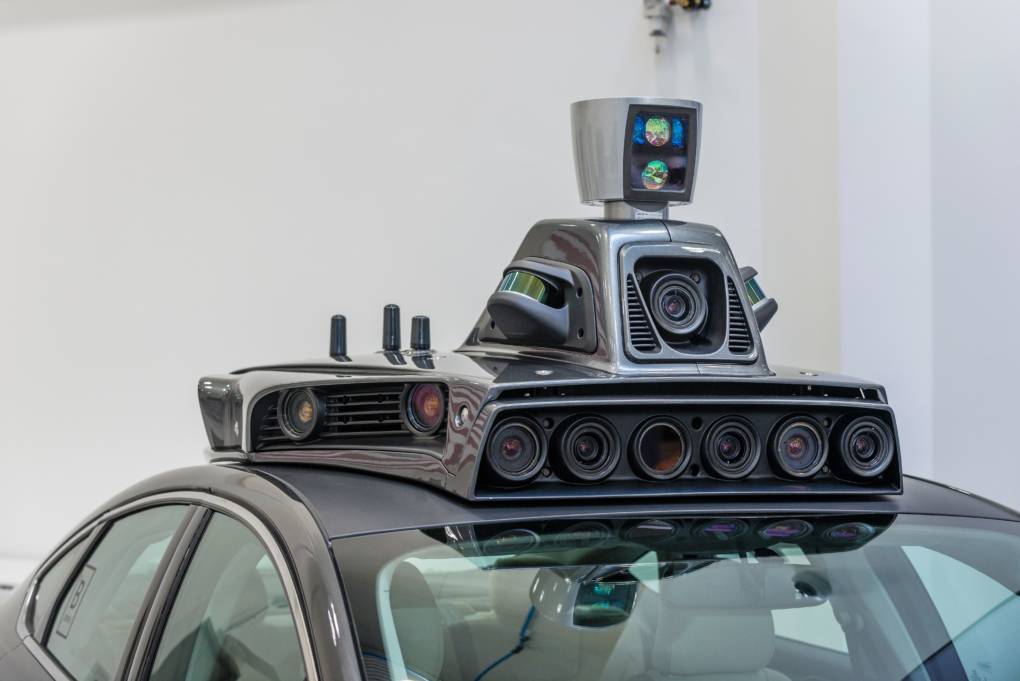
"caption": "The cameras on a pilot model of an Uber self-driving car are displayed at the Uber Advanced Technologies Center in Pittsburgh.",
"description": null,
"title": "Uber-Autonomous Vehicle",
"credit": "Angelo Merendino/AFP-Getty Images",
"status": "inherit",
"isLoading": false,
"fetchFailed": false
},
"news_11341267": {
"type": "attachments",
"id": "news_11341267",
"meta": {
"index": "attachments_1716263798",
"site": "news",
"id": "11341267",
"found": true
},
"parent": 11341258,
"imgSizes": {
"small": {
"file": "https://ww2.kqed.org/app/uploads/sites/10/2017/03/EarlWarrenBldg-520x362.jpg",
"width": 520,
"mimeType": "image/jpeg",
"height": 362
},
"twentyfourteen-full-width": {
"file": "https://ww2.kqed.org/app/uploads/sites/10/2017/03/EarlWarrenBldg-1038x576.jpg",
"width": 1038,
"mimeType": "image/jpeg",
"height": 576
},
"thumbnail": {
"file": "https://ww2.kqed.org/app/uploads/sites/10/2017/03/EarlWarrenBldg-160x111.jpg",
"width": 160,
"mimeType": "image/jpeg",
"height": 111
},
"fd-sm": {
"file": "https://ww2.kqed.org/app/uploads/sites/10/2017/03/EarlWarrenBldg-960x668.jpg",
"width": 960,
"mimeType": "image/jpeg",
"height": 668
},
"post-thumbnail": {
"file": "https://ww2.kqed.org/app/uploads/sites/10/2017/03/EarlWarrenBldg-672x372.jpg",
"width": 672,
"mimeType": "image/jpeg",
"height": 372
},
"xsmall": {
"file": "https://ww2.kqed.org/app/uploads/sites/10/2017/03/EarlWarrenBldg-375x261.jpg",
"width": 375,
"mimeType": "image/jpeg",
"height": 261
},
"kqedFullSize": {
"file": "https://ww2.kqed.org/app/uploads/sites/10/2017/03/EarlWarrenBldg.jpg",
"width": 1920,
"height": 1336
},
"large": {
"file": "https://ww2.kqed.org/app/uploads/sites/10/2017/03/EarlWarrenBldg-1020x710.jpg",
"width": 1020,
"mimeType": "image/jpeg",
"height": 710
},
"xlarge": {
"file": "https://ww2.kqed.org/app/uploads/sites/10/2017/03/EarlWarrenBldg-1180x821.jpg",
"width": 1180,
"mimeType": "image/jpeg",
"height": 821
},
"guest-author-50": {
"file": "https://ww2.kqed.org/app/uploads/sites/10/2017/03/EarlWarrenBldg-50x50.jpg",
"width": 50,
"mimeType": "image/jpeg",
"height": 50
},
"guest-author-96": {
"file": "https://ww2.kqed.org/app/uploads/sites/10/2017/03/EarlWarrenBldg-96x96.jpg",
"width": 96,
"mimeType": "image/jpeg",
"height": 96
},
"medium": {
"file": "https://ww2.kqed.org/app/uploads/sites/10/2017/03/EarlWarrenBldg-800x557.jpg",
"width": 800,
"mimeType": "image/jpeg",
"height": 557
},
"guest-author-64": {
"file": "https://ww2.kqed.org/app/uploads/sites/10/2017/03/EarlWarrenBldg-64x64.jpg",
"width": 64,
"mimeType": "image/jpeg",
"height": 64
},
"guest-author-32": {
"file": "https://ww2.kqed.org/app/uploads/sites/10/2017/03/EarlWarrenBldg-32x32.jpg",
"width": 32,
"mimeType": "image/jpeg",
"height": 32
},
"fd-lrg": {
"file": "https://ww2.kqed.org/app/uploads/sites/10/2017/03/EarlWarrenBldg-1920x1336.jpg",
"width": 1920,
"mimeType": "image/jpeg",
"height": 1336
},
"fd-med": {
"file": "https://ww2.kqed.org/app/uploads/sites/10/2017/03/EarlWarrenBldg-1180x821.jpg",
"width": 1180,
"mimeType": "image/jpeg",
"height": 821
},
"full-width": {
"file": "https://ww2.kqed.org/app/uploads/sites/10/2017/03/EarlWarrenBldg-1920x1336.jpg",
"width": 1920,
"mimeType": "image/jpeg",
"height": 1336
},
"detail": {
"file": "https://ww2.kqed.org/app/uploads/sites/10/2017/03/EarlWarrenBldg-150x150.jpg",
"width": 150,
"mimeType": "image/jpeg",
"height": 150
},
"guest-author-128": {
"file": "https://ww2.kqed.org/app/uploads/sites/10/2017/03/EarlWarrenBldg-128x128.jpg",
"width": 128,
"mimeType": "image/jpeg",
"height": 128
},
"xxsmall": {
"file": "https://ww2.kqed.org/app/uploads/sites/10/2017/03/EarlWarrenBldg-240x167.jpg",
"width": 240,
"mimeType": "image/jpeg",
"height": 167
}
},
"publishDate": 1488486416,
"modified": 1537489391,
"caption": "The California Supreme Court is ordering arguments on whether a new law that seeks to end the use of cash bail in the state affects a case weighing when and how a defendant can be held in jail while awaiting trial.",
"description": "The California Supreme Court is ordering arguments on whether a new law that seeks to end the use of cash bail in the state affects a case weighing when and how a defendant can be held in jail while awaiting trial.",
"title": "EarlWarrenBldg",
"credit": "Justin Sullivan/Getty Images",
"status": "inherit",
"isLoading": false,
"fetchFailed": false
},
"news_11341173": {
"type": "attachments",
"id": "news_11341173",
"meta": {
"index": "attachments_1716263798",
"site": "news",
"id": "11341173",
"found": true
},
"parent": 11341109,
"imgSizes": {
"small": {
"file": "https://ww2.kqed.org/app/uploads/sites/10/2017/03/Mayer-520x431.jpg",
"width": 520,
"mimeType": "image/jpeg",
"height": 431
},
"twentyfourteen-full-width": {
"file": "https://ww2.kqed.org/app/uploads/sites/10/2017/03/Mayer-1038x576.jpg",
"width": 1038,
"mimeType": "image/jpeg",
"height": 576
},
"thumbnail": {
"file": "https://ww2.kqed.org/app/uploads/sites/10/2017/03/Mayer-160x133.jpg",
"width": 160,
"mimeType": "image/jpeg",
"height": 133
},
"fd-sm": {
"file": "https://ww2.kqed.org/app/uploads/sites/10/2017/03/Mayer-960x796.jpg",
"width": 960,
"mimeType": "image/jpeg",
"height": 796
},
"post-thumbnail": {
"file": "https://ww2.kqed.org/app/uploads/sites/10/2017/03/Mayer-672x372.jpg",
"width": 672,
"mimeType": "image/jpeg",
"height": 372
},
"xsmall": {
"file": "https://ww2.kqed.org/app/uploads/sites/10/2017/03/Mayer-375x311.jpg",
"width": 375,
"mimeType": "image/jpeg",
"height": 311
},
"kqedFullSize": {
"file": "https://ww2.kqed.org/app/uploads/sites/10/2017/03/Mayer.jpg",
"width": 1920,
"height": 1592
},
"large": {
"file": "https://ww2.kqed.org/app/uploads/sites/10/2017/03/Mayer-1020x846.jpg",
"width": 1020,
"mimeType": "image/jpeg",
"height": 846
},
"xlarge": {
"file": "https://ww2.kqed.org/app/uploads/sites/10/2017/03/Mayer-1180x978.jpg",
"width": 1180,
"mimeType": "image/jpeg",
"height": 978
},
"guest-author-50": {
"file": "https://ww2.kqed.org/app/uploads/sites/10/2017/03/Mayer-50x50.jpg",
"width": 50,
"mimeType": "image/jpeg",
"height": 50
},
"guest-author-96": {
"file": "https://ww2.kqed.org/app/uploads/sites/10/2017/03/Mayer-96x96.jpg",
"width": 96,
"mimeType": "image/jpeg",
"height": 96
},
"medium": {
"file": "https://ww2.kqed.org/app/uploads/sites/10/2017/03/Mayer-800x663.jpg",
"width": 800,
"mimeType": "image/jpeg",
"height": 663
},
"guest-author-64": {
"file": "https://ww2.kqed.org/app/uploads/sites/10/2017/03/Mayer-64x64.jpg",
"width": 64,
"mimeType": "image/jpeg",
"height": 64
},
"guest-author-32": {
"file": "https://ww2.kqed.org/app/uploads/sites/10/2017/03/Mayer-32x32.jpg",
"width": 32,
"mimeType": "image/jpeg",
"height": 32
},
"fd-lrg": {
"file": "https://ww2.kqed.org/app/uploads/sites/10/2017/03/Mayer-1920x1592.jpg",
"width": 1920,
"mimeType": "image/jpeg",
"height": 1592
},
"fd-med": {
"file": "https://ww2.kqed.org/app/uploads/sites/10/2017/03/Mayer-1180x978.jpg",
"width": 1180,
"mimeType": "image/jpeg",
"height": 978
},
"full-width": {
"file": "https://ww2.kqed.org/app/uploads/sites/10/2017/03/Mayer-1920x1592.jpg",
"width": 1920,
"mimeType": "image/jpeg",
"height": 1592
},
"detail": {
"file": "https://ww2.kqed.org/app/uploads/sites/10/2017/03/Mayer-150x150.jpg",
"width": 150,
"mimeType": "image/jpeg",
"height": 150
},
"guest-author-128": {
"file": "https://ww2.kqed.org/app/uploads/sites/10/2017/03/Mayer-128x128.jpg",
"width": 128,
"mimeType": "image/jpeg",
"height": 128
},
"xxsmall": {
"file": "https://ww2.kqed.org/app/uploads/sites/10/2017/03/Mayer-240x199.jpg",
"width": 240,
"mimeType": "image/jpeg",
"height": 199
}
},
"publishDate": 1488481034,
"modified": 1488497090,
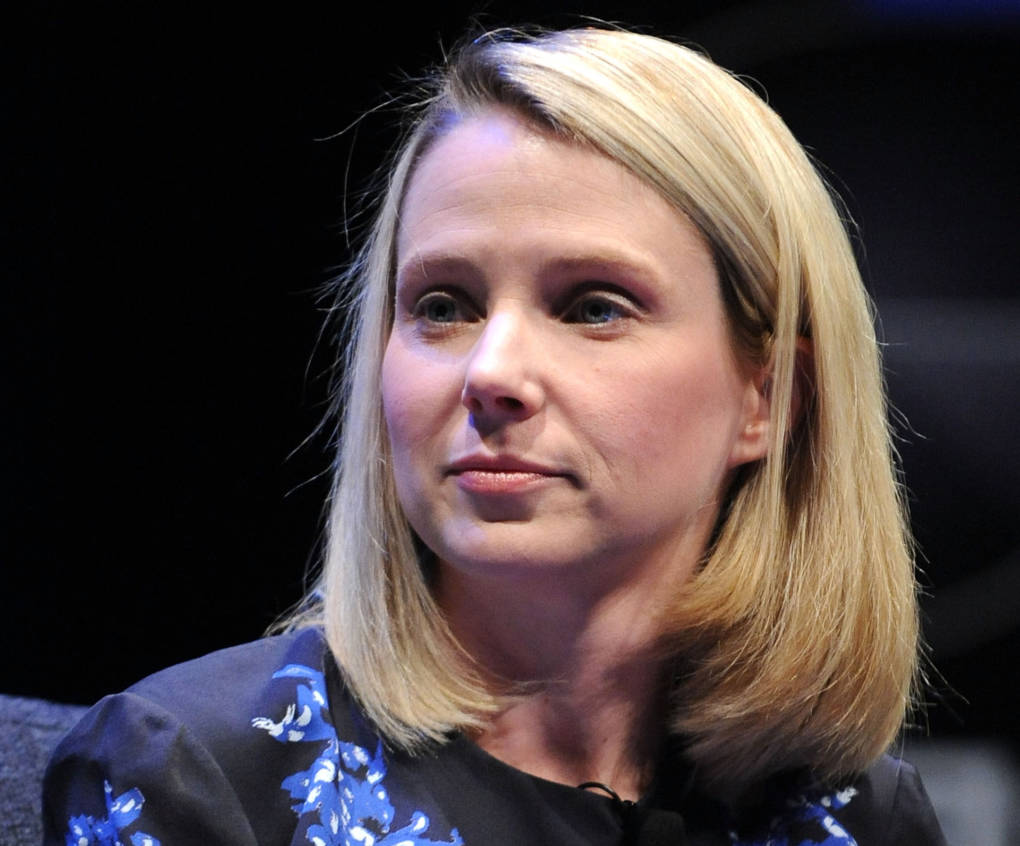
"caption": "CEO Marissa Mayer won't get her annual bonus after an independent board found that Yahoo senior executives failed to 'properly comprehend or investigate' a 2014 security breach.",
"description": "CEO Marissa Mayer won't get her annual bonus after an independent board found that Yahoo senior executives failed to “properly comprehend or investigate” a 2014 security breach.",
"title": "Mayer",
"credit": "Brad Barket/Getty Images",
"status": "inherit",
"isLoading": false,
"fetchFailed": false
},
"news_11339533": {
"type": "attachments",
"id": "news_11339533",
"meta": {
"index": "attachments_1716263798",
"site": "news",
"id": "11339533",
"found": true
},
"parent": 11339331,
"imgSizes": {
"small": {
"file": "https://ww2.kqed.org/app/uploads/sites/10/2017/03/kalanick170301-520x377.jpg",
"width": 520,
"mimeType": "image/jpeg",
"height": 377
},
"twentyfourteen-full-width": {
"file": "https://ww2.kqed.org/app/uploads/sites/10/2017/03/kalanick170301-932x576.jpg",
"width": 932,
"mimeType": "image/jpeg",
"height": 576
},
"thumbnail": {
"file": "https://ww2.kqed.org/app/uploads/sites/10/2017/03/kalanick170301-160x116.jpg",
"width": 160,
"mimeType": "image/jpeg",
"height": 116
},
"post-thumbnail": {
"file": "https://ww2.kqed.org/app/uploads/sites/10/2017/03/kalanick170301-672x372.jpg",
"width": 672,
"mimeType": "image/jpeg",
"height": 372
},
"xsmall": {
"file": "https://ww2.kqed.org/app/uploads/sites/10/2017/03/kalanick170301-375x272.jpg",
"width": 375,
"mimeType": "image/jpeg",
"height": 272
},
"kqedFullSize": {
"file": "https://ww2.kqed.org/app/uploads/sites/10/2017/03/kalanick170301.jpg",
"width": 932,
"height": 675
},
"guest-author-50": {
"file": "https://ww2.kqed.org/app/uploads/sites/10/2017/03/kalanick170301-50x50.jpg",
"width": 50,
"mimeType": "image/jpeg",
"height": 50
},
"guest-author-96": {
"file": "https://ww2.kqed.org/app/uploads/sites/10/2017/03/kalanick170301-96x96.jpg",
"width": 96,
"mimeType": "image/jpeg",
"height": 96
},
"medium": {
"file": "https://ww2.kqed.org/app/uploads/sites/10/2017/03/kalanick170301-800x579.jpg",
"width": 800,
"mimeType": "image/jpeg",
"height": 579
},
"guest-author-64": {
"file": "https://ww2.kqed.org/app/uploads/sites/10/2017/03/kalanick170301-64x64.jpg",
"width": 64,
"mimeType": "image/jpeg",
"height": 64
},
"guest-author-32": {
"file": "https://ww2.kqed.org/app/uploads/sites/10/2017/03/kalanick170301-32x32.jpg",
"width": 32,
"mimeType": "image/jpeg",
"height": 32
},
"detail": {
"file": "https://ww2.kqed.org/app/uploads/sites/10/2017/03/kalanick170301-150x150.jpg",
"width": 150,
"mimeType": "image/jpeg",
"height": 150
},
"guest-author-128": {
"file": "https://ww2.kqed.org/app/uploads/sites/10/2017/03/kalanick170301-128x128.jpg",
"width": 128,
"mimeType": "image/jpeg",
"height": 128
},
"xxsmall": {
"file": "https://ww2.kqed.org/app/uploads/sites/10/2017/03/kalanick170301-240x174.jpg",
"width": 240,
"mimeType": "image/jpeg",
"height": 174
}
},
"publishDate": 1488394122,
"modified": 1488394201,
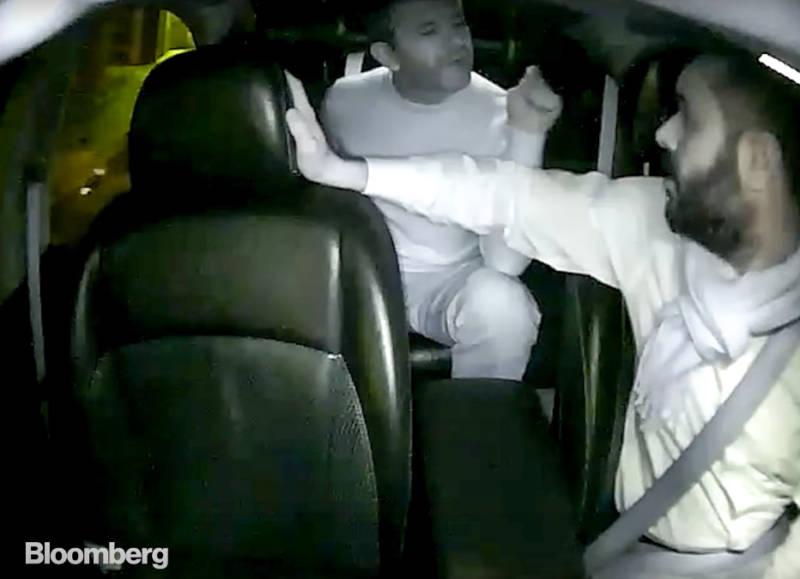
"caption": "Screengrab of video in which Uber CEO Travis Kalanick argues with one of service's drivers over pricing policies.",
"description": null,
"title": "Uber-Travis Kalanick",
"credit": "Bloomberg via YouTube",
"status": "inherit",
"isLoading": false,
"fetchFailed": false
},
"news_11338176": {
"type": "attachments",
"id": "news_11338176",
"meta": {
"index": "attachments_1716263798",
"site": "news",
"id": "11338176",
"found": true
},
"parent": 11338167,
"imgSizes": {
"small": {
"file": "https://ww2.kqed.org/app/uploads/sites/10/2017/02/Capitol-1-520x330.jpg",
"width": 520,
"mimeType": "image/jpeg",
"height": 330
},
"twentyfourteen-full-width": {
"file": "https://ww2.kqed.org/app/uploads/sites/10/2017/02/Capitol-1-1038x576.jpg",
"width": 1038,
"mimeType": "image/jpeg",
"height": 576
},
"thumbnail": {
"file": "https://ww2.kqed.org/app/uploads/sites/10/2017/02/Capitol-1-160x102.jpg",
"width": 160,
"mimeType": "image/jpeg",
"height": 102
},
"fd-sm": {
"file": "https://ww2.kqed.org/app/uploads/sites/10/2017/02/Capitol-1-960x609.jpg",
"width": 960,
"mimeType": "image/jpeg",
"height": 609
},
"post-thumbnail": {
"file": "https://ww2.kqed.org/app/uploads/sites/10/2017/02/Capitol-1-672x372.jpg",
"width": 672,
"mimeType": "image/jpeg",
"height": 372
},
"xsmall": {
"file": "https://ww2.kqed.org/app/uploads/sites/10/2017/02/Capitol-1-375x238.jpg",
"width": 375,
"mimeType": "image/jpeg",
"height": 238
},
"kqedFullSize": {
"file": "https://ww2.kqed.org/app/uploads/sites/10/2017/02/Capitol-1.jpg",
"width": 1920,
"height": 1218
},
"large": {
"file": "https://ww2.kqed.org/app/uploads/sites/10/2017/02/Capitol-1-1020x647.jpg",
"width": 1020,
"mimeType": "image/jpeg",
"height": 647
},
"xlarge": {
"file": "https://ww2.kqed.org/app/uploads/sites/10/2017/02/Capitol-1-1180x749.jpg",
"width": 1180,
"mimeType": "image/jpeg",
"height": 749
},
"guest-author-50": {
"file": "https://ww2.kqed.org/app/uploads/sites/10/2017/02/Capitol-1-50x50.jpg",
"width": 50,
"mimeType": "image/jpeg",
"height": 50
},
"guest-author-96": {
"file": "https://ww2.kqed.org/app/uploads/sites/10/2017/02/Capitol-1-96x96.jpg",
"width": 96,
"mimeType": "image/jpeg",
"height": 96
},
"medium": {
"file": "https://ww2.kqed.org/app/uploads/sites/10/2017/02/Capitol-1-800x508.jpg",
"width": 800,
"mimeType": "image/jpeg",
"height": 508
},
"guest-author-64": {
"file": "https://ww2.kqed.org/app/uploads/sites/10/2017/02/Capitol-1-64x64.jpg",
"width": 64,
"mimeType": "image/jpeg",
"height": 64
},
"guest-author-32": {
"file": "https://ww2.kqed.org/app/uploads/sites/10/2017/02/Capitol-1-32x32.jpg",
"width": 32,
"mimeType": "image/jpeg",
"height": 32
},
"fd-lrg": {
"file": "https://ww2.kqed.org/app/uploads/sites/10/2017/02/Capitol-1-1920x1218.jpg",
"width": 1920,
"mimeType": "image/jpeg",
"height": 1218
},
"fd-med": {
"file": "https://ww2.kqed.org/app/uploads/sites/10/2017/02/Capitol-1-1180x749.jpg",
"width": 1180,
"mimeType": "image/jpeg",
"height": 749
},
"full-width": {
"file": "https://ww2.kqed.org/app/uploads/sites/10/2017/02/Capitol-1-1920x1218.jpg",
"width": 1920,
"mimeType": "image/jpeg",
"height": 1218
},
"detail": {
"file": "https://ww2.kqed.org/app/uploads/sites/10/2017/02/Capitol-1-150x150.jpg",
"width": 150,
"mimeType": "image/jpeg",
"height": 150
},
"guest-author-128": {
"file": "https://ww2.kqed.org/app/uploads/sites/10/2017/02/Capitol-1-128x128.jpg",
"width": 128,
"mimeType": "image/jpeg",
"height": 128
},
"xxsmall": {
"file": "https://ww2.kqed.org/app/uploads/sites/10/2017/02/Capitol-1-240x152.jpg",
"width": 240,
"mimeType": "image/jpeg",
"height": 152
}
},
"publishDate": 1488318880,
"modified": 1512060621,
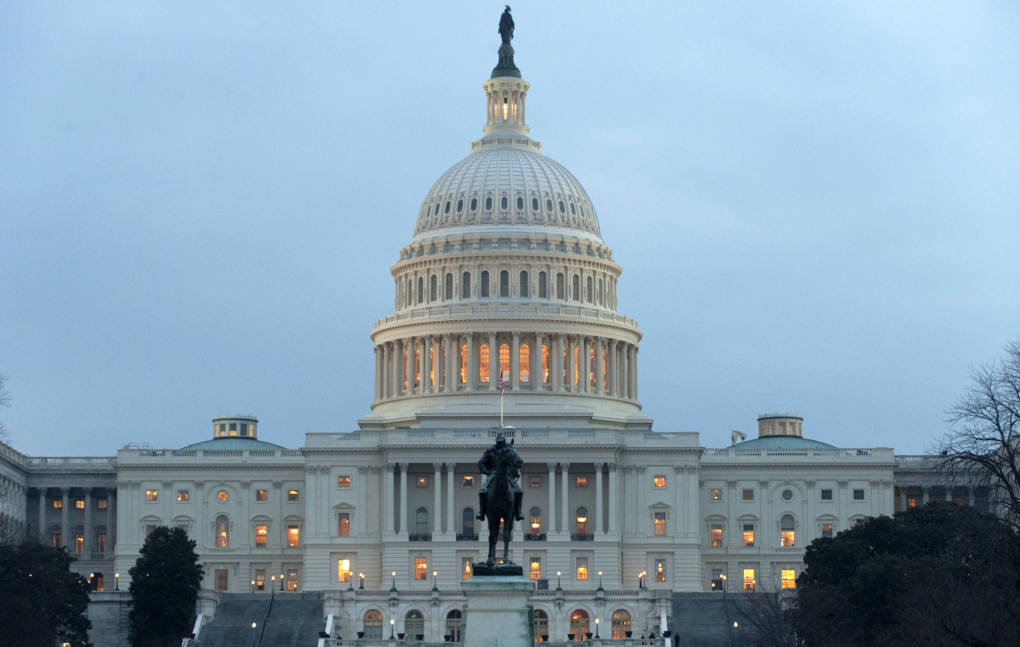
"caption": "The Senate began debate on a sweeping GOP tax bill on Thursday.",
"description": "The Senate began debate on a sweeping GOP tax bill on Thursday.",
"title": "Capitol",
"credit": "SAUL LOEB/AFP/Getty Images",
"status": "inherit",
"isLoading": false,
"fetchFailed": false
},
"futureofyou_345912": {
"type": "attachments",
"id": "futureofyou_345912",
"meta": {
"index": "attachments_1716263798",
"site": "futureofyou",
"id": "345912",
"found": true
},
"parent": 341792,
"imgSizes": {
"small": {
"file": "https://ww2.kqed.org/app/uploads/sites/13/2017/02/elderly-520x323.jpg",
"width": 520,
"mimeType": "image/jpeg",
"height": 323
},
"twentyfourteen-full-width": {
"file": "https://ww2.kqed.org/app/uploads/sites/13/2017/02/elderly-1038x576.jpg",
"width": 1038,
"mimeType": "image/jpeg",
"height": 576
},
"thumbnail": {
"file": "https://ww2.kqed.org/app/uploads/sites/13/2017/02/elderly-160x99.jpg",
"width": 160,
"mimeType": "image/jpeg",
"height": 99
},
"fd-sm": {
"file": "https://ww2.kqed.org/app/uploads/sites/13/2017/02/elderly-960x597.jpg",
"width": 960,
"mimeType": "image/jpeg",
"height": 597
},
"post-thumbnail": {
"file": "https://ww2.kqed.org/app/uploads/sites/13/2017/02/elderly-672x372.jpg",
"width": 672,
"mimeType": "image/jpeg",
"height": 372
},
"xsmall": {
"file": "https://ww2.kqed.org/app/uploads/sites/13/2017/02/elderly-375x233.jpg",
"width": 375,
"mimeType": "image/jpeg",
"height": 233
},
"kqedFullSize": {
"file": "https://ww2.kqed.org/app/uploads/sites/13/2017/02/elderly-e1488319718176.jpg",
"width": 1920,
"height": 1194
},
"large": {
"file": "https://ww2.kqed.org/app/uploads/sites/13/2017/02/elderly-1020x634.jpg",
"width": 1020,
"mimeType": "image/jpeg",
"height": 634
},
"xlarge": {
"file": "https://ww2.kqed.org/app/uploads/sites/13/2017/02/elderly-1180x734.jpg",
"width": 1180,
"mimeType": "image/jpeg",
"height": 734
},
"guest-author-50": {
"file": "https://ww2.kqed.org/app/uploads/sites/13/2017/02/elderly-50x50.jpg",
"width": 50,
"mimeType": "image/jpeg",
"height": 50
},
"guest-author-96": {
"file": "https://ww2.kqed.org/app/uploads/sites/13/2017/02/elderly-96x96.jpg",
"width": 96,
"mimeType": "image/jpeg",
"height": 96
},
"medium": {
"file": "https://ww2.kqed.org/app/uploads/sites/13/2017/02/elderly-800x497.jpg",
"width": 800,
"mimeType": "image/jpeg",
"height": 497
},
"guest-author-64": {
"file": "https://ww2.kqed.org/app/uploads/sites/13/2017/02/elderly-64x64.jpg",
"width": 64,
"mimeType": "image/jpeg",
"height": 64
},
"guest-author-32": {
"file": "https://ww2.kqed.org/app/uploads/sites/13/2017/02/elderly-32x32.jpg",
"width": 32,
"mimeType": "image/jpeg",
"height": 32
},
"fd-lrg": {
"file": "https://ww2.kqed.org/app/uploads/sites/13/2017/02/elderly-1920x1194.jpg",
"width": 1920,
"mimeType": "image/jpeg",
"height": 1194
},
"fd-med": {
"file": "https://ww2.kqed.org/app/uploads/sites/13/2017/02/elderly-1180x734.jpg",
"width": 1180,
"mimeType": "image/jpeg",
"height": 734
},
"full-width": {
"file": "https://ww2.kqed.org/app/uploads/sites/13/2017/02/elderly-1920x1194.jpg",
"width": 1920,
"mimeType": "image/jpeg",
"height": 1194
},
"detail": {
"file": "https://ww2.kqed.org/app/uploads/sites/13/2017/02/elderly-150x150.jpg",
"width": 150,
"mimeType": "image/jpeg",
"height": 150
},
"medium_large": {
"file": "https://ww2.kqed.org/app/uploads/sites/13/2017/02/elderly-768x477.jpg",
"width": 768,
"mimeType": "image/jpeg",
"height": 477
},
"guest-author-128": {
"file": "https://ww2.kqed.org/app/uploads/sites/13/2017/02/elderly-128x128.jpg",
"width": 128,
"mimeType": "image/jpeg",
"height": 128
},
"xxsmall": {
"file": "https://ww2.kqed.org/app/uploads/sites/13/2017/02/elderly-240x149.jpg",
"width": 240,
"mimeType": "image/jpeg",
"height": 149
}
},
"publishDate": 1488319674,
"modified": 1520034841,
"caption": null,
"description": "Group of Senior Retirement Friends Happiness Concept",
"title": "Group of Senior Retirement Friends Happiness Concept",
"credit": "Rawpixel Ltd/iStock",
"status": "inherit",
"isLoading": false,
"fetchFailed": false
},
"news_11335382": {
"type": "attachments",
"id": "news_11335382",
"meta": {
"index": "attachments_1716263798",
"site": "news",
"id": "11335382",
"found": true
},
"parent": 11335380,
"imgSizes": {
"small": {
"file": "https://ww2.kqed.org/app/uploads/sites/10/2017/02/IMG_3409-520x347.jpg",
"width": 520,
"mimeType": "image/jpeg",
"height": 347
},
"twentyfourteen-full-width": {
"file": "https://ww2.kqed.org/app/uploads/sites/10/2017/02/IMG_3409-1038x576.jpg",
"width": 1038,
"mimeType": "image/jpeg",
"height": 576
},
"thumbnail": {
"file": "https://ww2.kqed.org/app/uploads/sites/10/2017/02/IMG_3409-160x107.jpg",
"width": 160,
"mimeType": "image/jpeg",
"height": 107
},
"fd-sm": {
"file": "https://ww2.kqed.org/app/uploads/sites/10/2017/02/IMG_3409-960x640.jpg",
"width": 960,
"mimeType": "image/jpeg",
"height": 640
},
"post-thumbnail": {
"file": "https://ww2.kqed.org/app/uploads/sites/10/2017/02/IMG_3409-672x372.jpg",
"width": 672,
"mimeType": "image/jpeg",
"height": 372
},
"xsmall": {
"file": "https://ww2.kqed.org/app/uploads/sites/10/2017/02/IMG_3409-375x250.jpg",
"width": 375,
"mimeType": "image/jpeg",
"height": 250
},
"kqedFullSize": {
"file": "https://ww2.kqed.org/app/uploads/sites/10/2017/02/IMG_3409-e1488163401516.jpg",
"width": 1920,
"height": 1280
},
"large": {
"file": "https://ww2.kqed.org/app/uploads/sites/10/2017/02/IMG_3409-1020x680.jpg",
"width": 1020,
"mimeType": "image/jpeg",
"height": 680
},
"xlarge": {
"file": "https://ww2.kqed.org/app/uploads/sites/10/2017/02/IMG_3409-1180x787.jpg",
"width": 1180,
"mimeType": "image/jpeg",
"height": 787
},
"guest-author-50": {
"file": "https://ww2.kqed.org/app/uploads/sites/10/2017/02/IMG_3409-50x50.jpg",
"width": 50,
"mimeType": "image/jpeg",
"height": 50
},
"guest-author-96": {
"file": "https://ww2.kqed.org/app/uploads/sites/10/2017/02/IMG_3409-96x96.jpg",
"width": 96,
"mimeType": "image/jpeg",
"height": 96
},
"medium": {
"file": "https://ww2.kqed.org/app/uploads/sites/10/2017/02/IMG_3409-800x533.jpg",
"width": 800,
"mimeType": "image/jpeg",
"height": 533
},
"guest-author-64": {
"file": "https://ww2.kqed.org/app/uploads/sites/10/2017/02/IMG_3409-64x64.jpg",
"width": 64,
"mimeType": "image/jpeg",
"height": 64
},
"guest-author-32": {
"file": "https://ww2.kqed.org/app/uploads/sites/10/2017/02/IMG_3409-32x32.jpg",
"width": 32,
"mimeType": "image/jpeg",
"height": 32
},
"fd-lrg": {
"file": "https://ww2.kqed.org/app/uploads/sites/10/2017/02/IMG_3409-1920x1280.jpg",
"width": 1920,
"mimeType": "image/jpeg",
"height": 1280
},
"fd-med": {
"file": "https://ww2.kqed.org/app/uploads/sites/10/2017/02/IMG_3409-1180x787.jpg",
"width": 1180,
"mimeType": "image/jpeg",
"height": 787
},
"full-width": {
"file": "https://ww2.kqed.org/app/uploads/sites/10/2017/02/IMG_3409-1920x1280.jpg",
"width": 1920,
"mimeType": "image/jpeg",
"height": 1280
},
"detail": {
"file": "https://ww2.kqed.org/app/uploads/sites/10/2017/02/IMG_3409-150x150.jpg",
"width": 150,
"mimeType": "image/jpeg",
"height": 150
},
"guest-author-128": {
"file": "https://ww2.kqed.org/app/uploads/sites/10/2017/02/IMG_3409-128x128.jpg",
"width": 128,
"mimeType": "image/jpeg",
"height": 128
},
"xxsmall": {
"file": "https://ww2.kqed.org/app/uploads/sites/10/2017/02/IMG_3409-240x160.jpg",
"width": 240,
"mimeType": "image/jpeg",
"height": 160
}
},
"publishDate": 1488163318,
"modified": 1488170782,
"caption": "Edward Snowden and Daniel Ellsberg talk with KQED's Scott Shafer at a City Arts & Lectures event in San Francisco on Feb. 26, 2017. ",
"description": null,
"title": "Edward Snowden",
"credit": "Ericka Cruz Guevarra/KQED",
"status": "inherit",
"isLoading": false,
"fetchFailed": false
},
"arts_12812406": {
"type": "attachments",
"id": "arts_12812406",
"meta": {
"index": "attachments_1716263798",
"site": "arts",
"id": "12812406",
"found": true
},
"parent": 12808122,
"imgSizes": {
"small": {
"file": "https://ww2.kqed.org/app/uploads/sites/2/2017/02/RS24352_i-NgFDx99-XL-qut-520x293.jpg",
"width": 520,
"mimeType": "image/jpeg",
"height": 293
},
"twentyfourteen-full-width": {
"file": "https://ww2.kqed.org/app/uploads/sites/2/2017/02/RS24352_i-NgFDx99-XL-qut-1024x576.jpg",
"width": 1024,
"mimeType": "image/jpeg",
"height": 576
},
"thumbnail": {
"file": "https://ww2.kqed.org/app/uploads/sites/2/2017/02/RS24352_i-NgFDx99-XL-qut-160x90.jpg",
"width": 160,
"mimeType": "image/jpeg",
"height": 90
},
"fd-sm": {
"file": "https://ww2.kqed.org/app/uploads/sites/2/2017/02/RS24352_i-NgFDx99-XL-qut-960x540.jpg",
"width": 960,
"mimeType": "image/jpeg",
"height": 540
},
"post-thumbnail": {
"file": "https://ww2.kqed.org/app/uploads/sites/2/2017/02/RS24352_i-NgFDx99-XL-qut-672x372.jpg",
"width": 672,
"mimeType": "image/jpeg",
"height": 372
},
"xsmall": {
"file": "https://ww2.kqed.org/app/uploads/sites/2/2017/02/RS24352_i-NgFDx99-XL-qut-375x211.jpg",
"width": 375,
"mimeType": "image/jpeg",
"height": 211
},
"kqedFullSize": {
"file": "https://ww2.kqed.org/app/uploads/sites/2/2017/02/RS24352_i-NgFDx99-XL-qut.jpg",
"width": 1024,
"height": 576
},
"large": {
"file": "https://ww2.kqed.org/app/uploads/sites/2/2017/02/RS24352_i-NgFDx99-XL-qut-1020x574.jpg",
"width": 1020,
"mimeType": "image/jpeg",
"height": 574
},
"guest-author-50": {
"file": "https://ww2.kqed.org/app/uploads/sites/2/2017/02/RS24352_i-NgFDx99-XL-qut-50x50.jpg",
"width": 50,
"mimeType": "image/jpeg",
"height": 50
},
"guest-author-96": {
"file": "https://ww2.kqed.org/app/uploads/sites/2/2017/02/RS24352_i-NgFDx99-XL-qut-96x96.jpg",
"width": 96,
"mimeType": "image/jpeg",
"height": 96
},
"medium": {
"file": "https://ww2.kqed.org/app/uploads/sites/2/2017/02/RS24352_i-NgFDx99-XL-qut-800x450.jpg",
"width": 800,
"mimeType": "image/jpeg",
"height": 450
},
"guest-author-64": {
"file": "https://ww2.kqed.org/app/uploads/sites/2/2017/02/RS24352_i-NgFDx99-XL-qut-64x64.jpg",
"width": 64,
"mimeType": "image/jpeg",
"height": 64
},
"guest-author-32": {
"file": "https://ww2.kqed.org/app/uploads/sites/2/2017/02/RS24352_i-NgFDx99-XL-qut-32x32.jpg",
"width": 32,
"mimeType": "image/jpeg",
"height": 32
},
"detail": {
"file": "https://ww2.kqed.org/app/uploads/sites/2/2017/02/RS24352_i-NgFDx99-XL-qut-150x150.jpg",
"width": 150,
"mimeType": "image/jpeg",
"height": 150
},
"medium_large": {
"file": "https://ww2.kqed.org/app/uploads/sites/2/2017/02/RS24352_i-NgFDx99-XL-qut-768x432.jpg",
"width": 768,
"mimeType": "image/jpeg",
"height": 432
},
"guest-author-128": {
"file": "https://ww2.kqed.org/app/uploads/sites/2/2017/02/RS24352_i-NgFDx99-XL-qut-128x128.jpg",
"width": 128,
"mimeType": "image/jpeg",
"height": 128
},
"xxsmall": {
"file": "https://ww2.kqed.org/app/uploads/sites/2/2017/02/RS24352_i-NgFDx99-XL-qut-240x135.jpg",
"width": 240,
"mimeType": "image/jpeg",
"height": 135
}
},
"publishDate": 1487958964,
"modified": 1487963083,
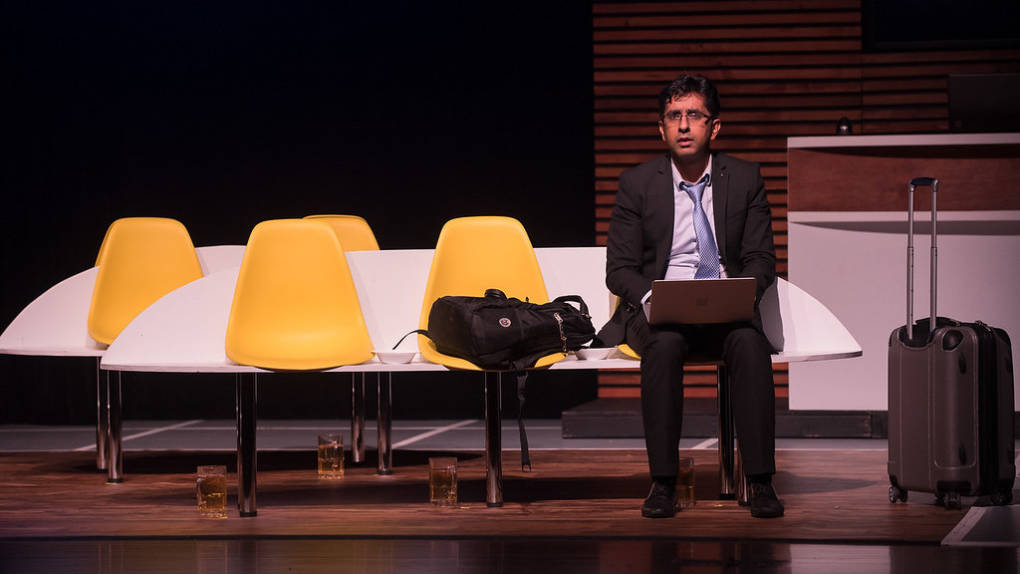
"caption": "In 'Airport Insecurity,' produced by Naatak, a Silicon Valley tech worker enters a 48-hour personal nightmare after his travel documents were stolen while he napped at Frankfurt Airport.",
"description": "In 'Airport Insecurity,' produced by Naatak, a Silicon Valley tech worker enters a 48-hour personal nightmare after his travel documents were stolen while he napped at Frankfurt Airport.",
"title": "RS24352_i-NgFDx99-XL-qut",
"credit": "Photo: Courtesy of Sharma Podila",
"status": "inherit",
"isLoading": false,
"fetchFailed": false
},
"news_11331996": {
"type": "attachments",
"id": "news_11331996",
"meta": {
"index": "attachments_1716263798",
"site": "news",
"id": "11331996",
"found": true
},
"parent": 11331915,
"imgSizes": {
"small": {
"file": "https://ww2.kqed.org/app/uploads/sites/10/2017/02/RS24352_i-NgFDx99-XL-qut-768x432-520x293.jpg",
"width": 520,
"mimeType": "image/jpeg",
"height": 293
},
"thumbnail": {
"file": "https://ww2.kqed.org/app/uploads/sites/10/2017/02/RS24352_i-NgFDx99-XL-qut-768x432-160x90.jpg",
"width": 160,
"mimeType": "image/jpeg",
"height": 90
},
"post-thumbnail": {
"file": "https://ww2.kqed.org/app/uploads/sites/10/2017/02/RS24352_i-NgFDx99-XL-qut-768x432-672x372.jpg",
"width": 672,
"mimeType": "image/jpeg",
"height": 372
},
"xsmall": {
"file": "https://ww2.kqed.org/app/uploads/sites/10/2017/02/RS24352_i-NgFDx99-XL-qut-768x432-375x211.jpg",
"width": 375,
"mimeType": "image/jpeg",
"height": 211
},
"kqedFullSize": {
"file": "https://ww2.kqed.org/app/uploads/sites/10/2017/02/RS24352_i-NgFDx99-XL-qut-768x432.jpg",
"width": 768,
"height": 432
},
"guest-author-50": {
"file": "https://ww2.kqed.org/app/uploads/sites/10/2017/02/RS24352_i-NgFDx99-XL-qut-768x432-50x50.jpg",
"width": 50,
"mimeType": "image/jpeg",
"height": 50
},
"guest-author-96": {
"file": "https://ww2.kqed.org/app/uploads/sites/10/2017/02/RS24352_i-NgFDx99-XL-qut-768x432-96x96.jpg",
"width": 96,
"mimeType": "image/jpeg",
"height": 96
},
"guest-author-64": {
"file": "https://ww2.kqed.org/app/uploads/sites/10/2017/02/RS24352_i-NgFDx99-XL-qut-768x432-64x64.jpg",
"width": 64,
"mimeType": "image/jpeg",
"height": 64
},
"detail": {
"file": "https://ww2.kqed.org/app/uploads/sites/10/2017/02/RS24352_i-NgFDx99-XL-qut-768x432-150x150.jpg",
"width": 150,
"mimeType": "image/jpeg",
"height": 150
},
"guest-author-32": {
"file": "https://ww2.kqed.org/app/uploads/sites/10/2017/02/RS24352_i-NgFDx99-XL-qut-768x432-32x32.jpg",
"width": 32,
"mimeType": "image/jpeg",
"height": 32
},
"guest-author-128": {
"file": "https://ww2.kqed.org/app/uploads/sites/10/2017/02/RS24352_i-NgFDx99-XL-qut-768x432-128x128.jpg",
"width": 128,
"mimeType": "image/jpeg",
"height": 128
},
"xxsmall": {
"file": "https://ww2.kqed.org/app/uploads/sites/10/2017/02/RS24352_i-NgFDx99-XL-qut-768x432-240x135.jpg",
"width": 240,
"mimeType": "image/jpeg",
"height": 135
}
},
"publishDate": 1487973144,
"modified": 1487973169,
"caption": "In 'Airport Insecurity,' produced by Naatak, a Silicon Valley tech worker enters a 48-hour personal nightmare after his travel documents were stolen while he napped at Frankfurt Airport.",
"description": null,
"title": "RS24352_i-NgFDx99-XL-qut-768x432",
"credit": "Courtesy of Sharma Podila",
"status": "inherit",
"isLoading": false,
"fetchFailed": false
},
"news_11332167": {
"type": "attachments",
"id": "news_11332167",
"meta": {
"index": "attachments_1716263798",
"site": "news",
"id": "11332167",
"found": true
},
"parent": 11330108,
"imgSizes": {
"small": {
"file": "https://ww2.kqed.org/app/uploads/sites/10/2017/02/apple-execs-800-520x711.jpg",
"width": 520,
"mimeType": "image/jpeg",
"height": 711
},
"twentyfourteen-full-width": {
"file": "https://ww2.kqed.org/app/uploads/sites/10/2017/02/apple-execs-800-800x576.jpg",
"width": 800,
"mimeType": "image/jpeg",
"height": 576
},
"thumbnail": {
"file": "https://ww2.kqed.org/app/uploads/sites/10/2017/02/apple-execs-800-160x219.jpg",
"width": 160,
"mimeType": "image/jpeg",
"height": 219
},
"post-thumbnail": {
"file": "https://ww2.kqed.org/app/uploads/sites/10/2017/02/apple-execs-800-672x372.jpg",
"width": 672,
"mimeType": "image/jpeg",
"height": 372
},
"xsmall": {
"file": "https://ww2.kqed.org/app/uploads/sites/10/2017/02/apple-execs-800-375x513.jpg",
"width": 375,
"mimeType": "image/jpeg",
"height": 513
},
"kqedFullSize": {
"file": "https://ww2.kqed.org/app/uploads/sites/10/2017/02/apple-execs-800.jpg",
"width": 800,
"height": 1094
},
"guest-author-50": {
"file": "https://ww2.kqed.org/app/uploads/sites/10/2017/02/apple-execs-800-50x50.jpg",
"width": 50,
"mimeType": "image/jpeg",
"height": 50
},
"guest-author-96": {
"file": "https://ww2.kqed.org/app/uploads/sites/10/2017/02/apple-execs-800-96x96.jpg",
"width": 96,
"mimeType": "image/jpeg",
"height": 96
},
"medium": {
"file": "https://ww2.kqed.org/app/uploads/sites/10/2017/02/apple-execs-800-800x1094.jpg",
"width": 800,
"mimeType": "image/jpeg",
"height": 1094
},
"guest-author-64": {
"file": "https://ww2.kqed.org/app/uploads/sites/10/2017/02/apple-execs-800-64x64.jpg",
"width": 64,
"mimeType": "image/jpeg",
"height": 64
},
"guest-author-32": {
"file": "https://ww2.kqed.org/app/uploads/sites/10/2017/02/apple-execs-800-32x32.jpg",
"width": 32,
"mimeType": "image/jpeg",
"height": 32
},
"detail": {
"file": "https://ww2.kqed.org/app/uploads/sites/10/2017/02/apple-execs-800-150x150.jpg",
"width": 150,
"mimeType": "image/jpeg",
"height": 150
},
"guest-author-128": {
"file": "https://ww2.kqed.org/app/uploads/sites/10/2017/02/apple-execs-800-128x128.jpg",
"width": 128,
"mimeType": "image/jpeg",
"height": 128
},
"xxsmall": {
"file": "https://ww2.kqed.org/app/uploads/sites/10/2017/02/apple-execs-800-240x328.jpg",
"width": 240,
"mimeType": "image/jpeg",
"height": 328
}
},
"publishDate": 1487977281,
"modified": 1487977324,
"caption": "A snapshot of Apple executives from Apple.com.",
"description": null,
"title": "apple-execs-800",
"credit": "Apple.com",
"status": "inherit",
"isLoading": false,
"fetchFailed": false
}
},
"audioPlayerReducer": {
"postId": "stream_live",
"isPaused": true,
"isPlaying": false,
"pfsActive": false,
"pledgeModalIsOpen": true,
"playerDrawerIsOpen": false,
"liveAudioPlayStartedAt": 0,
"liveAudioPlayContext": ""
},
"authorsReducer": {
"byline_news_11342616": {
"type": "authors",
"id": "byline_news_11342616",
"meta": {
"override": true
},
"slug": "byline_news_11342616",
"name": "Colin Dwyer",
"isLoading": false
},
"byline_news_11341258": {
"type": "authors",
"id": "byline_news_11341258",
"meta": {
"override": true
},
"slug": "byline_news_11341258",
"name": "Sudhin Thanawala \u003cbr> Associated Press",
"isLoading": false
},
"byline_news_11341109": {
"type": "authors",
"id": "byline_news_11341109",
"meta": {
"override": true
},
"slug": "byline_news_11341109",
"name": "Doreen McCallister",
"isLoading": false
},
"byline_news_11338167": {
"type": "authors",
"id": "byline_news_11338167",
"meta": {
"override": true
},
"slug": "byline_news_11338167",
"name": "Alina Selyukh",
"isLoading": false
},
"byline_futureofyou_341792": {
"type": "authors",
"id": "byline_futureofyou_341792",
"meta": {
"override": true
},
"slug": "byline_futureofyou_341792",
"name": "\u003cstrong>Maria Cheng\u003cbr />Associated Press\u003c/strong>",
"isLoading": false
},
"danbrekke": {
"type": "authors",
"id": "222",
"meta": {
"index": "authors_1716337520",
"id": "222",
"found": true
},
"name": "Dan Brekke",
"firstName": "Dan",
"lastName": "Brekke",
"slug": "danbrekke",
"email": "dbrekke@kqed.org",
"display_author_email": true,
"staff_mastheads": [
"news",
"science"
],
"title": "KQED Editor and Reporter",
"bio": "Dan Brekke is a reporter and editor for KQED News, responsible for coverage of topics ranging from California water issues to the Bay Area's transportation challenges. In a newsroom career that began in Chicago in 1972, Dan has worked for \u003cem>The San Francisco Examiner,\u003c/em> Wired and TechTV and has been published in The New York Times, The New York Times Magazine, Business 2.0, Salon and elsewhere.\r\n\r\nSince joining KQED in 2007, Dan has reported, edited and produced both radio and online features and breaking news pieces. He has shared as both editor and reporter in four Society of Professional Journalists Norcal Excellence in Journalism awards and one Edward R. Murrow regional award. He was chosen for a spring 2017 residency at the Mesa Refuge to advance his research on California salmon.\r\n\r\nEmail Dan at: \u003ca href=\"mailto:dbrekke@kqed.org\">dbrekke@kqed.org\u003c/a>\r\n\r\n\u003cstrong>Twitter:\u003c/strong> \u003ca href=\"https://twitter.com/danbrekke\" rel=\"noopener noreferrer\">twitter.com/danbrekke\u003c/a>\r\n\u003cstrong>Facebook:\u003c/strong> \u003ca href=\"https://www.facebook.com/danbrekke\" rel=\"noopener noreferrer\">www.facebook.com/danbrekke\u003c/a>\r\n\u003cstrong>LinkedIn:\u003c/strong> \u003ca href=\"https://www.linkedin.com/in/danbrekke\" rel=\"noopener noreferrer\">www.linkedin.com/in/danbrekke\u003c/a>",
"avatar": "https://secure.gravatar.com/avatar/8f1f0d2a978fb3b23426c922c7e2af558fa36905b49c4ce76a97dc3c72d27226?s=600&d=mm&r=g",
"twitter": "danbrekke",
"bluesky": null,
"facebook": null,
"instagram": "https://www.instagram.com/dan.brekke/",
"linkedin": "https://www.linkedin.com/in/danbrekke/",
"sites": [
{
"site": "news",
"roles": [
"administrator",
"create_posts"
]
},
{
"site": "stateofhealth",
"roles": [
"editor"
]
},
{
"site": "science",
"roles": [
"editor"
]
},
{
"site": "quest",
"roles": [
"contributor"
]
},
{
"site": "food",
"roles": [
"contributor"
]
},
{
"site": "forum",
"roles": [
"contributor"
]
},
{
"site": "elections",
"roles": [
"editor"
]
},
{
"site": "liveblog",
"roles": [
"editor"
]
}
],
"headData": {
"title": "Dan Brekke | KQED",
"description": "KQED Editor and Reporter",
"ogImgSrc": "https://secure.gravatar.com/avatar/8f1f0d2a978fb3b23426c922c7e2af558fa36905b49c4ce76a97dc3c72d27226?s=600&d=mm&r=g",
"twImgSrc": "https://secure.gravatar.com/avatar/8f1f0d2a978fb3b23426c922c7e2af558fa36905b49c4ce76a97dc3c72d27226?s=600&d=mm&r=g"
},
"isLoading": false,
"link": "/author/danbrekke"
},
"rachael-myrow": {
"type": "authors",
"id": "251",
"meta": {
"index": "authors_1716337520",
"id": "251",
"found": true
},
"name": "Rachael Myrow",
"firstName": "Rachael",
"lastName": "Myrow",
"slug": "rachael-myrow",
"email": "rmyrow@kqed.org",
"display_author_email": true,
"staff_mastheads": [
"news"
],
"title": "Senior Editor of KQED's Silicon Valley News Desk",
"bio": "• I write and edit stories about how Silicon Valley power and policies shape everyday life in California. I’m also passionate about making Bay Area history and culture more accessible to a broad public. • I’ve been a journalist for most of my life, starting in high school with The Franklin Press in Los Angeles, where I grew up. While earning my first degree in English at UC Berkeley, I got my start in public radio at KALX-FM. After completing a second degree in journalism at Cal, I landed my first professional job at Marketplace, then moved on to KPCC (now LAist), and then KQED, where I hosted The California Report for more than seven years. • My reporting has appeared on NPR, The World, WBUR’s \u003ci>Here & Now\u003c/i>, and the BBC. I also guest host for KQED’s \u003ci>Forum\u003c/i>, as well as the Commonwealth Club in San Francisco. • I speak periodically on media, democracy and technology issues, and do voiceover work for documentaries and educational video projects. • Outside of the studio, you'll find me hiking Bay Area trails and whipping up Insta-ready meals in my kitchen. • I do not accept gifts, money, or favors from anyone connected to my reporting, I don't pay people for information, and I do not support or donate to political causes. • I strive to treat the people I report on with fairness, honesty, and respect. I also recognize there are often multiple sides to a story and work to verify information through multiple sources and documentation. If I get something wrong, I correct it.",
"avatar": "https://secure.gravatar.com/avatar/3ed8a3c5f26025e4a805ba634cda8cd764906b97438a6d9ce216b044e340da4e?s=600&d=blank&r=g",
"twitter": "rachaelmyrow",
"bluesky": null,
"facebook": null,
"instagram": null,
"linkedin": "https://www.linkedin.com/in/rachaelmyrow/",
"sites": [
{
"site": "arts",
"roles": [
"administrator"
]
},
{
"site": "news",
"roles": [
"edit_others_posts",
"editor"
]
},
{
"site": "futureofyou",
"roles": [
"editor"
]
},
{
"site": "bayareabites",
"roles": [
"editor"
]
},
{
"site": "stateofhealth",
"roles": [
"editor"
]
},
{
"site": "science",
"roles": [
"editor"
]
},
{
"site": "food",
"roles": [
"editor"
]
},
{
"site": "forum",
"roles": [
"editor"
]
},
{
"site": "liveblog",
"roles": [
"author"
]
}
],
"headData": {
"title": "Rachael Myrow | KQED",
"description": "Senior Editor of KQED's Silicon Valley News Desk",
"ogImgSrc": "https://secure.gravatar.com/avatar/3ed8a3c5f26025e4a805ba634cda8cd764906b97438a6d9ce216b044e340da4e?s=600&d=blank&r=g",
"twImgSrc": "https://secure.gravatar.com/avatar/3ed8a3c5f26025e4a805ba634cda8cd764906b97438a6d9ce216b044e340da4e?s=600&d=blank&r=g"
},
"isLoading": false,
"link": "/author/rachael-myrow"
},
"jplaczek": {
"type": "authors",
"id": "8606",
"meta": {
"index": "authors_1716337520",
"id": "8606",
"found": true
},
"name": "Jessica Placzek",
"firstName": "Jessica",
"lastName": "Placzek",
"slug": "jplaczek",
"email": "jessicalplaczek@gmail.com",
"display_author_email": false,
"staff_mastheads": [
"news"
],
"title": "KQED Contributor",
"bio": "Jessica Placzek is a former senior editor of podcasts at KQED where she served as the editorial lead of the podcast department. She worked with shows like MindShift, Rightnowish, Consider This, SOLD OUT, Bay Curious and The Bay. She’s also been a reporter and audio producer at KQED, KPFA, and KALW. She taught audio production to men incarcerated at California State Prison Solano and edited pieces they produced for the Uncuffed podcast through KALW. In 2018 she co-hosted and produced the third season of Raw Material for SFMOMA. In New Orleans she wrote for the Nola Defender. Her work has also appeared on Marketplace, All Things Considered, The California Report, and Vice. You can find more at jessicaplaczek.com",
"avatar": "https://secure.gravatar.com/avatar/5ead103b5880f672eceb84ce75eecd1b4b6f74a47edc457684a73ad5b8b158e9?s=600&d=blank&r=g",
"twitter": null,
"bluesky": null,
"facebook": null,
"instagram": null,
"linkedin": null,
"sites": [
{
"site": "arts",
"roles": [
"subscriber"
]
},
{
"site": "news",
"roles": [
"subscriber"
]
},
{
"site": "stateofhealth",
"roles": [
"editor"
]
},
{
"site": "forum",
"roles": [
"editor"
]
}
],
"headData": {
"title": "Jessica Placzek | KQED",
"description": "KQED Contributor",
"ogImgSrc": "https://secure.gravatar.com/avatar/5ead103b5880f672eceb84ce75eecd1b4b6f74a47edc457684a73ad5b8b158e9?s=600&d=blank&r=g",
"twImgSrc": "https://secure.gravatar.com/avatar/5ead103b5880f672eceb84ce75eecd1b4b6f74a47edc457684a73ad5b8b158e9?s=600&d=blank&r=g"
},
"isLoading": false,
"link": "/author/jplaczek"
},
"ecruzguevarra": {
"type": "authors",
"id": "8654",
"meta": {
"index": "authors_1716337520",
"id": "8654",
"found": true
},
"name": "Ericka Cruz Guevarra",
"firstName": "Ericka",
"lastName": "Cruz Guevarra",
"slug": "ecruzguevarra",
"email": "ecruzguevarra@kqed.org",
"display_author_email": true,
"staff_mastheads": [
"news"
],
"title": "Producer, The Bay Podcast",
"bio": "Ericka Cruz Guevarra is host of \u003ca href=\"https://www.kqed.org/podcasts/thebay\">\u003cem>The Bay\u003c/em>\u003c/a> podcast at KQED. Before host, she was the show’s producer. Her work in that capacity includes a three-part reported series on policing in Vallejo, which won a 2020 excellence in journalism award from the Society of Professional Journalists. Ericka has worked as a breaking news reporter at Oregon Public Broadcasting, helped produce the Code Switch podcast, and was KQED’s inaugural Raul Ramirez Diversity Fund intern. She’s also an alumna of NPR’s Next Generation Radio program. Send her an email if you have strong feelings about whether Fairfield and Suisun City are the Bay. Ericka is represented by SAG-AFTRA.",
"avatar": "https://secure.gravatar.com/avatar/accefc1de4bafc7e234b69bcb9b6f6536c130fd84709bc3069ef11a78787e1bb?s=600&d=blank&r=g",
"twitter": "NotoriousECG",
"bluesky": null,
"facebook": null,
"instagram": null,
"linkedin": null,
"sites": [
{
"site": "arts",
"roles": [
"subscriber"
]
},
{
"site": "news",
"roles": [
"editor",
"manage_categories"
]
},
{
"site": "futureofyou",
"roles": [
"subscriber"
]
},
{
"site": "stateofhealth",
"roles": [
"subscriber"
]
},
{
"site": "science",
"roles": [
"editor"
]
},
{
"site": "forum",
"roles": [
"subscriber"
]
}
],
"headData": {
"title": "Ericka Cruz Guevarra | KQED",
"description": "Producer, The Bay Podcast",
"ogImgSrc": "https://secure.gravatar.com/avatar/accefc1de4bafc7e234b69bcb9b6f6536c130fd84709bc3069ef11a78787e1bb?s=600&d=blank&r=g",
"twImgSrc": "https://secure.gravatar.com/avatar/accefc1de4bafc7e234b69bcb9b6f6536c130fd84709bc3069ef11a78787e1bb?s=600&d=blank&r=g"
},
"isLoading": false,
"link": "/author/ecruzguevarra"
},
"qkim": {
"type": "authors",
"id": "11099",
"meta": {
"index": "authors_1716337520",
"id": "11099",
"found": true
},
"name": "Queena Sook Kim",
"firstName": "Queena",
"lastName": "Kim",
"slug": "qkim",
"email": "qkim@kqed.org",
"display_author_email": false,
"staff_mastheads": [
"news"
],
"title": "Senior Editor",
"bio": "\u003cspan style=\"font-weight: 400;\">Queena Sook Kim is a former senior editor of the weekend desk at KQED. Before taking on that post, she was the Senior Editor of the Silicon Valley Desk and was the \u003c/span>\u003cspan style=\"font-weight: 400;\">host of The California Report. The daily morning show airs on KQED in San Francisco, one of the nation’s largest NPR affiliates, and on 30 stations across the state. In that role, she produces and reports on news, politics and life in the Golden State. Queena likes to take sideways look at the larger trends changing the state. One of her favorite stories asked\u003c/span>\u003ca href=\"https://ww2.kqed.org/news/2015/02/15/why-the-heck-do-mexican-reporters-on-public-radio-say-their-names-that-way\"> \u003cspan style=\"font-weight: 400;\">why Latino journalists “over’pronounce” their Spanish surnames\u003c/span>\u003c/a>\u003cspan style=\"font-weight: 400;\"> as a way of looking at how immigration is creating a culture shift in California.\u003c/span>\r\n\r\n\u003cspan style=\"font-weight: 400;\">Before joining The California Report, Queena was a \u003ca href=\"http://www.marketplace.org/people/queena-kim\">Senior Reporter covering technology for Marketplace\u003c/a>, the daily business show that airs on public radio. Queena covered daily tech business stories and reported on larger technology trends. She did a series of stories looking at role of social engineering in hacking and on a start-up in Silicon Valley that’s trying to use technology, instead of animals, to make meat that bleeds.\u003c/span>\r\n\r\n\u003cspan style=\"font-weight: 400;\">Queena started her career as a business journalist at the Wall Street Journal, where she spent four years covering the paper, home building and toy industries. She wrote A1 stories about the unusually aggressive tactics KB Home took against its home buyers. and the resurgence of “Cracker” architecture in Florida. She also wrote section front stories on marketing trends and\u003c/span>\r\n\r\n\u003cspan style=\"font-weight: 400;\">As a journalist, Queena has spent much of her career helping start-up editorial products. She was on the founding editorial team of The Bay Citizen, an experimental, online news site in San Francisco that was funded by the late hillbilly billionaire Warren Hellman. In 2009, Queena received a grant from the Corporation of Public Broadcasting to start-up a podcast called \u003ca href=\"https://soundcloud.com/cyberfrequencies\">CyberFrequencies\u003c/a>, which reported on the culture of technology. She also helped start-up two radio shows - Off-Ramp and Pacific Drift - for KPCC, the NPR-affiliate in Los Angeles. Off-Ramp was awarded 1st Place for news and Public Affairs programming by the PRINDI and the L.A. Press club. \u003ca href=\"https://soundcloud.com/queena-sook-kim\">Queena’s stories have appeared \u003c/a>on NPR’s Day to Day, Hearing Voices, WNYC’s Studio 360, WBUR’s Here and Now, BBC’s Global Perspectives and New York Times’ multimedia page.\u003c/span>\r\n\r\n\u003cspan style=\"font-weight: 400;\">In 1994, Queena won a Fulbright Grant to teach and study in Seoul, South Korea. She was also selected to be a Teach For America Corps Member in 1991 and taught elementary school in the Inglewood Unified School District in Southern California.\u003c/span>\r\n\r\n\u003cspan style=\"font-weight: 400;\">Queena is a frequent public speaker and has given talks at UC Berkeley, Stanford University, San Francisco State University, PRINDI conference and the Craigslist Foundation Boot Camp. Queena went to UC Berkeley’s Graduate School of Journalism and graduated cum laude from New York University with a B.A. in Politics. She grew up in Southern California and lives in Berkeley, Ca in a big fixer on which she spends most weekends, well, fixing.\u003c/span>",
"avatar": "https://secure.gravatar.com/avatar/b72382fd0db351b99f8a31939f4853fc?s=600&d=blank&r=g",
"twitter": "queenasookkim",
"facebook": null,
"instagram": null,
"linkedin": null,
"sites": [
{
"site": "news",
"roles": [
"subscriber"
]
},
{
"site": "forum",
"roles": [
"author"
]
},
{
"site": "breakingnews",
"roles": [
"editor"
]
}
],
"headData": {
"title": "Queena Sook Kim | KQED",
"description": "Senior Editor",
"ogImgSrc": "https://secure.gravatar.com/avatar/b72382fd0db351b99f8a31939f4853fc?s=600&d=blank&r=g",
"twImgSrc": "https://secure.gravatar.com/avatar/b72382fd0db351b99f8a31939f4853fc?s=600&d=blank&r=g"
},
"isLoading": false,
"link": "/author/qkim"
}
},
"pagesReducer": {
"news_category_technology": {
"type": "terms",
"id": "news_248",
"meta": {
"index": "terms_1716263798",
"site": "news",
"id": "248",
"score": 10.932037
},
"featImg": null,
"name": "Technology",
"description": null,
"taxonomy": "category",
"headData": {
"twImgId": null,
"twTitle": null,
"ogTitle": null,
"ogImgId": null,
"twDescription": null,
"description": null,
"title": "Technology Archives | KQED News",
"ogDescription": null
},
"ttid": 256,
"slug": "technology",
"isLoading": false,
"title": "Technology",
"pageMeta": {
"site": "news",
"WpPageTemplate": "page-topic-editorial",
"currentPage": 123
},
"blocks": [
{
"blockName": "kqed/post-list",
"attrs": {
"layout": "cardArticle2",
"query": "posts/news?category=technology",
"seeMore": false,
"paginated": true,
"page": 123
}
},
{
"blockName": "kqed/ad"
}
]
}
},
"pfsSessionReducer": {},
"postsReducer": {
"stream_live": {
"type": "live",
"id": "stream_live",
"audioUrl": "https://streams.kqed.org/kqedradio",
"title": "Live Stream",
"excerpt": "Live Stream information currently unavailable.",
"link": "/radio",
"featImg": "",
"label": {
"name": "KQED Live",
"link": "/"
}
},
"stream_kqedNewscast": {
"type": "posts",
"id": "stream_kqedNewscast",
"audioUrl": "https://www.kqed.org/.stream/anon/radio/RDnews/newscast.mp3?_=1",
"title": "KQED Newscast",
"featImg": "",
"label": {
"name": "88.5 FM",
"link": "/"
}
},
"arts_12268799": {
"type": "posts",
"id": "arts_12268799",
"meta": {
"index": "posts_1716263798",
"site": "arts",
"id": "12268799",
"score": null,
"sort": [
1479841234000
]
},
"guestAuthors": [],
"slug": "womens-audio-mission-smashing-the-glass-ceiling-of-the-studio-world",
"title": "Women's Audio Mission: Smashing the Glass Ceiling of the Studio World",
"publishDate": 1479841234,
"format": "image",
"headTitle": "Women’s Audio Mission: Smashing the Glass Ceiling of the Studio World | KQED",
"labelTerm": {
"site": "arts"
},
"content": "\u003cp>At a recent concert inside Dolby Laboratories, a member of \u003ca href=\"https://theshes.bandcamp.com/\" target=\"_blank\" rel=\"noopener\">The She’s\u003c/a> leans into the mic between songs and tells the audience, “I just started school and I’m going to major in math!”\u003c/p>\n\u003cp>It’s not your usual rock ‘n’ roll banter — but the crowd cheers.\u003c/p>\n\u003cp>There’s another anomaly at this show, though: all the bands and sound engineers are women, while the world of audio is a field dominated by men. Addressing and correcting that disparity is the work of Women’s Audio Mission (WAM), an organization dedicated to teaching audio engineering and technology to young women from low-income communities. Graduates of the program go on to work in WAM’s recording studio while others have found jobs at at Dolby, George Lucas Studios, Pixar, Electronic Arts, and NPR.\u003c/p>\n\u003cp>[soundcloud url=”https://api.soundcloud.com/tracks/310609047″ params=”color=ff5500&auto_play=false&hide_related=false&show_comments=true&show_user=true&show_reposts=false” width=”100%” height=”166″ iframe=”true” /]\u003c/p>\n\u003cp>The WAM studio is the only professional recording studio in the country built and operated entirely by women. WAM’s founder and executive director, Terri Winston — who happily bobbed along to The She’s upbeat California surf rock at the Dolby show — was there when the band recorded their first album, the sole product of women from the writing to the final mix.\u003c/p>\n\u003cp>[ad fullwidth]\u003c/p>\n\u003cp>\u003ca href=\"https://ww2.kqed.org/arts/programs/into-the-mix/\">\u003cimg loading=\"lazy\" decoding=\"async\" class=\"alignright size-full wp-image-12260053\" src=\"http://ww2.kqed.org/arts/wp-content/uploads/sites/2/2016/10/Into-The-Mix-400-X-400-02.jpg\" alt=\"Into The Mix -400 X 400-02\" width=\"400\" height=\"401\" srcset=\"https://cdn.kqed.org/wp-content/uploads/sites/2/2016/10/Into-The-Mix-400-X-400-02.jpg 400w, https://cdn.kqed.org/wp-content/uploads/sites/2/2016/10/Into-The-Mix-400-X-400-02-160x160.jpg 160w, https://cdn.kqed.org/wp-content/uploads/sites/2/2016/10/Into-The-Mix-400-X-400-02-240x241.jpg 240w, https://cdn.kqed.org/wp-content/uploads/sites/2/2016/10/Into-The-Mix-400-X-400-02-375x376.jpg 375w, https://cdn.kqed.org/wp-content/uploads/sites/2/2016/10/Into-The-Mix-400-X-400-02-32x32.jpg 32w, https://cdn.kqed.org/wp-content/uploads/sites/2/2016/10/Into-The-Mix-400-X-400-02-50x50.jpg 50w, https://cdn.kqed.org/wp-content/uploads/sites/2/2016/10/Into-The-Mix-400-X-400-02-64x64.jpg 64w, https://cdn.kqed.org/wp-content/uploads/sites/2/2016/10/Into-The-Mix-400-X-400-02-96x96.jpg 96w, https://cdn.kqed.org/wp-content/uploads/sites/2/2016/10/Into-The-Mix-400-X-400-02-128x128.jpg 128w, https://cdn.kqed.org/wp-content/uploads/sites/2/2016/10/Into-The-Mix-400-X-400-02-150x150.jpg 150w\" sizes=\"(max-width: 400px) 100vw, 400px\">\u003c/a>\u003c/p>\n\u003cp>“Less than 5 percent of women are creating and shaping the sounds and media that make the constant soundtrack of our lives,” Winston says. “So the perspectives of women and girls are barely audible. They need to be amplified in order for our girls to thrive.”\u003c/p>\n\u003cp>I met Winston the following day at the WAM studio in San Francisco’s SoMa neighborhood. She helped me bring my bike into the garage and walked me through the soundproofed labyrinth of studios and classrooms. In a room where an audiobook was about to be recorded, a woman sat comfortably behind a mixing console with hundreds of knobs and levers. It resembled the control panel of a spaceship in a sci-fi movie.\u003c/p>\n\u003cp>Winston founded WAM over 13 years ago. While teaching in the Broadcasting Department at City College of San Francisco, she was disappointed by the lack of women in her class, so she founded an audio club for women.\u003c/p>\n\u003cfigure id=\"attachment_12273905\" class=\"wp-caption aligncenter\" style=\"max-width: 800px\">\u003cimg loading=\"lazy\" decoding=\"async\" class=\"wp-image-12273905 size-medium\" src=\"http://ww2.kqed.org/arts/wp-content/uploads/sites/2/2016/10/unnamed-1-800x533.jpg\" alt=\"A WAM student runs live sound during a concert\" width=\"800\" height=\"533\" srcset=\"https://cdn.kqed.org/wp-content/uploads/sites/2/2016/10/unnamed-1-800x533.jpg 800w, https://cdn.kqed.org/wp-content/uploads/sites/2/2016/10/unnamed-1-160x107.jpg 160w, https://cdn.kqed.org/wp-content/uploads/sites/2/2016/10/unnamed-1-768x512.jpg 768w, https://cdn.kqed.org/wp-content/uploads/sites/2/2016/10/unnamed-1-1020x680.jpg 1020w, https://cdn.kqed.org/wp-content/uploads/sites/2/2016/10/unnamed-1-1180x787.jpg 1180w, https://cdn.kqed.org/wp-content/uploads/sites/2/2016/10/unnamed-1-960x640.jpg 960w, https://cdn.kqed.org/wp-content/uploads/sites/2/2016/10/unnamed-1-240x160.jpg 240w, https://cdn.kqed.org/wp-content/uploads/sites/2/2016/10/unnamed-1-375x250.jpg 375w, https://cdn.kqed.org/wp-content/uploads/sites/2/2016/10/unnamed-1-520x347.jpg 520w, https://cdn.kqed.org/wp-content/uploads/sites/2/2016/10/unnamed-1.jpg 1536w\" sizes=\"(max-width: 800px) 100vw, 800px\">\u003cfigcaption class=\"wp-caption-text\">A WAM engineer runs live sound during a concert. \u003ccite>(Jessica Placzek/KQED)\u003c/cite>\u003c/figcaption>\u003c/figure>\n\u003cp>That year, Winston booked a booth for her club at a convention for the Audio Engineering Society, the largest professional association of audio engineers in the country. According to an AES representative \u003ca href=\"http://www.huffingtonpost.com/entry/women-producers-statistics_us_57113cebe4b0060ccda345be\" target=\"_blank\" rel=\"noopener\">speaking to Huffington Post\u003c/a>, less than seven percent of AES members are women. Winston tells me that the conventions are overwhelmingly white and male. “They even dress the same,” she says.\u003c/p>\n\u003cp>At first she was met with suspicion — organizers thought she was planning to protest the convention. But her booth was a huge success. Winston received armfuls of donated equipment from manufacturers, so much that she had to find a shopping cart to wheel it all around.\u003c/p>\n\u003cp>“That’s how WAM started, in a shopping cart,” says Winston.\u003c/p>\n\u003cp>AES has given WAM a booth every year since.\u003c/p>\n\u003cfigure id=\"attachment_12273901\" class=\"wp-caption aligncenter\" style=\"max-width: 800px\">\u003cimg loading=\"lazy\" decoding=\"async\" class=\"size-medium wp-image-12273901\" src=\"http://ww2.kqed.org/arts/wp-content/uploads/sites/2/2016/10/Screen-Shot-2016-10-29-at-2.29.35-PM-e1477777028257-800x542.png\" alt=\"Terri Winston at the WAM studios.\" width=\"800\" height=\"542\" srcset=\"https://cdn.kqed.org/wp-content/uploads/sites/2/2016/10/Screen-Shot-2016-10-29-at-2.29.35-PM-e1477777028257-800x542.png 800w, https://cdn.kqed.org/wp-content/uploads/sites/2/2016/10/Screen-Shot-2016-10-29-at-2.29.35-PM-e1477777028257-160x108.png 160w, https://cdn.kqed.org/wp-content/uploads/sites/2/2016/10/Screen-Shot-2016-10-29-at-2.29.35-PM-e1477777028257-768x520.png 768w, https://cdn.kqed.org/wp-content/uploads/sites/2/2016/10/Screen-Shot-2016-10-29-at-2.29.35-PM-e1477777028257-1020x691.png 1020w, https://cdn.kqed.org/wp-content/uploads/sites/2/2016/10/Screen-Shot-2016-10-29-at-2.29.35-PM-e1477777028257-1180x799.png 1180w, https://cdn.kqed.org/wp-content/uploads/sites/2/2016/10/Screen-Shot-2016-10-29-at-2.29.35-PM-e1477777028257-960x650.png 960w, https://cdn.kqed.org/wp-content/uploads/sites/2/2016/10/Screen-Shot-2016-10-29-at-2.29.35-PM-e1477777028257-240x163.png 240w, https://cdn.kqed.org/wp-content/uploads/sites/2/2016/10/Screen-Shot-2016-10-29-at-2.29.35-PM-e1477777028257-375x254.png 375w, https://cdn.kqed.org/wp-content/uploads/sites/2/2016/10/Screen-Shot-2016-10-29-at-2.29.35-PM-e1477777028257-520x352.png 520w, https://cdn.kqed.org/wp-content/uploads/sites/2/2016/10/Screen-Shot-2016-10-29-at-2.29.35-PM-e1477777028257.png 1608w\" sizes=\"(max-width: 800px) 100vw, 800px\">\u003cfigcaption class=\"wp-caption-text\">Terri Winston at the WAM studios. \u003ccite>(Jessica Placzek/KQED)\u003c/cite>\u003c/figcaption>\u003c/figure>\n\u003cp>At City College, Terri’s classes reached parity with men and women attending. It didn’t go unnoticed. People began coming to Winston asking how she was able to get women interested. Instead of traveling to share her success, Winston decided to build a studio “to put all those best practices in one place” and created WAM.\u003c/p>\n\u003cp>These days, WAM trains 1,200 women every year. Of those, 850 are middle-school girls. Also, 93 percent of the girls are low-income, 83 percent are girls of color and 73 percent don’t have access to a computer.\u003c/p>\n\u003cp>Winston says she is targeting young women with some of highest dropout rates in the state of California. “We are serving the lowest-income students on purpose,” she said.\u003c/p>\n\u003cp>Winston says a lot of her students start out believing the nerdy male engineer stereotype. Her classes combat this by not giving anything a label while the girls are learning.\u003c/p>\n\u003cfigure id=\"attachment_12273900\" class=\"wp-caption aligncenter\" style=\"max-width: 800px\">\u003cimg loading=\"lazy\" decoding=\"async\" class=\"wp-image-12273900 size-medium\" src=\"http://ww2.kqed.org/arts/wp-content/uploads/sites/2/2016/10/OntheMic-800x568.jpg\" alt=\"Students try out vocal mics during a class at WAM\" width=\"800\" height=\"568\" srcset=\"https://cdn.kqed.org/wp-content/uploads/sites/2/2016/10/OntheMic-800x568.jpg 800w, https://cdn.kqed.org/wp-content/uploads/sites/2/2016/10/OntheMic-160x114.jpg 160w, https://cdn.kqed.org/wp-content/uploads/sites/2/2016/10/OntheMic-768x545.jpg 768w, https://cdn.kqed.org/wp-content/uploads/sites/2/2016/10/OntheMic-1020x724.jpg 1020w, https://cdn.kqed.org/wp-content/uploads/sites/2/2016/10/OntheMic-1180x837.jpg 1180w, https://cdn.kqed.org/wp-content/uploads/sites/2/2016/10/OntheMic-960x681.jpg 960w, https://cdn.kqed.org/wp-content/uploads/sites/2/2016/10/OntheMic-240x170.jpg 240w, https://cdn.kqed.org/wp-content/uploads/sites/2/2016/10/OntheMic-375x266.jpg 375w, https://cdn.kqed.org/wp-content/uploads/sites/2/2016/10/OntheMic-520x369.jpg 520w, https://cdn.kqed.org/wp-content/uploads/sites/2/2016/10/OntheMic.jpg 1812w\" sizes=\"(max-width: 800px) 100vw, 800px\">\u003cfigcaption class=\"wp-caption-text\">Students try out vocal mics during a class at WAM. \u003ccite>(Courtesy of WAM)\u003c/cite>\u003c/figcaption>\u003c/figure>\n\u003cp>“We don’t push referring to this stuff as \u003ca href=\"https://en.wikipedia.org/wiki/Science,_technology,_engineering,_and_mathematics\" target=\"_blank\" rel=\"noopener\">STEM\u003c/a>. We know what we are doing on our end. Until those words get detached from certain stereotypes you’re not going to see girls doing it,” Winston says. “Ironically, after 18 weeks of training, they get to work on a project where they are assigned various music production roles. They usually fight over who gets to be the engineer.”\u003c/p>\n\u003cp>While WAM works to fix the pipeline of women studying audio engineering, many men skip the pipeline altogether. Audio engineering has a tradition of mentorship, and because most mentors are men, it becomes less likely for women to be brought into the fold.\u003c/p>\n\u003cp>Claire Boucher, also known as Grimes, \u003ca href=\"http://www.npr.org/2016/04/27/455769676/feeling-this-a-conversation-with-grimes\">spoke to NPR\u003c/a> about the gendered stereotypes in song production, with men producing beats and women singing melodies. “I wasn’t allowed to touch a computer, for example, even though guys in the studio were allowed to,” Boucher told NPR. “I obviously know how to use a computer and I know how to produce, but I had to tell the engineer what to do if I wanted to do anything, which I thought was pretty crazy in the 21st century.”\u003c/p>\n\u003cfigure id=\"attachment_12268804\" class=\"wp-caption aligncenter\" style=\"max-width: 800px\">\u003cimg loading=\"lazy\" decoding=\"async\" class=\"size-medium wp-image-12268804\" src=\"http://ww2.kqed.org/arts/wp-content/uploads/sites/2/2016/10/14787441490_63d5204040_k-800x450.jpg\" alt=\"Claire Boucher performs as Grimes\" width=\"800\" height=\"450\" srcset=\"https://cdn.kqed.org/wp-content/uploads/sites/2/2016/10/14787441490_63d5204040_k-800x450.jpg 800w, https://cdn.kqed.org/wp-content/uploads/sites/2/2016/10/14787441490_63d5204040_k-160x90.jpg 160w, https://cdn.kqed.org/wp-content/uploads/sites/2/2016/10/14787441490_63d5204040_k-768x432.jpg 768w, https://cdn.kqed.org/wp-content/uploads/sites/2/2016/10/14787441490_63d5204040_k-1020x573.jpg 1020w, https://cdn.kqed.org/wp-content/uploads/sites/2/2016/10/14787441490_63d5204040_k-1920x1079.jpg 1920w, https://cdn.kqed.org/wp-content/uploads/sites/2/2016/10/14787441490_63d5204040_k-1180x663.jpg 1180w, https://cdn.kqed.org/wp-content/uploads/sites/2/2016/10/14787441490_63d5204040_k-960x540.jpg 960w, https://cdn.kqed.org/wp-content/uploads/sites/2/2016/10/14787441490_63d5204040_k-240x135.jpg 240w, https://cdn.kqed.org/wp-content/uploads/sites/2/2016/10/14787441490_63d5204040_k-375x211.jpg 375w, https://cdn.kqed.org/wp-content/uploads/sites/2/2016/10/14787441490_63d5204040_k-520x292.jpg 520w, https://cdn.kqed.org/wp-content/uploads/sites/2/2016/10/14787441490_63d5204040_k.jpg 2048w\" sizes=\"(max-width: 800px) 100vw, 800px\">\u003cfigcaption class=\"wp-caption-text\">Claire Boucher performs as Grimes. \u003ccite>(peta_azak/flickr)\u003c/cite>\u003c/figcaption>\u003c/figure>\n\u003cp>“I came in with experience as a producer and I wasn’t allowed to produce — so how could any woman who didn’t have experience as a producer ever learn how to produce? It was just a little odd in that regard,” Boucher added. “If there are stereotypes of, ‘Women do certain jobs in music and men do certain jobs,’ the way the studio works, it’s not easy to escape that.”\u003c/p>\n\u003cp>“We have to be twice as good as our male counterparts to be considered on the same level,” says Julie Indelicato, a San Francisco-based sound engineer. “Some bands will even apologize to the audience for the fact that I’m a woman.”\u003c/p>\n\u003cp>Indelicato has worked the soundboard at live shows in the Bay Area for eight years. “I often have people coming up to me asking if I need help,” Indelicato says. “It happens every time. Even by laypeople. You wouldn’t ask a plumber if they need help fixing your toilet.”\u003c/p>\n\u003cp>She says it’s a common experience for bands to walk right past her in the sound booth and ask the nearest man where the sound engineer is. “These days I walk towards them before they can overlook the fact that I’m working there,” she adds.\u003c/p>\n\u003cp>“I’m an African American lesbian woman working as a sound engineer. This is a mostly white male industry,” Indelicato tells me. \u003c/p>\n\u003cfigure id=\"attachment_12268805\" class=\"wp-caption aligncenter\" style=\"max-width: 800px\">\u003cimg loading=\"lazy\" decoding=\"async\" class=\"size-medium wp-image-12268805\" src=\"http://ww2.kqed.org/arts/wp-content/uploads/sites/2/2016/10/image2-2-800x533.jpg\" alt=\"Julie Indelicato at work.\" width=\"800\" height=\"533\" srcset=\"https://cdn.kqed.org/wp-content/uploads/sites/2/2016/10/image2-2-800x533.jpg 800w, https://cdn.kqed.org/wp-content/uploads/sites/2/2016/10/image2-2-160x107.jpg 160w, https://cdn.kqed.org/wp-content/uploads/sites/2/2016/10/image2-2-768x512.jpg 768w, https://cdn.kqed.org/wp-content/uploads/sites/2/2016/10/image2-2-1020x680.jpg 1020w, https://cdn.kqed.org/wp-content/uploads/sites/2/2016/10/image2-2-1920x1280.jpg 1920w, https://cdn.kqed.org/wp-content/uploads/sites/2/2016/10/image2-2-1180x786.jpg 1180w, https://cdn.kqed.org/wp-content/uploads/sites/2/2016/10/image2-2-960x640.jpg 960w, https://cdn.kqed.org/wp-content/uploads/sites/2/2016/10/image2-2-240x160.jpg 240w, https://cdn.kqed.org/wp-content/uploads/sites/2/2016/10/image2-2-375x250.jpg 375w, https://cdn.kqed.org/wp-content/uploads/sites/2/2016/10/image2-2-520x347.jpg 520w, https://cdn.kqed.org/wp-content/uploads/sites/2/2016/10/image2-2.jpg 2048w\" sizes=\"(max-width: 800px) 100vw, 800px\">\u003cfigcaption class=\"wp-caption-text\">Julie Indelicato at work. \u003ccite>(Courtesy of Phoebe Lula)\u003c/cite>\u003c/figcaption>\u003c/figure>\n\u003cp>On top of being dismissed, women work in a world rife with sexual innuendo and misogynistic comments. “It’s a bawdy environment. There are lots of sexual jokes and complaining about girlfriends and wives,” says Indelicato.\u003c/p>\n\u003cp>When I ask Indelicato why she thinks it’s like this, she tells me, “This is 1099 work. We are mostly independent contractors. The only person who will stand up for you is you. It’s so hard for women to speak up for themselves when they are already being questioned the moment they walk in the door.”\u003c/p>\n\u003cp>“The audio industry is kind of like the wild west,” Winston says. “You see that it’s really unregulated. You don’t have a human resources department. Nobody is talking about what are appropriate conversations. There is a lot of wild and crazy behavior in studio spaces.”\u003c/p>\n\u003cp>[ad floatright]\u003c/p>\n\u003cp>“But we are heading in the right direction. A lot of our male allies are coming forward and standing up,” Winston adds. “We are seeing more women in classes. It forces teachers to see their audience is half women and that they have to talk about about what is relevant to everyone. This applies to all kinds of diversity, not just gender issues.”\u003c/p>\n\n",
"blocks": [],
"excerpt": "Only 5 percent of those working in the sound recording industry are women. Women's Audio Mission wants to change that. ",
"status": "publish",
"parent": 0,
"modified": 1726704853,
"stats": {
"hasAudio": false,
"hasVideo": false,
"hasChartOrMap": false,
"iframeSrcs": [],
"hasGoogleForm": false,
"hasGallery": false,
"hasHearkenModule": false,
"hasPolis": false,
"paragraphCount": 31,
"wordCount": 1463
},
"headData": {
"title": "Women's Audio Mission: Smashing the Glass Ceiling of the Studio World | KQED",
"description": "Only 5 percent of those working in the sound recording industry are women. Women's Audio Mission wants to change that. ",
"ogTitle": "",
"ogDescription": "",
"ogImgId": "",
"twTitle": "",
"twDescription": "",
"twImgId": "",
"schema": {
"@context": "https://schema.org",
"@type": "Article",
"headline": "Women's Audio Mission: Smashing the Glass Ceiling of the Studio World",
"datePublished": "2016-11-22T11:00:34-08:00",
"dateModified": "2024-09-18T17:14:13-07:00",
"image": "https://cdn.kqed.org/wp-content/uploads/2020/02/KQED-OG-Image@1x.png"
}
},
"sticky": false,
"path": "/arts/12268799/womens-audio-mission-smashing-the-glass-ceiling-of-the-studio-world",
"audioTrackLength": null,
"parsedContent": [
{
"type": "contentString",
"content": "\u003cdiv class=\"post-body\">\u003cp>\u003cp>At a recent concert inside Dolby Laboratories, a member of \u003ca href=\"https://theshes.bandcamp.com/\" target=\"_blank\" rel=\"noopener\">The She’s\u003c/a> leans into the mic between songs and tells the audience, “I just started school and I’m going to major in math!”\u003c/p>\n\u003cp>It’s not your usual rock ‘n’ roll banter — but the crowd cheers.\u003c/p>\n\u003cp>There’s another anomaly at this show, though: all the bands and sound engineers are women, while the world of audio is a field dominated by men. Addressing and correcting that disparity is the work of Women’s Audio Mission (WAM), an organization dedicated to teaching audio engineering and technology to young women from low-income communities. Graduates of the program go on to work in WAM’s recording studio while others have found jobs at at Dolby, George Lucas Studios, Pixar, Electronic Arts, and NPR.\u003c/p>\n\u003cp>\u003c/p>\u003cp>\u003cdiv class='utils-parseShortcode-shortcodes-__shortcodes__shortcodeWrapper'>\n \u003ciframe width='”100%”' height='”166″'\n scrolling='no' frameborder='no'\n src='https://w.soundcloud.com/player/?url=”https://api.soundcloud.com/tracks/310609047″&visual=true&”color=ff5500&auto_play=false&hide_related=false&show_comments=true&show_user=true&show_reposts=false”'\n title='”https://api.soundcloud.com/tracks/310609047″'>\n \u003c/iframe>\n \u003c/div>\u003c/p>\u003cp>\u003c/p>\n\u003cp>The WAM studio is the only professional recording studio in the country built and operated entirely by women. WAM’s founder and executive director, Terri Winston — who happily bobbed along to The She’s upbeat California surf rock at the Dolby show — was there when the band recorded their first album, the sole product of women from the writing to the final mix.\u003c/p>\n\u003cp>\u003c/p>\u003c/div>",
"attributes": {
"named": {},
"numeric": []
}
},
{
"type": "component",
"content": "",
"name": "ad",
"attributes": {
"named": {
"label": "fullwidth"
},
"numeric": [
"fullwidth"
]
}
},
{
"type": "contentString",
"content": "\u003cdiv class=\"post-body\">\u003cp>\u003c/p>\n\u003cp>\u003ca href=\"https://ww2.kqed.org/arts/programs/into-the-mix/\">\u003cimg loading=\"lazy\" decoding=\"async\" class=\"alignright size-full wp-image-12260053\" src=\"http://ww2.kqed.org/arts/wp-content/uploads/sites/2/2016/10/Into-The-Mix-400-X-400-02.jpg\" alt=\"Into The Mix -400 X 400-02\" width=\"400\" height=\"401\" srcset=\"https://cdn.kqed.org/wp-content/uploads/sites/2/2016/10/Into-The-Mix-400-X-400-02.jpg 400w, https://cdn.kqed.org/wp-content/uploads/sites/2/2016/10/Into-The-Mix-400-X-400-02-160x160.jpg 160w, https://cdn.kqed.org/wp-content/uploads/sites/2/2016/10/Into-The-Mix-400-X-400-02-240x241.jpg 240w, https://cdn.kqed.org/wp-content/uploads/sites/2/2016/10/Into-The-Mix-400-X-400-02-375x376.jpg 375w, https://cdn.kqed.org/wp-content/uploads/sites/2/2016/10/Into-The-Mix-400-X-400-02-32x32.jpg 32w, https://cdn.kqed.org/wp-content/uploads/sites/2/2016/10/Into-The-Mix-400-X-400-02-50x50.jpg 50w, https://cdn.kqed.org/wp-content/uploads/sites/2/2016/10/Into-The-Mix-400-X-400-02-64x64.jpg 64w, https://cdn.kqed.org/wp-content/uploads/sites/2/2016/10/Into-The-Mix-400-X-400-02-96x96.jpg 96w, https://cdn.kqed.org/wp-content/uploads/sites/2/2016/10/Into-The-Mix-400-X-400-02-128x128.jpg 128w, https://cdn.kqed.org/wp-content/uploads/sites/2/2016/10/Into-The-Mix-400-X-400-02-150x150.jpg 150w\" sizes=\"(max-width: 400px) 100vw, 400px\">\u003c/a>\u003c/p>\n\u003cp>“Less than 5 percent of women are creating and shaping the sounds and media that make the constant soundtrack of our lives,” Winston says. “So the perspectives of women and girls are barely audible. They need to be amplified in order for our girls to thrive.”\u003c/p>\n\u003cp>I met Winston the following day at the WAM studio in San Francisco’s SoMa neighborhood. She helped me bring my bike into the garage and walked me through the soundproofed labyrinth of studios and classrooms. In a room where an audiobook was about to be recorded, a woman sat comfortably behind a mixing console with hundreds of knobs and levers. It resembled the control panel of a spaceship in a sci-fi movie.\u003c/p>\n\u003cp>Winston founded WAM over 13 years ago. While teaching in the Broadcasting Department at City College of San Francisco, she was disappointed by the lack of women in her class, so she founded an audio club for women.\u003c/p>\n\u003cfigure id=\"attachment_12273905\" class=\"wp-caption aligncenter\" style=\"max-width: 800px\">\u003cimg loading=\"lazy\" decoding=\"async\" class=\"wp-image-12273905 size-medium\" src=\"http://ww2.kqed.org/arts/wp-content/uploads/sites/2/2016/10/unnamed-1-800x533.jpg\" alt=\"A WAM student runs live sound during a concert\" width=\"800\" height=\"533\" srcset=\"https://cdn.kqed.org/wp-content/uploads/sites/2/2016/10/unnamed-1-800x533.jpg 800w, https://cdn.kqed.org/wp-content/uploads/sites/2/2016/10/unnamed-1-160x107.jpg 160w, https://cdn.kqed.org/wp-content/uploads/sites/2/2016/10/unnamed-1-768x512.jpg 768w, https://cdn.kqed.org/wp-content/uploads/sites/2/2016/10/unnamed-1-1020x680.jpg 1020w, https://cdn.kqed.org/wp-content/uploads/sites/2/2016/10/unnamed-1-1180x787.jpg 1180w, https://cdn.kqed.org/wp-content/uploads/sites/2/2016/10/unnamed-1-960x640.jpg 960w, https://cdn.kqed.org/wp-content/uploads/sites/2/2016/10/unnamed-1-240x160.jpg 240w, https://cdn.kqed.org/wp-content/uploads/sites/2/2016/10/unnamed-1-375x250.jpg 375w, https://cdn.kqed.org/wp-content/uploads/sites/2/2016/10/unnamed-1-520x347.jpg 520w, https://cdn.kqed.org/wp-content/uploads/sites/2/2016/10/unnamed-1.jpg 1536w\" sizes=\"(max-width: 800px) 100vw, 800px\">\u003cfigcaption class=\"wp-caption-text\">A WAM engineer runs live sound during a concert. \u003ccite>(Jessica Placzek/KQED)\u003c/cite>\u003c/figcaption>\u003c/figure>\n\u003cp>That year, Winston booked a booth for her club at a convention for the Audio Engineering Society, the largest professional association of audio engineers in the country. According to an AES representative \u003ca href=\"http://www.huffingtonpost.com/entry/women-producers-statistics_us_57113cebe4b0060ccda345be\" target=\"_blank\" rel=\"noopener\">speaking to Huffington Post\u003c/a>, less than seven percent of AES members are women. Winston tells me that the conventions are overwhelmingly white and male. “They even dress the same,” she says.\u003c/p>\n\u003cp>At first she was met with suspicion — organizers thought she was planning to protest the convention. But her booth was a huge success. Winston received armfuls of donated equipment from manufacturers, so much that she had to find a shopping cart to wheel it all around.\u003c/p>\n\u003cp>“That’s how WAM started, in a shopping cart,” says Winston.\u003c/p>\n\u003cp>AES has given WAM a booth every year since.\u003c/p>\n\u003cfigure id=\"attachment_12273901\" class=\"wp-caption aligncenter\" style=\"max-width: 800px\">\u003cimg loading=\"lazy\" decoding=\"async\" class=\"size-medium wp-image-12273901\" src=\"http://ww2.kqed.org/arts/wp-content/uploads/sites/2/2016/10/Screen-Shot-2016-10-29-at-2.29.35-PM-e1477777028257-800x542.png\" alt=\"Terri Winston at the WAM studios.\" width=\"800\" height=\"542\" srcset=\"https://cdn.kqed.org/wp-content/uploads/sites/2/2016/10/Screen-Shot-2016-10-29-at-2.29.35-PM-e1477777028257-800x542.png 800w, https://cdn.kqed.org/wp-content/uploads/sites/2/2016/10/Screen-Shot-2016-10-29-at-2.29.35-PM-e1477777028257-160x108.png 160w, https://cdn.kqed.org/wp-content/uploads/sites/2/2016/10/Screen-Shot-2016-10-29-at-2.29.35-PM-e1477777028257-768x520.png 768w, https://cdn.kqed.org/wp-content/uploads/sites/2/2016/10/Screen-Shot-2016-10-29-at-2.29.35-PM-e1477777028257-1020x691.png 1020w, https://cdn.kqed.org/wp-content/uploads/sites/2/2016/10/Screen-Shot-2016-10-29-at-2.29.35-PM-e1477777028257-1180x799.png 1180w, https://cdn.kqed.org/wp-content/uploads/sites/2/2016/10/Screen-Shot-2016-10-29-at-2.29.35-PM-e1477777028257-960x650.png 960w, https://cdn.kqed.org/wp-content/uploads/sites/2/2016/10/Screen-Shot-2016-10-29-at-2.29.35-PM-e1477777028257-240x163.png 240w, https://cdn.kqed.org/wp-content/uploads/sites/2/2016/10/Screen-Shot-2016-10-29-at-2.29.35-PM-e1477777028257-375x254.png 375w, https://cdn.kqed.org/wp-content/uploads/sites/2/2016/10/Screen-Shot-2016-10-29-at-2.29.35-PM-e1477777028257-520x352.png 520w, https://cdn.kqed.org/wp-content/uploads/sites/2/2016/10/Screen-Shot-2016-10-29-at-2.29.35-PM-e1477777028257.png 1608w\" sizes=\"(max-width: 800px) 100vw, 800px\">\u003cfigcaption class=\"wp-caption-text\">Terri Winston at the WAM studios. \u003ccite>(Jessica Placzek/KQED)\u003c/cite>\u003c/figcaption>\u003c/figure>\n\u003cp>At City College, Terri’s classes reached parity with men and women attending. It didn’t go unnoticed. People began coming to Winston asking how she was able to get women interested. Instead of traveling to share her success, Winston decided to build a studio “to put all those best practices in one place” and created WAM.\u003c/p>\n\u003cp>These days, WAM trains 1,200 women every year. Of those, 850 are middle-school girls. Also, 93 percent of the girls are low-income, 83 percent are girls of color and 73 percent don’t have access to a computer.\u003c/p>\n\u003cp>Winston says she is targeting young women with some of highest dropout rates in the state of California. “We are serving the lowest-income students on purpose,” she said.\u003c/p>\n\u003cp>Winston says a lot of her students start out believing the nerdy male engineer stereotype. Her classes combat this by not giving anything a label while the girls are learning.\u003c/p>\n\u003cfigure id=\"attachment_12273900\" class=\"wp-caption aligncenter\" style=\"max-width: 800px\">\u003cimg loading=\"lazy\" decoding=\"async\" class=\"wp-image-12273900 size-medium\" src=\"http://ww2.kqed.org/arts/wp-content/uploads/sites/2/2016/10/OntheMic-800x568.jpg\" alt=\"Students try out vocal mics during a class at WAM\" width=\"800\" height=\"568\" srcset=\"https://cdn.kqed.org/wp-content/uploads/sites/2/2016/10/OntheMic-800x568.jpg 800w, https://cdn.kqed.org/wp-content/uploads/sites/2/2016/10/OntheMic-160x114.jpg 160w, https://cdn.kqed.org/wp-content/uploads/sites/2/2016/10/OntheMic-768x545.jpg 768w, https://cdn.kqed.org/wp-content/uploads/sites/2/2016/10/OntheMic-1020x724.jpg 1020w, https://cdn.kqed.org/wp-content/uploads/sites/2/2016/10/OntheMic-1180x837.jpg 1180w, https://cdn.kqed.org/wp-content/uploads/sites/2/2016/10/OntheMic-960x681.jpg 960w, https://cdn.kqed.org/wp-content/uploads/sites/2/2016/10/OntheMic-240x170.jpg 240w, https://cdn.kqed.org/wp-content/uploads/sites/2/2016/10/OntheMic-375x266.jpg 375w, https://cdn.kqed.org/wp-content/uploads/sites/2/2016/10/OntheMic-520x369.jpg 520w, https://cdn.kqed.org/wp-content/uploads/sites/2/2016/10/OntheMic.jpg 1812w\" sizes=\"(max-width: 800px) 100vw, 800px\">\u003cfigcaption class=\"wp-caption-text\">Students try out vocal mics during a class at WAM. \u003ccite>(Courtesy of WAM)\u003c/cite>\u003c/figcaption>\u003c/figure>\n\u003cp>“We don’t push referring to this stuff as \u003ca href=\"https://en.wikipedia.org/wiki/Science,_technology,_engineering,_and_mathematics\" target=\"_blank\" rel=\"noopener\">STEM\u003c/a>. We know what we are doing on our end. Until those words get detached from certain stereotypes you’re not going to see girls doing it,” Winston says. “Ironically, after 18 weeks of training, they get to work on a project where they are assigned various music production roles. They usually fight over who gets to be the engineer.”\u003c/p>\n\u003cp>While WAM works to fix the pipeline of women studying audio engineering, many men skip the pipeline altogether. Audio engineering has a tradition of mentorship, and because most mentors are men, it becomes less likely for women to be brought into the fold.\u003c/p>\n\u003cp>Claire Boucher, also known as Grimes, \u003ca href=\"http://www.npr.org/2016/04/27/455769676/feeling-this-a-conversation-with-grimes\">spoke to NPR\u003c/a> about the gendered stereotypes in song production, with men producing beats and women singing melodies. “I wasn’t allowed to touch a computer, for example, even though guys in the studio were allowed to,” Boucher told NPR. “I obviously know how to use a computer and I know how to produce, but I had to tell the engineer what to do if I wanted to do anything, which I thought was pretty crazy in the 21st century.”\u003c/p>\n\u003cfigure id=\"attachment_12268804\" class=\"wp-caption aligncenter\" style=\"max-width: 800px\">\u003cimg loading=\"lazy\" decoding=\"async\" class=\"size-medium wp-image-12268804\" src=\"http://ww2.kqed.org/arts/wp-content/uploads/sites/2/2016/10/14787441490_63d5204040_k-800x450.jpg\" alt=\"Claire Boucher performs as Grimes\" width=\"800\" height=\"450\" srcset=\"https://cdn.kqed.org/wp-content/uploads/sites/2/2016/10/14787441490_63d5204040_k-800x450.jpg 800w, https://cdn.kqed.org/wp-content/uploads/sites/2/2016/10/14787441490_63d5204040_k-160x90.jpg 160w, https://cdn.kqed.org/wp-content/uploads/sites/2/2016/10/14787441490_63d5204040_k-768x432.jpg 768w, https://cdn.kqed.org/wp-content/uploads/sites/2/2016/10/14787441490_63d5204040_k-1020x573.jpg 1020w, https://cdn.kqed.org/wp-content/uploads/sites/2/2016/10/14787441490_63d5204040_k-1920x1079.jpg 1920w, https://cdn.kqed.org/wp-content/uploads/sites/2/2016/10/14787441490_63d5204040_k-1180x663.jpg 1180w, https://cdn.kqed.org/wp-content/uploads/sites/2/2016/10/14787441490_63d5204040_k-960x540.jpg 960w, https://cdn.kqed.org/wp-content/uploads/sites/2/2016/10/14787441490_63d5204040_k-240x135.jpg 240w, https://cdn.kqed.org/wp-content/uploads/sites/2/2016/10/14787441490_63d5204040_k-375x211.jpg 375w, https://cdn.kqed.org/wp-content/uploads/sites/2/2016/10/14787441490_63d5204040_k-520x292.jpg 520w, https://cdn.kqed.org/wp-content/uploads/sites/2/2016/10/14787441490_63d5204040_k.jpg 2048w\" sizes=\"(max-width: 800px) 100vw, 800px\">\u003cfigcaption class=\"wp-caption-text\">Claire Boucher performs as Grimes. \u003ccite>(peta_azak/flickr)\u003c/cite>\u003c/figcaption>\u003c/figure>\n\u003cp>“I came in with experience as a producer and I wasn’t allowed to produce — so how could any woman who didn’t have experience as a producer ever learn how to produce? It was just a little odd in that regard,” Boucher added. “If there are stereotypes of, ‘Women do certain jobs in music and men do certain jobs,’ the way the studio works, it’s not easy to escape that.”\u003c/p>\n\u003cp>“We have to be twice as good as our male counterparts to be considered on the same level,” says Julie Indelicato, a San Francisco-based sound engineer. “Some bands will even apologize to the audience for the fact that I’m a woman.”\u003c/p>\n\u003cp>Indelicato has worked the soundboard at live shows in the Bay Area for eight years. “I often have people coming up to me asking if I need help,” Indelicato says. “It happens every time. Even by laypeople. You wouldn’t ask a plumber if they need help fixing your toilet.”\u003c/p>\n\u003cp>She says it’s a common experience for bands to walk right past her in the sound booth and ask the nearest man where the sound engineer is. “These days I walk towards them before they can overlook the fact that I’m working there,” she adds.\u003c/p>\n\u003cp>“I’m an African American lesbian woman working as a sound engineer. This is a mostly white male industry,” Indelicato tells me. \u003c/p>\n\u003cfigure id=\"attachment_12268805\" class=\"wp-caption aligncenter\" style=\"max-width: 800px\">\u003cimg loading=\"lazy\" decoding=\"async\" class=\"size-medium wp-image-12268805\" src=\"http://ww2.kqed.org/arts/wp-content/uploads/sites/2/2016/10/image2-2-800x533.jpg\" alt=\"Julie Indelicato at work.\" width=\"800\" height=\"533\" srcset=\"https://cdn.kqed.org/wp-content/uploads/sites/2/2016/10/image2-2-800x533.jpg 800w, https://cdn.kqed.org/wp-content/uploads/sites/2/2016/10/image2-2-160x107.jpg 160w, https://cdn.kqed.org/wp-content/uploads/sites/2/2016/10/image2-2-768x512.jpg 768w, https://cdn.kqed.org/wp-content/uploads/sites/2/2016/10/image2-2-1020x680.jpg 1020w, https://cdn.kqed.org/wp-content/uploads/sites/2/2016/10/image2-2-1920x1280.jpg 1920w, https://cdn.kqed.org/wp-content/uploads/sites/2/2016/10/image2-2-1180x786.jpg 1180w, https://cdn.kqed.org/wp-content/uploads/sites/2/2016/10/image2-2-960x640.jpg 960w, https://cdn.kqed.org/wp-content/uploads/sites/2/2016/10/image2-2-240x160.jpg 240w, https://cdn.kqed.org/wp-content/uploads/sites/2/2016/10/image2-2-375x250.jpg 375w, https://cdn.kqed.org/wp-content/uploads/sites/2/2016/10/image2-2-520x347.jpg 520w, https://cdn.kqed.org/wp-content/uploads/sites/2/2016/10/image2-2.jpg 2048w\" sizes=\"(max-width: 800px) 100vw, 800px\">\u003cfigcaption class=\"wp-caption-text\">Julie Indelicato at work. \u003ccite>(Courtesy of Phoebe Lula)\u003c/cite>\u003c/figcaption>\u003c/figure>\n\u003cp>On top of being dismissed, women work in a world rife with sexual innuendo and misogynistic comments. “It’s a bawdy environment. There are lots of sexual jokes and complaining about girlfriends and wives,” says Indelicato.\u003c/p>\n\u003cp>When I ask Indelicato why she thinks it’s like this, she tells me, “This is 1099 work. We are mostly independent contractors. The only person who will stand up for you is you. It’s so hard for women to speak up for themselves when they are already being questioned the moment they walk in the door.”\u003c/p>\n\u003cp>“The audio industry is kind of like the wild west,” Winston says. “You see that it’s really unregulated. You don’t have a human resources department. Nobody is talking about what are appropriate conversations. There is a lot of wild and crazy behavior in studio spaces.”\u003c/p>\n\u003cp>\u003c/p>\u003c/div>",
"attributes": {
"named": {},
"numeric": []
}
},
{
"type": "component",
"content": "",
"name": "ad",
"attributes": {
"named": {
"label": "floatright"
},
"numeric": [
"floatright"
]
}
},
{
"type": "contentString",
"content": "\u003cdiv class=\"post-body\">\u003cp>\u003c/p>\n\u003cp>“But we are heading in the right direction. A lot of our male allies are coming forward and standing up,” Winston adds. “We are seeing more women in classes. It forces teachers to see their audience is half women and that they have to talk about about what is relevant to everyone. This applies to all kinds of diversity, not just gender issues.”\u003c/p>\n\n\u003c/div>\u003c/p>",
"attributes": {
"named": {},
"numeric": []
}
}
],
"link": "/arts/12268799/womens-audio-mission-smashing-the-glass-ceiling-of-the-studio-world",
"authors": [
"8606"
],
"categories": [
"arts_69",
"arts_235"
],
"tags": [
"arts_1119",
"arts_1118",
"arts_1544",
"arts_746",
"arts_596"
],
"featImg": "arts_12378440",
"label": "arts"
},
"news_11342616": {
"type": "posts",
"id": "news_11342616",
"meta": {
"index": "posts_1716263798",
"site": "news",
"id": "11342616",
"score": null,
"sort": [
1488567673000
]
},
"parent": 0,
"labelTerm": {},
"blocks": [],
"publishDate": 1488567673,
"format": "standard",
"disqusTitle": "How a Mountain View School Raked in Millions From Snap’s IPO",
"title": "How a Mountain View School Raked in Millions From Snap’s IPO",
"headTitle": "The California Report | KQED News",
"content": "\u003cp>It was in 2012 that Barry Eggers, a venture capitalist, noticed that his two high school-age children were getting obsessed with a curious new app called Snapchat. After a little investigation, Eggers \u003ca href=\"https://medium.com/lightspeed-venture-partners/lightspeeds-snap-story-5d3723e97667#.3mpxe256q\">persuaded his company\u003c/a>, Lightspeed Venture Partners, to become one of the first to invest hundreds of thousands of dollars in the fledgling app.\u003c/p>\n\u003cp>Then in a stroke of fortune, he also persuaded his children's school, where he was chairman of its financial growth fund, to put up a little seed money, too -- $15,000, in fact.\u003c/p>\n\u003cp>By Thursday, when the app's parent company Snap went public, that investment had \"matured and given us a significant boost,\" Simon Chiu, president of Saint Francis High School in Mountain View, wrote to parents with remarkable understatement.\u003c/p>\n\u003cp>The school got \u003ca href=\"https://qz.com/923281/saint-francis-high-school-in-mountain-view-california-turned-a-15000-snap-investment-into-a-multi-million-dollar-payday/\">a little more specific\u003c/a> with Quartz Media about that \"boost,\" saying the school sold two-thirds of its shares in the company to raise about $24 million.\u003c/p>\n\u003cp>\"The remaining third of its holding, roughly 700,000 shares, could be even more lucrative. Snap's stock ended its first day of trading on Thursday at $24.51 per share, up 44 percent,\" Quartz reports.\u003c/p>\n\u003cp>[ad fullwidth]\u003c/p>\n\u003cp>\"This incredible boon will not, by itself, completely fund the goals of \u003ca href=\"http://www.sfhshopeandzeal.com/#Strategic\">the strategic plan\u003c/a>,\" the president of the private Catholic school wrote Thursday, \"but it will help lay the necessary foundation and give us a remarkable head start.\"\u003c/p>\n\u003cp>Chiu added: \"Barry Eggers now joins the illustrious list of individuals and families whose foresight and generosity have enriched Saint Francis High School over the years.\"\u003c/p>\n\u003cp>The Silicon Valley school, which charges tuition of roughly \u003ca href=\"http://www.sfhs.com/page.cfm?p=818\">$17,000 a year\u003c/a>, also offers financial aid based on need. As of the 2014-2015 school year, it enrolled about \u003ca href=\"http://www.sfhs.com/page.cfm?p=516\">1,700 students\u003c/a>.\u003c/p>\n\u003cp>Chiu said the school's administration will deliberate with its board of directors \"to determine how the money can be leveraged to make the largest impact on our students and continue the tradition started here by the Brothers of Holy Cross over 60 years ago.\"\u003c/p>\n\u003cp>\u003c/p>\n\u003cp>Copyright 2017 NPR. To see more, visit \u003ca href=\"http://www.npr.org/\" target=\"_blank\">NPR.org\u003c/a>.\u003c/p>\n\n",
"disqusIdentifier": "11342616 https://ww2.kqed.org/news/?p=11342616",
"disqusUrl": "https://ww2.kqed.org/news/2017/03/03/why-a-mountain-view-school-raked-in-millions-from-snaps-ipo/",
"stats": {
"hasVideo": false,
"hasChartOrMap": false,
"hasAudio": false,
"hasPolis": false,
"wordCount": 348,
"hasGoogleForm": false,
"hasGallery": false,
"hasHearkenModule": false,
"iframeSrcs": [],
"paragraphCount": 12
},
"modified": 1488579127,
"excerpt": "In 2012, a private Catholic high school put up $15,000 in seed money for a fledgling Snapchat. By the time the company went public, the school turned it into a $24 million return.",
"headData": {
"twImgId": "",
"twTitle": "",
"ogTitle": "",
"ogImgId": "",
"twDescription": "",
"description": "In 2012, a private Catholic high school put up $15,000 in seed money for a fledgling Snapchat. By the time the company went public, the school turned it into a $24 million return.",
"title": "How a Mountain View School Raked in Millions From Snap’s IPO | KQED",
"ogDescription": "",
"schema": {
"@context": "https://schema.org",
"@type": "NewsArticle",
"headline": "How a Mountain View School Raked in Millions From Snap’s IPO",
"datePublished": "2017-03-03T11:01:13-08:00",
"dateModified": "2017-03-03T14:12:07-08:00",
"image": "https://cdn.kqed.org/wp-content/uploads/2020/02/KQED-OG-Image@1x.png",
"isAccessibleForFree": "True",
"publisher": {
"@type": "NewsMediaOrganization",
"@id": "https://www.kqed.org/#organization",
"name": "KQED",
"logo": "https://cdn.kqed.org/wp-content/uploads/2020/02/KQED-OG-Image@1x.png",
"url": "https://www.kqed.org",
"sameAs": [
"https://www.facebook.com/KQED",
"https://twitter.com/KQED",
"https://www.instagram.com/kqed/",
"https://www.tiktok.com/@kqedofficial",
"https://www.linkedin.com/company/kqed",
"https://www.youtube.com/channel/UCeC0IOo7i1P_61zVUWbJ4nw"
]
}
}
},
"guestAuthors": [],
"slug": "why-a-mountain-view-school-raked-in-millions-from-snaps-ipo",
"status": "publish",
"sourceUrl": "http://www.npr.org/",
"nprApiLink": "http://api.npr.org/query?id=518316013&apiKey=MDAxOTAwOTE4MDEyMTkxMDAzNjczZDljZA004",
"nprByline": "Colin Dwyer",
"nprStoryDate": "Fri, 03 Mar 2017 11:22:00 -0500",
"nprLastModifiedDate": "Fri, 03 Mar 2017 13:14:10 -0500",
"nprHtmlLink": "http://www.npr.org/sections/thetwo-way/2017/03/03/518316013/one-big-winner-of-snaps-even-bigger-ipo-a-school-that-raked-in-millions?ft=nprml&f=518316013",
"nprImageAgency": "AFP/Getty Images",
"nprImageCredit": "Bryan R. Smith",
"source": "NPR",
"nprStoryId": "518316013",
"nprRetrievedStory": "1",
"nprPubDate": "Fri, 03 Mar 2017 13:14:00 -0500",
"path": "/news/11342616/why-a-mountain-view-school-raked-in-millions-from-snaps-ipo",
"audioTrackLength": null,
"parsedContent": [
{
"type": "contentString",
"content": "\u003cdiv class=\"post-body\">\u003cp>\u003cp>It was in 2012 that Barry Eggers, a venture capitalist, noticed that his two high school-age children were getting obsessed with a curious new app called Snapchat. After a little investigation, Eggers \u003ca href=\"https://medium.com/lightspeed-venture-partners/lightspeeds-snap-story-5d3723e97667#.3mpxe256q\">persuaded his company\u003c/a>, Lightspeed Venture Partners, to become one of the first to invest hundreds of thousands of dollars in the fledgling app.\u003c/p>\n\u003cp>Then in a stroke of fortune, he also persuaded his children's school, where he was chairman of its financial growth fund, to put up a little seed money, too -- $15,000, in fact.\u003c/p>\n\u003cp>By Thursday, when the app's parent company Snap went public, that investment had \"matured and given us a significant boost,\" Simon Chiu, president of Saint Francis High School in Mountain View, wrote to parents with remarkable understatement.\u003c/p>\n\u003cp>The school got \u003ca href=\"https://qz.com/923281/saint-francis-high-school-in-mountain-view-california-turned-a-15000-snap-investment-into-a-multi-million-dollar-payday/\">a little more specific\u003c/a> with Quartz Media about that \"boost,\" saying the school sold two-thirds of its shares in the company to raise about $24 million.\u003c/p>\n\u003cp>\"The remaining third of its holding, roughly 700,000 shares, could be even more lucrative. Snap's stock ended its first day of trading on Thursday at $24.51 per share, up 44 percent,\" Quartz reports.\u003c/p>\n\u003cp>\u003c/p>\u003c/div>",
"attributes": {
"named": {},
"numeric": []
}
},
{
"type": "component",
"content": "",
"name": "ad",
"attributes": {
"named": {
"label": "fullwidth"
},
"numeric": [
"fullwidth"
]
}
},
{
"type": "contentString",
"content": "\u003cdiv class=\"post-body\">\u003cp>\u003c/p>\n\u003cp>\"This incredible boon will not, by itself, completely fund the goals of \u003ca href=\"http://www.sfhshopeandzeal.com/#Strategic\">the strategic plan\u003c/a>,\" the president of the private Catholic school wrote Thursday, \"but it will help lay the necessary foundation and give us a remarkable head start.\"\u003c/p>\n\u003cp>Chiu added: \"Barry Eggers now joins the illustrious list of individuals and families whose foresight and generosity have enriched Saint Francis High School over the years.\"\u003c/p>\n\u003cp>The Silicon Valley school, which charges tuition of roughly \u003ca href=\"http://www.sfhs.com/page.cfm?p=818\">$17,000 a year\u003c/a>, also offers financial aid based on need. As of the 2014-2015 school year, it enrolled about \u003ca href=\"http://www.sfhs.com/page.cfm?p=516\">1,700 students\u003c/a>.\u003c/p>\n\u003cp>Chiu said the school's administration will deliberate with its board of directors \"to determine how the money can be leveraged to make the largest impact on our students and continue the tradition started here by the Brothers of Holy Cross over 60 years ago.\"\u003c/p>\n\u003cp>\u003c/p>\n\u003cp>Copyright 2017 NPR. To see more, visit \u003ca href=\"http://www.npr.org/\" target=\"_blank\">NPR.org\u003c/a>.\u003c/p>\n\n\u003c/div>\u003c/p>",
"attributes": {
"named": {},
"numeric": []
}
}
],
"link": "/news/11342616/why-a-mountain-view-school-raked-in-millions-from-snaps-ipo",
"authors": [
"byline_news_11342616"
],
"programs": [
"news_6944",
"news_72"
],
"categories": [
"news_1758",
"news_18540",
"news_8",
"news_248"
],
"tags": [
"news_638",
"news_17286"
],
"affiliates": [
"news_253"
],
"featImg": "news_11342617",
"label": "source_news_11342616"
},
"news_11342554": {
"type": "posts",
"id": "news_11342554",
"meta": {
"index": "posts_1716263798",
"site": "news",
"id": "11342554",
"score": null,
"sort": [
1488564825000
]
},
"parent": 0,
"labelTerm": {
"site": "news",
"term": 72
},
"blocks": [],
"publishDate": 1488564825,
"format": "standard",
"disqusTitle": "Uber's Change of Heart: Company Seeking DMV Permit for Self-Driving Cars",
"title": "Uber's Change of Heart: Company Seeking DMV Permit for Self-Driving Cars",
"headTitle": "The California Report | KQED News",
"content": "\u003cp>\u003cem>Updated Friday, 11:25 a.m.\u003c/em>\u003c/p>\n\u003cp>Uber has had a change of heart. The ride-service company has decided to seek a state permit to test autonomous vehicles after all.\u003c/p>\n\u003cp>That decision, \u003ca href=\"http://www.mercurynews.com/2017/03/02/uber-apply-for-state-permit-to-test-self-driving-cars/\" target=\"_blank\">first reported Thursday\u003c/a> by Marisa Kendall of the Bay Area News Group, comes two months after Uber launched a small fleet of self-driving cars onto the streets of San Francisco.\u003c/p>\n\u003cp>The move also brought into the open the company's fight -- \u003ca href=\"http://www.theverge.com/2017/2/27/14698902/uber-self-driving-san-francisco-dmv-email-levandowski\" target=\"_blank\">detailed earlier this week\u003c/a> by The Verge -- with the California Department of Motor Vehicles about whether it needed to get a state permit.\u003c/p>\n\u003cp>The DMV prevailed in that battle, \u003ca href=\"https://ww2.kqed.org/news/2016/12/14/uber-launches-self-driving-car-service-in-san-francisco/\" target=\"_blank\">forcing Uber to shut down\u003c/a> its San Francisco pilot after just a week. With great fanfare, the company put its self-driving SUVs on flatbed trucks and \u003ca href=\"https://ww2.kqed.org/news/2016/12/21/uber-to-state-weve-pulled-self-driving-cars-from-s-f-streets/\" target=\"_blank\">shipped them to Arizona\u003c/a>.\u003c/p>\n\u003cp>[ad fullwidth]\u003c/p>\n\u003cp>At the time, the DMV said publicly what emails obtained by The Verge show it had been saying to Uber for months privately: The state will help expedite the application process so you can proceed with autonomous vehicle testing.\u003c/p>\n\u003cp>The company had maintained, both in its behind-the-scenes back-and-forth with the DMV and \u003ca href=\"https://newsroom.uber.com/san-francisco-your-self-driving-uber-is-arriving-now/\" target=\"_blank\">its public statements\u003c/a> when the San Francisco pilot started, that its vehicles did not meet the state's definition of \"autonomous.\"\u003c/p>\n\u003cp>When it pulled the cars off the streets, Uber said in a statement that the company was \"100 percent committed to California and will be redoubling our efforts to develop statewide rules.\"\u003c/p>\n\u003cp>An Uber spokesperson said in an email Friday the company is working with the DMV to submit an autonomous vehicle application following the agency's reinstating registrations for two self-driving cars that had been parked in San Francisco since December. Those vehicles are now being driven manually, the company says, reportedly as part of a mapping project.\u003c/p>\n\u003cp>The spokesperson said Uber plans to resume operating autonomous vehicles in the city, but doesn't have a firm timeline for their return to public streets.\u003c/p>\n\u003cp>The Department of Motor Vehicles said via email: \"Uber hasn't formally submitted their autonomous vehicle tester program application, but just as we would with any other manufacturer, the DMV is providing assistance with the steps necessary to apply for and receive a test permit.\"\u003c/p>\n\u003cp>\u003c/p>\n\u003cp>The DMV has approved 23 companies -- ranging from major automakers to Nvidia, best known for its graphics processing hardware -- to conduct autonomous vehicle testing in the state.\u003c/p>\n\n",
"disqusIdentifier": "11342554 https://ww2.kqed.org/news/?p=11342554",
"disqusUrl": "https://ww2.kqed.org/news/2017/03/03/ubers-change-of-heart-company-seeking-dmv-permit-for-self-driving-cars/",
"stats": {
"hasVideo": false,
"hasChartOrMap": false,
"hasAudio": false,
"hasPolis": false,
"wordCount": 401,
"hasGoogleForm": false,
"hasGallery": false,
"hasHearkenModule": false,
"iframeSrcs": [],
"paragraphCount": 14
},
"modified": 1488579684,
"excerpt": "Ride-service firm shifts stance two months after dispute with state over launch of autonomous fleet in San Francisco.",
"headData": {
"twImgId": "",
"twTitle": "",
"ogTitle": "",
"ogImgId": "",
"twDescription": "",
"description": "Ride-service firm shifts stance two months after dispute with state over launch of autonomous fleet in San Francisco.",
"title": "Uber's Change of Heart: Company Seeking DMV Permit for Self-Driving Cars | KQED",
"ogDescription": "",
"schema": {
"@context": "https://schema.org",
"@type": "NewsArticle",
"headline": "Uber's Change of Heart: Company Seeking DMV Permit for Self-Driving Cars",
"datePublished": "2017-03-03T10:13:45-08:00",
"dateModified": "2017-03-03T14:21:24-08:00",
"image": "https://cdn.kqed.org/wp-content/uploads/2020/02/KQED-OG-Image@1x.png",
"isAccessibleForFree": "True",
"publisher": {
"@type": "NewsMediaOrganization",
"@id": "https://www.kqed.org/#organization",
"name": "KQED",
"logo": "https://cdn.kqed.org/wp-content/uploads/2020/02/KQED-OG-Image@1x.png",
"url": "https://www.kqed.org",
"sameAs": [
"https://www.facebook.com/KQED",
"https://twitter.com/KQED",
"https://www.instagram.com/kqed/",
"https://www.tiktok.com/@kqedofficial",
"https://www.linkedin.com/company/kqed",
"https://www.youtube.com/channel/UCeC0IOo7i1P_61zVUWbJ4nw"
]
}
}
},
"guestAuthors": [],
"slug": "ubers-change-of-heart-company-seeking-dmv-permit-for-self-driving-cars",
"status": "publish",
"path": "/news/11342554/ubers-change-of-heart-company-seeking-dmv-permit-for-self-driving-cars",
"audioTrackLength": null,
"parsedContent": [
{
"type": "contentString",
"content": "\u003cdiv class=\"post-body\">\u003cp>\u003cp>\u003cem>Updated Friday, 11:25 a.m.\u003c/em>\u003c/p>\n\u003cp>Uber has had a change of heart. The ride-service company has decided to seek a state permit to test autonomous vehicles after all.\u003c/p>\n\u003cp>That decision, \u003ca href=\"http://www.mercurynews.com/2017/03/02/uber-apply-for-state-permit-to-test-self-driving-cars/\" target=\"_blank\">first reported Thursday\u003c/a> by Marisa Kendall of the Bay Area News Group, comes two months after Uber launched a small fleet of self-driving cars onto the streets of San Francisco.\u003c/p>\n\u003cp>The move also brought into the open the company's fight -- \u003ca href=\"http://www.theverge.com/2017/2/27/14698902/uber-self-driving-san-francisco-dmv-email-levandowski\" target=\"_blank\">detailed earlier this week\u003c/a> by The Verge -- with the California Department of Motor Vehicles about whether it needed to get a state permit.\u003c/p>\n\u003cp>The DMV prevailed in that battle, \u003ca href=\"https://ww2.kqed.org/news/2016/12/14/uber-launches-self-driving-car-service-in-san-francisco/\" target=\"_blank\">forcing Uber to shut down\u003c/a> its San Francisco pilot after just a week. With great fanfare, the company put its self-driving SUVs on flatbed trucks and \u003ca href=\"https://ww2.kqed.org/news/2016/12/21/uber-to-state-weve-pulled-self-driving-cars-from-s-f-streets/\" target=\"_blank\">shipped them to Arizona\u003c/a>.\u003c/p>\n\u003cp>\u003c/p>\u003c/div>",
"attributes": {
"named": {},
"numeric": []
}
},
{
"type": "component",
"content": "",
"name": "ad",
"attributes": {
"named": {
"label": "fullwidth"
},
"numeric": [
"fullwidth"
]
}
},
{
"type": "contentString",
"content": "\u003cdiv class=\"post-body\">\u003cp>\u003c/p>\n\u003cp>At the time, the DMV said publicly what emails obtained by The Verge show it had been saying to Uber for months privately: The state will help expedite the application process so you can proceed with autonomous vehicle testing.\u003c/p>\n\u003cp>The company had maintained, both in its behind-the-scenes back-and-forth with the DMV and \u003ca href=\"https://newsroom.uber.com/san-francisco-your-self-driving-uber-is-arriving-now/\" target=\"_blank\">its public statements\u003c/a> when the San Francisco pilot started, that its vehicles did not meet the state's definition of \"autonomous.\"\u003c/p>\n\u003cp>When it pulled the cars off the streets, Uber said in a statement that the company was \"100 percent committed to California and will be redoubling our efforts to develop statewide rules.\"\u003c/p>\n\u003cp>An Uber spokesperson said in an email Friday the company is working with the DMV to submit an autonomous vehicle application following the agency's reinstating registrations for two self-driving cars that had been parked in San Francisco since December. Those vehicles are now being driven manually, the company says, reportedly as part of a mapping project.\u003c/p>\n\u003cp>The spokesperson said Uber plans to resume operating autonomous vehicles in the city, but doesn't have a firm timeline for their return to public streets.\u003c/p>\n\u003cp>The Department of Motor Vehicles said via email: \"Uber hasn't formally submitted their autonomous vehicle tester program application, but just as we would with any other manufacturer, the DMV is providing assistance with the steps necessary to apply for and receive a test permit.\"\u003c/p>\n\u003cp>\u003c/p>\n\u003cp>The DMV has approved 23 companies -- ranging from major automakers to Nvidia, best known for its graphics processing hardware -- to conduct autonomous vehicle testing in the state.\u003c/p>\n\n\u003c/div>\u003c/p>",
"attributes": {
"named": {},
"numeric": []
}
}
],
"link": "/news/11342554/ubers-change-of-heart-company-seeking-dmv-permit-for-self-driving-cars",
"authors": [
"222"
],
"programs": [
"news_6944",
"news_72"
],
"categories": [
"news_248",
"news_1397"
],
"tags": [
"news_2961",
"news_19542",
"news_4523"
],
"featImg": "news_11342612",
"label": "news_72"
},
"news_11341258": {
"type": "posts",
"id": "news_11341258",
"meta": {
"index": "posts_1716263798",
"site": "news",
"id": "11341258",
"score": null,
"sort": [
1488486692000
]
},
"parent": 0,
"labelTerm": {
"site": "news",
"term": 72
},
"blocks": [],
"publishDate": 1488486692,
"format": "image",
"disqusTitle": "Officials Can’t Hide Public Records on Private Accounts, Court Rules",
"title": "Officials Can’t Hide Public Records on Private Accounts, Court Rules",
"headTitle": "The California Report | KQED News",
"content": "\u003cp>SAN FRANCISCO — The public has a right to access emails and text messages about government business on the private phones and accounts of state and local officials and employees, the California Supreme Court ruled Thursday.\u003c/p>\n\u003cp>In a unanimous decision, the court said those communications were subject to disclosure under the California Public Records Act and not shielded because they were sent or received in personal accounts.\u003c/p>\n\u003cp>\"If communications sent through personal accounts were categorically excluded from CPRA, government officials could hide their most sensitive, and potentially damning, discussions in such accounts,\" Associate Justice Carol Corrigan wrote for the seven-member court.\u003c/p>\n\u003cp>The ruling came in a lawsuit against the city of San Jose. Richard Doyle, San Jose city attorney, said he was not surprised by the decision and did not plan to challenge it. But he said it raised practical challenges for cities and counties.\u003c/p>\n\u003cp>\"The question is how do we access those communications on personal devices without the government being overly intrusive,\" he said. \"I don't expect and intend to have people turn over their phones.\"\u003c/p>\n\u003cp>[ad fullwidth]\u003c/p>\n\u003cp>The use of private email accounts by public officials has faced scrutiny in recent years, with accusations that some were using them as a way to avoid disclosure. Hillary Clinton was sharply criticized during the presidential campaign for using a private email account while at the State Department.\u003c/p>\n\u003cp>In a survey by The Associated Press two years ago, Gov. Jerry Brown, Lt. Gov. Gavin Newsom and other top elected officials in California acknowledged using personal email accounts to conduct government business.\u003c/p>\n\u003cp>Many states treat public business on private accounts as public records. And at the federal level, an appeals court ruled last year that work-related emails from a private account used by the White House's top science adviser were subject to disclosure under federal open records laws.\u003c/p>\n\u003cfigure id=\"attachment_11341263\" class=\"wp-caption aligncenter\" style=\"max-width: 800px\">\u003cimg class=\"wp-image-11341263 size-medium\" src=\"https://ww2.kqed.org/news/wp-content/uploads/sites/10/2017/03/SJDevelopment-800x552.jpg\" alt=\"The lawsuit before the state Supreme Court was filed by Ted Smith, who in 2009 requested messages about development in downtown San Jose that were sent or received on private devices used by city officials.\" width=\"800\" height=\"552\" srcset=\"https://ww2.kqed.org/app/uploads/sites/10/2017/03/SJDevelopment-800x552.jpg 800w, https://ww2.kqed.org/app/uploads/sites/10/2017/03/SJDevelopment-160x110.jpg 160w, https://ww2.kqed.org/app/uploads/sites/10/2017/03/SJDevelopment-1020x704.jpg 1020w, https://ww2.kqed.org/app/uploads/sites/10/2017/03/SJDevelopment.jpg 1920w, https://ww2.kqed.org/app/uploads/sites/10/2017/03/SJDevelopment-1180x814.jpg 1180w, https://ww2.kqed.org/app/uploads/sites/10/2017/03/SJDevelopment-960x663.jpg 960w, https://ww2.kqed.org/app/uploads/sites/10/2017/03/SJDevelopment-240x166.jpg 240w, https://ww2.kqed.org/app/uploads/sites/10/2017/03/SJDevelopment-375x259.jpg 375w, https://ww2.kqed.org/app/uploads/sites/10/2017/03/SJDevelopment-520x359.jpg 520w\" sizes=\"(max-width: 800px) 100vw, 800px\">\u003cfigcaption class=\"wp-caption-text\">The lawsuit that went before the state Supreme Court was filed by Ted Smith, who in 2009 requested messages about development in downtown San Jose that were sent or received on private devices used by city officials. \u003ccite>(Helene Labriet-Gross/Getty Images)\u003c/cite>\u003c/figcaption>\u003c/figure>\n\u003cp>Opponents have raised privacy concerns and said public officials sometimes need confidentiality to discuss unpopular views. They have also argued that sifting through employees' private accounts and devices in response to requests for records would be expensive and burdensome.\u003c/p>\n\u003cp>\"These are public officials, and the public does have some interest in knowing how they are conducting business,\" said Jessica Levinson, who teaches privacy law at Loyola Law School in Los Angeles. \"Having said that, the public doesn't have the right to know everything that this person talks about.\"\u003c/p>\n\u003cp>The lawsuit before the California Supreme Court was filed by Ted Smith, who in 2009 requested messages about development in downtown San Jose that were sent or received on private devices used by San Jose's mayor and City Council. The city said it did not have access to any messages created on personal devices, so they were not public records.\u003c/p>\n\u003cp>Smith sued. A Superior Court judge ruled in his favor, but an appeals court overturned that decision in 2014.\u003c/p>\n\u003cp>\"Openness in government is critical to a functioning democracy,\" attorneys for Smith wrote in a brief to the California Supreme Court. \"If the Court of Appeal's decision in this case is allowed to stand, public employees can easily avoid accountability and subvert the intent of the (California Public Records Act) by hiding any communications that suggest corruption or the appearance of corruption in private accounts.\"\u003c/p>\n\u003cp>San Jose countered that public employees retain privacy rights. Forcing them to turn over their passwords to inspect communications on private devices would be akin to making them hand over their house keys, the city said in a brief to the California Supreme Court.\u003c/p>\n\u003cp>\u003c/p>\n\u003cp>\"There is no indication that the (public records) act requires city councilmembers and employees to open their homes so that their personal diaries and correspondence could be inspected for presence of writings that mention the city of San Jose,\" City Attorney Richard Doyle wrote. \"Such an interpretation of the act would be unreasonable, and yet, it would be required if the Act was extended to writings at issue here.\"\u003c/p>\n\n",
"disqusIdentifier": "11341258 https://ww2.kqed.org/news/?p=11341258",
"disqusUrl": "https://ww2.kqed.org/news/2017/03/02/officials-cant-hide-public-records-on-private-accounts-court-rules/",
"stats": {
"hasVideo": false,
"hasChartOrMap": false,
"hasAudio": false,
"hasPolis": false,
"wordCount": 700,
"hasGoogleForm": false,
"hasGallery": false,
"hasHearkenModule": false,
"iframeSrcs": [],
"paragraphCount": 17
},
"modified": 1488496452,
"excerpt": "In a unanimous decision, California’s Supreme Court says the public has a right to access emails and texts about government business on officials’ private phones and accounts.",
"headData": {
"twImgId": "",
"twTitle": "",
"ogTitle": "",
"ogImgId": "",
"twDescription": "",
"description": "In a unanimous decision, California’s Supreme Court says the public has a right to access emails and texts about government business on officials’ private phones and accounts.",
"title": "Officials Can’t Hide Public Records on Private Accounts, Court Rules | KQED",
"ogDescription": "",
"schema": {
"@context": "https://schema.org",
"@type": "NewsArticle",
"headline": "Officials Can’t Hide Public Records on Private Accounts, Court Rules",
"datePublished": "2017-03-02T12:31:32-08:00",
"dateModified": "2017-03-02T15:14:12-08:00",
"image": "https://cdn.kqed.org/wp-content/uploads/2020/02/KQED-OG-Image@1x.png",
"isAccessibleForFree": "True",
"publisher": {
"@type": "NewsMediaOrganization",
"@id": "https://www.kqed.org/#organization",
"name": "KQED",
"logo": "https://cdn.kqed.org/wp-content/uploads/2020/02/KQED-OG-Image@1x.png",
"url": "https://www.kqed.org",
"sameAs": [
"https://www.facebook.com/KQED",
"https://twitter.com/KQED",
"https://www.instagram.com/kqed/",
"https://www.tiktok.com/@kqedofficial",
"https://www.linkedin.com/company/kqed",
"https://www.youtube.com/channel/UCeC0IOo7i1P_61zVUWbJ4nw"
]
}
}
},
"guestAuthors": [],
"slug": "officials-cant-hide-public-records-on-private-accounts-court-rules",
"status": "publish",
"nprByline": "Sudhin Thanawala \u003cbr> Associated Press",
"path": "/news/11341258/officials-cant-hide-public-records-on-private-accounts-court-rules",
"audioTrackLength": null,
"parsedContent": [
{
"type": "contentString",
"content": "\u003cdiv class=\"post-body\">\u003cp>\u003cp>SAN FRANCISCO — The public has a right to access emails and text messages about government business on the private phones and accounts of state and local officials and employees, the California Supreme Court ruled Thursday.\u003c/p>\n\u003cp>In a unanimous decision, the court said those communications were subject to disclosure under the California Public Records Act and not shielded because they were sent or received in personal accounts.\u003c/p>\n\u003cp>\"If communications sent through personal accounts were categorically excluded from CPRA, government officials could hide their most sensitive, and potentially damning, discussions in such accounts,\" Associate Justice Carol Corrigan wrote for the seven-member court.\u003c/p>\n\u003cp>The ruling came in a lawsuit against the city of San Jose. Richard Doyle, San Jose city attorney, said he was not surprised by the decision and did not plan to challenge it. But he said it raised practical challenges for cities and counties.\u003c/p>\n\u003cp>\"The question is how do we access those communications on personal devices without the government being overly intrusive,\" he said. \"I don't expect and intend to have people turn over their phones.\"\u003c/p>\n\u003cp>\u003c/p>\u003c/div>",
"attributes": {
"named": {},
"numeric": []
}
},
{
"type": "component",
"content": "",
"name": "ad",
"attributes": {
"named": {
"label": "fullwidth"
},
"numeric": [
"fullwidth"
]
}
},
{
"type": "contentString",
"content": "\u003cdiv class=\"post-body\">\u003cp>\u003c/p>\n\u003cp>The use of private email accounts by public officials has faced scrutiny in recent years, with accusations that some were using them as a way to avoid disclosure. Hillary Clinton was sharply criticized during the presidential campaign for using a private email account while at the State Department.\u003c/p>\n\u003cp>In a survey by The Associated Press two years ago, Gov. Jerry Brown, Lt. Gov. Gavin Newsom and other top elected officials in California acknowledged using personal email accounts to conduct government business.\u003c/p>\n\u003cp>Many states treat public business on private accounts as public records. And at the federal level, an appeals court ruled last year that work-related emails from a private account used by the White House's top science adviser were subject to disclosure under federal open records laws.\u003c/p>\n\u003cfigure id=\"attachment_11341263\" class=\"wp-caption aligncenter\" style=\"max-width: 800px\">\u003cimg class=\"wp-image-11341263 size-medium\" src=\"https://ww2.kqed.org/news/wp-content/uploads/sites/10/2017/03/SJDevelopment-800x552.jpg\" alt=\"The lawsuit before the state Supreme Court was filed by Ted Smith, who in 2009 requested messages about development in downtown San Jose that were sent or received on private devices used by city officials.\" width=\"800\" height=\"552\" srcset=\"https://ww2.kqed.org/app/uploads/sites/10/2017/03/SJDevelopment-800x552.jpg 800w, https://ww2.kqed.org/app/uploads/sites/10/2017/03/SJDevelopment-160x110.jpg 160w, https://ww2.kqed.org/app/uploads/sites/10/2017/03/SJDevelopment-1020x704.jpg 1020w, https://ww2.kqed.org/app/uploads/sites/10/2017/03/SJDevelopment.jpg 1920w, https://ww2.kqed.org/app/uploads/sites/10/2017/03/SJDevelopment-1180x814.jpg 1180w, https://ww2.kqed.org/app/uploads/sites/10/2017/03/SJDevelopment-960x663.jpg 960w, https://ww2.kqed.org/app/uploads/sites/10/2017/03/SJDevelopment-240x166.jpg 240w, https://ww2.kqed.org/app/uploads/sites/10/2017/03/SJDevelopment-375x259.jpg 375w, https://ww2.kqed.org/app/uploads/sites/10/2017/03/SJDevelopment-520x359.jpg 520w\" sizes=\"(max-width: 800px) 100vw, 800px\">\u003cfigcaption class=\"wp-caption-text\">The lawsuit that went before the state Supreme Court was filed by Ted Smith, who in 2009 requested messages about development in downtown San Jose that were sent or received on private devices used by city officials. \u003ccite>(Helene Labriet-Gross/Getty Images)\u003c/cite>\u003c/figcaption>\u003c/figure>\n\u003cp>Opponents have raised privacy concerns and said public officials sometimes need confidentiality to discuss unpopular views. They have also argued that sifting through employees' private accounts and devices in response to requests for records would be expensive and burdensome.\u003c/p>\n\u003cp>\"These are public officials, and the public does have some interest in knowing how they are conducting business,\" said Jessica Levinson, who teaches privacy law at Loyola Law School in Los Angeles. \"Having said that, the public doesn't have the right to know everything that this person talks about.\"\u003c/p>\n\u003cp>The lawsuit before the California Supreme Court was filed by Ted Smith, who in 2009 requested messages about development in downtown San Jose that were sent or received on private devices used by San Jose's mayor and City Council. The city said it did not have access to any messages created on personal devices, so they were not public records.\u003c/p>\n\u003cp>Smith sued. A Superior Court judge ruled in his favor, but an appeals court overturned that decision in 2014.\u003c/p>\n\u003cp>\"Openness in government is critical to a functioning democracy,\" attorneys for Smith wrote in a brief to the California Supreme Court. \"If the Court of Appeal's decision in this case is allowed to stand, public employees can easily avoid accountability and subvert the intent of the (California Public Records Act) by hiding any communications that suggest corruption or the appearance of corruption in private accounts.\"\u003c/p>\n\u003cp>San Jose countered that public employees retain privacy rights. Forcing them to turn over their passwords to inspect communications on private devices would be akin to making them hand over their house keys, the city said in a brief to the California Supreme Court.\u003c/p>\n\u003cp>\u003c/p>\n\u003cp>\"There is no indication that the (public records) act requires city councilmembers and employees to open their homes so that their personal diaries and correspondence could be inspected for presence of writings that mention the city of San Jose,\" City Attorney Richard Doyle wrote. \"Such an interpretation of the act would be unreasonable, and yet, it would be required if the Act was extended to writings at issue here.\"\u003c/p>\n\n\u003c/div>\u003c/p>",
"attributes": {
"named": {},
"numeric": []
}
}
],
"link": "/news/11341258/officials-cant-hide-public-records-on-private-accounts-court-rules",
"authors": [
"byline_news_11341258"
],
"programs": [
"news_6944",
"news_72"
],
"categories": [
"news_6188",
"news_8",
"news_13",
"news_248"
],
"tags": [
"news_548",
"news_1859",
"news_17286"
],
"featImg": "news_11341267",
"label": "news_72"
},
"news_11341109": {
"type": "posts",
"id": "news_11341109",
"meta": {
"index": "posts_1716263798",
"site": "news",
"id": "11341109",
"score": null,
"sort": [
1488481535000
]
},
"parent": 0,
"labelTerm": {},
"blocks": [],
"publishDate": 1488481535,
"format": "standard",
"disqusTitle": "Yahoo CEO Marissa Mayer Loses Bonus, Stock Award Over Security Breach",
"title": "Yahoo CEO Marissa Mayer Loses Bonus, Stock Award Over Security Breach",
"headTitle": "The California Report | KQED News",
"content": "\u003cp>CEO Marissa Mayer will not be paid her annual bonus, and will not receive a stock award after a Yahoo Inc. investigation found that two \u003ca href=\"http://www.npr.org/sections/thetwo-way/2017/02/16/515568599/yahoo-warns-more-users-that-their-private-information-may-have-been-stolen\">security breaches\u003c/a> at the company were mishandled by senior executives.\u003c/p>\n\u003cp>The probe by an independent board found that Yahoo senior executives failed to \"properly comprehend or investigate\" a 2014 security breach.\u003c/p>\n\u003cp>In that breach, hackers penetrated Yahoo's network and stole personal data from users.\u003c/p>\n\u003cp>Another breach in 2013 was much larger and affected more than a billion accounts.\u003c/p>\n\u003cp>The board ordered Yahoo to increase its cybersecurity measures.\u003c/p>\n\u003cp>[ad fullwidth]\u003c/p>\n\u003cp>In addition to the action against CEO Mayer, the company's general counsel resigned without severance pay for his department's response to the security lapses.\u003c/p>\n\u003cp>Yahoo's top security officer at the time of the 2014 breach left the company in 2015.\u003c/p>\n\u003cp>The Associated Press reports the breaches have exacted a major toll:\u003c/p>\n\u003cblockquote>\u003cp>\"Yahoo already lowered the sales price of its email and other digital services to Verizon Communications from $4.83 billion to $4.48 billion to account for the potential backlash from the breaches. That deal was reached last July, two months before Verizon and the rest of the world learned about Yahoo's lax security.\u003c/p>\n\u003cp>\"More than 40 lawsuits also have been filed seeking damages for the breaches. If Yahoo's sale to Verizon is completed as expected later this year, a successor company called Altaba Inc. will be responsible for paying those legal claims.\u003c/p>\n\u003cp>\"Yahoo's handling and disclosure of the breaches is also under investigation by the Securities and Exchange Commission and the Federal Trade Commission. The Sunnyvale, California, company says it has spent $16 million investigating the breaches and covering the legal expenses so far.\"\u003c/p>\u003c/blockquote>\n\u003cp>\u003c/p>\n\u003cp>In \u003ca href=\"http://marissamayr.tumblr.com/post/157876672644/update-on-yahoos-security-incident\">a blog post\u003c/a> on Wednesday, CEO Mayer took responsibility for the lapse in security.\u003c/p>\n\u003cblockquote>\u003cp>\"When I learned in September 2016 that a large number of our user database files had been stolen, I worked with the team to disclose the incident to users, regulators, and government agencies.\u003c/p>\n\u003cp>\"However, I am the CEO of the company and since this incident happened during my tenure, I have agreed to forgo my annual bonus and my annual equity grant this year and have expressed my desire that my bonus be redistributed to our company's hardworking employees, who contributed so much to Yahoo's success in 2016.\"\u003c/p>\u003c/blockquote>\n\u003cdiv class=\"fullattribution\">Copyright 2017 NPR. To see more, visit http://www.npr.org/.\u003cimg src=\"http://www.google-analytics.com/__utm.gif?utmac=UA-5828686-4&utmdt=Yahoo+CEO+Marissa+Mayer+Loses+Bonus+And+Stock+Award+Over+Security+Breach&utme=8(APIKey)9(MDAxOTAwOTE4MDEyMTkxMDAzNjczZDljZA004)\">\u003c/div>\n\n",
"disqusIdentifier": "11341109 https://ww2.kqed.org/news/?p=11341109",
"disqusUrl": "https://ww2.kqed.org/news/2017/03/02/yahoo-ceo-marissa-mayer-loses-bonus-stock-award-over-security-breach/",
"stats": {
"hasVideo": false,
"hasChartOrMap": false,
"hasAudio": false,
"hasPolis": false,
"wordCount": 403,
"hasGoogleForm": false,
"hasGallery": false,
"hasHearkenModule": false,
"iframeSrcs": [],
"paragraphCount": 16
},
"modified": 1488497166,
"excerpt": "A probe by an independent board found that Yahoo senior executives failed to 'properly comprehend or investigate' a 2014 security breach. There was a separate breach in 2013.",
"headData": {
"twImgId": "",
"twTitle": "",
"ogTitle": "",
"ogImgId": "",
"twDescription": "",
"description": "A probe by an independent board found that Yahoo senior executives failed to 'properly comprehend or investigate' a 2014 security breach. There was a separate breach in 2013.",
"title": "Yahoo CEO Marissa Mayer Loses Bonus, Stock Award Over Security Breach | KQED",
"ogDescription": "",
"schema": {
"@context": "https://schema.org",
"@type": "NewsArticle",
"headline": "Yahoo CEO Marissa Mayer Loses Bonus, Stock Award Over Security Breach",
"datePublished": "2017-03-02T11:05:35-08:00",
"dateModified": "2017-03-02T15:26:06-08:00",
"image": "https://cdn.kqed.org/wp-content/uploads/2020/02/KQED-OG-Image@1x.png",
"isAccessibleForFree": "True",
"publisher": {
"@type": "NewsMediaOrganization",
"@id": "https://www.kqed.org/#organization",
"name": "KQED",
"logo": "https://cdn.kqed.org/wp-content/uploads/2020/02/KQED-OG-Image@1x.png",
"url": "https://www.kqed.org",
"sameAs": [
"https://www.facebook.com/KQED",
"https://twitter.com/KQED",
"https://www.instagram.com/kqed/",
"https://www.tiktok.com/@kqedofficial",
"https://www.linkedin.com/company/kqed",
"https://www.youtube.com/channel/UCeC0IOo7i1P_61zVUWbJ4nw"
]
}
}
},
"guestAuthors": [],
"slug": "yahoo-ceo-marissa-mayer-loses-bonus-stock-award-over-security-breach",
"status": "publish",
"sourceUrl": "http://www.npr.org/",
"nprApiLink": "http://api.npr.org/query?id=518089196&apiKey=MDAxOTAwOTE4MDEyMTkxMDAzNjczZDljZA004",
"nprByline": "Doreen McCallister",
"nprStoryDate": "Thu, 02 Mar 2017 05:10:00 -0500",
"nprLastModifiedDate": "Thu, 02 Mar 2017 05:10:29 -0500",
"nprHtmlLink": "http://www.npr.org/sections/thetwo-way/2017/03/02/518089196/yahoo-ceo-marissa-mayer-loses-bonus-and-stock-award-over-security-breach?ft=nprml&f=518089196",
"nprImageAgency": "AP",
"nprImageCredit": "Eric Risberg",
"source": "NPR",
"nprStoryId": "518089196",
"nprRetrievedStory": "1",
"nprPubDate": "Thu, 02 Mar 2017 05:10:00 -0500",
"path": "/news/11341109/yahoo-ceo-marissa-mayer-loses-bonus-stock-award-over-security-breach",
"audioTrackLength": null,
"parsedContent": [
{
"type": "contentString",
"content": "\u003cdiv class=\"post-body\">\u003cp>\u003cp>CEO Marissa Mayer will not be paid her annual bonus, and will not receive a stock award after a Yahoo Inc. investigation found that two \u003ca href=\"http://www.npr.org/sections/thetwo-way/2017/02/16/515568599/yahoo-warns-more-users-that-their-private-information-may-have-been-stolen\">security breaches\u003c/a> at the company were mishandled by senior executives.\u003c/p>\n\u003cp>The probe by an independent board found that Yahoo senior executives failed to \"properly comprehend or investigate\" a 2014 security breach.\u003c/p>\n\u003cp>In that breach, hackers penetrated Yahoo's network and stole personal data from users.\u003c/p>\n\u003cp>Another breach in 2013 was much larger and affected more than a billion accounts.\u003c/p>\n\u003cp>The board ordered Yahoo to increase its cybersecurity measures.\u003c/p>\n\u003cp>\u003c/p>\u003c/div>",
"attributes": {
"named": {},
"numeric": []
}
},
{
"type": "component",
"content": "",
"name": "ad",
"attributes": {
"named": {
"label": "fullwidth"
},
"numeric": [
"fullwidth"
]
}
},
{
"type": "contentString",
"content": "\u003cdiv class=\"post-body\">\u003cp>\u003c/p>\n\u003cp>In addition to the action against CEO Mayer, the company's general counsel resigned without severance pay for his department's response to the security lapses.\u003c/p>\n\u003cp>Yahoo's top security officer at the time of the 2014 breach left the company in 2015.\u003c/p>\n\u003cp>The Associated Press reports the breaches have exacted a major toll:\u003c/p>\n\u003cblockquote>\u003cp>\"Yahoo already lowered the sales price of its email and other digital services to Verizon Communications from $4.83 billion to $4.48 billion to account for the potential backlash from the breaches. That deal was reached last July, two months before Verizon and the rest of the world learned about Yahoo's lax security.\u003c/p>\n\u003cp>\"More than 40 lawsuits also have been filed seeking damages for the breaches. If Yahoo's sale to Verizon is completed as expected later this year, a successor company called Altaba Inc. will be responsible for paying those legal claims.\u003c/p>\n\u003cp>\"Yahoo's handling and disclosure of the breaches is also under investigation by the Securities and Exchange Commission and the Federal Trade Commission. The Sunnyvale, California, company says it has spent $16 million investigating the breaches and covering the legal expenses so far.\"\u003c/p>\u003c/blockquote>\n\u003cp>\u003c/p>\n\u003cp>In \u003ca href=\"http://marissamayr.tumblr.com/post/157876672644/update-on-yahoos-security-incident\">a blog post\u003c/a> on Wednesday, CEO Mayer took responsibility for the lapse in security.\u003c/p>\n\u003cblockquote>\u003cp>\"When I learned in September 2016 that a large number of our user database files had been stolen, I worked with the team to disclose the incident to users, regulators, and government agencies.\u003c/p>\n\u003cp>\"However, I am the CEO of the company and since this incident happened during my tenure, I have agreed to forgo my annual bonus and my annual equity grant this year and have expressed my desire that my bonus be redistributed to our company's hardworking employees, who contributed so much to Yahoo's success in 2016.\"\u003c/p>\u003c/blockquote>\n\u003cdiv class=\"fullattribution\">Copyright 2017 NPR. To see more, visit http://www.npr.org/.\u003cimg src=\"http://www.google-analytics.com/__utm.gif?utmac=UA-5828686-4&utmdt=Yahoo+CEO+Marissa+Mayer+Loses+Bonus+And+Stock+Award+Over+Security+Breach&utme=8(APIKey)9(MDAxOTAwOTE4MDEyMTkxMDAzNjczZDljZA004)\">\u003c/div>\n\n\u003c/div>\u003c/p>",
"attributes": {
"named": {},
"numeric": []
}
}
],
"link": "/news/11341109/yahoo-ceo-marissa-mayer-loses-bonus-stock-award-over-security-breach",
"authors": [
"byline_news_11341109"
],
"programs": [
"news_6944",
"news_72"
],
"categories": [
"news_8",
"news_248"
],
"tags": [
"news_17619",
"news_2756",
"news_17286",
"news_351"
],
"featImg": "news_11341173",
"label": "source_news_11341109"
},
"news_11339331": {
"type": "posts",
"id": "news_11339331",
"meta": {
"index": "posts_1716263798",
"site": "news",
"id": "11339331",
"score": null,
"sort": [
1488390256000
]
},
"parent": 0,
"labelTerm": {
"site": "news",
"term": 6944
},
"blocks": [],
"publishDate": 1488390256,
"format": "aside",
"disqusTitle": "Uber CEO Caught on Video Cursing at Driver Who Questioned Policies",
"title": "Uber CEO Caught on Video Cursing at Driver Who Questioned Policies",
"headTitle": "News Fix | KQED News",
"content": "\u003cp>\u003c!-- iframe plugin v.4.3 wordpress.org/plugins/iframe/ -->\u003cbr>\n\u003ciframe width=\"800\" height=\"450\" src=\"https://www.youtube.com/embed/gTEDYCkNqns\" frameborder=\"0\" scrolling=\"yes\" class=\"iframe-class\">\u003c/iframe>\u003c/p>\n\u003cp>First, credit where credit is due: It was Bloomberg that got hold of video of a San Francisco Uber Black driver, Fawzi Kamel, getting into an argument with the guy who is sort of his boss, Uber CEO Travis Kalanick.\u003c/p>\n\u003cp>Kalanick had been on his way to a social engagement earlier this month. After arriving at his destination somewhere downtown, he took a moment to be the Important Guy rubbing shoulders with one of the Little People who have helped Uber build a global service valued at nearly $70 billion despite \u003ca href=\"http://www.vanityfair.com/news/2016/12/uber-could-lose-almost-3-billion-this-year\" target=\"_blank\">astronomical losses\u003c/a>.\u003c/p>\n\u003caside class=\"pullquote alignright\">'Some people don't like to take responsibility for their own shit. They blame everything in their life on somebody else. Good luck.'\u003ccite>Travis Kalanick, Uber CEO\u003c/cite>\u003c/aside>\n\u003cp>Kamel complained about Uber's cuts in rates and what he described as the company's constantly shifting business strategy.\u003c/p>\n\u003cp>\"People are not trusting you,\" Kamel says in the video. \"... I lost $97,000 because of you. I'm bankrupt because of you. You keep changing every day.\"\u003c/p>\n\u003cp>[ad fullwidth]\u003c/p>\n\u003cp>Kalanick started out explaining that price cuts -- and thus cuts in driver compensation -- have been necessary because of the company's fight with rival ride service Lyft. But as Kamel's criticism grew sharper, he lost his temper.\u003c/p>\n\u003cp>\"Bullshit,\" Kalanick says. \"You know what? Some people don't like to take responsibility for their own shit. They blame everything in their life on somebody else. Good luck.\"\u003c/p>\n\u003cp>\"Good luck to you, too,\" Kamel shouts. \"But I know you don't gonna go far.\"\u003c/p>\n\u003cp>The exchange starts just after the four-minute mark of the video above and continues for about 2 minutes.\u003c/p>\n\u003cp>Once Bloomberg posted the video, it was Kalanick's turn to take responsibility for his own shit. He issued \u003ca href=\"https://newsroom.uber.com/a-profound-apology/\" target=\"_blank\">a profound apology\u003c/a>.\u003c/p>\n\u003cp>\"By now I’m sure you’ve seen the video where I treated an Uber driver disrespectfully,\" Kalanick wrote. \"To say that I am ashamed is an extreme understatement. My job as your leader is to lead, and that starts with behaving in a way that makes us all proud. That is not what I did, and it cannot be explained away. ... I want to profoundly apologize to Fawzi, as well as the driver and rider community, and to the Uber team.\"\u003c/p>\n\u003cp>The Kalanick video surfaces as the company faces a long run of stories that arguably place the company, never a stranger to controversy, in a harsher light than ever. Here's a quick rundown from Bloomberg:\u003c/p>\n\u003cblockquote>\u003cp>In December, Uber pulled its self-driving cars \u003ca href=\"https://ww2.kqed.org/news/2016/12/21/uber-to-state-weve-pulled-self-driving-cars-from-s-f-streets/\" target=\"_blank\">off the road\u003c/a> in San Francisco after \u003ca href=\"http://ww2.kqed.org/news/2016/12/14/uber-launches-self-driving-car-service-in-san-francisco/\" target=\"_blank\">the California Department of Motor Vehicles said\u003c/a> they were operating illegally without an autonomous vehicle license. In January, more than 200,000 people uninstalled their accounts, and \u003ca href=\"https://twitter.com/hashtag/deleteuber?src=hash\" target=\"_blank\">#DeleteUber\u003c/a> trended on Twitter, after \u003ca href=\"https://www.washingtonpost.com/news/dr-gridlock/wp/2017/01/29/uber-triggers-protest-for-not-supporting-taxi-strike-against-refugee-ban/?utm_term=.2a56870199b7\" target=\"_blank\">the company was accused\u003c/a> of undermining a New York taxi union strike protesting President Donald Trump’s refugee ban. On Feb. 2, Kalanick reluctantly \u003ca href=\"https://ww2.kqed.org/news/2017/02/02/ubers-travis-kalanick-steps-down-from-trumps-advisory-board/\" target=\"_blank\">left his spot\u003c/a> on Trump’s business advisory council to appease the company’s liberal-leaning employees and users—not to mention its many immigrant drivers. On Feb. 19, a former software engineer at Uber \u003ca href=\"https://www.susanjfowler.com/blog/2017/2/19/reflecting-on-one-very-strange-year-at-uber\" target=\"_blank\">wrote a blog post\u003c/a> alleging that she had been propositioned for sex by her manager and that when she’d taken the issue to human resources, an HR rep had said that he wouldn’t be punished, in part, because he was a “high performer.” On Feb. 23, Alphabet’s autonomous car company \u003ca href=\"https://ww2.kqed.org/news/2017/02/24/google-spin-off-sues-uber-saying-leader-of-autonomous-vehicle-unit-stole-key-designs/\" target=\"_blank\">Waymo sued Uber\u003c/a> and its self-driving car company Otto, accusing an Uber employee of stealing trade secrets by downloading 14,000 files onto an external hard drive. On Monday, \u003ca href=\"https://www.nytimes.com/2017/02/27/technology/uber-sexual-harassment-amit-singhal-resign.html\" target=\"_blank\">Uber’s head of engineering resigned\u003c/a> after the company said it learned that he had faced a sexual harassment complaint at Alphabet, his former employer. He denied the allegations.\u003c/p>\u003c/blockquote>\n\u003cp>The sexual harassment and discrimination allegations alluded to above, by engineer Susan J. Fowler, describe an unapologetic culture in which Uber's HR department appeared to actively abet a male employee who had approached her and other female workers for sex. Fowler's account \u003ca href=\"https://www.recode.net/2017/2/20/14677546/uber-ceo-travis-kalanick-eric-holder-memo\">prompted the company to retain\u003c/a> former U.S. Attorney General Eric Holder to lead an investigation, along with the head of HR, Liane Hornsey, and board member Arianna Huffington.\u003c/p>\n\u003cp>Fowler's charges also led Kalanick to declare, \"I believe in creating a workplace where a deep sense of justice underpins everything we do. ... It is my number one priority that we come through this a better organization, where we live our values and fight for and support those who experience injustice.\"\u003c/p>\n\u003cp>Two people who say they're not impressed by the promise of an investigation are early Uber investors Mitch and Freada Kapor.\u003c/p>\n\u003cp>In their own \u003ca href=\"https://shift.newco.co/an-open-letter-to-the-uber-board-and-investors-2dc0c48c3a7#.xhi3j48w6\">blog post\u003c/a>, they argue that the promised investigation is hardly independent. Holder and his law firm have been lobbying on behalf of Uber since last June, they say, and Huffington and Hornsey are company insiders.\u003c/p>\n\u003cp>More damning, the Kapors says, the Fowler allegations and the company's response appear to repeat earlier behavior:\u003c/p>\n\u003cblockquote>\u003cp>Silicon Valley prides itself on pattern recognition (often the umbrella under which all sorts of bias lives, but we digress) which supposedly helps them recognize the next Unicorn.\u003c/p>\n\u003cp>Here are a couple of toxic patterns we have observed:\u003c/p>\n\u003cp>Uber has been here many times before, responding to public exposure of bad behavior by holding an all-hands meeting, apologizing and vowing to change, only to quickly return to aggressive business as usual.\u003c/p>\n\u003cp>Investors in high growth, financially successful companies rarely, if ever, call out inexcusable behavior from founders or C-suite executives.\u003c/p>\n\u003cp>Both of these patterns need to change. Uber’s outsize success in terms of growth of market share, revenues and valuation are impressive, but can never excuse a culture plagued by disrespect, exclusionary cliques, lack of diversity, and tolerance for bullying and harassment of every form.\u003c/p>\u003c/blockquote>\n\u003cp>\"Culture of disrespect.\" You wonder what the Kapors make of the new Kalanick video.\u003c/p>\n\u003cp>As part of his public apology, the Uber CEO says: \"The criticism we’ve received is a stark reminder that I must fundamentally change as a leader and grow up. This is the first time I’ve been willing to admit that I need leadership help and I intend to get it.\"\u003c/p>\n\u003cp>\"Leadership help\"? You mean something like this?\u003c/p>\n\u003cp>[ad floatright]\u003c/p>\n\u003cp>\u003c!-- iframe plugin v.4.3 wordpress.org/plugins/iframe/ -->\u003cbr>\n\u003ciframe width=\"800\" height=\"450\" src=\"https://www.youtube.com/embed/2GgHaFvmY3s\" frameborder=\"0\" scrolling=\"yes\" class=\"iframe-class\">\u003c/iframe>\u003c/p>\n\n",
"disqusIdentifier": "11339331 https://ww2.kqed.org/news/?p=11339331",
"disqusUrl": "https://ww2.kqed.org/news/2017/03/01/uber-ceo-caught-on-video-cursing-at-driver-who-questioned-policies/",
"stats": {
"hasVideo": true,
"hasChartOrMap": false,
"hasAudio": false,
"hasPolis": false,
"wordCount": 1061,
"hasGoogleForm": false,
"hasGallery": false,
"hasHearkenModule": false,
"iframeSrcs": [],
"paragraphCount": 29
},
"modified": 1488409272,
"excerpt": "Episode comes amid series of stories, including sexual harassment allegations and charges of trade-secret theft, casting company in harsh light.",
"headData": {
"twImgId": "",
"twTitle": "",
"ogTitle": "",
"ogImgId": "",
"twDescription": "",
"description": "Episode comes amid series of stories, including sexual harassment allegations and charges of trade-secret theft, casting company in harsh light.",
"title": "Uber CEO Caught on Video Cursing at Driver Who Questioned Policies | KQED",
"ogDescription": "",
"schema": {
"@context": "https://schema.org",
"@type": "NewsArticle",
"headline": "Uber CEO Caught on Video Cursing at Driver Who Questioned Policies",
"datePublished": "2017-03-01T09:44:16-08:00",
"dateModified": "2017-03-01T15:01:12-08:00",
"image": "https://cdn.kqed.org/wp-content/uploads/2020/02/KQED-OG-Image@1x.png",
"isAccessibleForFree": "True",
"publisher": {
"@type": "NewsMediaOrganization",
"@id": "https://www.kqed.org/#organization",
"name": "KQED",
"logo": "https://cdn.kqed.org/wp-content/uploads/2020/02/KQED-OG-Image@1x.png",
"url": "https://www.kqed.org",
"sameAs": [
"https://www.facebook.com/KQED",
"https://twitter.com/KQED",
"https://www.instagram.com/kqed/",
"https://www.tiktok.com/@kqedofficial",
"https://www.linkedin.com/company/kqed",
"https://www.youtube.com/channel/UCeC0IOo7i1P_61zVUWbJ4nw"
]
}
}
},
"guestAuthors": [],
"slug": "uber-ceo-caught-on-video-cursing-at-driver-who-questioned-policies",
"status": "publish",
"customPermalink": "2017/03/01/uber-ceo-travis-kalanick-argues-with-uber-black-driver/",
"path": "/news/11339331/uber-ceo-caught-on-video-cursing-at-driver-who-questioned-policies",
"audioTrackLength": null,
"parsedContent": [
{
"type": "contentString",
"content": "\u003cdiv class=\"post-body\">\u003cp>\u003cp>\u003c!-- iframe plugin v.4.3 wordpress.org/plugins/iframe/ -->\u003cbr>\n\u003ciframe width=\"800\" height=\"450\" src=\"https://www.youtube.com/embed/gTEDYCkNqns\" frameborder=\"0\" scrolling=\"yes\" class=\"iframe-class\">\u003c/iframe>\u003c/p>\n\u003cp>First, credit where credit is due: It was Bloomberg that got hold of video of a San Francisco Uber Black driver, Fawzi Kamel, getting into an argument with the guy who is sort of his boss, Uber CEO Travis Kalanick.\u003c/p>\n\u003cp>Kalanick had been on his way to a social engagement earlier this month. After arriving at his destination somewhere downtown, he took a moment to be the Important Guy rubbing shoulders with one of the Little People who have helped Uber build a global service valued at nearly $70 billion despite \u003ca href=\"http://www.vanityfair.com/news/2016/12/uber-could-lose-almost-3-billion-this-year\" target=\"_blank\">astronomical losses\u003c/a>.\u003c/p>\n\u003caside class=\"pullquote alignright\">'Some people don't like to take responsibility for their own shit. They blame everything in their life on somebody else. Good luck.'\u003ccite>Travis Kalanick, Uber CEO\u003c/cite>\u003c/aside>\n\u003cp>Kamel complained about Uber's cuts in rates and what he described as the company's constantly shifting business strategy.\u003c/p>\n\u003cp>\"People are not trusting you,\" Kamel says in the video. \"... I lost $97,000 because of you. I'm bankrupt because of you. You keep changing every day.\"\u003c/p>\n\u003cp>\u003c/p>\u003c/div>",
"attributes": {
"named": {},
"numeric": []
}
},
{
"type": "component",
"content": "",
"name": "ad",
"attributes": {
"named": {
"label": "fullwidth"
},
"numeric": [
"fullwidth"
]
}
},
{
"type": "contentString",
"content": "\u003cdiv class=\"post-body\">\u003cp>\u003c/p>\n\u003cp>Kalanick started out explaining that price cuts -- and thus cuts in driver compensation -- have been necessary because of the company's fight with rival ride service Lyft. But as Kamel's criticism grew sharper, he lost his temper.\u003c/p>\n\u003cp>\"Bullshit,\" Kalanick says. \"You know what? Some people don't like to take responsibility for their own shit. They blame everything in their life on somebody else. Good luck.\"\u003c/p>\n\u003cp>\"Good luck to you, too,\" Kamel shouts. \"But I know you don't gonna go far.\"\u003c/p>\n\u003cp>The exchange starts just after the four-minute mark of the video above and continues for about 2 minutes.\u003c/p>\n\u003cp>Once Bloomberg posted the video, it was Kalanick's turn to take responsibility for his own shit. He issued \u003ca href=\"https://newsroom.uber.com/a-profound-apology/\" target=\"_blank\">a profound apology\u003c/a>.\u003c/p>\n\u003cp>\"By now I’m sure you’ve seen the video where I treated an Uber driver disrespectfully,\" Kalanick wrote. \"To say that I am ashamed is an extreme understatement. My job as your leader is to lead, and that starts with behaving in a way that makes us all proud. That is not what I did, and it cannot be explained away. ... I want to profoundly apologize to Fawzi, as well as the driver and rider community, and to the Uber team.\"\u003c/p>\n\u003cp>The Kalanick video surfaces as the company faces a long run of stories that arguably place the company, never a stranger to controversy, in a harsher light than ever. Here's a quick rundown from Bloomberg:\u003c/p>\n\u003cblockquote>\u003cp>In December, Uber pulled its self-driving cars \u003ca href=\"https://ww2.kqed.org/news/2016/12/21/uber-to-state-weve-pulled-self-driving-cars-from-s-f-streets/\" target=\"_blank\">off the road\u003c/a> in San Francisco after \u003ca href=\"http://ww2.kqed.org/news/2016/12/14/uber-launches-self-driving-car-service-in-san-francisco/\" target=\"_blank\">the California Department of Motor Vehicles said\u003c/a> they were operating illegally without an autonomous vehicle license. In January, more than 200,000 people uninstalled their accounts, and \u003ca href=\"https://twitter.com/hashtag/deleteuber?src=hash\" target=\"_blank\">#DeleteUber\u003c/a> trended on Twitter, after \u003ca href=\"https://www.washingtonpost.com/news/dr-gridlock/wp/2017/01/29/uber-triggers-protest-for-not-supporting-taxi-strike-against-refugee-ban/?utm_term=.2a56870199b7\" target=\"_blank\">the company was accused\u003c/a> of undermining a New York taxi union strike protesting President Donald Trump’s refugee ban. On Feb. 2, Kalanick reluctantly \u003ca href=\"https://ww2.kqed.org/news/2017/02/02/ubers-travis-kalanick-steps-down-from-trumps-advisory-board/\" target=\"_blank\">left his spot\u003c/a> on Trump’s business advisory council to appease the company’s liberal-leaning employees and users—not to mention its many immigrant drivers. On Feb. 19, a former software engineer at Uber \u003ca href=\"https://www.susanjfowler.com/blog/2017/2/19/reflecting-on-one-very-strange-year-at-uber\" target=\"_blank\">wrote a blog post\u003c/a> alleging that she had been propositioned for sex by her manager and that when she’d taken the issue to human resources, an HR rep had said that he wouldn’t be punished, in part, because he was a “high performer.” On Feb. 23, Alphabet’s autonomous car company \u003ca href=\"https://ww2.kqed.org/news/2017/02/24/google-spin-off-sues-uber-saying-leader-of-autonomous-vehicle-unit-stole-key-designs/\" target=\"_blank\">Waymo sued Uber\u003c/a> and its self-driving car company Otto, accusing an Uber employee of stealing trade secrets by downloading 14,000 files onto an external hard drive. On Monday, \u003ca href=\"https://www.nytimes.com/2017/02/27/technology/uber-sexual-harassment-amit-singhal-resign.html\" target=\"_blank\">Uber’s head of engineering resigned\u003c/a> after the company said it learned that he had faced a sexual harassment complaint at Alphabet, his former employer. He denied the allegations.\u003c/p>\u003c/blockquote>\n\u003cp>The sexual harassment and discrimination allegations alluded to above, by engineer Susan J. Fowler, describe an unapologetic culture in which Uber's HR department appeared to actively abet a male employee who had approached her and other female workers for sex. Fowler's account \u003ca href=\"https://www.recode.net/2017/2/20/14677546/uber-ceo-travis-kalanick-eric-holder-memo\">prompted the company to retain\u003c/a> former U.S. Attorney General Eric Holder to lead an investigation, along with the head of HR, Liane Hornsey, and board member Arianna Huffington.\u003c/p>\n\u003cp>Fowler's charges also led Kalanick to declare, \"I believe in creating a workplace where a deep sense of justice underpins everything we do. ... It is my number one priority that we come through this a better organization, where we live our values and fight for and support those who experience injustice.\"\u003c/p>\n\u003cp>Two people who say they're not impressed by the promise of an investigation are early Uber investors Mitch and Freada Kapor.\u003c/p>\n\u003cp>In their own \u003ca href=\"https://shift.newco.co/an-open-letter-to-the-uber-board-and-investors-2dc0c48c3a7#.xhi3j48w6\">blog post\u003c/a>, they argue that the promised investigation is hardly independent. Holder and his law firm have been lobbying on behalf of Uber since last June, they say, and Huffington and Hornsey are company insiders.\u003c/p>\n\u003cp>More damning, the Kapors says, the Fowler allegations and the company's response appear to repeat earlier behavior:\u003c/p>\n\u003cblockquote>\u003cp>Silicon Valley prides itself on pattern recognition (often the umbrella under which all sorts of bias lives, but we digress) which supposedly helps them recognize the next Unicorn.\u003c/p>\n\u003cp>Here are a couple of toxic patterns we have observed:\u003c/p>\n\u003cp>Uber has been here many times before, responding to public exposure of bad behavior by holding an all-hands meeting, apologizing and vowing to change, only to quickly return to aggressive business as usual.\u003c/p>\n\u003cp>Investors in high growth, financially successful companies rarely, if ever, call out inexcusable behavior from founders or C-suite executives.\u003c/p>\n\u003cp>Both of these patterns need to change. Uber’s outsize success in terms of growth of market share, revenues and valuation are impressive, but can never excuse a culture plagued by disrespect, exclusionary cliques, lack of diversity, and tolerance for bullying and harassment of every form.\u003c/p>\u003c/blockquote>\n\u003cp>\"Culture of disrespect.\" You wonder what the Kapors make of the new Kalanick video.\u003c/p>\n\u003cp>As part of his public apology, the Uber CEO says: \"The criticism we’ve received is a stark reminder that I must fundamentally change as a leader and grow up. This is the first time I’ve been willing to admit that I need leadership help and I intend to get it.\"\u003c/p>\n\u003cp>\"Leadership help\"? You mean something like this?\u003c/p>\n\u003cp>\u003c/p>\u003c/div>",
"attributes": {
"named": {},
"numeric": []
}
},
{
"type": "component",
"content": "",
"name": "ad",
"attributes": {
"named": {
"label": "floatright"
},
"numeric": [
"floatright"
]
}
},
{
"type": "contentString",
"content": "\u003cdiv class=\"post-body\">\u003cp>\u003c/p>\n\u003cp>\u003c!-- iframe plugin v.4.3 wordpress.org/plugins/iframe/ -->\u003cbr>\n\u003ciframe width=\"800\" height=\"450\" src=\"https://www.youtube.com/embed/2GgHaFvmY3s\" frameborder=\"0\" scrolling=\"yes\" class=\"iframe-class\">\u003c/iframe>\u003c/p>\n\n\u003c/div>\u003c/p>",
"attributes": {
"named": {},
"numeric": []
}
}
],
"link": "/news/11339331/uber-ceo-caught-on-video-cursing-at-driver-who-questioned-policies",
"authors": [
"222"
],
"programs": [
"news_6944"
],
"categories": [
"news_248",
"news_1397"
],
"tags": [
"news_20602",
"news_4523"
],
"featImg": "news_11339533",
"label": "news_6944"
},
"news_11338167": {
"type": "posts",
"id": "news_11338167",
"meta": {
"index": "posts_1716263798",
"site": "news",
"id": "11338167",
"score": null,
"sort": [
1488357002000
]
},
"parent": 0,
"labelTerm": {},
"blocks": [],
"publishDate": 1488357002,
"format": "image",
"disqusTitle": "Trump May Weigh in on H-1B Visas, But Major Reform Depends on Congress",
"title": "Trump May Weigh in on H-1B Visas, But Major Reform Depends on Congress",
"headTitle": "The California Report | KQED News",
"content": "\u003cp>President Trump has pushed aggressively against illegal immigration, while his specific plans for legal immigration — including the popular but troubled H-1B work visa — remain unclear.\u003c/p>\n\u003cp>He has said he wants to crack down on abuses and protect American workers, but it's Congress that holds the power to fundamentally reform the program.\u003c/p>\n\u003ch2>A Broken System\u003c/h2>\n\u003cp>For months last year, California lawmakers Darrell Issa and Zoe Lofgren tried to hash out a joint bipartisan bill to reform the H-1B visa, the popular program that lets thousands of highly skilled foreigners work in the U.S., particularly in tech jobs.\u003c/p>\n\u003cp>As far as immigration reforms go, high-skilled immigration programs are some of the least controversial. The H-1B program covers many fields, but is especially known to benefit tech companies. Its description often invokes a recurring line about America's interest in attracting the world's \"best and brightest.\"\u003c/p>\n\u003cp>But H-1B also has elements known to be broken: A lottery decides who gets the visa; the demand has far eclipsed the quota; and options for permanent stay differ by country of origin. And the biggest complaint is that Indian IT companies like Wipro, Infosys and Tata have hijacked the system. They are three of the top H-1B employers.\u003c/p>\n\u003cp>[ad fullwidth]\u003c/p>\n\u003cp>\u003c!-- iframe plugin v.4.3 wordpress.org/plugins/iframe/ -->\u003cbr>\n\u003ciframe src=\"https://www.npr.org/player/embed/517496648/517779845\" width=\"100%\" height=\"290\" frameborder=\"0\" scrolling=\"no\" title=\"NPR embedded audio player\" class=\"iframe-class\">\u003c/iframe>\u003c/p>\n\u003cp>\"They're taking the H-1B visas a real U.S. tech company needs,\" says Gary Shapiro, head of the Consumer Technology Association. \"And they're using them ... to basically replace American workers at a cheaper rate by having people come here temporarily, not paid well, not housed well, not on any way to becoming citizens.\u003c/p>\n\u003cp>\"Everyone loses under the system today,\" he says, \"so it's part of the reason we need an H-1B overhaul.\"\u003c/p>\n\u003cp>Efforts to do that kind of overhaul have been undertaken by federal legislators over recent years, but haven't progressed. The latest concerted effort came under President Barack Obama — but stalled in Congress, folded into a massive, broad immigration reform bill, Shapiro says.\u003c/p>\n\u003cp>\"President Obama meant well, but ... he had the chance and he lost it,\" he says. \"Now we have another chance.\"\u003c/p>\n\u003ch2>Attempted Joint Effort\u003c/h2>\n\u003cp>Lofgren is the top Democrat on the immigration subcommittee of the House Judiciary Committee, where Issa is one of her Republican colleagues. Her district covers a chunk of Silicon Valley; his is in San Diego County. She is, by profession, an immigration lawyer. He is a former electronics executive with family members from Lebanon balancing lives in several countries.\u003c/p>\n\u003cp>\"We tried to work before the election with the ranking member on the subcommittee and she pulled out of it, preferring partisan politics,\" Issa says.\u003c/p>\n\u003cp>\"We talked for probably six, seven months ... every day it was a new\" thing, says Lofgren. \"I tried to work with Darrell, but it's impossible to work with Darrell.\"\u003c/p>\n\u003cfigure id=\"attachment_11338169\" class=\"wp-caption aligncenter\" style=\"max-width: 800px\">\u003cimg class=\"size-medium wp-image-11338169\" src=\"https://ww2.kqed.org/news/wp-content/uploads/sites/10/2017/02/gettyimages-457785174-37b8d050f4d5ab580deca4b967b285e0dd7691fe-800x600.jpg\" alt=\"Rep. Darrell Issa, R-Calif., says he's got the votes to pass his narrow H-1B bill in the House and hopes for support in the Senate.\" width=\"800\" height=\"600\">\u003cfigcaption class=\"wp-caption-text\">Rep. Darrell Issa, R-Calif., says he's got the votes to pass his narrow H-1B bill in the House and hopes for support in the Senate. \u003ccite>(Mark Wilson/Getty Images)\u003c/cite>\u003c/figcaption>\u003c/figure>\n\u003cp>Each says the other kept moving the goal post or altering the bill. In the end, the two of them introduced separate bills. With Republicans controlling the majority, Issa's has more potential — at least he says he's got the votes to pass it in the House. Shapiro's CTA supports it.\u003c/p>\n\u003cp>\u003cstrong>\"\u003c/strong>This piece of legislation is small, it's focused, and it's highly bipartisan,\" Issa says, \"and that gives it an opportunity to break a logjam that has gone on for approaching two decades.\"\u003c/p>\n\u003ch2>Dueling Bills\u003c/h2>\n\u003cp>Issa's bill is small indeed. Without reaching for changes to the quota or how the system operates, \u003ca href=\"https://issa.house.gov/news-room/press-releases/issa-introduces-bill-stop-outsourcing-american-jobs\" target=\"_blank\">Issa's legislation\u003c/a> — in simplest terms — raises the bar for companies with more than 15 percent of H-1B employees to \"attest\" that they could not hire Americans.\u003c/p>\n\u003cp>Currently, these \"H-1B-dependent\" companies have to certify this only if a foreigner displaces an American worker for a job that pays less than $60,000 — far less than an average tech wage. Under Issa's bill, the threshold would rise to $100,000 and holders of master's degrees would lose an exemption.\u003c/p>\n\u003cp>However, Lofgren and other critics — which include \u003ca href=\"http://www.ieeeusa.org/communications/releases/2017/10617.asp\" target=\"_blank\">the engineering group IEEE-USA\u003c/a> — say that this won't do much. They argue companies have figured out how to game the so-called attestation process, and in a highly paid field of tech work, even the new wage threshold would allow for displacement of Americans.\u003c/p>\n\u003cfigure id=\"attachment_11338249\" class=\"wp-caption aligncenter\" style=\"max-width: 800px\">\u003cimg class=\"size-medium wp-image-11338249\" src=\"https://ww2.kqed.org/news/wp-content/uploads/sites/10/2017/02/Lofgren-800x527.jpg\" alt=\"Rep. Zoe Lofgren, D-Calif., says the H-1B program needs a broad reform, including changes to the lottery process that awards the visas.\" width=\"800\" height=\"527\" srcset=\"https://ww2.kqed.org/app/uploads/sites/10/2017/02/Lofgren-800x527.jpg 800w, https://ww2.kqed.org/app/uploads/sites/10/2017/02/Lofgren-160x105.jpg 160w, https://ww2.kqed.org/app/uploads/sites/10/2017/02/Lofgren-1020x672.jpg 1020w, https://ww2.kqed.org/app/uploads/sites/10/2017/02/Lofgren.jpg 1920w, https://ww2.kqed.org/app/uploads/sites/10/2017/02/Lofgren-1180x777.jpg 1180w, https://ww2.kqed.org/app/uploads/sites/10/2017/02/Lofgren-960x633.jpg 960w, https://ww2.kqed.org/app/uploads/sites/10/2017/02/Lofgren-240x158.jpg 240w, https://ww2.kqed.org/app/uploads/sites/10/2017/02/Lofgren-375x247.jpg 375w, https://ww2.kqed.org/app/uploads/sites/10/2017/02/Lofgren-520x343.jpg 520w\" sizes=\"(max-width: 800px) 100vw, 800px\">\u003cfigcaption class=\"wp-caption-text\">Rep. Zoe Lofgren, D-Calif., says the H-1B program needs a broad reform, including changes to the lottery process that awards the visas. \u003ccite>(Alex Wong/Getty Images)\u003c/cite>\u003c/figcaption>\u003c/figure>\n\u003cp>\"Some people think (attestation) works, but my observation is it doesn't work and it hasn't worked,\" Lofgren says. \"I think if we place all eggs in that basket, we're going to be disappointed.\"\u003c/p>\n\u003cp>Lofgren's \u003ca href=\"https://lofgren.house.gov/uploadedfiles/high_skilled_bill_sxs_and_analysis_-1-2017__final.pdf\" target=\"_blank\">bill sweeps wider\u003c/a>. It proposes replacing the lottery process with a system that prioritizes the highest-paying companies. Then it goes beyond H-1B, suggesting changes to work-based immigration and other types of visas.\u003c/p>\n\u003cp>Issa sees merit in Lofgren's bill — he says parts of it came from their joint effort. But, he says, the time for broader legislation is \u003cem>after \u003c/em>a narrow bill passes.\u003c/p>\n\u003cp>\"I support comprehensive high-skilled reform,\" Issa says. \"But there's a difference between plugging a leak and building a better ship. ... In this particular structure of Republicans and Democrats, simplicity may be the best way to at least get a partial fix.\"\u003c/p>\n\u003ch2>Presidential Power\u003c/h2>\n\u003cp>Issa's and Lofgren's bills aren't the only ones \u003ca href=\"http://www.computerworld.com/article/3159596/it-careers/new-senate-bill-seeks-sweeping-h-1b-changes.html\" target=\"_blank\">under consideration\u003c/a> in Congress. And Trump \u003cem>is \u003c/em>expected to weigh in on the matter.\u003c/p>\n\u003cp>A leaked \u003ca href=\"http://money.cnn.com/2017/01/30/technology/trump-h1b-visa-immigration-reform/?iid=EL\" target=\"_blank\">draft of his executive order\u003c/a> earlier this year took aim at H-1B and other work visas, but with few specifics. It recommended a review of the programs to ensure protections for American workers.\u003c/p>\n\u003cp>[contextly_sidebar id=\"1A1S0qJztrjWxNHvCNbrADUmrR7KZJhk\"]\u003c/p>\n\u003cp>\"The president made it clear when he was asked by [Apple CEO] Tim Cook and other tech leaders to put a priority on this that he would and they agreed with him,\" Issa says about Trump's \u003ca href=\"http://www.reuters.com/article/us-trump-immigration-tech-idUSKBN14W1CZ\" target=\"_blank\">December meeting\u003c/a> with tech executives.\u003c/p>\n\u003cp>White House spokesman Sean Spicer was asked about plans for legal immigration earlier this month. He \u003ca href=\"https://www.whitehouse.gov/the-press-office/2017/02/22/press-briefing-press-secretary-sean-spicer-2222017-14\" target=\"_blank\">replied that they would shape up\u003c/a>, but for now illegal immigration was a priority.\u003c/p>\n\u003cp>And ultimately, experts say that key elements of the program, including the number of the visas that get issued, are written into statute, meaning Congress holds the power to change them.\u003c/p>\n\u003cp>[ad floatright]\u003c/p>\n\u003cp>Copyright 2017 NPR. To see more, visit \u003ca href=\"http://www.npr.org/\" target=\"_blank\">NPR.org\u003c/a>.\u003c/p>\n\n",
"disqusIdentifier": "11338167 https://ww2.kqed.org/news/?p=11338167",
"disqusUrl": "https://ww2.kqed.org/news/2017/03/01/trump-may-weigh-in-on-h-1b-visas-but-major-reform-depends-on-congress/",
"stats": {
"hasVideo": false,
"hasChartOrMap": false,
"hasAudio": false,
"hasPolis": false,
"wordCount": 1110,
"hasGoogleForm": false,
"hasGallery": false,
"hasHearkenModule": false,
"iframeSrcs": [],
"paragraphCount": 31
},
"modified": 1488333212,
"excerpt": "President Trump has said he wants to crack down on abuses and protect American workers. But it's Congress that holds the power to fundamentally reform the program, and work there is underway.",
"headData": {
"twImgId": "",
"twTitle": "",
"ogTitle": "",
"ogImgId": "",
"twDescription": "",
"description": "President Trump has said he wants to crack down on abuses and protect American workers. But it's Congress that holds the power to fundamentally reform the program, and work there is underway.",
"title": "Trump May Weigh in on H-1B Visas, But Major Reform Depends on Congress | KQED",
"ogDescription": "",
"schema": {
"@context": "https://schema.org",
"@type": "NewsArticle",
"headline": "Trump May Weigh in on H-1B Visas, But Major Reform Depends on Congress",
"datePublished": "2017-03-01T00:30:02-08:00",
"dateModified": "2017-02-28T17:53:32-08:00",
"image": "https://cdn.kqed.org/wp-content/uploads/2020/02/KQED-OG-Image@1x.png",
"isAccessibleForFree": "True",
"publisher": {
"@type": "NewsMediaOrganization",
"@id": "https://www.kqed.org/#organization",
"name": "KQED",
"logo": "https://cdn.kqed.org/wp-content/uploads/2020/02/KQED-OG-Image@1x.png",
"url": "https://www.kqed.org",
"sameAs": [
"https://www.facebook.com/KQED",
"https://twitter.com/KQED",
"https://www.instagram.com/kqed/",
"https://www.tiktok.com/@kqedofficial",
"https://www.linkedin.com/company/kqed",
"https://www.youtube.com/channel/UCeC0IOo7i1P_61zVUWbJ4nw"
]
}
}
},
"guestAuthors": [],
"slug": "trump-may-weigh-in-on-h-1b-visas-but-major-reform-depends-on-congress",
"status": "publish",
"sourceUrl": "http://www.npr.org/",
"nprApiLink": "http://api.npr.org/query?id=517496648&apiKey=MDAxOTAwOTE4MDEyMTkxMDAzNjczZDljZA004",
"nprByline": "Alina Selyukh",
"nprStoryDate": "Tue, 28 Feb 2017 13:15:00 -0500",
"nprLastModifiedDate": "Tue, 28 Feb 2017 14:44:44 -0500",
"nprHtmlLink": "http://www.npr.org/sections/alltechconsidered/2017/02/28/517496648/trump-may-weigh-in-on-h-1b-visas-but-major-reform-depends-on-congress?ft=nprml&f=517496648",
"nprImageAgency": "AP",
"nprImageCredit": "Pablo Martinez Monsivais",
"source": "NPR",
"nprStoryId": "517496648",
"nprRetrievedStory": "1",
"nprPubDate": "Tue, 28 Feb 2017 16:33:00 -0500",
"path": "/news/11338167/trump-may-weigh-in-on-h-1b-visas-but-major-reform-depends-on-congress",
"audioTrackLength": null,
"parsedContent": [
{
"type": "contentString",
"content": "\u003cdiv class=\"post-body\">\u003cp>\u003cp>President Trump has pushed aggressively against illegal immigration, while his specific plans for legal immigration — including the popular but troubled H-1B work visa — remain unclear.\u003c/p>\n\u003cp>He has said he wants to crack down on abuses and protect American workers, but it's Congress that holds the power to fundamentally reform the program.\u003c/p>\n\u003ch2>A Broken System\u003c/h2>\n\u003cp>For months last year, California lawmakers Darrell Issa and Zoe Lofgren tried to hash out a joint bipartisan bill to reform the H-1B visa, the popular program that lets thousands of highly skilled foreigners work in the U.S., particularly in tech jobs.\u003c/p>\n\u003cp>As far as immigration reforms go, high-skilled immigration programs are some of the least controversial. The H-1B program covers many fields, but is especially known to benefit tech companies. Its description often invokes a recurring line about America's interest in attracting the world's \"best and brightest.\"\u003c/p>\n\u003cp>But H-1B also has elements known to be broken: A lottery decides who gets the visa; the demand has far eclipsed the quota; and options for permanent stay differ by country of origin. And the biggest complaint is that Indian IT companies like Wipro, Infosys and Tata have hijacked the system. They are three of the top H-1B employers.\u003c/p>\n\u003cp>\u003c/p>\u003c/div>",
"attributes": {
"named": {},
"numeric": []
}
},
{
"type": "component",
"content": "",
"name": "ad",
"attributes": {
"named": {
"label": "fullwidth"
},
"numeric": [
"fullwidth"
]
}
},
{
"type": "contentString",
"content": "\u003cdiv class=\"post-body\">\u003cp>\u003c/p>\n\u003cp>\u003c!-- iframe plugin v.4.3 wordpress.org/plugins/iframe/ -->\u003cbr>\n\u003ciframe src=\"https://www.npr.org/player/embed/517496648/517779845\" width=\"100%\" height=\"290\" frameborder=\"0\" scrolling=\"no\" title=\"NPR embedded audio player\" class=\"iframe-class\">\u003c/iframe>\u003c/p>\n\u003cp>\"They're taking the H-1B visas a real U.S. tech company needs,\" says Gary Shapiro, head of the Consumer Technology Association. \"And they're using them ... to basically replace American workers at a cheaper rate by having people come here temporarily, not paid well, not housed well, not on any way to becoming citizens.\u003c/p>\n\u003cp>\"Everyone loses under the system today,\" he says, \"so it's part of the reason we need an H-1B overhaul.\"\u003c/p>\n\u003cp>Efforts to do that kind of overhaul have been undertaken by federal legislators over recent years, but haven't progressed. The latest concerted effort came under President Barack Obama — but stalled in Congress, folded into a massive, broad immigration reform bill, Shapiro says.\u003c/p>\n\u003cp>\"President Obama meant well, but ... he had the chance and he lost it,\" he says. \"Now we have another chance.\"\u003c/p>\n\u003ch2>Attempted Joint Effort\u003c/h2>\n\u003cp>Lofgren is the top Democrat on the immigration subcommittee of the House Judiciary Committee, where Issa is one of her Republican colleagues. Her district covers a chunk of Silicon Valley; his is in San Diego County. She is, by profession, an immigration lawyer. He is a former electronics executive with family members from Lebanon balancing lives in several countries.\u003c/p>\n\u003cp>\"We tried to work before the election with the ranking member on the subcommittee and she pulled out of it, preferring partisan politics,\" Issa says.\u003c/p>\n\u003cp>\"We talked for probably six, seven months ... every day it was a new\" thing, says Lofgren. \"I tried to work with Darrell, but it's impossible to work with Darrell.\"\u003c/p>\n\u003cfigure id=\"attachment_11338169\" class=\"wp-caption aligncenter\" style=\"max-width: 800px\">\u003cimg class=\"size-medium wp-image-11338169\" src=\"https://ww2.kqed.org/news/wp-content/uploads/sites/10/2017/02/gettyimages-457785174-37b8d050f4d5ab580deca4b967b285e0dd7691fe-800x600.jpg\" alt=\"Rep. Darrell Issa, R-Calif., says he's got the votes to pass his narrow H-1B bill in the House and hopes for support in the Senate.\" width=\"800\" height=\"600\">\u003cfigcaption class=\"wp-caption-text\">Rep. Darrell Issa, R-Calif., says he's got the votes to pass his narrow H-1B bill in the House and hopes for support in the Senate. \u003ccite>(Mark Wilson/Getty Images)\u003c/cite>\u003c/figcaption>\u003c/figure>\n\u003cp>Each says the other kept moving the goal post or altering the bill. In the end, the two of them introduced separate bills. With Republicans controlling the majority, Issa's has more potential — at least he says he's got the votes to pass it in the House. Shapiro's CTA supports it.\u003c/p>\n\u003cp>\u003cstrong>\"\u003c/strong>This piece of legislation is small, it's focused, and it's highly bipartisan,\" Issa says, \"and that gives it an opportunity to break a logjam that has gone on for approaching two decades.\"\u003c/p>\n\u003ch2>Dueling Bills\u003c/h2>\n\u003cp>Issa's bill is small indeed. Without reaching for changes to the quota or how the system operates, \u003ca href=\"https://issa.house.gov/news-room/press-releases/issa-introduces-bill-stop-outsourcing-american-jobs\" target=\"_blank\">Issa's legislation\u003c/a> — in simplest terms — raises the bar for companies with more than 15 percent of H-1B employees to \"attest\" that they could not hire Americans.\u003c/p>\n\u003cp>Currently, these \"H-1B-dependent\" companies have to certify this only if a foreigner displaces an American worker for a job that pays less than $60,000 — far less than an average tech wage. Under Issa's bill, the threshold would rise to $100,000 and holders of master's degrees would lose an exemption.\u003c/p>\n\u003cp>However, Lofgren and other critics — which include \u003ca href=\"http://www.ieeeusa.org/communications/releases/2017/10617.asp\" target=\"_blank\">the engineering group IEEE-USA\u003c/a> — say that this won't do much. They argue companies have figured out how to game the so-called attestation process, and in a highly paid field of tech work, even the new wage threshold would allow for displacement of Americans.\u003c/p>\n\u003cfigure id=\"attachment_11338249\" class=\"wp-caption aligncenter\" style=\"max-width: 800px\">\u003cimg class=\"size-medium wp-image-11338249\" src=\"https://ww2.kqed.org/news/wp-content/uploads/sites/10/2017/02/Lofgren-800x527.jpg\" alt=\"Rep. Zoe Lofgren, D-Calif., says the H-1B program needs a broad reform, including changes to the lottery process that awards the visas.\" width=\"800\" height=\"527\" srcset=\"https://ww2.kqed.org/app/uploads/sites/10/2017/02/Lofgren-800x527.jpg 800w, https://ww2.kqed.org/app/uploads/sites/10/2017/02/Lofgren-160x105.jpg 160w, https://ww2.kqed.org/app/uploads/sites/10/2017/02/Lofgren-1020x672.jpg 1020w, https://ww2.kqed.org/app/uploads/sites/10/2017/02/Lofgren.jpg 1920w, https://ww2.kqed.org/app/uploads/sites/10/2017/02/Lofgren-1180x777.jpg 1180w, https://ww2.kqed.org/app/uploads/sites/10/2017/02/Lofgren-960x633.jpg 960w, https://ww2.kqed.org/app/uploads/sites/10/2017/02/Lofgren-240x158.jpg 240w, https://ww2.kqed.org/app/uploads/sites/10/2017/02/Lofgren-375x247.jpg 375w, https://ww2.kqed.org/app/uploads/sites/10/2017/02/Lofgren-520x343.jpg 520w\" sizes=\"(max-width: 800px) 100vw, 800px\">\u003cfigcaption class=\"wp-caption-text\">Rep. Zoe Lofgren, D-Calif., says the H-1B program needs a broad reform, including changes to the lottery process that awards the visas. \u003ccite>(Alex Wong/Getty Images)\u003c/cite>\u003c/figcaption>\u003c/figure>\n\u003cp>\"Some people think (attestation) works, but my observation is it doesn't work and it hasn't worked,\" Lofgren says. \"I think if we place all eggs in that basket, we're going to be disappointed.\"\u003c/p>\n\u003cp>Lofgren's \u003ca href=\"https://lofgren.house.gov/uploadedfiles/high_skilled_bill_sxs_and_analysis_-1-2017__final.pdf\" target=\"_blank\">bill sweeps wider\u003c/a>. It proposes replacing the lottery process with a system that prioritizes the highest-paying companies. Then it goes beyond H-1B, suggesting changes to work-based immigration and other types of visas.\u003c/p>\n\u003cp>Issa sees merit in Lofgren's bill — he says parts of it came from their joint effort. But, he says, the time for broader legislation is \u003cem>after \u003c/em>a narrow bill passes.\u003c/p>\n\u003cp>\"I support comprehensive high-skilled reform,\" Issa says. \"But there's a difference between plugging a leak and building a better ship. ... In this particular structure of Republicans and Democrats, simplicity may be the best way to at least get a partial fix.\"\u003c/p>\n\u003ch2>Presidential Power\u003c/h2>\n\u003cp>Issa's and Lofgren's bills aren't the only ones \u003ca href=\"http://www.computerworld.com/article/3159596/it-careers/new-senate-bill-seeks-sweeping-h-1b-changes.html\" target=\"_blank\">under consideration\u003c/a> in Congress. And Trump \u003cem>is \u003c/em>expected to weigh in on the matter.\u003c/p>\n\u003cp>A leaked \u003ca href=\"http://money.cnn.com/2017/01/30/technology/trump-h1b-visa-immigration-reform/?iid=EL\" target=\"_blank\">draft of his executive order\u003c/a> earlier this year took aim at H-1B and other work visas, but with few specifics. It recommended a review of the programs to ensure protections for American workers.\u003c/p>\n\u003cp>\u003c/p>\u003cp>\u003c/p>\u003cp>\u003c/p>\n\u003cp>\"The president made it clear when he was asked by [Apple CEO] Tim Cook and other tech leaders to put a priority on this that he would and they agreed with him,\" Issa says about Trump's \u003ca href=\"http://www.reuters.com/article/us-trump-immigration-tech-idUSKBN14W1CZ\" target=\"_blank\">December meeting\u003c/a> with tech executives.\u003c/p>\n\u003cp>White House spokesman Sean Spicer was asked about plans for legal immigration earlier this month. He \u003ca href=\"https://www.whitehouse.gov/the-press-office/2017/02/22/press-briefing-press-secretary-sean-spicer-2222017-14\" target=\"_blank\">replied that they would shape up\u003c/a>, but for now illegal immigration was a priority.\u003c/p>\n\u003cp>And ultimately, experts say that key elements of the program, including the number of the visas that get issued, are written into statute, meaning Congress holds the power to change them.\u003c/p>\n\u003cp>\u003c/p>\u003c/div>",
"attributes": {
"named": {},
"numeric": []
}
},
{
"type": "component",
"content": "",
"name": "ad",
"attributes": {
"named": {
"label": "floatright"
},
"numeric": [
"floatright"
]
}
},
{
"type": "contentString",
"content": "\u003cdiv class=\"post-body\">\u003cp>\u003c/p>\n\u003cp>Copyright 2017 NPR. To see more, visit \u003ca href=\"http://www.npr.org/\" target=\"_blank\">NPR.org\u003c/a>.\u003c/p>\n\n\u003c/div>\u003c/p>",
"attributes": {
"named": {},
"numeric": []
}
}
],
"link": "/news/11338167/trump-may-weigh-in-on-h-1b-visas-but-major-reform-depends-on-congress",
"authors": [
"byline_news_11338167"
],
"programs": [
"news_6944",
"news_72"
],
"categories": [
"news_1758",
"news_1169",
"news_8",
"news_13",
"news_248"
],
"tags": [
"news_20059",
"news_1323",
"news_20526",
"news_17286",
"news_2013"
],
"affiliates": [
"news_253"
],
"featImg": "news_11338176",
"label": "source_news_11338167"
},
"futureofyou_341792": {
"type": "posts",
"id": "futureofyou_341792",
"meta": {
"index": "posts_1716263798",
"site": "futureofyou",
"id": "341792",
"score": null,
"sort": [
1488305532000
]
},
"parent": 0,
"labelTerm": {},
"blocks": [],
"publishDate": 1488305532,
"format": "standard",
"disqusTitle": "Significantly Longer Life Expectancy Coming. For Americans, Not So Much: Study",
"title": "Significantly Longer Life Expectancy Coming. For Americans, Not So Much: Study",
"headTitle": "KQED Future of You | KQED Science",
"content": "\u003cp>People born in 2030 will have longer lives than scientists once thought possible, but American babies born in 2030 will continue to have one of the lowest life expectancies of any developed country, according to a \u003ca href=\"http://www.thelancet.com/journals/lancet/article/PIIS0140-6736(16)32381-9/abstract\" target=\"_blank\">new study\u003c/a>.\u003c/p>\n\u003caside class=\"pullquote alignright\">'I can imagine that there is a limit, but we are still very far from it.'\u003c/aside>\n\u003cp>Scientists once thought an average life expectancy beyond 90 was impossible but medical advances combined with improved social programs are continuing to break barriers, including in countries where many people already live well into old age, according to the study's lead researcher, Majid Ezzati of Imperial College London.\u003c/p>\n\u003cp>\"I can imagine that there is a limit,\" he said, \"but we are still very far from it.\"\u003c/p>\n\u003cp>Ezzati estimated that someday people could survive on average to at least 110 or 120 years.\u003c/p>\n\u003cp>The study shows South Korean girls born in 2030 are likely to have the greatest lifespan. They'll have a more than 50 percent chance of living past 90 --that's roughly 7 years longer than South Korean girls born in 2010. The longevity of South Korean women estimated in 2030 is due largely to investments in universal health care, he said. South Korea also led the list for men.\u003c/p>\n\u003cp>[ad fullwidth]\u003c/p>\n\u003cp>\"It's basically the opposite of what we're doing in the West, where there's a lot of austerity and inequality,\" he said.\u003c/p>\n\u003cp>Ezzati and his co-authors used death and longevity trends to estimate life expectancy in 35 developed countries for a baby born in 2030. The study was published online Tuesday in \u003ca href=\"http://www.thelancet.com/journals/lancet/issue/current\" target=\"_blank\">The Lancet\u003c/a>.\u003c/p>\n\u003cp>Women were ahead of men in all countries. Behind South Korea, women in France, Japan, Spain and Switzerland were projected to live until 88. For South Korea men, life expectancy is expected to reach 84. Next were Australia, Switzerland, Canada and the Netherlands at nearly 84.\u003c/p>\n\u003cp>At the bottom of the list: Macedonia for women at nearly 78, and Serbia for men at about 73.\u003c/p>\n\u003cp>While some genetic factors might explain the longevity in certain countries, Ezzati said, social and environmental factors were probably more important.\u003c/p>\n\u003cp>The study estimated that the U.S., which already lags behind other developed countries, will fall even further behind by 2030, when men and women are projected to live to 80 and 83. American women will fall to 27th out of 35 countries, from their current ranking of 25, and men will fall from 23rd to 26th.\u003c/p>\n\u003cp>The researchers note that, among rich countries, the U.S. has the highest maternal and child death rates, homicide rate and body-mass index. It's the only country in the Organisation for Economic Co-operation and Development (OECD) without universal health care. \"The poor recent and projected U.S. performance is at least partly due to high and inequitable mortality from chronic diseases and violence, and insufficient and inequitable health care,\" the study notes.\u003c/p>\n\u003cp>In an accompanying commentary, Ailiana Santosa of Umea University in Sweden wrote that the projections raise \"crucial issues\" about which strategies are needed to tackle worsening inequality problems.\u003c/p>\n\u003cp>\"Achieving universal health coverage is worthy, plausible and needs to be continued,\" she said.\u003c/p>\n\u003cp>The study was paid for by the U.K. Medical Research Council and the U.S. Environmental Protection Agency.\u003c/p>\n\u003cp>\u003c/p>\n\u003cp>\u003cem>Editor's Note: This article has been edited for clarity.\u003c/em>\u003c/p>\n\n",
"disqusIdentifier": "341792 https://ww2.kqed.org/futureofyou/?p=341792",
"disqusUrl": "https://ww2.kqed.org/futureofyou/2017/02/28/significantly-longer-life-expectancy-coming-but-for-americans-not-so-much/",
"stats": {
"hasVideo": false,
"hasChartOrMap": false,
"hasAudio": false,
"hasPolis": false,
"wordCount": 555,
"hasGoogleForm": false,
"hasGallery": false,
"hasHearkenModule": false,
"iframeSrcs": [],
"paragraphCount": 18
},
"modified": 1488501908,
"excerpt": "People born in 2030 will have longer lives than once thought possible. American babies, however, will continue to have one of the lowest life expectancies of any developed country, according to a new study.",
"headData": {
"twImgId": "",
"twTitle": "",
"ogTitle": "",
"ogImgId": "",
"twDescription": "",
"description": "People born in 2030 will have longer lives than once thought possible. American babies, however, will continue to have one of the lowest life expectancies of any developed country, according to a new study.",
"title": "Significantly Longer Life Expectancy Coming. For Americans, Not So Much: Study | KQED",
"ogDescription": "",
"schema": {
"@context": "https://schema.org",
"@type": "Article",
"headline": "Significantly Longer Life Expectancy Coming. For Americans, Not So Much: Study",
"datePublished": "2017-02-28T10:12:12-08:00",
"dateModified": "2017-03-02T16:45:08-08:00",
"image": "https://cdn.kqed.org/wp-content/uploads/2020/02/KQED-OG-Image@1x.png"
}
},
"guestAuthors": [],
"slug": "significantly-longer-life-expectancy-coming-but-for-americans-not-so-much",
"status": "publish",
"customPermalink": "2017/02/27/significantly-longer-life-expectancy-coming-but-for-americans-not-so-much/",
"nprByline": "\u003cstrong>Maria Cheng\u003cbr />Associated Press\u003c/strong>",
"source": "KQED Future of You",
"path": "/futureofyou/341792/significantly-longer-life-expectancy-coming-but-for-americans-not-so-much",
"audioTrackLength": null,
"parsedContent": [
{
"type": "contentString",
"content": "\u003cdiv class=\"post-body\">\u003cp>\u003cp>People born in 2030 will have longer lives than scientists once thought possible, but American babies born in 2030 will continue to have one of the lowest life expectancies of any developed country, according to a \u003ca href=\"http://www.thelancet.com/journals/lancet/article/PIIS0140-6736(16)32381-9/abstract\" target=\"_blank\">new study\u003c/a>.\u003c/p>\n\u003caside class=\"pullquote alignright\">'I can imagine that there is a limit, but we are still very far from it.'\u003c/aside>\n\u003cp>Scientists once thought an average life expectancy beyond 90 was impossible but medical advances combined with improved social programs are continuing to break barriers, including in countries where many people already live well into old age, according to the study's lead researcher, Majid Ezzati of Imperial College London.\u003c/p>\n\u003cp>\"I can imagine that there is a limit,\" he said, \"but we are still very far from it.\"\u003c/p>\n\u003cp>Ezzati estimated that someday people could survive on average to at least 110 or 120 years.\u003c/p>\n\u003cp>The study shows South Korean girls born in 2030 are likely to have the greatest lifespan. They'll have a more than 50 percent chance of living past 90 --that's roughly 7 years longer than South Korean girls born in 2010. The longevity of South Korean women estimated in 2030 is due largely to investments in universal health care, he said. South Korea also led the list for men.\u003c/p>\n\u003cp>\u003c/p>\u003c/div>",
"attributes": {
"named": {},
"numeric": []
}
},
{
"type": "component",
"content": "",
"name": "ad",
"attributes": {
"named": {
"label": "fullwidth"
},
"numeric": [
"fullwidth"
]
}
},
{
"type": "contentString",
"content": "\u003cdiv class=\"post-body\">\u003cp>\u003c/p>\n\u003cp>\"It's basically the opposite of what we're doing in the West, where there's a lot of austerity and inequality,\" he said.\u003c/p>\n\u003cp>Ezzati and his co-authors used death and longevity trends to estimate life expectancy in 35 developed countries for a baby born in 2030. The study was published online Tuesday in \u003ca href=\"http://www.thelancet.com/journals/lancet/issue/current\" target=\"_blank\">The Lancet\u003c/a>.\u003c/p>\n\u003cp>Women were ahead of men in all countries. Behind South Korea, women in France, Japan, Spain and Switzerland were projected to live until 88. For South Korea men, life expectancy is expected to reach 84. Next were Australia, Switzerland, Canada and the Netherlands at nearly 84.\u003c/p>\n\u003cp>At the bottom of the list: Macedonia for women at nearly 78, and Serbia for men at about 73.\u003c/p>\n\u003cp>While some genetic factors might explain the longevity in certain countries, Ezzati said, social and environmental factors were probably more important.\u003c/p>\n\u003cp>The study estimated that the U.S., which already lags behind other developed countries, will fall even further behind by 2030, when men and women are projected to live to 80 and 83. American women will fall to 27th out of 35 countries, from their current ranking of 25, and men will fall from 23rd to 26th.\u003c/p>\n\u003cp>The researchers note that, among rich countries, the U.S. has the highest maternal and child death rates, homicide rate and body-mass index. It's the only country in the Organisation for Economic Co-operation and Development (OECD) without universal health care. \"The poor recent and projected U.S. performance is at least partly due to high and inequitable mortality from chronic diseases and violence, and insufficient and inequitable health care,\" the study notes.\u003c/p>\n\u003cp>In an accompanying commentary, Ailiana Santosa of Umea University in Sweden wrote that the projections raise \"crucial issues\" about which strategies are needed to tackle worsening inequality problems.\u003c/p>\n\u003cp>\"Achieving universal health coverage is worthy, plausible and needs to be continued,\" she said.\u003c/p>\n\u003cp>The study was paid for by the U.K. Medical Research Council and the U.S. Environmental Protection Agency.\u003c/p>\n\u003cp>\u003c/p>\n\u003cp>\u003cem>Editor's Note: This article has been edited for clarity.\u003c/em>\u003c/p>\n\n\u003c/div>\u003c/p>",
"attributes": {
"named": {},
"numeric": []
}
}
],
"link": "/futureofyou/341792/significantly-longer-life-expectancy-coming-but-for-americans-not-so-much",
"authors": [
"byline_futureofyou_341792"
],
"categories": [
"futureofyou_452",
"futureofyou_1",
"futureofyou_73"
],
"tags": [
"futureofyou_1143"
],
"featImg": "futureofyou_345912",
"label": "source_futureofyou_341792"
},
"news_11335380": {
"type": "posts",
"id": "news_11335380",
"meta": {
"index": "posts_1716263798",
"site": "news",
"id": "11335380",
"score": null,
"sort": [
1488237599000
]
},
"guestAuthors": [],
"slug": "edward-snowden-and-daniel-ellsberg-on-the-state-of-security-and-freedom-under-trump",
"title": "Edward Snowden and Daniel Ellsberg on the State of Security and Freedom Under Trump",
"publishDate": 1488237599,
"format": "standard",
"headTitle": "Edward Snowden and Daniel Ellsberg on the State of Security and Freedom Under Trump | KQED",
"labelTerm": {
"term": 6944,
"site": "news"
},
"content": "\u003cp>Speaking to a live audience in San Francisco on Sunday, Edward Snowden, the former intelligence officer who \u003ca href=\"http://video.kqed.org/video/2365857871/\">released documents\u003c/a> about the National Security Agency’s surveillance activities in 2013, said that the sole qualification for whistleblowing is to be a witness to injustice.\u003c/p>\n\u003cp>“You do not have to be the president to make a difference,” he said. “Whistleblowers are elected by circumstance. … Do what you can if you see injustice. Stand up and say something. It’s not enough to believe in something. If you want to see a better world, you must do something to achieve it.”\u003c/p>\n\u003cp>Snowden spoke through live-stream video from Russia at a City Arts & Lectures event in San Francisco. He was joined by \u003ca href=\"https://ww2.kqed.org/news/2013/06/17/daniel-ellsberg-edward-snowden-nsa/\">Daniel Ellsberg\u003c/a>, the former military analyst who \u003ca href=\"http://www.npr.org/sections/thetwo-way/2011/06/13/137156974/daniel-ellsberg-expected-life-in-prison-after-leaking-pentagon-papers\">leaked classified documents \u003c/a>known as the Pentagon Papers. Efforts to discredit Ellsberg in a plan hatched by the White House figured into the impeachment proceedings of President Richard Nixon.\u003c/p>\n\u003cp>Snowden said he wouldn’t have done what he did if not for the precedent set by Ellsberg. Snowden now lives under asylum in Russia. Ellsberg remains in the United States after facing a trial that was dismissed in 1973 on grounds of governmental misconduct.\u003c/p>\n\u003cp>The two spoke with KQED’s Scott Shafer about whistleblowing and the state of privacy and truth under the Trump presidency.\u003c/p>\n\u003cp>[ad fullwidth]\u003c/p>\n\u003cp>\u003cspan style=\"font-weight: 400\">“When you look at the situation of this White House, of this administration, their relationship to the press, their policy positions. … These are all callbacks to a time when domestically and internationally our lives were fraught with the insecurity and instability that we thought we left behind and should’ve left behind,” said Snowden. \u003c/span>\u003c/p>\n\u003cp>When asked about recent memo leaks, including one that led to the \u003ca href=\"http://www.kqed.org/news/story/2017/02/13/226080/michael_flynn_resigns_as_trumps_national_security_adviser?source=npr&category=politics\">resignation \u003c/a>of Donald Trump’s national security adviser, Michael Flynn, Ellsberg expressed concern over the reaction from the administration.\u003c/p>\n\u003cblockquote class=\"twitter-tweet\" data-width=\"500\" data-dnt=\"true\">\n\u003cp lang=\"en\" dir=\"ltr\">Leaking, and even illegal classified leaking, has been a big problem in Washington for years. Failing \u003ca href=\"https://twitter.com/nytimes?ref_src=twsrc%5Etfw\">@nytimes\u003c/a> (and others) must apologize!\u003c/p>\n\u003cp>— Donald J. Trump (@realDonaldTrump) \u003ca href=\"https://twitter.com/realDonaldTrump/status/832197515248275456?ref_src=twsrc%5Etfw\">February 16, 2017\u003c/a>\u003c/p>\u003c/blockquote>\n\u003cp>\u003cscript async src=\"https://platform.twitter.com/widgets.js\" charset=\"utf-8\">\u003c/script>\u003c/p>\n\u003cblockquote class=\"twitter-tweet\" data-width=\"500\" data-dnt=\"true\">\n\u003cp lang=\"en\" dir=\"ltr\">The real scandal here is that classified information is illegally given out by \"intelligence\" like candy. Very un-American!\u003c/p>\n\u003cp>— Donald J. Trump (@realDonaldTrump) \u003ca href=\"https://twitter.com/realDonaldTrump/status/831853862281699331?ref_src=twsrc%5Etfw\">February 15, 2017\u003c/a>\u003c/p>\u003c/blockquote>\n\u003cp>\u003cscript async src=\"https://platform.twitter.com/widgets.js\" charset=\"utf-8\">\u003c/script>\u003c/p>\n\u003cp>“It’ll be very interesting to see with these leak investigations that are going on now just exactly what Donald J. Trump’s people and Jeff Sessions do with the [security] capabilities they just inherited from Barack Obama,” Ellsberg said.\u003c/p>\n\u003cp>There was also a sense of optimism about the state of resistance by ordinary people post-election. Ellsberg referred to the recent \u003ca href=\"https://ww2.kqed.org/news/2017/01/28/protesters-rush-to-airports-as-trump-order-targeting-refugees-take-effect/\">airport protests\u003c/a> denouncing President Trump’s ban on refugees worldwide and on travelers from seven predominantly Muslim countries, calling the protests “encouraging.”\u003c/p>\n\u003cp>“It’s been awhile since I’ve seen anything like this,” he said.\u003c/p>\n\u003cp>Snowden also referred to post-election protests, the rise in donations to the American Civil Liberties Union and reported swells in newspaper subscriptions after Trump’s election.\u003c/p>\n\u003cp>“People are realizing afresh that democracy is not an inheritance,” said Snowden. “I see the seed being planted and the very first shoots … we will see dark days ahead but … we will learn again what it means to resist injustice and how to do so effectively.”\u003c/p>\n\u003cblockquote class=\"twitter-tweet\" data-width=\"500\" data-dnt=\"true\">\n\u003cp lang=\"en\" dir=\"ltr\">Edward Snowden on the silver linings of the Trump administration \u003ca href=\"https://t.co/IGy60wOQgy\">pic.twitter.com/IGy60wOQgy\u003c/a>\u003c/p>\n\u003cp>— Ericka Cruz Guevarra (@NotoriousECG) \u003ca href=\"https://twitter.com/NotoriousECG/status/836021142112460800?ref_src=twsrc%5Etfw\">February 27, 2017\u003c/a>\u003c/p>\u003c/blockquote>\n\u003cp>\u003cscript async src=\"https://platform.twitter.com/widgets.js\" charset=\"utf-8\">\u003c/script>\u003c/p>\n\u003cp>Snowden also spoke of living life in anonymity in Russia, and the possibility of getting snatched by the CIA.\u003c/p>\n\u003cp>“It’s always a possibility. Much earlier on, it was much more realistic.”\u003c/p>\n\u003cp>Snowden said he regularly rides the metro in Russia, and that it’s relatively easy to go unrecognized — except in computer stores.\u003c/p>\n\u003cp>“In my situation, I don’t want a lot of my day-to-day to be known,” he said. “I don’t want my persona to follow me home … One of the places I used to go very frequently is now much riskier for me, and that would be computer stores.”\u003c/p>\n\u003cp>Asked what he saw looking 20 years into the future, Snowden said “everyone wants a happy ending” to their life, adding that what happened to him wasn’t nearly as important as what happened to the country in terms of preserving liberty and freedom.\u003c/p>\n\u003cp>When asked if not being able to return to the United States was “worth it,” Snowden said this:\u003c/p>\n\u003cp>\u003c/p>\n\u003cp>“I would do it again, and I would do it sooner.”\u003c/p>\n\n",
"blocks": [],
"excerpt": "'People are realizing afresh that democracy is not an inheritance,' said Snowden. ",
"status": "publish",
"parent": 0,
"modified": 1721147439,
"stats": {
"hasAudio": false,
"hasVideo": false,
"hasChartOrMap": false,
"iframeSrcs": [],
"hasGoogleForm": false,
"hasGallery": false,
"hasHearkenModule": false,
"hasPolis": false,
"paragraphCount": 27,
"wordCount": 803
},
"headData": {
"title": "Edward Snowden and Daniel Ellsberg on the State of Security and Freedom Under Trump | KQED",
"description": "'People are realizing afresh that democracy is not an inheritance,' said Snowden. ",
"ogTitle": "",
"ogDescription": "",
"ogImgId": "",
"twTitle": "",
"twDescription": "",
"twImgId": "",
"schema": {
"@context": "https://schema.org",
"@type": "NewsArticle",
"headline": "Edward Snowden and Daniel Ellsberg on the State of Security and Freedom Under Trump",
"datePublished": "2017-02-27T15:19:59-08:00",
"dateModified": "2024-07-16T09:30:39-07:00",
"image": "https://cdn.kqed.org/wp-content/uploads/2020/02/KQED-OG-Image@1x.png",
"isAccessibleForFree": "True",
"publisher": {
"@type": "NewsMediaOrganization",
"@id": "https://www.kqed.org/#organization",
"name": "KQED",
"logo": "https://cdn.kqed.org/wp-content/uploads/2020/02/KQED-OG-Image@1x.png",
"url": "https://www.kqed.org",
"sameAs": [
"https://www.facebook.com/KQED",
"https://twitter.com/KQED",
"https://www.instagram.com/kqed/",
"https://www.tiktok.com/@kqedofficial",
"https://www.linkedin.com/company/kqed",
"https://www.youtube.com/channel/UCeC0IOo7i1P_61zVUWbJ4nw"
]
}
}
},
"sticky": false,
"path": "/news/11335380/edward-snowden-and-daniel-ellsberg-on-the-state-of-security-and-freedom-under-trump",
"audioTrackLength": null,
"parsedContent": [
{
"type": "contentString",
"content": "\u003cdiv class=\"post-body\">\u003cp>\u003cp>Speaking to a live audience in San Francisco on Sunday, Edward Snowden, the former intelligence officer who \u003ca href=\"http://video.kqed.org/video/2365857871/\">released documents\u003c/a> about the National Security Agency’s surveillance activities in 2013, said that the sole qualification for whistleblowing is to be a witness to injustice.\u003c/p>\n\u003cp>“You do not have to be the president to make a difference,” he said. “Whistleblowers are elected by circumstance. … Do what you can if you see injustice. Stand up and say something. It’s not enough to believe in something. If you want to see a better world, you must do something to achieve it.”\u003c/p>\n\u003cp>Snowden spoke through live-stream video from Russia at a City Arts & Lectures event in San Francisco. He was joined by \u003ca href=\"https://ww2.kqed.org/news/2013/06/17/daniel-ellsberg-edward-snowden-nsa/\">Daniel Ellsberg\u003c/a>, the former military analyst who \u003ca href=\"http://www.npr.org/sections/thetwo-way/2011/06/13/137156974/daniel-ellsberg-expected-life-in-prison-after-leaking-pentagon-papers\">leaked classified documents \u003c/a>known as the Pentagon Papers. Efforts to discredit Ellsberg in a plan hatched by the White House figured into the impeachment proceedings of President Richard Nixon.\u003c/p>\n\u003cp>Snowden said he wouldn’t have done what he did if not for the precedent set by Ellsberg. Snowden now lives under asylum in Russia. Ellsberg remains in the United States after facing a trial that was dismissed in 1973 on grounds of governmental misconduct.\u003c/p>\n\u003cp>The two spoke with KQED’s Scott Shafer about whistleblowing and the state of privacy and truth under the Trump presidency.\u003c/p>\n\u003cp>\u003c/p>\u003c/div>",
"attributes": {
"named": {},
"numeric": []
}
},
{
"type": "component",
"content": "",
"name": "ad",
"attributes": {
"named": {
"label": "fullwidth"
},
"numeric": [
"fullwidth"
]
}
},
{
"type": "contentString",
"content": "\u003cdiv class=\"post-body\">\u003cp>\u003c/p>\n\u003cp>\u003cspan style=\"font-weight: 400\">“When you look at the situation of this White House, of this administration, their relationship to the press, their policy positions. … These are all callbacks to a time when domestically and internationally our lives were fraught with the insecurity and instability that we thought we left behind and should’ve left behind,” said Snowden. \u003c/span>\u003c/p>\n\u003cp>When asked about recent memo leaks, including one that led to the \u003ca href=\"http://www.kqed.org/news/story/2017/02/13/226080/michael_flynn_resigns_as_trumps_national_security_adviser?source=npr&category=politics\">resignation \u003c/a>of Donald Trump’s national security adviser, Michael Flynn, Ellsberg expressed concern over the reaction from the administration.\u003c/p>\n\u003cblockquote class=\"twitter-tweet\" data-width=\"500\" data-dnt=\"true\">\n\u003cp lang=\"en\" dir=\"ltr\">Leaking, and even illegal classified leaking, has been a big problem in Washington for years. Failing \u003ca href=\"https://twitter.com/nytimes?ref_src=twsrc%5Etfw\">@nytimes\u003c/a> (and others) must apologize!\u003c/p>\n\u003cp>— Donald J. Trump (@realDonaldTrump) \u003ca href=\"https://twitter.com/realDonaldTrump/status/832197515248275456?ref_src=twsrc%5Etfw\">February 16, 2017\u003c/a>\u003c/p>\u003c/blockquote>\n\u003cp>\u003cscript async src=\"https://platform.twitter.com/widgets.js\" charset=\"utf-8\">\u003c/script>\u003c/p>\n\u003cblockquote class=\"twitter-tweet\" data-width=\"500\" data-dnt=\"true\">\n\u003cp lang=\"en\" dir=\"ltr\">The real scandal here is that classified information is illegally given out by \"intelligence\" like candy. Very un-American!\u003c/p>\n\u003cp>— Donald J. Trump (@realDonaldTrump) \u003ca href=\"https://twitter.com/realDonaldTrump/status/831853862281699331?ref_src=twsrc%5Etfw\">February 15, 2017\u003c/a>\u003c/p>\u003c/blockquote>\n\u003cp>\u003cscript async src=\"https://platform.twitter.com/widgets.js\" charset=\"utf-8\">\u003c/script>\u003c/p>\n\u003cp>“It’ll be very interesting to see with these leak investigations that are going on now just exactly what Donald J. Trump’s people and Jeff Sessions do with the [security] capabilities they just inherited from Barack Obama,” Ellsberg said.\u003c/p>\n\u003cp>There was also a sense of optimism about the state of resistance by ordinary people post-election. Ellsberg referred to the recent \u003ca href=\"https://ww2.kqed.org/news/2017/01/28/protesters-rush-to-airports-as-trump-order-targeting-refugees-take-effect/\">airport protests\u003c/a> denouncing President Trump’s ban on refugees worldwide and on travelers from seven predominantly Muslim countries, calling the protests “encouraging.”\u003c/p>\n\u003cp>“It’s been awhile since I’ve seen anything like this,” he said.\u003c/p>\n\u003cp>Snowden also referred to post-election protests, the rise in donations to the American Civil Liberties Union and reported swells in newspaper subscriptions after Trump’s election.\u003c/p>\n\u003cp>“People are realizing afresh that democracy is not an inheritance,” said Snowden. “I see the seed being planted and the very first shoots … we will see dark days ahead but … we will learn again what it means to resist injustice and how to do so effectively.”\u003c/p>\n\u003cblockquote class=\"twitter-tweet\" data-width=\"500\" data-dnt=\"true\">\n\u003cp lang=\"en\" dir=\"ltr\">Edward Snowden on the silver linings of the Trump administration \u003ca href=\"https://t.co/IGy60wOQgy\">pic.twitter.com/IGy60wOQgy\u003c/a>\u003c/p>\n\u003cp>— Ericka Cruz Guevarra (@NotoriousECG) \u003ca href=\"https://twitter.com/NotoriousECG/status/836021142112460800?ref_src=twsrc%5Etfw\">February 27, 2017\u003c/a>\u003c/p>\u003c/blockquote>\n\u003cp>\u003cscript async src=\"https://platform.twitter.com/widgets.js\" charset=\"utf-8\">\u003c/script>\u003c/p>\n\u003cp>Snowden also spoke of living life in anonymity in Russia, and the possibility of getting snatched by the CIA.\u003c/p>\n\u003cp>“It’s always a possibility. Much earlier on, it was much more realistic.”\u003c/p>\n\u003cp>Snowden said he regularly rides the metro in Russia, and that it’s relatively easy to go unrecognized — except in computer stores.\u003c/p>\n\u003cp>“In my situation, I don’t want a lot of my day-to-day to be known,” he said. “I don’t want my persona to follow me home … One of the places I used to go very frequently is now much riskier for me, and that would be computer stores.”\u003c/p>\n\u003cp>Asked what he saw looking 20 years into the future, Snowden said “everyone wants a happy ending” to their life, adding that what happened to him wasn’t nearly as important as what happened to the country in terms of preserving liberty and freedom.\u003c/p>\n\u003cp>When asked if not being able to return to the United States was “worth it,” Snowden said this:\u003c/p>\n\u003cp>\u003c/p>\n\u003cp>“I would do it again, and I would do it sooner.”\u003c/p>\n\n\u003c/div>\u003c/p>",
"attributes": {
"named": {},
"numeric": []
}
}
],
"link": "/news/11335380/edward-snowden-and-daniel-ellsberg-on-the-state-of-security-and-freedom-under-trump",
"authors": [
"8654"
],
"programs": [
"news_6944"
],
"categories": [
"news_6188",
"news_8",
"news_13",
"news_248"
],
"tags": [
"news_656",
"news_1323",
"news_4492"
],
"featImg": "news_11335382",
"label": "news_6944"
},
"arts_12808122": {
"type": "posts",
"id": "arts_12808122",
"meta": {
"index": "posts_1716263798",
"site": "arts",
"id": "12808122",
"score": null,
"sort": [
1487966454000
]
},
"guestAuthors": [],
"slug": "silicon-valley-theatre-scene-bristles-with-political-edge-in-the-age-of-trump",
"title": "Silicon Valley Theatre Scene Bristles with Political Edge in the Age of Trump",
"publishDate": 1487966454,
"format": "audio",
"headTitle": "Silicon Valley Theatre Scene Bristles with Political Edge in the Age of Trump | KQED",
"labelTerm": {
"site": "arts"
},
"content": "\u003cp>In 2011, Vikas Dhurka made a stupid mistake. The playwright and tech industry worker fell asleep in the Lufthansa business lounge at Frankfurt Airport — with his phone, wallet and all his travel documents sitting on the table next to him. When he woke up, they were all gone. What followed was a misadventure so dramatic, Dhurka decided to transform his experience into a new play, \u003cem>Airport Insecurity\u003c/em>.\u003c/p>\n\u003cp>\u003ca href=\"http://ww2.kqed.org/arts/2017/01/18/first-100-days-art-in-the-age-of-trump/\">\u003cimg loading=\"lazy\" decoding=\"async\" class=\"alignright size-full wp-image-12667846\" src=\"https://ww2.kqed.org/arts/wp-content/uploads/sites/2/2017/01/100Days_300x300z-1.jpg\" alt=\"100Days_300x300z\" width=\"300\" height=\"300\" srcset=\"https://cdn.kqed.org/wp-content/uploads/sites/2/2017/01/100Days_300x300z-1.jpg 300w, https://cdn.kqed.org/wp-content/uploads/sites/2/2017/01/100Days_300x300z-1-160x160.jpg 160w, https://cdn.kqed.org/wp-content/uploads/sites/2/2017/01/100Days_300x300z-1-240x240.jpg 240w, https://cdn.kqed.org/wp-content/uploads/sites/2/2017/01/100Days_300x300z-1-32x32.jpg 32w, https://cdn.kqed.org/wp-content/uploads/sites/2/2017/01/100Days_300x300z-1-50x50.jpg 50w, https://cdn.kqed.org/wp-content/uploads/sites/2/2017/01/100Days_300x300z-1-64x64.jpg 64w, https://cdn.kqed.org/wp-content/uploads/sites/2/2017/01/100Days_300x300z-1-96x96.jpg 96w, https://cdn.kqed.org/wp-content/uploads/sites/2/2017/01/100Days_300x300z-1-128x128.jpg 128w, https://cdn.kqed.org/wp-content/uploads/sites/2/2017/01/100Days_300x300z-1-150x150.jpg 150w\" sizes=\"(max-width: 300px) 100vw, 300px\">\u003c/a>\u003c/p>\n\u003cp>Although the Silicon Valley-based Naatak theater company didn’t originally intend the play to have political consequences, artistic director Sujit Saraf says it now speaks to a visceral fear people have about their ability to travel in to and out of the United States. “Once you start coming for people for weird reasons which have to do with their race or religion or ethnic background, at some point, no one is safe,” Saraf says.\u003c/p>\n\u003ch3>A travel nightmare\u003c/h3>\n\u003cp>Dhurka is an Indian citizen, working in the United States on a green card as the senior director of product marketing at \u003ca href=\"https://www.pixelworks.com/\" target=\"_blank\" rel=\"noopener\">Pixelworks\u003c/a>, a semiconductor company. At the time of his misadventure, Dhurka had lived and worked in Silicon Valley for more than a decade. But without the documents proving he belonged in the U.S., he was told to book a flight to India and prepare for a long wait — up to two months. You can just imagine the phone call to his heavily pregnant wife in Fremont, about to give birth to their first child, alone.\u003c/p>\n\u003cfigure id=\"attachment_12812407\" class=\"wp-caption aligncenter\" style=\"max-width: 800px\">\u003cimg loading=\"lazy\" decoding=\"async\" class=\"size-medium wp-image-12812407\" src=\"https://ww2.kqed.org/arts/wp-content/uploads/sites/2/2017/02/RS24353_i-cMnN3xb-XL-qut-800x450.jpg\" alt=\"Priya Kumar, played by Devika Ashok, waits impatiently by the phone as her husband struggles to get back home in Airport Insecurity, produced by the Santa Clara-based theater company Naatak.\" width=\"800\" height=\"450\" srcset=\"https://cdn.kqed.org/wp-content/uploads/sites/2/2017/02/RS24353_i-cMnN3xb-XL-qut-800x450.jpg 800w, https://cdn.kqed.org/wp-content/uploads/sites/2/2017/02/RS24353_i-cMnN3xb-XL-qut-160x90.jpg 160w, https://cdn.kqed.org/wp-content/uploads/sites/2/2017/02/RS24353_i-cMnN3xb-XL-qut-768x432.jpg 768w, https://cdn.kqed.org/wp-content/uploads/sites/2/2017/02/RS24353_i-cMnN3xb-XL-qut-1020x574.jpg 1020w, https://cdn.kqed.org/wp-content/uploads/sites/2/2017/02/RS24353_i-cMnN3xb-XL-qut-960x540.jpg 960w, https://cdn.kqed.org/wp-content/uploads/sites/2/2017/02/RS24353_i-cMnN3xb-XL-qut.jpg 1024w, https://cdn.kqed.org/wp-content/uploads/sites/2/2017/02/RS24353_i-cMnN3xb-XL-qut-240x135.jpg 240w, https://cdn.kqed.org/wp-content/uploads/sites/2/2017/02/RS24353_i-cMnN3xb-XL-qut-375x211.jpg 375w, https://cdn.kqed.org/wp-content/uploads/sites/2/2017/02/RS24353_i-cMnN3xb-XL-qut-520x293.jpg 520w\" sizes=\"(max-width: 800px) 100vw, 800px\">\u003cfigcaption class=\"wp-caption-text\">Priya Kumar, played by Devika Ashok, waits impatiently by the phone as her husband struggles to get back home in ‘Airport Insecurity,’ produced by the Santa Clara-based theater company Naatak. \u003ccite>(Photo: Courtesy of Sharma Podila)\u003c/cite>\u003c/figcaption>\u003c/figure>\n\u003cp>Fortunately, after 48 harrowing hours in Frankfurt, a friendly agent from the U.S. Department of Homeland Security helped Dhurka make it back in time for the birth of his baby boy.\u003c/p>\n\u003cp>[ad fullwidth]\u003c/p>\n\u003cp>But now, with President Trump’s administration targeting a growing list of people, as well as the \u003ca href=\"http://money.cnn.com/2017/02/05/technology/trump-h1b-visas-executive-order/\" target=\"_blank\" rel=\"noopener\">H-1B visa program\u003c/a> tech companies use to employ thousands of Indians, the Indian community in the San Francisco Bay Area is on edge. “A document becomes your identity in a land that you kinda don’t belong in,” Dhurka says. “And once that piece of paper goes away, you’re a nobody!”\u003c/p>\n\u003cp>[soundcloud url=”https://api.soundcloud.com/tracks/309428405″ params=”color=ff5500&auto_play=false&hide_related=false&show_comments=true&show_user=true&show_reposts=false” width=”100%” height=”166″ iframe=”true” /]\u003c/p>\n\u003ch3>Silicon Valley theater takes stronger political edge\u003c/h3>\n\u003cp>Current events have made Naatak’s play feel politically prescient. But the \u003ca href=\"https://thepear.org/\" target=\"_blank\" rel=\"noopener\">Pear Theatre\u003c/a> in Mountain View was looking for something overtly political when it scheduled Arthur Miller’s \u003cem>A View From the Bridge\u003c/em> last November, during the run-up to the election.\u003c/p>\n\u003cp>In the below 1987 interview with the BBC, Arthur Miller describes the context of the Italian community depicted in the play, including a large number of illegal immigrants. “They felt themselves separated from the vast majority of Americans,” Miller says, “by language, by background, and on the waterfront, by the kind of work they did.” But their compatriots were starving in Italy. “America was all there was.”\u003c/p>\n\u003cp>[youtube https://www.youtube.com/watch?v=45bMF3rKAh8]\u003c/p>\n\u003cp>\u003cem>A View From the Bridge\u003c/em> tells the story of Eddie, who provides safe haven to two illegal immigrants related to his wife until one takes a shine to his niece.\u003c/p>\n\u003cp>Director Ray Renati loves the way the themes in this classic reverberate with present-day politics, and not just on the issue of immigration. “Eddie’s a bully,” Renati says. “No one dares to go against anything that Eddie says, or he will make sure that you pay. Donald Trump does the same thing.”\u003c/p>\n\u003cp>With \u003cem>A View From the Bridge\u003c/em>, Arthur Miller’s politically astute storytelling feels as compelling today as it was in 1955, when the play was written.\u003c/p>\n\u003cp>In a similar vein, Ayad Ahktar’s Pulitzer Prize-winning \u003cem>Disgraced\u003c/em> feels ripped from the headlines. Though it was written long before Trump’s proposed Muslim ban, the drama bristles with rage and despair, as the progressive, liberal, well-to-do Muslim-American character at the play’s center buckles under the weight of prejudice. It’s not an accident \u003cem>Disgraced\u003c/em> is one of the country’s most produced plays, according to American Theatre Magazine’s annual \u003ca href=\"http://www.americantheatre.org/2015/09/16/the-top-10-most-produced-plays-of-the-2015-16-season/\" target=\"_blank\" rel=\"noopener\">Top 10 List\u003c/a>.\u003c/p>\n\u003cfigure id=\"attachment_12812600\" class=\"wp-caption aligncenter\" style=\"max-width: 800px\">\u003cimg loading=\"lazy\" decoding=\"async\" class=\"size-medium wp-image-12812600\" src=\"https://ww2.kqed.org/arts/wp-content/uploads/sites/2/2017/02/RS24355_Disgraced-Prod-1-qut-800x449.jpg\" alt=\"A Manhattan dinner party starts off in a celebratory mood, before the conversation devolves into tribal politics, in Disgraced, finishing a run at the San Jose Stage Company.\" width=\"800\" height=\"449\" srcset=\"https://cdn.kqed.org/wp-content/uploads/sites/2/2017/02/RS24355_Disgraced-Prod-1-qut-800x449.jpg 800w, https://cdn.kqed.org/wp-content/uploads/sites/2/2017/02/RS24355_Disgraced-Prod-1-qut-160x90.jpg 160w, https://cdn.kqed.org/wp-content/uploads/sites/2/2017/02/RS24355_Disgraced-Prod-1-qut-768x431.jpg 768w, https://cdn.kqed.org/wp-content/uploads/sites/2/2017/02/RS24355_Disgraced-Prod-1-qut-1020x573.jpg 1020w, https://cdn.kqed.org/wp-content/uploads/sites/2/2017/02/RS24355_Disgraced-Prod-1-qut.jpg 1920w, https://cdn.kqed.org/wp-content/uploads/sites/2/2017/02/RS24355_Disgraced-Prod-1-qut-1180x663.jpg 1180w, https://cdn.kqed.org/wp-content/uploads/sites/2/2017/02/RS24355_Disgraced-Prod-1-qut-960x539.jpg 960w, https://cdn.kqed.org/wp-content/uploads/sites/2/2017/02/RS24355_Disgraced-Prod-1-qut-240x135.jpg 240w, https://cdn.kqed.org/wp-content/uploads/sites/2/2017/02/RS24355_Disgraced-Prod-1-qut-375x211.jpg 375w, https://cdn.kqed.org/wp-content/uploads/sites/2/2017/02/RS24355_Disgraced-Prod-1-qut-520x292.jpg 520w\" sizes=\"(max-width: 800px) 100vw, 800px\">\u003cfigcaption class=\"wp-caption-text\">A Manhattan dinner party starts off in a celebratory mood, before the conversation devolves into tribal politics, in Disgraced, finishing a run at the San Jose Stage Company. \u003ccite>(Photo: Courtesy of Dave Lepori)\u003c/cite>\u003c/figcaption>\u003c/figure>\n\u003cp>\u003cem>Disgraced\u003c/em> is currently finishing its run at the \u003ca href=\"https://www.thestage.org/\" target=\"_blank\" rel=\"noopener\">San Jose Stage Company\u003c/a>, where artistic director Randall King says American culture is at a critical boiling point, and the theater, because it’s nimble and visceral, is well-equipped to foster an enlightened political discussion. “We have to say something,” King says. “We have to do something. I don’t think I’ve felt this sense of urgency, ever.”\u003c/p>\n\u003cp>\u003cimg loading=\"lazy\" decoding=\"async\" class=\"aligncenter size-full wp-image-12127869\" src=\"https://ww2.kqed.org/arts/wp-content/uploads/sites/2/2016/09/Q.Logo_.Break_.jpg\" alt=\"Q.Logo.Break\" width=\"800\" height=\"78\" srcset=\"https://cdn.kqed.org/wp-content/uploads/sites/2/2016/09/Q.Logo_.Break_.jpg 800w, https://cdn.kqed.org/wp-content/uploads/sites/2/2016/09/Q.Logo_.Break_-400x39.jpg 400w, https://cdn.kqed.org/wp-content/uploads/sites/2/2016/09/Q.Logo_.Break_-768x75.jpg 768w\" sizes=\"(max-width: 800px) 100vw, 800px\">\u003c/p>\n\u003cp>\u003cem>Naatak’s ‘Airport Insecurity’ runs through Saturday, Mar. 4, 2017 at the Cubberley Theatre in Palo Alto. More info \u003ca href=\"http://www.naatak.com/buy-tickets/\" target=\"_blank\" rel=\"noopener\">here\u003c/a>. \u003c/em>\u003c/p>\n\u003cp>\u003cem>‘A View From the Bridge’ runs through Sunday, Apr. 2, 2017 at the Pear Theatre in Mountain View. More info \u003ca href=\"https://thepear.org/boxoffice\" target=\"_blank\" rel=\"noopener\">here\u003c/a>. \u003c/em>\u003c/p>\n\u003cp>\u003c/p>\n\u003cp>\u003cem>‘Disgraced’ runs through Sunday, Feb. 26, 2017 at The Stage in San Jose. More info \u003ca href=\"https://www.thestage.org/tickets/\" target=\"_blank\" rel=\"noopener\">here\u003c/a>.\u003c/em>\u003c/p>\n\n",
"blocks": [],
"excerpt": "Silicon Valley theater companies discover that plays scheduled months ago resonate with the current political moment.",
"status": "publish",
"parent": 0,
"modified": 1726785727,
"stats": {
"hasAudio": false,
"hasVideo": true,
"hasChartOrMap": false,
"iframeSrcs": [],
"hasGoogleForm": false,
"hasGallery": false,
"hasHearkenModule": false,
"hasPolis": false,
"paragraphCount": 21,
"wordCount": 955
},
"headData": {
"title": "Silicon Valley Theatre Scene Bristles with Political Edge in the Age of Trump | KQED",
"description": "Silicon Valley theater companies discover that plays scheduled months ago resonate with the current political moment.",
"ogTitle": "",
"ogDescription": "",
"ogImgId": "",
"twTitle": "",
"twDescription": "",
"twImgId": "",
"schema": {
"@context": "https://schema.org",
"@type": "Article",
"headline": "Silicon Valley Theatre Scene Bristles with Political Edge in the Age of Trump",
"datePublished": "2017-02-24T12:00:54-08:00",
"dateModified": "2024-09-19T15:42:07-07:00",
"image": "https://cdn.kqed.org/wp-content/uploads/2020/02/KQED-OG-Image@1x.png"
}
},
"audioUrl": "http://www.kqed.org/.stream/anon/radio/tcrmag/2017/02/2017-02-24c-tcrmag.mp3",
"guestFields": "0",
"sticky": false,
"path": "/arts/12808122/silicon-valley-theatre-scene-bristles-with-political-edge-in-the-age-of-trump",
"audioTrackLength": null,
"parsedContent": [
{
"type": "contentString",
"content": "\u003cdiv class=\"post-body\">\u003cp>\u003cp>In 2011, Vikas Dhurka made a stupid mistake. The playwright and tech industry worker fell asleep in the Lufthansa business lounge at Frankfurt Airport — with his phone, wallet and all his travel documents sitting on the table next to him. When he woke up, they were all gone. What followed was a misadventure so dramatic, Dhurka decided to transform his experience into a new play, \u003cem>Airport Insecurity\u003c/em>.\u003c/p>\n\u003cp>\u003ca href=\"http://ww2.kqed.org/arts/2017/01/18/first-100-days-art-in-the-age-of-trump/\">\u003cimg loading=\"lazy\" decoding=\"async\" class=\"alignright size-full wp-image-12667846\" src=\"https://ww2.kqed.org/arts/wp-content/uploads/sites/2/2017/01/100Days_300x300z-1.jpg\" alt=\"100Days_300x300z\" width=\"300\" height=\"300\" srcset=\"https://cdn.kqed.org/wp-content/uploads/sites/2/2017/01/100Days_300x300z-1.jpg 300w, https://cdn.kqed.org/wp-content/uploads/sites/2/2017/01/100Days_300x300z-1-160x160.jpg 160w, https://cdn.kqed.org/wp-content/uploads/sites/2/2017/01/100Days_300x300z-1-240x240.jpg 240w, https://cdn.kqed.org/wp-content/uploads/sites/2/2017/01/100Days_300x300z-1-32x32.jpg 32w, https://cdn.kqed.org/wp-content/uploads/sites/2/2017/01/100Days_300x300z-1-50x50.jpg 50w, https://cdn.kqed.org/wp-content/uploads/sites/2/2017/01/100Days_300x300z-1-64x64.jpg 64w, https://cdn.kqed.org/wp-content/uploads/sites/2/2017/01/100Days_300x300z-1-96x96.jpg 96w, https://cdn.kqed.org/wp-content/uploads/sites/2/2017/01/100Days_300x300z-1-128x128.jpg 128w, https://cdn.kqed.org/wp-content/uploads/sites/2/2017/01/100Days_300x300z-1-150x150.jpg 150w\" sizes=\"(max-width: 300px) 100vw, 300px\">\u003c/a>\u003c/p>\n\u003cp>Although the Silicon Valley-based Naatak theater company didn’t originally intend the play to have political consequences, artistic director Sujit Saraf says it now speaks to a visceral fear people have about their ability to travel in to and out of the United States. “Once you start coming for people for weird reasons which have to do with their race or religion or ethnic background, at some point, no one is safe,” Saraf says.\u003c/p>\n\u003ch3>A travel nightmare\u003c/h3>\n\u003cp>Dhurka is an Indian citizen, working in the United States on a green card as the senior director of product marketing at \u003ca href=\"https://www.pixelworks.com/\" target=\"_blank\" rel=\"noopener\">Pixelworks\u003c/a>, a semiconductor company. At the time of his misadventure, Dhurka had lived and worked in Silicon Valley for more than a decade. But without the documents proving he belonged in the U.S., he was told to book a flight to India and prepare for a long wait — up to two months. You can just imagine the phone call to his heavily pregnant wife in Fremont, about to give birth to their first child, alone.\u003c/p>\n\u003cfigure id=\"attachment_12812407\" class=\"wp-caption aligncenter\" style=\"max-width: 800px\">\u003cimg loading=\"lazy\" decoding=\"async\" class=\"size-medium wp-image-12812407\" src=\"https://ww2.kqed.org/arts/wp-content/uploads/sites/2/2017/02/RS24353_i-cMnN3xb-XL-qut-800x450.jpg\" alt=\"Priya Kumar, played by Devika Ashok, waits impatiently by the phone as her husband struggles to get back home in Airport Insecurity, produced by the Santa Clara-based theater company Naatak.\" width=\"800\" height=\"450\" srcset=\"https://cdn.kqed.org/wp-content/uploads/sites/2/2017/02/RS24353_i-cMnN3xb-XL-qut-800x450.jpg 800w, https://cdn.kqed.org/wp-content/uploads/sites/2/2017/02/RS24353_i-cMnN3xb-XL-qut-160x90.jpg 160w, https://cdn.kqed.org/wp-content/uploads/sites/2/2017/02/RS24353_i-cMnN3xb-XL-qut-768x432.jpg 768w, https://cdn.kqed.org/wp-content/uploads/sites/2/2017/02/RS24353_i-cMnN3xb-XL-qut-1020x574.jpg 1020w, https://cdn.kqed.org/wp-content/uploads/sites/2/2017/02/RS24353_i-cMnN3xb-XL-qut-960x540.jpg 960w, https://cdn.kqed.org/wp-content/uploads/sites/2/2017/02/RS24353_i-cMnN3xb-XL-qut.jpg 1024w, https://cdn.kqed.org/wp-content/uploads/sites/2/2017/02/RS24353_i-cMnN3xb-XL-qut-240x135.jpg 240w, https://cdn.kqed.org/wp-content/uploads/sites/2/2017/02/RS24353_i-cMnN3xb-XL-qut-375x211.jpg 375w, https://cdn.kqed.org/wp-content/uploads/sites/2/2017/02/RS24353_i-cMnN3xb-XL-qut-520x293.jpg 520w\" sizes=\"(max-width: 800px) 100vw, 800px\">\u003cfigcaption class=\"wp-caption-text\">Priya Kumar, played by Devika Ashok, waits impatiently by the phone as her husband struggles to get back home in ‘Airport Insecurity,’ produced by the Santa Clara-based theater company Naatak. \u003ccite>(Photo: Courtesy of Sharma Podila)\u003c/cite>\u003c/figcaption>\u003c/figure>\n\u003cp>Fortunately, after 48 harrowing hours in Frankfurt, a friendly agent from the U.S. Department of Homeland Security helped Dhurka make it back in time for the birth of his baby boy.\u003c/p>\n\u003cp>\u003c/p>\u003c/div>",
"attributes": {
"named": {},
"numeric": []
}
},
{
"type": "component",
"content": "",
"name": "ad",
"attributes": {
"named": {
"label": "fullwidth"
},
"numeric": [
"fullwidth"
]
}
},
{
"type": "contentString",
"content": "\u003cdiv class=\"post-body\">\u003cp>\u003c/p>\n\u003cp>But now, with President Trump’s administration targeting a growing list of people, as well as the \u003ca href=\"http://money.cnn.com/2017/02/05/technology/trump-h1b-visas-executive-order/\" target=\"_blank\" rel=\"noopener\">H-1B visa program\u003c/a> tech companies use to employ thousands of Indians, the Indian community in the San Francisco Bay Area is on edge. “A document becomes your identity in a land that you kinda don’t belong in,” Dhurka says. “And once that piece of paper goes away, you’re a nobody!”\u003c/p>\n\u003cp>\u003c/p>\u003cp>\u003cdiv class='utils-parseShortcode-shortcodes-__shortcodes__shortcodeWrapper'>\n \u003ciframe width='”100%”' height='”166″'\n scrolling='no' frameborder='no'\n src='https://w.soundcloud.com/player/?url=”https://api.soundcloud.com/tracks/309428405″&visual=true&”color=ff5500&auto_play=false&hide_related=false&show_comments=true&show_user=true&show_reposts=false”'\n title='”https://api.soundcloud.com/tracks/309428405″'>\n \u003c/iframe>\n \u003c/div>\u003c/p>\u003cp>\u003c/p>\n\u003ch3>Silicon Valley theater takes stronger political edge\u003c/h3>\n\u003cp>Current events have made Naatak’s play feel politically prescient. But the \u003ca href=\"https://thepear.org/\" target=\"_blank\" rel=\"noopener\">Pear Theatre\u003c/a> in Mountain View was looking for something overtly political when it scheduled Arthur Miller’s \u003cem>A View From the Bridge\u003c/em> last November, during the run-up to the election.\u003c/p>\n\u003cp>In the below 1987 interview with the BBC, Arthur Miller describes the context of the Italian community depicted in the play, including a large number of illegal immigrants. “They felt themselves separated from the vast majority of Americans,” Miller says, “by language, by background, and on the waterfront, by the kind of work they did.” But their compatriots were starving in Italy. “America was all there was.”\u003c/p>\n\u003cp>\u003c/p>\u003cp>\u003cspan class='utils-parseShortcode-shortcodes-__youtubeShortcode__embedYoutube'>\n \u003cspan class='utils-parseShortcode-shortcodes-__youtubeShortcode__embedYoutubeInside'>\n \u003ciframe\n loading='lazy'\n class='utils-parseShortcode-shortcodes-__youtubeShortcode__youtubePlayer'\n type='text/html'\n src='//www.youtube.com/embed/45bMF3rKAh8'\n title='//www.youtube.com/embed/45bMF3rKAh8'\n allowfullscreen='true'\n style='border:0;'>\u003c/iframe>\n \u003c/span>\n \u003c/span>\u003c/p>\u003cp>\u003c/p>\n\u003cp>\u003cem>A View From the Bridge\u003c/em> tells the story of Eddie, who provides safe haven to two illegal immigrants related to his wife until one takes a shine to his niece.\u003c/p>\n\u003cp>Director Ray Renati loves the way the themes in this classic reverberate with present-day politics, and not just on the issue of immigration. “Eddie’s a bully,” Renati says. “No one dares to go against anything that Eddie says, or he will make sure that you pay. Donald Trump does the same thing.”\u003c/p>\n\u003cp>With \u003cem>A View From the Bridge\u003c/em>, Arthur Miller’s politically astute storytelling feels as compelling today as it was in 1955, when the play was written.\u003c/p>\n\u003cp>In a similar vein, Ayad Ahktar’s Pulitzer Prize-winning \u003cem>Disgraced\u003c/em> feels ripped from the headlines. Though it was written long before Trump’s proposed Muslim ban, the drama bristles with rage and despair, as the progressive, liberal, well-to-do Muslim-American character at the play’s center buckles under the weight of prejudice. It’s not an accident \u003cem>Disgraced\u003c/em> is one of the country’s most produced plays, according to American Theatre Magazine’s annual \u003ca href=\"http://www.americantheatre.org/2015/09/16/the-top-10-most-produced-plays-of-the-2015-16-season/\" target=\"_blank\" rel=\"noopener\">Top 10 List\u003c/a>.\u003c/p>\n\u003cfigure id=\"attachment_12812600\" class=\"wp-caption aligncenter\" style=\"max-width: 800px\">\u003cimg loading=\"lazy\" decoding=\"async\" class=\"size-medium wp-image-12812600\" src=\"https://ww2.kqed.org/arts/wp-content/uploads/sites/2/2017/02/RS24355_Disgraced-Prod-1-qut-800x449.jpg\" alt=\"A Manhattan dinner party starts off in a celebratory mood, before the conversation devolves into tribal politics, in Disgraced, finishing a run at the San Jose Stage Company.\" width=\"800\" height=\"449\" srcset=\"https://cdn.kqed.org/wp-content/uploads/sites/2/2017/02/RS24355_Disgraced-Prod-1-qut-800x449.jpg 800w, https://cdn.kqed.org/wp-content/uploads/sites/2/2017/02/RS24355_Disgraced-Prod-1-qut-160x90.jpg 160w, https://cdn.kqed.org/wp-content/uploads/sites/2/2017/02/RS24355_Disgraced-Prod-1-qut-768x431.jpg 768w, https://cdn.kqed.org/wp-content/uploads/sites/2/2017/02/RS24355_Disgraced-Prod-1-qut-1020x573.jpg 1020w, https://cdn.kqed.org/wp-content/uploads/sites/2/2017/02/RS24355_Disgraced-Prod-1-qut.jpg 1920w, https://cdn.kqed.org/wp-content/uploads/sites/2/2017/02/RS24355_Disgraced-Prod-1-qut-1180x663.jpg 1180w, https://cdn.kqed.org/wp-content/uploads/sites/2/2017/02/RS24355_Disgraced-Prod-1-qut-960x539.jpg 960w, https://cdn.kqed.org/wp-content/uploads/sites/2/2017/02/RS24355_Disgraced-Prod-1-qut-240x135.jpg 240w, https://cdn.kqed.org/wp-content/uploads/sites/2/2017/02/RS24355_Disgraced-Prod-1-qut-375x211.jpg 375w, https://cdn.kqed.org/wp-content/uploads/sites/2/2017/02/RS24355_Disgraced-Prod-1-qut-520x292.jpg 520w\" sizes=\"(max-width: 800px) 100vw, 800px\">\u003cfigcaption class=\"wp-caption-text\">A Manhattan dinner party starts off in a celebratory mood, before the conversation devolves into tribal politics, in Disgraced, finishing a run at the San Jose Stage Company. \u003ccite>(Photo: Courtesy of Dave Lepori)\u003c/cite>\u003c/figcaption>\u003c/figure>\n\u003cp>\u003cem>Disgraced\u003c/em> is currently finishing its run at the \u003ca href=\"https://www.thestage.org/\" target=\"_blank\" rel=\"noopener\">San Jose Stage Company\u003c/a>, where artistic director Randall King says American culture is at a critical boiling point, and the theater, because it’s nimble and visceral, is well-equipped to foster an enlightened political discussion. “We have to say something,” King says. “We have to do something. I don’t think I’ve felt this sense of urgency, ever.”\u003c/p>\n\u003cp>\u003cimg loading=\"lazy\" decoding=\"async\" class=\"aligncenter size-full wp-image-12127869\" src=\"https://ww2.kqed.org/arts/wp-content/uploads/sites/2/2016/09/Q.Logo_.Break_.jpg\" alt=\"Q.Logo.Break\" width=\"800\" height=\"78\" srcset=\"https://cdn.kqed.org/wp-content/uploads/sites/2/2016/09/Q.Logo_.Break_.jpg 800w, https://cdn.kqed.org/wp-content/uploads/sites/2/2016/09/Q.Logo_.Break_-400x39.jpg 400w, https://cdn.kqed.org/wp-content/uploads/sites/2/2016/09/Q.Logo_.Break_-768x75.jpg 768w\" sizes=\"(max-width: 800px) 100vw, 800px\">\u003c/p>\n\u003cp>\u003cem>Naatak’s ‘Airport Insecurity’ runs through Saturday, Mar. 4, 2017 at the Cubberley Theatre in Palo Alto. More info \u003ca href=\"http://www.naatak.com/buy-tickets/\" target=\"_blank\" rel=\"noopener\">here\u003c/a>. \u003c/em>\u003c/p>\n\u003cp>\u003cem>‘A View From the Bridge’ runs through Sunday, Apr. 2, 2017 at the Pear Theatre in Mountain View. More info \u003ca href=\"https://thepear.org/boxoffice\" target=\"_blank\" rel=\"noopener\">here\u003c/a>. \u003c/em>\u003c/p>\n\u003cp>\u003c/p>\n\u003cp>\u003cem>‘Disgraced’ runs through Sunday, Feb. 26, 2017 at The Stage in San Jose. More info \u003ca href=\"https://www.thestage.org/tickets/\" target=\"_blank\" rel=\"noopener\">here\u003c/a>.\u003c/em>\u003c/p>\n\n\u003c/div>\u003c/p>",
"attributes": {
"named": {},
"numeric": []
}
}
],
"link": "/arts/12808122/silicon-valley-theatre-scene-bristles-with-political-edge-in-the-age-of-trump",
"authors": [
"251"
],
"categories": [
"arts_1",
"arts_235"
],
"tags": [
"arts_1642",
"arts_1119",
"arts_1118",
"arts_596"
],
"featImg": "arts_12812406",
"label": "arts"
},
"news_2327": {
"type": "posts",
"id": "news_2327",
"meta": {
"index": "posts_1716263798",
"site": "news",
"id": "2327",
"score": null,
"sort": [
1487982600000
]
},
"guestAuthors": [],
"slug": "silicon-valley-theatre-scene-bristles-with-political-edge-in-the-age-of-trump-2",
"title": "Silicon Valley Theatre Scene Bristles With Political Edge in the Age of Trump",
"publishDate": 1487982600,
"format": "audio",
"headTitle": "Silicon Valley Theatre Scene Bristles With Political Edge in the Age of Trump | KQED",
"labelTerm": {
"site": "news"
},
"content": "\u003cp>Long before he knew Donald Trump would be president, the artistic director of Naatak, a theater company in Silicon Valley, commissioned a play called “Airport Insecurity.” It’s opening this weekend, and now, it speaks to a visceral fear people have about their ability to travel in to and out of the U.S. It’s one of several California plays resonating with the anxieties of this political moment.\u003c/p>\n\u003cp>[ad fullwidth]\u003c/p>\u003cp>\u003c/p>\n",
"blocks": [],
"excerpt": null,
"status": "publish",
"parent": 0,
"modified": 1729029603,
"stats": {
"hasAudio": false,
"hasVideo": false,
"hasChartOrMap": false,
"iframeSrcs": [],
"hasGoogleForm": false,
"hasGallery": false,
"hasHearkenModule": false,
"hasPolis": false,
"paragraphCount": 3,
"wordCount": 75
},
"headData": {
"title": "Silicon Valley Theatre Scene Bristles With Political Edge in the Age of Trump | KQED",
"description": "Long before he knew Donald Trump would be president, the artistic director of Naatak, a theater company in Silicon Valley, commissioned a play called "Airport Insecurity." It's opening this weekend, and now, it speaks to a visceral fear people have about their ability to travel in to and out of the U.S. It's one of several California plays resonating with the anxieties of this political moment.",
"ogTitle": "",
"ogDescription": "",
"ogImgId": "",
"twTitle": "",
"twDescription": "",
"twImgId": "",
"schema": {
"@context": "https://schema.org",
"@type": "NewsArticle",
"headline": "Silicon Valley Theatre Scene Bristles With Political Edge in the Age of Trump",
"datePublished": "2017-02-24T16:30:00-08:00",
"dateModified": "2024-10-15T15:00:03-07:00",
"image": "https://cdn.kqed.org/wp-content/uploads/2020/02/KQED-OG-Image@1x.png",
"isAccessibleForFree": "True",
"publisher": {
"@type": "NewsMediaOrganization",
"@id": "https://www.kqed.org/#organization",
"name": "KQED",
"logo": "https://cdn.kqed.org/wp-content/uploads/2020/02/KQED-OG-Image@1x.png",
"url": "https://www.kqed.org",
"sameAs": [
"https://www.facebook.com/KQED",
"https://twitter.com/KQED",
"https://www.instagram.com/kqed/",
"https://www.tiktok.com/@kqedofficial",
"https://www.linkedin.com/company/kqed",
"https://www.youtube.com/channel/UCeC0IOo7i1P_61zVUWbJ4nw"
]
}
}
},
"audioUrl": "http://www.kqed.org/.stream/anon/radio/tcrmag/2017/02/2017-02-24c-tcrmag.mp3",
"airdate": "1487953800",
"sticky": false,
"originalAirdate": "2017-02-24 16:30:00",
"WpPageTemplate": "default",
"excludeFromSiteSearch": "Include",
"path": "/news/2327/silicon-valley-theatre-scene-bristles-with-political-edge-in-the-age-of-trump-2",
"audioTrackLength": null,
"parsedContent": [
{
"type": "contentString",
"content": "\u003cdiv class=\"post-body\">\u003cp>\u003cp>Long before he knew Donald Trump would be president, the artistic director of Naatak, a theater company in Silicon Valley, commissioned a play called “Airport Insecurity.” It’s opening this weekend, and now, it speaks to a visceral fear people have about their ability to travel in to and out of the U.S. It’s one of several California plays resonating with the anxieties of this political moment.\u003c/p>\n\u003cp>\u003c/p>\u003c/div>",
"attributes": {
"named": {},
"numeric": []
}
},
{
"type": "component",
"content": "",
"name": "ad",
"attributes": {
"named": {
"label": "fullwidth"
},
"numeric": [
"fullwidth"
]
}
},
{
"type": "contentString",
"content": "\u003cdiv class=\"post-body\">\u003cp>\u003c/p>\u003cp>\u003c/p>\n\u003c/div>\u003c/p>",
"attributes": {
"named": {},
"numeric": []
}
}
],
"link": "/news/2327/silicon-valley-theatre-scene-bristles-with-political-edge-in-the-age-of-trump-2",
"authors": [
"251"
],
"categories": [
"news_8",
"news_248"
],
"tags": [
"news_19133",
"news_2011",
"news_1631"
],
"featImg": "news_11331996",
"label": "news"
},
"news_11330108": {
"type": "posts",
"id": "news_11330108",
"meta": {
"index": "posts_1716263798",
"site": "news",
"id": "11330108",
"score": null,
"sort": [
1487980910000
]
},
"parent": 0,
"labelTerm": {
"site": "news",
"term": 6944
},
"blocks": [],
"publishDate": 1487980910,
"format": "aside",
"disqusTitle": "Apple Shareholder Proposal Seeks More Diverse Company Leadership",
"title": "Apple Shareholder Proposal Seeks More Diverse Company Leadership",
"headTitle": "News Fix | KQED News",
"content": "\u003cp>Tech workers and advocates have used many different tactics in their effort to get the industry to diversify. They \u003ca href=\"https://medium.com/@triketora/where-are-the-numbers-cb997a57252#.ksc08smjf\" target=\"_blank\">crowdsourced\u003c/a> diversity numbers to find out just how many black, Latino and women employees the tech companies had. They’ve published first-person accounts about being sexually harassed or marginalized in the workplace, which has pushed management to \u003ca href=\"https://ww2.kqed.org/news/2017/02/21/under-fire-for-gender-discrimination-uber-hires-eric-holder/\" target=\"_blank\">address the issue of culture\u003c/a>.\u003c/p>\n\u003cfigure id=\"attachment_11332167\" class=\"wp-caption alignright\" style=\"max-width: 800px\">\u003cimg class=\"size-medium wp-image-11332167\" src=\"https://ww2.kqed.org/news/wp-content/uploads/sites/10/2017/02/apple-execs-800-800x1094.jpg\" alt=\"A snapshot of Apple executives from Apple.com.\" width=\"800\" height=\"1094\" srcset=\"https://ww2.kqed.org/app/uploads/sites/10/2017/02/apple-execs-800.jpg 800w, https://ww2.kqed.org/app/uploads/sites/10/2017/02/apple-execs-800-160x219.jpg 160w, https://ww2.kqed.org/app/uploads/sites/10/2017/02/apple-execs-800-240x328.jpg 240w, https://ww2.kqed.org/app/uploads/sites/10/2017/02/apple-execs-800-375x513.jpg 375w, https://ww2.kqed.org/app/uploads/sites/10/2017/02/apple-execs-800-520x711.jpg 520w\" sizes=\"(max-width: 800px) 100vw, 800px\">\u003cfigcaption class=\"wp-caption-text\">A snapshot of Apple executives from Apple.com. \u003ccite>(Apple.com)\u003c/cite>\u003c/figcaption>\u003c/figure>\n\u003cp>A small group of Apple investors is pushing another strategy: \u003ca href=\"http://investor.apple.com/secfiling.cfm?filingid=1193125-16-422528&cik=320193#D79474DDEF14A_HTM_TOC79474_36\" target=\"_blank\">a shareholder proposal\u003c/a> that requests the company diversify its senior management and board of directors. They’re taking their case to shareholders at a meeting next week despite the fact that Apple has asked voters to reject the proposal.\u003c/p>\n\u003cp>To launch a shareholder proposal, you need to own at least $2,000 of a company’s stock (or 1 percent of the company, depending on which costs less). Tony Maldonado owns at least that much stock in Apple. The investor wouldn’t tell me exactly how much, but for the second year in a row, he’s submitted this proposal:\u003c/p>\n\u003cp>“Shareholders request that board of directors adopt an accelerated recruitment policy requiring Apple Inc., the company, to increase the diversity of senior management and its board of directors.”\u003c/p>\n\u003cp>Maldonado says his proposal isn’t about social justice. It’s about business. He claims that the lack of diversity on the executive team and board puts Apple’s business at risk in the long run. Especially as Apple looks for its \u003ca href=\"http://www.theverge.com/2016/7/26/12289832/apple-iphone-sales-q3-2016\" target=\"_blank\">next big hit beyond the iPhone\u003c/a>.\u003c/p>\n\u003cp>[ad fullwidth]\u003c/p>\n\u003cp>[soundcloud url=\"https://api.soundcloud.com/tracks/309221748\" params=\"color=ff5500&auto_play=false&hide_related=false&show_comments=true&show_user=true&show_reposts=false\" width=\"100%\" height=\"166\" iframe=\"true\" /]\u003c/p>\n\u003cp>“Their customers are a wide, diverse group globally. Set aside the social issue portion and look at it just from a business perspective,” Maldonado said. “It makes common sense.”\u003c/p>\n\u003cp>In other words, to make products that attract diverse global customers, Apple’s \u003ca href=\"http://www.apple.com/pr/bios/\" target=\"_blank\">executive team\u003c/a> needs to be more diverse and global, too.\u003c/p>\n\u003cp>Maldonado says he got the idea for the proposal when he was surfing company websites with his son. They went to the website of Apple, which Maldonado said is one of his favorite companies.\u003c/p>\n\u003cp>“And we were looking at their executive-level directory, and he just made a quick comment, ‘Hmmm, quite white’ ” Maldonado said. “That shocked me.”\u003c/p>\n\u003cp>Because Maldonado had never really noticed it before.\u003c/p>\n\u003cp>“And then I did more research, and I noticed in nearly 40 years, Apple has hardly promoted anyone of color to the C-suite,” Maldonado said. “Blacks, Latinos and Asians.”\u003c/p>\n\u003cp>Maldonado is willing to concede that the talent pool for engineering jobs might be shallow when it comes to blacks and Latinos. But he notes senior managers also oversee marketing, human resources, operations, legal and communications.\u003c/p>\n\u003cp>“Apple needs to be more honest with itself,” he said.\u003c/p>\n\u003cp>Apple didn’t return a request for comment. But in a filing with the \u003ca href=\"http://investor.apple.com/secfiling.cfm?filingid=1193125-16-422528&cik=320193#D79474DDEF14A_HTM_TOC79474_36\" target=\"_blank\">Securities and Exchange Commission\u003c/a>, the board advised shareholders to vote against the proposal. Apple says it has already embarked on a \u003ca href=\"http://www.apple.com/diversity/\" target=\"_blank\">broad effort to address diversity\u003c/a>.\u003c/p>\n\u003cp>Pat Miguel Tomaino, with \u003ca href=\"https://www.zevin.com/\" target=\"_blank\">Zevin Asset Management\u003c/a> in Boston, agrees that Apple has tried to grow the pipeline for diverse talent. Zevin invests in socially responsible companies.\u003c/p>\n\u003cp>But Zevin signed on to the shareholder proposal this year because those diversity initiatives haven’t changed the composition of Apple’s upper ranks, Tomaino said.\u003c/p>\n\u003cp>If the proposal passes, it’s still up to Apple to decide on how to diversify. Tomaino has some suggestions.\u003c/p>\n\u003cp>“Basically, its peers have taken a lot of steps in that direction,” Tomaino said. \"\u003ca href=\"http://www.theverge.com/2016/11/18/13681738/microsoft-diversity-goals-executive-bonuses-women-in-tech\" target=\"_blank\">Microsoft announced\u003c/a> last year that a portion of its CEO Satya Nadella's compensation would be tied to Microsoft’s own diversity performance targets.\"\u003c/p>\n\u003cp>Diversifying the tech sector is something \u003ca href=\"http://www.kaporcapital.com/who-we-are/ellen-pao/\" target=\"_blank\">Ellen Pao\u003c/a> has thought a lot about. She’s the chief diversity and inclusion officer at \u003ca href=\"http://www.kaporcapital.com/\" target=\"_blank\">Kapor Capital\u003c/a>, which invests in and advocates for startups led by people of color. Her gender discrimination suit against a Silicon Valley venture capital firm resulted in a high-profile trial in 2015.\u003c/p>\n\u003cp>Apple’s diversity numbers aren’t that different from other established tech companies like Google and Facebook. Pao says one reason for the lack of diversity at those companies is because they started in an era when a \u003ca href=\"http://www.imdb.com/title/tt1285016/\" target=\"_blank\">premium was put on friends\u003c/a>.\u003c/p>\n\u003cp>“The whole concept was starting with your friends in college or the friends you’ve known forever that you really trust, and going out and bringing more and more of your friends who look like you,” Pao said. “And that was successful. And for a set of companies it was extremely successful.”\u003c/p>\n\u003cp>Pao says these companies understand the need to diversify but they are \u003ca href=\"https://www.bloomberg.com/news/articles/2017-01-09/facebook-s-hiring-process-hinders-its-effort-to-create-a-diverse-workforce\" target=\"_blank\">reluctant to mess with the formula.\u003c/a>\u003c/p>\n\u003cp>But Tony Maldonado, the investor who made the proposal, is playing the long game. While his proposal didn’t pass last year, it did get “yes” votes from 5 percent of the shareholders, which was enough to introduce the proposal again. This year, he’ll have to get at least 6 percent.\u003c/p>\n\u003cp>“I’m optimistically confident that I will get beyond the 6 percent threshold this year, so I’ll be able to bring this up next year,” Maldonado said.\u003c/p>\n\u003cp>Maldonado says that if he can keep his proposal alive, change will happen eventually.\u003c/p>\n\u003cp>\u003c/p>\n\u003cp class=\"p1\">\u003cem>This story is part of our ongoing series on Techquity: Diversity, Inclusion and Equity in Silicon Valley. \u003c/em>\u003c/p>\n\n",
"disqusIdentifier": "11330108 https://ww2.kqed.org/news/?p=11330108",
"disqusUrl": "https://ww2.kqed.org/news/2017/02/24/apple-shareholder-proposal-seeks-more-diverse-company-leadership/",
"stats": {
"hasVideo": false,
"hasChartOrMap": false,
"hasAudio": false,
"hasPolis": false,
"wordCount": 976,
"hasGoogleForm": false,
"hasGallery": false,
"hasHearkenModule": false,
"iframeSrcs": [],
"paragraphCount": 28
},
"modified": 1488228762,
"excerpt": "A small group of Apple investors is trying once again to get shareholders to approve a proposal that would encourage Apple to diversity its top leadership. The company is urging shareholders to vote no.",
"headData": {
"twImgId": "",
"twTitle": "",
"ogTitle": "",
"ogImgId": "",
"twDescription": "",
"description": "A small group of Apple investors is trying once again to get shareholders to approve a proposal that would encourage Apple to diversity its top leadership. The company is urging shareholders to vote no.",
"title": "Apple Shareholder Proposal Seeks More Diverse Company Leadership | KQED",
"ogDescription": "",
"schema": {
"@context": "https://schema.org",
"@type": "NewsArticle",
"headline": "Apple Shareholder Proposal Seeks More Diverse Company Leadership",
"datePublished": "2017-02-24T16:01:50-08:00",
"dateModified": "2017-02-27T12:52:42-08:00",
"image": "https://cdn.kqed.org/wp-content/uploads/2020/02/KQED-OG-Image@1x.png",
"isAccessibleForFree": "True",
"publisher": {
"@type": "NewsMediaOrganization",
"@id": "https://www.kqed.org/#organization",
"name": "KQED",
"logo": "https://cdn.kqed.org/wp-content/uploads/2020/02/KQED-OG-Image@1x.png",
"url": "https://www.kqed.org",
"sameAs": [
"https://www.facebook.com/KQED",
"https://twitter.com/KQED",
"https://www.instagram.com/kqed/",
"https://www.tiktok.com/@kqedofficial",
"https://www.linkedin.com/company/kqed",
"https://www.youtube.com/channel/UCeC0IOo7i1P_61zVUWbJ4nw"
]
}
}
},
"guestAuthors": [],
"slug": "apple-shareholder-proposal-seeks-more-diverse-company-leadership",
"status": "publish",
"path": "/news/11330108/apple-shareholder-proposal-seeks-more-diverse-company-leadership",
"audioTrackLength": null,
"parsedContent": [
{
"type": "contentString",
"content": "\u003cdiv class=\"post-body\">\u003cp>\u003cp>Tech workers and advocates have used many different tactics in their effort to get the industry to diversify. They \u003ca href=\"https://medium.com/@triketora/where-are-the-numbers-cb997a57252#.ksc08smjf\" target=\"_blank\">crowdsourced\u003c/a> diversity numbers to find out just how many black, Latino and women employees the tech companies had. They’ve published first-person accounts about being sexually harassed or marginalized in the workplace, which has pushed management to \u003ca href=\"https://ww2.kqed.org/news/2017/02/21/under-fire-for-gender-discrimination-uber-hires-eric-holder/\" target=\"_blank\">address the issue of culture\u003c/a>.\u003c/p>\n\u003cfigure id=\"attachment_11332167\" class=\"wp-caption alignright\" style=\"max-width: 800px\">\u003cimg class=\"size-medium wp-image-11332167\" src=\"https://ww2.kqed.org/news/wp-content/uploads/sites/10/2017/02/apple-execs-800-800x1094.jpg\" alt=\"A snapshot of Apple executives from Apple.com.\" width=\"800\" height=\"1094\" srcset=\"https://ww2.kqed.org/app/uploads/sites/10/2017/02/apple-execs-800.jpg 800w, https://ww2.kqed.org/app/uploads/sites/10/2017/02/apple-execs-800-160x219.jpg 160w, https://ww2.kqed.org/app/uploads/sites/10/2017/02/apple-execs-800-240x328.jpg 240w, https://ww2.kqed.org/app/uploads/sites/10/2017/02/apple-execs-800-375x513.jpg 375w, https://ww2.kqed.org/app/uploads/sites/10/2017/02/apple-execs-800-520x711.jpg 520w\" sizes=\"(max-width: 800px) 100vw, 800px\">\u003cfigcaption class=\"wp-caption-text\">A snapshot of Apple executives from Apple.com. \u003ccite>(Apple.com)\u003c/cite>\u003c/figcaption>\u003c/figure>\n\u003cp>A small group of Apple investors is pushing another strategy: \u003ca href=\"http://investor.apple.com/secfiling.cfm?filingid=1193125-16-422528&cik=320193#D79474DDEF14A_HTM_TOC79474_36\" target=\"_blank\">a shareholder proposal\u003c/a> that requests the company diversify its senior management and board of directors. They’re taking their case to shareholders at a meeting next week despite the fact that Apple has asked voters to reject the proposal.\u003c/p>\n\u003cp>To launch a shareholder proposal, you need to own at least $2,000 of a company’s stock (or 1 percent of the company, depending on which costs less). Tony Maldonado owns at least that much stock in Apple. The investor wouldn’t tell me exactly how much, but for the second year in a row, he’s submitted this proposal:\u003c/p>\n\u003cp>“Shareholders request that board of directors adopt an accelerated recruitment policy requiring Apple Inc., the company, to increase the diversity of senior management and its board of directors.”\u003c/p>\n\u003cp>Maldonado says his proposal isn’t about social justice. It’s about business. He claims that the lack of diversity on the executive team and board puts Apple’s business at risk in the long run. Especially as Apple looks for its \u003ca href=\"http://www.theverge.com/2016/7/26/12289832/apple-iphone-sales-q3-2016\" target=\"_blank\">next big hit beyond the iPhone\u003c/a>.\u003c/p>\n\u003cp>\u003c/p>\u003c/div>",
"attributes": {
"named": {},
"numeric": []
}
},
{
"type": "component",
"content": "",
"name": "ad",
"attributes": {
"named": {
"label": "fullwidth"
},
"numeric": [
"fullwidth"
]
}
},
{
"type": "contentString",
"content": "\u003cdiv class=\"post-body\">\u003cp>\u003c/p>\n\u003cp>\u003c/p>\u003cp>\u003cdiv class='utils-parseShortcode-shortcodes-__shortcodes__shortcodeWrapper'>\n \u003ciframe width='100%' height='166'\n scrolling='no' frameborder='no'\n src='https://w.soundcloud.com/player/?url=https://api.soundcloud.com/tracks/309221748&visual=true&color=ff5500&auto_play=false&hide_related=false&show_comments=true&show_user=true&show_reposts=false'\n title='https://api.soundcloud.com/tracks/309221748'>\n \u003c/iframe>\n \u003c/div>\u003c/p>\u003cp>\u003c/p>\n\u003cp>“Their customers are a wide, diverse group globally. Set aside the social issue portion and look at it just from a business perspective,” Maldonado said. “It makes common sense.”\u003c/p>\n\u003cp>In other words, to make products that attract diverse global customers, Apple’s \u003ca href=\"http://www.apple.com/pr/bios/\" target=\"_blank\">executive team\u003c/a> needs to be more diverse and global, too.\u003c/p>\n\u003cp>Maldonado says he got the idea for the proposal when he was surfing company websites with his son. They went to the website of Apple, which Maldonado said is one of his favorite companies.\u003c/p>\n\u003cp>“And we were looking at their executive-level directory, and he just made a quick comment, ‘Hmmm, quite white’ ” Maldonado said. “That shocked me.”\u003c/p>\n\u003cp>Because Maldonado had never really noticed it before.\u003c/p>\n\u003cp>“And then I did more research, and I noticed in nearly 40 years, Apple has hardly promoted anyone of color to the C-suite,” Maldonado said. “Blacks, Latinos and Asians.”\u003c/p>\n\u003cp>Maldonado is willing to concede that the talent pool for engineering jobs might be shallow when it comes to blacks and Latinos. But he notes senior managers also oversee marketing, human resources, operations, legal and communications.\u003c/p>\n\u003cp>“Apple needs to be more honest with itself,” he said.\u003c/p>\n\u003cp>Apple didn’t return a request for comment. But in a filing with the \u003ca href=\"http://investor.apple.com/secfiling.cfm?filingid=1193125-16-422528&cik=320193#D79474DDEF14A_HTM_TOC79474_36\" target=\"_blank\">Securities and Exchange Commission\u003c/a>, the board advised shareholders to vote against the proposal. Apple says it has already embarked on a \u003ca href=\"http://www.apple.com/diversity/\" target=\"_blank\">broad effort to address diversity\u003c/a>.\u003c/p>\n\u003cp>Pat Miguel Tomaino, with \u003ca href=\"https://www.zevin.com/\" target=\"_blank\">Zevin Asset Management\u003c/a> in Boston, agrees that Apple has tried to grow the pipeline for diverse talent. Zevin invests in socially responsible companies.\u003c/p>\n\u003cp>But Zevin signed on to the shareholder proposal this year because those diversity initiatives haven’t changed the composition of Apple’s upper ranks, Tomaino said.\u003c/p>\n\u003cp>If the proposal passes, it’s still up to Apple to decide on how to diversify. Tomaino has some suggestions.\u003c/p>\n\u003cp>“Basically, its peers have taken a lot of steps in that direction,” Tomaino said. \"\u003ca href=\"http://www.theverge.com/2016/11/18/13681738/microsoft-diversity-goals-executive-bonuses-women-in-tech\" target=\"_blank\">Microsoft announced\u003c/a> last year that a portion of its CEO Satya Nadella's compensation would be tied to Microsoft’s own diversity performance targets.\"\u003c/p>\n\u003cp>Diversifying the tech sector is something \u003ca href=\"http://www.kaporcapital.com/who-we-are/ellen-pao/\" target=\"_blank\">Ellen Pao\u003c/a> has thought a lot about. She’s the chief diversity and inclusion officer at \u003ca href=\"http://www.kaporcapital.com/\" target=\"_blank\">Kapor Capital\u003c/a>, which invests in and advocates for startups led by people of color. Her gender discrimination suit against a Silicon Valley venture capital firm resulted in a high-profile trial in 2015.\u003c/p>\n\u003cp>Apple’s diversity numbers aren’t that different from other established tech companies like Google and Facebook. Pao says one reason for the lack of diversity at those companies is because they started in an era when a \u003ca href=\"http://www.imdb.com/title/tt1285016/\" target=\"_blank\">premium was put on friends\u003c/a>.\u003c/p>\n\u003cp>“The whole concept was starting with your friends in college or the friends you’ve known forever that you really trust, and going out and bringing more and more of your friends who look like you,” Pao said. “And that was successful. And for a set of companies it was extremely successful.”\u003c/p>\n\u003cp>Pao says these companies understand the need to diversify but they are \u003ca href=\"https://www.bloomberg.com/news/articles/2017-01-09/facebook-s-hiring-process-hinders-its-effort-to-create-a-diverse-workforce\" target=\"_blank\">reluctant to mess with the formula.\u003c/a>\u003c/p>\n\u003cp>But Tony Maldonado, the investor who made the proposal, is playing the long game. While his proposal didn’t pass last year, it did get “yes” votes from 5 percent of the shareholders, which was enough to introduce the proposal again. This year, he’ll have to get at least 6 percent.\u003c/p>\n\u003cp>“I’m optimistically confident that I will get beyond the 6 percent threshold this year, so I’ll be able to bring this up next year,” Maldonado said.\u003c/p>\n\u003cp>Maldonado says that if he can keep his proposal alive, change will happen eventually.\u003c/p>\n\u003cp>\u003c/p>\n\u003cp class=\"p1\">\u003cem>This story is part of our ongoing series on Techquity: Diversity, Inclusion and Equity in Silicon Valley. \u003c/em>\u003c/p>\n\n\u003c/div>\u003c/p>",
"attributes": {
"named": {},
"numeric": []
}
}
],
"link": "/news/11330108/apple-shareholder-proposal-seeks-more-diverse-company-leadership",
"authors": [
"11099"
],
"programs": [
"news_6944"
],
"categories": [
"news_8",
"news_248"
],
"tags": [
"news_19182",
"news_17687"
],
"featImg": "news_11332167",
"label": "news_6944"
}
},
"podcastsReducer": {
"isFetching": false,
"fetchFailed": false,
"hasFetched": false,
"podcasts": {}
},
"radioProgramsReducer": {
"isFetching": false,
"fetchFailed": false,
"hasFetched": false,
"radioPrograms": {}
},
"radioSearchSegmentsReducer": {},
"programsReducer": {
"all-things-considered": {
"id": "all-things-considered",
"title": "All Things Considered",
"info": "Every weekday, \u003cem>All Things Considered\u003c/em> hosts Robert Siegel, Audie Cornish, Ari Shapiro, and Kelly McEvers present the program's trademark mix of news, interviews, commentaries, reviews, and offbeat features. Michel Martin hosts on the weekends.",
"airtime": "MON-FRI 1pm-2pm, 4:30pm-6:30pm\u003cbr />SAT-SUN 5pm-6pm",
"imageSrc": "https://cdn.kqed.org/wp-content/uploads/2024/04/All-Things-Considered-Podcast-Tile-360x360-1.jpg",
"officialWebsiteLink": "https://www.npr.org/programs/all-things-considered/",
"meta": {
"site": "news",
"source": "npr"
},
"link": "/radio/program/all-things-considered"
},
"american-suburb-podcast": {
"id": "american-suburb-podcast",
"title": "American Suburb: The Podcast",
"tagline": "The flip side of gentrification, told through one town",
"info": "Gentrification is changing cities across America, forcing people from neighborhoods they have long called home. Call them the displaced. Now those priced out of the Bay Area are looking for a better life in an unlikely place. American Suburb follows this migration to one California town along the Delta, 45 miles from San Francisco. But is this once sleepy suburb ready for them?",
"imageSrc": "https://cdn.kqed.org/wp-content/uploads/2024/04/American-Suburb-Podcast-Tile-703x703-1.jpg",
"officialWebsiteLink": "/news/series/american-suburb-podcast",
"meta": {
"site": "news",
"source": "kqed",
"order": 19
},
"link": "/news/series/american-suburb-podcast/",
"subscribe": {
"npr": "https://rpb3r.app.goo.gl/RBrW",
"apple": "https://itunes.apple.com/WebObjects/MZStore.woa/wa/viewPodcast?mt=2&id=1287748328",
"tuneIn": "https://tunein.com/radio/American-Suburb-p1086805/",
"rss": "https://ww2.kqed.org/news/series/american-suburb-podcast/feed/podcast",
"google": "https://podcasts.google.com/feed/aHR0cHM6Ly9mZWVkcy5tZWdhcGhvbmUuZm0vS1FJTkMzMDExODgxNjA5"
}
},
"baycurious": {
"id": "baycurious",
"title": "Bay Curious",
"tagline": "Exploring the Bay Area, one question at a time",
"info": "KQED’s new podcast, Bay Curious, gets to the bottom of the mysteries — both profound and peculiar — that give the Bay Area its unique identity. And we’ll do it with your help! You ask the questions. You decide what Bay Curious investigates. And you join us on the journey to find the answers.",
"imageSrc": "https://cdn.kqed.org/wp-content/uploads/2024/04/Bay-Curious-Podcast-Tile-703x703-1.jpg",
"imageAlt": "KQED Bay Curious",
"officialWebsiteLink": "/news/series/baycurious",
"meta": {
"site": "news",
"source": "kqed",
"order": 3
},
"link": "/podcasts/baycurious",
"subscribe": {
"apple": "https://podcasts.apple.com/us/podcast/bay-curious/id1172473406",
"npr": "https://www.npr.org/podcasts/500557090/bay-curious",
"rss": "https://ww2.kqed.org/news/category/bay-curious-podcast/feed/podcast",
"amazon": "https://music.amazon.com/podcasts/9a90d476-aa04-455d-9a4c-0871ed6216d4/bay-curious",
"stitcher": "https://www.stitcher.com/podcast/kqed/bay-curious",
"spotify": "https://open.spotify.com/show/6O76IdmhixfijmhTZLIJ8k"
}
},
"bbc-world-service": {
"id": "bbc-world-service",
"title": "BBC World Service",
"info": "The day's top stories from BBC News compiled twice daily in the week, once at weekends.",
"airtime": "MON-FRI 9pm-10pm, TUE-FRI 1am-2am",
"imageSrc": "https://cdn.kqed.org/wp-content/uploads/2024/04/BBC-World-Service-Podcast-Tile-360x360-1.jpg",
"officialWebsiteLink": "https://www.bbc.co.uk/sounds/play/live:bbc_world_service",
"meta": {
"site": "news",
"source": "BBC World Service"
},
"link": "/radio/program/bbc-world-service",
"subscribe": {
"apple": "https://itunes.apple.com/us/podcast/global-news-podcast/id135067274?mt=2",
"tuneIn": "https://tunein.com/radio/BBC-World-Service-p455581/",
"rss": "https://podcasts.files.bbci.co.uk/p02nq0gn.rss"
}
},
"californiareport": {
"id": "californiareport",
"title": "The California Report",
"tagline": "California, day by day",
"info": "KQED’s statewide radio news program providing daily coverage of issues, trends and public policy decisions.",
"imageSrc": "https://cdn.kqed.org/wp-content/uploads/2024/04/The-California-Report-Podcast-Tile-703x703-1.jpg",
"imageAlt": "KQED The California Report",
"officialWebsiteLink": "/californiareport",
"meta": {
"site": "news",
"source": "kqed",
"order": 8
},
"link": "/californiareport",
"subscribe": {
"apple": "https://podcasts.apple.com/us/podcast/kqeds-the-california-report/id79681292",
"amazon": "https://music.amazon.com/podcasts/26099305-72af-4542-9dde-ac1807fe36d5/kqed-s-the-california-report",
"npr": "https://www.npr.org/podcasts/432285393/the-california-report",
"stitcher": "https://www.stitcher.com/podcast/kqedfm-kqeds-the-california-report-podcast-8838",
"rss": "https://ww2.kqed.org/news/tag/tcram/feed/podcast"
}
},
"californiareportmagazine": {
"id": "californiareportmagazine",
"title": "The California Report Magazine",
"tagline": "Your state, your stories",
"info": "Every week, The California Report Magazine takes you on a road trip for the ears: to visit the places and meet the people who make California unique. The in-depth storytelling podcast from the California Report.",
"airtime": "FRI 4:30pm-5pm, 6:30pm-7pm, 11pm-11:30pm",
"imageSrc": "https://cdn.kqed.org/wp-content/uploads/2024/04/The-California-Report-Magazine-Podcast-Tile-703x703-1.jpg",
"imageAlt": "KQED The California Report Magazine",
"officialWebsiteLink": "/californiareportmagazine",
"meta": {
"site": "news",
"source": "kqed",
"order": 10
},
"link": "/californiareportmagazine",
"subscribe": {
"apple": "https://podcasts.apple.com/us/podcast/the-california-report-magazine/id1314750545",
"google": "https://podcasts.google.com/feed/aHR0cHM6Ly9mZWVkcy5tZWdhcGhvbmUuZm0vS1FJTkM3NjkwNjk1OTAz",
"npr": "https://www.npr.org/podcasts/564733126/the-california-report-magazine",
"stitcher": "https://www.stitcher.com/podcast/kqed/the-california-report-magazine",
"rss": "https://ww2.kqed.org/news/tag/tcrmag/feed/podcast"
}
},
"city-arts": {
"id": "city-arts",
"title": "City Arts & Lectures",
"info": "A one-hour radio program to hear celebrated writers, artists and thinkers address contemporary ideas and values, often discussing the creative process. Please note: tapes or transcripts are not available",
"imageSrc": "https://ww2.kqed.org/radio/wp-content/uploads/sites/50/2018/05/cityartsandlecture-300x300.jpg",
"officialWebsiteLink": "https://www.cityarts.net/",
"airtime": "SUN 1pm-2pm, TUE 10pm, WED 1am",
"meta": {
"site": "news",
"source": "City Arts & Lectures"
},
"link": "https://www.cityarts.net",
"subscribe": {
"tuneIn": "https://tunein.com/radio/City-Arts-and-Lectures-p692/",
"rss": "https://www.cityarts.net/feed/"
}
},
"closealltabs": {
"id": "closealltabs",
"title": "Close All Tabs",
"tagline": "Your irreverent guide to the trends redefining our world",
"info": "Close All Tabs breaks down how digital culture shapes our world through thoughtful insights and irreverent humor.",
"imageSrc": "https://cdn.kqed.org/wp-content/uploads/2025/02/CAT_2_Tile-scaled.jpg",
"imageAlt": "KQED Close All Tabs",
"officialWebsiteLink": "/podcasts/closealltabs",
"meta": {
"site": "news",
"source": "kqed",
"order": 1
},
"link": "/podcasts/closealltabs",
"subscribe": {
"apple": "https://podcasts.apple.com/us/podcast/close-all-tabs/id214663465",
"rss": "https://feeds.megaphone.fm/KQINC6993880386",
"amazon": "https://music.amazon.com/podcasts/92d9d4ac-67a3-4eed-b10a-fb45d45b1ef2/close-all-tabs",
"spotify": "https://open.spotify.com/show/6LAJFHnGK1pYXYzv6SIol6?si=deb0cae19813417c"
}
},
"code-switch-life-kit": {
"id": "code-switch-life-kit",
"title": "Code Switch / Life Kit",
"info": "\u003cem>Code Switch\u003c/em>, which listeners will hear in the first part of the hour, has fearless and much-needed conversations about race. Hosted by journalists of color, the show tackles the subject of race head-on, exploring how it impacts every part of society — from politics and pop culture to history, sports and more.\u003cbr />\u003cbr />\u003cem>Life Kit\u003c/em>, which will be in the second part of the hour, guides you through spaces and feelings no one prepares you for — from finances to mental health, from workplace microaggressions to imposter syndrome, from relationships to parenting. The show features experts with real world experience and shares their knowledge. Because everyone needs a little help being human.\u003cbr />\u003cbr />\u003ca href=\"https://www.npr.org/podcasts/510312/codeswitch\">\u003cem>Code Switch\u003c/em> offical site and podcast\u003c/a>\u003cbr />\u003ca href=\"https://www.npr.org/lifekit\">\u003cem>Life Kit\u003c/em> offical site and podcast\u003c/a>\u003cbr />",
"airtime": "SUN 9pm-10pm",
"imageSrc": "https://cdn.kqed.org/wp-content/uploads/2024/04/Code-Switch-Life-Kit-Podcast-Tile-360x360-1.jpg",
"meta": {
"site": "radio",
"source": "npr"
},
"link": "/radio/program/code-switch-life-kit",
"subscribe": {
"apple": "https://podcasts.apple.com/podcast/1112190608?mt=2&at=11l79Y&ct=nprdirectory",
"google": "https://podcasts.google.com/feed/aHR0cHM6Ly93d3cubnByLm9yZy9yc3MvcG9kY2FzdC5waHA_aWQ9NTEwMzEy",
"spotify": "https://open.spotify.com/show/3bExJ9JQpkwNhoHvaIIuyV",
"rss": "https://feeds.npr.org/510312/podcast.xml"
}
},
"commonwealth-club": {
"id": "commonwealth-club",
"title": "Commonwealth Club of California Podcast",
"info": "The Commonwealth Club of California is the nation's oldest and largest public affairs forum. As a non-partisan forum, The Club brings to the public airwaves diverse viewpoints on important topics. The Club's weekly radio broadcast - the oldest in the U.S., dating back to 1924 - is carried across the nation on public radio stations and is now podcasting. Our website archive features audio of our recent programs, as well as selected speeches from our long and distinguished history. This podcast feed is usually updated twice a week and is always un-edited.",
"airtime": "THU 10pm, FRI 1am",
"imageSrc": "https://cdn.kqed.org/wp-content/uploads/2024/04/Commonwealth-Club-Podcast-Tile-360x360-1.jpg",
"officialWebsiteLink": "https://www.commonwealthclub.org/podcasts",
"meta": {
"site": "news",
"source": "Commonwealth Club of California"
},
"link": "/radio/program/commonwealth-club",
"subscribe": {
"apple": "https://itunes.apple.com/us/podcast/commonwealth-club-of-california-podcast/id976334034?mt=2",
"google": "https://podcasts.google.com/feed/aHR0cDovL3d3dy5jb21tb253ZWFsdGhjbHViLm9yZy9hdWRpby9wb2RjYXN0L3dlZWtseS54bWw",
"tuneIn": "https://tunein.com/radio/Commonwealth-Club-of-California-p1060/"
}
},
"forum": {
"id": "forum",
"title": "Forum",
"tagline": "The conversation starts here",
"info": "KQED’s live call-in program discussing local, state, national and international issues, as well as in-depth interviews.",
"airtime": "MON-FRI 9am-11am, 10pm-11pm",
"imageSrc": "https://cdn.kqed.org/wp-content/uploads/2024/04/Forum-Podcast-Tile-703x703-1.jpg",
"imageAlt": "KQED Forum with Mina Kim and Alexis Madrigal",
"officialWebsiteLink": "/forum",
"meta": {
"site": "news",
"source": "kqed",
"order": 9
},
"link": "/forum",
"subscribe": {
"apple": "https://podcasts.apple.com/us/podcast/kqeds-forum/id73329719",
"google": "https://podcasts.google.com/feed/aHR0cHM6Ly9mZWVkcy5tZWdhcGhvbmUuZm0vS1FJTkM5NTU3MzgxNjMz",
"npr": "https://www.npr.org/podcasts/432307980/forum",
"stitcher": "https://www.stitcher.com/podcast/kqedfm-kqeds-forum-podcast",
"rss": "https://feeds.megaphone.fm/KQINC9557381633"
}
},
"freakonomics-radio": {
"id": "freakonomics-radio",
"title": "Freakonomics Radio",
"info": "Freakonomics Radio is a one-hour award-winning podcast and public-radio project hosted by Stephen Dubner, with co-author Steve Levitt as a regular guest. It is produced in partnership with WNYC.",
"imageSrc": "https://ww2.kqed.org/news/wp-content/uploads/sites/10/2018/05/freakonomicsRadio.png",
"officialWebsiteLink": "http://freakonomics.com/",
"airtime": "SUN 1am-2am, SAT 3pm-4pm",
"meta": {
"site": "radio",
"source": "WNYC"
},
"link": "/radio/program/freakonomics-radio",
"subscribe": {
"npr": "https://rpb3r.app.goo.gl/4s8b",
"apple": "https://itunes.apple.com/us/podcast/freakonomics-radio/id354668519",
"tuneIn": "https://tunein.com/podcasts/WNYC-Podcasts/Freakonomics-Radio-p272293/",
"rss": "https://feeds.feedburner.com/freakonomicsradio"
}
},
"fresh-air": {
"id": "fresh-air",
"title": "Fresh Air",
"info": "Hosted by Terry Gross, \u003cem>Fresh Air from WHYY\u003c/em> is the Peabody Award-winning weekday magazine of contemporary arts and issues. One of public radio's most popular programs, Fresh Air features intimate conversations with today's biggest luminaries.",
"airtime": "MON-FRI 7pm-8pm",
"imageSrc": "https://cdn.kqed.org/wp-content/uploads/2024/04/Fresh-Air-Podcast-Tile-360x360-1.jpg",
"officialWebsiteLink": "https://www.npr.org/programs/fresh-air/",
"meta": {
"site": "radio",
"source": "npr"
},
"link": "/radio/program/fresh-air",
"subscribe": {
"npr": "https://rpb3r.app.goo.gl/4s8b",
"apple": "https://itunes.apple.com/WebObjects/MZStore.woa/wa/viewPodcast?s=143441&mt=2&id=214089682&at=11l79Y&ct=nprdirectory",
"tuneIn": "https://tunein.com/radio/Fresh-Air-p17/",
"rss": "https://feeds.npr.org/381444908/podcast.xml"
}
},
"here-and-now": {
"id": "here-and-now",
"title": "Here & Now",
"info": "A live production of NPR and WBUR Boston, in collaboration with stations across the country, Here & Now reflects the fluid world of news as it's happening in the middle of the day, with timely, in-depth news, interviews and conversation. Hosted by Robin Young, Jeremy Hobson and Tonya Mosley.",
"airtime": "MON-THU 11am-12pm",
"imageSrc": "https://cdn.kqed.org/wp-content/uploads/2024/04/Here-And-Now-Podcast-Tile-360x360-1.jpg",
"officialWebsiteLink": "http://www.wbur.org/hereandnow",
"meta": {
"site": "news",
"source": "npr"
},
"link": "/radio/program/here-and-now",
"subsdcribe": {
"apple": "https://itunes.apple.com/WebObjects/MZStore.woa/wa/viewPodcast?mt=2&id=426698661",
"tuneIn": "https://tunein.com/radio/Here--Now-p211/",
"rss": "https://feeds.npr.org/510051/podcast.xml"
}
},
"hidden-brain": {
"id": "hidden-brain",
"title": "Hidden Brain",
"info": "Shankar Vedantam uses science and storytelling to reveal the unconscious patterns that drive human behavior, shape our choices and direct our relationships.",
"imageSrc": "https://ww2.kqed.org/radio/wp-content/uploads/sites/50/2018/05/hiddenbrain.jpg",
"officialWebsiteLink": "https://www.npr.org/series/423302056/hidden-brain",
"airtime": "SUN 7pm-8pm",
"meta": {
"site": "news",
"source": "NPR"
},
"link": "/radio/program/hidden-brain",
"subscribe": {
"apple": "https://itunes.apple.com/us/podcast/hidden-brain/id1028908750?mt=2",
"tuneIn": "https://tunein.com/podcasts/Science-Podcasts/Hidden-Brain-p787503/",
"rss": "https://feeds.npr.org/510308/podcast.xml"
}
},
"how-i-built-this": {
"id": "how-i-built-this",
"title": "How I Built This with Guy Raz",
"info": "Guy Raz dives into the stories behind some of the world's best known companies. How I Built This weaves a narrative journey about innovators, entrepreneurs and idealists—and the movements they built.",
"imageSrc": "https://ww2.kqed.org/news/wp-content/uploads/sites/10/2018/05/howIBuiltThis.png",
"officialWebsiteLink": "https://www.npr.org/podcasts/510313/how-i-built-this",
"airtime": "SUN 7:30pm-8pm",
"meta": {
"site": "news",
"source": "npr"
},
"link": "/radio/program/how-i-built-this",
"subscribe": {
"npr": "https://rpb3r.app.goo.gl/3zxy",
"apple": "https://itunes.apple.com/us/podcast/how-i-built-this-with-guy-raz/id1150510297?mt=2",
"tuneIn": "https://tunein.com/podcasts/Arts--Culture-Podcasts/How-I-Built-This-p910896/",
"rss": "https://feeds.npr.org/510313/podcast.xml"
}
},
"hyphenacion": {
"id": "hyphenacion",
"title": "Hyphenación",
"tagline": "Where conversation and cultura meet",
"info": "What kind of no sabo word is Hyphenación? For us, it’s about living within a hyphenation. Like being a third-gen Mexican-American from the Texas border now living that Bay Area Chicano life. Like Xorje! Each week we bring together a couple of hyphenated Latinos to talk all about personal life choices: family, careers, relationships, belonging … everything is on the table. ",
"imageSrc": "https://cdn.kqed.org/wp-content/uploads/2025/03/Hyphenacion_FinalAssets_PodcastTile.png",
"imageAlt": "KQED Hyphenación",
"officialWebsiteLink": "/podcasts/hyphenacion",
"meta": {
"site": "news",
"source": "kqed",
"order": 15
},
"link": "/podcasts/hyphenacion",
"subscribe": {
"apple": "https://podcasts.apple.com/us/podcast/hyphenaci%C3%B3n/id1191591838",
"spotify": "https://open.spotify.com/show/2p3Fifq96nw9BPcmFdIq0o?si=39209f7b25774f38",
"youtube": "https://www.youtube.com/c/kqedarts",
"amazon": "https://music.amazon.com/podcasts/6c3dd23c-93fb-4aab-97ba-1725fa6315f1/hyphenaci%C3%B3n",
"rss": "https://feeds.megaphone.fm/KQINC2275451163"
}
},
"jerrybrown": {
"id": "jerrybrown",
"title": "The Political Mind of Jerry Brown",
"tagline": "Lessons from a lifetime in politics",
"info": "The Political Mind of Jerry Brown brings listeners the wisdom of the former Governor, Mayor, and presidential candidate. Scott Shafer interviewed Brown for more than 40 hours, covering the former governor's life and half-century in the political game – and Brown has some lessons he'd like to share. ",
"imageSrc": "https://cdn.kqed.org/wp-content/uploads/2024/04/The-Political-Mind-of-Jerry-Brown-Podcast-Tile-703x703-1.jpg",
"imageAlt": "KQED The Political Mind of Jerry Brown",
"officialWebsiteLink": "/podcasts/jerrybrown",
"meta": {
"site": "news",
"source": "kqed",
"order": 18
},
"link": "/podcasts/jerrybrown",
"subscribe": {
"npr": "https://www.npr.org/podcasts/790253322/the-political-mind-of-jerry-brown",
"apple": "https://itunes.apple.com/us/podcast/id1492194549",
"rss": "https://ww2.kqed.org/news/series/jerrybrown/feed/podcast/",
"tuneIn": "http://tun.in/pjGcK",
"stitcher": "https://www.stitcher.com/podcast/kqed/the-political-mind-of-jerry-brown",
"spotify": "https://open.spotify.com/show/54C1dmuyFyKMFttY6X2j6r?si=K8SgRCoISNK6ZbjpXrX5-w",
"amazon": "https://music.amazon.com/podcasts/44420f75-3b0e-4301-ab3b-16da6b09e543/the-political-mind-of-jerry-brown"
}
},
"latino-usa": {
"id": "latino-usa",
"title": "Latino USA",
"airtime": "MON 1am-2am, SUN 6pm-7pm",
"info": "Latino USA, the radio journal of news and culture, is the only national, English-language radio program produced from a Latino perspective.",
"imageSrc": "https://ww2.kqed.org/radio/wp-content/uploads/sites/50/2018/04/latinoUsa.jpg",
"officialWebsiteLink": "http://latinousa.org/",
"meta": {
"site": "news",
"source": "npr"
},
"link": "/radio/program/latino-usa",
"subscribe": {
"npr": "https://rpb3r.app.goo.gl/xtTd",
"apple": "https://itunes.apple.com/WebObjects/MZStore.woa/wa/viewPodcast?s=143441&mt=2&id=79681317&at=11l79Y&ct=nprdirectory",
"tuneIn": "https://tunein.com/radio/Latino-USA-p621/",
"rss": "https://feeds.npr.org/510016/podcast.xml"
}
},
"marketplace": {
"id": "marketplace",
"title": "Marketplace",
"info": "Our flagship program, helmed by Kai Ryssdal, examines what the day in money delivered, through stories, conversations, newsworthy numbers and more. Updated Monday through Friday at about 3:30 p.m. PT.",
"airtime": "MON-FRI 4pm-4:30pm, MON-WED 6:30pm-7pm",
"imageSrc": "https://cdn.kqed.org/wp-content/uploads/2024/04/Marketplace-Podcast-Tile-360x360-1.jpg",
"officialWebsiteLink": "https://www.marketplace.org/",
"meta": {
"site": "news",
"source": "American Public Media"
},
"link": "/radio/program/marketplace",
"subscribe": {
"apple": "https://itunes.apple.com/WebObjects/MZStore.woa/wa/viewPodcast?s=143441&mt=2&id=201853034&at=11l79Y&ct=nprdirectory",
"tuneIn": "https://tunein.com/radio/APM-Marketplace-p88/",
"rss": "https://feeds.publicradio.org/public_feeds/marketplace-pm/rss/rss"
}
},
"masters-of-scale": {
"id": "masters-of-scale",
"title": "Masters of Scale",
"info": "Masters of Scale is an original podcast in which LinkedIn co-founder and Greylock Partner Reid Hoffman sets out to describe and prove theories that explain how great entrepreneurs take their companies from zero to a gazillion in ingenious fashion.",
"airtime": "Every other Wednesday June 12 through October 16 at 8pm (repeats Thursdays at 2am)",
"imageSrc": "https://cdn.kqed.org/wp-content/uploads/2024/04/Masters-of-Scale-Podcast-Tile-360x360-1.jpg",
"officialWebsiteLink": "https://mastersofscale.com/",
"meta": {
"site": "radio",
"source": "WaitWhat"
},
"link": "/radio/program/masters-of-scale",
"subscribe": {
"apple": "http://mastersofscale.app.link/",
"rss": "https://rss.art19.com/masters-of-scale"
}
},
"mindshift": {
"id": "mindshift",
"title": "MindShift",
"tagline": "A podcast about the future of learning and how we raise our kids",
"info": "The MindShift podcast explores the innovations in education that are shaping how kids learn. Hosts Ki Sung and Katrina Schwartz introduce listeners to educators, researchers, parents and students who are developing effective ways to improve how kids learn. We cover topics like how fed-up administrators are developing surprising tactics to deal with classroom disruptions; how listening to podcasts are helping kids develop reading skills; the consequences of overparenting; and why interdisciplinary learning can engage students on all ends of the traditional achievement spectrum. This podcast is part of the MindShift education site, a division of KQED News. KQED is an NPR/PBS member station based in San Francisco. You can also visit the MindShift website for episodes and supplemental blog posts or tweet us \u003ca href=\"https://twitter.com/MindShiftKQED\">@MindShiftKQED\u003c/a> or visit us at \u003ca href=\"/mindshift\">MindShift.KQED.org\u003c/a>",
"imageSrc": "https://cdn.kqed.org/wp-content/uploads/2024/04/Mindshift-Podcast-Tile-703x703-1.jpg",
"imageAlt": "KQED MindShift: How We Will Learn",
"officialWebsiteLink": "/mindshift/",
"meta": {
"site": "news",
"source": "kqed",
"order": 12
},
"link": "/podcasts/mindshift",
"subscribe": {
"apple": "https://podcasts.apple.com/us/podcast/mindshift-podcast/id1078765985",
"google": "https://podcasts.google.com/feed/aHR0cHM6Ly9mZWVkcy5tZWdhcGhvbmUuZm0vS1FJTkM1NzY0NjAwNDI5",
"npr": "https://www.npr.org/podcasts/464615685/mind-shift-podcast",
"stitcher": "https://www.stitcher.com/podcast/kqed/stories-teachers-share",
"spotify": "https://open.spotify.com/show/0MxSpNYZKNprFLCl7eEtyx"
}
},
"morning-edition": {
"id": "morning-edition",
"title": "Morning Edition",
"info": "\u003cem>Morning Edition\u003c/em> takes listeners around the country and the world with multi-faceted stories and commentaries every weekday. Hosts Steve Inskeep, David Greene and Rachel Martin bring you the latest breaking news and features to prepare you for the day.",
"airtime": "MON-FRI 3am-9am",
"imageSrc": "https://cdn.kqed.org/wp-content/uploads/2024/04/Morning-Edition-Podcast-Tile-360x360-1.jpg",
"officialWebsiteLink": "https://www.npr.org/programs/morning-edition/",
"meta": {
"site": "news",
"source": "npr"
},
"link": "/radio/program/morning-edition"
},
"onourwatch": {
"id": "onourwatch",
"title": "On Our Watch",
"tagline": "Deeply-reported investigative journalism",
"info": "For decades, the process for how police police themselves has been inconsistent – if not opaque. In some states, like California, these proceedings were completely hidden. After a new police transparency law unsealed scores of internal affairs files, our reporters set out to examine these cases and the shadow world of police discipline. On Our Watch brings listeners into the rooms where officers are questioned and witnesses are interrogated to find out who this system is really protecting. Is it the officers, or the public they've sworn to serve?",
"imageSrc": "https://cdn.kqed.org/wp-content/uploads/2024/04/On-Our-Watch-Podcast-Tile-703x703-1.jpg",
"imageAlt": "On Our Watch from NPR and KQED",
"officialWebsiteLink": "/podcasts/onourwatch",
"meta": {
"site": "news",
"source": "kqed",
"order": 11
},
"link": "/podcasts/onourwatch",
"subscribe": {
"apple": "https://podcasts.apple.com/podcast/id1567098962",
"google": "https://podcasts.google.com/feed/aHR0cHM6Ly9mZWVkcy5ucHIub3JnLzUxMDM2MC9wb2RjYXN0LnhtbD9zYz1nb29nbGVwb2RjYXN0cw",
"npr": "https://rpb3r.app.goo.gl/onourwatch",
"spotify": "https://open.spotify.com/show/0OLWoyizopu6tY1XiuX70x",
"tuneIn": "https://tunein.com/radio/On-Our-Watch-p1436229/",
"stitcher": "https://www.stitcher.com/show/on-our-watch",
"rss": "https://feeds.npr.org/510360/podcast.xml"
}
},
"on-the-media": {
"id": "on-the-media",
"title": "On The Media",
"info": "Our weekly podcast explores how the media 'sausage' is made, casts an incisive eye on fluctuations in the marketplace of ideas, and examines threats to the freedom of information and expression in America and abroad. For one hour a week, the show tries to lift the veil from the process of \"making media,\" especially news media, because it's through that lens that we see the world and the world sees us",
"airtime": "SUN 2pm-3pm, MON 12am-1am",
"imageSrc": "https://ww2.kqed.org/radio/wp-content/uploads/sites/50/2018/04/onTheMedia.png",
"officialWebsiteLink": "https://www.wnycstudios.org/shows/otm",
"meta": {
"site": "news",
"source": "wnyc"
},
"link": "/radio/program/on-the-media",
"subscribe": {
"apple": "https://itunes.apple.com/us/podcast/on-the-media/id73330715?mt=2",
"tuneIn": "https://tunein.com/radio/On-the-Media-p69/",
"rss": "http://feeds.wnyc.org/onthemedia"
}
},
"pbs-newshour": {
"id": "pbs-newshour",
"title": "PBS NewsHour",
"info": "Analysis, background reports and updates from the PBS NewsHour putting today's news in context.",
"airtime": "MON-FRI 3pm-4pm",
"imageSrc": "https://cdn.kqed.org/wp-content/uploads/2024/04/PBS-News-Hour-Podcast-Tile-360x360-1.jpg",
"officialWebsiteLink": "https://www.pbs.org/newshour/",
"meta": {
"site": "news",
"source": "pbs"
},
"link": "/radio/program/pbs-newshour",
"subscribe": {
"apple": "https://itunes.apple.com/us/podcast/pbs-newshour-full-show/id394432287?mt=2",
"tuneIn": "https://tunein.com/radio/PBS-NewsHour---Full-Show-p425698/",
"rss": "https://www.pbs.org/newshour/feeds/rss/podcasts/show"
}
},
"perspectives": {
"id": "perspectives",
"title": "Perspectives",
"tagline": "KQED's series of daily listener commentaries since 1991",
"info": "KQED's series of daily listener commentaries since 1991.",
"imageSrc": "https://cdn.kqed.org/wp-content/uploads/2025/01/Perspectives_Tile_Final.jpg",
"imageAlt": "KQED Perspectives",
"officialWebsiteLink": "/perspectives/",
"meta": {
"site": "radio",
"source": "kqed",
"order": 14
},
"link": "/perspectives",
"subscribe": {
"apple": "https://podcasts.apple.com/us/podcast/id73801135",
"npr": "https://www.npr.org/podcasts/432309616/perspectives",
"rss": "https://ww2.kqed.org/perspectives/category/perspectives/feed/",
"google": "https://podcasts.google.com/feed/aHR0cHM6Ly93dzIua3FlZC5vcmcvcGVyc3BlY3RpdmVzL2NhdGVnb3J5L3BlcnNwZWN0aXZlcy9mZWVkLw"
}
},
"planet-money": {
"id": "planet-money",
"title": "Planet Money",
"info": "The economy explained. Imagine you could call up a friend and say, Meet me at the bar and tell me what's going on with the economy. Now imagine that's actually a fun evening.",
"airtime": "SUN 3pm-4pm",
"imageSrc": "https://ww2.kqed.org/radio/wp-content/uploads/sites/50/2018/04/planetmoney.jpg",
"officialWebsiteLink": "https://www.npr.org/sections/money/",
"meta": {
"site": "news",
"source": "npr"
},
"link": "/radio/program/planet-money",
"subscribe": {
"npr": "https://rpb3r.app.goo.gl/M4f5",
"apple": "https://itunes.apple.com/us/podcast/planet-money/id290783428?mt=2",
"tuneIn": "https://tunein.com/podcasts/Business--Economics-Podcasts/Planet-Money-p164680/",
"rss": "https://feeds.npr.org/510289/podcast.xml"
}
},
"politicalbreakdown": {
"id": "politicalbreakdown",
"title": "Political Breakdown",
"tagline": "Politics from a personal perspective",
"info": "Political Breakdown is a new series that explores the political intersection of California and the nation. Each week hosts Scott Shafer and Marisa Lagos are joined with a new special guest to unpack politics -- with personality — and offer an insider’s glimpse at how politics happens.",
"airtime": "THU 6:30pm-7pm",
"imageSrc": "https://cdn.kqed.org/wp-content/uploads/2024/04/Political-Breakdown-2024-Podcast-Tile-703x703-1.jpg",
"imageAlt": "KQED Political Breakdown",
"officialWebsiteLink": "/podcasts/politicalbreakdown",
"meta": {
"site": "radio",
"source": "kqed",
"order": 5
},
"link": "/podcasts/politicalbreakdown",
"subscribe": {
"apple": "https://podcasts.apple.com/us/podcast/political-breakdown/id1327641087",
"amazon": "https://music.amazon.com/podcasts/e0c2d153-ad36-4c8d-901d-f1da6a724824/political-breakdown",
"npr": "https://www.npr.org/podcasts/572155894/political-breakdown",
"stitcher": "https://www.stitcher.com/podcast/kqed/political-breakdown",
"spotify": "https://open.spotify.com/show/07RVyIjIdk2WDuVehvBMoN",
"rss": "https://ww2.kqed.org/news/tag/political-breakdown/feed/podcast"
}
},
"possible": {
"id": "possible",
"title": "Possible",
"info": "Possible is hosted by entrepreneur Reid Hoffman and writer Aria Finger. Together in Possible, Hoffman and Finger lead enlightening discussions about building a brighter collective future. The show features interviews with visionary guests like Trevor Noah, Sam Altman and Janette Sadik-Khan. Possible paints an optimistic portrait of the world we can create through science, policy, business, art and our shared humanity. It asks: What if everything goes right for once? How can we get there? Each episode also includes a short fiction story generated by advanced AI GPT-4, serving as a thought-provoking springboard to speculate how humanity could leverage technology for good.",
"airtime": "SUN 2pm",
"imageSrc": "https://cdn.kqed.org/wp-content/uploads/2024/04/Possible-Podcast-Tile-360x360-1.jpg",
"officialWebsiteLink": "https://www.possible.fm/",
"meta": {
"site": "news",
"source": "Possible"
},
"link": "/radio/program/possible",
"subscribe": {
"apple": "https://podcasts.apple.com/us/podcast/possible/id1677184070",
"spotify": "https://open.spotify.com/show/730YpdUSNlMyPQwNnyjp4k"
}
},
"pri-the-world": {
"id": "pri-the-world",
"title": "PRI's The World: Latest Edition",
"info": "Each weekday, host Marco Werman and his team of producers bring you the world's most interesting stories in an hour of radio that reminds us just how small our planet really is.",
"airtime": "MON-FRI 2pm-3pm",
"imageSrc": "https://cdn.kqed.org/wp-content/uploads/2024/04/The-World-Podcast-Tile-360x360-1.jpg",
"officialWebsiteLink": "https://www.pri.org/programs/the-world",
"meta": {
"site": "news",
"source": "PRI"
},
"link": "/radio/program/pri-the-world",
"subscribe": {
"apple": "https://itunes.apple.com/us/podcast/pris-the-world-latest-edition/id278196007?mt=2",
"tuneIn": "https://tunein.com/podcasts/News--Politics-Podcasts/PRIs-The-World-p24/",
"rss": "http://feeds.feedburner.com/pri/theworld"
}
},
"radiolab": {
"id": "radiolab",
"title": "Radiolab",
"info": "A two-time Peabody Award-winner, Radiolab is an investigation told through sounds and stories, and centered around one big idea. In the Radiolab world, information sounds like music and science and culture collide. Hosted by Jad Abumrad and Robert Krulwich, the show is designed for listeners who demand skepticism, but appreciate wonder. WNYC Studios is the producer of other leading podcasts including Freakonomics Radio, Death, Sex & Money, On the Media and many more.",
"airtime": "SUN 12am-1am, SAT 2pm-3pm",
"imageSrc": "https://ww2.kqed.org/radio/wp-content/uploads/sites/50/2018/04/radiolab1400.png",
"officialWebsiteLink": "https://www.wnycstudios.org/shows/radiolab/",
"meta": {
"site": "science",
"source": "WNYC"
},
"link": "/radio/program/radiolab",
"subscribe": {
"apple": "https://itunes.apple.com/us/podcast/radiolab/id152249110?mt=2",
"tuneIn": "https://tunein.com/radio/RadioLab-p68032/",
"rss": "https://feeds.wnyc.org/radiolab"
}
},
"reveal": {
"id": "reveal",
"title": "Reveal",
"info": "Created by The Center for Investigative Reporting and PRX, Reveal is public radios first one-hour weekly radio show and podcast dedicated to investigative reporting. Credible, fact based and without a partisan agenda, Reveal combines the power and artistry of driveway moment storytelling with data-rich reporting on critically important issues. The result is stories that inform and inspire, arming our listeners with information to right injustices, hold the powerful accountable and improve lives.Reveal is hosted by Al Letson and showcases the award-winning work of CIR and newsrooms large and small across the nation. In a radio and podcast market crowded with choices, Reveal focuses on important and often surprising stories that illuminate the world for our listeners.",
"airtime": "SAT 4pm-5pm",
"imageSrc": "https://ww2.kqed.org/radio/wp-content/uploads/sites/50/2018/04/reveal300px.png",
"officialWebsiteLink": "https://www.revealnews.org/episodes/",
"meta": {
"site": "news",
"source": "npr"
},
"link": "/radio/program/reveal",
"subscribe": {
"apple": "https://itunes.apple.com/us/podcast/reveal/id886009669",
"tuneIn": "https://tunein.com/radio/Reveal-p679597/",
"rss": "http://feeds.revealradio.org/revealpodcast"
}
},
"rightnowish": {
"id": "rightnowish",
"title": "Rightnowish",
"tagline": "Art is where you find it",
"info": "Rightnowish digs into life in the Bay Area right now… ish. Journalist Pendarvis Harshaw takes us to galleries painted on the sides of liquor stores in West Oakland. We'll dance in warehouses in the Bayview, make smoothies with kids in South Berkeley, and listen to classical music in a 1984 Cutlass Supreme in Richmond. Every week, Pen talks to movers and shakers about how the Bay Area shapes what they create, and how they shape the place we call home.",
"imageSrc": "https://cdn.kqed.org/wp-content/uploads/2024/04/Rightnowish-Podcast-Tile-500x500-1.jpg",
"imageAlt": "KQED Rightnowish with Pendarvis Harshaw",
"officialWebsiteLink": "/podcasts/rightnowish",
"meta": {
"site": "arts",
"source": "kqed",
"order": 16
},
"link": "/podcasts/rightnowish",
"subscribe": {
"npr": "https://www.npr.org/podcasts/721590300/rightnowish",
"rss": "https://ww2.kqed.org/arts/programs/rightnowish/feed/podcast",
"apple": "https://podcasts.apple.com/us/podcast/rightnowish/id1482187648",
"stitcher": "https://www.stitcher.com/podcast/kqed/rightnowish",
"google": "https://podcasts.google.com/feed/aHR0cHM6Ly9mZWVkcy5tZWdhcGhvbmUuZm0vS1FJTkMxMjU5MTY3NDc4",
"spotify": "https://open.spotify.com/show/7kEJuafTzTVan7B78ttz1I"
}
},
"science-friday": {
"id": "science-friday",
"title": "Science Friday",
"info": "Science Friday is a weekly science talk show, broadcast live over public radio stations nationwide. Each week, the show focuses on science topics that are in the news and tries to bring an educated, balanced discussion to bear on the scientific issues at hand. Panels of expert guests join host Ira Flatow, a veteran science journalist, to discuss science and to take questions from listeners during the call-in portion of the program.",
"airtime": "FRI 11am-1pm",
"imageSrc": "https://cdn.kqed.org/wp-content/uploads/2024/04/Science-Friday-Podcast-Tile-360x360-1.jpg",
"officialWebsiteLink": "https://www.wnycstudios.org/shows/science-friday",
"meta": {
"site": "news",
"source": "npr"
},
"link": "/radio/program/science-friday",
"subscribe": {
"apple": "https://itunes.apple.com/WebObjects/MZStore.woa/wa/viewPodcast?s=143441&mt=2&id=73329284&at=11l79Y&ct=nprdirectory",
"tuneIn": "https://tunein.com/radio/Science-Friday-p394/",
"rss": "http://feeds.wnyc.org/science-friday"
}
},
"snap-judgment": {
"id": "snap-judgment",
"title": "Snap Judgment",
"tagline": "Real stories with killer beats",
"info": "The Snap Judgment radio show and podcast mixes real stories with killer beats to produce cinematic, dramatic radio. Snap's musical brand of storytelling dares listeners to see the world through the eyes of another. This is storytelling... with a BEAT!! Snap first aired on public radio stations nationwide in July 2010. Today, Snap Judgment airs on over 450 public radio stations and is brought to the airwaves by KQED & PRX.",
"airtime": "SAT 1pm-2pm, 9pm-10pm",
"imageSrc": "https://cdn.kqed.org/wp-content/uploads/2024/05/Snap-Judgment-Podcast-Tile-703x703-1.jpg",
"imageAlt": "KQED Snap Judgment",
"officialWebsiteLink": "https://snapjudgment.org",
"meta": {
"site": "arts",
"source": "kqed",
"order": 4
},
"link": "https://snapjudgment.org",
"subscribe": {
"apple": "https://podcasts.apple.com/us/podcast/snap-judgment/id283657561",
"npr": "https://www.npr.org/podcasts/449018144/snap-judgment",
"stitcher": "https://www.pandora.com/podcast/snap-judgment/PC:241?source=stitcher-sunset",
"spotify": "https://open.spotify.com/show/3Cct7ZWmxHNAtLgBTqjC5v",
"rss": "https://snap.feed.snapjudgment.org/"
}
},
"soldout": {
"id": "soldout",
"title": "SOLD OUT: Rethinking Housing in America",
"tagline": "A new future for housing",
"info": "Sold Out: Rethinking Housing in America",
"imageSrc": "https://cdn.kqed.org/wp-content/uploads/2024/04/Sold-Out-Podcast-Tile-703x703-1.jpg",
"imageAlt": "KQED Sold Out: Rethinking Housing in America",
"officialWebsiteLink": "/podcasts/soldout",
"meta": {
"site": "news",
"source": "kqed",
"order": 13
},
"link": "/podcasts/soldout",
"subscribe": {
"npr": "https://www.npr.org/podcasts/911586047/s-o-l-d-o-u-t-a-new-future-for-housing",
"apple": "https://podcasts.apple.com/us/podcast/introducing-sold-out-rethinking-housing-in-america/id1531354937",
"rss": "https://feeds.megaphone.fm/soldout",
"spotify": "https://open.spotify.com/show/38dTBSk2ISFoPiyYNoKn1X",
"stitcher": "https://www.stitcher.com/podcast/kqed/sold-out-rethinking-housing-in-america",
"tunein": "https://tunein.com/radio/SOLD-OUT-Rethinking-Housing-in-America-p1365871/"
}
},
"spooked": {
"id": "spooked",
"title": "Spooked",
"tagline": "True-life supernatural stories",
"info": "",
"imageSrc": "https://cdn.kqed.org/wp-content/uploads/2024/10/Spooked-Podcast-Tile-703x703-1.jpg",
"imageAlt": "KQED Spooked",
"officialWebsiteLink": "https://spookedpodcast.org/",
"meta": {
"site": "news",
"source": "kqed",
"order": 7
},
"link": "https://spookedpodcast.org/",
"subscribe": {
"apple": "https://podcasts.apple.com/us/podcast/spooked/id1279361017",
"npr": "https://www.npr.org/podcasts/549547848/snap-judgment-presents-spooked",
"spotify": "https://open.spotify.com/show/76571Rfl3m7PLJQZKQIGCT",
"rss": "https://feeds.simplecast.com/TBotaapn"
}
},
"tech-nation": {
"id": "tech-nation",
"title": "Tech Nation Radio Podcast",
"info": "Tech Nation is a weekly public radio program, hosted by Dr. Moira Gunn. Founded in 1993, it has grown from a simple interview show to a multi-faceted production, featuring conversations with noted technology and science leaders, and a weekly science and technology-related commentary.",
"airtime": "FRI 10pm",
"imageSrc": "https://cdn.kqed.org/wp-content/uploads/2024/04/Tech-Nation-Radio-Podcast-Tile-360x360-1.jpg",
"officialWebsiteLink": "http://technation.podomatic.com/",
"meta": {
"site": "science",
"source": "Tech Nation Media"
},
"link": "/radio/program/tech-nation",
"subscribe": {
"rss": "https://technation.podomatic.com/rss2.xml"
}
},
"ted-radio-hour": {
"id": "ted-radio-hour",
"title": "TED Radio Hour",
"info": "The TED Radio Hour is a journey through fascinating ideas, astonishing inventions, fresh approaches to old problems, and new ways to think and create.",
"airtime": "SUN 3pm-4pm, SAT 10pm-11pm",
"imageSrc": "https://ww2.kqed.org/radio/wp-content/uploads/sites/50/2018/04/tedRadioHour.jpg",
"officialWebsiteLink": "https://www.npr.org/programs/ted-radio-hour/?showDate=2018-06-22",
"meta": {
"site": "news",
"source": "npr"
},
"link": "/radio/program/ted-radio-hour",
"subscribe": {
"npr": "https://rpb3r.app.goo.gl/8vsS",
"apple": "https://itunes.apple.com/WebObjects/MZStore.woa/wa/viewPodcast?s=143441&mt=2&id=523121474&at=11l79Y&ct=nprdirectory",
"tuneIn": "https://tunein.com/radio/TED-Radio-Hour-p418021/",
"rss": "https://feeds.npr.org/510298/podcast.xml"
}
},
"thebay": {
"id": "thebay",
"title": "The Bay",
"tagline": "Local news to keep you rooted",
"info": "Host Devin Katayama walks you through the biggest story of the day with reporters and newsmakers.",
"imageSrc": "https://cdn.kqed.org/wp-content/uploads/2024/04/The-Bay-Podcast-Tile-703x703-1.jpg",
"imageAlt": "KQED The Bay",
"officialWebsiteLink": "/podcasts/thebay",
"meta": {
"site": "radio",
"source": "kqed",
"order": 2
},
"link": "/podcasts/thebay",
"subscribe": {
"apple": "https://podcasts.apple.com/us/podcast/the-bay/id1350043452",
"amazon": "https://music.amazon.com/podcasts/d800ea4c-7a2c-42f2-b861-edaf78a5db0b/the-bay",
"npr": "https://www.npr.org/podcasts/586725995/the-bay",
"stitcher": "https://www.stitcher.com/podcast/kqed/the-bay",
"spotify": "https://open.spotify.com/show/4BIKBKIujizLHlIlBNaAqQ",
"rss": "https://feeds.megaphone.fm/KQINC8259786327"
}
},
"thelatest": {
"id": "thelatest",
"title": "The Latest",
"tagline": "Trusted local news in real time",
"info": "",
"imageSrc": "https://cdn.kqed.org/wp-content/uploads/2025/05/The-Latest-2025-Podcast-Tile-703x703-1.jpg",
"imageAlt": "KQED The Latest",
"officialWebsiteLink": "/thelatest",
"meta": {
"site": "news",
"source": "kqed",
"order": 6
},
"link": "/thelatest",
"subscribe": {
"apple": "https://podcasts.apple.com/us/podcast/the-latest-from-kqed/id1197721799",
"npr": "https://www.npr.org/podcasts/1257949365/the-latest-from-k-q-e-d",
"spotify": "https://open.spotify.com/show/5KIIXMgM9GTi5AepwOYvIZ?si=bd3053fec7244dba",
"rss": "https://feeds.megaphone.fm/KQINC9137121918"
}
},
"theleap": {
"id": "theleap",
"title": "The Leap",
"tagline": "What if you closed your eyes, and jumped?",
"info": "Stories about people making dramatic, risky changes, told by award-winning public radio reporter Judy Campbell.",
"imageSrc": "https://cdn.kqed.org/wp-content/uploads/2024/04/The-Leap-Podcast-Tile-703x703-1.jpg",
"imageAlt": "KQED The Leap",
"officialWebsiteLink": "/podcasts/theleap",
"meta": {
"site": "news",
"source": "kqed",
"order": 17
},
"link": "/podcasts/theleap",
"subscribe": {
"apple": "https://podcasts.apple.com/us/podcast/the-leap/id1046668171",
"npr": "https://www.npr.org/podcasts/447248267/the-leap",
"stitcher": "https://www.stitcher.com/podcast/kqed/the-leap",
"spotify": "https://open.spotify.com/show/3sSlVHHzU0ytLwuGs1SD1U",
"rss": "https://ww2.kqed.org/news/programs/the-leap/feed/podcast"
}
},
"the-moth-radio-hour": {
"id": "the-moth-radio-hour",
"title": "The Moth Radio Hour",
"info": "Since its launch in 1997, The Moth has presented thousands of true stories, told live and without notes, to standing-room-only crowds worldwide. Moth storytellers stand alone, under a spotlight, with only a microphone and a roomful of strangers. The storyteller and the audience embark on a high-wire act of shared experience which is both terrifying and exhilarating. Since 2008, The Moth podcast has featured many of our favorite stories told live on Moth stages around the country. For information on all of our programs and live events, visit themoth.org.",
"airtime": "SAT 8pm-9pm and SUN 11am-12pm",
"imageSrc": "https://ww2.kqed.org/radio/wp-content/uploads/sites/50/2018/04/theMoth.jpg",
"officialWebsiteLink": "https://themoth.org/",
"meta": {
"site": "arts",
"source": "prx"
},
"link": "/radio/program/the-moth-radio-hour",
"subscribe": {
"apple": "https://itunes.apple.com/us/podcast/the-moth-podcast/id275699983?mt=2",
"tuneIn": "https://tunein.com/radio/The-Moth-p273888/",
"rss": "http://feeds.themoth.org/themothpodcast"
}
},
"the-new-yorker-radio-hour": {
"id": "the-new-yorker-radio-hour",
"title": "The New Yorker Radio Hour",
"info": "The New Yorker Radio Hour is a weekly program presented by the magazine's editor, David Remnick, and produced by WNYC Studios and The New Yorker. Each episode features a diverse mix of interviews, profiles, storytelling, and an occasional burst of humor inspired by the magazine, and shaped by its writers, artists, and editors. This isn't a radio version of a magazine, but something all its own, reflecting the rich possibilities of audio storytelling and conversation. Theme music for the show was composed and performed by Merrill Garbus of tUnE-YArDs.",
"airtime": "SAT 10am-11am",
"imageSrc": "https://cdn.kqed.org/wp-content/uploads/2024/04/The-New-Yorker-Podcast-Tile-360x360-1.jpg",
"officialWebsiteLink": "https://www.wnycstudios.org/shows/tnyradiohour",
"meta": {
"site": "arts",
"source": "WNYC"
},
"link": "/radio/program/the-new-yorker-radio-hour",
"subscribe": {
"apple": "https://itunes.apple.com/us/podcast/id1050430296",
"tuneIn": "https://tunein.com/podcasts/WNYC-Podcasts/New-Yorker-Radio-Hour-p803804/",
"rss": "https://feeds.feedburner.com/newyorkerradiohour"
}
},
"the-sam-sanders-show": {
"id": "the-sam-sanders-show",
"title": "The Sam Sanders Show",
"info": "One of public radio's most dynamic voices, Sam Sanders helped launch The NPR Politics Podcast and hosted NPR's hit show It's Been A Minute. Now, the award-winning host returns with something brand new, The Sam Sanders Show. Every week, Sam Sanders and friends dig into the culture that shapes our lives: what's driving the biggest trends, how artists really think, and even the memes you can't stop scrolling past. Sam is beloved for his way of unpacking the world and bringing you up close to fresh currents and engaging conversations. The Sam Sanders Show is smart, funny and always a good time.",
"airtime": "FRI 12-1pm AND SAT 11am-12pm",
"imageSrc": "https://cdn.kqed.org/wp-content/uploads/2025/11/The-Sam-Sanders-Show-Podcast-Tile-400x400-1.jpg",
"officialWebsiteLink": "https://www.kcrw.com/shows/the-sam-sanders-show/latest",
"meta": {
"site": "arts",
"source": "KCRW"
},
"link": "https://www.kcrw.com/shows/the-sam-sanders-show/latest",
"subscribe": {
"rss": "https://feed.cdnstream1.com/zjb/feed/download/ac/28/59/ac28594c-e1d0-4231-8728-61865cdc80e8.xml"
}
},
"the-splendid-table": {
"id": "the-splendid-table",
"title": "The Splendid Table",
"info": "\u003cem>The Splendid Table\u003c/em> hosts our nation's conversations about cooking, sustainability and food culture.",
"imageSrc": "https://cdn.kqed.org/wp-content/uploads/2024/04/The-Splendid-Table-Podcast-Tile-360x360-1.jpg",
"officialWebsiteLink": "https://www.splendidtable.org/",
"airtime": "SUN 10-11 pm",
"meta": {
"site": "radio",
"source": "npr"
},
"link": "/radio/program/the-splendid-table"
},
"this-american-life": {
"id": "this-american-life",
"title": "This American Life",
"info": "This American Life is a weekly public radio show, heard by 2.2 million people on more than 500 stations. Another 2.5 million people download the weekly podcast. It is hosted by Ira Glass, produced in collaboration with Chicago Public Media, delivered to stations by PRX The Public Radio Exchange, and has won all of the major broadcasting awards.",
"airtime": "SAT 12pm-1pm, 7pm-8pm",
"imageSrc": "https://ww2.kqed.org/radio/wp-content/uploads/sites/50/2018/04/thisAmericanLife.png",
"officialWebsiteLink": "https://www.thisamericanlife.org/",
"meta": {
"site": "news",
"source": "wbez"
},
"link": "/radio/program/this-american-life",
"subscribe": {
"apple": "https://itunes.apple.com/WebObjects/MZStore.woa/wa/viewPodcast?s=143441&mt=2&id=201671138&at=11l79Y&ct=nprdirectory",
"rss": "https://www.thisamericanlife.org/podcast/rss.xml"
}
},
"tinydeskradio": {
"id": "tinydeskradio",
"title": "Tiny Desk Radio",
"info": "We're bringing the best of Tiny Desk to the airwaves, only on public radio.",
"airtime": "SUN 8pm and SAT 9pm",
"imageSrc": "https://cdn.kqed.org/wp-content/uploads/2025/04/300x300-For-Member-Station-Logo-Tiny-Desk-Radio-@2x.png",
"officialWebsiteLink": "https://www.npr.org/series/g-s1-52030/tiny-desk-radio",
"meta": {
"site": "news",
"source": "npr"
},
"link": "/radio/program/tinydeskradio",
"subscribe": {
"rss": "https://feeds.npr.org/g-s1-52030/rss.xml"
}
},
"wait-wait-dont-tell-me": {
"id": "wait-wait-dont-tell-me",
"title": "Wait Wait... Don't Tell Me!",
"info": "Peter Sagal and Bill Kurtis host the weekly NPR News quiz show alongside some of the best and brightest news and entertainment personalities.",
"airtime": "SUN 10am-11am, SAT 11am-12pm, SAT 6pm-7pm",
"imageSrc": "https://cdn.kqed.org/wp-content/uploads/2024/04/Wait-Wait-Podcast-Tile-300x300-1.jpg",
"officialWebsiteLink": "https://www.npr.org/programs/wait-wait-dont-tell-me/",
"meta": {
"site": "news",
"source": "npr"
},
"link": "/radio/program/wait-wait-dont-tell-me",
"subscribe": {
"npr": "https://rpb3r.app.goo.gl/Xogv",
"apple": "https://itunes.apple.com/WebObjects/MZStore.woa/wa/viewPodcast?s=143441&mt=2&id=121493804&at=11l79Y&ct=nprdirectory",
"tuneIn": "https://tunein.com/radio/Wait-Wait-Dont-Tell-Me-p46/",
"rss": "https://feeds.npr.org/344098539/podcast.xml"
}
},
"weekend-edition-saturday": {
"id": "weekend-edition-saturday",
"title": "Weekend Edition Saturday",
"info": "Weekend Edition Saturday wraps up the week's news and offers a mix of analysis and features on a wide range of topics, including arts, sports, entertainment, and human interest stories. The two-hour program is hosted by NPR's Peabody Award-winning Scott Simon.",
"airtime": "SAT 5am-10am",
"imageSrc": "https://cdn.kqed.org/wp-content/uploads/2024/04/Weekend-Edition-Podcast-Tile-360x360-1.jpg",
"officialWebsiteLink": "https://www.npr.org/programs/weekend-edition-saturday/",
"meta": {
"site": "news",
"source": "npr"
},
"link": "/radio/program/weekend-edition-saturday"
},
"weekend-edition-sunday": {
"id": "weekend-edition-sunday",
"title": "Weekend Edition Sunday",
"info": "Weekend Edition Sunday features interviews with newsmakers, artists, scientists, politicians, musicians, writers, theologians and historians. The program has covered news events from Nelson Mandela's 1990 release from a South African prison to the capture of Saddam Hussein.",
"airtime": "SUN 5am-10am",
"imageSrc": "https://cdn.kqed.org/wp-content/uploads/2024/04/Weekend-Edition-Podcast-Tile-360x360-1.jpg",
"officialWebsiteLink": "https://www.npr.org/programs/weekend-edition-sunday/",
"meta": {
"site": "news",
"source": "npr"
},
"link": "/radio/program/weekend-edition-sunday"
}
},
"racesReducer": {},
"racesGenElectionReducer": {},
"racesGenElection2026Reducer": {},
"racesGenElection2026PresidentialReducer": {},
"radioSchedulesReducer": {},
"listsReducer": {
"posts/news?category=technology": {
"isFetching": false,
"latestQuery": {
"from": 1464,
"size": 12
},
"vitalsOnly": false,
"totalRequested": 12,
"isLoading": false,
"isLoadingMore": true,
"total": {
"value": 2462,
"relation": "eq"
},
"items": [
"arts_12268799",
"news_11342616",
"news_11342554",
"news_11341258",
"news_11341109",
"news_11339331",
"news_11338167",
"futureofyou_341792",
"news_11335380",
"arts_12808122",
"news_2327",
"news_11330108"
],
"complete": true
}
},
"recallGuideReducer": {
"intros": {},
"policy": {},
"candidates": {}
},
"savedArticleReducer": {
"articles": [],
"status": {}
},
"newslettersReducer": {
"isFetching": false,
"fetchFailed": false,
"hasFetched": false,
"newsletters": {},
"isSubscribing": false,
"isUnsubscribing": false,
"subscribedNewsletters": {}
},
"termsReducer": {
"about": {
"name": "About",
"type": "terms",
"id": "about",
"slug": "about",
"link": "/about",
"taxonomy": "site"
},
"arts": {
"name": "Arts & Culture",
"grouping": [
"arts",
"pop",
"trulyca"
],
"description": "KQED Arts provides daily in-depth coverage of the Bay Area's music, art, film, performing arts, literature and arts news, as well as cultural commentary and criticism.",
"type": "terms",
"id": "arts",
"slug": "arts",
"link": "/arts",
"taxonomy": "site"
},
"artschool": {
"name": "Art School",
"parent": "arts",
"type": "terms",
"id": "artschool",
"slug": "artschool",
"link": "/artschool",
"taxonomy": "site"
},
"bayareabites": {
"name": "KQED food",
"grouping": [
"food",
"bayareabites",
"checkplease"
],
"parent": "food",
"type": "terms",
"id": "bayareabites",
"slug": "bayareabites",
"link": "/food",
"taxonomy": "site"
},
"bayareahiphop": {
"name": "Bay Area Hiphop",
"type": "terms",
"id": "bayareahiphop",
"slug": "bayareahiphop",
"link": "/bayareahiphop",
"taxonomy": "site"
},
"campaign21": {
"name": "Campaign 21",
"type": "terms",
"id": "campaign21",
"slug": "campaign21",
"link": "/campaign21",
"taxonomy": "site"
},
"careers": {
"name": "Careers",
"type": "terms",
"id": "careers",
"slug": "careers",
"link": "/careers",
"taxonomy": "site"
},
"checkplease": {
"name": "KQED food",
"grouping": [
"food",
"bayareabites",
"checkplease"
],
"parent": "food",
"type": "terms",
"id": "checkplease",
"slug": "checkplease",
"link": "/food",
"taxonomy": "site"
},
"education": {
"name": "Education",
"grouping": [
"education"
],
"type": "terms",
"id": "education",
"slug": "education",
"link": "/education",
"taxonomy": "site"
},
"elections": {
"name": "Elections",
"type": "terms",
"id": "elections",
"slug": "elections",
"link": "/elections",
"taxonomy": "site"
},
"events": {
"name": "Events",
"type": "terms",
"id": "events",
"slug": "events",
"link": "/events",
"taxonomy": "site"
},
"event": {
"name": "Event",
"alias": "events",
"type": "terms",
"id": "event",
"slug": "event",
"link": "/event",
"taxonomy": "site"
},
"filmschoolshorts": {
"name": "Film School Shorts",
"type": "terms",
"id": "filmschoolshorts",
"slug": "filmschoolshorts",
"link": "/filmschoolshorts",
"taxonomy": "site"
},
"food": {
"name": "KQED food",
"grouping": [
"food",
"bayareabites",
"checkplease"
],
"type": "terms",
"id": "food",
"slug": "food",
"link": "/food",
"taxonomy": "site"
},
"forum": {
"name": "Forum",
"relatedContentQuery": "posts/forum?",
"parent": "news",
"type": "terms",
"id": "forum",
"slug": "forum",
"link": "/forum",
"taxonomy": "site"
},
"futureofyou": {
"name": "Future of You",
"grouping": [
"science",
"futureofyou"
],
"parent": "science",
"type": "terms",
"id": "futureofyou",
"slug": "futureofyou",
"link": "/futureofyou",
"taxonomy": "site"
},
"jpepinheart": {
"name": "KQED food",
"relatedContentQuery": "posts/food,bayareabites,checkplease",
"parent": "food",
"type": "terms",
"id": "jpepinheart",
"slug": "jpepinheart",
"link": "/food",
"taxonomy": "site"
},
"liveblog": {
"name": "Live Blog",
"type": "terms",
"id": "liveblog",
"slug": "liveblog",
"link": "/liveblog",
"taxonomy": "site"
},
"livetv": {
"name": "Live TV",
"parent": "tv",
"type": "terms",
"id": "livetv",
"slug": "livetv",
"link": "/livetv",
"taxonomy": "site"
},
"lowdown": {
"name": "The Lowdown",
"relatedContentQuery": "posts/lowdown?",
"parent": "news",
"type": "terms",
"id": "lowdown",
"slug": "lowdown",
"link": "/lowdown",
"taxonomy": "site"
},
"mindshift": {
"name": "Mindshift",
"parent": "news",
"description": "MindShift explores the future of education by highlighting the innovative – and sometimes counterintuitive – ways educators and parents are helping all children succeed.",
"type": "terms",
"id": "mindshift",
"slug": "mindshift",
"link": "/mindshift",
"taxonomy": "site"
},
"news": {
"name": "News",
"grouping": [
"news",
"forum"
],
"type": "terms",
"id": "news",
"slug": "news",
"link": "/news",
"taxonomy": "site"
},
"newsletters": {
"name": "newsletters",
"type": "terms",
"id": "newsletters",
"slug": "newsletters",
"link": "/newsletters",
"taxonomy": "site"
},
"perspectives": {
"name": "Perspectives",
"parent": "radio",
"type": "terms",
"id": "perspectives",
"slug": "perspectives",
"link": "/perspectives",
"taxonomy": "site"
},
"podcasts": {
"name": "Podcasts",
"type": "terms",
"id": "podcasts",
"slug": "podcasts",
"link": "/podcasts",
"taxonomy": "site"
},
"pop": {
"name": "Pop",
"parent": "arts",
"type": "terms",
"id": "pop",
"slug": "pop",
"link": "/pop",
"taxonomy": "site"
},
"pressroom": {
"name": "Pressroom",
"type": "terms",
"id": "pressroom",
"slug": "pressroom",
"link": "/pressroom",
"taxonomy": "site"
},
"quest": {
"name": "Quest",
"parent": "science",
"type": "terms",
"id": "quest",
"slug": "quest",
"link": "/quest",
"taxonomy": "site"
},
"radio": {
"name": "Radio",
"grouping": [
"forum",
"perspectives"
],
"description": "Listen to KQED Public Radio – home of Forum and The California Report – on 88.5 FM in San Francisco, 89.3 FM in Sacramento, 88.3 FM in Santa Rosa and 88.1 FM in Martinez.",
"type": "terms",
"id": "radio",
"slug": "radio",
"link": "/radio",
"taxonomy": "site"
},
"root": {
"name": "KQED",
"image": "https://ww2.kqed.org/app/uploads/2020/02/KQED-OG-Image@1x.png",
"imageWidth": 1200,
"imageHeight": 630,
"headData": {
"title": "KQED | News, Radio, Podcasts, TV | Public Media for Northern California",
"description": "KQED provides public radio, television, and independent reporting on issues that matter to the Bay Area. We’re the NPR and PBS member station for Northern California."
},
"type": "terms",
"id": "root",
"slug": "root",
"link": "/root",
"taxonomy": "site"
},
"science": {
"name": "Science",
"grouping": [
"science",
"futureofyou"
],
"description": "KQED Science brings you award-winning science and environment coverage from the Bay Area and beyond.",
"type": "terms",
"id": "science",
"slug": "science",
"link": "/science",
"taxonomy": "site"
},
"stateofhealth": {
"name": "State of Health",
"parent": "science",
"type": "terms",
"id": "stateofhealth",
"slug": "stateofhealth",
"link": "/stateofhealth",
"taxonomy": "site"
},
"support": {
"name": "Support",
"type": "terms",
"id": "support",
"slug": "support",
"link": "/support",
"taxonomy": "site"
},
"thedolist": {
"name": "The Do List",
"parent": "arts",
"type": "terms",
"id": "thedolist",
"slug": "thedolist",
"link": "/thedolist",
"taxonomy": "site"
},
"trulyca": {
"name": "Truly CA",
"grouping": [
"arts",
"pop",
"trulyca"
],
"parent": "arts",
"type": "terms",
"id": "trulyca",
"slug": "trulyca",
"link": "/trulyca",
"taxonomy": "site"
},
"tv": {
"name": "TV",
"type": "terms",
"id": "tv",
"slug": "tv",
"link": "/tv",
"taxonomy": "site"
},
"voterguide": {
"name": "Voter Guide",
"parent": "elections",
"alias": "elections",
"type": "terms",
"id": "voterguide",
"slug": "voterguide",
"link": "/voterguide",
"taxonomy": "site"
},
"guiaelectoral": {
"name": "Guia Electoral",
"parent": "elections",
"alias": "elections",
"type": "terms",
"id": "guiaelectoral",
"slug": "guiaelectoral",
"link": "/guiaelectoral",
"taxonomy": "site"
},
"news_category_technology": {
"isLoading": true
},
"news_248": {
"type": "terms",
"id": "news_248",
"meta": {
"index": "terms_1716263798",
"site": "news",
"id": "248",
"found": true
},
"relationships": {},
"featImg": null,
"name": "Technology",
"description": null,
"taxonomy": "category",
"headData": {
"twImgId": null,
"twTitle": null,
"ogTitle": null,
"ogImgId": null,
"twDescription": null,
"description": null,
"title": "Technology Archives | KQED News",
"ogDescription": null
},
"ttid": 256,
"slug": "technology",
"isLoading": false,
"link": "/news/category/technology"
},
"source_news_11342616": {
"type": "terms",
"id": "source_news_11342616",
"meta": {
"override": true
},
"name": "NPR",
"link": "http://www.npr.org/",
"isLoading": false
},
"source_news_11341109": {
"type": "terms",
"id": "source_news_11341109",
"meta": {
"override": true
},
"name": "NPR",
"link": "http://www.npr.org/",
"isLoading": false
},
"source_news_11338167": {
"type": "terms",
"id": "source_news_11338167",
"meta": {
"override": true
},
"name": "NPR",
"link": "http://www.npr.org/",
"isLoading": false
},
"source_futureofyou_341792": {
"type": "terms",
"id": "source_futureofyou_341792",
"meta": {
"override": true
},
"name": "KQED Future of You",
"isLoading": false
},
"arts_69": {
"type": "terms",
"id": "arts_69",
"meta": {
"index": "terms_1716263798",
"site": "arts",
"id": "69",
"found": true
},
"relationships": {},
"featImg": null,
"name": "Music",
"description": null,
"taxonomy": "category",
"headData": {
"twImgId": null,
"twTitle": null,
"ogTitle": null,
"ogImgId": null,
"twDescription": null,
"description": null,
"title": "Music Archives | KQED Arts",
"ogDescription": null
},
"ttid": 70,
"slug": "music",
"isLoading": false,
"link": "/arts/category/music"
},
"arts_235": {
"type": "terms",
"id": "arts_235",
"meta": {
"index": "terms_1716263798",
"site": "arts",
"id": "235",
"found": true
},
"relationships": {},
"featImg": null,
"name": "News",
"description": null,
"taxonomy": "category",
"headData": {
"twImgId": null,
"twTitle": null,
"ogTitle": null,
"ogImgId": null,
"twDescription": null,
"description": null,
"title": "News Archives | KQED Arts",
"ogDescription": null
},
"ttid": 236,
"slug": "news",
"isLoading": false,
"link": "/arts/category/news"
},
"arts_1119": {
"type": "terms",
"id": "arts_1119",
"meta": {
"index": "terms_1716263798",
"site": "arts",
"id": "1119",
"found": true
},
"relationships": {},
"featImg": null,
"name": "feature",
"description": null,
"taxonomy": "tag",
"headData": {
"twImgId": null,
"twTitle": null,
"ogTitle": null,
"ogImgId": null,
"twDescription": null,
"description": null,
"title": "feature Archives | KQED Arts",
"ogDescription": null
},
"ttid": 1136,
"slug": "feature",
"isLoading": false,
"link": "/arts/tag/feature"
},
"arts_1118": {
"type": "terms",
"id": "arts_1118",
"meta": {
"index": "terms_1716263798",
"site": "arts",
"id": "1118",
"found": true
},
"relationships": {},
"featImg": null,
"name": "featured",
"description": null,
"taxonomy": "tag",
"headData": {
"twImgId": null,
"twTitle": null,
"ogTitle": null,
"ogImgId": null,
"twDescription": null,
"description": null,
"title": "featured Archives | KQED Arts",
"ogDescription": null
},
"ttid": 1135,
"slug": "featured",
"isLoading": false,
"link": "/arts/tag/featured"
},
"arts_1544": {
"type": "terms",
"id": "arts_1544",
"meta": {
"index": "terms_1716263798",
"site": "arts",
"id": "1544",
"found": true
},
"relationships": {},
"featImg": null,
"name": "into-the-mix-featured",
"description": null,
"taxonomy": "tag",
"headData": {
"twImgId": null,
"twTitle": null,
"ogTitle": null,
"ogImgId": null,
"twDescription": null,
"description": null,
"title": "into-the-mix-featured Archives | KQED Arts",
"ogDescription": null
},
"ttid": 1556,
"slug": "into-the-mix-featured",
"isLoading": false,
"link": "/arts/tag/into-the-mix-featured"
},
"arts_746": {
"type": "terms",
"id": "arts_746",
"meta": {
"index": "terms_1716263798",
"site": "arts",
"id": "746",
"found": true
},
"relationships": {},
"featImg": null,
"name": "news",
"description": null,
"taxonomy": "tag",
"headData": {
"twImgId": null,
"twTitle": null,
"ogTitle": null,
"ogImgId": null,
"twDescription": null,
"description": null,
"title": "news Archives | KQED Arts",
"ogDescription": null
},
"ttid": 764,
"slug": "news-2",
"isLoading": false,
"link": "/arts/tag/news-2"
},
"arts_596": {
"type": "terms",
"id": "arts_596",
"meta": {
"index": "terms_1716263798",
"site": "arts",
"id": "596",
"found": true
},
"relationships": {},
"featImg": null,
"name": "ntv",
"description": null,
"taxonomy": "tag",
"headData": {
"twImgId": null,
"twTitle": null,
"ogTitle": null,
"ogImgId": null,
"twDescription": null,
"description": null,
"title": "ntv Archives | KQED Arts",
"ogDescription": null
},
"ttid": 602,
"slug": "ntv",
"isLoading": false,
"link": "/arts/tag/ntv"
},
"news_6944": {
"type": "terms",
"id": "news_6944",
"meta": {
"index": "terms_1716263798",
"site": "news",
"id": "6944",
"found": true
},
"relationships": {},
"featImg": "https://ww2.kqed.org/app/uploads/sites/10/2014/10/News-Fix-Logo-Web-Banners-04.png",
"name": "News Fix",
"description": null,
"taxonomy": "program",
"headData": {
"twImgId": null,
"twTitle": null,
"ogTitle": null,
"ogImgId": null,
"twDescription": null,
"description": "The News Fix is a daily news podcast from KQED that breaks down the latest headlines and provides in-depth analysis of the stories that matter to the Bay Area.",
"title": "News Fix - Daily Dose of Bay Area News | KQED",
"ogDescription": null
},
"ttid": 6968,
"slug": "news-fix",
"isLoading": false,
"link": "/news/program/news-fix"
},
"news_72": {
"type": "terms",
"id": "news_72",
"meta": {
"index": "terms_1716263798",
"site": "news",
"id": "72",
"found": true
},
"relationships": {},
"featImg": "https://ww2.kqed.org/app/uploads/sites/10/2014/10/TCR-2-Logo-Web-Banners-03.png",
"name": "The California Report",
"description": null,
"taxonomy": "program",
"headData": {
"twImgId": null,
"twTitle": null,
"ogTitle": null,
"ogImgId": null,
"twDescription": null,
"description": null,
"title": "The California Report Archives | KQED News",
"ogDescription": null
},
"ttid": 6969,
"slug": "the-california-report",
"isLoading": false,
"link": "/news/program/the-california-report"
},
"news_1758": {
"type": "terms",
"id": "news_1758",
"meta": {
"index": "terms_1716263798",
"site": "news",
"id": "1758",
"found": true
},
"relationships": {},
"featImg": null,
"name": "Economy",
"description": null,
"taxonomy": "category",
"headData": {
"twImgId": null,
"twTitle": null,
"ogTitle": null,
"ogImgId": null,
"twDescription": null,
"description": "Full coverage of the economy",
"title": "Economy Archives | KQED News",
"ogDescription": null
},
"ttid": 2648,
"slug": "economy",
"isLoading": false,
"link": "/news/category/economy"
},
"news_18540": {
"type": "terms",
"id": "news_18540",
"meta": {
"index": "terms_1716263798",
"site": "news",
"id": "18540",
"found": true
},
"relationships": {},
"featImg": null,
"name": "Education",
"description": null,
"taxonomy": "category",
"headData": {
"twImgId": null,
"twTitle": null,
"ogTitle": null,
"ogImgId": null,
"twDescription": null,
"description": null,
"title": "Education Archives | KQED News",
"ogDescription": null
},
"ttid": 2595,
"slug": "education",
"isLoading": false,
"link": "/news/category/education"
},
"news_8": {
"type": "terms",
"id": "news_8",
"meta": {
"index": "terms_1716263798",
"site": "news",
"id": "8",
"found": true
},
"relationships": {},
"featImg": null,
"name": "News",
"description": null,
"taxonomy": "category",
"headData": {
"twImgId": null,
"twTitle": null,
"ogTitle": null,
"ogImgId": null,
"twDescription": null,
"description": null,
"title": "News Archives | KQED News",
"ogDescription": null
},
"ttid": 8,
"slug": "news",
"isLoading": false,
"link": "/news/category/news"
},
"news_638": {
"type": "terms",
"id": "news_638",
"meta": {
"index": "terms_1716263798",
"site": "news",
"id": "638",
"found": true
},
"relationships": {},
"featImg": null,
"name": "Mountain View",
"description": null,
"taxonomy": "tag",
"headData": {
"twImgId": null,
"twTitle": null,
"ogTitle": null,
"ogImgId": null,
"twDescription": null,
"description": null,
"title": "Mountain View Archives | KQED News",
"ogDescription": null
},
"ttid": 647,
"slug": "mountain-view",
"isLoading": false,
"link": "/news/tag/mountain-view"
},
"news_17286": {
"type": "terms",
"id": "news_17286",
"meta": {
"index": "terms_1716263798",
"site": "news",
"id": "17286",
"found": true
},
"relationships": {},
"featImg": null,
"name": "tcr",
"description": null,
"taxonomy": "tag",
"headData": {
"twImgId": null,
"twTitle": null,
"ogTitle": null,
"ogImgId": null,
"twDescription": null,
"description": null,
"title": "tcr Archives | KQED News",
"ogDescription": null
},
"ttid": 17318,
"slug": "tcr",
"isLoading": false,
"link": "/news/tag/tcr"
},
"news_253": {
"type": "terms",
"id": "news_253",
"meta": {
"index": "terms_1716263798",
"site": "news",
"id": "253",
"found": true
},
"relationships": {},
"featImg": null,
"name": "NPR",
"description": null,
"taxonomy": "affiliate",
"headData": {
"twImgId": null,
"twTitle": null,
"ogTitle": null,
"ogImgId": null,
"twDescription": null,
"description": "KQED is the NPR station for the Bay Area, providing award-winning news, programming, and community engagement.",
"title": "NPR Archives - Get the Latest News and Reports from California | KQED",
"ogDescription": null
},
"ttid": 7083,
"slug": "npr",
"isLoading": false,
"link": "/news/affiliate/npr"
},
"news_1397": {
"type": "terms",
"id": "news_1397",
"meta": {
"index": "terms_1716263798",
"site": "news",
"id": "1397",
"found": true
},
"relationships": {},
"featImg": null,
"name": "Transportation",
"description": null,
"taxonomy": "category",
"headData": {
"twImgId": null,
"twTitle": null,
"ogTitle": null,
"ogImgId": null,
"twDescription": null,
"description": null,
"title": "Transportation Archives | KQED News",
"ogDescription": null
},
"ttid": 1409,
"slug": "transportation",
"isLoading": false,
"link": "/news/category/transportation"
},
"news_2961": {
"type": "terms",
"id": "news_2961",
"meta": {
"index": "terms_1716263798",
"site": "news",
"id": "2961",
"found": true
},
"relationships": {},
"featImg": null,
"name": "Department of Motor Vehicles",
"description": null,
"taxonomy": "tag",
"headData": {
"twImgId": null,
"twTitle": null,
"ogTitle": null,
"ogImgId": null,
"twDescription": null,
"description": null,
"title": "Department of Motor Vehicles Archives | KQED News",
"ogDescription": null
},
"ttid": 2979,
"slug": "department-of-motor-vehicles",
"isLoading": false,
"link": "/news/tag/department-of-motor-vehicles"
},
"news_19542": {
"type": "terms",
"id": "news_19542",
"meta": {
"index": "terms_1716263798",
"site": "news",
"id": "19542",
"found": true
},
"relationships": {},
"featImg": null,
"name": "featured",
"description": null,
"taxonomy": "tag",
"headData": {
"twImgId": null,
"twTitle": null,
"ogTitle": null,
"ogImgId": null,
"twDescription": null,
"description": null,
"title": "featured Archives | KQED News",
"ogDescription": null
},
"ttid": 19559,
"slug": "featured",
"isLoading": false,
"link": "/news/tag/featured"
},
"news_4523": {
"type": "terms",
"id": "news_4523",
"meta": {
"index": "terms_1716263798",
"site": "news",
"id": "4523",
"found": true
},
"relationships": {},
"featImg": null,
"name": "Uber",
"description": null,
"taxonomy": "tag",
"headData": {
"twImgId": null,
"twTitle": null,
"ogTitle": null,
"ogImgId": null,
"twDescription": null,
"description": null,
"title": "Uber Archives | KQED News",
"ogDescription": null
},
"ttid": 4542,
"slug": "uber",
"isLoading": false,
"link": "/news/tag/uber"
},
"news_6188": {
"type": "terms",
"id": "news_6188",
"meta": {
"index": "terms_1716263798",
"site": "news",
"id": "6188",
"found": true
},
"relationships": {},
"featImg": null,
"name": "Law and Justice",
"description": null,
"taxonomy": "category",
"headData": {
"twImgId": null,
"twTitle": null,
"ogTitle": null,
"ogImgId": null,
"twDescription": null,
"description": null,
"title": "Law and Justice Archives | KQED News",
"ogDescription": null
},
"ttid": 6212,
"slug": "law-and-justice",
"isLoading": false,
"link": "/news/category/law-and-justice"
},
"news_13": {
"type": "terms",
"id": "news_13",
"meta": {
"index": "terms_1716263798",
"site": "news",
"id": "13",
"found": true
},
"relationships": {},
"name": "Politics",
"slug": "politics",
"taxonomy": "category",
"description": null,
"featImg": null,
"headData": {
"title": "Politics | KQED News",
"description": null,
"ogTitle": null,
"ogDescription": null,
"ogImgId": null,
"twTitle": null,
"twDescription": null,
"twImgId": null
},
"ttid": 13,
"isLoading": false,
"link": "/news/category/politics"
},
"news_548": {
"type": "terms",
"id": "news_548",
"meta": {
"index": "terms_1716263798",
"site": "news",
"id": "548",
"found": true
},
"relationships": {},
"featImg": null,
"name": "California Supreme Court",
"description": null,
"taxonomy": "tag",
"headData": {
"twImgId": null,
"twTitle": null,
"ogTitle": null,
"ogImgId": null,
"twDescription": null,
"description": null,
"title": "California Supreme Court Archives | KQED News",
"ogDescription": null
},
"ttid": 557,
"slug": "california-supreme-court",
"isLoading": false,
"link": "/news/tag/california-supreme-court"
},
"news_1859": {
"type": "terms",
"id": "news_1859",
"meta": {
"index": "terms_1716263798",
"site": "news",
"id": "1859",
"found": true
},
"relationships": {},
"featImg": null,
"name": "privacy",
"description": null,
"taxonomy": "tag",
"headData": {
"twImgId": null,
"twTitle": null,
"ogTitle": null,
"ogImgId": null,
"twDescription": null,
"description": null,
"title": "privacy Archives | KQED News",
"ogDescription": null
},
"ttid": 1874,
"slug": "privacy",
"isLoading": false,
"link": "/news/tag/privacy"
},
"news_17619": {
"type": "terms",
"id": "news_17619",
"meta": {
"index": "terms_1716263798",
"site": "news",
"id": "17619",
"found": true
},
"relationships": {},
"featImg": null,
"name": "cybersecurity",
"description": null,
"taxonomy": "tag",
"headData": {
"twImgId": null,
"twTitle": null,
"ogTitle": null,
"ogImgId": null,
"twDescription": null,
"description": null,
"title": "cybersecurity Archives | KQED News",
"ogDescription": null
},
"ttid": 17653,
"slug": "cybersecurity",
"isLoading": false,
"link": "/news/tag/cybersecurity"
},
"news_2756": {
"type": "terms",
"id": "news_2756",
"meta": {
"index": "terms_1716263798",
"site": "news",
"id": "2756",
"found": true
},
"relationships": {},
"featImg": null,
"name": "Marissa Mayer",
"description": null,
"taxonomy": "tag",
"headData": {
"twImgId": null,
"twTitle": null,
"ogTitle": null,
"ogImgId": null,
"twDescription": null,
"description": null,
"title": "Marissa Mayer Archives | KQED News",
"ogDescription": null
},
"ttid": 2774,
"slug": "marissa-mayer",
"isLoading": false,
"link": "/news/tag/marissa-mayer"
},
"news_351": {
"type": "terms",
"id": "news_351",
"meta": {
"index": "terms_1716263798",
"site": "news",
"id": "351",
"found": true
},
"relationships": {},
"featImg": null,
"name": "Yahoo!",
"description": null,
"taxonomy": "tag",
"headData": {
"twImgId": null,
"twTitle": null,
"ogTitle": null,
"ogImgId": null,
"twDescription": null,
"description": null,
"title": "Yahoo! Archives | KQED News",
"ogDescription": null
},
"ttid": 359,
"slug": "yahoo",
"isLoading": false,
"link": "/news/tag/yahoo"
},
"news_20602": {
"type": "terms",
"id": "news_20602",
"meta": {
"index": "terms_1716263798",
"site": "news",
"id": "20602",
"found": true
},
"relationships": {},
"featImg": null,
"name": "Travis Kalanick",
"description": null,
"taxonomy": "tag",
"headData": {
"twImgId": null,
"twTitle": null,
"ogTitle": null,
"ogImgId": null,
"twDescription": null,
"description": null,
"title": "Travis Kalanick Archives | KQED News",
"ogDescription": null
},
"ttid": 20619,
"slug": "travis-kalanick",
"isLoading": false,
"link": "/news/tag/travis-kalanick"
},
"news_1169": {
"type": "terms",
"id": "news_1169",
"meta": {
"index": "terms_1716263798",
"site": "news",
"id": "1169",
"found": true
},
"relationships": {},
"featImg": null,
"name": "Immigration",
"description": null,
"taxonomy": "category",
"headData": {
"twImgId": null,
"twTitle": null,
"ogTitle": null,
"ogImgId": null,
"twDescription": null,
"description": null,
"title": "Immigration Archives | KQED News",
"ogDescription": null
},
"ttid": 1180,
"slug": "immigration",
"isLoading": false,
"link": "/news/category/immigration"
},
"news_20059": {
"type": "terms",
"id": "news_20059",
"meta": {
"index": "terms_1716263798",
"site": "news",
"id": "20059",
"found": true
},
"relationships": {},
"featImg": null,
"name": "Darrell Issa",
"description": null,
"taxonomy": "tag",
"headData": {
"twImgId": null,
"twTitle": null,
"ogTitle": null,
"ogImgId": null,
"twDescription": null,
"description": null,
"title": "Darrell Issa Archives | KQED News",
"ogDescription": null
},
"ttid": 20076,
"slug": "darrell-issa",
"isLoading": false,
"link": "/news/tag/darrell-issa"
},
"news_1323": {
"type": "terms",
"id": "news_1323",
"meta": {
"index": "terms_1716263798",
"site": "news",
"id": "1323",
"found": true
},
"relationships": {},
"featImg": null,
"name": "Donald Trump",
"description": null,
"taxonomy": "tag",
"headData": {
"twImgId": null,
"twTitle": null,
"ogTitle": null,
"ogImgId": null,
"twDescription": null,
"description": null,
"title": "Donald Trump Archives | KQED News",
"ogDescription": null
},
"ttid": 1335,
"slug": "donald-trump",
"isLoading": false,
"link": "/news/tag/donald-trump"
},
"news_20526": {
"type": "terms",
"id": "news_20526",
"meta": {
"index": "terms_1716263798",
"site": "news",
"id": "20526",
"found": true
},
"relationships": {},
"featImg": null,
"name": "H-1B visas",
"description": null,
"taxonomy": "tag",
"headData": {
"twImgId": null,
"twTitle": null,
"ogTitle": null,
"ogImgId": null,
"twDescription": null,
"description": null,
"title": "H-1B visas Archives | KQED News",
"ogDescription": null
},
"ttid": 20543,
"slug": "h-1b-visas",
"isLoading": false,
"link": "/news/tag/h-1b-visas"
},
"news_2013": {
"type": "terms",
"id": "news_2013",
"meta": {
"index": "terms_1716263798",
"site": "news",
"id": "2013",
"found": true
},
"relationships": {},
"featImg": null,
"name": "Zoe Lofgren",
"description": null,
"taxonomy": "tag",
"headData": {
"twImgId": null,
"twTitle": null,
"ogTitle": null,
"ogImgId": null,
"twDescription": null,
"description": null,
"title": "Zoe Lofgren Archives | KQED News",
"ogDescription": null
},
"ttid": 2028,
"slug": "zoe-lofgren",
"isLoading": false,
"link": "/news/tag/zoe-lofgren"
},
"futureofyou_452": {
"type": "terms",
"id": "futureofyou_452",
"meta": {
"index": "terms_1716263798",
"site": "futureofyou",
"id": "452",
"found": true
},
"relationships": {},
"featImg": null,
"name": "Health Policy",
"description": null,
"taxonomy": "category",
"headData": {
"twImgId": null,
"twTitle": null,
"ogTitle": null,
"ogImgId": null,
"twDescription": null,
"description": null,
"title": "Health Policy Archives | KQED Arts",
"ogDescription": null
},
"ttid": 452,
"slug": "health-policy",
"isLoading": false,
"link": "/futureofyou/category/health-policy"
},
"futureofyou_1": {
"type": "terms",
"id": "futureofyou_1",
"meta": {
"index": "terms_1716263798",
"site": "futureofyou",
"id": "1",
"found": true
},
"relationships": {},
"featImg": null,
"name": "KQED Future Of You",
"description": null,
"taxonomy": "category",
"headData": {
"twImgId": null,
"twTitle": null,
"ogTitle": null,
"ogImgId": null,
"twDescription": null,
"description": null,
"title": "KQED Future Of You Archives | KQED Arts",
"ogDescription": null
},
"ttid": 1,
"slug": "future-of-you",
"isLoading": false,
"link": "/futureofyou/category/future-of-you"
},
"futureofyou_73": {
"type": "terms",
"id": "futureofyou_73",
"meta": {
"index": "terms_1716263798",
"site": "futureofyou",
"id": "73",
"found": true
},
"relationships": {},
"featImg": null,
"name": "KQED News",
"description": null,
"taxonomy": "category",
"headData": {
"twImgId": null,
"twTitle": null,
"ogTitle": null,
"ogImgId": null,
"twDescription": null,
"description": null,
"title": "KQED News Archives | KQED Arts",
"ogDescription": null
},
"ttid": 73,
"slug": "kqed-news",
"isLoading": false,
"link": "/futureofyou/category/kqed-news"
},
"futureofyou_1143": {
"type": "terms",
"id": "futureofyou_1143",
"meta": {
"index": "terms_1716263798",
"site": "futureofyou",
"id": "1143",
"found": true
},
"relationships": {},
"featImg": null,
"name": "life expectancy",
"description": null,
"taxonomy": "tag",
"headData": {
"twImgId": null,
"twTitle": null,
"ogTitle": null,
"ogImgId": null,
"twDescription": null,
"description": null,
"title": "life expectancy Archives | KQED Arts",
"ogDescription": null
},
"ttid": 1143,
"slug": "life-expectancy",
"isLoading": false,
"link": "/futureofyou/tag/life-expectancy"
},
"news_656": {
"type": "terms",
"id": "news_656",
"meta": {
"index": "terms_1716263798",
"site": "news",
"id": "656",
"found": true
},
"relationships": {},
"featImg": null,
"name": "Daniel Ellsberg",
"description": null,
"taxonomy": "tag",
"headData": {
"twImgId": null,
"twTitle": null,
"ogTitle": null,
"ogImgId": null,
"twDescription": null,
"description": null,
"title": "Daniel Ellsberg Archives | KQED News",
"ogDescription": null
},
"ttid": 665,
"slug": "daniel-ellsberg",
"isLoading": false,
"link": "/news/tag/daniel-ellsberg"
},
"news_4492": {
"type": "terms",
"id": "news_4492",
"meta": {
"index": "terms_1716263798",
"site": "news",
"id": "4492",
"found": true
},
"relationships": {},
"featImg": null,
"name": "Edward Snowden",
"description": null,
"taxonomy": "tag",
"headData": {
"twImgId": null,
"twTitle": null,
"ogTitle": null,
"ogImgId": null,
"twDescription": null,
"description": null,
"title": "Edward Snowden Archives | KQED News",
"ogDescription": null
},
"ttid": 4511,
"slug": "edward-snowden",
"isLoading": false,
"link": "/news/tag/edward-snowden"
},
"arts_1": {
"type": "terms",
"id": "arts_1",
"meta": {
"index": "terms_1716263798",
"site": "arts",
"id": "1",
"found": true
},
"relationships": {},
"featImg": null,
"name": "Arts",
"description": null,
"taxonomy": "category",
"headData": {
"twImgId": null,
"twTitle": null,
"ogTitle": null,
"ogImgId": null,
"twDescription": null,
"description": null,
"title": "Arts Archives | KQED Arts",
"ogDescription": null
},
"ttid": 1,
"slug": "arts",
"isLoading": false,
"link": "/arts/category/arts"
},
"arts_1642": {
"type": "terms",
"id": "arts_1642",
"meta": {
"index": "terms_1716263798",
"site": "arts",
"id": "1642",
"found": true
},
"relationships": {},
"featImg": null,
"name": "#100daysart",
"description": null,
"taxonomy": "tag",
"headData": {
"twImgId": null,
"twTitle": null,
"ogTitle": null,
"ogImgId": null,
"twDescription": null,
"description": null,
"title": "#100daysart Archives | KQED Arts",
"ogDescription": null
},
"ttid": 1654,
"slug": "100daysart",
"isLoading": false,
"link": "/arts/tag/100daysart"
},
"news_19133": {
"type": "terms",
"id": "news_19133",
"meta": {
"index": "terms_1716263798",
"site": "news",
"id": "19133",
"found": true
},
"relationships": {},
"featImg": null,
"name": "Arts",
"description": null,
"taxonomy": "tag",
"headData": {
"twImgId": null,
"twTitle": null,
"ogTitle": null,
"ogImgId": null,
"twDescription": null,
"description": null,
"title": "Arts Archives | KQED News",
"ogDescription": null
},
"ttid": 19150,
"slug": "arts",
"isLoading": false,
"link": "/news/tag/arts"
},
"news_2011": {
"type": "terms",
"id": "news_2011",
"meta": {
"index": "terms_1716263798",
"site": "news",
"id": "2011",
"found": true
},
"relationships": {},
"featImg": null,
"name": "Rachael Myrow",
"description": null,
"taxonomy": "tag",
"headData": {
"twImgId": null,
"twTitle": null,
"ogTitle": null,
"ogImgId": null,
"twDescription": null,
"description": null,
"title": "Rachael Myrow Archives | KQED News",
"ogDescription": null
},
"ttid": 2026,
"slug": "rachael-myrow-2",
"isLoading": false,
"link": "/news/tag/rachael-myrow-2"
},
"news_1631": {
"type": "terms",
"id": "news_1631",
"meta": {
"index": "terms_1716263798",
"site": "news",
"id": "1631",
"found": true
},
"relationships": {},
"name": "Technology",
"slug": "technology",
"taxonomy": "tag",
"description": null,
"featImg": null,
"headData": {
"title": "Technology | KQED News",
"description": null,
"ogTitle": null,
"ogDescription": null,
"ogImgId": null,
"twTitle": null,
"twDescription": null,
"twImgId": null
},
"ttid": 1643,
"isLoading": false,
"link": "/news/tag/technology"
},
"news_19182": {
"type": "terms",
"id": "news_19182",
"meta": {
"index": "terms_1716263798",
"site": "news",
"id": "19182",
"found": true
},
"relationships": {},
"featImg": null,
"name": "Apple",
"description": null,
"taxonomy": "tag",
"headData": {
"twImgId": null,
"twTitle": null,
"ogTitle": null,
"ogImgId": null,
"twDescription": null,
"description": null,
"title": "Apple Archives | KQED News",
"ogDescription": null
},
"ttid": 19199,
"slug": "apple",
"isLoading": false,
"link": "/news/tag/apple"
},
"news_17687": {
"type": "terms",
"id": "news_17687",
"meta": {
"index": "terms_1716263798",
"site": "news",
"id": "17687",
"found": true
},
"relationships": {},
"featImg": null,
"name": "diversity",
"description": null,
"taxonomy": "tag",
"headData": {
"twImgId": null,
"twTitle": null,
"ogTitle": null,
"ogImgId": null,
"twDescription": null,
"description": null,
"title": "diversity Archives | KQED News",
"ogDescription": null
},
"ttid": 17721,
"slug": "diversity",
"isLoading": false,
"link": "/news/tag/diversity"
}
},
"userPermissionsReducer": {
"wpLoggedIn": false
},
"eventsReducer": {},
"fssReducer": {},
"tvDailyScheduleReducer": {},
"tvWeeklyScheduleReducer": {},
"tvPrimetimeScheduleReducer": {},
"tvMonthlyScheduleReducer": {},
"userAccountReducer": {
"user": {
"email": null,
"emailStatus": "EMAIL_UNVALIDATED",
"loggedStatus": "LOGGED_OUT",
"loggingChecked": false,
"articles": [],
"firstName": null,
"lastName": null,
"phoneNumber": null,
"fetchingMembership": false,
"membershipError": false,
"memberships": [
{
"id": null,
"startDate": null,
"firstName": null,
"lastName": null,
"familyNumber": null,
"memberNumber": null,
"memberSince": null,
"expirationDate": null,
"pfsEligible": false,
"isSustaining": false,
"membershipLevel": "Prospect",
"membershipStatus": "Non Member",
"lastGiftDate": null,
"renewalDate": null,
"lastDonationAmount": null
}
]
},
"authModal": {
"isOpen": false,
"view": "LANDING_VIEW"
},
"error": null
},
"youthMediaReducer": {},
"checkPleaseReducer": {
"filterData": {
"region": {
"key": "Restaurant Region",
"filters": [
"Any Region"
]
},
"cuisine": {
"key": "Restaurant Cuisine",
"filters": [
"Any Cuisine"
]
}
},
"restaurantDataById": {},
"restaurantIdsSorted": [],
"error": null
},
"userAgentReducer": {
"userAgent": "Mozilla/5.0 AppleWebKit/537.36 (KHTML, like Gecko; compatible; ClaudeBot/1.0; +claudebot@anthropic.com)",
"isBot": true
},
"requestOutcomesReducer": {
"notFound": []
}
}