window.__IS_SSR__=true
window.__INITIAL_STATE__={
"attachmentsReducer": {
"audio_0": {
"type": "attachments",
"id": "audio_0",
"imgSizes": {
"kqedFullSize": {
"file": "https://ww2.kqed.org/news/wp-content/themes/KQED-unified/img/audio_bgs/background0.jpg"
}
}
},
"audio_1": {
"type": "attachments",
"id": "audio_1",
"imgSizes": {
"kqedFullSize": {
"file": "https://ww2.kqed.org/news/wp-content/themes/KQED-unified/img/audio_bgs/background1.jpg"
}
}
},
"audio_2": {
"type": "attachments",
"id": "audio_2",
"imgSizes": {
"kqedFullSize": {
"file": "https://ww2.kqed.org/news/wp-content/themes/KQED-unified/img/audio_bgs/background2.jpg"
}
}
},
"audio_3": {
"type": "attachments",
"id": "audio_3",
"imgSizes": {
"kqedFullSize": {
"file": "https://ww2.kqed.org/news/wp-content/themes/KQED-unified/img/audio_bgs/background3.jpg"
}
}
},
"audio_4": {
"type": "attachments",
"id": "audio_4",
"imgSizes": {
"kqedFullSize": {
"file": "https://ww2.kqed.org/news/wp-content/themes/KQED-unified/img/audio_bgs/background4.jpg"
}
}
},
"placeholder": {
"type": "attachments",
"id": "placeholder",
"imgSizes": {
"thumbnail": {
"file": "https://cdn.kqed.org/wp-content/uploads/2024/12/KQED-Default-Image-816638274-2000x1333-1-160x107.jpg",
"width": 160,
"height": 107,
"mimeType": "image/jpeg"
},
"medium": {
"file": "https://cdn.kqed.org/wp-content/uploads/2024/12/KQED-Default-Image-816638274-2000x1333-1-800x533.jpg",
"width": 800,
"height": 533,
"mimeType": "image/jpeg"
},
"medium_large": {
"file": "https://cdn.kqed.org/wp-content/uploads/2024/12/KQED-Default-Image-816638274-2000x1333-1-768x512.jpg",
"width": 768,
"height": 512,
"mimeType": "image/jpeg"
},
"large": {
"file": "https://cdn.kqed.org/wp-content/uploads/2024/12/KQED-Default-Image-816638274-2000x1333-1-1020x680.jpg",
"width": 1020,
"height": 680,
"mimeType": "image/jpeg"
},
"1536x1536": {
"file": "https://cdn.kqed.org/wp-content/uploads/2024/12/KQED-Default-Image-816638274-2000x1333-1-1536x1024.jpg",
"width": 1536,
"height": 1024,
"mimeType": "image/jpeg"
},
"fd-lrg": {
"file": "https://cdn.kqed.org/wp-content/uploads/2024/12/KQED-Default-Image-816638274-2000x1333-1-1536x1024.jpg",
"width": 1536,
"height": 1024,
"mimeType": "image/jpeg"
},
"fd-med": {
"file": "https://cdn.kqed.org/wp-content/uploads/2024/12/KQED-Default-Image-816638274-2000x1333-1-1020x680.jpg",
"width": 1020,
"height": 680,
"mimeType": "image/jpeg"
},
"fd-sm": {
"file": "https://cdn.kqed.org/wp-content/uploads/2024/12/KQED-Default-Image-816638274-2000x1333-1-800x533.jpg",
"width": 800,
"height": 533,
"mimeType": "image/jpeg"
},
"post-thumbnail": {
"file": "https://cdn.kqed.org/wp-content/uploads/2024/12/KQED-Default-Image-816638274-2000x1333-1-672x372.jpg",
"width": 672,
"height": 372,
"mimeType": "image/jpeg"
},
"twentyfourteen-full-width": {
"file": "https://cdn.kqed.org/wp-content/uploads/2024/12/KQED-Default-Image-816638274-2000x1333-1-1038x576.jpg",
"width": 1038,
"height": 576,
"mimeType": "image/jpeg"
},
"xxsmall": {
"file": "https://cdn.kqed.org/wp-content/uploads/2024/12/KQED-Default-Image-816638274-2000x1333-1-160x107.jpg",
"width": 160,
"height": 107,
"mimeType": "image/jpeg"
},
"xsmall": {
"file": "https://cdn.kqed.org/wp-content/uploads/2024/12/KQED-Default-Image-816638274-2000x1333-1-672x372.jpg",
"width": 672,
"height": 372,
"mimeType": "image/jpeg"
},
"small": {
"file": "https://cdn.kqed.org/wp-content/uploads/2024/12/KQED-Default-Image-816638274-2000x1333-1-672x372.jpg",
"width": 672,
"height": 372,
"mimeType": "image/jpeg"
},
"xlarge": {
"file": "https://cdn.kqed.org/wp-content/uploads/2024/12/KQED-Default-Image-816638274-2000x1333-1-1020x680.jpg",
"width": 1020,
"height": 680,
"mimeType": "image/jpeg"
},
"full-width": {
"file": "https://cdn.kqed.org/wp-content/uploads/2024/12/KQED-Default-Image-816638274-2000x1333-1-1920x1280.jpg",
"width": 1920,
"height": 1280,
"mimeType": "image/jpeg"
},
"guest-author-32": {
"file": "https://cdn.kqed.org/wp-content/uploads/2025/01/KQED-Default-Image-816638274-1333x1333-1-160x160.jpg",
"width": 32,
"height": 32,
"mimeType": "image/jpeg"
},
"guest-author-50": {
"file": "https://cdn.kqed.org/wp-content/uploads/2025/01/KQED-Default-Image-816638274-1333x1333-1-160x160.jpg",
"width": 50,
"height": 50,
"mimeType": "image/jpeg"
},
"guest-author-64": {
"file": "https://cdn.kqed.org/wp-content/uploads/2025/01/KQED-Default-Image-816638274-1333x1333-1-160x160.jpg",
"width": 64,
"height": 64,
"mimeType": "image/jpeg"
},
"guest-author-96": {
"file": "https://cdn.kqed.org/wp-content/uploads/2025/01/KQED-Default-Image-816638274-1333x1333-1-160x160.jpg",
"width": 96,
"height": 96,
"mimeType": "image/jpeg"
},
"guest-author-128": {
"file": "https://cdn.kqed.org/wp-content/uploads/2025/01/KQED-Default-Image-816638274-1333x1333-1-160x160.jpg",
"width": 128,
"height": 128,
"mimeType": "image/jpeg"
},
"detail": {
"file": "https://cdn.kqed.org/wp-content/uploads/2025/01/KQED-Default-Image-816638274-1333x1333-1-160x160.jpg",
"width": 160,
"height": 160,
"mimeType": "image/jpeg"
},
"kqedFullSize": {
"file": "https://cdn.kqed.org/wp-content/uploads/2024/12/KQED-Default-Image-816638274-2000x1333-1.jpg",
"width": 2000,
"height": 1333
}
}
},
"science_1518245": {
"type": "attachments",
"id": "science_1518245",
"meta": {
"index": "attachments_1716263798",
"site": "science",
"id": "1518245",
"found": true
},
"parent": 1510407,
"imgSizes": {
"small": {
"file": "https://ww2.kqed.org/app/uploads/sites/35/2017/03/NASA_Webb-520x416.jpg",
"width": 520,
"mimeType": "image/jpeg",
"height": 416
},
"twentyfourteen-full-width": {
"file": "https://ww2.kqed.org/app/uploads/sites/35/2017/03/NASA_Webb-1038x576.jpg",
"width": 1038,
"mimeType": "image/jpeg",
"height": 576
},
"thumbnail": {
"file": "https://ww2.kqed.org/app/uploads/sites/35/2017/03/NASA_Webb-160x128.jpg",
"width": 160,
"mimeType": "image/jpeg",
"height": 128
},
"fd-sm": {
"file": "https://ww2.kqed.org/app/uploads/sites/35/2017/03/NASA_Webb-960x768.jpg",
"width": 960,
"mimeType": "image/jpeg",
"height": 768
},
"post-thumbnail": {
"file": "https://ww2.kqed.org/app/uploads/sites/35/2017/03/NASA_Webb-672x372.jpg",
"width": 672,
"mimeType": "image/jpeg",
"height": 372
},
"xsmall": {
"file": "https://ww2.kqed.org/app/uploads/sites/35/2017/03/NASA_Webb-375x300.jpg",
"width": 375,
"mimeType": "image/jpeg",
"height": 300
},
"kqedFullSize": {
"file": "https://ww2.kqed.org/app/uploads/sites/35/2017/03/NASA_Webb.jpg",
"width": 2000,
"height": 1600
},
"large": {
"file": "https://ww2.kqed.org/app/uploads/sites/35/2017/03/NASA_Webb-1020x816.jpg",
"width": 1020,
"mimeType": "image/jpeg",
"height": 816
},
"xlarge": {
"file": "https://ww2.kqed.org/app/uploads/sites/35/2017/03/NASA_Webb-1180x944.jpg",
"width": 1180,
"mimeType": "image/jpeg",
"height": 944
},
"guest-author-50": {
"file": "https://ww2.kqed.org/app/uploads/sites/35/2017/03/NASA_Webb-50x50.jpg",
"width": 50,
"mimeType": "image/jpeg",
"height": 50
},
"guest-author-96": {
"file": "https://ww2.kqed.org/app/uploads/sites/35/2017/03/NASA_Webb-96x96.jpg",
"width": 96,
"mimeType": "image/jpeg",
"height": 96
},
"medium": {
"file": "https://ww2.kqed.org/app/uploads/sites/35/2017/03/NASA_Webb-800x640.jpg",
"width": 800,
"mimeType": "image/jpeg",
"height": 640
},
"guest-author-64": {
"file": "https://ww2.kqed.org/app/uploads/sites/35/2017/03/NASA_Webb-64x64.jpg",
"width": 64,
"mimeType": "image/jpeg",
"height": 64
},
"guest-author-32": {
"file": "https://ww2.kqed.org/app/uploads/sites/35/2017/03/NASA_Webb-32x32.jpg",
"width": 32,
"mimeType": "image/jpeg",
"height": 32
},
"fd-lrg": {
"file": "https://ww2.kqed.org/app/uploads/sites/35/2017/03/NASA_Webb-1920x1536.jpg",
"width": 1920,
"mimeType": "image/jpeg",
"height": 1536
},
"fd-med": {
"file": "https://ww2.kqed.org/app/uploads/sites/35/2017/03/NASA_Webb-1180x944.jpg",
"width": 1180,
"mimeType": "image/jpeg",
"height": 944
},
"full-width": {
"file": "https://ww2.kqed.org/app/uploads/sites/35/2017/03/NASA_Webb-1920x1536.jpg",
"width": 1920,
"mimeType": "image/jpeg",
"height": 1536
},
"detail": {
"file": "https://ww2.kqed.org/app/uploads/sites/35/2017/03/NASA_Webb-150x150.jpg",
"width": 150,
"mimeType": "image/jpeg",
"height": 150
},
"medium_large": {
"file": "https://ww2.kqed.org/app/uploads/sites/35/2017/03/NASA_Webb-768x614.jpg",
"width": 768,
"mimeType": "image/jpeg",
"height": 614
},
"guest-author-128": {
"file": "https://ww2.kqed.org/app/uploads/sites/35/2017/03/NASA_Webb-128x128.jpg",
"width": 128,
"mimeType": "image/jpeg",
"height": 128
},
"xxsmall": {
"file": "https://ww2.kqed.org/app/uploads/sites/35/2017/03/NASA_Webb-240x192.jpg",
"width": 240,
"mimeType": "image/jpeg",
"height": 192
}
},
"publishDate": 1490910395,
"modified": 1490910429,
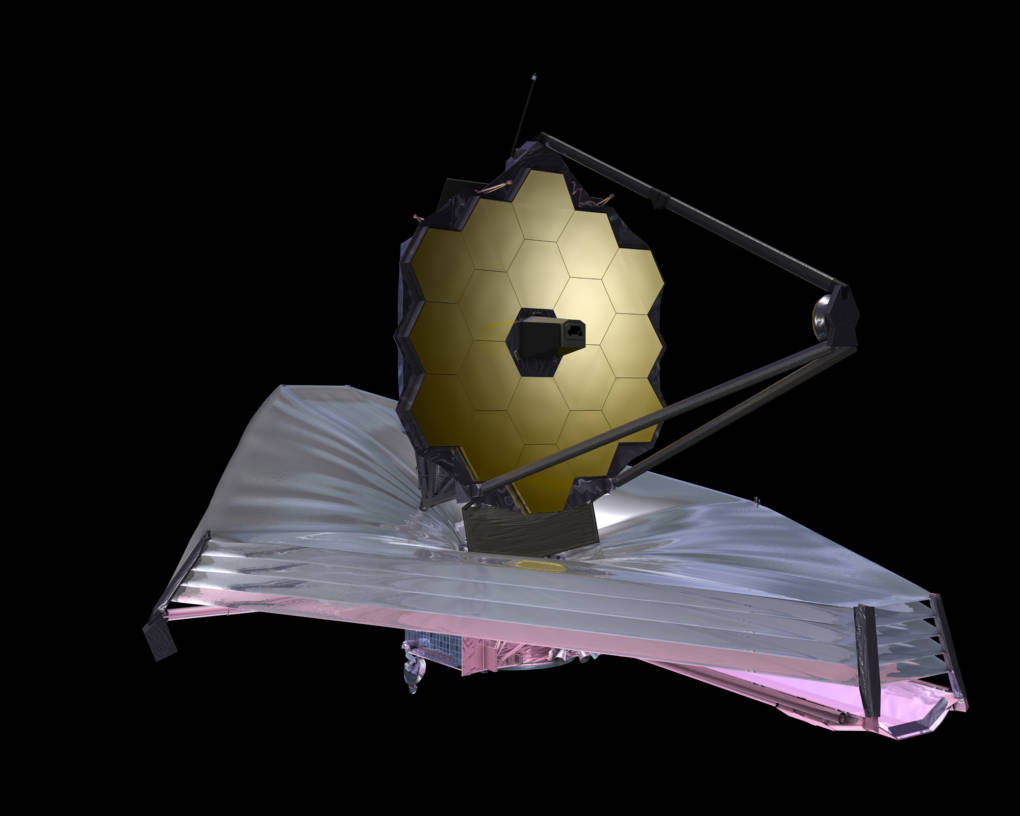
"caption": "Artist concept of the fully-deployed James Webb Space Telescope. The 18-segment primary mirror (top) is 21 feet in diameter, and the multi-layered sunshield (bottom) is roughly the size of a tennis court. ",
"description": null,
"title": "NASA_Webb",
"credit": "NASA",
"status": "inherit",
"isLoading": false,
"fetchFailed": false
},
"news_11387375": {
"type": "attachments",
"id": "news_11387375",
"meta": {
"index": "attachments_1716263798",
"site": "news",
"id": "11387375",
"found": true
},
"parent": 11377725,
"imgSizes": {
"small": {
"file": "https://ww2.kqed.org/app/uploads/sites/10/2017/03/Amazon-qut-1-520x284.jpg",
"width": 520,
"mimeType": "image/jpeg",
"height": 284
},
"twentyfourteen-full-width": {
"file": "https://ww2.kqed.org/app/uploads/sites/10/2017/03/Amazon-qut-1-1038x576.jpg",
"width": 1038,
"mimeType": "image/jpeg",
"height": 576
},
"thumbnail": {
"file": "https://ww2.kqed.org/app/uploads/sites/10/2017/03/Amazon-qut-1-160x87.jpg",
"width": 160,
"mimeType": "image/jpeg",
"height": 87
},
"fd-sm": {
"file": "https://ww2.kqed.org/app/uploads/sites/10/2017/03/Amazon-qut-1-960x524.jpg",
"width": 960,
"mimeType": "image/jpeg",
"height": 524
},
"post-thumbnail": {
"file": "https://ww2.kqed.org/app/uploads/sites/10/2017/03/Amazon-qut-1-672x372.jpg",
"width": 672,
"mimeType": "image/jpeg",
"height": 372
},
"xsmall": {
"file": "https://ww2.kqed.org/app/uploads/sites/10/2017/03/Amazon-qut-1-375x204.jpg",
"width": 375,
"mimeType": "image/jpeg",
"height": 204
},
"kqedFullSize": {
"file": "https://ww2.kqed.org/app/uploads/sites/10/2017/03/Amazon-qut-1.jpg",
"width": 1920,
"height": 1047
},
"large": {
"file": "https://ww2.kqed.org/app/uploads/sites/10/2017/03/Amazon-qut-1-1020x556.jpg",
"width": 1020,
"mimeType": "image/jpeg",
"height": 556
},
"xlarge": {
"file": "https://ww2.kqed.org/app/uploads/sites/10/2017/03/Amazon-qut-1-1180x643.jpg",
"width": 1180,
"mimeType": "image/jpeg",
"height": 643
},
"guest-author-50": {
"file": "https://ww2.kqed.org/app/uploads/sites/10/2017/03/Amazon-qut-1-50x50.jpg",
"width": 50,
"mimeType": "image/jpeg",
"height": 50
},
"guest-author-96": {
"file": "https://ww2.kqed.org/app/uploads/sites/10/2017/03/Amazon-qut-1-96x96.jpg",
"width": 96,
"mimeType": "image/jpeg",
"height": 96
},
"medium": {
"file": "https://ww2.kqed.org/app/uploads/sites/10/2017/03/Amazon-qut-1-800x436.jpg",
"width": 800,
"mimeType": "image/jpeg",
"height": 436
},
"guest-author-64": {
"file": "https://ww2.kqed.org/app/uploads/sites/10/2017/03/Amazon-qut-1-64x64.jpg",
"width": 64,
"mimeType": "image/jpeg",
"height": 64
},
"guest-author-32": {
"file": "https://ww2.kqed.org/app/uploads/sites/10/2017/03/Amazon-qut-1-32x32.jpg",
"width": 32,
"mimeType": "image/jpeg",
"height": 32
},
"fd-lrg": {
"file": "https://ww2.kqed.org/app/uploads/sites/10/2017/03/Amazon-qut-1-1920x1047.jpg",
"width": 1920,
"mimeType": "image/jpeg",
"height": 1047
},
"fd-med": {
"file": "https://ww2.kqed.org/app/uploads/sites/10/2017/03/Amazon-qut-1-1180x643.jpg",
"width": 1180,
"mimeType": "image/jpeg",
"height": 643
},
"full-width": {
"file": "https://ww2.kqed.org/app/uploads/sites/10/2017/03/Amazon-qut-1-1920x1047.jpg",
"width": 1920,
"mimeType": "image/jpeg",
"height": 1047
},
"detail": {
"file": "https://ww2.kqed.org/app/uploads/sites/10/2017/03/Amazon-qut-1-150x150.jpg",
"width": 150,
"mimeType": "image/jpeg",
"height": 150
},
"guest-author-128": {
"file": "https://ww2.kqed.org/app/uploads/sites/10/2017/03/Amazon-qut-1-128x128.jpg",
"width": 128,
"mimeType": "image/jpeg",
"height": 128
},
"xxsmall": {
"file": "https://ww2.kqed.org/app/uploads/sites/10/2017/03/Amazon-qut-1-240x131.jpg",
"width": 240,
"mimeType": "image/jpeg",
"height": 131
}
},
"publishDate": 1491103372,
"modified": 1491103421,
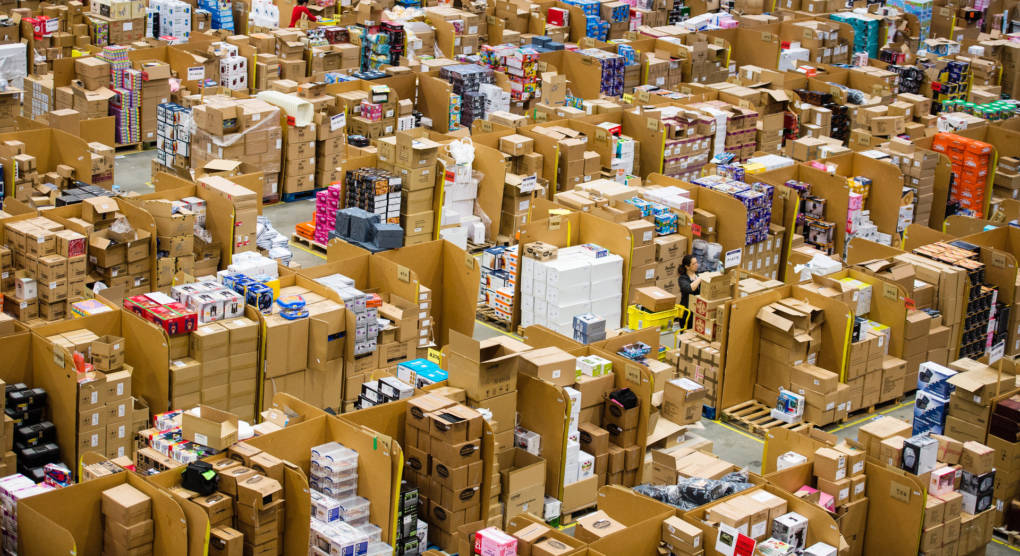
"caption": " The Amazon Fulfilment Centre prepares for Black Friday on Nov. 25, 2015 in Hemel Hempstead, England. ",
"description": null,
"title": "Amazon-qut",
"credit": "Photo by Jeff Spicer/Getty Images",
"status": "inherit",
"isLoading": false,
"fetchFailed": false
},
"news_11371488": {
"type": "attachments",
"id": "news_11371488",
"meta": {
"index": "attachments_1716263798",
"site": "news",
"id": "11371488",
"found": true
},
"parent": 11371416,
"imgSizes": {
"small": {
"file": "https://ww2.kqed.org/app/uploads/sites/10/2017/03/HOWARD-PIC-520x346.jpg",
"width": 520,
"mimeType": "image/jpeg",
"height": 346
},
"twentyfourteen-full-width": {
"file": "https://ww2.kqed.org/app/uploads/sites/10/2017/03/HOWARD-PIC-1038x576.jpg",
"width": 1038,
"mimeType": "image/jpeg",
"height": 576
},
"thumbnail": {
"file": "https://ww2.kqed.org/app/uploads/sites/10/2017/03/HOWARD-PIC-160x106.jpg",
"width": 160,
"mimeType": "image/jpeg",
"height": 106
},
"fd-sm": {
"file": "https://ww2.kqed.org/app/uploads/sites/10/2017/03/HOWARD-PIC-960x639.jpg",
"width": 960,
"mimeType": "image/jpeg",
"height": 639
},
"post-thumbnail": {
"file": "https://ww2.kqed.org/app/uploads/sites/10/2017/03/HOWARD-PIC-672x372.jpg",
"width": 672,
"mimeType": "image/jpeg",
"height": 372
},
"xsmall": {
"file": "https://ww2.kqed.org/app/uploads/sites/10/2017/03/HOWARD-PIC-375x250.jpg",
"width": 375,
"mimeType": "image/jpeg",
"height": 250
},
"kqedFullSize": {
"file": "https://ww2.kqed.org/app/uploads/sites/10/2017/03/HOWARD-PIC-e1490303843681.jpg",
"width": 1920,
"height": 1278
},
"large": {
"file": "https://ww2.kqed.org/app/uploads/sites/10/2017/03/HOWARD-PIC-1020x679.jpg",
"width": 1020,
"mimeType": "image/jpeg",
"height": 679
},
"xlarge": {
"file": "https://ww2.kqed.org/app/uploads/sites/10/2017/03/HOWARD-PIC-1180x785.jpg",
"width": 1180,
"mimeType": "image/jpeg",
"height": 785
},
"guest-author-50": {
"file": "https://ww2.kqed.org/app/uploads/sites/10/2017/03/HOWARD-PIC-50x50.jpg",
"width": 50,
"mimeType": "image/jpeg",
"height": 50
},
"guest-author-96": {
"file": "https://ww2.kqed.org/app/uploads/sites/10/2017/03/HOWARD-PIC-96x96.jpg",
"width": 96,
"mimeType": "image/jpeg",
"height": 96
},
"medium": {
"file": "https://ww2.kqed.org/app/uploads/sites/10/2017/03/HOWARD-PIC-800x532.jpg",
"width": 800,
"mimeType": "image/jpeg",
"height": 532
},
"guest-author-64": {
"file": "https://ww2.kqed.org/app/uploads/sites/10/2017/03/HOWARD-PIC-64x64.jpg",
"width": 64,
"mimeType": "image/jpeg",
"height": 64
},
"guest-author-32": {
"file": "https://ww2.kqed.org/app/uploads/sites/10/2017/03/HOWARD-PIC-32x32.jpg",
"width": 32,
"mimeType": "image/jpeg",
"height": 32
},
"fd-lrg": {
"file": "https://ww2.kqed.org/app/uploads/sites/10/2017/03/HOWARD-PIC-1920x1278.jpg",
"width": 1920,
"mimeType": "image/jpeg",
"height": 1278
},
"fd-med": {
"file": "https://ww2.kqed.org/app/uploads/sites/10/2017/03/HOWARD-PIC-1180x785.jpg",
"width": 1180,
"mimeType": "image/jpeg",
"height": 785
},
"full-width": {
"file": "https://ww2.kqed.org/app/uploads/sites/10/2017/03/HOWARD-PIC-1920x1278.jpg",
"width": 1920,
"mimeType": "image/jpeg",
"height": 1278
},
"detail": {
"file": "https://ww2.kqed.org/app/uploads/sites/10/2017/03/HOWARD-PIC-150x150.jpg",
"width": 150,
"mimeType": "image/jpeg",
"height": 150
},
"guest-author-128": {
"file": "https://ww2.kqed.org/app/uploads/sites/10/2017/03/HOWARD-PIC-128x128.jpg",
"width": 128,
"mimeType": "image/jpeg",
"height": 128
},
"xxsmall": {
"file": "https://ww2.kqed.org/app/uploads/sites/10/2017/03/HOWARD-PIC-240x160.jpg",
"width": 240,
"mimeType": "image/jpeg",
"height": 160
}
},
"publishDate": 1490227687,
"modified": 1490316094,
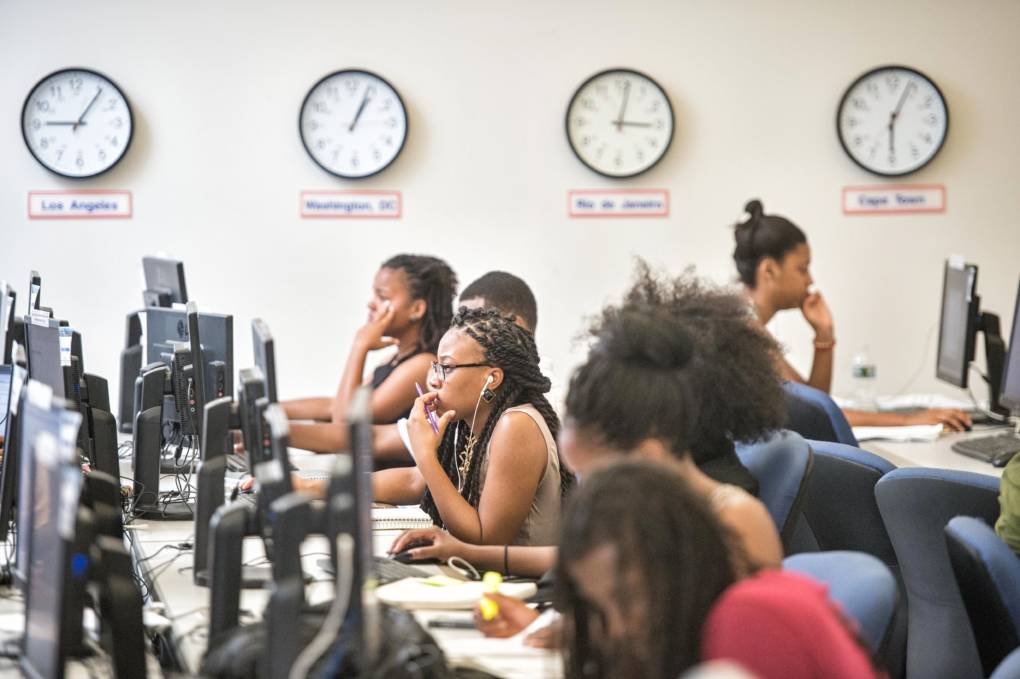
"caption": "Students at Howard University in Washington, D.C. The historically black university is opening Howard West at Google's headquarters in Mountain View.",
"description": null,
"title": "HOWARD PIC",
"credit": "Howard University",
"status": "inherit",
"isLoading": false,
"fetchFailed": false
},
"news_11368045": {
"type": "attachments",
"id": "news_11368045",
"meta": {
"index": "attachments_1716263798",
"site": "news",
"id": "11368045",
"found": true
},
"parent": 11368044,
"imgSizes": {
"small": {
"file": "https://ww2.kqed.org/app/uploads/sites/10/2017/03/gettyimages-500350466_custom-142a5bc7feb51c5766e667eefc84fafdd098516e-520x346.jpg",
"width": 520,
"mimeType": "image/jpeg",
"height": 346
},
"twentyfourteen-full-width": {
"file": "https://ww2.kqed.org/app/uploads/sites/10/2017/03/gettyimages-500350466_custom-142a5bc7feb51c5766e667eefc84fafdd098516e-1038x576.jpg",
"width": 1038,
"mimeType": "image/jpeg",
"height": 576
},
"thumbnail": {
"file": "https://ww2.kqed.org/app/uploads/sites/10/2017/03/gettyimages-500350466_custom-142a5bc7feb51c5766e667eefc84fafdd098516e-160x107.jpg",
"width": 160,
"mimeType": "image/jpeg",
"height": 107
},
"fd-sm": {
"file": "https://ww2.kqed.org/app/uploads/sites/10/2017/03/gettyimages-500350466_custom-142a5bc7feb51c5766e667eefc84fafdd098516e-960x639.jpg",
"width": 960,
"mimeType": "image/jpeg",
"height": 639
},
"post-thumbnail": {
"file": "https://ww2.kqed.org/app/uploads/sites/10/2017/03/gettyimages-500350466_custom-142a5bc7feb51c5766e667eefc84fafdd098516e-672x372.jpg",
"width": 672,
"mimeType": "image/jpeg",
"height": 372
},
"xsmall": {
"file": "https://ww2.kqed.org/app/uploads/sites/10/2017/03/gettyimages-500350466_custom-142a5bc7feb51c5766e667eefc84fafdd098516e-375x250.jpg",
"width": 375,
"mimeType": "image/jpeg",
"height": 250
},
"kqedFullSize": {
"file": "https://ww2.kqed.org/app/uploads/sites/10/2017/03/gettyimages-500350466_custom-142a5bc7feb51c5766e667eefc84fafdd098516e.jpg",
"width": 5645,
"height": 3760
},
"large": {
"file": "https://ww2.kqed.org/app/uploads/sites/10/2017/03/gettyimages-500350466_custom-142a5bc7feb51c5766e667eefc84fafdd098516e-1020x679.jpg",
"width": 1020,
"mimeType": "image/jpeg",
"height": 679
},
"xlarge": {
"file": "https://ww2.kqed.org/app/uploads/sites/10/2017/03/gettyimages-500350466_custom-142a5bc7feb51c5766e667eefc84fafdd098516e-1180x786.jpg",
"width": 1180,
"mimeType": "image/jpeg",
"height": 786
},
"guest-author-50": {
"file": "https://ww2.kqed.org/app/uploads/sites/10/2017/03/gettyimages-500350466_custom-142a5bc7feb51c5766e667eefc84fafdd098516e-50x50.jpg",
"width": 50,
"mimeType": "image/jpeg",
"height": 50
},
"guest-author-96": {
"file": "https://ww2.kqed.org/app/uploads/sites/10/2017/03/gettyimages-500350466_custom-142a5bc7feb51c5766e667eefc84fafdd098516e-96x96.jpg",
"width": 96,
"mimeType": "image/jpeg",
"height": 96
},
"medium": {
"file": "https://ww2.kqed.org/app/uploads/sites/10/2017/03/gettyimages-500350466_custom-142a5bc7feb51c5766e667eefc84fafdd098516e-800x533.jpg",
"width": 800,
"mimeType": "image/jpeg",
"height": 533
},
"guest-author-64": {
"file": "https://ww2.kqed.org/app/uploads/sites/10/2017/03/gettyimages-500350466_custom-142a5bc7feb51c5766e667eefc84fafdd098516e-64x64.jpg",
"width": 64,
"mimeType": "image/jpeg",
"height": 64
},
"guest-author-32": {
"file": "https://ww2.kqed.org/app/uploads/sites/10/2017/03/gettyimages-500350466_custom-142a5bc7feb51c5766e667eefc84fafdd098516e-32x32.jpg",
"width": 32,
"mimeType": "image/jpeg",
"height": 32
},
"fd-lrg": {
"file": "https://ww2.kqed.org/app/uploads/sites/10/2017/03/gettyimages-500350466_custom-142a5bc7feb51c5766e667eefc84fafdd098516e-1920x1279.jpg",
"width": 1920,
"mimeType": "image/jpeg",
"height": 1279
},
"fd-med": {
"file": "https://ww2.kqed.org/app/uploads/sites/10/2017/03/gettyimages-500350466_custom-142a5bc7feb51c5766e667eefc84fafdd098516e-1180x786.jpg",
"width": 1180,
"mimeType": "image/jpeg",
"height": 786
},
"full-width": {
"file": "https://ww2.kqed.org/app/uploads/sites/10/2017/03/gettyimages-500350466_custom-142a5bc7feb51c5766e667eefc84fafdd098516e-1920x1279.jpg",
"width": 1920,
"mimeType": "image/jpeg",
"height": 1279
},
"detail": {
"file": "https://ww2.kqed.org/app/uploads/sites/10/2017/03/gettyimages-500350466_custom-142a5bc7feb51c5766e667eefc84fafdd098516e-150x150.jpg",
"width": 150,
"mimeType": "image/jpeg",
"height": 150
},
"guest-author-128": {
"file": "https://ww2.kqed.org/app/uploads/sites/10/2017/03/gettyimages-500350466_custom-142a5bc7feb51c5766e667eefc84fafdd098516e-128x128.jpg",
"width": 128,
"mimeType": "image/jpeg",
"height": 128
},
"xxsmall": {
"file": "https://ww2.kqed.org/app/uploads/sites/10/2017/03/gettyimages-500350466_custom-142a5bc7feb51c5766e667eefc84fafdd098516e-240x160.jpg",
"width": 240,
"mimeType": "image/jpeg",
"height": 160
}
},
"publishDate": 1490033491,
"modified": 1490033626,
"caption": "Former Target CMO Jeff Jones was hired by Uber to help support the embattled company's reputation.",
"description": "Former Target CMO Jeff Jones was hired by Uber to help support the embattled company's reputation",
"title": "Former Target CMO Jeff Jones was hired by Uber to help support the embattled company's reputation.",
"credit": "Cindy Ord/Getty Images for Target",
"status": "inherit",
"isLoading": false,
"fetchFailed": false
},
"news_11364099": {
"type": "attachments",
"id": "news_11364099",
"meta": {
"index": "attachments_1716263798",
"site": "news",
"id": "11364099",
"found": true
},
"parent": 11364085,
"imgSizes": {
"small": {
"file": "https://ww2.kqed.org/app/uploads/sites/10/2017/03/GettyImages-654302050-520x343.jpg",
"width": 520,
"mimeType": "image/jpeg",
"height": 343
},
"twentyfourteen-full-width": {
"file": "https://ww2.kqed.org/app/uploads/sites/10/2017/03/GettyImages-654302050-1038x576.jpg",
"width": 1038,
"mimeType": "image/jpeg",
"height": 576
},
"thumbnail": {
"file": "https://ww2.kqed.org/app/uploads/sites/10/2017/03/GettyImages-654302050-160x105.jpg",
"width": 160,
"mimeType": "image/jpeg",
"height": 105
},
"fd-sm": {
"file": "https://ww2.kqed.org/app/uploads/sites/10/2017/03/GettyImages-654302050-960x633.jpg",
"width": 960,
"mimeType": "image/jpeg",
"height": 633
},
"post-thumbnail": {
"file": "https://ww2.kqed.org/app/uploads/sites/10/2017/03/GettyImages-654302050-672x372.jpg",
"width": 672,
"mimeType": "image/jpeg",
"height": 372
},
"xsmall": {
"file": "https://ww2.kqed.org/app/uploads/sites/10/2017/03/GettyImages-654302050-375x247.jpg",
"width": 375,
"mimeType": "image/jpeg",
"height": 247
},
"kqedFullSize": {
"file": "https://ww2.kqed.org/app/uploads/sites/10/2017/03/GettyImages-654302050.jpg",
"width": 3000,
"height": 1978
},
"large": {
"file": "https://ww2.kqed.org/app/uploads/sites/10/2017/03/GettyImages-654302050-1020x673.jpg",
"width": 1020,
"mimeType": "image/jpeg",
"height": 673
},
"xlarge": {
"file": "https://ww2.kqed.org/app/uploads/sites/10/2017/03/GettyImages-654302050-1180x778.jpg",
"width": 1180,
"mimeType": "image/jpeg",
"height": 778
},
"guest-author-50": {
"file": "https://ww2.kqed.org/app/uploads/sites/10/2017/03/GettyImages-654302050-50x50.jpg",
"width": 50,
"mimeType": "image/jpeg",
"height": 50
},
"guest-author-96": {
"file": "https://ww2.kqed.org/app/uploads/sites/10/2017/03/GettyImages-654302050-96x96.jpg",
"width": 96,
"mimeType": "image/jpeg",
"height": 96
},
"medium": {
"file": "https://ww2.kqed.org/app/uploads/sites/10/2017/03/GettyImages-654302050-800x527.jpg",
"width": 800,
"mimeType": "image/jpeg",
"height": 527
},
"guest-author-64": {
"file": "https://ww2.kqed.org/app/uploads/sites/10/2017/03/GettyImages-654302050-64x64.jpg",
"width": 64,
"mimeType": "image/jpeg",
"height": 64
},
"guest-author-32": {
"file": "https://ww2.kqed.org/app/uploads/sites/10/2017/03/GettyImages-654302050-32x32.jpg",
"width": 32,
"mimeType": "image/jpeg",
"height": 32
},
"fd-lrg": {
"file": "https://ww2.kqed.org/app/uploads/sites/10/2017/03/GettyImages-654302050-1920x1266.jpg",
"width": 1920,
"mimeType": "image/jpeg",
"height": 1266
},
"fd-med": {
"file": "https://ww2.kqed.org/app/uploads/sites/10/2017/03/GettyImages-654302050-1180x778.jpg",
"width": 1180,
"mimeType": "image/jpeg",
"height": 778
},
"full-width": {
"file": "https://ww2.kqed.org/app/uploads/sites/10/2017/03/GettyImages-654302050-1920x1266.jpg",
"width": 1920,
"mimeType": "image/jpeg",
"height": 1266
},
"detail": {
"file": "https://ww2.kqed.org/app/uploads/sites/10/2017/03/GettyImages-654302050-150x150.jpg",
"width": 150,
"mimeType": "image/jpeg",
"height": 150
},
"guest-author-128": {
"file": "https://ww2.kqed.org/app/uploads/sites/10/2017/03/GettyImages-654302050-128x128.jpg",
"width": 128,
"mimeType": "image/jpeg",
"height": 128
},
"xxsmall": {
"file": "https://ww2.kqed.org/app/uploads/sites/10/2017/03/GettyImages-654302050-240x158.jpg",
"width": 240,
"mimeType": "image/jpeg",
"height": 158
}
},
"publishDate": 1489786275,
"modified": 1489797596,
"caption": "South by Southwest has morphed into the place to launch tech products. The online radio company Pandora was at this year's festival. ",
"description": null,
"title": "Pandora at SXSW",
"credit": "Vivien Killilea/Getty Images for Pandora",
"status": "inherit",
"isLoading": false,
"fetchFailed": false
},
"news_11350118": {
"type": "attachments",
"id": "news_11350118",
"meta": {
"index": "attachments_1716263798",
"site": "news",
"id": "11350118",
"found": true
},
"parent": 11350116,
"imgSizes": {
"small": {
"file": "https://ww2.kqed.org/app/uploads/sites/10/2017/03/RS10902_DriversEd2-520x348.jpg",
"width": 520,
"mimeType": "image/jpeg",
"height": 348
},
"twentyfourteen-full-width": {
"file": "https://ww2.kqed.org/app/uploads/sites/10/2017/03/RS10902_DriversEd2-1038x576.jpg",
"width": 1038,
"mimeType": "image/jpeg",
"height": 576
},
"thumbnail": {
"file": "https://ww2.kqed.org/app/uploads/sites/10/2017/03/RS10902_DriversEd2-160x107.jpg",
"width": 160,
"mimeType": "image/jpeg",
"height": 107
},
"fd-sm": {
"file": "https://ww2.kqed.org/app/uploads/sites/10/2017/03/RS10902_DriversEd2-960x642.jpg",
"width": 960,
"mimeType": "image/jpeg",
"height": 642
},
"post-thumbnail": {
"file": "https://ww2.kqed.org/app/uploads/sites/10/2017/03/RS10902_DriversEd2-672x372.jpg",
"width": 672,
"mimeType": "image/jpeg",
"height": 372
},
"xsmall": {
"file": "https://ww2.kqed.org/app/uploads/sites/10/2017/03/RS10902_DriversEd2-375x251.jpg",
"width": 375,
"mimeType": "image/jpeg",
"height": 251
},
"kqedFullSize": {
"file": "https://ww2.kqed.org/app/uploads/sites/10/2017/03/RS10902_DriversEd2-e1488998284796.jpg",
"width": 1920,
"height": 1284
},
"large": {
"file": "https://ww2.kqed.org/app/uploads/sites/10/2017/03/RS10902_DriversEd2-1020x682.jpg",
"width": 1020,
"mimeType": "image/jpeg",
"height": 682
},
"xlarge": {
"file": "https://ww2.kqed.org/app/uploads/sites/10/2017/03/RS10902_DriversEd2-1180x789.jpg",
"width": 1180,
"mimeType": "image/jpeg",
"height": 789
},
"guest-author-50": {
"file": "https://ww2.kqed.org/app/uploads/sites/10/2017/03/RS10902_DriversEd2-50x50.jpg",
"width": 50,
"mimeType": "image/jpeg",
"height": 50
},
"guest-author-96": {
"file": "https://ww2.kqed.org/app/uploads/sites/10/2017/03/RS10902_DriversEd2-96x96.jpg",
"width": 96,
"mimeType": "image/jpeg",
"height": 96
},
"medium": {
"file": "https://ww2.kqed.org/app/uploads/sites/10/2017/03/RS10902_DriversEd2-800x535.jpg",
"width": 800,
"mimeType": "image/jpeg",
"height": 535
},
"guest-author-64": {
"file": "https://ww2.kqed.org/app/uploads/sites/10/2017/03/RS10902_DriversEd2-64x64.jpg",
"width": 64,
"mimeType": "image/jpeg",
"height": 64
},
"guest-author-32": {
"file": "https://ww2.kqed.org/app/uploads/sites/10/2017/03/RS10902_DriversEd2-32x32.jpg",
"width": 32,
"mimeType": "image/jpeg",
"height": 32
},
"fd-lrg": {
"file": "https://ww2.kqed.org/app/uploads/sites/10/2017/03/RS10902_DriversEd2-1920x1284.jpg",
"width": 1920,
"mimeType": "image/jpeg",
"height": 1284
},
"fd-med": {
"file": "https://ww2.kqed.org/app/uploads/sites/10/2017/03/RS10902_DriversEd2-1180x789.jpg",
"width": 1180,
"mimeType": "image/jpeg",
"height": 789
},
"full-width": {
"file": "https://ww2.kqed.org/app/uploads/sites/10/2017/03/RS10902_DriversEd2-1920x1284.jpg",
"width": 1920,
"mimeType": "image/jpeg",
"height": 1284
},
"detail": {
"file": "https://ww2.kqed.org/app/uploads/sites/10/2017/03/RS10902_DriversEd2-150x150.jpg",
"width": 150,
"mimeType": "image/jpeg",
"height": 150
},
"guest-author-128": {
"file": "https://ww2.kqed.org/app/uploads/sites/10/2017/03/RS10902_DriversEd2-128x128.jpg",
"width": 128,
"mimeType": "image/jpeg",
"height": 128
},
"xxsmall": {
"file": "https://ww2.kqed.org/app/uploads/sites/10/2017/03/RS10902_DriversEd2-240x160.jpg",
"width": 240,
"mimeType": "image/jpeg",
"height": 160
}
},
"publishDate": 1488998249,
"modified": 1489710681,
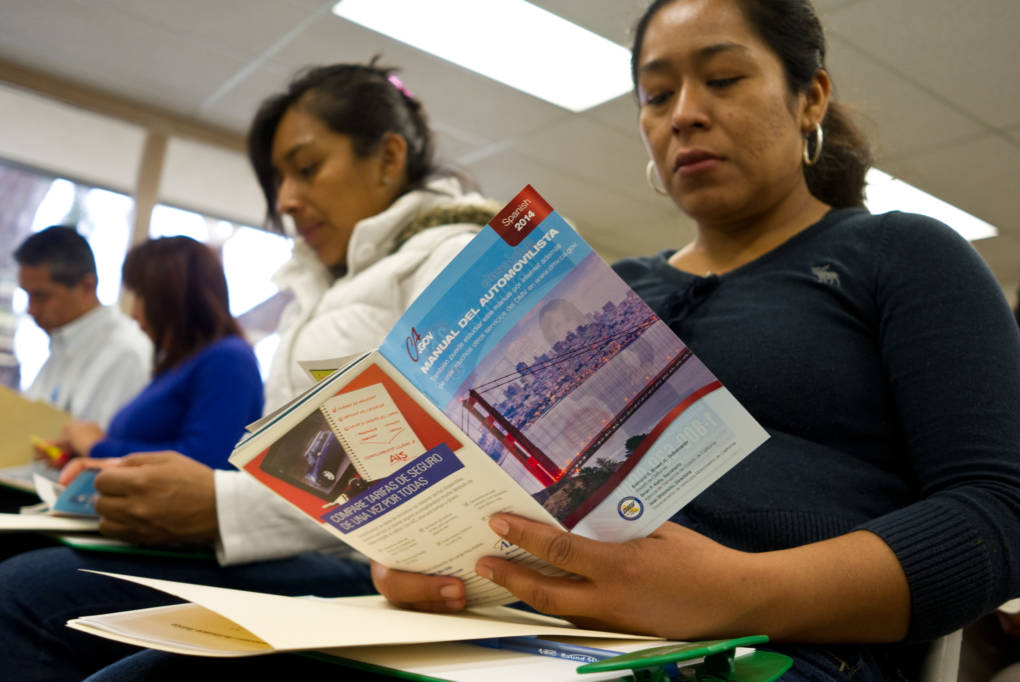
"caption": "Students at Orange County's Mexican Consulate study the California Driver Handbook. \n",
"description": "Students at Orange County's Mexican consulate study the California Driver Handbook. With AB-60, California joins 10 other states in allowing undocumented immigrants to apply for driver's licenses. ",
"title": "RS10902_DriversEd2",
"credit": "Marcus Teply/KQED",
"status": "inherit",
"isLoading": false,
"fetchFailed": false
},
"news_11360627": {
"type": "attachments",
"id": "news_11360627",
"meta": {
"index": "attachments_1716263798",
"site": "news",
"id": "11360627",
"found": true
},
"parent": 11360626,
"imgSizes": {
"small": {
"file": "https://ww2.kqed.org/app/uploads/sites/10/2017/03/facebyside_custom-f1f19a224e69a38482a77185628140e88ceb609f-520x346.png",
"width": 520,
"mimeType": "image/png",
"height": 346
},
"twentyfourteen-full-width": {
"file": "https://ww2.kqed.org/app/uploads/sites/10/2017/03/facebyside_custom-f1f19a224e69a38482a77185628140e88ceb609f-1038x576.png",
"width": 1038,
"mimeType": "image/png",
"height": 576
},
"thumbnail": {
"file": "https://ww2.kqed.org/app/uploads/sites/10/2017/03/facebyside_custom-f1f19a224e69a38482a77185628140e88ceb609f-160x107.png",
"width": 160,
"mimeType": "image/png",
"height": 107
},
"fd-sm": {
"file": "https://ww2.kqed.org/app/uploads/sites/10/2017/03/facebyside_custom-f1f19a224e69a38482a77185628140e88ceb609f-960x639.png",
"width": 960,
"mimeType": "image/png",
"height": 639
},
"post-thumbnail": {
"file": "https://ww2.kqed.org/app/uploads/sites/10/2017/03/facebyside_custom-f1f19a224e69a38482a77185628140e88ceb609f-672x372.png",
"width": 672,
"mimeType": "image/png",
"height": 372
},
"xsmall": {
"file": "https://ww2.kqed.org/app/uploads/sites/10/2017/03/facebyside_custom-f1f19a224e69a38482a77185628140e88ceb609f-375x250.png",
"width": 375,
"mimeType": "image/png",
"height": 250
},
"kqedFullSize": {
"file": "https://ww2.kqed.org/app/uploads/sites/10/2017/03/facebyside_custom-f1f19a224e69a38482a77185628140e88ceb609f-e1489599502956.png",
"width": 1920,
"height": 1279
},
"large": {
"file": "https://ww2.kqed.org/app/uploads/sites/10/2017/03/facebyside_custom-f1f19a224e69a38482a77185628140e88ceb609f-1020x679.png",
"width": 1020,
"mimeType": "image/png",
"height": 679
},
"xlarge": {
"file": "https://ww2.kqed.org/app/uploads/sites/10/2017/03/facebyside_custom-f1f19a224e69a38482a77185628140e88ceb609f-1180x786.png",
"width": 1180,
"mimeType": "image/png",
"height": 786
},
"guest-author-50": {
"file": "https://ww2.kqed.org/app/uploads/sites/10/2017/03/facebyside_custom-f1f19a224e69a38482a77185628140e88ceb609f-50x50.png",
"width": 50,
"mimeType": "image/png",
"height": 50
},
"guest-author-96": {
"file": "https://ww2.kqed.org/app/uploads/sites/10/2017/03/facebyside_custom-f1f19a224e69a38482a77185628140e88ceb609f-96x96.png",
"width": 96,
"mimeType": "image/png",
"height": 96
},
"medium": {
"file": "https://ww2.kqed.org/app/uploads/sites/10/2017/03/facebyside_custom-f1f19a224e69a38482a77185628140e88ceb609f-800x533.png",
"width": 800,
"mimeType": "image/png",
"height": 533
},
"guest-author-64": {
"file": "https://ww2.kqed.org/app/uploads/sites/10/2017/03/facebyside_custom-f1f19a224e69a38482a77185628140e88ceb609f-64x64.png",
"width": 64,
"mimeType": "image/png",
"height": 64
},
"guest-author-32": {
"file": "https://ww2.kqed.org/app/uploads/sites/10/2017/03/facebyside_custom-f1f19a224e69a38482a77185628140e88ceb609f-32x32.png",
"width": 32,
"mimeType": "image/png",
"height": 32
},
"fd-lrg": {
"file": "https://ww2.kqed.org/app/uploads/sites/10/2017/03/facebyside_custom-f1f19a224e69a38482a77185628140e88ceb609f-1920x1279.png",
"width": 1920,
"mimeType": "image/png",
"height": 1279
},
"fd-med": {
"file": "https://ww2.kqed.org/app/uploads/sites/10/2017/03/facebyside_custom-f1f19a224e69a38482a77185628140e88ceb609f-1180x786.png",
"width": 1180,
"mimeType": "image/png",
"height": 786
},
"full-width": {
"file": "https://ww2.kqed.org/app/uploads/sites/10/2017/03/facebyside_custom-f1f19a224e69a38482a77185628140e88ceb609f-1920x1279.png",
"width": 1920,
"mimeType": "image/png",
"height": 1279
},
"detail": {
"file": "https://ww2.kqed.org/app/uploads/sites/10/2017/03/facebyside_custom-f1f19a224e69a38482a77185628140e88ceb609f-150x150.png",
"width": 150,
"mimeType": "image/png",
"height": 150
},
"guest-author-128": {
"file": "https://ww2.kqed.org/app/uploads/sites/10/2017/03/facebyside_custom-f1f19a224e69a38482a77185628140e88ceb609f-128x128.png",
"width": 128,
"mimeType": "image/png",
"height": 128
},
"xxsmall": {
"file": "https://ww2.kqed.org/app/uploads/sites/10/2017/03/facebyside_custom-f1f19a224e69a38482a77185628140e88ceb609f-240x160.png",
"width": 240,
"mimeType": "image/png",
"height": 160
}
},
"publishDate": 1489599059,
"modified": 1489625419,
"caption": "The FBI issued a series of \"wanted\" posters for Russians accused of cybercrimes Wednesday, including Igor Anatolyevich Sushchin, who is alleged to be a Russian Federal Security Service (FSB) officer.\n",
"description": null,
"title": "The FBI issued a series of \"wanted\" posters for Russians accused of cyber crimes Wednesday, including Igor Anatolyevich Suschin, who is alleged to be a Russian Federal Security Service (FSB) officer.",
"credit": "Courtesy of FBI",
"status": "inherit",
"isLoading": false,
"fetchFailed": false
},
"news_11353304": {
"type": "attachments",
"id": "news_11353304",
"meta": {
"index": "attachments_1716263798",
"site": "news",
"id": "11353304",
"found": true
},
"parent": 11353296,
"imgSizes": {
"small": {
"file": "https://ww2.kqed.org/app/uploads/sites/10/2017/03/uber-driverless-car-1920-520x346.jpg",
"width": 520,
"mimeType": "image/jpeg",
"height": 346
},
"twentyfourteen-full-width": {
"file": "https://ww2.kqed.org/app/uploads/sites/10/2017/03/uber-driverless-car-1920-1038x576.jpg",
"width": 1038,
"mimeType": "image/jpeg",
"height": 576
},
"thumbnail": {
"file": "https://ww2.kqed.org/app/uploads/sites/10/2017/03/uber-driverless-car-1920-160x107.jpg",
"width": 160,
"mimeType": "image/jpeg",
"height": 107
},
"fd-sm": {
"file": "https://ww2.kqed.org/app/uploads/sites/10/2017/03/uber-driverless-car-1920-960x639.jpg",
"width": 960,
"mimeType": "image/jpeg",
"height": 639
},
"post-thumbnail": {
"file": "https://ww2.kqed.org/app/uploads/sites/10/2017/03/uber-driverless-car-1920-672x372.jpg",
"width": 672,
"mimeType": "image/jpeg",
"height": 372
},
"xsmall": {
"file": "https://ww2.kqed.org/app/uploads/sites/10/2017/03/uber-driverless-car-1920-375x250.jpg",
"width": 375,
"mimeType": "image/jpeg",
"height": 250
},
"kqedFullSize": {
"file": "https://ww2.kqed.org/app/uploads/sites/10/2017/03/uber-driverless-car-1920.jpg",
"width": 1920,
"height": 1278
},
"large": {
"file": "https://ww2.kqed.org/app/uploads/sites/10/2017/03/uber-driverless-car-1920-1020x679.jpg",
"width": 1020,
"mimeType": "image/jpeg",
"height": 679
},
"xlarge": {
"file": "https://ww2.kqed.org/app/uploads/sites/10/2017/03/uber-driverless-car-1920-1180x785.jpg",
"width": 1180,
"mimeType": "image/jpeg",
"height": 785
},
"guest-author-50": {
"file": "https://ww2.kqed.org/app/uploads/sites/10/2017/03/uber-driverless-car-1920-50x50.jpg",
"width": 50,
"mimeType": "image/jpeg",
"height": 50
},
"guest-author-96": {
"file": "https://ww2.kqed.org/app/uploads/sites/10/2017/03/uber-driverless-car-1920-96x96.jpg",
"width": 96,
"mimeType": "image/jpeg",
"height": 96
},
"medium": {
"file": "https://ww2.kqed.org/app/uploads/sites/10/2017/03/uber-driverless-car-1920-800x533.jpg",
"width": 800,
"mimeType": "image/jpeg",
"height": 533
},
"guest-author-64": {
"file": "https://ww2.kqed.org/app/uploads/sites/10/2017/03/uber-driverless-car-1920-64x64.jpg",
"width": 64,
"mimeType": "image/jpeg",
"height": 64
},
"guest-author-32": {
"file": "https://ww2.kqed.org/app/uploads/sites/10/2017/03/uber-driverless-car-1920-32x32.jpg",
"width": 32,
"mimeType": "image/jpeg",
"height": 32
},
"fd-lrg": {
"file": "https://ww2.kqed.org/app/uploads/sites/10/2017/03/uber-driverless-car-1920-1920x1278.jpg",
"width": 1920,
"mimeType": "image/jpeg",
"height": 1278
},
"fd-med": {
"file": "https://ww2.kqed.org/app/uploads/sites/10/2017/03/uber-driverless-car-1920-1180x785.jpg",
"width": 1180,
"mimeType": "image/jpeg",
"height": 785
},
"full-width": {
"file": "https://ww2.kqed.org/app/uploads/sites/10/2017/03/uber-driverless-car-1920-1920x1278.jpg",
"width": 1920,
"mimeType": "image/jpeg",
"height": 1278
},
"detail": {
"file": "https://ww2.kqed.org/app/uploads/sites/10/2017/03/uber-driverless-car-1920-150x150.jpg",
"width": 150,
"mimeType": "image/jpeg",
"height": 150
},
"guest-author-128": {
"file": "https://ww2.kqed.org/app/uploads/sites/10/2017/03/uber-driverless-car-1920-128x128.jpg",
"width": 128,
"mimeType": "image/jpeg",
"height": 128
},
"xxsmall": {
"file": "https://ww2.kqed.org/app/uploads/sites/10/2017/03/uber-driverless-car-1920-240x160.jpg",
"width": 240,
"mimeType": "image/jpeg",
"height": 160
}
},
"publishDate": 1489177462,
"modified": 1521484159,
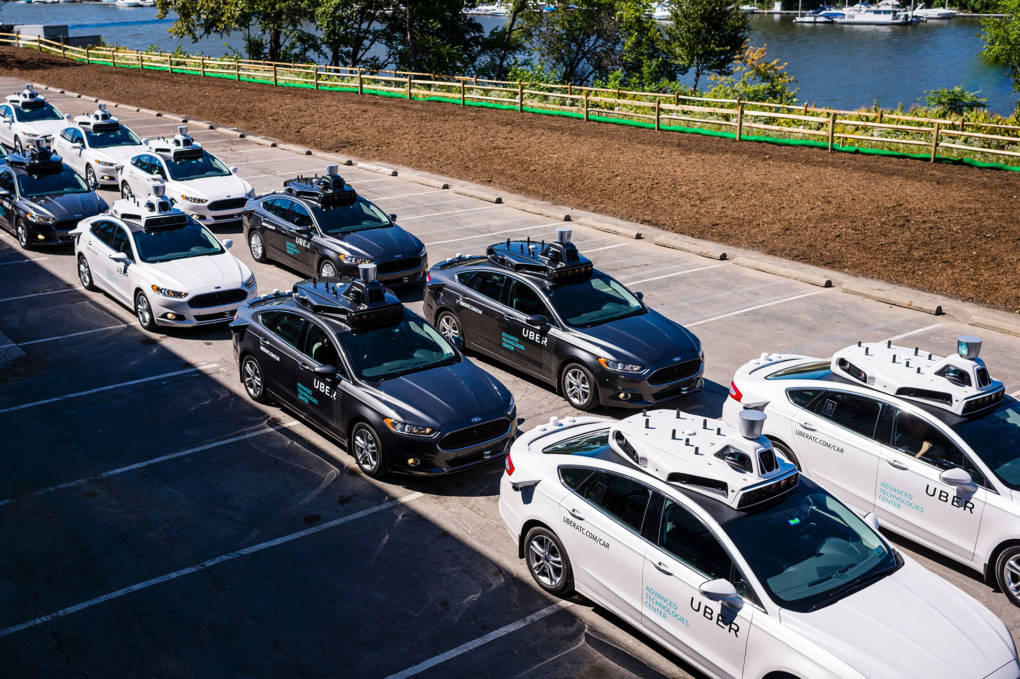
"caption": "Pilot models of the Uber self-driving car are displayed at the Uber Advanced Technologies Center on Sept. 13, 2016, in Pittsburgh, Pennsylvania.",
"description": null,
"title": "uber-driverless-car-1920",
"credit": "Angelo Merendino/AFP-Getty Images",
"status": "inherit",
"isLoading": false,
"fetchFailed": false
},
"news_11351505": {
"type": "attachments",
"id": "news_11351505",
"meta": {
"index": "attachments_1716263798",
"site": "news",
"id": "11351505",
"found": true
},
"parent": 11351499,
"imgSizes": {
"small": {
"file": "https://ww2.kqed.org/app/uploads/sites/10/2017/03/RS16541_IMG_0523-qut-520x347.jpg",
"width": 520,
"mimeType": "image/jpeg",
"height": 347
},
"twentyfourteen-full-width": {
"file": "https://ww2.kqed.org/app/uploads/sites/10/2017/03/RS16541_IMG_0523-qut-1038x576.jpg",
"width": 1038,
"mimeType": "image/jpeg",
"height": 576
},
"thumbnail": {
"file": "https://ww2.kqed.org/app/uploads/sites/10/2017/03/RS16541_IMG_0523-qut-160x107.jpg",
"width": 160,
"mimeType": "image/jpeg",
"height": 107
},
"fd-sm": {
"file": "https://ww2.kqed.org/app/uploads/sites/10/2017/03/RS16541_IMG_0523-qut-960x640.jpg",
"width": 960,
"mimeType": "image/jpeg",
"height": 640
},
"post-thumbnail": {
"file": "https://ww2.kqed.org/app/uploads/sites/10/2017/03/RS16541_IMG_0523-qut-672x372.jpg",
"width": 672,
"mimeType": "image/jpeg",
"height": 372
},
"xsmall": {
"file": "https://ww2.kqed.org/app/uploads/sites/10/2017/03/RS16541_IMG_0523-qut-375x250.jpg",
"width": 375,
"mimeType": "image/jpeg",
"height": 250
},
"kqedFullSize": {
"file": "https://ww2.kqed.org/app/uploads/sites/10/2017/03/RS16541_IMG_0523-qut.jpg",
"width": 1920,
"height": 1280
},
"large": {
"file": "https://ww2.kqed.org/app/uploads/sites/10/2017/03/RS16541_IMG_0523-qut-1020x680.jpg",
"width": 1020,
"mimeType": "image/jpeg",
"height": 680
},
"xlarge": {
"file": "https://ww2.kqed.org/app/uploads/sites/10/2017/03/RS16541_IMG_0523-qut-1180x787.jpg",
"width": 1180,
"mimeType": "image/jpeg",
"height": 787
},
"guest-author-50": {
"file": "https://ww2.kqed.org/app/uploads/sites/10/2017/03/RS16541_IMG_0523-qut-50x50.jpg",
"width": 50,
"mimeType": "image/jpeg",
"height": 50
},
"guest-author-96": {
"file": "https://ww2.kqed.org/app/uploads/sites/10/2017/03/RS16541_IMG_0523-qut-96x96.jpg",
"width": 96,
"mimeType": "image/jpeg",
"height": 96
},
"medium": {
"file": "https://ww2.kqed.org/app/uploads/sites/10/2017/03/RS16541_IMG_0523-qut-800x533.jpg",
"width": 800,
"mimeType": "image/jpeg",
"height": 533
},
"guest-author-64": {
"file": "https://ww2.kqed.org/app/uploads/sites/10/2017/03/RS16541_IMG_0523-qut-64x64.jpg",
"width": 64,
"mimeType": "image/jpeg",
"height": 64
},
"guest-author-32": {
"file": "https://ww2.kqed.org/app/uploads/sites/10/2017/03/RS16541_IMG_0523-qut-32x32.jpg",
"width": 32,
"mimeType": "image/jpeg",
"height": 32
},
"fd-lrg": {
"file": "https://ww2.kqed.org/app/uploads/sites/10/2017/03/RS16541_IMG_0523-qut-1920x1280.jpg",
"width": 1920,
"mimeType": "image/jpeg",
"height": 1280
},
"fd-med": {
"file": "https://ww2.kqed.org/app/uploads/sites/10/2017/03/RS16541_IMG_0523-qut-1180x787.jpg",
"width": 1180,
"mimeType": "image/jpeg",
"height": 787
},
"full-width": {
"file": "https://ww2.kqed.org/app/uploads/sites/10/2017/03/RS16541_IMG_0523-qut-1920x1280.jpg",
"width": 1920,
"mimeType": "image/jpeg",
"height": 1280
},
"detail": {
"file": "https://ww2.kqed.org/app/uploads/sites/10/2017/03/RS16541_IMG_0523-qut-150x150.jpg",
"width": 150,
"mimeType": "image/jpeg",
"height": 150
},
"guest-author-128": {
"file": "https://ww2.kqed.org/app/uploads/sites/10/2017/03/RS16541_IMG_0523-qut-128x128.jpg",
"width": 128,
"mimeType": "image/jpeg",
"height": 128
},
"xxsmall": {
"file": "https://ww2.kqed.org/app/uploads/sites/10/2017/03/RS16541_IMG_0523-qut-240x160.jpg",
"width": 240,
"mimeType": "image/jpeg",
"height": 160
}
},
"publishDate": 1489077823,
"modified": 1489077860,
"caption": "An Uber on the streets of San Francisco in August 2015.",
"description": null,
"title": "RS16541_IMG_0523-qut",
"credit": "Ericka Cruz Guevarra/KQED",
"status": "inherit",
"isLoading": false,
"fetchFailed": false
},
"news_11351497": {
"type": "attachments",
"id": "news_11351497",
"meta": {
"index": "attachments_1716263798",
"site": "news",
"id": "11351497",
"found": true
},
"parent": 11351492,
"imgSizes": {
"small": {
"file": "https://ww2.kqed.org/app/uploads/sites/10/2017/03/uberav-520x390.jpg",
"width": 520,
"mimeType": "image/jpeg",
"height": 390
},
"twentyfourteen-full-width": {
"file": "https://ww2.kqed.org/app/uploads/sites/10/2017/03/uberav-1038x576.jpg",
"width": 1038,
"mimeType": "image/jpeg",
"height": 576
},
"thumbnail": {
"file": "https://ww2.kqed.org/app/uploads/sites/10/2017/03/uberav-160x120.jpg",
"width": 160,
"mimeType": "image/jpeg",
"height": 120
},
"fd-sm": {
"file": "https://ww2.kqed.org/app/uploads/sites/10/2017/03/uberav-960x720.jpg",
"width": 960,
"mimeType": "image/jpeg",
"height": 720
},
"post-thumbnail": {
"file": "https://ww2.kqed.org/app/uploads/sites/10/2017/03/uberav-672x372.jpg",
"width": 672,
"mimeType": "image/jpeg",
"height": 372
},
"xsmall": {
"file": "https://ww2.kqed.org/app/uploads/sites/10/2017/03/uberav-375x281.jpg",
"width": 375,
"mimeType": "image/jpeg",
"height": 281
},
"kqedFullSize": {
"file": "https://ww2.kqed.org/app/uploads/sites/10/2017/03/uberav.jpg",
"width": 1632,
"height": 1224
},
"large": {
"file": "https://ww2.kqed.org/app/uploads/sites/10/2017/03/uberav-1020x765.jpg",
"width": 1020,
"mimeType": "image/jpeg",
"height": 765
},
"xlarge": {
"file": "https://ww2.kqed.org/app/uploads/sites/10/2017/03/uberav-1180x885.jpg",
"width": 1180,
"mimeType": "image/jpeg",
"height": 885
},
"guest-author-50": {
"file": "https://ww2.kqed.org/app/uploads/sites/10/2017/03/uberav-50x50.jpg",
"width": 50,
"mimeType": "image/jpeg",
"height": 50
},
"guest-author-96": {
"file": "https://ww2.kqed.org/app/uploads/sites/10/2017/03/uberav-96x96.jpg",
"width": 96,
"mimeType": "image/jpeg",
"height": 96
},
"medium": {
"file": "https://ww2.kqed.org/app/uploads/sites/10/2017/03/uberav-800x600.jpg",
"width": 800,
"mimeType": "image/jpeg",
"height": 600
},
"guest-author-64": {
"file": "https://ww2.kqed.org/app/uploads/sites/10/2017/03/uberav-64x64.jpg",
"width": 64,
"mimeType": "image/jpeg",
"height": 64
},
"guest-author-32": {
"file": "https://ww2.kqed.org/app/uploads/sites/10/2017/03/uberav-32x32.jpg",
"width": 32,
"mimeType": "image/jpeg",
"height": 32
},
"fd-med": {
"file": "https://ww2.kqed.org/app/uploads/sites/10/2017/03/uberav-1180x885.jpg",
"width": 1180,
"mimeType": "image/jpeg",
"height": 885
},
"detail": {
"file": "https://ww2.kqed.org/app/uploads/sites/10/2017/03/uberav-150x150.jpg",
"width": 150,
"mimeType": "image/jpeg",
"height": 150
},
"guest-author-128": {
"file": "https://ww2.kqed.org/app/uploads/sites/10/2017/03/uberav-128x128.jpg",
"width": 128,
"mimeType": "image/jpeg",
"height": 128
},
"xxsmall": {
"file": "https://ww2.kqed.org/app/uploads/sites/10/2017/03/uberav-240x180.jpg",
"width": 240,
"mimeType": "image/jpeg",
"height": 180
}
},
"publishDate": 1489077104,
"modified": 1489102787,
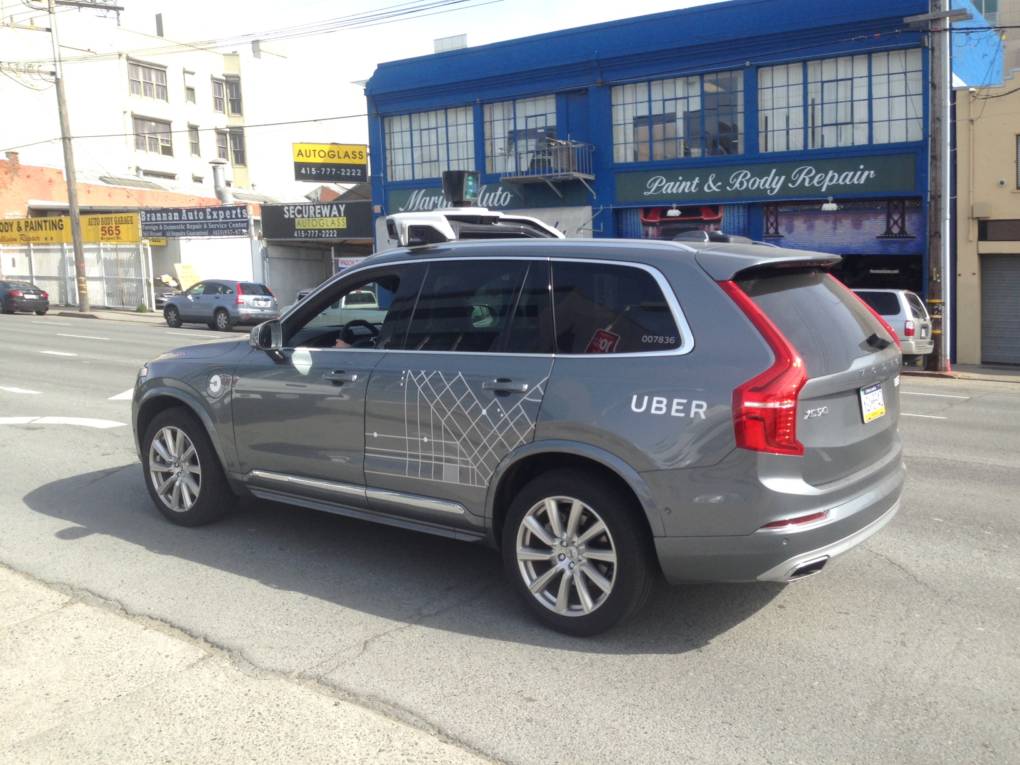
"caption": "A self-driving Uber SUV, with Pennsylvania license plates, at Fourth and Bryant streets in San Francisco on March 3, 2017. ",
"description": null,
"title": "Uber Self-Driving Car",
"credit": "Mark Fiore/KQED",
"status": "inherit",
"isLoading": false,
"fetchFailed": false
},
"futureofyou_350465": {
"type": "attachments",
"id": "futureofyou_350465",
"meta": {
"index": "attachments_1716263798",
"site": "futureofyou",
"id": "350465",
"found": true
},
"parent": 349779,
"imgSizes": {
"small": {
"file": "https://ww2.kqed.org/app/uploads/sites/13/2017/03/telemedicne-520x466.jpg",
"width": 520,
"mimeType": "image/jpeg",
"height": 466
},
"thumbnail": {
"file": "https://ww2.kqed.org/app/uploads/sites/13/2017/03/telemedicne-160x143.jpg",
"width": 160,
"mimeType": "image/jpeg",
"height": 143
},
"post-thumbnail": {
"file": "https://ww2.kqed.org/app/uploads/sites/13/2017/03/telemedicne-597x372.jpg",
"width": 597,
"mimeType": "image/jpeg",
"height": 372
},
"xsmall": {
"file": "https://ww2.kqed.org/app/uploads/sites/13/2017/03/telemedicne-375x336.jpg",
"width": 375,
"mimeType": "image/jpeg",
"height": 336
},
"kqedFullSize": {
"file": "https://ww2.kqed.org/app/uploads/sites/13/2017/03/telemedicne.jpg",
"width": 597,
"height": 535
},
"guest-author-50": {
"file": "https://ww2.kqed.org/app/uploads/sites/13/2017/03/telemedicne-50x50.jpg",
"width": 50,
"mimeType": "image/jpeg",
"height": 50
},
"guest-author-96": {
"file": "https://ww2.kqed.org/app/uploads/sites/13/2017/03/telemedicne-96x96.jpg",
"width": 96,
"mimeType": "image/jpeg",
"height": 96
},
"guest-author-64": {
"file": "https://ww2.kqed.org/app/uploads/sites/13/2017/03/telemedicne-64x64.jpg",
"width": 64,
"mimeType": "image/jpeg",
"height": 64
},
"detail": {
"file": "https://ww2.kqed.org/app/uploads/sites/13/2017/03/telemedicne-150x150.jpg",
"width": 150,
"mimeType": "image/jpeg",
"height": 150
},
"guest-author-32": {
"file": "https://ww2.kqed.org/app/uploads/sites/13/2017/03/telemedicne-32x32.jpg",
"width": 32,
"mimeType": "image/jpeg",
"height": 32
},
"guest-author-128": {
"file": "https://ww2.kqed.org/app/uploads/sites/13/2017/03/telemedicne-128x128.jpg",
"width": 128,
"mimeType": "image/jpeg",
"height": 128
},
"xxsmall": {
"file": "https://ww2.kqed.org/app/uploads/sites/13/2017/03/telemedicne-240x215.jpg",
"width": 240,
"mimeType": "image/jpeg",
"height": 215
}
},
"publishDate": 1488920414,
"modified": 1488920506,
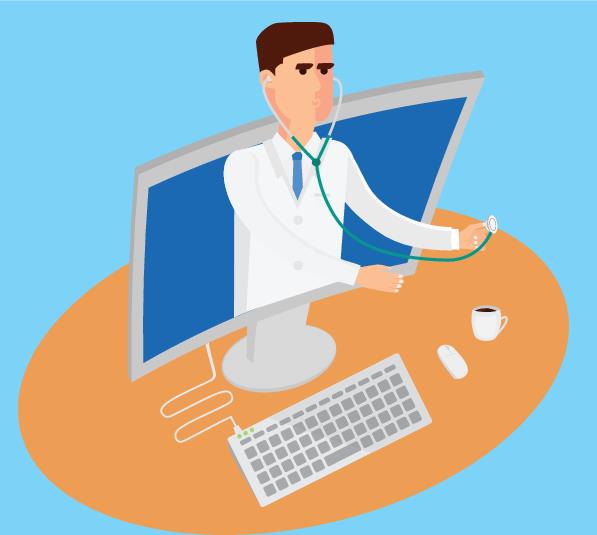
"caption": "Spending on acute respiratory illnesses was $45 more per telehealth user than it was for patients who saw the doctor in-person, a study finds.",
"description": null,
"title": "telemedicne",
"credit": "Alkov/iStock",
"status": "inherit",
"isLoading": false,
"fetchFailed": false
},
"news_11348960": {
"type": "attachments",
"id": "news_11348960",
"meta": {
"index": "attachments_1716263798",
"site": "news",
"id": "11348960",
"found": true
},
"parent": 11348959,
"imgSizes": {
"small": {
"file": "https://ww2.kqed.org/app/uploads/sites/10/2017/03/gettyimages-520956554_custom-9e343decb416700e4a6d71286c1b00c431b74ecc-520x351.jpg",
"width": 520,
"mimeType": "image/jpeg",
"height": 351
},
"twentyfourteen-full-width": {
"file": "https://ww2.kqed.org/app/uploads/sites/10/2017/03/gettyimages-520956554_custom-9e343decb416700e4a6d71286c1b00c431b74ecc-1038x576.jpg",
"width": 1038,
"mimeType": "image/jpeg",
"height": 576
},
"thumbnail": {
"file": "https://ww2.kqed.org/app/uploads/sites/10/2017/03/gettyimages-520956554_custom-9e343decb416700e4a6d71286c1b00c431b74ecc-160x108.jpg",
"width": 160,
"mimeType": "image/jpeg",
"height": 108
},
"fd-sm": {
"file": "https://ww2.kqed.org/app/uploads/sites/10/2017/03/gettyimages-520956554_custom-9e343decb416700e4a6d71286c1b00c431b74ecc-960x648.jpg",
"width": 960,
"mimeType": "image/jpeg",
"height": 648
},
"post-thumbnail": {
"file": "https://ww2.kqed.org/app/uploads/sites/10/2017/03/gettyimages-520956554_custom-9e343decb416700e4a6d71286c1b00c431b74ecc-672x372.jpg",
"width": 672,
"mimeType": "image/jpeg",
"height": 372
},
"xsmall": {
"file": "https://ww2.kqed.org/app/uploads/sites/10/2017/03/gettyimages-520956554_custom-9e343decb416700e4a6d71286c1b00c431b74ecc-375x253.jpg",
"width": 375,
"mimeType": "image/jpeg",
"height": 253
},
"kqedFullSize": {
"file": "https://ww2.kqed.org/app/uploads/sites/10/2017/03/gettyimages-520956554_custom-9e343decb416700e4a6d71286c1b00c431b74ecc-e1488927432918.jpg",
"width": 1920,
"height": 1296
},
"large": {
"file": "https://ww2.kqed.org/app/uploads/sites/10/2017/03/gettyimages-520956554_custom-9e343decb416700e4a6d71286c1b00c431b74ecc-1020x688.jpg",
"width": 1020,
"mimeType": "image/jpeg",
"height": 688
},
"xlarge": {
"file": "https://ww2.kqed.org/app/uploads/sites/10/2017/03/gettyimages-520956554_custom-9e343decb416700e4a6d71286c1b00c431b74ecc-1180x796.jpg",
"width": 1180,
"mimeType": "image/jpeg",
"height": 796
},
"guest-author-50": {
"file": "https://ww2.kqed.org/app/uploads/sites/10/2017/03/gettyimages-520956554_custom-9e343decb416700e4a6d71286c1b00c431b74ecc-50x50.jpg",
"width": 50,
"mimeType": "image/jpeg",
"height": 50
},
"guest-author-96": {
"file": "https://ww2.kqed.org/app/uploads/sites/10/2017/03/gettyimages-520956554_custom-9e343decb416700e4a6d71286c1b00c431b74ecc-96x96.jpg",
"width": 96,
"mimeType": "image/jpeg",
"height": 96
},
"medium": {
"file": "https://ww2.kqed.org/app/uploads/sites/10/2017/03/gettyimages-520956554_custom-9e343decb416700e4a6d71286c1b00c431b74ecc-800x540.jpg",
"width": 800,
"mimeType": "image/jpeg",
"height": 540
},
"guest-author-64": {
"file": "https://ww2.kqed.org/app/uploads/sites/10/2017/03/gettyimages-520956554_custom-9e343decb416700e4a6d71286c1b00c431b74ecc-64x64.jpg",
"width": 64,
"mimeType": "image/jpeg",
"height": 64
},
"guest-author-32": {
"file": "https://ww2.kqed.org/app/uploads/sites/10/2017/03/gettyimages-520956554_custom-9e343decb416700e4a6d71286c1b00c431b74ecc-32x32.jpg",
"width": 32,
"mimeType": "image/jpeg",
"height": 32
},
"fd-lrg": {
"file": "https://ww2.kqed.org/app/uploads/sites/10/2017/03/gettyimages-520956554_custom-9e343decb416700e4a6d71286c1b00c431b74ecc-1920x1296.jpg",
"width": 1920,
"mimeType": "image/jpeg",
"height": 1296
},
"fd-med": {
"file": "https://ww2.kqed.org/app/uploads/sites/10/2017/03/gettyimages-520956554_custom-9e343decb416700e4a6d71286c1b00c431b74ecc-1180x796.jpg",
"width": 1180,
"mimeType": "image/jpeg",
"height": 796
},
"full-width": {
"file": "https://ww2.kqed.org/app/uploads/sites/10/2017/03/gettyimages-520956554_custom-9e343decb416700e4a6d71286c1b00c431b74ecc-1920x1296.jpg",
"width": 1920,
"mimeType": "image/jpeg",
"height": 1296
},
"detail": {
"file": "https://ww2.kqed.org/app/uploads/sites/10/2017/03/gettyimages-520956554_custom-9e343decb416700e4a6d71286c1b00c431b74ecc-150x150.jpg",
"width": 150,
"mimeType": "image/jpeg",
"height": 150
},
"guest-author-128": {
"file": "https://ww2.kqed.org/app/uploads/sites/10/2017/03/gettyimages-520956554_custom-9e343decb416700e4a6d71286c1b00c431b74ecc-128x128.jpg",
"width": 128,
"mimeType": "image/jpeg",
"height": 128
},
"xxsmall": {
"file": "https://ww2.kqed.org/app/uploads/sites/10/2017/03/gettyimages-520956554_custom-9e343decb416700e4a6d71286c1b00c431b74ecc-240x162.jpg",
"width": 240,
"mimeType": "image/jpeg",
"height": 162
}
},
"publishDate": 1488927386,
"modified": 1488932333,
"caption": "The Central Intelligence Agency logo is seen at CIA Headquarters in Langley, Virginia, in 2016. In a statement accompanying the document release, WikiLeaks alleges that the CIA has recently \"lost control of the majority of its hacking arsenal.\"",
"description": "The Central Intelligence Agency logo is seen at CIA Headquarters in Langley, Va., in 2016. In a statement accompanying the document release, WikiLeaks alleges that the CIA has recently \"lost control of the majority of its hacking arsenal.\"",
"title": "The Central Intelligence Agency logo is seen at CIA Headquarters in Langley, Va., in 2016. In a statement accompanying the document release, WikiLeaks alleges that the CIA has recently \"lost control of the majority of its hacking arsenal.\"",
"credit": "Saul Loeb/AFP/Getty Images",
"status": "inherit",
"isLoading": false,
"fetchFailed": false
}
},
"audioPlayerReducer": {
"postId": "stream_live",
"isPaused": true,
"isPlaying": false,
"pfsActive": false,
"pledgeModalIsOpen": true,
"playerDrawerIsOpen": false,
"liveAudioPlayStartedAt": 0,
"liveAudioPlayContext": ""
},
"authorsReducer": {
"byline_news_11368044": {
"type": "authors",
"id": "byline_news_11368044",
"meta": {
"override": true
},
"slug": "byline_news_11368044",
"name": "Emma Bowman",
"isLoading": false
},
"byline_news_11360626": {
"type": "authors",
"id": "byline_news_11360626",
"meta": {
"override": true
},
"slug": "byline_news_11360626",
"name": "\u003cstrong>Merrit Kennedy\u003cbr>NPR\u003c/strong>",
"isLoading": false
},
"byline_news_11353296": {
"type": "authors",
"id": "byline_news_11353296",
"meta": {
"override": true
},
"slug": "byline_news_11353296",
"name": "\u003cstrong>Justin Pritchard\u003cbr />Associated Press\u003c/strong>",
"isLoading": false
},
"byline_news_11351492": {
"type": "authors",
"id": "byline_news_11351492",
"meta": {
"override": true
},
"slug": "byline_news_11351492",
"name": "\u003cstrong>Associated Press\u003c/strong>",
"isLoading": false
},
"byline_news_11348959": {
"type": "authors",
"id": "byline_news_11348959",
"meta": {
"override": true
},
"slug": "byline_news_11348959",
"name": "Camila Domonoske",
"isLoading": false
},
"jbrooks": {
"type": "authors",
"id": "80",
"meta": {
"index": "authors_1716337520",
"id": "80",
"found": true
},
"name": "Jon Brooks",
"firstName": "Jon",
"lastName": "Brooks",
"slug": "jbrooks",
"email": "jbrooks@kqed.org",
"display_author_email": true,
"staff_mastheads": [
"science"
],
"title": "Digital Editor",
"bio": "Jon Brooks is a former Digital Editor for KQED Science. He is the former editor of KQED’s daily news blog, News Fix. In 2014, he won a California Journalism Award for his coverage of ride services like Uber and Lyft and the taxi industry. A veteran blogger, he previously worked for Yahoo! in various news writing and editing roles. Jon is also a playwright whose work has been produced in San Francisco, New York, Italy, and around the U.S. He has written about film for his own blog and studied film at Boston University.",
"avatar": "https://secure.gravatar.com/avatar/98887f7ed1c876ed414d4c915e969584?s=600&d=blank&r=g",
"twitter": "jbrooksfoy",
"facebook": null,
"instagram": null,
"linkedin": null,
"sites": [
{
"site": "arts",
"roles": [
"Contributor",
"editor"
]
},
{
"site": "news",
"roles": [
"author"
]
},
{
"site": "futureofyou",
"roles": [
"administrator"
]
},
{
"site": "mindshift",
"roles": [
"editor"
]
},
{
"site": "stateofhealth",
"roles": [
"editor"
]
},
{
"site": "science",
"roles": [
"administrator"
]
},
{
"site": "quest",
"roles": [
"editor"
]
}
],
"headData": {
"title": "Jon Brooks | KQED",
"description": "Digital Editor",
"ogImgSrc": "https://secure.gravatar.com/avatar/98887f7ed1c876ed414d4c915e969584?s=600&d=blank&r=g",
"twImgSrc": "https://secure.gravatar.com/avatar/98887f7ed1c876ed414d4c915e969584?s=600&d=blank&r=g"
},
"isLoading": false,
"link": "/author/jbrooks"
},
"danbrekke": {
"type": "authors",
"id": "222",
"meta": {
"index": "authors_1716337520",
"id": "222",
"found": true
},
"name": "Dan Brekke",
"firstName": "Dan",
"lastName": "Brekke",
"slug": "danbrekke",
"email": "dbrekke@kqed.org",
"display_author_email": true,
"staff_mastheads": [
"news",
"science"
],
"title": "KQED Editor and Reporter",
"bio": "Dan Brekke is a reporter and editor for KQED News, responsible for coverage of topics ranging from California water issues to the Bay Area's transportation challenges. In a newsroom career that began in Chicago in 1972, Dan has worked for \u003cem>The San Francisco Examiner,\u003c/em> Wired and TechTV and has been published in The New York Times, The New York Times Magazine, Business 2.0, Salon and elsewhere.\r\n\r\nSince joining KQED in 2007, Dan has reported, edited and produced both radio and online features and breaking news pieces. He has shared as both editor and reporter in four Society of Professional Journalists Norcal Excellence in Journalism awards and one Edward R. Murrow regional award. He was chosen for a spring 2017 residency at the Mesa Refuge to advance his research on California salmon.\r\n\r\nEmail Dan at: \u003ca href=\"mailto:dbrekke@kqed.org\">dbrekke@kqed.org\u003c/a>\r\n\r\n\u003cstrong>Twitter:\u003c/strong> \u003ca href=\"https://twitter.com/danbrekke\" rel=\"noopener noreferrer\">twitter.com/danbrekke\u003c/a>\r\n\u003cstrong>Facebook:\u003c/strong> \u003ca href=\"https://www.facebook.com/danbrekke\" rel=\"noopener noreferrer\">www.facebook.com/danbrekke\u003c/a>\r\n\u003cstrong>LinkedIn:\u003c/strong> \u003ca href=\"https://www.linkedin.com/in/danbrekke\" rel=\"noopener noreferrer\">www.linkedin.com/in/danbrekke\u003c/a>",
"avatar": "https://secure.gravatar.com/avatar/8f1f0d2a978fb3b23426c922c7e2af558fa36905b49c4ce76a97dc3c72d27226?s=600&d=mm&r=g",
"twitter": "danbrekke",
"bluesky": null,
"facebook": null,
"instagram": "https://www.instagram.com/dan.brekke/",
"linkedin": "https://www.linkedin.com/in/danbrekke/",
"sites": [
{
"site": "news",
"roles": [
"administrator",
"create_posts"
]
},
{
"site": "stateofhealth",
"roles": [
"editor"
]
},
{
"site": "science",
"roles": [
"editor"
]
},
{
"site": "quest",
"roles": [
"contributor"
]
},
{
"site": "food",
"roles": [
"contributor"
]
},
{
"site": "forum",
"roles": [
"contributor"
]
},
{
"site": "elections",
"roles": [
"editor"
]
},
{
"site": "liveblog",
"roles": [
"editor"
]
}
],
"headData": {
"title": "Dan Brekke | KQED",
"description": "KQED Editor and Reporter",
"ogImgSrc": "https://secure.gravatar.com/avatar/8f1f0d2a978fb3b23426c922c7e2af558fa36905b49c4ce76a97dc3c72d27226?s=600&d=mm&r=g",
"twImgSrc": "https://secure.gravatar.com/avatar/8f1f0d2a978fb3b23426c922c7e2af558fa36905b49c4ce76a97dc3c72d27226?s=600&d=mm&r=g"
},
"isLoading": false,
"link": "/author/danbrekke"
},
"ben-burress": {
"type": "authors",
"id": "6180",
"meta": {
"index": "authors_1716337520",
"id": "6180",
"found": true
},
"name": "Ben Burress",
"firstName": "Ben",
"lastName": "Burress",
"slug": "ben-burress",
"email": "bburress@chabotspace.org",
"display_author_email": false,
"staff_mastheads": [],
"title": null,
"bio": "\u003cstrong>Benjamin Burress\u003c/strong> has been a staff astronomer at Chabot Space & Science Center since July 1999. He graduated from Sonoma State University in 1985 with a bachelor’s degree in physics (and minor in astronomy), after which he signed on for a two-year stint in the Peace Corps, where he taught physics and mathematics in the African nation of Cameroon. From 1989-96 he served on the crew of NASA’s Kuiper Airborne Observatory at Ames Research Center in Mountain View, CA. From 1996-99, he was Head Observer at the Naval Prototype Optical Interferometer program at Lowell Observatory in Flagstaff, AZ.\r\n\r\nRead his \u003ca href=\"http://science.kqed.org/quest/author/ben-burress/\">previous contributions\u003c/a> to \u003ca href=\"http://science.kqed.org/quest/\">QUEST\u003c/a>, a project dedicated to exploring the Science of Sustainability.",
"avatar": "https://secure.gravatar.com/avatar/8263bffa345b7e4923a0b8b9f0f6a161?s=600&d=blank&r=g",
"twitter": null,
"facebook": null,
"instagram": null,
"linkedin": null,
"sites": [
{
"site": "science",
"roles": [
"editor"
]
},
{
"site": "quest",
"roles": [
"subscriber"
]
}
],
"headData": {
"title": "Ben Burress | KQED",
"description": null,
"ogImgSrc": "https://secure.gravatar.com/avatar/8263bffa345b7e4923a0b8b9f0f6a161?s=600&d=blank&r=g",
"twImgSrc": "https://secure.gravatar.com/avatar/8263bffa345b7e4923a0b8b9f0f6a161?s=600&d=blank&r=g"
},
"isLoading": false,
"link": "/author/ben-burress"
},
"qkim": {
"type": "authors",
"id": "11099",
"meta": {
"index": "authors_1716337520",
"id": "11099",
"found": true
},
"name": "Queena Sook Kim",
"firstName": "Queena",
"lastName": "Kim",
"slug": "qkim",
"email": "qkim@kqed.org",
"display_author_email": false,
"staff_mastheads": [
"news"
],
"title": "Senior Editor",
"bio": "\u003cspan style=\"font-weight: 400;\">Queena Sook Kim is a former senior editor of the weekend desk at KQED. Before taking on that post, she was the Senior Editor of the Silicon Valley Desk and was the \u003c/span>\u003cspan style=\"font-weight: 400;\">host of The California Report. The daily morning show airs on KQED in San Francisco, one of the nation’s largest NPR affiliates, and on 30 stations across the state. In that role, she produces and reports on news, politics and life in the Golden State. Queena likes to take sideways look at the larger trends changing the state. One of her favorite stories asked\u003c/span>\u003ca href=\"https://ww2.kqed.org/news/2015/02/15/why-the-heck-do-mexican-reporters-on-public-radio-say-their-names-that-way\"> \u003cspan style=\"font-weight: 400;\">why Latino journalists “over’pronounce” their Spanish surnames\u003c/span>\u003c/a>\u003cspan style=\"font-weight: 400;\"> as a way of looking at how immigration is creating a culture shift in California.\u003c/span>\r\n\r\n\u003cspan style=\"font-weight: 400;\">Before joining The California Report, Queena was a \u003ca href=\"http://www.marketplace.org/people/queena-kim\">Senior Reporter covering technology for Marketplace\u003c/a>, the daily business show that airs on public radio. Queena covered daily tech business stories and reported on larger technology trends. She did a series of stories looking at role of social engineering in hacking and on a start-up in Silicon Valley that’s trying to use technology, instead of animals, to make meat that bleeds.\u003c/span>\r\n\r\n\u003cspan style=\"font-weight: 400;\">Queena started her career as a business journalist at the Wall Street Journal, where she spent four years covering the paper, home building and toy industries. She wrote A1 stories about the unusually aggressive tactics KB Home took against its home buyers. and the resurgence of “Cracker” architecture in Florida. She also wrote section front stories on marketing trends and\u003c/span>\r\n\r\n\u003cspan style=\"font-weight: 400;\">As a journalist, Queena has spent much of her career helping start-up editorial products. She was on the founding editorial team of The Bay Citizen, an experimental, online news site in San Francisco that was funded by the late hillbilly billionaire Warren Hellman. In 2009, Queena received a grant from the Corporation of Public Broadcasting to start-up a podcast called \u003ca href=\"https://soundcloud.com/cyberfrequencies\">CyberFrequencies\u003c/a>, which reported on the culture of technology. She also helped start-up two radio shows - Off-Ramp and Pacific Drift - for KPCC, the NPR-affiliate in Los Angeles. Off-Ramp was awarded 1st Place for news and Public Affairs programming by the PRINDI and the L.A. Press club. \u003ca href=\"https://soundcloud.com/queena-sook-kim\">Queena’s stories have appeared \u003c/a>on NPR’s Day to Day, Hearing Voices, WNYC’s Studio 360, WBUR’s Here and Now, BBC’s Global Perspectives and New York Times’ multimedia page.\u003c/span>\r\n\r\n\u003cspan style=\"font-weight: 400;\">In 1994, Queena won a Fulbright Grant to teach and study in Seoul, South Korea. She was also selected to be a Teach For America Corps Member in 1991 and taught elementary school in the Inglewood Unified School District in Southern California.\u003c/span>\r\n\r\n\u003cspan style=\"font-weight: 400;\">Queena is a frequent public speaker and has given talks at UC Berkeley, Stanford University, San Francisco State University, PRINDI conference and the Craigslist Foundation Boot Camp. Queena went to UC Berkeley’s Graduate School of Journalism and graduated cum laude from New York University with a B.A. in Politics. She grew up in Southern California and lives in Berkeley, Ca in a big fixer on which she spends most weekends, well, fixing.\u003c/span>",
"avatar": "https://secure.gravatar.com/avatar/b72382fd0db351b99f8a31939f4853fc?s=600&d=blank&r=g",
"twitter": "queenasookkim",
"facebook": null,
"instagram": null,
"linkedin": null,
"sites": [
{
"site": "news",
"roles": [
"subscriber"
]
},
{
"site": "forum",
"roles": [
"author"
]
},
{
"site": "breakingnews",
"roles": [
"editor"
]
}
],
"headData": {
"title": "Queena Sook Kim | KQED",
"description": "Senior Editor",
"ogImgSrc": "https://secure.gravatar.com/avatar/b72382fd0db351b99f8a31939f4853fc?s=600&d=blank&r=g",
"twImgSrc": "https://secure.gravatar.com/avatar/b72382fd0db351b99f8a31939f4853fc?s=600&d=blank&r=g"
},
"isLoading": false,
"link": "/author/qkim"
},
"korr": {
"type": "authors",
"id": "11200",
"meta": {
"index": "authors_1716337520",
"id": "11200",
"found": true
},
"name": "Katie Orr",
"firstName": "Katie",
"lastName": "Orr",
"slug": "korr",
"email": "korr@kqed.org",
"display_author_email": false,
"staff_mastheads": [],
"title": "KQED Contributor",
"bio": "Katie Orr was a Sacramento-based reporter for KQED's Politics and Government Desk, covering the state Capitol and a variety of issues including women in politics, voting and elections and legislation. Prior to joining KQED in 2016, Katie was state government reporter for Capital Public Radio in Sacramento. She's also worked for KPBS in San Diego, where she covered City Hall.\r\n\r\nKatie received her masters degree in political science from San Diego State University and holds a Bachelors degree in broadcast journalism from Arizona State University.\r\n\r\nIn 2015 Katie won a national Clarion Award for a series of stories she did on women in California politics. She's been honored by the Society for Professional Journalists and, in 2013, was named by \u003cem>The Washington Post\u003c/em> as one of the country's top state Capitol reporters. She's also reported for the award-winning documentary series \u003cem>The View from Here \u003c/em>and was part of the team that won national PRNDI and Gabriel Awards in 2015. She lives in Sacramento with her husband. Twitter: @1KatieOrr",
"avatar": "https://secure.gravatar.com/avatar/41a40b25845adc78f50808670860449e?s=600&d=blank&r=g",
"twitter": "1katieorr",
"facebook": null,
"instagram": null,
"linkedin": null,
"sites": [
{
"site": "news",
"roles": [
"subscriber"
]
},
{
"site": "stateofhealth",
"roles": [
"author"
]
},
{
"site": "forum",
"roles": [
"author"
]
}
],
"headData": {
"title": "Katie Orr | KQED",
"description": "KQED Contributor",
"ogImgSrc": "https://secure.gravatar.com/avatar/41a40b25845adc78f50808670860449e?s=600&d=blank&r=g",
"twImgSrc": "https://secure.gravatar.com/avatar/41a40b25845adc78f50808670860449e?s=600&d=blank&r=g"
},
"isLoading": false,
"link": "/author/korr"
},
"bwatt": {
"type": "authors",
"id": "11238",
"meta": {
"index": "authors_1716337520",
"id": "11238",
"found": true
},
"name": "Brian Watt",
"firstName": "Brian",
"lastName": "Watt",
"slug": "bwatt",
"email": "bwatt@KQED.org",
"display_author_email": false,
"staff_mastheads": [
"news"
],
"title": "Morning News Anchor",
"bio": "Brian Watt is KQED's morning radio news anchor. He joined the KQED News team in April of 2016. Prior to that, he worked as a Reporter for KPCC in Los Angeles and a producer at \u003cem>Marketplace.\u003c/em>\r\n\r\nDuring eight years at KPCC, Brian covered business and economics, and his work won several awards. In 2008, he won the Los Angeles Press Club’s first-place award for Business and Financial Reporting, Broadcast. He’s also received honorable mention and been first runner up for the Press Club’s Radio Journalist of the Year. He won two Golden Mike awards from the Radio and TV News Association of Southern California.\r\n\r\nBrian holds degrees in theater from Yale University and the Sorbonne, and has worked as an actor in France, Italy, Brazil, Hungary and . . . Hollywood. He appeared in a few television shows, including \u003cem>The West Wing, Judging Amy\u003c/em> and \u003cem>The District.\u003c/em>\r\n\r\nEmail: bwatt@KQED.org Twitter: @RadioBWatt",
"avatar": "https://secure.gravatar.com/avatar/55393ff57ed34e2be773ba4789dd6a19?s=600&d=blank&r=g",
"twitter": "@RadioBWatt",
"facebook": null,
"instagram": null,
"linkedin": null,
"sites": [
{
"site": "arts",
"roles": [
"contributor"
]
},
{
"site": "news",
"roles": [
"editor"
]
}
],
"headData": {
"title": "Brian Watt | KQED",
"description": "Morning News Anchor",
"ogImgSrc": "https://secure.gravatar.com/avatar/55393ff57ed34e2be773ba4789dd6a19?s=600&d=blank&r=g",
"twImgSrc": "https://secure.gravatar.com/avatar/55393ff57ed34e2be773ba4789dd6a19?s=600&d=blank&r=g"
},
"isLoading": false,
"link": "/author/bwatt"
}
},
"pagesReducer": {
"news_category_technology": {
"type": "terms",
"id": "news_248",
"meta": {
"index": "terms_1716263798",
"site": "news",
"id": "248",
"score": 10.932037
},
"featImg": null,
"name": "Technology",
"description": null,
"taxonomy": "category",
"headData": {
"twImgId": null,
"twTitle": null,
"ogTitle": null,
"ogImgId": null,
"twDescription": null,
"description": null,
"title": "Technology Archives | KQED News",
"ogDescription": null
},
"ttid": 256,
"slug": "technology",
"isLoading": false,
"title": "Technology",
"pageMeta": {
"site": "news",
"WpPageTemplate": "page-topic-editorial",
"currentPage": 122
},
"blocks": [
{
"blockName": "kqed/post-list",
"attrs": {
"layout": "cardArticle2",
"query": "posts/news?category=technology",
"seeMore": false,
"paginated": true,
"page": 122
}
},
{
"blockName": "kqed/ad"
}
]
}
},
"pfsSessionReducer": {},
"postsReducer": {
"stream_live": {
"type": "live",
"id": "stream_live",
"audioUrl": "https://streams.kqed.org/kqedradio",
"title": "Live Stream",
"excerpt": "Live Stream information currently unavailable.",
"link": "/radio",
"featImg": "",
"label": {
"name": "KQED Live",
"link": "/"
}
},
"stream_kqedNewscast": {
"type": "posts",
"id": "stream_kqedNewscast",
"audioUrl": "https://www.kqed.org/.stream/anon/radio/RDnews/newscast.mp3?_=1",
"title": "KQED Newscast",
"featImg": "",
"label": {
"name": "88.5 FM",
"link": "/"
}
},
"science_1510407": {
"type": "posts",
"id": "science_1510407",
"meta": {
"index": "posts_1716263798",
"site": "science",
"id": "1510407",
"score": null,
"sort": [
1490912410000
]
},
"guestAuthors": [],
"slug": "hubble-successor-the-largest-space-telescope-is-closer-to-launch",
"title": "Hubble Successor, The Largest Space Telescope, Is Closer to Launch",
"publishDate": 1490912410,
"format": "standard",
"headTitle": "Hubble Successor, The Largest Space Telescope, Is Closer to Launch | KQED",
"labelTerm": {
"site": "science"
},
"content": "\u003cp>The long-anticipated \u003ca href=\"https://jwst.nasa.gov/\">James Webb Space Telescope\u003c/a> is a few steps closer to launch, after being subjected to a series of rigorous \u003ca href=\"https://www.nasa.gov/image-feature/goddard/2017/nasas-webb-telescope-ghostly-lights-out-inspection\">space-readiness tests\u003c/a> in the world’s largest “clean room” at NASA/Goddard Space Flight Center.\u003c/p>\n\u003cp>Today NASA offered members of the public a peak into that giant chamber, and the preparations being made on what–if all goes well–will become the largest telescope ever sent into space. The Webb is scheduled for launch from French Guiana in October 2018.\u003c/p>\n\u003cp>An international collaboration between NASA, the European Space Agency, and the Canadian Space Agency, the James Webb Space Telescope is the successor to NASA’s Hubble Space Telescope.\u003c/p>\n\u003cp>And anyone aware of \u003ca href=\"http://news.nationalgeographic.com/news/2005/04/photogalleries/hubble/index.html\">Hubble’s scientific achievements\u003c/a> can imagine what Webb might open our eyes to. In its 27-year career, Hubble has probed invisible “\u003ca href=\"http://hubblesite.org/news_release/news/2015-10/31-dark-matter\">dark matter\u003c/a>” in space, found \u003ca href=\"http://www.spacetelescope.org/news/heic1706/\">supermassive blackholes\u003c/a> in the cores of galaxies, defined the \u003ca href=\"http://hubblesite.org/hubble_discoveries/breakthroughs/cosmology\">age of the cosmos\u003c/a>, glimpsed some of the \u003ca href=\"http://www.astronomy.com/news/2016/03/most-distant-galaxy-hubble-breaks-cosmic-distance-record\">most distant objects in space\u003c/a> and time…and the list goes on.\u003c/p>\n\u003cp>Hubble is a tough act to follow. So what’s different about Webb? The size!\u003c/p>\n\u003cfigure id=\"attachment_1510518\" class=\"wp-caption alignright\" style=\"max-width: 800px\">\u003cimg loading=\"lazy\" decoding=\"async\" class=\"size-full wp-image-1510518\" src=\"https://ww2.kqed.org/science/wp-content/uploads/sites/35/2017/03/jwst-in-cleanroom.jpg\" alt=\"The James Webb Space Telescope with its 18-segment primary mirror fully assembled, in NASA/Goddard Space Flight Center's giant clean room in Greenbelt, Maryland.\" width=\"800\" height=\"450\" srcset=\"https://cdn.kqed.org/wp-content/uploads/sites/35/2017/03/jwst-in-cleanroom.jpg 800w, https://cdn.kqed.org/wp-content/uploads/sites/35/2017/03/jwst-in-cleanroom-160x90.jpg 160w, https://cdn.kqed.org/wp-content/uploads/sites/35/2017/03/jwst-in-cleanroom-768x432.jpg 768w, https://cdn.kqed.org/wp-content/uploads/sites/35/2017/03/jwst-in-cleanroom-240x135.jpg 240w, https://cdn.kqed.org/wp-content/uploads/sites/35/2017/03/jwst-in-cleanroom-375x211.jpg 375w, https://cdn.kqed.org/wp-content/uploads/sites/35/2017/03/jwst-in-cleanroom-520x293.jpg 520w\" sizes=\"(max-width: 800px) 100vw, 800px\">\u003cfigcaption class=\"wp-caption-text\">The James Webb Space Telescope with its 18-segment primary mirror fully assembled, in NASA/Goddard Space Flight Center’s giant clean room in Greenbelt, Maryland. \u003ccite>(NASA)\u003c/cite>\u003c/figcaption>\u003c/figure>\n\u003cp>Hubble’s primary light-collecting mirror has a diameter of 8 feet. Webb’s primary mirror, an array of 18 hexagonal sections of light-weight, gold-coated beryllium, measures over 21 feet across!\u003c/p>\n\u003cp>[ad fullwidth]\u003c/p>\n\u003cp>Part of the reason for Hubble’s relatively small primary mirror is that the entire telescope had to fit inside the cargo bay of the Space Shuttle that carried it into orbit. If Webb’s much larger mirror were a single piece of material, getting it into space would be an almost insurmountable engineering challenge.\u003c/p>\n\u003cp>But Webb’s multi-mirror design allows the array to be “folded up” into a compact space. Once Webb arrives at its destination, the mirror sections will open up and fit together into a single functional mirror.\u003c/p>\n\u003cp>\u003cstrong>Seeing the Universe in a Different Light\u003c/strong>\u003c/p>\n\u003cp>Hubble is a “visible light” telescope, observing light with wavelengths visible to the human eye. The source of visible light in the universe is primarily hot things, like stars—and by extension galaxies, which are composed of stars.\u003c/p>\n\u003cfigure id=\"attachment_1510523\" class=\"wp-caption aligncenter\" style=\"max-width: 800px\">\u003cimg loading=\"lazy\" decoding=\"async\" class=\"size-medium wp-image-1510523\" src=\"https://ww2.kqed.org/science/wp-content/uploads/sites/35/2017/03/m31red_spitzer_big-800x440.jpg\" alt=\"The Andromeda Galaxy revealed in visible light (lower left) and infrared light (top, lower right). Infrared reveals features produced by cooler objects and structures, such as dust and cooler gas clouds. \" width=\"800\" height=\"440\" srcset=\"https://cdn.kqed.org/wp-content/uploads/sites/35/2017/03/m31red_spitzer_big-800x440.jpg 800w, https://cdn.kqed.org/wp-content/uploads/sites/35/2017/03/m31red_spitzer_big-160x88.jpg 160w, https://cdn.kqed.org/wp-content/uploads/sites/35/2017/03/m31red_spitzer_big-768x422.jpg 768w, https://cdn.kqed.org/wp-content/uploads/sites/35/2017/03/m31red_spitzer_big-1020x561.jpg 1020w, https://cdn.kqed.org/wp-content/uploads/sites/35/2017/03/m31red_spitzer_big-1920x1056.jpg 1920w, https://cdn.kqed.org/wp-content/uploads/sites/35/2017/03/m31red_spitzer_big-1180x649.jpg 1180w, https://cdn.kqed.org/wp-content/uploads/sites/35/2017/03/m31red_spitzer_big-960x528.jpg 960w, https://cdn.kqed.org/wp-content/uploads/sites/35/2017/03/m31red_spitzer_big-240x132.jpg 240w, https://cdn.kqed.org/wp-content/uploads/sites/35/2017/03/m31red_spitzer_big-375x206.jpg 375w, https://cdn.kqed.org/wp-content/uploads/sites/35/2017/03/m31red_spitzer_big-520x286.jpg 520w\" sizes=\"(max-width: 800px) 100vw, 800px\">\u003cfigcaption class=\"wp-caption-text\">The Andromeda Galaxy revealed in visible light (lower left) and infrared light (top, lower right). Infrared reveals features produced by cooler objects and structures, such as dust and cooler gas clouds. \u003ccite>(NASA/JPL-CalTech/K. Gordon (U. of Arizona)/NOAO/Spitzer Space Telescope)\u003c/cite>\u003c/figcaption>\u003c/figure>\n\u003cp>Webb is an \u003cem>infrared\u003c/em> telescope. Its suite of light detectors—cameras for capturing images, spectrometers for analyzing chemical composition—are sensitive to \u003ca href=\"http://coolcosmos.ipac.caltech.edu/cosmic_classroom/ir_tutorial/\">lower-energy infrared light\u003c/a>. So, Webb will observe emissions from cooler objects, like molecular clouds containing organic molecules, disks of material forming new planetary systems, and the atmospheres of distant extrasolar planets, to name only a few.\u003c/p>\n\u003cp>\u003cstrong>Location, Location, Location\u003c/strong>\u003c/p>\n\u003cp>The venerable Hubble orbits the Earth, only 300 miles above our planet’s surface—so at any given moment, half of Hubble’s view of space is blocked by a huge, glaring planet. And since Hubble makes an orbit every 95 minutes, it can only observe a celestial object for less than an hour before its line of sight is blocked by the Earth.\u003c/p>\n\u003cp>Webb will orbit the sun at a special location called \u003ca href=\"https://jwst.nasa.gov/orbit.html\">Earth’s “L2” Lagrange point\u003c/a>, a million miles farther out. At the L2 point, the Earth and the sun work together to form a sort of gravitational “pocket” in which a spacecraft can remain almost stationary with very little assistance.\u003c/p>\n\u003cp>Webb will move along with the Earth as they both orbit the sun, like a balloon tethered to a running child, and not wander off to some distant place in the solar system. Since it’s not orbiting the Earth as Hubble does, Webb’s line of sight to celestial objects of interest won’t be routinely cut off—and at a million miles away, Earth doesn’t block much of the view.\u003c/p>\n\u003cp>Webb is also equipped with a tennis-court-sized sun-shade, which will shield it not only from the Sun’s intense radiation, but also from the infrared emissions of the Earth and moon.\u003c/p>\n\u003cfigure id=\"attachment_1510521\" class=\"wp-caption aligncenter\" style=\"max-width: 640px\">\u003cimg loading=\"lazy\" decoding=\"async\" class=\"size-full wp-image-1510521\" src=\"https://ww2.kqed.org/science/wp-content/uploads/sites/35/2017/03/sunshield.jpg\" alt=\"The Webb's giant, multi-layered sunshield, which will block almost all of the radiation from the sun, moon, and Earth. \" width=\"640\" height=\"426\" srcset=\"https://cdn.kqed.org/wp-content/uploads/sites/35/2017/03/sunshield.jpg 640w, https://cdn.kqed.org/wp-content/uploads/sites/35/2017/03/sunshield-160x107.jpg 160w, https://cdn.kqed.org/wp-content/uploads/sites/35/2017/03/sunshield-240x160.jpg 240w, https://cdn.kqed.org/wp-content/uploads/sites/35/2017/03/sunshield-375x250.jpg 375w, https://cdn.kqed.org/wp-content/uploads/sites/35/2017/03/sunshield-520x346.jpg 520w\" sizes=\"(max-width: 640px) 100vw, 640px\">\u003cfigcaption class=\"wp-caption-text\">The Webb’s giant, multi-layered sunshield, which will block almost all of the radiation from the sun, moon, and Earth. \u003ccite>(NASA/Goddard Space Flight Center)\u003c/cite>\u003c/figcaption>\u003c/figure>\n\u003cp>Keeping Webb cool is critical to its ability to sense the faint infrared emanations from distant objects. If warmed by the sun, Webb’s own optics and sensors would glow with infrared light, thus seeing those faint objects would be difficult—like looking out a window on a nighttime scene from inside a brightly lit house.\u003c/p>\n\u003cp>\u003cstrong>What Will Webb Show Us?\u003c/strong>\u003c/p>\n\u003cp>Hubble has observed some of the most \u003ca href=\"http://www.astronomy.com/news/2016/03/most-distant-galaxy-hubble-breaks-cosmic-distance-record\">distant galaxies in space\u003c/a>—and since it takes time for their light to travel to us, the farther away they are, the further back in time we see them. When we look at a galaxy that is a billion light years away, it is sort of like watching a video that was recorded a billion years ago.\u003c/p>\n\u003cp>Webb will see further back in time by observing infrared emissions of the gases that eventually formed the earliest galaxies, before their stars were born and began emitting visible light.\u003c/p>\n\u003cp>Closer to home, Webb will analyze confirmed \u003ca href=\"http://exoplanetarchive.ipac.caltech.edu/\">extrasolar planets\u003c/a>—especially exoplanets similar to Earth in size and distance from their star. Recently, \u003ca href=\"https://www.nasa.gov/press-release/nasa-telescope-reveals-largest-batch-of-earth-size-habitable-zone-planets-around\">seven approximately Earth-sized planets\u003c/a> were confirmed orbiting the same star, only 40 light years from us. Three of these planets are at the right distance from their star, TRAPPIST-1, that liquid water could exist on their surfaces.\u003c/p>\n\u003cfigure id=\"attachment_1510520\" class=\"wp-caption aligncenter\" style=\"max-width: 800px\">\u003cimg loading=\"lazy\" decoding=\"async\" class=\"size-medium wp-image-1510520\" src=\"https://ww2.kqed.org/science/wp-content/uploads/sites/35/2017/03/trappist-1-art-800x450.jpg\" alt=\"Artist concept of an exoplanet with possible surface water in the TRAPPIST-1 system, 40 light years from our solar system.\" width=\"800\" height=\"450\">\u003cfigcaption class=\"wp-caption-text\">Artist concept of an exoplanet with possible surface water in the TRAPPIST-1 system, 40 light years from our solar system. \u003ccite>(NASA/JPL-CalTech)\u003c/cite>\u003c/figcaption>\u003c/figure>\n\u003cp>Webb will look for infrared emissions from exoplanet atmospheres—if present—and analyze their chemical compositions. If a planet has a liquid water cycle, then there should be water vapor present in its atmosphere. And, if it possesses life, there should be chemical telltales of its activity, such as molecular oxygen or methane.\u003c/p>\n\u003cp>[ad floatright]\u003c/p>\n\u003cp>The James Webb Space Telescope still has a few tests to get through before it is certified space-worthy—just like an astronaut being examined by the doctor who will give them a thumbs-up to launch—but the cosmic revelations it may ultimately bring should be well worth the wait.\u003c/p>\n\n",
"blocks": [],
"excerpt": "It'll be the largest telescope sent into space, and NASA is preparing for a fall 2018 launch.\r\n\r\n",
"status": "publish",
"parent": 0,
"modified": 1721104549,
"stats": {
"hasAudio": false,
"hasVideo": false,
"hasChartOrMap": false,
"iframeSrcs": [],
"hasGoogleForm": false,
"hasGallery": false,
"hasHearkenModule": false,
"hasPolis": false,
"paragraphCount": 25,
"wordCount": 1134
},
"headData": {
"title": "Hubble Successor, The Largest Space Telescope, Is Closer to Launch | KQED",
"description": "It'll be the largest telescope sent into space, and NASA is preparing for a fall 2018 launch.\r\n\r\n",
"ogTitle": "",
"ogDescription": "",
"ogImgId": "",
"twTitle": "",
"twDescription": "",
"twImgId": "",
"schema": {
"@context": "https://schema.org",
"@type": "Article",
"headline": "Hubble Successor, The Largest Space Telescope, Is Closer to Launch",
"datePublished": "2017-03-30T15:20:10-07:00",
"dateModified": "2024-07-15T21:35:49-07:00",
"image": "https://cdn.kqed.org/wp-content/uploads/2020/02/KQED-OG-Image@1x.png"
}
},
"sticky": false,
"path": "/science/1510407/hubble-successor-the-largest-space-telescope-is-closer-to-launch",
"audioTrackLength": null,
"parsedContent": [
{
"type": "contentString",
"content": "\u003cdiv class=\"post-body\">\u003cp>\u003cp>The long-anticipated \u003ca href=\"https://jwst.nasa.gov/\">James Webb Space Telescope\u003c/a> is a few steps closer to launch, after being subjected to a series of rigorous \u003ca href=\"https://www.nasa.gov/image-feature/goddard/2017/nasas-webb-telescope-ghostly-lights-out-inspection\">space-readiness tests\u003c/a> in the world’s largest “clean room” at NASA/Goddard Space Flight Center.\u003c/p>\n\u003cp>Today NASA offered members of the public a peak into that giant chamber, and the preparations being made on what–if all goes well–will become the largest telescope ever sent into space. The Webb is scheduled for launch from French Guiana in October 2018.\u003c/p>\n\u003cp>An international collaboration between NASA, the European Space Agency, and the Canadian Space Agency, the James Webb Space Telescope is the successor to NASA’s Hubble Space Telescope.\u003c/p>\n\u003cp>And anyone aware of \u003ca href=\"http://news.nationalgeographic.com/news/2005/04/photogalleries/hubble/index.html\">Hubble’s scientific achievements\u003c/a> can imagine what Webb might open our eyes to. In its 27-year career, Hubble has probed invisible “\u003ca href=\"http://hubblesite.org/news_release/news/2015-10/31-dark-matter\">dark matter\u003c/a>” in space, found \u003ca href=\"http://www.spacetelescope.org/news/heic1706/\">supermassive blackholes\u003c/a> in the cores of galaxies, defined the \u003ca href=\"http://hubblesite.org/hubble_discoveries/breakthroughs/cosmology\">age of the cosmos\u003c/a>, glimpsed some of the \u003ca href=\"http://www.astronomy.com/news/2016/03/most-distant-galaxy-hubble-breaks-cosmic-distance-record\">most distant objects in space\u003c/a> and time…and the list goes on.\u003c/p>\n\u003cp>Hubble is a tough act to follow. So what’s different about Webb? The size!\u003c/p>\n\u003cfigure id=\"attachment_1510518\" class=\"wp-caption alignright\" style=\"max-width: 800px\">\u003cimg loading=\"lazy\" decoding=\"async\" class=\"size-full wp-image-1510518\" src=\"https://ww2.kqed.org/science/wp-content/uploads/sites/35/2017/03/jwst-in-cleanroom.jpg\" alt=\"The James Webb Space Telescope with its 18-segment primary mirror fully assembled, in NASA/Goddard Space Flight Center's giant clean room in Greenbelt, Maryland.\" width=\"800\" height=\"450\" srcset=\"https://cdn.kqed.org/wp-content/uploads/sites/35/2017/03/jwst-in-cleanroom.jpg 800w, https://cdn.kqed.org/wp-content/uploads/sites/35/2017/03/jwst-in-cleanroom-160x90.jpg 160w, https://cdn.kqed.org/wp-content/uploads/sites/35/2017/03/jwst-in-cleanroom-768x432.jpg 768w, https://cdn.kqed.org/wp-content/uploads/sites/35/2017/03/jwst-in-cleanroom-240x135.jpg 240w, https://cdn.kqed.org/wp-content/uploads/sites/35/2017/03/jwst-in-cleanroom-375x211.jpg 375w, https://cdn.kqed.org/wp-content/uploads/sites/35/2017/03/jwst-in-cleanroom-520x293.jpg 520w\" sizes=\"(max-width: 800px) 100vw, 800px\">\u003cfigcaption class=\"wp-caption-text\">The James Webb Space Telescope with its 18-segment primary mirror fully assembled, in NASA/Goddard Space Flight Center’s giant clean room in Greenbelt, Maryland. \u003ccite>(NASA)\u003c/cite>\u003c/figcaption>\u003c/figure>\n\u003cp>Hubble’s primary light-collecting mirror has a diameter of 8 feet. Webb’s primary mirror, an array of 18 hexagonal sections of light-weight, gold-coated beryllium, measures over 21 feet across!\u003c/p>\n\u003cp>\u003c/p>\u003c/div>",
"attributes": {
"named": {},
"numeric": []
}
},
{
"type": "component",
"content": "",
"name": "ad",
"attributes": {
"named": {
"label": "fullwidth"
},
"numeric": [
"fullwidth"
]
}
},
{
"type": "contentString",
"content": "\u003cdiv class=\"post-body\">\u003cp>\u003c/p>\n\u003cp>Part of the reason for Hubble’s relatively small primary mirror is that the entire telescope had to fit inside the cargo bay of the Space Shuttle that carried it into orbit. If Webb’s much larger mirror were a single piece of material, getting it into space would be an almost insurmountable engineering challenge.\u003c/p>\n\u003cp>But Webb’s multi-mirror design allows the array to be “folded up” into a compact space. Once Webb arrives at its destination, the mirror sections will open up and fit together into a single functional mirror.\u003c/p>\n\u003cp>\u003cstrong>Seeing the Universe in a Different Light\u003c/strong>\u003c/p>\n\u003cp>Hubble is a “visible light” telescope, observing light with wavelengths visible to the human eye. The source of visible light in the universe is primarily hot things, like stars—and by extension galaxies, which are composed of stars.\u003c/p>\n\u003cfigure id=\"attachment_1510523\" class=\"wp-caption aligncenter\" style=\"max-width: 800px\">\u003cimg loading=\"lazy\" decoding=\"async\" class=\"size-medium wp-image-1510523\" src=\"https://ww2.kqed.org/science/wp-content/uploads/sites/35/2017/03/m31red_spitzer_big-800x440.jpg\" alt=\"The Andromeda Galaxy revealed in visible light (lower left) and infrared light (top, lower right). Infrared reveals features produced by cooler objects and structures, such as dust and cooler gas clouds. \" width=\"800\" height=\"440\" srcset=\"https://cdn.kqed.org/wp-content/uploads/sites/35/2017/03/m31red_spitzer_big-800x440.jpg 800w, https://cdn.kqed.org/wp-content/uploads/sites/35/2017/03/m31red_spitzer_big-160x88.jpg 160w, https://cdn.kqed.org/wp-content/uploads/sites/35/2017/03/m31red_spitzer_big-768x422.jpg 768w, https://cdn.kqed.org/wp-content/uploads/sites/35/2017/03/m31red_spitzer_big-1020x561.jpg 1020w, https://cdn.kqed.org/wp-content/uploads/sites/35/2017/03/m31red_spitzer_big-1920x1056.jpg 1920w, https://cdn.kqed.org/wp-content/uploads/sites/35/2017/03/m31red_spitzer_big-1180x649.jpg 1180w, https://cdn.kqed.org/wp-content/uploads/sites/35/2017/03/m31red_spitzer_big-960x528.jpg 960w, https://cdn.kqed.org/wp-content/uploads/sites/35/2017/03/m31red_spitzer_big-240x132.jpg 240w, https://cdn.kqed.org/wp-content/uploads/sites/35/2017/03/m31red_spitzer_big-375x206.jpg 375w, https://cdn.kqed.org/wp-content/uploads/sites/35/2017/03/m31red_spitzer_big-520x286.jpg 520w\" sizes=\"(max-width: 800px) 100vw, 800px\">\u003cfigcaption class=\"wp-caption-text\">The Andromeda Galaxy revealed in visible light (lower left) and infrared light (top, lower right). Infrared reveals features produced by cooler objects and structures, such as dust and cooler gas clouds. \u003ccite>(NASA/JPL-CalTech/K. Gordon (U. of Arizona)/NOAO/Spitzer Space Telescope)\u003c/cite>\u003c/figcaption>\u003c/figure>\n\u003cp>Webb is an \u003cem>infrared\u003c/em> telescope. Its suite of light detectors—cameras for capturing images, spectrometers for analyzing chemical composition—are sensitive to \u003ca href=\"http://coolcosmos.ipac.caltech.edu/cosmic_classroom/ir_tutorial/\">lower-energy infrared light\u003c/a>. So, Webb will observe emissions from cooler objects, like molecular clouds containing organic molecules, disks of material forming new planetary systems, and the atmospheres of distant extrasolar planets, to name only a few.\u003c/p>\n\u003cp>\u003cstrong>Location, Location, Location\u003c/strong>\u003c/p>\n\u003cp>The venerable Hubble orbits the Earth, only 300 miles above our planet’s surface—so at any given moment, half of Hubble’s view of space is blocked by a huge, glaring planet. And since Hubble makes an orbit every 95 minutes, it can only observe a celestial object for less than an hour before its line of sight is blocked by the Earth.\u003c/p>\n\u003cp>Webb will orbit the sun at a special location called \u003ca href=\"https://jwst.nasa.gov/orbit.html\">Earth’s “L2” Lagrange point\u003c/a>, a million miles farther out. At the L2 point, the Earth and the sun work together to form a sort of gravitational “pocket” in which a spacecraft can remain almost stationary with very little assistance.\u003c/p>\n\u003cp>Webb will move along with the Earth as they both orbit the sun, like a balloon tethered to a running child, and not wander off to some distant place in the solar system. Since it’s not orbiting the Earth as Hubble does, Webb’s line of sight to celestial objects of interest won’t be routinely cut off—and at a million miles away, Earth doesn’t block much of the view.\u003c/p>\n\u003cp>Webb is also equipped with a tennis-court-sized sun-shade, which will shield it not only from the Sun’s intense radiation, but also from the infrared emissions of the Earth and moon.\u003c/p>\n\u003cfigure id=\"attachment_1510521\" class=\"wp-caption aligncenter\" style=\"max-width: 640px\">\u003cimg loading=\"lazy\" decoding=\"async\" class=\"size-full wp-image-1510521\" src=\"https://ww2.kqed.org/science/wp-content/uploads/sites/35/2017/03/sunshield.jpg\" alt=\"The Webb's giant, multi-layered sunshield, which will block almost all of the radiation from the sun, moon, and Earth. \" width=\"640\" height=\"426\" srcset=\"https://cdn.kqed.org/wp-content/uploads/sites/35/2017/03/sunshield.jpg 640w, https://cdn.kqed.org/wp-content/uploads/sites/35/2017/03/sunshield-160x107.jpg 160w, https://cdn.kqed.org/wp-content/uploads/sites/35/2017/03/sunshield-240x160.jpg 240w, https://cdn.kqed.org/wp-content/uploads/sites/35/2017/03/sunshield-375x250.jpg 375w, https://cdn.kqed.org/wp-content/uploads/sites/35/2017/03/sunshield-520x346.jpg 520w\" sizes=\"(max-width: 640px) 100vw, 640px\">\u003cfigcaption class=\"wp-caption-text\">The Webb’s giant, multi-layered sunshield, which will block almost all of the radiation from the sun, moon, and Earth. \u003ccite>(NASA/Goddard Space Flight Center)\u003c/cite>\u003c/figcaption>\u003c/figure>\n\u003cp>Keeping Webb cool is critical to its ability to sense the faint infrared emanations from distant objects. If warmed by the sun, Webb’s own optics and sensors would glow with infrared light, thus seeing those faint objects would be difficult—like looking out a window on a nighttime scene from inside a brightly lit house.\u003c/p>\n\u003cp>\u003cstrong>What Will Webb Show Us?\u003c/strong>\u003c/p>\n\u003cp>Hubble has observed some of the most \u003ca href=\"http://www.astronomy.com/news/2016/03/most-distant-galaxy-hubble-breaks-cosmic-distance-record\">distant galaxies in space\u003c/a>—and since it takes time for their light to travel to us, the farther away they are, the further back in time we see them. When we look at a galaxy that is a billion light years away, it is sort of like watching a video that was recorded a billion years ago.\u003c/p>\n\u003cp>Webb will see further back in time by observing infrared emissions of the gases that eventually formed the earliest galaxies, before their stars were born and began emitting visible light.\u003c/p>\n\u003cp>Closer to home, Webb will analyze confirmed \u003ca href=\"http://exoplanetarchive.ipac.caltech.edu/\">extrasolar planets\u003c/a>—especially exoplanets similar to Earth in size and distance from their star. Recently, \u003ca href=\"https://www.nasa.gov/press-release/nasa-telescope-reveals-largest-batch-of-earth-size-habitable-zone-planets-around\">seven approximately Earth-sized planets\u003c/a> were confirmed orbiting the same star, only 40 light years from us. Three of these planets are at the right distance from their star, TRAPPIST-1, that liquid water could exist on their surfaces.\u003c/p>\n\u003cfigure id=\"attachment_1510520\" class=\"wp-caption aligncenter\" style=\"max-width: 800px\">\u003cimg loading=\"lazy\" decoding=\"async\" class=\"size-medium wp-image-1510520\" src=\"https://ww2.kqed.org/science/wp-content/uploads/sites/35/2017/03/trappist-1-art-800x450.jpg\" alt=\"Artist concept of an exoplanet with possible surface water in the TRAPPIST-1 system, 40 light years from our solar system.\" width=\"800\" height=\"450\">\u003cfigcaption class=\"wp-caption-text\">Artist concept of an exoplanet with possible surface water in the TRAPPIST-1 system, 40 light years from our solar system. \u003ccite>(NASA/JPL-CalTech)\u003c/cite>\u003c/figcaption>\u003c/figure>\n\u003cp>Webb will look for infrared emissions from exoplanet atmospheres—if present—and analyze their chemical compositions. If a planet has a liquid water cycle, then there should be water vapor present in its atmosphere. And, if it possesses life, there should be chemical telltales of its activity, such as molecular oxygen or methane.\u003c/p>\n\u003cp>\u003c/p>\u003c/div>",
"attributes": {
"named": {},
"numeric": []
}
},
{
"type": "component",
"content": "",
"name": "ad",
"attributes": {
"named": {
"label": "floatright"
},
"numeric": [
"floatright"
]
}
},
{
"type": "contentString",
"content": "\u003cdiv class=\"post-body\">\u003cp>\u003c/p>\n\u003cp>The James Webb Space Telescope still has a few tests to get through before it is certified space-worthy—just like an astronaut being examined by the doctor who will give them a thumbs-up to launch—but the cosmic revelations it may ultimately bring should be well worth the wait.\u003c/p>\n\n\u003c/div>\u003c/p>",
"attributes": {
"named": {},
"numeric": []
}
}
],
"link": "/science/1510407/hubble-successor-the-largest-space-telescope-is-closer-to-launch",
"authors": [
"6180"
],
"categories": [
"science_28",
"science_40"
],
"tags": [
"science_1216",
"science_5186",
"science_5175"
],
"featImg": "science_1518245",
"label": "science"
},
"news_11377725": {
"type": "posts",
"id": "news_11377725",
"meta": {
"index": "posts_1716263798",
"site": "news",
"id": "11377725",
"score": null,
"sort": [
1490887760000
]
},
"guestAuthors": [],
"slug": "tell-us-how-has-online-shopping-changed-your-main-street",
"title": "Tell Us: How Has Online Shopping Changed Your Main Street?",
"publishDate": 1490887760,
"format": "standard",
"headTitle": "Tell Us: How Has Online Shopping Changed Your Main Street? | KQED",
"labelTerm": {
"term": 72,
"site": "news"
},
"content": "\u003cp>My family welcomed a baby girl in December. A few weeks before she was born, we noticed the baby store at the end of our block in Oakland was having a “going out of business” sale after 34 years in the neighborhood.\u003c/p>\n\u003cp>When we went in and asked why, the owner got straight to the point: Amazon. The store had competed with the online retailer for as long as it could and just couldn’t anymore.\u003c/p>\n\u003cp>KQED is taking a multi-faceted look at online retailers. In some places, their huge distribution centers are creating much-needed jobs. In others, they’re putting mom-and-pop shops in a really tough spot. How are YOU experiencing this? Is it having an impact on your neighborhood and where you shop?\u003c/p>\n\u003cp>Please take a few minutes to answer some questions, it would sure be helpful.\u003c/p>\n\u003cp>[MainStreet]\u003c/p>\n\u003cp>[ad fullwidth]\u003c/p>\u003cp>\u003c/p>\n",
"blocks": [],
"excerpt": "KQED is taking a multi-faceted look at online retailers, how on the one hand they offer jobs, and the other, contribute to the shuttering of small businesses.",
"status": "publish",
"parent": 0,
"modified": 1727903300,
"stats": {
"hasAudio": false,
"hasVideo": false,
"hasChartOrMap": false,
"iframeSrcs": [],
"hasGoogleForm": false,
"hasGallery": false,
"hasHearkenModule": false,
"hasPolis": false,
"paragraphCount": 7,
"wordCount": 150
},
"headData": {
"title": "Tell Us: How Has Online Shopping Changed Your Main Street? | KQED",
"description": "KQED is taking a multi-faceted look at online retailers, how on the one hand they offer jobs, and the other, contribute to the shuttering of small businesses.",
"ogTitle": "",
"ogDescription": "",
"ogImgId": "",
"twTitle": "",
"twDescription": "",
"twImgId": "",
"schema": {
"@context": "https://schema.org",
"@type": "NewsArticle",
"headline": "Tell Us: How Has Online Shopping Changed Your Main Street?",
"datePublished": "2017-03-30T08:29:20-07:00",
"dateModified": "2024-10-02T14:08:20-07:00",
"image": "https://cdn.kqed.org/wp-content/uploads/2020/02/KQED-OG-Image@1x.png",
"isAccessibleForFree": "True",
"publisher": {
"@type": "NewsMediaOrganization",
"@id": "https://www.kqed.org/#organization",
"name": "KQED",
"logo": "https://cdn.kqed.org/wp-content/uploads/2020/02/KQED-OG-Image@1x.png",
"url": "https://www.kqed.org",
"sameAs": [
"https://www.facebook.com/KQED",
"https://twitter.com/KQED",
"https://www.instagram.com/kqed/",
"https://www.tiktok.com/@kqedofficial",
"https://www.linkedin.com/company/kqed",
"https://www.youtube.com/channel/UCeC0IOo7i1P_61zVUWbJ4nw"
]
}
}
},
"sticky": false,
"path": "/news/11377725/tell-us-how-has-online-shopping-changed-your-main-street",
"audioTrackLength": null,
"parsedContent": [
{
"type": "contentString",
"content": "\u003cdiv class=\"post-body\">\u003cp>\u003cp>My family welcomed a baby girl in December. A few weeks before she was born, we noticed the baby store at the end of our block in Oakland was having a “going out of business” sale after 34 years in the neighborhood.\u003c/p>\n\u003cp>When we went in and asked why, the owner got straight to the point: Amazon. The store had competed with the online retailer for as long as it could and just couldn’t anymore.\u003c/p>\n\u003cp>KQED is taking a multi-faceted look at online retailers. In some places, their huge distribution centers are creating much-needed jobs. In others, they’re putting mom-and-pop shops in a really tough spot. How are YOU experiencing this? Is it having an impact on your neighborhood and where you shop?\u003c/p>\n\u003cp>Please take a few minutes to answer some questions, it would sure be helpful.\u003c/p>\n\u003cp>[MainStreet]\u003c/p>\n\u003cp>\u003c/p>\u003c/div>",
"attributes": {
"named": {},
"numeric": []
}
},
{
"type": "component",
"content": "",
"name": "ad",
"attributes": {
"named": {
"label": "fullwidth"
},
"numeric": [
"fullwidth"
]
}
},
{
"type": "contentString",
"content": "\u003cdiv class=\"post-body\">\u003cp>\u003c/p>\u003cp>\u003c/p>\n\u003c/div>\u003c/p>",
"attributes": {
"named": {},
"numeric": []
}
}
],
"link": "/news/11377725/tell-us-how-has-online-shopping-changed-your-main-street",
"authors": [
"11238"
],
"programs": [
"news_6944",
"news_72"
],
"categories": [
"news_8",
"news_33520",
"news_248"
],
"tags": [
"news_1611"
],
"featImg": "news_11387375",
"label": "news_72"
},
"news_11371416": {
"type": "posts",
"id": "news_11371416",
"meta": {
"index": "posts_1716263798",
"site": "news",
"id": "11371416",
"score": null,
"sort": [
1490292876000
]
},
"guestAuthors": [],
"slug": "to-break-diversity-pipeline-problem-howard-university-sets-up-shop-at-google",
"title": "To Break Diversity 'Pipeline Problem,' Howard University Sets Up Shop at Google",
"publishDate": 1490292876,
"format": "audio",
"headTitle": "To Break Diversity ‘Pipeline Problem,’ Howard University Sets Up Shop at Google | KQED",
"labelTerm": {
"term": 72,
"site": "news"
},
"content": "\u003cp>\u003cspan style=\"font-weight: 400\">Howard University is opening Howard West at Google, an effort to pave the way to tech careers for more African-American computer science students. \u003c/span>\u003c/p>\n\u003cp>\u003cspan style=\"font-weight: 400\">This summer, 25 students from the \u003ca href=\"https://www2.howard.edu/\">historically black university\u003c/a>, which is based in Washington, D.C., will train at the tech giant’s headquarters in Mountain View. \u003c/span>\u003c/p>\n\u003cp>\u003cspan style=\"font-weight: 400\">Google, like the tech industry overall, is making slow progress toward hiring black engineers. Last fall, Google released its latest employee \u003ca href=\"https://www.google.com/diversity/\">diversity report\u003c/a>, detailing the gender and ethnicity of everyone it hired in 2015. While the number of black employees went up, they still represent only 2 percent of Google’s workforce.\u003c/span>\u003c/p>\n\u003cp>\u003cspan style=\"font-weight: 400\">At the time, Google said it fell short of its diversity goal. With Howard West, Google believes it can meet that goal faster, said \u003ca href=\"https://www.linkedin.com/in/bonitacstewart\">Bonita Stewart\u003c/a>, the company’s vice president of global partnerships.\u003c/span>\u003c/p>\n\u003cp>\u003cspan style=\"font-weight: 400\">“We have the opportunity to be able to build a qualified pipeline of talent across the black community,” she said. \u003c/span>\u003c/p>\n\u003cp>[ad fullwidth]\u003c/p>\n\u003cp>\u003cspan style=\"font-weight: 400\">The pipeline, or the pipeline problem, is an idea commonly held in Silicon Valley that there just aren’t enough blacks, Latinos and women with computer programming skills to fill jobs. \u003c/span>\u003c/p>\n\u003cp>\u003cspan style=\"font-weight: 400\">To build that pipeline, Howard West will bring 25 of its students to Google’s headquarters this summer. They’ll be mentored by Google engineers and get regular classroom instruction from Howard professors.\u003c/span>\u003c/p>\n\u003cp>\u003cspan style=\"font-weight: 400\">Howard and Google plan to train 750 students over five years and will open the program to students from all historically black colleges and universities, or HBCUs. \u003ca href=\"https://www2.howard.edu/about/president\">Wayne Frederick\u003c/a>, Howard’s president, said the instruction is important.\u003c/span>\u003c/p>\n\u003cp>\u003cspan style=\"font-weight: 400\">“But I think just as important will be exposure to the culture here,” he said. \u003c/span>\u003c/p>\n\u003cp>\u003cspan style=\"font-weight: 400\">Frederick heard from alums working in the industry, who said they felt Howard prepared them technically but not culturally to work in Silicon Valley. There’s the management style, which values collaboration over hierarchy, the importance of networking and how to dress.\u003c/span>\u003c/p>\n\u003cp>\u003cb>“\u003c/b>\u003cspan style=\"font-weight: 400\">So, for instance, I’m dressed in a suit and tie, and I haven’t seen anybody else in a suit and a tie,” he joked. “So that’s one example to just being exposed to that culture.”\u003c/span>\u003c/p>\n\u003cfigure id=\"attachment_11371496\" class=\"wp-caption alignnone\" style=\"max-width: 800px\">\u003cimg loading=\"lazy\" decoding=\"async\" class=\"wp-image-11371496 size-medium\" src=\"https://ww2.kqed.org/news/wp-content/uploads/sites/10/2017/03/drfrederick_bonita-800x1316.jpg\" alt=\"Bonita Stewart (L) is the Vice President of Global partnerships at Google. Wayne Frederick (R) is the president of Howard University.\" width=\"800\" height=\"1316\" srcset=\"https://cdn.kqed.org/wp-content/uploads/sites/10/2017/03/drfrederick_bonita-800x1316.jpg 800w, https://cdn.kqed.org/wp-content/uploads/sites/10/2017/03/drfrederick_bonita-160x263.jpg 160w, https://cdn.kqed.org/wp-content/uploads/sites/10/2017/03/drfrederick_bonita-1020x1678.jpg 1020w, https://cdn.kqed.org/wp-content/uploads/sites/10/2017/03/drfrederick_bonita-1180x1942.jpg 1180w, https://cdn.kqed.org/wp-content/uploads/sites/10/2017/03/drfrederick_bonita-960x1580.jpg 960w, https://cdn.kqed.org/wp-content/uploads/sites/10/2017/03/drfrederick_bonita-240x395.jpg 240w, https://cdn.kqed.org/wp-content/uploads/sites/10/2017/03/drfrederick_bonita-375x617.jpg 375w, https://cdn.kqed.org/wp-content/uploads/sites/10/2017/03/drfrederick_bonita-520x856.jpg 520w, https://cdn.kqed.org/wp-content/uploads/sites/10/2017/03/drfrederick_bonita.jpg 1199w\" sizes=\"auto, (max-width: 800px) 100vw, 800px\">\u003cfigcaption class=\"wp-caption-text\">Bonita Stewart (L) is the vice president of global partnerships at Google. Wayne Frederick (R) is the president of Howard University. \u003ccite>(Google)\u003c/cite>\u003c/figcaption>\u003c/figure>\n\u003cp>\u003cspan style=\"font-weight: 400\">\u003ca href=\"http://www.code2040.org/christian-simamora/\">Christian Simamora\u003c/a>, of \u003ca href=\"http://www.code2040.org/\">Code2040\u003c/a>, a nonprofit dedicated to increasing the number of blacks and Latinos in the tech sector, applauds the opening of Howard West, but he’s concerned that the narrative will become “there’s a pipeline problem.”\u003c/span>\u003c/p>\n\u003cp>\u003cspan style=\"font-weight: 400\">“We would hire more black engineers if we could find them,” Simamora said, mimicking a common refrain from tech companies. “The fact of the matter is \u003ca href=\"https://www.nytimes.com/2016/02/26/upshot/dont-blame-recruiting-pipeline-for-lack-of-diversity-in-tech.html\">the talent is there\u003c/a>.”\u003c/span>\u003c/p>\n\u003cp>\u003cspan style=\"font-weight: 400\">Simamora said about 18 percent of computer science majors in the U.S. identify as black or Latino, but they represent only 5 percent of the technology workforce. He said the problem is with recruitment.\u003c/span>\u003c/p>\n\u003cp>\u003cb>“\u003c/b>\u003cspan style=\"font-weight: 400\">Many of the top tech companies aren’t even recruiting at the HBCUs — Howard, \u003ca href=\"http://www.spelman.edu/\">Spelman\u003c/a>. All these schools have CS programs,” he said.\u003c/span>\u003c/p>\n\u003cp>\u003cspan style=\"font-weight: 400\">So why aren’t big tech companies recruiting at HBCUs?\u003c/span>\u003c/p>\n\u003cp>\u003cspan style=\"font-weight: 400\">“I can’t speak for those companies,” he said. “But what I find interesting is that tech disrupts; tech hiring does not disrupt. It does not question what came before it.”\u003c/span>\u003c/p>\n\u003cp>\u003c/p>\n\u003cp>\u003cspan style=\"font-weight: 400\">Simamora said many tech companies continue to focus their recruitment efforts at a few schools, like Stanford, Harvard and MIT. Considering that, Simamora said the opening of Howard West at Google is disruptive and might force \u003c/span>\u003cspan style=\"font-weight: 400\">the\u003c/span>\u003cspan style=\"font-weight: 400\"> tech industry to start acting differently.\u003c/span>\u003c/p>\n\n",
"blocks": [],
"excerpt": " With Howard West, Google believes it can meet its employee diversity goals faster. The program begins in summer 2017.",
"status": "publish",
"parent": 0,
"modified": 1740181055,
"stats": {
"hasAudio": false,
"hasVideo": false,
"hasChartOrMap": false,
"iframeSrcs": [],
"hasGoogleForm": false,
"hasGallery": false,
"hasHearkenModule": false,
"hasPolis": false,
"paragraphCount": 20,
"wordCount": 635
},
"headData": {
"title": "To Break Diversity 'Pipeline Problem,' Howard University Sets Up Shop at Google | KQED",
"description": " With Howard West, Google believes it can meet its employee diversity goals faster. The program begins in summer 2017.",
"ogTitle": "",
"ogDescription": "",
"ogImgId": "",
"twTitle": "",
"twDescription": "",
"twImgId": "",
"schema": {
"@context": "https://schema.org",
"@type": "NewsArticle",
"headline": "To Break Diversity 'Pipeline Problem,' Howard University Sets Up Shop at Google",
"datePublished": "2017-03-23T11:14:36-07:00",
"dateModified": "2025-02-21T15:37:35-08:00",
"image": "https://cdn.kqed.org/wp-content/uploads/2020/02/KQED-OG-Image@1x.png",
"isAccessibleForFree": "True",
"publisher": {
"@type": "NewsMediaOrganization",
"@id": "https://www.kqed.org/#organization",
"name": "KQED",
"logo": "https://cdn.kqed.org/wp-content/uploads/2020/02/KQED-OG-Image@1x.png",
"url": "https://www.kqed.org",
"sameAs": [
"https://www.facebook.com/KQED",
"https://twitter.com/KQED",
"https://www.instagram.com/kqed/",
"https://www.tiktok.com/@kqedofficial",
"https://www.linkedin.com/company/kqed",
"https://www.youtube.com/channel/UCeC0IOo7i1P_61zVUWbJ4nw"
]
}
}
},
"audioUrl": "http://www.kqed.org/.stream/anon/radio/tcr/2017/03/2017-03-23g-tcr.mp3",
"guestFields": "0",
"sticky": false,
"path": "/news/11371416/to-break-diversity-pipeline-problem-howard-university-sets-up-shop-at-google",
"audioTrackLength": null,
"parsedContent": [
{
"type": "contentString",
"content": "\u003cdiv class=\"post-body\">\u003cp>\u003cp>\u003cspan style=\"font-weight: 400\">Howard University is opening Howard West at Google, an effort to pave the way to tech careers for more African-American computer science students. \u003c/span>\u003c/p>\n\u003cp>\u003cspan style=\"font-weight: 400\">This summer, 25 students from the \u003ca href=\"https://www2.howard.edu/\">historically black university\u003c/a>, which is based in Washington, D.C., will train at the tech giant’s headquarters in Mountain View. \u003c/span>\u003c/p>\n\u003cp>\u003cspan style=\"font-weight: 400\">Google, like the tech industry overall, is making slow progress toward hiring black engineers. Last fall, Google released its latest employee \u003ca href=\"https://www.google.com/diversity/\">diversity report\u003c/a>, detailing the gender and ethnicity of everyone it hired in 2015. While the number of black employees went up, they still represent only 2 percent of Google’s workforce.\u003c/span>\u003c/p>\n\u003cp>\u003cspan style=\"font-weight: 400\">At the time, Google said it fell short of its diversity goal. With Howard West, Google believes it can meet that goal faster, said \u003ca href=\"https://www.linkedin.com/in/bonitacstewart\">Bonita Stewart\u003c/a>, the company’s vice president of global partnerships.\u003c/span>\u003c/p>\n\u003cp>\u003cspan style=\"font-weight: 400\">“We have the opportunity to be able to build a qualified pipeline of talent across the black community,” she said. \u003c/span>\u003c/p>\n\u003cp>\u003c/p>\u003c/div>",
"attributes": {
"named": {},
"numeric": []
}
},
{
"type": "component",
"content": "",
"name": "ad",
"attributes": {
"named": {
"label": "fullwidth"
},
"numeric": [
"fullwidth"
]
}
},
{
"type": "contentString",
"content": "\u003cdiv class=\"post-body\">\u003cp>\u003c/p>\n\u003cp>\u003cspan style=\"font-weight: 400\">The pipeline, or the pipeline problem, is an idea commonly held in Silicon Valley that there just aren’t enough blacks, Latinos and women with computer programming skills to fill jobs. \u003c/span>\u003c/p>\n\u003cp>\u003cspan style=\"font-weight: 400\">To build that pipeline, Howard West will bring 25 of its students to Google’s headquarters this summer. They’ll be mentored by Google engineers and get regular classroom instruction from Howard professors.\u003c/span>\u003c/p>\n\u003cp>\u003cspan style=\"font-weight: 400\">Howard and Google plan to train 750 students over five years and will open the program to students from all historically black colleges and universities, or HBCUs. \u003ca href=\"https://www2.howard.edu/about/president\">Wayne Frederick\u003c/a>, Howard’s president, said the instruction is important.\u003c/span>\u003c/p>\n\u003cp>\u003cspan style=\"font-weight: 400\">“But I think just as important will be exposure to the culture here,” he said. \u003c/span>\u003c/p>\n\u003cp>\u003cspan style=\"font-weight: 400\">Frederick heard from alums working in the industry, who said they felt Howard prepared them technically but not culturally to work in Silicon Valley. There’s the management style, which values collaboration over hierarchy, the importance of networking and how to dress.\u003c/span>\u003c/p>\n\u003cp>\u003cb>“\u003c/b>\u003cspan style=\"font-weight: 400\">So, for instance, I’m dressed in a suit and tie, and I haven’t seen anybody else in a suit and a tie,” he joked. “So that’s one example to just being exposed to that culture.”\u003c/span>\u003c/p>\n\u003cfigure id=\"attachment_11371496\" class=\"wp-caption alignnone\" style=\"max-width: 800px\">\u003cimg loading=\"lazy\" decoding=\"async\" class=\"wp-image-11371496 size-medium\" src=\"https://ww2.kqed.org/news/wp-content/uploads/sites/10/2017/03/drfrederick_bonita-800x1316.jpg\" alt=\"Bonita Stewart (L) is the Vice President of Global partnerships at Google. Wayne Frederick (R) is the president of Howard University.\" width=\"800\" height=\"1316\" srcset=\"https://cdn.kqed.org/wp-content/uploads/sites/10/2017/03/drfrederick_bonita-800x1316.jpg 800w, https://cdn.kqed.org/wp-content/uploads/sites/10/2017/03/drfrederick_bonita-160x263.jpg 160w, https://cdn.kqed.org/wp-content/uploads/sites/10/2017/03/drfrederick_bonita-1020x1678.jpg 1020w, https://cdn.kqed.org/wp-content/uploads/sites/10/2017/03/drfrederick_bonita-1180x1942.jpg 1180w, https://cdn.kqed.org/wp-content/uploads/sites/10/2017/03/drfrederick_bonita-960x1580.jpg 960w, https://cdn.kqed.org/wp-content/uploads/sites/10/2017/03/drfrederick_bonita-240x395.jpg 240w, https://cdn.kqed.org/wp-content/uploads/sites/10/2017/03/drfrederick_bonita-375x617.jpg 375w, https://cdn.kqed.org/wp-content/uploads/sites/10/2017/03/drfrederick_bonita-520x856.jpg 520w, https://cdn.kqed.org/wp-content/uploads/sites/10/2017/03/drfrederick_bonita.jpg 1199w\" sizes=\"auto, (max-width: 800px) 100vw, 800px\">\u003cfigcaption class=\"wp-caption-text\">Bonita Stewart (L) is the vice president of global partnerships at Google. Wayne Frederick (R) is the president of Howard University. \u003ccite>(Google)\u003c/cite>\u003c/figcaption>\u003c/figure>\n\u003cp>\u003cspan style=\"font-weight: 400\">\u003ca href=\"http://www.code2040.org/christian-simamora/\">Christian Simamora\u003c/a>, of \u003ca href=\"http://www.code2040.org/\">Code2040\u003c/a>, a nonprofit dedicated to increasing the number of blacks and Latinos in the tech sector, applauds the opening of Howard West, but he’s concerned that the narrative will become “there’s a pipeline problem.”\u003c/span>\u003c/p>\n\u003cp>\u003cspan style=\"font-weight: 400\">“We would hire more black engineers if we could find them,” Simamora said, mimicking a common refrain from tech companies. “The fact of the matter is \u003ca href=\"https://www.nytimes.com/2016/02/26/upshot/dont-blame-recruiting-pipeline-for-lack-of-diversity-in-tech.html\">the talent is there\u003c/a>.”\u003c/span>\u003c/p>\n\u003cp>\u003cspan style=\"font-weight: 400\">Simamora said about 18 percent of computer science majors in the U.S. identify as black or Latino, but they represent only 5 percent of the technology workforce. He said the problem is with recruitment.\u003c/span>\u003c/p>\n\u003cp>\u003cb>“\u003c/b>\u003cspan style=\"font-weight: 400\">Many of the top tech companies aren’t even recruiting at the HBCUs — Howard, \u003ca href=\"http://www.spelman.edu/\">Spelman\u003c/a>. All these schools have CS programs,” he said.\u003c/span>\u003c/p>\n\u003cp>\u003cspan style=\"font-weight: 400\">So why aren’t big tech companies recruiting at HBCUs?\u003c/span>\u003c/p>\n\u003cp>\u003cspan style=\"font-weight: 400\">“I can’t speak for those companies,” he said. “But what I find interesting is that tech disrupts; tech hiring does not disrupt. It does not question what came before it.”\u003c/span>\u003c/p>\n\u003cp>\u003c/p>\n\u003cp>\u003cspan style=\"font-weight: 400\">Simamora said many tech companies continue to focus their recruitment efforts at a few schools, like Stanford, Harvard and MIT. Considering that, Simamora said the opening of Howard West at Google is disruptive and might force \u003c/span>\u003cspan style=\"font-weight: 400\">the\u003c/span>\u003cspan style=\"font-weight: 400\"> tech industry to start acting differently.\u003c/span>\u003c/p>\n\n\u003c/div>\u003c/p>",
"attributes": {
"named": {},
"numeric": []
}
}
],
"link": "/news/11371416/to-break-diversity-pipeline-problem-howard-university-sets-up-shop-at-google",
"authors": [
"11099"
],
"programs": [
"news_6944",
"news_72"
],
"categories": [
"news_18540",
"news_8",
"news_33520",
"news_248"
],
"tags": [
"news_17687",
"news_21405",
"news_93",
"news_1631",
"news_17041"
],
"featImg": "news_11371488",
"label": "news_72"
},
"news_11368044": {
"type": "posts",
"id": "news_11368044",
"meta": {
"index": "posts_1716263798",
"site": "news",
"id": "11368044",
"score": null,
"sort": [
1490033815000
]
},
"parent": 0,
"labelTerm": {},
"blocks": [],
"publishDate": 1490033815,
"format": "standard",
"disqusTitle": "After Brief Tenure, Uber President Quits Amid Company Turmoil",
"title": "After Brief Tenure, Uber President Quits Amid Company Turmoil",
"headTitle": "The California Report | KQED News",
"content": "\u003cp>After less than a year as president of Uber, Jeff Jones is leaving the embattled ride-hailing company, Uber confirms.\u003c/p>\n\u003cp>\"We want to thank Jeff for his six months at the company and wish him all the best,\" an Uber spokesperson says in a statement.\u003c/p>\n\u003cp>Jones, previously Target's chief marketing officer, was brought on by CEO Travis Kalanick last fall to boost Uber's reputation.\u003c/p>\n\u003cp>Though Uber has long been known for its aggressiveness in taking on regulators, competitors and critics, the company has recently found itself entangled in a series of ugly controversies, ranging from sexual harassment \u003ca href=\"http://www.npr.org/sections/thetwo-way/2017/02/20/516260638/uber-will-investigate-sexual-harassment-claims-by-engineer\">allegations\u003c/a> to Kalanick's abrasive behavior.\u003c/p>\n\u003cp>[contextly_sidebar id=\"hmQawdKBiAvdM1w7DsTqAJ5NB5RQcJaF\"]\u003c/p>\n\u003cp>After a \u003ca href=\"https://ww2.kqed.org/news/2017/03/01/uber-ceo-travis-kalanick-argues-with-uber-black-driver/\">video surfaced\u003c/a> last month showing Kalanick arguing with an Uber driver, the CEO said he needed \"leadership help\" and announced his search for a new chief operating officer.\u003c/p>\n\u003cp>[ad fullwidth]\u003c/p>\n\u003cp>While that hunt appeared to threaten Jones' role as second in command to Kalanick, in a statement to \u003ca href=\"http://www.recode.net/2017/3/19/14976110/uber-president-jeff-jones-quits\">Recode\u003c/a>\u003cem>, \u003c/em>Jones simply says his leadership approach is \"inconsistent\" with what he saw happening at Uber.\u003c/p>\n\u003cp>Meanwhile, Uber CEO Travis Kalanick issued a note to staff: \"After we announced our intention to hire a COO, Jeff came to the tough decision that he doesn't see his future at Uber.\"\u003c/p>\n\u003cp>Recode first reported Jones' departure on Sunday, initially citing sources that claimed Jones' departure was \"directly related\" to the company's amassing controversies.\u003c/p>\n\u003cp>A number of recent scandals plague Uber, including:\u003c/p>\n\u003cul>\n\u003cli>This month, the\u003cem>\u003ca href=\"https://www.nytimes.com/2017/03/03/technology/uber-greyball-program-evade-authorities.html\"> New York Times\u003c/a>\u003c/em> exposed Uber's secret \"Greyball\" program, established in 2014 to evade authorities worldwide in cities where the service has been banned. Uber later announced it will \u003ca href=\"https://newsroom.uber.com/an-update-on-greyballing/\">prohibit the use\u003c/a> of the program.\u003c/li>\n\u003cli>\u003ca href=\"http://www.npr.org/sections/thetwo-way/2017/02/20/516260638/uber-will-investigate-sexual-harassment-claims-by-engineer\">Last month\u003c/a>, former Uber employee Susan Fowler Rigetti published a blog post describing systemic sexism and sexual harassment in the workplace. The viral post prompted Uber to launch an independent investigation, led by former U.S. Attorney Gen. Eric Holder.\u003c/li>\n\u003cli>Earlier this year, a social media campaign encouraged consumers to #DeleteUber after CEO Travis \u003ca href=\"http://www.npr.org/sections/thetwo-way/2017/02/02/513133535/uber-ceo-leaves-business-council-after-criticism-from-trump-opponents\">Kalanick joined\u003c/a> President Trump's economic advisory council — he's since quit.\u003c/li>\n\u003cli>People accused Uber of trying to profit from Trump's immigration order and \u003ca href=\"https://twitter.com/Uber_NYC/status/825577611816468481?ref_src=twsrc%5Etfw\">\"breaking strike\"\u003c/a> by lifting surcharge pricing for airport protesters in New York.\u003c/li>\n\u003c/ul>\n\u003cp>Jones joins a list of recent top executives to leave the company. Engineering executive \u003ca href=\"http://www.recode.net/2017/2/27/14745360/amit-singhal-google-uber\">Amit Singhal was asked to resign\u003c/a> after failing to disclose a sexual harassment claim from his previous job at Google. This month, Uber's vice president of product and growth, Ed Baker, stepped down, in addition to security researcher Charlie Miller's departure.\u003c/p>\n\u003cp>Last month, Uber employees spoke with \u003ca href=\"http://money.cnn.com/2017/02/14/technology/uber-corporate-culture/\">CNNTech\u003c/a> about the company's \"grueling\" work pace and work-life balance — or lack thereof.\u003c/p>\n\u003cp>\u003c/p>\n\u003cp>\"If you're going to leave, people do so within the first year because the pace isn't what they expected or what they're used to,\" said Neal Narayani, Uber's head of people analytics.\u003c/p>\n\u003cdiv class=\"fullattribution\">Copyright 2017 NPR. To see more, visit http://www.npr.org/.\u003cimg src=\"https://www.google-analytics.com/__utm.gif?utmac=UA-5828686-4&utmdt=After+Short-Lived+Tenure%2C+Uber+President+Quits+Amid+Company+Turmoil&utme=8(APIKey)9(MDAxOTAwOTE4MDEyMTkxMDAzNjczZDljZA004)\">\u003c/div>\n\n",
"disqusIdentifier": "11368044 https://ww2.kqed.org/news/?p=11368044",
"disqusUrl": "https://ww2.kqed.org/news/2017/03/20/after-short-lived-tenure-uber-president-quits-amid-company-turmoil/",
"stats": {
"hasVideo": false,
"hasChartOrMap": false,
"hasAudio": false,
"hasPolis": false,
"wordCount": 496,
"hasGoogleForm": false,
"hasGallery": false,
"hasHearkenModule": false,
"iframeSrcs": [],
"paragraphCount": 15
},
"modified": 1490044502,
"excerpt": "Jeff Jones cited conflicting leadership approaches upon leaving the company after just six months. Uber's CEO had recruited the marketing expert to bolster the ride-hailing giant's reputation.",
"headData": {
"twImgId": "",
"twTitle": "",
"ogTitle": "",
"ogImgId": "",
"twDescription": "",
"description": "Jeff Jones cited conflicting leadership approaches upon leaving the company after just six months. Uber's CEO had recruited the marketing expert to bolster the ride-hailing giant's reputation.",
"title": "After Brief Tenure, Uber President Quits Amid Company Turmoil | KQED",
"ogDescription": "",
"schema": {
"@context": "https://schema.org",
"@type": "NewsArticle",
"headline": "After Brief Tenure, Uber President Quits Amid Company Turmoil",
"datePublished": "2017-03-20T11:16:55-07:00",
"dateModified": "2017-03-20T14:15:02-07:00",
"image": "https://cdn.kqed.org/wp-content/uploads/2020/02/KQED-OG-Image@1x.png",
"isAccessibleForFree": "True",
"publisher": {
"@type": "NewsMediaOrganization",
"@id": "https://www.kqed.org/#organization",
"name": "KQED",
"logo": "https://cdn.kqed.org/wp-content/uploads/2020/02/KQED-OG-Image@1x.png",
"url": "https://www.kqed.org",
"sameAs": [
"https://www.facebook.com/KQED",
"https://twitter.com/KQED",
"https://www.instagram.com/kqed/",
"https://www.tiktok.com/@kqedofficial",
"https://www.linkedin.com/company/kqed",
"https://www.youtube.com/channel/UCeC0IOo7i1P_61zVUWbJ4nw"
]
}
}
},
"guestAuthors": [],
"slug": "after-short-lived-tenure-uber-president-quits-amid-company-turmoil",
"status": "publish",
"sourceUrl": "http://www.npr.org/",
"nprApiLink": "http://api.npr.org/query?id=520755826&apiKey=MDAxOTAwOTE4MDEyMTkxMDAzNjczZDljZA004",
"nprByline": "Emma Bowman",
"nprStoryDate": "Sun, 19 Mar 2017 21:40:00 -0400",
"nprLastModifiedDate": "Sun, 19 Mar 2017 23:41:57 -0400",
"nprHtmlLink": "http://www.npr.org/sections/thetwo-way/2017/03/19/520755826/uber-president-quits-amid-company-turmoil?ft=nprml&f=520755826",
"nprImageAgency": "Getty Images for Target",
"nprImageCredit": "Cindy Ord",
"source": "NPR",
"nprStoryId": "520755826",
"nprRetrievedStory": "1",
"nprPubDate": "Sun, 19 Mar 2017 23:02:00 -0400",
"path": "/news/11368044/after-short-lived-tenure-uber-president-quits-amid-company-turmoil",
"audioTrackLength": null,
"parsedContent": [
{
"type": "contentString",
"content": "\u003cdiv class=\"post-body\">\u003cp>\u003cp>After less than a year as president of Uber, Jeff Jones is leaving the embattled ride-hailing company, Uber confirms.\u003c/p>\n\u003cp>\"We want to thank Jeff for his six months at the company and wish him all the best,\" an Uber spokesperson says in a statement.\u003c/p>\n\u003cp>Jones, previously Target's chief marketing officer, was brought on by CEO Travis Kalanick last fall to boost Uber's reputation.\u003c/p>\n\u003cp>Though Uber has long been known for its aggressiveness in taking on regulators, competitors and critics, the company has recently found itself entangled in a series of ugly controversies, ranging from sexual harassment \u003ca href=\"http://www.npr.org/sections/thetwo-way/2017/02/20/516260638/uber-will-investigate-sexual-harassment-claims-by-engineer\">allegations\u003c/a> to Kalanick's abrasive behavior.\u003c/p>\n\u003cp>\u003c/p>\u003cp>\u003c/p>\u003cp>\u003c/p>\n\u003cp>After a \u003ca href=\"https://ww2.kqed.org/news/2017/03/01/uber-ceo-travis-kalanick-argues-with-uber-black-driver/\">video surfaced\u003c/a> last month showing Kalanick arguing with an Uber driver, the CEO said he needed \"leadership help\" and announced his search for a new chief operating officer.\u003c/p>\n\u003cp>\u003c/p>\u003c/div>",
"attributes": {
"named": {},
"numeric": []
}
},
{
"type": "component",
"content": "",
"name": "ad",
"attributes": {
"named": {
"label": "fullwidth"
},
"numeric": [
"fullwidth"
]
}
},
{
"type": "contentString",
"content": "\u003cdiv class=\"post-body\">\u003cp>\u003c/p>\n\u003cp>While that hunt appeared to threaten Jones' role as second in command to Kalanick, in a statement to \u003ca href=\"http://www.recode.net/2017/3/19/14976110/uber-president-jeff-jones-quits\">Recode\u003c/a>\u003cem>, \u003c/em>Jones simply says his leadership approach is \"inconsistent\" with what he saw happening at Uber.\u003c/p>\n\u003cp>Meanwhile, Uber CEO Travis Kalanick issued a note to staff: \"After we announced our intention to hire a COO, Jeff came to the tough decision that he doesn't see his future at Uber.\"\u003c/p>\n\u003cp>Recode first reported Jones' departure on Sunday, initially citing sources that claimed Jones' departure was \"directly related\" to the company's amassing controversies.\u003c/p>\n\u003cp>A number of recent scandals plague Uber, including:\u003c/p>\n\u003cul>\n\u003cli>This month, the\u003cem>\u003ca href=\"https://www.nytimes.com/2017/03/03/technology/uber-greyball-program-evade-authorities.html\"> New York Times\u003c/a>\u003c/em> exposed Uber's secret \"Greyball\" program, established in 2014 to evade authorities worldwide in cities where the service has been banned. Uber later announced it will \u003ca href=\"https://newsroom.uber.com/an-update-on-greyballing/\">prohibit the use\u003c/a> of the program.\u003c/li>\n\u003cli>\u003ca href=\"http://www.npr.org/sections/thetwo-way/2017/02/20/516260638/uber-will-investigate-sexual-harassment-claims-by-engineer\">Last month\u003c/a>, former Uber employee Susan Fowler Rigetti published a blog post describing systemic sexism and sexual harassment in the workplace. The viral post prompted Uber to launch an independent investigation, led by former U.S. Attorney Gen. Eric Holder.\u003c/li>\n\u003cli>Earlier this year, a social media campaign encouraged consumers to #DeleteUber after CEO Travis \u003ca href=\"http://www.npr.org/sections/thetwo-way/2017/02/02/513133535/uber-ceo-leaves-business-council-after-criticism-from-trump-opponents\">Kalanick joined\u003c/a> President Trump's economic advisory council — he's since quit.\u003c/li>\n\u003cli>People accused Uber of trying to profit from Trump's immigration order and \u003ca href=\"https://twitter.com/Uber_NYC/status/825577611816468481?ref_src=twsrc%5Etfw\">\"breaking strike\"\u003c/a> by lifting surcharge pricing for airport protesters in New York.\u003c/li>\n\u003c/ul>\n\u003cp>Jones joins a list of recent top executives to leave the company. Engineering executive \u003ca href=\"http://www.recode.net/2017/2/27/14745360/amit-singhal-google-uber\">Amit Singhal was asked to resign\u003c/a> after failing to disclose a sexual harassment claim from his previous job at Google. This month, Uber's vice president of product and growth, Ed Baker, stepped down, in addition to security researcher Charlie Miller's departure.\u003c/p>\n\u003cp>Last month, Uber employees spoke with \u003ca href=\"http://money.cnn.com/2017/02/14/technology/uber-corporate-culture/\">CNNTech\u003c/a> about the company's \"grueling\" work pace and work-life balance — or lack thereof.\u003c/p>\n\u003cp>\u003c/p>\n\u003cp>\"If you're going to leave, people do so within the first year because the pace isn't what they expected or what they're used to,\" said Neal Narayani, Uber's head of people analytics.\u003c/p>\n\u003cdiv class=\"fullattribution\">Copyright 2017 NPR. To see more, visit http://www.npr.org/.\u003cimg src=\"https://www.google-analytics.com/__utm.gif?utmac=UA-5828686-4&utmdt=After+Short-Lived+Tenure%2C+Uber+President+Quits+Amid+Company+Turmoil&utme=8(APIKey)9(MDAxOTAwOTE4MDEyMTkxMDAzNjczZDljZA004)\">\u003c/div>\n\n\u003c/div>\u003c/p>",
"attributes": {
"named": {},
"numeric": []
}
}
],
"link": "/news/11368044/after-short-lived-tenure-uber-president-quits-amid-company-turmoil",
"authors": [
"byline_news_11368044"
],
"programs": [
"news_6944",
"news_72"
],
"categories": [
"news_1758",
"news_8",
"news_248",
"news_1397"
],
"tags": [
"news_17286",
"news_4523"
],
"affiliates": [
"news_253"
],
"featImg": "news_11368045",
"label": "source_news_11368044"
},
"news_11364085": {
"type": "posts",
"id": "news_11364085",
"meta": {
"index": "posts_1716263798",
"site": "news",
"id": "11364085",
"score": null,
"sort": [
1489821590000
]
},
"parent": 0,
"labelTerm": {
"site": "news",
"term": 6944
},
"blocks": [],
"publishDate": 1489821590,
"format": "standard",
"disqusTitle": "Is South by Southwest Still Relevant to Tech?",
"title": "Is South by Southwest Still Relevant to Tech?",
"headTitle": "News Fix | KQED News",
"content": "\u003cp>South by Southwest is wrapping up, and in the past few years what started as a music festival has morphed into \u003cem>the\u003c/em> place to launch tech products. But this year there wasn't a lot of buzz, so I wanted to know if that's still the case. I posed the question to Steve Henn, who was in Austin. He's a tech reporter and co-founder of \u003ca href=\"https://60db.co/\" target=\"_blank\">60dB\u003c/a>, a podcast and personalized radio app.\u003c/p>\n\u003cp>[soundcloud url=\"https://api.soundcloud.com/tracks/312569307\" params=\"auto_play=false&hide_related=false&show_comments=true&show_user=true&show_reposts=false&visual=true\" width=\"100%\" height=\"250\" iframe=\"true\" /]\u003c/p>\n\u003cp>[ad fullwidth]\u003c/p>\u003cp>\u003c/p>\n",
"disqusIdentifier": "11364085 https://ww2.kqed.org/news/?p=11364085",
"disqusUrl": "https://ww2.kqed.org/news/2017/03/18/is-south-by-southwest-still-relevant-to-techies/",
"stats": {
"hasVideo": false,
"hasChartOrMap": false,
"hasAudio": false,
"hasPolis": false,
"wordCount": 109,
"hasGoogleForm": false,
"hasGallery": false,
"hasHearkenModule": false,
"iframeSrcs": [],
"paragraphCount": 4
},
"modified": 1489797893,
"excerpt": "What started as a music festival has morphed into \u003cem>the\u003c/em> place to launch tech products. Is that still the case?",
"headData": {
"twImgId": "",
"twTitle": "",
"ogTitle": "",
"ogImgId": "",
"twDescription": "",
"description": "What started as a music festival has morphed into the place to launch tech products. Is that still the case?",
"title": "Is South by Southwest Still Relevant to Tech? | KQED",
"ogDescription": "",
"schema": {
"@context": "https://schema.org",
"@type": "NewsArticle",
"headline": "Is South by Southwest Still Relevant to Tech?",
"datePublished": "2017-03-18T00:19:50-07:00",
"dateModified": "2017-03-17T17:44:53-07:00",
"image": "https://cdn.kqed.org/wp-content/uploads/2020/02/KQED-OG-Image@1x.png",
"isAccessibleForFree": "True",
"publisher": {
"@type": "NewsMediaOrganization",
"@id": "https://www.kqed.org/#organization",
"name": "KQED",
"logo": "https://cdn.kqed.org/wp-content/uploads/2020/02/KQED-OG-Image@1x.png",
"url": "https://www.kqed.org",
"sameAs": [
"https://www.facebook.com/KQED",
"https://twitter.com/KQED",
"https://www.instagram.com/kqed/",
"https://www.tiktok.com/@kqedofficial",
"https://www.linkedin.com/company/kqed",
"https://www.youtube.com/channel/UCeC0IOo7i1P_61zVUWbJ4nw"
]
}
}
},
"guestAuthors": [],
"slug": "is-south-by-southwest-still-relevant-to-techies",
"status": "publish",
"path": "/news/11364085/is-south-by-southwest-still-relevant-to-techies",
"audioTrackLength": null,
"parsedContent": [
{
"type": "contentString",
"content": "\u003cdiv class=\"post-body\">\u003cp>\u003cp>South by Southwest is wrapping up, and in the past few years what started as a music festival has morphed into \u003cem>the\u003c/em> place to launch tech products. But this year there wasn't a lot of buzz, so I wanted to know if that's still the case. I posed the question to Steve Henn, who was in Austin. He's a tech reporter and co-founder of \u003ca href=\"https://60db.co/\" target=\"_blank\">60dB\u003c/a>, a podcast and personalized radio app.\u003c/p>\n\u003cp>\u003c/p>\u003cp>\u003cdiv class='utils-parseShortcode-shortcodes-__shortcodes__shortcodeWrapper'>\n \u003ciframe width='100%' height='250'\n scrolling='no' frameborder='no'\n src='https://w.soundcloud.com/player/?url=https://api.soundcloud.com/tracks/312569307&visual=true&auto_play=false&hide_related=false&show_comments=true&show_user=true&show_reposts=false&visual=true'\n title='https://api.soundcloud.com/tracks/312569307'>\n \u003c/iframe>\n \u003c/div>\u003c/p>\u003cp>\u003c/p>\n\u003cp>\u003c/p>\u003c/div>",
"attributes": {
"named": {},
"numeric": []
}
},
{
"type": "component",
"content": "",
"name": "ad",
"attributes": {
"named": {
"label": "fullwidth"
},
"numeric": [
"fullwidth"
]
}
},
{
"type": "contentString",
"content": "\u003cdiv class=\"post-body\">\u003cp>\u003c/p>\u003cp>\u003c/p>\n\u003c/div>\u003c/p>",
"attributes": {
"named": {},
"numeric": []
}
}
],
"link": "/news/11364085/is-south-by-southwest-still-relevant-to-techies",
"authors": [
"11099"
],
"programs": [
"news_6944"
],
"categories": [
"news_8",
"news_248"
],
"featImg": "news_11364099",
"label": "news_6944"
},
"news_11350116": {
"type": "posts",
"id": "news_11350116",
"meta": {
"index": "posts_1716263798",
"site": "news",
"id": "11350116",
"score": null,
"sort": [
1489734906000
]
},
"guestAuthors": [],
"slug": "california-weighs-shielding-personal-data-from-federal-reach",
"title": "California Weighs Shielding Personal Data From Federal Reach",
"publishDate": 1489734906,
"format": "standard",
"headTitle": "California Weighs Shielding Personal Data From Federal Reach | KQED",
"labelTerm": {
"term": 72,
"site": "news"
},
"content": "\u003cp>At a small rally near the state Capitol recently, Juan Aguilar stood among a group of people waving large American and Mexican flags. They were taking part in the national \u003ca href=\"https://ww2.kqed.org/news/2017/02/16/a-day-without-immigrants-promises-a-national-strike-thursday/\" target=\"_blank\" rel=\"noopener\">A Day Without Immigrants demonstrations\u003c/a> to protest against increased federal immigration enforcement.\u003c/p>\n\u003cp>Aguilar recently moved to Sacramento from Fresno, where he was born. He’s a U.S. citizen, but most of his family, including his dad, are undocumented.\u003c/p>\n\u003cp>“My father, he travels a lot — San Diego, Fresno, Sacramento, L.A. — all over,” he says. “All he’s trying to do is have enough money to support all of us.”\u003c/p>\n\u003cp>Aguilar is worried his dad might somehow draw the attention of immigration officials. Anyone who interacts with state government — getting a driver’s license, paying state taxes or registering to vote, for example — turns over personal information to the state government. And many in the Latino community are getting nervous as the Trump administration begins cracking down on illegal immigration.\u003c/p>\n\u003cp>[audio src=\"http://www.kqed.org/.stream/anon/radio/tcr/2017/03/2017-03-17a-tcr.mp3\" Image=\"https://ww2.kqed.org/news/wp-content/uploads/sites/10/2016/01/SenateChambers-768x509.jpg\" Title=\"California Weighs Shielding Personal Data From Federal Reach\" program=\"The California Report\"]\u003c/p>\n\u003cp>But California legislators are fighting back with several bills meant to protect personal data collected by the state. State Sen. Ricardo Lara (D-Long Beach) says privacy is especially important for groups that might be targeted by the federal government, including immigrants or Muslims.\u003c/p>\n\u003caside class=\"pullquote alignright\">‘We have to be very vigilant… in terms of ensuring that our immigrant community’s information is going to be kept here in California and it’s not going to be shared with the federal government.’\u003ccite>State Sen. Ricardo Lara\u003c/cite>\u003c/aside>\n\u003cp>“We have to move quickly to protect the data that we have in terms of folks that have trusted in our state government to be able to offer critical services that are important to them,” he says.\u003c/p>\n\u003cp>[ad fullwidth]\u003c/p>\n\u003cp>Lara has introduced two bills aimed at better protecting the data gathered while applying for state services.\u003c/p>\n\u003cp>\u003ca href=\"http://leginfo.legislature.ca.gov/faces/billNavClient.xhtml?bill_id=201720180SB244\" target=\"_blank\" rel=\"noopener\">Senate Bill 244\u003c/a> would prohibit state agencies from using personal information for anything beyond what’s needed to process an application. \u003ca href=\"http://leginfo.legislature.ca.gov/faces/billNavClient.xhtml?bill_id=201720180SB31\" target=\"_blank\" rel=\"noopener\">Senate Bill 31\u003c/a> would block state and local governments from participating in any effort to establish a registry of Muslims or any other religion. \u003ca href=\"http://leginfo.legislature.ca.gov/faces/billNavClient.xhtml?bill_id=201720180SB54\" target=\"_blank\" rel=\"noopener\">Senate Bill 54\u003c/a> from Senate leader Kevin de León would prohibit state and local law enforcement agencies from using their resources for immigration enforcement purposes. Lara says California can’t afford to wait.\u003c/p>\n\u003cp>“We have to be very vigilant and we have to be ahead of the game in terms of ensuring that our immigrant community’s information is going to be kept here in California and it’s not going to be shared with the federal government,” Lara says.\u003c/p>\n\u003cp>But Republicans say Democrats are just sowing fear as part of an effort to undermine President Trump. Riverside County state Sen. Jeff Stone recently suggested as much while the Senate debated a resolution condemning increased federal immigration actions.\u003c/p>\n\u003cp>“This Senate resolution is just another piece of feel-good rant that scores political points with a few and panders to the increasing fear and anxiety of many,” Stone says.\u003c/p>\n\u003cp>Civil liberties groups acknowledge many state systems already have confidentiality clauses in place. And \u003ca href=\"https://leginfo.legislature.ca.gov/faces/codes_displayText.xhtml?lawCode=CONS&division=&title=&part=&chapter=&article=I\" target=\"_blank\" rel=\"noopener\">California’s Constitution\u003c/a> also contains a right to privacy.\u003c/p>\n\u003cp>Still, Jill Bronfman, with the \u003ca href=\"http://innovation.uchastings.edu/focus-areas/privacy-and-technology/\" target=\"_blank\" rel=\"noopener\">Privacy and Technology Project\u003c/a> at UC Hastings College of the Law, believes it may be time for the state to get creative in applying current laws if the federal government tries tapping into state databases. For instance, Bronfman says, California could expand protections for victims of domestic violence to include people targeted by the federal government.\u003c/p>\n\u003cp>“Can you be threatened or stalked by the federal government? Is deportation to a war zone or certain gender violence a sufficient threat to be protected by this program?” she asks.\u003c/p>\n\u003cp>\u003c/p>\n\u003cp>Bronfman says California has always been at the forefront of privacy law. But she says things are happening quickly at the federal level and the state needs to be ready.\u003c/p>\n\n",
"blocks": [],
"excerpt": "Latinos, Muslims and the LGBT community are among those concerned that personal information could be used against them by the Trump administration.",
"status": "publish",
"parent": 0,
"modified": 1721105446,
"stats": {
"hasAudio": true,
"hasVideo": false,
"hasChartOrMap": false,
"iframeSrcs": [],
"hasGoogleForm": false,
"hasGallery": false,
"hasHearkenModule": false,
"hasPolis": false,
"paragraphCount": 17,
"wordCount": 720
},
"headData": {
"title": "California Weighs Shielding Personal Data From Federal Reach | KQED",
"description": "Latinos, Muslims and the LGBT community are among those concerned that personal information could be used against them by the Trump administration.",
"ogTitle": "",
"ogDescription": "",
"ogImgId": "",
"twTitle": "",
"twDescription": "",
"twImgId": "",
"schema": {
"@context": "https://schema.org",
"@type": "NewsArticle",
"headline": "California Weighs Shielding Personal Data From Federal Reach",
"datePublished": "2017-03-17T00:15:06-07:00",
"dateModified": "2024-07-15T21:50:46-07:00",
"image": "https://cdn.kqed.org/wp-content/uploads/2020/02/KQED-OG-Image@1x.png",
"isAccessibleForFree": "True",
"publisher": {
"@type": "NewsMediaOrganization",
"@id": "https://www.kqed.org/#organization",
"name": "KQED",
"logo": "https://cdn.kqed.org/wp-content/uploads/2020/02/KQED-OG-Image@1x.png",
"url": "https://www.kqed.org",
"sameAs": [
"https://www.facebook.com/KQED",
"https://twitter.com/KQED",
"https://www.instagram.com/kqed/",
"https://www.tiktok.com/@kqedofficial",
"https://www.linkedin.com/company/kqed",
"https://www.youtube.com/channel/UCeC0IOo7i1P_61zVUWbJ4nw"
]
}
}
},
"sticky": false,
"path": "/news/11350116/california-weighs-shielding-personal-data-from-federal-reach",
"audioTrackLength": null,
"parsedContent": [
{
"type": "contentString",
"content": "\u003cdiv class=\"post-body\">\u003cp>\u003cp>At a small rally near the state Capitol recently, Juan Aguilar stood among a group of people waving large American and Mexican flags. They were taking part in the national \u003ca href=\"https://ww2.kqed.org/news/2017/02/16/a-day-without-immigrants-promises-a-national-strike-thursday/\" target=\"_blank\" rel=\"noopener\">A Day Without Immigrants demonstrations\u003c/a> to protest against increased federal immigration enforcement.\u003c/p>\n\u003cp>Aguilar recently moved to Sacramento from Fresno, where he was born. He’s a U.S. citizen, but most of his family, including his dad, are undocumented.\u003c/p>\n\u003cp>“My father, he travels a lot — San Diego, Fresno, Sacramento, L.A. — all over,” he says. “All he’s trying to do is have enough money to support all of us.”\u003c/p>\n\u003cp>Aguilar is worried his dad might somehow draw the attention of immigration officials. Anyone who interacts with state government — getting a driver’s license, paying state taxes or registering to vote, for example — turns over personal information to the state government. And many in the Latino community are getting nervous as the Trump administration begins cracking down on illegal immigration.\u003c/p>\n\u003cp>\u003c/p>\u003c/div>",
"attributes": {
"named": {},
"numeric": []
}
},
{
"type": "component",
"content": "",
"name": "audio",
"attributes": {
"named": {
"src": "http://www.kqed.org/.stream/anon/radio/tcr/2017/03/2017-03-17a-tcr.mp3",
"image": "https://ww2.kqed.org/news/wp-content/uploads/sites/10/2016/01/SenateChambers-768x509.jpg",
"title": "California Weighs Shielding Personal Data From Federal Reach",
"program": "The California Report",
"label": ""
},
"numeric": []
}
},
{
"type": "contentString",
"content": "\u003cdiv class=\"post-body\">\u003cp>\u003c/p>\n\u003cp>But California legislators are fighting back with several bills meant to protect personal data collected by the state. State Sen. Ricardo Lara (D-Long Beach) says privacy is especially important for groups that might be targeted by the federal government, including immigrants or Muslims.\u003c/p>\n\u003caside class=\"pullquote alignright\">‘We have to be very vigilant… in terms of ensuring that our immigrant community’s information is going to be kept here in California and it’s not going to be shared with the federal government.’\u003ccite>State Sen. Ricardo Lara\u003c/cite>\u003c/aside>\n\u003cp>“We have to move quickly to protect the data that we have in terms of folks that have trusted in our state government to be able to offer critical services that are important to them,” he says.\u003c/p>\n\u003cp>\u003c/p>\u003c/div>",
"attributes": {
"named": {},
"numeric": []
}
},
{
"type": "component",
"content": "",
"name": "ad",
"attributes": {
"named": {
"label": "fullwidth"
},
"numeric": [
"fullwidth"
]
}
},
{
"type": "contentString",
"content": "\u003cdiv class=\"post-body\">\u003cp>\u003c/p>\n\u003cp>Lara has introduced two bills aimed at better protecting the data gathered while applying for state services.\u003c/p>\n\u003cp>\u003ca href=\"http://leginfo.legislature.ca.gov/faces/billNavClient.xhtml?bill_id=201720180SB244\" target=\"_blank\" rel=\"noopener\">Senate Bill 244\u003c/a> would prohibit state agencies from using personal information for anything beyond what’s needed to process an application. \u003ca href=\"http://leginfo.legislature.ca.gov/faces/billNavClient.xhtml?bill_id=201720180SB31\" target=\"_blank\" rel=\"noopener\">Senate Bill 31\u003c/a> would block state and local governments from participating in any effort to establish a registry of Muslims or any other religion. \u003ca href=\"http://leginfo.legislature.ca.gov/faces/billNavClient.xhtml?bill_id=201720180SB54\" target=\"_blank\" rel=\"noopener\">Senate Bill 54\u003c/a> from Senate leader Kevin de León would prohibit state and local law enforcement agencies from using their resources for immigration enforcement purposes. Lara says California can’t afford to wait.\u003c/p>\n\u003cp>“We have to be very vigilant and we have to be ahead of the game in terms of ensuring that our immigrant community’s information is going to be kept here in California and it’s not going to be shared with the federal government,” Lara says.\u003c/p>\n\u003cp>But Republicans say Democrats are just sowing fear as part of an effort to undermine President Trump. Riverside County state Sen. Jeff Stone recently suggested as much while the Senate debated a resolution condemning increased federal immigration actions.\u003c/p>\n\u003cp>“This Senate resolution is just another piece of feel-good rant that scores political points with a few and panders to the increasing fear and anxiety of many,” Stone says.\u003c/p>\n\u003cp>Civil liberties groups acknowledge many state systems already have confidentiality clauses in place. And \u003ca href=\"https://leginfo.legislature.ca.gov/faces/codes_displayText.xhtml?lawCode=CONS&division=&title=&part=&chapter=&article=I\" target=\"_blank\" rel=\"noopener\">California’s Constitution\u003c/a> also contains a right to privacy.\u003c/p>\n\u003cp>Still, Jill Bronfman, with the \u003ca href=\"http://innovation.uchastings.edu/focus-areas/privacy-and-technology/\" target=\"_blank\" rel=\"noopener\">Privacy and Technology Project\u003c/a> at UC Hastings College of the Law, believes it may be time for the state to get creative in applying current laws if the federal government tries tapping into state databases. For instance, Bronfman says, California could expand protections for victims of domestic violence to include people targeted by the federal government.\u003c/p>\n\u003cp>“Can you be threatened or stalked by the federal government? Is deportation to a war zone or certain gender violence a sufficient threat to be protected by this program?” she asks.\u003c/p>\n\u003cp>\u003c/p>\n\u003cp>Bronfman says California has always been at the forefront of privacy law. But she says things are happening quickly at the federal level and the state needs to be ready.\u003c/p>\n\n\u003c/div>\u003c/p>",
"attributes": {
"named": {},
"numeric": []
}
}
],
"link": "/news/11350116/california-weighs-shielding-personal-data-from-federal-reach",
"authors": [
"11200"
],
"programs": [
"news_6944",
"news_72"
],
"categories": [
"news_6188",
"news_8",
"news_13",
"news_248"
],
"tags": [
"news_2704",
"news_1323",
"news_19542",
"news_82",
"news_1859",
"news_17286",
"news_1631",
"news_17041",
"news_244"
],
"featImg": "news_11350118",
"label": "news_72"
},
"news_11360626": {
"type": "posts",
"id": "news_11360626",
"meta": {
"index": "posts_1716263798",
"site": "news",
"id": "11360626",
"score": null,
"sort": [
1489599792000
]
},
"parent": 0,
"labelTerm": {},
"blocks": [],
"publishDate": 1489599792,
"format": "standard",
"disqusTitle": "U.S. Indicts 2 Russian Security Officials Over Yahoo Hack",
"title": "U.S. Indicts 2 Russian Security Officials Over Yahoo Hack",
"headTitle": "The California Report | KQED News",
"content": "\u003cp>The Justice Department has announced charges against four people, including two Russian security officials, over cybercrimes linked to a massive hack of millions of Yahoo user accounts.\u003c/p>\n\u003cp>Two of the defendants — Dmitry Dokuchaev and his superior, Igor Sushchin — are officers of the Russian Federal Security Service, or FSB. According to court documents, they hired two criminal hackers, Alexsey Belan and Karim Baratov, to access information that has intelligence value. Belan also allegedly used the information obtained for his personal financial gain.\u003c/p>\n\u003cp>\"The criminal conduct at issue, carried out and otherwise facilitated by officers from an FSB unit that serves as the FBI's point of contact in Moscow on cybercrime matters, is beyond the pale,\" Acting Assistant Attorney General \u003ca href=\"https://www.justice.gov/opa/pr/us-charges-russian-fsb-officers-and-their-criminal-conspirators-hacking-yahoo-and-millions\">Mary McCord said\u003c/a>.\u003c/p>\n\u003cp>Yesterday, Baratov was arrested in Canada. NPR's Greg Myre reports that the U.S. plans to seek his extradition, and that three other defendants are in Russia, which has no extradition treaty with the U.S.\u003c/p>\n\u003cp>The massive hack against at least 500 million Yahoo user accounts happened in 2014. The company \u003ca href=\"http://www.npr.org/sections/thetwo-way/2016/09/22/495056961/yahoo-inc-confirms-data-from-at-least-500-million-users-was-stolen\">publicly acknowledged\u003c/a> the breach last September, saying at the time that a \"state-sponsored actor\" may have been responsible, without naming any foreign government. This prompted an investigation by U.S. authorities.\u003c/p>\n\u003cfigure id=\"attachment_11360628\" class=\"wp-caption aligncenter\" style=\"max-width: 640px\">\u003cimg class=\"size-large wp-image-11360628\" src=\"https://ww2.kqed.org/news/wp-content/uploads/sites/10/2017/03/twoposters_custom-a2bf3ff107b1dd0e1b9f738713bb1b4506df24d4-1020x679.png\" alt='Both Alexsey Belan (L) and Dmitry Dokuchaev (R) were included in the series of \"wanted\" posters for Russians accused of cyber crimes Wednesday.' width=\"640\" height=\"426\">\u003cfigcaption class=\"wp-caption-text\">Both Alexsey Belan (L) and Dmitry Dokuchaev (R) were included in the series of \"wanted\" posters for Russians accused of cybercrimes Wednesday. \u003ccite>(Courtesy of FBI)\u003c/cite>\u003c/figcaption>\u003c/figure>\n\u003cp>Months later, Yahoo revealed an even larger hacking incident impacting more than 1 billion accounts that occurred in 2013, \u003ca href=\"http://www.npr.org/sections/thetwo-way/2017/02/16/515568599/yahoo-warns-more-users-that-their-private-information-may-have-been-stolen\">as we reported\u003c/a>. It's not clear whether the two breaches are related. The company has also indicated in regulatory filings that forged cookies might have been used to access user accounts.\u003c/p>\n\u003cp>[ad fullwidth]\u003c/p>\n\u003cp>Today's charges are also distinct from the \u003ca href=\"http://www.npr.org/sections/thetwo-way/2017/01/06/508568241/putin-ordered-influence-campaign-to-help-trump-u-s-intelligence-report-says\">U.S. intelligence community's conclusion\u003c/a> that Russia launched an \"influence campaign\" in order to help President Trump win the election.\u003c/p>\n\u003cp>Federal officials have also recently charged individuals from China and Iran over hacking allegations.\u003c/p>\n\u003cp>As \u003ca href=\"http://www.npr.org/2016/10/04/496452974/doj-national-security-chief-not-afraid-to-impose-consequences-on-hackers\">NPR's Carrie Johnson reported\u003c/a>, in 2014 the Department of Justice \"charged five uniformed members of Unit 61398 of the People's Liberation Army of China with stealing secrets from American business competitors.\"\u003c/p>\n\u003cp>\u003c/p>\n\u003cp>Last year, \u003ca href=\"http://www.npr.org/sections/thetwo-way/2016/03/24/471731469/u-s-indicts-7-iranians-accused-of-hacking-u-s-financial-institutions\">federal officials indicted\u003c/a> seven hackers with links to the Iranian government for cyberattacks. \"Court papers said the intruders attacked the web sites of dozens of major U.S. banks and breached controls at a dam in Rye, N.Y., raising alarms about safeguards in American infrastructure,\" Carrie wrote.\u003c/p>\n\u003cdiv class=\"fullattribution\">Copyright 2017 NPR. To see more, visit http://www.npr.org/.\u003cimg src=\"https://www.google-analytics.com/__utm.gif?utmac=UA-5828686-4&utmdt=U.S.+Indicts+2+Russian+Security+Officials+Over+Yahoo+Hack&utme=8(APIKey)9(MDAxOTAwOTE4MDEyMTkxMDAzNjczZDljZA004)\">\u003c/div>\n\n",
"disqusIdentifier": "11360626 https://ww2.kqed.org/news/?p=11360626",
"disqusUrl": "https://ww2.kqed.org/news/2017/03/15/u-s-indicts-2-russian-security-officials-over-yahoo-hack/",
"stats": {
"hasVideo": false,
"hasChartOrMap": false,
"hasAudio": false,
"hasPolis": false,
"wordCount": 425,
"hasGoogleForm": false,
"hasGallery": false,
"hasHearkenModule": false,
"iframeSrcs": [],
"paragraphCount": 12
},
"modified": 1489625669,
"excerpt": "The defendants were indicted along with two criminal hackers over a 2014 breach involving at least 500 million Yahoo accounts.",
"headData": {
"twImgId": "",
"twTitle": "",
"ogTitle": "",
"ogImgId": "",
"twDescription": "",
"description": "The defendants were indicted along with two criminal hackers over a 2014 breach involving at least 500 million Yahoo accounts.",
"title": "U.S. Indicts 2 Russian Security Officials Over Yahoo Hack | KQED",
"ogDescription": "",
"schema": {
"@context": "https://schema.org",
"@type": "NewsArticle",
"headline": "U.S. Indicts 2 Russian Security Officials Over Yahoo Hack",
"datePublished": "2017-03-15T10:43:12-07:00",
"dateModified": "2017-03-15T17:54:29-07:00",
"image": "https://cdn.kqed.org/wp-content/uploads/2020/02/KQED-OG-Image@1x.png",
"isAccessibleForFree": "True",
"publisher": {
"@type": "NewsMediaOrganization",
"@id": "https://www.kqed.org/#organization",
"name": "KQED",
"logo": "https://cdn.kqed.org/wp-content/uploads/2020/02/KQED-OG-Image@1x.png",
"url": "https://www.kqed.org",
"sameAs": [
"https://www.facebook.com/KQED",
"https://twitter.com/KQED",
"https://www.instagram.com/kqed/",
"https://www.tiktok.com/@kqedofficial",
"https://www.linkedin.com/company/kqed",
"https://www.youtube.com/channel/UCeC0IOo7i1P_61zVUWbJ4nw"
]
}
}
},
"guestAuthors": [],
"slug": "u-s-indicts-2-russian-security-officials-over-yahoo-hack",
"status": "publish",
"nprApiLink": "http://api.npr.org/query?id=520258402&apiKey=MDAxOTAwOTE4MDEyMTkxMDAzNjczZDljZA004",
"nprByline": "\u003cstrong>Merrit Kennedy\u003cbr>NPR\u003c/strong>",
"nprStoryDate": "Wed, 15 Mar 2017 12:44:00 -0400",
"nprLastModifiedDate": "Wed, 15 Mar 2017 13:09:30 -0400",
"nprHtmlLink": "http://www.npr.org/sections/thetwo-way/2017/03/15/520258402/u-s-indicts-2-russian-security-officials-over-yahoo-hack?ft=nprml&f=520258402",
"nprImageAgency": "Courtesy of FBI",
"source": "NPR",
"nprStoryId": "520258402",
"nprRetrievedStory": "1",
"nprPubDate": "Wed, 15 Mar 2017 13:09:00 -0400",
"path": "/news/11360626/u-s-indicts-2-russian-security-officials-over-yahoo-hack",
"audioTrackLength": null,
"parsedContent": [
{
"type": "contentString",
"content": "\u003cdiv class=\"post-body\">\u003cp>\u003cp>The Justice Department has announced charges against four people, including two Russian security officials, over cybercrimes linked to a massive hack of millions of Yahoo user accounts.\u003c/p>\n\u003cp>Two of the defendants — Dmitry Dokuchaev and his superior, Igor Sushchin — are officers of the Russian Federal Security Service, or FSB. According to court documents, they hired two criminal hackers, Alexsey Belan and Karim Baratov, to access information that has intelligence value. Belan also allegedly used the information obtained for his personal financial gain.\u003c/p>\n\u003cp>\"The criminal conduct at issue, carried out and otherwise facilitated by officers from an FSB unit that serves as the FBI's point of contact in Moscow on cybercrime matters, is beyond the pale,\" Acting Assistant Attorney General \u003ca href=\"https://www.justice.gov/opa/pr/us-charges-russian-fsb-officers-and-their-criminal-conspirators-hacking-yahoo-and-millions\">Mary McCord said\u003c/a>.\u003c/p>\n\u003cp>Yesterday, Baratov was arrested in Canada. NPR's Greg Myre reports that the U.S. plans to seek his extradition, and that three other defendants are in Russia, which has no extradition treaty with the U.S.\u003c/p>\n\u003cp>The massive hack against at least 500 million Yahoo user accounts happened in 2014. The company \u003ca href=\"http://www.npr.org/sections/thetwo-way/2016/09/22/495056961/yahoo-inc-confirms-data-from-at-least-500-million-users-was-stolen\">publicly acknowledged\u003c/a> the breach last September, saying at the time that a \"state-sponsored actor\" may have been responsible, without naming any foreign government. This prompted an investigation by U.S. authorities.\u003c/p>\n\u003cfigure id=\"attachment_11360628\" class=\"wp-caption aligncenter\" style=\"max-width: 640px\">\u003cimg class=\"size-large wp-image-11360628\" src=\"https://ww2.kqed.org/news/wp-content/uploads/sites/10/2017/03/twoposters_custom-a2bf3ff107b1dd0e1b9f738713bb1b4506df24d4-1020x679.png\" alt='Both Alexsey Belan (L) and Dmitry Dokuchaev (R) were included in the series of \"wanted\" posters for Russians accused of cyber crimes Wednesday.' width=\"640\" height=\"426\">\u003cfigcaption class=\"wp-caption-text\">Both Alexsey Belan (L) and Dmitry Dokuchaev (R) were included in the series of \"wanted\" posters for Russians accused of cybercrimes Wednesday. \u003ccite>(Courtesy of FBI)\u003c/cite>\u003c/figcaption>\u003c/figure>\n\u003cp>Months later, Yahoo revealed an even larger hacking incident impacting more than 1 billion accounts that occurred in 2013, \u003ca href=\"http://www.npr.org/sections/thetwo-way/2017/02/16/515568599/yahoo-warns-more-users-that-their-private-information-may-have-been-stolen\">as we reported\u003c/a>. It's not clear whether the two breaches are related. The company has also indicated in regulatory filings that forged cookies might have been used to access user accounts.\u003c/p>\n\u003cp>\u003c/p>\u003c/div>",
"attributes": {
"named": {},
"numeric": []
}
},
{
"type": "component",
"content": "",
"name": "ad",
"attributes": {
"named": {
"label": "fullwidth"
},
"numeric": [
"fullwidth"
]
}
},
{
"type": "contentString",
"content": "\u003cdiv class=\"post-body\">\u003cp>\u003c/p>\n\u003cp>Today's charges are also distinct from the \u003ca href=\"http://www.npr.org/sections/thetwo-way/2017/01/06/508568241/putin-ordered-influence-campaign-to-help-trump-u-s-intelligence-report-says\">U.S. intelligence community's conclusion\u003c/a> that Russia launched an \"influence campaign\" in order to help President Trump win the election.\u003c/p>\n\u003cp>Federal officials have also recently charged individuals from China and Iran over hacking allegations.\u003c/p>\n\u003cp>As \u003ca href=\"http://www.npr.org/2016/10/04/496452974/doj-national-security-chief-not-afraid-to-impose-consequences-on-hackers\">NPR's Carrie Johnson reported\u003c/a>, in 2014 the Department of Justice \"charged five uniformed members of Unit 61398 of the People's Liberation Army of China with stealing secrets from American business competitors.\"\u003c/p>\n\u003cp>\u003c/p>\n\u003cp>Last year, \u003ca href=\"http://www.npr.org/sections/thetwo-way/2016/03/24/471731469/u-s-indicts-7-iranians-accused-of-hacking-u-s-financial-institutions\">federal officials indicted\u003c/a> seven hackers with links to the Iranian government for cyberattacks. \"Court papers said the intruders attacked the web sites of dozens of major U.S. banks and breached controls at a dam in Rye, N.Y., raising alarms about safeguards in American infrastructure,\" Carrie wrote.\u003c/p>\n\u003cdiv class=\"fullattribution\">Copyright 2017 NPR. To see more, visit http://www.npr.org/.\u003cimg src=\"https://www.google-analytics.com/__utm.gif?utmac=UA-5828686-4&utmdt=U.S.+Indicts+2+Russian+Security+Officials+Over+Yahoo+Hack&utme=8(APIKey)9(MDAxOTAwOTE4MDEyMTkxMDAzNjczZDljZA004)\">\u003c/div>\n\n\u003c/div>\u003c/p>",
"attributes": {
"named": {},
"numeric": []
}
}
],
"link": "/news/11360626/u-s-indicts-2-russian-security-officials-over-yahoo-hack",
"authors": [
"byline_news_11360626"
],
"programs": [
"news_6944",
"news_72"
],
"categories": [
"news_6188",
"news_8",
"news_248"
],
"tags": [
"news_425",
"news_20279",
"news_351"
],
"featImg": "news_11360627",
"label": "source_news_11360626"
},
"news_11353296": {
"type": "posts",
"id": "news_11353296",
"meta": {
"index": "posts_1716263798",
"site": "news",
"id": "11353296",
"score": null,
"sort": [
1489177677000
]
},
"guestAuthors": [],
"slug": "california-to-give-the-green-light-to-truly-driverless-cars",
"title": "California to Give the Green Light to Truly Driverless Cars",
"publishDate": 1489177677,
"format": "standard",
"headTitle": "California to Give the Green Light to Truly Driverless Cars | KQED",
"labelTerm": {},
"content": "\u003cp>LOS ANGELES — Cars with no steering wheel, no pedals and nobody at all inside could be driving themselves on California roads by the end of the year, under proposed new rules that would give a powerful boost to the technology from the nation’s most populous state.\u003c/p>\n\u003cp>For the past several years, tech companies and automakers have been testing self-driving cars on California’s roads. But regulators insisted that those vehicles have steering wheels, foot controls and human backup drivers who could take over in an emergency.\u003c/p>\n\u003cp>On Friday, the state Department of Motor Vehicles proposed rules that would open the way for truly driverless cars.\u003c/p>\n\u003cp>Under the rules, testing of such cars could begin by the end of 2017, and a limited number could become available to customers as early as 2018 — provided the federal government gives the necessary permission. Currently, federal automobile standards require steering wheels, though Washington has shown a desire to encourage the technology.\u003c/p>\n\u003cp>The proposed rules amount to the most detailed regulatory framework of any state and represent a major advance for the industry, given California’s size, its clout as the nation’s biggest car market and its longtime role as a cultural trendsetter.\u003c/p>\n\u003cp>[ad fullwidth]\u003c/p>\n\u003cp>The rules are subject to a public hearing and a comment period, and could change. Regulators hope to put them in effect by December.\u003c/p>\n\u003cp>The proposal released Friday is more than two years overdue.\u003c/p>\n\u003cp>In one important change from prior drafts, once a manufacturer declares its technology is road-ready, it can put the cars on the market. That self-certification approach mirrors how federal officials regulate standard cars, and it represents a big victory for such major players as Waymo, as Google has rebranded its self-driving car project.\u003c/p>\n\u003cp>Under the proposed California regulations, any driverless car still must be remotely monitored and able to pull itself over safely in an emergency.\u003c/p>\n\u003cp>The technology for truly driverless cars of the future already is here — more than a year ago, a Waymo prototype with no steering wheel or pedals drove a blind man on city streets in Texas. Supporters say the cars may one day be far safer than those with humans at the wheel, since they won’t drive distracted, drunk or drowsy.\u003c/p>\n\u003cp>During the more than two years of road testing in California, self-driving cars with human backup drivers are believed to have caused just a few collisions.\u003c/p>\n\u003cp>A year ago, Waymo reported that during the 424,331 miles its cars had driven themselves, a driver intervened 11 times to avoid a collision. In an update earlier this year, Waymo said its fleet had driven 636,868 miles in autonomous mode; it did not say how many crashes were avoided.\u003c/p>\n\u003cp>In all, 27 companies have Department of Motor Vehicles permits to test on California roads.\u003c/p>\n\u003cp>As for other states, Waymo was able to legally put its prototype on the road in Texas because state law there does not prohibit a fully driverless car. Other states have explicitly invited the technology onto its roads, including Michigan, whose governor signed a bill in December that allows the public testing of cars with no driver.\u003c/p>\n\u003cp>In the meantime, the industry has been lobbying the U.S. Transportation Department and Congress for rule changes that could speed the introduction of truly driverless cars.\u003c/p>\n\u003cp>\u003c/p>\n\u003cp>\u003cem>Contact Justin Pritchard at https://twitter.com/lalanewsman.\u003c/em>\u003c/p>\n\n",
"blocks": [],
"excerpt": "In a powerful boost to the industry from the nation's most populous state, California's Department of Motor Vehicles is proposing rules that would open the way for vehicles with no steering wheel, no pedals and nobody at all inside.",
"status": "publish",
"parent": 0,
"modified": 1721109394,
"stats": {
"hasAudio": false,
"hasVideo": false,
"hasChartOrMap": false,
"iframeSrcs": [],
"hasGoogleForm": false,
"hasGallery": false,
"hasHearkenModule": false,
"hasPolis": false,
"paragraphCount": 18,
"wordCount": 571
},
"headData": {
"title": "California to Give the Green Light to Truly Driverless Cars | KQED",
"description": "In a powerful boost to the industry from the nation's most populous state, California's Department of Motor Vehicles is proposing rules that would open the way for vehicles with no steering wheel, no pedals and nobody at all inside.",
"ogTitle": "",
"ogDescription": "",
"ogImgId": "",
"twTitle": "",
"twDescription": "",
"twImgId": "",
"schema": {
"@context": "https://schema.org",
"@type": "NewsArticle",
"headline": "California to Give the Green Light to Truly Driverless Cars",
"datePublished": "2017-03-10T12:27:57-08:00",
"dateModified": "2024-07-15T22:56:34-07:00",
"image": "https://cdn.kqed.org/wp-content/uploads/2020/02/KQED-OG-Image@1x.png",
"isAccessibleForFree": "True",
"publisher": {
"@type": "NewsMediaOrganization",
"@id": "https://www.kqed.org/#organization",
"name": "KQED",
"logo": "https://cdn.kqed.org/wp-content/uploads/2020/02/KQED-OG-Image@1x.png",
"url": "https://www.kqed.org",
"sameAs": [
"https://www.facebook.com/KQED",
"https://twitter.com/KQED",
"https://www.instagram.com/kqed/",
"https://www.tiktok.com/@kqedofficial",
"https://www.linkedin.com/company/kqed",
"https://www.youtube.com/channel/UCeC0IOo7i1P_61zVUWbJ4nw"
]
}
}
},
"source": "Associated Press",
"sticky": false,
"nprByline": "\u003cstrong>Justin Pritchard\u003cbr />Associated Press\u003c/strong>",
"path": "/news/11353296/california-to-give-the-green-light-to-truly-driverless-cars",
"audioTrackLength": null,
"parsedContent": [
{
"type": "contentString",
"content": "\u003cdiv class=\"post-body\">\u003cp>\u003cp>LOS ANGELES — Cars with no steering wheel, no pedals and nobody at all inside could be driving themselves on California roads by the end of the year, under proposed new rules that would give a powerful boost to the technology from the nation’s most populous state.\u003c/p>\n\u003cp>For the past several years, tech companies and automakers have been testing self-driving cars on California’s roads. But regulators insisted that those vehicles have steering wheels, foot controls and human backup drivers who could take over in an emergency.\u003c/p>\n\u003cp>On Friday, the state Department of Motor Vehicles proposed rules that would open the way for truly driverless cars.\u003c/p>\n\u003cp>Under the rules, testing of such cars could begin by the end of 2017, and a limited number could become available to customers as early as 2018 — provided the federal government gives the necessary permission. Currently, federal automobile standards require steering wheels, though Washington has shown a desire to encourage the technology.\u003c/p>\n\u003cp>The proposed rules amount to the most detailed regulatory framework of any state and represent a major advance for the industry, given California’s size, its clout as the nation’s biggest car market and its longtime role as a cultural trendsetter.\u003c/p>\n\u003cp>\u003c/p>\u003c/div>",
"attributes": {
"named": {},
"numeric": []
}
},
{
"type": "component",
"content": "",
"name": "ad",
"attributes": {
"named": {
"label": "fullwidth"
},
"numeric": [
"fullwidth"
]
}
},
{
"type": "contentString",
"content": "\u003cdiv class=\"post-body\">\u003cp>\u003c/p>\n\u003cp>The rules are subject to a public hearing and a comment period, and could change. Regulators hope to put them in effect by December.\u003c/p>\n\u003cp>The proposal released Friday is more than two years overdue.\u003c/p>\n\u003cp>In one important change from prior drafts, once a manufacturer declares its technology is road-ready, it can put the cars on the market. That self-certification approach mirrors how federal officials regulate standard cars, and it represents a big victory for such major players as Waymo, as Google has rebranded its self-driving car project.\u003c/p>\n\u003cp>Under the proposed California regulations, any driverless car still must be remotely monitored and able to pull itself over safely in an emergency.\u003c/p>\n\u003cp>The technology for truly driverless cars of the future already is here — more than a year ago, a Waymo prototype with no steering wheel or pedals drove a blind man on city streets in Texas. Supporters say the cars may one day be far safer than those with humans at the wheel, since they won’t drive distracted, drunk or drowsy.\u003c/p>\n\u003cp>During the more than two years of road testing in California, self-driving cars with human backup drivers are believed to have caused just a few collisions.\u003c/p>\n\u003cp>A year ago, Waymo reported that during the 424,331 miles its cars had driven themselves, a driver intervened 11 times to avoid a collision. In an update earlier this year, Waymo said its fleet had driven 636,868 miles in autonomous mode; it did not say how many crashes were avoided.\u003c/p>\n\u003cp>In all, 27 companies have Department of Motor Vehicles permits to test on California roads.\u003c/p>\n\u003cp>As for other states, Waymo was able to legally put its prototype on the road in Texas because state law there does not prohibit a fully driverless car. Other states have explicitly invited the technology onto its roads, including Michigan, whose governor signed a bill in December that allows the public testing of cars with no driver.\u003c/p>\n\u003cp>In the meantime, the industry has been lobbying the U.S. Transportation Department and Congress for rule changes that could speed the introduction of truly driverless cars.\u003c/p>\n\u003cp>\u003c/p>\n\u003cp>\u003cem>Contact Justin Pritchard at https://twitter.com/lalanewsman.\u003c/em>\u003c/p>\n\n\u003c/div>\u003c/p>",
"attributes": {
"named": {},
"numeric": []
}
}
],
"link": "/news/11353296/california-to-give-the-green-light-to-truly-driverless-cars",
"authors": [
"byline_news_11353296"
],
"programs": [
"news_6944",
"news_72"
],
"categories": [
"news_1758",
"news_8",
"news_248"
],
"tags": [
"news_20517"
],
"featImg": "news_11353304",
"label": "source_news_11353296"
},
"news_11351499": {
"type": "posts",
"id": "news_11351499",
"meta": {
"index": "posts_1716263798",
"site": "news",
"id": "11351499",
"score": null,
"sort": [
1489084382000
]
},
"parent": 0,
"labelTerm": {
"site": "news",
"term": 72
},
"blocks": [],
"publishDate": 1489084382,
"format": "standard",
"disqusTitle": "Uber Says It's Banning Use of 'Greyball' Tool to Foil Regulators",
"title": "Uber Says It's Banning Use of 'Greyball' Tool to Foil Regulators",
"headTitle": "The California Report | KQED News",
"content": "\u003cp>Uber says it's banning the use of a software technique that company employees reportedly used to identify and block regulators in the United States and overseas who were attempting to enforce local taxi laws.\u003c/p>\n\u003cp>The company's \u003ca href=\"https://newsroom.uber.com/an-update-on-greyballing/\" target=\"_blank\">announcement on Wednesday\u003c/a> came six days after \u003ca href=\"https://www.nytimes.com/2017/03/03/technology/uber-greyball-program-evade-authorities.html\" target=\"_blank\">the New York Times exposed\u003c/a> the existence of the technique, involving software called Greyball.\u003c/p>\n\u003cp>The paper detailed how Greyball was used as part of a wide-ranging effort to identify local officials in jurisdictions where the company was not authorized to operate and then thwart their enforcement efforts.\u003c/p>\n\u003cp>The Times, which based its account on information from four former and current Uber employees, said the company went to great lengths to detect accounts that might be associated with regulators. Those measures included monitoring users who frequently opened and closed the Uber app near government buildings, examining users' credit card information and social media profiles, and even trying to identify cellphones that officials had bought in large quantities as part of sting operations.\u003c/p>\n\u003cp>Once suspected regulators were identified, the Times said, the Greyball software would respond to their ride requests by serving up a fake version of the Uber app that would show that no cars were available or display a fleet of ghost cars that would never arrive. In the event a ride request was answered by a real Uber driver, the company would intervene to cancel the trip.\u003c/p>\n\u003cp>[ad fullwidth]\u003c/p>\n\u003cp>The company said in a statement in response to last week's Times story that greyballing had been used to protect drivers against physical harm, to foil competitors seeking to disrupt its operations, and against \"opponents who collude with officials on secret ‘stings’ meant to entrap drivers.\"\u003c/p>\n\u003cp>Uber's statement Wednesday, issued by Chief Security Officer Joe Sullivan, expanded on that explanation but did not explicitly acknowledge that it was Uber's policy to use the technique against regulators.\u003c/p>\n\u003cp>\"We have started a review of the different ways this technology has been used to date,\" Sullivan wrote. \"In addition, we are expressly prohibiting its use to target action by local regulators going forward. Given the way our systems are configured, it will take some time to ensure this prohibition is fully enforced.\"\u003c/p>\n\u003cp>The Times reported that Uber has targeted regulators in Boston, Paris and Las Vegas, among other cities, as well as a litany of countries that include Australia, China, Italy and South Korea. Officials in two jurisdictions -- Portland, Oregon, and the Netherlands -- have called for an investigation of Uber's greyballing program.\u003c/p>\n\u003cp>\u003c/p>\n\u003cp>Has Uber's use of greyball to beat regulators been legal? Here's what the Times offered on that question last week:\u003c/p>\n\u003cblockquote>\u003cp>Outside legal specialists said they were uncertain about the legality of the program. Greyball could be considered a violation of the federal Computer Fraud and Abuse Act, or possibly intentional obstruction of justice, depending on local laws and jurisdictions, said Peter Henning, a law professor at Wayne State University who also writes for The New York Times.\u003c/p>\n\u003cp>“With any type of systematic thwarting of the law, you’re flirting with disaster,” Professor Henning said. “We all take our foot off the gas when we see the police car at the intersection up ahead, and there’s nothing wrong with that. But this goes far beyond avoiding a speed trap.”\u003c/p>\u003c/blockquote>\n\n",
"disqusIdentifier": "11351499 https://ww2.kqed.org/news/?p=11351499",
"disqusUrl": "https://ww2.kqed.org/news/2017/03/09/uber-says-its-banning-use-of-greyball-tool-to-foil-regulators/",
"stats": {
"hasVideo": false,
"hasChartOrMap": false,
"hasAudio": false,
"hasPolis": false,
"wordCount": 558,
"hasGoogleForm": false,
"hasGallery": false,
"hasHearkenModule": false,
"iframeSrcs": [],
"paragraphCount": 14
},
"modified": 1489098635,
"excerpt": "Company says it's prohibiting employees from using a program that sought to identify and evade attempts to enforce local taxi laws. ",
"headData": {
"twImgId": "",
"twTitle": "",
"ogTitle": "",
"ogImgId": "",
"twDescription": "",
"description": "Company says it's prohibiting employees from using a program that sought to identify and evade attempts to enforce local taxi laws. ",
"title": "Uber Says It's Banning Use of 'Greyball' Tool to Foil Regulators | KQED",
"ogDescription": "",
"schema": {
"@context": "https://schema.org",
"@type": "NewsArticle",
"headline": "Uber Says It's Banning Use of 'Greyball' Tool to Foil Regulators",
"datePublished": "2017-03-09T10:33:02-08:00",
"dateModified": "2017-03-09T14:30:35-08:00",
"image": "https://cdn.kqed.org/wp-content/uploads/2020/02/KQED-OG-Image@1x.png",
"isAccessibleForFree": "True",
"publisher": {
"@type": "NewsMediaOrganization",
"@id": "https://www.kqed.org/#organization",
"name": "KQED",
"logo": "https://cdn.kqed.org/wp-content/uploads/2020/02/KQED-OG-Image@1x.png",
"url": "https://www.kqed.org",
"sameAs": [
"https://www.facebook.com/KQED",
"https://twitter.com/KQED",
"https://www.instagram.com/kqed/",
"https://www.tiktok.com/@kqedofficial",
"https://www.linkedin.com/company/kqed",
"https://www.youtube.com/channel/UCeC0IOo7i1P_61zVUWbJ4nw"
]
}
}
},
"guestAuthors": [],
"slug": "uber-says-its-banning-use-of-greyball-tool-to-foil-regulators",
"status": "publish",
"path": "/news/11351499/uber-says-its-banning-use-of-greyball-tool-to-foil-regulators",
"audioTrackLength": null,
"parsedContent": [
{
"type": "contentString",
"content": "\u003cdiv class=\"post-body\">\u003cp>\u003cp>Uber says it's banning the use of a software technique that company employees reportedly used to identify and block regulators in the United States and overseas who were attempting to enforce local taxi laws.\u003c/p>\n\u003cp>The company's \u003ca href=\"https://newsroom.uber.com/an-update-on-greyballing/\" target=\"_blank\">announcement on Wednesday\u003c/a> came six days after \u003ca href=\"https://www.nytimes.com/2017/03/03/technology/uber-greyball-program-evade-authorities.html\" target=\"_blank\">the New York Times exposed\u003c/a> the existence of the technique, involving software called Greyball.\u003c/p>\n\u003cp>The paper detailed how Greyball was used as part of a wide-ranging effort to identify local officials in jurisdictions where the company was not authorized to operate and then thwart their enforcement efforts.\u003c/p>\n\u003cp>The Times, which based its account on information from four former and current Uber employees, said the company went to great lengths to detect accounts that might be associated with regulators. Those measures included monitoring users who frequently opened and closed the Uber app near government buildings, examining users' credit card information and social media profiles, and even trying to identify cellphones that officials had bought in large quantities as part of sting operations.\u003c/p>\n\u003cp>Once suspected regulators were identified, the Times said, the Greyball software would respond to their ride requests by serving up a fake version of the Uber app that would show that no cars were available or display a fleet of ghost cars that would never arrive. In the event a ride request was answered by a real Uber driver, the company would intervene to cancel the trip.\u003c/p>\n\u003cp>\u003c/p>\u003c/div>",
"attributes": {
"named": {},
"numeric": []
}
},
{
"type": "component",
"content": "",
"name": "ad",
"attributes": {
"named": {
"label": "fullwidth"
},
"numeric": [
"fullwidth"
]
}
},
{
"type": "contentString",
"content": "\u003cdiv class=\"post-body\">\u003cp>\u003c/p>\n\u003cp>The company said in a statement in response to last week's Times story that greyballing had been used to protect drivers against physical harm, to foil competitors seeking to disrupt its operations, and against \"opponents who collude with officials on secret ‘stings’ meant to entrap drivers.\"\u003c/p>\n\u003cp>Uber's statement Wednesday, issued by Chief Security Officer Joe Sullivan, expanded on that explanation but did not explicitly acknowledge that it was Uber's policy to use the technique against regulators.\u003c/p>\n\u003cp>\"We have started a review of the different ways this technology has been used to date,\" Sullivan wrote. \"In addition, we are expressly prohibiting its use to target action by local regulators going forward. Given the way our systems are configured, it will take some time to ensure this prohibition is fully enforced.\"\u003c/p>\n\u003cp>The Times reported that Uber has targeted regulators in Boston, Paris and Las Vegas, among other cities, as well as a litany of countries that include Australia, China, Italy and South Korea. Officials in two jurisdictions -- Portland, Oregon, and the Netherlands -- have called for an investigation of Uber's greyballing program.\u003c/p>\n\u003cp>\u003c/p>\n\u003cp>Has Uber's use of greyball to beat regulators been legal? Here's what the Times offered on that question last week:\u003c/p>\n\u003cblockquote>\u003cp>Outside legal specialists said they were uncertain about the legality of the program. Greyball could be considered a violation of the federal Computer Fraud and Abuse Act, or possibly intentional obstruction of justice, depending on local laws and jurisdictions, said Peter Henning, a law professor at Wayne State University who also writes for The New York Times.\u003c/p>\n\u003cp>“With any type of systematic thwarting of the law, you’re flirting with disaster,” Professor Henning said. “We all take our foot off the gas when we see the police car at the intersection up ahead, and there’s nothing wrong with that. But this goes far beyond avoiding a speed trap.”\u003c/p>\u003c/blockquote>\n\n\u003c/div>\u003c/p>",
"attributes": {
"named": {},
"numeric": []
}
}
],
"link": "/news/11351499/uber-says-its-banning-use-of-greyball-tool-to-foil-regulators",
"authors": [
"222"
],
"programs": [
"news_6944",
"news_72"
],
"categories": [
"news_248",
"news_1397"
],
"tags": [
"news_20627",
"news_4523"
],
"featImg": "news_11351505",
"label": "news_72"
},
"news_11351492": {
"type": "posts",
"id": "news_11351492",
"meta": {
"index": "posts_1716263798",
"site": "news",
"id": "11351492",
"score": null,
"sort": [
1489077366000
]
},
"parent": 0,
"labelTerm": {
"site": "news",
"term": 72
},
"blocks": [],
"publishDate": 1489077366,
"format": "standard",
"disqusTitle": "Now, Was That So Hard? Uber Gets DMV Permit for Self-Driving Cars",
"title": "Now, Was That So Hard? Uber Gets DMV Permit for Self-Driving Cars",
"headTitle": "The California Report | KQED News",
"content": "\u003cp>Uber's self-driving cars will return to California's roads, though the ride-hailing company doesn't immediately plan to use them to pick up passengers.\u003c/p>\n\u003cp>The Department of Motor Vehicles announced Wednesday that it had granted the San Francisco-based company a permit to test two Volvo SUVs on public roads. Regulators also approved 48 people as backup drivers who must sit behind the wheel in case the prototype cars malfunction, agency spokeswoman Jessica Gonzalez said.\u003c/p>\n\u003cp>The permit resolves a conflict dating to December. That's when Uber — an aggressive player in the race to bring the self-driving technology to the market — rolled out a pilot program in San Francisco. The DMV revoked the registrations for 16 Uber vehicles, shutting down the test.\u003c/p>\n\u003cp>Uber knew about the DMV's requirement to receive permission before testing in public, but the company argued that its cars do not meet the state's definition of an \"autonomous vehicle\" because they need a person to monitor them and intervene if needed. That argument raised eyebrows both among regulators and other companies with similar technology that did get permits.\u003c/p>\n\u003cp>The pilot program caught the state and San Francisco officials off guard. Amid a showdown that last several days, during which one self-driving Uber SUV \u003ca href=\"https://youtu.be/_CdJ4oae8f4\" target=\"_blank\">drove through a red light\u003c/a> on Third Street and the vehicles' software reportedly \u003ca href=\"https://www.nytimes.com/2017/02/24/technology/anthony-levandowski-waymo-uber-google-lawsuit.html\" target=\"_blank\">failed to recognize stoplights\u003c/a> on several other occasions, the California Attorney General's Office threatened to haul Uber before a judge if the cars were not curbed immediately.\u003c/p>\n\u003cp>[ad fullwidth]\u003c/p>\n\u003cp>\u003c!-- iframe plugin v.4.3 wordpress.org/plugins/iframe/ -->\u003cbr>\n\u003ciframe width=\"800\" height=\"450\" src=\"https://www.youtube.com/embed/_CdJ4oae8f4\" frameborder=\"0\" scrolling=\"yes\" class=\"iframe-class\">\u003c/iframe>\u003c/p>\n\u003cp>Uber responded by packing up its cars for Arizona, where it began picking up passengers last month.\u003c/p>\n\u003cp>Uber said in a statement Wednesday that it does not plan to ferry paying passengers in California for now, as it does in Pittsburgh and a Phoenix suburb.\u003c/p>\n\u003cp>Last week, \u003ca href=\"https://ww2.kqed.org/news/2017/03/03/ubers-change-of-heart-company-seeking-dmv-permit-for-self-driving-cars/\" target=\"_blank\">the company said\u003c/a> the DMV had restored registrations for two of its self-driving vehicles -- presumably the same ones granted permits this week -- and that those vehicles were being operated under human control in San Francisco as part of a mapping project to aid its autonomous car project.\u003c/p>\n\u003cp>The spokesperson said the company plans to resume self-driving operations in San Francisco at some point, but has no set timetable.\u003c/p>\n\u003cp>\u003c/p>\n\u003cp>With the approval, Uber becomes the 26th company to have a self-driving car testing permit in California.\u003cbr>\n\u003cem>\u003cbr>\nDan Brekke of KQED News contributed to this post.\u003c/em>\u003c/p>\n\n",
"disqusIdentifier": "11351492 https://ww2.kqed.org/news/?p=11351492",
"disqusUrl": "https://ww2.kqed.org/news/2017/03/09/was-that-so-hard-uber-gets-dmv-permit-for-self-driving-cars/",
"stats": {
"hasVideo": true,
"hasChartOrMap": false,
"hasAudio": false,
"hasPolis": false,
"wordCount": 402,
"hasGoogleForm": false,
"hasGallery": false,
"hasHearkenModule": false,
"iframeSrcs": [],
"paragraphCount": 13
},
"modified": 1489103228,
"excerpt": "Agency grants permission for two of company's autonomous vehicles to operate on California roads. ",
"headData": {
"twImgId": "",
"twTitle": "",
"ogTitle": "",
"ogImgId": "",
"twDescription": "",
"description": "Agency grants permission for two of company's autonomous vehicles to operate on California roads. ",
"title": "Now, Was That So Hard? Uber Gets DMV Permit for Self-Driving Cars | KQED",
"ogDescription": "",
"schema": {
"@context": "https://schema.org",
"@type": "NewsArticle",
"headline": "Now, Was That So Hard? Uber Gets DMV Permit for Self-Driving Cars",
"datePublished": "2017-03-09T08:36:06-08:00",
"dateModified": "2017-03-09T15:47:08-08:00",
"image": "https://cdn.kqed.org/wp-content/uploads/2020/02/KQED-OG-Image@1x.png",
"isAccessibleForFree": "True",
"publisher": {
"@type": "NewsMediaOrganization",
"@id": "https://www.kqed.org/#organization",
"name": "KQED",
"logo": "https://cdn.kqed.org/wp-content/uploads/2020/02/KQED-OG-Image@1x.png",
"url": "https://www.kqed.org",
"sameAs": [
"https://www.facebook.com/KQED",
"https://twitter.com/KQED",
"https://www.instagram.com/kqed/",
"https://www.tiktok.com/@kqedofficial",
"https://www.linkedin.com/company/kqed",
"https://www.youtube.com/channel/UCeC0IOo7i1P_61zVUWbJ4nw"
]
}
}
},
"guestAuthors": [],
"slug": "was-that-so-hard-uber-gets-dmv-permit-for-self-driving-cars",
"status": "publish",
"nprByline": "\u003cstrong>Associated Press\u003c/strong>",
"path": "/news/11351492/was-that-so-hard-uber-gets-dmv-permit-for-self-driving-cars",
"audioTrackLength": null,
"parsedContent": [
{
"type": "contentString",
"content": "\u003cdiv class=\"post-body\">\u003cp>\u003cp>Uber's self-driving cars will return to California's roads, though the ride-hailing company doesn't immediately plan to use them to pick up passengers.\u003c/p>\n\u003cp>The Department of Motor Vehicles announced Wednesday that it had granted the San Francisco-based company a permit to test two Volvo SUVs on public roads. Regulators also approved 48 people as backup drivers who must sit behind the wheel in case the prototype cars malfunction, agency spokeswoman Jessica Gonzalez said.\u003c/p>\n\u003cp>The permit resolves a conflict dating to December. That's when Uber — an aggressive player in the race to bring the self-driving technology to the market — rolled out a pilot program in San Francisco. The DMV revoked the registrations for 16 Uber vehicles, shutting down the test.\u003c/p>\n\u003cp>Uber knew about the DMV's requirement to receive permission before testing in public, but the company argued that its cars do not meet the state's definition of an \"autonomous vehicle\" because they need a person to monitor them and intervene if needed. That argument raised eyebrows both among regulators and other companies with similar technology that did get permits.\u003c/p>\n\u003cp>The pilot program caught the state and San Francisco officials off guard. Amid a showdown that last several days, during which one self-driving Uber SUV \u003ca href=\"https://youtu.be/_CdJ4oae8f4\" target=\"_blank\">drove through a red light\u003c/a> on Third Street and the vehicles' software reportedly \u003ca href=\"https://www.nytimes.com/2017/02/24/technology/anthony-levandowski-waymo-uber-google-lawsuit.html\" target=\"_blank\">failed to recognize stoplights\u003c/a> on several other occasions, the California Attorney General's Office threatened to haul Uber before a judge if the cars were not curbed immediately.\u003c/p>\n\u003cp>\u003c/p>\u003c/div>",
"attributes": {
"named": {},
"numeric": []
}
},
{
"type": "component",
"content": "",
"name": "ad",
"attributes": {
"named": {
"label": "fullwidth"
},
"numeric": [
"fullwidth"
]
}
},
{
"type": "contentString",
"content": "\u003cdiv class=\"post-body\">\u003cp>\u003c/p>\n\u003cp>\u003c!-- iframe plugin v.4.3 wordpress.org/plugins/iframe/ -->\u003cbr>\n\u003ciframe width=\"800\" height=\"450\" src=\"https://www.youtube.com/embed/_CdJ4oae8f4\" frameborder=\"0\" scrolling=\"yes\" class=\"iframe-class\">\u003c/iframe>\u003c/p>\n\u003cp>Uber responded by packing up its cars for Arizona, where it began picking up passengers last month.\u003c/p>\n\u003cp>Uber said in a statement Wednesday that it does not plan to ferry paying passengers in California for now, as it does in Pittsburgh and a Phoenix suburb.\u003c/p>\n\u003cp>Last week, \u003ca href=\"https://ww2.kqed.org/news/2017/03/03/ubers-change-of-heart-company-seeking-dmv-permit-for-self-driving-cars/\" target=\"_blank\">the company said\u003c/a> the DMV had restored registrations for two of its self-driving vehicles -- presumably the same ones granted permits this week -- and that those vehicles were being operated under human control in San Francisco as part of a mapping project to aid its autonomous car project.\u003c/p>\n\u003cp>The spokesperson said the company plans to resume self-driving operations in San Francisco at some point, but has no set timetable.\u003c/p>\n\u003cp>\u003c/p>\n\u003cp>With the approval, Uber becomes the 26th company to have a self-driving car testing permit in California.\u003cbr>\n\u003cem>\u003cbr>\nDan Brekke of KQED News contributed to this post.\u003c/em>\u003c/p>\n\n\u003c/div>\u003c/p>",
"attributes": {
"named": {},
"numeric": []
}
}
],
"link": "/news/11351492/was-that-so-hard-uber-gets-dmv-permit-for-self-driving-cars",
"authors": [
"byline_news_11351492"
],
"programs": [
"news_6944",
"news_72"
],
"categories": [
"news_248",
"news_1397"
],
"tags": [
"news_2961",
"news_17286",
"news_4523"
],
"featImg": "news_11351497",
"label": "news_72"
},
"futureofyou_349779": {
"type": "posts",
"id": "futureofyou_349779",
"meta": {
"index": "posts_1716263798",
"site": "futureofyou",
"id": "349779",
"score": null,
"sort": [
1489174213000
]
},
"parent": 0,
"labelTerm": {},
"blocks": [],
"publishDate": 1489174213,
"format": "standard",
"disqusTitle": "Telehealth Actually Makes Some Health Care More Expensive: Study",
"title": "Telehealth Actually Makes Some Health Care More Expensive: Study",
"headTitle": "KQED Future of You | KQED Science",
"content": "\u003cp>Telehealth takes a lot of forms these days\u003cspan style=\"font-weight: 400\">—\u003c/span>consultations with a doctor by video, phone or text; an appointment through the web or a mobile app. The one commonality: You get to interact with a health care provider from anywhere\u003cspan style=\"font-weight: 400\">—\u003c/span>your home, the office, Starbucks. Virtual consultations can mean you don’t have to schlep across town, sit in the waiting room, and leaf through a year-old Time magazine article as prelude to a short visit with your doc.\u003c/p>\n\u003caside class=\"pullquote alignright\">'When you make services that are convenient, it’s an ‘If you build it, they will come' kind of thing.'\u003ccite> Lori Uscher-Pines,\u003cbr>\nRAND Corporation\u003c/cite>\u003c/aside>\n\u003cp>Telehealth appointments are less expensive because the companies offering these services contract with doctors who are paid by the visit, and the companies themselves have little of the overhead necessary in a typical medical office, says Lori Uscher-Pines, a health policy researcher with the RAND Corporation. That means telehealth should theoretically save money for patients, employers and insurance companies -- the entire health care ecosystem. At least this is what telehealth companies claim. But now a \u003ca href=\"http://content.healthaffairs.org/content/36/3/485.abstract\" target=\"_blank\">study\u003c/a> from RAND, published Monday in \u003cem>Health Affairs\u003c/em>, says this isn't the case.\u003c/p>\n\u003cp>The study found that using telehealth for treatment of acute respiratory illnesses increased total annual spending, which the researchers defined as costs to insurers and out-of-pocket payments by patients, by $45 per telehealth user.\u003c/p>\n\u003cp>That's because 88 percent of the telehealth visits represented people who would not have gone to a doctor otherwise -- what the industry calls new utilization. Just 12 percent of the telehealth sessions, the researchers concluded, amounted to a \u003cem>substitute\u003c/em> for going to see the doc.\u003c/p>\n\u003cp>Uscher-Pines, a co-author of the study, says she's not surprised.\u003c/p>\n\u003cp>[ad fullwidth]\u003c/p>\n\u003cp>“When you make services that are convenient, it’s an ‘If you build it, they will come' kind of thing.”\u003c/p>\n\u003cp>Uscher-Pines says patients using telehealth for respiratory infections would likely not have gone to a doctor if the service had not been available. Rather, they would self-treat.\u003c/p>\n\u003cp>\"You sit at home, you watch Netflix, you take Tylenol,\" Pines says. \"But now because of these kind of services that are so easy to access, you have a visit that would not have otherwise occurred.”\u003c/p>\n\u003cp>The study is the fourth on telehealth funded by the California Health Care Foundation. Researchers examined claims data from more than 300,000 enrollees in the Blue Shield of California HMO offered by CalPERS, the California Public Employees' Retirement System. In 2012, CalPERS began offering the telehealth appointments to selected members through Teladoc, a Texas-based public company that provides virtual appointments with licensed physicians 24 hours a day, 365 days a year.\u003c/p>\n\u003caside class=\"pullquote alignright\">'You have to use [telehealth] as a more precise tool with particular populations in order to serve their needs. Don’t just go into it blindly.'\u003ccite>Melissa Buckley,\u003cbr>\nCalifornia Health Care Foundation\u003c/cite>\u003c/aside>\n\u003cp>The current study looked at 981 people who used the Teladoc service over 18 months in 2012-13, seeking help for acute respiratory infections like bronchitis, pneumonia or sinusitis. The researchers compared these users with patients who had their acute respiratory infections treated by a doctor in-person. The focus was on this type of illness because it is the most commonly treated by direct-to-consumer telehealth providers, the researchers said.\u003c/p>\n\u003cp>Teladoc, which \u003ca href=\"https://www.teladoc.com/businesses/save-money/\" target=\"_blank\">markets\u003c/a> its service as a cost reduction, says patient information it gathered at the time of care contradicts the findings. Courtney McLeod, the company’s director of public relations, said in an email that just 13 percent of appointments for more than 400,000 acute respiratory infection patients represented new health care utilization.\u003c/p>\n\u003cp>That is pretty much the reverse of the 88 percent new utilization that the RAND researchers found. The RAND study asserts that the discrepancies between its numbers and those of the telehealth companies on new-versus-replacement health care could be due to the companies' use of surveys, as opposed to actual utilization data. The surveyed telehealth patients, the researchers wrote, may have overestimated the likelihood of going to see a doctor as opposed to not acting at all.\u003c/p>\n\u003cp>The researchers did acknowledge that use of telehealth for different conditions might produce better results. One of the study’s limitations was that respiratory infections often resolve on their own. “In contrast, an increase in utilization for patients with diabetes or mental illness might be perceived as a net positive,\" the study reads. \"These are conditions that are often undertreated and for which there is clearer evidence that receiving treatment improves health.\"\u003c/p>\n\u003cp>Uscher-Pines also said there could be economic benefits from telehealth that the study didn’t capture. \"These services can be offering patients reassurance,” she said, which can positively impact employee productivity. Telehealth visits initiated from a patient's work site might also reduce absenteeism,\u003c/p>\n\u003cp>But, she said, “You have to take this with a grain of salt when a company says we’re going to prevent emergency department visits. It’s unclear whether that’s likely to happen given the fact that the literature on innovations in health care delivery frequently tells us that when you increase convenience you increase utilization.\"\u003c/p>\n\u003cp>David Cowling, a co-author of the paper and a research scientist at CalPERS, said the study revealed the tradeoff that telehealth presents.\u003c/p>\n\u003cp>\"We have increased access to our members, which is a good thing. Eighty-eight percent were new utilization, so they wouldn’t have gotten care previously. Our members were seeking care and I’m sure their satisfaction with their health plan was higher.\"\u003c/p>\n\u003cp>But Cowling said the issue could prompt a change in the benefit when CalPERS re-examines its benefit package. He said the organization could potentially limit telehealth access to rural areas, one of the original aims of introducing the service, or tailor it to specific conditions.\u003c/p>\n\u003cp>Melissa Buckley, the director of the California Health Care Foundation’s Innovation Fund, said that sort of strategic thinking may be the best bet when it comes to telehealth.\u003c/p>\n\u003cp>[ad floatright]\u003c/p>\n\u003cp>“If you use it naively you can drive up utilization,\" she said. \"You have to use it as a more precise tool with particular populations in order to serve their needs. Don’t just go into it blindly.”\u003c/p>\n\n",
"disqusIdentifier": "349779 https://ww2.kqed.org/futureofyou/?p=349779",
"disqusUrl": "https://ww2.kqed.org/futureofyou/2017/03/10/study-finds-telehealth-actually-makes-health-care-more-expensive/",
"stats": {
"hasVideo": false,
"hasChartOrMap": false,
"hasAudio": false,
"hasPolis": false,
"wordCount": 1110,
"hasGoogleForm": false,
"hasGallery": false,
"hasHearkenModule": false,
"iframeSrcs": [],
"paragraphCount": 22
},
"modified": 1490992171,
"excerpt": "A new study finds annual spending on acute respiratory illnesses was more for telehealth users than it was for patients who saw the doctor in-person.",
"headData": {
"twImgId": "",
"twTitle": "",
"ogTitle": "",
"ogImgId": "",
"twDescription": "",
"description": "A new study finds annual spending on acute respiratory illnesses was more for telehealth users than it was for patients who saw the doctor in-person.",
"title": "Telehealth Actually Makes Some Health Care More Expensive: Study | KQED",
"ogDescription": "",
"schema": {
"@context": "https://schema.org",
"@type": "Article",
"headline": "Telehealth Actually Makes Some Health Care More Expensive: Study",
"datePublished": "2017-03-10T11:30:13-08:00",
"dateModified": "2017-03-31T13:29:31-07:00",
"image": "https://cdn.kqed.org/wp-content/uploads/2020/02/KQED-OG-Image@1x.png"
}
},
"guestAuthors": [],
"slug": "study-finds-telehealth-actually-makes-health-care-more-expensive",
"status": "publish",
"customPermalink": "2017/03/07/study-finds-telehealth-actually-makes-health-care-more-expensive/",
"source": "KQED Future of You",
"path": "/futureofyou/349779/study-finds-telehealth-actually-makes-health-care-more-expensive",
"audioTrackLength": null,
"parsedContent": [
{
"type": "contentString",
"content": "\u003cdiv class=\"post-body\">\u003cp>\u003cp>Telehealth takes a lot of forms these days\u003cspan style=\"font-weight: 400\">—\u003c/span>consultations with a doctor by video, phone or text; an appointment through the web or a mobile app. The one commonality: You get to interact with a health care provider from anywhere\u003cspan style=\"font-weight: 400\">—\u003c/span>your home, the office, Starbucks. Virtual consultations can mean you don’t have to schlep across town, sit in the waiting room, and leaf through a year-old Time magazine article as prelude to a short visit with your doc.\u003c/p>\n\u003caside class=\"pullquote alignright\">'When you make services that are convenient, it’s an ‘If you build it, they will come' kind of thing.'\u003ccite> Lori Uscher-Pines,\u003cbr>\nRAND Corporation\u003c/cite>\u003c/aside>\n\u003cp>Telehealth appointments are less expensive because the companies offering these services contract with doctors who are paid by the visit, and the companies themselves have little of the overhead necessary in a typical medical office, says Lori Uscher-Pines, a health policy researcher with the RAND Corporation. That means telehealth should theoretically save money for patients, employers and insurance companies -- the entire health care ecosystem. At least this is what telehealth companies claim. But now a \u003ca href=\"http://content.healthaffairs.org/content/36/3/485.abstract\" target=\"_blank\">study\u003c/a> from RAND, published Monday in \u003cem>Health Affairs\u003c/em>, says this isn't the case.\u003c/p>\n\u003cp>The study found that using telehealth for treatment of acute respiratory illnesses increased total annual spending, which the researchers defined as costs to insurers and out-of-pocket payments by patients, by $45 per telehealth user.\u003c/p>\n\u003cp>That's because 88 percent of the telehealth visits represented people who would not have gone to a doctor otherwise -- what the industry calls new utilization. Just 12 percent of the telehealth sessions, the researchers concluded, amounted to a \u003cem>substitute\u003c/em> for going to see the doc.\u003c/p>\n\u003cp>Uscher-Pines, a co-author of the study, says she's not surprised.\u003c/p>\n\u003cp>\u003c/p>\u003c/div>",
"attributes": {
"named": {},
"numeric": []
}
},
{
"type": "component",
"content": "",
"name": "ad",
"attributes": {
"named": {
"label": "fullwidth"
},
"numeric": [
"fullwidth"
]
}
},
{
"type": "contentString",
"content": "\u003cdiv class=\"post-body\">\u003cp>\u003c/p>\n\u003cp>“When you make services that are convenient, it’s an ‘If you build it, they will come' kind of thing.”\u003c/p>\n\u003cp>Uscher-Pines says patients using telehealth for respiratory infections would likely not have gone to a doctor if the service had not been available. Rather, they would self-treat.\u003c/p>\n\u003cp>\"You sit at home, you watch Netflix, you take Tylenol,\" Pines says. \"But now because of these kind of services that are so easy to access, you have a visit that would not have otherwise occurred.”\u003c/p>\n\u003cp>The study is the fourth on telehealth funded by the California Health Care Foundation. Researchers examined claims data from more than 300,000 enrollees in the Blue Shield of California HMO offered by CalPERS, the California Public Employees' Retirement System. In 2012, CalPERS began offering the telehealth appointments to selected members through Teladoc, a Texas-based public company that provides virtual appointments with licensed physicians 24 hours a day, 365 days a year.\u003c/p>\n\u003caside class=\"pullquote alignright\">'You have to use [telehealth] as a more precise tool with particular populations in order to serve their needs. Don’t just go into it blindly.'\u003ccite>Melissa Buckley,\u003cbr>\nCalifornia Health Care Foundation\u003c/cite>\u003c/aside>\n\u003cp>The current study looked at 981 people who used the Teladoc service over 18 months in 2012-13, seeking help for acute respiratory infections like bronchitis, pneumonia or sinusitis. The researchers compared these users with patients who had their acute respiratory infections treated by a doctor in-person. The focus was on this type of illness because it is the most commonly treated by direct-to-consumer telehealth providers, the researchers said.\u003c/p>\n\u003cp>Teladoc, which \u003ca href=\"https://www.teladoc.com/businesses/save-money/\" target=\"_blank\">markets\u003c/a> its service as a cost reduction, says patient information it gathered at the time of care contradicts the findings. Courtney McLeod, the company’s director of public relations, said in an email that just 13 percent of appointments for more than 400,000 acute respiratory infection patients represented new health care utilization.\u003c/p>\n\u003cp>That is pretty much the reverse of the 88 percent new utilization that the RAND researchers found. The RAND study asserts that the discrepancies between its numbers and those of the telehealth companies on new-versus-replacement health care could be due to the companies' use of surveys, as opposed to actual utilization data. The surveyed telehealth patients, the researchers wrote, may have overestimated the likelihood of going to see a doctor as opposed to not acting at all.\u003c/p>\n\u003cp>The researchers did acknowledge that use of telehealth for different conditions might produce better results. One of the study’s limitations was that respiratory infections often resolve on their own. “In contrast, an increase in utilization for patients with diabetes or mental illness might be perceived as a net positive,\" the study reads. \"These are conditions that are often undertreated and for which there is clearer evidence that receiving treatment improves health.\"\u003c/p>\n\u003cp>Uscher-Pines also said there could be economic benefits from telehealth that the study didn’t capture. \"These services can be offering patients reassurance,” she said, which can positively impact employee productivity. Telehealth visits initiated from a patient's work site might also reduce absenteeism,\u003c/p>\n\u003cp>But, she said, “You have to take this with a grain of salt when a company says we’re going to prevent emergency department visits. It’s unclear whether that’s likely to happen given the fact that the literature on innovations in health care delivery frequently tells us that when you increase convenience you increase utilization.\"\u003c/p>\n\u003cp>David Cowling, a co-author of the paper and a research scientist at CalPERS, said the study revealed the tradeoff that telehealth presents.\u003c/p>\n\u003cp>\"We have increased access to our members, which is a good thing. Eighty-eight percent were new utilization, so they wouldn’t have gotten care previously. Our members were seeking care and I’m sure their satisfaction with their health plan was higher.\"\u003c/p>\n\u003cp>But Cowling said the issue could prompt a change in the benefit when CalPERS re-examines its benefit package. He said the organization could potentially limit telehealth access to rural areas, one of the original aims of introducing the service, or tailor it to specific conditions.\u003c/p>\n\u003cp>Melissa Buckley, the director of the California Health Care Foundation’s Innovation Fund, said that sort of strategic thinking may be the best bet when it comes to telehealth.\u003c/p>\n\u003cp>\u003c/p>\u003c/div>",
"attributes": {
"named": {},
"numeric": []
}
},
{
"type": "component",
"content": "",
"name": "ad",
"attributes": {
"named": {
"label": "floatright"
},
"numeric": [
"floatright"
]
}
},
{
"type": "contentString",
"content": "\u003cdiv class=\"post-body\">\u003cp>\u003c/p>\n\u003cp>“If you use it naively you can drive up utilization,\" she said. \"You have to use it as a more precise tool with particular populations in order to serve their needs. Don’t just go into it blindly.”\u003c/p>\n\n\u003c/div>\u003c/p>",
"attributes": {
"named": {},
"numeric": []
}
}
],
"link": "/futureofyou/349779/study-finds-telehealth-actually-makes-health-care-more-expensive",
"authors": [
"80"
],
"categories": [
"futureofyou_452",
"futureofyou_1",
"futureofyou_73"
],
"tags": [
"futureofyou_1200",
"futureofyou_1199"
],
"featImg": "futureofyou_350465",
"label": "source_futureofyou_349779"
},
"news_11348959": {
"type": "posts",
"id": "news_11348959",
"meta": {
"index": "posts_1716263798",
"site": "news",
"id": "11348959",
"score": null,
"sort": [
1488931547000
]
},
"parent": 0,
"labelTerm": {},
"blocks": [],
"publishDate": 1488931547,
"format": "standard",
"disqusTitle": "WikiLeaks Releases What It Calls CIA Trove of Cyberespionage Documents",
"title": "WikiLeaks Releases What It Calls CIA Trove of Cyberespionage Documents",
"headTitle": "The California Report | KQED News",
"content": "\u003cp>WikiLeaks has released thousands of files that it identifies as CIA documents related to the agency's cyberespionage tools and programs.\u003c/p>\n\u003cp>The documents published on Tuesday include instruction manuals, support documents, notes and conversations about, among other things, efforts to exploit vulnerabilities in smartphones and turn smart TVs into listening devices. The tools appear to be designed for use against individual targets, as part of the CIA's mandate to gather foreign intelligence.\u003c/p>\n\u003cp>A CIA spokesperson would not confirm whether the documents were genuine, telling NPR, \"We do not comment on the authenticity or content of purported intelligence documents.\"\u003c/p>\n\u003cp>Former CIA Director Michael Hayden told MSNBC that if Wikileaks' account was true, the document dump would be \"very, very damaging.\"\u003c/p>\n\u003cp>And the anti-secrecy site says there's more to come: WikiLeaks has dubbed Tuesday's release \"Year Zero,\" saying it is the first of a series of CIA-related leaks that the site is collectively calling \"Vault 7.\"\u003c/p>\n\u003cp>[ad fullwidth]\u003c/p>\n\u003cp>Nicholas Weaver, a computer scientist at the University of California at Berkeley, says the documents don't seem to reveal significant news about the CIA's capabilities — \"it's describing a hacking organization that's doing a reasonably good job,\" he says.\u003c/p>\n\u003cp>What \u003cem>is \u003c/em>surprising is that the documents are being published.\u003c/p>\n\u003cp>In a statement accompanying the document release, WikiLeaks alleges that the CIA has recently \"lost control of the majority of its hacking arsenal,\" and that an archive with \"several hundred million lines of code\" has been circulating among former government hackers. One former government hacker or contractor gave a portion of that code to WikiLeaks, according to the organization.\u003c/p>\n\u003cp>Weaver calls that story \"implausible,\" and raises the possibility that someone from outside the U.S. government compromised the CIA's systems to acquire the documents. And that, he says, would be a big deal: \"Spies gonna spy, that's dog bites man. Spy dumps data on Wikileaks, proving that they exfiltrated it from a top-secret system? That's man bites dog.\"\u003c/p>\n\u003cp>Regardless of how they were acquired, the documents in the \"Year Zero\" release do not include the code for any cyberespionage programs. In its press release, Wikileaks says it is \"avoiding the distribution of \"armed' cyberweapons until a consensus emerges\" on how to analyze and disarm such weapons.\u003c/p>\n\u003cp>Instead, the purported CIA documents reference and describe agency tools designed to extract information from computers, monitor communications and control electronic devices.\u003c/p>\n\u003cp>WikiLeaks says the files came from the CIA's internal Confluence system — a platform for team collaboration. They include instructions on how to use programs, and guides describing how to reduce the risk of CIA involvement being detected in a program. Some pages have comments from users whose names have been redacted, but appear to be software developers.\u003c/p>\n\u003cp>The alleged CIA documents show techniques developed specifically for \"embedded systems\" — which the files describe, in nontechnical terms, as \"the Things in the Internet of Things.\" Think devices that don't look like computers, but use the Internet to work. For instance, one program uses a Samsung TV as a listening device, turning the microphone on while the TV appears to be off.\u003c/p>\n\u003cp>The documents also appear to show techniques the CIA has used to compromise and control individual smartphones. Wikipedia notes that such tactics would allow the agency to read even encrypted communications — but Weaver says that's misleading.\u003c/p>\n\u003cp>\"The real story on encryption is not, 'Oh my God, the CIA breaks encryption,' but that encryption is so good that the CIA has to risk $1.5 million assets to compromise a target's iPhone if they want to read his messages,\" he says, noting the high price of developing smartphone-infiltrating techniques.\u003c/p>\n\u003cp>There's another concern about the methods that the CIA used to compromise phones. Ben Wizner, director of the ACLU Speech, Privacy and Technology Project, says the documents suggest the CIA \"deliberately maintained vulnerabilities\" in widely used devices.\u003c/p>\n\u003cp>\"Those vulnerabilities will be exploited not just by our security agencies, but by hackers and governments around the world,\" he said in a statement. (Security consultant Tom Ritter tells NPR that according to the documents, the CIA does seem to have been aware of security vulnerabilities and not informed companies that could have fixed them.)\u003c/p>\n\u003cp>The CIA has traditionally been responsible for human espionage — \u003ca href=\"https://www.cia.gov/news-information/featured-story-archive/2010-featured-story-archive/intelligence-signals-intelligence-1.html\">officially\u003c/a>, the NSA gathers \"signals intelligence\" and the CIA analyzes it. But the CIA also carries out its own cyber operations.\u003c/p>\n\u003cp>In February 2016, then-CIA Director John Brennan \u003ca href=\"http://www.npr.org/2016/02/24/467711098/transcript-nprs-interview-with-cia-director-john-brennan\">spoke with NPR's Mary Louise Kelly\u003c/a> about, in part, the agency's desire to expand its cybercapabilities.\u003c/p>\n\u003cp>\"The technological changes are taking place at a warped speed,\" he said:\u003c/p>\n\u003cblockquote>\u003cp>\"So we here at CIA, we recently set up a fifth directorate for the first time in 50 years, a new directorate ... the directorate of digital innovation, so that we can understand all of the opportunities and challenges associated with that digital environment.\u003c/p>\n\u003cp>\"I'm not a technological expert by any means, but I recognize that more and more human transactions and interactions take place in that cyber environment. And it profoundly affects all of our ways of life, and it affects the intelligence mission. So I want to make sure that for CIA to be able to fulfill its responsibilities in the years ahead, we understand what the pitfalls are, what the opportunities are, so that we are able to master that environment consistent with our authorities, so we can carry out our respective missions.\"\u003c/p>\u003c/blockquote>\n\u003cp>\u003c/p>\n\u003cp>Mike Pompeo, the new head of the CIA under President Trump, said in a \u003ca href=\"https://www.intelligence.senate.gov/sites/default/files/documents/pre-hearing-011217.pdf\">written questionnaire\u003c/a> accompanying his confirmation hearing that he understood that the agency, \"upon direction from the President and working in cooperation with other agencies when appropriate, has capabilities to perform a wide [array of] actions related to all forms of cybersecurity policies.\"\u003c/p>\n\u003cdiv class=\"fullattribution\">Copyright 2017 NPR. To see more, visit http://www.npr.org/.\u003cimg src=\"http://www.google-analytics.com/__utm.gif?utmac=UA-5828686-4&utmdt=WikiLeaks+Releases+What+It+Calls+CIA+Trove+Of+Cyber-Espionage+Documents&utme=8(APIKey)9(MDAxOTAwOTE4MDEyMTkxMDAzNjczZDljZA004)\">\u003c/div>\n\n",
"disqusIdentifier": "11348959 https://ww2.kqed.org/news/?p=11348959",
"disqusUrl": "https://ww2.kqed.org/news/2017/03/07/wikileaks-releases-what-it-calls-cia-trove-of-cyber-espionage-documents/",
"stats": {
"hasVideo": false,
"hasChartOrMap": false,
"hasAudio": false,
"hasPolis": false,
"wordCount": 986,
"hasGoogleForm": false,
"hasGallery": false,
"hasHearkenModule": false,
"iframeSrcs": [],
"paragraphCount": 25
},
"modified": 1488932624,
"excerpt": "The release includes thousands of pages of user manuals, support guides and other documents that appear to describe CIA hacking efforts. WikiLeaks says it is choosing not to release the code itself.",
"headData": {
"twImgId": "",
"twTitle": "",
"ogTitle": "",
"ogImgId": "",
"twDescription": "",
"description": "The release includes thousands of pages of user manuals, support guides and other documents that appear to describe CIA hacking efforts. WikiLeaks says it is choosing not to release the code itself.",
"title": "WikiLeaks Releases What It Calls CIA Trove of Cyberespionage Documents | KQED",
"ogDescription": "",
"schema": {
"@context": "https://schema.org",
"@type": "NewsArticle",
"headline": "WikiLeaks Releases What It Calls CIA Trove of Cyberespionage Documents",
"datePublished": "2017-03-07T16:05:47-08:00",
"dateModified": "2017-03-07T16:23:44-08:00",
"image": "https://cdn.kqed.org/wp-content/uploads/2020/02/KQED-OG-Image@1x.png",
"isAccessibleForFree": "True",
"publisher": {
"@type": "NewsMediaOrganization",
"@id": "https://www.kqed.org/#organization",
"name": "KQED",
"logo": "https://cdn.kqed.org/wp-content/uploads/2020/02/KQED-OG-Image@1x.png",
"url": "https://www.kqed.org",
"sameAs": [
"https://www.facebook.com/KQED",
"https://twitter.com/KQED",
"https://www.instagram.com/kqed/",
"https://www.tiktok.com/@kqedofficial",
"https://www.linkedin.com/company/kqed",
"https://www.youtube.com/channel/UCeC0IOo7i1P_61zVUWbJ4nw"
]
}
}
},
"guestAuthors": [],
"slug": "wikileaks-releases-what-it-calls-cia-trove-of-cyber-espionage-documents",
"status": "publish",
"sourceUrl": "http://www.npr.org/",
"nprApiLink": "http://api.npr.org/query?id=519010317&apiKey=MDAxOTAwOTE4MDEyMTkxMDAzNjczZDljZA004",
"nprByline": "Camila Domonoske",
"nprStoryDate": "Tue, 07 Mar 2017 12:03:00 -0500",
"nprLastModifiedDate": "Tue, 07 Mar 2017 17:16:22 -0500",
"nprHtmlLink": "http://www.npr.org/sections/thetwo-way/2017/03/07/519010317/wikileaks-releases-what-it-calls-cia-trove-of-cyberespionage-documents?ft=nprml&f=519010317",
"nprImageAgency": "AFP/Getty Images",
"nprImageCredit": "Saul Loeb",
"source": "NPR",
"nprStoryId": "519010317",
"nprRetrievedStory": "1",
"nprPubDate": "Tue, 07 Mar 2017 17:16:00 -0500",
"path": "/news/11348959/wikileaks-releases-what-it-calls-cia-trove-of-cyber-espionage-documents",
"audioTrackLength": null,
"parsedContent": [
{
"type": "contentString",
"content": "\u003cdiv class=\"post-body\">\u003cp>\u003cp>WikiLeaks has released thousands of files that it identifies as CIA documents related to the agency's cyberespionage tools and programs.\u003c/p>\n\u003cp>The documents published on Tuesday include instruction manuals, support documents, notes and conversations about, among other things, efforts to exploit vulnerabilities in smartphones and turn smart TVs into listening devices. The tools appear to be designed for use against individual targets, as part of the CIA's mandate to gather foreign intelligence.\u003c/p>\n\u003cp>A CIA spokesperson would not confirm whether the documents were genuine, telling NPR, \"We do not comment on the authenticity or content of purported intelligence documents.\"\u003c/p>\n\u003cp>Former CIA Director Michael Hayden told MSNBC that if Wikileaks' account was true, the document dump would be \"very, very damaging.\"\u003c/p>\n\u003cp>And the anti-secrecy site says there's more to come: WikiLeaks has dubbed Tuesday's release \"Year Zero,\" saying it is the first of a series of CIA-related leaks that the site is collectively calling \"Vault 7.\"\u003c/p>\n\u003cp>\u003c/p>\u003c/div>",
"attributes": {
"named": {},
"numeric": []
}
},
{
"type": "component",
"content": "",
"name": "ad",
"attributes": {
"named": {
"label": "fullwidth"
},
"numeric": [
"fullwidth"
]
}
},
{
"type": "contentString",
"content": "\u003cdiv class=\"post-body\">\u003cp>\u003c/p>\n\u003cp>Nicholas Weaver, a computer scientist at the University of California at Berkeley, says the documents don't seem to reveal significant news about the CIA's capabilities — \"it's describing a hacking organization that's doing a reasonably good job,\" he says.\u003c/p>\n\u003cp>What \u003cem>is \u003c/em>surprising is that the documents are being published.\u003c/p>\n\u003cp>In a statement accompanying the document release, WikiLeaks alleges that the CIA has recently \"lost control of the majority of its hacking arsenal,\" and that an archive with \"several hundred million lines of code\" has been circulating among former government hackers. One former government hacker or contractor gave a portion of that code to WikiLeaks, according to the organization.\u003c/p>\n\u003cp>Weaver calls that story \"implausible,\" and raises the possibility that someone from outside the U.S. government compromised the CIA's systems to acquire the documents. And that, he says, would be a big deal: \"Spies gonna spy, that's dog bites man. Spy dumps data on Wikileaks, proving that they exfiltrated it from a top-secret system? That's man bites dog.\"\u003c/p>\n\u003cp>Regardless of how they were acquired, the documents in the \"Year Zero\" release do not include the code for any cyberespionage programs. In its press release, Wikileaks says it is \"avoiding the distribution of \"armed' cyberweapons until a consensus emerges\" on how to analyze and disarm such weapons.\u003c/p>\n\u003cp>Instead, the purported CIA documents reference and describe agency tools designed to extract information from computers, monitor communications and control electronic devices.\u003c/p>\n\u003cp>WikiLeaks says the files came from the CIA's internal Confluence system — a platform for team collaboration. They include instructions on how to use programs, and guides describing how to reduce the risk of CIA involvement being detected in a program. Some pages have comments from users whose names have been redacted, but appear to be software developers.\u003c/p>\n\u003cp>The alleged CIA documents show techniques developed specifically for \"embedded systems\" — which the files describe, in nontechnical terms, as \"the Things in the Internet of Things.\" Think devices that don't look like computers, but use the Internet to work. For instance, one program uses a Samsung TV as a listening device, turning the microphone on while the TV appears to be off.\u003c/p>\n\u003cp>The documents also appear to show techniques the CIA has used to compromise and control individual smartphones. Wikipedia notes that such tactics would allow the agency to read even encrypted communications — but Weaver says that's misleading.\u003c/p>\n\u003cp>\"The real story on encryption is not, 'Oh my God, the CIA breaks encryption,' but that encryption is so good that the CIA has to risk $1.5 million assets to compromise a target's iPhone if they want to read his messages,\" he says, noting the high price of developing smartphone-infiltrating techniques.\u003c/p>\n\u003cp>There's another concern about the methods that the CIA used to compromise phones. Ben Wizner, director of the ACLU Speech, Privacy and Technology Project, says the documents suggest the CIA \"deliberately maintained vulnerabilities\" in widely used devices.\u003c/p>\n\u003cp>\"Those vulnerabilities will be exploited not just by our security agencies, but by hackers and governments around the world,\" he said in a statement. (Security consultant Tom Ritter tells NPR that according to the documents, the CIA does seem to have been aware of security vulnerabilities and not informed companies that could have fixed them.)\u003c/p>\n\u003cp>The CIA has traditionally been responsible for human espionage — \u003ca href=\"https://www.cia.gov/news-information/featured-story-archive/2010-featured-story-archive/intelligence-signals-intelligence-1.html\">officially\u003c/a>, the NSA gathers \"signals intelligence\" and the CIA analyzes it. But the CIA also carries out its own cyber operations.\u003c/p>\n\u003cp>In February 2016, then-CIA Director John Brennan \u003ca href=\"http://www.npr.org/2016/02/24/467711098/transcript-nprs-interview-with-cia-director-john-brennan\">spoke with NPR's Mary Louise Kelly\u003c/a> about, in part, the agency's desire to expand its cybercapabilities.\u003c/p>\n\u003cp>\"The technological changes are taking place at a warped speed,\" he said:\u003c/p>\n\u003cblockquote>\u003cp>\"So we here at CIA, we recently set up a fifth directorate for the first time in 50 years, a new directorate ... the directorate of digital innovation, so that we can understand all of the opportunities and challenges associated with that digital environment.\u003c/p>\n\u003cp>\"I'm not a technological expert by any means, but I recognize that more and more human transactions and interactions take place in that cyber environment. And it profoundly affects all of our ways of life, and it affects the intelligence mission. So I want to make sure that for CIA to be able to fulfill its responsibilities in the years ahead, we understand what the pitfalls are, what the opportunities are, so that we are able to master that environment consistent with our authorities, so we can carry out our respective missions.\"\u003c/p>\u003c/blockquote>\n\u003cp>\u003c/p>\n\u003cp>Mike Pompeo, the new head of the CIA under President Trump, said in a \u003ca href=\"https://www.intelligence.senate.gov/sites/default/files/documents/pre-hearing-011217.pdf\">written questionnaire\u003c/a> accompanying his confirmation hearing that he understood that the agency, \"upon direction from the President and working in cooperation with other agencies when appropriate, has capabilities to perform a wide [array of] actions related to all forms of cybersecurity policies.\"\u003c/p>\n\u003cdiv class=\"fullattribution\">Copyright 2017 NPR. To see more, visit http://www.npr.org/.\u003cimg src=\"http://www.google-analytics.com/__utm.gif?utmac=UA-5828686-4&utmdt=WikiLeaks+Releases+What+It+Calls+CIA+Trove+Of+Cyber-Espionage+Documents&utme=8(APIKey)9(MDAxOTAwOTE4MDEyMTkxMDAzNjczZDljZA004)\">\u003c/div>\n\n\u003c/div>\u003c/p>",
"attributes": {
"named": {},
"numeric": []
}
}
],
"link": "/news/11348959/wikileaks-releases-what-it-calls-cia-trove-of-cyber-espionage-documents",
"authors": [
"byline_news_11348959"
],
"programs": [
"news_6944",
"news_72"
],
"categories": [
"news_8",
"news_13",
"news_248"
],
"tags": [
"news_3670",
"news_17286",
"news_329"
],
"affiliates": [
"news_253"
],
"featImg": "news_11348960",
"label": "source_news_11348959"
}
},
"podcastsReducer": {
"isFetching": false,
"fetchFailed": false,
"hasFetched": false,
"podcasts": {}
},
"radioProgramsReducer": {
"isFetching": false,
"fetchFailed": false,
"hasFetched": false,
"radioPrograms": {}
},
"radioSearchSegmentsReducer": {},
"programsReducer": {
"all-things-considered": {
"id": "all-things-considered",
"title": "All Things Considered",
"info": "Every weekday, \u003cem>All Things Considered\u003c/em> hosts Robert Siegel, Audie Cornish, Ari Shapiro, and Kelly McEvers present the program's trademark mix of news, interviews, commentaries, reviews, and offbeat features. Michel Martin hosts on the weekends.",
"airtime": "MON-FRI 1pm-2pm, 4:30pm-6:30pm\u003cbr />SAT-SUN 5pm-6pm",
"imageSrc": "https://cdn.kqed.org/wp-content/uploads/2024/04/All-Things-Considered-Podcast-Tile-360x360-1.jpg",
"officialWebsiteLink": "https://www.npr.org/programs/all-things-considered/",
"meta": {
"site": "news",
"source": "npr"
},
"link": "/radio/program/all-things-considered"
},
"american-suburb-podcast": {
"id": "american-suburb-podcast",
"title": "American Suburb: The Podcast",
"tagline": "The flip side of gentrification, told through one town",
"info": "Gentrification is changing cities across America, forcing people from neighborhoods they have long called home. Call them the displaced. Now those priced out of the Bay Area are looking for a better life in an unlikely place. American Suburb follows this migration to one California town along the Delta, 45 miles from San Francisco. But is this once sleepy suburb ready for them?",
"imageSrc": "https://cdn.kqed.org/wp-content/uploads/2024/04/American-Suburb-Podcast-Tile-703x703-1.jpg",
"officialWebsiteLink": "/news/series/american-suburb-podcast",
"meta": {
"site": "news",
"source": "kqed",
"order": 19
},
"link": "/news/series/american-suburb-podcast/",
"subscribe": {
"npr": "https://rpb3r.app.goo.gl/RBrW",
"apple": "https://itunes.apple.com/WebObjects/MZStore.woa/wa/viewPodcast?mt=2&id=1287748328",
"tuneIn": "https://tunein.com/radio/American-Suburb-p1086805/",
"rss": "https://ww2.kqed.org/news/series/american-suburb-podcast/feed/podcast",
"google": "https://podcasts.google.com/feed/aHR0cHM6Ly9mZWVkcy5tZWdhcGhvbmUuZm0vS1FJTkMzMDExODgxNjA5"
}
},
"baycurious": {
"id": "baycurious",
"title": "Bay Curious",
"tagline": "Exploring the Bay Area, one question at a time",
"info": "KQED’s new podcast, Bay Curious, gets to the bottom of the mysteries — both profound and peculiar — that give the Bay Area its unique identity. And we’ll do it with your help! You ask the questions. You decide what Bay Curious investigates. And you join us on the journey to find the answers.",
"imageSrc": "https://cdn.kqed.org/wp-content/uploads/2024/04/Bay-Curious-Podcast-Tile-703x703-1.jpg",
"imageAlt": "KQED Bay Curious",
"officialWebsiteLink": "/news/series/baycurious",
"meta": {
"site": "news",
"source": "kqed",
"order": 3
},
"link": "/podcasts/baycurious",
"subscribe": {
"apple": "https://podcasts.apple.com/us/podcast/bay-curious/id1172473406",
"npr": "https://www.npr.org/podcasts/500557090/bay-curious",
"rss": "https://ww2.kqed.org/news/category/bay-curious-podcast/feed/podcast",
"amazon": "https://music.amazon.com/podcasts/9a90d476-aa04-455d-9a4c-0871ed6216d4/bay-curious",
"stitcher": "https://www.stitcher.com/podcast/kqed/bay-curious",
"spotify": "https://open.spotify.com/show/6O76IdmhixfijmhTZLIJ8k"
}
},
"bbc-world-service": {
"id": "bbc-world-service",
"title": "BBC World Service",
"info": "The day's top stories from BBC News compiled twice daily in the week, once at weekends.",
"airtime": "MON-FRI 9pm-10pm, TUE-FRI 1am-2am",
"imageSrc": "https://cdn.kqed.org/wp-content/uploads/2024/04/BBC-World-Service-Podcast-Tile-360x360-1.jpg",
"officialWebsiteLink": "https://www.bbc.co.uk/sounds/play/live:bbc_world_service",
"meta": {
"site": "news",
"source": "BBC World Service"
},
"link": "/radio/program/bbc-world-service",
"subscribe": {
"apple": "https://itunes.apple.com/us/podcast/global-news-podcast/id135067274?mt=2",
"tuneIn": "https://tunein.com/radio/BBC-World-Service-p455581/",
"rss": "https://podcasts.files.bbci.co.uk/p02nq0gn.rss"
}
},
"californiareport": {
"id": "californiareport",
"title": "The California Report",
"tagline": "California, day by day",
"info": "KQED’s statewide radio news program providing daily coverage of issues, trends and public policy decisions.",
"imageSrc": "https://cdn.kqed.org/wp-content/uploads/2024/04/The-California-Report-Podcast-Tile-703x703-1.jpg",
"imageAlt": "KQED The California Report",
"officialWebsiteLink": "/californiareport",
"meta": {
"site": "news",
"source": "kqed",
"order": 8
},
"link": "/californiareport",
"subscribe": {
"apple": "https://podcasts.apple.com/us/podcast/kqeds-the-california-report/id79681292",
"amazon": "https://music.amazon.com/podcasts/26099305-72af-4542-9dde-ac1807fe36d5/kqed-s-the-california-report",
"npr": "https://www.npr.org/podcasts/432285393/the-california-report",
"stitcher": "https://www.stitcher.com/podcast/kqedfm-kqeds-the-california-report-podcast-8838",
"rss": "https://ww2.kqed.org/news/tag/tcram/feed/podcast"
}
},
"californiareportmagazine": {
"id": "californiareportmagazine",
"title": "The California Report Magazine",
"tagline": "Your state, your stories",
"info": "Every week, The California Report Magazine takes you on a road trip for the ears: to visit the places and meet the people who make California unique. The in-depth storytelling podcast from the California Report.",
"airtime": "FRI 4:30pm-5pm, 6:30pm-7pm, 11pm-11:30pm",
"imageSrc": "https://cdn.kqed.org/wp-content/uploads/2024/04/The-California-Report-Magazine-Podcast-Tile-703x703-1.jpg",
"imageAlt": "KQED The California Report Magazine",
"officialWebsiteLink": "/californiareportmagazine",
"meta": {
"site": "news",
"source": "kqed",
"order": 10
},
"link": "/californiareportmagazine",
"subscribe": {
"apple": "https://podcasts.apple.com/us/podcast/the-california-report-magazine/id1314750545",
"google": "https://podcasts.google.com/feed/aHR0cHM6Ly9mZWVkcy5tZWdhcGhvbmUuZm0vS1FJTkM3NjkwNjk1OTAz",
"npr": "https://www.npr.org/podcasts/564733126/the-california-report-magazine",
"stitcher": "https://www.stitcher.com/podcast/kqed/the-california-report-magazine",
"rss": "https://ww2.kqed.org/news/tag/tcrmag/feed/podcast"
}
},
"city-arts": {
"id": "city-arts",
"title": "City Arts & Lectures",
"info": "A one-hour radio program to hear celebrated writers, artists and thinkers address contemporary ideas and values, often discussing the creative process. Please note: tapes or transcripts are not available",
"imageSrc": "https://ww2.kqed.org/radio/wp-content/uploads/sites/50/2018/05/cityartsandlecture-300x300.jpg",
"officialWebsiteLink": "https://www.cityarts.net/",
"airtime": "SUN 1pm-2pm, TUE 10pm, WED 1am",
"meta": {
"site": "news",
"source": "City Arts & Lectures"
},
"link": "https://www.cityarts.net",
"subscribe": {
"tuneIn": "https://tunein.com/radio/City-Arts-and-Lectures-p692/",
"rss": "https://www.cityarts.net/feed/"
}
},
"closealltabs": {
"id": "closealltabs",
"title": "Close All Tabs",
"tagline": "Your irreverent guide to the trends redefining our world",
"info": "Close All Tabs breaks down how digital culture shapes our world through thoughtful insights and irreverent humor.",
"imageSrc": "https://cdn.kqed.org/wp-content/uploads/2025/02/CAT_2_Tile-scaled.jpg",
"imageAlt": "KQED Close All Tabs",
"officialWebsiteLink": "/podcasts/closealltabs",
"meta": {
"site": "news",
"source": "kqed",
"order": 1
},
"link": "/podcasts/closealltabs",
"subscribe": {
"apple": "https://podcasts.apple.com/us/podcast/close-all-tabs/id214663465",
"rss": "https://feeds.megaphone.fm/KQINC6993880386",
"amazon": "https://music.amazon.com/podcasts/92d9d4ac-67a3-4eed-b10a-fb45d45b1ef2/close-all-tabs",
"spotify": "https://open.spotify.com/show/6LAJFHnGK1pYXYzv6SIol6?si=deb0cae19813417c"
}
},
"code-switch-life-kit": {
"id": "code-switch-life-kit",
"title": "Code Switch / Life Kit",
"info": "\u003cem>Code Switch\u003c/em>, which listeners will hear in the first part of the hour, has fearless and much-needed conversations about race. Hosted by journalists of color, the show tackles the subject of race head-on, exploring how it impacts every part of society — from politics and pop culture to history, sports and more.\u003cbr />\u003cbr />\u003cem>Life Kit\u003c/em>, which will be in the second part of the hour, guides you through spaces and feelings no one prepares you for — from finances to mental health, from workplace microaggressions to imposter syndrome, from relationships to parenting. The show features experts with real world experience and shares their knowledge. Because everyone needs a little help being human.\u003cbr />\u003cbr />\u003ca href=\"https://www.npr.org/podcasts/510312/codeswitch\">\u003cem>Code Switch\u003c/em> offical site and podcast\u003c/a>\u003cbr />\u003ca href=\"https://www.npr.org/lifekit\">\u003cem>Life Kit\u003c/em> offical site and podcast\u003c/a>\u003cbr />",
"airtime": "SUN 9pm-10pm",
"imageSrc": "https://cdn.kqed.org/wp-content/uploads/2024/04/Code-Switch-Life-Kit-Podcast-Tile-360x360-1.jpg",
"meta": {
"site": "radio",
"source": "npr"
},
"link": "/radio/program/code-switch-life-kit",
"subscribe": {
"apple": "https://podcasts.apple.com/podcast/1112190608?mt=2&at=11l79Y&ct=nprdirectory",
"google": "https://podcasts.google.com/feed/aHR0cHM6Ly93d3cubnByLm9yZy9yc3MvcG9kY2FzdC5waHA_aWQ9NTEwMzEy",
"spotify": "https://open.spotify.com/show/3bExJ9JQpkwNhoHvaIIuyV",
"rss": "https://feeds.npr.org/510312/podcast.xml"
}
},
"commonwealth-club": {
"id": "commonwealth-club",
"title": "Commonwealth Club of California Podcast",
"info": "The Commonwealth Club of California is the nation's oldest and largest public affairs forum. As a non-partisan forum, The Club brings to the public airwaves diverse viewpoints on important topics. The Club's weekly radio broadcast - the oldest in the U.S., dating back to 1924 - is carried across the nation on public radio stations and is now podcasting. Our website archive features audio of our recent programs, as well as selected speeches from our long and distinguished history. This podcast feed is usually updated twice a week and is always un-edited.",
"airtime": "THU 10pm, FRI 1am",
"imageSrc": "https://cdn.kqed.org/wp-content/uploads/2024/04/Commonwealth-Club-Podcast-Tile-360x360-1.jpg",
"officialWebsiteLink": "https://www.commonwealthclub.org/podcasts",
"meta": {
"site": "news",
"source": "Commonwealth Club of California"
},
"link": "/radio/program/commonwealth-club",
"subscribe": {
"apple": "https://itunes.apple.com/us/podcast/commonwealth-club-of-california-podcast/id976334034?mt=2",
"google": "https://podcasts.google.com/feed/aHR0cDovL3d3dy5jb21tb253ZWFsdGhjbHViLm9yZy9hdWRpby9wb2RjYXN0L3dlZWtseS54bWw",
"tuneIn": "https://tunein.com/radio/Commonwealth-Club-of-California-p1060/"
}
},
"forum": {
"id": "forum",
"title": "Forum",
"tagline": "The conversation starts here",
"info": "KQED’s live call-in program discussing local, state, national and international issues, as well as in-depth interviews.",
"airtime": "MON-FRI 9am-11am, 10pm-11pm",
"imageSrc": "https://cdn.kqed.org/wp-content/uploads/2024/04/Forum-Podcast-Tile-703x703-1.jpg",
"imageAlt": "KQED Forum with Mina Kim and Alexis Madrigal",
"officialWebsiteLink": "/forum",
"meta": {
"site": "news",
"source": "kqed",
"order": 9
},
"link": "/forum",
"subscribe": {
"apple": "https://podcasts.apple.com/us/podcast/kqeds-forum/id73329719",
"google": "https://podcasts.google.com/feed/aHR0cHM6Ly9mZWVkcy5tZWdhcGhvbmUuZm0vS1FJTkM5NTU3MzgxNjMz",
"npr": "https://www.npr.org/podcasts/432307980/forum",
"stitcher": "https://www.stitcher.com/podcast/kqedfm-kqeds-forum-podcast",
"rss": "https://feeds.megaphone.fm/KQINC9557381633"
}
},
"freakonomics-radio": {
"id": "freakonomics-radio",
"title": "Freakonomics Radio",
"info": "Freakonomics Radio is a one-hour award-winning podcast and public-radio project hosted by Stephen Dubner, with co-author Steve Levitt as a regular guest. It is produced in partnership with WNYC.",
"imageSrc": "https://ww2.kqed.org/news/wp-content/uploads/sites/10/2018/05/freakonomicsRadio.png",
"officialWebsiteLink": "http://freakonomics.com/",
"airtime": "SUN 1am-2am, SAT 3pm-4pm",
"meta": {
"site": "radio",
"source": "WNYC"
},
"link": "/radio/program/freakonomics-radio",
"subscribe": {
"npr": "https://rpb3r.app.goo.gl/4s8b",
"apple": "https://itunes.apple.com/us/podcast/freakonomics-radio/id354668519",
"tuneIn": "https://tunein.com/podcasts/WNYC-Podcasts/Freakonomics-Radio-p272293/",
"rss": "https://feeds.feedburner.com/freakonomicsradio"
}
},
"fresh-air": {
"id": "fresh-air",
"title": "Fresh Air",
"info": "Hosted by Terry Gross, \u003cem>Fresh Air from WHYY\u003c/em> is the Peabody Award-winning weekday magazine of contemporary arts and issues. One of public radio's most popular programs, Fresh Air features intimate conversations with today's biggest luminaries.",
"airtime": "MON-FRI 7pm-8pm",
"imageSrc": "https://cdn.kqed.org/wp-content/uploads/2024/04/Fresh-Air-Podcast-Tile-360x360-1.jpg",
"officialWebsiteLink": "https://www.npr.org/programs/fresh-air/",
"meta": {
"site": "radio",
"source": "npr"
},
"link": "/radio/program/fresh-air",
"subscribe": {
"npr": "https://rpb3r.app.goo.gl/4s8b",
"apple": "https://itunes.apple.com/WebObjects/MZStore.woa/wa/viewPodcast?s=143441&mt=2&id=214089682&at=11l79Y&ct=nprdirectory",
"tuneIn": "https://tunein.com/radio/Fresh-Air-p17/",
"rss": "https://feeds.npr.org/381444908/podcast.xml"
}
},
"here-and-now": {
"id": "here-and-now",
"title": "Here & Now",
"info": "A live production of NPR and WBUR Boston, in collaboration with stations across the country, Here & Now reflects the fluid world of news as it's happening in the middle of the day, with timely, in-depth news, interviews and conversation. Hosted by Robin Young, Jeremy Hobson and Tonya Mosley.",
"airtime": "MON-THU 11am-12pm",
"imageSrc": "https://cdn.kqed.org/wp-content/uploads/2024/04/Here-And-Now-Podcast-Tile-360x360-1.jpg",
"officialWebsiteLink": "http://www.wbur.org/hereandnow",
"meta": {
"site": "news",
"source": "npr"
},
"link": "/radio/program/here-and-now",
"subsdcribe": {
"apple": "https://itunes.apple.com/WebObjects/MZStore.woa/wa/viewPodcast?mt=2&id=426698661",
"tuneIn": "https://tunein.com/radio/Here--Now-p211/",
"rss": "https://feeds.npr.org/510051/podcast.xml"
}
},
"hidden-brain": {
"id": "hidden-brain",
"title": "Hidden Brain",
"info": "Shankar Vedantam uses science and storytelling to reveal the unconscious patterns that drive human behavior, shape our choices and direct our relationships.",
"imageSrc": "https://ww2.kqed.org/radio/wp-content/uploads/sites/50/2018/05/hiddenbrain.jpg",
"officialWebsiteLink": "https://www.npr.org/series/423302056/hidden-brain",
"airtime": "SUN 7pm-8pm",
"meta": {
"site": "news",
"source": "NPR"
},
"link": "/radio/program/hidden-brain",
"subscribe": {
"apple": "https://itunes.apple.com/us/podcast/hidden-brain/id1028908750?mt=2",
"tuneIn": "https://tunein.com/podcasts/Science-Podcasts/Hidden-Brain-p787503/",
"rss": "https://feeds.npr.org/510308/podcast.xml"
}
},
"how-i-built-this": {
"id": "how-i-built-this",
"title": "How I Built This with Guy Raz",
"info": "Guy Raz dives into the stories behind some of the world's best known companies. How I Built This weaves a narrative journey about innovators, entrepreneurs and idealists—and the movements they built.",
"imageSrc": "https://ww2.kqed.org/news/wp-content/uploads/sites/10/2018/05/howIBuiltThis.png",
"officialWebsiteLink": "https://www.npr.org/podcasts/510313/how-i-built-this",
"airtime": "SUN 7:30pm-8pm",
"meta": {
"site": "news",
"source": "npr"
},
"link": "/radio/program/how-i-built-this",
"subscribe": {
"npr": "https://rpb3r.app.goo.gl/3zxy",
"apple": "https://itunes.apple.com/us/podcast/how-i-built-this-with-guy-raz/id1150510297?mt=2",
"tuneIn": "https://tunein.com/podcasts/Arts--Culture-Podcasts/How-I-Built-This-p910896/",
"rss": "https://feeds.npr.org/510313/podcast.xml"
}
},
"hyphenacion": {
"id": "hyphenacion",
"title": "Hyphenación",
"tagline": "Where conversation and cultura meet",
"info": "What kind of no sabo word is Hyphenación? For us, it’s about living within a hyphenation. Like being a third-gen Mexican-American from the Texas border now living that Bay Area Chicano life. Like Xorje! Each week we bring together a couple of hyphenated Latinos to talk all about personal life choices: family, careers, relationships, belonging … everything is on the table. ",
"imageSrc": "https://cdn.kqed.org/wp-content/uploads/2025/03/Hyphenacion_FinalAssets_PodcastTile.png",
"imageAlt": "KQED Hyphenación",
"officialWebsiteLink": "/podcasts/hyphenacion",
"meta": {
"site": "news",
"source": "kqed",
"order": 15
},
"link": "/podcasts/hyphenacion",
"subscribe": {
"apple": "https://podcasts.apple.com/us/podcast/hyphenaci%C3%B3n/id1191591838",
"spotify": "https://open.spotify.com/show/2p3Fifq96nw9BPcmFdIq0o?si=39209f7b25774f38",
"youtube": "https://www.youtube.com/c/kqedarts",
"amazon": "https://music.amazon.com/podcasts/6c3dd23c-93fb-4aab-97ba-1725fa6315f1/hyphenaci%C3%B3n",
"rss": "https://feeds.megaphone.fm/KQINC2275451163"
}
},
"jerrybrown": {
"id": "jerrybrown",
"title": "The Political Mind of Jerry Brown",
"tagline": "Lessons from a lifetime in politics",
"info": "The Political Mind of Jerry Brown brings listeners the wisdom of the former Governor, Mayor, and presidential candidate. Scott Shafer interviewed Brown for more than 40 hours, covering the former governor's life and half-century in the political game – and Brown has some lessons he'd like to share. ",
"imageSrc": "https://cdn.kqed.org/wp-content/uploads/2024/04/The-Political-Mind-of-Jerry-Brown-Podcast-Tile-703x703-1.jpg",
"imageAlt": "KQED The Political Mind of Jerry Brown",
"officialWebsiteLink": "/podcasts/jerrybrown",
"meta": {
"site": "news",
"source": "kqed",
"order": 18
},
"link": "/podcasts/jerrybrown",
"subscribe": {
"npr": "https://www.npr.org/podcasts/790253322/the-political-mind-of-jerry-brown",
"apple": "https://itunes.apple.com/us/podcast/id1492194549",
"rss": "https://ww2.kqed.org/news/series/jerrybrown/feed/podcast/",
"tuneIn": "http://tun.in/pjGcK",
"stitcher": "https://www.stitcher.com/podcast/kqed/the-political-mind-of-jerry-brown",
"spotify": "https://open.spotify.com/show/54C1dmuyFyKMFttY6X2j6r?si=K8SgRCoISNK6ZbjpXrX5-w",
"amazon": "https://music.amazon.com/podcasts/44420f75-3b0e-4301-ab3b-16da6b09e543/the-political-mind-of-jerry-brown"
}
},
"latino-usa": {
"id": "latino-usa",
"title": "Latino USA",
"airtime": "MON 1am-2am, SUN 6pm-7pm",
"info": "Latino USA, the radio journal of news and culture, is the only national, English-language radio program produced from a Latino perspective.",
"imageSrc": "https://ww2.kqed.org/radio/wp-content/uploads/sites/50/2018/04/latinoUsa.jpg",
"officialWebsiteLink": "http://latinousa.org/",
"meta": {
"site": "news",
"source": "npr"
},
"link": "/radio/program/latino-usa",
"subscribe": {
"npr": "https://rpb3r.app.goo.gl/xtTd",
"apple": "https://itunes.apple.com/WebObjects/MZStore.woa/wa/viewPodcast?s=143441&mt=2&id=79681317&at=11l79Y&ct=nprdirectory",
"tuneIn": "https://tunein.com/radio/Latino-USA-p621/",
"rss": "https://feeds.npr.org/510016/podcast.xml"
}
},
"marketplace": {
"id": "marketplace",
"title": "Marketplace",
"info": "Our flagship program, helmed by Kai Ryssdal, examines what the day in money delivered, through stories, conversations, newsworthy numbers and more. Updated Monday through Friday at about 3:30 p.m. PT.",
"airtime": "MON-FRI 4pm-4:30pm, MON-WED 6:30pm-7pm",
"imageSrc": "https://cdn.kqed.org/wp-content/uploads/2024/04/Marketplace-Podcast-Tile-360x360-1.jpg",
"officialWebsiteLink": "https://www.marketplace.org/",
"meta": {
"site": "news",
"source": "American Public Media"
},
"link": "/radio/program/marketplace",
"subscribe": {
"apple": "https://itunes.apple.com/WebObjects/MZStore.woa/wa/viewPodcast?s=143441&mt=2&id=201853034&at=11l79Y&ct=nprdirectory",
"tuneIn": "https://tunein.com/radio/APM-Marketplace-p88/",
"rss": "https://feeds.publicradio.org/public_feeds/marketplace-pm/rss/rss"
}
},
"masters-of-scale": {
"id": "masters-of-scale",
"title": "Masters of Scale",
"info": "Masters of Scale is an original podcast in which LinkedIn co-founder and Greylock Partner Reid Hoffman sets out to describe and prove theories that explain how great entrepreneurs take their companies from zero to a gazillion in ingenious fashion.",
"airtime": "Every other Wednesday June 12 through October 16 at 8pm (repeats Thursdays at 2am)",
"imageSrc": "https://cdn.kqed.org/wp-content/uploads/2024/04/Masters-of-Scale-Podcast-Tile-360x360-1.jpg",
"officialWebsiteLink": "https://mastersofscale.com/",
"meta": {
"site": "radio",
"source": "WaitWhat"
},
"link": "/radio/program/masters-of-scale",
"subscribe": {
"apple": "http://mastersofscale.app.link/",
"rss": "https://rss.art19.com/masters-of-scale"
}
},
"mindshift": {
"id": "mindshift",
"title": "MindShift",
"tagline": "A podcast about the future of learning and how we raise our kids",
"info": "The MindShift podcast explores the innovations in education that are shaping how kids learn. Hosts Ki Sung and Katrina Schwartz introduce listeners to educators, researchers, parents and students who are developing effective ways to improve how kids learn. We cover topics like how fed-up administrators are developing surprising tactics to deal with classroom disruptions; how listening to podcasts are helping kids develop reading skills; the consequences of overparenting; and why interdisciplinary learning can engage students on all ends of the traditional achievement spectrum. This podcast is part of the MindShift education site, a division of KQED News. KQED is an NPR/PBS member station based in San Francisco. You can also visit the MindShift website for episodes and supplemental blog posts or tweet us \u003ca href=\"https://twitter.com/MindShiftKQED\">@MindShiftKQED\u003c/a> or visit us at \u003ca href=\"/mindshift\">MindShift.KQED.org\u003c/a>",
"imageSrc": "https://cdn.kqed.org/wp-content/uploads/2024/04/Mindshift-Podcast-Tile-703x703-1.jpg",
"imageAlt": "KQED MindShift: How We Will Learn",
"officialWebsiteLink": "/mindshift/",
"meta": {
"site": "news",
"source": "kqed",
"order": 12
},
"link": "/podcasts/mindshift",
"subscribe": {
"apple": "https://podcasts.apple.com/us/podcast/mindshift-podcast/id1078765985",
"google": "https://podcasts.google.com/feed/aHR0cHM6Ly9mZWVkcy5tZWdhcGhvbmUuZm0vS1FJTkM1NzY0NjAwNDI5",
"npr": "https://www.npr.org/podcasts/464615685/mind-shift-podcast",
"stitcher": "https://www.stitcher.com/podcast/kqed/stories-teachers-share",
"spotify": "https://open.spotify.com/show/0MxSpNYZKNprFLCl7eEtyx"
}
},
"morning-edition": {
"id": "morning-edition",
"title": "Morning Edition",
"info": "\u003cem>Morning Edition\u003c/em> takes listeners around the country and the world with multi-faceted stories and commentaries every weekday. Hosts Steve Inskeep, David Greene and Rachel Martin bring you the latest breaking news and features to prepare you for the day.",
"airtime": "MON-FRI 3am-9am",
"imageSrc": "https://cdn.kqed.org/wp-content/uploads/2024/04/Morning-Edition-Podcast-Tile-360x360-1.jpg",
"officialWebsiteLink": "https://www.npr.org/programs/morning-edition/",
"meta": {
"site": "news",
"source": "npr"
},
"link": "/radio/program/morning-edition"
},
"onourwatch": {
"id": "onourwatch",
"title": "On Our Watch",
"tagline": "Deeply-reported investigative journalism",
"info": "For decades, the process for how police police themselves has been inconsistent – if not opaque. In some states, like California, these proceedings were completely hidden. After a new police transparency law unsealed scores of internal affairs files, our reporters set out to examine these cases and the shadow world of police discipline. On Our Watch brings listeners into the rooms where officers are questioned and witnesses are interrogated to find out who this system is really protecting. Is it the officers, or the public they've sworn to serve?",
"imageSrc": "https://cdn.kqed.org/wp-content/uploads/2024/04/On-Our-Watch-Podcast-Tile-703x703-1.jpg",
"imageAlt": "On Our Watch from NPR and KQED",
"officialWebsiteLink": "/podcasts/onourwatch",
"meta": {
"site": "news",
"source": "kqed",
"order": 11
},
"link": "/podcasts/onourwatch",
"subscribe": {
"apple": "https://podcasts.apple.com/podcast/id1567098962",
"google": "https://podcasts.google.com/feed/aHR0cHM6Ly9mZWVkcy5ucHIub3JnLzUxMDM2MC9wb2RjYXN0LnhtbD9zYz1nb29nbGVwb2RjYXN0cw",
"npr": "https://rpb3r.app.goo.gl/onourwatch",
"spotify": "https://open.spotify.com/show/0OLWoyizopu6tY1XiuX70x",
"tuneIn": "https://tunein.com/radio/On-Our-Watch-p1436229/",
"stitcher": "https://www.stitcher.com/show/on-our-watch",
"rss": "https://feeds.npr.org/510360/podcast.xml"
}
},
"on-the-media": {
"id": "on-the-media",
"title": "On The Media",
"info": "Our weekly podcast explores how the media 'sausage' is made, casts an incisive eye on fluctuations in the marketplace of ideas, and examines threats to the freedom of information and expression in America and abroad. For one hour a week, the show tries to lift the veil from the process of \"making media,\" especially news media, because it's through that lens that we see the world and the world sees us",
"airtime": "SUN 2pm-3pm, MON 12am-1am",
"imageSrc": "https://ww2.kqed.org/radio/wp-content/uploads/sites/50/2018/04/onTheMedia.png",
"officialWebsiteLink": "https://www.wnycstudios.org/shows/otm",
"meta": {
"site": "news",
"source": "wnyc"
},
"link": "/radio/program/on-the-media",
"subscribe": {
"apple": "https://itunes.apple.com/us/podcast/on-the-media/id73330715?mt=2",
"tuneIn": "https://tunein.com/radio/On-the-Media-p69/",
"rss": "http://feeds.wnyc.org/onthemedia"
}
},
"pbs-newshour": {
"id": "pbs-newshour",
"title": "PBS NewsHour",
"info": "Analysis, background reports and updates from the PBS NewsHour putting today's news in context.",
"airtime": "MON-FRI 3pm-4pm",
"imageSrc": "https://cdn.kqed.org/wp-content/uploads/2024/04/PBS-News-Hour-Podcast-Tile-360x360-1.jpg",
"officialWebsiteLink": "https://www.pbs.org/newshour/",
"meta": {
"site": "news",
"source": "pbs"
},
"link": "/radio/program/pbs-newshour",
"subscribe": {
"apple": "https://itunes.apple.com/us/podcast/pbs-newshour-full-show/id394432287?mt=2",
"tuneIn": "https://tunein.com/radio/PBS-NewsHour---Full-Show-p425698/",
"rss": "https://www.pbs.org/newshour/feeds/rss/podcasts/show"
}
},
"perspectives": {
"id": "perspectives",
"title": "Perspectives",
"tagline": "KQED's series of daily listener commentaries since 1991",
"info": "KQED's series of daily listener commentaries since 1991.",
"imageSrc": "https://cdn.kqed.org/wp-content/uploads/2025/01/Perspectives_Tile_Final.jpg",
"imageAlt": "KQED Perspectives",
"officialWebsiteLink": "/perspectives/",
"meta": {
"site": "radio",
"source": "kqed",
"order": 14
},
"link": "/perspectives",
"subscribe": {
"apple": "https://podcasts.apple.com/us/podcast/id73801135",
"npr": "https://www.npr.org/podcasts/432309616/perspectives",
"rss": "https://ww2.kqed.org/perspectives/category/perspectives/feed/",
"google": "https://podcasts.google.com/feed/aHR0cHM6Ly93dzIua3FlZC5vcmcvcGVyc3BlY3RpdmVzL2NhdGVnb3J5L3BlcnNwZWN0aXZlcy9mZWVkLw"
}
},
"planet-money": {
"id": "planet-money",
"title": "Planet Money",
"info": "The economy explained. Imagine you could call up a friend and say, Meet me at the bar and tell me what's going on with the economy. Now imagine that's actually a fun evening.",
"airtime": "SUN 3pm-4pm",
"imageSrc": "https://ww2.kqed.org/radio/wp-content/uploads/sites/50/2018/04/planetmoney.jpg",
"officialWebsiteLink": "https://www.npr.org/sections/money/",
"meta": {
"site": "news",
"source": "npr"
},
"link": "/radio/program/planet-money",
"subscribe": {
"npr": "https://rpb3r.app.goo.gl/M4f5",
"apple": "https://itunes.apple.com/us/podcast/planet-money/id290783428?mt=2",
"tuneIn": "https://tunein.com/podcasts/Business--Economics-Podcasts/Planet-Money-p164680/",
"rss": "https://feeds.npr.org/510289/podcast.xml"
}
},
"politicalbreakdown": {
"id": "politicalbreakdown",
"title": "Political Breakdown",
"tagline": "Politics from a personal perspective",
"info": "Political Breakdown is a new series that explores the political intersection of California and the nation. Each week hosts Scott Shafer and Marisa Lagos are joined with a new special guest to unpack politics -- with personality — and offer an insider’s glimpse at how politics happens.",
"airtime": "THU 6:30pm-7pm",
"imageSrc": "https://cdn.kqed.org/wp-content/uploads/2024/04/Political-Breakdown-2024-Podcast-Tile-703x703-1.jpg",
"imageAlt": "KQED Political Breakdown",
"officialWebsiteLink": "/podcasts/politicalbreakdown",
"meta": {
"site": "radio",
"source": "kqed",
"order": 5
},
"link": "/podcasts/politicalbreakdown",
"subscribe": {
"apple": "https://podcasts.apple.com/us/podcast/political-breakdown/id1327641087",
"amazon": "https://music.amazon.com/podcasts/e0c2d153-ad36-4c8d-901d-f1da6a724824/political-breakdown",
"npr": "https://www.npr.org/podcasts/572155894/political-breakdown",
"stitcher": "https://www.stitcher.com/podcast/kqed/political-breakdown",
"spotify": "https://open.spotify.com/show/07RVyIjIdk2WDuVehvBMoN",
"rss": "https://ww2.kqed.org/news/tag/political-breakdown/feed/podcast"
}
},
"possible": {
"id": "possible",
"title": "Possible",
"info": "Possible is hosted by entrepreneur Reid Hoffman and writer Aria Finger. Together in Possible, Hoffman and Finger lead enlightening discussions about building a brighter collective future. The show features interviews with visionary guests like Trevor Noah, Sam Altman and Janette Sadik-Khan. Possible paints an optimistic portrait of the world we can create through science, policy, business, art and our shared humanity. It asks: What if everything goes right for once? How can we get there? Each episode also includes a short fiction story generated by advanced AI GPT-4, serving as a thought-provoking springboard to speculate how humanity could leverage technology for good.",
"airtime": "SUN 2pm",
"imageSrc": "https://cdn.kqed.org/wp-content/uploads/2024/04/Possible-Podcast-Tile-360x360-1.jpg",
"officialWebsiteLink": "https://www.possible.fm/",
"meta": {
"site": "news",
"source": "Possible"
},
"link": "/radio/program/possible",
"subscribe": {
"apple": "https://podcasts.apple.com/us/podcast/possible/id1677184070",
"spotify": "https://open.spotify.com/show/730YpdUSNlMyPQwNnyjp4k"
}
},
"pri-the-world": {
"id": "pri-the-world",
"title": "PRI's The World: Latest Edition",
"info": "Each weekday, host Marco Werman and his team of producers bring you the world's most interesting stories in an hour of radio that reminds us just how small our planet really is.",
"airtime": "MON-FRI 2pm-3pm",
"imageSrc": "https://cdn.kqed.org/wp-content/uploads/2024/04/The-World-Podcast-Tile-360x360-1.jpg",
"officialWebsiteLink": "https://www.pri.org/programs/the-world",
"meta": {
"site": "news",
"source": "PRI"
},
"link": "/radio/program/pri-the-world",
"subscribe": {
"apple": "https://itunes.apple.com/us/podcast/pris-the-world-latest-edition/id278196007?mt=2",
"tuneIn": "https://tunein.com/podcasts/News--Politics-Podcasts/PRIs-The-World-p24/",
"rss": "http://feeds.feedburner.com/pri/theworld"
}
},
"radiolab": {
"id": "radiolab",
"title": "Radiolab",
"info": "A two-time Peabody Award-winner, Radiolab is an investigation told through sounds and stories, and centered around one big idea. In the Radiolab world, information sounds like music and science and culture collide. Hosted by Jad Abumrad and Robert Krulwich, the show is designed for listeners who demand skepticism, but appreciate wonder. WNYC Studios is the producer of other leading podcasts including Freakonomics Radio, Death, Sex & Money, On the Media and many more.",
"airtime": "SUN 12am-1am, SAT 2pm-3pm",
"imageSrc": "https://ww2.kqed.org/radio/wp-content/uploads/sites/50/2018/04/radiolab1400.png",
"officialWebsiteLink": "https://www.wnycstudios.org/shows/radiolab/",
"meta": {
"site": "science",
"source": "WNYC"
},
"link": "/radio/program/radiolab",
"subscribe": {
"apple": "https://itunes.apple.com/us/podcast/radiolab/id152249110?mt=2",
"tuneIn": "https://tunein.com/radio/RadioLab-p68032/",
"rss": "https://feeds.wnyc.org/radiolab"
}
},
"reveal": {
"id": "reveal",
"title": "Reveal",
"info": "Created by The Center for Investigative Reporting and PRX, Reveal is public radios first one-hour weekly radio show and podcast dedicated to investigative reporting. Credible, fact based and without a partisan agenda, Reveal combines the power and artistry of driveway moment storytelling with data-rich reporting on critically important issues. The result is stories that inform and inspire, arming our listeners with information to right injustices, hold the powerful accountable and improve lives.Reveal is hosted by Al Letson and showcases the award-winning work of CIR and newsrooms large and small across the nation. In a radio and podcast market crowded with choices, Reveal focuses on important and often surprising stories that illuminate the world for our listeners.",
"airtime": "SAT 4pm-5pm",
"imageSrc": "https://ww2.kqed.org/radio/wp-content/uploads/sites/50/2018/04/reveal300px.png",
"officialWebsiteLink": "https://www.revealnews.org/episodes/",
"meta": {
"site": "news",
"source": "npr"
},
"link": "/radio/program/reveal",
"subscribe": {
"apple": "https://itunes.apple.com/us/podcast/reveal/id886009669",
"tuneIn": "https://tunein.com/radio/Reveal-p679597/",
"rss": "http://feeds.revealradio.org/revealpodcast"
}
},
"rightnowish": {
"id": "rightnowish",
"title": "Rightnowish",
"tagline": "Art is where you find it",
"info": "Rightnowish digs into life in the Bay Area right now… ish. Journalist Pendarvis Harshaw takes us to galleries painted on the sides of liquor stores in West Oakland. We'll dance in warehouses in the Bayview, make smoothies with kids in South Berkeley, and listen to classical music in a 1984 Cutlass Supreme in Richmond. Every week, Pen talks to movers and shakers about how the Bay Area shapes what they create, and how they shape the place we call home.",
"imageSrc": "https://cdn.kqed.org/wp-content/uploads/2024/04/Rightnowish-Podcast-Tile-500x500-1.jpg",
"imageAlt": "KQED Rightnowish with Pendarvis Harshaw",
"officialWebsiteLink": "/podcasts/rightnowish",
"meta": {
"site": "arts",
"source": "kqed",
"order": 16
},
"link": "/podcasts/rightnowish",
"subscribe": {
"npr": "https://www.npr.org/podcasts/721590300/rightnowish",
"rss": "https://ww2.kqed.org/arts/programs/rightnowish/feed/podcast",
"apple": "https://podcasts.apple.com/us/podcast/rightnowish/id1482187648",
"stitcher": "https://www.stitcher.com/podcast/kqed/rightnowish",
"google": "https://podcasts.google.com/feed/aHR0cHM6Ly9mZWVkcy5tZWdhcGhvbmUuZm0vS1FJTkMxMjU5MTY3NDc4",
"spotify": "https://open.spotify.com/show/7kEJuafTzTVan7B78ttz1I"
}
},
"science-friday": {
"id": "science-friday",
"title": "Science Friday",
"info": "Science Friday is a weekly science talk show, broadcast live over public radio stations nationwide. Each week, the show focuses on science topics that are in the news and tries to bring an educated, balanced discussion to bear on the scientific issues at hand. Panels of expert guests join host Ira Flatow, a veteran science journalist, to discuss science and to take questions from listeners during the call-in portion of the program.",
"airtime": "FRI 11am-1pm",
"imageSrc": "https://cdn.kqed.org/wp-content/uploads/2024/04/Science-Friday-Podcast-Tile-360x360-1.jpg",
"officialWebsiteLink": "https://www.wnycstudios.org/shows/science-friday",
"meta": {
"site": "news",
"source": "npr"
},
"link": "/radio/program/science-friday",
"subscribe": {
"apple": "https://itunes.apple.com/WebObjects/MZStore.woa/wa/viewPodcast?s=143441&mt=2&id=73329284&at=11l79Y&ct=nprdirectory",
"tuneIn": "https://tunein.com/radio/Science-Friday-p394/",
"rss": "http://feeds.wnyc.org/science-friday"
}
},
"snap-judgment": {
"id": "snap-judgment",
"title": "Snap Judgment",
"tagline": "Real stories with killer beats",
"info": "The Snap Judgment radio show and podcast mixes real stories with killer beats to produce cinematic, dramatic radio. Snap's musical brand of storytelling dares listeners to see the world through the eyes of another. This is storytelling... with a BEAT!! Snap first aired on public radio stations nationwide in July 2010. Today, Snap Judgment airs on over 450 public radio stations and is brought to the airwaves by KQED & PRX.",
"airtime": "SAT 1pm-2pm, 9pm-10pm",
"imageSrc": "https://cdn.kqed.org/wp-content/uploads/2024/05/Snap-Judgment-Podcast-Tile-703x703-1.jpg",
"imageAlt": "KQED Snap Judgment",
"officialWebsiteLink": "https://snapjudgment.org",
"meta": {
"site": "arts",
"source": "kqed",
"order": 4
},
"link": "https://snapjudgment.org",
"subscribe": {
"apple": "https://podcasts.apple.com/us/podcast/snap-judgment/id283657561",
"npr": "https://www.npr.org/podcasts/449018144/snap-judgment",
"stitcher": "https://www.pandora.com/podcast/snap-judgment/PC:241?source=stitcher-sunset",
"spotify": "https://open.spotify.com/show/3Cct7ZWmxHNAtLgBTqjC5v",
"rss": "https://snap.feed.snapjudgment.org/"
}
},
"soldout": {
"id": "soldout",
"title": "SOLD OUT: Rethinking Housing in America",
"tagline": "A new future for housing",
"info": "Sold Out: Rethinking Housing in America",
"imageSrc": "https://cdn.kqed.org/wp-content/uploads/2024/04/Sold-Out-Podcast-Tile-703x703-1.jpg",
"imageAlt": "KQED Sold Out: Rethinking Housing in America",
"officialWebsiteLink": "/podcasts/soldout",
"meta": {
"site": "news",
"source": "kqed",
"order": 13
},
"link": "/podcasts/soldout",
"subscribe": {
"npr": "https://www.npr.org/podcasts/911586047/s-o-l-d-o-u-t-a-new-future-for-housing",
"apple": "https://podcasts.apple.com/us/podcast/introducing-sold-out-rethinking-housing-in-america/id1531354937",
"rss": "https://feeds.megaphone.fm/soldout",
"spotify": "https://open.spotify.com/show/38dTBSk2ISFoPiyYNoKn1X",
"stitcher": "https://www.stitcher.com/podcast/kqed/sold-out-rethinking-housing-in-america",
"tunein": "https://tunein.com/radio/SOLD-OUT-Rethinking-Housing-in-America-p1365871/"
}
},
"spooked": {
"id": "spooked",
"title": "Spooked",
"tagline": "True-life supernatural stories",
"info": "",
"imageSrc": "https://cdn.kqed.org/wp-content/uploads/2024/10/Spooked-Podcast-Tile-703x703-1.jpg",
"imageAlt": "KQED Spooked",
"officialWebsiteLink": "https://spookedpodcast.org/",
"meta": {
"site": "news",
"source": "kqed",
"order": 7
},
"link": "https://spookedpodcast.org/",
"subscribe": {
"apple": "https://podcasts.apple.com/us/podcast/spooked/id1279361017",
"npr": "https://www.npr.org/podcasts/549547848/snap-judgment-presents-spooked",
"spotify": "https://open.spotify.com/show/76571Rfl3m7PLJQZKQIGCT",
"rss": "https://feeds.simplecast.com/TBotaapn"
}
},
"tech-nation": {
"id": "tech-nation",
"title": "Tech Nation Radio Podcast",
"info": "Tech Nation is a weekly public radio program, hosted by Dr. Moira Gunn. Founded in 1993, it has grown from a simple interview show to a multi-faceted production, featuring conversations with noted technology and science leaders, and a weekly science and technology-related commentary.",
"airtime": "FRI 10pm",
"imageSrc": "https://cdn.kqed.org/wp-content/uploads/2024/04/Tech-Nation-Radio-Podcast-Tile-360x360-1.jpg",
"officialWebsiteLink": "http://technation.podomatic.com/",
"meta": {
"site": "science",
"source": "Tech Nation Media"
},
"link": "/radio/program/tech-nation",
"subscribe": {
"rss": "https://technation.podomatic.com/rss2.xml"
}
},
"ted-radio-hour": {
"id": "ted-radio-hour",
"title": "TED Radio Hour",
"info": "The TED Radio Hour is a journey through fascinating ideas, astonishing inventions, fresh approaches to old problems, and new ways to think and create.",
"airtime": "SUN 3pm-4pm, SAT 10pm-11pm",
"imageSrc": "https://ww2.kqed.org/radio/wp-content/uploads/sites/50/2018/04/tedRadioHour.jpg",
"officialWebsiteLink": "https://www.npr.org/programs/ted-radio-hour/?showDate=2018-06-22",
"meta": {
"site": "news",
"source": "npr"
},
"link": "/radio/program/ted-radio-hour",
"subscribe": {
"npr": "https://rpb3r.app.goo.gl/8vsS",
"apple": "https://itunes.apple.com/WebObjects/MZStore.woa/wa/viewPodcast?s=143441&mt=2&id=523121474&at=11l79Y&ct=nprdirectory",
"tuneIn": "https://tunein.com/radio/TED-Radio-Hour-p418021/",
"rss": "https://feeds.npr.org/510298/podcast.xml"
}
},
"thebay": {
"id": "thebay",
"title": "The Bay",
"tagline": "Local news to keep you rooted",
"info": "Host Devin Katayama walks you through the biggest story of the day with reporters and newsmakers.",
"imageSrc": "https://cdn.kqed.org/wp-content/uploads/2024/04/The-Bay-Podcast-Tile-703x703-1.jpg",
"imageAlt": "KQED The Bay",
"officialWebsiteLink": "/podcasts/thebay",
"meta": {
"site": "radio",
"source": "kqed",
"order": 2
},
"link": "/podcasts/thebay",
"subscribe": {
"apple": "https://podcasts.apple.com/us/podcast/the-bay/id1350043452",
"amazon": "https://music.amazon.com/podcasts/d800ea4c-7a2c-42f2-b861-edaf78a5db0b/the-bay",
"npr": "https://www.npr.org/podcasts/586725995/the-bay",
"stitcher": "https://www.stitcher.com/podcast/kqed/the-bay",
"spotify": "https://open.spotify.com/show/4BIKBKIujizLHlIlBNaAqQ",
"rss": "https://feeds.megaphone.fm/KQINC8259786327"
}
},
"thelatest": {
"id": "thelatest",
"title": "The Latest",
"tagline": "Trusted local news in real time",
"info": "",
"imageSrc": "https://cdn.kqed.org/wp-content/uploads/2025/05/The-Latest-2025-Podcast-Tile-703x703-1.jpg",
"imageAlt": "KQED The Latest",
"officialWebsiteLink": "/thelatest",
"meta": {
"site": "news",
"source": "kqed",
"order": 6
},
"link": "/thelatest",
"subscribe": {
"apple": "https://podcasts.apple.com/us/podcast/the-latest-from-kqed/id1197721799",
"npr": "https://www.npr.org/podcasts/1257949365/the-latest-from-k-q-e-d",
"spotify": "https://open.spotify.com/show/5KIIXMgM9GTi5AepwOYvIZ?si=bd3053fec7244dba",
"rss": "https://feeds.megaphone.fm/KQINC9137121918"
}
},
"theleap": {
"id": "theleap",
"title": "The Leap",
"tagline": "What if you closed your eyes, and jumped?",
"info": "Stories about people making dramatic, risky changes, told by award-winning public radio reporter Judy Campbell.",
"imageSrc": "https://cdn.kqed.org/wp-content/uploads/2024/04/The-Leap-Podcast-Tile-703x703-1.jpg",
"imageAlt": "KQED The Leap",
"officialWebsiteLink": "/podcasts/theleap",
"meta": {
"site": "news",
"source": "kqed",
"order": 17
},
"link": "/podcasts/theleap",
"subscribe": {
"apple": "https://podcasts.apple.com/us/podcast/the-leap/id1046668171",
"npr": "https://www.npr.org/podcasts/447248267/the-leap",
"stitcher": "https://www.stitcher.com/podcast/kqed/the-leap",
"spotify": "https://open.spotify.com/show/3sSlVHHzU0ytLwuGs1SD1U",
"rss": "https://ww2.kqed.org/news/programs/the-leap/feed/podcast"
}
},
"the-moth-radio-hour": {
"id": "the-moth-radio-hour",
"title": "The Moth Radio Hour",
"info": "Since its launch in 1997, The Moth has presented thousands of true stories, told live and without notes, to standing-room-only crowds worldwide. Moth storytellers stand alone, under a spotlight, with only a microphone and a roomful of strangers. The storyteller and the audience embark on a high-wire act of shared experience which is both terrifying and exhilarating. Since 2008, The Moth podcast has featured many of our favorite stories told live on Moth stages around the country. For information on all of our programs and live events, visit themoth.org.",
"airtime": "SAT 8pm-9pm and SUN 11am-12pm",
"imageSrc": "https://ww2.kqed.org/radio/wp-content/uploads/sites/50/2018/04/theMoth.jpg",
"officialWebsiteLink": "https://themoth.org/",
"meta": {
"site": "arts",
"source": "prx"
},
"link": "/radio/program/the-moth-radio-hour",
"subscribe": {
"apple": "https://itunes.apple.com/us/podcast/the-moth-podcast/id275699983?mt=2",
"tuneIn": "https://tunein.com/radio/The-Moth-p273888/",
"rss": "http://feeds.themoth.org/themothpodcast"
}
},
"the-new-yorker-radio-hour": {
"id": "the-new-yorker-radio-hour",
"title": "The New Yorker Radio Hour",
"info": "The New Yorker Radio Hour is a weekly program presented by the magazine's editor, David Remnick, and produced by WNYC Studios and The New Yorker. Each episode features a diverse mix of interviews, profiles, storytelling, and an occasional burst of humor inspired by the magazine, and shaped by its writers, artists, and editors. This isn't a radio version of a magazine, but something all its own, reflecting the rich possibilities of audio storytelling and conversation. Theme music for the show was composed and performed by Merrill Garbus of tUnE-YArDs.",
"airtime": "SAT 10am-11am",
"imageSrc": "https://cdn.kqed.org/wp-content/uploads/2024/04/The-New-Yorker-Podcast-Tile-360x360-1.jpg",
"officialWebsiteLink": "https://www.wnycstudios.org/shows/tnyradiohour",
"meta": {
"site": "arts",
"source": "WNYC"
},
"link": "/radio/program/the-new-yorker-radio-hour",
"subscribe": {
"apple": "https://itunes.apple.com/us/podcast/id1050430296",
"tuneIn": "https://tunein.com/podcasts/WNYC-Podcasts/New-Yorker-Radio-Hour-p803804/",
"rss": "https://feeds.feedburner.com/newyorkerradiohour"
}
},
"the-sam-sanders-show": {
"id": "the-sam-sanders-show",
"title": "The Sam Sanders Show",
"info": "One of public radio's most dynamic voices, Sam Sanders helped launch The NPR Politics Podcast and hosted NPR's hit show It's Been A Minute. Now, the award-winning host returns with something brand new, The Sam Sanders Show. Every week, Sam Sanders and friends dig into the culture that shapes our lives: what's driving the biggest trends, how artists really think, and even the memes you can't stop scrolling past. Sam is beloved for his way of unpacking the world and bringing you up close to fresh currents and engaging conversations. The Sam Sanders Show is smart, funny and always a good time.",
"airtime": "FRI 12-1pm AND SAT 11am-12pm",
"imageSrc": "https://cdn.kqed.org/wp-content/uploads/2025/11/The-Sam-Sanders-Show-Podcast-Tile-400x400-1.jpg",
"officialWebsiteLink": "https://www.kcrw.com/shows/the-sam-sanders-show/latest",
"meta": {
"site": "arts",
"source": "KCRW"
},
"link": "https://www.kcrw.com/shows/the-sam-sanders-show/latest",
"subscribe": {
"rss": "https://feed.cdnstream1.com/zjb/feed/download/ac/28/59/ac28594c-e1d0-4231-8728-61865cdc80e8.xml"
}
},
"the-splendid-table": {
"id": "the-splendid-table",
"title": "The Splendid Table",
"info": "\u003cem>The Splendid Table\u003c/em> hosts our nation's conversations about cooking, sustainability and food culture.",
"imageSrc": "https://cdn.kqed.org/wp-content/uploads/2024/04/The-Splendid-Table-Podcast-Tile-360x360-1.jpg",
"officialWebsiteLink": "https://www.splendidtable.org/",
"airtime": "SUN 10-11 pm",
"meta": {
"site": "radio",
"source": "npr"
},
"link": "/radio/program/the-splendid-table"
},
"this-american-life": {
"id": "this-american-life",
"title": "This American Life",
"info": "This American Life is a weekly public radio show, heard by 2.2 million people on more than 500 stations. Another 2.5 million people download the weekly podcast. It is hosted by Ira Glass, produced in collaboration with Chicago Public Media, delivered to stations by PRX The Public Radio Exchange, and has won all of the major broadcasting awards.",
"airtime": "SAT 12pm-1pm, 7pm-8pm",
"imageSrc": "https://ww2.kqed.org/radio/wp-content/uploads/sites/50/2018/04/thisAmericanLife.png",
"officialWebsiteLink": "https://www.thisamericanlife.org/",
"meta": {
"site": "news",
"source": "wbez"
},
"link": "/radio/program/this-american-life",
"subscribe": {
"apple": "https://itunes.apple.com/WebObjects/MZStore.woa/wa/viewPodcast?s=143441&mt=2&id=201671138&at=11l79Y&ct=nprdirectory",
"rss": "https://www.thisamericanlife.org/podcast/rss.xml"
}
},
"tinydeskradio": {
"id": "tinydeskradio",
"title": "Tiny Desk Radio",
"info": "We're bringing the best of Tiny Desk to the airwaves, only on public radio.",
"airtime": "SUN 8pm and SAT 9pm",
"imageSrc": "https://cdn.kqed.org/wp-content/uploads/2025/04/300x300-For-Member-Station-Logo-Tiny-Desk-Radio-@2x.png",
"officialWebsiteLink": "https://www.npr.org/series/g-s1-52030/tiny-desk-radio",
"meta": {
"site": "news",
"source": "npr"
},
"link": "/radio/program/tinydeskradio",
"subscribe": {
"rss": "https://feeds.npr.org/g-s1-52030/rss.xml"
}
},
"wait-wait-dont-tell-me": {
"id": "wait-wait-dont-tell-me",
"title": "Wait Wait... Don't Tell Me!",
"info": "Peter Sagal and Bill Kurtis host the weekly NPR News quiz show alongside some of the best and brightest news and entertainment personalities.",
"airtime": "SUN 10am-11am, SAT 11am-12pm, SAT 6pm-7pm",
"imageSrc": "https://cdn.kqed.org/wp-content/uploads/2024/04/Wait-Wait-Podcast-Tile-300x300-1.jpg",
"officialWebsiteLink": "https://www.npr.org/programs/wait-wait-dont-tell-me/",
"meta": {
"site": "news",
"source": "npr"
},
"link": "/radio/program/wait-wait-dont-tell-me",
"subscribe": {
"npr": "https://rpb3r.app.goo.gl/Xogv",
"apple": "https://itunes.apple.com/WebObjects/MZStore.woa/wa/viewPodcast?s=143441&mt=2&id=121493804&at=11l79Y&ct=nprdirectory",
"tuneIn": "https://tunein.com/radio/Wait-Wait-Dont-Tell-Me-p46/",
"rss": "https://feeds.npr.org/344098539/podcast.xml"
}
},
"weekend-edition-saturday": {
"id": "weekend-edition-saturday",
"title": "Weekend Edition Saturday",
"info": "Weekend Edition Saturday wraps up the week's news and offers a mix of analysis and features on a wide range of topics, including arts, sports, entertainment, and human interest stories. The two-hour program is hosted by NPR's Peabody Award-winning Scott Simon.",
"airtime": "SAT 5am-10am",
"imageSrc": "https://cdn.kqed.org/wp-content/uploads/2024/04/Weekend-Edition-Podcast-Tile-360x360-1.jpg",
"officialWebsiteLink": "https://www.npr.org/programs/weekend-edition-saturday/",
"meta": {
"site": "news",
"source": "npr"
},
"link": "/radio/program/weekend-edition-saturday"
},
"weekend-edition-sunday": {
"id": "weekend-edition-sunday",
"title": "Weekend Edition Sunday",
"info": "Weekend Edition Sunday features interviews with newsmakers, artists, scientists, politicians, musicians, writers, theologians and historians. The program has covered news events from Nelson Mandela's 1990 release from a South African prison to the capture of Saddam Hussein.",
"airtime": "SUN 5am-10am",
"imageSrc": "https://cdn.kqed.org/wp-content/uploads/2024/04/Weekend-Edition-Podcast-Tile-360x360-1.jpg",
"officialWebsiteLink": "https://www.npr.org/programs/weekend-edition-sunday/",
"meta": {
"site": "news",
"source": "npr"
},
"link": "/radio/program/weekend-edition-sunday"
}
},
"racesReducer": {},
"racesGenElectionReducer": {},
"racesGenElection2026Reducer": {},
"racesGenElection2026PresidentialReducer": {},
"radioSchedulesReducer": {},
"listsReducer": {
"posts/news?category=technology": {
"isFetching": false,
"latestQuery": {
"from": 1452,
"size": 12
},
"vitalsOnly": false,
"totalRequested": 12,
"isLoading": false,
"isLoadingMore": true,
"total": {
"value": 2462,
"relation": "eq"
},
"items": [
"science_1510407",
"news_11377725",
"news_11371416",
"news_11368044",
"news_11364085",
"news_11350116",
"news_11360626",
"news_11353296",
"news_11351499",
"news_11351492",
"futureofyou_349779",
"news_11348959"
],
"complete": true
}
},
"recallGuideReducer": {
"intros": {},
"policy": {},
"candidates": {}
},
"savedArticleReducer": {
"articles": [],
"status": {}
},
"newslettersReducer": {
"isFetching": false,
"fetchFailed": false,
"hasFetched": false,
"newsletters": {},
"isSubscribing": false,
"isUnsubscribing": false,
"subscribedNewsletters": {}
},
"termsReducer": {
"about": {
"name": "About",
"type": "terms",
"id": "about",
"slug": "about",
"link": "/about",
"taxonomy": "site"
},
"arts": {
"name": "Arts & Culture",
"grouping": [
"arts",
"pop",
"trulyca"
],
"description": "KQED Arts provides daily in-depth coverage of the Bay Area's music, art, film, performing arts, literature and arts news, as well as cultural commentary and criticism.",
"type": "terms",
"id": "arts",
"slug": "arts",
"link": "/arts",
"taxonomy": "site"
},
"artschool": {
"name": "Art School",
"parent": "arts",
"type": "terms",
"id": "artschool",
"slug": "artschool",
"link": "/artschool",
"taxonomy": "site"
},
"bayareabites": {
"name": "KQED food",
"grouping": [
"food",
"bayareabites",
"checkplease"
],
"parent": "food",
"type": "terms",
"id": "bayareabites",
"slug": "bayareabites",
"link": "/food",
"taxonomy": "site"
},
"bayareahiphop": {
"name": "Bay Area Hiphop",
"type": "terms",
"id": "bayareahiphop",
"slug": "bayareahiphop",
"link": "/bayareahiphop",
"taxonomy": "site"
},
"campaign21": {
"name": "Campaign 21",
"type": "terms",
"id": "campaign21",
"slug": "campaign21",
"link": "/campaign21",
"taxonomy": "site"
},
"careers": {
"name": "Careers",
"type": "terms",
"id": "careers",
"slug": "careers",
"link": "/careers",
"taxonomy": "site"
},
"checkplease": {
"name": "KQED food",
"grouping": [
"food",
"bayareabites",
"checkplease"
],
"parent": "food",
"type": "terms",
"id": "checkplease",
"slug": "checkplease",
"link": "/food",
"taxonomy": "site"
},
"education": {
"name": "Education",
"grouping": [
"education"
],
"type": "terms",
"id": "education",
"slug": "education",
"link": "/education",
"taxonomy": "site"
},
"elections": {
"name": "Elections",
"type": "terms",
"id": "elections",
"slug": "elections",
"link": "/elections",
"taxonomy": "site"
},
"events": {
"name": "Events",
"type": "terms",
"id": "events",
"slug": "events",
"link": "/events",
"taxonomy": "site"
},
"event": {
"name": "Event",
"alias": "events",
"type": "terms",
"id": "event",
"slug": "event",
"link": "/event",
"taxonomy": "site"
},
"filmschoolshorts": {
"name": "Film School Shorts",
"type": "terms",
"id": "filmschoolshorts",
"slug": "filmschoolshorts",
"link": "/filmschoolshorts",
"taxonomy": "site"
},
"food": {
"name": "KQED food",
"grouping": [
"food",
"bayareabites",
"checkplease"
],
"type": "terms",
"id": "food",
"slug": "food",
"link": "/food",
"taxonomy": "site"
},
"forum": {
"name": "Forum",
"relatedContentQuery": "posts/forum?",
"parent": "news",
"type": "terms",
"id": "forum",
"slug": "forum",
"link": "/forum",
"taxonomy": "site"
},
"futureofyou": {
"name": "Future of You",
"grouping": [
"science",
"futureofyou"
],
"parent": "science",
"type": "terms",
"id": "futureofyou",
"slug": "futureofyou",
"link": "/futureofyou",
"taxonomy": "site"
},
"jpepinheart": {
"name": "KQED food",
"relatedContentQuery": "posts/food,bayareabites,checkplease",
"parent": "food",
"type": "terms",
"id": "jpepinheart",
"slug": "jpepinheart",
"link": "/food",
"taxonomy": "site"
},
"liveblog": {
"name": "Live Blog",
"type": "terms",
"id": "liveblog",
"slug": "liveblog",
"link": "/liveblog",
"taxonomy": "site"
},
"livetv": {
"name": "Live TV",
"parent": "tv",
"type": "terms",
"id": "livetv",
"slug": "livetv",
"link": "/livetv",
"taxonomy": "site"
},
"lowdown": {
"name": "The Lowdown",
"relatedContentQuery": "posts/lowdown?",
"parent": "news",
"type": "terms",
"id": "lowdown",
"slug": "lowdown",
"link": "/lowdown",
"taxonomy": "site"
},
"mindshift": {
"name": "Mindshift",
"parent": "news",
"description": "MindShift explores the future of education by highlighting the innovative – and sometimes counterintuitive – ways educators and parents are helping all children succeed.",
"type": "terms",
"id": "mindshift",
"slug": "mindshift",
"link": "/mindshift",
"taxonomy": "site"
},
"news": {
"name": "News",
"grouping": [
"news",
"forum"
],
"type": "terms",
"id": "news",
"slug": "news",
"link": "/news",
"taxonomy": "site"
},
"newsletters": {
"name": "newsletters",
"type": "terms",
"id": "newsletters",
"slug": "newsletters",
"link": "/newsletters",
"taxonomy": "site"
},
"perspectives": {
"name": "Perspectives",
"parent": "radio",
"type": "terms",
"id": "perspectives",
"slug": "perspectives",
"link": "/perspectives",
"taxonomy": "site"
},
"podcasts": {
"name": "Podcasts",
"type": "terms",
"id": "podcasts",
"slug": "podcasts",
"link": "/podcasts",
"taxonomy": "site"
},
"pop": {
"name": "Pop",
"parent": "arts",
"type": "terms",
"id": "pop",
"slug": "pop",
"link": "/pop",
"taxonomy": "site"
},
"pressroom": {
"name": "Pressroom",
"type": "terms",
"id": "pressroom",
"slug": "pressroom",
"link": "/pressroom",
"taxonomy": "site"
},
"quest": {
"name": "Quest",
"parent": "science",
"type": "terms",
"id": "quest",
"slug": "quest",
"link": "/quest",
"taxonomy": "site"
},
"radio": {
"name": "Radio",
"grouping": [
"forum",
"perspectives"
],
"description": "Listen to KQED Public Radio – home of Forum and The California Report – on 88.5 FM in San Francisco, 89.3 FM in Sacramento, 88.3 FM in Santa Rosa and 88.1 FM in Martinez.",
"type": "terms",
"id": "radio",
"slug": "radio",
"link": "/radio",
"taxonomy": "site"
},
"root": {
"name": "KQED",
"image": "https://ww2.kqed.org/app/uploads/2020/02/KQED-OG-Image@1x.png",
"imageWidth": 1200,
"imageHeight": 630,
"headData": {
"title": "KQED | News, Radio, Podcasts, TV | Public Media for Northern California",
"description": "KQED provides public radio, television, and independent reporting on issues that matter to the Bay Area. We’re the NPR and PBS member station for Northern California."
},
"type": "terms",
"id": "root",
"slug": "root",
"link": "/root",
"taxonomy": "site"
},
"science": {
"name": "Science",
"grouping": [
"science",
"futureofyou"
],
"description": "KQED Science brings you award-winning science and environment coverage from the Bay Area and beyond.",
"type": "terms",
"id": "science",
"slug": "science",
"link": "/science",
"taxonomy": "site"
},
"stateofhealth": {
"name": "State of Health",
"parent": "science",
"type": "terms",
"id": "stateofhealth",
"slug": "stateofhealth",
"link": "/stateofhealth",
"taxonomy": "site"
},
"support": {
"name": "Support",
"type": "terms",
"id": "support",
"slug": "support",
"link": "/support",
"taxonomy": "site"
},
"thedolist": {
"name": "The Do List",
"parent": "arts",
"type": "terms",
"id": "thedolist",
"slug": "thedolist",
"link": "/thedolist",
"taxonomy": "site"
},
"trulyca": {
"name": "Truly CA",
"grouping": [
"arts",
"pop",
"trulyca"
],
"parent": "arts",
"type": "terms",
"id": "trulyca",
"slug": "trulyca",
"link": "/trulyca",
"taxonomy": "site"
},
"tv": {
"name": "TV",
"type": "terms",
"id": "tv",
"slug": "tv",
"link": "/tv",
"taxonomy": "site"
},
"voterguide": {
"name": "Voter Guide",
"parent": "elections",
"alias": "elections",
"type": "terms",
"id": "voterguide",
"slug": "voterguide",
"link": "/voterguide",
"taxonomy": "site"
},
"guiaelectoral": {
"name": "Guia Electoral",
"parent": "elections",
"alias": "elections",
"type": "terms",
"id": "guiaelectoral",
"slug": "guiaelectoral",
"link": "/guiaelectoral",
"taxonomy": "site"
},
"news_category_technology": {
"isLoading": true
},
"news_248": {
"type": "terms",
"id": "news_248",
"meta": {
"index": "terms_1716263798",
"site": "news",
"id": "248",
"found": true
},
"relationships": {},
"featImg": null,
"name": "Technology",
"description": null,
"taxonomy": "category",
"headData": {
"twImgId": null,
"twTitle": null,
"ogTitle": null,
"ogImgId": null,
"twDescription": null,
"description": null,
"title": "Technology Archives | KQED News",
"ogDescription": null
},
"ttid": 256,
"slug": "technology",
"isLoading": false,
"link": "/news/category/technology"
},
"source_news_11368044": {
"type": "terms",
"id": "source_news_11368044",
"meta": {
"override": true
},
"name": "NPR",
"link": "http://www.npr.org/",
"isLoading": false
},
"source_news_11360626": {
"type": "terms",
"id": "source_news_11360626",
"meta": {
"override": true
},
"name": "NPR",
"isLoading": false
},
"source_news_11353296": {
"type": "terms",
"id": "source_news_11353296",
"meta": {
"override": true
},
"name": "Associated Press",
"isLoading": false
},
"source_futureofyou_349779": {
"type": "terms",
"id": "source_futureofyou_349779",
"meta": {
"override": true
},
"name": "KQED Future of You",
"isLoading": false
},
"source_news_11348959": {
"type": "terms",
"id": "source_news_11348959",
"meta": {
"override": true
},
"name": "NPR",
"link": "http://www.npr.org/",
"isLoading": false
},
"science_28": {
"type": "terms",
"id": "science_28",
"meta": {
"index": "terms_1716263798",
"site": "science",
"id": "28",
"found": true
},
"relationships": {},
"featImg": null,
"name": "Astronomy",
"description": "Explore the universe with KQED Science! Dive into the latest astronomy news, discover celestial events, and unravel the mysteries of outer space.",
"taxonomy": "category",
"headData": {
"twImgId": null,
"twTitle": null,
"ogTitle": null,
"ogImgId": null,
"twDescription": null,
"description": "Explore the universe with KQED Science! Dive into the latest astronomy news, discover celestial events, and unravel the mysteries of outer space.",
"title": "Astronomy Articles | KQED Science",
"ogDescription": null
},
"ttid": 30,
"slug": "astronomy",
"isLoading": false,
"link": "/science/category/astronomy"
},
"science_40": {
"type": "terms",
"id": "science_40",
"meta": {
"index": "terms_1716263798",
"site": "science",
"id": "40",
"found": true
},
"relationships": {},
"featImg": null,
"name": "News",
"description": null,
"taxonomy": "category",
"headData": {
"twImgId": null,
"twTitle": null,
"ogTitle": null,
"ogImgId": null,
"twDescription": null,
"description": null,
"title": "News Archives | KQED Science",
"ogDescription": null
},
"ttid": 42,
"slug": "news",
"isLoading": false,
"link": "/science/category/news"
},
"science_1216": {
"type": "terms",
"id": "science_1216",
"meta": {
"index": "terms_1716263798",
"site": "science",
"id": "1216",
"found": true
},
"relationships": {},
"featImg": null,
"name": "esa",
"description": null,
"taxonomy": "tag",
"headData": {
"twImgId": null,
"twTitle": null,
"ogTitle": null,
"ogImgId": null,
"twDescription": null,
"description": null,
"title": "esa Archives | KQED Science",
"ogDescription": null
},
"ttid": 1225,
"slug": "esa",
"isLoading": false,
"link": "/science/tag/esa"
},
"science_5186": {
"type": "terms",
"id": "science_5186",
"meta": {
"index": "terms_1716263798",
"site": "science",
"id": "5186",
"found": true
},
"relationships": {},
"featImg": null,
"name": "James Webb space telescope",
"description": null,
"taxonomy": "tag",
"headData": {
"twImgId": null,
"twTitle": null,
"ogTitle": null,
"ogImgId": null,
"twDescription": null,
"description": null,
"title": "James Webb space telescope Archives | KQED Science",
"ogDescription": null
},
"ttid": 5186,
"slug": "james-webb-space-telescope",
"isLoading": false,
"link": "/science/tag/james-webb-space-telescope"
},
"science_5175": {
"type": "terms",
"id": "science_5175",
"meta": {
"index": "terms_1716263798",
"site": "science",
"id": "5175",
"found": true
},
"relationships": {},
"featImg": null,
"name": "NASA",
"description": null,
"taxonomy": "tag",
"headData": {
"twImgId": null,
"twTitle": null,
"ogTitle": null,
"ogImgId": null,
"twDescription": null,
"description": null,
"title": "NASA Archives | KQED Science",
"ogDescription": null
},
"ttid": 5175,
"slug": "nasa",
"isLoading": false,
"link": "/science/tag/nasa"
},
"news_6944": {
"type": "terms",
"id": "news_6944",
"meta": {
"index": "terms_1716263798",
"site": "news",
"id": "6944",
"found": true
},
"relationships": {},
"featImg": "https://ww2.kqed.org/app/uploads/sites/10/2014/10/News-Fix-Logo-Web-Banners-04.png",
"name": "News Fix",
"description": null,
"taxonomy": "program",
"headData": {
"twImgId": null,
"twTitle": null,
"ogTitle": null,
"ogImgId": null,
"twDescription": null,
"description": "The News Fix is a daily news podcast from KQED that breaks down the latest headlines and provides in-depth analysis of the stories that matter to the Bay Area.",
"title": "News Fix - Daily Dose of Bay Area News | KQED",
"ogDescription": null
},
"ttid": 6968,
"slug": "news-fix",
"isLoading": false,
"link": "/news/program/news-fix"
},
"news_72": {
"type": "terms",
"id": "news_72",
"meta": {
"index": "terms_1716263798",
"site": "news",
"id": "72",
"found": true
},
"relationships": {},
"featImg": "https://ww2.kqed.org/app/uploads/sites/10/2014/10/TCR-2-Logo-Web-Banners-03.png",
"name": "The California Report",
"description": null,
"taxonomy": "program",
"headData": {
"twImgId": null,
"twTitle": null,
"ogTitle": null,
"ogImgId": null,
"twDescription": null,
"description": null,
"title": "The California Report Archives | KQED News",
"ogDescription": null
},
"ttid": 6969,
"slug": "the-california-report",
"isLoading": false,
"link": "/news/program/the-california-report"
},
"news_8": {
"type": "terms",
"id": "news_8",
"meta": {
"index": "terms_1716263798",
"site": "news",
"id": "8",
"found": true
},
"relationships": {},
"featImg": null,
"name": "News",
"description": null,
"taxonomy": "category",
"headData": {
"twImgId": null,
"twTitle": null,
"ogTitle": null,
"ogImgId": null,
"twDescription": null,
"description": null,
"title": "News Archives | KQED News",
"ogDescription": null
},
"ttid": 8,
"slug": "news",
"isLoading": false,
"link": "/news/category/news"
},
"news_33520": {
"type": "terms",
"id": "news_33520",
"meta": {
"index": "terms_1716263798",
"site": "news",
"id": "33520",
"found": true
},
"relationships": {},
"featImg": null,
"name": "Podcast",
"description": null,
"taxonomy": "category",
"headData": {
"twImgId": null,
"twTitle": null,
"ogTitle": null,
"ogImgId": null,
"twDescription": null,
"description": null,
"title": "Podcast Archives | KQED News",
"ogDescription": null
},
"ttid": 33537,
"slug": "podcast",
"isLoading": false,
"link": "/news/category/podcast"
},
"news_1611": {
"type": "terms",
"id": "news_1611",
"meta": {
"index": "terms_1716263798",
"site": "news",
"id": "1611",
"found": true
},
"relationships": {},
"featImg": null,
"name": "Amazon",
"description": null,
"taxonomy": "tag",
"headData": {
"twImgId": null,
"twTitle": null,
"ogTitle": null,
"ogImgId": null,
"twDescription": null,
"description": null,
"title": "Amazon Archives | KQED News",
"ogDescription": null
},
"ttid": 1623,
"slug": "amazon",
"isLoading": false,
"link": "/news/tag/amazon"
},
"news_18540": {
"type": "terms",
"id": "news_18540",
"meta": {
"index": "terms_1716263798",
"site": "news",
"id": "18540",
"found": true
},
"relationships": {},
"featImg": null,
"name": "Education",
"description": null,
"taxonomy": "category",
"headData": {
"twImgId": null,
"twTitle": null,
"ogTitle": null,
"ogImgId": null,
"twDescription": null,
"description": null,
"title": "Education Archives | KQED News",
"ogDescription": null
},
"ttid": 2595,
"slug": "education",
"isLoading": false,
"link": "/news/category/education"
},
"news_17687": {
"type": "terms",
"id": "news_17687",
"meta": {
"index": "terms_1716263798",
"site": "news",
"id": "17687",
"found": true
},
"relationships": {},
"featImg": null,
"name": "diversity",
"description": null,
"taxonomy": "tag",
"headData": {
"twImgId": null,
"twTitle": null,
"ogTitle": null,
"ogImgId": null,
"twDescription": null,
"description": null,
"title": "diversity Archives | KQED News",
"ogDescription": null
},
"ttid": 17721,
"slug": "diversity",
"isLoading": false,
"link": "/news/tag/diversity"
},
"news_21405": {
"type": "terms",
"id": "news_21405",
"meta": {
"index": "terms_1716263798",
"site": "news",
"id": "21405",
"found": true
},
"relationships": {},
"featImg": null,
"name": "equity",
"description": null,
"taxonomy": "tag",
"headData": {
"twImgId": null,
"twTitle": null,
"ogTitle": null,
"ogImgId": null,
"twDescription": null,
"description": null,
"title": "equity Archives | KQED News",
"ogDescription": null
},
"ttid": 21422,
"slug": "equity",
"isLoading": false,
"link": "/news/tag/equity"
},
"news_93": {
"type": "terms",
"id": "news_93",
"meta": {
"index": "terms_1716263798",
"site": "news",
"id": "93",
"found": true
},
"relationships": {},
"featImg": null,
"name": "Google",
"description": null,
"taxonomy": "tag",
"headData": {
"twImgId": null,
"twTitle": null,
"ogTitle": null,
"ogImgId": null,
"twDescription": null,
"description": null,
"title": "Google Archives | KQED News",
"ogDescription": null
},
"ttid": 96,
"slug": "google",
"isLoading": false,
"link": "/news/tag/google"
},
"news_1631": {
"type": "terms",
"id": "news_1631",
"meta": {
"index": "terms_1716263798",
"site": "news",
"id": "1631",
"found": true
},
"relationships": {},
"name": "Technology",
"slug": "technology",
"taxonomy": "tag",
"description": null,
"featImg": null,
"headData": {
"title": "Technology | KQED News",
"description": null,
"ogTitle": null,
"ogDescription": null,
"ogImgId": null,
"twTitle": null,
"twDescription": null,
"twImgId": null
},
"ttid": 1643,
"isLoading": false,
"link": "/news/tag/technology"
},
"news_17041": {
"type": "terms",
"id": "news_17041",
"meta": {
"index": "terms_1716263798",
"site": "news",
"id": "17041",
"found": true
},
"relationships": {},
"featImg": null,
"name": "the-california-report-featured",
"description": null,
"taxonomy": "tag",
"headData": {
"twImgId": null,
"twTitle": null,
"ogTitle": null,
"ogImgId": null,
"twDescription": null,
"description": null,
"title": "the-california-report-featured Archives | KQED News",
"ogDescription": null
},
"ttid": 17067,
"slug": "the-california-report-featured",
"isLoading": false,
"link": "/news/tag/the-california-report-featured"
},
"news_1758": {
"type": "terms",
"id": "news_1758",
"meta": {
"index": "terms_1716263798",
"site": "news",
"id": "1758",
"found": true
},
"relationships": {},
"featImg": null,
"name": "Economy",
"description": null,
"taxonomy": "category",
"headData": {
"twImgId": null,
"twTitle": null,
"ogTitle": null,
"ogImgId": null,
"twDescription": null,
"description": "Full coverage of the economy",
"title": "Economy Archives | KQED News",
"ogDescription": null
},
"ttid": 2648,
"slug": "economy",
"isLoading": false,
"link": "/news/category/economy"
},
"news_1397": {
"type": "terms",
"id": "news_1397",
"meta": {
"index": "terms_1716263798",
"site": "news",
"id": "1397",
"found": true
},
"relationships": {},
"featImg": null,
"name": "Transportation",
"description": null,
"taxonomy": "category",
"headData": {
"twImgId": null,
"twTitle": null,
"ogTitle": null,
"ogImgId": null,
"twDescription": null,
"description": null,
"title": "Transportation Archives | KQED News",
"ogDescription": null
},
"ttid": 1409,
"slug": "transportation",
"isLoading": false,
"link": "/news/category/transportation"
},
"news_17286": {
"type": "terms",
"id": "news_17286",
"meta": {
"index": "terms_1716263798",
"site": "news",
"id": "17286",
"found": true
},
"relationships": {},
"featImg": null,
"name": "tcr",
"description": null,
"taxonomy": "tag",
"headData": {
"twImgId": null,
"twTitle": null,
"ogTitle": null,
"ogImgId": null,
"twDescription": null,
"description": null,
"title": "tcr Archives | KQED News",
"ogDescription": null
},
"ttid": 17318,
"slug": "tcr",
"isLoading": false,
"link": "/news/tag/tcr"
},
"news_4523": {
"type": "terms",
"id": "news_4523",
"meta": {
"index": "terms_1716263798",
"site": "news",
"id": "4523",
"found": true
},
"relationships": {},
"featImg": null,
"name": "Uber",
"description": null,
"taxonomy": "tag",
"headData": {
"twImgId": null,
"twTitle": null,
"ogTitle": null,
"ogImgId": null,
"twDescription": null,
"description": null,
"title": "Uber Archives | KQED News",
"ogDescription": null
},
"ttid": 4542,
"slug": "uber",
"isLoading": false,
"link": "/news/tag/uber"
},
"news_253": {
"type": "terms",
"id": "news_253",
"meta": {
"index": "terms_1716263798",
"site": "news",
"id": "253",
"found": true
},
"relationships": {},
"featImg": null,
"name": "NPR",
"description": null,
"taxonomy": "affiliate",
"headData": {
"twImgId": null,
"twTitle": null,
"ogTitle": null,
"ogImgId": null,
"twDescription": null,
"description": "KQED is the NPR station for the Bay Area, providing award-winning news, programming, and community engagement.",
"title": "NPR Archives - Get the Latest News and Reports from California | KQED",
"ogDescription": null
},
"ttid": 7083,
"slug": "npr",
"isLoading": false,
"link": "/news/affiliate/npr"
},
"news_6188": {
"type": "terms",
"id": "news_6188",
"meta": {
"index": "terms_1716263798",
"site": "news",
"id": "6188",
"found": true
},
"relationships": {},
"featImg": null,
"name": "Law and Justice",
"description": null,
"taxonomy": "category",
"headData": {
"twImgId": null,
"twTitle": null,
"ogTitle": null,
"ogImgId": null,
"twDescription": null,
"description": null,
"title": "Law and Justice Archives | KQED News",
"ogDescription": null
},
"ttid": 6212,
"slug": "law-and-justice",
"isLoading": false,
"link": "/news/category/law-and-justice"
},
"news_13": {
"type": "terms",
"id": "news_13",
"meta": {
"index": "terms_1716263798",
"site": "news",
"id": "13",
"found": true
},
"relationships": {},
"name": "Politics",
"slug": "politics",
"taxonomy": "category",
"description": null,
"featImg": null,
"headData": {
"title": "Politics | KQED News",
"description": null,
"ogTitle": null,
"ogDescription": null,
"ogImgId": null,
"twTitle": null,
"twDescription": null,
"twImgId": null
},
"ttid": 13,
"isLoading": false,
"link": "/news/category/politics"
},
"news_2704": {
"type": "terms",
"id": "news_2704",
"meta": {
"index": "terms_1716263798",
"site": "news",
"id": "2704",
"found": true
},
"relationships": {},
"featImg": null,
"name": "California Legislature",
"description": null,
"taxonomy": "tag",
"headData": {
"twImgId": null,
"twTitle": null,
"ogTitle": null,
"ogImgId": null,
"twDescription": null,
"description": null,
"title": "California Legislature Archives | KQED News",
"ogDescription": null
},
"ttid": 2722,
"slug": "california-legislature",
"isLoading": false,
"link": "/news/tag/california-legislature"
},
"news_1323": {
"type": "terms",
"id": "news_1323",
"meta": {
"index": "terms_1716263798",
"site": "news",
"id": "1323",
"found": true
},
"relationships": {},
"featImg": null,
"name": "Donald Trump",
"description": null,
"taxonomy": "tag",
"headData": {
"twImgId": null,
"twTitle": null,
"ogTitle": null,
"ogImgId": null,
"twDescription": null,
"description": null,
"title": "Donald Trump Archives | KQED News",
"ogDescription": null
},
"ttid": 1335,
"slug": "donald-trump",
"isLoading": false,
"link": "/news/tag/donald-trump"
},
"news_19542": {
"type": "terms",
"id": "news_19542",
"meta": {
"index": "terms_1716263798",
"site": "news",
"id": "19542",
"found": true
},
"relationships": {},
"featImg": null,
"name": "featured",
"description": null,
"taxonomy": "tag",
"headData": {
"twImgId": null,
"twTitle": null,
"ogTitle": null,
"ogImgId": null,
"twDescription": null,
"description": null,
"title": "featured Archives | KQED News",
"ogDescription": null
},
"ttid": 19559,
"slug": "featured",
"isLoading": false,
"link": "/news/tag/featured"
},
"news_82": {
"type": "terms",
"id": "news_82",
"meta": {
"index": "terms_1716263798",
"site": "news",
"id": "82",
"found": true
},
"relationships": {},
"featImg": null,
"name": "LGBT",
"description": null,
"taxonomy": "tag",
"headData": {
"twImgId": null,
"twTitle": null,
"ogTitle": null,
"ogImgId": null,
"twDescription": null,
"description": null,
"title": "LGBT Archives | KQED News",
"ogDescription": null
},
"ttid": 83,
"slug": "lgbt",
"isLoading": false,
"link": "/news/tag/lgbt"
},
"news_1859": {
"type": "terms",
"id": "news_1859",
"meta": {
"index": "terms_1716263798",
"site": "news",
"id": "1859",
"found": true
},
"relationships": {},
"featImg": null,
"name": "privacy",
"description": null,
"taxonomy": "tag",
"headData": {
"twImgId": null,
"twTitle": null,
"ogTitle": null,
"ogImgId": null,
"twDescription": null,
"description": null,
"title": "privacy Archives | KQED News",
"ogDescription": null
},
"ttid": 1874,
"slug": "privacy",
"isLoading": false,
"link": "/news/tag/privacy"
},
"news_244": {
"type": "terms",
"id": "news_244",
"meta": {
"index": "terms_1716263798",
"site": "news",
"id": "244",
"found": true
},
"relationships": {},
"featImg": null,
"name": "undocumented immigrants",
"description": null,
"taxonomy": "tag",
"headData": {
"twImgId": null,
"twTitle": null,
"ogTitle": null,
"ogImgId": null,
"twDescription": null,
"description": null,
"title": "undocumented immigrants Archives | KQED News",
"ogDescription": null
},
"ttid": 252,
"slug": "undocumented-immigrants",
"isLoading": false,
"link": "/news/tag/undocumented-immigrants"
},
"news_425": {
"type": "terms",
"id": "news_425",
"meta": {
"index": "terms_1716263798",
"site": "news",
"id": "425",
"found": true
},
"relationships": {},
"featImg": null,
"name": "FBI",
"description": null,
"taxonomy": "tag",
"headData": {
"twImgId": null,
"twTitle": null,
"ogTitle": null,
"ogImgId": null,
"twDescription": null,
"description": null,
"title": "FBI Archives | KQED News",
"ogDescription": null
},
"ttid": 434,
"slug": "fbi",
"isLoading": false,
"link": "/news/tag/fbi"
},
"news_20279": {
"type": "terms",
"id": "news_20279",
"meta": {
"index": "terms_1716263798",
"site": "news",
"id": "20279",
"found": true
},
"relationships": {},
"featImg": null,
"name": "Russia",
"description": null,
"taxonomy": "tag",
"headData": {
"twImgId": null,
"twTitle": null,
"ogTitle": null,
"ogImgId": null,
"twDescription": null,
"description": null,
"title": "Russia Archives | KQED News",
"ogDescription": null
},
"ttid": 20296,
"slug": "russia",
"isLoading": false,
"link": "/news/tag/russia"
},
"news_351": {
"type": "terms",
"id": "news_351",
"meta": {
"index": "terms_1716263798",
"site": "news",
"id": "351",
"found": true
},
"relationships": {},
"featImg": null,
"name": "Yahoo!",
"description": null,
"taxonomy": "tag",
"headData": {
"twImgId": null,
"twTitle": null,
"ogTitle": null,
"ogImgId": null,
"twDescription": null,
"description": null,
"title": "Yahoo! Archives | KQED News",
"ogDescription": null
},
"ttid": 359,
"slug": "yahoo",
"isLoading": false,
"link": "/news/tag/yahoo"
},
"news_20517": {
"type": "terms",
"id": "news_20517",
"meta": {
"index": "terms_1716263798",
"site": "news",
"id": "20517",
"found": true
},
"relationships": {},
"featImg": null,
"name": "transportation",
"description": null,
"taxonomy": "tag",
"headData": {
"twImgId": null,
"twTitle": null,
"ogTitle": null,
"ogImgId": null,
"twDescription": null,
"description": null,
"title": "transportation Archives | KQED News",
"ogDescription": null
},
"ttid": 20534,
"slug": "transportation",
"isLoading": false,
"link": "/news/tag/transportation"
},
"news_20627": {
"type": "terms",
"id": "news_20627",
"meta": {
"index": "terms_1716263798",
"site": "news",
"id": "20627",
"found": true
},
"relationships": {},
"featImg": null,
"name": "New York Times",
"description": null,
"taxonomy": "tag",
"headData": {
"twImgId": null,
"twTitle": null,
"ogTitle": null,
"ogImgId": null,
"twDescription": null,
"description": null,
"title": "New York Times Archives | KQED News",
"ogDescription": null
},
"ttid": 20644,
"slug": "new-york-times",
"isLoading": false,
"link": "/news/tag/new-york-times"
},
"news_2961": {
"type": "terms",
"id": "news_2961",
"meta": {
"index": "terms_1716263798",
"site": "news",
"id": "2961",
"found": true
},
"relationships": {},
"featImg": null,
"name": "Department of Motor Vehicles",
"description": null,
"taxonomy": "tag",
"headData": {
"twImgId": null,
"twTitle": null,
"ogTitle": null,
"ogImgId": null,
"twDescription": null,
"description": null,
"title": "Department of Motor Vehicles Archives | KQED News",
"ogDescription": null
},
"ttid": 2979,
"slug": "department-of-motor-vehicles",
"isLoading": false,
"link": "/news/tag/department-of-motor-vehicles"
},
"futureofyou_452": {
"type": "terms",
"id": "futureofyou_452",
"meta": {
"index": "terms_1716263798",
"site": "futureofyou",
"id": "452",
"found": true
},
"relationships": {},
"featImg": null,
"name": "Health Policy",
"description": null,
"taxonomy": "category",
"headData": {
"twImgId": null,
"twTitle": null,
"ogTitle": null,
"ogImgId": null,
"twDescription": null,
"description": null,
"title": "Health Policy Archives | KQED Arts",
"ogDescription": null
},
"ttid": 452,
"slug": "health-policy",
"isLoading": false,
"link": "/futureofyou/category/health-policy"
},
"futureofyou_1": {
"type": "terms",
"id": "futureofyou_1",
"meta": {
"index": "terms_1716263798",
"site": "futureofyou",
"id": "1",
"found": true
},
"relationships": {},
"featImg": null,
"name": "KQED Future Of You",
"description": null,
"taxonomy": "category",
"headData": {
"twImgId": null,
"twTitle": null,
"ogTitle": null,
"ogImgId": null,
"twDescription": null,
"description": null,
"title": "KQED Future Of You Archives | KQED Arts",
"ogDescription": null
},
"ttid": 1,
"slug": "future-of-you",
"isLoading": false,
"link": "/futureofyou/category/future-of-you"
},
"futureofyou_73": {
"type": "terms",
"id": "futureofyou_73",
"meta": {
"index": "terms_1716263798",
"site": "futureofyou",
"id": "73",
"found": true
},
"relationships": {},
"featImg": null,
"name": "KQED News",
"description": null,
"taxonomy": "category",
"headData": {
"twImgId": null,
"twTitle": null,
"ogTitle": null,
"ogImgId": null,
"twDescription": null,
"description": null,
"title": "KQED News Archives | KQED Arts",
"ogDescription": null
},
"ttid": 73,
"slug": "kqed-news",
"isLoading": false,
"link": "/futureofyou/category/kqed-news"
},
"futureofyou_1200": {
"type": "terms",
"id": "futureofyou_1200",
"meta": {
"index": "terms_1716263798",
"site": "futureofyou",
"id": "1200",
"found": true
},
"relationships": {},
"featImg": null,
"name": "teladoc",
"description": null,
"taxonomy": "tag",
"headData": {
"twImgId": null,
"twTitle": null,
"ogTitle": null,
"ogImgId": null,
"twDescription": null,
"description": null,
"title": "teladoc Archives | KQED Arts",
"ogDescription": null
},
"ttid": 1200,
"slug": "teladoc",
"isLoading": false,
"link": "/futureofyou/tag/teladoc"
},
"futureofyou_1199": {
"type": "terms",
"id": "futureofyou_1199",
"meta": {
"index": "terms_1716263798",
"site": "futureofyou",
"id": "1199",
"found": true
},
"relationships": {},
"featImg": null,
"name": "telehealth",
"description": null,
"taxonomy": "tag",
"headData": {
"twImgId": null,
"twTitle": null,
"ogTitle": null,
"ogImgId": null,
"twDescription": null,
"description": null,
"title": "telehealth Archives | KQED Arts",
"ogDescription": null
},
"ttid": 1199,
"slug": "telehealth",
"isLoading": false,
"link": "/futureofyou/tag/telehealth"
},
"news_3670": {
"type": "terms",
"id": "news_3670",
"meta": {
"index": "terms_1716263798",
"site": "news",
"id": "3670",
"found": true
},
"relationships": {},
"featImg": null,
"name": "CIA",
"description": null,
"taxonomy": "tag",
"headData": {
"twImgId": null,
"twTitle": null,
"ogTitle": null,
"ogImgId": null,
"twDescription": null,
"description": null,
"title": "CIA Archives | KQED News",
"ogDescription": null
},
"ttid": 3688,
"slug": "cia",
"isLoading": false,
"link": "/news/tag/cia"
},
"news_329": {
"type": "terms",
"id": "news_329",
"meta": {
"index": "terms_1716263798",
"site": "news",
"id": "329",
"found": true
},
"relationships": {},
"featImg": null,
"name": "Wikileaks",
"description": null,
"taxonomy": "tag",
"headData": {
"twImgId": null,
"twTitle": null,
"ogTitle": null,
"ogImgId": null,
"twDescription": null,
"description": null,
"title": "Wikileaks Archives | KQED News",
"ogDescription": null
},
"ttid": 337,
"slug": "wikileaks",
"isLoading": false,
"link": "/news/tag/wikileaks"
}
},
"userPermissionsReducer": {
"wpLoggedIn": false
},
"eventsReducer": {},
"fssReducer": {},
"tvDailyScheduleReducer": {},
"tvWeeklyScheduleReducer": {},
"tvPrimetimeScheduleReducer": {},
"tvMonthlyScheduleReducer": {},
"userAccountReducer": {
"user": {
"email": null,
"emailStatus": "EMAIL_UNVALIDATED",
"loggedStatus": "LOGGED_OUT",
"loggingChecked": false,
"articles": [],
"firstName": null,
"lastName": null,
"phoneNumber": null,
"fetchingMembership": false,
"membershipError": false,
"memberships": [
{
"id": null,
"startDate": null,
"firstName": null,
"lastName": null,
"familyNumber": null,
"memberNumber": null,
"memberSince": null,
"expirationDate": null,
"pfsEligible": false,
"isSustaining": false,
"membershipLevel": "Prospect",
"membershipStatus": "Non Member",
"lastGiftDate": null,
"renewalDate": null,
"lastDonationAmount": null
}
]
},
"authModal": {
"isOpen": false,
"view": "LANDING_VIEW"
},
"error": null
},
"youthMediaReducer": {},
"checkPleaseReducer": {
"filterData": {
"region": {
"key": "Restaurant Region",
"filters": [
"Any Region"
]
},
"cuisine": {
"key": "Restaurant Cuisine",
"filters": [
"Any Cuisine"
]
}
},
"restaurantDataById": {},
"restaurantIdsSorted": [],
"error": null
},
"userAgentReducer": {
"userAgent": "Mozilla/5.0 AppleWebKit/537.36 (KHTML, like Gecko; compatible; ClaudeBot/1.0; +claudebot@anthropic.com)",
"isBot": true
},
"requestOutcomesReducer": {
"notFound": []
}
}