window.__IS_SSR__=true
window.__INITIAL_STATE__={
"attachmentsReducer": {
"audio_0": {
"type": "attachments",
"id": "audio_0",
"imgSizes": {
"kqedFullSize": {
"file": "https://ww2.kqed.org/news/wp-content/themes/KQED-unified/img/audio_bgs/background0.jpg"
}
}
},
"audio_1": {
"type": "attachments",
"id": "audio_1",
"imgSizes": {
"kqedFullSize": {
"file": "https://ww2.kqed.org/news/wp-content/themes/KQED-unified/img/audio_bgs/background1.jpg"
}
}
},
"audio_2": {
"type": "attachments",
"id": "audio_2",
"imgSizes": {
"kqedFullSize": {
"file": "https://ww2.kqed.org/news/wp-content/themes/KQED-unified/img/audio_bgs/background2.jpg"
}
}
},
"audio_3": {
"type": "attachments",
"id": "audio_3",
"imgSizes": {
"kqedFullSize": {
"file": "https://ww2.kqed.org/news/wp-content/themes/KQED-unified/img/audio_bgs/background3.jpg"
}
}
},
"audio_4": {
"type": "attachments",
"id": "audio_4",
"imgSizes": {
"kqedFullSize": {
"file": "https://ww2.kqed.org/news/wp-content/themes/KQED-unified/img/audio_bgs/background4.jpg"
}
}
},
"placeholder": {
"type": "attachments",
"id": "placeholder",
"imgSizes": {
"thumbnail": {
"file": "https://cdn.kqed.org/wp-content/uploads/2024/12/KQED-Default-Image-816638274-2000x1333-1-160x107.jpg",
"width": 160,
"height": 107,
"mimeType": "image/jpeg"
},
"medium": {
"file": "https://cdn.kqed.org/wp-content/uploads/2024/12/KQED-Default-Image-816638274-2000x1333-1-800x533.jpg",
"width": 800,
"height": 533,
"mimeType": "image/jpeg"
},
"medium_large": {
"file": "https://cdn.kqed.org/wp-content/uploads/2024/12/KQED-Default-Image-816638274-2000x1333-1-768x512.jpg",
"width": 768,
"height": 512,
"mimeType": "image/jpeg"
},
"large": {
"file": "https://cdn.kqed.org/wp-content/uploads/2024/12/KQED-Default-Image-816638274-2000x1333-1-1020x680.jpg",
"width": 1020,
"height": 680,
"mimeType": "image/jpeg"
},
"1536x1536": {
"file": "https://cdn.kqed.org/wp-content/uploads/2024/12/KQED-Default-Image-816638274-2000x1333-1-1536x1024.jpg",
"width": 1536,
"height": 1024,
"mimeType": "image/jpeg"
},
"fd-lrg": {
"file": "https://cdn.kqed.org/wp-content/uploads/2024/12/KQED-Default-Image-816638274-2000x1333-1-1536x1024.jpg",
"width": 1536,
"height": 1024,
"mimeType": "image/jpeg"
},
"fd-med": {
"file": "https://cdn.kqed.org/wp-content/uploads/2024/12/KQED-Default-Image-816638274-2000x1333-1-1020x680.jpg",
"width": 1020,
"height": 680,
"mimeType": "image/jpeg"
},
"fd-sm": {
"file": "https://cdn.kqed.org/wp-content/uploads/2024/12/KQED-Default-Image-816638274-2000x1333-1-800x533.jpg",
"width": 800,
"height": 533,
"mimeType": "image/jpeg"
},
"post-thumbnail": {
"file": "https://cdn.kqed.org/wp-content/uploads/2024/12/KQED-Default-Image-816638274-2000x1333-1-672x372.jpg",
"width": 672,
"height": 372,
"mimeType": "image/jpeg"
},
"twentyfourteen-full-width": {
"file": "https://cdn.kqed.org/wp-content/uploads/2024/12/KQED-Default-Image-816638274-2000x1333-1-1038x576.jpg",
"width": 1038,
"height": 576,
"mimeType": "image/jpeg"
},
"xxsmall": {
"file": "https://cdn.kqed.org/wp-content/uploads/2024/12/KQED-Default-Image-816638274-2000x1333-1-160x107.jpg",
"width": 160,
"height": 107,
"mimeType": "image/jpeg"
},
"xsmall": {
"file": "https://cdn.kqed.org/wp-content/uploads/2024/12/KQED-Default-Image-816638274-2000x1333-1-672x372.jpg",
"width": 672,
"height": 372,
"mimeType": "image/jpeg"
},
"small": {
"file": "https://cdn.kqed.org/wp-content/uploads/2024/12/KQED-Default-Image-816638274-2000x1333-1-672x372.jpg",
"width": 672,
"height": 372,
"mimeType": "image/jpeg"
},
"xlarge": {
"file": "https://cdn.kqed.org/wp-content/uploads/2024/12/KQED-Default-Image-816638274-2000x1333-1-1020x680.jpg",
"width": 1020,
"height": 680,
"mimeType": "image/jpeg"
},
"full-width": {
"file": "https://cdn.kqed.org/wp-content/uploads/2024/12/KQED-Default-Image-816638274-2000x1333-1-1920x1280.jpg",
"width": 1920,
"height": 1280,
"mimeType": "image/jpeg"
},
"guest-author-32": {
"file": "https://cdn.kqed.org/wp-content/uploads/2025/01/KQED-Default-Image-816638274-1333x1333-1-160x160.jpg",
"width": 32,
"height": 32,
"mimeType": "image/jpeg"
},
"guest-author-50": {
"file": "https://cdn.kqed.org/wp-content/uploads/2025/01/KQED-Default-Image-816638274-1333x1333-1-160x160.jpg",
"width": 50,
"height": 50,
"mimeType": "image/jpeg"
},
"guest-author-64": {
"file": "https://cdn.kqed.org/wp-content/uploads/2025/01/KQED-Default-Image-816638274-1333x1333-1-160x160.jpg",
"width": 64,
"height": 64,
"mimeType": "image/jpeg"
},
"guest-author-96": {
"file": "https://cdn.kqed.org/wp-content/uploads/2025/01/KQED-Default-Image-816638274-1333x1333-1-160x160.jpg",
"width": 96,
"height": 96,
"mimeType": "image/jpeg"
},
"guest-author-128": {
"file": "https://cdn.kqed.org/wp-content/uploads/2025/01/KQED-Default-Image-816638274-1333x1333-1-160x160.jpg",
"width": 128,
"height": 128,
"mimeType": "image/jpeg"
},
"detail": {
"file": "https://cdn.kqed.org/wp-content/uploads/2025/01/KQED-Default-Image-816638274-1333x1333-1-160x160.jpg",
"width": 160,
"height": 160,
"mimeType": "image/jpeg"
},
"kqedFullSize": {
"file": "https://cdn.kqed.org/wp-content/uploads/2024/12/KQED-Default-Image-816638274-2000x1333-1.jpg",
"width": 2000,
"height": 1333
}
}
},
"news_12069191": {
"type": "attachments",
"id": "news_12069191",
"meta": {
"index": "attachments_1716263798",
"site": "news",
"id": "12069191",
"found": true
},
"title": "260108-AlanWongGreatHighway-15-BL_qed",
"publishDate": 1767920075,
"status": "inherit",
"parent": 0,
"modified": 1767920095,
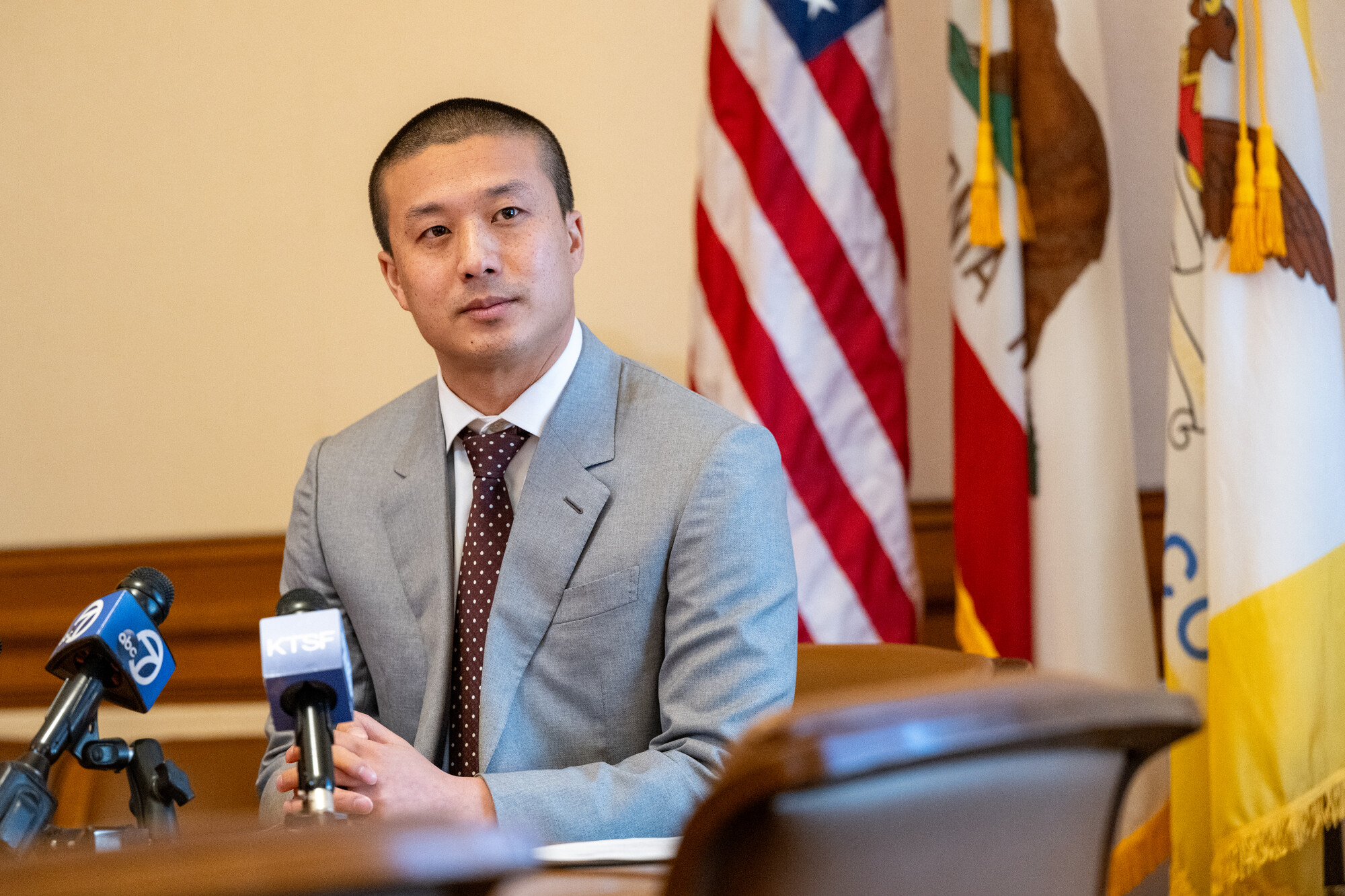
"caption": "District 4 Supervisor Alan Wong speaks during a press conference about the Great Highway at City Hall in San Francisco on Jan. 8, 2026. Wong held a commanding lead in the race to be the Sunset District’s official representative at San Francisco City Hall. ",
"credit": "Beth LaBerge/KQED",
"altTag": null,
"description": null,
"imgSizes": {
"thumbnail": {
"file": "https://cdn.kqed.org/wp-content/uploads/sites/10/2026/01/260108-AlanWongGreatHighway-15-BL_qed-160x107.jpg",
"width": 160,
"height": 107,
"mimeType": "image/jpeg"
},
"1536x1536": {
"file": "https://cdn.kqed.org/wp-content/uploads/sites/10/2026/01/260108-AlanWongGreatHighway-15-BL_qed-1536x1024.jpg",
"width": 1536,
"height": 1024,
"mimeType": "image/jpeg"
},
"post-thumbnail": {
"file": "https://cdn.kqed.org/wp-content/uploads/sites/10/2026/01/260108-AlanWongGreatHighway-15-BL_qed-672x372.jpg",
"width": 672,
"height": 372,
"mimeType": "image/jpeg"
},
"twentyfourteen-full-width": {
"file": "https://cdn.kqed.org/wp-content/uploads/sites/10/2026/01/260108-AlanWongGreatHighway-15-BL_qed-1038x576.jpg",
"width": 1038,
"height": 576,
"mimeType": "image/jpeg"
},
"npr-cds-wide": {
"file": "https://cdn.kqed.org/wp-content/uploads/sites/10/2026/01/260108-AlanWongGreatHighway-15-BL_qed-1200x675.jpg",
"width": 1200,
"height": 675,
"mimeType": "image/jpeg"
},
"kqedFullSize": {
"file": "https://cdn.kqed.org/wp-content/uploads/sites/10/2026/01/260108-AlanWongGreatHighway-15-BL_qed.jpg",
"width": 2000,
"height": 1333
}
},
"isLoading": false,
"fetchFailed": false
},
"news_12086260": {
"type": "attachments",
"id": "news_12086260",
"meta": {
"index": "attachments_1716263798",
"site": "news",
"id": "12086260",
"found": true
},
"title": "IMG_5218_qed",
"publishDate": 1780593963,
"status": "inherit",
"parent": 12086256,
"modified": 1780593997,
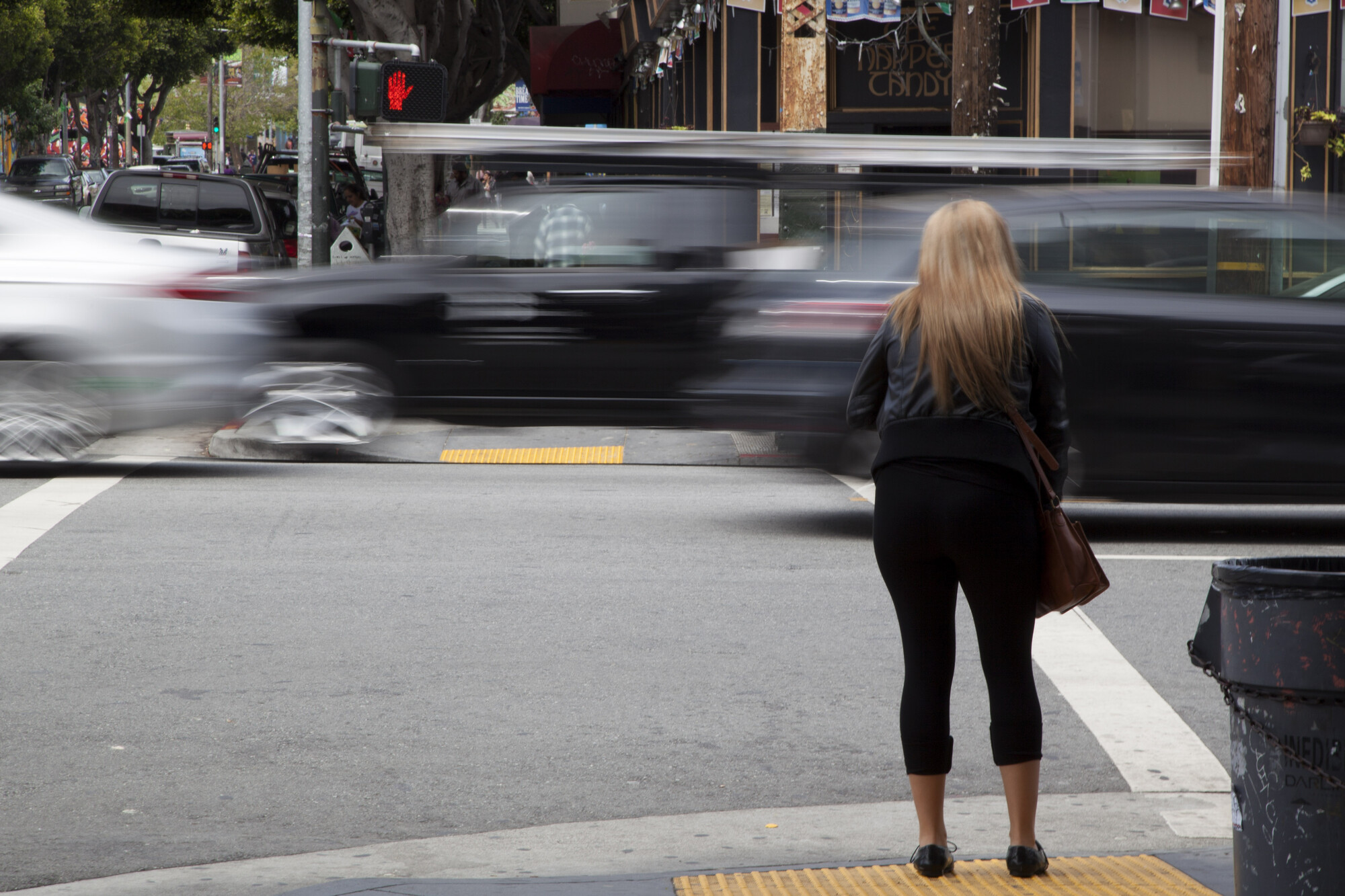
"caption": "A pedestrian waits to cross South Van Ness Avenue at 24th Street in the Mission.",
"credit": "Mark Andrew Boyer/KQED",
"altTag": null,
"description": null,
"imgSizes": {
"thumbnail": {
"file": "https://cdn.kqed.org/wp-content/uploads/sites/10/2026/06/IMG_5218_qed-160x107.jpg",
"width": 160,
"height": 107,
"mimeType": "image/jpeg"
},
"1536x1536": {
"file": "https://cdn.kqed.org/wp-content/uploads/sites/10/2026/06/IMG_5218_qed-1536x1024.jpg",
"width": 1536,
"height": 1024,
"mimeType": "image/jpeg"
},
"post-thumbnail": {
"file": "https://cdn.kqed.org/wp-content/uploads/sites/10/2026/06/IMG_5218_qed-672x372.jpg",
"width": 672,
"height": 372,
"mimeType": "image/jpeg"
},
"twentyfourteen-full-width": {
"file": "https://cdn.kqed.org/wp-content/uploads/sites/10/2026/06/IMG_5218_qed-1038x576.jpg",
"width": 1038,
"height": 576,
"mimeType": "image/jpeg"
},
"npr-cds-wide": {
"file": "https://cdn.kqed.org/wp-content/uploads/sites/10/2026/06/IMG_5218_qed-1200x675.jpg",
"width": 1200,
"height": 675,
"mimeType": "image/jpeg"
},
"npr-cds-square": {
"file": "https://cdn.kqed.org/wp-content/uploads/sites/10/2026/06/IMG_5218_qed-600x600.jpg",
"width": 600,
"height": 600,
"mimeType": "image/jpeg"
},
"kqedFullSize": {
"file": "https://cdn.kqed.org/wp-content/uploads/sites/10/2026/06/IMG_5218_qed.jpg",
"width": 2000,
"height": 1333
}
},
"isLoading": false,
"fetchFailed": false
},
"news_12086169": {
"type": "attachments",
"id": "news_12086169",
"meta": {
"index": "attachments_1716263798",
"site": "news",
"id": "12086169",
"found": true
},
"title": "260531-CALIFORNIABUDGETCHILDCARE00510_TV-KQED",
"publishDate": 1780521737,
"status": "inherit",
"parent": 0,
"modified": 1780521762,
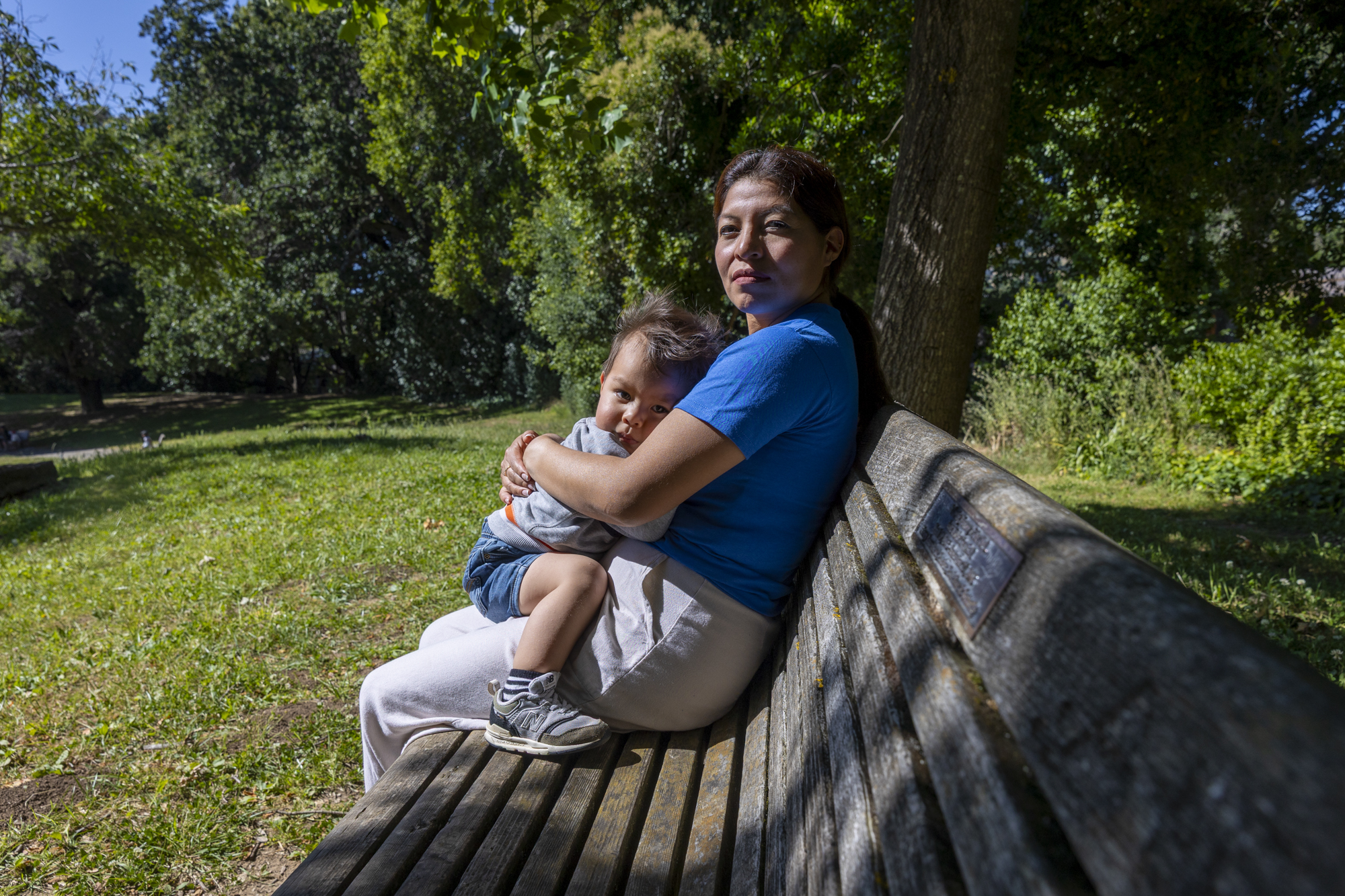
"caption": "Carmen Perez, a mother of four who has been waiting for more than year for an open subsidized child care slot for her 18-month-old son, poses for a portrait with her son at Pioneer Park in Novato on May 31, 2026.",
"credit": "Tâm Vũ/KQED",
"altTag": null,
"description": null,
"imgSizes": {
"thumbnail": {
"file": "https://cdn.kqed.org/wp-content/uploads/sites/10/2026/06/260531-CALIFORNIABUDGETCHILDCARE00510_TV-KQED-160x107.jpg",
"width": 160,
"height": 107,
"mimeType": "image/jpeg"
},
"1536x1536": {
"file": "https://cdn.kqed.org/wp-content/uploads/sites/10/2026/06/260531-CALIFORNIABUDGETCHILDCARE00510_TV-KQED-1536x1024.jpg",
"width": 1536,
"height": 1024,
"mimeType": "image/jpeg"
},
"post-thumbnail": {
"file": "https://cdn.kqed.org/wp-content/uploads/sites/10/2026/06/260531-CALIFORNIABUDGETCHILDCARE00510_TV-KQED-672x372.jpg",
"width": 672,
"height": 372,
"mimeType": "image/jpeg"
},
"twentyfourteen-full-width": {
"file": "https://cdn.kqed.org/wp-content/uploads/sites/10/2026/06/260531-CALIFORNIABUDGETCHILDCARE00510_TV-KQED-1038x576.jpg",
"width": 1038,
"height": 576,
"mimeType": "image/jpeg"
},
"npr-cds-wide": {
"file": "https://cdn.kqed.org/wp-content/uploads/sites/10/2026/06/260531-CALIFORNIABUDGETCHILDCARE00510_TV-KQED-1200x675.jpg",
"width": 1200,
"height": 675,
"mimeType": "image/jpeg"
},
"npr-cds-square": {
"file": "https://cdn.kqed.org/wp-content/uploads/sites/10/2026/06/260531-CALIFORNIABUDGETCHILDCARE00510_TV-KQED-600x600.jpg",
"width": 600,
"height": 600,
"mimeType": "image/jpeg"
},
"kqedFullSize": {
"file": "https://cdn.kqed.org/wp-content/uploads/sites/10/2026/06/260531-CALIFORNIABUDGETCHILDCARE00510_TV-KQED.jpg",
"width": 2000,
"height": 1333
}
},
"isLoading": false,
"fetchFailed": false
},
"news_12085749": {
"type": "attachments",
"id": "news_12085749",
"meta": {
"index": "attachments_1716263798",
"site": "news",
"id": "12085749",
"found": true
},
"title": "060126FAIRFIELD HIGH CLAIM_GH_008-KQED",
"publishDate": 1780347632,
"status": "inherit",
"parent": 12085704,
"modified": 1780355759,
"caption": "The Fairfield High School entrance sign is seen through foreground vegetation on June 1, 2026, in Fairfield.",
"credit": "Gustavo Hernandez/KQED",
"altTag": null,
"description": null,
"imgSizes": {
"thumbnail": {
"file": "https://cdn.kqed.org/wp-content/uploads/sites/10/2026/06/060126FAIRFIELD-HIGH-CLAIM_GH_008-KQED-160x107.jpg",
"width": 160,
"height": 107,
"mimeType": "image/jpeg"
},
"1536x1536": {
"file": "https://cdn.kqed.org/wp-content/uploads/sites/10/2026/06/060126FAIRFIELD-HIGH-CLAIM_GH_008-KQED-1536x1024.jpg",
"width": 1536,
"height": 1024,
"mimeType": "image/jpeg"
},
"post-thumbnail": {
"file": "https://cdn.kqed.org/wp-content/uploads/sites/10/2026/06/060126FAIRFIELD-HIGH-CLAIM_GH_008-KQED-672x372.jpg",
"width": 672,
"height": 372,
"mimeType": "image/jpeg"
},
"twentyfourteen-full-width": {
"file": "https://cdn.kqed.org/wp-content/uploads/sites/10/2026/06/060126FAIRFIELD-HIGH-CLAIM_GH_008-KQED-1038x576.jpg",
"width": 1038,
"height": 576,
"mimeType": "image/jpeg"
},
"npr-cds-wide": {
"file": "https://cdn.kqed.org/wp-content/uploads/sites/10/2026/06/060126FAIRFIELD-HIGH-CLAIM_GH_008-KQED-1200x675.jpg",
"width": 1200,
"height": 675,
"mimeType": "image/jpeg"
},
"npr-cds-square": {
"file": "https://cdn.kqed.org/wp-content/uploads/sites/10/2026/06/060126FAIRFIELD-HIGH-CLAIM_GH_008-KQED-600x600.jpg",
"width": 600,
"height": 600,
"mimeType": "image/jpeg"
},
"kqedFullSize": {
"file": "https://cdn.kqed.org/wp-content/uploads/sites/10/2026/06/060126FAIRFIELD-HIGH-CLAIM_GH_008-KQED.jpg",
"width": 2000,
"height": 1333
}
},
"isLoading": false,
"fetchFailed": false
},
"news_12086098": {
"type": "attachments",
"id": "news_12086098",
"meta": {
"index": "attachments_1716263798",
"site": "news",
"id": "12086098",
"found": true
},
"title": "CMLTGOV1",
"publishDate": 1780507529,
"status": "inherit",
"parent": 12086094,
"modified": 1780507698,
"caption": "State Treasurer Fiona Ma speaks prior to the swearing-in ceremony for Senate President pro tempore Monique Limón in the Senate chambers at the state Capitol in Sacramento on Jan. 5, 2026.",
"credit": "Miguel Gutierrez Jr./CalMatters",
"altTag": null,
"description": null,
"imgSizes": {
"thumbnail": {
"file": "https://cdn.kqed.org/wp-content/uploads/sites/10/2026/06/CMLTGOV1-160x107.jpg",
"width": 160,
"height": 107,
"mimeType": "image/jpeg"
},
"1536x1536": {
"file": "https://cdn.kqed.org/wp-content/uploads/sites/10/2026/06/CMLTGOV1-1536x1024.jpg",
"width": 1536,
"height": 1024,
"mimeType": "image/jpeg"
},
"post-thumbnail": {
"file": "https://cdn.kqed.org/wp-content/uploads/sites/10/2026/06/CMLTGOV1-672x372.jpg",
"width": 672,
"height": 372,
"mimeType": "image/jpeg"
},
"twentyfourteen-full-width": {
"file": "https://cdn.kqed.org/wp-content/uploads/sites/10/2026/06/CMLTGOV1-1038x576.jpg",
"width": 1038,
"height": 576,
"mimeType": "image/jpeg"
},
"npr-cds-wide": {
"file": "https://cdn.kqed.org/wp-content/uploads/sites/10/2026/06/CMLTGOV1-1200x675.jpg",
"width": 1200,
"height": 675,
"mimeType": "image/jpeg"
},
"npr-cds-square": {
"file": "https://cdn.kqed.org/wp-content/uploads/sites/10/2026/06/CMLTGOV1-600x600.jpg",
"width": 600,
"height": 600,
"mimeType": "image/jpeg"
},
"kqedFullSize": {
"file": "https://cdn.kqed.org/wp-content/uploads/sites/10/2026/06/CMLTGOV1.jpg",
"width": 2000,
"height": 1333
}
},
"isLoading": false,
"fetchFailed": false
},
"news_12086004": {
"type": "attachments",
"id": "news_12086004",
"meta": {
"index": "attachments_1716263798",
"site": "news",
"id": "12086004",
"found": true
},
"title": "260602-SCCDAELECT-KQED-2_qed",
"publishDate": 1780466247,
"status": "inherit",
"parent": 0,
"modified": 1780466368,
"caption": "Santa Clara County District Attorney Jeff Rosen speaks to his campaign strategist Leo Briones at Loft Bar & Bistro in downtown San José as initial election results came through on June 2, 2026.",
"credit": "Joseph Geha/KQED",
"altTag": null,
"description": null,
"imgSizes": {
"thumbnail": {
"file": "https://cdn.kqed.org/wp-content/uploads/sites/10/2026/06/260602-SCCDAELECT-KQED-2_qed-160x107.jpg",
"width": 160,
"height": 107,
"mimeType": "image/jpeg"
},
"1536x1536": {
"file": "https://cdn.kqed.org/wp-content/uploads/sites/10/2026/06/260602-SCCDAELECT-KQED-2_qed-1536x1024.jpg",
"width": 1536,
"height": 1024,
"mimeType": "image/jpeg"
},
"post-thumbnail": {
"file": "https://cdn.kqed.org/wp-content/uploads/sites/10/2026/06/260602-SCCDAELECT-KQED-2_qed-672x372.jpg",
"width": 672,
"height": 372,
"mimeType": "image/jpeg"
},
"twentyfourteen-full-width": {
"file": "https://cdn.kqed.org/wp-content/uploads/sites/10/2026/06/260602-SCCDAELECT-KQED-2_qed-1038x576.jpg",
"width": 1038,
"height": 576,
"mimeType": "image/jpeg"
},
"npr-cds-wide": {
"file": "https://cdn.kqed.org/wp-content/uploads/sites/10/2026/06/260602-SCCDAELECT-KQED-2_qed-1200x675.jpg",
"width": 1200,
"height": 675,
"mimeType": "image/jpeg"
},
"npr-cds-square": {
"file": "https://cdn.kqed.org/wp-content/uploads/sites/10/2026/06/260602-SCCDAELECT-KQED-2_qed-600x600.jpg",
"width": 600,
"height": 600,
"mimeType": "image/jpeg"
},
"kqedFullSize": {
"file": "https://cdn.kqed.org/wp-content/uploads/sites/10/2026/06/260602-SCCDAELECT-KQED-2_qed.jpg",
"width": 1999,
"height": 1333
}
},
"isLoading": false,
"fetchFailed": false
},
"news_12085988": {
"type": "attachments",
"id": "news_12085988",
"meta": {
"index": "attachments_1716263798",
"site": "news",
"id": "12085988",
"found": true
},
"title": "260602-District11ScottWiener-19-BL_qed",
"publishDate": 1780465233,
"status": "inherit",
"parent": 0,
"modified": 1780465247,
"caption": "Sen. Scott Wiener speaks during an election night event at his campaign headquarters in San Francisco on June 2, 2026.",
"credit": "Beth LaBerge/KQED",
"altTag": null,
"description": null,
"imgSizes": {
"thumbnail": {
"file": "https://cdn.kqed.org/wp-content/uploads/sites/10/2026/06/260602-District11ScottWiener-19-BL_qed-160x107.jpg",
"width": 160,
"height": 107,
"mimeType": "image/jpeg"
},
"1536x1536": {
"file": "https://cdn.kqed.org/wp-content/uploads/sites/10/2026/06/260602-District11ScottWiener-19-BL_qed-1536x1024.jpg",
"width": 1536,
"height": 1024,
"mimeType": "image/jpeg"
},
"post-thumbnail": {
"file": "https://cdn.kqed.org/wp-content/uploads/sites/10/2026/06/260602-District11ScottWiener-19-BL_qed-672x372.jpg",
"width": 672,
"height": 372,
"mimeType": "image/jpeg"
},
"twentyfourteen-full-width": {
"file": "https://cdn.kqed.org/wp-content/uploads/sites/10/2026/06/260602-District11ScottWiener-19-BL_qed-1038x576.jpg",
"width": 1038,
"height": 576,
"mimeType": "image/jpeg"
},
"npr-cds-wide": {
"file": "https://cdn.kqed.org/wp-content/uploads/sites/10/2026/06/260602-District11ScottWiener-19-BL_qed-1200x675.jpg",
"width": 1200,
"height": 675,
"mimeType": "image/jpeg"
},
"npr-cds-square": {
"file": "https://cdn.kqed.org/wp-content/uploads/sites/10/2026/06/260602-District11ScottWiener-19-BL_qed-600x600.jpg",
"width": 600,
"height": 600,
"mimeType": "image/jpeg"
},
"kqedFullSize": {
"file": "https://cdn.kqed.org/wp-content/uploads/sites/10/2026/06/260602-District11ScottWiener-19-BL_qed.jpg",
"width": 2000,
"height": 1333
}
},
"isLoading": false,
"fetchFailed": false
},
"news_12031084": {
"type": "attachments",
"id": "news_12031084",
"meta": {
"index": "attachments_1716263798",
"site": "news",
"id": "12031084",
"found": true
},
"title": "250312-RICHMOND CITY HALL-MD-02-KQED-1",
"publishDate": 1741819632,
"status": "inherit",
"parent": 12030930,
"modified": 1741819645,
"caption": "Richmond City Hall on March 12, 2025. Richmond joined several California cities in strengthening its sanctuary city ordinances to limit involvement with federal immigration enforcement.",
"credit": "Martin do Nascimento/KQED",
"altTag": null,
"description": null,
"imgSizes": {
"medium": {
"file": "https://cdn.kqed.org/wp-content/uploads/sites/10/2025/03/250312-RICHMOND-CITY-HALL-MD-02-KQED-1-800x533.jpg",
"width": 800,
"height": 533,
"mimeType": "image/jpeg"
},
"large": {
"file": "https://cdn.kqed.org/wp-content/uploads/sites/10/2025/03/250312-RICHMOND-CITY-HALL-MD-02-KQED-1-1020x680.jpg",
"width": 1020,
"height": 680,
"mimeType": "image/jpeg"
},
"thumbnail": {
"file": "https://cdn.kqed.org/wp-content/uploads/sites/10/2025/03/250312-RICHMOND-CITY-HALL-MD-02-KQED-1-160x107.jpg",
"width": 160,
"height": 107,
"mimeType": "image/jpeg"
},
"1536x1536": {
"file": "https://cdn.kqed.org/wp-content/uploads/sites/10/2025/03/250312-RICHMOND-CITY-HALL-MD-02-KQED-1-1536x1024.jpg",
"width": 1536,
"height": 1024,
"mimeType": "image/jpeg"
},
"post-thumbnail": {
"file": "https://cdn.kqed.org/wp-content/uploads/sites/10/2025/03/250312-RICHMOND-CITY-HALL-MD-02-KQED-1-672x372.jpg",
"width": 672,
"height": 372,
"mimeType": "image/jpeg"
},
"twentyfourteen-full-width": {
"file": "https://cdn.kqed.org/wp-content/uploads/sites/10/2025/03/250312-RICHMOND-CITY-HALL-MD-02-KQED-1-1038x576.jpg",
"width": 1038,
"height": 576,
"mimeType": "image/jpeg"
},
"full-width": {
"file": "https://cdn.kqed.org/wp-content/uploads/sites/10/2025/03/250312-RICHMOND-CITY-HALL-MD-02-KQED-1-1920x1280.jpg",
"width": 1920,
"height": 1280,
"mimeType": "image/jpeg"
},
"kqedFullSize": {
"file": "https://cdn.kqed.org/wp-content/uploads/sites/10/2025/03/250312-RICHMOND-CITY-HALL-MD-02-KQED-1.jpg",
"width": 2000,
"height": 1333
}
},
"isLoading": false,
"fetchFailed": false
},
"news_11754389": {
"type": "attachments",
"id": "news_11754389",
"meta": {
"index": "attachments_1716263798",
"site": "news",
"id": "11754389",
"found": true
},
"title": "TO GO WITH AFP STORY-TECHNOLOGY-US-IT BY",
"publishDate": 1560402382,
"status": "inherit",
"parent": 11754319,
"modified": 1778171771,
"caption": "An aerial view of downtown San Jose.",
"credit": "Helene Labriet-Gross/AFP/Getty Images",
"altTag": null,
"description": null,
"imgSizes": {
"thumbnail": {
"file": "https://cdn.kqed.org/wp-content/uploads/sites/10/2019/06/GettyImages-77152290-160x120.jpg",
"width": 160,
"height": 120,
"mimeType": "image/jpeg"
},
"medium": {
"file": "https://cdn.kqed.org/wp-content/uploads/sites/10/2019/06/GettyImages-77152290-800x600.jpg",
"width": 800,
"height": 600,
"mimeType": "image/jpeg"
},
"large": {
"file": "https://cdn.kqed.org/wp-content/uploads/sites/10/2019/06/GettyImages-77152290-1020x765.jpg",
"width": 1020,
"height": 765,
"mimeType": "image/jpeg"
},
"complete_open_graph": {
"file": "https://cdn.kqed.org/wp-content/uploads/sites/10/2019/06/GettyImages-77152290-1200x900.jpg",
"width": 1200,
"height": 900,
"mimeType": "image/jpeg"
},
"post-thumbnail": {
"file": "https://cdn.kqed.org/wp-content/uploads/sites/10/2019/06/GettyImages-77152290-672x372.jpg",
"width": 672,
"height": 372,
"mimeType": "image/jpeg"
},
"twentyfourteen-full-width": {
"file": "https://cdn.kqed.org/wp-content/uploads/sites/10/2019/06/GettyImages-77152290-1038x576.jpg",
"width": 1038,
"height": 576,
"mimeType": "image/jpeg"
},
"full-width": {
"file": "https://cdn.kqed.org/wp-content/uploads/sites/10/2019/06/GettyImages-77152290-1920x1440.jpg",
"width": 1920,
"height": 1440,
"mimeType": "image/jpeg"
},
"apple_news_ca_landscape_12_9": {
"file": "https://cdn.kqed.org/wp-content/uploads/sites/10/2019/06/GettyImages-77152290-1832x1374.jpg",
"width": 1832,
"height": 1374,
"mimeType": "image/jpeg"
},
"apple_news_ca_landscape_9_7": {
"file": "https://cdn.kqed.org/wp-content/uploads/sites/10/2019/06/GettyImages-77152290-1376x1032.jpg",
"width": 1376,
"height": 1032,
"mimeType": "image/jpeg"
},
"apple_news_ca_landscape_5_5": {
"file": "https://cdn.kqed.org/wp-content/uploads/sites/10/2019/06/GettyImages-77152290-1044x783.jpg",
"width": 1044,
"height": 783,
"mimeType": "image/jpeg"
},
"apple_news_ca_landscape_4_7": {
"file": "https://cdn.kqed.org/wp-content/uploads/sites/10/2019/06/GettyImages-77152290-632x474.jpg",
"width": 632,
"height": 474,
"mimeType": "image/jpeg"
},
"apple_news_ca_landscape_4_0": {
"file": "https://cdn.kqed.org/wp-content/uploads/sites/10/2019/06/GettyImages-77152290-536x402.jpg",
"width": 536,
"height": 402,
"mimeType": "image/jpeg"
},
"apple_news_ca_portrait_12_9": {
"file": "https://cdn.kqed.org/wp-content/uploads/sites/10/2019/06/GettyImages-77152290-1122x1496.jpg",
"width": 1122,
"height": 1496,
"mimeType": "image/jpeg"
},
"apple_news_ca_portrait_9_7": {
"file": "https://cdn.kqed.org/wp-content/uploads/sites/10/2019/06/GettyImages-77152290-840x1120.jpg",
"width": 840,
"height": 1120,
"mimeType": "image/jpeg"
},
"apple_news_ca_portrait_5_5": {
"file": "https://cdn.kqed.org/wp-content/uploads/sites/10/2019/06/GettyImages-77152290-687x916.jpg",
"width": 687,
"height": 916,
"mimeType": "image/jpeg"
},
"apple_news_ca_portrait_4_7": {
"file": "https://cdn.kqed.org/wp-content/uploads/sites/10/2019/06/GettyImages-77152290-414x552.jpg",
"width": 414,
"height": 552,
"mimeType": "image/jpeg"
},
"apple_news_ca_portrait_4_0": {
"file": "https://cdn.kqed.org/wp-content/uploads/sites/10/2019/06/GettyImages-77152290-354x472.jpg",
"width": 354,
"height": 472,
"mimeType": "image/jpeg"
},
"apple_news_ca_square_12_9": {
"file": "https://cdn.kqed.org/wp-content/uploads/sites/10/2019/06/GettyImages-77152290-1472x1472.jpg",
"width": 1472,
"height": 1472,
"mimeType": "image/jpeg"
},
"apple_news_ca_square_9_7": {
"file": "https://cdn.kqed.org/wp-content/uploads/sites/10/2019/06/GettyImages-77152290-1104x1104.jpg",
"width": 1104,
"height": 1104,
"mimeType": "image/jpeg"
},
"apple_news_ca_square_5_5": {
"file": "https://cdn.kqed.org/wp-content/uploads/sites/10/2019/06/GettyImages-77152290-912x912.jpg",
"width": 912,
"height": 912,
"mimeType": "image/jpeg"
},
"apple_news_ca_square_4_7": {
"file": "https://cdn.kqed.org/wp-content/uploads/sites/10/2019/06/GettyImages-77152290-550x550.jpg",
"width": 550,
"height": 550,
"mimeType": "image/jpeg"
},
"apple_news_ca_square_4_0": {
"file": "https://cdn.kqed.org/wp-content/uploads/sites/10/2019/06/GettyImages-77152290-470x470.jpg",
"width": 470,
"height": 470,
"mimeType": "image/jpeg"
},
"kqedFullSize": {
"file": "https://cdn.kqed.org/wp-content/uploads/sites/10/2019/06/GettyImages-77152290-e1560402492305.jpg",
"width": 1920,
"height": 1440
}
},
"isLoading": false,
"fetchFailed": false
},
"news_11963801": {
"type": "attachments",
"id": "news_11963801",
"meta": {
"index": "attachments_1716263798",
"site": "news",
"id": "11963801",
"found": true
},
"title": "San Francisco: Bay Area Abortion Rights Coalition (BAARC) and commemoration of the 50th Anniversary of Roe v. Wade",
"publishDate": 1696723307,
"status": "inherit",
"parent": 11963514,
"modified": 1780461294,
"caption": "State Sen. Aisha Wahab, D-Fremont, speaks during the 50th Anniversary of Roe v. Wade at San Francisco City Hall on Jan. 25, 2023. ",
"credit": "Tayfun Coskun/Anadolu Agency via Getty Images",
"altTag": "A South Asian woman in a gray suit speaks into a mic.",
"description": null,
"imgSizes": {
"medium": {
"file": "https://cdn.kqed.org/wp-content/uploads/sites/10/2023/10/GettyImages-1246541284-800x533.jpg",
"width": 800,
"height": 533,
"mimeType": "image/jpeg"
},
"large": {
"file": "https://cdn.kqed.org/wp-content/uploads/sites/10/2023/10/GettyImages-1246541284-1020x680.jpg",
"width": 1020,
"height": 680,
"mimeType": "image/jpeg"
},
"thumbnail": {
"file": "https://cdn.kqed.org/wp-content/uploads/sites/10/2023/10/GettyImages-1246541284-160x107.jpg",
"width": 160,
"height": 107,
"mimeType": "image/jpeg"
},
"1536x1536": {
"file": "https://cdn.kqed.org/wp-content/uploads/sites/10/2023/10/GettyImages-1246541284-1536x1024.jpg",
"width": 1536,
"height": 1024,
"mimeType": "image/jpeg"
},
"2048x2048": {
"file": "https://cdn.kqed.org/wp-content/uploads/sites/10/2023/10/GettyImages-1246541284-2048x1365.jpg",
"width": 2048,
"height": 1365,
"mimeType": "image/jpeg"
},
"post-thumbnail": {
"file": "https://cdn.kqed.org/wp-content/uploads/sites/10/2023/10/GettyImages-1246541284-672x372.jpg",
"width": 672,
"height": 372,
"mimeType": "image/jpeg"
},
"twentyfourteen-full-width": {
"file": "https://cdn.kqed.org/wp-content/uploads/sites/10/2023/10/GettyImages-1246541284-1038x576.jpg",
"width": 1038,
"height": 576,
"mimeType": "image/jpeg"
},
"full-width": {
"file": "https://cdn.kqed.org/wp-content/uploads/sites/10/2023/10/GettyImages-1246541284-1920x1280.jpg",
"width": 1920,
"height": 1280,
"mimeType": "image/jpeg"
},
"kqedFullSize": {
"file": "https://cdn.kqed.org/wp-content/uploads/sites/10/2023/10/GettyImages-1246541284-scaled-e1760983873339.jpg",
"width": 2000,
"height": 1334
}
},
"isLoading": false,
"fetchFailed": false
},
"news_12086023": {
"type": "attachments",
"id": "news_12086023",
"meta": {
"index": "attachments_1716263798",
"site": "news",
"id": "12086023",
"found": true
},
"title": "California Gubernatorial Candidate Steve Hilton Holds Primary Night Event In Huntington Beach",
"publishDate": 1780468382,
"status": "inherit",
"parent": 0,
"modified": 1780468432,
"caption": "California Republican Gubernatorial candidate Steve Hilton waves to supporters at his primary night event on June 2, 2026 in Huntington Beach.",
"credit": "Mario Tama/Getty Images",
"altTag": null,
"description": null,
"imgSizes": {
"thumbnail": {
"file": "https://cdn.kqed.org/wp-content/uploads/sites/10/2026/06/GETTYIMAGES-2279541285-KQED-160x110.jpg",
"width": 160,
"height": 110,
"mimeType": "image/jpeg"
},
"1536x1536": {
"file": "https://cdn.kqed.org/wp-content/uploads/sites/10/2026/06/GETTYIMAGES-2279541285-KQED-1536x1060.jpg",
"width": 1536,
"height": 1060,
"mimeType": "image/jpeg"
},
"post-thumbnail": {
"file": "https://cdn.kqed.org/wp-content/uploads/sites/10/2026/06/GETTYIMAGES-2279541285-KQED-672x372.jpg",
"width": 672,
"height": 372,
"mimeType": "image/jpeg"
},
"twentyfourteen-full-width": {
"file": "https://cdn.kqed.org/wp-content/uploads/sites/10/2026/06/GETTYIMAGES-2279541285-KQED-1038x576.jpg",
"width": 1038,
"height": 576,
"mimeType": "image/jpeg"
},
"npr-cds-wide": {
"file": "https://cdn.kqed.org/wp-content/uploads/sites/10/2026/06/GETTYIMAGES-2279541285-KQED-1200x675.jpg",
"width": 1200,
"height": 675,
"mimeType": "image/jpeg"
},
"npr-cds-square": {
"file": "https://cdn.kqed.org/wp-content/uploads/sites/10/2026/06/GETTYIMAGES-2279541285-KQED-600x600.jpg",
"width": 600,
"height": 600,
"mimeType": "image/jpeg"
},
"kqedFullSize": {
"file": "https://cdn.kqed.org/wp-content/uploads/sites/10/2026/06/GETTYIMAGES-2279541285-KQED.jpg",
"width": 2000,
"height": 1380
}
},
"isLoading": false,
"fetchFailed": false
},
"news_12085820": {
"type": "attachments",
"id": "news_12085820",
"meta": {
"index": "attachments_1716263798",
"site": "news",
"id": "12085820",
"found": true
},
"title": "260602-PRIMARYVOTERVOX-14-BL-KQED",
"publishDate": 1780423676,
"status": "inherit",
"parent": 0,
"modified": 1780423738,
"caption": "Widya Batin leaves the City Hall Voting Center in San Francisco after casting their ballot on June 2, 2026.",
"credit": "Beth LaBerge/KQED",
"altTag": null,
"description": null,
"imgSizes": {
"thumbnail": {
"file": "https://cdn.kqed.org/wp-content/uploads/sites/10/2026/06/260602-PRIMARYVOTERVOX-14-BL-KQED-160x107.jpg",
"width": 160,
"height": 107,
"mimeType": "image/jpeg"
},
"1536x1536": {
"file": "https://cdn.kqed.org/wp-content/uploads/sites/10/2026/06/260602-PRIMARYVOTERVOX-14-BL-KQED-1536x1024.jpg",
"width": 1536,
"height": 1024,
"mimeType": "image/jpeg"
},
"post-thumbnail": {
"file": "https://cdn.kqed.org/wp-content/uploads/sites/10/2026/06/260602-PRIMARYVOTERVOX-14-BL-KQED-672x372.jpg",
"width": 672,
"height": 372,
"mimeType": "image/jpeg"
},
"twentyfourteen-full-width": {
"file": "https://cdn.kqed.org/wp-content/uploads/sites/10/2026/06/260602-PRIMARYVOTERVOX-14-BL-KQED-1038x576.jpg",
"width": 1038,
"height": 576,
"mimeType": "image/jpeg"
},
"npr-cds-wide": {
"file": "https://cdn.kqed.org/wp-content/uploads/sites/10/2026/06/260602-PRIMARYVOTERVOX-14-BL-KQED-1200x675.jpg",
"width": 1200,
"height": 675,
"mimeType": "image/jpeg"
},
"npr-cds-square": {
"file": "https://cdn.kqed.org/wp-content/uploads/sites/10/2026/06/260602-PRIMARYVOTERVOX-14-BL-KQED-600x600.jpg",
"width": 600,
"height": 600,
"mimeType": "image/jpeg"
},
"kqedFullSize": {
"file": "https://cdn.kqed.org/wp-content/uploads/sites/10/2026/06/260602-PRIMARYVOTERVOX-14-BL-KQED.jpg",
"width": 2000,
"height": 1333
}
},
"isLoading": false,
"fetchFailed": false
}
},
"audioPlayerReducer": {
"postId": "stream_live",
"isPaused": true,
"isPlaying": false,
"pfsActive": false,
"pledgeModalIsOpen": true,
"playerDrawerIsOpen": false,
"liveAudioPlayStartedAt": 0,
"liveAudioPlayContext": ""
},
"authorsReducer": {
"byline_news_12086094": {
"type": "authors",
"id": "byline_news_12086094",
"meta": {
"override": true
},
"slug": "byline_news_12086094",
"name": "Nadia Lathan, CalMatters",
"isLoading": false
},
"byline_news_12085504": {
"type": "authors",
"id": "byline_news_12085504",
"meta": {
"override": true
},
"slug": "byline_news_12085504",
"name": "Ella Jackson",
"isLoading": false
},
"gmarzorati": {
"type": "authors",
"id": "227",
"meta": {
"index": "authors_1716337520",
"id": "227",
"found": true
},
"name": "Guy Marzorati",
"firstName": "Guy",
"lastName": "Marzorati",
"slug": "gmarzorati",
"email": "gmarzorati@KQED.org",
"display_author_email": true,
"staff_mastheads": [
"news"
],
"title": "Correspondent",
"bio": "Guy Marzorati is a correspondent on KQED's California Politics and Government Desk, based in San Jose. A graduate of Santa Clara University, Guy joined KQED in 2013. He reports on state and local politics and produces KQED's digital voter guide.",
"avatar": "https://secure.gravatar.com/avatar/e7038b8dbfd55b104369b76b1cd0b9de?s=600&d=blank&r=g",
"twitter": "guymarzorati",
"facebook": null,
"instagram": null,
"linkedin": null,
"sites": [
{
"site": "",
"roles": [
"editor"
]
},
{
"site": "news",
"roles": [
"editor"
]
},
{
"site": "science",
"roles": [
"editor"
]
},
{
"site": "forum",
"roles": [
"editor"
]
},
{
"site": "elections",
"roles": [
"editor"
]
},
{
"site": "liveblog",
"roles": [
"editor"
]
}
],
"headData": {
"title": "Guy Marzorati | KQED",
"description": "Correspondent",
"ogImgSrc": "https://secure.gravatar.com/avatar/e7038b8dbfd55b104369b76b1cd0b9de?s=600&d=blank&r=g",
"twImgSrc": "https://secure.gravatar.com/avatar/e7038b8dbfd55b104369b76b1cd0b9de?s=600&d=blank&r=g"
},
"isLoading": false,
"link": "/author/gmarzorati"
},
"mlagos": {
"type": "authors",
"id": "3239",
"meta": {
"index": "authors_1716337520",
"id": "3239",
"found": true
},
"name": "Marisa Lagos",
"firstName": "Marisa",
"lastName": "Lagos",
"slug": "mlagos",
"email": "mlagos@kqed.org",
"display_author_email": false,
"staff_mastheads": [
"news"
],
"title": "KQED Contributor",
"bio": "Marisa Lagos is a correspondent for KQED’s California Politics and Government Desk and co-hosts the award-winning show and podcast, Political Breakdown. At KQED, Lagos also conducts reporting, analysis and investigations into state, local and national politics for radio, TV, online and onstage. In 2022, she and co-host, Scott Shafer, moderated the only gubernatorial debate in California. In 2020, the \u003ci>Washington Post\u003c/i> named her one of the top political journalists in California; she was nominated for a Peabody and won several other awards for her work investigating the 2017 California wildfires. She has worked at the \u003ci>San Francisco Chronicle\u003c/i>, \u003ci>San Francisco Examiner\u003c/i> and \u003ci>Los Angeles Times\u003c/i>. A UC Santa Barbara graduate, she lives in San Francisco with her two sons and husband.",
"avatar": "https://secure.gravatar.com/avatar/a261a0d3696fc066871ef96b85b5e7d2?s=600&d=blank&r=g",
"twitter": "@mlagos",
"facebook": null,
"instagram": null,
"linkedin": null,
"sites": [
{
"site": "arts",
"roles": [
"author"
]
},
{
"site": "news",
"roles": [
"editor"
]
},
{
"site": "science",
"roles": [
"editor"
]
},
{
"site": "forum",
"roles": [
"author"
]
},
{
"site": "liveblog",
"roles": [
"author"
]
}
],
"headData": {
"title": "Marisa Lagos | KQED",
"description": "KQED Contributor",
"ogImgSrc": "https://secure.gravatar.com/avatar/a261a0d3696fc066871ef96b85b5e7d2?s=600&d=blank&r=g",
"twImgSrc": "https://secure.gravatar.com/avatar/a261a0d3696fc066871ef96b85b5e7d2?s=600&d=blank&r=g"
},
"isLoading": false,
"link": "/author/mlagos"
},
"daisynguyen": {
"type": "authors",
"id": "11829",
"meta": {
"index": "authors_1716337520",
"id": "11829",
"found": true
},
"name": "Daisy Nguyen",
"firstName": "Daisy",
"lastName": "Nguyen",
"slug": "daisynguyen",
"email": "daisynguyen@kqed.org",
"display_author_email": true,
"staff_mastheads": [
"news"
],
"title": "KQED Contributor",
"bio": "I have covered early childhood education and child care for KQED since 2022. I focus on policies aimed at increasing access to early care and education and how they shape individual lives. I've been a journalist for more than two decades, with most of that time devoted to covering breaking news throughout California for The Associated Press. I grew up in San Francisco and studied at UC Davis and Columbia University's Graduate School of Journalism. I live in Oakland with my husband and two kids.",
"avatar": "https://secure.gravatar.com/avatar/2da2127c27f7143b53ebd419800fd55f?s=600&d=blank&r=g",
"twitter": null,
"facebook": null,
"instagram": null,
"linkedin": "https://www.linkedin.com/in/daisynguyen/",
"sites": [
{
"site": "news",
"roles": [
"author"
]
},
{
"site": "liveblog",
"roles": [
"author"
]
}
],
"headData": {
"title": "Daisy Nguyen | KQED",
"description": "KQED Contributor",
"ogImgSrc": "https://secure.gravatar.com/avatar/2da2127c27f7143b53ebd419800fd55f?s=600&d=blank&r=g",
"twImgSrc": "https://secure.gravatar.com/avatar/2da2127c27f7143b53ebd419800fd55f?s=600&d=blank&r=g"
},
"isLoading": false,
"link": "/author/daisynguyen"
},
"sjohnson": {
"type": "authors",
"id": "11840",
"meta": {
"index": "authors_1716337520",
"id": "11840",
"found": true
},
"name": "Sydney Johnson",
"firstName": "Sydney",
"lastName": "Johnson",
"slug": "sjohnson",
"email": "sjohnson@kqed.org",
"display_author_email": false,
"staff_mastheads": [
"news"
],
"title": "KQED Reporter",
"bio": "Sydney Johnson is a general assignment reporter at KQED. She previously reported on public health and city government at the San Francisco Examiner, and before that, she covered statewide education policy for EdSource. Her reporting has won multiple local, state and national awards. Sydney is a graduate of the University of California, Berkeley and lives in San Francisco.",
"avatar": "https://secure.gravatar.com/avatar/97855f2719b72ad6190b7c535fe642c8?s=600&d=blank&r=g",
"twitter": "sydneyfjohnson",
"facebook": null,
"instagram": null,
"linkedin": null,
"sites": [
{
"site": "news",
"roles": [
"editor"
]
}
],
"headData": {
"title": "Sydney Johnson | KQED",
"description": "KQED Reporter",
"ogImgSrc": "https://secure.gravatar.com/avatar/97855f2719b72ad6190b7c535fe642c8?s=600&d=blank&r=g",
"twImgSrc": "https://secure.gravatar.com/avatar/97855f2719b72ad6190b7c535fe642c8?s=600&d=blank&r=g"
},
"isLoading": false,
"link": "/author/sjohnson"
},
"jgeha": {
"type": "authors",
"id": "11906",
"meta": {
"index": "authors_1716337520",
"id": "11906",
"found": true
},
"name": "Joseph Geha",
"firstName": "Joseph",
"lastName": "Geha",
"slug": "jgeha",
"email": "jgeha@kqed.org",
"display_author_email": false,
"staff_mastheads": [
"news",
"science"
],
"title": "KQED Contributor",
"bio": null,
"avatar": "https://secure.gravatar.com/avatar/ea84d2b6dd93d6369d453edf19dd583f117cd1759d2d9c9c92f9de77017354fe?s=600&d=blank&r=g",
"twitter": null,
"bluesky": null,
"facebook": null,
"instagram": null,
"linkedin": null,
"sites": [
{
"site": "news",
"roles": [
"editor"
]
},
{
"site": "liveblog",
"roles": [
"author"
]
}
],
"headData": {
"title": "Joseph Geha | KQED",
"description": "KQED Contributor",
"ogImgSrc": "https://secure.gravatar.com/avatar/ea84d2b6dd93d6369d453edf19dd583f117cd1759d2d9c9c92f9de77017354fe?s=600&d=blank&r=g",
"twImgSrc": "https://secure.gravatar.com/avatar/ea84d2b6dd93d6369d453edf19dd583f117cd1759d2d9c9c92f9de77017354fe?s=600&d=blank&r=g"
},
"isLoading": false,
"link": "/author/jgeha"
},
"kdebenedetti": {
"type": "authors",
"id": "11913",
"meta": {
"index": "authors_1716337520",
"id": "11913",
"found": true
},
"name": "Katie DeBenedetti",
"firstName": "Katie",
"lastName": "DeBenedetti",
"slug": "kdebenedetti",
"email": "kdebenedetti@kqed.org",
"display_author_email": false,
"staff_mastheads": [
"news",
"science"
],
"title": "KQED Contributor",
"bio": "Katie DeBenedetti is a digital reporter covering daily news for the Express Desk. Prior to joining KQED as a culture reporting intern in January 2024, she covered education and city government for the Napa Valley Register.",
"avatar": "https://secure.gravatar.com/avatar/6e31073cb8f7e4214ab03f42771d0f45?s=600&d=blank&r=g",
"twitter": null,
"facebook": null,
"instagram": null,
"linkedin": null,
"sites": [
{
"site": "news",
"roles": [
"author"
]
},
{
"site": "science",
"roles": [
"author"
]
},
{
"site": "liveblog",
"roles": [
"author"
]
}
],
"headData": {
"title": "Katie DeBenedetti | KQED",
"description": "KQED Contributor",
"ogImgSrc": "https://secure.gravatar.com/avatar/6e31073cb8f7e4214ab03f42771d0f45?s=600&d=blank&r=g",
"twImgSrc": "https://secure.gravatar.com/avatar/6e31073cb8f7e4214ab03f42771d0f45?s=600&d=blank&r=g"
},
"isLoading": false,
"link": "/author/kdebenedetti"
}
},
"pagesReducer": {
"news_category_local": {
"type": "terms",
"id": "news_28250",
"meta": {
"index": "terms_1716263798",
"site": "news",
"id": "28250",
"score": 12.93969
},
"featImg": null,
"name": "Local",
"description": null,
"taxonomy": "category",
"headData": {
"twImgId": null,
"twTitle": null,
"ogTitle": null,
"ogImgId": null,
"twDescription": null,
"description": null,
"title": "Local Archives | KQED News",
"ogDescription": null
},
"ttid": 28267,
"slug": "local",
"isLoading": false,
"title": "Local",
"pageMeta": {
"site": "news",
"WpPageTemplate": "page-topic-editorial",
"currentPage": 31
},
"blocks": [
{
"blockName": "kqed/post-list",
"attrs": {
"layout": "cardArticle2",
"query": "posts/news?category=local",
"seeMore": false,
"paginated": true,
"page": 31
}
},
{
"blockName": "kqed/ad"
}
]
}
},
"pfsSessionReducer": {},
"postsReducer": {
"stream_live": {
"type": "live",
"id": "stream_live",
"audioUrl": "https://streams.kqed.org/kqedradio",
"title": "Live Stream",
"excerpt": "Live Stream information currently unavailable.",
"link": "/radio",
"featImg": "",
"label": {
"name": "KQED Live",
"link": "/"
}
},
"stream_kqedNewscast": {
"type": "posts",
"id": "stream_kqedNewscast",
"audioUrl": "https://www.kqed.org/.stream/anon/radio/RDnews/newscast.mp3?_=1",
"title": "KQED Newscast",
"featImg": "",
"label": {
"name": "88.5 FM",
"link": "/"
}
},
"news_12085568": {
"type": "posts",
"id": "news_12085568",
"meta": {
"index": "posts_1716263798",
"site": "news",
"id": "12085568",
"score": null,
"sort": [
1780617816000
]
},
"guestAuthors": [],
"slug": "alan-wong-holds-commanding-lead-in-sf-supervisor-race",
"title": "Alan Wong, Stephen Sherrill Claim Victories in SF Supervisor Races",
"publishDate": 1780617816,
"format": "standard",
"headTitle": "Alan Wong, Stephen Sherrill Claim Victories in SF Supervisor Races | KQED",
"labelTerm": {
"site": "news"
},
"content": "\u003cp>San Francisco Supervisor Alan Wong, who was appointed by Mayor \u003ca href=\"https://www.kqed.org/news/tag/daniel-lurie\">Daniel Lurie\u003c/a> in December, will continue to be the Sunset District’s official representative at San Francisco City Hall. Supervisor Stephen Sherrill will continue to oversee District 2, encompassing Pacific Heights and the Marina.\u003c/p>\n\u003cp>The most recent returns on June 4 showed Wong with approximately 69% of the early vote. The dominant showing at the polls comes after a year of tumultuous turnover in leadership for the westside district. A recall election in 2024 ousted Supervisor Joel Engardio, which was followed by an appointed supervisor who lasted a week and then Wong’s appointment.\u003c/p>\n\u003cp>“We won because of the hard work of our campaign team, our volunteers and because we had the right message and goals for the Sunset: focus on the basics of governance and deliver practical results for constituents,” Wong said in a statement. “My message and goals were simple: for too long, City Hall has been focused on political ideology and grandiose policies while many Sunset residents have felt unheard.”\u003c/p>\n\u003cp>[ad fullwidth]\u003c/p>\n\u003cp>Natalie Gee, a legislative aide for Supervisor Shamann Walton, was carrying 31% of the initial vote.\u003c/p>\n\u003cp>Gee raised $402,000 in donations and \u003ca href=\"https://sfethics.org/guidance/campaigns/candidates/public-financing-program/public-financing-program-overview\">public financing\u003c/a> combined, plus around $386,000 from a committee backed by local labor organizations. Wong, who had Lurie’s endorsement, received $394,000, plus big boosts from PACs aligned with Mayor Daniel Lurie, including $207,000 from moderate political group GrowSF and $410,000 from SF Believes.\u003c/p>\n\u003cp>Wong ran on promises to restore a “compromise” to bring cars back to the Great Highway during the week and keep the road car-free on weekends. The fate of the road, which is currently closed to cars and known as Sunset Dunes park, was a central issue in the district’s recent recall election. While voters citywide agreed to close the road and open Sunset Dunes in a 2024 election, the majority of Sunset residents who live closest to the park voted against it.\u003c/p>\n\u003cfigure id=\"attachment_12024441\" class=\"wp-caption aligncenter\" style=\"max-width: 2000px\">\u003cimg loading=\"lazy\" decoding=\"async\" class=\"size-full wp-image-12024441\" src=\"https://cdn.kqed.org/wp-content/uploads/sites/10/2025/01/250128-SFImmigration-49-BL.jpg\" alt=\"\" width=\"2000\" height=\"1333\" srcset=\"https://cdn.kqed.org/wp-content/uploads/sites/10/2025/01/250128-SFImmigration-49-BL.jpg 2000w, https://cdn.kqed.org/wp-content/uploads/sites/10/2025/01/250128-SFImmigration-49-BL-800x533.jpg 800w, https://cdn.kqed.org/wp-content/uploads/sites/10/2025/01/250128-SFImmigration-49-BL-1020x680.jpg 1020w, https://cdn.kqed.org/wp-content/uploads/sites/10/2025/01/250128-SFImmigration-49-BL-160x107.jpg 160w, https://cdn.kqed.org/wp-content/uploads/sites/10/2025/01/250128-SFImmigration-49-BL-1536x1024.jpg 1536w, https://cdn.kqed.org/wp-content/uploads/sites/10/2025/01/250128-SFImmigration-49-BL-1920x1280.jpg 1920w\" sizes=\"auto, (max-width: 2000px) 100vw, 2000px\">\u003cfigcaption class=\"wp-caption-text\">Supervisor Stephen Sherrill speaks during a press conference with elected and public safety officials and labor leaders in front of City Hall in San Francisco on Tuesday, Jan. 28, 2025, to reaffirm San Francisco’s commitment to being a Sanctuary City. \u003ccite>(Beth LaBerge/KQED)\u003c/cite>\u003c/figcaption>\u003c/figure>\n\u003cp>Engardio said Tuesday that “voters got to choose and that was a good thing.”\u003c/p>\n\u003cp>Only one candidate in the race, Jeremy Greco, called for keeping Sunset Dunes a park all week.\u003c/p>\n\u003cp>Albert Chow, a local business owner and vocal supporter of the recall, and educator David Lee, were also looking to unseat Wong.\u003c/p>\n\u003cp>While some local concerns about the park have mellowed, some residents in the Sunset community have also resisted efforts to build more housing in the largely residential neighborhood.\u003c/p>\n\u003cp>“I appreciate the leadership of Supervisor Alan Wong,” Mayor Daniel Lurie said during a press conference Tuesday evening.\u003c/p>\n\u003cp>Wong supported Lurie’s successful rezoning plan, which allows taller and denser housing in the neighborhood, shortly after his December appointment to the seat — a decision that his opponents in the race highlighted.[aside label=\"Live 2026 Election Results\" link1='https://www.kqed.org/elections/results/sanfrancisco,San Francisco: Stay informed with the latest results for elected leaders and measures passed' hero=https://cdn.kqed.org/wp-content/uploads/sites/80/2026/05/Aside-Results-2026-Local-Elections-San-Francisco-1200x1200@2x.png]“If we did not take action locally with a proposal, then Sacramento would have imposed their own plan and subjected our city to financial penalties,” Wong said.\u003c/p>\n\u003cp>He has said he wants to add units to existing buildings and residential lots, while improving Muni lines so residents have reliable public transportation options.\u003c/p>\n\u003cp>Gee vowed to promote new housing while protecting rent control units and took issue with the mayor’s rezoning plan. She supported the Overpaid CEO Tax as a way to raise funding for affordable housing and other public services.\u003c/p>\n\u003cp>“After the plan passed, we immediately saw large-scale development proposals move forward without meaningful community input,” she said.\u003c/p>\n\u003cp>Housing was also a central issue in the city’s District 2 supervisor race, where Stephen Sherrill, the incumbent, took a commanding 70% of the vote.\u003c/p>\n\u003cp>“I’m so proud of the progress we’ve made over the last year to keep San Francisco moving in the right direction. We’ve made our neighborhoods safer, brought new energy to our commercial corridors, advanced much-needed housing and pushed City Hall to be more responsive and accountable. There is still more work to do, but I believe deeply in this city and in what we can accomplish together,” Sherrill said in a statement Tuesday.\u003c/p>\n\u003cp>Lori Brooke, president of the Cow Hollow Association, carried 30%.\u003c/p>\n\u003cp>Brooke strongly opposed the mayor’s housing plan, telling KQED it won’t solve the affordability crisis and “it’s just deregulating our zoning in San Francisco.” She characterized the statewide push for more housing as “a developer giveaway,” arguing that it ignores local voices.\u003c/p>\n\u003cp>Before building more housing, Brooke said she wanted to find ways to put vacant units and illegal units into use for rentals. Her position earned her endorsements from groups like the San Francisco Tenants Union and the California Working Families Party.\u003c/p>\n\u003cp>Sherrill, meanwhile, was a supporter and voted “yes” for Lurie’s housing plan.\u003c/p>\n\u003cp>\u003cstrong>“\u003c/strong>San Francisco has not created the opportunity to build housing for 30 years,” he told KQED, adding that the lack of housing makes it hard for the city’s workforce to live in the city.\u003c/p>\n\u003cfigure id=\"attachment_11979345\" class=\"wp-caption aligncenter\" style=\"max-width: 1920px\">\u003cimg loading=\"lazy\" decoding=\"async\" class=\"size-full wp-image-11979345\" src=\"https://cdn.kqed.org/wp-content/uploads/sites/10/2024/03/DSC_0537_qut.jpg\" alt=\"\" width=\"1920\" height=\"1198\" srcset=\"https://cdn.kqed.org/wp-content/uploads/sites/10/2024/03/DSC_0537_qut.jpg 1920w, https://cdn.kqed.org/wp-content/uploads/sites/10/2024/03/DSC_0537_qut-800x499.jpg 800w, https://cdn.kqed.org/wp-content/uploads/sites/10/2024/03/DSC_0537_qut-1020x636.jpg 1020w, https://cdn.kqed.org/wp-content/uploads/sites/10/2024/03/DSC_0537_qut-160x100.jpg 160w, https://cdn.kqed.org/wp-content/uploads/sites/10/2024/03/DSC_0537_qut-1536x958.jpg 1536w\" sizes=\"auto, (max-width: 1920px) 100vw, 1920px\">\u003cfigcaption class=\"wp-caption-text\">Sunset over the Golden Gate Bridge, as seen from the Marina District. \u003ccite>(Ashley Urdang/KQED)\u003c/cite>\u003c/figcaption>\u003c/figure>\n\u003cp>District 2 is home to some of San Francisco’s most upscale neighborhoods, like Pacific Heights and the Marina, and has historically elected more moderate candidates to represent it on the Board of Supervisors.\u003c/p>\n\u003cp>This is the first election for supervisor since then-Mayor London Breed appointed Stephen Sherrill in 2024 to fill the seat left vacant when then-Supervisor Catherine Stefani was elected to the state Assembly.\u003c/p>\n\u003cp>Breed’s decision to appoint Sherrill generated controversy in the latest election, however, after former Breed staffers came forward to allege that she made the selection with future job prospects related to Michael Bloomberg, whom Sherrill formerly worked for, in mind.\u003c/p>\n\u003cp>Despite the allegations, Sherrill earned endorsements from Lurie, Board of Supervisors President Rafael Mandelman, the county Democratic Party and the police union.\u003c/p>\n\u003cp>\u003cem>KQED’s \u003ca href=\"https://www.kqed.org/author/kdebenedetti\">Katie DeBenedetti\u003c/a> contributed to this report.\u003c/em>\u003c/p>\n\u003cp>[ad floatright]\u003c/p>\n",
"blocks": [],
"excerpt": "Wong held more than 69% of the vote by Thursday and Sherrill maintained 70%.",
"status": "publish",
"parent": 0,
"modified": 1781554863,
"stats": {
"hasAudio": false,
"hasVideo": false,
"hasChartOrMap": false,
"iframeSrcs": [],
"hasGoogleForm": false,
"hasGallery": false,
"hasHearkenModule": false,
"hasPolis": false,
"paragraphCount": 29,
"wordCount": 1114
},
"headData": {
"title": "Alan Wong, Stephen Sherrill Claim Victories in SF Supervisor Races | KQED",
"description": "Wong held more than 69% of the vote by Thursday and Sherrill maintained 70%.",
"ogTitle": "",
"ogDescription": "",
"ogImgId": "",
"twTitle": "",
"twDescription": "",
"twImgId": "",
"schema": {
"@context": "https://schema.org",
"@type": "NewsArticle",
"headline": "Alan Wong, Stephen Sherrill Claim Victories in SF Supervisor Races",
"datePublished": "2026-06-04T17:03:36-07:00",
"dateModified": "2026-06-15T13:21:03-07:00",
"image": "https://cdn.kqed.org/wp-content/uploads/2020/02/KQED-OG-Image@1x.png",
"isAccessibleForFree": "True",
"publisher": {
"@type": "NewsMediaOrganization",
"@id": "https://www.kqed.org/#organization",
"name": "KQED",
"logo": "https://cdn.kqed.org/wp-content/uploads/2020/02/KQED-OG-Image@1x.png",
"url": "https://www.kqed.org",
"sameAs": [
"https://www.facebook.com/KQED",
"https://twitter.com/KQED",
"https://www.instagram.com/kqed/",
"https://www.tiktok.com/@kqedofficial",
"https://www.linkedin.com/company/kqed",
"https://www.youtube.com/channel/UCeC0IOo7i1P_61zVUWbJ4nw"
]
}
}
},
"primaryCategory": {
"termId": 13,
"slug": "politics",
"name": "Politics"
},
"sticky": false,
"nprStoryId": "kqed-12085568",
"templateType": "standard",
"featuredImageType": "standard",
"excludeFromSiteSearch": "Include",
"articleAge": "0",
"path": "/news/12085568/alan-wong-holds-commanding-lead-in-sf-supervisor-race",
"audioTrackLength": null,
"parsedContent": [
{
"type": "contentString",
"content": "\u003cdiv class=\"post-body\">\u003cp>\u003cp>San Francisco Supervisor Alan Wong, who was appointed by Mayor \u003ca href=\"https://www.kqed.org/news/tag/daniel-lurie\">Daniel Lurie\u003c/a> in December, will continue to be the Sunset District’s official representative at San Francisco City Hall. Supervisor Stephen Sherrill will continue to oversee District 2, encompassing Pacific Heights and the Marina.\u003c/p>\n\u003cp>The most recent returns on June 4 showed Wong with approximately 69% of the early vote. The dominant showing at the polls comes after a year of tumultuous turnover in leadership for the westside district. A recall election in 2024 ousted Supervisor Joel Engardio, which was followed by an appointed supervisor who lasted a week and then Wong’s appointment.\u003c/p>\n\u003cp>“We won because of the hard work of our campaign team, our volunteers and because we had the right message and goals for the Sunset: focus on the basics of governance and deliver practical results for constituents,” Wong said in a statement. “My message and goals were simple: for too long, City Hall has been focused on political ideology and grandiose policies while many Sunset residents have felt unheard.”\u003c/p>\n\u003cp>\u003c/p>\u003c/div>",
"attributes": {
"named": {},
"numeric": []
}
},
{
"type": "component",
"content": "",
"name": "ad",
"attributes": {
"named": {
"label": "fullwidth"
},
"numeric": [
"fullwidth"
]
}
},
{
"type": "contentString",
"content": "\u003cdiv class=\"post-body\">\u003cp>\u003c/p>\n\u003cp>Natalie Gee, a legislative aide for Supervisor Shamann Walton, was carrying 31% of the initial vote.\u003c/p>\n\u003cp>Gee raised $402,000 in donations and \u003ca href=\"https://sfethics.org/guidance/campaigns/candidates/public-financing-program/public-financing-program-overview\">public financing\u003c/a> combined, plus around $386,000 from a committee backed by local labor organizations. Wong, who had Lurie’s endorsement, received $394,000, plus big boosts from PACs aligned with Mayor Daniel Lurie, including $207,000 from moderate political group GrowSF and $410,000 from SF Believes.\u003c/p>\n\u003cp>Wong ran on promises to restore a “compromise” to bring cars back to the Great Highway during the week and keep the road car-free on weekends. The fate of the road, which is currently closed to cars and known as Sunset Dunes park, was a central issue in the district’s recent recall election. While voters citywide agreed to close the road and open Sunset Dunes in a 2024 election, the majority of Sunset residents who live closest to the park voted against it.\u003c/p>\n\u003cfigure id=\"attachment_12024441\" class=\"wp-caption aligncenter\" style=\"max-width: 2000px\">\u003cimg loading=\"lazy\" decoding=\"async\" class=\"size-full wp-image-12024441\" src=\"https://cdn.kqed.org/wp-content/uploads/sites/10/2025/01/250128-SFImmigration-49-BL.jpg\" alt=\"\" width=\"2000\" height=\"1333\" srcset=\"https://cdn.kqed.org/wp-content/uploads/sites/10/2025/01/250128-SFImmigration-49-BL.jpg 2000w, https://cdn.kqed.org/wp-content/uploads/sites/10/2025/01/250128-SFImmigration-49-BL-800x533.jpg 800w, https://cdn.kqed.org/wp-content/uploads/sites/10/2025/01/250128-SFImmigration-49-BL-1020x680.jpg 1020w, https://cdn.kqed.org/wp-content/uploads/sites/10/2025/01/250128-SFImmigration-49-BL-160x107.jpg 160w, https://cdn.kqed.org/wp-content/uploads/sites/10/2025/01/250128-SFImmigration-49-BL-1536x1024.jpg 1536w, https://cdn.kqed.org/wp-content/uploads/sites/10/2025/01/250128-SFImmigration-49-BL-1920x1280.jpg 1920w\" sizes=\"auto, (max-width: 2000px) 100vw, 2000px\">\u003cfigcaption class=\"wp-caption-text\">Supervisor Stephen Sherrill speaks during a press conference with elected and public safety officials and labor leaders in front of City Hall in San Francisco on Tuesday, Jan. 28, 2025, to reaffirm San Francisco’s commitment to being a Sanctuary City. \u003ccite>(Beth LaBerge/KQED)\u003c/cite>\u003c/figcaption>\u003c/figure>\n\u003cp>Engardio said Tuesday that “voters got to choose and that was a good thing.”\u003c/p>\n\u003cp>Only one candidate in the race, Jeremy Greco, called for keeping Sunset Dunes a park all week.\u003c/p>\n\u003cp>Albert Chow, a local business owner and vocal supporter of the recall, and educator David Lee, were also looking to unseat Wong.\u003c/p>\n\u003cp>While some local concerns about the park have mellowed, some residents in the Sunset community have also resisted efforts to build more housing in the largely residential neighborhood.\u003c/p>\n\u003cp>“I appreciate the leadership of Supervisor Alan Wong,” Mayor Daniel Lurie said during a press conference Tuesday evening.\u003c/p>\n\u003cp>Wong supported Lurie’s successful rezoning plan, which allows taller and denser housing in the neighborhood, shortly after his December appointment to the seat — a decision that his opponents in the race highlighted.\u003c/p>\u003c/div>",
"attributes": {
"named": {},
"numeric": []
}
},
{
"type": "component",
"content": "",
"name": "aside",
"attributes": {
"named": {
"label": "Live 2026 Election Results ",
"link1": "https://www.kqed.org/elections/results/sanfrancisco,San Francisco: Stay informed with the latest results for elected leaders and measures passed",
"hero": "https://cdn.kqed.org/wp-content/uploads/sites/80/2026/05/Aside-Results-2026-Local-Elections-San-Francisco-1200x1200@2x.png"
},
"numeric": []
}
},
{
"type": "contentString",
"content": "\u003cdiv class=\"post-body\">\u003cp>“If we did not take action locally with a proposal, then Sacramento would have imposed their own plan and subjected our city to financial penalties,” Wong said.\u003c/p>\n\u003cp>He has said he wants to add units to existing buildings and residential lots, while improving Muni lines so residents have reliable public transportation options.\u003c/p>\n\u003cp>Gee vowed to promote new housing while protecting rent control units and took issue with the mayor’s rezoning plan. She supported the Overpaid CEO Tax as a way to raise funding for affordable housing and other public services.\u003c/p>\n\u003cp>“After the plan passed, we immediately saw large-scale development proposals move forward without meaningful community input,” she said.\u003c/p>\n\u003cp>Housing was also a central issue in the city’s District 2 supervisor race, where Stephen Sherrill, the incumbent, took a commanding 70% of the vote.\u003c/p>\n\u003cp>“I’m so proud of the progress we’ve made over the last year to keep San Francisco moving in the right direction. We’ve made our neighborhoods safer, brought new energy to our commercial corridors, advanced much-needed housing and pushed City Hall to be more responsive and accountable. There is still more work to do, but I believe deeply in this city and in what we can accomplish together,” Sherrill said in a statement Tuesday.\u003c/p>\n\u003cp>Lori Brooke, president of the Cow Hollow Association, carried 30%.\u003c/p>\n\u003cp>Brooke strongly opposed the mayor’s housing plan, telling KQED it won’t solve the affordability crisis and “it’s just deregulating our zoning in San Francisco.” She characterized the statewide push for more housing as “a developer giveaway,” arguing that it ignores local voices.\u003c/p>\n\u003cp>Before building more housing, Brooke said she wanted to find ways to put vacant units and illegal units into use for rentals. Her position earned her endorsements from groups like the San Francisco Tenants Union and the California Working Families Party.\u003c/p>\n\u003cp>Sherrill, meanwhile, was a supporter and voted “yes” for Lurie’s housing plan.\u003c/p>\n\u003cp>\u003cstrong>“\u003c/strong>San Francisco has not created the opportunity to build housing for 30 years,” he told KQED, adding that the lack of housing makes it hard for the city’s workforce to live in the city.\u003c/p>\n\u003cfigure id=\"attachment_11979345\" class=\"wp-caption aligncenter\" style=\"max-width: 1920px\">\u003cimg loading=\"lazy\" decoding=\"async\" class=\"size-full wp-image-11979345\" src=\"https://cdn.kqed.org/wp-content/uploads/sites/10/2024/03/DSC_0537_qut.jpg\" alt=\"\" width=\"1920\" height=\"1198\" srcset=\"https://cdn.kqed.org/wp-content/uploads/sites/10/2024/03/DSC_0537_qut.jpg 1920w, https://cdn.kqed.org/wp-content/uploads/sites/10/2024/03/DSC_0537_qut-800x499.jpg 800w, https://cdn.kqed.org/wp-content/uploads/sites/10/2024/03/DSC_0537_qut-1020x636.jpg 1020w, https://cdn.kqed.org/wp-content/uploads/sites/10/2024/03/DSC_0537_qut-160x100.jpg 160w, https://cdn.kqed.org/wp-content/uploads/sites/10/2024/03/DSC_0537_qut-1536x958.jpg 1536w\" sizes=\"auto, (max-width: 1920px) 100vw, 1920px\">\u003cfigcaption class=\"wp-caption-text\">Sunset over the Golden Gate Bridge, as seen from the Marina District. \u003ccite>(Ashley Urdang/KQED)\u003c/cite>\u003c/figcaption>\u003c/figure>\n\u003cp>District 2 is home to some of San Francisco’s most upscale neighborhoods, like Pacific Heights and the Marina, and has historically elected more moderate candidates to represent it on the Board of Supervisors.\u003c/p>\n\u003cp>This is the first election for supervisor since then-Mayor London Breed appointed Stephen Sherrill in 2024 to fill the seat left vacant when then-Supervisor Catherine Stefani was elected to the state Assembly.\u003c/p>\n\u003cp>Breed’s decision to appoint Sherrill generated controversy in the latest election, however, after former Breed staffers came forward to allege that she made the selection with future job prospects related to Michael Bloomberg, whom Sherrill formerly worked for, in mind.\u003c/p>\n\u003cp>Despite the allegations, Sherrill earned endorsements from Lurie, Board of Supervisors President Rafael Mandelman, the county Democratic Party and the police union.\u003c/p>\n\u003cp>\u003cem>KQED’s \u003ca href=\"https://www.kqed.org/author/kdebenedetti\">Katie DeBenedetti\u003c/a> contributed to this report.\u003c/em>\u003c/p>\n\u003cp>\u003c/p>\u003c/div>",
"attributes": {
"named": {},
"numeric": []
}
},
{
"type": "component",
"content": "",
"name": "ad",
"attributes": {
"named": {
"label": "floatright"
},
"numeric": [
"floatright"
]
}
},
{
"type": "contentString",
"content": "\u003cdiv class=\"post-body\">\u003cp>\u003c/p>\n\u003c/div>\u003c/p>",
"attributes": {
"named": {},
"numeric": []
}
}
],
"link": "/news/12085568/alan-wong-holds-commanding-lead-in-sf-supervisor-race",
"authors": [
"11840"
],
"categories": [
"news_28250",
"news_8",
"news_13"
],
"tags": [
"news_36336",
"news_17968",
"news_38",
"news_196",
"news_35297"
],
"featImg": "news_12069191",
"label": "news"
},
"news_12086256": {
"type": "posts",
"id": "news_12086256",
"meta": {
"index": "posts_1716263798",
"site": "news",
"id": "12086256",
"score": null,
"sort": [
1780610808000
]
},
"guestAuthors": [],
"slug": "two-fatalities-in-one-day-bring-san-franciscos-pedestrian-death-count-to-double-digits",
"title": "Two Fatalities in One Day Bring San Francisco’s Pedestrian Death Count to Double Digits",
"publishDate": 1780610808,
"format": "standard",
"headTitle": "Two Fatalities in One Day Bring San Francisco’s Pedestrian Death Count to Double Digits | KQED",
"labelTerm": {
"site": "news"
},
"content": "\u003cp>Two pedestrians were killed in separate incidents Wednesday, bringing the city’s total \u003ca href=\"https://www.kqed.org/news/tag/pedestrian-safety\">pedestrian\u003c/a> fatalities this year to 11.\u003c/p>\n\u003cp>Around 5:30 a.m. on Wednesday, the San Francisco Police Department responded to Brannan and 7th streets in the South of Market neighborhood, where a pedestrian had been struck by a vehicle. They located the victim lying on the ground and rendered aid, but the person died on the scene.\u003c/p>\n\u003cp>According to police, the driver is cooperating with an investigation, and drugs and alcohol do not appear to have been involved.\u003c/p>\n\u003cp>[ad fullwidth]\u003c/p>\n\u003cp>Less than an hour later, a second incident occurred on Geneva Avenue in the Excelsior, which Walk SF, a pedestrian safety group, alleged was a hit-and-run. SFPD officers met paramedics on the scene, reporting a deceased person located in the street. Police have not yet determined an official cause of death.\u003c/p>\n\u003cp>The incidents mark the 10th and 11th pedestrian deaths of 2026.\u003c/p>\n\u003cp>“People are dying simply walking in our city,” said Jodie Medeiros, Walk SF’s executive director. “We should be able to get around San Francisco safely as pedestrians.”\u003c/p>\n\u003cfigure id=\"attachment_11997137\" class=\"wp-caption aligncenter\" style=\"max-width: 2000px\">\u003cimg loading=\"lazy\" decoding=\"async\" class=\"size-full wp-image-11997137\" src=\"https://cdn.kqed.org/wp-content/uploads/sites/10/2024/07/SFPDTenderloinStation.jpg\" alt=\"\" width=\"2000\" height=\"1315\" srcset=\"https://cdn.kqed.org/wp-content/uploads/sites/10/2024/07/SFPDTenderloinStation.jpg 2000w, https://cdn.kqed.org/wp-content/uploads/sites/10/2024/07/SFPDTenderloinStation-800x526.jpg 800w, https://cdn.kqed.org/wp-content/uploads/sites/10/2024/07/SFPDTenderloinStation-1020x671.jpg 1020w, https://cdn.kqed.org/wp-content/uploads/sites/10/2024/07/SFPDTenderloinStation-160x105.jpg 160w, https://cdn.kqed.org/wp-content/uploads/sites/10/2024/07/SFPDTenderloinStation-1536x1010.jpg 1536w, https://cdn.kqed.org/wp-content/uploads/sites/10/2024/07/SFPDTenderloinStation-1920x1262.jpg 1920w\" sizes=\"auto, (max-width: 2000px) 100vw, 2000px\">\u003cfigcaption class=\"wp-caption-text\">The Tenderloin Police station along Eddy Street, on May 30, 2012, in San Francisco. \u003ccite>(Michael Macor/The San Francisco Chronicle via Getty Images)\u003c/cite>\u003c/figcaption>\u003c/figure>\n\u003cp>“We look to our leaders and everyone driving on our streets to make human life the priority in their decisions,” she continued.\u003c/p>\n\u003cp>This year’s first eight fatalities, which include a \u003ca href=\"https://www.kqed.org/news/12075110/2-young-children-in-the-last-3-years-have-been-killed-crossing-this-sf-street\">two-year-old\u003c/a> and 74-year-old \u003ca href=\"https://www.kqed.org/news/12080923/woman-killed-in-alleged-hit-and-run-was-a-kind-soul-not-a-threat-friends-say\">Dannielle Spillman\u003c/a>, whose case is being investigated as a murder, occurred in quick succession between February and April, reinvigorating concerns about traffic safety in the city.\u003c/p>\n\u003cp>“It’s a lot to process and it just starts to feel like this is just happening so often,” said Marta Lindsey, Walk SF’s communications director.\u003c/p>\n\u003cp>San Francisco has tried to address the issue for more than a decade. In 2014 it launched “Vision Zero,” a policy aimed at completely eliminating traffic fatalities over the course of a decade. But 2024, when the plan expired, was the deadliest year for pedestrians since its launch.[aside postID=news_12080923 hero='https://cdn.kqed.org/wp-content/uploads/sites/10/2026/04/042026DANNIELLE-SPILLMAN-VIGIL-_GH_006-KQED.jpg']In December, Mayor Daniel Lurie signed a \u003ca href=\"https://www.kqed.org/news/12067175/after-vision-zero-san-francisco-overhauls-approach-to-tackling-traffic-violence\">new street safety strategy\u003c/a>, the “Street Safety Act,” which creates specific goals for various city agencies, including the police, public health and public works departments, and requires them to work together to ensure traffic safety.\u003c/p>\n\u003cp>Lindsey said Walk SF will be looking at the mayor’s six-month check in, scheduled for mid-June, to see progress on the initiatives’ promises.\u003c/p>\n\u003cp>Within six months, the Street Safety Act committed to: launching a public dashboard to track progress, developing a process to add safety improvements to roads being repaved, establishing design standards and setting time limits on traffic calming projects.\u003c/p>\n\u003cp>It also promised to release a Traffic Enforcement Safety Strategy report that identifies crash-causing behaviors and enforcement solutions, among other initiatives.\u003c/p>\n\u003cp>“Our leaders have said and legislated good things that can improve street safety, but now these agencies have to deliver them and our leaders have to hold them to that,” Lindsey said.\u003c/p>\n\u003cp>“It’s too soon to say, but obviously the fact that we have had 11 pedestrians die already this year is not a great indicator,” she added.\u003c/p>\n\u003cp>\u003c/p>\n",
"blocks": [],
"excerpt": "The incidents, which occurred less than an hour apart from one another, are causing safety advocates to question if the city is doing enough to ensure traffic safety.",
"status": "publish",
"parent": 0,
"modified": 1780614364,
"stats": {
"hasAudio": false,
"hasVideo": false,
"hasChartOrMap": false,
"iframeSrcs": [],
"hasGoogleForm": false,
"hasGallery": false,
"hasHearkenModule": false,
"hasPolis": false,
"paragraphCount": 17,
"wordCount": 579
},
"headData": {
"title": "Two Fatalities in One Day Bring San Francisco’s Pedestrian Death Count to Double Digits | KQED",
"description": "The incidents, which occurred less than an hour apart from one another, are causing safety advocates to question if the city is doing enough to ensure traffic safety.",
"ogTitle": "",
"ogDescription": "",
"ogImgId": "",
"twTitle": "",
"twDescription": "",
"twImgId": "",
"schema": {
"@context": "https://schema.org",
"@type": "NewsArticle",
"headline": "Two Fatalities in One Day Bring San Francisco’s Pedestrian Death Count to Double Digits",
"datePublished": "2026-06-04T15:06:48-07:00",
"dateModified": "2026-06-04T16:06:04-07:00",
"image": "https://cdn.kqed.org/wp-content/uploads/2020/02/KQED-OG-Image@1x.png",
"isAccessibleForFree": "True",
"publisher": {
"@type": "NewsMediaOrganization",
"@id": "https://www.kqed.org/#organization",
"name": "KQED",
"logo": "https://cdn.kqed.org/wp-content/uploads/2020/02/KQED-OG-Image@1x.png",
"url": "https://www.kqed.org",
"sameAs": [
"https://www.facebook.com/KQED",
"https://twitter.com/KQED",
"https://www.instagram.com/kqed/",
"https://www.tiktok.com/@kqedofficial",
"https://www.linkedin.com/company/kqed",
"https://www.youtube.com/channel/UCeC0IOo7i1P_61zVUWbJ4nw"
]
}
}
},
"primaryCategory": {
"termId": 28250,
"slug": "local",
"name": "Local"
},
"sticky": false,
"nprStoryId": "kqed-12086256",
"templateType": "standard",
"featuredImageType": "standard",
"excludeFromSiteSearch": "Include",
"articleAge": "0",
"path": "/news/12086256/two-fatalities-in-one-day-bring-san-franciscos-pedestrian-death-count-to-double-digits",
"audioTrackLength": null,
"parsedContent": [
{
"type": "contentString",
"content": "\u003cdiv class=\"post-body\">\u003cp>\u003cp>Two pedestrians were killed in separate incidents Wednesday, bringing the city’s total \u003ca href=\"https://www.kqed.org/news/tag/pedestrian-safety\">pedestrian\u003c/a> fatalities this year to 11.\u003c/p>\n\u003cp>Around 5:30 a.m. on Wednesday, the San Francisco Police Department responded to Brannan and 7th streets in the South of Market neighborhood, where a pedestrian had been struck by a vehicle. They located the victim lying on the ground and rendered aid, but the person died on the scene.\u003c/p>\n\u003cp>According to police, the driver is cooperating with an investigation, and drugs and alcohol do not appear to have been involved.\u003c/p>\n\u003cp>\u003c/p>\u003c/div>",
"attributes": {
"named": {},
"numeric": []
}
},
{
"type": "component",
"content": "",
"name": "ad",
"attributes": {
"named": {
"label": "fullwidth"
},
"numeric": [
"fullwidth"
]
}
},
{
"type": "contentString",
"content": "\u003cdiv class=\"post-body\">\u003cp>\u003c/p>\n\u003cp>Less than an hour later, a second incident occurred on Geneva Avenue in the Excelsior, which Walk SF, a pedestrian safety group, alleged was a hit-and-run. SFPD officers met paramedics on the scene, reporting a deceased person located in the street. Police have not yet determined an official cause of death.\u003c/p>\n\u003cp>The incidents mark the 10th and 11th pedestrian deaths of 2026.\u003c/p>\n\u003cp>“People are dying simply walking in our city,” said Jodie Medeiros, Walk SF’s executive director. “We should be able to get around San Francisco safely as pedestrians.”\u003c/p>\n\u003cfigure id=\"attachment_11997137\" class=\"wp-caption aligncenter\" style=\"max-width: 2000px\">\u003cimg loading=\"lazy\" decoding=\"async\" class=\"size-full wp-image-11997137\" src=\"https://cdn.kqed.org/wp-content/uploads/sites/10/2024/07/SFPDTenderloinStation.jpg\" alt=\"\" width=\"2000\" height=\"1315\" srcset=\"https://cdn.kqed.org/wp-content/uploads/sites/10/2024/07/SFPDTenderloinStation.jpg 2000w, https://cdn.kqed.org/wp-content/uploads/sites/10/2024/07/SFPDTenderloinStation-800x526.jpg 800w, https://cdn.kqed.org/wp-content/uploads/sites/10/2024/07/SFPDTenderloinStation-1020x671.jpg 1020w, https://cdn.kqed.org/wp-content/uploads/sites/10/2024/07/SFPDTenderloinStation-160x105.jpg 160w, https://cdn.kqed.org/wp-content/uploads/sites/10/2024/07/SFPDTenderloinStation-1536x1010.jpg 1536w, https://cdn.kqed.org/wp-content/uploads/sites/10/2024/07/SFPDTenderloinStation-1920x1262.jpg 1920w\" sizes=\"auto, (max-width: 2000px) 100vw, 2000px\">\u003cfigcaption class=\"wp-caption-text\">The Tenderloin Police station along Eddy Street, on May 30, 2012, in San Francisco. \u003ccite>(Michael Macor/The San Francisco Chronicle via Getty Images)\u003c/cite>\u003c/figcaption>\u003c/figure>\n\u003cp>“We look to our leaders and everyone driving on our streets to make human life the priority in their decisions,” she continued.\u003c/p>\n\u003cp>This year’s first eight fatalities, which include a \u003ca href=\"https://www.kqed.org/news/12075110/2-young-children-in-the-last-3-years-have-been-killed-crossing-this-sf-street\">two-year-old\u003c/a> and 74-year-old \u003ca href=\"https://www.kqed.org/news/12080923/woman-killed-in-alleged-hit-and-run-was-a-kind-soul-not-a-threat-friends-say\">Dannielle Spillman\u003c/a>, whose case is being investigated as a murder, occurred in quick succession between February and April, reinvigorating concerns about traffic safety in the city.\u003c/p>\n\u003cp>“It’s a lot to process and it just starts to feel like this is just happening so often,” said Marta Lindsey, Walk SF’s communications director.\u003c/p>\n\u003cp>San Francisco has tried to address the issue for more than a decade. In 2014 it launched “Vision Zero,” a policy aimed at completely eliminating traffic fatalities over the course of a decade. But 2024, when the plan expired, was the deadliest year for pedestrians since its launch.\u003c/p>\u003c/div>",
"attributes": {
"named": {},
"numeric": []
}
},
{
"type": "component",
"content": "",
"name": "aside",
"attributes": {
"named": {
"postid": "news_12080923",
"hero": "https://cdn.kqed.org/wp-content/uploads/sites/10/2026/04/042026DANNIELLE-SPILLMAN-VIGIL-_GH_006-KQED.jpg",
"label": ""
},
"numeric": []
}
},
{
"type": "contentString",
"content": "\u003cdiv class=\"post-body\">\u003cp>In December, Mayor Daniel Lurie signed a \u003ca href=\"https://www.kqed.org/news/12067175/after-vision-zero-san-francisco-overhauls-approach-to-tackling-traffic-violence\">new street safety strategy\u003c/a>, the “Street Safety Act,” which creates specific goals for various city agencies, including the police, public health and public works departments, and requires them to work together to ensure traffic safety.\u003c/p>\n\u003cp>Lindsey said Walk SF will be looking at the mayor’s six-month check in, scheduled for mid-June, to see progress on the initiatives’ promises.\u003c/p>\n\u003cp>Within six months, the Street Safety Act committed to: launching a public dashboard to track progress, developing a process to add safety improvements to roads being repaved, establishing design standards and setting time limits on traffic calming projects.\u003c/p>\n\u003cp>It also promised to release a Traffic Enforcement Safety Strategy report that identifies crash-causing behaviors and enforcement solutions, among other initiatives.\u003c/p>\n\u003cp>“Our leaders have said and legislated good things that can improve street safety, but now these agencies have to deliver them and our leaders have to hold them to that,” Lindsey said.\u003c/p>\n\u003cp>“It’s too soon to say, but obviously the fact that we have had 11 pedestrians die already this year is not a great indicator,” she added.\u003c/p>\n\u003cp>\u003c/p>\n\u003c/div>\u003c/p>",
"attributes": {
"named": {},
"numeric": []
}
}
],
"link": "/news/12086256/two-fatalities-in-one-day-bring-san-franciscos-pedestrian-death-count-to-double-digits",
"authors": [
"11913"
],
"categories": [
"news_28250",
"news_8",
"news_1397"
],
"tags": [
"news_1386",
"news_22434",
"news_5535",
"news_38",
"news_20517"
],
"featImg": "news_12086260",
"label": "news"
},
"news_12086244": {
"type": "posts",
"id": "news_12086244",
"meta": {
"index": "posts_1716263798",
"site": "news",
"id": "12086244",
"score": null,
"sort": [
1780606810000
]
},
"guestAuthors": [],
"slug": "california-parents-on-waitlist-for-subsidized-childcare-anxious-over-proposed-budget-cuts",
"title": "California Parents on Waitlist for Subsidized Childcare Anxious Over Proposed Budget Cuts",
"publishDate": 1780606810,
"format": "standard",
"headTitle": "California Parents on Waitlist for Subsidized Childcare Anxious Over Proposed Budget Cuts | KQED",
"labelTerm": {
"site": "news"
},
"content": "\u003cp>Ever since her 1 ½-year-old son was born, Carmen Perez has been waiting for a subsidy to help with childcare.\u003c/p>\n\u003cp>The Novato mom said she didn’t have to wait this long a couple of years ago when she needed to enroll her daughters in preschool.\u003c/p>\n\u003cp>In 2021, California \u003ca href=\"https://www.gov.ca.gov/2021/07/23/governor-newsom-signs-legislation-supporting-working-families-and-child-care-providers/\">increased funding for subsidized childcare\u003c/a> with the goal of paying for more than 200,000 new slots to support low-income families. Perez got subsidies for her girls, now 7 and 5 years old, which enabled her to work and take classes at College of Marin.\u003c/p>\n\u003cp>“It was awesome,” she said. “I didn’t apply for [public assistance] because I was working and providing along with my husband.”\u003c/p>\n\u003cp>[ad fullwidth]\u003c/p>\n\u003cp>But after adding almost 130,000 slots, the state paused the expansion for three years with \u003ca href=\"https://leginfo.legislature.ca.gov/faces/codes_displaySection.xhtml?sectionNum=10212.6&lawCode=WIC\">a commitment to resume the roll-out \u003c/a>in the 2026-27 fiscal year. But instead of sticking to the plan, Gov. Gavin Newsom is proposing to cut funding for slots as part of a push to eliminate the state deficit even after his term ends.\u003c/p>\n\u003cp>The state Assembly opposes the cuts, and the Senate wants to add 44,000 new slots. As state leaders negotiate a budget deal by June 30, parents like Perez are pushing for more childcare support, especially as President Donald Trump’s domestic policy bill, H.R. 1, threatens their access to basic needs.\u003c/p>\n\u003cp>“As the federal government forces work requirements on CalFresh and Medi-Cal, this is when we are supposed to be doubling down on childcare, so that families can not only work, but have their food security, have their health security,” said Mary Ignatius, executive director of the advocacy group Parent Voices California.\u003c/p>\n\u003cfigure id=\"attachment_12086168\" class=\"wp-caption aligncenter\" style=\"max-width: 2000px\">\u003cimg loading=\"lazy\" decoding=\"async\" class=\"size-full wp-image-12086168\" src=\"https://cdn.kqed.org/wp-content/uploads/sites/10/2026/06/260531-CALIFORNIABUDGETCHILDCARE00251_TV-KQED.jpg\" alt=\"\" width=\"2000\" height=\"1333\" srcset=\"https://cdn.kqed.org/wp-content/uploads/sites/10/2026/06/260531-CALIFORNIABUDGETCHILDCARE00251_TV-KQED.jpg 2000w, https://cdn.kqed.org/wp-content/uploads/sites/10/2026/06/260531-CALIFORNIABUDGETCHILDCARE00251_TV-KQED-160x107.jpg 160w, https://cdn.kqed.org/wp-content/uploads/sites/10/2026/06/260531-CALIFORNIABUDGETCHILDCARE00251_TV-KQED-1536x1024.jpg 1536w\" sizes=\"auto, (max-width: 2000px) 100vw, 2000px\">\u003cfigcaption class=\"wp-caption-text\">Carmen Perez (center left) and her husband Dyson Sanchez (center right) pose for a portrait with their children at Pioneer Park in Novato on May 31, 2026. \u003ccite>(Tâm Vũ/KQED)\u003c/cite>\u003c/figcaption>\u003c/figure>\n\u003cp>Julia Forte Frudden, a policy analyst at Child Care Law Center in Berkeley, called Newsom’s proposals, which also include reducing a cost-of-living adjustment for childcare providers, a major setback.\u003c/p>\n\u003cp>“What we see is the governor not recognizing that childcare has a high return on investment,” she said. “So this could actually help the state’s financial strains that it’s dealing with right now, not add to it.”\u003c/p>\n\u003cp>The Newsom administration initially proposed in January to \u003ca href=\"https://www.kqed.org/news/12083461/california-advocates-want-newsom-to-fulfill-promise-to-fund-child-care-spaces\">cut funding for 4,200 “general childcare” slots\u003c/a> in licensed centers and homes when it projected a $2.9 billion shortfall. But in a \u003ca href=\"https://www.kqed.org/news/12083617/newsom-touts-dominance-of-california-in-final-budget-proposal\">revised budget released last month\u003c/a>, it proposed cutting 6,800 slots —mostly vouchers for home-based childcare arrangements and some childcare center slots. Newsom said, despite a recent surge in tax revenue from the booming A.I. industry, he proposed further cuts to balance the budget for two years.\u003c/p>\n\u003cp>Administration officials say the cuts are necessary to offset more than $86 million in reductions from the federal Child Care and Development Fund (CCDF) and Proposition 64, which sets aside a portion of the state’s cannabis tax revenues for early childhood programs. They say the cuts wouldn’t affect families currently receiving subsidies for childcare. Instead, they’re taking back funds that were not spent by community-based agencies responsible for enrolling eligible families and reimbursing providers.[aside postID=news_12083461 hero='https://cdn.kqed.org/wp-content/uploads/sites/10/2026/05/260428-VallejoChildCare-37-BL_qed.jpg']The justification doesn’t make sense to Cristina Alvarado, executive director of Child Care Alliance Los Angeles, which represents 10 agencies that altogether have more than 22,000 kids on waitlists for childcare vouchers.\u003c/p>\n\u003cp>She said sometimes agencies that don’t fully spend their funds by the end of the fiscal year can transfer the money to others to enroll as many families as possible.\u003c/p>\n\u003cp>“No L.A. agency has offered any additional funding,” she said, because of the high demand for slots.\u003c/p>\n\u003cp>An analysis of state spending over the last five years shows California dedicates \u003ca href=\"https://www.datawrapper.de/_/rGm2r/?v=5\">only about 2% of its total budget to childcare\u003c/a>. While the additional slots initiated by Newsom have helped tens of thousands of families afford childcare, the California Budget & Policy Center estimates that only 16% of eligible children are enrolled in subsidized childcare programs.\u003c/p>\n\u003cp>In Marin County, Perez’s son, Dyson, is among nearly 680 children eligible for subsidies who are on a waitlist because there’s no more funding for new slots, according to Aideen Gaidmore, CEO of Marin Child Care Council.\u003c/p>\n\u003cp>The promise of additional funding gave Perez hope that she could go back to work and catch up financially.\u003c/p>\n\u003cp>“If you are in the water and somebody is trying to take you out, but then they push you into the water again, that’s a game. That’s not fun. It’s playing with their feelings, playing with their mental health,” she said.\u003c/p>\n\u003cp>Desperate for relief, she joined Parent Voices to advocate for more funding in Sacramento. At a state Assembly budget hearing in April, she held her babbling boy in her arms while testifying about her mounting credit card debt.\u003c/p>\n\u003cfigure id=\"attachment_12086166\" class=\"wp-caption aligncenter\" style=\"max-width: 1280px\">\u003cimg loading=\"lazy\" decoding=\"async\" class=\"size-full wp-image-12086166\" src=\"https://cdn.kqed.org/wp-content/uploads/sites/10/2026/06/260603-California-Budget-Child-Care-01-KQED.jpg\" alt=\"\" width=\"1280\" height=\"720\" srcset=\"https://cdn.kqed.org/wp-content/uploads/sites/10/2026/06/260603-California-Budget-Child-Care-01-KQED.jpg 1280w, https://cdn.kqed.org/wp-content/uploads/sites/10/2026/06/260603-California-Budget-Child-Care-01-KQED-160x90.jpg 160w, https://cdn.kqed.org/wp-content/uploads/sites/10/2026/06/260603-California-Budget-Child-Care-01-KQED-1200x675.jpg 1200w\" sizes=\"auto, (max-width: 1280px) 100vw, 1280px\">\u003cfigcaption class=\"wp-caption-text\">Carmen Perez holds her son, Dyson, while testifying about the impact of waiting for a childcare subsidy at a California Assembly Budget Subcommittee hearing on human services on April 8, 2026. \u003ccite>(Courtesy of the California State Assembly)\u003c/cite>\u003c/figcaption>\u003c/figure>\n\u003cp>“My husband makes $800 a week, and we live in Marin. Everything is expensive. We barely make … afford the rent,” she said.\u003c/p>\n\u003cp>Perez’s voice began to crack as she wondered how she could “work more to take some pressure off of my husband” and afford extracurricular activities, maybe a trip to Disneyland, for her kids.\u003c/p>\n\u003cp>When we met at a park near her home recently, Perez said she tried to hire a nanny so she could provide in-home care to an elderly person. But she couldn’t keep up with the nanny’s $35 per hour rate.\u003c/p>\n\u003cp>She said she resorted to taking Dyson to her gig job and strapping him to her back, but when he cried out of frustration, her employer told her not to come back until she finds childcare.\u003c/p>\n\u003cp>She dreams of obtaining a Certified Nursing Assistant license so she could find a good job providing eldercare. Marin County has the \u003ca href=\"https://www.sfchronicle.com/projects/2023/california-population-age-projections/\">largest elderly population in the Bay Area\u003c/a>, and there’s a future in that career.\u003c/p>\n\u003cfigure id=\"attachment_12086167\" class=\"wp-caption aligncenter\" style=\"max-width: 2000px\">\u003cimg loading=\"lazy\" decoding=\"async\" class=\"size-full wp-image-12086167\" src=\"https://cdn.kqed.org/wp-content/uploads/sites/10/2026/06/260531-CALIFORNIABUDGETCHILDCARE00101_TV-KQED.jpg\" alt=\"\" width=\"2000\" height=\"1333\" srcset=\"https://cdn.kqed.org/wp-content/uploads/sites/10/2026/06/260531-CALIFORNIABUDGETCHILDCARE00101_TV-KQED.jpg 2000w, https://cdn.kqed.org/wp-content/uploads/sites/10/2026/06/260531-CALIFORNIABUDGETCHILDCARE00101_TV-KQED-160x107.jpg 160w, https://cdn.kqed.org/wp-content/uploads/sites/10/2026/06/260531-CALIFORNIABUDGETCHILDCARE00101_TV-KQED-1536x1024.jpg 1536w\" sizes=\"auto, (max-width: 2000px) 100vw, 2000px\">\u003cfigcaption class=\"wp-caption-text\">Carmen Perez, a mother of four who has been waiting for more than a year for an open subsidized childcare slot for her 18-month-old son, poses for a portrait with her son at Pioneer Park in Novato on May 31, 2026. \u003ccite>(Tâm Vũ/KQED)\u003c/cite>\u003c/figcaption>\u003c/figure>\n\u003cp>Perez said waiting for an open childcare slot brings back bad memories of when her eldest son, who is 14, waited for a slot for 10 years until he was too old to qualify for a subsidy. She said she paid neighbors to care for him and enrolled him in preschool part-time. But that arrangement became too expensive, and she eventually pulled him out.\u003c/p>\n\u003cp>“He went straight to kindergarten, and it was so hard,” she said. “He struggled with reading and math, and I can still see the hard work he has to do by himself.”\u003c/p>\n\u003cp>Her daughters, on the other hand, are doing well in school, Perez said, because preschool helped them prepare for kindergarten.\u003c/p>\n\u003cp>She fears Dyson may have the same struggle as his older brother if he doesn’t get off the waitlist.\u003c/p>\n\u003cp>“I think it’s very important to invest in the children and provide childcare for all, because a lot of families are on the waiting list,” she said.\u003c/p>\n\u003cp>[ad floatright]\u003c/p>\n",
"blocks": [],
"excerpt": "The Newsom administration proposes cutting childcare slots to help balance the budget. But parents and advocates are pushing for more childcare support to bring down their costs of living.",
"status": "publish",
"parent": 0,
"modified": 1781027382,
"stats": {
"hasAudio": false,
"hasVideo": false,
"hasChartOrMap": false,
"iframeSrcs": [],
"hasGoogleForm": false,
"hasGallery": false,
"hasHearkenModule": false,
"hasPolis": false,
"paragraphCount": 30,
"wordCount": 1325
},
"headData": {
"title": "California Parents on Waitlist for Subsidized Childcare Anxious Over Proposed Budget Cuts | KQED",
"description": "The Newsom administration proposes cutting childcare slots to help balance the budget. But parents and advocates are pushing for more childcare support to bring down their costs of living.",
"ogTitle": "",
"ogDescription": "",
"ogImgId": "",
"twTitle": "",
"twDescription": "",
"twImgId": "",
"schema": {
"@context": "https://schema.org",
"@type": "NewsArticle",
"headline": "California Parents on Waitlist for Subsidized Childcare Anxious Over Proposed Budget Cuts",
"datePublished": "2026-06-04T14:00:10-07:00",
"dateModified": "2026-06-09T10:49:42-07:00",
"image": "https://cdn.kqed.org/wp-content/uploads/2020/02/KQED-OG-Image@1x.png",
"isAccessibleForFree": "True",
"publisher": {
"@type": "NewsMediaOrganization",
"@id": "https://www.kqed.org/#organization",
"name": "KQED",
"logo": "https://cdn.kqed.org/wp-content/uploads/2020/02/KQED-OG-Image@1x.png",
"url": "https://www.kqed.org",
"sameAs": [
"https://www.facebook.com/KQED",
"https://twitter.com/KQED",
"https://www.instagram.com/kqed/",
"https://www.tiktok.com/@kqedofficial",
"https://www.linkedin.com/company/kqed",
"https://www.youtube.com/channel/UCeC0IOo7i1P_61zVUWbJ4nw"
]
}
}
},
"primaryCategory": {
"termId": 18540,
"slug": "education",
"name": "Education"
},
"audioUrl": "https://traffic.omny.fm/d/clips/0af137ef-751e-4b19-a055-aaef00d2d578/ffca7e9f-6831-41c5-bcaf-aaef00f5a073/79ba45ed-0c26-4960-bec6-b464010facf2/audio.mp3",
"sticky": false,
"nprStoryId": "kqed-12086244",
"templateType": "standard",
"featuredImageType": "standard",
"excludeFromSiteSearch": "Include",
"articleAge": "0",
"path": "/news/12086244/california-parents-on-waitlist-for-subsidized-childcare-anxious-over-proposed-budget-cuts",
"audioTrackLength": null,
"parsedContent": [
{
"type": "contentString",
"content": "\u003cdiv class=\"post-body\">\u003cp>\u003cp>Ever since her 1 ½-year-old son was born, Carmen Perez has been waiting for a subsidy to help with childcare.\u003c/p>\n\u003cp>The Novato mom said she didn’t have to wait this long a couple of years ago when she needed to enroll her daughters in preschool.\u003c/p>\n\u003cp>In 2021, California \u003ca href=\"https://www.gov.ca.gov/2021/07/23/governor-newsom-signs-legislation-supporting-working-families-and-child-care-providers/\">increased funding for subsidized childcare\u003c/a> with the goal of paying for more than 200,000 new slots to support low-income families. Perez got subsidies for her girls, now 7 and 5 years old, which enabled her to work and take classes at College of Marin.\u003c/p>\n\u003cp>“It was awesome,” she said. “I didn’t apply for [public assistance] because I was working and providing along with my husband.”\u003c/p>\n\u003cp>\u003c/p>\u003c/div>",
"attributes": {
"named": {},
"numeric": []
}
},
{
"type": "component",
"content": "",
"name": "ad",
"attributes": {
"named": {
"label": "fullwidth"
},
"numeric": [
"fullwidth"
]
}
},
{
"type": "contentString",
"content": "\u003cdiv class=\"post-body\">\u003cp>\u003c/p>\n\u003cp>But after adding almost 130,000 slots, the state paused the expansion for three years with \u003ca href=\"https://leginfo.legislature.ca.gov/faces/codes_displaySection.xhtml?sectionNum=10212.6&lawCode=WIC\">a commitment to resume the roll-out \u003c/a>in the 2026-27 fiscal year. But instead of sticking to the plan, Gov. Gavin Newsom is proposing to cut funding for slots as part of a push to eliminate the state deficit even after his term ends.\u003c/p>\n\u003cp>The state Assembly opposes the cuts, and the Senate wants to add 44,000 new slots. As state leaders negotiate a budget deal by June 30, parents like Perez are pushing for more childcare support, especially as President Donald Trump’s domestic policy bill, H.R. 1, threatens their access to basic needs.\u003c/p>\n\u003cp>“As the federal government forces work requirements on CalFresh and Medi-Cal, this is when we are supposed to be doubling down on childcare, so that families can not only work, but have their food security, have their health security,” said Mary Ignatius, executive director of the advocacy group Parent Voices California.\u003c/p>\n\u003cfigure id=\"attachment_12086168\" class=\"wp-caption aligncenter\" style=\"max-width: 2000px\">\u003cimg loading=\"lazy\" decoding=\"async\" class=\"size-full wp-image-12086168\" src=\"https://cdn.kqed.org/wp-content/uploads/sites/10/2026/06/260531-CALIFORNIABUDGETCHILDCARE00251_TV-KQED.jpg\" alt=\"\" width=\"2000\" height=\"1333\" srcset=\"https://cdn.kqed.org/wp-content/uploads/sites/10/2026/06/260531-CALIFORNIABUDGETCHILDCARE00251_TV-KQED.jpg 2000w, https://cdn.kqed.org/wp-content/uploads/sites/10/2026/06/260531-CALIFORNIABUDGETCHILDCARE00251_TV-KQED-160x107.jpg 160w, https://cdn.kqed.org/wp-content/uploads/sites/10/2026/06/260531-CALIFORNIABUDGETCHILDCARE00251_TV-KQED-1536x1024.jpg 1536w\" sizes=\"auto, (max-width: 2000px) 100vw, 2000px\">\u003cfigcaption class=\"wp-caption-text\">Carmen Perez (center left) and her husband Dyson Sanchez (center right) pose for a portrait with their children at Pioneer Park in Novato on May 31, 2026. \u003ccite>(Tâm Vũ/KQED)\u003c/cite>\u003c/figcaption>\u003c/figure>\n\u003cp>Julia Forte Frudden, a policy analyst at Child Care Law Center in Berkeley, called Newsom’s proposals, which also include reducing a cost-of-living adjustment for childcare providers, a major setback.\u003c/p>\n\u003cp>“What we see is the governor not recognizing that childcare has a high return on investment,” she said. “So this could actually help the state’s financial strains that it’s dealing with right now, not add to it.”\u003c/p>\n\u003cp>The Newsom administration initially proposed in January to \u003ca href=\"https://www.kqed.org/news/12083461/california-advocates-want-newsom-to-fulfill-promise-to-fund-child-care-spaces\">cut funding for 4,200 “general childcare” slots\u003c/a> in licensed centers and homes when it projected a $2.9 billion shortfall. But in a \u003ca href=\"https://www.kqed.org/news/12083617/newsom-touts-dominance-of-california-in-final-budget-proposal\">revised budget released last month\u003c/a>, it proposed cutting 6,800 slots —mostly vouchers for home-based childcare arrangements and some childcare center slots. Newsom said, despite a recent surge in tax revenue from the booming A.I. industry, he proposed further cuts to balance the budget for two years.\u003c/p>\n\u003cp>Administration officials say the cuts are necessary to offset more than $86 million in reductions from the federal Child Care and Development Fund (CCDF) and Proposition 64, which sets aside a portion of the state’s cannabis tax revenues for early childhood programs. They say the cuts wouldn’t affect families currently receiving subsidies for childcare. Instead, they’re taking back funds that were not spent by community-based agencies responsible for enrolling eligible families and reimbursing providers.\u003c/p>\u003c/div>",
"attributes": {
"named": {},
"numeric": []
}
},
{
"type": "component",
"content": "",
"name": "aside",
"attributes": {
"named": {
"postid": "news_12083461",
"hero": "https://cdn.kqed.org/wp-content/uploads/sites/10/2026/05/260428-VallejoChildCare-37-BL_qed.jpg",
"label": ""
},
"numeric": []
}
},
{
"type": "contentString",
"content": "\u003cdiv class=\"post-body\">\u003cp>The justification doesn’t make sense to Cristina Alvarado, executive director of Child Care Alliance Los Angeles, which represents 10 agencies that altogether have more than 22,000 kids on waitlists for childcare vouchers.\u003c/p>\n\u003cp>She said sometimes agencies that don’t fully spend their funds by the end of the fiscal year can transfer the money to others to enroll as many families as possible.\u003c/p>\n\u003cp>“No L.A. agency has offered any additional funding,” she said, because of the high demand for slots.\u003c/p>\n\u003cp>An analysis of state spending over the last five years shows California dedicates \u003ca href=\"https://www.datawrapper.de/_/rGm2r/?v=5\">only about 2% of its total budget to childcare\u003c/a>. While the additional slots initiated by Newsom have helped tens of thousands of families afford childcare, the California Budget & Policy Center estimates that only 16% of eligible children are enrolled in subsidized childcare programs.\u003c/p>\n\u003cp>In Marin County, Perez’s son, Dyson, is among nearly 680 children eligible for subsidies who are on a waitlist because there’s no more funding for new slots, according to Aideen Gaidmore, CEO of Marin Child Care Council.\u003c/p>\n\u003cp>The promise of additional funding gave Perez hope that she could go back to work and catch up financially.\u003c/p>\n\u003cp>“If you are in the water and somebody is trying to take you out, but then they push you into the water again, that’s a game. That’s not fun. It’s playing with their feelings, playing with their mental health,” she said.\u003c/p>\n\u003cp>Desperate for relief, she joined Parent Voices to advocate for more funding in Sacramento. At a state Assembly budget hearing in April, she held her babbling boy in her arms while testifying about her mounting credit card debt.\u003c/p>\n\u003cfigure id=\"attachment_12086166\" class=\"wp-caption aligncenter\" style=\"max-width: 1280px\">\u003cimg loading=\"lazy\" decoding=\"async\" class=\"size-full wp-image-12086166\" src=\"https://cdn.kqed.org/wp-content/uploads/sites/10/2026/06/260603-California-Budget-Child-Care-01-KQED.jpg\" alt=\"\" width=\"1280\" height=\"720\" srcset=\"https://cdn.kqed.org/wp-content/uploads/sites/10/2026/06/260603-California-Budget-Child-Care-01-KQED.jpg 1280w, https://cdn.kqed.org/wp-content/uploads/sites/10/2026/06/260603-California-Budget-Child-Care-01-KQED-160x90.jpg 160w, https://cdn.kqed.org/wp-content/uploads/sites/10/2026/06/260603-California-Budget-Child-Care-01-KQED-1200x675.jpg 1200w\" sizes=\"auto, (max-width: 1280px) 100vw, 1280px\">\u003cfigcaption class=\"wp-caption-text\">Carmen Perez holds her son, Dyson, while testifying about the impact of waiting for a childcare subsidy at a California Assembly Budget Subcommittee hearing on human services on April 8, 2026. \u003ccite>(Courtesy of the California State Assembly)\u003c/cite>\u003c/figcaption>\u003c/figure>\n\u003cp>“My husband makes $800 a week, and we live in Marin. Everything is expensive. We barely make … afford the rent,” she said.\u003c/p>\n\u003cp>Perez’s voice began to crack as she wondered how she could “work more to take some pressure off of my husband” and afford extracurricular activities, maybe a trip to Disneyland, for her kids.\u003c/p>\n\u003cp>When we met at a park near her home recently, Perez said she tried to hire a nanny so she could provide in-home care to an elderly person. But she couldn’t keep up with the nanny’s $35 per hour rate.\u003c/p>\n\u003cp>She said she resorted to taking Dyson to her gig job and strapping him to her back, but when he cried out of frustration, her employer told her not to come back until she finds childcare.\u003c/p>\n\u003cp>She dreams of obtaining a Certified Nursing Assistant license so she could find a good job providing eldercare. Marin County has the \u003ca href=\"https://www.sfchronicle.com/projects/2023/california-population-age-projections/\">largest elderly population in the Bay Area\u003c/a>, and there’s a future in that career.\u003c/p>\n\u003cfigure id=\"attachment_12086167\" class=\"wp-caption aligncenter\" style=\"max-width: 2000px\">\u003cimg loading=\"lazy\" decoding=\"async\" class=\"size-full wp-image-12086167\" src=\"https://cdn.kqed.org/wp-content/uploads/sites/10/2026/06/260531-CALIFORNIABUDGETCHILDCARE00101_TV-KQED.jpg\" alt=\"\" width=\"2000\" height=\"1333\" srcset=\"https://cdn.kqed.org/wp-content/uploads/sites/10/2026/06/260531-CALIFORNIABUDGETCHILDCARE00101_TV-KQED.jpg 2000w, https://cdn.kqed.org/wp-content/uploads/sites/10/2026/06/260531-CALIFORNIABUDGETCHILDCARE00101_TV-KQED-160x107.jpg 160w, https://cdn.kqed.org/wp-content/uploads/sites/10/2026/06/260531-CALIFORNIABUDGETCHILDCARE00101_TV-KQED-1536x1024.jpg 1536w\" sizes=\"auto, (max-width: 2000px) 100vw, 2000px\">\u003cfigcaption class=\"wp-caption-text\">Carmen Perez, a mother of four who has been waiting for more than a year for an open subsidized childcare slot for her 18-month-old son, poses for a portrait with her son at Pioneer Park in Novato on May 31, 2026. \u003ccite>(Tâm Vũ/KQED)\u003c/cite>\u003c/figcaption>\u003c/figure>\n\u003cp>Perez said waiting for an open childcare slot brings back bad memories of when her eldest son, who is 14, waited for a slot for 10 years until he was too old to qualify for a subsidy. She said she paid neighbors to care for him and enrolled him in preschool part-time. But that arrangement became too expensive, and she eventually pulled him out.\u003c/p>\n\u003cp>“He went straight to kindergarten, and it was so hard,” she said. “He struggled with reading and math, and I can still see the hard work he has to do by himself.”\u003c/p>\n\u003cp>Her daughters, on the other hand, are doing well in school, Perez said, because preschool helped them prepare for kindergarten.\u003c/p>\n\u003cp>She fears Dyson may have the same struggle as his older brother if he doesn’t get off the waitlist.\u003c/p>\n\u003cp>“I think it’s very important to invest in the children and provide childcare for all, because a lot of families are on the waiting list,” she said.\u003c/p>\n\u003cp>\u003c/p>\u003c/div>",
"attributes": {
"named": {},
"numeric": []
}
},
{
"type": "component",
"content": "",
"name": "ad",
"attributes": {
"named": {
"label": "floatright"
},
"numeric": [
"floatright"
]
}
},
{
"type": "contentString",
"content": "\u003cdiv class=\"post-body\">\u003cp>\u003c/p>\n\u003c/div>\u003c/p>",
"attributes": {
"named": {},
"numeric": []
}
}
],
"link": "/news/12086244/california-parents-on-waitlist-for-subsidized-childcare-anxious-over-proposed-budget-cuts",
"authors": [
"11829"
],
"categories": [
"news_18540",
"news_28250",
"news_8"
],
"tags": [
"news_25647",
"news_1386",
"news_18538",
"news_32768",
"news_32102",
"news_32928",
"news_29460",
"news_20013",
"news_27626",
"news_19904"
],
"featImg": "news_12086169",
"label": "news"
},
"news_12086235": {
"type": "posts",
"id": "news_12086235",
"meta": {
"index": "posts_1716263798",
"site": "news",
"id": "12086235",
"score": null,
"sort": [
1780599446000
]
},
"guestAuthors": [],
"slug": "teen-killed-3-wounded-at-fairfield-high-school-graduation-ceremony",
"title": "Fairfield Police Searching for Deadly High School Graduation Ceremony Shooter",
"publishDate": 1780599446,
"format": "standard",
"headTitle": "Fairfield Police Searching for Deadly High School Graduation Ceremony Shooter | KQED",
"labelTerm": {
"site": "news"
},
"content": "\u003cp>Police said they are currently interviewing witnesses in their search for a suspect in a deadly shooting at a graduation ceremony in \u003ca href=\"https://www.kqed.org/news/tag/fairfield\">Fairfield\u003c/a> on Wednesday evening that killed an 18-year-old man and wounded three other people.\u003c/p>\n\u003cp>The teenager was pronounced dead, and three other victims — ages 11, 20 and 25 — are being treated for nonfatal gunshot injuries at a hospital, according to Fairfield Police Officer Michelle Belyea.\u003c/p>\n\u003cp>Belyea said the police department’s investigation of the shooting on Wednesday is ongoing, and no information is known about suspects in the case at this time.\u003c/p>\n\u003cp>[ad fullwidth]\u003c/p>\n\u003cp>Belyea said police responded around 7:15 p.m. to gunshots in the parking lot of Fairfield High School, where more than 1,000 people were gathered for a graduation ceremony for Sem Yeto High School, a continuation school co-located on the campus.\u003c/p>\n\u003cp>“What should have been a joyful celebration of our graduates was overshadowed by an act of violence that has left students, families, staff, and community members feeling shaken and heartbroken,” Fairfield-Suisun Unified School District Superintendent Jennifer Sachs and board President Helen Tilley said in a joint statement.\u003c/p>\n\u003cfigure id=\"attachment_12085748\" class=\"wp-caption aligncenter\" style=\"max-width: 2000px\">\u003cimg loading=\"lazy\" decoding=\"async\" class=\"size-full wp-image-12085748\" src=\"https://cdn.kqed.org/wp-content/uploads/sites/10/2026/06/060126FAIRFIELD-HIGH-CLAIM_GH_004-KQED.jpg\" alt=\"\" width=\"2000\" height=\"1333\" srcset=\"https://cdn.kqed.org/wp-content/uploads/sites/10/2026/06/060126FAIRFIELD-HIGH-CLAIM_GH_004-KQED.jpg 2000w, https://cdn.kqed.org/wp-content/uploads/sites/10/2026/06/060126FAIRFIELD-HIGH-CLAIM_GH_004-KQED-160x107.jpg 160w, https://cdn.kqed.org/wp-content/uploads/sites/10/2026/06/060126FAIRFIELD-HIGH-CLAIM_GH_004-KQED-1536x1024.jpg 1536w\" sizes=\"auto, (max-width: 2000px) 100vw, 2000px\">\u003cfigcaption class=\"wp-caption-text\">The entrance sign for Fairfield High School is seen on June 1, 2026, in Fairfield. \u003ccite>(Gustavo Hernandez/KQED)\u003c/cite>\u003c/figcaption>\u003c/figure>\n\u003cp>“Even in the face of incredibly difficult times, we are inspired by the resilience, strength, and care that define the Fairfield-Suisun community,” the message shared with families on Wednesday morning reads. “Together, we will continue to support one another and move forward with our students at the center of all we do.”\u003c/p>\n\u003cp>Sachs said there does not appear to be an ongoing threat to the community, and school is in session on Thursday.\u003c/p>\n\u003cp>According to Suisun City Mayor Alma Hernandez, additional police officers will be on school campuses, and Sachs said a mental health team is available at Sem Yeto to support students and staff.\u003c/p>\n\u003cp>It’s not yet clear if the incident will affect plans for graduations at other district high schools scheduled to take place this weekend.[aside postID=news_12086091 hero='https://cdn.kqed.org/wp-content/uploads/sites/10/2026/06/CA-Teacher-Discipline-Holly.jpg']“What should have been a time of joy and celebration instead resulted in loss of life, injuries and families forever impacted by heinous violence,” Suisun City City Manager Bret Prebula said in a statement. “We are saddened, angry and mourning alongside the individuals and families impacted, and for all in attendance. No one should feel unsafe at a school celebration.”\u003c/p>\n\u003cp>Helicopter footage from KCRA showed a vehicle with what appears to be bullet holes through the windshield with balloons tied to the car’s rear-view mirror.\u003c/p>\n\u003cp>“Today, our students and their families faced an unimaginable event — one that will leave a lasting impact,” Hernandez said in a statement. Suisun City and Fairfield have a joint school district.\u003c/p>\n\u003cp>“As we navigate through this heart-wrenching time, I sincerely hope we can come together to support our students and each other, providing the love and comfort needed for healing,” she continued.\u003c/p>\n\u003cp>The FBI and the Bureau of Alcohol, Tobacco and Firearms are assisting with the investigation, along with other local law enforcement agencies.\u003c/p>\n\u003cp>Anyone with information related to this incident is encouraged to contact the Fairfield Police Investigations Tip Line at 707-428-7345 or email \u003ca href=\"mailto:juneincidenttips@fairfield.ca.gov\">juneincidenttips@fairfield.ca.gov\u003c/a>.\u003c/p>\n\u003cp>The shooting comes two weeks after \u003ca href=\"https://www.kqed.org/news/12085704/family-of-teen-punched-by-fairfield-officer-files-claim-with-bay-area-civil-rights-attorneys\">Fairfield police violently arrested\u003c/a> a teen after an altercation on the high school campus. Civil rights attorneys plan to file a lawsuit over the incident.\u003c/p>\n\u003cp>\u003cem>This is a developing story and will be updated.\u003c/em>\u003c/p>\n\u003cp>\u003cem>KQED’s \u003c/em>\u003ca href=\"https://www.kqed.org/author/ebaldassari\">\u003cem>Erin Baldassari\u003c/em>\u003c/a>\u003cem> contributed to this report.\u003c/em>\u003c/p>\n\u003cp>\u003c/p>\n",
"blocks": [],
"excerpt": "An 18-year-old was killed, and three others were wounded. No arrests have been made.",
"status": "publish",
"parent": 0,
"modified": 1780600961,
"stats": {
"hasAudio": false,
"hasVideo": false,
"hasChartOrMap": false,
"iframeSrcs": [],
"hasGoogleForm": false,
"hasGallery": false,
"hasHearkenModule": false,
"hasPolis": false,
"paragraphCount": 19,
"wordCount": 626
},
"headData": {
"title": "Fairfield Police Searching for Deadly High School Graduation Ceremony Shooter | KQED",
"description": "An 18-year-old was killed, and three others were wounded. No arrests have been made.",
"ogTitle": "",
"ogDescription": "",
"ogImgId": "",
"twTitle": "",
"twDescription": "",
"twImgId": "",
"schema": {
"@context": "https://schema.org",
"@type": "NewsArticle",
"headline": "Fairfield Police Searching for Deadly High School Graduation Ceremony Shooter",
"datePublished": "2026-06-04T11:57:26-07:00",
"dateModified": "2026-06-04T12:22:41-07:00",
"image": "https://cdn.kqed.org/wp-content/uploads/2020/02/KQED-OG-Image@1x.png",
"isAccessibleForFree": "True",
"publisher": {
"@type": "NewsMediaOrganization",
"@id": "https://www.kqed.org/#organization",
"name": "KQED",
"logo": "https://cdn.kqed.org/wp-content/uploads/2020/02/KQED-OG-Image@1x.png",
"url": "https://www.kqed.org",
"sameAs": [
"https://www.facebook.com/KQED",
"https://twitter.com/KQED",
"https://www.instagram.com/kqed/",
"https://www.tiktok.com/@kqedofficial",
"https://www.linkedin.com/company/kqed",
"https://www.youtube.com/channel/UCeC0IOo7i1P_61zVUWbJ4nw"
]
}
}
},
"primaryCategory": {
"termId": 28250,
"slug": "local",
"name": "Local"
},
"sticky": false,
"nprStoryId": "kqed-12086235",
"templateType": "standard",
"featuredImageType": "standard",
"excludeFromSiteSearch": "Include",
"articleAge": "0",
"path": "/news/12086235/teen-killed-3-wounded-at-fairfield-high-school-graduation-ceremony",
"audioTrackLength": null,
"parsedContent": [
{
"type": "contentString",
"content": "\u003cdiv class=\"post-body\">\u003cp>\u003cp>Police said they are currently interviewing witnesses in their search for a suspect in a deadly shooting at a graduation ceremony in \u003ca href=\"https://www.kqed.org/news/tag/fairfield\">Fairfield\u003c/a> on Wednesday evening that killed an 18-year-old man and wounded three other people.\u003c/p>\n\u003cp>The teenager was pronounced dead, and three other victims — ages 11, 20 and 25 — are being treated for nonfatal gunshot injuries at a hospital, according to Fairfield Police Officer Michelle Belyea.\u003c/p>\n\u003cp>Belyea said the police department’s investigation of the shooting on Wednesday is ongoing, and no information is known about suspects in the case at this time.\u003c/p>\n\u003cp>\u003c/p>\u003c/div>",
"attributes": {
"named": {},
"numeric": []
}
},
{
"type": "component",
"content": "",
"name": "ad",
"attributes": {
"named": {
"label": "fullwidth"
},
"numeric": [
"fullwidth"
]
}
},
{
"type": "contentString",
"content": "\u003cdiv class=\"post-body\">\u003cp>\u003c/p>\n\u003cp>Belyea said police responded around 7:15 p.m. to gunshots in the parking lot of Fairfield High School, where more than 1,000 people were gathered for a graduation ceremony for Sem Yeto High School, a continuation school co-located on the campus.\u003c/p>\n\u003cp>“What should have been a joyful celebration of our graduates was overshadowed by an act of violence that has left students, families, staff, and community members feeling shaken and heartbroken,” Fairfield-Suisun Unified School District Superintendent Jennifer Sachs and board President Helen Tilley said in a joint statement.\u003c/p>\n\u003cfigure id=\"attachment_12085748\" class=\"wp-caption aligncenter\" style=\"max-width: 2000px\">\u003cimg loading=\"lazy\" decoding=\"async\" class=\"size-full wp-image-12085748\" src=\"https://cdn.kqed.org/wp-content/uploads/sites/10/2026/06/060126FAIRFIELD-HIGH-CLAIM_GH_004-KQED.jpg\" alt=\"\" width=\"2000\" height=\"1333\" srcset=\"https://cdn.kqed.org/wp-content/uploads/sites/10/2026/06/060126FAIRFIELD-HIGH-CLAIM_GH_004-KQED.jpg 2000w, https://cdn.kqed.org/wp-content/uploads/sites/10/2026/06/060126FAIRFIELD-HIGH-CLAIM_GH_004-KQED-160x107.jpg 160w, https://cdn.kqed.org/wp-content/uploads/sites/10/2026/06/060126FAIRFIELD-HIGH-CLAIM_GH_004-KQED-1536x1024.jpg 1536w\" sizes=\"auto, (max-width: 2000px) 100vw, 2000px\">\u003cfigcaption class=\"wp-caption-text\">The entrance sign for Fairfield High School is seen on June 1, 2026, in Fairfield. \u003ccite>(Gustavo Hernandez/KQED)\u003c/cite>\u003c/figcaption>\u003c/figure>\n\u003cp>“Even in the face of incredibly difficult times, we are inspired by the resilience, strength, and care that define the Fairfield-Suisun community,” the message shared with families on Wednesday morning reads. “Together, we will continue to support one another and move forward with our students at the center of all we do.”\u003c/p>\n\u003cp>Sachs said there does not appear to be an ongoing threat to the community, and school is in session on Thursday.\u003c/p>\n\u003cp>According to Suisun City Mayor Alma Hernandez, additional police officers will be on school campuses, and Sachs said a mental health team is available at Sem Yeto to support students and staff.\u003c/p>\n\u003cp>It’s not yet clear if the incident will affect plans for graduations at other district high schools scheduled to take place this weekend.\u003c/p>\u003c/div>",
"attributes": {
"named": {},
"numeric": []
}
},
{
"type": "component",
"content": "",
"name": "aside",
"attributes": {
"named": {
"postid": "news_12086091",
"hero": "https://cdn.kqed.org/wp-content/uploads/sites/10/2026/06/CA-Teacher-Discipline-Holly.jpg",
"label": ""
},
"numeric": []
}
},
{
"type": "contentString",
"content": "\u003cdiv class=\"post-body\">\u003cp>“What should have been a time of joy and celebration instead resulted in loss of life, injuries and families forever impacted by heinous violence,” Suisun City City Manager Bret Prebula said in a statement. “We are saddened, angry and mourning alongside the individuals and families impacted, and for all in attendance. No one should feel unsafe at a school celebration.”\u003c/p>\n\u003cp>Helicopter footage from KCRA showed a vehicle with what appears to be bullet holes through the windshield with balloons tied to the car’s rear-view mirror.\u003c/p>\n\u003cp>“Today, our students and their families faced an unimaginable event — one that will leave a lasting impact,” Hernandez said in a statement. Suisun City and Fairfield have a joint school district.\u003c/p>\n\u003cp>“As we navigate through this heart-wrenching time, I sincerely hope we can come together to support our students and each other, providing the love and comfort needed for healing,” she continued.\u003c/p>\n\u003cp>The FBI and the Bureau of Alcohol, Tobacco and Firearms are assisting with the investigation, along with other local law enforcement agencies.\u003c/p>\n\u003cp>Anyone with information related to this incident is encouraged to contact the Fairfield Police Investigations Tip Line at 707-428-7345 or email \u003ca href=\"mailto:juneincidenttips@fairfield.ca.gov\">juneincidenttips@fairfield.ca.gov\u003c/a>.\u003c/p>\n\u003cp>The shooting comes two weeks after \u003ca href=\"https://www.kqed.org/news/12085704/family-of-teen-punched-by-fairfield-officer-files-claim-with-bay-area-civil-rights-attorneys\">Fairfield police violently arrested\u003c/a> a teen after an altercation on the high school campus. Civil rights attorneys plan to file a lawsuit over the incident.\u003c/p>\n\u003cp>\u003cem>This is a developing story and will be updated.\u003c/em>\u003c/p>\n\u003cp>\u003cem>KQED’s \u003c/em>\u003ca href=\"https://www.kqed.org/author/ebaldassari\">\u003cem>Erin Baldassari\u003c/em>\u003c/a>\u003cem> contributed to this report.\u003c/em>\u003c/p>\n\u003cp>\u003c/p>\n\u003c/div>\u003c/p>",
"attributes": {
"named": {},
"numeric": []
}
}
],
"link": "/news/12086235/teen-killed-3-wounded-at-fairfield-high-school-graduation-ceremony",
"authors": [
"11913"
],
"categories": [
"news_28250",
"news_8"
],
"tags": [
"news_17626",
"news_36914",
"news_27967",
"news_17996",
"news_36436"
],
"featImg": "news_12085749",
"label": "news"
},
"news_12086094": {
"type": "posts",
"id": "news_12086094",
"meta": {
"index": "posts_1716263798",
"site": "news",
"id": "12086094",
"score": null,
"sort": [
1780527609000
]
},
"guestAuthors": [],
"slug": "democrat-ma-and-republican-romero-in-a-close-race-for-lieutenant-governor",
"title": "Democrat Ma and Republican Romero in a Close Race for Lieutenant Governor",
"publishDate": 1780527609,
"format": "standard",
"headTitle": "Democrat Ma and Republican Romero in a Close Race for Lieutenant Governor | KQED",
"labelTerm": {},
"content": "\u003cp>\u003cem>This story was originally published by \u003ca href=\"https://calmatters.org/\">CalMatters\u003c/a>. \u003ca href=\"https://calmatters.org/subscribe-to-calmatters/\">Sign up\u003c/a> for their newsletters.\u003c/em>\u003c/p>\n\u003cp>Two candidates for \u003ca href=\"https://www.kqed.org/news/tag/california\">California\u003c/a>’s second-highest job were virtually tied in the race for lieutenant governor as votes trickled in early Wednesday.\u003c/p>\n\u003cp>State Treasurer Fiona Ma, a Democrat, and former state legislator Republican Gloria Romero were leading a tight pack of mostly Democratic hopefuls with nearly 20% each. Newsom cabinet official Josh Fryday followed with about 14%.\u003c/p>\n\u003cp>The lieutenant governor is mostly a ceremonial position with a lukewarm reputation in Sacramento. But the \u003ca href=\"https://calmatters.org/politics/2026/04/california-lieutenant-governor-race/\">No. 2 job in the state\u003c/a> has been used as a slingshot to the governor’s office before, drawing in four major candidates eager to replace Lt. Gov. Eleni Kounalakis, who terms out this year.\u003c/p>\n\u003cp>[ad fullwidth]\u003c/p>\n\u003cp>Ma, Fryday and former Stockton Mayor Tubbs are the leading Democratic candidates in a top-two primary that will send two candidates on to the November general election. Fryday, who heads volunteer programs for the state, has amassed the biggest treasure chest — nearly $4 million — and is backed by teachers unions and the governor.\u003c/p>\n\u003cp>Ma, a longtime politician with deep roots in San Francisco, is endorsed by influential labor unions and has raised about $2.8 million. But her run for the second-highest statewide office is shadowed by \u003ca href=\"https://www.sacbee.com/news/politics-government/capitol-alert/article253382258.html\">2021 sexual harassment allegations\u003c/a> that Tubbs supporters have latched onto. Ma has called the allegation “frivolous”, but the state paid $350,000 to settle a lawsuit filed by one of her former employees.\u003c/p>\n\u003cfigure id=\"attachment_11946514\" class=\"wp-caption aligncenter\" style=\"max-width: 1920px\">\u003cimg loading=\"lazy\" decoding=\"async\" class=\"size-full wp-image-11946514\" src=\"https://cdn.kqed.org/wp-content/uploads/sites/10/2023/04/RS43525_GettyImages-1208196864-qut.jpg\" alt=\"A profile picture of a man looking off-camera to his right.\" width=\"1920\" height=\"1280\" srcset=\"https://cdn.kqed.org/wp-content/uploads/sites/10/2023/04/RS43525_GettyImages-1208196864-qut.jpg 1920w, https://cdn.kqed.org/wp-content/uploads/sites/10/2023/04/RS43525_GettyImages-1208196864-qut-800x533.jpg 800w, https://cdn.kqed.org/wp-content/uploads/sites/10/2023/04/RS43525_GettyImages-1208196864-qut-1020x680.jpg 1020w, https://cdn.kqed.org/wp-content/uploads/sites/10/2023/04/RS43525_GettyImages-1208196864-qut-160x107.jpg 160w, https://cdn.kqed.org/wp-content/uploads/sites/10/2023/04/RS43525_GettyImages-1208196864-qut-1536x1024.jpg 1536w\" sizes=\"auto, (max-width: 1920px) 100vw, 1920px\">\u003cfigcaption class=\"wp-caption-text\">Michael Tubbs, former mayor of Stockton, implemented an 18-month trial of Universal Basic Income for 125 residents in the city. \u003ccite>(Nick Otto/AFP via Getty Images)\u003c/cite>\u003c/figcaption>\u003c/figure>\n\u003cp>Tubbs was among the first to announce his campaign in 2024. Once a progressive star, he rose to political stardom 10 years ago as a young big city mayor who piloted a \u003ca href=\"https://calmatters.org/california-divide/2023/04/california-guaranteed-income/\">guaranteed income program\u003c/a> in Stockton.\u003c/p>\n\u003cp>Ousted by a Republican newcomer, his political career seemed to fade and he went on to lead Mayors for a Guaranteed Income, an advocacy organization. It’s his first crack at public office since then, and he’s garnered support from progressive Democrats and the powerful union SEIU California.\u003c/p>\n\u003cp>Longtime state lawmaker Romero is the leading Republican. Romero spent 12 years representing East Los Angeles in the state Legislature as a Democrat. She switched parties in 2024.\u003c/p>\n\u003ch2>Higher education at the forefront\u003c/h2>\n\u003cp>The major Democratic candidates have struggled to set themselves apart on policy. Because the lieutenant governor sits on all three college governing boards, each has claimed they would work to make universities build more housing and lower tuition costs. This has included practical solutions from directing Federal Student Aid applicants to food assistance program CalFresh, to more far-fetched ones, such as free tuition for in-demand programs, such as nursing.[aside label=\"Live 2026 Election Results\" link1='https://www.kqed.org/elections/results/california/governor,Learn about the results of the California Governor Election' hero=https://cdn.kqed.org/wp-content/uploads/sites/80/2026/04/Aside-California-Governor-2026-Primary-Election-1200x1200@2x.png]The lieutenant governor also sits on the commission responsible for millions of acres of public land. Fryday thinks identifying more undeveloped land to build student housing on will help lower tuition costs.\u003c/p>\n\u003cp>Ma wants Cal State universities, which rely heavily on state funding, to find other revenue sources through partnerships with private companies.\u003c/p>\n\u003cp>At an April candidate debate in Los Angeles, Tubbs said he supports freezing tuition but did not elaborate on how he would make up the loss in revenue.\u003c/p>\n\u003cp>Romero seeks greater transparency about faculty, salaries and housing allowances and would push for more student representation on the UC Board of Regents.\u003c/p>\n\u003cp>To set themselves apart, the Democrats have leaned on their distinct backgrounds. Fryday has made clean energy a core part of his campaign as a former executive of a clean energy organization started by billionaire gubernatorial candidate Tom Steyer. Ma has framed the job as another bulwark against the Trump administration. Tubbs, who works as an unpaid economic adviser to Newsom, has focused on affordability and cutting tuition for low-income families.\u003c/p>\n\u003cp>\u003cem>This article was \u003ca href=\"https://calmatters.org/politics/2026/06/california-primary-lieutenant-governor/\">originally published on CalMatters\u003c/a> and was republished under the \u003ca href=\"https://creativecommons.org/licenses/by-nc-nd/4.0/\">Creative Commons Attribution-NonCommercial-NoDerivatives\u003c/a> license.\u003c/em>\u003c/p>\n\u003cp>\u003c/p>\n",
"blocks": [],
"excerpt": "The race for California’s second-highest political office features a competitive slate of Democratic candidates, from Treasurer Fiona Ma to Newsom administration official Josh Fryday and the former mayor of Stockton.",
"status": "publish",
"parent": 0,
"modified": 1780509009,
"stats": {
"hasAudio": false,
"hasVideo": false,
"hasChartOrMap": false,
"iframeSrcs": [],
"hasGoogleForm": false,
"hasGallery": false,
"hasHearkenModule": false,
"hasPolis": false,
"paragraphCount": 17,
"wordCount": 709
},
"headData": {
"title": "Democrat Ma and Republican Romero in a Close Race for Lieutenant Governor | KQED",
"description": "The race for California’s second-highest political office features a competitive slate of Democratic candidates, from Treasurer Fiona Ma to Newsom administration official Josh Fryday and the former mayor of Stockton.",
"ogTitle": "",
"ogDescription": "",
"ogImgId": "",
"twTitle": "",
"twDescription": "",
"twImgId": "",
"schema": {
"@context": "https://schema.org",
"@type": "NewsArticle",
"headline": "Democrat Ma and Republican Romero in a Close Race for Lieutenant Governor",
"datePublished": "2026-06-03T16:00:09-07:00",
"dateModified": "2026-06-03T10:50:09-07:00",
"image": "https://cdn.kqed.org/wp-content/uploads/2020/02/KQED-OG-Image@1x.png",
"isAccessibleForFree": "True",
"publisher": {
"@type": "NewsMediaOrganization",
"@id": "https://www.kqed.org/#organization",
"name": "KQED",
"logo": "https://cdn.kqed.org/wp-content/uploads/2020/02/KQED-OG-Image@1x.png",
"url": "https://www.kqed.org",
"sameAs": [
"https://www.facebook.com/KQED",
"https://twitter.com/KQED",
"https://www.instagram.com/kqed/",
"https://www.tiktok.com/@kqedofficial",
"https://www.linkedin.com/company/kqed",
"https://www.youtube.com/channel/UCeC0IOo7i1P_61zVUWbJ4nw"
]
}
}
},
"primaryCategory": {
"termId": 13,
"slug": "politics",
"name": "Politics"
},
"source": "CalMatters",
"sourceUrl": "https://calmatters.org/",
"sticky": false,
"nprByline": "Nadia Lathan, CalMatters",
"templateType": "standard",
"featuredImageType": "standard",
"excludeFromSiteSearch": "Include",
"showOnAuthorArchivePages": "No",
"articleAge": "0",
"path": "/news/12086094/democrat-ma-and-republican-romero-in-a-close-race-for-lieutenant-governor",
"audioTrackLength": null,
"parsedContent": [
{
"type": "contentString",
"content": "\u003cdiv class=\"post-body\">\u003cp>\u003cp>\u003cem>This story was originally published by \u003ca href=\"https://calmatters.org/\">CalMatters\u003c/a>. \u003ca href=\"https://calmatters.org/subscribe-to-calmatters/\">Sign up\u003c/a> for their newsletters.\u003c/em>\u003c/p>\n\u003cp>Two candidates for \u003ca href=\"https://www.kqed.org/news/tag/california\">California\u003c/a>’s second-highest job were virtually tied in the race for lieutenant governor as votes trickled in early Wednesday.\u003c/p>\n\u003cp>State Treasurer Fiona Ma, a Democrat, and former state legislator Republican Gloria Romero were leading a tight pack of mostly Democratic hopefuls with nearly 20% each. Newsom cabinet official Josh Fryday followed with about 14%.\u003c/p>\n\u003cp>The lieutenant governor is mostly a ceremonial position with a lukewarm reputation in Sacramento. But the \u003ca href=\"https://calmatters.org/politics/2026/04/california-lieutenant-governor-race/\">No. 2 job in the state\u003c/a> has been used as a slingshot to the governor’s office before, drawing in four major candidates eager to replace Lt. Gov. Eleni Kounalakis, who terms out this year.\u003c/p>\n\u003cp>\u003c/p>\u003c/div>",
"attributes": {
"named": {},
"numeric": []
}
},
{
"type": "component",
"content": "",
"name": "ad",
"attributes": {
"named": {
"label": "fullwidth"
},
"numeric": [
"fullwidth"
]
}
},
{
"type": "contentString",
"content": "\u003cdiv class=\"post-body\">\u003cp>\u003c/p>\n\u003cp>Ma, Fryday and former Stockton Mayor Tubbs are the leading Democratic candidates in a top-two primary that will send two candidates on to the November general election. Fryday, who heads volunteer programs for the state, has amassed the biggest treasure chest — nearly $4 million — and is backed by teachers unions and the governor.\u003c/p>\n\u003cp>Ma, a longtime politician with deep roots in San Francisco, is endorsed by influential labor unions and has raised about $2.8 million. But her run for the second-highest statewide office is shadowed by \u003ca href=\"https://www.sacbee.com/news/politics-government/capitol-alert/article253382258.html\">2021 sexual harassment allegations\u003c/a> that Tubbs supporters have latched onto. Ma has called the allegation “frivolous”, but the state paid $350,000 to settle a lawsuit filed by one of her former employees.\u003c/p>\n\u003cfigure id=\"attachment_11946514\" class=\"wp-caption aligncenter\" style=\"max-width: 1920px\">\u003cimg loading=\"lazy\" decoding=\"async\" class=\"size-full wp-image-11946514\" src=\"https://cdn.kqed.org/wp-content/uploads/sites/10/2023/04/RS43525_GettyImages-1208196864-qut.jpg\" alt=\"A profile picture of a man looking off-camera to his right.\" width=\"1920\" height=\"1280\" srcset=\"https://cdn.kqed.org/wp-content/uploads/sites/10/2023/04/RS43525_GettyImages-1208196864-qut.jpg 1920w, https://cdn.kqed.org/wp-content/uploads/sites/10/2023/04/RS43525_GettyImages-1208196864-qut-800x533.jpg 800w, https://cdn.kqed.org/wp-content/uploads/sites/10/2023/04/RS43525_GettyImages-1208196864-qut-1020x680.jpg 1020w, https://cdn.kqed.org/wp-content/uploads/sites/10/2023/04/RS43525_GettyImages-1208196864-qut-160x107.jpg 160w, https://cdn.kqed.org/wp-content/uploads/sites/10/2023/04/RS43525_GettyImages-1208196864-qut-1536x1024.jpg 1536w\" sizes=\"auto, (max-width: 1920px) 100vw, 1920px\">\u003cfigcaption class=\"wp-caption-text\">Michael Tubbs, former mayor of Stockton, implemented an 18-month trial of Universal Basic Income for 125 residents in the city. \u003ccite>(Nick Otto/AFP via Getty Images)\u003c/cite>\u003c/figcaption>\u003c/figure>\n\u003cp>Tubbs was among the first to announce his campaign in 2024. Once a progressive star, he rose to political stardom 10 years ago as a young big city mayor who piloted a \u003ca href=\"https://calmatters.org/california-divide/2023/04/california-guaranteed-income/\">guaranteed income program\u003c/a> in Stockton.\u003c/p>\n\u003cp>Ousted by a Republican newcomer, his political career seemed to fade and he went on to lead Mayors for a Guaranteed Income, an advocacy organization. It’s his first crack at public office since then, and he’s garnered support from progressive Democrats and the powerful union SEIU California.\u003c/p>\n\u003cp>Longtime state lawmaker Romero is the leading Republican. Romero spent 12 years representing East Los Angeles in the state Legislature as a Democrat. She switched parties in 2024.\u003c/p>\n\u003ch2>Higher education at the forefront\u003c/h2>\n\u003cp>The major Democratic candidates have struggled to set themselves apart on policy. Because the lieutenant governor sits on all three college governing boards, each has claimed they would work to make universities build more housing and lower tuition costs. This has included practical solutions from directing Federal Student Aid applicants to food assistance program CalFresh, to more far-fetched ones, such as free tuition for in-demand programs, such as nursing.\u003c/p>\u003c/div>",
"attributes": {
"named": {},
"numeric": []
}
},
{
"type": "component",
"content": "",
"name": "aside",
"attributes": {
"named": {
"label": "Live 2026 Election Results ",
"link1": "https://www.kqed.org/elections/results/california/governor,Learn about the results of the California Governor Election",
"hero": "https://cdn.kqed.org/wp-content/uploads/sites/80/2026/04/Aside-California-Governor-2026-Primary-Election-1200x1200@2x.png"
},
"numeric": []
}
},
{
"type": "contentString",
"content": "\u003cdiv class=\"post-body\">\u003cp>The lieutenant governor also sits on the commission responsible for millions of acres of public land. Fryday thinks identifying more undeveloped land to build student housing on will help lower tuition costs.\u003c/p>\n\u003cp>Ma wants Cal State universities, which rely heavily on state funding, to find other revenue sources through partnerships with private companies.\u003c/p>\n\u003cp>At an April candidate debate in Los Angeles, Tubbs said he supports freezing tuition but did not elaborate on how he would make up the loss in revenue.\u003c/p>\n\u003cp>Romero seeks greater transparency about faculty, salaries and housing allowances and would push for more student representation on the UC Board of Regents.\u003c/p>\n\u003cp>To set themselves apart, the Democrats have leaned on their distinct backgrounds. Fryday has made clean energy a core part of his campaign as a former executive of a clean energy organization started by billionaire gubernatorial candidate Tom Steyer. Ma has framed the job as another bulwark against the Trump administration. Tubbs, who works as an unpaid economic adviser to Newsom, has focused on affordability and cutting tuition for low-income families.\u003c/p>\n\u003cp>\u003cem>This article was \u003ca href=\"https://calmatters.org/politics/2026/06/california-primary-lieutenant-governor/\">originally published on CalMatters\u003c/a> and was republished under the \u003ca href=\"https://creativecommons.org/licenses/by-nc-nd/4.0/\">Creative Commons Attribution-NonCommercial-NoDerivatives\u003c/a> license.\u003c/em>\u003c/p>\n\u003cp>\u003c/p>\n\u003c/div>\u003c/p>",
"attributes": {
"named": {},
"numeric": []
}
}
],
"link": "/news/12086094/democrat-ma-and-republican-romero-in-a-close-race-for-lieutenant-governor",
"authors": [
"byline_news_12086094"
],
"categories": [
"news_31795",
"news_28250",
"news_8",
"news_13"
],
"tags": [
"news_18538",
"news_36336",
"news_34151",
"news_20903",
"news_17968"
],
"affiliates": [
"news_18481"
],
"featImg": "news_12086098",
"label": "source_news_12086094"
},
"news_12085557": {
"type": "posts",
"id": "news_12085557",
"meta": {
"index": "posts_1716263798",
"site": "news",
"id": "12085557",
"score": null,
"sort": [
1780521522000
]
},
"guestAuthors": [],
"slug": "longtime-santa-clara-county-da-jeff-rosen-holds-early-lead-in-re-election-bid",
"title": "Longtime Santa Clara County DA Jeff Rosen Holds Early Lead in Reelection Bid",
"publishDate": 1780521522,
"format": "standard",
"headTitle": "Longtime Santa Clara County DA Jeff Rosen Holds Early Lead in Reelection Bid | KQED",
"labelTerm": {
"site": "news"
},
"content": "\u003cp>\u003ca href=\"https://www.kqed.org/news/tag/santa-clara-county\">Santa Clara County\u003c/a> District Attorney Jeff Rosen is well ahead of his challenger in his bid to hang onto his job in early primary election results.\u003c/p>\n\u003cp>In a two-man race for the seat, prosecutor Daniel Chung, a deputy district attorney in Rosen’s office, is challenging Rosen for a second consecutive election.\u003c/p>\n\u003cp>Rosen earned more than 50% of the vote in a three-man primary in 2022. This time, initial results showed him leading with more than 60% of the vote, while Chung carried just shy of 39%.\u003c/p>\n\u003cp>If the early results hold, because there are only two candidates, Rosen will win the seat and avoid the November general election to determine who runs the DA’s office for the next four years.\u003c/p>\n\u003cp>[ad fullwidth]\u003c/p>\n\u003cp>“I’m very happy that it looks like the voters have elected me to another four-year term, and I’m eager to serve them and continue to try to drive crime even lower and to make our justice system even fairer,” Rosen said Tuesday evening at an election watch party in downtown San José.\u003c/p>\n\u003cp>In a phone call Wednesday, Chung said he is still waiting for more updated results to see if the gap narrows, but said he would be a “gracious loser” and concede to Rosen if the trend doesn’t shift.\u003c/p>\n\u003cp>Chung said while Rosen held a significant lead, he didn’t feel it was “an overwhelming landslide or mandate” from voters.\u003c/p>\n\u003cfigure id=\"attachment_12086002\" class=\"wp-caption aligncenter\" style=\"max-width: 2000px\">\u003cimg loading=\"lazy\" decoding=\"async\" class=\"size-full wp-image-12086002\" src=\"https://cdn.kqed.org/wp-content/uploads/sites/10/2026/06/260602-SCCDAELECT-KQED-1_qed.jpg\" alt=\"\" width=\"2000\" height=\"1333\" srcset=\"https://cdn.kqed.org/wp-content/uploads/sites/10/2026/06/260602-SCCDAELECT-KQED-1_qed.jpg 2000w, https://cdn.kqed.org/wp-content/uploads/sites/10/2026/06/260602-SCCDAELECT-KQED-1_qed-160x107.jpg 160w, https://cdn.kqed.org/wp-content/uploads/sites/10/2026/06/260602-SCCDAELECT-KQED-1_qed-1536x1024.jpg 1536w\" sizes=\"auto, (max-width: 2000px) 100vw, 2000px\">\u003cfigcaption class=\"wp-caption-text\">Santa Clara County District Attorney Jeff Rosen speaks to San José City Councilmember Domingo Candelas at Loft Bar & Bistro in downtown San José as initial election results came through on June 2, 2026. \u003ccite>(Joseph Geha/KQED)\u003c/cite>\u003c/figcaption>\u003c/figure>\n\u003cp>“The fact that even 40% of the community is supportive of meaningful change in our criminal justice system here in Santa Clara County is something that I am so grateful for. And I hope that more people really see that there are issues with our system and we need change,” Chung said.\u003c/p>\n\u003cp>The Santa Clara County district attorney runs the largest prosecutor’s office in Northern California, and Rosen has been at the helm since 2011. The county has about 2 million residents, and the office sees about 40,000 cases a year, according to the county.\u003c/p>\n\u003cp>Rosen said Tuesday the next four years will bring financial uncertainty at all levels of government and vowed to be a strong voice for public safety.\u003c/p>\n\u003cp>“Public safety is foundational, fundamental and it’s nonnegotiable,” he said, promising to protect it “like a lioness guards her cubs.”[aside label=\"Live 2026 Election Results\" link1='https://www.kqed.org/elections/results/santaclara,Santa Clara County: Stay informed with the latest results for elected leaders and measures passed' hero=https://cdn.kqed.org/wp-content/uploads/sites/80/2026/05/Aside-Results-2026-Local-Elections-Santa-Clara-County-1200x1200@2x.png]Chung was working as a prosecutor when disputes arose between him and Rosen over an op-ed Chung wrote in a local newspaper.\u003c/p>\n\u003cp>Rosen initially fired Chung, but his job was restored in arbitration. Rosen ultimately put Chung on paid leave and barred him from coming to work, as Chung continued to file local and federal lawsuits against Rosen.\u003c/p>\n\u003cp>Asked about his future plans if he loses the election, Chung said he will reflect and think about the best options, but said he will want to continue fighting for victims and the community.\u003c/p>\n\u003cp>“It’s kind of a win-win situation for me. If I win, I’m the DA. If I don’t win, I’m a deputy DA who gets paid not to work. And if Jeff gets elected to serve another four-year term, in theory, it means that for the next four years, I don’t have to do a single thing and I would continue to get paid,” Chung said.\u003c/p>\n\u003cp>In written interviews with KQED ahead of the election, Rosen touted his long tenure and said the county is one of the safest large counties in the country. He also pointed to his office’s focus on combating gang and gun crime, retail theft and drug dealing, while also creating “mental health, drug treatment and veterans’ courts, which reduced incarceration.”\u003c/p>\n\u003cp>Chung, who graduated from Harvard College and Columbia Law School, focused on his local roots in Milpitas and his successful run as a prosecutor in New York City and Silicon Valley. He said he wanted to “stop overzealous political prosecutions” and ensure prosecutors are trained to “pursue justice with integrity, competence and compassion.”\u003c/p>\n\u003cp>\u003c/p>\n",
"blocks": [],
"excerpt": "Santa Clara County District Attorney Jeff Rosen is well ahead of his challenger in early primary election results.",
"status": "publish",
"parent": 0,
"modified": 1780521523,
"stats": {
"hasAudio": false,
"hasVideo": false,
"hasChartOrMap": false,
"iframeSrcs": [],
"hasGoogleForm": false,
"hasGallery": false,
"hasHearkenModule": false,
"hasPolis": false,
"paragraphCount": 18,
"wordCount": 790
},
"headData": {
"title": "Longtime Santa Clara County DA Jeff Rosen Holds Early Lead in Reelection Bid | KQED",
"description": "Santa Clara County District Attorney Jeff Rosen is well ahead of his challenger in early primary election results.",
"ogTitle": "",
"ogDescription": "",
"ogImgId": "",
"twTitle": "",
"twDescription": "",
"twImgId": "",
"schema": {
"@context": "https://schema.org",
"@type": "NewsArticle",
"headline": "Longtime Santa Clara County DA Jeff Rosen Holds Early Lead in Reelection Bid",
"datePublished": "2026-06-03T14:18:42-07:00",
"dateModified": "2026-06-03T14:18:43-07:00",
"image": "https://cdn.kqed.org/wp-content/uploads/2020/02/KQED-OG-Image@1x.png",
"isAccessibleForFree": "True",
"publisher": {
"@type": "NewsMediaOrganization",
"@id": "https://www.kqed.org/#organization",
"name": "KQED",
"logo": "https://cdn.kqed.org/wp-content/uploads/2020/02/KQED-OG-Image@1x.png",
"url": "https://www.kqed.org",
"sameAs": [
"https://www.facebook.com/KQED",
"https://twitter.com/KQED",
"https://www.instagram.com/kqed/",
"https://www.tiktok.com/@kqedofficial",
"https://www.linkedin.com/company/kqed",
"https://www.youtube.com/channel/UCeC0IOo7i1P_61zVUWbJ4nw"
]
}
}
},
"primaryCategory": {
"termId": 13,
"slug": "politics",
"name": "Politics"
},
"sticky": false,
"nprStoryId": "kqed-12085557",
"templateType": "standard",
"featuredImageType": "standard",
"excludeFromSiteSearch": "Include",
"articleAge": "0",
"path": "/news/12085557/longtime-santa-clara-county-da-jeff-rosen-holds-early-lead-in-re-election-bid",
"audioTrackLength": null,
"parsedContent": [
{
"type": "contentString",
"content": "\u003cdiv class=\"post-body\">\u003cp>\u003cp>\u003ca href=\"https://www.kqed.org/news/tag/santa-clara-county\">Santa Clara County\u003c/a> District Attorney Jeff Rosen is well ahead of his challenger in his bid to hang onto his job in early primary election results.\u003c/p>\n\u003cp>In a two-man race for the seat, prosecutor Daniel Chung, a deputy district attorney in Rosen’s office, is challenging Rosen for a second consecutive election.\u003c/p>\n\u003cp>Rosen earned more than 50% of the vote in a three-man primary in 2022. This time, initial results showed him leading with more than 60% of the vote, while Chung carried just shy of 39%.\u003c/p>\n\u003cp>If the early results hold, because there are only two candidates, Rosen will win the seat and avoid the November general election to determine who runs the DA’s office for the next four years.\u003c/p>\n\u003cp>\u003c/p>\u003c/div>",
"attributes": {
"named": {},
"numeric": []
}
},
{
"type": "component",
"content": "",
"name": "ad",
"attributes": {
"named": {
"label": "fullwidth"
},
"numeric": [
"fullwidth"
]
}
},
{
"type": "contentString",
"content": "\u003cdiv class=\"post-body\">\u003cp>\u003c/p>\n\u003cp>“I’m very happy that it looks like the voters have elected me to another four-year term, and I’m eager to serve them and continue to try to drive crime even lower and to make our justice system even fairer,” Rosen said Tuesday evening at an election watch party in downtown San José.\u003c/p>\n\u003cp>In a phone call Wednesday, Chung said he is still waiting for more updated results to see if the gap narrows, but said he would be a “gracious loser” and concede to Rosen if the trend doesn’t shift.\u003c/p>\n\u003cp>Chung said while Rosen held a significant lead, he didn’t feel it was “an overwhelming landslide or mandate” from voters.\u003c/p>\n\u003cfigure id=\"attachment_12086002\" class=\"wp-caption aligncenter\" style=\"max-width: 2000px\">\u003cimg loading=\"lazy\" decoding=\"async\" class=\"size-full wp-image-12086002\" src=\"https://cdn.kqed.org/wp-content/uploads/sites/10/2026/06/260602-SCCDAELECT-KQED-1_qed.jpg\" alt=\"\" width=\"2000\" height=\"1333\" srcset=\"https://cdn.kqed.org/wp-content/uploads/sites/10/2026/06/260602-SCCDAELECT-KQED-1_qed.jpg 2000w, https://cdn.kqed.org/wp-content/uploads/sites/10/2026/06/260602-SCCDAELECT-KQED-1_qed-160x107.jpg 160w, https://cdn.kqed.org/wp-content/uploads/sites/10/2026/06/260602-SCCDAELECT-KQED-1_qed-1536x1024.jpg 1536w\" sizes=\"auto, (max-width: 2000px) 100vw, 2000px\">\u003cfigcaption class=\"wp-caption-text\">Santa Clara County District Attorney Jeff Rosen speaks to San José City Councilmember Domingo Candelas at Loft Bar & Bistro in downtown San José as initial election results came through on June 2, 2026. \u003ccite>(Joseph Geha/KQED)\u003c/cite>\u003c/figcaption>\u003c/figure>\n\u003cp>“The fact that even 40% of the community is supportive of meaningful change in our criminal justice system here in Santa Clara County is something that I am so grateful for. And I hope that more people really see that there are issues with our system and we need change,” Chung said.\u003c/p>\n\u003cp>The Santa Clara County district attorney runs the largest prosecutor’s office in Northern California, and Rosen has been at the helm since 2011. The county has about 2 million residents, and the office sees about 40,000 cases a year, according to the county.\u003c/p>\n\u003cp>Rosen said Tuesday the next four years will bring financial uncertainty at all levels of government and vowed to be a strong voice for public safety.\u003c/p>\n\u003cp>“Public safety is foundational, fundamental and it’s nonnegotiable,” he said, promising to protect it “like a lioness guards her cubs.”\u003c/p>\u003c/div>",
"attributes": {
"named": {},
"numeric": []
}
},
{
"type": "component",
"content": "",
"name": "aside",
"attributes": {
"named": {
"label": "Live 2026 Election Results ",
"link1": "https://www.kqed.org/elections/results/santaclara,Santa Clara County: Stay informed with the latest results for elected leaders and measures passed",
"hero": "https://cdn.kqed.org/wp-content/uploads/sites/80/2026/05/Aside-Results-2026-Local-Elections-Santa-Clara-County-1200x1200@2x.png"
},
"numeric": []
}
},
{
"type": "contentString",
"content": "\u003cdiv class=\"post-body\">\u003cp>Chung was working as a prosecutor when disputes arose between him and Rosen over an op-ed Chung wrote in a local newspaper.\u003c/p>\n\u003cp>Rosen initially fired Chung, but his job was restored in arbitration. Rosen ultimately put Chung on paid leave and barred him from coming to work, as Chung continued to file local and federal lawsuits against Rosen.\u003c/p>\n\u003cp>Asked about his future plans if he loses the election, Chung said he will reflect and think about the best options, but said he will want to continue fighting for victims and the community.\u003c/p>\n\u003cp>“It’s kind of a win-win situation for me. If I win, I’m the DA. If I don’t win, I’m a deputy DA who gets paid not to work. And if Jeff gets elected to serve another four-year term, in theory, it means that for the next four years, I don’t have to do a single thing and I would continue to get paid,” Chung said.\u003c/p>\n\u003cp>In written interviews with KQED ahead of the election, Rosen touted his long tenure and said the county is one of the safest large counties in the country. He also pointed to his office’s focus on combating gang and gun crime, retail theft and drug dealing, while also creating “mental health, drug treatment and veterans’ courts, which reduced incarceration.”\u003c/p>\n\u003cp>Chung, who graduated from Harvard College and Columbia Law School, focused on his local roots in Milpitas and his successful run as a prosecutor in New York City and Silicon Valley. He said he wanted to “stop overzealous political prosecutions” and ensure prosecutors are trained to “pursue justice with integrity, competence and compassion.”\u003c/p>\n\u003cp>\u003c/p>\n\u003c/div>\u003c/p>",
"attributes": {
"named": {},
"numeric": []
}
}
],
"link": "/news/12085557/longtime-santa-clara-county-da-jeff-rosen-holds-early-lead-in-re-election-bid",
"authors": [
"11906"
],
"categories": [
"news_28250",
"news_8",
"news_13"
],
"tags": [
"news_21479",
"news_36336",
"news_17968",
"news_18188"
],
"featImg": "news_12086004",
"label": "news"
},
"news_12085565": {
"type": "posts",
"id": "news_12085565",
"meta": {
"index": "posts_1716263798",
"site": "news",
"id": "12085565",
"score": null,
"sort": [
1780521026000
]
},
"guestAuthors": [],
"slug": "in-race-to-replace-pelosi-wiener-chan-hold-early-lead",
"title": "In Race to Replace Pelosi, Wiener, Chan Hold Early Lead",
"publishDate": 1780521026,
"format": "standard",
"headTitle": "In Race to Replace Pelosi, Wiener, Chan Hold Early Lead | KQED",
"labelTerm": {
"site": "news"
},
"content": "\u003cp>State Sen. Scott Wiener and Supervisor Connie Chan will advance to the November general election to decide who will represent San Francisco in the House of Representatives, a seat held by \u003ca href=\"https://www.kqed.org/news/tag/nancy-pelosi\">Nancy Pelosi\u003c/a> for 39 years.\u003c/p>\n\u003cp>The highly anticipated race has garnered national attention and created a rare opportunity for a new voice to represent the city by the bay in Congress.\u003c/p>\n\u003cp>“San Franciscans are ready for bold, forward-looking leadership for real results, not just words,” Wiener, who had about 41% of the initial vote, told a crowd gathered at his watch party on Market Street Tuesday evening. “And a new generation of leaders, a new generation ready to take on the hardest issues facing our country.”\u003c/p>\n\u003cp>[ad fullwidth]\u003c/p>\n\u003cp>“At this moment in history, with rising authoritarianism, we cannot afford politics that simply preserve the status quo. That does not work,” he said, adding that young people are “losing hope” when it comes to climate change, housing, gun violence and more.\u003c/p>\n\u003cp>Supporter Elizabeth Joyce said she was “really delighted” that the pro-housing lawmaker “may get to replace Nancy Pelosi.”\u003c/p>\n\u003cp>Pelosi, she said, was “an incredibly powerful operator,” but “San Francisco deserves a much more progressive candidate.”\u003c/p>\n\u003cfigure id=\"attachment_12085913\" class=\"wp-caption aligncenter\" style=\"max-width: 2000px\">\u003cimg loading=\"lazy\" decoding=\"async\" class=\"size-full wp-image-12085913\" src=\"https://cdn.kqed.org/wp-content/uploads/sites/10/2026/06/060226CHAKRABARTI_GH_007-KQED.jpg\" alt=\"\" width=\"2000\" height=\"1333\" srcset=\"https://cdn.kqed.org/wp-content/uploads/sites/10/2026/06/060226CHAKRABARTI_GH_007-KQED.jpg 2000w, https://cdn.kqed.org/wp-content/uploads/sites/10/2026/06/060226CHAKRABARTI_GH_007-KQED-160x107.jpg 160w, https://cdn.kqed.org/wp-content/uploads/sites/10/2026/06/060226CHAKRABARTI_GH_007-KQED-1536x1024.jpg 1536w\" sizes=\"auto, (max-width: 2000px) 100vw, 2000px\">\u003cfigcaption class=\"wp-caption-text\">Congressional candidate Saikat Chakrabarti addresses supporters during an election night event at The Chapel on June 3, 2026, in San Francisco. \u003ccite>(Gustavo Hernandez/KQED)\u003c/cite>\u003c/figcaption>\u003c/figure>\n\u003cp>At the party, supervisors Matt Dorsey and Myrna Melgar appeared, along with recalled former supervisor Joel Engardio, Assemblywoman Catherine Stephanie and Assemblywoman Buffy Wicks.\u003c/p>\n\u003cp>Wiener, a more moderate candidate than his two main challengers, held a commanding lead in the race as of Wednesday. Chan, a progressive Democrat who earned an endorsement from Pelosi, came in second with about 29% of the vote. Saikat Chakrabarti carried around 15% of the initial vote.\u003c/p>\n\u003cp>A wealthy former software engineer, Chakrabarti has a small political footprint in San Francisco compared to his opponents. Throughout his largely self-funded campaign, which Chakrabarti put nearly $10 million of his own money toward, the Houston-born candidate often referred to his political experience working as a co-founder of Justice Democrats and previous chief of staff to New York Rep. Alexandria Ocasio-Cortez.[aside label=\"Live 2026 Election Results\" link1='https://www.kqed.org/elections/results/sanfrancisco,San Francisco: Stay informed with the latest results for elected leaders and measures passed' hero=https://cdn.kqed.org/wp-content/uploads/sites/80/2026/05/Aside-Results-2026-Local-Elections-San-Francisco-1200x1200@2x.png]Rod Laughridge, a Chakrabarti supporter from Cole Valley who attended his watch party, compared Chakrabarti to New York City Mayor Zohran Mamdani.\u003c/p>\n\u003cp>“Saikat is one of those people,” Laughride said. “This guy is transformative change.”\u003c/p>\n\u003cp>But Chakrabarti’s efforts came up short, with Chan and Wiener carving out a decisive lead for the runoff in November.\u003c/p>\n\u003cp>“This campaign has come to an end, but the challenges facing San Francisco and our country remain, and so does the work of building a future where everyone has access to healthcare, affordable housing and a government that puts people ahead of corporate interests,” Chakrabarti said in a concession statement on Wednesday. “While this wasn’t the outcome we hoped for, I’m incredibly proud of what we built together.”\u003c/p>\n\u003cp>Wiener, a former San Francisco supervisor, touted his work at the state level to cut red tape and make building housing easier as well as mandatory for local jurisdictions like San Francisco, where housing development has lagged for decades. A gay man with deep ties to the city’s LGBTQ+ community, Wiener has also fought for legislation to protect trans youth, some of which he’s faced backlash for, particularly from MAGA Republicans.\u003c/p>\n\u003cp>Chan, a later entrant to the race, touted her community-based work in the city and promised to fight against corporate interests. Her campaign raised only a fraction of what her opponents pulled in, but she received the coveted Pelosi endorsement, which may have given her a primary boost.\u003c/p>\n\u003cp>“We’re going to show you what working people’s power looks like,” Chan said during an upbeat election watch party at El Rio in the Mission District. “The work is not done yet. It just got started.”\u003c/p>\n\u003cp>But, Chan — who told the crowd to laughter that she was set to chair a budget committee meeting on Wednesday — warned her supporters not to celebrate for too long.\u003c/p>\n\u003cfigure id=\"attachment_12086008\" class=\"wp-caption aligncenter\" style=\"max-width: 2000px\">\u003cimg loading=\"lazy\" decoding=\"async\" class=\"size-full wp-image-12086008\" src=\"https://cdn.kqed.org/wp-content/uploads/sites/10/2026/06/260602-DISTRICT11CONNIECHAN-03-BL-KQED.jpg\" alt=\"\" width=\"2000\" height=\"1333\" srcset=\"https://cdn.kqed.org/wp-content/uploads/sites/10/2026/06/260602-DISTRICT11CONNIECHAN-03-BL-KQED.jpg 2000w, https://cdn.kqed.org/wp-content/uploads/sites/10/2026/06/260602-DISTRICT11CONNIECHAN-03-BL-KQED-160x107.jpg 160w, https://cdn.kqed.org/wp-content/uploads/sites/10/2026/06/260602-DISTRICT11CONNIECHAN-03-BL-KQED-1536x1024.jpg 1536w\" sizes=\"auto, (max-width: 2000px) 100vw, 2000px\">\u003cfigcaption class=\"wp-caption-text\">Supervisor Connie Chan speaks to supporters during an election night party at El Rio in San Francisco on June 2, 2026. \u003ccite>(Beth LaBerge/KQED)\u003c/cite>\u003c/figcaption>\u003c/figure>\n\u003cp>“Now they’re going to come for us,” she said. “You know that, right?”\u003c/p>\n\u003cp>The three top contenders shared many of the same stances on policies like passing Medicare for All, protecting immigrants and building more affordable housing. All three also ultimately said they believe Israel is committing genocide in Gaza, although Wiener clarified his position after a debate in January where he faced criticism for initially failing to answer the question.\u003c/p>\n\u003cp>Former Republican-turned-moderate Democrat Marie Huriabell trailed the other candidates.\u003c/p>\n\u003cp>The congressional district includes virtually all of San Francisco, except for a small southeastern section. It is the first time no incumbent has run since Pelosi was first elected in 1987.\u003c/p>\n\u003cp>“Tomorrow morning,” Wiener said, “we’re going to get right back up and go to work.”\u003c/p>\n\u003cp>\u003cem>KQED’s \u003c/em>\u003ca href=\"https://www.kqed.org/author/kdebenedetti\">\u003cem>Katie DeBenedetti\u003c/em>\u003c/a>\u003cem> contributed reporting.\u003c/em>\u003c/p>\n\u003cp>\u003c/p>\n",
"blocks": [],
"excerpt": "The winner of the November general election will succeed former House Speaker Nancy Pelosi, who has represented San Francisco for nearly four decades.",
"status": "publish",
"parent": 0,
"modified": 1780521030,
"stats": {
"hasAudio": false,
"hasVideo": false,
"hasChartOrMap": false,
"iframeSrcs": [],
"hasGoogleForm": false,
"hasGallery": false,
"hasHearkenModule": false,
"hasPolis": false,
"paragraphCount": 24,
"wordCount": 932
},
"headData": {
"title": "In Race to Replace Pelosi, Wiener, Chan Hold Early Lead | KQED",
"description": "The winner of the November general election will succeed former House Speaker Nancy Pelosi, who has represented San Francisco for nearly four decades.",
"ogTitle": "",
"ogDescription": "",
"ogImgId": "",
"twTitle": "",
"twDescription": "",
"twImgId": "",
"schema": {
"@context": "https://schema.org",
"@type": "NewsArticle",
"headline": "In Race to Replace Pelosi, Wiener, Chan Hold Early Lead",
"datePublished": "2026-06-03T14:10:26-07:00",
"dateModified": "2026-06-03T14:10:30-07:00",
"image": "https://cdn.kqed.org/wp-content/uploads/2020/02/KQED-OG-Image@1x.png",
"isAccessibleForFree": "True",
"publisher": {
"@type": "NewsMediaOrganization",
"@id": "https://www.kqed.org/#organization",
"name": "KQED",
"logo": "https://cdn.kqed.org/wp-content/uploads/2020/02/KQED-OG-Image@1x.png",
"url": "https://www.kqed.org",
"sameAs": [
"https://www.facebook.com/KQED",
"https://twitter.com/KQED",
"https://www.instagram.com/kqed/",
"https://www.tiktok.com/@kqedofficial",
"https://www.linkedin.com/company/kqed",
"https://www.youtube.com/channel/UCeC0IOo7i1P_61zVUWbJ4nw"
]
}
}
},
"primaryCategory": {
"termId": 13,
"slug": "politics",
"name": "Politics"
},
"sticky": false,
"nprStoryId": "kqed-12085565",
"templateType": "standard",
"featuredImageType": "standard",
"excludeFromSiteSearch": "Include",
"articleAge": "0",
"path": "/news/12085565/in-race-to-replace-pelosi-wiener-chan-hold-early-lead",
"audioTrackLength": null,
"parsedContent": [
{
"type": "contentString",
"content": "\u003cdiv class=\"post-body\">\u003cp>\u003cp>State Sen. Scott Wiener and Supervisor Connie Chan will advance to the November general election to decide who will represent San Francisco in the House of Representatives, a seat held by \u003ca href=\"https://www.kqed.org/news/tag/nancy-pelosi\">Nancy Pelosi\u003c/a> for 39 years.\u003c/p>\n\u003cp>The highly anticipated race has garnered national attention and created a rare opportunity for a new voice to represent the city by the bay in Congress.\u003c/p>\n\u003cp>“San Franciscans are ready for bold, forward-looking leadership for real results, not just words,” Wiener, who had about 41% of the initial vote, told a crowd gathered at his watch party on Market Street Tuesday evening. “And a new generation of leaders, a new generation ready to take on the hardest issues facing our country.”\u003c/p>\n\u003cp>\u003c/p>\u003c/div>",
"attributes": {
"named": {},
"numeric": []
}
},
{
"type": "component",
"content": "",
"name": "ad",
"attributes": {
"named": {
"label": "fullwidth"
},
"numeric": [
"fullwidth"
]
}
},
{
"type": "contentString",
"content": "\u003cdiv class=\"post-body\">\u003cp>\u003c/p>\n\u003cp>“At this moment in history, with rising authoritarianism, we cannot afford politics that simply preserve the status quo. That does not work,” he said, adding that young people are “losing hope” when it comes to climate change, housing, gun violence and more.\u003c/p>\n\u003cp>Supporter Elizabeth Joyce said she was “really delighted” that the pro-housing lawmaker “may get to replace Nancy Pelosi.”\u003c/p>\n\u003cp>Pelosi, she said, was “an incredibly powerful operator,” but “San Francisco deserves a much more progressive candidate.”\u003c/p>\n\u003cfigure id=\"attachment_12085913\" class=\"wp-caption aligncenter\" style=\"max-width: 2000px\">\u003cimg loading=\"lazy\" decoding=\"async\" class=\"size-full wp-image-12085913\" src=\"https://cdn.kqed.org/wp-content/uploads/sites/10/2026/06/060226CHAKRABARTI_GH_007-KQED.jpg\" alt=\"\" width=\"2000\" height=\"1333\" srcset=\"https://cdn.kqed.org/wp-content/uploads/sites/10/2026/06/060226CHAKRABARTI_GH_007-KQED.jpg 2000w, https://cdn.kqed.org/wp-content/uploads/sites/10/2026/06/060226CHAKRABARTI_GH_007-KQED-160x107.jpg 160w, https://cdn.kqed.org/wp-content/uploads/sites/10/2026/06/060226CHAKRABARTI_GH_007-KQED-1536x1024.jpg 1536w\" sizes=\"auto, (max-width: 2000px) 100vw, 2000px\">\u003cfigcaption class=\"wp-caption-text\">Congressional candidate Saikat Chakrabarti addresses supporters during an election night event at The Chapel on June 3, 2026, in San Francisco. \u003ccite>(Gustavo Hernandez/KQED)\u003c/cite>\u003c/figcaption>\u003c/figure>\n\u003cp>At the party, supervisors Matt Dorsey and Myrna Melgar appeared, along with recalled former supervisor Joel Engardio, Assemblywoman Catherine Stephanie and Assemblywoman Buffy Wicks.\u003c/p>\n\u003cp>Wiener, a more moderate candidate than his two main challengers, held a commanding lead in the race as of Wednesday. Chan, a progressive Democrat who earned an endorsement from Pelosi, came in second with about 29% of the vote. Saikat Chakrabarti carried around 15% of the initial vote.\u003c/p>\n\u003cp>A wealthy former software engineer, Chakrabarti has a small political footprint in San Francisco compared to his opponents. Throughout his largely self-funded campaign, which Chakrabarti put nearly $10 million of his own money toward, the Houston-born candidate often referred to his political experience working as a co-founder of Justice Democrats and previous chief of staff to New York Rep. Alexandria Ocasio-Cortez.\u003c/p>\u003c/div>",
"attributes": {
"named": {},
"numeric": []
}
},
{
"type": "component",
"content": "",
"name": "aside",
"attributes": {
"named": {
"label": "Live 2026 Election Results ",
"link1": "https://www.kqed.org/elections/results/sanfrancisco,San Francisco: Stay informed with the latest results for elected leaders and measures passed",
"hero": "https://cdn.kqed.org/wp-content/uploads/sites/80/2026/05/Aside-Results-2026-Local-Elections-San-Francisco-1200x1200@2x.png"
},
"numeric": []
}
},
{
"type": "contentString",
"content": "\u003cdiv class=\"post-body\">\u003cp>Rod Laughridge, a Chakrabarti supporter from Cole Valley who attended his watch party, compared Chakrabarti to New York City Mayor Zohran Mamdani.\u003c/p>\n\u003cp>“Saikat is one of those people,” Laughride said. “This guy is transformative change.”\u003c/p>\n\u003cp>But Chakrabarti’s efforts came up short, with Chan and Wiener carving out a decisive lead for the runoff in November.\u003c/p>\n\u003cp>“This campaign has come to an end, but the challenges facing San Francisco and our country remain, and so does the work of building a future where everyone has access to healthcare, affordable housing and a government that puts people ahead of corporate interests,” Chakrabarti said in a concession statement on Wednesday. “While this wasn’t the outcome we hoped for, I’m incredibly proud of what we built together.”\u003c/p>\n\u003cp>Wiener, a former San Francisco supervisor, touted his work at the state level to cut red tape and make building housing easier as well as mandatory for local jurisdictions like San Francisco, where housing development has lagged for decades. A gay man with deep ties to the city’s LGBTQ+ community, Wiener has also fought for legislation to protect trans youth, some of which he’s faced backlash for, particularly from MAGA Republicans.\u003c/p>\n\u003cp>Chan, a later entrant to the race, touted her community-based work in the city and promised to fight against corporate interests. Her campaign raised only a fraction of what her opponents pulled in, but she received the coveted Pelosi endorsement, which may have given her a primary boost.\u003c/p>\n\u003cp>“We’re going to show you what working people’s power looks like,” Chan said during an upbeat election watch party at El Rio in the Mission District. “The work is not done yet. It just got started.”\u003c/p>\n\u003cp>But, Chan — who told the crowd to laughter that she was set to chair a budget committee meeting on Wednesday — warned her supporters not to celebrate for too long.\u003c/p>\n\u003cfigure id=\"attachment_12086008\" class=\"wp-caption aligncenter\" style=\"max-width: 2000px\">\u003cimg loading=\"lazy\" decoding=\"async\" class=\"size-full wp-image-12086008\" src=\"https://cdn.kqed.org/wp-content/uploads/sites/10/2026/06/260602-DISTRICT11CONNIECHAN-03-BL-KQED.jpg\" alt=\"\" width=\"2000\" height=\"1333\" srcset=\"https://cdn.kqed.org/wp-content/uploads/sites/10/2026/06/260602-DISTRICT11CONNIECHAN-03-BL-KQED.jpg 2000w, https://cdn.kqed.org/wp-content/uploads/sites/10/2026/06/260602-DISTRICT11CONNIECHAN-03-BL-KQED-160x107.jpg 160w, https://cdn.kqed.org/wp-content/uploads/sites/10/2026/06/260602-DISTRICT11CONNIECHAN-03-BL-KQED-1536x1024.jpg 1536w\" sizes=\"auto, (max-width: 2000px) 100vw, 2000px\">\u003cfigcaption class=\"wp-caption-text\">Supervisor Connie Chan speaks to supporters during an election night party at El Rio in San Francisco on June 2, 2026. \u003ccite>(Beth LaBerge/KQED)\u003c/cite>\u003c/figcaption>\u003c/figure>\n\u003cp>“Now they’re going to come for us,” she said. “You know that, right?”\u003c/p>\n\u003cp>The three top contenders shared many of the same stances on policies like passing Medicare for All, protecting immigrants and building more affordable housing. All three also ultimately said they believe Israel is committing genocide in Gaza, although Wiener clarified his position after a debate in January where he faced criticism for initially failing to answer the question.\u003c/p>\n\u003cp>Former Republican-turned-moderate Democrat Marie Huriabell trailed the other candidates.\u003c/p>\n\u003cp>The congressional district includes virtually all of San Francisco, except for a small southeastern section. It is the first time no incumbent has run since Pelosi was first elected in 1987.\u003c/p>\n\u003cp>“Tomorrow morning,” Wiener said, “we’re going to get right back up and go to work.”\u003c/p>\n\u003cp>\u003cem>KQED’s \u003c/em>\u003ca href=\"https://www.kqed.org/author/kdebenedetti\">\u003cem>Katie DeBenedetti\u003c/em>\u003c/a>\u003cem> contributed reporting.\u003c/em>\u003c/p>\n\u003cp>\u003c/p>\n\u003c/div>\u003c/p>",
"attributes": {
"named": {},
"numeric": []
}
}
],
"link": "/news/12085565/in-race-to-replace-pelosi-wiener-chan-hold-early-lead",
"authors": [
"11840"
],
"categories": [
"news_28250",
"news_8",
"news_13"
],
"tags": [
"news_36137",
"news_36336",
"news_177",
"news_17968",
"news_35209",
"news_1217",
"news_387"
],
"featImg": "news_12085988",
"label": "news"
},
"news_12086075": {
"type": "posts",
"id": "news_12086075",
"meta": {
"index": "posts_1716263798",
"site": "news",
"id": "12086075",
"score": null,
"sort": [
1780519043000
]
},
"guestAuthors": [],
"slug": "richmond-mayoral-race-jimenez-and-anderson-likely-headed-for-runoff-in-november",
"title": "Richmond Mayoral Race: Jimenez and Anderson Likely Headed for Runoff in November",
"publishDate": 1780519043,
"format": "standard",
"headTitle": "Richmond Mayoral Race: Jimenez and Anderson Likely Headed for Runoff in November | KQED",
"labelTerm": {
"site": "news"
},
"content": "\u003cp>Richmond Mayor Eduardo Martinez appears poised to lose his \u003ca href=\"https://www.kqed.org/elections/results/contracosta/richmond-mayor\">reelection bid\u003c/a>, with City Councilmember Claudia Jimenez and Ahmad Anderson seemingly headed to a runoff in November based on unofficial election results.\u003c/p>\n\u003cp>“I’m feeling good that the early results show me leading this, but it’s still a lot of other votes that we need to count,” Jimenez told KQED on Wednesday. “People believe and see what I have done. I am not just saying what I will do, but I am saying, look at this is what I had done.”\u003c/p>\n\u003cp>Jimenez, who represents the North and East Richmond neighborhoods on the City Council, appeared to be the frontrunner with 34% of the vote, according to results posted by Contra Costa County early Wednesday. Anderson, who has positioned himself as a more moderate alternative to Jimenez and Martinez, was in the second spot, with 28.64% of the vote.\u003c/p>\n\u003cp>[ad fullwidth]\u003c/p>\n\u003cp>Martinez’s reelection bid followed calls for him to resign at the end of last year, after he reposted \u003ca href=\"https://www.kqed.org/news/12068010/jewish-group-demands-richmond-mayors-resignation-over-bondi-beach-shooting-conspiracies\">antisemitic conspiracy theories\u003c/a> on LinkedIn. One of the posts alleged that an attack at a Hanukkah celebration at Sydney’s Bondi Beach was an Israeli “false flag” operation, while another said that “the root cause of antisemitism is the behavior of Israel and Israelis.”\u003c/p>\n\u003cp>Fellow council members proposed, but failed to pass, a \u003ca href=\"https://www.kqed.org/news/12068817/richmond-mayor-faces-possible-censure-by-city-council-after-bondi-beach-conspiracy-posts\">measure to censure\u003c/a> him over the posts.[aside label=\"Live 2026 Election Results\" link1='https://www.kqed.org/elections/results/california/governor,Learn about the results of the California Governor Election' hero=https://cdn.kqed.org/wp-content/uploads/sites/80/2026/04/Aside-California-Governor-2026-Primary-Election-1200x1200@2x.png]In January, he read an apology letter at a City Council meeting, saying it was a mistake to share the posts. Martinez did not respond to a request for comment on Wednesday.\u003c/p>\n\u003cp>Jimenez made waves when she launched her campaign in March, taking on the mayor, a progressive ally. She said she wasn’t planning to run for the seat until she was urged to by residents and local organizations, but quickly amassed support from the prominent Richmond Progressive Alliance, which supported Martinez’s 2022 election bid, and campaign contributions from many of the labor unions that supported his first campaign.\u003c/p>\n\u003cp>“I am the candidate who had shown that I had the skills, I had the perseverance to finish the things that I am doing, showing results and a vision for Richmond,” she said.\u003c/p>\n\u003cp>Jimenez, who did not support the move to censure Martinez, said she doesn’t believe the controversy played a role in the election outcome. Instead, she said she believes Richmond voters see her as a stronger candidate to champion the progressive initiatives she’s supported on the council.\u003c/p>\n\u003cp>“I think people feel like I am a stronger leader and they want a stronger leader for mayor,” she said. “It doesn’t have anything to do with the posts.”\u003c/p>\n\u003cp>Anderson, who has previously run two unsuccessful campaigns for City Council, gained the support of the city’s police association, the state and county democratic party organizations and East Bay state legislators Buffy Wicks and Jesse Arreguín.\u003c/p>\n\u003cp>“The message I’ve been sharing that the bread and butter things are important — public safety, economic development and workforce development, housing and environmental justice — it resonates citywide,” Anderson said.\u003c/p>\n\u003cp>The county is expected to release additional election results by Friday.\u003c/p>\n\u003cp>\u003c/p>\n",
"blocks": [],
"excerpt": "Progressive incumbent Eduardo Martinez appeared poised to lose his reelection bid, months after he came under fire for antisemitic social media posts.",
"status": "publish",
"parent": 0,
"modified": 1780590068,
"stats": {
"hasAudio": false,
"hasVideo": false,
"hasChartOrMap": false,
"iframeSrcs": [],
"hasGoogleForm": false,
"hasGallery": false,
"hasHearkenModule": false,
"hasPolis": false,
"paragraphCount": 14,
"wordCount": 596
},
"headData": {
"title": "Richmond Mayoral Race: Jimenez and Anderson Likely Headed for Runoff in November | KQED",
"description": "Progressive incumbent Eduardo Martinez appeared poised to lose his reelection bid, months after he came under fire for antisemitic social media posts.",
"ogTitle": "",
"ogDescription": "",
"ogImgId": "",
"twTitle": "",
"twDescription": "",
"twImgId": "",
"schema": {
"@context": "https://schema.org",
"@type": "NewsArticle",
"headline": "Richmond Mayoral Race: Jimenez and Anderson Likely Headed for Runoff in November",
"datePublished": "2026-06-03T13:37:23-07:00",
"dateModified": "2026-06-04T09:21:08-07:00",
"image": "https://cdn.kqed.org/wp-content/uploads/2020/02/KQED-OG-Image@1x.png",
"isAccessibleForFree": "True",
"publisher": {
"@type": "NewsMediaOrganization",
"@id": "https://www.kqed.org/#organization",
"name": "KQED",
"logo": "https://cdn.kqed.org/wp-content/uploads/2020/02/KQED-OG-Image@1x.png",
"url": "https://www.kqed.org",
"sameAs": [
"https://www.facebook.com/KQED",
"https://twitter.com/KQED",
"https://www.instagram.com/kqed/",
"https://www.tiktok.com/@kqedofficial",
"https://www.linkedin.com/company/kqed",
"https://www.youtube.com/channel/UCeC0IOo7i1P_61zVUWbJ4nw"
]
}
}
},
"primaryCategory": {
"termId": 13,
"slug": "politics",
"name": "Politics"
},
"sticky": false,
"nprStoryId": "kqed-12086075",
"templateType": "standard",
"featuredImageType": "standard",
"excludeFromSiteSearch": "Include",
"articleAge": "0",
"path": "/news/12086075/richmond-mayoral-race-jimenez-and-anderson-likely-headed-for-runoff-in-november",
"audioTrackLength": null,
"parsedContent": [
{
"type": "contentString",
"content": "\u003cdiv class=\"post-body\">\u003cp>\u003cp>Richmond Mayor Eduardo Martinez appears poised to lose his \u003ca href=\"https://www.kqed.org/elections/results/contracosta/richmond-mayor\">reelection bid\u003c/a>, with City Councilmember Claudia Jimenez and Ahmad Anderson seemingly headed to a runoff in November based on unofficial election results.\u003c/p>\n\u003cp>“I’m feeling good that the early results show me leading this, but it’s still a lot of other votes that we need to count,” Jimenez told KQED on Wednesday. “People believe and see what I have done. I am not just saying what I will do, but I am saying, look at this is what I had done.”\u003c/p>\n\u003cp>Jimenez, who represents the North and East Richmond neighborhoods on the City Council, appeared to be the frontrunner with 34% of the vote, according to results posted by Contra Costa County early Wednesday. Anderson, who has positioned himself as a more moderate alternative to Jimenez and Martinez, was in the second spot, with 28.64% of the vote.\u003c/p>\n\u003cp>\u003c/p>\u003c/div>",
"attributes": {
"named": {},
"numeric": []
}
},
{
"type": "component",
"content": "",
"name": "ad",
"attributes": {
"named": {
"label": "fullwidth"
},
"numeric": [
"fullwidth"
]
}
},
{
"type": "contentString",
"content": "\u003cdiv class=\"post-body\">\u003cp>\u003c/p>\n\u003cp>Martinez’s reelection bid followed calls for him to resign at the end of last year, after he reposted \u003ca href=\"https://www.kqed.org/news/12068010/jewish-group-demands-richmond-mayors-resignation-over-bondi-beach-shooting-conspiracies\">antisemitic conspiracy theories\u003c/a> on LinkedIn. One of the posts alleged that an attack at a Hanukkah celebration at Sydney’s Bondi Beach was an Israeli “false flag” operation, while another said that “the root cause of antisemitism is the behavior of Israel and Israelis.”\u003c/p>\n\u003cp>Fellow council members proposed, but failed to pass, a \u003ca href=\"https://www.kqed.org/news/12068817/richmond-mayor-faces-possible-censure-by-city-council-after-bondi-beach-conspiracy-posts\">measure to censure\u003c/a> him over the posts.\u003c/p>\u003c/div>",
"attributes": {
"named": {},
"numeric": []
}
},
{
"type": "component",
"content": "",
"name": "aside",
"attributes": {
"named": {
"label": "Live 2026 Election Results ",
"link1": "https://www.kqed.org/elections/results/california/governor,Learn about the results of the California Governor Election",
"hero": "https://cdn.kqed.org/wp-content/uploads/sites/80/2026/04/Aside-California-Governor-2026-Primary-Election-1200x1200@2x.png"
},
"numeric": []
}
},
{
"type": "contentString",
"content": "\u003cdiv class=\"post-body\">\u003cp>In January, he read an apology letter at a City Council meeting, saying it was a mistake to share the posts. Martinez did not respond to a request for comment on Wednesday.\u003c/p>\n\u003cp>Jimenez made waves when she launched her campaign in March, taking on the mayor, a progressive ally. She said she wasn’t planning to run for the seat until she was urged to by residents and local organizations, but quickly amassed support from the prominent Richmond Progressive Alliance, which supported Martinez’s 2022 election bid, and campaign contributions from many of the labor unions that supported his first campaign.\u003c/p>\n\u003cp>“I am the candidate who had shown that I had the skills, I had the perseverance to finish the things that I am doing, showing results and a vision for Richmond,” she said.\u003c/p>\n\u003cp>Jimenez, who did not support the move to censure Martinez, said she doesn’t believe the controversy played a role in the election outcome. Instead, she said she believes Richmond voters see her as a stronger candidate to champion the progressive initiatives she’s supported on the council.\u003c/p>\n\u003cp>“I think people feel like I am a stronger leader and they want a stronger leader for mayor,” she said. “It doesn’t have anything to do with the posts.”\u003c/p>\n\u003cp>Anderson, who has previously run two unsuccessful campaigns for City Council, gained the support of the city’s police association, the state and county democratic party organizations and East Bay state legislators Buffy Wicks and Jesse Arreguín.\u003c/p>\n\u003cp>“The message I’ve been sharing that the bread and butter things are important — public safety, economic development and workforce development, housing and environmental justice — it resonates citywide,” Anderson said.\u003c/p>\n\u003cp>The county is expected to release additional election results by Friday.\u003c/p>\n\u003cp>\u003c/p>\n\u003c/div>\u003c/p>",
"attributes": {
"named": {},
"numeric": []
}
}
],
"link": "/news/12086075/richmond-mayoral-race-jimenez-and-anderson-likely-headed-for-runoff-in-november",
"authors": [
"11913"
],
"categories": [
"news_28250",
"news_8",
"news_13"
],
"tags": [
"news_18352",
"news_36336",
"news_17968",
"news_579"
],
"featImg": "news_12031084",
"label": "news"
},
"news_12085548": {
"type": "posts",
"id": "news_12085548",
"meta": {
"index": "posts_1716263798",
"site": "news",
"id": "12085548",
"score": null,
"sort": [
1780462783000
]
},
"guestAuthors": [],
"slug": "san-jose-measure-a-hotel-tax-increase-appears-headed-to-victory",
"title": "San José Measure A Hotel Tax Increase Appears Headed to Victory",
"publishDate": 1780462783,
"format": "standard",
"headTitle": "San José Measure A Hotel Tax Increase Appears Headed to Victory | KQED",
"labelTerm": {
"site": "news"
},
"content": "\u003cp>San José voters appeared willing to \u003ca href=\"https://www.kqed.org/elections/results/santaclara/measure-a\">increase the city’s hotel tax\u003c/a> on Tuesday, a move city leaders said would help avoid painful cuts to library hours and police patrols amid a multimillion-dollar budget deficit.\u003c/p>\n\u003cp>Measure A received 66% of the vote in early returns, far more than the majority vote needed to pass.\u003c/p>\n\u003cp>\u003cspan style=\"font-weight: 400\">“I think the voters understand that the city has some budget challenges and this was the best way to identify some new revenue,” said Jean Cohen, executive officer of the South Bay Labor Council, which supported Measure A.\u003c/span>\u003c/p>\n\u003cp>[ad fullwidth]\u003c/p>\n\u003cp>The new hotel tax revenue — along with preliminary results in five City Council races — could help soften the night’s sting for Mayor Matt Mahan, whose upstart bid for California governor ended in defeat. While at least one council race is headed to a November runoff, Mahan appears likely to maintain a governing majority on the council.\u003c/p>\n\u003cp>The council will vote on a final city budget next week, in the face of an estimated $50 million shortfall. An initial spending blueprint, released by the city manager in May, assumed voters would pass Measure A, which increases the tax paid by hotel guests from 10% to 12%.\u003c/p>\n\u003cp>Measure A is expected to bring in $6.8 million in the upcoming fiscal year and $9.5 million annually in future years. The proposal won support from city leaders, along with both the Labor Council and the San José Chamber of Commerce.\u003c/p>\n\u003cfigure id=\"attachment_12075966\" class=\"wp-caption aligncenter\" style=\"max-width: 2000px\">\u003cimg loading=\"lazy\" decoding=\"async\" class=\"size-full wp-image-12075966\" src=\"https://cdn.kqed.org/wp-content/uploads/sites/10/2026/03/260202-SuperBowlOpeningNight-08-BL_qed.jpg\" alt=\"\" width=\"2000\" height=\"1333\" srcset=\"https://cdn.kqed.org/wp-content/uploads/sites/10/2026/03/260202-SuperBowlOpeningNight-08-BL_qed.jpg 2000w, https://cdn.kqed.org/wp-content/uploads/sites/10/2026/03/260202-SuperBowlOpeningNight-08-BL_qed-160x107.jpg 160w, https://cdn.kqed.org/wp-content/uploads/sites/10/2026/03/260202-SuperBowlOpeningNight-08-BL_qed-1536x1024.jpg 1536w\" sizes=\"auto, (max-width: 2000px) 100vw, 2000px\">\u003cfigcaption class=\"wp-caption-text\">Mayor Matt Mahan gives remarks during Super Bowl Opening Night at the San José Convention Center in San José on Feb. 2, 2026. As part of Super Bowl Week festivities, the event invites fans to celebrate the arrival of the Seattle Seahawks and New England Patriots ahead of Super Bowl LX. \u003ccite>(Beth LaBerge/KQED)\u003c/cite>\u003c/figcaption>\u003c/figure>\n\u003cp>Supporters of Measure A argued the tax increase would allow the city to maintain services as it welcomes tourists downtown for major sporting and cultural events.\u003c/p>\n\u003cp>There was no organized opposition to the tax hike.\u003c/p>\n\u003cp>If Measure A were to fail, the city manager proposed cuts to Sunday library hours and downtown police foot patrol.\u003c/p>\n\u003cp>While the current budget plan includes some cuts, including the elimination of 19 positions, the shortfall is largely filled by tapping $35 million from a budget reserve account.\u003c/p>\n\u003cp>On the City Council, incumbent Councilmember Peter Ortiz received 45% of the vote \u003ca href=\"https://www.kqed.org/elections/results/santaclara/san-jose-city-council-5th-district\">in early returns\u003c/a>, which could land him in a runoff with either Nora Campos, a former state Assembly member and Vy Dang, a small-business owner — who have each received 20% of the vote.[aside label=\"Live 2026 Election Results\" link1='https://www.kqed.org/elections/results/santaclara,Santa Clara County: Stay informed with the latest results for elected leaders and measures passed' hero=https://cdn.kqed.org/wp-content/uploads/sites/80/2026/05/Aside-Results-2026-Local-Elections-Santa-Clara-County-1200x1200@2x.png]Ortiz, a leading progressive voice on the council, was the only incumbent not endorsed by Mahan.\u003c/p>\n\u003cp>Councilmember Bien Doan received backing from both business and labor in his bid for reelection in District 7, which covers Little Saigon and Seven Trees. \u003ca href=\"https://www.kqed.org/elections/results/santaclara\">Initial returns\u003c/a> on Tuesday showed Doan just short of the majority vote needed to avoid a runoff.\u003c/p>\n\u003cp>Van Le, an East Side Union High School District board member, received 24% of the vote, trailed by electrician Rafael Garcia with 18%.\u003c/p>\n\u003cp>And \u003ca href=\"https://www.kqed.org/elections/results/santaclara/san-jose-city-council-9th-district\">in District 9\u003c/a>, the city’s only open council seat, former police officer Genny Altwer appears headed to the runoff election in November, leading with 31% of the vote in early returns.\u003c/p>\n\u003cp>Three candidates are closely divided in the race for second: council chief of staff Scott Hughes, small-business owner Mike Hennessy and city engineer Gordon Chester. The winner will succeed Vice Mayor Pam Foley, who is termed out after eight years on the council.\u003c/p>\n\u003cp>District 1 Councilmember Rosemary Kamei and District 3 Councilmember Anthony Tordillos \u003ca href=\"https://www.kqed.org/elections/results/santaclara\">rolled to reelection\u003c/a> on Tuesday night without any opposition.\u003c/p>\n\u003cp>\u003ci>\u003cspan style=\"font-weight: 400\">KQED’s \u003c/span>\u003c/i>\u003ca href=\"https://www.kqed.org/author/jgeha\">\u003ci>\u003cspan style=\"font-weight: 400\">Joseph Geha\u003c/span>\u003c/i>\u003c/a>\u003ci>\u003cspan style=\"font-weight: 400\"> contributed to this report.\u003c/span>\u003c/i>\u003c/p>\n\u003cp>\u003c/p>\n",
"blocks": [],
"excerpt": "Mayor Matt Mahan, who lost his bid for California governor, appears likely to maintain his governing majority on the City Council and to win a hotel tax hike that his budget relied on.",
"status": "publish",
"parent": 0,
"modified": 1780464403,
"stats": {
"hasAudio": false,
"hasVideo": false,
"hasChartOrMap": false,
"iframeSrcs": [],
"hasGoogleForm": false,
"hasGallery": false,
"hasHearkenModule": false,
"hasPolis": false,
"paragraphCount": 19,
"wordCount": 679
},
"headData": {
"title": "San José Measure A Hotel Tax Increase Appears Headed to Victory | KQED",
"description": "Mayor Matt Mahan, who lost his bid for California governor, appears likely to maintain his governing majority on the City Council and to win a hotel tax hike that his budget relied on.",
"ogTitle": "",
"ogDescription": "",
"ogImgId": "",
"twTitle": "",
"twDescription": "",
"twImgId": "",
"schema": {
"@context": "https://schema.org",
"@type": "NewsArticle",
"headline": "San José Measure A Hotel Tax Increase Appears Headed to Victory",
"datePublished": "2026-06-02T21:59:43-07:00",
"dateModified": "2026-06-02T22:26:43-07:00",
"image": "https://cdn.kqed.org/wp-content/uploads/2020/02/KQED-OG-Image@1x.png",
"isAccessibleForFree": "True",
"publisher": {
"@type": "NewsMediaOrganization",
"@id": "https://www.kqed.org/#organization",
"name": "KQED",
"logo": "https://cdn.kqed.org/wp-content/uploads/2020/02/KQED-OG-Image@1x.png",
"url": "https://www.kqed.org",
"sameAs": [
"https://www.facebook.com/KQED",
"https://twitter.com/KQED",
"https://www.instagram.com/kqed/",
"https://www.tiktok.com/@kqedofficial",
"https://www.linkedin.com/company/kqed",
"https://www.youtube.com/channel/UCeC0IOo7i1P_61zVUWbJ4nw"
]
}
}
},
"primaryCategory": {
"termId": 13,
"slug": "politics",
"name": "Politics"
},
"sticky": false,
"nprStoryId": "kqed-12085548",
"templateType": "standard",
"featuredImageType": "standard",
"excludeFromSiteSearch": "Include",
"articleAge": "0",
"path": "/news/12085548/san-jose-measure-a-hotel-tax-increase-appears-headed-to-victory",
"audioTrackLength": null,
"parsedContent": [
{
"type": "contentString",
"content": "\u003cdiv class=\"post-body\">\u003cp>\u003cp>San José voters appeared willing to \u003ca href=\"https://www.kqed.org/elections/results/santaclara/measure-a\">increase the city’s hotel tax\u003c/a> on Tuesday, a move city leaders said would help avoid painful cuts to library hours and police patrols amid a multimillion-dollar budget deficit.\u003c/p>\n\u003cp>Measure A received 66% of the vote in early returns, far more than the majority vote needed to pass.\u003c/p>\n\u003cp>\u003cspan style=\"font-weight: 400\">“I think the voters understand that the city has some budget challenges and this was the best way to identify some new revenue,” said Jean Cohen, executive officer of the South Bay Labor Council, which supported Measure A.\u003c/span>\u003c/p>\n\u003cp>\u003c/p>\u003c/div>",
"attributes": {
"named": {},
"numeric": []
}
},
{
"type": "component",
"content": "",
"name": "ad",
"attributes": {
"named": {
"label": "fullwidth"
},
"numeric": [
"fullwidth"
]
}
},
{
"type": "contentString",
"content": "\u003cdiv class=\"post-body\">\u003cp>\u003c/p>\n\u003cp>The new hotel tax revenue — along with preliminary results in five City Council races — could help soften the night’s sting for Mayor Matt Mahan, whose upstart bid for California governor ended in defeat. While at least one council race is headed to a November runoff, Mahan appears likely to maintain a governing majority on the council.\u003c/p>\n\u003cp>The council will vote on a final city budget next week, in the face of an estimated $50 million shortfall. An initial spending blueprint, released by the city manager in May, assumed voters would pass Measure A, which increases the tax paid by hotel guests from 10% to 12%.\u003c/p>\n\u003cp>Measure A is expected to bring in $6.8 million in the upcoming fiscal year and $9.5 million annually in future years. The proposal won support from city leaders, along with both the Labor Council and the San José Chamber of Commerce.\u003c/p>\n\u003cfigure id=\"attachment_12075966\" class=\"wp-caption aligncenter\" style=\"max-width: 2000px\">\u003cimg loading=\"lazy\" decoding=\"async\" class=\"size-full wp-image-12075966\" src=\"https://cdn.kqed.org/wp-content/uploads/sites/10/2026/03/260202-SuperBowlOpeningNight-08-BL_qed.jpg\" alt=\"\" width=\"2000\" height=\"1333\" srcset=\"https://cdn.kqed.org/wp-content/uploads/sites/10/2026/03/260202-SuperBowlOpeningNight-08-BL_qed.jpg 2000w, https://cdn.kqed.org/wp-content/uploads/sites/10/2026/03/260202-SuperBowlOpeningNight-08-BL_qed-160x107.jpg 160w, https://cdn.kqed.org/wp-content/uploads/sites/10/2026/03/260202-SuperBowlOpeningNight-08-BL_qed-1536x1024.jpg 1536w\" sizes=\"auto, (max-width: 2000px) 100vw, 2000px\">\u003cfigcaption class=\"wp-caption-text\">Mayor Matt Mahan gives remarks during Super Bowl Opening Night at the San José Convention Center in San José on Feb. 2, 2026. As part of Super Bowl Week festivities, the event invites fans to celebrate the arrival of the Seattle Seahawks and New England Patriots ahead of Super Bowl LX. \u003ccite>(Beth LaBerge/KQED)\u003c/cite>\u003c/figcaption>\u003c/figure>\n\u003cp>Supporters of Measure A argued the tax increase would allow the city to maintain services as it welcomes tourists downtown for major sporting and cultural events.\u003c/p>\n\u003cp>There was no organized opposition to the tax hike.\u003c/p>\n\u003cp>If Measure A were to fail, the city manager proposed cuts to Sunday library hours and downtown police foot patrol.\u003c/p>\n\u003cp>While the current budget plan includes some cuts, including the elimination of 19 positions, the shortfall is largely filled by tapping $35 million from a budget reserve account.\u003c/p>\n\u003cp>On the City Council, incumbent Councilmember Peter Ortiz received 45% of the vote \u003ca href=\"https://www.kqed.org/elections/results/santaclara/san-jose-city-council-5th-district\">in early returns\u003c/a>, which could land him in a runoff with either Nora Campos, a former state Assembly member and Vy Dang, a small-business owner — who have each received 20% of the vote.\u003c/p>\u003c/div>",
"attributes": {
"named": {},
"numeric": []
}
},
{
"type": "component",
"content": "",
"name": "aside",
"attributes": {
"named": {
"label": "Live 2026 Election Results ",
"link1": "https://www.kqed.org/elections/results/santaclara,Santa Clara County: Stay informed with the latest results for elected leaders and measures passed",
"hero": "https://cdn.kqed.org/wp-content/uploads/sites/80/2026/05/Aside-Results-2026-Local-Elections-Santa-Clara-County-1200x1200@2x.png"
},
"numeric": []
}
},
{
"type": "contentString",
"content": "\u003cdiv class=\"post-body\">\u003cp>Ortiz, a leading progressive voice on the council, was the only incumbent not endorsed by Mahan.\u003c/p>\n\u003cp>Councilmember Bien Doan received backing from both business and labor in his bid for reelection in District 7, which covers Little Saigon and Seven Trees. \u003ca href=\"https://www.kqed.org/elections/results/santaclara\">Initial returns\u003c/a> on Tuesday showed Doan just short of the majority vote needed to avoid a runoff.\u003c/p>\n\u003cp>Van Le, an East Side Union High School District board member, received 24% of the vote, trailed by electrician Rafael Garcia with 18%.\u003c/p>\n\u003cp>And \u003ca href=\"https://www.kqed.org/elections/results/santaclara/san-jose-city-council-9th-district\">in District 9\u003c/a>, the city’s only open council seat, former police officer Genny Altwer appears headed to the runoff election in November, leading with 31% of the vote in early returns.\u003c/p>\n\u003cp>Three candidates are closely divided in the race for second: council chief of staff Scott Hughes, small-business owner Mike Hennessy and city engineer Gordon Chester. The winner will succeed Vice Mayor Pam Foley, who is termed out after eight years on the council.\u003c/p>\n\u003cp>District 1 Councilmember Rosemary Kamei and District 3 Councilmember Anthony Tordillos \u003ca href=\"https://www.kqed.org/elections/results/santaclara\">rolled to reelection\u003c/a> on Tuesday night without any opposition.\u003c/p>\n\u003cp>\u003ci>\u003cspan style=\"font-weight: 400\">KQED’s \u003c/span>\u003c/i>\u003ca href=\"https://www.kqed.org/author/jgeha\">\u003ci>\u003cspan style=\"font-weight: 400\">Joseph Geha\u003c/span>\u003c/i>\u003c/a>\u003ci>\u003cspan style=\"font-weight: 400\"> contributed to this report.\u003c/span>\u003c/i>\u003c/p>\n\u003cp>\u003c/p>\n\u003c/div>\u003c/p>",
"attributes": {
"named": {},
"numeric": []
}
}
],
"link": "/news/12085548/san-jose-measure-a-hotel-tax-increase-appears-headed-to-victory",
"authors": [
"227"
],
"categories": [
"news_31795",
"news_28250",
"news_8",
"news_13"
],
"tags": [
"news_36336",
"news_17968",
"news_18541",
"news_35930"
],
"featImg": "news_11754389",
"label": "news"
},
"news_12085551": {
"type": "posts",
"id": "news_12085551",
"meta": {
"index": "posts_1716263798",
"site": "news",
"id": "12085551",
"score": null,
"sort": [
1780460753000
]
},
"guestAuthors": [],
"slug": "aisha-wahab-leading-race-for-swalwells-former-congressional-seat",
"title": "Aisha Wahab Leading Race for Swalwell’s Former Congressional Seat",
"publishDate": 1780460753,
"format": "standard",
"headTitle": "Aisha Wahab Leading Race for Swalwell’s Former Congressional Seat | KQED",
"labelTerm": {
"site": "news"
},
"content": "\u003cp>Early returns showed state Sen. Aisha Wahab leading in early primary election results for an East Bay congressional seat covering a wide swath of \u003ca href=\"https://www.kqed.org/news/tag/alameda-county\">Alameda County.\u003c/a>\u003c/p>\n\u003cp>Wahab had about 34% of the initial votes counted by Wednesday afternoon in the crowded race to fill the currently vacant seat, which was previously held by Eric Swalwell. The top two finishers in the race will advance to the general election in November.\u003c/p>\n\u003cp>“I think the voters spoke very loudly,” Wahab said Tuesday evening.\u003c/p>\n\u003cp>Wahab was well ahead of Democrat Melissa Hernandez, with about 16% of the initial vote, and Republican Wendy Huang, who was only about 100 votes behind Hernandez and also had about 16% of the early vote.\u003c/p>\n\u003cp>[ad fullwidth]\u003c/p>\n\u003cp>Nine people were running for the seat, representing California’s 14th Congressional District, which comprises all of Livermore, Pleasanton, Union City and Hayward as well as portions of Fremont and Dublin.\u003c/p>\n\u003cp>The seat, formerly the 15th District, had been held since 2013 by Eric Swalwell, who did not seek reelection to Congress because he was running for governor.\u003c/p>\n\u003cp>In April, Swalwell dropped out of the governor’s race and later resigned from Congress after accusations of sexual assault and other misconduct were lodged against him by multiple women.\u003c/p>\n\u003cp>Swalwell’s resignation triggered a special primary election on June 16 to fill the rest of his term, in addition to the June 2 primary to select two candidates for November’s general election.[aside label=\"Live 2026 Election Results\" link1='https://www.kqed.org/elections/results/alameda,Alameda County: Stay informed with the latest results for elected leaders and measures passed' hero=https://cdn.kqed.org/wp-content/uploads/sites/80/2026/05/Aside-Results-2026-Local-Elections-Alameda-County-1200x1200@2x.png]“With all the noise, all the millions of dollars in this race, the outside influence that is in federal politics, as well as the amount of people running,” Wahab said Tuesday, “people saw what we’ve done and what we will continue to do, from Hayward City Council all the way to the senate, and hopefully in Congress.”\u003c/p>\n\u003cp>The race included six Democrats, two Republicans and one candidate with no party preference.\u003c/p>\n\u003cp>Business owner Dena Maldonado, who earned the Republican Party of California’s endorsement, was running fourth, with roughly 15% of the initial votes.\u003c/p>\n\u003cp>Hernandez, the current president of the BART Board of Directors and the former mayor of Dublin, said it’s been a race where people were holding onto ballots, meaning many have not been counted yet, so the landscape of the race could change.\u003c/p>\n\u003cp>“We’ve been working really hard,” she said Tuesday, “We’ve been walking and talking to residents.”\u003c/p>\n\u003cp>On Wednesday, Huang said she was also watching the vote count.\u003c/p>\n\u003cp>“I am grateful to the voters, volunteers, supporters, donors and endorsers who have been part of this campaign,” Huang said in a text. “As vote-by-mail ballots continue to be counted, I believe every legal vote deserves to be counted accurately.”\u003c/p>\n\u003cp>Other candidates in the race included Suzanne Chenault, a no-party-preference attorney, and Democrats Carin Elam, a businesswoman, Matt Ortega, a graphic designer, Rakhi Israni Singh, an educator, and Victor Aguilar, a San Leandro City Councilmember.\u003c/p>\n\u003cp>\u003c/p>\n",
"blocks": [],
"excerpt": "Disgraced Rep. Eric Swalwell was elected to Congress in 2012.",
"status": "publish",
"parent": 0,
"modified": 1780528211,
"stats": {
"hasAudio": false,
"hasVideo": false,
"hasChartOrMap": false,
"iframeSrcs": [],
"hasGoogleForm": false,
"hasGallery": false,
"hasHearkenModule": false,
"hasPolis": false,
"paragraphCount": 17,
"wordCount": 559
},
"headData": {
"title": "Aisha Wahab Leading Race for Swalwell’s Former Congressional Seat | KQED",
"description": "Disgraced Rep. Eric Swalwell was elected to Congress in 2012.",
"ogTitle": "",
"ogDescription": "",
"ogImgId": "",
"twTitle": "",
"twDescription": "",
"twImgId": "",
"schema": {
"@context": "https://schema.org",
"@type": "NewsArticle",
"headline": "Aisha Wahab Leading Race for Swalwell’s Former Congressional Seat",
"datePublished": "2026-06-02T21:25:53-07:00",
"dateModified": "2026-06-03T16:10:11-07:00",
"image": "https://cdn.kqed.org/wp-content/uploads/2020/02/KQED-OG-Image@1x.png",
"isAccessibleForFree": "True",
"publisher": {
"@type": "NewsMediaOrganization",
"@id": "https://www.kqed.org/#organization",
"name": "KQED",
"logo": "https://cdn.kqed.org/wp-content/uploads/2020/02/KQED-OG-Image@1x.png",
"url": "https://www.kqed.org",
"sameAs": [
"https://www.facebook.com/KQED",
"https://twitter.com/KQED",
"https://www.instagram.com/kqed/",
"https://www.tiktok.com/@kqedofficial",
"https://www.linkedin.com/company/kqed",
"https://www.youtube.com/channel/UCeC0IOo7i1P_61zVUWbJ4nw"
]
}
}
},
"primaryCategory": {
"termId": 13,
"slug": "politics",
"name": "Politics"
},
"sticky": false,
"nprStoryId": "kqed-12085551",
"templateType": "standard",
"featuredImageType": "standard",
"excludeFromSiteSearch": "Include",
"articleAge": "0",
"path": "/news/12085551/aisha-wahab-leading-race-for-swalwells-former-congressional-seat",
"audioTrackLength": null,
"parsedContent": [
{
"type": "contentString",
"content": "\u003cdiv class=\"post-body\">\u003cp>\u003cp>Early returns showed state Sen. Aisha Wahab leading in early primary election results for an East Bay congressional seat covering a wide swath of \u003ca href=\"https://www.kqed.org/news/tag/alameda-county\">Alameda County.\u003c/a>\u003c/p>\n\u003cp>Wahab had about 34% of the initial votes counted by Wednesday afternoon in the crowded race to fill the currently vacant seat, which was previously held by Eric Swalwell. The top two finishers in the race will advance to the general election in November.\u003c/p>\n\u003cp>“I think the voters spoke very loudly,” Wahab said Tuesday evening.\u003c/p>\n\u003cp>Wahab was well ahead of Democrat Melissa Hernandez, with about 16% of the initial vote, and Republican Wendy Huang, who was only about 100 votes behind Hernandez and also had about 16% of the early vote.\u003c/p>\n\u003cp>\u003c/p>\u003c/div>",
"attributes": {
"named": {},
"numeric": []
}
},
{
"type": "component",
"content": "",
"name": "ad",
"attributes": {
"named": {
"label": "fullwidth"
},
"numeric": [
"fullwidth"
]
}
},
{
"type": "contentString",
"content": "\u003cdiv class=\"post-body\">\u003cp>\u003c/p>\n\u003cp>Nine people were running for the seat, representing California’s 14th Congressional District, which comprises all of Livermore, Pleasanton, Union City and Hayward as well as portions of Fremont and Dublin.\u003c/p>\n\u003cp>The seat, formerly the 15th District, had been held since 2013 by Eric Swalwell, who did not seek reelection to Congress because he was running for governor.\u003c/p>\n\u003cp>In April, Swalwell dropped out of the governor’s race and later resigned from Congress after accusations of sexual assault and other misconduct were lodged against him by multiple women.\u003c/p>\n\u003cp>Swalwell’s resignation triggered a special primary election on June 16 to fill the rest of his term, in addition to the June 2 primary to select two candidates for November’s general election.\u003c/p>\u003c/div>",
"attributes": {
"named": {},
"numeric": []
}
},
{
"type": "component",
"content": "",
"name": "aside",
"attributes": {
"named": {
"label": "Live 2026 Election Results ",
"link1": "https://www.kqed.org/elections/results/alameda,Alameda County: Stay informed with the latest results for elected leaders and measures passed",
"hero": "https://cdn.kqed.org/wp-content/uploads/sites/80/2026/05/Aside-Results-2026-Local-Elections-Alameda-County-1200x1200@2x.png"
},
"numeric": []
}
},
{
"type": "contentString",
"content": "\u003cdiv class=\"post-body\">\u003cp>“With all the noise, all the millions of dollars in this race, the outside influence that is in federal politics, as well as the amount of people running,” Wahab said Tuesday, “people saw what we’ve done and what we will continue to do, from Hayward City Council all the way to the senate, and hopefully in Congress.”\u003c/p>\n\u003cp>The race included six Democrats, two Republicans and one candidate with no party preference.\u003c/p>\n\u003cp>Business owner Dena Maldonado, who earned the Republican Party of California’s endorsement, was running fourth, with roughly 15% of the initial votes.\u003c/p>\n\u003cp>Hernandez, the current president of the BART Board of Directors and the former mayor of Dublin, said it’s been a race where people were holding onto ballots, meaning many have not been counted yet, so the landscape of the race could change.\u003c/p>\n\u003cp>“We’ve been working really hard,” she said Tuesday, “We’ve been walking and talking to residents.”\u003c/p>\n\u003cp>On Wednesday, Huang said she was also watching the vote count.\u003c/p>\n\u003cp>“I am grateful to the voters, volunteers, supporters, donors and endorsers who have been part of this campaign,” Huang said in a text. “As vote-by-mail ballots continue to be counted, I believe every legal vote deserves to be counted accurately.”\u003c/p>\n\u003cp>Other candidates in the race included Suzanne Chenault, a no-party-preference attorney, and Democrats Carin Elam, a businesswoman, Matt Ortega, a graphic designer, Rakhi Israni Singh, an educator, and Victor Aguilar, a San Leandro City Councilmember.\u003c/p>\n\u003cp>\u003c/p>\n\u003c/div>\u003c/p>",
"attributes": {
"named": {},
"numeric": []
}
}
],
"link": "/news/12085551/aisha-wahab-leading-race-for-swalwells-former-congressional-seat",
"authors": [
"11906"
],
"categories": [
"news_28250",
"news_8",
"news_13"
],
"tags": [
"news_36336",
"news_20910",
"news_17968",
"news_36045",
"news_387"
],
"featImg": "news_11963801",
"label": "news"
},
"news_12085541": {
"type": "posts",
"id": "news_12085541",
"meta": {
"index": "posts_1716263798",
"site": "news",
"id": "12085541",
"score": null,
"sort": [
1780457500000
]
},
"guestAuthors": [],
"slug": "california-governor-race-becerra-hilton-lead-early-with-millions-of-votes-to-be-counted",
"title": "Hilton, Becerra Tout Early Leads in California Governor Race, as Steyer Urges Patience",
"publishDate": 1780457500,
"format": "standard",
"headTitle": "Hilton, Becerra Tout Early Leads in California Governor Race, as Steyer Urges Patience | KQED",
"labelTerm": {
"site": "news"
},
"content": "\u003cp>The \u003ca href=\"https://www.kqed.org/elections/results/california/governor\">primary election for California governor\u003c/a> is too close to call in early returns, with Republican businessman Steve Hilton and Democrat Xavier Becerra neck-and-neck atop the field and Democrat Tom Steyer in third place.\u003c/p>\n\u003cp>Shortly after midnight, Hilton, a former Fox News commentator and businessman, led with 27% of the vote, followed closely by Becerra, former U.S. Health and Human Services secretary, at 25%. Both were enjoying a comfortable early advantage over billionaire Democratic activist Steyer, who sat at 20%, with just over half of the expected votes counted, according to an Associated Press estimate. The race will decide which two candidates move on to a November runoff.\u003c/p>\n\u003cp>In his remarks at his watch party in Los Angeles, Becerra noted his underdog status: Polls showed him stuck in single digits until the final six weeks of the campaign, when he surprised nearly everyone by surging into the top spot among a crowded field of Democrats.\u003c/p>\n\u003cp>[ad fullwidth]\u003c/p>\n\u003cp>“Here in Hollywood’s hometown, we love a good underdog success story,” he said, drawing parallels between his campaign and the life his immigrant parents built in California. “Guess what? The underdog stayed in the fight. Like my parents, I never gave up. Never stopped putting one foot in front of the other. Never stopped believing in the beacon-like goodness of California. And, thankfully, neither did you.”\u003c/p>\n\u003cp>Republican Riverside County Sheriff Chad Bianco was trailing the three frontrunners late Tuesday, with 11% of the vote. And the other better known Democratic candidates — former Orange County Rep. Katie Porter, San José Mayor Matt Mahan and former Los Angeles Mayor Antonio Villaraigosa — were all hovering in single digits. Villaraigosa and Mahan conceded the race within the hour after polls closed, followed by Porter shortly after 10 p.m.\u003c/p>\n\u003cp>At his watch party in Huntington Beach, the British-born Hilton — who became a U.S. citizen just five years ago — said it was the “honor of his lifetime” to receive over 1 million votes so far.\u003c/p>\n\u003cfigure id=\"attachment_12085994\" class=\"wp-caption aligncenter\" style=\"max-width: 2000px\">\u003cimg loading=\"lazy\" decoding=\"async\" class=\"size-full wp-image-12085994\" src=\"https://cdn.kqed.org/wp-content/uploads/sites/10/2026/06/260602-TOMSTEYERELECTION00443_TV-KQED.jpg\" alt=\"\" width=\"2000\" height=\"1333\" srcset=\"https://cdn.kqed.org/wp-content/uploads/sites/10/2026/06/260602-TOMSTEYERELECTION00443_TV-KQED.jpg 2000w, https://cdn.kqed.org/wp-content/uploads/sites/10/2026/06/260602-TOMSTEYERELECTION00443_TV-KQED-160x107.jpg 160w, https://cdn.kqed.org/wp-content/uploads/sites/10/2026/06/260602-TOMSTEYERELECTION00443_TV-KQED-1536x1024.jpg 1536w\" sizes=\"auto, (max-width: 2000px) 100vw, 2000px\">\u003cfigcaption class=\"wp-caption-text\">People watch Tom Steyer speak at his election watch party on election day during the California gubernatorial primary at The Regency Ballroom in San Francisco on June 2, 2026. Candidates for California governor are Xavier Becerra, Steve Hilton, Tom Steyer, Chad Bianco, Katie Porter, Matt Mahan, Tony Thurmond, Antonio Villaraigosa. \u003ccite>(Tâm Vũ/KQED)\u003c/cite>\u003c/figcaption>\u003c/figure>\n\u003cp>“Change is coming to California and it’s long overdue,” Hilton said. “We’re not there yet, but it’s looking good. It looks very much as if Californians really will have the chance to vote for change in November and take our state in a new direction.”\u003c/p>\n\u003cp>But nothing is guaranteed for Becerra or Hilton yet. The early results could shift in part because of unusual voting patterns in this primary election: Ballot tracking data heading into Tuesday evening showed that Republicans were more likely to vote early by mail, while Democratic voters in this deep blue state \u003ca href=\"https://www.kqed.org/news/12084978/california-democrats-anxious-about-wasted-votes-are-clinging-to-their-ballots\">hung onto their mail-in ballots\u003c/a> or chose to vote in person.\u003c/p>\n\u003cp>That’s the reverse of recent elections, which saw more Democrats voting by mail and Republicans tending to vote in person on Election Day.\u003c/p>\n\u003cp>Steyer urged his supporters to be patient Tuesday evening. Speaking at his watch party at the Regency Ballroom in San Francisco, he railed against the big companies, including PG&E and Chevron, that opposed his candidacy. “Together, we’ve scared the hell out of the corporate interests used to getting their way,” Steyer said.\u003c/p>\n\u003cp>[aside label=\"Live 2026 Election Results\" link1='https://www.kqed.org/elections/results/california/governor,Learn about the results of the California Governor Election' hero=https://cdn.kqed.org/wp-content/uploads/sites/80/2026/04/Aside-California-Governor-2026-Primary-Election-1200x1200@2x.png]“It might take some time to figure out where this is going. We’re going to wait until every ballot is counted. We’re going to give democracy time to work. And we know we finished really strong.”\u003c/p>\n\u003cp>The race remained crowded and unsettled to the end, and it was defined to some extent by who wasn’t running.\u003c/p>\n\u003cp>Some of the state’s most high-profile Democrats — former Vice President Kamala Harris, U.S. Sen. Alex Padilla and California Attorney General Rob Bonta — all passed on a potential bid. Then, in April, the campaign of East Bay Rep. Eric Swalwell imploded following \u003ca href=\"https://www.kqed.org/news/12079502/rep-eric-swalwell-candidate-for-california-governor-is-accused-of-sexual-assault\">allegations of sexual assault and harassment\u003c/a>.\u003c/p>\n\u003cp>Swalwell had been gaining in polls and racking up high-profile endorsements, and his exit seemed to primarily benefit Becerra, who had been \u003ca href=\"https://www.ppic.org/publication/ppic-statewide-survey-californians-and-education-april-2026/\">stuck in single digits\u003c/a> in many polls. And it quieted fears among Democrats who worried that the messy Democratic field could result in Bianco and Hilton winning the top spots in the June primary.\u003c/p>\n\u003cp>That would have resulted in a nightmare scenario for Democrats — a guaranteed Republican governor — in a state where they outnumber GOP voters 2-to-1. But it was possible because of California’s \u003ca href=\"https://www.kqed.org/news/12083839/what-is-californias-jungle-primary-and-why-does-it-matter-so-much-for-the-governors-race\">“jungle primary” system\u003c/a>, which allows the top two vote-getters to advance, regardless of party affiliation.\u003c/p>\n\u003cp>Instead, though, Becerra surged, and Hilton pulled ahead of Bianco after earning the \u003ca href=\"https://www.kqed.org/news/12078793/trump-endorses-steve-hilton-for-california-governor-giving-gop-a-front-runner\">endorsement\u003c/a> of President Donald Trump.\u003c/p>\n\u003cfigure id=\"attachment_12086026\" class=\"wp-caption aligncenter\" style=\"max-width: 2000px\">\u003cimg loading=\"lazy\" decoding=\"async\" class=\"size-full wp-image-12086026\" src=\"https://cdn.kqed.org/wp-content/uploads/sites/10/2026/06/GETTYIMAGES-2278829413-KQED.jpg\" alt=\"\" width=\"2000\" height=\"1332\" srcset=\"https://cdn.kqed.org/wp-content/uploads/sites/10/2026/06/GETTYIMAGES-2278829413-KQED.jpg 2000w, https://cdn.kqed.org/wp-content/uploads/sites/10/2026/06/GETTYIMAGES-2278829413-KQED-160x107.jpg 160w, https://cdn.kqed.org/wp-content/uploads/sites/10/2026/06/GETTYIMAGES-2278829413-KQED-1536x1023.jpg 1536w\" sizes=\"auto, (max-width: 2000px) 100vw, 2000px\">\u003cfigcaption class=\"wp-caption-text\">Supporters of Democrat California Gubernatorial candidate Xavier Becerra are seen silhouetted on early election results during an election night event in downtown Los Angeles, on June 2, 2026. \u003ccite>(Frederic J. Brown/AFP via Getty Images)\u003c/cite>\u003c/figcaption>\u003c/figure>\n\u003cp>Steyer spent more than $213 million of his own money to push a progressive, populist message, but also seemed to hit a ceiling, remaining in the mid-teens in most public polls up until the election, despite his aggressive ad campaign.\u003c/p>\n\u003cp>But Anthony York, an adviser to Steyer, said he believes that Steyer will do well among those people who voted late.\u003c/p>\n\u003cp>“The longer this goes on beyond tonight as ballots get counted, we expect Tom to gain vote share,” he said Tuesday night at Steyer’s watch party.\u003c/p>\n\u003cp>\u003ci>KQED’s \u003ca href=\"https://www.kqed.org/author/abandlamudi\">Adhiti Bandlamudi\u003c/a> contributed to this report.\u003c/i>\u003c/p>\n\u003cp>\u003c/p>\n",
"blocks": [],
"excerpt": "The election, which will determine which two candidates face off in November, remains up in the air early with Democrat Xavier Becerra and Republican Steve Hilton neck-and-neck atop the field. ",
"status": "publish",
"parent": 0,
"modified": 1780471154,
"stats": {
"hasAudio": false,
"hasVideo": false,
"hasChartOrMap": false,
"iframeSrcs": [],
"hasGoogleForm": false,
"hasGallery": false,
"hasHearkenModule": false,
"hasPolis": false,
"paragraphCount": 22,
"wordCount": 1031
},
"headData": {
"title": "Hilton, Becerra Tout Early Leads in California Governor Race, as Steyer Urges Patience | KQED",
"description": "The election, which will determine which two candidates face off in November, remains up in the air early with Democrat Xavier Becerra and Republican Steve Hilton neck-and-neck atop the field. ",
"ogTitle": "",
"ogDescription": "",
"ogImgId": "",
"twTitle": "",
"twDescription": "",
"twImgId": "",
"schema": {
"@context": "https://schema.org",
"@type": "NewsArticle",
"headline": "Hilton, Becerra Tout Early Leads in California Governor Race, as Steyer Urges Patience",
"datePublished": "2026-06-02T20:31:40-07:00",
"dateModified": "2026-06-03T00:19:14-07:00",
"image": "https://cdn.kqed.org/wp-content/uploads/2020/02/KQED-OG-Image@1x.png",
"isAccessibleForFree": "True",
"publisher": {
"@type": "NewsMediaOrganization",
"@id": "https://www.kqed.org/#organization",
"name": "KQED",
"logo": "https://cdn.kqed.org/wp-content/uploads/2020/02/KQED-OG-Image@1x.png",
"url": "https://www.kqed.org",
"sameAs": [
"https://www.facebook.com/KQED",
"https://twitter.com/KQED",
"https://www.instagram.com/kqed/",
"https://www.tiktok.com/@kqedofficial",
"https://www.linkedin.com/company/kqed",
"https://www.youtube.com/channel/UCeC0IOo7i1P_61zVUWbJ4nw"
]
}
}
},
"primaryCategory": {
"termId": 13,
"slug": "politics",
"name": "Politics"
},
"sticky": false,
"nprStoryId": "kqed-12085541",
"templateType": "standard",
"featuredImageType": "standard",
"excludeFromSiteSearch": "Include",
"articleAge": "0",
"path": "/news/12085541/california-governor-race-becerra-hilton-lead-early-with-millions-of-votes-to-be-counted",
"audioTrackLength": null,
"parsedContent": [
{
"type": "contentString",
"content": "\u003cdiv class=\"post-body\">\u003cp>\u003cp>The \u003ca href=\"https://www.kqed.org/elections/results/california/governor\">primary election for California governor\u003c/a> is too close to call in early returns, with Republican businessman Steve Hilton and Democrat Xavier Becerra neck-and-neck atop the field and Democrat Tom Steyer in third place.\u003c/p>\n\u003cp>Shortly after midnight, Hilton, a former Fox News commentator and businessman, led with 27% of the vote, followed closely by Becerra, former U.S. Health and Human Services secretary, at 25%. Both were enjoying a comfortable early advantage over billionaire Democratic activist Steyer, who sat at 20%, with just over half of the expected votes counted, according to an Associated Press estimate. The race will decide which two candidates move on to a November runoff.\u003c/p>\n\u003cp>In his remarks at his watch party in Los Angeles, Becerra noted his underdog status: Polls showed him stuck in single digits until the final six weeks of the campaign, when he surprised nearly everyone by surging into the top spot among a crowded field of Democrats.\u003c/p>\n\u003cp>\u003c/p>\u003c/div>",
"attributes": {
"named": {},
"numeric": []
}
},
{
"type": "component",
"content": "",
"name": "ad",
"attributes": {
"named": {
"label": "fullwidth"
},
"numeric": [
"fullwidth"
]
}
},
{
"type": "contentString",
"content": "\u003cdiv class=\"post-body\">\u003cp>\u003c/p>\n\u003cp>“Here in Hollywood’s hometown, we love a good underdog success story,” he said, drawing parallels between his campaign and the life his immigrant parents built in California. “Guess what? The underdog stayed in the fight. Like my parents, I never gave up. Never stopped putting one foot in front of the other. Never stopped believing in the beacon-like goodness of California. And, thankfully, neither did you.”\u003c/p>\n\u003cp>Republican Riverside County Sheriff Chad Bianco was trailing the three frontrunners late Tuesday, with 11% of the vote. And the other better known Democratic candidates — former Orange County Rep. Katie Porter, San José Mayor Matt Mahan and former Los Angeles Mayor Antonio Villaraigosa — were all hovering in single digits. Villaraigosa and Mahan conceded the race within the hour after polls closed, followed by Porter shortly after 10 p.m.\u003c/p>\n\u003cp>At his watch party in Huntington Beach, the British-born Hilton — who became a U.S. citizen just five years ago — said it was the “honor of his lifetime” to receive over 1 million votes so far.\u003c/p>\n\u003cfigure id=\"attachment_12085994\" class=\"wp-caption aligncenter\" style=\"max-width: 2000px\">\u003cimg loading=\"lazy\" decoding=\"async\" class=\"size-full wp-image-12085994\" src=\"https://cdn.kqed.org/wp-content/uploads/sites/10/2026/06/260602-TOMSTEYERELECTION00443_TV-KQED.jpg\" alt=\"\" width=\"2000\" height=\"1333\" srcset=\"https://cdn.kqed.org/wp-content/uploads/sites/10/2026/06/260602-TOMSTEYERELECTION00443_TV-KQED.jpg 2000w, https://cdn.kqed.org/wp-content/uploads/sites/10/2026/06/260602-TOMSTEYERELECTION00443_TV-KQED-160x107.jpg 160w, https://cdn.kqed.org/wp-content/uploads/sites/10/2026/06/260602-TOMSTEYERELECTION00443_TV-KQED-1536x1024.jpg 1536w\" sizes=\"auto, (max-width: 2000px) 100vw, 2000px\">\u003cfigcaption class=\"wp-caption-text\">People watch Tom Steyer speak at his election watch party on election day during the California gubernatorial primary at The Regency Ballroom in San Francisco on June 2, 2026. Candidates for California governor are Xavier Becerra, Steve Hilton, Tom Steyer, Chad Bianco, Katie Porter, Matt Mahan, Tony Thurmond, Antonio Villaraigosa. \u003ccite>(Tâm Vũ/KQED)\u003c/cite>\u003c/figcaption>\u003c/figure>\n\u003cp>“Change is coming to California and it’s long overdue,” Hilton said. “We’re not there yet, but it’s looking good. It looks very much as if Californians really will have the chance to vote for change in November and take our state in a new direction.”\u003c/p>\n\u003cp>But nothing is guaranteed for Becerra or Hilton yet. The early results could shift in part because of unusual voting patterns in this primary election: Ballot tracking data heading into Tuesday evening showed that Republicans were more likely to vote early by mail, while Democratic voters in this deep blue state \u003ca href=\"https://www.kqed.org/news/12084978/california-democrats-anxious-about-wasted-votes-are-clinging-to-their-ballots\">hung onto their mail-in ballots\u003c/a> or chose to vote in person.\u003c/p>\n\u003cp>That’s the reverse of recent elections, which saw more Democrats voting by mail and Republicans tending to vote in person on Election Day.\u003c/p>\n\u003cp>Steyer urged his supporters to be patient Tuesday evening. Speaking at his watch party at the Regency Ballroom in San Francisco, he railed against the big companies, including PG&E and Chevron, that opposed his candidacy. “Together, we’ve scared the hell out of the corporate interests used to getting their way,” Steyer said.\u003c/p>\n\u003cp>\u003c/p>\u003c/div>",
"attributes": {
"named": {},
"numeric": []
}
},
{
"type": "component",
"content": "",
"name": "aside",
"attributes": {
"named": {
"label": "Live 2026 Election Results ",
"link1": "https://www.kqed.org/elections/results/california/governor,Learn about the results of the California Governor Election",
"hero": "https://cdn.kqed.org/wp-content/uploads/sites/80/2026/04/Aside-California-Governor-2026-Primary-Election-1200x1200@2x.png"
},
"numeric": []
}
},
{
"type": "contentString",
"content": "\u003cdiv class=\"post-body\">\u003cp>“It might take some time to figure out where this is going. We’re going to wait until every ballot is counted. We’re going to give democracy time to work. And we know we finished really strong.”\u003c/p>\n\u003cp>The race remained crowded and unsettled to the end, and it was defined to some extent by who wasn’t running.\u003c/p>\n\u003cp>Some of the state’s most high-profile Democrats — former Vice President Kamala Harris, U.S. Sen. Alex Padilla and California Attorney General Rob Bonta — all passed on a potential bid. Then, in April, the campaign of East Bay Rep. Eric Swalwell imploded following \u003ca href=\"https://www.kqed.org/news/12079502/rep-eric-swalwell-candidate-for-california-governor-is-accused-of-sexual-assault\">allegations of sexual assault and harassment\u003c/a>.\u003c/p>\n\u003cp>Swalwell had been gaining in polls and racking up high-profile endorsements, and his exit seemed to primarily benefit Becerra, who had been \u003ca href=\"https://www.ppic.org/publication/ppic-statewide-survey-californians-and-education-april-2026/\">stuck in single digits\u003c/a> in many polls. And it quieted fears among Democrats who worried that the messy Democratic field could result in Bianco and Hilton winning the top spots in the June primary.\u003c/p>\n\u003cp>That would have resulted in a nightmare scenario for Democrats — a guaranteed Republican governor — in a state where they outnumber GOP voters 2-to-1. But it was possible because of California’s \u003ca href=\"https://www.kqed.org/news/12083839/what-is-californias-jungle-primary-and-why-does-it-matter-so-much-for-the-governors-race\">“jungle primary” system\u003c/a>, which allows the top two vote-getters to advance, regardless of party affiliation.\u003c/p>\n\u003cp>Instead, though, Becerra surged, and Hilton pulled ahead of Bianco after earning the \u003ca href=\"https://www.kqed.org/news/12078793/trump-endorses-steve-hilton-for-california-governor-giving-gop-a-front-runner\">endorsement\u003c/a> of President Donald Trump.\u003c/p>\n\u003cfigure id=\"attachment_12086026\" class=\"wp-caption aligncenter\" style=\"max-width: 2000px\">\u003cimg loading=\"lazy\" decoding=\"async\" class=\"size-full wp-image-12086026\" src=\"https://cdn.kqed.org/wp-content/uploads/sites/10/2026/06/GETTYIMAGES-2278829413-KQED.jpg\" alt=\"\" width=\"2000\" height=\"1332\" srcset=\"https://cdn.kqed.org/wp-content/uploads/sites/10/2026/06/GETTYIMAGES-2278829413-KQED.jpg 2000w, https://cdn.kqed.org/wp-content/uploads/sites/10/2026/06/GETTYIMAGES-2278829413-KQED-160x107.jpg 160w, https://cdn.kqed.org/wp-content/uploads/sites/10/2026/06/GETTYIMAGES-2278829413-KQED-1536x1023.jpg 1536w\" sizes=\"auto, (max-width: 2000px) 100vw, 2000px\">\u003cfigcaption class=\"wp-caption-text\">Supporters of Democrat California Gubernatorial candidate Xavier Becerra are seen silhouetted on early election results during an election night event in downtown Los Angeles, on June 2, 2026. \u003ccite>(Frederic J. Brown/AFP via Getty Images)\u003c/cite>\u003c/figcaption>\u003c/figure>\n\u003cp>Steyer spent more than $213 million of his own money to push a progressive, populist message, but also seemed to hit a ceiling, remaining in the mid-teens in most public polls up until the election, despite his aggressive ad campaign.\u003c/p>\n\u003cp>But Anthony York, an adviser to Steyer, said he believes that Steyer will do well among those people who voted late.\u003c/p>\n\u003cp>“The longer this goes on beyond tonight as ballots get counted, we expect Tom to gain vote share,” he said Tuesday night at Steyer’s watch party.\u003c/p>\n\u003cp>\u003ci>KQED’s \u003ca href=\"https://www.kqed.org/author/abandlamudi\">Adhiti Bandlamudi\u003c/a> contributed to this report.\u003c/i>\u003c/p>\n\u003cp>\u003c/p>\n\u003c/div>\u003c/p>",
"attributes": {
"named": {},
"numeric": []
}
}
],
"link": "/news/12085541/california-governor-race-becerra-hilton-lead-early-with-millions-of-votes-to-be-counted",
"authors": [
"3239"
],
"categories": [
"news_28250",
"news_8",
"news_13"
],
"tags": [
"news_36336",
"news_27626",
"news_34377",
"news_36335",
"news_17968",
"news_35821",
"news_19930",
"news_20378"
],
"featImg": "news_12086023",
"label": "news"
},
"news_12085504": {
"type": "posts",
"id": "news_12085504",
"meta": {
"index": "posts_1716263798",
"site": "news",
"id": "12085504",
"score": null,
"sort": [
1780436607000
]
},
"guestAuthors": [],
"slug": "whats-the-election-vibe-at-bay-area-polling-places-on-california-primary-day",
"title": "What’s the Election Vibe at Bay Area Polling Places on California Primary Day?",
"publishDate": 1780436607,
"format": "standard",
"headTitle": "What’s the Election Vibe at Bay Area Polling Places on California Primary Day? | KQED",
"labelTerm": {
"site": "news"
},
"content": "\u003cp>California’s \u003ca href=\"https://www.kqed.org/news/12085513/california-primary-2026-key-congressional-races-to-watch-today\">primary\u003c/a> is coming to a close — with voters casting their final ballots to decide on the state’s future.\u003c/p>\n\u003cp>Their long list of choices included an unusually \u003ca href=\"https://www.kqed.org/news/12085576/governors-race-enters-the-final-stretch-and-down-ballot-races-to-watch\">close\u003c/a> governor’s race and consequential local races, including the fight to replace Rep. Nancy Pelosi’s seat.\u003c/p>\n\u003cp>But on Tuesday morning, polling places across the Bay Area were quiet, reflecting some of the uneasiness of constituents. At North and West Oakland satellite locations, poll workers said turnout was lower than expected.\u003c/p>\n\u003cp>[ad fullwidth]\u003c/p>\n\u003cp>“This is probably the least hopeful I felt in an election, to be completely frank,” said Oakland resident Josh Adams, 35, who said he’s most concerned about the governor’s race. Adams, whose partner is an educator, said he researched the candidates’ policies to see who would support funding public education and infrastructure.\u003c/p>\n\u003cp>“I don’t know if there is a right answer — someone who scratches all of the itches of the state,” Adams said, after voting at the Oakland Main Branch Library. “I hope I made the right decision.”\u003c/p>\n\u003cfigure id=\"attachment_12085812\" class=\"wp-caption aligncenter\" style=\"max-width: 2000px\">\u003cimg loading=\"lazy\" decoding=\"async\" class=\"size-full wp-image-12085812\" src=\"https://cdn.kqed.org/wp-content/uploads/sites/10/2026/06/20260602-PRIMARYVOTERVOX-JY-02-KQED.jpg\" alt=\"\" width=\"2000\" height=\"1333\" srcset=\"https://cdn.kqed.org/wp-content/uploads/sites/10/2026/06/20260602-PRIMARYVOTERVOX-JY-02-KQED.jpg 2000w, https://cdn.kqed.org/wp-content/uploads/sites/10/2026/06/20260602-PRIMARYVOTERVOX-JY-02-KQED-160x107.jpg 160w, https://cdn.kqed.org/wp-content/uploads/sites/10/2026/06/20260602-PRIMARYVOTERVOX-JY-02-KQED-1536x1024.jpg 1536w\" sizes=\"auto, (max-width: 2000px) 100vw, 2000px\">\u003cfigcaption class=\"wp-caption-text\">Josh Adams stands outside the Oakland Main Library after casting his ballot in Oakland, California, on Tuesday, June 2, 2026. \u003ccite>(Juliana Yamada for KQED)\u003c/cite>\u003c/figcaption>\u003c/figure>\n\u003cp>KQED spoke with voters at multiple Bay Area polling places to hear from them about the Election Day vibes. Those who did turn out said they were invested in the results.\u003c/p>\n\u003cp>Over in San Francisco, Chiraag Hebbar, 26, cast his ballot at City Hall.\u003c/p>\n\u003cp>“With both Gavin Newsom and Pelosi leaving, I think it’s a critical election,” he said.\u003c/p>\n\u003cfigure id=\"attachment_12085818\" class=\"wp-caption aligncenter\" style=\"max-width: 2000px\">\u003cimg loading=\"lazy\" decoding=\"async\" class=\"size-full wp-image-12085818\" src=\"https://cdn.kqed.org/wp-content/uploads/sites/10/2026/06/260602-PRIMARYVOTERVOX-02-BL-KQED.jpg\" alt=\"\" width=\"2000\" height=\"1333\" srcset=\"https://cdn.kqed.org/wp-content/uploads/sites/10/2026/06/260602-PRIMARYVOTERVOX-02-BL-KQED.jpg 2000w, https://cdn.kqed.org/wp-content/uploads/sites/10/2026/06/260602-PRIMARYVOTERVOX-02-BL-KQED-160x107.jpg 160w, https://cdn.kqed.org/wp-content/uploads/sites/10/2026/06/260602-PRIMARYVOTERVOX-02-BL-KQED-1536x1024.jpg 1536w\" sizes=\"auto, (max-width: 2000px) 100vw, 2000px\">\u003cfigcaption class=\"wp-caption-text\">Voters fill out their ballots at the City Hall Voting Center in San Francisco on June 2, 2026. \u003ccite>(Beth LaBerge/KQED)\u003c/cite>\u003c/figcaption>\u003c/figure>\n\u003cp>Big money has poured into campaigns, with major financial backing from tech and oil for \u003ca href=\"https://www.kqed.org/news/12085483/whos-backing-californias-next-governor-and-why\">Xavier Becerra\u003c/a>, the Democratic frontrunner, and for \u003ca href=\"https://www.kqed.org/news/12084959/after-pelosi-young-sf-voters-want-change-two-progressives-are-competing-to-offer-it\">Saikat Chakrabarti\u003c/a>, who is vying against state Sen. Scott Wiener and Supervisor Connie Chan for Pelosi’s seat.\u003c/p>\n\u003cp>“There’s a lot of money getting thrown around,” said Gwynn Beasley, a Lower Haight resident, who said she votes at City Hall to feel more “civic.” Beasley said she saw a lot of major donors “putting money behind candidates they don’t necessarily support to [get others] out of the race.”\u003c/p>\n\u003cp>Widya Batin, a 27-year-old Fillmore resident, said the political moment can feel discouraging, so she wanted to vote in the primary to exercise her civil right as a citizen.\u003c/p>\n\u003cfigure id=\"attachment_12085822\" class=\"wp-caption aligncenter\" style=\"max-width: 2000px\">\u003cimg loading=\"lazy\" decoding=\"async\" class=\"size-full wp-image-12085822\" src=\"https://cdn.kqed.org/wp-content/uploads/sites/10/2026/06/260602-PRIMARYVOTERVOX-20-BL-KQED.jpg\" alt=\"\" width=\"2000\" height=\"1333\" srcset=\"https://cdn.kqed.org/wp-content/uploads/sites/10/2026/06/260602-PRIMARYVOTERVOX-20-BL-KQED.jpg 2000w, https://cdn.kqed.org/wp-content/uploads/sites/10/2026/06/260602-PRIMARYVOTERVOX-20-BL-KQED-160x107.jpg 160w, https://cdn.kqed.org/wp-content/uploads/sites/10/2026/06/260602-PRIMARYVOTERVOX-20-BL-KQED-1536x1024.jpg 1536w\" sizes=\"auto, (max-width: 2000px) 100vw, 2000px\">\u003cfigcaption class=\"wp-caption-text\">A polling place at SOMArts Cultural Center in San Francisco on June 2, 2026. \u003ccite>(Beth LaBerge/KQED)\u003c/cite>\u003c/figcaption>\u003c/figure>\n\u003cp>“We don’t really get educated on how our vote works or how the political system works. That’s why I get discouraged. If you don’t really go into the measures or candidates yourself, you can easily be caught up in the ads they run before the election.”\u003c/p>\n\u003cp>Batin said she will vote for candidates that she’s seen in action, but “for the propositions, I kind of rely on the homies and what we are sharing around in our groups.”\u003c/p>\n\u003cp>Democracy was in full swing down in East San José, where the Dr. Robert Cruz Alum Rock Library had a steady stream of voters. Every few minutes, someone walked through the double doors to drop off a ballot or vote in person, though most came to drop off.\u003c/p>\n\u003cfigure id=\"attachment_12085824\" class=\"wp-caption aligncenter\" style=\"max-width: 2000px\">\u003cimg loading=\"lazy\" decoding=\"async\" class=\"size-full wp-image-12085824\" src=\"https://cdn.kqed.org/wp-content/uploads/sites/10/2026/06/260602-PRIMARYVOTERVOX-22-BL-KQED.jpg\" alt=\"\" width=\"2000\" height=\"1333\" srcset=\"https://cdn.kqed.org/wp-content/uploads/sites/10/2026/06/260602-PRIMARYVOTERVOX-22-BL-KQED.jpg 2000w, https://cdn.kqed.org/wp-content/uploads/sites/10/2026/06/260602-PRIMARYVOTERVOX-22-BL-KQED-160x107.jpg 160w, https://cdn.kqed.org/wp-content/uploads/sites/10/2026/06/260602-PRIMARYVOTERVOX-22-BL-KQED-1536x1024.jpg 1536w\" sizes=\"auto, (max-width: 2000px) 100vw, 2000px\">\u003cfigcaption class=\"wp-caption-text\">The Shireman Ichikawa family leaves the Bernal Heights Library polling place in San Francisco after casting their ballots on June 2, 2026. \u003ccite>(Beth LaBerge/KQED)\u003c/cite>\u003c/figcaption>\u003c/figure>\n\u003cp>No two voters looked alike — old, young, Hispanic, Black, Asian, white — pushing strollers, holding a partner’s hand, or pulling their dog’s leash. Staff who have worked at the location for years say this is the busiest voting site in the area.\u003c/p>\n\u003cp>Melissa Martinez came to drop off both her and her sister’s ballots. Martinez, born and raised in the South Bay, started voting as soon as she turned 18. A child of immigrants, she said she’s been politically active since high school.[aside postID=news_12085513 hero='https://cdn.kqed.org/wp-content/uploads/sites/10/2026/06/voter.jpg']“I just always knew that if I wanted to keep them safe, in some ways, it depends on how I voted and who I voted for,” Martinez said.\u003c/p>\n\u003cp>San José resident Pam Payton, whose dad was planning commissioner for the city, and who was part of the campaign to elect Norman Mineta as mayor, said voting has been ingrained in her family.\u003c/p>\n\u003cp>“If you want to make a change, it’s not going to happen if you don’t vote.”\u003c/p>\n\u003cp>For Payton, the economy was top of mind.\u003c/p>\n\u003cp>“California is a hot mess right now,” she said, laughing. “I don’t know that there’s anything the potential governors will do to lower the price of gas.”\u003c/p>\n\u003cp>She described going to the store and buying one bag of groceries without meat, and spending $80. “That’s crazy,” Payton said.\u003c/p>\n\u003cp>Still, Payton did her patriotic duty. For those who didn’t vote Tuesday, Payton had simple advice: “Don’t complain.”\u003c/p>\n\u003cp>\u003cem>KQED’s \u003c/em>\u003ca href=\"https://www.kqed.org/author/aaliahmad\">\u003cem>Ayah Ali-Ahmad\u003c/em>\u003c/a>\u003cem>, Desmond Meagley, \u003c/em>\u003ca href=\"https://www.kqed.org/author/psibulo\">\u003cem>Paula Sibulo\u003c/em>\u003c/a>\u003cem> and \u003c/em>\u003ca href=\"https://www.kqed.org/author/emanoukian\">\u003cem>Elize Manoukian\u003c/em>\u003c/a>\u003cem> contributed to this report.\u003c/em>\u003c/p>\n\u003cp>\u003c/p>\n",
"blocks": [],
"excerpt": "KQED spoke with voters at multiple Bay Area polling places to hear about what races they’re watching and what issues matter to them. Those who did turn out said they were invested in the results. ",
"status": "publish",
"parent": 0,
"modified": 1780502717,
"stats": {
"hasAudio": false,
"hasVideo": false,
"hasChartOrMap": false,
"iframeSrcs": [],
"hasGoogleForm": false,
"hasGallery": false,
"hasHearkenModule": false,
"hasPolis": false,
"paragraphCount": 25,
"wordCount": 916
},
"headData": {
"title": "What’s the Election Vibe at Bay Area Polling Places on California Primary Day? | KQED",
"description": "KQED spoke with voters at multiple Bay Area polling places to hear about what races they’re watching and what issues matter to them. Those who did turn out said they were invested in the results. ",
"ogTitle": "",
"ogDescription": "",
"ogImgId": "",
"twTitle": "",
"twDescription": "",
"twImgId": "",
"schema": {
"@context": "https://schema.org",
"@type": "NewsArticle",
"headline": "What’s the Election Vibe at Bay Area Polling Places on California Primary Day?",
"datePublished": "2026-06-02T14:43:27-07:00",
"dateModified": "2026-06-03T09:05:17-07:00",
"image": "https://cdn.kqed.org/wp-content/uploads/2020/02/KQED-OG-Image@1x.png",
"isAccessibleForFree": "True",
"publisher": {
"@type": "NewsMediaOrganization",
"@id": "https://www.kqed.org/#organization",
"name": "KQED",
"logo": "https://cdn.kqed.org/wp-content/uploads/2020/02/KQED-OG-Image@1x.png",
"url": "https://www.kqed.org",
"sameAs": [
"https://www.facebook.com/KQED",
"https://twitter.com/KQED",
"https://www.instagram.com/kqed/",
"https://www.tiktok.com/@kqedofficial",
"https://www.linkedin.com/company/kqed",
"https://www.youtube.com/channel/UCeC0IOo7i1P_61zVUWbJ4nw"
]
}
}
},
"primaryCategory": {
"termId": 13,
"slug": "politics",
"name": "Politics"
},
"sticky": false,
"nprByline": "Ella Jackson",
"nprStoryId": "kqed-12085504",
"templateType": "standard",
"featuredImageType": "standard",
"excludeFromSiteSearch": "Include",
"showOnAuthorArchivePages": "Yes",
"articleAge": "0",
"path": "/news/12085504/whats-the-election-vibe-at-bay-area-polling-places-on-california-primary-day",
"audioTrackLength": null,
"parsedContent": [
{
"type": "contentString",
"content": "\u003cdiv class=\"post-body\">\u003cp>\u003cp>California’s \u003ca href=\"https://www.kqed.org/news/12085513/california-primary-2026-key-congressional-races-to-watch-today\">primary\u003c/a> is coming to a close — with voters casting their final ballots to decide on the state’s future.\u003c/p>\n\u003cp>Their long list of choices included an unusually \u003ca href=\"https://www.kqed.org/news/12085576/governors-race-enters-the-final-stretch-and-down-ballot-races-to-watch\">close\u003c/a> governor’s race and consequential local races, including the fight to replace Rep. Nancy Pelosi’s seat.\u003c/p>\n\u003cp>But on Tuesday morning, polling places across the Bay Area were quiet, reflecting some of the uneasiness of constituents. At North and West Oakland satellite locations, poll workers said turnout was lower than expected.\u003c/p>\n\u003cp>\u003c/p>\u003c/div>",
"attributes": {
"named": {},
"numeric": []
}
},
{
"type": "component",
"content": "",
"name": "ad",
"attributes": {
"named": {
"label": "fullwidth"
},
"numeric": [
"fullwidth"
]
}
},
{
"type": "contentString",
"content": "\u003cdiv class=\"post-body\">\u003cp>\u003c/p>\n\u003cp>“This is probably the least hopeful I felt in an election, to be completely frank,” said Oakland resident Josh Adams, 35, who said he’s most concerned about the governor’s race. Adams, whose partner is an educator, said he researched the candidates’ policies to see who would support funding public education and infrastructure.\u003c/p>\n\u003cp>“I don’t know if there is a right answer — someone who scratches all of the itches of the state,” Adams said, after voting at the Oakland Main Branch Library. “I hope I made the right decision.”\u003c/p>\n\u003cfigure id=\"attachment_12085812\" class=\"wp-caption aligncenter\" style=\"max-width: 2000px\">\u003cimg loading=\"lazy\" decoding=\"async\" class=\"size-full wp-image-12085812\" src=\"https://cdn.kqed.org/wp-content/uploads/sites/10/2026/06/20260602-PRIMARYVOTERVOX-JY-02-KQED.jpg\" alt=\"\" width=\"2000\" height=\"1333\" srcset=\"https://cdn.kqed.org/wp-content/uploads/sites/10/2026/06/20260602-PRIMARYVOTERVOX-JY-02-KQED.jpg 2000w, https://cdn.kqed.org/wp-content/uploads/sites/10/2026/06/20260602-PRIMARYVOTERVOX-JY-02-KQED-160x107.jpg 160w, https://cdn.kqed.org/wp-content/uploads/sites/10/2026/06/20260602-PRIMARYVOTERVOX-JY-02-KQED-1536x1024.jpg 1536w\" sizes=\"auto, (max-width: 2000px) 100vw, 2000px\">\u003cfigcaption class=\"wp-caption-text\">Josh Adams stands outside the Oakland Main Library after casting his ballot in Oakland, California, on Tuesday, June 2, 2026. \u003ccite>(Juliana Yamada for KQED)\u003c/cite>\u003c/figcaption>\u003c/figure>\n\u003cp>KQED spoke with voters at multiple Bay Area polling places to hear from them about the Election Day vibes. Those who did turn out said they were invested in the results.\u003c/p>\n\u003cp>Over in San Francisco, Chiraag Hebbar, 26, cast his ballot at City Hall.\u003c/p>\n\u003cp>“With both Gavin Newsom and Pelosi leaving, I think it’s a critical election,” he said.\u003c/p>\n\u003cfigure id=\"attachment_12085818\" class=\"wp-caption aligncenter\" style=\"max-width: 2000px\">\u003cimg loading=\"lazy\" decoding=\"async\" class=\"size-full wp-image-12085818\" src=\"https://cdn.kqed.org/wp-content/uploads/sites/10/2026/06/260602-PRIMARYVOTERVOX-02-BL-KQED.jpg\" alt=\"\" width=\"2000\" height=\"1333\" srcset=\"https://cdn.kqed.org/wp-content/uploads/sites/10/2026/06/260602-PRIMARYVOTERVOX-02-BL-KQED.jpg 2000w, https://cdn.kqed.org/wp-content/uploads/sites/10/2026/06/260602-PRIMARYVOTERVOX-02-BL-KQED-160x107.jpg 160w, https://cdn.kqed.org/wp-content/uploads/sites/10/2026/06/260602-PRIMARYVOTERVOX-02-BL-KQED-1536x1024.jpg 1536w\" sizes=\"auto, (max-width: 2000px) 100vw, 2000px\">\u003cfigcaption class=\"wp-caption-text\">Voters fill out their ballots at the City Hall Voting Center in San Francisco on June 2, 2026. \u003ccite>(Beth LaBerge/KQED)\u003c/cite>\u003c/figcaption>\u003c/figure>\n\u003cp>Big money has poured into campaigns, with major financial backing from tech and oil for \u003ca href=\"https://www.kqed.org/news/12085483/whos-backing-californias-next-governor-and-why\">Xavier Becerra\u003c/a>, the Democratic frontrunner, and for \u003ca href=\"https://www.kqed.org/news/12084959/after-pelosi-young-sf-voters-want-change-two-progressives-are-competing-to-offer-it\">Saikat Chakrabarti\u003c/a>, who is vying against state Sen. Scott Wiener and Supervisor Connie Chan for Pelosi’s seat.\u003c/p>\n\u003cp>“There’s a lot of money getting thrown around,” said Gwynn Beasley, a Lower Haight resident, who said she votes at City Hall to feel more “civic.” Beasley said she saw a lot of major donors “putting money behind candidates they don’t necessarily support to [get others] out of the race.”\u003c/p>\n\u003cp>Widya Batin, a 27-year-old Fillmore resident, said the political moment can feel discouraging, so she wanted to vote in the primary to exercise her civil right as a citizen.\u003c/p>\n\u003cfigure id=\"attachment_12085822\" class=\"wp-caption aligncenter\" style=\"max-width: 2000px\">\u003cimg loading=\"lazy\" decoding=\"async\" class=\"size-full wp-image-12085822\" src=\"https://cdn.kqed.org/wp-content/uploads/sites/10/2026/06/260602-PRIMARYVOTERVOX-20-BL-KQED.jpg\" alt=\"\" width=\"2000\" height=\"1333\" srcset=\"https://cdn.kqed.org/wp-content/uploads/sites/10/2026/06/260602-PRIMARYVOTERVOX-20-BL-KQED.jpg 2000w, https://cdn.kqed.org/wp-content/uploads/sites/10/2026/06/260602-PRIMARYVOTERVOX-20-BL-KQED-160x107.jpg 160w, https://cdn.kqed.org/wp-content/uploads/sites/10/2026/06/260602-PRIMARYVOTERVOX-20-BL-KQED-1536x1024.jpg 1536w\" sizes=\"auto, (max-width: 2000px) 100vw, 2000px\">\u003cfigcaption class=\"wp-caption-text\">A polling place at SOMArts Cultural Center in San Francisco on June 2, 2026. \u003ccite>(Beth LaBerge/KQED)\u003c/cite>\u003c/figcaption>\u003c/figure>\n\u003cp>“We don’t really get educated on how our vote works or how the political system works. That’s why I get discouraged. If you don’t really go into the measures or candidates yourself, you can easily be caught up in the ads they run before the election.”\u003c/p>\n\u003cp>Batin said she will vote for candidates that she’s seen in action, but “for the propositions, I kind of rely on the homies and what we are sharing around in our groups.”\u003c/p>\n\u003cp>Democracy was in full swing down in East San José, where the Dr. Robert Cruz Alum Rock Library had a steady stream of voters. Every few minutes, someone walked through the double doors to drop off a ballot or vote in person, though most came to drop off.\u003c/p>\n\u003cfigure id=\"attachment_12085824\" class=\"wp-caption aligncenter\" style=\"max-width: 2000px\">\u003cimg loading=\"lazy\" decoding=\"async\" class=\"size-full wp-image-12085824\" src=\"https://cdn.kqed.org/wp-content/uploads/sites/10/2026/06/260602-PRIMARYVOTERVOX-22-BL-KQED.jpg\" alt=\"\" width=\"2000\" height=\"1333\" srcset=\"https://cdn.kqed.org/wp-content/uploads/sites/10/2026/06/260602-PRIMARYVOTERVOX-22-BL-KQED.jpg 2000w, https://cdn.kqed.org/wp-content/uploads/sites/10/2026/06/260602-PRIMARYVOTERVOX-22-BL-KQED-160x107.jpg 160w, https://cdn.kqed.org/wp-content/uploads/sites/10/2026/06/260602-PRIMARYVOTERVOX-22-BL-KQED-1536x1024.jpg 1536w\" sizes=\"auto, (max-width: 2000px) 100vw, 2000px\">\u003cfigcaption class=\"wp-caption-text\">The Shireman Ichikawa family leaves the Bernal Heights Library polling place in San Francisco after casting their ballots on June 2, 2026. \u003ccite>(Beth LaBerge/KQED)\u003c/cite>\u003c/figcaption>\u003c/figure>\n\u003cp>No two voters looked alike — old, young, Hispanic, Black, Asian, white — pushing strollers, holding a partner’s hand, or pulling their dog’s leash. Staff who have worked at the location for years say this is the busiest voting site in the area.\u003c/p>\n\u003cp>Melissa Martinez came to drop off both her and her sister’s ballots. Martinez, born and raised in the South Bay, started voting as soon as she turned 18. A child of immigrants, she said she’s been politically active since high school.\u003c/p>\u003c/div>",
"attributes": {
"named": {},
"numeric": []
}
},
{
"type": "component",
"content": "",
"name": "aside",
"attributes": {
"named": {
"postid": "news_12085513",
"hero": "https://cdn.kqed.org/wp-content/uploads/sites/10/2026/06/voter.jpg",
"label": ""
},
"numeric": []
}
},
{
"type": "contentString",
"content": "\u003cdiv class=\"post-body\">\u003cp>“I just always knew that if I wanted to keep them safe, in some ways, it depends on how I voted and who I voted for,” Martinez said.\u003c/p>\n\u003cp>San José resident Pam Payton, whose dad was planning commissioner for the city, and who was part of the campaign to elect Norman Mineta as mayor, said voting has been ingrained in her family.\u003c/p>\n\u003cp>“If you want to make a change, it’s not going to happen if you don’t vote.”\u003c/p>\n\u003cp>For Payton, the economy was top of mind.\u003c/p>\n\u003cp>“California is a hot mess right now,” she said, laughing. “I don’t know that there’s anything the potential governors will do to lower the price of gas.”\u003c/p>\n\u003cp>She described going to the store and buying one bag of groceries without meat, and spending $80. “That’s crazy,” Payton said.\u003c/p>\n\u003cp>Still, Payton did her patriotic duty. For those who didn’t vote Tuesday, Payton had simple advice: “Don’t complain.”\u003c/p>\n\u003cp>\u003cem>KQED’s \u003c/em>\u003ca href=\"https://www.kqed.org/author/aaliahmad\">\u003cem>Ayah Ali-Ahmad\u003c/em>\u003c/a>\u003cem>, Desmond Meagley, \u003c/em>\u003ca href=\"https://www.kqed.org/author/psibulo\">\u003cem>Paula Sibulo\u003c/em>\u003c/a>\u003cem> and \u003c/em>\u003ca href=\"https://www.kqed.org/author/emanoukian\">\u003cem>Elize Manoukian\u003c/em>\u003c/a>\u003cem> contributed to this report.\u003c/em>\u003c/p>\n\u003cp>\u003c/p>\n\u003c/div>\u003c/p>",
"attributes": {
"named": {},
"numeric": []
}
}
],
"link": "/news/12085504/whats-the-election-vibe-at-bay-area-polling-places-on-california-primary-day",
"authors": [
"byline_news_12085504"
],
"categories": [
"news_31795",
"news_28250",
"news_8",
"news_13"
],
"tags": [
"news_35700",
"news_1386",
"news_18538",
"news_36336",
"news_27626",
"news_34377",
"news_36335",
"news_34054",
"news_17968",
"news_38",
"news_18541",
"news_21285",
"news_20147"
],
"featImg": "news_12085820",
"label": "news"
}
},
"podcastsReducer": {
"isFetching": false,
"fetchFailed": false,
"hasFetched": false,
"podcasts": {}
},
"radioProgramsReducer": {
"isFetching": false,
"fetchFailed": false,
"hasFetched": false,
"radioPrograms": {}
},
"radioSearchSegmentsReducer": {},
"programsReducer": {
"all-things-considered": {
"id": "all-things-considered",
"title": "All Things Considered",
"info": "Every weekday, \u003cem>All Things Considered\u003c/em> hosts Robert Siegel, Audie Cornish, Ari Shapiro, and Kelly McEvers present the program's trademark mix of news, interviews, commentaries, reviews, and offbeat features. Michel Martin hosts on the weekends.",
"airtime": "MON-FRI 1pm-2pm, 4:30pm-6:30pm\u003cbr />SAT-SUN 5pm-6pm",
"imageSrc": "https://cdn.kqed.org/wp-content/uploads/2024/04/All-Things-Considered-Podcast-Tile-360x360-1.jpg",
"officialWebsiteLink": "https://www.npr.org/programs/all-things-considered/",
"meta": {
"site": "news",
"source": "npr"
},
"link": "/radio/program/all-things-considered"
},
"american-suburb-podcast": {
"id": "american-suburb-podcast",
"title": "American Suburb: The Podcast",
"tagline": "The flip side of gentrification, told through one town",
"info": "Gentrification is changing cities across America, forcing people from neighborhoods they have long called home. Call them the displaced. Now those priced out of the Bay Area are looking for a better life in an unlikely place. American Suburb follows this migration to one California town along the Delta, 45 miles from San Francisco. But is this once sleepy suburb ready for them?",
"imageSrc": "https://cdn.kqed.org/wp-content/uploads/2024/04/American-Suburb-Podcast-Tile-703x703-1.jpg",
"officialWebsiteLink": "/news/series/american-suburb-podcast",
"meta": {
"site": "news",
"source": "kqed",
"order": 19
},
"link": "/news/series/american-suburb-podcast/",
"subscribe": {
"npr": "https://rpb3r.app.goo.gl/RBrW",
"apple": "https://itunes.apple.com/WebObjects/MZStore.woa/wa/viewPodcast?mt=2&id=1287748328",
"tuneIn": "https://tunein.com/radio/American-Suburb-p1086805/",
"rss": "https://ww2.kqed.org/news/series/american-suburb-podcast/feed/podcast",
"google": "https://podcasts.google.com/feed/aHR0cHM6Ly9mZWVkcy5tZWdhcGhvbmUuZm0vS1FJTkMzMDExODgxNjA5"
}
},
"baycurious": {
"id": "baycurious",
"title": "Bay Curious",
"tagline": "Exploring the Bay Area, one question at a time",
"info": "KQED’s new podcast, Bay Curious, gets to the bottom of the mysteries — both profound and peculiar — that give the Bay Area its unique identity. And we’ll do it with your help! You ask the questions. You decide what Bay Curious investigates. And you join us on the journey to find the answers.",
"imageSrc": "https://cdn.kqed.org/wp-content/uploads/2024/04/Bay-Curious-Podcast-Tile-703x703-1.jpg",
"imageAlt": "KQED Bay Curious",
"officialWebsiteLink": "/news/series/baycurious",
"meta": {
"site": "news",
"source": "kqed",
"order": 3
},
"link": "/podcasts/baycurious",
"subscribe": {
"apple": "https://podcasts.apple.com/us/podcast/bay-curious/id1172473406",
"npr": "https://www.npr.org/podcasts/500557090/bay-curious",
"rss": "https://ww2.kqed.org/news/category/bay-curious-podcast/feed/podcast",
"amazon": "https://music.amazon.com/podcasts/9a90d476-aa04-455d-9a4c-0871ed6216d4/bay-curious",
"stitcher": "https://www.stitcher.com/podcast/kqed/bay-curious",
"spotify": "https://open.spotify.com/show/6O76IdmhixfijmhTZLIJ8k"
}
},
"bbc-world-service": {
"id": "bbc-world-service",
"title": "BBC World Service",
"info": "The day's top stories from BBC News compiled twice daily in the week, once at weekends.",
"airtime": "MON-FRI 9pm-10pm, TUE-FRI 1am-2am",
"imageSrc": "https://cdn.kqed.org/wp-content/uploads/2024/04/BBC-World-Service-Podcast-Tile-360x360-1.jpg",
"officialWebsiteLink": "https://www.bbc.co.uk/sounds/play/live:bbc_world_service",
"meta": {
"site": "news",
"source": "BBC World Service"
},
"link": "/radio/program/bbc-world-service",
"subscribe": {
"apple": "https://itunes.apple.com/us/podcast/global-news-podcast/id135067274?mt=2",
"tuneIn": "https://tunein.com/radio/BBC-World-Service-p455581/",
"rss": "https://podcasts.files.bbci.co.uk/p02nq0gn.rss"
}
},
"californiareport": {
"id": "californiareport",
"title": "The California Report",
"tagline": "California, day by day",
"info": "KQED’s statewide radio news program providing daily coverage of issues, trends and public policy decisions.",
"imageSrc": "https://cdn.kqed.org/wp-content/uploads/2024/04/The-California-Report-Podcast-Tile-703x703-1.jpg",
"imageAlt": "KQED The California Report",
"officialWebsiteLink": "/californiareport",
"meta": {
"site": "news",
"source": "kqed",
"order": 8
},
"link": "/californiareport",
"subscribe": {
"apple": "https://podcasts.apple.com/us/podcast/kqeds-the-california-report/id79681292",
"amazon": "https://music.amazon.com/podcasts/26099305-72af-4542-9dde-ac1807fe36d5/kqed-s-the-california-report",
"npr": "https://www.npr.org/podcasts/432285393/the-california-report",
"stitcher": "https://www.stitcher.com/podcast/kqedfm-kqeds-the-california-report-podcast-8838",
"rss": "https://ww2.kqed.org/news/tag/tcram/feed/podcast"
}
},
"californiareportmagazine": {
"id": "californiareportmagazine",
"title": "The California Report Magazine",
"tagline": "Your state, your stories",
"info": "Every week, The California Report Magazine takes you on a road trip for the ears: to visit the places and meet the people who make California unique. The in-depth storytelling podcast from the California Report.",
"airtime": "FRI 4:30pm-5pm, 6:30pm-7pm, 11pm-11:30pm",
"imageSrc": "https://cdn.kqed.org/wp-content/uploads/2024/04/The-California-Report-Magazine-Podcast-Tile-703x703-1.jpg",
"imageAlt": "KQED The California Report Magazine",
"officialWebsiteLink": "/californiareportmagazine",
"meta": {
"site": "news",
"source": "kqed",
"order": 10
},
"link": "/californiareportmagazine",
"subscribe": {
"apple": "https://podcasts.apple.com/us/podcast/the-california-report-magazine/id1314750545",
"google": "https://podcasts.google.com/feed/aHR0cHM6Ly9mZWVkcy5tZWdhcGhvbmUuZm0vS1FJTkM3NjkwNjk1OTAz",
"npr": "https://www.npr.org/podcasts/564733126/the-california-report-magazine",
"stitcher": "https://www.stitcher.com/podcast/kqed/the-california-report-magazine",
"rss": "https://ww2.kqed.org/news/tag/tcrmag/feed/podcast"
}
},
"city-arts": {
"id": "city-arts",
"title": "City Arts & Lectures",
"info": "A one-hour radio program to hear celebrated writers, artists and thinkers address contemporary ideas and values, often discussing the creative process. Please note: tapes or transcripts are not available",
"imageSrc": "https://ww2.kqed.org/radio/wp-content/uploads/sites/50/2018/05/cityartsandlecture-300x300.jpg",
"officialWebsiteLink": "https://www.cityarts.net/",
"airtime": "SUN 1pm-2pm, TUE 10pm, WED 1am",
"meta": {
"site": "news",
"source": "City Arts & Lectures"
},
"link": "https://www.cityarts.net",
"subscribe": {
"tuneIn": "https://tunein.com/radio/City-Arts-and-Lectures-p692/",
"rss": "https://www.cityarts.net/feed/"
}
},
"closealltabs": {
"id": "closealltabs",
"title": "Close All Tabs",
"tagline": "Your irreverent guide to the trends redefining our world",
"info": "Close All Tabs breaks down how digital culture shapes our world through thoughtful insights and irreverent humor.",
"imageSrc": "https://cdn.kqed.org/wp-content/uploads/2025/02/CAT_2_Tile-scaled.jpg",
"imageAlt": "KQED Close All Tabs",
"officialWebsiteLink": "/podcasts/closealltabs",
"meta": {
"site": "news",
"source": "kqed",
"order": 1
},
"link": "/podcasts/closealltabs",
"subscribe": {
"apple": "https://podcasts.apple.com/us/podcast/close-all-tabs/id214663465",
"rss": "https://feeds.megaphone.fm/KQINC6993880386",
"amazon": "https://music.amazon.com/podcasts/92d9d4ac-67a3-4eed-b10a-fb45d45b1ef2/close-all-tabs",
"spotify": "https://open.spotify.com/show/6LAJFHnGK1pYXYzv6SIol6?si=deb0cae19813417c"
}
},
"code-switch-life-kit": {
"id": "code-switch-life-kit",
"title": "Code Switch / Life Kit",
"info": "\u003cem>Code Switch\u003c/em>, which listeners will hear in the first part of the hour, has fearless and much-needed conversations about race. Hosted by journalists of color, the show tackles the subject of race head-on, exploring how it impacts every part of society — from politics and pop culture to history, sports and more.\u003cbr />\u003cbr />\u003cem>Life Kit\u003c/em>, which will be in the second part of the hour, guides you through spaces and feelings no one prepares you for — from finances to mental health, from workplace microaggressions to imposter syndrome, from relationships to parenting. The show features experts with real world experience and shares their knowledge. Because everyone needs a little help being human.\u003cbr />\u003cbr />\u003ca href=\"https://www.npr.org/podcasts/510312/codeswitch\">\u003cem>Code Switch\u003c/em> offical site and podcast\u003c/a>\u003cbr />\u003ca href=\"https://www.npr.org/lifekit\">\u003cem>Life Kit\u003c/em> offical site and podcast\u003c/a>\u003cbr />",
"airtime": "SUN 9pm-10pm",
"imageSrc": "https://cdn.kqed.org/wp-content/uploads/2024/04/Code-Switch-Life-Kit-Podcast-Tile-360x360-1.jpg",
"meta": {
"site": "radio",
"source": "npr"
},
"link": "/radio/program/code-switch-life-kit",
"subscribe": {
"apple": "https://podcasts.apple.com/podcast/1112190608?mt=2&at=11l79Y&ct=nprdirectory",
"google": "https://podcasts.google.com/feed/aHR0cHM6Ly93d3cubnByLm9yZy9yc3MvcG9kY2FzdC5waHA_aWQ9NTEwMzEy",
"spotify": "https://open.spotify.com/show/3bExJ9JQpkwNhoHvaIIuyV",
"rss": "https://feeds.npr.org/510312/podcast.xml"
}
},
"commonwealth-club": {
"id": "commonwealth-club",
"title": "Commonwealth Club of California Podcast",
"info": "The Commonwealth Club of California is the nation's oldest and largest public affairs forum. As a non-partisan forum, The Club brings to the public airwaves diverse viewpoints on important topics. The Club's weekly radio broadcast - the oldest in the U.S., dating back to 1924 - is carried across the nation on public radio stations and is now podcasting. Our website archive features audio of our recent programs, as well as selected speeches from our long and distinguished history. This podcast feed is usually updated twice a week and is always un-edited.",
"airtime": "THU 10pm, FRI 1am",
"imageSrc": "https://cdn.kqed.org/wp-content/uploads/2024/04/Commonwealth-Club-Podcast-Tile-360x360-1.jpg",
"officialWebsiteLink": "https://www.commonwealthclub.org/podcasts",
"meta": {
"site": "news",
"source": "Commonwealth Club of California"
},
"link": "/radio/program/commonwealth-club",
"subscribe": {
"apple": "https://itunes.apple.com/us/podcast/commonwealth-club-of-california-podcast/id976334034?mt=2",
"google": "https://podcasts.google.com/feed/aHR0cDovL3d3dy5jb21tb253ZWFsdGhjbHViLm9yZy9hdWRpby9wb2RjYXN0L3dlZWtseS54bWw",
"tuneIn": "https://tunein.com/radio/Commonwealth-Club-of-California-p1060/"
}
},
"forum": {
"id": "forum",
"title": "Forum",
"tagline": "The conversation starts here",
"info": "KQED’s live call-in program discussing local, state, national and international issues, as well as in-depth interviews.",
"airtime": "MON-FRI 9am-11am, 10pm-11pm",
"imageSrc": "https://cdn.kqed.org/wp-content/uploads/2024/04/Forum-Podcast-Tile-703x703-1.jpg",
"imageAlt": "KQED Forum with Mina Kim and Alexis Madrigal",
"officialWebsiteLink": "/forum",
"meta": {
"site": "news",
"source": "kqed",
"order": 9
},
"link": "/forum",
"subscribe": {
"apple": "https://podcasts.apple.com/us/podcast/kqeds-forum/id73329719",
"google": "https://podcasts.google.com/feed/aHR0cHM6Ly9mZWVkcy5tZWdhcGhvbmUuZm0vS1FJTkM5NTU3MzgxNjMz",
"npr": "https://www.npr.org/podcasts/432307980/forum",
"stitcher": "https://www.stitcher.com/podcast/kqedfm-kqeds-forum-podcast",
"rss": "https://feeds.megaphone.fm/KQINC9557381633"
}
},
"freakonomics-radio": {
"id": "freakonomics-radio",
"title": "Freakonomics Radio",
"info": "Freakonomics Radio is a one-hour award-winning podcast and public-radio project hosted by Stephen Dubner, with co-author Steve Levitt as a regular guest. It is produced in partnership with WNYC.",
"imageSrc": "https://ww2.kqed.org/news/wp-content/uploads/sites/10/2018/05/freakonomicsRadio.png",
"officialWebsiteLink": "http://freakonomics.com/",
"airtime": "SUN 1am-2am, SAT 3pm-4pm",
"meta": {
"site": "radio",
"source": "WNYC"
},
"link": "/radio/program/freakonomics-radio",
"subscribe": {
"npr": "https://rpb3r.app.goo.gl/4s8b",
"apple": "https://itunes.apple.com/us/podcast/freakonomics-radio/id354668519",
"tuneIn": "https://tunein.com/podcasts/WNYC-Podcasts/Freakonomics-Radio-p272293/",
"rss": "https://feeds.feedburner.com/freakonomicsradio"
}
},
"fresh-air": {
"id": "fresh-air",
"title": "Fresh Air",
"info": "Hosted by Terry Gross, \u003cem>Fresh Air from WHYY\u003c/em> is the Peabody Award-winning weekday magazine of contemporary arts and issues. One of public radio's most popular programs, Fresh Air features intimate conversations with today's biggest luminaries.",
"airtime": "MON-FRI 7pm-8pm",
"imageSrc": "https://cdn.kqed.org/wp-content/uploads/2024/04/Fresh-Air-Podcast-Tile-360x360-1.jpg",
"officialWebsiteLink": "https://www.npr.org/programs/fresh-air/",
"meta": {
"site": "radio",
"source": "npr"
},
"link": "/radio/program/fresh-air",
"subscribe": {
"npr": "https://rpb3r.app.goo.gl/4s8b",
"apple": "https://itunes.apple.com/WebObjects/MZStore.woa/wa/viewPodcast?s=143441&mt=2&id=214089682&at=11l79Y&ct=nprdirectory",
"tuneIn": "https://tunein.com/radio/Fresh-Air-p17/",
"rss": "https://feeds.npr.org/381444908/podcast.xml"
}
},
"here-and-now": {
"id": "here-and-now",
"title": "Here & Now",
"info": "A live production of NPR and WBUR Boston, in collaboration with stations across the country, Here & Now reflects the fluid world of news as it's happening in the middle of the day, with timely, in-depth news, interviews and conversation. Hosted by Robin Young, Jeremy Hobson and Tonya Mosley.",
"airtime": "MON-THU 11am-12pm",
"imageSrc": "https://cdn.kqed.org/wp-content/uploads/2024/04/Here-And-Now-Podcast-Tile-360x360-1.jpg",
"officialWebsiteLink": "http://www.wbur.org/hereandnow",
"meta": {
"site": "news",
"source": "npr"
},
"link": "/radio/program/here-and-now",
"subsdcribe": {
"apple": "https://itunes.apple.com/WebObjects/MZStore.woa/wa/viewPodcast?mt=2&id=426698661",
"tuneIn": "https://tunein.com/radio/Here--Now-p211/",
"rss": "https://feeds.npr.org/510051/podcast.xml"
}
},
"hidden-brain": {
"id": "hidden-brain",
"title": "Hidden Brain",
"info": "Shankar Vedantam uses science and storytelling to reveal the unconscious patterns that drive human behavior, shape our choices and direct our relationships.",
"imageSrc": "https://ww2.kqed.org/radio/wp-content/uploads/sites/50/2018/05/hiddenbrain.jpg",
"officialWebsiteLink": "https://www.npr.org/series/423302056/hidden-brain",
"airtime": "SUN 7pm-8pm",
"meta": {
"site": "news",
"source": "NPR"
},
"link": "/radio/program/hidden-brain",
"subscribe": {
"apple": "https://itunes.apple.com/us/podcast/hidden-brain/id1028908750?mt=2",
"tuneIn": "https://tunein.com/podcasts/Science-Podcasts/Hidden-Brain-p787503/",
"rss": "https://feeds.npr.org/510308/podcast.xml"
}
},
"how-i-built-this": {
"id": "how-i-built-this",
"title": "How I Built This with Guy Raz",
"info": "Guy Raz dives into the stories behind some of the world's best known companies. How I Built This weaves a narrative journey about innovators, entrepreneurs and idealists—and the movements they built.",
"imageSrc": "https://ww2.kqed.org/news/wp-content/uploads/sites/10/2018/05/howIBuiltThis.png",
"officialWebsiteLink": "https://www.npr.org/podcasts/510313/how-i-built-this",
"airtime": "SUN 7:30pm-8pm",
"meta": {
"site": "news",
"source": "npr"
},
"link": "/radio/program/how-i-built-this",
"subscribe": {
"npr": "https://rpb3r.app.goo.gl/3zxy",
"apple": "https://itunes.apple.com/us/podcast/how-i-built-this-with-guy-raz/id1150510297?mt=2",
"tuneIn": "https://tunein.com/podcasts/Arts--Culture-Podcasts/How-I-Built-This-p910896/",
"rss": "https://feeds.npr.org/510313/podcast.xml"
}
},
"hyphenacion": {
"id": "hyphenacion",
"title": "Hyphenación",
"tagline": "Where conversation and cultura meet",
"info": "What kind of no sabo word is Hyphenación? For us, it’s about living within a hyphenation. Like being a third-gen Mexican-American from the Texas border now living that Bay Area Chicano life. Like Xorje! Each week we bring together a couple of hyphenated Latinos to talk all about personal life choices: family, careers, relationships, belonging … everything is on the table. ",
"imageSrc": "https://cdn.kqed.org/wp-content/uploads/2025/03/Hyphenacion_FinalAssets_PodcastTile.png",
"imageAlt": "KQED Hyphenación",
"officialWebsiteLink": "/podcasts/hyphenacion",
"meta": {
"site": "news",
"source": "kqed",
"order": 15
},
"link": "/podcasts/hyphenacion",
"subscribe": {
"apple": "https://podcasts.apple.com/us/podcast/hyphenaci%C3%B3n/id1191591838",
"spotify": "https://open.spotify.com/show/2p3Fifq96nw9BPcmFdIq0o?si=39209f7b25774f38",
"youtube": "https://www.youtube.com/c/kqedarts",
"amazon": "https://music.amazon.com/podcasts/6c3dd23c-93fb-4aab-97ba-1725fa6315f1/hyphenaci%C3%B3n",
"rss": "https://feeds.megaphone.fm/KQINC2275451163"
}
},
"jerrybrown": {
"id": "jerrybrown",
"title": "The Political Mind of Jerry Brown",
"tagline": "Lessons from a lifetime in politics",
"info": "The Political Mind of Jerry Brown brings listeners the wisdom of the former Governor, Mayor, and presidential candidate. Scott Shafer interviewed Brown for more than 40 hours, covering the former governor's life and half-century in the political game – and Brown has some lessons he'd like to share. ",
"imageSrc": "https://cdn.kqed.org/wp-content/uploads/2024/04/The-Political-Mind-of-Jerry-Brown-Podcast-Tile-703x703-1.jpg",
"imageAlt": "KQED The Political Mind of Jerry Brown",
"officialWebsiteLink": "/podcasts/jerrybrown",
"meta": {
"site": "news",
"source": "kqed",
"order": 18
},
"link": "/podcasts/jerrybrown",
"subscribe": {
"npr": "https://www.npr.org/podcasts/790253322/the-political-mind-of-jerry-brown",
"apple": "https://itunes.apple.com/us/podcast/id1492194549",
"rss": "https://ww2.kqed.org/news/series/jerrybrown/feed/podcast/",
"tuneIn": "http://tun.in/pjGcK",
"stitcher": "https://www.stitcher.com/podcast/kqed/the-political-mind-of-jerry-brown",
"spotify": "https://open.spotify.com/show/54C1dmuyFyKMFttY6X2j6r?si=K8SgRCoISNK6ZbjpXrX5-w",
"amazon": "https://music.amazon.com/podcasts/44420f75-3b0e-4301-ab3b-16da6b09e543/the-political-mind-of-jerry-brown"
}
},
"latino-usa": {
"id": "latino-usa",
"title": "Latino USA",
"airtime": "MON 1am-2am, SUN 6pm-7pm",
"info": "Latino USA, the radio journal of news and culture, is the only national, English-language radio program produced from a Latino perspective.",
"imageSrc": "https://ww2.kqed.org/radio/wp-content/uploads/sites/50/2018/04/latinoUsa.jpg",
"officialWebsiteLink": "http://latinousa.org/",
"meta": {
"site": "news",
"source": "npr"
},
"link": "/radio/program/latino-usa",
"subscribe": {
"npr": "https://rpb3r.app.goo.gl/xtTd",
"apple": "https://itunes.apple.com/WebObjects/MZStore.woa/wa/viewPodcast?s=143441&mt=2&id=79681317&at=11l79Y&ct=nprdirectory",
"tuneIn": "https://tunein.com/radio/Latino-USA-p621/",
"rss": "https://feeds.npr.org/510016/podcast.xml"
}
},
"marketplace": {
"id": "marketplace",
"title": "Marketplace",
"info": "Our flagship program, helmed by Kai Ryssdal, examines what the day in money delivered, through stories, conversations, newsworthy numbers and more. Updated Monday through Friday at about 3:30 p.m. PT.",
"airtime": "MON-FRI 4pm-4:30pm, MON-WED 6:30pm-7pm",
"imageSrc": "https://cdn.kqed.org/wp-content/uploads/2024/04/Marketplace-Podcast-Tile-360x360-1.jpg",
"officialWebsiteLink": "https://www.marketplace.org/",
"meta": {
"site": "news",
"source": "American Public Media"
},
"link": "/radio/program/marketplace",
"subscribe": {
"apple": "https://itunes.apple.com/WebObjects/MZStore.woa/wa/viewPodcast?s=143441&mt=2&id=201853034&at=11l79Y&ct=nprdirectory",
"tuneIn": "https://tunein.com/radio/APM-Marketplace-p88/",
"rss": "https://feeds.publicradio.org/public_feeds/marketplace-pm/rss/rss"
}
},
"masters-of-scale": {
"id": "masters-of-scale",
"title": "Masters of Scale",
"info": "Masters of Scale is an original podcast in which LinkedIn co-founder and Greylock Partner Reid Hoffman sets out to describe and prove theories that explain how great entrepreneurs take their companies from zero to a gazillion in ingenious fashion.",
"airtime": "Every other Wednesday June 12 through October 16 at 8pm (repeats Thursdays at 2am)",
"imageSrc": "https://cdn.kqed.org/wp-content/uploads/2024/04/Masters-of-Scale-Podcast-Tile-360x360-1.jpg",
"officialWebsiteLink": "https://mastersofscale.com/",
"meta": {
"site": "radio",
"source": "WaitWhat"
},
"link": "/radio/program/masters-of-scale",
"subscribe": {
"apple": "http://mastersofscale.app.link/",
"rss": "https://rss.art19.com/masters-of-scale"
}
},
"mindshift": {
"id": "mindshift",
"title": "MindShift",
"tagline": "A podcast about the future of learning and how we raise our kids",
"info": "The MindShift podcast explores the innovations in education that are shaping how kids learn. Hosts Ki Sung and Katrina Schwartz introduce listeners to educators, researchers, parents and students who are developing effective ways to improve how kids learn. We cover topics like how fed-up administrators are developing surprising tactics to deal with classroom disruptions; how listening to podcasts are helping kids develop reading skills; the consequences of overparenting; and why interdisciplinary learning can engage students on all ends of the traditional achievement spectrum. This podcast is part of the MindShift education site, a division of KQED News. KQED is an NPR/PBS member station based in San Francisco. You can also visit the MindShift website for episodes and supplemental blog posts or tweet us \u003ca href=\"https://twitter.com/MindShiftKQED\">@MindShiftKQED\u003c/a> or visit us at \u003ca href=\"/mindshift\">MindShift.KQED.org\u003c/a>",
"imageSrc": "https://cdn.kqed.org/wp-content/uploads/2024/04/Mindshift-Podcast-Tile-703x703-1.jpg",
"imageAlt": "KQED MindShift: How We Will Learn",
"officialWebsiteLink": "/mindshift/",
"meta": {
"site": "news",
"source": "kqed",
"order": 12
},
"link": "/podcasts/mindshift",
"subscribe": {
"apple": "https://podcasts.apple.com/us/podcast/mindshift-podcast/id1078765985",
"google": "https://podcasts.google.com/feed/aHR0cHM6Ly9mZWVkcy5tZWdhcGhvbmUuZm0vS1FJTkM1NzY0NjAwNDI5",
"npr": "https://www.npr.org/podcasts/464615685/mind-shift-podcast",
"stitcher": "https://www.stitcher.com/podcast/kqed/stories-teachers-share",
"spotify": "https://open.spotify.com/show/0MxSpNYZKNprFLCl7eEtyx"
}
},
"morning-edition": {
"id": "morning-edition",
"title": "Morning Edition",
"info": "\u003cem>Morning Edition\u003c/em> takes listeners around the country and the world with multi-faceted stories and commentaries every weekday. Hosts Steve Inskeep, David Greene and Rachel Martin bring you the latest breaking news and features to prepare you for the day.",
"airtime": "MON-FRI 3am-9am",
"imageSrc": "https://cdn.kqed.org/wp-content/uploads/2024/04/Morning-Edition-Podcast-Tile-360x360-1.jpg",
"officialWebsiteLink": "https://www.npr.org/programs/morning-edition/",
"meta": {
"site": "news",
"source": "npr"
},
"link": "/radio/program/morning-edition"
},
"onourwatch": {
"id": "onourwatch",
"title": "On Our Watch",
"tagline": "Deeply-reported investigative journalism",
"info": "For decades, the process for how police police themselves has been inconsistent – if not opaque. In some states, like California, these proceedings were completely hidden. After a new police transparency law unsealed scores of internal affairs files, our reporters set out to examine these cases and the shadow world of police discipline. On Our Watch brings listeners into the rooms where officers are questioned and witnesses are interrogated to find out who this system is really protecting. Is it the officers, or the public they've sworn to serve?",
"imageSrc": "https://cdn.kqed.org/wp-content/uploads/2024/04/On-Our-Watch-Podcast-Tile-703x703-1.jpg",
"imageAlt": "On Our Watch from NPR and KQED",
"officialWebsiteLink": "/podcasts/onourwatch",
"meta": {
"site": "news",
"source": "kqed",
"order": 11
},
"link": "/podcasts/onourwatch",
"subscribe": {
"apple": "https://podcasts.apple.com/podcast/id1567098962",
"google": "https://podcasts.google.com/feed/aHR0cHM6Ly9mZWVkcy5ucHIub3JnLzUxMDM2MC9wb2RjYXN0LnhtbD9zYz1nb29nbGVwb2RjYXN0cw",
"npr": "https://rpb3r.app.goo.gl/onourwatch",
"spotify": "https://open.spotify.com/show/0OLWoyizopu6tY1XiuX70x",
"tuneIn": "https://tunein.com/radio/On-Our-Watch-p1436229/",
"stitcher": "https://www.stitcher.com/show/on-our-watch",
"rss": "https://feeds.npr.org/510360/podcast.xml"
}
},
"on-the-media": {
"id": "on-the-media",
"title": "On The Media",
"info": "Our weekly podcast explores how the media 'sausage' is made, casts an incisive eye on fluctuations in the marketplace of ideas, and examines threats to the freedom of information and expression in America and abroad. For one hour a week, the show tries to lift the veil from the process of \"making media,\" especially news media, because it's through that lens that we see the world and the world sees us",
"airtime": "SUN 2pm-3pm, MON 12am-1am",
"imageSrc": "https://ww2.kqed.org/radio/wp-content/uploads/sites/50/2018/04/onTheMedia.png",
"officialWebsiteLink": "https://www.wnycstudios.org/shows/otm",
"meta": {
"site": "news",
"source": "wnyc"
},
"link": "/radio/program/on-the-media",
"subscribe": {
"apple": "https://itunes.apple.com/us/podcast/on-the-media/id73330715?mt=2",
"tuneIn": "https://tunein.com/radio/On-the-Media-p69/",
"rss": "http://feeds.wnyc.org/onthemedia"
}
},
"pbs-newshour": {
"id": "pbs-newshour",
"title": "PBS NewsHour",
"info": "Analysis, background reports and updates from the PBS NewsHour putting today's news in context.",
"airtime": "MON-FRI 3pm-4pm",
"imageSrc": "https://cdn.kqed.org/wp-content/uploads/2024/04/PBS-News-Hour-Podcast-Tile-360x360-1.jpg",
"officialWebsiteLink": "https://www.pbs.org/newshour/",
"meta": {
"site": "news",
"source": "pbs"
},
"link": "/radio/program/pbs-newshour",
"subscribe": {
"apple": "https://itunes.apple.com/us/podcast/pbs-newshour-full-show/id394432287?mt=2",
"tuneIn": "https://tunein.com/radio/PBS-NewsHour---Full-Show-p425698/",
"rss": "https://www.pbs.org/newshour/feeds/rss/podcasts/show"
}
},
"perspectives": {
"id": "perspectives",
"title": "Perspectives",
"tagline": "KQED's series of daily listener commentaries since 1991",
"info": "KQED's series of daily listener commentaries since 1991.",
"imageSrc": "https://cdn.kqed.org/wp-content/uploads/2025/01/Perspectives_Tile_Final.jpg",
"imageAlt": "KQED Perspectives",
"officialWebsiteLink": "/perspectives/",
"meta": {
"site": "radio",
"source": "kqed",
"order": 14
},
"link": "/perspectives",
"subscribe": {
"apple": "https://podcasts.apple.com/us/podcast/id73801135",
"npr": "https://www.npr.org/podcasts/432309616/perspectives",
"rss": "https://ww2.kqed.org/perspectives/category/perspectives/feed/",
"google": "https://podcasts.google.com/feed/aHR0cHM6Ly93dzIua3FlZC5vcmcvcGVyc3BlY3RpdmVzL2NhdGVnb3J5L3BlcnNwZWN0aXZlcy9mZWVkLw"
}
},
"planet-money": {
"id": "planet-money",
"title": "Planet Money",
"info": "The economy explained. Imagine you could call up a friend and say, Meet me at the bar and tell me what's going on with the economy. Now imagine that's actually a fun evening.",
"airtime": "SUN 3pm-4pm",
"imageSrc": "https://ww2.kqed.org/radio/wp-content/uploads/sites/50/2018/04/planetmoney.jpg",
"officialWebsiteLink": "https://www.npr.org/sections/money/",
"meta": {
"site": "news",
"source": "npr"
},
"link": "/radio/program/planet-money",
"subscribe": {
"npr": "https://rpb3r.app.goo.gl/M4f5",
"apple": "https://itunes.apple.com/us/podcast/planet-money/id290783428?mt=2",
"tuneIn": "https://tunein.com/podcasts/Business--Economics-Podcasts/Planet-Money-p164680/",
"rss": "https://feeds.npr.org/510289/podcast.xml"
}
},
"politicalbreakdown": {
"id": "politicalbreakdown",
"title": "Political Breakdown",
"tagline": "Politics from a personal perspective",
"info": "Political Breakdown is a new series that explores the political intersection of California and the nation. Each week hosts Scott Shafer and Marisa Lagos are joined with a new special guest to unpack politics -- with personality — and offer an insider’s glimpse at how politics happens.",
"airtime": "THU 6:30pm-7pm",
"imageSrc": "https://cdn.kqed.org/wp-content/uploads/2024/04/Political-Breakdown-2024-Podcast-Tile-703x703-1.jpg",
"imageAlt": "KQED Political Breakdown",
"officialWebsiteLink": "/podcasts/politicalbreakdown",
"meta": {
"site": "radio",
"source": "kqed",
"order": 5
},
"link": "/podcasts/politicalbreakdown",
"subscribe": {
"apple": "https://podcasts.apple.com/us/podcast/political-breakdown/id1327641087",
"amazon": "https://music.amazon.com/podcasts/e0c2d153-ad36-4c8d-901d-f1da6a724824/political-breakdown",
"npr": "https://www.npr.org/podcasts/572155894/political-breakdown",
"stitcher": "https://www.stitcher.com/podcast/kqed/political-breakdown",
"spotify": "https://open.spotify.com/show/07RVyIjIdk2WDuVehvBMoN",
"rss": "https://ww2.kqed.org/news/tag/political-breakdown/feed/podcast"
}
},
"possible": {
"id": "possible",
"title": "Possible",
"info": "Possible is hosted by entrepreneur Reid Hoffman and writer Aria Finger. Together in Possible, Hoffman and Finger lead enlightening discussions about building a brighter collective future. The show features interviews with visionary guests like Trevor Noah, Sam Altman and Janette Sadik-Khan. Possible paints an optimistic portrait of the world we can create through science, policy, business, art and our shared humanity. It asks: What if everything goes right for once? How can we get there? Each episode also includes a short fiction story generated by advanced AI GPT-4, serving as a thought-provoking springboard to speculate how humanity could leverage technology for good.",
"airtime": "SUN 2pm",
"imageSrc": "https://cdn.kqed.org/wp-content/uploads/2024/04/Possible-Podcast-Tile-360x360-1.jpg",
"officialWebsiteLink": "https://www.possible.fm/",
"meta": {
"site": "news",
"source": "Possible"
},
"link": "/radio/program/possible",
"subscribe": {
"apple": "https://podcasts.apple.com/us/podcast/possible/id1677184070",
"spotify": "https://open.spotify.com/show/730YpdUSNlMyPQwNnyjp4k"
}
},
"pri-the-world": {
"id": "pri-the-world",
"title": "PRI's The World: Latest Edition",
"info": "Each weekday, host Marco Werman and his team of producers bring you the world's most interesting stories in an hour of radio that reminds us just how small our planet really is.",
"airtime": "MON-FRI 2pm-3pm",
"imageSrc": "https://cdn.kqed.org/wp-content/uploads/2024/04/The-World-Podcast-Tile-360x360-1.jpg",
"officialWebsiteLink": "https://www.pri.org/programs/the-world",
"meta": {
"site": "news",
"source": "PRI"
},
"link": "/radio/program/pri-the-world",
"subscribe": {
"apple": "https://itunes.apple.com/us/podcast/pris-the-world-latest-edition/id278196007?mt=2",
"tuneIn": "https://tunein.com/podcasts/News--Politics-Podcasts/PRIs-The-World-p24/",
"rss": "http://feeds.feedburner.com/pri/theworld"
}
},
"radiolab": {
"id": "radiolab",
"title": "Radiolab",
"info": "A two-time Peabody Award-winner, Radiolab is an investigation told through sounds and stories, and centered around one big idea. In the Radiolab world, information sounds like music and science and culture collide. Hosted by Jad Abumrad and Robert Krulwich, the show is designed for listeners who demand skepticism, but appreciate wonder. WNYC Studios is the producer of other leading podcasts including Freakonomics Radio, Death, Sex & Money, On the Media and many more.",
"airtime": "SUN 12am-1am, SAT 2pm-3pm",
"imageSrc": "https://ww2.kqed.org/radio/wp-content/uploads/sites/50/2018/04/radiolab1400.png",
"officialWebsiteLink": "https://www.wnycstudios.org/shows/radiolab/",
"meta": {
"site": "science",
"source": "WNYC"
},
"link": "/radio/program/radiolab",
"subscribe": {
"apple": "https://itunes.apple.com/us/podcast/radiolab/id152249110?mt=2",
"tuneIn": "https://tunein.com/radio/RadioLab-p68032/",
"rss": "https://feeds.wnyc.org/radiolab"
}
},
"reveal": {
"id": "reveal",
"title": "Reveal",
"info": "Created by The Center for Investigative Reporting and PRX, Reveal is public radios first one-hour weekly radio show and podcast dedicated to investigative reporting. Credible, fact based and without a partisan agenda, Reveal combines the power and artistry of driveway moment storytelling with data-rich reporting on critically important issues. The result is stories that inform and inspire, arming our listeners with information to right injustices, hold the powerful accountable and improve lives.Reveal is hosted by Al Letson and showcases the award-winning work of CIR and newsrooms large and small across the nation. In a radio and podcast market crowded with choices, Reveal focuses on important and often surprising stories that illuminate the world for our listeners.",
"airtime": "SAT 4pm-5pm",
"imageSrc": "https://ww2.kqed.org/radio/wp-content/uploads/sites/50/2018/04/reveal300px.png",
"officialWebsiteLink": "https://www.revealnews.org/episodes/",
"meta": {
"site": "news",
"source": "npr"
},
"link": "/radio/program/reveal",
"subscribe": {
"apple": "https://itunes.apple.com/us/podcast/reveal/id886009669",
"tuneIn": "https://tunein.com/radio/Reveal-p679597/",
"rss": "http://feeds.revealradio.org/revealpodcast"
}
},
"rightnowish": {
"id": "rightnowish",
"title": "Rightnowish",
"tagline": "Art is where you find it",
"info": "Rightnowish digs into life in the Bay Area right now… ish. Journalist Pendarvis Harshaw takes us to galleries painted on the sides of liquor stores in West Oakland. We'll dance in warehouses in the Bayview, make smoothies with kids in South Berkeley, and listen to classical music in a 1984 Cutlass Supreme in Richmond. Every week, Pen talks to movers and shakers about how the Bay Area shapes what they create, and how they shape the place we call home.",
"imageSrc": "https://cdn.kqed.org/wp-content/uploads/2024/04/Rightnowish-Podcast-Tile-500x500-1.jpg",
"imageAlt": "KQED Rightnowish with Pendarvis Harshaw",
"officialWebsiteLink": "/podcasts/rightnowish",
"meta": {
"site": "arts",
"source": "kqed",
"order": 16
},
"link": "/podcasts/rightnowish",
"subscribe": {
"npr": "https://www.npr.org/podcasts/721590300/rightnowish",
"rss": "https://ww2.kqed.org/arts/programs/rightnowish/feed/podcast",
"apple": "https://podcasts.apple.com/us/podcast/rightnowish/id1482187648",
"stitcher": "https://www.stitcher.com/podcast/kqed/rightnowish",
"google": "https://podcasts.google.com/feed/aHR0cHM6Ly9mZWVkcy5tZWdhcGhvbmUuZm0vS1FJTkMxMjU5MTY3NDc4",
"spotify": "https://open.spotify.com/show/7kEJuafTzTVan7B78ttz1I"
}
},
"science-friday": {
"id": "science-friday",
"title": "Science Friday",
"info": "Science Friday is a weekly science talk show, broadcast live over public radio stations nationwide. Each week, the show focuses on science topics that are in the news and tries to bring an educated, balanced discussion to bear on the scientific issues at hand. Panels of expert guests join host Ira Flatow, a veteran science journalist, to discuss science and to take questions from listeners during the call-in portion of the program.",
"airtime": "FRI 11am-1pm",
"imageSrc": "https://cdn.kqed.org/wp-content/uploads/2024/04/Science-Friday-Podcast-Tile-360x360-1.jpg",
"officialWebsiteLink": "https://www.wnycstudios.org/shows/science-friday",
"meta": {
"site": "news",
"source": "npr"
},
"link": "/radio/program/science-friday",
"subscribe": {
"apple": "https://itunes.apple.com/WebObjects/MZStore.woa/wa/viewPodcast?s=143441&mt=2&id=73329284&at=11l79Y&ct=nprdirectory",
"tuneIn": "https://tunein.com/radio/Science-Friday-p394/",
"rss": "http://feeds.wnyc.org/science-friday"
}
},
"snap-judgment": {
"id": "snap-judgment",
"title": "Snap Judgment",
"tagline": "Real stories with killer beats",
"info": "The Snap Judgment radio show and podcast mixes real stories with killer beats to produce cinematic, dramatic radio. Snap's musical brand of storytelling dares listeners to see the world through the eyes of another. This is storytelling... with a BEAT!! Snap first aired on public radio stations nationwide in July 2010. Today, Snap Judgment airs on over 450 public radio stations and is brought to the airwaves by KQED & PRX.",
"airtime": "SAT 1pm-2pm, 9pm-10pm",
"imageSrc": "https://cdn.kqed.org/wp-content/uploads/2024/05/Snap-Judgment-Podcast-Tile-703x703-1.jpg",
"imageAlt": "KQED Snap Judgment",
"officialWebsiteLink": "https://snapjudgment.org",
"meta": {
"site": "arts",
"source": "kqed",
"order": 4
},
"link": "https://snapjudgment.org",
"subscribe": {
"apple": "https://podcasts.apple.com/us/podcast/snap-judgment/id283657561",
"npr": "https://www.npr.org/podcasts/449018144/snap-judgment",
"stitcher": "https://www.pandora.com/podcast/snap-judgment/PC:241?source=stitcher-sunset",
"spotify": "https://open.spotify.com/show/3Cct7ZWmxHNAtLgBTqjC5v",
"rss": "https://snap.feed.snapjudgment.org/"
}
},
"soldout": {
"id": "soldout",
"title": "SOLD OUT: Rethinking Housing in America",
"tagline": "A new future for housing",
"info": "Sold Out: Rethinking Housing in America",
"imageSrc": "https://cdn.kqed.org/wp-content/uploads/2024/04/Sold-Out-Podcast-Tile-703x703-1.jpg",
"imageAlt": "KQED Sold Out: Rethinking Housing in America",
"officialWebsiteLink": "/podcasts/soldout",
"meta": {
"site": "news",
"source": "kqed",
"order": 13
},
"link": "/podcasts/soldout",
"subscribe": {
"npr": "https://www.npr.org/podcasts/911586047/s-o-l-d-o-u-t-a-new-future-for-housing",
"apple": "https://podcasts.apple.com/us/podcast/introducing-sold-out-rethinking-housing-in-america/id1531354937",
"rss": "https://feeds.megaphone.fm/soldout",
"spotify": "https://open.spotify.com/show/38dTBSk2ISFoPiyYNoKn1X",
"stitcher": "https://www.stitcher.com/podcast/kqed/sold-out-rethinking-housing-in-america",
"tunein": "https://tunein.com/radio/SOLD-OUT-Rethinking-Housing-in-America-p1365871/"
}
},
"spooked": {
"id": "spooked",
"title": "Spooked",
"tagline": "True-life supernatural stories",
"info": "",
"imageSrc": "https://cdn.kqed.org/wp-content/uploads/2024/10/Spooked-Podcast-Tile-703x703-1.jpg",
"imageAlt": "KQED Spooked",
"officialWebsiteLink": "https://spookedpodcast.org/",
"meta": {
"site": "news",
"source": "kqed",
"order": 7
},
"link": "https://spookedpodcast.org/",
"subscribe": {
"apple": "https://podcasts.apple.com/us/podcast/spooked/id1279361017",
"npr": "https://www.npr.org/podcasts/549547848/snap-judgment-presents-spooked",
"spotify": "https://open.spotify.com/show/76571Rfl3m7PLJQZKQIGCT",
"rss": "https://feeds.simplecast.com/TBotaapn"
}
},
"tech-nation": {
"id": "tech-nation",
"title": "Tech Nation Radio Podcast",
"info": "Tech Nation is a weekly public radio program, hosted by Dr. Moira Gunn. Founded in 1993, it has grown from a simple interview show to a multi-faceted production, featuring conversations with noted technology and science leaders, and a weekly science and technology-related commentary.",
"airtime": "FRI 10pm",
"imageSrc": "https://cdn.kqed.org/wp-content/uploads/2024/04/Tech-Nation-Radio-Podcast-Tile-360x360-1.jpg",
"officialWebsiteLink": "http://technation.podomatic.com/",
"meta": {
"site": "science",
"source": "Tech Nation Media"
},
"link": "/radio/program/tech-nation",
"subscribe": {
"rss": "https://technation.podomatic.com/rss2.xml"
}
},
"ted-radio-hour": {
"id": "ted-radio-hour",
"title": "TED Radio Hour",
"info": "The TED Radio Hour is a journey through fascinating ideas, astonishing inventions, fresh approaches to old problems, and new ways to think and create.",
"airtime": "SUN 3pm-4pm, SAT 10pm-11pm",
"imageSrc": "https://ww2.kqed.org/radio/wp-content/uploads/sites/50/2018/04/tedRadioHour.jpg",
"officialWebsiteLink": "https://www.npr.org/programs/ted-radio-hour/?showDate=2018-06-22",
"meta": {
"site": "news",
"source": "npr"
},
"link": "/radio/program/ted-radio-hour",
"subscribe": {
"npr": "https://rpb3r.app.goo.gl/8vsS",
"apple": "https://itunes.apple.com/WebObjects/MZStore.woa/wa/viewPodcast?s=143441&mt=2&id=523121474&at=11l79Y&ct=nprdirectory",
"tuneIn": "https://tunein.com/radio/TED-Radio-Hour-p418021/",
"rss": "https://feeds.npr.org/510298/podcast.xml"
}
},
"thebay": {
"id": "thebay",
"title": "The Bay",
"tagline": "Local news to keep you rooted",
"info": "Host Devin Katayama walks you through the biggest story of the day with reporters and newsmakers.",
"imageSrc": "https://cdn.kqed.org/wp-content/uploads/2024/04/The-Bay-Podcast-Tile-703x703-1.jpg",
"imageAlt": "KQED The Bay",
"officialWebsiteLink": "/podcasts/thebay",
"meta": {
"site": "radio",
"source": "kqed",
"order": 2
},
"link": "/podcasts/thebay",
"subscribe": {
"apple": "https://podcasts.apple.com/us/podcast/the-bay/id1350043452",
"amazon": "https://music.amazon.com/podcasts/d800ea4c-7a2c-42f2-b861-edaf78a5db0b/the-bay",
"npr": "https://www.npr.org/podcasts/586725995/the-bay",
"stitcher": "https://www.stitcher.com/podcast/kqed/the-bay",
"spotify": "https://open.spotify.com/show/4BIKBKIujizLHlIlBNaAqQ",
"rss": "https://feeds.megaphone.fm/KQINC8259786327"
}
},
"thelatest": {
"id": "thelatest",
"title": "The Latest",
"tagline": "Trusted local news in real time",
"info": "",
"imageSrc": "https://cdn.kqed.org/wp-content/uploads/2025/05/The-Latest-2025-Podcast-Tile-703x703-1.jpg",
"imageAlt": "KQED The Latest",
"officialWebsiteLink": "/thelatest",
"meta": {
"site": "news",
"source": "kqed",
"order": 6
},
"link": "/thelatest",
"subscribe": {
"apple": "https://podcasts.apple.com/us/podcast/the-latest-from-kqed/id1197721799",
"npr": "https://www.npr.org/podcasts/1257949365/the-latest-from-k-q-e-d",
"spotify": "https://open.spotify.com/show/5KIIXMgM9GTi5AepwOYvIZ?si=bd3053fec7244dba",
"rss": "https://feeds.megaphone.fm/KQINC9137121918"
}
},
"theleap": {
"id": "theleap",
"title": "The Leap",
"tagline": "What if you closed your eyes, and jumped?",
"info": "Stories about people making dramatic, risky changes, told by award-winning public radio reporter Judy Campbell.",
"imageSrc": "https://cdn.kqed.org/wp-content/uploads/2024/04/The-Leap-Podcast-Tile-703x703-1.jpg",
"imageAlt": "KQED The Leap",
"officialWebsiteLink": "/podcasts/theleap",
"meta": {
"site": "news",
"source": "kqed",
"order": 17
},
"link": "/podcasts/theleap",
"subscribe": {
"apple": "https://podcasts.apple.com/us/podcast/the-leap/id1046668171",
"npr": "https://www.npr.org/podcasts/447248267/the-leap",
"stitcher": "https://www.stitcher.com/podcast/kqed/the-leap",
"spotify": "https://open.spotify.com/show/3sSlVHHzU0ytLwuGs1SD1U",
"rss": "https://ww2.kqed.org/news/programs/the-leap/feed/podcast"
}
},
"the-moth-radio-hour": {
"id": "the-moth-radio-hour",
"title": "The Moth Radio Hour",
"info": "Since its launch in 1997, The Moth has presented thousands of true stories, told live and without notes, to standing-room-only crowds worldwide. Moth storytellers stand alone, under a spotlight, with only a microphone and a roomful of strangers. The storyteller and the audience embark on a high-wire act of shared experience which is both terrifying and exhilarating. Since 2008, The Moth podcast has featured many of our favorite stories told live on Moth stages around the country. For information on all of our programs and live events, visit themoth.org.",
"airtime": "SAT 8pm-9pm and SUN 11am-12pm",
"imageSrc": "https://ww2.kqed.org/radio/wp-content/uploads/sites/50/2018/04/theMoth.jpg",
"officialWebsiteLink": "https://themoth.org/",
"meta": {
"site": "arts",
"source": "prx"
},
"link": "/radio/program/the-moth-radio-hour",
"subscribe": {
"apple": "https://itunes.apple.com/us/podcast/the-moth-podcast/id275699983?mt=2",
"tuneIn": "https://tunein.com/radio/The-Moth-p273888/",
"rss": "http://feeds.themoth.org/themothpodcast"
}
},
"the-new-yorker-radio-hour": {
"id": "the-new-yorker-radio-hour",
"title": "The New Yorker Radio Hour",
"info": "The New Yorker Radio Hour is a weekly program presented by the magazine's editor, David Remnick, and produced by WNYC Studios and The New Yorker. Each episode features a diverse mix of interviews, profiles, storytelling, and an occasional burst of humor inspired by the magazine, and shaped by its writers, artists, and editors. This isn't a radio version of a magazine, but something all its own, reflecting the rich possibilities of audio storytelling and conversation. Theme music for the show was composed and performed by Merrill Garbus of tUnE-YArDs.",
"airtime": "SAT 10am-11am",
"imageSrc": "https://cdn.kqed.org/wp-content/uploads/2024/04/The-New-Yorker-Podcast-Tile-360x360-1.jpg",
"officialWebsiteLink": "https://www.wnycstudios.org/shows/tnyradiohour",
"meta": {
"site": "arts",
"source": "WNYC"
},
"link": "/radio/program/the-new-yorker-radio-hour",
"subscribe": {
"apple": "https://itunes.apple.com/us/podcast/id1050430296",
"tuneIn": "https://tunein.com/podcasts/WNYC-Podcasts/New-Yorker-Radio-Hour-p803804/",
"rss": "https://feeds.feedburner.com/newyorkerradiohour"
}
},
"the-sam-sanders-show": {
"id": "the-sam-sanders-show",
"title": "The Sam Sanders Show",
"info": "One of public radio's most dynamic voices, Sam Sanders helped launch The NPR Politics Podcast and hosted NPR's hit show It's Been A Minute. Now, the award-winning host returns with something brand new, The Sam Sanders Show. Every week, Sam Sanders and friends dig into the culture that shapes our lives: what's driving the biggest trends, how artists really think, and even the memes you can't stop scrolling past. Sam is beloved for his way of unpacking the world and bringing you up close to fresh currents and engaging conversations. The Sam Sanders Show is smart, funny and always a good time.",
"airtime": "FRI 12-1pm AND SAT 11am-12pm",
"imageSrc": "https://cdn.kqed.org/wp-content/uploads/2025/11/The-Sam-Sanders-Show-Podcast-Tile-400x400-1.jpg",
"officialWebsiteLink": "https://www.kcrw.com/shows/the-sam-sanders-show/latest",
"meta": {
"site": "arts",
"source": "KCRW"
},
"link": "https://www.kcrw.com/shows/the-sam-sanders-show/latest",
"subscribe": {
"rss": "https://feed.cdnstream1.com/zjb/feed/download/ac/28/59/ac28594c-e1d0-4231-8728-61865cdc80e8.xml"
}
},
"the-splendid-table": {
"id": "the-splendid-table",
"title": "The Splendid Table",
"info": "\u003cem>The Splendid Table\u003c/em> hosts our nation's conversations about cooking, sustainability and food culture.",
"imageSrc": "https://cdn.kqed.org/wp-content/uploads/2024/04/The-Splendid-Table-Podcast-Tile-360x360-1.jpg",
"officialWebsiteLink": "https://www.splendidtable.org/",
"airtime": "SUN 10-11 pm",
"meta": {
"site": "radio",
"source": "npr"
},
"link": "/radio/program/the-splendid-table"
},
"this-american-life": {
"id": "this-american-life",
"title": "This American Life",
"info": "This American Life is a weekly public radio show, heard by 2.2 million people on more than 500 stations. Another 2.5 million people download the weekly podcast. It is hosted by Ira Glass, produced in collaboration with Chicago Public Media, delivered to stations by PRX The Public Radio Exchange, and has won all of the major broadcasting awards.",
"airtime": "SAT 12pm-1pm, 7pm-8pm",
"imageSrc": "https://ww2.kqed.org/radio/wp-content/uploads/sites/50/2018/04/thisAmericanLife.png",
"officialWebsiteLink": "https://www.thisamericanlife.org/",
"meta": {
"site": "news",
"source": "wbez"
},
"link": "/radio/program/this-american-life",
"subscribe": {
"apple": "https://itunes.apple.com/WebObjects/MZStore.woa/wa/viewPodcast?s=143441&mt=2&id=201671138&at=11l79Y&ct=nprdirectory",
"rss": "https://www.thisamericanlife.org/podcast/rss.xml"
}
},
"tinydeskradio": {
"id": "tinydeskradio",
"title": "Tiny Desk Radio",
"info": "We're bringing the best of Tiny Desk to the airwaves, only on public radio.",
"airtime": "SUN 8pm and SAT 9pm",
"imageSrc": "https://cdn.kqed.org/wp-content/uploads/2025/04/300x300-For-Member-Station-Logo-Tiny-Desk-Radio-@2x.png",
"officialWebsiteLink": "https://www.npr.org/series/g-s1-52030/tiny-desk-radio",
"meta": {
"site": "news",
"source": "npr"
},
"link": "/radio/program/tinydeskradio",
"subscribe": {
"rss": "https://feeds.npr.org/g-s1-52030/rss.xml"
}
},
"wait-wait-dont-tell-me": {
"id": "wait-wait-dont-tell-me",
"title": "Wait Wait... Don't Tell Me!",
"info": "Peter Sagal and Bill Kurtis host the weekly NPR News quiz show alongside some of the best and brightest news and entertainment personalities.",
"airtime": "SUN 10am-11am, SAT 11am-12pm, SAT 6pm-7pm",
"imageSrc": "https://cdn.kqed.org/wp-content/uploads/2024/04/Wait-Wait-Podcast-Tile-300x300-1.jpg",
"officialWebsiteLink": "https://www.npr.org/programs/wait-wait-dont-tell-me/",
"meta": {
"site": "news",
"source": "npr"
},
"link": "/radio/program/wait-wait-dont-tell-me",
"subscribe": {
"npr": "https://rpb3r.app.goo.gl/Xogv",
"apple": "https://itunes.apple.com/WebObjects/MZStore.woa/wa/viewPodcast?s=143441&mt=2&id=121493804&at=11l79Y&ct=nprdirectory",
"tuneIn": "https://tunein.com/radio/Wait-Wait-Dont-Tell-Me-p46/",
"rss": "https://feeds.npr.org/344098539/podcast.xml"
}
},
"weekend-edition-saturday": {
"id": "weekend-edition-saturday",
"title": "Weekend Edition Saturday",
"info": "Weekend Edition Saturday wraps up the week's news and offers a mix of analysis and features on a wide range of topics, including arts, sports, entertainment, and human interest stories. The two-hour program is hosted by NPR's Peabody Award-winning Scott Simon.",
"airtime": "SAT 5am-10am",
"imageSrc": "https://cdn.kqed.org/wp-content/uploads/2024/04/Weekend-Edition-Podcast-Tile-360x360-1.jpg",
"officialWebsiteLink": "https://www.npr.org/programs/weekend-edition-saturday/",
"meta": {
"site": "news",
"source": "npr"
},
"link": "/radio/program/weekend-edition-saturday"
},
"weekend-edition-sunday": {
"id": "weekend-edition-sunday",
"title": "Weekend Edition Sunday",
"info": "Weekend Edition Sunday features interviews with newsmakers, artists, scientists, politicians, musicians, writers, theologians and historians. The program has covered news events from Nelson Mandela's 1990 release from a South African prison to the capture of Saddam Hussein.",
"airtime": "SUN 5am-10am",
"imageSrc": "https://cdn.kqed.org/wp-content/uploads/2024/04/Weekend-Edition-Podcast-Tile-360x360-1.jpg",
"officialWebsiteLink": "https://www.npr.org/programs/weekend-edition-sunday/",
"meta": {
"site": "news",
"source": "npr"
},
"link": "/radio/program/weekend-edition-sunday"
}
},
"racesReducer": {},
"racesGenElectionReducer": {},
"racesGenElection2026Reducer": {},
"radioSchedulesReducer": {},
"listsReducer": {
"posts/news?category=local": {
"isFetching": false,
"latestQuery": {
"from": 360,
"size": 12
},
"vitalsOnly": false,
"totalRequested": 12,
"isLoading": false,
"isLoadingMore": true,
"total": {
"value": 1966,
"relation": "eq"
},
"items": [
"news_12085568",
"news_12086256",
"news_12086244",
"news_12086235",
"news_12086094",
"news_12085557",
"news_12085565",
"news_12086075",
"news_12085548",
"news_12085551",
"news_12085541",
"news_12085504"
],
"complete": true
}
},
"recallGuideReducer": {
"intros": {},
"policy": {},
"candidates": {}
},
"savedArticleReducer": {
"articles": [],
"status": {}
},
"newslettersReducer": {
"isFetching": false,
"fetchFailed": false,
"hasFetched": false,
"newsletters": {},
"isSubscribing": false,
"isUnsubscribing": false,
"subscribedNewsletters": {}
},
"termsReducer": {
"about": {
"name": "About",
"type": "terms",
"id": "about",
"slug": "about",
"link": "/about",
"taxonomy": "site"
},
"arts": {
"name": "Arts & Culture",
"grouping": [
"arts",
"pop",
"trulyca"
],
"description": "KQED Arts provides daily in-depth coverage of the Bay Area's music, art, film, performing arts, literature and arts news, as well as cultural commentary and criticism.",
"type": "terms",
"id": "arts",
"slug": "arts",
"link": "/arts",
"taxonomy": "site"
},
"artschool": {
"name": "Art School",
"parent": "arts",
"type": "terms",
"id": "artschool",
"slug": "artschool",
"link": "/artschool",
"taxonomy": "site"
},
"bayareabites": {
"name": "KQED food",
"grouping": [
"food",
"bayareabites",
"checkplease"
],
"parent": "food",
"type": "terms",
"id": "bayareabites",
"slug": "bayareabites",
"link": "/food",
"taxonomy": "site"
},
"bayareahiphop": {
"name": "Bay Area Hiphop",
"type": "terms",
"id": "bayareahiphop",
"slug": "bayareahiphop",
"link": "/bayareahiphop",
"taxonomy": "site"
},
"campaign21": {
"name": "Campaign 21",
"type": "terms",
"id": "campaign21",
"slug": "campaign21",
"link": "/campaign21",
"taxonomy": "site"
},
"careers": {
"name": "Careers",
"type": "terms",
"id": "careers",
"slug": "careers",
"link": "/careers",
"taxonomy": "site"
},
"checkplease": {
"name": "KQED food",
"grouping": [
"food",
"bayareabites",
"checkplease"
],
"parent": "food",
"type": "terms",
"id": "checkplease",
"slug": "checkplease",
"link": "/food",
"taxonomy": "site"
},
"education": {
"name": "Education",
"grouping": [
"education"
],
"type": "terms",
"id": "education",
"slug": "education",
"link": "/education",
"taxonomy": "site"
},
"elections": {
"name": "Elections",
"type": "terms",
"id": "elections",
"slug": "elections",
"link": "/elections",
"taxonomy": "site"
},
"events": {
"name": "Events",
"type": "terms",
"id": "events",
"slug": "events",
"link": "/events",
"taxonomy": "site"
},
"event": {
"name": "Event",
"alias": "events",
"type": "terms",
"id": "event",
"slug": "event",
"link": "/event",
"taxonomy": "site"
},
"filmschoolshorts": {
"name": "Film School Shorts",
"type": "terms",
"id": "filmschoolshorts",
"slug": "filmschoolshorts",
"link": "/filmschoolshorts",
"taxonomy": "site"
},
"food": {
"name": "KQED food",
"grouping": [
"food",
"bayareabites",
"checkplease"
],
"type": "terms",
"id": "food",
"slug": "food",
"link": "/food",
"taxonomy": "site"
},
"forum": {
"name": "Forum",
"relatedContentQuery": "posts/forum?",
"parent": "news",
"type": "terms",
"id": "forum",
"slug": "forum",
"link": "/forum",
"taxonomy": "site"
},
"futureofyou": {
"name": "Future of You",
"grouping": [
"science",
"futureofyou"
],
"parent": "science",
"type": "terms",
"id": "futureofyou",
"slug": "futureofyou",
"link": "/futureofyou",
"taxonomy": "site"
},
"jpepinheart": {
"name": "KQED food",
"relatedContentQuery": "posts/food,bayareabites,checkplease",
"parent": "food",
"type": "terms",
"id": "jpepinheart",
"slug": "jpepinheart",
"link": "/food",
"taxonomy": "site"
},
"liveblog": {
"name": "Live Blog",
"type": "terms",
"id": "liveblog",
"slug": "liveblog",
"link": "/liveblog",
"taxonomy": "site"
},
"livetv": {
"name": "Live TV",
"parent": "tv",
"type": "terms",
"id": "livetv",
"slug": "livetv",
"link": "/livetv",
"taxonomy": "site"
},
"lowdown": {
"name": "The Lowdown",
"relatedContentQuery": "posts/lowdown?",
"parent": "news",
"type": "terms",
"id": "lowdown",
"slug": "lowdown",
"link": "/lowdown",
"taxonomy": "site"
},
"mindshift": {
"name": "Mindshift",
"parent": "news",
"description": "MindShift explores the future of education by highlighting the innovative – and sometimes counterintuitive – ways educators and parents are helping all children succeed.",
"type": "terms",
"id": "mindshift",
"slug": "mindshift",
"link": "/mindshift",
"taxonomy": "site"
},
"news": {
"name": "News",
"grouping": [
"news",
"forum"
],
"type": "terms",
"id": "news",
"slug": "news",
"link": "/news",
"taxonomy": "site"
},
"newsletters": {
"name": "newsletters",
"type": "terms",
"id": "newsletters",
"slug": "newsletters",
"link": "/newsletters",
"taxonomy": "site"
},
"perspectives": {
"name": "Perspectives",
"parent": "radio",
"type": "terms",
"id": "perspectives",
"slug": "perspectives",
"link": "/perspectives",
"taxonomy": "site"
},
"podcasts": {
"name": "Podcasts",
"type": "terms",
"id": "podcasts",
"slug": "podcasts",
"link": "/podcasts",
"taxonomy": "site"
},
"pop": {
"name": "Pop",
"parent": "arts",
"type": "terms",
"id": "pop",
"slug": "pop",
"link": "/pop",
"taxonomy": "site"
},
"pressroom": {
"name": "Pressroom",
"type": "terms",
"id": "pressroom",
"slug": "pressroom",
"link": "/pressroom",
"taxonomy": "site"
},
"quest": {
"name": "Quest",
"parent": "science",
"type": "terms",
"id": "quest",
"slug": "quest",
"link": "/quest",
"taxonomy": "site"
},
"radio": {
"name": "Radio",
"grouping": [
"forum",
"perspectives"
],
"description": "Listen to KQED Public Radio – home of Forum and The California Report – on 88.5 FM in San Francisco, 89.3 FM in Sacramento, 88.3 FM in Santa Rosa and 88.1 FM in Martinez.",
"type": "terms",
"id": "radio",
"slug": "radio",
"link": "/radio",
"taxonomy": "site"
},
"root": {
"name": "KQED",
"image": "https://ww2.kqed.org/app/uploads/2020/02/KQED-OG-Image@1x.png",
"imageWidth": 1200,
"imageHeight": 630,
"headData": {
"title": "KQED | News, Radio, Podcasts, TV | Public Media for Northern California",
"description": "KQED provides public radio, television, and independent reporting on issues that matter to the Bay Area. We’re the NPR and PBS member station for Northern California."
},
"type": "terms",
"id": "root",
"slug": "root",
"link": "/root",
"taxonomy": "site"
},
"science": {
"name": "Science",
"grouping": [
"science",
"futureofyou"
],
"description": "KQED Science brings you award-winning science and environment coverage from the Bay Area and beyond.",
"type": "terms",
"id": "science",
"slug": "science",
"link": "/science",
"taxonomy": "site"
},
"stateofhealth": {
"name": "State of Health",
"parent": "science",
"type": "terms",
"id": "stateofhealth",
"slug": "stateofhealth",
"link": "/stateofhealth",
"taxonomy": "site"
},
"support": {
"name": "Support",
"type": "terms",
"id": "support",
"slug": "support",
"link": "/support",
"taxonomy": "site"
},
"thedolist": {
"name": "The Do List",
"parent": "arts",
"type": "terms",
"id": "thedolist",
"slug": "thedolist",
"link": "/thedolist",
"taxonomy": "site"
},
"trulyca": {
"name": "Truly CA",
"grouping": [
"arts",
"pop",
"trulyca"
],
"parent": "arts",
"type": "terms",
"id": "trulyca",
"slug": "trulyca",
"link": "/trulyca",
"taxonomy": "site"
},
"tv": {
"name": "TV",
"type": "terms",
"id": "tv",
"slug": "tv",
"link": "/tv",
"taxonomy": "site"
},
"voterguide": {
"name": "Voter Guide",
"parent": "elections",
"alias": "elections",
"type": "terms",
"id": "voterguide",
"slug": "voterguide",
"link": "/voterguide",
"taxonomy": "site"
},
"guiaelectoral": {
"name": "Guia Electoral",
"parent": "elections",
"alias": "elections",
"type": "terms",
"id": "guiaelectoral",
"slug": "guiaelectoral",
"link": "/guiaelectoral",
"taxonomy": "site"
},
"news_category_local": {
"isLoading": true
},
"news_28250": {
"type": "terms",
"id": "news_28250",
"meta": {
"index": "terms_1716263798",
"site": "news",
"id": "28250",
"found": true
},
"relationships": {},
"featImg": null,
"name": "Local",
"description": null,
"taxonomy": "category",
"headData": {
"twImgId": null,
"twTitle": null,
"ogTitle": null,
"ogImgId": null,
"twDescription": null,
"description": null,
"title": "Local Archives | KQED News",
"ogDescription": null
},
"ttid": 28267,
"slug": "local",
"isLoading": false,
"link": "/news/category/local"
},
"source_news_12086094": {
"type": "terms",
"id": "source_news_12086094",
"meta": {
"override": true
},
"name": "CalMatters",
"link": "https://calmatters.org/",
"isLoading": false
},
"news_8": {
"type": "terms",
"id": "news_8",
"meta": {
"index": "terms_1716263798",
"site": "news",
"id": "8",
"found": true
},
"relationships": {},
"featImg": null,
"name": "News",
"description": null,
"taxonomy": "category",
"headData": {
"twImgId": null,
"twTitle": null,
"ogTitle": null,
"ogImgId": null,
"twDescription": null,
"description": null,
"title": "News Archives | KQED News",
"ogDescription": null
},
"ttid": 8,
"slug": "news",
"isLoading": false,
"link": "/news/category/news"
},
"news_13": {
"type": "terms",
"id": "news_13",
"meta": {
"index": "terms_1716263798",
"site": "news",
"id": "13",
"found": true
},
"relationships": {},
"name": "Politics",
"slug": "politics",
"taxonomy": "category",
"description": null,
"featImg": null,
"headData": {
"title": "Politics | KQED News",
"description": null,
"ogTitle": null,
"ogDescription": null,
"ogImgId": null,
"twTitle": null,
"twDescription": null,
"twImgId": null
},
"ttid": 13,
"isLoading": false,
"link": "/news/category/politics"
},
"news_36336": {
"type": "terms",
"id": "news_36336",
"meta": {
"index": "terms_1716263798",
"site": "news",
"id": "36336",
"found": true
},
"relationships": {},
"name": "Election 2026",
"slug": "election-2026",
"taxonomy": "tag",
"description": null,
"featImg": null,
"headData": {
"title": "Election 2026 | KQED News",
"description": null,
"ogTitle": null,
"ogDescription": null,
"ogImgId": null,
"twTitle": null,
"twDescription": null,
"twImgId": null
},
"ttid": 36353,
"isLoading": false,
"link": "/news/tag/election-2026"
},
"news_17968": {
"type": "terms",
"id": "news_17968",
"meta": {
"index": "terms_1716263798",
"site": "news",
"id": "17968",
"found": true
},
"relationships": {},
"name": "Politics",
"slug": "politics",
"taxonomy": "tag",
"description": null,
"featImg": null,
"headData": {
"title": "Politics | KQED News",
"description": null,
"ogTitle": null,
"ogDescription": null,
"ogImgId": null,
"twTitle": null,
"twDescription": null,
"twImgId": null
},
"ttid": 18002,
"isLoading": false,
"link": "/news/tag/politics"
},
"news_38": {
"type": "terms",
"id": "news_38",
"meta": {
"index": "terms_1716263798",
"site": "news",
"id": "38",
"found": true
},
"relationships": {},
"featImg": null,
"name": "San Francisco",
"description": null,
"taxonomy": "tag",
"headData": {
"twImgId": null,
"twTitle": null,
"ogTitle": null,
"ogImgId": null,
"twDescription": null,
"description": null,
"title": "San Francisco Archives | KQED News",
"ogDescription": null
},
"ttid": 58,
"slug": "san-francisco",
"isLoading": false,
"link": "/news/tag/san-francisco"
},
"news_196": {
"type": "terms",
"id": "news_196",
"meta": {
"index": "terms_1716263798",
"site": "news",
"id": "196",
"found": true
},
"relationships": {},
"featImg": null,
"name": "San Francisco Board of Supervisors",
"description": null,
"taxonomy": "tag",
"headData": {
"twImgId": null,
"twTitle": null,
"ogTitle": null,
"ogImgId": null,
"twDescription": null,
"description": null,
"title": "San Francisco Board of Supervisors Archives | KQED News",
"ogDescription": null
},
"ttid": 204,
"slug": "san-francisco-board-of-supervisors",
"isLoading": false,
"link": "/news/tag/san-francisco-board-of-supervisors"
},
"news_35297": {
"type": "terms",
"id": "news_35297",
"meta": {
"index": "terms_1716263798",
"site": "news",
"id": "35297",
"found": true
},
"relationships": {},
"name": "Sunset Dunes",
"slug": "sunset-dunes",
"taxonomy": "tag",
"description": null,
"featImg": null,
"headData": {
"title": "Sunset Dunes | KQED News",
"description": null,
"ogTitle": null,
"ogDescription": null,
"ogImgId": null,
"twTitle": null,
"twDescription": null,
"twImgId": null
},
"ttid": 35314,
"isLoading": false,
"link": "/news/tag/sunset-dunes"
},
"news_33734": {
"type": "terms",
"id": "news_33734",
"meta": {
"index": "terms_1716263798",
"site": "news",
"id": "33734",
"found": true
},
"relationships": {},
"featImg": null,
"name": "Local Politics",
"description": null,
"taxonomy": "interest",
"headData": {
"twImgId": null,
"twTitle": null,
"ogTitle": null,
"ogImgId": null,
"twDescription": null,
"description": null,
"title": "Local Politics Archives | KQED News",
"ogDescription": null
},
"ttid": 33751,
"slug": "local-politics",
"isLoading": false,
"link": "/news/interest/local-politics"
},
"news_33733": {
"type": "terms",
"id": "news_33733",
"meta": {
"index": "terms_1716263798",
"site": "news",
"id": "33733",
"found": true
},
"relationships": {},
"featImg": null,
"name": "News",
"description": null,
"taxonomy": "interest",
"headData": {
"twImgId": null,
"twTitle": null,
"ogTitle": null,
"ogImgId": null,
"twDescription": null,
"description": null,
"title": "News Archives | KQED News",
"ogDescription": null
},
"ttid": 33750,
"slug": "news",
"isLoading": false,
"link": "/news/interest/news"
},
"news_33729": {
"type": "terms",
"id": "news_33729",
"meta": {
"index": "terms_1716263798",
"site": "news",
"id": "33729",
"found": true
},
"relationships": {},
"featImg": null,
"name": "San Francisco",
"description": null,
"taxonomy": "interest",
"headData": {
"twImgId": null,
"twTitle": null,
"ogTitle": null,
"ogImgId": null,
"twDescription": null,
"description": null,
"title": "San Francisco Archives | KQED News",
"ogDescription": null
},
"ttid": 33746,
"slug": "san-francisco",
"isLoading": false,
"link": "/news/interest/san-francisco"
},
"news_1397": {
"type": "terms",
"id": "news_1397",
"meta": {
"index": "terms_1716263798",
"site": "news",
"id": "1397",
"found": true
},
"relationships": {},
"featImg": null,
"name": "Transportation",
"description": null,
"taxonomy": "category",
"headData": {
"twImgId": null,
"twTitle": null,
"ogTitle": null,
"ogImgId": null,
"twDescription": null,
"description": null,
"title": "Transportation Archives | KQED News",
"ogDescription": null
},
"ttid": 1409,
"slug": "transportation",
"isLoading": false,
"link": "/news/category/transportation"
},
"news_1386": {
"type": "terms",
"id": "news_1386",
"meta": {
"index": "terms_1716263798",
"site": "news",
"id": "1386",
"found": true
},
"relationships": {},
"featImg": null,
"name": "Bay Area",
"description": null,
"taxonomy": "tag",
"headData": {
"twImgId": null,
"twTitle": null,
"ogTitle": null,
"ogImgId": null,
"twDescription": null,
"description": null,
"title": "Bay Area Archives | KQED News",
"ogDescription": null
},
"ttid": 1398,
"slug": "bay-area",
"isLoading": false,
"link": "/news/tag/bay-area"
},
"news_22434": {
"type": "terms",
"id": "news_22434",
"meta": {
"index": "terms_1716263798",
"site": "news",
"id": "22434",
"found": true
},
"relationships": {},
"featImg": null,
"name": "death",
"description": null,
"taxonomy": "tag",
"headData": {
"twImgId": null,
"twTitle": null,
"ogTitle": null,
"ogImgId": null,
"twDescription": null,
"description": null,
"title": "death Archives | KQED News",
"ogDescription": null
},
"ttid": 22451,
"slug": "death",
"isLoading": false,
"link": "/news/tag/death"
},
"news_5535": {
"type": "terms",
"id": "news_5535",
"meta": {
"index": "terms_1716263798",
"site": "news",
"id": "5535",
"found": true
},
"relationships": {},
"featImg": null,
"name": "pedestrian safety",
"description": null,
"taxonomy": "tag",
"headData": {
"twImgId": null,
"twTitle": null,
"ogTitle": null,
"ogImgId": null,
"twDescription": null,
"description": null,
"title": "pedestrian safety Archives | KQED News",
"ogDescription": null
},
"ttid": 5558,
"slug": "pedestrian-safety",
"isLoading": false,
"link": "/news/tag/pedestrian-safety"
},
"news_20517": {
"type": "terms",
"id": "news_20517",
"meta": {
"index": "terms_1716263798",
"site": "news",
"id": "20517",
"found": true
},
"relationships": {},
"featImg": null,
"name": "transportation",
"description": null,
"taxonomy": "tag",
"headData": {
"twImgId": null,
"twTitle": null,
"ogTitle": null,
"ogImgId": null,
"twDescription": null,
"description": null,
"title": "transportation Archives | KQED News",
"ogDescription": null
},
"ttid": 20534,
"slug": "transportation",
"isLoading": false,
"link": "/news/tag/transportation"
},
"news_18540": {
"type": "terms",
"id": "news_18540",
"meta": {
"index": "terms_1716263798",
"site": "news",
"id": "18540",
"found": true
},
"relationships": {},
"featImg": null,
"name": "Education",
"description": null,
"taxonomy": "category",
"headData": {
"twImgId": null,
"twTitle": null,
"ogTitle": null,
"ogImgId": null,
"twDescription": null,
"description": null,
"title": "Education Archives | KQED News",
"ogDescription": null
},
"ttid": 2595,
"slug": "education",
"isLoading": false,
"link": "/news/category/education"
},
"news_25647": {
"type": "terms",
"id": "news_25647",
"meta": {
"index": "terms_1716263798",
"site": "news",
"id": "25647",
"found": true
},
"relationships": {},
"name": "affordable child care",
"slug": "affordable-child-care",
"taxonomy": "tag",
"description": null,
"featImg": null,
"headData": {
"title": "affordable child care | KQED News",
"description": null,
"ogTitle": null,
"ogDescription": null,
"ogImgId": null,
"twTitle": null,
"twDescription": null,
"twImgId": null,
"metaRobotsNoIndex": "noindex"
},
"ttid": 25664,
"isLoading": false,
"link": "/news/tag/affordable-child-care"
},
"news_18538": {
"type": "terms",
"id": "news_18538",
"meta": {
"index": "terms_1716263798",
"site": "news",
"id": "18538",
"found": true
},
"relationships": {},
"featImg": null,
"name": "California",
"description": null,
"taxonomy": "tag",
"headData": {
"twImgId": null,
"twTitle": null,
"ogTitle": null,
"ogImgId": null,
"twDescription": null,
"description": null,
"title": "California Archives | KQED News",
"ogDescription": null
},
"ttid": 31,
"slug": "california",
"isLoading": false,
"link": "/news/tag/california"
},
"news_32768": {
"type": "terms",
"id": "news_32768",
"meta": {
"index": "terms_1716263798",
"site": "news",
"id": "32768",
"found": true
},
"relationships": {},
"featImg": null,
"name": "child care centers",
"description": null,
"taxonomy": "tag",
"headData": {
"twImgId": null,
"twTitle": null,
"ogTitle": null,
"ogImgId": null,
"twDescription": null,
"description": null,
"title": "child care centers Archives | KQED News",
"ogDescription": null
},
"ttid": 32785,
"slug": "child-care-centers",
"isLoading": false,
"link": "/news/tag/child-care-centers"
},
"news_32102": {
"type": "terms",
"id": "news_32102",
"meta": {
"index": "terms_1716263798",
"site": "news",
"id": "32102",
"found": true
},
"relationships": {},
"featImg": null,
"name": "early childhood education and care",
"description": null,
"taxonomy": "tag",
"headData": {
"twImgId": null,
"twTitle": null,
"ogTitle": null,
"ogImgId": null,
"twDescription": null,
"description": null,
"title": "early childhood education and care Archives | KQED News",
"ogDescription": null
},
"ttid": 32119,
"slug": "early-childhood-education-and-care",
"isLoading": false,
"link": "/news/tag/early-childhood-education-and-care"
},
"news_32928": {
"type": "terms",
"id": "news_32928",
"meta": {
"index": "terms_1716263798",
"site": "news",
"id": "32928",
"found": true
},
"relationships": {},
"featImg": null,
"name": "early childhood services",
"description": null,
"taxonomy": "tag",
"headData": {
"twImgId": null,
"twTitle": null,
"ogTitle": null,
"ogImgId": null,
"twDescription": null,
"description": null,
"title": "early childhood services Archives | KQED News",
"ogDescription": null
},
"ttid": 32945,
"slug": "early-childhood-services",
"isLoading": false,
"link": "/news/tag/early-childhood-services"
},
"news_29460": {
"type": "terms",
"id": "news_29460",
"meta": {
"index": "terms_1716263798",
"site": "news",
"id": "29460",
"found": true
},
"relationships": {},
"featImg": null,
"name": "early education",
"description": null,
"taxonomy": "tag",
"headData": {
"twImgId": null,
"twTitle": null,
"ogTitle": null,
"ogImgId": null,
"twDescription": null,
"description": null,
"title": "early education Archives | KQED News",
"ogDescription": null
},
"ttid": 29477,
"slug": "early-education",
"isLoading": false,
"link": "/news/tag/early-education"
},
"news_20013": {
"type": "terms",
"id": "news_20013",
"meta": {
"index": "terms_1716263798",
"site": "news",
"id": "20013",
"found": true
},
"relationships": {},
"featImg": null,
"name": "education",
"description": null,
"taxonomy": "tag",
"headData": {
"twImgId": null,
"twTitle": null,
"ogTitle": null,
"ogImgId": null,
"twDescription": null,
"description": null,
"title": "education Archives | KQED News",
"ogDescription": null
},
"ttid": 20030,
"slug": "education",
"isLoading": false,
"link": "/news/tag/education"
},
"news_27626": {
"type": "terms",
"id": "news_27626",
"meta": {
"index": "terms_1716263798",
"site": "news",
"id": "27626",
"found": true
},
"relationships": {},
"featImg": null,
"name": "featured-news",
"description": null,
"taxonomy": "tag",
"headData": {
"twImgId": null,
"twTitle": null,
"ogTitle": null,
"ogImgId": null,
"twDescription": null,
"description": null,
"title": "featured-news Archives | KQED News",
"ogDescription": null
},
"ttid": 27643,
"slug": "featured-news",
"isLoading": false,
"link": "/news/tag/featured-news"
},
"news_19904": {
"type": "terms",
"id": "news_19904",
"meta": {
"index": "terms_1716263798",
"site": "news",
"id": "19904",
"found": true
},
"relationships": {},
"name": "Labor",
"slug": "labor",
"taxonomy": "tag",
"description": null,
"featImg": null,
"headData": {
"title": "Labor | KQED News",
"description": null,
"ogTitle": null,
"ogDescription": null,
"ogImgId": null,
"twTitle": null,
"twDescription": null,
"twImgId": null
},
"ttid": 19921,
"isLoading": false,
"link": "/news/tag/labor"
},
"news_33746": {
"type": "terms",
"id": "news_33746",
"meta": {
"index": "terms_1716263798",
"site": "news",
"id": "33746",
"found": true
},
"relationships": {},
"featImg": null,
"name": "Education",
"description": null,
"taxonomy": "interest",
"headData": {
"twImgId": null,
"twTitle": null,
"ogTitle": null,
"ogImgId": null,
"twDescription": null,
"description": null,
"title": "Education Archives | KQED News",
"ogDescription": null
},
"ttid": 33763,
"slug": "education",
"isLoading": false,
"link": "/news/interest/education"
},
"news_17626": {
"type": "terms",
"id": "news_17626",
"meta": {
"index": "terms_1716263798",
"site": "news",
"id": "17626",
"found": true
},
"relationships": {},
"featImg": null,
"name": "crime",
"description": null,
"taxonomy": "tag",
"headData": {
"twImgId": null,
"twTitle": null,
"ogTitle": null,
"ogImgId": null,
"twDescription": null,
"description": null,
"title": "crime Archives | KQED News",
"ogDescription": null
},
"ttid": 17660,
"slug": "crime",
"isLoading": false,
"link": "/news/tag/crime"
},
"news_36914": {
"type": "terms",
"id": "news_36914",
"meta": {
"index": "terms_1716263798",
"site": "news",
"id": "36914",
"found": true
},
"relationships": {},
"name": "fairfield",
"slug": "fairfield",
"taxonomy": "tag",
"description": null,
"featImg": null,
"headData": {
"title": "fairfield | KQED News",
"description": null,
"ogTitle": null,
"ogDescription": null,
"ogImgId": null,
"twTitle": null,
"twDescription": null,
"twImgId": null
},
"ttid": 36931,
"isLoading": false,
"link": "/news/tag/fairfield"
},
"news_27967": {
"type": "terms",
"id": "news_27967",
"meta": {
"index": "terms_1716263798",
"site": "news",
"id": "27967",
"found": true
},
"relationships": {},
"featImg": null,
"name": "graduation",
"description": null,
"taxonomy": "tag",
"headData": {
"twImgId": null,
"twTitle": null,
"ogTitle": null,
"ogImgId": null,
"twDescription": null,
"description": null,
"title": "graduation Archives | KQED News",
"ogDescription": null
},
"ttid": 27984,
"slug": "graduation",
"isLoading": false,
"link": "/news/tag/graduation"
},
"news_17996": {
"type": "terms",
"id": "news_17996",
"meta": {
"index": "terms_1716263798",
"site": "news",
"id": "17996",
"found": true
},
"relationships": {},
"featImg": null,
"name": "News",
"description": null,
"taxonomy": "tag",
"headData": {
"twImgId": null,
"twTitle": null,
"ogTitle": null,
"ogImgId": null,
"twDescription": null,
"description": null,
"title": "News Archives | KQED News",
"ogDescription": null
},
"ttid": 18030,
"slug": "news",
"isLoading": false,
"link": "/news/tag/news"
},
"news_36436": {
"type": "terms",
"id": "news_36436",
"meta": {
"index": "terms_1716263798",
"site": "news",
"id": "36436",
"found": true
},
"relationships": {},
"name": "suisun city",
"slug": "suisun-city",
"taxonomy": "tag",
"description": null,
"featImg": null,
"headData": {
"title": "suisun city | KQED News",
"description": null,
"ogTitle": null,
"ogDescription": null,
"ogImgId": null,
"twTitle": null,
"twDescription": null,
"twImgId": null
},
"ttid": 36453,
"isLoading": false,
"link": "/news/tag/suisun-city"
},
"news_33738": {
"type": "terms",
"id": "news_33738",
"meta": {
"index": "terms_1716263798",
"site": "news",
"id": "33738",
"found": true
},
"relationships": {},
"featImg": null,
"name": "California",
"description": null,
"taxonomy": "interest",
"headData": {
"twImgId": null,
"twTitle": null,
"ogTitle": null,
"ogImgId": null,
"twDescription": null,
"description": null,
"title": "California Archives | KQED News",
"ogDescription": null
},
"ttid": 33755,
"slug": "california",
"isLoading": false,
"link": "/news/interest/california"
},
"news_33743": {
"type": "terms",
"id": "news_33743",
"meta": {
"index": "terms_1716263798",
"site": "news",
"id": "33743",
"found": true
},
"relationships": {},
"featImg": null,
"name": "North Bay",
"description": null,
"taxonomy": "interest",
"headData": {
"twImgId": null,
"twTitle": null,
"ogTitle": null,
"ogImgId": null,
"twDescription": null,
"description": null,
"title": "North Bay Archives | KQED News",
"ogDescription": null
},
"ttid": 33760,
"slug": "north-bay",
"isLoading": false,
"link": "/news/interest/north-bay"
},
"news_31795": {
"type": "terms",
"id": "news_31795",
"meta": {
"index": "terms_1716263798",
"site": "news",
"id": "31795",
"found": true
},
"relationships": {},
"featImg": null,
"name": "California",
"description": null,
"taxonomy": "category",
"headData": {
"twImgId": null,
"twTitle": null,
"ogTitle": null,
"ogImgId": null,
"twDescription": null,
"description": null,
"title": "California Archives | KQED News",
"ogDescription": null
},
"ttid": 31812,
"slug": "california",
"isLoading": false,
"link": "/news/category/california"
},
"news_34151": {
"type": "terms",
"id": "news_34151",
"meta": {
"index": "terms_1716263798",
"site": "news",
"id": "34151",
"found": true
},
"relationships": {},
"name": "lieutenant governor",
"slug": "lieutenant-governor",
"taxonomy": "tag",
"description": null,
"featImg": null,
"headData": {
"title": "lieutenant governor | KQED News",
"description": null,
"ogTitle": null,
"ogDescription": null,
"ogImgId": null,
"twTitle": null,
"twDescription": null,
"twImgId": null,
"metaRobotsNoIndex": "noindex"
},
"ttid": 34168,
"isLoading": false,
"link": "/news/tag/lieutenant-governor"
},
"news_20903": {
"type": "terms",
"id": "news_20903",
"meta": {
"index": "terms_1716263798",
"site": "news",
"id": "20903",
"found": true
},
"relationships": {},
"featImg": null,
"name": "Michael Tubbs",
"description": null,
"taxonomy": "tag",
"headData": {
"twImgId": null,
"twTitle": null,
"ogTitle": null,
"ogImgId": null,
"twDescription": null,
"description": null,
"title": "Michael Tubbs Archives | KQED News",
"ogDescription": null
},
"ttid": 20920,
"slug": "michael-tubbs",
"isLoading": false,
"link": "/news/tag/michael-tubbs"
},
"news_18481": {
"type": "terms",
"id": "news_18481",
"meta": {
"index": "terms_1716263798",
"site": "news",
"id": "18481",
"found": true
},
"relationships": {},
"featImg": null,
"name": "CALmatters",
"description": null,
"taxonomy": "affiliate",
"headData": {
"twImgId": null,
"twTitle": null,
"ogTitle": null,
"ogImgId": null,
"twDescription": null,
"description": null,
"title": "CALmatters Archives | KQED Arts",
"ogDescription": null
},
"ttid": 18515,
"slug": "calmatters",
"isLoading": false,
"link": "/news/affiliate/calmatters"
},
"news_21479": {
"type": "terms",
"id": "news_21479",
"meta": {
"index": "terms_1716263798",
"site": "news",
"id": "21479",
"found": true
},
"relationships": {},
"featImg": null,
"name": "District Attorney",
"description": null,
"taxonomy": "tag",
"headData": {
"twImgId": null,
"twTitle": null,
"ogTitle": null,
"ogImgId": null,
"twDescription": null,
"description": null,
"title": "District Attorney Archives | KQED News",
"ogDescription": null
},
"ttid": 21496,
"slug": "district-attorney",
"isLoading": false,
"link": "/news/tag/district-attorney"
},
"news_18188": {
"type": "terms",
"id": "news_18188",
"meta": {
"index": "terms_1716263798",
"site": "news",
"id": "18188",
"found": true
},
"relationships": {},
"featImg": null,
"name": "Santa Clara County",
"description": null,
"taxonomy": "tag",
"headData": {
"twImgId": null,
"twTitle": null,
"ogTitle": null,
"ogImgId": null,
"twDescription": null,
"description": null,
"title": "Santa Clara County Archives | KQED News",
"ogDescription": null
},
"ttid": 18222,
"slug": "santa-clara-county",
"isLoading": false,
"link": "/news/tag/santa-clara-county"
},
"news_33731": {
"type": "terms",
"id": "news_33731",
"meta": {
"index": "terms_1716263798",
"site": "news",
"id": "33731",
"found": true
},
"relationships": {},
"featImg": null,
"name": "South Bay",
"description": null,
"taxonomy": "interest",
"headData": {
"twImgId": null,
"twTitle": null,
"ogTitle": null,
"ogImgId": null,
"twDescription": null,
"description": null,
"title": "South Bay Archives | KQED News",
"ogDescription": null
},
"ttid": 33748,
"slug": "south-bay",
"isLoading": false,
"link": "/news/interest/south-bay"
},
"news_36137": {
"type": "terms",
"id": "news_36137",
"meta": {
"index": "terms_1716263798",
"site": "news",
"id": "36137",
"found": true
},
"relationships": {},
"name": "connie chan",
"slug": "connie-chan",
"taxonomy": "tag",
"description": null,
"featImg": null,
"headData": {
"title": "connie chan | KQED News",
"description": null,
"ogTitle": null,
"ogDescription": null,
"ogImgId": null,
"twTitle": null,
"twDescription": null,
"twImgId": null
},
"ttid": 36154,
"isLoading": false,
"link": "/news/tag/connie-chan"
},
"news_177": {
"type": "terms",
"id": "news_177",
"meta": {
"index": "terms_1716263798",
"site": "news",
"id": "177",
"found": true
},
"relationships": {},
"featImg": null,
"name": "Nancy Pelosi",
"description": null,
"taxonomy": "tag",
"headData": {
"twImgId": null,
"twTitle": null,
"ogTitle": null,
"ogImgId": null,
"twDescription": null,
"description": null,
"title": "Nancy Pelosi Archives | KQED News",
"ogDescription": null
},
"ttid": 184,
"slug": "nancy-pelosi",
"isLoading": false,
"link": "/news/tag/nancy-pelosi"
},
"news_35209": {
"type": "terms",
"id": "news_35209",
"meta": {
"index": "terms_1716263798",
"site": "news",
"id": "35209",
"found": true
},
"relationships": {},
"name": "saikat chakrabarti",
"slug": "saikat-chakrabarti",
"taxonomy": "tag",
"description": null,
"featImg": null,
"headData": {
"title": "saikat chakrabarti | KQED News",
"description": null,
"ogTitle": null,
"ogDescription": null,
"ogImgId": null,
"twTitle": null,
"twDescription": null,
"twImgId": null
},
"ttid": 35226,
"isLoading": false,
"link": "/news/tag/saikat-chakrabarti"
},
"news_1217": {
"type": "terms",
"id": "news_1217",
"meta": {
"index": "terms_1716263798",
"site": "news",
"id": "1217",
"found": true
},
"relationships": {},
"featImg": null,
"name": "Scott Wiener",
"description": null,
"taxonomy": "tag",
"headData": {
"twImgId": null,
"twTitle": null,
"ogTitle": null,
"ogImgId": null,
"twDescription": null,
"description": null,
"title": "Scott Wiener Archives | KQED News",
"ogDescription": null
},
"ttid": 1229,
"slug": "scott-wiener",
"isLoading": false,
"link": "/news/tag/scott-wiener"
},
"news_387": {
"type": "terms",
"id": "news_387",
"meta": {
"index": "terms_1716263798",
"site": "news",
"id": "387",
"found": true
},
"relationships": {},
"featImg": null,
"name": "U.S. House of Representatives",
"description": null,
"taxonomy": "tag",
"headData": {
"twImgId": null,
"twTitle": null,
"ogTitle": null,
"ogImgId": null,
"twDescription": null,
"description": null,
"title": "U.S. House of Representatives Archives | KQED News",
"ogDescription": null
},
"ttid": 395,
"slug": "u-s-house-of-representatives",
"isLoading": false,
"link": "/news/tag/u-s-house-of-representatives"
},
"news_18352": {
"type": "terms",
"id": "news_18352",
"meta": {
"index": "terms_1716263798",
"site": "news",
"id": "18352",
"found": true
},
"relationships": {},
"featImg": null,
"name": "East Bay",
"description": null,
"taxonomy": "tag",
"headData": {
"twImgId": null,
"twTitle": null,
"ogTitle": null,
"ogImgId": null,
"twDescription": null,
"description": null,
"title": "East Bay Archives | KQED News",
"ogDescription": null
},
"ttid": 18386,
"slug": "east-bay",
"isLoading": false,
"link": "/news/tag/east-bay"
},
"news_579": {
"type": "terms",
"id": "news_579",
"meta": {
"index": "terms_1716263798",
"site": "news",
"id": "579",
"found": true
},
"relationships": {},
"featImg": null,
"name": "Richmond",
"description": null,
"taxonomy": "tag",
"headData": {
"twImgId": null,
"twTitle": null,
"ogTitle": null,
"ogImgId": null,
"twDescription": null,
"description": null,
"title": "Richmond Archives | KQED News",
"ogDescription": null
},
"ttid": 2717,
"slug": "richmond",
"isLoading": false,
"link": "/news/tag/richmond"
},
"news_18541": {
"type": "terms",
"id": "news_18541",
"meta": {
"index": "terms_1716263798",
"site": "news",
"id": "18541",
"found": true
},
"relationships": {},
"featImg": null,
"name": "San Jose",
"description": null,
"taxonomy": "tag",
"headData": {
"twImgId": null,
"twTitle": null,
"ogTitle": null,
"ogImgId": null,
"twDescription": null,
"description": null,
"title": "San Jose Archives | KQED News",
"ogDescription": null
},
"ttid": 91,
"slug": "san-jose",
"isLoading": false,
"link": "/news/tag/san-jose"
},
"news_35930": {
"type": "terms",
"id": "news_35930",
"meta": {
"index": "terms_1716263798",
"site": "news",
"id": "35930",
"found": true
},
"relationships": {},
"name": "Santa Clara Measure A",
"slug": "santa-clara-measure-a",
"taxonomy": "tag",
"description": null,
"featImg": null,
"headData": {
"title": "Santa Clara Measure A | KQED News",
"description": null,
"ogTitle": null,
"ogDescription": null,
"ogImgId": null,
"twTitle": null,
"twDescription": null,
"twImgId": null
},
"ttid": 35947,
"isLoading": false,
"link": "/news/tag/santa-clara-measure-a"
},
"news_20910": {
"type": "terms",
"id": "news_20910",
"meta": {
"index": "terms_1716263798",
"site": "news",
"id": "20910",
"found": true
},
"relationships": {},
"featImg": null,
"name": "Eric Swalwell",
"description": null,
"taxonomy": "tag",
"headData": {
"twImgId": null,
"twTitle": null,
"ogTitle": null,
"ogImgId": null,
"twDescription": null,
"description": null,
"title": "Eric Swalwell Archives | KQED News",
"ogDescription": null
},
"ttid": 20927,
"slug": "eric-swalwell",
"isLoading": false,
"link": "/news/tag/eric-swalwell"
},
"news_36045": {
"type": "terms",
"id": "news_36045",
"meta": {
"index": "terms_1716263798",
"site": "news",
"id": "36045",
"found": true
},
"relationships": {},
"name": "Special Election",
"slug": "special-election",
"taxonomy": "tag",
"description": null,
"featImg": null,
"headData": {
"title": "Special Election | KQED News",
"description": null,
"ogTitle": null,
"ogDescription": null,
"ogImgId": null,
"twTitle": null,
"twDescription": null,
"twImgId": null
},
"ttid": 36062,
"isLoading": false,
"link": "/news/tag/special-election"
},
"news_33741": {
"type": "terms",
"id": "news_33741",
"meta": {
"index": "terms_1716263798",
"site": "news",
"id": "33741",
"found": true
},
"relationships": {},
"featImg": null,
"name": "East Bay",
"description": null,
"taxonomy": "interest",
"headData": {
"twImgId": null,
"twTitle": null,
"ogTitle": null,
"ogImgId": null,
"twDescription": null,
"description": null,
"title": "East Bay Archives | KQED News",
"ogDescription": null
},
"ttid": 33758,
"slug": "east-bay",
"isLoading": false,
"link": "/news/interest/east-bay"
},
"news_34377": {
"type": "terms",
"id": "news_34377",
"meta": {
"index": "terms_1716263798",
"site": "news",
"id": "34377",
"found": true
},
"relationships": {},
"name": "featured-politics",
"slug": "featured-politics",
"taxonomy": "tag",
"description": null,
"featImg": null,
"headData": {
"title": "featured-politics Archives | KQED News",
"description": null,
"ogTitle": null,
"ogDescription": null,
"ogImgId": null,
"twTitle": null,
"twDescription": null,
"twImgId": null
},
"ttid": 34394,
"isLoading": false,
"link": "/news/tag/featured-politics"
},
"news_36335": {
"type": "terms",
"id": "news_36335",
"meta": {
"index": "terms_1716263798",
"site": "news",
"id": "36335",
"found": true
},
"relationships": {},
"name": "Governor 2026",
"slug": "governor-2026",
"taxonomy": "tag",
"description": null,
"featImg": null,
"headData": {
"title": "Governor 2026 | KQED News",
"description": null,
"ogTitle": null,
"ogDescription": null,
"ogImgId": null,
"twTitle": null,
"twDescription": null,
"twImgId": null
},
"ttid": 36352,
"isLoading": false,
"link": "/news/tag/governor-2026"
},
"news_35821": {
"type": "terms",
"id": "news_35821",
"meta": {
"index": "terms_1716263798",
"site": "news",
"id": "35821",
"found": true
},
"relationships": {},
"name": "Steve Hilton",
"slug": "steve-hilton",
"taxonomy": "tag",
"description": null,
"featImg": null,
"headData": {
"title": "Steve Hilton | KQED News",
"description": null,
"ogTitle": null,
"ogDescription": null,
"ogImgId": null,
"twTitle": null,
"twDescription": null,
"twImgId": null
},
"ttid": 35838,
"isLoading": false,
"link": "/news/tag/steve-hilton"
},
"news_19930": {
"type": "terms",
"id": "news_19930",
"meta": {
"index": "terms_1716263798",
"site": "news",
"id": "19930",
"found": true
},
"relationships": {},
"featImg": null,
"name": "Tom Steyer",
"description": null,
"taxonomy": "tag",
"headData": {
"twImgId": null,
"twTitle": null,
"ogTitle": null,
"ogImgId": null,
"twDescription": null,
"description": null,
"title": "Tom Steyer Archives | KQED News",
"ogDescription": null
},
"ttid": 19947,
"slug": "tom-steyer",
"isLoading": false,
"link": "/news/tag/tom-steyer"
},
"news_20378": {
"type": "terms",
"id": "news_20378",
"meta": {
"index": "terms_1716263798",
"site": "news",
"id": "20378",
"found": true
},
"relationships": {},
"featImg": null,
"name": "Xavier Becerra",
"description": null,
"taxonomy": "tag",
"headData": {
"twImgId": null,
"twTitle": null,
"ogTitle": null,
"ogImgId": null,
"twDescription": null,
"description": null,
"title": "Xavier Becerra Archives | KQED News",
"ogDescription": null
},
"ttid": 20395,
"slug": "xavier-becerra",
"isLoading": false,
"link": "/news/tag/xavier-becerra"
},
"news_35700": {
"type": "terms",
"id": "news_35700",
"meta": {
"index": "terms_1716263798",
"site": "news",
"id": "35700",
"found": true
},
"relationships": {},
"name": "2026 governor's race",
"slug": "2026-governors-race",
"taxonomy": "tag",
"description": null,
"featImg": null,
"headData": {
"title": "2026 governor's race | KQED News",
"description": null,
"ogTitle": null,
"ogDescription": null,
"ogImgId": null,
"twTitle": null,
"twDescription": null,
"twImgId": null
},
"ttid": 35717,
"isLoading": false,
"link": "/news/tag/2026-governors-race"
},
"news_34054": {
"type": "terms",
"id": "news_34054",
"meta": {
"index": "terms_1716263798",
"site": "news",
"id": "34054",
"found": true
},
"relationships": {},
"featImg": null,
"name": "oakland",
"description": null,
"taxonomy": "tag",
"headData": {
"twImgId": null,
"twTitle": null,
"ogTitle": null,
"ogImgId": null,
"twDescription": null,
"description": null,
"title": "oakland Archives | KQED News",
"ogDescription": null
},
"ttid": 34071,
"slug": "oakland",
"isLoading": false,
"link": "/news/tag/oakland"
},
"news_21285": {
"type": "terms",
"id": "news_21285",
"meta": {
"index": "terms_1716263798",
"site": "news",
"id": "21285",
"found": true
},
"relationships": {},
"featImg": null,
"name": "South Bay",
"description": null,
"taxonomy": "tag",
"headData": {
"twImgId": null,
"twTitle": null,
"ogTitle": null,
"ogImgId": null,
"twDescription": null,
"description": null,
"title": "South Bay Archives | KQED News",
"ogDescription": null
},
"ttid": 21302,
"slug": "south-bay",
"isLoading": false,
"link": "/news/tag/south-bay"
},
"news_20147": {
"type": "terms",
"id": "news_20147",
"meta": {
"index": "terms_1716263798",
"site": "news",
"id": "20147",
"found": true
},
"relationships": {},
"featImg": null,
"name": "voters",
"description": null,
"taxonomy": "tag",
"headData": {
"twImgId": null,
"twTitle": null,
"ogTitle": null,
"ogImgId": null,
"twDescription": null,
"description": null,
"title": "voters Archives | KQED News",
"ogDescription": null
},
"ttid": 20164,
"slug": "voters",
"isLoading": false,
"link": "/news/tag/voters"
}
},
"userPermissionsReducer": {
"wpLoggedIn": false
},
"eventsReducer": {},
"fssReducer": {},
"tvDailyScheduleReducer": {},
"tvWeeklyScheduleReducer": {},
"tvPrimetimeScheduleReducer": {},
"tvMonthlyScheduleReducer": {},
"userAccountReducer": {
"user": {
"email": null,
"emailStatus": "EMAIL_UNVALIDATED",
"loggedStatus": "LOGGED_OUT",
"loggingChecked": false,
"articles": [],
"firstName": null,
"lastName": null,
"phoneNumber": null,
"fetchingMembership": false,
"membershipError": false,
"memberships": [
{
"id": null,
"startDate": null,
"firstName": null,
"lastName": null,
"familyNumber": null,
"memberNumber": null,
"memberSince": null,
"expirationDate": null,
"pfsEligible": false,
"isSustaining": false,
"membershipLevel": "Prospect",
"membershipStatus": "Non Member",
"lastGiftDate": null,
"renewalDate": null,
"lastDonationAmount": null
}
]
},
"authModal": {
"isOpen": false,
"view": "LANDING_VIEW"
},
"error": null
},
"youthMediaReducer": {},
"checkPleaseReducer": {
"filterData": {
"region": {
"key": "Restaurant Region",
"filters": [
"Any Region"
]
},
"cuisine": {
"key": "Restaurant Cuisine",
"filters": [
"Any Cuisine"
]
}
},
"restaurantDataById": {},
"restaurantIdsSorted": [],
"error": null
},
"userAgentReducer": {
"userAgent": "Mozilla/5.0 AppleWebKit/537.36 (KHTML, like Gecko; compatible; ClaudeBot/1.0; +claudebot@anthropic.com)",
"isBot": true
},
"requestOutcomesReducer": {
"notFound": []
}
}