window.__IS_SSR__=true
window.__INITIAL_STATE__={
"attachmentsReducer": {
"audio_0": {
"type": "attachments",
"id": "audio_0",
"imgSizes": {
"kqedFullSize": {
"file": "https://ww2.kqed.org/news/wp-content/themes/KQED-unified/img/audio_bgs/background0.jpg"
}
}
},
"audio_1": {
"type": "attachments",
"id": "audio_1",
"imgSizes": {
"kqedFullSize": {
"file": "https://ww2.kqed.org/news/wp-content/themes/KQED-unified/img/audio_bgs/background1.jpg"
}
}
},
"audio_2": {
"type": "attachments",
"id": "audio_2",
"imgSizes": {
"kqedFullSize": {
"file": "https://ww2.kqed.org/news/wp-content/themes/KQED-unified/img/audio_bgs/background2.jpg"
}
}
},
"audio_3": {
"type": "attachments",
"id": "audio_3",
"imgSizes": {
"kqedFullSize": {
"file": "https://ww2.kqed.org/news/wp-content/themes/KQED-unified/img/audio_bgs/background3.jpg"
}
}
},
"audio_4": {
"type": "attachments",
"id": "audio_4",
"imgSizes": {
"kqedFullSize": {
"file": "https://ww2.kqed.org/news/wp-content/themes/KQED-unified/img/audio_bgs/background4.jpg"
}
}
},
"placeholder": {
"type": "attachments",
"id": "placeholder",
"imgSizes": {
"thumbnail": {
"file": "https://cdn.kqed.org/wp-content/uploads/2024/12/KQED-Default-Image-816638274-2000x1333-1-160x107.jpg",
"width": 160,
"height": 107,
"mimeType": "image/jpeg"
},
"medium": {
"file": "https://cdn.kqed.org/wp-content/uploads/2024/12/KQED-Default-Image-816638274-2000x1333-1-800x533.jpg",
"width": 800,
"height": 533,
"mimeType": "image/jpeg"
},
"medium_large": {
"file": "https://cdn.kqed.org/wp-content/uploads/2024/12/KQED-Default-Image-816638274-2000x1333-1-768x512.jpg",
"width": 768,
"height": 512,
"mimeType": "image/jpeg"
},
"large": {
"file": "https://cdn.kqed.org/wp-content/uploads/2024/12/KQED-Default-Image-816638274-2000x1333-1-1020x680.jpg",
"width": 1020,
"height": 680,
"mimeType": "image/jpeg"
},
"1536x1536": {
"file": "https://cdn.kqed.org/wp-content/uploads/2024/12/KQED-Default-Image-816638274-2000x1333-1-1536x1024.jpg",
"width": 1536,
"height": 1024,
"mimeType": "image/jpeg"
},
"fd-lrg": {
"file": "https://cdn.kqed.org/wp-content/uploads/2024/12/KQED-Default-Image-816638274-2000x1333-1-1536x1024.jpg",
"width": 1536,
"height": 1024,
"mimeType": "image/jpeg"
},
"fd-med": {
"file": "https://cdn.kqed.org/wp-content/uploads/2024/12/KQED-Default-Image-816638274-2000x1333-1-1020x680.jpg",
"width": 1020,
"height": 680,
"mimeType": "image/jpeg"
},
"fd-sm": {
"file": "https://cdn.kqed.org/wp-content/uploads/2024/12/KQED-Default-Image-816638274-2000x1333-1-800x533.jpg",
"width": 800,
"height": 533,
"mimeType": "image/jpeg"
},
"post-thumbnail": {
"file": "https://cdn.kqed.org/wp-content/uploads/2024/12/KQED-Default-Image-816638274-2000x1333-1-672x372.jpg",
"width": 672,
"height": 372,
"mimeType": "image/jpeg"
},
"twentyfourteen-full-width": {
"file": "https://cdn.kqed.org/wp-content/uploads/2024/12/KQED-Default-Image-816638274-2000x1333-1-1038x576.jpg",
"width": 1038,
"height": 576,
"mimeType": "image/jpeg"
},
"xxsmall": {
"file": "https://cdn.kqed.org/wp-content/uploads/2024/12/KQED-Default-Image-816638274-2000x1333-1-160x107.jpg",
"width": 160,
"height": 107,
"mimeType": "image/jpeg"
},
"xsmall": {
"file": "https://cdn.kqed.org/wp-content/uploads/2024/12/KQED-Default-Image-816638274-2000x1333-1-672x372.jpg",
"width": 672,
"height": 372,
"mimeType": "image/jpeg"
},
"small": {
"file": "https://cdn.kqed.org/wp-content/uploads/2024/12/KQED-Default-Image-816638274-2000x1333-1-672x372.jpg",
"width": 672,
"height": 372,
"mimeType": "image/jpeg"
},
"xlarge": {
"file": "https://cdn.kqed.org/wp-content/uploads/2024/12/KQED-Default-Image-816638274-2000x1333-1-1020x680.jpg",
"width": 1020,
"height": 680,
"mimeType": "image/jpeg"
},
"full-width": {
"file": "https://cdn.kqed.org/wp-content/uploads/2024/12/KQED-Default-Image-816638274-2000x1333-1-1920x1280.jpg",
"width": 1920,
"height": 1280,
"mimeType": "image/jpeg"
},
"guest-author-32": {
"file": "https://cdn.kqed.org/wp-content/uploads/2025/01/KQED-Default-Image-816638274-1333x1333-1-160x160.jpg",
"width": 32,
"height": 32,
"mimeType": "image/jpeg"
},
"guest-author-50": {
"file": "https://cdn.kqed.org/wp-content/uploads/2025/01/KQED-Default-Image-816638274-1333x1333-1-160x160.jpg",
"width": 50,
"height": 50,
"mimeType": "image/jpeg"
},
"guest-author-64": {
"file": "https://cdn.kqed.org/wp-content/uploads/2025/01/KQED-Default-Image-816638274-1333x1333-1-160x160.jpg",
"width": 64,
"height": 64,
"mimeType": "image/jpeg"
},
"guest-author-96": {
"file": "https://cdn.kqed.org/wp-content/uploads/2025/01/KQED-Default-Image-816638274-1333x1333-1-160x160.jpg",
"width": 96,
"height": 96,
"mimeType": "image/jpeg"
},
"guest-author-128": {
"file": "https://cdn.kqed.org/wp-content/uploads/2025/01/KQED-Default-Image-816638274-1333x1333-1-160x160.jpg",
"width": 128,
"height": 128,
"mimeType": "image/jpeg"
},
"detail": {
"file": "https://cdn.kqed.org/wp-content/uploads/2025/01/KQED-Default-Image-816638274-1333x1333-1-160x160.jpg",
"width": 160,
"height": 160,
"mimeType": "image/jpeg"
},
"kqedFullSize": {
"file": "https://cdn.kqed.org/wp-content/uploads/2024/12/KQED-Default-Image-816638274-2000x1333-1.jpg",
"width": 2000,
"height": 1333
}
}
},
"news_12061256": {
"type": "attachments",
"id": "news_12061256",
"meta": {
"index": "attachments_1716263798",
"site": "news",
"id": "12061256",
"found": true
},
"title": "251023-MAYOR LEE PRESSER-MD-09-KQED",
"publishDate": 1761245641,
"status": "inherit",
"parent": 12061224,
"modified": 1783638320,
"caption": "James Beere, then-Assistant Chief of Police with the Oakland Police Department, speaks at a press conference at Oakland City Hall on Oct. 23, 2025.",
"credit": "Martin do Nascimento/KQED",
"altTag": null,
"description": null,
"imgSizes": {
"thumbnail": {
"file": "https://cdn.kqed.org/wp-content/uploads/sites/10/2025/10/251023-MAYOR-LEE-PRESSER-MD-09-KQED-160x107.jpg",
"width": 160,
"height": 107,
"mimeType": "image/jpeg"
},
"1536x1536": {
"file": "https://cdn.kqed.org/wp-content/uploads/sites/10/2025/10/251023-MAYOR-LEE-PRESSER-MD-09-KQED-1536x1024.jpg",
"width": 1536,
"height": 1024,
"mimeType": "image/jpeg"
},
"post-thumbnail": {
"file": "https://cdn.kqed.org/wp-content/uploads/sites/10/2025/10/251023-MAYOR-LEE-PRESSER-MD-09-KQED-672x372.jpg",
"width": 672,
"height": 372,
"mimeType": "image/jpeg"
},
"twentyfourteen-full-width": {
"file": "https://cdn.kqed.org/wp-content/uploads/sites/10/2025/10/251023-MAYOR-LEE-PRESSER-MD-09-KQED-1038x576.jpg",
"width": 1038,
"height": 576,
"mimeType": "image/jpeg"
},
"npr-cds-wide": {
"file": "https://cdn.kqed.org/wp-content/uploads/sites/10/2025/10/251023-MAYOR-LEE-PRESSER-MD-09-KQED-1600x900.jpg",
"width": 1600,
"height": 900,
"mimeType": "image/jpeg"
},
"kqedFullSize": {
"file": "https://cdn.kqed.org/wp-content/uploads/sites/10/2025/10/251023-MAYOR-LEE-PRESSER-MD-09-KQED.jpg",
"width": 2000,
"height": 1333
}
},
"isLoading": false,
"fetchFailed": false
},
"news_11988609": {
"type": "attachments",
"id": "news_11988609",
"meta": {
"index": "attachments_1716263798",
"site": "news",
"id": "11988609",
"found": true
},
"title": "060723_BART_AP_CM_01 copy",
"publishDate": 1717269692,
"status": "inherit",
"parent": 11988608,
"modified": 1717269727,
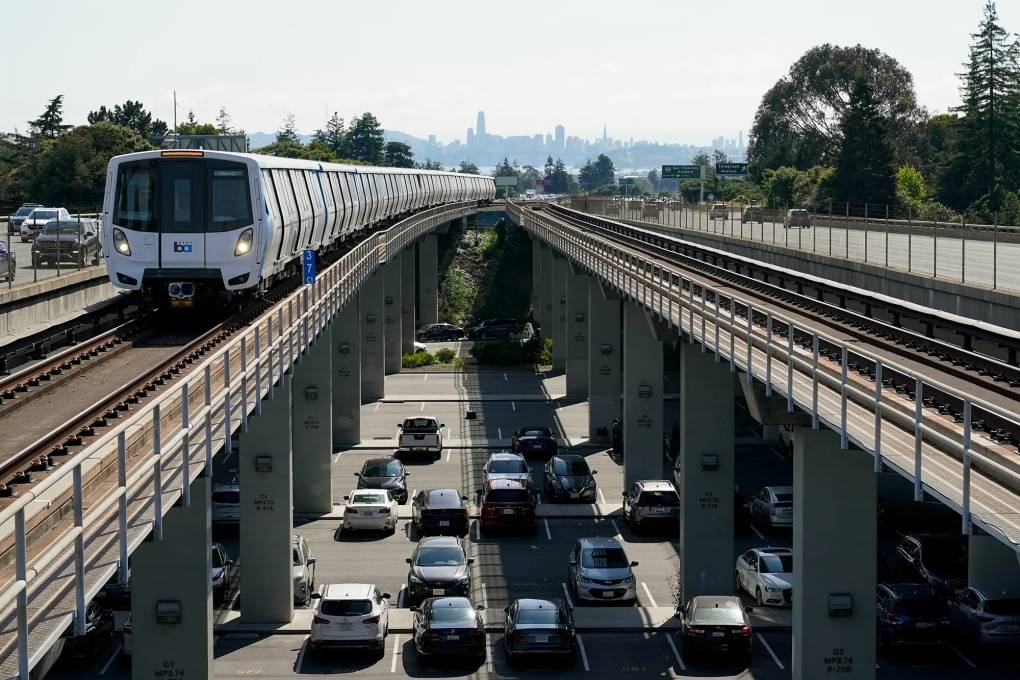
"caption": "An eastbound Bay Area Rapid Transit train near Rockridge station on June 7, 2023 in Oakland. ",
"credit": "Godofredo A. Vásquez/AP Photo",
"altTag": null,
"description": null,
"imgSizes": {
"medium": {
"file": "https://cdn.kqed.org/wp-content/uploads/sites/10/2024/06/060723_BART_AP_CM_01-copy-800x533.jpg",
"width": 800,
"height": 533,
"mimeType": "image/jpeg"
},
"large": {
"file": "https://cdn.kqed.org/wp-content/uploads/sites/10/2024/06/060723_BART_AP_CM_01-copy-1020x680.jpg",
"width": 1020,
"height": 680,
"mimeType": "image/jpeg"
},
"thumbnail": {
"file": "https://cdn.kqed.org/wp-content/uploads/sites/10/2024/06/060723_BART_AP_CM_01-copy-160x107.jpg",
"width": 160,
"height": 107,
"mimeType": "image/jpeg"
},
"1536x1536": {
"file": "https://cdn.kqed.org/wp-content/uploads/sites/10/2024/06/060723_BART_AP_CM_01-copy-1536x1024.jpg",
"width": 1536,
"height": 1024,
"mimeType": "image/jpeg"
},
"post-thumbnail": {
"file": "https://cdn.kqed.org/wp-content/uploads/sites/10/2024/06/060723_BART_AP_CM_01-copy-672x372.jpg",
"width": 672,
"height": 372,
"mimeType": "image/jpeg"
},
"twentyfourteen-full-width": {
"file": "https://cdn.kqed.org/wp-content/uploads/sites/10/2024/06/060723_BART_AP_CM_01-copy-1038x576.jpg",
"width": 1038,
"height": 576,
"mimeType": "image/jpeg"
},
"full-width": {
"file": "https://cdn.kqed.org/wp-content/uploads/sites/10/2024/06/060723_BART_AP_CM_01-copy-1920x1280.jpg",
"width": 1920,
"height": 1280,
"mimeType": "image/jpeg"
},
"kqedFullSize": {
"file": "https://cdn.kqed.org/wp-content/uploads/sites/10/2024/06/060723_BART_AP_CM_01-copy.jpg",
"width": 2000,
"height": 1333
}
},
"isLoading": false,
"fetchFailed": false
},
"news_12090236": {
"type": "attachments",
"id": "news_12090236",
"meta": {
"index": "attachments_1716263798",
"site": "news",
"id": "12090236",
"found": true
},
"title": "Dark clouds hang above the East Bay in Oakland, Calif. while San Francisco has a chance to dry out on Friday, March 16, 2018. A series of storms continue to douse the Bay Area",
"publishDate": 1783541470,
"status": "inherit",
"parent": 12090199,
"modified": 1783541513,
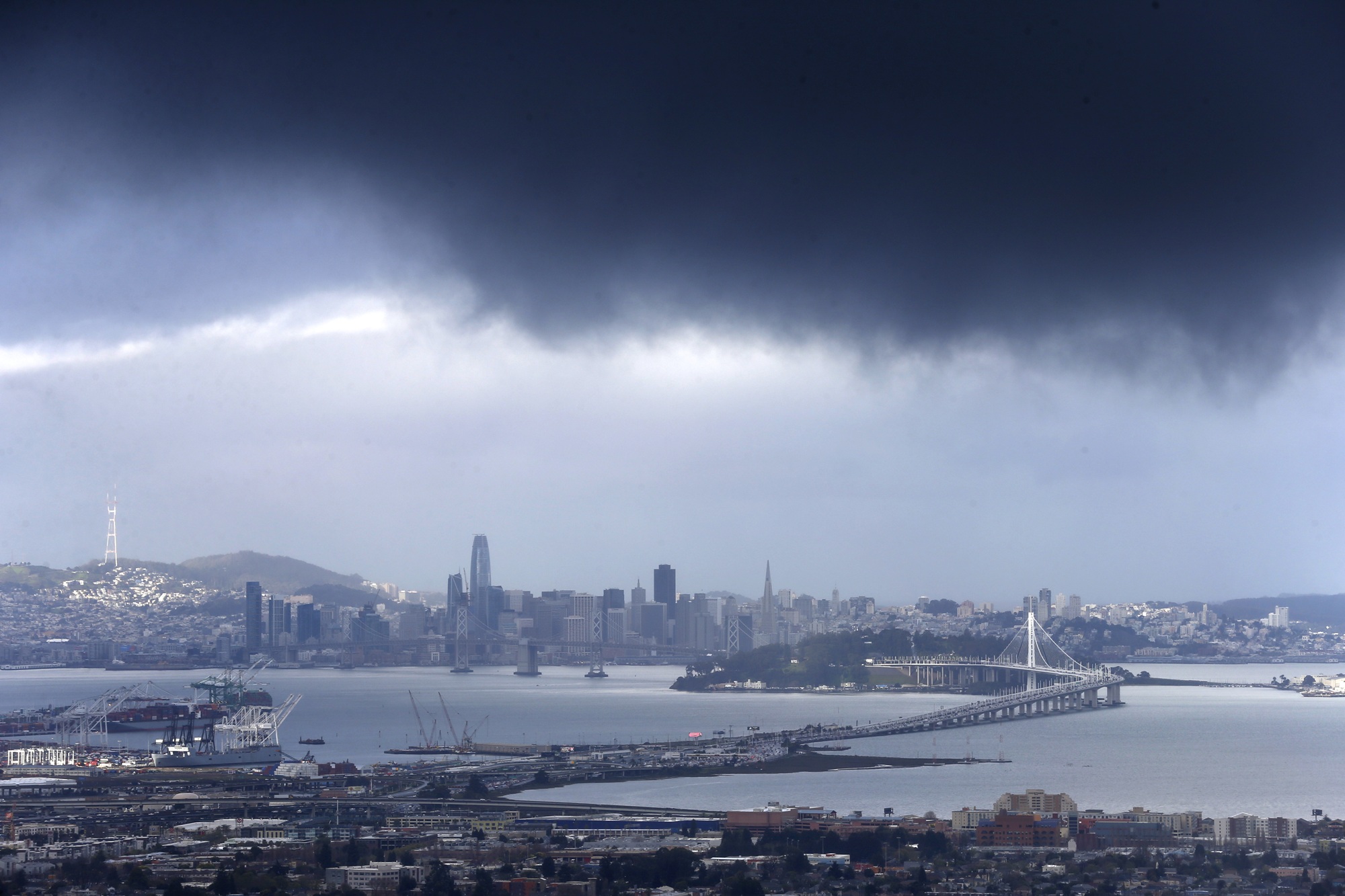
"caption": "Dark clouds hang above the East Bay in Oakland, California on March 16, 2018. ",
"credit": "Paul Chinn/The San Francisco Chronicle via Getty Images",
"altTag": null,
"description": null,
"imgSizes": {
"thumbnail": {
"file": "https://cdn.kqed.org/wp-content/uploads/sites/10/2026/07/StormCloudsOaklandGetty-160x107.jpg",
"width": 160,
"height": 107,
"mimeType": "image/jpeg"
},
"1536x1536": {
"file": "https://cdn.kqed.org/wp-content/uploads/sites/10/2026/07/StormCloudsOaklandGetty-1536x1024.jpg",
"width": 1536,
"height": 1024,
"mimeType": "image/jpeg"
},
"post-thumbnail": {
"file": "https://cdn.kqed.org/wp-content/uploads/sites/10/2026/07/StormCloudsOaklandGetty-672x372.jpg",
"width": 672,
"height": 372,
"mimeType": "image/jpeg"
},
"twentyfourteen-full-width": {
"file": "https://cdn.kqed.org/wp-content/uploads/sites/10/2026/07/StormCloudsOaklandGetty-1038x576.jpg",
"width": 1038,
"height": 576,
"mimeType": "image/jpeg"
},
"npr-cds-wide": {
"file": "https://cdn.kqed.org/wp-content/uploads/sites/10/2026/07/StormCloudsOaklandGetty-1200x675.jpg",
"width": 1200,
"height": 675,
"mimeType": "image/jpeg"
},
"npr-cds-square": {
"file": "https://cdn.kqed.org/wp-content/uploads/sites/10/2026/07/StormCloudsOaklandGetty-600x600.jpg",
"width": 600,
"height": 600,
"mimeType": "image/jpeg"
},
"kqedFullSize": {
"file": "https://cdn.kqed.org/wp-content/uploads/sites/10/2026/07/StormCloudsOaklandGetty.jpg",
"width": 2000,
"height": 1333
}
},
"isLoading": false,
"fetchFailed": false
},
"news_11970120": {
"type": "attachments",
"id": "news_11970120",
"meta": {
"index": "attachments_1716263798",
"site": "news",
"id": "11970120",
"found": true
},
"title": "Aerial view of Redwood City, Silicon Valley, San Francisco bay, California",
"publishDate": 1702674463,
"status": "inherit",
"parent": 11970062,
"modified": 1783630584,
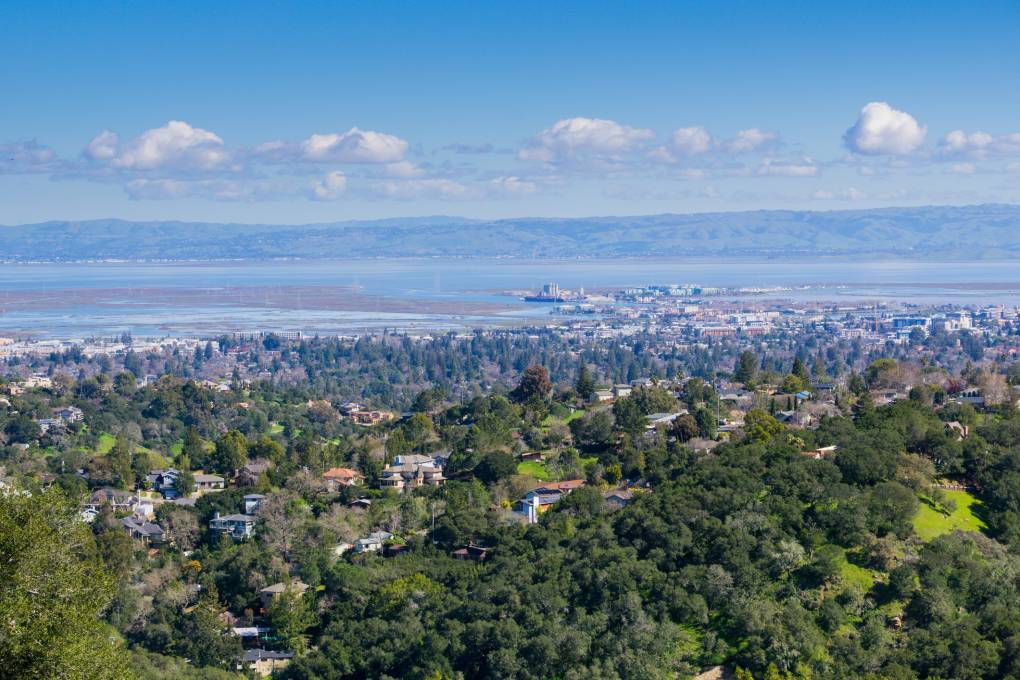
"caption": "An aerial view of Redwood City.",
"credit": "Sundry Photography via Getty Images",
"altTag": "An aerial view of a city, with a large body of water in the background.",
"description": null,
"imgSizes": {
"medium": {
"file": "https://cdn.kqed.org/wp-content/uploads/sites/10/2023/12/GettyImages-1092771432-800x533.jpg",
"width": 800,
"height": 533,
"mimeType": "image/jpeg"
},
"large": {
"file": "https://cdn.kqed.org/wp-content/uploads/sites/10/2023/12/GettyImages-1092771432-1020x680.jpg",
"width": 1020,
"height": 680,
"mimeType": "image/jpeg"
},
"thumbnail": {
"file": "https://cdn.kqed.org/wp-content/uploads/sites/10/2023/12/GettyImages-1092771432-160x107.jpg",
"width": 160,
"height": 107,
"mimeType": "image/jpeg"
},
"1536x1536": {
"file": "https://cdn.kqed.org/wp-content/uploads/sites/10/2023/12/GettyImages-1092771432-1536x1024.jpg",
"width": 1536,
"height": 1024,
"mimeType": "image/jpeg"
},
"2048x2048": {
"file": "https://cdn.kqed.org/wp-content/uploads/sites/10/2023/12/GettyImages-1092771432-2048x1365.jpg",
"width": 2048,
"height": 1365,
"mimeType": "image/jpeg"
},
"post-thumbnail": {
"file": "https://cdn.kqed.org/wp-content/uploads/sites/10/2023/12/GettyImages-1092771432-672x372.jpg",
"width": 672,
"height": 372,
"mimeType": "image/jpeg"
},
"twentyfourteen-full-width": {
"file": "https://cdn.kqed.org/wp-content/uploads/sites/10/2023/12/GettyImages-1092771432-1038x576.jpg",
"width": 1038,
"height": 576,
"mimeType": "image/jpeg"
},
"full-width": {
"file": "https://cdn.kqed.org/wp-content/uploads/sites/10/2023/12/GettyImages-1092771432-1920x1280.jpg",
"width": 1920,
"height": 1280,
"mimeType": "image/jpeg"
},
"kqedFullSize": {
"file": "https://cdn.kqed.org/wp-content/uploads/sites/10/2023/12/GettyImages-1092771432.jpg",
"width": 2121,
"height": 1414
}
},
"isLoading": false,
"fetchFailed": false
},
"news_12089865": {
"type": "attachments",
"id": "news_12089865",
"meta": {
"index": "attachments_1716263798",
"site": "news",
"id": "12089865",
"found": true
},
"title": "260114-BarPilots-30-BL",
"publishDate": 1783035742,
"status": "inherit",
"parent": 0,
"modified": 1783623786,
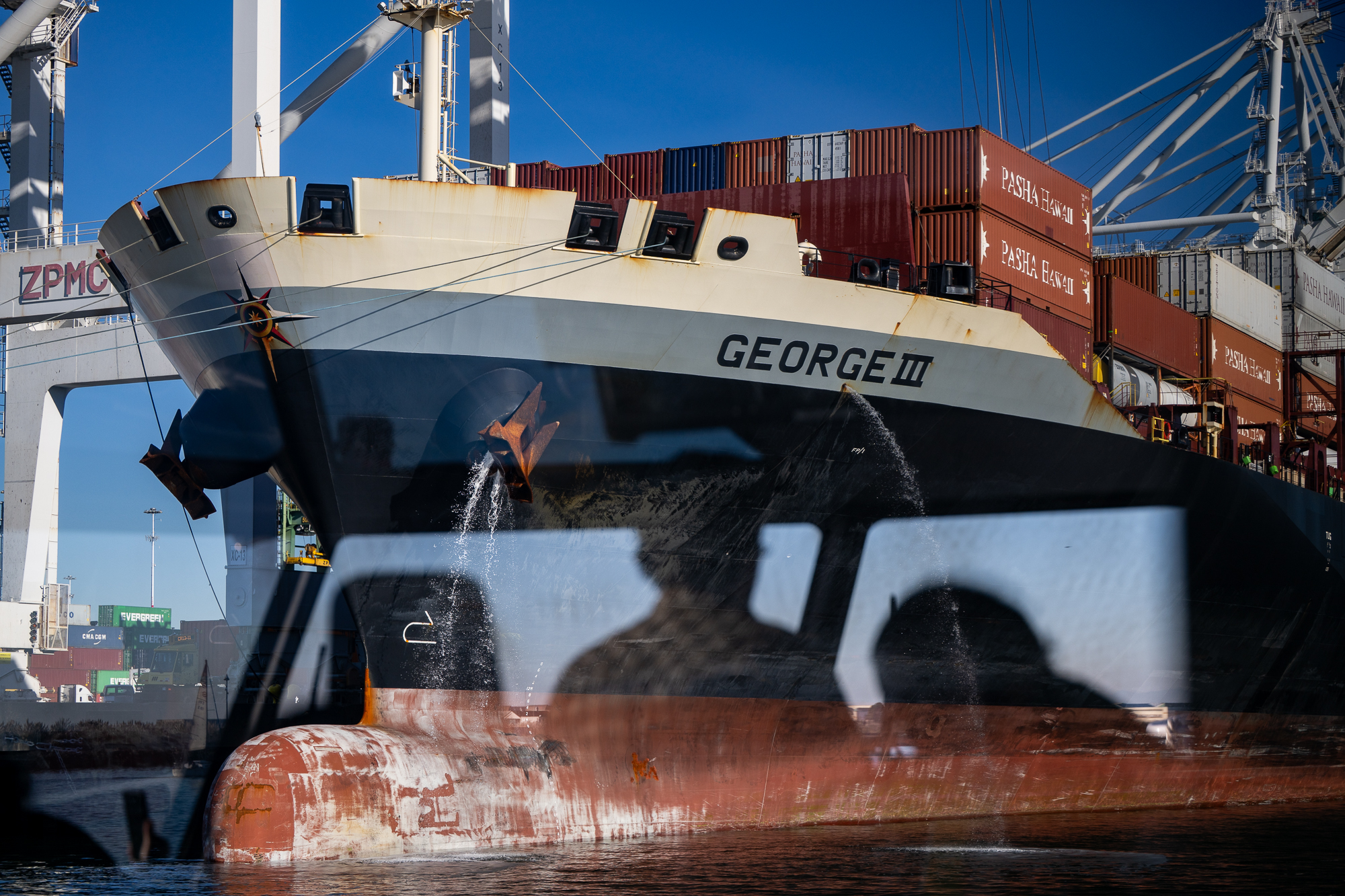
"caption": "A pilot boat operator's image reflects in the window of their boat as they pull up next to the Pasha Hawaii ship George III at the Port of Oakland on Jan. 14, 2026. The ship is part of Pasha Hawaii’s fleet, providing container shipping service between California ports and Hawaii. The pilots guide large ships along California’s coast to ports in San Francisco Bay and beyond.",
"credit": "Beth LaBerge/KQED",
"altTag": null,
"description": null,
"imgSizes": {
"thumbnail": {
"file": "https://cdn.kqed.org/wp-content/uploads/sites/10/2026/07/260114-BarPilots-30-BL-160x107.jpg",
"width": 160,
"height": 107,
"mimeType": "image/jpeg"
},
"1536x1536": {
"file": "https://cdn.kqed.org/wp-content/uploads/sites/10/2026/07/260114-BarPilots-30-BL-1536x1024.jpg",
"width": 1536,
"height": 1024,
"mimeType": "image/jpeg"
},
"post-thumbnail": {
"file": "https://cdn.kqed.org/wp-content/uploads/sites/10/2026/07/260114-BarPilots-30-BL-672x372.jpg",
"width": 672,
"height": 372,
"mimeType": "image/jpeg"
},
"twentyfourteen-full-width": {
"file": "https://cdn.kqed.org/wp-content/uploads/sites/10/2026/07/260114-BarPilots-30-BL-1038x576.jpg",
"width": 1038,
"height": 576,
"mimeType": "image/jpeg"
},
"npr-cds-wide": {
"file": "https://cdn.kqed.org/wp-content/uploads/sites/10/2026/07/260114-BarPilots-30-BL-1200x675.jpg",
"width": 1200,
"height": 675,
"mimeType": "image/jpeg"
},
"npr-cds-square": {
"file": "https://cdn.kqed.org/wp-content/uploads/sites/10/2026/07/260114-BarPilots-30-BL-600x600.jpg",
"width": 600,
"height": 600,
"mimeType": "image/jpeg"
},
"kqedFullSize": {
"file": "https://cdn.kqed.org/wp-content/uploads/sites/10/2026/07/260114-BarPilots-30-BL.jpg",
"width": 2000,
"height": 1333
}
},
"isLoading": false,
"fetchFailed": false
},
"news_12090277": {
"type": "attachments",
"id": "news_12090277",
"meta": {
"index": "attachments_1716263798",
"site": "news",
"id": "12090277",
"found": true
},
"title": "4 bobcat photo - a",
"publishDate": 1783548288,
"status": "inherit",
"parent": 0,
"modified": 1783550697,
"caption": "Two baby bobcats at the Wildlife Care Center in Saratoga, California, on Monday, July 6, 2026.",
"credit": "Courtesy of Peninsula Humane Society & SPCA",
"altTag": null,
"description": null,
"imgSizes": {
"thumbnail": {
"file": "https://cdn.kqed.org/wp-content/uploads/sites/10/2026/07/4-bobcat-photo-a-160x149.jpeg",
"width": 160,
"height": 149,
"mimeType": "image/jpeg"
},
"1536x1536": {
"file": "https://cdn.kqed.org/wp-content/uploads/sites/10/2026/07/4-bobcat-photo-a-1536x1430.jpeg",
"width": 1536,
"height": 1430,
"mimeType": "image/jpeg"
},
"post-thumbnail": {
"file": "https://cdn.kqed.org/wp-content/uploads/sites/10/2026/07/4-bobcat-photo-a-672x372.jpeg",
"width": 672,
"height": 372,
"mimeType": "image/jpeg"
},
"twentyfourteen-full-width": {
"file": "https://cdn.kqed.org/wp-content/uploads/sites/10/2026/07/4-bobcat-photo-a-1038x576.jpeg",
"width": 1038,
"height": 576,
"mimeType": "image/jpeg"
},
"npr-cds-wide": {
"file": "https://cdn.kqed.org/wp-content/uploads/sites/10/2026/07/4-bobcat-photo-a-1200x675.jpeg",
"width": 1200,
"height": 675,
"mimeType": "image/jpeg"
},
"npr-cds-square": {
"file": "https://cdn.kqed.org/wp-content/uploads/sites/10/2026/07/4-bobcat-photo-a-600x600.jpeg",
"width": 600,
"height": 600,
"mimeType": "image/jpeg"
},
"kqedFullSize": {
"file": "https://cdn.kqed.org/wp-content/uploads/sites/10/2026/07/4-bobcat-photo-a.jpeg",
"width": 2000,
"height": 1862
}
},
"isLoading": false,
"fetchFailed": false
},
"news_12080617": {
"type": "attachments",
"id": "news_12080617",
"meta": {
"index": "attachments_1716263798",
"site": "news",
"id": "12080617",
"found": true
},
"title": "260420-SCCDAANNOUNCEMENT-23-BL-KQED",
"publishDate": 1776712337,
"status": "inherit",
"parent": 12080584,
"modified": 1776716645,
"caption": "A sign says, \"Justice for Jaxon\" outside the Santa Clara County Juvenile Court in San José on April 20, 2026, where prosecutors announced charges against a San José teen accused of killing his 2-year-old foster brother, Jaxon Juarez.",
"credit": "Beth LaBerge/KQED",
"altTag": null,
"description": null,
"imgSizes": {
"thumbnail": {
"file": "https://cdn.kqed.org/wp-content/uploads/sites/10/2026/04/260420-SCCDAANNOUNCEMENT-23-BL-KQED-160x107.jpg",
"width": 160,
"height": 107,
"mimeType": "image/jpeg"
},
"1536x1536": {
"file": "https://cdn.kqed.org/wp-content/uploads/sites/10/2026/04/260420-SCCDAANNOUNCEMENT-23-BL-KQED-1536x1024.jpg",
"width": 1536,
"height": 1024,
"mimeType": "image/jpeg"
},
"post-thumbnail": {
"file": "https://cdn.kqed.org/wp-content/uploads/sites/10/2026/04/260420-SCCDAANNOUNCEMENT-23-BL-KQED-672x372.jpg",
"width": 672,
"height": 372,
"mimeType": "image/jpeg"
},
"twentyfourteen-full-width": {
"file": "https://cdn.kqed.org/wp-content/uploads/sites/10/2026/04/260420-SCCDAANNOUNCEMENT-23-BL-KQED-1038x576.jpg",
"width": 1038,
"height": 576,
"mimeType": "image/jpeg"
},
"npr-cds-wide": {
"file": "https://cdn.kqed.org/wp-content/uploads/sites/10/2026/04/260420-SCCDAANNOUNCEMENT-23-BL-KQED-1200x675.jpg",
"width": 1200,
"height": 675,
"mimeType": "image/jpeg"
},
"npr-cds-square": {
"file": "https://cdn.kqed.org/wp-content/uploads/sites/10/2026/04/260420-SCCDAANNOUNCEMENT-23-BL-KQED-600x600.jpg",
"width": 600,
"height": 600,
"mimeType": "image/jpeg"
},
"kqedFullSize": {
"file": "https://cdn.kqed.org/wp-content/uploads/sites/10/2026/04/260420-SCCDAANNOUNCEMENT-23-BL-KQED.jpg",
"width": 2000,
"height": 1333
}
},
"isLoading": false,
"fetchFailed": false
},
"news_12090213": {
"type": "attachments",
"id": "news_12090213",
"meta": {
"index": "attachments_1716263798",
"site": "news",
"id": "12090213",
"found": true
},
"title": "People sunbathe at Ocean Beach in San Francisco on June 10, 2026.",
"publishDate": 1783536305,
"status": "inherit",
"parent": 12090057,
"modified": 1783536321,
"caption": "People sunbathe at Ocean Beach in San Francisco on June 10, 2026.",
"credit": "Tâm Vũ/KQED",
"altTag": null,
"description": null,
"imgSizes": {
"thumbnail": {
"file": "https://cdn.kqed.org/wp-content/uploads/sites/10/2026/07/260610-riskywx00193_TV_qed-160x107.jpg",
"width": 160,
"height": 107,
"mimeType": "image/jpeg"
},
"1536x1536": {
"file": "https://cdn.kqed.org/wp-content/uploads/sites/10/2026/07/260610-riskywx00193_TV_qed-1536x1024.jpg",
"width": 1536,
"height": 1024,
"mimeType": "image/jpeg"
},
"post-thumbnail": {
"file": "https://cdn.kqed.org/wp-content/uploads/sites/10/2026/07/260610-riskywx00193_TV_qed-672x372.jpg",
"width": 672,
"height": 372,
"mimeType": "image/jpeg"
},
"twentyfourteen-full-width": {
"file": "https://cdn.kqed.org/wp-content/uploads/sites/10/2026/07/260610-riskywx00193_TV_qed-1038x576.jpg",
"width": 1038,
"height": 576,
"mimeType": "image/jpeg"
},
"npr-cds-wide": {
"file": "https://cdn.kqed.org/wp-content/uploads/sites/10/2026/07/260610-riskywx00193_TV_qed-1200x675.jpg",
"width": 1200,
"height": 675,
"mimeType": "image/jpeg"
},
"npr-cds-square": {
"file": "https://cdn.kqed.org/wp-content/uploads/sites/10/2026/07/260610-riskywx00193_TV_qed-600x600.jpg",
"width": 600,
"height": 600,
"mimeType": "image/jpeg"
},
"kqedFullSize": {
"file": "https://cdn.kqed.org/wp-content/uploads/sites/10/2026/07/260610-riskywx00193_TV_qed.jpg",
"width": 2000,
"height": 1333
}
},
"isLoading": false,
"fetchFailed": false
},
"news_12076722": {
"type": "attachments",
"id": "news_12076722",
"meta": {
"index": "attachments_1716263798",
"site": "news",
"id": "12076722",
"found": true
},
"title": "IMG_1406",
"publishDate": 1773770098,
"status": "inherit",
"parent": 12076503,
"modified": 1773770129,
"caption": "With the World Cup around the corner, here are the Bay Area soccer teams to know.",
"credit": "Anna Vignet/KQED",
"altTag": null,
"description": null,
"imgSizes": {
"medium": {
"file": "https://cdn.kqed.org/wp-content/uploads/sites/10/2026/03/IMG_1406-2000x1500.jpg",
"width": 2000,
"height": 1500,
"mimeType": "image/jpeg"
},
"large": {
"file": "https://cdn.kqed.org/wp-content/uploads/sites/10/2026/03/IMG_1406-2000x1500.jpg",
"width": 2000,
"height": 1500,
"mimeType": "image/jpeg"
},
"thumbnail": {
"file": "https://cdn.kqed.org/wp-content/uploads/sites/10/2026/03/IMG_1406-160x120.jpg",
"width": 160,
"height": 120,
"mimeType": "image/jpeg"
},
"1536x1536": {
"file": "https://cdn.kqed.org/wp-content/uploads/sites/10/2026/03/IMG_1406-1536x1152.jpg",
"width": 1536,
"height": 1152,
"mimeType": "image/jpeg"
},
"2048x2048": {
"file": "https://cdn.kqed.org/wp-content/uploads/sites/10/2026/03/IMG_1406-2048x1536.jpg",
"width": 2048,
"height": 1536,
"mimeType": "image/jpeg"
},
"post-thumbnail": {
"file": "https://cdn.kqed.org/wp-content/uploads/sites/10/2026/03/IMG_1406-672x372.jpg",
"width": 672,
"height": 372,
"mimeType": "image/jpeg"
},
"twentyfourteen-full-width": {
"file": "https://cdn.kqed.org/wp-content/uploads/sites/10/2026/03/IMG_1406-1038x576.jpg",
"width": 1038,
"height": 576,
"mimeType": "image/jpeg"
},
"full-width": {
"file": "https://cdn.kqed.org/wp-content/uploads/sites/10/2026/03/IMG_1406-2000x1500.jpg",
"width": 2000,
"height": 1500,
"mimeType": "image/jpeg"
},
"npr-cds-wide": {
"file": "https://cdn.kqed.org/wp-content/uploads/sites/10/2026/03/IMG_1406-1200x675.jpg",
"width": 1200,
"height": 675,
"mimeType": "image/jpeg"
},
"kqedFullSize": {
"file": "https://cdn.kqed.org/wp-content/uploads/sites/10/2026/03/IMG_1406.jpg",
"width": 2560,
"height": 1920
}
},
"isLoading": false,
"fetchFailed": false
},
"news_11996784": {
"type": "attachments",
"id": "news_11996784",
"meta": {
"index": "attachments_1716263798",
"site": "news",
"id": "11996784",
"found": true
},
"title": "The Wiley Manuel Courthouse in Oakland on July 22, 2024.",
"publishDate": 1721681966,
"status": "inherit",
"parent": 0,
"modified": 1721681982,
"caption": "The Wiley Manuel Courthouse in Oakland on July 22, 2024.",
"credit": "Martin do Nascimento/KQED",
"altTag": null,
"description": null,
"imgSizes": {
"medium": {
"file": "https://cdn.kqed.org/wp-content/uploads/sites/10/2024/07/240722-WILEY-MANUEL-COURTHOUSE-MD-02-KQED-1-800x533.jpg",
"width": 800,
"height": 533,
"mimeType": "image/jpeg"
},
"large": {
"file": "https://cdn.kqed.org/wp-content/uploads/sites/10/2024/07/240722-WILEY-MANUEL-COURTHOUSE-MD-02-KQED-1-1020x680.jpg",
"width": 1020,
"height": 680,
"mimeType": "image/jpeg"
},
"thumbnail": {
"file": "https://cdn.kqed.org/wp-content/uploads/sites/10/2024/07/240722-WILEY-MANUEL-COURTHOUSE-MD-02-KQED-1-160x107.jpg",
"width": 160,
"height": 107,
"mimeType": "image/jpeg"
},
"1536x1536": {
"file": "https://cdn.kqed.org/wp-content/uploads/sites/10/2024/07/240722-WILEY-MANUEL-COURTHOUSE-MD-02-KQED-1-1536x1024.jpg",
"width": 1536,
"height": 1024,
"mimeType": "image/jpeg"
},
"post-thumbnail": {
"file": "https://cdn.kqed.org/wp-content/uploads/sites/10/2024/07/240722-WILEY-MANUEL-COURTHOUSE-MD-02-KQED-1-672x372.jpg",
"width": 672,
"height": 372,
"mimeType": "image/jpeg"
},
"twentyfourteen-full-width": {
"file": "https://cdn.kqed.org/wp-content/uploads/sites/10/2024/07/240722-WILEY-MANUEL-COURTHOUSE-MD-02-KQED-1-1038x576.jpg",
"width": 1038,
"height": 576,
"mimeType": "image/jpeg"
},
"full-width": {
"file": "https://cdn.kqed.org/wp-content/uploads/sites/10/2024/07/240722-WILEY-MANUEL-COURTHOUSE-MD-02-KQED-1-1920x1280.jpg",
"width": 1920,
"height": 1280,
"mimeType": "image/jpeg"
},
"kqedFullSize": {
"file": "https://cdn.kqed.org/wp-content/uploads/sites/10/2024/07/240722-WILEY-MANUEL-COURTHOUSE-MD-02-KQED-1.jpg",
"width": 2000,
"height": 1333
}
},
"isLoading": false,
"fetchFailed": false
},
"news_12090014": {
"type": "attachments",
"id": "news_12090014",
"meta": {
"index": "attachments_1716263798",
"site": "news",
"id": "12090014",
"found": true
},
"title": "IMG_0075 - b",
"publishDate": 1783377763,
"status": "inherit",
"parent": 0,
"modified": 1783377801,
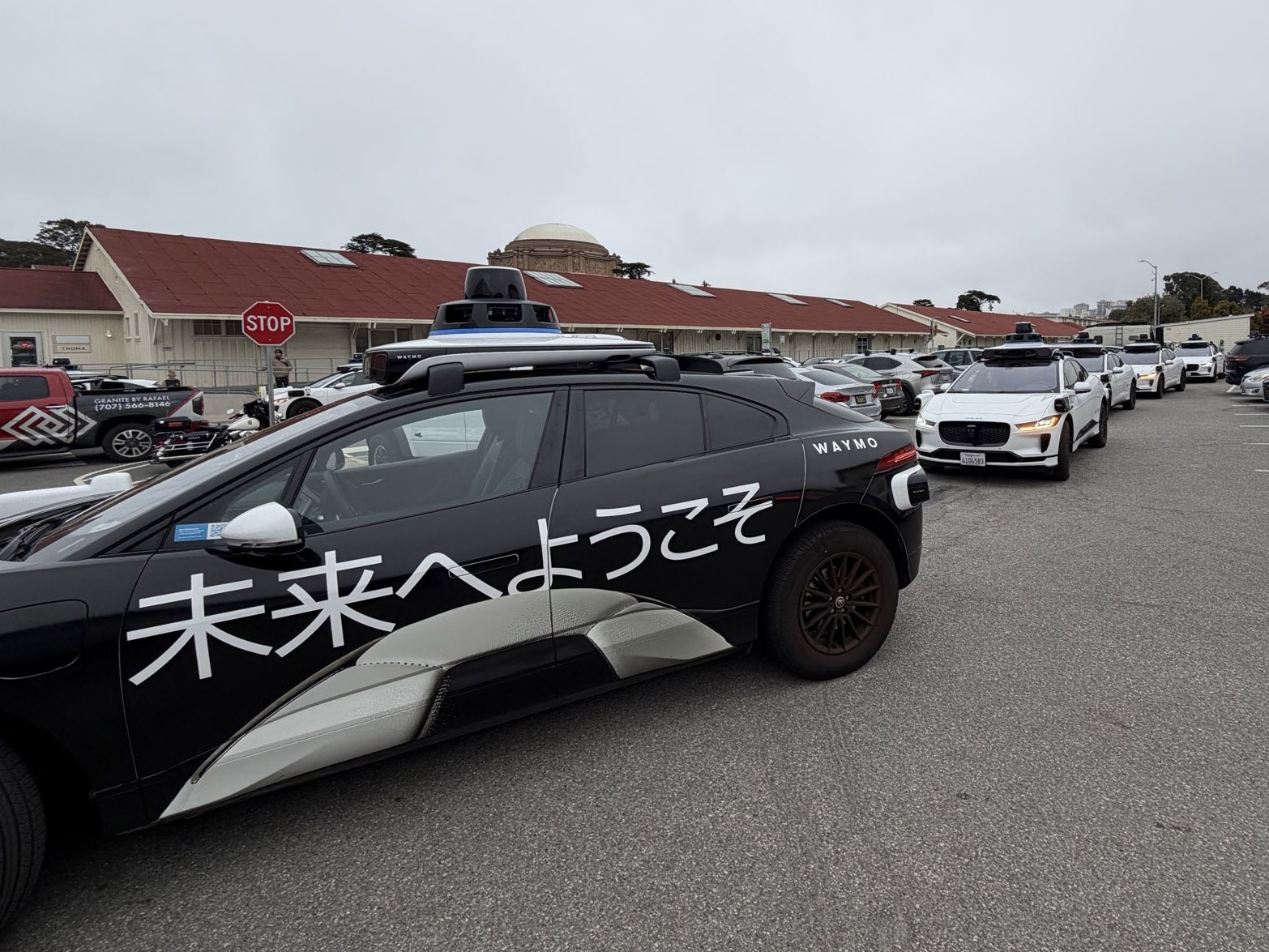
"caption": "More than 30 Waymos became stuck in the only parking area for the fireworks show on July 4, 2026, blocking parking for hours.",
"credit": "Courtesy of Dr. R, AGI Summit 2026",
"altTag": null,
"description": null,
"imgSizes": {
"thumbnail": {
"file": "https://cdn.kqed.org/wp-content/uploads/sites/10/2026/07/IMG_0075-1-160x120.jpg",
"width": 160,
"height": 120,
"mimeType": "image/jpeg"
},
"1536x1536": {
"file": "https://cdn.kqed.org/wp-content/uploads/sites/10/2026/07/IMG_0075-1-1536x1152.jpg",
"width": 1536,
"height": 1152,
"mimeType": "image/jpeg"
},
"post-thumbnail": {
"file": "https://cdn.kqed.org/wp-content/uploads/sites/10/2026/07/IMG_0075-1-672x372.jpg",
"width": 672,
"height": 372,
"mimeType": "image/jpeg"
},
"twentyfourteen-full-width": {
"file": "https://cdn.kqed.org/wp-content/uploads/sites/10/2026/07/IMG_0075-1-1038x576.jpg",
"width": 1038,
"height": 576,
"mimeType": "image/jpeg"
},
"npr-cds-wide": {
"file": "https://cdn.kqed.org/wp-content/uploads/sites/10/2026/07/IMG_0075-1-1200x675.jpg",
"width": 1200,
"height": 675,
"mimeType": "image/jpeg"
},
"npr-cds-square": {
"file": "https://cdn.kqed.org/wp-content/uploads/sites/10/2026/07/IMG_0075-1-600x600.jpg",
"width": 600,
"height": 600,
"mimeType": "image/jpeg"
},
"kqedFullSize": {
"file": "https://cdn.kqed.org/wp-content/uploads/sites/10/2026/07/IMG_0075-1.jpg",
"width": 1566,
"height": 1175
}
},
"isLoading": false,
"fetchFailed": false
},
"news_12090061": {
"type": "attachments",
"id": "news_12090061",
"meta": {
"index": "attachments_1716263798",
"site": "news",
"id": "12090061",
"found": true
},
"title": "20260511-YickWoCommemoration-JY-14_qed",
"publishDate": 1783443660,
"status": "inherit",
"parent": 12089959,
"modified": 1783443701,
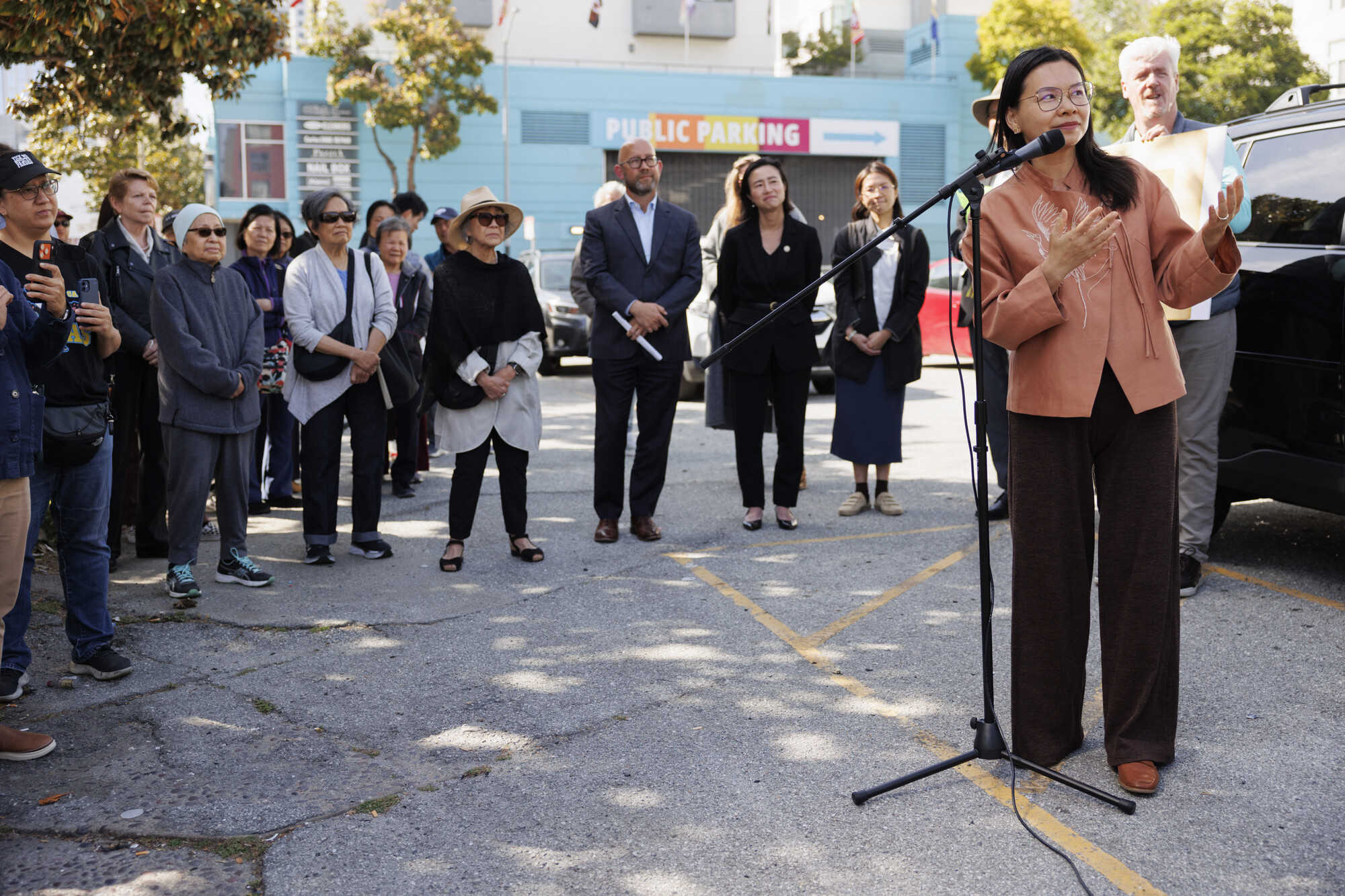
"caption": "District 11 Supervisor Chyanne Chen speaks during a press conference at the parking lot on 3rd and Harrison streets to commemorate the 140th anniversary of landmark Supreme Court case Yick Wo v. Hopkins in San Francisco on Monday, May 11, 2026.",
"credit": "Juliana Yamada for KQED",
"altTag": null,
"description": null,
"imgSizes": {
"thumbnail": {
"file": "https://cdn.kqed.org/wp-content/uploads/sites/10/2026/07/20260511-YickWoCommemoration-JY-14_qed-160x107.jpg",
"width": 160,
"height": 107,
"mimeType": "image/jpeg"
},
"1536x1536": {
"file": "https://cdn.kqed.org/wp-content/uploads/sites/10/2026/07/20260511-YickWoCommemoration-JY-14_qed-1536x1024.jpg",
"width": 1536,
"height": 1024,
"mimeType": "image/jpeg"
},
"post-thumbnail": {
"file": "https://cdn.kqed.org/wp-content/uploads/sites/10/2026/07/20260511-YickWoCommemoration-JY-14_qed-672x372.jpg",
"width": 672,
"height": 372,
"mimeType": "image/jpeg"
},
"twentyfourteen-full-width": {
"file": "https://cdn.kqed.org/wp-content/uploads/sites/10/2026/07/20260511-YickWoCommemoration-JY-14_qed-1038x576.jpg",
"width": 1038,
"height": 576,
"mimeType": "image/jpeg"
},
"npr-cds-wide": {
"file": "https://cdn.kqed.org/wp-content/uploads/sites/10/2026/07/20260511-YickWoCommemoration-JY-14_qed-1200x675.jpg",
"width": 1200,
"height": 675,
"mimeType": "image/jpeg"
},
"npr-cds-square": {
"file": "https://cdn.kqed.org/wp-content/uploads/sites/10/2026/07/20260511-YickWoCommemoration-JY-14_qed-600x600.jpg",
"width": 600,
"height": 600,
"mimeType": "image/jpeg"
},
"kqedFullSize": {
"file": "https://cdn.kqed.org/wp-content/uploads/sites/10/2026/07/20260511-YickWoCommemoration-JY-14_qed.jpg",
"width": 2000,
"height": 1333
}
},
"isLoading": false,
"fetchFailed": false
}
},
"audioPlayerReducer": {
"postId": "stream_live",
"isPaused": true,
"isPlaying": false,
"pfsActive": false,
"pledgeModalIsOpen": true,
"playerDrawerIsOpen": false,
"liveAudioPlayStartedAt": 0,
"liveAudioPlayContext": ""
},
"authorsReducer": {
"katrinaschwartz": {
"type": "authors",
"id": "234",
"meta": {
"index": "authors_1716337520",
"id": "234",
"found": true
},
"name": "Katrina Schwartz",
"firstName": "Katrina",
"lastName": "Schwartz",
"slug": "katrinaschwartz",
"email": "kschwartz@kqed.org",
"display_author_email": false,
"staff_mastheads": [
"news"
],
"title": "Producer",
"bio": "Katrina Schwartz is a journalist based in San Francisco. She's worked at KPCC public radio in LA and has reported on air and online for KQED since 2010. She covered how teaching and learning is changing for MindShift between 2012 and 2020. She is the co-host of the MindShift podcast and now produces KQED's Bay Curious podcast.",
"avatar": "https://secure.gravatar.com/avatar/edb4ee79070447a018538c9aae6eeecf28786515b8a0c30e43b6b7dce5aa44c8?s=600&d=blank&r=g",
"twitter": "kschwart",
"bluesky": null,
"facebook": null,
"instagram": null,
"linkedin": null,
"sites": [
{
"site": "",
"roles": [
"editor"
]
},
{
"site": "news",
"roles": [
"editor"
]
},
{
"site": "mindshift",
"roles": [
"administrator"
]
},
{
"site": "stateofhealth",
"roles": [
"author"
]
},
{
"site": "science",
"roles": [
"editor"
]
}
],
"headData": {
"title": "Katrina Schwartz | KQED",
"description": "Producer",
"ogImgSrc": "https://secure.gravatar.com/avatar/edb4ee79070447a018538c9aae6eeecf28786515b8a0c30e43b6b7dce5aa44c8?s=600&d=blank&r=g",
"twImgSrc": "https://secure.gravatar.com/avatar/edb4ee79070447a018538c9aae6eeecf28786515b8a0c30e43b6b7dce5aa44c8?s=600&d=blank&r=g"
},
"isLoading": false,
"link": "/author/katrinaschwartz"
},
"ccabreralomeli": {
"type": "authors",
"id": "11708",
"meta": {
"index": "authors_1716337520",
"id": "11708",
"found": true
},
"name": "Carlos Cabrera-Lomelí",
"firstName": "Carlos",
"lastName": "Cabrera-Lomelí",
"slug": "ccabreralomeli",
"email": "ccabreralomeli@KQED.org",
"display_author_email": true,
"staff_mastheads": [
"news"
],
"title": "Community Reporter",
"bio": "Carlos Cabrera-Lomelí is a community reporter with KQED's digital engagement team. He also reports and co-produces for KQED's bilingual news hub KQED en Español. He grew up in San Francisco's Mission District and has previously worked with Univision, 48 Hills and REFORMA in Mexico City.",
"avatar": "https://secure.gravatar.com/avatar/c309be9665e484f887b818c89e273ecc673004f426f36b24d00a4d813a2e0518?s=600&d=blank&r=g",
"twitter": "@LomeliCabrera",
"bluesky": null,
"facebook": null,
"instagram": null,
"linkedin": null,
"sites": [
{
"site": "arts",
"roles": [
"editor"
]
},
{
"site": "news",
"roles": [
"editor"
]
},
{
"site": "about",
"roles": [
"editor"
]
},
{
"site": "science",
"roles": [
"editor"
]
},
{
"site": "perspectives",
"roles": [
"editor"
]
},
{
"site": "elections",
"roles": [
"editor"
]
},
{
"site": "liveblog",
"roles": [
"contributor"
]
}
],
"headData": {
"title": "Carlos Cabrera-Lomelí | KQED",
"description": "Community Reporter",
"ogImgSrc": "https://secure.gravatar.com/avatar/c309be9665e484f887b818c89e273ecc673004f426f36b24d00a4d813a2e0518?s=600&d=blank&r=g",
"twImgSrc": "https://secure.gravatar.com/avatar/c309be9665e484f887b818c89e273ecc673004f426f36b24d00a4d813a2e0518?s=600&d=blank&r=g"
},
"isLoading": false,
"link": "/author/ccabreralomeli"
},
"adahlstromeckman": {
"type": "authors",
"id": "11785",
"meta": {
"index": "authors_1716337520",
"id": "11785",
"found": true
},
"name": "Azul Dahlstrom-Eckman",
"firstName": "Azul",
"lastName": "Dahlstrom-Eckman",
"slug": "adahlstromeckman",
"email": "adahlstrom-eckman@kqed.org",
"display_author_email": true,
"staff_mastheads": [],
"title": "Reporter",
"bio": "Azul is a reporter for KQED focusing on transportation and features. He joined KQED in 2021 as an alumna of KALW's Audio Academy radio journalism training program.",
"avatar": "https://secure.gravatar.com/avatar/9cb750298435add7815a777f55bf1f46845c1386bb8452555c60a7b820b5aba3?s=600&d=blank&r=g",
"twitter": "@zuliemann",
"bluesky": "@azul415.bsky.social",
"facebook": null,
"instagram": null,
"linkedin": null,
"sites": [
{
"site": "arts",
"roles": [
"editor"
]
},
{
"site": "news",
"roles": [
"editor"
]
},
{
"site": "science",
"roles": [
"editor"
]
},
{
"site": "liveblog",
"roles": [
"author"
]
}
],
"headData": {
"title": "Azul Dahlstrom-Eckman | KQED",
"description": "Reporter",
"ogImgSrc": "https://secure.gravatar.com/avatar/9cb750298435add7815a777f55bf1f46845c1386bb8452555c60a7b820b5aba3?s=600&d=blank&r=g",
"twImgSrc": "https://secure.gravatar.com/avatar/9cb750298435add7815a777f55bf1f46845c1386bb8452555c60a7b820b5aba3?s=600&d=blank&r=g"
},
"isLoading": false,
"link": "/author/adahlstromeckman"
},
"sjohnson": {
"type": "authors",
"id": "11840",
"meta": {
"index": "authors_1716337520",
"id": "11840",
"found": true
},
"name": "Sydney Johnson",
"firstName": "Sydney",
"lastName": "Johnson",
"slug": "sjohnson",
"email": "sjohnson@kqed.org",
"display_author_email": false,
"staff_mastheads": [
"news"
],
"title": "KQED Reporter",
"bio": "Sydney Johnson is a general assignment reporter at KQED. She previously reported on public health and city government at the San Francisco Examiner, and before that, she covered statewide education policy for EdSource. Her reporting has won multiple local, state and national awards. Sydney is a graduate of the University of California, Berkeley and lives in San Francisco.",
"avatar": "https://secure.gravatar.com/avatar/97855f2719b72ad6190b7c535fe642c8?s=600&d=blank&r=g",
"twitter": "sydneyfjohnson",
"facebook": null,
"instagram": null,
"linkedin": null,
"sites": [
{
"site": "news",
"roles": [
"editor"
]
}
],
"headData": {
"title": "Sydney Johnson | KQED",
"description": "KQED Reporter",
"ogImgSrc": "https://secure.gravatar.com/avatar/97855f2719b72ad6190b7c535fe642c8?s=600&d=blank&r=g",
"twImgSrc": "https://secure.gravatar.com/avatar/97855f2719b72ad6190b7c535fe642c8?s=600&d=blank&r=g"
},
"isLoading": false,
"link": "/author/sjohnson"
},
"jgeha": {
"type": "authors",
"id": "11906",
"meta": {
"index": "authors_1716337520",
"id": "11906",
"found": true
},
"name": "Joseph Geha",
"firstName": "Joseph",
"lastName": "Geha",
"slug": "jgeha",
"email": "jgeha@kqed.org",
"display_author_email": false,
"staff_mastheads": [
"news",
"science"
],
"title": "KQED Contributor",
"bio": null,
"avatar": "https://secure.gravatar.com/avatar/ea84d2b6dd93d6369d453edf19dd583f117cd1759d2d9c9c92f9de77017354fe?s=600&d=blank&r=g",
"twitter": null,
"bluesky": null,
"facebook": null,
"instagram": null,
"linkedin": null,
"sites": [
{
"site": "news",
"roles": [
"editor"
]
},
{
"site": "liveblog",
"roles": [
"author"
]
}
],
"headData": {
"title": "Joseph Geha | KQED",
"description": "KQED Contributor",
"ogImgSrc": "https://secure.gravatar.com/avatar/ea84d2b6dd93d6369d453edf19dd583f117cd1759d2d9c9c92f9de77017354fe?s=600&d=blank&r=g",
"twImgSrc": "https://secure.gravatar.com/avatar/ea84d2b6dd93d6369d453edf19dd583f117cd1759d2d9c9c92f9de77017354fe?s=600&d=blank&r=g"
},
"isLoading": false,
"link": "/author/jgeha"
},
"kdebenedetti": {
"type": "authors",
"id": "11913",
"meta": {
"index": "authors_1716337520",
"id": "11913",
"found": true
},
"name": "Katie DeBenedetti",
"firstName": "Katie",
"lastName": "DeBenedetti",
"slug": "kdebenedetti",
"email": "kdebenedetti@kqed.org",
"display_author_email": false,
"staff_mastheads": [
"news",
"science"
],
"title": "KQED Contributor",
"bio": "Katie DeBenedetti is a digital reporter covering daily news for the Express Desk. Prior to joining KQED as a culture reporting intern in January 2024, she covered education and city government for the Napa Valley Register.",
"avatar": "https://secure.gravatar.com/avatar/6e31073cb8f7e4214ab03f42771d0f45?s=600&d=blank&r=g",
"twitter": null,
"facebook": null,
"instagram": null,
"linkedin": null,
"sites": [
{
"site": "news",
"roles": [
"author"
]
},
{
"site": "science",
"roles": [
"author"
]
},
{
"site": "liveblog",
"roles": [
"author"
]
}
],
"headData": {
"title": "Katie DeBenedetti | KQED",
"description": "KQED Contributor",
"ogImgSrc": "https://secure.gravatar.com/avatar/6e31073cb8f7e4214ab03f42771d0f45?s=600&d=blank&r=g",
"twImgSrc": "https://secure.gravatar.com/avatar/6e31073cb8f7e4214ab03f42771d0f45?s=600&d=blank&r=g"
},
"isLoading": false,
"link": "/author/kdebenedetti"
},
"aaliahmad": {
"type": "authors",
"id": "11986",
"meta": {
"index": "authors_1716337520",
"id": "11986",
"found": true
},
"name": "Ayah Ali-Ahmad",
"firstName": "Ayah",
"lastName": "Ali-Ahmad",
"slug": "aaliahmad",
"email": "aaliahmad@KQED.org",
"display_author_email": false,
"staff_mastheads": [],
"title": "KQED Contributor",
"bio": null,
"avatar": "https://secure.gravatar.com/avatar/1cf54f187a5e1064b2cfef3f3d2f1e4f93e453395d56912aca6382a6071ec3ed?s=600&d=blank&r=g",
"twitter": "ayahaliahmad",
"bluesky": null,
"facebook": null,
"instagram": null,
"linkedin": null,
"sites": [
{
"site": "news",
"roles": [
"subscriber"
]
}
],
"headData": {
"title": "Ayah Ali-Ahmad | KQED",
"description": "KQED Contributor",
"ogImgSrc": "https://secure.gravatar.com/avatar/1cf54f187a5e1064b2cfef3f3d2f1e4f93e453395d56912aca6382a6071ec3ed?s=600&d=blank&r=g",
"twImgSrc": "https://secure.gravatar.com/avatar/1cf54f187a5e1064b2cfef3f3d2f1e4f93e453395d56912aca6382a6071ec3ed?s=600&d=blank&r=g"
},
"isLoading": false,
"link": "/author/aaliahmad"
},
"ejackson": {
"type": "authors",
"id": "12003",
"meta": {
"index": "authors_1716337520",
"id": "12003",
"found": true
},
"name": "Ella Jackson",
"firstName": "Ella",
"lastName": "Jackson",
"slug": "ejackson",
"email": "ejackson@kqed.org",
"display_author_email": false,
"staff_mastheads": [],
"title": "KQED Contributor",
"bio": null,
"avatar": "https://secure.gravatar.com/avatar/3c688edc62aec1dcae096e1475956d245f72bde99cff316455871c9b22a7205b?s=600&d=blank&r=g",
"twitter": null,
"bluesky": null,
"facebook": null,
"instagram": null,
"linkedin": null,
"sites": [
{
"site": "news",
"roles": [
"author"
]
},
{
"site": "science",
"roles": [
"author"
]
}
],
"headData": {
"title": "Ella Jackson | KQED",
"description": "KQED Contributor",
"ogImgSrc": "https://secure.gravatar.com/avatar/3c688edc62aec1dcae096e1475956d245f72bde99cff316455871c9b22a7205b?s=600&d=blank&r=g",
"twImgSrc": "https://secure.gravatar.com/avatar/3c688edc62aec1dcae096e1475956d245f72bde99cff316455871c9b22a7205b?s=600&d=blank&r=g"
},
"isLoading": false,
"link": "/author/ejackson"
}
},
"pagesReducer": {
"news_category_local": {
"type": "terms",
"id": "news_28250",
"meta": {
"index": "terms_1716263798",
"site": "news",
"id": "28250",
"score": 12.93969
},
"featImg": null,
"name": "Local",
"description": null,
"taxonomy": "category",
"headData": {
"twImgId": null,
"twTitle": null,
"ogTitle": null,
"ogImgId": null,
"twDescription": null,
"description": null,
"title": "Local Archives | KQED News",
"ogDescription": null
},
"ttid": 28267,
"slug": "local",
"isLoading": false,
"title": "Local",
"pageMeta": {
"site": "news",
"WpPageTemplate": "page-topic-editorial",
"currentPage": 22
},
"blocks": [
{
"blockName": "kqed/post-list",
"attrs": {
"layout": "cardArticle2",
"query": "posts/news?category=local",
"seeMore": false,
"paginated": true,
"page": 22
}
},
{
"blockName": "kqed/ad"
}
]
}
},
"pfsSessionReducer": {},
"postsReducer": {
"stream_live": {
"type": "live",
"id": "stream_live",
"audioUrl": "https://streams.kqed.org/kqedradio",
"title": "Live Stream",
"excerpt": "Live Stream information currently unavailable.",
"link": "/radio",
"featImg": "",
"label": {
"name": "KQED Live",
"link": "/"
}
},
"stream_kqedNewscast": {
"type": "posts",
"id": "stream_kqedNewscast",
"audioUrl": "https://www.kqed.org/.stream/anon/radio/RDnews/newscast.mp3?_=1",
"title": "KQED Newscast",
"featImg": "",
"label": {
"name": "88.5 FM",
"link": "/"
}
},
"news_12090333": {
"type": "posts",
"id": "news_12090333",
"meta": {
"index": "posts_1716263798",
"site": "news",
"id": "12090333",
"score": null,
"sort": [
1783637562000
]
},
"guestAuthors": [],
"slug": "oakland-chooses-james-beere-to-serve-as-permanent-police-chief",
"title": "Oakland Chooses James Beere to Serve as Permanent Police Chief",
"publishDate": 1783637562,
"format": "standard",
"headTitle": "Oakland Chooses James Beere to Serve as Permanent Police Chief | KQED",
"labelTerm": {
"site": "news"
},
"content": "\u003cp>Longtime \u003ca href=\"https://www.kqed.org/news/tag/oakland-police-department\">Oakland Police\u003c/a> officer James Beere was selected to serve as the department’s permanent chief on Thursday.\u003c/p>\n\u003cp>Mayor Barbara Lee selected Beere, a department veteran of nearly three decades, to bring long-desired stability to the department after years of leadership turnover.\u003c/p>\n\u003cp>Beere has served as interim chief since December, following \u003ca href=\"https://www.kqed.org/news/12059098/oaklands-police-chief-is-resigning-after-just-a-year-and-a-half\">Floyd Mitchell’s departure\u003c/a> after less than a year on the job. Mitchell’s resignation was at least the 10th leadership change in a decade at the department, which has struggled to recruit and retain officers and exit court oversight through instability.\u003c/p>\n\u003cp>[ad fullwidth]\u003c/p>\n\u003cp>“Today’s appointment is about more than selecting a police chief — it is about renewing our commitment to the people of Oakland,” Lee said in a statement. “James Beere embraces meaningful civilian oversight and constitutional policing, values collaboration with our neighborhoods, businesses, and faith leaders, and is fully prepared to lead on day one.”\u003c/p>\n\u003cp>Previous public safety leaders have come under sharp scrutiny for \u003ca href=\"https://www.kqed.org/news/12085228/oakland-police-judge-clears-path-for-possible-end-to-federal-oversight\">major corruption scandals\u003c/a> and \u003ca href=\"https://www.kqed.org/news/12078769/oakland-crime-plunges-in-2026-but-many-residents-havent-felt-the-shift\">concerns over crime\u003c/a>, but the new chief is stepping into the official role with widespread support.\u003c/p>\n\u003cp>“ Not a lot of people agree on many things in Oakland, but we all agree on Beere,” City Council President Kevin Jenkins said.\u003c/p>\n\u003cfigure id=\"attachment_12038002\" class=\"wp-caption aligncenter\" style=\"max-width: 2000px\">\u003cimg loading=\"lazy\" decoding=\"async\" class=\"size-full wp-image-12038002\" src=\"https://cdn.kqed.org/wp-content/uploads/sites/10/2025/04/250428-OPD-FILE-MD-01-KQED-1.jpg\" alt=\"\" width=\"2000\" height=\"1333\" srcset=\"https://cdn.kqed.org/wp-content/uploads/sites/10/2025/04/250428-OPD-FILE-MD-01-KQED-1.jpg 2000w, https://cdn.kqed.org/wp-content/uploads/sites/10/2025/04/250428-OPD-FILE-MD-01-KQED-1-800x533.jpg 800w, https://cdn.kqed.org/wp-content/uploads/sites/10/2025/04/250428-OPD-FILE-MD-01-KQED-1-1020x680.jpg 1020w, https://cdn.kqed.org/wp-content/uploads/sites/10/2025/04/250428-OPD-FILE-MD-01-KQED-1-160x107.jpg 160w, https://cdn.kqed.org/wp-content/uploads/sites/10/2025/04/250428-OPD-FILE-MD-01-KQED-1-1536x1024.jpg 1536w, https://cdn.kqed.org/wp-content/uploads/sites/10/2025/04/250428-OPD-FILE-MD-01-KQED-1-1920x1280.jpg 1920w\" sizes=\"auto, (max-width: 2000px) 100vw, 2000px\">\u003cfigcaption class=\"wp-caption-text\">An Oakland Police Department squad car in downtown Oakland on April 28, 2025. \u003ccite>(Martin do Nascimento/KQED)\u003c/cite>\u003c/figcaption>\u003c/figure>\n\u003cp>Beere joined the Oakland Police Department in 1997 and has worked key roles in vice and narcotics before rising to sergeant in crime reduction and intelligence units. He commanded the force’s criminal investigations division before serving as former assistant chief of police.\u003c/p>\n\u003cp>Councilmember Zac Unger praised Beere for being “instrumental” to Oakland’s declining crime rates and supporting the city’s \u003ca href=\"https://www.kqed.org/news/11974485/how-oaklands-marquee-gun-violence-prevention-program-broke-down\">Operation Ceasefire\u003c/a> gun violence prevention initiative.\u003c/p>\n\u003cp>“He is a stable pick. He has the trust of the community. He has the trust of our police officers. And I think he is the right person to lead us into the next phase of OPD,” Unger said.\u003c/p>\n\u003cp>Lee selected Beere from four candidates after a recruitment process led by the city’s police commission and retired Sacramento Police Chief Daniel Hahn.\u003c/p>\n\u003cp>Beere said that he doesn’t expect much to change now that his position is permanent and will continue to focus on reducing crime, recruiting new officers and constitutional policing.[aside postID=news_12090103 hero='https://cdn.kqed.org/wp-content/uploads/sites/10/2026/07/CAT_Flock-Out_img.png']He also promised to maintain the many reforms instituted since a \u003ca href=\"https://www.kqed.org/forum/2010101891855/oakland-police-departments-brutality-corruption-and-cover-up-and-long-road-toward-reform\">police misconduct scandal\u003c/a> shook community trust in 2000. More than 100 people sued OPD, accusing a group of officers known as the “Riders” of beating, kidnapping and planting drugs on them.\u003c/p>\n\u003cp>The department agreed to a negotiated settlement agreement in 2003, which included coming into compliance with 51 tasks to reshape the department’s culture and policy under federal oversight.\u003c/p>\n\u003cp>In May, a court monitor found that the department had reached full compliance, and OPD is set for a hearing where it could regain independence in the fall.\u003c/p>\n\u003cp>“ I’ve seen the worst, but I’ve also seen the best,” Beere said. “I’m a product of the negotiated settlement agreement. And if we are taken out of court oversight in September, the negotiated settlement agreement’s not going away.”\u003c/p>\n\u003cp>He said the reforms are “ stitched into the fabric” of the department.\u003c/p>\n\u003cp>John Burris, an attorney who brought that case and spent decades overseeing OPD’s progress toward achieving the reforms, said that as a veteran of the department, Beere understands the reforms.\u003c/p>\n\u003cp>“I think that we have confidence that when crises do happen and do occur, which they will, he will handle them in a manner that’s consistent with the general orders that are applicable,” Burris said. “Not show a kind of favoritism and make decisions based upon his relationship with various officers, as opposed to following the rules that have been laid out by the NSA.”\u003c/p>\n\u003cp>Beere’s appointment still needs to be approved by the city council, which is expected July 17.\u003c/p>\n\u003cp>\u003cem>KQED’s \u003c/em>\u003ca href=\"https://www.kqed.org/author/dmeagley\">\u003cem>Desmond Meagley\u003c/em>\u003c/a>\u003cem> contributed to this report.\u003c/em>\u003c/p>\n\u003cp>\u003c/p>\n",
"blocks": [],
"excerpt": "A 30-year veteran officer, Beere promised to maintain the many reforms instituted after past misconduct and corruption scandals.",
"status": "publish",
"parent": 0,
"modified": 1783638683,
"stats": {
"hasAudio": false,
"hasVideo": false,
"hasChartOrMap": false,
"iframeSrcs": [],
"hasGoogleForm": false,
"hasGallery": false,
"hasHearkenModule": false,
"hasPolis": false,
"paragraphCount": 21,
"wordCount": 718
},
"headData": {
"title": "Oakland Chooses James Beere to Serve as Permanent Police Chief | KQED",
"description": "A 30-year veteran officer, Beere promised to maintain the many reforms instituted after past misconduct and corruption scandals.",
"ogTitle": "",
"ogDescription": "",
"ogImgId": "",
"twTitle": "",
"twDescription": "",
"twImgId": "",
"schema": {
"@context": "https://schema.org",
"@type": "NewsArticle",
"headline": "Oakland Chooses James Beere to Serve as Permanent Police Chief",
"datePublished": "2026-07-09T15:52:42-07:00",
"dateModified": "2026-07-09T16:11:23-07:00",
"image": "https://cdn.kqed.org/wp-content/uploads/2020/02/KQED-OG-Image@1x.png",
"isAccessibleForFree": "True",
"publisher": {
"@type": "NewsMediaOrganization",
"@id": "https://www.kqed.org/#organization",
"name": "KQED",
"logo": "https://cdn.kqed.org/wp-content/uploads/2020/02/KQED-OG-Image@1x.png",
"url": "https://www.kqed.org",
"sameAs": [
"https://www.facebook.com/KQED",
"https://twitter.com/KQED",
"https://www.instagram.com/kqed/",
"https://www.tiktok.com/@kqedofficial",
"https://www.linkedin.com/company/kqed",
"https://www.youtube.com/channel/UCeC0IOo7i1P_61zVUWbJ4nw"
]
}
}
},
"primaryCategory": {
"termId": 28250,
"slug": "local",
"name": "Local"
},
"sticky": false,
"nprStoryId": "kqed-12090333",
"templateType": "standard",
"featuredImageType": "standard",
"excludeFromSiteSearch": "Include",
"articleAge": "0",
"path": "/news/12090333/oakland-chooses-james-beere-to-serve-as-permanent-police-chief",
"audioTrackLength": null,
"parsedContent": [
{
"type": "contentString",
"content": "\u003cdiv class=\"post-body\">\u003cp>\u003cp>Longtime \u003ca href=\"https://www.kqed.org/news/tag/oakland-police-department\">Oakland Police\u003c/a> officer James Beere was selected to serve as the department’s permanent chief on Thursday.\u003c/p>\n\u003cp>Mayor Barbara Lee selected Beere, a department veteran of nearly three decades, to bring long-desired stability to the department after years of leadership turnover.\u003c/p>\n\u003cp>Beere has served as interim chief since December, following \u003ca href=\"https://www.kqed.org/news/12059098/oaklands-police-chief-is-resigning-after-just-a-year-and-a-half\">Floyd Mitchell’s departure\u003c/a> after less than a year on the job. Mitchell’s resignation was at least the 10th leadership change in a decade at the department, which has struggled to recruit and retain officers and exit court oversight through instability.\u003c/p>\n\u003cp>\u003c/p>\u003c/div>",
"attributes": {
"named": {},
"numeric": []
}
},
{
"type": "component",
"content": "",
"name": "ad",
"attributes": {
"named": {
"label": "fullwidth"
},
"numeric": [
"fullwidth"
]
}
},
{
"type": "contentString",
"content": "\u003cdiv class=\"post-body\">\u003cp>\u003c/p>\n\u003cp>“Today’s appointment is about more than selecting a police chief — it is about renewing our commitment to the people of Oakland,” Lee said in a statement. “James Beere embraces meaningful civilian oversight and constitutional policing, values collaboration with our neighborhoods, businesses, and faith leaders, and is fully prepared to lead on day one.”\u003c/p>\n\u003cp>Previous public safety leaders have come under sharp scrutiny for \u003ca href=\"https://www.kqed.org/news/12085228/oakland-police-judge-clears-path-for-possible-end-to-federal-oversight\">major corruption scandals\u003c/a> and \u003ca href=\"https://www.kqed.org/news/12078769/oakland-crime-plunges-in-2026-but-many-residents-havent-felt-the-shift\">concerns over crime\u003c/a>, but the new chief is stepping into the official role with widespread support.\u003c/p>\n\u003cp>“ Not a lot of people agree on many things in Oakland, but we all agree on Beere,” City Council President Kevin Jenkins said.\u003c/p>\n\u003cfigure id=\"attachment_12038002\" class=\"wp-caption aligncenter\" style=\"max-width: 2000px\">\u003cimg loading=\"lazy\" decoding=\"async\" class=\"size-full wp-image-12038002\" src=\"https://cdn.kqed.org/wp-content/uploads/sites/10/2025/04/250428-OPD-FILE-MD-01-KQED-1.jpg\" alt=\"\" width=\"2000\" height=\"1333\" srcset=\"https://cdn.kqed.org/wp-content/uploads/sites/10/2025/04/250428-OPD-FILE-MD-01-KQED-1.jpg 2000w, https://cdn.kqed.org/wp-content/uploads/sites/10/2025/04/250428-OPD-FILE-MD-01-KQED-1-800x533.jpg 800w, https://cdn.kqed.org/wp-content/uploads/sites/10/2025/04/250428-OPD-FILE-MD-01-KQED-1-1020x680.jpg 1020w, https://cdn.kqed.org/wp-content/uploads/sites/10/2025/04/250428-OPD-FILE-MD-01-KQED-1-160x107.jpg 160w, https://cdn.kqed.org/wp-content/uploads/sites/10/2025/04/250428-OPD-FILE-MD-01-KQED-1-1536x1024.jpg 1536w, https://cdn.kqed.org/wp-content/uploads/sites/10/2025/04/250428-OPD-FILE-MD-01-KQED-1-1920x1280.jpg 1920w\" sizes=\"auto, (max-width: 2000px) 100vw, 2000px\">\u003cfigcaption class=\"wp-caption-text\">An Oakland Police Department squad car in downtown Oakland on April 28, 2025. \u003ccite>(Martin do Nascimento/KQED)\u003c/cite>\u003c/figcaption>\u003c/figure>\n\u003cp>Beere joined the Oakland Police Department in 1997 and has worked key roles in vice and narcotics before rising to sergeant in crime reduction and intelligence units. He commanded the force’s criminal investigations division before serving as former assistant chief of police.\u003c/p>\n\u003cp>Councilmember Zac Unger praised Beere for being “instrumental” to Oakland’s declining crime rates and supporting the city’s \u003ca href=\"https://www.kqed.org/news/11974485/how-oaklands-marquee-gun-violence-prevention-program-broke-down\">Operation Ceasefire\u003c/a> gun violence prevention initiative.\u003c/p>\n\u003cp>“He is a stable pick. He has the trust of the community. He has the trust of our police officers. And I think he is the right person to lead us into the next phase of OPD,” Unger said.\u003c/p>\n\u003cp>Lee selected Beere from four candidates after a recruitment process led by the city’s police commission and retired Sacramento Police Chief Daniel Hahn.\u003c/p>\n\u003cp>Beere said that he doesn’t expect much to change now that his position is permanent and will continue to focus on reducing crime, recruiting new officers and constitutional policing.\u003c/p>\u003c/div>",
"attributes": {
"named": {},
"numeric": []
}
},
{
"type": "component",
"content": "",
"name": "aside",
"attributes": {
"named": {
"postid": "news_12090103",
"hero": "https://cdn.kqed.org/wp-content/uploads/sites/10/2026/07/CAT_Flock-Out_img.png",
"label": ""
},
"numeric": []
}
},
{
"type": "contentString",
"content": "\u003cdiv class=\"post-body\">\u003cp>He also promised to maintain the many reforms instituted since a \u003ca href=\"https://www.kqed.org/forum/2010101891855/oakland-police-departments-brutality-corruption-and-cover-up-and-long-road-toward-reform\">police misconduct scandal\u003c/a> shook community trust in 2000. More than 100 people sued OPD, accusing a group of officers known as the “Riders” of beating, kidnapping and planting drugs on them.\u003c/p>\n\u003cp>The department agreed to a negotiated settlement agreement in 2003, which included coming into compliance with 51 tasks to reshape the department’s culture and policy under federal oversight.\u003c/p>\n\u003cp>In May, a court monitor found that the department had reached full compliance, and OPD is set for a hearing where it could regain independence in the fall.\u003c/p>\n\u003cp>“ I’ve seen the worst, but I’ve also seen the best,” Beere said. “I’m a product of the negotiated settlement agreement. And if we are taken out of court oversight in September, the negotiated settlement agreement’s not going away.”\u003c/p>\n\u003cp>He said the reforms are “ stitched into the fabric” of the department.\u003c/p>\n\u003cp>John Burris, an attorney who brought that case and spent decades overseeing OPD’s progress toward achieving the reforms, said that as a veteran of the department, Beere understands the reforms.\u003c/p>\n\u003cp>“I think that we have confidence that when crises do happen and do occur, which they will, he will handle them in a manner that’s consistent with the general orders that are applicable,” Burris said. “Not show a kind of favoritism and make decisions based upon his relationship with various officers, as opposed to following the rules that have been laid out by the NSA.”\u003c/p>\n\u003cp>Beere’s appointment still needs to be approved by the city council, which is expected July 17.\u003c/p>\n\u003cp>\u003cem>KQED’s \u003c/em>\u003ca href=\"https://www.kqed.org/author/dmeagley\">\u003cem>Desmond Meagley\u003c/em>\u003c/a>\u003cem> contributed to this report.\u003c/em>\u003c/p>\n\u003cp>\u003c/p>\n\u003c/div>\u003c/p>",
"attributes": {
"named": {},
"numeric": []
}
}
],
"link": "/news/12090333/oakland-chooses-james-beere-to-serve-as-permanent-police-chief",
"authors": [
"11913"
],
"categories": [
"news_6188",
"news_28250",
"news_8"
],
"tags": [
"news_260",
"news_18352",
"news_17996",
"news_34054",
"news_412",
"news_416",
"news_1526",
"news_116"
],
"featImg": "news_12061256",
"label": "news"
},
"news_12090212": {
"type": "posts",
"id": "news_12090212",
"meta": {
"index": "posts_1716263798",
"site": "news",
"id": "12090212",
"score": null,
"sort": [
1783634167000
]
},
"guestAuthors": [],
"slug": "opposition-group-says-bay-area-transit-doesnt-deserve-more-money-this-november",
"title": "Opposition Group Says Bay Area Transit Doesn't Deserve More Money This November",
"publishDate": 1783634167,
"format": "standard",
"headTitle": "Opposition Group Says Bay Area Transit Doesn’t Deserve More Money This November | KQED",
"labelTerm": {
"site": "news"
},
"content": "\u003cp>Transit leaders have warned voters in five \u003ca href=\"https://www.kqed.org/news/tag/bay-area\">Bay Area\u003c/a> counties for months that if they fail to pass a regional sales tax measure on November’s ballot, BART, Muni and other agencies will have to dramatically cut service, spiking the cost of living and commute times for many in the region.\u003c/p>\n\u003cp>A \u003ca href=\"https://transitaccountability.com/index.html\">campaign\u003c/a> launched by the Contra Costa Taxpayers Association on Wednesday wants voters to reject that proposition.\u003c/p>\n\u003cp>“ There are a lot of other alternatives that should be looked at first, rather than just continually coming back and asking the voters to approve more taxes,” said Tom Rubin, a member of the governing board for the campaign called the Committee for Affordable Bay Area Transit.\u003c/p>\n\u003cp>[ad fullwidth]\u003c/p>\n\u003cp>The opposition committee pointed to the over $6 billion in taxes, tolls and government grants that they said major Bay Area transit agencies received in fiscal year 2024-25 and said the agencies should instead reallocate existing funding rather than asking taxpayers for more. By pausing funding for major capital projects, including BART Silicon Valley Phase II, California High Speed Rail and Caltrain’s downtown San Francisco expansion, the committee said transit agencies could fully fund operations in the near term and put a slimmed-down tax proposal to fund transit in front of voters in the 2028 election.\u003c/p>\n\u003cp>“ Let’s stop spending huge amounts of money on planning and constructing very stupid mega projects without a purpose and use that money for other purposes, such as operating what we have now,” Rubin said.\u003c/p>\n\u003cfigure id=\"attachment_12034008\" class=\"wp-caption aligncenter\" style=\"max-width: 1989px\">\u003cimg loading=\"lazy\" decoding=\"async\" class=\"size-full wp-image-12034008\" src=\"https://cdn.kqed.org/wp-content/uploads/sites/10/2025/04/bartnostrike20130804_qed.jpg\" alt=\"\" width=\"1989\" height=\"1333\" srcset=\"https://cdn.kqed.org/wp-content/uploads/sites/10/2025/04/bartnostrike20130804_qed.jpg 1989w, https://cdn.kqed.org/wp-content/uploads/sites/10/2025/04/bartnostrike20130804_qed-800x536.jpg 800w, https://cdn.kqed.org/wp-content/uploads/sites/10/2025/04/bartnostrike20130804_qed-1020x684.jpg 1020w, https://cdn.kqed.org/wp-content/uploads/sites/10/2025/04/bartnostrike20130804_qed-160x107.jpg 160w, https://cdn.kqed.org/wp-content/uploads/sites/10/2025/04/bartnostrike20130804_qed-1536x1029.jpg 1536w, https://cdn.kqed.org/wp-content/uploads/sites/10/2025/04/bartnostrike20130804_qed-1920x1287.jpg 1920w\" sizes=\"auto, (max-width: 1989px) 100vw, 1989px\">\u003cfigcaption class=\"wp-caption-text\">Bay Area Rapid Transit commuters stand on the platform as a train pulls into the Powell Street station in San Francisco. \u003ccite>(Justin Sullivan/Getty Images)\u003c/cite>\u003c/figcaption>\u003c/figure>\n\u003cp>Proponents of the sales tax measure, known as the Connect Bay Area Act, have pushed back and questioned the feasibility of the committee’s plan. Jeff Cretan, spokesperson for the campaign, said the committee’s arguments were “not grounded in reality.” Most of the money for those capital projects is from either federal or state sources that “simply can’t be used for operating costs,” he said.\u003c/p>\n\u003cp>“It’s nice to pretend transit funding works like that, but it doesn’t,” Cretan said.\u003c/p>\n\u003cp>Ethan Elkind, the director of the climate program at UC Berkeley Law’s Center for Law, Energy & the Environment, who is not involved in the campaign, called the committee’s proposal “incredibly misleading.”\u003c/p>\n\u003cp>“ In some cases, there are matching funds provided from the state and local level for these federal dollars, but it’s not clear where the matching funds are coming from, and in many cases, those have restrictions as well,” Elkind said.[aside postID=news_12084841 hero='https://cdn.kqed.org/wp-content/uploads/sites/10/2026/05/260123-signaturekickoff00181_TV_qed.jpg']If approved by voters, the Connect Bay Area Act would generate around $1 billion annually for 14 years to support BART, AC Transit, Muni and Caltrain, along with other agencies. It would impose a half-cent sales tax in Alameda, Contra Costa, San Mateo and Santa Clara counties, and a one-cent sales tax in San Francisco.\u003c/p>\n\u003cp>Those agencies are facing critical budget deficits due to pandemic-related drops in revenue and ridership, and all have warned of immense cuts to service unless the Connect Bay Area Act passes.\u003c/p>\n\u003cp>“It’s not a false alarm. If we do not hit a sustainable funding source by this election, stations will close, lines will shut down, and the Bay Area will become less affordable for workers, families, and seniors,” Cretan said.\u003c/p>\n\u003cp>But Rubin and supporters of the Committee for Affordable Bay Area Transit also said the agencies should look inward to their own expenses, and suggested they could save money by reducing overtime pay, evaluating contracts with labor unions and automating BART.\u003c/p>\n\u003cp>The committee’s website lists the highest-paid transit employees in 2024, namely, a BART Senior Police Officer who took home more than $661,000 in total pay and benefits, including over $272,500 in overtime pay.\u003c/p>\n\u003cp>“ These are just people who know how to use the system and get an incredible amount of overtime and other special pay,” Rubin said.\u003c/p>\n\u003cfigure id=\"attachment_12087115\" class=\"wp-caption aligncenter\" style=\"max-width: 1980px\">\u003cimg loading=\"lazy\" decoding=\"async\" class=\"size-full wp-image-12087115\" src=\"https://cdn.kqed.org/wp-content/uploads/sites/10/2026/06/GettyImages-1408502613.jpg\" alt=\"\" width=\"1980\" height=\"1268\" srcset=\"https://cdn.kqed.org/wp-content/uploads/sites/10/2026/06/GettyImages-1408502613.jpg 1980w, https://cdn.kqed.org/wp-content/uploads/sites/10/2026/06/GettyImages-1408502613-160x102.jpg 160w, https://cdn.kqed.org/wp-content/uploads/sites/10/2026/06/GettyImages-1408502613-1536x984.jpg 1536w\" sizes=\"auto, (max-width: 1980px) 100vw, 1980px\">\u003cfigcaption class=\"wp-caption-text\">An Oakland Airport Connector train pulls into the Coliseum BART station in Oakland, California, on Friday, March 18, 2016. \u003ccite>(Paul Chinn/The San Francisco Chronicle via Getty Images)\u003c/cite>\u003c/figcaption>\u003c/figure>\n\u003cp>While there are real negative examples of what some might consider to be excessively paid employees at transit agencies, Elkind said, “We’re talking about pennies compared to the scale of the need here.”\u003c/p>\n\u003cp>BART’s budget deficit for fiscal year 2027 is $376 million.\u003c/p>\n\u003cp>“ You’re not going to fully fund BART by making sure a police officer is docked a few hundred thousand dollars in pay,” he said.\u003c/p>\n\u003cp>Rubin said the committee is currently self-funded by its own members. He acknowledged that they are heavily outspent by the Connect Bay Area campaign, whose top funders include the company Salesforce and tech CEO Chris Larsen. The Connect Bay Area campaign is also endorsed by a broad coalition of local labor unions, business groups and elected officials.\u003c/p>\n\u003cp>\u003c/p>\n",
"blocks": [],
"excerpt": "The Committee for Affordable Bay Area Transit says transit agencies should reallocate funding from other projects before seeking additional money from taxpayers. ",
"status": "publish",
"parent": 0,
"modified": 1783635613,
"stats": {
"hasAudio": false,
"hasVideo": false,
"hasChartOrMap": false,
"iframeSrcs": [],
"hasGoogleForm": false,
"hasGallery": false,
"hasHearkenModule": false,
"hasPolis": false,
"paragraphCount": 20,
"wordCount": 882
},
"headData": {
"title": "Opposition Group Says Bay Area Transit Doesn't Deserve More Money This November | KQED",
"description": "The Committee for Affordable Bay Area Transit says transit agencies should reallocate funding from other projects before seeking additional money from taxpayers. ",
"ogTitle": "",
"ogDescription": "",
"ogImgId": "",
"twTitle": "",
"twDescription": "",
"twImgId": "",
"schema": {
"@context": "https://schema.org",
"@type": "NewsArticle",
"headline": "Opposition Group Says Bay Area Transit Doesn't Deserve More Money This November",
"datePublished": "2026-07-09T14:56:07-07:00",
"dateModified": "2026-07-09T15:20:13-07:00",
"image": "https://cdn.kqed.org/wp-content/uploads/2020/02/KQED-OG-Image@1x.png",
"isAccessibleForFree": "True",
"publisher": {
"@type": "NewsMediaOrganization",
"@id": "https://www.kqed.org/#organization",
"name": "KQED",
"logo": "https://cdn.kqed.org/wp-content/uploads/2020/02/KQED-OG-Image@1x.png",
"url": "https://www.kqed.org",
"sameAs": [
"https://www.facebook.com/KQED",
"https://twitter.com/KQED",
"https://www.instagram.com/kqed/",
"https://www.tiktok.com/@kqedofficial",
"https://www.linkedin.com/company/kqed",
"https://www.youtube.com/channel/UCeC0IOo7i1P_61zVUWbJ4nw"
]
}
}
},
"primaryCategory": {
"termId": 1397,
"slug": "transportation",
"name": "Transportation"
},
"sticky": false,
"nprStoryId": "kqed-12090212",
"templateType": "standard",
"featuredImageType": "standard",
"excludeFromSiteSearch": "Include",
"articleAge": "0",
"path": "/news/12090212/opposition-group-says-bay-area-transit-doesnt-deserve-more-money-this-november",
"audioTrackLength": null,
"parsedContent": [
{
"type": "contentString",
"content": "\u003cdiv class=\"post-body\">\u003cp>\u003cp>Transit leaders have warned voters in five \u003ca href=\"https://www.kqed.org/news/tag/bay-area\">Bay Area\u003c/a> counties for months that if they fail to pass a regional sales tax measure on November’s ballot, BART, Muni and other agencies will have to dramatically cut service, spiking the cost of living and commute times for many in the region.\u003c/p>\n\u003cp>A \u003ca href=\"https://transitaccountability.com/index.html\">campaign\u003c/a> launched by the Contra Costa Taxpayers Association on Wednesday wants voters to reject that proposition.\u003c/p>\n\u003cp>“ There are a lot of other alternatives that should be looked at first, rather than just continually coming back and asking the voters to approve more taxes,” said Tom Rubin, a member of the governing board for the campaign called the Committee for Affordable Bay Area Transit.\u003c/p>\n\u003cp>\u003c/p>\u003c/div>",
"attributes": {
"named": {},
"numeric": []
}
},
{
"type": "component",
"content": "",
"name": "ad",
"attributes": {
"named": {
"label": "fullwidth"
},
"numeric": [
"fullwidth"
]
}
},
{
"type": "contentString",
"content": "\u003cdiv class=\"post-body\">\u003cp>\u003c/p>\n\u003cp>The opposition committee pointed to the over $6 billion in taxes, tolls and government grants that they said major Bay Area transit agencies received in fiscal year 2024-25 and said the agencies should instead reallocate existing funding rather than asking taxpayers for more. By pausing funding for major capital projects, including BART Silicon Valley Phase II, California High Speed Rail and Caltrain’s downtown San Francisco expansion, the committee said transit agencies could fully fund operations in the near term and put a slimmed-down tax proposal to fund transit in front of voters in the 2028 election.\u003c/p>\n\u003cp>“ Let’s stop spending huge amounts of money on planning and constructing very stupid mega projects without a purpose and use that money for other purposes, such as operating what we have now,” Rubin said.\u003c/p>\n\u003cfigure id=\"attachment_12034008\" class=\"wp-caption aligncenter\" style=\"max-width: 1989px\">\u003cimg loading=\"lazy\" decoding=\"async\" class=\"size-full wp-image-12034008\" src=\"https://cdn.kqed.org/wp-content/uploads/sites/10/2025/04/bartnostrike20130804_qed.jpg\" alt=\"\" width=\"1989\" height=\"1333\" srcset=\"https://cdn.kqed.org/wp-content/uploads/sites/10/2025/04/bartnostrike20130804_qed.jpg 1989w, https://cdn.kqed.org/wp-content/uploads/sites/10/2025/04/bartnostrike20130804_qed-800x536.jpg 800w, https://cdn.kqed.org/wp-content/uploads/sites/10/2025/04/bartnostrike20130804_qed-1020x684.jpg 1020w, https://cdn.kqed.org/wp-content/uploads/sites/10/2025/04/bartnostrike20130804_qed-160x107.jpg 160w, https://cdn.kqed.org/wp-content/uploads/sites/10/2025/04/bartnostrike20130804_qed-1536x1029.jpg 1536w, https://cdn.kqed.org/wp-content/uploads/sites/10/2025/04/bartnostrike20130804_qed-1920x1287.jpg 1920w\" sizes=\"auto, (max-width: 1989px) 100vw, 1989px\">\u003cfigcaption class=\"wp-caption-text\">Bay Area Rapid Transit commuters stand on the platform as a train pulls into the Powell Street station in San Francisco. \u003ccite>(Justin Sullivan/Getty Images)\u003c/cite>\u003c/figcaption>\u003c/figure>\n\u003cp>Proponents of the sales tax measure, known as the Connect Bay Area Act, have pushed back and questioned the feasibility of the committee’s plan. Jeff Cretan, spokesperson for the campaign, said the committee’s arguments were “not grounded in reality.” Most of the money for those capital projects is from either federal or state sources that “simply can’t be used for operating costs,” he said.\u003c/p>\n\u003cp>“It’s nice to pretend transit funding works like that, but it doesn’t,” Cretan said.\u003c/p>\n\u003cp>Ethan Elkind, the director of the climate program at UC Berkeley Law’s Center for Law, Energy & the Environment, who is not involved in the campaign, called the committee’s proposal “incredibly misleading.”\u003c/p>\n\u003cp>“ In some cases, there are matching funds provided from the state and local level for these federal dollars, but it’s not clear where the matching funds are coming from, and in many cases, those have restrictions as well,” Elkind said.\u003c/p>\u003c/div>",
"attributes": {
"named": {},
"numeric": []
}
},
{
"type": "component",
"content": "",
"name": "aside",
"attributes": {
"named": {
"postid": "news_12084841",
"hero": "https://cdn.kqed.org/wp-content/uploads/sites/10/2026/05/260123-signaturekickoff00181_TV_qed.jpg",
"label": ""
},
"numeric": []
}
},
{
"type": "contentString",
"content": "\u003cdiv class=\"post-body\">\u003cp>If approved by voters, the Connect Bay Area Act would generate around $1 billion annually for 14 years to support BART, AC Transit, Muni and Caltrain, along with other agencies. It would impose a half-cent sales tax in Alameda, Contra Costa, San Mateo and Santa Clara counties, and a one-cent sales tax in San Francisco.\u003c/p>\n\u003cp>Those agencies are facing critical budget deficits due to pandemic-related drops in revenue and ridership, and all have warned of immense cuts to service unless the Connect Bay Area Act passes.\u003c/p>\n\u003cp>“It’s not a false alarm. If we do not hit a sustainable funding source by this election, stations will close, lines will shut down, and the Bay Area will become less affordable for workers, families, and seniors,” Cretan said.\u003c/p>\n\u003cp>But Rubin and supporters of the Committee for Affordable Bay Area Transit also said the agencies should look inward to their own expenses, and suggested they could save money by reducing overtime pay, evaluating contracts with labor unions and automating BART.\u003c/p>\n\u003cp>The committee’s website lists the highest-paid transit employees in 2024, namely, a BART Senior Police Officer who took home more than $661,000 in total pay and benefits, including over $272,500 in overtime pay.\u003c/p>\n\u003cp>“ These are just people who know how to use the system and get an incredible amount of overtime and other special pay,” Rubin said.\u003c/p>\n\u003cfigure id=\"attachment_12087115\" class=\"wp-caption aligncenter\" style=\"max-width: 1980px\">\u003cimg loading=\"lazy\" decoding=\"async\" class=\"size-full wp-image-12087115\" src=\"https://cdn.kqed.org/wp-content/uploads/sites/10/2026/06/GettyImages-1408502613.jpg\" alt=\"\" width=\"1980\" height=\"1268\" srcset=\"https://cdn.kqed.org/wp-content/uploads/sites/10/2026/06/GettyImages-1408502613.jpg 1980w, https://cdn.kqed.org/wp-content/uploads/sites/10/2026/06/GettyImages-1408502613-160x102.jpg 160w, https://cdn.kqed.org/wp-content/uploads/sites/10/2026/06/GettyImages-1408502613-1536x984.jpg 1536w\" sizes=\"auto, (max-width: 1980px) 100vw, 1980px\">\u003cfigcaption class=\"wp-caption-text\">An Oakland Airport Connector train pulls into the Coliseum BART station in Oakland, California, on Friday, March 18, 2016. \u003ccite>(Paul Chinn/The San Francisco Chronicle via Getty Images)\u003c/cite>\u003c/figcaption>\u003c/figure>\n\u003cp>While there are real negative examples of what some might consider to be excessively paid employees at transit agencies, Elkind said, “We’re talking about pennies compared to the scale of the need here.”\u003c/p>\n\u003cp>BART’s budget deficit for fiscal year 2027 is $376 million.\u003c/p>\n\u003cp>“ You’re not going to fully fund BART by making sure a police officer is docked a few hundred thousand dollars in pay,” he said.\u003c/p>\n\u003cp>Rubin said the committee is currently self-funded by its own members. He acknowledged that they are heavily outspent by the Connect Bay Area campaign, whose top funders include the company Salesforce and tech CEO Chris Larsen. The Connect Bay Area campaign is also endorsed by a broad coalition of local labor unions, business groups and elected officials.\u003c/p>\n\u003cp>\u003c/p>\n\u003c/div>\u003c/p>",
"attributes": {
"named": {},
"numeric": []
}
}
],
"link": "/news/12090212/opposition-group-says-bay-area-transit-doesnt-deserve-more-money-this-november",
"authors": [
"11785"
],
"categories": [
"news_28250",
"news_8",
"news_1397"
],
"tags": [
"news_37056",
"news_269",
"news_1386",
"news_18352",
"news_38",
"news_21285",
"news_2684",
"news_20517",
"news_20147"
],
"featImg": "news_11988609",
"label": "news"
},
"news_12090199": {
"type": "posts",
"id": "news_12090199",
"meta": {
"index": "posts_1716263798",
"site": "news",
"id": "12090199",
"score": null,
"sort": [
1783631969000
]
},
"guestAuthors": [],
"slug": "bay-area-could-see-its-first-monsoon-of-the-season-this-weekend",
"title": "Is a Monsoon Headed to the Bay Area? Here’s What Forecasters Say",
"publishDate": 1783631969,
"format": "standard",
"headTitle": "Is a Monsoon Headed to the Bay Area? Here’s What Forecasters Say | KQED",
"labelTerm": {
"site": "news"
},
"content": "\u003cp>The first storm of the annual \u003ca href=\"https://www.kqed.org/news/tag/rain\">North American Monsoon season\u003c/a> may be headed to the Bay Area — but forecasters said it’s more likely to bring fire than floods.\u003c/p>\n\u003cp>After a chilly week, the National Weather Service is \u003ca href=\"https://forecast.weather.gov/product.php?format=CI&glossary=1&issuedby=MTR&product=AFD&site=MTR&version=1\">projecting\u003c/a> warmer and drier conditions starting on Thursday, followed by \u003ca href=\"https://www.kqed.org/news/12089721/why-this-could-be-an-unpredictable-year-for-fires-in-california\">monsoon-driven thunderstorms\u003c/a> starting Sunday and continuing through Monday.\u003c/p>\n\u003cp>Monsoons are a shift in winds that often causes a very rainy season or a very dry season. In this case, National Weather Service meteorologist Rachel Kennedy said it’s more likely that any precipitation from the storms would evaporate before it reaches the ground.\u003c/p>\n\u003cp>[ad fullwidth]\u003c/p>\n\u003cp>“If any lightning does strike the ground, we may see more, easier fires start, especially since we’re having warmer and drier conditions this week that are really serving to dry out our fuels,” Kennedy said.\u003c/p>\n\u003cp>Right now, Monterey, San Benito, Santa Cruz and Santa Clara counties, as well as the East Bay, are most likely to see storms, Kennedy said. However, both the storms and their location are still up in the air, with more clarity coming over the next day or two.\u003c/p>\n\u003cp>“Since we do still have some uncertainty about where and when thunderstorms are going to develop, I wouldn’t fully take thunderstorms off the table for the rest of the Bay Area too,” Kennedy said.\u003c/p>\n\u003cp>Because of this lower confidence, Kennedy encouraged residents to stay up to date on the forecast and stay aware of their surroundings, especially if they live in more rural, fire-prone areas.\u003c/p>\n\u003cp>\u003c/p>\n",
"blocks": [],
"excerpt": "Warm weather and dry thunderstorms could increase Northern California’s fire risk.",
"status": "publish",
"parent": 0,
"modified": 1783631971,
"stats": {
"hasAudio": false,
"hasVideo": false,
"hasChartOrMap": false,
"iframeSrcs": [],
"hasGoogleForm": false,
"hasGallery": false,
"hasHearkenModule": false,
"hasPolis": false,
"paragraphCount": 9,
"wordCount": 264
},
"headData": {
"title": "Is a Monsoon Headed to the Bay Area? Here’s What Forecasters Say | KQED",
"description": "Warm weather and dry thunderstorms could increase Northern California’s fire risk.",
"ogTitle": "",
"ogDescription": "",
"ogImgId": "",
"twTitle": "",
"twDescription": "",
"twImgId": "",
"schema": {
"@context": "https://schema.org",
"@type": "NewsArticle",
"headline": "Is a Monsoon Headed to the Bay Area? Here’s What Forecasters Say",
"datePublished": "2026-07-09T14:19:29-07:00",
"dateModified": "2026-07-09T14:19:31-07:00",
"image": "https://cdn.kqed.org/wp-content/uploads/2020/02/KQED-OG-Image@1x.png",
"isAccessibleForFree": "True",
"publisher": {
"@type": "NewsMediaOrganization",
"@id": "https://www.kqed.org/#organization",
"name": "KQED",
"logo": "https://cdn.kqed.org/wp-content/uploads/2020/02/KQED-OG-Image@1x.png",
"url": "https://www.kqed.org",
"sameAs": [
"https://www.facebook.com/KQED",
"https://twitter.com/KQED",
"https://www.instagram.com/kqed/",
"https://www.tiktok.com/@kqedofficial",
"https://www.linkedin.com/company/kqed",
"https://www.youtube.com/channel/UCeC0IOo7i1P_61zVUWbJ4nw"
]
}
}
},
"primaryCategory": {
"termId": 34165,
"slug": "climate",
"name": "Climate"
},
"sticky": false,
"nprStoryId": "kqed-12090199",
"templateType": "standard",
"featuredImageType": "standard",
"excludeFromSiteSearch": "Include",
"showOnAuthorArchivePages": "No",
"articleAge": "0",
"path": "/news/12090199/bay-area-could-see-its-first-monsoon-of-the-season-this-weekend",
"audioTrackLength": null,
"parsedContent": [
{
"type": "contentString",
"content": "\u003cdiv class=\"post-body\">\u003cp>\u003cp>The first storm of the annual \u003ca href=\"https://www.kqed.org/news/tag/rain\">North American Monsoon season\u003c/a> may be headed to the Bay Area — but forecasters said it’s more likely to bring fire than floods.\u003c/p>\n\u003cp>After a chilly week, the National Weather Service is \u003ca href=\"https://forecast.weather.gov/product.php?format=CI&glossary=1&issuedby=MTR&product=AFD&site=MTR&version=1\">projecting\u003c/a> warmer and drier conditions starting on Thursday, followed by \u003ca href=\"https://www.kqed.org/news/12089721/why-this-could-be-an-unpredictable-year-for-fires-in-california\">monsoon-driven thunderstorms\u003c/a> starting Sunday and continuing through Monday.\u003c/p>\n\u003cp>Monsoons are a shift in winds that often causes a very rainy season or a very dry season. In this case, National Weather Service meteorologist Rachel Kennedy said it’s more likely that any precipitation from the storms would evaporate before it reaches the ground.\u003c/p>\n\u003cp>\u003c/p>\u003c/div>",
"attributes": {
"named": {},
"numeric": []
}
},
{
"type": "component",
"content": "",
"name": "ad",
"attributes": {
"named": {
"label": "fullwidth"
},
"numeric": [
"fullwidth"
]
}
},
{
"type": "contentString",
"content": "\u003cdiv class=\"post-body\">\u003cp>\u003c/p>\n\u003cp>“If any lightning does strike the ground, we may see more, easier fires start, especially since we’re having warmer and drier conditions this week that are really serving to dry out our fuels,” Kennedy said.\u003c/p>\n\u003cp>Right now, Monterey, San Benito, Santa Cruz and Santa Clara counties, as well as the East Bay, are most likely to see storms, Kennedy said. However, both the storms and their location are still up in the air, with more clarity coming over the next day or two.\u003c/p>\n\u003cp>“Since we do still have some uncertainty about where and when thunderstorms are going to develop, I wouldn’t fully take thunderstorms off the table for the rest of the Bay Area too,” Kennedy said.\u003c/p>\n\u003cp>Because of this lower confidence, Kennedy encouraged residents to stay up to date on the forecast and stay aware of their surroundings, especially if they live in more rural, fire-prone areas.\u003c/p>\n\u003cp>\u003c/p>\n\u003c/div>\u003c/p>",
"attributes": {
"named": {},
"numeric": []
}
}
],
"link": "/news/12090199/bay-area-could-see-its-first-monsoon-of-the-season-this-weekend",
"authors": [
"12003"
],
"categories": [
"news_34165",
"news_28250",
"news_8"
],
"tags": [
"news_1386",
"news_34945",
"news_19204",
"news_18352",
"news_27626",
"news_35370",
"news_3"
],
"featImg": "news_12090236",
"label": "news"
},
"news_12090248": {
"type": "posts",
"id": "news_12090248",
"meta": {
"index": "posts_1716263798",
"site": "news",
"id": "12090248",
"score": null,
"sort": [
1783629406000
]
},
"guestAuthors": [],
"slug": "redwood-city-to-vote-on-rent-control-in-november",
"title": "Redwood City to Vote on Rent Control in November",
"publishDate": 1783629406,
"format": "standard",
"headTitle": "Redwood City to Vote on Rent Control in November | KQED",
"labelTerm": {
"site": "news"
},
"content": "\u003cp>\u003ca href=\"https://www.kqed.org/news/tag/redwood-city\">Redwood City\u003c/a> residents will decide in November whether to adopt a rent-control and tenant-protection law that would reach well beyond current state and local rules, after the City Council opted on Tuesday to bring the issue to voters.\u003c/p>\n\u003cp>The council \u003ca href=\"https://meetings.redwoodcity.org/AgendaOnline/Documents/ViewDocument/July_7%2C_2026_Special_City_Council_Meeting_2726_Agenda_Packet_7_7_2026_6_00_00_PM.pdf?meetingId=2726&documentType=AgendaPacket&itemId=0&publishId=0&isSection=false\">voted unanimously\u003c/a> to send the citizen-led rent stabilization and tenant-protection measure to the ballot. The measure, organized by Faith in Action Bay Area, a religious advocacy group, qualified after county elections officials verified 4,751 signatures, more than the roughly 4,500 required.\u003c/p>\n\u003cp>“We are legally obligated by state law to either enact the measure outright or to place it on the ballot for the voters to decide,” Councilmember Chris Sturken told KQED.\u003c/p>\n\u003cp>[ad fullwidth]\u003c/p>\n\u003cp>The measure would cap annual rent increases for qualified units at 5% — or 60% of inflation, whichever is less — and roll rents back to their October 2025 levels.\u003c/p>\n\u003cp>Because of California’s Costa-Hawkins Act, the cap would reach only multifamily buildings built before Feb. 1, 1995 — about 40% of the city’s rental stock, according to a city staff report, or roughly one in five housing units citywide, according to the city’s consultant.\u003c/p>\n\u003cp>But most of the \u003ca href=\"https://meetings.redwoodcity.org/AgendaOnline/Documents/ViewDocument/8.A.%20ATTACHMENT%20A%20%E2%80%93%20PROPOSED%20ORDINANCE.pdf?meetingId=2726&documentType=Agenda&itemId=14940&publishId=23496&isSection=false\">46-page measure\u003c/a> is even more stringent, expanding just-cause eviction protections to nearly all rentals, including single-family homes and ADUs; raising relocation payments for no-fault evictions to at least $12,000; guaranteeing displaced tenants a right to return to the unit; barring landlords from passing utility costs to tenants in rent-capped units; and creating a new, fee-funded city program to run a rent registry, hear petitions and provide free legal aid to low-income tenants.\u003c/p>\n\u003cfigure id=\"attachment_12090358\" class=\"wp-caption aligncenter\" style=\"max-width: 1980px\">\u003cimg loading=\"lazy\" decoding=\"async\" class=\"size-full wp-image-12090358\" src=\"https://cdn.kqed.org/wp-content/uploads/sites/10/2026/07/GettyImages-2246065193.jpg\" alt=\"\" width=\"1980\" height=\"1320\" srcset=\"https://cdn.kqed.org/wp-content/uploads/sites/10/2026/07/GettyImages-2246065193.jpg 1980w, https://cdn.kqed.org/wp-content/uploads/sites/10/2026/07/GettyImages-2246065193-160x107.jpg 160w, https://cdn.kqed.org/wp-content/uploads/sites/10/2026/07/GettyImages-2246065193-1536x1024.jpg 1536w\" sizes=\"auto, (max-width: 1980px) 100vw, 1980px\">\u003cfigcaption class=\"wp-caption-text\">Logo for Redwood City, California on the side door of a city vehicle, Nov. 6, 2025. \u003ccite>(Smith Collection/Gado/Getty Images)\u003c/cite>\u003c/figcaption>\u003c/figure>\n\u003cp>The city commissioned its own study of what the ordinance would do. Economic & Planning Systems, the firm Redwood City hired, found its reach extends well past the rent cap — the eviction, relocation and fee provisions carry “material costs and risks to property owners and investors,” managing principal Jason Moody told the council.\u003c/p>\n\u003cp>William Gomez, a school social worker and Faith in Action leader, said nearly 60% of students in the Redwood City School District are socioeconomically disadvantaged, and that many live doubled- or tripled-up while parents work multiple jobs to cover rent.\u003c/p>\n\u003cp>A family of three earning about $50,000 a year takes home roughly $4,000 a month, he said — about what rent for a one-bedroom now costs in the area.[aside postID=news_12089546 hero='https://cdn.kqed.org/wp-content/uploads/sites/10/2026/07/IMG_1571.jpg']“When it comes to housing, it seems for us to always prioritize corporations that value profit over human belonging,” Gomez said.\u003c/p>\n\u003cp>According to the campaign, rents in older buildings have risen 57% over 15 years, and corporations and real estate trusts own 87% of the city’s apartments.\u003c/p>\n\u003cp>Redwood City has never had local rent control, relying instead on California’s 2019 Tenant Protection Act, which imposed rules concerning rent increases and tenants rights in the state.\u003c/p>\n\u003cp>Residents tried to qualify a similar measure in recent years but fell short on valid signatures. Sturken said the city’s absence of a rent cap — even as neighbors like East Palo Alto have had one for years — comes down to a “fierce” real estate lobby and past policies.\u003c/p>\n\u003cp>Earlier councils had sought compromise, producing an anti-displacement strategy and a tenant-protection ordinance that stopped short of rent control.\u003c/p>\n\u003cp>Opponents, led by real estate and landlord groups, argue the measure would do the opposite of what it intends. Fernando Peña, government affairs director for the San Mateo County Association of Realtors, said it “doesn’t add one unit of housing” and would “reduce supply, increase cost for everyone, and discourage investment.”\u003c/p>\n\u003cfigure id=\"attachment_12090359\" class=\"wp-caption aligncenter\" style=\"max-width: 1980px\">\u003cimg loading=\"lazy\" decoding=\"async\" class=\"size-full wp-image-12090359\" src=\"https://cdn.kqed.org/wp-content/uploads/sites/10/2026/07/GettyImages-2226825406.jpg\" alt=\"\" width=\"1980\" height=\"1320\" srcset=\"https://cdn.kqed.org/wp-content/uploads/sites/10/2026/07/GettyImages-2226825406.jpg 1980w, https://cdn.kqed.org/wp-content/uploads/sites/10/2026/07/GettyImages-2226825406-160x107.jpg 160w, https://cdn.kqed.org/wp-content/uploads/sites/10/2026/07/GettyImages-2226825406-1536x1024.jpg 1536w\" sizes=\"auto, (max-width: 1980px) 100vw, 1980px\">\u003cfigcaption class=\"wp-caption-text\">Aerial view of Redwood City, California in the Silicon Valley, June 12, 2025. \u003ccite>(Smith Collection/Gado/Getty Images)\u003c/cite>\u003c/figcaption>\u003c/figure>\n\u003cp>He noted that only two of the measure’s 46 pages deal with rent control, with the rest covering evictions, relocation and fees. The burden, he said, would fall on small homeowners — “families, the retirees” — not just corporations. The city should focus on building housing, he said, arguing Redwood City already has among the county’s strongest anti-displacement protections.\u003c/p>\n\u003cp>The California Apartment Association, which represents landlords across the state, also opposes the measure. In a statement, Joshua Howard, the group’s executive vice president of local public affairs, said California and Redwood City already provide strong protections and that the initiative would swap them for “an expensive new layer of city bureaucracy.”\u003c/p>\n\u003cp>“This measure builds government, not housing,” he said.\u003c/p>\n\u003cp>Howard also pointed to Proposition 33, the 2024 statewide rent-control expansion he said nearly 60% of Redwood City voters rejected, and dismissed the measure’s provision letting owners petition for higher increases as “a farce.”\u003c/p>\n\u003cp>EPS’s analysis estimated the new program would cost the city $5 million to $11 million a year — far more than the $84 to $120 per-unit annual fees written into the ordinance, which it said would cover only 13% to 32% of the cost.\u003c/p>\n\u003cp>Real per-unit fees, it projected, would run $320 to $700. Moody said the heaviest impact would fall on pre-1995 buildings, which he called the city’s “naturally occurring affordable housing,” and warned that the ban on billing tenants for utilities would be “an immediate hit” to older properties.\u003c/p>\n\u003cfigure id=\"attachment_11970115\" class=\"wp-caption aligncenter\" style=\"max-width: 1920px\">\u003cimg loading=\"lazy\" decoding=\"async\" class=\"size-full wp-image-11970115\" src=\"https://cdn.kqed.org/wp-content/uploads/sites/10/2023/12/GettyImages-672643689-1.jpg\" alt=\"An aerial view of a city, with a bridge over a waterway.\" width=\"1920\" height=\"1104\" srcset=\"https://cdn.kqed.org/wp-content/uploads/sites/10/2023/12/GettyImages-672643689-1.jpg 1920w, https://cdn.kqed.org/wp-content/uploads/sites/10/2023/12/GettyImages-672643689-1-800x460.jpg 800w, https://cdn.kqed.org/wp-content/uploads/sites/10/2023/12/GettyImages-672643689-1-1020x587.jpg 1020w, https://cdn.kqed.org/wp-content/uploads/sites/10/2023/12/GettyImages-672643689-1-160x92.jpg 160w, https://cdn.kqed.org/wp-content/uploads/sites/10/2023/12/GettyImages-672643689-1-1536x883.jpg 1536w\" sizes=\"auto, (max-width: 1920px) 100vw, 1920px\">\u003cfigcaption class=\"wp-caption-text\">An aerial view of Redwood City. \u003ccite>(Thomas Winz/Getty Images)\u003c/cite>\u003c/figcaption>\u003c/figure>\n\u003cp>EPS also found that, adjusted for inflation, Redwood City rents have gradually declined over the past decade.\u003c/p>\n\u003cp>EPS associate Kaavya Chhatrapati, who modeled the effect on affordable housing, said the measure “is not expected to directly prevent Redwood City from meeting its” state-mandated housing goals, “but it could make affordable housing production and preservation more difficult over time.”\u003c/p>\n\u003cp>Sturken told KQED the council’s role is “a bridge” between “sides that are diametrically opposed.” His bigger worry, he said, is the campaign ahead: “There’s going to be a lot of misinformation, a lot of fear-mongering.”\u003c/p>\n\u003cp>He urged voters to read the measure and the city’s financial reports before Election Day arguments are due on Aug. 11.\u003c/p>\n\u003cp>\u003c/p>\n",
"blocks": [],
"excerpt": "Citizen organizers with Faith in Action Bay Area gathered enough signatures to qualify the measure for the ballot, as landlords and tenants clashed over the law’s restrictions.",
"status": "publish",
"parent": 0,
"modified": 1783631273,
"stats": {
"hasAudio": false,
"hasVideo": false,
"hasChartOrMap": false,
"iframeSrcs": [],
"hasGoogleForm": false,
"hasGallery": false,
"hasHearkenModule": false,
"hasPolis": false,
"paragraphCount": 26,
"wordCount": 1102
},
"headData": {
"title": "Redwood City to Vote on Rent Control in November | KQED",
"description": "Citizen organizers with Faith in Action Bay Area gathered enough signatures to qualify the measure for the ballot, as landlords and tenants clashed over the law’s restrictions.",
"ogTitle": "",
"ogDescription": "",
"ogImgId": "",
"twTitle": "",
"twDescription": "",
"twImgId": "",
"schema": {
"@context": "https://schema.org",
"@type": "NewsArticle",
"headline": "Redwood City to Vote on Rent Control in November",
"datePublished": "2026-07-09T13:36:46-07:00",
"dateModified": "2026-07-09T14:07:53-07:00",
"image": "https://cdn.kqed.org/wp-content/uploads/2020/02/KQED-OG-Image@1x.png",
"isAccessibleForFree": "True",
"publisher": {
"@type": "NewsMediaOrganization",
"@id": "https://www.kqed.org/#organization",
"name": "KQED",
"logo": "https://cdn.kqed.org/wp-content/uploads/2020/02/KQED-OG-Image@1x.png",
"url": "https://www.kqed.org",
"sameAs": [
"https://www.facebook.com/KQED",
"https://twitter.com/KQED",
"https://www.instagram.com/kqed/",
"https://www.tiktok.com/@kqedofficial",
"https://www.linkedin.com/company/kqed",
"https://www.youtube.com/channel/UCeC0IOo7i1P_61zVUWbJ4nw"
]
}
}
},
"primaryCategory": {
"termId": 6266,
"slug": "housing",
"name": "Housing"
},
"sticky": false,
"nprStoryId": "kqed-12090248",
"templateType": "standard",
"featuredImageType": "standard",
"excludeFromSiteSearch": "Include",
"articleAge": "0",
"path": "/news/12090248/redwood-city-to-vote-on-rent-control-in-november",
"audioTrackLength": null,
"parsedContent": [
{
"type": "contentString",
"content": "\u003cdiv class=\"post-body\">\u003cp>\u003cp>\u003ca href=\"https://www.kqed.org/news/tag/redwood-city\">Redwood City\u003c/a> residents will decide in November whether to adopt a rent-control and tenant-protection law that would reach well beyond current state and local rules, after the City Council opted on Tuesday to bring the issue to voters.\u003c/p>\n\u003cp>The council \u003ca href=\"https://meetings.redwoodcity.org/AgendaOnline/Documents/ViewDocument/July_7%2C_2026_Special_City_Council_Meeting_2726_Agenda_Packet_7_7_2026_6_00_00_PM.pdf?meetingId=2726&documentType=AgendaPacket&itemId=0&publishId=0&isSection=false\">voted unanimously\u003c/a> to send the citizen-led rent stabilization and tenant-protection measure to the ballot. The measure, organized by Faith in Action Bay Area, a religious advocacy group, qualified after county elections officials verified 4,751 signatures, more than the roughly 4,500 required.\u003c/p>\n\u003cp>“We are legally obligated by state law to either enact the measure outright or to place it on the ballot for the voters to decide,” Councilmember Chris Sturken told KQED.\u003c/p>\n\u003cp>\u003c/p>\u003c/div>",
"attributes": {
"named": {},
"numeric": []
}
},
{
"type": "component",
"content": "",
"name": "ad",
"attributes": {
"named": {
"label": "fullwidth"
},
"numeric": [
"fullwidth"
]
}
},
{
"type": "contentString",
"content": "\u003cdiv class=\"post-body\">\u003cp>\u003c/p>\n\u003cp>The measure would cap annual rent increases for qualified units at 5% — or 60% of inflation, whichever is less — and roll rents back to their October 2025 levels.\u003c/p>\n\u003cp>Because of California’s Costa-Hawkins Act, the cap would reach only multifamily buildings built before Feb. 1, 1995 — about 40% of the city’s rental stock, according to a city staff report, or roughly one in five housing units citywide, according to the city’s consultant.\u003c/p>\n\u003cp>But most of the \u003ca href=\"https://meetings.redwoodcity.org/AgendaOnline/Documents/ViewDocument/8.A.%20ATTACHMENT%20A%20%E2%80%93%20PROPOSED%20ORDINANCE.pdf?meetingId=2726&documentType=Agenda&itemId=14940&publishId=23496&isSection=false\">46-page measure\u003c/a> is even more stringent, expanding just-cause eviction protections to nearly all rentals, including single-family homes and ADUs; raising relocation payments for no-fault evictions to at least $12,000; guaranteeing displaced tenants a right to return to the unit; barring landlords from passing utility costs to tenants in rent-capped units; and creating a new, fee-funded city program to run a rent registry, hear petitions and provide free legal aid to low-income tenants.\u003c/p>\n\u003cfigure id=\"attachment_12090358\" class=\"wp-caption aligncenter\" style=\"max-width: 1980px\">\u003cimg loading=\"lazy\" decoding=\"async\" class=\"size-full wp-image-12090358\" src=\"https://cdn.kqed.org/wp-content/uploads/sites/10/2026/07/GettyImages-2246065193.jpg\" alt=\"\" width=\"1980\" height=\"1320\" srcset=\"https://cdn.kqed.org/wp-content/uploads/sites/10/2026/07/GettyImages-2246065193.jpg 1980w, https://cdn.kqed.org/wp-content/uploads/sites/10/2026/07/GettyImages-2246065193-160x107.jpg 160w, https://cdn.kqed.org/wp-content/uploads/sites/10/2026/07/GettyImages-2246065193-1536x1024.jpg 1536w\" sizes=\"auto, (max-width: 1980px) 100vw, 1980px\">\u003cfigcaption class=\"wp-caption-text\">Logo for Redwood City, California on the side door of a city vehicle, Nov. 6, 2025. \u003ccite>(Smith Collection/Gado/Getty Images)\u003c/cite>\u003c/figcaption>\u003c/figure>\n\u003cp>The city commissioned its own study of what the ordinance would do. Economic & Planning Systems, the firm Redwood City hired, found its reach extends well past the rent cap — the eviction, relocation and fee provisions carry “material costs and risks to property owners and investors,” managing principal Jason Moody told the council.\u003c/p>\n\u003cp>William Gomez, a school social worker and Faith in Action leader, said nearly 60% of students in the Redwood City School District are socioeconomically disadvantaged, and that many live doubled- or tripled-up while parents work multiple jobs to cover rent.\u003c/p>\n\u003cp>A family of three earning about $50,000 a year takes home roughly $4,000 a month, he said — about what rent for a one-bedroom now costs in the area.\u003c/p>\u003c/div>",
"attributes": {
"named": {},
"numeric": []
}
},
{
"type": "component",
"content": "",
"name": "aside",
"attributes": {
"named": {
"postid": "news_12089546",
"hero": "https://cdn.kqed.org/wp-content/uploads/sites/10/2026/07/IMG_1571.jpg",
"label": ""
},
"numeric": []
}
},
{
"type": "contentString",
"content": "\u003cdiv class=\"post-body\">\u003cp>“When it comes to housing, it seems for us to always prioritize corporations that value profit over human belonging,” Gomez said.\u003c/p>\n\u003cp>According to the campaign, rents in older buildings have risen 57% over 15 years, and corporations and real estate trusts own 87% of the city’s apartments.\u003c/p>\n\u003cp>Redwood City has never had local rent control, relying instead on California’s 2019 Tenant Protection Act, which imposed rules concerning rent increases and tenants rights in the state.\u003c/p>\n\u003cp>Residents tried to qualify a similar measure in recent years but fell short on valid signatures. Sturken said the city’s absence of a rent cap — even as neighbors like East Palo Alto have had one for years — comes down to a “fierce” real estate lobby and past policies.\u003c/p>\n\u003cp>Earlier councils had sought compromise, producing an anti-displacement strategy and a tenant-protection ordinance that stopped short of rent control.\u003c/p>\n\u003cp>Opponents, led by real estate and landlord groups, argue the measure would do the opposite of what it intends. Fernando Peña, government affairs director for the San Mateo County Association of Realtors, said it “doesn’t add one unit of housing” and would “reduce supply, increase cost for everyone, and discourage investment.”\u003c/p>\n\u003cfigure id=\"attachment_12090359\" class=\"wp-caption aligncenter\" style=\"max-width: 1980px\">\u003cimg loading=\"lazy\" decoding=\"async\" class=\"size-full wp-image-12090359\" src=\"https://cdn.kqed.org/wp-content/uploads/sites/10/2026/07/GettyImages-2226825406.jpg\" alt=\"\" width=\"1980\" height=\"1320\" srcset=\"https://cdn.kqed.org/wp-content/uploads/sites/10/2026/07/GettyImages-2226825406.jpg 1980w, https://cdn.kqed.org/wp-content/uploads/sites/10/2026/07/GettyImages-2226825406-160x107.jpg 160w, https://cdn.kqed.org/wp-content/uploads/sites/10/2026/07/GettyImages-2226825406-1536x1024.jpg 1536w\" sizes=\"auto, (max-width: 1980px) 100vw, 1980px\">\u003cfigcaption class=\"wp-caption-text\">Aerial view of Redwood City, California in the Silicon Valley, June 12, 2025. \u003ccite>(Smith Collection/Gado/Getty Images)\u003c/cite>\u003c/figcaption>\u003c/figure>\n\u003cp>He noted that only two of the measure’s 46 pages deal with rent control, with the rest covering evictions, relocation and fees. The burden, he said, would fall on small homeowners — “families, the retirees” — not just corporations. The city should focus on building housing, he said, arguing Redwood City already has among the county’s strongest anti-displacement protections.\u003c/p>\n\u003cp>The California Apartment Association, which represents landlords across the state, also opposes the measure. In a statement, Joshua Howard, the group’s executive vice president of local public affairs, said California and Redwood City already provide strong protections and that the initiative would swap them for “an expensive new layer of city bureaucracy.”\u003c/p>\n\u003cp>“This measure builds government, not housing,” he said.\u003c/p>\n\u003cp>Howard also pointed to Proposition 33, the 2024 statewide rent-control expansion he said nearly 60% of Redwood City voters rejected, and dismissed the measure’s provision letting owners petition for higher increases as “a farce.”\u003c/p>\n\u003cp>EPS’s analysis estimated the new program would cost the city $5 million to $11 million a year — far more than the $84 to $120 per-unit annual fees written into the ordinance, which it said would cover only 13% to 32% of the cost.\u003c/p>\n\u003cp>Real per-unit fees, it projected, would run $320 to $700. Moody said the heaviest impact would fall on pre-1995 buildings, which he called the city’s “naturally occurring affordable housing,” and warned that the ban on billing tenants for utilities would be “an immediate hit” to older properties.\u003c/p>\n\u003cfigure id=\"attachment_11970115\" class=\"wp-caption aligncenter\" style=\"max-width: 1920px\">\u003cimg loading=\"lazy\" decoding=\"async\" class=\"size-full wp-image-11970115\" src=\"https://cdn.kqed.org/wp-content/uploads/sites/10/2023/12/GettyImages-672643689-1.jpg\" alt=\"An aerial view of a city, with a bridge over a waterway.\" width=\"1920\" height=\"1104\" srcset=\"https://cdn.kqed.org/wp-content/uploads/sites/10/2023/12/GettyImages-672643689-1.jpg 1920w, https://cdn.kqed.org/wp-content/uploads/sites/10/2023/12/GettyImages-672643689-1-800x460.jpg 800w, https://cdn.kqed.org/wp-content/uploads/sites/10/2023/12/GettyImages-672643689-1-1020x587.jpg 1020w, https://cdn.kqed.org/wp-content/uploads/sites/10/2023/12/GettyImages-672643689-1-160x92.jpg 160w, https://cdn.kqed.org/wp-content/uploads/sites/10/2023/12/GettyImages-672643689-1-1536x883.jpg 1536w\" sizes=\"auto, (max-width: 1920px) 100vw, 1920px\">\u003cfigcaption class=\"wp-caption-text\">An aerial view of Redwood City. \u003ccite>(Thomas Winz/Getty Images)\u003c/cite>\u003c/figcaption>\u003c/figure>\n\u003cp>EPS also found that, adjusted for inflation, Redwood City rents have gradually declined over the past decade.\u003c/p>\n\u003cp>EPS associate Kaavya Chhatrapati, who modeled the effect on affordable housing, said the measure “is not expected to directly prevent Redwood City from meeting its” state-mandated housing goals, “but it could make affordable housing production and preservation more difficult over time.”\u003c/p>\n\u003cp>Sturken told KQED the council’s role is “a bridge” between “sides that are diametrically opposed.” His bigger worry, he said, is the campaign ahead: “There’s going to be a lot of misinformation, a lot of fear-mongering.”\u003c/p>\n\u003cp>He urged voters to read the measure and the city’s financial reports before Election Day arguments are due on Aug. 11.\u003c/p>\n\u003cp>\u003c/p>\n\u003c/div>\u003c/p>",
"attributes": {
"named": {},
"numeric": []
}
}
],
"link": "/news/12090248/redwood-city-to-vote-on-rent-control-in-november",
"authors": [
"11986"
],
"categories": [
"news_6266",
"news_28250",
"news_8"
],
"tags": [
"news_26598",
"news_1775",
"news_17867",
"news_3924"
],
"featImg": "news_11970120",
"label": "news"
},
"news_12089929": {
"type": "posts",
"id": "news_12089929",
"meta": {
"index": "posts_1716263798",
"site": "news",
"id": "12089929",
"score": null,
"sort": [
1783591252000
]
},
"guestAuthors": [],
"slug": "why-specialized-mariners-are-required-on-every-ship-sailing-into-san-francisco-bay",
"title": "Why Specialized Mariners Are Required on Every Ship Sailing Into San Francisco Bay",
"publishDate": 1783591252,
"format": "standard",
"headTitle": "Why Specialized Mariners Are Required on Every Ship Sailing Into San Francisco Bay | KQED",
"labelTerm": {},
"content": "\u003cp>\u003cem>\u003ca href=\"#Viewthefullepisodetranscript\">View the full episode transcript.\u003c/a>\u003c/em>\u003c/p>\n\u003cp>On a sunny day, the beauty of San Francisco Bay rivals almost any place in the world. The stately bridges boldly cross its watery expanse, dreamy islands call out for exploration, green or golden hills rise up on all sides and the twinkling lights of the city sparkle in the distance. But on a foggy, windy day, that same paradise can be treacherous for ships coming in and out of the Golden Gate.\u003c/p>\n\u003cp>That’s why all ships over 750 gross tons — about 150 feet or longer — are required to use a special mariner who knows the local conditions when they enter or exit the bay. Known as bar pilots, these local guides board vessels about 11 miles west of the Golden Gate Bridge, take charge of the ship and guide it safely under the bridges and through the bay to its anchorage spot or port berth. They also help move vessels within the bay, like from anchorage to port, for example.\u003c/p>\n\u003cp>[ad fullwidth]\u003c/p>\n\u003cp>Erik Udd often sees the bar pilot speedboat depart from Pier 9, where the bar pilots are headquartered, as he cycles his pedicab along the Embarcadero.\u003c/p>\n\u003cp>“I’ve seen the boats, and I’ve seen them heading out towards the Golden Gate, but I never thought about the process,” Udd said. So he asked Bay Curious: “What do they do? How does it work? Do they get hazard pay when they’re out there in a storm?”\u003c/p>\n\u003ch2>How the bar pilots came to be\u003c/h2>\n\u003cp>There are a lot of reasons San Francisco Bay is a tricky port to enter. First, there’s a large sandbar outside the mouth of the Golden Gate with only a narrow channel through it that’s deep enough for ships to navigate. Then there’s the weather — dense fog, strong winds and winter storms. Lastly, the currents can be deadly and pull ships off course.\u003c/p>\n\u003cp>For all these reasons, many Gold Rush-era ships foundered and sank on their way into the bay. And sunken ships are bad for the flow of commerce. They create additional maritime hazards and gum up the works.\u003c/p>\n\u003cfigure id=\"attachment_12089870\" class=\"wp-caption aligncenter\" style=\"max-width: 2000px\">\u003cimg loading=\"lazy\" decoding=\"async\" class=\"wp-image-12089870 size-full\" src=\"https://cdn.kqed.org/wp-content/uploads/sites/10/2026/07/260114-BarPilots-22-BL.jpg\" alt=\"\" width=\"2000\" height=\"1333\" srcset=\"https://cdn.kqed.org/wp-content/uploads/sites/10/2026/07/260114-BarPilots-22-BL.jpg 2000w, https://cdn.kqed.org/wp-content/uploads/sites/10/2026/07/260114-BarPilots-22-BL-160x107.jpg 160w, https://cdn.kqed.org/wp-content/uploads/sites/10/2026/07/260114-BarPilots-22-BL-1536x1024.jpg 1536w\" sizes=\"auto, (max-width: 2000px) 100vw, 2000px\">\u003cfigcaption class=\"wp-caption-text\">A pilot boat operator navigates a pilot boat in the San Francisco Bay. The pilots guide large ships along California’s coast to ports in San Francisco Bay and beyond. \u003ccite>(Beth LaBerge/KQED)\u003c/cite>\u003c/figcaption>\u003c/figure>\n\u003cfigure id=\"attachment_12089871\" class=\"wp-caption aligncenter\" style=\"max-width: 2000px\">\u003cimg loading=\"lazy\" decoding=\"async\" class=\"size-full wp-image-12089871\" src=\"https://cdn.kqed.org/wp-content/uploads/sites/10/2026/07/260114-BarPilots-28-BL.jpg\" alt=\"\" width=\"2000\" height=\"1333\" srcset=\"https://cdn.kqed.org/wp-content/uploads/sites/10/2026/07/260114-BarPilots-28-BL.jpg 2000w, https://cdn.kqed.org/wp-content/uploads/sites/10/2026/07/260114-BarPilots-28-BL-160x107.jpg 160w, https://cdn.kqed.org/wp-content/uploads/sites/10/2026/07/260114-BarPilots-28-BL-1536x1024.jpg 1536w\" sizes=\"auto, (max-width: 2000px) 100vw, 2000px\">\u003cfigcaption class=\"wp-caption-text\">Ships sit at anchor in the San Francisco Bay in areas known as ‘anchor buckets,’ where commercial vessels can remain for extended periods. \u003ccite>(Beth LaBerge/KQED)\u003c/cite>\u003c/figcaption>\u003c/figure>\n\u003cp>“The San Francisco Bar Pilots have been around a long time,” said Anne McIntyre, business director for the San Francisco Bar Pilots. “We were founded in 1850. The first thing the California legislature did was pass the Pilotage Act, and that’s what founded the San Francisco Bar Pilots.”\u003c/p>\n\u003cp>Evidence of this long history lines the walls of bar pilot headquarters at Pier 9. The first ships they served were sailing ships, but soon steam-powered vessels came on the scene, and eventually, diesel engines.\u003c/p>\n\u003cfigure id=\"attachment_12089869\" class=\"wp-caption aligncenter\" style=\"max-width: 2000px\">\u003cimg loading=\"lazy\" decoding=\"async\" class=\"size-full wp-image-12089869\" src=\"https://cdn.kqed.org/wp-content/uploads/sites/10/2026/07/260114-BarPilots-01-BL.jpg\" alt=\"\" width=\"2000\" height=\"1333\" srcset=\"https://cdn.kqed.org/wp-content/uploads/sites/10/2026/07/260114-BarPilots-01-BL.jpg 2000w, https://cdn.kqed.org/wp-content/uploads/sites/10/2026/07/260114-BarPilots-01-BL-160x107.jpg 160w, https://cdn.kqed.org/wp-content/uploads/sites/10/2026/07/260114-BarPilots-01-BL-1536x1024.jpg 1536w\" sizes=\"auto, (max-width: 2000px) 100vw, 2000px\">\u003cfigcaption class=\"wp-caption-text\">Capt. Cevan LeSieur points to historic photos of early bar pilot boats at the San Francisco Bar Pilots headquarters in San Francisco. The San Francisco Bar Pilot Association was founded in 1850 and is one of the oldest maritime organizations on the Pacific Coast. \u003ccite>(Beth LaBerge/KQED)\u003c/cite>\u003c/figcaption>\u003c/figure>\n\u003cp>In the early days, “the pilot would get on a little dinghy, and they’d row to the side of the ship, and then climb up the ladder,” said Captain Cevan Lesieur, a bar pilot with more than 10 years of experience.\u003c/p>\n\u003cp>He has piloted hundreds of ships through the bay’s waters and shook his head at the idea of one man braving the fog and wind alone in a boat powered only by his own strength.\u003c/p>\n\u003cp>“You know when I look at the type of weather and conditions we deal with, these people were just tougher than we are nowadays,” he said.\u003c/p>\n\u003ch2>What’s it like being a bar pilot today?\u003c/h2>\n\u003cp>That’s not to say being a bar pilot today is easy. They have to navigate many types of waterways – including through the open ocean, up and down the Stockton and Sacramento rivers, under several bridges and through a congested central bay. They also pilot all kinds of vessels from massive cargo ships to cruise ships, tankers to bulkers, yachts to car ships.\u003c/p>\n\u003cp>The most harrowing part of a bar pilot’s job is open water boarding. Here’s how it works: when a ship approaches San Francisco from the open ocean, it meets up with a station boat that’s always waiting 11 miles west of the Golden Gate Bridge. The crew on that boat rotates weekly, but the bar pilots work 365 days a year in all weather conditions.\u003c/p>\n\u003cfigure id=\"attachment_12089866\" class=\"wp-caption aligncenter\" style=\"max-width: 2000px\">\u003cimg loading=\"lazy\" decoding=\"async\" class=\"size-full wp-image-12089866\" src=\"https://cdn.kqed.org/wp-content/uploads/sites/10/2026/07/260114-BarPilots-34-BL.jpg\" alt=\"\" width=\"2000\" height=\"1333\" srcset=\"https://cdn.kqed.org/wp-content/uploads/sites/10/2026/07/260114-BarPilots-34-BL.jpg 2000w, https://cdn.kqed.org/wp-content/uploads/sites/10/2026/07/260114-BarPilots-34-BL-160x107.jpg 160w, https://cdn.kqed.org/wp-content/uploads/sites/10/2026/07/260114-BarPilots-34-BL-1536x1024.jpg 1536w\" sizes=\"auto, (max-width: 2000px) 100vw, 2000px\">\u003cfigcaption class=\"wp-caption-text\">Capt. Cevan LeSieur (left) prepares to board the Pasha Hawaii ship George III at the Port of Oakland. \u003ccite>(Beth LaBerge/KQED)\u003c/cite>\u003c/figcaption>\u003c/figure>\n\u003cfigure id=\"attachment_12089879\" class=\"wp-caption aligncenter\" style=\"max-width: 2560px\">\u003cimg loading=\"lazy\" decoding=\"async\" class=\"size-full wp-image-12089879\" src=\"https://cdn.kqed.org/wp-content/uploads/sites/10/2026/07/260114-BarPilots-Diptych4-scaled.jpg\" alt=\"\" width=\"2560\" height=\"847\" srcset=\"https://cdn.kqed.org/wp-content/uploads/sites/10/2026/07/260114-BarPilots-Diptych4-scaled.jpg 2560w, https://cdn.kqed.org/wp-content/uploads/sites/10/2026/07/260114-BarPilots-Diptych4-2000x662.jpg 2000w, https://cdn.kqed.org/wp-content/uploads/sites/10/2026/07/260114-BarPilots-Diptych4-160x53.jpg 160w, https://cdn.kqed.org/wp-content/uploads/sites/10/2026/07/260114-BarPilots-Diptych4-1536x508.jpg 1536w, https://cdn.kqed.org/wp-content/uploads/sites/10/2026/07/260114-BarPilots-Diptych4-2048x678.jpg 2048w\" sizes=\"auto, (max-width: 2560px) 100vw, 2560px\">\u003cfigcaption class=\"wp-caption-text\">Left: A bar pilot boat pulls up next to the Pasha Hawaii ship George III at the Port of Oakland. Right: Capt. Cevan LeSieur boards the Pasha Hawaii ship George III. \u003ccite>(Beth LaBerge/KQED)\u003c/cite>\u003c/figcaption>\u003c/figure>\n\u003cp>As the ship approaches, it slows down to 9 knots — about 12 miles per hour — and the pilot boat comes alongside at the same speed. Then, timing the jump carefully, the bar pilot leaps across and grabs onto a ladder hanging on the side of the ship.\u003c/p>\n\u003cp>They are not tied into anything when they make this jump. When a ship leaves for sea, this process is reversed, with the bar pilot jumping from the ladder to the moving deck of the pilot boat.[aside postID=news_12088210 hero='https://cdn.kqed.org/wp-content/uploads/sites/10/2026/05/260521-YEMENICOFFEE-11-BL-KQED.jpg']“Getting on can be tricky, and people have gone in the water,” said John Carlier, the president of the bar pilots association and a man with more than 30 years on the job. “But getting off and trying to get that small landing area on that deck while that boat’s surfing past you can be a bit sketchy.”\u003c/p>\n\u003cp>If a pilot does go in the water, he’s wearing a “float coat,” which turns into a lifejacket when it hits the water, complete with lights and a safety whistle. Pilots make the jump in all kinds of weather conditions.\u003c/p>\n\u003cp>“If it’s not safe, you don’t do it, but a lot of people would look at the conditions and not think it’s safe, but we have our own definition of it,” Lesieur said.\u003c/p>\n\u003cp>He estimated that it’s only about once a year that the weather is so bad that the pilot can’t make the jump. If that happens, the pilot has to stay on the ship until the next port of call and then fly home, and no one wants that.\u003c/p>\n\u003cp>Our question asker, Erik Udd, was interested in knowing if bar pilots receive hazard pay during bad weather, and the answer is no. But they are paid well — in the mid-six figures on average. They are paid by the shipping companies that use their services. There’s a \u003ca href=\"https://sfbarpilots.com/wp-content/uploads/2019/03/Pilotage-Rates.pdf\">rate structure\u003c/a> based on the tonnage of the ship.\u003c/p>\n\u003ch2>Becoming a bar pilot\u003c/h2>\n\u003cp>To become a bar pilot, a person must be a mid-career captain with decades of experience already. There’s a written test and a simulator test. Based on those scores, candidates are ranked on a list from which the bar pilots pull when apprenticeships open up. Once in the training program, most people spend close to two years shadowing more experienced pilots and learning all the different routes.\u003c/p>\n\u003cp>“The area starts with the Gulf of the Farallones, works its way through the main bay, down the Redwood City, and all the way up to Stockton and Sacramento,” Carlier said. “There’s eight different sections. You’re going to do in the neighborhood of at least 600 jobs under the tutelage of existing pilots.”\u003c/p>\n\u003cfigure id=\"attachment_12089872\" class=\"wp-caption aligncenter\" style=\"max-width: 2000px\">\u003cimg loading=\"lazy\" decoding=\"async\" class=\"size-full wp-image-12089872\" src=\"https://cdn.kqed.org/wp-content/uploads/sites/10/2026/07/260114-BarPilots-57-BL.jpg\" alt=\"\" width=\"2000\" height=\"1333\" srcset=\"https://cdn.kqed.org/wp-content/uploads/sites/10/2026/07/260114-BarPilots-57-BL.jpg 2000w, https://cdn.kqed.org/wp-content/uploads/sites/10/2026/07/260114-BarPilots-57-BL-160x107.jpg 160w, https://cdn.kqed.org/wp-content/uploads/sites/10/2026/07/260114-BarPilots-57-BL-1536x1024.jpg 1536w\" sizes=\"auto, (max-width: 2000px) 100vw, 2000px\">\u003cfigcaption class=\"wp-caption-text\">Bar pilot Capt. Cevan LeSieur stands on the bridge of the Pasha Hawaii ship George III while docked at the Port of Oakland. \u003ccite>(Beth LaBerge/KQED)\u003c/cite>\u003c/figcaption>\u003c/figure>\n\u003cp>They also have to learn by heart over 670 aids to navigation — the lights and buoys — as well as the depth charts for the entire 5,000-square-mile area.\u003c/p>\n\u003cp>Despite the expertise and local knowledge of the bar pilots, there have been instances when they made mistakes with devastating consequences. In 2007, a ship with a bar pilot in charge \u003ca href=\"https://response.restoration.noaa.gov/remembering-cosco-busan-overview-2007-oil-spill\">clipped one of the Bay Bridge towers\u003c/a> and 58,000 gallons of fuel oil spilled into the bay.\u003c/p>\n\u003cp>“There were some communication problems between the pilot and the crew as to where the center of the bridge was on their electronic [navigation] equipment, which definitely added to the sideswiping of the Delta Tower of the Bay Bridge,” Carlier said. “We actually bring our own electronic navigation equipment with us on board now. We also bring our GPS antennas.”\u003c/p>\n\u003ch2>Bar pilots at work\u003c/h2>\n\u003cp>The container ships that dock at the Port of Oakland to load and unload cargo are massive. The largest ones are as long as the Salesforce Tower is tall, but even more modestly sized ones are huge. The bar pilots have had to adapt as the ships have gotten bigger.\u003c/p>\n\u003cp>\u003ca href=\"https://www.pashahawaii.com/services/vessels/george-iii\">George III is a container ship\u003c/a> operated by Pasha Hawaii that brings supplies to the Hawaiian Islands. It runs the same route every two weeks, leaving Honolulu mostly empty save for a few commodities like macadamia nuts and rum, stops in Oakland to take on cargo and then heads down to Long Beach for more, before returning to Hawaii.\u003c/p>\n\u003cfigure id=\"attachment_12089946\" class=\"wp-caption aligncenter\" style=\"max-width: 1600px\">\u003cimg loading=\"lazy\" decoding=\"async\" class=\"size-full wp-image-12089946\" src=\"https://cdn.kqed.org/wp-content/uploads/sites/10/2026/07/GraphBarPilots.jpg\" alt=\"\" width=\"1600\" height=\"1079\" srcset=\"https://cdn.kqed.org/wp-content/uploads/sites/10/2026/07/GraphBarPilots.jpg 1600w, https://cdn.kqed.org/wp-content/uploads/sites/10/2026/07/GraphBarPilots-160x108.jpg 160w, https://cdn.kqed.org/wp-content/uploads/sites/10/2026/07/GraphBarPilots-1536x1036.jpg 1536w\" sizes=\"auto, (max-width: 1600px) 100vw, 1600px\">\u003cfigcaption class=\"wp-caption-text\">Many of the ships operating in the bay are as long as a skyscraper is tall. \u003ccite>(Courtesy of the San Francisco Bar Pilots)\u003c/cite>\u003c/figcaption>\u003c/figure>\n\u003cp>“The state of Hawaii has about three to five days of food availability if shipping stopped,” said Ed Washburn, senior vice president of fleet operations. “So it’s very sensitive.”\u003c/p>\n\u003cp>The crew of the ship signs on for long stints, 10 to 14 weeks, but then gets just as much time off on land. When they’re on board, they work as a team to keep ship operations running smoothly, the loads balanced, and the engines purring.\u003c/p>\n\u003cp>George III is a unique vessel because it runs on both diesel fuel and \u003ca href=\"https://www.pashahawaii.com/news-media/news/571/pasha-hawaii-marks-historic-milestone-mv-george-iii-first-lng-powered\">natural gas\u003c/a>, making it a cleaner vessel, but also one with more specific engineering needs. The crew eats, sleeps and works in shifts, building a strong sense of camaraderie.\u003c/p>\n\u003cfigure id=\"attachment_12089873\" class=\"wp-caption aligncenter\" style=\"max-width: 2000px\">\u003cimg loading=\"lazy\" decoding=\"async\" class=\"size-full wp-image-12089873\" src=\"https://cdn.kqed.org/wp-content/uploads/sites/10/2026/07/260114-BarPilots-60-BL.jpg\" alt=\"\" width=\"2000\" height=\"1333\" srcset=\"https://cdn.kqed.org/wp-content/uploads/sites/10/2026/07/260114-BarPilots-60-BL.jpg 2000w, https://cdn.kqed.org/wp-content/uploads/sites/10/2026/07/260114-BarPilots-60-BL-160x107.jpg 160w, https://cdn.kqed.org/wp-content/uploads/sites/10/2026/07/260114-BarPilots-60-BL-1536x1024.jpg 1536w\" sizes=\"auto, (max-width: 2000px) 100vw, 2000px\">\u003cfigcaption class=\"wp-caption-text\">A crew member on the Pasha Hawaii ship George III works on the bridge while docked at the Port of Oakland. \u003ccite>(Beth LaBerge/KQED)\u003c/cite>\u003c/figcaption>\u003c/figure>\n\u003cfigure id=\"attachment_12089878\" class=\"wp-caption aligncenter\" style=\"max-width: 2560px\">\u003cimg loading=\"lazy\" decoding=\"async\" class=\"size-full wp-image-12089878\" src=\"https://cdn.kqed.org/wp-content/uploads/sites/10/2026/07/260114-BarPilots-Diptych03-BL-scaled.jpg\" alt=\"\" width=\"2560\" height=\"846\" srcset=\"https://cdn.kqed.org/wp-content/uploads/sites/10/2026/07/260114-BarPilots-Diptych03-BL-scaled.jpg 2560w, https://cdn.kqed.org/wp-content/uploads/sites/10/2026/07/260114-BarPilots-Diptych03-BL-2000x661.jpg 2000w, https://cdn.kqed.org/wp-content/uploads/sites/10/2026/07/260114-BarPilots-Diptych03-BL-160x53.jpg 160w, https://cdn.kqed.org/wp-content/uploads/sites/10/2026/07/260114-BarPilots-Diptych03-BL-1536x507.jpg 1536w, https://cdn.kqed.org/wp-content/uploads/sites/10/2026/07/260114-BarPilots-Diptych03-BL-2048x676.jpg 2048w\" sizes=\"auto, (max-width: 2560px) 100vw, 2560px\">\u003cfigcaption class=\"wp-caption-text\">Left: Mark Bancroft, a second assistant engineer, works in the engine room of the Pasha Hawaii ship George III while docked at the Port of Oakland. Right: Crew members eat dinner on the George III before departing the Port of Oakland. \u003ccite>(Beth LaBerge/KQED)\u003c/cite>\u003c/figcaption>\u003c/figure>\n\u003cp>When it’s time to push off for sea, the bar pilot boards the ship and heads towards the ship’s bridge, at the top of the vessel. From there, he checks in with the captain, makes sure the equipment has all been tested and communicates with tugboats.\u003c/p>\n\u003cp>“It’s kinda anticlimactic when you have 90-ton boats and no wind,” said Christian Barron, the bar pilot on duty as George III slowly inched away from the dock. “We’ll start casting off tugs once we get about half a mile from here and start bringing her up to speed.”\u003c/p>\n\u003cfigure id=\"attachment_12089875\" class=\"wp-caption aligncenter\" style=\"max-width: 2000px\">\u003cimg loading=\"lazy\" decoding=\"async\" class=\"size-full wp-image-12089875\" src=\"https://cdn.kqed.org/wp-content/uploads/sites/10/2026/07/260114-BarPilots-83-BL.jpg\" alt=\"\" width=\"2000\" height=\"1333\" srcset=\"https://cdn.kqed.org/wp-content/uploads/sites/10/2026/07/260114-BarPilots-83-BL.jpg 2000w, https://cdn.kqed.org/wp-content/uploads/sites/10/2026/07/260114-BarPilots-83-BL-160x107.jpg 160w, https://cdn.kqed.org/wp-content/uploads/sites/10/2026/07/260114-BarPilots-83-BL-1536x1024.jpg 1536w\" sizes=\"auto, (max-width: 2000px) 100vw, 2000px\">\u003cfigcaption class=\"wp-caption-text\">San Francisco bar pilot Christian Barron works on the Pasha Hawaii ship George III before departing the Port of Oakland. \u003ccite>(Beth LaBerge/KQED)\u003c/cite>\u003c/figcaption>\u003c/figure>\n\u003cfigure id=\"attachment_12089874\" class=\"wp-caption aligncenter\" style=\"max-width: 2000px\">\u003cimg loading=\"lazy\" decoding=\"async\" class=\"size-full wp-image-12089874\" src=\"https://cdn.kqed.org/wp-content/uploads/sites/10/2026/07/260114-BarPilots-72-BL.jpg\" alt=\"\" width=\"2000\" height=\"1333\" srcset=\"https://cdn.kqed.org/wp-content/uploads/sites/10/2026/07/260114-BarPilots-72-BL.jpg 2000w, https://cdn.kqed.org/wp-content/uploads/sites/10/2026/07/260114-BarPilots-72-BL-160x107.jpg 160w, https://cdn.kqed.org/wp-content/uploads/sites/10/2026/07/260114-BarPilots-72-BL-1536x1024.jpg 1536w\" sizes=\"auto, (max-width: 2000px) 100vw, 2000px\">\u003cfigcaption class=\"wp-caption-text\">A bar pilot boat is docked at the Port of Oakland. \u003ccite>(Beth LaBerge/KQED)\u003c/cite>\u003c/figcaption>\u003c/figure>\n\u003cfigure id=\"attachment_12089876\" class=\"wp-caption aligncenter\" style=\"max-width: 2000px\">\u003cimg loading=\"lazy\" decoding=\"async\" class=\"size-full wp-image-12089876\" src=\"https://cdn.kqed.org/wp-content/uploads/sites/10/2026/07/260114-BarPilots-101-BL.jpg\" alt=\"\" width=\"2000\" height=\"1333\" srcset=\"https://cdn.kqed.org/wp-content/uploads/sites/10/2026/07/260114-BarPilots-101-BL.jpg 2000w, https://cdn.kqed.org/wp-content/uploads/sites/10/2026/07/260114-BarPilots-101-BL-160x107.jpg 160w, https://cdn.kqed.org/wp-content/uploads/sites/10/2026/07/260114-BarPilots-101-BL-1536x1024.jpg 1536w\" sizes=\"auto, (max-width: 2000px) 100vw, 2000px\">\u003cfigcaption class=\"wp-caption-text\">Views of the San Francisco skyline from a bar pilot boat. \u003ccite>(Beth LaBerge/KQED)\u003c/cite>\u003c/figcaption>\u003c/figure>\n\u003cp>Once the ship was safely out of San Francisco Bay, Christian climbed down the ladder and jumped onto the station boat, where he waited for the next ship needing his services to arrive.\u003c/p>\n\u003cp>When the bar pilots are doing their jobs well, we landlubbers might not even know they exist. We only see the stocked grocery shelves, fuel at the gas pump and cruise ships awaiting passengers at the pier. But to make all of that happen, a bar pilot is working day or night, rain or shine, fog or no, to bring ships safely to port.\u003c/p>\n\u003cp>[baycuriousquestion]\u003c/p>\n\u003ch2>\u003ca id=\"Viewthefullepisodetranscript\">\u003c/a>Episode transcript\u003c/h2>\n\u003cp>\u003cstrong>Olivia Allen-Price:\u003c/strong> If you ask mariners, they’ll tell you, navigating a boat from the open ocean into the San Francisco Bay is notoriously treacherous.\u003c/p>\n\u003cp>There’s the dense fog that can make it hard to see. Strong currents constantly rearrange the sea floor, and can quickly throw a vessel off course. And finally – our bridges! If a boat were to strike a pillar it could be\u003cem> catastrophic. \u003c/em>\u003c/p>\n\u003cp>That’s why captains of big ships aren’t allowed to navigate into port on their own. A specially trained mariner called a \u003cem>bar pilot\u003c/em> – hops aboard every ship that comes into San Francisco Bay, and takes over command.\u003c/p>\n\u003cp>We got a question about those bar pilots, so we sent Bay Curious editor and producer Katrina Schwartz to the Embarcadero to meet the man who asked it.\u003c/p>\n\u003cp>\u003cstrong>Katrina Schwartz: \u003c/strong>Erik Udd said he’d meet me at the Embarcadero BART station. When I emerged on the escalator he was waiting for me, sitting at the helm of a pedicab.\u003c/p>\n\u003cp>\u003cstrong>Erik Udd: \u003c/strong>It’s a great retirement job, I get exercise, it is perfect for me.\u003c/p>\n\u003cp>\u003cstrong>Katrina Schwartz: \u003c/strong>While we talk, he’s giving me a ride in his pedicab over to Pier 9…near the Exploratorium…\u003c/p>\n\u003cp>\u003cstrong>Erik Udd: \u003c/strong>Oh, there goes a boat right now.\u003c/p>\n\u003cp>\u003cstrong>Katrina Schwartz: \u003c/strong>While Erik pedals along the Embarcadero, he often notices the orange and white boats with the word “PILOT” painted on the side in giant, all caps letters.\u003c/p>\n\u003cp>\u003cstrong>Erik Udd: \u003c/strong>I’ve seen the boats and I’ve seen them heading out towards the golden gate, but I never thought about the process. What do they do? How does it work?\u003c/p>\n\u003cp>\u003cstrong>Katrina Schwartz: \u003c/strong>Erik wants to know everything about the bar pilots. Like, how does the pilot get onto one of those big container ships?\u003c/p>\n\u003cp>\u003cstrong>Erik Udd: \u003c/strong>How big of a boat needs a pilot to come into the bay?\u003c/p>\n\u003cp>\u003cstrong>Katrina Schwartz: \u003c/strong>What kind of training do the pilots go through?\u003c/p>\n\u003cp>\u003cstrong>Erik Udd: \u003c/strong>Has anyone ever gone in the water? I’m sure someone has gone in the water. Maybe a better question is how many times?\u003c/p>\n\u003cp>\u003cstrong>Katrina Schwartz: \u003c/strong>What happens when there’s a storm?\u003c/p>\n\u003cp>\u003cstrong>Erik Udd: \u003c/strong>Do they get hazard pay when they’re out there in a storm?\u003c/p>\n\u003cp>\u003cstrong>Katrina Schwartz: \u003c/strong>After all, some of the ships coming into the bay are truly massive.\u003c/p>\n\u003cp>\u003cstrong>Erik Udd: \u003c/strong>It’s like a building is moving along across the water. Those things are huge.\u003c/p>\n\u003cp>\u003cstrong>Katrina Schwartz: \u003c/strong>It’s quite a lot of questions, but I’m up to the task. Erik drops me off at Pier 9, where the Bar Pilots are headquartered. It’s the last office out at the end of the pier and sits behind a chain link fence. But once I’m inside, it looks like a fairly typical office building except the views of the bay are stunning.\u003c/p>\n\u003cp>\u003cstrong>Cevan Lesieur: \u003c/strong>Anne’s office has the best views in the city.\u003c/p>\n\u003cp>\u003cstrong>Katrina Schwartz: \u003c/strong>Captains Cevan Lesieur and Anne McIntyre are showing me around.\u003c/p>\n\u003cp>Cevan has been a pilot here for 12 years.\u003c/p>\n\u003cp>\u003cstrong>Cevan Lesieur: \u003c/strong>This is the best and most interesting waterway to work on from my experience and most challenging. So I always said if I was gonna become a pilot, it’d be in San Francisco.\u003c/p>\n\u003cp>\u003cstrong>Katrina Schwartz: \u003c/strong>Challenging because of the currents, the weather, the varied types of waterways and a congested central bay. Bar pilots can be called upon to move cruise ships, oil tankers, cargo ships, even really big yachts. And they have to be able to skillfully maneuver each type of vessel through narrowly dredged channels up the Sacramento and Stockton rivers and around smaller vessels.\u003c/p>\n\u003cp>\u003cstrong>Anne McIntyre: \u003c/strong>We service all nine Bay Area ports. So we take ships all the way up to West Sacramento, to Stockton, down to Redwood City, even down to Monterey.\u003c/p>\n\u003cp>\u003cstrong>Katrina Schwartz: \u003c/strong>Here’s how it works.\u003c/p>\n\u003cp>Every ship over about 150 feet is required by law to use a bar pilot to enter and exit the bay, as well as to move from anchor to port within the bay. The pilots serve about 75-hundred vessels a year.\u003c/p>\n\u003cp>The most dramatic moment for a bar pilot happens out in the open ocean beyond the Golden Gate Bridge.\u003c/p>\n\u003cp>\u003cstrong>Cevan Lesieur: \u003c/strong>We have what we call our station boat or ocean boats. And one is off shore at all times, about 11 miles west of the Golden Gate Bridge. And so we have crews out there that rotate every week.\u003c/p>\n\u003cp>\u003cstrong>Katrina Schwartz: \u003c/strong>When a large vessel is heading into San Francisco Bay, it meets up with the bar pilot boat out on the ocean and the bar pilot leaps from one to the other — you heard that right — and they are not tied into anything when they do it. Then they climb up a ladder on the outside of the ship.\u003c/p>\n\u003cp>\u003cstrong>Cevan Lesieur: \u003c/strong>Timing is critical, and especially the worse the weather, the more important timing is.\u003c/p>\n\u003cp>\u003cstrong>Katrina Schwartz: \u003c/strong>The ships are side-by-side going about 12-miles per hour when the pilot makes his jump. Cevan says there are some weather conditions that make the transfer too dangerous, but it doesn’t happen often…maybe once a year.\u003c/p>\n\u003cp>\u003cstrong>Cevan Lesieur: \u003c/strong>If it’s not safe you don’t do it, but a lot of people would look at the conditions and not think it’s safe, but we have our own definition of it.\u003c/p>\n\u003cp>\u003cstrong>Katrina Schwartz: \u003c/strong>Once the pilot is on board, he or she communicates with the captain and crew to bring the vessel safely under the Golden Gate Bridge, through the Bay and to its anchorage spot or port berth. The same happens in reverse, except the pilot has to jump off the ladder and onto the pilot boat.\u003c/p>\n\u003cp>Every bar pilot I talked to had a harrowing story about open water boarding, but Cevan’s is the funniest.\u003c/p>\n\u003cp>\u003cstrong>Cevan Lesieur: \u003c/strong>I was boarding a car ship and the conditions were really bad and the ship and the pilot boat were going up and down and up and down. The wind was so bad, I took like 3 attempts. Finally we came alongside and I was on the platform and I jumped and landed on the deck and was laying there. And the mate looked down, and said you’re f**ing crazy!\u003c/p>\n\u003cp>\u003cstrong>Katrina Schwartz: \u003c/strong>Over their long history, pilots \u003cem>have\u003c/em> died and many have gone in the water, but it’s not common.\u003c/p>\n\u003cp>\u003cstrong>Cevan Lesieur: \u003c/strong>In the modern era, we have not lost a pilot here. And the last time a pilot went into the water has been several years ago.\u003c/p>\n\u003cp>\u003cstrong>Katrina Schwartz: \u003c/strong>If a pilot does miss the jump, he’s wearing a “float coat” that becomes a life jacket when he hits the water, complete with lights and whistles.\u003c/p>\n\u003cp>And to answer our question asker, no, they don’t get hazard pay. But they are paid well… on average about 500,000 a year — all of that paid by the companies operating the boats they serve.\u003c/p>\n\u003cp>\u003cstrong>Olivia Allen-Price:\u003c/strong> We’re going to take a quick break, but when we come back we’ll learn how the bar pilots came to be and Katrina gets to shadow a pilot on a real job. Will she make the jump? All that coming up.\u003c/p>\n\u003cp>Sponsor message\u003c/p>\n\u003cp>\u003cstrong>Olivia Allen-Price: \u003c/strong>We were on a tour of bar pilot headquarters at Pier 9. Bay Curious editor and producer Katrina Schwartz found the halls are lined with evidence of the organization’s very \u003cstrong>long\u003c/strong> history.\u003c/p>\n\u003cp>\u003cstrong>Katrina Schwartz: \u003c/strong>Captains Cevan Lesieur and Anne McIntyre are showing me cool photos and artifacts from bar pilot history.\u003c/p>\n\u003cp>\u003cstrong>Anne McIntyre: \u003c/strong>We have to stop at this one here. This is the original charter from the first California legislative session.\u003c/p>\n\u003cp>\u003cstrong>Katrina Schwartz: \u003c/strong>Anne points to an old looking document on the wall.\u003c/p>\n\u003cp>\u003cstrong>Anne McIntyre: \u003c/strong>The San Francisco Bar Pilots have been around a long time. We were founded in 1850. We’re the second oldest business in San Francisco behind Boudin Bread.\u003c/p>\n\u003cp>\u003cstrong>Katrina Schwartz: \u003c/strong>The bar pilots are as old as the state of California. Even back in 1850, state legislators understood the future of San Francisco — California even — depended on the safe flow of ships in and out of the Bay. We couldn’t have all these shipwrecks gumming up the works.\u003c/p>\n\u003cp>\u003cstrong>Anne McIntyre: \u003c/strong>We were the first act of the first California Legislature. So the first thing the California legislature did was pass the pilotage act happened and that’s what founded the San Francisco Bar Pilots.\u003c/p>\n\u003cp>\u003cstrong>Katrina Schwartz: \u003c/strong>Back then, the ships coming to San Francisco were mostly sailing vessels. By the end of the century coal-fired steam engines would come on the scene and later diesel engines. Each era required something different from the bar pilots, Cevan tells me. Boarding sailing ships might have been the most physically demanding.\u003c/p>\n\u003cp>\u003cstrong>Cevan Lesieur: \u003c/strong>The pilot would get on a little dinghy, and they’d row to the side of the ship, and then you’d climb up the ladder.\u003c/p>\n\u003cp>\u003cstrong>Katrina Schwartz: \u003c/strong>He shakes his head at the idea of rowing a dingy through dense fog and huge wake.\u003c/p>\n\u003cp>\u003cstrong>Cevan Lesieur: \u003c/strong>You know when I look at the type of weather and conditions we deal with…These people were just tougher than we are nowadays. \u003cem>(Laughs, fade under)\u003c/em>\u003c/p>\n\u003cp>\u003cstrong>Katrina Schwartz: \u003c/strong>To become a bar pilot, you have to be a mid-career captain with many years of experience. There’s a written test and a simulator test. Candidates are ranked based on their scores and are then eligible for an apprenticeship with the bar pilots.\u003c/p>\n\u003cp>\u003cstrong>John Carlier: \u003c/strong>You’re going to probably do in the neighborhood of at least 600 jobs under the tutelage of existing pilots.\u003c/p>\n\u003cp>\u003cstrong>Katrina Schwartz: \u003c/strong>John Carlier is the President of the Bar Pilots Association. He says there are eight sections in the Bay, each with their own challenges, and the pilots have to learn all of them.\u003c/p>\n\u003cp>\u003cstrong>John Carlier: \u003c/strong>And the area starts with the Gulf of the Farallones, works its way through the main bay, down the Redwood City, and all the way up to Stockton and Sacramento.\u003c/p>\n\u003cp>\u003cstrong>Katrina Schwartz: \u003c/strong>Piloting up the rivers here can be especially challenging. The ships are within two feet of the bottom in narrow channels with little room for error. And it takes a long time, about 9 hours from the open ocean to Stockton or Sacramento, so they usually change bar pilots half way to avoid fatigue.\u003c/p>\n\u003cp>Despite all this training, there have been incidents when ships captained by bar pilots have run into trouble in the Bay. Like in 2007 when an oil tanker clipped one of the Bay Bridge towers.\u003c/p>\n\u003cp>\u003cstrong>John Carlier: \u003c/strong>Yes, that was a bar pilot.\u003c/p>\n\u003cp>\u003cstrong>News clip: \u003c/strong>A 900 foot container ship hit the Bay Bridge tower east of the main anchorage. 58,000 gallons of fuel oil. Countless fragile ecosystems.\u003c/p>\n\u003cp>\u003cstrong>John Carlier: \u003c/strong>There was some communication problems between the pilot and the crew as to where the center of the bridge was on their electronic nav equipment which definitely added to you know the the sideswiping of the Delta Tower of the Bay Bridge.\u003c/p>\n\u003cp>\u003cstrong>Katrina Schwartz: \u003c/strong>Because of that incident, the bar pilots now bring their own GPS navigational equipment on board with them so they don’t have to rely on the vessel’s equipment.\u003c/p>\n\u003cp>I’m going to get to see that in action soon, so we start heading towards a boat with the word “pilot” boldly written on its side tied up out back. We clamor aboard. It looks like a fancy speedboat, and head towards Oakland.\u003c/p>\n\u003cp>\u003cstrong>Pilot: \u003c/strong>Where do you want to head to?\u003c/p>\n\u003cp>\u003cstrong>Cevan Lesieur: \u003c/strong>Port of Oakland, George III\u003c/p>\n\u003cp>\u003cstrong>Katrina Schwartz: \u003c/strong>It takes about 20 minutes to cross the bay and soon our small boat is pulling up alongside a massive containership. This boat is considered “small” by shipping standards and it’s still as tall as a 15 story building from the water up to the top. I now have to step from the bobbing deck of the pilot boat onto a rope ladder dangling from the first deck.\u003c/p>\n\u003cp>\u003cem>Sounds of ladder clanking against the ship\u003c/em>\u003c/p>\n\u003cp>\u003cstrong>Katrina Schwartz: \u003c/strong>I had hoped to do the open ocean leap I’d heard so much about. Climbing about 15 feet up this ladder felt pretty tame by comparison. The water in the Oakland estuary was very calm, kinda the training wheels version of this climb. No heroics for me.\u003c/p>\n\u003cp>This ship, George the III, brings supplies to the Hawaiian Islands.\u003c/p>\n\u003cp>\u003cstrong>Ed Washburn: \u003c/strong>Everything from medicine to groceries to fertilizer.\u003c/p>\n\u003cp>\u003cstrong>Katrina Schwartz: \u003c/strong>Ed Washburn is senior vice president of fleet operations with Pasha, Hawaii, the company that owns this vessel.\u003c/p>\n\u003cp>This ship runs the same two-week route on repeat.\u003c/p>\n\u003cp>\u003cstrong>Ed Washburn: \u003c/strong>The state of Hawaii has about three to five days of food availability, of shipping stopped. So it’s very sensitive.\u003c/p>\n\u003cp>\u003cstrong>Katrina Schwartz: \u003c/strong>It leaves Honolulu mostly empty, carrying a few commodities like rum and macadamia nuts to the mainland. Then it stops in Oakland to pick up cargo, down to Long Beach for more and back to Honolulu.\u003c/p>\n\u003cp>\u003cstrong>Ed Washburn: \u003c/strong>The value of that is about $50 million in cargo each time.\u003c/p>\n\u003cp>Ok, should we go up to the bridge?\u003c/p>\n\u003cp>\u003cstrong>Katrina Schwartz: \u003c/strong>The bridge is at the top of the ship and it’s where the bar pilot does their work. We walk up A LOT of steps to get there.\u003c/p>\n\u003cp>\u003cem>(sounds of steps under this)\u003c/em>\u003c/p>\n\u003cp>\u003cstrong>Katrina Schwartz: \u003c/strong>From up here we have incredible views of the sun setting over the bay and the internal workings of the port.\u003c/p>\n\u003cp>\u003cstrong>Cevan Lesieur: \u003c/strong>This is Christian Barron. He’s also a Cal Maritime graduate.\u003c/p>\n\u003cp>\u003cstrong>Katrina Schwartz: \u003c/strong>Today, Christian Barron is the bar pilot in charge. But Cevan is hanging out with me, explaining what’s happening so I don’t bug Christian at crucial moments, like when he’s checking in with the captain.\u003c/p>\n\u003cp>\u003cstrong>Cevan Lesieur: \u003c/strong>Once the tugs have been made fast and the engine’s been tested we can get rolling.\u003c/p>\n\u003cp>\u003cstrong>Captain Eric Veloni: \u003c/strong>The engine has been tested.\u003c/p>\n\u003cp>\u003cstrong>Katrina Schwartz: \u003c/strong>These massive ships are hard to maneuver, so pilots use tugboats to pull the ship off the dock.\u003c/p>\n\u003cp>\u003cstrong>Radio sounds: \u003c/strong>Captain, this is the chief engineer. Show of power. Cables secured.\u003c/p>\n\u003cp>\u003cstrong>Captain Eric Veloni: \u003c/strong>Roger, Dave.\u003c/p>\n\u003cp>\u003cstrong>Katrina Schwartz: \u003c/strong>Christian checks in with Vessel Traffic Services, basically air traffic control for boats, to let them know his plan and find out if there are other vessels in the shipping lanes he needs to be aware of.\u003c/p>\n\u003cp>\u003cstrong>Christian Barron: \u003c/strong>\u003cspan style=\"font-weight: 400\">Traffic, good evening, 4-5. Preparing to depart Oakland 55 starboard side two bound for sea. Deep draft 32 feet two inches. Tend to Delta-Echo span and deep water traffic lane Working my tugs on 20 Alpha.\u003c/span>\u003c/p>\n\u003cp>\u003cb>VTS Operator:\u003c/b>\u003cspan style=\"font-weight: 400\"> Roger, copy that, 4-5. George the third preparing to get underway from Oakland…\u003c/span>\u003c/p>\n\u003cp>\u003cstrong>Katrina Schwartz: \u003c/strong>Nothing to worry about. There’s a fair amount of waiting as the crew gets in position and the port workers untie the boat.\u003c/p>\n\u003cp>\u003cstrong>Christian Barron: \u003c/strong>All clear forward\u003c/p>\n\u003cp>\u003cstrong>Katrina Schwartz: \u003c/strong>And then we get going.\u003c/p>\n\u003cp>\u003cstrong>Christian Barron:\u003c/strong> All clear fore and aft, stand clear of your tuglines.\u003c/p>\n\u003cp>\u003cstrong>Katrina Schwartz: \u003c/strong>Artemis and Apollo are the names of the tugboats.\u003c/p>\n\u003cp>\u003cstrong>Christian Barron: \u003c/strong>Ok, ready to go. Artemis stop and stretch. Apollo stop and stretch.\u003c/p>\n\u003cp>\u003cstrong>Katrina Schwartz: \u003c/strong>As Christian gives orders, the massive container ship starts to slowly move away from the dock.\u003c/p>\n\u003cp>\u003cstrong>Christian Barron: \u003c/strong>It’s kinda anticlimactic when you have 90 ton boats and no wind.\u003c/p>\n\u003cp>\u003cstrong>Katrina Schwartz: \u003c/strong>Once the tugboats are secured and ready to go, the whole procedure only takes about ten minutes.\u003c/p>\n\u003cp>\u003cstrong>Katrina Schwartz (in scene): \u003c/strong>It is a little anticlimactic.\u003c/p>\n\u003cp>\u003cstrong>Captain Eric Veloni: \u003c/strong>We love boring when it comes to this.\u003c/p>\n\u003cp>\u003cstrong>Katrina Schwartz (in scene):\u003c/strong> I didn’t even realize we were moving at first.\u003c/p>\n\u003cp>\u003cem>Port sounds\u003c/em>\u003c/p>\n\u003cp>\u003cstrong>Katrina Schwartz (in scene): \u003c/strong>You pushed off, what’s the next thing.\u003c/p>\n\u003cp>\u003cstrong>Christian Barron: \u003c/strong>I’ll give a command for dead slow ahead. We’ll confirm the engines come up to rpm and then we’ll put the tugs in position so they can follow along so they’re not impeding us, but can still affect the boat if we have an engine or steering failure they can still maneuver the vessel if need be.\u003c/p>\n\u003cp>\u003cstrong>Katrina Schwartz: \u003c/strong>Then he’ll check in with traffic again to let them know he’s underway and get any updates.\u003c/p>\n\u003cp>\u003cstrong>Christian Barron: \u003c/strong>And then we’ll start casting off tugs once we get about half a mile from here and start bringing her up to speed.\u003c/p>\n\u003cp>\u003cstrong>Katrina Schwartz (in scene): \u003c/strong>Anything you’re particularly concerned about tonight?\u003c/p>\n\u003cp>\u003cstrong>Christian Barron: \u003c/strong>Tonight, no. We have a little bit of current at the bar, so I just need to make sure I time my turns correctly, use enough rudder, engine.\u003c/p>\n\u003cp>\u003cstrong>Katrina Schwartz: \u003c/strong>Unfortunately, the bar pilots were not keen on me following Christian all the way out into the open ocean to disembark at 9 knots onto the pilot boat. Instead, we’ll be going back down the ladder in the Oakland estuary.\u003c/p>\n\u003cp>\u003cstrong>Katrina Schwartz: \u003c/strong>Thanks, nice to meet you all. Safe voyage.\u003c/p>\n\u003cp>\u003cstrong>Captain Eric Veloni: \u003c/strong>Be safe on the ladder!\u003c/p>\n\u003cp>\u003cstrong>Katrina Schwartz: \u003c/strong>We tramp down many flights of stairs, back to the lowest deck and our ladder.\u003c/p>\n\u003cp>\u003cstrong>Katrina Schwartz: \u003c/strong>It should be easier going down, right.\u003c/p>\n\u003cp>\u003cem>Sounds of clanking\u003c/em>\u003c/p>\n\u003cp>\u003cstrong>Pilot boat crew: \u003c/strong>You’re two from the bottom…\u003c/p>\n\u003cp>\u003cstrong>Katrina Schwartz: \u003c/strong>As we head back towards the Ferry Building, the sun’s last glow seeping from the sky, I’m struck by the vastness of the Bay as the darkness encroaches.\u003c/p>\n\u003cp>I’m heading home to my warm bed. But a crew of bar pilots is waiting 11 miles offshore rain or shine. At their best, their work is invisible to us. We only notice the stocked shelves, cruise ships at their berths and fuel at the gas station. Our entire city works because they do. Guiding ship after ship through the fog and to safety.\u003c/p>\n\u003cp>\u003cem>Sound of the pilot boat motoring back to the Embarcadero\u003c/em>\u003c/p>\n\u003cp>\u003cstrong>Olivia Allen-Price: \u003c/strong>That was Bay Curious editor and producer, Katrina Schwartz.\u003c/p>\n\u003cp>Thanks to the KQED Members whose support made this episode possible! If you’d like to become a member, visit donate.kqed.org/podcasts to get started. It only takes a minute and comes with some nice perks. We’ll drop the link in our show notes.\u003c/p>\n\u003cp>Bay Curious is made by Katrina Schwartz, Christopher Beale and me, Olivia Allen-Price. With extra support from Maha Sanad, Katie Sprenger, Jen Chien, Ethan Toven-Lindsey and everyone on Team KQED.\u003c/p>\n\u003cp>Some members of the KQED podcast team are represented by The Screen Actors Guild, American Federation of Television and Radio Artists, San Francisco Northern California Local.\u003c/p>\n\u003cp>I’m Olivia Allen-Price. Have a great week!\u003c/p>\n\u003cp>[ad floatright]\u003c/p>\n",
"blocks": [],
"excerpt": "San Francisco Bay is notorious in the shipping world for its tricky waters. That’s why bar pilots — specially trained mariners — board every ship entering or exiting the bay and guide it to safety.",
"status": "publish",
"parent": 0,
"modified": 1784481034,
"stats": {
"hasAudio": false,
"hasVideo": false,
"hasChartOrMap": false,
"iframeSrcs": [],
"hasGoogleForm": false,
"hasGallery": false,
"hasHearkenModule": true,
"hasPolis": false,
"paragraphCount": 161,
"wordCount": 5383
},
"headData": {
"title": "Why Specialized Mariners Are Required on Every Ship Sailing Into San Francisco Bay | KQED",
"description": "San Francisco Bay is notorious in the shipping world for its tricky waters. That’s why bar pilots — specially trained mariners — board every ship entering or exiting the bay and guide it to safety.",
"ogTitle": "",
"ogDescription": "",
"ogImgId": "",
"twTitle": "",
"twDescription": "",
"twImgId": "",
"schema": {
"@context": "https://schema.org",
"@type": "NewsArticle",
"headline": "Why Specialized Mariners Are Required on Every Ship Sailing Into San Francisco Bay",
"datePublished": "2026-07-09T03:00:52-07:00",
"dateModified": "2026-07-19T10:10:34-07:00",
"image": "https://cdn.kqed.org/wp-content/uploads/2020/02/KQED-OG-Image@1x.png",
"isAccessibleForFree": "True",
"publisher": {
"@type": "NewsMediaOrganization",
"@id": "https://www.kqed.org/#organization",
"name": "KQED",
"logo": "https://cdn.kqed.org/wp-content/uploads/2020/02/KQED-OG-Image@1x.png",
"url": "https://www.kqed.org",
"sameAs": [
"https://www.facebook.com/KQED",
"https://twitter.com/KQED",
"https://www.instagram.com/kqed/",
"https://www.tiktok.com/@kqedofficial",
"https://www.linkedin.com/company/kqed",
"https://www.youtube.com/channel/UCeC0IOo7i1P_61zVUWbJ4nw"
]
}
}
},
"primaryCategory": {
"termId": 33520,
"slug": "podcast",
"name": "Podcast"
},
"source": "Bay Curious",
"sourceUrl": "https://www.kqed.org/podcasts/baycurious",
"audioUrl": "https://dcs-spotify.megaphone.fm/KQINC7905385819.mp3?key=78b74ef51dd0612a4d71b0167ca9e0bc&request_event_id=c6290909-0dd1-49e9-b1c8-df3717999cd1&session_id=c6290909-0dd1-49e9-b1c8-df3717999cd1&timetoken=1783474352_C373B97C34A36B25D813A36E10997277",
"sticky": false,
"nprStoryId": "kqed-12089929",
"templateType": "standard",
"featuredImageType": "standard",
"excludeFromSiteSearch": "Include",
"articleAge": "0",
"path": "/news/12089929/why-specialized-mariners-are-required-on-every-ship-sailing-into-san-francisco-bay",
"audioTrackLength": null,
"parsedContent": [
{
"type": "contentString",
"content": "\u003cdiv class=\"post-body\">\u003cp>\u003cp>\u003cem>\u003ca href=\"#Viewthefullepisodetranscript\">View the full episode transcript.\u003c/a>\u003c/em>\u003c/p>\n\u003cp>On a sunny day, the beauty of San Francisco Bay rivals almost any place in the world. The stately bridges boldly cross its watery expanse, dreamy islands call out for exploration, green or golden hills rise up on all sides and the twinkling lights of the city sparkle in the distance. But on a foggy, windy day, that same paradise can be treacherous for ships coming in and out of the Golden Gate.\u003c/p>\n\u003cp>That’s why all ships over 750 gross tons — about 150 feet or longer — are required to use a special mariner who knows the local conditions when they enter or exit the bay. Known as bar pilots, these local guides board vessels about 11 miles west of the Golden Gate Bridge, take charge of the ship and guide it safely under the bridges and through the bay to its anchorage spot or port berth. They also help move vessels within the bay, like from anchorage to port, for example.\u003c/p>\n\u003cp>\u003c/p>\u003c/div>",
"attributes": {
"named": {},
"numeric": []
}
},
{
"type": "component",
"content": "",
"name": "ad",
"attributes": {
"named": {
"label": "fullwidth"
},
"numeric": [
"fullwidth"
]
}
},
{
"type": "contentString",
"content": "\u003cdiv class=\"post-body\">\u003cp>\u003c/p>\n\u003cp>Erik Udd often sees the bar pilot speedboat depart from Pier 9, where the bar pilots are headquartered, as he cycles his pedicab along the Embarcadero.\u003c/p>\n\u003cp>“I’ve seen the boats, and I’ve seen them heading out towards the Golden Gate, but I never thought about the process,” Udd said. So he asked Bay Curious: “What do they do? How does it work? Do they get hazard pay when they’re out there in a storm?”\u003c/p>\n\u003ch2>How the bar pilots came to be\u003c/h2>\n\u003cp>There are a lot of reasons San Francisco Bay is a tricky port to enter. First, there’s a large sandbar outside the mouth of the Golden Gate with only a narrow channel through it that’s deep enough for ships to navigate. Then there’s the weather — dense fog, strong winds and winter storms. Lastly, the currents can be deadly and pull ships off course.\u003c/p>\n\u003cp>For all these reasons, many Gold Rush-era ships foundered and sank on their way into the bay. And sunken ships are bad for the flow of commerce. They create additional maritime hazards and gum up the works.\u003c/p>\n\u003cfigure id=\"attachment_12089870\" class=\"wp-caption aligncenter\" style=\"max-width: 2000px\">\u003cimg loading=\"lazy\" decoding=\"async\" class=\"wp-image-12089870 size-full\" src=\"https://cdn.kqed.org/wp-content/uploads/sites/10/2026/07/260114-BarPilots-22-BL.jpg\" alt=\"\" width=\"2000\" height=\"1333\" srcset=\"https://cdn.kqed.org/wp-content/uploads/sites/10/2026/07/260114-BarPilots-22-BL.jpg 2000w, https://cdn.kqed.org/wp-content/uploads/sites/10/2026/07/260114-BarPilots-22-BL-160x107.jpg 160w, https://cdn.kqed.org/wp-content/uploads/sites/10/2026/07/260114-BarPilots-22-BL-1536x1024.jpg 1536w\" sizes=\"auto, (max-width: 2000px) 100vw, 2000px\">\u003cfigcaption class=\"wp-caption-text\">A pilot boat operator navigates a pilot boat in the San Francisco Bay. The pilots guide large ships along California’s coast to ports in San Francisco Bay and beyond. \u003ccite>(Beth LaBerge/KQED)\u003c/cite>\u003c/figcaption>\u003c/figure>\n\u003cfigure id=\"attachment_12089871\" class=\"wp-caption aligncenter\" style=\"max-width: 2000px\">\u003cimg loading=\"lazy\" decoding=\"async\" class=\"size-full wp-image-12089871\" src=\"https://cdn.kqed.org/wp-content/uploads/sites/10/2026/07/260114-BarPilots-28-BL.jpg\" alt=\"\" width=\"2000\" height=\"1333\" srcset=\"https://cdn.kqed.org/wp-content/uploads/sites/10/2026/07/260114-BarPilots-28-BL.jpg 2000w, https://cdn.kqed.org/wp-content/uploads/sites/10/2026/07/260114-BarPilots-28-BL-160x107.jpg 160w, https://cdn.kqed.org/wp-content/uploads/sites/10/2026/07/260114-BarPilots-28-BL-1536x1024.jpg 1536w\" sizes=\"auto, (max-width: 2000px) 100vw, 2000px\">\u003cfigcaption class=\"wp-caption-text\">Ships sit at anchor in the San Francisco Bay in areas known as ‘anchor buckets,’ where commercial vessels can remain for extended periods. \u003ccite>(Beth LaBerge/KQED)\u003c/cite>\u003c/figcaption>\u003c/figure>\n\u003cp>“The San Francisco Bar Pilots have been around a long time,” said Anne McIntyre, business director for the San Francisco Bar Pilots. “We were founded in 1850. The first thing the California legislature did was pass the Pilotage Act, and that’s what founded the San Francisco Bar Pilots.”\u003c/p>\n\u003cp>Evidence of this long history lines the walls of bar pilot headquarters at Pier 9. The first ships they served were sailing ships, but soon steam-powered vessels came on the scene, and eventually, diesel engines.\u003c/p>\n\u003cfigure id=\"attachment_12089869\" class=\"wp-caption aligncenter\" style=\"max-width: 2000px\">\u003cimg loading=\"lazy\" decoding=\"async\" class=\"size-full wp-image-12089869\" src=\"https://cdn.kqed.org/wp-content/uploads/sites/10/2026/07/260114-BarPilots-01-BL.jpg\" alt=\"\" width=\"2000\" height=\"1333\" srcset=\"https://cdn.kqed.org/wp-content/uploads/sites/10/2026/07/260114-BarPilots-01-BL.jpg 2000w, https://cdn.kqed.org/wp-content/uploads/sites/10/2026/07/260114-BarPilots-01-BL-160x107.jpg 160w, https://cdn.kqed.org/wp-content/uploads/sites/10/2026/07/260114-BarPilots-01-BL-1536x1024.jpg 1536w\" sizes=\"auto, (max-width: 2000px) 100vw, 2000px\">\u003cfigcaption class=\"wp-caption-text\">Capt. Cevan LeSieur points to historic photos of early bar pilot boats at the San Francisco Bar Pilots headquarters in San Francisco. The San Francisco Bar Pilot Association was founded in 1850 and is one of the oldest maritime organizations on the Pacific Coast. \u003ccite>(Beth LaBerge/KQED)\u003c/cite>\u003c/figcaption>\u003c/figure>\n\u003cp>In the early days, “the pilot would get on a little dinghy, and they’d row to the side of the ship, and then climb up the ladder,” said Captain Cevan Lesieur, a bar pilot with more than 10 years of experience.\u003c/p>\n\u003cp>He has piloted hundreds of ships through the bay’s waters and shook his head at the idea of one man braving the fog and wind alone in a boat powered only by his own strength.\u003c/p>\n\u003cp>“You know when I look at the type of weather and conditions we deal with, these people were just tougher than we are nowadays,” he said.\u003c/p>\n\u003ch2>What’s it like being a bar pilot today?\u003c/h2>\n\u003cp>That’s not to say being a bar pilot today is easy. They have to navigate many types of waterways – including through the open ocean, up and down the Stockton and Sacramento rivers, under several bridges and through a congested central bay. They also pilot all kinds of vessels from massive cargo ships to cruise ships, tankers to bulkers, yachts to car ships.\u003c/p>\n\u003cp>The most harrowing part of a bar pilot’s job is open water boarding. Here’s how it works: when a ship approaches San Francisco from the open ocean, it meets up with a station boat that’s always waiting 11 miles west of the Golden Gate Bridge. The crew on that boat rotates weekly, but the bar pilots work 365 days a year in all weather conditions.\u003c/p>\n\u003cfigure id=\"attachment_12089866\" class=\"wp-caption aligncenter\" style=\"max-width: 2000px\">\u003cimg loading=\"lazy\" decoding=\"async\" class=\"size-full wp-image-12089866\" src=\"https://cdn.kqed.org/wp-content/uploads/sites/10/2026/07/260114-BarPilots-34-BL.jpg\" alt=\"\" width=\"2000\" height=\"1333\" srcset=\"https://cdn.kqed.org/wp-content/uploads/sites/10/2026/07/260114-BarPilots-34-BL.jpg 2000w, https://cdn.kqed.org/wp-content/uploads/sites/10/2026/07/260114-BarPilots-34-BL-160x107.jpg 160w, https://cdn.kqed.org/wp-content/uploads/sites/10/2026/07/260114-BarPilots-34-BL-1536x1024.jpg 1536w\" sizes=\"auto, (max-width: 2000px) 100vw, 2000px\">\u003cfigcaption class=\"wp-caption-text\">Capt. Cevan LeSieur (left) prepares to board the Pasha Hawaii ship George III at the Port of Oakland. \u003ccite>(Beth LaBerge/KQED)\u003c/cite>\u003c/figcaption>\u003c/figure>\n\u003cfigure id=\"attachment_12089879\" class=\"wp-caption aligncenter\" style=\"max-width: 2560px\">\u003cimg loading=\"lazy\" decoding=\"async\" class=\"size-full wp-image-12089879\" src=\"https://cdn.kqed.org/wp-content/uploads/sites/10/2026/07/260114-BarPilots-Diptych4-scaled.jpg\" alt=\"\" width=\"2560\" height=\"847\" srcset=\"https://cdn.kqed.org/wp-content/uploads/sites/10/2026/07/260114-BarPilots-Diptych4-scaled.jpg 2560w, https://cdn.kqed.org/wp-content/uploads/sites/10/2026/07/260114-BarPilots-Diptych4-2000x662.jpg 2000w, https://cdn.kqed.org/wp-content/uploads/sites/10/2026/07/260114-BarPilots-Diptych4-160x53.jpg 160w, https://cdn.kqed.org/wp-content/uploads/sites/10/2026/07/260114-BarPilots-Diptych4-1536x508.jpg 1536w, https://cdn.kqed.org/wp-content/uploads/sites/10/2026/07/260114-BarPilots-Diptych4-2048x678.jpg 2048w\" sizes=\"auto, (max-width: 2560px) 100vw, 2560px\">\u003cfigcaption class=\"wp-caption-text\">Left: A bar pilot boat pulls up next to the Pasha Hawaii ship George III at the Port of Oakland. Right: Capt. Cevan LeSieur boards the Pasha Hawaii ship George III. \u003ccite>(Beth LaBerge/KQED)\u003c/cite>\u003c/figcaption>\u003c/figure>\n\u003cp>As the ship approaches, it slows down to 9 knots — about 12 miles per hour — and the pilot boat comes alongside at the same speed. Then, timing the jump carefully, the bar pilot leaps across and grabs onto a ladder hanging on the side of the ship.\u003c/p>\n\u003cp>They are not tied into anything when they make this jump. When a ship leaves for sea, this process is reversed, with the bar pilot jumping from the ladder to the moving deck of the pilot boat.\u003c/p>\u003c/div>",
"attributes": {
"named": {},
"numeric": []
}
},
{
"type": "component",
"content": "",
"name": "aside",
"attributes": {
"named": {
"postid": "news_12088210",
"hero": "https://cdn.kqed.org/wp-content/uploads/sites/10/2026/05/260521-YEMENICOFFEE-11-BL-KQED.jpg",
"label": ""
},
"numeric": []
}
},
{
"type": "contentString",
"content": "\u003cdiv class=\"post-body\">\u003cp>“Getting on can be tricky, and people have gone in the water,” said John Carlier, the president of the bar pilots association and a man with more than 30 years on the job. “But getting off and trying to get that small landing area on that deck while that boat’s surfing past you can be a bit sketchy.”\u003c/p>\n\u003cp>If a pilot does go in the water, he’s wearing a “float coat,” which turns into a lifejacket when it hits the water, complete with lights and a safety whistle. Pilots make the jump in all kinds of weather conditions.\u003c/p>\n\u003cp>“If it’s not safe, you don’t do it, but a lot of people would look at the conditions and not think it’s safe, but we have our own definition of it,” Lesieur said.\u003c/p>\n\u003cp>He estimated that it’s only about once a year that the weather is so bad that the pilot can’t make the jump. If that happens, the pilot has to stay on the ship until the next port of call and then fly home, and no one wants that.\u003c/p>\n\u003cp>Our question asker, Erik Udd, was interested in knowing if bar pilots receive hazard pay during bad weather, and the answer is no. But they are paid well — in the mid-six figures on average. They are paid by the shipping companies that use their services. There’s a \u003ca href=\"https://sfbarpilots.com/wp-content/uploads/2019/03/Pilotage-Rates.pdf\">rate structure\u003c/a> based on the tonnage of the ship.\u003c/p>\n\u003ch2>Becoming a bar pilot\u003c/h2>\n\u003cp>To become a bar pilot, a person must be a mid-career captain with decades of experience already. There’s a written test and a simulator test. Based on those scores, candidates are ranked on a list from which the bar pilots pull when apprenticeships open up. Once in the training program, most people spend close to two years shadowing more experienced pilots and learning all the different routes.\u003c/p>\n\u003cp>“The area starts with the Gulf of the Farallones, works its way through the main bay, down the Redwood City, and all the way up to Stockton and Sacramento,” Carlier said. “There’s eight different sections. You’re going to do in the neighborhood of at least 600 jobs under the tutelage of existing pilots.”\u003c/p>\n\u003cfigure id=\"attachment_12089872\" class=\"wp-caption aligncenter\" style=\"max-width: 2000px\">\u003cimg loading=\"lazy\" decoding=\"async\" class=\"size-full wp-image-12089872\" src=\"https://cdn.kqed.org/wp-content/uploads/sites/10/2026/07/260114-BarPilots-57-BL.jpg\" alt=\"\" width=\"2000\" height=\"1333\" srcset=\"https://cdn.kqed.org/wp-content/uploads/sites/10/2026/07/260114-BarPilots-57-BL.jpg 2000w, https://cdn.kqed.org/wp-content/uploads/sites/10/2026/07/260114-BarPilots-57-BL-160x107.jpg 160w, https://cdn.kqed.org/wp-content/uploads/sites/10/2026/07/260114-BarPilots-57-BL-1536x1024.jpg 1536w\" sizes=\"auto, (max-width: 2000px) 100vw, 2000px\">\u003cfigcaption class=\"wp-caption-text\">Bar pilot Capt. Cevan LeSieur stands on the bridge of the Pasha Hawaii ship George III while docked at the Port of Oakland. \u003ccite>(Beth LaBerge/KQED)\u003c/cite>\u003c/figcaption>\u003c/figure>\n\u003cp>They also have to learn by heart over 670 aids to navigation — the lights and buoys — as well as the depth charts for the entire 5,000-square-mile area.\u003c/p>\n\u003cp>Despite the expertise and local knowledge of the bar pilots, there have been instances when they made mistakes with devastating consequences. In 2007, a ship with a bar pilot in charge \u003ca href=\"https://response.restoration.noaa.gov/remembering-cosco-busan-overview-2007-oil-spill\">clipped one of the Bay Bridge towers\u003c/a> and 58,000 gallons of fuel oil spilled into the bay.\u003c/p>\n\u003cp>“There were some communication problems between the pilot and the crew as to where the center of the bridge was on their electronic [navigation] equipment, which definitely added to the sideswiping of the Delta Tower of the Bay Bridge,” Carlier said. “We actually bring our own electronic navigation equipment with us on board now. We also bring our GPS antennas.”\u003c/p>\n\u003ch2>Bar pilots at work\u003c/h2>\n\u003cp>The container ships that dock at the Port of Oakland to load and unload cargo are massive. The largest ones are as long as the Salesforce Tower is tall, but even more modestly sized ones are huge. The bar pilots have had to adapt as the ships have gotten bigger.\u003c/p>\n\u003cp>\u003ca href=\"https://www.pashahawaii.com/services/vessels/george-iii\">George III is a container ship\u003c/a> operated by Pasha Hawaii that brings supplies to the Hawaiian Islands. It runs the same route every two weeks, leaving Honolulu mostly empty save for a few commodities like macadamia nuts and rum, stops in Oakland to take on cargo and then heads down to Long Beach for more, before returning to Hawaii.\u003c/p>\n\u003cfigure id=\"attachment_12089946\" class=\"wp-caption aligncenter\" style=\"max-width: 1600px\">\u003cimg loading=\"lazy\" decoding=\"async\" class=\"size-full wp-image-12089946\" src=\"https://cdn.kqed.org/wp-content/uploads/sites/10/2026/07/GraphBarPilots.jpg\" alt=\"\" width=\"1600\" height=\"1079\" srcset=\"https://cdn.kqed.org/wp-content/uploads/sites/10/2026/07/GraphBarPilots.jpg 1600w, https://cdn.kqed.org/wp-content/uploads/sites/10/2026/07/GraphBarPilots-160x108.jpg 160w, https://cdn.kqed.org/wp-content/uploads/sites/10/2026/07/GraphBarPilots-1536x1036.jpg 1536w\" sizes=\"auto, (max-width: 1600px) 100vw, 1600px\">\u003cfigcaption class=\"wp-caption-text\">Many of the ships operating in the bay are as long as a skyscraper is tall. \u003ccite>(Courtesy of the San Francisco Bar Pilots)\u003c/cite>\u003c/figcaption>\u003c/figure>\n\u003cp>“The state of Hawaii has about three to five days of food availability if shipping stopped,” said Ed Washburn, senior vice president of fleet operations. “So it’s very sensitive.”\u003c/p>\n\u003cp>The crew of the ship signs on for long stints, 10 to 14 weeks, but then gets just as much time off on land. When they’re on board, they work as a team to keep ship operations running smoothly, the loads balanced, and the engines purring.\u003c/p>\n\u003cp>George III is a unique vessel because it runs on both diesel fuel and \u003ca href=\"https://www.pashahawaii.com/news-media/news/571/pasha-hawaii-marks-historic-milestone-mv-george-iii-first-lng-powered\">natural gas\u003c/a>, making it a cleaner vessel, but also one with more specific engineering needs. The crew eats, sleeps and works in shifts, building a strong sense of camaraderie.\u003c/p>\n\u003cfigure id=\"attachment_12089873\" class=\"wp-caption aligncenter\" style=\"max-width: 2000px\">\u003cimg loading=\"lazy\" decoding=\"async\" class=\"size-full wp-image-12089873\" src=\"https://cdn.kqed.org/wp-content/uploads/sites/10/2026/07/260114-BarPilots-60-BL.jpg\" alt=\"\" width=\"2000\" height=\"1333\" srcset=\"https://cdn.kqed.org/wp-content/uploads/sites/10/2026/07/260114-BarPilots-60-BL.jpg 2000w, https://cdn.kqed.org/wp-content/uploads/sites/10/2026/07/260114-BarPilots-60-BL-160x107.jpg 160w, https://cdn.kqed.org/wp-content/uploads/sites/10/2026/07/260114-BarPilots-60-BL-1536x1024.jpg 1536w\" sizes=\"auto, (max-width: 2000px) 100vw, 2000px\">\u003cfigcaption class=\"wp-caption-text\">A crew member on the Pasha Hawaii ship George III works on the bridge while docked at the Port of Oakland. \u003ccite>(Beth LaBerge/KQED)\u003c/cite>\u003c/figcaption>\u003c/figure>\n\u003cfigure id=\"attachment_12089878\" class=\"wp-caption aligncenter\" style=\"max-width: 2560px\">\u003cimg loading=\"lazy\" decoding=\"async\" class=\"size-full wp-image-12089878\" src=\"https://cdn.kqed.org/wp-content/uploads/sites/10/2026/07/260114-BarPilots-Diptych03-BL-scaled.jpg\" alt=\"\" width=\"2560\" height=\"846\" srcset=\"https://cdn.kqed.org/wp-content/uploads/sites/10/2026/07/260114-BarPilots-Diptych03-BL-scaled.jpg 2560w, https://cdn.kqed.org/wp-content/uploads/sites/10/2026/07/260114-BarPilots-Diptych03-BL-2000x661.jpg 2000w, https://cdn.kqed.org/wp-content/uploads/sites/10/2026/07/260114-BarPilots-Diptych03-BL-160x53.jpg 160w, https://cdn.kqed.org/wp-content/uploads/sites/10/2026/07/260114-BarPilots-Diptych03-BL-1536x507.jpg 1536w, https://cdn.kqed.org/wp-content/uploads/sites/10/2026/07/260114-BarPilots-Diptych03-BL-2048x676.jpg 2048w\" sizes=\"auto, (max-width: 2560px) 100vw, 2560px\">\u003cfigcaption class=\"wp-caption-text\">Left: Mark Bancroft, a second assistant engineer, works in the engine room of the Pasha Hawaii ship George III while docked at the Port of Oakland. Right: Crew members eat dinner on the George III before departing the Port of Oakland. \u003ccite>(Beth LaBerge/KQED)\u003c/cite>\u003c/figcaption>\u003c/figure>\n\u003cp>When it’s time to push off for sea, the bar pilot boards the ship and heads towards the ship’s bridge, at the top of the vessel. From there, he checks in with the captain, makes sure the equipment has all been tested and communicates with tugboats.\u003c/p>\n\u003cp>“It’s kinda anticlimactic when you have 90-ton boats and no wind,” said Christian Barron, the bar pilot on duty as George III slowly inched away from the dock. “We’ll start casting off tugs once we get about half a mile from here and start bringing her up to speed.”\u003c/p>\n\u003cfigure id=\"attachment_12089875\" class=\"wp-caption aligncenter\" style=\"max-width: 2000px\">\u003cimg loading=\"lazy\" decoding=\"async\" class=\"size-full wp-image-12089875\" src=\"https://cdn.kqed.org/wp-content/uploads/sites/10/2026/07/260114-BarPilots-83-BL.jpg\" alt=\"\" width=\"2000\" height=\"1333\" srcset=\"https://cdn.kqed.org/wp-content/uploads/sites/10/2026/07/260114-BarPilots-83-BL.jpg 2000w, https://cdn.kqed.org/wp-content/uploads/sites/10/2026/07/260114-BarPilots-83-BL-160x107.jpg 160w, https://cdn.kqed.org/wp-content/uploads/sites/10/2026/07/260114-BarPilots-83-BL-1536x1024.jpg 1536w\" sizes=\"auto, (max-width: 2000px) 100vw, 2000px\">\u003cfigcaption class=\"wp-caption-text\">San Francisco bar pilot Christian Barron works on the Pasha Hawaii ship George III before departing the Port of Oakland. \u003ccite>(Beth LaBerge/KQED)\u003c/cite>\u003c/figcaption>\u003c/figure>\n\u003cfigure id=\"attachment_12089874\" class=\"wp-caption aligncenter\" style=\"max-width: 2000px\">\u003cimg loading=\"lazy\" decoding=\"async\" class=\"size-full wp-image-12089874\" src=\"https://cdn.kqed.org/wp-content/uploads/sites/10/2026/07/260114-BarPilots-72-BL.jpg\" alt=\"\" width=\"2000\" height=\"1333\" srcset=\"https://cdn.kqed.org/wp-content/uploads/sites/10/2026/07/260114-BarPilots-72-BL.jpg 2000w, https://cdn.kqed.org/wp-content/uploads/sites/10/2026/07/260114-BarPilots-72-BL-160x107.jpg 160w, https://cdn.kqed.org/wp-content/uploads/sites/10/2026/07/260114-BarPilots-72-BL-1536x1024.jpg 1536w\" sizes=\"auto, (max-width: 2000px) 100vw, 2000px\">\u003cfigcaption class=\"wp-caption-text\">A bar pilot boat is docked at the Port of Oakland. \u003ccite>(Beth LaBerge/KQED)\u003c/cite>\u003c/figcaption>\u003c/figure>\n\u003cfigure id=\"attachment_12089876\" class=\"wp-caption aligncenter\" style=\"max-width: 2000px\">\u003cimg loading=\"lazy\" decoding=\"async\" class=\"size-full wp-image-12089876\" src=\"https://cdn.kqed.org/wp-content/uploads/sites/10/2026/07/260114-BarPilots-101-BL.jpg\" alt=\"\" width=\"2000\" height=\"1333\" srcset=\"https://cdn.kqed.org/wp-content/uploads/sites/10/2026/07/260114-BarPilots-101-BL.jpg 2000w, https://cdn.kqed.org/wp-content/uploads/sites/10/2026/07/260114-BarPilots-101-BL-160x107.jpg 160w, https://cdn.kqed.org/wp-content/uploads/sites/10/2026/07/260114-BarPilots-101-BL-1536x1024.jpg 1536w\" sizes=\"auto, (max-width: 2000px) 100vw, 2000px\">\u003cfigcaption class=\"wp-caption-text\">Views of the San Francisco skyline from a bar pilot boat. \u003ccite>(Beth LaBerge/KQED)\u003c/cite>\u003c/figcaption>\u003c/figure>\n\u003cp>Once the ship was safely out of San Francisco Bay, Christian climbed down the ladder and jumped onto the station boat, where he waited for the next ship needing his services to arrive.\u003c/p>\n\u003cp>When the bar pilots are doing their jobs well, we landlubbers might not even know they exist. We only see the stocked grocery shelves, fuel at the gas pump and cruise ships awaiting passengers at the pier. But to make all of that happen, a bar pilot is working day or night, rain or shine, fog or no, to bring ships safely to port.\u003c/p>\n\u003cp>\u003c/p>\u003c/div>",
"attributes": {
"named": {},
"numeric": []
}
},
{
"type": "component",
"content": "",
"name": "baycuriousquestion",
"attributes": {
"named": {
"label": ""
},
"numeric": []
}
},
{
"type": "contentString",
"content": "\u003cdiv class=\"post-body\">\u003cp>\u003c/p>\n\u003ch2>\u003ca id=\"Viewthefullepisodetranscript\">\u003c/a>Episode transcript\u003c/h2>\n\u003cp>\u003cstrong>Olivia Allen-Price:\u003c/strong> If you ask mariners, they’ll tell you, navigating a boat from the open ocean into the San Francisco Bay is notoriously treacherous.\u003c/p>\n\u003cp>There’s the dense fog that can make it hard to see. Strong currents constantly rearrange the sea floor, and can quickly throw a vessel off course. And finally – our bridges! If a boat were to strike a pillar it could be\u003cem> catastrophic. \u003c/em>\u003c/p>\n\u003cp>That’s why captains of big ships aren’t allowed to navigate into port on their own. A specially trained mariner called a \u003cem>bar pilot\u003c/em> – hops aboard every ship that comes into San Francisco Bay, and takes over command.\u003c/p>\n\u003cp>We got a question about those bar pilots, so we sent Bay Curious editor and producer Katrina Schwartz to the Embarcadero to meet the man who asked it.\u003c/p>\n\u003cp>\u003cstrong>Katrina Schwartz: \u003c/strong>Erik Udd said he’d meet me at the Embarcadero BART station. When I emerged on the escalator he was waiting for me, sitting at the helm of a pedicab.\u003c/p>\n\u003cp>\u003cstrong>Erik Udd: \u003c/strong>It’s a great retirement job, I get exercise, it is perfect for me.\u003c/p>\n\u003cp>\u003cstrong>Katrina Schwartz: \u003c/strong>While we talk, he’s giving me a ride in his pedicab over to Pier 9…near the Exploratorium…\u003c/p>\n\u003cp>\u003cstrong>Erik Udd: \u003c/strong>Oh, there goes a boat right now.\u003c/p>\n\u003cp>\u003cstrong>Katrina Schwartz: \u003c/strong>While Erik pedals along the Embarcadero, he often notices the orange and white boats with the word “PILOT” painted on the side in giant, all caps letters.\u003c/p>\n\u003cp>\u003cstrong>Erik Udd: \u003c/strong>I’ve seen the boats and I’ve seen them heading out towards the golden gate, but I never thought about the process. What do they do? How does it work?\u003c/p>\n\u003cp>\u003cstrong>Katrina Schwartz: \u003c/strong>Erik wants to know everything about the bar pilots. Like, how does the pilot get onto one of those big container ships?\u003c/p>\n\u003cp>\u003cstrong>Erik Udd: \u003c/strong>How big of a boat needs a pilot to come into the bay?\u003c/p>\n\u003cp>\u003cstrong>Katrina Schwartz: \u003c/strong>What kind of training do the pilots go through?\u003c/p>\n\u003cp>\u003cstrong>Erik Udd: \u003c/strong>Has anyone ever gone in the water? I’m sure someone has gone in the water. Maybe a better question is how many times?\u003c/p>\n\u003cp>\u003cstrong>Katrina Schwartz: \u003c/strong>What happens when there’s a storm?\u003c/p>\n\u003cp>\u003cstrong>Erik Udd: \u003c/strong>Do they get hazard pay when they’re out there in a storm?\u003c/p>\n\u003cp>\u003cstrong>Katrina Schwartz: \u003c/strong>After all, some of the ships coming into the bay are truly massive.\u003c/p>\n\u003cp>\u003cstrong>Erik Udd: \u003c/strong>It’s like a building is moving along across the water. Those things are huge.\u003c/p>\n\u003cp>\u003cstrong>Katrina Schwartz: \u003c/strong>It’s quite a lot of questions, but I’m up to the task. Erik drops me off at Pier 9, where the Bar Pilots are headquartered. It’s the last office out at the end of the pier and sits behind a chain link fence. But once I’m inside, it looks like a fairly typical office building except the views of the bay are stunning.\u003c/p>\n\u003cp>\u003cstrong>Cevan Lesieur: \u003c/strong>Anne’s office has the best views in the city.\u003c/p>\n\u003cp>\u003cstrong>Katrina Schwartz: \u003c/strong>Captains Cevan Lesieur and Anne McIntyre are showing me around.\u003c/p>\n\u003cp>Cevan has been a pilot here for 12 years.\u003c/p>\n\u003cp>\u003cstrong>Cevan Lesieur: \u003c/strong>This is the best and most interesting waterway to work on from my experience and most challenging. So I always said if I was gonna become a pilot, it’d be in San Francisco.\u003c/p>\n\u003cp>\u003cstrong>Katrina Schwartz: \u003c/strong>Challenging because of the currents, the weather, the varied types of waterways and a congested central bay. Bar pilots can be called upon to move cruise ships, oil tankers, cargo ships, even really big yachts. And they have to be able to skillfully maneuver each type of vessel through narrowly dredged channels up the Sacramento and Stockton rivers and around smaller vessels.\u003c/p>\n\u003cp>\u003cstrong>Anne McIntyre: \u003c/strong>We service all nine Bay Area ports. So we take ships all the way up to West Sacramento, to Stockton, down to Redwood City, even down to Monterey.\u003c/p>\n\u003cp>\u003cstrong>Katrina Schwartz: \u003c/strong>Here’s how it works.\u003c/p>\n\u003cp>Every ship over about 150 feet is required by law to use a bar pilot to enter and exit the bay, as well as to move from anchor to port within the bay. The pilots serve about 75-hundred vessels a year.\u003c/p>\n\u003cp>The most dramatic moment for a bar pilot happens out in the open ocean beyond the Golden Gate Bridge.\u003c/p>\n\u003cp>\u003cstrong>Cevan Lesieur: \u003c/strong>We have what we call our station boat or ocean boats. And one is off shore at all times, about 11 miles west of the Golden Gate Bridge. And so we have crews out there that rotate every week.\u003c/p>\n\u003cp>\u003cstrong>Katrina Schwartz: \u003c/strong>When a large vessel is heading into San Francisco Bay, it meets up with the bar pilot boat out on the ocean and the bar pilot leaps from one to the other — you heard that right — and they are not tied into anything when they do it. Then they climb up a ladder on the outside of the ship.\u003c/p>\n\u003cp>\u003cstrong>Cevan Lesieur: \u003c/strong>Timing is critical, and especially the worse the weather, the more important timing is.\u003c/p>\n\u003cp>\u003cstrong>Katrina Schwartz: \u003c/strong>The ships are side-by-side going about 12-miles per hour when the pilot makes his jump. Cevan says there are some weather conditions that make the transfer too dangerous, but it doesn’t happen often…maybe once a year.\u003c/p>\n\u003cp>\u003cstrong>Cevan Lesieur: \u003c/strong>If it’s not safe you don’t do it, but a lot of people would look at the conditions and not think it’s safe, but we have our own definition of it.\u003c/p>\n\u003cp>\u003cstrong>Katrina Schwartz: \u003c/strong>Once the pilot is on board, he or she communicates with the captain and crew to bring the vessel safely under the Golden Gate Bridge, through the Bay and to its anchorage spot or port berth. The same happens in reverse, except the pilot has to jump off the ladder and onto the pilot boat.\u003c/p>\n\u003cp>Every bar pilot I talked to had a harrowing story about open water boarding, but Cevan’s is the funniest.\u003c/p>\n\u003cp>\u003cstrong>Cevan Lesieur: \u003c/strong>I was boarding a car ship and the conditions were really bad and the ship and the pilot boat were going up and down and up and down. The wind was so bad, I took like 3 attempts. Finally we came alongside and I was on the platform and I jumped and landed on the deck and was laying there. And the mate looked down, and said you’re f**ing crazy!\u003c/p>\n\u003cp>\u003cstrong>Katrina Schwartz: \u003c/strong>Over their long history, pilots \u003cem>have\u003c/em> died and many have gone in the water, but it’s not common.\u003c/p>\n\u003cp>\u003cstrong>Cevan Lesieur: \u003c/strong>In the modern era, we have not lost a pilot here. And the last time a pilot went into the water has been several years ago.\u003c/p>\n\u003cp>\u003cstrong>Katrina Schwartz: \u003c/strong>If a pilot does miss the jump, he’s wearing a “float coat” that becomes a life jacket when he hits the water, complete with lights and whistles.\u003c/p>\n\u003cp>And to answer our question asker, no, they don’t get hazard pay. But they are paid well… on average about 500,000 a year — all of that paid by the companies operating the boats they serve.\u003c/p>\n\u003cp>\u003cstrong>Olivia Allen-Price:\u003c/strong> We’re going to take a quick break, but when we come back we’ll learn how the bar pilots came to be and Katrina gets to shadow a pilot on a real job. Will she make the jump? All that coming up.\u003c/p>\n\u003cp>Sponsor message\u003c/p>\n\u003cp>\u003cstrong>Olivia Allen-Price: \u003c/strong>We were on a tour of bar pilot headquarters at Pier 9. Bay Curious editor and producer Katrina Schwartz found the halls are lined with evidence of the organization’s very \u003cstrong>long\u003c/strong> history.\u003c/p>\n\u003cp>\u003cstrong>Katrina Schwartz: \u003c/strong>Captains Cevan Lesieur and Anne McIntyre are showing me cool photos and artifacts from bar pilot history.\u003c/p>\n\u003cp>\u003cstrong>Anne McIntyre: \u003c/strong>We have to stop at this one here. This is the original charter from the first California legislative session.\u003c/p>\n\u003cp>\u003cstrong>Katrina Schwartz: \u003c/strong>Anne points to an old looking document on the wall.\u003c/p>\n\u003cp>\u003cstrong>Anne McIntyre: \u003c/strong>The San Francisco Bar Pilots have been around a long time. We were founded in 1850. We’re the second oldest business in San Francisco behind Boudin Bread.\u003c/p>\n\u003cp>\u003cstrong>Katrina Schwartz: \u003c/strong>The bar pilots are as old as the state of California. Even back in 1850, state legislators understood the future of San Francisco — California even — depended on the safe flow of ships in and out of the Bay. We couldn’t have all these shipwrecks gumming up the works.\u003c/p>\n\u003cp>\u003cstrong>Anne McIntyre: \u003c/strong>We were the first act of the first California Legislature. So the first thing the California legislature did was pass the pilotage act happened and that’s what founded the San Francisco Bar Pilots.\u003c/p>\n\u003cp>\u003cstrong>Katrina Schwartz: \u003c/strong>Back then, the ships coming to San Francisco were mostly sailing vessels. By the end of the century coal-fired steam engines would come on the scene and later diesel engines. Each era required something different from the bar pilots, Cevan tells me. Boarding sailing ships might have been the most physically demanding.\u003c/p>\n\u003cp>\u003cstrong>Cevan Lesieur: \u003c/strong>The pilot would get on a little dinghy, and they’d row to the side of the ship, and then you’d climb up the ladder.\u003c/p>\n\u003cp>\u003cstrong>Katrina Schwartz: \u003c/strong>He shakes his head at the idea of rowing a dingy through dense fog and huge wake.\u003c/p>\n\u003cp>\u003cstrong>Cevan Lesieur: \u003c/strong>You know when I look at the type of weather and conditions we deal with…These people were just tougher than we are nowadays. \u003cem>(Laughs, fade under)\u003c/em>\u003c/p>\n\u003cp>\u003cstrong>Katrina Schwartz: \u003c/strong>To become a bar pilot, you have to be a mid-career captain with many years of experience. There’s a written test and a simulator test. Candidates are ranked based on their scores and are then eligible for an apprenticeship with the bar pilots.\u003c/p>\n\u003cp>\u003cstrong>John Carlier: \u003c/strong>You’re going to probably do in the neighborhood of at least 600 jobs under the tutelage of existing pilots.\u003c/p>\n\u003cp>\u003cstrong>Katrina Schwartz: \u003c/strong>John Carlier is the President of the Bar Pilots Association. He says there are eight sections in the Bay, each with their own challenges, and the pilots have to learn all of them.\u003c/p>\n\u003cp>\u003cstrong>John Carlier: \u003c/strong>And the area starts with the Gulf of the Farallones, works its way through the main bay, down the Redwood City, and all the way up to Stockton and Sacramento.\u003c/p>\n\u003cp>\u003cstrong>Katrina Schwartz: \u003c/strong>Piloting up the rivers here can be especially challenging. The ships are within two feet of the bottom in narrow channels with little room for error. And it takes a long time, about 9 hours from the open ocean to Stockton or Sacramento, so they usually change bar pilots half way to avoid fatigue.\u003c/p>\n\u003cp>Despite all this training, there have been incidents when ships captained by bar pilots have run into trouble in the Bay. Like in 2007 when an oil tanker clipped one of the Bay Bridge towers.\u003c/p>\n\u003cp>\u003cstrong>John Carlier: \u003c/strong>Yes, that was a bar pilot.\u003c/p>\n\u003cp>\u003cstrong>News clip: \u003c/strong>A 900 foot container ship hit the Bay Bridge tower east of the main anchorage. 58,000 gallons of fuel oil. Countless fragile ecosystems.\u003c/p>\n\u003cp>\u003cstrong>John Carlier: \u003c/strong>There was some communication problems between the pilot and the crew as to where the center of the bridge was on their electronic nav equipment which definitely added to you know the the sideswiping of the Delta Tower of the Bay Bridge.\u003c/p>\n\u003cp>\u003cstrong>Katrina Schwartz: \u003c/strong>Because of that incident, the bar pilots now bring their own GPS navigational equipment on board with them so they don’t have to rely on the vessel’s equipment.\u003c/p>\n\u003cp>I’m going to get to see that in action soon, so we start heading towards a boat with the word “pilot” boldly written on its side tied up out back. We clamor aboard. It looks like a fancy speedboat, and head towards Oakland.\u003c/p>\n\u003cp>\u003cstrong>Pilot: \u003c/strong>Where do you want to head to?\u003c/p>\n\u003cp>\u003cstrong>Cevan Lesieur: \u003c/strong>Port of Oakland, George III\u003c/p>\n\u003cp>\u003cstrong>Katrina Schwartz: \u003c/strong>It takes about 20 minutes to cross the bay and soon our small boat is pulling up alongside a massive containership. This boat is considered “small” by shipping standards and it’s still as tall as a 15 story building from the water up to the top. I now have to step from the bobbing deck of the pilot boat onto a rope ladder dangling from the first deck.\u003c/p>\n\u003cp>\u003cem>Sounds of ladder clanking against the ship\u003c/em>\u003c/p>\n\u003cp>\u003cstrong>Katrina Schwartz: \u003c/strong>I had hoped to do the open ocean leap I’d heard so much about. Climbing about 15 feet up this ladder felt pretty tame by comparison. The water in the Oakland estuary was very calm, kinda the training wheels version of this climb. No heroics for me.\u003c/p>\n\u003cp>This ship, George the III, brings supplies to the Hawaiian Islands.\u003c/p>\n\u003cp>\u003cstrong>Ed Washburn: \u003c/strong>Everything from medicine to groceries to fertilizer.\u003c/p>\n\u003cp>\u003cstrong>Katrina Schwartz: \u003c/strong>Ed Washburn is senior vice president of fleet operations with Pasha, Hawaii, the company that owns this vessel.\u003c/p>\n\u003cp>This ship runs the same two-week route on repeat.\u003c/p>\n\u003cp>\u003cstrong>Ed Washburn: \u003c/strong>The state of Hawaii has about three to five days of food availability, of shipping stopped. So it’s very sensitive.\u003c/p>\n\u003cp>\u003cstrong>Katrina Schwartz: \u003c/strong>It leaves Honolulu mostly empty, carrying a few commodities like rum and macadamia nuts to the mainland. Then it stops in Oakland to pick up cargo, down to Long Beach for more and back to Honolulu.\u003c/p>\n\u003cp>\u003cstrong>Ed Washburn: \u003c/strong>The value of that is about $50 million in cargo each time.\u003c/p>\n\u003cp>Ok, should we go up to the bridge?\u003c/p>\n\u003cp>\u003cstrong>Katrina Schwartz: \u003c/strong>The bridge is at the top of the ship and it’s where the bar pilot does their work. We walk up A LOT of steps to get there.\u003c/p>\n\u003cp>\u003cem>(sounds of steps under this)\u003c/em>\u003c/p>\n\u003cp>\u003cstrong>Katrina Schwartz: \u003c/strong>From up here we have incredible views of the sun setting over the bay and the internal workings of the port.\u003c/p>\n\u003cp>\u003cstrong>Cevan Lesieur: \u003c/strong>This is Christian Barron. He’s also a Cal Maritime graduate.\u003c/p>\n\u003cp>\u003cstrong>Katrina Schwartz: \u003c/strong>Today, Christian Barron is the bar pilot in charge. But Cevan is hanging out with me, explaining what’s happening so I don’t bug Christian at crucial moments, like when he’s checking in with the captain.\u003c/p>\n\u003cp>\u003cstrong>Cevan Lesieur: \u003c/strong>Once the tugs have been made fast and the engine’s been tested we can get rolling.\u003c/p>\n\u003cp>\u003cstrong>Captain Eric Veloni: \u003c/strong>The engine has been tested.\u003c/p>\n\u003cp>\u003cstrong>Katrina Schwartz: \u003c/strong>These massive ships are hard to maneuver, so pilots use tugboats to pull the ship off the dock.\u003c/p>\n\u003cp>\u003cstrong>Radio sounds: \u003c/strong>Captain, this is the chief engineer. Show of power. Cables secured.\u003c/p>\n\u003cp>\u003cstrong>Captain Eric Veloni: \u003c/strong>Roger, Dave.\u003c/p>\n\u003cp>\u003cstrong>Katrina Schwartz: \u003c/strong>Christian checks in with Vessel Traffic Services, basically air traffic control for boats, to let them know his plan and find out if there are other vessels in the shipping lanes he needs to be aware of.\u003c/p>\n\u003cp>\u003cstrong>Christian Barron: \u003c/strong>\u003cspan style=\"font-weight: 400\">Traffic, good evening, 4-5. Preparing to depart Oakland 55 starboard side two bound for sea. Deep draft 32 feet two inches. Tend to Delta-Echo span and deep water traffic lane Working my tugs on 20 Alpha.\u003c/span>\u003c/p>\n\u003cp>\u003cb>VTS Operator:\u003c/b>\u003cspan style=\"font-weight: 400\"> Roger, copy that, 4-5. George the third preparing to get underway from Oakland…\u003c/span>\u003c/p>\n\u003cp>\u003cstrong>Katrina Schwartz: \u003c/strong>Nothing to worry about. There’s a fair amount of waiting as the crew gets in position and the port workers untie the boat.\u003c/p>\n\u003cp>\u003cstrong>Christian Barron: \u003c/strong>All clear forward\u003c/p>\n\u003cp>\u003cstrong>Katrina Schwartz: \u003c/strong>And then we get going.\u003c/p>\n\u003cp>\u003cstrong>Christian Barron:\u003c/strong> All clear fore and aft, stand clear of your tuglines.\u003c/p>\n\u003cp>\u003cstrong>Katrina Schwartz: \u003c/strong>Artemis and Apollo are the names of the tugboats.\u003c/p>\n\u003cp>\u003cstrong>Christian Barron: \u003c/strong>Ok, ready to go. Artemis stop and stretch. Apollo stop and stretch.\u003c/p>\n\u003cp>\u003cstrong>Katrina Schwartz: \u003c/strong>As Christian gives orders, the massive container ship starts to slowly move away from the dock.\u003c/p>\n\u003cp>\u003cstrong>Christian Barron: \u003c/strong>It’s kinda anticlimactic when you have 90 ton boats and no wind.\u003c/p>\n\u003cp>\u003cstrong>Katrina Schwartz: \u003c/strong>Once the tugboats are secured and ready to go, the whole procedure only takes about ten minutes.\u003c/p>\n\u003cp>\u003cstrong>Katrina Schwartz (in scene): \u003c/strong>It is a little anticlimactic.\u003c/p>\n\u003cp>\u003cstrong>Captain Eric Veloni: \u003c/strong>We love boring when it comes to this.\u003c/p>\n\u003cp>\u003cstrong>Katrina Schwartz (in scene):\u003c/strong> I didn’t even realize we were moving at first.\u003c/p>\n\u003cp>\u003cem>Port sounds\u003c/em>\u003c/p>\n\u003cp>\u003cstrong>Katrina Schwartz (in scene): \u003c/strong>You pushed off, what’s the next thing.\u003c/p>\n\u003cp>\u003cstrong>Christian Barron: \u003c/strong>I’ll give a command for dead slow ahead. We’ll confirm the engines come up to rpm and then we’ll put the tugs in position so they can follow along so they’re not impeding us, but can still affect the boat if we have an engine or steering failure they can still maneuver the vessel if need be.\u003c/p>\n\u003cp>\u003cstrong>Katrina Schwartz: \u003c/strong>Then he’ll check in with traffic again to let them know he’s underway and get any updates.\u003c/p>\n\u003cp>\u003cstrong>Christian Barron: \u003c/strong>And then we’ll start casting off tugs once we get about half a mile from here and start bringing her up to speed.\u003c/p>\n\u003cp>\u003cstrong>Katrina Schwartz (in scene): \u003c/strong>Anything you’re particularly concerned about tonight?\u003c/p>\n\u003cp>\u003cstrong>Christian Barron: \u003c/strong>Tonight, no. We have a little bit of current at the bar, so I just need to make sure I time my turns correctly, use enough rudder, engine.\u003c/p>\n\u003cp>\u003cstrong>Katrina Schwartz: \u003c/strong>Unfortunately, the bar pilots were not keen on me following Christian all the way out into the open ocean to disembark at 9 knots onto the pilot boat. Instead, we’ll be going back down the ladder in the Oakland estuary.\u003c/p>\n\u003cp>\u003cstrong>Katrina Schwartz: \u003c/strong>Thanks, nice to meet you all. Safe voyage.\u003c/p>\n\u003cp>\u003cstrong>Captain Eric Veloni: \u003c/strong>Be safe on the ladder!\u003c/p>\n\u003cp>\u003cstrong>Katrina Schwartz: \u003c/strong>We tramp down many flights of stairs, back to the lowest deck and our ladder.\u003c/p>\n\u003cp>\u003cstrong>Katrina Schwartz: \u003c/strong>It should be easier going down, right.\u003c/p>\n\u003cp>\u003cem>Sounds of clanking\u003c/em>\u003c/p>\n\u003cp>\u003cstrong>Pilot boat crew: \u003c/strong>You’re two from the bottom…\u003c/p>\n\u003cp>\u003cstrong>Katrina Schwartz: \u003c/strong>As we head back towards the Ferry Building, the sun’s last glow seeping from the sky, I’m struck by the vastness of the Bay as the darkness encroaches.\u003c/p>\n\u003cp>I’m heading home to my warm bed. But a crew of bar pilots is waiting 11 miles offshore rain or shine. At their best, their work is invisible to us. We only notice the stocked shelves, cruise ships at their berths and fuel at the gas station. Our entire city works because they do. Guiding ship after ship through the fog and to safety.\u003c/p>\n\u003cp>\u003cem>Sound of the pilot boat motoring back to the Embarcadero\u003c/em>\u003c/p>\n\u003cp>\u003cstrong>Olivia Allen-Price: \u003c/strong>That was Bay Curious editor and producer, Katrina Schwartz.\u003c/p>\n\u003cp>Thanks to the KQED Members whose support made this episode possible! If you’d like to become a member, visit donate.kqed.org/podcasts to get started. It only takes a minute and comes with some nice perks. We’ll drop the link in our show notes.\u003c/p>\n\u003cp>Bay Curious is made by Katrina Schwartz, Christopher Beale and me, Olivia Allen-Price. With extra support from Maha Sanad, Katie Sprenger, Jen Chien, Ethan Toven-Lindsey and everyone on Team KQED.\u003c/p>\n\u003cp>Some members of the KQED podcast team are represented by The Screen Actors Guild, American Federation of Television and Radio Artists, San Francisco Northern California Local.\u003c/p>\n\u003cp>I’m Olivia Allen-Price. Have a great week!\u003c/p>\n\u003cp>\u003c/p>\u003c/div>",
"attributes": {
"named": {},
"numeric": []
}
},
{
"type": "component",
"content": "",
"name": "ad",
"attributes": {
"named": {
"label": "floatright"
},
"numeric": [
"floatright"
]
}
},
{
"type": "contentString",
"content": "\u003cdiv class=\"post-body\">\u003cp>\u003c/p>\n\u003c/div>\u003c/p>",
"attributes": {
"named": {},
"numeric": []
}
}
],
"link": "/news/12089929/why-specialized-mariners-are-required-on-every-ship-sailing-into-san-francisco-bay",
"authors": [
"234"
],
"programs": [
"news_33523",
"news_34552"
],
"series": [
"news_17986"
],
"categories": [
"news_31795",
"news_28250",
"news_8",
"news_33520"
],
"tags": [
"news_1386",
"news_18426",
"news_34076",
"news_27626",
"news_34054",
"news_2672",
"news_2045",
"news_38",
"news_1861"
],
"featImg": "news_12089865",
"label": "source_news_12089929"
},
"news_12090256": {
"type": "posts",
"id": "news_12090256",
"meta": {
"index": "posts_1716263798",
"site": "news",
"id": "12090256",
"score": null,
"sort": [
1783548927000
]
},
"guestAuthors": [],
"slug": "abandoned-bobcat-kittens-find-a-temporary-home-at-saratoga-wildlife-care-center",
"title": "Abandoned Bobcat Kittens Find a Temporary Home at Saratoga Wildlife Care Center",
"publishDate": 1783548927,
"format": "standard",
"headTitle": "Abandoned Bobcat Kittens Find a Temporary Home at Saratoga Wildlife Care Center | KQED",
"labelTerm": {
"site": "news"
},
"content": "\u003cp>Found alone and crying, four young \u003ca href=\"https://www.kqed.org/news/tag/animals\">bobcats\u003c/a> now have a temporary home at the Wildlife Care Center in Saratoga.\u003c/p>\n\u003cp>The four bobcats were discovered miles apart, according to the Peninsula Humane Society & SPCA. Two came from Kern County after their mother “suffered an unfortunate fall,” one was found crying in Concord, and the last — underweight and burdened by parasites — was discovered in Carmel.\u003c/p>\n\u003cp>Ashley Kinney, the wildlife rehabilitation department manager at Peninsula Humane Society & SPCA, said that the four of them coming in at once was perfect for the cats and would help them grow into all their natural behaviors.\u003c/p>\n\u003cp>[ad fullwidth]\u003c/p>\n\u003cp>When the bobcats first arrived at the care center, Kinney said, the priority was removing fleas and ticks, treating for parasites and feeding them a natural meat diet. She said staff generally maintain a hands-off approach to make sure the cats stay “fully wild.”\u003c/p>\n\u003cp>“They have a large enclosure where they’re conditioning, they’re building muscle, they’re learning how to pounce on things,” Kinney said.\u003c/p>\n\u003cp>“They’re very curious. We give them enrichment to keep their little bobcat brains going strong,” she said.\u003c/p>\n\u003cfigure id=\"attachment_12090273\" class=\"wp-caption aligncenter\" style=\"max-width: 2000px\">\u003cimg loading=\"lazy\" decoding=\"async\" class=\"size-full wp-image-12090273\" src=\"https://cdn.kqed.org/wp-content/uploads/sites/10/2026/07/8-bobcat-photo.jpg\" alt=\"\" width=\"2000\" height=\"1332\" srcset=\"https://cdn.kqed.org/wp-content/uploads/sites/10/2026/07/8-bobcat-photo.jpg 2000w, https://cdn.kqed.org/wp-content/uploads/sites/10/2026/07/8-bobcat-photo-160x107.jpg 160w, https://cdn.kqed.org/wp-content/uploads/sites/10/2026/07/8-bobcat-photo-1536x1023.jpg 1536w\" sizes=\"auto, (max-width: 2000px) 100vw, 2000px\">\u003cfigcaption class=\"wp-caption-text\">A bobcat at the Wildlife Care Center in Saratoga, California, on Monday, July 6, 2026. \u003ccite>(Courtesy of Peninsula Humane Society & SPCA)\u003c/cite>\u003c/figcaption>\u003c/figure>\n\u003cp>If you see abandoned kittens in your neighborhood, Kinney recommends calling your local wildlife facility, which will walk you through a few questions.\u003c/p>\n\u003cp>“We don’t want to over-rescue anything, so we always ask important questions: like how long has it been vocalizing? What are the circumstances? Have you seen mom?” Kinney said.\u003c/p>\n\u003cp>The four kittens will be released back into the wild in October, according to the shelter.\u003c/p>\n\u003cp>Until then, they will spend their days among the trees, developing their bobcat skills.\u003c/p>\n\u003cp>\u003cem>KQED’s \u003ca href=\"https://www.kqed.org/author/rachael-myrow\">Rachael Myrow\u003c/a> contributed to this story.\u003c/em>\u003c/p>\n\u003cp>\u003c/p>\n",
"blocks": [],
"excerpt": "After losing their mothers, four bobcat kittens are learning to hunt, climb and survive.",
"status": "publish",
"parent": 0,
"modified": 1783550733,
"stats": {
"hasAudio": false,
"hasVideo": false,
"hasChartOrMap": false,
"iframeSrcs": [],
"hasGoogleForm": false,
"hasGallery": false,
"hasHearkenModule": false,
"hasPolis": false,
"paragraphCount": 13,
"wordCount": 322
},
"headData": {
"title": "Abandoned Bobcat Kittens Find a Temporary Home at Saratoga Wildlife Care Center | KQED",
"description": "After losing their mothers, four bobcat kittens are learning to hunt, climb and survive.",
"ogTitle": "",
"ogDescription": "",
"ogImgId": "",
"twTitle": "",
"twDescription": "",
"twImgId": "",
"schema": {
"@context": "https://schema.org",
"@type": "NewsArticle",
"headline": "Abandoned Bobcat Kittens Find a Temporary Home at Saratoga Wildlife Care Center",
"datePublished": "2026-07-08T15:15:27-07:00",
"dateModified": "2026-07-08T15:45:33-07:00",
"image": "https://cdn.kqed.org/wp-content/uploads/2020/02/KQED-OG-Image@1x.png",
"isAccessibleForFree": "True",
"publisher": {
"@type": "NewsMediaOrganization",
"@id": "https://www.kqed.org/#organization",
"name": "KQED",
"logo": "https://cdn.kqed.org/wp-content/uploads/2020/02/KQED-OG-Image@1x.png",
"url": "https://www.kqed.org",
"sameAs": [
"https://www.facebook.com/KQED",
"https://twitter.com/KQED",
"https://www.instagram.com/kqed/",
"https://www.tiktok.com/@kqedofficial",
"https://www.linkedin.com/company/kqed",
"https://www.youtube.com/channel/UCeC0IOo7i1P_61zVUWbJ4nw"
]
}
}
},
"primaryCategory": {
"termId": 31795,
"slug": "california",
"name": "California"
},
"sticky": false,
"nprStoryId": "kqed-12090256",
"templateType": "standard",
"featuredImageType": "standard",
"excludeFromSiteSearch": "Include",
"articleAge": "0",
"path": "/news/12090256/abandoned-bobcat-kittens-find-a-temporary-home-at-saratoga-wildlife-care-center",
"audioTrackLength": null,
"parsedContent": [
{
"type": "contentString",
"content": "\u003cdiv class=\"post-body\">\u003cp>\u003cp>Found alone and crying, four young \u003ca href=\"https://www.kqed.org/news/tag/animals\">bobcats\u003c/a> now have a temporary home at the Wildlife Care Center in Saratoga.\u003c/p>\n\u003cp>The four bobcats were discovered miles apart, according to the Peninsula Humane Society & SPCA. Two came from Kern County after their mother “suffered an unfortunate fall,” one was found crying in Concord, and the last — underweight and burdened by parasites — was discovered in Carmel.\u003c/p>\n\u003cp>Ashley Kinney, the wildlife rehabilitation department manager at Peninsula Humane Society & SPCA, said that the four of them coming in at once was perfect for the cats and would help them grow into all their natural behaviors.\u003c/p>\n\u003cp>\u003c/p>\u003c/div>",
"attributes": {
"named": {},
"numeric": []
}
},
{
"type": "component",
"content": "",
"name": "ad",
"attributes": {
"named": {
"label": "fullwidth"
},
"numeric": [
"fullwidth"
]
}
},
{
"type": "contentString",
"content": "\u003cdiv class=\"post-body\">\u003cp>\u003c/p>\n\u003cp>When the bobcats first arrived at the care center, Kinney said, the priority was removing fleas and ticks, treating for parasites and feeding them a natural meat diet. She said staff generally maintain a hands-off approach to make sure the cats stay “fully wild.”\u003c/p>\n\u003cp>“They have a large enclosure where they’re conditioning, they’re building muscle, they’re learning how to pounce on things,” Kinney said.\u003c/p>\n\u003cp>“They’re very curious. We give them enrichment to keep their little bobcat brains going strong,” she said.\u003c/p>\n\u003cfigure id=\"attachment_12090273\" class=\"wp-caption aligncenter\" style=\"max-width: 2000px\">\u003cimg loading=\"lazy\" decoding=\"async\" class=\"size-full wp-image-12090273\" src=\"https://cdn.kqed.org/wp-content/uploads/sites/10/2026/07/8-bobcat-photo.jpg\" alt=\"\" width=\"2000\" height=\"1332\" srcset=\"https://cdn.kqed.org/wp-content/uploads/sites/10/2026/07/8-bobcat-photo.jpg 2000w, https://cdn.kqed.org/wp-content/uploads/sites/10/2026/07/8-bobcat-photo-160x107.jpg 160w, https://cdn.kqed.org/wp-content/uploads/sites/10/2026/07/8-bobcat-photo-1536x1023.jpg 1536w\" sizes=\"auto, (max-width: 2000px) 100vw, 2000px\">\u003cfigcaption class=\"wp-caption-text\">A bobcat at the Wildlife Care Center in Saratoga, California, on Monday, July 6, 2026. \u003ccite>(Courtesy of Peninsula Humane Society & SPCA)\u003c/cite>\u003c/figcaption>\u003c/figure>\n\u003cp>If you see abandoned kittens in your neighborhood, Kinney recommends calling your local wildlife facility, which will walk you through a few questions.\u003c/p>\n\u003cp>“We don’t want to over-rescue anything, so we always ask important questions: like how long has it been vocalizing? What are the circumstances? Have you seen mom?” Kinney said.\u003c/p>\n\u003cp>The four kittens will be released back into the wild in October, according to the shelter.\u003c/p>\n\u003cp>Until then, they will spend their days among the trees, developing their bobcat skills.\u003c/p>\n\u003cp>\u003cem>KQED’s \u003ca href=\"https://www.kqed.org/author/rachael-myrow\">Rachael Myrow\u003c/a> contributed to this story.\u003c/em>\u003c/p>\n\u003cp>\u003c/p>\n\u003c/div>\u003c/p>",
"attributes": {
"named": {},
"numeric": []
}
}
],
"link": "/news/12090256/abandoned-bobcat-kittens-find-a-temporary-home-at-saratoga-wildlife-care-center",
"authors": [
"12003"
],
"categories": [
"news_31795",
"news_34165",
"news_19906",
"news_28250",
"news_8"
],
"tags": [
"news_18132",
"news_1386",
"news_18053",
"news_27626",
"news_1259",
"news_21285",
"news_1421"
],
"featImg": "news_12090277",
"label": "news"
},
"news_12090220": {
"type": "posts",
"id": "news_12090220",
"meta": {
"index": "posts_1716263798",
"site": "news",
"id": "12090220",
"score": null,
"sort": [
1783543244000
]
},
"guestAuthors": [],
"slug": "family-of-toddler-who-died-in-foster-care-files-claim-against-santa-clara-county",
"title": "Family of Toddler Who Died in Foster Care Files Claim Against Santa Clara County",
"publishDate": 1783543244,
"format": "standard",
"headTitle": "Family of Toddler Who Died in Foster Care Files Claim Against Santa Clara County | KQED",
"labelTerm": {
"site": "news"
},
"content": "\u003cp>The family of a \u003ca href=\"https://www.kqed.org/news/tag/south-bay\">South Bay\u003c/a> toddler who \u003ca href=\"https://www.kqed.org/news/12080197/south-bay-toddler-dies-in-foster-care-after-alleged-sexual-assault\">died\u003c/a> after allegedly being abused in foster care has filed a wrongful death claim against Santa Clara County and the state.\u003c/p>\n\u003cp>Attorneys for Albert and Elva Juarez, the father and maternal grandmother of 2-year-old Jaxon Juarez, filed the identical claims on Tuesday against both the county’s Department of Family and Children’s Services and the \u003ca href=\"https://www.kqed.org/news/12081114/state-oversight-expanded-for-child-welfare-agency-after-toddler-death\">California Department of Social Services\u003c/a>.\u003c/p>\n\u003cp>The claims allege “Jaxon’s wrongful death is the direct result of the negligent and reckless actions and omissions” of the two agencies that placed him in the \u003ca href=\"https://www.kqed.org/news/12080399/south-bay-toddler-placed-with-woman-convicted-of-child-endangerment-before-death\">care of a relative\u003c/a> who had a “known or discoverable history of abuse and neglect, including a prior conviction of child endangerment.”\u003c/p>\n\u003cp>[ad fullwidth]\u003c/p>\n\u003cp>Jaxon, a special needs child whose mother died last year from alcohol abuse and whose father faced chronic medical conditions, was placed by the county agency into the care of Bridget Michelle Martinez, a relative of his father’s, in late February.\u003c/p>\n\u003cp>Martinez was convicted in 2014 of felony child endangerment tied to a DUI when her own 1-year-old child was in the car with her. That conviction should have barred social workers from placing Jaxon in her care, even in an emergency.\u003c/p>\n\u003cp>However, a social worker, their supervisor, division manager and bureau manager all signed off on a report certifying that Martinez had not been convicted of such a disqualifying crime, according to internal documents released by the county in response to a records request from KQED.\u003c/p>\n\u003cfigure id=\"attachment_12080419\" class=\"wp-caption aligncenter\" style=\"max-width: 2000px\">\u003cimg loading=\"lazy\" decoding=\"async\" class=\"size-full wp-image-12080419\" src=\"https://cdn.kqed.org/wp-content/uploads/sites/10/2026/04/260416-Jaxon-Folo-04-KQED.jpg\" alt=\"\" width=\"2000\" height=\"1334\" srcset=\"https://cdn.kqed.org/wp-content/uploads/sites/10/2026/04/260416-Jaxon-Folo-04-KQED.jpg 2000w, https://cdn.kqed.org/wp-content/uploads/sites/10/2026/04/260416-Jaxon-Folo-04-KQED-160x107.jpg 160w, https://cdn.kqed.org/wp-content/uploads/sites/10/2026/04/260416-Jaxon-Folo-04-KQED-1536x1025.jpg 1536w\" sizes=\"auto, (max-width: 2000px) 100vw, 2000px\">\u003cfigcaption class=\"wp-caption-text\">Jaxon, a 2-year-old South Bay boy who died while in Santa Clara County’s foster care system after allegedly being sexually assaulted, is seen in this photo provided by his aunt. \u003ccite>(Courtesy of Riley Wallace)\u003c/cite>\u003c/figcaption>\u003c/figure>\n\u003cp>The county is in the process of \u003ca href=\"https://www.kqed.org/news/12089481/santa-clara-county-plans-to-fire-social-workers-after-foster-care-toddler-death\">firing four workers\u003c/a> from the agency in connection with the case.\u003c/p>\n\u003cp>Jaxon died in a hospital on April 9 after authorities said he was repeatedly sexually and physically assaulted by Martinez’s 17-year-old son. The son, who has since turned 18, is currently facing \u003ca href=\"https://www.kqed.org/news/12080584/san-jose-teen-charged-with-murder-of-2-year-old-cousin\">murder\u003c/a> and assault charges in juvenile court but could ultimately be transferred to adult court.\u003c/p>\n\u003cp>The county and state “either failed to conduct the required background check of Martinez and others in the Martinez home, or did conduct the required background checks and, despite Martinez’s felony conviction for child endangerment and other known/knowable risks of abuse to Jaxon, elected to place Jaxon in the Martinez’s home nonetheless,” the claims said.\u003c/p>\n\u003cp>A spokesperson for CDSS said the department does not comment on litigation. The county said it is “reviewing the claim and will process it within the timelines provided by law.”[aside postID=news_12089481 hero='https://cdn.kqed.org/wp-content/uploads/sites/10/2026/04/260420-SCCDAANNOUNCEMENT-20-BL-KQED-1536x1024.jpg']The claims seek unspecified monetary damages. Under California law, the county and state each have 45 days to review the claims and decide whether to try to settle or to reject them. If the claims are rejected, the family would have six months to file a lawsuit.\u003c/p>\n\u003cp>The claims also say the county failed to “investigate and intervene after alarming reports indicated that Jaxon was being abused,” including “suspicious redness on Jaxon’s bottom during a diaper change as well as a red line on his neck at a supervised visit,” which were flagged with a social worker.\u003c/p>\n\u003cp>In early April, just days before his hospitalization, a doctor at a clinic reported suspected abuse of Jaxon to the county’s Child Abuse Neglect Center hotline, prompting a doctor to request that Jaxon be seen for an evaluation as soon as possible, the claims said.\u003c/p>\n\u003cp>“Instead, an emergency response social worker, who was called out to assess signs of possible physical abuse, marked Jaxon as ‘safe’ despite his not being evaluated by the Child Advocacy Center,” the claims said.\u003c/p>\n\u003cp>The county’s Department of Family and Children’s Services was previously placed under the oversight of the California Department of Social Services, following the deaths of two other children in foster care in 2023, including the fentanyl poisoning of 3-month-old Phoenix Castro and the stabbing death of 6-year-old Jordan Walker.\u003c/p>\n\u003cfigure id=\"attachment_12080615\" class=\"wp-caption aligncenter\" style=\"max-width: 2000px\">\u003cimg loading=\"lazy\" decoding=\"async\" class=\"size-full wp-image-12080615\" src=\"https://cdn.kqed.org/wp-content/uploads/sites/10/2026/04/260420-SCCDAANNOUNCEMENT-17-BL-KQED.jpg\" alt=\"\" width=\"2000\" height=\"1333\" srcset=\"https://cdn.kqed.org/wp-content/uploads/sites/10/2026/04/260420-SCCDAANNOUNCEMENT-17-BL-KQED.jpg 2000w, https://cdn.kqed.org/wp-content/uploads/sites/10/2026/04/260420-SCCDAANNOUNCEMENT-17-BL-KQED-160x107.jpg 160w, https://cdn.kqed.org/wp-content/uploads/sites/10/2026/04/260420-SCCDAANNOUNCEMENT-17-BL-KQED-1536x1024.jpg 1536w\" sizes=\"auto, (max-width: 2000px) 100vw, 2000px\">\u003cfigcaption class=\"wp-caption-text\">Evangeline Dominguez-Estrada (center) listens to District Attorney Jeff Rosen speak outside the Santa Clara County Juvenile Court in San José on April 20, 2026, where prosecutors announced charges against a San José teen accused of killing his 2-year-old foster brother, Jaxon Juarez. \u003ccite>(Beth LaBerge/KQED)\u003c/cite>\u003c/figcaption>\u003c/figure>\n\u003cp>The oversight included a corrective action plan and a series of improvements and policy changes that needed to be made and logged, with a goal of improving safety for children in the care of the foster system.\u003c/p>\n\u003cp>The state “failed to protect Jaxon from known risk of abuse and failed to adequately oversee DFCS with respect to its placement and supervision of Jaxon in the Martinez home,” the claims said.\u003c/p>\n\u003cp>The claims say the state “unquestionably failed to execute its mandatory regulatory oversight” and “effectively dismantled the systemic safeguards that were required to protect vulnerable youth, resulting in a failure to prevent the tragic loss of Jaxon.”\u003c/p>\n\u003cp>\u003c/p>\n",
"blocks": [],
"excerpt": "The father and grandmother of a toddler who died while in foster care filed a claim against Santa Clara County and the state.",
"status": "publish",
"parent": 0,
"modified": 1783545583,
"stats": {
"hasAudio": false,
"hasVideo": false,
"hasChartOrMap": false,
"iframeSrcs": [],
"hasGoogleForm": false,
"hasGallery": false,
"hasHearkenModule": false,
"hasPolis": false,
"paragraphCount": 19,
"wordCount": 892
},
"headData": {
"title": "Family of Toddler Who Died in Foster Care Files Claim Against Santa Clara County | KQED",
"description": "The father and grandmother of a toddler who died while in foster care filed a claim against Santa Clara County and the state.",
"ogTitle": "",
"ogDescription": "",
"ogImgId": "",
"twTitle": "",
"twDescription": "",
"twImgId": "",
"schema": {
"@context": "https://schema.org",
"@type": "NewsArticle",
"headline": "Family of Toddler Who Died in Foster Care Files Claim Against Santa Clara County",
"datePublished": "2026-07-08T13:40:44-07:00",
"dateModified": "2026-07-08T14:19:43-07:00",
"image": "https://cdn.kqed.org/wp-content/uploads/2020/02/KQED-OG-Image@1x.png",
"isAccessibleForFree": "True",
"publisher": {
"@type": "NewsMediaOrganization",
"@id": "https://www.kqed.org/#organization",
"name": "KQED",
"logo": "https://cdn.kqed.org/wp-content/uploads/2020/02/KQED-OG-Image@1x.png",
"url": "https://www.kqed.org",
"sameAs": [
"https://www.facebook.com/KQED",
"https://twitter.com/KQED",
"https://www.instagram.com/kqed/",
"https://www.tiktok.com/@kqedofficial",
"https://www.linkedin.com/company/kqed",
"https://www.youtube.com/channel/UCeC0IOo7i1P_61zVUWbJ4nw"
]
}
}
},
"primaryCategory": {
"termId": 6188,
"slug": "law-and-justice",
"name": "Law and Justice"
},
"sticky": false,
"nprStoryId": "kqed-12090220",
"templateType": "standard",
"featuredImageType": "standard",
"excludeFromSiteSearch": "Include",
"articleAge": "0",
"path": "/news/12090220/family-of-toddler-who-died-in-foster-care-files-claim-against-santa-clara-county",
"audioTrackLength": null,
"parsedContent": [
{
"type": "contentString",
"content": "\u003cdiv class=\"post-body\">\u003cp>\u003cp>The family of a \u003ca href=\"https://www.kqed.org/news/tag/south-bay\">South Bay\u003c/a> toddler who \u003ca href=\"https://www.kqed.org/news/12080197/south-bay-toddler-dies-in-foster-care-after-alleged-sexual-assault\">died\u003c/a> after allegedly being abused in foster care has filed a wrongful death claim against Santa Clara County and the state.\u003c/p>\n\u003cp>Attorneys for Albert and Elva Juarez, the father and maternal grandmother of 2-year-old Jaxon Juarez, filed the identical claims on Tuesday against both the county’s Department of Family and Children’s Services and the \u003ca href=\"https://www.kqed.org/news/12081114/state-oversight-expanded-for-child-welfare-agency-after-toddler-death\">California Department of Social Services\u003c/a>.\u003c/p>\n\u003cp>The claims allege “Jaxon’s wrongful death is the direct result of the negligent and reckless actions and omissions” of the two agencies that placed him in the \u003ca href=\"https://www.kqed.org/news/12080399/south-bay-toddler-placed-with-woman-convicted-of-child-endangerment-before-death\">care of a relative\u003c/a> who had a “known or discoverable history of abuse and neglect, including a prior conviction of child endangerment.”\u003c/p>\n\u003cp>\u003c/p>\u003c/div>",
"attributes": {
"named": {},
"numeric": []
}
},
{
"type": "component",
"content": "",
"name": "ad",
"attributes": {
"named": {
"label": "fullwidth"
},
"numeric": [
"fullwidth"
]
}
},
{
"type": "contentString",
"content": "\u003cdiv class=\"post-body\">\u003cp>\u003c/p>\n\u003cp>Jaxon, a special needs child whose mother died last year from alcohol abuse and whose father faced chronic medical conditions, was placed by the county agency into the care of Bridget Michelle Martinez, a relative of his father’s, in late February.\u003c/p>\n\u003cp>Martinez was convicted in 2014 of felony child endangerment tied to a DUI when her own 1-year-old child was in the car with her. That conviction should have barred social workers from placing Jaxon in her care, even in an emergency.\u003c/p>\n\u003cp>However, a social worker, their supervisor, division manager and bureau manager all signed off on a report certifying that Martinez had not been convicted of such a disqualifying crime, according to internal documents released by the county in response to a records request from KQED.\u003c/p>\n\u003cfigure id=\"attachment_12080419\" class=\"wp-caption aligncenter\" style=\"max-width: 2000px\">\u003cimg loading=\"lazy\" decoding=\"async\" class=\"size-full wp-image-12080419\" src=\"https://cdn.kqed.org/wp-content/uploads/sites/10/2026/04/260416-Jaxon-Folo-04-KQED.jpg\" alt=\"\" width=\"2000\" height=\"1334\" srcset=\"https://cdn.kqed.org/wp-content/uploads/sites/10/2026/04/260416-Jaxon-Folo-04-KQED.jpg 2000w, https://cdn.kqed.org/wp-content/uploads/sites/10/2026/04/260416-Jaxon-Folo-04-KQED-160x107.jpg 160w, https://cdn.kqed.org/wp-content/uploads/sites/10/2026/04/260416-Jaxon-Folo-04-KQED-1536x1025.jpg 1536w\" sizes=\"auto, (max-width: 2000px) 100vw, 2000px\">\u003cfigcaption class=\"wp-caption-text\">Jaxon, a 2-year-old South Bay boy who died while in Santa Clara County’s foster care system after allegedly being sexually assaulted, is seen in this photo provided by his aunt. \u003ccite>(Courtesy of Riley Wallace)\u003c/cite>\u003c/figcaption>\u003c/figure>\n\u003cp>The county is in the process of \u003ca href=\"https://www.kqed.org/news/12089481/santa-clara-county-plans-to-fire-social-workers-after-foster-care-toddler-death\">firing four workers\u003c/a> from the agency in connection with the case.\u003c/p>\n\u003cp>Jaxon died in a hospital on April 9 after authorities said he was repeatedly sexually and physically assaulted by Martinez’s 17-year-old son. The son, who has since turned 18, is currently facing \u003ca href=\"https://www.kqed.org/news/12080584/san-jose-teen-charged-with-murder-of-2-year-old-cousin\">murder\u003c/a> and assault charges in juvenile court but could ultimately be transferred to adult court.\u003c/p>\n\u003cp>The county and state “either failed to conduct the required background check of Martinez and others in the Martinez home, or did conduct the required background checks and, despite Martinez’s felony conviction for child endangerment and other known/knowable risks of abuse to Jaxon, elected to place Jaxon in the Martinez’s home nonetheless,” the claims said.\u003c/p>\n\u003cp>A spokesperson for CDSS said the department does not comment on litigation. The county said it is “reviewing the claim and will process it within the timelines provided by law.”\u003c/p>\u003c/div>",
"attributes": {
"named": {},
"numeric": []
}
},
{
"type": "component",
"content": "",
"name": "aside",
"attributes": {
"named": {
"postid": "news_12089481",
"hero": "https://cdn.kqed.org/wp-content/uploads/sites/10/2026/04/260420-SCCDAANNOUNCEMENT-20-BL-KQED-1536x1024.jpg",
"label": ""
},
"numeric": []
}
},
{
"type": "contentString",
"content": "\u003cdiv class=\"post-body\">\u003cp>The claims seek unspecified monetary damages. Under California law, the county and state each have 45 days to review the claims and decide whether to try to settle or to reject them. If the claims are rejected, the family would have six months to file a lawsuit.\u003c/p>\n\u003cp>The claims also say the county failed to “investigate and intervene after alarming reports indicated that Jaxon was being abused,” including “suspicious redness on Jaxon’s bottom during a diaper change as well as a red line on his neck at a supervised visit,” which were flagged with a social worker.\u003c/p>\n\u003cp>In early April, just days before his hospitalization, a doctor at a clinic reported suspected abuse of Jaxon to the county’s Child Abuse Neglect Center hotline, prompting a doctor to request that Jaxon be seen for an evaluation as soon as possible, the claims said.\u003c/p>\n\u003cp>“Instead, an emergency response social worker, who was called out to assess signs of possible physical abuse, marked Jaxon as ‘safe’ despite his not being evaluated by the Child Advocacy Center,” the claims said.\u003c/p>\n\u003cp>The county’s Department of Family and Children’s Services was previously placed under the oversight of the California Department of Social Services, following the deaths of two other children in foster care in 2023, including the fentanyl poisoning of 3-month-old Phoenix Castro and the stabbing death of 6-year-old Jordan Walker.\u003c/p>\n\u003cfigure id=\"attachment_12080615\" class=\"wp-caption aligncenter\" style=\"max-width: 2000px\">\u003cimg loading=\"lazy\" decoding=\"async\" class=\"size-full wp-image-12080615\" src=\"https://cdn.kqed.org/wp-content/uploads/sites/10/2026/04/260420-SCCDAANNOUNCEMENT-17-BL-KQED.jpg\" alt=\"\" width=\"2000\" height=\"1333\" srcset=\"https://cdn.kqed.org/wp-content/uploads/sites/10/2026/04/260420-SCCDAANNOUNCEMENT-17-BL-KQED.jpg 2000w, https://cdn.kqed.org/wp-content/uploads/sites/10/2026/04/260420-SCCDAANNOUNCEMENT-17-BL-KQED-160x107.jpg 160w, https://cdn.kqed.org/wp-content/uploads/sites/10/2026/04/260420-SCCDAANNOUNCEMENT-17-BL-KQED-1536x1024.jpg 1536w\" sizes=\"auto, (max-width: 2000px) 100vw, 2000px\">\u003cfigcaption class=\"wp-caption-text\">Evangeline Dominguez-Estrada (center) listens to District Attorney Jeff Rosen speak outside the Santa Clara County Juvenile Court in San José on April 20, 2026, where prosecutors announced charges against a San José teen accused of killing his 2-year-old foster brother, Jaxon Juarez. \u003ccite>(Beth LaBerge/KQED)\u003c/cite>\u003c/figcaption>\u003c/figure>\n\u003cp>The oversight included a corrective action plan and a series of improvements and policy changes that needed to be made and logged, with a goal of improving safety for children in the care of the foster system.\u003c/p>\n\u003cp>The state “failed to protect Jaxon from known risk of abuse and failed to adequately oversee DFCS with respect to its placement and supervision of Jaxon in the Martinez home,” the claims said.\u003c/p>\n\u003cp>The claims say the state “unquestionably failed to execute its mandatory regulatory oversight” and “effectively dismantled the systemic safeguards that were required to protect vulnerable youth, resulting in a failure to prevent the tragic loss of Jaxon.”\u003c/p>\n\u003cp>\u003c/p>\n\u003c/div>\u003c/p>",
"attributes": {
"named": {},
"numeric": []
}
}
],
"link": "/news/12090220/family-of-toddler-who-died-in-foster-care-files-claim-against-santa-clara-county",
"authors": [
"11906"
],
"categories": [
"news_6188",
"news_28250",
"news_8"
],
"tags": [
"news_5559",
"news_17626",
"news_17725",
"news_22434",
"news_4035",
"news_17629",
"news_33718",
"news_20199",
"news_18188",
"news_2700",
"news_21285"
],
"featImg": "news_12080617",
"label": "news"
},
"news_12090057": {
"type": "posts",
"id": "news_12090057",
"meta": {
"index": "posts_1716263798",
"site": "news",
"id": "12090057",
"score": null,
"sort": [
1783536771000
]
},
"guestAuthors": [],
"slug": "is-san-francisco-prepared-for-extreme-heat-this-sf-supervisor-wants-to-find-out",
"title": "Is San Francisco Prepared for Extreme Heat? This SF Supervisor Wants to Find Out",
"publishDate": 1783536771,
"format": "standard",
"headTitle": "Is San Francisco Prepared for Extreme Heat? This SF Supervisor Wants to Find Out | KQED",
"labelTerm": {
"site": "news"
},
"content": "\u003cp>As record-breaking heat waves sweep across the U.S. and Europe, San Francisco Supervisor \u003ca href=\"https://www.kqed.org/news/tag/rafael-mandelman\">Rafael Mandelman\u003c/a> wants to make sure the city is prepared, in case an extreme heat event comes its way.\u003c/p>\n\u003cp>Mandelman called for a hearing on Tuesday to discuss the progress — or lack thereof— of San Francisco’s Heat and Air Quality Resilience Plan. Mandelman said that although the city released the plan in 2023, many of its strategies have yet to be implemented.\u003c/p>\n\u003cp>Climate change is warming the Bay, experts warned, and \u003ca href=\"https://toolkit.climate.gov/case-study/burning-issues-cool-solutions-san-francisco%E2%80%99s-heat-and-air-quality-resilience-plan\">Cal-Adapt’s High Emissions Scenario\u003c/a> predicts that by 2050, San Francisco will see twice as many extreme heat events per year.\u003c/p>\n\u003cp>[ad fullwidth]\u003c/p>\n\u003cp>In March, San Francisco \u003ca href=\"https://www.kqed.org/science/2000299/a-delight-mare-bay-area-sizzles-march-heat-wave-could-shatter-records\">hit a record-breaking\u003c/a> 90 degrees Fahrenheit — the highest temperature recorded in the month of March in the past 152 years, according to Mandelman’s office.\u003c/p>\n\u003cp>Rishee Jain, an associate professor of civil and environmental engineering at Stanford, said that “just like wildfires have become a California annual occurrence, I think this is going to be an annual occurrence.”\u003c/p>\n\u003cfigure id=\"attachment_12062093\" class=\"wp-caption aligncenter\" style=\"max-width: 2000px\">\u003cimg loading=\"lazy\" decoding=\"async\" class=\"size-full wp-image-12062093\" src=\"https://cdn.kqed.org/wp-content/uploads/sites/10/2025/10/251029-SNAP-PRESSER-MD-05-KQED.jpg\" alt=\"\" width=\"2000\" height=\"1333\" srcset=\"https://cdn.kqed.org/wp-content/uploads/sites/10/2025/10/251029-SNAP-PRESSER-MD-05-KQED.jpg 2000w, https://cdn.kqed.org/wp-content/uploads/sites/10/2025/10/251029-SNAP-PRESSER-MD-05-KQED-160x107.jpg 160w, https://cdn.kqed.org/wp-content/uploads/sites/10/2025/10/251029-SNAP-PRESSER-MD-05-KQED-1536x1024.jpg 1536w\" sizes=\"auto, (max-width: 2000px) 100vw, 2000px\">\u003cfigcaption class=\"wp-caption-text\">San Francisco Supervisor Rafael Mandelman speaks at a press event in front of San Francisco City Hall on Oct. 29, 2025. \u003ccite>(Martin do Nascimento/KQED)\u003c/cite>\u003c/figcaption>\u003c/figure>\n\u003cp>Mandelman said that San Francisco residents are extra vulnerable given their lack of exposure to extreme heat. “San Francisco has less air conditioning than any major city in the country,” he added.\u003c/p>\n\u003cp>He also cited the city Department of Public Health, which estimates that “the risk of hospitalization and death here starts climbing at 85 degrees, an unremarkable temperature by California standards — because our bodies and our buildings are unprepared for that kind of heat.”\u003c/p>\n\u003cp>Noah Diffenbaugh, a professor and senior fellow at Stanford University, said that humans can adapt to a variety of climates, and what’s safe for some humans can be disastrous for others. “It’s really relative to what we’re accustomed to and what we’re prepared for,” he continued.[aside postID=news_12076584 hero='https://cdn.kqed.org/wp-content/uploads/sites/10/2019/02/RS4903_marajuanasales-e1550105105781.jpg']Even within San Francisco, the risk is not evenly distributed, Mandelman said.\u003c/p>\n\u003cp>“When heat arrives in San Francisco, it hits hardest in neighborhoods like SoMa, Bayview-Hunters Point and Chinatown — urban heat islands that run significantly hotter than surrounding areas and whose residents are the least likely to have access to cooling,” he explained.\u003c/p>\n\u003cp>At the end of the day, Diffenbaugh said, “resilience to severe heat really comes down to preparation.”\u003c/p>\n\u003cp>Jain said that in order to prepare for extreme heat, San Francisco may need to revisit its infrastructure. “Many of our buildings are designed to keep heat in because it’s notoriously cold here,” he said. He explained that because they’re designed to keep the heat in, buildings can stay hot inside even after the heat breaks outside.\u003c/p>\n\u003cp>He said another solution could involve making it easier to get cool air back into buildings. “Most people in San Francisco still get to use Karl as their primary source of cooling.”\u003c/p>\n\u003cp>“So a big part of this is also thinking about how we can harness that cooling power even on days that it does get hot,” Jain continued.\u003c/p>\n\u003cfigure id=\"attachment_12077503\" class=\"wp-caption aligncenter\" style=\"max-width: 2000px\">\u003cimg loading=\"lazy\" decoding=\"async\" class=\"size-full wp-image-12077503\" src=\"https://cdn.kqed.org/wp-content/uploads/sites/10/2026/03/GettyImages-2266506019-scaled-e1783536611934.jpg\" alt=\"\" width=\"2000\" height=\"1332\">\u003cfigcaption class=\"wp-caption-text\">People flock to Baker Beach near the Golden Gate Bridge as heat advisory issued in San Francisco, California, on March 16, 2026. \u003ccite>(Tayfun Coskun/Anadolu via Getty Images)\u003c/cite>\u003c/figcaption>\u003c/figure>\n\u003cp>Diffenbaugh also offered solutions such as installing air conditioning, having warning systems, designating cooling centers for heat waves, and getting vulnerable people access to those centers when the heat waves come.\u003c/p>\n\u003cp>Mandelman’s office said that although the hearing isn’t officially scheduled yet, he’s aiming for July 23.\u003c/p>\n\u003cp>At a Board of Supervisors meeting on Tuesday, Mandelman said that the hearing will answer one question: “When an extreme heat event strikes again — because it is a question of when, and not if — is San Francisco in a better place to respond?”\u003c/p>\n\u003cp>\u003c/p>\n",
"blocks": [],
"excerpt": "With more extreme heat waves on the horizon, San Francisco Supervisor Rafael Mandelman wants to make sure the city can beat the heat.",
"status": "publish",
"parent": 0,
"modified": 1783540662,
"stats": {
"hasAudio": false,
"hasVideo": false,
"hasChartOrMap": false,
"iframeSrcs": [],
"hasGoogleForm": false,
"hasGallery": false,
"hasHearkenModule": false,
"hasPolis": false,
"paragraphCount": 18,
"wordCount": 691
},
"headData": {
"title": "Is San Francisco Prepared for Extreme Heat? This SF Supervisor Wants to Find Out | KQED",
"description": "With more extreme heat waves on the horizon, San Francisco Supervisor Rafael Mandelman wants to make sure the city can beat the heat.",
"ogTitle": "",
"ogDescription": "",
"ogImgId": "",
"twTitle": "",
"twDescription": "",
"twImgId": "",
"schema": {
"@context": "https://schema.org",
"@type": "NewsArticle",
"headline": "Is San Francisco Prepared for Extreme Heat? This SF Supervisor Wants to Find Out",
"datePublished": "2026-07-08T11:52:51-07:00",
"dateModified": "2026-07-08T12:57:42-07:00",
"image": "https://cdn.kqed.org/wp-content/uploads/2020/02/KQED-OG-Image@1x.png",
"isAccessibleForFree": "True",
"publisher": {
"@type": "NewsMediaOrganization",
"@id": "https://www.kqed.org/#organization",
"name": "KQED",
"logo": "https://cdn.kqed.org/wp-content/uploads/2020/02/KQED-OG-Image@1x.png",
"url": "https://www.kqed.org",
"sameAs": [
"https://www.facebook.com/KQED",
"https://twitter.com/KQED",
"https://www.instagram.com/kqed/",
"https://www.tiktok.com/@kqedofficial",
"https://www.linkedin.com/company/kqed",
"https://www.youtube.com/channel/UCeC0IOo7i1P_61zVUWbJ4nw"
]
}
}
},
"primaryCategory": {
"termId": 28250,
"slug": "local",
"name": "Local"
},
"sticky": false,
"nprStoryId": "kqed-12090057",
"templateType": "standard",
"featuredImageType": "standard",
"excludeFromSiteSearch": "Include",
"articleAge": "0",
"path": "/news/12090057/is-san-francisco-prepared-for-extreme-heat-this-sf-supervisor-wants-to-find-out",
"audioTrackLength": null,
"parsedContent": [
{
"type": "contentString",
"content": "\u003cdiv class=\"post-body\">\u003cp>\u003cp>As record-breaking heat waves sweep across the U.S. and Europe, San Francisco Supervisor \u003ca href=\"https://www.kqed.org/news/tag/rafael-mandelman\">Rafael Mandelman\u003c/a> wants to make sure the city is prepared, in case an extreme heat event comes its way.\u003c/p>\n\u003cp>Mandelman called for a hearing on Tuesday to discuss the progress — or lack thereof— of San Francisco’s Heat and Air Quality Resilience Plan. Mandelman said that although the city released the plan in 2023, many of its strategies have yet to be implemented.\u003c/p>\n\u003cp>Climate change is warming the Bay, experts warned, and \u003ca href=\"https://toolkit.climate.gov/case-study/burning-issues-cool-solutions-san-francisco%E2%80%99s-heat-and-air-quality-resilience-plan\">Cal-Adapt’s High Emissions Scenario\u003c/a> predicts that by 2050, San Francisco will see twice as many extreme heat events per year.\u003c/p>\n\u003cp>\u003c/p>\u003c/div>",
"attributes": {
"named": {},
"numeric": []
}
},
{
"type": "component",
"content": "",
"name": "ad",
"attributes": {
"named": {
"label": "fullwidth"
},
"numeric": [
"fullwidth"
]
}
},
{
"type": "contentString",
"content": "\u003cdiv class=\"post-body\">\u003cp>\u003c/p>\n\u003cp>In March, San Francisco \u003ca href=\"https://www.kqed.org/science/2000299/a-delight-mare-bay-area-sizzles-march-heat-wave-could-shatter-records\">hit a record-breaking\u003c/a> 90 degrees Fahrenheit — the highest temperature recorded in the month of March in the past 152 years, according to Mandelman’s office.\u003c/p>\n\u003cp>Rishee Jain, an associate professor of civil and environmental engineering at Stanford, said that “just like wildfires have become a California annual occurrence, I think this is going to be an annual occurrence.”\u003c/p>\n\u003cfigure id=\"attachment_12062093\" class=\"wp-caption aligncenter\" style=\"max-width: 2000px\">\u003cimg loading=\"lazy\" decoding=\"async\" class=\"size-full wp-image-12062093\" src=\"https://cdn.kqed.org/wp-content/uploads/sites/10/2025/10/251029-SNAP-PRESSER-MD-05-KQED.jpg\" alt=\"\" width=\"2000\" height=\"1333\" srcset=\"https://cdn.kqed.org/wp-content/uploads/sites/10/2025/10/251029-SNAP-PRESSER-MD-05-KQED.jpg 2000w, https://cdn.kqed.org/wp-content/uploads/sites/10/2025/10/251029-SNAP-PRESSER-MD-05-KQED-160x107.jpg 160w, https://cdn.kqed.org/wp-content/uploads/sites/10/2025/10/251029-SNAP-PRESSER-MD-05-KQED-1536x1024.jpg 1536w\" sizes=\"auto, (max-width: 2000px) 100vw, 2000px\">\u003cfigcaption class=\"wp-caption-text\">San Francisco Supervisor Rafael Mandelman speaks at a press event in front of San Francisco City Hall on Oct. 29, 2025. \u003ccite>(Martin do Nascimento/KQED)\u003c/cite>\u003c/figcaption>\u003c/figure>\n\u003cp>Mandelman said that San Francisco residents are extra vulnerable given their lack of exposure to extreme heat. “San Francisco has less air conditioning than any major city in the country,” he added.\u003c/p>\n\u003cp>He also cited the city Department of Public Health, which estimates that “the risk of hospitalization and death here starts climbing at 85 degrees, an unremarkable temperature by California standards — because our bodies and our buildings are unprepared for that kind of heat.”\u003c/p>\n\u003cp>Noah Diffenbaugh, a professor and senior fellow at Stanford University, said that humans can adapt to a variety of climates, and what’s safe for some humans can be disastrous for others. “It’s really relative to what we’re accustomed to and what we’re prepared for,” he continued.\u003c/p>\u003c/div>",
"attributes": {
"named": {},
"numeric": []
}
},
{
"type": "component",
"content": "",
"name": "aside",
"attributes": {
"named": {
"postid": "news_12076584",
"hero": "https://cdn.kqed.org/wp-content/uploads/sites/10/2019/02/RS4903_marajuanasales-e1550105105781.jpg",
"label": ""
},
"numeric": []
}
},
{
"type": "contentString",
"content": "\u003cdiv class=\"post-body\">\u003cp>Even within San Francisco, the risk is not evenly distributed, Mandelman said.\u003c/p>\n\u003cp>“When heat arrives in San Francisco, it hits hardest in neighborhoods like SoMa, Bayview-Hunters Point and Chinatown — urban heat islands that run significantly hotter than surrounding areas and whose residents are the least likely to have access to cooling,” he explained.\u003c/p>\n\u003cp>At the end of the day, Diffenbaugh said, “resilience to severe heat really comes down to preparation.”\u003c/p>\n\u003cp>Jain said that in order to prepare for extreme heat, San Francisco may need to revisit its infrastructure. “Many of our buildings are designed to keep heat in because it’s notoriously cold here,” he said. He explained that because they’re designed to keep the heat in, buildings can stay hot inside even after the heat breaks outside.\u003c/p>\n\u003cp>He said another solution could involve making it easier to get cool air back into buildings. “Most people in San Francisco still get to use Karl as their primary source of cooling.”\u003c/p>\n\u003cp>“So a big part of this is also thinking about how we can harness that cooling power even on days that it does get hot,” Jain continued.\u003c/p>\n\u003cfigure id=\"attachment_12077503\" class=\"wp-caption aligncenter\" style=\"max-width: 2000px\">\u003cimg loading=\"lazy\" decoding=\"async\" class=\"size-full wp-image-12077503\" src=\"https://cdn.kqed.org/wp-content/uploads/sites/10/2026/03/GettyImages-2266506019-scaled-e1783536611934.jpg\" alt=\"\" width=\"2000\" height=\"1332\">\u003cfigcaption class=\"wp-caption-text\">People flock to Baker Beach near the Golden Gate Bridge as heat advisory issued in San Francisco, California, on March 16, 2026. \u003ccite>(Tayfun Coskun/Anadolu via Getty Images)\u003c/cite>\u003c/figcaption>\u003c/figure>\n\u003cp>Diffenbaugh also offered solutions such as installing air conditioning, having warning systems, designating cooling centers for heat waves, and getting vulnerable people access to those centers when the heat waves come.\u003c/p>\n\u003cp>Mandelman’s office said that although the hearing isn’t officially scheduled yet, he’s aiming for July 23.\u003c/p>\n\u003cp>At a Board of Supervisors meeting on Tuesday, Mandelman said that the hearing will answer one question: “When an extreme heat event strikes again — because it is a question of when, and not if — is San Francisco in a better place to respond?”\u003c/p>\n\u003cp>\u003c/p>\n\u003c/div>\u003c/p>",
"attributes": {
"named": {},
"numeric": []
}
}
],
"link": "/news/12090057/is-san-francisco-prepared-for-extreme-heat-this-sf-supervisor-wants-to-find-out",
"authors": [
"12003"
],
"categories": [
"news_34165",
"news_28250",
"news_8"
],
"tags": [
"news_19204",
"news_255",
"news_27626",
"news_18578",
"news_25113",
"news_38",
"news_196"
],
"featImg": "news_12090213",
"label": "news"
},
"news_12076503": {
"type": "posts",
"id": "news_12076503",
"meta": {
"index": "posts_1716263798",
"site": "news",
"id": "12076503",
"score": null,
"sort": [
1783459834000
]
},
"guestAuthors": [],
"slug": "mens-world-cup-soccer-san-francisco-bay-area-tickets-matches-santa-clara-levis-stadium",
"title": "The US May Be Out of the World Cup. But Bay Area Soccer Is Here to Stay",
"publishDate": 1783459834,
"format": "standard",
"headTitle": "The US May Be Out of the World Cup. But Bay Area Soccer Is Here to Stay | KQED",
"labelTerm": {
"site": "news"
},
"content": "\u003cp>The U.S. men’s national soccer team has been eliminated from the 2026 World Cup, and the global tournament’s six \u003ca href=\"https://www.kqed.org/forum/2010101913251/the-world-cup-heads-to-california\">Bay Area\u003c/a> matches have wrapped. The games at Levi’s Stadium in Santa Clara brought hundreds of thousands of visitors — and an estimated economic impact of $555 million — to the Bay.\u003c/p>\n\u003cp>But while the tournament promised to put the region at the center of global soccer, many residents know: the sport already thrives here year-round.\u003c/p>\n\u003cp>And it’s not just at the pro level. While the region’s two top division teams, San José Earthquakes and Bay FC, fill up PayPal Park with tens of thousands of fans, fields across the region are packed on any given weekend with local teams and their devoted fans, reflecting a soccer culture that long predates the World Cup.\u003c/p>\n\u003cp>So if you missed the big matches, soccer fans — or anyone curious about the sport and the community around it — can still find plenty of Bay Area teams to root for. Keep reading to learn more about just some of these soccer teams that proudly represent our region.\u003c/p>\n\u003cp>[ad fullwidth]\u003c/p>\n\u003ch2>Oakland Roots\u003c/h2>\n\u003cp>Where else could you see E-40 perform at a soccer halftime show than in Oakland?\u003c/p>\n\u003cp>The Bay Area hip-hop legend played some of his biggest hits to thousands of fans at the home opener for the \u003ca href=\"https://www.kqed.org/arts/13987541/the-\">Oakland Roots\u003c/a> at the Coliseum earlier this year. The club — playing since 2019 and currently competing in the men’s USL Championship league — is now fighting for a spot in the playoffs. Many fans say that rooting for the team reminds them of when the Raiders and A’s played in Oakland.\u003c/p>\n\u003cfigure id=\"attachment_12032644\" class=\"wp-caption aligncenter\" style=\"max-width: 2000px\">\u003cimg loading=\"lazy\" decoding=\"async\" class=\"wp-image-12032644 size-full\" src=\"https://cdn.kqed.org/wp-content/uploads/sites/10/2025/03/20250322_Roots_8209.jpg\" alt=\"\" width=\"2000\" height=\"1333\" srcset=\"https://cdn.kqed.org/wp-content/uploads/sites/10/2025/03/20250322_Roots_8209.jpg 2000w, https://cdn.kqed.org/wp-content/uploads/sites/10/2025/03/20250322_Roots_8209-800x533.jpg 800w, https://cdn.kqed.org/wp-content/uploads/sites/10/2025/03/20250322_Roots_8209-1020x680.jpg 1020w, https://cdn.kqed.org/wp-content/uploads/sites/10/2025/03/20250322_Roots_8209-160x107.jpg 160w, https://cdn.kqed.org/wp-content/uploads/sites/10/2025/03/20250322_Roots_8209-1536x1024.jpg 1536w, https://cdn.kqed.org/wp-content/uploads/sites/10/2025/03/20250322_Roots_8209-1920x1280.jpg 1920w\" sizes=\"auto, (max-width: 2000px) 100vw, 2000px\">\u003cfigcaption class=\"wp-caption-text\">More than 26,000 fans packed the Oakland Roots home opener at the Oakland Coliseum on March 22, 2025, in Oakland, California. This was the first Roots game played in the storied stadium. \u003ccite>(David M. Barreda/KQED)\u003c/cite>\u003c/figcaption>\u003c/figure>\n\u003cp>“It’s good for us to have some sports here again,” said Oakland resident Tatiana Wells. While she did not play soccer growing up, she said that the sport finally caught her attention when the Roots proudly claimed the Town.\u003c/p>\n\u003cp>Her recommendation to other Oaklanders? “Start following soccer and follow our local club!”\u003c/p>\n\u003ch2>Oakland Soul\u003c/h2>\n\u003cp>In 2023, the Roots launched Oakland Soul, currently competing in the women’s \u003ca href=\"https://www.uslwleague.com/league-teams\">USL W League\u003c/a>. The team finished third in its division, outperforming more well-established teams. The team had some fantastic performances this season, winning 6-0 against Marin FC Siren on June 17.\u003c/p>\n\u003cp>“At an Oakland Soul game, you see so many families coming out because they want to enjoy the sunshine on a Sunday afternoon,” said Tommy Hodul, vice president of public relations for the Roots and Soul. “And it’s a beautiful experience.”\u003c/p>\n\u003cfigure id=\"attachment_12076747\" class=\"wp-caption aligncenter\" style=\"max-width: 2000px\">\u003cimg loading=\"lazy\" decoding=\"async\" class=\"size-full wp-image-12076747\" src=\"https://cdn.kqed.org/wp-content/uploads/sites/10/2026/03/OaklandSoulGetty.jpg\" alt=\"\" width=\"2000\" height=\"1333\" srcset=\"https://cdn.kqed.org/wp-content/uploads/sites/10/2026/03/OaklandSoulGetty.jpg 2000w, https://cdn.kqed.org/wp-content/uploads/sites/10/2026/03/OaklandSoulGetty-160x107.jpg 160w, https://cdn.kqed.org/wp-content/uploads/sites/10/2026/03/OaklandSoulGetty-1536x1024.jpg 1536w\" sizes=\"auto, (max-width: 2000px) 100vw, 2000px\">\u003cfigcaption class=\"wp-caption-text\">Aaliyah Schinaman #5 of the Oakland Soul SC fights for a loose ball with Jessie Halladay #3 of the San Francisco Glens during a USL W League playoff game between Oakland Soul SC and San Francisco Glens at Skyline College on July 7, 2023, in San Bruno, California. \u003ccite>(Doug Zimmerman/ISI Photos/Getty Images)\u003c/cite>\u003c/figcaption>\u003c/figure>\n\u003cp>Thanks to USL W League rules, Soul can build their roster with student-athletes from the Bay Area’s universities. That gives local players a big opportunity to develop their talent before going pro. Santa Clara-raised Shae Murison became Soul’s top scorer last season and is now set to join the Utah Royals FC in the National Women’s Soccer League.\u003c/p>\n\u003cp>Oakland Soul’s regular season schedule for next year is set to start in May.\u003c/p>\n\u003ch2>San Francisco City FC\u003c/h2>\n\u003cp>Have you seen folks walking around with a soccer jersey that boldly features the \u003ca href=\"https://themunistore.com/blogs/news/theworm?srsltid=AfmBOorFEiLSbPQVlazXmofpz_-yrf5wYzA6CQ_j08Gn5GUtbBHmF-DB\">Muni logo\u003c/a>?\u003c/p>\n\u003cp>That’s the jersey for \u003ca href=\"https://www.kqed.org/news/12084932/as-the-bay-area-prepares-for-world-cup-a-san-francisco-team-looks-for-a-way-forward\">San Francisco City FC\u003c/a>, which plays in the semi-professional men’s USL League Two. Most players are students at nearby universities — cheered on by an extensive network of supporters that resembles what you’d see in Latin American and European clubs.\u003c/p>\n\u003cfigure id=\"attachment_12084946\" class=\"wp-caption aligncenter\" style=\"max-width: 2000px\">\u003cimg loading=\"lazy\" decoding=\"async\" class=\"size-full wp-image-12084946\" src=\"https://cdn.kqed.org/wp-content/uploads/sites/10/2026/05/260522-SF-City-FC-vs.-Davis-Legacy-AC-05-KQED.jpg\" alt=\"\" width=\"2000\" height=\"1333\" srcset=\"https://cdn.kqed.org/wp-content/uploads/sites/10/2026/05/260522-SF-City-FC-vs.-Davis-Legacy-AC-05-KQED.jpg 2000w, https://cdn.kqed.org/wp-content/uploads/sites/10/2026/05/260522-SF-City-FC-vs.-Davis-Legacy-AC-05-KQED-160x107.jpg 160w, https://cdn.kqed.org/wp-content/uploads/sites/10/2026/05/260522-SF-City-FC-vs.-Davis-Legacy-AC-05-KQED-1536x1024.jpg 1536w\" sizes=\"auto, (max-width: 2000px) 100vw, 2000px\">\u003cfigcaption class=\"wp-caption-text\">Players from the San Francisco City Football Club face off with the opposing Davis Legacy Soccer Club during a game at Kezar Stadium on May 17. 2026. \u003ccite>(Aryk Copley for KQED)\u003c/cite>\u003c/figcaption>\u003c/figure>\n\u003cp>Filmmaker Daniel Díaz moved to San Francisco from London five years ago and wanted to find a club that he could build a relationship with, like what he already has with his favorite British team, Tottenham Hotspur. Back in London, Díaz and other Tottenham fans fill up the stadium singing, “When the Spurs go marching in,” to the tune of “When the Saints Go Marching In.”\u003c/p>\n\u003cp>“I think the moment that really tugged on my heartstrings was hearing San Francisco City fans singing their song, ‘When the fog comes rolling in,’” Díaz said. “That was the moment I knew that this is my club, that I’m in the right place.”\u003c/p>\n\u003cfigure id=\"attachment_12084943\" class=\"wp-caption aligncenter\" style=\"max-width: 2000px\">\u003cimg loading=\"lazy\" decoding=\"async\" class=\"size-full wp-image-12084943\" src=\"https://cdn.kqed.org/wp-content/uploads/sites/10/2026/05/260522-SF-City-FC-vs.-Davis-Legacy-AC-02-KQED.jpg\" alt=\"\" width=\"2000\" height=\"1333\" srcset=\"https://cdn.kqed.org/wp-content/uploads/sites/10/2026/05/260522-SF-City-FC-vs.-Davis-Legacy-AC-02-KQED.jpg 2000w, https://cdn.kqed.org/wp-content/uploads/sites/10/2026/05/260522-SF-City-FC-vs.-Davis-Legacy-AC-02-KQED-160x107.jpg 160w, https://cdn.kqed.org/wp-content/uploads/sites/10/2026/05/260522-SF-City-FC-vs.-Davis-Legacy-AC-02-KQED-1536x1024.jpg 1536w\" sizes=\"auto, (max-width: 2000px) 100vw, 2000px\">\u003cfigcaption class=\"wp-caption-text\">Goalkeeper for the Davis Legacy Soccer Club leaps to block a shot during a warmup for their game against the San Francisco City Football Club at Kezar Stadium on May 17. 2026. \u003ccite>(Aryk Copley for KQED)\u003c/cite>\u003c/figcaption>\u003c/figure>\n\u003cp>Outside the field, San Francisco City fans are particularly creative in building community. Their jerseys each year feature San Francisco landmarks beloved by locals: Sutro Tower, the Japantown Peace Pagoda and the \u003ca href=\"https://www.instagram.com/p/C4-7sQ0La2C/\">parrots of Telegraph Hill\u003c/a>. The club has even organized several \u003ca href=\"https://www.sfmta.com/hop-muni-beer-crawl\">pub crawls\u003c/a> with the city’s Municipal Transportation Agency.\u003c/p>\n\u003cp>Many fans have team memberships, which give them the right to vote on almost every major decision. Similar to how professional teams in Germany operate, SF City runs on a \u003ca href=\"https://www.dw.com/en/the-501-rule-in-german-football-what-you-need-to-know/a-72952820\">50+1 ownership model\u003c/a>, where club members hold a majority of team shares.\u003c/p>\n\u003cp>With 10 wins (and only one loss and one draw), SF City FC has dominated its division this season. The team has two \u003ca href=\"https://www.sfcityfc.com/schedule\">regular-season matches left\u003c/a> and has a strong chance of advancing to the playoffs, representing Northern California in the national USL League Two tournament.\u003c/p>\n\u003ch2>Afghan Premier FC\u003c/h2>\n\u003cp>For more than 30 years, Afghan Premier Football Club has developed soccer talent in Fremont — home to one of the \u003ca href=\"https://www.kqed.org/news/12053196/how-fremont-became-a-hub-for-afghan-americans\">largest Afghan communities\u003c/a> in the nation.\u003c/p>\n\u003cp>“Fremont was the hub for Afghan refugees in the late ’80s and early ’90s,” said Afghan Premier FC coach Musa Mojaddedi, who first joined the team as a player more than two decades ago. “There were even parts of Fremont known as ‘Little Kabul.’”[aside postID=news_12088892 hero='https://cdn.kqed.org/wp-content/uploads/sites/10/2026/06/260617-WORLDCUPDIASPORA00995_TV-KQED.jpg']Among the Afghan families settling down in the East Bay, there were also young men who loved soccer and wanted to keep playing in their new home. That’s how Afghan Premier FC — then known as Afghan Soccer Club — was born in 1991. The team travelled extensively around the world playing against other clubs in the Afghan diaspora, but it wouldn’t be until 2024 that Afghan Premier FC joined a semi-professional league in California.\u003c/p>\n\u003cp>“The team is not just open to Afghan players,” said Mojaddedi. “It’s open to diversity, no matter your race, culture, background, or religion.”\u003c/p>\n\u003cp>Last year, the team joined the \u003ca href=\"https://www.theleaguefc.com/our-clubs-west\">League for Clubs\u003c/a> — and while Mojaddedi is excited about playing against teams from all over the state, he points out that the team relies heavily on its community to survive. “We try to raise funds from local sponsors as much as we can, from donations, from friends, family,” he said, “because most players are college students.”\u003c/p>\n\u003cp>Afghan Premier’s home field is at Fremont’s Ohlone College, and while their league’s season began earlier, the team postponed their games till the first week of April to accommodate the players observing the \u003ca href=\"https://www.kqed.org/news/12073604/2026-ramadan-mubarak-where-to-find-iftar-suhoor-san-francisco-bay-area\">holy month of Ramadan\u003c/a>.\u003c/p>\n\u003cp>While the team advanced to the semifinals in this season’s playoffs, it fell against Roseville’s Iron Rose FC on June 27.\u003c/p>\n\u003ch2>El Farolito SC\u003c/h2>\n\u003cp>If this team’s name sounds familiar to you, that’s because, yes: it’s named after the longstanding San Francisco-based taquería chain El Farolito.\u003c/p>\n\u003cp>The restaurant’s founder, Salvador López, started the team back in 1985, and players sport a bright yellow and blue soccer kit — the same color palette you’ll see in any of the El Farolito taquerías. The team competes in the semi-professional National Premier Soccer League and features many players with previous experience at the professional level in Latin America.\u003c/p>\n\u003cp>“The people who are behind the taquerías and everybody who’s part of the soccer team, we’re a big family,” said Santiago López, who now leads the team after his father’s passing in 2021. “We have a big responsibility representing this name and the Mission District.”\u003c/p>\n\u003cfigure id=\"attachment_12076742\" class=\"wp-caption aligncenter\" style=\"max-width: 2000px\">\u003cimg loading=\"lazy\" decoding=\"async\" class=\"size-full wp-image-12076742\" src=\"https://cdn.kqed.org/wp-content/uploads/sites/10/2026/03/ElFarolitoSoccerGetty.jpg\" alt=\"\" width=\"2000\" height=\"1334\" srcset=\"https://cdn.kqed.org/wp-content/uploads/sites/10/2026/03/ElFarolitoSoccerGetty.jpg 2000w, https://cdn.kqed.org/wp-content/uploads/sites/10/2026/03/ElFarolitoSoccerGetty-160x107.jpg 160w, https://cdn.kqed.org/wp-content/uploads/sites/10/2026/03/ElFarolitoSoccerGetty-1536x1025.jpg 1536w\" sizes=\"auto, (max-width: 2000px) 100vw, 2000px\">\u003cfigcaption class=\"wp-caption-text\">Ramón Córdoba, #4 of El Farolito, huddles with his teammates in the locker room before a 2025 U.S. Open Cup Third Round game against Sacramento Republic at Heart Health Park on April 16, 2025, in Sacramento, California. \u003ccite>(Doug Zimmerman/ISI Photos/USSF/Getty Images for USSF)\u003c/cite>\u003c/figcaption>\u003c/figure>\n\u003cp>El Farolito made it all the way to the NPSL National Championship final last year but lost 3-2 to Hickory FC from North Carolina. But López is confident in his team, who have also won their conference title four years in a row.\u003c/p>\n\u003cp>“We’re not a club that just wants to sit in the same spot and just compete locally,” he said. “Fans might see a new local talent that eventually turns pro.”\u003c/p>\n\u003cp>El Farolito is currently at the top of its division in the NPSL and will play in its conference semifinals on Friday. If the team wins, it could potentially play against the Oakland Stompers — another historic Bay Area soccer institution — in a bid to claim the title of the best NPSL squad in the region.\u003c/p>\n\u003cp>\u003cem>This story has been updated to reflect that San Francisco City FC’s season opener against San Juan SC will be played at San Francisco State University’s Cox Stadium.\u003c/em>\u003c/p>\n\u003cp>[ad floatright]\u003c/p>\n",
"blocks": [],
"excerpt": "You can support local teams that proudly represent the region’s culture and history. Here are a few to start following now.",
"status": "publish",
"parent": 0,
"modified": 1783724937,
"stats": {
"hasAudio": false,
"hasVideo": false,
"hasChartOrMap": false,
"iframeSrcs": [],
"hasGoogleForm": false,
"hasGallery": false,
"hasHearkenModule": false,
"hasPolis": false,
"paragraphCount": 34,
"wordCount": 1758
},
"headData": {
"title": "The US May Be Out of the World Cup. But Bay Area Soccer Is Here to Stay | KQED",
"description": "You can support local teams that proudly represent the region’s culture and history. Here are a few to start following now.",
"ogTitle": "",
"ogDescription": "",
"ogImgId": "",
"twTitle": "",
"twDescription": "",
"twImgId": "",
"schema": {
"@context": "https://schema.org",
"@type": "NewsArticle",
"headline": "The US May Be Out of the World Cup. But Bay Area Soccer Is Here to Stay",
"datePublished": "2026-07-07T14:30:34-07:00",
"dateModified": "2026-07-10T16:08:57-07:00",
"image": "https://cdn.kqed.org/wp-content/uploads/2020/02/KQED-OG-Image@1x.png",
"isAccessibleForFree": "True",
"publisher": {
"@type": "NewsMediaOrganization",
"@id": "https://www.kqed.org/#organization",
"name": "KQED",
"logo": "https://cdn.kqed.org/wp-content/uploads/2020/02/KQED-OG-Image@1x.png",
"url": "https://www.kqed.org",
"sameAs": [
"https://www.facebook.com/KQED",
"https://twitter.com/KQED",
"https://www.instagram.com/kqed/",
"https://www.tiktok.com/@kqedofficial",
"https://www.linkedin.com/company/kqed",
"https://www.youtube.com/channel/UCeC0IOo7i1P_61zVUWbJ4nw"
]
}
}
},
"primaryCategory": {
"termId": 34168,
"slug": "guides-and-explainers",
"name": "Guides and Explainers"
},
"audioUrl": "https://traffic.omny.fm/d/clips/0af137ef-751e-4b19-a055-aaef00d2d578/ffca7e9f-6831-41c5-bcaf-aaef00f5a073/cff4181c-6043-4565-a6b6-b4830115008c/audio.mp3",
"sticky": false,
"nprStoryId": "kqed-12076503",
"templateType": "standard",
"featuredImageType": "standard",
"excludeFromSiteSearch": "Include",
"articleAge": "0",
"path": "/news/12076503/mens-world-cup-soccer-san-francisco-bay-area-tickets-matches-santa-clara-levis-stadium",
"audioTrackLength": null,
"parsedContent": [
{
"type": "contentString",
"content": "\u003cdiv class=\"post-body\">\u003cp>\u003cp>The U.S. men’s national soccer team has been eliminated from the 2026 World Cup, and the global tournament’s six \u003ca href=\"https://www.kqed.org/forum/2010101913251/the-world-cup-heads-to-california\">Bay Area\u003c/a> matches have wrapped. The games at Levi’s Stadium in Santa Clara brought hundreds of thousands of visitors — and an estimated economic impact of $555 million — to the Bay.\u003c/p>\n\u003cp>But while the tournament promised to put the region at the center of global soccer, many residents know: the sport already thrives here year-round.\u003c/p>\n\u003cp>And it’s not just at the pro level. While the region’s two top division teams, San José Earthquakes and Bay FC, fill up PayPal Park with tens of thousands of fans, fields across the region are packed on any given weekend with local teams and their devoted fans, reflecting a soccer culture that long predates the World Cup.\u003c/p>\n\u003cp>So if you missed the big matches, soccer fans — or anyone curious about the sport and the community around it — can still find plenty of Bay Area teams to root for. Keep reading to learn more about just some of these soccer teams that proudly represent our region.\u003c/p>\n\u003cp>\u003c/p>\u003c/div>",
"attributes": {
"named": {},
"numeric": []
}
},
{
"type": "component",
"content": "",
"name": "ad",
"attributes": {
"named": {
"label": "fullwidth"
},
"numeric": [
"fullwidth"
]
}
},
{
"type": "contentString",
"content": "\u003cdiv class=\"post-body\">\u003cp>\u003c/p>\n\u003ch2>Oakland Roots\u003c/h2>\n\u003cp>Where else could you see E-40 perform at a soccer halftime show than in Oakland?\u003c/p>\n\u003cp>The Bay Area hip-hop legend played some of his biggest hits to thousands of fans at the home opener for the \u003ca href=\"https://www.kqed.org/arts/13987541/the-\">Oakland Roots\u003c/a> at the Coliseum earlier this year. The club — playing since 2019 and currently competing in the men’s USL Championship league — is now fighting for a spot in the playoffs. Many fans say that rooting for the team reminds them of when the Raiders and A’s played in Oakland.\u003c/p>\n\u003cfigure id=\"attachment_12032644\" class=\"wp-caption aligncenter\" style=\"max-width: 2000px\">\u003cimg loading=\"lazy\" decoding=\"async\" class=\"wp-image-12032644 size-full\" src=\"https://cdn.kqed.org/wp-content/uploads/sites/10/2025/03/20250322_Roots_8209.jpg\" alt=\"\" width=\"2000\" height=\"1333\" srcset=\"https://cdn.kqed.org/wp-content/uploads/sites/10/2025/03/20250322_Roots_8209.jpg 2000w, https://cdn.kqed.org/wp-content/uploads/sites/10/2025/03/20250322_Roots_8209-800x533.jpg 800w, https://cdn.kqed.org/wp-content/uploads/sites/10/2025/03/20250322_Roots_8209-1020x680.jpg 1020w, https://cdn.kqed.org/wp-content/uploads/sites/10/2025/03/20250322_Roots_8209-160x107.jpg 160w, https://cdn.kqed.org/wp-content/uploads/sites/10/2025/03/20250322_Roots_8209-1536x1024.jpg 1536w, https://cdn.kqed.org/wp-content/uploads/sites/10/2025/03/20250322_Roots_8209-1920x1280.jpg 1920w\" sizes=\"auto, (max-width: 2000px) 100vw, 2000px\">\u003cfigcaption class=\"wp-caption-text\">More than 26,000 fans packed the Oakland Roots home opener at the Oakland Coliseum on March 22, 2025, in Oakland, California. This was the first Roots game played in the storied stadium. \u003ccite>(David M. Barreda/KQED)\u003c/cite>\u003c/figcaption>\u003c/figure>\n\u003cp>“It’s good for us to have some sports here again,” said Oakland resident Tatiana Wells. While she did not play soccer growing up, she said that the sport finally caught her attention when the Roots proudly claimed the Town.\u003c/p>\n\u003cp>Her recommendation to other Oaklanders? “Start following soccer and follow our local club!”\u003c/p>\n\u003ch2>Oakland Soul\u003c/h2>\n\u003cp>In 2023, the Roots launched Oakland Soul, currently competing in the women’s \u003ca href=\"https://www.uslwleague.com/league-teams\">USL W League\u003c/a>. The team finished third in its division, outperforming more well-established teams. The team had some fantastic performances this season, winning 6-0 against Marin FC Siren on June 17.\u003c/p>\n\u003cp>“At an Oakland Soul game, you see so many families coming out because they want to enjoy the sunshine on a Sunday afternoon,” said Tommy Hodul, vice president of public relations for the Roots and Soul. “And it’s a beautiful experience.”\u003c/p>\n\u003cfigure id=\"attachment_12076747\" class=\"wp-caption aligncenter\" style=\"max-width: 2000px\">\u003cimg loading=\"lazy\" decoding=\"async\" class=\"size-full wp-image-12076747\" src=\"https://cdn.kqed.org/wp-content/uploads/sites/10/2026/03/OaklandSoulGetty.jpg\" alt=\"\" width=\"2000\" height=\"1333\" srcset=\"https://cdn.kqed.org/wp-content/uploads/sites/10/2026/03/OaklandSoulGetty.jpg 2000w, https://cdn.kqed.org/wp-content/uploads/sites/10/2026/03/OaklandSoulGetty-160x107.jpg 160w, https://cdn.kqed.org/wp-content/uploads/sites/10/2026/03/OaklandSoulGetty-1536x1024.jpg 1536w\" sizes=\"auto, (max-width: 2000px) 100vw, 2000px\">\u003cfigcaption class=\"wp-caption-text\">Aaliyah Schinaman #5 of the Oakland Soul SC fights for a loose ball with Jessie Halladay #3 of the San Francisco Glens during a USL W League playoff game between Oakland Soul SC and San Francisco Glens at Skyline College on July 7, 2023, in San Bruno, California. \u003ccite>(Doug Zimmerman/ISI Photos/Getty Images)\u003c/cite>\u003c/figcaption>\u003c/figure>\n\u003cp>Thanks to USL W League rules, Soul can build their roster with student-athletes from the Bay Area’s universities. That gives local players a big opportunity to develop their talent before going pro. Santa Clara-raised Shae Murison became Soul’s top scorer last season and is now set to join the Utah Royals FC in the National Women’s Soccer League.\u003c/p>\n\u003cp>Oakland Soul’s regular season schedule for next year is set to start in May.\u003c/p>\n\u003ch2>San Francisco City FC\u003c/h2>\n\u003cp>Have you seen folks walking around with a soccer jersey that boldly features the \u003ca href=\"https://themunistore.com/blogs/news/theworm?srsltid=AfmBOorFEiLSbPQVlazXmofpz_-yrf5wYzA6CQ_j08Gn5GUtbBHmF-DB\">Muni logo\u003c/a>?\u003c/p>\n\u003cp>That’s the jersey for \u003ca href=\"https://www.kqed.org/news/12084932/as-the-bay-area-prepares-for-world-cup-a-san-francisco-team-looks-for-a-way-forward\">San Francisco City FC\u003c/a>, which plays in the semi-professional men’s USL League Two. Most players are students at nearby universities — cheered on by an extensive network of supporters that resembles what you’d see in Latin American and European clubs.\u003c/p>\n\u003cfigure id=\"attachment_12084946\" class=\"wp-caption aligncenter\" style=\"max-width: 2000px\">\u003cimg loading=\"lazy\" decoding=\"async\" class=\"size-full wp-image-12084946\" src=\"https://cdn.kqed.org/wp-content/uploads/sites/10/2026/05/260522-SF-City-FC-vs.-Davis-Legacy-AC-05-KQED.jpg\" alt=\"\" width=\"2000\" height=\"1333\" srcset=\"https://cdn.kqed.org/wp-content/uploads/sites/10/2026/05/260522-SF-City-FC-vs.-Davis-Legacy-AC-05-KQED.jpg 2000w, https://cdn.kqed.org/wp-content/uploads/sites/10/2026/05/260522-SF-City-FC-vs.-Davis-Legacy-AC-05-KQED-160x107.jpg 160w, https://cdn.kqed.org/wp-content/uploads/sites/10/2026/05/260522-SF-City-FC-vs.-Davis-Legacy-AC-05-KQED-1536x1024.jpg 1536w\" sizes=\"auto, (max-width: 2000px) 100vw, 2000px\">\u003cfigcaption class=\"wp-caption-text\">Players from the San Francisco City Football Club face off with the opposing Davis Legacy Soccer Club during a game at Kezar Stadium on May 17. 2026. \u003ccite>(Aryk Copley for KQED)\u003c/cite>\u003c/figcaption>\u003c/figure>\n\u003cp>Filmmaker Daniel Díaz moved to San Francisco from London five years ago and wanted to find a club that he could build a relationship with, like what he already has with his favorite British team, Tottenham Hotspur. Back in London, Díaz and other Tottenham fans fill up the stadium singing, “When the Spurs go marching in,” to the tune of “When the Saints Go Marching In.”\u003c/p>\n\u003cp>“I think the moment that really tugged on my heartstrings was hearing San Francisco City fans singing their song, ‘When the fog comes rolling in,’” Díaz said. “That was the moment I knew that this is my club, that I’m in the right place.”\u003c/p>\n\u003cfigure id=\"attachment_12084943\" class=\"wp-caption aligncenter\" style=\"max-width: 2000px\">\u003cimg loading=\"lazy\" decoding=\"async\" class=\"size-full wp-image-12084943\" src=\"https://cdn.kqed.org/wp-content/uploads/sites/10/2026/05/260522-SF-City-FC-vs.-Davis-Legacy-AC-02-KQED.jpg\" alt=\"\" width=\"2000\" height=\"1333\" srcset=\"https://cdn.kqed.org/wp-content/uploads/sites/10/2026/05/260522-SF-City-FC-vs.-Davis-Legacy-AC-02-KQED.jpg 2000w, https://cdn.kqed.org/wp-content/uploads/sites/10/2026/05/260522-SF-City-FC-vs.-Davis-Legacy-AC-02-KQED-160x107.jpg 160w, https://cdn.kqed.org/wp-content/uploads/sites/10/2026/05/260522-SF-City-FC-vs.-Davis-Legacy-AC-02-KQED-1536x1024.jpg 1536w\" sizes=\"auto, (max-width: 2000px) 100vw, 2000px\">\u003cfigcaption class=\"wp-caption-text\">Goalkeeper for the Davis Legacy Soccer Club leaps to block a shot during a warmup for their game against the San Francisco City Football Club at Kezar Stadium on May 17. 2026. \u003ccite>(Aryk Copley for KQED)\u003c/cite>\u003c/figcaption>\u003c/figure>\n\u003cp>Outside the field, San Francisco City fans are particularly creative in building community. Their jerseys each year feature San Francisco landmarks beloved by locals: Sutro Tower, the Japantown Peace Pagoda and the \u003ca href=\"https://www.instagram.com/p/C4-7sQ0La2C/\">parrots of Telegraph Hill\u003c/a>. The club has even organized several \u003ca href=\"https://www.sfmta.com/hop-muni-beer-crawl\">pub crawls\u003c/a> with the city’s Municipal Transportation Agency.\u003c/p>\n\u003cp>Many fans have team memberships, which give them the right to vote on almost every major decision. Similar to how professional teams in Germany operate, SF City runs on a \u003ca href=\"https://www.dw.com/en/the-501-rule-in-german-football-what-you-need-to-know/a-72952820\">50+1 ownership model\u003c/a>, where club members hold a majority of team shares.\u003c/p>\n\u003cp>With 10 wins (and only one loss and one draw), SF City FC has dominated its division this season. The team has two \u003ca href=\"https://www.sfcityfc.com/schedule\">regular-season matches left\u003c/a> and has a strong chance of advancing to the playoffs, representing Northern California in the national USL League Two tournament.\u003c/p>\n\u003ch2>Afghan Premier FC\u003c/h2>\n\u003cp>For more than 30 years, Afghan Premier Football Club has developed soccer talent in Fremont — home to one of the \u003ca href=\"https://www.kqed.org/news/12053196/how-fremont-became-a-hub-for-afghan-americans\">largest Afghan communities\u003c/a> in the nation.\u003c/p>\n\u003cp>“Fremont was the hub for Afghan refugees in the late ’80s and early ’90s,” said Afghan Premier FC coach Musa Mojaddedi, who first joined the team as a player more than two decades ago. “There were even parts of Fremont known as ‘Little Kabul.’”\u003c/p>\u003c/div>",
"attributes": {
"named": {},
"numeric": []
}
},
{
"type": "component",
"content": "",
"name": "aside",
"attributes": {
"named": {
"postid": "news_12088892",
"hero": "https://cdn.kqed.org/wp-content/uploads/sites/10/2026/06/260617-WORLDCUPDIASPORA00995_TV-KQED.jpg",
"label": ""
},
"numeric": []
}
},
{
"type": "contentString",
"content": "\u003cdiv class=\"post-body\">\u003cp>Among the Afghan families settling down in the East Bay, there were also young men who loved soccer and wanted to keep playing in their new home. That’s how Afghan Premier FC — then known as Afghan Soccer Club — was born in 1991. The team travelled extensively around the world playing against other clubs in the Afghan diaspora, but it wouldn’t be until 2024 that Afghan Premier FC joined a semi-professional league in California.\u003c/p>\n\u003cp>“The team is not just open to Afghan players,” said Mojaddedi. “It’s open to diversity, no matter your race, culture, background, or religion.”\u003c/p>\n\u003cp>Last year, the team joined the \u003ca href=\"https://www.theleaguefc.com/our-clubs-west\">League for Clubs\u003c/a> — and while Mojaddedi is excited about playing against teams from all over the state, he points out that the team relies heavily on its community to survive. “We try to raise funds from local sponsors as much as we can, from donations, from friends, family,” he said, “because most players are college students.”\u003c/p>\n\u003cp>Afghan Premier’s home field is at Fremont’s Ohlone College, and while their league’s season began earlier, the team postponed their games till the first week of April to accommodate the players observing the \u003ca href=\"https://www.kqed.org/news/12073604/2026-ramadan-mubarak-where-to-find-iftar-suhoor-san-francisco-bay-area\">holy month of Ramadan\u003c/a>.\u003c/p>\n\u003cp>While the team advanced to the semifinals in this season’s playoffs, it fell against Roseville’s Iron Rose FC on June 27.\u003c/p>\n\u003ch2>El Farolito SC\u003c/h2>\n\u003cp>If this team’s name sounds familiar to you, that’s because, yes: it’s named after the longstanding San Francisco-based taquería chain El Farolito.\u003c/p>\n\u003cp>The restaurant’s founder, Salvador López, started the team back in 1985, and players sport a bright yellow and blue soccer kit — the same color palette you’ll see in any of the El Farolito taquerías. The team competes in the semi-professional National Premier Soccer League and features many players with previous experience at the professional level in Latin America.\u003c/p>\n\u003cp>“The people who are behind the taquerías and everybody who’s part of the soccer team, we’re a big family,” said Santiago López, who now leads the team after his father’s passing in 2021. “We have a big responsibility representing this name and the Mission District.”\u003c/p>\n\u003cfigure id=\"attachment_12076742\" class=\"wp-caption aligncenter\" style=\"max-width: 2000px\">\u003cimg loading=\"lazy\" decoding=\"async\" class=\"size-full wp-image-12076742\" src=\"https://cdn.kqed.org/wp-content/uploads/sites/10/2026/03/ElFarolitoSoccerGetty.jpg\" alt=\"\" width=\"2000\" height=\"1334\" srcset=\"https://cdn.kqed.org/wp-content/uploads/sites/10/2026/03/ElFarolitoSoccerGetty.jpg 2000w, https://cdn.kqed.org/wp-content/uploads/sites/10/2026/03/ElFarolitoSoccerGetty-160x107.jpg 160w, https://cdn.kqed.org/wp-content/uploads/sites/10/2026/03/ElFarolitoSoccerGetty-1536x1025.jpg 1536w\" sizes=\"auto, (max-width: 2000px) 100vw, 2000px\">\u003cfigcaption class=\"wp-caption-text\">Ramón Córdoba, #4 of El Farolito, huddles with his teammates in the locker room before a 2025 U.S. Open Cup Third Round game against Sacramento Republic at Heart Health Park on April 16, 2025, in Sacramento, California. \u003ccite>(Doug Zimmerman/ISI Photos/USSF/Getty Images for USSF)\u003c/cite>\u003c/figcaption>\u003c/figure>\n\u003cp>El Farolito made it all the way to the NPSL National Championship final last year but lost 3-2 to Hickory FC from North Carolina. But López is confident in his team, who have also won their conference title four years in a row.\u003c/p>\n\u003cp>“We’re not a club that just wants to sit in the same spot and just compete locally,” he said. “Fans might see a new local talent that eventually turns pro.”\u003c/p>\n\u003cp>El Farolito is currently at the top of its division in the NPSL and will play in its conference semifinals on Friday. If the team wins, it could potentially play against the Oakland Stompers — another historic Bay Area soccer institution — in a bid to claim the title of the best NPSL squad in the region.\u003c/p>\n\u003cp>\u003cem>This story has been updated to reflect that San Francisco City FC’s season opener against San Juan SC will be played at San Francisco State University’s Cox Stadium.\u003c/em>\u003c/p>\n\u003cp>\u003c/p>\u003c/div>",
"attributes": {
"named": {},
"numeric": []
}
},
{
"type": "component",
"content": "",
"name": "ad",
"attributes": {
"named": {
"label": "floatright"
},
"numeric": [
"floatright"
]
}
},
{
"type": "contentString",
"content": "\u003cdiv class=\"post-body\">\u003cp>\u003c/p>\n\u003c/div>\u003c/p>",
"attributes": {
"named": {},
"numeric": []
}
}
],
"link": "/news/12076503/mens-world-cup-soccer-san-francisco-bay-area-tickets-matches-santa-clara-levis-stadium",
"authors": [
"11708"
],
"categories": [
"news_34168",
"news_28250",
"news_8",
"news_10"
],
"tags": [
"news_32707",
"news_1386",
"news_32793",
"news_33130",
"news_32791",
"news_35888",
"news_34054",
"news_32794",
"news_38",
"news_1489",
"news_34078",
"news_6464"
],
"featImg": "news_12076722",
"label": "news"
},
"news_12090052": {
"type": "posts",
"id": "news_12090052",
"meta": {
"index": "posts_1716263798",
"site": "news",
"id": "12090052",
"score": null,
"sort": [
1783455998000
]
},
"guestAuthors": [],
"slug": "man-accused-of-oakland-first-friday-vehicle-attack-charged-with-attempted-murder",
"title": "Man Accused of Oakland First Friday Vehicle Attack Charged With Attempted Murder",
"publishDate": 1783455998,
"format": "standard",
"headTitle": "Man Accused of Oakland First Friday Vehicle Attack Charged With Attempted Murder | KQED",
"labelTerm": {
"site": "news"
},
"content": "\u003cp>A man accused of injuring several pedestrians in a vehicle hit-and-run after \u003ca href=\"https://www.kqed.org/news/tag/oakland\">Oakland\u003c/a>’s First Fridays event in May has been charged with attempted murder.\u003c/p>\n\u003cp>Oakland District Attorney Ursula Jones Dickson announced Monday that Dameon Denzel Clay, 26, was arrested last week at his home in San Francisco’s South of Market neighborhood and booked into Santa Rita Jail.\u003c/p>\n\u003cp>Prosecutors accused Clay of intentionally driving a red Hyundai Elantra onto the sidewalk on the 500 block of 18th Street in the early morning hours of May 2.\u003c/p>\n\u003cp>[ad fullwidth]\u003c/p>\n\u003cp>“This case involves an intentional act of extreme violence in which the defendant drove his car onto a sidewalk, striking multiple victims and causing serious injuries,” Jones Dickson said in a statement.[aside postID=news_12084243 hero='https://cdn.kqed.org/wp-content/uploads/sites/10/2026/05/OaklandPoliceCarKQED.jpg']Police officials said they were in the area responding to reports of fights that broke out following Oakland’s monthly street festival in the area when Clay allegedly struck and injured eight pedestrians, including a child, before crashing into a gate. The driver fled the scene on foot, according to police.\u003c/p>\n\u003cp>Investigators linked Clay to the incident after finding an electronic benefit transfer card in his name, as well as a California ID with his name and photograph, in the vehicle at the scene.\u003c/p>\n\u003cp>Clay is also charged with felony child abuse.\u003c/p>\n\u003cp>He remained in custody as of Tuesday morning, when he was scheduled to appear in Alameda County Superior Court.\u003c/p>\n\u003cp>\u003c/p>\n",
"blocks": [],
"excerpt": "San Francisco resident Dameon Denzel Clay was arraigned Tuesday in Alameda County Superior Court. ",
"status": "publish",
"parent": 0,
"modified": 1783457165,
"stats": {
"hasAudio": false,
"hasVideo": false,
"hasChartOrMap": false,
"iframeSrcs": [],
"hasGoogleForm": false,
"hasGallery": false,
"hasHearkenModule": false,
"hasPolis": false,
"paragraphCount": 9,
"wordCount": 256
},
"headData": {
"title": "Man Accused of Oakland First Friday Vehicle Attack Charged With Attempted Murder | KQED",
"description": "San Francisco resident Dameon Denzel Clay was arraigned Tuesday in Alameda County Superior Court. ",
"ogTitle": "",
"ogDescription": "",
"ogImgId": "",
"twTitle": "",
"twDescription": "",
"twImgId": "",
"schema": {
"@context": "https://schema.org",
"@type": "NewsArticle",
"headline": "Man Accused of Oakland First Friday Vehicle Attack Charged With Attempted Murder",
"datePublished": "2026-07-07T13:26:38-07:00",
"dateModified": "2026-07-07T13:46:05-07:00",
"image": "https://cdn.kqed.org/wp-content/uploads/2020/02/KQED-OG-Image@1x.png",
"isAccessibleForFree": "True",
"publisher": {
"@type": "NewsMediaOrganization",
"@id": "https://www.kqed.org/#organization",
"name": "KQED",
"logo": "https://cdn.kqed.org/wp-content/uploads/2020/02/KQED-OG-Image@1x.png",
"url": "https://www.kqed.org",
"sameAs": [
"https://www.facebook.com/KQED",
"https://twitter.com/KQED",
"https://www.instagram.com/kqed/",
"https://www.tiktok.com/@kqedofficial",
"https://www.linkedin.com/company/kqed",
"https://www.youtube.com/channel/UCeC0IOo7i1P_61zVUWbJ4nw"
]
}
}
},
"primaryCategory": {
"termId": 34167,
"slug": "criminal-justice",
"name": "Criminal Justice"
},
"sticky": false,
"nprStoryId": "kqed-12090052",
"templateType": "standard",
"featuredImageType": "standard",
"excludeFromSiteSearch": "Include",
"articleAge": "0",
"path": "/news/12090052/man-accused-of-oakland-first-friday-vehicle-attack-charged-with-attempted-murder",
"audioTrackLength": null,
"parsedContent": [
{
"type": "contentString",
"content": "\u003cdiv class=\"post-body\">\u003cp>\u003cp>A man accused of injuring several pedestrians in a vehicle hit-and-run after \u003ca href=\"https://www.kqed.org/news/tag/oakland\">Oakland\u003c/a>’s First Fridays event in May has been charged with attempted murder.\u003c/p>\n\u003cp>Oakland District Attorney Ursula Jones Dickson announced Monday that Dameon Denzel Clay, 26, was arrested last week at his home in San Francisco’s South of Market neighborhood and booked into Santa Rita Jail.\u003c/p>\n\u003cp>Prosecutors accused Clay of intentionally driving a red Hyundai Elantra onto the sidewalk on the 500 block of 18th Street in the early morning hours of May 2.\u003c/p>\n\u003cp>\u003c/p>\u003c/div>",
"attributes": {
"named": {},
"numeric": []
}
},
{
"type": "component",
"content": "",
"name": "ad",
"attributes": {
"named": {
"label": "fullwidth"
},
"numeric": [
"fullwidth"
]
}
},
{
"type": "contentString",
"content": "\u003cdiv class=\"post-body\">\u003cp>\u003c/p>\n\u003cp>“This case involves an intentional act of extreme violence in which the defendant drove his car onto a sidewalk, striking multiple victims and causing serious injuries,” Jones Dickson said in a statement.\u003c/p>\u003c/div>",
"attributes": {
"named": {},
"numeric": []
}
},
{
"type": "component",
"content": "",
"name": "aside",
"attributes": {
"named": {
"postid": "news_12084243",
"hero": "https://cdn.kqed.org/wp-content/uploads/sites/10/2026/05/OaklandPoliceCarKQED.jpg",
"label": ""
},
"numeric": []
}
},
{
"type": "contentString",
"content": "\u003cdiv class=\"post-body\">\u003cp>Police officials said they were in the area responding to reports of fights that broke out following Oakland’s monthly street festival in the area when Clay allegedly struck and injured eight pedestrians, including a child, before crashing into a gate. The driver fled the scene on foot, according to police.\u003c/p>\n\u003cp>Investigators linked Clay to the incident after finding an electronic benefit transfer card in his name, as well as a California ID with his name and photograph, in the vehicle at the scene.\u003c/p>\n\u003cp>Clay is also charged with felony child abuse.\u003c/p>\n\u003cp>He remained in custody as of Tuesday morning, when he was scheduled to appear in Alameda County Superior Court.\u003c/p>\n\u003cp>\u003c/p>\n\u003c/div>\u003c/p>",
"attributes": {
"named": {},
"numeric": []
}
}
],
"link": "/news/12090052/man-accused-of-oakland-first-friday-vehicle-attack-charged-with-attempted-murder",
"authors": [
"11913"
],
"categories": [
"news_34167",
"news_28250",
"news_8"
],
"tags": [
"news_17626",
"news_17725",
"news_22434",
"news_34054",
"news_35357"
],
"featImg": "news_11996784",
"label": "news"
},
"news_12089915": {
"type": "posts",
"id": "news_12089915",
"meta": {
"index": "posts_1716263798",
"site": "news",
"id": "12089915",
"score": null,
"sort": [
1783452982000
]
},
"guestAuthors": [],
"slug": "sf-supe-to-launch-inquiry-on-waymos-july-fourth-traffic-meltdown",
"title": "SF Supervisor to Launch Inquiry on Waymo's July Fourth Traffic Meltdown",
"publishDate": 1783452982,
"format": "standard",
"headTitle": "SF Supervisor to Launch Inquiry on Waymo’s July Fourth Traffic Meltdown | KQED",
"labelTerm": {
"site": "news"
},
"content": "\u003cp>Following \u003ca href=\"https://www.kqed.org/news/12089906/san-franciscos-fireworks-show-lights-up-karl-the-fog-for-americas-250th\">San Francisco’s Fourth of July\u003c/a> traffic meltdown, one supervisor is demanding answers from city departments about how autonomous vehicle companies like Waymo and “insufficient transit options” contributed to the gridlock.\u003c/p>\n\u003cp>Supervisor Bilal Mahmood told KQED on Monday he planned to submit a letter of inquiry at Tuesday’s Board of Supervisors meeting, seeking information from the city’s Department of Emergency Management, Fire Department, and Municipal Transportation Agency on how autonomous vehicles impacted public transit service, emergency response and egress from an event that far exceeded attendance expectations.\u003c/p>\n\u003cp>More than 100,000 people descended on the northern part of the city for the \u003ca href=\"https://www.kqed.org/news/12089906/san-franciscos-fireworks-show-lights-up-karl-the-fog-for-americas-250th\">special Golden Gate Bridge fireworks show\u003c/a>, according to Charles Lutvak, spokesperson for San Francisco Mayor Daniel Lurie.\u003c/p>\n\u003cp>[ad fullwidth]\u003c/p>\n\u003cp>Social media \u003ca href=\"https://www.reddit.com/r/sanfrancisco/comments/1unuji7/the_july_4th_waymo_traffic_nightmare/\">posts \u003c/a>from people who ventured to the northern end of the city to view the fireworks described a “Waymo traffic nightmare,” where dozens of robotaxis blocked traffic, leading to lengthy delays.\u003c/p>\n\u003cp>Mahmood said due to the backlog of cars in part caused by Waymo, he was forced to walk an hour home from Fisherman’s Wharf, as public transit and rideshare were rendered useless.\u003c/p>\n\u003cp>“It was clear that they were compounding an already congested traffic situation and weren’t moving themselves,” Mahmood said.\u003c/p>\n\u003cfigure id=\"attachment_12090009\" class=\"wp-caption aligncenter\" style=\"max-width: 2048px\">\u003cimg loading=\"lazy\" decoding=\"async\" class=\"size-full wp-image-12090009\" src=\"https://cdn.kqed.org/wp-content/uploads/sites/10/2026/07/IMG_0073.jpg\" alt=\"\" width=\"2048\" height=\"1536\" srcset=\"https://cdn.kqed.org/wp-content/uploads/sites/10/2026/07/IMG_0073.jpg 2048w, https://cdn.kqed.org/wp-content/uploads/sites/10/2026/07/IMG_0073-2000x1500.jpg 2000w, https://cdn.kqed.org/wp-content/uploads/sites/10/2026/07/IMG_0073-160x120.jpg 160w, https://cdn.kqed.org/wp-content/uploads/sites/10/2026/07/IMG_0073-1536x1152.jpg 1536w\" sizes=\"auto, (max-width: 2048px) 100vw, 2048px\">\u003cfigcaption class=\"wp-caption-text\">More than 30 Waymos became stuck in the only parking area for the fireworks show on July 4, 2026, blocking parking for hours. \u003ccite>(Courtesy of Dr. R, AGI Summit 2026)\u003c/cite>\u003c/figcaption>\u003c/figure>\n\u003cp>Waymo declined to provide specific numbers on how many of its vehicles experienced issues or needed to be manually moved by staff on the night of the Fourth, but said some vehicles were caught in gridlock in select streets in the Presidio.\u003c/p>\n\u003cp>The company said that while many vehicles were able to navigate away when congestion cleared, others ran out of charge while idling and required a tow.\u003c/p>\n\u003cp>“On July Fourth, extreme traffic congestion in northern San Francisco disrupted normal operations for several Waymo vehicles. In coordination with local authorities and emergency services, our roadside assistance team worked quickly to clear our vehicles from the area,” Waymo spokesperson Chris Bonelli said.[aside postID=news_12075147 hero='https://cdn.kqed.org/wp-content/uploads/sites/10/2026/03/260302-WAYMOOUTAGEREPORT-23-BL-KQED.jpg']The action comes as city leaders attempt to identify how the traffic jam turned the aftermath of the national holiday into an hours-long slog for spectators trying to return to their homes.\u003c/p>\n\u003cp>“Making my way home from Aquatic Park I think had to be my worst public transportation experience of my life,” said Stella Lochman, a 41-year-old San Francisco resident and self-described experienced Muni rider.\u003c/p>\n\u003cp>Lochman said around 11 p.m. on the Fourth of July, after waiting for the crowds to die down, she decided to take the 49 Van Ness/Mission bus home. She recalls waiting 35 minutes for the bus to come to a stop near Fort Mason, and when she was finally able to board the bus, she popped in an audiobook and settled in for the ride.\u003c/p>\n\u003cp>When she looked up 45 minutes later, she realized the bus had traveled less than one block. Lochman described a scene where drivers flouted traffic laws, contributing to delays for public transit.\u003c/p>\n\u003cp>“There was no one to control the traffic, so you had to be sneaky. And then the sneaky people were causing more traffic,” Lochman said.\u003c/p>\n\u003cp>Lochman said the entire bus was forced to deboard a few blocks later after a car sideswiped it. She then walked several blocks and caught a special Muni shuttle to Powell Street station.\u003c/p>\n\u003cp>By then it was 1:45 a.m., so she decided to ride bikeshare home, even though one of her arms is in a sling due to a broken shoulder.\u003c/p>\n\u003cp>https://www.youtube.com/watch?v=iealiNVFzik\u003c/p>\n\u003cp>In total, she said the three-mile journey from Aquatic Park to her home in the Mission District took three hours. She said a friend who drove home to Pinole got home faster than her.\u003c/p>\n\u003cp>“If you can get to Pinole faster than you can get to 16th and Mission, what is that teaching folks?” Lochman said.\u003c/p>\n\u003cp>On Monday, leaders of the San Francisco Municipal Transportation Agency, which operates Muni, apologized for the delays and said they would study what could have been done better to ensure the city can deliver on special events in the future.\u003c/p>\n\u003cp>“ We did everything we could to move as many people as possible and made adjustments in the field to our transit operations to pull additional service in to get people home as quickly as we possibly could,” said Viktoriya Wise, director of SFMTA’s streets division.\u003c/p>\n\u003cp>But Wise said the location of the event, at the far north-western corner of the city, was in a constrained area where transit is not as robust as places like downtown San Francisco or Pier 39. That made it a “very high mountain to climb,” according to Wise.\u003c/p>\n\u003cp>“Our transportation system simply could not handle the volume of people that arrived in San Francisco on Saturday,” Wise said.\u003c/p>\n\u003cp>Ahead of the event, San Francisco Mayor Daniel Lurie encouraged people to take public transportation, walk, bike, or use ride-hailing services to see the fireworks, and he warned of delays getting out of the area and the city.\u003c/p>\n\u003cfigure id=\"attachment_12086413\" class=\"wp-caption aligncenter\" style=\"max-width: 2000px\">\u003cimg loading=\"lazy\" decoding=\"async\" class=\"size-full wp-image-12086413\" src=\"https://cdn.kqed.org/wp-content/uploads/sites/10/2026/06/GettyImages-2278646743-scaled-e1782502896455.jpg\" alt=\"\" width=\"2000\" height=\"1334\">\u003cfigcaption class=\"wp-caption-text\">Mayor Daniel Lurie during a news conference on his budget proposal in San Francisco on June 1, 2026. \u003ccite>(Santiago Mejia/San Francisco Chronicle via Getty Images)\u003c/cite>\u003c/figcaption>\u003c/figure>\n\u003cp>“We understand that with more than 100,000 people in the area, some people experienced delays getting home, and we will have conversations with our public and private partners to ensure the experience is smoother next time,” Lutvak said.\u003c/p>\n\u003cp>Mahmood is requesting city departments respond to his letter of inquiry within two weeks.\u003c/p>\n\u003cp>“It’s not acceptable that disruption of service, first responders and our public transit system is a side effect of autonomous vehicles on the road,” Mahmood said. “They have to be able to function within our existing transit infrastructure, and we still don’t have a large event protocol that clearly is working, and that’s something that I expect.”\u003c/p>\n\u003cp>\u003c/p>\n",
"blocks": [],
"excerpt": "San Francisco streets turned to gridlock after a special Fourth of July Golden Gate Bridge fireworks show. City leaders are working to understand the root causes. ",
"status": "publish",
"parent": 0,
"modified": 1783714041,
"stats": {
"hasAudio": false,
"hasVideo": true,
"hasChartOrMap": false,
"iframeSrcs": [],
"hasGoogleForm": false,
"hasGallery": false,
"hasHearkenModule": false,
"hasPolis": false,
"paragraphCount": 27,
"wordCount": 1060
},
"headData": {
"title": "SF Supervisor to Launch Inquiry on Waymo's July Fourth Traffic Meltdown | KQED",
"description": "San Francisco streets turned to gridlock after a special Fourth of July Golden Gate Bridge fireworks show. City leaders are working to understand the root causes. ",
"ogTitle": "",
"ogDescription": "",
"ogImgId": "",
"twTitle": "",
"twDescription": "",
"twImgId": "",
"schema": {
"@context": "https://schema.org",
"@type": "NewsArticle",
"headline": "SF Supervisor to Launch Inquiry on Waymo's July Fourth Traffic Meltdown",
"datePublished": "2026-07-07T12:36:22-07:00",
"dateModified": "2026-07-10T13:07:21-07:00",
"image": "https://cdn.kqed.org/wp-content/uploads/2020/02/KQED-OG-Image@1x.png",
"isAccessibleForFree": "True",
"publisher": {
"@type": "NewsMediaOrganization",
"@id": "https://www.kqed.org/#organization",
"name": "KQED",
"logo": "https://cdn.kqed.org/wp-content/uploads/2020/02/KQED-OG-Image@1x.png",
"url": "https://www.kqed.org",
"sameAs": [
"https://www.facebook.com/KQED",
"https://twitter.com/KQED",
"https://www.instagram.com/kqed/",
"https://www.tiktok.com/@kqedofficial",
"https://www.linkedin.com/company/kqed",
"https://www.youtube.com/channel/UCeC0IOo7i1P_61zVUWbJ4nw"
]
}
}
},
"primaryCategory": {
"termId": 1397,
"slug": "transportation",
"name": "Transportation"
},
"audioUrl": "https://traffic.omny.fm/d/clips/0af137ef-751e-4b19-a055-aaef00d2d578/ffca7e9f-6831-41c5-bcaf-aaef00f5a073/245e4d8f-5bfe-4123-a873-b4830115008a/audio.mp3",
"sticky": false,
"nprStoryId": "kqed-12089915",
"templateType": "standard",
"featuredImageType": "standard",
"excludeFromSiteSearch": "Include",
"articleAge": "0",
"path": "/news/12089915/sf-supe-to-launch-inquiry-on-waymos-july-fourth-traffic-meltdown",
"audioTrackLength": null,
"parsedContent": [
{
"type": "contentString",
"content": "\u003cdiv class=\"post-body\">\u003cp>\u003cp>Following \u003ca href=\"https://www.kqed.org/news/12089906/san-franciscos-fireworks-show-lights-up-karl-the-fog-for-americas-250th\">San Francisco’s Fourth of July\u003c/a> traffic meltdown, one supervisor is demanding answers from city departments about how autonomous vehicle companies like Waymo and “insufficient transit options” contributed to the gridlock.\u003c/p>\n\u003cp>Supervisor Bilal Mahmood told KQED on Monday he planned to submit a letter of inquiry at Tuesday’s Board of Supervisors meeting, seeking information from the city’s Department of Emergency Management, Fire Department, and Municipal Transportation Agency on how autonomous vehicles impacted public transit service, emergency response and egress from an event that far exceeded attendance expectations.\u003c/p>\n\u003cp>More than 100,000 people descended on the northern part of the city for the \u003ca href=\"https://www.kqed.org/news/12089906/san-franciscos-fireworks-show-lights-up-karl-the-fog-for-americas-250th\">special Golden Gate Bridge fireworks show\u003c/a>, according to Charles Lutvak, spokesperson for San Francisco Mayor Daniel Lurie.\u003c/p>\n\u003cp>\u003c/p>\u003c/div>",
"attributes": {
"named": {},
"numeric": []
}
},
{
"type": "component",
"content": "",
"name": "ad",
"attributes": {
"named": {
"label": "fullwidth"
},
"numeric": [
"fullwidth"
]
}
},
{
"type": "contentString",
"content": "\u003cdiv class=\"post-body\">\u003cp>\u003c/p>\n\u003cp>Social media \u003ca href=\"https://www.reddit.com/r/sanfrancisco/comments/1unuji7/the_july_4th_waymo_traffic_nightmare/\">posts \u003c/a>from people who ventured to the northern end of the city to view the fireworks described a “Waymo traffic nightmare,” where dozens of robotaxis blocked traffic, leading to lengthy delays.\u003c/p>\n\u003cp>Mahmood said due to the backlog of cars in part caused by Waymo, he was forced to walk an hour home from Fisherman’s Wharf, as public transit and rideshare were rendered useless.\u003c/p>\n\u003cp>“It was clear that they were compounding an already congested traffic situation and weren’t moving themselves,” Mahmood said.\u003c/p>\n\u003cfigure id=\"attachment_12090009\" class=\"wp-caption aligncenter\" style=\"max-width: 2048px\">\u003cimg loading=\"lazy\" decoding=\"async\" class=\"size-full wp-image-12090009\" src=\"https://cdn.kqed.org/wp-content/uploads/sites/10/2026/07/IMG_0073.jpg\" alt=\"\" width=\"2048\" height=\"1536\" srcset=\"https://cdn.kqed.org/wp-content/uploads/sites/10/2026/07/IMG_0073.jpg 2048w, https://cdn.kqed.org/wp-content/uploads/sites/10/2026/07/IMG_0073-2000x1500.jpg 2000w, https://cdn.kqed.org/wp-content/uploads/sites/10/2026/07/IMG_0073-160x120.jpg 160w, https://cdn.kqed.org/wp-content/uploads/sites/10/2026/07/IMG_0073-1536x1152.jpg 1536w\" sizes=\"auto, (max-width: 2048px) 100vw, 2048px\">\u003cfigcaption class=\"wp-caption-text\">More than 30 Waymos became stuck in the only parking area for the fireworks show on July 4, 2026, blocking parking for hours. \u003ccite>(Courtesy of Dr. R, AGI Summit 2026)\u003c/cite>\u003c/figcaption>\u003c/figure>\n\u003cp>Waymo declined to provide specific numbers on how many of its vehicles experienced issues or needed to be manually moved by staff on the night of the Fourth, but said some vehicles were caught in gridlock in select streets in the Presidio.\u003c/p>\n\u003cp>The company said that while many vehicles were able to navigate away when congestion cleared, others ran out of charge while idling and required a tow.\u003c/p>\n\u003cp>“On July Fourth, extreme traffic congestion in northern San Francisco disrupted normal operations for several Waymo vehicles. In coordination with local authorities and emergency services, our roadside assistance team worked quickly to clear our vehicles from the area,” Waymo spokesperson Chris Bonelli said.\u003c/p>\u003c/div>",
"attributes": {
"named": {},
"numeric": []
}
},
{
"type": "component",
"content": "",
"name": "aside",
"attributes": {
"named": {
"postid": "news_12075147",
"hero": "https://cdn.kqed.org/wp-content/uploads/sites/10/2026/03/260302-WAYMOOUTAGEREPORT-23-BL-KQED.jpg",
"label": ""
},
"numeric": []
}
},
{
"type": "contentString",
"content": "\u003cdiv class=\"post-body\">\u003cp>The action comes as city leaders attempt to identify how the traffic jam turned the aftermath of the national holiday into an hours-long slog for spectators trying to return to their homes.\u003c/p>\n\u003cp>“Making my way home from Aquatic Park I think had to be my worst public transportation experience of my life,” said Stella Lochman, a 41-year-old San Francisco resident and self-described experienced Muni rider.\u003c/p>\n\u003cp>Lochman said around 11 p.m. on the Fourth of July, after waiting for the crowds to die down, she decided to take the 49 Van Ness/Mission bus home. She recalls waiting 35 minutes for the bus to come to a stop near Fort Mason, and when she was finally able to board the bus, she popped in an audiobook and settled in for the ride.\u003c/p>\n\u003cp>When she looked up 45 minutes later, she realized the bus had traveled less than one block. Lochman described a scene where drivers flouted traffic laws, contributing to delays for public transit.\u003c/p>\n\u003cp>“There was no one to control the traffic, so you had to be sneaky. And then the sneaky people were causing more traffic,” Lochman said.\u003c/p>\n\u003cp>Lochman said the entire bus was forced to deboard a few blocks later after a car sideswiped it. She then walked several blocks and caught a special Muni shuttle to Powell Street station.\u003c/p>\n\u003cp>By then it was 1:45 a.m., so she decided to ride bikeshare home, even though one of her arms is in a sling due to a broken shoulder.\u003c/p>\u003c/p>\u003cp>\u003cspan class='utils-parseShortcode-shortcodes-__youtubeShortcode__embedYoutube'>\n \u003cspan class='utils-parseShortcode-shortcodes-__youtubeShortcode__embedYoutubeInside'>\n \u003ciframe\n loading='lazy'\n class='utils-parseShortcode-shortcodes-__youtubeShortcode__youtubePlayer'\n type='text/html'\n src='//www.youtube.com/embed/iealiNVFzik'\n title='//www.youtube.com/embed/iealiNVFzik'\n allowfullscreen='true'\n style='border:0;'>\u003c/iframe>\n \u003c/span>\n \u003c/span>\u003c/p>\u003cp>\u003cp>In total, she said the three-mile journey from Aquatic Park to her home in the Mission District took three hours. She said a friend who drove home to Pinole got home faster than her.\u003c/p>\n\u003cp>“If you can get to Pinole faster than you can get to 16th and Mission, what is that teaching folks?” Lochman said.\u003c/p>\n\u003cp>On Monday, leaders of the San Francisco Municipal Transportation Agency, which operates Muni, apologized for the delays and said they would study what could have been done better to ensure the city can deliver on special events in the future.\u003c/p>\n\u003cp>“ We did everything we could to move as many people as possible and made adjustments in the field to our transit operations to pull additional service in to get people home as quickly as we possibly could,” said Viktoriya Wise, director of SFMTA’s streets division.\u003c/p>\n\u003cp>But Wise said the location of the event, at the far north-western corner of the city, was in a constrained area where transit is not as robust as places like downtown San Francisco or Pier 39. That made it a “very high mountain to climb,” according to Wise.\u003c/p>\n\u003cp>“Our transportation system simply could not handle the volume of people that arrived in San Francisco on Saturday,” Wise said.\u003c/p>\n\u003cp>Ahead of the event, San Francisco Mayor Daniel Lurie encouraged people to take public transportation, walk, bike, or use ride-hailing services to see the fireworks, and he warned of delays getting out of the area and the city.\u003c/p>\n\u003cfigure id=\"attachment_12086413\" class=\"wp-caption aligncenter\" style=\"max-width: 2000px\">\u003cimg loading=\"lazy\" decoding=\"async\" class=\"size-full wp-image-12086413\" src=\"https://cdn.kqed.org/wp-content/uploads/sites/10/2026/06/GettyImages-2278646743-scaled-e1782502896455.jpg\" alt=\"\" width=\"2000\" height=\"1334\">\u003cfigcaption class=\"wp-caption-text\">Mayor Daniel Lurie during a news conference on his budget proposal in San Francisco on June 1, 2026. \u003ccite>(Santiago Mejia/San Francisco Chronicle via Getty Images)\u003c/cite>\u003c/figcaption>\u003c/figure>\n\u003cp>“We understand that with more than 100,000 people in the area, some people experienced delays getting home, and we will have conversations with our public and private partners to ensure the experience is smoother next time,” Lutvak said.\u003c/p>\n\u003cp>Mahmood is requesting city departments respond to his letter of inquiry within two weeks.\u003c/p>\n\u003cp>“It’s not acceptable that disruption of service, first responders and our public transit system is a side effect of autonomous vehicles on the road,” Mahmood said. “They have to be able to function within our existing transit infrastructure, and we still don’t have a large event protocol that clearly is working, and that’s something that I expect.”\u003c/p>\n\u003cp>\u003c/p>\n\u003c/div>\u003c/p>",
"attributes": {
"named": {},
"numeric": []
}
}
],
"link": "/news/12089915/sf-supe-to-launch-inquiry-on-waymos-july-fourth-traffic-meltdown",
"authors": [
"11785"
],
"categories": [
"news_28250",
"news_8",
"news_1397"
],
"tags": [
"news_27626",
"news_1619",
"news_1616",
"news_92",
"news_20517",
"news_20576"
],
"featImg": "news_12090014",
"label": "news"
},
"news_12089959": {
"type": "posts",
"id": "news_12089959",
"meta": {
"index": "posts_1716263798",
"site": "news",
"id": "12089959",
"score": null,
"sort": [
1783442818000
]
},
"guestAuthors": [],
"slug": "san-francisco-supervisors-to-vote-on-public-bank-measure-for-november-ballot",
"title": "San Francisco Supervisors Put Public Bank Measure on November Ballot",
"publishDate": 1783442818,
"format": "standard",
"headTitle": "San Francisco Supervisors Put Public Bank Measure on November Ballot | KQED",
"labelTerm": {
"site": "news"
},
"content": "\u003cp>\u003ca href=\"https://www.kqed.org/news/tag/san-francisco\">San Francisco\u003c/a> voters will be asked this November if they want to create a public bank.\u003c/p>\n\u003cp>Supervisors on Tuesday agreed to create a municipal financial corporation, setting up the framework and governance structure for a public bank proposal to \u003ca href=\"https://www.kqed.org/news/12058853/san-francisco-public-bank-supporters-eye-2026-ballot-measure\">go before voters on the November ballot\u003c/a>.\u003c/p>\n\u003cp>If voters ultimately pass the measure later this fall, San Francisco would become the first U.S. city to have a municipal bank. The move comes as federal funding cuts have worsened budgets for the city and families alike, and alongside several progressive campaigns to boost affordability in every aspect of life, from housing production to groceries.\u003c/p>\n\u003cp>“A public bank would open the doors to build an engine for affordable housing, a lifeline for struggling small businesses and the financial backbone for our climate goals,” Supervisor Chyanne Chen said. “Let us use every tool at our disposal to keep the city affordable and to drive an economic recovery that leaves no one behind.”\u003c/p>\n\u003cp>[ad fullwidth]\u003c/p>\n\u003cp>The legislation passed on Tuesday sets up the mission and structure for the public bank, including outlining how it would begin with focusing on affordable housing, green energy and small businesses. It also clarifies that the institution would never lend to fossil fuel corporations or weapons manufacturers. It would also establish that the city attorney, controller, treasure and tax collector, mayor and supervisors have appointing power.\u003c/p>\n\u003cp>“This ensures we have an institution run by real bankers that is accountable, nevertheless, to public priorities and public policy priorities,” said Supervisor Jackie Fielder, a longtime advocate for a public bank in San Francisco. “San Franciscans right now are really asking for affordability in a city that is becoming increasingly out of reach for even middle-class families.”\u003c/p>\n\u003cfigure id=\"attachment_12043503\" class=\"wp-caption aligncenter\" style=\"max-width: 2000px\">\u003cimg loading=\"lazy\" decoding=\"async\" class=\"size-full wp-image-12043503\" src=\"https://cdn.kqed.org/wp-content/uploads/sites/10/2025/06/250609-SF-IMMIGRATION-PROTESTS-MD-08-KQED-3.jpg\" alt=\"\" width=\"2000\" height=\"1334\" srcset=\"https://cdn.kqed.org/wp-content/uploads/sites/10/2025/06/250609-SF-IMMIGRATION-PROTESTS-MD-08-KQED-3.jpg 2000w, https://cdn.kqed.org/wp-content/uploads/sites/10/2025/06/250609-SF-IMMIGRATION-PROTESTS-MD-08-KQED-3-160x107.jpg 160w, https://cdn.kqed.org/wp-content/uploads/sites/10/2025/06/250609-SF-IMMIGRATION-PROTESTS-MD-08-KQED-3-1536x1025.jpg 1536w\" sizes=\"auto, (max-width: 2000px) 100vw, 2000px\">\u003cfigcaption class=\"wp-caption-text\">San Francisco City Supervisor Jackie Fielder addresses protesters at a rally in the Mission District in San Francisco in opposition to the Trump administration’s immigration policy and enforcement on June 9, 2025. \u003ccite>(Martin do Nascimento/KQED)\u003c/cite>\u003c/figcaption>\u003c/figure>\n\u003cp>No funding is directly tied to the ballot proposal. But backers say it’s necessary to put before voters this year to keep moving forward on the idea, because the state policy that permits cities to create laws related to public banks expires in 2028.\u003c/p>\n\u003cp>“We really want to take advantage of this; otherwise, we will not have the legal context to allow San Francisco to make this legislation,” Chen said. “If the state law expires, then we have to work on a new state law before we can have this conversation again.”\u003c/p>\n\u003cp>Supporters of the public bank say it would enable the city to move ahead on the thousands of approved housing units that lack funding, finance climate goals and support small businesses. The idea would be to have the institution available to offer financial tools like low-to-no-cost loans for projects such as affordable housing.\u003c/p>\n\u003cp>The city currently has thousands of housing units that have been approved, but still lack the financing needed to break ground.[aside postID=science_2001391 hero='https://cdn.kqed.org/wp-content/uploads/sites/35/2026/07/260629-DOXYPEP-02-BL-KQED.jpg']“I really see the public bank as a tool for the city to have infrastructure in the future to support more affordable housing and support our small businesses to be more resilient,” Chen told KQED.\u003c/p>\n\u003cp>Five supervisors have co-sponsored the creation of a municipal finance corporation, including Myrna Melgar, Bilal Mahmood, Shamann Walton and Fielder, who was leading the public bank effort before stepping away for a recent medical leave.\u003c/p>\n\u003cp>Other places in the U.S., like North Dakota, have publicly run banking institutions. But San Francisco is on track to be the first place to create and run such an institution on the municipal level.\u003c/p>\n\u003cp>That’s created excitement for some who say San Francisco could be a leader in municipal banking and who see popularity growing for publicly run efforts to boost affordability, from subsidized grocery stores to free childcare programs.\u003c/p>\n\u003cp>A 2025 poll commissioned by the San Francisco Public Bank Coalition, a group in support of the idea, showed 67% of likely San Francisco voters supported starting a public bank.\u003c/p>\n\u003cp>Other supporters pointed to ways that traditional private banks have failed to finance certain projects that could benefit the public, or have historically discriminated against and denied loans to Black customers and other groups.\u003c/p>\n\u003cp>“We still see great disparities in lending for no financial business reason against women, against people who don’t have proper documentation, against all sorts of human beings that could be thriving economic actors in our society,” Melgar said at last week’s board meeting in support of the proposal.\u003c/p>\n\u003cfigure id=\"attachment_12065672\" class=\"wp-caption aligncenter\" style=\"max-width: 2000px\">\u003cimg loading=\"lazy\" decoding=\"async\" class=\"size-full wp-image-12065672\" src=\"https://cdn.kqed.org/wp-content/uploads/sites/10/2025/12/251201-NEWSFSUPERVISOR-08-BL-KQED.jpg\" alt=\"\" width=\"2000\" height=\"1333\" srcset=\"https://cdn.kqed.org/wp-content/uploads/sites/10/2025/12/251201-NEWSFSUPERVISOR-08-BL-KQED.jpg 2000w, https://cdn.kqed.org/wp-content/uploads/sites/10/2025/12/251201-NEWSFSUPERVISOR-08-BL-KQED-160x107.jpg 160w, https://cdn.kqed.org/wp-content/uploads/sites/10/2025/12/251201-NEWSFSUPERVISOR-08-BL-KQED-1536x1024.jpg 1536w\" sizes=\"auto, (max-width: 2000px) 100vw, 2000px\">\u003cfigcaption class=\"wp-caption-text\">Alan Wong speaks after he is sworn in as District 4 supervisor by Mayor Daniel Lurie at Abraham Lincoln High School in San Francisco on Dec. 1, 2025. \u003ccite>(Beth LaBerge/KQED)\u003c/cite>\u003c/figcaption>\u003c/figure>\n\u003cp>The public bank idea still lacks a confirmed plan for revenue. A local tax or coordination with a union trust are among the ideas that supporters of the plan have floated for potential capital investment in the bank. The legislation before the board on Tuesday does not commit any funding to a public bank.\u003c/p>\n\u003cp>“I would like to see a tax on major financial institutions to fund the public bank,” Fielder said. “But that’s not what we’re voting on this year, and further legislation is definitely going to be needed to actually capitalize the bank, and that could include private philanthropic dollars as well.”\u003c/p>\n\u003cp>Others on the board are skeptical of taking on the challenge. Supervisor Alan Wong, who represents the Sunset District, was among the two no votes on Tuesday, along with Supervisor Stephen Sherrill.[aside postID=news_12089758 hero='https://cdn.kqed.org/wp-content/uploads/sites/10/2023/12/231209-FORMERANCHORWORKERS-13-BL-KQED.jpg']“In a moment like this, asking voters to commit San Francisco to potentially running a financial institution is asking for trust the city has not yet earned,” Wong said. “A public bank involves decisions about deposits, lending, credit, regulation and risk management. Those decisions carry real financial consequences. They demand institutional discipline, insulation from political pressure, transparency and deep banking expertise. Our city’s track record shows that meeting those demands is harder than it sounds, even for institutions designed with the right intentions.”\u003c/p>\n\u003cp>To prepare for the big swing, advocates and researchers have been building a base of support and curiosity for the idea for several years.\u003c/p>\n\u003cp>In 2019, state lawmakers passed AB 857, which legalized municipal public banking in California. Two years later, the Board of Supervisors voted to create the Reinvestment Working Group, which in a \u003ca href=\"https://sftreasurer.org/banking-investments/municipal-banking-feasibility-task-force\">report in 2023\u003c/a> outlined the costs and benefits of setting up a public bank and how that could be accomplished. The \u003ca href=\"https://www.kqed.org/news/11960406/san-francisco-green-lights-nations-first-public-bank\">board adopted the plan in 2023\u003c/a>.\u003c/p>\n\u003cp>“This has really been consensus work for many years, and we’ll be building the broadest coalition possible,” leading to November, said Misha Steier, spokesperson for the San Francisco Public Bank Coalition. “This does not require money from the city. So this is looking like it’s in a strong position, given that we’re just asking voters to pick a good set of rules for the bank.”\u003c/p>\n\u003cp>[ad floatright]\u003c/p>\n",
"blocks": [],
"excerpt": "If voters ultimately pass the measure later this fall, San Francisco would be the first U.S. city to have a municipal bank.",
"status": "publish",
"parent": 0,
"modified": 1783459738,
"stats": {
"hasAudio": false,
"hasVideo": false,
"hasChartOrMap": false,
"iframeSrcs": [],
"hasGoogleForm": false,
"hasGallery": false,
"hasHearkenModule": false,
"hasPolis": false,
"paragraphCount": 24,
"wordCount": 1237
},
"headData": {
"title": "San Francisco Supervisors Put Public Bank Measure on November Ballot | KQED",
"description": "If voters ultimately pass the measure later this fall, San Francisco would be the first U.S. city to have a municipal bank.",
"ogTitle": "",
"ogDescription": "",
"ogImgId": "",
"twTitle": "",
"twDescription": "",
"twImgId": "",
"schema": {
"@context": "https://schema.org",
"@type": "NewsArticle",
"headline": "San Francisco Supervisors Put Public Bank Measure on November Ballot",
"datePublished": "2026-07-07T09:46:58-07:00",
"dateModified": "2026-07-07T14:28:58-07:00",
"image": "https://cdn.kqed.org/wp-content/uploads/2020/02/KQED-OG-Image@1x.png",
"isAccessibleForFree": "True",
"publisher": {
"@type": "NewsMediaOrganization",
"@id": "https://www.kqed.org/#organization",
"name": "KQED",
"logo": "https://cdn.kqed.org/wp-content/uploads/2020/02/KQED-OG-Image@1x.png",
"url": "https://www.kqed.org",
"sameAs": [
"https://www.facebook.com/KQED",
"https://twitter.com/KQED",
"https://www.instagram.com/kqed/",
"https://www.tiktok.com/@kqedofficial",
"https://www.linkedin.com/company/kqed",
"https://www.youtube.com/channel/UCeC0IOo7i1P_61zVUWbJ4nw"
]
}
}
},
"primaryCategory": {
"termId": 28250,
"slug": "local",
"name": "Local"
},
"sticky": false,
"nprStoryId": "kqed-12089959",
"templateType": "standard",
"featuredImageType": "standard",
"excludeFromSiteSearch": "Include",
"articleAge": "0",
"path": "/news/12089959/san-francisco-supervisors-to-vote-on-public-bank-measure-for-november-ballot",
"audioTrackLength": null,
"parsedContent": [
{
"type": "contentString",
"content": "\u003cdiv class=\"post-body\">\u003cp>\u003cp>\u003ca href=\"https://www.kqed.org/news/tag/san-francisco\">San Francisco\u003c/a> voters will be asked this November if they want to create a public bank.\u003c/p>\n\u003cp>Supervisors on Tuesday agreed to create a municipal financial corporation, setting up the framework and governance structure for a public bank proposal to \u003ca href=\"https://www.kqed.org/news/12058853/san-francisco-public-bank-supporters-eye-2026-ballot-measure\">go before voters on the November ballot\u003c/a>.\u003c/p>\n\u003cp>If voters ultimately pass the measure later this fall, San Francisco would become the first U.S. city to have a municipal bank. The move comes as federal funding cuts have worsened budgets for the city and families alike, and alongside several progressive campaigns to boost affordability in every aspect of life, from housing production to groceries.\u003c/p>\n\u003cp>“A public bank would open the doors to build an engine for affordable housing, a lifeline for struggling small businesses and the financial backbone for our climate goals,” Supervisor Chyanne Chen said. “Let us use every tool at our disposal to keep the city affordable and to drive an economic recovery that leaves no one behind.”\u003c/p>\n\u003cp>\u003c/p>\u003c/div>",
"attributes": {
"named": {},
"numeric": []
}
},
{
"type": "component",
"content": "",
"name": "ad",
"attributes": {
"named": {
"label": "fullwidth"
},
"numeric": [
"fullwidth"
]
}
},
{
"type": "contentString",
"content": "\u003cdiv class=\"post-body\">\u003cp>\u003c/p>\n\u003cp>The legislation passed on Tuesday sets up the mission and structure for the public bank, including outlining how it would begin with focusing on affordable housing, green energy and small businesses. It also clarifies that the institution would never lend to fossil fuel corporations or weapons manufacturers. It would also establish that the city attorney, controller, treasure and tax collector, mayor and supervisors have appointing power.\u003c/p>\n\u003cp>“This ensures we have an institution run by real bankers that is accountable, nevertheless, to public priorities and public policy priorities,” said Supervisor Jackie Fielder, a longtime advocate for a public bank in San Francisco. “San Franciscans right now are really asking for affordability in a city that is becoming increasingly out of reach for even middle-class families.”\u003c/p>\n\u003cfigure id=\"attachment_12043503\" class=\"wp-caption aligncenter\" style=\"max-width: 2000px\">\u003cimg loading=\"lazy\" decoding=\"async\" class=\"size-full wp-image-12043503\" src=\"https://cdn.kqed.org/wp-content/uploads/sites/10/2025/06/250609-SF-IMMIGRATION-PROTESTS-MD-08-KQED-3.jpg\" alt=\"\" width=\"2000\" height=\"1334\" srcset=\"https://cdn.kqed.org/wp-content/uploads/sites/10/2025/06/250609-SF-IMMIGRATION-PROTESTS-MD-08-KQED-3.jpg 2000w, https://cdn.kqed.org/wp-content/uploads/sites/10/2025/06/250609-SF-IMMIGRATION-PROTESTS-MD-08-KQED-3-160x107.jpg 160w, https://cdn.kqed.org/wp-content/uploads/sites/10/2025/06/250609-SF-IMMIGRATION-PROTESTS-MD-08-KQED-3-1536x1025.jpg 1536w\" sizes=\"auto, (max-width: 2000px) 100vw, 2000px\">\u003cfigcaption class=\"wp-caption-text\">San Francisco City Supervisor Jackie Fielder addresses protesters at a rally in the Mission District in San Francisco in opposition to the Trump administration’s immigration policy and enforcement on June 9, 2025. \u003ccite>(Martin do Nascimento/KQED)\u003c/cite>\u003c/figcaption>\u003c/figure>\n\u003cp>No funding is directly tied to the ballot proposal. But backers say it’s necessary to put before voters this year to keep moving forward on the idea, because the state policy that permits cities to create laws related to public banks expires in 2028.\u003c/p>\n\u003cp>“We really want to take advantage of this; otherwise, we will not have the legal context to allow San Francisco to make this legislation,” Chen said. “If the state law expires, then we have to work on a new state law before we can have this conversation again.”\u003c/p>\n\u003cp>Supporters of the public bank say it would enable the city to move ahead on the thousands of approved housing units that lack funding, finance climate goals and support small businesses. The idea would be to have the institution available to offer financial tools like low-to-no-cost loans for projects such as affordable housing.\u003c/p>\n\u003cp>The city currently has thousands of housing units that have been approved, but still lack the financing needed to break ground.\u003c/p>\u003c/div>",
"attributes": {
"named": {},
"numeric": []
}
},
{
"type": "component",
"content": "",
"name": "aside",
"attributes": {
"named": {
"postid": "science_2001391",
"hero": "https://cdn.kqed.org/wp-content/uploads/sites/35/2026/07/260629-DOXYPEP-02-BL-KQED.jpg",
"label": ""
},
"numeric": []
}
},
{
"type": "contentString",
"content": "\u003cdiv class=\"post-body\">\u003cp>“I really see the public bank as a tool for the city to have infrastructure in the future to support more affordable housing and support our small businesses to be more resilient,” Chen told KQED.\u003c/p>\n\u003cp>Five supervisors have co-sponsored the creation of a municipal finance corporation, including Myrna Melgar, Bilal Mahmood, Shamann Walton and Fielder, who was leading the public bank effort before stepping away for a recent medical leave.\u003c/p>\n\u003cp>Other places in the U.S., like North Dakota, have publicly run banking institutions. But San Francisco is on track to be the first place to create and run such an institution on the municipal level.\u003c/p>\n\u003cp>That’s created excitement for some who say San Francisco could be a leader in municipal banking and who see popularity growing for publicly run efforts to boost affordability, from subsidized grocery stores to free childcare programs.\u003c/p>\n\u003cp>A 2025 poll commissioned by the San Francisco Public Bank Coalition, a group in support of the idea, showed 67% of likely San Francisco voters supported starting a public bank.\u003c/p>\n\u003cp>Other supporters pointed to ways that traditional private banks have failed to finance certain projects that could benefit the public, or have historically discriminated against and denied loans to Black customers and other groups.\u003c/p>\n\u003cp>“We still see great disparities in lending for no financial business reason against women, against people who don’t have proper documentation, against all sorts of human beings that could be thriving economic actors in our society,” Melgar said at last week’s board meeting in support of the proposal.\u003c/p>\n\u003cfigure id=\"attachment_12065672\" class=\"wp-caption aligncenter\" style=\"max-width: 2000px\">\u003cimg loading=\"lazy\" decoding=\"async\" class=\"size-full wp-image-12065672\" src=\"https://cdn.kqed.org/wp-content/uploads/sites/10/2025/12/251201-NEWSFSUPERVISOR-08-BL-KQED.jpg\" alt=\"\" width=\"2000\" height=\"1333\" srcset=\"https://cdn.kqed.org/wp-content/uploads/sites/10/2025/12/251201-NEWSFSUPERVISOR-08-BL-KQED.jpg 2000w, https://cdn.kqed.org/wp-content/uploads/sites/10/2025/12/251201-NEWSFSUPERVISOR-08-BL-KQED-160x107.jpg 160w, https://cdn.kqed.org/wp-content/uploads/sites/10/2025/12/251201-NEWSFSUPERVISOR-08-BL-KQED-1536x1024.jpg 1536w\" sizes=\"auto, (max-width: 2000px) 100vw, 2000px\">\u003cfigcaption class=\"wp-caption-text\">Alan Wong speaks after he is sworn in as District 4 supervisor by Mayor Daniel Lurie at Abraham Lincoln High School in San Francisco on Dec. 1, 2025. \u003ccite>(Beth LaBerge/KQED)\u003c/cite>\u003c/figcaption>\u003c/figure>\n\u003cp>The public bank idea still lacks a confirmed plan for revenue. A local tax or coordination with a union trust are among the ideas that supporters of the plan have floated for potential capital investment in the bank. The legislation before the board on Tuesday does not commit any funding to a public bank.\u003c/p>\n\u003cp>“I would like to see a tax on major financial institutions to fund the public bank,” Fielder said. “But that’s not what we’re voting on this year, and further legislation is definitely going to be needed to actually capitalize the bank, and that could include private philanthropic dollars as well.”\u003c/p>\n\u003cp>Others on the board are skeptical of taking on the challenge. Supervisor Alan Wong, who represents the Sunset District, was among the two no votes on Tuesday, along with Supervisor Stephen Sherrill.\u003c/p>\u003c/div>",
"attributes": {
"named": {},
"numeric": []
}
},
{
"type": "component",
"content": "",
"name": "aside",
"attributes": {
"named": {
"postid": "news_12089758",
"hero": "https://cdn.kqed.org/wp-content/uploads/sites/10/2023/12/231209-FORMERANCHORWORKERS-13-BL-KQED.jpg",
"label": ""
},
"numeric": []
}
},
{
"type": "contentString",
"content": "\u003cdiv class=\"post-body\">\u003cp>“In a moment like this, asking voters to commit San Francisco to potentially running a financial institution is asking for trust the city has not yet earned,” Wong said. “A public bank involves decisions about deposits, lending, credit, regulation and risk management. Those decisions carry real financial consequences. They demand institutional discipline, insulation from political pressure, transparency and deep banking expertise. Our city’s track record shows that meeting those demands is harder than it sounds, even for institutions designed with the right intentions.”\u003c/p>\n\u003cp>To prepare for the big swing, advocates and researchers have been building a base of support and curiosity for the idea for several years.\u003c/p>\n\u003cp>In 2019, state lawmakers passed AB 857, which legalized municipal public banking in California. Two years later, the Board of Supervisors voted to create the Reinvestment Working Group, which in a \u003ca href=\"https://sftreasurer.org/banking-investments/municipal-banking-feasibility-task-force\">report in 2023\u003c/a> outlined the costs and benefits of setting up a public bank and how that could be accomplished. The \u003ca href=\"https://www.kqed.org/news/11960406/san-francisco-green-lights-nations-first-public-bank\">board adopted the plan in 2023\u003c/a>.\u003c/p>\n\u003cp>“This has really been consensus work for many years, and we’ll be building the broadest coalition possible,” leading to November, said Misha Steier, spokesperson for the San Francisco Public Bank Coalition. “This does not require money from the city. So this is looking like it’s in a strong position, given that we’re just asking voters to pick a good set of rules for the bank.”\u003c/p>\n\u003cp>\u003c/p>\u003c/div>",
"attributes": {
"named": {},
"numeric": []
}
},
{
"type": "component",
"content": "",
"name": "ad",
"attributes": {
"named": {
"label": "floatright"
},
"numeric": [
"floatright"
]
}
},
{
"type": "contentString",
"content": "\u003cdiv class=\"post-body\">\u003cp>\u003c/p>\n\u003c/div>\u003c/p>",
"attributes": {
"named": {},
"numeric": []
}
}
],
"link": "/news/12089959/san-francisco-supervisors-to-vote-on-public-bank-measure-for-november-ballot",
"authors": [
"11840"
],
"categories": [
"news_31795",
"news_28250",
"news_8"
],
"tags": [
"news_69",
"news_27626",
"news_17968",
"news_38",
"news_168"
],
"featImg": "news_12090061",
"label": "news"
}
},
"podcastsReducer": {
"isFetching": false,
"fetchFailed": false,
"hasFetched": false,
"podcasts": {}
},
"radioProgramsReducer": {
"isFetching": false,
"fetchFailed": false,
"hasFetched": false,
"radioPrograms": {}
},
"radioSearchSegmentsReducer": {},
"programsReducer": {
"all-things-considered": {
"id": "all-things-considered",
"title": "All Things Considered",
"info": "Every weekday, \u003cem>All Things Considered\u003c/em> hosts Robert Siegel, Audie Cornish, Ari Shapiro, and Kelly McEvers present the program's trademark mix of news, interviews, commentaries, reviews, and offbeat features. Michel Martin hosts on the weekends.",
"airtime": "MON-FRI 1pm-2pm, 4:30pm-6:30pm\u003cbr />SAT-SUN 5pm-6pm",
"imageSrc": "https://cdn.kqed.org/wp-content/uploads/2024/04/All-Things-Considered-Podcast-Tile-360x360-1.jpg",
"officialWebsiteLink": "https://www.npr.org/programs/all-things-considered/",
"meta": {
"site": "news",
"source": "npr"
},
"link": "/radio/program/all-things-considered"
},
"american-suburb-podcast": {
"id": "american-suburb-podcast",
"title": "American Suburb: The Podcast",
"tagline": "The flip side of gentrification, told through one town",
"info": "Gentrification is changing cities across America, forcing people from neighborhoods they have long called home. Call them the displaced. Now those priced out of the Bay Area are looking for a better life in an unlikely place. American Suburb follows this migration to one California town along the Delta, 45 miles from San Francisco. But is this once sleepy suburb ready for them?",
"imageSrc": "https://cdn.kqed.org/wp-content/uploads/2024/04/American-Suburb-Podcast-Tile-703x703-1.jpg",
"officialWebsiteLink": "/news/series/american-suburb-podcast",
"meta": {
"site": "news",
"source": "kqed",
"order": 19
},
"link": "/news/series/american-suburb-podcast/",
"subscribe": {
"npr": "https://rpb3r.app.goo.gl/RBrW",
"apple": "https://itunes.apple.com/WebObjects/MZStore.woa/wa/viewPodcast?mt=2&id=1287748328",
"tuneIn": "https://tunein.com/radio/American-Suburb-p1086805/",
"rss": "https://ww2.kqed.org/news/series/american-suburb-podcast/feed/podcast",
"google": "https://podcasts.google.com/feed/aHR0cHM6Ly9mZWVkcy5tZWdhcGhvbmUuZm0vS1FJTkMzMDExODgxNjA5"
}
},
"baycurious": {
"id": "baycurious",
"title": "Bay Curious",
"tagline": "Exploring the Bay Area, one question at a time",
"info": "KQED’s new podcast, Bay Curious, gets to the bottom of the mysteries — both profound and peculiar — that give the Bay Area its unique identity. And we’ll do it with your help! You ask the questions. You decide what Bay Curious investigates. And you join us on the journey to find the answers.",
"imageSrc": "https://cdn.kqed.org/wp-content/uploads/2024/04/Bay-Curious-Podcast-Tile-703x703-1.jpg",
"imageAlt": "KQED Bay Curious",
"officialWebsiteLink": "/news/series/baycurious",
"meta": {
"site": "news",
"source": "kqed",
"order": 3
},
"link": "/podcasts/baycurious",
"subscribe": {
"apple": "https://podcasts.apple.com/us/podcast/bay-curious/id1172473406",
"npr": "https://www.npr.org/podcasts/500557090/bay-curious",
"rss": "https://ww2.kqed.org/news/category/bay-curious-podcast/feed/podcast",
"amazon": "https://music.amazon.com/podcasts/9a90d476-aa04-455d-9a4c-0871ed6216d4/bay-curious",
"stitcher": "https://www.stitcher.com/podcast/kqed/bay-curious",
"spotify": "https://open.spotify.com/show/6O76IdmhixfijmhTZLIJ8k"
}
},
"bbc-world-service": {
"id": "bbc-world-service",
"title": "BBC World Service",
"info": "The day's top stories from BBC News compiled twice daily in the week, once at weekends.",
"airtime": "MON-FRI 9pm-10pm, TUE-FRI 1am-2am",
"imageSrc": "https://cdn.kqed.org/wp-content/uploads/2024/04/BBC-World-Service-Podcast-Tile-360x360-1.jpg",
"officialWebsiteLink": "https://www.bbc.co.uk/sounds/play/live:bbc_world_service",
"meta": {
"site": "news",
"source": "BBC World Service"
},
"link": "/radio/program/bbc-world-service",
"subscribe": {
"apple": "https://itunes.apple.com/us/podcast/global-news-podcast/id135067274?mt=2",
"tuneIn": "https://tunein.com/radio/BBC-World-Service-p455581/",
"rss": "https://podcasts.files.bbci.co.uk/p02nq0gn.rss"
}
},
"californiareport": {
"id": "californiareport",
"title": "The California Report",
"tagline": "California, day by day",
"info": "KQED’s statewide radio news program providing daily coverage of issues, trends and public policy decisions.",
"imageSrc": "https://cdn.kqed.org/wp-content/uploads/2024/04/The-California-Report-Podcast-Tile-703x703-1.jpg",
"imageAlt": "KQED The California Report",
"officialWebsiteLink": "/californiareport",
"meta": {
"site": "news",
"source": "kqed",
"order": 8
},
"link": "/californiareport",
"subscribe": {
"apple": "https://podcasts.apple.com/us/podcast/kqeds-the-california-report/id79681292",
"amazon": "https://music.amazon.com/podcasts/26099305-72af-4542-9dde-ac1807fe36d5/kqed-s-the-california-report",
"npr": "https://www.npr.org/podcasts/432285393/the-california-report",
"stitcher": "https://www.stitcher.com/podcast/kqedfm-kqeds-the-california-report-podcast-8838",
"rss": "https://ww2.kqed.org/news/tag/tcram/feed/podcast"
}
},
"californiareportmagazine": {
"id": "californiareportmagazine",
"title": "The California Report Magazine",
"tagline": "Your state, your stories",
"info": "Every week, The California Report Magazine takes you on a road trip for the ears: to visit the places and meet the people who make California unique. The in-depth storytelling podcast from the California Report.",
"airtime": "FRI 4:30pm-5pm, 6:30pm-7pm, 11pm-11:30pm",
"imageSrc": "https://cdn.kqed.org/wp-content/uploads/2024/04/The-California-Report-Magazine-Podcast-Tile-703x703-1.jpg",
"imageAlt": "KQED The California Report Magazine",
"officialWebsiteLink": "/californiareportmagazine",
"meta": {
"site": "news",
"source": "kqed",
"order": 10
},
"link": "/californiareportmagazine",
"subscribe": {
"apple": "https://podcasts.apple.com/us/podcast/the-california-report-magazine/id1314750545",
"google": "https://podcasts.google.com/feed/aHR0cHM6Ly9mZWVkcy5tZWdhcGhvbmUuZm0vS1FJTkM3NjkwNjk1OTAz",
"npr": "https://www.npr.org/podcasts/564733126/the-california-report-magazine",
"stitcher": "https://www.stitcher.com/podcast/kqed/the-california-report-magazine",
"rss": "https://ww2.kqed.org/news/tag/tcrmag/feed/podcast"
}
},
"city-arts": {
"id": "city-arts",
"title": "City Arts & Lectures",
"info": "A one-hour radio program to hear celebrated writers, artists and thinkers address contemporary ideas and values, often discussing the creative process. Please note: tapes or transcripts are not available",
"imageSrc": "https://ww2.kqed.org/radio/wp-content/uploads/sites/50/2018/05/cityartsandlecture-300x300.jpg",
"officialWebsiteLink": "https://www.cityarts.net/",
"airtime": "SUN 1pm-2pm, TUE 10pm, WED 1am",
"meta": {
"site": "news",
"source": "City Arts & Lectures"
},
"link": "https://www.cityarts.net",
"subscribe": {
"tuneIn": "https://tunein.com/radio/City-Arts-and-Lectures-p692/",
"rss": "https://www.cityarts.net/feed/"
}
},
"closealltabs": {
"id": "closealltabs",
"title": "Close All Tabs",
"tagline": "Your irreverent guide to the trends redefining our world",
"info": "Close All Tabs breaks down how digital culture shapes our world through thoughtful insights and irreverent humor.",
"imageSrc": "https://cdn.kqed.org/wp-content/uploads/2025/02/CAT_2_Tile-scaled.jpg",
"imageAlt": "KQED Close All Tabs",
"officialWebsiteLink": "/podcasts/closealltabs",
"meta": {
"site": "news",
"source": "kqed",
"order": 1
},
"link": "/podcasts/closealltabs",
"subscribe": {
"apple": "https://podcasts.apple.com/us/podcast/close-all-tabs/id214663465",
"rss": "https://feeds.megaphone.fm/KQINC6993880386",
"amazon": "https://music.amazon.com/podcasts/92d9d4ac-67a3-4eed-b10a-fb45d45b1ef2/close-all-tabs",
"spotify": "https://open.spotify.com/show/6LAJFHnGK1pYXYzv6SIol6?si=deb0cae19813417c"
}
},
"code-switch-life-kit": {
"id": "code-switch-life-kit",
"title": "Code Switch / Life Kit",
"info": "\u003cem>Code Switch\u003c/em>, which listeners will hear in the first part of the hour, has fearless and much-needed conversations about race. Hosted by journalists of color, the show tackles the subject of race head-on, exploring how it impacts every part of society — from politics and pop culture to history, sports and more.\u003cbr />\u003cbr />\u003cem>Life Kit\u003c/em>, which will be in the second part of the hour, guides you through spaces and feelings no one prepares you for — from finances to mental health, from workplace microaggressions to imposter syndrome, from relationships to parenting. The show features experts with real world experience and shares their knowledge. Because everyone needs a little help being human.\u003cbr />\u003cbr />\u003ca href=\"https://www.npr.org/podcasts/510312/codeswitch\">\u003cem>Code Switch\u003c/em> offical site and podcast\u003c/a>\u003cbr />\u003ca href=\"https://www.npr.org/lifekit\">\u003cem>Life Kit\u003c/em> offical site and podcast\u003c/a>\u003cbr />",
"airtime": "SUN 9pm-10pm",
"imageSrc": "https://cdn.kqed.org/wp-content/uploads/2024/04/Code-Switch-Life-Kit-Podcast-Tile-360x360-1.jpg",
"meta": {
"site": "radio",
"source": "npr"
},
"link": "/radio/program/code-switch-life-kit",
"subscribe": {
"apple": "https://podcasts.apple.com/podcast/1112190608?mt=2&at=11l79Y&ct=nprdirectory",
"google": "https://podcasts.google.com/feed/aHR0cHM6Ly93d3cubnByLm9yZy9yc3MvcG9kY2FzdC5waHA_aWQ9NTEwMzEy",
"spotify": "https://open.spotify.com/show/3bExJ9JQpkwNhoHvaIIuyV",
"rss": "https://feeds.npr.org/510312/podcast.xml"
}
},
"commonwealth-club": {
"id": "commonwealth-club",
"title": "Commonwealth Club of California Podcast",
"info": "The Commonwealth Club of California is the nation's oldest and largest public affairs forum. As a non-partisan forum, The Club brings to the public airwaves diverse viewpoints on important topics. The Club's weekly radio broadcast - the oldest in the U.S., dating back to 1924 - is carried across the nation on public radio stations and is now podcasting. Our website archive features audio of our recent programs, as well as selected speeches from our long and distinguished history. This podcast feed is usually updated twice a week and is always un-edited.",
"airtime": "THU 10pm, FRI 1am",
"imageSrc": "https://cdn.kqed.org/wp-content/uploads/2024/04/Commonwealth-Club-Podcast-Tile-360x360-1.jpg",
"officialWebsiteLink": "https://www.commonwealthclub.org/podcasts",
"meta": {
"site": "news",
"source": "Commonwealth Club of California"
},
"link": "/radio/program/commonwealth-club",
"subscribe": {
"apple": "https://itunes.apple.com/us/podcast/commonwealth-club-of-california-podcast/id976334034?mt=2",
"google": "https://podcasts.google.com/feed/aHR0cDovL3d3dy5jb21tb253ZWFsdGhjbHViLm9yZy9hdWRpby9wb2RjYXN0L3dlZWtseS54bWw",
"tuneIn": "https://tunein.com/radio/Commonwealth-Club-of-California-p1060/"
}
},
"forum": {
"id": "forum",
"title": "Forum",
"tagline": "The conversation starts here",
"info": "KQED’s live call-in program discussing local, state, national and international issues, as well as in-depth interviews.",
"airtime": "MON-FRI 9am-11am, 10pm-11pm",
"imageSrc": "https://cdn.kqed.org/wp-content/uploads/2024/04/Forum-Podcast-Tile-703x703-1.jpg",
"imageAlt": "KQED Forum with Mina Kim and Alexis Madrigal",
"officialWebsiteLink": "/forum",
"meta": {
"site": "news",
"source": "kqed",
"order": 9
},
"link": "/forum",
"subscribe": {
"apple": "https://podcasts.apple.com/us/podcast/kqeds-forum/id73329719",
"google": "https://podcasts.google.com/feed/aHR0cHM6Ly9mZWVkcy5tZWdhcGhvbmUuZm0vS1FJTkM5NTU3MzgxNjMz",
"npr": "https://www.npr.org/podcasts/432307980/forum",
"stitcher": "https://www.stitcher.com/podcast/kqedfm-kqeds-forum-podcast",
"rss": "https://feeds.megaphone.fm/KQINC9557381633"
}
},
"freakonomics-radio": {
"id": "freakonomics-radio",
"title": "Freakonomics Radio",
"info": "Freakonomics Radio is a one-hour award-winning podcast and public-radio project hosted by Stephen Dubner, with co-author Steve Levitt as a regular guest. It is produced in partnership with WNYC.",
"imageSrc": "https://ww2.kqed.org/news/wp-content/uploads/sites/10/2018/05/freakonomicsRadio.png",
"officialWebsiteLink": "http://freakonomics.com/",
"airtime": "SUN 1am-2am, SAT 3pm-4pm",
"meta": {
"site": "radio",
"source": "WNYC"
},
"link": "/radio/program/freakonomics-radio",
"subscribe": {
"npr": "https://rpb3r.app.goo.gl/4s8b",
"apple": "https://itunes.apple.com/us/podcast/freakonomics-radio/id354668519",
"tuneIn": "https://tunein.com/podcasts/WNYC-Podcasts/Freakonomics-Radio-p272293/",
"rss": "https://feeds.feedburner.com/freakonomicsradio"
}
},
"fresh-air": {
"id": "fresh-air",
"title": "Fresh Air",
"info": "Hosted by Terry Gross, \u003cem>Fresh Air from WHYY\u003c/em> is the Peabody Award-winning weekday magazine of contemporary arts and issues. One of public radio's most popular programs, Fresh Air features intimate conversations with today's biggest luminaries.",
"airtime": "MON-FRI 7pm-8pm",
"imageSrc": "https://cdn.kqed.org/wp-content/uploads/2024/04/Fresh-Air-Podcast-Tile-360x360-1.jpg",
"officialWebsiteLink": "https://www.npr.org/programs/fresh-air/",
"meta": {
"site": "radio",
"source": "npr"
},
"link": "/radio/program/fresh-air",
"subscribe": {
"npr": "https://rpb3r.app.goo.gl/4s8b",
"apple": "https://itunes.apple.com/WebObjects/MZStore.woa/wa/viewPodcast?s=143441&mt=2&id=214089682&at=11l79Y&ct=nprdirectory",
"tuneIn": "https://tunein.com/radio/Fresh-Air-p17/",
"rss": "https://feeds.npr.org/381444908/podcast.xml"
}
},
"here-and-now": {
"id": "here-and-now",
"title": "Here & Now",
"info": "A live production of NPR and WBUR Boston, in collaboration with stations across the country, Here & Now reflects the fluid world of news as it's happening in the middle of the day, with timely, in-depth news, interviews and conversation. Hosted by Robin Young, Jeremy Hobson and Tonya Mosley.",
"airtime": "MON-THU 11am-12pm",
"imageSrc": "https://cdn.kqed.org/wp-content/uploads/2024/04/Here-And-Now-Podcast-Tile-360x360-1.jpg",
"officialWebsiteLink": "http://www.wbur.org/hereandnow",
"meta": {
"site": "news",
"source": "npr"
},
"link": "/radio/program/here-and-now",
"subsdcribe": {
"apple": "https://itunes.apple.com/WebObjects/MZStore.woa/wa/viewPodcast?mt=2&id=426698661",
"tuneIn": "https://tunein.com/radio/Here--Now-p211/",
"rss": "https://feeds.npr.org/510051/podcast.xml"
}
},
"hidden-brain": {
"id": "hidden-brain",
"title": "Hidden Brain",
"info": "Shankar Vedantam uses science and storytelling to reveal the unconscious patterns that drive human behavior, shape our choices and direct our relationships.",
"imageSrc": "https://ww2.kqed.org/radio/wp-content/uploads/sites/50/2018/05/hiddenbrain.jpg",
"officialWebsiteLink": "https://www.npr.org/series/423302056/hidden-brain",
"airtime": "SUN 7pm-8pm",
"meta": {
"site": "news",
"source": "NPR"
},
"link": "/radio/program/hidden-brain",
"subscribe": {
"apple": "https://itunes.apple.com/us/podcast/hidden-brain/id1028908750?mt=2",
"tuneIn": "https://tunein.com/podcasts/Science-Podcasts/Hidden-Brain-p787503/",
"rss": "https://feeds.npr.org/510308/podcast.xml"
}
},
"how-i-built-this": {
"id": "how-i-built-this",
"title": "How I Built This with Guy Raz",
"info": "Guy Raz dives into the stories behind some of the world's best known companies. How I Built This weaves a narrative journey about innovators, entrepreneurs and idealists—and the movements they built.",
"imageSrc": "https://ww2.kqed.org/news/wp-content/uploads/sites/10/2018/05/howIBuiltThis.png",
"officialWebsiteLink": "https://www.npr.org/podcasts/510313/how-i-built-this",
"airtime": "SUN 7:30pm-8pm",
"meta": {
"site": "news",
"source": "npr"
},
"link": "/radio/program/how-i-built-this",
"subscribe": {
"npr": "https://rpb3r.app.goo.gl/3zxy",
"apple": "https://itunes.apple.com/us/podcast/how-i-built-this-with-guy-raz/id1150510297?mt=2",
"tuneIn": "https://tunein.com/podcasts/Arts--Culture-Podcasts/How-I-Built-This-p910896/",
"rss": "https://feeds.npr.org/510313/podcast.xml"
}
},
"hyphenacion": {
"id": "hyphenacion",
"title": "Hyphenación",
"tagline": "Where conversation and cultura meet",
"info": "What kind of no sabo word is Hyphenación? For us, it’s about living within a hyphenation. Like being a third-gen Mexican-American from the Texas border now living that Bay Area Chicano life. Like Xorje! Each week we bring together a couple of hyphenated Latinos to talk all about personal life choices: family, careers, relationships, belonging … everything is on the table. ",
"imageSrc": "https://cdn.kqed.org/wp-content/uploads/2025/03/Hyphenacion_FinalAssets_PodcastTile.png",
"imageAlt": "KQED Hyphenación",
"officialWebsiteLink": "/podcasts/hyphenacion",
"meta": {
"site": "news",
"source": "kqed",
"order": 15
},
"link": "/podcasts/hyphenacion",
"subscribe": {
"apple": "https://podcasts.apple.com/us/podcast/hyphenaci%C3%B3n/id1191591838",
"spotify": "https://open.spotify.com/show/2p3Fifq96nw9BPcmFdIq0o?si=39209f7b25774f38",
"youtube": "https://www.youtube.com/c/kqedarts",
"amazon": "https://music.amazon.com/podcasts/6c3dd23c-93fb-4aab-97ba-1725fa6315f1/hyphenaci%C3%B3n",
"rss": "https://feeds.megaphone.fm/KQINC2275451163"
}
},
"jerrybrown": {
"id": "jerrybrown",
"title": "The Political Mind of Jerry Brown",
"tagline": "Lessons from a lifetime in politics",
"info": "The Political Mind of Jerry Brown brings listeners the wisdom of the former Governor, Mayor, and presidential candidate. Scott Shafer interviewed Brown for more than 40 hours, covering the former governor's life and half-century in the political game – and Brown has some lessons he'd like to share. ",
"imageSrc": "https://cdn.kqed.org/wp-content/uploads/2024/04/The-Political-Mind-of-Jerry-Brown-Podcast-Tile-703x703-1.jpg",
"imageAlt": "KQED The Political Mind of Jerry Brown",
"officialWebsiteLink": "/podcasts/jerrybrown",
"meta": {
"site": "news",
"source": "kqed",
"order": 18
},
"link": "/podcasts/jerrybrown",
"subscribe": {
"npr": "https://www.npr.org/podcasts/790253322/the-political-mind-of-jerry-brown",
"apple": "https://itunes.apple.com/us/podcast/id1492194549",
"rss": "https://ww2.kqed.org/news/series/jerrybrown/feed/podcast/",
"tuneIn": "http://tun.in/pjGcK",
"stitcher": "https://www.stitcher.com/podcast/kqed/the-political-mind-of-jerry-brown",
"spotify": "https://open.spotify.com/show/54C1dmuyFyKMFttY6X2j6r?si=K8SgRCoISNK6ZbjpXrX5-w",
"amazon": "https://music.amazon.com/podcasts/44420f75-3b0e-4301-ab3b-16da6b09e543/the-political-mind-of-jerry-brown"
}
},
"latino-usa": {
"id": "latino-usa",
"title": "Latino USA",
"airtime": "MON 1am-2am, SUN 6pm-7pm",
"info": "Latino USA, the radio journal of news and culture, is the only national, English-language radio program produced from a Latino perspective.",
"imageSrc": "https://ww2.kqed.org/radio/wp-content/uploads/sites/50/2018/04/latinoUsa.jpg",
"officialWebsiteLink": "http://latinousa.org/",
"meta": {
"site": "news",
"source": "npr"
},
"link": "/radio/program/latino-usa",
"subscribe": {
"npr": "https://rpb3r.app.goo.gl/xtTd",
"apple": "https://itunes.apple.com/WebObjects/MZStore.woa/wa/viewPodcast?s=143441&mt=2&id=79681317&at=11l79Y&ct=nprdirectory",
"tuneIn": "https://tunein.com/radio/Latino-USA-p621/",
"rss": "https://feeds.npr.org/510016/podcast.xml"
}
},
"marketplace": {
"id": "marketplace",
"title": "Marketplace",
"info": "Our flagship program, helmed by Kai Ryssdal, examines what the day in money delivered, through stories, conversations, newsworthy numbers and more. Updated Monday through Friday at about 3:30 p.m. PT.",
"airtime": "MON-FRI 4pm-4:30pm, MON-WED 6:30pm-7pm",
"imageSrc": "https://cdn.kqed.org/wp-content/uploads/2024/04/Marketplace-Podcast-Tile-360x360-1.jpg",
"officialWebsiteLink": "https://www.marketplace.org/",
"meta": {
"site": "news",
"source": "American Public Media"
},
"link": "/radio/program/marketplace",
"subscribe": {
"apple": "https://itunes.apple.com/WebObjects/MZStore.woa/wa/viewPodcast?s=143441&mt=2&id=201853034&at=11l79Y&ct=nprdirectory",
"tuneIn": "https://tunein.com/radio/APM-Marketplace-p88/",
"rss": "https://feeds.publicradio.org/public_feeds/marketplace-pm/rss/rss"
}
},
"masters-of-scale": {
"id": "masters-of-scale",
"title": "Masters of Scale",
"info": "Masters of Scale is an original podcast in which LinkedIn co-founder and Greylock Partner Reid Hoffman sets out to describe and prove theories that explain how great entrepreneurs take their companies from zero to a gazillion in ingenious fashion.",
"airtime": "Every other Wednesday June 12 through October 16 at 8pm (repeats Thursdays at 2am)",
"imageSrc": "https://cdn.kqed.org/wp-content/uploads/2024/04/Masters-of-Scale-Podcast-Tile-360x360-1.jpg",
"officialWebsiteLink": "https://mastersofscale.com/",
"meta": {
"site": "radio",
"source": "WaitWhat"
},
"link": "/radio/program/masters-of-scale",
"subscribe": {
"apple": "http://mastersofscale.app.link/",
"rss": "https://rss.art19.com/masters-of-scale"
}
},
"mindshift": {
"id": "mindshift",
"title": "MindShift",
"tagline": "A podcast about the future of learning and how we raise our kids",
"info": "The MindShift podcast explores the innovations in education that are shaping how kids learn. Hosts Ki Sung and Katrina Schwartz introduce listeners to educators, researchers, parents and students who are developing effective ways to improve how kids learn. We cover topics like how fed-up administrators are developing surprising tactics to deal with classroom disruptions; how listening to podcasts are helping kids develop reading skills; the consequences of overparenting; and why interdisciplinary learning can engage students on all ends of the traditional achievement spectrum. This podcast is part of the MindShift education site, a division of KQED News. KQED is an NPR/PBS member station based in San Francisco. You can also visit the MindShift website for episodes and supplemental blog posts or tweet us \u003ca href=\"https://twitter.com/MindShiftKQED\">@MindShiftKQED\u003c/a> or visit us at \u003ca href=\"/mindshift\">MindShift.KQED.org\u003c/a>",
"imageSrc": "https://cdn.kqed.org/wp-content/uploads/2024/04/Mindshift-Podcast-Tile-703x703-1.jpg",
"imageAlt": "KQED MindShift: How We Will Learn",
"officialWebsiteLink": "/mindshift/",
"meta": {
"site": "news",
"source": "kqed",
"order": 12
},
"link": "/podcasts/mindshift",
"subscribe": {
"apple": "https://podcasts.apple.com/us/podcast/mindshift-podcast/id1078765985",
"google": "https://podcasts.google.com/feed/aHR0cHM6Ly9mZWVkcy5tZWdhcGhvbmUuZm0vS1FJTkM1NzY0NjAwNDI5",
"npr": "https://www.npr.org/podcasts/464615685/mind-shift-podcast",
"stitcher": "https://www.stitcher.com/podcast/kqed/stories-teachers-share",
"spotify": "https://open.spotify.com/show/0MxSpNYZKNprFLCl7eEtyx"
}
},
"morning-edition": {
"id": "morning-edition",
"title": "Morning Edition",
"info": "\u003cem>Morning Edition\u003c/em> takes listeners around the country and the world with multi-faceted stories and commentaries every weekday. Hosts Steve Inskeep, David Greene and Rachel Martin bring you the latest breaking news and features to prepare you for the day.",
"airtime": "MON-FRI 3am-9am",
"imageSrc": "https://cdn.kqed.org/wp-content/uploads/2024/04/Morning-Edition-Podcast-Tile-360x360-1.jpg",
"officialWebsiteLink": "https://www.npr.org/programs/morning-edition/",
"meta": {
"site": "news",
"source": "npr"
},
"link": "/radio/program/morning-edition"
},
"onourwatch": {
"id": "onourwatch",
"title": "On Our Watch",
"tagline": "Deeply-reported investigative journalism",
"info": "For decades, the process for how police police themselves has been inconsistent – if not opaque. In some states, like California, these proceedings were completely hidden. After a new police transparency law unsealed scores of internal affairs files, our reporters set out to examine these cases and the shadow world of police discipline. On Our Watch brings listeners into the rooms where officers are questioned and witnesses are interrogated to find out who this system is really protecting. Is it the officers, or the public they've sworn to serve?",
"imageSrc": "https://cdn.kqed.org/wp-content/uploads/2024/04/On-Our-Watch-Podcast-Tile-703x703-1.jpg",
"imageAlt": "On Our Watch from NPR and KQED",
"officialWebsiteLink": "/podcasts/onourwatch",
"meta": {
"site": "news",
"source": "kqed",
"order": 11
},
"link": "/podcasts/onourwatch",
"subscribe": {
"apple": "https://podcasts.apple.com/podcast/id1567098962",
"google": "https://podcasts.google.com/feed/aHR0cHM6Ly9mZWVkcy5ucHIub3JnLzUxMDM2MC9wb2RjYXN0LnhtbD9zYz1nb29nbGVwb2RjYXN0cw",
"npr": "https://rpb3r.app.goo.gl/onourwatch",
"spotify": "https://open.spotify.com/show/0OLWoyizopu6tY1XiuX70x",
"tuneIn": "https://tunein.com/radio/On-Our-Watch-p1436229/",
"stitcher": "https://www.stitcher.com/show/on-our-watch",
"rss": "https://feeds.npr.org/510360/podcast.xml"
}
},
"on-the-media": {
"id": "on-the-media",
"title": "On The Media",
"info": "Our weekly podcast explores how the media 'sausage' is made, casts an incisive eye on fluctuations in the marketplace of ideas, and examines threats to the freedom of information and expression in America and abroad. For one hour a week, the show tries to lift the veil from the process of \"making media,\" especially news media, because it's through that lens that we see the world and the world sees us",
"airtime": "SUN 2pm-3pm, MON 12am-1am",
"imageSrc": "https://ww2.kqed.org/radio/wp-content/uploads/sites/50/2018/04/onTheMedia.png",
"officialWebsiteLink": "https://www.wnycstudios.org/shows/otm",
"meta": {
"site": "news",
"source": "wnyc"
},
"link": "/radio/program/on-the-media",
"subscribe": {
"apple": "https://itunes.apple.com/us/podcast/on-the-media/id73330715?mt=2",
"tuneIn": "https://tunein.com/radio/On-the-Media-p69/",
"rss": "http://feeds.wnyc.org/onthemedia"
}
},
"pbs-newshour": {
"id": "pbs-newshour",
"title": "PBS NewsHour",
"info": "Analysis, background reports and updates from the PBS NewsHour putting today's news in context.",
"airtime": "MON-FRI 3pm-4pm",
"imageSrc": "https://cdn.kqed.org/wp-content/uploads/2024/04/PBS-News-Hour-Podcast-Tile-360x360-1.jpg",
"officialWebsiteLink": "https://www.pbs.org/newshour/",
"meta": {
"site": "news",
"source": "pbs"
},
"link": "/radio/program/pbs-newshour",
"subscribe": {
"apple": "https://itunes.apple.com/us/podcast/pbs-newshour-full-show/id394432287?mt=2",
"tuneIn": "https://tunein.com/radio/PBS-NewsHour---Full-Show-p425698/",
"rss": "https://www.pbs.org/newshour/feeds/rss/podcasts/show"
}
},
"perspectives": {
"id": "perspectives",
"title": "Perspectives",
"tagline": "KQED's series of daily listener commentaries since 1991",
"info": "KQED's series of daily listener commentaries since 1991.",
"imageSrc": "https://cdn.kqed.org/wp-content/uploads/2025/01/Perspectives_Tile_Final.jpg",
"imageAlt": "KQED Perspectives",
"officialWebsiteLink": "/perspectives/",
"meta": {
"site": "radio",
"source": "kqed",
"order": 14
},
"link": "/perspectives",
"subscribe": {
"apple": "https://podcasts.apple.com/us/podcast/id73801135",
"npr": "https://www.npr.org/podcasts/432309616/perspectives",
"rss": "https://ww2.kqed.org/perspectives/category/perspectives/feed/",
"google": "https://podcasts.google.com/feed/aHR0cHM6Ly93dzIua3FlZC5vcmcvcGVyc3BlY3RpdmVzL2NhdGVnb3J5L3BlcnNwZWN0aXZlcy9mZWVkLw"
}
},
"planet-money": {
"id": "planet-money",
"title": "Planet Money",
"info": "The economy explained. Imagine you could call up a friend and say, Meet me at the bar and tell me what's going on with the economy. Now imagine that's actually a fun evening.",
"airtime": "SUN 3pm-4pm",
"imageSrc": "https://ww2.kqed.org/radio/wp-content/uploads/sites/50/2018/04/planetmoney.jpg",
"officialWebsiteLink": "https://www.npr.org/sections/money/",
"meta": {
"site": "news",
"source": "npr"
},
"link": "/radio/program/planet-money",
"subscribe": {
"npr": "https://rpb3r.app.goo.gl/M4f5",
"apple": "https://itunes.apple.com/us/podcast/planet-money/id290783428?mt=2",
"tuneIn": "https://tunein.com/podcasts/Business--Economics-Podcasts/Planet-Money-p164680/",
"rss": "https://feeds.npr.org/510289/podcast.xml"
}
},
"politicalbreakdown": {
"id": "politicalbreakdown",
"title": "Political Breakdown",
"tagline": "Politics from a personal perspective",
"info": "Political Breakdown is a new series that explores the political intersection of California and the nation. Each week hosts Scott Shafer and Marisa Lagos are joined with a new special guest to unpack politics -- with personality — and offer an insider’s glimpse at how politics happens.",
"airtime": "THU 6:30pm-7pm",
"imageSrc": "https://cdn.kqed.org/wp-content/uploads/2024/04/Political-Breakdown-2024-Podcast-Tile-703x703-1.jpg",
"imageAlt": "KQED Political Breakdown",
"officialWebsiteLink": "/podcasts/politicalbreakdown",
"meta": {
"site": "radio",
"source": "kqed",
"order": 5
},
"link": "/podcasts/politicalbreakdown",
"subscribe": {
"apple": "https://podcasts.apple.com/us/podcast/political-breakdown/id1327641087",
"amazon": "https://music.amazon.com/podcasts/e0c2d153-ad36-4c8d-901d-f1da6a724824/political-breakdown",
"npr": "https://www.npr.org/podcasts/572155894/political-breakdown",
"stitcher": "https://www.stitcher.com/podcast/kqed/political-breakdown",
"spotify": "https://open.spotify.com/show/07RVyIjIdk2WDuVehvBMoN",
"rss": "https://ww2.kqed.org/news/tag/political-breakdown/feed/podcast"
}
},
"possible": {
"id": "possible",
"title": "Possible",
"info": "Possible is hosted by entrepreneur Reid Hoffman and writer Aria Finger. Together in Possible, Hoffman and Finger lead enlightening discussions about building a brighter collective future. The show features interviews with visionary guests like Trevor Noah, Sam Altman and Janette Sadik-Khan. Possible paints an optimistic portrait of the world we can create through science, policy, business, art and our shared humanity. It asks: What if everything goes right for once? How can we get there? Each episode also includes a short fiction story generated by advanced AI GPT-4, serving as a thought-provoking springboard to speculate how humanity could leverage technology for good.",
"airtime": "SUN 2pm",
"imageSrc": "https://cdn.kqed.org/wp-content/uploads/2024/04/Possible-Podcast-Tile-360x360-1.jpg",
"officialWebsiteLink": "https://www.possible.fm/",
"meta": {
"site": "news",
"source": "Possible"
},
"link": "/radio/program/possible",
"subscribe": {
"apple": "https://podcasts.apple.com/us/podcast/possible/id1677184070",
"spotify": "https://open.spotify.com/show/730YpdUSNlMyPQwNnyjp4k"
}
},
"pri-the-world": {
"id": "pri-the-world",
"title": "PRI's The World: Latest Edition",
"info": "Each weekday, host Marco Werman and his team of producers bring you the world's most interesting stories in an hour of radio that reminds us just how small our planet really is.",
"airtime": "MON-FRI 2pm-3pm",
"imageSrc": "https://cdn.kqed.org/wp-content/uploads/2024/04/The-World-Podcast-Tile-360x360-1.jpg",
"officialWebsiteLink": "https://www.pri.org/programs/the-world",
"meta": {
"site": "news",
"source": "PRI"
},
"link": "/radio/program/pri-the-world",
"subscribe": {
"apple": "https://itunes.apple.com/us/podcast/pris-the-world-latest-edition/id278196007?mt=2",
"tuneIn": "https://tunein.com/podcasts/News--Politics-Podcasts/PRIs-The-World-p24/",
"rss": "http://feeds.feedburner.com/pri/theworld"
}
},
"radiolab": {
"id": "radiolab",
"title": "Radiolab",
"info": "A two-time Peabody Award-winner, Radiolab is an investigation told through sounds and stories, and centered around one big idea. In the Radiolab world, information sounds like music and science and culture collide. Hosted by Jad Abumrad and Robert Krulwich, the show is designed for listeners who demand skepticism, but appreciate wonder. WNYC Studios is the producer of other leading podcasts including Freakonomics Radio, Death, Sex & Money, On the Media and many more.",
"airtime": "SUN 12am-1am, SAT 2pm-3pm",
"imageSrc": "https://ww2.kqed.org/radio/wp-content/uploads/sites/50/2018/04/radiolab1400.png",
"officialWebsiteLink": "https://www.wnycstudios.org/shows/radiolab/",
"meta": {
"site": "science",
"source": "WNYC"
},
"link": "/radio/program/radiolab",
"subscribe": {
"apple": "https://itunes.apple.com/us/podcast/radiolab/id152249110?mt=2",
"tuneIn": "https://tunein.com/radio/RadioLab-p68032/",
"rss": "https://feeds.wnyc.org/radiolab"
}
},
"reveal": {
"id": "reveal",
"title": "Reveal",
"info": "Created by The Center for Investigative Reporting and PRX, Reveal is public radios first one-hour weekly radio show and podcast dedicated to investigative reporting. Credible, fact based and without a partisan agenda, Reveal combines the power and artistry of driveway moment storytelling with data-rich reporting on critically important issues. The result is stories that inform and inspire, arming our listeners with information to right injustices, hold the powerful accountable and improve lives.Reveal is hosted by Al Letson and showcases the award-winning work of CIR and newsrooms large and small across the nation. In a radio and podcast market crowded with choices, Reveal focuses on important and often surprising stories that illuminate the world for our listeners.",
"airtime": "SAT 4pm-5pm",
"imageSrc": "https://ww2.kqed.org/radio/wp-content/uploads/sites/50/2018/04/reveal300px.png",
"officialWebsiteLink": "https://www.revealnews.org/episodes/",
"meta": {
"site": "news",
"source": "npr"
},
"link": "/radio/program/reveal",
"subscribe": {
"apple": "https://itunes.apple.com/us/podcast/reveal/id886009669",
"tuneIn": "https://tunein.com/radio/Reveal-p679597/",
"rss": "http://feeds.revealradio.org/revealpodcast"
}
},
"rightnowish": {
"id": "rightnowish",
"title": "Rightnowish",
"tagline": "Art is where you find it",
"info": "Rightnowish digs into life in the Bay Area right now… ish. Journalist Pendarvis Harshaw takes us to galleries painted on the sides of liquor stores in West Oakland. We'll dance in warehouses in the Bayview, make smoothies with kids in South Berkeley, and listen to classical music in a 1984 Cutlass Supreme in Richmond. Every week, Pen talks to movers and shakers about how the Bay Area shapes what they create, and how they shape the place we call home.",
"imageSrc": "https://cdn.kqed.org/wp-content/uploads/2024/04/Rightnowish-Podcast-Tile-500x500-1.jpg",
"imageAlt": "KQED Rightnowish with Pendarvis Harshaw",
"officialWebsiteLink": "/podcasts/rightnowish",
"meta": {
"site": "arts",
"source": "kqed",
"order": 16
},
"link": "/podcasts/rightnowish",
"subscribe": {
"npr": "https://www.npr.org/podcasts/721590300/rightnowish",
"rss": "https://ww2.kqed.org/arts/programs/rightnowish/feed/podcast",
"apple": "https://podcasts.apple.com/us/podcast/rightnowish/id1482187648",
"stitcher": "https://www.stitcher.com/podcast/kqed/rightnowish",
"google": "https://podcasts.google.com/feed/aHR0cHM6Ly9mZWVkcy5tZWdhcGhvbmUuZm0vS1FJTkMxMjU5MTY3NDc4",
"spotify": "https://open.spotify.com/show/7kEJuafTzTVan7B78ttz1I"
}
},
"science-friday": {
"id": "science-friday",
"title": "Science Friday",
"info": "Science Friday is a weekly science talk show, broadcast live over public radio stations nationwide. Each week, the show focuses on science topics that are in the news and tries to bring an educated, balanced discussion to bear on the scientific issues at hand. Panels of expert guests join host Ira Flatow, a veteran science journalist, to discuss science and to take questions from listeners during the call-in portion of the program.",
"airtime": "FRI 11am-1pm",
"imageSrc": "https://cdn.kqed.org/wp-content/uploads/2024/04/Science-Friday-Podcast-Tile-360x360-1.jpg",
"officialWebsiteLink": "https://www.wnycstudios.org/shows/science-friday",
"meta": {
"site": "news",
"source": "npr"
},
"link": "/radio/program/science-friday",
"subscribe": {
"apple": "https://itunes.apple.com/WebObjects/MZStore.woa/wa/viewPodcast?s=143441&mt=2&id=73329284&at=11l79Y&ct=nprdirectory",
"tuneIn": "https://tunein.com/radio/Science-Friday-p394/",
"rss": "http://feeds.wnyc.org/science-friday"
}
},
"snap-judgment": {
"id": "snap-judgment",
"title": "Snap Judgment",
"tagline": "Real stories with killer beats",
"info": "The Snap Judgment radio show and podcast mixes real stories with killer beats to produce cinematic, dramatic radio. Snap's musical brand of storytelling dares listeners to see the world through the eyes of another. This is storytelling... with a BEAT!! Snap first aired on public radio stations nationwide in July 2010. Today, Snap Judgment airs on over 450 public radio stations and is brought to the airwaves by KQED & PRX.",
"airtime": "SAT 1pm-2pm, 9pm-10pm",
"imageSrc": "https://cdn.kqed.org/wp-content/uploads/2024/05/Snap-Judgment-Podcast-Tile-703x703-1.jpg",
"imageAlt": "KQED Snap Judgment",
"officialWebsiteLink": "https://snapjudgment.org",
"meta": {
"site": "arts",
"source": "kqed",
"order": 4
},
"link": "https://snapjudgment.org",
"subscribe": {
"apple": "https://podcasts.apple.com/us/podcast/snap-judgment/id283657561",
"npr": "https://www.npr.org/podcasts/449018144/snap-judgment",
"stitcher": "https://www.pandora.com/podcast/snap-judgment/PC:241?source=stitcher-sunset",
"spotify": "https://open.spotify.com/show/3Cct7ZWmxHNAtLgBTqjC5v",
"rss": "https://snap.feed.snapjudgment.org/"
}
},
"soldout": {
"id": "soldout",
"title": "SOLD OUT: Rethinking Housing in America",
"tagline": "A new future for housing",
"info": "Sold Out: Rethinking Housing in America",
"imageSrc": "https://cdn.kqed.org/wp-content/uploads/2024/04/Sold-Out-Podcast-Tile-703x703-1.jpg",
"imageAlt": "KQED Sold Out: Rethinking Housing in America",
"officialWebsiteLink": "/podcasts/soldout",
"meta": {
"site": "news",
"source": "kqed",
"order": 13
},
"link": "/podcasts/soldout",
"subscribe": {
"npr": "https://www.npr.org/podcasts/911586047/s-o-l-d-o-u-t-a-new-future-for-housing",
"apple": "https://podcasts.apple.com/us/podcast/introducing-sold-out-rethinking-housing-in-america/id1531354937",
"rss": "https://feeds.megaphone.fm/soldout",
"spotify": "https://open.spotify.com/show/38dTBSk2ISFoPiyYNoKn1X",
"stitcher": "https://www.stitcher.com/podcast/kqed/sold-out-rethinking-housing-in-america",
"tunein": "https://tunein.com/radio/SOLD-OUT-Rethinking-Housing-in-America-p1365871/"
}
},
"spooked": {
"id": "spooked",
"title": "Spooked",
"tagline": "True-life supernatural stories",
"info": "",
"imageSrc": "https://cdn.kqed.org/wp-content/uploads/2024/10/Spooked-Podcast-Tile-703x703-1.jpg",
"imageAlt": "KQED Spooked",
"officialWebsiteLink": "https://spookedpodcast.org/",
"meta": {
"site": "news",
"source": "kqed",
"order": 7
},
"link": "https://spookedpodcast.org/",
"subscribe": {
"apple": "https://podcasts.apple.com/us/podcast/spooked/id1279361017",
"npr": "https://www.npr.org/podcasts/549547848/snap-judgment-presents-spooked",
"spotify": "https://open.spotify.com/show/76571Rfl3m7PLJQZKQIGCT",
"rss": "https://feeds.simplecast.com/TBotaapn"
}
},
"tech-nation": {
"id": "tech-nation",
"title": "Tech Nation Radio Podcast",
"info": "Tech Nation is a weekly public radio program, hosted by Dr. Moira Gunn. Founded in 1993, it has grown from a simple interview show to a multi-faceted production, featuring conversations with noted technology and science leaders, and a weekly science and technology-related commentary.",
"airtime": "FRI 10pm",
"imageSrc": "https://cdn.kqed.org/wp-content/uploads/2024/04/Tech-Nation-Radio-Podcast-Tile-360x360-1.jpg",
"officialWebsiteLink": "http://technation.podomatic.com/",
"meta": {
"site": "science",
"source": "Tech Nation Media"
},
"link": "/radio/program/tech-nation",
"subscribe": {
"rss": "https://technation.podomatic.com/rss2.xml"
}
},
"ted-radio-hour": {
"id": "ted-radio-hour",
"title": "TED Radio Hour",
"info": "The TED Radio Hour is a journey through fascinating ideas, astonishing inventions, fresh approaches to old problems, and new ways to think and create.",
"airtime": "SUN 3pm-4pm, SAT 10pm-11pm",
"imageSrc": "https://ww2.kqed.org/radio/wp-content/uploads/sites/50/2018/04/tedRadioHour.jpg",
"officialWebsiteLink": "https://www.npr.org/programs/ted-radio-hour/?showDate=2018-06-22",
"meta": {
"site": "news",
"source": "npr"
},
"link": "/radio/program/ted-radio-hour",
"subscribe": {
"npr": "https://rpb3r.app.goo.gl/8vsS",
"apple": "https://itunes.apple.com/WebObjects/MZStore.woa/wa/viewPodcast?s=143441&mt=2&id=523121474&at=11l79Y&ct=nprdirectory",
"tuneIn": "https://tunein.com/radio/TED-Radio-Hour-p418021/",
"rss": "https://feeds.npr.org/510298/podcast.xml"
}
},
"thebay": {
"id": "thebay",
"title": "The Bay",
"tagline": "Local news to keep you rooted",
"info": "Host Devin Katayama walks you through the biggest story of the day with reporters and newsmakers.",
"imageSrc": "https://cdn.kqed.org/wp-content/uploads/2024/04/The-Bay-Podcast-Tile-703x703-1.jpg",
"imageAlt": "KQED The Bay",
"officialWebsiteLink": "/podcasts/thebay",
"meta": {
"site": "radio",
"source": "kqed",
"order": 2
},
"link": "/podcasts/thebay",
"subscribe": {
"apple": "https://podcasts.apple.com/us/podcast/the-bay/id1350043452",
"amazon": "https://music.amazon.com/podcasts/d800ea4c-7a2c-42f2-b861-edaf78a5db0b/the-bay",
"npr": "https://www.npr.org/podcasts/586725995/the-bay",
"stitcher": "https://www.stitcher.com/podcast/kqed/the-bay",
"spotify": "https://open.spotify.com/show/4BIKBKIujizLHlIlBNaAqQ",
"rss": "https://feeds.megaphone.fm/KQINC8259786327"
}
},
"thelatest": {
"id": "thelatest",
"title": "The Latest",
"tagline": "Trusted local news in real time",
"info": "",
"imageSrc": "https://cdn.kqed.org/wp-content/uploads/2025/05/The-Latest-2025-Podcast-Tile-703x703-1.jpg",
"imageAlt": "KQED The Latest",
"officialWebsiteLink": "/thelatest",
"meta": {
"site": "news",
"source": "kqed",
"order": 6
},
"link": "/thelatest",
"subscribe": {
"apple": "https://podcasts.apple.com/us/podcast/the-latest-from-kqed/id1197721799",
"npr": "https://www.npr.org/podcasts/1257949365/the-latest-from-k-q-e-d",
"spotify": "https://open.spotify.com/show/5KIIXMgM9GTi5AepwOYvIZ?si=bd3053fec7244dba",
"rss": "https://feeds.megaphone.fm/KQINC9137121918"
}
},
"theleap": {
"id": "theleap",
"title": "The Leap",
"tagline": "What if you closed your eyes, and jumped?",
"info": "Stories about people making dramatic, risky changes, told by award-winning public radio reporter Judy Campbell.",
"imageSrc": "https://cdn.kqed.org/wp-content/uploads/2024/04/The-Leap-Podcast-Tile-703x703-1.jpg",
"imageAlt": "KQED The Leap",
"officialWebsiteLink": "/podcasts/theleap",
"meta": {
"site": "news",
"source": "kqed",
"order": 17
},
"link": "/podcasts/theleap",
"subscribe": {
"apple": "https://podcasts.apple.com/us/podcast/the-leap/id1046668171",
"npr": "https://www.npr.org/podcasts/447248267/the-leap",
"stitcher": "https://www.stitcher.com/podcast/kqed/the-leap",
"spotify": "https://open.spotify.com/show/3sSlVHHzU0ytLwuGs1SD1U",
"rss": "https://ww2.kqed.org/news/programs/the-leap/feed/podcast"
}
},
"the-moth-radio-hour": {
"id": "the-moth-radio-hour",
"title": "The Moth Radio Hour",
"info": "Since its launch in 1997, The Moth has presented thousands of true stories, told live and without notes, to standing-room-only crowds worldwide. Moth storytellers stand alone, under a spotlight, with only a microphone and a roomful of strangers. The storyteller and the audience embark on a high-wire act of shared experience which is both terrifying and exhilarating. Since 2008, The Moth podcast has featured many of our favorite stories told live on Moth stages around the country. For information on all of our programs and live events, visit themoth.org.",
"airtime": "SAT 8pm-9pm and SUN 11am-12pm",
"imageSrc": "https://ww2.kqed.org/radio/wp-content/uploads/sites/50/2018/04/theMoth.jpg",
"officialWebsiteLink": "https://themoth.org/",
"meta": {
"site": "arts",
"source": "prx"
},
"link": "/radio/program/the-moth-radio-hour",
"subscribe": {
"apple": "https://itunes.apple.com/us/podcast/the-moth-podcast/id275699983?mt=2",
"tuneIn": "https://tunein.com/radio/The-Moth-p273888/",
"rss": "http://feeds.themoth.org/themothpodcast"
}
},
"the-new-yorker-radio-hour": {
"id": "the-new-yorker-radio-hour",
"title": "The New Yorker Radio Hour",
"info": "The New Yorker Radio Hour is a weekly program presented by the magazine's editor, David Remnick, and produced by WNYC Studios and The New Yorker. Each episode features a diverse mix of interviews, profiles, storytelling, and an occasional burst of humor inspired by the magazine, and shaped by its writers, artists, and editors. This isn't a radio version of a magazine, but something all its own, reflecting the rich possibilities of audio storytelling and conversation. Theme music for the show was composed and performed by Merrill Garbus of tUnE-YArDs.",
"airtime": "SAT 10am-11am",
"imageSrc": "https://cdn.kqed.org/wp-content/uploads/2024/04/The-New-Yorker-Podcast-Tile-360x360-1.jpg",
"officialWebsiteLink": "https://www.wnycstudios.org/shows/tnyradiohour",
"meta": {
"site": "arts",
"source": "WNYC"
},
"link": "/radio/program/the-new-yorker-radio-hour",
"subscribe": {
"apple": "https://itunes.apple.com/us/podcast/id1050430296",
"tuneIn": "https://tunein.com/podcasts/WNYC-Podcasts/New-Yorker-Radio-Hour-p803804/",
"rss": "https://feeds.feedburner.com/newyorkerradiohour"
}
},
"the-sam-sanders-show": {
"id": "the-sam-sanders-show",
"title": "The Sam Sanders Show",
"info": "One of public radio's most dynamic voices, Sam Sanders helped launch The NPR Politics Podcast and hosted NPR's hit show It's Been A Minute. Now, the award-winning host returns with something brand new, The Sam Sanders Show. Every week, Sam Sanders and friends dig into the culture that shapes our lives: what's driving the biggest trends, how artists really think, and even the memes you can't stop scrolling past. Sam is beloved for his way of unpacking the world and bringing you up close to fresh currents and engaging conversations. The Sam Sanders Show is smart, funny and always a good time.",
"airtime": "FRI 12-1pm AND SAT 11am-12pm",
"imageSrc": "https://cdn.kqed.org/wp-content/uploads/2025/11/The-Sam-Sanders-Show-Podcast-Tile-400x400-1.jpg",
"officialWebsiteLink": "https://www.kcrw.com/shows/the-sam-sanders-show/latest",
"meta": {
"site": "arts",
"source": "KCRW"
},
"link": "https://www.kcrw.com/shows/the-sam-sanders-show/latest",
"subscribe": {
"rss": "https://feed.cdnstream1.com/zjb/feed/download/ac/28/59/ac28594c-e1d0-4231-8728-61865cdc80e8.xml"
}
},
"the-splendid-table": {
"id": "the-splendid-table",
"title": "The Splendid Table",
"info": "\u003cem>The Splendid Table\u003c/em> hosts our nation's conversations about cooking, sustainability and food culture.",
"imageSrc": "https://cdn.kqed.org/wp-content/uploads/2024/04/The-Splendid-Table-Podcast-Tile-360x360-1.jpg",
"officialWebsiteLink": "https://www.splendidtable.org/",
"airtime": "SUN 10-11 pm",
"meta": {
"site": "radio",
"source": "npr"
},
"link": "/radio/program/the-splendid-table"
},
"this-american-life": {
"id": "this-american-life",
"title": "This American Life",
"info": "This American Life is a weekly public radio show, heard by 2.2 million people on more than 500 stations. Another 2.5 million people download the weekly podcast. It is hosted by Ira Glass, produced in collaboration with Chicago Public Media, delivered to stations by PRX The Public Radio Exchange, and has won all of the major broadcasting awards.",
"airtime": "SAT 12pm-1pm, 7pm-8pm",
"imageSrc": "https://ww2.kqed.org/radio/wp-content/uploads/sites/50/2018/04/thisAmericanLife.png",
"officialWebsiteLink": "https://www.thisamericanlife.org/",
"meta": {
"site": "news",
"source": "wbez"
},
"link": "/radio/program/this-american-life",
"subscribe": {
"apple": "https://itunes.apple.com/WebObjects/MZStore.woa/wa/viewPodcast?s=143441&mt=2&id=201671138&at=11l79Y&ct=nprdirectory",
"rss": "https://www.thisamericanlife.org/podcast/rss.xml"
}
},
"tinydeskradio": {
"id": "tinydeskradio",
"title": "Tiny Desk Radio",
"info": "We're bringing the best of Tiny Desk to the airwaves, only on public radio.",
"airtime": "SUN 8pm and SAT 9pm",
"imageSrc": "https://cdn.kqed.org/wp-content/uploads/2025/04/300x300-For-Member-Station-Logo-Tiny-Desk-Radio-@2x.png",
"officialWebsiteLink": "https://www.npr.org/series/g-s1-52030/tiny-desk-radio",
"meta": {
"site": "news",
"source": "npr"
},
"link": "/radio/program/tinydeskradio",
"subscribe": {
"rss": "https://feeds.npr.org/g-s1-52030/rss.xml"
}
},
"wait-wait-dont-tell-me": {
"id": "wait-wait-dont-tell-me",
"title": "Wait Wait... Don't Tell Me!",
"info": "Peter Sagal and Bill Kurtis host the weekly NPR News quiz show alongside some of the best and brightest news and entertainment personalities.",
"airtime": "SUN 10am-11am, SAT 11am-12pm, SAT 6pm-7pm",
"imageSrc": "https://cdn.kqed.org/wp-content/uploads/2024/04/Wait-Wait-Podcast-Tile-300x300-1.jpg",
"officialWebsiteLink": "https://www.npr.org/programs/wait-wait-dont-tell-me/",
"meta": {
"site": "news",
"source": "npr"
},
"link": "/radio/program/wait-wait-dont-tell-me",
"subscribe": {
"npr": "https://rpb3r.app.goo.gl/Xogv",
"apple": "https://itunes.apple.com/WebObjects/MZStore.woa/wa/viewPodcast?s=143441&mt=2&id=121493804&at=11l79Y&ct=nprdirectory",
"tuneIn": "https://tunein.com/radio/Wait-Wait-Dont-Tell-Me-p46/",
"rss": "https://feeds.npr.org/344098539/podcast.xml"
}
},
"weekend-edition-saturday": {
"id": "weekend-edition-saturday",
"title": "Weekend Edition Saturday",
"info": "Weekend Edition Saturday wraps up the week's news and offers a mix of analysis and features on a wide range of topics, including arts, sports, entertainment, and human interest stories. The two-hour program is hosted by NPR's Peabody Award-winning Scott Simon.",
"airtime": "SAT 5am-10am",
"imageSrc": "https://cdn.kqed.org/wp-content/uploads/2024/04/Weekend-Edition-Podcast-Tile-360x360-1.jpg",
"officialWebsiteLink": "https://www.npr.org/programs/weekend-edition-saturday/",
"meta": {
"site": "news",
"source": "npr"
},
"link": "/radio/program/weekend-edition-saturday"
},
"weekend-edition-sunday": {
"id": "weekend-edition-sunday",
"title": "Weekend Edition Sunday",
"info": "Weekend Edition Sunday features interviews with newsmakers, artists, scientists, politicians, musicians, writers, theologians and historians. The program has covered news events from Nelson Mandela's 1990 release from a South African prison to the capture of Saddam Hussein.",
"airtime": "SUN 5am-10am",
"imageSrc": "https://cdn.kqed.org/wp-content/uploads/2024/04/Weekend-Edition-Podcast-Tile-360x360-1.jpg",
"officialWebsiteLink": "https://www.npr.org/programs/weekend-edition-sunday/",
"meta": {
"site": "news",
"source": "npr"
},
"link": "/radio/program/weekend-edition-sunday"
}
},
"racesReducer": {},
"racesGenElectionReducer": {},
"racesGenElection2026Reducer": {},
"radioSchedulesReducer": {},
"listsReducer": {
"posts/news?category=local": {
"isFetching": false,
"latestQuery": {
"from": 252,
"size": 12
},
"vitalsOnly": false,
"totalRequested": 12,
"isLoading": false,
"isLoadingMore": true,
"total": {
"value": 1966,
"relation": "eq"
},
"items": [
"news_12090333",
"news_12090212",
"news_12090199",
"news_12090248",
"news_12089929",
"news_12090256",
"news_12090220",
"news_12090057",
"news_12076503",
"news_12090052",
"news_12089915",
"news_12089959"
],
"complete": true
}
},
"recallGuideReducer": {
"intros": {},
"policy": {},
"candidates": {}
},
"savedArticleReducer": {
"articles": [],
"status": {}
},
"newslettersReducer": {
"isFetching": false,
"fetchFailed": false,
"hasFetched": false,
"newsletters": {},
"isSubscribing": false,
"isUnsubscribing": false,
"subscribedNewsletters": {}
},
"termsReducer": {
"about": {
"name": "About",
"type": "terms",
"id": "about",
"slug": "about",
"link": "/about",
"taxonomy": "site"
},
"arts": {
"name": "Arts & Culture",
"grouping": [
"arts",
"pop",
"trulyca"
],
"description": "KQED Arts provides daily in-depth coverage of the Bay Area's music, art, film, performing arts, literature and arts news, as well as cultural commentary and criticism.",
"type": "terms",
"id": "arts",
"slug": "arts",
"link": "/arts",
"taxonomy": "site"
},
"artschool": {
"name": "Art School",
"parent": "arts",
"type": "terms",
"id": "artschool",
"slug": "artschool",
"link": "/artschool",
"taxonomy": "site"
},
"bayareabites": {
"name": "KQED food",
"grouping": [
"food",
"bayareabites",
"checkplease"
],
"parent": "food",
"type": "terms",
"id": "bayareabites",
"slug": "bayareabites",
"link": "/food",
"taxonomy": "site"
},
"bayareahiphop": {
"name": "Bay Area Hiphop",
"type": "terms",
"id": "bayareahiphop",
"slug": "bayareahiphop",
"link": "/bayareahiphop",
"taxonomy": "site"
},
"campaign21": {
"name": "Campaign 21",
"type": "terms",
"id": "campaign21",
"slug": "campaign21",
"link": "/campaign21",
"taxonomy": "site"
},
"careers": {
"name": "Careers",
"type": "terms",
"id": "careers",
"slug": "careers",
"link": "/careers",
"taxonomy": "site"
},
"checkplease": {
"name": "KQED food",
"grouping": [
"food",
"bayareabites",
"checkplease"
],
"parent": "food",
"type": "terms",
"id": "checkplease",
"slug": "checkplease",
"link": "/food",
"taxonomy": "site"
},
"education": {
"name": "Education",
"grouping": [
"education"
],
"type": "terms",
"id": "education",
"slug": "education",
"link": "/education",
"taxonomy": "site"
},
"elections": {
"name": "Elections",
"type": "terms",
"id": "elections",
"slug": "elections",
"link": "/elections",
"taxonomy": "site"
},
"events": {
"name": "Events",
"type": "terms",
"id": "events",
"slug": "events",
"link": "/events",
"taxonomy": "site"
},
"event": {
"name": "Event",
"alias": "events",
"type": "terms",
"id": "event",
"slug": "event",
"link": "/event",
"taxonomy": "site"
},
"filmschoolshorts": {
"name": "Film School Shorts",
"type": "terms",
"id": "filmschoolshorts",
"slug": "filmschoolshorts",
"link": "/filmschoolshorts",
"taxonomy": "site"
},
"food": {
"name": "KQED food",
"grouping": [
"food",
"bayareabites",
"checkplease"
],
"type": "terms",
"id": "food",
"slug": "food",
"link": "/food",
"taxonomy": "site"
},
"forum": {
"name": "Forum",
"relatedContentQuery": "posts/forum?",
"parent": "news",
"type": "terms",
"id": "forum",
"slug": "forum",
"link": "/forum",
"taxonomy": "site"
},
"futureofyou": {
"name": "Future of You",
"grouping": [
"science",
"futureofyou"
],
"parent": "science",
"type": "terms",
"id": "futureofyou",
"slug": "futureofyou",
"link": "/futureofyou",
"taxonomy": "site"
},
"jpepinheart": {
"name": "KQED food",
"relatedContentQuery": "posts/food,bayareabites,checkplease",
"parent": "food",
"type": "terms",
"id": "jpepinheart",
"slug": "jpepinheart",
"link": "/food",
"taxonomy": "site"
},
"liveblog": {
"name": "Live Blog",
"type": "terms",
"id": "liveblog",
"slug": "liveblog",
"link": "/liveblog",
"taxonomy": "site"
},
"livetv": {
"name": "Live TV",
"parent": "tv",
"type": "terms",
"id": "livetv",
"slug": "livetv",
"link": "/livetv",
"taxonomy": "site"
},
"lowdown": {
"name": "The Lowdown",
"relatedContentQuery": "posts/lowdown?",
"parent": "news",
"type": "terms",
"id": "lowdown",
"slug": "lowdown",
"link": "/lowdown",
"taxonomy": "site"
},
"mindshift": {
"name": "Mindshift",
"parent": "news",
"description": "MindShift explores the future of education by highlighting the innovative – and sometimes counterintuitive – ways educators and parents are helping all children succeed.",
"type": "terms",
"id": "mindshift",
"slug": "mindshift",
"link": "/mindshift",
"taxonomy": "site"
},
"news": {
"name": "News",
"grouping": [
"news",
"forum"
],
"type": "terms",
"id": "news",
"slug": "news",
"link": "/news",
"taxonomy": "site"
},
"newsletters": {
"name": "newsletters",
"type": "terms",
"id": "newsletters",
"slug": "newsletters",
"link": "/newsletters",
"taxonomy": "site"
},
"perspectives": {
"name": "Perspectives",
"parent": "radio",
"type": "terms",
"id": "perspectives",
"slug": "perspectives",
"link": "/perspectives",
"taxonomy": "site"
},
"podcasts": {
"name": "Podcasts",
"type": "terms",
"id": "podcasts",
"slug": "podcasts",
"link": "/podcasts",
"taxonomy": "site"
},
"pop": {
"name": "Pop",
"parent": "arts",
"type": "terms",
"id": "pop",
"slug": "pop",
"link": "/pop",
"taxonomy": "site"
},
"pressroom": {
"name": "Pressroom",
"type": "terms",
"id": "pressroom",
"slug": "pressroom",
"link": "/pressroom",
"taxonomy": "site"
},
"quest": {
"name": "Quest",
"parent": "science",
"type": "terms",
"id": "quest",
"slug": "quest",
"link": "/quest",
"taxonomy": "site"
},
"radio": {
"name": "Radio",
"grouping": [
"forum",
"perspectives"
],
"description": "Listen to KQED Public Radio – home of Forum and The California Report – on 88.5 FM in San Francisco, 89.3 FM in Sacramento, 88.3 FM in Santa Rosa and 88.1 FM in Martinez.",
"type": "terms",
"id": "radio",
"slug": "radio",
"link": "/radio",
"taxonomy": "site"
},
"root": {
"name": "KQED",
"image": "https://ww2.kqed.org/app/uploads/2020/02/KQED-OG-Image@1x.png",
"imageWidth": 1200,
"imageHeight": 630,
"headData": {
"title": "KQED | News, Radio, Podcasts, TV | Public Media for Northern California",
"description": "KQED provides public radio, television, and independent reporting on issues that matter to the Bay Area. We’re the NPR and PBS member station for Northern California."
},
"type": "terms",
"id": "root",
"slug": "root",
"link": "/root",
"taxonomy": "site"
},
"science": {
"name": "Science",
"grouping": [
"science",
"futureofyou"
],
"description": "KQED Science brings you award-winning science and environment coverage from the Bay Area and beyond.",
"type": "terms",
"id": "science",
"slug": "science",
"link": "/science",
"taxonomy": "site"
},
"stateofhealth": {
"name": "State of Health",
"parent": "science",
"type": "terms",
"id": "stateofhealth",
"slug": "stateofhealth",
"link": "/stateofhealth",
"taxonomy": "site"
},
"support": {
"name": "Support",
"type": "terms",
"id": "support",
"slug": "support",
"link": "/support",
"taxonomy": "site"
},
"thedolist": {
"name": "The Do List",
"parent": "arts",
"type": "terms",
"id": "thedolist",
"slug": "thedolist",
"link": "/thedolist",
"taxonomy": "site"
},
"trulyca": {
"name": "Truly CA",
"grouping": [
"arts",
"pop",
"trulyca"
],
"parent": "arts",
"type": "terms",
"id": "trulyca",
"slug": "trulyca",
"link": "/trulyca",
"taxonomy": "site"
},
"tv": {
"name": "TV",
"type": "terms",
"id": "tv",
"slug": "tv",
"link": "/tv",
"taxonomy": "site"
},
"voterguide": {
"name": "Voter Guide",
"parent": "elections",
"alias": "elections",
"type": "terms",
"id": "voterguide",
"slug": "voterguide",
"link": "/voterguide",
"taxonomy": "site"
},
"guiaelectoral": {
"name": "Guia Electoral",
"parent": "elections",
"alias": "elections",
"type": "terms",
"id": "guiaelectoral",
"slug": "guiaelectoral",
"link": "/guiaelectoral",
"taxonomy": "site"
},
"news_category_local": {
"isLoading": true
},
"news_28250": {
"type": "terms",
"id": "news_28250",
"meta": {
"index": "terms_1716263798",
"site": "news",
"id": "28250",
"found": true
},
"relationships": {},
"featImg": null,
"name": "Local",
"description": null,
"taxonomy": "category",
"headData": {
"twImgId": null,
"twTitle": null,
"ogTitle": null,
"ogImgId": null,
"twDescription": null,
"description": null,
"title": "Local Archives | KQED News",
"ogDescription": null
},
"ttid": 28267,
"slug": "local",
"isLoading": false,
"link": "/news/category/local"
},
"source_news_12089929": {
"type": "terms",
"id": "source_news_12089929",
"meta": {
"override": true
},
"name": "Bay Curious",
"link": "https://www.kqed.org/podcasts/baycurious",
"isLoading": false
},
"news_6188": {
"type": "terms",
"id": "news_6188",
"meta": {
"index": "terms_1716263798",
"site": "news",
"id": "6188",
"found": true
},
"relationships": {},
"featImg": null,
"name": "Law and Justice",
"description": null,
"taxonomy": "category",
"headData": {
"twImgId": null,
"twTitle": null,
"ogTitle": null,
"ogImgId": null,
"twDescription": null,
"description": null,
"title": "Law and Justice Archives | KQED News",
"ogDescription": null
},
"ttid": 6212,
"slug": "law-and-justice",
"isLoading": false,
"link": "/news/category/law-and-justice"
},
"news_8": {
"type": "terms",
"id": "news_8",
"meta": {
"index": "terms_1716263798",
"site": "news",
"id": "8",
"found": true
},
"relationships": {},
"featImg": null,
"name": "News",
"description": null,
"taxonomy": "category",
"headData": {
"twImgId": null,
"twTitle": null,
"ogTitle": null,
"ogImgId": null,
"twDescription": null,
"description": null,
"title": "News Archives | KQED News",
"ogDescription": null
},
"ttid": 8,
"slug": "news",
"isLoading": false,
"link": "/news/category/news"
},
"news_260": {
"type": "terms",
"id": "news_260",
"meta": {
"index": "terms_1716263798",
"site": "news",
"id": "260",
"found": true
},
"relationships": {},
"featImg": null,
"name": "Alameda County",
"description": null,
"taxonomy": "tag",
"headData": {
"twImgId": null,
"twTitle": null,
"ogTitle": null,
"ogImgId": null,
"twDescription": null,
"description": null,
"title": "Alameda County Archives | KQED News",
"ogDescription": null
},
"ttid": 268,
"slug": "alameda-county",
"isLoading": false,
"link": "/news/tag/alameda-county"
},
"news_18352": {
"type": "terms",
"id": "news_18352",
"meta": {
"index": "terms_1716263798",
"site": "news",
"id": "18352",
"found": true
},
"relationships": {},
"featImg": null,
"name": "East Bay",
"description": null,
"taxonomy": "tag",
"headData": {
"twImgId": null,
"twTitle": null,
"ogTitle": null,
"ogImgId": null,
"twDescription": null,
"description": null,
"title": "East Bay Archives | KQED News",
"ogDescription": null
},
"ttid": 18386,
"slug": "east-bay",
"isLoading": false,
"link": "/news/tag/east-bay"
},
"news_17996": {
"type": "terms",
"id": "news_17996",
"meta": {
"index": "terms_1716263798",
"site": "news",
"id": "17996",
"found": true
},
"relationships": {},
"featImg": null,
"name": "News",
"description": null,
"taxonomy": "tag",
"headData": {
"twImgId": null,
"twTitle": null,
"ogTitle": null,
"ogImgId": null,
"twDescription": null,
"description": null,
"title": "News Archives | KQED News",
"ogDescription": null
},
"ttid": 18030,
"slug": "news",
"isLoading": false,
"link": "/news/tag/news"
},
"news_34054": {
"type": "terms",
"id": "news_34054",
"meta": {
"index": "terms_1716263798",
"site": "news",
"id": "34054",
"found": true
},
"relationships": {},
"featImg": null,
"name": "oakland",
"description": null,
"taxonomy": "tag",
"headData": {
"twImgId": null,
"twTitle": null,
"ogTitle": null,
"ogImgId": null,
"twDescription": null,
"description": null,
"title": "oakland Archives | KQED News",
"ogDescription": null
},
"ttid": 34071,
"slug": "oakland",
"isLoading": false,
"link": "/news/tag/oakland"
},
"news_412": {
"type": "terms",
"id": "news_412",
"meta": {
"index": "terms_1716263798",
"site": "news",
"id": "412",
"found": true
},
"relationships": {},
"featImg": null,
"name": "Oakland police",
"description": null,
"taxonomy": "tag",
"headData": {
"twImgId": null,
"twTitle": null,
"ogTitle": null,
"ogImgId": null,
"twDescription": null,
"description": null,
"title": "Oakland police Archives | KQED News",
"ogDescription": null
},
"ttid": 421,
"slug": "oakland-police",
"isLoading": false,
"link": "/news/tag/oakland-police"
},
"news_416": {
"type": "terms",
"id": "news_416",
"meta": {
"index": "terms_1716263798",
"site": "news",
"id": "416",
"found": true
},
"relationships": {},
"featImg": null,
"name": "Oakland Police Department",
"description": null,
"taxonomy": "tag",
"headData": {
"twImgId": null,
"twTitle": null,
"ogTitle": null,
"ogImgId": null,
"twDescription": null,
"description": null,
"title": "Oakland Police Department Archives | KQED News",
"ogDescription": null
},
"ttid": 425,
"slug": "oakland-police-department",
"isLoading": false,
"link": "/news/tag/oakland-police-department"
},
"news_1526": {
"type": "terms",
"id": "news_1526",
"meta": {
"index": "terms_1716263798",
"site": "news",
"id": "1526",
"found": true
},
"relationships": {},
"featImg": null,
"name": "OPD",
"description": null,
"taxonomy": "tag",
"headData": {
"twImgId": null,
"twTitle": null,
"ogTitle": null,
"ogImgId": null,
"twDescription": null,
"description": null,
"title": "OPD Archives | KQED News",
"ogDescription": null
},
"ttid": 1538,
"slug": "opd",
"isLoading": false,
"link": "/news/tag/opd"
},
"news_116": {
"type": "terms",
"id": "news_116",
"meta": {
"index": "terms_1716263798",
"site": "news",
"id": "116",
"found": true
},
"relationships": {},
"featImg": null,
"name": "police",
"description": null,
"taxonomy": "tag",
"headData": {
"twImgId": null,
"twTitle": null,
"ogTitle": null,
"ogImgId": null,
"twDescription": null,
"description": null,
"title": "police Archives | KQED News",
"ogDescription": null
},
"ttid": 120,
"slug": "police",
"isLoading": false,
"link": "/news/tag/police"
},
"news_33733": {
"type": "terms",
"id": "news_33733",
"meta": {
"index": "terms_1716263798",
"site": "news",
"id": "33733",
"found": true
},
"relationships": {},
"featImg": null,
"name": "News",
"description": null,
"taxonomy": "interest",
"headData": {
"twImgId": null,
"twTitle": null,
"ogTitle": null,
"ogImgId": null,
"twDescription": null,
"description": null,
"title": "News Archives | KQED News",
"ogDescription": null
},
"ttid": 33750,
"slug": "news",
"isLoading": false,
"link": "/news/interest/news"
},
"news_33730": {
"type": "terms",
"id": "news_33730",
"meta": {
"index": "terms_1716263798",
"site": "news",
"id": "33730",
"found": true
},
"relationships": {},
"featImg": null,
"name": "Oakland",
"description": null,
"taxonomy": "interest",
"headData": {
"twImgId": null,
"twTitle": null,
"ogTitle": null,
"ogImgId": null,
"twDescription": null,
"description": null,
"title": "Oakland Archives | KQED News",
"ogDescription": null
},
"ttid": 33747,
"slug": "oakland",
"isLoading": false,
"link": "/news/interest/oakland"
},
"news_1397": {
"type": "terms",
"id": "news_1397",
"meta": {
"index": "terms_1716263798",
"site": "news",
"id": "1397",
"found": true
},
"relationships": {},
"featImg": null,
"name": "Transportation",
"description": null,
"taxonomy": "category",
"headData": {
"twImgId": null,
"twTitle": null,
"ogTitle": null,
"ogImgId": null,
"twDescription": null,
"description": null,
"title": "Transportation Archives | KQED News",
"ogDescription": null
},
"ttid": 1409,
"slug": "transportation",
"isLoading": false,
"link": "/news/category/transportation"
},
"news_37056": {
"type": "terms",
"id": "news_37056",
"meta": {
"index": "terms_1716263798",
"site": "news",
"id": "37056",
"found": true
},
"relationships": {},
"name": "ballot measure",
"slug": "ballot-measure",
"taxonomy": "tag",
"description": null,
"featImg": null,
"headData": {
"title": "ballot measure | KQED News",
"description": null,
"ogTitle": null,
"ogDescription": null,
"ogImgId": null,
"twTitle": null,
"twDescription": null,
"twImgId": null
},
"ttid": 37073,
"isLoading": false,
"link": "/news/tag/ballot-measure"
},
"news_269": {
"type": "terms",
"id": "news_269",
"meta": {
"index": "terms_1716263798",
"site": "news",
"id": "269",
"found": true
},
"relationships": {},
"featImg": null,
"name": "BART",
"description": null,
"taxonomy": "tag",
"headData": {
"twImgId": null,
"twTitle": null,
"ogTitle": null,
"ogImgId": null,
"twDescription": null,
"description": null,
"title": "BART Archives | KQED News",
"ogDescription": null
},
"ttid": 277,
"slug": "bart",
"isLoading": false,
"link": "/news/tag/bart"
},
"news_1386": {
"type": "terms",
"id": "news_1386",
"meta": {
"index": "terms_1716263798",
"site": "news",
"id": "1386",
"found": true
},
"relationships": {},
"featImg": null,
"name": "Bay Area",
"description": null,
"taxonomy": "tag",
"headData": {
"twImgId": null,
"twTitle": null,
"ogTitle": null,
"ogImgId": null,
"twDescription": null,
"description": null,
"title": "Bay Area Archives | KQED News",
"ogDescription": null
},
"ttid": 1398,
"slug": "bay-area",
"isLoading": false,
"link": "/news/tag/bay-area"
},
"news_38": {
"type": "terms",
"id": "news_38",
"meta": {
"index": "terms_1716263798",
"site": "news",
"id": "38",
"found": true
},
"relationships": {},
"featImg": null,
"name": "San Francisco",
"description": null,
"taxonomy": "tag",
"headData": {
"twImgId": null,
"twTitle": null,
"ogTitle": null,
"ogImgId": null,
"twDescription": null,
"description": null,
"title": "San Francisco Archives | KQED News",
"ogDescription": null
},
"ttid": 58,
"slug": "san-francisco",
"isLoading": false,
"link": "/news/tag/san-francisco"
},
"news_21285": {
"type": "terms",
"id": "news_21285",
"meta": {
"index": "terms_1716263798",
"site": "news",
"id": "21285",
"found": true
},
"relationships": {},
"featImg": null,
"name": "South Bay",
"description": null,
"taxonomy": "tag",
"headData": {
"twImgId": null,
"twTitle": null,
"ogTitle": null,
"ogImgId": null,
"twDescription": null,
"description": null,
"title": "South Bay Archives | KQED News",
"ogDescription": null
},
"ttid": 21302,
"slug": "south-bay",
"isLoading": false,
"link": "/news/tag/south-bay"
},
"news_2684": {
"type": "terms",
"id": "news_2684",
"meta": {
"index": "terms_1716263798",
"site": "news",
"id": "2684",
"found": true
},
"relationships": {},
"featImg": null,
"name": "transit",
"description": null,
"taxonomy": "tag",
"headData": {
"twImgId": null,
"twTitle": null,
"ogTitle": null,
"ogImgId": null,
"twDescription": null,
"description": null,
"title": "transit Archives | KQED News",
"ogDescription": null
},
"ttid": 2701,
"slug": "transit",
"isLoading": false,
"link": "/news/tag/transit"
},
"news_20517": {
"type": "terms",
"id": "news_20517",
"meta": {
"index": "terms_1716263798",
"site": "news",
"id": "20517",
"found": true
},
"relationships": {},
"featImg": null,
"name": "transportation",
"description": null,
"taxonomy": "tag",
"headData": {
"twImgId": null,
"twTitle": null,
"ogTitle": null,
"ogImgId": null,
"twDescription": null,
"description": null,
"title": "transportation Archives | KQED News",
"ogDescription": null
},
"ttid": 20534,
"slug": "transportation",
"isLoading": false,
"link": "/news/tag/transportation"
},
"news_20147": {
"type": "terms",
"id": "news_20147",
"meta": {
"index": "terms_1716263798",
"site": "news",
"id": "20147",
"found": true
},
"relationships": {},
"featImg": null,
"name": "voters",
"description": null,
"taxonomy": "tag",
"headData": {
"twImgId": null,
"twTitle": null,
"ogTitle": null,
"ogImgId": null,
"twDescription": null,
"description": null,
"title": "voters Archives | KQED News",
"ogDescription": null
},
"ttid": 20164,
"slug": "voters",
"isLoading": false,
"link": "/news/tag/voters"
},
"news_33734": {
"type": "terms",
"id": "news_33734",
"meta": {
"index": "terms_1716263798",
"site": "news",
"id": "33734",
"found": true
},
"relationships": {},
"featImg": null,
"name": "Local Politics",
"description": null,
"taxonomy": "interest",
"headData": {
"twImgId": null,
"twTitle": null,
"ogTitle": null,
"ogImgId": null,
"twDescription": null,
"description": null,
"title": "Local Politics Archives | KQED News",
"ogDescription": null
},
"ttid": 33751,
"slug": "local-politics",
"isLoading": false,
"link": "/news/interest/local-politics"
},
"news_33729": {
"type": "terms",
"id": "news_33729",
"meta": {
"index": "terms_1716263798",
"site": "news",
"id": "33729",
"found": true
},
"relationships": {},
"featImg": null,
"name": "San Francisco",
"description": null,
"taxonomy": "interest",
"headData": {
"twImgId": null,
"twTitle": null,
"ogTitle": null,
"ogImgId": null,
"twDescription": null,
"description": null,
"title": "San Francisco Archives | KQED News",
"ogDescription": null
},
"ttid": 33746,
"slug": "san-francisco",
"isLoading": false,
"link": "/news/interest/san-francisco"
},
"news_34165": {
"type": "terms",
"id": "news_34165",
"meta": {
"index": "terms_1716263798",
"site": "news",
"id": "34165",
"found": true
},
"relationships": {},
"name": "Climate",
"slug": "climate",
"taxonomy": "category",
"description": null,
"featImg": null,
"headData": {
"title": "Climate Archives | KQED News",
"description": null,
"ogTitle": null,
"ogDescription": null,
"ogImgId": null,
"twTitle": null,
"twDescription": null,
"twImgId": null
},
"ttid": 34182,
"isLoading": false,
"link": "/news/category/climate"
},
"news_34945": {
"type": "terms",
"id": "news_34945",
"meta": {
"index": "terms_1716263798",
"site": "news",
"id": "34945",
"found": true
},
"relationships": {},
"name": "bay area weather",
"slug": "bay-area-weather",
"taxonomy": "tag",
"description": null,
"featImg": null,
"headData": {
"title": "bay area weather | KQED News",
"description": null,
"ogTitle": null,
"ogDescription": null,
"ogImgId": null,
"twTitle": null,
"twDescription": null,
"twImgId": null
},
"ttid": 34962,
"isLoading": false,
"link": "/news/tag/bay-area-weather"
},
"news_19204": {
"type": "terms",
"id": "news_19204",
"meta": {
"index": "terms_1716263798",
"site": "news",
"id": "19204",
"found": true
},
"relationships": {},
"featImg": null,
"name": "climate",
"description": null,
"taxonomy": "tag",
"headData": {
"twImgId": null,
"twTitle": null,
"ogTitle": null,
"ogImgId": null,
"twDescription": null,
"description": null,
"title": "climate Archives | KQED News",
"ogDescription": null
},
"ttid": 19221,
"slug": "climate",
"isLoading": false,
"link": "/news/tag/climate"
},
"news_27626": {
"type": "terms",
"id": "news_27626",
"meta": {
"index": "terms_1716263798",
"site": "news",
"id": "27626",
"found": true
},
"relationships": {},
"featImg": null,
"name": "featured-news",
"description": null,
"taxonomy": "tag",
"headData": {
"twImgId": null,
"twTitle": null,
"ogTitle": null,
"ogImgId": null,
"twDescription": null,
"description": null,
"title": "featured-news Archives | KQED News",
"ogDescription": null
},
"ttid": 27643,
"slug": "featured-news",
"isLoading": false,
"link": "/news/tag/featured-news"
},
"news_35370": {
"type": "terms",
"id": "news_35370",
"meta": {
"index": "terms_1716263798",
"site": "news",
"id": "35370",
"found": true
},
"relationships": {},
"name": "storms",
"slug": "storms",
"taxonomy": "tag",
"description": null,
"featImg": null,
"headData": {
"title": "storms | KQED News",
"description": null,
"ogTitle": null,
"ogDescription": null,
"ogImgId": null,
"twTitle": null,
"twDescription": null,
"twImgId": null
},
"ttid": 35387,
"isLoading": false,
"link": "/news/tag/storms"
},
"news_3": {
"type": "terms",
"id": "news_3",
"meta": {
"index": "terms_1716263798",
"site": "news",
"id": "3",
"found": true
},
"relationships": {},
"featImg": null,
"name": "weather",
"description": null,
"taxonomy": "tag",
"headData": {
"twImgId": null,
"twTitle": null,
"ogTitle": null,
"ogImgId": null,
"twDescription": null,
"description": null,
"title": "weather Archives | KQED News",
"ogDescription": null
},
"ttid": 3,
"slug": "weather",
"isLoading": false,
"link": "/news/tag/weather"
},
"news_33750": {
"type": "terms",
"id": "news_33750",
"meta": {
"index": "terms_1716263798",
"site": "news",
"id": "33750",
"found": true
},
"relationships": {},
"featImg": null,
"name": "Climate",
"description": null,
"taxonomy": "interest",
"headData": {
"twImgId": null,
"twTitle": null,
"ogTitle": null,
"ogImgId": null,
"twDescription": null,
"description": null,
"title": "Climate Archives | KQED News",
"ogDescription": null
},
"ttid": 33767,
"slug": "climate",
"isLoading": false,
"link": "/news/interest/climate"
},
"news_6266": {
"type": "terms",
"id": "news_6266",
"meta": {
"index": "terms_1716263798",
"site": "news",
"id": "6266",
"found": true
},
"relationships": {},
"featImg": null,
"name": "Housing",
"description": null,
"taxonomy": "category",
"headData": {
"twImgId": null,
"twTitle": null,
"ogTitle": null,
"ogImgId": null,
"twDescription": null,
"description": null,
"title": "Housing Archives | KQED News",
"ogDescription": null
},
"ttid": 6290,
"slug": "housing",
"isLoading": false,
"link": "/news/category/housing"
},
"news_26598": {
"type": "terms",
"id": "news_26598",
"meta": {
"index": "terms_1716263798",
"site": "news",
"id": "26598",
"found": true
},
"relationships": {},
"name": "affordability",
"slug": "affordability",
"taxonomy": "tag",
"description": null,
"featImg": null,
"headData": {
"title": "affordability | KQED News",
"description": null,
"ogTitle": null,
"ogDescription": null,
"ogImgId": null,
"twTitle": null,
"twDescription": null,
"twImgId": null,
"metaRobotsNoIndex": "noindex"
},
"ttid": 26615,
"isLoading": false,
"link": "/news/tag/affordability"
},
"news_1775": {
"type": "terms",
"id": "news_1775",
"meta": {
"index": "terms_1716263798",
"site": "news",
"id": "1775",
"found": true
},
"relationships": {},
"featImg": null,
"name": "housing",
"description": null,
"taxonomy": "tag",
"headData": {
"twImgId": null,
"twTitle": null,
"ogTitle": null,
"ogImgId": null,
"twDescription": null,
"description": null,
"title": "housing Archives | KQED News",
"ogDescription": null
},
"ttid": 1790,
"slug": "housing",
"isLoading": false,
"link": "/news/tag/housing"
},
"news_17867": {
"type": "terms",
"id": "news_17867",
"meta": {
"index": "terms_1716263798",
"site": "news",
"id": "17867",
"found": true
},
"relationships": {},
"featImg": null,
"name": "Redwood City",
"description": null,
"taxonomy": "tag",
"headData": {
"twImgId": null,
"twTitle": null,
"ogTitle": null,
"ogImgId": null,
"twDescription": null,
"description": null,
"title": "Redwood City Archives | KQED News",
"ogDescription": null
},
"ttid": 17901,
"slug": "redwood-city",
"isLoading": false,
"link": "/news/tag/redwood-city"
},
"news_3924": {
"type": "terms",
"id": "news_3924",
"meta": {
"index": "terms_1716263798",
"site": "news",
"id": "3924",
"found": true
},
"relationships": {},
"name": "Rent Control",
"slug": "rent-control",
"taxonomy": "tag",
"description": null,
"featImg": null,
"headData": {
"title": "Rent Control | KQED News",
"description": null,
"ogTitle": null,
"ogDescription": null,
"ogImgId": null,
"twTitle": null,
"twDescription": null,
"twImgId": null
},
"ttid": 3943,
"isLoading": false,
"link": "/news/tag/rent-control"
},
"news_33739": {
"type": "terms",
"id": "news_33739",
"meta": {
"index": "terms_1716263798",
"site": "news",
"id": "33739",
"found": true
},
"relationships": {},
"featImg": null,
"name": "Housing",
"description": null,
"taxonomy": "interest",
"headData": {
"twImgId": null,
"twTitle": null,
"ogTitle": null,
"ogImgId": null,
"twDescription": null,
"description": null,
"title": "Housing Archives | KQED News",
"ogDescription": null
},
"ttid": 33756,
"slug": "housing",
"isLoading": false,
"link": "/news/interest/housing"
},
"news_33744": {
"type": "terms",
"id": "news_33744",
"meta": {
"index": "terms_1716263798",
"site": "news",
"id": "33744",
"found": true
},
"relationships": {},
"featImg": null,
"name": "Peninsula",
"description": null,
"taxonomy": "interest",
"headData": {
"twImgId": null,
"twTitle": null,
"ogTitle": null,
"ogImgId": null,
"twDescription": null,
"description": null,
"title": "Peninsula Archives | KQED News",
"ogDescription": null
},
"ttid": 33761,
"slug": "peninsula",
"isLoading": false,
"link": "/news/interest/peninsula"
},
"news_33523": {
"type": "terms",
"id": "news_33523",
"meta": {
"index": "terms_1716263798",
"site": "news",
"id": "33523",
"found": true
},
"relationships": {},
"featImg": null,
"name": "Bay Curious",
"description": null,
"taxonomy": "program",
"headData": {
"twImgId": null,
"twTitle": null,
"ogTitle": null,
"ogImgId": null,
"twDescription": null,
"description": null,
"title": "Bay Curious Archives | KQED News",
"ogDescription": null
},
"ttid": 33540,
"slug": "bay-curious",
"isLoading": false,
"link": "/news/program/bay-curious"
},
"news_34552": {
"type": "terms",
"id": "news_34552",
"meta": {
"index": "terms_1716263798",
"site": "news",
"id": "34552",
"found": true
},
"relationships": {},
"name": "baycurious",
"slug": "baycurious",
"taxonomy": "program",
"description": null,
"featImg": null,
"headData": {
"title": "baycurious | KQED News",
"description": null,
"ogTitle": null,
"ogDescription": null,
"ogImgId": null,
"twTitle": null,
"twDescription": null,
"twImgId": null
},
"ttid": 34569,
"isLoading": false,
"link": "/news/program/baycurious"
},
"news_17986": {
"type": "terms",
"id": "news_17986",
"meta": {
"index": "terms_1716263798",
"site": "news",
"id": "17986",
"found": true
},
"relationships": {},
"featImg": "https://ww2.kqed.org/app/uploads/sites/10/2016/11/BayCuriousLogoFinal01-e1493662037229.png",
"name": "Bay Curious",
"description": "\u003ch2>A podcast exploring the Bay Area one question at a time\u003c/h2>\r\n\r\n\u003caside>\r\n\u003cdiv style=\"width: 100%; padding-right: 20px;\">\r\n\r\nKQED’s \u003cstrong>Bay Curious\u003c/strong> gets to the bottom of the mysteries — both profound and peculiar — that give the Bay Area its unique identity. And we’ll do it with your help! You ask the questions. You decide what Bay Curious investigates. And you join us on the journey to find the answers.\r\n\u003cbr />\r\n\u003cspan class=\"alignleft\">\u003ca href=\"https://itunes.apple.com/us/podcast/id1172473406\">\u003cimg width=\"75px\" src=\"https://ww2.kqed.org/news/wp-content/uploads/sites/10/2016/11/DownloadOniTunes_100x100.png\">\u003c/a> \u003ca href=\"https://goo.gl/app/playmusic?ibi=com.google.PlayMusic&isi=691797987&ius=googleplaymusic&link=https://play.google.com/music/m/Ipi2mc5aqfen4nr2daayiziiyuy?t%3DBay_Curious\">\u003cimg width=\"75px\" src=\"https://ww2.kqed.org/news/wp-content/uploads/sites/10/2016/11/Google_Play_100x100.png\">\u003c/a>\u003c/span>\u003c/div>\r\n\u003c/aside> \r\n\u003ch2>What's your question?\u003c/h2>\r\n\u003cdiv id=\"huxq6\" class=\"curiosity-module\" data-pym-src=\"//modules.wearehearken.com/kqed/curiosity_modules/133\">\u003c/div>\r\n\u003cscript src=\"//assets.wearehearken.com/production/thirdparty/p.m.js\">\u003c/script>\r\n\u003ch2>Bay Curious monthly newsletter\u003c/h2>\r\nWe're launching it soon! \u003ca href=\"https://docs.google.com/forms/d/e/1FAIpQLSdEtzbyNbSQkRHCCAkKhoGiAl3Bd0zWxhk0ZseJ1KH_o_ZDjQ/viewform\" target=\"_blank\">Sign up\u003c/a> so you don't miss it when it drops.\r\n",
"taxonomy": "series",
"headData": {
"twImgId": null,
"twTitle": null,
"ogTitle": null,
"ogImgId": null,
"twDescription": null,
"description": "A podcast exploring the Bay Area one question at a time KQED’s Bay Curious gets to the bottom of the mysteries — both profound and peculiar — that give the Bay Area its unique identity. And we’ll do it with your help! You ask the questions. You decide what Bay Curious investigates. And you join us on the journey to find the answers. What's your question? Bay Curious monthly newsletter We're launching it soon! Sign up so you don't miss it when it drops.",
"title": "Bay Curious Archives | KQED News",
"ogDescription": null
},
"ttid": 18020,
"slug": "baycurious",
"isLoading": false,
"link": "/news/series/baycurious"
},
"news_31795": {
"type": "terms",
"id": "news_31795",
"meta": {
"index": "terms_1716263798",
"site": "news",
"id": "31795",
"found": true
},
"relationships": {},
"featImg": null,
"name": "California",
"description": null,
"taxonomy": "category",
"headData": {
"twImgId": null,
"twTitle": null,
"ogTitle": null,
"ogImgId": null,
"twDescription": null,
"description": null,
"title": "California Archives | KQED News",
"ogDescription": null
},
"ttid": 31812,
"slug": "california",
"isLoading": false,
"link": "/news/category/california"
},
"news_33520": {
"type": "terms",
"id": "news_33520",
"meta": {
"index": "terms_1716263798",
"site": "news",
"id": "33520",
"found": true
},
"relationships": {},
"featImg": null,
"name": "Podcast",
"description": null,
"taxonomy": "category",
"headData": {
"twImgId": null,
"twTitle": null,
"ogTitle": null,
"ogImgId": null,
"twDescription": null,
"description": null,
"title": "Podcast Archives | KQED News",
"ogDescription": null
},
"ttid": 33537,
"slug": "podcast",
"isLoading": false,
"link": "/news/category/podcast"
},
"news_18426": {
"type": "terms",
"id": "news_18426",
"meta": {
"index": "terms_1716263798",
"site": "news",
"id": "18426",
"found": true
},
"relationships": {},
"featImg": null,
"name": "Bay Curious",
"description": null,
"taxonomy": "tag",
"headData": {
"twImgId": null,
"twTitle": null,
"ogTitle": null,
"ogImgId": null,
"twDescription": null,
"description": null,
"title": "Bay Curious Archives | KQED News",
"ogDescription": null
},
"ttid": 18460,
"slug": "bay-curious",
"isLoading": false,
"link": "/news/tag/bay-curious"
},
"news_34076": {
"type": "terms",
"id": "news_34076",
"meta": {
"index": "terms_1716263798",
"site": "news",
"id": "34076",
"found": true
},
"relationships": {},
"featImg": null,
"name": "California coast",
"description": null,
"taxonomy": "tag",
"headData": {
"twImgId": null,
"twTitle": null,
"ogTitle": null,
"ogImgId": null,
"twDescription": null,
"description": null,
"title": "California coast Archives | KQED News",
"ogDescription": null
},
"ttid": 34093,
"slug": "california-coast",
"isLoading": false,
"link": "/news/tag/california-coast"
},
"news_2672": {
"type": "terms",
"id": "news_2672",
"meta": {
"index": "terms_1716263798",
"site": "news",
"id": "2672",
"found": true
},
"relationships": {},
"featImg": null,
"name": "Photography",
"description": "Witness the Bay Area through captivating images and compelling narratives. Explore the latest visually-driven storytelling by KQED and immerse yourself in the heart of our community.",
"taxonomy": "tag",
"headData": {
"twImgId": null,
"twTitle": null,
"ogTitle": null,
"ogImgId": null,
"twDescription": null,
"description": "Witness the Bay Area through captivating images and compelling narratives. Explore the latest visually-driven storytelling by KQED and immerse yourself in the heart of our community.",
"title": "Photography Archives | KQED News",
"ogDescription": null
},
"ttid": 2689,
"slug": "photography",
"isLoading": false,
"link": "/news/tag/photography"
},
"news_2045": {
"type": "terms",
"id": "news_2045",
"meta": {
"index": "terms_1716263798",
"site": "news",
"id": "2045",
"found": true
},
"relationships": {},
"featImg": null,
"name": "Port of Oakland",
"description": null,
"taxonomy": "tag",
"headData": {
"twImgId": null,
"twTitle": null,
"ogTitle": null,
"ogImgId": null,
"twDescription": null,
"description": null,
"title": "Port of Oakland Archives | KQED News",
"ogDescription": null
},
"ttid": 2060,
"slug": "port-of-oakland",
"isLoading": false,
"link": "/news/tag/port-of-oakland"
},
"news_1861": {
"type": "terms",
"id": "news_1861",
"meta": {
"index": "terms_1716263798",
"site": "news",
"id": "1861",
"found": true
},
"relationships": {},
"featImg": null,
"name": "San Francisco Bay",
"description": null,
"taxonomy": "tag",
"headData": {
"twImgId": null,
"twTitle": null,
"ogTitle": null,
"ogImgId": null,
"twDescription": null,
"description": null,
"title": "San Francisco Bay Archives | KQED News",
"ogDescription": null
},
"ttid": 1876,
"slug": "san-francisco-bay",
"isLoading": false,
"link": "/news/tag/san-francisco-bay"
},
"news_33738": {
"type": "terms",
"id": "news_33738",
"meta": {
"index": "terms_1716263798",
"site": "news",
"id": "33738",
"found": true
},
"relationships": {},
"featImg": null,
"name": "California",
"description": null,
"taxonomy": "interest",
"headData": {
"twImgId": null,
"twTitle": null,
"ogTitle": null,
"ogImgId": null,
"twDescription": null,
"description": null,
"title": "California Archives | KQED News",
"ogDescription": null
},
"ttid": 33755,
"slug": "california",
"isLoading": false,
"link": "/news/interest/california"
},
"news_19906": {
"type": "terms",
"id": "news_19906",
"meta": {
"index": "terms_1716263798",
"site": "news",
"id": "19906",
"found": true
},
"relationships": {},
"featImg": null,
"name": "Environment",
"description": null,
"taxonomy": "category",
"headData": {
"twImgId": null,
"twTitle": null,
"ogTitle": null,
"ogImgId": null,
"twDescription": null,
"description": null,
"title": "Environment Archives | KQED News",
"ogDescription": null
},
"ttid": 19923,
"slug": "environment",
"isLoading": false,
"link": "/news/category/environment"
},
"news_18132": {
"type": "terms",
"id": "news_18132",
"meta": {
"index": "terms_1716263798",
"site": "news",
"id": "18132",
"found": true
},
"relationships": {},
"featImg": null,
"name": "animals",
"description": null,
"taxonomy": "tag",
"headData": {
"twImgId": null,
"twTitle": null,
"ogTitle": null,
"ogImgId": null,
"twDescription": null,
"description": null,
"title": "animals Archives | KQED News",
"ogDescription": null
},
"ttid": 18166,
"slug": "animals",
"isLoading": false,
"link": "/news/tag/animals"
},
"news_18053": {
"type": "terms",
"id": "news_18053",
"meta": {
"index": "terms_1716263798",
"site": "news",
"id": "18053",
"found": true
},
"relationships": {},
"featImg": null,
"name": "Concord",
"description": null,
"taxonomy": "tag",
"headData": {
"twImgId": null,
"twTitle": null,
"ogTitle": null,
"ogImgId": null,
"twDescription": null,
"description": null,
"title": "Concord Archives | KQED News",
"ogDescription": null
},
"ttid": 18087,
"slug": "concord",
"isLoading": false,
"link": "/news/tag/concord"
},
"news_1259": {
"type": "terms",
"id": "news_1259",
"meta": {
"index": "terms_1716263798",
"site": "news",
"id": "1259",
"found": true
},
"relationships": {},
"featImg": null,
"name": "Peninsula",
"description": null,
"taxonomy": "tag",
"headData": {
"twImgId": null,
"twTitle": null,
"ogTitle": null,
"ogImgId": null,
"twDescription": null,
"description": null,
"title": "Peninsula Archives | KQED News",
"ogDescription": null
},
"ttid": 1271,
"slug": "peninsula",
"isLoading": false,
"link": "/news/tag/peninsula"
},
"news_1421": {
"type": "terms",
"id": "news_1421",
"meta": {
"index": "terms_1716263798",
"site": "news",
"id": "1421",
"found": true
},
"relationships": {},
"featImg": null,
"name": "wildlife",
"description": null,
"taxonomy": "tag",
"headData": {
"twImgId": null,
"twTitle": null,
"ogTitle": null,
"ogImgId": null,
"twDescription": null,
"description": null,
"title": "wildlife Archives | KQED News",
"ogDescription": null
},
"ttid": 1433,
"slug": "wildlife",
"isLoading": false,
"link": "/news/tag/wildlife"
},
"news_33731": {
"type": "terms",
"id": "news_33731",
"meta": {
"index": "terms_1716263798",
"site": "news",
"id": "33731",
"found": true
},
"relationships": {},
"featImg": null,
"name": "South Bay",
"description": null,
"taxonomy": "interest",
"headData": {
"twImgId": null,
"twTitle": null,
"ogTitle": null,
"ogImgId": null,
"twDescription": null,
"description": null,
"title": "South Bay Archives | KQED News",
"ogDescription": null
},
"ttid": 33748,
"slug": "south-bay",
"isLoading": false,
"link": "/news/interest/south-bay"
},
"news_5559": {
"type": "terms",
"id": "news_5559",
"meta": {
"index": "terms_1716263798",
"site": "news",
"id": "5559",
"found": true
},
"relationships": {},
"featImg": null,
"name": "child abuse",
"description": null,
"taxonomy": "tag",
"headData": {
"twImgId": null,
"twTitle": null,
"ogTitle": null,
"ogImgId": null,
"twDescription": null,
"description": null,
"title": "child abuse Archives | KQED News",
"ogDescription": null
},
"ttid": 5582,
"slug": "child-abuse",
"isLoading": false,
"link": "/news/tag/child-abuse"
},
"news_17626": {
"type": "terms",
"id": "news_17626",
"meta": {
"index": "terms_1716263798",
"site": "news",
"id": "17626",
"found": true
},
"relationships": {},
"featImg": null,
"name": "crime",
"description": null,
"taxonomy": "tag",
"headData": {
"twImgId": null,
"twTitle": null,
"ogTitle": null,
"ogImgId": null,
"twDescription": null,
"description": null,
"title": "crime Archives | KQED News",
"ogDescription": null
},
"ttid": 17660,
"slug": "crime",
"isLoading": false,
"link": "/news/tag/crime"
},
"news_17725": {
"type": "terms",
"id": "news_17725",
"meta": {
"index": "terms_1716263798",
"site": "news",
"id": "17725",
"found": true
},
"relationships": {},
"featImg": null,
"name": "criminal justice",
"description": null,
"taxonomy": "tag",
"headData": {
"twImgId": null,
"twTitle": null,
"ogTitle": null,
"ogImgId": null,
"twDescription": null,
"description": null,
"title": "criminal justice Archives | KQED News",
"ogDescription": null
},
"ttid": 17759,
"slug": "criminal-justice",
"isLoading": false,
"link": "/news/tag/criminal-justice"
},
"news_22434": {
"type": "terms",
"id": "news_22434",
"meta": {
"index": "terms_1716263798",
"site": "news",
"id": "22434",
"found": true
},
"relationships": {},
"featImg": null,
"name": "death",
"description": null,
"taxonomy": "tag",
"headData": {
"twImgId": null,
"twTitle": null,
"ogTitle": null,
"ogImgId": null,
"twDescription": null,
"description": null,
"title": "death Archives | KQED News",
"ogDescription": null
},
"ttid": 22451,
"slug": "death",
"isLoading": false,
"link": "/news/tag/death"
},
"news_4035": {
"type": "terms",
"id": "news_4035",
"meta": {
"index": "terms_1716263798",
"site": "news",
"id": "4035",
"found": true
},
"relationships": {},
"featImg": null,
"name": "foster care",
"description": null,
"taxonomy": "tag",
"headData": {
"twImgId": null,
"twTitle": null,
"ogTitle": null,
"ogImgId": null,
"twDescription": null,
"description": null,
"title": "foster care Archives | KQED News",
"ogDescription": null
},
"ttid": 4054,
"slug": "foster-care",
"isLoading": false,
"link": "/news/tag/foster-care"
},
"news_17629": {
"type": "terms",
"id": "news_17629",
"meta": {
"index": "terms_1716263798",
"site": "news",
"id": "17629",
"found": true
},
"relationships": {},
"featImg": null,
"name": "foster kids",
"description": null,
"taxonomy": "tag",
"headData": {
"twImgId": null,
"twTitle": null,
"ogTitle": null,
"ogImgId": null,
"twDescription": null,
"description": null,
"title": "foster kids Archives | KQED News",
"ogDescription": null
},
"ttid": 17663,
"slug": "foster-kids",
"isLoading": false,
"link": "/news/tag/foster-kids"
},
"news_33718": {
"type": "terms",
"id": "news_33718",
"meta": {
"index": "terms_1716263798",
"site": "news",
"id": "33718",
"found": true
},
"relationships": {},
"name": "foster youth",
"slug": "foster-youth",
"taxonomy": "tag",
"description": null,
"featImg": null,
"headData": {
"title": "foster youth | KQED News",
"description": null,
"ogTitle": null,
"ogDescription": null,
"ogImgId": null,
"twTitle": null,
"twDescription": null,
"twImgId": null,
"metaRobotsNoIndex": "noindex"
},
"ttid": 33735,
"isLoading": false,
"link": "/news/tag/foster-youth"
},
"news_20199": {
"type": "terms",
"id": "news_20199",
"meta": {
"index": "terms_1716263798",
"site": "news",
"id": "20199",
"found": true
},
"relationships": {},
"featImg": null,
"name": "lawsuit",
"description": null,
"taxonomy": "tag",
"headData": {
"twImgId": null,
"twTitle": null,
"ogTitle": null,
"ogImgId": null,
"twDescription": null,
"description": null,
"title": "lawsuit Archives | KQED News",
"ogDescription": null
},
"ttid": 20216,
"slug": "lawsuit",
"isLoading": false,
"link": "/news/tag/lawsuit"
},
"news_18188": {
"type": "terms",
"id": "news_18188",
"meta": {
"index": "terms_1716263798",
"site": "news",
"id": "18188",
"found": true
},
"relationships": {},
"featImg": null,
"name": "Santa Clara County",
"description": null,
"taxonomy": "tag",
"headData": {
"twImgId": null,
"twTitle": null,
"ogTitle": null,
"ogImgId": null,
"twDescription": null,
"description": null,
"title": "Santa Clara County Archives | KQED News",
"ogDescription": null
},
"ttid": 18222,
"slug": "santa-clara-county",
"isLoading": false,
"link": "/news/tag/santa-clara-county"
},
"news_2700": {
"type": "terms",
"id": "news_2700",
"meta": {
"index": "terms_1716263798",
"site": "news",
"id": "2700",
"found": true
},
"relationships": {},
"featImg": null,
"name": "sexual abuse",
"description": null,
"taxonomy": "tag",
"headData": {
"twImgId": null,
"twTitle": null,
"ogTitle": null,
"ogImgId": null,
"twDescription": null,
"description": null,
"title": "sexual abuse Archives | KQED News",
"ogDescription": null
},
"ttid": 2718,
"slug": "sexual-abuse",
"isLoading": false,
"link": "/news/tag/sexual-abuse"
},
"news_33745": {
"type": "terms",
"id": "news_33745",
"meta": {
"index": "terms_1716263798",
"site": "news",
"id": "33745",
"found": true
},
"relationships": {},
"featImg": null,
"name": "Criminal Justice",
"description": null,
"taxonomy": "interest",
"headData": {
"twImgId": null,
"twTitle": null,
"ogTitle": null,
"ogImgId": null,
"twDescription": null,
"description": null,
"title": "Criminal Justice Archives | KQED News",
"ogDescription": null
},
"ttid": 33762,
"slug": "criminal-justice",
"isLoading": false,
"link": "/news/interest/criminal-justice"
},
"news_255": {
"type": "terms",
"id": "news_255",
"meta": {
"index": "terms_1716263798",
"site": "news",
"id": "255",
"found": true
},
"relationships": {},
"featImg": null,
"name": "climate change",
"description": null,
"taxonomy": "tag",
"headData": {
"twImgId": null,
"twTitle": null,
"ogTitle": null,
"ogImgId": null,
"twDescription": null,
"description": null,
"title": "climate change Archives | KQED News",
"ogDescription": null
},
"ttid": 263,
"slug": "climate-change",
"isLoading": false,
"link": "/news/tag/climate-change"
},
"news_18578": {
"type": "terms",
"id": "news_18578",
"meta": {
"index": "terms_1716263798",
"site": "news",
"id": "18578",
"found": true
},
"relationships": {},
"featImg": null,
"name": "heat wave",
"description": null,
"taxonomy": "tag",
"headData": {
"twImgId": null,
"twTitle": null,
"ogTitle": null,
"ogImgId": null,
"twDescription": null,
"description": null,
"title": "heat wave Archives | KQED News",
"ogDescription": null
},
"ttid": 18595,
"slug": "heat-wave",
"isLoading": false,
"link": "/news/tag/heat-wave"
},
"news_25113": {
"type": "terms",
"id": "news_25113",
"meta": {
"index": "terms_1716263798",
"site": "news",
"id": "25113",
"found": true
},
"relationships": {},
"featImg": null,
"name": "Rafael Mandelman",
"description": null,
"taxonomy": "tag",
"headData": {
"twImgId": null,
"twTitle": null,
"ogTitle": null,
"ogImgId": null,
"twDescription": null,
"description": null,
"title": "Rafael Mandelman Archives | KQED News",
"ogDescription": null
},
"ttid": 25130,
"slug": "rafael-mandelman",
"isLoading": false,
"link": "/news/tag/rafael-mandelman"
},
"news_196": {
"type": "terms",
"id": "news_196",
"meta": {
"index": "terms_1716263798",
"site": "news",
"id": "196",
"found": true
},
"relationships": {},
"featImg": null,
"name": "San Francisco Board of Supervisors",
"description": null,
"taxonomy": "tag",
"headData": {
"twImgId": null,
"twTitle": null,
"ogTitle": null,
"ogImgId": null,
"twDescription": null,
"description": null,
"title": "San Francisco Board of Supervisors Archives | KQED News",
"ogDescription": null
},
"ttid": 204,
"slug": "san-francisco-board-of-supervisors",
"isLoading": false,
"link": "/news/tag/san-francisco-board-of-supervisors"
},
"news_34168": {
"type": "terms",
"id": "news_34168",
"meta": {
"index": "terms_1716263798",
"site": "news",
"id": "34168",
"found": true
},
"relationships": {},
"name": "Guides and Explainers",
"slug": "guides-and-explainers",
"taxonomy": "category",
"description": null,
"featImg": null,
"headData": {
"title": "Guides and Explainers Archives | KQED News",
"description": null,
"ogTitle": null,
"ogDescription": null,
"ogImgId": null,
"twTitle": null,
"twDescription": null,
"twImgId": null
},
"ttid": 34185,
"isLoading": false,
"link": "/news/category/guides-and-explainers"
},
"news_10": {
"type": "terms",
"id": "news_10",
"meta": {
"index": "terms_1716263798",
"site": "news",
"id": "10",
"found": true
},
"relationships": {},
"featImg": null,
"name": "Sports",
"description": null,
"taxonomy": "category",
"headData": {
"twImgId": null,
"twTitle": null,
"ogTitle": null,
"ogImgId": null,
"twDescription": null,
"description": null,
"title": "Sports Archives | KQED News",
"ogDescription": null
},
"ttid": 10,
"slug": "sports",
"isLoading": false,
"link": "/news/category/sports"
},
"news_32707": {
"type": "terms",
"id": "news_32707",
"meta": {
"index": "terms_1716263798",
"site": "news",
"id": "32707",
"found": true
},
"relationships": {},
"featImg": null,
"name": "audience-news",
"description": null,
"taxonomy": "tag",
"headData": {
"twImgId": null,
"twTitle": null,
"ogTitle": null,
"ogImgId": null,
"twDescription": null,
"description": null,
"title": "audience-news Archives | KQED News",
"ogDescription": null
},
"ttid": 32724,
"slug": "audience-news",
"isLoading": false,
"link": "/news/tag/audience-news"
},
"news_32793": {
"type": "terms",
"id": "news_32793",
"meta": {
"index": "terms_1716263798",
"site": "news",
"id": "32793",
"found": true
},
"relationships": {},
"featImg": null,
"name": "Bay Area soccer",
"description": null,
"taxonomy": "tag",
"headData": {
"twImgId": null,
"twTitle": null,
"ogTitle": null,
"ogImgId": null,
"twDescription": null,
"description": null,
"title": "Bay Area soccer Archives | KQED News",
"ogDescription": null
},
"ttid": 32810,
"slug": "bay-area-soccer",
"isLoading": false,
"link": "/news/tag/bay-area-soccer"
},
"news_33130": {
"type": "terms",
"id": "news_33130",
"meta": {
"index": "terms_1716263798",
"site": "news",
"id": "33130",
"found": true
},
"relationships": {},
"featImg": null,
"name": "Bay Area sports",
"description": null,
"taxonomy": "tag",
"headData": {
"twImgId": null,
"twTitle": null,
"ogTitle": null,
"ogImgId": null,
"twDescription": null,
"description": null,
"title": "Bay Area sports Archives | KQED News",
"ogDescription": null
},
"ttid": 33147,
"slug": "bay-area-sports",
"isLoading": false,
"link": "/news/tag/bay-area-sports"
},
"news_32791": {
"type": "terms",
"id": "news_32791",
"meta": {
"index": "terms_1716263798",
"site": "news",
"id": "32791",
"found": true
},
"relationships": {},
"name": "Bay FC",
"slug": "bay-fc",
"taxonomy": "tag",
"description": null,
"featImg": null,
"headData": {
"title": "Bay FC | KQED News",
"description": null,
"ogTitle": null,
"ogDescription": null,
"ogImgId": null,
"twTitle": null,
"twDescription": null,
"twImgId": null,
"metaRobotsNoIndex": "noindex"
},
"ttid": 32808,
"isLoading": false,
"link": "/news/tag/bay-fc"
},
"news_35888": {
"type": "terms",
"id": "news_35888",
"meta": {
"index": "terms_1716263798",
"site": "news",
"id": "35888",
"found": true
},
"relationships": {},
"name": "featured-audience-news",
"slug": "featured-audience-news",
"taxonomy": "tag",
"description": null,
"featImg": null,
"headData": {
"title": "featured-audience-news | KQED News",
"description": null,
"ogTitle": null,
"ogDescription": null,
"ogImgId": null,
"twTitle": null,
"twDescription": null,
"twImgId": null
},
"ttid": 35905,
"isLoading": false,
"link": "/news/tag/featured-audience-news"
},
"news_32794": {
"type": "terms",
"id": "news_32794",
"meta": {
"index": "terms_1716263798",
"site": "news",
"id": "32794",
"found": true
},
"relationships": {},
"featImg": null,
"name": "Oakland Soul",
"description": null,
"taxonomy": "tag",
"headData": {
"twImgId": null,
"twTitle": null,
"ogTitle": null,
"ogImgId": null,
"twDescription": null,
"description": null,
"title": "Oakland Soul Archives | KQED News",
"ogDescription": null
},
"ttid": 32811,
"slug": "oakland-soul",
"isLoading": false,
"link": "/news/tag/oakland-soul"
},
"news_1489": {
"type": "terms",
"id": "news_1489",
"meta": {
"index": "terms_1716263798",
"site": "news",
"id": "1489",
"found": true
},
"relationships": {},
"featImg": null,
"name": "soccer",
"description": null,
"taxonomy": "tag",
"headData": {
"twImgId": null,
"twTitle": null,
"ogTitle": null,
"ogImgId": null,
"twDescription": null,
"description": null,
"title": "soccer Archives | KQED News",
"ogDescription": null
},
"ttid": 1501,
"slug": "soccer",
"isLoading": false,
"link": "/news/tag/soccer"
},
"news_34078": {
"type": "terms",
"id": "news_34078",
"meta": {
"index": "terms_1716263798",
"site": "news",
"id": "34078",
"found": true
},
"relationships": {},
"featImg": null,
"name": "sports",
"description": null,
"taxonomy": "tag",
"headData": {
"twImgId": null,
"twTitle": null,
"ogTitle": null,
"ogImgId": null,
"twDescription": null,
"description": null,
"title": "sports Archives | KQED News",
"ogDescription": null
},
"ttid": 34095,
"slug": "sports",
"isLoading": false,
"link": "/news/tag/sports"
},
"news_6464": {
"type": "terms",
"id": "news_6464",
"meta": {
"index": "terms_1716263798",
"site": "news",
"id": "6464",
"found": true
},
"relationships": {},
"featImg": null,
"name": "World Cup",
"description": null,
"taxonomy": "tag",
"headData": {
"twImgId": null,
"twTitle": null,
"ogTitle": null,
"ogImgId": null,
"twDescription": null,
"description": null,
"title": "World Cup Archives | KQED News",
"ogDescription": null
},
"ttid": 6488,
"slug": "world-cup",
"isLoading": false,
"link": "/news/tag/world-cup"
},
"news_33749": {
"type": "terms",
"id": "news_33749",
"meta": {
"index": "terms_1716263798",
"site": "news",
"id": "33749",
"found": true
},
"relationships": {},
"featImg": null,
"name": "Entertainment",
"description": null,
"taxonomy": "interest",
"headData": {
"twImgId": null,
"twTitle": null,
"ogTitle": null,
"ogImgId": null,
"twDescription": null,
"description": null,
"title": "Entertainment Archives | KQED News",
"ogDescription": null
},
"ttid": 33766,
"slug": "entertainment",
"isLoading": false,
"link": "/news/interest/entertainment"
},
"news_33740": {
"type": "terms",
"id": "news_33740",
"meta": {
"index": "terms_1716263798",
"site": "news",
"id": "33740",
"found": true
},
"relationships": {},
"featImg": null,
"name": "Events",
"description": null,
"taxonomy": "interest",
"headData": {
"twImgId": null,
"twTitle": null,
"ogTitle": null,
"ogImgId": null,
"twDescription": null,
"description": null,
"title": "Events Archives | KQED News",
"ogDescription": null
},
"ttid": 33757,
"slug": "events",
"isLoading": false,
"link": "/news/interest/events"
},
"news_34167": {
"type": "terms",
"id": "news_34167",
"meta": {
"index": "terms_1716263798",
"site": "news",
"id": "34167",
"found": true
},
"relationships": {},
"name": "Criminal Justice",
"slug": "criminal-justice",
"taxonomy": "category",
"description": null,
"featImg": null,
"headData": {
"title": "Criminal Justice Archives | KQED News",
"description": null,
"ogTitle": null,
"ogDescription": null,
"ogImgId": null,
"twTitle": null,
"twDescription": null,
"twImgId": null
},
"ttid": 34184,
"isLoading": false,
"link": "/news/category/criminal-justice"
},
"news_35357": {
"type": "terms",
"id": "news_35357",
"meta": {
"index": "terms_1716263798",
"site": "news",
"id": "35357",
"found": true
},
"relationships": {},
"name": "vehicular manslaughter",
"slug": "vehicular-manslaughter",
"taxonomy": "tag",
"description": null,
"featImg": null,
"headData": {
"title": "vehicular manslaughter | KQED News",
"description": null,
"ogTitle": null,
"ogDescription": null,
"ogImgId": null,
"twTitle": null,
"twDescription": null,
"twImgId": null
},
"ttid": 35374,
"isLoading": false,
"link": "/news/tag/vehicular-manslaughter"
},
"news_1619": {
"type": "terms",
"id": "news_1619",
"meta": {
"index": "terms_1716263798",
"site": "news",
"id": "1619",
"found": true
},
"relationships": {},
"featImg": null,
"name": "fireworks",
"description": null,
"taxonomy": "tag",
"headData": {
"twImgId": null,
"twTitle": null,
"ogTitle": null,
"ogImgId": null,
"twDescription": null,
"description": null,
"title": "fireworks Archives | KQED News",
"ogDescription": null
},
"ttid": 1631,
"slug": "fireworks",
"isLoading": false,
"link": "/news/tag/fireworks"
},
"news_1616": {
"type": "terms",
"id": "news_1616",
"meta": {
"index": "terms_1716263798",
"site": "news",
"id": "1616",
"found": true
},
"relationships": {},
"featImg": null,
"name": "Fourth of July",
"description": null,
"taxonomy": "tag",
"headData": {
"twImgId": null,
"twTitle": null,
"ogTitle": null,
"ogImgId": null,
"twDescription": null,
"description": null,
"title": "Fourth of July Archives | KQED News",
"ogDescription": null
},
"ttid": 1628,
"slug": "fourth-of-july",
"isLoading": false,
"link": "/news/tag/fourth-of-july"
},
"news_92": {
"type": "terms",
"id": "news_92",
"meta": {
"index": "terms_1716263798",
"site": "news",
"id": "92",
"found": true
},
"relationships": {},
"featImg": null,
"name": "traffic",
"description": null,
"taxonomy": "tag",
"headData": {
"twImgId": null,
"twTitle": null,
"ogTitle": null,
"ogImgId": null,
"twDescription": null,
"description": null,
"title": "traffic Archives | KQED News",
"ogDescription": null
},
"ttid": 95,
"slug": "traffic",
"isLoading": false,
"link": "/news/tag/traffic"
},
"news_20576": {
"type": "terms",
"id": "news_20576",
"meta": {
"index": "terms_1716263798",
"site": "news",
"id": "20576",
"found": true
},
"relationships": {},
"featImg": null,
"name": "Waymo",
"description": null,
"taxonomy": "tag",
"headData": {
"twImgId": null,
"twTitle": null,
"ogTitle": null,
"ogImgId": null,
"twDescription": null,
"description": null,
"title": "Waymo Archives | KQED News",
"ogDescription": null
},
"ttid": 20593,
"slug": "waymo",
"isLoading": false,
"link": "/news/tag/waymo"
},
"news_69": {
"type": "terms",
"id": "news_69",
"meta": {
"index": "terms_1716263798",
"site": "news",
"id": "69",
"found": true
},
"relationships": {},
"name": "Banks",
"slug": "banks",
"taxonomy": "tag",
"description": null,
"featImg": null,
"headData": {
"title": "Banks | KQED News",
"description": null,
"ogTitle": null,
"ogDescription": null,
"ogImgId": null,
"twTitle": null,
"twDescription": null,
"twImgId": null
},
"ttid": 70,
"isLoading": false,
"link": "/news/tag/banks"
},
"news_17968": {
"type": "terms",
"id": "news_17968",
"meta": {
"index": "terms_1716263798",
"site": "news",
"id": "17968",
"found": true
},
"relationships": {},
"name": "Politics",
"slug": "politics",
"taxonomy": "tag",
"description": null,
"featImg": null,
"headData": {
"title": "Politics | KQED News",
"description": null,
"ogTitle": null,
"ogDescription": null,
"ogImgId": null,
"twTitle": null,
"twDescription": null,
"twImgId": null
},
"ttid": 18002,
"isLoading": false,
"link": "/news/tag/politics"
},
"news_168": {
"type": "terms",
"id": "news_168",
"meta": {
"index": "terms_1716263798",
"site": "news",
"id": "168",
"found": true
},
"relationships": {},
"featImg": null,
"name": "San Francisco Supervisors",
"description": null,
"taxonomy": "tag",
"headData": {
"twImgId": null,
"twTitle": null,
"ogTitle": null,
"ogImgId": null,
"twDescription": null,
"description": null,
"title": "San Francisco Supervisors Archives | KQED News",
"ogDescription": null
},
"ttid": 175,
"slug": "san-francisco-supervisors",
"isLoading": false,
"link": "/news/tag/san-francisco-supervisors"
}
},
"userPermissionsReducer": {
"wpLoggedIn": false
},
"eventsReducer": {},
"fssReducer": {},
"tvDailyScheduleReducer": {},
"tvWeeklyScheduleReducer": {},
"tvPrimetimeScheduleReducer": {},
"tvMonthlyScheduleReducer": {},
"userAccountReducer": {
"user": {
"email": null,
"emailStatus": "EMAIL_UNVALIDATED",
"loggedStatus": "LOGGED_OUT",
"loggingChecked": false,
"articles": [],
"firstName": null,
"lastName": null,
"phoneNumber": null,
"fetchingMembership": false,
"membershipError": false,
"memberships": [
{
"id": null,
"startDate": null,
"firstName": null,
"lastName": null,
"familyNumber": null,
"memberNumber": null,
"memberSince": null,
"expirationDate": null,
"pfsEligible": false,
"isSustaining": false,
"membershipLevel": "Prospect",
"membershipStatus": "Non Member",
"lastGiftDate": null,
"renewalDate": null,
"lastDonationAmount": null
}
]
},
"authModal": {
"isOpen": false,
"view": "LANDING_VIEW"
},
"error": null
},
"youthMediaReducer": {},
"checkPleaseReducer": {
"filterData": {
"region": {
"key": "Restaurant Region",
"filters": [
"Any Region"
]
},
"cuisine": {
"key": "Restaurant Cuisine",
"filters": [
"Any Cuisine"
]
}
},
"restaurantDataById": {},
"restaurantIdsSorted": [],
"error": null
},
"userAgentReducer": {
"userAgent": "Mozilla/5.0 AppleWebKit/537.36 (KHTML, like Gecko; compatible; ClaudeBot/1.0; +claudebot@anthropic.com)",
"isBot": true
},
"requestOutcomesReducer": {
"notFound": []
}
}