window.__IS_SSR__=true
window.__INITIAL_STATE__={
"attachmentsReducer": {
"audio_0": {
"type": "attachments",
"id": "audio_0",
"imgSizes": {
"kqedFullSize": {
"file": "https://ww2.kqed.org/news/wp-content/themes/KQED-unified/img/audio_bgs/background0.jpg"
}
}
},
"audio_1": {
"type": "attachments",
"id": "audio_1",
"imgSizes": {
"kqedFullSize": {
"file": "https://ww2.kqed.org/news/wp-content/themes/KQED-unified/img/audio_bgs/background1.jpg"
}
}
},
"audio_2": {
"type": "attachments",
"id": "audio_2",
"imgSizes": {
"kqedFullSize": {
"file": "https://ww2.kqed.org/news/wp-content/themes/KQED-unified/img/audio_bgs/background2.jpg"
}
}
},
"audio_3": {
"type": "attachments",
"id": "audio_3",
"imgSizes": {
"kqedFullSize": {
"file": "https://ww2.kqed.org/news/wp-content/themes/KQED-unified/img/audio_bgs/background3.jpg"
}
}
},
"audio_4": {
"type": "attachments",
"id": "audio_4",
"imgSizes": {
"kqedFullSize": {
"file": "https://ww2.kqed.org/news/wp-content/themes/KQED-unified/img/audio_bgs/background4.jpg"
}
}
},
"placeholder": {
"type": "attachments",
"id": "placeholder",
"imgSizes": {
"thumbnail": {
"file": "https://cdn.kqed.org/wp-content/uploads/2024/12/KQED-Default-Image-816638274-2000x1333-1-160x107.jpg",
"width": 160,
"height": 107,
"mimeType": "image/jpeg"
},
"medium": {
"file": "https://cdn.kqed.org/wp-content/uploads/2024/12/KQED-Default-Image-816638274-2000x1333-1-800x533.jpg",
"width": 800,
"height": 533,
"mimeType": "image/jpeg"
},
"medium_large": {
"file": "https://cdn.kqed.org/wp-content/uploads/2024/12/KQED-Default-Image-816638274-2000x1333-1-768x512.jpg",
"width": 768,
"height": 512,
"mimeType": "image/jpeg"
},
"large": {
"file": "https://cdn.kqed.org/wp-content/uploads/2024/12/KQED-Default-Image-816638274-2000x1333-1-1020x680.jpg",
"width": 1020,
"height": 680,
"mimeType": "image/jpeg"
},
"1536x1536": {
"file": "https://cdn.kqed.org/wp-content/uploads/2024/12/KQED-Default-Image-816638274-2000x1333-1-1536x1024.jpg",
"width": 1536,
"height": 1024,
"mimeType": "image/jpeg"
},
"fd-lrg": {
"file": "https://cdn.kqed.org/wp-content/uploads/2024/12/KQED-Default-Image-816638274-2000x1333-1-1536x1024.jpg",
"width": 1536,
"height": 1024,
"mimeType": "image/jpeg"
},
"fd-med": {
"file": "https://cdn.kqed.org/wp-content/uploads/2024/12/KQED-Default-Image-816638274-2000x1333-1-1020x680.jpg",
"width": 1020,
"height": 680,
"mimeType": "image/jpeg"
},
"fd-sm": {
"file": "https://cdn.kqed.org/wp-content/uploads/2024/12/KQED-Default-Image-816638274-2000x1333-1-800x533.jpg",
"width": 800,
"height": 533,
"mimeType": "image/jpeg"
},
"post-thumbnail": {
"file": "https://cdn.kqed.org/wp-content/uploads/2024/12/KQED-Default-Image-816638274-2000x1333-1-672x372.jpg",
"width": 672,
"height": 372,
"mimeType": "image/jpeg"
},
"twentyfourteen-full-width": {
"file": "https://cdn.kqed.org/wp-content/uploads/2024/12/KQED-Default-Image-816638274-2000x1333-1-1038x576.jpg",
"width": 1038,
"height": 576,
"mimeType": "image/jpeg"
},
"xxsmall": {
"file": "https://cdn.kqed.org/wp-content/uploads/2024/12/KQED-Default-Image-816638274-2000x1333-1-160x107.jpg",
"width": 160,
"height": 107,
"mimeType": "image/jpeg"
},
"xsmall": {
"file": "https://cdn.kqed.org/wp-content/uploads/2024/12/KQED-Default-Image-816638274-2000x1333-1-672x372.jpg",
"width": 672,
"height": 372,
"mimeType": "image/jpeg"
},
"small": {
"file": "https://cdn.kqed.org/wp-content/uploads/2024/12/KQED-Default-Image-816638274-2000x1333-1-672x372.jpg",
"width": 672,
"height": 372,
"mimeType": "image/jpeg"
},
"xlarge": {
"file": "https://cdn.kqed.org/wp-content/uploads/2024/12/KQED-Default-Image-816638274-2000x1333-1-1020x680.jpg",
"width": 1020,
"height": 680,
"mimeType": "image/jpeg"
},
"full-width": {
"file": "https://cdn.kqed.org/wp-content/uploads/2024/12/KQED-Default-Image-816638274-2000x1333-1-1920x1280.jpg",
"width": 1920,
"height": 1280,
"mimeType": "image/jpeg"
},
"guest-author-32": {
"file": "https://cdn.kqed.org/wp-content/uploads/2025/01/KQED-Default-Image-816638274-1333x1333-1-160x160.jpg",
"width": 32,
"height": 32,
"mimeType": "image/jpeg"
},
"guest-author-50": {
"file": "https://cdn.kqed.org/wp-content/uploads/2025/01/KQED-Default-Image-816638274-1333x1333-1-160x160.jpg",
"width": 50,
"height": 50,
"mimeType": "image/jpeg"
},
"guest-author-64": {
"file": "https://cdn.kqed.org/wp-content/uploads/2025/01/KQED-Default-Image-816638274-1333x1333-1-160x160.jpg",
"width": 64,
"height": 64,
"mimeType": "image/jpeg"
},
"guest-author-96": {
"file": "https://cdn.kqed.org/wp-content/uploads/2025/01/KQED-Default-Image-816638274-1333x1333-1-160x160.jpg",
"width": 96,
"height": 96,
"mimeType": "image/jpeg"
},
"guest-author-128": {
"file": "https://cdn.kqed.org/wp-content/uploads/2025/01/KQED-Default-Image-816638274-1333x1333-1-160x160.jpg",
"width": 128,
"height": 128,
"mimeType": "image/jpeg"
},
"detail": {
"file": "https://cdn.kqed.org/wp-content/uploads/2025/01/KQED-Default-Image-816638274-1333x1333-1-160x160.jpg",
"width": 160,
"height": 160,
"mimeType": "image/jpeg"
},
"kqedFullSize": {
"file": "https://cdn.kqed.org/wp-content/uploads/2024/12/KQED-Default-Image-816638274-2000x1333-1.jpg",
"width": 2000,
"height": 1333
}
}
},
"news_11833620": {
"type": "attachments",
"id": "news_11833620",
"meta": {
"index": "attachments_1716263798",
"site": "news",
"id": "11833620",
"found": true
},
"parent": 11832910,
"imgSizes": {
"apple_news_ca_landscape_5_5": {
"file": "https://ww2.kqed.org/app/uploads/sites/10/2020/08/RS44378_SanQuentinReentry-qut-1044x783.jpg",
"width": 1044,
"mimeType": "image/jpeg",
"height": 783
},
"apple_news_ca_square_4_0": {
"file": "https://ww2.kqed.org/app/uploads/sites/10/2020/08/RS44378_SanQuentinReentry-qut-470x470.jpg",
"width": 470,
"mimeType": "image/jpeg",
"height": 470
},
"twentyfourteen-full-width": {
"file": "https://ww2.kqed.org/app/uploads/sites/10/2020/08/RS44378_SanQuentinReentry-qut-1038x576.jpg",
"width": 1038,
"mimeType": "image/jpeg",
"height": 576
},
"thumbnail": {
"file": "https://ww2.kqed.org/app/uploads/sites/10/2020/08/RS44378_SanQuentinReentry-qut-160x107.jpg",
"width": 160,
"mimeType": "image/jpeg",
"height": 107
},
"post-thumbnail": {
"file": "https://ww2.kqed.org/app/uploads/sites/10/2020/08/RS44378_SanQuentinReentry-qut-672x372.jpg",
"width": 672,
"mimeType": "image/jpeg",
"height": 372
},
"kqedFullSize": {
"file": "https://ww2.kqed.org/app/uploads/sites/10/2020/08/RS44378_SanQuentinReentry-qut.jpg",
"width": 1920,
"height": 1280
},
"apple_news_ca_landscape_4_7": {
"file": "https://ww2.kqed.org/app/uploads/sites/10/2020/08/RS44378_SanQuentinReentry-qut-632x474.jpg",
"width": 632,
"mimeType": "image/jpeg",
"height": 474
},
"large": {
"file": "https://ww2.kqed.org/app/uploads/sites/10/2020/08/RS44378_SanQuentinReentry-qut-1020x680.jpg",
"width": 1020,
"mimeType": "image/jpeg",
"height": 680
},
"apple_news_ca_landscape_4_0": {
"file": "https://ww2.kqed.org/app/uploads/sites/10/2020/08/RS44378_SanQuentinReentry-qut-536x402.jpg",
"width": 536,
"mimeType": "image/jpeg",
"height": 402
},
"apple_news_ca_portrait_12_9": {
"file": "https://ww2.kqed.org/app/uploads/sites/10/2020/08/RS44378_SanQuentinReentry-qut-1122x1280.jpg",
"width": 1122,
"mimeType": "image/jpeg",
"height": 1280
},
"medium": {
"file": "https://ww2.kqed.org/app/uploads/sites/10/2020/08/RS44378_SanQuentinReentry-qut-800x533.jpg",
"width": 800,
"mimeType": "image/jpeg",
"height": 533
},
"apple_news_ca_portrait_4_0": {
"file": "https://ww2.kqed.org/app/uploads/sites/10/2020/08/RS44378_SanQuentinReentry-qut-354x472.jpg",
"width": 354,
"mimeType": "image/jpeg",
"height": 472
},
"apple_news_ca_portrait_9_7": {
"file": "https://ww2.kqed.org/app/uploads/sites/10/2020/08/RS44378_SanQuentinReentry-qut-840x1120.jpg",
"width": 840,
"mimeType": "image/jpeg",
"height": 1120
},
"apple_news_ca_landscape_12_9": {
"file": "https://ww2.kqed.org/app/uploads/sites/10/2020/08/RS44378_SanQuentinReentry-qut-1832x1280.jpg",
"width": 1832,
"mimeType": "image/jpeg",
"height": 1280
},
"apple_news_ca_square_9_7": {
"file": "https://ww2.kqed.org/app/uploads/sites/10/2020/08/RS44378_SanQuentinReentry-qut-1104x1104.jpg",
"width": 1104,
"mimeType": "image/jpeg",
"height": 1104
},
"1536x1536": {
"file": "https://ww2.kqed.org/app/uploads/sites/10/2020/08/RS44378_SanQuentinReentry-qut-1536x1024.jpg",
"width": 1536,
"mimeType": "image/jpeg",
"height": 1024
},
"apple_news_ca_portrait_4_7": {
"file": "https://ww2.kqed.org/app/uploads/sites/10/2020/08/RS44378_SanQuentinReentry-qut-414x552.jpg",
"width": 414,
"mimeType": "image/jpeg",
"height": 552
},
"apple_news_ca_square_12_9": {
"file": "https://ww2.kqed.org/app/uploads/sites/10/2020/08/RS44378_SanQuentinReentry-qut-1472x1280.jpg",
"width": 1472,
"mimeType": "image/jpeg",
"height": 1280
},
"apple_news_ca_portrait_5_5": {
"file": "https://ww2.kqed.org/app/uploads/sites/10/2020/08/RS44378_SanQuentinReentry-qut-687x916.jpg",
"width": 687,
"mimeType": "image/jpeg",
"height": 916
},
"apple_news_ca_square_4_7": {
"file": "https://ww2.kqed.org/app/uploads/sites/10/2020/08/RS44378_SanQuentinReentry-qut-550x550.jpg",
"width": 550,
"mimeType": "image/jpeg",
"height": 550
},
"apple_news_ca_landscape_9_7": {
"file": "https://ww2.kqed.org/app/uploads/sites/10/2020/08/RS44378_SanQuentinReentry-qut-1376x1032.jpg",
"width": 1376,
"mimeType": "image/jpeg",
"height": 1032
},
"apple_news_ca_square_5_5": {
"file": "https://ww2.kqed.org/app/uploads/sites/10/2020/08/RS44378_SanQuentinReentry-qut-912x912.jpg",
"width": 912,
"mimeType": "image/jpeg",
"height": 912
}
},
"publishDate": 1597614622,
"modified": 1598914106,
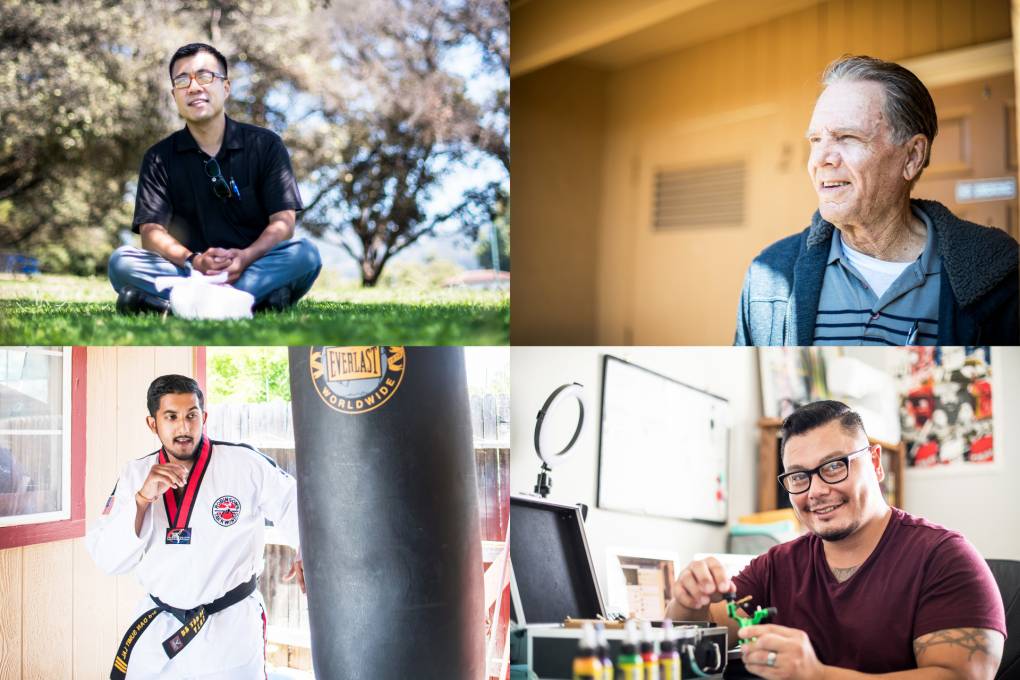
"caption": "Jonathan Chiu (top left), Stephen Wilson (top right), Sumit Lal (bottom left) and Philip Melendez (bottom right) share their perspectives on reentry. ",
"description": "Jonathan Chiu (top left), Steven Wilson (top right), Sumit Lal (bottom left) and Philip Melendez (bottom right) share their perspectives on reentry. ",
"title": "RS44378_SanQuentinReentry-qut",
"credit": "Beth LaBerge/KQED",
"status": "inherit",
"isLoading": false,
"fetchFailed": false
},
"news_11835964": {
"type": "attachments",
"id": "news_11835964",
"meta": {
"index": "attachments_1716263798",
"site": "news",
"id": "11835964",
"found": true
},
"parent": 11835949,
"imgSizes": {
"apple_news_ca_landscape_5_5": {
"file": "https://ww2.kqed.org/app/uploads/sites/10/2020/08/IMG_20200826_115025707-1044x783.jpg",
"width": 1044,
"mimeType": "image/jpeg",
"height": 783
},
"apple_news_ca_square_4_0": {
"file": "https://ww2.kqed.org/app/uploads/sites/10/2020/08/IMG_20200826_115025707-470x470.jpg",
"width": 470,
"mimeType": "image/jpeg",
"height": 470
},
"twentyfourteen-full-width": {
"file": "https://ww2.kqed.org/app/uploads/sites/10/2020/08/IMG_20200826_115025707-1038x576.jpg",
"width": 1038,
"mimeType": "image/jpeg",
"height": 576
},
"thumbnail": {
"file": "https://ww2.kqed.org/app/uploads/sites/10/2020/08/IMG_20200826_115025707-160x120.jpg",
"width": 160,
"mimeType": "image/jpeg",
"height": 120
},
"post-thumbnail": {
"file": "https://ww2.kqed.org/app/uploads/sites/10/2020/08/IMG_20200826_115025707-672x372.jpg",
"width": 672,
"mimeType": "image/jpeg",
"height": 372
},
"kqedFullSize": {
"file": "https://ww2.kqed.org/app/uploads/sites/10/2020/08/IMG_20200826_115025707-scaled.jpg",
"width": 2560,
"height": 1920
},
"2048x2048": {
"file": "https://ww2.kqed.org/app/uploads/sites/10/2020/08/IMG_20200826_115025707-2048x1536.jpg",
"width": 2048,
"mimeType": "image/jpeg",
"height": 1536
},
"apple_news_ca_landscape_4_7": {
"file": "https://ww2.kqed.org/app/uploads/sites/10/2020/08/IMG_20200826_115025707-632x474.jpg",
"width": 632,
"mimeType": "image/jpeg",
"height": 474
},
"large": {
"file": "https://ww2.kqed.org/app/uploads/sites/10/2020/08/IMG_20200826_115025707-1020x765.jpg",
"width": 1020,
"mimeType": "image/jpeg",
"height": 765
},
"apple_news_ca_landscape_4_0": {
"file": "https://ww2.kqed.org/app/uploads/sites/10/2020/08/IMG_20200826_115025707-536x402.jpg",
"width": 536,
"mimeType": "image/jpeg",
"height": 402
},
"apple_news_ca_portrait_12_9": {
"file": "https://ww2.kqed.org/app/uploads/sites/10/2020/08/IMG_20200826_115025707-1122x1496.jpg",
"width": 1122,
"mimeType": "image/jpeg",
"height": 1496
},
"medium": {
"file": "https://ww2.kqed.org/app/uploads/sites/10/2020/08/IMG_20200826_115025707-800x600.jpg",
"width": 800,
"mimeType": "image/jpeg",
"height": 600
},
"apple_news_ca_portrait_4_0": {
"file": "https://ww2.kqed.org/app/uploads/sites/10/2020/08/IMG_20200826_115025707-354x472.jpg",
"width": 354,
"mimeType": "image/jpeg",
"height": 472
},
"apple_news_ca_portrait_9_7": {
"file": "https://ww2.kqed.org/app/uploads/sites/10/2020/08/IMG_20200826_115025707-840x1120.jpg",
"width": 840,
"mimeType": "image/jpeg",
"height": 1120
},
"apple_news_ca_landscape_12_9": {
"file": "https://ww2.kqed.org/app/uploads/sites/10/2020/08/IMG_20200826_115025707-1832x1374.jpg",
"width": 1832,
"mimeType": "image/jpeg",
"height": 1374
},
"apple_news_ca_square_9_7": {
"file": "https://ww2.kqed.org/app/uploads/sites/10/2020/08/IMG_20200826_115025707-1104x1104.jpg",
"width": 1104,
"mimeType": "image/jpeg",
"height": 1104
},
"1536x1536": {
"file": "https://ww2.kqed.org/app/uploads/sites/10/2020/08/IMG_20200826_115025707-1536x1152.jpg",
"width": 1536,
"mimeType": "image/jpeg",
"height": 1152
},
"apple_news_ca_portrait_4_7": {
"file": "https://ww2.kqed.org/app/uploads/sites/10/2020/08/IMG_20200826_115025707-414x552.jpg",
"width": 414,
"mimeType": "image/jpeg",
"height": 552
},
"apple_news_ca_square_12_9": {
"file": "https://ww2.kqed.org/app/uploads/sites/10/2020/08/IMG_20200826_115025707-1472x1472.jpg",
"width": 1472,
"mimeType": "image/jpeg",
"height": 1472
},
"apple_news_ca_portrait_5_5": {
"file": "https://ww2.kqed.org/app/uploads/sites/10/2020/08/IMG_20200826_115025707-687x916.jpg",
"width": 687,
"mimeType": "image/jpeg",
"height": 916
},
"full-width": {
"file": "https://ww2.kqed.org/app/uploads/sites/10/2020/08/IMG_20200826_115025707-1920x1440.jpg",
"width": 1920,
"mimeType": "image/jpeg",
"height": 1440
},
"apple_news_ca_square_4_7": {
"file": "https://ww2.kqed.org/app/uploads/sites/10/2020/08/IMG_20200826_115025707-550x550.jpg",
"width": 550,
"mimeType": "image/jpeg",
"height": 550
},
"apple_news_ca_landscape_9_7": {
"file": "https://ww2.kqed.org/app/uploads/sites/10/2020/08/IMG_20200826_115025707-1376x1032.jpg",
"width": 1376,
"mimeType": "image/jpeg",
"height": 1032
},
"apple_news_ca_square_5_5": {
"file": "https://ww2.kqed.org/app/uploads/sites/10/2020/08/IMG_20200826_115025707-912x912.jpg",
"width": 912,
"mimeType": "image/jpeg",
"height": 912
}
},
"publishDate": 1598664273,
"modified": 1598664388,
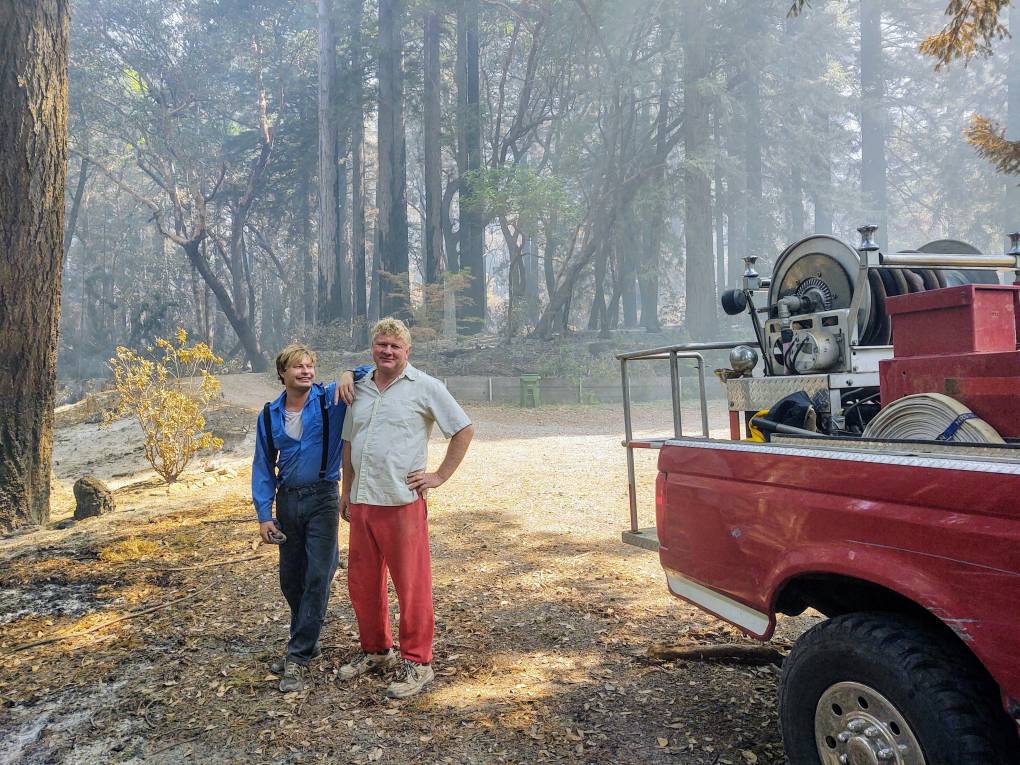
"caption": "Glen Hanson and Mark Kuchler take in the surroundings on a neighbor’s property that they were able to protect from the CZU Lightning Complex Fire, pictured on Aug. 26, 2020. ",
"description": null,
"title": "IMG_20200826_115025707",
"credit": "Hannah Hagemann/KQED",
"status": "inherit",
"isLoading": false,
"fetchFailed": false
},
"news_11833581": {
"type": "attachments",
"id": "news_11833581",
"meta": {
"index": "attachments_1716263798",
"site": "news",
"id": "11833581",
"found": true
},
"parent": 11833533,
"imgSizes": {
"apple_news_ca_landscape_5_5": {
"file": "https://ww2.kqed.org/app/uploads/sites/10/2020/08/1920_1080-1044x783.jpg",
"width": 1044,
"mimeType": "image/jpeg",
"height": 783
},
"apple_news_ca_square_4_0": {
"file": "https://ww2.kqed.org/app/uploads/sites/10/2020/08/1920_1080-470x470.jpg",
"width": 470,
"mimeType": "image/jpeg",
"height": 470
},
"twentyfourteen-full-width": {
"file": "https://ww2.kqed.org/app/uploads/sites/10/2020/08/1920_1080-1038x576.jpg",
"width": 1038,
"mimeType": "image/jpeg",
"height": 576
},
"thumbnail": {
"file": "https://ww2.kqed.org/app/uploads/sites/10/2020/08/1920_1080-160x90.jpg",
"width": 160,
"mimeType": "image/jpeg",
"height": 90
},
"post-thumbnail": {
"file": "https://ww2.kqed.org/app/uploads/sites/10/2020/08/1920_1080-672x372.jpg",
"width": 672,
"mimeType": "image/jpeg",
"height": 372
},
"kqedFullSize": {
"file": "https://ww2.kqed.org/app/uploads/sites/10/2020/08/1920_1080.jpg",
"width": 1920,
"height": 1080
},
"apple_news_ca_landscape_4_7": {
"file": "https://ww2.kqed.org/app/uploads/sites/10/2020/08/1920_1080-632x474.jpg",
"width": 632,
"mimeType": "image/jpeg",
"height": 474
},
"large": {
"file": "https://ww2.kqed.org/app/uploads/sites/10/2020/08/1920_1080-1020x574.jpg",
"width": 1020,
"mimeType": "image/jpeg",
"height": 574
},
"apple_news_ca_landscape_4_0": {
"file": "https://ww2.kqed.org/app/uploads/sites/10/2020/08/1920_1080-536x402.jpg",
"width": 536,
"mimeType": "image/jpeg",
"height": 402
},
"apple_news_ca_portrait_12_9": {
"file": "https://ww2.kqed.org/app/uploads/sites/10/2020/08/1920_1080-1122x1080.jpg",
"width": 1122,
"mimeType": "image/jpeg",
"height": 1080
},
"medium": {
"file": "https://ww2.kqed.org/app/uploads/sites/10/2020/08/1920_1080-800x450.jpg",
"width": 800,
"mimeType": "image/jpeg",
"height": 450
},
"apple_news_ca_portrait_4_0": {
"file": "https://ww2.kqed.org/app/uploads/sites/10/2020/08/1920_1080-354x472.jpg",
"width": 354,
"mimeType": "image/jpeg",
"height": 472
},
"apple_news_ca_portrait_9_7": {
"file": "https://ww2.kqed.org/app/uploads/sites/10/2020/08/1920_1080-840x1080.jpg",
"width": 840,
"mimeType": "image/jpeg",
"height": 1080
},
"apple_news_ca_landscape_12_9": {
"file": "https://ww2.kqed.org/app/uploads/sites/10/2020/08/1920_1080-1832x1080.jpg",
"width": 1832,
"mimeType": "image/jpeg",
"height": 1080
},
"apple_news_ca_square_9_7": {
"file": "https://ww2.kqed.org/app/uploads/sites/10/2020/08/1920_1080-1104x1080.jpg",
"width": 1104,
"mimeType": "image/jpeg",
"height": 1080
},
"1536x1536": {
"file": "https://ww2.kqed.org/app/uploads/sites/10/2020/08/1920_1080-1536x864.jpg",
"width": 1536,
"mimeType": "image/jpeg",
"height": 864
},
"apple_news_ca_portrait_4_7": {
"file": "https://ww2.kqed.org/app/uploads/sites/10/2020/08/1920_1080-414x552.jpg",
"width": 414,
"mimeType": "image/jpeg",
"height": 552
},
"apple_news_ca_square_12_9": {
"file": "https://ww2.kqed.org/app/uploads/sites/10/2020/08/1920_1080-1472x1080.jpg",
"width": 1472,
"mimeType": "image/jpeg",
"height": 1080
},
"apple_news_ca_portrait_5_5": {
"file": "https://ww2.kqed.org/app/uploads/sites/10/2020/08/1920_1080-687x916.jpg",
"width": 687,
"mimeType": "image/jpeg",
"height": 916
},
"apple_news_ca_square_4_7": {
"file": "https://ww2.kqed.org/app/uploads/sites/10/2020/08/1920_1080-550x550.jpg",
"width": 550,
"mimeType": "image/jpeg",
"height": 550
},
"apple_news_ca_landscape_9_7": {
"file": "https://ww2.kqed.org/app/uploads/sites/10/2020/08/1920_1080-1376x1032.jpg",
"width": 1376,
"mimeType": "image/jpeg",
"height": 1032
},
"apple_news_ca_square_5_5": {
"file": "https://ww2.kqed.org/app/uploads/sites/10/2020/08/1920_1080-912x912.jpg",
"width": 912,
"mimeType": "image/jpeg",
"height": 912
}
},
"publishDate": 1597596908,
"modified": 1597596946,
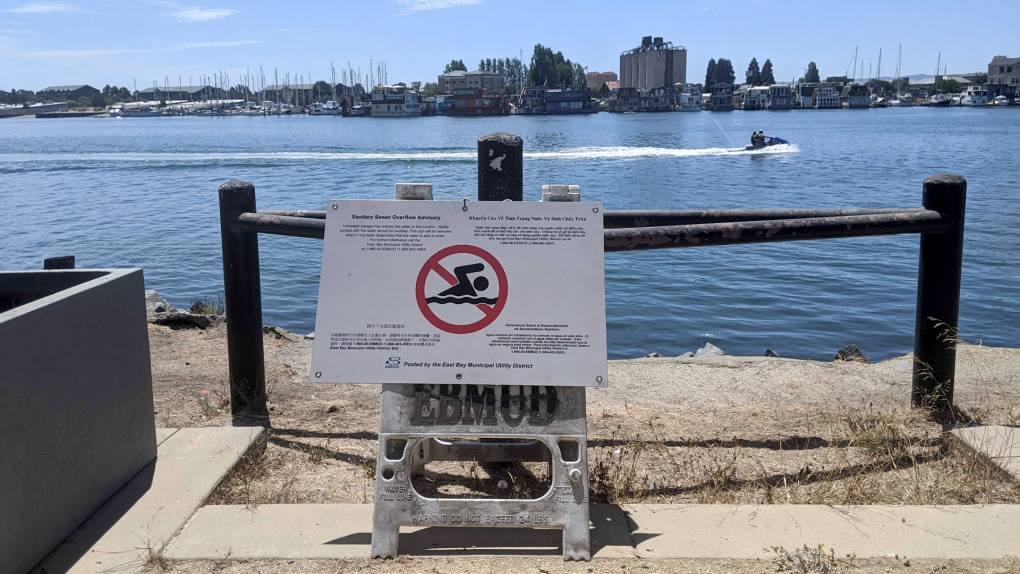
"caption": "A sign warns people not to go in the water after 50,000 gallons of sewage spills into the Oakland Estuary. ",
"description": "A sign warns people not to go in the water after 50,000 gallons of sewage spills into the Oakland Estuary. ",
"title": "1920_1080",
"credit": "Lakshmi Sarah/KQED",
"status": "inherit",
"isLoading": false,
"fetchFailed": false
},
"news_11833234": {
"type": "attachments",
"id": "news_11833234",
"meta": {
"index": "attachments_1716263798",
"site": "news",
"id": "11833234",
"found": true
},
"parent": 11833165,
"imgSizes": {
"apple_news_ca_landscape_5_5": {
"file": "https://ww2.kqed.org/app/uploads/sites/10/2020/08/1920_dad-1044x783.jpg",
"width": 1044,
"mimeType": "image/jpeg",
"height": 783
},
"apple_news_ca_square_4_0": {
"file": "https://ww2.kqed.org/app/uploads/sites/10/2020/08/1920_dad-470x470.jpg",
"width": 470,
"mimeType": "image/jpeg",
"height": 470
},
"twentyfourteen-full-width": {
"file": "https://ww2.kqed.org/app/uploads/sites/10/2020/08/1920_dad-1038x576.jpg",
"width": 1038,
"mimeType": "image/jpeg",
"height": 576
},
"thumbnail": {
"file": "https://ww2.kqed.org/app/uploads/sites/10/2020/08/1920_dad-160x90.jpg",
"width": 160,
"mimeType": "image/jpeg",
"height": 90
},
"post-thumbnail": {
"file": "https://ww2.kqed.org/app/uploads/sites/10/2020/08/1920_dad-672x372.jpg",
"width": 672,
"mimeType": "image/jpeg",
"height": 372
},
"kqedFullSize": {
"file": "https://ww2.kqed.org/app/uploads/sites/10/2020/08/1920_dad.jpg",
"width": 1920,
"height": 1080
},
"apple_news_ca_landscape_4_7": {
"file": "https://ww2.kqed.org/app/uploads/sites/10/2020/08/1920_dad-632x474.jpg",
"width": 632,
"mimeType": "image/jpeg",
"height": 474
},
"large": {
"file": "https://ww2.kqed.org/app/uploads/sites/10/2020/08/1920_dad-1020x574.jpg",
"width": 1020,
"mimeType": "image/jpeg",
"height": 574
},
"apple_news_ca_landscape_4_0": {
"file": "https://ww2.kqed.org/app/uploads/sites/10/2020/08/1920_dad-536x402.jpg",
"width": 536,
"mimeType": "image/jpeg",
"height": 402
},
"apple_news_ca_portrait_12_9": {
"file": "https://ww2.kqed.org/app/uploads/sites/10/2020/08/1920_dad-1122x1080.jpg",
"width": 1122,
"mimeType": "image/jpeg",
"height": 1080
},
"medium": {
"file": "https://ww2.kqed.org/app/uploads/sites/10/2020/08/1920_dad-800x450.jpg",
"width": 800,
"mimeType": "image/jpeg",
"height": 450
},
"apple_news_ca_portrait_4_0": {
"file": "https://ww2.kqed.org/app/uploads/sites/10/2020/08/1920_dad-354x472.jpg",
"width": 354,
"mimeType": "image/jpeg",
"height": 472
},
"apple_news_ca_portrait_9_7": {
"file": "https://ww2.kqed.org/app/uploads/sites/10/2020/08/1920_dad-840x1080.jpg",
"width": 840,
"mimeType": "image/jpeg",
"height": 1080
},
"apple_news_ca_landscape_12_9": {
"file": "https://ww2.kqed.org/app/uploads/sites/10/2020/08/1920_dad-1832x1080.jpg",
"width": 1832,
"mimeType": "image/jpeg",
"height": 1080
},
"apple_news_ca_square_9_7": {
"file": "https://ww2.kqed.org/app/uploads/sites/10/2020/08/1920_dad-1104x1080.jpg",
"width": 1104,
"mimeType": "image/jpeg",
"height": 1080
},
"1536x1536": {
"file": "https://ww2.kqed.org/app/uploads/sites/10/2020/08/1920_dad-1536x864.jpg",
"width": 1536,
"mimeType": "image/jpeg",
"height": 864
},
"apple_news_ca_portrait_4_7": {
"file": "https://ww2.kqed.org/app/uploads/sites/10/2020/08/1920_dad-414x552.jpg",
"width": 414,
"mimeType": "image/jpeg",
"height": 552
},
"apple_news_ca_square_12_9": {
"file": "https://ww2.kqed.org/app/uploads/sites/10/2020/08/1920_dad-1472x1080.jpg",
"width": 1472,
"mimeType": "image/jpeg",
"height": 1080
},
"apple_news_ca_portrait_5_5": {
"file": "https://ww2.kqed.org/app/uploads/sites/10/2020/08/1920_dad-687x916.jpg",
"width": 687,
"mimeType": "image/jpeg",
"height": 916
},
"apple_news_ca_square_4_7": {
"file": "https://ww2.kqed.org/app/uploads/sites/10/2020/08/1920_dad-550x550.jpg",
"width": 550,
"mimeType": "image/jpeg",
"height": 550
},
"apple_news_ca_landscape_9_7": {
"file": "https://ww2.kqed.org/app/uploads/sites/10/2020/08/1920_dad-1376x1032.jpg",
"width": 1376,
"mimeType": "image/jpeg",
"height": 1032
},
"apple_news_ca_square_5_5": {
"file": "https://ww2.kqed.org/app/uploads/sites/10/2020/08/1920_dad-912x912.jpg",
"width": 912,
"mimeType": "image/jpeg",
"height": 912
}
},
"publishDate": 1597294424,
"modified": 1597444386,
"caption": "D’Wanda Shwarz says she and her father, Alan Beisel, were discriminated against by UCSF. The hospital denied their Zoom visitations despite having authorization from CDCR.",
"description": "D’Wanda Shwarz says she and her father, Alan Beisel, were discriminated against by UCSF. The hospital denied their Zoom visitations despite having authorization from CDCR.",
"title": "1920_dad",
"credit": "Courtesy of D'Wanda Schwarz",
"status": "inherit",
"isLoading": false,
"fetchFailed": false
},
"news_11831244": {
"type": "attachments",
"id": "news_11831244",
"meta": {
"index": "attachments_1716263798",
"site": "news",
"id": "11831244",
"found": true
},
"parent": 11831229,
"imgSizes": {
"apple_news_ca_landscape_5_5": {
"file": "https://ww2.kqed.org/app/uploads/sites/10/2020/07/Tepco-beach-1044x783.jpg",
"width": 1044,
"mimeType": "image/jpeg",
"height": 783
},
"apple_news_ca_square_4_0": {
"file": "https://ww2.kqed.org/app/uploads/sites/10/2020/07/Tepco-beach-470x470.jpg",
"width": 470,
"mimeType": "image/jpeg",
"height": 470
},
"twentyfourteen-full-width": {
"file": "https://ww2.kqed.org/app/uploads/sites/10/2020/07/Tepco-beach-1038x576.jpg",
"width": 1038,
"mimeType": "image/jpeg",
"height": 576
},
"thumbnail": {
"file": "https://ww2.kqed.org/app/uploads/sites/10/2020/07/Tepco-beach-160x90.jpg",
"width": 160,
"mimeType": "image/jpeg",
"height": 90
},
"post-thumbnail": {
"file": "https://ww2.kqed.org/app/uploads/sites/10/2020/07/Tepco-beach-672x372.jpg",
"width": 672,
"mimeType": "image/jpeg",
"height": 372
},
"kqedFullSize": {
"file": "https://ww2.kqed.org/app/uploads/sites/10/2020/07/Tepco-beach.jpg",
"width": 1920,
"height": 1080
},
"apple_news_ca_landscape_4_7": {
"file": "https://ww2.kqed.org/app/uploads/sites/10/2020/07/Tepco-beach-632x474.jpg",
"width": 632,
"mimeType": "image/jpeg",
"height": 474
},
"large": {
"file": "https://ww2.kqed.org/app/uploads/sites/10/2020/07/Tepco-beach-1020x574.jpg",
"width": 1020,
"mimeType": "image/jpeg",
"height": 574
},
"apple_news_ca_landscape_4_0": {
"file": "https://ww2.kqed.org/app/uploads/sites/10/2020/07/Tepco-beach-536x402.jpg",
"width": 536,
"mimeType": "image/jpeg",
"height": 402
},
"apple_news_ca_portrait_12_9": {
"file": "https://ww2.kqed.org/app/uploads/sites/10/2020/07/Tepco-beach-1122x1080.jpg",
"width": 1122,
"mimeType": "image/jpeg",
"height": 1080
},
"medium": {
"file": "https://ww2.kqed.org/app/uploads/sites/10/2020/07/Tepco-beach-800x450.jpg",
"width": 800,
"mimeType": "image/jpeg",
"height": 450
},
"apple_news_ca_portrait_4_0": {
"file": "https://ww2.kqed.org/app/uploads/sites/10/2020/07/Tepco-beach-354x472.jpg",
"width": 354,
"mimeType": "image/jpeg",
"height": 472
},
"apple_news_ca_portrait_9_7": {
"file": "https://ww2.kqed.org/app/uploads/sites/10/2020/07/Tepco-beach-840x1080.jpg",
"width": 840,
"mimeType": "image/jpeg",
"height": 1080
},
"apple_news_ca_landscape_12_9": {
"file": "https://ww2.kqed.org/app/uploads/sites/10/2020/07/Tepco-beach-1832x1080.jpg",
"width": 1832,
"mimeType": "image/jpeg",
"height": 1080
},
"apple_news_ca_square_9_7": {
"file": "https://ww2.kqed.org/app/uploads/sites/10/2020/07/Tepco-beach-1104x1080.jpg",
"width": 1104,
"mimeType": "image/jpeg",
"height": 1080
},
"1536x1536": {
"file": "https://ww2.kqed.org/app/uploads/sites/10/2020/07/Tepco-beach-1536x864.jpg",
"width": 1536,
"mimeType": "image/jpeg",
"height": 864
},
"apple_news_ca_portrait_4_7": {
"file": "https://ww2.kqed.org/app/uploads/sites/10/2020/07/Tepco-beach-414x552.jpg",
"width": 414,
"mimeType": "image/jpeg",
"height": 552
},
"apple_news_ca_square_12_9": {
"file": "https://ww2.kqed.org/app/uploads/sites/10/2020/07/Tepco-beach-1472x1080.jpg",
"width": 1472,
"mimeType": "image/jpeg",
"height": 1080
},
"apple_news_ca_portrait_5_5": {
"file": "https://ww2.kqed.org/app/uploads/sites/10/2020/07/Tepco-beach-687x916.jpg",
"width": 687,
"mimeType": "image/jpeg",
"height": 916
},
"apple_news_ca_square_4_7": {
"file": "https://ww2.kqed.org/app/uploads/sites/10/2020/07/Tepco-beach-550x550.jpg",
"width": 550,
"mimeType": "image/jpeg",
"height": 550
},
"apple_news_ca_landscape_9_7": {
"file": "https://ww2.kqed.org/app/uploads/sites/10/2020/07/Tepco-beach-1376x1032.jpg",
"width": 1376,
"mimeType": "image/jpeg",
"height": 1032
},
"apple_news_ca_square_5_5": {
"file": "https://ww2.kqed.org/app/uploads/sites/10/2020/07/Tepco-beach-912x912.jpg",
"width": 912,
"mimeType": "image/jpeg",
"height": 912
}
},
"publishDate": 1596134315,
"modified": 1596134383,
"caption": "Tepco beach is strewn with broken pieces of TEPCO pottery, dumped there when the factory was operating in El Cerrito.",
"description": null,
"title": "Tepco-beach",
"credit": "Katrina Schwartz/KQED",
"status": "inherit",
"isLoading": false,
"fetchFailed": false
},
"news_11832656": {
"type": "attachments",
"id": "news_11832656",
"meta": {
"index": "attachments_1716263798",
"site": "news",
"id": "11832656",
"found": true
},
"parent": 11832459,
"imgSizes": {
"apple_news_ca_landscape_5_5": {
"file": "https://ww2.kqed.org/app/uploads/sites/10/2020/08/KQED-education-special-1044x720.jpg",
"width": 1044,
"mimeType": "image/jpeg",
"height": 720
},
"apple_news_ca_square_4_0": {
"file": "https://ww2.kqed.org/app/uploads/sites/10/2020/08/KQED-education-special-470x470.jpg",
"width": 470,
"mimeType": "image/jpeg",
"height": 470
},
"twentyfourteen-full-width": {
"file": "https://ww2.kqed.org/app/uploads/sites/10/2020/08/KQED-education-special-1038x576.jpg",
"width": 1038,
"mimeType": "image/jpeg",
"height": 576
},
"thumbnail": {
"file": "https://ww2.kqed.org/app/uploads/sites/10/2020/08/KQED-education-special-160x90.jpg",
"width": 160,
"mimeType": "image/jpeg",
"height": 90
},
"post-thumbnail": {
"file": "https://ww2.kqed.org/app/uploads/sites/10/2020/08/KQED-education-special-672x372.jpg",
"width": 672,
"mimeType": "image/jpeg",
"height": 372
},
"kqedFullSize": {
"file": "https://ww2.kqed.org/app/uploads/sites/10/2020/08/KQED-education-special.jpg",
"width": 1280,
"height": 720
},
"apple_news_ca_landscape_4_7": {
"file": "https://ww2.kqed.org/app/uploads/sites/10/2020/08/KQED-education-special-632x474.jpg",
"width": 632,
"mimeType": "image/jpeg",
"height": 474
},
"large": {
"file": "https://ww2.kqed.org/app/uploads/sites/10/2020/08/KQED-education-special-1020x574.jpg",
"width": 1020,
"mimeType": "image/jpeg",
"height": 574
},
"apple_news_ca_landscape_4_0": {
"file": "https://ww2.kqed.org/app/uploads/sites/10/2020/08/KQED-education-special-536x402.jpg",
"width": 536,
"mimeType": "image/jpeg",
"height": 402
},
"apple_news_ca_portrait_12_9": {
"file": "https://ww2.kqed.org/app/uploads/sites/10/2020/08/KQED-education-special-1122x720.jpg",
"width": 1122,
"mimeType": "image/jpeg",
"height": 720
},
"medium": {
"file": "https://ww2.kqed.org/app/uploads/sites/10/2020/08/KQED-education-special-800x450.jpg",
"width": 800,
"mimeType": "image/jpeg",
"height": 450
},
"apple_news_ca_portrait_4_0": {
"file": "https://ww2.kqed.org/app/uploads/sites/10/2020/08/KQED-education-special-354x472.jpg",
"width": 354,
"mimeType": "image/jpeg",
"height": 472
},
"apple_news_ca_portrait_9_7": {
"file": "https://ww2.kqed.org/app/uploads/sites/10/2020/08/KQED-education-special-840x720.jpg",
"width": 840,
"mimeType": "image/jpeg",
"height": 720
},
"apple_news_ca_square_9_7": {
"file": "https://ww2.kqed.org/app/uploads/sites/10/2020/08/KQED-education-special-1104x720.jpg",
"width": 1104,
"mimeType": "image/jpeg",
"height": 720
},
"apple_news_ca_portrait_4_7": {
"file": "https://ww2.kqed.org/app/uploads/sites/10/2020/08/KQED-education-special-414x552.jpg",
"width": 414,
"mimeType": "image/jpeg",
"height": 552
},
"apple_news_ca_portrait_5_5": {
"file": "https://ww2.kqed.org/app/uploads/sites/10/2020/08/KQED-education-special-687x720.jpg",
"width": 687,
"mimeType": "image/jpeg",
"height": 720
},
"apple_news_ca_square_4_7": {
"file": "https://ww2.kqed.org/app/uploads/sites/10/2020/08/KQED-education-special-550x550.jpg",
"width": 550,
"mimeType": "image/jpeg",
"height": 550
},
"apple_news_ca_square_5_5": {
"file": "https://ww2.kqed.org/app/uploads/sites/10/2020/08/KQED-education-special-912x720.jpg",
"width": 912,
"mimeType": "image/jpeg",
"height": 720
}
},
"publishDate": 1596845238,
"modified": 1596845238,
"caption": null,
"description": null,
"title": "KQED education special",
"credit": null,
"status": "inherit",
"isLoading": false,
"fetchFailed": false
},
"news_11832303": {
"type": "attachments",
"id": "news_11832303",
"meta": {
"index": "attachments_1716263798",
"site": "news",
"id": "11832303",
"found": true
},
"parent": 11832256,
"imgSizes": {
"apple_news_ca_landscape_5_5": {
"file": "https://ww2.kqed.org/app/uploads/sites/10/2020/08/Veritas_Protest_Web-1044x783.jpg",
"width": 1044,
"mimeType": "image/jpeg",
"height": 783
},
"apple_news_ca_square_4_0": {
"file": "https://ww2.kqed.org/app/uploads/sites/10/2020/08/Veritas_Protest_Web-470x470.jpg",
"width": 470,
"mimeType": "image/jpeg",
"height": 470
},
"twentyfourteen-full-width": {
"file": "https://ww2.kqed.org/app/uploads/sites/10/2020/08/Veritas_Protest_Web-1038x576.jpg",
"width": 1038,
"mimeType": "image/jpeg",
"height": 576
},
"thumbnail": {
"file": "https://ww2.kqed.org/app/uploads/sites/10/2020/08/Veritas_Protest_Web-160x102.jpg",
"width": 160,
"mimeType": "image/jpeg",
"height": 102
},
"post-thumbnail": {
"file": "https://ww2.kqed.org/app/uploads/sites/10/2020/08/Veritas_Protest_Web-672x372.jpg",
"width": 672,
"mimeType": "image/jpeg",
"height": 372
},
"kqedFullSize": {
"file": "https://ww2.kqed.org/app/uploads/sites/10/2020/08/Veritas_Protest_Web.jpg",
"width": 1700,
"height": 1080
},
"apple_news_ca_landscape_4_7": {
"file": "https://ww2.kqed.org/app/uploads/sites/10/2020/08/Veritas_Protest_Web-632x474.jpg",
"width": 632,
"mimeType": "image/jpeg",
"height": 474
},
"large": {
"file": "https://ww2.kqed.org/app/uploads/sites/10/2020/08/Veritas_Protest_Web-1020x648.jpg",
"width": 1020,
"mimeType": "image/jpeg",
"height": 648
},
"apple_news_ca_landscape_4_0": {
"file": "https://ww2.kqed.org/app/uploads/sites/10/2020/08/Veritas_Protest_Web-536x402.jpg",
"width": 536,
"mimeType": "image/jpeg",
"height": 402
},
"apple_news_ca_portrait_12_9": {
"file": "https://ww2.kqed.org/app/uploads/sites/10/2020/08/Veritas_Protest_Web-1122x1080.jpg",
"width": 1122,
"mimeType": "image/jpeg",
"height": 1080
},
"medium": {
"file": "https://ww2.kqed.org/app/uploads/sites/10/2020/08/Veritas_Protest_Web-800x508.jpg",
"width": 800,
"mimeType": "image/jpeg",
"height": 508
},
"apple_news_ca_portrait_4_0": {
"file": "https://ww2.kqed.org/app/uploads/sites/10/2020/08/Veritas_Protest_Web-354x472.jpg",
"width": 354,
"mimeType": "image/jpeg",
"height": 472
},
"apple_news_ca_portrait_9_7": {
"file": "https://ww2.kqed.org/app/uploads/sites/10/2020/08/Veritas_Protest_Web-840x1080.jpg",
"width": 840,
"mimeType": "image/jpeg",
"height": 1080
},
"apple_news_ca_square_9_7": {
"file": "https://ww2.kqed.org/app/uploads/sites/10/2020/08/Veritas_Protest_Web-1104x1080.jpg",
"width": 1104,
"mimeType": "image/jpeg",
"height": 1080
},
"1536x1536": {
"file": "https://ww2.kqed.org/app/uploads/sites/10/2020/08/Veritas_Protest_Web-1536x976.jpg",
"width": 1536,
"mimeType": "image/jpeg",
"height": 976
},
"apple_news_ca_portrait_4_7": {
"file": "https://ww2.kqed.org/app/uploads/sites/10/2020/08/Veritas_Protest_Web-414x552.jpg",
"width": 414,
"mimeType": "image/jpeg",
"height": 552
},
"apple_news_ca_square_12_9": {
"file": "https://ww2.kqed.org/app/uploads/sites/10/2020/08/Veritas_Protest_Web-1472x1080.jpg",
"width": 1472,
"mimeType": "image/jpeg",
"height": 1080
},
"apple_news_ca_portrait_5_5": {
"file": "https://ww2.kqed.org/app/uploads/sites/10/2020/08/Veritas_Protest_Web-687x916.jpg",
"width": 687,
"mimeType": "image/jpeg",
"height": 916
},
"apple_news_ca_square_4_7": {
"file": "https://ww2.kqed.org/app/uploads/sites/10/2020/08/Veritas_Protest_Web-550x550.jpg",
"width": 550,
"mimeType": "image/jpeg",
"height": 550
},
"apple_news_ca_landscape_9_7": {
"file": "https://ww2.kqed.org/app/uploads/sites/10/2020/08/Veritas_Protest_Web-1376x1032.jpg",
"width": 1376,
"mimeType": "image/jpeg",
"height": 1032
},
"apple_news_ca_square_5_5": {
"file": "https://ww2.kqed.org/app/uploads/sites/10/2020/08/Veritas_Protest_Web-912x912.jpg",
"width": 912,
"mimeType": "image/jpeg",
"height": 912
}
},
"publishDate": 1596757710,
"modified": 1596757854,
"caption": "Veritas tenants protest outside the company's CEO Yat-Pang Au's Russian Hill home on Sunday, July 26, calling on him to use Paycheck Protection Program loan funding to fund a small business relief fund, and to offer 100% rent forgiveness for tenants through August. ",
"description": "Veritas tenants protest outside the company's CEO Yat-Pang Au's Russian Hill home on Sunday, July 26, calling on him to use Paycheck Protection Program loan funding to fund a small business relief fund, and to offer 100% rent forgiveness for tenants through August. ",
"title": "Veritas_Protest_Web",
"credit": "Joe Fitzgerald Rodriguez/KQED",
"status": "inherit",
"isLoading": false,
"fetchFailed": false
},
"news_11613631": {
"type": "attachments",
"id": "news_11613631",
"meta": {
"index": "attachments_1716263798",
"site": "news",
"id": "11613631",
"found": true
},
"parent": 11613510,
"imgSizes": {
"small": {
"file": "https://ww2.kqed.org/app/uploads/sites/10/2017/08/GettyImages-160488757-e1503597287892-520x314.jpg",
"width": 520,
"mimeType": "image/jpeg",
"height": 314
},
"twentyfourteen-full-width": {
"file": "https://ww2.kqed.org/app/uploads/sites/10/2017/08/GettyImages-160488757-e1503597287892-1038x576.jpg",
"width": 1038,
"mimeType": "image/jpeg",
"height": 576
},
"thumbnail": {
"file": "https://ww2.kqed.org/app/uploads/sites/10/2017/08/GettyImages-160488757-e1503597287892-160x97.jpg",
"width": 160,
"mimeType": "image/jpeg",
"height": 97
},
"fd-sm": {
"file": "https://ww2.kqed.org/app/uploads/sites/10/2017/08/GettyImages-160488757-e1503597287892-960x580.jpg",
"width": 960,
"mimeType": "image/jpeg",
"height": 580
},
"post-thumbnail": {
"file": "https://ww2.kqed.org/app/uploads/sites/10/2017/08/GettyImages-160488757-e1503597287892-672x372.jpg",
"width": 672,
"mimeType": "image/jpeg",
"height": 372
},
"xsmall": {
"file": "https://ww2.kqed.org/app/uploads/sites/10/2017/08/GettyImages-160488757-e1503597287892-375x227.jpg",
"width": 375,
"mimeType": "image/jpeg",
"height": 227
},
"kqedFullSize": {
"file": "https://ww2.kqed.org/app/uploads/sites/10/2017/08/GettyImages-160488757-e1503597287892.jpg",
"width": 2880,
"height": 1740
},
"large": {
"file": "https://ww2.kqed.org/app/uploads/sites/10/2017/08/GettyImages-160488757-e1503597287892-1020x616.jpg",
"width": 1020,
"mimeType": "image/jpeg",
"height": 616
},
"xlarge": {
"file": "https://ww2.kqed.org/app/uploads/sites/10/2017/08/GettyImages-160488757-e1503597287892-1180x713.jpg",
"width": 1180,
"mimeType": "image/jpeg",
"height": 713
},
"guest-author-50": {
"file": "https://ww2.kqed.org/app/uploads/sites/10/2017/08/GettyImages-160488757-e1503597287892-50x50.jpg",
"width": 50,
"mimeType": "image/jpeg",
"height": 50
},
"guest-author-96": {
"file": "https://ww2.kqed.org/app/uploads/sites/10/2017/08/GettyImages-160488757-e1503597287892-96x96.jpg",
"width": 96,
"mimeType": "image/jpeg",
"height": 96
},
"medium": {
"file": "https://ww2.kqed.org/app/uploads/sites/10/2017/08/GettyImages-160488757-e1503597287892-800x483.jpg",
"width": 800,
"mimeType": "image/jpeg",
"height": 483
},
"guest-author-64": {
"file": "https://ww2.kqed.org/app/uploads/sites/10/2017/08/GettyImages-160488757-e1503597287892-64x64.jpg",
"width": 64,
"mimeType": "image/jpeg",
"height": 64
},
"guest-author-32": {
"file": "https://ww2.kqed.org/app/uploads/sites/10/2017/08/GettyImages-160488757-e1503597287892-32x32.jpg",
"width": 32,
"mimeType": "image/jpeg",
"height": 32
},
"fd-lrg": {
"file": "https://ww2.kqed.org/app/uploads/sites/10/2017/08/GettyImages-160488757-e1503597287892-1920x1160.jpg",
"width": 1920,
"mimeType": "image/jpeg",
"height": 1160
},
"fd-med": {
"file": "https://ww2.kqed.org/app/uploads/sites/10/2017/08/GettyImages-160488757-e1503597287892-1180x713.jpg",
"width": 1180,
"mimeType": "image/jpeg",
"height": 713
},
"full-width": {
"file": "https://ww2.kqed.org/app/uploads/sites/10/2017/08/GettyImages-160488757-e1503597287892-1920x1160.jpg",
"width": 1920,
"mimeType": "image/jpeg",
"height": 1160
},
"detail": {
"file": "https://ww2.kqed.org/app/uploads/sites/10/2017/08/GettyImages-160488757-e1503597287892-150x150.jpg",
"width": 150,
"mimeType": "image/jpeg",
"height": 150
},
"guest-author-128": {
"file": "https://ww2.kqed.org/app/uploads/sites/10/2017/08/GettyImages-160488757-e1503597287892-128x128.jpg",
"width": 128,
"mimeType": "image/jpeg",
"height": 128
},
"xxsmall": {
"file": "https://ww2.kqed.org/app/uploads/sites/10/2017/08/GettyImages-160488757-e1503597287892-240x145.jpg",
"width": 240,
"mimeType": "image/jpeg",
"height": 145
}
},
"publishDate": 1503593464,
"modified": 1503593549,
"caption": "Nude activist Trey Allen stands nude in front of San Francisco police officers as he protests San Francisco's ban on nudity.",
"description": "Nude activist Trey Allen stands nude in front of San Francisco police officers as he protests San Francisco's ban on nudity.",
"title": "Nude Activists Protest City's Ban On Nudity",
"credit": "Justin Sullivan/Getty Images",
"status": "inherit",
"isLoading": false,
"fetchFailed": false
},
"news_11831599": {
"type": "attachments",
"id": "news_11831599",
"meta": {
"index": "attachments_1716263798",
"site": "news",
"id": "11831599",
"found": true
},
"parent": 11831594,
"imgSizes": {
"apple_news_ca_landscape_5_5": {
"file": "https://ww2.kqed.org/app/uploads/sites/10/2020/08/1920_Juan_Prieto-1044x783.jpg",
"width": 1044,
"mimeType": "image/jpeg",
"height": 783
},
"apple_news_ca_square_4_0": {
"file": "https://ww2.kqed.org/app/uploads/sites/10/2020/08/1920_Juan_Prieto-470x470.jpg",
"width": 470,
"mimeType": "image/jpeg",
"height": 470
},
"twentyfourteen-full-width": {
"file": "https://ww2.kqed.org/app/uploads/sites/10/2020/08/1920_Juan_Prieto-1038x576.jpg",
"width": 1038,
"mimeType": "image/jpeg",
"height": 576
},
"thumbnail": {
"file": "https://ww2.kqed.org/app/uploads/sites/10/2020/08/1920_Juan_Prieto-160x90.jpg",
"width": 160,
"mimeType": "image/jpeg",
"height": 90
},
"post-thumbnail": {
"file": "https://ww2.kqed.org/app/uploads/sites/10/2020/08/1920_Juan_Prieto-672x372.jpg",
"width": 672,
"mimeType": "image/jpeg",
"height": 372
},
"kqedFullSize": {
"file": "https://ww2.kqed.org/app/uploads/sites/10/2020/08/1920_Juan_Prieto.jpg",
"width": 2492,
"height": 1402
},
"2048x2048": {
"file": "https://ww2.kqed.org/app/uploads/sites/10/2020/08/1920_Juan_Prieto-2048x1152.jpg",
"width": 2048,
"mimeType": "image/jpeg",
"height": 1152
},
"apple_news_ca_landscape_4_7": {
"file": "https://ww2.kqed.org/app/uploads/sites/10/2020/08/1920_Juan_Prieto-632x474.jpg",
"width": 632,
"mimeType": "image/jpeg",
"height": 474
},
"large": {
"file": "https://ww2.kqed.org/app/uploads/sites/10/2020/08/1920_Juan_Prieto-1020x574.jpg",
"width": 1020,
"mimeType": "image/jpeg",
"height": 574
},
"apple_news_ca_landscape_4_0": {
"file": "https://ww2.kqed.org/app/uploads/sites/10/2020/08/1920_Juan_Prieto-536x402.jpg",
"width": 536,
"mimeType": "image/jpeg",
"height": 402
},
"apple_news_ca_portrait_12_9": {
"file": "https://ww2.kqed.org/app/uploads/sites/10/2020/08/1920_Juan_Prieto-1122x1402.jpg",
"width": 1122,
"mimeType": "image/jpeg",
"height": 1402
},
"medium": {
"file": "https://ww2.kqed.org/app/uploads/sites/10/2020/08/1920_Juan_Prieto-800x450.jpg",
"width": 800,
"mimeType": "image/jpeg",
"height": 450
},
"apple_news_ca_portrait_4_0": {
"file": "https://ww2.kqed.org/app/uploads/sites/10/2020/08/1920_Juan_Prieto-354x472.jpg",
"width": 354,
"mimeType": "image/jpeg",
"height": 472
},
"apple_news_ca_portrait_9_7": {
"file": "https://ww2.kqed.org/app/uploads/sites/10/2020/08/1920_Juan_Prieto-840x1120.jpg",
"width": 840,
"mimeType": "image/jpeg",
"height": 1120
},
"apple_news_ca_landscape_12_9": {
"file": "https://ww2.kqed.org/app/uploads/sites/10/2020/08/1920_Juan_Prieto-1832x1374.jpg",
"width": 1832,
"mimeType": "image/jpeg",
"height": 1374
},
"apple_news_ca_square_9_7": {
"file": "https://ww2.kqed.org/app/uploads/sites/10/2020/08/1920_Juan_Prieto-1104x1104.jpg",
"width": 1104,
"mimeType": "image/jpeg",
"height": 1104
},
"1536x1536": {
"file": "https://ww2.kqed.org/app/uploads/sites/10/2020/08/1920_Juan_Prieto-1536x864.jpg",
"width": 1536,
"mimeType": "image/jpeg",
"height": 864
},
"apple_news_ca_portrait_4_7": {
"file": "https://ww2.kqed.org/app/uploads/sites/10/2020/08/1920_Juan_Prieto-414x552.jpg",
"width": 414,
"mimeType": "image/jpeg",
"height": 552
},
"apple_news_ca_square_12_9": {
"file": "https://ww2.kqed.org/app/uploads/sites/10/2020/08/1920_Juan_Prieto-1472x1402.jpg",
"width": 1472,
"mimeType": "image/jpeg",
"height": 1402
},
"apple_news_ca_portrait_5_5": {
"file": "https://ww2.kqed.org/app/uploads/sites/10/2020/08/1920_Juan_Prieto-687x916.jpg",
"width": 687,
"mimeType": "image/jpeg",
"height": 916
},
"full-width": {
"file": "https://ww2.kqed.org/app/uploads/sites/10/2020/08/1920_Juan_Prieto-1920x1080.jpg",
"width": 1920,
"mimeType": "image/jpeg",
"height": 1080
},
"apple_news_ca_square_4_7": {
"file": "https://ww2.kqed.org/app/uploads/sites/10/2020/08/1920_Juan_Prieto-550x550.jpg",
"width": 550,
"mimeType": "image/jpeg",
"height": 550
},
"apple_news_ca_landscape_9_7": {
"file": "https://ww2.kqed.org/app/uploads/sites/10/2020/08/1920_Juan_Prieto-1376x1032.jpg",
"width": 1376,
"mimeType": "image/jpeg",
"height": 1032
},
"apple_news_ca_square_5_5": {
"file": "https://ww2.kqed.org/app/uploads/sites/10/2020/08/1920_Juan_Prieto-912x912.jpg",
"width": 912,
"mimeType": "image/jpeg",
"height": 912
}
},
"publishDate": 1596393932,
"modified": 1596475011,
"caption": "Juan Prieto, an Oakland-based undocumented organizer with the California Immigrant Youth Justice Alliance, holds hands with fellow undocumented organizer Brisa Cruz from the Central Valley as they protest in front of Gov. Gavin Newsom’s house on July 27, 2020.",
"description": null,
"title": "1920_Juan_Prieto",
"credit": "Courtesy of \u003ca href=\"https://www.movementphotographer.com/\">Brooke Anderson/@movementphotographer\u003c/a>",
"status": "inherit",
"isLoading": false,
"fetchFailed": false
},
"news_11830598": {
"type": "attachments",
"id": "news_11830598",
"meta": {
"index": "attachments_1716263798",
"site": "news",
"id": "11830598",
"found": true
},
"parent": 11830597,
"imgSizes": {
"apple_news_ca_landscape_5_5": {
"file": "https://ww2.kqed.org/app/uploads/sites/10/2020/07/1920_latinooutdoors_feb4th-7-Me-Mikey-Photo-1044x783.jpg",
"width": 1044,
"mimeType": "image/jpeg",
"height": 783
},
"apple_news_ca_square_4_0": {
"file": "https://ww2.kqed.org/app/uploads/sites/10/2020/07/1920_latinooutdoors_feb4th-7-Me-Mikey-Photo-470x470.jpg",
"width": 470,
"mimeType": "image/jpeg",
"height": 470
},
"twentyfourteen-full-width": {
"file": "https://ww2.kqed.org/app/uploads/sites/10/2020/07/1920_latinooutdoors_feb4th-7-Me-Mikey-Photo-1038x576.jpg",
"width": 1038,
"mimeType": "image/jpeg",
"height": 576
},
"thumbnail": {
"file": "https://ww2.kqed.org/app/uploads/sites/10/2020/07/1920_latinooutdoors_feb4th-7-Me-Mikey-Photo-160x90.jpg",
"width": 160,
"mimeType": "image/jpeg",
"height": 90
},
"post-thumbnail": {
"file": "https://ww2.kqed.org/app/uploads/sites/10/2020/07/1920_latinooutdoors_feb4th-7-Me-Mikey-Photo-672x372.jpg",
"width": 672,
"mimeType": "image/jpeg",
"height": 372
},
"kqedFullSize": {
"file": "https://ww2.kqed.org/app/uploads/sites/10/2020/07/1920_latinooutdoors_feb4th-7-Me-Mikey-Photo-scaled.jpg",
"width": 2560,
"height": 1440
},
"2048x2048": {
"file": "https://ww2.kqed.org/app/uploads/sites/10/2020/07/1920_latinooutdoors_feb4th-7-Me-Mikey-Photo-2048x1152.jpg",
"width": 2048,
"mimeType": "image/jpeg",
"height": 1152
},
"apple_news_ca_landscape_4_7": {
"file": "https://ww2.kqed.org/app/uploads/sites/10/2020/07/1920_latinooutdoors_feb4th-7-Me-Mikey-Photo-632x474.jpg",
"width": 632,
"mimeType": "image/jpeg",
"height": 474
},
"large": {
"file": "https://ww2.kqed.org/app/uploads/sites/10/2020/07/1920_latinooutdoors_feb4th-7-Me-Mikey-Photo-1020x574.jpg",
"width": 1020,
"mimeType": "image/jpeg",
"height": 574
},
"apple_news_ca_landscape_4_0": {
"file": "https://ww2.kqed.org/app/uploads/sites/10/2020/07/1920_latinooutdoors_feb4th-7-Me-Mikey-Photo-536x402.jpg",
"width": 536,
"mimeType": "image/jpeg",
"height": 402
},
"apple_news_ca_portrait_12_9": {
"file": "https://ww2.kqed.org/app/uploads/sites/10/2020/07/1920_latinooutdoors_feb4th-7-Me-Mikey-Photo-1122x1496.jpg",
"width": 1122,
"mimeType": "image/jpeg",
"height": 1496
},
"medium": {
"file": "https://ww2.kqed.org/app/uploads/sites/10/2020/07/1920_latinooutdoors_feb4th-7-Me-Mikey-Photo-800x450.jpg",
"width": 800,
"mimeType": "image/jpeg",
"height": 450
},
"apple_news_ca_portrait_4_0": {
"file": "https://ww2.kqed.org/app/uploads/sites/10/2020/07/1920_latinooutdoors_feb4th-7-Me-Mikey-Photo-354x472.jpg",
"width": 354,
"mimeType": "image/jpeg",
"height": 472
},
"apple_news_ca_portrait_9_7": {
"file": "https://ww2.kqed.org/app/uploads/sites/10/2020/07/1920_latinooutdoors_feb4th-7-Me-Mikey-Photo-840x1120.jpg",
"width": 840,
"mimeType": "image/jpeg",
"height": 1120
},
"apple_news_ca_landscape_12_9": {
"file": "https://ww2.kqed.org/app/uploads/sites/10/2020/07/1920_latinooutdoors_feb4th-7-Me-Mikey-Photo-1832x1374.jpg",
"width": 1832,
"mimeType": "image/jpeg",
"height": 1374
},
"apple_news_ca_square_9_7": {
"file": "https://ww2.kqed.org/app/uploads/sites/10/2020/07/1920_latinooutdoors_feb4th-7-Me-Mikey-Photo-1104x1104.jpg",
"width": 1104,
"mimeType": "image/jpeg",
"height": 1104
},
"1536x1536": {
"file": "https://ww2.kqed.org/app/uploads/sites/10/2020/07/1920_latinooutdoors_feb4th-7-Me-Mikey-Photo-1536x864.jpg",
"width": 1536,
"mimeType": "image/jpeg",
"height": 864
},
"apple_news_ca_portrait_4_7": {
"file": "https://ww2.kqed.org/app/uploads/sites/10/2020/07/1920_latinooutdoors_feb4th-7-Me-Mikey-Photo-414x552.jpg",
"width": 414,
"mimeType": "image/jpeg",
"height": 552
},
"apple_news_ca_square_12_9": {
"file": "https://ww2.kqed.org/app/uploads/sites/10/2020/07/1920_latinooutdoors_feb4th-7-Me-Mikey-Photo-1472x1472.jpg",
"width": 1472,
"mimeType": "image/jpeg",
"height": 1472
},
"apple_news_ca_portrait_5_5": {
"file": "https://ww2.kqed.org/app/uploads/sites/10/2020/07/1920_latinooutdoors_feb4th-7-Me-Mikey-Photo-687x916.jpg",
"width": 687,
"mimeType": "image/jpeg",
"height": 916
},
"full-width": {
"file": "https://ww2.kqed.org/app/uploads/sites/10/2020/07/1920_latinooutdoors_feb4th-7-Me-Mikey-Photo-1920x1080.jpg",
"width": 1920,
"mimeType": "image/jpeg",
"height": 1080
},
"apple_news_ca_square_4_7": {
"file": "https://ww2.kqed.org/app/uploads/sites/10/2020/07/1920_latinooutdoors_feb4th-7-Me-Mikey-Photo-550x550.jpg",
"width": 550,
"mimeType": "image/jpeg",
"height": 550
},
"apple_news_ca_landscape_9_7": {
"file": "https://ww2.kqed.org/app/uploads/sites/10/2020/07/1920_latinooutdoors_feb4th-7-Me-Mikey-Photo-1376x1032.jpg",
"width": 1376,
"mimeType": "image/jpeg",
"height": 1032
},
"apple_news_ca_square_5_5": {
"file": "https://ww2.kqed.org/app/uploads/sites/10/2020/07/1920_latinooutdoors_feb4th-7-Me-Mikey-Photo-912x912.jpg",
"width": 912,
"mimeType": "image/jpeg",
"height": 912
}
},
"publishDate": 1595791088,
"modified": 1595791285,
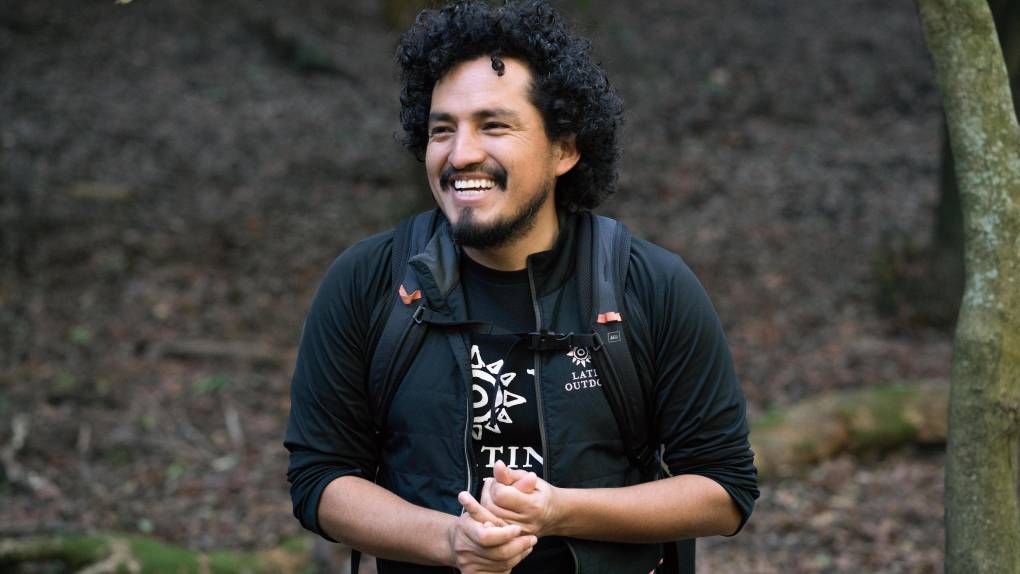
"caption": "'Nature is essential. We really need to see it as a necessity rather than just a nicety,' said José G. González, the founder of Latino Outdoors.",
"description": null,
"title": "1920_latinooutdoors_feb4th-7- Me Mikey Photo",
"credit": "Courtesy of Michael Estrada",
"status": "inherit",
"isLoading": false,
"fetchFailed": false
},
"news_11830530": {
"type": "attachments",
"id": "news_11830530",
"meta": {
"index": "attachments_1716263798",
"site": "news",
"id": "11830530",
"found": true
},
"parent": 11830514,
"imgSizes": {
"apple_news_ca_landscape_5_5": {
"file": "https://ww2.kqed.org/app/uploads/sites/10/2020/07/737_MARQUEE-1044x720.jpg",
"width": 1044,
"mimeType": "image/jpeg",
"height": 720
},
"apple_news_ca_square_4_0": {
"file": "https://ww2.kqed.org/app/uploads/sites/10/2020/07/737_MARQUEE-470x470.jpg",
"width": 470,
"mimeType": "image/jpeg",
"height": 470
},
"twentyfourteen-full-width": {
"file": "https://ww2.kqed.org/app/uploads/sites/10/2020/07/737_MARQUEE-1038x576.jpg",
"width": 1038,
"mimeType": "image/jpeg",
"height": 576
},
"thumbnail": {
"file": "https://ww2.kqed.org/app/uploads/sites/10/2020/07/737_MARQUEE-160x90.jpg",
"width": 160,
"mimeType": "image/jpeg",
"height": 90
},
"post-thumbnail": {
"file": "https://ww2.kqed.org/app/uploads/sites/10/2020/07/737_MARQUEE-672x372.jpg",
"width": 672,
"mimeType": "image/jpeg",
"height": 372
},
"kqedFullSize": {
"file": "https://ww2.kqed.org/app/uploads/sites/10/2020/07/737_MARQUEE.jpg",
"width": 1280,
"height": 720
},
"apple_news_ca_landscape_4_7": {
"file": "https://ww2.kqed.org/app/uploads/sites/10/2020/07/737_MARQUEE-632x474.jpg",
"width": 632,
"mimeType": "image/jpeg",
"height": 474
},
"large": {
"file": "https://ww2.kqed.org/app/uploads/sites/10/2020/07/737_MARQUEE-1020x574.jpg",
"width": 1020,
"mimeType": "image/jpeg",
"height": 574
},
"apple_news_ca_landscape_4_0": {
"file": "https://ww2.kqed.org/app/uploads/sites/10/2020/07/737_MARQUEE-536x402.jpg",
"width": 536,
"mimeType": "image/jpeg",
"height": 402
},
"apple_news_ca_portrait_12_9": {
"file": "https://ww2.kqed.org/app/uploads/sites/10/2020/07/737_MARQUEE-1122x720.jpg",
"width": 1122,
"mimeType": "image/jpeg",
"height": 720
},
"medium": {
"file": "https://ww2.kqed.org/app/uploads/sites/10/2020/07/737_MARQUEE-800x450.jpg",
"width": 800,
"mimeType": "image/jpeg",
"height": 450
},
"apple_news_ca_portrait_4_0": {
"file": "https://ww2.kqed.org/app/uploads/sites/10/2020/07/737_MARQUEE-354x472.jpg",
"width": 354,
"mimeType": "image/jpeg",
"height": 472
},
"apple_news_ca_portrait_9_7": {
"file": "https://ww2.kqed.org/app/uploads/sites/10/2020/07/737_MARQUEE-840x720.jpg",
"width": 840,
"mimeType": "image/jpeg",
"height": 720
},
"apple_news_ca_square_9_7": {
"file": "https://ww2.kqed.org/app/uploads/sites/10/2020/07/737_MARQUEE-1104x720.jpg",
"width": 1104,
"mimeType": "image/jpeg",
"height": 720
},
"apple_news_ca_portrait_4_7": {
"file": "https://ww2.kqed.org/app/uploads/sites/10/2020/07/737_MARQUEE-414x552.jpg",
"width": 414,
"mimeType": "image/jpeg",
"height": 552
},
"apple_news_ca_portrait_5_5": {
"file": "https://ww2.kqed.org/app/uploads/sites/10/2020/07/737_MARQUEE-687x720.jpg",
"width": 687,
"mimeType": "image/jpeg",
"height": 720
},
"apple_news_ca_square_4_7": {
"file": "https://ww2.kqed.org/app/uploads/sites/10/2020/07/737_MARQUEE-550x550.jpg",
"width": 550,
"mimeType": "image/jpeg",
"height": 550
},
"apple_news_ca_square_5_5": {
"file": "https://ww2.kqed.org/app/uploads/sites/10/2020/07/737_MARQUEE-912x720.jpg",
"width": 912,
"mimeType": "image/jpeg",
"height": 720
}
},
"publishDate": 1595629533,
"modified": 1595629533,
"caption": null,
"description": null,
"title": "737_MARQUEE",
"credit": null,
"status": "inherit",
"isLoading": false,
"fetchFailed": false
},
"news_11829826": {
"type": "attachments",
"id": "news_11829826",
"meta": {
"index": "attachments_1716263798",
"site": "news",
"id": "11829826",
"found": true
},
"parent": 11829690,
"imgSizes": {
"apple_news_ca_landscape_5_5": {
"file": "https://ww2.kqed.org/app/uploads/sites/10/2020/07/the-butchers-son-1044x783.jpg",
"width": 1044,
"mimeType": "image/jpeg",
"height": 783
},
"apple_news_ca_square_4_0": {
"file": "https://ww2.kqed.org/app/uploads/sites/10/2020/07/the-butchers-son-470x470.jpg",
"width": 470,
"mimeType": "image/jpeg",
"height": 470
},
"twentyfourteen-full-width": {
"file": "https://ww2.kqed.org/app/uploads/sites/10/2020/07/the-butchers-son-1038x576.jpg",
"width": 1038,
"mimeType": "image/jpeg",
"height": 576
},
"thumbnail": {
"file": "https://ww2.kqed.org/app/uploads/sites/10/2020/07/the-butchers-son-160x120.jpg",
"width": 160,
"mimeType": "image/jpeg",
"height": 120
},
"post-thumbnail": {
"file": "https://ww2.kqed.org/app/uploads/sites/10/2020/07/the-butchers-son-672x372.jpg",
"width": 672,
"mimeType": "image/jpeg",
"height": 372
},
"kqedFullSize": {
"file": "https://ww2.kqed.org/app/uploads/sites/10/2020/07/the-butchers-son.jpg",
"width": 1920,
"height": 1440
},
"apple_news_ca_landscape_4_7": {
"file": "https://ww2.kqed.org/app/uploads/sites/10/2020/07/the-butchers-son-632x474.jpg",
"width": 632,
"mimeType": "image/jpeg",
"height": 474
},
"large": {
"file": "https://ww2.kqed.org/app/uploads/sites/10/2020/07/the-butchers-son-1020x765.jpg",
"width": 1020,
"mimeType": "image/jpeg",
"height": 765
},
"apple_news_ca_landscape_4_0": {
"file": "https://ww2.kqed.org/app/uploads/sites/10/2020/07/the-butchers-son-536x402.jpg",
"width": 536,
"mimeType": "image/jpeg",
"height": 402
},
"apple_news_ca_portrait_12_9": {
"file": "https://ww2.kqed.org/app/uploads/sites/10/2020/07/the-butchers-son-1122x1440.jpg",
"width": 1122,
"mimeType": "image/jpeg",
"height": 1440
},
"medium": {
"file": "https://ww2.kqed.org/app/uploads/sites/10/2020/07/the-butchers-son-800x600.jpg",
"width": 800,
"mimeType": "image/jpeg",
"height": 600
},
"apple_news_ca_portrait_4_0": {
"file": "https://ww2.kqed.org/app/uploads/sites/10/2020/07/the-butchers-son-354x472.jpg",
"width": 354,
"mimeType": "image/jpeg",
"height": 472
},
"apple_news_ca_portrait_9_7": {
"file": "https://ww2.kqed.org/app/uploads/sites/10/2020/07/the-butchers-son-840x1120.jpg",
"width": 840,
"mimeType": "image/jpeg",
"height": 1120
},
"apple_news_ca_landscape_12_9": {
"file": "https://ww2.kqed.org/app/uploads/sites/10/2020/07/the-butchers-son-1832x1374.jpg",
"width": 1832,
"mimeType": "image/jpeg",
"height": 1374
},
"apple_news_ca_square_9_7": {
"file": "https://ww2.kqed.org/app/uploads/sites/10/2020/07/the-butchers-son-1104x1104.jpg",
"width": 1104,
"mimeType": "image/jpeg",
"height": 1104
},
"1536x1536": {
"file": "https://ww2.kqed.org/app/uploads/sites/10/2020/07/the-butchers-son-1536x1152.jpg",
"width": 1536,
"mimeType": "image/jpeg",
"height": 1152
},
"apple_news_ca_portrait_4_7": {
"file": "https://ww2.kqed.org/app/uploads/sites/10/2020/07/the-butchers-son-414x552.jpg",
"width": 414,
"mimeType": "image/jpeg",
"height": 552
},
"apple_news_ca_square_12_9": {
"file": "https://ww2.kqed.org/app/uploads/sites/10/2020/07/the-butchers-son-1472x1440.jpg",
"width": 1472,
"mimeType": "image/jpeg",
"height": 1440
},
"apple_news_ca_portrait_5_5": {
"file": "https://ww2.kqed.org/app/uploads/sites/10/2020/07/the-butchers-son-687x916.jpg",
"width": 687,
"mimeType": "image/jpeg",
"height": 916
},
"apple_news_ca_square_4_7": {
"file": "https://ww2.kqed.org/app/uploads/sites/10/2020/07/the-butchers-son-550x550.jpg",
"width": 550,
"mimeType": "image/jpeg",
"height": 550
},
"apple_news_ca_landscape_9_7": {
"file": "https://ww2.kqed.org/app/uploads/sites/10/2020/07/the-butchers-son-1376x1032.jpg",
"width": 1376,
"mimeType": "image/jpeg",
"height": 1032
},
"apple_news_ca_square_5_5": {
"file": "https://ww2.kqed.org/app/uploads/sites/10/2020/07/the-butchers-son-912x912.jpg",
"width": 912,
"mimeType": "image/jpeg",
"height": 912
}
},
"publishDate": 1595288269,
"modified": 1595288336,
"caption": "Customers lining up to get takeout for lunch at The Butcher's Son, a meat-and-dairy-free deli in downtown Berkeley.",
"description": "Customers lining up to get takeout for lunch at The Butcher's Son, a meat-and-dairy-free deli in downtown Berkeley.",
"title": "the butchers son",
"credit": "Chloe Veltman/KQED",
"status": "inherit",
"isLoading": false,
"fetchFailed": false
}
},
"audioPlayerReducer": {
"postId": "stream_live",
"isPaused": true,
"isPlaying": false,
"pfsActive": false,
"pledgeModalIsOpen": true,
"playerDrawerIsOpen": false,
"liveAudioPlayStartedAt": 0,
"liveAudioPlayContext": ""
},
"authorsReducer": {
"katrinaschwartz": {
"type": "authors",
"id": "234",
"meta": {
"index": "authors_1716337520",
"id": "234",
"found": true
},
"name": "Katrina Schwartz",
"firstName": "Katrina",
"lastName": "Schwartz",
"slug": "katrinaschwartz",
"email": "kschwartz@kqed.org",
"display_author_email": false,
"staff_mastheads": [
"news"
],
"title": "Producer",
"bio": "Katrina Schwartz is a journalist based in San Francisco. She's worked at KPCC public radio in LA and has reported on air and online for KQED since 2010. She covered how teaching and learning is changing for MindShift between 2012 and 2020. She is the co-host of the MindShift podcast and now produces KQED's Bay Curious podcast.",
"avatar": "https://secure.gravatar.com/avatar/edb4ee79070447a018538c9aae6eeecf28786515b8a0c30e43b6b7dce5aa44c8?s=600&d=blank&r=g",
"twitter": "kschwart",
"bluesky": null,
"facebook": null,
"instagram": null,
"linkedin": null,
"sites": [
{
"site": "",
"roles": [
"editor"
]
},
{
"site": "news",
"roles": [
"editor"
]
},
{
"site": "mindshift",
"roles": [
"administrator"
]
},
{
"site": "stateofhealth",
"roles": [
"author"
]
},
{
"site": "science",
"roles": [
"editor"
]
}
],
"headData": {
"title": "Katrina Schwartz | KQED",
"description": "Producer",
"ogImgSrc": "https://secure.gravatar.com/avatar/edb4ee79070447a018538c9aae6eeecf28786515b8a0c30e43b6b7dce5aa44c8?s=600&d=blank&r=g",
"twImgSrc": "https://secure.gravatar.com/avatar/edb4ee79070447a018538c9aae6eeecf28786515b8a0c30e43b6b7dce5aa44c8?s=600&d=blank&r=g"
},
"isLoading": false,
"link": "/author/katrinaschwartz"
},
"kqed": {
"type": "authors",
"id": "236",
"meta": {
"index": "authors_1716337520",
"id": "236",
"found": true
},
"name": "KQED News Staff",
"firstName": "KQED News Staff",
"lastName": null,
"slug": "kqed",
"email": "faq@kqed.org",
"display_author_email": false,
"staff_mastheads": [],
"title": null,
"bio": null,
"avatar": "https://secure.gravatar.com/avatar/ef0e801a68c4c54afa9180db14084167?s=600&d=blank&r=g",
"twitter": null,
"facebook": null,
"instagram": null,
"linkedin": null,
"sites": [
{
"site": "arts",
"roles": [
"contributor"
]
},
{
"site": "news",
"roles": [
"editor"
]
},
{
"site": "futureofyou",
"roles": [
"author"
]
}
],
"headData": {
"title": "KQED News Staff | KQED",
"description": null,
"ogImgSrc": "https://secure.gravatar.com/avatar/ef0e801a68c4c54afa9180db14084167?s=600&d=blank&r=g",
"twImgSrc": "https://secure.gravatar.com/avatar/ef0e801a68c4c54afa9180db14084167?s=600&d=blank&r=g"
},
"isLoading": false,
"link": "/author/kqed"
},
"tgoldberg": {
"type": "authors",
"id": "258",
"meta": {
"index": "authors_1716337520",
"id": "258",
"found": true
},
"name": "Ted Goldberg",
"firstName": "Ted",
"lastName": "Goldberg",
"slug": "tgoldberg",
"email": "tgoldberg@kqed.org",
"display_author_email": true,
"staff_mastheads": [
"news"
],
"title": "KQED Managing Editor, News and Newscasts",
"bio": "Ted Goldberg is Managing Editor of News and Newscasts at KQED. His main reporting beat is the Bay Area's oil refining industry.\r\n\r\nPrior to joining KQED in 2014, Ted worked at CBS News and WCBS AM in New York and Bay City News and KCBS Radio in San Francisco. He graduated from Oberlin College in Ohio in 1998.",
"avatar": "https://secure.gravatar.com/avatar/30ce2e4fe89135e104f89be2394d16225b9d36c121b5b3cb7651ce642978b96f?s=600&d=blank&r=g",
"twitter": "TedrickG",
"bluesky": null,
"facebook": null,
"instagram": null,
"linkedin": null,
"sites": [
{
"site": "news",
"roles": [
"editor"
]
},
{
"site": "science",
"roles": [
"editor"
]
}
],
"headData": {
"title": "Ted Goldberg | KQED",
"description": "KQED Managing Editor, News and Newscasts",
"ogImgSrc": "https://secure.gravatar.com/avatar/30ce2e4fe89135e104f89be2394d16225b9d36c121b5b3cb7651ce642978b96f?s=600&d=blank&r=g",
"twImgSrc": "https://secure.gravatar.com/avatar/30ce2e4fe89135e104f89be2394d16225b9d36c121b5b3cb7651ce642978b96f?s=600&d=blank&r=g"
},
"isLoading": false,
"link": "/author/tgoldberg"
},
"jplaczek": {
"type": "authors",
"id": "8606",
"meta": {
"index": "authors_1716337520",
"id": "8606",
"found": true
},
"name": "Jessica Placzek",
"firstName": "Jessica",
"lastName": "Placzek",
"slug": "jplaczek",
"email": "jessicalplaczek@gmail.com",
"display_author_email": false,
"staff_mastheads": [
"news"
],
"title": "KQED Contributor",
"bio": "Jessica Placzek is a former senior editor of podcasts at KQED where she served as the editorial lead of the podcast department. She worked with shows like MindShift, Rightnowish, Consider This, SOLD OUT, Bay Curious and The Bay. She’s also been a reporter and audio producer at KQED, KPFA, and KALW. She taught audio production to men incarcerated at California State Prison Solano and edited pieces they produced for the Uncuffed podcast through KALW. In 2018 she co-hosted and produced the third season of Raw Material for SFMOMA. In New Orleans she wrote for the Nola Defender. Her work has also appeared on Marketplace, All Things Considered, The California Report, and Vice. You can find more at jessicaplaczek.com",
"avatar": "https://secure.gravatar.com/avatar/5ead103b5880f672eceb84ce75eecd1b4b6f74a47edc457684a73ad5b8b158e9?s=600&d=blank&r=g",
"twitter": null,
"bluesky": null,
"facebook": null,
"instagram": null,
"linkedin": null,
"sites": [
{
"site": "arts",
"roles": [
"subscriber"
]
},
{
"site": "news",
"roles": [
"subscriber"
]
},
{
"site": "stateofhealth",
"roles": [
"editor"
]
},
{
"site": "forum",
"roles": [
"editor"
]
}
],
"headData": {
"title": "Jessica Placzek | KQED",
"description": "KQED Contributor",
"ogImgSrc": "https://secure.gravatar.com/avatar/5ead103b5880f672eceb84ce75eecd1b4b6f74a47edc457684a73ad5b8b158e9?s=600&d=blank&r=g",
"twImgSrc": "https://secure.gravatar.com/avatar/5ead103b5880f672eceb84ce75eecd1b4b6f74a47edc457684a73ad5b8b158e9?s=600&d=blank&r=g"
},
"isLoading": false,
"link": "/author/jplaczek"
},
"cveltman": {
"type": "authors",
"id": "8608",
"meta": {
"index": "authors_1716337520",
"id": "8608",
"found": true
},
"name": "Chloe Veltman",
"firstName": "Chloe",
"lastName": "Veltman",
"slug": "cveltman",
"email": "cveltman@kqed.org",
"display_author_email": true,
"staff_mastheads": [],
"title": "Arts and Culture Reporter",
"bio": "Chloe Veltman is a former arts and culture reporter for KQED. Prior to joining the organization, she launched and led the arts bureau at Colorado Public Radio, served as the Bay Area's culture columnist for the New York Times, and was the founder, host and executive producer of VoiceBox, a national award-winning weekly podcast/radio show and live events series all about the human voice. Chloe is the recipient of numerous prizes, grants and fellowships including a Webby Award for her work on interactive storytelling, both the John S Knight Journalism Fellowship and Humanities Center Fellowship at Stanford University, the Sundance Arts Writing Fellowship and a Library of Congress Research Fellowship. She is the author of the book \"On Acting\" and has appeared as a guest lecturer at Yale University and the San Francisco Conservatory of Music among other institutions. She holds a BA in english literature from King's College, Cambridge, and a Masters in Dramaturgy from the Central School of Speech and Drama/Harvard Institute for Advanced Theater Training.\r\n\u003ca href=\"https://www.chloeveltman.com\">www.chloeveltman.com\u003c/a>",
"avatar": "https://secure.gravatar.com/avatar/55403394b00a1ddab683952c2eb2cf85?s=600&d=blank&r=g",
"twitter": "chloeveltman",
"facebook": null,
"instagram": null,
"linkedin": null,
"sites": [
{
"site": "arts",
"roles": []
},
{
"site": "news",
"roles": [
"author"
]
},
{
"site": "pop",
"roles": [
"editor"
]
},
{
"site": "science",
"roles": []
}
],
"headData": {
"title": "Chloe Veltman | KQED",
"description": "Arts and Culture Reporter",
"ogImgSrc": "https://secure.gravatar.com/avatar/55403394b00a1ddab683952c2eb2cf85?s=600&d=blank&r=g",
"twImgSrc": "https://secure.gravatar.com/avatar/55403394b00a1ddab683952c2eb2cf85?s=600&d=blank&r=g"
},
"isLoading": false,
"link": "/author/cveltman"
},
"katewolffe": {
"type": "authors",
"id": "11523",
"meta": {
"index": "authors_1716337520",
"id": "11523",
"found": true
},
"name": "Kate Wolffe",
"firstName": "Kate",
"lastName": "Wolffe",
"slug": "katewolffe",
"email": "kwolffe@kqed.org",
"display_author_email": true,
"staff_mastheads": [
"news"
],
"title": "KQED Reporter + Weekend Host",
"bio": "Kate Wolffe reports on local Bay Area happenings for KQED, and hosts the news on weekend afternoons. She joined KQED in 2018 as an intern on the Forum team, before moving to cover topics ranging from politics to criminal justice to homelessness. A Bay Area native and UC Berkeley graduate, Kate loves to discover new corners of the region.",
"avatar": "https://secure.gravatar.com/avatar/22455f14db824a03ee252f73052fe939?s=600&d=blank&r=g",
"twitter": "katewolffe",
"facebook": null,
"instagram": null,
"linkedin": null,
"sites": [
{
"site": "arts",
"roles": [
"editor"
]
},
{
"site": "news",
"roles": [
"author",
"edit_others_posts"
]
},
{
"site": "forum",
"roles": [
"editor"
]
}
],
"headData": {
"title": "Kate Wolffe | KQED",
"description": "KQED Reporter + Weekend Host",
"ogImgSrc": "https://secure.gravatar.com/avatar/22455f14db824a03ee252f73052fe939?s=600&d=blank&r=g",
"twImgSrc": "https://secure.gravatar.com/avatar/22455f14db824a03ee252f73052fe939?s=600&d=blank&r=g"
},
"isLoading": false,
"link": "/author/katewolffe"
},
"hhagemann": {
"type": "authors",
"id": "11578",
"meta": {
"index": "authors_1716337520",
"id": "11578",
"found": true
},
"name": "Hannah Hagemann",
"firstName": "Hannah",
"lastName": "Hagemann",
"slug": "hhagemann",
"email": "hhagemann@KQED.org",
"display_author_email": false,
"staff_mastheads": [],
"title": "KQED Contributor",
"bio": null,
"avatar": "https://secure.gravatar.com/avatar/c3af389deff545c719141a87524965d8?s=600&d=blank&r=g",
"twitter": null,
"facebook": null,
"instagram": null,
"linkedin": null,
"sites": [
{
"site": "news",
"roles": [
"author"
]
},
{
"site": "science",
"roles": [
"editor"
]
}
],
"headData": {
"title": "Hannah Hagemann | KQED",
"description": "KQED Contributor",
"ogImgSrc": "https://secure.gravatar.com/avatar/c3af389deff545c719141a87524965d8?s=600&d=blank&r=g",
"twImgSrc": "https://secure.gravatar.com/avatar/c3af389deff545c719141a87524965d8?s=600&d=blank&r=g"
},
"isLoading": false,
"link": "/author/hhagemann"
},
"lsarah": {
"type": "authors",
"id": "11626",
"meta": {
"index": "authors_1716337520",
"id": "11626",
"found": true
},
"name": "Lakshmi Sarah",
"firstName": "Lakshmi",
"lastName": "Sarah",
"slug": "lsarah",
"email": "lsarah@kqed.org",
"display_author_email": false,
"staff_mastheads": [],
"title": "Digital Producer",
"bio": "Lakshmi Sarah is an educator, author and journalist with a focus on innovative storytelling. She has worked with newspapers, radio and magazines from Ahmedabad, India to Los Angeles, California. She has written and produced for Die Zeit, Global Voices, AJ+, KQED, Fusion Media Group and the New York Times.",
"avatar": "https://secure.gravatar.com/avatar/652dcaecd8b28826fc17a8b2d6bb4e93?s=600&d=blank&r=g",
"twitter": "lakitalki",
"facebook": null,
"instagram": "https://www.instagram.com/laki.talki/",
"linkedin": "https://www.linkedin.com/in/lakisarah/",
"sites": [
{
"site": "arts",
"roles": []
},
{
"site": "news",
"roles": []
},
{
"site": "bayareabites",
"roles": []
},
{
"site": "science",
"roles": []
}
],
"headData": {
"title": "Lakshmi Sarah | KQED",
"description": "Digital Producer",
"ogImgSrc": "https://secure.gravatar.com/avatar/652dcaecd8b28826fc17a8b2d6bb4e93?s=600&d=blank&r=g",
"twImgSrc": "https://secure.gravatar.com/avatar/652dcaecd8b28826fc17a8b2d6bb4e93?s=600&d=blank&r=g"
},
"isLoading": false,
"link": "/author/lsarah"
},
"jchang": {
"type": "authors",
"id": "11642",
"meta": {
"index": "authors_1716337520",
"id": "11642",
"found": true
},
"name": "Julie Chang",
"firstName": "Julie",
"lastName": "Chang",
"slug": "jchang",
"email": "jchang@kqed.org",
"display_author_email": false,
"staff_mastheads": [
"news"
],
"title": "KQED Contributor",
"bio": "Julie Chang is a reporter and producer (and occasional anchor) with the radio and digital teams at KQED. Before KQED, she worked at WAMU 88.5 in Washington D.C. and 89.3 KPCC in Los Angeles County. Her work has been featured on NPR’s Morning Edition and All Things Considered, Here & Now, the New York Times, and more. Julie graduated from UC Berkeley’s Graduate School of Journalism. She previously taught English at Pasadena City College, Fullerton College and Cal Poly Pomona. Julie earned her M.A. in English from Cal Poly Pomona and her B.A. in English from UCI with a minor in criminology.",
"avatar": "https://secure.gravatar.com/avatar/a7afce94ef127082c5475116b4a3b77d?s=600&d=blank&r=g",
"twitter": "BayAreaJulie",
"facebook": null,
"instagram": null,
"linkedin": "https://www.linkedin.com/in/julieyc/",
"sites": [
{
"site": "",
"roles": [
"editor"
]
},
{
"site": "news",
"roles": [
"author"
]
},
{
"site": "science",
"roles": [
"editor"
]
}
],
"headData": {
"title": "Julie Chang | KQED",
"description": "KQED Contributor",
"ogImgSrc": "https://secure.gravatar.com/avatar/a7afce94ef127082c5475116b4a3b77d?s=600&d=blank&r=g",
"twImgSrc": "https://secure.gravatar.com/avatar/a7afce94ef127082c5475116b4a3b77d?s=600&d=blank&r=g"
},
"isLoading": false,
"link": "/author/jchang"
},
"blaberge": {
"type": "authors",
"id": "11667",
"meta": {
"index": "authors_1716337520",
"id": "11667",
"found": true
},
"name": "Beth LaBerge",
"firstName": "Beth",
"lastName": "LaBerge",
"slug": "blaberge",
"email": "blaberge@KQED.org",
"display_author_email": true,
"staff_mastheads": [
"news"
],
"title": "Photographer, News",
"bio": "Beth LaBerge is a visual journalist for \u003ca href=\"https://www.kqed.org/news\">KQED News\u003c/a>.",
"avatar": "https://secure.gravatar.com/avatar/ce49ecd7a1306685637b45a1f6f5dedfc4ae9481966eb596fea5160466dd6319?s=600&d=blank&r=g",
"twitter": null,
"bluesky": null,
"facebook": null,
"instagram": "https://www.instagram.com/bethlaberge/",
"linkedin": null,
"sites": [
{
"site": "arts",
"roles": [
"editor",
"manage_categories"
]
},
{
"site": "news",
"roles": [
"editor",
"edit_plugins",
"manage_categories"
]
},
{
"site": "science",
"roles": [
"editor",
"contributor",
"author",
"manage_categories"
]
},
{
"site": "perspectives",
"roles": [
"editor"
]
},
{
"site": "liveblog",
"roles": [
"editor"
]
}
],
"headData": {
"title": "Beth LaBerge | KQED",
"description": "Photographer, News",
"ogImgSrc": "https://secure.gravatar.com/avatar/ce49ecd7a1306685637b45a1f6f5dedfc4ae9481966eb596fea5160466dd6319?s=600&d=blank&r=g",
"twImgSrc": "https://secure.gravatar.com/avatar/ce49ecd7a1306685637b45a1f6f5dedfc4ae9481966eb596fea5160466dd6319?s=600&d=blank&r=g"
},
"isLoading": false,
"link": "/author/blaberge"
},
"jrodriguez": {
"type": "authors",
"id": "11690",
"meta": {
"index": "authors_1716337520",
"id": "11690",
"found": true
},
"name": "Joe Fitzgerald Rodriguez",
"firstName": "Joe",
"lastName": "Fitzgerald Rodriguez",
"slug": "jrodriguez",
"email": "jrodriguez@kqed.org",
"display_author_email": true,
"staff_mastheads": [
"news"
],
"title": "Reporter and Producer",
"bio": "Joe Fitzgerald Rodriguez is a reporter and digital producer for KQED covering politics. Joe most recently wrote for the \u003cem>San Francisco Examiner\u003c/em> as a political columnist covering The City. He was raised in San Francisco and has spent his reporting career in his beloved, foggy, city by the bay. Joe was 12-years-old when he conducted his first interview in journalism, grilling former San Francisco Mayor Willie Brown for the Marina Middle School newspaper, \u003cem>The Penguin Press, \u003c/em>and he continues to report on the San Francisco Bay Area to this day.",
"avatar": "https://secure.gravatar.com/avatar/2247beb0564c1e9c62228d5649d2edac?s=600&d=blank&r=g",
"twitter": "FitztheReporter",
"facebook": null,
"instagram": "https://www.instagram.com/fitzthereporter/",
"linkedin": null,
"sites": [
{
"site": "",
"roles": [
"editor"
]
},
{
"site": "arts",
"roles": [
"editor"
]
},
{
"site": "news",
"roles": [
"editor"
]
},
{
"site": "science",
"roles": [
"editor"
]
},
{
"site": "elections",
"roles": [
"editor"
]
},
{
"site": "liveblog",
"roles": [
"editor"
]
}
],
"headData": {
"title": "Joe Fitzgerald Rodriguez | KQED",
"description": "Reporter and Producer",
"ogImgSrc": "https://secure.gravatar.com/avatar/2247beb0564c1e9c62228d5649d2edac?s=600&d=blank&r=g",
"twImgSrc": "https://secure.gravatar.com/avatar/2247beb0564c1e9c62228d5649d2edac?s=600&d=blank&r=g"
},
"isLoading": false,
"link": "/author/jrodriguez"
}
},
"pagesReducer": {
"news_category_local": {
"type": "terms",
"id": "news_28250",
"meta": {
"index": "terms_1716263798",
"site": "news",
"id": "28250",
"score": 12.939732
},
"featImg": null,
"name": "Local",
"description": null,
"taxonomy": "category",
"headData": {
"twImgId": null,
"twTitle": null,
"ogTitle": null,
"ogImgId": null,
"twDescription": null,
"description": null,
"title": "Local Archives | KQED News",
"ogDescription": null
},
"ttid": 28267,
"slug": "local",
"isLoading": false,
"title": "Local",
"pageMeta": {
"site": "news",
"WpPageTemplate": "page-topic-editorial",
"currentPage": 163
},
"blocks": [
{
"blockName": "kqed/post-list",
"attrs": {
"layout": "cardArticle2",
"query": "posts/news?category=local",
"seeMore": false,
"paginated": true,
"page": 163
}
},
{
"blockName": "kqed/ad"
}
]
}
},
"pfsSessionReducer": {},
"postsReducer": {
"stream_live": {
"type": "live",
"id": "stream_live",
"audioUrl": "https://streams.kqed.org/kqedradio",
"title": "Live Stream",
"excerpt": "Live Stream information currently unavailable.",
"link": "/radio",
"featImg": "",
"label": {
"name": "KQED Live",
"link": "/"
}
},
"stream_kqedNewscast": {
"type": "posts",
"id": "stream_kqedNewscast",
"audioUrl": "https://www.kqed.org/.stream/anon/radio/RDnews/newscast.mp3?_=1",
"title": "KQED Newscast",
"featImg": "",
"label": {
"name": "88.5 FM",
"link": "/"
}
},
"news_11832910": {
"type": "posts",
"id": "news_11832910",
"meta": {
"index": "posts_1716263798",
"site": "news",
"id": "11832910",
"score": null,
"sort": [
1598731251000
]
},
"guestAuthors": [],
"slug": "released-from-san-quentin-rebuilding-their-lives",
"title": "Released from San Quentin, Rebuilding Their Lives",
"publishDate": 1598731251,
"format": "standard",
"headTitle": "Released from San Quentin, Rebuilding Their Lives | KQED",
"labelTerm": {},
"content": "\u003cp>After years inside prison, the transition to life outside isn’t always easy. For many, the task of getting a job after being out of the workforce for several years is challenging. For others, catching up on how to use the latest smartphones or understanding social media is a difficult adjustment.\u003c/p>\n\u003cp>Ongoing discussions about \u003ca href=\"https://www.kqed.org/news/11828460/california-could-release-8000-people-in-state-prisons-by-august\" target=\"_blank\" rel=\"noopener noreferrer\">releasing incarcerated people early\u003c/a> to help curb the spread of the coronavirus inside prisons — and the \u003ca href=\"https://www.kqed.org/news/11831812/even-in-pandemic-prison-releases-pose-political-risk\" target=\"_blank\" rel=\"noopener noreferrer\">politics behind those discussions \u003c/a>— have shined a recent spotlight on the question of what happens when people leave prison.\u003c/p>\n\u003cp>We talked to four men who paroled from San Quentin State Prison about their experiences.\u003c/p>\n\u003cp>Philip Melendez has been out a few years and has a steady job. Sumit Lal came home last year and is teaching martial arts. More recently, Jonathan Chiu paroled in May, while Stephen Wilson paroled last month.\u003c/p>\n\u003cp>These perspectives are not meant to be comprehensive, but aim to provide a closer look at some of the faces of reentry, mostly in their own words.\u003c/p>\n\u003cfigure id=\"attachment_11832955\" class=\"wp-caption alignnone\" style=\"max-width: 800px\">\u003cimg loading=\"lazy\" decoding=\"async\" class=\"size-medium wp-image-11832955\" src=\"https://ww2.kqed.org/app/uploads/sites/10/2020/08/RS44333_027_KQED_Marysville_PhilipMelendez_07252020-qut-800x533.jpg\" alt=\"Philip Melendez in a walk-in closet in his home, which he says is larger than the cell he occupied at San Quentin State Prison. Often those cells house two people. \" width=\"800\" height=\"533\" srcset=\"https://cdn.kqed.org/wp-content/uploads/sites/10/2020/08/RS44333_027_KQED_Marysville_PhilipMelendez_07252020-qut-800x533.jpg 800w, https://cdn.kqed.org/wp-content/uploads/sites/10/2020/08/RS44333_027_KQED_Marysville_PhilipMelendez_07252020-qut-1020x680.jpg 1020w, https://cdn.kqed.org/wp-content/uploads/sites/10/2020/08/RS44333_027_KQED_Marysville_PhilipMelendez_07252020-qut-160x107.jpg 160w, https://cdn.kqed.org/wp-content/uploads/sites/10/2020/08/RS44333_027_KQED_Marysville_PhilipMelendez_07252020-qut-1536x1024.jpg 1536w, https://cdn.kqed.org/wp-content/uploads/sites/10/2020/08/RS44333_027_KQED_Marysville_PhilipMelendez_07252020-qut.jpg 1920w\" sizes=\"auto, (max-width: 800px) 100vw, 800px\">\u003cfigcaption class=\"wp-caption-text\">Philip Melendez in a walk-in closet in his home, which he says is larger than the cell he occupied at San Quentin State Prison. Often those cells house two people. \u003ccite>(Beth LaBerge/KQED)\u003c/cite>\u003c/figcaption>\u003c/figure>\n\u003ch3>Philip Melendez: Transformative Justice\u003c/h3>\n\u003cp>For Philip Melendez, 42, who was serving a life sentence, the parole board mandated that he stay in a transitional home for the first six months after getting out. The home was run by \u003ca href=\"https://www.geogroup.com/Reentry-Services\" target=\"_blank\" rel=\"noopener noreferrer\">The Geo Group\u003c/a> and located in a rough neighborhood in San Francisco, where he said syringes often littered the ground.\u003c/p>\n\u003cp>[ad fullwidth]\u003c/p>\n\u003cp>It was “not conducive to the reentry,” Melendez said.\u003c/p>\n\u003cp>He’s now a program manager for \u003ca href=\"https://restorecal.org/ourstory/\" target=\"_blank\" rel=\"noopener noreferrer\">Re:Store Justice\u003c/a>, an organization working toward what they call restorative policy change. The group brings together those who have been convicted of homicide to meet with family members of homicide victims.\u003c/p>\n\u003cp>“When survivors of crime or people who lost loved ones to violence want to talk to the person who did it — we facilitate the actual dialogue,” Melendez said.\u003c/p>\n\u003cfigure id=\"attachment_11834793\" class=\"wp-caption alignnone\" style=\"max-width: 800px\">\u003cimg loading=\"lazy\" decoding=\"async\" class=\"size-medium wp-image-11834793\" src=\"https://ww2.kqed.org/app/uploads/sites/10/2020/08/RS44218_016_KQED_Marysville_PhilipMelendez_Reentry_07252020-qut-800x533.jpg\" alt=\"\" width=\"800\" height=\"533\" srcset=\"https://cdn.kqed.org/wp-content/uploads/sites/10/2020/08/RS44218_016_KQED_Marysville_PhilipMelendez_Reentry_07252020-qut-800x533.jpg 800w, https://cdn.kqed.org/wp-content/uploads/sites/10/2020/08/RS44218_016_KQED_Marysville_PhilipMelendez_Reentry_07252020-qut-1020x680.jpg 1020w, https://cdn.kqed.org/wp-content/uploads/sites/10/2020/08/RS44218_016_KQED_Marysville_PhilipMelendez_Reentry_07252020-qut-160x107.jpg 160w, https://cdn.kqed.org/wp-content/uploads/sites/10/2020/08/RS44218_016_KQED_Marysville_PhilipMelendez_Reentry_07252020-qut-1536x1024.jpg 1536w, https://cdn.kqed.org/wp-content/uploads/sites/10/2020/08/RS44218_016_KQED_Marysville_PhilipMelendez_Reentry_07252020-qut.jpg 1920w\" sizes=\"auto, (max-width: 800px) 100vw, 800px\">\u003cfigcaption class=\"wp-caption-text\">Artwork made by Philip Melendez at his home on July 25, 2020. \u003ccite>(Beth LaBerge/KQED)\u003c/cite>\u003c/figcaption>\u003c/figure>\n\u003cp>The dialogues are difficult, but Melendez says it can help people take steps toward healing — a process that’s often called transformative justice.\u003c/p>\n\u003cp>“It’s very, very rewarding for folks inside [prison] to see the actual harm,” he said. “For me personally, it broke me down and sent me on a completely different path.”\u003c/p>\n\u003cfigure id=\"attachment_11832913\" class=\"wp-caption alignnone\" style=\"max-width: 800px\">\u003cimg loading=\"lazy\" decoding=\"async\" class=\"size-medium wp-image-11832913\" src=\"https://ww2.kqed.org/app/uploads/sites/10/2020/08/2_RS44211_009_KQED_Marysville_PhilipMelendez_Reentry_07252020-qut-800x533.jpg\" alt=\"Philip Melendez at his home computer, where he hosts Facebook Live shows including the Parole Show and Re:Store Survivors Live, on July 25, 2020. These shows help inform formerly incarcerated people on a variety of topics.\" width=\"800\" height=\"533\" srcset=\"https://cdn.kqed.org/wp-content/uploads/sites/10/2020/08/2_RS44211_009_KQED_Marysville_PhilipMelendez_Reentry_07252020-qut-800x533.jpg 800w, https://cdn.kqed.org/wp-content/uploads/sites/10/2020/08/2_RS44211_009_KQED_Marysville_PhilipMelendez_Reentry_07252020-qut-1020x680.jpg 1020w, https://cdn.kqed.org/wp-content/uploads/sites/10/2020/08/2_RS44211_009_KQED_Marysville_PhilipMelendez_Reentry_07252020-qut-160x107.jpg 160w, https://cdn.kqed.org/wp-content/uploads/sites/10/2020/08/2_RS44211_009_KQED_Marysville_PhilipMelendez_Reentry_07252020-qut-1536x1024.jpg 1536w, https://cdn.kqed.org/wp-content/uploads/sites/10/2020/08/2_RS44211_009_KQED_Marysville_PhilipMelendez_Reentry_07252020-qut.jpg 1920w\" sizes=\"auto, (max-width: 800px) 100vw, 800px\">\u003cfigcaption class=\"wp-caption-text\">Philip Melendez at his home computer, where he hosts Facebook Live shows including the Parole Show and Re:Store Survivors Live, on July 25, 2020. These shows help inform formerly incarcerated people on a variety of topics. \u003ccite>(Beth LaBerge/KQED)\u003c/cite>\u003c/figcaption>\u003c/figure>\n\u003cp>Re:Store Justice also works with formerly incarcerated people and their family members to have a voice in policy discussions in the state Legislature on issues such as bail and parole.\u003c/p>\n\u003cp>Some of the skills he learned inside, like tattoo art and being able to cut his own hair, have allowed Melendez to adapt to life during the pandemic, since he doesn’t need to leave his house to get a haircut.\u003c/p>\n\u003cfigure id=\"attachment_11832914\" class=\"wp-caption alignnone\" style=\"max-width: 800px\">\u003cimg loading=\"lazy\" decoding=\"async\" class=\"size-medium wp-image-11832914\" src=\"https://ww2.kqed.org/app/uploads/sites/10/2020/08/3_RS44207_003_KQED_Marysville_PhilipMelendez_Reentry_07252020-qut-800x533.jpg\" alt=\"\" width=\"800\" height=\"533\" srcset=\"https://cdn.kqed.org/wp-content/uploads/sites/10/2020/08/3_RS44207_003_KQED_Marysville_PhilipMelendez_Reentry_07252020-qut-800x533.jpg 800w, https://cdn.kqed.org/wp-content/uploads/sites/10/2020/08/3_RS44207_003_KQED_Marysville_PhilipMelendez_Reentry_07252020-qut-1020x680.jpg 1020w, https://cdn.kqed.org/wp-content/uploads/sites/10/2020/08/3_RS44207_003_KQED_Marysville_PhilipMelendez_Reentry_07252020-qut-160x107.jpg 160w, https://cdn.kqed.org/wp-content/uploads/sites/10/2020/08/3_RS44207_003_KQED_Marysville_PhilipMelendez_Reentry_07252020-qut-1536x1024.jpg 1536w, https://cdn.kqed.org/wp-content/uploads/sites/10/2020/08/3_RS44207_003_KQED_Marysville_PhilipMelendez_Reentry_07252020-qut.jpg 1920w\" sizes=\"auto, (max-width: 800px) 100vw, 800px\">\u003cfigcaption class=\"wp-caption-text\">Philip Melendez touches up a haircut that he gave to himself at his home on July 25, 2020. He learned to cut his own hair while in prison. \u003ccite>(Beth LaBerge/KQED)\u003c/cite>\u003c/figcaption>\u003c/figure>\n\u003cp>For Melendez, his work is a chance to make up for his past.\u003c/p>\n\u003cp>“We also have remorse and shame, and we want to show up in a world in a way that is restorative versus the way that we showed up harmfully in the community,” he said. “It becomes motivation.”\u003c/p>\n\u003cfigure id=\"attachment_11832915\" class=\"wp-caption alignnone\" style=\"max-width: 800px\">\u003cimg loading=\"lazy\" decoding=\"async\" class=\"size-medium wp-image-11832915\" src=\"https://ww2.kqed.org/app/uploads/sites/10/2020/08/1_RS44188_015_KQED_Sacramento_SumitLal_07252020-qut-800x533.jpg\" alt=\"\" width=\"800\" height=\"533\" srcset=\"https://cdn.kqed.org/wp-content/uploads/sites/10/2020/08/1_RS44188_015_KQED_Sacramento_SumitLal_07252020-qut-800x533.jpg 800w, https://cdn.kqed.org/wp-content/uploads/sites/10/2020/08/1_RS44188_015_KQED_Sacramento_SumitLal_07252020-qut-1020x680.jpg 1020w, https://cdn.kqed.org/wp-content/uploads/sites/10/2020/08/1_RS44188_015_KQED_Sacramento_SumitLal_07252020-qut-160x107.jpg 160w, https://cdn.kqed.org/wp-content/uploads/sites/10/2020/08/1_RS44188_015_KQED_Sacramento_SumitLal_07252020-qut-1536x1024.jpg 1536w, https://cdn.kqed.org/wp-content/uploads/sites/10/2020/08/1_RS44188_015_KQED_Sacramento_SumitLal_07252020-qut.jpg 1920w\" sizes=\"auto, (max-width: 800px) 100vw, 800px\">\u003cfigcaption class=\"wp-caption-text\">Sumit Lal at the home he shares with his family in Sacramento on July 25, 2020. \u003ccite>(Beth LaBerge/KQED)\u003c/cite>\u003c/figcaption>\u003c/figure>\n\u003ch3>Sumit Lal: Education in Prison\u003c/h3>\n\u003cp>Sumit Lal, 24, paroled from San Quentin in 2019.\u003c/p>\n\u003cp>“All they give you is $200 and you’re pretty much on your own,” he said.\u003c/p>\n\u003cp>Despite the fact that he had his freedom back, he said he had to ask permission from the parole board to go back to school and continue his education.\u003c/p>\n\u003cp>“I had a job in San Francisco and [the parole board was] really hesitant about letting me work there,” Lal said.\u003c/p>\n\u003cfigure id=\"attachment_11832916\" class=\"wp-caption alignnone\" style=\"max-width: 800px\">\u003cimg loading=\"lazy\" decoding=\"async\" class=\"size-medium wp-image-11832916\" src=\"https://ww2.kqed.org/app/uploads/sites/10/2020/08/2_RS44184_011_KQED_Sacramento_SumitLal_07252020-qut-800x533.jpg\" alt=\"\" width=\"800\" height=\"533\" srcset=\"https://cdn.kqed.org/wp-content/uploads/sites/10/2020/08/2_RS44184_011_KQED_Sacramento_SumitLal_07252020-qut-800x533.jpg 800w, https://cdn.kqed.org/wp-content/uploads/sites/10/2020/08/2_RS44184_011_KQED_Sacramento_SumitLal_07252020-qut-1020x680.jpg 1020w, https://cdn.kqed.org/wp-content/uploads/sites/10/2020/08/2_RS44184_011_KQED_Sacramento_SumitLal_07252020-qut-160x107.jpg 160w, https://cdn.kqed.org/wp-content/uploads/sites/10/2020/08/2_RS44184_011_KQED_Sacramento_SumitLal_07252020-qut-1536x1024.jpg 1536w, https://cdn.kqed.org/wp-content/uploads/sites/10/2020/08/2_RS44184_011_KQED_Sacramento_SumitLal_07252020-qut.jpg 1920w\" sizes=\"auto, (max-width: 800px) 100vw, 800px\">\u003cfigcaption class=\"wp-caption-text\">Sumit Lal practices taekwondo in his backyard on July 25, 2020. \u003ccite>(Beth LaBerge/KQED)\u003c/cite>\u003c/figcaption>\u003c/figure>\n\u003cp>Still, he said he feels fortunate he was at San Quentin, where he had access to programs like The Last Mile and could attend college classes through the Prison University Project as part of a program for youth offenders at San Quentin.\u003c/p>\n\u003cp>“There are prisons all over California and some of them are out in the middle of the desert. These people, they’re coming home and they don’t have the same resources as San Quentin does,” Lal said, emphasizing that reentry is not always the same for everyone.\u003c/p>\n\u003cfigure id=\"attachment_11832918\" class=\"wp-caption alignnone\" style=\"max-width: 800px\">\u003cimg loading=\"lazy\" decoding=\"async\" class=\"size-medium wp-image-11832918\" src=\"https://ww2.kqed.org/app/uploads/sites/10/2020/08/3_RS44177_004_KQED_Sacramento_SumitLal_07252020-qut-800x533.jpg\" alt=\"\" width=\"800\" height=\"533\" srcset=\"https://cdn.kqed.org/wp-content/uploads/sites/10/2020/08/3_RS44177_004_KQED_Sacramento_SumitLal_07252020-qut-800x533.jpg 800w, https://cdn.kqed.org/wp-content/uploads/sites/10/2020/08/3_RS44177_004_KQED_Sacramento_SumitLal_07252020-qut-1020x680.jpg 1020w, https://cdn.kqed.org/wp-content/uploads/sites/10/2020/08/3_RS44177_004_KQED_Sacramento_SumitLal_07252020-qut-160x107.jpg 160w, https://cdn.kqed.org/wp-content/uploads/sites/10/2020/08/3_RS44177_004_KQED_Sacramento_SumitLal_07252020-qut-1536x1024.jpg 1536w, https://cdn.kqed.org/wp-content/uploads/sites/10/2020/08/3_RS44177_004_KQED_Sacramento_SumitLal_07252020-qut.jpg 1920w\" sizes=\"auto, (max-width: 800px) 100vw, 800px\">\u003cfigcaption class=\"wp-caption-text\">Sumit Lal works at his home office in Sacramento on July 25, 2020. \u003ccite>(Beth LaBerge/KQED)\u003c/cite>\u003c/figcaption>\u003c/figure>\n\u003cp>Lal was released last year, but he said he still talks to people in San Quentin nearly every day, where one major worry has been how to stay safe during the coronavirus pandemic.\u003c/p>\n\u003cp>“The hardest thing for me was that people were asking me if I could send a package — they weren’t getting the soap that they were issued,” he said. “For me, it was just pretty sad to think about that unsanitary environment that they are living in.”\u003c/p>\n\u003cp>Lal recently started working for the messaging platform Slack and works from home due to COVID-19.\u003c/p>\n\u003cfigure id=\"attachment_11832919\" class=\"wp-caption alignnone\" style=\"max-width: 800px\">\u003cimg loading=\"lazy\" decoding=\"async\" class=\"size-medium wp-image-11832919\" src=\"https://ww2.kqed.org/app/uploads/sites/10/2020/08/RS44269_005_KQED_Oakland_JonathanChiu_08042020-qut-800x533.jpg\" alt=\"Jonathan Chiu holds crossword puzzles that he created. While in San Quentin State Prison, he did design work for the San Quentin News and also created crosswords — without the help of the internet to look up answers.\" width=\"800\" height=\"533\" srcset=\"https://cdn.kqed.org/wp-content/uploads/sites/10/2020/08/RS44269_005_KQED_Oakland_JonathanChiu_08042020-qut-800x533.jpg 800w, https://cdn.kqed.org/wp-content/uploads/sites/10/2020/08/RS44269_005_KQED_Oakland_JonathanChiu_08042020-qut-1020x680.jpg 1020w, https://cdn.kqed.org/wp-content/uploads/sites/10/2020/08/RS44269_005_KQED_Oakland_JonathanChiu_08042020-qut-160x107.jpg 160w, https://cdn.kqed.org/wp-content/uploads/sites/10/2020/08/RS44269_005_KQED_Oakland_JonathanChiu_08042020-qut-1536x1024.jpg 1536w, https://cdn.kqed.org/wp-content/uploads/sites/10/2020/08/RS44269_005_KQED_Oakland_JonathanChiu_08042020-qut.jpg 1920w\" sizes=\"auto, (max-width: 800px) 100vw, 800px\">\u003cfigcaption class=\"wp-caption-text\">Jonathan Chiu holds crossword puzzles that he created. While in San Quentin State Prison, he did design work for the San Quentin News and also created crosswords — without the help of the internet to look up answers. \u003ccite>(Beth LaBerge/KQED)\u003c/cite>\u003c/figcaption>\u003c/figure>\n\u003ch3>Jonathan Chiu: Best and Worst Things\u003c/h3>\n\u003cp>Jonathan Chiu paroled from San Quentin in May.\u003c/p>\n\u003cp>“I really felt guilty when I left, because a lot of guys didn’t get the same luck that I got,” said Chiu, 37, of his release.\u003c/p>\n\u003cp>He said the reality of his release didn’t kick in until he saw his friends.\u003c/p>\n\u003cp>“I’ve been away for about 15 years now. I was glad I missed the whole social media thing … and the whole financial crisis,” he said.\u003c/p>\n\u003cp>He’s been volunteering at a food pantry and advocating for others inside, in addition to experimenting with stand-up comedy reflecting on his life — that he is now doing via Zoom open mics.\u003c/p>\n\u003cp>“We need to get everybody out — I left my family back there,” he said, referring to his many friends who are still incarcerated at San Quentin. The COVID-19 case rate there \u003ca href=\"https://www.cdcr.ca.gov/covid19/population-status-tracking/\" target=\"_blank\" rel=\"noopener noreferrer\">rose steadily from June to August\u003c/a>.\u003c/p>\n\u003cp>For Chiu, who said he is trying to relearn how to do many things like ride a bike and take public transit, the transition hasn’t been too rough. In some ways, he said prison prepared him for sheltering in place.\u003c/p>\n\u003cp>“Shelter-in-place kind of worked well for me, we’re kind of trained [in prison] to be very vigilant about where we are and who is walking behind us,” he said.\u003c/p>\n\u003cfigure id=\"attachment_11832920\" class=\"wp-caption alignnone\" style=\"max-width: 800px\">\u003cimg loading=\"lazy\" decoding=\"async\" class=\"size-medium wp-image-11832920\" src=\"https://ww2.kqed.org/app/uploads/sites/10/2020/08/Sitting_RS44279_016_KQED_Oakland_JonathanChiu_08042020-qut-800x533.jpg\" alt=\"\" width=\"800\" height=\"533\" srcset=\"https://cdn.kqed.org/wp-content/uploads/sites/10/2020/08/Sitting_RS44279_016_KQED_Oakland_JonathanChiu_08042020-qut-800x533.jpg 800w, https://cdn.kqed.org/wp-content/uploads/sites/10/2020/08/Sitting_RS44279_016_KQED_Oakland_JonathanChiu_08042020-qut-1020x680.jpg 1020w, https://cdn.kqed.org/wp-content/uploads/sites/10/2020/08/Sitting_RS44279_016_KQED_Oakland_JonathanChiu_08042020-qut-160x107.jpg 160w, https://cdn.kqed.org/wp-content/uploads/sites/10/2020/08/Sitting_RS44279_016_KQED_Oakland_JonathanChiu_08042020-qut-1536x1024.jpg 1536w, https://cdn.kqed.org/wp-content/uploads/sites/10/2020/08/Sitting_RS44279_016_KQED_Oakland_JonathanChiu_08042020-qut.jpg 1920w\" sizes=\"auto, (max-width: 800px) 100vw, 800px\">\u003cfigcaption class=\"wp-caption-text\">Jonathan Chiu in Oakland on Aug. 4, 2020. He’s happy to be out and spends a lot of time thinking about his friends who are still inside and working on ways to help get them out. \u003ccite>(Beth LaBerge/KQED)\u003c/cite>\u003c/figcaption>\u003c/figure>\n\u003cp>Chiu sees the COVID-19 outbreak in San Quentin as both the best and worst thing that could happen there, because people are “shining a light on mass incarceration” and advocating with renewed effort to improve conditions inside prisons.\u003c/p>\n\u003cp>The age of San Quentin and its design — \u003ca href=\"https://www.fastcompany.com/90539380/bad-design-kills-why-covid-19-spread-like-wildfire-at-one-of-americas-worst-prisons?partner=feedburner\">with poor ventilation and even windows that are welded shut\u003c/a> — make the risk of a COVID-19 outbreak particularly high.\u003c/p>\n\u003cp>“Basically, whatever your neighbor is cooking — you are smelling, because all that air is circulating throughout the prison. Once one person gets [COVID-19] there’s no way you can stop that,” he said.\u003c/p>\n\u003cfigure id=\"attachment_11832921\" class=\"wp-caption alignnone\" style=\"max-width: 800px\">\u003cimg loading=\"lazy\" decoding=\"async\" class=\"size-medium wp-image-11832921\" src=\"https://ww2.kqed.org/app/uploads/sites/10/2020/08/Lake_RS44281_018_KQED_Oakland_JonathanChiu_08042020-qut-800x533.jpg\" alt=\"\" width=\"800\" height=\"533\" srcset=\"https://cdn.kqed.org/wp-content/uploads/sites/10/2020/08/Lake_RS44281_018_KQED_Oakland_JonathanChiu_08042020-qut-800x533.jpg 800w, https://cdn.kqed.org/wp-content/uploads/sites/10/2020/08/Lake_RS44281_018_KQED_Oakland_JonathanChiu_08042020-qut-1020x680.jpg 1020w, https://cdn.kqed.org/wp-content/uploads/sites/10/2020/08/Lake_RS44281_018_KQED_Oakland_JonathanChiu_08042020-qut-160x107.jpg 160w, https://cdn.kqed.org/wp-content/uploads/sites/10/2020/08/Lake_RS44281_018_KQED_Oakland_JonathanChiu_08042020-qut-1536x1024.jpg 1536w, https://cdn.kqed.org/wp-content/uploads/sites/10/2020/08/Lake_RS44281_018_KQED_Oakland_JonathanChiu_08042020-qut.jpg 1920w\" sizes=\"auto, (max-width: 800px) 100vw, 800px\">\u003cfigcaption class=\"wp-caption-text\">Jonathan Chiu rides his bike near Lake Merritt in Oakland on Aug. 4, 2020. Chiu has family in Los Angeles but chose to stay in the Bay Area to be closer to the friends and community he made in San Quentin. \u003ccite>(Beth LaBerge/KQED)\u003c/cite>\u003c/figcaption>\u003c/figure>\n\u003cp>These days, most of what Chiu is doing is trying to advocate for others inside. He sees it as a matter of life and death.\u003c/p>\n\u003cp>“When we look back on this, like 10 years from now, are we going to say, ‘Did we make the right choice by not doing anything and letting people die inside San Quentin?” he asked. “By not acting, the fact is that people in prison right now are basically being sentenced to death.”\u003c/p>\n\u003cfigure id=\"attachment_11832924\" class=\"wp-caption alignnone\" style=\"max-width: 800px\">\u003cimg loading=\"lazy\" decoding=\"async\" class=\"size-medium wp-image-11832924\" src=\"https://ww2.kqed.org/app/uploads/sites/10/2020/08/flip_RS44285_002_KQED_Marina_StephenWilson_08052020-qut-800x533.jpg\" alt=\"Stephen Wilson said he feels more comfortable using a flip phone than an iPhone. Some technologies have been a hurdle for Wilson since his release from prison.\" width=\"800\" height=\"533\" srcset=\"https://cdn.kqed.org/wp-content/uploads/sites/10/2020/08/flip_RS44285_002_KQED_Marina_StephenWilson_08052020-qut-800x533.jpg 800w, https://cdn.kqed.org/wp-content/uploads/sites/10/2020/08/flip_RS44285_002_KQED_Marina_StephenWilson_08052020-qut-1020x680.jpg 1020w, https://cdn.kqed.org/wp-content/uploads/sites/10/2020/08/flip_RS44285_002_KQED_Marina_StephenWilson_08052020-qut-160x107.jpg 160w, https://cdn.kqed.org/wp-content/uploads/sites/10/2020/08/flip_RS44285_002_KQED_Marina_StephenWilson_08052020-qut-1536x1024.jpg 1536w, https://cdn.kqed.org/wp-content/uploads/sites/10/2020/08/flip_RS44285_002_KQED_Marina_StephenWilson_08052020-qut.jpg 1920w\" sizes=\"auto, (max-width: 800px) 100vw, 800px\">\u003cfigcaption class=\"wp-caption-text\">Stephen Wilson said he feels more comfortable using a flip phone than an iPhone. Some technologies have been a hurdle for Wilson since his release from prison. \u003ccite>(Beth LaBerge/KQED)\u003c/cite>\u003c/figcaption>\u003c/figure>\n\u003ch3>Stephen Wilson: COVID-19 Inside, Smartphones Outside\u003c/h3>\n\u003cp>Stephen Wilson, 75, is a veteran and was paroled from San Quentin in July.\u003c/p>\n\u003cp>“It was very difficult to transition. I thought I was going to die in prison and other people thought the same thing,” Wilson said.\u003c/p>\n\u003cp>Wilson, who was serving a life sentence, said that when COVID-19 cases began climbing at San Quentin, social distancing was impossible, especially because of the size of the cells.\u003c/p>\n\u003cp>“They’re so small that you can lay in your bunk and put your elbow against the wall — and reach out and touch the other bunk,” he said.\u003c/p>\n\u003cp>He got sick, but “weathered the storm in my cell,” he said of his own battle with COVID-19. “Because when you get sick in prison they punish you. A lot of us that got sick didn’t say anything, we just weathered the storm.”\u003c/p>\n\u003cp>Wilson said that when a doctor came to check on his shoulder from a previous surgery, Wilson told the doctor his symptoms — splitting headaches for two days, lost appetite, chills.\u003c/p>\n\u003cp>The doctor told him, “You had the COVID-19.”\u003c/p>\n\u003cp>Wilson estimated he got it around June 20 and had it for roughly the next two weeks.\u003c/p>\n\u003cfigure id=\"attachment_11832923\" class=\"wp-caption alignnone\" style=\"max-width: 800px\">\u003cimg loading=\"lazy\" decoding=\"async\" class=\"size-medium wp-image-11832923\" src=\"https://ww2.kqed.org/app/uploads/sites/10/2020/08/bike_RS44291_008_KQED_Marina_StephenWilson_08052020-qut-800x533.jpg\" alt=\"Despite several shoulder surgeries, Stephen Wilson rides his bicycle from the Veterans Transition Center to his transitional home located nearby in Marina, California on August 5, 2020. The center offers transportation but Wilson likes to maintain his independence by riding his bicycle. \" width=\"800\" height=\"533\" srcset=\"https://cdn.kqed.org/wp-content/uploads/sites/10/2020/08/bike_RS44291_008_KQED_Marina_StephenWilson_08052020-qut-800x533.jpg 800w, https://cdn.kqed.org/wp-content/uploads/sites/10/2020/08/bike_RS44291_008_KQED_Marina_StephenWilson_08052020-qut-1020x680.jpg 1020w, https://cdn.kqed.org/wp-content/uploads/sites/10/2020/08/bike_RS44291_008_KQED_Marina_StephenWilson_08052020-qut-160x107.jpg 160w, https://cdn.kqed.org/wp-content/uploads/sites/10/2020/08/bike_RS44291_008_KQED_Marina_StephenWilson_08052020-qut-1536x1024.jpg 1536w, https://cdn.kqed.org/wp-content/uploads/sites/10/2020/08/bike_RS44291_008_KQED_Marina_StephenWilson_08052020-qut.jpg 1920w\" sizes=\"auto, (max-width: 800px) 100vw, 800px\">\u003cfigcaption class=\"wp-caption-text\">Despite several shoulder surgeries, Stephen Wilson rides his bicycle from the Veterans Transition Center to his transitional home located nearby in Marina, California on Aug. 5, 2020. The center offers transportation but Wilson likes to maintain his independence by riding his bicycle. \u003ccite>(Beth LaBerge/KQED)\u003c/cite>\u003c/figcaption>\u003c/figure>\n\u003cp>Wilson added that most of the staff at San Quentin was courteous and respectful and “doing time there was way better than some of the other places — but it is just so filthy.”\u003c/p>\n\u003cp>Now that he’s out, Wilson attributes a cough he acquired during his time at San Quentin to the mold there. He said his new doctor even asked him if was a smoker.\u003c/p>\n\u003cfigure id=\"attachment_11832922\" class=\"wp-caption alignnone\" style=\"max-width: 800px\">\u003cimg loading=\"lazy\" decoding=\"async\" class=\"size-medium wp-image-11832922\" src=\"https://ww2.kqed.org/app/uploads/sites/10/2020/08/friend_RS44294_011_KQED_Marina_StephenWilson_08052020-qut-800x533.jpg\" alt=\"Stephen Wilson (L) talks with his friend Dennis Barnes (R), who is also a formerly incarcerated veteran, outside of the transitional home where they're currently staying. The two met 38 years ago and were reunited at the Veterans Transition Center. They often go to one another's house for dinner, ride their bikes or take the bus to nearby towns.\" width=\"800\" height=\"533\" srcset=\"https://cdn.kqed.org/wp-content/uploads/sites/10/2020/08/friend_RS44294_011_KQED_Marina_StephenWilson_08052020-qut-800x533.jpg 800w, https://cdn.kqed.org/wp-content/uploads/sites/10/2020/08/friend_RS44294_011_KQED_Marina_StephenWilson_08052020-qut-1020x680.jpg 1020w, https://cdn.kqed.org/wp-content/uploads/sites/10/2020/08/friend_RS44294_011_KQED_Marina_StephenWilson_08052020-qut-160x107.jpg 160w, https://cdn.kqed.org/wp-content/uploads/sites/10/2020/08/friend_RS44294_011_KQED_Marina_StephenWilson_08052020-qut-1536x1024.jpg 1536w, https://cdn.kqed.org/wp-content/uploads/sites/10/2020/08/friend_RS44294_011_KQED_Marina_StephenWilson_08052020-qut.jpg 1920w\" sizes=\"auto, (max-width: 800px) 100vw, 800px\">\u003cfigcaption class=\"wp-caption-text\">Stephen Wilson (L) talks with his friend Dennis Barnes (R), who is also a formerly incarcerated veteran, outside of the transitional home where they’re currently staying. \u003ccite>(Beth LaBerge/KQED)\u003c/cite>\u003c/figcaption>\u003c/figure>\n\u003cp>Wilson has been riding his bicycle, getting acquainted with the bus schedule and adjusting to new methods of communication. The Veterans Transition Center, which helps formerly incarcerated veterans adjust after leaving prison, gave him a smart phone, but, for now, he prefers his flip phone, because it is easier to use.\u003c/p>\n\u003cp>“I’m still a little bit overwhelmed,” he said, but added that VTC case managers have helped him tremendously. “Today I was out most of the day with a friend of mine, who I have known for 38 years.”\u003c/p>\n\u003cp>The two were recently reunited at the VTC and now often go to one another’s houses for dinner, ride their bikes together or take the bus to nearby towns.\u003c/p>\n\u003ch3>Resources\u003c/h3>\n\u003cp>[ad floatright]\u003c/p>\n\u003cp>Here are a few organizations that offer reentry services and support:\u003c/p>\n\u003cul>\n\u003cli>\u003ca href=\"https://restorecal.org/\" target=\"_blank\" rel=\"noopener noreferrer\">Re:Store Justice\u003c/a> \u003ca href=\"https://www.facebook.com/groups/restoreadvocates\" target=\"_blank\" rel=\"noopener noreferrer\">Facebook Group\u003c/a>\u003c/li>\n\u003cli>\u003ca href=\"https://antirecidivism.org/\" target=\"_blank\" rel=\"noopener noreferrer\">Anti-Recidivism Coalition\u003c/a>\u003c/li>\n\u003cli>\u003ca href=\"https://www.facebook.com/bayareafreedom\" target=\"_blank\" rel=\"noopener noreferrer\">Bay Area Freedom Collective Reentry Group\u003c/a>\u003c/li>\n\u003cli>\u003ca href=\"https://www.reentryprograms.com/go/berkeley\" target=\"_blank\" rel=\"noopener noreferrer\">Options, Berkeley\u003c/a>\u003c/li>\n\u003cli>And check out KQED’s \u003ca href=\"https://www.kqed.org/news/11815458/how-can-you-help-people-in-prison-right-now\" target=\"_blank\" rel=\"noopener noreferrer\">How Can You Help People in Prison Right Now?\u003c/a>\u003c/li>\n\u003c/ul>\n\n",
"blocks": [],
"excerpt": "Four men share their experiences with getting jobs and adapting to new technologies after paroling from prison.",
"status": "publish",
"parent": 0,
"modified": 1738778281,
"stats": {
"hasAudio": false,
"hasVideo": false,
"hasChartOrMap": false,
"iframeSrcs": [],
"hasGoogleForm": false,
"hasGallery": false,
"hasHearkenModule": false,
"hasPolis": false,
"paragraphCount": 53,
"wordCount": 2083
},
"headData": {
"title": "Released from San Quentin, Rebuilding Their Lives | KQED",
"description": "Four men share their experiences with getting jobs and adapting to new technologies after paroling from prison.",
"ogTitle": "",
"ogDescription": "",
"ogImgId": "",
"twTitle": "",
"twDescription": "",
"twImgId": "",
"schema": {
"@context": "https://schema.org",
"@type": "NewsArticle",
"headline": "Released from San Quentin, Rebuilding Their Lives",
"datePublished": "2020-08-29T13:00:51-07:00",
"dateModified": "2025-02-05T09:58:01-08:00",
"image": "https://cdn.kqed.org/wp-content/uploads/2020/02/KQED-OG-Image@1x.png",
"isAccessibleForFree": "True",
"publisher": {
"@type": "NewsMediaOrganization",
"@id": "https://www.kqed.org/#organization",
"name": "KQED",
"logo": "https://cdn.kqed.org/wp-content/uploads/2020/02/KQED-OG-Image@1x.png",
"url": "https://www.kqed.org",
"sameAs": [
"https://www.facebook.com/KQED",
"https://twitter.com/KQED",
"https://www.instagram.com/kqed/",
"https://www.tiktok.com/@kqedofficial",
"https://www.linkedin.com/company/kqed",
"https://www.youtube.com/channel/UCeC0IOo7i1P_61zVUWbJ4nw"
]
}
}
},
"source": "News",
"sourceUrl": "http://kqed.org/",
"sticky": false,
"excludeFromSiteSearch": "Include",
"articleAge": "0",
"path": "/news/11832910/released-from-san-quentin-rebuilding-their-lives",
"audioTrackLength": null,
"parsedContent": [
{
"type": "contentString",
"content": "\u003cdiv class=\"post-body\">\u003cp>\u003cp>After years inside prison, the transition to life outside isn’t always easy. For many, the task of getting a job after being out of the workforce for several years is challenging. For others, catching up on how to use the latest smartphones or understanding social media is a difficult adjustment.\u003c/p>\n\u003cp>Ongoing discussions about \u003ca href=\"https://www.kqed.org/news/11828460/california-could-release-8000-people-in-state-prisons-by-august\" target=\"_blank\" rel=\"noopener noreferrer\">releasing incarcerated people early\u003c/a> to help curb the spread of the coronavirus inside prisons — and the \u003ca href=\"https://www.kqed.org/news/11831812/even-in-pandemic-prison-releases-pose-political-risk\" target=\"_blank\" rel=\"noopener noreferrer\">politics behind those discussions \u003c/a>— have shined a recent spotlight on the question of what happens when people leave prison.\u003c/p>\n\u003cp>We talked to four men who paroled from San Quentin State Prison about their experiences.\u003c/p>\n\u003cp>Philip Melendez has been out a few years and has a steady job. Sumit Lal came home last year and is teaching martial arts. More recently, Jonathan Chiu paroled in May, while Stephen Wilson paroled last month.\u003c/p>\n\u003cp>These perspectives are not meant to be comprehensive, but aim to provide a closer look at some of the faces of reentry, mostly in their own words.\u003c/p>\n\u003cfigure id=\"attachment_11832955\" class=\"wp-caption alignnone\" style=\"max-width: 800px\">\u003cimg loading=\"lazy\" decoding=\"async\" class=\"size-medium wp-image-11832955\" src=\"https://ww2.kqed.org/app/uploads/sites/10/2020/08/RS44333_027_KQED_Marysville_PhilipMelendez_07252020-qut-800x533.jpg\" alt=\"Philip Melendez in a walk-in closet in his home, which he says is larger than the cell he occupied at San Quentin State Prison. Often those cells house two people. \" width=\"800\" height=\"533\" srcset=\"https://cdn.kqed.org/wp-content/uploads/sites/10/2020/08/RS44333_027_KQED_Marysville_PhilipMelendez_07252020-qut-800x533.jpg 800w, https://cdn.kqed.org/wp-content/uploads/sites/10/2020/08/RS44333_027_KQED_Marysville_PhilipMelendez_07252020-qut-1020x680.jpg 1020w, https://cdn.kqed.org/wp-content/uploads/sites/10/2020/08/RS44333_027_KQED_Marysville_PhilipMelendez_07252020-qut-160x107.jpg 160w, https://cdn.kqed.org/wp-content/uploads/sites/10/2020/08/RS44333_027_KQED_Marysville_PhilipMelendez_07252020-qut-1536x1024.jpg 1536w, https://cdn.kqed.org/wp-content/uploads/sites/10/2020/08/RS44333_027_KQED_Marysville_PhilipMelendez_07252020-qut.jpg 1920w\" sizes=\"auto, (max-width: 800px) 100vw, 800px\">\u003cfigcaption class=\"wp-caption-text\">Philip Melendez in a walk-in closet in his home, which he says is larger than the cell he occupied at San Quentin State Prison. Often those cells house two people. \u003ccite>(Beth LaBerge/KQED)\u003c/cite>\u003c/figcaption>\u003c/figure>\n\u003ch3>Philip Melendez: Transformative Justice\u003c/h3>\n\u003cp>For Philip Melendez, 42, who was serving a life sentence, the parole board mandated that he stay in a transitional home for the first six months after getting out. The home was run by \u003ca href=\"https://www.geogroup.com/Reentry-Services\" target=\"_blank\" rel=\"noopener noreferrer\">The Geo Group\u003c/a> and located in a rough neighborhood in San Francisco, where he said syringes often littered the ground.\u003c/p>\n\u003cp>\u003c/p>\u003c/div>",
"attributes": {
"named": {},
"numeric": []
}
},
{
"type": "component",
"content": "",
"name": "ad",
"attributes": {
"named": {
"label": "fullwidth"
},
"numeric": [
"fullwidth"
]
}
},
{
"type": "contentString",
"content": "\u003cdiv class=\"post-body\">\u003cp>\u003c/p>\n\u003cp>It was “not conducive to the reentry,” Melendez said.\u003c/p>\n\u003cp>He’s now a program manager for \u003ca href=\"https://restorecal.org/ourstory/\" target=\"_blank\" rel=\"noopener noreferrer\">Re:Store Justice\u003c/a>, an organization working toward what they call restorative policy change. The group brings together those who have been convicted of homicide to meet with family members of homicide victims.\u003c/p>\n\u003cp>“When survivors of crime or people who lost loved ones to violence want to talk to the person who did it — we facilitate the actual dialogue,” Melendez said.\u003c/p>\n\u003cfigure id=\"attachment_11834793\" class=\"wp-caption alignnone\" style=\"max-width: 800px\">\u003cimg loading=\"lazy\" decoding=\"async\" class=\"size-medium wp-image-11834793\" src=\"https://ww2.kqed.org/app/uploads/sites/10/2020/08/RS44218_016_KQED_Marysville_PhilipMelendez_Reentry_07252020-qut-800x533.jpg\" alt=\"\" width=\"800\" height=\"533\" srcset=\"https://cdn.kqed.org/wp-content/uploads/sites/10/2020/08/RS44218_016_KQED_Marysville_PhilipMelendez_Reentry_07252020-qut-800x533.jpg 800w, https://cdn.kqed.org/wp-content/uploads/sites/10/2020/08/RS44218_016_KQED_Marysville_PhilipMelendez_Reentry_07252020-qut-1020x680.jpg 1020w, https://cdn.kqed.org/wp-content/uploads/sites/10/2020/08/RS44218_016_KQED_Marysville_PhilipMelendez_Reentry_07252020-qut-160x107.jpg 160w, https://cdn.kqed.org/wp-content/uploads/sites/10/2020/08/RS44218_016_KQED_Marysville_PhilipMelendez_Reentry_07252020-qut-1536x1024.jpg 1536w, https://cdn.kqed.org/wp-content/uploads/sites/10/2020/08/RS44218_016_KQED_Marysville_PhilipMelendez_Reentry_07252020-qut.jpg 1920w\" sizes=\"auto, (max-width: 800px) 100vw, 800px\">\u003cfigcaption class=\"wp-caption-text\">Artwork made by Philip Melendez at his home on July 25, 2020. \u003ccite>(Beth LaBerge/KQED)\u003c/cite>\u003c/figcaption>\u003c/figure>\n\u003cp>The dialogues are difficult, but Melendez says it can help people take steps toward healing — a process that’s often called transformative justice.\u003c/p>\n\u003cp>“It’s very, very rewarding for folks inside [prison] to see the actual harm,” he said. “For me personally, it broke me down and sent me on a completely different path.”\u003c/p>\n\u003cfigure id=\"attachment_11832913\" class=\"wp-caption alignnone\" style=\"max-width: 800px\">\u003cimg loading=\"lazy\" decoding=\"async\" class=\"size-medium wp-image-11832913\" src=\"https://ww2.kqed.org/app/uploads/sites/10/2020/08/2_RS44211_009_KQED_Marysville_PhilipMelendez_Reentry_07252020-qut-800x533.jpg\" alt=\"Philip Melendez at his home computer, where he hosts Facebook Live shows including the Parole Show and Re:Store Survivors Live, on July 25, 2020. These shows help inform formerly incarcerated people on a variety of topics.\" width=\"800\" height=\"533\" srcset=\"https://cdn.kqed.org/wp-content/uploads/sites/10/2020/08/2_RS44211_009_KQED_Marysville_PhilipMelendez_Reentry_07252020-qut-800x533.jpg 800w, https://cdn.kqed.org/wp-content/uploads/sites/10/2020/08/2_RS44211_009_KQED_Marysville_PhilipMelendez_Reentry_07252020-qut-1020x680.jpg 1020w, https://cdn.kqed.org/wp-content/uploads/sites/10/2020/08/2_RS44211_009_KQED_Marysville_PhilipMelendez_Reentry_07252020-qut-160x107.jpg 160w, https://cdn.kqed.org/wp-content/uploads/sites/10/2020/08/2_RS44211_009_KQED_Marysville_PhilipMelendez_Reentry_07252020-qut-1536x1024.jpg 1536w, https://cdn.kqed.org/wp-content/uploads/sites/10/2020/08/2_RS44211_009_KQED_Marysville_PhilipMelendez_Reentry_07252020-qut.jpg 1920w\" sizes=\"auto, (max-width: 800px) 100vw, 800px\">\u003cfigcaption class=\"wp-caption-text\">Philip Melendez at his home computer, where he hosts Facebook Live shows including the Parole Show and Re:Store Survivors Live, on July 25, 2020. These shows help inform formerly incarcerated people on a variety of topics. \u003ccite>(Beth LaBerge/KQED)\u003c/cite>\u003c/figcaption>\u003c/figure>\n\u003cp>Re:Store Justice also works with formerly incarcerated people and their family members to have a voice in policy discussions in the state Legislature on issues such as bail and parole.\u003c/p>\n\u003cp>Some of the skills he learned inside, like tattoo art and being able to cut his own hair, have allowed Melendez to adapt to life during the pandemic, since he doesn’t need to leave his house to get a haircut.\u003c/p>\n\u003cfigure id=\"attachment_11832914\" class=\"wp-caption alignnone\" style=\"max-width: 800px\">\u003cimg loading=\"lazy\" decoding=\"async\" class=\"size-medium wp-image-11832914\" src=\"https://ww2.kqed.org/app/uploads/sites/10/2020/08/3_RS44207_003_KQED_Marysville_PhilipMelendez_Reentry_07252020-qut-800x533.jpg\" alt=\"\" width=\"800\" height=\"533\" srcset=\"https://cdn.kqed.org/wp-content/uploads/sites/10/2020/08/3_RS44207_003_KQED_Marysville_PhilipMelendez_Reentry_07252020-qut-800x533.jpg 800w, https://cdn.kqed.org/wp-content/uploads/sites/10/2020/08/3_RS44207_003_KQED_Marysville_PhilipMelendez_Reentry_07252020-qut-1020x680.jpg 1020w, https://cdn.kqed.org/wp-content/uploads/sites/10/2020/08/3_RS44207_003_KQED_Marysville_PhilipMelendez_Reentry_07252020-qut-160x107.jpg 160w, https://cdn.kqed.org/wp-content/uploads/sites/10/2020/08/3_RS44207_003_KQED_Marysville_PhilipMelendez_Reentry_07252020-qut-1536x1024.jpg 1536w, https://cdn.kqed.org/wp-content/uploads/sites/10/2020/08/3_RS44207_003_KQED_Marysville_PhilipMelendez_Reentry_07252020-qut.jpg 1920w\" sizes=\"auto, (max-width: 800px) 100vw, 800px\">\u003cfigcaption class=\"wp-caption-text\">Philip Melendez touches up a haircut that he gave to himself at his home on July 25, 2020. He learned to cut his own hair while in prison. \u003ccite>(Beth LaBerge/KQED)\u003c/cite>\u003c/figcaption>\u003c/figure>\n\u003cp>For Melendez, his work is a chance to make up for his past.\u003c/p>\n\u003cp>“We also have remorse and shame, and we want to show up in a world in a way that is restorative versus the way that we showed up harmfully in the community,” he said. “It becomes motivation.”\u003c/p>\n\u003cfigure id=\"attachment_11832915\" class=\"wp-caption alignnone\" style=\"max-width: 800px\">\u003cimg loading=\"lazy\" decoding=\"async\" class=\"size-medium wp-image-11832915\" src=\"https://ww2.kqed.org/app/uploads/sites/10/2020/08/1_RS44188_015_KQED_Sacramento_SumitLal_07252020-qut-800x533.jpg\" alt=\"\" width=\"800\" height=\"533\" srcset=\"https://cdn.kqed.org/wp-content/uploads/sites/10/2020/08/1_RS44188_015_KQED_Sacramento_SumitLal_07252020-qut-800x533.jpg 800w, https://cdn.kqed.org/wp-content/uploads/sites/10/2020/08/1_RS44188_015_KQED_Sacramento_SumitLal_07252020-qut-1020x680.jpg 1020w, https://cdn.kqed.org/wp-content/uploads/sites/10/2020/08/1_RS44188_015_KQED_Sacramento_SumitLal_07252020-qut-160x107.jpg 160w, https://cdn.kqed.org/wp-content/uploads/sites/10/2020/08/1_RS44188_015_KQED_Sacramento_SumitLal_07252020-qut-1536x1024.jpg 1536w, https://cdn.kqed.org/wp-content/uploads/sites/10/2020/08/1_RS44188_015_KQED_Sacramento_SumitLal_07252020-qut.jpg 1920w\" sizes=\"auto, (max-width: 800px) 100vw, 800px\">\u003cfigcaption class=\"wp-caption-text\">Sumit Lal at the home he shares with his family in Sacramento on July 25, 2020. \u003ccite>(Beth LaBerge/KQED)\u003c/cite>\u003c/figcaption>\u003c/figure>\n\u003ch3>Sumit Lal: Education in Prison\u003c/h3>\n\u003cp>Sumit Lal, 24, paroled from San Quentin in 2019.\u003c/p>\n\u003cp>“All they give you is $200 and you’re pretty much on your own,” he said.\u003c/p>\n\u003cp>Despite the fact that he had his freedom back, he said he had to ask permission from the parole board to go back to school and continue his education.\u003c/p>\n\u003cp>“I had a job in San Francisco and [the parole board was] really hesitant about letting me work there,” Lal said.\u003c/p>\n\u003cfigure id=\"attachment_11832916\" class=\"wp-caption alignnone\" style=\"max-width: 800px\">\u003cimg loading=\"lazy\" decoding=\"async\" class=\"size-medium wp-image-11832916\" src=\"https://ww2.kqed.org/app/uploads/sites/10/2020/08/2_RS44184_011_KQED_Sacramento_SumitLal_07252020-qut-800x533.jpg\" alt=\"\" width=\"800\" height=\"533\" srcset=\"https://cdn.kqed.org/wp-content/uploads/sites/10/2020/08/2_RS44184_011_KQED_Sacramento_SumitLal_07252020-qut-800x533.jpg 800w, https://cdn.kqed.org/wp-content/uploads/sites/10/2020/08/2_RS44184_011_KQED_Sacramento_SumitLal_07252020-qut-1020x680.jpg 1020w, https://cdn.kqed.org/wp-content/uploads/sites/10/2020/08/2_RS44184_011_KQED_Sacramento_SumitLal_07252020-qut-160x107.jpg 160w, https://cdn.kqed.org/wp-content/uploads/sites/10/2020/08/2_RS44184_011_KQED_Sacramento_SumitLal_07252020-qut-1536x1024.jpg 1536w, https://cdn.kqed.org/wp-content/uploads/sites/10/2020/08/2_RS44184_011_KQED_Sacramento_SumitLal_07252020-qut.jpg 1920w\" sizes=\"auto, (max-width: 800px) 100vw, 800px\">\u003cfigcaption class=\"wp-caption-text\">Sumit Lal practices taekwondo in his backyard on July 25, 2020. \u003ccite>(Beth LaBerge/KQED)\u003c/cite>\u003c/figcaption>\u003c/figure>\n\u003cp>Still, he said he feels fortunate he was at San Quentin, where he had access to programs like The Last Mile and could attend college classes through the Prison University Project as part of a program for youth offenders at San Quentin.\u003c/p>\n\u003cp>“There are prisons all over California and some of them are out in the middle of the desert. These people, they’re coming home and they don’t have the same resources as San Quentin does,” Lal said, emphasizing that reentry is not always the same for everyone.\u003c/p>\n\u003cfigure id=\"attachment_11832918\" class=\"wp-caption alignnone\" style=\"max-width: 800px\">\u003cimg loading=\"lazy\" decoding=\"async\" class=\"size-medium wp-image-11832918\" src=\"https://ww2.kqed.org/app/uploads/sites/10/2020/08/3_RS44177_004_KQED_Sacramento_SumitLal_07252020-qut-800x533.jpg\" alt=\"\" width=\"800\" height=\"533\" srcset=\"https://cdn.kqed.org/wp-content/uploads/sites/10/2020/08/3_RS44177_004_KQED_Sacramento_SumitLal_07252020-qut-800x533.jpg 800w, https://cdn.kqed.org/wp-content/uploads/sites/10/2020/08/3_RS44177_004_KQED_Sacramento_SumitLal_07252020-qut-1020x680.jpg 1020w, https://cdn.kqed.org/wp-content/uploads/sites/10/2020/08/3_RS44177_004_KQED_Sacramento_SumitLal_07252020-qut-160x107.jpg 160w, https://cdn.kqed.org/wp-content/uploads/sites/10/2020/08/3_RS44177_004_KQED_Sacramento_SumitLal_07252020-qut-1536x1024.jpg 1536w, https://cdn.kqed.org/wp-content/uploads/sites/10/2020/08/3_RS44177_004_KQED_Sacramento_SumitLal_07252020-qut.jpg 1920w\" sizes=\"auto, (max-width: 800px) 100vw, 800px\">\u003cfigcaption class=\"wp-caption-text\">Sumit Lal works at his home office in Sacramento on July 25, 2020. \u003ccite>(Beth LaBerge/KQED)\u003c/cite>\u003c/figcaption>\u003c/figure>\n\u003cp>Lal was released last year, but he said he still talks to people in San Quentin nearly every day, where one major worry has been how to stay safe during the coronavirus pandemic.\u003c/p>\n\u003cp>“The hardest thing for me was that people were asking me if I could send a package — they weren’t getting the soap that they were issued,” he said. “For me, it was just pretty sad to think about that unsanitary environment that they are living in.”\u003c/p>\n\u003cp>Lal recently started working for the messaging platform Slack and works from home due to COVID-19.\u003c/p>\n\u003cfigure id=\"attachment_11832919\" class=\"wp-caption alignnone\" style=\"max-width: 800px\">\u003cimg loading=\"lazy\" decoding=\"async\" class=\"size-medium wp-image-11832919\" src=\"https://ww2.kqed.org/app/uploads/sites/10/2020/08/RS44269_005_KQED_Oakland_JonathanChiu_08042020-qut-800x533.jpg\" alt=\"Jonathan Chiu holds crossword puzzles that he created. While in San Quentin State Prison, he did design work for the San Quentin News and also created crosswords — without the help of the internet to look up answers.\" width=\"800\" height=\"533\" srcset=\"https://cdn.kqed.org/wp-content/uploads/sites/10/2020/08/RS44269_005_KQED_Oakland_JonathanChiu_08042020-qut-800x533.jpg 800w, https://cdn.kqed.org/wp-content/uploads/sites/10/2020/08/RS44269_005_KQED_Oakland_JonathanChiu_08042020-qut-1020x680.jpg 1020w, https://cdn.kqed.org/wp-content/uploads/sites/10/2020/08/RS44269_005_KQED_Oakland_JonathanChiu_08042020-qut-160x107.jpg 160w, https://cdn.kqed.org/wp-content/uploads/sites/10/2020/08/RS44269_005_KQED_Oakland_JonathanChiu_08042020-qut-1536x1024.jpg 1536w, https://cdn.kqed.org/wp-content/uploads/sites/10/2020/08/RS44269_005_KQED_Oakland_JonathanChiu_08042020-qut.jpg 1920w\" sizes=\"auto, (max-width: 800px) 100vw, 800px\">\u003cfigcaption class=\"wp-caption-text\">Jonathan Chiu holds crossword puzzles that he created. While in San Quentin State Prison, he did design work for the San Quentin News and also created crosswords — without the help of the internet to look up answers. \u003ccite>(Beth LaBerge/KQED)\u003c/cite>\u003c/figcaption>\u003c/figure>\n\u003ch3>Jonathan Chiu: Best and Worst Things\u003c/h3>\n\u003cp>Jonathan Chiu paroled from San Quentin in May.\u003c/p>\n\u003cp>“I really felt guilty when I left, because a lot of guys didn’t get the same luck that I got,” said Chiu, 37, of his release.\u003c/p>\n\u003cp>He said the reality of his release didn’t kick in until he saw his friends.\u003c/p>\n\u003cp>“I’ve been away for about 15 years now. I was glad I missed the whole social media thing … and the whole financial crisis,” he said.\u003c/p>\n\u003cp>He’s been volunteering at a food pantry and advocating for others inside, in addition to experimenting with stand-up comedy reflecting on his life — that he is now doing via Zoom open mics.\u003c/p>\n\u003cp>“We need to get everybody out — I left my family back there,” he said, referring to his many friends who are still incarcerated at San Quentin. The COVID-19 case rate there \u003ca href=\"https://www.cdcr.ca.gov/covid19/population-status-tracking/\" target=\"_blank\" rel=\"noopener noreferrer\">rose steadily from June to August\u003c/a>.\u003c/p>\n\u003cp>For Chiu, who said he is trying to relearn how to do many things like ride a bike and take public transit, the transition hasn’t been too rough. In some ways, he said prison prepared him for sheltering in place.\u003c/p>\n\u003cp>“Shelter-in-place kind of worked well for me, we’re kind of trained [in prison] to be very vigilant about where we are and who is walking behind us,” he said.\u003c/p>\n\u003cfigure id=\"attachment_11832920\" class=\"wp-caption alignnone\" style=\"max-width: 800px\">\u003cimg loading=\"lazy\" decoding=\"async\" class=\"size-medium wp-image-11832920\" src=\"https://ww2.kqed.org/app/uploads/sites/10/2020/08/Sitting_RS44279_016_KQED_Oakland_JonathanChiu_08042020-qut-800x533.jpg\" alt=\"\" width=\"800\" height=\"533\" srcset=\"https://cdn.kqed.org/wp-content/uploads/sites/10/2020/08/Sitting_RS44279_016_KQED_Oakland_JonathanChiu_08042020-qut-800x533.jpg 800w, https://cdn.kqed.org/wp-content/uploads/sites/10/2020/08/Sitting_RS44279_016_KQED_Oakland_JonathanChiu_08042020-qut-1020x680.jpg 1020w, https://cdn.kqed.org/wp-content/uploads/sites/10/2020/08/Sitting_RS44279_016_KQED_Oakland_JonathanChiu_08042020-qut-160x107.jpg 160w, https://cdn.kqed.org/wp-content/uploads/sites/10/2020/08/Sitting_RS44279_016_KQED_Oakland_JonathanChiu_08042020-qut-1536x1024.jpg 1536w, https://cdn.kqed.org/wp-content/uploads/sites/10/2020/08/Sitting_RS44279_016_KQED_Oakland_JonathanChiu_08042020-qut.jpg 1920w\" sizes=\"auto, (max-width: 800px) 100vw, 800px\">\u003cfigcaption class=\"wp-caption-text\">Jonathan Chiu in Oakland on Aug. 4, 2020. He’s happy to be out and spends a lot of time thinking about his friends who are still inside and working on ways to help get them out. \u003ccite>(Beth LaBerge/KQED)\u003c/cite>\u003c/figcaption>\u003c/figure>\n\u003cp>Chiu sees the COVID-19 outbreak in San Quentin as both the best and worst thing that could happen there, because people are “shining a light on mass incarceration” and advocating with renewed effort to improve conditions inside prisons.\u003c/p>\n\u003cp>The age of San Quentin and its design — \u003ca href=\"https://www.fastcompany.com/90539380/bad-design-kills-why-covid-19-spread-like-wildfire-at-one-of-americas-worst-prisons?partner=feedburner\">with poor ventilation and even windows that are welded shut\u003c/a> — make the risk of a COVID-19 outbreak particularly high.\u003c/p>\n\u003cp>“Basically, whatever your neighbor is cooking — you are smelling, because all that air is circulating throughout the prison. Once one person gets [COVID-19] there’s no way you can stop that,” he said.\u003c/p>\n\u003cfigure id=\"attachment_11832921\" class=\"wp-caption alignnone\" style=\"max-width: 800px\">\u003cimg loading=\"lazy\" decoding=\"async\" class=\"size-medium wp-image-11832921\" src=\"https://ww2.kqed.org/app/uploads/sites/10/2020/08/Lake_RS44281_018_KQED_Oakland_JonathanChiu_08042020-qut-800x533.jpg\" alt=\"\" width=\"800\" height=\"533\" srcset=\"https://cdn.kqed.org/wp-content/uploads/sites/10/2020/08/Lake_RS44281_018_KQED_Oakland_JonathanChiu_08042020-qut-800x533.jpg 800w, https://cdn.kqed.org/wp-content/uploads/sites/10/2020/08/Lake_RS44281_018_KQED_Oakland_JonathanChiu_08042020-qut-1020x680.jpg 1020w, https://cdn.kqed.org/wp-content/uploads/sites/10/2020/08/Lake_RS44281_018_KQED_Oakland_JonathanChiu_08042020-qut-160x107.jpg 160w, https://cdn.kqed.org/wp-content/uploads/sites/10/2020/08/Lake_RS44281_018_KQED_Oakland_JonathanChiu_08042020-qut-1536x1024.jpg 1536w, https://cdn.kqed.org/wp-content/uploads/sites/10/2020/08/Lake_RS44281_018_KQED_Oakland_JonathanChiu_08042020-qut.jpg 1920w\" sizes=\"auto, (max-width: 800px) 100vw, 800px\">\u003cfigcaption class=\"wp-caption-text\">Jonathan Chiu rides his bike near Lake Merritt in Oakland on Aug. 4, 2020. Chiu has family in Los Angeles but chose to stay in the Bay Area to be closer to the friends and community he made in San Quentin. \u003ccite>(Beth LaBerge/KQED)\u003c/cite>\u003c/figcaption>\u003c/figure>\n\u003cp>These days, most of what Chiu is doing is trying to advocate for others inside. He sees it as a matter of life and death.\u003c/p>\n\u003cp>“When we look back on this, like 10 years from now, are we going to say, ‘Did we make the right choice by not doing anything and letting people die inside San Quentin?” he asked. “By not acting, the fact is that people in prison right now are basically being sentenced to death.”\u003c/p>\n\u003cfigure id=\"attachment_11832924\" class=\"wp-caption alignnone\" style=\"max-width: 800px\">\u003cimg loading=\"lazy\" decoding=\"async\" class=\"size-medium wp-image-11832924\" src=\"https://ww2.kqed.org/app/uploads/sites/10/2020/08/flip_RS44285_002_KQED_Marina_StephenWilson_08052020-qut-800x533.jpg\" alt=\"Stephen Wilson said he feels more comfortable using a flip phone than an iPhone. Some technologies have been a hurdle for Wilson since his release from prison.\" width=\"800\" height=\"533\" srcset=\"https://cdn.kqed.org/wp-content/uploads/sites/10/2020/08/flip_RS44285_002_KQED_Marina_StephenWilson_08052020-qut-800x533.jpg 800w, https://cdn.kqed.org/wp-content/uploads/sites/10/2020/08/flip_RS44285_002_KQED_Marina_StephenWilson_08052020-qut-1020x680.jpg 1020w, https://cdn.kqed.org/wp-content/uploads/sites/10/2020/08/flip_RS44285_002_KQED_Marina_StephenWilson_08052020-qut-160x107.jpg 160w, https://cdn.kqed.org/wp-content/uploads/sites/10/2020/08/flip_RS44285_002_KQED_Marina_StephenWilson_08052020-qut-1536x1024.jpg 1536w, https://cdn.kqed.org/wp-content/uploads/sites/10/2020/08/flip_RS44285_002_KQED_Marina_StephenWilson_08052020-qut.jpg 1920w\" sizes=\"auto, (max-width: 800px) 100vw, 800px\">\u003cfigcaption class=\"wp-caption-text\">Stephen Wilson said he feels more comfortable using a flip phone than an iPhone. Some technologies have been a hurdle for Wilson since his release from prison. \u003ccite>(Beth LaBerge/KQED)\u003c/cite>\u003c/figcaption>\u003c/figure>\n\u003ch3>Stephen Wilson: COVID-19 Inside, Smartphones Outside\u003c/h3>\n\u003cp>Stephen Wilson, 75, is a veteran and was paroled from San Quentin in July.\u003c/p>\n\u003cp>“It was very difficult to transition. I thought I was going to die in prison and other people thought the same thing,” Wilson said.\u003c/p>\n\u003cp>Wilson, who was serving a life sentence, said that when COVID-19 cases began climbing at San Quentin, social distancing was impossible, especially because of the size of the cells.\u003c/p>\n\u003cp>“They’re so small that you can lay in your bunk and put your elbow against the wall — and reach out and touch the other bunk,” he said.\u003c/p>\n\u003cp>He got sick, but “weathered the storm in my cell,” he said of his own battle with COVID-19. “Because when you get sick in prison they punish you. A lot of us that got sick didn’t say anything, we just weathered the storm.”\u003c/p>\n\u003cp>Wilson said that when a doctor came to check on his shoulder from a previous surgery, Wilson told the doctor his symptoms — splitting headaches for two days, lost appetite, chills.\u003c/p>\n\u003cp>The doctor told him, “You had the COVID-19.”\u003c/p>\n\u003cp>Wilson estimated he got it around June 20 and had it for roughly the next two weeks.\u003c/p>\n\u003cfigure id=\"attachment_11832923\" class=\"wp-caption alignnone\" style=\"max-width: 800px\">\u003cimg loading=\"lazy\" decoding=\"async\" class=\"size-medium wp-image-11832923\" src=\"https://ww2.kqed.org/app/uploads/sites/10/2020/08/bike_RS44291_008_KQED_Marina_StephenWilson_08052020-qut-800x533.jpg\" alt=\"Despite several shoulder surgeries, Stephen Wilson rides his bicycle from the Veterans Transition Center to his transitional home located nearby in Marina, California on August 5, 2020. The center offers transportation but Wilson likes to maintain his independence by riding his bicycle. \" width=\"800\" height=\"533\" srcset=\"https://cdn.kqed.org/wp-content/uploads/sites/10/2020/08/bike_RS44291_008_KQED_Marina_StephenWilson_08052020-qut-800x533.jpg 800w, https://cdn.kqed.org/wp-content/uploads/sites/10/2020/08/bike_RS44291_008_KQED_Marina_StephenWilson_08052020-qut-1020x680.jpg 1020w, https://cdn.kqed.org/wp-content/uploads/sites/10/2020/08/bike_RS44291_008_KQED_Marina_StephenWilson_08052020-qut-160x107.jpg 160w, https://cdn.kqed.org/wp-content/uploads/sites/10/2020/08/bike_RS44291_008_KQED_Marina_StephenWilson_08052020-qut-1536x1024.jpg 1536w, https://cdn.kqed.org/wp-content/uploads/sites/10/2020/08/bike_RS44291_008_KQED_Marina_StephenWilson_08052020-qut.jpg 1920w\" sizes=\"auto, (max-width: 800px) 100vw, 800px\">\u003cfigcaption class=\"wp-caption-text\">Despite several shoulder surgeries, Stephen Wilson rides his bicycle from the Veterans Transition Center to his transitional home located nearby in Marina, California on Aug. 5, 2020. The center offers transportation but Wilson likes to maintain his independence by riding his bicycle. \u003ccite>(Beth LaBerge/KQED)\u003c/cite>\u003c/figcaption>\u003c/figure>\n\u003cp>Wilson added that most of the staff at San Quentin was courteous and respectful and “doing time there was way better than some of the other places — but it is just so filthy.”\u003c/p>\n\u003cp>Now that he’s out, Wilson attributes a cough he acquired during his time at San Quentin to the mold there. He said his new doctor even asked him if was a smoker.\u003c/p>\n\u003cfigure id=\"attachment_11832922\" class=\"wp-caption alignnone\" style=\"max-width: 800px\">\u003cimg loading=\"lazy\" decoding=\"async\" class=\"size-medium wp-image-11832922\" src=\"https://ww2.kqed.org/app/uploads/sites/10/2020/08/friend_RS44294_011_KQED_Marina_StephenWilson_08052020-qut-800x533.jpg\" alt=\"Stephen Wilson (L) talks with his friend Dennis Barnes (R), who is also a formerly incarcerated veteran, outside of the transitional home where they're currently staying. The two met 38 years ago and were reunited at the Veterans Transition Center. They often go to one another's house for dinner, ride their bikes or take the bus to nearby towns.\" width=\"800\" height=\"533\" srcset=\"https://cdn.kqed.org/wp-content/uploads/sites/10/2020/08/friend_RS44294_011_KQED_Marina_StephenWilson_08052020-qut-800x533.jpg 800w, https://cdn.kqed.org/wp-content/uploads/sites/10/2020/08/friend_RS44294_011_KQED_Marina_StephenWilson_08052020-qut-1020x680.jpg 1020w, https://cdn.kqed.org/wp-content/uploads/sites/10/2020/08/friend_RS44294_011_KQED_Marina_StephenWilson_08052020-qut-160x107.jpg 160w, https://cdn.kqed.org/wp-content/uploads/sites/10/2020/08/friend_RS44294_011_KQED_Marina_StephenWilson_08052020-qut-1536x1024.jpg 1536w, https://cdn.kqed.org/wp-content/uploads/sites/10/2020/08/friend_RS44294_011_KQED_Marina_StephenWilson_08052020-qut.jpg 1920w\" sizes=\"auto, (max-width: 800px) 100vw, 800px\">\u003cfigcaption class=\"wp-caption-text\">Stephen Wilson (L) talks with his friend Dennis Barnes (R), who is also a formerly incarcerated veteran, outside of the transitional home where they’re currently staying. \u003ccite>(Beth LaBerge/KQED)\u003c/cite>\u003c/figcaption>\u003c/figure>\n\u003cp>Wilson has been riding his bicycle, getting acquainted with the bus schedule and adjusting to new methods of communication. The Veterans Transition Center, which helps formerly incarcerated veterans adjust after leaving prison, gave him a smart phone, but, for now, he prefers his flip phone, because it is easier to use.\u003c/p>\n\u003cp>“I’m still a little bit overwhelmed,” he said, but added that VTC case managers have helped him tremendously. “Today I was out most of the day with a friend of mine, who I have known for 38 years.”\u003c/p>\n\u003cp>The two were recently reunited at the VTC and now often go to one another’s houses for dinner, ride their bikes together or take the bus to nearby towns.\u003c/p>\n\u003ch3>Resources\u003c/h3>\n\u003cp>\u003c/p>\u003c/div>",
"attributes": {
"named": {},
"numeric": []
}
},
{
"type": "component",
"content": "",
"name": "ad",
"attributes": {
"named": {
"label": "floatright"
},
"numeric": [
"floatright"
]
}
},
{
"type": "contentString",
"content": "\u003cdiv class=\"post-body\">\u003cp>\u003c/p>\n\u003cp>Here are a few organizations that offer reentry services and support:\u003c/p>\n\u003cul>\n\u003cli>\u003ca href=\"https://restorecal.org/\" target=\"_blank\" rel=\"noopener noreferrer\">Re:Store Justice\u003c/a> \u003ca href=\"https://www.facebook.com/groups/restoreadvocates\" target=\"_blank\" rel=\"noopener noreferrer\">Facebook Group\u003c/a>\u003c/li>\n\u003cli>\u003ca href=\"https://antirecidivism.org/\" target=\"_blank\" rel=\"noopener noreferrer\">Anti-Recidivism Coalition\u003c/a>\u003c/li>\n\u003cli>\u003ca href=\"https://www.facebook.com/bayareafreedom\" target=\"_blank\" rel=\"noopener noreferrer\">Bay Area Freedom Collective Reentry Group\u003c/a>\u003c/li>\n\u003cli>\u003ca href=\"https://www.reentryprograms.com/go/berkeley\" target=\"_blank\" rel=\"noopener noreferrer\">Options, Berkeley\u003c/a>\u003c/li>\n\u003cli>And check out KQED’s \u003ca href=\"https://www.kqed.org/news/11815458/how-can-you-help-people-in-prison-right-now\" target=\"_blank\" rel=\"noopener noreferrer\">How Can You Help People in Prison Right Now?\u003c/a>\u003c/li>\n\u003c/ul>\n\n\u003c/div>\u003c/p>",
"attributes": {
"named": {},
"numeric": []
}
}
],
"link": "/news/11832910/released-from-san-quentin-rebuilding-their-lives",
"authors": [
"11626",
"11667"
],
"categories": [
"news_34167",
"news_6188",
"news_28250",
"news_8"
],
"tags": [
"news_1628",
"news_616",
"news_1629",
"news_27350",
"news_27504",
"news_17725",
"news_2842",
"news_2672",
"news_1471",
"news_486",
"news_23"
],
"featImg": "news_11833620",
"label": "source_news_11832910"
},
"news_11835949": {
"type": "posts",
"id": "news_11835949",
"meta": {
"index": "posts_1716263798",
"site": "news",
"id": "11835949",
"score": null,
"sort": [
1598720458000
]
},
"guestAuthors": [],
"slug": "most-beautiful-place-on-earth-the-citizen-firefighters-who-stayed-behind-to-save-their-santa-cruz-mountain-paradise",
"title": "‘Most Beautiful Place on Earth’: The Citizens Who Stayed Behind to Save Their Santa Cruz Mountain Paradise",
"publishDate": 1598720458,
"format": "audio",
"headTitle": "‘Most Beautiful Place on Earth’: The Citizens Who Stayed Behind to Save Their Santa Cruz Mountain Paradise | KQED",
"labelTerm": {},
"content": "\u003cp>When the CZU Lightning Complex fires ripped through the Santa Cruz mountains, triggering widespread mandatory evacuations, a patchwork army of civilians created their own impromptu firefighting team in Bonny Doon, defying county orders.\u003c/p>\n\u003cp>“There was no Cal Fire up here for two and a half days,” said Mark Kuchler, a longtime resident.\u003c/p>\n\u003cp>Kuchler and his husband Glen Hanson say they felt they didn’t have a choice but to stay and fight as the fire quickly approached their home early last week.\u003c/p>\n\u003cp>The couple’s Bonny Doon home has been in Kuchler’s family since 1975. The mountain hamlet community sits northwest of Santa Cruz and is traditionally home to hippies and farmers alike.\u003c/p>\n\u003cp>Kuchler used to be the neighborhood groundskeeper, taking care of thousands of acres of land. That deep understanding and knowledge of how to protect properties from fire damage, Kuchler said, helped him attack the blaze.\u003c/p>\n\u003cp>[ad fullwidth]\u003c/p>\n\u003cp>Now the couple is patrolling, surveying damage, wetting down smoldering embers and putting out spot fires here and there. They’re also stripping brush and clearing roofs, trying to create natural fire barriers for their neighbors.\u003c/p>\n\u003cfigure id=\"attachment_11835966\" class=\"wp-caption alignnone\" style=\"max-width: 800px\">\u003cimg loading=\"lazy\" decoding=\"async\" class=\"size-medium wp-image-11835966\" src=\"https://ww2.kqed.org/app/uploads/sites/10/2020/08/IMG_20200826_120909528-800x600.jpg\" alt=\"\" width=\"800\" height=\"600\" srcset=\"https://cdn.kqed.org/wp-content/uploads/sites/10/2020/08/IMG_20200826_120909528-800x600.jpg 800w, https://cdn.kqed.org/wp-content/uploads/sites/10/2020/08/IMG_20200826_120909528-1020x765.jpg 1020w, https://cdn.kqed.org/wp-content/uploads/sites/10/2020/08/IMG_20200826_120909528-160x120.jpg 160w, https://cdn.kqed.org/wp-content/uploads/sites/10/2020/08/IMG_20200826_120909528-1536x1152.jpg 1536w, https://cdn.kqed.org/wp-content/uploads/sites/10/2020/08/IMG_20200826_120909528-2048x1536.jpg 2048w, https://cdn.kqed.org/wp-content/uploads/sites/10/2020/08/IMG_20200826_120909528-1920x1440.jpg 1920w, https://cdn.kqed.org/wp-content/uploads/sites/10/2020/08/IMG_20200826_120909528-1832x1374.jpg 1832w, https://cdn.kqed.org/wp-content/uploads/sites/10/2020/08/IMG_20200826_120909528-1376x1032.jpg 1376w, https://cdn.kqed.org/wp-content/uploads/sites/10/2020/08/IMG_20200826_120909528-1044x783.jpg 1044w, https://cdn.kqed.org/wp-content/uploads/sites/10/2020/08/IMG_20200826_120909528-632x474.jpg 632w, https://cdn.kqed.org/wp-content/uploads/sites/10/2020/08/IMG_20200826_120909528-536x402.jpg 536w\" sizes=\"(max-width: 800px) 100vw, 800px\">\u003cfigcaption class=\"wp-caption-text\">Hanson and Kuchler use a fire hose to put out a hot spot on Aug. 26, 2020. \u003ccite>(Hannah Hagemann/KQED)\u003c/cite>\u003c/figcaption>\u003c/figure>\n\u003cp>This week, after the fires receded from their neighborhood, Kuchler and Hanson drove past some of the homes that survived, amid charred manzanitas and madrones. A blanket of gray-white ash covers the ground where fire-resistant redwoods still stand tall.\u003c/p>\n\u003cp>“If we weren’t here, these houses that are here, none of them would be here,” Kuchler said.\u003c/p>\n\u003cfigure id=\"attachment_11835965\" class=\"wp-caption alignnone\" style=\"max-width: 800px\">\u003cimg loading=\"lazy\" decoding=\"async\" class=\"size-medium wp-image-11835965\" src=\"https://ww2.kqed.org/app/uploads/sites/10/2020/08/CABIN-PIC-800x600.jpg\" alt=\"\" width=\"800\" height=\"600\" srcset=\"https://cdn.kqed.org/wp-content/uploads/sites/10/2020/08/CABIN-PIC-800x600.jpg 800w, https://cdn.kqed.org/wp-content/uploads/sites/10/2020/08/CABIN-PIC-1020x765.jpg 1020w, https://cdn.kqed.org/wp-content/uploads/sites/10/2020/08/CABIN-PIC-160x120.jpg 160w, https://cdn.kqed.org/wp-content/uploads/sites/10/2020/08/CABIN-PIC-1536x1152.jpg 1536w, https://cdn.kqed.org/wp-content/uploads/sites/10/2020/08/CABIN-PIC-2048x1536.jpg 2048w, https://cdn.kqed.org/wp-content/uploads/sites/10/2020/08/CABIN-PIC-1920x1440.jpg 1920w, https://cdn.kqed.org/wp-content/uploads/sites/10/2020/08/CABIN-PIC-1832x1374.jpg 1832w, https://cdn.kqed.org/wp-content/uploads/sites/10/2020/08/CABIN-PIC-1376x1032.jpg 1376w, https://cdn.kqed.org/wp-content/uploads/sites/10/2020/08/CABIN-PIC-1044x783.jpg 1044w, https://cdn.kqed.org/wp-content/uploads/sites/10/2020/08/CABIN-PIC-632x474.jpg 632w, https://cdn.kqed.org/wp-content/uploads/sites/10/2020/08/CABIN-PIC-536x402.jpg 536w\" sizes=\"(max-width: 800px) 100vw, 800px\">\u003cfigcaption class=\"wp-caption-text\">Hanson and Kuchler successfully defended their neighbor’s cabin, pictured. (Hannah Hagemann/KQED)\u003c/figcaption>\u003c/figure>\n\u003cp>During those first days of the firefight, the couple used their tractor to clear brush and cut fire lines. They also commandeered their neighbor’s fully outfitted fire truck to quench the flames.\u003c/p>\n\u003cp>The couple said they saved 10 homes in their neighborhood.\u003c/p>\n\u003cp>But the effort wasn’t without major risk. Hanson recounted a particularly perilous moment on a nearby hillside when they sprang into action to protect a group of vulnerable properties.\u003c/p>\n\u003cp>“This was all a wall of fire. The smoke was so thick, it was like acid,” he said, gesturing to the area. “I could just feel my skin singeing, and my eyelashes burning, that’s when I said we can’t be here. I thought that we would die in here.”\u003c/p>\n\u003cp>That’s exactly the kind of scenario that Cal Fire is most worried about.\u003c/p>\n\u003cp>“The situation that they put themselves in, it’s a very dangerous position,” Edwin Zuniga, a Cal Fire spokesperson said. “We prioritize life over property. We don’t want anyone being trapped in a fire situation like that. We want them to evacuate.”\u003c/p>\n\u003cp>“We understand the frustration people had during that time,” Zuniga added, “and we were just completely stripped across the state. We’re sorry we couldn’t be there all at once.”\u003c/p>\n\u003cp>But Dave Gillotte, a captain with the Los Angeles County Fire Department who’s been in Bonny Doon working the blaze with his crew, said they’ve been able to collaborate with citizen firefighters.\u003c/p>\n\u003cp>“Some of the brigades that were here from the neighborhood had already put in lines,” he said. “They had tanks and pumps and they were working to do what they could. And they were, of course, overwhelmed in certain areas. So when we came in, we already had something to work with and we improved what they did, and we didn’t have any issues.”\u003c/p>\n\u003cp>Despite the danger, Kuchler and Hanson say they were protecting more than just homes.\u003c/p>\n\u003cp>“I got a hold of the school teacher to say that ‘we saved your house,’ ” Kuchler recounted. “And she was just so joyful and happy. She was crying. And it was just like, ‘Wow, you know, we did that.’ ”\u003c/p>\n\u003cp>Without her home, Kuchler asks, “Would she have been able to stay a teacher in this area?”\u003c/p>\n\u003cfigure id=\"attachment_11835972\" class=\"wp-caption alignnone\" style=\"max-width: 800px\">\u003cimg loading=\"lazy\" decoding=\"async\" class=\"size-medium wp-image-11835972\" src=\"https://ww2.kqed.org/app/uploads/sites/10/2020/08/IMG_20200826_121853546-800x600.jpg\" alt=\"\" width=\"800\" height=\"600\" srcset=\"https://cdn.kqed.org/wp-content/uploads/sites/10/2020/08/IMG_20200826_121853546-800x600.jpg 800w, https://cdn.kqed.org/wp-content/uploads/sites/10/2020/08/IMG_20200826_121853546-1020x765.jpg 1020w, https://cdn.kqed.org/wp-content/uploads/sites/10/2020/08/IMG_20200826_121853546-160x120.jpg 160w, https://cdn.kqed.org/wp-content/uploads/sites/10/2020/08/IMG_20200826_121853546-1536x1152.jpg 1536w, https://cdn.kqed.org/wp-content/uploads/sites/10/2020/08/IMG_20200826_121853546-2048x1536.jpg 2048w, https://cdn.kqed.org/wp-content/uploads/sites/10/2020/08/IMG_20200826_121853546-1920x1440.jpg 1920w, https://cdn.kqed.org/wp-content/uploads/sites/10/2020/08/IMG_20200826_121853546-1832x1374.jpg 1832w, https://cdn.kqed.org/wp-content/uploads/sites/10/2020/08/IMG_20200826_121853546-1376x1032.jpg 1376w, https://cdn.kqed.org/wp-content/uploads/sites/10/2020/08/IMG_20200826_121853546-1044x783.jpg 1044w, https://cdn.kqed.org/wp-content/uploads/sites/10/2020/08/IMG_20200826_121853546-632x474.jpg 632w, https://cdn.kqed.org/wp-content/uploads/sites/10/2020/08/IMG_20200826_121853546-536x402.jpg 536w\" sizes=\"(max-width: 800px) 100vw, 800px\">\u003cfigcaption class=\"wp-caption-text\">All that’s left of one property is a walkway and remnants of a garden. \u003ccite>(Hannah Hagemann/ KQED)\u003c/cite>\u003c/figcaption>\u003c/figure>\n\u003cp>That’s something the couple, who met at San Francisco Pride over 20 years ago, is worried about: that the fabric of their tight-knit community will be changed by this fire.\u003c/p>\n\u003cp>Cal Fire’s \u003ca href=\"https://sccgis.maps.arcgis.com/apps/webappviewer/index.html?id=5461c7f372e24ab68ca386e73d58e35a\" target=\"_blank\" rel=\"noopener noreferrer\">preliminary damage map\u003c/a> shows that more than 100 homes in Bonny Doon were likely destroyed in the fire.\u003c/p>\n\u003cp>Just down the road from the teacher’s house, the fire tore through two properties off of Shake Mill Road. All that’s left on one parcel is a lone chimney.\u003c/p>\n\u003cfigure id=\"attachment_11835968\" class=\"wp-caption alignnone\" style=\"max-width: 800px\">\u003cimg loading=\"lazy\" decoding=\"async\" class=\"size-medium wp-image-11835968\" src=\"https://ww2.kqed.org/app/uploads/sites/10/2020/08/IMG_20200826_121438984_HDR-800x600.jpg\" alt=\"\" width=\"800\" height=\"600\" srcset=\"https://cdn.kqed.org/wp-content/uploads/sites/10/2020/08/IMG_20200826_121438984_HDR-800x600.jpg 800w, https://cdn.kqed.org/wp-content/uploads/sites/10/2020/08/IMG_20200826_121438984_HDR-1020x765.jpg 1020w, https://cdn.kqed.org/wp-content/uploads/sites/10/2020/08/IMG_20200826_121438984_HDR-160x120.jpg 160w, https://cdn.kqed.org/wp-content/uploads/sites/10/2020/08/IMG_20200826_121438984_HDR-1536x1152.jpg 1536w, https://cdn.kqed.org/wp-content/uploads/sites/10/2020/08/IMG_20200826_121438984_HDR-2048x1536.jpg 2048w, https://cdn.kqed.org/wp-content/uploads/sites/10/2020/08/IMG_20200826_121438984_HDR-1920x1440.jpg 1920w, https://cdn.kqed.org/wp-content/uploads/sites/10/2020/08/IMG_20200826_121438984_HDR-1832x1374.jpg 1832w, https://cdn.kqed.org/wp-content/uploads/sites/10/2020/08/IMG_20200826_121438984_HDR-1376x1032.jpg 1376w, https://cdn.kqed.org/wp-content/uploads/sites/10/2020/08/IMG_20200826_121438984_HDR-1044x783.jpg 1044w, https://cdn.kqed.org/wp-content/uploads/sites/10/2020/08/IMG_20200826_121438984_HDR-632x474.jpg 632w, https://cdn.kqed.org/wp-content/uploads/sites/10/2020/08/IMG_20200826_121438984_HDR-536x402.jpg 536w\" sizes=\"(max-width: 800px) 100vw, 800px\">\u003cfigcaption class=\"wp-caption-text\">All that’s left on one parcel is a chimney, which rises into the sky, meeting towering redwoods and Douglas fir. Pictured on Aug. 26, 2020. \u003ccite>(Hannah Hagemann/ KQED)\u003c/cite>\u003c/figcaption>\u003c/figure>\n\u003cp>“This was a cute little cabin,” Hanson said, pointing to the remains, “No one’s really doing that anymore. There’s not little old woodworkers up here building their place in the ’70s, and having weird hippie drum circles.” [pullquote size=\"medium\" align=\"right\" citation=\"Glen Hanson, Bonny Doon resident\"]‘If you get out of Santa Cruz County, you really can’t get back in — unless you’re really rich … So, there’s a lot of people living out here that when they lose that [their home], it’s done for them.’[/pullquote]\u003c/p>\n\u003cp>The couple says over the years they’ve seen the neighborhood shift; increasingly it’s those who work in tech and commute over the hill buying properties.\u003c/p>\n\u003cp>In Santa Cruz County, the average home price was $501,000 in 2012, as compared to $947,000 today, according to the real estate site Redfin.\u003c/p>\n\u003cp>As housing prices skyrocket, the couple says they’re concerned that the fire will displace renters and long-time locals who live on family property. Those people, they say, likely won’t be able to afford to rebuild.\u003c/p>\n\u003cp>“If you get out of Santa Cruz County, you really can’t get back in — unless you’re really rich,” Hanson said. “So, there’s a lot of people living out here that when they lose that [their home], it’s done for them.”\u003c/p>\n\u003cfigure id=\"attachment_11835969\" class=\"wp-caption alignnone\" style=\"max-width: 800px\">\u003cimg loading=\"lazy\" decoding=\"async\" class=\"size-medium wp-image-11835969\" src=\"https://ww2.kqed.org/app/uploads/sites/10/2020/08/IMG_20200826_120114308-800x600.jpg\" alt=\"\" width=\"800\" height=\"600\" srcset=\"https://cdn.kqed.org/wp-content/uploads/sites/10/2020/08/IMG_20200826_120114308-800x600.jpg 800w, https://cdn.kqed.org/wp-content/uploads/sites/10/2020/08/IMG_20200826_120114308-1020x765.jpg 1020w, https://cdn.kqed.org/wp-content/uploads/sites/10/2020/08/IMG_20200826_120114308-160x120.jpg 160w, https://cdn.kqed.org/wp-content/uploads/sites/10/2020/08/IMG_20200826_120114308-1536x1152.jpg 1536w, https://cdn.kqed.org/wp-content/uploads/sites/10/2020/08/IMG_20200826_120114308-2048x1536.jpg 2048w, https://cdn.kqed.org/wp-content/uploads/sites/10/2020/08/IMG_20200826_120114308-1920x1440.jpg 1920w, https://cdn.kqed.org/wp-content/uploads/sites/10/2020/08/IMG_20200826_120114308-1832x1374.jpg 1832w, https://cdn.kqed.org/wp-content/uploads/sites/10/2020/08/IMG_20200826_120114308-1376x1032.jpg 1376w, https://cdn.kqed.org/wp-content/uploads/sites/10/2020/08/IMG_20200826_120114308-1044x783.jpg 1044w, https://cdn.kqed.org/wp-content/uploads/sites/10/2020/08/IMG_20200826_120114308-632x474.jpg 632w, https://cdn.kqed.org/wp-content/uploads/sites/10/2020/08/IMG_20200826_120114308-536x402.jpg 536w\" sizes=\"(max-width: 800px) 100vw, 800px\">\u003cfigcaption class=\"wp-caption-text\">Kuchler surveys part of a property that didn’t make it on Aug. 26, 2020. \u003ccite>(Hannah Hagemann/ KQED)\u003c/cite>\u003c/figcaption>\u003c/figure>\n\u003cp>Kuchler and Hanson say that in battling the fire, they’re also fighting to keep the soul of Bonny Doon alive.\u003c/p>\n\u003cp>“Half of our community is going to be gone. We do have a community here and we have a community spirit, and we could possibly lose that,” Kuchler said, “There’s not too many places like that left in California that have that community spirit close to the ocean.” [aside tag=\"wildfire\" label=\"More Related Coverage\"]\u003c/p>\n\u003cp>Fighting off tears, Hanson considered how many community members would be displaced.\u003c/p>\n\u003cp>“It’s the most beautiful place on earth. Every time I leave I say, ‘I just want to go home, I don’t need to be anywhere else,’ ” he said. “Everyone else here feels that way.”\u003c/p>\n\u003cp>For now, roads into and out of the couple’s Bonny Doon neighborhood are blocked off. Once residents leave, they are unable to come back in until evacuation orders are lifted.\u003c/p>\n\u003cp>Kuchler only has a few days of his medication left. The couple is trying to figure out how to get a refill. Besides that, they say they’re doing OK on supplies for the time being and plan to stay up on the mountain to help gradually rebuild their community.\u003c/p>\n\u003cp>[ad floatright]\u003c/p>\n\u003cp>“That’s the kind of neighbors we are, we really do care about each other,” Kuchler said. “Some of us may not agree with this, that and the other thing. But at the end of the day, we love our neighbors. We love all of them. You know, even the ones we don’t love, we still kind of love them.”\u003c/p>\n\n",
"blocks": [],
"excerpt": "In northwest Santa Cruz, a group of residents, defying county orders to evacuate, stayed behind to battle a devastating wildfire that swept through the area last week.",
"status": "publish",
"parent": 0,
"modified": 1722632313,
"stats": {
"hasAudio": false,
"hasVideo": false,
"hasChartOrMap": false,
"iframeSrcs": [],
"hasGoogleForm": false,
"hasGallery": false,
"hasHearkenModule": false,
"hasPolis": false,
"paragraphCount": 37,
"wordCount": 1413
},
"headData": {
"title": "‘Most Beautiful Place on Earth’: The Citizens Who Stayed Behind to Save Their Santa Cruz Mountain Paradise | KQED",
"description": "In northwest Santa Cruz, a group of residents, defying county orders to evacuate, stayed behind to battle a devastating wildfire that swept through the area last week.",
"ogTitle": "",
"ogDescription": "",
"ogImgId": "",
"twTitle": "",
"twDescription": "",
"twImgId": "",
"schema": {
"@context": "https://schema.org",
"@type": "NewsArticle",
"headline": "‘Most Beautiful Place on Earth’: The Citizens Who Stayed Behind to Save Their Santa Cruz Mountain Paradise",
"datePublished": "2020-08-29T10:00:58-07:00",
"dateModified": "2024-08-02T13:58:33-07:00",
"image": "https://cdn.kqed.org/wp-content/uploads/2020/02/KQED-OG-Image@1x.png",
"isAccessibleForFree": "True",
"publisher": {
"@type": "NewsMediaOrganization",
"@id": "https://www.kqed.org/#organization",
"name": "KQED",
"logo": "https://cdn.kqed.org/wp-content/uploads/2020/02/KQED-OG-Image@1x.png",
"url": "https://www.kqed.org",
"sameAs": [
"https://www.facebook.com/KQED",
"https://twitter.com/KQED",
"https://www.instagram.com/kqed/",
"https://www.tiktok.com/@kqedofficial",
"https://www.linkedin.com/company/kqed",
"https://www.youtube.com/channel/UCeC0IOo7i1P_61zVUWbJ4nw"
]
}
}
},
"source": "News",
"sourceUrl": "https://www.kqed.org/",
"audioUrl": "https://traffic.omny.fm/d/clips/0af137ef-751e-4b19-a055-aaef00d2d578/ffca7e9f-6831-41c5-bcaf-aaef00f5a073/748589bc-304d-4286-ab50-ac25010b8544/audio.mp3",
"sticky": false,
"path": "/news/11835949/most-beautiful-place-on-earth-the-citizen-firefighters-who-stayed-behind-to-save-their-santa-cruz-mountain-paradise",
"audioTrackLength": null,
"parsedContent": [
{
"type": "contentString",
"content": "\u003cdiv class=\"post-body\">\u003cp>\u003cp>When the CZU Lightning Complex fires ripped through the Santa Cruz mountains, triggering widespread mandatory evacuations, a patchwork army of civilians created their own impromptu firefighting team in Bonny Doon, defying county orders.\u003c/p>\n\u003cp>“There was no Cal Fire up here for two and a half days,” said Mark Kuchler, a longtime resident.\u003c/p>\n\u003cp>Kuchler and his husband Glen Hanson say they felt they didn’t have a choice but to stay and fight as the fire quickly approached their home early last week.\u003c/p>\n\u003cp>The couple’s Bonny Doon home has been in Kuchler’s family since 1975. The mountain hamlet community sits northwest of Santa Cruz and is traditionally home to hippies and farmers alike.\u003c/p>\n\u003cp>Kuchler used to be the neighborhood groundskeeper, taking care of thousands of acres of land. That deep understanding and knowledge of how to protect properties from fire damage, Kuchler said, helped him attack the blaze.\u003c/p>\n\u003cp>\u003c/p>\u003c/div>",
"attributes": {
"named": {},
"numeric": []
}
},
{
"type": "component",
"content": "",
"name": "ad",
"attributes": {
"named": {
"label": "fullwidth"
},
"numeric": [
"fullwidth"
]
}
},
{
"type": "contentString",
"content": "\u003cdiv class=\"post-body\">\u003cp>\u003c/p>\n\u003cp>Now the couple is patrolling, surveying damage, wetting down smoldering embers and putting out spot fires here and there. They’re also stripping brush and clearing roofs, trying to create natural fire barriers for their neighbors.\u003c/p>\n\u003cfigure id=\"attachment_11835966\" class=\"wp-caption alignnone\" style=\"max-width: 800px\">\u003cimg loading=\"lazy\" decoding=\"async\" class=\"size-medium wp-image-11835966\" src=\"https://ww2.kqed.org/app/uploads/sites/10/2020/08/IMG_20200826_120909528-800x600.jpg\" alt=\"\" width=\"800\" height=\"600\" srcset=\"https://cdn.kqed.org/wp-content/uploads/sites/10/2020/08/IMG_20200826_120909528-800x600.jpg 800w, https://cdn.kqed.org/wp-content/uploads/sites/10/2020/08/IMG_20200826_120909528-1020x765.jpg 1020w, https://cdn.kqed.org/wp-content/uploads/sites/10/2020/08/IMG_20200826_120909528-160x120.jpg 160w, https://cdn.kqed.org/wp-content/uploads/sites/10/2020/08/IMG_20200826_120909528-1536x1152.jpg 1536w, https://cdn.kqed.org/wp-content/uploads/sites/10/2020/08/IMG_20200826_120909528-2048x1536.jpg 2048w, https://cdn.kqed.org/wp-content/uploads/sites/10/2020/08/IMG_20200826_120909528-1920x1440.jpg 1920w, https://cdn.kqed.org/wp-content/uploads/sites/10/2020/08/IMG_20200826_120909528-1832x1374.jpg 1832w, https://cdn.kqed.org/wp-content/uploads/sites/10/2020/08/IMG_20200826_120909528-1376x1032.jpg 1376w, https://cdn.kqed.org/wp-content/uploads/sites/10/2020/08/IMG_20200826_120909528-1044x783.jpg 1044w, https://cdn.kqed.org/wp-content/uploads/sites/10/2020/08/IMG_20200826_120909528-632x474.jpg 632w, https://cdn.kqed.org/wp-content/uploads/sites/10/2020/08/IMG_20200826_120909528-536x402.jpg 536w\" sizes=\"(max-width: 800px) 100vw, 800px\">\u003cfigcaption class=\"wp-caption-text\">Hanson and Kuchler use a fire hose to put out a hot spot on Aug. 26, 2020. \u003ccite>(Hannah Hagemann/KQED)\u003c/cite>\u003c/figcaption>\u003c/figure>\n\u003cp>This week, after the fires receded from their neighborhood, Kuchler and Hanson drove past some of the homes that survived, amid charred manzanitas and madrones. A blanket of gray-white ash covers the ground where fire-resistant redwoods still stand tall.\u003c/p>\n\u003cp>“If we weren’t here, these houses that are here, none of them would be here,” Kuchler said.\u003c/p>\n\u003cfigure id=\"attachment_11835965\" class=\"wp-caption alignnone\" style=\"max-width: 800px\">\u003cimg loading=\"lazy\" decoding=\"async\" class=\"size-medium wp-image-11835965\" src=\"https://ww2.kqed.org/app/uploads/sites/10/2020/08/CABIN-PIC-800x600.jpg\" alt=\"\" width=\"800\" height=\"600\" srcset=\"https://cdn.kqed.org/wp-content/uploads/sites/10/2020/08/CABIN-PIC-800x600.jpg 800w, https://cdn.kqed.org/wp-content/uploads/sites/10/2020/08/CABIN-PIC-1020x765.jpg 1020w, https://cdn.kqed.org/wp-content/uploads/sites/10/2020/08/CABIN-PIC-160x120.jpg 160w, https://cdn.kqed.org/wp-content/uploads/sites/10/2020/08/CABIN-PIC-1536x1152.jpg 1536w, https://cdn.kqed.org/wp-content/uploads/sites/10/2020/08/CABIN-PIC-2048x1536.jpg 2048w, https://cdn.kqed.org/wp-content/uploads/sites/10/2020/08/CABIN-PIC-1920x1440.jpg 1920w, https://cdn.kqed.org/wp-content/uploads/sites/10/2020/08/CABIN-PIC-1832x1374.jpg 1832w, https://cdn.kqed.org/wp-content/uploads/sites/10/2020/08/CABIN-PIC-1376x1032.jpg 1376w, https://cdn.kqed.org/wp-content/uploads/sites/10/2020/08/CABIN-PIC-1044x783.jpg 1044w, https://cdn.kqed.org/wp-content/uploads/sites/10/2020/08/CABIN-PIC-632x474.jpg 632w, https://cdn.kqed.org/wp-content/uploads/sites/10/2020/08/CABIN-PIC-536x402.jpg 536w\" sizes=\"(max-width: 800px) 100vw, 800px\">\u003cfigcaption class=\"wp-caption-text\">Hanson and Kuchler successfully defended their neighbor’s cabin, pictured. (Hannah Hagemann/KQED)\u003c/figcaption>\u003c/figure>\n\u003cp>During those first days of the firefight, the couple used their tractor to clear brush and cut fire lines. They also commandeered their neighbor’s fully outfitted fire truck to quench the flames.\u003c/p>\n\u003cp>The couple said they saved 10 homes in their neighborhood.\u003c/p>\n\u003cp>But the effort wasn’t without major risk. Hanson recounted a particularly perilous moment on a nearby hillside when they sprang into action to protect a group of vulnerable properties.\u003c/p>\n\u003cp>“This was all a wall of fire. The smoke was so thick, it was like acid,” he said, gesturing to the area. “I could just feel my skin singeing, and my eyelashes burning, that’s when I said we can’t be here. I thought that we would die in here.”\u003c/p>\n\u003cp>That’s exactly the kind of scenario that Cal Fire is most worried about.\u003c/p>\n\u003cp>“The situation that they put themselves in, it’s a very dangerous position,” Edwin Zuniga, a Cal Fire spokesperson said. “We prioritize life over property. We don’t want anyone being trapped in a fire situation like that. We want them to evacuate.”\u003c/p>\n\u003cp>“We understand the frustration people had during that time,” Zuniga added, “and we were just completely stripped across the state. We’re sorry we couldn’t be there all at once.”\u003c/p>\n\u003cp>But Dave Gillotte, a captain with the Los Angeles County Fire Department who’s been in Bonny Doon working the blaze with his crew, said they’ve been able to collaborate with citizen firefighters.\u003c/p>\n\u003cp>“Some of the brigades that were here from the neighborhood had already put in lines,” he said. “They had tanks and pumps and they were working to do what they could. And they were, of course, overwhelmed in certain areas. So when we came in, we already had something to work with and we improved what they did, and we didn’t have any issues.”\u003c/p>\n\u003cp>Despite the danger, Kuchler and Hanson say they were protecting more than just homes.\u003c/p>\n\u003cp>“I got a hold of the school teacher to say that ‘we saved your house,’ ” Kuchler recounted. “And she was just so joyful and happy. She was crying. And it was just like, ‘Wow, you know, we did that.’ ”\u003c/p>\n\u003cp>Without her home, Kuchler asks, “Would she have been able to stay a teacher in this area?”\u003c/p>\n\u003cfigure id=\"attachment_11835972\" class=\"wp-caption alignnone\" style=\"max-width: 800px\">\u003cimg loading=\"lazy\" decoding=\"async\" class=\"size-medium wp-image-11835972\" src=\"https://ww2.kqed.org/app/uploads/sites/10/2020/08/IMG_20200826_121853546-800x600.jpg\" alt=\"\" width=\"800\" height=\"600\" srcset=\"https://cdn.kqed.org/wp-content/uploads/sites/10/2020/08/IMG_20200826_121853546-800x600.jpg 800w, https://cdn.kqed.org/wp-content/uploads/sites/10/2020/08/IMG_20200826_121853546-1020x765.jpg 1020w, https://cdn.kqed.org/wp-content/uploads/sites/10/2020/08/IMG_20200826_121853546-160x120.jpg 160w, https://cdn.kqed.org/wp-content/uploads/sites/10/2020/08/IMG_20200826_121853546-1536x1152.jpg 1536w, https://cdn.kqed.org/wp-content/uploads/sites/10/2020/08/IMG_20200826_121853546-2048x1536.jpg 2048w, https://cdn.kqed.org/wp-content/uploads/sites/10/2020/08/IMG_20200826_121853546-1920x1440.jpg 1920w, https://cdn.kqed.org/wp-content/uploads/sites/10/2020/08/IMG_20200826_121853546-1832x1374.jpg 1832w, https://cdn.kqed.org/wp-content/uploads/sites/10/2020/08/IMG_20200826_121853546-1376x1032.jpg 1376w, https://cdn.kqed.org/wp-content/uploads/sites/10/2020/08/IMG_20200826_121853546-1044x783.jpg 1044w, https://cdn.kqed.org/wp-content/uploads/sites/10/2020/08/IMG_20200826_121853546-632x474.jpg 632w, https://cdn.kqed.org/wp-content/uploads/sites/10/2020/08/IMG_20200826_121853546-536x402.jpg 536w\" sizes=\"(max-width: 800px) 100vw, 800px\">\u003cfigcaption class=\"wp-caption-text\">All that’s left of one property is a walkway and remnants of a garden. \u003ccite>(Hannah Hagemann/ KQED)\u003c/cite>\u003c/figcaption>\u003c/figure>\n\u003cp>That’s something the couple, who met at San Francisco Pride over 20 years ago, is worried about: that the fabric of their tight-knit community will be changed by this fire.\u003c/p>\n\u003cp>Cal Fire’s \u003ca href=\"https://sccgis.maps.arcgis.com/apps/webappviewer/index.html?id=5461c7f372e24ab68ca386e73d58e35a\" target=\"_blank\" rel=\"noopener noreferrer\">preliminary damage map\u003c/a> shows that more than 100 homes in Bonny Doon were likely destroyed in the fire.\u003c/p>\n\u003cp>Just down the road from the teacher’s house, the fire tore through two properties off of Shake Mill Road. All that’s left on one parcel is a lone chimney.\u003c/p>\n\u003cfigure id=\"attachment_11835968\" class=\"wp-caption alignnone\" style=\"max-width: 800px\">\u003cimg loading=\"lazy\" decoding=\"async\" class=\"size-medium wp-image-11835968\" src=\"https://ww2.kqed.org/app/uploads/sites/10/2020/08/IMG_20200826_121438984_HDR-800x600.jpg\" alt=\"\" width=\"800\" height=\"600\" srcset=\"https://cdn.kqed.org/wp-content/uploads/sites/10/2020/08/IMG_20200826_121438984_HDR-800x600.jpg 800w, https://cdn.kqed.org/wp-content/uploads/sites/10/2020/08/IMG_20200826_121438984_HDR-1020x765.jpg 1020w, https://cdn.kqed.org/wp-content/uploads/sites/10/2020/08/IMG_20200826_121438984_HDR-160x120.jpg 160w, https://cdn.kqed.org/wp-content/uploads/sites/10/2020/08/IMG_20200826_121438984_HDR-1536x1152.jpg 1536w, https://cdn.kqed.org/wp-content/uploads/sites/10/2020/08/IMG_20200826_121438984_HDR-2048x1536.jpg 2048w, https://cdn.kqed.org/wp-content/uploads/sites/10/2020/08/IMG_20200826_121438984_HDR-1920x1440.jpg 1920w, https://cdn.kqed.org/wp-content/uploads/sites/10/2020/08/IMG_20200826_121438984_HDR-1832x1374.jpg 1832w, https://cdn.kqed.org/wp-content/uploads/sites/10/2020/08/IMG_20200826_121438984_HDR-1376x1032.jpg 1376w, https://cdn.kqed.org/wp-content/uploads/sites/10/2020/08/IMG_20200826_121438984_HDR-1044x783.jpg 1044w, https://cdn.kqed.org/wp-content/uploads/sites/10/2020/08/IMG_20200826_121438984_HDR-632x474.jpg 632w, https://cdn.kqed.org/wp-content/uploads/sites/10/2020/08/IMG_20200826_121438984_HDR-536x402.jpg 536w\" sizes=\"(max-width: 800px) 100vw, 800px\">\u003cfigcaption class=\"wp-caption-text\">All that’s left on one parcel is a chimney, which rises into the sky, meeting towering redwoods and Douglas fir. Pictured on Aug. 26, 2020. \u003ccite>(Hannah Hagemann/ KQED)\u003c/cite>\u003c/figcaption>\u003c/figure>\n\u003cp>“This was a cute little cabin,” Hanson said, pointing to the remains, “No one’s really doing that anymore. There’s not little old woodworkers up here building their place in the ’70s, and having weird hippie drum circles.” \u003c/p>\u003c/div>",
"attributes": {
"named": {},
"numeric": []
}
},
{
"type": "component",
"content": "‘If you get out of Santa Cruz County, you really can’t get back in — unless you’re really rich … So, there’s a lot of people living out here that when they lose that [their home], it’s done for them.’",
"name": "pullquote",
"attributes": {
"named": {
"size": "medium",
"align": "right",
"citation": "Glen Hanson, Bonny Doon resident",
"label": ""
},
"numeric": []
}
},
{
"type": "contentString",
"content": "\u003cdiv class=\"post-body\">\u003cp>\u003c/p>\n\u003cp>The couple says over the years they’ve seen the neighborhood shift; increasingly it’s those who work in tech and commute over the hill buying properties.\u003c/p>\n\u003cp>In Santa Cruz County, the average home price was $501,000 in 2012, as compared to $947,000 today, according to the real estate site Redfin.\u003c/p>\n\u003cp>As housing prices skyrocket, the couple says they’re concerned that the fire will displace renters and long-time locals who live on family property. Those people, they say, likely won’t be able to afford to rebuild.\u003c/p>\n\u003cp>“If you get out of Santa Cruz County, you really can’t get back in — unless you’re really rich,” Hanson said. “So, there’s a lot of people living out here that when they lose that [their home], it’s done for them.”\u003c/p>\n\u003cfigure id=\"attachment_11835969\" class=\"wp-caption alignnone\" style=\"max-width: 800px\">\u003cimg loading=\"lazy\" decoding=\"async\" class=\"size-medium wp-image-11835969\" src=\"https://ww2.kqed.org/app/uploads/sites/10/2020/08/IMG_20200826_120114308-800x600.jpg\" alt=\"\" width=\"800\" height=\"600\" srcset=\"https://cdn.kqed.org/wp-content/uploads/sites/10/2020/08/IMG_20200826_120114308-800x600.jpg 800w, https://cdn.kqed.org/wp-content/uploads/sites/10/2020/08/IMG_20200826_120114308-1020x765.jpg 1020w, https://cdn.kqed.org/wp-content/uploads/sites/10/2020/08/IMG_20200826_120114308-160x120.jpg 160w, https://cdn.kqed.org/wp-content/uploads/sites/10/2020/08/IMG_20200826_120114308-1536x1152.jpg 1536w, https://cdn.kqed.org/wp-content/uploads/sites/10/2020/08/IMG_20200826_120114308-2048x1536.jpg 2048w, https://cdn.kqed.org/wp-content/uploads/sites/10/2020/08/IMG_20200826_120114308-1920x1440.jpg 1920w, https://cdn.kqed.org/wp-content/uploads/sites/10/2020/08/IMG_20200826_120114308-1832x1374.jpg 1832w, https://cdn.kqed.org/wp-content/uploads/sites/10/2020/08/IMG_20200826_120114308-1376x1032.jpg 1376w, https://cdn.kqed.org/wp-content/uploads/sites/10/2020/08/IMG_20200826_120114308-1044x783.jpg 1044w, https://cdn.kqed.org/wp-content/uploads/sites/10/2020/08/IMG_20200826_120114308-632x474.jpg 632w, https://cdn.kqed.org/wp-content/uploads/sites/10/2020/08/IMG_20200826_120114308-536x402.jpg 536w\" sizes=\"(max-width: 800px) 100vw, 800px\">\u003cfigcaption class=\"wp-caption-text\">Kuchler surveys part of a property that didn’t make it on Aug. 26, 2020. \u003ccite>(Hannah Hagemann/ KQED)\u003c/cite>\u003c/figcaption>\u003c/figure>\n\u003cp>Kuchler and Hanson say that in battling the fire, they’re also fighting to keep the soul of Bonny Doon alive.\u003c/p>\n\u003cp>“Half of our community is going to be gone. We do have a community here and we have a community spirit, and we could possibly lose that,” Kuchler said, “There’s not too many places like that left in California that have that community spirit close to the ocean.” \u003c/p>\u003c/div>",
"attributes": {
"named": {},
"numeric": []
}
},
{
"type": "component",
"content": "",
"name": "aside",
"attributes": {
"named": {
"tag": "wildfire",
"label": "More Related Coverage "
},
"numeric": []
}
},
{
"type": "contentString",
"content": "\u003cdiv class=\"post-body\">\u003cp>\u003c/p>\n\u003cp>Fighting off tears, Hanson considered how many community members would be displaced.\u003c/p>\n\u003cp>“It’s the most beautiful place on earth. Every time I leave I say, ‘I just want to go home, I don’t need to be anywhere else,’ ” he said. “Everyone else here feels that way.”\u003c/p>\n\u003cp>For now, roads into and out of the couple’s Bonny Doon neighborhood are blocked off. Once residents leave, they are unable to come back in until evacuation orders are lifted.\u003c/p>\n\u003cp>Kuchler only has a few days of his medication left. The couple is trying to figure out how to get a refill. Besides that, they say they’re doing OK on supplies for the time being and plan to stay up on the mountain to help gradually rebuild their community.\u003c/p>\n\u003cp>\u003c/p>\u003c/div>",
"attributes": {
"named": {},
"numeric": []
}
},
{
"type": "component",
"content": "",
"name": "ad",
"attributes": {
"named": {
"label": "floatright"
},
"numeric": [
"floatright"
]
}
},
{
"type": "contentString",
"content": "\u003cdiv class=\"post-body\">\u003cp>\u003c/p>\n\u003cp>“That’s the kind of neighbors we are, we really do care about each other,” Kuchler said. “Some of us may not agree with this, that and the other thing. But at the end of the day, we love our neighbors. We love all of them. You know, even the ones we don’t love, we still kind of love them.”\u003c/p>\n\n\u003c/div>\u003c/p>",
"attributes": {
"named": {},
"numeric": []
}
}
],
"link": "/news/11835949/most-beautiful-place-on-earth-the-citizen-firefighters-who-stayed-behind-to-save-their-santa-cruz-mountain-paradise",
"authors": [
"11578"
],
"categories": [
"news_28250",
"news_8"
],
"tags": [
"news_6383",
"news_28442",
"news_27626",
"news_721",
"news_4463"
],
"featImg": "news_11835964",
"label": "source_news_11835949"
},
"news_11833533": {
"type": "posts",
"id": "news_11833533",
"meta": {
"index": "posts_1716263798",
"site": "news",
"id": "11833533",
"score": null,
"sort": [
1597531617000
]
},
"parent": 0,
"labelTerm": {},
"blocks": [],
"publishDate": 1597531617,
"format": "standard",
"disqusTitle": "50,000 Gallons of Sewage Floods Oakland Estuary After Power Outage",
"title": "50,000 Gallons of Sewage Floods Oakland Estuary After Power Outage",
"headTitle": "KQED News",
"content": "\u003cp>People are being advised to stay out of the Oakland Estuary after it flooded with sewage early Saturday morning.\u003c/p>\n\u003cp>A power outage caused a major failure at East Bay Municipal Utility District's main wastewater treatment plant last night sending 50,000 gallons of raw sewage, about the size of a small, single-story home into the Oakland Estuary near Jack London Square on Saturday morning.\u003c/p>\n\u003cp>The power outage impacting the wastewater treatment plant was not related to ongoing, rotating outages, according to PG&E. This secondary outage affected 4,150 PG&E customers in Oakland and began at about 5:20 p.m. Power was restored by 6:40 p.m.\u003c/p>\n\u003cp>The outage's cause is under investigation, according to the utility.\u003c/p>\n\u003cp>https://twitter.com/TedrickG/status/1294664043463024640\u003c/p>\n\u003cp>[ad fullwidth]\u003c/p>\n\u003cp>“This power outage caused [a] failure of major equipment at the wastewater plant, including the ability for EBMUD to generate its own power on-site,\" EBMUD spokewoman Andrea Pook said in an email. \"The power outage resulted in major flooding of the pump station that transports sewage from East Bay communities via pipes to the plant for treatment.\"\u003c/p>\n\u003cp>The outage led to major flooding of a pump station that takes sewage from homes and businesses in the East Bay to pipes at the plant to be treated. The sludge at the pump station overflowed, sending raw sewage into the estuary.\u003c/p>\n\u003cp>Pook said crews worked overnight to fix the problem. While the plant does have backup bower, \"it's not just the flip of a switch to turn it on.\"\u003c/p>\n\u003cp>\"Unfortunately, we learned of the outage when the lights went out at the plant,\" Pook added, \"we do have the ability to utilize our own power if needed in emergencies, but it takes a little time to change the electrical configuration at the plant to be independent of PG&E power.\"\u003c/p>\n\u003cp>Sejal Choksi-Chugh, executive director of the environmental advocacy group San Francisco Baykeeper, said \"wildlife are already exposed to way too much industrial waste and urban pollution\" in the Oakland estuary and that raw sewage contains bacteria, viruses and other harmful pathogens.\u003c/p>\n\u003cp>\"The causes of the spill need to be investigated, and the responsible agencies should be held accountable for this mess,\" Choksi-Chugh added. \"But the immediately critical task is to get the word out to everyone who lives, works and recreates around the Oakland Estuary to stay out of the water for a few days. People are going to be drawn to the water on hot days like this, and it's important to warn them to stay away from the polluted areas right now to be safe.\"\u003c/p>\n\u003cp>But when KQED talked to more than a dozen people enjoying the sun at Jack London Square on Saturday, none had heard of the sewage spillage. People were canoeing and jet skiing on the water. Many complained of a strong smell.\u003c/p>\n\u003cp>\"It's the first time I'm hearing about it,\" said Ian Custodio, who lives in the East Bay. Ellen Xie, who came out to Jack London Square to watch the boats go by, said \"no, I haven't heard\" of the spillage.\u003c/p>\n\u003cp>In an effort to minimize water quality impacts, EBMUD is discharging partially treated wastewater from its San Antonio Creek facility.\u003c/p>\n\u003cp>\u003c/p>\n\u003cp>Rowing clubs and other businesses in Jack London Square have been notified, according to EBMUD. People are advised to stay out of the water.\u003c/p>\n\n",
"disqusIdentifier": "11833533 https://ww2.kqed.org/news/?p=11833533",
"disqusUrl": "https://ww2.kqed.org/news/2020/08/15/50000-gallons-of-raw-sewage-floods-oakland-estuary-after-power-outage/",
"stats": {
"hasVideo": false,
"hasChartOrMap": false,
"hasAudio": false,
"hasPolis": false,
"wordCount": 573,
"hasGoogleForm": false,
"hasGallery": false,
"hasHearkenModule": false,
"iframeSrcs": [],
"paragraphCount": 16
},
"modified": 1597683915,
"excerpt": "People are being advised to stay out of the Oakland Estuary after it flooded with sewage early Saturday morning.",
"headData": {
"twImgId": "",
"twTitle": "",
"ogTitle": "",
"ogImgId": "",
"twDescription": "",
"description": "People are being advised to stay out of the Oakland Estuary after it flooded with sewage early Saturday morning.",
"title": "50,000 Gallons of Sewage Floods Oakland Estuary After Power Outage | KQED",
"ogDescription": "",
"schema": {
"@context": "https://schema.org",
"@type": "NewsArticle",
"headline": "50,000 Gallons of Sewage Floods Oakland Estuary After Power Outage",
"datePublished": "2020-08-15T15:46:57-07:00",
"dateModified": "2020-08-17T10:05:15-07:00",
"image": "https://cdn.kqed.org/wp-content/uploads/2020/02/KQED-OG-Image@1x.png",
"isAccessibleForFree": "True",
"publisher": {
"@type": "NewsMediaOrganization",
"@id": "https://www.kqed.org/#organization",
"name": "KQED",
"logo": "https://cdn.kqed.org/wp-content/uploads/2020/02/KQED-OG-Image@1x.png",
"url": "https://www.kqed.org",
"sameAs": [
"https://www.facebook.com/KQED",
"https://twitter.com/KQED",
"https://www.instagram.com/kqed/",
"https://www.tiktok.com/@kqedofficial",
"https://www.linkedin.com/company/kqed",
"https://www.youtube.com/channel/UCeC0IOo7i1P_61zVUWbJ4nw"
]
}
}
},
"guestAuthors": [],
"slug": "50000-gallons-of-raw-sewage-floods-oakland-estuary-after-power-outage",
"status": "publish",
"sourceUrl": "http://kqed.org/",
"source": "News",
"path": "/news/11833533/50000-gallons-of-raw-sewage-floods-oakland-estuary-after-power-outage",
"audioTrackLength": null,
"parsedContent": [
{
"type": "contentString",
"content": "\u003cdiv class=\"post-body\">\u003cp>\u003cp>People are being advised to stay out of the Oakland Estuary after it flooded with sewage early Saturday morning.\u003c/p>\n\u003cp>A power outage caused a major failure at East Bay Municipal Utility District's main wastewater treatment plant last night sending 50,000 gallons of raw sewage, about the size of a small, single-story home into the Oakland Estuary near Jack London Square on Saturday morning.\u003c/p>\n\u003cp>The power outage impacting the wastewater treatment plant was not related to ongoing, rotating outages, according to PG&E. This secondary outage affected 4,150 PG&E customers in Oakland and began at about 5:20 p.m. Power was restored by 6:40 p.m.\u003c/p>\n\u003cp>The outage's cause is under investigation, according to the utility.\u003c/p>\u003c/p>\u003c/div>",
"attributes": {
"named": {},
"numeric": []
}
},
{
"type": "component",
"content": "",
"name": "singleTwitterStatus",
"attributes": {
"named": {
"id": "1294664043463024640"
},
"numeric": []
}
},
{
"type": "contentString",
"content": "\u003cdiv class=\"post-body\">\u003cp>\n\u003cp>\u003c/p>\u003c/div>",
"attributes": {
"named": {},
"numeric": []
}
},
{
"type": "component",
"content": "",
"name": "ad",
"attributes": {
"named": {
"label": "fullwidth"
},
"numeric": [
"fullwidth"
]
}
},
{
"type": "contentString",
"content": "\u003cdiv class=\"post-body\">\u003cp>\u003c/p>\n\u003cp>“This power outage caused [a] failure of major equipment at the wastewater plant, including the ability for EBMUD to generate its own power on-site,\" EBMUD spokewoman Andrea Pook said in an email. \"The power outage resulted in major flooding of the pump station that transports sewage from East Bay communities via pipes to the plant for treatment.\"\u003c/p>\n\u003cp>The outage led to major flooding of a pump station that takes sewage from homes and businesses in the East Bay to pipes at the plant to be treated. The sludge at the pump station overflowed, sending raw sewage into the estuary.\u003c/p>\n\u003cp>Pook said crews worked overnight to fix the problem. While the plant does have backup bower, \"it's not just the flip of a switch to turn it on.\"\u003c/p>\n\u003cp>\"Unfortunately, we learned of the outage when the lights went out at the plant,\" Pook added, \"we do have the ability to utilize our own power if needed in emergencies, but it takes a little time to change the electrical configuration at the plant to be independent of PG&E power.\"\u003c/p>\n\u003cp>Sejal Choksi-Chugh, executive director of the environmental advocacy group San Francisco Baykeeper, said \"wildlife are already exposed to way too much industrial waste and urban pollution\" in the Oakland estuary and that raw sewage contains bacteria, viruses and other harmful pathogens.\u003c/p>\n\u003cp>\"The causes of the spill need to be investigated, and the responsible agencies should be held accountable for this mess,\" Choksi-Chugh added. \"But the immediately critical task is to get the word out to everyone who lives, works and recreates around the Oakland Estuary to stay out of the water for a few days. People are going to be drawn to the water on hot days like this, and it's important to warn them to stay away from the polluted areas right now to be safe.\"\u003c/p>\n\u003cp>But when KQED talked to more than a dozen people enjoying the sun at Jack London Square on Saturday, none had heard of the sewage spillage. People were canoeing and jet skiing on the water. Many complained of a strong smell.\u003c/p>\n\u003cp>\"It's the first time I'm hearing about it,\" said Ian Custodio, who lives in the East Bay. Ellen Xie, who came out to Jack London Square to watch the boats go by, said \"no, I haven't heard\" of the spillage.\u003c/p>\n\u003cp>In an effort to minimize water quality impacts, EBMUD is discharging partially treated wastewater from its San Antonio Creek facility.\u003c/p>\n\u003cp>\u003c/p>\n\u003cp>Rowing clubs and other businesses in Jack London Square have been notified, according to EBMUD. People are advised to stay out of the water.\u003c/p>\n\n\u003c/div>\u003c/p>",
"attributes": {
"named": {},
"numeric": []
}
}
],
"link": "/news/11833533/50000-gallons-of-raw-sewage-floods-oakland-estuary-after-power-outage",
"authors": [
"258",
"11626",
"11690"
],
"categories": [
"news_19906",
"news_28250",
"news_8"
],
"tags": [
"news_295",
"news_28407",
"news_18",
"news_140",
"news_1084",
"news_5909",
"news_483"
],
"featImg": "news_11833581",
"label": "source_news_11833533"
},
"news_11833165": {
"type": "posts",
"id": "news_11833165",
"meta": {
"index": "posts_1716263798",
"site": "news",
"id": "11833165",
"score": null,
"sort": [
1597446034000
]
},
"guestAuthors": [],
"slug": "family-of-san-quentin-inmate-says-theyre-cut-out-of-care-decisions-visits-at-ucsf",
"title": "Family of San Quentin Inmate Says They’re Cut Out of Care Decisions, Visits at UCSF",
"publishDate": 1597446034,
"format": "standard",
"headTitle": "Family of San Quentin Inmate Says They’re Cut Out of Care Decisions, Visits at UCSF | KQED",
"labelTerm": {},
"content": "\u003cp>On May 30, the California Department of Corrections and Rehabilitation (CDCR) transferred Alan Beisel — along with 120 other men — from the California Institution for Men in Chino to San Quentin State Prison. This transfer has been criticized for sparking the massive coronavirus outbreak at San Quentin, resulting in \u003ca href=\"https://www.cdcr.ca.gov/covid19/population-status-tracking/\">more than 2,000 people sickened and 25 deaths\u003c/a>, as of Aug. 14.\u003c/p>\n\u003cp>Beisel, 74, was considered high risk due to his age and underlying health conditions. About a month after being transferred to the Marin County facility, Beisel was moved to a UCSF hospital for COVID-19 treatment. His daughter, D’Wanda Schwarz, said once he was transferred to UCSF, she was only provided with one virtual visitation of her father — at the beginning of July. She says this was despite having the appropriate authorization from CDCR to speak with her father.\u003c/p>\n\u003cp>About one month later, on Aug. 6, Beisel died from complications due to the coronavirus at a different hospital, Seton Medical Center in Daly City.\u003c/p>\n\u003cp>Now, Schwarz is accusing UCSF of discrimination. She says her father was denied contact with her there, even though CDCR authorized it.\u003c/p>\n\u003cp>\u003cstrong>The First Call\u003c/strong>\u003c/p>\n\u003cp>After his initial transfer to UCSF, Schwarz was able to speak with her father via Zoom.\u003c/p>\n\u003cp>“The communication was really good at this point,” Schwarz said. She asked about her visitation options and was told that UCSF was providing Zoom visits because in-person visits were prohibited due to COVID-19.\u003c/p>\n\u003cp>According to CDCR and UCSF policy, incarcerated patients who wish to have Zoom visitations must have authorization from CDCR.\u003c/p>\n\u003cfigure id=\"attachment_11833231\" class=\"wp-caption alignnone\" style=\"max-width: 800px\">\u003cimg loading=\"lazy\" decoding=\"async\" class=\"size-medium wp-image-11833231\" src=\"https://ww2.kqed.org/app/uploads/sites/10/2020/08/1920_young-800x450.jpg\" alt=\"\" width=\"800\" height=\"450\" srcset=\"https://cdn.kqed.org/wp-content/uploads/sites/10/2020/08/1920_young-800x450.jpg 800w, https://cdn.kqed.org/wp-content/uploads/sites/10/2020/08/1920_young-1020x574.jpg 1020w, https://cdn.kqed.org/wp-content/uploads/sites/10/2020/08/1920_young-160x90.jpg 160w, https://cdn.kqed.org/wp-content/uploads/sites/10/2020/08/1920_young.jpg 1381w\" sizes=\"(max-width: 800px) 100vw, 800px\">\u003cfigcaption class=\"wp-caption-text\">Alan Beisel was transferred from the California Institution for Men in Chino to San Quentin State Prison. \u003ccite>(Courtesy of D'Wanda Schwarz)\u003c/cite>\u003c/figcaption>\u003c/figure>\n\u003cp>Schwarz said her father’s first doctor went out of his way to connect with the correct personnel at San Quentin to receive authorization for her father.\u003c/p>\n\u003cp>“I had my first Zoom visit with my father — first and last visit with my father at UCSF — at midnight on that Saturday, July 4, or morning of July 5,” Schwarz said.\u003c/p>\n\u003cp>Later that Sunday, her father’s kidneys began to fail, so doctors placed him on dialysis. When he got out of the procedure, Schwarz said he was transferred to another ICU unit. That’s when things changed.\u003c/p>\n\u003cp>“The staff immediately let me know that they were no longer going to be providing me with any of his updates, and nor would I be able to access any Zoom visits,” Schwarz explained. “Of course, I was very confused.”\u003c/p>\n\u003cp>She spent the following Monday calling San Quentin, in an attempt to get answers.\u003c/p>\n\u003cp>“Sometimes it would just ring and nobody would answer, or sometimes somebody would answer and then transfer me to a voicemail, or sometimes it would transfer me to a recording that this was not a mailbox that would receive voicemails,” Schwarz said. The process was exhausting, but she persisted.\u003c/p>\n\u003cp>[pullquote size=\"medium\" align=\"right\" citation=\"D'Wanda Schwarz\"]‘Sometimes it would just ring and nobody would answer, or sometimes somebody would answer and then transfer me to a voicemail, or sometimes it would transfer me to a recording that this was not a mailbox that would receive voicemails.’[/pullquote]\u003c/p>\n\u003cp>At the end of the day, Schwarz said she received a call from a lieutenant at San Quentin. He told her he had given UCSF the authorization for her to speak with her father, but UCSF was “denying the authorization.”\u003c/p>\n\u003cp>According to Schwarz, the lieutenant said he also contacted the warden, who gave UCSF authorization for Schwarz to receive both updates of her father and video visitations with him. But, she says, UCSF also denied the warden’s authorization.\u003c/p>\n\u003cp>UCSF maintains they work with CDCR to receive authorization. “Given the need to protect our patient’s privacy, we are not able to publicly discuss extenuating issues regarding patients and their families,” the hospital said in a statement, calling this case “exceptional.” The statement also included that they stand behind the policy, “which is aligned with the CDCR policy.”\u003c/p>\n\u003cp>Schwarz continued to write letters, make calls — sometimes spending all day on the phone — trying to get in touch with her father or, at the very least, get an update of his condition. [ad fullwidth]\u003c/p>\n\u003cp>\u003cstrong>No More Updates\u003c/strong>\u003c/p>\n\u003cp>On July 7, just a few days after she spoke with her father, Schwarz got a call from UCSF’s Department of Patient Relations. A grievance coordinator from that department had informed her that UCSF would not be providing her any more updates on her father.\u003c/p>\n\u003cp>Schwarz was told contact between inmate patients and family members goes against UCSF policy and she would need to go through San Quentin, but Schwarz knew that wasn’t correct.\u003c/p>\n\u003cp>In a recorded call obtained by KQED, Schwarz asked the UCSF representative how her father was getting care without her permission. [aside tag=\"cdcr, san-quentin\" label=\"more coverage\"]\u003c/p>\n\u003cp>The representative replied that decisions about care for forensic patients — patients who are under the jurisdiction of the Department of Corrections — are made by the institution they are incarcerated in. In this case, that would be San Quentin.\u003c/p>\n\u003cp>Frustrated, Schwarz added San Quentin Chief Medical Executive Dr. Elaine Tootell to the call.\u003c/p>\n\u003cp>Tootell asked the same question Schwarz had posed: “How do you make decisions for the patient?” Based on the recording, the UCSF representative said the decisions were “made by San Quentin, in this particular case.”\u003c/p>\n\u003cp>Tootell, who’s been in her position for more than a decade, said, “Never will we ever make a decision for a patient, they have autonomy. And we’re not allowed to.” She added that “in every case, we always get the surrogate decision maker and we discuss with our incapacitated patients … and we always ask the family.”\u003c/p>\n\u003cp>Tootell also said they’ve been asking for updates on Schwarz’s father every day but had yet to receive any from UCSF.\u003c/p>\n\u003cp>The conference call ended with UCSF and Tootell agreeing to reconnect on their own to discuss matters. But the UCSF representative told Schwarz specifically not to reach out, saying UCSF officials “will not speak to you.”\u003c/p>\n\u003cp>\u003cstrong>Securing Approval from San Quentin\u003c/strong>\u003c/p>\n\u003cp>UCSF resident Anjali Jacob was working in the ICU at the same time that Beisel was a patient there.\u003c/p>\n\u003cp>She said navigating the authorization process for other patients was difficult, and she was continually referred to different people within CDCR.\u003c/p>\n\u003cp>[pullquote size=\"medium\" align=\"right\" citation=\"UCSF resident Anjali Jacob \"]‘It makes no sense that there are guards there, and it makes complete sense that these people should have Zoom visits.’[/pullquote]\u003c/p>\n\u003cp>Jacob said she couldn’t understand why CDCR wouldn’t just require outside hospitals to provide Zoom visitations, especially when the state agency would go to great lengths to monitor incarcerated patients — referring to the handcuffs used to shackle inmates to their beds and the number of guards overcrowding the ICU unit, two per patient.\u003c/p>\n\u003cp>“It makes no sense that there are guards there, and it makes complete sense that these people should have Zoom visits,” she said. “Why is one thing so heavily enforced? And one thing is just, there are no consequences if we don’t do it?”\u003c/p>\n\u003cp>Under \u003ca href=\"https://www.pbs.org/wgbh/nova/article/hippocratic-oath-today/\">the Hippocratic Oath\u003c/a>, doctors swear to treat all patients equally in care, but the handcuffs and the guards create a culture of fear in hospitals against incarcerated patients and their families, Jacob said, which can potentially lead to unequal treatment.\u003c/p>\n\u003cp>“We’re essentially asked to see them as dangerous,” Jacob said.\u003c/p>\n\u003cp>“Their guards are watching their every move, even when they’re clearly very sick,” Jacob explained. “We’re told that we can’t tell them or their families when their discharge date will be for fear that they’ll plot an escape attempt. These are all things that are required by law.”\u003c/p>\n\u003cp>While Jacob said there’s no medical evidence to prove that Zoom calls aid in the recovery process, she said virtual visits are “especially meaningful” for families during the pandemic. Many “want to spend as much time as possible with their loved one in case this hospitalization does represent the end of life.”\u003c/p>\n\u003cp>When asked whether CDCR fights for incarcerated patients to have video visitations, CDCR said they couldn’t comment on that.\u003c/p>\n\u003cfigure id=\"attachment_11833232\" class=\"wp-caption alignright\" style=\"max-width: 800px\">\u003cimg loading=\"lazy\" decoding=\"async\" class=\"size-medium wp-image-11833232\" src=\"https://ww2.kqed.org/app/uploads/sites/10/2020/08/crop_fancy-dad-800x1191.jpg\" alt=\"\" width=\"800\" height=\"1191\" srcset=\"https://cdn.kqed.org/wp-content/uploads/sites/10/2020/08/crop_fancy-dad-800x1191.jpg 800w, https://cdn.kqed.org/wp-content/uploads/sites/10/2020/08/crop_fancy-dad-1020x1519.jpg 1020w, https://cdn.kqed.org/wp-content/uploads/sites/10/2020/08/crop_fancy-dad-160x238.jpg 160w, https://cdn.kqed.org/wp-content/uploads/sites/10/2020/08/crop_fancy-dad-1032x1536.jpg 1032w, https://cdn.kqed.org/wp-content/uploads/sites/10/2020/08/crop_fancy-dad.jpg 1111w\" sizes=\"(max-width: 800px) 100vw, 800px\">\u003cfigcaption class=\"wp-caption-text\">Alan Beisel died Thursday, Aug. 6. \u003ccite>(Courtesy of D'Wanda Schwarz)\u003c/cite>\u003c/figcaption>\u003c/figure>\n\u003cp>\u003cstrong>The Last Transfer — Seton Medical Center\u003c/strong>\u003c/p>\n\u003cp>Around mid-July, Schwarz was able to get her father transferred to Seton Medical Center, where she was able to communicate with him through Zoom.\u003c/p>\n\u003cp>According to Schwarz, doctors said her father was “incoherent and nonresponsive” during the 17 days he was intubated, but when he heard her voice through their first call at Seton, she said he opened his eyes. \u003c/p>\n\u003cp>“He blinked when I asked him to blink,” Schwartz said. “And when I had to tell him goodbye, he moved his lips as though he were trying to speak to me.”\u003c/p>\n\u003cp>During her father’s time at Seton, Schwarz learned his body had become dependent on the machines, and when she asked him if he wanted to remain on them he shook his head no. “I asked him if he understood that meant he would not survive,” she said. “He shook his head yes.”\u003c/p>\n\u003cp>Her father, Alan Beisel, died Thursday, Aug. 6.\u003c/p>\n\u003cp>[ad floatright]\u003c/p>\n",
"blocks": [],
"excerpt": "D’Wanda Shwarz says she and her father, Alan Beisel, were discriminated against by UCSF. The hospital denied their Zoom visitations, despite having authorization from CDCR.",
"status": "publish",
"parent": 0,
"modified": 1721124480,
"stats": {
"hasAudio": false,
"hasVideo": false,
"hasChartOrMap": false,
"iframeSrcs": [],
"hasGoogleForm": false,
"hasGallery": false,
"hasHearkenModule": false,
"hasPolis": false,
"paragraphCount": 47,
"wordCount": 1636
},
"headData": {
"title": "Family of San Quentin Inmate Says They’re Cut Out of Care Decisions, Visits at UCSF | KQED",
"description": "D’Wanda Shwarz says she and her father, Alan Beisel, were discriminated against by UCSF. The hospital denied their Zoom visitations, despite having authorization from CDCR.",
"ogTitle": "",
"ogDescription": "",
"ogImgId": "",
"twTitle": "",
"twDescription": "",
"twImgId": "",
"schema": {
"@context": "https://schema.org",
"@type": "NewsArticle",
"headline": "Family of San Quentin Inmate Says They’re Cut Out of Care Decisions, Visits at UCSF",
"datePublished": "2020-08-14T16:00:34-07:00",
"dateModified": "2024-07-16T03:08:00-07:00",
"image": "https://cdn.kqed.org/wp-content/uploads/2020/02/KQED-OG-Image@1x.png",
"isAccessibleForFree": "True",
"publisher": {
"@type": "NewsMediaOrganization",
"@id": "https://www.kqed.org/#organization",
"name": "KQED",
"logo": "https://cdn.kqed.org/wp-content/uploads/2020/02/KQED-OG-Image@1x.png",
"url": "https://www.kqed.org",
"sameAs": [
"https://www.facebook.com/KQED",
"https://twitter.com/KQED",
"https://www.instagram.com/kqed/",
"https://www.tiktok.com/@kqedofficial",
"https://www.linkedin.com/company/kqed",
"https://www.youtube.com/channel/UCeC0IOo7i1P_61zVUWbJ4nw"
]
}
}
},
"source": "Coronavirus",
"sourceUrl": "https://www.kqed.org/coronavirus",
"sticky": false,
"path": "/news/11833165/family-of-san-quentin-inmate-says-theyre-cut-out-of-care-decisions-visits-at-ucsf",
"audioTrackLength": null,
"parsedContent": [
{
"type": "contentString",
"content": "\u003cdiv class=\"post-body\">\u003cp>\u003cp>On May 30, the California Department of Corrections and Rehabilitation (CDCR) transferred Alan Beisel — along with 120 other men — from the California Institution for Men in Chino to San Quentin State Prison. This transfer has been criticized for sparking the massive coronavirus outbreak at San Quentin, resulting in \u003ca href=\"https://www.cdcr.ca.gov/covid19/population-status-tracking/\">more than 2,000 people sickened and 25 deaths\u003c/a>, as of Aug. 14.\u003c/p>\n\u003cp>Beisel, 74, was considered high risk due to his age and underlying health conditions. About a month after being transferred to the Marin County facility, Beisel was moved to a UCSF hospital for COVID-19 treatment. His daughter, D’Wanda Schwarz, said once he was transferred to UCSF, she was only provided with one virtual visitation of her father — at the beginning of July. She says this was despite having the appropriate authorization from CDCR to speak with her father.\u003c/p>\n\u003cp>About one month later, on Aug. 6, Beisel died from complications due to the coronavirus at a different hospital, Seton Medical Center in Daly City.\u003c/p>\n\u003cp>Now, Schwarz is accusing UCSF of discrimination. She says her father was denied contact with her there, even though CDCR authorized it.\u003c/p>\n\u003cp>\u003cstrong>The First Call\u003c/strong>\u003c/p>\n\u003cp>After his initial transfer to UCSF, Schwarz was able to speak with her father via Zoom.\u003c/p>\n\u003cp>“The communication was really good at this point,” Schwarz said. She asked about her visitation options and was told that UCSF was providing Zoom visits because in-person visits were prohibited due to COVID-19.\u003c/p>\n\u003cp>According to CDCR and UCSF policy, incarcerated patients who wish to have Zoom visitations must have authorization from CDCR.\u003c/p>\n\u003cfigure id=\"attachment_11833231\" class=\"wp-caption alignnone\" style=\"max-width: 800px\">\u003cimg loading=\"lazy\" decoding=\"async\" class=\"size-medium wp-image-11833231\" src=\"https://ww2.kqed.org/app/uploads/sites/10/2020/08/1920_young-800x450.jpg\" alt=\"\" width=\"800\" height=\"450\" srcset=\"https://cdn.kqed.org/wp-content/uploads/sites/10/2020/08/1920_young-800x450.jpg 800w, https://cdn.kqed.org/wp-content/uploads/sites/10/2020/08/1920_young-1020x574.jpg 1020w, https://cdn.kqed.org/wp-content/uploads/sites/10/2020/08/1920_young-160x90.jpg 160w, https://cdn.kqed.org/wp-content/uploads/sites/10/2020/08/1920_young.jpg 1381w\" sizes=\"(max-width: 800px) 100vw, 800px\">\u003cfigcaption class=\"wp-caption-text\">Alan Beisel was transferred from the California Institution for Men in Chino to San Quentin State Prison. \u003ccite>(Courtesy of D'Wanda Schwarz)\u003c/cite>\u003c/figcaption>\u003c/figure>\n\u003cp>Schwarz said her father’s first doctor went out of his way to connect with the correct personnel at San Quentin to receive authorization for her father.\u003c/p>\n\u003cp>“I had my first Zoom visit with my father — first and last visit with my father at UCSF — at midnight on that Saturday, July 4, or morning of July 5,” Schwarz said.\u003c/p>\n\u003cp>Later that Sunday, her father’s kidneys began to fail, so doctors placed him on dialysis. When he got out of the procedure, Schwarz said he was transferred to another ICU unit. That’s when things changed.\u003c/p>\n\u003cp>“The staff immediately let me know that they were no longer going to be providing me with any of his updates, and nor would I be able to access any Zoom visits,” Schwarz explained. “Of course, I was very confused.”\u003c/p>\n\u003cp>She spent the following Monday calling San Quentin, in an attempt to get answers.\u003c/p>\n\u003cp>“Sometimes it would just ring and nobody would answer, or sometimes somebody would answer and then transfer me to a voicemail, or sometimes it would transfer me to a recording that this was not a mailbox that would receive voicemails,” Schwarz said. The process was exhausting, but she persisted.\u003c/p>\n\u003cp>\u003c/p>\u003c/div>",
"attributes": {
"named": {},
"numeric": []
}
},
{
"type": "component",
"content": "‘Sometimes it would just ring and nobody would answer, or sometimes somebody would answer and then transfer me to a voicemail, or sometimes it would transfer me to a recording that this was not a mailbox that would receive voicemails.’",
"name": "pullquote",
"attributes": {
"named": {
"size": "medium",
"align": "right",
"citation": "D'Wanda Schwarz",
"label": ""
},
"numeric": []
}
},
{
"type": "contentString",
"content": "\u003cdiv class=\"post-body\">\u003cp>\u003c/p>\n\u003cp>At the end of the day, Schwarz said she received a call from a lieutenant at San Quentin. He told her he had given UCSF the authorization for her to speak with her father, but UCSF was “denying the authorization.”\u003c/p>\n\u003cp>According to Schwarz, the lieutenant said he also contacted the warden, who gave UCSF authorization for Schwarz to receive both updates of her father and video visitations with him. But, she says, UCSF also denied the warden’s authorization.\u003c/p>\n\u003cp>UCSF maintains they work with CDCR to receive authorization. “Given the need to protect our patient’s privacy, we are not able to publicly discuss extenuating issues regarding patients and their families,” the hospital said in a statement, calling this case “exceptional.” The statement also included that they stand behind the policy, “which is aligned with the CDCR policy.”\u003c/p>\n\u003cp>Schwarz continued to write letters, make calls — sometimes spending all day on the phone — trying to get in touch with her father or, at the very least, get an update of his condition. \u003c/p>\u003c/div>",
"attributes": {
"named": {},
"numeric": []
}
},
{
"type": "component",
"content": "",
"name": "ad",
"attributes": {
"named": {
"label": "fullwidth"
},
"numeric": [
"fullwidth"
]
}
},
{
"type": "contentString",
"content": "\u003cdiv class=\"post-body\">\u003cp>\u003c/p>\n\u003cp>\u003cstrong>No More Updates\u003c/strong>\u003c/p>\n\u003cp>On July 7, just a few days after she spoke with her father, Schwarz got a call from UCSF’s Department of Patient Relations. A grievance coordinator from that department had informed her that UCSF would not be providing her any more updates on her father.\u003c/p>\n\u003cp>Schwarz was told contact between inmate patients and family members goes against UCSF policy and she would need to go through San Quentin, but Schwarz knew that wasn’t correct.\u003c/p>\n\u003cp>In a recorded call obtained by KQED, Schwarz asked the UCSF representative how her father was getting care without her permission. \u003c/p>\u003c/div>",
"attributes": {
"named": {},
"numeric": []
}
},
{
"type": "component",
"content": "",
"name": "aside",
"attributes": {
"named": {
"tag": "cdcr, san-quentin",
"label": "more coverage "
},
"numeric": []
}
},
{
"type": "contentString",
"content": "\u003cdiv class=\"post-body\">\u003cp>\u003c/p>\n\u003cp>The representative replied that decisions about care for forensic patients — patients who are under the jurisdiction of the Department of Corrections — are made by the institution they are incarcerated in. In this case, that would be San Quentin.\u003c/p>\n\u003cp>Frustrated, Schwarz added San Quentin Chief Medical Executive Dr. Elaine Tootell to the call.\u003c/p>\n\u003cp>Tootell asked the same question Schwarz had posed: “How do you make decisions for the patient?” Based on the recording, the UCSF representative said the decisions were “made by San Quentin, in this particular case.”\u003c/p>\n\u003cp>Tootell, who’s been in her position for more than a decade, said, “Never will we ever make a decision for a patient, they have autonomy. And we’re not allowed to.” She added that “in every case, we always get the surrogate decision maker and we discuss with our incapacitated patients … and we always ask the family.”\u003c/p>\n\u003cp>Tootell also said they’ve been asking for updates on Schwarz’s father every day but had yet to receive any from UCSF.\u003c/p>\n\u003cp>The conference call ended with UCSF and Tootell agreeing to reconnect on their own to discuss matters. But the UCSF representative told Schwarz specifically not to reach out, saying UCSF officials “will not speak to you.”\u003c/p>\n\u003cp>\u003cstrong>Securing Approval from San Quentin\u003c/strong>\u003c/p>\n\u003cp>UCSF resident Anjali Jacob was working in the ICU at the same time that Beisel was a patient there.\u003c/p>\n\u003cp>She said navigating the authorization process for other patients was difficult, and she was continually referred to different people within CDCR.\u003c/p>\n\u003cp>\u003c/p>\u003c/div>",
"attributes": {
"named": {},
"numeric": []
}
},
{
"type": "component",
"content": "‘It makes no sense that there are guards there, and it makes complete sense that these people should have Zoom visits.’",
"name": "pullquote",
"attributes": {
"named": {
"size": "medium",
"align": "right",
"citation": "UCSF resident Anjali Jacob ",
"label": ""
},
"numeric": []
}
},
{
"type": "contentString",
"content": "\u003cdiv class=\"post-body\">\u003cp>\u003c/p>\n\u003cp>Jacob said she couldn’t understand why CDCR wouldn’t just require outside hospitals to provide Zoom visitations, especially when the state agency would go to great lengths to monitor incarcerated patients — referring to the handcuffs used to shackle inmates to their beds and the number of guards overcrowding the ICU unit, two per patient.\u003c/p>\n\u003cp>“It makes no sense that there are guards there, and it makes complete sense that these people should have Zoom visits,” she said. “Why is one thing so heavily enforced? And one thing is just, there are no consequences if we don’t do it?”\u003c/p>\n\u003cp>Under \u003ca href=\"https://www.pbs.org/wgbh/nova/article/hippocratic-oath-today/\">the Hippocratic Oath\u003c/a>, doctors swear to treat all patients equally in care, but the handcuffs and the guards create a culture of fear in hospitals against incarcerated patients and their families, Jacob said, which can potentially lead to unequal treatment.\u003c/p>\n\u003cp>“We’re essentially asked to see them as dangerous,” Jacob said.\u003c/p>\n\u003cp>“Their guards are watching their every move, even when they’re clearly very sick,” Jacob explained. “We’re told that we can’t tell them or their families when their discharge date will be for fear that they’ll plot an escape attempt. These are all things that are required by law.”\u003c/p>\n\u003cp>While Jacob said there’s no medical evidence to prove that Zoom calls aid in the recovery process, she said virtual visits are “especially meaningful” for families during the pandemic. Many “want to spend as much time as possible with their loved one in case this hospitalization does represent the end of life.”\u003c/p>\n\u003cp>When asked whether CDCR fights for incarcerated patients to have video visitations, CDCR said they couldn’t comment on that.\u003c/p>\n\u003cfigure id=\"attachment_11833232\" class=\"wp-caption alignright\" style=\"max-width: 800px\">\u003cimg loading=\"lazy\" decoding=\"async\" class=\"size-medium wp-image-11833232\" src=\"https://ww2.kqed.org/app/uploads/sites/10/2020/08/crop_fancy-dad-800x1191.jpg\" alt=\"\" width=\"800\" height=\"1191\" srcset=\"https://cdn.kqed.org/wp-content/uploads/sites/10/2020/08/crop_fancy-dad-800x1191.jpg 800w, https://cdn.kqed.org/wp-content/uploads/sites/10/2020/08/crop_fancy-dad-1020x1519.jpg 1020w, https://cdn.kqed.org/wp-content/uploads/sites/10/2020/08/crop_fancy-dad-160x238.jpg 160w, https://cdn.kqed.org/wp-content/uploads/sites/10/2020/08/crop_fancy-dad-1032x1536.jpg 1032w, https://cdn.kqed.org/wp-content/uploads/sites/10/2020/08/crop_fancy-dad.jpg 1111w\" sizes=\"(max-width: 800px) 100vw, 800px\">\u003cfigcaption class=\"wp-caption-text\">Alan Beisel died Thursday, Aug. 6. \u003ccite>(Courtesy of D'Wanda Schwarz)\u003c/cite>\u003c/figcaption>\u003c/figure>\n\u003cp>\u003cstrong>The Last Transfer — Seton Medical Center\u003c/strong>\u003c/p>\n\u003cp>Around mid-July, Schwarz was able to get her father transferred to Seton Medical Center, where she was able to communicate with him through Zoom.\u003c/p>\n\u003cp>According to Schwarz, doctors said her father was “incoherent and nonresponsive” during the 17 days he was intubated, but when he heard her voice through their first call at Seton, she said he opened his eyes. \u003c/p>\n\u003cp>“He blinked when I asked him to blink,” Schwartz said. “And when I had to tell him goodbye, he moved his lips as though he were trying to speak to me.”\u003c/p>\n\u003cp>During her father’s time at Seton, Schwarz learned his body had become dependent on the machines, and when she asked him if he wanted to remain on them he shook his head no. “I asked him if he understood that meant he would not survive,” she said. “He shook his head yes.”\u003c/p>\n\u003cp>Her father, Alan Beisel, died Thursday, Aug. 6.\u003c/p>\n\u003cp>\u003c/p>\u003c/div>",
"attributes": {
"named": {},
"numeric": []
}
},
{
"type": "component",
"content": "",
"name": "ad",
"attributes": {
"named": {
"label": "floatright"
},
"numeric": [
"floatright"
]
}
},
{
"type": "contentString",
"content": "\u003cdiv class=\"post-body\">\u003cp>\u003c/p>\n\u003c/div>\u003c/p>",
"attributes": {
"named": {},
"numeric": []
}
}
],
"link": "/news/11833165/family-of-san-quentin-inmate-says-theyre-cut-out-of-care-decisions-visits-at-ucsf",
"authors": [
"11642"
],
"categories": [
"news_457",
"news_6188",
"news_28250",
"news_8"
],
"tags": [
"news_1629",
"news_27350",
"news_27504",
"news_1631"
],
"featImg": "news_11833234",
"label": "source_news_11833165"
},
"news_11831229": {
"type": "posts",
"id": "news_11831229",
"meta": {
"index": "posts_1716263798",
"site": "news",
"id": "11831229",
"score": null,
"sort": [
1597319277000
]
},
"parent": 0,
"labelTerm": {},
"blocks": [],
"publishDate": 1597319277,
"format": "standard",
"title": "The Unassuming East Bay Beach Strewn With Ceramic Treasures",
"headTitle": "The Unassuming East Bay Beach Strewn With Ceramic Treasures | KQED",
"content": "\u003cp>There’s something special about the little beach off the southern side of Point Isabel in Richmond, California.\u003c/p>\n\u003cp>It’s easy to miss — tucked in below the Costco and hidden from the bike path that runs around the point jutting out into the bay. I’ve passed it dozens of times and never thought much about it.\u003c/p>\n\u003cp>If you walk down onto the beach, you’ll notice shards of broken pottery, not sand or rocks. It’s an odd feeling, like you’ve stumbled on some kind of archaeological site right next to the Costco.\u003c/p>\n\u003cp>Locals affectionately call this place TEPCO beach after the Technical Porcelain and Chinaware Company that used to operate in nearby El Cerrito.\u003c/p>\n\u003cp>[baycuriouspodcastinfo]\u003c/p>\n\u003cp>Bay Curious listener Jo Anne Yada visited TEPCO beach for the first time a few months ago with a friend. She soon found some treasures.\u003c/p>\n\u003cp>[ad fullwidth]\u003c/p>\n\u003cp>“I found some pieces that I took home with me and one of the pieces was a mug that said Papagayo Room,” Yada said. She looked it up when she got home, and discovered that the Papagayo Room was a \u003ca href=\"https://www.sfgate.com/bayarea/article/Katharine-Hyde-Williams-ran-famous-Papagayo-2610408.php\">restaurant located in San Francisco’s Fairmont Hotel\u003c/a>. Famous people like Frank Sinatra, Marilyn Monroe and Nat King Cole used to hang out there.\u003c/p>\n\u003cp>The whole experience of visiting TEPCO beach and finding some local lore there got Jo Ann wondering about the history of this bizarre ceramic-strewn beach.\u003c/p>\n\u003ch3>What is TEPCO?\u003c/h3>\n\u003cfigure id=\"attachment_11831236\" class=\"wp-caption aligncenter\" style=\"max-width: 600px\">\u003cimg decoding=\"async\" loading=\"lazy\" class=\"size-full wp-image-11831236\" src=\"https://ww2.kqed.org/app/uploads/sites/10/2020/07/TEPCO-4.jpg\" alt=\"TEPCO Factory Production Line circa 1955.\" width=\"600\" height=\"593\" srcset=\"https://ww2.kqed.org/app/uploads/sites/10/2020/07/TEPCO-4.jpg 600w, https://ww2.kqed.org/app/uploads/sites/10/2020/07/TEPCO-4-160x158.jpg 160w\" sizes=\"(max-width: 600px) 100vw, 600px\">\u003cfigcaption class=\"wp-caption-text\">TEPCO Factory Production Line circa 1955. A worker airbrushes rim pattern design on plates in the upstairs decorating shop, with 12 spray booths. \u003ccite>(Flickr/\u003ca href=\"https://www.flickr.com/photos/12820606@N04/sets/72157612445162322/with/3187948249/\">r_leontiev\u003c/a>)\u003c/cite>\u003c/figcaption>\u003c/figure>\n\u003cp>The Technical Porcelain and Chinaware Company ran a factory that pumped out tens of thousands of pieces of handmade pottery every day. At one point, it was the largest employer in El Cerrito, employing more than 200 people.\u003c/p>\n\u003cp>An Italian immigrant by the name of John Pagliero started the company in 1918 in his backyard as a side project. Eventually he quit his “day job” to devote all his time to the new company, moving it to El Cerrito, near the Santa Fe Railroad tracks, in 1930. When the factory was first built, there wasn’t much else nearby.\u003c/p>\n\u003cfigure id=\"attachment_11831233\" class=\"wp-caption aligncenter\" style=\"max-width: 800px\">\u003cimg decoding=\"async\" loading=\"lazy\" class=\"size-medium wp-image-11831233\" src=\"https://ww2.kqed.org/app/uploads/sites/10/2020/07/TEPCO-1-800x496.jpg\" alt=\"The front of the TEPCO factory, taken in 1955.\" width=\"800\" height=\"496\" srcset=\"https://ww2.kqed.org/app/uploads/sites/10/2020/07/TEPCO-1-800x496.jpg 800w, https://ww2.kqed.org/app/uploads/sites/10/2020/07/TEPCO-1-1020x632.jpg 1020w, https://ww2.kqed.org/app/uploads/sites/10/2020/07/TEPCO-1-160x99.jpg 160w, https://ww2.kqed.org/app/uploads/sites/10/2020/07/TEPCO-1.jpg 1200w\" sizes=\"(max-width: 800px) 100vw, 800px\">\u003cfigcaption class=\"wp-caption-text\">Built in 1947, this TEPCO factory building, located in El Cerrito, California, consisted of a brick front office (shown) and a barrel-vaulted, concrete-reinforced production factory. \u003ccite>(Flickr/\u003ca href=\"https://www.flickr.com/photos/12820606@N04/3187948249/in/album-72157612445162322/\">r_leontiev\u003c/a>)\u003c/cite>\u003c/figcaption>\u003c/figure>\n\u003cp>Pagliero originally made porcelain appliances like sinks and toilets, but soon discovered he could make more money manufacturing everyday items like plates and mugs.\u003c/p>\n\u003cp>Joseph Heaven talked to John Pagliero’s nephew, Eddie Pagliero, and another longtime TEPCO worker for an American Craft \u003ca href=\"http://www.elcerritohistoricalsociety.org/ecprintfiles/Tepco1.pdf\">article\u003c/a> about the company. They described John Pagliero this way:\u003c/p>\n\u003cblockquote>\u003cp>“They all described John Pagliero as an energetic, good-natured ‘hands-on’ potter with a strong back and sure hands. He spent his workday on the production line, and left the paperwork to his family. ‘The old man could do any job,’ Eckman told me, ‘and do it right.’ Eddie agreed. ‘He came from a time when potters did everything by hand from start to finish.’”\u003c/p>\u003c/blockquote>\n\u003cp>Many local Bay Area restaurants like Louie’s Restaurant Club, Doggie Diner and Spenger’s Fish Grotto used TEPCO dishes in their restaurants. They were thick, glossy and durable. Pagliero would make custom designs for restaurants he liked.\u003c/p>\n\u003cp>Victor Bergeron — \u003ca href=\"https://www.kqed.org/news/11755932/an-island-drink-with-california-roots-the-mai-tai-turns-75\">inventor of the Mai Tai\u003c/a> — ordered his original ware for Trader Vic’s from TEPCO, and in honor of Mark Twain, a Calaveras County hotel ordered custom tableware with jumping frogs on them.\u003c/p>\n\u003cp>By all accounts, John Pagliero was a good salesman because TEPCO plates were all over California. During World War II, TEPCO sold its dishes to the U.S. Army and Navy, who used full sets of TEPCO dishes in their mess halls and on ships.\u003c/p>\n\u003cp>Tom Panas at the \u003ca href=\"http://www.elcerritohistoricalsociety.org/\">El Cerrito Historical Society\u003c/a> has a particular interest in what happened to the area’s Japanese community during World War II. Most Japanese Americans living in West Contra Costa County were sent to Topaz internment camp in Utah. Panas has visited the site of the camp, where very little remains. However, near a garbage site, Panas found a piece of TEPCO pottery.\u003c/p>\n\u003ch3>If TEPCO dishes were so popular, what happened to the company?\u003c/h3>\n\u003cfigure id=\"attachment_11831238\" class=\"wp-caption aligncenter\" style=\"max-width: 600px\">\u003cimg decoding=\"async\" loading=\"lazy\" class=\"wp-image-11831238 size-full\" src=\"https://ww2.kqed.org/app/uploads/sites/10/2020/07/TEPCO-3.jpg\" alt=\"\" width=\"600\" height=\"591\" srcset=\"https://ww2.kqed.org/app/uploads/sites/10/2020/07/TEPCO-3.jpg 600w, https://ww2.kqed.org/app/uploads/sites/10/2020/07/TEPCO-3-160x158.jpg 160w\" sizes=\"(max-width: 600px) 100vw, 600px\">\u003cfigcaption class=\"wp-caption-text\">TEPCO Factory – Production Line – 1955. Sanding wares. \u003ccite>(Flickr/\u003ca href=\"https://www.flickr.com/photos/12820606@N04/sets/72157612445162322/with/3187948249/\">r_leontiev\u003c/a>)\u003c/cite>\u003c/figcaption>\u003c/figure>\n\u003cp>TEPCO suffered several fires over the course of its history. A \u003ca href=\"http://www.elcerritohistoricalsociety.org/ecprintfiles/Tepco1.pdf\">big one in 1946\u003c/a> burned the original factory down, but Pagliero replaced it and kept pumping out pottery. John Pagliero died in 1968, and Panas says rumor has it that his two sons couldn’t decide who would take over the company. Also, El Cerrito was changing rapidly by then. It was becoming more residential, and the TEPCO factory sat right in the middle of the town. Panas thinks some neighbors were ready to have a less noisy and intrusive neighbor. Whatever the reason, the factory closed in 1968.\u003c/p>\n\u003ch3>But why does the beach have so much pottery on it?\u003c/h3>\n\u003cfigure id=\"attachment_11831259\" class=\"wp-caption aligncenter\" style=\"max-width: 799px\">\u003cimg decoding=\"async\" loading=\"lazy\" class=\"size-full wp-image-11831259\" src=\"https://ww2.kqed.org/app/uploads/sites/10/2020/07/10320782876_b1a59d0eea_c.jpg\" alt=\"\" width=\"799\" height=\"533\" srcset=\"https://ww2.kqed.org/app/uploads/sites/10/2020/07/10320782876_b1a59d0eea_c.jpg 799w, https://ww2.kqed.org/app/uploads/sites/10/2020/07/10320782876_b1a59d0eea_c-160x107.jpg 160w\" sizes=\"(max-width: 799px) 100vw, 799px\">\u003cfigcaption class=\"wp-caption-text\">The beach is a treasure trove of broken plates, mugs and bowls. \u003ccite>(\u003ca href=\"https://www.flickr.com/photos/tjgehling/10320782876/in/photolist-gJ1Hbm-kmuDyy-kpqTAb-kmt63n-kmsdhM-kmt5Cz-kmscSP-kmt4mr-kmt536-kmt4zH-e2eNHV-5RMoFG-9PJAo6-9vX4Vu-giWhHx-aa5hv-ktTMMi-giWh6R-kvMM18-aa5hw\">TJ Gehling/Flickr\u003c/a>)\u003c/cite>\u003c/figcaption>\u003c/figure>\n\u003cp>TEPCO used to dump its chipped and damaged dishes on the beach off Point Isabel. That may seem crazy now, but back then there weren’t many environment regulations. Even Point Isabel itself looked different. It was a hill with trees on it! The shoreline was owned by Santa Fe Railroad and its development arm was considering filling in part of the bay near Point Isabel to build an industrial park. A little bit of pottery most likely didn’t bother them.\u003c/p>\n\u003cp>It wasn’t until the late 1960s, through the advocacy of the organization \u003ca href=\"https://savesfbay.org/who-we-are/a-brief-history\">Save The Bay\u003c/a>, that lawmakers began considering what should and shouldn’t be dumped in the Bay. The organization’s founders — Sylvia McLaughlin, Kay Kerr and Esther Gulick — were concerned about the amount of infill going on around the Bay and fought to stop it.\u003c/p>\n\u003ch3>What happened to the Pagliero family?\u003c/h3>\n\u003cfigure id=\"attachment_11831240\" class=\"wp-caption aligncenter\" style=\"max-width: 600px\">\u003cimg decoding=\"async\" loading=\"lazy\" class=\"size-full wp-image-11831240\" src=\"https://ww2.kqed.org/app/uploads/sites/10/2020/07/TEPCO-2.jpg\" alt=\"John Pagliero & Crew - 1955\" width=\"600\" height=\"433\" srcset=\"https://ww2.kqed.org/app/uploads/sites/10/2020/07/TEPCO-2.jpg 600w, https://ww2.kqed.org/app/uploads/sites/10/2020/07/TEPCO-2-160x115.jpg 160w\" sizes=\"(max-width: 600px) 100vw, 600px\">\u003cfigcaption class=\"wp-caption-text\">John Pagliero and crew – 1955. \u003ccite>(Flickr/\u003ca href=\"https://www.flickr.com/photos/12820606@N04/sets/72157612445162322/with/3187948249/\">r_leontiev\u003c/a>)\u003c/cite>\u003c/figcaption>\u003c/figure>\n\u003cp>Tom Panas at the El Cerrito Historical Society didn’t know much about what happened to Pagliero’s children after he died. A few relatives came to an exhibit of TEPCO pottery the historical society put on a few years back, and a cousin made an \u003ca href=\"https://www.youtube.com/watch?v=9jhZdoFyEbQ&feature=youtu.be\">amateur documentary\u003c/a> about TEPCO, but that’s about it.\u003c/p>\n\u003cp>https://www.youtube.com/watch?v=9jhZdoFyEbQ&feature=youtu.be\u003c/p>\n\u003ch3>Why are we still talking about TEPCO if it hasn’t existed since the 1960s?\u003c/h3>\n\u003cfigure id=\"attachment_11679711\" class=\"wp-caption aligncenter\" style=\"max-width: 640px\">\u003cimg decoding=\"async\" loading=\"lazy\" class=\"size-large wp-image-11679711\" src=\"https://ww2.kqed.org/app/uploads/sites/10/2018/06/RS31277_Plotnick_SandiLynn_TEPCO-qut-1200x748-1020x636.jpg\" alt=\"Lynn Maack and his late wife Sandi Genser Maack pose with their TEPCO collection at the Richmond Museum's TEPCO exhibition in 2011.\" width=\"640\" height=\"399\" srcset=\"https://ww2.kqed.org/app/uploads/sites/10/2018/06/RS31277_Plotnick_SandiLynn_TEPCO-qut-1200x748-1020x636.jpg 1020w, https://ww2.kqed.org/app/uploads/sites/10/2018/06/RS31277_Plotnick_SandiLynn_TEPCO-qut-1200x748-160x100.jpg 160w, https://ww2.kqed.org/app/uploads/sites/10/2018/06/RS31277_Plotnick_SandiLynn_TEPCO-qut-1200x748-800x499.jpg 800w, https://ww2.kqed.org/app/uploads/sites/10/2018/06/RS31277_Plotnick_SandiLynn_TEPCO-qut-1200x748.jpg 1200w, https://ww2.kqed.org/app/uploads/sites/10/2018/06/RS31277_Plotnick_SandiLynn_TEPCO-qut-1200x748-1180x736.jpg 1180w, https://ww2.kqed.org/app/uploads/sites/10/2018/06/RS31277_Plotnick_SandiLynn_TEPCO-qut-1200x748-960x598.jpg 960w, https://ww2.kqed.org/app/uploads/sites/10/2018/06/RS31277_Plotnick_SandiLynn_TEPCO-qut-1200x748-240x150.jpg 240w, https://ww2.kqed.org/app/uploads/sites/10/2018/06/RS31277_Plotnick_SandiLynn_TEPCO-qut-1200x748-375x234.jpg 375w, https://ww2.kqed.org/app/uploads/sites/10/2018/06/RS31277_Plotnick_SandiLynn_TEPCO-qut-1200x748-520x324.jpg 520w\" sizes=\"(max-width: 640px) 100vw, 640px\">\u003cfigcaption class=\"wp-caption-text\">Lynn Maack and his late wife Sandi Genser Maack pose with their TEPCO collection at the Richmond Museum’s TEPCO exhibition in 2011. \u003ccite>(Courtesy of Lynn Maack)\u003c/cite>\u003c/figcaption>\u003c/figure>\n\u003cp>There’s an \u003ca href=\"https://www.kqed.org/news/11673009/tepco-the-defunct-ceramics-factory-that-still-dishes-out-nostalgia\">avid community of TEPCO collectors\u003c/a> out there. It’s fairly easy to find dishes at flea markets around the state, although less common to see the dishes used “in the wild,” at real diners. But, every once in a while, you can spot them. Look for the telltale green stamp on the bottom.\u003c/p>\n\u003cp>Our question asker, Jo Anne Yada, may now count herself among those collectors. She and her friends like to cook vintage dishes around Christmas time and serve them up on authentic cookware. This Christmas dinner just might be served on TEPCO.\u003c/p>\n\u003cp>[ad floatright]\u003c/p>\n\u003cp>[baycuriousquestion]\u003c/p>\n\n",
"stats": {
"hasVideo": true,
"hasChartOrMap": false,
"hasAudio": false,
"hasPolis": false,
"wordCount": 1253,
"hasGoogleForm": false,
"hasGallery": false,
"hasHearkenModule": true,
"iframeSrcs": [],
"paragraphCount": 26
},
"modified": 1700590236,
"excerpt": "A local beach strewn with shards of pottery is the last vestige of the Technical Porcelain and Chinaware Company, at one time El Cerrito's largest employer, that pumped out tableware for famous local restaurants for 50 years. ",
"headData": {
"twImgId": "",
"twTitle": "",
"ogTitle": "",
"ogImgId": "",
"twDescription": "",
"description": "A local beach strewn with shards of pottery is the last vestige of the Technical Porcelain and Chinaware Company, at one time El Cerrito's largest employer, that pumped out tableware for famous local restaurants for 50 years. ",
"title": "The Unassuming East Bay Beach Strewn With Ceramic Treasures | KQED",
"ogDescription": "",
"schema": {
"@context": "https://schema.org",
"@type": "NewsArticle",
"headline": "The Unassuming East Bay Beach Strewn With Ceramic Treasures",
"datePublished": "2020-08-13T04:47:57-07:00",
"dateModified": "2023-11-21T10:10:36-08:00",
"image": "https://cdn.kqed.org/wp-content/uploads/2020/02/KQED-OG-Image@1x.png",
"isAccessibleForFree": "True",
"publisher": {
"@type": "NewsMediaOrganization",
"@id": "https://www.kqed.org/#organization",
"name": "KQED",
"logo": "https://cdn.kqed.org/wp-content/uploads/2020/02/KQED-OG-Image@1x.png",
"url": "https://www.kqed.org",
"sameAs": [
"https://www.facebook.com/KQED",
"https://twitter.com/KQED",
"https://www.instagram.com/kqed/",
"https://www.tiktok.com/@kqedofficial",
"https://www.linkedin.com/company/kqed",
"https://www.youtube.com/channel/UCeC0IOo7i1P_61zVUWbJ4nw"
]
}
}
},
"guestAuthors": [],
"slug": "the-unassuming-east-bay-beach-with-hidden-ceramic-treasures",
"status": "publish",
"sourceUrl": "https://www.kqed.org/podcasts/baycurious",
"audioUrl": "https://www.podtrac.com/pts/redirect.mp3/traffic.megaphone.fm/KQINC4424700583.mp3",
"source": "Bay Curious",
"path": "/news/11831229/the-unassuming-east-bay-beach-with-hidden-ceramic-treasures",
"audioTrackLength": null,
"parsedContent": [
{
"type": "contentString",
"content": "\u003cdiv class=\"post-body\">\u003cp>\u003cp>There’s something special about the little beach off the southern side of Point Isabel in Richmond, California.\u003c/p>\n\u003cp>It’s easy to miss — tucked in below the Costco and hidden from the bike path that runs around the point jutting out into the bay. I’ve passed it dozens of times and never thought much about it.\u003c/p>\n\u003cp>If you walk down onto the beach, you’ll notice shards of broken pottery, not sand or rocks. It’s an odd feeling, like you’ve stumbled on some kind of archaeological site right next to the Costco.\u003c/p>\n\u003cp>Locals affectionately call this place TEPCO beach after the Technical Porcelain and Chinaware Company that used to operate in nearby El Cerrito.\u003c/p>\n\u003cp>\u003c/p>\u003cp>\u003caside class=\"alignleft utils-parseShortcode-shortcodes-__bayCuriousPodcastShortcode__bayCurious\">\u003cimg src=https://cdn.kqed.org/wp-content/uploads/2023/02/bayCuriousLogo.png alt=\"Bay Curious Podcast\" loading=\"lazy\" />\n \u003ca href=\"/news/series/baycurious\">Bay Curious\u003c/a> is a podcast that answers your questions about the Bay Area.\n Subscribe on \u003ca href=\"https://itunes.apple.com/us/podcast/bay-curious/id1172473406\" target=\"_blank\" rel=\"noopener noreferrer\">Apple Podcasts\u003c/a>,\n \u003ca href=\"http://www.npr.org/podcasts/500557090/bay-curious\" target=\"_blank\" rel=\"noopener noreferrer\">NPR One\u003c/a> or your favorite podcast platform.\u003c/aside>\u003c/p>\u003cp>\u003c/p>\n\u003cp>Bay Curious listener Jo Anne Yada visited TEPCO beach for the first time a few months ago with a friend. She soon found some treasures.\u003c/p>\n\u003cp>\u003c/p>\u003c/div>",
"attributes": {
"named": {},
"numeric": []
}
},
{
"type": "component",
"content": "",
"name": "ad",
"attributes": {
"named": {
"label": "fullwidth"
},
"numeric": [
"fullwidth"
]
}
},
{
"type": "contentString",
"content": "\u003cdiv class=\"post-body\">\u003cp>\u003c/p>\n\u003cp>“I found some pieces that I took home with me and one of the pieces was a mug that said Papagayo Room,” Yada said. She looked it up when she got home, and discovered that the Papagayo Room was a \u003ca href=\"https://www.sfgate.com/bayarea/article/Katharine-Hyde-Williams-ran-famous-Papagayo-2610408.php\">restaurant located in San Francisco’s Fairmont Hotel\u003c/a>. Famous people like Frank Sinatra, Marilyn Monroe and Nat King Cole used to hang out there.\u003c/p>\n\u003cp>The whole experience of visiting TEPCO beach and finding some local lore there got Jo Ann wondering about the history of this bizarre ceramic-strewn beach.\u003c/p>\n\u003ch3>What is TEPCO?\u003c/h3>\n\u003cfigure id=\"attachment_11831236\" class=\"wp-caption aligncenter\" style=\"max-width: 600px\">\u003cimg decoding=\"async\" loading=\"lazy\" class=\"size-full wp-image-11831236\" src=\"https://ww2.kqed.org/app/uploads/sites/10/2020/07/TEPCO-4.jpg\" alt=\"TEPCO Factory Production Line circa 1955.\" width=\"600\" height=\"593\" srcset=\"https://ww2.kqed.org/app/uploads/sites/10/2020/07/TEPCO-4.jpg 600w, https://ww2.kqed.org/app/uploads/sites/10/2020/07/TEPCO-4-160x158.jpg 160w\" sizes=\"(max-width: 600px) 100vw, 600px\">\u003cfigcaption class=\"wp-caption-text\">TEPCO Factory Production Line circa 1955. A worker airbrushes rim pattern design on plates in the upstairs decorating shop, with 12 spray booths. \u003ccite>(Flickr/\u003ca href=\"https://www.flickr.com/photos/12820606@N04/sets/72157612445162322/with/3187948249/\">r_leontiev\u003c/a>)\u003c/cite>\u003c/figcaption>\u003c/figure>\n\u003cp>The Technical Porcelain and Chinaware Company ran a factory that pumped out tens of thousands of pieces of handmade pottery every day. At one point, it was the largest employer in El Cerrito, employing more than 200 people.\u003c/p>\n\u003cp>An Italian immigrant by the name of John Pagliero started the company in 1918 in his backyard as a side project. Eventually he quit his “day job” to devote all his time to the new company, moving it to El Cerrito, near the Santa Fe Railroad tracks, in 1930. When the factory was first built, there wasn’t much else nearby.\u003c/p>\n\u003cfigure id=\"attachment_11831233\" class=\"wp-caption aligncenter\" style=\"max-width: 800px\">\u003cimg decoding=\"async\" loading=\"lazy\" class=\"size-medium wp-image-11831233\" src=\"https://ww2.kqed.org/app/uploads/sites/10/2020/07/TEPCO-1-800x496.jpg\" alt=\"The front of the TEPCO factory, taken in 1955.\" width=\"800\" height=\"496\" srcset=\"https://ww2.kqed.org/app/uploads/sites/10/2020/07/TEPCO-1-800x496.jpg 800w, https://ww2.kqed.org/app/uploads/sites/10/2020/07/TEPCO-1-1020x632.jpg 1020w, https://ww2.kqed.org/app/uploads/sites/10/2020/07/TEPCO-1-160x99.jpg 160w, https://ww2.kqed.org/app/uploads/sites/10/2020/07/TEPCO-1.jpg 1200w\" sizes=\"(max-width: 800px) 100vw, 800px\">\u003cfigcaption class=\"wp-caption-text\">Built in 1947, this TEPCO factory building, located in El Cerrito, California, consisted of a brick front office (shown) and a barrel-vaulted, concrete-reinforced production factory. \u003ccite>(Flickr/\u003ca href=\"https://www.flickr.com/photos/12820606@N04/3187948249/in/album-72157612445162322/\">r_leontiev\u003c/a>)\u003c/cite>\u003c/figcaption>\u003c/figure>\n\u003cp>Pagliero originally made porcelain appliances like sinks and toilets, but soon discovered he could make more money manufacturing everyday items like plates and mugs.\u003c/p>\n\u003cp>Joseph Heaven talked to John Pagliero’s nephew, Eddie Pagliero, and another longtime TEPCO worker for an American Craft \u003ca href=\"http://www.elcerritohistoricalsociety.org/ecprintfiles/Tepco1.pdf\">article\u003c/a> about the company. They described John Pagliero this way:\u003c/p>\n\u003cblockquote>\u003cp>“They all described John Pagliero as an energetic, good-natured ‘hands-on’ potter with a strong back and sure hands. He spent his workday on the production line, and left the paperwork to his family. ‘The old man could do any job,’ Eckman told me, ‘and do it right.’ Eddie agreed. ‘He came from a time when potters did everything by hand from start to finish.’”\u003c/p>\u003c/blockquote>\n\u003cp>Many local Bay Area restaurants like Louie’s Restaurant Club, Doggie Diner and Spenger’s Fish Grotto used TEPCO dishes in their restaurants. They were thick, glossy and durable. Pagliero would make custom designs for restaurants he liked.\u003c/p>\n\u003cp>Victor Bergeron — \u003ca href=\"https://www.kqed.org/news/11755932/an-island-drink-with-california-roots-the-mai-tai-turns-75\">inventor of the Mai Tai\u003c/a> — ordered his original ware for Trader Vic’s from TEPCO, and in honor of Mark Twain, a Calaveras County hotel ordered custom tableware with jumping frogs on them.\u003c/p>\n\u003cp>By all accounts, John Pagliero was a good salesman because TEPCO plates were all over California. During World War II, TEPCO sold its dishes to the U.S. Army and Navy, who used full sets of TEPCO dishes in their mess halls and on ships.\u003c/p>\n\u003cp>Tom Panas at the \u003ca href=\"http://www.elcerritohistoricalsociety.org/\">El Cerrito Historical Society\u003c/a> has a particular interest in what happened to the area’s Japanese community during World War II. Most Japanese Americans living in West Contra Costa County were sent to Topaz internment camp in Utah. Panas has visited the site of the camp, where very little remains. However, near a garbage site, Panas found a piece of TEPCO pottery.\u003c/p>\n\u003ch3>If TEPCO dishes were so popular, what happened to the company?\u003c/h3>\n\u003cfigure id=\"attachment_11831238\" class=\"wp-caption aligncenter\" style=\"max-width: 600px\">\u003cimg decoding=\"async\" loading=\"lazy\" class=\"wp-image-11831238 size-full\" src=\"https://ww2.kqed.org/app/uploads/sites/10/2020/07/TEPCO-3.jpg\" alt=\"\" width=\"600\" height=\"591\" srcset=\"https://ww2.kqed.org/app/uploads/sites/10/2020/07/TEPCO-3.jpg 600w, https://ww2.kqed.org/app/uploads/sites/10/2020/07/TEPCO-3-160x158.jpg 160w\" sizes=\"(max-width: 600px) 100vw, 600px\">\u003cfigcaption class=\"wp-caption-text\">TEPCO Factory – Production Line – 1955. Sanding wares. \u003ccite>(Flickr/\u003ca href=\"https://www.flickr.com/photos/12820606@N04/sets/72157612445162322/with/3187948249/\">r_leontiev\u003c/a>)\u003c/cite>\u003c/figcaption>\u003c/figure>\n\u003cp>TEPCO suffered several fires over the course of its history. A \u003ca href=\"http://www.elcerritohistoricalsociety.org/ecprintfiles/Tepco1.pdf\">big one in 1946\u003c/a> burned the original factory down, but Pagliero replaced it and kept pumping out pottery. John Pagliero died in 1968, and Panas says rumor has it that his two sons couldn’t decide who would take over the company. Also, El Cerrito was changing rapidly by then. It was becoming more residential, and the TEPCO factory sat right in the middle of the town. Panas thinks some neighbors were ready to have a less noisy and intrusive neighbor. Whatever the reason, the factory closed in 1968.\u003c/p>\n\u003ch3>But why does the beach have so much pottery on it?\u003c/h3>\n\u003cfigure id=\"attachment_11831259\" class=\"wp-caption aligncenter\" style=\"max-width: 799px\">\u003cimg decoding=\"async\" loading=\"lazy\" class=\"size-full wp-image-11831259\" src=\"https://ww2.kqed.org/app/uploads/sites/10/2020/07/10320782876_b1a59d0eea_c.jpg\" alt=\"\" width=\"799\" height=\"533\" srcset=\"https://ww2.kqed.org/app/uploads/sites/10/2020/07/10320782876_b1a59d0eea_c.jpg 799w, https://ww2.kqed.org/app/uploads/sites/10/2020/07/10320782876_b1a59d0eea_c-160x107.jpg 160w\" sizes=\"(max-width: 799px) 100vw, 799px\">\u003cfigcaption class=\"wp-caption-text\">The beach is a treasure trove of broken plates, mugs and bowls. \u003ccite>(\u003ca href=\"https://www.flickr.com/photos/tjgehling/10320782876/in/photolist-gJ1Hbm-kmuDyy-kpqTAb-kmt63n-kmsdhM-kmt5Cz-kmscSP-kmt4mr-kmt536-kmt4zH-e2eNHV-5RMoFG-9PJAo6-9vX4Vu-giWhHx-aa5hv-ktTMMi-giWh6R-kvMM18-aa5hw\">TJ Gehling/Flickr\u003c/a>)\u003c/cite>\u003c/figcaption>\u003c/figure>\n\u003cp>TEPCO used to dump its chipped and damaged dishes on the beach off Point Isabel. That may seem crazy now, but back then there weren’t many environment regulations. Even Point Isabel itself looked different. It was a hill with trees on it! The shoreline was owned by Santa Fe Railroad and its development arm was considering filling in part of the bay near Point Isabel to build an industrial park. A little bit of pottery most likely didn’t bother them.\u003c/p>\n\u003cp>It wasn’t until the late 1960s, through the advocacy of the organization \u003ca href=\"https://savesfbay.org/who-we-are/a-brief-history\">Save The Bay\u003c/a>, that lawmakers began considering what should and shouldn’t be dumped in the Bay. The organization’s founders — Sylvia McLaughlin, Kay Kerr and Esther Gulick — were concerned about the amount of infill going on around the Bay and fought to stop it.\u003c/p>\n\u003ch3>What happened to the Pagliero family?\u003c/h3>\n\u003cfigure id=\"attachment_11831240\" class=\"wp-caption aligncenter\" style=\"max-width: 600px\">\u003cimg decoding=\"async\" loading=\"lazy\" class=\"size-full wp-image-11831240\" src=\"https://ww2.kqed.org/app/uploads/sites/10/2020/07/TEPCO-2.jpg\" alt=\"John Pagliero & Crew - 1955\" width=\"600\" height=\"433\" srcset=\"https://ww2.kqed.org/app/uploads/sites/10/2020/07/TEPCO-2.jpg 600w, https://ww2.kqed.org/app/uploads/sites/10/2020/07/TEPCO-2-160x115.jpg 160w\" sizes=\"(max-width: 600px) 100vw, 600px\">\u003cfigcaption class=\"wp-caption-text\">John Pagliero and crew – 1955. \u003ccite>(Flickr/\u003ca href=\"https://www.flickr.com/photos/12820606@N04/sets/72157612445162322/with/3187948249/\">r_leontiev\u003c/a>)\u003c/cite>\u003c/figcaption>\u003c/figure>\n\u003cp>Tom Panas at the El Cerrito Historical Society didn’t know much about what happened to Pagliero’s children after he died. A few relatives came to an exhibit of TEPCO pottery the historical society put on a few years back, and a cousin made an \u003ca href=\"https://www.youtube.com/watch?v=9jhZdoFyEbQ&feature=youtu.be\">amateur documentary\u003c/a> about TEPCO, but that’s about it.\u003c/p>\u003c/p>\u003cp>\u003cspan class='utils-parseShortcode-shortcodes-__youtubeShortcode__embedYoutube'>\n \u003cspan class='utils-parseShortcode-shortcodes-__youtubeShortcode__embedYoutubeInside'>\n \u003ciframe\n loading='lazy'\n class='utils-parseShortcode-shortcodes-__youtubeShortcode__youtubePlayer'\n type='text/html'\n src='//www.youtube.com/embed/9jhZdoFyEbQ'\n title='//www.youtube.com/embed/9jhZdoFyEbQ'\n allowfullscreen='true'\n style='border:0;'>\u003c/iframe>\n \u003c/span>\n \u003c/span>\u003c/p>\u003cp>\u003ch3>Why are we still talking about TEPCO if it hasn’t existed since the 1960s?\u003c/h3>\n\u003cfigure id=\"attachment_11679711\" class=\"wp-caption aligncenter\" style=\"max-width: 640px\">\u003cimg decoding=\"async\" loading=\"lazy\" class=\"size-large wp-image-11679711\" src=\"https://ww2.kqed.org/app/uploads/sites/10/2018/06/RS31277_Plotnick_SandiLynn_TEPCO-qut-1200x748-1020x636.jpg\" alt=\"Lynn Maack and his late wife Sandi Genser Maack pose with their TEPCO collection at the Richmond Museum's TEPCO exhibition in 2011.\" width=\"640\" height=\"399\" srcset=\"https://ww2.kqed.org/app/uploads/sites/10/2018/06/RS31277_Plotnick_SandiLynn_TEPCO-qut-1200x748-1020x636.jpg 1020w, https://ww2.kqed.org/app/uploads/sites/10/2018/06/RS31277_Plotnick_SandiLynn_TEPCO-qut-1200x748-160x100.jpg 160w, https://ww2.kqed.org/app/uploads/sites/10/2018/06/RS31277_Plotnick_SandiLynn_TEPCO-qut-1200x748-800x499.jpg 800w, https://ww2.kqed.org/app/uploads/sites/10/2018/06/RS31277_Plotnick_SandiLynn_TEPCO-qut-1200x748.jpg 1200w, https://ww2.kqed.org/app/uploads/sites/10/2018/06/RS31277_Plotnick_SandiLynn_TEPCO-qut-1200x748-1180x736.jpg 1180w, https://ww2.kqed.org/app/uploads/sites/10/2018/06/RS31277_Plotnick_SandiLynn_TEPCO-qut-1200x748-960x598.jpg 960w, https://ww2.kqed.org/app/uploads/sites/10/2018/06/RS31277_Plotnick_SandiLynn_TEPCO-qut-1200x748-240x150.jpg 240w, https://ww2.kqed.org/app/uploads/sites/10/2018/06/RS31277_Plotnick_SandiLynn_TEPCO-qut-1200x748-375x234.jpg 375w, https://ww2.kqed.org/app/uploads/sites/10/2018/06/RS31277_Plotnick_SandiLynn_TEPCO-qut-1200x748-520x324.jpg 520w\" sizes=\"(max-width: 640px) 100vw, 640px\">\u003cfigcaption class=\"wp-caption-text\">Lynn Maack and his late wife Sandi Genser Maack pose with their TEPCO collection at the Richmond Museum’s TEPCO exhibition in 2011. \u003ccite>(Courtesy of Lynn Maack)\u003c/cite>\u003c/figcaption>\u003c/figure>\n\u003cp>There’s an \u003ca href=\"https://www.kqed.org/news/11673009/tepco-the-defunct-ceramics-factory-that-still-dishes-out-nostalgia\">avid community of TEPCO collectors\u003c/a> out there. It’s fairly easy to find dishes at flea markets around the state, although less common to see the dishes used “in the wild,” at real diners. But, every once in a while, you can spot them. Look for the telltale green stamp on the bottom.\u003c/p>\n\u003cp>Our question asker, Jo Anne Yada, may now count herself among those collectors. She and her friends like to cook vintage dishes around Christmas time and serve them up on authentic cookware. This Christmas dinner just might be served on TEPCO.\u003c/p>\n\u003cp>\u003c/p>\u003c/div>",
"attributes": {
"named": {},
"numeric": []
}
},
{
"type": "component",
"content": "",
"name": "ad",
"attributes": {
"named": {
"label": "floatright"
},
"numeric": [
"floatright"
]
}
},
{
"type": "contentString",
"content": "\u003cdiv class=\"post-body\">\u003cp>\u003c/p>\n\u003cp>\u003c/p>\u003c/div>",
"attributes": {
"named": {},
"numeric": []
}
},
{
"type": "component",
"content": "",
"name": "baycuriousquestion",
"attributes": {
"named": {
"label": ""
},
"numeric": []
}
},
{
"type": "contentString",
"content": "\u003cdiv class=\"post-body\">\u003cp>\u003c/p>\n\n\u003c/div>\u003c/p>",
"attributes": {
"named": {},
"numeric": []
}
}
],
"link": "/news/11831229/the-unassuming-east-bay-beach-with-hidden-ceramic-treasures",
"authors": [
"234"
],
"programs": [
"news_33523"
],
"series": [
"news_17986"
],
"categories": [
"news_28250",
"news_8",
"news_33520"
],
"tags": [
"news_3631"
],
"featImg": "news_11831244",
"label": "source_news_11831229"
},
"news_11832459": {
"type": "posts",
"id": "news_11832459",
"meta": {
"index": "posts_1716263798",
"site": "news",
"id": "11832459",
"score": null,
"sort": [
1596845278000
]
},
"parent": 0,
"labelTerm": {
"site": "news",
"term": 7052
},
"blocks": [],
"publishDate": 1596845278,
"format": "video",
"disqusTitle": "KQED Newsroom Education Special",
"title": "KQED Newsroom Education Special",
"headTitle": "KQED Newsroom | KQED News",
"content": "\u003cp>\u003cb>New School Year Tests Teachers, Students and Parents Like Never Before\u003cbr>\n\u003c/b>\u003cspan style=\"font-weight: 400\">As classes resume throughout the state, one thing is clear: This academic year will be unlike any before, as the pandemic shuttered classrooms and forced most of the state’s school districts to instruct more than 6 million K-12 students remotely. Despite a complex waiver process for elementary schools, most students will be getting and completing assignments online. But distance learning is fraught with challenges, as teachers, students and parents learned this past spring when school districts abruptly closed to comply with state and local public health orders. Some of those challenges remain, including technological barriers for low-income students and English learners, along with concerns teachers have about engaging and retaining students in a virtual setting. \u003c/span>\u003c/p>\n\u003cp>\u003cb>Guests:\u003c/b>\u003c/p>\n\u003cul>\n\u003cli style=\"font-weight: 400\">\u003cspan style=\"font-weight: 400\">Julia McEvoy, senior editor of education and equity, KQED\u003c/span>\u003c/li>\n\u003cli style=\"font-weight: 400\">\u003cspan style=\"font-weight: 400\">Elisha Smith Arrillaga, PhD, executive director, The Education Trust-West\u003c/span>\u003c/li>\n\u003c/ul>\n\u003cp>\u003cb>Pandemic Exposes Race and Equity Gaps in Education\u003cbr>\n\u003c/b>\u003cspan style=\"font-weight: 400\">This week, state education officials announced a plan to purchase up to 1 million internet-connected tablets for public school children. Although the digital divide existed before the pandemic, the public health crisis has exposed growing race and equity disparities between communities in school districts, especially for parents who are essential workers and can’t work remotely. This week, 29 teacher unions representing more than 300,000 students in Alameda and Contra Costa counties wrote a letter urging local health officials to use ZIP code data instead of county-wide averages of coronavirus cases to determine when it would be safe for in-person instruction and that currently “no schools should open until it is safe for all schools in the county to open.”\u003c/span>\u003c/p>\n\u003cp>\u003cb>Guests:\u003c/b>\u003c/p>\n\u003cul>\n\u003cli style=\"font-weight: 400\">\u003cspan style=\"font-weight: 400\">Marissa Glidden, president, United Teachers of Richmond\u003c/span>\u003c/li>\n\u003cli style=\"font-weight: 400\">\u003cspan style=\"font-weight: 400\">Shakira W. Reynolds, co-founder, Parent Leadership Council, West Contra Costa Unified School District\u003c/span>\u003c/li>\n\u003c/ul>\n\u003cp>\u003cb>Mental Health Struggles for Parents and Children\u003cbr>\n\u003c/b>\u003cspan style=\"font-weight: 400\">We hear from a clinical psychologist about how the pandemic is exacerbating the mental health struggles of parents and students alike as they grapple with uncertainty, upended routines, and for essential workers, the ever-present fear of contracting the virus and spreading it to their families. \u003c/span>\u003c/p>\n\u003cp>[ad fullwidth]\u003c/p>\n\u003cp>\u003c/p>\n\u003cp>\u003cb>Guest:\u003c/b>\u003c/p>\n\u003cul>\n\u003cli style=\"font-weight: 400\">\u003cspan style=\"font-weight: 400\">William Martinez, PhD, assistant professor of psychiatry, UCSF\u003c/span>\u003c/li>\n\u003c/ul>\n\n",
"disqusIdentifier": "11832459 https://ww2.kqed.org/news/?p=11832459",
"disqusUrl": "https://ww2.kqed.org/news/2020/08/07/kqed-newsroom-education-special/",
"stats": {
"hasVideo": false,
"hasChartOrMap": false,
"hasAudio": false,
"hasPolis": false,
"wordCount": 373,
"hasGoogleForm": false,
"hasGallery": false,
"hasHearkenModule": false,
"iframeSrcs": [],
"paragraphCount": 8
},
"modified": 1596845278,
"excerpt": null,
"headData": {
"twImgId": "",
"twTitle": "",
"ogTitle": "",
"ogImgId": "",
"twDescription": "",
"description": "New School Year Tests Teachers, Students and Parents Like Never Before As classes resume throughout the state, one thing is clear: This academic year will be unlike any before, as the pandemic shuttered classrooms and forced most of the state’s school districts to instruct more than 6 million K-12 students remotely. Despite a complex waiver",
"title": "KQED Newsroom Education Special | KQED",
"ogDescription": "",
"schema": {
"@context": "https://schema.org",
"@type": "NewsArticle",
"headline": "KQED Newsroom Education Special",
"datePublished": "2020-08-07T17:07:58-07:00",
"dateModified": "2020-08-07T17:07:58-07:00",
"image": "https://cdn.kqed.org/wp-content/uploads/2020/02/KQED-OG-Image@1x.png",
"isAccessibleForFree": "True",
"publisher": {
"@type": "NewsMediaOrganization",
"@id": "https://www.kqed.org/#organization",
"name": "KQED",
"logo": "https://cdn.kqed.org/wp-content/uploads/2020/02/KQED-OG-Image@1x.png",
"url": "https://www.kqed.org",
"sameAs": [
"https://www.facebook.com/KQED",
"https://twitter.com/KQED",
"https://www.instagram.com/kqed/",
"https://www.tiktok.com/@kqedofficial",
"https://www.linkedin.com/company/kqed",
"https://www.youtube.com/channel/UCeC0IOo7i1P_61zVUWbJ4nw"
]
}
}
},
"guestAuthors": [],
"slug": "kqed-newsroom-education-special",
"status": "publish",
"videoEmbed": "https://youtu.be/tqvMEtGtJPI ",
"path": "/news/11832459/kqed-newsroom-education-special",
"audioTrackLength": null,
"parsedContent": [
{
"type": "contentString",
"content": "\u003cdiv class=\"post-body\">\u003cp>\u003cp>\u003cb>New School Year Tests Teachers, Students and Parents Like Never Before\u003cbr>\n\u003c/b>\u003cspan style=\"font-weight: 400\">As classes resume throughout the state, one thing is clear: This academic year will be unlike any before, as the pandemic shuttered classrooms and forced most of the state’s school districts to instruct more than 6 million K-12 students remotely. Despite a complex waiver process for elementary schools, most students will be getting and completing assignments online. But distance learning is fraught with challenges, as teachers, students and parents learned this past spring when school districts abruptly closed to comply with state and local public health orders. Some of those challenges remain, including technological barriers for low-income students and English learners, along with concerns teachers have about engaging and retaining students in a virtual setting. \u003c/span>\u003c/p>\n\u003cp>\u003cb>Guests:\u003c/b>\u003c/p>\n\u003cul>\n\u003cli style=\"font-weight: 400\">\u003cspan style=\"font-weight: 400\">Julia McEvoy, senior editor of education and equity, KQED\u003c/span>\u003c/li>\n\u003cli style=\"font-weight: 400\">\u003cspan style=\"font-weight: 400\">Elisha Smith Arrillaga, PhD, executive director, The Education Trust-West\u003c/span>\u003c/li>\n\u003c/ul>\n\u003cp>\u003cb>Pandemic Exposes Race and Equity Gaps in Education\u003cbr>\n\u003c/b>\u003cspan style=\"font-weight: 400\">This week, state education officials announced a plan to purchase up to 1 million internet-connected tablets for public school children. Although the digital divide existed before the pandemic, the public health crisis has exposed growing race and equity disparities between communities in school districts, especially for parents who are essential workers and can’t work remotely. This week, 29 teacher unions representing more than 300,000 students in Alameda and Contra Costa counties wrote a letter urging local health officials to use ZIP code data instead of county-wide averages of coronavirus cases to determine when it would be safe for in-person instruction and that currently “no schools should open until it is safe for all schools in the county to open.”\u003c/span>\u003c/p>\n\u003cp>\u003cb>Guests:\u003c/b>\u003c/p>\n\u003cul>\n\u003cli style=\"font-weight: 400\">\u003cspan style=\"font-weight: 400\">Marissa Glidden, president, United Teachers of Richmond\u003c/span>\u003c/li>\n\u003cli style=\"font-weight: 400\">\u003cspan style=\"font-weight: 400\">Shakira W. Reynolds, co-founder, Parent Leadership Council, West Contra Costa Unified School District\u003c/span>\u003c/li>\n\u003c/ul>\n\u003cp>\u003cb>Mental Health Struggles for Parents and Children\u003cbr>\n\u003c/b>\u003cspan style=\"font-weight: 400\">We hear from a clinical psychologist about how the pandemic is exacerbating the mental health struggles of parents and students alike as they grapple with uncertainty, upended routines, and for essential workers, the ever-present fear of contracting the virus and spreading it to their families. \u003c/span>\u003c/p>\n\u003cp>\u003c/p>\u003c/div>",
"attributes": {
"named": {},
"numeric": []
}
},
{
"type": "component",
"content": "",
"name": "ad",
"attributes": {
"named": {
"label": "fullwidth"
},
"numeric": [
"fullwidth"
]
}
},
{
"type": "contentString",
"content": "\u003cdiv class=\"post-body\">\u003cp>\u003c/p>\n\u003cp>\u003c/p>\n\u003cp>\u003cb>Guest:\u003c/b>\u003c/p>\n\u003cul>\n\u003cli style=\"font-weight: 400\">\u003cspan style=\"font-weight: 400\">William Martinez, PhD, assistant professor of psychiatry, UCSF\u003c/span>\u003c/li>\n\u003c/ul>\n\n\u003c/div>\u003c/p>",
"attributes": {
"named": {},
"numeric": []
}
}
],
"link": "/news/11832459/kqed-newsroom-education-special",
"authors": [
"236"
],
"programs": [
"news_7052"
],
"categories": [
"news_18540",
"news_457",
"news_28250",
"news_8",
"news_13"
],
"tags": [
"news_27504",
"news_27666",
"news_20013",
"news_28374",
"news_21405",
"news_24539",
"news_20297",
"news_19177",
"news_28375",
"news_2109",
"news_28373",
"news_28376",
"news_922",
"news_28377"
],
"featImg": "news_11832656",
"label": "news_7052"
},
"news_11832256": {
"type": "posts",
"id": "news_11832256",
"meta": {
"index": "posts_1716263798",
"site": "news",
"id": "11832256",
"score": null,
"sort": [
1596762581000
]
},
"guestAuthors": [],
"slug": "sfs-biggest-landlord-veritas-to-forgive-50-of-missed-rent-april-through-july",
"title": "SF's Biggest Landlord, Veritas, to Forgive 50% of Missed Rent, April Through July",
"publishDate": 1596762581,
"format": "standard",
"headTitle": "SF’s Biggest Landlord, Veritas, to Forgive 50% of Missed Rent, April Through July | KQED",
"labelTerm": {
"site": "news"
},
"content": "\u003cp>\u003cem>This post has been updated. \u003c/em>\u003c/p>\n\u003cp>San Francisco’s largest landlord, Veritas, will forgive 50% of missed rent from April through July, the company announced Thursday in a mass email to its tenants.\u003c/p>\n\u003cp>That promise comes with one caveat: Tenants must enter an agreement to pay back the other half of their rent over the next 12 months.\u003c/p>\n\u003cp>“That’s a pretty big deal,” said Alexander Quinn, director of research for Northern California at real estate services firm JLL.\u003c/p>\n\u003cp>Quinn has monitored companies like Veritas operating in Northern California during the pandemic and said the company’s deal is unique. [aside tag=\"housing\" label=\"more housing coverage\"]\u003c/p>\n\u003cp>“Most of the deals that I’ve seen are just about extending payments later, but not actually forgiving rent,” he said.\u003c/p>\n\u003cp>While this may seem like a gift for cash-strapped tenants who have lost income due to the pandemic, tenant advocates say the offer doesn’t go far enough.\u003c/p>\n\u003cp>It also comes after three months of heated negotiations between Veritas and a coalition including the Veritas Tenants Association and San Francisco Council of District Merchants Associations, which represents mom and pop shops across the city.\u003c/p>\n\u003cp>Those groups argued for Veritas to offer 100% rent forgiveness for both residential and commercial tenants from the beginning of shelter-in-place orders in March through Aug. 31, which they estimated would cost the company between $3 million and $4 million. That’s according to emails between Veritas and the tenants and merchant groups obtained by KQED.\u003c/p>\n\u003cp>Veritas confirmed the emails and offer but declined to comment directly.\u003c/p>\n\u003cp>[ad fullwidth]\u003c/p>\n\u003cp>“The Veritas Tenants Association is deeply disappointed in Veritas’ refusal to engage us on the pressing issue of rent relief,” Debbie Nunez, a Veritas tenant who represents the Veritas Tenants Association, wrote in a statement. “For three months, we have been asking for a seat at the table on the issues affecting our lives. It’s a simple request. But Veritas has ignored our voices and created a program that is inadequate for the times we’re in.”\u003c/p>\n\u003cp>Supervisor Aaron Peskin, who mediated negotiations between Veritas and the Veritas Tenants Association, said the landlord should “stop dehumanizing” its tenants and sit down at the negotiating table.\u003c/p>\n\u003cp>“This to me looks like a first offer. Three of the four points in the offer are already the law,” Peskin said, including an eviction moratorium, not raising rents and not passing through costs of construction to tenants. He added that even if the 50% forgiveness is sizable, negotiating terms of rent repayment is vital to tenants.\u003c/p>\n\u003cp>Without negotiation, Peskin said, “Fundamentally, they dictate everything.”\u003c/p>\n\u003cp>The tenants also called on Veritas to contribute $3.6 million to a small business relief fund.\u003c/p>\n\u003cp>If that number sounds familiar, it’s the same amount Veritas received as a federal Paycheck Protection Program loan earlier this year. Advocates and elected officials —\u003ca href=\"https://www.kqed.org/coronavirusliveupdates/news/11818895/pelosi-calls-on-sfs-largest-landlord-veritas-to-return-3-6-million-covid-19-small-business-loan\"> including House Speaker Nancy Pelosi\u003c/a> — lambasted Veritas for accepting the loan, saying it seriously stretched the definition of a “small business,” the intended recipients of those loans.\u003c/p>\n\u003cp>[pullquote size='medium' align='right' citation='Debbie Nunez']‘For three months, we have been asking for a seat at the table on the issues affecting our lives. It’s a simple request. But Veritas has ignored our voices and created a program that is inadequate for the times we’re in.’[/pullquote]\u003c/p>\n\u003cp>Veritas CEO Yat-Pang Au wrote in a June letter to the Veritas Tenants Association, “While we are not going to engage in a debate over Veritas’ qualifications for the PPP loan, it is important to restate that we are, in fact, a small business with many front-line workers who would have lost their jobs without the loan.”\u003c/p>\n\u003cp>Maryo Mogannam, president of the council of merchants associations, said he was “concerned” about Veritas’ “approach” with his group. “Their lack of equitable relief for small businesses which are suffering the lion’s share of the COVID-19 pandemic is alarming,” he said, “particularly” in light of the PPP loan.\u003c/p>\n\u003cp>Veritas did not agree to pay into the small business relief fund in any of its correspondence with the groups.\u003c/p>\n\u003cp>[documentcloud url=\"http://www.documentcloud.org/documents/7016735-2-VTA-SFCDMA-Counter-Proposal-1.html\" responsive=true height=400]\u003c/p>\n\u003cp>In Au’s final response to the groups, which was sent Thursday, he also said no matter what happens with state and local eviction moratoriums, Veritas would honor its own eviction moratorium through the end of 2020 and place a moratorium on rental increases through the end of the year.\u003c/p>\n\u003cp>Nunez, the Veritas tenant, said her fellow tenants are in dire financial straits.\u003c/p>\n\u003cp>“Fifty percent relief is not enough for tenants who have lost jobs and are now depleting their savings or taking out loans to keep their homes,” she said. “Fifty percent is not enough for a real-estate investment firm with documented access to millions of dollars in capital and whose CEO alone is reported to be worth more than $100 million. Fifty percent is not enough, and the Veritas Tenants Association will continue to fight alongside local merchants for our homes and our communities.”\u003c/p>\n\u003cp>While Veritas’ rent forgiveness may seem generous, Quinn from JLL said the company has less leverage in these negotiations due to San Francisco’s eviction moratorium.\u003c/p>\n\u003cp>“It may take time to recoup revenue,” Quinn said, since Veritas cannot simply evict its tenants and find new ones. Asking tenants to agree to rental plans may, therefore, be one of its only options.\u003c/p>\n\u003cp>“If their revenue isn’t realized, they can’t pay their mortgage,” Quinn said.\u003c/p>\n\u003cp>[documentcloud url=\"http://www.documentcloud.org/documents/7016737-3-Veritas-Response-8-6-2020.html\" responsive=true height=400]\u003c/p>\n\u003cp>\u003cem>KQED is among the local businesses and media organizations that have received a PPP loan. This helps us continue to provide essential information and service to our audiences during the COVID-19 pandemic.\u003c/em>\u003c/p>\n\u003cp>\u003c/p>\n",
"blocks": [],
"excerpt": "The promise comes with one caveat: Tenants must enter an agreement to pay back the other half of their rent over the next 12 months.",
"status": "publish",
"parent": 0,
"modified": 1721125910,
"stats": {
"hasAudio": false,
"hasVideo": false,
"hasChartOrMap": false,
"iframeSrcs": [],
"hasGoogleForm": false,
"hasGallery": false,
"hasHearkenModule": false,
"hasPolis": false,
"paragraphCount": 31,
"wordCount": 1038
},
"headData": {
"title": "SF's Biggest Landlord, Veritas, to Forgive 50% of Missed Rent, April Through July | KQED",
"description": "The promise comes with one caveat: Tenants must enter an agreement to pay back the other half of their rent over the next 12 months.",
"ogTitle": "",
"ogDescription": "",
"ogImgId": "",
"twTitle": "",
"twDescription": "",
"twImgId": "",
"schema": {
"@context": "https://schema.org",
"@type": "NewsArticle",
"headline": "SF's Biggest Landlord, Veritas, to Forgive 50% of Missed Rent, April Through July",
"datePublished": "2020-08-06T18:09:41-07:00",
"dateModified": "2024-07-16T03:31:50-07:00",
"image": "https://cdn.kqed.org/wp-content/uploads/2020/02/KQED-OG-Image@1x.png",
"isAccessibleForFree": "True",
"publisher": {
"@type": "NewsMediaOrganization",
"@id": "https://www.kqed.org/#organization",
"name": "KQED",
"logo": "https://cdn.kqed.org/wp-content/uploads/2020/02/KQED-OG-Image@1x.png",
"url": "https://www.kqed.org",
"sameAs": [
"https://www.facebook.com/KQED",
"https://twitter.com/KQED",
"https://www.instagram.com/kqed/",
"https://www.tiktok.com/@kqedofficial",
"https://www.linkedin.com/company/kqed",
"https://www.youtube.com/channel/UCeC0IOo7i1P_61zVUWbJ4nw"
]
}
}
},
"sticky": false,
"path": "/news/11832256/sfs-biggest-landlord-veritas-to-forgive-50-of-missed-rent-april-through-july",
"audioTrackLength": null,
"parsedContent": [
{
"type": "contentString",
"content": "\u003cdiv class=\"post-body\">\u003cp>\u003cp>\u003cem>This post has been updated. \u003c/em>\u003c/p>\n\u003cp>San Francisco’s largest landlord, Veritas, will forgive 50% of missed rent from April through July, the company announced Thursday in a mass email to its tenants.\u003c/p>\n\u003cp>That promise comes with one caveat: Tenants must enter an agreement to pay back the other half of their rent over the next 12 months.\u003c/p>\n\u003cp>“That’s a pretty big deal,” said Alexander Quinn, director of research for Northern California at real estate services firm JLL.\u003c/p>\n\u003cp>Quinn has monitored companies like Veritas operating in Northern California during the pandemic and said the company’s deal is unique. \u003c/p>\u003c/div>",
"attributes": {
"named": {},
"numeric": []
}
},
{
"type": "component",
"content": "",
"name": "aside",
"attributes": {
"named": {
"tag": "housing",
"label": "more housing coverage "
},
"numeric": []
}
},
{
"type": "contentString",
"content": "\u003cdiv class=\"post-body\">\u003cp>\u003c/p>\n\u003cp>“Most of the deals that I’ve seen are just about extending payments later, but not actually forgiving rent,” he said.\u003c/p>\n\u003cp>While this may seem like a gift for cash-strapped tenants who have lost income due to the pandemic, tenant advocates say the offer doesn’t go far enough.\u003c/p>\n\u003cp>It also comes after three months of heated negotiations between Veritas and a coalition including the Veritas Tenants Association and San Francisco Council of District Merchants Associations, which represents mom and pop shops across the city.\u003c/p>\n\u003cp>Those groups argued for Veritas to offer 100% rent forgiveness for both residential and commercial tenants from the beginning of shelter-in-place orders in March through Aug. 31, which they estimated would cost the company between $3 million and $4 million. That’s according to emails between Veritas and the tenants and merchant groups obtained by KQED.\u003c/p>\n\u003cp>Veritas confirmed the emails and offer but declined to comment directly.\u003c/p>\n\u003cp>\u003c/p>\u003c/div>",
"attributes": {
"named": {},
"numeric": []
}
},
{
"type": "component",
"content": "",
"name": "ad",
"attributes": {
"named": {
"label": "fullwidth"
},
"numeric": [
"fullwidth"
]
}
},
{
"type": "contentString",
"content": "\u003cdiv class=\"post-body\">\u003cp>\u003c/p>\n\u003cp>“The Veritas Tenants Association is deeply disappointed in Veritas’ refusal to engage us on the pressing issue of rent relief,” Debbie Nunez, a Veritas tenant who represents the Veritas Tenants Association, wrote in a statement. “For three months, we have been asking for a seat at the table on the issues affecting our lives. It’s a simple request. But Veritas has ignored our voices and created a program that is inadequate for the times we’re in.”\u003c/p>\n\u003cp>Supervisor Aaron Peskin, who mediated negotiations between Veritas and the Veritas Tenants Association, said the landlord should “stop dehumanizing” its tenants and sit down at the negotiating table.\u003c/p>\n\u003cp>“This to me looks like a first offer. Three of the four points in the offer are already the law,” Peskin said, including an eviction moratorium, not raising rents and not passing through costs of construction to tenants. He added that even if the 50% forgiveness is sizable, negotiating terms of rent repayment is vital to tenants.\u003c/p>\n\u003cp>Without negotiation, Peskin said, “Fundamentally, they dictate everything.”\u003c/p>\n\u003cp>The tenants also called on Veritas to contribute $3.6 million to a small business relief fund.\u003c/p>\n\u003cp>If that number sounds familiar, it’s the same amount Veritas received as a federal Paycheck Protection Program loan earlier this year. Advocates and elected officials —\u003ca href=\"https://www.kqed.org/coronavirusliveupdates/news/11818895/pelosi-calls-on-sfs-largest-landlord-veritas-to-return-3-6-million-covid-19-small-business-loan\"> including House Speaker Nancy Pelosi\u003c/a> — lambasted Veritas for accepting the loan, saying it seriously stretched the definition of a “small business,” the intended recipients of those loans.\u003c/p>\n\u003cp>\u003c/p>\u003c/div>",
"attributes": {
"named": {},
"numeric": []
}
},
{
"type": "component",
"content": "‘For three months, we have been asking for a seat at the table on the issues affecting our lives. It’s a simple request. But Veritas has ignored our voices and created a program that is inadequate for the times we’re in.’",
"name": "pullquote",
"attributes": {
"named": {
"size": "medium",
"align": "right",
"citation": "Debbie Nunez",
"label": ""
},
"numeric": []
}
},
{
"type": "contentString",
"content": "\u003cdiv class=\"post-body\">\u003cp>\u003c/p>\n\u003cp>Veritas CEO Yat-Pang Au wrote in a June letter to the Veritas Tenants Association, “While we are not going to engage in a debate over Veritas’ qualifications for the PPP loan, it is important to restate that we are, in fact, a small business with many front-line workers who would have lost their jobs without the loan.”\u003c/p>\n\u003cp>Maryo Mogannam, president of the council of merchants associations, said he was “concerned” about Veritas’ “approach” with his group. “Their lack of equitable relief for small businesses which are suffering the lion’s share of the COVID-19 pandemic is alarming,” he said, “particularly” in light of the PPP loan.\u003c/p>\n\u003cp>Veritas did not agree to pay into the small business relief fund in any of its correspondence with the groups.\u003c/p>\n\u003cp>\u003c/p>\u003c/div>",
"attributes": {
"named": {},
"numeric": []
}
},
{
"type": "component",
"content": "",
"name": "documentcloud",
"attributes": {
"named": {
"url": "http://www.documentcloud.org/documents/7016735-2-VTA-SFCDMA-Counter-Proposal-1.html",
"responsive": "true",
"height": "400",
"label": ""
},
"numeric": []
}
},
{
"type": "contentString",
"content": "\u003cdiv class=\"post-body\">\u003cp>\u003c/p>\n\u003cp>In Au’s final response to the groups, which was sent Thursday, he also said no matter what happens with state and local eviction moratoriums, Veritas would honor its own eviction moratorium through the end of 2020 and place a moratorium on rental increases through the end of the year.\u003c/p>\n\u003cp>Nunez, the Veritas tenant, said her fellow tenants are in dire financial straits.\u003c/p>\n\u003cp>“Fifty percent relief is not enough for tenants who have lost jobs and are now depleting their savings or taking out loans to keep their homes,” she said. “Fifty percent is not enough for a real-estate investment firm with documented access to millions of dollars in capital and whose CEO alone is reported to be worth more than $100 million. Fifty percent is not enough, and the Veritas Tenants Association will continue to fight alongside local merchants for our homes and our communities.”\u003c/p>\n\u003cp>While Veritas’ rent forgiveness may seem generous, Quinn from JLL said the company has less leverage in these negotiations due to San Francisco’s eviction moratorium.\u003c/p>\n\u003cp>“It may take time to recoup revenue,” Quinn said, since Veritas cannot simply evict its tenants and find new ones. Asking tenants to agree to rental plans may, therefore, be one of its only options.\u003c/p>\n\u003cp>“If their revenue isn’t realized, they can’t pay their mortgage,” Quinn said.\u003c/p>\n\u003cp>\u003c/p>\u003c/div>",
"attributes": {
"named": {},
"numeric": []
}
},
{
"type": "component",
"content": "",
"name": "documentcloud",
"attributes": {
"named": {
"url": "http://www.documentcloud.org/documents/7016737-3-Veritas-Response-8-6-2020.html",
"responsive": "true",
"height": "400",
"label": ""
},
"numeric": []
}
},
{
"type": "contentString",
"content": "\u003cdiv class=\"post-body\">\u003cp>\u003c/p>\n\u003cp>\u003cem>KQED is among the local businesses and media organizations that have received a PPP loan. This helps us continue to provide essential information and service to our audiences during the COVID-19 pandemic.\u003c/em>\u003c/p>\n\u003cp>\u003c/p>\n\u003c/div>\u003c/p>",
"attributes": {
"named": {},
"numeric": []
}
}
],
"link": "/news/11832256/sfs-biggest-landlord-veritas-to-forgive-50-of-missed-rent-april-through-july",
"authors": [
"11690"
],
"categories": [
"news_6266",
"news_28250",
"news_8"
],
"tags": [
"news_27350",
"news_27504",
"news_27626",
"news_1775",
"news_27660",
"news_20967"
],
"featImg": "news_11832303",
"label": "news"
},
"news_11613510": {
"type": "posts",
"id": "news_11613510",
"meta": {
"index": "posts_1716263798",
"site": "news",
"id": "11613510",
"score": null,
"sort": [
1596621652000
]
},
"guestAuthors": [],
"slug": "the-history-of-nudity-in-san-francisco-uncovered",
"title": "The History of Nudity in San Francisco Uncovered",
"publishDate": 1596621652,
"format": "audio",
"headTitle": "The History of Nudity in San Francisco Uncovered | KQED",
"labelTerm": {
"term": 33523,
"site": "news"
},
"content": "\u003cp>\u003cem>This story was first published on Aug. 24, 2017.\u003c/em>\u003c/p>\n\u003cp>In San Francisco you’ll see naked people on bike rides, lounging on Baker Beach, running in the Bay to Breakers or walking around at the Folsom Street Fair.\u003c/p>\n\u003cp>A few years ago Bay Curious listener Kelly Hardesty was walking in the Castro with her daughter when they saw a naked man, who wore nothing but white tennis shoes. Her daughter said, “Mommy, Mommy he’s naked.” She replied, “Yeah, he is.”\u003c/p>\n\u003cp>[baycuriouspodcastinfo]\u003c/p>\n\u003cp>Kelly didn’t want to make a big deal about it, since it wasn’t exactly the most unusual sight in the city, but then a mailman looked at her and said, “I remember when I first started my route, and that used to shock me, too, but now I don’t think anything of it.”\u003c/p>\n\u003cp>That got Kelly wondering:\u003c/p>\n\u003cp>\u003cstrong>“Is it legal to be naked in San Francisco … and if so, has it always been that way?”\u003c/strong>\u003c/p>\n\u003cp>The state of California has indecent exposure laws, making it illegal if someone is naked with the intent of being sexual (like masturbating in public), or intentionally offensive (like flashing someone). If you’re just hanging out naked minding your own business, California leaves that up to local governments.\u003c/p>\n\u003cp>[ad fullwidth]\u003c/p>\n\u003ch3>Getting Closer to Nature\u003c/h3>\n\u003cp>For the first half of the 20th century, San Francisco didn’t have public nudity laws. In that era, local people weren’t walking around nude much, so it was a non-issue. But then the ’60s arrived, and many saw nudity as a form of political, artistic or personal expression.\u003c/p>\n\u003cp>College students streaked across the nation. In San Francisco, hippie culture was thriving, and Golden Gate Park became a favorite spot for nudists looking to get closer to nature. According to police patrolling the area, there was also a decent amount of public sex.\u003c/p>\n\u003cp>[contextly_sidebar id=”AAAlF27iNlymAdOrEv6mbB1WrTiqe13Y”]\u003c/p>\n\u003cp>“It wasn’t uncommon for a gal to come out of the bushes there in the Panhandle without a damn stitch and stand right in front of you with her hands up,” said Thomas J. Cahill, who was chief of police at the time. “I was out in the park and two started going to it on the lawn beside me.”\u003c/p>\n\u003cp>Of course, sex is \u003cem>sexual\u003c/em>, and thus already illegal according to California law. But conservative San Franciscans wanted tougher laws to prevent this kind of behavior, and they eventually got public nudity banned in the parks.\u003c/p>\n\u003cp>Outside of the parks, nudity wasn’t regulated and considered fair game.\u003c/p>\n\u003ch3>Bans Up and Down the Bay\u003c/h3>\n\u003cp>As time passed, nearby cities made public nudity illegal — among them, San Jose and Berkeley.\u003c/p>\n\u003cp>Berkeley is interesting because its ban is mostly due to one naked guy — \u003ca href=\"http://www.nytimes.com/2006/12/31/magazine/31naked.t.html?mcubz=1\">Andrew Martinez\u003c/a> was a student at UC Berkeley. He believed that society was sexually repressed and, to address this, he decided to undress. He went to classes, parties and did errands wearing nothing but a pair of sandals and a backpack.\u003c/p>\n\u003cp>Among his fellow students he was known as “the Naked Guy.” In 1992, the university implemented a dress code policy and found Martinez in violation of it. When he showed up naked to his disciplinary hearing, he was expelled.\u003c/p>\n\u003cp>Martinez stayed in Berkeley, continuing to walk around nude. But then in 1993, the City Council decided to discuss whether public nudity should be allowed. When Martinez showed up naked to speak against it, he was flanked by nude friends. The council was sufficiently offended and voted to make public nudity a misdemeanor crime.\u003c/p>\n\u003ch3>San Francisco in the Buff\u003c/h3>\n\u003cp>Back in San Francisco, nudists were enjoying their time in the sun. The city developed a reputation for bodies in the buff. Especially at certain public events like the Folsom Street Fair, a leather fetish festival, and the Bay To Breakers, a rambunctious 12K race.\u003c/p>\n\u003cp>Rich Pasco, coordinator of the Bay Area Naturists, a nudist group, has been running in the race since 1998.\u003c/p>\n\u003cfigure id=\"attachment_11613525\" class=\"wp-caption aligncenter\" style=\"max-width: 640px\">\u003cimg loading=\"lazy\" decoding=\"async\" class=\"size-large wp-image-11613525\" src=\"https://ww2.kqed.org/news/wp-content/uploads/sites/10/2017/08/IMG_6311-1020x765.jpg\" alt=\"Rich Pasco\" width=\"640\" height=\"480\" srcset=\"https://cdn.kqed.org/wp-content/uploads/sites/10/2017/08/IMG_6311-1020x765.jpg 1020w, https://cdn.kqed.org/wp-content/uploads/sites/10/2017/08/IMG_6311-160x120.jpg 160w, https://cdn.kqed.org/wp-content/uploads/sites/10/2017/08/IMG_6311-800x600.jpg 800w, https://cdn.kqed.org/wp-content/uploads/sites/10/2017/08/IMG_6311-1920x1440.jpg 1920w, https://cdn.kqed.org/wp-content/uploads/sites/10/2017/08/IMG_6311-1180x885.jpg 1180w, https://cdn.kqed.org/wp-content/uploads/sites/10/2017/08/IMG_6311-960x720.jpg 960w, https://cdn.kqed.org/wp-content/uploads/sites/10/2017/08/IMG_6311-240x180.jpg 240w, https://cdn.kqed.org/wp-content/uploads/sites/10/2017/08/IMG_6311-375x281.jpg 375w, https://cdn.kqed.org/wp-content/uploads/sites/10/2017/08/IMG_6311-520x390.jpg 520w\" sizes=\"(max-width: 640px) 100vw, 640px\">\u003cfigcaption class=\"wp-caption-text\">Rich Pasco \u003ccite>(Jessica Placzek/KQED)\u003c/cite>\u003c/figcaption>\u003c/figure>\n\u003cp>“We are a group of people who believe that the human body is God’s divine creation, nothing to be ashamed of, and that our interaction with Mother Nature is enhanced by removing the barrier of clothing,” Pasco says.\u003c/p>\n\u003cp>He says it wasn’t just public events where people could let it all hang out. There were nudity-approved beaches, and certain neighborhoods where nudists would congregate.\u003c/p>\n\u003cp>“There were a group of people in San Francisco who thought going to Jane Warner Plaza would be a good idea. It’s a little urban park, and this urban park became an urban nude beach,” he says.\u003c/p>\n\u003cfigure id=\"attachment_11613636\" class=\"wp-caption aligncenter\" style=\"max-width: 400px\">\u003cimg loading=\"lazy\" decoding=\"async\" class=\"wp-image-11613636\" src=\"https://ww2.kqed.org/news/wp-content/uploads/sites/10/2017/08/warner-800x571.jpg\" alt=\"Jane Warner Plaza in The Castro became a popular spot for nudists.\" width=\"400\" height=\"286\" srcset=\"https://cdn.kqed.org/wp-content/uploads/sites/10/2017/08/warner-800x571.jpg 800w, https://cdn.kqed.org/wp-content/uploads/sites/10/2017/08/warner-160x114.jpg 160w, https://cdn.kqed.org/wp-content/uploads/sites/10/2017/08/warner-240x171.jpg 240w, https://cdn.kqed.org/wp-content/uploads/sites/10/2017/08/warner-375x268.jpg 375w, https://cdn.kqed.org/wp-content/uploads/sites/10/2017/08/warner-520x371.jpg 520w, https://cdn.kqed.org/wp-content/uploads/sites/10/2017/08/warner.jpg 913w\" sizes=\"(max-width: 400px) 100vw, 400px\">\u003cfigcaption class=\"wp-caption-text\">Jane Warner Plaza in the Castro became a popular spot for nudists. \u003ccite>(Emeritus Professor Max Kirkeberg, Department of Geography, San Francisco State University)\u003c/cite>\u003c/figcaption>\u003c/figure>\n\u003ch3>The Wiener Bill\u003c/h3>\n\u003cp>But the tides of the urban nude beach began to change in 2011 when then-Supervisor Scott Wiener began focusing on “quality of life” issues.\u003c/p>\n\u003cp>Wiener started off by trying to ban nudity in restaurants and requiring naked people to put a buffer between themselves and public seating — like sitting on a newspaper when riding the bus.\u003c/p>\n\u003cp>But Wiener didn’t stop there. He felt the men in Jane Warner Plaza were still taking it too far by wearing genital jewelry designed to maintain erections.\u003c/p>\n\u003cp>“I just don’t buy the freedom of expression argument here,” said Wiener in an \u003ca href=\"https://ww2.kqed.org/forum/2012/10/18/banning-nudity-in-san-francisco/\" target=\"_blank\" rel=\"noopener noreferrer\">interview with KQED Forum\u003c/a> at the time. “Freedom of expression is not about taking your pants off at Castro and Market and showing your genitals to passing traffic and pedestrians. That’s not freedom of expression.”\u003c/p>\n\u003cp>To prevent this, Wiener wrote up a bill banning public nudity on streets, plazas, sidewalks and on public transit, though there was a blanket exemption for street fairs and festivals, and no impact on nude beaches.\u003c/p>\n\u003cp>Wiener’s campaign received coverage from national news outlets. While some people supported the ban, others felt it was unnecessary.\u003c/p>\n\u003cfigure id=\"attachment_11613515\" class=\"wp-caption aligncenter\" style=\"max-width: 800px\">\u003cimg loading=\"lazy\" decoding=\"async\" class=\"size-medium wp-image-11613515\" src=\"https://ww2.kqed.org/news/wp-content/uploads/sites/10/2017/08/GettyImages-478933874-800x558.jpg\" alt=\"Nudists in San Francisco, California.\" width=\"800\" height=\"558\" srcset=\"https://cdn.kqed.org/wp-content/uploads/sites/10/2017/08/GettyImages-478933874-800x558.jpg 800w, https://cdn.kqed.org/wp-content/uploads/sites/10/2017/08/GettyImages-478933874-160x112.jpg 160w, https://cdn.kqed.org/wp-content/uploads/sites/10/2017/08/GettyImages-478933874-1020x711.jpg 1020w, https://cdn.kqed.org/wp-content/uploads/sites/10/2017/08/GettyImages-478933874-960x669.jpg 960w, https://cdn.kqed.org/wp-content/uploads/sites/10/2017/08/GettyImages-478933874-240x167.jpg 240w, https://cdn.kqed.org/wp-content/uploads/sites/10/2017/08/GettyImages-478933874-375x261.jpg 375w, https://cdn.kqed.org/wp-content/uploads/sites/10/2017/08/GettyImages-478933874-520x363.jpg 520w, https://cdn.kqed.org/wp-content/uploads/sites/10/2017/08/GettyImages-478933874.jpg 1024w\" sizes=\"(max-width: 800px) 100vw, 800px\">\u003cfigcaption class=\"wp-caption-text\">Nudists in San Francisco, California. \u003ccite>(Josh Edelson/AFP/Getty Images)\u003c/cite>\u003c/figcaption>\u003c/figure>\n\u003cp>A KQED listener at the time said, “We do have laws already that enforce lewd behavior. Castro has always been an adult neighborhood. We have smoke shops, porn stores, probably 15 gay bars alone …”\u003c/p>\n\u003cp>Longtime residents felt the proposed nudity ban was due to demographic shifts and catered to the new wealthier residents, some who had children and wanted a more family-friendly atmosphere.\u003c/p>\n\u003cp>Obviously, the nudists were not fans of Wiener’s proposal. There were a number of public meetings about the ban, where nudists made their thoughts known, sometimes by taking their clothes off in opposition. Among the most vocal was longtime nudist Oxane “Gypsy” Taub.\u003c/p>\n\u003cfigure id=\"attachment_11613519\" class=\"wp-caption aligncenter\" style=\"max-width: 640px\">\u003cimg loading=\"lazy\" decoding=\"async\" class=\"size-large wp-image-11613519\" src=\"https://ww2.kqed.org/news/wp-content/uploads/sites/10/2017/08/GettyImages-156776034-1020x712.jpg\" alt=\"Gypsy Taub who disrobed inside City Hall during a meeting is escorted away on November 20, 2012 in San Francisco.\" width=\"640\" height=\"447\" srcset=\"https://cdn.kqed.org/wp-content/uploads/sites/10/2017/08/GettyImages-156776034-1020x712.jpg 1020w, https://cdn.kqed.org/wp-content/uploads/sites/10/2017/08/GettyImages-156776034-160x112.jpg 160w, https://cdn.kqed.org/wp-content/uploads/sites/10/2017/08/GettyImages-156776034-800x559.jpg 800w, https://cdn.kqed.org/wp-content/uploads/sites/10/2017/08/GettyImages-156776034-960x670.jpg 960w, https://cdn.kqed.org/wp-content/uploads/sites/10/2017/08/GettyImages-156776034-240x168.jpg 240w, https://cdn.kqed.org/wp-content/uploads/sites/10/2017/08/GettyImages-156776034-375x262.jpg 375w, https://cdn.kqed.org/wp-content/uploads/sites/10/2017/08/GettyImages-156776034-520x363.jpg 520w, https://cdn.kqed.org/wp-content/uploads/sites/10/2017/08/GettyImages-156776034.jpg 1024w\" sizes=\"(max-width: 640px) 100vw, 640px\">\u003cfigcaption class=\"wp-caption-text\">Gypsy Taub, who disrobed inside City Hall during a meeting, is escorted away on Nov. 20, 2012, in San Francisco. \u003ccite>(Josh Edelson/AFP/Getty Images)\u003c/cite>\u003c/figcaption>\u003c/figure>\n\u003cp>Taub had a public access television show where she and her interviewees were always naked.\u003c/p>\n\u003cp>“People say that somehow public nudity hurts children. I would say to the contrary. Because children who grew up without ever seeing a naked body grow up extremely insecure about their own body because all they see is commercials and porn,” Taub said.\u003c/p>\n\u003ch3>Life After the Ban\u003c/h3>\n\u003cp>Despite nudist activists like Taub, the anti-nudity bill, also called the Wiener bill, was passed in November 2012 by a 6-5 vote. It became illegal to show your genitals, perineum or anal region in public.\u003c/p>\n\u003cp>According to the new law, the first violation is a $100 fine, the second a $200 fine and the third violation results in either jail time “not to exceed one year” or a fine “not to exceed $500”.\u003c/p>\n\u003cp>There were some loopholes. To appease people concerned about events like the Bay to Breakers and the Folsom Street Fair, the bill says that the ban does not apply to permitted events like parades, fairs and festivals. So as long as the event organizers don’t mind, you should be able to be nude at any permitted event.\u003c/p>\n\u003cp>[baycuriousbug]\u003c/p>\n\u003cp>However, it didn’t exactly work out like that. Taub says she ran into trouble when she applied to get permits for nude-specific events after the ban took place.\u003c/p>\n\u003cp>“When we went and applied for parade permits, we were denied over 20 times,” Taub says. “Every single one of them was either ignored or denied, every time with a new flimsy excuse.”\u003c/p>\n\u003cp>Taub and other nudists lawyered up, and filed a complaint against the San Francisco Police Department for infringing on their First Amendment rights.\u003c/p>\n\u003cp>The nudists also held nude protests against the ban, and Taub even got married nude on the steps of City Hall, after which she was arrested. She says she was arrested about seven or eight times in the first year of the ban. The district attorney never imprisoned Taub for her nude protests. In 2015, a federal judge ordered the city to give a permit to the nudists for a parade.\u003c/p>\n\u003cfigure id=\"attachment_11613635\" class=\"wp-caption alignnone\" style=\"max-width: 800px\">\u003cimg loading=\"lazy\" decoding=\"async\" class=\"size-medium wp-image-11613635\" src=\"https://ww2.kqed.org/news/wp-content/uploads/sites/10/2017/08/gypsy-800x540.jpg\" alt=\"Nude activist Gypsy Taub is arrested by San Francisco police officers as he protests San Francisco's new ban on nudity at San Francisco City Hall on February 1, 2013.\" width=\"800\" height=\"540\" srcset=\"https://cdn.kqed.org/wp-content/uploads/sites/10/2017/08/gypsy-800x540.jpg 800w, https://cdn.kqed.org/wp-content/uploads/sites/10/2017/08/gypsy-160x108.jpg 160w, https://cdn.kqed.org/wp-content/uploads/sites/10/2017/08/gypsy-1020x688.jpg 1020w, https://cdn.kqed.org/wp-content/uploads/sites/10/2017/08/gypsy-1920x1296.jpg 1920w, https://cdn.kqed.org/wp-content/uploads/sites/10/2017/08/gypsy-1180x796.jpg 1180w, https://cdn.kqed.org/wp-content/uploads/sites/10/2017/08/gypsy-960x648.jpg 960w, https://cdn.kqed.org/wp-content/uploads/sites/10/2017/08/gypsy-240x162.jpg 240w, https://cdn.kqed.org/wp-content/uploads/sites/10/2017/08/gypsy-375x253.jpg 375w, https://cdn.kqed.org/wp-content/uploads/sites/10/2017/08/gypsy-520x351.jpg 520w\" sizes=\"(max-width: 800px) 100vw, 800px\">\u003cfigcaption class=\"wp-caption-text\">Nude activist Gypsy Taub is arrested by San Francisco police officers as she protests San Francisco’s new ban on nudity at San Francisco City Hall on Feb. 1, 2013. \u003ccite>(Justin Sullivan/Getty Images)\u003c/cite>\u003c/figcaption>\u003c/figure>\n\u003cp>“I mean it’s still not as good as having public nudity be legal, which is our goal, but it’s way better than what we had before, where we couldn’t even have an event without everybody being arrested or cited,” Taub says.\u003c/p>\n\u003cp>Today, you need a permit to get fully naked in San Francisco. Or, if you’re not into paperwork, you can always go to a nude-approved park, like the north end of Baker Beach, where the National Park Service has said it’s legal to be naked.\u003c/p>\n\u003cp>[baycuriousquestion]\u003c/p>\n\u003cp>[ad floatright]\u003c/p>\n",
"blocks": [],
"excerpt": "Whether at Baker Beach or the Bay to Breakers, it’s not unusual to see public nudity in San Francisco.",
"status": "publish",
"parent": 0,
"modified": 1721104232,
"stats": {
"hasAudio": false,
"hasVideo": false,
"hasChartOrMap": false,
"iframeSrcs": [],
"hasGoogleForm": false,
"hasGallery": false,
"hasHearkenModule": true,
"hasPolis": false,
"paragraphCount": 47,
"wordCount": 1688
},
"headData": {
"title": "The History of Nudity in San Francisco Uncovered | KQED",
"description": "Whether at Baker Beach or the Bay to Breakers, it’s not unusual to see public nudity in San Francisco.",
"ogTitle": "",
"ogDescription": "",
"ogImgId": "",
"twTitle": "",
"twDescription": "",
"twImgId": "",
"schema": {
"@context": "https://schema.org",
"@type": "NewsArticle",
"headline": "The History of Nudity in San Francisco Uncovered",
"datePublished": "2020-08-05T03:00:52-07:00",
"dateModified": "2024-07-15T21:30:32-07:00",
"image": "https://cdn.kqed.org/wp-content/uploads/2020/02/KQED-OG-Image@1x.png",
"isAccessibleForFree": "True",
"publisher": {
"@type": "NewsMediaOrganization",
"@id": "https://www.kqed.org/#organization",
"name": "KQED",
"logo": "https://cdn.kqed.org/wp-content/uploads/2020/02/KQED-OG-Image@1x.png",
"url": "https://www.kqed.org",
"sameAs": [
"https://www.facebook.com/KQED",
"https://twitter.com/KQED",
"https://www.instagram.com/kqed/",
"https://www.tiktok.com/@kqedofficial",
"https://www.linkedin.com/company/kqed",
"https://www.youtube.com/channel/UCeC0IOo7i1P_61zVUWbJ4nw"
]
}
}
},
"audioUrl": "https://www.kqed.org/.stream/anon/radio/bay-curious/2017/08/nudity-in-san-francisco.mp3",
"sticky": false,
"path": "/news/11613510/the-history-of-nudity-in-san-francisco-uncovered",
"audioDuration": 681000,
"audioTrackLength": null,
"parsedContent": [
{
"type": "contentString",
"content": "\u003cdiv class=\"post-body\">\u003cp>\u003cp>\u003cem>This story was first published on Aug. 24, 2017.\u003c/em>\u003c/p>\n\u003cp>In San Francisco you’ll see naked people on bike rides, lounging on Baker Beach, running in the Bay to Breakers or walking around at the Folsom Street Fair.\u003c/p>\n\u003cp>A few years ago Bay Curious listener Kelly Hardesty was walking in the Castro with her daughter when they saw a naked man, who wore nothing but white tennis shoes. Her daughter said, “Mommy, Mommy he’s naked.” She replied, “Yeah, he is.”\u003c/p>\n\u003cp>\u003c/p>\u003cp>\u003caside class=\"alignleft utils-parseShortcode-shortcodes-__bayCuriousPodcastShortcode__bayCurious\">\u003cimg src=https://cdn.kqed.org/wp-content/uploads/2023/02/bayCuriousLogo.png alt=\"Bay Curious Podcast\" loading=\"lazy\" />\n \u003ca href=\"/news/series/baycurious\">Bay Curious\u003c/a> is a podcast that answers your questions about the Bay Area.\n Subscribe on \u003ca href=\"https://itunes.apple.com/us/podcast/bay-curious/id1172473406\" target=\"_blank\" rel=\"noopener noreferrer\">Apple Podcasts\u003c/a>,\n \u003ca href=\"http://www.npr.org/podcasts/500557090/bay-curious\" target=\"_blank\" rel=\"noopener noreferrer\">NPR One\u003c/a> or your favorite podcast platform.\u003c/aside>\u003c/p>\u003cp>\u003c/p>\n\u003cp>Kelly didn’t want to make a big deal about it, since it wasn’t exactly the most unusual sight in the city, but then a mailman looked at her and said, “I remember when I first started my route, and that used to shock me, too, but now I don’t think anything of it.”\u003c/p>\n\u003cp>That got Kelly wondering:\u003c/p>\n\u003cp>\u003cstrong>“Is it legal to be naked in San Francisco … and if so, has it always been that way?”\u003c/strong>\u003c/p>\n\u003cp>The state of California has indecent exposure laws, making it illegal if someone is naked with the intent of being sexual (like masturbating in public), or intentionally offensive (like flashing someone). If you’re just hanging out naked minding your own business, California leaves that up to local governments.\u003c/p>\n\u003cp>\u003c/p>\u003c/div>",
"attributes": {
"named": {},
"numeric": []
}
},
{
"type": "component",
"content": "",
"name": "ad",
"attributes": {
"named": {
"label": "fullwidth"
},
"numeric": [
"fullwidth"
]
}
},
{
"type": "contentString",
"content": "\u003cdiv class=\"post-body\">\u003cp>\u003c/p>\n\u003ch3>Getting Closer to Nature\u003c/h3>\n\u003cp>For the first half of the 20th century, San Francisco didn’t have public nudity laws. In that era, local people weren’t walking around nude much, so it was a non-issue. But then the ’60s arrived, and many saw nudity as a form of political, artistic or personal expression.\u003c/p>\n\u003cp>College students streaked across the nation. In San Francisco, hippie culture was thriving, and Golden Gate Park became a favorite spot for nudists looking to get closer to nature. According to police patrolling the area, there was also a decent amount of public sex.\u003c/p>\n\u003cp>\u003c/p>\u003cp>\u003c/p>\u003cp>\u003c/p>\n\u003cp>“It wasn’t uncommon for a gal to come out of the bushes there in the Panhandle without a damn stitch and stand right in front of you with her hands up,” said Thomas J. Cahill, who was chief of police at the time. “I was out in the park and two started going to it on the lawn beside me.”\u003c/p>\n\u003cp>Of course, sex is \u003cem>sexual\u003c/em>, and thus already illegal according to California law. But conservative San Franciscans wanted tougher laws to prevent this kind of behavior, and they eventually got public nudity banned in the parks.\u003c/p>\n\u003cp>Outside of the parks, nudity wasn’t regulated and considered fair game.\u003c/p>\n\u003ch3>Bans Up and Down the Bay\u003c/h3>\n\u003cp>As time passed, nearby cities made public nudity illegal — among them, San Jose and Berkeley.\u003c/p>\n\u003cp>Berkeley is interesting because its ban is mostly due to one naked guy — \u003ca href=\"http://www.nytimes.com/2006/12/31/magazine/31naked.t.html?mcubz=1\">Andrew Martinez\u003c/a> was a student at UC Berkeley. He believed that society was sexually repressed and, to address this, he decided to undress. He went to classes, parties and did errands wearing nothing but a pair of sandals and a backpack.\u003c/p>\n\u003cp>Among his fellow students he was known as “the Naked Guy.” In 1992, the university implemented a dress code policy and found Martinez in violation of it. When he showed up naked to his disciplinary hearing, he was expelled.\u003c/p>\n\u003cp>Martinez stayed in Berkeley, continuing to walk around nude. But then in 1993, the City Council decided to discuss whether public nudity should be allowed. When Martinez showed up naked to speak against it, he was flanked by nude friends. The council was sufficiently offended and voted to make public nudity a misdemeanor crime.\u003c/p>\n\u003ch3>San Francisco in the Buff\u003c/h3>\n\u003cp>Back in San Francisco, nudists were enjoying their time in the sun. The city developed a reputation for bodies in the buff. Especially at certain public events like the Folsom Street Fair, a leather fetish festival, and the Bay To Breakers, a rambunctious 12K race.\u003c/p>\n\u003cp>Rich Pasco, coordinator of the Bay Area Naturists, a nudist group, has been running in the race since 1998.\u003c/p>\n\u003cfigure id=\"attachment_11613525\" class=\"wp-caption aligncenter\" style=\"max-width: 640px\">\u003cimg loading=\"lazy\" decoding=\"async\" class=\"size-large wp-image-11613525\" src=\"https://ww2.kqed.org/news/wp-content/uploads/sites/10/2017/08/IMG_6311-1020x765.jpg\" alt=\"Rich Pasco\" width=\"640\" height=\"480\" srcset=\"https://cdn.kqed.org/wp-content/uploads/sites/10/2017/08/IMG_6311-1020x765.jpg 1020w, https://cdn.kqed.org/wp-content/uploads/sites/10/2017/08/IMG_6311-160x120.jpg 160w, https://cdn.kqed.org/wp-content/uploads/sites/10/2017/08/IMG_6311-800x600.jpg 800w, https://cdn.kqed.org/wp-content/uploads/sites/10/2017/08/IMG_6311-1920x1440.jpg 1920w, https://cdn.kqed.org/wp-content/uploads/sites/10/2017/08/IMG_6311-1180x885.jpg 1180w, https://cdn.kqed.org/wp-content/uploads/sites/10/2017/08/IMG_6311-960x720.jpg 960w, https://cdn.kqed.org/wp-content/uploads/sites/10/2017/08/IMG_6311-240x180.jpg 240w, https://cdn.kqed.org/wp-content/uploads/sites/10/2017/08/IMG_6311-375x281.jpg 375w, https://cdn.kqed.org/wp-content/uploads/sites/10/2017/08/IMG_6311-520x390.jpg 520w\" sizes=\"(max-width: 640px) 100vw, 640px\">\u003cfigcaption class=\"wp-caption-text\">Rich Pasco \u003ccite>(Jessica Placzek/KQED)\u003c/cite>\u003c/figcaption>\u003c/figure>\n\u003cp>“We are a group of people who believe that the human body is God’s divine creation, nothing to be ashamed of, and that our interaction with Mother Nature is enhanced by removing the barrier of clothing,” Pasco says.\u003c/p>\n\u003cp>He says it wasn’t just public events where people could let it all hang out. There were nudity-approved beaches, and certain neighborhoods where nudists would congregate.\u003c/p>\n\u003cp>“There were a group of people in San Francisco who thought going to Jane Warner Plaza would be a good idea. It’s a little urban park, and this urban park became an urban nude beach,” he says.\u003c/p>\n\u003cfigure id=\"attachment_11613636\" class=\"wp-caption aligncenter\" style=\"max-width: 400px\">\u003cimg loading=\"lazy\" decoding=\"async\" class=\"wp-image-11613636\" src=\"https://ww2.kqed.org/news/wp-content/uploads/sites/10/2017/08/warner-800x571.jpg\" alt=\"Jane Warner Plaza in The Castro became a popular spot for nudists.\" width=\"400\" height=\"286\" srcset=\"https://cdn.kqed.org/wp-content/uploads/sites/10/2017/08/warner-800x571.jpg 800w, https://cdn.kqed.org/wp-content/uploads/sites/10/2017/08/warner-160x114.jpg 160w, https://cdn.kqed.org/wp-content/uploads/sites/10/2017/08/warner-240x171.jpg 240w, https://cdn.kqed.org/wp-content/uploads/sites/10/2017/08/warner-375x268.jpg 375w, https://cdn.kqed.org/wp-content/uploads/sites/10/2017/08/warner-520x371.jpg 520w, https://cdn.kqed.org/wp-content/uploads/sites/10/2017/08/warner.jpg 913w\" sizes=\"(max-width: 400px) 100vw, 400px\">\u003cfigcaption class=\"wp-caption-text\">Jane Warner Plaza in the Castro became a popular spot for nudists. \u003ccite>(Emeritus Professor Max Kirkeberg, Department of Geography, San Francisco State University)\u003c/cite>\u003c/figcaption>\u003c/figure>\n\u003ch3>The Wiener Bill\u003c/h3>\n\u003cp>But the tides of the urban nude beach began to change in 2011 when then-Supervisor Scott Wiener began focusing on “quality of life” issues.\u003c/p>\n\u003cp>Wiener started off by trying to ban nudity in restaurants and requiring naked people to put a buffer between themselves and public seating — like sitting on a newspaper when riding the bus.\u003c/p>\n\u003cp>But Wiener didn’t stop there. He felt the men in Jane Warner Plaza were still taking it too far by wearing genital jewelry designed to maintain erections.\u003c/p>\n\u003cp>“I just don’t buy the freedom of expression argument here,” said Wiener in an \u003ca href=\"https://ww2.kqed.org/forum/2012/10/18/banning-nudity-in-san-francisco/\" target=\"_blank\" rel=\"noopener noreferrer\">interview with KQED Forum\u003c/a> at the time. “Freedom of expression is not about taking your pants off at Castro and Market and showing your genitals to passing traffic and pedestrians. That’s not freedom of expression.”\u003c/p>\n\u003cp>To prevent this, Wiener wrote up a bill banning public nudity on streets, plazas, sidewalks and on public transit, though there was a blanket exemption for street fairs and festivals, and no impact on nude beaches.\u003c/p>\n\u003cp>Wiener’s campaign received coverage from national news outlets. While some people supported the ban, others felt it was unnecessary.\u003c/p>\n\u003cfigure id=\"attachment_11613515\" class=\"wp-caption aligncenter\" style=\"max-width: 800px\">\u003cimg loading=\"lazy\" decoding=\"async\" class=\"size-medium wp-image-11613515\" src=\"https://ww2.kqed.org/news/wp-content/uploads/sites/10/2017/08/GettyImages-478933874-800x558.jpg\" alt=\"Nudists in San Francisco, California.\" width=\"800\" height=\"558\" srcset=\"https://cdn.kqed.org/wp-content/uploads/sites/10/2017/08/GettyImages-478933874-800x558.jpg 800w, https://cdn.kqed.org/wp-content/uploads/sites/10/2017/08/GettyImages-478933874-160x112.jpg 160w, https://cdn.kqed.org/wp-content/uploads/sites/10/2017/08/GettyImages-478933874-1020x711.jpg 1020w, https://cdn.kqed.org/wp-content/uploads/sites/10/2017/08/GettyImages-478933874-960x669.jpg 960w, https://cdn.kqed.org/wp-content/uploads/sites/10/2017/08/GettyImages-478933874-240x167.jpg 240w, https://cdn.kqed.org/wp-content/uploads/sites/10/2017/08/GettyImages-478933874-375x261.jpg 375w, https://cdn.kqed.org/wp-content/uploads/sites/10/2017/08/GettyImages-478933874-520x363.jpg 520w, https://cdn.kqed.org/wp-content/uploads/sites/10/2017/08/GettyImages-478933874.jpg 1024w\" sizes=\"(max-width: 800px) 100vw, 800px\">\u003cfigcaption class=\"wp-caption-text\">Nudists in San Francisco, California. \u003ccite>(Josh Edelson/AFP/Getty Images)\u003c/cite>\u003c/figcaption>\u003c/figure>\n\u003cp>A KQED listener at the time said, “We do have laws already that enforce lewd behavior. Castro has always been an adult neighborhood. We have smoke shops, porn stores, probably 15 gay bars alone …”\u003c/p>\n\u003cp>Longtime residents felt the proposed nudity ban was due to demographic shifts and catered to the new wealthier residents, some who had children and wanted a more family-friendly atmosphere.\u003c/p>\n\u003cp>Obviously, the nudists were not fans of Wiener’s proposal. There were a number of public meetings about the ban, where nudists made their thoughts known, sometimes by taking their clothes off in opposition. Among the most vocal was longtime nudist Oxane “Gypsy” Taub.\u003c/p>\n\u003cfigure id=\"attachment_11613519\" class=\"wp-caption aligncenter\" style=\"max-width: 640px\">\u003cimg loading=\"lazy\" decoding=\"async\" class=\"size-large wp-image-11613519\" src=\"https://ww2.kqed.org/news/wp-content/uploads/sites/10/2017/08/GettyImages-156776034-1020x712.jpg\" alt=\"Gypsy Taub who disrobed inside City Hall during a meeting is escorted away on November 20, 2012 in San Francisco.\" width=\"640\" height=\"447\" srcset=\"https://cdn.kqed.org/wp-content/uploads/sites/10/2017/08/GettyImages-156776034-1020x712.jpg 1020w, https://cdn.kqed.org/wp-content/uploads/sites/10/2017/08/GettyImages-156776034-160x112.jpg 160w, https://cdn.kqed.org/wp-content/uploads/sites/10/2017/08/GettyImages-156776034-800x559.jpg 800w, https://cdn.kqed.org/wp-content/uploads/sites/10/2017/08/GettyImages-156776034-960x670.jpg 960w, https://cdn.kqed.org/wp-content/uploads/sites/10/2017/08/GettyImages-156776034-240x168.jpg 240w, https://cdn.kqed.org/wp-content/uploads/sites/10/2017/08/GettyImages-156776034-375x262.jpg 375w, https://cdn.kqed.org/wp-content/uploads/sites/10/2017/08/GettyImages-156776034-520x363.jpg 520w, https://cdn.kqed.org/wp-content/uploads/sites/10/2017/08/GettyImages-156776034.jpg 1024w\" sizes=\"(max-width: 640px) 100vw, 640px\">\u003cfigcaption class=\"wp-caption-text\">Gypsy Taub, who disrobed inside City Hall during a meeting, is escorted away on Nov. 20, 2012, in San Francisco. \u003ccite>(Josh Edelson/AFP/Getty Images)\u003c/cite>\u003c/figcaption>\u003c/figure>\n\u003cp>Taub had a public access television show where she and her interviewees were always naked.\u003c/p>\n\u003cp>“People say that somehow public nudity hurts children. I would say to the contrary. Because children who grew up without ever seeing a naked body grow up extremely insecure about their own body because all they see is commercials and porn,” Taub said.\u003c/p>\n\u003ch3>Life After the Ban\u003c/h3>\n\u003cp>Despite nudist activists like Taub, the anti-nudity bill, also called the Wiener bill, was passed in November 2012 by a 6-5 vote. It became illegal to show your genitals, perineum or anal region in public.\u003c/p>\n\u003cp>According to the new law, the first violation is a $100 fine, the second a $200 fine and the third violation results in either jail time “not to exceed one year” or a fine “not to exceed $500”.\u003c/p>\n\u003cp>There were some loopholes. To appease people concerned about events like the Bay to Breakers and the Folsom Street Fair, the bill says that the ban does not apply to permitted events like parades, fairs and festivals. So as long as the event organizers don’t mind, you should be able to be nude at any permitted event.\u003c/p>\n\u003cp>\u003c/p>\u003cp>\u003caside class=\"alignleft utils-parseShortcode-shortcodes-__bayCuriousPodcastShortcode__bayCurious\">\u003cimg src=https://cdn.kqed.org/wp-content/uploads/2023/02/bayCuriousLogo.png alt=\"Bay Curious Podcast\" loading=\"lazy\" />\n What do you wonder about the Bay Area, its culture or people that you want KQED to investigate?\n \u003ca href=\"/news/series/baycurious\">Ask Bay Curious.\u003c/a>\u003c/aside>\u003c/p>\u003cp>\u003c/p>\n\u003cp>However, it didn’t exactly work out like that. Taub says she ran into trouble when she applied to get permits for nude-specific events after the ban took place.\u003c/p>\n\u003cp>“When we went and applied for parade permits, we were denied over 20 times,” Taub says. “Every single one of them was either ignored or denied, every time with a new flimsy excuse.”\u003c/p>\n\u003cp>Taub and other nudists lawyered up, and filed a complaint against the San Francisco Police Department for infringing on their First Amendment rights.\u003c/p>\n\u003cp>The nudists also held nude protests against the ban, and Taub even got married nude on the steps of City Hall, after which she was arrested. She says she was arrested about seven or eight times in the first year of the ban. The district attorney never imprisoned Taub for her nude protests. In 2015, a federal judge ordered the city to give a permit to the nudists for a parade.\u003c/p>\n\u003cfigure id=\"attachment_11613635\" class=\"wp-caption alignnone\" style=\"max-width: 800px\">\u003cimg loading=\"lazy\" decoding=\"async\" class=\"size-medium wp-image-11613635\" src=\"https://ww2.kqed.org/news/wp-content/uploads/sites/10/2017/08/gypsy-800x540.jpg\" alt=\"Nude activist Gypsy Taub is arrested by San Francisco police officers as he protests San Francisco's new ban on nudity at San Francisco City Hall on February 1, 2013.\" width=\"800\" height=\"540\" srcset=\"https://cdn.kqed.org/wp-content/uploads/sites/10/2017/08/gypsy-800x540.jpg 800w, https://cdn.kqed.org/wp-content/uploads/sites/10/2017/08/gypsy-160x108.jpg 160w, https://cdn.kqed.org/wp-content/uploads/sites/10/2017/08/gypsy-1020x688.jpg 1020w, https://cdn.kqed.org/wp-content/uploads/sites/10/2017/08/gypsy-1920x1296.jpg 1920w, https://cdn.kqed.org/wp-content/uploads/sites/10/2017/08/gypsy-1180x796.jpg 1180w, https://cdn.kqed.org/wp-content/uploads/sites/10/2017/08/gypsy-960x648.jpg 960w, https://cdn.kqed.org/wp-content/uploads/sites/10/2017/08/gypsy-240x162.jpg 240w, https://cdn.kqed.org/wp-content/uploads/sites/10/2017/08/gypsy-375x253.jpg 375w, https://cdn.kqed.org/wp-content/uploads/sites/10/2017/08/gypsy-520x351.jpg 520w\" sizes=\"(max-width: 800px) 100vw, 800px\">\u003cfigcaption class=\"wp-caption-text\">Nude activist Gypsy Taub is arrested by San Francisco police officers as she protests San Francisco’s new ban on nudity at San Francisco City Hall on Feb. 1, 2013. \u003ccite>(Justin Sullivan/Getty Images)\u003c/cite>\u003c/figcaption>\u003c/figure>\n\u003cp>“I mean it’s still not as good as having public nudity be legal, which is our goal, but it’s way better than what we had before, where we couldn’t even have an event without everybody being arrested or cited,” Taub says.\u003c/p>\n\u003cp>Today, you need a permit to get fully naked in San Francisco. Or, if you’re not into paperwork, you can always go to a nude-approved park, like the north end of Baker Beach, where the National Park Service has said it’s legal to be naked.\u003c/p>\n\u003cp>\u003c/p>\u003c/div>",
"attributes": {
"named": {},
"numeric": []
}
},
{
"type": "component",
"content": "",
"name": "baycuriousquestion",
"attributes": {
"named": {
"label": ""
},
"numeric": []
}
},
{
"type": "contentString",
"content": "\u003cdiv class=\"post-body\">\u003cp>\u003c/p>\n\u003cp>\u003c/p>\u003c/div>",
"attributes": {
"named": {},
"numeric": []
}
},
{
"type": "component",
"content": "",
"name": "ad",
"attributes": {
"named": {
"label": "floatright"
},
"numeric": [
"floatright"
]
}
},
{
"type": "contentString",
"content": "\u003cdiv class=\"post-body\">\u003cp>\u003c/p>\n\u003c/div>\u003c/p>",
"attributes": {
"named": {},
"numeric": []
}
}
],
"link": "/news/11613510/the-history-of-nudity-in-san-francisco-uncovered",
"authors": [
"8606"
],
"programs": [
"news_33523"
],
"series": [
"news_17986"
],
"categories": [
"news_223",
"news_28250",
"news_8",
"news_33520"
],
"tags": [
"news_3250"
],
"featImg": "news_11613631",
"label": "news_33523"
},
"news_11831594": {
"type": "posts",
"id": "news_11831594",
"meta": {
"index": "posts_1716263798",
"site": "news",
"id": "11831594",
"score": null,
"sort": [
1596410128000
]
},
"guestAuthors": [],
"slug": "immigration-activists-and-lawyers-chronicle-treatment-after-protesting-at-newsoms-house",
"title": "Immigration Activists Chronicle Squalid Jail Conditions After Protesting at Newsom’s House",
"publishDate": 1596410128,
"format": "audio",
"headTitle": "Immigration Activists Chronicle Squalid Jail Conditions After Protesting at Newsom’s House | KQED",
"labelTerm": {},
"content": "\u003cp>When immigration attorney Susan Beaty protested in front of Gov. Gavin Newsom’s home in Fair Oaks last Thursday, they were prepared to get arrested.\u003c/p>\n\u003cp>Beaty was part of a group of 14 demonstrators who protested the treatment of incarcerated people in both immigration detention centers and prisons. [aside postID=\"news_11830634\" label=\"More Related Coverage\"]\u003c/p>\n\u003cp>Organizers said they felt a sense of urgency at the lackluster response to COVID-19 outbreaks in prisons and wanted to shine a light on the dangerous conditions there. The COVID-19 case rate is \u003ca href=\"https://jamanetwork.com/journals/jama/fullarticle/2768249\" target=\"_blank\" rel=\"noopener noreferrer\">five times higher\u003c/a> in state and federal prisons compared to the general population.\u003c/p>\n\u003cp>Beaty did not expect to experience first-hand the unsafe conditions incarcerated people are facing.\u003c/p>\n\u003cp>“It was shocking and a really awful experience for us,” said Beaty, an immigration attorney at Centro Legal de la Raza in Oakland.\u003c/p>\n\u003cp>[ad fullwidth]\u003c/p>\n\u003cp>Four undocumented organizers, eight immigration attorneys and two community supporters were arrested. They were taken to Sacramento County Jail where they were booked and spent a total of about 16 hours while waiting to be bailed out and released.\u003c/p>\n\u003cp>Beaty said social distancing was non-existent. The organizers were given limited protective equipment and were stripped of their own masks, face shields and gloves.\u003c/p>\n\u003cp>“Honestly, everything we witnessed were things that our loved ones and our clients who are incarcerated have been telling us about, and have been trying to tell the public for months,” Beaty said.\u003c/p>\n\u003cp>Organizers were made to wear prison uniforms and at one point were made to sit on a bench side-by-side with other people. When one person pointed to a sign that read, “Keep six feet apart,” the booking officer “shook his head and told us to stop being ‘cute,’ ” according to a report the group released on Friday.\u003c/p>\n\u003cp>“We saw the public health nightmare that is occurring during this pandemic in every jail, prison and detention center in this country,” Beaty said, adding that it was just a taste of what many of their clients endure for months.[pullquote size=\"medium\" align=\"right\" citation=\"Susan Beaty, immigration attorney\"]‘Honestly, everything we witnessed were things that our loved ones and our clients who are incarcerated have been telling us about, and have been trying to tell the public for months.’[/pullquote]\u003c/p>\n\u003cp>Beaty said they were denied food and water for more than 12 hours and several in the group felt sick.\u003c/p>\n\u003cp>“My toilet in a tiny cell I was in was clogged with food when I arrived,” Beaty said. They used the toilet to vomit in and notified an official when it was clogged. “She told me to reach into the toilet and unclog it with my hand,” Beaty said.\u003c/p>\n\u003cp>Another immigration lawyer said she had a fever at the time of booking. Jail staff took her temperature and the thermometer showed she had a fever. Afterward, the staff made her drink cold water, lowering her temperature, she said. They took her temperature again and it was normal. Immigration attorneys say \u003ca href=\"https://www.motherjones.com/politics/2020/07/whistleblowers-say-ice-detention-center-used-deceptive-tricks-to-conceal-covid-outbreak/\" target=\"_blank\" rel=\"noopener noreferrer\">this is the same tactic\u003c/a> U.S. Immigration and Customs Enforcement officers have used in other facilities.\u003c/p>\n\u003cp>Juan Prieto, an undocumented organizer with the Oakland-based California Immigrant Youth Justice Alliance said, “I was standing behind her,” and verified that staff took her temperature multiple times.\u003c/p>\n\u003cp>The conditions the group experienced were precisely what they had come to Newsom’s house to protest against. Prieto said he had met with representatives from the governor’s office once before in March to alert Newsom \u003ca href=\"https://www.kqed.org/news/11829449/forced-to-breathe-the-same-air-a-look-inside-ca-prisons-during-a-pandemic\">to the unsafe conditions in jails and prisons\u003c/a>.\u003c/p>\n\u003cp>“We were trying to make sure he took action immediately. All of us who had been in conversation with people in these facilities,” Prieto said. With outbreaks in both prisons and immigration detention centers escalating, the situation has only more gotten dire.\u003c/p>\n\u003cp>Prieto said the fear among those incarcerated in ICE facilities, as well as state jails, has led to waves of \u003ca href=\"https://www.bakersfield.com/news/100-immigrant-detainees-hold-hunger-strike-at-mesa-verde-in-response-to-covid-19-measures/article_4bc2c88e-7b88-11ea-bf82-c3fcec598e57.html\" target=\"_blank\" rel=\"noopener noreferrer\">hunger strikes\u003c/a> and work stoppages. In May, ICE reported that an immigrant detained in one of its facilities died of COVID-19.\u003c/p>\n\u003cp>Many of the lawyers and organizers have been writing letters and calling on elected officials to release those incarcerated and to address unsafe conditions since the beginning of the pandemic.\u003c/p>\n\u003cp>All of that led to Thursday’s protest. “We needed to bring these demands to his [Newsom’s] house,” Prieto said. “Trying to avoid contracting COVID-19 while incarcerated is impossible unless we take drastic steps.”\u003c/p>\n\u003cp>KQED reached out to Gov. Newsom’s office and the Sacramento County Jail for comment but didn’t receive a response by publication.[aside tag=\"coronavirus\" label=\"More COVID-19 coverage\"]\u003c/p>\n\u003cp>July 27, the day the organizers were arrested, also happened to be the same day of civil rights leader John Lewis’ funeral.\u003c/p>\n\u003cp>“Honestly, the irony was just beyond us,” Prieto said, describing how the memorial service for Lewis was playing in the background while they sat with their hands tied behind their backs. Lewis had encouraged activists to keep fighting and to get into “good trouble.”\u003c/p>\n\u003cp>“What we did was good trouble,” Prieto said.\u003c/p>\n\u003cp>He said actions, such as work stoppages and hunger strikes by those incarcerated in both public jails and prisons, have continued at other California facilities\u003c/p>\n\u003cp>\u003c/p>\n\u003cp>Read an account from protest organizers and immigration attorneys \u003ca href=\"https://ciyja.org/wp-content/uploads/2020/07/FreeThemAll14.pdf\" target=\"_blank\" rel=\"noopener noreferrer\">here\u003c/a>.\u003c/p>\n\n",
"blocks": [],
"excerpt": "'Honestly, everything we witnessed were things that our loved ones and our clients who are incarcerated have been telling us about, and have been trying to tell the public for months,' said immigration attorney Susan Beaty.",
"status": "publish",
"parent": 0,
"modified": 1738778297,
"stats": {
"hasAudio": false,
"hasVideo": false,
"hasChartOrMap": false,
"iframeSrcs": [],
"hasGoogleForm": false,
"hasGallery": false,
"hasHearkenModule": false,
"hasPolis": false,
"paragraphCount": 27,
"wordCount": 922
},
"headData": {
"title": "Immigration Activists Chronicle Squalid Jail Conditions After Protesting at Newsom’s House | KQED",
"description": "'Honestly, everything we witnessed were things that our loved ones and our clients who are incarcerated have been telling us about, and have been trying to tell the public for months,' said immigration attorney Susan Beaty.",
"ogTitle": "",
"ogDescription": "",
"ogImgId": "",
"twTitle": "",
"twDescription": "",
"twImgId": "",
"schema": {
"@context": "https://schema.org",
"@type": "NewsArticle",
"headline": "Immigration Activists Chronicle Squalid Jail Conditions After Protesting at Newsom’s House",
"datePublished": "2020-08-02T16:15:28-07:00",
"dateModified": "2025-02-05T09:58:17-08:00",
"image": "https://cdn.kqed.org/wp-content/uploads/2020/02/KQED-OG-Image@1x.png",
"isAccessibleForFree": "True",
"publisher": {
"@type": "NewsMediaOrganization",
"@id": "https://www.kqed.org/#organization",
"name": "KQED",
"logo": "https://cdn.kqed.org/wp-content/uploads/2020/02/KQED-OG-Image@1x.png",
"url": "https://www.kqed.org",
"sameAs": [
"https://www.facebook.com/KQED",
"https://twitter.com/KQED",
"https://www.instagram.com/kqed/",
"https://www.tiktok.com/@kqedofficial",
"https://www.linkedin.com/company/kqed",
"https://www.youtube.com/channel/UCeC0IOo7i1P_61zVUWbJ4nw"
]
}
}
},
"source": "News",
"sourceUrl": "https://www.kqed.org/",
"audioUrl": "https://www.kqed.org/.stream/anon/radio/RDnews/2020/08/WolffeBeatyProtestExperience.mp3",
"sticky": false,
"path": "/news/11831594/immigration-activists-and-lawyers-chronicle-treatment-after-protesting-at-newsoms-house",
"audioTrackLength": null,
"parsedContent": [
{
"type": "contentString",
"content": "\u003cdiv class=\"post-body\">\u003cp>\u003cp>When immigration attorney Susan Beaty protested in front of Gov. Gavin Newsom’s home in Fair Oaks last Thursday, they were prepared to get arrested.\u003c/p>\n\u003cp>Beaty was part of a group of 14 demonstrators who protested the treatment of incarcerated people in both immigration detention centers and prisons. \u003c/p>\u003c/div>",
"attributes": {
"named": {},
"numeric": []
}
},
{
"type": "component",
"content": "",
"name": "aside",
"attributes": {
"named": {
"postid": "news_11830634",
"label": "More Related Coverage "
},
"numeric": []
}
},
{
"type": "contentString",
"content": "\u003cdiv class=\"post-body\">\u003cp>\u003c/p>\n\u003cp>Organizers said they felt a sense of urgency at the lackluster response to COVID-19 outbreaks in prisons and wanted to shine a light on the dangerous conditions there. The COVID-19 case rate is \u003ca href=\"https://jamanetwork.com/journals/jama/fullarticle/2768249\" target=\"_blank\" rel=\"noopener noreferrer\">five times higher\u003c/a> in state and federal prisons compared to the general population.\u003c/p>\n\u003cp>Beaty did not expect to experience first-hand the unsafe conditions incarcerated people are facing.\u003c/p>\n\u003cp>“It was shocking and a really awful experience for us,” said Beaty, an immigration attorney at Centro Legal de la Raza in Oakland.\u003c/p>\n\u003cp>\u003c/p>\u003c/div>",
"attributes": {
"named": {},
"numeric": []
}
},
{
"type": "component",
"content": "",
"name": "ad",
"attributes": {
"named": {
"label": "fullwidth"
},
"numeric": [
"fullwidth"
]
}
},
{
"type": "contentString",
"content": "\u003cdiv class=\"post-body\">\u003cp>\u003c/p>\n\u003cp>Four undocumented organizers, eight immigration attorneys and two community supporters were arrested. They were taken to Sacramento County Jail where they were booked and spent a total of about 16 hours while waiting to be bailed out and released.\u003c/p>\n\u003cp>Beaty said social distancing was non-existent. The organizers were given limited protective equipment and were stripped of their own masks, face shields and gloves.\u003c/p>\n\u003cp>“Honestly, everything we witnessed were things that our loved ones and our clients who are incarcerated have been telling us about, and have been trying to tell the public for months,” Beaty said.\u003c/p>\n\u003cp>Organizers were made to wear prison uniforms and at one point were made to sit on a bench side-by-side with other people. When one person pointed to a sign that read, “Keep six feet apart,” the booking officer “shook his head and told us to stop being ‘cute,’ ” according to a report the group released on Friday.\u003c/p>\n\u003cp>“We saw the public health nightmare that is occurring during this pandemic in every jail, prison and detention center in this country,” Beaty said, adding that it was just a taste of what many of their clients endure for months.\u003c/p>\u003c/div>",
"attributes": {
"named": {},
"numeric": []
}
},
{
"type": "component",
"content": "‘Honestly, everything we witnessed were things that our loved ones and our clients who are incarcerated have been telling us about, and have been trying to tell the public for months.’",
"name": "pullquote",
"attributes": {
"named": {
"size": "medium",
"align": "right",
"citation": "Susan Beaty, immigration attorney",
"label": ""
},
"numeric": []
}
},
{
"type": "contentString",
"content": "\u003cdiv class=\"post-body\">\u003cp>\u003c/p>\n\u003cp>Beaty said they were denied food and water for more than 12 hours and several in the group felt sick.\u003c/p>\n\u003cp>“My toilet in a tiny cell I was in was clogged with food when I arrived,” Beaty said. They used the toilet to vomit in and notified an official when it was clogged. “She told me to reach into the toilet and unclog it with my hand,” Beaty said.\u003c/p>\n\u003cp>Another immigration lawyer said she had a fever at the time of booking. Jail staff took her temperature and the thermometer showed she had a fever. Afterward, the staff made her drink cold water, lowering her temperature, she said. They took her temperature again and it was normal. Immigration attorneys say \u003ca href=\"https://www.motherjones.com/politics/2020/07/whistleblowers-say-ice-detention-center-used-deceptive-tricks-to-conceal-covid-outbreak/\" target=\"_blank\" rel=\"noopener noreferrer\">this is the same tactic\u003c/a> U.S. Immigration and Customs Enforcement officers have used in other facilities.\u003c/p>\n\u003cp>Juan Prieto, an undocumented organizer with the Oakland-based California Immigrant Youth Justice Alliance said, “I was standing behind her,” and verified that staff took her temperature multiple times.\u003c/p>\n\u003cp>The conditions the group experienced were precisely what they had come to Newsom’s house to protest against. Prieto said he had met with representatives from the governor’s office once before in March to alert Newsom \u003ca href=\"https://www.kqed.org/news/11829449/forced-to-breathe-the-same-air-a-look-inside-ca-prisons-during-a-pandemic\">to the unsafe conditions in jails and prisons\u003c/a>.\u003c/p>\n\u003cp>“We were trying to make sure he took action immediately. All of us who had been in conversation with people in these facilities,” Prieto said. With outbreaks in both prisons and immigration detention centers escalating, the situation has only more gotten dire.\u003c/p>\n\u003cp>Prieto said the fear among those incarcerated in ICE facilities, as well as state jails, has led to waves of \u003ca href=\"https://www.bakersfield.com/news/100-immigrant-detainees-hold-hunger-strike-at-mesa-verde-in-response-to-covid-19-measures/article_4bc2c88e-7b88-11ea-bf82-c3fcec598e57.html\" target=\"_blank\" rel=\"noopener noreferrer\">hunger strikes\u003c/a> and work stoppages. In May, ICE reported that an immigrant detained in one of its facilities died of COVID-19.\u003c/p>\n\u003cp>Many of the lawyers and organizers have been writing letters and calling on elected officials to release those incarcerated and to address unsafe conditions since the beginning of the pandemic.\u003c/p>\n\u003cp>All of that led to Thursday’s protest. “We needed to bring these demands to his [Newsom’s] house,” Prieto said. “Trying to avoid contracting COVID-19 while incarcerated is impossible unless we take drastic steps.”\u003c/p>\n\u003cp>KQED reached out to Gov. Newsom’s office and the Sacramento County Jail for comment but didn’t receive a response by publication.\u003c/p>\u003c/div>",
"attributes": {
"named": {},
"numeric": []
}
},
{
"type": "component",
"content": "",
"name": "aside",
"attributes": {
"named": {
"tag": "coronavirus",
"label": "More COVID-19 coverage "
},
"numeric": []
}
},
{
"type": "contentString",
"content": "\u003cdiv class=\"post-body\">\u003cp>\u003c/p>\n\u003cp>July 27, the day the organizers were arrested, also happened to be the same day of civil rights leader John Lewis’ funeral.\u003c/p>\n\u003cp>“Honestly, the irony was just beyond us,” Prieto said, describing how the memorial service for Lewis was playing in the background while they sat with their hands tied behind their backs. Lewis had encouraged activists to keep fighting and to get into “good trouble.”\u003c/p>\n\u003cp>“What we did was good trouble,” Prieto said.\u003c/p>\n\u003cp>He said actions, such as work stoppages and hunger strikes by those incarcerated in both public jails and prisons, have continued at other California facilities\u003c/p>\n\u003cp>\u003c/p>\n\u003cp>Read an account from protest organizers and immigration attorneys \u003ca href=\"https://ciyja.org/wp-content/uploads/2020/07/FreeThemAll14.pdf\" target=\"_blank\" rel=\"noopener noreferrer\">here\u003c/a>.\u003c/p>\n\n\u003c/div>\u003c/p>",
"attributes": {
"named": {},
"numeric": []
}
}
],
"link": "/news/11831594/immigration-activists-and-lawyers-chronicle-treatment-after-protesting-at-newsoms-house",
"authors": [
"11626",
"11523"
],
"categories": [
"news_1169",
"news_6188",
"news_28250",
"news_8"
],
"tags": [
"news_4100",
"news_24253",
"news_27626",
"news_16",
"news_24238",
"news_21027",
"news_2842",
"news_2687",
"news_1471",
"news_1100"
],
"featImg": "news_11831599",
"label": "source_news_11831594"
},
"news_11830597": {
"type": "posts",
"id": "news_11830597",
"meta": {
"index": "posts_1716263798",
"site": "news",
"id": "11830597",
"score": null,
"sort": [
1595894125000
]
},
"guestAuthors": [],
"slug": "nature-for-all-the-groups-bringing-inclusion-outdoors",
"title": "Nature for All: The Groups Bringing Inclusion Outdoors",
"publishDate": 1595894125,
"format": "standard",
"headTitle": "Nature for All: The Groups Bringing Inclusion Outdoors | KQED",
"labelTerm": {},
"content": "\u003cp>\u003cem>Updated July 30 at 4:45 p.m. \u003c/em>\u003c/p>\n\u003cp>When José G. González, the founder of Latino Outdoors, was on a panel recently, he heard one of the organization’s local leaders explaining how she’d first found the group. She’d typed “outdoor” and “Latino” into Google.\u003c/p>\n\u003cp>“When I did that six or seven years ago, that wasn’t \u003cem>there\u003c/em>,” González says.\u003c/p>\n\u003cp>It’s the whole reason González created Latino Outdoors in 2013: to fill a need. According to its mission statement, the organization wants to \u003ca href=\"https://latinooutdoors.org/about-us/\">create a space\u003c/a> in which “all Latino communities enjoy nature as a safe, inclusive, and welcoming place.”\u003c/p>\n\u003cp>Their work includes the provision of inclusive programs and resources for those camping for the first time, as well as for those with more experience. It also furthers understanding of ecological history, alongside human history.\u003c/p>\n\u003cp>“Nature is essential,” says González. “We really need to see it as a necessity rather than just a nicety.” He’s now a consultant and advisor, serving on different boards and working to increase equitable access for communities of color to nature and the outdoors.\u003c/p>\n\u003cp>And while he and his colleagues have been advocating in this space for years, it’s a wider issue that recently made headlines when the executive director of the Sierra Club, Michael Brune, \u003ca href=\"https://www.kqed.org/news/11830300/sierra-club-apologizes-for-founder-john-muirs-racist-views\">apologized for the racist views\u003c/a> perpetuated by the organization’s founder: iconic environmentalist John Muir.\u003c/p>\n\u003cfigure id=\"attachment_11793084\" class=\"wp-caption alignnone\" style=\"max-width: 1920px\">\u003cimg loading=\"lazy\" decoding=\"async\" class=\"size-full wp-image-11793084\" src=\"https://ww2.kqed.org/app/uploads/sites/10/2019/12/RS40604_GettyImages-177068762-qut.jpg\" alt=\"\" width=\"1920\" height=\"1281\" srcset=\"https://cdn.kqed.org/wp-content/uploads/sites/10/2019/12/RS40604_GettyImages-177068762-qut.jpg 1920w, https://cdn.kqed.org/wp-content/uploads/sites/10/2019/12/RS40604_GettyImages-177068762-qut-160x107.jpg 160w, https://cdn.kqed.org/wp-content/uploads/sites/10/2019/12/RS40604_GettyImages-177068762-qut-800x534.jpg 800w, https://cdn.kqed.org/wp-content/uploads/sites/10/2019/12/RS40604_GettyImages-177068762-qut-1020x681.jpg 1020w, https://cdn.kqed.org/wp-content/uploads/sites/10/2019/12/RS40604_GettyImages-177068762-qut-1200x801.jpg 1200w\" sizes=\"(max-width: 1920px) 100vw, 1920px\">\u003cfigcaption class=\"wp-caption-text\">How can outdoor spaces like Muir Woods be made more welcoming spaces for communities of color? \u003ccite>(Justin Sullivan/Getty Images)\u003c/cite>\u003c/figcaption>\u003c/figure>\n\u003ch3>A Natural Reckoning\u003c/h3>\n\u003cp>Muir had, wrote Brune in a letter on the Sierra Club’s website, made “derogatory comments about Black people and Indigenous peoples that drew on deeply harmful racist stereotypes.”\u003c/p>\n\u003cp>Muir’s words on the environment and nature can be found on gift shop paraphernalia around the U.S. National Parks network. One such quotation: “When we try to pick out anything by itself, we find it hitched to everything else in the Universe,” Muir said\u003ca href=\"https://vault.sierraclub.org/john_muir_exhibit/writings/misquotes.aspx\" target=\"_blank\" rel=\"noopener noreferrer\"> in 1911\u003c/a>.\u003c/p>\n\u003cp>For González, there’s a particular irony in these words. For him, they also apply to the very history of conservation in the U.S. — and its relationship to race. As the Sierra Club’s apology spotlighted, Muir’s own image of pristine wilderness unshaped by humans only existed if Indigenous people weren’t part of it.\u003c/p>\n\u003cp>The parks system, much like the founding of the U.S. itself, was designed by a specific demographic — landowning white males and after WWII served “a primarily white middle class,” González said. “We’re now facing the question of: what does that look like, and how does it need to be different, with a different demographic in mind?”\u003c/p>\n\u003cp>People can debate whether or not Muir was racist, says González says, but it “only gets us so far.” For him, it’s more about rethinking of the future of conservation with our current — and future demographics — at its heart.\u003c/p>\n\u003cp>“When we look at the demographics of the new world in 2050, compared to 1950, they’re very different,” González says.\u003c/p>\n\u003cfigure id=\"attachment_11830711\" class=\"wp-caption alignnone\" style=\"max-width: 1900px\">\u003cimg loading=\"lazy\" decoding=\"async\" class=\"size-full wp-image-11830711\" src=\"https://ww2.kqed.org/app/uploads/sites/10/2020/07/nature-1.jpg\" alt=\"\" width=\"1900\" height=\"1280\" srcset=\"https://cdn.kqed.org/wp-content/uploads/sites/10/2020/07/nature-1.jpg 1900w, https://cdn.kqed.org/wp-content/uploads/sites/10/2020/07/nature-1-800x539.jpg 800w, https://cdn.kqed.org/wp-content/uploads/sites/10/2020/07/nature-1-1020x687.jpg 1020w, https://cdn.kqed.org/wp-content/uploads/sites/10/2020/07/nature-1-160x108.jpg 160w, https://cdn.kqed.org/wp-content/uploads/sites/10/2020/07/nature-1-1536x1035.jpg 1536w\" sizes=\"(max-width: 1900px) 100vw, 1900px\">\u003cfigcaption class=\"wp-caption-text\">Francis Mendoza on Mount Umunhum in Santa Clara County \u003ccite>(Francis Mendoza )\u003c/cite>\u003c/figcaption>\u003c/figure>\n\u003ch3>\u003c/h3>\n\u003ch3>Doing the Work\u003c/h3>\n\u003cp>“There’s a history of racism that you can’t erase” says Francis Mendoza, a Filipinx naturalist and park ranger, about the current reckoning within the conservation movement’s regarding its \u003cem>whole\u003c/em> past.\u003c/p>\n\u003cp>When it comes to people like Muir, says Mendoza, “it is important to look at him and other figures with a whole view — not just his racism. We have to look at the whole person and decide for ourselves what that person has contributed to and what they have taken \u003cem>away\u003c/em> from, in our social movements.”\u003c/p>\n\u003cp>In 2018, Mendoza wrote \u003ca href=\"https://baynature.org/2018/11/27/feeling-like-an-outsider-in-an-outside-world/\">an online essay\u003c/a> about often feeling “like an outsider in the outdoors world.” He felt privileged, he wrote, to be part of an inclusion movement that was “shifting the narrative, helping to remove exclusionary barriers, and conserving and protecting these beautiful open spaces that we can all enjoy.”\u003c/p>\n\u003cp>Mendoza applauds others currently doing important work to confront some of the racist history within organizations: like Teresa Baker, co-founder of the \u003ca href=\"https://www.diversifyoutdoors.com/about-us\" target=\"_blank\" rel=\"noopener noreferrer\">Outdoor CEO Diversity Pledge\u003c/a> , which \u003ca href=\"https://www.insolidarityproject.com/the-pledge\">aims to connect\u003c/a> “leading outdoor brands with inclusion advocates to advance representation for people of color across the industry.”\u003c/p>\n\u003cp>There’s also folks like Corinna Gould working to counteract the structures of the past. Gould co-founded the \u003ca href=\"https://sogoreate-landtrust.org/\" target=\"_blank\" rel=\"noopener noreferrer\">Sogorea Te Land Trust\u003c/a>, with a mission to return indigenous ownership of Bay Area land.\u003c/p>\n\u003cp>\u003cspan style=\"font-weight: 400\">[ad fullwidth]\u003c/span>\u003c/p>\n\u003cp>It’s also about \u003cem>who\u003c/em> gets celebrated from the past. During John Muir’s time, there were also people like \u003ca href=\"https://www.pbs.org/wnet/americanmasters/ynes-mexia-accomplished-latina-botanist-k6bggm/13948/\" target=\"_blank\" rel=\"noopener noreferrer\">Ynés Mexía\u003c/a> (1870-1938) a botanist and plant collector. Mexía contributed greatly to the fields of conservation and environmentalism, but people aren’t taught about her, says José G. González.\u003c/p>\n\u003cp>“This is not the history that gets shared when we learn about conservation — because we idolize John Muir so much,” González said.\u003c/p>\n\u003cp>It’s about “unearthing our conservation \u003cem>cultura,\u003c/em>” he says: “acknowledging that while so much of this is ‘new,’ it’s rooted in the work of a lot of other organizations and individuals throughout our history that have been buried, excluded, and ignored.”\u003c/p>\n\u003ch3>Nature as Essential\u003c/h3>\n\u003cp>Spending time in nature has clear, \u003ca href=\"https://www.kqed.org/mindshift/50949/suffering-from-nature-deficit-disorder-try-forest-bathing\">proven benefits\u003c/a> for physical \u003cem>and\u003c/em> mental health. And it’s especially crucial to be able to access nature during the COVID-19 pandemic, says González.\u003c/p>\n\u003cp>“Nature is health,” he confirms. “It supports our mental cognitive health, our emotional health. For some people, it’s a spiritual connection as well.”\u003c/p>\n\u003cp>The fact that the coronavirus crisis has amplified existing social inequities means it’s even more crucial to see regular time in nature as “part of well-being and a healthy lifestyle,” says González. “When we close parks, or when we already have access issues, that only gets amplified — especially for Black and Indigenous communities of color who already may be facing some lack of access.”\u003c/p>\n\u003cp>González emphasizes the need for people in the United States to regard nature and its associated access issues as a \u003cem>public system\u003c/em>: the same way we talk about public education, or public health.\u003c/p>\n\u003cp>“For me, the public land component, the nature component — it’s essential,” he says.\u003c/p>\n\u003ch3>Resource: Inclusive Environmental Groups\u003c/h3>\n\u003cp>There are several organizations working nationally and locally to further diversity and inclusion outdoors, and to make natural spaces welcoming for everyone. They include:\u003c/p>\n\u003cul>\n\u003cli>\u003ca href=\"https://latinooutdoors.org/\" target=\"_blank\" rel=\"noopener noreferrer\">Latino Outdoors\u003c/a>\u003c/li>\n\u003cli>\u003ca href=\"https://www.facebook.com/OutdoorAfro/\" target=\"_blank\" rel=\"noopener noreferrer\">Outdoor Afro\u003c/a>\u003c/li>\n\u003cli>\u003ca href=\"https://www.facebook.com/NativeWomensWilderness/\" target=\"_blank\" rel=\"noopener noreferrer\">Native Women Wilderness\u003c/a>\u003c/li>\n\u003cli>\u003ca href=\"https://www.facebook.com/OutdoorAsian/\" target=\"_blank\" rel=\"noopener noreferrer\">Outdoor Asian\u003c/a>\u003c/li>\n\u003cli>\u003ca href=\"https://jennybruso.com/unlikelyhikers/\" target=\"_blank\" rel=\"noopener noreferrer\">Unlikely Hikers\u003c/a>\u003c/li>\n\u003cli style=\"font-weight: 400\">\u003cspan style=\"font-weight: 400\">\u003ca href=\"https://www.facebook.com/LEJyouth\" target=\"_blank\" rel=\"noopener noreferrer\">Literacy for Environmental Justice\u003c/a> in San Francisco’s Bayview\u003c/span>\u003c/li>\n\u003cli style=\"font-weight: 400\">\u003cspan style=\"font-weight: 400\">\u003ca href=\"https://www.yesfamilies.org/\" target=\"_blank\" rel=\"noopener noreferrer\">Yes Nature to Neighborhoods\u003c/a> in Richmond\u003c/span>\u003c/li>\n\u003cli>\u003ca href=\"https://youthoutside.org/\" target=\"_blank\" rel=\"noopener noreferrer\">Youth Outside\u003c/a>\u003c/li>\n\u003cli>\u003ca href=\"https://www.pgmone.org/about\" target=\"_blank\" rel=\"noopener noreferrer\">PGM One\u003c/a>\u003c/li>\n\u003cli>\u003ca href=\"https://www.girlventures.org/\" target=\"_blank\" rel=\"noopener noreferrer\">GirlVentures\u003c/a>\u003c/li>\n\u003c/ul>\n\u003cp>\u003cstrong>Know another group we should mention? \u003ca href=\"https://twitter.com/kqednews\">Tweet us at @kqednews\u003c/a>!\u003c/strong>\u003c/p>\n\u003cp>[ad floatright]\u003c/p>\n",
"blocks": [],
"excerpt": "As environmentalism reckons with racism past and present, these people are working to make the outdoors a more welcoming place for communities of color.",
"status": "publish",
"parent": 0,
"modified": 1721125791,
"stats": {
"hasAudio": false,
"hasVideo": false,
"hasChartOrMap": false,
"iframeSrcs": [],
"hasGoogleForm": false,
"hasGallery": false,
"hasHearkenModule": false,
"hasPolis": false,
"paragraphCount": 30,
"wordCount": 1229
},
"headData": {
"title": "Nature for All: The Groups Bringing Inclusion Outdoors | KQED",
"description": "As environmentalism reckons with racism past and present, these people are working to make the outdoors a more welcoming place for communities of color.",
"ogTitle": "",
"ogDescription": "",
"ogImgId": "",
"twTitle": "",
"twDescription": "",
"twImgId": "",
"socialDescription": "As environmentalism reckons with racism past and present, these people are working to make the outdoors a more welcoming place for communities of color.",
"schema": {
"@context": "https://schema.org",
"@type": "NewsArticle",
"headline": "Nature for All: The Groups Bringing Inclusion Outdoors",
"datePublished": "2020-07-27T16:55:25-07:00",
"dateModified": "2024-07-16T03:29:51-07:00",
"image": "https://cdn.kqed.org/wp-content/uploads/2020/02/KQED-OG-Image@1x.png",
"isAccessibleForFree": "True",
"publisher": {
"@type": "NewsMediaOrganization",
"@id": "https://www.kqed.org/#organization",
"name": "KQED",
"logo": "https://cdn.kqed.org/wp-content/uploads/2020/02/KQED-OG-Image@1x.png",
"url": "https://www.kqed.org",
"sameAs": [
"https://www.facebook.com/KQED",
"https://twitter.com/KQED",
"https://www.instagram.com/kqed/",
"https://www.tiktok.com/@kqedofficial",
"https://www.linkedin.com/company/kqed",
"https://www.youtube.com/channel/UCeC0IOo7i1P_61zVUWbJ4nw"
]
}
}
},
"source": "News",
"sourceUrl": "https://www.kqed.org/",
"sticky": false,
"path": "/news/11830597/nature-for-all-the-groups-bringing-inclusion-outdoors",
"audioTrackLength": null,
"parsedContent": [
{
"type": "contentString",
"content": "\u003cdiv class=\"post-body\">\u003cp>\u003cp>\u003cem>Updated July 30 at 4:45 p.m. \u003c/em>\u003c/p>\n\u003cp>When José G. González, the founder of Latino Outdoors, was on a panel recently, he heard one of the organization’s local leaders explaining how she’d first found the group. She’d typed “outdoor” and “Latino” into Google.\u003c/p>\n\u003cp>“When I did that six or seven years ago, that wasn’t \u003cem>there\u003c/em>,” González says.\u003c/p>\n\u003cp>It’s the whole reason González created Latino Outdoors in 2013: to fill a need. According to its mission statement, the organization wants to \u003ca href=\"https://latinooutdoors.org/about-us/\">create a space\u003c/a> in which “all Latino communities enjoy nature as a safe, inclusive, and welcoming place.”\u003c/p>\n\u003cp>Their work includes the provision of inclusive programs and resources for those camping for the first time, as well as for those with more experience. It also furthers understanding of ecological history, alongside human history.\u003c/p>\n\u003cp>“Nature is essential,” says González. “We really need to see it as a necessity rather than just a nicety.” He’s now a consultant and advisor, serving on different boards and working to increase equitable access for communities of color to nature and the outdoors.\u003c/p>\n\u003cp>And while he and his colleagues have been advocating in this space for years, it’s a wider issue that recently made headlines when the executive director of the Sierra Club, Michael Brune, \u003ca href=\"https://www.kqed.org/news/11830300/sierra-club-apologizes-for-founder-john-muirs-racist-views\">apologized for the racist views\u003c/a> perpetuated by the organization’s founder: iconic environmentalist John Muir.\u003c/p>\n\u003cfigure id=\"attachment_11793084\" class=\"wp-caption alignnone\" style=\"max-width: 1920px\">\u003cimg loading=\"lazy\" decoding=\"async\" class=\"size-full wp-image-11793084\" src=\"https://ww2.kqed.org/app/uploads/sites/10/2019/12/RS40604_GettyImages-177068762-qut.jpg\" alt=\"\" width=\"1920\" height=\"1281\" srcset=\"https://cdn.kqed.org/wp-content/uploads/sites/10/2019/12/RS40604_GettyImages-177068762-qut.jpg 1920w, https://cdn.kqed.org/wp-content/uploads/sites/10/2019/12/RS40604_GettyImages-177068762-qut-160x107.jpg 160w, https://cdn.kqed.org/wp-content/uploads/sites/10/2019/12/RS40604_GettyImages-177068762-qut-800x534.jpg 800w, https://cdn.kqed.org/wp-content/uploads/sites/10/2019/12/RS40604_GettyImages-177068762-qut-1020x681.jpg 1020w, https://cdn.kqed.org/wp-content/uploads/sites/10/2019/12/RS40604_GettyImages-177068762-qut-1200x801.jpg 1200w\" sizes=\"(max-width: 1920px) 100vw, 1920px\">\u003cfigcaption class=\"wp-caption-text\">How can outdoor spaces like Muir Woods be made more welcoming spaces for communities of color? \u003ccite>(Justin Sullivan/Getty Images)\u003c/cite>\u003c/figcaption>\u003c/figure>\n\u003ch3>A Natural Reckoning\u003c/h3>\n\u003cp>Muir had, wrote Brune in a letter on the Sierra Club’s website, made “derogatory comments about Black people and Indigenous peoples that drew on deeply harmful racist stereotypes.”\u003c/p>\n\u003cp>Muir’s words on the environment and nature can be found on gift shop paraphernalia around the U.S. National Parks network. One such quotation: “When we try to pick out anything by itself, we find it hitched to everything else in the Universe,” Muir said\u003ca href=\"https://vault.sierraclub.org/john_muir_exhibit/writings/misquotes.aspx\" target=\"_blank\" rel=\"noopener noreferrer\"> in 1911\u003c/a>.\u003c/p>\n\u003cp>For González, there’s a particular irony in these words. For him, they also apply to the very history of conservation in the U.S. — and its relationship to race. As the Sierra Club’s apology spotlighted, Muir’s own image of pristine wilderness unshaped by humans only existed if Indigenous people weren’t part of it.\u003c/p>\n\u003cp>The parks system, much like the founding of the U.S. itself, was designed by a specific demographic — landowning white males and after WWII served “a primarily white middle class,” González said. “We’re now facing the question of: what does that look like, and how does it need to be different, with a different demographic in mind?”\u003c/p>\n\u003cp>People can debate whether or not Muir was racist, says González says, but it “only gets us so far.” For him, it’s more about rethinking of the future of conservation with our current — and future demographics — at its heart.\u003c/p>\n\u003cp>“When we look at the demographics of the new world in 2050, compared to 1950, they’re very different,” González says.\u003c/p>\n\u003cfigure id=\"attachment_11830711\" class=\"wp-caption alignnone\" style=\"max-width: 1900px\">\u003cimg loading=\"lazy\" decoding=\"async\" class=\"size-full wp-image-11830711\" src=\"https://ww2.kqed.org/app/uploads/sites/10/2020/07/nature-1.jpg\" alt=\"\" width=\"1900\" height=\"1280\" srcset=\"https://cdn.kqed.org/wp-content/uploads/sites/10/2020/07/nature-1.jpg 1900w, https://cdn.kqed.org/wp-content/uploads/sites/10/2020/07/nature-1-800x539.jpg 800w, https://cdn.kqed.org/wp-content/uploads/sites/10/2020/07/nature-1-1020x687.jpg 1020w, https://cdn.kqed.org/wp-content/uploads/sites/10/2020/07/nature-1-160x108.jpg 160w, https://cdn.kqed.org/wp-content/uploads/sites/10/2020/07/nature-1-1536x1035.jpg 1536w\" sizes=\"(max-width: 1900px) 100vw, 1900px\">\u003cfigcaption class=\"wp-caption-text\">Francis Mendoza on Mount Umunhum in Santa Clara County \u003ccite>(Francis Mendoza )\u003c/cite>\u003c/figcaption>\u003c/figure>\n\u003ch3>\u003c/h3>\n\u003ch3>Doing the Work\u003c/h3>\n\u003cp>“There’s a history of racism that you can’t erase” says Francis Mendoza, a Filipinx naturalist and park ranger, about the current reckoning within the conservation movement’s regarding its \u003cem>whole\u003c/em> past.\u003c/p>\n\u003cp>When it comes to people like Muir, says Mendoza, “it is important to look at him and other figures with a whole view — not just his racism. We have to look at the whole person and decide for ourselves what that person has contributed to and what they have taken \u003cem>away\u003c/em> from, in our social movements.”\u003c/p>\n\u003cp>In 2018, Mendoza wrote \u003ca href=\"https://baynature.org/2018/11/27/feeling-like-an-outsider-in-an-outside-world/\">an online essay\u003c/a> about often feeling “like an outsider in the outdoors world.” He felt privileged, he wrote, to be part of an inclusion movement that was “shifting the narrative, helping to remove exclusionary barriers, and conserving and protecting these beautiful open spaces that we can all enjoy.”\u003c/p>\n\u003cp>Mendoza applauds others currently doing important work to confront some of the racist history within organizations: like Teresa Baker, co-founder of the \u003ca href=\"https://www.diversifyoutdoors.com/about-us\" target=\"_blank\" rel=\"noopener noreferrer\">Outdoor CEO Diversity Pledge\u003c/a> , which \u003ca href=\"https://www.insolidarityproject.com/the-pledge\">aims to connect\u003c/a> “leading outdoor brands with inclusion advocates to advance representation for people of color across the industry.”\u003c/p>\n\u003cp>There’s also folks like Corinna Gould working to counteract the structures of the past. Gould co-founded the \u003ca href=\"https://sogoreate-landtrust.org/\" target=\"_blank\" rel=\"noopener noreferrer\">Sogorea Te Land Trust\u003c/a>, with a mission to return indigenous ownership of Bay Area land.\u003c/p>\n\u003cp>\u003cspan style=\"font-weight: 400\">\u003c/p>\u003c/div>",
"attributes": {
"named": {},
"numeric": []
}
},
{
"type": "component",
"content": "",
"name": "ad",
"attributes": {
"named": {
"label": "fullwidth"
},
"numeric": [
"fullwidth"
]
}
},
{
"type": "contentString",
"content": "\u003cdiv class=\"post-body\">\u003cp>\u003c/span>\u003c/p>\n\u003cp>It’s also about \u003cem>who\u003c/em> gets celebrated from the past. During John Muir’s time, there were also people like \u003ca href=\"https://www.pbs.org/wnet/americanmasters/ynes-mexia-accomplished-latina-botanist-k6bggm/13948/\" target=\"_blank\" rel=\"noopener noreferrer\">Ynés Mexía\u003c/a> (1870-1938) a botanist and plant collector. Mexía contributed greatly to the fields of conservation and environmentalism, but people aren’t taught about her, says José G. González.\u003c/p>\n\u003cp>“This is not the history that gets shared when we learn about conservation — because we idolize John Muir so much,” González said.\u003c/p>\n\u003cp>It’s about “unearthing our conservation \u003cem>cultura,\u003c/em>” he says: “acknowledging that while so much of this is ‘new,’ it’s rooted in the work of a lot of other organizations and individuals throughout our history that have been buried, excluded, and ignored.”\u003c/p>\n\u003ch3>Nature as Essential\u003c/h3>\n\u003cp>Spending time in nature has clear, \u003ca href=\"https://www.kqed.org/mindshift/50949/suffering-from-nature-deficit-disorder-try-forest-bathing\">proven benefits\u003c/a> for physical \u003cem>and\u003c/em> mental health. And it’s especially crucial to be able to access nature during the COVID-19 pandemic, says González.\u003c/p>\n\u003cp>“Nature is health,” he confirms. “It supports our mental cognitive health, our emotional health. For some people, it’s a spiritual connection as well.”\u003c/p>\n\u003cp>The fact that the coronavirus crisis has amplified existing social inequities means it’s even more crucial to see regular time in nature as “part of well-being and a healthy lifestyle,” says González. “When we close parks, or when we already have access issues, that only gets amplified — especially for Black and Indigenous communities of color who already may be facing some lack of access.”\u003c/p>\n\u003cp>González emphasizes the need for people in the United States to regard nature and its associated access issues as a \u003cem>public system\u003c/em>: the same way we talk about public education, or public health.\u003c/p>\n\u003cp>“For me, the public land component, the nature component — it’s essential,” he says.\u003c/p>\n\u003ch3>Resource: Inclusive Environmental Groups\u003c/h3>\n\u003cp>There are several organizations working nationally and locally to further diversity and inclusion outdoors, and to make natural spaces welcoming for everyone. They include:\u003c/p>\n\u003cul>\n\u003cli>\u003ca href=\"https://latinooutdoors.org/\" target=\"_blank\" rel=\"noopener noreferrer\">Latino Outdoors\u003c/a>\u003c/li>\n\u003cli>\u003ca href=\"https://www.facebook.com/OutdoorAfro/\" target=\"_blank\" rel=\"noopener noreferrer\">Outdoor Afro\u003c/a>\u003c/li>\n\u003cli>\u003ca href=\"https://www.facebook.com/NativeWomensWilderness/\" target=\"_blank\" rel=\"noopener noreferrer\">Native Women Wilderness\u003c/a>\u003c/li>\n\u003cli>\u003ca href=\"https://www.facebook.com/OutdoorAsian/\" target=\"_blank\" rel=\"noopener noreferrer\">Outdoor Asian\u003c/a>\u003c/li>\n\u003cli>\u003ca href=\"https://jennybruso.com/unlikelyhikers/\" target=\"_blank\" rel=\"noopener noreferrer\">Unlikely Hikers\u003c/a>\u003c/li>\n\u003cli style=\"font-weight: 400\">\u003cspan style=\"font-weight: 400\">\u003ca href=\"https://www.facebook.com/LEJyouth\" target=\"_blank\" rel=\"noopener noreferrer\">Literacy for Environmental Justice\u003c/a> in San Francisco’s Bayview\u003c/span>\u003c/li>\n\u003cli style=\"font-weight: 400\">\u003cspan style=\"font-weight: 400\">\u003ca href=\"https://www.yesfamilies.org/\" target=\"_blank\" rel=\"noopener noreferrer\">Yes Nature to Neighborhoods\u003c/a> in Richmond\u003c/span>\u003c/li>\n\u003cli>\u003ca href=\"https://youthoutside.org/\" target=\"_blank\" rel=\"noopener noreferrer\">Youth Outside\u003c/a>\u003c/li>\n\u003cli>\u003ca href=\"https://www.pgmone.org/about\" target=\"_blank\" rel=\"noopener noreferrer\">PGM One\u003c/a>\u003c/li>\n\u003cli>\u003ca href=\"https://www.girlventures.org/\" target=\"_blank\" rel=\"noopener noreferrer\">GirlVentures\u003c/a>\u003c/li>\n\u003c/ul>\n\u003cp>\u003cstrong>Know another group we should mention? \u003ca href=\"https://twitter.com/kqednews\">Tweet us at @kqednews\u003c/a>!\u003c/strong>\u003c/p>\n\u003cp>\u003c/p>\u003c/div>",
"attributes": {
"named": {},
"numeric": []
}
},
{
"type": "component",
"content": "",
"name": "ad",
"attributes": {
"named": {
"label": "floatright"
},
"numeric": [
"floatright"
]
}
},
{
"type": "contentString",
"content": "\u003cdiv class=\"post-body\">\u003cp>\u003c/p>\n\u003c/div>\u003c/p>",
"attributes": {
"named": {},
"numeric": []
}
}
],
"link": "/news/11830597/nature-for-all-the-groups-bringing-inclusion-outdoors",
"authors": [
"11626"
],
"categories": [
"news_19906",
"news_28250",
"news_8"
],
"tags": [
"news_21074",
"news_20023",
"news_18299",
"news_28288",
"news_28289",
"news_17869"
],
"featImg": "news_11830598",
"label": "source_news_11830597"
},
"news_11830514": {
"type": "posts",
"id": "news_11830514",
"meta": {
"index": "posts_1716263798",
"site": "news",
"id": "11830514",
"score": null,
"sort": [
1595629561000
]
},
"guestAuthors": [],
"slug": "congress-works-on-new-relief-criminal-justice-reforms-baseballs-return",
"title": "Congress Works on New Relief, Criminal Justice Reforms, Baseball's Return",
"publishDate": 1595629561,
"format": "video",
"headTitle": "Congress Works on New Relief, Criminal Justice Reforms, Baseball’s Return | KQED",
"labelTerm": {
"term": 7052,
"site": "news"
},
"content": "\u003cp>\u003cb>As COVID-19 Cases Spike, Pressure Mounts for New Relief Deal\u003cbr>\n\u003c/b>\u003cspan style=\"font-weight: 400\">California Gov. Gavin Newsom announced that on Tuesday the state had recorded more than 12,000 new coronavirus cases — its largest daily total yet. California now has the largest number of COVID-19 cases in the nation, surpassing New York, and California’s rates of hospitalization and death due to the respiratory illness have also soared in recent weeks. Meanwhile, on Capitol Hill, Senate Republicans are struggling to craft a new round of federal aid. Although the White House dropped its demands for a payroll tax cut, which some GOP lawmakers opposed, big divisions remain over the scope of the relief package as unemployment benefits for millions of Americans are set to expire next week. Democrats on Capitol Hill are pushing for a $3 trillion relief package passed in the House of Representatives in May that would include aid to states like California facing massive budget deficits. Also this week, President Trump announced that the Republican National Convention that was set to take place next month in Jackson, Florida, has been canceled, citing concerns about the state’s surging rate of infections. \u003c/span>\u003c/p>\n\u003cp>\u003cb>Guests:\u003c/b>\u003c/p>\n\u003cul>\n\u003cli style=\"font-weight: 400\">\u003cspan style=\"font-weight: 400\">Scott Shafer, KQED politics and government senior editor\u003c/span>\u003c/li>\n\u003cli style=\"font-weight: 400\">\u003cspan style=\"font-weight: 400\">Marisa Lagos, KQED politics and government correspondent\u003c/span>\u003c/li>\n\u003c/ul>\n\u003cp>\u003cb>Criminal Justice Reforms in Santa Clara County\u003cbr>\n\u003c/b>\u003cspan style=\"font-weight: 400\">The national reckoning over racial injustice and police misconduct has reverberated throughout society and sharpened demands for criminal justice reforms — nationally and locally. This week, Santa Clara County District Attorney Jeff Rosen announced he would no longer seek the death penalty in all cases. \u003c/span>\u003c/p>\n\u003cp>\u003cspan style=\"font-weight: 400\">He also announced the creation of a new board for greater public oversight into police misconduct.\u003c/span>\u003c/p>\n\u003cp>\u003cspan style=\"font-weight: 400\">But some — including Santa Clara County Public Defender Molly O’Neal — argue that more needs to be done to change the culture of policing following the revelation last month of racist and anti-Muslim posts made on a private, now deactivated Facebook group comprised of current and former San Jose police officers. \u003c/span>\u003c/p>\n\u003cp>[ad fullwidth]\u003c/p>\n\u003cp>\u003cb>Guests:\u003c/b>\u003c/p>\n\u003cul>\n\u003cli style=\"font-weight: 400\">\u003cspan style=\"font-weight: 400\">Jeff Rosen, Santa Clara County district attorney\u003c/span>\u003c/li>\n\u003cli style=\"font-weight: 400\">\u003cspan style=\"font-weight: 400\">Molly O’Neal, Santa Clara County public defender\u003c/span>\u003c/li>\n\u003c/ul>\n\u003cp>\u003cb>Pandemic Throws Baseball a Curveball\u003cbr>\n\u003c/b>\u003cspan style=\"font-weight: 400\">On Friday, the Oakland Athletics will play their opening day game against the Los Angeles Angels at RingCentral Coliseum in Oakland as Major League Baseball returns for a new, shortened season upended by the coronavirus pandemic. New rules and health guidelines are making the 60-game season unlike any other, for fans and players alike. Stadiums across the country are closed to the public to help lower the spread of the coronavirus. Some MLB teams, including the Oakland A’s, made cardboard cutouts of loyal fans to place in the stands, since spectators — for now, at least — are barred from attending games. Socially distanced seating will now also be required in the dugouts, as will frequent coronavirus testing among coaches and players, some of whom have decided to opt out of the season over health and safety concerns. \u003c/span>\u003c/p>\n\u003cp>\u003c/p>\n\u003cp>\u003cb>Guest:\u003c/b>\u003c/p>\n\u003cul>\n\u003cli style=\"font-weight: 400\">\u003cspan style=\"font-weight: 400\">Mark Willard, host, “The Mark Willard Show” \u003c/span>\u003c/li>\n\u003c/ul>\n\n",
"blocks": [],
"excerpt": null,
"status": "publish",
"parent": 0,
"modified": 1730494525,
"stats": {
"hasAudio": false,
"hasVideo": false,
"hasChartOrMap": false,
"iframeSrcs": [],
"hasGoogleForm": false,
"hasGallery": false,
"hasHearkenModule": false,
"hasPolis": false,
"paragraphCount": 10,
"wordCount": 517
},
"headData": {
"title": "Congress Works on New Relief, Criminal Justice Reforms, Baseball's Return | KQED",
"description": "As COVID-19 Cases Spike, Pressure Mounts for New Relief Deal California Gov. Gavin Newsom announced that on Tuesday the state had recorded more than 12,000 new coronavirus cases — its largest daily total yet. California now has the largest number of COVID-19 cases in the nation, surpassing New York, and California’s rates of hospitalization and death due to the respiratory illness have also soared in recent weeks. Meanwhile, on Capitol Hill, Senate Republicans are struggling to craft a new round of federal aid. Although the White House dropped its demands for a payroll tax cut, which some GOP lawmakers opposed,",
"ogTitle": "",
"ogDescription": "",
"ogImgId": "",
"twTitle": "",
"twDescription": "",
"twImgId": "",
"schema": {
"@context": "https://schema.org",
"@type": "NewsArticle",
"headline": "Congress Works on New Relief, Criminal Justice Reforms, Baseball's Return",
"datePublished": "2020-07-24T15:26:01-07:00",
"dateModified": "2024-11-01T13:55:25-07:00",
"image": "https://cdn.kqed.org/wp-content/uploads/2020/02/KQED-OG-Image@1x.png",
"isAccessibleForFree": "True",
"publisher": {
"@type": "NewsMediaOrganization",
"@id": "https://www.kqed.org/#organization",
"name": "KQED",
"logo": "https://cdn.kqed.org/wp-content/uploads/2020/02/KQED-OG-Image@1x.png",
"url": "https://www.kqed.org",
"sameAs": [
"https://www.facebook.com/KQED",
"https://twitter.com/KQED",
"https://www.instagram.com/kqed/",
"https://www.tiktok.com/@kqedofficial",
"https://www.linkedin.com/company/kqed",
"https://www.youtube.com/channel/UCeC0IOo7i1P_61zVUWbJ4nw"
]
}
}
},
"videoEmbed": "https://youtu.be/8TS-kAUyRVk ",
"sticky": false,
"path": "/news/11830514/congress-works-on-new-relief-criminal-justice-reforms-baseballs-return",
"audioTrackLength": null,
"parsedContent": [
{
"type": "contentString",
"content": "\u003cdiv class=\"post-body\">\u003cp>\u003cp>\u003cb>As COVID-19 Cases Spike, Pressure Mounts for New Relief Deal\u003cbr>\n\u003c/b>\u003cspan style=\"font-weight: 400\">California Gov. Gavin Newsom announced that on Tuesday the state had recorded more than 12,000 new coronavirus cases — its largest daily total yet. California now has the largest number of COVID-19 cases in the nation, surpassing New York, and California’s rates of hospitalization and death due to the respiratory illness have also soared in recent weeks. Meanwhile, on Capitol Hill, Senate Republicans are struggling to craft a new round of federal aid. Although the White House dropped its demands for a payroll tax cut, which some GOP lawmakers opposed, big divisions remain over the scope of the relief package as unemployment benefits for millions of Americans are set to expire next week. Democrats on Capitol Hill are pushing for a $3 trillion relief package passed in the House of Representatives in May that would include aid to states like California facing massive budget deficits. Also this week, President Trump announced that the Republican National Convention that was set to take place next month in Jackson, Florida, has been canceled, citing concerns about the state’s surging rate of infections. \u003c/span>\u003c/p>\n\u003cp>\u003cb>Guests:\u003c/b>\u003c/p>\n\u003cul>\n\u003cli style=\"font-weight: 400\">\u003cspan style=\"font-weight: 400\">Scott Shafer, KQED politics and government senior editor\u003c/span>\u003c/li>\n\u003cli style=\"font-weight: 400\">\u003cspan style=\"font-weight: 400\">Marisa Lagos, KQED politics and government correspondent\u003c/span>\u003c/li>\n\u003c/ul>\n\u003cp>\u003cb>Criminal Justice Reforms in Santa Clara County\u003cbr>\n\u003c/b>\u003cspan style=\"font-weight: 400\">The national reckoning over racial injustice and police misconduct has reverberated throughout society and sharpened demands for criminal justice reforms — nationally and locally. This week, Santa Clara County District Attorney Jeff Rosen announced he would no longer seek the death penalty in all cases. \u003c/span>\u003c/p>\n\u003cp>\u003cspan style=\"font-weight: 400\">He also announced the creation of a new board for greater public oversight into police misconduct.\u003c/span>\u003c/p>\n\u003cp>\u003cspan style=\"font-weight: 400\">But some — including Santa Clara County Public Defender Molly O’Neal — argue that more needs to be done to change the culture of policing following the revelation last month of racist and anti-Muslim posts made on a private, now deactivated Facebook group comprised of current and former San Jose police officers. \u003c/span>\u003c/p>\n\u003cp>\u003c/p>\u003c/div>",
"attributes": {
"named": {},
"numeric": []
}
},
{
"type": "component",
"content": "",
"name": "ad",
"attributes": {
"named": {
"label": "fullwidth"
},
"numeric": [
"fullwidth"
]
}
},
{
"type": "contentString",
"content": "\u003cdiv class=\"post-body\">\u003cp>\u003c/p>\n\u003cp>\u003cb>Guests:\u003c/b>\u003c/p>\n\u003cul>\n\u003cli style=\"font-weight: 400\">\u003cspan style=\"font-weight: 400\">Jeff Rosen, Santa Clara County district attorney\u003c/span>\u003c/li>\n\u003cli style=\"font-weight: 400\">\u003cspan style=\"font-weight: 400\">Molly O’Neal, Santa Clara County public defender\u003c/span>\u003c/li>\n\u003c/ul>\n\u003cp>\u003cb>Pandemic Throws Baseball a Curveball\u003cbr>\n\u003c/b>\u003cspan style=\"font-weight: 400\">On Friday, the Oakland Athletics will play their opening day game against the Los Angeles Angels at RingCentral Coliseum in Oakland as Major League Baseball returns for a new, shortened season upended by the coronavirus pandemic. New rules and health guidelines are making the 60-game season unlike any other, for fans and players alike. Stadiums across the country are closed to the public to help lower the spread of the coronavirus. Some MLB teams, including the Oakland A’s, made cardboard cutouts of loyal fans to place in the stands, since spectators — for now, at least — are barred from attending games. Socially distanced seating will now also be required in the dugouts, as will frequent coronavirus testing among coaches and players, some of whom have decided to opt out of the season over health and safety concerns. \u003c/span>\u003c/p>\n\u003cp>\u003c/p>\n\u003cp>\u003cb>Guest:\u003c/b>\u003c/p>\n\u003cul>\n\u003cli style=\"font-weight: 400\">\u003cspan style=\"font-weight: 400\">Mark Willard, host, “The Mark Willard Show” \u003c/span>\u003c/li>\n\u003c/ul>\n\n\u003c/div>\u003c/p>",
"attributes": {
"named": {},
"numeric": []
}
}
],
"link": "/news/11830514/congress-works-on-new-relief-criminal-justice-reforms-baseballs-return",
"authors": [
"236"
],
"programs": [
"news_7052"
],
"categories": [
"news_1758",
"news_6266",
"news_6188",
"news_28250",
"news_8",
"news_13",
"news_10"
],
"tags": [
"news_18538",
"news_17725",
"news_22608",
"news_20297",
"news_19177",
"news_20562",
"news_205",
"news_2540",
"news_1241",
"news_499",
"news_1412",
"news_161",
"news_17152",
"news_18188",
"news_163",
"news_34078"
],
"featImg": "news_11830530",
"label": "news_7052"
},
"news_11829690": {
"type": "posts",
"id": "news_11829690",
"meta": {
"index": "posts_1716263798",
"site": "news",
"id": "11829690",
"score": null,
"sort": [
1595498429000
]
},
"guestAuthors": [],
"slug": "vegan-food-is-big-in-s-f-but-will-the-scene-survive-covid-19",
"title": "Vegan Food Is Big In SF — But Will the Scene Survive COVID-19?",
"publishDate": 1595498429,
"format": "standard",
"headTitle": "Vegan Food Is Big In SF — But Will the Scene Survive COVID-19? | KQED",
"labelTerm": {
"term": 33523,
"site": "news"
},
"content": "\u003cp>Eating a vegan diet used to be the opposite of cool, and vegans were often the butt of jokes. The classic line from the November 2000 episode of “The Simpsons” — “I’m a Level Five Vegan. I won’t eat anything that casts a shadow” — pretty much captures widely held beliefs about the misplaced militancy of the meat-and-dairy-eschewing crowd.\u003c/p>\n\u003cp>\u003ciframe loading=\"lazy\" title=\"Level 5 Vegan (Lisa the tree hugger)\" width=\"640\" height=\"480\" src=\"https://www.youtube.com/embed/RtuMIaOGRy8?feature=oembed\" frameborder=\"0\" allow=\"accelerometer; autoplay; clipboard-write; encrypted-media; gyroscope; picture-in-picture; web-share\" referrerpolicy=\"strict-origin-when-cross-origin\" allowfullscreen>\u003c/iframe>\u003c/p>\n\u003cp>But over the past few years, veganism has gone mainstream. Celebrities like Beyoncé and former President Bill Clinton have talked publicly about the benefits of eating a meat- and dairy-free diet.\u003c/p>\n\u003cp>“I live on beans, legumes, vegetables, fruit,” Clinton said in an interview on CNN. “And it changed my whole metabolism.”\u003c/p>\n\u003cp>\u003ciframe loading=\"lazy\" title=\"bill clinton on eating a plant based, whole foods diet\" width=\"640\" height=\"360\" src=\"https://www.youtube.com/embed/sNh1ICGNpbA?feature=oembed\" frameborder=\"0\" allow=\"accelerometer; autoplay; clipboard-write; encrypted-media; gyroscope; picture-in-picture; web-share\" referrerpolicy=\"strict-origin-when-cross-origin\" allowfullscreen>\u003c/iframe>\u003c/p>\n\u003cp>[ad fullwidth]\u003c/p>\n\u003cp>In the Bay Area, vegan eating habits have been popular for a long time. There are vegan caterers who will feed your wedding guests and vegan chefs who will deliver meals right to your door. Companies like \u003ca href=\"https://buy.impossiblefoods.com/\" target=\"_blank\" rel=\"noopener noreferrer\">Impossible Foods\u003c/a> and \u003ca href=\"https://www.memphismeats.com/\" target=\"_blank\" rel=\"noopener noreferrer\">Memphis Meats\u003c/a> — both big names in the meatless protein business — are headquartered here. And just last year, San Francisco came out as the nation’s most vegan-friendly city, \u003ca href=\"https://sanfrancisco.cbslocal.com/2019/11/15/peta-san-francisco-most-vegan-friendly-city/\" target=\"_blank\" rel=\"noopener noreferrer\">according to People for the Ethical Treatment of Animals, or PETA\u003c/a>.\u003c/p>\n\u003cp>But lately, as you can imagine, things have been pretty challenging for the Bay Area’s vegan businesses.\u003c/p>\n\u003cp>“Before coronavirus happened, business was fantastic. And that has obviously changed very significantly,” said Christina Stobing, co-owner of the Berkeley vegan deli \u003ca href=\"https://www.thebutchersveganson.com/\" target=\"_blank\" rel=\"noopener noreferrer\">The Butcher’s Son\u003c/a>.\u003c/p>\n\u003cp>[baycuriouspodcastinfo]\u003c/p>\n\u003cp>“Right now, I’m just trying to hang in there,” said Samuel Wong, the owner of \u003ca href=\"https://www.yelp.com/biz/layonna-vegetarian-health-food-market-oakland\" target=\"_blank\" rel=\"noopener noreferrer\">Layonna Vegetarian Health Food Market, \u003c/a> a vegan market in downtown Oakland.\u003c/p>\n\u003cp>“These times are about surviving,” said Alejandro Morgan, head of culinary of the Bay Area restaurant group \u003ca href=\"https://backofthehouseinc.com/\" target=\"_blank\" rel=\"noopener noreferrer\">Back of the House\u003c/a>, which owns the plant-based eatery \u003ca href=\"https://www.wildseedsf.com/\" target=\"_blank\" rel=\"noopener noreferrer\">Wildseed\u003c/a> in San Francisco’s Cow Hollow neighborhood. “These times are about being able to keep as many people you can employed, and pay the bills.”\u003c/p>\n\u003cp>KQED listener Mishi Ramos’ question, “What is the vegan food scene in the Bay Area like today?” came across the Bay Curious desk not long before the pandemic hit. Since then, the story of how vegan food businesses are faring today has become one that’s very much aligned with the fate of \u003cem>most\u003c/em> small, local restaurants during COVID-19 times. So, while we tackled the question by focusing on Bay Area vegan businesses, the answer applies more broadly.\u003c/p>\n\u003cp>\u003cstrong>The Growth of Vegan Culture\u003c/strong>\u003c/p>\n\u003cp>Though vegans only make up about 5-6% of the U.S. population, their numbers are growing, and more and more omnivores are starting to take an interest in vegan foods.\u003c/p>\n\u003cp>One reason for the trend is the perception that eating a plant-based diet is healthy. People claim cutting out meat and dairy cleared their skin, upped their energy levels and helped them lose weight.\u003c/p>\n\u003cp>Then there’s growing public awareness around the meat industry’s treatment of animals and its environmental footprint. A \u003ca href=\"https://josephpoore.com/Science%20360%206392%20987%20-%20Accepted%20Manuscript.pdf\" target=\"_blank\" rel=\"noopener noreferrer\">recent analysis from the journal Science\u003c/a> shows 60% of agriculture’s greenhouse gas emissions comes from meat and dairy production.\u003c/p>\n\u003cp>\u003ciframe loading=\"lazy\" title=\"Inside Meat Processing Plant Linked To Nearly 900 Coronavirus Cases | NBC Nightly News\" width=\"640\" height=\"360\" src=\"https://www.youtube.com/embed/cZOT9YOtl0U?feature=oembed\" frameborder=\"0\" allow=\"accelerometer; autoplay; clipboard-write; encrypted-media; gyroscope; picture-in-picture; web-share\" referrerpolicy=\"strict-origin-when-cross-origin\" allowfullscreen>\u003c/iframe>\u003c/p>\n\u003cp>Also, recent news headlines about the heavy impact of COVID-19 on the meat production industry have made more \u003ca href=\"https://www.npr.org/local/305/2020/05/04/850066429/the-pandemic-has-people-rethinking-their-relationship-with-food-especially-meat\">people question how much meat they should have in their diet\u003c/a> — even though meat scandals in the past haven’t had long-term sticking power, and the overwhelming majority of Americans will continue to eat meat.\u003c/p>\n\u003cp>It also helps the plant-based cause that vegan foods have become ubiquitous at grocery stores, restaurants and cafes, especially in the Bay Area, and that the region is well-known for its year-round abundance of produce.\u003c/p>\n\u003cp>Finally, non-vegans in particular are gravitating towards the new, high-tech wave of meatless proteins, from companies like Impossible Foods and \u003ca href=\"https://www.beyondmeat.com/\" target=\"_blank\" rel=\"noopener noreferrer\">Beyond Meat\u003c/a>.\u003c/p>\n\u003cp>\u003ca href=\"https://www.fooddive.com/news/study-consumers-try-plant-based-meat-because-theyre-curious/571615/\" target=\"_blank\" rel=\"noopener noreferrer\">A recent study from the food industry publication Food Dive\u003c/a> shows the number one factor driving non-vegans to eat products like meatless burgers is that they’re starting to taste more like meat. (Traditional veggie patties, which many vegans still prefer, taste more like nuts, grains and seeds.)\u003c/p>\n\u003cp>\u003cstrong>Vegan Food Businesses Struggle in the Pandemic\u003c/strong>\u003c/p>\n\u003cp>The growing popularity of meatless proteins is what’s driving business at many of the newer vegan eateries in the Bay Area, like \u003ca href=\"https://www.thebutchersveganson.com/\" target=\"_blank\" rel=\"noopener noreferrer\">The Butcher’s Son\u003c/a> in downtown Berkeley.\u003c/p>\n\u003cfigure id=\"attachment_11829827\" class=\"wp-caption aligncenter\" style=\"max-width: 640px\">\u003cimg loading=\"lazy\" decoding=\"async\" class=\"wp-image-11829827 size-large\" src=\"https://ww2.kqed.org/app/uploads/sites/10/2020/07/chicken-and-bacon-sandwich-1020x765.jpg\" alt=\"\" width=\"640\" height=\"480\" srcset=\"https://cdn.kqed.org/wp-content/uploads/sites/10/2020/07/chicken-and-bacon-sandwich-1020x765.jpg 1020w, https://cdn.kqed.org/wp-content/uploads/sites/10/2020/07/chicken-and-bacon-sandwich-800x600.jpg 800w, https://cdn.kqed.org/wp-content/uploads/sites/10/2020/07/chicken-and-bacon-sandwich-160x120.jpg 160w, https://cdn.kqed.org/wp-content/uploads/sites/10/2020/07/chicken-and-bacon-sandwich-1536x1152.jpg 1536w, https://cdn.kqed.org/wp-content/uploads/sites/10/2020/07/chicken-and-bacon-sandwich-1832x1374.jpg 1832w, https://cdn.kqed.org/wp-content/uploads/sites/10/2020/07/chicken-and-bacon-sandwich-1376x1032.jpg 1376w, https://cdn.kqed.org/wp-content/uploads/sites/10/2020/07/chicken-and-bacon-sandwich-1044x783.jpg 1044w, https://cdn.kqed.org/wp-content/uploads/sites/10/2020/07/chicken-and-bacon-sandwich-632x474.jpg 632w, https://cdn.kqed.org/wp-content/uploads/sites/10/2020/07/chicken-and-bacon-sandwich-536x402.jpg 536w, https://cdn.kqed.org/wp-content/uploads/sites/10/2020/07/chicken-and-bacon-sandwich.jpg 1920w\" sizes=\"(max-width: 640px) 100vw, 640px\">\u003cfigcaption class=\"wp-caption-text\">The Butcher’s Son’s take on a chicken and bacon sandwich — without meat. \u003ccite>(Chloe Veltman/KQED)\u003c/cite>\u003c/figcaption>\u003c/figure>\n\u003cp>The restaurant opened early in 2016, and co-owner Christina Stobing said it was an immediate hit with vegans and non-vegans alike.\u003c/p>\n\u003cp>“Going vegan, there’s not a lot of options,” Stobing said, who’s also vegan. “Like, you can’t just go and get a Philly cheesesteak sandwich or a Reuben. We wanted to provide all those things that we were missing in a restaurant.”\u003c/p>\n\u003cp>Stobing said business was going so well, and they were planning to expand. But when the coronavirus pandemic hit, they were forced to shrink. The restaurant let go of roughly two-thirds of its employees. A small business loan from the federal government has helped tide them over.\u003c/p>\n\u003cp>“We’ve had to to step back and say, ‘OK, can we stay open this week? Can we stay open next week?’ ” Stobing said. “Because things are changing.”\u003c/p>\n\u003cp>It’s not just popular vegan restaurants that now find themselves facing an unpredictable future. Vegan grocery stores are also having a hard time.\u003c/p>\n\u003cp>\u003ca href=\"https://www.yelp.com/biz/layonna-vegetarian-health-food-market-oakland\" target=\"_blank\" rel=\"noopener noreferrer\">Layonna\u003c/a> Vegetarian Health Food Market in Oakland’s Chinatown has been around since the 1990s. The store’s owner, Samuel Wong, said the market has a loyal following. He counts meat-abstaining members of the nearby Buddhist temple among his customers, as well as people who drive in from places like Santa Rosa.\u003c/p>\n\u003cfigure id=\"attachment_11829830\" class=\"wp-caption aligncenter\" style=\"max-width: 640px\">\u003cimg loading=\"lazy\" decoding=\"async\" class=\"wp-image-11829830 size-large\" src=\"https://ww2.kqed.org/app/uploads/sites/10/2020/07/Layonna-crew-1020x765.jpg\" alt=\"\" width=\"640\" height=\"480\" srcset=\"https://cdn.kqed.org/wp-content/uploads/sites/10/2020/07/Layonna-crew-1020x765.jpg 1020w, https://cdn.kqed.org/wp-content/uploads/sites/10/2020/07/Layonna-crew-800x600.jpg 800w, https://cdn.kqed.org/wp-content/uploads/sites/10/2020/07/Layonna-crew-160x120.jpg 160w, https://cdn.kqed.org/wp-content/uploads/sites/10/2020/07/Layonna-crew-1536x1152.jpg 1536w, https://cdn.kqed.org/wp-content/uploads/sites/10/2020/07/Layonna-crew-1832x1374.jpg 1832w, https://cdn.kqed.org/wp-content/uploads/sites/10/2020/07/Layonna-crew-1376x1032.jpg 1376w, https://cdn.kqed.org/wp-content/uploads/sites/10/2020/07/Layonna-crew-1044x783.jpg 1044w, https://cdn.kqed.org/wp-content/uploads/sites/10/2020/07/Layonna-crew-632x474.jpg 632w, https://cdn.kqed.org/wp-content/uploads/sites/10/2020/07/Layonna-crew-536x402.jpg 536w, https://cdn.kqed.org/wp-content/uploads/sites/10/2020/07/Layonna-crew.jpg 1920w\" sizes=\"(max-width: 640px) 100vw, 640px\">\u003cfigcaption class=\"wp-caption-text\">Original Layonna owner Layonna Wang (left), present owner Samuel Wong, and store employee Jenny Liang pose outside the front of Layonna, a vegan market in Oakland’s Chinatown neighborhood. \u003ccite>(Chloe Veltman/KQED)\u003c/cite>\u003c/figcaption>\u003c/figure>\n\u003cp>Layonna’s customers include other vegan businesses, such as restaurants. Wong said the margins are normally pretty good. But that’s changed lately.\u003c/p>\n\u003cp>“The business, it dropped a lot,” Wong said.\u003c/p>\n\u003cp>The store laid off three of its seven workers and is operating at reduced hours. Wong said he’s had to make some adjustments to survive, like delivering to restaurant clients himself, and signing up for a food delivery service to get Layonna’s products out to individual customers.\u003c/p>\n\u003cp>“A lot of people don’t want to go out,” Wong said. “So I have to sign up for this kind of service, even though they charge 30%.”\u003c/p>\n\u003cp>\u003cstrong>The Challenge of Running \u003cem>Any\u003c/em> Small Food Business Right Now\u003c/strong>\u003c/p>\n\u003cp>Even at the best of times, the restaurant industry — no matter the cuisine — is a hard game.\u003c/p>\n\u003cp>Longtime Bay Area food writer \u003ca href=\"http://www.theperfectspotsf.com/\" target=\"_blank\" rel=\"noopener noreferrer\">Virginia Miller\u003c/a> said the margins are almost always on the thin side, and that’s particularly the case for independent businesses and small local chains.\u003c/p>\n\u003cfigure id=\"attachment_11829864\" class=\"wp-caption aligncenter\" style=\"max-width: 720px\">\u003cimg loading=\"lazy\" decoding=\"async\" class=\"wp-image-11829864 size-full\" src=\"https://ww2.kqed.org/app/uploads/sites/10/2020/07/Virginia-Miller.jpg\" alt=\"\" width=\"720\" height=\"480\" srcset=\"https://cdn.kqed.org/wp-content/uploads/sites/10/2020/07/Virginia-Miller.jpg 720w, https://cdn.kqed.org/wp-content/uploads/sites/10/2020/07/Virginia-Miller-160x107.jpg 160w\" sizes=\"(max-width: 720px) 100vw, 720px\">\u003cfigcaption class=\"wp-caption-text\">Bay Area food and drink journalist Virginia Miller. \u003ccite>(Daniel Stumpf)\u003c/cite>\u003c/figcaption>\u003c/figure>\n\u003cp>“If they have any profit at all, usually 10% max, is the best most restaurants do,” Miller said.\u003c/p>\n\u003cp>Between line items like rent, labor and sourcing high-quality produce, Miller said the cost of feeding people in the Bay Area is especially high. Vegan outlets are no different from other kinds of small food businesses. They’ve all been hit by the pandemic in similar ways and are all trying to figure out how to come back.\u003c/p>\n\u003cp>“I’ve heard predictions of anywhere from 30% to 80% of our restaurants will not reopen,” Miller said.\u003c/p>\n\u003cp>Laurie Thomas, the executive director of the \u003ca href=\"http://ggra.org/\" target=\"_blank\" rel=\"noopener noreferrer\">Golden Gate Restaurant Association\u003c/a>, a San Francisco restaurant industry advocacy group, said reopening a restaurant is a long and complex process. Restaurant owners have to weigh many different factors as they consider how and when to reopen — or whether it’s worth reopening at all.\u003c/p>\n\u003cp>“People think restaurants can turn on a dime,” Thomas said. “It doesn’t work that way. You’ve got to get your employees. You’ve got to pay back your vendors. You’ve got about a week to two weeks of ordering the food and getting everything going again.”\u003c/p>\n\u003cp>If they do decide to fully reopen, restaurants are having to come to grips with a bunch of unforeseen factors to do with COVID-19.\u003c/p>\n\u003cfigure id=\"attachment_11829832\" class=\"wp-caption alignright\" style=\"max-width: 800px\">\u003cimg loading=\"lazy\" decoding=\"async\" class=\"wp-image-11829832 size-medium\" src=\"https://ww2.kqed.org/app/uploads/sites/10/2020/07/wildseed-window-e1595288832681-800x1067.jpg\" alt=\"\" width=\"800\" height=\"1067\" srcset=\"https://cdn.kqed.org/wp-content/uploads/sites/10/2020/07/wildseed-window-e1595288832681-800x1067.jpg 800w, https://cdn.kqed.org/wp-content/uploads/sites/10/2020/07/wildseed-window-e1595288832681-1020x1360.jpg 1020w, https://cdn.kqed.org/wp-content/uploads/sites/10/2020/07/wildseed-window-e1595288832681-160x213.jpg 160w, https://cdn.kqed.org/wp-content/uploads/sites/10/2020/07/wildseed-window-e1595288832681-1152x1536.jpg 1152w, https://cdn.kqed.org/wp-content/uploads/sites/10/2020/07/wildseed-window-e1595288832681-1122x1496.jpg 1122w, https://cdn.kqed.org/wp-content/uploads/sites/10/2020/07/wildseed-window-e1595288832681-840x1120.jpg 840w, https://cdn.kqed.org/wp-content/uploads/sites/10/2020/07/wildseed-window-e1595288832681-687x916.jpg 687w, https://cdn.kqed.org/wp-content/uploads/sites/10/2020/07/wildseed-window-e1595288832681-414x552.jpg 414w, https://cdn.kqed.org/wp-content/uploads/sites/10/2020/07/wildseed-window-e1595288832681-354x472.jpg 354w, https://cdn.kqed.org/wp-content/uploads/sites/10/2020/07/wildseed-window-e1595288832681.jpg 1440w\" sizes=\"(max-width: 800px) 100vw, 800px\">\u003cfigcaption class=\"wp-caption-text\">The walk-up window at Wildseed in San Francisco’s Cow Hollow neighborhood. \u003ccite>(Chloe Veltman/KQED)\u003c/cite>\u003c/figcaption>\u003c/figure>\n\u003cp>At \u003ca href=\"https://www.wildseedsf.com/\" target=\"_blank\" rel=\"noopener noreferrer\">Wildseed\u003c/a>, an upscale, plant-based restaurant in San Francisco’s Cow Hollow neighborhood, director of culinary Alejandro Morgan said it’s been tough to entice workers back at a time when many are making more money claiming unemployment benefits than from working their old jobs. Plus, they’re staying safer.\u003c/p>\n\u003cp>“If I got my job back, then I would have to weigh things, you know, and say, ‘OK, well, do I risk getting sick and getting my family sick for a job that probably won’t pay as much as before?’ ” Morgan said.\u003c/p>\n\u003cp>Then there’s navigating all the new health and safety restrictions, such as limiting the seating capacity to allow for physical distancing. Morgan said Wildseed has applied for a permit to put in extra outdoor seating. But even with the additional outdoor seating, they’ll still be operating at around 30% capacity.\u003c/p>\n\u003cp>There’s only so long that it makes sense to carry on that way, and many Bay Area counties have put reopening plans on hold for indoor dining. Given all the variables, Morgan said it’s hard to predict what it will take to reopen properly.\u003c/p>\n\u003cp>“We’ve made plans, but, you know, usually we scratch those plans and restart,” Morgan said. “There could be something tomorrow, like, ‘You guys gotta close back again.’ I’m really hoping that’s not the case, because that would be very devastating.”\u003c/p>\n\u003cp>\u003cstrong>Getting Creative in Order to Survive\u003c/strong>\u003c/p>\n\u003cp>With profits disappearing and things being so unpredictable right now, restaurants are having to get creative if they want to survive.\u003c/p>\n\u003cp>Takeout has obviously taken on a much larger role in restaurants’ core business as a result of the pandemic. That’s true for many high-end restaurants that would never have dreamed of boxing up their fancy dishes in the past.\u003c/p>\n\u003cp>The trend towards takeout means adjusting — not everything travels well in a box — and figuring out more efficient ways to work in the kitchen so restaurants can meet the demand for takeout as well as serve customers on-site.\u003c/p>\n\u003cp>With people preferring to eat at home, delivery services like \u003ca href=\"https://www.doordash.com/\" target=\"_blank\" rel=\"noopener noreferrer\">DoorDash\u003c/a> and \u003ca href=\"https://www.grubhub.com/\" target=\"_blank\" rel=\"noopener noreferrer\">Grubhub\u003c/a> are also becoming a must for restaurants, even though several owners interviewed for this story complained about the high fees.\u003c/p>\n\u003cp>And then there are the new advances in technology, which allow diners to do things like order meals from their tables using their phones. Wildseed’s Morgan said these systems appeal to restaurants because they reduce labor costs.\u003c/p>\n\u003cp>“And maybe for the guests, too, right, to feel comfortable,” he added. “They want to limit the amount of interaction they have with another person at this time.”\u003c/p>\n\u003cp>But he’s wary of going with the technology because he said human interaction is still a key part of good hospitality.\u003c/p>\n\u003cp>“One of the big problems with this whole COVID-19 era is that we are going to lose a lot of human elements to everything that we do,” Morgan said. “I have passion for hospitality. And that’s something that is going to hurt.”\u003c/p>\n\u003cp>\u003cstrong>Not to Be Underestimated: The Human Element\u003c/strong>\u003c/p>\n\u003cp>Some chefs are making personal connections the cornerstone of their new business model, even if it means lowering production.\u003c/p>\n\u003cp>One small food business KQED spoke with for this story, \u003ca href=\"https://www.facebook.com/pages/category/Vegetarian-Vegan-Restaurant/The-Presumptuous-Pepita-101321621272290/\" target=\"_blank\" rel=\"noopener noreferrer\">The Presumptuous Pepita, \u003c/a>relies entirely on building long-term, one-on-one relationships with customers — and it seems to be flourishing in spite of the pandemic.\u003c/p>\n\u003cfigure id=\"attachment_11829833\" class=\"wp-caption aligncenter\" style=\"max-width: 640px\">\u003cimg loading=\"lazy\" decoding=\"async\" class=\"wp-image-11829833 size-large\" src=\"https://ww2.kqed.org/app/uploads/sites/10/2020/07/Victoria-and-Mary-1020x765.jpg\" alt=\"\" width=\"640\" height=\"480\" srcset=\"https://cdn.kqed.org/wp-content/uploads/sites/10/2020/07/Victoria-and-Mary-1020x765.jpg 1020w, https://cdn.kqed.org/wp-content/uploads/sites/10/2020/07/Victoria-and-Mary-800x600.jpg 800w, https://cdn.kqed.org/wp-content/uploads/sites/10/2020/07/Victoria-and-Mary-160x120.jpg 160w, https://cdn.kqed.org/wp-content/uploads/sites/10/2020/07/Victoria-and-Mary-1536x1152.jpg 1536w, https://cdn.kqed.org/wp-content/uploads/sites/10/2020/07/Victoria-and-Mary-1832x1374.jpg 1832w, https://cdn.kqed.org/wp-content/uploads/sites/10/2020/07/Victoria-and-Mary-1376x1032.jpg 1376w, https://cdn.kqed.org/wp-content/uploads/sites/10/2020/07/Victoria-and-Mary-1044x783.jpg 1044w, https://cdn.kqed.org/wp-content/uploads/sites/10/2020/07/Victoria-and-Mary-632x474.jpg 632w, https://cdn.kqed.org/wp-content/uploads/sites/10/2020/07/Victoria-and-Mary-536x402.jpg 536w, https://cdn.kqed.org/wp-content/uploads/sites/10/2020/07/Victoria-and-Mary.jpg 1920w\" sizes=\"(max-width: 640px) 100vw, 640px\">\u003cfigcaption class=\"wp-caption-text\">Vegan personal chef Victoria Aguilar of the Presumptuous Pepita (left) delivers lunch to San Francisco resident Mary Samson. \u003ccite>(Chloe Veltman/KQED)\u003c/cite>\u003c/figcaption>\u003c/figure>\n\u003cp>The force behind The Presumptuous Pepita is personal vegan chef Victoria Aguilar, who describes themself as a “queer, non-binary, brown business owner who was born and raised on Ohlone Land.”\u003c/p>\n\u003cp>Aguilar said they launched The Presumptuous Pepita last December after tiring of the fixed hours and limited menus that usually come with restaurant work.\u003c/p>\n\u003cp>“I like the intimacy of being able to cook for folks and then to bring it to them, especially during this time when folks really can’t see many people,” Aguilar said. “And so we’ve already built relationships.”\u003c/p>\n\u003cp>Aguilar is The Presumptuous Pepita’s sole employee. So their overhead is low. And the chef said business has been booming since the stay-at-home orders went into place.\u003c/p>\n\u003cp>“I’m making a good amount of money,” they said. “I’m profiting more than I thought I would.”\u003c/p>\n\u003cp>Aguilar is proud of the fact that small, niche businesses like The Presumptuous Pepita are building community, even in the middle of a global pandemic. During the recent Black Lives Matter protests, Aguilar said they delivered free meals to protesters.\u003c/p>\n\u003cp>“A lot of small businesses like myself, and other vegan small businesses, are doing the work of supporting protesters who are on the front lines,” they said. “We’re feeding compassionately and giving the best that we can right now.”\u003c/p>\n\u003cp>[ad floatright]\u003c/p>\n\u003cp>[baycuriousquestion]\u003c/p>\n\n",
"blocks": [],
"excerpt": "San Francisco is the nation's most vegan-friendly city, according to PETA. But does that mean niche businesses like vegan ones are faring better during the coronavirus pandemic?",
"status": "publish",
"parent": 0,
"modified": 1726006900,
"stats": {
"hasAudio": false,
"hasVideo": true,
"hasChartOrMap": false,
"iframeSrcs": [],
"hasGoogleForm": false,
"hasGallery": false,
"hasHearkenModule": true,
"hasPolis": false,
"paragraphCount": 69,
"wordCount": 2362
},
"headData": {
"title": "Vegan Food Is Big In SF — But Will the Scene Survive COVID-19? | KQED",
"description": "San Francisco is the nation's most vegan-friendly city, according to PETA. But does that mean niche businesses like vegan ones are faring better during the coronavirus pandemic?",
"ogTitle": "",
"ogDescription": "",
"ogImgId": "",
"twTitle": "",
"twDescription": "",
"twImgId": "",
"schema": {
"@context": "https://schema.org",
"@type": "NewsArticle",
"headline": "Vegan Food Is Big In SF — But Will the Scene Survive COVID-19?",
"datePublished": "2020-07-23T03:00:29-07:00",
"dateModified": "2024-09-10T15:21:40-07:00",
"image": "https://cdn.kqed.org/wp-content/uploads/2020/02/KQED-OG-Image@1x.png",
"isAccessibleForFree": "True",
"publisher": {
"@type": "NewsMediaOrganization",
"@id": "https://www.kqed.org/#organization",
"name": "KQED",
"logo": "https://cdn.kqed.org/wp-content/uploads/2020/02/KQED-OG-Image@1x.png",
"url": "https://www.kqed.org",
"sameAs": [
"https://www.facebook.com/KQED",
"https://twitter.com/KQED",
"https://www.instagram.com/kqed/",
"https://www.tiktok.com/@kqedofficial",
"https://www.linkedin.com/company/kqed",
"https://www.youtube.com/channel/UCeC0IOo7i1P_61zVUWbJ4nw"
]
}
}
},
"audioUrl": "https://www.podtrac.com/pts/redirect.mp3/traffic.megaphone.fm/KQINC6531824910.mp3",
"sticky": false,
"path": "/news/11829690/vegan-food-is-big-in-s-f-but-will-the-scene-survive-covid-19",
"audioTrackLength": null,
"parsedContent": [
{
"type": "contentString",
"content": "\u003cdiv class=\"post-body\">\u003cp>\u003cp>Eating a vegan diet used to be the opposite of cool, and vegans were often the butt of jokes. The classic line from the November 2000 episode of “The Simpsons” — “I’m a Level Five Vegan. I won’t eat anything that casts a shadow” — pretty much captures widely held beliefs about the misplaced militancy of the meat-and-dairy-eschewing crowd.\u003c/p>\n\u003cp>\u003ciframe loading=\"lazy\" title=\"Level 5 Vegan (Lisa the tree hugger)\" width=\"640\" height=\"480\" src=\"https://www.youtube.com/embed/RtuMIaOGRy8?feature=oembed\" frameborder=\"0\" allow=\"accelerometer; autoplay; clipboard-write; encrypted-media; gyroscope; picture-in-picture; web-share\" referrerpolicy=\"strict-origin-when-cross-origin\" allowfullscreen>\u003c/iframe>\u003c/p>\n\u003cp>But over the past few years, veganism has gone mainstream. Celebrities like Beyoncé and former President Bill Clinton have talked publicly about the benefits of eating a meat- and dairy-free diet.\u003c/p>\n\u003cp>“I live on beans, legumes, vegetables, fruit,” Clinton said in an interview on CNN. “And it changed my whole metabolism.”\u003c/p>\n\u003cp>\u003ciframe loading=\"lazy\" title=\"bill clinton on eating a plant based, whole foods diet\" width=\"640\" height=\"360\" src=\"https://www.youtube.com/embed/sNh1ICGNpbA?feature=oembed\" frameborder=\"0\" allow=\"accelerometer; autoplay; clipboard-write; encrypted-media; gyroscope; picture-in-picture; web-share\" referrerpolicy=\"strict-origin-when-cross-origin\" allowfullscreen>\u003c/iframe>\u003c/p>\n\u003cp>\u003c/p>\u003c/div>",
"attributes": {
"named": {},
"numeric": []
}
},
{
"type": "component",
"content": "",
"name": "ad",
"attributes": {
"named": {
"label": "fullwidth"
},
"numeric": [
"fullwidth"
]
}
},
{
"type": "contentString",
"content": "\u003cdiv class=\"post-body\">\u003cp>\u003c/p>\n\u003cp>In the Bay Area, vegan eating habits have been popular for a long time. There are vegan caterers who will feed your wedding guests and vegan chefs who will deliver meals right to your door. Companies like \u003ca href=\"https://buy.impossiblefoods.com/\" target=\"_blank\" rel=\"noopener noreferrer\">Impossible Foods\u003c/a> and \u003ca href=\"https://www.memphismeats.com/\" target=\"_blank\" rel=\"noopener noreferrer\">Memphis Meats\u003c/a> — both big names in the meatless protein business — are headquartered here. And just last year, San Francisco came out as the nation’s most vegan-friendly city, \u003ca href=\"https://sanfrancisco.cbslocal.com/2019/11/15/peta-san-francisco-most-vegan-friendly-city/\" target=\"_blank\" rel=\"noopener noreferrer\">according to People for the Ethical Treatment of Animals, or PETA\u003c/a>.\u003c/p>\n\u003cp>But lately, as you can imagine, things have been pretty challenging for the Bay Area’s vegan businesses.\u003c/p>\n\u003cp>“Before coronavirus happened, business was fantastic. And that has obviously changed very significantly,” said Christina Stobing, co-owner of the Berkeley vegan deli \u003ca href=\"https://www.thebutchersveganson.com/\" target=\"_blank\" rel=\"noopener noreferrer\">The Butcher’s Son\u003c/a>.\u003c/p>\n\u003cp>\u003c/p>\u003cp>\u003caside class=\"alignleft utils-parseShortcode-shortcodes-__bayCuriousPodcastShortcode__bayCurious\">\u003cimg src=https://cdn.kqed.org/wp-content/uploads/2023/02/bayCuriousLogo.png alt=\"Bay Curious Podcast\" loading=\"lazy\" />\n \u003ca href=\"/news/series/baycurious\">Bay Curious\u003c/a> is a podcast that answers your questions about the Bay Area.\n Subscribe on \u003ca href=\"https://itunes.apple.com/us/podcast/bay-curious/id1172473406\" target=\"_blank\" rel=\"noopener noreferrer\">Apple Podcasts\u003c/a>,\n \u003ca href=\"http://www.npr.org/podcasts/500557090/bay-curious\" target=\"_blank\" rel=\"noopener noreferrer\">NPR One\u003c/a> or your favorite podcast platform.\u003c/aside>\u003c/p>\u003cp>\u003c/p>\n\u003cp>“Right now, I’m just trying to hang in there,” said Samuel Wong, the owner of \u003ca href=\"https://www.yelp.com/biz/layonna-vegetarian-health-food-market-oakland\" target=\"_blank\" rel=\"noopener noreferrer\">Layonna Vegetarian Health Food Market, \u003c/a> a vegan market in downtown Oakland.\u003c/p>\n\u003cp>“These times are about surviving,” said Alejandro Morgan, head of culinary of the Bay Area restaurant group \u003ca href=\"https://backofthehouseinc.com/\" target=\"_blank\" rel=\"noopener noreferrer\">Back of the House\u003c/a>, which owns the plant-based eatery \u003ca href=\"https://www.wildseedsf.com/\" target=\"_blank\" rel=\"noopener noreferrer\">Wildseed\u003c/a> in San Francisco’s Cow Hollow neighborhood. “These times are about being able to keep as many people you can employed, and pay the bills.”\u003c/p>\n\u003cp>KQED listener Mishi Ramos’ question, “What is the vegan food scene in the Bay Area like today?” came across the Bay Curious desk not long before the pandemic hit. Since then, the story of how vegan food businesses are faring today has become one that’s very much aligned with the fate of \u003cem>most\u003c/em> small, local restaurants during COVID-19 times. So, while we tackled the question by focusing on Bay Area vegan businesses, the answer applies more broadly.\u003c/p>\n\u003cp>\u003cstrong>The Growth of Vegan Culture\u003c/strong>\u003c/p>\n\u003cp>Though vegans only make up about 5-6% of the U.S. population, their numbers are growing, and more and more omnivores are starting to take an interest in vegan foods.\u003c/p>\n\u003cp>One reason for the trend is the perception that eating a plant-based diet is healthy. People claim cutting out meat and dairy cleared their skin, upped their energy levels and helped them lose weight.\u003c/p>\n\u003cp>Then there’s growing public awareness around the meat industry’s treatment of animals and its environmental footprint. A \u003ca href=\"https://josephpoore.com/Science%20360%206392%20987%20-%20Accepted%20Manuscript.pdf\" target=\"_blank\" rel=\"noopener noreferrer\">recent analysis from the journal Science\u003c/a> shows 60% of agriculture’s greenhouse gas emissions comes from meat and dairy production.\u003c/p>\n\u003cp>\u003ciframe loading=\"lazy\" title=\"Inside Meat Processing Plant Linked To Nearly 900 Coronavirus Cases | NBC Nightly News\" width=\"640\" height=\"360\" src=\"https://www.youtube.com/embed/cZOT9YOtl0U?feature=oembed\" frameborder=\"0\" allow=\"accelerometer; autoplay; clipboard-write; encrypted-media; gyroscope; picture-in-picture; web-share\" referrerpolicy=\"strict-origin-when-cross-origin\" allowfullscreen>\u003c/iframe>\u003c/p>\n\u003cp>Also, recent news headlines about the heavy impact of COVID-19 on the meat production industry have made more \u003ca href=\"https://www.npr.org/local/305/2020/05/04/850066429/the-pandemic-has-people-rethinking-their-relationship-with-food-especially-meat\">people question how much meat they should have in their diet\u003c/a> — even though meat scandals in the past haven’t had long-term sticking power, and the overwhelming majority of Americans will continue to eat meat.\u003c/p>\n\u003cp>It also helps the plant-based cause that vegan foods have become ubiquitous at grocery stores, restaurants and cafes, especially in the Bay Area, and that the region is well-known for its year-round abundance of produce.\u003c/p>\n\u003cp>Finally, non-vegans in particular are gravitating towards the new, high-tech wave of meatless proteins, from companies like Impossible Foods and \u003ca href=\"https://www.beyondmeat.com/\" target=\"_blank\" rel=\"noopener noreferrer\">Beyond Meat\u003c/a>.\u003c/p>\n\u003cp>\u003ca href=\"https://www.fooddive.com/news/study-consumers-try-plant-based-meat-because-theyre-curious/571615/\" target=\"_blank\" rel=\"noopener noreferrer\">A recent study from the food industry publication Food Dive\u003c/a> shows the number one factor driving non-vegans to eat products like meatless burgers is that they’re starting to taste more like meat. (Traditional veggie patties, which many vegans still prefer, taste more like nuts, grains and seeds.)\u003c/p>\n\u003cp>\u003cstrong>Vegan Food Businesses Struggle in the Pandemic\u003c/strong>\u003c/p>\n\u003cp>The growing popularity of meatless proteins is what’s driving business at many of the newer vegan eateries in the Bay Area, like \u003ca href=\"https://www.thebutchersveganson.com/\" target=\"_blank\" rel=\"noopener noreferrer\">The Butcher’s Son\u003c/a> in downtown Berkeley.\u003c/p>\n\u003cfigure id=\"attachment_11829827\" class=\"wp-caption aligncenter\" style=\"max-width: 640px\">\u003cimg loading=\"lazy\" decoding=\"async\" class=\"wp-image-11829827 size-large\" src=\"https://ww2.kqed.org/app/uploads/sites/10/2020/07/chicken-and-bacon-sandwich-1020x765.jpg\" alt=\"\" width=\"640\" height=\"480\" srcset=\"https://cdn.kqed.org/wp-content/uploads/sites/10/2020/07/chicken-and-bacon-sandwich-1020x765.jpg 1020w, https://cdn.kqed.org/wp-content/uploads/sites/10/2020/07/chicken-and-bacon-sandwich-800x600.jpg 800w, https://cdn.kqed.org/wp-content/uploads/sites/10/2020/07/chicken-and-bacon-sandwich-160x120.jpg 160w, https://cdn.kqed.org/wp-content/uploads/sites/10/2020/07/chicken-and-bacon-sandwich-1536x1152.jpg 1536w, https://cdn.kqed.org/wp-content/uploads/sites/10/2020/07/chicken-and-bacon-sandwich-1832x1374.jpg 1832w, https://cdn.kqed.org/wp-content/uploads/sites/10/2020/07/chicken-and-bacon-sandwich-1376x1032.jpg 1376w, https://cdn.kqed.org/wp-content/uploads/sites/10/2020/07/chicken-and-bacon-sandwich-1044x783.jpg 1044w, https://cdn.kqed.org/wp-content/uploads/sites/10/2020/07/chicken-and-bacon-sandwich-632x474.jpg 632w, https://cdn.kqed.org/wp-content/uploads/sites/10/2020/07/chicken-and-bacon-sandwich-536x402.jpg 536w, https://cdn.kqed.org/wp-content/uploads/sites/10/2020/07/chicken-and-bacon-sandwich.jpg 1920w\" sizes=\"(max-width: 640px) 100vw, 640px\">\u003cfigcaption class=\"wp-caption-text\">The Butcher’s Son’s take on a chicken and bacon sandwich — without meat. \u003ccite>(Chloe Veltman/KQED)\u003c/cite>\u003c/figcaption>\u003c/figure>\n\u003cp>The restaurant opened early in 2016, and co-owner Christina Stobing said it was an immediate hit with vegans and non-vegans alike.\u003c/p>\n\u003cp>“Going vegan, there’s not a lot of options,” Stobing said, who’s also vegan. “Like, you can’t just go and get a Philly cheesesteak sandwich or a Reuben. We wanted to provide all those things that we were missing in a restaurant.”\u003c/p>\n\u003cp>Stobing said business was going so well, and they were planning to expand. But when the coronavirus pandemic hit, they were forced to shrink. The restaurant let go of roughly two-thirds of its employees. A small business loan from the federal government has helped tide them over.\u003c/p>\n\u003cp>“We’ve had to to step back and say, ‘OK, can we stay open this week? Can we stay open next week?’ ” Stobing said. “Because things are changing.”\u003c/p>\n\u003cp>It’s not just popular vegan restaurants that now find themselves facing an unpredictable future. Vegan grocery stores are also having a hard time.\u003c/p>\n\u003cp>\u003ca href=\"https://www.yelp.com/biz/layonna-vegetarian-health-food-market-oakland\" target=\"_blank\" rel=\"noopener noreferrer\">Layonna\u003c/a> Vegetarian Health Food Market in Oakland’s Chinatown has been around since the 1990s. The store’s owner, Samuel Wong, said the market has a loyal following. He counts meat-abstaining members of the nearby Buddhist temple among his customers, as well as people who drive in from places like Santa Rosa.\u003c/p>\n\u003cfigure id=\"attachment_11829830\" class=\"wp-caption aligncenter\" style=\"max-width: 640px\">\u003cimg loading=\"lazy\" decoding=\"async\" class=\"wp-image-11829830 size-large\" src=\"https://ww2.kqed.org/app/uploads/sites/10/2020/07/Layonna-crew-1020x765.jpg\" alt=\"\" width=\"640\" height=\"480\" srcset=\"https://cdn.kqed.org/wp-content/uploads/sites/10/2020/07/Layonna-crew-1020x765.jpg 1020w, https://cdn.kqed.org/wp-content/uploads/sites/10/2020/07/Layonna-crew-800x600.jpg 800w, https://cdn.kqed.org/wp-content/uploads/sites/10/2020/07/Layonna-crew-160x120.jpg 160w, https://cdn.kqed.org/wp-content/uploads/sites/10/2020/07/Layonna-crew-1536x1152.jpg 1536w, https://cdn.kqed.org/wp-content/uploads/sites/10/2020/07/Layonna-crew-1832x1374.jpg 1832w, https://cdn.kqed.org/wp-content/uploads/sites/10/2020/07/Layonna-crew-1376x1032.jpg 1376w, https://cdn.kqed.org/wp-content/uploads/sites/10/2020/07/Layonna-crew-1044x783.jpg 1044w, https://cdn.kqed.org/wp-content/uploads/sites/10/2020/07/Layonna-crew-632x474.jpg 632w, https://cdn.kqed.org/wp-content/uploads/sites/10/2020/07/Layonna-crew-536x402.jpg 536w, https://cdn.kqed.org/wp-content/uploads/sites/10/2020/07/Layonna-crew.jpg 1920w\" sizes=\"(max-width: 640px) 100vw, 640px\">\u003cfigcaption class=\"wp-caption-text\">Original Layonna owner Layonna Wang (left), present owner Samuel Wong, and store employee Jenny Liang pose outside the front of Layonna, a vegan market in Oakland’s Chinatown neighborhood. \u003ccite>(Chloe Veltman/KQED)\u003c/cite>\u003c/figcaption>\u003c/figure>\n\u003cp>Layonna’s customers include other vegan businesses, such as restaurants. Wong said the margins are normally pretty good. But that’s changed lately.\u003c/p>\n\u003cp>“The business, it dropped a lot,” Wong said.\u003c/p>\n\u003cp>The store laid off three of its seven workers and is operating at reduced hours. Wong said he’s had to make some adjustments to survive, like delivering to restaurant clients himself, and signing up for a food delivery service to get Layonna’s products out to individual customers.\u003c/p>\n\u003cp>“A lot of people don’t want to go out,” Wong said. “So I have to sign up for this kind of service, even though they charge 30%.”\u003c/p>\n\u003cp>\u003cstrong>The Challenge of Running \u003cem>Any\u003c/em> Small Food Business Right Now\u003c/strong>\u003c/p>\n\u003cp>Even at the best of times, the restaurant industry — no matter the cuisine — is a hard game.\u003c/p>\n\u003cp>Longtime Bay Area food writer \u003ca href=\"http://www.theperfectspotsf.com/\" target=\"_blank\" rel=\"noopener noreferrer\">Virginia Miller\u003c/a> said the margins are almost always on the thin side, and that’s particularly the case for independent businesses and small local chains.\u003c/p>\n\u003cfigure id=\"attachment_11829864\" class=\"wp-caption aligncenter\" style=\"max-width: 720px\">\u003cimg loading=\"lazy\" decoding=\"async\" class=\"wp-image-11829864 size-full\" src=\"https://ww2.kqed.org/app/uploads/sites/10/2020/07/Virginia-Miller.jpg\" alt=\"\" width=\"720\" height=\"480\" srcset=\"https://cdn.kqed.org/wp-content/uploads/sites/10/2020/07/Virginia-Miller.jpg 720w, https://cdn.kqed.org/wp-content/uploads/sites/10/2020/07/Virginia-Miller-160x107.jpg 160w\" sizes=\"(max-width: 720px) 100vw, 720px\">\u003cfigcaption class=\"wp-caption-text\">Bay Area food and drink journalist Virginia Miller. \u003ccite>(Daniel Stumpf)\u003c/cite>\u003c/figcaption>\u003c/figure>\n\u003cp>“If they have any profit at all, usually 10% max, is the best most restaurants do,” Miller said.\u003c/p>\n\u003cp>Between line items like rent, labor and sourcing high-quality produce, Miller said the cost of feeding people in the Bay Area is especially high. Vegan outlets are no different from other kinds of small food businesses. They’ve all been hit by the pandemic in similar ways and are all trying to figure out how to come back.\u003c/p>\n\u003cp>“I’ve heard predictions of anywhere from 30% to 80% of our restaurants will not reopen,” Miller said.\u003c/p>\n\u003cp>Laurie Thomas, the executive director of the \u003ca href=\"http://ggra.org/\" target=\"_blank\" rel=\"noopener noreferrer\">Golden Gate Restaurant Association\u003c/a>, a San Francisco restaurant industry advocacy group, said reopening a restaurant is a long and complex process. Restaurant owners have to weigh many different factors as they consider how and when to reopen — or whether it’s worth reopening at all.\u003c/p>\n\u003cp>“People think restaurants can turn on a dime,” Thomas said. “It doesn’t work that way. You’ve got to get your employees. You’ve got to pay back your vendors. You’ve got about a week to two weeks of ordering the food and getting everything going again.”\u003c/p>\n\u003cp>If they do decide to fully reopen, restaurants are having to come to grips with a bunch of unforeseen factors to do with COVID-19.\u003c/p>\n\u003cfigure id=\"attachment_11829832\" class=\"wp-caption alignright\" style=\"max-width: 800px\">\u003cimg loading=\"lazy\" decoding=\"async\" class=\"wp-image-11829832 size-medium\" src=\"https://ww2.kqed.org/app/uploads/sites/10/2020/07/wildseed-window-e1595288832681-800x1067.jpg\" alt=\"\" width=\"800\" height=\"1067\" srcset=\"https://cdn.kqed.org/wp-content/uploads/sites/10/2020/07/wildseed-window-e1595288832681-800x1067.jpg 800w, https://cdn.kqed.org/wp-content/uploads/sites/10/2020/07/wildseed-window-e1595288832681-1020x1360.jpg 1020w, https://cdn.kqed.org/wp-content/uploads/sites/10/2020/07/wildseed-window-e1595288832681-160x213.jpg 160w, https://cdn.kqed.org/wp-content/uploads/sites/10/2020/07/wildseed-window-e1595288832681-1152x1536.jpg 1152w, https://cdn.kqed.org/wp-content/uploads/sites/10/2020/07/wildseed-window-e1595288832681-1122x1496.jpg 1122w, https://cdn.kqed.org/wp-content/uploads/sites/10/2020/07/wildseed-window-e1595288832681-840x1120.jpg 840w, https://cdn.kqed.org/wp-content/uploads/sites/10/2020/07/wildseed-window-e1595288832681-687x916.jpg 687w, https://cdn.kqed.org/wp-content/uploads/sites/10/2020/07/wildseed-window-e1595288832681-414x552.jpg 414w, https://cdn.kqed.org/wp-content/uploads/sites/10/2020/07/wildseed-window-e1595288832681-354x472.jpg 354w, https://cdn.kqed.org/wp-content/uploads/sites/10/2020/07/wildseed-window-e1595288832681.jpg 1440w\" sizes=\"(max-width: 800px) 100vw, 800px\">\u003cfigcaption class=\"wp-caption-text\">The walk-up window at Wildseed in San Francisco’s Cow Hollow neighborhood. \u003ccite>(Chloe Veltman/KQED)\u003c/cite>\u003c/figcaption>\u003c/figure>\n\u003cp>At \u003ca href=\"https://www.wildseedsf.com/\" target=\"_blank\" rel=\"noopener noreferrer\">Wildseed\u003c/a>, an upscale, plant-based restaurant in San Francisco’s Cow Hollow neighborhood, director of culinary Alejandro Morgan said it’s been tough to entice workers back at a time when many are making more money claiming unemployment benefits than from working their old jobs. Plus, they’re staying safer.\u003c/p>\n\u003cp>“If I got my job back, then I would have to weigh things, you know, and say, ‘OK, well, do I risk getting sick and getting my family sick for a job that probably won’t pay as much as before?’ ” Morgan said.\u003c/p>\n\u003cp>Then there’s navigating all the new health and safety restrictions, such as limiting the seating capacity to allow for physical distancing. Morgan said Wildseed has applied for a permit to put in extra outdoor seating. But even with the additional outdoor seating, they’ll still be operating at around 30% capacity.\u003c/p>\n\u003cp>There’s only so long that it makes sense to carry on that way, and many Bay Area counties have put reopening plans on hold for indoor dining. Given all the variables, Morgan said it’s hard to predict what it will take to reopen properly.\u003c/p>\n\u003cp>“We’ve made plans, but, you know, usually we scratch those plans and restart,” Morgan said. “There could be something tomorrow, like, ‘You guys gotta close back again.’ I’m really hoping that’s not the case, because that would be very devastating.”\u003c/p>\n\u003cp>\u003cstrong>Getting Creative in Order to Survive\u003c/strong>\u003c/p>\n\u003cp>With profits disappearing and things being so unpredictable right now, restaurants are having to get creative if they want to survive.\u003c/p>\n\u003cp>Takeout has obviously taken on a much larger role in restaurants’ core business as a result of the pandemic. That’s true for many high-end restaurants that would never have dreamed of boxing up their fancy dishes in the past.\u003c/p>\n\u003cp>The trend towards takeout means adjusting — not everything travels well in a box — and figuring out more efficient ways to work in the kitchen so restaurants can meet the demand for takeout as well as serve customers on-site.\u003c/p>\n\u003cp>With people preferring to eat at home, delivery services like \u003ca href=\"https://www.doordash.com/\" target=\"_blank\" rel=\"noopener noreferrer\">DoorDash\u003c/a> and \u003ca href=\"https://www.grubhub.com/\" target=\"_blank\" rel=\"noopener noreferrer\">Grubhub\u003c/a> are also becoming a must for restaurants, even though several owners interviewed for this story complained about the high fees.\u003c/p>\n\u003cp>And then there are the new advances in technology, which allow diners to do things like order meals from their tables using their phones. Wildseed’s Morgan said these systems appeal to restaurants because they reduce labor costs.\u003c/p>\n\u003cp>“And maybe for the guests, too, right, to feel comfortable,” he added. “They want to limit the amount of interaction they have with another person at this time.”\u003c/p>\n\u003cp>But he’s wary of going with the technology because he said human interaction is still a key part of good hospitality.\u003c/p>\n\u003cp>“One of the big problems with this whole COVID-19 era is that we are going to lose a lot of human elements to everything that we do,” Morgan said. “I have passion for hospitality. And that’s something that is going to hurt.”\u003c/p>\n\u003cp>\u003cstrong>Not to Be Underestimated: The Human Element\u003c/strong>\u003c/p>\n\u003cp>Some chefs are making personal connections the cornerstone of their new business model, even if it means lowering production.\u003c/p>\n\u003cp>One small food business KQED spoke with for this story, \u003ca href=\"https://www.facebook.com/pages/category/Vegetarian-Vegan-Restaurant/The-Presumptuous-Pepita-101321621272290/\" target=\"_blank\" rel=\"noopener noreferrer\">The Presumptuous Pepita, \u003c/a>relies entirely on building long-term, one-on-one relationships with customers — and it seems to be flourishing in spite of the pandemic.\u003c/p>\n\u003cfigure id=\"attachment_11829833\" class=\"wp-caption aligncenter\" style=\"max-width: 640px\">\u003cimg loading=\"lazy\" decoding=\"async\" class=\"wp-image-11829833 size-large\" src=\"https://ww2.kqed.org/app/uploads/sites/10/2020/07/Victoria-and-Mary-1020x765.jpg\" alt=\"\" width=\"640\" height=\"480\" srcset=\"https://cdn.kqed.org/wp-content/uploads/sites/10/2020/07/Victoria-and-Mary-1020x765.jpg 1020w, https://cdn.kqed.org/wp-content/uploads/sites/10/2020/07/Victoria-and-Mary-800x600.jpg 800w, https://cdn.kqed.org/wp-content/uploads/sites/10/2020/07/Victoria-and-Mary-160x120.jpg 160w, https://cdn.kqed.org/wp-content/uploads/sites/10/2020/07/Victoria-and-Mary-1536x1152.jpg 1536w, https://cdn.kqed.org/wp-content/uploads/sites/10/2020/07/Victoria-and-Mary-1832x1374.jpg 1832w, https://cdn.kqed.org/wp-content/uploads/sites/10/2020/07/Victoria-and-Mary-1376x1032.jpg 1376w, https://cdn.kqed.org/wp-content/uploads/sites/10/2020/07/Victoria-and-Mary-1044x783.jpg 1044w, https://cdn.kqed.org/wp-content/uploads/sites/10/2020/07/Victoria-and-Mary-632x474.jpg 632w, https://cdn.kqed.org/wp-content/uploads/sites/10/2020/07/Victoria-and-Mary-536x402.jpg 536w, https://cdn.kqed.org/wp-content/uploads/sites/10/2020/07/Victoria-and-Mary.jpg 1920w\" sizes=\"(max-width: 640px) 100vw, 640px\">\u003cfigcaption class=\"wp-caption-text\">Vegan personal chef Victoria Aguilar of the Presumptuous Pepita (left) delivers lunch to San Francisco resident Mary Samson. \u003ccite>(Chloe Veltman/KQED)\u003c/cite>\u003c/figcaption>\u003c/figure>\n\u003cp>The force behind The Presumptuous Pepita is personal vegan chef Victoria Aguilar, who describes themself as a “queer, non-binary, brown business owner who was born and raised on Ohlone Land.”\u003c/p>\n\u003cp>Aguilar said they launched The Presumptuous Pepita last December after tiring of the fixed hours and limited menus that usually come with restaurant work.\u003c/p>\n\u003cp>“I like the intimacy of being able to cook for folks and then to bring it to them, especially during this time when folks really can’t see many people,” Aguilar said. “And so we’ve already built relationships.”\u003c/p>\n\u003cp>Aguilar is The Presumptuous Pepita’s sole employee. So their overhead is low. And the chef said business has been booming since the stay-at-home orders went into place.\u003c/p>\n\u003cp>“I’m making a good amount of money,” they said. “I’m profiting more than I thought I would.”\u003c/p>\n\u003cp>Aguilar is proud of the fact that small, niche businesses like The Presumptuous Pepita are building community, even in the middle of a global pandemic. During the recent Black Lives Matter protests, Aguilar said they delivered free meals to protesters.\u003c/p>\n\u003cp>“A lot of small businesses like myself, and other vegan small businesses, are doing the work of supporting protesters who are on the front lines,” they said. “We’re feeding compassionately and giving the best that we can right now.”\u003c/p>\n\u003cp>\u003c/p>\u003c/div>",
"attributes": {
"named": {},
"numeric": []
}
},
{
"type": "component",
"content": "",
"name": "ad",
"attributes": {
"named": {
"label": "floatright"
},
"numeric": [
"floatright"
]
}
},
{
"type": "contentString",
"content": "\u003cdiv class=\"post-body\">\u003cp>\u003c/p>\n\u003cp>\u003c/p>\u003c/div>",
"attributes": {
"named": {},
"numeric": []
}
},
{
"type": "component",
"content": "",
"name": "baycuriousquestion",
"attributes": {
"named": {
"label": ""
},
"numeric": []
}
},
{
"type": "contentString",
"content": "\u003cdiv class=\"post-body\">\u003cp>\u003c/p>\n\n\u003c/div>\u003c/p>",
"attributes": {
"named": {},
"numeric": []
}
}
],
"link": "/news/11829690/vegan-food-is-big-in-s-f-but-will-the-scene-survive-covid-19",
"authors": [
"8608"
],
"programs": [
"news_33523"
],
"series": [
"news_17986"
],
"categories": [
"news_457",
"news_28250",
"news_8",
"news_33520"
],
"tags": [
"news_24312",
"news_27350",
"news_18543"
],
"featImg": "news_11829826",
"label": "news_33523"
}
},
"podcastsReducer": {
"isFetching": false,
"fetchFailed": false,
"hasFetched": false,
"podcasts": {}
},
"radioProgramsReducer": {
"isFetching": false,
"fetchFailed": false,
"hasFetched": false,
"radioPrograms": {}
},
"radioSearchSegmentsReducer": {},
"programsReducer": {
"all-things-considered": {
"id": "all-things-considered",
"title": "All Things Considered",
"info": "Every weekday, \u003cem>All Things Considered\u003c/em> hosts Robert Siegel, Audie Cornish, Ari Shapiro, and Kelly McEvers present the program's trademark mix of news, interviews, commentaries, reviews, and offbeat features. Michel Martin hosts on the weekends.",
"airtime": "MON-FRI 1pm-2pm, 4:30pm-6:30pm\u003cbr />SAT-SUN 5pm-6pm",
"imageSrc": "https://cdn.kqed.org/wp-content/uploads/2024/04/All-Things-Considered-Podcast-Tile-360x360-1.jpg",
"officialWebsiteLink": "https://www.npr.org/programs/all-things-considered/",
"meta": {
"site": "news",
"source": "npr"
},
"link": "/radio/program/all-things-considered"
},
"american-suburb-podcast": {
"id": "american-suburb-podcast",
"title": "American Suburb: The Podcast",
"tagline": "The flip side of gentrification, told through one town",
"info": "Gentrification is changing cities across America, forcing people from neighborhoods they have long called home. Call them the displaced. Now those priced out of the Bay Area are looking for a better life in an unlikely place. American Suburb follows this migration to one California town along the Delta, 45 miles from San Francisco. But is this once sleepy suburb ready for them?",
"imageSrc": "https://cdn.kqed.org/wp-content/uploads/2024/04/American-Suburb-Podcast-Tile-703x703-1.jpg",
"officialWebsiteLink": "/news/series/american-suburb-podcast",
"meta": {
"site": "news",
"source": "kqed",
"order": 19
},
"link": "/news/series/american-suburb-podcast/",
"subscribe": {
"npr": "https://rpb3r.app.goo.gl/RBrW",
"apple": "https://itunes.apple.com/WebObjects/MZStore.woa/wa/viewPodcast?mt=2&id=1287748328",
"tuneIn": "https://tunein.com/radio/American-Suburb-p1086805/",
"rss": "https://ww2.kqed.org/news/series/american-suburb-podcast/feed/podcast",
"google": "https://podcasts.google.com/feed/aHR0cHM6Ly9mZWVkcy5tZWdhcGhvbmUuZm0vS1FJTkMzMDExODgxNjA5"
}
},
"baycurious": {
"id": "baycurious",
"title": "Bay Curious",
"tagline": "Exploring the Bay Area, one question at a time",
"info": "KQED’s new podcast, Bay Curious, gets to the bottom of the mysteries — both profound and peculiar — that give the Bay Area its unique identity. And we’ll do it with your help! You ask the questions. You decide what Bay Curious investigates. And you join us on the journey to find the answers.",
"imageSrc": "https://cdn.kqed.org/wp-content/uploads/2024/04/Bay-Curious-Podcast-Tile-703x703-1.jpg",
"imageAlt": "KQED Bay Curious",
"officialWebsiteLink": "/news/series/baycurious",
"meta": {
"site": "news",
"source": "kqed",
"order": 3
},
"link": "/podcasts/baycurious",
"subscribe": {
"apple": "https://podcasts.apple.com/us/podcast/bay-curious/id1172473406",
"npr": "https://www.npr.org/podcasts/500557090/bay-curious",
"rss": "https://ww2.kqed.org/news/category/bay-curious-podcast/feed/podcast",
"amazon": "https://music.amazon.com/podcasts/9a90d476-aa04-455d-9a4c-0871ed6216d4/bay-curious",
"stitcher": "https://www.stitcher.com/podcast/kqed/bay-curious",
"spotify": "https://open.spotify.com/show/6O76IdmhixfijmhTZLIJ8k"
}
},
"bbc-world-service": {
"id": "bbc-world-service",
"title": "BBC World Service",
"info": "The day's top stories from BBC News compiled twice daily in the week, once at weekends.",
"airtime": "MON-FRI 9pm-10pm, TUE-FRI 1am-2am",
"imageSrc": "https://cdn.kqed.org/wp-content/uploads/2024/04/BBC-World-Service-Podcast-Tile-360x360-1.jpg",
"officialWebsiteLink": "https://www.bbc.co.uk/sounds/play/live:bbc_world_service",
"meta": {
"site": "news",
"source": "BBC World Service"
},
"link": "/radio/program/bbc-world-service",
"subscribe": {
"apple": "https://itunes.apple.com/us/podcast/global-news-podcast/id135067274?mt=2",
"tuneIn": "https://tunein.com/radio/BBC-World-Service-p455581/",
"rss": "https://podcasts.files.bbci.co.uk/p02nq0gn.rss"
}
},
"californiareport": {
"id": "californiareport",
"title": "The California Report",
"tagline": "California, day by day",
"info": "KQED’s statewide radio news program providing daily coverage of issues, trends and public policy decisions.",
"imageSrc": "https://cdn.kqed.org/wp-content/uploads/2024/04/The-California-Report-Podcast-Tile-703x703-1.jpg",
"imageAlt": "KQED The California Report",
"officialWebsiteLink": "/californiareport",
"meta": {
"site": "news",
"source": "kqed",
"order": 8
},
"link": "/californiareport",
"subscribe": {
"apple": "https://podcasts.apple.com/us/podcast/kqeds-the-california-report/id79681292",
"amazon": "https://music.amazon.com/podcasts/26099305-72af-4542-9dde-ac1807fe36d5/kqed-s-the-california-report",
"npr": "https://www.npr.org/podcasts/432285393/the-california-report",
"stitcher": "https://www.stitcher.com/podcast/kqedfm-kqeds-the-california-report-podcast-8838",
"rss": "https://ww2.kqed.org/news/tag/tcram/feed/podcast"
}
},
"californiareportmagazine": {
"id": "californiareportmagazine",
"title": "The California Report Magazine",
"tagline": "Your state, your stories",
"info": "Every week, The California Report Magazine takes you on a road trip for the ears: to visit the places and meet the people who make California unique. The in-depth storytelling podcast from the California Report.",
"airtime": "FRI 4:30pm-5pm, 6:30pm-7pm, 11pm-11:30pm",
"imageSrc": "https://cdn.kqed.org/wp-content/uploads/2024/04/The-California-Report-Magazine-Podcast-Tile-703x703-1.jpg",
"imageAlt": "KQED The California Report Magazine",
"officialWebsiteLink": "/californiareportmagazine",
"meta": {
"site": "news",
"source": "kqed",
"order": 10
},
"link": "/californiareportmagazine",
"subscribe": {
"apple": "https://podcasts.apple.com/us/podcast/the-california-report-magazine/id1314750545",
"google": "https://podcasts.google.com/feed/aHR0cHM6Ly9mZWVkcy5tZWdhcGhvbmUuZm0vS1FJTkM3NjkwNjk1OTAz",
"npr": "https://www.npr.org/podcasts/564733126/the-california-report-magazine",
"stitcher": "https://www.stitcher.com/podcast/kqed/the-california-report-magazine",
"rss": "https://ww2.kqed.org/news/tag/tcrmag/feed/podcast"
}
},
"city-arts": {
"id": "city-arts",
"title": "City Arts & Lectures",
"info": "A one-hour radio program to hear celebrated writers, artists and thinkers address contemporary ideas and values, often discussing the creative process. Please note: tapes or transcripts are not available",
"imageSrc": "https://ww2.kqed.org/radio/wp-content/uploads/sites/50/2018/05/cityartsandlecture-300x300.jpg",
"officialWebsiteLink": "https://www.cityarts.net/",
"airtime": "SUN 1pm-2pm, TUE 10pm, WED 1am",
"meta": {
"site": "news",
"source": "City Arts & Lectures"
},
"link": "https://www.cityarts.net",
"subscribe": {
"tuneIn": "https://tunein.com/radio/City-Arts-and-Lectures-p692/",
"rss": "https://www.cityarts.net/feed/"
}
},
"closealltabs": {
"id": "closealltabs",
"title": "Close All Tabs",
"tagline": "Your irreverent guide to the trends redefining our world",
"info": "Close All Tabs breaks down how digital culture shapes our world through thoughtful insights and irreverent humor.",
"imageSrc": "https://cdn.kqed.org/wp-content/uploads/2025/02/CAT_2_Tile-scaled.jpg",
"imageAlt": "KQED Close All Tabs",
"officialWebsiteLink": "/podcasts/closealltabs",
"meta": {
"site": "news",
"source": "kqed",
"order": 1
},
"link": "/podcasts/closealltabs",
"subscribe": {
"apple": "https://podcasts.apple.com/us/podcast/close-all-tabs/id214663465",
"rss": "https://feeds.megaphone.fm/KQINC6993880386",
"amazon": "https://music.amazon.com/podcasts/92d9d4ac-67a3-4eed-b10a-fb45d45b1ef2/close-all-tabs",
"spotify": "https://open.spotify.com/show/6LAJFHnGK1pYXYzv6SIol6?si=deb0cae19813417c"
}
},
"code-switch-life-kit": {
"id": "code-switch-life-kit",
"title": "Code Switch / Life Kit",
"info": "\u003cem>Code Switch\u003c/em>, which listeners will hear in the first part of the hour, has fearless and much-needed conversations about race. Hosted by journalists of color, the show tackles the subject of race head-on, exploring how it impacts every part of society — from politics and pop culture to history, sports and more.\u003cbr />\u003cbr />\u003cem>Life Kit\u003c/em>, which will be in the second part of the hour, guides you through spaces and feelings no one prepares you for — from finances to mental health, from workplace microaggressions to imposter syndrome, from relationships to parenting. The show features experts with real world experience and shares their knowledge. Because everyone needs a little help being human.\u003cbr />\u003cbr />\u003ca href=\"https://www.npr.org/podcasts/510312/codeswitch\">\u003cem>Code Switch\u003c/em> offical site and podcast\u003c/a>\u003cbr />\u003ca href=\"https://www.npr.org/lifekit\">\u003cem>Life Kit\u003c/em> offical site and podcast\u003c/a>\u003cbr />",
"airtime": "SUN 9pm-10pm",
"imageSrc": "https://cdn.kqed.org/wp-content/uploads/2024/04/Code-Switch-Life-Kit-Podcast-Tile-360x360-1.jpg",
"meta": {
"site": "radio",
"source": "npr"
},
"link": "/radio/program/code-switch-life-kit",
"subscribe": {
"apple": "https://podcasts.apple.com/podcast/1112190608?mt=2&at=11l79Y&ct=nprdirectory",
"google": "https://podcasts.google.com/feed/aHR0cHM6Ly93d3cubnByLm9yZy9yc3MvcG9kY2FzdC5waHA_aWQ9NTEwMzEy",
"spotify": "https://open.spotify.com/show/3bExJ9JQpkwNhoHvaIIuyV",
"rss": "https://feeds.npr.org/510312/podcast.xml"
}
},
"commonwealth-club": {
"id": "commonwealth-club",
"title": "Commonwealth Club of California Podcast",
"info": "The Commonwealth Club of California is the nation's oldest and largest public affairs forum. As a non-partisan forum, The Club brings to the public airwaves diverse viewpoints on important topics. The Club's weekly radio broadcast - the oldest in the U.S., dating back to 1924 - is carried across the nation on public radio stations and is now podcasting. Our website archive features audio of our recent programs, as well as selected speeches from our long and distinguished history. This podcast feed is usually updated twice a week and is always un-edited.",
"airtime": "THU 10pm, FRI 1am",
"imageSrc": "https://cdn.kqed.org/wp-content/uploads/2024/04/Commonwealth-Club-Podcast-Tile-360x360-1.jpg",
"officialWebsiteLink": "https://www.commonwealthclub.org/podcasts",
"meta": {
"site": "news",
"source": "Commonwealth Club of California"
},
"link": "/radio/program/commonwealth-club",
"subscribe": {
"apple": "https://itunes.apple.com/us/podcast/commonwealth-club-of-california-podcast/id976334034?mt=2",
"google": "https://podcasts.google.com/feed/aHR0cDovL3d3dy5jb21tb253ZWFsdGhjbHViLm9yZy9hdWRpby9wb2RjYXN0L3dlZWtseS54bWw",
"tuneIn": "https://tunein.com/radio/Commonwealth-Club-of-California-p1060/"
}
},
"forum": {
"id": "forum",
"title": "Forum",
"tagline": "The conversation starts here",
"info": "KQED’s live call-in program discussing local, state, national and international issues, as well as in-depth interviews.",
"airtime": "MON-FRI 9am-11am, 10pm-11pm",
"imageSrc": "https://cdn.kqed.org/wp-content/uploads/2024/04/Forum-Podcast-Tile-703x703-1.jpg",
"imageAlt": "KQED Forum with Mina Kim and Alexis Madrigal",
"officialWebsiteLink": "/forum",
"meta": {
"site": "news",
"source": "kqed",
"order": 9
},
"link": "/forum",
"subscribe": {
"apple": "https://podcasts.apple.com/us/podcast/kqeds-forum/id73329719",
"google": "https://podcasts.google.com/feed/aHR0cHM6Ly9mZWVkcy5tZWdhcGhvbmUuZm0vS1FJTkM5NTU3MzgxNjMz",
"npr": "https://www.npr.org/podcasts/432307980/forum",
"stitcher": "https://www.stitcher.com/podcast/kqedfm-kqeds-forum-podcast",
"rss": "https://feeds.megaphone.fm/KQINC9557381633"
}
},
"freakonomics-radio": {
"id": "freakonomics-radio",
"title": "Freakonomics Radio",
"info": "Freakonomics Radio is a one-hour award-winning podcast and public-radio project hosted by Stephen Dubner, with co-author Steve Levitt as a regular guest. It is produced in partnership with WNYC.",
"imageSrc": "https://ww2.kqed.org/news/wp-content/uploads/sites/10/2018/05/freakonomicsRadio.png",
"officialWebsiteLink": "http://freakonomics.com/",
"airtime": "SUN 1am-2am, SAT 3pm-4pm",
"meta": {
"site": "radio",
"source": "WNYC"
},
"link": "/radio/program/freakonomics-radio",
"subscribe": {
"npr": "https://rpb3r.app.goo.gl/4s8b",
"apple": "https://itunes.apple.com/us/podcast/freakonomics-radio/id354668519",
"tuneIn": "https://tunein.com/podcasts/WNYC-Podcasts/Freakonomics-Radio-p272293/",
"rss": "https://feeds.feedburner.com/freakonomicsradio"
}
},
"fresh-air": {
"id": "fresh-air",
"title": "Fresh Air",
"info": "Hosted by Terry Gross, \u003cem>Fresh Air from WHYY\u003c/em> is the Peabody Award-winning weekday magazine of contemporary arts and issues. One of public radio's most popular programs, Fresh Air features intimate conversations with today's biggest luminaries.",
"airtime": "MON-FRI 7pm-8pm",
"imageSrc": "https://cdn.kqed.org/wp-content/uploads/2024/04/Fresh-Air-Podcast-Tile-360x360-1.jpg",
"officialWebsiteLink": "https://www.npr.org/programs/fresh-air/",
"meta": {
"site": "radio",
"source": "npr"
},
"link": "/radio/program/fresh-air",
"subscribe": {
"npr": "https://rpb3r.app.goo.gl/4s8b",
"apple": "https://itunes.apple.com/WebObjects/MZStore.woa/wa/viewPodcast?s=143441&mt=2&id=214089682&at=11l79Y&ct=nprdirectory",
"tuneIn": "https://tunein.com/radio/Fresh-Air-p17/",
"rss": "https://feeds.npr.org/381444908/podcast.xml"
}
},
"here-and-now": {
"id": "here-and-now",
"title": "Here & Now",
"info": "A live production of NPR and WBUR Boston, in collaboration with stations across the country, Here & Now reflects the fluid world of news as it's happening in the middle of the day, with timely, in-depth news, interviews and conversation. Hosted by Robin Young, Jeremy Hobson and Tonya Mosley.",
"airtime": "MON-THU 11am-12pm",
"imageSrc": "https://cdn.kqed.org/wp-content/uploads/2024/04/Here-And-Now-Podcast-Tile-360x360-1.jpg",
"officialWebsiteLink": "http://www.wbur.org/hereandnow",
"meta": {
"site": "news",
"source": "npr"
},
"link": "/radio/program/here-and-now",
"subsdcribe": {
"apple": "https://itunes.apple.com/WebObjects/MZStore.woa/wa/viewPodcast?mt=2&id=426698661",
"tuneIn": "https://tunein.com/radio/Here--Now-p211/",
"rss": "https://feeds.npr.org/510051/podcast.xml"
}
},
"hidden-brain": {
"id": "hidden-brain",
"title": "Hidden Brain",
"info": "Shankar Vedantam uses science and storytelling to reveal the unconscious patterns that drive human behavior, shape our choices and direct our relationships.",
"imageSrc": "https://ww2.kqed.org/radio/wp-content/uploads/sites/50/2018/05/hiddenbrain.jpg",
"officialWebsiteLink": "https://www.npr.org/series/423302056/hidden-brain",
"airtime": "SUN 7pm-8pm",
"meta": {
"site": "news",
"source": "NPR"
},
"link": "/radio/program/hidden-brain",
"subscribe": {
"apple": "https://itunes.apple.com/us/podcast/hidden-brain/id1028908750?mt=2",
"tuneIn": "https://tunein.com/podcasts/Science-Podcasts/Hidden-Brain-p787503/",
"rss": "https://feeds.npr.org/510308/podcast.xml"
}
},
"how-i-built-this": {
"id": "how-i-built-this",
"title": "How I Built This with Guy Raz",
"info": "Guy Raz dives into the stories behind some of the world's best known companies. How I Built This weaves a narrative journey about innovators, entrepreneurs and idealists—and the movements they built.",
"imageSrc": "https://ww2.kqed.org/news/wp-content/uploads/sites/10/2018/05/howIBuiltThis.png",
"officialWebsiteLink": "https://www.npr.org/podcasts/510313/how-i-built-this",
"airtime": "SUN 7:30pm-8pm",
"meta": {
"site": "news",
"source": "npr"
},
"link": "/radio/program/how-i-built-this",
"subscribe": {
"npr": "https://rpb3r.app.goo.gl/3zxy",
"apple": "https://itunes.apple.com/us/podcast/how-i-built-this-with-guy-raz/id1150510297?mt=2",
"tuneIn": "https://tunein.com/podcasts/Arts--Culture-Podcasts/How-I-Built-This-p910896/",
"rss": "https://feeds.npr.org/510313/podcast.xml"
}
},
"hyphenacion": {
"id": "hyphenacion",
"title": "Hyphenación",
"tagline": "Where conversation and cultura meet",
"info": "What kind of no sabo word is Hyphenación? For us, it’s about living within a hyphenation. Like being a third-gen Mexican-American from the Texas border now living that Bay Area Chicano life. Like Xorje! Each week we bring together a couple of hyphenated Latinos to talk all about personal life choices: family, careers, relationships, belonging … everything is on the table. ",
"imageSrc": "https://cdn.kqed.org/wp-content/uploads/2025/03/Hyphenacion_FinalAssets_PodcastTile.png",
"imageAlt": "KQED Hyphenación",
"officialWebsiteLink": "/podcasts/hyphenacion",
"meta": {
"site": "news",
"source": "kqed",
"order": 15
},
"link": "/podcasts/hyphenacion",
"subscribe": {
"apple": "https://podcasts.apple.com/us/podcast/hyphenaci%C3%B3n/id1191591838",
"spotify": "https://open.spotify.com/show/2p3Fifq96nw9BPcmFdIq0o?si=39209f7b25774f38",
"youtube": "https://www.youtube.com/c/kqedarts",
"amazon": "https://music.amazon.com/podcasts/6c3dd23c-93fb-4aab-97ba-1725fa6315f1/hyphenaci%C3%B3n",
"rss": "https://feeds.megaphone.fm/KQINC2275451163"
}
},
"jerrybrown": {
"id": "jerrybrown",
"title": "The Political Mind of Jerry Brown",
"tagline": "Lessons from a lifetime in politics",
"info": "The Political Mind of Jerry Brown brings listeners the wisdom of the former Governor, Mayor, and presidential candidate. Scott Shafer interviewed Brown for more than 40 hours, covering the former governor's life and half-century in the political game – and Brown has some lessons he'd like to share. ",
"imageSrc": "https://cdn.kqed.org/wp-content/uploads/2024/04/The-Political-Mind-of-Jerry-Brown-Podcast-Tile-703x703-1.jpg",
"imageAlt": "KQED The Political Mind of Jerry Brown",
"officialWebsiteLink": "/podcasts/jerrybrown",
"meta": {
"site": "news",
"source": "kqed",
"order": 18
},
"link": "/podcasts/jerrybrown",
"subscribe": {
"npr": "https://www.npr.org/podcasts/790253322/the-political-mind-of-jerry-brown",
"apple": "https://itunes.apple.com/us/podcast/id1492194549",
"rss": "https://ww2.kqed.org/news/series/jerrybrown/feed/podcast/",
"tuneIn": "http://tun.in/pjGcK",
"stitcher": "https://www.stitcher.com/podcast/kqed/the-political-mind-of-jerry-brown",
"spotify": "https://open.spotify.com/show/54C1dmuyFyKMFttY6X2j6r?si=K8SgRCoISNK6ZbjpXrX5-w",
"amazon": "https://music.amazon.com/podcasts/44420f75-3b0e-4301-ab3b-16da6b09e543/the-political-mind-of-jerry-brown"
}
},
"latino-usa": {
"id": "latino-usa",
"title": "Latino USA",
"airtime": "MON 1am-2am, SUN 6pm-7pm",
"info": "Latino USA, the radio journal of news and culture, is the only national, English-language radio program produced from a Latino perspective.",
"imageSrc": "https://ww2.kqed.org/radio/wp-content/uploads/sites/50/2018/04/latinoUsa.jpg",
"officialWebsiteLink": "http://latinousa.org/",
"meta": {
"site": "news",
"source": "npr"
},
"link": "/radio/program/latino-usa",
"subscribe": {
"npr": "https://rpb3r.app.goo.gl/xtTd",
"apple": "https://itunes.apple.com/WebObjects/MZStore.woa/wa/viewPodcast?s=143441&mt=2&id=79681317&at=11l79Y&ct=nprdirectory",
"tuneIn": "https://tunein.com/radio/Latino-USA-p621/",
"rss": "https://feeds.npr.org/510016/podcast.xml"
}
},
"marketplace": {
"id": "marketplace",
"title": "Marketplace",
"info": "Our flagship program, helmed by Kai Ryssdal, examines what the day in money delivered, through stories, conversations, newsworthy numbers and more. Updated Monday through Friday at about 3:30 p.m. PT.",
"airtime": "MON-FRI 4pm-4:30pm, MON-WED 6:30pm-7pm",
"imageSrc": "https://cdn.kqed.org/wp-content/uploads/2024/04/Marketplace-Podcast-Tile-360x360-1.jpg",
"officialWebsiteLink": "https://www.marketplace.org/",
"meta": {
"site": "news",
"source": "American Public Media"
},
"link": "/radio/program/marketplace",
"subscribe": {
"apple": "https://itunes.apple.com/WebObjects/MZStore.woa/wa/viewPodcast?s=143441&mt=2&id=201853034&at=11l79Y&ct=nprdirectory",
"tuneIn": "https://tunein.com/radio/APM-Marketplace-p88/",
"rss": "https://feeds.publicradio.org/public_feeds/marketplace-pm/rss/rss"
}
},
"masters-of-scale": {
"id": "masters-of-scale",
"title": "Masters of Scale",
"info": "Masters of Scale is an original podcast in which LinkedIn co-founder and Greylock Partner Reid Hoffman sets out to describe and prove theories that explain how great entrepreneurs take their companies from zero to a gazillion in ingenious fashion.",
"airtime": "Every other Wednesday June 12 through October 16 at 8pm (repeats Thursdays at 2am)",
"imageSrc": "https://cdn.kqed.org/wp-content/uploads/2024/04/Masters-of-Scale-Podcast-Tile-360x360-1.jpg",
"officialWebsiteLink": "https://mastersofscale.com/",
"meta": {
"site": "radio",
"source": "WaitWhat"
},
"link": "/radio/program/masters-of-scale",
"subscribe": {
"apple": "http://mastersofscale.app.link/",
"rss": "https://rss.art19.com/masters-of-scale"
}
},
"mindshift": {
"id": "mindshift",
"title": "MindShift",
"tagline": "A podcast about the future of learning and how we raise our kids",
"info": "The MindShift podcast explores the innovations in education that are shaping how kids learn. Hosts Ki Sung and Katrina Schwartz introduce listeners to educators, researchers, parents and students who are developing effective ways to improve how kids learn. We cover topics like how fed-up administrators are developing surprising tactics to deal with classroom disruptions; how listening to podcasts are helping kids develop reading skills; the consequences of overparenting; and why interdisciplinary learning can engage students on all ends of the traditional achievement spectrum. This podcast is part of the MindShift education site, a division of KQED News. KQED is an NPR/PBS member station based in San Francisco. You can also visit the MindShift website for episodes and supplemental blog posts or tweet us \u003ca href=\"https://twitter.com/MindShiftKQED\">@MindShiftKQED\u003c/a> or visit us at \u003ca href=\"/mindshift\">MindShift.KQED.org\u003c/a>",
"imageSrc": "https://cdn.kqed.org/wp-content/uploads/2024/04/Mindshift-Podcast-Tile-703x703-1.jpg",
"imageAlt": "KQED MindShift: How We Will Learn",
"officialWebsiteLink": "/mindshift/",
"meta": {
"site": "news",
"source": "kqed",
"order": 12
},
"link": "/podcasts/mindshift",
"subscribe": {
"apple": "https://podcasts.apple.com/us/podcast/mindshift-podcast/id1078765985",
"google": "https://podcasts.google.com/feed/aHR0cHM6Ly9mZWVkcy5tZWdhcGhvbmUuZm0vS1FJTkM1NzY0NjAwNDI5",
"npr": "https://www.npr.org/podcasts/464615685/mind-shift-podcast",
"stitcher": "https://www.stitcher.com/podcast/kqed/stories-teachers-share",
"spotify": "https://open.spotify.com/show/0MxSpNYZKNprFLCl7eEtyx"
}
},
"morning-edition": {
"id": "morning-edition",
"title": "Morning Edition",
"info": "\u003cem>Morning Edition\u003c/em> takes listeners around the country and the world with multi-faceted stories and commentaries every weekday. Hosts Steve Inskeep, David Greene and Rachel Martin bring you the latest breaking news and features to prepare you for the day.",
"airtime": "MON-FRI 3am-9am",
"imageSrc": "https://cdn.kqed.org/wp-content/uploads/2024/04/Morning-Edition-Podcast-Tile-360x360-1.jpg",
"officialWebsiteLink": "https://www.npr.org/programs/morning-edition/",
"meta": {
"site": "news",
"source": "npr"
},
"link": "/radio/program/morning-edition"
},
"onourwatch": {
"id": "onourwatch",
"title": "On Our Watch",
"tagline": "Deeply-reported investigative journalism",
"info": "For decades, the process for how police police themselves has been inconsistent – if not opaque. In some states, like California, these proceedings were completely hidden. After a new police transparency law unsealed scores of internal affairs files, our reporters set out to examine these cases and the shadow world of police discipline. On Our Watch brings listeners into the rooms where officers are questioned and witnesses are interrogated to find out who this system is really protecting. Is it the officers, or the public they've sworn to serve?",
"imageSrc": "https://cdn.kqed.org/wp-content/uploads/2024/04/On-Our-Watch-Podcast-Tile-703x703-1.jpg",
"imageAlt": "On Our Watch from NPR and KQED",
"officialWebsiteLink": "/podcasts/onourwatch",
"meta": {
"site": "news",
"source": "kqed",
"order": 11
},
"link": "/podcasts/onourwatch",
"subscribe": {
"apple": "https://podcasts.apple.com/podcast/id1567098962",
"google": "https://podcasts.google.com/feed/aHR0cHM6Ly9mZWVkcy5ucHIub3JnLzUxMDM2MC9wb2RjYXN0LnhtbD9zYz1nb29nbGVwb2RjYXN0cw",
"npr": "https://rpb3r.app.goo.gl/onourwatch",
"spotify": "https://open.spotify.com/show/0OLWoyizopu6tY1XiuX70x",
"tuneIn": "https://tunein.com/radio/On-Our-Watch-p1436229/",
"stitcher": "https://www.stitcher.com/show/on-our-watch",
"rss": "https://feeds.npr.org/510360/podcast.xml"
}
},
"on-the-media": {
"id": "on-the-media",
"title": "On The Media",
"info": "Our weekly podcast explores how the media 'sausage' is made, casts an incisive eye on fluctuations in the marketplace of ideas, and examines threats to the freedom of information and expression in America and abroad. For one hour a week, the show tries to lift the veil from the process of \"making media,\" especially news media, because it's through that lens that we see the world and the world sees us",
"airtime": "SUN 2pm-3pm, MON 12am-1am",
"imageSrc": "https://ww2.kqed.org/radio/wp-content/uploads/sites/50/2018/04/onTheMedia.png",
"officialWebsiteLink": "https://www.wnycstudios.org/shows/otm",
"meta": {
"site": "news",
"source": "wnyc"
},
"link": "/radio/program/on-the-media",
"subscribe": {
"apple": "https://itunes.apple.com/us/podcast/on-the-media/id73330715?mt=2",
"tuneIn": "https://tunein.com/radio/On-the-Media-p69/",
"rss": "http://feeds.wnyc.org/onthemedia"
}
},
"pbs-newshour": {
"id": "pbs-newshour",
"title": "PBS NewsHour",
"info": "Analysis, background reports and updates from the PBS NewsHour putting today's news in context.",
"airtime": "MON-FRI 3pm-4pm",
"imageSrc": "https://cdn.kqed.org/wp-content/uploads/2024/04/PBS-News-Hour-Podcast-Tile-360x360-1.jpg",
"officialWebsiteLink": "https://www.pbs.org/newshour/",
"meta": {
"site": "news",
"source": "pbs"
},
"link": "/radio/program/pbs-newshour",
"subscribe": {
"apple": "https://itunes.apple.com/us/podcast/pbs-newshour-full-show/id394432287?mt=2",
"tuneIn": "https://tunein.com/radio/PBS-NewsHour---Full-Show-p425698/",
"rss": "https://www.pbs.org/newshour/feeds/rss/podcasts/show"
}
},
"perspectives": {
"id": "perspectives",
"title": "Perspectives",
"tagline": "KQED's series of daily listener commentaries since 1991",
"info": "KQED's series of daily listener commentaries since 1991.",
"imageSrc": "https://cdn.kqed.org/wp-content/uploads/2025/01/Perspectives_Tile_Final.jpg",
"imageAlt": "KQED Perspectives",
"officialWebsiteLink": "/perspectives/",
"meta": {
"site": "radio",
"source": "kqed",
"order": 14
},
"link": "/perspectives",
"subscribe": {
"apple": "https://podcasts.apple.com/us/podcast/id73801135",
"npr": "https://www.npr.org/podcasts/432309616/perspectives",
"rss": "https://ww2.kqed.org/perspectives/category/perspectives/feed/",
"google": "https://podcasts.google.com/feed/aHR0cHM6Ly93dzIua3FlZC5vcmcvcGVyc3BlY3RpdmVzL2NhdGVnb3J5L3BlcnNwZWN0aXZlcy9mZWVkLw"
}
},
"planet-money": {
"id": "planet-money",
"title": "Planet Money",
"info": "The economy explained. Imagine you could call up a friend and say, Meet me at the bar and tell me what's going on with the economy. Now imagine that's actually a fun evening.",
"airtime": "SUN 3pm-4pm",
"imageSrc": "https://ww2.kqed.org/radio/wp-content/uploads/sites/50/2018/04/planetmoney.jpg",
"officialWebsiteLink": "https://www.npr.org/sections/money/",
"meta": {
"site": "news",
"source": "npr"
},
"link": "/radio/program/planet-money",
"subscribe": {
"npr": "https://rpb3r.app.goo.gl/M4f5",
"apple": "https://itunes.apple.com/us/podcast/planet-money/id290783428?mt=2",
"tuneIn": "https://tunein.com/podcasts/Business--Economics-Podcasts/Planet-Money-p164680/",
"rss": "https://feeds.npr.org/510289/podcast.xml"
}
},
"politicalbreakdown": {
"id": "politicalbreakdown",
"title": "Political Breakdown",
"tagline": "Politics from a personal perspective",
"info": "Political Breakdown is a new series that explores the political intersection of California and the nation. Each week hosts Scott Shafer and Marisa Lagos are joined with a new special guest to unpack politics -- with personality — and offer an insider’s glimpse at how politics happens.",
"airtime": "THU 6:30pm-7pm",
"imageSrc": "https://cdn.kqed.org/wp-content/uploads/2024/04/Political-Breakdown-2024-Podcast-Tile-703x703-1.jpg",
"imageAlt": "KQED Political Breakdown",
"officialWebsiteLink": "/podcasts/politicalbreakdown",
"meta": {
"site": "radio",
"source": "kqed",
"order": 5
},
"link": "/podcasts/politicalbreakdown",
"subscribe": {
"apple": "https://podcasts.apple.com/us/podcast/political-breakdown/id1327641087",
"amazon": "https://music.amazon.com/podcasts/e0c2d153-ad36-4c8d-901d-f1da6a724824/political-breakdown",
"npr": "https://www.npr.org/podcasts/572155894/political-breakdown",
"stitcher": "https://www.stitcher.com/podcast/kqed/political-breakdown",
"spotify": "https://open.spotify.com/show/07RVyIjIdk2WDuVehvBMoN",
"rss": "https://ww2.kqed.org/news/tag/political-breakdown/feed/podcast"
}
},
"possible": {
"id": "possible",
"title": "Possible",
"info": "Possible is hosted by entrepreneur Reid Hoffman and writer Aria Finger. Together in Possible, Hoffman and Finger lead enlightening discussions about building a brighter collective future. The show features interviews with visionary guests like Trevor Noah, Sam Altman and Janette Sadik-Khan. Possible paints an optimistic portrait of the world we can create through science, policy, business, art and our shared humanity. It asks: What if everything goes right for once? How can we get there? Each episode also includes a short fiction story generated by advanced AI GPT-4, serving as a thought-provoking springboard to speculate how humanity could leverage technology for good.",
"airtime": "SUN 2pm",
"imageSrc": "https://cdn.kqed.org/wp-content/uploads/2024/04/Possible-Podcast-Tile-360x360-1.jpg",
"officialWebsiteLink": "https://www.possible.fm/",
"meta": {
"site": "news",
"source": "Possible"
},
"link": "/radio/program/possible",
"subscribe": {
"apple": "https://podcasts.apple.com/us/podcast/possible/id1677184070",
"spotify": "https://open.spotify.com/show/730YpdUSNlMyPQwNnyjp4k"
}
},
"pri-the-world": {
"id": "pri-the-world",
"title": "PRI's The World: Latest Edition",
"info": "Each weekday, host Marco Werman and his team of producers bring you the world's most interesting stories in an hour of radio that reminds us just how small our planet really is.",
"airtime": "MON-FRI 2pm-3pm",
"imageSrc": "https://cdn.kqed.org/wp-content/uploads/2024/04/The-World-Podcast-Tile-360x360-1.jpg",
"officialWebsiteLink": "https://www.pri.org/programs/the-world",
"meta": {
"site": "news",
"source": "PRI"
},
"link": "/radio/program/pri-the-world",
"subscribe": {
"apple": "https://itunes.apple.com/us/podcast/pris-the-world-latest-edition/id278196007?mt=2",
"tuneIn": "https://tunein.com/podcasts/News--Politics-Podcasts/PRIs-The-World-p24/",
"rss": "http://feeds.feedburner.com/pri/theworld"
}
},
"radiolab": {
"id": "radiolab",
"title": "Radiolab",
"info": "A two-time Peabody Award-winner, Radiolab is an investigation told through sounds and stories, and centered around one big idea. In the Radiolab world, information sounds like music and science and culture collide. Hosted by Jad Abumrad and Robert Krulwich, the show is designed for listeners who demand skepticism, but appreciate wonder. WNYC Studios is the producer of other leading podcasts including Freakonomics Radio, Death, Sex & Money, On the Media and many more.",
"airtime": "SUN 12am-1am, SAT 2pm-3pm",
"imageSrc": "https://ww2.kqed.org/radio/wp-content/uploads/sites/50/2018/04/radiolab1400.png",
"officialWebsiteLink": "https://www.wnycstudios.org/shows/radiolab/",
"meta": {
"site": "science",
"source": "WNYC"
},
"link": "/radio/program/radiolab",
"subscribe": {
"apple": "https://itunes.apple.com/us/podcast/radiolab/id152249110?mt=2",
"tuneIn": "https://tunein.com/radio/RadioLab-p68032/",
"rss": "https://feeds.wnyc.org/radiolab"
}
},
"reveal": {
"id": "reveal",
"title": "Reveal",
"info": "Created by The Center for Investigative Reporting and PRX, Reveal is public radios first one-hour weekly radio show and podcast dedicated to investigative reporting. Credible, fact based and without a partisan agenda, Reveal combines the power and artistry of driveway moment storytelling with data-rich reporting on critically important issues. The result is stories that inform and inspire, arming our listeners with information to right injustices, hold the powerful accountable and improve lives.Reveal is hosted by Al Letson and showcases the award-winning work of CIR and newsrooms large and small across the nation. In a radio and podcast market crowded with choices, Reveal focuses on important and often surprising stories that illuminate the world for our listeners.",
"airtime": "SAT 4pm-5pm",
"imageSrc": "https://ww2.kqed.org/radio/wp-content/uploads/sites/50/2018/04/reveal300px.png",
"officialWebsiteLink": "https://www.revealnews.org/episodes/",
"meta": {
"site": "news",
"source": "npr"
},
"link": "/radio/program/reveal",
"subscribe": {
"apple": "https://itunes.apple.com/us/podcast/reveal/id886009669",
"tuneIn": "https://tunein.com/radio/Reveal-p679597/",
"rss": "http://feeds.revealradio.org/revealpodcast"
}
},
"rightnowish": {
"id": "rightnowish",
"title": "Rightnowish",
"tagline": "Art is where you find it",
"info": "Rightnowish digs into life in the Bay Area right now… ish. Journalist Pendarvis Harshaw takes us to galleries painted on the sides of liquor stores in West Oakland. We'll dance in warehouses in the Bayview, make smoothies with kids in South Berkeley, and listen to classical music in a 1984 Cutlass Supreme in Richmond. Every week, Pen talks to movers and shakers about how the Bay Area shapes what they create, and how they shape the place we call home.",
"imageSrc": "https://cdn.kqed.org/wp-content/uploads/2024/04/Rightnowish-Podcast-Tile-500x500-1.jpg",
"imageAlt": "KQED Rightnowish with Pendarvis Harshaw",
"officialWebsiteLink": "/podcasts/rightnowish",
"meta": {
"site": "arts",
"source": "kqed",
"order": 16
},
"link": "/podcasts/rightnowish",
"subscribe": {
"npr": "https://www.npr.org/podcasts/721590300/rightnowish",
"rss": "https://ww2.kqed.org/arts/programs/rightnowish/feed/podcast",
"apple": "https://podcasts.apple.com/us/podcast/rightnowish/id1482187648",
"stitcher": "https://www.stitcher.com/podcast/kqed/rightnowish",
"google": "https://podcasts.google.com/feed/aHR0cHM6Ly9mZWVkcy5tZWdhcGhvbmUuZm0vS1FJTkMxMjU5MTY3NDc4",
"spotify": "https://open.spotify.com/show/7kEJuafTzTVan7B78ttz1I"
}
},
"science-friday": {
"id": "science-friday",
"title": "Science Friday",
"info": "Science Friday is a weekly science talk show, broadcast live over public radio stations nationwide. Each week, the show focuses on science topics that are in the news and tries to bring an educated, balanced discussion to bear on the scientific issues at hand. Panels of expert guests join host Ira Flatow, a veteran science journalist, to discuss science and to take questions from listeners during the call-in portion of the program.",
"airtime": "FRI 11am-1pm",
"imageSrc": "https://cdn.kqed.org/wp-content/uploads/2024/04/Science-Friday-Podcast-Tile-360x360-1.jpg",
"officialWebsiteLink": "https://www.wnycstudios.org/shows/science-friday",
"meta": {
"site": "news",
"source": "npr"
},
"link": "/radio/program/science-friday",
"subscribe": {
"apple": "https://itunes.apple.com/WebObjects/MZStore.woa/wa/viewPodcast?s=143441&mt=2&id=73329284&at=11l79Y&ct=nprdirectory",
"tuneIn": "https://tunein.com/radio/Science-Friday-p394/",
"rss": "http://feeds.wnyc.org/science-friday"
}
},
"snap-judgment": {
"id": "snap-judgment",
"title": "Snap Judgment",
"tagline": "Real stories with killer beats",
"info": "The Snap Judgment radio show and podcast mixes real stories with killer beats to produce cinematic, dramatic radio. Snap's musical brand of storytelling dares listeners to see the world through the eyes of another. This is storytelling... with a BEAT!! Snap first aired on public radio stations nationwide in July 2010. Today, Snap Judgment airs on over 450 public radio stations and is brought to the airwaves by KQED & PRX.",
"airtime": "SAT 1pm-2pm, 9pm-10pm",
"imageSrc": "https://cdn.kqed.org/wp-content/uploads/2024/05/Snap-Judgment-Podcast-Tile-703x703-1.jpg",
"imageAlt": "KQED Snap Judgment",
"officialWebsiteLink": "https://snapjudgment.org",
"meta": {
"site": "arts",
"source": "kqed",
"order": 4
},
"link": "https://snapjudgment.org",
"subscribe": {
"apple": "https://podcasts.apple.com/us/podcast/snap-judgment/id283657561",
"npr": "https://www.npr.org/podcasts/449018144/snap-judgment",
"stitcher": "https://www.pandora.com/podcast/snap-judgment/PC:241?source=stitcher-sunset",
"spotify": "https://open.spotify.com/show/3Cct7ZWmxHNAtLgBTqjC5v",
"rss": "https://snap.feed.snapjudgment.org/"
}
},
"soldout": {
"id": "soldout",
"title": "SOLD OUT: Rethinking Housing in America",
"tagline": "A new future for housing",
"info": "Sold Out: Rethinking Housing in America",
"imageSrc": "https://cdn.kqed.org/wp-content/uploads/2024/04/Sold-Out-Podcast-Tile-703x703-1.jpg",
"imageAlt": "KQED Sold Out: Rethinking Housing in America",
"officialWebsiteLink": "/podcasts/soldout",
"meta": {
"site": "news",
"source": "kqed",
"order": 13
},
"link": "/podcasts/soldout",
"subscribe": {
"npr": "https://www.npr.org/podcasts/911586047/s-o-l-d-o-u-t-a-new-future-for-housing",
"apple": "https://podcasts.apple.com/us/podcast/introducing-sold-out-rethinking-housing-in-america/id1531354937",
"rss": "https://feeds.megaphone.fm/soldout",
"spotify": "https://open.spotify.com/show/38dTBSk2ISFoPiyYNoKn1X",
"stitcher": "https://www.stitcher.com/podcast/kqed/sold-out-rethinking-housing-in-america",
"tunein": "https://tunein.com/radio/SOLD-OUT-Rethinking-Housing-in-America-p1365871/"
}
},
"spooked": {
"id": "spooked",
"title": "Spooked",
"tagline": "True-life supernatural stories",
"info": "",
"imageSrc": "https://cdn.kqed.org/wp-content/uploads/2024/10/Spooked-Podcast-Tile-703x703-1.jpg",
"imageAlt": "KQED Spooked",
"officialWebsiteLink": "https://spookedpodcast.org/",
"meta": {
"site": "news",
"source": "kqed",
"order": 7
},
"link": "https://spookedpodcast.org/",
"subscribe": {
"apple": "https://podcasts.apple.com/us/podcast/spooked/id1279361017",
"npr": "https://www.npr.org/podcasts/549547848/snap-judgment-presents-spooked",
"spotify": "https://open.spotify.com/show/76571Rfl3m7PLJQZKQIGCT",
"rss": "https://feeds.simplecast.com/TBotaapn"
}
},
"tech-nation": {
"id": "tech-nation",
"title": "Tech Nation Radio Podcast",
"info": "Tech Nation is a weekly public radio program, hosted by Dr. Moira Gunn. Founded in 1993, it has grown from a simple interview show to a multi-faceted production, featuring conversations with noted technology and science leaders, and a weekly science and technology-related commentary.",
"airtime": "FRI 10pm",
"imageSrc": "https://cdn.kqed.org/wp-content/uploads/2024/04/Tech-Nation-Radio-Podcast-Tile-360x360-1.jpg",
"officialWebsiteLink": "http://technation.podomatic.com/",
"meta": {
"site": "science",
"source": "Tech Nation Media"
},
"link": "/radio/program/tech-nation",
"subscribe": {
"rss": "https://technation.podomatic.com/rss2.xml"
}
},
"ted-radio-hour": {
"id": "ted-radio-hour",
"title": "TED Radio Hour",
"info": "The TED Radio Hour is a journey through fascinating ideas, astonishing inventions, fresh approaches to old problems, and new ways to think and create.",
"airtime": "SUN 3pm-4pm, SAT 10pm-11pm",
"imageSrc": "https://ww2.kqed.org/radio/wp-content/uploads/sites/50/2018/04/tedRadioHour.jpg",
"officialWebsiteLink": "https://www.npr.org/programs/ted-radio-hour/?showDate=2018-06-22",
"meta": {
"site": "news",
"source": "npr"
},
"link": "/radio/program/ted-radio-hour",
"subscribe": {
"npr": "https://rpb3r.app.goo.gl/8vsS",
"apple": "https://itunes.apple.com/WebObjects/MZStore.woa/wa/viewPodcast?s=143441&mt=2&id=523121474&at=11l79Y&ct=nprdirectory",
"tuneIn": "https://tunein.com/radio/TED-Radio-Hour-p418021/",
"rss": "https://feeds.npr.org/510298/podcast.xml"
}
},
"thebay": {
"id": "thebay",
"title": "The Bay",
"tagline": "Local news to keep you rooted",
"info": "Host Devin Katayama walks you through the biggest story of the day with reporters and newsmakers.",
"imageSrc": "https://cdn.kqed.org/wp-content/uploads/2024/04/The-Bay-Podcast-Tile-703x703-1.jpg",
"imageAlt": "KQED The Bay",
"officialWebsiteLink": "/podcasts/thebay",
"meta": {
"site": "radio",
"source": "kqed",
"order": 2
},
"link": "/podcasts/thebay",
"subscribe": {
"apple": "https://podcasts.apple.com/us/podcast/the-bay/id1350043452",
"amazon": "https://music.amazon.com/podcasts/d800ea4c-7a2c-42f2-b861-edaf78a5db0b/the-bay",
"npr": "https://www.npr.org/podcasts/586725995/the-bay",
"stitcher": "https://www.stitcher.com/podcast/kqed/the-bay",
"spotify": "https://open.spotify.com/show/4BIKBKIujizLHlIlBNaAqQ",
"rss": "https://feeds.megaphone.fm/KQINC8259786327"
}
},
"thelatest": {
"id": "thelatest",
"title": "The Latest",
"tagline": "Trusted local news in real time",
"info": "",
"imageSrc": "https://cdn.kqed.org/wp-content/uploads/2025/05/The-Latest-2025-Podcast-Tile-703x703-1.jpg",
"imageAlt": "KQED The Latest",
"officialWebsiteLink": "/thelatest",
"meta": {
"site": "news",
"source": "kqed",
"order": 6
},
"link": "/thelatest",
"subscribe": {
"apple": "https://podcasts.apple.com/us/podcast/the-latest-from-kqed/id1197721799",
"npr": "https://www.npr.org/podcasts/1257949365/the-latest-from-k-q-e-d",
"spotify": "https://open.spotify.com/show/5KIIXMgM9GTi5AepwOYvIZ?si=bd3053fec7244dba",
"rss": "https://feeds.megaphone.fm/KQINC9137121918"
}
},
"theleap": {
"id": "theleap",
"title": "The Leap",
"tagline": "What if you closed your eyes, and jumped?",
"info": "Stories about people making dramatic, risky changes, told by award-winning public radio reporter Judy Campbell.",
"imageSrc": "https://cdn.kqed.org/wp-content/uploads/2024/04/The-Leap-Podcast-Tile-703x703-1.jpg",
"imageAlt": "KQED The Leap",
"officialWebsiteLink": "/podcasts/theleap",
"meta": {
"site": "news",
"source": "kqed",
"order": 17
},
"link": "/podcasts/theleap",
"subscribe": {
"apple": "https://podcasts.apple.com/us/podcast/the-leap/id1046668171",
"npr": "https://www.npr.org/podcasts/447248267/the-leap",
"stitcher": "https://www.stitcher.com/podcast/kqed/the-leap",
"spotify": "https://open.spotify.com/show/3sSlVHHzU0ytLwuGs1SD1U",
"rss": "https://ww2.kqed.org/news/programs/the-leap/feed/podcast"
}
},
"the-moth-radio-hour": {
"id": "the-moth-radio-hour",
"title": "The Moth Radio Hour",
"info": "Since its launch in 1997, The Moth has presented thousands of true stories, told live and without notes, to standing-room-only crowds worldwide. Moth storytellers stand alone, under a spotlight, with only a microphone and a roomful of strangers. The storyteller and the audience embark on a high-wire act of shared experience which is both terrifying and exhilarating. Since 2008, The Moth podcast has featured many of our favorite stories told live on Moth stages around the country. For information on all of our programs and live events, visit themoth.org.",
"airtime": "SAT 8pm-9pm and SUN 11am-12pm",
"imageSrc": "https://ww2.kqed.org/radio/wp-content/uploads/sites/50/2018/04/theMoth.jpg",
"officialWebsiteLink": "https://themoth.org/",
"meta": {
"site": "arts",
"source": "prx"
},
"link": "/radio/program/the-moth-radio-hour",
"subscribe": {
"apple": "https://itunes.apple.com/us/podcast/the-moth-podcast/id275699983?mt=2",
"tuneIn": "https://tunein.com/radio/The-Moth-p273888/",
"rss": "http://feeds.themoth.org/themothpodcast"
}
},
"the-new-yorker-radio-hour": {
"id": "the-new-yorker-radio-hour",
"title": "The New Yorker Radio Hour",
"info": "The New Yorker Radio Hour is a weekly program presented by the magazine's editor, David Remnick, and produced by WNYC Studios and The New Yorker. Each episode features a diverse mix of interviews, profiles, storytelling, and an occasional burst of humor inspired by the magazine, and shaped by its writers, artists, and editors. This isn't a radio version of a magazine, but something all its own, reflecting the rich possibilities of audio storytelling and conversation. Theme music for the show was composed and performed by Merrill Garbus of tUnE-YArDs.",
"airtime": "SAT 10am-11am",
"imageSrc": "https://cdn.kqed.org/wp-content/uploads/2024/04/The-New-Yorker-Podcast-Tile-360x360-1.jpg",
"officialWebsiteLink": "https://www.wnycstudios.org/shows/tnyradiohour",
"meta": {
"site": "arts",
"source": "WNYC"
},
"link": "/radio/program/the-new-yorker-radio-hour",
"subscribe": {
"apple": "https://itunes.apple.com/us/podcast/id1050430296",
"tuneIn": "https://tunein.com/podcasts/WNYC-Podcasts/New-Yorker-Radio-Hour-p803804/",
"rss": "https://feeds.feedburner.com/newyorkerradiohour"
}
},
"the-sam-sanders-show": {
"id": "the-sam-sanders-show",
"title": "The Sam Sanders Show",
"info": "One of public radio's most dynamic voices, Sam Sanders helped launch The NPR Politics Podcast and hosted NPR's hit show It's Been A Minute. Now, the award-winning host returns with something brand new, The Sam Sanders Show. Every week, Sam Sanders and friends dig into the culture that shapes our lives: what's driving the biggest trends, how artists really think, and even the memes you can't stop scrolling past. Sam is beloved for his way of unpacking the world and bringing you up close to fresh currents and engaging conversations. The Sam Sanders Show is smart, funny and always a good time.",
"airtime": "FRI 12-1pm AND SAT 11am-12pm",
"imageSrc": "https://cdn.kqed.org/wp-content/uploads/2025/11/The-Sam-Sanders-Show-Podcast-Tile-400x400-1.jpg",
"officialWebsiteLink": "https://www.kcrw.com/shows/the-sam-sanders-show/latest",
"meta": {
"site": "arts",
"source": "KCRW"
},
"link": "https://www.kcrw.com/shows/the-sam-sanders-show/latest",
"subscribe": {
"rss": "https://feed.cdnstream1.com/zjb/feed/download/ac/28/59/ac28594c-e1d0-4231-8728-61865cdc80e8.xml"
}
},
"the-splendid-table": {
"id": "the-splendid-table",
"title": "The Splendid Table",
"info": "\u003cem>The Splendid Table\u003c/em> hosts our nation's conversations about cooking, sustainability and food culture.",
"imageSrc": "https://cdn.kqed.org/wp-content/uploads/2024/04/The-Splendid-Table-Podcast-Tile-360x360-1.jpg",
"officialWebsiteLink": "https://www.splendidtable.org/",
"airtime": "SUN 10-11 pm",
"meta": {
"site": "radio",
"source": "npr"
},
"link": "/radio/program/the-splendid-table"
},
"this-american-life": {
"id": "this-american-life",
"title": "This American Life",
"info": "This American Life is a weekly public radio show, heard by 2.2 million people on more than 500 stations. Another 2.5 million people download the weekly podcast. It is hosted by Ira Glass, produced in collaboration with Chicago Public Media, delivered to stations by PRX The Public Radio Exchange, and has won all of the major broadcasting awards.",
"airtime": "SAT 12pm-1pm, 7pm-8pm",
"imageSrc": "https://ww2.kqed.org/radio/wp-content/uploads/sites/50/2018/04/thisAmericanLife.png",
"officialWebsiteLink": "https://www.thisamericanlife.org/",
"meta": {
"site": "news",
"source": "wbez"
},
"link": "/radio/program/this-american-life",
"subscribe": {
"apple": "https://itunes.apple.com/WebObjects/MZStore.woa/wa/viewPodcast?s=143441&mt=2&id=201671138&at=11l79Y&ct=nprdirectory",
"rss": "https://www.thisamericanlife.org/podcast/rss.xml"
}
},
"tinydeskradio": {
"id": "tinydeskradio",
"title": "Tiny Desk Radio",
"info": "We're bringing the best of Tiny Desk to the airwaves, only on public radio.",
"airtime": "SUN 8pm and SAT 9pm",
"imageSrc": "https://cdn.kqed.org/wp-content/uploads/2025/04/300x300-For-Member-Station-Logo-Tiny-Desk-Radio-@2x.png",
"officialWebsiteLink": "https://www.npr.org/series/g-s1-52030/tiny-desk-radio",
"meta": {
"site": "news",
"source": "npr"
},
"link": "/radio/program/tinydeskradio",
"subscribe": {
"rss": "https://feeds.npr.org/g-s1-52030/rss.xml"
}
},
"wait-wait-dont-tell-me": {
"id": "wait-wait-dont-tell-me",
"title": "Wait Wait... Don't Tell Me!",
"info": "Peter Sagal and Bill Kurtis host the weekly NPR News quiz show alongside some of the best and brightest news and entertainment personalities.",
"airtime": "SUN 10am-11am, SAT 11am-12pm, SAT 6pm-7pm",
"imageSrc": "https://cdn.kqed.org/wp-content/uploads/2024/04/Wait-Wait-Podcast-Tile-300x300-1.jpg",
"officialWebsiteLink": "https://www.npr.org/programs/wait-wait-dont-tell-me/",
"meta": {
"site": "news",
"source": "npr"
},
"link": "/radio/program/wait-wait-dont-tell-me",
"subscribe": {
"npr": "https://rpb3r.app.goo.gl/Xogv",
"apple": "https://itunes.apple.com/WebObjects/MZStore.woa/wa/viewPodcast?s=143441&mt=2&id=121493804&at=11l79Y&ct=nprdirectory",
"tuneIn": "https://tunein.com/radio/Wait-Wait-Dont-Tell-Me-p46/",
"rss": "https://feeds.npr.org/344098539/podcast.xml"
}
},
"weekend-edition-saturday": {
"id": "weekend-edition-saturday",
"title": "Weekend Edition Saturday",
"info": "Weekend Edition Saturday wraps up the week's news and offers a mix of analysis and features on a wide range of topics, including arts, sports, entertainment, and human interest stories. The two-hour program is hosted by NPR's Peabody Award-winning Scott Simon.",
"airtime": "SAT 5am-10am",
"imageSrc": "https://cdn.kqed.org/wp-content/uploads/2024/04/Weekend-Edition-Podcast-Tile-360x360-1.jpg",
"officialWebsiteLink": "https://www.npr.org/programs/weekend-edition-saturday/",
"meta": {
"site": "news",
"source": "npr"
},
"link": "/radio/program/weekend-edition-saturday"
},
"weekend-edition-sunday": {
"id": "weekend-edition-sunday",
"title": "Weekend Edition Sunday",
"info": "Weekend Edition Sunday features interviews with newsmakers, artists, scientists, politicians, musicians, writers, theologians and historians. The program has covered news events from Nelson Mandela's 1990 release from a South African prison to the capture of Saddam Hussein.",
"airtime": "SUN 5am-10am",
"imageSrc": "https://cdn.kqed.org/wp-content/uploads/2024/04/Weekend-Edition-Podcast-Tile-360x360-1.jpg",
"officialWebsiteLink": "https://www.npr.org/programs/weekend-edition-sunday/",
"meta": {
"site": "news",
"source": "npr"
},
"link": "/radio/program/weekend-edition-sunday"
}
},
"racesReducer": {},
"racesGenElectionReducer": {},
"racesGenElection2026Reducer": {},
"radioSchedulesReducer": {},
"listsReducer": {
"posts/news?category=local": {
"isFetching": false,
"latestQuery": {
"from": 1944,
"size": 12
},
"vitalsOnly": false,
"totalRequested": 12,
"isLoading": false,
"isLoadingMore": true,
"total": {
"value": 1966,
"relation": "eq"
},
"items": [
"news_11832910",
"news_11835949",
"news_11833533",
"news_11833165",
"news_11831229",
"news_11832459",
"news_11832256",
"news_11613510",
"news_11831594",
"news_11830597",
"news_11830514",
"news_11829690"
],
"complete": true
}
},
"recallGuideReducer": {
"intros": {},
"policy": {},
"candidates": {}
},
"savedArticleReducer": {
"articles": [],
"status": {}
},
"newslettersReducer": {
"isFetching": false,
"fetchFailed": false,
"hasFetched": false,
"newsletters": {},
"isSubscribing": false,
"isUnsubscribing": false,
"subscribedNewsletters": {}
},
"termsReducer": {
"about": {
"name": "About",
"type": "terms",
"id": "about",
"slug": "about",
"link": "/about",
"taxonomy": "site"
},
"arts": {
"name": "Arts & Culture",
"grouping": [
"arts",
"pop",
"trulyca"
],
"description": "KQED Arts provides daily in-depth coverage of the Bay Area's music, art, film, performing arts, literature and arts news, as well as cultural commentary and criticism.",
"type": "terms",
"id": "arts",
"slug": "arts",
"link": "/arts",
"taxonomy": "site"
},
"artschool": {
"name": "Art School",
"parent": "arts",
"type": "terms",
"id": "artschool",
"slug": "artschool",
"link": "/artschool",
"taxonomy": "site"
},
"bayareabites": {
"name": "KQED food",
"grouping": [
"food",
"bayareabites",
"checkplease"
],
"parent": "food",
"type": "terms",
"id": "bayareabites",
"slug": "bayareabites",
"link": "/food",
"taxonomy": "site"
},
"bayareahiphop": {
"name": "Bay Area Hiphop",
"type": "terms",
"id": "bayareahiphop",
"slug": "bayareahiphop",
"link": "/bayareahiphop",
"taxonomy": "site"
},
"campaign21": {
"name": "Campaign 21",
"type": "terms",
"id": "campaign21",
"slug": "campaign21",
"link": "/campaign21",
"taxonomy": "site"
},
"careers": {
"name": "Careers",
"type": "terms",
"id": "careers",
"slug": "careers",
"link": "/careers",
"taxonomy": "site"
},
"checkplease": {
"name": "KQED food",
"grouping": [
"food",
"bayareabites",
"checkplease"
],
"parent": "food",
"type": "terms",
"id": "checkplease",
"slug": "checkplease",
"link": "/food",
"taxonomy": "site"
},
"education": {
"name": "Education",
"grouping": [
"education"
],
"type": "terms",
"id": "education",
"slug": "education",
"link": "/education",
"taxonomy": "site"
},
"elections": {
"name": "Elections",
"type": "terms",
"id": "elections",
"slug": "elections",
"link": "/elections",
"taxonomy": "site"
},
"events": {
"name": "Events",
"type": "terms",
"id": "events",
"slug": "events",
"link": "/events",
"taxonomy": "site"
},
"event": {
"name": "Event",
"alias": "events",
"type": "terms",
"id": "event",
"slug": "event",
"link": "/event",
"taxonomy": "site"
},
"filmschoolshorts": {
"name": "Film School Shorts",
"type": "terms",
"id": "filmschoolshorts",
"slug": "filmschoolshorts",
"link": "/filmschoolshorts",
"taxonomy": "site"
},
"food": {
"name": "KQED food",
"grouping": [
"food",
"bayareabites",
"checkplease"
],
"type": "terms",
"id": "food",
"slug": "food",
"link": "/food",
"taxonomy": "site"
},
"forum": {
"name": "Forum",
"relatedContentQuery": "posts/forum?",
"parent": "news",
"type": "terms",
"id": "forum",
"slug": "forum",
"link": "/forum",
"taxonomy": "site"
},
"futureofyou": {
"name": "Future of You",
"grouping": [
"science",
"futureofyou"
],
"parent": "science",
"type": "terms",
"id": "futureofyou",
"slug": "futureofyou",
"link": "/futureofyou",
"taxonomy": "site"
},
"jpepinheart": {
"name": "KQED food",
"relatedContentQuery": "posts/food,bayareabites,checkplease",
"parent": "food",
"type": "terms",
"id": "jpepinheart",
"slug": "jpepinheart",
"link": "/food",
"taxonomy": "site"
},
"liveblog": {
"name": "Live Blog",
"type": "terms",
"id": "liveblog",
"slug": "liveblog",
"link": "/liveblog",
"taxonomy": "site"
},
"livetv": {
"name": "Live TV",
"parent": "tv",
"type": "terms",
"id": "livetv",
"slug": "livetv",
"link": "/livetv",
"taxonomy": "site"
},
"lowdown": {
"name": "The Lowdown",
"relatedContentQuery": "posts/lowdown?",
"parent": "news",
"type": "terms",
"id": "lowdown",
"slug": "lowdown",
"link": "/lowdown",
"taxonomy": "site"
},
"mindshift": {
"name": "Mindshift",
"parent": "news",
"description": "MindShift explores the future of education by highlighting the innovative – and sometimes counterintuitive – ways educators and parents are helping all children succeed.",
"type": "terms",
"id": "mindshift",
"slug": "mindshift",
"link": "/mindshift",
"taxonomy": "site"
},
"news": {
"name": "News",
"grouping": [
"news",
"forum"
],
"type": "terms",
"id": "news",
"slug": "news",
"link": "/news",
"taxonomy": "site"
},
"newsletters": {
"name": "newsletters",
"type": "terms",
"id": "newsletters",
"slug": "newsletters",
"link": "/newsletters",
"taxonomy": "site"
},
"perspectives": {
"name": "Perspectives",
"parent": "radio",
"type": "terms",
"id": "perspectives",
"slug": "perspectives",
"link": "/perspectives",
"taxonomy": "site"
},
"podcasts": {
"name": "Podcasts",
"type": "terms",
"id": "podcasts",
"slug": "podcasts",
"link": "/podcasts",
"taxonomy": "site"
},
"pop": {
"name": "Pop",
"parent": "arts",
"type": "terms",
"id": "pop",
"slug": "pop",
"link": "/pop",
"taxonomy": "site"
},
"pressroom": {
"name": "Pressroom",
"type": "terms",
"id": "pressroom",
"slug": "pressroom",
"link": "/pressroom",
"taxonomy": "site"
},
"quest": {
"name": "Quest",
"parent": "science",
"type": "terms",
"id": "quest",
"slug": "quest",
"link": "/quest",
"taxonomy": "site"
},
"radio": {
"name": "Radio",
"grouping": [
"forum",
"perspectives"
],
"description": "Listen to KQED Public Radio – home of Forum and The California Report – on 88.5 FM in San Francisco, 89.3 FM in Sacramento, 88.3 FM in Santa Rosa and 88.1 FM in Martinez.",
"type": "terms",
"id": "radio",
"slug": "radio",
"link": "/radio",
"taxonomy": "site"
},
"root": {
"name": "KQED",
"image": "https://ww2.kqed.org/app/uploads/2020/02/KQED-OG-Image@1x.png",
"imageWidth": 1200,
"imageHeight": 630,
"headData": {
"title": "KQED | News, Radio, Podcasts, TV | Public Media for Northern California",
"description": "KQED provides public radio, television, and independent reporting on issues that matter to the Bay Area. We’re the NPR and PBS member station for Northern California."
},
"type": "terms",
"id": "root",
"slug": "root",
"link": "/root",
"taxonomy": "site"
},
"science": {
"name": "Science",
"grouping": [
"science",
"futureofyou"
],
"description": "KQED Science brings you award-winning science and environment coverage from the Bay Area and beyond.",
"type": "terms",
"id": "science",
"slug": "science",
"link": "/science",
"taxonomy": "site"
},
"stateofhealth": {
"name": "State of Health",
"parent": "science",
"type": "terms",
"id": "stateofhealth",
"slug": "stateofhealth",
"link": "/stateofhealth",
"taxonomy": "site"
},
"support": {
"name": "Support",
"type": "terms",
"id": "support",
"slug": "support",
"link": "/support",
"taxonomy": "site"
},
"thedolist": {
"name": "The Do List",
"parent": "arts",
"type": "terms",
"id": "thedolist",
"slug": "thedolist",
"link": "/thedolist",
"taxonomy": "site"
},
"trulyca": {
"name": "Truly CA",
"grouping": [
"arts",
"pop",
"trulyca"
],
"parent": "arts",
"type": "terms",
"id": "trulyca",
"slug": "trulyca",
"link": "/trulyca",
"taxonomy": "site"
},
"tv": {
"name": "TV",
"type": "terms",
"id": "tv",
"slug": "tv",
"link": "/tv",
"taxonomy": "site"
},
"voterguide": {
"name": "Voter Guide",
"parent": "elections",
"alias": "elections",
"type": "terms",
"id": "voterguide",
"slug": "voterguide",
"link": "/voterguide",
"taxonomy": "site"
},
"guiaelectoral": {
"name": "Guia Electoral",
"parent": "elections",
"alias": "elections",
"type": "terms",
"id": "guiaelectoral",
"slug": "guiaelectoral",
"link": "/guiaelectoral",
"taxonomy": "site"
},
"news_category_local": {
"isLoading": true
},
"news_28250": {
"type": "terms",
"id": "news_28250",
"meta": {
"index": "terms_1716263798",
"site": "news",
"id": "28250",
"found": true
},
"relationships": {},
"featImg": null,
"name": "Local",
"description": null,
"taxonomy": "category",
"headData": {
"twImgId": null,
"twTitle": null,
"ogTitle": null,
"ogImgId": null,
"twDescription": null,
"description": null,
"title": "Local Archives | KQED News",
"ogDescription": null
},
"ttid": 28267,
"slug": "local",
"isLoading": false,
"link": "/news/category/local"
},
"source_news_11832910": {
"type": "terms",
"id": "source_news_11832910",
"meta": {
"override": true
},
"name": "News",
"link": "http://kqed.org/",
"isLoading": false
},
"source_news_11835949": {
"type": "terms",
"id": "source_news_11835949",
"meta": {
"override": true
},
"name": "News",
"link": "https://www.kqed.org/",
"isLoading": false
},
"source_news_11833533": {
"type": "terms",
"id": "source_news_11833533",
"meta": {
"override": true
},
"name": "News",
"link": "http://kqed.org/",
"isLoading": false
},
"source_news_11833165": {
"type": "terms",
"id": "source_news_11833165",
"meta": {
"override": true
},
"name": "Coronavirus",
"link": "https://www.kqed.org/coronavirus",
"isLoading": false
},
"source_news_11831229": {
"type": "terms",
"id": "source_news_11831229",
"meta": {
"override": true
},
"name": "Bay Curious",
"link": "https://www.kqed.org/podcasts/baycurious",
"isLoading": false
},
"source_news_11831594": {
"type": "terms",
"id": "source_news_11831594",
"meta": {
"override": true
},
"name": "News",
"link": "https://www.kqed.org/",
"isLoading": false
},
"source_news_11830597": {
"type": "terms",
"id": "source_news_11830597",
"meta": {
"override": true
},
"name": "News",
"link": "https://www.kqed.org/",
"isLoading": false
},
"news_34167": {
"type": "terms",
"id": "news_34167",
"meta": {
"index": "terms_1716263798",
"site": "news",
"id": "34167",
"found": true
},
"relationships": {},
"name": "Criminal Justice",
"slug": "criminal-justice",
"taxonomy": "category",
"description": null,
"featImg": null,
"headData": {
"title": "Criminal Justice Archives | KQED News",
"description": null,
"ogTitle": null,
"ogDescription": null,
"ogImgId": null,
"twTitle": null,
"twDescription": null,
"twImgId": null
},
"ttid": 34184,
"isLoading": false,
"link": "/news/category/criminal-justice"
},
"news_6188": {
"type": "terms",
"id": "news_6188",
"meta": {
"index": "terms_1716263798",
"site": "news",
"id": "6188",
"found": true
},
"relationships": {},
"featImg": null,
"name": "Law and Justice",
"description": null,
"taxonomy": "category",
"headData": {
"twImgId": null,
"twTitle": null,
"ogTitle": null,
"ogImgId": null,
"twDescription": null,
"description": null,
"title": "Law and Justice Archives | KQED News",
"ogDescription": null
},
"ttid": 6212,
"slug": "law-and-justice",
"isLoading": false,
"link": "/news/category/law-and-justice"
},
"news_8": {
"type": "terms",
"id": "news_8",
"meta": {
"index": "terms_1716263798",
"site": "news",
"id": "8",
"found": true
},
"relationships": {},
"featImg": null,
"name": "News",
"description": null,
"taxonomy": "category",
"headData": {
"twImgId": null,
"twTitle": null,
"ogTitle": null,
"ogImgId": null,
"twDescription": null,
"description": null,
"title": "News Archives | KQED News",
"ogDescription": null
},
"ttid": 8,
"slug": "news",
"isLoading": false,
"link": "/news/category/news"
},
"news_1628": {
"type": "terms",
"id": "news_1628",
"meta": {
"index": "terms_1716263798",
"site": "news",
"id": "1628",
"found": true
},
"relationships": {},
"featImg": null,
"name": "California Department of Corrections and Rehabilitation",
"description": null,
"taxonomy": "tag",
"headData": {
"twImgId": null,
"twTitle": null,
"ogTitle": null,
"ogImgId": null,
"twDescription": null,
"description": null,
"title": "California Department of Corrections and Rehabilitation Archives | KQED News",
"ogDescription": null
},
"ttid": 1640,
"slug": "california-department-of-corrections-and-rehabilitation",
"isLoading": false,
"link": "/news/tag/california-department-of-corrections-and-rehabilitation"
},
"news_616": {
"type": "terms",
"id": "news_616",
"meta": {
"index": "terms_1716263798",
"site": "news",
"id": "616",
"found": true
},
"relationships": {},
"featImg": null,
"name": "California prisons",
"description": null,
"taxonomy": "tag",
"headData": {
"twImgId": null,
"twTitle": null,
"ogTitle": null,
"ogImgId": null,
"twDescription": null,
"description": null,
"title": "California prisons Archives | KQED News",
"ogDescription": null
},
"ttid": 625,
"slug": "california-prisons",
"isLoading": false,
"link": "/news/tag/california-prisons"
},
"news_1629": {
"type": "terms",
"id": "news_1629",
"meta": {
"index": "terms_1716263798",
"site": "news",
"id": "1629",
"found": true
},
"relationships": {},
"featImg": null,
"name": "CDCR",
"description": null,
"taxonomy": "tag",
"headData": {
"twImgId": null,
"twTitle": null,
"ogTitle": null,
"ogImgId": null,
"twDescription": null,
"description": null,
"title": "CDCR Archives | KQED News",
"ogDescription": null
},
"ttid": 1641,
"slug": "cdcr",
"isLoading": false,
"link": "/news/tag/cdcr"
},
"news_27350": {
"type": "terms",
"id": "news_27350",
"meta": {
"index": "terms_1716263798",
"site": "news",
"id": "27350",
"found": true
},
"relationships": {},
"featImg": null,
"name": "coronavirus",
"description": null,
"taxonomy": "tag",
"headData": {
"twImgId": null,
"twTitle": null,
"ogTitle": null,
"ogImgId": null,
"twDescription": null,
"description": null,
"title": "coronavirus Archives | KQED News",
"ogDescription": null
},
"ttid": 27367,
"slug": "coronavirus",
"isLoading": false,
"link": "/news/tag/coronavirus"
},
"news_27504": {
"type": "terms",
"id": "news_27504",
"meta": {
"index": "terms_1716263798",
"site": "news",
"id": "27504",
"found": true
},
"relationships": {},
"featImg": null,
"name": "covid-19",
"description": null,
"taxonomy": "tag",
"headData": {
"twImgId": null,
"twTitle": null,
"ogTitle": null,
"ogImgId": null,
"twDescription": null,
"description": null,
"title": "covid-19 Archives | KQED News",
"ogDescription": null
},
"ttid": 27521,
"slug": "covid-19",
"isLoading": false,
"link": "/news/tag/covid-19"
},
"news_17725": {
"type": "terms",
"id": "news_17725",
"meta": {
"index": "terms_1716263798",
"site": "news",
"id": "17725",
"found": true
},
"relationships": {},
"featImg": null,
"name": "criminal justice",
"description": null,
"taxonomy": "tag",
"headData": {
"twImgId": null,
"twTitle": null,
"ogTitle": null,
"ogImgId": null,
"twDescription": null,
"description": null,
"title": "criminal justice Archives | KQED News",
"ogDescription": null
},
"ttid": 17759,
"slug": "criminal-justice",
"isLoading": false,
"link": "/news/tag/criminal-justice"
},
"news_2842": {
"type": "terms",
"id": "news_2842",
"meta": {
"index": "terms_1716263798",
"site": "news",
"id": "2842",
"found": true
},
"relationships": {},
"featImg": null,
"name": "incarceration",
"description": null,
"taxonomy": "tag",
"headData": {
"twImgId": null,
"twTitle": null,
"ogTitle": null,
"ogImgId": null,
"twDescription": null,
"description": null,
"title": "incarceration Archives | KQED News",
"ogDescription": null
},
"ttid": 2860,
"slug": "incarceration",
"isLoading": false,
"link": "/news/tag/incarceration"
},
"news_2672": {
"type": "terms",
"id": "news_2672",
"meta": {
"index": "terms_1716263798",
"site": "news",
"id": "2672",
"found": true
},
"relationships": {},
"featImg": null,
"name": "Photography",
"description": "Witness the Bay Area through captivating images and compelling narratives. Explore the latest visually-driven storytelling by KQED and immerse yourself in the heart of our community.",
"taxonomy": "tag",
"headData": {
"twImgId": null,
"twTitle": null,
"ogTitle": null,
"ogImgId": null,
"twDescription": null,
"description": "Witness the Bay Area through captivating images and compelling narratives. Explore the latest visually-driven storytelling by KQED and immerse yourself in the heart of our community.",
"title": "Photography Archives | KQED News",
"ogDescription": null
},
"ttid": 2689,
"slug": "photography",
"isLoading": false,
"link": "/news/tag/photography"
},
"news_1471": {
"type": "terms",
"id": "news_1471",
"meta": {
"index": "terms_1716263798",
"site": "news",
"id": "1471",
"found": true
},
"relationships": {},
"featImg": null,
"name": "prisons",
"description": null,
"taxonomy": "tag",
"headData": {
"twImgId": null,
"twTitle": null,
"ogTitle": null,
"ogImgId": null,
"twDescription": null,
"description": null,
"title": "prisons Archives | KQED News",
"ogDescription": null
},
"ttid": 1483,
"slug": "prisons",
"isLoading": false,
"link": "/news/tag/prisons"
},
"news_486": {
"type": "terms",
"id": "news_486",
"meta": {
"index": "terms_1716263798",
"site": "news",
"id": "486",
"found": true
},
"relationships": {},
"featImg": null,
"name": "San Quentin",
"description": null,
"taxonomy": "tag",
"headData": {
"twImgId": null,
"twTitle": null,
"ogTitle": null,
"ogImgId": null,
"twDescription": null,
"description": null,
"title": "San Quentin Archives | KQED News",
"ogDescription": null
},
"ttid": 495,
"slug": "san-quentin",
"isLoading": false,
"link": "/news/tag/san-quentin"
},
"news_23": {
"type": "terms",
"id": "news_23",
"meta": {
"index": "terms_1716263798",
"site": "news",
"id": "23",
"found": true
},
"relationships": {},
"featImg": null,
"name": "San Quentin State Prison",
"description": null,
"taxonomy": "tag",
"headData": {
"twImgId": null,
"twTitle": null,
"ogTitle": null,
"ogImgId": null,
"twDescription": null,
"description": null,
"title": "San Quentin State Prison Archives | KQED News",
"ogDescription": null
},
"ttid": 23,
"slug": "san-quentin-state-prison",
"isLoading": false,
"link": "/news/tag/san-quentin-state-prison"
},
"news_6383": {
"type": "terms",
"id": "news_6383",
"meta": {
"index": "terms_1716263798",
"site": "news",
"id": "6383",
"found": true
},
"relationships": {},
"featImg": null,
"name": "Cal Fire",
"description": null,
"taxonomy": "tag",
"headData": {
"twImgId": null,
"twTitle": null,
"ogTitle": null,
"ogImgId": null,
"twDescription": null,
"description": null,
"title": "Cal Fire Archives | KQED News",
"ogDescription": null
},
"ttid": 6407,
"slug": "cal-fire",
"isLoading": false,
"link": "/news/tag/cal-fire"
},
"news_28442": {
"type": "terms",
"id": "news_28442",
"meta": {
"index": "terms_1716263798",
"site": "news",
"id": "28442",
"found": true
},
"relationships": {},
"featImg": null,
"name": "CZULightningcomplex",
"description": null,
"taxonomy": "tag",
"headData": {
"twImgId": null,
"twTitle": null,
"ogTitle": null,
"ogImgId": null,
"twDescription": null,
"description": null,
"title": "CZULightningcomplex Archives | KQED News",
"ogDescription": null
},
"ttid": 28459,
"slug": "czulightningcomplex",
"isLoading": false,
"link": "/news/tag/czulightningcomplex"
},
"news_27626": {
"type": "terms",
"id": "news_27626",
"meta": {
"index": "terms_1716263798",
"site": "news",
"id": "27626",
"found": true
},
"relationships": {},
"featImg": null,
"name": "featured-news",
"description": null,
"taxonomy": "tag",
"headData": {
"twImgId": null,
"twTitle": null,
"ogTitle": null,
"ogImgId": null,
"twDescription": null,
"description": null,
"title": "featured-news Archives | KQED News",
"ogDescription": null
},
"ttid": 27643,
"slug": "featured-news",
"isLoading": false,
"link": "/news/tag/featured-news"
},
"news_721": {
"type": "terms",
"id": "news_721",
"meta": {
"index": "terms_1716263798",
"site": "news",
"id": "721",
"found": true
},
"relationships": {},
"featImg": null,
"name": "Santa Cruz",
"description": null,
"taxonomy": "tag",
"headData": {
"twImgId": null,
"twTitle": null,
"ogTitle": null,
"ogImgId": null,
"twDescription": null,
"description": null,
"title": "Santa Cruz Archives | KQED News",
"ogDescription": null
},
"ttid": 730,
"slug": "santa-cruz",
"isLoading": false,
"link": "/news/tag/santa-cruz"
},
"news_4463": {
"type": "terms",
"id": "news_4463",
"meta": {
"index": "terms_1716263798",
"site": "news",
"id": "4463",
"found": true
},
"relationships": {},
"featImg": null,
"name": "wildfires",
"description": null,
"taxonomy": "tag",
"headData": {
"twImgId": null,
"twTitle": null,
"ogTitle": null,
"ogImgId": null,
"twDescription": null,
"description": null,
"title": "wildfires Archives | KQED News",
"ogDescription": null
},
"ttid": 4482,
"slug": "wildfires",
"isLoading": false,
"link": "/news/tag/wildfires"
},
"news_19906": {
"type": "terms",
"id": "news_19906",
"meta": {
"index": "terms_1716263798",
"site": "news",
"id": "19906",
"found": true
},
"relationships": {},
"featImg": null,
"name": "Environment",
"description": null,
"taxonomy": "category",
"headData": {
"twImgId": null,
"twTitle": null,
"ogTitle": null,
"ogImgId": null,
"twDescription": null,
"description": null,
"title": "Environment Archives | KQED News",
"ogDescription": null
},
"ttid": 19923,
"slug": "environment",
"isLoading": false,
"link": "/news/category/environment"
},
"news_295": {
"type": "terms",
"id": "news_295",
"meta": {
"index": "terms_1716263798",
"site": "news",
"id": "295",
"found": true
},
"relationships": {},
"featImg": null,
"name": "EBMUD",
"description": null,
"taxonomy": "tag",
"headData": {
"twImgId": null,
"twTitle": null,
"ogTitle": null,
"ogImgId": null,
"twDescription": null,
"description": null,
"title": "EBMUD Archives | KQED News",
"ogDescription": null
},
"ttid": 303,
"slug": "ebmud",
"isLoading": false,
"link": "/news/tag/ebmud"
},
"news_140": {
"type": "terms",
"id": "news_140",
"meta": {
"index": "terms_1716263798",
"site": "news",
"id": "140",
"found": true
},
"relationships": {},
"featImg": null,
"name": "PG&E",
"description": null,
"taxonomy": "tag",
"headData": {
"twImgId": null,
"twTitle": null,
"ogTitle": null,
"ogImgId": null,
"twDescription": null,
"description": null,
"title": "PG&E Archives | KQED News",
"ogDescription": null
},
"ttid": 144,
"slug": "pge",
"isLoading": false,
"link": "/news/tag/pge"
},
"news_1084": {
"type": "terms",
"id": "news_1084",
"meta": {
"index": "terms_1716263798",
"site": "news",
"id": "1084",
"found": true
},
"relationships": {},
"featImg": null,
"name": "power outage",
"description": null,
"taxonomy": "tag",
"headData": {
"twImgId": null,
"twTitle": null,
"ogTitle": null,
"ogImgId": null,
"twDescription": null,
"description": null,
"title": "power outage Archives | KQED News",
"ogDescription": null
},
"ttid": 1095,
"slug": "power-outage",
"isLoading": false,
"link": "/news/tag/power-outage"
},
"news_5909": {
"type": "terms",
"id": "news_5909",
"meta": {
"index": "terms_1716263798",
"site": "news",
"id": "5909",
"found": true
},
"relationships": {},
"featImg": null,
"name": "sewage",
"description": null,
"taxonomy": "tag",
"headData": {
"twImgId": null,
"twTitle": null,
"ogTitle": null,
"ogImgId": null,
"twDescription": null,
"description": null,
"title": "sewage Archives | KQED News",
"ogDescription": null
},
"ttid": 5933,
"slug": "sewage",
"isLoading": false,
"link": "/news/tag/sewage"
},
"news_483": {
"type": "terms",
"id": "news_483",
"meta": {
"index": "terms_1716263798",
"site": "news",
"id": "483",
"found": true
},
"relationships": {},
"featImg": null,
"name": "water",
"description": null,
"taxonomy": "tag",
"headData": {
"twImgId": null,
"twTitle": null,
"ogTitle": null,
"ogImgId": null,
"twDescription": null,
"description": null,
"title": "water Archives | KQED News",
"ogDescription": null
},
"ttid": 492,
"slug": "water-2",
"isLoading": false,
"link": "/news/tag/water-2"
},
"news_457": {
"type": "terms",
"id": "news_457",
"meta": {
"index": "terms_1716263798",
"site": "news",
"id": "457",
"found": true
},
"relationships": {},
"featImg": null,
"name": "Health",
"description": null,
"taxonomy": "category",
"headData": {
"twImgId": null,
"twTitle": null,
"ogTitle": null,
"ogImgId": null,
"twDescription": null,
"description": null,
"title": "Health Archives | KQED News",
"ogDescription": null
},
"ttid": 16998,
"slug": "health",
"isLoading": false,
"link": "/news/category/health"
},
"news_1631": {
"type": "terms",
"id": "news_1631",
"meta": {
"index": "terms_1716263798",
"site": "news",
"id": "1631",
"found": true
},
"relationships": {},
"name": "Technology",
"slug": "technology",
"taxonomy": "tag",
"description": null,
"featImg": null,
"headData": {
"title": "Technology | KQED News",
"description": null,
"ogTitle": null,
"ogDescription": null,
"ogImgId": null,
"twTitle": null,
"twDescription": null,
"twImgId": null
},
"ttid": 1643,
"isLoading": false,
"link": "/news/tag/technology"
},
"news_33523": {
"type": "terms",
"id": "news_33523",
"meta": {
"index": "terms_1716263798",
"site": "news",
"id": "33523",
"found": true
},
"relationships": {},
"featImg": null,
"name": "Bay Curious",
"description": null,
"taxonomy": "program",
"headData": {
"twImgId": null,
"twTitle": null,
"ogTitle": null,
"ogImgId": null,
"twDescription": null,
"description": null,
"title": "Bay Curious Archives | KQED News",
"ogDescription": null
},
"ttid": 33540,
"slug": "bay-curious",
"isLoading": false,
"link": "/news/program/bay-curious"
},
"news_17986": {
"type": "terms",
"id": "news_17986",
"meta": {
"index": "terms_1716263798",
"site": "news",
"id": "17986",
"found": true
},
"relationships": {},
"featImg": "https://ww2.kqed.org/app/uploads/sites/10/2016/11/BayCuriousLogoFinal01-e1493662037229.png",
"name": "Bay Curious",
"description": "\u003ch2>A podcast exploring the Bay Area one question at a time\u003c/h2>\r\n\r\n\u003caside>\r\n\u003cdiv style=\"width: 100%; padding-right: 20px;\">\r\n\r\nKQED’s \u003cstrong>Bay Curious\u003c/strong> gets to the bottom of the mysteries — both profound and peculiar — that give the Bay Area its unique identity. And we’ll do it with your help! You ask the questions. You decide what Bay Curious investigates. And you join us on the journey to find the answers.\r\n\u003cbr />\r\n\u003cspan class=\"alignleft\">\u003ca href=\"https://itunes.apple.com/us/podcast/id1172473406\">\u003cimg width=\"75px\" src=\"https://ww2.kqed.org/news/wp-content/uploads/sites/10/2016/11/DownloadOniTunes_100x100.png\">\u003c/a> \u003ca href=\"https://goo.gl/app/playmusic?ibi=com.google.PlayMusic&isi=691797987&ius=googleplaymusic&link=https://play.google.com/music/m/Ipi2mc5aqfen4nr2daayiziiyuy?t%3DBay_Curious\">\u003cimg width=\"75px\" src=\"https://ww2.kqed.org/news/wp-content/uploads/sites/10/2016/11/Google_Play_100x100.png\">\u003c/a>\u003c/span>\u003c/div>\r\n\u003c/aside> \r\n\u003ch2>What's your question?\u003c/h2>\r\n\u003cdiv id=\"huxq6\" class=\"curiosity-module\" data-pym-src=\"//modules.wearehearken.com/kqed/curiosity_modules/133\">\u003c/div>\r\n\u003cscript src=\"//assets.wearehearken.com/production/thirdparty/p.m.js\">\u003c/script>\r\n\u003ch2>Bay Curious monthly newsletter\u003c/h2>\r\nWe're launching it soon! \u003ca href=\"https://docs.google.com/forms/d/e/1FAIpQLSdEtzbyNbSQkRHCCAkKhoGiAl3Bd0zWxhk0ZseJ1KH_o_ZDjQ/viewform\" target=\"_blank\">Sign up\u003c/a> so you don't miss it when it drops.\r\n",
"taxonomy": "series",
"headData": {
"twImgId": null,
"twTitle": null,
"ogTitle": null,
"ogImgId": null,
"twDescription": null,
"description": "A podcast exploring the Bay Area one question at a time KQED’s Bay Curious gets to the bottom of the mysteries — both profound and peculiar — that give the Bay Area its unique identity. And we’ll do it with your help! You ask the questions. You decide what Bay Curious investigates. And you join us on the journey to find the answers. What's your question? Bay Curious monthly newsletter We're launching it soon! Sign up so you don't miss it when it drops.",
"title": "Bay Curious Archives | KQED News",
"ogDescription": null
},
"ttid": 18020,
"slug": "baycurious",
"isLoading": false,
"link": "/news/series/baycurious"
},
"news_33520": {
"type": "terms",
"id": "news_33520",
"meta": {
"index": "terms_1716263798",
"site": "news",
"id": "33520",
"found": true
},
"relationships": {},
"featImg": null,
"name": "Podcast",
"description": null,
"taxonomy": "category",
"headData": {
"twImgId": null,
"twTitle": null,
"ogTitle": null,
"ogImgId": null,
"twDescription": null,
"description": null,
"title": "Podcast Archives | KQED News",
"ogDescription": null
},
"ttid": 33537,
"slug": "podcast",
"isLoading": false,
"link": "/news/category/podcast"
},
"news_3631": {
"type": "terms",
"id": "news_3631",
"meta": {
"index": "terms_1716263798",
"site": "news",
"id": "3631",
"found": true
},
"relationships": {},
"featImg": null,
"name": "Bay Area History",
"description": null,
"taxonomy": "tag",
"headData": {
"twImgId": null,
"twTitle": null,
"ogTitle": null,
"ogImgId": null,
"twDescription": null,
"description": null,
"title": "Bay Area History Archives | KQED News",
"ogDescription": null
},
"ttid": 3649,
"slug": "bay-area-history",
"isLoading": false,
"link": "/news/tag/bay-area-history"
},
"news_7052": {
"type": "terms",
"id": "news_7052",
"meta": {
"index": "terms_1716263798",
"site": "news",
"id": "7052",
"found": true
},
"relationships": {
"ogImgId": {
"data": {
"type": "attachments",
"id": "news_117396"
}
}
},
"featImg": "https://ww2.kqed.org/app/uploads/sites/10/2014/10/KQED-Newsroom-Logo-Web-Banners-051.png",
"name": "KQED Newsroom",
"description": null,
"taxonomy": "program",
"headData": {
"twImgId": null,
"twTitle": null,
"ogTitle": "KQED Newsroom",
"ogImgId": "news_117396",
"twDescription": null,
"description": "KQED Newsroom airs every Friday on KQED-9",
"title": "KQED Newsroom | KQED Arts",
"ogDescription": "KQED Newsroom is our weekly show highlighting the issues that matter most to the people of Northern California."
},
"ttid": 7078,
"slug": "kqed-newsroom",
"isLoading": false,
"link": "/news/program/kqed-newsroom"
},
"news_18540": {
"type": "terms",
"id": "news_18540",
"meta": {
"index": "terms_1716263798",
"site": "news",
"id": "18540",
"found": true
},
"relationships": {},
"featImg": null,
"name": "Education",
"description": null,
"taxonomy": "category",
"headData": {
"twImgId": null,
"twTitle": null,
"ogTitle": null,
"ogImgId": null,
"twDescription": null,
"description": null,
"title": "Education Archives | KQED News",
"ogDescription": null
},
"ttid": 2595,
"slug": "education",
"isLoading": false,
"link": "/news/category/education"
},
"news_13": {
"type": "terms",
"id": "news_13",
"meta": {
"index": "terms_1716263798",
"site": "news",
"id": "13",
"found": true
},
"relationships": {},
"name": "Politics",
"slug": "politics",
"taxonomy": "category",
"description": null,
"featImg": null,
"headData": {
"title": "Politics | KQED News",
"description": null,
"ogTitle": null,
"ogDescription": null,
"ogImgId": null,
"twTitle": null,
"twDescription": null,
"twImgId": null
},
"ttid": 13,
"isLoading": false,
"link": "/news/category/politics"
},
"news_27666": {
"type": "terms",
"id": "news_27666",
"meta": {
"index": "terms_1716263798",
"site": "news",
"id": "27666",
"found": true
},
"relationships": {},
"featImg": null,
"name": "distance learning",
"description": null,
"taxonomy": "tag",
"headData": {
"twImgId": null,
"twTitle": null,
"ogTitle": null,
"ogImgId": null,
"twDescription": null,
"description": null,
"title": "distance learning Archives | KQED News",
"ogDescription": null
},
"ttid": 27683,
"slug": "distance-learning",
"isLoading": false,
"link": "/news/tag/distance-learning"
},
"news_20013": {
"type": "terms",
"id": "news_20013",
"meta": {
"index": "terms_1716263798",
"site": "news",
"id": "20013",
"found": true
},
"relationships": {},
"featImg": null,
"name": "education",
"description": null,
"taxonomy": "tag",
"headData": {
"twImgId": null,
"twTitle": null,
"ogTitle": null,
"ogImgId": null,
"twDescription": null,
"description": null,
"title": "education Archives | KQED News",
"ogDescription": null
},
"ttid": 20030,
"slug": "education",
"isLoading": false,
"link": "/news/tag/education"
},
"news_21405": {
"type": "terms",
"id": "news_21405",
"meta": {
"index": "terms_1716263798",
"site": "news",
"id": "21405",
"found": true
},
"relationships": {},
"featImg": null,
"name": "equity",
"description": null,
"taxonomy": "tag",
"headData": {
"twImgId": null,
"twTitle": null,
"ogTitle": null,
"ogImgId": null,
"twDescription": null,
"description": null,
"title": "equity Archives | KQED News",
"ogDescription": null
},
"ttid": 21422,
"slug": "equity",
"isLoading": false,
"link": "/news/tag/equity"
},
"news_24539": {
"type": "terms",
"id": "news_24539",
"meta": {
"index": "terms_1716263798",
"site": "news",
"id": "24539",
"found": true
},
"relationships": {},
"featImg": null,
"name": "Julia McEvoy",
"description": null,
"taxonomy": "tag",
"headData": {
"twImgId": null,
"twTitle": null,
"ogTitle": null,
"ogImgId": null,
"twDescription": null,
"description": null,
"title": "Julia McEvoy Archives | KQED News",
"ogDescription": null
},
"ttid": 24556,
"slug": "julia-mcevoy",
"isLoading": false,
"link": "/news/tag/julia-mcevoy"
},
"news_20297": {
"type": "terms",
"id": "news_20297",
"meta": {
"index": "terms_1716263798",
"site": "news",
"id": "20297",
"found": true
},
"relationships": {},
"featImg": "https://ww2.kqed.org/app/uploads/sites/10/2014/10/KQED-Newsroom-Logo-Web-Banners-051.png",
"name": "KQED Newsroom Full Episodes",
"description": null,
"taxonomy": "tag",
"headData": {
"twImgId": null,
"twTitle": null,
"ogTitle": null,
"ogImgId": null,
"twDescription": null,
"description": null,
"title": "KQED Newsroom Full Episodes Archives | KQED News",
"ogDescription": null
},
"ttid": 20314,
"slug": "kqed-newsroom-episode",
"isLoading": false,
"link": "/news/tag/kqed-newsroom-episode"
},
"news_19177": {
"type": "terms",
"id": "news_19177",
"meta": {
"index": "terms_1716263798",
"site": "news",
"id": "19177",
"found": true
},
"relationships": {},
"featImg": null,
"name": "kqed-newsroom-featured",
"description": null,
"taxonomy": "tag",
"headData": {
"twImgId": null,
"twTitle": null,
"ogTitle": null,
"ogImgId": null,
"twDescription": null,
"description": null,
"title": "kqed-newsroom-featured Archives | KQED News",
"ogDescription": null
},
"ttid": 19194,
"slug": "kqed-newsroom-featured",
"isLoading": false,
"link": "/news/tag/kqed-newsroom-featured"
},
"news_2109": {
"type": "terms",
"id": "news_2109",
"meta": {
"index": "terms_1716263798",
"site": "news",
"id": "2109",
"found": true
},
"relationships": {},
"featImg": null,
"name": "mental health",
"description": null,
"taxonomy": "tag",
"headData": {
"twImgId": null,
"twTitle": null,
"ogTitle": null,
"ogImgId": null,
"twDescription": null,
"description": null,
"title": "mental health Archives | KQED News",
"ogDescription": null
},
"ttid": 2124,
"slug": "mental-health",
"isLoading": false,
"link": "/news/tag/mental-health"
},
"news_28373": {
"type": "terms",
"id": "news_28373",
"meta": {
"index": "terms_1716263798",
"site": "news",
"id": "28373",
"found": true
},
"relationships": {},
"featImg": null,
"name": "parents",
"description": null,
"taxonomy": "tag",
"headData": {
"twImgId": null,
"twTitle": null,
"ogTitle": null,
"ogImgId": null,
"twDescription": null,
"description": null,
"title": "parents Archives | KQED News",
"ogDescription": null
},
"ttid": 28390,
"slug": "parents",
"isLoading": false,
"link": "/news/tag/parents"
},
"news_922": {
"type": "terms",
"id": "news_922",
"meta": {
"index": "terms_1716263798",
"site": "news",
"id": "922",
"found": true
},
"relationships": {},
"featImg": null,
"name": "ucsf",
"description": null,
"taxonomy": "tag",
"headData": {
"twImgId": null,
"twTitle": null,
"ogTitle": null,
"ogImgId": null,
"twDescription": null,
"description": null,
"title": "ucsf Archives | KQED News",
"ogDescription": null
},
"ttid": 932,
"slug": "ucsf",
"isLoading": false,
"link": "/news/tag/ucsf"
},
"news_6266": {
"type": "terms",
"id": "news_6266",
"meta": {
"index": "terms_1716263798",
"site": "news",
"id": "6266",
"found": true
},
"relationships": {},
"featImg": null,
"name": "Housing",
"description": null,
"taxonomy": "category",
"headData": {
"twImgId": null,
"twTitle": null,
"ogTitle": null,
"ogImgId": null,
"twDescription": null,
"description": null,
"title": "Housing Archives | KQED News",
"ogDescription": null
},
"ttid": 6290,
"slug": "housing",
"isLoading": false,
"link": "/news/category/housing"
},
"news_1775": {
"type": "terms",
"id": "news_1775",
"meta": {
"index": "terms_1716263798",
"site": "news",
"id": "1775",
"found": true
},
"relationships": {},
"featImg": null,
"name": "housing",
"description": null,
"taxonomy": "tag",
"headData": {
"twImgId": null,
"twTitle": null,
"ogTitle": null,
"ogImgId": null,
"twDescription": null,
"description": null,
"title": "housing Archives | KQED News",
"ogDescription": null
},
"ttid": 1790,
"slug": "housing",
"isLoading": false,
"link": "/news/tag/housing"
},
"news_27660": {
"type": "terms",
"id": "news_27660",
"meta": {
"index": "terms_1716263798",
"site": "news",
"id": "27660",
"found": true
},
"relationships": {},
"featImg": null,
"name": "pandemic",
"description": null,
"taxonomy": "tag",
"headData": {
"twImgId": null,
"twTitle": null,
"ogTitle": null,
"ogImgId": null,
"twDescription": null,
"description": null,
"title": "pandemic Archives | KQED News",
"ogDescription": null
},
"ttid": 27677,
"slug": "pandemic",
"isLoading": false,
"link": "/news/tag/pandemic"
},
"news_20967": {
"type": "terms",
"id": "news_20967",
"meta": {
"index": "terms_1716263798",
"site": "news",
"id": "20967",
"found": true
},
"relationships": {},
"featImg": null,
"name": "Rent",
"description": null,
"taxonomy": "tag",
"headData": {
"twImgId": null,
"twTitle": null,
"ogTitle": null,
"ogImgId": null,
"twDescription": null,
"description": null,
"title": "Rent Archives | KQED News",
"ogDescription": null
},
"ttid": 20984,
"slug": "rent",
"isLoading": false,
"link": "/news/tag/rent"
},
"news_223": {
"type": "terms",
"id": "news_223",
"meta": {
"index": "terms_1716263798",
"site": "news",
"id": "223",
"found": true
},
"relationships": {},
"featImg": null,
"name": "Arts and Culture",
"description": null,
"taxonomy": "category",
"headData": {
"twImgId": null,
"twTitle": null,
"ogTitle": null,
"ogImgId": null,
"twDescription": null,
"description": null,
"title": "Arts and Culture Archives | KQED News",
"ogDescription": null
},
"ttid": 231,
"slug": "arts-and-culture",
"isLoading": false,
"link": "/news/category/arts-and-culture"
},
"news_3250": {
"type": "terms",
"id": "news_3250",
"meta": {
"index": "terms_1716263798",
"site": "news",
"id": "3250",
"found": true
},
"relationships": {},
"name": "nudity",
"slug": "nudity",
"taxonomy": "tag",
"description": null,
"featImg": null,
"headData": {
"title": "nudity | KQED News",
"description": null,
"ogTitle": null,
"ogDescription": null,
"ogImgId": null,
"twTitle": null,
"twDescription": null,
"twImgId": null,
"metaRobotsNoIndex": "noindex"
},
"ttid": 3268,
"isLoading": false,
"link": "/news/tag/nudity"
},
"news_1169": {
"type": "terms",
"id": "news_1169",
"meta": {
"index": "terms_1716263798",
"site": "news",
"id": "1169",
"found": true
},
"relationships": {},
"featImg": null,
"name": "Immigration",
"description": null,
"taxonomy": "category",
"headData": {
"twImgId": null,
"twTitle": null,
"ogTitle": null,
"ogImgId": null,
"twDescription": null,
"description": null,
"title": "Immigration Archives | KQED News",
"ogDescription": null
},
"ttid": 1180,
"slug": "immigration",
"isLoading": false,
"link": "/news/category/immigration"
},
"news_4100": {
"type": "terms",
"id": "news_4100",
"meta": {
"index": "terms_1716263798",
"site": "news",
"id": "4100",
"found": true
},
"relationships": {},
"featImg": null,
"name": "CHP",
"description": null,
"taxonomy": "tag",
"headData": {
"twImgId": null,
"twTitle": null,
"ogTitle": null,
"ogImgId": null,
"twDescription": null,
"description": null,
"title": "CHP Archives | KQED News",
"ogDescription": null
},
"ttid": 4119,
"slug": "chp",
"isLoading": false,
"link": "/news/tag/chp"
},
"news_24253": {
"type": "terms",
"id": "news_24253",
"meta": {
"index": "terms_1716263798",
"site": "news",
"id": "24253",
"found": true
},
"relationships": {},
"featImg": null,
"name": "detention",
"description": null,
"taxonomy": "tag",
"headData": {
"twImgId": null,
"twTitle": null,
"ogTitle": null,
"ogImgId": null,
"twDescription": null,
"description": null,
"title": "detention Archives | KQED News",
"ogDescription": null
},
"ttid": 24270,
"slug": "detention",
"isLoading": false,
"link": "/news/tag/detention"
},
"news_16": {
"type": "terms",
"id": "news_16",
"meta": {
"index": "terms_1716263798",
"site": "news",
"id": "16",
"found": true
},
"relationships": {},
"featImg": null,
"name": "Gavin Newsom",
"description": null,
"taxonomy": "tag",
"headData": {
"twImgId": null,
"twTitle": null,
"ogTitle": null,
"ogImgId": null,
"twDescription": null,
"description": null,
"title": "Gavin Newsom Archives | KQED News",
"ogDescription": null
},
"ttid": 16,
"slug": "gavin-newsom",
"isLoading": false,
"link": "/news/tag/gavin-newsom"
},
"news_24238": {
"type": "terms",
"id": "news_24238",
"meta": {
"index": "terms_1716263798",
"site": "news",
"id": "24238",
"found": true
},
"relationships": {},
"featImg": null,
"name": "GEO Group",
"description": null,
"taxonomy": "tag",
"headData": {
"twImgId": null,
"twTitle": null,
"ogTitle": null,
"ogImgId": null,
"twDescription": null,
"description": null,
"title": "GEO Group Archives | KQED News",
"ogDescription": null
},
"ttid": 24255,
"slug": "geo-group",
"isLoading": false,
"link": "/news/tag/geo-group"
},
"news_21027": {
"type": "terms",
"id": "news_21027",
"meta": {
"index": "terms_1716263798",
"site": "news",
"id": "21027",
"found": true
},
"relationships": {},
"featImg": null,
"name": "ICE",
"description": null,
"taxonomy": "tag",
"headData": {
"twImgId": null,
"twTitle": null,
"ogTitle": null,
"ogImgId": null,
"twDescription": null,
"description": null,
"title": "ICE Archives | KQED News",
"ogDescription": null
},
"ttid": 21044,
"slug": "ice",
"isLoading": false,
"link": "/news/tag/ice"
},
"news_2687": {
"type": "terms",
"id": "news_2687",
"meta": {
"index": "terms_1716263798",
"site": "news",
"id": "2687",
"found": true
},
"relationships": {},
"featImg": null,
"name": "jail",
"description": null,
"taxonomy": "tag",
"headData": {
"twImgId": null,
"twTitle": null,
"ogTitle": null,
"ogImgId": null,
"twDescription": null,
"description": null,
"title": "jail Archives | KQED News",
"ogDescription": null
},
"ttid": 2704,
"slug": "jail",
"isLoading": false,
"link": "/news/tag/jail"
},
"news_1100": {
"type": "terms",
"id": "news_1100",
"meta": {
"index": "terms_1716263798",
"site": "news",
"id": "1100",
"found": true
},
"relationships": {},
"featImg": null,
"name": "protest",
"description": null,
"taxonomy": "tag",
"headData": {
"twImgId": null,
"twTitle": null,
"ogTitle": null,
"ogImgId": null,
"twDescription": null,
"description": null,
"title": "protest Archives | KQED News",
"ogDescription": null
},
"ttid": 1111,
"slug": "protest",
"isLoading": false,
"link": "/news/tag/protest"
},
"news_21074": {
"type": "terms",
"id": "news_21074",
"meta": {
"index": "terms_1716263798",
"site": "news",
"id": "21074",
"found": true
},
"relationships": {},
"featImg": null,
"name": "Conservation",
"description": null,
"taxonomy": "tag",
"headData": {
"twImgId": null,
"twTitle": null,
"ogTitle": null,
"ogImgId": null,
"twDescription": null,
"description": null,
"title": "Conservation Archives | KQED News",
"ogDescription": null
},
"ttid": 21091,
"slug": "conservation",
"isLoading": false,
"link": "/news/tag/conservation"
},
"news_20023": {
"type": "terms",
"id": "news_20023",
"meta": {
"index": "terms_1716263798",
"site": "news",
"id": "20023",
"found": true
},
"relationships": {},
"featImg": null,
"name": "environment",
"description": null,
"taxonomy": "tag",
"headData": {
"twImgId": null,
"twTitle": null,
"ogTitle": null,
"ogImgId": null,
"twDescription": null,
"description": null,
"title": "environment Archives | KQED News",
"ogDescription": null
},
"ttid": 20040,
"slug": "environment",
"isLoading": false,
"link": "/news/tag/environment"
},
"news_18299": {
"type": "terms",
"id": "news_18299",
"meta": {
"index": "terms_1716263798",
"site": "news",
"id": "18299",
"found": true
},
"relationships": {},
"featImg": null,
"name": "environmental justice",
"description": null,
"taxonomy": "tag",
"headData": {
"twImgId": null,
"twTitle": null,
"ogTitle": null,
"ogImgId": null,
"twDescription": null,
"description": null,
"title": "environmental justice Archives | KQED News",
"ogDescription": null
},
"ttid": 18333,
"slug": "environmental-justice",
"isLoading": false,
"link": "/news/tag/environmental-justice"
},
"news_28288": {
"type": "terms",
"id": "news_28288",
"meta": {
"index": "terms_1716263798",
"site": "news",
"id": "28288",
"found": true
},
"relationships": {},
"name": "John Muir",
"slug": "john-muir",
"taxonomy": "tag",
"description": null,
"featImg": null,
"headData": {
"title": "John Muir | KQED News",
"description": null,
"ogTitle": null,
"ogDescription": null,
"ogImgId": null,
"twTitle": null,
"twDescription": null,
"twImgId": null,
"metaRobotsNoIndex": "noindex"
},
"ttid": 28305,
"isLoading": false,
"link": "/news/tag/john-muir"
},
"news_28289": {
"type": "terms",
"id": "news_28289",
"meta": {
"index": "terms_1716263798",
"site": "news",
"id": "28289",
"found": true
},
"relationships": {},
"featImg": null,
"name": "racial reckoning",
"description": null,
"taxonomy": "tag",
"headData": {
"twImgId": null,
"twTitle": null,
"ogTitle": null,
"ogImgId": null,
"twDescription": null,
"description": null,
"title": "racial reckoning Archives | KQED News",
"ogDescription": null
},
"ttid": 28306,
"slug": "racial-reckoning",
"isLoading": false,
"link": "/news/tag/racial-reckoning"
},
"news_17869": {
"type": "terms",
"id": "news_17869",
"meta": {
"index": "terms_1716263798",
"site": "news",
"id": "17869",
"found": true
},
"relationships": {},
"featImg": null,
"name": "Sierra Club",
"description": null,
"taxonomy": "tag",
"headData": {
"twImgId": null,
"twTitle": null,
"ogTitle": null,
"ogImgId": null,
"twDescription": null,
"description": null,
"title": "Sierra Club Archives | KQED News",
"ogDescription": null
},
"ttid": 17903,
"slug": "sierra-club",
"isLoading": false,
"link": "/news/tag/sierra-club"
},
"news_1758": {
"type": "terms",
"id": "news_1758",
"meta": {
"index": "terms_1716263798",
"site": "news",
"id": "1758",
"found": true
},
"relationships": {},
"featImg": null,
"name": "Economy",
"description": null,
"taxonomy": "category",
"headData": {
"twImgId": null,
"twTitle": null,
"ogTitle": null,
"ogImgId": null,
"twDescription": null,
"description": "Full coverage of the economy",
"title": "Economy Archives | KQED News",
"ogDescription": null
},
"ttid": 2648,
"slug": "economy",
"isLoading": false,
"link": "/news/category/economy"
},
"news_10": {
"type": "terms",
"id": "news_10",
"meta": {
"index": "terms_1716263798",
"site": "news",
"id": "10",
"found": true
},
"relationships": {},
"featImg": null,
"name": "Sports",
"description": null,
"taxonomy": "category",
"headData": {
"twImgId": null,
"twTitle": null,
"ogTitle": null,
"ogImgId": null,
"twDescription": null,
"description": null,
"title": "Sports Archives | KQED News",
"ogDescription": null
},
"ttid": 10,
"slug": "sports",
"isLoading": false,
"link": "/news/category/sports"
},
"news_18538": {
"type": "terms",
"id": "news_18538",
"meta": {
"index": "terms_1716263798",
"site": "news",
"id": "18538",
"found": true
},
"relationships": {},
"featImg": null,
"name": "California",
"description": null,
"taxonomy": "tag",
"headData": {
"twImgId": null,
"twTitle": null,
"ogTitle": null,
"ogImgId": null,
"twDescription": null,
"description": null,
"title": "California Archives | KQED News",
"ogDescription": null
},
"ttid": 31,
"slug": "california",
"isLoading": false,
"link": "/news/tag/california"
},
"news_22608": {
"type": "terms",
"id": "news_22608",
"meta": {
"index": "terms_1716263798",
"site": "news",
"id": "22608",
"found": true
},
"relationships": {},
"featImg": null,
"name": "Florida",
"description": null,
"taxonomy": "tag",
"headData": {
"twImgId": null,
"twTitle": null,
"ogTitle": null,
"ogImgId": null,
"twDescription": null,
"description": null,
"title": "Florida Archives | KQED News",
"ogDescription": null
},
"ttid": 22625,
"slug": "florida",
"isLoading": false,
"link": "/news/tag/florida"
},
"news_20562": {
"type": "terms",
"id": "news_20562",
"meta": {
"index": "terms_1716263798",
"site": "news",
"id": "20562",
"found": true
},
"relationships": {},
"featImg": null,
"name": "Marisa Lagos",
"description": null,
"taxonomy": "tag",
"headData": {
"twImgId": null,
"twTitle": null,
"ogTitle": null,
"ogImgId": null,
"twDescription": null,
"description": null,
"title": "Marisa Lagos Archives | KQED News",
"ogDescription": null
},
"ttid": 20579,
"slug": "marisa-lagos",
"isLoading": false,
"link": "/news/tag/marisa-lagos"
},
"news_205": {
"type": "terms",
"id": "news_205",
"meta": {
"index": "terms_1716263798",
"site": "news",
"id": "205",
"found": true
},
"relationships": {},
"featImg": null,
"name": "Media",
"description": null,
"taxonomy": "tag",
"headData": {
"twImgId": null,
"twTitle": null,
"ogTitle": null,
"ogImgId": null,
"twDescription": null,
"description": null,
"title": "Media Archives | KQED News",
"ogDescription": null
},
"ttid": 213,
"slug": "media",
"isLoading": false,
"link": "/news/tag/media"
},
"news_2540": {
"type": "terms",
"id": "news_2540",
"meta": {
"index": "terms_1716263798",
"site": "news",
"id": "2540",
"found": true
},
"relationships": {},
"featImg": null,
"name": "MLB",
"description": null,
"taxonomy": "tag",
"headData": {
"twImgId": null,
"twTitle": null,
"ogTitle": null,
"ogImgId": null,
"twDescription": null,
"description": null,
"title": "MLB Archives | KQED News",
"ogDescription": null
},
"ttid": 2555,
"slug": "mlb",
"isLoading": false,
"link": "/news/tag/mlb"
},
"news_1241": {
"type": "terms",
"id": "news_1241",
"meta": {
"index": "terms_1716263798",
"site": "news",
"id": "1241",
"found": true
},
"relationships": {},
"featImg": null,
"name": "NBA",
"description": null,
"taxonomy": "tag",
"headData": {
"twImgId": null,
"twTitle": null,
"ogTitle": null,
"ogImgId": null,
"twDescription": null,
"description": null,
"title": "NBA Archives | KQED News",
"ogDescription": null
},
"ttid": 1253,
"slug": "nba",
"isLoading": false,
"link": "/news/tag/nba"
},
"news_499": {
"type": "terms",
"id": "news_499",
"meta": {
"index": "terms_1716263798",
"site": "news",
"id": "499",
"found": true
},
"relationships": {},
"featImg": null,
"name": "NFL",
"description": null,
"taxonomy": "tag",
"headData": {
"twImgId": null,
"twTitle": null,
"ogTitle": null,
"ogImgId": null,
"twDescription": null,
"description": null,
"title": "NFL Archives | KQED News",
"ogDescription": null
},
"ttid": 508,
"slug": "nfl",
"isLoading": false,
"link": "/news/tag/nfl"
},
"news_1412": {
"type": "terms",
"id": "news_1412",
"meta": {
"index": "terms_1716263798",
"site": "news",
"id": "1412",
"found": true
},
"relationships": {},
"featImg": null,
"name": "NHL",
"description": null,
"taxonomy": "tag",
"headData": {
"twImgId": null,
"twTitle": null,
"ogTitle": null,
"ogImgId": null,
"twDescription": null,
"description": null,
"title": "NHL Archives | KQED News",
"ogDescription": null
},
"ttid": 1424,
"slug": "nhl",
"isLoading": false,
"link": "/news/tag/nhl"
},
"news_161": {
"type": "terms",
"id": "news_161",
"meta": {
"index": "terms_1716263798",
"site": "news",
"id": "161",
"found": true
},
"relationships": {},
"name": "Oakland As",
"slug": "oakland-as",
"taxonomy": "tag",
"description": null,
"featImg": null,
"headData": {
"title": "Oakland As | KQED News",
"description": null,
"ogTitle": null,
"ogDescription": null,
"ogImgId": null,
"twTitle": null,
"twDescription": null,
"twImgId": null
},
"ttid": 168,
"isLoading": false,
"link": "/news/tag/oakland-as"
},
"news_17152": {
"type": "terms",
"id": "news_17152",
"meta": {
"index": "terms_1716263798",
"site": "news",
"id": "17152",
"found": true
},
"relationships": {},
"featImg": null,
"name": "San Francisco Giants",
"description": null,
"taxonomy": "tag",
"headData": {
"twImgId": null,
"twTitle": null,
"ogTitle": null,
"ogImgId": null,
"twDescription": null,
"description": null,
"title": "San Francisco Giants Archives | KQED News",
"ogDescription": null
},
"ttid": 17182,
"slug": "san-francisco-giants",
"isLoading": false,
"link": "/news/tag/san-francisco-giants"
},
"news_18188": {
"type": "terms",
"id": "news_18188",
"meta": {
"index": "terms_1716263798",
"site": "news",
"id": "18188",
"found": true
},
"relationships": {},
"featImg": null,
"name": "Santa Clara County",
"description": null,
"taxonomy": "tag",
"headData": {
"twImgId": null,
"twTitle": null,
"ogTitle": null,
"ogImgId": null,
"twDescription": null,
"description": null,
"title": "Santa Clara County Archives | KQED News",
"ogDescription": null
},
"ttid": 18222,
"slug": "santa-clara-county",
"isLoading": false,
"link": "/news/tag/santa-clara-county"
},
"news_163": {
"type": "terms",
"id": "news_163",
"meta": {
"index": "terms_1716263798",
"site": "news",
"id": "163",
"found": true
},
"relationships": {},
"featImg": null,
"name": "Scott Shafer",
"description": null,
"taxonomy": "tag",
"headData": {
"twImgId": null,
"twTitle": null,
"ogTitle": null,
"ogImgId": null,
"twDescription": null,
"description": null,
"title": "Scott Shafer Archives | KQED News",
"ogDescription": null
},
"ttid": 170,
"slug": "scott-shafer",
"isLoading": false,
"link": "/news/tag/scott-shafer"
},
"news_34078": {
"type": "terms",
"id": "news_34078",
"meta": {
"index": "terms_1716263798",
"site": "news",
"id": "34078",
"found": true
},
"relationships": {},
"featImg": null,
"name": "sports",
"description": null,
"taxonomy": "tag",
"headData": {
"twImgId": null,
"twTitle": null,
"ogTitle": null,
"ogImgId": null,
"twDescription": null,
"description": null,
"title": "sports Archives | KQED News",
"ogDescription": null
},
"ttid": 34095,
"slug": "sports",
"isLoading": false,
"link": "/news/tag/sports"
},
"news_24312": {
"type": "terms",
"id": "news_24312",
"meta": {
"index": "terms_1716263798",
"site": "news",
"id": "24312",
"found": true
},
"relationships": {},
"featImg": null,
"name": "Bay Area Food",
"description": null,
"taxonomy": "tag",
"headData": {
"twImgId": null,
"twTitle": null,
"ogTitle": null,
"ogImgId": null,
"twDescription": null,
"description": null,
"title": "Bay Area Food Archives | KQED News",
"ogDescription": null
},
"ttid": 24329,
"slug": "bay-area-food",
"isLoading": false,
"link": "/news/tag/bay-area-food"
},
"news_18543": {
"type": "terms",
"id": "news_18543",
"meta": {
"index": "terms_1716263798",
"site": "news",
"id": "18543",
"found": true
},
"relationships": {},
"featImg": null,
"name": "Health",
"description": null,
"taxonomy": "tag",
"headData": {
"twImgId": null,
"twTitle": null,
"ogTitle": null,
"ogImgId": null,
"twDescription": null,
"description": null,
"title": "Health Archives | KQED News",
"ogDescription": null
},
"ttid": 466,
"slug": "health",
"isLoading": false,
"link": "/news/tag/health"
}
},
"userPermissionsReducer": {
"wpLoggedIn": false
},
"eventsReducer": {},
"fssReducer": {},
"tvDailyScheduleReducer": {},
"tvWeeklyScheduleReducer": {},
"tvPrimetimeScheduleReducer": {},
"tvMonthlyScheduleReducer": {},
"userAccountReducer": {
"user": {
"email": null,
"emailStatus": "EMAIL_UNVALIDATED",
"loggedStatus": "LOGGED_OUT",
"loggingChecked": false,
"articles": [],
"firstName": null,
"lastName": null,
"phoneNumber": null,
"fetchingMembership": false,
"membershipError": false,
"memberships": [
{
"id": null,
"startDate": null,
"firstName": null,
"lastName": null,
"familyNumber": null,
"memberNumber": null,
"memberSince": null,
"expirationDate": null,
"pfsEligible": false,
"isSustaining": false,
"membershipLevel": "Prospect",
"membershipStatus": "Non Member",
"lastGiftDate": null,
"renewalDate": null,
"lastDonationAmount": null
}
]
},
"authModal": {
"isOpen": false,
"view": "LANDING_VIEW"
},
"error": null
},
"youthMediaReducer": {},
"checkPleaseReducer": {
"filterData": {
"region": {
"key": "Restaurant Region",
"filters": [
"Any Region"
]
},
"cuisine": {
"key": "Restaurant Cuisine",
"filters": [
"Any Cuisine"
]
}
},
"restaurantDataById": {},
"restaurantIdsSorted": [],
"error": null
},
"userAgentReducer": {
"userAgent": "Mozilla/5.0 AppleWebKit/537.36 (KHTML, like Gecko; compatible; ClaudeBot/1.0; +claudebot@anthropic.com)",
"isBot": true
},
"requestOutcomesReducer": {
"notFound": []
}
}